WALNUT SPRINGS HEALTH AND REHABILITATION
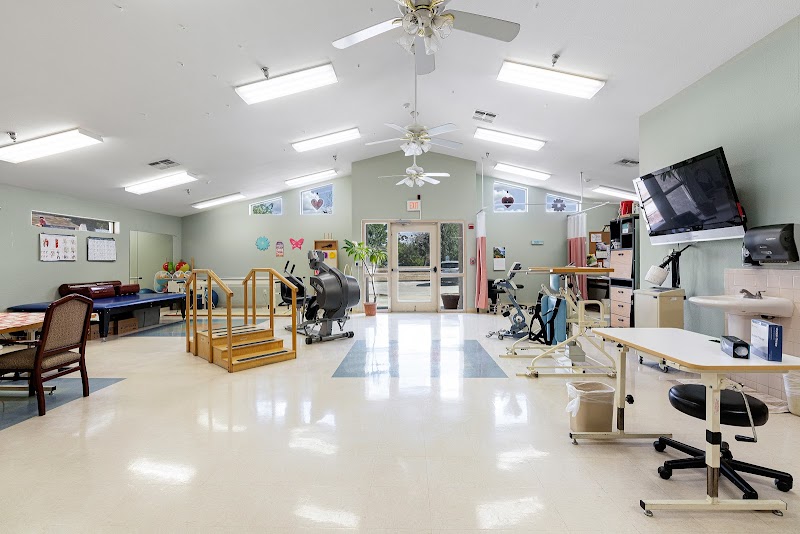
1637 N KING ST, SEGUIN, TX 78155 (830) 379-3784
For profit - Limited Liability company 113 Beds SUMMIT LTC Data: November 2025
Trust Grade
85/100
#169 of 1168 in TX
Last Inspection: August 2024

Within standard 12-15 month inspection cycle. Federal law requires annual inspections.

Overview

Walnut Springs Health and Rehabilitation has a Trust Grade of B+, which means it is recommended and above average compared to other facilities. It ranks #169 out of 1,168 nursing homes in Texas, placing it in the top half, and it is the top option among the eight facilities in Guadalupe County. The facility is showing improvement, with issues decreasing from five in 2024 to just one in 2025. While the overall star rating is excellent at 5/5, staffing is a concern with a 2/5 rating and a 42% turnover rate, which is better than the state average. Notably, there were no fines recorded, indicating a good compliance history, but RN coverage is lower than 96% of Texas facilities, which could affect care quality. Some specific incidents from inspections raise concerns, such as failing to report allegations of abuse and neglect in a timely manner and not ensuring that residents received adequate assistance during transfers, which raises the risk of falls. Additionally, one resident was not able to reach their call light, potentially hindering their ability to ask for help when needed. Overall, while the facility has significant strengths, there are clear areas for improvement that families should consider.

Trust Score
B+
85/100
In Texas
#169/1168
Top 14%
Safety Record
Low Risk
No red flags
Inspections
Getting Better
5 → 1 violations
Staff Stability
○ Average
42% turnover. Near Texas's 48% average. Typical for the industry.
Penalties
✓ Good
No fines on record. Clean compliance history, better than most Texas facilities.
Skilled Nurses
⚠ Watch
Each resident gets only 10 minutes of Registered Nurse (RN) attention daily — below average for Texas. Fewer RN minutes means fewer trained eyes watching for problems.
Violations
⚠ Watch
13 deficiencies on record. Higher than average. Multiple issues found across inspections.
★★★★★
5.0
Overall Rating
★★☆☆☆
2.0
Staff Levels
★★★★☆
4.0
Care Quality
★★★★★
5.0
Inspection Score
Stable
2024: 5 issues
2025: 1 issues

The Good

  • 4-Star Quality Measures · Strong clinical quality outcomes
  • Full Sprinkler Coverage · Fire safety systems throughout facility
  • No fines on record
  • Staff turnover below average (42%)

    6 points below Texas average of 48%

Facility shows strength in quality measures, fire safety.

The Bad

Staff Turnover: 42%

Near Texas avg (46%)

Typical for the industry

Chain: SUMMIT LTC

Part of a multi-facility chain

Ask about local staffing decisions and management

The Ugly 13 deficiencies on record

May 2025 1 deficiency
CONCERN (D) 📢 Someone Reported This

A family member, employee, or ombudsman was alarmed enough to file a formal complaint

Potential for Harm - no one hurt, but risky conditions existed

Accident Prevention (Tag F0689)

Could have caused harm · This affected 1 resident

**NOTE- TERMS IN BRACKETS HAVE BEEN EDITED TO PROTECT CONFIDENTIALITY** Based on observation, interview and record review the facility failed to ensure that each resident received adequate assistance ...

Read full inspector narrative →
**NOTE- TERMS IN BRACKETS HAVE BEEN EDITED TO PROTECT CONFIDENTIALITY** Based on observation, interview and record review the facility failed to ensure that each resident received adequate assistance devices to prevent accidents for 2 of 2 Residents (Resident #1 and Resident #2) who were observed for mechanical lift transfers. 1. CNA A and CNA B failed to lock and widen the base of the mechanical lift while transferring Resident #1 from the wheelchair to the bed. 2. CNA C and CNA D failed to position the mechanical lift in a manner that would allow staff to widen the base of the mechanical lift while transferring Resident #2 from the Geri-chair to the bed. These deficient practices could affect residents who used a mechanical lift for transfers and contribute to avoidable falls. The findings were: 1. Review of Resident #1's face sheet, dated 5/2/25, revealed she was admitted into the facility on 7/11/25 with diagnoses including unspecified Dementia, contracture left knee and left ankle. Review of Resident #1's quarterly MDS assessment, dated 2/22/25, revealed her BIMS score was 10 of 15 reflective of moderate cognitive impairment and Resident #1 was dependent on staff for all ADL care including chair to bed transfers. Review of Resident #1's Care Plan, edited on 3/6/25, revealed she had a self-care performance deficit and required assistance by 2 staff with all transfers via Hoyer lift (according to microsoft [NAME], a patient lift is used by caregivers to safely transfer patients). Observation and interview while transferring Resident #1 from a wheelchair to the bed on 5/2/25 at 1:30 PM revealed CNA A operated the mechanical lift. She positioned the base of the mechanical lift under the wheelchair. CNA A and CNA B hooked the sling to the cradle of the mechanical lift. CNA A did not widen to maximum open position or lock casters at the base of the mechanical lift and then lifted Resident #1 from the wheelchair. She rotated Resident #1 to the left, pushed the mechanical lift and positioned the base under the bed. CNA A lowered Resident #1 onto the bed. She did not lock the caster or widen to the maximum open position the base. Interview with CNA A revealed she thought she widened the base before lifting Resident #1 from the wheelchair but was not certain. She stated she for sure did not lock the base at all during the transfer and did not widen the base of the mechanical lift when she positioned it under the bed. CNA A stated she should have widened the base for stability so the lift would not tilt and she should have locked the lift so it did not move. CNA A commented she did not know why she didn't widen or lock the base. Interview with CNA A and CNA B revealed they recently had training about a week prior on how to safely transfer a resident using a mechanical lift. CNA B stated CNA A did it right during training and believed she just got nervous. Both CNA A and CNA B stated it was important to lock and widen the base to prevent a resident from falling. 2. Review of Resident #2's face sheet, dated 5/2/25, revealed she was admitted to the facility on [DATE] with diagnoses including Major Depressive Disorder, single episode, Attention and Concentration Deficit and Anxiety Disorder. Review of Resident #2's quarterly MDS assessment, dated 3/18/25, revealed her BIMS score was 3 of 15 reflective of severe cognitive impairment. Further review revealed Resident #2 was dependent on staff for all ADL care including chair to bed transfers. Review of Resident #2's Care Plan edited 4/7/25 revealed she had a self-care performance deficit, she used a Geri-chair due to decreased trunk control and to assist with positioning and she required total assistance by 2 staff for transfers with a Hoyer lift. Observation and interview while transferring Resident #2 from a Geri-chair to the bed on 5/2/25 at 2:30 PM revealed CNA C operated the mechanical lift. CNA C positioned the base of the mechanical lift between the feet of the Geri-chair which did not allow her to widen the base to the maximum open position of the mechanical lift. CNA C and CNA D hooked the sling to the cradle of the mechanical lift. CNA C lifted Resident #2 from the Geri-chair, pulled the lift backwards, rotated the lift to her right and pushed the lift towards the bed. She positioned the base underneath the bed, widened to the maximum open position the base and locked casters of the base before lowering Resident #2 onto the bed. Interview with CNA C revealed she positioned the bed between the feet of the Geri-chair. She stated there was not enough space to widen the base even though she knew she had to widen the base for stability. That would keep the mechanical lift from tilting and Resident #2 from falling if the lift became off-centered or unbalanced. Interview with CNA D revealed when he used a mechanical lift for transfers, he would angle it allowing him to position one of the legs of the base between the feet of the Geri-chair and position the other leg on the opposite side behind the foot of the Geri-chair. He stated that allowed him to widen the base for stability. Further interview revealed both CNA C and CNA D stated the rooms were small with limited space when using a mechanical lift and had not been instructed during training the best technique to use. Interview with the DON and ADM on 5/2/25 at 3:00 PM revealed the DON stated nursing staff should always lock and widen the base of a mechanical lift when transferring a resident to keep the lift from moving and for stability. The DON and ADM stated that was the technique they expected nursing staff to use to ensure a safe transfer while using a mechanical lift. Review of the mechanical lift manual, undated, read in relevant part, 7. Patient Lifting. Warning! The legs of the lift must be in the maximum open position for optimum stability and safety. If it is necessary to close the legs of the lift to maneuver the legs of the lift under a bed close the legs of the lift only as long as it takes to position the lift over the patient and lift the patient off the surface of the bed. When the legs of the bed are no longer under the bed, return the legs of the lift to the maximum open position and immediately lock the shift handle. 7.2 Warning! Do not lock the casters of the patient lift when lifting an individual. Locking the rear casters could cause the patient lift to tip and endanger the patient and assistants.
Aug 2024 5 deficiencies
CONCERN (D) 📢 Someone Reported This

A family member, employee, or ombudsman was alarmed enough to file a formal complaint

Potential for Harm - no one hurt, but risky conditions existed

Deficiency F0558 (Tag F0558)

Could have caused harm · This affected 1 resident

**NOTE- TERMS IN BRACKETS HAVE BEEN EDITED TO PROTECT CONFIDENTIALITY** Based on observation, interview and record review the facility failed to ensure residents received services in the facility with...

Read full inspector narrative →
**NOTE- TERMS IN BRACKETS HAVE BEEN EDITED TO PROTECT CONFIDENTIALITY** Based on observation, interview and record review the facility failed to ensure residents received services in the facility with reasonable accommodation of resident needs for 1 of 22 residents (Resident #21) who were observed for call light placement. The facility failed to ensure the call light was within reach for Resident #21. This deficient practice could affect any resident and keep them from calling for help as needed. The findings were: Record review of Resident #21's face sheet, dated 08/27/2024, revealed she was admitted to the facility on [DATE] with a latest return date of 12/29/2021 with diagnoses which included: Hemiplegia and hemiparesis following unspecified cerebrovascular disease affecting right dominant side, vascular dementia severe, without behavioral disturbance, pain disorder with related psychological factors, anxiety disorder, schizoaffective disorder, depressive type, and hypertension. Record review of Resident #21's Quarterly MDS assessment, dated 06/26/2024, revealed the resident's BIMS score was 7, which indicated severe cognitive impairment. The Quarterly MDS assessment further revealed Resident #21 required substantial/maximal assistance (helper does more than half the effort) for toileting hygiene, shower/bathe self, and lower body dressing. Record review of Resident #21's care plan, edited date of 07/30/2024, revealed Resident #21 had a problem of Resident is at risk for falls due to: weakness, use of psychotropic medications, cognitive impairment and approach revealed keep call bell in reach. Observation and interview on 08/27/2024 at 9:44 a.m. revealed CNA A exiting Resident #21's room. Resident #21 was observed sitting in a reclined Geri-chair and the call light was approximately two feet away from her bed where her call light was hanging on the head of the bed between the bed and the nightstand. Resident #21 stated she was not able to reach her call light. During an interview and observation on 08/27/2024 at 9:47 a.m. CNA A revealed she had just got Resident #21 up and stated Resident #21 was not able to reach her call light where it was hanging. CNA A took the call light off the head of Resident #21's bed and placed it across the blanket lying on Resident #21's chest. CNA A further stated Resident #21 did use her call light when she needed assistance. CNA A stated the call light was needed in case the resident needed them or needed assistance for anything. During an interview on 08/27/2024 at 5:00 p.m. the ADM stated everybody was responsible for the placement of call lights. The ADM further stated the residents' call lights should always been within reach. The ADM stated the call lights were important for staff to know if the resident had a need or if they needed assistance. Record review of facility's Call light - Use of policy, effective date 10-2020, read Policy It is the policy of this home to ensure residents have a call light within reach that they are physically able to access . Procedure 12. Be sure call lights are placed near the resident, never on the floor or bedside stand.
CONCERN (D) 📢 Someone Reported This

A family member, employee, or ombudsman was alarmed enough to file a formal complaint

Potential for Harm - no one hurt, but risky conditions existed

Free from Abuse/Neglect (Tag F0600)

Could have caused harm · This affected 1 resident

**NOTE- TERMS IN BRACKETS HAVE BEEN EDITED TO PROTECT CONFIDENTIALITY** Based on observation, interview and record review the facility failed to ensure residents were not verbally and physically abuse...

Read full inspector narrative →
**NOTE- TERMS IN BRACKETS HAVE BEEN EDITED TO PROTECT CONFIDENTIALITY** Based on observation, interview and record review the facility failed to ensure residents were not verbally and physically abused for 1 of 8 Residents (Resident #5) whose records were reviewed for abuse. CNA B roughly rolled Resident #5 forward in bed applied a mechanical lift sling and roughly rolled Resident #5 back towards her in bed preparing Resident #5 for a mechanical lift transfer. CNA B told Resident #5 to shut up when Resident #5 moaned and groaned. CNA B told Resident #5 Don't grab me. when Resident #5's right hand slightly touched her right shoulder due to the force used when rolling Resident #5 back towards her. CNA B then commented, Same shit every day; every day. This noncompliance was identified as past non-complinace. The non-complinace began on 08/15/2024 and ended on 08/18/2024. The facility corrected the non-complinace before the survey began. This deficient practice could affect any resident and result in emotional and physical abuse. The findings were: Review of Resident #5's face sheet, dated 8/27/24, revealed she was admitted to the facility on [DATE] with diagnoses including Malignant neoplasm of upper-inner quadrant of unspecified female breast, unspecified protein-calorie malnutrition, unspecified Dementia, Major depressive disorder, single episode, anxiety disorder, unspecified and Parkinson's disease. Review of Resident #5's MDS assessment revealed her BIMS was 0 reflective of severe cognitive impairment; had a history of physical behavioral symptoms towards others; had history of rejecting care; was totally dependent on staff for all ADL's and had hemiplegia/hemiparisis. Review of Resident #5's Care Plan, edited 8/21/24, revealed she had an ADL performance deficit and limited physical limited mobility, approaches included CNA/Hospice aides to coordinate with nurse prior to care for pain medication administration. When providing care, (bed mobility, transfers, incontinent care) requires assist x 2 d/t pain. TRANSFER: the resident requires Hoyer lift (mechanical lift) for transfers with assist x 2 staff. Review of the facility Provider Investigation Report, dated 8/19/24, revealed the incident date involving CNA B and Resident #5 took place on 8/15/24. A family member emailed the ADM at 11:15 AM on 8/15/24 alleging CNA B abused Resident #5. The family member sent AEM video footage which showed emotional and physical abuse. The ADM reported the incident to HHSC on 8/15/24 at 1:30 PM. CNA B was terminated on 8/16/24 based on the investigation findings. The ADM confirmed abuse. In-services on topics including abuse and staff burn out were provided for all staff on 8/15/24. Review of assessment for Resident #5 on 8/15/24 at 1 PM revealed Resident could not be interviewed to ask for possible psychological affects; however, she had not had any changes in her demeanor. Review of the AEM video sent to the ADM on 8/15/24 at 11:15 AM revealed CNA B roughly rolled Resident #5 forward in bed, applied a sling (mechanical lift sling) and roughly rolled Resident #5 back towards her in bed preparing Resident #5 for a mechanical lift transfer. CNA B told Resident #5 to shut up when Resident #5 moaned and groaned. CNA B told Resident #5 Don't grab me. when Resident #5's right hand slightly touched her right shoulder due to the force used when rolling Resident #5 back towards her. CNA B then commented, Same shit every day; every day. Review of the incident/accident log from May 2024 to August 2024 did not reveal any other incidents involving abuse. Review of other reportable events from May 2024 to August 2024 did not reveal other incidents involving abuse. Review of 18 resident safe surveys, dated 8/15/24, revealed none of the residents expressed any concerns related to abuse. Review of facility Employee List, undated, revealed 66 direct care staff. Review of an in-service training titled, Employee Burnout strategies and tips dated 8/15/24, revealed 39 staff signatures. Review of an in-service training, titled, Abuse & Neglect; dated 8/15/24 revealed 27 staff signatures. Interviews with sampled 19 residents during the survey process from 8/25/24 through 8/28/24) revealed none of the residents expressed any concerns related to abuse. Observation on 08/25/24 at 10:21 AM revealed Resident #5 lying in bed, facing the wall. Further observation revealed Resident #5 was very frail; her clavicle (shoulder) bones were protruding. Resident #5 turned when called out her name but did not talk. She did not engage in conversation; did not answer any questions. Interview on 08/27/24 at 02:27 PM with the ADM revealed she received a call from Resident #5's family member. The family member reported she observed CNA B on the automated electronic monitoring system, being rough with Resident #5. The ADM stated the family member sent her a copy of the video. The ADM stated she viewed the video and commented, CNA did not treat her like a person; she treated it like a task. The ADM stated CNA B aggressively rolled Resident #5 towards the wall and then aggressively rolled her back. Her arm flung and touched CNA B's shirt and CNA B commented Don't be grabbing me. CNA B placed the (mechanical lift) sling underneath Resident #5 and left the room. The ADM stated after returning to Resident #5's room, CNA B commented It's the same shit every day. The ADM stated CNA B used the Hoyer (mechanical lift ) on her own. The ADM stated she suspended CNA B on the same date she learned about the incident, 8/15/24. The following day, 8/16/24, she called and talked with CNA B. CNA B did not acknowledge she did anything wrong except for not having a second person to operate the Hoyer (mechanical lift). She asked CNA B about using the Hoyer (mechanical lift) on her own. CNA B told her, there was not a float (alternative staff person) to help her, so she transferred Resident #5 on her own. The ADM stated there was a float (alternative staff person), but nevertheless other staff was available. If not, then CNA B should have left Resident #5 in bed until someone else was available for assistance. The ADM stated CNA B did not recognize her interactions with Resident #5 were harsh. She stated CNA B did not show any consideration for Resident #5. She stated Resident #5 was in pain all the time related to having Cancer. The ADM commented, she forgot the camera was there and that made it worse. The ADM stated she determined CNA B was not the type of employee she wanted in the facility and terminated her. The ADM stated she spoke with other residents including Resident #12 who was opinionated and hard to please. She stated Resident #12 loved CNA B. The ADM stated other residents and staff did not express any concerns. She stated CNA B did not have other performance problems that required coaching or a write up. However, the ADM stated CNA B previously worked in the MCU for years, but they pulled her out because she was showing signs of burn out. The ADM stated CNA B was being short and impatient with the residents. The ADM further stated there had not been any other confirmed allegations of abuse since this incident. Telephone interview on 08/28/24 at 11:43 AM with CNA B revealed she had a history of depression and PTSD related to past trauma she experienced. CNA B denied remembering all the events that took place with Resident #5 and stated she did not do anything wrong. She stated at times Resident #5 tried to hit staff while providing care. CNA B stated she did not have any help and that's why I was frustrated. I don't always have help. CNA B stated she sent a mass text message to other CNAs on duty asking for help. She stated no one showed up so she transferred Resident #5 on her own using a mechanical lift. CNA B stated she knew it required two staff for safety reasons not only for the residents but for staff as well. CNA B stated Resident #5 was not able to use her left arm; did not have control due to paralysis. CNA B stated she worked in the MCU before for 9 years prior to working on her assigned hall. She stated she was moved because they told her she did not have patience with the residents. She stated staff also told her she looked like she was burned out. CNA B admitted she was burned out and was relieved when she left the MCU. CNA B again stated she had experienced past trauma; had PTSD and depression and sometimes, some days were really bad days she would become very emotional. CNA B was asked if she believed she was safe to work as a caregiver because of her condition. She stated she was if she had someone to talk to and got it out of my system, but if not, I will have a bad day. CNA B stated she did not reach out to anyone on the day in question in an effort to vent with someone. She stated she did not have any vacation days until September 2024 and had not had a vacation in one year. CNA B stated she was stressed out related to personal matters. She denied remembering making the comment it's the Same shit every day, every day. She stated she complained to co-worker's that she needed to get another job. CNA B was asked how she thought the family felt when they saw the video. She stated I know, I know. I would be angry too. I've thought about it. I am remorseful. CNA B stated she worked with Resident #5 for about 3 to 4 months. CNA B was asked what she felt sorry about and she commented she made a mistake and should have called in to work knowing I didn't feel well. I was burned out from this place; worked here for 10 years. CNA B stated, she lost her job over it. CNA B would not elaborate on exactly why she felt remorse even after being reminded there was a video of her interactions with Resident #5. Interview on 8/28/24 at 1:30 PM with Resident #5's family members revealed she and the rest of the family were satisfied with how the ADM responded and addressed their concerns related to abuse. She stated they were pleased overall with the care the Resident received and stated there had not been any other concerns related to abuse. Interview on 8/28/24 at 3 PM with the ADM revealed she did not make a police report because they usually did not do anything about the matter. She stated she thought HHSC made staff referrals to the board. The ADM stated staff assessed other residents (completed safe survey's) on 8/15/24, who CNA B worked with on the same date with no reported concerns. The ADM stated she did not remember providing CNA B time off or providing training after being moved out of the MCU related to burnout. Interview on 8/28/24 at 4 PM with the RN, Regional Nurse Consultant, revealed she was the DON at the time CNA B worked in the MCU. She stated staffing was rough at that point and there was one particular resident in the MCU who disrupted the environment. The resident was very difficult to manage. She stated she talked with other residents and staff at the time they decided to move CNA B out of the MCU. The RN, Regional Nurse Consultant, stated there were no reported concerns related to abuse or neglect. She further stated she talked with CNA B after being moved out of the MCU and CNA B stated things were getting better. The RN, Regional Nurse Consultant, stated she extended her support to CNA B as needed. The RN, Regional Nurse Consultant, stated after the most recent incident on 8/15/24, one of the clinical staff members mentioned CNA B was attending classes related to personal matters. The RN, Regional Nurse Consultant, stated she did not know exactly for what and other staff members said they did not know either. Review of a facility policy, Abuse/Reportable Events, undated, read: All residents the right to be free from abuse, neglect, misappropriation of resident property, and exploitation. Residents should not be subjected to abuse by anyone, including, but not limited to, facility staff, other residents, consultants or volunteers, staff of other agencies serving the residents. Definitions: • Abuse: the willful infliction of injury, unreasonable confinements, intimidation, or punishment resulting in physical hard, pain or mental anguish. Irrespective of any mental or physical condition, cause physical harm, pain or mental anguish. It includes verbal abuse, sexual abuse, physical abuse. • Physical Abuse: Includes hitting, slapping, pinching, and kicking. • Verbal Abuse: Any use of oral, written or gestured language that willfully includes disparaging and derogatory terms to residents, or within their hearing distance, regardless of age, ability to comprehend, or disability. Each resident has the right to be free from all types of abuse. This facility establishes an environment that is as homelike as possible and includes a culture and environment that treats each resident with respect and dignity. Treating a nursing home resident in any manner that does not uphold a resident's sense of self-worth and individuality dehumanizes the resident and creates an environment that perpetuates a disrespectful and/or potentially abusive attitude towards the resident (s).
CONCERN (D) 📢 Someone Reported This

A family member, employee, or ombudsman was alarmed enough to file a formal complaint

Potential for Harm - no one hurt, but risky conditions existed

Quality of Care (Tag F0684)

Could have caused harm · This affected 1 resident

**NOTE- TERMS IN BRACKETS HAVE BEEN EDITED TO PROTECT CONFIDENTIALITY** Based on observation, interview and record review revealed based on the comprehensive assessment of a resident, the facility fai...

Read full inspector narrative →
**NOTE- TERMS IN BRACKETS HAVE BEEN EDITED TO PROTECT CONFIDENTIALITY** Based on observation, interview and record review revealed based on the comprehensive assessment of a resident, the facility failed to ensure that residents receive treatment and care in accordance with professional standards of practice and the comprehensive person-centered care plan for 1 of 6 Residents (Resident #2) whose records were reviewed for wounds. Nursing staff failed to ensure treatment orders were entered into Resident #2's EHR after she was assessed with an anal fissure (a small tear in the thin, moist tissue that lines the anus according to Mayo Clinic) to ensure Resident #2 received treatment per physician's orders. This deficient practice could affect residents with new physician orders and could contribute to a decline in physical condition. The findings were: Review of Resident #2's quarterly MDS assessment, dated 7/17/24, revealed she was admitted to the facility on [DATE] with diagnoses including Bipolar Disorder, Schizoaffective Disorder and Chronic Kidney Disease, Stage III. Further review revealed Resident #2's BIMS was 12 reflective of moderate cognitive disorder. Review of Resident #2's Care Plan, dated 8/25/24, revealed she had a fissure to the coccyx with onset date of 8/23/24. Further review revealed approaches included: If skin breaks down occurs, treat per MD orders, notify MD and family. Keep skin clean and dry. Use lotion on dry scaly skin. Review of progress note dated, 8/23/24 at 12:54 PM written by LVN D read, Noted a 0.7 cm fissure to coccyx. N.O. Cleanse affected area to coccyx with wound cleanser. apply zinc and LOTA. Monitor for s/s of infection and notify MD with any concerns. Review of the Twenty-four- Hour Report, dated 8/23/24, revealed Resident #2 with Fissure coccyx Zinc BID written by LVN D. Review of a physician's order, dated 8/25/24, revealed fissure to coccyx: Clean with wc and apply zinc BID until healed written by LVN E; treatment nurse. Observation and interview on 8/28/24 at 9 AM with Resident #2 revealed she was sitting in a wheelchair in her room. Resident #2 stated she had a wound and described the area between butt her cheeks and stated staff would clean it. She stated the wound opened up a few days ago. Resident #2 stated it did not hurt and it felt ok. Interview on 08/26/24 at 04:30 PM with LVN E, treatment nurse, revealed she stated LVN D obtained a physician's order for wound treatment on 8/23/24 for Resident #2 related to a fissure. LVN D left a note on her desk, and she found it on Sunday, 8/24/24. LVN E stated she entered the order on 8/24/24. However, LVN D should have entered the order or passed it on during report after receiving the order from the MD. LVN E stated she reviewed the 24- hour report and LVN D documented the N.O. She stated there was no documentation that LVN D provided treatment on Friday, 8/23/24. LVN E stated LVN F worked 6 AM to 6 PM on 8/23/24; she did not enter the order and did not provide treatment either based on the lack of documentation. LVN E stated it also looked like Resident #2 missed treatment on Saturday, 8/24/24, as well. LVN E stated as part of the management team, she ran a report on Sunday, 8/25/24, when she reported to work after the Survey team entered the facility. She stated the reports would reflect any new onset diagnosis that had been charted on, any opened orders; would run the 24-hour report so she noted the N.O. on Sunday, 8/24/24, for Resident #2. LVN E stated she normally did not work weekends and it would have been Monday, 8/25/24, before she caught the new order if no one else would have caught it. Interview on 08/28/24 at 09:51 AM with LVN D revealed she worked PRN, about 2 to 3 days monthly but had been a nurse for 44 years. LVN D stated she on Friday, 8/23/24. one of the CNA's reported Resident #2 had something on her back side. The CNA had just showered Resident #2 and she assessed the area. LVN D stated she noted what looked like a scratch on her anal area/coccyx. She stated the charge nurse on duty, RN G told her to call it a fissure. LVN G instructed her to leave a note for LVN E, treatment nurse. LVN D stated she told the nurse on duty, LVN F, about the wound and the N.O. she received. She wrote the diagnosis and N.O. on the 24- hour report, she completed a treatment progress note and provided treatment on Friday, 8/23/24. After reviewing Resident #2's EHR, she commented after 44 years of being a nurse I forgot to write the order. She stated she was responsible for writing the order because she received it from the MD. She stated if she did not enter the order then Resident #2 would not get treatment as ordered because it was the weekend and no one else would find it until the following Monday when they reviewed new orders. LVN D further stated if Resident #2 did not get treatment, then her wound would get worse. LVN D stated upon assessment Resident #2 denied pain. Interview on 08/28/24 at 10:30 AM with LVN F revealed she worked on Friday, 8/23/24; she knew LVN D received a treatment order for Resident #2. She stated she did not ensure the order was entered, she stated My mind doesn't work that way. If I don't see the order, then I don't know to provide treatment. LVN F stated she worked on Saturday, 8/24/24, and did not provide treatment. She stated on Friday, 8/23/24, she had her own tasks and was focused on getting them done and did not think about Resident #2 or whether or not LVN D entered the physician's order or if she provided treatment. Interview on 08/28/24 at 10:39 AM with the DON and ADON revealed LVN D should have entered the order because she received it. However, LVN G, could have entered the order or the nurse supervisor, RN G. The DON stated it was true staff members were not responsible for completing other nursing staff members tasks; however, knowing that it was the weekend, it would be best practice to ensure the physician's order was entered. The DON stated it was also best practice that nursing staff follow the physician's orders. The DON stated the oncoming nurse would not know about the order because the PRN nurse, LVN D, left early and there was no order. However, the nurse could have looked in the 24 hour report. The DON stated they audited new orders by running reports every morning, Monday through Friday, from the previous day to ensure all tasks were completed based on anything new that came up the previous day. The DON stated they did not run reports on Saturday and Sunday and stated LVN E, treatment nurse, did not work weekends and it would have been Monday, 8/26/24, before they would have ran a report. The DON stated LVN E ran the report because she reported to work after the Survey team entered the facility and noted the N.O. for Resident #2. LVN E entered the N.O. on 8/25/24. The DON stated there was no documentation that Resident #2 received treatment on 8/23/24 or 8/25/24. She stated nursing staff had been watching the wound to ensure there were no negative outcomes; that the wound did not get bigger, that Resident #2 developed an infection, or the wound worsened in any way. The DON stated there had not been any negative outcomes. Interview on 08/28/24 at 12:59 PM LVN H revealed he worked from 6 PM to 6 AM on Friday and Saturday, 8/23/24 and 8/24/24. He stated he learned about the new treatment order for Resident #2 on Sunday, 8/24/24 when the treatment nurse, LVN E called him. However, as one of the charge nurse's, one of his responsibilities was to review the 24-hour report and he should follow up on any new orders. He stated he did not remember reviewing the 24-hour report on Friday, 8/23/24 and stated it was on him because he did not review the 24 report. LVN H stated there was no documentation Resident #2 received treatment on 8/23/24 and he stated he did not provide treatment on 8/24/24. Interview on 08/28/24 at 5:30 PM with the DON, she again stated Resident #2 did not receive treatment on 8/24/24. She stated LVN D did not enter the physician's order into their system and LVN F, who was working Station I, and the charge nurse for Resident #2, did not provide wound treatment on 8/24/24 per physician orders. Review of facility policy, Nursing Policy and Procedure, Subject: Telephone Order Processing, effective date 10/2020, read It is the policy of this home that a telephone order will be written for orders obtained verbally from a physician or physician extender. Equipment 1. The resident's medical record. a. Send original to physician for signature. b. Send a copy to the DON/ADON or the computer for update. c. Copy will be maintained in the clinical software. Procedure 1. Obtain telephone order from physician. 2. Write telephone order on physician's order form. 3. Record date and time order was received. 4. Complete resident identification information on the telephone order and the physician's first initial and last name. 5. Sing telephone order form with your first initial, last name and title. 6. Place original and one copy in designated area. 7. Director of Nursing/Designee will check daily during the morning routine to be sure telephone orders have been written correctly, ,transcribed accurately, ,and then sent to ordering physician for signature. 8. When signed telephone orders are returned to the home the signed telephone order is adhered to the copy in the chart.
CONCERN (D) 📢 Someone Reported This

A family member, employee, or ombudsman was alarmed enough to file a formal complaint

Potential for Harm - no one hurt, but risky conditions existed

Accident Prevention (Tag F0689)

Could have caused harm · This affected 1 resident

**NOTE- TERMS IN BRACKETS HAVE BEEN EDITED TO PROTECT CONFIDENTIALITY** Based on observation, interview and record review the facility failed to ensure each resident received assistance devices to pre...

Read full inspector narrative →
**NOTE- TERMS IN BRACKETS HAVE BEEN EDITED TO PROTECT CONFIDENTIALITY** Based on observation, interview and record review the facility failed to ensure each resident received assistance devices to prevent accidents for 2 of 8 Residents (Resident #5 and Resident #36) who were observed for transfers. 1. CNA B transferred Resident #5 from the bed to the wheelchair using a mechanical lift which by the resident's care plan and policy required two people for operation and transfer. 2. CNA C transferred Resident #36 from the wheelchair to the bed without the use of a gait as needed due to the resident having unsteady gait. These deficient practices could affect residents who require assistive devices during transfers and could contribute to avoidable falls. The findings were: 1. Review of Resident #5's face sheet, dated 8/27/24, revealed she was admitted to the facility on [DATE] with diagnoses including Malignant neoplasm of upper-inner quadrant of unspecified female breast; unspecified protein-calorie malnutrition; Contracture, unspecified hand, Contracture, unspecified knee and Contracture, unspecified muscle site; unspecified Dementia, Major depressive disorder, single episode, anxiety disorder, unspecified and Parkinson's disease. Review of Resident #5's MDS assessment revealed her BIMS was 0 reflective of severe cognitive impairment; had a history of physical behavioral symptoms towards others; had history of rejecting care; was totally dependent on staff for all ADL's and had hemiplegia/hemiparisis. Review of Resident #5's Care Plan, edited 8/21/24, revealed she had an ADL performance deficit and limited physical limited mobility, approaches included CNA/Hospice aides to coordinate with nurse prior to care for pain medication administration. When providing care, (bed mobility, transfers, incontinent care) requires assist x 2 d/t pain. TRANSFER: the resident requires Hoyer lift for transfers with assist x 2 staff. Observation on 08/25/24 at 10:21 AM revealed Resident #5 lying in bed, facing the wall, Further observation revealed Resident #5 was very frail; her clavicle bones were protruding. Resident #5 turned when called her name but did not talk. She did not engage in conversation. Interview on 08/27/24 at 02:27 PM with the ADM revealed she received a call from Resident #5's family member on 8/15/24. The family member reported she observed CNA B on the automated electronic monitoring system, being rough with Resident #5 prior to a transfer. The ADM stated the family member sent a copy of the video. The ADM stated she viewed the video and stated CNA B used a mechanical lift (Hoyer) on her own to transfer Resident #5 from the bed to the wheelchair. The ADM stated CNA B admitted to using the mechanical lift without the assistance of a second person claiming there was not a float available. The ADM stated there was a float, but nevertheless other Staff was available. If not, then CNA B should have left Resident #5 in bed until someone else was available for assistance. Telephone interview on 08/28/24 at 11:43 AM with CNA B revealed she stated she did not have any help and that's why I was frustrated. I don't always have help. CNA B stated she sent a mass text message to other CNAs on duty asking for help. She stated no one showed up so she transferred Resident #5 on her own using a mechanical lift. CNA B stated she knew it required two staff for safety reasons not only for the residents but for staff as well. Review of facility policy, Mechanical Lift, effective date 10/2020, read It is the policy of this home to utilize the Hoyer (or similar) lift when it is necessary to safely transfer a resident due to body weight or physical condition. Lifting a resident with a mechanical lift is always a two-person procedure. 2. Review of Resident #36's face sheet, dated 3/21/20, revealed she was admitted to the facility on [DATE] with diagnoses including Transient cerebral ischemic attack, Aphasia, other abnormalities of gait and mobility and muscle wasting and atrophy, not elsewhere classified, multiple sites, Review of Resident #36's quarterly MDS assessment, dated 7/25/24, revealed her BIMS was a 5 reflective of severe cognitive impairment and she required substantial/maximal assist when coming to standing position when sitting in a chair, wheelchair or on the side of bed. Review of Resident #36's Care Plan, edited 8/26/24, revealed she was at risk for falling related to impaired mobility, incontinent of bowel and bladder, impaired cognition, poor safety awareness, right sided weakness secondary to CVA, attempts to self transfer back to bed. Approaches included staff to reeducate resident on the use of a call light, bed in lowest position, encourage resident to ask staff for assistance with transfers and keep call light within reach at all times. Review of the incident/accident log from June 2024 to August 2024 revealed Resident #36 fell twice during August 2024. Review of an incident report dated 8/8/24 revealed Resident #36 was sitting on the floor on her bottom with legs criss-crossed directly next to the side of bed. Resident (#36) was waving at staff to come here as staff was entering the room. Resident (#36) denied having pain and motioned with her hands that slid off the bed. Upon assessment no injuries were noted. Review of an incident report dated 8/26/24 CNA notified nurse that resident had fallen. Upon entry to resident room, Nursing noted Resident sitting on buttocks at bedside, with her back to the bed. CNA stated resident was transferring from bed to wheelchair and started to sit in chair then turned back to bed and let go of chair causing her to fall on buttocks at which point resident then laid self-down. CNA states that resident did not hit her head. No complaints voiced. No signs or symptoms of pain or distress noted as this time. Observation and interview on 08/25/24 at 1:30 PM revealed Resident #36 was sitting in a wheelchair at bedside. Further observation revealed CNA C transferred Resident #36 from wheelchair to the bed without using a gait belt. Resident #36's legs were wobbly when she stood up from the wheelchair. Interview on 8/25/24 at 1:35 PM with CNA C revealed he should have used a gait belt when he transferred from the wheelchair to the bed. He stated Resident #36 could stand with assistance but was unsteady and he could lower Resident #36 down to the floor if she were going to fall to avoid serious injuries. CNA C further stated using a gait belt would also protect him from injury or he would be able to help balance Resident #36 if was off-balance. CNA C stated he left his gait belt in his backpack. Interview on 8/28/24 at 5:30 PM with the DON revealed a CNA should always use a gait belt when transferring a resident especially if the resident is not steady. The gait belt was used for the safety of the resident and the staff member. The DON stated the aide could help balance a resident and prevent a fall. Review of a facility policy, Gait Belt-Correct Use of, effective date 10-2020, read 'Always use the gait belt when the resident requires hands on assistance to ambulate or transfer.
MINOR (B) 📢 Someone Reported This

A family member, employee, or ombudsman was alarmed enough to file a formal complaint

Minor Issue - procedural, no safety impact

Deficiency F0912 (Tag F0912)

Minor procedural issue · This affected multiple residents

**NOTE- TERMS IN BRACKETS HAVE BEEN EDITED TO PROTECT CONFIDENTIALITY** Based on observations, record reviews and interviews, the facility failed to ensure that 21 out of 21 resident rooms (401-405, 4...

Read full inspector narrative →
**NOTE- TERMS IN BRACKETS HAVE BEEN EDITED TO PROTECT CONFIDENTIALITY** Based on observations, record reviews and interviews, the facility failed to ensure that 21 out of 21 resident rooms (401-405, 407, 410-414 and 501-510) provided a minimum of 80 square feet of floor space per resident. Twenty-one of the two-bed resident rooms measured less than the required 80 square feet per resident. This deficient practice could affect residents living in these rooms by restricting the amount of resident care equipment and resident's personal effects that could be accommodated in these rooms. The findings were: Review of the facility Bed Classification Form 3740 dated 08/26/2024 as completed by the facility Administrator revealed, Resident Rooms 401 through 405, 407, 410 through 414, and 501 through 510 were listed as two resident bedrooms. Observation on 08/24/2024 beginning at 2:45 p.m. of the measurements of resident bedrooms using a laser measuring tool by the Life Safety Code surveyor, revealed the following measurements: room [ROOM NUMBER]: 11.75 feet x 12.6 feet = 148.5 square feet (approximately 74.25 square feet per resident). room [ROOM NUMBER]: 11,75 feet x 12.75 feet = 149.81 (approximately 74.9 square feet per resident). room [ROOM NUMBER]: 11.75 feet x 12.75 feet = 149.81 (approximately 74.9 square feet per resident). room [ROOM NUMBER]: 11.75 feet x 12.75 feet = 149.81 (approximately 74.9 square feet per resident). room [ROOM NUMBER]: 11,75 feet x 12,75 feet = 149.81 (approximately 74.9 square feet per resident). room [ROOM NUMBER]: 11.75 feet x 12.75 feet = 149.81 (approximately 74.9 square feet per resident). room [ROOM NUMBER]: 11.25 feet x 12.66 feet = 142.42 (approximately 71 square feet per resident). room [ROOM NUMBER]: 11.66 feet x 12.66 feet = 147.61 (approximately 73.8 square feet per resident). room [ROOM NUMBER]: 11.66 feet x 12.66 feet = 147.61 (approximately 73.8 square feet per resident). room [ROOM NUMBER]: 11.75 feet x 12.75 feet = 149.81 (approximately 74.9 square feet per resident). room [ROOM NUMBER]: 11.75 feet x 12.66 feet = 147.61 (approximately 73.8 square feet per resident). room [ROOM NUMBER]: 13.5 feet x 10.9 feet = 147.15 (approximately 73.5 square feet per resident). room [ROOM NUMBER]: 10.75 feet x 13.5 feet = 145.12 (approximately 72.5 square feet per resident). room [ROOM NUMBER]: 10.83 feet x 13.5 feet = 145.8 (approximately 72.9 square feet per resident). room [ROOM NUMBER]: 13.5 feet x 10.9 feet = 147.15 (approximately 73.5 square feet per resident). room [ROOM NUMBER]: 13.5 feet x 10.9 feet = 147.15 (approximately 73.5 square feet per resident). room [ROOM NUMBER]: 10.83 feet x 13.5 feet = 146.2 (approximately 73.1 square feet per resident). room [ROOM NUMBER]: 10.9 feet x 13.5 feet = 147.15 (approximately 73.5 square feet per resident). room [ROOM NUMBER]: 10.83 feet x 13.5 feet = 146.2 (approximately 73.1 square feet per resident). room [ROOM NUMBER]: 10.9 feet x 13.5 feet = 142.15 (approximately 73.5 square feet per resident). room [ROOM NUMBER]: 10.9 feet x 13.5 feet = 142.15 (approximately 73.5 square feet per resident). During an interview on 08/27/2024 at 5:00 p.m., the Administrator confirmed the identified residents' rooms were 2-person rooms and did not provide a minimum of 80 square feet of floor space per resident. The Administrator requested a room size waiver for those resident rooms and completed Form 3762 Room Size Waiver for Facilities that reflected that all justification criteria for the wavier had been met which would not adversely affect the residents living in the rooms.
Jun 2023 1 deficiency
MINOR (B)

Minor Issue - procedural, no safety impact

Deficiency F0912 (Tag F0912)

Minor procedural issue · This affected multiple residents

**NOTE- TERMS IN BRACKETS HAVE BEEN EDITED TO PROTECT CONFIDENTIALITY** Based on observation, interview, and record review the facility failed to have resident rooms that measured at least 80 square f...

Read full inspector narrative →
**NOTE- TERMS IN BRACKETS HAVE BEEN EDITED TO PROTECT CONFIDENTIALITY** Based on observation, interview, and record review the facility failed to have resident rooms that measured at least 80 square feet per resident in multiple resident bedrooms for 19 of 26 resident rooms (Rooms 401-405, 407, 410-414, and 501-508) reviewed for square footage. Resident rooms 401-405, 407, 410-414, and 501-508 measured less than the required 80 square feet per resident. This failure could affect residents negatively by restricting the amount of room the residents had for needed resident care equipment, personal furnishings, and personal belongings, and could result in feelings of frustration, confined space, and a decreased quality of life. The findings were: In an interview on 6/16/23 at 9:25 a.m. the Administrator stated she wanted to continue the room waiver for all rooms not meeting the square footage requirement. Record review of the Bed Classification form 3740 signed by the Administrator on 6/13/23 revealed rooms 401, 402, 403, 404, 405, 407, 410, 411, 412, 413, 414, 501, 502, 503, 504, 505, 506, 507, and 508 were all certified rooms for two beds each. Record review of the current resident roster dated 6/13/23 revealed the rooms that did not meet double occupancy room size and were currently being used as double occupancy rooms were 401, 410, and 501-508. Observation and interview on 6/16/23 at 11:30am 12:15 p.m. with the Administrator revealed rooms 401, 402, 403, 404, 405, 407, 410, 411, 412, 413, 414, 501, 502, 503, 504, 505, 506, 507, and 508 measurements were as follows: room [ROOM NUMBER]: 12 feet 9 inches x 11 feet 9 inches = 150 (approximately 75 square feet per resident). room [ROOM NUMBER]: 12 feet 9 inches x 11 feet 9 inches = 150 (approximately 75 square feet per resident). room [ROOM NUMBER]: 12 feet 9 inches x 11 feet 9 inches = 150 (approximately 75 square feet per resident). room [ROOM NUMBER]: 12 feet 9 inches x 11 feet 9 inches = 150 (approximately 75 square feet per resident). room [ROOM NUMBER]: 12 feet 9 inches x 11 feet 9 inches = 150 (approximately 75 square feet per resident). room [ROOM NUMBER]: 12 feet 9 inches x 11 feet 9 inches = 150 (approximately 75 square feet per resident). room [ROOM NUMBER]: 12 feet 9 inches x 11 feet 3 inches = 143 (approximately 72 square feet per resident). room [ROOM NUMBER]: 12 feet 9 inches x 11 feet 9 inches = 150 (approximately 75 square feet per resident). room [ROOM NUMBER]: 12 feet 9 inches x 11 feet 9 inches = 150 (approximately 75 square feet per resident). room [ROOM NUMBER]: 12 feet 9 inches x 11 feet 9 inches = 150 (approximately 75 square feet per resident). room [ROOM NUMBER]: 12 feet 9 inches x 11 feet 9 inches = 150 (approximately 75 square feet per resident). room [ROOM NUMBER]: 14 feet x 11 feet = 154 (approximately 77 square feet per resident). room [ROOM NUMBER]: 14 feet x 11 feet = 154 (approximately 77 square feet per resident). room [ROOM NUMBER]: 14 feet x 11 feet = 154 (approximately 77 square feet per resident). room [ROOM NUMBER]: 14 feet x 11 feet = 154 (approximately 77 square feet per resident). room [ROOM NUMBER]: 14 feet x 11 feet = 154 (approximately 77 square feet per resident). room [ROOM NUMBER]: 14 feet x 11 feet = 154 (approximately 77 square feet per resident). room [ROOM NUMBER]: 14 feet x 11 feet = 154 (approximately 77 square feet per resident). room [ROOM NUMBER]: 14 feet x 11 feet = 154 (approximately 77 square feet per resident). In an interview on 6/16/23 at 1:00 p.m. the Administrator stated the facility had no policy regarding the room measurements and would need to continue the waiver.
Mar 2023 1 deficiency
CONCERN (D) 📢 Someone Reported This

A family member, employee, or ombudsman was alarmed enough to file a formal complaint

Potential for Harm - no one hurt, but risky conditions existed

Report Alleged Abuse (Tag F0609)

Could have caused harm · This affected 1 resident

**NOTE- TERMS IN BRACKETS HAVE BEEN EDITED TO PROTECT CONFIDENTIALITY** Based on observation, interviews and record review, the facility failed to ensure that all alleged violations involving abuse, n...

Read full inspector narrative →
**NOTE- TERMS IN BRACKETS HAVE BEEN EDITED TO PROTECT CONFIDENTIALITY** Based on observation, interviews and record review, the facility failed to ensure that all alleged violations involving abuse, neglect, including injuries of unknown source were reported immediately, but not later than 2 hours after the allegation is made, if the events that cause the allegation involve abuse or result in serious bodily injury, or not later than 24 hours if the events that cause the allegation do not involve abuse and do not result in serious bodily injury, to the administrator of the facility and to other officials (including to the State Survey Agency and adult protective services where state law provides for jurisdiction in long-term care facilities) in accordance with State law through established procedures for 2 of 11 residents (Residents #1 and #2) reviewed for abuse, neglect, and misappropriation of property, in that; The facility failed to report an altercation following a resident-to-resident altercation between Residents #1 and #2. This failure could place residents at risk for not having incidents reported as required and continued abuse and neglect which could result in diminished quality of life. The findings were: 1. Record review of Resident #1's face sheet, dated 02/28/2023 revealed Resident #1 was admitted on [DATE] with diagnoses that included: dementia (group of symptoms affecting memory, thinking and social abilities severely enough to interfere with your daily life), anxiety disorder (the mind and body's reaction to stressful, dangerous, or unfamiliar situations), cognitive communication deficit (difficulty paying attention to a conversation, staying on topic, remembering information, responding accurately or following directions) and major depressive disorder (persistent feeling of sadness and loss of interest) with psychotic symptoms. Record review of Resident #1's Quarterly MDS, dated [DATE], revealed the resident had a BIMS score of 06, indicating the resident's cognition was severely impaired. Further review revealed Resident #1 had not exhibited any physical or verbal behavioral symptoms directed toward others during the seven-day period prior to the assessment date. Record review of Resident #1's Care Plan, dated 02/21/2023, revealed an entry with a start date of 07/21/2022 and edited date of 02/21/2023, Problem: The resident requires psychotropic drugs for the treatment of: depression, sleep disorder, mood disorder, PTSD. Approaches included, Monitor/record occurrence of for target behavior symptoms (Specify: pacing, wandering, disrobing, inappropriate response to verbal communication, violence/aggression towards staff/others etc.) and document per facility protocol. Record review of Resident #1's electronic progress note, dated 10/14/2022, revealed, res presented at nurses station with bloody nose, with her roommate, res both stated [Resident #2] another res was in their room and wouldn't get out, they stated they both kind of pushed him to get him out of their room, and he turned around punched this resident. Res sat down and consoled by staff and given cloth and ice pack for nose .Other res checked on, noted in his room, walking around, res confused per norm, asked what happened he said he tried to push me out of my room, res hands checked, no blood or open areas noted . Record review of an event report completed by LVN A, titled Behavior and Mood Events-Aggressive/Combative Behavior, dated 10/14/2022, revealed [Resident #1] escorting [Resident #2] out of his room and other res hit this resident in nose. 2. Record review of Resident #2's face sheet, dated 03/03/2023 revealed Resident #2 had an initial admission on [DATE] and was re-admitted on [DATE] with diagnoses that included: vascular dementia without behavioral disturbance (deterioration of memory, language, and other thinking abilities with agitation and anxiety) and cognitive communication deficit (difficulty paying attention to a conversation, staying on topic, remembering information, responding accurately or following directions). Record review of Resident #2's annual MDS, dated [DATE], revealed the resident was unable to complete the BIMS assessment. Staff assessment indicated resident to be severely impaired for cognitive skills for daily decision making. Further review revealed Resident #2 had not exhibited any physical or verbal behavioral symptoms directed toward others during the seven-day period prior to the assessment date. Record review of Resident #2's Care Plan, dated 02/22/2023, revealed an entry initiated on 12/14/2020 and revised on 02/22/2023, Problem: Category: Behavioral Symptoms, Resident has history of physically aggressive behavioral symptoms towards residents and staff. Approaches included, When resident becomes physically abusive, keep distance between resident and others (e.g., staff, other residents, visitors) and avoid over-stimulation (e.g., noise, crowding, other physically aggressive residents), Record review of Resident #2's electronic progress note, dated 10/14/2022, revealed, a female res presented at nurses station with bloody nose, with her female roommate, these two residents both stated [Resident #2] was in their room and wouldn't get out, they started they both kind of pushed him to get him out of their room, and he turned around punched one of them .[Resident #2] checked on, he was noted in his room, walking around, res confused per norm, asked what happened he said he tried to push me out of my room. Record review of an event report completed by LVN A, titled Behavior and Mood Events-Aggressive/Combative Behavior, dated 10/14/2022, revealed [Resident #2] hit other resident. Further review revealed a description of behavior, Res hit other res in face when other res attempted to escort this res out of their room. Record review in TULIP on 03/03/2023 revealed no self-report had been made regarding the altercation between Residents #1 and #2 on 10/14/2022. Record review of an in-service training titled, Signs of Abuse/Neglect & Reporting: Reporting all Suspected or Actual Abuse Immediately, dated 09/03/2022 revealed the Administrator to be the abuse coordinator. Further review revealed a section, State Reporting and Investigation Requirements/Safe Harbor and ANE: Reporting an instance of ANE in a Nursing Facility is required by both the Texas nursing facility licensing regulations and the Texas Board of Nursing Rules and Regulations. The requirement is that the report must first be made by phone immediately on learning of any instance of abuse, with the written report sent within five days after the telephone report. The in-service also revealed, The federal regulations also require nursing facilities to report alleged violations that involve abuse, neglect, exploitation or mistreatment including injuries of unknown sources and misappropriation of resident's property. These violations must be reported immediately or within 2 hours after the allegation is made. During an observation and interview with Resident #1 on 03/01/2023 at 4:24 p.m., Resident #1 was sitting in the dining area of the memory care area with other residents. Resident #1 was cordial when conversation attempted but not actively engaging. Resident #1 appeared comfortable in her environment and not fearful as she moved about and made comments to other residents. During an observation and interview with LVN A on 03/03/2023 at 1:47 p.m., LVN A revealed Resident #1 was usually social with other residents and staff, but someone new can make her or any of the residents either nervous or curious on any given day. LVN A stated Resident #2 wandered around the unit most days not bothering anyone. LVN A stated Resident #2's cognitive status made it difficult to carry on a conversation with others. LVN A indicated Resident #2 to be sitting in the swing outside and stated he would sit there briefly and then start walking again. LVN A revealed on the day of the incident Resident #1 came out to the nurse's station and told her Resident #2 had hit her in the nose. Resident #1 stated that Resident #2 had been in her room when she came back from lunch, and she tried to make him leave. LVN A revealed that Resident #1 admitted to pushing Resident #2 and that he then turned around and, punched me in the nose. LVN A revealed when an incident as such occurs, she calls, to the front, for assistance and nursing managers and anyone available reports. LVN A stated that on 10/14/2022 she recalled the DON, who no longer worked at this facility, arrived on the unit to assist her in caring for the resident, making calls to the Resident #1's RP, MD and scheduling x-rays. During a record review and interview with the Administrator on 03/03/2023 at 2:52 p.m., the Administrator presented a copy of the facility's Abuse policy, indicating to the definition of abuse and stated she did not report the incident because she did not feel, it was willful, due to the resident's cognitive status. The Administrator then presented an Employee Disciplinary Report and stated, But as much as I hate to admit this, my CEO agreed, I was written up for not reporting the incident as well. Record review of the Employee Disciplinary Report for the Administrator, dated 10/20/22, revealed a written counseling with the specific reasons for disciplinary action listed as, [Administrator] is the abuse coordinator at the facility and it is their responsibility to communicate these incidents to the corporate office and self report them to HHSC per regulation. Failure to report incidents to HHSC. The Disciplinary Report revealed a Corrective Plan of Action, [Administrator] will will a written counseling for failure to follow company policy & procedures and HHSC regulations. Summit LTC's expectation is that [Administrator] will immediately begin following our policy & procedures and HHSC regulations. [Administrator] is required to contact the corporate office and self report all incidents that meet state guidelines as reportable incidents immediately. Administrator comments included, Will do as instructed. Record review of a training certificate F-Tags for Abuse Neglect and Exploitation (F600-F610 & F943), dated 08/25/2022, revealed the Administrator had been trained in self-reporting regulations. Record review of the facility's policy titled, Abuse/Reportable Events, undated, revealed, Reporting: Facility employees must report all allegations of abuse, neglect, exploitation, mistreatment of residents, misappropriation of resident property or injury of unknown source to the facility administrator. The facility administrator or designee will report the allegation to HHSC. If the allegations involve abuse or result in serious bodily injury, the report is to be made within 2 hours of the allegation . If the allegation does not involve abuse or serious bodily injury, the report must be made within 24 hours of the allegation.
May 2022 5 deficiencies
CONCERN (D)

Potential for Harm - no one hurt, but risky conditions existed

Assessment Accuracy (Tag F0641)

Could have caused harm · This affected 1 resident

**NOTE- TERMS IN BRACKETS HAVE BEEN EDITED TO PROTECT CONFIDENTIALITY** F-641 Based on observation, interview and record review, the facility failed to ensure assessments accurately reflected the res...

Read full inspector narrative →
**NOTE- TERMS IN BRACKETS HAVE BEEN EDITED TO PROTECT CONFIDENTIALITY** F-641 Based on observation, interview and record review, the facility failed to ensure assessments accurately reflected the resident's status for 1 of 2 residents (Resident #63) reviewed for accuracy of assessments. Resident #63's discharge assessment indicated Resident #63 was discharged to an acute care hospital when the resident was discharged home. This deficient practice could affect residents discharged from the facility and result in inappropriate care. Findings Included: Record review of Resident #63's electronic face sheet revealed he was admitted [DATE] and discharged on 02/14/2022 with diagnoses which included Hyperlipidemia, Muscle Weakness, Parkinson's Disease , Depression, Dementia. Record Review of rResident #63's progress notes dated 02/14/2022 revealed, At approx. 10:23 AM resident discharged from facility via stretcher accompanied by 2 staff members from local ambulance, resident going home to address on file. Resident dc'd home. Record review of Resident #63's Discharge assessment dated [DATE] revealed in section A2100 discharge status coding of 03 which means discharge to Acute Hospital. Interview on 05/06/2022 at 09:30 AM with MDS Nurse, revealed that progress note for Resident #63 reflected he was discharging home on [DATE] while discharge assessment reflected, he was discharging to acute hospital on [DATE]. She stated, That (progress notes) is right, the MDS is wrong, he went home. I saw an ambulance and thought he was going to the hospital; I can almost guarantee you that's what happened. I'll correct it. Interview on 05/06/2022 at 10:26 with DON, when asked how the facility can ensure that the MDS is accurate, she stated that, by me signing the MDS, it doesn't mean it's accurate. She went on to state, We have an MDS team that reviews the MDS's, our Corporate MDS nurse reviews the MDS's, and we also provide education to the MDS team on coding. When asked what should be coded on the MDS when a resident is to discharge home, she stated, The MDS should reflect the resident is discharging home. Interview on 05/06/2022 at 10:19 AM with Administrator, she stated that they ensure MDS's are accurate by, The DON reviews the MDS, we have a corporate MDS nurse review the MDS's as well as education to our MDS team on accuracy. She further stated that when a resident is to be discharged home, the MDS should be coded to reflect that, the MDS should be coded discharge home. Interview on 05/06/2022 at 10:40 AM with RN Corporate Consultant revealed that, We don't have a mds MDS policy per say, we use the RAI (Resident Assessment Instrument) manual. Record review of CMS's RAI Version 3.0 Manual, October 2019, instructions for Discharge Status revealed to Review the medical record including the discharge plan and discharge orders for documentation of discharge location and Code 01, community (private home/apt. [apartment], board/care, assisted living, group home): if discharge location is a private home, apartment, board and care, assisted living facility, or group home.
CONCERN (D)

Potential for Harm - no one hurt, but risky conditions existed

Unnecessary Medications (Tag F0759)

Could have caused harm · This affected 1 resident

**NOTE- TERMS IN BRACKETS HAVE BEEN EDITED TO PROTECT CONFIDENTIALITY** F759 S/S E N1671 S/S E Based on observations, interviews, and record reviews the facility failed to ensure a medication error ra...

Read full inspector narrative →
**NOTE- TERMS IN BRACKETS HAVE BEEN EDITED TO PROTECT CONFIDENTIALITY** F759 S/S E N1671 S/S E Based on observations, interviews, and record reviews the facility failed to ensure a medication error rate below 5%. The facility error was 10.34% based on 3 errors out of 29 opportunities for 1 of 1 resident (Resident #28) reviewed for medication administration: 1. Medication Aide DD administered late medications for Resident #28. The medications were scheduled for 6:30 and 8:00 am administration, the medications were administered at 9:59 am. This deficient practice placed residents at risk for not receiving therapeutic effects of their medications and possible adverse reactions. The findings include: 1. Record review of Resident #28's continuity of care document revealed an admission date of 3/8/2018, with diagnoses which included constipation, Alzheimer's disease [most common type of dementia. It is a progressive disease beginning with mild memory loss and possibly leading to loss of the ability to carry on a conversation and respond to the environment], and pain. Record review of Resident #28's physician orders, dated 5/4/2022, revealed, Linzess (linaclotide) capsule; 145 mcg; 1 capsule oral, special instructions 30 minutes before first meal of the day, once a morning 6:30 Dx: constipation Namenda (memantine) tablet; 10mg; 1 tablet oral, twice a day 08:00 (8 am) and 2000 (8 pm), Dx: Alzheimer's disease. tramadol - schedule IV tablet; 50mg; 1 tablet oral; three times a day 88:00 (8 am) 16:00 (2 pm), 20:00 (8 pm). Dx: pain. Record review of Resident #28's quarterly Minimum Data Set, dated [DATE], section C, Brief Mental Interview Status, revealed a score of 15, no mental impairment. During an interview on 5/5/2022 at 9:32 am Resident #28 stated she has not had any medications today (5/5/2022). Resident #28 stated she usually gets her medications from Medication Aide DD (MA DD) around this time Surveyor asked if she gets any medications before breakfast, Resident #28 stated no, i don't get any medications before breakfast. Surveyor asked if she received any medications today (5/52022) Resident #28 stated no, i am waiting for (MA DD), she should be here soon. Resident #28 stated she had breakfast this morning, which consisted of bacon, coffee, orange juice, milk, toast, and eggs. During an interview on 5/05/22 at 9:57 am MA DD stated her medication pass today (5/52022) consisted of some medications administered late. Surveyor asked why, MA DD stated she was the only medication aide for the facility's 68 residents, and she had difficulty being on time. Surveyor asked MA DD if she had reported her late medication administration to her supervisor, MA DD stated she had reported to the Director of Nursing (DON) earlier today (5/5/2022). During an observation on 5/52022 at 9:59 am MA DD prepared, dispensed, and administered 11 medications to Resident #28 of which 3 medications were administered outside of the prescribed administration time. The medications were Linzess (linaclotide) capsule; 145 mcg; 1 capsule oral, special instructions 30 minutes before first meal of the day, once a morning 6:30 Dx: constipation Namenda (memantine) tablet; 10mg; 1 tablet oral, 08:00 (8 am), Dx: Alzheimer's disease. tramadol - schedule IV tablet; 50mg; 1 tablet oral; 8:00 am, Dx: pain. During an interview on 5/5/2022 at 10:00 am the DON stated she had received a report of late medication administrations from MADD and the expectation was for medications to be administered as ordered by the physician and standards of practice. The DON stated if she had received a report there could have been interventions to mitigate or prevent late medication administrations. The DON stated the risk to residents could have been a possible reduction in therapeutic efficacy of the medications. A record review of the facility's medication administration policy , dated 10/20/2020, revealed, A medication error occurs when a medication is administered in any manner that is inconsistent with the physician's order for that medication. Medication errors include but are not limited to administering the wrong medication, administering at the wrong time, administering the wrong dosage strength, administrating by the wrong route of administration, and or administrating to the wrong Resident.
CONCERN (D)

Potential for Harm - no one hurt, but risky conditions existed

Infection Control (Tag F0880)

Could have caused harm · This affected 1 resident

**NOTE- TERMS IN BRACKETS HAVE BEEN EDITED TO PROTECT CONFIDENTIALITY** . Based on observation, interview, and record review, the facility failed to maintain an Infection prevention and control progra...

Read full inspector narrative →
**NOTE- TERMS IN BRACKETS HAVE BEEN EDITED TO PROTECT CONFIDENTIALITY** . Based on observation, interview, and record review, the facility failed to maintain an Infection prevention and control program designed to provide a safe, sanitary, and comfortable environment and to help prevent the development and transmission of communicable disease and infection for 2 of 5 residents (Resident #36 and #53) reviewed for infection control, in that: 1. While providing incontinent care for Resident #53, CNA A did not change her gloves and wash her hands before touching the resident's clean incontinent brief and after removing the soiled incontinent brief from under Resident #53. 2. While providing incontinent care for Resident #36, CNA B did not change his gloves and wash his hands before touching the resident's clean incontinent brief and after removing the soiled incontinent brief from under Resident #36. This deficient practice could place residents at-risk for infection due to improper care practices. The findings include: 1. Record review of Resident #53's undated face sheet revealed she was admitted to the facility on [DATE] and readmitted on [DATE] with diagnoses which included heart failure (severe failure of the heart to function properly), diabetes (a disease in which the body's ability to produce or respond to the hormone insulin is impaired, resulting in elevated blood sugar), hypertension (high blood pressure) and osteoporosis (disease that weakens bones to the point where they break easily). Record review of Resident #53's MDS Quarterly assessment dated [DATE], revealed her BIMS (Brief Interview of Mental Status) score was 15 out of 15 indication her cognitive skills for daily decision making were intact; required extensive assistance of one person with toileting, and was frequently incontinent of bladder and of bowel. Record review of Resident #53's care plan for the problem area of Resident experiences bowel/bladder incontinence related impaired mobility, with a start date of 10/14/2020, revealed under Approaches was Provide Incontinence care after each incontinent episode. Observation on 5/03/22 from 3:39 p.m. to 3:52 p.m. revealed while providing incontinent care for Resident #53, CNA A cleaned Resident #53's labia and buttocks, then CNA A removed the soiled incontinent brief and placed a clean incontinent brief under the resident. CNA A did not change gloves or wash her hands before she touched the cleaned incontinent brief and placed it on the resident. CNA A touched Resident #53's pants, socks and bed spread with the soiled gloves. In an interview on 5/3/22 at 3:54 p.m. CNA A stated she did not change her gloves after she incontinent care to Resident #53 before she placed a clean brief on the resident. CNA A stated she should had changed her gloves, performed hand hygiene before she touched the clean brief and did not do it because she was nervous and forgot. 2. Record review of Resident #36's undated face sheet revealed she was admitted to the facility on [DATE] with diagnoses which included Alzheimer's disease (brain disorder that slowly destroys memory and thinking skills), heart failure (severe failure of the heart to function properly), hypertension (high blood pressure) and osteoporosis (disease that weakens bones to the point where they break easily). Record review of Resident #36's MDS Significant Change assessment dated [DATE], revealed her BIMS (Brief Interview of Mental Status) score was 9 out of 15 indication her cognitive skills for daily decision making were moderately impaired; required extensive assistance of one person with toileting, and was frequently incontinent of bladder and of bowel. Record review of Resident #36's care plan for the problem area of Resident has urinary incontinence, with a start date of 3/28/2022, revealed under Approaches was Check the resident every 2 hours and as needed [for] incontinence. Change clothing as needed after incontinence episodes. Observation on 5/04/22 from 11:05 a.m. to 11:14 a.m. revealed while providing incontinent care for Resident #36, CNA B cleaned Resident #36's labia and buttocks, then CNA B removed the soiled incontinent brief and placed a clean incontinent brief under the resident. CNA B did not change gloves or wash his hands before he touched the cleaned incontinent brief and placed it on the resident. CNA B touched Resident #36's pants, bed spread and bed remote with the soiled gloves. In an interview on 5/4/22 at 11:15 a.m. CNA B stated he normally would change his gloves and do hand hygiene after he removed the soiled brief but did not because he was nervous with the surveyor in the room. In an interview on 5/5/22 at 1:55 p.m., the DON stated after an incontinent brief has been changed, staff should change their gloves and perform hand hygiene. The DON stated not performing hand hygiene and not changing the gloves after a soiled brief was handled could result in cross-contamination that could lead to an infection. The DON stated training for hand hygiene was done yearly. In an interview on 5/5/22 at 2:10 p.m., the Administrator stated she conducts walking rounds to ensure staff were performing hand hygiene. She stated staff were in-serviced several times on hand hygiene. Record review of the facility's policy titled Hand Washing, dated 9/2020, revealed It is the policy of this home that hand hygiene is the primary means to prevent the spread of infection. Further review of the policy revealed Employees must wash their hands for at least twenty (20) seconds using antimicrobial or non-antimicrobial soap and water under the following conditions: .Before and after assisting a resident with toileting (hand washing with soap and water) . Record review of the facility's policy titled Incontinent Care/Perineal Care with or without a catheter, dated 9/2020, revealed It is the policy of this home to provide incontinent care to residents in a manner which provides privacy, promotes dignity and ensures no cross contamination. Further review of the policy revealed After completing perineal care, cover resident, discard soiled gloves, sanitize hands, re-glove prior to touching clean linens/adult brief. .
CONCERN (E)

Potential for Harm - no one hurt, but risky conditions existed

Deficiency F0698 (Tag F0698)

Could have caused harm · This affected multiple residents

**NOTE- TERMS IN BRACKETS HAVE BEEN EDITED TO PROTECT CONFIDENTIALITY** Based on observations, interviews, and record reviews the facility failed ensure that all allegations of abuse, neglect, exploit...

Read full inspector narrative →
**NOTE- TERMS IN BRACKETS HAVE BEEN EDITED TO PROTECT CONFIDENTIALITY** Based on observations, interviews, and record reviews the facility failed ensure that all allegations of abuse, neglect, exploitation, or mistreatment are reported not later than 24 hours, if the events that cause the allegation do not involve abuse and do not result in serious bodily injury, to the administrator of the facility and to other officials (including to the State Survey Agency) in accordance with State law through established procedures, for 1 of 1 residents (Resident #33) reviewed for reporting allegations of abuse, neglect, exploitation, or mistreatment. The facility failed to ensure Resident #33 was picked up from the dialysis services facility timely on several occasions. This deficient practice placed Resident at risk for emotional harm and reduced self-esteem. The findings included: A record review of the facility's abuse, neglect, exploitation policy dated 11/17, revealed, Each resident has the right to be free from verbal, sexual, physical, and mental abuse, corporal, punishment, and involuntary seclusion. The resident has the right to be free from mistreatment, neglect, and misappropriation of property. The following standards of practice will be operationalized in order that residents will not be subject to any abuse by anyone including but not limited to facility staff, other residents, consultants, contractors, volunteers, or staff of other agencies serving the Resident, family members or legal guardians, friends, or other individuals. The facility shall ensure that all alleged violations are reported immediately to the administrator or the administrator's designee, local law enforcement, the state survey agency, and the department of family and Protective Services, (if appropriate) will be notified in accordance with federal and state law. In response to allegations of abuse, neglect, exploitation, or mistreatment, the facility must ensure that all alleged violations involving abuse, neglect, exploitation, or mistreatment, including injuries of unknown source, and misappropriation of resident property, are reported immediately, but not later than two hours after the allegation is made, if the events that cause the allegation involved abuse or result in bodily injury, or no later than 24 hours, if the events that caused the allegation do not involve abuse and do not result in serious bodily injury to the administrator of the facility, and to other officials, including to the state survey agency, and adult Protective Services, where state law provides for jurisdiction in long term care facilities, in accordance with state law through established procedures. A record review of Resident #33's continuity of care document dated 5/4/2022, revealed an admission date of 4/26/2021, with diagnoses which included, end stage renal disease [the final, permanent stage of chronic kidney disease, where kidney function has declined to the point that the kidneys can no longer function on their own. A patient with end-stage renal failure must receive dialysis or kidney transplantation to survive for more than a few weeks], major depressive disorder, legal blindness, and diabetes type II. A record review of Resident #33's care plan dated 3/24/2022 revealed, Resident has a diagnosis of depression, the Resident will remain free of signs and symptoms of distress, symptoms of depression, anxiety, or sad mood by / through the review date. Administer medications as ordered. Discuss with the Resident / family / caregivers any concerns, fears, issues, regarding health or other subjects. Encourage Resident to express feelings. Resident is at risk for pressure ulcer due to impaired sensory perception encourage resident to reposition while in bed and while up to wheelchair as tolerated. Resident has below the knee amputation of the left leg related to ischemia [a serious problem where some part of your body isn't getting enough blood]; change position frequently, alternate periods of rest with activity out of bed in order to [prevent] respiratory complications, prevent dependent edema, flexion deformity, and skin pressure areas. Monitor and document emotional status of Resident. observe residence acceptance and body image changes, ability to cope with physical changes. be supportive encourage resident to vent fears, concerns, and other relevant feelings. Resident #33 has risk for impaired health status as evidenced by refusing medications, refusing showers, not following smoking / tobacco policy. provide care activities and a daily schedule that resembles the resident's prior lifestyle. Record review of Resident #33's nurse progress notes dated 1/27/2021, at 2:52 pm, revealed a note authored by LVN AA, NEW TRANSPORTATION SERVICES TO TAKE AND P/U RESIDENT FROM DIALYSIS CALLED [generic name] # 1-844-***-****. RESIDENT WILL BE PICKED UP AT 8:45 AM FROM FACILITY AND PICKED UP FROM DIALYSIS AT 1:00PM. A record review of the map website [NAME] Maps, accessed 5/11/2022, revealed a distance of 1.8 miles from the skilled nursing facility to the dialysis facility and a drive time of 5 minutes. https://www.[NAME].com/maps/ A record review of Resident #33's nurse progress notes dated 2/9/2022, at 10:22 pm, authored by LVN T, revealed, RECIEVED CALL FROM DIALYSIS AT APPROX 730PM THAT RESIDENTS RIDE HAS NOT COME TO PICK HIM UP, CALL PLACED TO DON TO NOTIFY OF ISSUES WITH TRANSPORTATION AND TO FIND THE NAME AND NUMBER OF TRANSPORT, DIALYSIS NURSE WAS NOTIFIED OF TRANSPORT NAME AND NUMBER AND SHE WOULD CALL THEM FOR TRANSPORT, RECIEVED CALL BACK FROM DIALYSIS AT APRROX 815PM AND THAT SHE HAD BEEN ON HOLD FOR 45MIN ATTEMPTING TO REACH SOMEONE FROM [generic name] AND THAT THEY WERE CLOSED, DON WAS CALLED AND NOTIFIED OF ISSUES R/T TRANSPORT AND RECIEVED THE OK TO USE [another company] AS [transport company] IS UNAVAILABLE AND UNABLE TO REACH BY PHONE, DIALYSIS WAS INFORMED AND WILL CALL FOR TRANSPORTATION, RECIEVED RESIDENT AT APPROX 930-940PM, VSS WERE TAKEN AND BP 219/128 RESIDENT REFUSED MEDICATION STATING I HAVE HAD A LONG DAY, IM TIRED AND PISSED OFF CAUSE OF THIS TRANSPORTATION ISSUE THIS IS 2 TIMES THAT I HAVE HAD NO RIDE BACK FROM DIALYSIS, IM SICK OF IT, I DONT WANT MY MEDS I WANT TO EAT AND GO TO BED IM TIRED, RESIDENT WAS ASSISTED TO BED AFTER EATING HIS MEAL. A record review of AccueWeather.com website accessed May 9th, 2022, revealed the weather by the dialysis facility on February 1st was a high of 70 degrees Fahrenheit with a low of 49 degrees Fahrenheit, and February 9th, 2022, a high of 74 degrees Fahrenheit and a low of 34 degrees Fahrenheit. During an observation on 5/5/2022 at 5:00 pm, revealed the dialysis center presented with a sidewalk immediately outside of the facility's front door with an adjacent driveway and parking lot. During an interview on 5/4/2022 at 9:15 am surveyor inquired if Resident was treated with dignity and respect .if Resident had any complaints? Resident #33 stated he was not treated with dignity and respect and cited feeling worthless. Resident #33 described their needs for dialysis 3 times a week and is scheduled for chair time on Tuesdays, Thursdays, and Saturdays from 9:00 am to 1:00 pm. Resident explained they have been repeatedly left for hours awaiting the transportation back to the facility. Resident #33 stated they don't care about me .I'm not worth being picked up. Resident #33 explained he had his left foot amputated in December 2021 and lost his eyesight in January 2022. Resident #33 stated, recently he has been left for 3-4 hours outside, and another time he was left for a couple of hours at night. Resident states his routine is thrown off when he is left for hours and he misses his meals and medications, the whole thing is off, I get upset and I don't want anybody messing with me when I finally get back. Resident stated his routine when he was returned home on time consists of asking for a handheld lunch (e.g., a grilled cheese sandwich) and his afternoon medication administration, and then dinner and evening medications. Resident stated there are witnesses to support his complaints and allegations. Resident #33 identified the Administrator of the dialysis facility as a witness and dialysis Registered Nurse BB (Dialysis RN BB). During an interview on 5/4/2022 at 4:30 pm Dialysis RN BB stated she recalled Resident #33 was scheduled for a special dialysis service on Wednesday February 9th, at 2PM to 6pm when after the dialysis treatment Resident #33 was not picked up until around 9:00 pm. RN BB stated she had her husband deliver fast food for Resident #33 since he was hungry and upset. During an interview on 5/5/2022 at 9:10 am the dialysis facility Administrator (Dialysis FA) stated he recalled on Tuesday, February 1st, 2022 Resident #33 attended dialysis services from 9:00 am to 1:00 pm. Dialysis FA stated the facility provided dialysis services for non-COVID-19 patients until 1:00 pm and at 2:00 pm the facility provided dialysis services for COVID-19 patients, therefore Resident #33 had to exit the dialysis facility and wait for his transportation outside. The Dialysis FA stated, it was a cool day in February, and I did not want Resident #33 to wait outside alone, so I took a break and spent time with Resident #33 awaiting his transportation. Dialysis FA stated, I have been in the dialysis service business for 15 years and usually transportation services might be 20-30 minute late or early due to traffic .but I have never seen transportation so late. Dialysis FA stated initially he and Resident #33 waited for 30 minutes prior to calling the facility to report the delayed pick-up service. Dialysis FA stated they were informed by a nurse at the facility, the facility would call the contracted transportation company. Dialysis FA stated he and Resident #33 continued to wait another 30-40 minutes and called the facility again and spoke with the Director of Nursing. The Dialysis FA stated he and the Director of Nursing (DON) agreed in their frustration in providing transportation services for Resident #33. Dialysis FA stated the phone calls back and forth between the facility and the transportation company continued with the transportation company not answering the phone and ultimately their answering message activated and stated they were closed for the day. The Dialysis FA stated at 5 pm he called the local police department and while he was on the telephone the transportation driver arrived to transport Resident #33 back to the facility. Dialysis FA stated he recalled the time approximately 5:05 pm. During an interview on 5/5/2022 at 11:10 am LVN CC stated she was on duty on February 1st, 2022 when she received a phone call from Resident #33 and the Dialysis FA stating the transportation was late again. LVN CC stated this has been a reoccurring situation. LVN CC stated she called the transportation company and learned the company was late in transportation services. LVN CC stated she alerted the DON and called Resident #33 and the Dialysis FA and reported the transportation contractor would be late. LVN CC stated she repeatedly called the transportation contractor for the next few hours and on one occasion was told well you can call him an uber. During an interview on 5/5/2022 at 2:32 pm Resident #33's family representative stated, .I don't have dates but I know his history and the reports he is left at places .over ten times they have left them there and he calls me to get him food, they say the kitchen closed, (the prior transportation contractor) stopped taking him and then more problems happened with the new transportation contractor, .he's been there 2 years and 2x -3x times a month he is (was) left for hours, all appointments are late. He is (was) left somewhere, he' s left there all day or hours, contractor drivers are not local and coming from more than 50 miles away. During an interview on 5/5/2022 at 2:50 pm the DON stated she recalled the incident when the Dialysis FA called the facility to report Resident #33 was not picked up for a return to the facility and another occurrence where Resident #33 was not picked up on tome from dialysis. DON stated the occurrence has happened before and the prior transportation company was terminated, and a new transportation company was contracted in January. The DON stated she recalled she and the Dialysis FA had a telephone conversation when Resident #33 was not returned to the facility until early evening on Wednesday, February 1st, 2022. The DON stated she recalled another occurrence on February 9th, 2022 when Resident #33 was picked up and returned to the facility late. This surveyor asked the DON if she had considered the incidents as allegations of neglect or mistreatment, the DON stated no. Surveyor asked if the DON reported the incident to the Administrator and the DON stated she had. The DON stated she did not report the incident to the state agency and believed this was not a reportable event since Resident #33 was not neglected. The DON stated she did not document a grievance report or an incident report. During an interview on 5/5/2022 at 4:00 pm the Administrator stated she had knowledge of the incidents when Resident #33 was returned to the facility late. The Administrator stated the facility had terminated the prior transportation company and contracted with the current transportation company to resolve the past incidents. The Administrator stated the facility had not reported to the state agency the incidents where Resident #33 was returned to the facility late. The Administrator stated Resident #33 had not been neglected and therefore was not a reportable event. The Administrator stated Resident #33 was accompanied by a dialysis registered nurse on the occasions where the transportation company was late, and Resident #33 had an indwelling urinary catheter to provide for bladder care.
MINOR (B)

Minor Issue - procedural, no safety impact

Deficiency F0912 (Tag F0912)

Minor procedural issue · This affected multiple residents

**NOTE- TERMS IN BRACKETS HAVE BEEN EDITED TO PROTECT CONFIDENTIALITY** . Based on observation, interview, and record review the facility failed to have bedrooms that measured 80 square feet per resid...

Read full inspector narrative →
**NOTE- TERMS IN BRACKETS HAVE BEEN EDITED TO PROTECT CONFIDENTIALITY** . Based on observation, interview, and record review the facility failed to have bedrooms that measured 80 square feet per resident in multiple bedrooms for 11 of 68 rooms (Rooms 401-405, 407, and 410-414) resident rooms reviewed for square footage. This failure could negatively affect the quality of life for the residents living in these rooms by restricting the amount of resident care equipment and resident's personal effects that could be accommodated in these resident rooms, limiting the resident's ability to move about the room, decreasing resident's quality of life. The findings were: In an interview on 05/03/22 at 08:56 a.m. with the Administrator during the entrance conference revealed she wanted to continue with the room waiver for Rooms 401, 402, 403, 404, 405, 407, 410, 411, 412, 413, and 414. Record review of Form 3740 (Bed Classifications), signed by the Administrator on 5/3/22, revealed resident rooms 401, 402, 403, 404, 405, 407, 410, 411, 412, 413, and 414 were all certified rooms for two beds each. Observation and interview on 05/06/22 from 8:56 a.m. to 09:16 a.m. with the Maintenance Director revealed Rooms 401, 402, 403, 404, 405, 407, 410, 411, 412, 413, and 414 measurements were as follows: room [ROOM NUMBER]: 12 feet 9 inches x 11 feet 9 inches = 150 (approximately 75 square feet for each resident) room [ROOM NUMBER]: 12 feet 9 inches x 11 feet 9 inches = 150 (approximately 75 square feet for each resident) room [ROOM NUMBER]: 12 feet 9 inches x 11 feet 9 inches = 150 (approximately 75 square feet for each resident) room [ROOM NUMBER]: 12 feet 9 inches x 11 feet 9 inches = 150 (approximately 75 square feet for each resident) room [ROOM NUMBER]: 12 feet 9 inches x 11 feet 9 inches = 150 (approximately 75 square feet for each resident) room [ROOM NUMBER]: 12 feet 9 inches x 11 feet 9 inches = 150 (approximately 75 square feet for each resident) room [ROOM NUMBER]: 12 feet 9 inches x 11 feet 3 inches = 143 (approximately 72 square feet for each resident) room [ROOM NUMBER]: 12 feet 9 inches x 11 feet 9 inches = 150 (approximately 75 square feet for each resident) room [ROOM NUMBER]: 12 feet 9 inches x 11 feet 9 inches = 150 (approximately 75 square feet for each resident) room [ROOM NUMBER]: 12 feet 9 inches x 11 feet 9 inches = 150 (approximately 75 square feet for each resident) room [ROOM NUMBER]: 12 feet 9 inches x 11 feet 9 inches = 150 (approximately 75 square feet for each resident)
Understanding Severity Codes (click to expand)
Life-Threatening (Immediate Jeopardy)
J - Isolated K - Pattern L - Widespread
Actual Harm
G - Isolated H - Pattern I - Widespread
Potential for Harm
D - Isolated E - Pattern F - Widespread
No Harm (Minor)
A - Isolated B - Pattern C - Widespread

Questions to Ask on Your Visit

  • "Can I speak with families of current residents?"
  • "What's your RN coverage like on weekends and overnight?"

Our Honest Assessment

Strengths
  • • Grade B+ (85/100). Above average facility, better than most options in Texas.
  • • No major safety red flags. No abuse findings, life-threatening violations, or SFF status.
  • • No fines on record. Clean compliance history, better than most Texas facilities.
  • • 42% turnover. Below Texas's 48% average. Good staff retention means consistent care.
Concerns
  • • 13 deficiencies on record. Higher than average. Multiple issues found across inspections.
Bottom line: Generally positive indicators. Standard due diligence and a personal visit recommended.

About This Facility

What is Walnut Springs's CMS Rating?

CMS assigns WALNUT SPRINGS HEALTH AND REHABILITATION an overall rating of 5 out of 5 stars, which is considered much above average nationally. Within Texas, this rating places the facility higher than 99% of the state's 100 nursing homes. This rating reflects solid performance across the metrics CMS uses to evaluate nursing home quality.
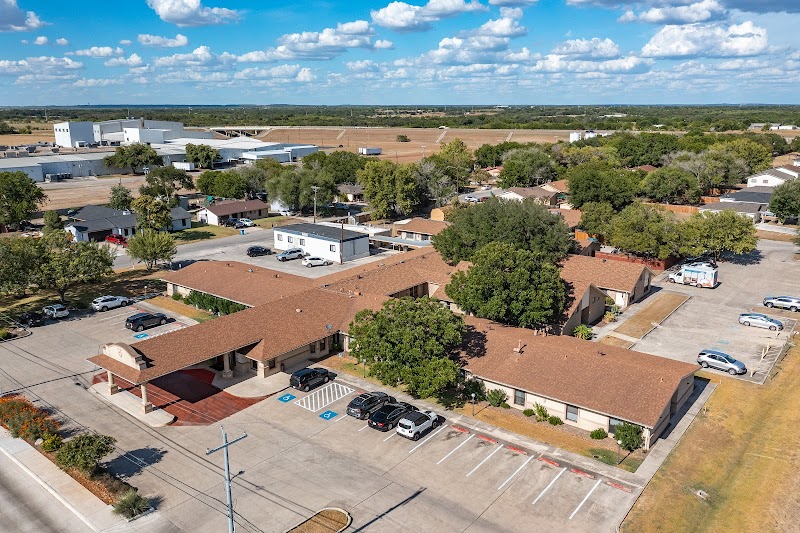
How is Walnut Springs Staffed?

CMS rates WALNUT SPRINGS HEALTH AND REHABILITATION's staffing level at 2 out of 5 stars, which is below average compared to other nursing homes. Staff turnover is 42%, compared to the Texas average of 46%. This relatively stable workforce can support continuity of care.

What Have Inspectors Found at Walnut Springs?

State health inspectors documented 13 deficiencies at WALNUT SPRINGS HEALTH AND REHABILITATION during 2022 to 2025. These included: 10 with potential for harm and 3 minor or isolated issues.
Who Owns and Operates Walnut Springs?

WALNUT SPRINGS HEALTH AND REHABILITATION is owned by a for-profit company. For-profit facilities operate as businesses with obligations to shareholders or private owners. The facility is operated by SUMMIT LTC, a chain that manages multiple nursing homes. With 113 certified beds and approximately 70 residents (about 62% occupancy), it is a mid-sized facility located in SEGUIN, Texas.
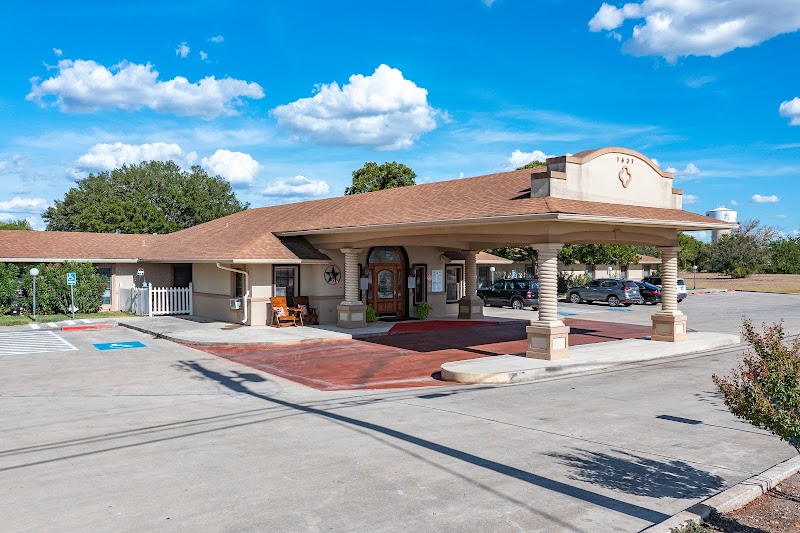
How Does Walnut Springs Compare to Other Texas Nursing Homes?

Compared to the 100 nursing homes in Texas, WALNUT SPRINGS HEALTH AND REHABILITATION's overall rating (5 stars) is above the state average of 2.8, staff turnover (42%) is near the state average of 46%, and health inspection rating (5 stars) is much above the national benchmark.

What Should Families Ask When Visiting Walnut Springs?

Based on this facility's data, families visiting should ask: "Can you walk me through typical staffing levels on day, evening, and night shifts?" "Can I visit during a mealtime to observe dining assistance and food quality?" "How do you handle medical emergencies, and what is your hospital transfer rate?" "Can I speak with family members of current residents about their experience?" These questions are particularly relevant given the below-average staffing rating.

Is Walnut Springs Safe?

Based on CMS inspection data, WALNUT SPRINGS HEALTH AND REHABILITATION has a clean safety record: no substantiated abuse findings (meaning no confirmed cases of resident harm), no Immediate Jeopardy citations (the most serious violation level indicating risk of serious injury or death), and is not on the Special Focus Facility watch list (a federal program monitoring the lowest-performing 1% of nursing homes). The facility has a 5-star overall rating and ranks #1 of 100 nursing homes in Texas. While no facility is perfect, families should still ask about staff-to-resident ratios and recent inspection results during their visit.

Do Nurses at Walnut Springs Stick Around?

WALNUT SPRINGS HEALTH AND REHABILITATION has a staff turnover rate of 42%, which is about average for Texas nursing homes (state average: 46%). Moderate turnover is common in nursing homes, but families should still ask about staff tenure and how the facility maintains care continuity when employees leave.

Was Walnut Springs Ever Fined?

WALNUT SPRINGS HEALTH AND REHABILITATION has no federal fines on record. CMS issues fines when nursing homes fail to meet care standards or don't correct problems found during inspections. The absence of fines suggests the facility has either maintained compliance or corrected any issues before penalties were assessed. This is a positive indicator, though families should still review recent inspection reports for the full picture.

Is Walnut Springs on Any Federal Watch List?

WALNUT SPRINGS HEALTH AND REHABILITATION is not on any federal watch list. The most significant is the Special Focus Facility (SFF) program, which identifies the bottom 1% of nursing homes nationally based on persistent, serious quality problems. Not being on this list means the facility has avoided the pattern of deficiencies that triggers enhanced federal oversight. This is a positive indicator, though families should still review the facility's inspection history directly.