LAS VENTANAS DE SOCORRO

10064 ALAMEDA AVENUE, SOCORRO, TX 79927 (915) 995-7230
For profit - Limited Liability company 126 Beds FUNDAMENTAL HEALTHCARE Data: November 2025 1 Immediate Jeopardy citation
Trust Grade
31/100
#754 of 1168 in TX
Last Inspection: December 2024

Within standard 12-15 month inspection cycle. Federal law requires annual inspections.

Overview

Las Ventanas de Socorro has received a Trust Grade of F, indicating significant concerns and a poor overall performance. It ranks #754 out of 1168 nursing homes in Texas, placing it in the bottom half of facilities statewide, and #11 out of 22 in El Paso County, suggesting limited local options that are better. The facility is showing an improving trend, with issues decreasing from 10 in 2024 to 6 in 2025. Staffing is a relative strength, earning a 2 out of 5 stars with a turnover rate of 49%, which is slightly below the Texas average. However, the facility has faced serious incidents; for example, a resident choked on food due to inadequate supervision, and there are concerns about food safety practices that could lead to foodborne illnesses. Overall, while there are some strengths, the numerous critical and serious deficiencies are significant red flags for families considering this home.

Trust Score
F
31/100
In Texas
#754/1168
Bottom 36%
Safety Record
High Risk
Review needed
Inspections
Getting Better
10 → 6 violations
Staff Stability
⚠ Watch
49% turnover. Above average. Higher turnover means staff may not know residents' routines.
Penalties
⚠ Watch
$16,728 in fines. Higher than 90% of Texas facilities. Major compliance failures.
Skilled Nurses
○ Average
Each resident gets 33 minutes of Registered Nurse (RN) attention daily — about average for Texas. RNs are the most trained staff who monitor for health changes.
Violations
⚠ Watch
40 deficiencies on record. Higher than average. Multiple issues found across inspections.
★★☆☆☆
2.0
Overall Rating
★★☆☆☆
2.0
Staff Levels
★★★☆☆
3.0
Care Quality
★★☆☆☆
2.0
Inspection Score
Stable
2024: 10 issues
2025: 6 issues

The Good

  • Full Sprinkler Coverage · Fire safety systems throughout facility
  • No fines on record

Facility shows strength in fire safety.

The Bad

2-Star Overall Rating

Below Texas average (2.8)

Below average - review inspection findings carefully

Staff Turnover: 49%

Near Texas avg (46%)

Higher turnover may affect care consistency

Federal Fines: $16,728

Below median ($33,413)

Minor penalties assessed

Chain: FUNDAMENTAL HEALTHCARE

Part of a multi-facility chain

Ask about local staffing decisions and management

The Ugly 40 deficiencies on record

1 life-threatening 1 actual harm
May 2025 3 deficiencies
CONCERN (D) 📢 Someone Reported This

A family member, employee, or ombudsman was alarmed enough to file a formal complaint

Potential for Harm - no one hurt, but risky conditions existed

Medical Records (Tag F0842)

Could have caused harm · This affected 1 resident

**NOTE- TERMS IN BRACKETS HAVE BEEN EDITED TO PROTECT CONFIDENTIALITY** Based on observation, interview, and record review the facility failed to ensure medical records, in accordance with accepted pr...

Read full inspector narrative →
**NOTE- TERMS IN BRACKETS HAVE BEEN EDITED TO PROTECT CONFIDENTIALITY** Based on observation, interview, and record review the facility failed to ensure medical records, in accordance with accepted professional standards and practices, were maintained on each resident that were accurately documented for 1 of 4 residents (Resident #9) reviewed for medical records. The facility failed to ensure documentation was being done for showers being given to Resident #9 or being refused by Resident #9. This deficient practice could place residents at risk of records being inaccurate due to documentation errors. Finding included: Record review of Resident #9's face sheet dated 05/16/25, revealed, admission on [DATE] to the facility. Record review of Resident #9's hospital history and physical dated 05/02/25, revealed, a [AGE] year-old female diagnosed with osteopenia (a condition characterized by reduced bone density, meaning your bones are weaker than normal, but not as severely weakened as in osteoporosis), right hip arthroplasty (a surgical procedure where the hip joint on the right side is replaced with artificial components), shoulder pain, left femoral neck fracture (the ball is essentially disconnected from the rest of the femur). Record review of Resident #9's admission MDS dated [DATE], revealed, little to no impairment in cognition BIMS score of 13 to be able to recall or make daily decisions. Resident #9 needs substantial/maximal assistance (nursing staff does more than half the work) for showers, lower dressing, putting on/off footwear, sit to stand. Was dependent (nursing staff do all the work) for transfers and partial/moderate assistance (the nursing staff dose less than had the work) for lying to sitting on bed, sit to lying on bed, and rolling left or right. Resident #9 was occasionally incontinent with bladder and bowels. Resident #9 had orthopedic surgery to repair a fracture (on either the pelvis, hip, leg, knee, or ankle). At risk of developing pressure ulcers. Record review of Resident #9's care plan dated 05/06/25, revealed, Resistant to care, taking medications/injections, and ADLs, and eating. Resident #9 requires assistance with bed mobility for turning and repositioning related to pressure ulcers. Will maintain a sense of dignity by being clean, dry, odor free and well-groomed over next 90 days. Record review of Resident #9's Shower Sheets - Skin Assessment Done Upon Shower dated 05/03/25, 05/10/25, 05/15/25, revealed, Resident #9 had showers done on those days but was missing two shower sheets in which Resident #9 took a shower or refused the shower. During an interview on 05/15/25 at 4:33 PM, with the DON, she stated the facility was submitting another self-report to state regarding an allegation of Resident #9 not being showered. The DON stated the facility had already started in-servicing on bathing and ADL care. The DON stated Resident #9 showered on Tuesdays, Thursdays, and Saturdays. The DON stated the facility used shower sheets to document showers. The DON stated during her interviews with the CNAs, Resident #9 would refuse showers and other times showers were given. The DON stated any refused showers were to be documented on the shower sheet. The DON stated there were three shower sheets indicating Resident #9 was showered but was not able to locate where the other two missing shower sheets were at. The DON stated it was expected for the CNAs to document the showers or refusal of showers. The DON stated the risk was if it was not documented it did not happen as well as knowing if the showers were given or not for the resident. The DON stated the DON, ADONs, and CNAs were responsible for ensuring that the documentation was being for the showers. During an interview on 05/16/25 at 9:30 AM, with the Administrator, he stated a grievance, and a self-report were generated on 05/16/25 for a complaint about showers not being given to Resident #9. The Administrator stated Resident #9 was to be showered on Tuesdays, Thursdays, and Saturdays. The Administrator stated staff showered her while Resident #9 said she was not. The Administrator stated he checked the shower sheets and did not see any refusals for her. The Administrator stated there were two missing shower sheets that were uncounted for. The Administrator stated there had to be a total of 5 shower sheets. The Administrator stated the nursing staff could not give a reason why Resident #9 did not have all her showers/refusals documented. The Administrator stated the CNAs were trained on documenting. The Administrator stated it was expected for the nursing staff to be documenting showers or refusals in the resident's chart. The Administrator stated it was the responsibility of the nurses and administration to ensure that showers were being documented. The Administrator stated the reason for documenting was to keep track if the resident had showered or not. The Administrator stated the negative outcome would be the resident being affect if they have a preference of showering at a certain time or day. During an interview on 05/16/25 at 11:24 AM, with the SW, she stated Resident #9 said she was being showered and had no complaints when she interviewed her on 05/15/25. SW stated it should have been documented if Resident #9 was being showered or had refused. During an interview on 05/16/25 at 12:25 PM, with the NP, she stated the nursing staff are to be documenting the showers and/or any refusals. The NP stated this was so they would know if the resident had any rashes, fungus, or other skin issues that could led to UTIs. During an interview on 05/16/25 at 2:17 PM, with CNA C, she stated when she assisted Resident #9, she had not received any complaints from her about not being showered. CNA C stated anytime a resident shower a shower sheet had to be filled indicating that they showered or refused. CNA C stated they were trained to documents and it was the CNAs responsibility to fill them out. During an interview on 05/16/25 at 2L21 PM, with CNA D, she stated Resident #9 would shower in the afternoons and she had showered her yesterday (05/15/25). CNA D stated Resident #9 had not complained to her about not receiving showers. CNA D stated it was expected for the CNAs to be documenting the showers/refusals which are placed in a binder at the nurse's station. CNA D stated the negative outcome of not documenting was something being wrong with the resident and not knowing about it. CNA D stated the CNAs are trained on how to document. Record review of the facility Documentation Policy dated 05/05/23, revealed, Policy: Documentation pertaining to the patient/resident will be recorded in accordance with regulatory requirements. The nursing staff will be responsible for recording care and treatment, observations, and assessments and other appropriate entries in the patient/resident clinical record.
CONCERN (E) 📢 Someone Reported This

A family member, employee, or ombudsman was alarmed enough to file a formal complaint

Potential for Harm - no one hurt, but risky conditions existed

Deficiency F0558 (Tag F0558)

Could have caused harm · This affected multiple residents

**NOTE- TERMS IN BRACKETS HAVE BEEN EDITED TO PROTECT CONFIDENTIALITY** Based on observation, interview, and record review the facility failed to ensure residents the right to reside and receive servi...

Read full inspector narrative →
**NOTE- TERMS IN BRACKETS HAVE BEEN EDITED TO PROTECT CONFIDENTIALITY** Based on observation, interview, and record review the facility failed to ensure residents the right to reside and receive services in the facility with reasonable accommodation of resident needs and preferences for 2 (Residents #1 and Resident #4) of 4 residents reviewed for accommodation of needs. The facility failed to ensure that Residents #1's call light was within reach. The facility failed to ensure that Resident #4's call light was within reach. This failure placed residents at risk of not being able to call have their needs met. Findings included: Resident #1 Record review of Resident #1's face sheet dated 05/16/25, revealed, admission on [DATE] and re-admission on [DATE] to the facility. Record review of Resident #1's hospital history and physical dated 05/03/25, revealed, an [AGE] year-old male diagnosed with hypertension, congestive heart failure, Parkinson's Disease (progressive neurodegenerative disorder that affects movement, primarily due to a loss of brain cells that produce dopamine, a neurotransmitter crucial for coordinating movement), Dementia, and Diabetes. Record review of Resident #1's significant change in status MDS dated [DATE], revealed, there was no BIMS score taken or inputted to measure the resident's cognition for whatever reason. Activities of daily indicated the Resident #1 was dependent (Staff does all the work) for toileting and showers. Resident #1 was partial/moderate assistance (staff do less than half of the work) with rolling left or right in bed, sit to lying on bed, lying to sitting on side of the bed, and transfers was dependent. Resident #1 was always incontinent with urine and bowels. Has a history of falls. Was on a oxygen therapy. Record review of Resident #1's care plan dated 03/28/25, revealed, Problem: Resident was at risk for falling related to immobility, muscle weakness, chronic pain, decreased cognition. Resisting to use call light and self-transferring related to the diagnosis of Parkinson's Disease. Approach: Keep call light in reach at all times. Observation and interview with Resident #1 on 05/15/25 at 10:57 AM, revealed, the call light was placed at the HOB area underneath Resident #1's pillow. Resident #1 was lying on his bed awake with the oxygen mask on and fall mat placed on floor. Resident #1 stated he uses the call light to call for nursing staff assistance but did not know where his call light was at. Observation and interview on 05/15/25 at 11:00 AM, with LPN A. LPN A was observed looking for Resident #1's call light and pulled it out from the HOB area underneath the pillow. LPN A stated the call light had to be within reach of the residents. LPN A stated this was because in case the resident needed to use it for assistance. LPN A stated the risk of not having the call light within reach was risk of injury to the resident(s). LPN A stated it was everyone's responsibility to ensure that the call light was within reach of a resident. Resident #4 Record review of Resident #4's face sheet dated 05/13/25, revealed, admission on [DATE] and re-admission on [DATE] to the facility. Record review of Resident #4's hospital history and physical dated 04/08/25, revealed, an [AGE] year-old-female diagnosed with Diabetes Type 2, hypertension, congestive heart failure, and chronic kidney disease. Record review of Resident #4's admission MDS dated [DATE], revealed, a little to no impairment of cognition BIMS score of 13 to be able to recall or make daily decisions. Activities of daily living functionality indicated partial/moderate assistance (staff does less than half the work) for toileting and lower dressing. Functional ability revealed supervision or touching assistance for rolling left or right on bed, sit to lying on bed, and sit to stand, and transfers. Device used was a wheelchair. Resident #4 was diagnosed with lack of coordination, abnormalities of gait and mobility, muscle wasting (loss of muscle mass and strength), muscle weakness (a decrease in the strength and ability of muscles to perform their normal functions, often resulting in a reduced ability to move the body or perform tasks), acute respiratory failure with hypoxia (low levels of oxygen in your body tissues). Observation on 05/13/25 at 2:54 PM, revealed, Resident #4 was in bed asleep covered up. The call light was observed hanging off to the left side off the night stand close to the ground. During an interview on 05/15/25 at 4:20 PM, with the DON, she stated the call light(s) are to be given to the resident(s) to have accessibility to the staff. The DON stated the call light(s) had to be within reach of a resident. The DON stated it was everyone's responsibility for ensuring the call lights where in reach of the resident(s). The DON stated the negative outcome of not having the call light within reach would be the resident would not be able to voice for help if needed. During an interview on 05/16/25 at 12:23 PM, with the NP, she stated the call lights are to be within reach of a resident for the safety of the resident. The NP stated it was the staff responsibility to ensure the call light was within reach. The NP stated no having the call light within could pose a safety risk for the resident depend on the situation. During an interview on 05/16/25 at 3:27 PM, with the Administrator, he stated the department heads conduct Angel Rounds (Rounds of the halls that department heads are assigned to do to ensure residents are being taken care of and/or seeing if there are any issues with the residents) where they check for the placement of the call light(s). The Administrator stated the call lights are to be within reach of a resident so that they had access to be assisted or in case of an emergency. The Administrator stated the call light not being within reach could impact the resident in an emergency when they need assistance and could cause a delay in care. The Administrator stated everyone was responsible for ensuring the call light was a within reach of a resident. Record review of the facility Call Lights, Responding To Policy dated 05/05/23, revealed, Policy: The staff will respond to call lights or other requests for assistance to meet the patient's/resident's needs. Procedures: When leaving the patient or resident room, ensure the call light was placed within the patient's/resident's reach.
CONCERN (E) 📢 Someone Reported This

A family member, employee, or ombudsman was alarmed enough to file a formal complaint

Potential for Harm - no one hurt, but risky conditions existed

Abuse Prevention Policies (Tag F0607)

Could have caused harm · This affected multiple residents

Based on interview and record review, the facility failed to implement written policies that prohibit and prevent abuse for 2 of 4 employees (Van Driver & ADON) reviewed for development of abuse polic...

Read full inspector narrative →
Based on interview and record review, the facility failed to implement written policies that prohibit and prevent abuse for 2 of 4 employees (Van Driver & ADON) reviewed for development of abuse policy. The facility failed to conduct the annual EMR check for the Van Driver. The facility failed to conduct the annual EMR check for the ADON. This failure could place residents at risk of potential abuse or ongoing abuse. Findings included: Record review on 05/13/25 at 2:10 PM, revealed, the Van Driver's annual EMR dated 03/22/24, was not conducted. Record review on 05/13/25 at 2:12 PM, revealed, the ADON's annual EMR dated 03/22/24, was not conducted. During an interview on 05/13/25 at 3:09 PM, the Administrator stated corporate had informed him that they did not have an EMR Policy, and they followed state guidelines. During an interview on 05/16/25 at 9:06 AM, with HR, he stated that EMRs are to be conducted annually. HR stated the purpose of conducting the EMR checks was to check that staff were still eligible to work at the facility. HR stated the negative outcome of not conducting the annual EMR checks could result in the staff not being eligible to work and still working at the facility. HR stated there would be a risk to the residents of abuse. HR stated he was responsible for ensuring the EMR checks were done upon hire and annually. During an interview on 05/16/25 at 3:45 PM, with the Administrator, he stated the EMRs are to be done upon hire and annually. The Administrator stated the purpose of conducting EMR checks upon hire and annually was to see if the employee was placed on the EMR registry and could work at the facility. The Administrator stated the risk would depend on the situation the resident was in. Record review of the facility Abuse, Neglect, Exploitation, or Mistreatment Policy not dated revealed, The facility's leadership will implement appropriate and necessary guidelines, which prohibit them mistreatment, neglect, and abuse of the patient/resident including misappropriation of property and/or funds. Component I: Screening - Facility state-specific Background Investigation Policy was available through the facility's regional HR consultant. Record review of the facility Background Checks - HR Policy 3.2 not dated, revealed, Policy: We will verify and certify the accuracy of information provided by applicants, employees, and independent contractors in a resume or application. We respect applicants' and employees' privacy and will only perform investigations that are job related and conducted in accordance with federal and state law. Procedure: We have established a uniform standard criteria for completing background investigations on employees and actions to take if a problem was detected.
Feb 2025 3 deficiencies
CONCERN (D) 📢 Someone Reported This

A family member, employee, or ombudsman was alarmed enough to file a formal complaint

Potential for Harm - no one hurt, but risky conditions existed

Medical Records (Tag F0842)

Could have caused harm · This affected 1 resident

**NOTE- TERMS IN BRACKETS HAVE BEEN EDITED TO PROTECT CONFIDENTIALITY** Based on interviews, and record reviews, the facility failed to maintain clinical records that were complete and accurate, in ac...

Read full inspector narrative →
**NOTE- TERMS IN BRACKETS HAVE BEEN EDITED TO PROTECT CONFIDENTIALITY** Based on interviews, and record reviews, the facility failed to maintain clinical records that were complete and accurate, in accordance with accepted professional standards and practices, for 1 of 2 residents (Resident #2) whose closed medical records were reviewed in that: -The Facility failed to have Resident #2's hospital documentation from her injury to her left eyebrow and under her left eye on 2/03/25 in her facility medical records. This deficient practice could affect residents and result in errors in care and treatment. The findings include: Record review of Resident #2's Face Sheet, dated 2/24/25, revealed the resident was admitted on [DATE] with diagnoses: Age-related physical debility, Ataxic gait (staggering movements), Dementia (term used to describe a group of symptoms affecting memory, thinking and social abilities). Record review of Resident #2's Quarterly MDS dated [DATE] revealed a BIMS revealed Resident #2 was not able to answer questions. BIMS is a structured evaluation aimed at evaluating aspects of cognition in elderly patients. Record review of Resident #2's Health and Physical dated 01/07/25 revealed Resident #2 was [AGE] year-old female with diagnoses Muscle Atrophy. Resident #2's ordered assessment revealed the resident is a fall risk and has no safety awareness. Plan ordered as follows: Call light within reach, bedside table close, frequent rounding and toileting. Record review of Resident #2's care plan dated 02/04/25 revealed the resident does not have a plan addressing resident's injury to her left eyebrow and under her left eye. Record review of Resident #2's Progress note dated 02/04/25 signed by the Former DON, revealed she spoke with Resident #2's Responsible Party regarding the resident's left lower eyelid and above the eyebrow. The progress note reflected the former DON informed the responsible party that the resident accidentally hit the side of her face with her own hand while upper dressing was being performed in the morning. The former DON informed the responsible party the MD (Medical Doctor) was notified, and close monitoring was being performed, and ensured them that the resident did not sustain a fall. Record review of Resident #2's medical records progress notes dated 2/04/25 at 10:53 AM revealed LVN C noted the resident returned from the hospital, and had a CT of her Head without contrast, and an x-ray of her pelvis (the area below the abdomen) was completed and there were no new orders. Record Review of Resident #2's progress notes in her medical record revealed no follow-up documentation regarding the condition of Resident #2's bruise on the left side of her face including the size of the bruise or the healing stage. During an interview with the ADON on 2/24/25 at 4:39 PM, she stated there was no hospitalization documentation and is pending for a response. Hospital documentation was not provided prior to investigation exit. During an interview with LVN D on 2/20/25 at 2:50 PM, he stated protocol for incidents of residents with an injury of unknown origin is to notify the Nurse Practitioner and the resident's family. He stated staff is to find out more information regarding the injury from the progress notes or the nurse from the previous shift. LVN D stated protocol for head injuries included neurological checks and monitoring the resident's vital signs. Record review of facility's policy and procedures titled Accident/Incident reporting- Patient/Resident, dated 11/01/17, revealed, -For 3 days following an incident/accident the nurse documents the condition of the patient/resident in the medical record every shift.
CONCERN (E) 📢 Someone Reported This

A family member, employee, or ombudsman was alarmed enough to file a formal complaint

Potential for Harm - no one hurt, but risky conditions existed

Incontinence Care (Tag F0690)

Could have caused harm · This affected multiple residents

Based on observation, interview and record review, the facility failed to ensure a resident who was incontinent of bladder received appropriate treatment and services to prevent urinary tract infectio...

Read full inspector narrative →
Based on observation, interview and record review, the facility failed to ensure a resident who was incontinent of bladder received appropriate treatment and services to prevent urinary tract infections for one resident (Residents #1) who was provided incontinence care by two (CNA A and CNA B) of two CNAs observed. 1. CNA A and CNA B failed to perform hand hygiene during incontinent care for Resident #1. 2. CNA A failed to clean Resident #1 from vagina to buttocks. These failures can place residents at risk for urinary tract infections. Findings include : In an observation on 02/20/25 at 4:43PM revealed CNA A and CNA B prepared Resident #1 CNA B disposed of the dirty brief and the dirty gloves in the trashcan. CNA B was observed putting on new gloves without performing hand hygiene. CNA A cleaned Resident #1's genitalia area with a clean wipe from rectum to perineum (the area between the anus and the vulva) and perineum to rectum . CNA A cleaned the resident's buttocks from front to back and disposed of the wipe. CNA A and CNA B disposed of the dirty wipes and dirty gloves into the trashcan. They both were observed putting on new gloves without performing hand hygiene and put a clean brief on the resident. During an interview with CNA A on 2/20/24 at 4:48 PM, revealed she did not wash her hands before the perineal care for Resident #1. CNA A stated the risks of not performing hand hygiene included bacteria and other viruses that could possibly be transmitted to the resident. She stated lack of hand hygiene can also place other residents at risk for infections by transmitting it from one resident to the next when providing care. She stated it is important for a female to be cleaned with a clean wipe from the genitalia to the buttocks to avoid fecal matter contaminating a female's vagina as this can also put the resident at risk for infections or illness. During an interview with CNA B on 2/20/24 at 4:51 PM, she stated it is important for females to be cleaned from front to back. CNA B stated to clean genitalia to buttocks is to prevent infections of the resident who received perineal care. She stated she changed gloves constantly when she provided perineal care, so her hands were clean because the new gloves she had put on were clean. She stated the clean gloves help to avoid infections or bacteria being spread to residents when providing perineal care. During an interview with the ADON on 2/21/25 at 2:39PM, she stated perineal care starts with hand hygiene and cleaning the genitalia area with clean wipes, from front to back. The ADON stated after cleaning the genitalia area, staff are to change their gloves from dirty to clean and apply a new brief to the resident. The ADON stated hand hygiene is done before and after perineal care, but not in between as leaving the patient alone and exposed to perform hand hygiene is an issue with the resident's dignity. The ADON stated training for perineal care is provided to nursing staff during orientation, and in-services. She is unable to recall the last in-service. During an interview with the Wound Care LVN on 02/24/25 at 10:09 AM, revealed staff are to perform hand hygiene before providing perineal care. He stated staff are to clean the groin area well, from the vagina to buttocks, and avoiding from buttocks to vagina. He stated the risk of not cleaning the area properly during perineal care included skin breakdown or infections. The Wound Care LVN stated hand hygiene such as hand sanitizer is to be done in between cleaning the resident and applying new briefs. He stated the risk of lack of hand hygiene for the resident included possible infection. Record Review of the facility's policy and procedures titled Staff Education/Orientation: Competency dated 1/12/24, revealed in part that staff is to: Perform hand hygiene, applies disposable gloves and other PPE (Protective Personal Equipment) as indicated; cleanse labia majora; Wipes in the direction from perineum to rectum (clean to dirty); cleans in one direction, clean to dirty; uses separate section of cloth for each stroke; Discard soiled gloves, perform hand hygiene and don gloves; Cleanses by wiping from vagina toward anus with one stroke, uses clean area of cloth for each stroke, continues until skin is clean; discard soiled gloves, perform hand hygiene and don clean gloves.
CONCERN (E) 📢 Someone Reported This

A family member, employee, or ombudsman was alarmed enough to file a formal complaint

Potential for Harm - no one hurt, but risky conditions existed

Infection Control (Tag F0880)

Could have caused harm · This affected multiple residents

Based on observation, interview, and record review the facility failed to maintain an infection prevention and control program designed to provide a safe, sanitary and comfortable environment and to h...

Read full inspector narrative →
Based on observation, interview, and record review the facility failed to maintain an infection prevention and control program designed to provide a safe, sanitary and comfortable environment and to help prevent the development and transmission of communicable diseases and infections for one of one resident (Resident #1) reviewed for infection control. -CNA A failed to perform hand hygiene before providing perineal care to Resident #1. -CNA A and CNA B failed to perform hand hygiene after disposing of dirty wipes and briefs, and before applying new briefs on Resident #1. These failures can place residents at risk for urinary tract infections. Findings include : In an observation on 02/20/25 at 4:43PM revealed CNA A and CNA B prepared Resident #1 CNA B disposed of the dirty brief and the dirty gloves in the trashcan. CNA B was observed putting on new gloves without performing hand hygiene. CNA A cleaned Resident #1's genitalia area with a clean wipe from rectum to perineum (the area between the anus and the vulva) and perineum to rectum . CNA A cleaned the resident's buttocks from front to back and disposed of the wipe. CNA A and CNA B disposed of the dirty wipes and dirty gloves into the trashcan. They both were observed putting on new gloves without performing hand hygiene and put a clean brief on the resident. During an interview with CNA A on 2/20/24 at 4:48 PM, revealed she did not wash her hands before the perineal care for Resident #1. CNA A stated the risks of not performing hand hygiene included bacteria and other viruses that could possibly be transmitted to the resident. She stated lack of hand hygiene can also place other residents at risk for infections by transmitting it from one resident to the next when providing care. She stated it is important for a female to be cleaned with a clean wipe from the genitalia to the buttocks to avoid fecal matter contaminating a female's vagina as this can also put the resident at risk for infections or illness. During an interview with CNA B on 2/20/24 at 4:51 PM, she stated it is important for females to be cleaned from front to back. CNA B stated to clean genitalia to buttocks is to prevent infections of the resident who received perineal care. She stated she changed gloves constantly when she provided perineal care, so her hands were clean because the new gloves she had put on were clean. She stated the clean gloves help to avoid infections or bacteria being spread to residents when providing perineal care. During an interview with the ADON on 2/21/25 at 2:39PM, she stated perineal care starts with hand hygiene and cleaning the genitalia area with clean wipes, from front to back. The ADON stated after cleaning the genitalia area, staff are to change their gloves from dirty to clean and apply a new brief to the resident. The ADON stated hand hygiene is done before and after perineal care, but not in between as leaving the patient alone and exposed to perform hand hygiene is an issue with the resident's dignity. The ADON stated training for perineal care is provided to nursing staff during orientation, and in-services. She is unable to recall the last in-service. During an interview with the Wound Care LVN on 02/24/25 at 10:09 AM, revealed staff are to perform hand hygiene before providing perineal care. He stated staff are to clean the groin area well, from the vagina to buttocks, and avoiding from buttocks to vagina. He stated the risk of not cleaning the area properly during perineal care included skin breakdown or infections. The Wound Care LVN stated hand hygiene such as hand sanitizer is to be done in between cleaning the resident and applying new briefs. He stated the risk of lack of hand hygiene for the resident included possible infection. Record Review of the facility's policy and procedures titled Staff Education/Orientation: Competency dated 1/12/24, revealed in part that staff is to: Perform hand hygiene, applies disposable gloves and other PPE (Protective Personal Equipment) as indicated; cleanse labia majora; Wipes in the direction from perineum to rectum (clean to dirty); cleans in one direction, clean to dirty; uses separate section of cloth for each stroke; Discard soiled gloves, perform hand hygiene and don gloves; Cleanses by wiping from vagina toward anus with one stroke, uses clean area of cloth for each stroke, continues until skin is clean; discard soiled gloves, perform hand hygiene and don clean gloves.
Dec 2024 5 deficiencies
CONCERN (D)

Potential for Harm - no one hurt, but risky conditions existed

Accident Prevention (Tag F0689)

Could have caused harm · This affected 1 resident

**NOTE- TERMS IN BRACKETS HAVE BEEN EDITED TO PROTECT CONFIDENTIALITY** Based on observations, interviews and record review, the facility failed to ensure 1 of 1 resident (Resident #10) received adequ...

Read full inspector narrative →
**NOTE- TERMS IN BRACKETS HAVE BEEN EDITED TO PROTECT CONFIDENTIALITY** Based on observations, interviews and record review, the facility failed to ensure 1 of 1 resident (Resident #10) received adequate supervision to prevent accidents CNA-A failed to perform a 2 person assist for Resident #10 during incontinent care after precautions were put in place after a fall while performing resident care. This failure could place residents at risk for being provided care or treatment different from the plan of care. Findings included: Resident #10 Record review of Resident #10's face sheet dated 12/04/2024 revealed the resident was a [AGE] year-old female initially admitted to the facility on [DATE] and was recently readmitted on [DATE] with medical diagnoses of dementia, syncope (fainting), convulsions, hemiplegia (paralysis of one side of the body), aphasia (inability to speak), cerebral infarction (stroke), history of falls, weakness, and tremors. Record review of Resident #10's 5-day scheduled assessment MDS, dated [DATE] revealed the residents Brief Interview for Mental Status Section C - Cognitive Patterns, subsection BIMS Summary Score was 99 indicating the resident was unable to complete the interview. Section GG - Functional Status, subsection Self Care, item C. Toileting hygiene: The ability to maintain perineal hygiene, adjust clothes before and after voiding or having a bowel movement. If managing an ostomy, include wiping the opening but not managing equipment. 01 was entered indicating Dependent - Helper does ALL of the effort. Resident does none of the effort to complete the activity. Or the assistance of 2 or more helpers is required for the resident to complete the activity. Section H - Bladder and Bowel, subsection Urinary Continence was marked 3 indicating Always incontinent (no episodes of continent voiding). Record review of Resident #10's care plan reviewed/revised 10/21/2024 revealed Problem Category: ADLs Functional status/Rehabilitation potential Resident requires assistance with ADLs and transfers with a 2 person assist and bed mobility is with a 2 person assist. Approach TOILETING TOTAL DEPENDENCE WITH Assist of X1 staff. Record review of Resident #10's provider's orders dated 09/24/2020 revealed TRANSFER with assist of x2, orders dated 10/23/2024 revealed BED MOBILITY with assist of x2. During an observation and interview on 12/03/2024 at 9:09 AM, CNA-A performed Resident #10's peri care with one person (herself). She stated this resident should be a 2 person assist but she had not taken the time to ask for help . During an interview on 12/04/2024 at 8:35 AM, the DON stated it was CNA-A who had performed peri-care when the fall of Resident #10 happened. She stated the facility implemented a two person assist during peri care. The DON stated Resident #10 was a one person assist prior to her falling in October. She stated if the resident had acted like she was trying to get out of bed while performing peri care, CNA-A should have at that point addressed the situation and called for further assistance. She stated in not having done so, the resident could have had a recurrence of falling while performing peri care. The DON stated the failure occurred with staff not calling for someone else to help her. She stated her expectation was for all residents to be taken care of to the staffs' full ability with upper management putting plan of care in place and staff to implement those plans. During an interview on 12/04/2024 at 10:49 AM, LVN-B stated Resident #10 was a two person assist for peri care because she was placed at a high risk for falls. She stated since this resident had a prior fall during peri care, so there should have always been two staff at bedside since then. LVN-B stated it was the hall staff supervisor, the ADON, and the DON who monitored. During a follow-up interview on 12/04/2024 at 1:45 PM, CNA-A stated she should have taken the time to ask for assistance because Resident #10 moved a lot. She stated she thought this state surveyor would be her second pair of eyes and that was another reason she did not asking for assistance. Record review of the facility in-service Follow policy on fall management and proper documentation dated 10/21/2024 revealed; CNA-A's signed and printed signature. Record review of the facility in-service policy Nursing Policies and Procedures dated 05/05/2023, revealed: Subject: Fall Management Policy: 1. The facility will identify each patient/resident who is at risk for falls and will plan care and implement interventions to manage falls. 2. Qualified staff will complete the Fall Risk Evaluation to determine if patient/resident is a fall risk. 3. The fall management program includes education for staff in creative, functional strategies while recognizing patients/resident's rights, and highest practicable level of function.
CONCERN (D)

Potential for Harm - no one hurt, but risky conditions existed

Incontinence Care (Tag F0690)

Could have caused harm · This affected 1 resident

**NOTE- TERMS IN BRACKETS HAVE BEEN EDITED TO PROTECT CONFIDENTIALITY** Based on observations, interviews, and record reviews, the facility failed to ensure residents who are incontinent of bladder re...

Read full inspector narrative →
**NOTE- TERMS IN BRACKETS HAVE BEEN EDITED TO PROTECT CONFIDENTIALITY** Based on observations, interviews, and record reviews, the facility failed to ensure residents who are incontinent of bladder received appropriate treatment and services to prevent urinary tract infections for 2 of 2 residents (Resident #4 and Resident #5), The facility failed to ensure CNA-A performed proper peri-care (incontinent care) Resident #4, and Resident #52. These failures placed residents of the facility at risk of infections from improper incontinent care and hand hygiene while performing incontinent care. Resident #4 Record review of Resident #4's face sheet dated 12/04/2024 revealed, the resident was a [AGE] year-old male admitted to the facility on [DATE]. Resident #4's medical diagnoses included Type 2 diabetes, atrial fibrillation (irregular heartbeat), myocardial infarction (heart attack), embolism and thrombosis deep veins of unspecified lower extremity (blood clots in his legs), and weakness. Record review of Resident #4's Optional State Assessment MDS, dated [DATE] revealed; Section C, Cognitive Behaviors, Resident #4's Brief Interview for Mental Status was not assessed. Section GG-Functional Status, Activities of Daily Living (ADL) Assistance, subsection I Toilet use - how resident uses the toilet room, commode, bedpan, or urinal; transfers on/off toilet; cleanses self after elimination; changes pad; manages ostomy or catheter; and adjusts clothes. Residents Score for Self-Performance was entered as 3 indicating Extensive assistance - resident involved in activity, staff provided weight-bearing support. Score for Support was entered as 2 indicating One-person physical assist. Record review of resident #4's care plan reviewed and revised 10/29/2024 revealed Problem Category: Baseline Care Plan; Approach Toileting, Assist was marked. During an observation on 12/03/2024 at 07:20 AM, CNA-A, while performing peri-care for Resident #4, had wiped several times with one wipe as well as cleaning foreskin afterward and lastly with the same wipe. Resident #52 Record review of Resident #52's face sheet dated 12/04/2024 revealed the resident was a [AGE] year-old male initially admitted to the facility on [DATE] and was recently readmitted on [DATE] with medical diagnoses of Type 2 diabetes, dementia, retention of urine, hemiplegia (paralysis on one side of the body), cerebral infarction (stroke), and history of falls. Record review of Resident #52's 5-day scheduled assessment MDS, dated [DATE] revealed the residents Brief Interview for Mental Status Section C - Cognitive Patterns, subsection BIMS Summary Score was 13 indicating the resident was cognitively intact. Section GG - Functional Status, subsection Self Care, item C. Toileting hygiene: The ability to maintain perineal hygiene, adjust clothes before and after voiding or having a bowel movement. If managing an ostomy, include wiping the opening but not managing equipment. 03 was entered indicating Partial/moderate assistance - Helper does LESS THAN HALF the effort. Helper lifts, holds, or supports trunk or limbs, but provides less than half the effort. Section H - Bladder and Bowel, subsection. Appliances A. Indwelling catheter (including suprapubic catheter and nephrostomy tube) was marked. Record review of Resident #52's care plan reviewed/revised 11/20/2024 revealed Problem Category: ADLs Functional status/Rehabilitation potential [Resident] requires assistance with ADLs Approach TOILETING TOTAL DEPENDENT X1 staff. During an observation on 12/02/2024 at 2:49 PM of Resident #52, CNA-A had begun peri-care beginning from the back to the front. CNA-A had used the same wipe 3-4 times before using a new or clean one. She was observed using the same contaminated gloves from cleaning after resident's bowel movement and proceeded with catheter care. CNA-A was observed performing catheter care without pulling the foreskin back. During an interview on 12/03/2024 at 9:24 AM, CNA-A stated she had not felt she needed to do anything different. CNA-A stated peri care was supposed to have been performed from front to back. She stated the negative impact for residents was that it could have led to residents could have had an increase of severe infections and having spread it to other residents and staff. During an interview on 12/04/2024 at 9:49 AM, the DON stated when wipes were used, staff should always have wiped from front to back and if the resident had a catheter, they should have started with the catheter first, not last. The DON stated it was herself as well as the ADON and nurse managers who monitored. She stated the negative impact for the residents was possibly getting a rash or cross contamination between resident care. The DON stated this staff member had received in person training, as well as yearly checkoffs. She stated the failure had occurred with the CNA wiping the resident from back to front. Record review of facility policy titled Nursing Policies and Procedures dated 05/05/2023 revealed: Subject: Perineal and incontinence Care Policy: Staff will perform perineal/incontinent care with each bath and after each incontinent episode. Procedures: Reference: Lippincott Nursing Procedures, 9th Edition., Perineal Care, pages 654-653. .The procedure promotes cleanliness and prevents infection. It also removes irritation and odorous secretions .Standard precautions must be followed when providing perineal care
CONCERN (E)

Potential for Harm - no one hurt, but risky conditions existed

Quality of Care (Tag F0684)

Could have caused harm · This affected multiple residents

**NOTE- TERMS IN BRACKETS HAVE BEEN EDITED TO PROTECT CONFIDENTIALITY** Resident #10 FTag Initiation 12/03/24 03:53 PM During observation on 12/03/2023 at 9:09 AM #10 [NAME] peri care observed with [...

Read full inspector narrative →
**NOTE- TERMS IN BRACKETS HAVE BEEN EDITED TO PROTECT CONFIDENTIALITY** Resident #10 FTag Initiation 12/03/24 03:53 PM During observation on 12/03/2023 at 9:09 AM #10 [NAME] peri care observed with [NAME] CNA, one person assist stated resident should be a 2 person assist, but it was only her. She did not ask for help. She turned resident on side with wedges in place toward wall. Bed was locked.
CONCERN (E)

Potential for Harm - no one hurt, but risky conditions existed

Respiratory Care (Tag F0695)

Could have caused harm · This affected multiple residents

**NOTE- TERMS IN BRACKETS HAVE BEEN EDITED TO PROTECT CONFIDENTIALITY** Resident #79 Respiratory Care 12/02/24 01:49 PM Ms. [NAME] was in bed at this time. Her brother was visiting they both stated t...

Read full inspector narrative →
**NOTE- TERMS IN BRACKETS HAVE BEEN EDITED TO PROTECT CONFIDENTIALITY** Resident #79 Respiratory Care 12/02/24 01:49 PM Ms. [NAME] was in bed at this time. Her brother was visiting they both stated that the staff from the facility are very professional and they are very respectful. Ms. [NAME] had no complaints from the facility or staff and said she had no concerns. Scrapes on wall. She was wearing her nasal cannula and there was no oxygen sing posted outside the room. Posting of cautionary and safety signs indicating the use of oxygen policy was provided and it stated in part. Respiratory Policies and Procedures: Oxygen Therapy. Procedures- C. Check the patient's/resident's room to make sure it's safe for oxygen administration, place oxygen precautions sign on the door of the patient's/resident's room. 12/03/24 12:51 PM Observation 210 [NAME]. Call light was pressed at this time to interview on Oxygen. [NAME] MDS stated that she believed there is supposed to be an oxygen sign. She stated that the risk of a resident who needs oxygen not having a sign outside their room was that staff might not know to go in and check for oxygen levels or if a family member came to visit and they had a lighter there was a potential fire hazard. 12/03/24 12:55 PM [NAME] CNA. working at the facility for 9 years. She stated that the residents who have oxygen in their room need to have an oxygen sign posted outside of the door indicating that there is oxygen in their room. If there is no oxygen sign posted, she has been trained to let the DON or LVN know the sign is missing. [NAME] CNA is assigned to [NAME] today and she was assigned to [NAME]. She stated that if there is no oxygen sign posted by the residents door, the potential outcome could be that staff doesn't remember to check for the residents oxygen level and also if a family member has a lighter and they don't know they can't smoke in the facility there was a potential fire accident. 12/03/24 01:03 PM [NAME] LVN. She stated that both residents from 213 and 210 receive oxygen and their are supposed to have oxygen signs posted outside their room. She said that if she knows a resident receives oxygen and notices they don't have a sign posted outside the room, they need to report it to the DON or ADON. She said that the DON and ADON are responsible to post the signs in the residents' rooms when they are admitted . She stated that the potential outcome of a resident not having an oxygen sign posted outside their room is that staff would not know they need to check for their oxygen levels or there was a potential fire hazard. 12/03/24 01:21 PM DON. They have a concentrator in their room and they have oxygen as needed. They need to have a sign at the door regardless if the oxygen is as needed or not. They have a no smoking policy but there is a fire hazard. It has to be a close contact with a fire source in order to be a fire hazard and the concentrators would prevent that. The nurses need to check for the residents to have oxygen, there is no potential for nurses to forget not to check the residents who require oxygen. 12/03/24 01:34 PM Administrator. Stated that the administration, nursing administration and admission team was responsible of ensuring that the residents who need oxygen have a sign posted outside their door. He stated that there was no potential negative outcome for a resident not having a sign outside their door because the nurses have to check the residents orders that clarifies the oxygen administration. He stated that there was no fire hazard because it was a non smoking facility and in order to have a fire hazard it would be necessary to be in close proximity to the oxygen concentrator or on top of it.
CONCERN (E)

Potential for Harm - no one hurt, but risky conditions existed

Infection Control (Tag F0880)

Could have caused harm · This affected multiple residents

**NOTE- TERMS IN BRACKETS HAVE BEEN EDITED TO PROTECT CONFIDENTIALITY** Based on observations, interviews, and record review, the facility failed to maintain an infection prevention and control progra...

Read full inspector narrative →
**NOTE- TERMS IN BRACKETS HAVE BEEN EDITED TO PROTECT CONFIDENTIALITY** Based on observations, interviews, and record review, the facility failed to maintain an infection prevention and control program designed to provide a safe, sanitary, and comfortable environment and to help prevent the development and transmission of communicable diseases and infections for 1 of 1 CNA (CNA-A) staff observed during incontinent care. The facility failed to ensure CNA-A performed proper hand hygiene for Resident #4, Resident #10, and Resident #52. These failures placed residents of the facility at risk of infections from improper incontinent care and hand hygiene while performing incontinent care. Findings included: Resident #4 Record review of Resident #4's face sheet dated 12/04/2024 revealed, the resident was a [AGE] year-old male admitted to the facility on [DATE]. Resident #4's medical diagnoses included Type 2 diabetes, atrial fibrillation (irregular heartbeat), myocardial infarction (heart attack), embolism and thrombosis deep veins of unspecified lower extremity (blood clots in his legs), and weakness. Record review of Resident #4's Optional State Assessment MDS, dated [DATE] revealed; Section C, Cognitive Behaviors, Resident #4's Brief Interview for Mental Status was not assessed. Section GG-Functional Status, Activities of Daily Living (ADL) Assistance, subsection I Toilet use - how resident uses the toilet room, commode, bedpan, or urinal; transfers on/off toilet; cleanses self after elimination; changes pad; manages ostomy or catheter; and adjusts clothes. Residents Score for Self-Performance was entered as 3 indicating Extensive assistance - resident involved in activity, staff provided weight-bearing support. Score for Support was entered as 2 indicating One-person physical assist. Record review of resident #4's care plan reviewed and revised 10/29/2024 revealed Problem Category: Baseline Care Plan; Approach Toileting, Assist was marked. During an observation on 12/03/2024 at 07:20 AM, CNA-A did not remove her gloves or use hand hygiene throughout resident care. CNA-A then dressed the resident, touched his call light, then cleaned Resident #4's face with the same gloves on as when she performed his peri care. Resident #52 Record review of Resident #52's face sheet dated 12/04/2024 revealed the resident was a [AGE] year-old male initially admitted to the facility on [DATE] and was recently readmitted on [DATE] with medical diagnoses of Type 2 diabetes, dementia, retention of urine, hemiplegia (paralysis on one side of the body), cerebral infarction (stroke), and history of falls. Record review of Resident #52's 5-day scheduled assessment MDS, dated [DATE] revealed the residents Brief Interview for Mental Status Section C - Cognitive Patterns, subsection BIMS Summary Score was 13 indicating the resident was cognitively intact. Section GG - Functional Status, subsection Self Care, item C. Toileting hygiene: The ability to maintain perineal hygiene, adjust clothes before and after voiding or having a bowel movement. If managing an ostomy, include wiping the opening but not managing equipment. 03 was entered indicating Partial/moderate assistance - Helper does LESS THAN HALF the effort. Helper lifts, holds, or supports trunk or limbs, but provides less than half the effort. Section H - Bladder and Bowel, subsection. Appliances A. Indwelling catheter (including suprapubic catheter and nephrostomy tube) was marked. Record review of Resident #52's care plan reviewed/revised 11/20/2024 revealed Problem Category: ADLs Functional status/Rehabilitation potential [Resident] requires assistance with ADLs Approach TOILETING TOTAL DEPENDENT X1 staff. During an observation on 12/02/2024 at 2:49 PM of Resident #52's peri-care, CNA-A was observed to not perform glove change or hand hygiene following peri-care. CNA-A then placed oxygen tubing on the resident while wearing contaminated gloves and not performing hand hygiene CNA-A then removed gloves with no hand hygiene performed, she had left out to the hallway, charted, then got a clean gown from the linen cart and went back to the resident room. There was no hand hygiene performed or observed during this observation. Resident #10 Record review of Resident #10's face sheet dated 12/04/2024 revealed, the resident was a [AGE] year-old female initially admitted to the facility on [DATE] and was recently readmitted on [DATE] with medical diagnoses of respiratory failure, dementia, syncope (fainting), chronic kidney disease, convulsions, fluid overload, pneumonia, COPD (common lung disease that makes it hard to breathe), hemiplegia (paralysis of one side of the body), aphasia (inability to speak), cerebral infarction (stroke), history of falls, depression, anxiety, weakness, hypertension (high blood pressure), hypocalcemia (low level of calcium in the blood), and tremors. Record review of Resident #10's MDS, dated [DATE], Resident #10's Brief Interview for Mental Status Section C - Cognitive Patterns, subsection 0 BIMS Summary Score was 99 indicating the resident was unable to complete the interview. Section GG - Functional Status, subsection Self Care, item C. Toileting hygiene: The ability to maintain perineal hygiene, adjust clothes before and after voiding or having a bowel movement. If managing an ostomy, include wiping the opening but not managing equipment. 01 was entered indicating Dependent - Helper does ALL the effort. Resident does none of the effort to complete the activity. Or the assistance of 2 or more helpers is required for the resident to complete the activity. Section H - Bladder and Bowel, subsection. Urinary Continence was marked 3 indicating Always incontinent (no episodes of continent voiding). Record review of Resident #10's care plan reviewed/revised 10/21/2024 revealed Problem Category: ADLs Functional status/Rehabilitation potential Resident requires assistance with ADLs and transfers with a 2 person assist and bed mobility is with a 2 person assist. Approach TOILETING TOTAL DEPENDENCE WITH Assist of X1 staff. Record review of Resident #10's provider's orders dated 09/24/2020 revealed TRANSFER with assist of x2, orders dated 10/23/2024 revealed BED MOBILITY with assist of x2. During an observation on 12/03/2023 at 9:09 AM, CNA-A was observed performing peri care for Resident #10 with no changing of gloves or hand hygiene throughout resident care. CNA-A had not changed her gloves, nor did she perform hand hygiene prior to redressing the resident after performing peri care. During an interview on 12/03/2024 at 9:24 AM, CNA-A stated she had not felt she needed to do anything different. When asked if she felt if she should have changed gloves between clean and dirty while performing resident care, she stated yes. She stated the negative impact for residents was that it could have led to residents could have had an increase of severe infections and having spread it to other residents and staff. During an interview on 12/04/2024 at 9:49 AM, the DON stated the staff member should have changed her gloves directly after performing peri care. The DON stated it was herself as well as the ADON and nurse managers who monitored. She stated the negative impact for the residents was possibly getting a rash or cross contamination between resident care. The DON stated this staff member had received in person training, as well as yearly checkoffs. She stated the failure had occurred with the CNA wiping the resident from back to front. Record review of facility policy titled Infection Prevention and Control Policies and Procedures complete revision: dated 9/2011, CMS FR:11/27/2017 revealed: Subject: Hand Hygiene/Handwashing Plain soap refers to products that do not contain antimicrobial agents, or contain very low concentrations or antimicrobial agents Surgical hand antiseptic. Antiseptic hand wash or antiseptic hand rub Visibly soiled hands. Hands showing visible dirt or visibly contaminated with proteinaceous body substances (e.g., blood, fecal material, urine) Waterless antiseptic agent. An antiseptic agent that does not require use of exogenous water Procedures: 1. Hand hygiene/hand washing is done: Before: A. Before patient/resident contact After: A. After contact with soiled or contaminated articles, such as articles that are contaminated with body fluids. B. After patient/resident's contact. C. After contact with a contaminated object or source where there is a concentration of microorganisms, such as, mucous membranes, non-intact skin, body fluids or wounds. D. After toileting or assisting others with toileting, or after personal grooming.
Feb 2024 2 deficiencies 1 IJ
CRITICAL (J) 📢 Someone Reported This

A family member, employee, or ombudsman was alarmed enough to file a formal complaint

Immediate Jeopardy (IJ) - the most serious Medicare violation

Accident Prevention (Tag F0689)

Someone could have died · This affected 1 resident

**NOTE- TERMS IN BRACKETS HAVE BEEN EDITED TO PROTECT CONFIDENTIALITY** Based on observation, interview, and record review facility failed to ensure residents were provided supervision and assistive d...

Read full inspector narrative →
**NOTE- TERMS IN BRACKETS HAVE BEEN EDITED TO PROTECT CONFIDENTIALITY** Based on observation, interview, and record review facility failed to ensure residents were provided supervision and assistive devices to prevent accidents for 1 of (Resident #1) of 10 residents reviewed for accidents. The facility failed to ensure Resident #1 had adequate supervision to prevent a choking episode on 02/06/24 when CNA F left her lunch bag unsupervised out in the hallway. Resident #1 grabbed a granola bar from CNA F and choked, resulting in loss of consciousness. This failure resulted in an identification of an Immediate Jeopardy (IJ) on 02/23/24. The IJ template was provided to the Administrator and DON. The IJ was removed on 02/23/24, but the facility remained out of compliance at a scope of isolated and a severity of potential of more than minimal harm that is not an Immediate Jeopardy, due the facility's need to monitor their plan of removal. This failure placed Residents at risk of choking. Findings included: Record review of Resident #1's face sheet dated 02/07/2024 revealed a [AGE] year-old male who was admitted on [DATE] with diagnoses of dementia (impaired ability to remember, think, or make decisions that interferes with doing everyday activities), mood disturbance, anxiety (feeling of fear, dread, and uneasiness), and dysphagia (difficulty swallowing). Record review of Resident #1's admission MDS assessment dated [DATE] revealed a BIMS score of 6, he was severely cognitively impaired who did not require any assistance with eating and was on a mechanically altered diet. Resident #1 was able to eat independently with no assistance and did not have a swallowing problem. Record review of Resident #1's physician order dated 01/10/2024 revealed a dietary order for level 5- minced/moist consistency. Record review of texture modifications guide (not dated) provided by facility revealed minced moist consisted of ground mechanical soft consistency, 4mm size particles and no bread. Record review of Resident #1's speech therapy dated 1/11/24 revealed diagnoses of dysphagia and suggested thin liquids with mechanical soft/chopped diet. Record review of texture modifications guide (not dated) provided by facility revealed mechanical soft consisted of soft was referenced as minced moist consistency, chopped was 1.5 cm size particles and no bread. Record review of Resident #1's care plan dated 01/14/2024 revealed Resident #1's care plan did not address the minced moist consistency it states it did not address regular consistency and had behavioral issues of wandering and entering other rooms. Record review of Resident #1's POC response dated 02/01/2024-02/06/2024 revealed no swallowing problems noted. Record review of Resident #1's progress note dated 02/06/2024 written by LVN C revealed [Resident #1] was brought to nurses' station due to being restless, resident was eating a granola and he started choking. Other nurse on board started Heimlich Maneuver on resident, [Resident #1] lost conscious approximately 30 seconds. [Resident #1] was laid on floor, nurse started one compression and [Resident #1] recuperated consciousness. Vitals blood pressure 160/108, pulse 104, respirations 16, oxygen 90% room air. EMS (Emergency Medical Services )was called [Resident #1] was transported to [local hospital], RP, DON, MD, PA notified. Record review of Resident #1's incident report dated 02/06/2024 written by LVN C revealed time of incident was 5:50 am and location was nurse's station. Type of incident was choking, MD was notified at 6:36 am, RP was notified at 6:14 am, and [Resident #1] was transported to hospital/ emergency room. Vitals signs taken were temperature 96 degrees Fahrenheit, pulse 73, respirations 22, blood pressure 160, 108. Incident described was [Resident #1] due to not staying and being restless was brought to nurses' station, had a snack, he was eating and started choking. Heimlich Maneuver performed and EMS called'. Record review of Resident #1's local hospital physician note dated 02/06/2024 revealed this is a [AGE] year-old male here s/p (status post) an episode of choking on a granola bar. Patient is in no acute distress and in in stable condition. Decision was made to de-escalate care and discharge to previous living arrangement was made due to acute uncomplicated illness/injury. Rationale reassessment at the time of disposition that patient is in no acute distress. Patient has remained hemodynamically stable (blood pressure and heart rate are stable) throughout the entire emergency department visit and is without objective evidence for acute process requiring urgent intervention of hospitalization. No necessity for further emergent imaging or laboratory analysis. The patient is stable for discharge. Record review of Resident #1's physicians order dated 02/06/2024 revealed a dietary order for level 4- puree consistency. Review of texture modifications provided by facility revealed pureed consisted of smooth, pudding like consistency. Record review of in-services dated 02/06/2024 for: minced moist snacks, checking diet before snacks, therapeutic diets, and do not enter kitchen after hours. Record review of Snack list for Texture Modified Diets (not dated) provided by facility revealed examples for minced moist snacks were minced fruit, cottage cheese, minced tune, minced egg, pudding, applesauce, yogurt, ice cream, and cereal moistened with excess milk drained. During an interview on 02/07/2024 at 8:23 am, the DON stated he had received a text yesterday morning (02/06/2024) from LVN C where she said Resident #1 had eaten a granola bar at the nurses' station and had a choking episode. The DON stated LVN C had also mentioned they had performed Heimlich Maneuver and he had lost consciousness for about 30 seconds, when brought down for compressions he [Resident #1] had regained consciousness and EMS had been called and was transported to hospital for further evaluation. The DON stated he asked her to complete the incident report. The DON stated he was still in the process of the investigation and was unclear on how he [Resident #1] had gotten the granola bar. The DON stated Resident #1 was on a minced moist diet. The DON stated Resident #1 food consistency was downgraded to puree upon return from hospital. The DON stated he was pending interview with LVN C and had already started in-services with staff on minced moist snacks, therapeutic diets, checking diets before snacks provided, and do not enter kitchen after hours to get a head start on possible outcomes. During observation on 02/07/2024 at 9:17 am, Resident #1 was in bed sleeping and no snacks were noted at bedside. During an interview on 02/07/2024 at 1:59 pm, Speech Language Pathologist stated Resident #1 was admitted on minced moist diet. Speech Language Pathologist stated she had evaluated Resident #1 the day after admission [DATE]) and had determined to continue the minced moist diet due to not having issues chewing and/or swallowing. Speech Language Pathologist stated she was made aware of Resident #1 choking yesterday (02/06/2024) on a granola bar. Speech Language Pathologist although the granola was soft, it was not moist and was not considered safe for Resident #1 to consume. During an interview on 02/07/2024 at 6:37 pm, LVN C stated she had worked night shift (10 pm-6 am) on 02/05/2024 going into the morning of 02/06/2024. LVN C stated Resident #1 had a minced moist food consistency ordered and had not had choking episodes prior to the incident on 02/06/2024 early morning. LVN C stated Resident #1 had woken up around 5:30 am due to an incident that occurred that required EMS activity and that noise had disturbed Resident #1's sleep . LVN C stated Resident #1 appeared restless and was placed in wheelchair and brought out to the hallway for staff the have eyes on him. LVN C stated the CNA F assigned to that hallway was going to start last rounds and had advised her she would be down the hall providing brief changes. LVN C stated she was at the nurse's station and had eyes on Resident #1 and had seen him standing up. LVN C stated she ran to Resident #1 to assist him back to his wheelchair, when she approached him (Resident #1) was going thru a lunch bag and asked him to put everything back. LVN C stated she then took Resident #1 with her to a different hallway on his wheelchair to have him closer for observation. LVN C stated as she was down the hallway to administer a medication to a different resident, she heard Resident #1 coughing. LVN C stated she turned and saw Resident #1 was choking and ran to start Heimlich Maneuver. LVN C stated she noticed crumbs on the floor and saw a granola bar wrap on the floor. LVN C stated LVN E was across the hallway and saw the incident and had approached to take over the Heimlich maneuver. LVN C stated when called EMS due to Resident #1 head dropped and lost consciousness for about 20 seconds. LVN C stated when his (Resident #1) head dropped and lost consciousness LVN E assisted him to the floor to start chest compressions. LVN C stated when Resident #1 was placed on the floor and LVN E started first chest compression, Resident #1 had regained conscious. LVN C stated when Resident #1 had regained conscious, he was alert and was able to answer questions. LVN C stated EMS arrived when Resident #1 had regained conscious and was still taken for further evaluation. LVN C stated the granola bar wrapper was from the snacks the facility usually provided to the residents and the texture was within his food consistency due to being soft. LVN C stated she reported to DON, RP and MD. LVN C stated she completed incident report and was later notified Resident #1 had returned to hospital with no injuries and/or concerns. LVN C stated she had asked CNA F to not leave her lunch bag out next time to address the unsupervised foods being a risk for residents. During an interview on 02/23/2024 at 8:35 am, the ADON stated after Resident #1 choking incident the facility provided in-services addressing following diets. The ADON stated it was not common practice for staff to leave their personal belongings anywhere unattended. The ADON stated she had verbally reminded staff to not leave any personal belongings unattended. The ADON stated the facility had not provided a written in-service to address personal belongings/ snacks left unattended. During an interview on 02/23/2024 at 9:27 am, CNA F stated she had worked the night shift (10pm-6 am) on 02/05/2024 going into the morning of 02/06/2024. CNA F stated Resident #1 had woken up at around 5:30- 5:45 am and had been restless. CNA F stated Resident #1 had history of falls and she placed him in his wheelchair outside in the hallway for more observation. CNA F stated when she had walked out of another unidentified room, she had noticed Resident #1 had a granola bar and did not take it away. CNA F stated she did not think Resident #1 would have been able to open the granola bar wrap. When asked why she thought that Resident #1 would have not been able to open the wrapper, CNA F only answered she just did not think Resident #1 would had been able to open the granola bar wrap. CNA F stated she did not know Resident #1 food consistency diet and stated she assumed he was regular because she had seen him well before. CNA F denied lunch bag left out in the hallway on top of a bedside tray table was hers. CNA F stated appeared defensive after that questions was asked and her answer were very short. CNA F stated there were snacks left behind out in the hallway on top of a bedside tray table by the previous shift. CNA F stated she had seen the snacks out in the hallway since the beginning of her shift. CNA F stated she did not remove the snacks from the hallway on top of a bedside tray table and should had placed them in a more secured place. During an interview on 02/23/2024 at 9:48 am, the DON stated after Resident #1 choking incident he had started in-service on diet textures, double checking diets before providing snacks and had started system to add labels to snacks. The DON stated he had not provided an in-service to address personal belongings/ snacks left out unsupervised. The DON stated expectations were to not to leave any personal belongings at nurses' station to include snacks. The DON stated the staff had a breakroom available to place their belongings. The DON stated there was a verbal notice to staff regarding personal belongings/ snacks being placed in a secured place, but no written in-service was completed. The DON stated CNA F should have checked the consistency for Resident #1 before leaving him with the granola bar. The DON stated CNA F should have removed the snacks from the hallway and placed in secured room. Record review of Nutrition Policies and Procedures: Therapeutic Diets (not dated) read in part Therapeutic and mechanically altered diets are ordered by the physician and planned dietician. A mechanically altered diet is a diet specifically prepared to alter the consistency of food to facilitate oral intake. Examples include 4- pureed, 5-minced moist, 6- bitesize, and 7 easy to chew. Use of therapeutic and mechanically altered diet is continually monitored to ensure they continue to be medically indicated. Evening snacks are planned to correspond with the therapeutic and mechanically altered diet unless contraindicated. Prepare and serve all therapeutic and mechanically altered diets as planned. Check trays for accuracy before they are served to the resident. The policy did not address snacks left unsupervised. The Administrator and DON were informed on 02/23/2024 at 1:08 PM that Immediate jeopardy (IJ) had been identified and copy of the IJ Template identifying the areas of noncompliance, elements of risk, and need for immediate action were provided to the Administrator and a Plan of Removal was requested within the hour. The plan or removal was accepted on 02/23/2024 at 3:36 pm. The Plan of Removal revealed the facility took the following actions: 1. Resident #1 was immediately attended to at time of incident with appropriate measures taken place. Resident #1 was assessed immediately and sent to higher level of care for evaluation and treatment if indicated. Resident #1 returned on 2/22/24 and was receiving care per physician orders and plan of care. 2. Residents who reside at the facility who are cognitively impaired with dysphagia have the potential to be affected by this alleged deficient practice. An audit of residents who are cognitively impaired with dysphagia was completed by the Director of Nursing/designee to validate appropriate diets are being followed per order, appropriate interventions are in place to prevent choking incidents, interventions are on resident profile to communicate with facility personnel regarding assistance required. Any issues identified will be addressed upon discovery. Audit to be completed 2/23/2204. A facility wide observation was conducted to validate employee personal belongings were not stored in resident care areas. None discovered. Audit completed 2/23/2204. Beginning 2/8/24 snacks are placed in nutrition room allowing facility staff only to have access to snacks for distribution. 3. Director of Nursing and/or designee will re-educate Licensed Nurses and Certified Nursing Assistants on the following: 1. Employee personal belongings are to be placed in designated employee breakroom at all times. 2. Facility provided snacks are placed in nutrition room This re- education will be completed by 2/23/2024. Any Licensed Nurse or Certified Nursing Assistant not receiving this re-education by this date will receive prior to next scheduled shift. This information will be presented in new hire orientation. 4. Director of Nursing and/or designee to conduct random observation to validate no personal belongings are noted in resident care areas to ensure safety of the residents. Assistant Director of Nursing and/or designee will validate night shift no personal belongings in resident care areas to ensure safety of the resident. The above audits to be completed five days a week for four weeks, then weekly for an additional eight weeks then randomly thereafter, any issues identified to be addressed upon discovery. A QAPI meeting was held 02/23/2024. Facility Administrator will be responsible for the overall implementation and validation of this plan. Facility Medical Director will be informed of this plan and given progress updates. The Medical Director was notified of the Immediate Jeopardy on 2/23/2024. Observations, Interviews and Record Review to confirm implementation of the Plan of Removal were conducted as follows: Observations on 2/23/24: 3:52 pm, 400 hall no personal belongings/ snacks noted in the hallway/ med carts. 3:57 pm, no personal belongings/ snacks noted in nurses' station. 3:58 pm, 300 hall no personal belongings/snacks noted in hallway/med carts. 4:05 pm, kitchen no personal belongings/ snacks noted left out. 4:06 pm, no personal belongings / snacks noted in lobby area. 4:06 pm, 100 hall no personal belongings/ snacks noted in hallway/med cart. 4:07 pm, 200 hall no personal belongings/ snacks noted in hallway/ med cart. 4:11 pm, common area next to kitchen no personal belongings/snacks noted. Interviews on 2/23/24: 3:45 pm, called MD stated he was notified of IJ. 3:53 pm, LVN G- 2-10 pm shift, confirmed in-services on no personal items, no snacks, no drinks to be left in hallway, nurses' station, or med cart. Was told to utilize lockers in break room. If residents seen with food, verify texture to ensure they are following correct diet order. 3:55 pm, MA H - 6am-2 pm shift, confirmed in-services on no personal items, no snacks, no drinks to be left in hallway, nurses' station, or med cart. Was told to utilize lockers in break room. If residents seen with food, verify texture to ensure they are following correct diet order. 3:58 pm, LVN I, wound care nurse, confirmed in-services on no personal items, no snacks, no drinks to be left in hallway, nurses' station, or med cart. Was told to utilize lockers in break room. If residents seen with food, verify texture to ensure they are following correct diet order. 4:00 pm, LVN J 2pm-10pm shift. confirmed in-services on no personal items, no snacks, no drinks to be left in hallway, nurses' station, or med cart. Was told to utilize lockers in break room. If residents seen with food, verify texture to ensure they are following correct diet order. 4:02 pm, CNA K rotates 2pm-10 pm shift, confirmed in-services on no personal items, no snacks, no drinks to be left in hallway, nurses' station, or med cart. Was told to utilize lockers in break room. If residents seen with food, verify texture to ensure they are following correct diet order. 4:08 pm, MA L and CNA M, confirmed in-services on no personal items, no snacks, no drinks to be left in hallway, nurses' station, or med cart. Was told to utilize lockers in break room. If residents seen with food, verify texture to ensure they are following correct diet order. 4:21 pm, MDS Nurse A, stated she works night shift on the weekend and oversee the restorative aides, confirmed in-services on no personal items, no snacks, no drinks to be left in hallway, nurses' station, or med cart. Was told to utilize lockers in break room. If residents seen with food, verify texture to ensure they are following correct diet order. 4:24 pm, LVN D/ telephone- 10-6 shift, confirmed in-services on no personal items, no snacks, no drinks to be left in hallway, nurses' station, or med cart. Was told to utilize lockers in break room. If residents seen with food, verify texture to ensure they are following correct diet order. 4:40 pm, CNA F/telephone, did not answer left VM to return call. 4:43 pm, LVN N/telephone double weekends 6a-10p, confirmed in-services on no personal items, no snacks, no drinks to be left in hallway, nurses' station, or med cart. Was told to utilize lockers in break room. If residents seen with food, verify texture to ensure they are following correct diet order. 4:46 pm, LVN E/telephone 10-6 shift, confirmed in-services on no personal items, no snacks, no drinks to be left in hallway, nurses' station, or med cart. Was told to utilize lockers in break room. If residents seen with food, verify texture to ensure they are following correct diet order. 4:48 pm, ADON and DON, confirmed in-services on no personal items, no snacks, no drinks to be left in hallway, nurses' station, or med cart. Was told to utilize lockers in break room. If residents seen with food, verify texture to ensure they are following correct diet order. The DON and ADON stated they would have the binders with residents' census and diet orders for reference. The DON and ADON stated they would monitor 5 times a week at random to include all shifts. The DON and ADON stated any findings, if any, would be documented in calendar. The DON and ADON stated they both conducted audits and no concerns identified. The DON and ADON stated they both assisted with observations rounds earlier today with no concerns identified. The DON and ADON stated they both assisted with completing all staff in-services. The DON and ADON stated they were part of the QAPI held meeting today. 4:56 pm, Administrator, confirmed in-services on no personal items, no snacks, no drinks to be left in hallway, nurses' station, or med cart. Was told to utilize lockers in break room. If residents seen with food, verify texture to ensure they are following correct diet order. The administrator stated ADON and DON or designee would be conducting random observations 5 times a week to include all shifts and will document on calendar. The Administrator stated she was part of QAPI meeting held today. Record review: Reviewed QAPI (Quality Assurance and Performance Improvement) dated 2/23/24 at 1:20 pm revealed personal belongings secured. Facility floor plan with handwritten notes to address observation rounds dated 2/23/24 validated by nursing administration. Reviewed clinical diagnoses census used to cross reference diets dated 2/23/24 validated by regional clinical manager. Reviewed in-service dated 2/23/24: all snacks are to be placed in secured nutrition room, facility staff to pass out snacks. Reviewed in-service dated 2/23/24: verify snacks to ensure correct diet/texture is followed. Reviewed in-service dated 2/23/24:do not leave residents alone while eating. Reviewed in-service dated 2/23/24: no personal belongings should be at the nursing station, hallways, or med carts. Reviewed in-service dated 2/23/24: belongings should only be in the assigned area with placement in breakroom. Reviewed in-service dated 2/23/24: any items to include water bottles, mugs, backpacks, handbags, and storage bags to be stored in breakroom. The IJ was removed on 02/17/24 at 3:35 pm, the facility remained out of compliance at a scope of isolated and a severity of potential of more than minimal harm that is not an Immediate Jeopardy, due the facility's need to monitor their plan of removal.
CONCERN (E) 📢 Someone Reported This

A family member, employee, or ombudsman was alarmed enough to file a formal complaint

Potential for Harm - no one hurt, but risky conditions existed

Comprehensive Care Plan (Tag F0656)

Could have caused harm · This affected multiple residents

**NOTE- TERMS IN BRACKETS HAVE BEEN EDITED TO PROTECT CONFIDENTIALITY** Based on observation, interview and record review the facility failed to develop and implement comprehensive person-centered car...

Read full inspector narrative →
**NOTE- TERMS IN BRACKETS HAVE BEEN EDITED TO PROTECT CONFIDENTIALITY** Based on observation, interview and record review the facility failed to develop and implement comprehensive person-centered care plan that includes measurable objectives and time frames to meet a resident medical and nursing needs to be furnished to attain or maintain the residents highest practicable physical, mental, and psychosocial well-being for 2 (Resident #1 and Resident #2) of 6 reviewed for care plans. The facility failed to develop a comprehensive care plan to address Resident #1 minced/ moist texture diet. The facility failed to develop a comprehensive care plan to address Resident #2 regular diet consistency on 12/15/23. This deficient practice could place residents in the facility at risk of not receiving the necessary care or services and having personalized plans developed to address their needs. Findings included: Resident #1 Record review of Resident #1's face sheet dated 02/07/2024 revealed a [AGE] year-old male who was admitted on [DATE] with diagnoses of dementia (impaired ability to remember, think, or make decisions that interferes with doing everyday activities), mood disturbance, anxiety (feeling of fear, dread, and uneasiness), and dysphagia (difficulty swallowing). Record review of Resident #1's admission MDS assessment dated [DATE] revealed a BIMS score of 6, he was severely cognitively impaired who did not require any assistance with eating and was on a mechanically altered diet. Resident #1 was able to eat independently with no assistance and did not have a swallowing problem. Record review of Resident #1's physician order dated 01/10/2024 revealed a dietary order minced moist foods. Record review of Resident #1's speech therapy dated 1/11/24 revealed diagnoses of dysphagia and suggested thin liquids with mechanical soft/chopped diet. Record review of Resident #1's care plan dated 01/14/2024 revealed a focus area for nutritional status to provide diet as ordered by physician. The care plan does not address regular consistency diet and interventions and/or goals. Record review of Resident #1's POC response dated 02/01/2024-02/06/2024 revealed no swallowing problems noted. Record review of Resident #1's progress note dated 02/06/2024 written by LVN C revealed [Resident #1] was brought to nurses' station due to being restless, resident was eating a granola and he started choking. Another nurse started Heimlich Maneuver on resident, [Resident #1] lost conscious approximately 30 seconds. [Resident #1] was laid on floor, nurse started one compression and [Resident #1] regained consciousness. Vitals blood pressure 160/108, pulse 104, respirations 16, oxygen 90% room air. EMS (Emergency Medical Services) was called [Resident #1] was transported to [local hospital], RP, DON, MD, PA notified. Record review of Resident #1's incident report dated 01/06/2024 written by LVN C revealed time of incident was 5:50 am and location was nurse's station. Type of incident was choking , MD was notified at 6:36 am, RP was notified at 6:14 am, and [Resident #1] was transported to hospital/ emergency room. Vitals signs taken were temperature 96 degrees Fahrenheit, pulse 73, respirations 22, blood pressure 160, 108. Incident described was [Resident #1] due to not staying and being restless was brought to nurses' station, had a snack, he was eating and started choking. Heimlich Maneuver performed and EMS called'. Record review of local hospital physician note dated 02/06/2024 revealed this is a [AGE] year-old male here s/p (status post) an episode of choking ( when a person can't speak, cough, or breathe because something is blocking (obstructing) the airway) on a granola bar. Patient is in no acute distress and in in stable condition. Decision was made to de-escalate care and discharge to previous living arrangement was made due to acute uncomplicated illness/injury. Rationale reassessment at the time of disposition that patient is in no acute distress. Patient has remained hemodynamically stable (blood pressure and heart rate are stable) throughout the entire emergency department visit and is without objective evidence for acute process requiring urgent intervention of hospitalization. No necessity for further emergent imaging or laboratory analysis. The patient is stable for discharge. Record review of Resident #1's physician order dated 01/10/2024 revealed a dietary order for minced moist foods. Review of texture modifications provided by facility revealed minced moist consisted of ground mechanical soft, 4mm size particles and no bread. Record review of Resident #1's speech therapy dated 1/11/24 revealed diagnoses of dysphagia and suggested thin liquids with mechanical soft/chopped diet. Review of texture modifications provided by facility revealed mechanical soft consisted of minced moist, chopped was 1.5 cm size particles and no bread. During an interview on 02/07/2024 at 8:23 am, the DON stated he had received a text yesterday morning (02/06/2024) from LVN C where she said Resident #1 had eaten a granola bar at the nurses' station and had a choking episode. The DON stated LVN C had also mentioned they had performed Heimlich Maneuver and he had lost consciousness for about 30 seconds, when brought down for compressions he [Resident #1[ had regained consciousness and EMS had been called and was transported to hospital for further evaluation. The DON stated he asked her to complete the incident report. The DON stated he was still in the process of the investigation and was unclear on how he [Resident #1] had gotten the granola bar. The DON stated Resident #1 was on a minced moist diet. The DON stated Resident #1 food consistency was downgraded to puree upon return from hospital. The DON stated he was pending interview with LVN C and had already started in-services with staff on minced moist snacks, therapeutic diets, checking diets before snacks provided, and do not enter kitchen after hours to get a head start on possible outcomes. During observation on 02/07/2024 at 9:17 am, Resident #1 was in bed sleeping and no snacks were noted at bedside. During an observation on 02/07/2024 at 11:09 am, the nutrition room had a consistency census report printed on the cabinet doors. Resident #1 was accounted for with level 7, easy to chew (regular diet). During an observation on 02/07/2024 at 11:13 am, resident diet/consistency binder was located outside of kitchen door. Resident #1 was accounted for with level 7, easy to chew (regular diet). During observation on 02/07/2024 at 11:54 am, Resident #1 was in bed sleeping and food tray was at bedside. Dietary ticket next to food revealed Resident #1 puree texture/consistency and nectar liquid. During observation and interview on 02/07/2024 at 11:59 am, CNA D stated she was the CNA assigned to Resident #1 and had worked with him prior to the choking incident as well. CNA D stated prior to the chocking incident, Resident #1 was on a minced moist diet and was able to eat independently. CNA D stated Resident #1 had not had any trouble swallowing in the past and had not had a chocking episode prior to the chocking incident yesterday (02/06/2024). CNA D stated they (CNAs) had access to Resident #1's diet orders thru POC and showed Investigator Resident #1 profile care plan nutritional status reflected puree consistency and thick liquids. During an interview on 02/07/2024 at 1:59 pm, Speech Language Pathologist stated Resident #1 was admitted on minced moist diet. Speech Language Pathologist stated she had evaluated Resident #1 the day after admission [DATE]) and had determined to continue the minced moist diet due to not having issues chewing and/or swallowing. Speech Language Pathologist stated she was made aware of Resident #1 chocking yesterday (02/06/2024) on a granola bar. Speech Language Pathologist stated when Resident #1 returned from hospital the nurses had downgraded his consistency to puree and she had agreed with change due to coughing when attempting to eat minced moist consistency. Speech Language Pathologist stated she put in order diet on 02/06/2024 for Resident #1 for puree consistency. During an interview on 02/07/2024 at 6:37 pm, LVN C stated she had worked night shift (10 pm-6 am) on 02/05/2024 going into the morning of 02/06/2024. LVN C stated Resident #1 had a minced moist food consistency ordered and had not had choking episodes prior to the incident on 02/06/2024 early morning. LVN C stated Resident #1 had woken up around 5:30 am due to an incident that occurred that required EMS activity and that noise had disturbed Resident #1's sleep . LVN C stated Resident #1 appeared restless and was placed in wheelchair and brought out to the hallway for staff to observe him. LVN C stated the CNA F assigned to that hallway was going to start last rounds and had advised her she would be down the hall providing brief changes. LVN C stated she was at the nurse's station and had eyes on Resident #1 and had seen him standing up. LVN C stated she ran to Resident #1 to assist him back to his wheelchair, when she approached him (Resident #1) was going thru a lunch bag and asked him to put everything back. LVN C stated she then took Resident #1 with her to a different hallway on his wheelchair to have him closer for observation. LVN C stated as she was down the hallway to administer a medication to a different resident, she heard Resident #1 coughing. LVN C stated she turned and saw Resident #1 was choking and ran to start Heimlich Maneuver. LVN C stated she noticed crumbs on the floor and saw a granola bar wrap on the floor. LVN C stated LVN E was across the hallway and saw the incident and had approached to take over the Heimlich maneuver. LVN C stated when called EMS due to Resident #1 head dropped and lost consciousness for about 20 seconds. LVN C stated when his (Resident #1) head dropped and lost consciousness LVN E assisted him to the floor to start chest compressions. LVN C stated when Resident #1 was placed on the floor and LVN E started first chest compression, Resident #1 had regained conscious. LVN C stated when Resident #1 had regained conscious, he was alert and was able to answer questions. LVN C stated EMS arrived when Resident #1 had regained conscious and was still taken for further evaluation. LVN C stated the granola bar wrapper was from the snacks the facility provided and the texture was within his food consistency due to being soft. LVN C stated she reported to DON, RP and MD. LVN C stated she completed incident report and was later notified Resident #1 had returned to hospital with no injuries and/or concerns. During interview on 02/08/2024 at 11:17 am, call placed to CNA F. Left voicemail to return call and call was not returned by time of exit. During an interview on 02/08/2024 at 1:12 pm, ADON stated comprehensive care plan was completed by the IDT team and each department was responsible for updating if needed when reviewed quarterly, annually, and as needed per policy. The ADON stated Resident #1 did not account for minced moist food consistency and did not have interventions. The ADON stated risk for not including food consistency was interventions were not followed and lack of independently achievement in goals for each resident. The ADON stated she was responsible for overseeing care plan to ensure they were accurate and had missed the nutrition part. During an interview on 02/08/2024 at 1:54 pm, the Administrator stated after admission the care plans were reviewed and revised by the IDT team during quarterly, annually, and as needed upon a significant change. The Administrator stated all IDT team were responsible for ensuring their portion of the care plan was accurate based on the care of resident. The Administrator stated there was no risk for food consistency not included due to CNAs, nurses, and kitchen staff access to physician orders, resident diet/ consistency binder located outside the kitchen, diet tickets provided when meals were served, and consistency census report located in nutrition room. During an interview on 02/23/2024 at 9:27 am, CNA F stated she had worked the night shift (10pm-6 am) on 02/05/2024 going into the morning of 02/06/2024. CNA F stated Resident #1 had woken up at around 5:30- 5:45 am and had been restless. CNA F stated Resident #1 had history of falls and she placed him in his wheelchair outside in the hallway for more observation. CNA F stated when she had walked out of another unidentified room, she had noticed Resident #1 had a granola bar and did not take it away. CNA F stated she did not think Resident #1 would have been able to open the granola bar wrap. When asked why she thought that Resident #1 would have not been able to open the wrapper, CNA F only answered she just did not think Resident #1 would had been able to open the granola bar wrap. CNA F stated she did not know Resident #1 food consistency diet and stated she assumed he was regular because she had seen him well before. CNA F denied lunch bag left out in the hallway on top of a bedside tray table was hers. CNA F stated appeared defensive after that questions was asked and her answer were very short. CNA F stated there were snacks left behind out in the hallway on top of a bedside tray table by the previous shift. CNA F stated she had seen the snacks out in the hallway since the beginning of her shift. CNA F stated she did not remove the snacks from the hallway on top of a bedside tray table and should had placed them in a more secured place. Resident #2 Record review of Resident #2's face sheet dated 2/8/24 revealed a [AGE] year-old male who was admitted on [DATE] with diagnoses of dysphagia (difficulty swallowing). Record review of Resident #2's admission MDS assessment dated [DATE] revealed a BIMS score of 10, he was cognitively intact. Record review of Resident #2's physicians order for January 2024 reflected diet order for level 7 easy to chew (regular consistency diet) that was started on 12/28/23. Record review of Resident #2's care plan dated 12/28/23 revealed a focus area for nutritional status to provide diet as ordered by physician. The care plan does not address regular consistency diet and interventions and/or goals. During an interview on 02/07/2024 at 10:31 am, Resident #2 was alert and oriented to person, place, time, and event. Resident #2 stated he did not have any trouble chewing and denied any incidents related to chocking. Resident #2 stated he did not require special consistency to eat, ate regular food. During an interview on 02/07/2024 at 10:41 am, MDS Nurse A stated she was covering the floor to assist with medication pass and was assigned to Resident #2. MDS Nurse A stated Resident #2 was on a regular diet and did not have any trouble when eating. MDS Nurse A stated she had access to his physician orders and would be able to verify diet before snacks and meals were provided. MDS Nurse A stated CNAs had access to Resident #2 electronic record and had a POC tab to do document where the diet consistency would be available for them to verify consistency needed for residents. MDS Nurse A stated the Dietary team had access to care plans and were able to update and/or revise any diet related issues on care plans. MDS Nurse A stated Resident #2 had a care plan for nutrition status but did not specify the consistency he needed MDS Nurse A stated there was no risk of not addressing food consistency due to CNAs access to diet cards when meals were provided for reference, a resident/diet binder located outside the kitchen door, and in nutrition room there was a census with residents' consistency listed for reference. During an observation and interview on 02/07/2024 at 10:56 am, CNA B stated she was the CNA assigned to Resident #2. CNA B stated Resident #2 was on a regular food consistency diet. CNA B stated she had access to Resident #2 electronic record thru POC that reflected his food consistency. CNA B stated showed Investigator Resident #2 POC and stated his food consistency under diet/consistency section was blank. CNA B stated #2 had access to his diet card provided when meal was served for reference and stated there was also a binder located outside the kitchen with resident census that showed their food consistency for reference. CNA B stated if she was not sure of a food consistency for new admissions and was not documented on POC, she had been trained to ask the charge nurse for food consistence clarification. During an observation on 02/07/2024 at 11:09 am, the nutrition room had a consistency census report printed on the cabinet doors. Resident #2 was accounted for with level 7, easy to chew (regular diet). During an observation on 02/07/2024 at 11:13 am, resident diet/consistency binder was located outside of kitchen door. Resident #2 was accounted for with level 7, easy to chew (regular diet). During an interview on 02/08/2024 at 1:12 pm, ADON stated baseline care plan had a 7-day grace period to be completed per policy. The ADON stated the admitting nurse would have been responsible of addressing nutritional status to reflect food consistency the resident was admitted with. The ADON stated the admitting nurse could reference physicians' orders when they admitted a resident to include in base line care plan. The ADON stated it was expected for the admitting nurse to clarify the food consistency was documented on the base line care plan. The ADON stated risk for not including food consistency was interventions were not followed and lack of independently achievement in goals for each resident. The ADON stated she was responsible for overseeing care plan to ensure they were accurate and had missed the nutrition part. During an interview on 02/08/2024 at 1:54 pm, the Administrator stated the baseline care plan was created by the admitting nurse. The Administrator stated she was not aware if baseline care plan list would include diets to address food consistency. The Administrator stated after admission the care plans were reviewed and revised by the IDT team during quarterly, annually, and as needed upon a significant change. The Administrator stated all IDT team were responsible for ensuring their portion of the care plan was accurate based on the care of resident. The Administrator stated there was no risk for food consistency not included due to CNAs, nurses, and kitchen staff access to physician orders, resident diet/ consistency binder located outside the kitchen, diet tickets provided when meals were served, and consistency census report located in nutrition room. Record review of Snack list for Texture Modified Diets (not dated) provided by facility revealed examples for minced moist snacks were minced fruit, cottage cheese, minced tune, minced egg, pudding, applesauce, yogurt, ice cream, and cereal moistened with excess milk drained. Record review of Care Plan Process, Person Centered- Care policy dated 5/5/2023 read in part The facility will develop and implement a baseline and comprehensive care plan for each resident that includes the instructions needed to provide effective and person-centered care of the resident that meet professional standards of quality of care. The IDT will review for effectives and revise the person-centered care plan after each assessment. This includes both the comprehensive and quarterly assessments. For the comprehensive assessment the review will be completed with 7 days of and no more than 21 days after admission,
Jan 2024 3 deficiencies
CONCERN (E) 📢 Someone Reported This

A family member, employee, or ombudsman was alarmed enough to file a formal complaint

Potential for Harm - no one hurt, but risky conditions existed

Report Alleged Abuse (Tag F0609)

Could have caused harm · This affected multiple residents

**NOTE- TERMS IN BRACKETS HAVE BEEN EDITED TO PROTECT CONFIDENTIALITY** Based on observations, interview and record review , the facility failed to ensure that all alleged violations involving abuse, ...

Read full inspector narrative →
**NOTE- TERMS IN BRACKETS HAVE BEEN EDITED TO PROTECT CONFIDENTIALITY** Based on observations, interview and record review , the facility failed to ensure that all alleged violations involving abuse, neglect, exploitation or mistreatment, including injuries of unknown source, are reported immediately, but no later than 2 hours after the event, if the events result in serious bodily injury, or no later than 24 hours if the events do not result in serious bodily injury, to the Administrator of the facility and to other officials (including to the State Survey Agency) in accordance with state law through established procedures for 2 (Resident #1 and Resident #2) of 5 residents reviewed for abuse. CNA K failed to immediately notify the Administrator on 01/13/2024 of allegations of abuse by CNA L and involving Resident #1 and Resident #2. This was determined to be past non-compliance at a pattern of potential for more than minimal harm due to the facility having implemented actions that corrected the non-compliance prior to the beginning of the inspection This failure could place residents at risk for abuse and neglect. Findings Included: Record review of admission dated 1/22/2024 revealed Resident #1 was an [AGE] year-old female admitted to the facility on [DATE]. Resident #1's diagnoses included the following: metabolic encephalopathy (an alteration in the consciousness caused due to brain dysfunction), shortness of breath, lack of coordination, anxiety disorder (persistent and excessive worry that interferes with daily activities), hypertension (high blood pressure), depression (depressed mood or loss of pleasure or interest in activities for long periods of time), failure to thrive (state of decline that is multifactorial and may be caused by chronic concurrent diseases and functional impairments), and chronic kidney diseases stage 3 (kidneys have mild to moderate damage, and they are less able to filter waste and fluid out of blood). Record review of Resident #1's MDS assessment dated [DATE] revealed there was evidence of acute change in mental status as resident had difficulty focusing attention, for example, being easily distractive or having difficulty keeping track of what was being said. Resident noted with altered level of consciousness of repeatedly dozed off when being asked questions but responded to voice or touch. BIMS score not completed as during the assessment period the resident was sent to the hospital. Resident had limited range of motion impairment with upper extremities. Resident was dependent on helper for eating, oral hygiene, toileting, shower/bathing, dressing, and transferring. Record review of Resident #1's care plan dated 01/10/2024 revealed Resident #1 had a focus area that indicated the following: Resident #1 was dependent on staff for meeting emotional, intellectual, physical, and social needs. An intervention was to confer with resident to assess comfort level and staff will offer one to one visit to resident. Record review of Resident #1's SBAR Communication Form dated 01/14/2024, reads in part that resident was observed with change in condition and signs observed were congestion and low oxygen saturation. Resident #1 with increased confusion and disorientation. Physician notified and ordered to send Resident #1 to the emergency room. Review of hospital report dated 01/14/2024, reads in part Resident #1 sent to hospital due to fever and shortness of breath. No injuries noted. Diagnosed with pneumonia, bronchitis, CHF, pulmonary embolism, COPD, pulmonary edema, sepsis. No concerns noted related to reported allegation. During an interview on 01/22/2024 at 2:57 p.m., Resident #4 said he and Resident #1 shared a room and were receiving services at the facility up until the time Resident #1 went to the hospital. Resident #4 said that the services were good. Resident #4 said he felt safe at the facility and he and Resident #1's needs were met. Resident #4 said Resident #1 was treated well by the staff at the facility. Resident #4 said Resident #1's his wife's health decline while in the hospital and she passed away at the hospital. Resident #4 said he had no complaints regarding the care and staff treatment provided at the facility. Record review of admission dated 1/24/2024 revealed Resident #2 was an [AGE] year-old female admitted to the facility on [DATE]. Resident #2's diagnoses included the following: dementia (loss of cognitive functioning to such an extent that it interferes with person's daily life and activities), pneumonia (infection that affects one or both lungs), depression (depressed mood or loss of pleasure or interest in activities for long periods of time), type 2 diabetes (disease that occurs when blood glucose is too high), anxiety disorder (persistent and excessive worry that interferes with daily activities), muscle weakness, and cerebral infarction (damage to tissues in the brain due to a loss of oxygen to the area). Record review of Resident #2's quarterly MDS assessment dated [DATE] revealed a BIMS score of 06 indicating severe cognitive impairment. Section on Functional Abilities and Goals revealed Resident #2 was independent with eating. Record review of Resident #2's care plan dated 11/08/2024 revealed Resident #2 had a focus area that indicated the following: Resident #2 requires assistance and motivation with feedings. Intervention for eating included assist of one staff member. Record review of Resident #2's assessment dated [DATE], revealed no injuries and no signs or symptoms of psychological distress. During an interview on 01/22/2024 at 12:10 p.m., CNA K said on 01/13/2024 she observed while bathing Resident #1 that CNA L used foul language referring to Resident #1 as a pinchi vieja (translation from Spanish to English: fucking old woman) and pinchi familia (translation from Spanish to English: fucking family). CNA K said while Resident #1 was lying on a cushioned shower gurney, CNA L roughly pulled a pillow that was under the resident's head without first assisting the resident to lift her head. CNA K said Resident #1 did not hit her head but that the action was forceful and unprofessional. CNA K said that she took over physically bathing Resident #1 as it appeared CNA L was in a bad mood. CNA K said that the resident was not injured and did not show any emotional affects from the incident. CNA K said after the bathing incident she observed CNA L assisting Resident #2 to eat in the dining room. CNA K said that CNA L told Resident #2 to hurry up and eat. CNA K said she told CNA L that she would help feed Resident #2 instead, since CNA K's actions appeared to be rough. CNA K said that her error was that she did not report the incident to anyone immediately because she did not have the Administrator's phone number. CNA K said she should have contacted someone immediately but did not report the incidents to anyone until the next shift. CNA K said she told her manager Staffing Coordinator E about the incident. CNA K said that the Staffing Coordinator removed CNA L immediately from working with residents. CNA K said that she then spoke with the HR Coordinator about the incidents. CNA K said she knows she should have called the Administrator immediately regarding the incidents but did not know where to find the number. CNA K said she did not ask anyone for assistance to contact someone regarding the incidents. CNA K said she had the numbers for the Staffing Coordinator but figured she would let him know the next time she saw him in person. During an interview on 01/22/2024 at 12:59 p.m., the Regional Nurse Consultant (RNC) said facility staff are trained to report allegations of abuse or neglect immediately to the Administrator. The RNC said CNA K failed to report the allegation immediately and waited until the following day to report the allegation to the Staffing Coordinator. The RNC said the Staffing Coordinator suspended CNA L immediately pending investigation. The RNC said she and the Administrator did not learn of the incidents until 01/16/2024, at which time the Administrator self-reported the incidents and immediately began an investigation. The RNC said the Administrator's contact information was on the bulletin board in the hallway and by the front reception desk. Observation on 01/22/2024 at 1:30 p.m., revealed posting of the Administrator's name and number which included information of her being the Abuse Coordinator was found posted by the bulletin board entering the 300-hall. The same information was found posted by the front reception desk. During an interview on 01/22/2024 at 4:10 p.m., CNA L said at no time did she abuse anyone or speak to any of the residents using foul or aggressive language. CNA L said she and CNA K assisted Resident #1 during bathing and denied any incident involving Resident #1. CNA L denied speaking aggressively towards Resident #2. CNA L said she was suspended by the Staffing Coordinator and had not returned to work pending the investigation. During an interview on 01/24/2024 at 1:15 p.m., Resident #2 said she had no concerns regarding the services provided or staff communication with her. Resident #2 said no staff had yelled at her or made her feel upset with what they were saying. Resident #2 said there had been no incidents involving her and any staff at the facility. Resident #2 said she felt safe at the facility and all her needs were being met. Resident #2 said she had been at the facility in the past and liked the services, so she came back. Resident #2 said all staff treat her well and she had no concerns. During an interview on 01/24/2024 at 11:22 a.m., the Administrator said all staff at the facility are trained on reporting abuse, neglect, and exploitation during orientation and annually. The Administrator said she was out of town on 1/13/2024 but available by phone in case there are any allegations reported. The Administrator said she was not notified of the allegations that allegedly occurred on 01/13/2024 until 01/16/2024. The Administrator said she was notified of the allegation by the HR Coordinator on 01/16/2024 at which time she reported the allegation to the State. The Administrator said that the HR Coordinator was made aware of the allegations on 01/15/2024 during the evening. The Administrator said that the HR Coordinator said that since she was going to see the Administrator the following day that she waited to report the allegation. The Administrator said that CNA K reported the allegations to the Staffing Coordinator on 01/15/2024, who then called the HR Coordinator to inform her that he was suspending CNA L immediately due to the allegations. The Administrator said there was a breakdown in the reporting process and the facility immediately began 100% staff training on reporting abuse, neglect, and exploitation. The Administrator said her contact number was located in the hallway bulletin board and posted by the front desk that had been posted since she started at the facility on 01/02/2024. The Administrator said after reporting the allegations, they conducted a safe survey and looked for symptoms or signs of depression in residents with communication challenges. The Administrator said the decision was made to terminate CNA L. The Administrator said the decision was also made to terminate CNA K for failure to report the allegations immediately and failing to protect the residents by allowing CNA L to continue being around other residents. During an interview on 01/24/2024 at 11:43 a.m., the Staffing Coordinator said he was contacted by CNA K on 01/15/2024 at around 5:30 p.m. The Staffing Coordinator said CNA K reported that CNA L was very rough with Resident #1 during a shower and pulled a pillow away from the resident roughly. The Staffing Coordinator said CNA K also reported that CNA L was using bad language around the resident. The Staffing Coordinator said that CNA K also reported that CNA L was speaking roughly to Resident #2 during dinner. The Staffing Coordinator said he asked CNA K why she had not called him immediately and she told him that she wanted to talk to him face-to-face. The Staffing Coordinator said CNA L was working at the time he received the information, and he called the HR Coordinator to told her what was reported and that he was suspending CNA L from work until talking to the Administrator the next day. The Staffing Coordinator said he spoke with the Administrator the next day (01/16/2024) and was informed that he should have called the Administrator immediately. The Staffing Coordinator said when he spoke with the HR Coordinator who was not at the facility at the time, she told him they would talk to the Administrator the following morning. Review of facility provided policy titled Abuse, Neglect, Exploitation, or Mistreatment undated, reads in part, The facility shall report immediately, but not later than 2 hours after the allegation is made, if the events that cause the allegation involve abuse or result in serious bodily injury, or not later than 24 hours if the events that cause the allegation do not result in serious bodily injury to the administrator of the facility and to other officials (including to the Stat Survey Agency and adult protective services where state law provides for jurisdiction in long-term care facilities) in accordance with State law through established procedures.
CONCERN (E) 📢 Someone Reported This

A family member, employee, or ombudsman was alarmed enough to file a formal complaint

Potential for Harm - no one hurt, but risky conditions existed

Food Safety (Tag F0812)

Could have caused harm · This affected multiple residents

Based on observation, interview, and record review the facility failed to store, prepare, distribute, and serve food in accordance with professional standards for food service safety in 1 of 1 kitchen...

Read full inspector narrative →
Based on observation, interview, and record review the facility failed to store, prepare, distribute, and serve food in accordance with professional standards for food service safety in 1 of 1 kitchen reviewed for professional standards for food service safety. -The facility kitchen was observed on 01/24/2024 with 1 bag of frozen French fries located in the walk-in freezer that was removed from the original package, dated 1/21/24 and was not sealed. -The facility kitchen was observed on 01/24/2024 with 1 bag of tater tots located in the walk-in freezer was found out of original package, was not sealed, or labeled. -Cook O was observed on 01/24/2024 with - with a beard and was not wearing a beard net while preparing food in the kitchen. These failures could place residents at risk of food-borne illness. Findings included: Observation on 1/24/2024 at 9:30 a.m., of the walk-in freezer revealed a gallon sized zipper storage bag of frozen French fries removed from the original package and that was open. The bag was labeled 01/21. Observation on 01/24/2024 at 9:30 a.m., of walk-in freezer revealed a gallon sized zipper storage bag of tater tots removed from the original package that was open and not labeled or dated. Observation on 01/24/2024 at 2:05 p.m., revealed [NAME] O with a beard. [NAME] O was preparing food and was not wearing a beard net. The DM observed [NAME] O and immediately told [NAME] O to put on a beard net. During an interview on 01/24/2024 at 2:15 p.m., the DM said she observed [NAME] O without a beard net and immediately redirected him. The DM said signs with those specific instructions are posted in the kitchen and there was no excuse for any staff to be without a hair or beard net. The DM said the risk of not wearing the appropriate hair or beard net was contamination of the food. The DM said she was aware that open packages were found in the freezer. The DM said that all food items must be sealed storage bag if removed from original package and must be labeled with the date the items were stored. The DM said the risk of open packages in the freezer was freezer burn and spoilage of food. Review of facility policy Food Safety in Receiving and Storage dated 2020, reads in part, food will be received and stored by methods to minimize contamination and bacterial growth. Place food that is repackaged in a leak-proof, non-absorbent, sanitary container with a tight-fitting lid. Label both the container and its lid with the common name of the contents, the date it was transferred to the new container and the discard date. Review of facility nutrition policy Dress Code dated 2020, reads in part, Dietary staff involved in food production adheres to the department dress code that includes: 6. Appropriate hair restraints (such as hats, hair covers or nets, beard restraints) while involved in food production activities. Review of Food Code 2022 revealed: 2-402 Hair Restraints. FOOD EMPLOYEES shall wear hair restraints such as hats, hair coverings or nets, beard restraints, and clothing that covers body hair, that are designed and worn to effectively keep their hair from contacting exposed FOOD; clean EQUIPMENT, UTENSILS, and LINENS; and unwrapped SINGLE-SERVICE and SINGLE-USE ARTICLES. 3-202.15 Package Integrity. FOOD packages shall be in good condition and protect the integrity of the contents so that the FOOD is not exposed to ADULTERATION or potential contaminants.
CONCERN (E) 📢 Someone Reported This

A family member, employee, or ombudsman was alarmed enough to file a formal complaint

Potential for Harm - no one hurt, but risky conditions existed

Social Worker (Tag F0850)

Could have caused harm · This affected multiple residents

Based on interview and record review the facility failed to ensure they employed a qualified social worker on a full-time basis for eight of eight weeks reviewed. The facility, licensed for 126 beds,...

Read full inspector narrative →
Based on interview and record review the facility failed to ensure they employed a qualified social worker on a full-time basis for eight of eight weeks reviewed. The facility, licensed for 126 beds, failed to have a full time Social Worker for eight weeks, from 11/27/2023 to 01/24/2024. This failure could place residents at risk of unmet psychosocial needs and poor quality of life. Findings included: Record review of the Facility Summary Report revealed the facility was licensed for 126 bed capacity. Record review of Employee Job History revealed SW P last date worked was 11/26/2023. During an interview on 01/24/2024 at 10:47 a.m., the Administrator said she started working at the facility on 01/02/2024. The Administrator said the facility does not currently have a Social Worker (SW). The Administrator said the former SW last worked at the facility on 11/26/2023. The Administrator said that a Social Services Contingency Plan was put into effect. The Administrator said she was the grievance officer, the MDS nurses are helping with discharges, and nursing was handling assessments while night nurses are doing interviews and PASSR service screening and the DON was helping with abuse and neglect investigations as needed with psychosocial well-being documentation and follow through. The Administrator said she was a Social Worker by education and training. The Administrator said the Social Worker position had been posted on a job search site since 11/27/2023. Review of Job posting on internet job site revealed Social Worker position for the facility. Start date of posting was 11/27/2023. Review of facility Social Services Contingency Plan, undated, reads in part, The facility has assigned back up for the Social Worker in their absence: 1. Nursing Assessment Coordinator, 2. Clinical Liaison, 3. Receptionist, 4. Director of Nursing, and 5. Other interdisciplinary team members as deemed necessary. Daily responsibilities were assigned to specific department positions. Review of facility provided policy titled Social Services Policies and Procedures dated 2023, reads in part, the facility has a Director of Social Services who is responsible for the provision of medically related social services. The goal of Social Services is to assist each patient/resident to attain or maintain their highest practicable physical, mental, and psychosocial well-being. Facilities with more than 120 beds will have a qualified full-time Social Worker who fulfills the Director of Social Services role.
Oct 2023 11 deficiencies
CONCERN (D)

Potential for Harm - no one hurt, but risky conditions existed

Investigate Abuse (Tag F0610)

Could have caused harm · This affected 1 resident

**NOTE- TERMS IN BRACKETS HAVE BEEN EDITED TO PROTECT CONFIDENTIALITY** Based on interview and record review, the facility failed to ensure all alleged violations involving abuse, neglect, exploitatio...

Read full inspector narrative →
**NOTE- TERMS IN BRACKETS HAVE BEEN EDITED TO PROTECT CONFIDENTIALITY** Based on interview and record review, the facility failed to ensure all alleged violations involving abuse, neglect, exploitation were thoroughly investigated for 1 (Resident #242) of 6 residents reviewed for neglect. -The facility failed to thoroughly investigate an incident on 08/12/23 when Resident #242 complained of leg pain and was found to have a broken femur. This failure could place residents at risk of abuse and neglect if incidents are not thoroughly investigated. Findings included: Record review of Resident #242's face sheet dated 10/20/2023 revealed a [AGE] year-old female with an initial admission date to the facility of 05/11/2021 and re-admission date of 07/06/2023. Record review of Resident #242's History and Physical dated 09/06/2022 revealed a diagnosis of osteoarthritis and vitamin D deficiency. She also had a history of right femur fracture which she got surgery intervention for. Record review of Resident #242's Quarterly MDS assessment dated [DATE] revealed a BIMS score of 3 indicating a severe cognitive impairment. It also revealed her diagnosis of dementia and osteoarthritis. Record review of Review #242's comprehensive care plan dated 08/12/2023 revealed Resident #242 had a fracture to her left femur related to history of falls. The goal was for Resident #242's left affected extremity would remain with palpable pulses, pink in color, and warm to touch. Interventions included to ensure immobilizer was in place to left lower extremity. Record review of Resident #242's progress notes dated 08/10/2023 at 5:30 PM revealed Skin tear to LLE reported by cna transferring resident from shower to bed 2x5 cm clean with normal saline pat dry apply TAO and cover with 2x2. Record review of Resident #242's progress notes dated 08/12/2023 at 2:38 PM revealed This nurse was notified that [Resident #242] was complaining of pain when the resident was being repositioned. Upon assessment resident was noted with facial grimacing and stated mi pierna, mi pierna (my leg, my leg) 7/10 pain using pain scale. Minimal swelling was noted to left knee, no redness or discoloration noted to site at this time. Unable to move LLE without patient complaining of pain. Vitals as follows: BP126/74 P:62 RR:20 O2:94% T:97.4. Tylenol 650mg PO as per MAR. NP and ADON notified. new order per NP for x-ray to left shoulder, hip, femur, knee and tib& fib. Xray called in . procedure pending. [Resident#242] is in bed resting with no s/s of distress or SOB. Bed is at the lowest position and the call light is within reach. Record review of Resident #242's progress notes dated 08/12/2023 at 11:01 PM revealed Xray results in house, results reported to NP new order to send [Resident#242] to ER for left femur fracture, DON notified, and RP notified by DON. [Resident#242] was transferred to local hospital via ambulance . Record review of Resident #242's progress notes dated 08/13/2023 at 3:28 AM revealed [Resident #242] returned from ER per ER nurse, [Resident#242] does have a mildly displaced distal femoral (upper leg fracture) but per physician, [Resident #242] is DNR status and not a candidate for surgery due to her age . Review of TULIP (website for intakes) revealed the facility had self-reported an incident of neglect to HHSC with the following narrative The client had complaints of pain in her hip. The skilled nurse ordered x-rays and she was sent out to the hospital for further treatment and evaluation. The results later yielded a fracture. MD and RP were notified. Record review of Provider Investigator Report dated 08/20/2023 revealed After investigating, a cna reported that she helped get the resident off the floor with another CNA 3 days back. Upon monitoring, there were no complaints of pain. Once pain was verbalized an x-ray was ordered that revealed a hip fracture. The resident is on PT/OT and the pain is being managed with Tylenol, tramadol and hydrocodone. Record review of witness statement written by CNA K dated 08/12/2023 revealed On Thursday August 10th of 2023 I was working in the 300 hall from 2PM to 10PM in the middle section of the hall. During my shift I was working with [CNA L] and [CNA M] . At around 8PM [CNA L] asked for my help to assist [Resident #242] where she was found sitting on the bedside fall mat. I assisted in placing Resident #242 in bed and told [CNA L] to report this to [LVN N]. I left the room and continued my job in the hallway. Record review of witness statement written by LVN N dated 10/20/2023 revealed .On 10/19/2023 I was interviewed by the State on [Resident#242]. I was asked if [Resident #242] had a fall in my shift 2-10 on August 10-11, 2023. I told her that fall was reported to me that a skin tear to the left forearm was reported to me by [CNA L] .On August 14, 2023 [DON] sent me a text at 3 asking did anyone reported to you that [Resident #242] had a fall this past week I replied no On August 17, 2023 [DON] gave me a list of assignments to do: .Moorse fall for 08/10/2023. I asked why I had to do the Moorse fall if a fall didn't happen on my shift and [DON] told me they found that [Resident#242] sustained a fall on August 10, 2023 2-10 shift that [CNA K] and [CNA L] had failed to report to her . Record review of witness statement written by the DON dated 10/22/2023 revealed I [DON] did not ask any of my nurses to do a Moorse fall for [Resident #242]. An interview on 10/19/23 at 2:50 PM with LVN N revealed she worked the evening shift from 2PM-10 PM Monday through Friday. She revealed she had been assigned to Resident #242 on 08/10/2023 and 08/11/2023. She revealed that on 08/10/2023 CNA L had reported a small skin tear that had been discovered after Resident #242's shower. Resident #242 was her normal self and did not appear to be in pain. She denied that Resident #242 had a fall on 08/10/2023 and anything related to a fall had been reported to her. She also revealed that on 08/11/2023 there had been no change of condition with Resident #242, nor had she had a fall. She revealed that after Resident #242's fracture had been found and a fall had been suspected, the DON told her to go back into Resident #242's chart and document a post-fall assessment for 08/10/2023. She revealed she did not know why she had to document that if Resident #242 had not fallen on her shift on 08/10/2023. A telephone interview on 10/19/23 at 3:07 PM with CNA M revealed she did not know about the incident with Resident #242 until her co-workers told her that Resident #242 had to be put back in bed, but that is all the information she knew about incident. She stated she did not know what had occurred. An interview on 10/20/23 at 9:46 AM with LVN P revealed she worked the morning shift 6AM-2PM and was assigned to Resident #242 on 08/11/2023. She stated the only change that was reported for the resident was that she had a skin tear to her left arm that was discovered while she was getting a shower. She denied that she had been reported of Resident #242 having an unwitnessed fall the day before. She revealed Resident #242 did not appear to have a change of condition nor was she complaining of pain throughout her shift. An interview on 10/20/23 at 1:46 PM with CNA O revealed she worked the morning shift 6 AM - 2 PM and was assigned to Resident #242 on 08/11/2023. She revealed she had not been reported that Resident #242 had a fall the day before. A telephone interview on 10/20/23 at 2:10 PM with CNA L revealed she had not worked at the facility for the last 3-4 months. She stated she worked the 2PM-10PM shift and confirmed to have worked on 08/10/2023. She denied that there had been any incident or fall during her shift. She denied that Resident #242 was found on the floor or that CNA K had helped her get Resident #242 off the floor. She stated that the DON had fired her over the phone because CNA K had alleged that Resident #242 had fallen. She stated she did not understand why that had occurred if Resident #242 had not fallen. She stated the DON had not done an investigation and had just concluded that from one statement. She stated it was a lie that Resident #242 had fallen. She stated if the resident would have fallen, she would have reported it to the nurse. An interview on 10/20/23 at 2:24 PM with the DON revealed on 08/12/2023, Resident #242 was complaining of pain in the left leg and orders were given for x-rays by MD to rule out any fractures. She revealed she spoke to LVN N and all that had been reported to her by CNAs was the skin tear. The DON stated she asked questions to staff but they stated nothing had occurred to Resident #242 on 08/10/2023 - 08/11/2023 . She stated the x-ray results had come back on 08/12/2023 and they showed a possible fracture to the left femur. She stated Resident #242 was sent out for an evaluation and treatment; however, she was not a candidate for surgery due to her age and her pain would be managed with medication. The DON revealed she had conducted the investigation to see what exactly had occurred. The DON revealed she had asked CNA K to write a witness statement, however the DON revealed she had not read it until the interview with the surveyor on 10/20/23 at 2:24 PM. At that point, the DON was asked to read the witness statement. When asked about her investigative process, the DON revealed she was not aware of the process of conducting an investigation for a self-report. She revealed she had asked corporate how to carry out an investigation and they advised her to gather witness statements. She could not remember how she had received the witness statement because the staff would usually slide documents under her door and stated that was probably how she got the witness statements. She revealed she did not have any notes of interviews she conducted with staff because she stated she wrote them in her notebook and had gotten rid of her notes. She denied ever telling LVN N to complete a fall assessment for 08/10/2023 and could not explain why Resident #242 had a post-fall assessment. She revealed the conclusion of her investigation was injury of unknown origin. She revealed she was not able to find how Resident #242 had obtained her femur fracture. A telephone interview on 10/22/23 at 4:25 PM with CNA K revealed she had worked on 08/10/2023 with CNA L in the 300 hall. She revealed CNA L had come to her and asked for her help in getting Resident #242 into bed. She stated she walked into the room, and she saw Resident #242 leaning against the bed and sitting on the fall mat. She asked CNA L if she had notified LVN and she said she had cleared for CNA L to get her into the bed. CNA K could not remember if the DON had asked her to write a statement, however she had asked her about the incident, but CNA K could not remember what she had told her. On 8/12/2023 she was going to get Resident #242 up for her shower when she began to complain of pain in her leg. She notified the nurse and x-rays were done to her leg. She stated she believed Resident #242 went to the hospital. An interview on 10/22/23 at 6:38 PM with the Administrator revealed she was the abuse coordinator and was responsible for reporting incidents with allegations of abuse or neglect within 2 hours to state office. She stated for any investigation she would do interviews with staff, would notify MD and family if need be. She revealed that with the incident of Resident #242, the DON and herself went to 300 hall and asked Resident#242 about her leg and what had occurred. Resident #242 denied falling or having pain in her leg. The Administrator asked the nurses and aides, and they also did not report a fall. She checked the 24-hour reports and there had been no reports of falls. She revealed that CNA K told the DON that she picked Resident #242 up from the floor and unto the bed. She revealed that the DON obtained witness statements and gave them to her and did not know if the DON had read them. She stated the witness statements should have been looked over since they were part of the investigation. She revealed the allegation of neglect was unfounded based on their investigation because they could not determine if the resident had fallen. Record review of facility policy titled Abuse, Neglect, Exploitation or Mistreatment dated 11/1/2017 read in part .Employees/witnesses will be interviewed by designated facility staff and the interviewer will record all witness accounts in a document, written, dated and signed by interviewer all documents pertaining to the investigation must be compiled and stored in the administrator's office . interview individuals having first-hand knowledge of the incident and write-out summaries of the interviews .
CONCERN (D) 📢 Someone Reported This

A family member, employee, or ombudsman was alarmed enough to file a formal complaint

Potential for Harm - no one hurt, but risky conditions existed

Transfer Notice (Tag F0623)

Could have caused harm · This affected 1 resident

**NOTE- TERMS IN BRACKETS HAVE BEEN EDITED TO PROTECT CONFIDENTIALITY** Based on interview and record review, the facility failed to send a copy of the notice of discharge and the reasons for the move...

Read full inspector narrative →
**NOTE- TERMS IN BRACKETS HAVE BEEN EDITED TO PROTECT CONFIDENTIALITY** Based on interview and record review, the facility failed to send a copy of the notice of discharge and the reasons for the move in writing to a representative of the Office of the State Long-Term Care Ombudsman for one (Resident #294) of 18 residents reviewed for admission/transfer/discharge rights. The facility failed to ensure the Long-Term Care Ombudsman was notified that Resident #294 was denied readmission after being sent to the hospital. This failure could put residents at risk of not having the opportunity to appeal discharge, not having their rights honored regarding facility-initiated discharges, and homelessness. Findings included: Closed record review of Resident #294's face sheet dated 10/18/2023 revealed he was [AGE] years old, was admitted to the facility on [DATE] and discharged to a local hospital on [DATE]. Record review of Resident #294's clinic referral dated 08/23/2023 revealed he was alert, oriented only to person, unable to follow directions and delusional.? He had diagnoses including memory deficit. In an interview on 10/22/2023 at 11:30 AM the DON revealed that no baseline care plan was completed for Resident #294. Record review of Resident #294's progress note dated 9/05/2023 at 02:00 AM revealed he had behaviors including taking his clothes off in another patient's room, urinating and defecating on the floor in a resident's room, throwing chairs, parts of a wheelchair and a concentrator, hitting his roommate with a shirt, attempting elopement and throwing a toilet cover. Record review of Resident #294's progress note dated 09/05/2023 1:05 PM revealed the resident was being transferred to a local hospital's geriatric behavioral unit for further evaluation. In a telephone interview on 10/19/23 at 02:12 PM the GBU RN revealed that Resident #294 was brought to the GBU on 09/05/2023 because he was physically aggressive toward staff. On admission to the GBU the resident had pacing behaviors but none of the behaviors described by facility staff. The GBU RN said she contacted the facility representative [Marketer] on 09/29/2023 to let them know Resident #294's behavior was controlled, and he was ready to return to the facility. On 09/29/2023 the GBU nurse was told by the facility representative the facility would not accept Resident #294 back because of his past behaviors. The GBU RN said Resident #294's discharge from the GBU was delayed until 10/5/2023 due to the failure of the facility to accept him.? She stated the resident was discharged to a local homeless shelter. In a telephone interview on 10/20/23 at 10:02 AM the Ombudsperson revealed she was advised by the GBU RN on 09/05/2023 that the facility did not want to accept Resident #294 back from the GBU. The Ombudsperson said she went to the facility and spoke to the DON who said Resident #294 was sent to the GBU because on 09/05/2023 he had become violent and hit a facility nurse. This Ombudsperson said she advised the facility DON regarding the proper procedures for discharge. The Ombudsperson stated that she was not informed in writing by the facility of Resident #294's discharge to the hospital, and that she had confirmed with the other Ombudsman that he had not received a verbal or written notice from the facility of Resident #294's discharge. In an interview on 10/22/23 at 06:34 PM the Administrator revealed that Resident #294 was sent to the GBU on 09/05/2023. She said monitoring of resident readiness for discharge from the hospital back to the facility was done by marketers and ADONS. The Administrator said she did not know the facility had reached out to the Ombudsman regarding Resident #294 not being accepted back to the facility. She said it would be the responsibility of the social worker to contact the Ombudsman regarding this matter. The Administrator said she was not aware there was a requirement that the Ombudsman be notified in writing of facility-initiated discharges. In an interview on 10/22/23 at 06:43 PM the Social Worker revealed she was not aware that contact with the Ombudsman regarding facility-initiated discharges was required and did not contact the Ombudsman or notify them in writing of Resident #294's discharge. Record review of the facility policy Discharge/Transfer revised 07/01/2016 revealed in the case of involuntary discharge the facility would complete and provide a written notice of transfer/discharge to the office of the State Long-Term Care Ombudsman.
CONCERN (D)

Potential for Harm - no one hurt, but risky conditions existed

Deficiency F0655 (Tag F0655)

Could have caused harm · This affected 1 resident

**NOTE- TERMS IN BRACKETS HAVE BEEN EDITED TO PROTECT CONFIDENTIALITY** Based on interview and record review, the facility failed to develop and implement a baseline care plan within 48 hours of a res...

Read full inspector narrative →
**NOTE- TERMS IN BRACKETS HAVE BEEN EDITED TO PROTECT CONFIDENTIALITY** Based on interview and record review, the facility failed to develop and implement a baseline care plan within 48 hours of a resident's admission for one (Resident #294) of 18 residents reviewed for baseline care plans. The facility failed to develop and implement a baseline care plan within 48 hours after admission for Resident #294. This failure could put residents at risk of not having their care needs identified and met. Findings included: Record review of Resident #294's face sheet dated 10/18/2023 revealed he was [AGE] years old, was admitted to the facility on [DATE] and discharged to a local hospital on [DATE]. Record review of Resident #294's clinic referral dated 08/23/2023 revealed he was alert, oriented only to person, unable to follow directions and delusional.? He had diagnoses including memory deficit. Record review of Resident #294's clinical records revealed no baseline care plan. Record review of Resident #294's progress note dated 9/05/2023 at 02:00 AM revealed he had behaviors including taking his clothes off in another patient's room, urinating and defecating on the floor in a resident's room, throwing chairs, parts of a wheelchair and a concentrator, hitting his roommate with a shirt, attempting elopement, and throwing a toilet cover. Record review of Resident #294's progress note dated 09/05/2023 1:05 PM revealed the resident was being transferred to a local hospital's geriatric behavioral unit for further evaluation. In an interview on 10/22/23 at 04:09 PM, the DON revealed no baseline care plan addressing the care needs for Resident #294 was completed during his time in the facility. In an interview on 10/22/23 at 04:44 PM the DON revealed the baseline care plan was to be completed within 24 hours of admission. She did not know why Resident #249's care plan was not completed by the admission nurse, who was responsible for its completion. The DON stated the ADONs ran reports to make sure the baseline care plans were done but did not know why this one was missed. The DON said the purpose of the baseline care plan was to identify resident's needs and served as a reference point to look back to see the resident's incoming condition. She said that lacking the baseline care plan could result in missing information for resident's care and in not identifying changes in the resident. Record review of the facility policy Care Plan Process, Person-Centered Care revised 05/05/2023 revealed the facility would develop and implement a baseline care plan for each resident that included the instructions needed to provide effective and person-centered care that met professional standards of quality care.? The baseline care plan would be developed and implemented within 48 hours of a resident's admission and include the minimum healthcare information necessary to properly care for the resident.
CONCERN (D)

Potential for Harm - no one hurt, but risky conditions existed

Comprehensive Care Plan (Tag F0656)

Could have caused harm · This affected 1 resident

**NOTE- TERMS IN BRACKETS HAVE BEEN EDITED TO PROTECT CONFIDENTIALITY** Based on interview and record review, the facility failed to develop and implement comprehensive person-centered care plan that ...

Read full inspector narrative →
**NOTE- TERMS IN BRACKETS HAVE BEEN EDITED TO PROTECT CONFIDENTIALITY** Based on interview and record review, the facility failed to develop and implement comprehensive person-centered care plan that includes measurable objectives and time frames to meet a resident medical and nursing needs to be furnished to attain or maintain the residents highest practicable physical, mental, and psychosocial well-being for 2 of 12 residents (Resident #89 and Resident #241) reviewed for care plans in that: 1. The facility failed to ensure that Resident #89's comprehensive care plan included his behavior of pulling out his G-Tube. 2. The facility failed to ensure that Resident #241's comprehensive care plan included her ADL needs. These failures could place residents in the facility at risk of not receiving the necessary care or services and not having personalized plans developed to address their needs. Findings included: Resident #89 Closed record review of Resident #89's face sheet dated 10/21/2023 revealed he was [AGE] years old, was admitted to the facility on [DATE] and discharged on 07/27/2023. He had diagnoses including encounter for attention to gastrostomy (feeding tube), dysphagia (difficulty swallowing), and dementia. Record review of Resident #89's quarterly MDS assessment dated [DATE] documented he had a BIMS of 6 (severe cognitive impairment). He had intermittent periods of inattention, disorganized thinking and altered level of consciousness. Active diagnoses included Alzheimer's disease and non-Alzheimer's dementia. He had problems swallowing resulting in coughing or choking during meals or when swallowing medications and did not have a G-Tube. Record review of Resident #89's physician orders revealed multiple orders related to the resident's feeding tube including: enteral tube site care once a day dated 09/08/2021 through 07/26/2023; enteral feeding formula orders dated 01/11/2023 through 05/19/2023 and 07/26/2023 through 08/10/2023. Record review of Resident #89's progress note date 05/27/2023 revealed that the resident had pulled out his feeding tube and was sent to the hospital to have it replaced. Record review of Resident #89's progress note date 07/08/2023 revealed that the resident had pulled out his feeding tube and was sent to the hospital to have it replaced. Record review of Resident #89's care plan for the date range of 03/10/2021 through 10/11/2023 revealed no documented care plans to address the resident's behavior of pulling out his g-tube. In an interview on 10/22/23 at 02:53 PM, the DON revealed Resident #89 had no care plan for his behavior of pulling out his g-tube. She said the purpose of the care plan was to make sure behaviors were identified and tracked. She said the care plan let staff know what to do to address the behavior and was important for the safety of the resident. She said without the care plan, the facility would not know that it was something that kept happening with the resident. She said the MDS nurses were responsible for putting together the care plan. The DON stated that there was no system in place and no one person responsible for monitoring whether Care Plans were correct. Resident #241 Review of Resident #241's face sheet dated 10/20/2023 revealed a [AGE] year-old female with an initial admission date to the facility of 01/18/2023 and re-admission date of 10/16/2023. Review of Resident #241's History and Physical dated 08/08/2023 revealed a diagnosis of Encephalopathy (disease affecting brain function that causes confusion and altered mental state) Parkinson's disease (condition that affects the brain causing problems with movement, balance, and coordination). Review of Resident #241's Quarterly MDS assessment dated [DATE] revealed Resident #241 required ADL assistance such as extensive assistance with bed mobility, toileting, dressing and personal hygiene. Review of Resident #241's comprehensive care plan dated 09/18/2023 did not indicate that she required assistance with ADLS. Observation on 10/17/2023 at 10:50 AM revealed Resident #241 was not interviewable and was unable to answer questions. An interview on 10/20/23 at 5:05 PM with MDS Nurse A revealed comprehensive care plans should have included ADL needs, major diagnosis that affects ADLs, physician orders and medications residents were on. She revealed it was important to ensure the care plans included all that information because any staff member could look up the care plan and use it as part of residents' care. She revealed it was important to include the residents ADL needs because their care could be overlooked. The care plan had to paint a picture of the resident. A follow-up interview on 10/22/23 at 6:02 PM with MDS Nurse A revealed Resident #241's comprehensive care plan d had not been updated to show that she needed assistance with care. She could not state why it had not been updated, but revealed her care plan should have been personalized to her needs. Record review of the facility policy Care Plan Process, Person-Centered Care revised 05/05/2023 revealed the facility would develop a comprehensive care plan for each resident that included instructions needed to provide effective and person-centered care that met professional standards of quality care.The comprehensive care plan would include objectives and time frames to meet a resident's medical, nursing and mental and psycho-social needs identified in the comprehensive assessment.
CONCERN (D)

Potential for Harm - no one hurt, but risky conditions existed

ADL Care (Tag F0677)

Could have caused harm · This affected 1 resident

**NOTE- TERMS IN BRACKETS HAVE BEEN EDITED TO PROTECT CONFIDENTIALITY** Based on observation, interview, and record review, the facility failed to ensure a resident who is unable to carry out activiti...

Read full inspector narrative →
**NOTE- TERMS IN BRACKETS HAVE BEEN EDITED TO PROTECT CONFIDENTIALITY** Based on observation, interview, and record review, the facility failed to ensure a resident who is unable to carry out activities of daily living receives the necessary services to maintain good nutrition, grooming, and personal and oral hygiene for 2 (Resident #9 and Resident #15) of 6 residents observed for assistance with ADL's. The facility failed to ensure Resident #9 and Resident # 15, who required assistance with ADLs, and were not observed to have long nails. This failure could affect residents who were dependent on assistance with ADLs and could result in poor care, lack of dignity, and skin tears due to long nails. Findings included: Record review of Resident #9's face sheet dated 10/20/2023 revealed a [AGE] year-old male with an initial admission date to the facility of 07/13/2017 and re-admission date of 03/02/2023. Record review of Resident #9's History and Physical dated 08/17/2023 revealed a diagnosis of cerebral infarction (stroke) and contracture of muscle. It also revealed he required assistance with ADLs. Record review of Resident #9's Comprehensive MDS assessment dated [DATE] revealed a BIMS score of 6, indicating a severe cognitive impairment. It also revealed he required extensive assistance from staff with personal hygiene. Record review of Resident #9's comprehensive care plan dated 09/05/2023 revealed Resident #9 required assistance with daily ADL's due to limitations in mobility following CVA. The goal was that Resident #9 would maintain its current level of function. Interventions included Resident #9 required assistance from staff for dressing, bathing and showering. Record review of Resident #9's physician order dated 03/19/2020 revealed Nail Check Completed .once a day on Thursday. Record review of nail check documentation for October 2023 revealed 10/12/23 Podiatry Consult requested and 10/19/23 Podiatry consult requested. Observation and interview on 10/18/23 at 8:26 AM of Resident #9 revealed his fingernails appeared about 0.25 - 0.5 cm long. Resident # 9 was asked if he wanted his nails cut and he said yaaaah. He could not state if his fingernails had been cut recently or if the nurses had asked to cut his fingernails. An interview on 10/20/23 at 9:59 AM with LVN H revealed she was not aware of Resident # 9's fingernails being long, but stated she would be cutting them since she last cut them earlier in October 2023. She stated that CNAs were to report to her if nails were getting long, that way, she could place order for podiatry or cut them herself. She stated the staff would be able to cut his fingernails. She revealed there was no reason why his fingernails had not been cut, but stated they should have been. She stated he was able to voice if he wanted his fingernails cut, but he had not done so recently. She stated it was important to address the needs of residents with ADL dependency because they were not able to complete their needs. She stated the nurses had to assess their needs and make sure they were being met. Risks to residents were that they could cut their skin with long nails if it was not being addressed. An interview on 10/20/23 at 10:56 AM with CNA I revealed she knew Resident# 9's fingernails had been getting long but she did not know how long they had been that way. She revealed the CNA staff had to communicate with the nurses when they noticed the nails of residents were getting long. She could not state why she had not notified the nurse. She stated she had seen the nurse cut his fingernails but could not remember when. She stated the risk of not providing fingernail care to residents that required assistance could be that residents could cut their skin with their long nails. Resident #15 Record review of Resident #15's face sheet dated 10/20/2023 revealed a [AGE] year-old male with an admission date to the facility of 02/01/2019. Record review of Resident #15's History and Physical dated 05/19/2023 revealed a diagnosis of hemiplegia (paralysis) and hemiparesis (weakens) affecting left side and a history of stroke. It also revealed he required assistance with ADLs. Record review of Resident #15's Quarterly MDS assessment dated [DATE] revealed a BIMS score of 13 indicating he was cognitively intact. It also revealed he was totally dependent on staff for personal hygiene activities. Record review of Resident #15's comprehensive care plan dated 05/28/2023 revealed Resident #15 required assistance with ADLs and self-care performance as evidenced by stroke related to hemiplegia. The goal was that Resident#15 would maintain current level of function in bed mobility, transfers, dressing, eating, toilet use and personal hygiene with restorative nursing plan. Interventions included that resident required total assistance for dressing and grooming related to hemiplegia. Record review of Resident #15's physician order dated 03/21/2020 revealed Nail Check Completed .once a day on Saturday. Record review of nail check documentation for October 2023 revealed 10/14/23 No intervention needed and 10/21/23 No intervention needed. Observation and interview on 10/22/23 at 11:00 AM revealed Resident #15's fingernails on his left hand appeared about 0.25 cm long. His fingernails on his right hand appeared to be recently cut as they were short in length. He was asked if staff had cut his nails recently and he said si (Spanish for yes). He was asked why the staff had not cut his nails on his left hand and he was unable to answer. He was unable to state who had cut his nails. He denied having pain in his fingernails. An interview on 10/22/23 at 11:08 AM with Registered Nurse J revealed she was not sure who was assigned to cut Resident #15's fingernails. She stated she was not aware that he had long nails and she stated she had checked his fingernails on 10/21/23. She stated she had checked his fingernails and documented that he did not need interventions for his fingernails. She could not state why she had documented that. She stated that both CNAs and nurses were able to cut fingernails but did not state why she had not cut his fingernails during nail check. She stated she would be cutting fingernails on 10/22/23. She stated if residents did not get their nail care needs met, they could get wounds to their hand from the long nails. An interview on 10/22/23 at 4:36 PM with the DON revealed the nursing staff had to make sure that residents' fingernails were short per residents' preferences. She stated that nurses were allowed to cut residents' fingernails and there was no reason they should not have been cut for Resident #9 and Resident #15. She stated that for any resident, their needs had to be met because it was part of their basic needs, and for them to be comfortable. Record review of facility policy titled Activities of Daily Living, Optimal Function dated 8/20/2017 read in part .The facility provides necessary care to all residents that are unable to carry out activities of daily living on their own to ensure they maintain proper .grooming .facility staff develop and implement interventions in accordance with the resident's assessed needs .grooming .
CONCERN (D)

Potential for Harm - no one hurt, but risky conditions existed

Respiratory Care (Tag F0695)

Could have caused harm · This affected 1 resident

**NOTE- TERMS IN BRACKETS HAVE BEEN EDITED TO PROTECT CONFIDENTIALITY** Based on observation, interview, and record review, the facility failed to ensure that a resident who needs respiratory care is ...

Read full inspector narrative →
**NOTE- TERMS IN BRACKETS HAVE BEEN EDITED TO PROTECT CONFIDENTIALITY** Based on observation, interview, and record review, the facility failed to ensure that a resident who needs respiratory care is provided such care, consistent with professional standards of practice and the comprehensive person-centered care plan for one (Resident #33) of 5 residents reviewed for respiratory care. The facility failed to ensure that Resident #33's oxygen concentrator was delivering oxygen at the physician-ordered rate (liters per minute). This failure could put residents at risk of oxygen toxicity. Findings included. Record review of Resident #33's face sheet dated 10/18/2023 revealed she was [AGE] years old and admitted to the facility on [DATE]. Record review of Resident #33's History and Physical dated 08/18/2023 revealed that the resident had medical history including lung cancer and diagnoses including chronic obstructive pulmonary disease (COPD - disease that blocks airflow in the lungs). She was receiving breathing treatments and was dependent on supplemental oxygen via nasal cannula (a tube delivering oxygen to the nose). Record review of Resident #33's admission MDS assessment dated [DATE] revealed she received oxygen therapy prior to and while at the facility. Record review of Resident #33's care plan dated 08/25/2023 revealed that she had a diagnosis of COPD (disease that blocks airflow in the lungs), was receiving inhalation nebulizer treatments (breathing treatment) and that staff were to monitor her saturation levels (amount of oxygen in the blood). Record review of Resident #33's physician order dated 10/13/2023 revealed she was to receive oxygen at 2 liters per minute via nasal cannula. Record review of Resident #33's October 2023 MAR (reviewed 10/18/2023) revealed she received oxygen at 2 liters per minute via nasal canula every shift from 10/13/2023 through 10/17/2023. Observation on 10/17/2023 at 9:58 AM revealed Resident #33 was in bed with an oxygen canula in her nose. Observation of the flow meter on the oxygen concentrator to which the oxygen canula was attached was set at 4.25 LPM. In an observation and interview on 10/17/2023 at 10:17 AM, LVN C said the flow meter for Resident #33's oxygen concentrator should have been set at 2 LPM. He said he checked Resident #33's oxygen concentrator at 9:00 AM and it was set at 2 LM. He stated that sometimes the CNAs would change the oxygen settings on concentrators although they were trained not to do that. LVN C was observed looking at the flow meter on Resident #33's oxygen concentrator. He stated that the flow meter was set at 4.5 LPM but should be set at 2 LPM. LVN C stated he did not think the higher oxygen concentration posed a risk to the resident. LVN C stated that CNAs would turn the oxygen concentrator on or off when transferring residents from using the oxygen concentrator to the oxygen tank, or vice versa, but were not to touch the flow meter. He stated if he had found the flow meter set higher than ordered he would have checked with the nurse from the previous shift and checked the resident's orders in case there had been a change in the physician's order for oxygen. In an interview on 10/19/23 at 09:36 AM, CNA E revealed that the morning of 10/17/2023 the first thing she did was work with another CNA to give Resident #33 a bed bath. CNA E said she did not remember if she did anything to the oxygen concentrator while assisting Resident #33 with the bed bath. The CNA said she usually noticed whether resident's oxygen concentrators were turned on when providing care to residents and might ask nurses about the oxygen if there was a concern. CNA E did not recall talking with Nurse C about Resident 33's oxygen levels or concentrator the morning of 10/17/2023. In an interview on 10/22/23 at 05:08 PM, the DON revealed she had been made aware by her staff that Resident #33's oxygen LPM was set too high. She said the resident might get more oxygen than needed as a result of the concentrator flow meter being set too high. The DON said the concentrator flow meter being set too high could result in hyperoxia (an excess supply of oxygen in the tissues and organs - oxygen toxicity).?
CONCERN (D) 📢 Someone Reported This

A family member, employee, or ombudsman was alarmed enough to file a formal complaint

Potential for Harm - no one hurt, but risky conditions existed

Medical Records (Tag F0842)

Could have caused harm · This affected 1 resident

**NOTE- TERMS IN BRACKETS HAVE BEEN EDITED TO PROTECT CONFIDENTIALITY** Based on interview and record review, the facility failed to maintain clinical records that were complete and accurately documen...

Read full inspector narrative →
**NOTE- TERMS IN BRACKETS HAVE BEEN EDITED TO PROTECT CONFIDENTIALITY** Based on interview and record review, the facility failed to maintain clinical records that were complete and accurately documented for 1 (Resident #30) of 18 residents reviewed for clinical records. 1. The facility failed to document on 08/13/23 when CNA reported resident #30 had a swollen left ankle. 2. The facility failed to document a pain assessment on 08/13/23 when Resident #30 complained of pain to left ankle. 3. The facility failed to document the administration of Diclofenac Sodium Gel that was administered to Resident #30 on 08/13/23 for pain to left ankle. This failure could put residents at risk of not receiving prescribed pain medications as ordered. Findings include: Record review of undated face sheet revealed Resident #30 [AGE] year-old female was admitted on [DATE]; re-admitted [DATE] from hospital. Review of Hospital Records for Resident #30 revealed: Encounter Date 08/14/23. Encounter Diagnosis: Fracture of distal end of left tibia. Unwitnessed fall. Dementia. Safety Awareness: Impaired due to cognition. Pt. coming from nursing home for LLE swelling onset yesterday, leg is broken per X-ray done at nursing facility. Ankle X-ray Left Ankle 08/14/23 revealed soft tissue swelling. Diffuse osteopenia (a loss of mineral density that weakens bones). There was a nondisplaced fracture involving the distal medial aspect of the tibia (a fracture shin bone where the bones remain aligned). Evidence of a nondisplaced fracture involving the distal fibula (ankle fracture). Impression: Osteoporosis. Hard cast was placed. Record Review admission History & Physical dated 08/21/2023 revealed Resident #30 was a re-admission, after hospitalization fracture LLE (X-ray performed in the ER shows presence of distal tibia and fibula fracture and now has hard cast). Patient with diffuse bruising to upper extremities as well as top of head. Past Medical History: Anxiety disorder, Parkinson's disease, Major Depressive disorder, Psychotic disorder with delusions, muscle wasting and atrophy, unsteadiness on feet, lack of coordination, repeated falls. Confused. Plan: Fall prevention in place. Review of Review PPS 5-day MDS assessment dated [DATE] for Resident #30 revealed reentry from hospital; unclear speech; usually makes self-understood; usually understands-others; BIMS 11-Cognitive ability moderately impaired; Inattention; ADLs requires extensive assistance of two persons bed mobility; extensive assistance of one person with locomotion on unit, dressing, eating, toilet use, personal hygiene; total assistance of one person with bathing; Functional Limitation in range of motion to lower extremities; mobility device-wheelchair; received scheduled pain medication; Special Treatments: occupational therapy; physical therapy. Review of Care Plan edited on 07/02/23 for Resident #30 revealed, Resident was at risk for falls R/T Parkinson's. Approaches: Toileting before/after meals and at bedtime. Keep personal items and frequently used items within reach. Observe frequently and place in supervised area when out of bed. Give resident verbal reminders not to ambulate/transfer without assistance. Keep the call light in reach. Provide resident environment free of clutter. Review of Physician's Orders Report dated 08/01/23 - 10/22/23 revealed for Resident #30 diclofenac sodium gel 1% 2 gm topically every 8 hours as needed for pain. Lt. ankle portable x-ray related to pain. Refer to Ortho for non-displaced FX at the junction of the distal shaft and lateral malleolus (a fracture shin bone where the bones remain aligned). Review of PRN (as needed) Medications Administration History dated 08/01/23 - 08/31/23 for Resident #30, revealed there was no documentation of the administration of the diclofenac gel by RN D on 08/13/23 when resident complained of pain to left ankle. Review of Licensed Nurse Administration History: 08/01/2023 - 08/31/23 for Resident #30, revealed RN D had not documented 08/13/23 when resident complained of pain to left ankle in the morning and evening shifts. Review of Resident Incident/Accident Investigation Worksheet dated 08/13/23 at 11:00 PM for Resident #30 revealed, Type of Incident/Accident: Unknown Cause. Location of Injury: Left ankle. Mental Status: Confused/Disoriented. Ambulatory Status before: Wheelchair. Describe exactly what happened - CNA reported left heel was swollen and complaining of pain. Assessment done; swelling present, no redness. Resident able to move ankle. Applied diclofenac 1% as PRN order. NP notified. X-ray to left heel. New order to transfer out to hospital for further evaluation. Resident came back from hospital 08/19/23. Review of Radiology Order dated 08/14/23 for Resident #30 revealed portable x-ray of left ankle. Interview on 10/22/23 at 11:16 AM, RN D revealed she was assigned to Resident #30 on Sunday 08/13/23 on the 6-2 and 2-10 shift when one of the CNAs had reported resident had a swollen left ankle but could not remember her name. RN D stated she assessed the resident and noted the left ankle was swollen and complained of pain with movement. RN D stated she had not documented in progress notes when CNA reported Resident#30 had a swollen left ankle and had not documented the level of pain in the progress notes or the Medication Administration Record on the 2-10 shift. RN D reported she had not documented on the Medication Administration Record that she applied diclofenac sodium gel topically to Resident # 30's left ankle for pain. RN D stated I was trained to document the pain level in nursing school. I was busy and forgot to chart. Interview and record review on 10/22/23 at 1:35 PM with DON confirmed that RN D had not documented on the Medication Administration Record for Resident #30 that she applied the diclofenac sodium gel 1% topically for pain on 8/13/23, when resident was having pain to the left heel. DON stated, nurses had been trained to immediately document after administering medications on the Medication and Treatment records. DON also confirmed RN D had not documented in the Progress Notes when she assessed Resident #30 on 08/13/23 for pain to the left heel. DON stated, the nurses needed to assess all residents for pain on every shift and document pain level on the Medication Administration Record and Progress Notes. Review of Policy Documentation Guidelines revised 07/01/2016 revealed Policy: Documentation guidelines pertinent to good clinical record practice will be followed by all individuals who document in the medical record. Guidelines: All entries should be based on the writer's first-hand knowledge. Review of Pain Management revised on 07/01/2023 revealed, Policy: The intent of this policy is to ensure that residents receive treatment in accordance with professional standards, related to pain management. Procedures: Pharmacological interventions utilized will consider factors such as the causes, location, and severity of pain, the potential benefit, of medication. Ongoing evaluation of the resident's pain levels.
CONCERN (E)

Potential for Harm - no one hurt, but risky conditions existed

Deficiency F0558 (Tag F0558)

Could have caused harm · This affected multiple residents

**NOTE- TERMS IN BRACKETS HAVE BEEN EDITED TO PROTECT CONFIDENTIALITY** Based on observation, interviews, and record reviews, the facility failed to allow residents the right to reside and receive ser...

Read full inspector narrative →
**NOTE- TERMS IN BRACKETS HAVE BEEN EDITED TO PROTECT CONFIDENTIALITY** Based on observation, interviews, and record reviews, the facility failed to allow residents the right to reside and receive services in the facility with reasonable accommodation of needs and preferences for 2 residents (Resident #35 and Resident #241) of 6 reviewed for resident rights. The facility failed to ensure Resident #35, and Resident #241 were not found with their call lights out of reach on 10/17/23 and 10/19/23. This failure could cause a decline in health in residents if their call lights are not within reach, preventing them from calling for assistance. Findings included: Record review of Resident #35's face sheet dated 10/20/2023 revealed an [AGE] year-old female with an admission date to the facility of 10/10/17. Record review of Resident #35's History and Physical dated 05/31/2023 revealed she had a diagnosis of Alzheimer's Disease, muscle weakness, and was bedbound. It also revealed Resident #35 required assistance with ADLs. Record review of Resident #35's Comprehensive MDS assessment dated [DATE] revealed a BIMS score of 3, indicating severe cognitive impairment. It also revealed she was dependent on staff for ADLs to include bathing, transferring and toileting. The MDS assessment revealed she had a diagnosis of dementia. Record review of Resident #35's comprehensive care plan dated 09/26/2023 revealed Resident #35 required assistance with ADL's related to being bedfast and total dependent on staff. The goal was to maintain a sense of dignity by being clean, dry, odor free and well-groomed. The care plan also included Resident #35 had impaired vision related to changes in the eyes due to aging with goal of not experience negative consequences as evidenced by remaining physically safe and participating in social and self-care activities. Interventions included keeping the call light in reach at all times. Observation on 10/17/23 at 10:16 AM revealed Resident # 35 lying in bed. The call light was observed pinned to her bed sheet and not within reach of the resident. An interview on 10/17/23 at 10:16 AM with CNA F revealed she placed the call light on the side of Resident# 35 because it kept falling when she was feeding her breakfast. She stated she had moved it out of the way and forgot to place it within reach of Resident #35 because she got busy. She revealed the call light should have been placed next to the resident because she could fall and would not be able to press the call light. Observation on 10/19/23 at 3:53 PM revealed the call light was pinned to Resident #35's pillow and was out of reach for Resident #35. An interview on 10/19/23 at 3:55 PM with Registered Nurse G revealed the way the call light was placed, Resident #35 would not have been able to reach the call light since it was pinned to pillow. She stated she was not sure why it was like that, but that it must have been the day shift who left it that way. She stated the call light had to be placed near all residents in order for them to be able to press the light if they needed help with anything. Resident #241 Record review of Resident #241's face sheet dated 10/20/2023 revealed a [AGE] year-old female with an initial admission date to the facility of 01/18/2023 and re-admission date of 10/16/2023. Record review of Resident #241's History and Physical dated 08/08/2023 revealed a diagnosis of Encephalopathy (disease affecting brain function that causes confusion and altered mental state) Parkinson's disease (condition that affects the brain causing problems with movement, balance, and coordination). Record review of Resident #241's records indicated MDS assessment was pending after recent admission of 10/17/2023. Record review of Resident #241's comprehensive care plan dated 09/18/2023 did not indicate her ADL needs. Observation on 10/17/23 at 9:50 AM revealed Resident # 241 lying in bed asleep. The call light was observed attached to an oxygen concentrator to the right side of the bed. The call light was not within reach of Resident #241 and was about a foot away. An interview on 10/17/23 at 9:57 AM with LVN H revealed Resident #241 had been re-admitted on [DATE]. She confirmed the call light was pinned to the oxygen concentrator but did not know who had placed it there. She stated the call light should not have been pinned to concentrator because Resident #241 would not have been able to reach it. She reported she did not know how long it had been pinned that way. The risk to residents could be that they could try to get up from bed, or they would not be able to call staff. Observation on 10/19/23 at 3:52 PM revealed Resident # 241 sleeping in bed with call light pinned to the bed sheet next to her head. The call light was observed out of Resident #241's reach. An interview on 10/19/23 at 3:58 PM with Registered Nurse G revealed Resident #241 was not able to move her hands and had to have the call light placed near her palm. She stated she did not know why it was near her head, but it was to be placed closer to her palm. She stated if the call lights were not placed near the residents, they would not be able to press it if they needed help. A follow-up interview on 10/20/23 at 10:11AM with LVN H revealed all call lights had to be placed near the residents and had to be within reach at all times. She stated it was important to do so because if the residents needed something, they would not be able to receive it. An interview on 10/22/23 at 3:45 PM with the CNA Supervisor revealed CNAs had to make sure that call lights were next to the residents, because if the residents needed anything, they needed to press the call light. He revealed the risk to the residents could be that if they needed care, they would not be able to let the staff know. The residents needed to be able to communicate with the staff. An interview on 10/22/23 at 4:22 PM with the DON revealed she had trained her staff to ensure that call lights were in reach and answered in a timely manner. She stated the importance of making sure the call lights were in reach was for residents to be able to let staff know if they needed anything. The risk of not doing so would cause residents to not receive the care they needed. Record review of facility in-service dated 11/14/22 revealed Call lights in reach: All staff will respond to call light in a timely manner. All staff should make sure call lights are in reach of residents at all times. Record review of facility policy titled Call lights responding to revised May 5, 2023, read in part .when leaving the resident room, ensure the call light is placed within the resident's' reach.
CONCERN (E)

Potential for Harm - no one hurt, but risky conditions existed

Grievances (Tag F0585)

Could have caused harm · This affected multiple residents

Based on interview, and record review, the facility failed to make residents and residents family members aware of the grievances process and allowing them to exercise their right to file a grievance ...

Read full inspector narrative →
Based on interview, and record review, the facility failed to make residents and residents family members aware of the grievances process and allowing them to exercise their right to file a grievance leading to the facility not addressing the grievances of residents for resident reviewed who attended Resident council Meetings (9 residents). 1. The facility failed to make residents and family members aware of how to file a grievance These failures put residents and family members at risk of decreased opportunities to present grievances and recommendations. Findings included: In a confidential interview on 10/18/2023 at 11:19 am with a group of residents from the facility they all stated that they were not aware of how to file a formal grievance. A resident stated he was under the impression the residents from the facility had to present their complaint to the resident council president and he would inform the social worker of any concerns. However, residents stated that they were not aware there was a grievance form that could be filled out if they wished to place a formal written complaint. A resident discussed several concerns that he discussed with staff members but felt they were just giving him the run around and nothing was being done and he was wondering if there was any formal document, he could fill out but verbalized not being aware of the grievance form. Interview on 10/18/23 at 12:45 pm with the Social Worker revealed the grievance form was updated on 1st of October 2023 and all the department supervisors had access to the form and had access to enter the information into the system. The social worker denied having the grievance form readily accessible to residents and to residents' family members, stated they would need to go address their concerns with a department supervisor and they would fill it out for them, and the corresponding department head would address it. The families/residents can file a Grievance without them having to complete a form. The Grievance form can be completed by the facility when they become aware of any concern. Record review of facility policy titled Complaints/Grievances Process revised June 6, 2023, in part read the facility leadership will support the resident's right to voice complaints/grievances to the facility of other agencies/entities that hear grievances regarding concerns they have about services and treatment received including but not limited to the following: treatment, care, advance care directives, management of funds, lost of articles, services related to returning to the community, behavior of other patient/residents, violation or resident rights, environmental issues, and behavior of staff.
CONCERN (E)

Potential for Harm - no one hurt, but risky conditions existed

Deficiency F0761 (Tag F0761)

Could have caused harm · This affected multiple residents

Based on observation, interviews, and record review, the facility failed to store biologicals under proper temperature controls for 1 medication cart (300 Hall) of 3 medication carts reviewed for medi...

Read full inspector narrative →
Based on observation, interviews, and record review, the facility failed to store biologicals under proper temperature controls for 1 medication cart (300 Hall) of 3 medication carts reviewed for medication storage. -The facility failed to ensure that a container of thickened water was kept under appropriate temperatures after it was opened. This failure could cause a decline in health in residents if medications were to be given after not being stored at correct temperatures. Findings included: Observations on 10/19/23 at 9:37 AM of the 300 hall medication cart with CMA Q revealed a container of Ready Care Thickened Water dated as opened on 10/17/23. The container was stored in the last drawer and was not refrigerated. Directions on the side of the container that read .After opening, may be kept up to 7 days under refrigeration. An interview on 10/19/23 at 9:41 AM with MA Q revealed she checked the medication cart once a week to make sure the medication carts did not have expired medications, ensure they were clean. She stated the thickened water containers, once they are opened, should have been kept in the refrigerator after opening because it could have gone bad and not be thickened like it was meant to be. She did not know who had left the opened container of thickened water in the medication cart and denied it had been hers. An interview on 10/22/23 at 4:40 PM with the DON revealed she had spoken with the former dietary manager that the thickened water did not have to be refrigerated after opening. The DON stated she would ask him for the policy that reflected that thickened water did not have to be refrigerated after opening. The DON did not state the risk to the residents of having thickened water out of refrigerator. A follow-up interview on 10/22/23 at 7:10 PM with the DON revealed she could not find the policy to indicate that the thickened water could remain out of the refrigerator. Record review of www.lyonsreadycare.com website dated 2023 revealed Thickened Water, Shelf life: 7 months from date of manufacture. Refrigerate after opening and use within 7 days. Record review of facility policy titled Nursing policies and procedures: Medication management program dated 7/1/2016 read in part .Items requiring refrigeration may be kept in an ice bath on the top of the cart .The authorized staff member or licensed nurse will retrieve refrigerated items needed for administration prior to initiating the medication pass.
CONCERN (E)

Potential for Harm - no one hurt, but risky conditions existed

Infection Control (Tag F0880)

Could have caused harm · This affected multiple residents

**NOTE- TERMS IN BRACKETS HAVE BEEN EDITED TO PROTECT CONFIDENTIALITY** Based on observation, interview, and record review, the facility failed to establish and maintain an infection prevention and co...

Read full inspector narrative →
**NOTE- TERMS IN BRACKETS HAVE BEEN EDITED TO PROTECT CONFIDENTIALITY** Based on observation, interview, and record review, the facility failed to establish and maintain an infection prevention and control program designed to provide a safe, sanitary, and comfortable environment and to help prevent the development and transmission of communicable diseases and infections in 2 out of 6 residents reviewed for infection control. The facility failed to ensure CNA F and CNA I maintained proper hand hygiene and use gloves while performing perineal care for Resident #30 and Resident #15. This failure could place other residents who receive perineal care at risk of cross-contamination. Findings included: Resident #30 Record review of Resident #30's face sheet undated revealed a [AGE] year-old female was admitted on [DATE]; re-admitted [DATE]. Record Review of Resident #30's History & Physical dated 08/21/2023 revealed history of left distal tibia (lower leg near the ankle) fracture, anxiety disorder, Parkinson's disease, Major Depressive disorder, muscle wasting and atrophy, unsteadiness on feet, and lack of coordination. Record review of Resident #30's annual MDS assessment dated [DATE] revealed resident had unclear speech; usually made her needs understood and can understands others. Section C documented Resident#30 had a BIMS score of 11 indicating her cognition was moderately impaired. Required extensive assistance with ADLs was two persons transfer during bed mobility, extensive assistance of one person with locomotion on unit, dressing, eating, toilet use, personal hygiene, and total assistance of one person with bathing. Resident #30 has functional limitation in range of motion to lower extremities, mobility device-wheelchair. In section H (Bladder and Bowel) documented Resident #30 was always incontinent of both urinary and bowel. Record review of Resident #30's care plan dated 07/27/21 revealed resident is incontinent of urinary and bowel with interventions of; resident will be checked at least every 2 hours for incontinent episodes and incontinent care will be provided after each incontinent episode. Observation on 10/18/23 at 10:43 AM with CNA F performed perineal care on Resident #30 who had a bowel movement and soiled her pants. During observation CNA F utilized one pair of gloves cleaned resident front pubic area wiping toward the back. CNA F turned resident towards the right side and finished cleaning the resident's buttocks and removed the brief. CNA F removed her right glove and continued with incontinent care, placing ungloved hand on resident upper thigh. CNA F placed a cleaned brief on the resident, removed the other glove and threw everything in the trash. CNA F finished changing resident and assisted resident into her wheelchair. CNA F left Resident#30's room and entered another resident room without using handsinitizer or washing her hands. Interview on 10/18/23 at 10:54 AM with CNA F called back for interview, stated she usually washes her hands when done with perineal care but forgot and applied hand sanitizer during the interview to correct the error. CNA F stated she was trained to always use gloves when providing perineal care, and to not touch residents with her bare hands. CNA F stated she forgot to get sufficient gloves to proper perform perineal care on the resident and did not know if she could leave the resident side to go get more gloves. CNA F stated that by not following proper hand hygiene, the resident can be placed at resident risk of cross contamination. Resident #15 Record review of Resident #15's face sheet dated 10/20/2023 revealed a [AGE] year-old male with an admission date of 02/01/2019. Record review of Resident #15's History and Physical dated 05/19/2023 revealed a diagnosis of hemiplegia (paralysis) and hemiparesis (weakness) affecting left side, and a history of stroke. Record review of Resident #15's Quarterly MDS assessment dated [DATE] revealed a BIMS score of 13 indicating he was cognitively intact. Section G (functional abilities) indicated Resident #15 required total assistance with 2-person assistance for personal hygiene. During observation on 10/19/23 at 04:25 PM, CNA I changed Resident #15 soiled brief and when done wiping Resident # 15, CNA I removed dirty gloves and threw them in the trash bin. CNA I continued to work with the resident with bare hands without washing her hands. CNA I placed calamine cream in between Resident #15's thighs and continued to close resident's brief and put on resident's pants. When done assisted Resident #15 into wheelchair, CNA I went to wash her hands. CNA I stated she was trained to always wear gloves when providing care for residents and not to touch residents with her bare hand because it can cause cross contamination. Record review of facility policy titled Perineal Care/ incontinent care dated 7/1/2016 read in part don gloves, cleanse skin with incontinent wipe until skin is clear of fecal material, wash hands, don (put on) gloves, apply moisture barrier if needed. Reapply appropriate incontinence brief.
Apr 2023 2 deficiencies 1 Harm
SERIOUS (G) 📢 Someone Reported This

A family member, employee, or ombudsman was alarmed enough to file a formal complaint

Actual Harm - a resident was hurt due to facility failures

Accident Prevention (Tag F0689)

A resident was harmed · This affected 1 resident

**NOTE- TERMS IN BRACKETS HAVE BEEN EDITED TO PROTECT CONFIDENTIALITY** Based on interviews and record reviews the facility failed to ensure a resident received adequate supervision to prevent and acc...

Read full inspector narrative →
**NOTE- TERMS IN BRACKETS HAVE BEEN EDITED TO PROTECT CONFIDENTIALITY** Based on interviews and record reviews the facility failed to ensure a resident received adequate supervision to prevent and accident for 1(Resident #1) of 5 residents reviewed for accidents in that: Resident #1 sustained a laceration on her head from a fall after being left unattended in the bathroom, causing her to be sent to the hopsital resulting in 7 stitches. This deficient practice could cause harm to fall risk residents if adequate supervision is not being implemented. Findings included: Review of Resident #1's face sheet dated 04/17/2023 revealed an [AGE] year-old female that was admitted on [DATE]. Review of History and Physical dated 07/26/2022 revealed she had a history of falls due to a diagnosis of syncope (fainting due to low blood pressure or heart rate). It also revealed she required assistance with ADLs. Review of physician order dated 09/24/2020 revealed Toileting with assist of staff. Review of Quarterly MDS dated [DATE] revealed a BIMS score of 5. This indicated she had severe cognitive impairment with memory impairment. It also revealed she was totally dependent on staff for toileting and bathroom activities. Review of comprehensive care plan dated 12/14/2022 revealed Resident #1 was at risk for falls due to abnormalities of gait and mobility. Goal was for Resident #1 to be free from falls with interventions of increased staff supervision with intensity based on resident need and provide individualized toileting interventions based on needs/patterns. Review of fall risk assessment dated [DATE] revealed Resident #1 had scored a 50 indicating she was a high fall risk due to history of falls, weak gait, and forgetting limitations. Review of incident reports dated 02/12/23 at 11:18 AM, revealed Resident #1 had been found on the floor in the bathroom. She had received a laceration on her forehead and EMS had been called. Review of nursing progress note dated 02/13/2023 at 11:18 AM, written by LVN E revealed Resident #1 was found on the floor with a laceration on her head. Resident #1 stated she fell forward and unto her head while sitting on the toilet. Swelling was noted on her left eye and bruising to right knee. EMS was called and Resident #1 was assessed by physician. Review of nursing progress note dated 02/14/2023 at 11:36 AM, written by LVN F revealed Resident #1 was assessed after returning from the hospital post-fall. Resident #1 had a laceration to her left forehead with a measurement of 4.5 cm. She received 7 stiches for her laceration, with bruising and swelling still present. In an interview on 04/14/2023 at 4:20 PM with Resident #1, she revealed she fell in the bathroom and hit her head but could not remember how she had done so. She stated the staff had placed her on the toilet, told her not to get up and left her in the bathroom. She stated she got a cut on her forehead. In an interview on 04/17/2023 at 9:10 AM with CNA A, revealed that on 2/13/23 she was assisting another resident when her co-worker asked her for assistance with taking Resident #1 to the bathroom. She stated she went to Resident #1's room and assisted her co-worker into placing Resident #1 in the bathroom. Once Resident #1 was on the toilet, she walked out and went back to her resident. She stated she was not sure if her co-worker had remained in the bathroom with the resident when she walked out, but assumed she had. She stated she had been taught to stay in the bathroom for residents who were fall risk, because they could have a fall while trying to get up from the toilet. In an interview on 04/17/2023 at 10:00 AM with LVN B, she revealed the process for taking residents who are a fall risk to the bathroom was to first ask for help from a co-worker to take the residents to the bathroom. Once they were on the toilet, they staff member was to stay in the bathroom to ensure they do not fall. She stated it was policy to do so. She revealed that for residents that would not require assistance, the staff would stay by the door because sometimes they would forget to press the bathroom call light to ask for assistance. In an interview on 04/17/2023 at 10:26 AM with MA C, she revealed that when assisting a resident to the bathroom, the staff had to remain close to the bathroom and not leave them alone because they could fall. She could not remember the date or when the training had occurred. In an interview on 04/17/2023 at 3:54 PM with DON, revealed that for high-risk residents, staff knew to not leave the residents by themselves and to check on them more frequently because there was a possibility that they could fall. She stated the process was for the staff to stay with them to ensure they are safe. Review of facility's policy titled Fall Management dated 2022 read in part .The Fall Risk Evaluation assists in identifying the appropriate preventative interventions that will be initiated by the facility to assist in fall prevention for the resident .the facility provides therapies based on individual resident needs to facilitate mobility .safe toileting .to assist the resident with fall prevention .
CONCERN (D) 📢 Someone Reported This

A family member, employee, or ombudsman was alarmed enough to file a formal complaint

Potential for Harm - no one hurt, but risky conditions existed

Infection Control (Tag F0880)

Could have caused harm · This affected 1 resident

Based on observations, interviews, and record review the facility failed to establish and maintain an infection prevention and control program designed to provide a safe, sanitary, and comfortable env...

Read full inspector narrative →
Based on observations, interviews, and record review the facility failed to establish and maintain an infection prevention and control program designed to provide a safe, sanitary, and comfortable environment and to help prevent the development and transmission of communicable diseases and infections for 1 (200 hall) of 4 halls reviewed for infection control in that: -Visitor did not wear proper PPE to enter room. -CNA D transferred COVID positive resident to another room without using PPE. This deficient practice could cause the spread of disease and cross contamination in the facility. Findings included: Observation on 04/14/2023 at 2:25 PM revealed CNA D was transferring a COVID positive resident into another room, while the resident was in bed. He was observed only wearing an N-95 mask. Observation on 04/14/2023 at 2:30 PM revealed a visitor wearing, a surgical mask walking into a different COVID positive room without PPE. There was PPE cart outside of the room which included N-95 masks, gowns, and eyewear. A COVID precautions sign was outside of the door, indicating the resident was positive for COVID. In an interview on 04/14/2023 at 2:35 PM the Maintenance worker, revealed every visitor and employee had to wear an N-95 mask and everything that came in the PPE cart to enter a COVID room. He said the receptionist would give the visitor an N-95 when they would enter the facility. If the visitors were not wearing one, then the staff would tell them to change their mask. In an interview on 04/14/2023 at 2:39 PM the ADON revealed both residents were COVID positive. She stated anybody that walked into a COVID room had to wear PPE. She also revealed staff had to wear full PPE when transferring a COVID room into a different room. She stated that full PPE included gown, N-95, gloves and eyewear. In an interview on 04/17/2023 at 10:00 AM with LVN B, revealed visitors had to wear everything that the staff wore for PPE, which included gown, gloves, N-95 mask and eyewear. She said it was important to do so to protect themselves and the staff from the virus. She also stated that the same PPE gown, gloves, N-95 mask, and eyewear was used when transferring COVID positive residents to another room. In a follow-up interview on 04/17/2023 at 1:48 PM the ADON, revealed she was the infection preventionist for the facility. She said visitors were allowed to visit COVID residents if they wore PPE. She stated the receptionist would screen the visitors for COVID and then provide them an N-95 mask. She stated it was important for them to use PPE to prevent infection from spreading even more especially if they were walking around the facility. She also stated staff must wear PPE if they were to transfer a COVID resident to another room to not cross-contaminate. In an interview on 04/17/2023 at 3:48 PM CNA D, revealed he was the CNA supervisor and was responsible for training all CNAs and educating them on any changes that there might be in training. He stated PPE was to be used when there were residents that were being transferred in the COVID area prevent the spread of disease. He stated the PPE that was to be used was N-95 mask, gown, face shield and gloves. He said the same went for visitors who were going to enter a COVID room. In an interview on 04/17/2023 at 3:54 PM the DON, revealed visitors should use the same PPE that is used by the staff; gown, gloves, N-95 mask and eyewear. She stated if the visitor is seen not wearing the proper PPE, the staff know to educate the visitors to prevent spread of disease. Review of facility's policy titled Visitor sign and sign out process dated 2021 read in part .Screeners will be trained and competent to perform the following functions .instructing and observing use of personal protective equipment .Screener will provide the visitor with the appropriate personal protective equipment, based on the purpose and location of facility visit . Review of facility's policy titled Pre-Requirements for employees, contracted staff, consultants and visitors dated 2022 read in part .All individuals that enter a resident's room that is in transmission-based precautions due to illness will wear the appropriate PPE for illness/transmission-based precautions. In cases of COVID-19 full PPE will be required including N95 mask .'.
Dec 2022 2 deficiencies
CONCERN (E) 📢 Someone Reported This

A family member, employee, or ombudsman was alarmed enough to file a formal complaint

Potential for Harm - no one hurt, but risky conditions existed

Deficiency F0558 (Tag F0558)

Could have caused harm · This affected multiple residents

**NOTE- TERMS IN BRACKETS HAVE BEEN EDITED TO PROTECT CONFIDENTIALITY** Based on observation, interview, and record review the facility failed to ensure the residents had the right to reside and recei...

Read full inspector narrative →
**NOTE- TERMS IN BRACKETS HAVE BEEN EDITED TO PROTECT CONFIDENTIALITY** Based on observation, interview, and record review the facility failed to ensure the residents had the right to reside and receive services in the facility with reasonable accommodation of resident needs for 2 (Resident #1 and Resident #3) of 5 reviewed for call lights. A. The facility failed to ensure Resident #1 and Resident #3 had call lights within reach. This failure could place residents at risk of needs not being met and possible falls resulting in injuries. Findings include: Review of Resident #1's face sheet undated revealed a [AGE] year-old female admitted on [DATE]. Review of Resident #1's history and physical dated 9/6/22 revealed diagnosis of anxiety (Intense, excessive, and persistent worry and fear about everyday situations), age related physical debility (inability to walk due to impairments, limited mobility, dexterity or stamina), unspecified dementia with behavioral disturbance (mental disorder in which a person loses the ability to think, remember, learn, make decisions, and solve problems), osteoporosis (condition in which bones become weak and brittle), glaucoma (eye diseases that can cause vision loss and blindness by damaging a nerve in the back of your eye called the optic nerve). Review of Resident #1's care plan dated 12/14/22 revealed focus of resident at risk for falling related to dementia; interventions included keep call light in reach at all times. Review of Resident #1's admission MDS dated [DATE] revealed a BIMS score of 09, indicating moderate cognitive impairment. Section G: revealed transfer marked as extensive assistance with two-person physical assist and toileting marked as limited assistance with two-person physical assist. Observation and interview on 12/14/22 at 8:53 AM Resident #1 was in bed and call light was behind the night stand at bedside far from reach. Resident #1 stated she did not remember the last fall sustained. Resident #1 stated the facility staff do not let her get out of bed and does not know how to call for help. Resident #1 stated she did not have a light button to call and did not know she could use it. Resident #1 stated she was thirsty and would have to wait until a staff walked in to ask for water. Observation on 12/14/22 at 10:21 AM Resident #1 was receiving perineal care by CNA A. Observation on 12/14/22 at 10:35 AM CNA A walked out of Resident #1 room; call light was behind the nightstand at bedside far from reach. Observation and interview on 12/14/22 at 10:37 AM CNA A stated she had finished providing perineal care to Resident #1 and walked out of the room. CNA A stated the call light was out of reach behind the nightstand on the floor. CNA A stated call light should have been placed within reach for Resident #1 to be able to use. CNA A stated she was not done providing care to Resident #1 and would have placed call light within reach when completing task. CNA A stated she received training regarding call light placement upon hire. CNA A stated by not placing call light within reach could result in needs not being met, care being delayed and possible falls due to residents unable to call for assistance. Review of Resident #3's face sheet undated revealed [AGE] year-old female admitted on [DATE]. Review of Resident #3's history and physical dated 10/18/22 revealed diagnosis of chronic lower extremity weakness and dementia (impaired ability to remember, think, or make decisions that interferes with doing everyday activities). Review of Resident #3's care plan dated 10/14/22 revealed category falls: resident has history of falling related to confusion with general weakness with interventions keep call light in reach at all times. Review of Resident #3's admission MDS assessment dated [DATE] reveled no score for BIMS score. Section G revealed transfer marked as total dependance with two-person physical assist and toileting marked as total dependance with one-person physical assist. Observation and interview on 12/14/22 at 8:58 AM Resident #3 was in bed and call light was on the floor out of reach. Resident #3 stated she could not be able to tell how often the call light was left on the floor or out of reach. Resident #3 stated when she needed something, and call light was not in reach she would have to start yelling for help. Observation and interview on 12/14/22 at 10:23 AM Resident #3 was in bed, call light was clipped to bed sheet on right side corner. Resident #3 stated she could not reach the call. Resident #3 demonstrated reaching out to right corner with left hand and was struggling. LVN B walked in while Resident #3 was trying to reach for call light. LVN B asked Resident #3 if she could reach call light and Resident #3 replied no. LVN B adjusted call light closer to Resident #3. Interview on 12/14/22 at 10:24 LVN B stated she had received training regarding call light placement upon hire, annually and as needed. LVN B stated all nursing staff were responsible of ensuring call light was always within reach of resident. LVN B stated Resident #3 should had been placed closer for her to reach. LVN B stated by call light not being within reach could result in care being delayed and potential fall. LVN B did not have reason for call light not being placed within reach for Resident #3. Interview on 12/14/22 at 5:30 PM ADON stated all nursing staff received training regarding call light placement upon hire, annually and as needed. ADON stated call light should be placed within reach of the resident and if clipped to bed should still be placed closer to residents' hands for easier access. ADON stated residents not having call lights within reach could delay care and needs being met, if residents were impulsive could attempt to get up that could result in a fall resulting in injuries. ADON stated he did not have reason for call lights not being within reach. Interview on 12/14/22 at 5:58 PM DON stated all nursing staff received training regarding call light placement upon hire, annually and as needed. DON stated all staff were responsible of ensuring call lights were within reach every time they exited the room. DON stated by not having call lights within reach could potentially delay care and needs being met and potentially fall if an impulsive resident were to try to get out of bed. DON did not have reason for call lights not being within reach. Review of Call lights policy dated 7/1/16 revealed the staff will provide an environment that helps meet the patient's/ resident's needs. 7. When leaving room, be sure the call light is placed within the patient's/ resident's reach.
CONCERN (E) 📢 Someone Reported This

A family member, employee, or ombudsman was alarmed enough to file a formal complaint

Potential for Harm - no one hurt, but risky conditions existed

Deficiency F0940 (Tag F0940)

Could have caused harm · This affected multiple residents

Based on interview and record review the facility failed to develop, implement, and maintain an effective training program for all new and existing staff for 3 (Restorative Aide C, Restorative Aide D,...

Read full inspector narrative →
Based on interview and record review the facility failed to develop, implement, and maintain an effective training program for all new and existing staff for 3 (Restorative Aide C, Restorative Aide D, Restorative Aide E) of 3 employees reviewed for training requirements. A. The facility failed to have documentation regarding training for Restorative Aide C, Restorative Aide D, Restorative Aide E. This failure could place residents at risk of accidents with potential harm due to not having documentation to support restoratives aides received proper training. Findings include: Review of Restorative Aide E's restorative nursing policies and procedures: documentation restorative education pre posttest (test provided after training) was not dated. Review of restorative nursing policies and procedures: restorative aide orientation and training checklist covered duties for: wheelchair, range of motion exercises, activities of daily living, orthotic devices/ equipment, transfer ambulation, coding definitions, communication approaches, review of policies/ protocols/ philosophy, review of documentation, job description, goa objectives. There was no checklist filled out for Restorative Aide C, Restorative Aide D, Restorative Aide E. Interview on 12/14/22 at 4:35 PM DOR stated all restorative aides were trained upon hire regarding assistance with transfers and providing restorative care. DOR stated there should be policy and procedure reflecting restorative aides training requirements prior to working directly with residents. Requested training records for Restorative Aide C, Restorative Aide D, Restorative Aide E. Interview on 12/14/22 at 5:30 PM Administrator stated she had been looking in several binders for record on training provided to restorative aides and stated there was nothing on record for restorative aides. Interview on 12/15/22 at 2:05 PM Restorative Aide C stated she had received training upon hire regarding her job duties which included safe transfers, range of motion exercises, safe ambulation assistance for residents. Restorative Aide C stated she had received training from Restorative Aide E. Interview on 12/15/22 at 2:13 PM Restorative Aide D stated she had received training regarding restorative services prior to getting hired. Restorative Aide D stated several years back before this new administration, few CNA's had been selected to and trained for the restorative aide position. Restorative Aide D stated in that training they covered transfers, range of motion exercises, how to use the gait belt to name few of the job duties. Restorative Aide D stated another CNA got the position. Restorative Aide D stated months later, another restorative aide position had opened to which she had applied for and given her previous training she had received the position that time round. Restorative Aide D stated upon getting hired she received orientation from Restorative Aide E. Interview on 12/15/22 at 2:28 PM Restorative Aide E stated upon hire she had received training and orientation from previous ADONs at the time. Restorative Aide E stated she remembered completing a test post training but could not recall the date completed. Restorative nursing policies and procedures policy was not provided at the time of exit.
Aug 2022 9 deficiencies
CONCERN (E)

Potential for Harm - no one hurt, but risky conditions existed

Deficiency F0655 (Tag F0655)

Could have caused harm · This affected multiple residents

**NOTE- TERMS IN BRACKETS HAVE BEEN EDITED TO PROTECT CONFIDENTIALITY** Based on observation, interview, and record review the facility failed to develop a baseline care plan that included instruction...

Read full inspector narrative →
**NOTE- TERMS IN BRACKETS HAVE BEEN EDITED TO PROTECT CONFIDENTIALITY** Based on observation, interview, and record review the facility failed to develop a baseline care plan that included instructions needed to provide effective and person-centered care of the resident for 4 (Residents #54, #67, #81 and #236) of 22 residents reviewed for baseline care plans. -Resident #54 had diagnoses of diabetes and DVT (deep vein thrombosis) that were not included on her baseline care plan. -Resident #67 had diagnoses of DM (diabetes), anxiety disorder, and bipolar disorder that were not included on her baseline care plan -Resident #81 had diagnoses of CHF (congestive heart failure) and chronic kidney disease that were not included on her baseline care plan. -Resident #236 had a cholecystostomy tube (minimally invasive procedure used to drain the fluid buildup in the gallbladder) noted to right side, draining fluid was not included on his baseline care plan. These failures could place residents at risk of not receiving effective care for their diagnoses. Findings include: Resident #54 Record review of Resident #54's Face sheet dated 08/26/2022 documented she was [AGE] years old and was admitted to the facility on [DATE]. Her diagnoses included Acute embolism and thrombosis of unspecified deep veins (DVT) of right lower extremity (blood clot in the right leg) and Type 2 diabetes mellitus (DM II) without complications. Record review of Resident #54's admission MDS dated [DATE] documented in part that she had a BIMS of 15 (Cognitively intact). She required extensive assistance from two people for bed mobility and transfers. She required extensive assistance from one person to move around the facility, dress, use the toilet and for personal hygiene. Her diagnoses included DVT and DM II. She was taking insulin, an anticoagulant and a diuretic. Record review of Resident #54's physician's progress note dated 07/05/2022 documented that the resident had deep vein thrombosis and was taking a blood thinner (Eliquis). She had edema (swelling, water retention) to her right leg. It was documented the facility was to monitor the thrombosis and report abnormal bleeding or bruising. The facility was to monitor her blood sugars. Record review of Resident #54's baseline care plan dated 07/19/2022 did not address her diagnoses of DVT or DMII. In an interview on 08/26/22 at 05:31 PM, the DON said Resident #54's diagnoses of diabetes and deep vein thrombosis should be on her baseline care plan. He said the purpose of the baseline care plan was to let staff members know of the patient's needs at admission. He said the baseline care plan was put together by the charge nurse by doing an assessment of the resident and reviewing hospital records. Based on this the charge nurse would select problems, goals, and approaches for addressing the problems, and these would go into the baseline care plan. He said all staff members used the baseline care plans to know what care the resident needed. He said not having a care plan posed no risks to the resident because there were orders in place to address the resident's needs. Resident #67 Record review of Resident #67's Face Sheet dated 08/24/2022 documented in part that she was [AGE] years old and was admitted to the facility on [DATE]. Her diagnoses included Type 2 diabetes mellitus without complications; Anxiety disorder; Bipolar disorder, current episode manic without psychotic features. Record review of Resident #67's physician's progress note dated 02/18/2022, documented in part that the resident had a history of diabetes and schizophrenia and diagnoses of bipolar disorder, anxiety disorder, and Type 2 diabetes, . Record review of Resident #67's admission MDS dated [DATE] documented her BIMS was 10 (moderate cognitive impairment). She was totally dependent on one staff member for bed mobility, transfers, locomotion, dressing, toilet use and personal hygiene. She required limited assistance from one person for eating. Her diagnoses included Diabetes, anxiety disorder, depression and bipolar disorder. She was receiving dialysis and had received antianxiety and antidepressants seven of the seven days in the look back period. Record review of Resident #67's quarterly MDS dated [DATE] documented her BIMS was 12 (moderate cognitive impairment). She was totally dependent on one staff member for transfers, locomotion, toilet use and personal hygiene. She required extensive assistance from one person for bed mobility, eating and dressing. Her diagnoses included Diabetes, anxiety disorder and bipolar disorder. She was receiving dialysis. She had received antianxiety, antidepressants and antibiotics on seven of the seven days in the look back period. Record review of Resident #67's baseline care plan dated 02/16/2022 did not address diabetes, anxiety disorder, or bipolar disorder. In an interview on 08/26/22 at 05:53 PM, the DON said Resident #67 diagnoses of anxiety disorder and bipolar disorder should be on her care plan. He said the risk to the resident of these diagnoses not being on her care plan was that staff might not monitor for symptoms or side effects of any medications that were prescribed, but that orders to monitor for these would be on the physician's orders. Resident #81 Record review of Resident #81's Face Sheet dated 08/26/2022 documented she was [AGE] years old and was admitted to the facility on [DATE]. She had diagnoses including Essential (primary) hypertension (high blood pressure), Hypokalemia (low potassium),and localized swelling. Record review of Resident #81's admission MDS dated [DATE] documented her BIMS was 13 (Cognitively intact). She required extensive assistance from one person for moving around in bed and for personal hygiene. She required limited assistance from one person for locomotion around the facility, dressing, eating and toilet use. She was independent for transfers, walking in her room and in the hallway. Diagnoses included Hypertension; Hypothyroidism; Hypokalemia, GERD; Gout, unspecified; Other specified arthritis, unspecified site; Localized swelling, mass and lump, lower limb, bilateral; and pain, unspecified. She had not received a diuretic during the 7 days prior to the assessment. Record review of Resident #81's admission History and Physical dated 02/11/2022 documented she had a history of chronic kidney disease (CKD) stage 3, Diastolic Congestive Heart Failure (CHF), and Hypertension;. Record Review of Resident #81's Baseline Care Plan with a start date of 02/08/2022 did not address diagnoses of CKD 3 or CHF. In an interview on 08/26/22 at 05:43 PM, the DON said Resident #81's diagnoses of CHF or CKD3 should have appeared on her baseline and comprehensive care plans and on her MDS assessments. He said he did not know why these diagnoses were not on the care plans or MDS. He said both diagnoses of CHF and CKD3 could cause fluid retention and could put the resident at risk of respiratory issues and swelling of the extremities. He said it was important to have these diagnoses on her care plans and MDS documents. Resident #236 Record review of Resident #236 face sheet, undated, revealed the resident was a [AGE] year-old male admitted on [DATE]. Record review of Resident #236 History and Physical dated 8/23/22 revealed a diagnosis of cholecystostomy tube (minimally invasive procedure used to drain the fluid buildup in the gallbladder) noted to right side, draining fluid. Record review of Resident #236 admission MDS dated [DATE] was still in process and not completed. Record review of Resident #236 Electronic Physician Order dated 8/17/22 revealed Empty Cholecystectomy drain, every shift, three times a day. Record review of Resident #236 baseline care plan dated 8/25/22 did not address the cholecystostomy tube care and monitoring. Interview and record review on 08/26/22 at 09:26 AM, the DON referred to electronic care plan on his desktop and stated there was no care plan addressing cholecystostomy tube and drainage. The DON stated the admitting charge nurse were the ones in charge of creating base line care plans. The DON stated nurses were trained on creating baseline care plans upon hire and as needed. The DON stated nurses were required to use physicians' orders and hospital discharge paperwork to create baseline care plan. The DON stated baseline care pan was required to be created within 48 hours of admission. The DON stated not having baseline care plans completed according to resident's care needs, could affect the care and monitoring the resident receives. The DON stated he did not have reason for Resident #236 cholecystostomy tube care not being included in his baseline care plan. Interview on 08/26/22 at 10:21 AM, the Administrator stated the DON was the person in charge of creating baseline care plans for residents. The Administrator stated baseline were required to be completed within 48 hours of admission. The Administrator stated if a resident came in with specific care and treatments required it should be included on their baseline care plans. The Administrator stated by not having baseline care plans completed appropriately could affect the treatment, care and monitoring the residents require. Record Review of the facility's policy, Person Centered Care Plan Process revised 10/19/2017 documented in part that: the facility would develop and implement a baseline care plan for each resident that included the instructions needed to provide effective and person-centered care of the resident.
CONCERN (E)

Potential for Harm - no one hurt, but risky conditions existed

Comprehensive Care Plan (Tag F0656)

Could have caused harm · This affected multiple residents

**NOTE- TERMS IN BRACKETS HAVE BEEN EDITED TO PROTECT CONFIDENTIALITY** Based on observation, interview and record review the facility failed to develop a comprehensive care plan that included measura...

Read full inspector narrative →
**NOTE- TERMS IN BRACKETS HAVE BEEN EDITED TO PROTECT CONFIDENTIALITY** Based on observation, interview and record review the facility failed to develop a comprehensive care plan that included measurable objectives and timeframes to meet a resident's medical, nursing, and mental and psychosocial needs that are identified in the comprehensive assessment for four (Residents #54, #67, #11, and #81) of 22 residents reviewed for comprehensive care plans. -Resident #54 had diagnoses of diabetes and DVT (deep vein thrombosis) that were not included on her comprehensive care plan. -Resident #67 had diagnoses of DM (diabetes), anxiety disorder, and bipolar disorder and a PICC line that were not included on her comprehensive care plan -Resident #11 had a wander guard care focus with no evidence she required a wander guard. -Resident #81 had diagnoses of CHF (congestive heart failure) and chronic kidney disease that were not included on her comprehensive care plan. These failures put residents at risk of not receiving services needed to attain and maintain their highest practicable wellbeing. Findings include: Resident #54 Record review of Resident #54's Face sheet dated 08/26/2022 documented she was [AGE] years old and was admitted to the facility on [DATE]. Her diagnoses included Acute embolism and thrombosis of unspecified deep veins (DVT) of right lower extremity (blood clot in the right leg) and Type 2 diabetes mellitus (DM II) without complications. Record review of Resident #54's physician's note dated 07/05/2022 documented in part that she had deep vein thrombosis and was taking a blood thinner (Eliquis). She had edema (swelling, water retention) to her right leg. It documented that the facility was to monitor thrombosis and report abnormal bleeding or bruising. The facility was to monitor her blood sugars. Record review of Resident #54's admission MDS dated [DATE] documented in part that she had a BIMS of 15 (Cognitively intact). She required extensive assistance from two people for bed mobility and transfers. She required extensive assistance from one person to move around the facility, dress, use the toilet and for personal hygiene. Her diagnoses included DVT and DM II. She was taking insulin, an anticoagulant and a diuretic. Record review of Resident #54's comprehensive care plan last updated on 08/26/2022 did not address her diagnoses of DVT or DMII. In an interview on 08/26/22 at 05:31 PM DON said that Resident #54's comprehensive care plan should include plans to address her diagnoses of DMII and DVT. He said that the purpose of the comprehensive care plan was to identify resident's long term needs and measure progress towards goals. If needs were not on the comprehensive care plan it would be difficult to track resident's progress toward goals. He said there was no risk to the resident as a result of not having DMII and DVT on the care plan because there were orders for the required medications in place. Resident #67 Record review of Resident #67's Face Sheet dated 08/24/2022 documented in part that she was [AGE] years old and was admitted to the facility on [DATE]. Her diagnoses included Type 2 diabetes mellitus without complications; Anxiety disorder; Bipolar disorder, current episode manic without psychotic features. Record review of Resident #67's physician's progress note dated 02/18/2022 documented in part that the resident had a history of diabetes and schizophrenia and diagnoses of bipolar disorder, anxiety disorder, and Type 2 diabetes. Record review of Resident #67's admission MDS dated [DATE] documented her BIMS was 10 (moderate cognitive impairment). She was totally dependent on one staff member for bed mobility, transfers, locomotion, dressing, toilet use and personal hygiene. She required limited assistance from one person for eating. Her diagnoses included Diabetes, anxiety disorder, depression and bipolar disorder. She was receiving dialysis and had received antianxiety and antidepressants seven of the seven days in the look back period. Record review of Resident #67's quarterly MDS dated [DATE] documented her BIMS was 12 (moderate cognitive impairment). She was totally dependent on one staff member for transfers, locomotion, toilet use and personal hygiene. She required extensive assistance from one person for bed mobility, eating and dressing. Her diagnoses included Diabetes, anxiety disorder and bipolar disorder. She was receiving dialysis. She had received antianxiety, antidepressants and antibiotics on seven of the seven days in the look back period. Record review of Resident #67's nurses progress note dated 06/24/2022 documented the resident had returned to the facility after being in the hospital and had a PICC line (Peripherally Inserted Central Catheter - a tube inserted through a vein) in her left upper chest, and a new order for 500 MG of meropenem (an antibiotic) twice a day by way of an IV (intravenous). Record review of Resident #67's MAR/TARs for from June 2022 through 08/26/2022 documented the resident received the following medications: -15 MG of aripiprazole (an antipsychotic) for bipolar disorder once a day starting on 06/24/2022, -150 MG of bupropion (antidepressant) once a day for depression starting on 06/24/2022, -7.5 MG of mirtazapine (antidepressant) once a day for insomnia starting on 06/24/2022, and -100 MG of trazadone (antidepressant) for insomnia at bedtime. There was no documentation of monitoring for side effects of the antipsychotics or antidepressants Resident #67 was taking. There were no orders regarding the PICC line. In an observation and interview on 08/23/22 at 02:34 PM, Resident #67 said she previously had a UTI and while in the hospital received antibiotics via a PICC line. She pulled down the left front of her gown to show the PICC line which extended from an opening near her collar bone and split into two lines with colored access caps. No covering or dressing was observed on the PICC line. The resident said she wanted to have the PICC line removed because it bothered her. She said the facility had not used the PICC line for a long time and that staff did not monitor or do anything else with it. In an interview and observation on 08/25/2022 at 1:42 PM with Resident #67 and the DON the resident pulled down the front of her gown to show the DON the PICC line. She told the DON that the PICC line site was sore and itchy. Observation of PICC revealed that a small, folded gauze patch had been taped over the PICC line insertion site but there was no date on the patch/tape. The DON said that dates on dressings indicate when a dressing was placed and indicated when dressings should be changed. He did not know how often or when the PICC line dressing should be changed. He said that the dressing was intact and that there was no drainage or redness at the wound site. Record review of Resident #67's comprehensive care plan last reviewed on 06/27/2022 did not address her diagnoses of anxiety and bipolar disorders, monitoring of diabetes, nor the care of a PICC line (Peripherally Inserted Central Catheter - a tube inserted through a vein). In an interview on 08/26/22 at 05:53 PM, the DON said Resident #67 diagnoses of anxiety disorder and bipolar disorder should be on her care plan. He said that the risk to the resident of these diagnoses not being on her care plan was that staff might not monitor for symptoms or side effects of any medications that were prescribed, but that orders to monitor for these would be on the physician's orders. Resident #81 Record review of Resident #81's Face Sheet dated 08/26/2022 documented she was [AGE] years old and was admitted to the facility on [DATE]. She had diagnoses including Essential (primary) hypertension (high blood pressure),Hypokalemia (low potassium),and localized swelling. Record review of Resident #81's admission MDS dated [DATE] documented that her BIMS was 13 (Cognitively intact). She required extensive assistance from one person for moving around in bed and for personal hygiene. She required limited assistance from one person for locomotion around the facility, dressing, eating and toilet use. She was independent for transfers, walking in her room and in the hallway. Diagnoses included Hypertension; Hypothyroidism; Hypokalemia, GERD; Gout, unspecified; Other specified arthritis, unspecified site; Localized swelling, mass and lump, lower limb, bilateral; and pain, unspecified. She had not received a diuretic during the 7 days prior to the assessment. Record review of Resident #81's admission History and Physical dated 02/11/2022 documented she had a history of chronic kidney disease (CKD) stage 3, Diastolic Congestive Heart Failure (CHF), and Hypertension;. Record review of Resident #81's quarterly MDS dated [DATE] documented that her BIMS was 11 (Moderate Cognitive impairment). She required extensive assistance from one person for moving around in bed, toilet use and for personal hygiene. She required limited assistance from one person for locomotion around the facility, dressing, and eating. She was independent for transfers, walking in her room and in the hallway. Diagnoses included Hypertension; Muscle wasting and atrophy, Unspecified abnormalities of gait and mobility, and unspecified lack of coordination. She had not received a diuretic during the 7 days prior to the assessment. Record review of Resident #81's Comprehensive Care Plan reviewed/revised 08/23/2022 did not include care plans to address diagnoses of CKD or CHF. In observation and interview on 08/24/22 at 11:37 AM Resident #81 pointed out to the surveyor that she had swelling of her feet which had been a problem for a week or two. She said that the swelling sometimes caused her discomfort. She said that she had mentioned it to the nursing staff but could not recall when or to whom. She said that she did not remember the nurse coming to look at her feet. In observation and interview on 08/26/22 at 02:49 PM Resident #81 was observed to have swollen feet. She said that her feet had been swelling for about two weeks. In an interview on 08/26/22 at 05:43 PM the DON said Resident #81's diagnoses of CHF or CKD3 should appear on her baseline and comprehensive care plans and on her MDS assessments. He said he did not know why these diagnoses were not on the care plans or MDS. He said that both diagnoses of CHF and CKD3 could cause fluid retention and could put the resident at risk of respiratory issues and swelling of the extremities. He said it was important to have these diagnoses on her care plans and MDS documents. Resident #11 Record review Resident #11 face sheet, undated, revealed an [AGE] year-old female admitted to facility on 12/27/19. Record review of Resident #11 History and Physical dated 9/3/21 revealed a diagnosis of Alzheimer's disease. Record review of Resident #11 of Quarterly MDS dated [DATE] revealed a BIMS score of 7 indicating she was moderate cognitive impairment. Section P: Restraints and alarms, did not indicate she required a wander/elopement guard. Record review of Resident #11 electronic Physicians orders for August 2022 did not have orders for a wander guard. Record review of Resident #11 Comprehensive care plan (last review) dated 8/2/22 noted Problem: Resident requires a wander guard bracelet and is at risk of injury from wandering in an unsafe environment. Observation on 08/23/22 at 04:19 PM, Resident #11 was in the dining room and no wander guard was noted to bilateral wrist or bilateral ankles. Observation and interview on 08/26/22 at 09:49 AM, MDS Nurse U stated the MDS nurses were the ones in charge of updating comprehensive care plans at the time MDS assessments done quarterly and annually. MDS Nurse U referred to Resident #11 electronic care plan and stated a wander guard was listed. MDS Nurse U stated the wander guard had been resolved and should had been taken off her care plan. MDS Nurse U stated Resident #11 comprehensive care plan was not individualized or updated to address her current diagnoses and care needs. Interview on 08/26/22 at 10:21 AM, the Administrator stated the MDS nurses were the ones in charge of revising and updating comprehensive care plans in correlation to their quarterly, annually, and change of condition MDS assessments. Administrator stated not having accurate comprehensive assessments could affect the care residents received and meant comprehensive care plans were not individualized. Record Review of the facility's policy, Person Centered Care Plan Process revised 10/19/2017 documented in part: the facility would develop and implement a comprehensive care plan for each resident that included the instructions needed to provide effective and person-centered care of the resident. The comprehensive care plan includes measurable objectives and time frames to meet a resident's medical, nursing, and mental and psychosocial needs that are identified in the comprehensive assessment.
CONCERN (E)

Potential for Harm - no one hurt, but risky conditions existed

Quality of Care (Tag F0684)

Could have caused harm · This affected multiple residents

**NOTE- TERMS IN BRACKETS HAVE BEEN EDITED TO PROTECT CONFIDENTIALITY** Based on observation, interview, and record review the facility failed to ensure that residents receive treatment and care in ac...

Read full inspector narrative →
**NOTE- TERMS IN BRACKETS HAVE BEEN EDITED TO PROTECT CONFIDENTIALITY** Based on observation, interview, and record review the facility failed to ensure that residents receive treatment and care in accordance with professional standards of practice, the comprehensive person-centered care plan, and the residents' choices for 1 (Resident #67) of 22 residents reviewed for quality of care . Resident #67 had a PICC line (Peripherally Inserted Central Catheter - a tube inserted through a vein) that was not care planned or monitored from 06/24/2022 until 08/25/2022. This failure could place residents at increased risk for infections, phlebitis (inflammation of veins causing pain, discomfort and swelling), leaking, clotting, catheter breakage, and air embolism (air bubble). Findings include: Record review of Resident #67's Face Sheet dated 08/24/2022 documented the resident was [AGE] years old and was admitted to the facility on [DATE]. Her diagnosis included Contact with and (suspected) exposure to other viral communicable diseases. Record review of Resident #67's quarterly MDS dated [DATE] documented her BIMS was 12 (Moderate cognitive impairment). She was totally dependent on one staff member for transfers, locomotion, toilet use and personal hygiene. She required extensive assistance from one person for bed mobility, eating and dressing. She had a diagnosis of MDRO (multidrug resistant organism). The MDS documented that she had received antibiotics on seven of the seven days in the look back period. She had received IV medications and was on isolation or quarantine for active infectious disease while a resident. Record review of Resident #67's comprehensive care plan dated 06/27/2022 (last review) did not address the resident's PICC line (Peripherally Inserted Central Catheter - a tube inserted through a vein). Record review of Resident #67's prescription order dated 06/24/2022 documented she was to receive 500 MG of meropenem twice a day by way of an IV (intravenous) from 06/24/2022 to 06/30/2022 for suspected exposure to a communicable disease. Record review of Resident #67's nurses progress note dated 06/24/2022 documented the resident had returned to the facility after being in the hospital and had a PICC line (Peripherally Inserted Central Catheter - a tube inserted through a vein) in her left upper chest, and a new order for 500 MG of meropenem twice a day by way of an IV (intravenous). Record review of Resident #67's Medication Order listing for 02/11/2022 through 08/26/2022 documented two orders dated 06/24/2022 for 500 mg of meropenem (an antibiotic) to be administered by IV twice a day. One order was discontinued on 06/24/2022. The other order showed an end date of 06/30/2022. Record review of Resident #67's MAR/TARs from June 2022 to 08/26/22 did not reflect orders to the use, care, or monitor of the PICC line. It did not document that 500 mg of meropenem (an antibiotic) was administered by IV twice a day. In an observation and interview on 08/23/22 at 02:34 PM, Resident #67 said she previously had a UTI and while in the hospital received antibiotics via a PICC line. She pulled down the left front of her gown to expose a PICC line which extended from an insertion site above her collar bone and split into two lines with colored access caps. No covering or dressing was observed on the PICC line. The resident said she wanted to have the PICC line removed because it bothered her. She said the facility had not used the PICC line for a long time and staff did not monitor or do anything else with it. In an observation and interview on 08/25/2022 at 1:42 PM, Resident #67 pulled down the front of her gown to show the DON the PICC line. She told the DON the PICC line site was sore and itchy. The site revealed a small, folded gauze patch had been taped over the PICC line insertion site but there was no date on the patch/tape. The DON said that dates on dressings indicate when a dressing was placed and indicated when dressings should be changed. He did not know how often or when the PICC line dressing should be changed. He said the dressing was intact and there was no drainage or redness at the wound site. In an interview on 08/26/22 at 10:10 AM, Resident #67 said the PICC line had been used to administer antibiotics and was never used during dialysis or for anything else. She was not sure when the antibiotics were administered. In an interview on 08/26/22 at 10:23 AM, ADON S said orders dated 08/24/2022 to discontinue the PICC line had been received. She said that not having care plans or orders regarding care of the PICC line posed no risks to the resident. Record review of Resident #67's electronic Order History for dates from 02/11/2022 - 08/26/2022 , revealed an order dated 08/24/2022 to discontinue the PICC line to her right shoulder. No other order associated with the PICC line was documented in the resident's Order History. In an interview on 08/26/22 at 04:43 PM, the DON said Resident #67's PICC line was placed on 6/24/2022 and was used to administer antibiotics. He said the charge nurse was responsible for monitoring the status of the PICC line including putting a dressing on it, monitoring it for infection, notifying the physician of the PICC line and asking for orders. He said there was no documentation that the physician was notified of the PICC line or asked for orders. He said the PICC line was not monitored from the time antibiotics were administered on 06/30/2022 until today (08/26/2022). He said that risks to the resident included infection. Record review of the facility's policy Peripherally Inserted Central Catheter (PICC) Line, Insertion of and Site Care dated 06/042018 documented in part that a sterile, transparent occlusive dressing should be placed over the PICC line insertion site and should be changed every 3-7 days. Assess the insertion site for phlebitis, leaking, clotting, catheter breakage and document. Assess the resident for complications such as air embolism (air bubble) .
CONCERN (E)

Potential for Harm - no one hurt, but risky conditions existed

Pharmacy Services (Tag F0755)

Could have caused harm · This affected multiple residents

**NOTE- TERMS IN BRACKETS HAVE BEEN EDITED TO PROTECT CONFIDENTIALITY** Based on observation, interview, and record review the facility failed to provide pharmaceutical services that assured the accur...

Read full inspector narrative →
**NOTE- TERMS IN BRACKETS HAVE BEEN EDITED TO PROTECT CONFIDENTIALITY** Based on observation, interview, and record review the facility failed to provide pharmaceutical services that assured the accurate acquiring, receiving, dispensing, and administering medications for 3 (LVN I, Med aide M, and LVN K) of 7 licensed vocational Nurses, 3 (Halls #100, #200, and #400) of 4 medication carts, and the facility's only medication room observed for pharmacy services. A. LVN I failed to administer Lactobacillus to Resident #236 according to physician's orders. B. Med Aide M administered Januvia 50 mg for 7 days to Resident #238 when the physician order indicated to administer Januvia 25 mg. C. Resident #1's Alprazolam .25 mg blister pack was not relabeled to reflect the new order to administer Alprazolam .50 mg . D. Licensed Staff were not signing Controlled Drugs Count Record when Controlled Drugs were reconciled at change of shift according to facility policy. E. Halls 200, 400, and 100 Medication Carts were not kept clean and free of expired medications. F. Medications pending drug destruction were not securely stored in medication room. G. Two Controlled Substances stored in locked Cabinet in DON's office, pending drug destruction did not have Controlled Drug Receipt/Disposition Form. H. Resident #16 did not have a diagnosis for eye drops and did not indicate how medication was to be administered to the resident. These deficient practices could affect residents by placing them at risk of not being administered medications according to physician's orders and risk of drug diversion. The findings include: A. Observation of a medication pass and interview on 08/22/22 at 12:26 PM, revealed LVN I, did not administer Lactobacillus Acidoph-L. Bulgar granules to Resident #236 as scheduled at 12 noon. LVN I, reported Lactobacillus Acidoph-L. Bulgar granules were ordered on 08/16/22 but had not been administered as ordered because the DON still had not signed the form that was needed to send to the pharmacy to approve the cost of the medication. LVN I, reported the DON had just signed the form today (8/22/22) and she was going to fax it to the pharmacy. LVN I, stated she had reported to physician today (8/22/22) that the Lactobacillus Acidoph-L. Bulgar granules had not been administered to resident since 08/16/22 because the pharmacy was waiting for the DON to send the form to the pharmacy for the cost approval of the medication and was still pending delivery from the pharmacy. Review of Resident #236's History & Physical dated 08/23/22 received Lactobacillus Acidoph-L. Bulgar granules 1 packet by gastric tube four times a day. Lactobacillus is taken to treat and prevent diarrhea. Review of Medication Administration Record (MAR) dated August 2022 documented Start Date: 08/16/22 Lactobacillus Acidoph-L. Bulgar Form: granules in packet; Route: Gastric Tube, Frequency: Four times a day at 8:00 AM, 12:00 Noon, 4:00 PM and 8:00 PM. Interview on 08/25/22 at 2:11 PM, with LVN I in the presence of the RN ADON S, reported the pharmacy still had not sent the Lactobacillus Acidoph-L. Bulgar L. granules for resident#236. LVN state, Faxed the signed form by the DON to the pharmacy on 08/22/22. I called the pharmacy today (08/25/22) because the Lactobacillus Acidoph-L. Bulgar L. granules still had not been delivered and was informed that I needed to refax the form to the pharmacy indicating that we needed the granule packets instead of the tablets because of resident had a G tube and was NPO (nothing by mouth). B. Observation of a medication pass and interview on 08/22/22 at 3:55 PM, Med Aide M Did not administer Januvia 25 mg to resident #238. Med Aide M reported that they only had Januvia 50 mg tablet and Med Aides are not allowed to split the tablets, so she needed to ask LVN K to get the Januvia 25 mg from the StatSafe to administer to the resident as scheduled at 4:30 PM. StatSafe is an electronic emergency dose cabinet that allows long term care facilities to provide more responsive patient care. Review of undated Face Sheet documented Resident #238 was admitted on [DATE]. Review of History & Physical dated 08/16/22 for Resident #238 documented [AGE] year-old male admitted from hospital with Past Medical History of Type 2 Diabetes Mellitus. Medications: Januvia 25 mg one tablet oral twice a day. Review of Prescriber's Order for Resident #238 read in part: Start Date: 08/16/22 Januvia 25 mg one tablet by mouth twice a day at 7:30 AM and 4:30 PM Record Review of Resident #238's MAR dated 08/01/22 - 08/23/22 read in part: Start Date: 08/16/22 Januvia 25 mg one tablet by mouth twice a day at 7:30 AM and 4:30 PM. Observation on 08/22/22 at 4:10 PM, LVN K revealed the facility did not have Januvia 25 mg tabs in the StatSafe. LVN K reported he was going to call the pharmacy to request Januvia 25 mg. Interview on 08/22/22 at 4:15 PM, LVN K reported that he had called to pharmacy to request that they send Januvia 25 mg tablets for resident #238. LVN K reported the lady at the pharmacy was surprised that they had sent Januvia 50 mg tabs instead of the 25 mg tablets. LVN K stated they would not be administering the Januvia 25 mg as ordered because they did not have the correct dosage on hand. Interview on 08/25/22 at 5:21 PM, Med Aide M, stated, she did realize the pharmacy had sent Januvia 50 mg tablets, until surveyor intervention. Med Aide (M) confirmed she had administered Januvia 50 mg tablet instead of Januvia 25 mg on the evening shift since 08/16/22. Interview on 08/26/22 at 6:22 PM, the DON stated Resident #238's MAR dated 08/01/22 - 08/22/22 documented the resident was administered Januvia 25 mg one tablet by mouth twice a day at 7:30 AM and 4:30 PM. DON confirmed pharmacy had dispensed Januvia 50 mg tablets and Resident #238 was administered Januvia 50 mg one tablet by mouth at 7:30 AM and 4:30 PM on 08/01/22 - 08/22/22. Interview on 08/22/22 at 4:36 PM with LVN K Nurse stated he had notified the Nurse Practitioner (NP) pharmacy did not have Januvia 25 mg tablets and NP gave a new order to change the Januvia to 50 mg daily. According to Manufacturer's specifications obtained on 9/01/22 at https://www.januvia.com documented, Januvia should be swallowed whole. The tablets must not be split, crushed, or chewed before swallowing. C. Observation of a medication pass and interview on 08/22/22 at 11:14 AM, LVN K placed two tablets of Alprazolam .25 mg in medication cup. LVN (K) stated, the order was changed on 08/16/22 to increase the Alprazolam to 0.5 mg, that is why he gave the resident two of the .25 mg tablets for anxiety. LVN K reported they were trained to check the electronic medication list in the computer for changes in physician's orders. LVN K reported he did not remember being trained on what needed to be done when the medication orders were changed and did not match the pharmacy label. Observation on 08/22/22 at 11:28 AM, revealed Resident #1 was lying in bed, awake, and did not complain of being anxious when LVN K entered the room to administer his medications. LVN K stated the CNA had informed him that resident #1 was complaining of being anxious. Resident #1 denied being anxious when LVN K administered Alprazolam 0.5 mg LVN K stated, resident #1 has the right to take the Alprazolam when he wants to even though he is not having anxiety. LVN K administered Alprazolam .25 mg (2 tablets). Record Review of physician orders dated August 2022 indicated the following: -Start date 08/12/22; Stop date 08/16/22 Alprazolam .25 mg one tablet by mouth TID PRN for anxiety. -Start date 08/16/22 Alprazolam .5 mg one tablet by mouth TID PRN for anxiety. Review of MAR dated from August 01,2022 to August 23, 2022, indicated the following: : Start date 08/12/22; Stop date 08/16/22 Alprazolam .25 mg one tablet by mouth TID PRN for anxiety. Start date 08/16/22 Alprazolam .5 mg one tablet by mouth TID PRN for anxiety. Review of Resident #1's Behavior Monitoring Administration History dated from 08/01/22 to 08/23/22 indicated on 08/22/22 LVN (K) zero Anxiety Episodes. Interview on 08/24/22 at 10:50 AM, the DON stated licensed staff should know when medication orders are changed if the dose on the pharmacy label does not match the current physician order, the nurse should put a Change of Direction Label on the pharmacy label to alert the staff there was a change in the dosage. DON reported that PRN medications should only be administered according to physician's orders. D. Record review of Hall 100's Controlled Drugs Count Records from May and July 2022 revealed the following missing information: July 2022:-07/29/22 No signatures on 1st shift, 2nd shift, and 3rd shifts for Off Nurses or On Nurses -07/20/22 No signatures on 1st shift Off Nurse -07/21/22 No signatures on 3rd shift On Nurse -07/22/22 No signatures on 1st shift Off Nurse -07/05/22 No signatures on 3rd shift On Nurse -07/06/22 No signature on 1st shift Off Nurse -07/06/22 No signature on 3rd shift On Nurse -07/07/22 No signature on 1st shift Off Nurse -07/07/22 No signature on 3rd shift On Nurse -07/08/22 No signature on 1st shift Off Nurse -07/09/22 No signature on 3rd shift On Nurse -07/10/22 No signature on 1st shift Off Nurse -07/10/22 No signature on 3rd shift On Nurse -07/11/22 No signature on 1st shift Off Nurse -07/13/22 No signature on 3rd shift Off Nurse -07/13/22 No signature on 3rd shift On Nurse May 2022: -05/27/22 No signature on 1st shift On Nurse -05/30/22 No signature on 1st shift On Nurse In an observation and interview on 08/22/22 9:44 AM, LVN K demonstrated he had counted Controlled Substances with the night nurse at the change of shift and had dated and signed the Shift Change Control Substance Inventory Log for Hall 100, after the count was complete on 08/22/22. It was noted that LVN K had already signed off on the second shift prior to counting Control Substances at the change of shift with the oncoming night nurse. LVN K stated, he had already signed off since he was working a double shift on the day and evening shift. LVN K reported, licensed staff had been trained to count narcotics at the change of shift with the on-coming nurse. Record review of Hall 200's Controlled Drugs Count Records from June to August 2022 revealed the following missing information: June 2022: -06/10/22 No signature 2nd shift On Nurse There was a sticker on Shift Change Controlled Substance Inventory Log documented, that documented Sign here. -06/10/22 No signatures on 2nd shift On Nurse and 3rd shift Off Nurse -06/18/22 No signatures on 2nd shift Off Nurse; No signature On Nurse -06/18/22 No signatures on 3rd shift Off Nurse, No signature On Nurse -06/19/22 No signature on 1st shift On Nurse -06/19/22 No signature on 2nd shift Off Nurse -06/19/22 No signature on 2nd shift On Nurse -06/19/22 No signature on 3rd shift Off Nurse July 2022: -07/16/22 No signature on 3rd shift On Nurse -07/17/22 No signature on 1st shift Off Nurse August 2022: -08/10/22 No signatures on 3rd shift Off Nurse Record review of Hall 300's Controlled Drugs Count Records from July to August 2022 revealed the following missing information: July 2022: -07/25/22 No signature on 1st shift On Nurse -07/25/22 No signature on 2nd shift Off Nurse -07/27/22 No signature on 1st shift Off Nurse -07/27/22 No signature on 3rd shift On Nurse August 2022: -08/06/22 No signature on 1st shift Off Nurse -08/06/22 No signature on 3rd shift On Nurse -08/07/22 No signature on 1st shift Off Nurse -08/07/22 No signature on 3rd shift On Nurse -08/09/22 No signature on 3rd shift On Nurse -08/10/22 No signature on 1st shift Off Nurse -08/10/22 No signature on 3rd shift On Nurse -08/19/22 No signature on 1st shift Off Nurse -08/20/22 No signature on 3rd shift On Nurse -08/22/22 No signature on 1st shift On Nurse In an observation and Interview on 08/22/22 9:37 AM, with LVN E reviewed Hall 300's controlled substance log dated August 2022 reported that she had counted Controlled Substances today at the change of shift with the off going 10-6 nurse but had not started the new Shift Change Control Substance Inventory Log this morning for her to sign that the count was completed. LVN E reported licensed staff had been trained to count with the on-coming nurse at the change of shift and sign the Shift Change Control Substance Inventory Log after the count is completed. Record review of Hall 400's Controlled Drugs Count Records from July to August 2022 revealed the following missing information: July 2022: -07/31/22 No signature on 1st shift On Nurse -07/31/22 No signature on 2nd shift Off Nurse -07/31/22 No signature on 2nd shift On Nurse -07/31/22 No signature on 3rd shift Off Nurse August 2022: -08/06/22 No signature on 1st shift On Nurse -08/06/22 No signature on 2nd shift Off Nurse -08/14/22 No signature on 3rd shift On Nurse -08/15/22 No signature on 1st shift Off Nurse -08/17/22 No signature on 1st shift Off Nurse -08/17/22 No signature on 3rd shift On Nurse -08/18/22 No signature on 1st shift Off Nurse -08/19/22 No signature on 2nd shift On Nurse -08/19/22 No signature on 3rd shift Off Nurse -08/19/22 No signature on 3rd shift On Nurse -08/20/22 No signature on 1st shift, 2nd shift, and 3rd shifts for Off Nurses or On Nurses -08/21/22 No signature on 1st shift, 2nd shift, and 3rd shifts for Off Nurses or On Nurses In an observation and interview on 08/22/22 9:35 AM, LVN I reviewed hall 400 control logs dated August 2022 and stated, there were no nurses signatures on the Shift Change Control Substance Inventory Logs for 08/20/22 and 08/21/22. Interview on 08/26/22 at 6:12 PM, the DON stated Licensed staff have been trained to count narcotics at the change of shift with the on-coming nurse and to sign the Shift Change Controlled Substance Inventory Log. The DON stated, he was not aware there were so many blanks in documentation on the Controlled Substance Inventory Logs and did not know who had placed the stickers on the Controlled Substance Inventory Logs asking the nurses to sign in the blanks in documentation. Surveyor requested a copy of the facility's Policy & Procedure on Controlled Substances it was not provided prior to exit. E. Observation of 400 Hall Medication cart and interview on 08/24/22 at 4:03 PM with LVN K revealed the following: -Multiple liquid medications bottles had dried drippings on sides of bottles -One opened bottle of Pro-Stat was dated as opened on 03/08/22. LVN K stated the manufacturer's specification label on bottle indicated to discard after 3 months of opening bottle. LVN K stated he was not aware of that. F. Observation of the medication room on 08/24/22 at 5:03 PM, with the DON revealed there were multiple medication containers sitting on top of a large gray plastic container in the medication room labeled Drug Destruction. The DON stated, I guessed the nurses cleaned medication carts today and removed all these medications. As you can see the container to place medications for Drug Destruction is full, so they just left them on top of the container. The Nurses should have taken the medications to me, to keep them in a locked drawer in his office until the pharmacist comes to destroy drugs. G. Observation on 08/25/22 at 5:06 PM with the DON, revealed a locked medication box attached to the wall in the DON's office contained 7 blister packets/2 bottles of control substances that were pending drug destruction. An inventory of controlled substances revealed the following items: -2 bottles that contained Oxycodone HCL 10 tablets, and Lorazepam liquid did not have a Controlled Drug Receipt/Disposition Form and the that contained Oxycodone HCL 5 mg and Lorazepam liquid had a pharmacy label covered medication stains and the pharmacy label was partially torn. The DON indicated the Oxycodone HCL 10 tablet and Lorazepam liquid medication were brought from home when the residents were admitted to the facility and the family did not want to take the medication home, which was why there was not a Controlled Drug Receipt/Disposition Form for these medications. The DON stated a Controlled Drug Receipt/Disposition Form for these Oxycodone HCL 5 mg tablets and Lorazepam Liquid were not completed because these medication were brought in from home when the residents were admitted to the facility. The DON stated, he was going to call the facility's pharmacy consultant to verify if they needed to have Controlled Drug Receipt/Disposition Form for these medications. H. Observation on 08/22/22 08/22/22 at 12:51 AM, Med Aide O, administered Resident #16 Refresh Plus one drop to each eye. Record Review of Resident #16's MAR dated 08/01/22 - 08/23/22 read in part: Start Date: 10/21/21 Refresh Plus one drop at 9:00 AM, 1:00 PM, 5:00 PM, 9:00 PM. Interview and record review on 08/26/22 at 8:27 AM with the DON and the ADON, the DON stated Resident #16 Physician Orders did not indicate to put one drop in each eye and did not have a diagnosis. Review of the facility's policy, Medication Management Program revised on 07/13/2021 revealed the following: Subject: Medication Management Program the facility implements a medication management program to meet the pharmaceutical needs of patients and residents, according to established standards of practice and regulatory requirements. Procedures: Medication Administration Record (MAR) Documentation of the diagnosis for each medication ordered. Preparing for the Medication Pass: Carts are clean and maintain daily and additionally, as needed. Documentation of medications administered is completed according to state and federal requirements. The initials and verifying signatures are generally required. Security and Safety Guidelines: Control substances are accounted for each resident on a Control Substance Record (obtained from the contract pharmacy). A record of the controlled substance count is entered on the Shift Verification of Narcotic Accountability Record obtain from the contract pharmacy. Medications with defaced or illegible labels, or medications with an order change or resident room change are returned to the pharmacy for relabeling. Review of the facility's Pharmacy Policies and Procedures on Medication Disposal revised on 04/01/22 revealed the following: Subject: Discontinuation and Destruction of Medications Policy: it is the responsibility of the nursing staff to dispose of any discontinued and/or expired medications that are NOT returnable to the LTC provider pharmacy. Procedures: The nurse should place all discontinued or outdated medications in a designated, secure location which is solely designated for pharmaceutical waste destruction. Non-Controlled medication should be placed into the appropriate pharmaceutical destruction container. Review of the facility's Pharmacy Policies and Procedures on Acquisition of Routine Medication Orders revised on 04/01/22 revealed the following: Subject: Medication Labeling Policy: The facility must provide or obtain routine medications and biologicals to meet the needs of each resident. Procedures: All orders requiring a new dosage or directions or handled as a new drug order with the previous orders being discontinued. The licensed Nurse must complete the following: If there is a remaining supply of medications to be used, Nurse will affix a See MAR Directions or Label Change Sticker to the drug package. Review of the facility's Nursing Policies and Procedures on Medication Management Program revised on 07/13/2021 revealed: Administering the Medication Pass: The authorized staff member validates the following information is documented on the MAR: -Correct Physician's order -Diagnosis for each medication -Medication and label are correct -Label and physician's orders are correct -Tablets should not be split. The pharmacy should be contacted to provide the correct dose. Unscored or Coated tablets may not be split. -If a medication is not administered, the authorized staff for licensed nurse must explain why it was not given. -The authorized member administers medications according to accepted standards of practice and in compliance with regulatory requirements. -If a medication is unavailable, contact the pharmacy and document accordingly
CONCERN (E)

Potential for Harm - no one hurt, but risky conditions existed

Unnecessary Medications (Tag F0759)

Could have caused harm · This affected multiple residents

**NOTE- TERMS IN BRACKETS HAVE BEEN EDITED TO PROTECT CONFIDENTIALITY** Based on observation, interview, and record review, the facility failed to ensure it was free from medication error rate of less...

Read full inspector narrative →
**NOTE- TERMS IN BRACKETS HAVE BEEN EDITED TO PROTECT CONFIDENTIALITY** Based on observation, interview, and record review, the facility failed to ensure it was free from medication error rate of less than 5%. One of Seven Licensed Vocational Nurses (LVN I) and one of four Medication Aides (MA M) made 2 errors out of 38 opportunities. This resulted in a 5.0 % medication error rate for 2 (Residents #236 and #238) of 14 residents reviewed for medication errors. A. LVN I failed to administer Lactobacillus to Resident #236 according to physician's orders. B. Med Aide M failed to administer Januvia to Resident #238 according to physician's orders. These deficient practices placed the residents at risk of not receiving the intended therapeutic benefit of their medication. The findings include: Medication Error #1 Review of undated Face Sheet documented Resident #236 was admitted on [DATE]. Review of History & Physical dated 08/23/22 documented in part: Resident #236 was a [AGE] year-old male admitted after hospitalization. The patient was found to have Sepsis (body's extreme response to a bacterial infection). Infectious disease was consulted for antibiotic management. Medication: Lactobacillus Acidoph-L. Bulgar granules 1 packet by gastric tube four times a day. Lactobacillus is taken to treat and prevent diarrhea. A. Observation of a medication pass and interview on 08/22/22 at 12:26 PM, revealed LVN I, did not administer Lactobacillus Acidoph-L. Bulgar granules to Resident #236 as scheduled at 12 noon. LVN I, reported Lactobacillus Acidoph-L. Bulgar granules were ordered on 08/16/22 but had not been administered as ordered because the DON still had not signed the form that was needed to send to the pharmacy to approve the cost of the medication. LVN I, reported the DON had just signed the form today (8/22/22) and she was going to fax it to the pharmacy. LVN I, stated she had reported to physician today (8/22/22) that the Lactobacillus Acidoph-L. Bulgar granules had not been administered to resident since 08/16/22 because the pharmacy was waiting for the DON to send the form to the pharmacy for the cost approval of the medication and was still pending delivery from the pharmacy. Medication Error #2 Review of undated Face Sheet documented Resident #238 was admitted on [DATE]. Review of History & Physical dated 08/16/22 for Resident #238 documented [AGE] year-old male admitted from hospital with Past Medical History of Type 2 Diabetes Mellitus. Medications: Januvia 25 mg one tablet oral twice a day. Observation of a medication pass and interview on 08/22/22 at 3:55 PM, Med Aide M Did not administer Januvia 25 mg to resident #238. Med Aide M reported that they only had Januvia 50 mg tablet and Med Aides are not allowed to split the tablets, so she needed to ask LVN K to get the Januvia 25 mg from the StatSafe to administer to the resident as scheduled at 4:30 PM. StatSafe is an electronic emergency dose cabinet that allows long term care facilities to provide more responsive patient care. Review of Prescriber's Order for Resident #238 read in part: Start Date: 08/16/22 Januvia 25 mg one tablet by mouth twice a day at 7:30 AM and 4:30 PM Record Review of Resident #238's MAR dated 08/01/22 - 08/23/22 read in part: Start Date: 08/16/22 Januvia 25 mg one tablet by mouth twice a day at 7:30 AM and 4:30 PM. Observation on 08/22/22 at 4:10 PM, LVN (K) revealed the facility did not have Januvia 25 mg tabs in the StatSafe. LVN (K) reported he was going to call the pharmacy to request Januvia 25 mg. Interview on 08/22/22 at 4:15 PM, LVN K reported that he had called to pharmacy to request that they send Januvia 25 mg tablets for resident #238. LVN K reported the lady at the pharmacy was surprised that they had sent Januvia 50 mg tabs instead of the 25 mg. LVN K stated they would not be administering the Januvia 25 mg as ordered because they did not have the correct dosage on hand. Review of the facility's Pharmacy Services Policies and Procedures on Medication Procurement revised on 04/0/22 documented in part: Subject: Acquisition of Routine Medication Orders Policy: The facility must provide or obtain routine medications and biologicals to meet the needs of each resident. Procedures: New admission/New orders Fax hard copy Physician/Prescriber orders to the pharmacy. Upon receipt of medication from the pharmacy that have been electronically prescribed, a licensed nurse reconciles the medications received to the orders entered in the resident's medical record. The licensed nurse should notify the Physician/Prescriber of any identified discrepancies in electronically prescribed orders received from the pharmacy and orders entered into the residence medical record. The facility should contact the Physician/Prescriber when staff is notified by the pharmacy of an order requiring clarification. The facility should explain the issue to the Physician/Prescriber document the clarification on the medication reconciliation form and document any new orders received. Facility staff should then communicate the result and any new orders word directions to the pharmacy. All orders requiring a new dosage or directions are handled as a new drug order with the previous order being discontinued. Orders must be submitted to the pharmacy immediately. Review of the facility's Nursing Policies and Procedures on Medication Management Program revised on 07/13/2021 revealed: Administering the Medication Pass: The authorized staff member validates the following information is documented on the MAR: -Correct Physician's order -Diagnosis for each medication -Medication and label are correct -Label and physician's orders are correct -Tablets should not be split. The pharmacy should be contacted to provide the correct dose. Unscored or Coated tablets may not be split. -If a medication is not administered, the authorized staff for licensed nurse must explain why it was not given. -The authorized member administers medications according to accepted standards of practice and in compliance with regulatory requirements. -If a medication is unavailable, contact the pharmacy and document accordingly.
CONCERN (E)

Potential for Harm - no one hurt, but risky conditions existed

Deficiency F0761 (Tag F0761)

Could have caused harm · This affected multiple residents

Based on observations, interviews, and record reviews the facility failed to ensure that drugs used in the facility were stored properly for 1 of 4 Nurses medication carts reviewed for medication stor...

Read full inspector narrative →
Based on observations, interviews, and record reviews the facility failed to ensure that drugs used in the facility were stored properly for 1 of 4 Nurses medication carts reviewed for medication storage. 1. One unopened Lantus SoloStar Pen was stored in medication cart. 2. One unopened Humalog Kwik Pen was stored in medication cart. These failures could place residents at risk for not receiving the therapeutic effects of their medications by not storing drugs under proper temperature controls. The findings included: Observation of 100 Hall Medication cart: and Interview on 08/24/22 at 4:13 PM with LVN R revealed the following: -1 unopened Lantus SoloStar 3 ml Pen was stored in medication cart. Pharmacy Label on SoloStar Pen documented Store unopened Pen in Fridge. -1 unopened Humalog KwikPen stored in medication cart. Pharmacy Label on KwikPen Pen documented Store unopened Pen in Fridge. LVN (R) stated they had been trained to store unopened insulin pens in the refrigerator. According to Manufacturer's specifications obtained on 9/01/22 at https://www.lantus.com documented, Always store unopened Lantus SoloStar Pens in the refrigerator (36 to 46 degrees Fahrenheit). According to Manufacturer's specifications obtained on 9/01/22 at https://www.humalog.com documented, Unopened Hymalog KwikPen should be stored in a refrigerator (36 to 46 degrees Fahrenheit). Review of the facility's Nursing Policies and Procedures on Medication Management Program revised on 07/13/2021 revealed: Administering the Medication Pass: -The authorized member administers medications according to accepted standards of practice and in compliance with regulatory requirements.
CONCERN (E)

Potential for Harm - no one hurt, but risky conditions existed

Deficiency F0804 (Tag F0804)

Could have caused harm · This affected multiple residents

Based on observation, interview, and record review, the failed to ensure the food was prepared by methods that conserve nutritive value for 2 of 2 lunch meals (8/22/22 and 8/23/22) observed for follow...

Read full inspector narrative →
Based on observation, interview, and record review, the failed to ensure the food was prepared by methods that conserve nutritive value for 2 of 2 lunch meals (8/22/22 and 8/23/22) observed for following pureed recipes. The facility failed to maintain the nutritive value of the puree foods by not following puree directions in recipes during 8/22/22 and 8/23/22 lunch preparation. This failure could place residents on puree diets at risk of decreased meal satisfaction, and weight loss. The findings included: Observation and interview on 08/22/22 at 10:30 AM, [NAME] C reported he had placed twenty 3-oz. slices of Meatloaf in the Food Processor and added 3-4 cups of hot water. The Meatloaf had been poured into deep metal pan lined with a plastic bag, covered with plastic wrap, and placed in steam table. Observation and interview on 08/22/22 at 10:30 AM, [NAME] C in the presence of Dietary Director stated there was no recipes to prepare Pureed Diets. [NAME] C reported he put twenty 3-oz. servings of Au Gratin Potatoes in Food Processor and adds 3 cups of hot water and if needed will add food thickener powder to get the right Pureed consistency. [NAME] C stated, The consistency is just right, so I will not be adding any Thickener Powder to the potatoes. The Au Gratin Potatoes were poured into deep metal pan lined with a plastic bag, covered with plastic wrap, and placed in steam table. Observation and interview on 08/22/22 at 10:40 AM, [NAME] C measured twenty-four 3-oz. servings of sliced Carrots and placed them in the food processor. [NAME] C stated he would not be adding any water to the carrots since they have enough fluids. The Carrots were poured into deep metal pan lined with a plastic bag, covered with plastic wrap, and placed in steam table. In an interview on 08/22/22 at 11:00 AM, [NAME] C stated he would be serving 3-oz. of Meatloaf, carrots, and potatoes to each resident on Pureed diets. Record Review of the Lunch Menu Week 2 dated 08/21/22 indicated the following items would be served: -Glazed Meatloaf 3 oz. and 2 oz. [NAME] Gravy -Lemon Buttered Baby Carrots 1/2 cup -Au Gratin Potatoes 1/2 cup -Biscuit 1 each -Margarine 1 each -Pineapple Chantilly 1/2 cup Interview on 08/22/22 at 2:36 PM, the Dietary Director stated the facility did not have recipes for Pureed Diets and he had called his dietary consultant and was informed they follow the Pureed Directions on the menus. Observation and interview on 08/23/22 at 10:32 AM, [NAME] C placed 10 pieces of Salisbury steaks in food processor and put 5 cups of hot water. [NAME] stated, The consistency is just right, so I will not be adding any thickener powder. Observation and interview on 08/23/22 at 10: 40 AM, [NAME] C placed 19 servings of 4 ounces of noodles in food processor and added 4 cups of hot water. [NAME] C stated, I will be adding 1/2 cup of thickener powder to get the right consistency. Observation and interview on 08/23/22 at 10:50 AM, [NAME] C placed 19 servings of 4-oz of peas in food processor and added 4 cups of hot water. [NAME] C stated, I will be adding 1/2 cup of thickener powder to get the right consistency. Observation and interview on 08/23/22 at 11:00 AM, [NAME] C placed 3 cups of Puree Bread mix in food processor and added 3 3/4 cups of hot water to make 18 servings. [NAME] C stated, I am going to add 2 oz. of butter to give it flavor. Interview and Record Review with Corporate RDN (Registered dietitian nutritionists) on 08/24/22 at 2:36 PM, the RDN stated they did not have recipes to prepare Puree Diets. She said the recipes have written Puree instructions that specify the portion size to serve according to menu. I do not know why the cook added hot water to the meatloaf, potatoes, Salisbury steaks, and Peas. The cook should have added broth or gray, to the puree food so the food maintains the nutritive value. Review of the facility's Undated Corporate Recipe - Number: 24 Glazed Meal Loaf documented in part: Portion Size: 3 oz. (156g) PUREE DIRECTIONS: Measure desired # of servings into food processor. Blend until smooth. Add broth or gravy if product needs thinning. Add commercial thickener if product needs thickening. Review of the facility's Undated Corporate Recipe - Number: 70 Au Gratin Potatoes (Mix) documented in part: PUREE DIRECTIONS: Measure 1/2 cup of cooked potatoes and TB (tablespoon) water for each serving needed. Using food processor, blend until smooth. Review of the facility's Undated Corporate Recipe - Number: 22 Lemon Buttered Baby Carrots documented in part: PUREE DIRECTIONS: (Portion = #10 dipper). Use sliced carrots instead of baby carrots. Measure 1/2 cup cooked carrots and 1 tbsp. water for each serving needed into food processor. Review of the facility's Undated Corporate Recipe - Number: 180 Salisbury Steak documented in part: Measure desired # of servings into food processor. Blend until smooth. Add broth or gravy if product needs thinning. Add commercial thickener if product needs thickening. Review of the facility's Undated Corporate Recipe - Number: 75 Parsley Buttered Noodles documented in part: PUREE DIRECTIONS: (Portion = #10 dipper). Measure 1/2 cup cooked noodles. 1 TB water for each serving needed using food processor, blend until smooth. Review of the facility's Undated Corporate Recipe - Number: 18 Buttered [NAME] Peas documented in part: Recipe did not have Puree Directions and did not document measured desired # of servings to put into food processor.
CONCERN (E)

Potential for Harm - no one hurt, but risky conditions existed

Infection Control (Tag F0880)

Could have caused harm · This affected multiple residents

Based on observation, interview, and record review the facility failed to establish and maintain an infection prevention and control program designed to provide a safe, sanitary, and comfortable envir...

Read full inspector narrative →
Based on observation, interview, and record review the facility failed to establish and maintain an infection prevention and control program designed to provide a safe, sanitary, and comfortable environment and to help prevent the development and transmission of communicable diseases and infections for 2 (Resident #55 and Resident #42) of 6 residents and 2 of 4 linen carts observed for infection control. A. Resident #55 and Resident #42 nasal cannula were on the floor. B. Linen cart covers on two linen carts were torn. These failures could place residents at risk for cross contamination. Findings include: Observation and interview on 08/23/22 at 10:01 AM, Resident #55 was in bed and nasal cannula was on the floor mat at bedside. Resident #55 could not say what the nasal cannula was for and when the last time it was changed. Observation and interview on 08/25/22 at 8:35 AM, Resident #42 was not in room, the nasal cannula was on the floor behind oxygen concentrator. A facility staff member walked in, saw the nasal cannula and stated it should not be on the floor and placed inside the nasal cannula bag. Interview on 08/25/22 at 09:11 AM, Med Aide F stated if nasal cannulas were not in use, they were trained to place them inside a bag. Med Aide F stated she received training regarding oxygen equipment and infection prevention upon hire and annually during competency fair provided in the facility. Med Aide F stated all nursing staff were capable of checking for nasal cannula placement. Med Aide F stated staff were trained to conduct rounds every 2 hours and as needed, when checking on residents they are expected to check nasal cannula placement. Med Aide F stated if she were to see a nasal cannula on the floor, she was trained to notify the charge nurse so that nasal cannula could be replaced. Med Aide F stated nasal cannula on the floor was an infection control concern and could place residents at risk of possible respiratory infections. Interview on 08/25/22 at 09:18 AM CNA G stated nasal cannulas on the floor were never acceptable. CNA G stated she received training regarding oxygen equipment and infection prevention upon hire and recently during a competency fair provided by facility. CNA G she had been trained to notify charge nurse if she saw a nasal cannula on the floor so it could be replaced. CNA G stated nasal cannulas on the floor and not been replaced could expose residents at risk of respiratory illness due to cross contamination. Interview on 08/25/22 at 09:28 AM CNA H stated nasal cannulas were required to be in a bag when not in used. CNA H stated all nursing staff were in charge of ensuring nasal cannulas were off the floor and in a bag when not in use. CNA H stated she received training regarding oxygen equipment and infection prevention upon hire and annually during a competency fair the facility provided. CNA H stated this failure could potentially put residents who required oxygen therapy at risk of developing a respiratory illness. Interview on 08/25/22 at 09:37 AM LVN I stated all nursing staff were in charge of ensuring nasal cannulas were off the floor and in a bag when not in use. LVN I stated when a CNA or med aide report to her about a nasal cannula on the floor, she was in charge of discarding the contaminated nasal cannula and replacing with a new one. LVN I stated she received oxygen equipment and infection control training upon hire and during an annual competency fair provided in facility. LVN I stated a nasal cannula on the floor and not replaced could potentially put residents at risk of respiratory illness. Interview on 08/25/22 at 09:53 AM LVN A stated a nasal cannula when not in used, were required to be placed in a bag. LVN A stated all nursing staff were in charge of ensuring nasal cannulas were off the ground and in a bag to prevent any respiratory illness due to it being an infection control concern. LVN A stated he conducts rounds at beginning of shift, during medication pass, and as needed throughout the shift. LVN A sated he received training regarding oxygen equipment and infection prevention upon hire and annually during a competency fair provided by facility. Interview on 08/26/22 at 09:22 AM the DON stated nasal cannulas were required to be placed in a bag when not in use. The DON stated nasal cannulas on the floor were never acceptable due to it being a cross contamination concern that could potentially result in a respiratory illness. The DON stated nursing staff were trained regarding oxygen equipment and infection control upon hire and annually during a competency fair provided to all facility staff, as well as daily verbal reminders. Interview on 08/26/22 a 10:21 AM, the Administrator stated all nursing staff were trained upon hire, at an annual competency fair provided by facility, and as needed regarding oxygen equipment and infection control. The Administrator stated when nasal cannulas were not in use, they required to be placed in a bag. The Administrator stated all nursing staff were in charge of ensuring nasal cannulas were in bags when not in use, and departments heads conduct morning rounds and nasal cannulas were one of the many things they were trained to look out for. The Administrator stated a nasal cannula on the floor and not replaced was considered an infection control concern. Administrator did not have answer to nasal cannulas found on the floor. Record review of the facility's Respiratory Treatment, Care and Service program policy dated 7/1/16 revealed the facility ensures the safe, appropriate and effective provision of respiratory treatment, care and services in accordance with professional standards of practice, the residents plan of care and personal choice. 2. The facility has policies and procedures for the types of respiratory services provided, which may include but are not limited to: A. Oxygen therapy, including safe handling, humidification, cleaning, storage and dispensing. Observation and interview on 08/24/22 at 4:35 PM, revealed Laundry Aide P was re-stocking the linen carts on the units. It was observed that the Linen Cart Nylon Cover all the way across the back of the linen cart and put together with tape. The Laundry Aide stated, The linen cover just torn today. I transport the clean linen from the laundry to the resident units in this cart. I will let the manager know. Observation and interview on 08/24/22 at 4:55 PM, Laundry Manager Q revealed that the linen cart covers in the 400 and 100 halls were torn and worn out. Observation and interview on 08/24/22 at 4:58 PM, Laundry Manager Q revealed that the linen cart covers in the 200 hall was torn and worn out. Laundry Manager stated, I will order linen cart covers right away. Laundry Manager stated that linen carts that contain clean linen must be completely covered to prevent cross contamination and exposure to dust. Review of facility's policy Handling, Transport and Storage of Laundry dated 07/22/20 revealed: Clean linens must be transported by methods that ensure cleanliness and protect from dust and cross contamination.
CONCERN (F)

Potential for Harm - no one hurt, but risky conditions existed

Food Safety (Tag F0812)

Could have caused harm · This affected most or all residents

**NOTE- TERMS IN BRACKETS HAVE BEEN EDITED TO PROTECT CONFIDENTIALITY** Based on observation, interview, and record review the facility failed to store, prepare, distribute, and serve food in accordan...

Read full inspector narrative →
**NOTE- TERMS IN BRACKETS HAVE BEEN EDITED TO PROTECT CONFIDENTIALITY** Based on observation, interview, and record review the facility failed to store, prepare, distribute, and serve food in accordance with professional standards for food service safety for 1 of 1 kitchen reviewed for dietary services. -Cook C did not take food temperatures before serving breakfast. -The Dietary Manager and Kitchen Aide D did not wear hairnets in the kitchen. -Foods in Dry Food Storage were opened, undated, and unsealed. -Dry Food Storage and Food prep areas had items with accumulation of dust, encrusted grease deposits, and other soiled accumulations. These failures could place residents who eat food prepared by facility at risk of food borne illnesses. Findings include: Observation and interview on 08/22/22 at 8:19 AM, the Dietary Manager opened the kitchen door and was not wearing a hairnet. Observation and interview on 08/22/22 at 08:19 AM [NAME] C was serving breakfast and stated he did not take food temperatures prior to serving food, and he did not have reason for not taking temperatures. The Dietary Manager stated staff were trained to take food temperatures prior to serving meals upon hire. The Dietary Manager showed surveyor food temperature log and revealed breakfast temperatures for 8/22/22 was blank. The Dietary Manager stated by not taking food temperatures prior to serving meals could result in food not served at appropriate food temperatures and resulting in foodborne illness. Interview on 08/24/22 at 03:11 PM, the Dietician stated all kitchen staff were trained to wear hairnets at all times in the kitchen and always take food temperatures prior to serving meals upon hire. The Dietician stated the Dietary Manager was in charge of conducting in-services addressing concerns but does not know how often they were being done. The Dietician stated by not wearing hairnets in the kitchen and not taking food temperatures prior to serving meals was considered a cross contamination issue and put residents at risk of foodborne illnesses. Interview on 08/24/22 at 03:56 PM, the Administrator stated kitchen staff were trained upon hire by Dietary Manger regarding hairnets and food temperature. Administrator was in charge of ensuring food temperatures were taken prior to meal being served. Administrator stated it was important to wear hairnets and take food temperatures prior to serving meals to ensure all foods were in their appropriate food temp guidelines to prevent foodborne illnesses. Observation and interview on 08/26/22 at 02:01 PM, hairnets were located upon entrance to kitchen. Kitchen Aide D was observing at prep station without hairnet. Kitchen Aide D stated she had just arrived and forgot to put hairnet on, stated she had just received training regarding wearing hairnets in kitchen. Kitchen Aide D stated by not wearing hairnet in kitchen was considered a cross contamination issue and could result in foodborne illnesses. Observation and interview on 08/26/22 at 02:05 PM, Dietary Manager walked out of his office to kitchen without a hairnet. Dietary Manager stated he forgot to put hairnet on prior to exiting his office to the kitchen. Dietary Manager stated by not wearing hairnet in kitchen could potentially place residents at risk for foodborne illness due to cross contamination. Dietary Manager stated they he had just conducted an in-service addressing hairnet compliance when in kitchen. Dietary Manager did not have reason for failure. Observation of the kitchen on 08/22/22 at 10:12 AM, with Dietary Director revealed the following: -6 of 6 Metal Racks were full of light brown residual and dust. - Frosted Flakes were stored on a metal rack that had dried dripping of white substance on racks. -Caster Covers on metal racks #4 and #5 had grease build, and white powder residual on caster covers. - Au Gratin Potato Casserole opened box was not sealed, and was full of dust - Nine 57 oz. containers of Complete Mashed Potatoes were full of dust -1 opened paper bag of Fruit Loops was opened and not sealed -6 containers of Au Gratin Potato Casserole were full of dust -8 Eight 28 oz. boxes of Quaker Creamy Wheat were full of dust -Opened bag of Powder Sugar that was opened not sealed -Opened bag of Sugar was opened not sealed -Dust and Light [NAME] residual on top of food containers stored on rack. The Dietary Director stated, The residual is from where the staff cut the wings to the cardboard boxes. The Dry Storage Room was cleaned last week. -There was a designated area on bottom shelve on the metal rack for dented cans. -Large plastic bottle of Worcestershire Sauce had dried drippings around the cap and on sides of bottle. -Flour residual and dust on the casters of the metal rack by the flour container. -There was a dead roach, paper particles, and a plastic cup on the floor. Dietary Director stated, The floor was swept this morning, they probably missed that. -Plastic container that contained Toast Meal had white powder residual on cover. Dietary Director stated, It looks like it's flour that might be coming from one of the plastic containers, because there is flour residual on some of the covers stored on the same rack. -Opened 10 oz. plastic spice bottle of Parsley Flakes was dated as opened on 12/11/21 had grease build up on sides of bottle. -Opened 10 oz. plastic spice bottle of Oregano Leaves had grease build up on sides of bottle. -Opened 16 oz. plastic spice bottle of Ground Nutmeg had grease build up on sides of bottle and residual around the cap. -Opened 16 oz. plastic spice bottle of Thyme Leaves had grease build up on sides of bottle. -Opened 16 oz. plastic spice bottle of Curry Powder had residual around the cap. -Opened 16 oz. plastic spice bottle of [NAME] had grease build up and light brown residual on sides of bottle. -Large plastic container with a lid that contained Flour place on top of black milk crate had Flour residual on the lid and sides of crate. Dietary Director stated, That type of container in not appropriate for the floor. I will need to get another container. -Two Large Slant Top Ingredient Bins with lids that contained Beans had white powder residual on lids. Dietary Director stated, The flour is dripping on the lids when they take flour from the plastic Bin. These containers need to be cleaned as needed. -There were dried dark brown food stains on the wall directly above the bottom shelve of metal rack. -The tile floor under metal racks was full of dust. -There were dried brown water stains on the ceiling and loose dry wallpaper tape coming off. -A Large cardboard box that contained Corn Chips was stacked on top of cardboard boxes exceeding 18-inch clearance by the water sprinkler head. -Opened paper bag of Chocolate Cake Mix opened and was partially closed with a Black Binder Clip. -50 lb. paper bag of Maseca Instant Corn [NAME] Flour was opened and not sealed. Observation of the food preparation area on 08/22/22 revealed the following: -Refrigerator directly across from serving line had food particles on bottom shelf. -2 of 11 spice bottles stored on shelf above food preparation table were sticky, had grease build up on caps and sides of bottles. -1 large bottle of cooking oil had oil drippings on sides of bottle and on the shelf where the bottle was stored. Observation on 08/22/22 at 11:37 AM revealed Multiple small bowls of cereal wrapped with plastic wrap stored on top shelf of steam table were not dated. Dietary Director stated, The bowls are not dated because they poured them this morning to serve with the breakfast meal. You are right, they should be dated. There were two air conditioner vent covers by steam table and food preparation area had dark gray lint. Interview with RDN on 08/24/22 at 2:36 PM, stated she had inspected the kitchen in June 2022, and everything was clean. Its sounds like a cyclone hit the kitchen. I need to figure out what happened. Record review of the facility's Safe Food Preparation policy dated 8/1/2020 revealed During the food production process, food will be handled by methods to minimize contamination and bacterial growth to prevent food borne illness. Anyone working in, visiting, or inspecting the kitchen during normal food production hours is expected to wear appropriate clothing, shoes, and hair restraint. Record review of Safe Food Temperatures policy dated 8/1/2020 revealed food temperature will be maintained at acceptable levels during food storage, preparation, holding, serving, delivery, cooling, and reheating. The policy did not address food temperatures needing to be taken prior to serving meals. Record review of Safe Food Preparation policy dated 8/1/2020 revealed During the food production process, food will be handled by methods to minimize contamination and bacterial growth to prevent food borne illness. Anyone working in, visiting, or inspecting the kitchen during normal food production hours is expected to wear appropriate clothing, shoes, and hair restraint. Food temperature will be maintained at acceptable levels during food storage, preparation, holding, serving, delivery, cooling, and reheating. The policy did not address food temperatures needing to be taken prior to serving meals. Review of facility's nutrition policies and procedures on food storage revised 08/01/2020, revealed: General Food Storage Guidelines: Store food in its original packaging if the packaging is clean dry and intact. Place food that is repackage in a leak-proof, pest-proof, non-absorbent, sanitary containers with a tight-fitting lids. It is recommended that food stored in bins (e.g. flour or sugar) We remove from its original packaging. Tightly sealed open packages to prevent contamination or place food and covered containers. Clean exterior surfaces of food containers, such as cans or jars of visible soiled milk for opening. Dry storage areas are well ventilated and pest-free.
Understanding Severity Codes (click to expand)
Life-Threatening (Immediate Jeopardy)
J - Isolated K - Pattern L - Widespread
Actual Harm
G - Isolated H - Pattern I - Widespread
Potential for Harm
D - Isolated E - Pattern F - Widespread
No Harm (Minor)
A - Isolated B - Pattern C - Widespread

Questions to Ask on Your Visit

  • "What changes have you made since the serious inspection findings?"
  • "Can I speak with families of current residents?"
  • "What's your RN coverage like on weekends and overnight?"

Our Honest Assessment

Strengths
  • • Licensed and certified facility. Meets minimum state requirements.
Concerns
  • • Multiple safety concerns identified: 1 life-threatening violation(s), 1 harm violation(s). Review inspection reports carefully.
  • • 40 deficiencies on record, including 1 critical (life-threatening) violation. These warrant careful review before choosing this facility.
  • • $16,728 in fines. Above average for Texas. Some compliance problems on record.
  • • Grade F (31/100). Below average facility with significant concerns.
Bottom line: Trust Score of 31/100 indicates significant concerns. Thoroughly evaluate alternatives.

About This Facility

What is Las Ventanas De Socorro's CMS Rating?

CMS assigns LAS VENTANAS DE SOCORRO an overall rating of 2 out of 5 stars, which is considered below average nationally. Within Texas, this rating places the facility higher than 0% of the state's 100 nursing homes. A rating at this level reflects concerns identified through health inspections, staffing assessments, or quality measures that families should carefully consider.

How is Las Ventanas De Socorro Staffed?

CMS rates LAS VENTANAS DE SOCORRO's staffing level at 2 out of 5 stars, which is below average compared to other nursing homes. Staff turnover is 49%, compared to the Texas average of 46%. RN turnover specifically is 67%, which is notably high. RNs provide skilled clinical oversight, so turnover in this role can affect medical care quality.

What Have Inspectors Found at Las Ventanas De Socorro?

State health inspectors documented 40 deficiencies at LAS VENTANAS DE SOCORRO during 2022 to 2025. These included: 1 Immediate Jeopardy (the most serious level, indicating potential for serious harm or death), 1 that caused actual resident harm, and 38 with potential for harm. Immediate Jeopardy findings are rare and represent the most serious regulatory concerns. They require immediate corrective action.
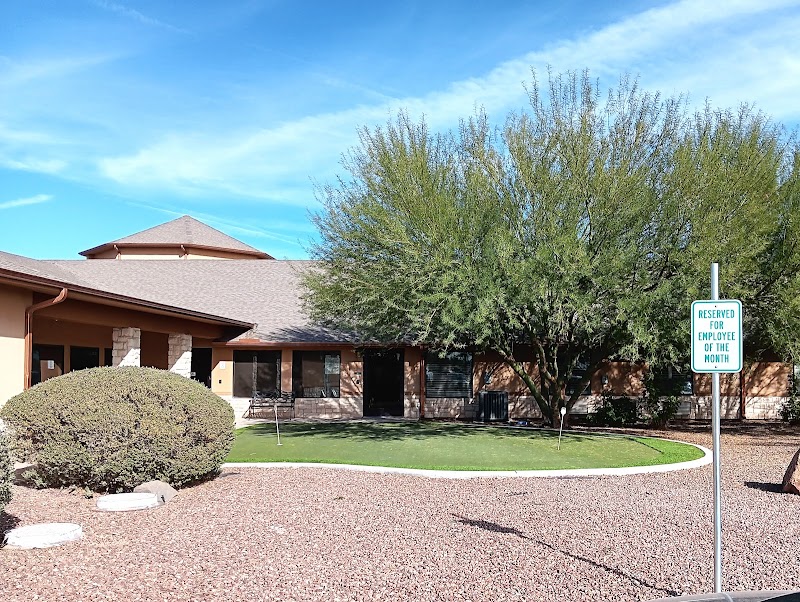
Who Owns and Operates Las Ventanas De Socorro?

LAS VENTANAS DE SOCORRO is owned by a for-profit company. For-profit facilities operate as businesses with obligations to shareholders or private owners. The facility is operated by FUNDAMENTAL HEALTHCARE, a chain that manages multiple nursing homes. With 126 certified beds and approximately 77 residents (about 61% occupancy), it is a mid-sized facility located in SOCORRO, Texas.
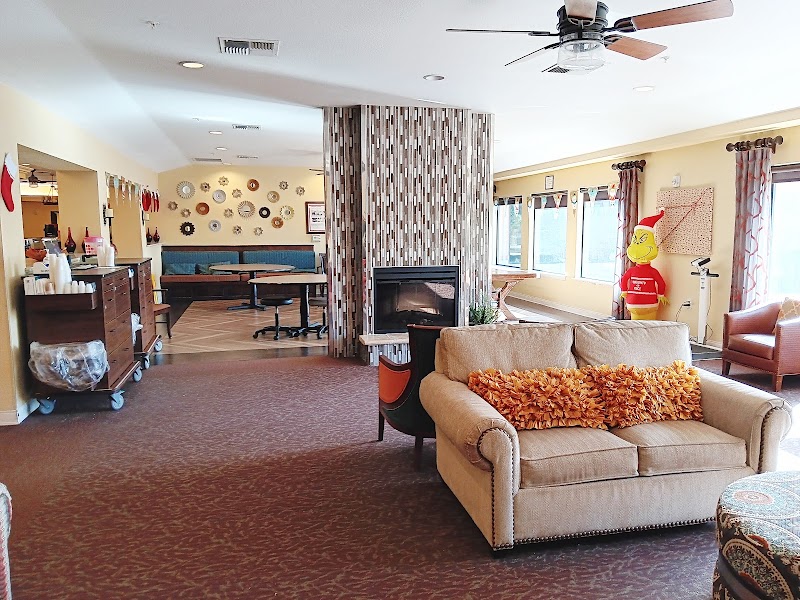
How Does Las Ventanas De Socorro Compare to Other Texas Nursing Homes?

Compared to the 100 nursing homes in Texas, LAS VENTANAS DE SOCORRO's overall rating (2 stars) is below the state average of 2.8, staff turnover (49%) is near the state average of 46%, and health inspection rating (2 stars) is below the national benchmark.

What Should Families Ask When Visiting Las Ventanas De Socorro?

Based on this facility's data, families visiting should ask: "What changes have been made since the serious inspection findings, and how are you preventing similar issues?" "Can you walk me through typical staffing levels on day, evening, and night shifts?" "Can I visit during a mealtime to observe dining assistance and food quality?" "How do you handle medical emergencies, and what is your hospital transfer rate?" These questions are particularly relevant given the facility's Immediate Jeopardy citations and the below-average staffing rating.

Is Las Ventanas De Socorro Safe?

Based on CMS inspection data, LAS VENTANAS DE SOCORRO has documented safety concerns. Inspectors have issued 1 Immediate Jeopardy citation (the most serious violation level indicating risk of serious injury or death). The facility has a 2-star overall rating and ranks #100 of 100 nursing homes in Texas. Families considering this facility should ask detailed questions about what corrective actions have been taken since these incidents.

Do Nurses at Las Ventanas De Socorro Stick Around?

LAS VENTANAS DE SOCORRO has a staff turnover rate of 49%, which is about average for Texas nursing homes (state average: 46%). Moderate turnover is common in nursing homes, but families should still ask about staff tenure and how the facility maintains care continuity when employees leave.

Was Las Ventanas De Socorro Ever Fined?

LAS VENTANAS DE SOCORRO has been fined $16,728 across 2 penalty actions. This is below the Texas average of $33,246. While any fine indicates a compliance issue, fines under $50,000 are relatively common and typically reflect isolated problems that were subsequently corrected. Families should ask what specific issues led to these fines and confirm they've been resolved.

Is Las Ventanas De Socorro on Any Federal Watch List?

LAS VENTANAS DE SOCORRO is not on any federal watch list. The most significant is the Special Focus Facility (SFF) program, which identifies the bottom 1% of nursing homes nationally based on persistent, serious quality problems. Not being on this list means the facility has avoided the pattern of deficiencies that triggers enhanced federal oversight. This is a positive indicator, though families should still review the facility's inspection history directly.