THE HEIGHTS OF BULVERDE
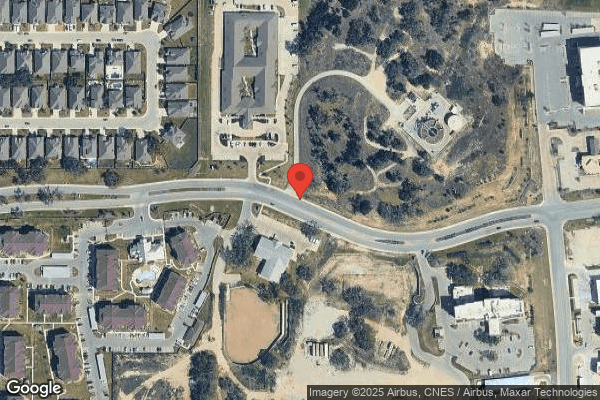
384 HARMONY HILLS, SPRING BRANCH, TX 78070 (830) 438-1276
For profit - Corporation 124 Beds TOUCHSTONE COMMUNITIES Data: November 2025 1 Immediate Jeopardy citation
Trust Grade
23/100
#1121 of 1168 in TX
Last Inspection: June 2025

Inspected within the last 6 months. Data reflects current conditions.

Overview

The Heights of Bulverde has received a Trust Grade of F, indicating significant concerns about the facility's overall care and management. It ranks #1121 out of 1168 nursing homes in Texas, placing it in the bottom half of facilities in the state, and is the lowest-ranked facility in Comal County. While the trend is improving with a decrease in reported issues from 19 to 16, the facility still has a high staff turnover rate of 70%, which is concerning compared to the Texas average of 50%. There are no fines on record, which is a positive aspect, and the facility provides more RN coverage than 84% of Texas facilities, which is beneficial for resident care. However, serious incidents have been reported, including a resident choking on wet wipes due to inadequate supervision and numerous deficiencies in food safety and waste disposal, raising concerns about overall hygiene and resident safety. Families should weigh these strengths and weaknesses carefully when considering this nursing home.

Trust Score
F
23/100
In Texas
#1121/1168
Bottom 5%
Safety Record
High Risk
Review needed
Inspections
Getting Better
19 → 16 violations
Staff Stability
⚠ Watch
70% turnover. Above average. Higher turnover means staff may not know residents' routines.
Penalties
✓ Good
No fines on record. Clean compliance history, better than most Texas facilities.
Skilled Nurses
○ Average
Each resident gets 32 minutes of Registered Nurse (RN) attention daily — about average for Texas. RNs are the most trained staff who monitor for health changes.
Violations
⚠ Watch
43 deficiencies on record. Higher than average. Multiple issues found across inspections.
★☆☆☆☆
1.0
Overall Rating
★☆☆☆☆
1.0
Staff Levels
★★★★☆
4.0
Care Quality
★★☆☆☆
2.0
Inspection Score
Stable
2024: 19 issues
2025: 16 issues

The Good

  • 4-Star Quality Measures · Strong clinical quality outcomes
  • Full Sprinkler Coverage · Fire safety systems throughout facility
  • No fines on record

Facility shows strength in quality measures, fire safety.

The Bad

1-Star Overall Rating

Below Texas average (2.8)

Significant quality concerns identified by CMS

Staff Turnover: 70%

23pts above Texas avg (46%)

Frequent staff changes - ask about care continuity

Chain: TOUCHSTONE COMMUNITIES

Part of a multi-facility chain

Ask about local staffing decisions and management

Staff turnover is elevated (70%)

22 points above Texas average of 48%

The Ugly 43 deficiencies on record

1 life-threatening
Jun 2025 8 deficiencies
CONCERN (D)

Potential for Harm - no one hurt, but risky conditions existed

Deficiency F0552 (Tag F0552)

Could have caused harm · This affected 1 resident

**NOTE- TERMS IN BRACKETS HAVE BEEN EDITED TO PROTECT CONFIDENTIALITY** Based on interview and record review, the facility failed to ensure the Resident has the right to be informed of, and participat...

Read full inspector narrative →
**NOTE- TERMS IN BRACKETS HAVE BEEN EDITED TO PROTECT CONFIDENTIALITY** Based on interview and record review, the facility failed to ensure the Resident has the right to be informed of, and participate in, his or her treatment, including: the accurate communication and implementation of code status for 1 of 4 residents (Resident #53) reviewed resident rights and advance directives. Resident #53 had a discrepancy in code status, as evidenced by contradictory records found in the medical chart. This failure to ensure consistency in the resident code status violates their autonomy and places them at risk of receiving treatment contrary to their expressed wishes. Findings included: Record review of Resident #53's face sheet revealed an [AGE] year-old male admitted on [DATE]. Diagnoses included Senile Degeneration of the Brain (a decline in cognitive function, particularly memory and thinking skills), Dementia (progressive or persistent loss of intellectual functioning) Depression (mental health disease of high and low mood swings), Anxiety (intense, excessive, and persistent worry and fear). Record review of Quarterly MDS assessment dated [DATE] revealed BIMS (Basic Interview of Mental Status) Score of 8 indicating moderate cognitive impairment and required supervision with self-feeding, toilet hygiene, dressing, bed mobility, bathing and gait. Record review of Resident #53's medical record revealed a discrepancy was found between Resident #53 face sheet, care plan (dated 06.20.2025), OOH-DNR (dated 02.14.2025), and orders (no orders for DNR in EHR). The profile reflected Resident #53 was a full code; the care plan reflected the resident was a full code; and the Misc. Documents revealed an OOH- DNR signed by the physician dated February 2025. Resident #53's orders reflected hospice and contradictory (RN to pronounce) information for Full Code. During an interview with Resident #53 on [DATE] at 3:27 p.m., Resident #53 was asked what his wishes were if he were to stop breathing and needed CPR. He replied that he believed he would want CPR to keep on living. During an interview with the Social Worker on [DATE] at 1:52 p.m., the SW was able to see and verify the discrepancy noted in Resident #53' s chart. The face sheet showed a full code, and there was a signed OOH- DNR order found in EHR under Misc. Documents . The SW was not aware if Resident #53 had an Ad Litem (someone appointed by the court to represent the interests of someone who cannot represent themselves ) but verified that the two physicians who admitted Resident #53 to hospice were also the ones who signed the OOH- DNR. Resident #53 did not sign any consents to hospice or OOH-DNR. The last care plan meeting was 06.12.2025 and Resident #53 was not present . During an interview with the DON on [DATE] at 4:50 p.m., the DON stated that she did see a concern with the discrepancy and that the Social Worker would be the one to ensure that Resident #53's wishes had been updated during the care plan meeting. She understood the concerns with the discrepancy would be that his Resident #53 wishes were not followed. During an interview with the ADM on [DATE] 05:38 PM, the ADM stated he was aware of the discrepancies in the advance directives for Resident #53. That Resident #53 should be informed and make decisions regarding his treatment plan. The ADM stated that resident records should be updated at care plan meetings, and the SW was responsible for ensuring accuracy of wishes and code status. Review of the facility policy titled, The Facility Manual, revised [DATE], reflected Resident Rights, Exercise of Rights, Residents will have the right to exercise their rights as residents of the community and as citizens or residents of the United States. Residents will have the right to be free of interference, coercion, discrimination, and reprisal from the community in exercising his or her rights.
CONCERN (D)

Potential for Harm - no one hurt, but risky conditions existed

Deficiency F0578 (Tag F0578)

Could have caused harm · This affected 1 resident

**NOTE- TERMS IN BRACKETS HAVE BEEN EDITED TO PROTECT CONFIDENTIALITY** Based on interview and record review, the facility failed to ensure the residents right to request to formulate an advance direc...

Read full inspector narrative →
**NOTE- TERMS IN BRACKETS HAVE BEEN EDITED TO PROTECT CONFIDENTIALITY** Based on interview and record review, the facility failed to ensure the residents right to request to formulate an advance directive and accurate documentation of advance directives was maintained and implemented for 1 of 4 residents (Resident #53). Resident #53's OOH-DNR was signed and in misc. documents while face sheet and care plan were listed as full code. This deficient practice could place the resident at risk of receiving care inconsistent with their wishes. The findings were: Record review of Resident #53's face sheet revealed an [AGE] year-old male admitted on [DATE]. Diagnoses included Senile Degeneration of the Brain (a decline in cognitive function, particularly memory and thinking skills), Dementia (progressive or persistent loss of intellectual functioning) Depression (mental health disease of high and low mood swings), Anxiety (intense, excessive, and persistent worry and fear). Record review of Quarterly MDS assessment dated [DATE] revealed BIMS (Basic Interview of Mental Status) Score of 8 indicating moderate cognitive impairment and required supervision with self-feeding, toilet hygiene, dressing, bed mobility, bathing and gait. Record review of Resident #53's medical record revealed a discrepancy was found between Resident #53 face sheet, care plan (dated 06.20.2025), OOH-DNR (dated 02.14.2025), and orders (no orders for DNR in EHR). The profile reflected Resident #53 was a full code; the care plan reflected the resident was a full code; and the Misc. Documents revealed an OOH- DNR signed by the physician dated February 2025. Resident #53's orders reflected hospice and contradictory (RN to pronounce) information for Full Code. During an interview with Resident #53 on [DATE] at 3:27 p.m., Resident #53 was asked what his wishes were if he were to stop breathing and needed CPR. He replied that he believed he would want CPR to keep on living. During an interview with the Social Worker on [DATE] at 1:52 p.m., the SW was able to see and verify the discrepancy noted in Resident #53' s chart. The face sheet showed a full code, and there was a signed OOH- DNR order found in EHR under Misc. Documents . The SW was not aware if Resident #53 had an Ad Litem (someone appointed by the court to represent the interests of someone who cannot represent themselves ) but verified that the two physicians who admitted Resident #53 to hospice were also the ones who signed the OOH- DNR. Resident #53 did not sign any consents to hospice or OOH-DNR. The last care plan meeting was 06.12.2025 and Resident #53 was not present . During an interview with the DON on [DATE] at 4:50 p.m., the DON stated that she did see a concern with the discrepancy and that the Social Worker would be the one to ensure that Resident #53's wishes had been updated during the care plan meeting. She understood the concerns with the discrepancy would be that his Resident #53 wishes were not followed. During an interview with the ADM on [DATE] 05:38 PM, the ADM stated he was aware of the discrepancies in the advance directives for Resident #53. That Resident #53 should be informed and make decisions regarding his treatment plan. The ADM stated that resident records should be updated at care plan meetings, and the SW was responsible for ensuring accuracy of wishes and code status. Record review of the facility policy, Advanced Directives, reviewed [DATE], revealed, The medical record and resident's plan of care should reflect the resident's wishes as well as the physician orders in order to meet the directives described.
CONCERN (D)

Potential for Harm - no one hurt, but risky conditions existed

Comprehensive Care Plan (Tag F0656)

Could have caused harm · This affected 1 resident

**NOTE- TERMS IN BRACKETS HAVE BEEN EDITED TO PROTECT CONFIDENTIALITY** Based on observation, interview, and record review, the facility failed to develop and implement a comprehensive person-centered...

Read full inspector narrative →
**NOTE- TERMS IN BRACKETS HAVE BEEN EDITED TO PROTECT CONFIDENTIALITY** Based on observation, interview, and record review, the facility failed to develop and implement a comprehensive person-centered care plan for each that includes measurable objectives and timeframes to meet a resident's medical, nursing, and mental needs that are identified in the comprehensive assessment, and services that are to be furnished to attain or maintain the resident's highest practicable physical, mental, and psychosocial well-being for 1 of 8 residents (Resident #55) reviewed for care plans. The facility failed to ensure Resident #55 was provided a pad type call light which was care planned as an intervention for the resident. This deficient practice places residents at risk for not receiving proper care and services due to not implementing care plan interventions. The findings were: Record review of Resident #55's face sheet, dated 06/23/2025, revealed he was admitted on [DATE] with diagnoses which included: muscle wasting and atrophy, not elsewhere classified, multiple sites, multiple sclerosis ( a chronic, often disabling, disease of the central nervous system that affects the brain and spinal cord) , other lack of coordination, chronic pain syndrome, and muscle weakness (generalized). Record review of resident #55's Quarterly MDS assessment, dated 06/19/2025, revealed the resident's BIMS score 07 for moderate cognitive impairment. The Quarterly MDS assessment further revealed Resident #55 required substantial/maximal assistance (helper does more than half the effort) for sit to lying, lying to sitting on side of bed, sit to stand, chair/bed-to-chair transfer, toilet transfer and tub/shower transfer. Record review of Resident #55's care plan, initiated date 03/19/2025, revealed Resident #55 had a focus of I use a specialized call light: Unable to push the button on the traditional call light and intervention/tasks Provide Pad type call light. During observation and interview on 06/22/2025 at 11:24 AM Resident #55 stated she had trouble with her call light. Resident #55 further stated she relied a great deal on her roommate to call when she needed something. Resident #55 was observed lying flat in the bed with the call light within reach however when she attempted to push her call light using one finger, she only pressed the side of the call light not the red button. The call light did not turn on due to resident had not manage to push the call light button. During observation and interview on 06/24/2025 at 7:28 AM revealed Resident #55 was up in her wheelchair at bedside with the over bed table in front of her and a traditional call light sitting on the side of bed within reach. Resident #55 was observed being able to this time to push the button of the call light, turning on the call light. Resident #55 stated she got shaky sometimes and had trouble with her call light. During an interview on 06/25/2025 10:15 AM the DON stated she was not aware of Resident #55 not being able to use her call light and they would get her the pad call light (call light requiring the resident only to tap). The DON further stated she was not aware it had been care planned for Resident #55 to have a pad call light. The DON stated Resident #55 had never complained to her that she was calling, and nobody was coming. The DON stated by not having the proper call light the resident would not be able to get a hold of them for what she needed. The DON stated she had personally answered her call light and was not aware the roommate was pushing the button for Resident #55. The DON stated the light outside of the room alerting staff did not tell them which bed pushed the light but, just that the room needed assistance. During an interview on 06/25/2025 11:21 AM the MDS Coordinator stated when the care plan was done back in March 2025 Resident #55 had a touch pad call light. The MDS Coordinator stated she was not sure what had happened and was not aware Resident #55 no longer had it. The MDS Coordinator stated she was not sure if Resident #55 had complained about the touch pad call light. The MDS Coordinator further stated the DON was going to put it back and it was going to stay the same. The MDS Coordinator stated she did not feel by not having the touch pad it would have been an issue because Resident #55 used the roommate many times to use the call light, and further stated Resident #55 would wheel herself out of the room to get staff and had used the call light before when it was a push call light. The MDS Coordinator stated in June 2025 when the care plan was reviewed, she was not aware Resident #55 did not have the touch pad call light. During an interview on 06/25/2025 at 5:09 PM the DON stated the care plan directed the care for the residents and by not following the care plan it could disrupt the continuity of care. The DON further stated nursing as a whole was responsible to ensure staff were aware of the care plan needs of the residents. The DON stated the staff were aware of the interventions for care or the care plan by the use of the Kardex system and the nurses had access to the view both the Kardex and the care plans. The DON was not sure if the specialized call lights were part of the Kardex. The DON further stated the Kardex was more regarding the care, but the Kardex was customizable. During an interview on 06/25/2025 5:35 PM the Administrator stated nursing was responsible for the implementation of the care plan. The Administrator stated by not following the interventions of the care plan and providing resident with the pad call light Resident #55 might not be able to alert staff to answer the call light. Record review of facility's Care Plans policy, revised date January 2023, read, Guidelines: Care Plans: The community develops a comprehensive care of each resident that includes measurable objectives to meet a resident's medical, nursing, mental, and psychosocial needs that are identified in the comprehensive assessment. The care plan should be reflective of the identified problem or risk, a measurable outcome objective and appropriate intervention/interventions in relation to the identified problem or risk, outcome objective, and the resident's ability, needs medical condition, preventative measures. The care plan may also include expressed preferences. The care plan in conjunction with the plan of care throughout the medical record is developed and or recommended to attain or maintain the resident's highest practicable physical, mental, and psychosocial well-being. Record review of facility's Routine Resident Care policy, revised date January 2024, read, Compliance Guidelines: Residents should receive the necessary assistance to maintain good grooming, personal/oral hygiene and safety. Steps are taken to provide that a resident's capacity for self-performance of these activities does not diminish unless circumstances of the resident's clinical condition demonstrate the decline is unavoidable. Care is taken to maintain resident safety at all times. Guidelines: #11 Team members should follow the resident plan of care and update with identified resident changes.
CONCERN (D)

Potential for Harm - no one hurt, but risky conditions existed

Unnecessary Medications (Tag F0759)

Could have caused harm · This affected 1 resident

**NOTE- TERMS IN BRACKETS HAVE BEEN EDITED TO PROTECT CONFIDENTIALITY** Based on observation and interview the facility failed to ensure medication error rates are not 5 percent or greater for 1 of 4 ...

Read full inspector narrative →
**NOTE- TERMS IN BRACKETS HAVE BEEN EDITED TO PROTECT CONFIDENTIALITY** Based on observation and interview the facility failed to ensure medication error rates are not 5 percent or greater for 1 of 4 residents (Resident #19), reviewed for pharmacy services in that the automatic calculation of the medication error rate in the Long-Term Care Survey Process (LTCSP) after 25 opportunities with 2 errors was 8%. LVN A poured two different over the counter bulk facility medications into her bare hand to administer to Resident #19 and put the ones she did not need back into the bottle during a medication administration observation. This failure could place residents at risk of cross contamination, health complications, and illness. The findings were: Record review of Resident #19's face sheet dated 6/25/25 revealed the resident was an [AGE] year-old female admitted to the facility on [DATE] with readmission on [DATE]. Her diagnoses included unspecified protein-calorie malnutrition (the lack of sufficient energy or protein to meet the body's metabolic demands), and immunodeficiency due to conditions classified elsewhere (medical condition where an individual's immune system is weakened or not functioning optimally due to another underlying health issue). Record review of Resident #19's quarterly MDS dated [DATE] revealed the resident had a BIMS score of 1 out of 15 indicating the resident was severely cognitively impaired. Record review of Resident #19's care plan with a last reviewed date of 6/22/25 revealed a focus revised on 6/18/25 for nutritional deficits related to malnutrition. Interventions included to provide food, fluids, including supplements as ordered. Another focus initiated on 1/16/25 for chronic health conditions that included malnutrition. Interventions included to Administer medications as ordered. Record review of Resident #19's order summary dated 6/25/25 revealed an order with a start date of 12/10/24 for cyanocobalamin (Vitamin B12) Oral Tablet 1000 mcg once daily. Record review of Resident #19's order summary dated 6/25/25 revealed an order with a start date of 4/19/25 for Ferrous Sulfate (iron) tablet 325 mg once daily. In an observation and interview on 6/24/25 at 6:36 a.m. during a medication administration observation for Resident #19, LVN A poured several cyanocobalamin (Vitamin B12) 1000mcg oral tablets from a bulk facility stock bottle (unknown amount) into her bare left hand and tilted her left hand against the bottle and put all the tablets back in the bottle except one that she had in her creased palm to administer to Resident #19. LVN A was asked if she should have poured the medication into her bare hand and or put them back in the bottle prior to her placing the contaminated vitamin B12 tablet in the medicine cup with Resident #19's other meds and she stated she should not have. LVN A discarded the bottle and the pill in her hand into the trash on the medication cart. During this same medication observation LVN A poured several iron 325mg tablets from a bulk facility stock bottle (unknown amount) into her bare left hand and tilted her left hand against the bottle and creased her palm to hold one tablet and began putting the other tablets back into the bottle and paused and then placed them all back in the bottle and discarded the bottle in the medication sharps container and asked another staff member to bring her a new bottle. LVN A stated pouring the medications into her hand and putting them back in the bottle was not a habit for her and she was nervous. LVN A stated she should not have poured the medications into her bare hand and returned them back in the bottle. LVN A stated the possible consequences of doing so could be exposing the resident to germs and contaminates the entire bottle. Review of LVN A's competencies checklist revealed she had met the medication administration competency on 2/17/25. In an attempted interview on 6/25/25 at 6:45 a.m. Resident #19 would smile when asked questions and did not respond to questions. In an interview on 6/25/25 at 10:23 a.m. the DON stated LVN A should not have put the medications in her hand nor returned them to the bulk bottle after touching them and should have used the inside of the lid to the bottle to separate them to 1 pill to administer to the resident. The DON stated the possible consequences of putting the medications in her bare hand and returning them to the bottle could be introducing bacteria. The DON stated there was not a facility policy specific to the medication error rate. Review of the facility policy on medication administration revised January 2024 indicated . 1. Follow safe sanitary practices . d. Do not touch oral medication, topical ointments, or creams .
CONCERN (D)

Potential for Harm - no one hurt, but risky conditions existed

Deficiency F0761 (Tag F0761)

Could have caused harm · This affected 1 resident

**NOTE- TERMS IN BRACKETS HAVE BEEN EDITED TO PROTECT CONFIDENTIALITY** Based on observations and interviews, the facility failed to store medication with the expiration date on packaging in complianc...

Read full inspector narrative →
**NOTE- TERMS IN BRACKETS HAVE BEEN EDITED TO PROTECT CONFIDENTIALITY** Based on observations and interviews, the facility failed to store medication with the expiration date on packaging in compliance with state laws and regulations for 1 of 2 medication rooms (300/400 hall) observed for medication storage. The medication room on the 300/400 hall had a box with an [NAME] boot stored without an expiration date. This failure could affect residents prescribed medications and result in less potent medications provided and could result in decreased health response or misuse of medication. The findings included: Interview and observation of medication storage room for 300/400 halls on 06/23/25 at 09:00 AM revealed the date was torn off a box with an [NAME] boot (a wet compression dressing used in the treatment of venous ulcers and dries semirigid similar to a cast) and no date was on the foil package with the [NAME] boot. The DCO took the box with the [NAME] boot and discarded it in the trash. She said she did not know why the package date was torn off that way and she did not know why it was in the medication room. The DCO said it should not have been stored that way. Interview on 6/25/2025 at 4:30PM the Administrator said expiration dates were needed on medications for nurses to know because expired medications could lose its potency and effectiveness over time. Interview on 6/25/2025 at 5:0PM the DON said it was important for medication to have expiration date so the nurse would know when not to use it. She said it was important not to use expired medication because it would not have the same benefits of what was needed to use the medication. Record review of the facility policy titled, Pharmacy Services dated February 2017 stated under Labeling of medications and biologicals: The critical elements of the drug label include: expiration dates.
CONCERN (D)

Potential for Harm - no one hurt, but risky conditions existed

Medical Records (Tag F0842)

Could have caused harm · This affected 1 resident

**NOTE- TERMS IN BRACKETS HAVE BEEN EDITED TO PROTECT CONFIDENTIALITY** Based on observation, interview, and record review, the facility failed to ensure medical records were kept in accordance with p...

Read full inspector narrative →
**NOTE- TERMS IN BRACKETS HAVE BEEN EDITED TO PROTECT CONFIDENTIALITY** Based on observation, interview, and record review, the facility failed to ensure medical records were kept in accordance with professional standards and practices and were complete and accurately documented for 1 of 4 residents (Resident #53) reviewed for accuracy of records. The facility failed to ensure Resident #53 expressed Full Code status and the code status documented in the electronic medical record, placing the resident at risk of receiving improper treatment. These failures could place residents at risk for improper care due to inaccurate records. Findings included: Record review of Resident #53's face sheet revealed an [AGE] year-old male admitted on [DATE]. Diagnoses included Senile Degeneration of the Brain (a decline in cognitive function, particularly memory and thinking skills), Dementia (progressive or persistent loss of intellectual functioning) Depression (mental health disease of high and low mood swings), Anxiety (intense, excessive, and persistent worry and fear). Record review of Quarterly MDS assessment dated [DATE] revealed BIMS (Basic Interview of Mental Status) Score of 8 indicating moderate cognitive impairment and required supervision with self-feeding, toilet hygiene, dressing, bed mobility, bathing and gait. During a record review on [DATE] at 11:42am of Misc. Documents section of the clinical record indicated Resident #53 had an OOH- DNR signed by physician dated February 2025. During an interview with Resident #53 on [DATE] at 3:27 p.m., Resident #53 stated he believed he would want CPR to keep on living. During an interview and observation with the social worker on [DATE] at 1:52 p.m., the SW confirmed the discrepancy noted in the chart. The SW was not aware if Resident #53 had an Ad Litem (someone appointed by the court to represent the interests of someone who cannot represent themselves ) but verified that the two physicians who admitted Resident #53 to hospice were also the ones who signed the OOH- DNR. Resident #53 did not sign any consents to Hospice or OOH-DNR. The last Care Plan meeting was 06.12.2025 and Resident #53 was not present. During an interview with the DON on [DATE] at 4:50 p.m., the DON stated there was a concern with the discrepancy in Resident #53s records and the social worker would be the one to ensure his wishes had been updated during the care plan meeting. She stated the discrepancy would be that Resident #53's wishes were not followed. During an interview with the ADM on [DATE] 05:38 PM, the ADM stated he was aware of the discrepancies in advance directives for Resident #53. He stated Resident #53 should be informed and make decisions regarding his treatment plan. ADM stated Resident Records should be updated at care plan meetings and SW was responsible for ensuring accuracy of wishes and code status. Record review of the facility policy, Resident Rights, reviewed [DATE], revealed, Residents have the right to be fully informed in advance about care and treatment and of any changes in that care or treatment that may affect their well-being.
CONCERN (D)

Potential for Harm - no one hurt, but risky conditions existed

Infection Control (Tag F0880)

Could have caused harm · This affected 1 resident

Based on observation, interview, and record review the facility failed to maintain an infection prevention and control program designed to provide a safe, sanitary, and comfortable environment and to ...

Read full inspector narrative →
Based on observation, interview, and record review the facility failed to maintain an infection prevention and control program designed to provide a safe, sanitary, and comfortable environment and to help prevent the development and transmission of communicable diseases and infections for 1 of 4 residents (Resident #19) reviewed for infection control. LVN A poured two different over the counter bulk facility medications into her bare hand to administer to Resident #19 and put the pills she did not need back into the bottle during a medication administration observation. This failure could place residents at risk of cross contamination, health complications, and illness. The findings were: In an observation and interview on 6/24/25 at 6:36 a.m. during a medication administration observation for Resident #19, LVN A poured several cyanocobalamin (Vitamin B12) 1000mcg oral tablets from a bulk facility stock bottle (unknown amount) into her bare left hand and tilted her left hand against the bottle and put all the tablets back in the bottle except one that she had in her creased palm to administer to Resident #19. LVN A stated she should not have poured the medications into her bare hands and put the remainder medication back into the bottle. LVN A discarded the bottle and the pill in her hand in the trash on the medication cart. LVN A poured several iron 325mg tablets from a bulk facility stock bottle (unknown amount) into her bare left hand and tilted her left hand against the bottle and creased her palm to hold one tablet and began putting the other tablets back into the bottle, she paused, and placed all pills back in the bottle and discarded the bottle in the medication sharps container and asked another staff member to bring her a new bottle. LVN A stated pouring the medications into her hand and putting them back in the bottle was not a habit for her and she was nervous. LVN A stated she should not have poured the medications into her bare hand and returned them back in the bottle. LVN A stated the possible consequences of doing so could be exposing the resident to germs and contaminates the entire bottle. In an interview on 6/25/25 at 10:23 a.m. the DON stated LVN A should not have put the medications in her hand nor returned them to the bulk bottle after touching them and should have used the inside of the lid to the bottle to separate them to 1 pill to administer to the resident. The DON stated the possible consequences of putting the medications in her bare hand and returning them to the bottle could be introducing bacteria. The DON stated there was not a facility policy specific to the medication error rate. Review of LVN A's competencies checklist revealed she had met the medication administration competency and infection control practices on 2/17/25. Review of the facility policy on medication administration revised January 2024 indicated . 1. Follow safe sanitary practices . d. Do not touch oral medication, topical ointments, or creams .
CONCERN (E)

Potential for Harm - no one hurt, but risky conditions existed

Food Safety (Tag F0812)

Could have caused harm · This affected multiple residents

Based on observation, interview, and record review, the facility failed to store, prepare, distribute, and serve food in accordance with professional standards for food service safety for 1 of 1 kitch...

Read full inspector narrative →
Based on observation, interview, and record review, the facility failed to store, prepare, distribute, and serve food in accordance with professional standards for food service safety for 1 of 1 kitchen observed for kitchen sanitation. 1. The facility failed to ensure trays of prepared and poured glasses of beverages were dated and labeled. 2. The facility failed to ensure soup warmer with soup was returned to kitchen after meal and not left out all night. These failures could place residents who received meals and/or snacks from the kitchen at risk for food borne illness. The findings included: Observation and interview on 06/22/2025 at 9:27 AM revealed during the initial tour of the kitchen 4 trays with beverages prepared in the standing refrigerator not dated or labeled: *1 tray of 8 large glasses of milk, *1 tray of 5 large glasses of juice and water, *1 tray of 20 small glasses of orange juice and, *1 tray of 12 small glasses of milk. The [NAME] stated the trays were from breakfast and she had placed them back in the refrigerator but did not put dates on the trays. The [NAME] stated the date was, so the kitchen staff know when things are put in the refrigerator, so things would not go bad. The [NAME] was observed removing the trays of beverages from the refrigerator and placing the date on them. Observation on 06/24/2025 at 5:30 AM revealed a soup warmer on the counter in the main dining room with soup. The soup warmer did not feel warm to the touch and was not plugged in, the lid to the soup was partially opened due to ladle sticking out there was no date or label on the soup. Observation on 06/24/2025 at 5:36 AM revealed in the standing refrigerator held 6 trays thta were not dated or labeled: *One tray was observed to have 10 large glasses of tea. *Two other trays stacked on each were observed to have glasses of orange juice with the bottom tray being full and top tray almost full. *2 trays of milk stacked on one another with bottom tray full and 11 glasses on the top tray. *A cup was observed to be sitting in the fridge that look to be chocolate milk, and * a tray with 2 dates on it for 06/22/2025 and 06/23/2025 having 2 glasses of cranberry juice, 6 glasses of milk and 1 glass of water on the tray. During an interview on 06/24/2025 at 5:39 AM the [NAME] stated the beverage trays had been placed by whoever worked last night. The [NAME] further stated the trays with the beverages should have been dated and that she had explained it to them after we came in the first day reminding the other kitchen staff. The [NAME] stated regarding the tray with the two dates was because the 06/22/2025 was not taken off and when the new date was placed. The [NAME] stated the tray of tea she stated should have been dated last night when they put it back in the refrigerator. The [NAME] stated the soup in the dining room was not brought in last night and it should have been. The [NAME] further stated the soup was put out at lunch yesterday. The [NAME] stated she was not sure how long the soup could be out but by not being brought back in to the kitchen the residents could be put at risk of being burned if they were not supervised with the soup or it could make them sick by leaving it out too long. During an interview on 06/24/2025 at 7:02 AM the Administrator stated the soup was usually brought out from the kitchen right before lunch, but there was not a set time they bring it back in to the kitchen, but it should have been after lunch. The Administrator further stated by leaving the soup out bacteria could form, and people could get sick. The Administrator stated items are to be dated and labeled to know when they might go bad. The Administrator stated the kitchen was responsible for removing the soup from the dining room and the labeling of items in the fridge. During an interview on 06/25/2025 at 11:08 AM the DM stated the kitchen the evening of 06/23/2025 should have pulled the soup from the dining room when they closed the kitchen for the night before they left. The DM stated residents could get sick from food borne illness. The DM stated the evening kitchen staff did prep the breakfast items and the beverage trays should have been labeled and dated. The DM further stated anything prepped or opened in the refrigerator should be dated and labeled, so, staff understood it was not old and to know when to pour things out. The DM stated somebody could get sick if the items were left too long in the refrigerator and not thrown out. The DM stated the person placing items in the refrigerator was responsible for labeling and dating the items. During an interview on 06/25/2025 at 5:38 PM the Administrator stated stored and refrigerated items should be labeled and dated so they know it was still okay to serve and prevent food borne illness. The Administrator further stated the kitchen as a whole was responsible for labeling and dating. Record review of in-service training dated 10/16/2024 revealed, staff had been in serviced regarding Labeling and Dating. Record review of in-service training dated 05/20/2025revealed, staff had been in serviced regarding Refrigeration & Dry Storage of Food. Review of facility's policy, Food Storage, no date, read, Policy: To ensure that all food served by the facility is of good quality and safe for consumption, all food will be stored according to the stated, federal and US Food Codes and HACCP guidelines. Procedure: #2. Date, label and tightly seal all refrigerated foods using clean, no absorbent, covered containers that are approved for food storage.
Apr 2025 2 deficiencies
CONCERN (D) 📢 Someone Reported This

A family member, employee, or ombudsman was alarmed enough to file a formal complaint

Potential for Harm - no one hurt, but risky conditions existed

Assessment Accuracy (Tag F0641)

Could have caused harm · This affected 1 resident

**NOTE- TERMS IN BRACKETS HAVE BEEN EDITED TO PROTECT CONFIDENTIALITY** Based on observations, interviews, and record review the facility failed to ensure the assessment accurately reflected the resid...

Read full inspector narrative →
**NOTE- TERMS IN BRACKETS HAVE BEEN EDITED TO PROTECT CONFIDENTIALITY** Based on observations, interviews, and record review the facility failed to ensure the assessment accurately reflected the resident's status for 2 (Resident #1 and Resident #2) of 3 residents reviewed for accuracy of assessments. 1. The facility failed to ensure Resident #1 was coded on her Annual MDS assessment, signed as completed on 04/21/2025, for a fall without injury that occurred on 02/03/2025. 2. The facility failed to ensure Resident #2 was coded on her Quarterly MDS assessment, signed as completed on 03/09/2025, for two falls without injury, 02/09/2025 and 02/14/2025, and one fall with an injury (not major), 02/25/2025. These failures could place residents at risk of improper or incorrect care and services necessary for their physical, mental, and psychosocial well-being. The findings included: 1. Record review of Resident #1's admission Record, dated 04/23/2025, reflected a [AGE] year-old female. She was initially admitted on [DATE] and re-admitted on [DATE]. Record review of Resident #1's Medical Diagnosis Report, undated and accessed 04/23/2025, reflected a principal diagnosis of hemiplegia (paralysis of one side of the body) affecting left non-dominant side, a secondary diagnosis of non-ruptured cerebral aneurysm (a bulging blood vessel in the brain), and a secondary diagnosis of history of falling. Record review of Resident #1's MDS tab on the EMR, accessed 04/23/2025, reflected Resident #1 had two MDS assessments, a Quarterly MDS and a State Optional MDS, dated [DATE]. Resident #1 had two MDS assessments, an Annual MDS and a State Optional MDS, dated [DATE]. A MDS assessment was noted to have not been completed between 01/09/2025 and 04/09/2025. Record review of Resident #1's Annual MDS assessment, dated 04/09/2025 and signed as completed on 04/21/2025 by Nurse Assessment Coordinator B, reflected assessment observation end date of 04/09/2025. Resident #1 had a BIMS score of 15 indicating she was cognitively intact. She required partial/moderate assistance for transferring from lying to sitting on the side of the bed or sitting to standing. She was documented as having no falls since admission/entry or reentry or prior assessment. Record review of Resident #1's Nursing Progress Note, dated 02/03/2025 at 03:02 a.m. by LPN A, reflected Resident #1 continued to be monitored for an unwitnessed fall. She had no visible injuries or signs of acute distress. She was not complaining of pain or discomfort. Record review of Resident #1's Post Fall Review, dated 02/03/2025 at 03:05 a.m., signed by LPN A, reflected Resident #1 had a fall on 02/03/2025 at 01:40 a.m. Resident #1 was noted as having stated that she fell off the toilet. Resident #1 was documented as having no apparent injury. Potential interventions noted included toileting schedule, evaluate timing of medications, and daily nap. During an observation and interview with Resident #1 on 04/24/2025 at 11:06 a.m., Resident #1 was sitting in a wheelchair in her bathroom. She appeared clean and groomed. She reported she had had multiple falls at the facility, but not a fall with injury in over a year. She stated her current need for the wheelchair was not due to a fall. She stated she felt safe at the facility and that the staff responded to her falls appropriately. She stated she continued to go to therapy and was trying to follow the fall interventions the nursing staff and therapy staff recommended to her. 2. Record review of Resident #2's admission Record, dated 04/23/2025, reflected a [AGE] year-old female. She was admitted on [DATE]. Record review of Resident #2's Medical Diagnosis Report, undated and accessed 04/23/2025, reflected a principal diagnosis of multi-system degeneration of the autonomic nervous system (a disorder that impacts the systems of the body that control how a person moves, resulting in a loss of coordination and balance, and involuntary functions such as blood pressure or digestion), a secondary diagnosis of Parkinsonism (a disorder of the nervous system that affects movement, often including tremors), and a secondary diagnosis of repeated falls. Record review of Resident #2's MDS tab on the EMR, accessed 04/23/2025, reflected Resident #2 had two MDS assessments, a Quarterly MDS and a State Optional MDS, dated [DATE]. Resident 2 had two MDS assessments, a Quarterly MDS and a State Optional MDS, dated [DATE]. A MDS assessment was noted to have not been completed between 11/26/2024 and 02/26/2025. Record review of Resident #2's Quarterly MDS, dated [DATE] and signed as completed on 03/09/2025 by Nurse Assessment Coordinator B, reflected assessment observation end date of 02/26/2025. Resident #2 had a BIMS score of 15 indicating she was cognitively intact. She required partial/moderate assistance for transferring from lying to sitting on the side of the bed or sitting to standing. She was documented as having no falls since admission/entry or reentry or prior assessment. An injury (except major) was defined as including skin tears, abrasions, or any fall-related injury that causes the resident to complain of pain. Record review of Resident #2's Neuro Checks, dated 02/09/2025 at 06:20 p.m., reflected Resident #2 had an unwitnessed fall without evidence of a head injury. Her first noted neuro check was dated 02/09/2025 at 06:20 p.m. and she was noted to be stable at baseline. She was noted to have complaints of right shoulder and back pain but no obvious signs or symptoms of injury. She was noted to not be distressed. Record review of Resident #2's Nursing Progress Note, dated 02/09/2025 at 09:45 p.m. by LPN C, reflected Resident #2 was found lying on the floor of her room, in front of her wheelchair. Resident #2 had complaints of shoulder and back pain but with history of chronic back pain and joint pain. She had no signs or symptoms of injuries. Record review of Resident #2's Neuro Checks, dated 02/14/2025 at 03:15 a.m., signed by LPN D, reflected Resident #2 had an unwitnessed fall without evidence of a head injury. Her first noted neuro check was dated 02/14/2025 at 03:15 a.m. and she was noted to be alert, with pupils equal and reactive to light, and at a zero-pain level. Record review of Resident #2's Nursing Progress Note, dated 02/14/2025 at 09:53 a.m. by LPN E, reflected Resident #2 was sitting up in her wheelchair and denied any pain or discomfort from a fall. Record review of Resident #2's Post Fall Review, dated 02/25/2025 at 06:00 p.m., signed by LPN F, reflected Resident #2 had an unwitnessed fall on 02/25/2025 at 06:00 p.m. Resident #2 was noted to be anxious or irritated and had an abrasion (scrape or cut) to her left elbow and right hand. Record review of Resident #2's Neuro Checks, dated 02/25/2025 at 06:00 p.m., signed by LPN F, reflected Resident #2 had an unwitnessed fall without evidence of a head injury. Her first noted neuro check was dated 02/25/2025 at 06:00 p.m. and she was noted to be alert, with pupils equal and reactive to light, and at a zero-pain level. Record review of Resident #2's Nursing Progress Note, dated 02/25/2025 at 06:29 p.m. by LPN F, reflected Resident #2 was found sitting on her bottom in her room, between her bed and her wheelchair. Resident #2 was noted to state, I was trying to get in my chair to go to the bathroom. Resident #2 was noted to report that her elbow was hurting, and an abrasion was noted to her left elbow and right hand in-between her thumb and pointer finger. During an observation and interview with Resident #2 on 04/24/2025 at 10:58 a.m., Resident #2 was lying in a low bed with her call light within reach. She appeared clean and groomed. She reported she had had multiple falls but had not had any injuries. She stated the reason for her falls was her trying to get from her wheelchair to her bed without calling for assistance with her call light. She stated that facility staff always checked her for injuries following her falls and encouraged her to use the call light to call for assistance. She stated she continues to go to therapy, has a wedge pillow that seems to help, and denied any of her falls were due to lack of staff assistance. During an interview on 04/24/2025 at 03:57 p.m., the Nurse Assessment Coordinator B stated the MDS assessment coordinators were responsible for ensuring the accuracy of the MDS assessments. She stated the facility also had a corporate supervisor who completed audits and double checked the facility assessment coordinator's work. She stated that she would also audit herself by double checking that she completed everything and then she would review the care plan to ensure everything was there for accuracy. She stated when completing the fall history on a MDS assessment, the procedure was for her to look at the fall UDAs for the previous quarter to identify if there was a fall. She stated the UDAs would capture if the resident had a change in condition, a fall, and a history of falls. She stated the UDAs would include post-fall reviews and details regarding IDT meetings. She stated for Resident #1, she just checked the UDA report, and Resident #1's fall on 02/03/2025 did show. She stated she must have just missed it; an oversight on her part. She stated for Resident #2, the UDA report showed the neuro checks for Resident #2 and she would consider the neuro checks to indicate a fall. She stated she probably should have caught those falls. She stated for Resident #2's fall on 02/25/2025, because of the date of the fall having been the day prior to the end date of the MDS assessment, she might have not known about it while completing the MDS look back. She stated the 02/25/2025 fall did show on the UDA report and might have had to go on Resident #2's next MDS assessment. She stated for Resident #1's fall and all of Resident #2's falls, because they were care planned appropriately, the lack of the falls having been documented on the MDS assessments would not have impacted the residents' care. She stated in these cases, the care plan would cover the residents' care needs. During an interview on 04/24/2025 at 05:35 p.m., the DON stated the MDS nurses would be responsible for ensuring the accuracy of the MDS assessments. She stated the facility procedure for falls was the staff had a meeting every morning where she would announce any outstanding and new falls. She stated the MDS nurses were a part of that meeting. She stated if a MDS assessment did not capture a resident's fall history accurately, it would not impact the resident's care if the care plan was updated appropriately. During an interview on 04/24/2025 at 06:16 p.m., the ADMIN stated the MDS nurses would be responsible for ensuring the accuracy of the MDS assessments. He stated there would not be an impact on a resident's care if the MDS assessment was incorrect; however, he stated if the care plan was inaccurate, that would have impacted patient care. He stated the facility nurses and CNAs did not look at the MDS. He stated his understanding was that if the MDS was inaccurate, there might have been a financial impact for the facility. Record review of the facility's policy, Comprehensive Assessments, dated revised March 2023, reflected: Accuracy of Assessment Each resident receives an accurate team member assessment of relevant care areas that provide team members with knowledge of each resident's status, needs, strengths, and areas of decline. Assessment Process Coordination A registered nurse conducts or coordinates the assessment. The coordinator ensures that appropriate and qualified professionals contribute to the assessment. Regardless of whether the registered nurse conducts or coordinates, he or she is responsible for certifying that the assessment has been completed. Certification A registered nurse signs and certifies that the assessment is completed. Everyone who completes a portion of the assessment also signs and certifies the accuracy of that portion of the assessment. MDS information is the clinical basis for each resident's care planning and delivery. Each individual assessor is responsible for certifying the accuracy of responses on the forms relative to the resident's condition and discharge or reentry status.
CONCERN (E) 📢 Someone Reported This

A family member, employee, or ombudsman was alarmed enough to file a formal complaint

Potential for Harm - no one hurt, but risky conditions existed

Medical Records (Tag F0842)

Could have caused harm · This affected multiple residents

**NOTE- TERMS IN BRACKETS HAVE BEEN EDITED TO PROTECT CONFIDENTIALITY** Based on interviews and record reviews, the facility failed to ensure resident medical records were kept in accordance with acce...

Read full inspector narrative →
**NOTE- TERMS IN BRACKETS HAVE BEEN EDITED TO PROTECT CONFIDENTIALITY** Based on interviews and record reviews, the facility failed to ensure resident medical records were kept in accordance with accepted professional standards and practices, the facility must maintain medical records on each resident that are complete and accurately documented for 2 of 3 residents (Resident #1 and Resident #2) reviewed for clinical records. 1. The facility failed to ensure Resident #1's [EMR] Skin & Wound- Total Body Skin Assessments were documented in her medical record for 5 (the weeks of: 01/03/2025, 01/17/2025, 01/31/2025, 02/14/2025, and 04/04/2025) of 16 weeks. 2. The facility failed to ensure Resident #2's [EMR] Skin & Wound- Total Body Skin Assessments were documented in her medical record for 3 (the weeks of 01/14/2025, 01/28/2025, and 02/11/2025) of 15 weeks. These failures could place residents at risk of not receiving the care and services needed due to inaccurate or incomplete clinical records. Findings included: 1. Record review of Resident #1's admission Record, dated 04/23/2025, reflected a [AGE] year-old female. She was initially admitted on [DATE] and re-admitted on [DATE]. Record review of Resident #1's Medical Diagnosis Report, undated and accessed 04/23/2025, reflected a principal diagnosis of hemiplegia (paralysis of one side of the body) affecting left non-dominant side, a secondary diagnosis of non-ruptured cerebral aneurysm (a bulging blood vessel in the brain), and a secondary diagnosis of history of falling. Record review of Resident #1's Annual MDS assessment, dated 04/09/2025 and signed as completed on 04/21/2025 by Nurse Assessment Coordinator B, reflected assessment observation end date of 04/09/2025. Resident #1 had a BIMS score of 15 indicating she was cognitively intact. She required supervision or touching assistance to roll left and right on the bed and partial/moderate assistance for transferring from lying to sitting on the side of the bed or sitting to standing. She was documented as not at risk for developing pressure ulcers/injuries and not having unhealed pressure ulcers/injuries, venous and arterial ulcers, or other ulcers, wounds, and skin problems. Record review of Resident #1's Order Summary Report for Active Orders As Of: 04/23/2025, dated 04/23/2025, reflected the following order: Complete the [EMR] Skin & Wound- Total Body Skin Assessment every evening shift every Fri for Preventative, order status Active, order date 03/29/2024, start date 04/05/2024, no end date. Record review of Resident #1's EMR including the January 2025, February 2025, March 2025, and April 2025 Licensed Nurse Administration Records; and the [EMR] Skin & Wound- Total Body Skin Assessments, located under the EMR Assessment tab reflected the following, the order Complete the [EMR] Skin & Wound- Total Body Skin Assessment every evening shift every Fri for Preventative were documented in the Licensed Nurse Administration Records as complete; however, the [EMR] Skin & Wound- Total Body Skin Assessment were not recorded in the medical records as follows: - On 01/03/2025, LPN G documented the [EMR] Skin & Wound- Total Body Skin Assessment as Administered; however, the assessment was not recorded in the medical record. - On 01/17/2025, LPN G documented the [EMR] Skin & Wound- Total Body Skin Assessment as Administered; however, the assessment was not recorded in the medical record. - On 01/31/2025, LPN F documented the [EMR] Skin & Wound- Total Body Skin Assessment as Administered; however, the assessment was not recorded in the medical record. - On 02/14/2025, LPN G documented the [EMR] Skin & Wound- Total Body Skin Assessment as Administered; however, the assessment was not recorded in the medical record. - On 04/04/2025, LPN G documented the [EMR] Skin & Wound- Total Body Skin Assessment as Administered; however, the assessment was not recorded in the medical record. Record review of Resident #1's Progress Notes from 01/03/2025 to 04/23/2025 did not reveal notes regarding alternative documentation of Resident #1's scheduled [EMR] Skin & Wound- Total Body Skin Assessments. During an observation and interview with Resident #1 on 04/24/2025 at 11:06 a.m., reflected Resident #1 was sitting in a wheelchair in her bathroom. She appeared clean and groomed. She had an observed scrape on her right knee that was closed, and the surrounding skin was not discolored and did not appear irritated. She reported she did not recall how or when she obtained the skin scrape. She stated she most likely scraped it against something and denied it resulted from a fall. She reported no other skin injuries, scrapes, or wounds. LPN G and LPN F were unavailable for interview on 04/23/2025 and 04/24/2025. During an interview and record review with LPN H on 04/24/2025 at 04:36 p.m., the March 2025 Licensed Nurse Administration Record reflected LPN H had documented Resident #1's [EMR] Skin & Wound- Total Body Skin Assessment as Administered on 03/28/2025 but the Assessment was dated and signed on 03/29/2025 by LPN C. LPN H stated she could not recall completing the assessment but that it was possible she entered it on 03/28/2025 and then signed or completed it the following day. She stated that the task for completing the skin assessment would populate for the charge nurses weekly and if they were unable to complete it, they may do it the next day or next morning. During an interview and record review with LPN C on 04/24/2025 at 04:57 p.m., the April 2025 Licensed Nurse Administration Record reflected LPN C had documented Resident #1's [EMR] Skin & Wound- Total Body Skin Assessment as Administered on 04/11/2025 but the Assessment was dated and signed on 04/07/2025 by LPN I. LPN C stated the order should have been adjusted to match the completed assessment. She stated the charge nurses had the ability to adjust the orders. She stated the documentation not matching the order did not impact the resident if the assessment was completed within the 7-day period. She stated the documentation and schedule was there to remind them (charge nurses) to ensure we documented that the skin assessment was done. She stated the resident's skin would have been assessed daily regardless by the charge nurses and CNAs. She stated skin assessments were scheduled on a weekly basis, and the charge nurse for the day, the assessment was assigned to, would have been responsible for making sure the assessment was done. She stated the weekly skin assessments were important to promote skin integrity and keep the resident's skin as healthy as possible. 2. Record review of Resident #2's admission Record, dated 04/23/2025, reflected a [AGE] year-old female. She was admitted on [DATE]. Record review of Resident #2's Medical Diagnosis Report, undated and accessed 04/23/2025, reflected a principal diagnosis of multi-system degeneration of the autonomic nervous system (a disorder that impacts the systems of the body that control how a person moves, resulting in a loss of coordination and balance, and involuntary functions such as blood pressure or digestion), a secondary diagnosis of Parkinsonism (a disorder of the nervous system that affects movement, often including tremors), and a secondary diagnosis of repeated falls. Record review of Resident #2's Quarterly MDS, dated [DATE] and signed as completed on 03/09/2025 by Nurse Assessment Coordinator B, reflected assessment observation end date of 02/26/2025. Resident #2 had a BIMS score of 15 indicating she was cognitively intact. She required partial/moderate assistance for rolling left and right on the bed, transferring from lying to sitting on the side of the bed, or transferring from sitting to standing. She was documented as at risk for developing pressure ulcers/injuries but did not have an unhealed pressure ulcer/injury, venous and arterial ulcer, or other ulcers, wounds, and skin problems. Record review of Resident #2's Order Summary Report for Active Orders As Of: 04/23/2025, dated 04/23/2025, reflected the following order: Complete the [EMR] Skin & Wound- Total Body Skin Assessment every evening shift every Tue for Skin Integrity, order status Active, order date 03/29/2024, start date 04/02/2024, no end date. Record review of Resident #2's EMR including the January 2025, February 2025, March 2025, and April 2025 Licensed Nurse Administration Records; and the [EMR] Skin & Wound- Total Body Skin Assessments, located under the EMR Assessment tab reflected the following, the order Complete the [EMR] Skin & Wound- Total Body Skin Assessment every evening shift every Fri for Preventative were documented in the Licensed Nurse Administration Records as complete; however, the [EMR] Skin & Wound- Total Body Skin Assessment were not recorded in the medical records as follows: - On 01/14/2025, LPN G documented the [EMR] Skin & Wound- Total Body Skin Assessment as Administered; however, the assessment was not recorded in the medical record. - On 01/28/2025, LPN G documented the [EMR] Skin & Wound- Total Body Skin Assessment as Administered; however, the assessment was not recorded in the medical record. - On 02/11/2025, LPN G documented the [EMR] Skin & Wound- Total Body Skin Assessment as Administered; however, the assessment was not recorded in the medical record. Record review of Resident #2's Progress Notes from 01/14/2025 to 02/11/2025 did not reveal notes regarding alternative documentation of Resident #1's scheduled [EMR] Skin & Wound- Total Body Skin Assessments. During an observation and interview with Resident #2 on 04/24/2025 at 10:58 a.m., reflected Resident #2 was lying in a low bed with her call light within reach. She appeared clean and groomed. She did not have any observed injuries or skin conditions. She denied any skin injuries and stated the staff always checked her skin following her repeat falls. LPN G was unavailable for interview on 04/23/2025 and 04/24/2025. During an interview on 04/24/2025 at 02:04 p.m., ADON J stated facility skin assessments were typically scheduled weekly, or at least once a week and generally on the resident's day of admission. He stated the skin assessments were documented on the facility [EMR]- Skin Assessment document and the charge nurses were responsible for completing the documentation. He stated there were two notifications for the weekly skin assessment, a UDA notice would populate for 7 days, and an order would populate on the Licensed Nurse Administration Record. He stated that both the order and UDA might overlap. He stated the weekly skin assessments were important because they provided a quick summary on the resident regarding their wound status, skin color, and skin dryness. He stated the staff needed to maintain the schedule for assessments, but the impact of a missed assessment for a resident would be dependent on the scenario and a resident's skin was also assessed during the nurses' rounds. He stated the treatment nurse, LPN K was responsible for monitoring the skin assessment UDAs to ensure they were completed by the charge nurses throughout the week. He stated that if a nurse was unable to complete the scheduled skin assessment per the order, the best practice would be for the nurse to enter in an exception code in the Licensed Nurse Administration Record. They should also have communicated that during their shift report to the next shift. During an interview on 04/24/2025 at 03:08 p.m., LPN K stated she was the facility treatment nurse and sometimes worked as a charge nurse for staffing coverage. She stated the charge nurses were responsible for completing the weekly skin assessments. She stated there was a UDA report that she would try to review every week to make sure none of the skin assessments were missed. She stated if it was near the end of the week and an assessment was scheduled and still on the UDA report, she would go do the assessment herself. She stated she typically only audited the UDA, not the order. She stated the skin assessments should be done weekly and not have been missed. She stated if a resident's weekly skin assessment was missed, then the possible impact on the resident would be hard to determine. She stated the residents' skin would still be monitored by the CNAs, when they look at the residents and by the nurses, while they complete their daily assessments. She stated residents were seen weekly, but nurses did not always document it. During an interview on 04/24/2025 at 05:35 p.m., the DON stated the weekly skin assessments were noted in the orders that the nurses would click off on and on the UDA schedules. She stated the order was a reminder for the nurses to complete the weekly skin assessment, but the nurses could also look at their UDAs to discover what they needed to do that day. She stated that she, the unit manager, and the treatment nurse monitored the order and UDAs to ensure they were completed weekly, and the order would be red on the day after the order was due and would stay red until the order was done. She stated the unit manager would look at the orders and the treatment nurse would complete any skin assessments missed on the day of her rounds. She stated the resident would not be impacted by a missed weekly assessment because their skin would also be checked in other ways, during showers and when they are assisted with changing cloths. She stated the assessment's purpose was more for documentation, to be able to document that the skin was checked at least one time a week. She stated that if a nurse was not able to complete the assessment, it would be communicated in the shift-to-shift report between nurses and that the nurse would not need to put any type of indicator in the Licensed Nurse Administration Record because the order was just a reminder. She stated for the instances for Resident #1 and Resident #2 where the Licensed Nurse Administration Record was checked off but there was not an assessment, the nurse might have thought that by clicking the order, they were documenting that they did it. She stated that this might be an area for education for the staff. She stated the other possibility was that the nurse documented the skin assessment elsewhere. She stated that the facility staff documented by exception, so if they found a skin issue, it could have been documented under risk management or a change of condition. During an interview on 04/24/2025 at 06:16 p.m., the ADMIN stated it was the charge nurses' responsibility to complete the weekly skin assessments. He stated that if the skin assessment was completed weekly, it was fine regardless of the date of the ordered skin assessment; however, if it was missed, it could impact the resident. He stated the CNAs also monitored the residents' skin while changing them, and the CNAs would report any changes of condition. He stated LPN K, the treatment nurse, audited for missed or open skin assessments. Record review of facility policy, Skin and Wound Prevention and Management, dated revised January 2023, reflected: Guideline: 1. Clinical team members should regularly inspect each resident's skin to identify new skin concerns. A licensed nurse should at least weekly conduct a routine skin assessment/evaluation in order to identify new pressure injuries or other types of skin concerns. The licensed nurse should document the results of weekly skin checks in the resident's medical record.
Apr 2025 1 deficiency
CONCERN (E) 📢 Someone Reported This

A family member, employee, or ombudsman was alarmed enough to file a formal complaint

Potential for Harm - no one hurt, but risky conditions existed

Medical Records (Tag F0842)

Could have caused harm · This affected multiple residents

Based on observation, interview, and record review, the facility failed to in accordance with accepted professional standards and practices, the facility must maintain records that are complete, accur...

Read full inspector narrative →
Based on observation, interview, and record review, the facility failed to in accordance with accepted professional standards and practices, the facility must maintain records that are complete, accurately documented temperature for 1 of 1 kitchen reviewed. 1. The facility failed to ensure temperatures were taken and accurately logged for the 04/13/25 Breakfast and Lunch meals 2. The facility failed to ensure temperatures were taken and accurately logged for meals on 04/15/25 3. The facility failed to ensure temperatures were taken and accurately logged for for breakfast milk or juices from 04/13/2025 through -04/19/2025 These deficient practices could place residents at risk of serious illness related consuming meals that are prepared in an unsanitary manner. The findings were: Observation on 04/19/25 at 11:44 AM, [NAME] A did temperature checks before lunch meal service. Interview with [NAME] B on 04/19/2025 revealed revealed Dietary Aide E missed the temperatures on 04/13/25 and [NAME] D was supposed to put the temperatures in on 04/15/25. [NAME] B revealed the dietary supervisor oversaw this and knew there were blanks in the temperature log. [NAME] B revealed it was important to take temperatures before meal service to make sure residents did not get sick if foods were at incorrect temperatures. [NAME] B revealed the kitchen did not check temperatures for milk or juice, but she would throw out the milk if it was not at a proper temperature. Interview with [NAME] A on 04/19/2025 revealed it was important to take temperatures before meal service to make sure residents did not get sick if foods were at incorrect temperatures. Interview with Dietary Aide E was unsuccessful. Voicemail left on 04/19/25 at 04:16 PM Interview with Dietary Supervisor was unsuccessful. Voicemail was left on 04/19/25 at 05:15 PM Interview on 04/19/25 at 07:40 PM, Dietary Aide C revealed she had been working at the facility for 2 years as a dietary aide and she only helped serve food in the kitchen. She revealed she was not trained to check temperatures in the kitchen and the cook was supposed to do this. Interview on 04/19/25 at 07:44 PM, [NAME] D revealed he worked Monday through Friday. He revealed the dietary aide was supposed to temp the drinks during meal service, but he knew to take temperatures right before all meal services. He revealed if there were any blanks in the temperature log, he probably forgot, especially Mondays and Tuesdays because he cooked all day and did not have much time. Interview on 04/19/25 at 08:00 PM, the DON revealed she expected the Dietary Supervisor to speak with the ADM if the kitchen missed temperature checks for meal service. The ADM revealed he would expect to be notified during morning meeting so they could correct appropriately. They revealed if food temperatures weren't taken, this could make the residents sick or affect food quality. The DON revealed there had not been any incidents of food borne illness in the facility. Record Review on 04/19/2025 of facility temperature log sheet revealed there were blanks in the temperature log to include no temperatures taken Sunday 04/13/25 for lunch or dinner and no temperatures taken for all day 04/15/2025. Record review of April 2025 Food Temperature Chart reflected no temperatures were taken on Sunday 04/13/2025 for Breakfast and Lunch, all day on 04/15/2025, and no temperatures were taken for breakfast milk or juices from 04/13/2025 through 04/19/2025. Record review of the FDA Food Code 2022 reflected, Chapter 3-5 Limitation of Growth of Organisms of Public Health Concern . 3-501 Temperature and Time Control . 3-501.16 (A) Except during preparation, cooking or cooling, time/temperature control for safety food [sic] shall be maintained: (1) at 57 degrees Celsius (135 degrees F) or above . (2) at 5 degrees Celsius (41 degrees F) or less.
Mar 2025 5 deficiencies 1 IJ
CRITICAL (J) 📢 Someone Reported This

A family member, employee, or ombudsman was alarmed enough to file a formal complaint

Immediate Jeopardy (IJ) - the most serious Medicare violation

Accident Prevention (Tag F0689)

Someone could have died · This affected 1 resident

**NOTE- TERMS IN BRACKETS HAVE BEEN EDITED TO PROTECT CONFIDENTIALITY** Based on interview, and record review, the facility failed to ensure that the resident's environment remained as free of acciden...

Read full inspector narrative →
**NOTE- TERMS IN BRACKETS HAVE BEEN EDITED TO PROTECT CONFIDENTIALITY** Based on interview, and record review, the facility failed to ensure that the resident's environment remained as free of accident hazards as possible for 1 of 23 residents (Resident #1) reviewed for accidents and supervision. The facility failed to provide that Resident # 1's environment remained as free of accident hazards as is possible when Resident #1 swallowed wet wipes, choked and expired. An IJ was identified on 03/14/25. The IJ template was provided to the facility on [DATE] at 4:11 p.m. While the IJ was removed on 03/21/25, the facility remained out of compliance at a scope of isolated and a severity level of potential for more than minimal harm because the facility needed to monitor the implementation of the plan of removal. The failure placed all residents at risk for serious injury, harm, and/or death. Finding include: Record review of Resident #1's admission Record dated 03/18/25 documented a [AGE] year-old male admitted to the facility 12/23/24 with diagnoses that included dementia in other diseases classified elsewhere, moderate, with other behavioral disturbance (a mental disorder in which a person loses the ability to think, remember, learn, make decisions and solve problems), schizophrenia (a serious mental condition of a type involving a breakdown in the relation between thought, emotion, and behavior, leading to faulty perception, inappropriate actions and feelings and withdrawal from reality), depression (a mental condition characterized by feelings of severe despondency and dejection), neuromuscular dysfunction of bladder (a condition that occurs when the nerved controlling the bladder are damaged), and benign prostatic hyperplasia (enlarged prostate potentially squeezing the urethra and causing urinary problems). Record review of Resident #1's PPS Discharge Assessment MDS dated [DATE] revealed a BIMS score of 13 indicating he was cognitively intact. The PHQ9 score evaluating mood was 0 indicating no evidence of depression. Under Functional Abilities, Resident #1 was able to walk unassisted, transfer himself in and out of bed and to the toilet, and only required setup or clean-up assistance with ADLs. Record review of Resident #1's Care Plan dated 12/24/24 revealed Focus that included: - that he required a catheter and interventions were in place to provide catheter care - at risk for psycho-social issues, emotional distress or behaviors related to schizophrenia with interventions that noted behavior triggers: mood disorder, delusion and hallucinations and to keep environment calm, quiet and avoid loud noises as much as possible - Required anti-psychotic medication related to schizophrenia which included the need to monitor/document/report to MD signs and symptoms of psychotropic drug complications, altered mental status, decline in mood or behavior, hallucinations, delusions, social isolation and withdrawal . Record review of Nurses Progress Notes dated 03/14/25 by RN B documented that Resident #1 was last seen at approximately 6:00 pm sitting on the side of his bed alert and oriented. CNA called for this nurse at approximately 7:10 pm. Resident lying in bed not responding to verbal stimuli, pale in color, and no pulse noted. Code Blue called. Resident was assisted to the floor by this nurse and two CNAs and CPR was initiated. 911 called by CNA at approximately 7:13 pm. CPR continued until EMS arrived .Time of death called by EMS MD at 7:48 pm. Record review of the EMS Report dated 03/14/25 revealed that during attempts to intubate Resident #1, EMS discovered a stack of wet wipes lodged in esophagus, wet wipes continued to be removed, approximately 15 wet wipes were removed . During an interview with LVN A on 03/18/25 at 1:12 pm, nurse reported that Resident #1 appeared to be in a good mood, participated in activities and had talked with a family member who was coming to visit. LVN A stated Resident #1 accidentally pulled out his foley so she easily reinserted it. LVN A stated Resident #1 was not complaining of pain. LVN A stated she had seen Resident #1 in the hall after that and there were no apparent signs of suicide. When asked if she had ever seen Resident #1 writing notes, LVN A stated he had asked for paper before but she had never seen him writing. LVN A was asked about the availability of wipes and she stated residents used to have access to wipes but they don't now. LVN A stated that getting rid of wipes was a plan of correction for a variety of reasons. During an interview with CNA D on 03/18/25 at 1:52 pm, she stated they were getting residents ready for bed. CNA D stated Resident #1 and his roommate would remind each other about going to the dining room to get their medications from the nurse. His roommate reported that he couldn't wake up Resident #1. CNA E went to check on Resident #1 and discovered he was non-responsive and got the nurse. CNA D stated she and the other CNA and the nurse got Resident #1 off the bed and onto the floor so CPR could be started until EMS arrived. CNA D stated she didn't see anything in Resident #1's mouth but later saw EMS pull something out of his mouth. CNA D stated she was in shock and never thought he would do anything like that. CNA D stated the wipes and gloves were always stored in the resident's bathrooms but now everything is either on the cart or will be locked up in a storage closet. CNA D stated staff was given an inservice by the DON about where these items will be kept. CNA D noted there are other things with which residents can hurt themselves like call light cords, miniblind cords and phones with cords - why not take those away? CNA D stated she always checked on her residents about every 30-40 minutes and makes sure the doors are open so I can see if they have fallen and they are OK. During a phone interview with CNA E on 03/18/25 at 2:11 pm, CNA E stated she had just seen Resident #1 earlier drinking some water. CNA E was present when EMS took the wipes out of Resident #1's throat but the wipes could not be seen prior to EMS taking them out. CNA E stated the DON inservices staff about abuse and neglect and keeping everything away from residents that are not safe. CNA E stated she worked in another facility before coming here and everything was locked up. CNA E stated that one of the girls told me Resident #1 had been seen with the bed remote cord around his neck one time. CNA E stated Resident #1 seemed fine the night before and he came out for a snack and water and was watching a movie. During an interview with RN B on 03/18/25 at 2:20 pm, the nurse stated she had seen Resident #1 sitting on the side of his bed when she arrived at 6:00 pm for her shift. RN B stated that when she was getting ready to give out medications, his roommate told staff Resident #1 was not waking up. RN B stated, After CNA E notified me that resident was unresponsive we lowered him to the floor and began CPR. RN B stated she first tried a sternal rub and then began compressions. Another staff member used the ambu bag and it appeared that air was going in. RN B stated the EMT showed her what he had taken from Resident #1's mouth which appeared to be multiple wipes. RN B stated Resident #1 was the most alert resident in the unit and was fully aware of what was going on. RN B stated she never saw Resident #1 do anything outside the norm. RN B stated she did know that Resident #1 wrote everything down but he never showed her what he was writing. RN B stated that the DCO, DON, ADM, SW, MDS Nurse and Treatment Nurse all were present during this incident and did an inservice with staff on abuse and neglect and maintaining the safety of residents. During an interview with the ADM, DON and DCO on 03/18/25 at 2:41 pm, the ADM explained why they had not reported the death. The ADM stated that Resident #1 never had a history with anything out of the ordinary. The ADM stated Resident #1 was in the Memory Care unit since this had been recommended by the hospital since Resident #1 had been found wandering around his neighborhood naked. The ADM and DON discussed the fact that wipes have always been available on the unit and that Resident #1 and his roommate were able to use them. The ADM stated that we have removed all the wipes and paper towels in the building and at mealtimes we have changed to cloth napkins. We did a full sweep of all the rooms. We also removed all the toiletries in the unit and they are now in a supply closet. The DCO stated they had also done a 4 Step Assessment as part of their QAPI to review any safety concerns for residents in the Memory Care Unit. Environmental rounds were made with Maintenance Dir on 03/19/25 between 8:30 - 9:00 am in the Memory Care unit. All drawers and cabinets in the resident rooms were observed for wipes and gloves and all rooms had been cleared of these items. A couple of rooms were found with items that were immediately removed including 1 silicone cream tube in the bathroom and 1 small body lotion tube in a dresser drawer. During a phone interview with Dr H, psychiatrist, on 03/19/25 at 11:43 pm, Dr H stated he was treating Resident #1 with antidepressants. Dr H stated that when he had seen Resident #1 earlier in March, he was a little withdrawn but denied sad mood or suicidal ideations. So I treated him with a mood stabilizer. Dr H stated he had a few sessions with Resident #1 and although he was found to have cognitive impairment it was not severe enough that he would confuse wipes and snacks but added it would be hard to say for sure. Dr. H stated he did see the psychologist at quarterly meetings they held with staff and he felt if she had a concern about Resident #1 she would have informed him. During an interview with SW on 03/19/25 at 3:26 pm, SW stated his last BIMS score was 13 and his PHQ-9 score was 0. SW stated she was not aware that resident heard voices. SW called LVN C to her office since LVN C was over the Memory Care Unit. LVN C stated the psychologist had mentioned Resident #1 hearing voices but that the psychologist was not concerned he would be a harm to himself or others. LVN C stated his only change in behavior was that he seemed to forget he could walk and would take other residents' wheelchairs. LVN C said she reminded Resident #1 he could walk on his own so he would readily give up the wheelchair. On 03/19/25 at 6:22 pm, the complainant returned my call and I informed him about our investigation. The complainant stated he could not say whether or not there was foul play involved so suggested I call the detective investigating the case. During an interview on 03/20/25 at 9:47 am, EMT HH reported that when EMS arrived staff were doing chest compressions and using an AED. EMT HH stated EMS took over with their life pack. EMT HH stated the EMTs noticed they were unable to get Resident #1's oxygen level so made the decision to intubate him. EMT HH said he then noticed vomit in the airway so started suctioning him. EMT HH stated he then used a scope to investigate the airway and he noticed a film. EMT HH then said he had to use his fingers to pull out a group of bath wipes. EMT HH stated the wipes were in 2 wads and did not appear to have been chewed but were rolled up and appear to have been shoved in there. EMT HH stated he looked at Resident #1's medications and didn't see anything unusual. Due to the unusual circumstances, the Crime Scene Investigator unit was called out. During a phone interview with Dr. I, psychologist, she stated the last time she saw Resident #1 he was not having suicidal ideations. Resident #1 did say he had audio hallucinations and they were critical voices like God but they were not telling him to hurt himself. Dr I said she last saw Resident #1 on February 12 and he was seated at a table and did not appear to be more depressed. Dr I stated Resident #1 would refer to himself in the third person. When surveyor asked Dr I about the fact that he frequently wrote about clouds on his papers, she said this was a delusion but not an indicator of depression. Surveyor interviewed LE L at the police department where he opened the evidence bag that had gathered about 25 pages of 81/2 x 11 paper found in Resident #1's room. On one paper he had written Resident #1 swallowed a napkin. On another paper he had written that [family member] was coming to see him. Most of the notes were very disjointed and since there were no dates on any of the papers it is unknown when they were written. LE L stated an autopsy was being done and if the solution from the wet wipes was found under Resident #1's fingernails then the conclusion would be suicide or at least self-harm. A phone interview on 03/21/25 at 12:40 pm with NP II revealed he had not been informed about Resident #1's death although he did see Resident #1 on behalf of the primary care physician who is also the facility Medical Director. NP II stated he would try to get a message to Dr J. During a phone interview with Dr. J on 03/21/25 at 2:11 pm, Dr. J stated he was aware of the death and the circumstances after being informed by the DON. Dr J stated Resident #1 was a walking and talking patient. He was in a locked unit so couldn't elope. Dr. J stated that the wipes should be in a designated area. Dr J also stated that this is very rare and he was being followed by a psychiatrist and was on medication including an anti-psychotic. Dr. J added people with schizophrenia used to be in State Hospitals but now they are in nursing homes so the psychotic behaviors have to be managed. Personnel records were reviewed for staff involved in administration of CPR including RN B, CNA D, CNA E and CNA JJ. CPR certifications and all other personnel records were current and in order. Interviews conducted with 25 staff members out of 96 regular staff and 31 contracted staff by surveyors on 03/21/25 between 8:35 am and 10:30 am and from 4:55 pm to 7:55 pm to verify they had received inservices on Abuse and Neglect, Preventing Accidents, Plan of Care/[NAME], and to ensure all wipes, gloves or personal items were locked in storage closet until use by staff with residents. The Administrator and DON were notified on 03/21/25 at 4:11 pm that an Immediate Jeopardy situation had been identified on 03/14/25 due to the above failures and were presented with an Immediate Jeopardy Template. A Plan of Removal (POR) was requested. The facility's Plan of Removal for the Immediate Jeopardy was accepted on 03/21/25 at 8:34 pm and reflected the following: Immediate Response: Director of Nursing Services/Assistant Director of Nursing Services/Charge Nurse immediately assessed the identified resident and initiated emergency response care. Outcome: Resident pronounced deceased post EMS emergency response care provided. Date completed: 3/14/2025 Notifications: PCP notified Responsible party notified DNS and Admin notified Director of Clinical Operations /Director of Nursing Services/Assistant Director of Nursing Services/IDT conducted an assessment of current residents in order to validate their safety and well-being. Outcome: No negative outcomes identified. Date Completed: 3/14/25 Risk: All residents with cognitive impairment especially those who currently reside on the memory care unit can be affected by the deficient practice. Out of an abundance of caution the IDT Director of Nursing Services/Assistant Director of Nursing Services/Charge Nurse/Designee immediately inspected all resident room to identify and removed any items such as patient care items for added safety. Outcome: There were no negative outcomes identified. Any briefs/wipes identified in bathrooms (cabinets) were immediate removed and disposed of. Date Completed: 3/14/25 The [NAME]/Director of Nursing Services/Assistant Director of Nursing Services conducted rounds and staff interviews to identify any residents with poor cognition and who is at risk for ingesting nonfood items. Outcome: No negative outcomes identified. Date Completed: 3/14/2025 The IDT /Director of Nursing Services/Assistant Director of Nursing Services commenced with an audit of all residents with cognitive impairment to review and update the plan of care as indicated in order to validate the plan of care for accuracy and will update as needed to ensure the appropriate intervention/interventions are noted on the plan of care/[NAME] as well as accurately identified. Outcome: No negative outcomes identified. Date completed: 3/14/25 IDT conducted an audit of all residents with a diagnosis of schizophrenia recent change of condition concerning new onset of behaviors, worsening behaviors, or s/s of being withdrawn within the last 30 days to ensure that appropriate plan of care. Completed: Initially completed on 3/14/2025 and on going IDT conducted an audit of all residents with a recent change of condition concerning new onset of behaviors, worsening behaviors, or s/s of being withdrawn within the last 30 days and reviewed/updated the identified residents' care plan. Completed: Initially Completed 3/14/2025 and on going IDT conducted a depression screen for all resident identified with behavioral concerns changes in condition and all positive screens to be to the mental health provider for evaluation and treatment in order to identify any potential risks for harm to self, specifically reviewing any concerns with potential safety issues such as ingesting non-edible food items. Outcome: No negative outcomes identified. Completed: 3/21/2025 System Response: DCO re-educated Admin/DNS/ADNS regarding: o Abuse & Neglect Preventing, Identifying, and Reporting all suspicions or allegations. o Preventing Accidents/Incidents & Fall Prevention. o Plan of Care/[NAME] should be reviewed by direct care team to ensure the staff member is aware of the necessary care to be provided. o IDT to ensure any safety concerns and appropriate interventions are noted on the plan of care and [NAME]. Date Completed:3/14/2025 Community will ensure all staff on leave/agency staff /PRN staff are in serviced prior to working their shift. No licensed nurse, certified medication aide or certified nurse aide will assume an assignment of patient care until they have passed skills validation of accessing the [NAME]. Community will ensure administrative nursing staff in the community to provide in-service/education prior team members working their assigned shift. These trainings will also be conducted with new hires. Administrator/Director of Nursing/Assistant Director of Nursing re-educated staff regarding: o Abuse & Neglect Preventing, Identifying, and Reporting all suspicions or allegations. o Preventing Accidents/Incidents & Fall Prevention. o Plan of Care/[NAME] should be reviewed by direct care team to ensure the staff member is aware of the necessary care to be provided. o IDT to ensure any safety concerns and appropriate interventions are noted on the plan of care and [NAME]. Going forward the identified trainings above will also be conducted with new hires accordingly. Community will ensure all staff on leave/agency/PRN staff are in serviced prior to working their shift. Community will ensure administrative nursing staff in the community to provide in-service/education prior team members working their assigned shift. These trainings will also be conducted with new hires. IDT will conduct interviews with family, review of health records and evaluate any newly admitted resident for consideration on the memory care unit in order to identify any behavioral concerns that would pose risk of harm to self by ingesting non-food items. Date implemented and ongoing: 3/21/2025 Monitoring: The Administrator/Director of Nursing/Assistant Director of Nursing/Social Worker will make weekly random audits/rounds to validate the safety and well-being of our residents and resident rooms at random times on random halls in order to identify any safety concerns. This audit will be conducted 1-7 days a week for the next 2 months. The findings will be reviewed and reported to the QAPI committee, to validate compliance or to identify additional training needs. Date Initiated: 3/21/2025 Director of Nurses/Assistant Director of Nurses will review all admission/re-admission care plan and [NAME] to ensure any safety risks are accurately noted on the plan of care and [NAME] Will review progress notes and risk management reports to identify and safety risks / concerns. accordingly. This will take place 1-7 days a week for the next 2 months. Date Initiated: 3/21/2025 This corrective action plan will remain in place for the next 2 months to ensure compliance or to identify any further training needs. Findings of those observations will be reported to the QAPI committee during monthly meeting for the next 2 months to establish compliance or identify additional trainings and oversight is required. The Administrator/Director of Nursing/Assistant Director of Nursing/Social Worker will complete all audits and they will be placed in a binder and kept for review by HHSC for the revisit to validate for compliance. The Administrator/Director of Nursing and Medical Director conducted a Ad Hoc QAPI meeting to review this situation, and the immediate corrective action plan implemented. The facility's POR verification was as follows: Record review with ADM and DON conducted at 5:00 pm on 03/21/25 to ensure assessment of residents was conducted to assure their safety and well-being. No other residents identified as being in danger of self-harm. Surveyor and Maintenance Director had conducted search of Memory Care Unit rooms on 03/19/25 from 8:30 am to 9:00 am to ensure all patient care items such as wipes and gloves had been removed from rooms and were secured. Record review of Plan of Care review conducted on 03/21/25 at 8:30 pm to ensure anyone with cognitive impairment was not at risk of ingesting non-food items. Record review of Plan of Care with all residents with cognitive impairment conducted on 03/21/25 at 8:30 pm to ensure accuracy of care plans. Reviewed list of residents with schizophrenia and their plan of care on 03/21/25 at 8:35 pm. 5 residents were listed with this disorder. Record review of 4 Step Assessment was conducted by facility staff with each resident in the facility as of 03/14/25 is and ongoing. Review verified with DON on 03/21/25 at 8:40 pm. These steps included reviewing the care plan including diagnoses and related medications, monitoring behaviors and related documentation of any changes, and determining any safety concerns as each resident room was observed. Information will be discussed in the monthly QAPI meeting. Facility did chart review for residents with behavioral concerns who are already see by psychological services and no new changes were identified. Discussed procedures and outcomes with ADM and DON on 03/21/25 at 8:40 pm. Record review of inservice conducted by DCO with ADM, DON and ADON regarding Abuse and Neglect Preventing, Identifying and Reporting; Preventing Accidents and Incidents and Fall Prevention; and Plan of Care/[NAME] to be reviewed by direct care team to ensure the staff member is aware of the care to be provided and the need for the IDT to ensure any safety concerns and appropriate interventions are noted on the Plan of Care/[NAME]. The ADM, DON and ADON then re-educated staff on these topics and education acknowledged on 03/21/25 at 8:45 pm. Training reviewed for all staff and reviewed signatures on inservices. Verified 96 regular staff and 31 contracted staff for a total of 127 staff members. 25 staff interviews were conducted by surveyors on 03/21/25 between 8:35 am and 10:30 am and from 4:55 pm to 7:55 pm to verify that the above inservices were conducted and staff had an understanding of the contents of each inservice. The interviews, that covered all shifts, were as follows: 8:35 am - LVN A - was working on nights but moved to day shift; she did receive the in-services; is aware that the gloves and wipes can no longer be in the resident rooms; the Nurse stated that the foley was pulled out accidentally by the resident; the Nurse stated that resident Resident #1 was acting at his baseline and did not observe any unusual behavior 8:50 am - CNA G - she confirmed that she had received the in-services on abuse and [NAME] and that wipes and gloves cannot be in the resident rooms; she advised if she saw unusual behavior she would tell the nurse; 9:00 am - CNA O - he advised that he did receive the in-services on [NAME] and abuse; he was aware that wipes and gloves are not to be accessible to the residents; he stated that if he sees a resident acting unusually he would advise the nurse; 9:10 am - LVN C - she had received the in-services on abuse and [NAME] and aware of no gloves/wipes in resident rooms; she was working on the unit on 3/14/25 and stated resident Resident #1 acting at baseline; he sat in someone else's wheelchair, she advised if staff or she would observe unusual behavior she would report it; 9:40 am - LA CC - she did receive the in-services, is aware of no wipes/gloves in resident rooms on Memory Care Unit; was not on unit when resident expired; she would report unusual behavior. 9:45 am - LA DD - she did receive the in-services, is aware of no wipes/gloves in resident rooms in Memory Care; She would report unusual behavior 9:50 am - Hsk Dir - she did receive the inservices, is aware of no wipes/gloves in resident rooms in Memory Care hall; she would report unusual behavior 10:10 am - [NAME] V - received and signed inservices and aware of no wipes/gloves in resident rooms in Memory Care; would report unusual behavior 10:10 am- DA W - received and signed inservices and aware of no wipes/gloves in resident rooms in Memory Care; would report unusual behavior 10:10 am - DA X - received and signed inservices and aware of no wipes/gloves in resident rooms in Memory Care; would report unusual behavior 10:10 am - DA Y - received and signed inservices and aware of no wipes/gloves in resident rooms in Memory Care; would report unusual behavior 10:25 am - FSD - received and signed inservices and aware of no wipes/gloves in resident rooms in Memory Care; would report unusual behavior 10:30 am - SW - did receive inservices on [NAME], falls/accidents, is aware of no wipes/gloves being allowed in Memory Care Unit resident rooms, had not observed unusual behavior for Resident #1 but would report if behaviors were noted. 4:55 pm - CNA M - has had inservices on abuse, [NAME], falls, safety; is aware of wipes/gloves protocol for Memory Care, discussed reporting changes of resident behavior and would report anything unusual 4:55 pm - CNA N - has had inservices on abuse, [NAME], falls, safety; is aware of wipes/gloves protocol for Memory Care, discussed reporting changes of resident behavior and would report anything unusual 6:10 pm - CNA T - has had inservices on abuse, [NAME], falls, safety; is aware of wipes/gloves protocol for Memory Care, discussed reporting changes of resident behavior and would report anything unusual 6:20 pm - CNA E - has had inservices on abuse, [NAME], falls, safety; is aware of wipes/gloves protocol for Memory Care, discussed reporting changes of resident behavior and would report anything unusual; she worked the night of the incident with Resident #1 but did not observe anything unusual in his behavior 6:35 pm - RN B - she received the inservices on abuse, [NAME], falls, safety and is aware of the protocol for no wipes/gloves allowed in the Memory Care Unit; she would report any changes in behavior; she did not see any unusual behavior for Resident #1 on the night of the incident 7:00 pm - LVN U - has had inservices on abuse, [NAME], falls, safety; is aware of wipes/gloves protocol for Memory Care, discussed reporting changes of resident behavior and would report anything unusual 7:05 pm - CNA P - has had inservices on abuse, [NAME], falls, safety; is aware of wipes/gloves protocol for Memory Care, discussed reporting changes of resident behavior and would report anything unusual 7:05 pm - CNA Q - has had inservices on abuse, [NAME], falls, safety; is aware of wipes/gloves protocol for Memory Care, discussed reporting changes of resident behavior and would report anything unusual 7:15 pm - LVN Z - has had inservices on abuse, [NAME], falls, safety; is aware of wipes/gloves protocol for Memory Care, discussed reporting changes of resident behavior and would report anything unusual 7:15 pm - CNA R - has had inservices on abuse, [NAME], falls, safety; is aware of wipes/gloves protocol for Memory Care, discussed reporting changes of resident behavior and would report anything unusual 7:20 pm - RN BB - has had inservices on abuse, [NAME], falls, safety; is aware of wipes/gloves protocol for Memory Care, discussed reporting changes of resident behavior and would report anything unusual 7:55 pm - CNA S - has had inservices on abuse, [NAME], falls, safety; is aware of wipes/gloves protocol for Memory Care, discussed reporting changes of resident behavior and would report anything unusual 3 new residents in the past week were evaluated and not appropriate for Memory Care Unit. This was verified with ADM on 03/21/25 at 8:57 pm. Monitoring form reviewed that will be used by ADM, DON, ADON and SW to make weekly random audits to validate the safety and well-being of residents on 03/21/25 at 8:54 pm. Monitoring tool reviewed for DON and ADON to review admission/readmissions' care plans and [NAME] to ensure safety risks are addressed. Tool reviewed on 03/21/25 at 8:54 pm. The binder in which all audits will be kept was reviewed on 03/21/25 at 9:00 pm. On 03/21/25 at 10:00 p.m., the Administrator was notified the IJ was removed. While the IJ was removed on 03/21/25 at 10:00 p.m. the facility remained out of compliance at a scope of isolated and a severity of no actual harm with potential for more than minimal harm that is not immediate jeopardy because of the facility's need to monitor the implementation of the plan of removal.
CONCERN (D) 📢 Someone Reported This

A family member, employee, or ombudsman was alarmed enough to file a formal complaint

Potential for Harm - no one hurt, but risky conditions existed

Report Alleged Abuse (Tag F0609)

Could have caused harm · This affected 1 resident

**NOTE- TERMS IN BRACKETS HAVE BEEN EDITED TO PROTECT CONFIDENTIALITY** Based on interview and record review the facility failed to ensure that all alleged violations involving abuse, neglect, exploit...

Read full inspector narrative →
**NOTE- TERMS IN BRACKETS HAVE BEEN EDITED TO PROTECT CONFIDENTIALITY** Based on interview and record review the facility failed to ensure that all alleged violations involving abuse, neglect, exploitation or mistreatment, including injuries of unknown source and misappropriation of resident property, are reported immediately, but not later than 2 hours after the allegation is made, if the events that cause the allegation involve abuse or result in serious bodily injury, or not later than 24 hours if the events that cause the allegation do not involve abuse and do not result in serious bodily injury to the State Survey Agency for 2 of 8 Residents (Residents #1 and #2) who were reviewed for abuse, in that: 1. The facility failed to report an allegation of abuse or neglect per facility policy to the State Survey Agency (HHSC) when Resident #1 died after ingesting and choking on wet wipes. 2. The facility failed to report to the State Agency an injury of unknown origin and was suspicious of abuse/neglect for Resident #2. This deficient practice could affect any resident and could contribute to further harm or death. The findings were: 1. Record review of Resident #1's admission Record dated [DATE] documented a [AGE] year-old male admitted to the facility [DATE] with diagnoses that included dementia in other diseases classified elsewhere, moderate, with other behavioral disturbance (a mental disorder in which a person loses the ability to think, remember, learn, make decisions and solve problems), schizophrenia (a serious mental condition of a type involving a breakdown in the relation between thought, emotion, and behavior, leading to faulty perception, inappropriate actions and feelings and withdrawal from reality), depression (a mental condition characterized by feelings of severe despondency and dejection), neuromuscular dysfunction of bladder (a condition that occurs when the nerved controlling the bladder are damaged), and benign prostatic hyperplasia (enlarged prostate potentially squeezing the urethra and causing urinary problems). Record review of Resident #1's PPS Discharge Assessment MDS dated [DATE] revealed a BIMS score of 13 indicating he was cognitively intact. The PHQ9 score evaluating mood was 0 indicating no evidence of depression. Under Functional Abilities, Resident #1 was able to walk unassisted, transfer himself in and out of bed and to the toilet, and only required setup or clean-up assistance with ADLs. Record review of Resident #1's Care Plan dated [DATE] revealed Focus that included: - that he required a catheter and interventions were in place to provide catheter care - at risk for psycho-social issues, emotional distress or behaviors related to schizophrenia with interventions that noted behavior triggers: mood disorder, delusion and hallucinations and to keep environment calm, quiet and avoid loud noises as much as possible - Required anti-psychotic medication related to schizophrenia which included the need to monitor/document/report to MD signs and symptoms of psychotropic drug complications, altered mental status, decline in mood or behavior, hallucinations, delusions, social isolation and withdrawal . Record review of Nurses Progress Notes dated [DATE] by LVN B documented that Resident #1 was last seen at approximately 6:00 pm sitting on the side of his bed alert and oriented. CNA called for this nurse at approximately 7:10 pm. Resident lying in bed not responding to verbal stimuli, pale in color, and no pulse noted. Code Blue called. Resident was assisted to the floor by this nurse and two CNAs and CPR was initiated. 911 called by CNA at approximately 7:13 pm. CPR continued until EMS arrived .Time of death called by EMS MD at 7:48 pm. During an interview with the ADM, DON and DCO consultant on [DATE] at 2:41 pm, the ADM explained why they had not reported the death. The ADM stated that Resident #1 never had a history with anything out of the ordinary. The ADM stated Resident #1 was in the Memory Care unit since this had been recommended by the hospital since Resident #1 had been found wandering around his neighborhood naked. Also, when he was taken to activities in the general population, he would go to the doors exit seeking. The ADM and DON discussed the fact that wipes have always been available on the unit and that Resident #1 and his roommate were able to use them. The ADM stated that we have removed all the wipes and paper towels in the building and at meal times we have changed to cloth napkins. We did a full sweep of all the rooms. We also removed all the toiletries in the unit and they are now in a supply closet. The ADM stated he had asked the police officer if he suspected foul play and the answer was no. The ADM stated deaths happen for a lot of reasons so it was not unusual. The ME said they were looking into natural causes and are doing an autopsy. The DCO stated they had also done a 4 Step Assessment as part of their QAPI. During another interview with the ADM and DON on [DATE] at 9:17 am, the ADM stated that wipes are a part of the normal routine. Resident #1 could have swallowed a sock. We don't believe that we could have done anything differently to have prevented this. All the staff said they could not have done anything differently. EMS told us he (Resident #1) was actively trying to swallow the wipes - they were not packed in his mouth. There is no evidence of Resident #1 wanting to harm himself or others. 2. Record review of Resident #2's admission Record dated [DATE] reflected an [AGE] year-old female with an initial admission date of [DATE]. Relevant diagnoses included unspecified dementia (progressive disorder that impairs thought processes, such as memory, thinking, reasoning, and decision-making), cognitive communication deficit (impairment in the thought processes that can impact a person's ability to think, speak, read, and interact with others), Alzheimer's disease (a brain disorder that slowly destroys memory and thinking skills), and unsteadiness on feet. Record review of Resident #2's quarterly MDS dated [DATE] reflected the resident was unable to be assessed for a BIMS score due to cognitive and communication deficits. During a confidential interview, an anonymous source (anonymous) reported concern of abuse/neglect related to an injury the resident sustained on [DATE]. The anonymous source reported that upon visiting the resident, they observed a bruise to the left lower face of the resident and a skin tear to the forearm. The anonymous source had visited the day prior ([DATE]) and neither injury was present. The anonymous source stated they notified the nursing staff of the injuries. They questioned the origin and reported the concern of neglect to the nursing staff. The anonymous source reported they were not aware of any resulting investigation and did not receive follow-up from the facility regarding the injuries. The anonymous source supplied a photograph dated [DATE] that depicted Resident #2's face and right arm. The resident had an area of purple discoloration on the left lower side of her face, extended from the lower lip to her chin. The resident also had purple and yellow discoloration on the majority surface area of the top right forearm, beginning at the back of the hand and extended to the end of the sleeve near the elbow. There appeared to be small areas of dried blood on multiple areas of the injury. The left arm was not visible in the photograph. Record review of Resident #2's progress notes reflected two relevant entries. On [DATE] at 6:00 PM, RN B entered a Change in Condition note that reported in the section positive findings reported on the resident/patient evaluation for this change in condition were . skin tear. In the section marked primary care provider feedback, the nurse entered follow facility protocol. On [DATE] at 6:56 PM, LVN EE also entered a Change in Condition note that stated resident has discoloration on left lower side of face under lip at chin. Discoloration approximately the size of a quarter. In the section marked primary care provider feedback, the nurse entered no orders at this time. Neither progress note indicated if the Abuse Coordinator or other management were notified of the injuries. In an interview on [DATE] at 11:28 am, LVN EE was asked to recall the circumstances that prompted the injury progress note. LVN EE stated she had not been notified of a fall during the nurse-to-nurse report at the start of the shift. She described the injury as nickel to quarter sized on the side of the resident's face and stated the resident didn't complain of any pain. LVN EE could not recall if the facial injury was observed during her assessment or if she was notified of the injury. LVN EE denied having suspicions of abuse/neglect during her assessment. When asked who she notified of the injury, LVN EE answered probably family and the DON. She further explained she always sends [DON] a text and the [Nurse Practitioners] a text. I think I texted [hospice nurse] as well. LVN EE was unsure if any investigation had been initiated regarding the facial injury but stated she assume[d] they did because it's proper protocol. LVN EE reported the DON entered the room after being notified of the injury and questioned the resident if anyone had hurt her. When asked about training and reporting of abuse and neglect, LVN EE responded that she notified the administrator of any suspected abuse or neglect and had received training and in-services regarding abuse and neglect from the facility . RN B did not respond to the request for an interview during the investigation. Record review of the facility incident and grievance reports did not reveal any entries for Resident #2 dated [DATE]. In an interview on [DATE] at 1:40 pm, the DON denied knowledge of any facial injury to Resident #2 occurring in December. She stated she was not notified of this injury. The DON recalled a skin tear injury in December and stated the resident would frequently flail her arms while staff were providing care and was undergoing medication adjustments which would cause distress during care. The DON stated that her expectation of staff reporting injuries or statements indicating suspicions of abuse and neglect was the Abuse Coordinator (Administrator) would be notified immediately. In an interview on [DATE] at 2:29 pm, the ADM denied knowledge of a facial injury to Resident #2. When asked if he felt that this should have been reported as possible abuse or neglect by LVN EE, the Administrator answered yes. He further stated anything to the face, obviously should be reported. The ADM explained that his expectation of staff notification of abnormal findings suggestive of abuse or neglect was immediate. Review of facility policy Abuse Guidance: Preventing, Identifying and Reporting revised [DATE], page 4 reflected [a] community owner, operator or team member who has knowledge of an allegation of or cause to believe that abuse, neglect, or exploitation has been allegedly occurred [sic] should report the suspicion or allegation of abuse, neglect, or exploitation to state authorities and may also be reported to local authorities as indicated. Report alleged or suspicions of abuse to HHSC .within the designated time frames in accordance with HHSC's PL 19-17 -are reported immediately -but not later than 2 hours after the allegation is made, if the events that cause the allegation involve abuse or result in serious bodily injury -or not later than 24 hours if the events that cause the allegation do not involve abuse and do not result in serious bodily injury State authorities should be notified of reports of abuse described above which alleges that 1. A resident's health or safety is in imminent danger 2. A resident has recently died because of conduct alleged in the report of abuse or neglect or other complaint 5. A resident has suffered bodily injury, because of alleged or suspicion or abuse or neglect.
CONCERN (D) 📢 Someone Reported This

A family member, employee, or ombudsman was alarmed enough to file a formal complaint

Potential for Harm - no one hurt, but risky conditions existed

Investigate Abuse (Tag F0610)

Could have caused harm · This affected 1 resident

**NOTE- TERMS IN BRACKETS HAVE BEEN EDITED TO PROTECT CONFIDENTIALITY** Based on interviews and record review, the facility failed, in response to allegations of neglect, have evidence that all allege...

Read full inspector narrative →
**NOTE- TERMS IN BRACKETS HAVE BEEN EDITED TO PROTECT CONFIDENTIALITY** Based on interviews and record review, the facility failed, in response to allegations of neglect, have evidence that all alleged violations were thoroughly investigated and report the results of all investigations to the administrator and to other officials in accordance with State law, including the State Survey Agency, within 5 working days of the incident for 1 of 4 (Resident #2) residents reviewed for abuse, neglect, and exploitation investigations. The facility failed to investigate an injury of unknown origin sustained by Resident #2 that was suspicious of abuse or neglect. This failure could cause diminished quality of life and place residents at risk for mistreatment. Findings included: Record review of Resident #2's face sheet dated 3/19/2025 reflected an [AGE] year-old female with an initial admission date of 9/18/2023. Relevant diagnoses included unspecified dementia (progressive disorder that impairs thought processes, such as memory, thinking, reasoning, and decision-making), cognitive communication deficit (impairment in the thought processes that can impact a person's ability to think, speak, read, and interact with others), Alzheimer's disease (a brain disorder that slowly destroys memory and thinking skills), and unsteadiness on feet. Record review of Resident #2's quarterly MDS dated [DATE] reflected the resident was unable to be assessed for a BIMS score due to cognitive and communication deficits. During a confidential interview, an anonymous source (Anonymous) reported concern of abuse/neglect related to an injury the resident sustained on December 8, 2024. The anonymous source reported that upon visiting the resident, they observed a bruise to the left lower face of the resident and a skin tear to the forearm. Anonymous had visited the day prior (December 7, 2024) and neither injury was present. Anonymous stated that they notified the nursing staff of the injuries. They questioned the origin and reported concern of neglect to the nursing staff. Anonymous reported that they were not aware of any resulting investigation and did not receive follow-up from the facility regarding the injuries. Anonymous supplied a photograph dated 12/8/2024 that depicted Resident #2's face and right arm. Resident had an area of purple discoloration on left lower side of face, extended from lower lip to chin. Resident #2 also had purple and yellow discoloration on the majority surface area of the top right forearm, beginning at the back of the hand and extended to the end of the sleeve near the elbow. There appeared to be small areas of dried blood on multiple areas of the injury. The left arm was not visible in the photograph. Record review of Resident #2's progress notes reflected two relevant entries. On 12/8/2024 at 6:00 PM, RN B entered a Change in Condition note that reported in the section positive findings reported on the resident/patient evaluation for this change in condition were . skin tear. In the section marked primary care provider feedback, the nurse entered follow facility protocol. On 12/8/2024 at 6:56 PM, LVN EE also entered a Change in Condition note that stated resident has discoloration on left lower side of face under lip at chin. Discoloration approximately the size of a quarter. In the section marked primary care provider feedback, the nurse entered of no orders at this time. Neither progress note indicated if the Abuse Coordinator or other management were notified of the injuries. In an interview on 3/21/2025 at 11:28 AM, LVN EE was asked to recall the circumstances that prompted the injury progress note. LVN EE stated that she had not been notified of a fall during nurse-to-nurse report at the start of the shift. She described the injury as nickel to quarter sized on the side of resident's face and stated that resident didn't complain of any pain. LVN EE could not recall if the facial injury was observed during her assessment or if she was notified of the injury. LVN EE denied having suspicions of abuse/neglect during her assessment. When asked who she notified of the injury, LVN EE answered probably family and DON. She further explained that she always sends [DON] a text and the [Nurse Practitioners] a text. I think I texted [hospice nurse] as well. LVN EE was unsure if any investigation had been initiated regarding the facial injury but stated that she assume[d] they did because it's proper protocol. LVN EE reported that DON entered the room after being notified of the injury and questioned the resident if anyone had hurt her. When asked about training and reporting of abuse/neglect LVN EE responded that she notifies administrator of any suspected abuse/neglect and has received training and in-services regarding abuse/neglect from the facility. RN B did not respond to request for interview during investigation. Record review of facility incidents and grievances reports did not reveal any entries for Resident #2 dated 12/8/2024. In an interview on 3/21/2025 at 13:40, DON denied knowledge of any facial injury to Resident #2 occurring in December. She stated that she was not notified of this injury. DON recalled a skin tear injury in December and stated that the resident would frequently flail her arms while staff was providing care and was undergoing medication adjustments which would cause distress during care. DON stated that her expectation of staff reporting injuries or statements indicating suspicions of abuse/neglect is that the Abuse Coordinator (Administrator) will be notified immediately. In an interview on 3/21/2025 at 14:29, ADM denied knowledge of facial injury to Resident #2. When asked if he felt that this should have been reported as possible abuse/neglect by LVN EE, Administrator answered yes. He further stated that anything to the face, obviously should be reported. ADM explained that his expectation of staff notification of abnormal findings suggestive of abuse/neglect is immediate . Review of facility policy Abuse Guidance: Preventing, Identifying and Reporting revised January 2024, page 5, section Investigative Procedures Related to Allegations of Abuse, Neglect of Exploitation item 2 reflected [the] Community should investigate the reported abuse. A written report of the investigation submitted [sic] to HHSC no later than the fifth working day after the initial report.
CONCERN (D) 📢 Someone Reported This

A family member, employee, or ombudsman was alarmed enough to file a formal complaint

Potential for Harm - no one hurt, but risky conditions existed

Comprehensive Care Plan (Tag F0656)

Could have caused harm · This affected 1 resident

**NOTE- TERMS IN BRACKETS HAVE BEEN EDITED TO PROTECT CONFIDENTIALITY** Based on interviews, and record review, the facility failed to develop and implement a comprehensive care plan for 1 of 6 reside...

Read full inspector narrative →
**NOTE- TERMS IN BRACKETS HAVE BEEN EDITED TO PROTECT CONFIDENTIALITY** Based on interviews, and record review, the facility failed to develop and implement a comprehensive care plan for 1 of 6 residents (Resident #2) reviewed for care plan revision/timing. The facility failed to ensure Resident #2's care plan addressed newly developed pressure wound for 40 days after initial assessment. The noncompliance was identified as PNC. The noncompliance began on 11/14/2024 and ended on 12/24/2024. The facility had corrected the noncompliance before the survey began. This failure put the resident at risk for declining health due to specific needs being unaddressed or unmet by lack of care planning. Findings were: Record review of Resident #2's face sheet dated 3/19/2025 reflected an [AGE] year-old female with an initial admission date of 9/18/2023. Relevant diagnoses included unspecified dementia (progressive disorder that impairs thought processes, such as memory, thinking, reasoning, and decision-making), cognitive communication deficit (impairment in the thought processes that can impact a person's ability to think, speak, read, and interact with others), Alzheimer's disease (a brain disorder that slowly destroys memory and thinking skills), and unsteadiness on feet. Record review of Resident #2's quarterly MDS dated [DATE] reflected the resident was unable to be assessed for a BIMS score due to cognitive and communication deficits. During record review of Resident #2's electronic medical record, a progress note was entered on 11/14/2024 in the form of a change in condition notification to provider regarding an observation of skin issue to the resident's left heel (discoloration to L heel round area with slight soft feel. RP aware as well as DON, Physician, skin prep applied heel floated continually [sic]. The documentation included notation of received orders to include apply skin prep daily as well as PRN, float heel. Further record review of this date revealed a skin & wound evaluation documented on 11/14/2024. The assessment described the wound type as pressure and stage as deep tissue injury: persistent non-blanchable deep red, maroon or purple discoloration. Record review of orders entered into the electronic medical record revealed a telephone order dated 11/14/2024 wound to left heel, apply skin prep QD & PRN as need for compromised [sic]. A written order for heel protectors was entered on a later date of 12/24/2024, reading Heel protects qd every shift for preventative measures as tolerated. Record review of Resident #2's care plan revealed a care area addressing skin conditions. This focus indicated actual or at risk for skin impairment: 1.co-morbid/chronic medical conditions that lend me to risk for development/worsening. , Incontinence problems, impaired mobility. Actual: [sic]. An update was entered on 11/18/2024 of apply treatment as ordered but does not include detail regarding the treatment or area of treatment. The change in skin condition was not specifically addressed in the resident's care plan until 12/24/2024. On this date, interventions were created to include: I use therapeutic off-loading boots/heel protectors as indicated. May remove by myself at times. Off-load heels for comfort and pressure relief measures as indicated. Off load as tolerated/allowed as indicated. Further review of the electronic medical record revealed one instance of documentation of use of heel protectors/offloading heels between the documented discovery of the left heel wound on 11/14/2024 and the updated care plan on 12/24/2024. This documentation was entered in the form of a progress note that stated heel is floated from touching mattress. Documentation of the topical skin prep applied to the wound was contained within the TAR. During confidential interview on 3/20/2025 at 3:37 PM, an anonymous source (Anonymous) provided a photograph of Resident #2's left heel dated 12/8/2024. The wound was noted to cover majority of the heel area and to be pale in color to center of wound with outline of dark skin around the border. At the time the photograph was taken, the anonymous source stated the resident was not wearing heel protectors. The anonymous source described a feeling of concern at the lack of interventions for the wound and escalating these concerns to the nursing staff repeatedly but that they would do nothing about it. An interview was conducted with the DON on 3/21/2025 at 1:40 PM. The DON stated that care plans were updated in many instances, including anything that we want people to know. When asked how quickly the care plans were updated after changes were assessed, the DON explained the facility hosts care meetings every Monday in which every resident was discussed , and care plans were actively updated. The DON was asked for insight regarding the timeline of Resident #2's care plan. The DON stated skin redness would not be documented on the care plan and that may be why the care plan was not updated. The DON was asked how nursing staff would be aware of the need to use heel protectors/reduce pressure to heels if there was not an order and if the intervention was not documented in the care plan. The DON answered that this information should be communicated in verbal shift report. The facility policy titled Care Plans revised January 2023 was reviewed. This policy stated additional updates to the care plan may be done as indicated.
CONCERN (D) 📢 Someone Reported This

A family member, employee, or ombudsman was alarmed enough to file a formal complaint

Potential for Harm - no one hurt, but risky conditions existed

Infection Control (Tag F0880)

Could have caused harm · This affected 1 resident

**NOTE- TERMS IN BRACKETS HAVE BEEN EDITED TO PROTECT CONFIDENTIALITY** Based on observations, interviews, record review, the facility failed to maintain an infection prevention program to help preven...

Read full inspector narrative →
**NOTE- TERMS IN BRACKETS HAVE BEEN EDITED TO PROTECT CONFIDENTIALITY** Based on observations, interviews, record review, the facility failed to maintain an infection prevention program to help prevent the development and transmission or communicable diseases and infections for 1 of 2 residents (Resident #3). The facility also failed to handle and transport linens so as to prevent the spread of infections for infection control practices. 1.The facility failed to ensure CNA FF utilized appropriate PPE when providing direct care to Resident #3, who had been identified as requiring enhanced barrier precautions. 2.The facility failed to ensure CNA M removed soiled gloves prior to exiting a room, as well as securing soiled linen in a bagged or contained method at the point of collection prior to transporting. These failures could lead to the spread of infection. Findings included: Record review of Resident #3's face sheet dated 3/20/2025 reflected an [AGE] year-old male admitted on [DATE] with diagnosis of senile degeneration of brain (a progressive disorder that impairs the thought processes, such as memory, thinking, reasoning, and decision-making). The MDS was not available for review, as the resident was newly admitted . Review of the current orders indicated an order dated 3/18/2025 for enhanced barrier precautions as well as wound care, also dated 3/18/2025, for wound to coccyx (tailbone). While in the hallway observing preparation and set-up for wound care to be performed by LVN GG on 3/19/2025 at 10:59 AM, Resident #3 was receiving incontinent care provided by CNA FF. Signage indicating EBP precautions and the PPE cart was present in the hallway near the resident's room. CNA FF was observed attempting to exit the resident's room without PPE and while wearing soiled gloves. CNA FF was redirected by LVN GG and instructed to remove gloves and utilize hand sanitizer before stepping into the hallway. CNA FF then stepped back into the resident's room and closed the door. The State Surveyor obtained permission and entered the room to observe the remainder of the incontinent care procedure. CNA FF was in the resident's restroom washing his hands and Resident #3 was resting in bed, wearing a shirt, and disposable brief. No items had been removed from the room after incontinent care, and bagged trash from the incontinent care remained in the room. The trash bag did not contain the disposable, yellow gown utilized by the facility, indicating that CNA FF had not worn a gown during the incontinent care procedure. At that time, LVN GG entered the room to begin wound care. LVN GG was observed to be wearing a disposable, yellow gown. LVN GG requested CNA FF remain in the room to assist with positioning the resident during the procedure. CNA FF donned clean gloves but did not don a yellow, disposable gown. Resident #3 was assisted by CNA FF with rolling onto the right side to expose his coccyx for wound care. Wound care was performed by LVN GG, and at completion, Resident #3 was covered with a sheet and positioned for comfort by both staff members. No additional infection prevention concerns were observed during the procedure. After exiting the room at the completion of the procedure, CNA M was observed walking through the hallway at 12:12 PM holding soiled linens with gloved hands. CNA M then entered the locked area containing soiled linen. In an interview conducted on 3/20/2025 at 08:48 AM, CNA M stated she had started working at the facility five days prior with no prior experience in healthcare. CNA M stated she had not received any training from the facility regarding the handling of soiled linens. She was unsure if she had received training regarding removing soiled gloves prior to exiting a resident's room. CNA M was questioned about the use of PPE in the isolation rooms and stated they would just say gloves. They don't say anything about gowns, like nobody checks to make sure you are wearing gowns. I don't see other CNAs or nurses wearing gowns. CNA M correctly stated PPE was necessary when caring for a resident with EBP isolation precautions . An interview was conducted with LVN GG on 3/20/2025 at 1:12 PM. LVN GG confirmed that CNA FF did not wear proper PPE (disposable gown) during incontinent care or care during the observation on 3/19/2025. LVN GG reported speaking to CNA FF after the procedure to educate about the need for a gown when providing care to residents with EBP isolation precautions . The DON was interviewed on 3/21/2025 at 10:50 AM,. she reported an expectation of staff following the posted precautions when caring for a resident with transmission-based precautions, and she described training for infection control hosted upon hire and at least quarterly for all staff. When told of the observations regarding infection control, the DON explained that CNA FF was a newer employee and has required reminders about utilizing PPE. The DON also stated staff should be putting soiled linen into a bag prior to exiting the room. The DON was asked about the potential harm of staff members not following infection control procedures, and she stated that it could spread infection. The facility policy Infection Prevention and Control revised April 2024 was reviewed, and on page 8, the policy stated EBP requires the use of gown and gloves during high-contact resident care activities . On page 9, high-contact resident care activities are clarified to include providing hygiene, changing briefs, and during wound care of open wounds . A policy regarding the control of infection during general linen handling was requested from the Administrator. The Administrator explained that there was not a policy specifically addressing this issue and that the information was likely contained within the general infection control policy. The Infection Prevention and Control policy describes linen handling on page 12 for residents on isolation precautions (proper handling of laundry and linens of patients on isolation precautions ensuring linens are handled in a manner to prevent transmission of infectious agents) but does not explicitly describe the methods or procedures.
Jul 2024 2 deficiencies
CONCERN (D) 📢 Someone Reported This

A family member, employee, or ombudsman was alarmed enough to file a formal complaint

Potential for Harm - no one hurt, but risky conditions existed

Comprehensive Care Plan (Tag F0656)

Could have caused harm · This affected 1 resident

**NOTE- TERMS IN BRACKETS HAVE BEEN EDITED TO PROTECT CONFIDENTIALITY** Based on interview and record review, the facility failed to develop and implement a comprehensive person-centered care plan for...

Read full inspector narrative →
**NOTE- TERMS IN BRACKETS HAVE BEEN EDITED TO PROTECT CONFIDENTIALITY** Based on interview and record review, the facility failed to develop and implement a comprehensive person-centered care plan for each that includes measurable objectives and timeframes to meet a resident's medical, nursing, and mental needs that are identified in the comprehensive assessment, and services that are to be furnished to attain or maintain the resident's highest practicable physical, mental, and psychosocial well-being for 2 of 12 residents (Resident #1 and Resident #3) reviewed for comprehensive care plans, in that: 1. The facility failed to ensure Residents #1's care plan reflected using a sit-to-stand lift for Resident #1 only when holding the resident to standing position from sitting position for ADL care, including shower. 2. The facility failed to ensure Residents #3's care plan reflected the need for substantial asssitance with eating. These deficient practices place residents at risk for not receiving proper care and services due to inaccurate care plans. The findings included: 1. Record review of Resident #1's face sheet, dated [DATE], revealed Resident #1 was admitted on [DATE], re-admitted on [DATE], and discharged from the facility to an acute care hospital on [DATE] with diagnoses which included: cerebral infarction (damage to tissues in the brain due to a loss of oxygen to the area), Chronic obstructive pulmonary disease (lung disease causing restricted airflow and breathing problems), obesity (excessive body fat can impair health), muscle wasting and atrophy (the decrease in size and wasting of muscle tissue), and hemiplegia (paralysis of one side of the body). Record review of Resident #1's quarterly MDS assessment, dated [DATE], revealed Resident #1's BIMS score was 1 out of 15 for severe cognitive impact with dependent coded for ADLs such as bathing/shower, bed mobility, dressing/grooming, toileting, and hygiene. Record review of Resident #1's care plan with a revision date of [DATE] revealed Bathing/Shower: I prefer to be showered 2-3 times weekly and as needed with assist of one, and transfer: total lift with two team members with large sling size. Record review of the facility's User Instruction Manual for Hoyer Elevate [sit-to-stand lift], undated, revealed Statement of intended use - The Hoyer Elevate [sit-to-stand lift] is suitable for patients in the sitting position only who have a degree of weight-bearing ability but require assistances to stand. During an interview with CNA A on [DATE] at 1:53 p.m. confirmed the CNA used a sit-to-stand lift with other CNAs for only making Resident #1 to stand position from a wheelchair for ADL cares such as pulling down a pants to provide a shower because Resident #1 had sitting position on the wheelchair and weight-bearing ability to one side. Further interview with the CNA confirmed she never used a sit-to-stand lift for transferring Resident #1 from a bed to chair or from chair to a bed. For transfer, CNA A used only Hoyer lift. During an interview with DOR physical therapist on [DATE] at 3:33 p.m. confirmed CNAs could use a sit-to-stand lift for Resident #1 for ADL cares because the resident had on sitting position on the wheelchair and had weight-bearing ability to one side. During an interview with DON on [DATE] at 4:30 p.m. revealed Resident #1's care plan said Transfer: total lift with two team members indicated CNAs should use only Hoyer lift when transferring Resident #1 from a bed to a chair or from a chair to a bed with other CNAs. However, CNAs could also use a sit-to-stand lift to Resident #1 for ADL cares when only Resident #1 had sitting position on the wheelchair and weight-bearing ability. Further interview with the DON confirmed Resident #1's care plan did not reflect using a sit-to-stand lift for ADL cares when only having sitting position on the wheelchair and weight-bearing ability. During an interview with MDS nurse on [DATE] at 2:21 p.m. confirmed Resident #1's care plan did not reflect the resident's current care status regarding using a sit-to-stand lift for ADL cares when only having sitting position on the wheelchair and weight-bearing ability. For staff who care Resident #1, Resident #1's care plan should have reflected the resident current care status to give correct and consistent cares. Incorrect care plan might cause incorrect care. 2. Record review of Resident #3's face sheet reflected Resident #3 was admitted on [DATE], with diagnoses which included: Multiple Sclerosis (a complex disease process that leads to damaged nerves and formation of scar tissue that disrupts or slows nerve signals and causes a variety of symptoms ), Parkinson's Disease (degeneration in the part of the brain that helps coordinate movement), and fibromyalgia (chronic condition that causes pain in muscles and soft tissues all over the body), generalized muscle weakness and other lack of coordination. Record review of Resident #3's comprehensive MDS assessment, dated [DATE], reflected Resident #3's BIMS summary score was 8 out of 15, indicative of moderate cognitive impairment. Resident #3 was coded as substantial assistance for eating; total dependence for shower/bathe self. Record review of Resident #3's Care Plan reflected a focus area of self-care deficit with the following interventions: may need supervision, coaxing and encouragement during meals, revised on [DATE]; able to feed self with out physical assistance, revised on [DATE]. 73 days later on [DATE], the Care Plan was updated to reflect: set up assistance needed; then usually able to feed self but may require more physical assistance at times with 1 person assistance. Record review of New Order Form reflected Resident #3 was admitted to Hospice on [DATE]. In an interview on [DATE] at 9:20 AM, LVN D stated Resident #3 had a Parkinson's tremor and her ability to feed herself declined. In an interview on [DATE] at 11:22 AM, the Hospice RN stated she did not believe the resident had the ability to feed herself for a very long time prior to her death [Resident #3 expired on [DATE]]. The Hospice RN stated she had to ask facility staff to get Resident #3 cleaned up on several occasions when her clothing and linens were soiled with the previous meal from hours prior. The Hospice RN was unsure of the dates these events occurred. During an interview with MDS nurse on [DATE] at 1:48 p.m. confirmed Resident #3's care plan did not reflect substantial assistance needed for eating as coded on the comprehensive MDS. The MDS Nurse stated she did not complete the annual (comprehensive) MDS assessment on Resident #3 but had reviewed the file. The MDS nurse stated that based on the Optional State Assessment (OSA), which uses a wider range of dates and included a rule of three, whereby Resident #3 fluctuated with her ability to independently feed herself. The MDS nurse stated that there were occasions where the resident exhibited ability to independently feed self, but also times where she needed substantial assistance. The MDS nurse stated that the Care Plan should have been updated to reflect this information. The MDS stated that Care Plans not accurately reflecting the actual needs of a resident could cause harm to the resident. The MDS nurse stated the comprehensive MDS assessment was coded wrong based on the assessment data from the OSA assessment. In an interview on [DATE] at 3:42 PM, the DON stated that the Care Plan can be updated as needed and in real time. The DON stated she does not do the MDS and was not sure why the MDS would be different from the Care Plan. The DON stated the Care Plan affects the [NAME], which directs the provision of care for mostly the CNAs but that the direct care nurses can review it as well. The DON stated the Care Plans are reviewed by the MDS nurses for accuracy during Care Plan Meetings. Record review of the facility's policy, titled Care plans, revised 01/2023, revealed The care plan may also include the expressed preferences. The care plan in conjunction with the plan of care throughout the medical record is developed and or recommended to attain or maintain the resident's highest practicable physical, mental, and psychosocial well-being.
CONCERN (D) 📢 Someone Reported This

A family member, employee, or ombudsman was alarmed enough to file a formal complaint

Potential for Harm - no one hurt, but risky conditions existed

Pharmacy Services (Tag F0755)

Could have caused harm · This affected 1 resident

**NOTE- TERMS IN BRACKETS HAVE BEEN EDITED TO PROTECT CONFIDENTIALITY** Based on interview and record review, the facility failed to provide pharmaceutical services (including procedures that assure t...

Read full inspector narrative →
**NOTE- TERMS IN BRACKETS HAVE BEEN EDITED TO PROTECT CONFIDENTIALITY** Based on interview and record review, the facility failed to provide pharmaceutical services (including procedures that assure the accurate acquiring, receiving, dispensing, and administering of all drugs and biologicals) to meet the needs of each resident for 2 of 12 residents (Residents #2 and Resident #3) reviewed for the provision of routine and emergency drugs and biologicals, in that: 1. Resident #2 did not receive her morning dose of antianxiety medication (busPIRone HCL for anxiety) because of lack of communication between a nurse and a CMA regarding the resident's out on pass for appointments. 2. Resident #3 did not receive her fentanyl patch for pain relief as ordered on 1/3/2023, 2/05/2023, 3/30/2023, 4/02/2024, and 5/17/2024. These failures could place residents at risk for harm by adverse reactions and not receiving the intended therapeutic effects of their medications. The findings included: 1. Record review of Resident #2's face sheet, dated 07/18/2024, revealed Resident #2 was admitted on [DATE] and discharged from the facility on 05/13/2024 with diagnoses which included: unspecified nondisplaced fracture of sixth cervical vertebra (broken neck), neuromuscular dysfunction of bladder (lack of bladder control), multiple fracture of ribs, hypertension (high blood pressure), and anxiety. Record review of Resident #2's admission MDS assessment, dated 04/29/2024, revealed Resident #2's BIMS score was 15 out of 15 for cognitively intact with two person assistances coded for ADLs such as bathing/shower, bed mobility, dressing/grooming, toileting, and hygiene. Record review of Resident #2's physician orders, dated 04/29/2024, revealed busPIRone HCL oral tablet 5 mg (Buspirone HCL) give one tablet by mouth two times a day for Anxiety. Record review of Resident #2's MAR, dated from 05/01/2024 to 05/31/2024, revealed busPIRone HCL oral tablet 5 mg (Buspirone HCL) give one tablet by mouth two times a day for Anxiety, scheduled QD-M (every day morning) and EE-E (every day early evening), and marked not given to only morning dose on 05/07/2024 and 05/08/2024 because the resident was out on pass. Further record review the MAR revealed Follow up appointment on 05/07/2024 at 8:10 am for orthopedic hand and follow up appointment on 05/08/2024 at 8:20 am for trauma surgery clinic. During an interview with CMA B on 07/18/2024 at 3:41 p.m. confirmed CMA B did not give only morning dose of Buspirone HCL 5 mg one tablet for anxiety to Resident #2 on 05/07/2024 and 05/08/2024 because Resident #2 left already the facility for the appointments when CMA B entered to the resident's room to give the medication around 9 am. The CMA B stated she could give medications scheduled QD-M (every day morning) from 6 am to 10 am. However, because the CMA B started first passing medications from 200 hall on 05/07/2024 and 05/08/2024 around 6:30 am, when the CMA B entered to Resident #2's room (room [ROOM NUMBER]) to give morning dose of the medication around 9 am, Resident #2 was not in the facility. Further interview with the CMA B stated 100 hall nurses did not say anything about the resident's appointments to the CMA B. If 100 hall nurses had said Resident #2's appointments to the CMA B, CMA B could have given morning dose of Buspirone HCL to the resident first before the resident left the facility for the appointments. During an interview with LVN C on 07/18/2024 at 5:05 p.m. stated Resident #2 left the faciity on [DATE] and 05/08/2024 around 7:30 am for the appointments, and LVN C did not remember if or not she had communications to the CMA B about Resident #2's appointments. Further interview with LVN C confirmed LVN C should have had communications to CMA B regarding Resident #2's appointments, so CMA B could have given Resident #2's morning dose of Buspirone HCL to the resident first before the resident left for the appointments. Resident #2 did not receive the morning doses of the medication due to lack of communications. During an interview with DON on 07/22/2024 at 2:21 p.m. confirmed LVN C should have had communications with CMA B about Resident #2's appointments, so Resident #2 should have received her morning dose of Buspirone HCL 5 mg for anxiety before the resident left the facility for her appointments. Lack of communication caused missed doses to Resident #2, and the resident might have anxiety. 2. Record review of Resident #3's face sheet reflected Resident #3 was admitted on [DATE], with diagnoses which included: Multiple Sclerosis (a complex disease process that leads to damaged nerves and formation of scar tissue that disrupts or slows nerve signals and causes a variety of symptoms ), Parkinson's Disease (degeneration in the part of the brain that helps coordinate movement), and fibromyalgia (chronic condition that causes pain in muscles and soft tissues all over the body), generalized muscle weakness and other lack of coordination. Record review of Resident #3's comprehensive MDS assessment, dated 03/27/2024, reflected Resident #3's BIMS summary score was 8 out of 15, indicative of moderate cognitive impairment. Undersection J Health Conditions - Pain Management, Resident #3 was coded as having received scheduled pain medication regimen. Record review of Resident #3's Care Plan reflected a focus area of risk for experiencing discomfort or pain related to .poor health, muscle spasms, fibromyalgia, MS, and bone/joint disorder initiated 1/27/2022; with the following interventions: administer medications to relieve pain as recommended by my doctor, initiated on 1/27/2022. Additional focus area of End-of-Life Care: Hospice initiated 2/16/2024; with the following associated interventions: administer my medications and treatments as recommended by my doctor, initiated 8/15/2023. Record review of New Order Form reflected Resident #3 was admitted to Hospice on 2/15/2024. In addition, fentanyl; patch, 12 micrograms every 72 hours was ordered for chronic pain on 2/15/2024 . Record review of Resident #3's MAR for January 2024 reflected on 1/03/2024 the 3:29 PM application of the Fentanyl Patch was coded as Other: Nurse Notified. Record review of Progress Note, authored by LVN E, dated 1/3/2024 reflected that the fentanyl patch was not available, physician and pharmacy notified. Record review of Resident #3's MAR for February 2024 reflected on 2/05/2024 the 3:29 PM application of the fentanyl patch was coded as Other: Nurse Verbally Informed, by LVN I. Entries for the application of the fentanyl patch on 2/08/2024, 2/14/2024 were blank. Record review of Resident #3's MAR for March 2024 reflected entry for the application of the fentanyl patch on 3/30/2024 was blank. Record review of Progress Note, authored by LVN H, dated 3/30/2024 at 1:53 PM, reflected, resident c[omplains]/o[f] pain, gave PRN main meds x2 with some relief . Tried to reposition resident to make comfortable. At present time in bed eyes closed, and call light is [sic] reach. Record review of Resident #3's MAR for April 2024 reflected entry for the application of the fentanyl patch on 4/02/2024 was blank. Record review of Progress Note, authored by RN F, dated 4/2/2024 at 4:20 PM, reflected, resident without fentanyl patch to replace as ordered. Hospice notified and spoke [sic] nurse who stated medication would arrive this night or early morning. Record review of Resident #3's MAR for May 2024 reflected entry for the application of the fentanyl patch on 5/17/2024 was code as Other: Nurse Verbally Informed, by LVN G. Entries for hydromorphone for 5/17/2024 reflected administration at all scheduled times. No PRNs for pain relief administered that day. Record review of screenshot of text message received from Hospice RN, time stamped 2:40 PM [dated 5/17/2024 as per subsequent interview], reflected Resident #3 out of hydromorphine [sp]; following message time stamped 6:27 PM reflected [visitor] here saying resident is crying out in pain. Record review of Progress Note authored by LVN G on 5/17/2024 at 5:02 PM reflected, resident is out of fentanyl patches and was due for a change this evening. Also low on hydromorphine [sp]. Spoke with Hospice, and Nurse [redacted] for refills .pending signatures for triplicate for refill. In an interview on 7/19/2024 at 9:20 AM, LVN D stated that medications were to be reordered with enough time before the last available dose for the refill to arrive at the facility. LVN D stated that it would depend on the how frequently the resident required the medication. LVN D stated, ideally the fentanyl patch should be reordered on the next to last patch, allowing 6 days for delivery, since a new patched is placed every 3 days. In an interview on 7/19/2024 at 10:52 AM, the DON stated that a refill request was sent to [Pharmacy] on 5/17/2024 and it was received that same evening. The DON stated that she believed the Resident always received some type of pain relief medication. The DON stated that she believed the fentanyl patch was placed each time it was due, but receiving it may have been after the time listed on the MAR. The DON stated she believed the resident would get the fentanyl patch by late evening or no later than the over night hours on the day it was due . The DON stated that the medications needed to be re-ordered with a 3 day lead time to ensure that the medications were available for the next dose. In an interview 7/19/2024 at 11:22 AM, the Hospice RN stated that she would visit Resident #3 weekly, an unnamed Hospice LVN would visit twice a week. Hospice RN stated that the facility would contact Hospice for refills of the pain management medications when they were out. The Hospice RN stated that this became such a repetitive event that she would inquire at each visit to physically see the medications on hand prior to her exit to ensure plenty of medication was available. Record review of the facility policy, titled Mediation Administration, revised 01/2024, revealed . 6. Administer medications as ordered by the physician. Routine medications shall be administered according to the established medication administration schedule for the community and The nurse/med aid/med tech may use their discretion to alter medication/treatment administration times within the liberalized time window to accommodate patient needs such as activities participation (bathing, activities, visitation with friends and family, therapy, dining for instance), rest and adjusting for unexpected patient events.
May 2024 16 deficiencies
CONCERN (D)

Potential for Harm - no one hurt, but risky conditions existed

Safe Environment (Tag F0584)

Could have caused harm · This affected 1 resident

**NOTE- TERMS IN BRACKETS HAVE BEEN EDITED TO PROTECT CONFIDENTIALITY** Based on observation, interview and record review the facility failed to provide maintenance services necessary to maintain a co...

Read full inspector narrative →
**NOTE- TERMS IN BRACKETS HAVE BEEN EDITED TO PROTECT CONFIDENTIALITY** Based on observation, interview and record review the facility failed to provide maintenance services necessary to maintain a comfortable interior for 1 of 8 Residents (Resident #182) who was observed for homelike environment. The facility failed to ensure Resident #182's bathroom was free of bad odors since admission. This deficient practice could affect any resident and contribute to feelings of hopelessness. The findings were: Review of Resident #182's face sheet, dated 5/3/24, revealed she was admitted to the facility on [DATE] with diagnoses including Depression Disorder (a mood disorder that causes a persistent feeling of sadness and loss of interest) and Generalized Anxiety Disorder (condition with exaggerated tension, worrying, and nervousness about daily life events). Review of Resident #182's baseline Care Plan, dated 4/25/24 revealed she was a new admission and no cognitive impairment was noted. Review of Resident #182's progress note dated 5/2/24 revealed she discharged from the facility on this date. Observation and interview on 04/30/24 at 11:34 AM with Resident #182 revealed she was sitting in a chair in her room. She stated she arrived on Thursday, (4/25/24). She stated she had a really bad virus, was very weak and dehydrated. Resident #182 stated she was trying to get accustomed to the community and getting answers had not been easy. Observation and interview on 5/1/24 at 2:30 PM with Resident #182 revealed she was sitting in a chair in her room. Resident #182 had complained about not receiving a shower and then asked Surveyor BB to check the bathroom before leaving her room. Observation revealed a strong foul odor; it smelled like sulphur. Resident #182 stated she had told staff about the smell since she arrived. She stated the MS came in sometime this week and was in the bathroom but did not talk with her. Resident #182 stated the bathroom still smelled badly. Resident #182 commented, I don't know what's worse, not being able to shower or the smell in the bathroom. She stated she was not sure she wanted a shower at this point because of the smell. Interview on 5/1/24/24 at 4:20 PM with the MS revealed he encountered various rooms in the facility that had a strong sulphur smell coming from the plumbing lines since he started working, August 2023. He stated the p-traps (p-shaped bend pipe used in drainpipes to connect your sink's drain directly to the sewer system) would dry up i.e. shower drain, if not used; it would smell strongly of sulphur. He stated he called the plumbers in the past and they installed back flaps that kept the smell from surfacing. Interview on 5/2/24 at 2:20 PM with CNA A revealed there was a foul smell in Resident #182's bathroom. She stated she told one of the charge nurse's about it. CNA A stated she had worked at the facility for 5 and 1/2 years and it had been an on-going problem in the facility. Interview on 5/2/24 at 3 PM with the MS revealed staff reported last Wednesday (4/24/24) there was a strong, foul smell in the bathroom in the room Resident #182 was now occupying. He stated he ran water down the shower drain and the smell went away. On Tuesday (4/30/24) of this week he checked it again because staff told him it smelled badly in the shower. He stated he put enzymes down the shower drain. He further stated plumbers came in on 5/1/24 but did not have the size of black flaps they needed. They would be returning next week. Review of facility policy, Statement of Resident Rights', dated February 2017, read: Compliance Guideline: The community should educate, encourage, and honor the rights of those we serve. Further, the community should assist a resident/patient to fully exercise their rights as applicable. Resident/Patient Rights include: To safe, decent and clean conditions.
CONCERN (D)

Potential for Harm - no one hurt, but risky conditions existed

Deficiency F0635 (Tag F0635)

Could have caused harm · This affected 1 resident

Based on observation, interview and record review the facility failed to have physician for the resident's immediate care for 1 of 8 Residents ( Resident #185) whose records were reviewed for new orde...

Read full inspector narrative →
Based on observation, interview and record review the facility failed to have physician for the resident's immediate care for 1 of 8 Residents ( Resident #185) whose records were reviewed for new orders. 1. Nursing staff failed to obtain an order for the use of side rails for Resident #185 upon admission, 4/19/24. These deficient practices could affect any resident who was a new admission and could result in residents not receiving the treatment as needed or result in not obtaining physician orders for the use of equipment. The findings were: 1. Review of Resident #185's face sheet, dated 5/1/24, revealed she was admitted into the facility on 4/19/24 with diagnoses including Traumatic Subarachnoid Hemorrhage without loss of Consciousness, subsequent encounter and Unspecified Dementia ( is a group of symptoms affecting memory, thinking and social abilities). Observation and interview on 04/30/24 at 12:04 PM revealed 1/2 bed rail up on right side; close to the window and 1/4 side rail up on left side of the bed. Resident #185 was not in the room. Interview with the DON revealed Resident #185 was sent out to the hospital. Observation on 05/01/24 at 11:30 AM revealed Resident #185 lying in bed with 1/2 bed rail up on right side; close to the window and 1/4 side rail up on left side. Resident #185 was asleep. Review of Resident #185's bed rail assessment, dated 5/1/24, read Side rails are indicated and serve as an enabler to promote independence. Review of Resident #185's consolidated physician order's for May 2024 revealed there was not an order for the use of the side rails. Interview on 5/5/24 at 5:47 PM with the DON revealed any treatment or adaptive equipment used for a resident had to be on their physician orders. She stated it was important that nursing staff assess and obtain orders for residents so they would receive the necessary care as needed. Review of facility policy, admission Orders, revised January 2024 read Compliance Guidelines: To ensure that the resident receives necessary care and services, a resident is not admitted to the community without physician orders that describe the resident's immediate care.
CONCERN (D)

Potential for Harm - no one hurt, but risky conditions existed

Pressure Ulcer Prevention (Tag F0686)

Could have caused harm · This affected 1 resident

**NOTE- TERMS IN BRACKETS HAVE BEEN EDITED TO PROTECT CONFIDENTIALITY** Based on observation, interview and record review the facility failed to ensure residents received care, consistent with profess...

Read full inspector narrative →
**NOTE- TERMS IN BRACKETS HAVE BEEN EDITED TO PROTECT CONFIDENTIALITY** Based on observation, interview and record review the facility failed to ensure residents received care, consistent with professional standards of practice, to prevent pressure ulcers based on the comprehensive assessment for 1 of 3 Residents (Resident #183) whose record were reviewed for pressure ulcers. Nursing staff failed to apply a prevalon boot (designed with an open, floated-heel design which means the heel is completely floated. This provides continuous pressure relief) or offload Resident #183's left foot, on 4/30/24 and on 5/2/24, to prevent him from developing a pressure ulcer. This deficient practice could affect residents at risk for developing pressure ulcers and could contribute to developing avoidable pressure ulcers. The findings were: Review of Resident #183's face sheet, dated 5/2/24, revealed he was admitted to the facility on [DATE] with diagnoses including Nonromantic intracranial hemorrhage (bleeding within your skull), Traumatic subarachnoid hemorrhage without loss of consciousness (is bleeding into the subarachnoid space-the area between the arachnoids membrane and the [NAME] mater surrounding the brain), Subsequent encounter Hydrocephalus (accumulation of cerebrospinal fluid (CSF) occurs within the brain. This typically causes increased pressure inside the skull), Unspecified. Review of Resident #183's admission MDS assessment, dated 4/18/24 revealed his BIMS was severely cognitive impaired, was dependent on staff for all ADL's and was at risk for developing pressure ulcers. Review of Resident #183's Care Plan initiated 4/24/24 read My skin is fragile and I am at risk for skin injury--new or worsening skin condition. Turn, reposition frequently, float heels, as requested, and as tolerated. Review of Resident #183's wound assessment by wound specialist (outside contract provider), dated 4/25/24, revealed an assuasive device used was Pressure Relieving Boot. Recommendations included: Off-Load; Reposition per facility protocol ; Low Air Loss Mattress ; Dietician Consult. Observation on 04/30/24 at 11:42 AM revealed Resident #183 was lying in bed; on an air mattress with both side rails up. A family member was visiting and expressed concern that Resident #183 had developed pressure sores on his bottom. Further observation revealed Resident #183 did not have a prevalon boot or his feet were not being off-loaded. Interview on 5/2/24 at 9:26 AM with LVN /Treatment Nurse K revealed Resident #183 was at risk for skin break down because he was totally dependent and did not ambulate at all. He stated staff should be off-loading his heels to prevent pressure sores. Observation and interview on 5/4/24 at 3:15 PM revealed Resident #183 lying in bed with both side rails up. Further observation revealed his feet were not being off-loaded. Interview with LVN L revealed Resident #183's did not have a prevalon boot on his left foot per wound specialist recommendation for the prevention of pressure ulcers. She looked for the prevalon boot and could not find it. She stated staff could off-load his feet with pillows but there were no pillows being used to off-load his feet either. Interview on 5/5/24 at 5:47 PM with the DON revealed Resident #183 had a pressure sore on his buttock and was at risk for further breakdown. She stated a wound specialist was working with Resident #183 and recommended using a prevalon boot to prevent break down on his heels. The DON stated a family member would do Resident #183's laundry and stated she might have taken it to wash it. She sated staff should also be off-loading his heels with pillows to prevent pressure ulcers. Review of a facility policy, Pressure Ulcer Injury, revised January 2023, read Compliance Guidelines: Pressure Ulcer Injury. The community ensures that a resident who enters the community without pressure ulcers does not develop pressure sores unless the individual ' s clinical condition makes them unavoidable. A resident with pressure ulcer injury should receive the necessary treatment and services to promote healing, prevent infection, and prevent new sores from developing. The community¡¦s skin program will include: „X identifying the individual resident at risk for developing pressure ulcers; „X identifying and evaluating the risk factors and changes in the resident¡¦s condition; „X identifying and evaluating factors that can be removed or modified and implementing individualized interventions designed to stabilize, reduce, or remove underlying risk factors; „X monitoring interventions and modifying the interventions as appropriate.
CONCERN (D)

Potential for Harm - no one hurt, but risky conditions existed

Incontinence Care (Tag F0690)

Could have caused harm · This affected 1 resident

**NOTE- TERMS IN BRACKETS HAVE BEEN EDITED TO PROTECT CONFIDENTIALITY** Based on observations, interviews, and record reviews the facility failed to ensure residents who were incontinent of bladder re...

Read full inspector narrative →
**NOTE- TERMS IN BRACKETS HAVE BEEN EDITED TO PROTECT CONFIDENTIALITY** Based on observations, interviews, and record reviews the facility failed to ensure residents who were incontinent of bladder received appropriate treatment and services to prevent urinary tract infections for 1 of 8 residents (Resident #183) reviewed for catheter care. CNA T lifted Resident #183's urine collection bag above the bladder during indwelling catheter care for Resident #183. This failure could place residents at risk for catheter associated urinary tract infections (CAUTI). The findings included: A record review of Resident #183's admission record dated 05/05/2024 revealed an admission date of 04/10/2024 with diagnoses which included retention of urine and urinary tract infection. A record review of Resident #183's admission MDS assessment dated [DATE] revealed Resident #183 was an [AGE] year-old male admitted for long term care with needs for an indwelling catheter care. A record review of Resident #183's physicians' orders revealed Resident #183 was prescribed an indwelling urinary catheter with catheter care on 04/15/2024 and on 05/01/2024 was prescribed an antibiotic for a urinary tract infection, ciprofloxacin. A record review of Resident #183's care plan dated 05/05/2024 revealed Resident #183 had a need for an indwelling foley catheter with nursing interventions which included providing care every shift and monitoring for infections. Further review revealed Resident #183 was at risk for infections and had a urinary tract infection. During an observation on 05/04/2024 at 03:40 PM CNA T and LVN S were observed providing Resident #183 indwelling urinary catheter care. Resident #183 presented supine in his bed while his indwelling urinary catheter was secured at his thigh and the urine collection bag was secures to the bedframe below the Resident's bladder. CNA T and LVN S continued to gather supplies, DON PPE, practiced hand hygiene and proceed to provide care at the bedside. While providing care and during repositioning Resident 183 CNA T manipulated the urine collection bag and raised it above Resident #183 body and bladder approximately 6 inches while moving it from 1 side of Resident #183's body to the other side. During a joint interview on 05/04/2024 at 04:52 PM LVN S and CNA T stated CNA T did raise the urine collection bag and tubing over Resident #183's body and bladder to reposition Resident #183. CNA T stated, I didn't raise the bag too high and when asked how high is too high? CNA T and LVN S responded with responses summarized as there was no other way to reposition Resident #183 other than to raise Resident #183 urine collection bag above the bladder. During a joint interview on 05/05/2024 at 06:36 PM the Administrator and the DON stated their expectations for indwelling urinary catheter care was for staff to maintain the urinary collection bag below the level of the bladder and raising the bag above the bladder could cause urine backflow and urinary tract infections. A record review of the Centers for Disease and Controls website: https://www.cdc.gov/infectioncontrol/guidelines/cauti/index.html#anchor_1552413731 titled Catheter Associated Urinary Tract Infections CAUTI accessed 05/10/2024, revealed, .Proper Techniques for Urinary Catheter Maintenance .Keep the collecting bag below the level of the bladder at all times A record review of the facility's undated Indwelling Catheter Care (Daily Cleansing) revealed, objective: care and maintenance of indwelling catheters is essential to prevent infection and or complications. this clinical practice standard is written to clarify methods of daily cleansing care for residents with an indwelling catheter. while the CDC centers of Disease Control does not endorse routine meatal cleansing, this community does conduct daily and as needed end dwelling catheter cleansing Further review of the policy and attachments reveled no policy for maintaining the urine collection bag below the bladder level.
CONCERN (D)

Potential for Harm - no one hurt, but risky conditions existed

Deficiency F0761 (Tag F0761)

Could have caused harm · This affected 1 resident

**NOTE- TERMS IN BRACKETS HAVE BEEN EDITED TO PROTECT CONFIDENTIALITY** Based on observations, interviews, and record reviews the facility failed to store all drugs and biologicals in locked compartme...

Read full inspector narrative →
**NOTE- TERMS IN BRACKETS HAVE BEEN EDITED TO PROTECT CONFIDENTIALITY** Based on observations, interviews, and record reviews the facility failed to store all drugs and biologicals in locked compartments under proper temperature controls and permit only authorized personnel to have access to the keys, for 1 of 4 medication carts reviewed for drug security and 1 of 8 residents (Resident #62) reviewed for medications at the bedside. 1. On 05/03/2024 LVN W was assigned the 100-hall nurse medication cart when at 08:16 AM he left the medication cart unattended and unlocked. 2. On 04/30/2024 at 11:42 AM Resident #62 had her medicated eye drops and medicated nasal spray unsecured at her bedside. This failure could place residents at risk for misappropriation of property and could place residents at risk for accidents and hazards. The findings included: 1. During an observation and interview on 05/03/2024 at 08:16 AM revealed the 100-hall nurses' medication cart unlocked and unattended by room [ROOM NUMBER], room [ROOM NUMBER] presented with the door closed. Observations of the 100-hall revealed staff and residents ambulating the hall. Continued observation revealed LVN W exited from room [ROOM NUMBER] to observe the medication cart unattended and unlocked. LVN W locked the medication cart and stated, I am sorry for leaving the medication cart unattended and unlocked. During a joint interview on 05/05/2024 at 06:30 PM the Administrator and the DON stated, (medication) carts unattended should be locked. A record review of Resident #62 admission records dated 04/30/2024 revealed an admission date of 02/23/2024 with diagnoses which included glaucoma of both eyes (a group of eye diseases that can cause vision loss and blindness by damaging a nerve in the back of your eye called the optic nerve) and seasonal allergies. A record review of Resident #62's annual MDS assessment dated [DATE] revealed Resident #62 was a [AGE] year-old female admitted for long term care and assessed with medically complex conditions. A record review of Resident #62's care plan dated 04/30/2024 revealed, I have seasonal allergies . Administer medication for allergies as ordered by MD . I have chronic health conditions & comorbid conditions that have affected my physical function and may further affect my quality of life. HTN (High Blood Pressure) HLD (Fatty Blood) Varicose veins overactive bladder Glaucoma . Administer my medications, treatments, respiratory treatments / therapy, and diet as recommend by physician. Provide care as tolerated and needed A record review of Resident #62's physicians orders dated 04/30/2024 revealed Resident #62 was prescribed a medicated nasal spray, fluticasone Propionate Nasal Suspension 50mcg for allergies and eye drops for glaucoma, Lumigan Ophthalmic Solution (Bimatoprost). During an observation and interview on 04/30/2024 at 11:42 AM revealed Resident #62 at her bedside with a fluticasone nasal spray which she threw away in her trash can. Resident #62 stated it (the nasal spray) was empty. Continued observation revealed a small bottle of bimatoprost medicated eye drops on Resident #62 bedside table. Resident #62 stated she kept the eye drops at her bedside due to her lack of confidence the nursing staff could administer the eye drops on time and further stated she could go blind if she did not receive her eye drops. During a observation and interview on 04/30/24 at 01:27 PM CNA X stated she observed Resident #62 medicated eye drops at her bedside and Resident #62 medicated nasal spray in the trash can. CNA X stated she was not aware if Resident #62 could self-administer the medications and would report to LVN Y. During an observation and interview on 04/30/2024 at PM LVN S stated she observed Resident #62 medicated eye drops at her bedside and Resident #62 medicated nasal spray in the trash can. LVN S stated she was not aware of Resident #62 medications were stored at her bedside. LVN S stated staff needed to report medications not stored in the medication cart. During a joint interview on 05/05/2024 at 06:50 PM the Administrator and the DON stated, medication carts which were unattended should be locked .medications at resident's bedside should not be kept there without an assessment for safe self-administration and patient education to include monthly monitoring. A record review of the facility's policy titled Medication Cart Usage and Storage dated January 2023, revealed, Compliance Guidelines; the nursing team members nurses and medication aids use the medication card to systematically distribute physician ordered medications to residents . guidelines: 1. Security: the medication cart and its storage bins should be kept closed, secured and or in the line of sight when not in use. during administration of medications, the cart may be positioned in the doorway of the residence room with: drawers unlocked and facing inward, and within sight . return the medication containers to the proper drawer or bin in the medication cart
CONCERN (D)

Potential for Harm - no one hurt, but risky conditions existed

Deficiency F0773 (Tag F0773)

Could have caused harm · This affected 1 resident

**NOTE- TERMS IN BRACKETS HAVE BEEN EDITED TO PROTECT CONFIDENTIALITY** Based on interview and record review revealed the facility failed to promptly notify the ordering physician, physician assistant...

Read full inspector narrative →
**NOTE- TERMS IN BRACKETS HAVE BEEN EDITED TO PROTECT CONFIDENTIALITY** Based on interview and record review revealed the facility failed to promptly notify the ordering physician, physician assistant, nurse practitioner or clinical nurse specialist that fall outside of clinical reference ranges in accordance with facility policies and procedures for notification of a practitioner or per the ordering physician's orders for 2 of 8 Residents (Resident #9 and #30) whose records were reviewed for lab services. 1. The facility failed to report to Resident #9's physician and document abnormal laboratory results on 02/16/2024 and again on 03/01/2024, to include low abnormal sodium blood serum levels to the physician. 2. The facility failed to report to Resident #30's physician and document abnormal laboratory results on 03/02/2024. This deficient practice could affect any resident and contribute to resident's decline of health condition by not providing the physician information necessary to be informed decisions. The findings were: 1. Review of Resident #9's face sheet, dated 05/01/2024, revealed he was originally admitted to the facility on [DATE] with diagnoses including Heart Failure (refers to the condition where the heart is unable to pump blood around the body properly and Acute Kidney Failure, (occurs when your kidneys suddenly become unable to filter waste products from your blood. When your kidneys lose their filtering ability, dangerous levels of wastes may accumulate, and your blood's chemical makeup may get out of balance) and then was readmitted from the hospital on [DATE]. He was diagnosed with Hyponatremia (occurs when the concentration of sodium in your blood is abnormally low. Sodium is an electrolyte, and it helps regulate the amount of water that ' s in and around your cells), and Encephalopathy (damage or disease that affects the brain. It happens when there ' s been a change in the way your brain works or a change in your body that affects your brain. Those changes lead to an altered mental state, leaving you confused and not acting like you usually do. It is not a single disease but a group of disorders with several causes. It ' s a serious health problem that, without treatment, can cause temporary or permanent brain damage). Review for Resident #9's 5-day MDS assessment, dated 03/21/2024, revealed his BIMS was 7 out of 15 reflecting moderate cognitive impairment and a diagnosis of Encephalopathy. Review of Resident #9's Care Plan revised on 05/01/2024 read I have chronic health conditions & comorbid conditions that have affected my physical function and may further affect my quality of life. Labs as ordered & report abnormal findings to MD as indicated. A record review of Resident #9's physicians orders dated 04/30/2024 revealed the physician ordered on 02/15/2024 lab tests for CBC (complete blood count), CMP (comprehensive metabolic panel), Hgb A1C (glycated hemoglobin). A record review of Resident #9's medical record revealed lab results dated 02/16/2024 with abnormal lab values which included: Sodium (salt abnormal levels may indicate a kidney problem or other disorder) 135; reference range 136-145; flag - low. Glucose (sugar abnormal levels may indicate diabetes) 111, reference range 74-109; flag - high. RBC (a blood test that measures how many red blood cells (RBCs) you have) 3.96; reference range 4.4-5.8; flag - low. HGB (Hemoglobin is a protein in your red blood cells that carries oxygen from your lungs to the rest of your body) 13.7; reference range 13.8-17.2; flag low. HCT (a blood test that measures how much of a person's blood is made up of red blood cells) 39; reference range 41-50; flag - low. HGBA1C ( measures how much sugar is in the blood over the last 90 days) 6.1; reference range 4.5-5.7; flag - high. A record review of Resident #9's physicians orders dated 04/30/2024 revealed the physician ordered on 02/29/2024 lab tests for CBC (complete blood count), BMP (basic metabolic panel), lipid panel (measures fat in the blood), vitamin D, and CPK (CPK is an enzyme found mainly in the heart, brain, and skeletal muscle). A record review of Resident #9's medical record revealed lab results dated 02/16/2024 with abnormal lab values which included: Sodium (salt abnormal levels may indicate a kidney problem or other disorder) 132; reference range 136-145; flag - low. Glucose (sugar abnormal levels may indicate diabetes) 124, reference range 74-109; flag - high. Vitamin D 21; reference range 30-100; flag - low. RBC (a blood test that measures how many red blood cells (RBCs) you have) 3.4; reference range 4.4-5.8; flag - low. HGB (Hemoglobin is a protein in your red blood cells that carries oxygen from your lungs to the rest of your body) 11.7; reference range 13.8-17.2; flag low. HCT (a blood test that measures how much of a person's blood is made up of red blood cells) 36; reference range 41-50; flag - low. A 6-month review, November 2023 through May 2024, record review of Resident #9's medical record revealed no evidence for documentation of abnormal lab reports to the physician. 2. Record review of Resident #30's admission record reveled an admission date of 11/09/2022 with diagnoses which included hyperkalemia (high potassium blood levels), vitamin D deficiency, and local infections of the skin. A record review of Resident #30's quarterly MDS assessment dated [DATE] revealed Resident #30 was a [AGE] year-old female admitted for long term care and assessed with medically complex conditions and a BIMS score of 15 out of a possible 15 which indicated no cognitive impairment. A record review of Resident #30's physicians orders dated 04/30/2024 revealed Resident #30 was ordered on 02/29/2024 a CBC TSH (complete blood count and thyroid stimulating hormone) blood lab test. A record review of Resident #30's abnormal lab results dated 03/02/2023 revealed the following abnormal results which included: HCT (a blood test that measures how much of a person's blood is made up of red blood cells) 48; reference range 35-46; flag - High. RDW (An RDW (red blood cell distribution width) blood test measures how varied your red blood cells are in size and volume) 15.7; reference range 11.5-14; flag High. MCHC (Mean corpuscular hemoglobin concentration (MCHC) measures the average hemoglobin concentration in a given volume of red blood cells) 29.6; reference range 32-36; flag - low. A 6-month review, November 2023 through May 2024, record review of Resident #9's medical record revealed no evidence for documentation of abnormal lab reports to the physician. Interview on 05/02/2024 at 04:04 PM with the ADM and DON revealed nursing staff should fax all lab results to the physician; call the physician, enter a progress note with new orders and enter the order into the consolidated orders. The DON stated nursing staff would write Review on the lab report only after receiving a verbal or written confirmation from the physician the fax was received and reviewed. She stated the ADON's would provide an update of all lab results, any concerns in the morning manager's meeting. Nursing staff should also contact the Residents' Representative with changes of the residents' condition/abnormal lab values and complete an SBAR for critical lab results. Review of facility policy , The community must provide or obtain ancillary services to meet the needs of its residents. The provision of ancillary services must be accurate and timely to ensure that testing for diagnosis, treatment, prevention, or assessment is maximized. Laboratory services: Services provided must be both accurate and timely. Timely means that laboratory tests are completed, and results are provided to the community (or resident's physician) within timeframe's normal for appropriate intervention.
CONCERN (D) 📢 Someone Reported This

A family member, employee, or ombudsman was alarmed enough to file a formal complaint

Potential for Harm - no one hurt, but risky conditions existed

Deficiency F0806 (Tag F0806)

Could have caused harm · This affected 1 resident

**NOTE- TERMS IN BRACKETS HAVE BEEN EDITED TO PROTECT CONFIDENTIALITY** Based on observation, interview, and record review, the facility failed to ensure that each resident receives, and the facility ...

Read full inspector narrative →
**NOTE- TERMS IN BRACKETS HAVE BEEN EDITED TO PROTECT CONFIDENTIALITY** Based on observation, interview, and record review, the facility failed to ensure that each resident receives, and the facility provides food that accommodates resident allergies, intolerances, and preferences for 1 (Resident #70) of 25 residents reviewed, in that: Resident #70 had an intense dislike of cheese and was served a cheese omelet for breakfast. This deficient practice could lead to diminished quality of life and weight loss. The findings were: Record review of Resident #70's face sheet, dated 05/05/2024, revealed the resident was admitted to the facility on [DATE] with diagnoses including: UNSPECIFIED SEVERE PROTEIN-CALORIE MALNUTRITION, MUSCLE WASTING AND ATROPHY, and ANXIETY DISORDER. Record review of Resident #70's comprehensive MDS, dated [DATE], revealed a BIMS score of 11 which indicated moderate cognitive impairment. Record review of Resident #70's care plan, revised 04/08/2024, revealed a focus [Resident #70 is] at risk for nutritional deficits and/or dehydration risks r/t Chronic comorbidity medical diagnosis , Dx: Heart disease , Dx: Kidney disease / Renal failure, GI Disorder, mechanically altered diet, diagnosis of severe protein calorie malnutrition and interventions, Provide diet and fluids including supplements and snacks as ordered, Ask me or my representative what foods and drinks I prefer so that I will eat and drink adequately. Record review of Resident #70's meal ticket, dated 05/01/2024, for the breakfast meal revealed, Standing Orders: Dislikes: All Cheese, Milk (&Dairy). Observation on 05/01/2024 at 10:03 a.m. revealed Resident #70 had been served a cheese omelet. During an interview with Resident #70 at the same time as the observation, Resident #70 stated that he had an intense dislike of cheese and could not eat any foods with dairy, especially cheese, because they caused him to become nauseous. During an interview with the Registered Dietician on 05/01/2024 at 11:36 a.m., the Registered Dietician stated she gave the dietary staff an in-service regarding resident preferences and ensuring the meal tickets are checked as each meal is prepared. Record review of the facility policy, Dietary Services, revised January 2023, revealed, The community provides each resident with a nourishing, palatable, well-balanced diet that meets the daily nutritional and special dietary needs of each resident.
CONCERN (D) 📢 Someone Reported This

A family member, employee, or ombudsman was alarmed enough to file a formal complaint

Potential for Harm - no one hurt, but risky conditions existed

Deficiency F0813 (Tag F0813)

Could have caused harm · This affected 1 resident

Based on observation, interview, and record review, the facility failed to enact a policy regarding use and storage of foods brought to residents by family and other visitors to ensure safe and sanita...

Read full inspector narrative →
Based on observation, interview, and record review, the facility failed to enact a policy regarding use and storage of foods brought to residents by family and other visitors to ensure safe and sanitary storage, handling, and consumption, for 1 (Resident #62) of 25 residents reviewed, in that: A bottle of prune juice which has been opened and was unrefrigerated, unlabeled, and undated was found on Resident #62's bedside table. This deficient practice could lead to illness due to foodborne pathogens. The findings were: Observation on 04/30/2024 at 11:42 a.m. of Resident #62's bedside table, revealed a bottle of prune juice which has been opened and was unrefrigerated, unlabeled with the resident's name, and undated. Further observation of the bottle revealed a manufacture's label which stated, Refrigerate after opening. During an interview with Resident #62, at the same time as the observation, Resident #62 stated that she drinks prune juice to alleviate constipation. The resident stated that her niece brings it to her and confirmed that she does not have a refrigerator and therefore, stores the prune juice on her bedside table. Record review of the facility policy, Dietary Services, revised January 2023, revealed, The community provides proper storage of foods provided by family members and others to ensure safe and sanitary storage, handling, and consumption.
CONCERN (E) 📢 Someone Reported This

A family member, employee, or ombudsman was alarmed enough to file a formal complaint

Potential for Harm - no one hurt, but risky conditions existed

Deficiency F0582 (Tag F0582)

Could have caused harm · This affected multiple residents

Based on interview and record review, the facility failed to provide a Notice of Medicare Non-Coverage (NOMNC) for 3 of 3 residents reviewed (Resident #235, Resident #236, and Resident #237 ) who rece...

Read full inspector narrative →
Based on interview and record review, the facility failed to provide a Notice of Medicare Non-Coverage (NOMNC) for 3 of 3 residents reviewed (Resident #235, Resident #236, and Resident #237 ) who received Medicare skilled services and were discharged with benefits remaining, in that: 1. Resident #235 was not given a NOMNC upon discharge from skilled services. 2. Resident #236 was not given a NOMNC upon discharge from skilled services. 3. Resident #237 was not given a NOMNC upon discharge from skilled services. This deficient practice could affect residents who were discharged from skilled services with benefits remaining by denying them the right of appeal. The findings were: 1. Record review of Resident #235's closed record revealed the resident was not given a NOMNC upon discharge from skilled services on 04/06/2024. 2. Record review of Resident #236's closed record revealed the resident was not given a NOMNC upon discharge from skilled services on 04/04/2024. 3. Record review of Resident #237's closed record revealed the resident was not given a NOMNC upon discharge from skilled services on 04/29/2024. Record review of the facility Beneficial Notice Worksheet revealed twenty-three residents had been discharged from a Medicare covered Part A stay with benefits remaining within the six months prior to the survey. During an interview with the BOM on 05/04/2024 at 2:49 p.m., the BOM stated that one of the twenty-three residents had been issued a NOMNC upon discharge because the facility did not issue NOMNCs when residents were returning home. During an interview with the Administrator on 05/04/2024 at 5:20 p.m., the Administrator confirmed that the facility did not issue NOMNCs to residents who planned to return home following a Medicare covered Part A stay with benefits remaining. The Administrator stated the facility did not have a policy regarding the issuance of NOMNCs.
CONCERN (E)

Potential for Harm - no one hurt, but risky conditions existed

ADL Care (Tag F0677)

Could have caused harm · This affected multiple residents

**NOTE- TERMS IN BRACKETS HAVE BEEN EDITED TO PROTECT CONFIDENTIALITY** Based on observation, interview and record review the facility failed to provide necessary services to maintain good grooming, p...

Read full inspector narrative →
**NOTE- TERMS IN BRACKETS HAVE BEEN EDITED TO PROTECT CONFIDENTIALITY** Based on observation, interview and record review the facility failed to provide necessary services to maintain good grooming, personal hygiene for residents who were unable to carry out activities of daily living for 3 of 8 Residents (Resident #182, Resident #183, and Resident #184) whose records were reviewed for grooming and personal hygiene. The facility failed to ensure: 1. Resident #182 received scheduled showers on 4/29/24 and on 5/1/24. 2. Resident #183's dirty t-shirt was changed out on 5/1/24. 3. Resident #184's face had not been shaved, his eyebrows and nose hair had not been trimmed since 4/30/24. These deficient practice could affect any resident and contribute to feelings of poor self-esteem and hopelessness. The findings were: 1. Review of Resident #182's face sheet, dated 5/3/24, revealed she was admitted to the facility on [DATE] with diagnoses including Depression Disorder (a mood disorder that causes a persistent feeling of sadness and loss of interest) and Generalized Anxiety Disorder (condition with exaggerated tension, worrying, and nervousness about daily life events). Review of Resident #182's baseline Care Plan, dated 4/25/24 revealed she was a new admission and no cognitive impairment was noted. The Care Plan read: I may be at risk for: self-care deficit, falls, skin concerns, pain, infection & nutritional/hydration concerns and emotional distress. Goal: Resident's condition will be stable and his/her needs will be anticipated and met as indicated. Resident's emotional needs will be supported and resident will adjust to placement without any sign of emotional distress. Further review revealed Resident #182 preferred to be showered 2 to 3 times a week 2 or 3 days of the week; was ambulatory with use of a walker and required assistance by 1 person, more assistance at times / as needed only. Review of Resident #182's shower flow sheet for April/May 2024 revealed documentation showed Resident #182 received a shower on 4/26/24, 4/29/24 and on 5/1/24. Review of an OT treatment encounter note, dated 4/29/24, read Pt. completed self care tasks - oral care, facility hygiene, toileting; use of grab bars. Observation and interview on 04/30/24 at 11:34 AM with Resident #182 revealed she was sitting in a chair. She stated she arrived on Thursday, (4/25/24). She stated she had a really bad virus, was very weak and dehydrated. Resident #182 stated she was trying to get accustomed to the community and getting answers had not been easy. She stated she had a shower on Friday, (4/26/24), but did not get one yesterday, (4/29/24). She stated she was scheduled for a shower, tomorrow (5/1/24). Resident #182 stated I stink and can smell myself. She stated she had been wiping herself down. Resident #182 stated she had mentioned it to different staff but no one had returned to assist her. She stated she could probably shower on her own but staff did not want her showering without assistance. Observation and interview on 5/1/24 at 2:30 PM with Resident #182 revealed she was sitting in a chair in her room. She stated she still had not had a shower and at this point had given up asking staff for help. She asked that Surveyor BB go into the bathroom to check on it. Observation revealed a strong foul odor; it smelled like sulphur. Resident #182 stated she had also told staff about the smell since she arrived. She stated the MS came in sometime this week and was in the bathroom but did not talk with her. Resident #182 stated the bathroom still smelled badly. Resident #182 commented, I don't know what's worse, not being able to shower or the smell in the bathroom. She stated she was not sure she wanted a shower at this point because of the smell. Interview on 5/1/24/24 at 4:20 PM with the MS revealed he encountered various rooms in the facility that had a strong sulphur smell coming from the plumbing lines since he started working, August 2023. He stated the p-traps (p-shaped bend pipe used in drainpipes to connect the sink's drain directly to the sewer system) would dry up i.e. shower drain, if not used; it would smell strongly of sulphur. He stated it smelled of sulphur because the shower had not been used and the p-trap had dried out. Interview on 05/03/24 at 02:20 PM with CNA A revealed she and CNA B offered Resident #182 a shower on Monday, (4/29/24). Resident #182 stated the OT was going to help her with a shower on Tuesday, (4/30/24). CNA A stated the OT told them she showered Resident #182 on Tuesday (4/30/24). CNA A stated they did not shower Resident #182 on Wednesday because she had a shower on Tuesday and Resident #182 discharged yesterday, (5/2/24). Interview on 05/03/24 at 03:30 PM with the DOR revealed Resident #182 was on caseload from 4/26/24 to 430/24. She sated OT C was not working on this date. She reviewed OT C's progress note, dated 5/2/24, and it revealed OT C worked with Resident #182 on self-care tasks including upper/lower dressing, oral care, facial hygiene and toileting. The DOR stated those were all the care tasks documented. She further stated if OT C had helped with a shower she was required to document it. The DOR stated on 5/2/24 a Care Plan conference was held with Resident #182 and her family representative. Resident #182 opted to return home and was discharged by 12:30 PM, noon. 2. Review of Resident #183's face sheet, dated 5/2/24, revealed he was admitted to the facility on [DATE] with diagnoses including Nonromantic intracranial hemorrhage (bleeding within your skull), Traumatic subarachnoid hemorrhage without loss of consciousness (is bleeding into the subarachnoid space-the area between the arachnoids membrane and the [NAME] mater surrounding the brain), Subsequent encounter Hydrocephalus (accumulation of cerebrospinal fluid (CSF) occurs within the brain. This typically causes increased pressure inside the skull), Unspecified. Review of Resident #183's admission MDS assessment, dated 4/18/24 revealed his BIMS was severely cognitive impaired and was dependent on staff for all ADL's. Review of Resident #183's Care Plan initiated 4/24/24 read I have a Self Care deficit r/t Stroke. I often drool and require a clothing protector. Dressing & Grooming: by 1 person assistance. Observation and interview on 05/01/24 at 11:02 AM revealed Resident #183 sitting in a high back wheelchair in the Bistro, common area. He was wearing a black t-shirt and the front of it was covered with white residue and drool. Interview with CNA A and CNA N revealed they got Resident #183 up and dressed him this morning. They stated family did his laundry and there were no clean shirts available this morning. CNA A stated she thought family would have been here already; she knew she could get a shirt from the lost and found stored in laundry. CNA A stated they were not able to put a clothing protector on because the ADM told them it was a dignity issue. CNA A and CNA N stated they would be upset if it was them or a family member sitting out in a common area with a dirty shirt on. They further stated they told the nurse about it. Interview on 05/01/24 at 4:30 PM with LVN O revealed CNA A and CNA N did not say anything to her about Resident #183 not having a clean shirt this morning. She stated the CNA's had the option to put a gown on him. LVN O stated she had not noticed Resident #183's t-shirt. 3. Review of Resident #184's face sheet, dated 5/1/24, revealed he was admitted to the facility on [DATE] with diagnosis including Alzheimer's Disease (brain disorder that causes problems with memory, thinking and behavior. This is a gradually progressive condition). Review of Resident #184's admission nursing assessment, dated 4/22/24 read: I have a Self Care deficit. Bathing/Shower Schedule: I prefer to be showered 2-3 times weekly 2 or 3 days of week. Dressing & Grooming: by 1 person assistance. Review of Resident #184's Care Plan, initiated on 4/30/24 read: I have a Self Care deficit r/t Cognitive Impairment, Poor physical functioning. It did not include interventions. Observation on 04/30/24 at 1:17 PM revealed Resident #184 lying in bed. He had stubbly facial hair, long and curly eyebrows and nose hair coming out of his nostrils. Interview with Resident #184 stated he was doing good and most staff was respectful. When asked about his facial hair, Resident #184 answered out of context. Resident #184 presented as alert with confusion. Observation and interviews on 05/05/24 at 3:35 PM revealed Resident #184 lying in bed. He had stubbly facial hair, long and curly eyebrows and nose hair trimming out of his nostrils. Interview with CNA G revealed Resident #184 was scheduled for a shower on 5/4/24 and the aide should have shaved him and trimmed his eyebrows and nose hairs. She stated that was part of what they did on shower days. Interview with LVN M revealed Resident #184 needed grooming and the aides should ensure he was clean and well groomed per his preference. Interview on 05/05/24 at 5:47 PM with the DON revealed CNA's were responsible for showering residents per their schedule, for changing them, their overall hygiene if dependent and grooming residents on their showers days to include cutting their fingernails, shaving and trimming their eyebrows and nose hair as needed. She stated the aides had to document on the residents plan of care when they provided a shower and grooming. She stated she was familiar with Resident #184 and commented, He could use a shave when asked what she thought about his overall hygiene. The DON stated it was each residents right to be clean and well groomed. Review of facility policy, Routine Resident Care, dated 3/14/19, read: Residents should receive the necessary assistance to maintain good grooming and personal/oral hygiene. Guidelines: 1. Residents who are capable of performing their own personal care should be encouraged to do so either as independent or with set up by nursing team members. 2. Showers, tub baths, and/or shampoos should be scheduled at least twice weekly and more often as needed or per residents' preference.
CONCERN (E) 📢 Someone Reported This

A family member, employee, or ombudsman was alarmed enough to file a formal complaint

Potential for Harm - no one hurt, but risky conditions existed

Accident Prevention (Tag F0689)

Could have caused harm · This affected multiple residents

**NOTE- TERMS IN BRACKETS HAVE BEEN EDITED TO PROTECT CONFIDENTIALITY** Based on observations, interview, and record review the facility failed to ensure residents' environment remained as free of acc...

Read full inspector narrative →
**NOTE- TERMS IN BRACKETS HAVE BEEN EDITED TO PROTECT CONFIDENTIALITY** Based on observations, interview, and record review the facility failed to ensure residents' environment remained as free of accidents and hazards as possible and each resident received adequate supervision and assistive devices to prevent accidents for 6 of 20 residents (#1, #3, #27, #39, #46 and #185 ) reviewed for assistance with safe mechanical lifts and falls. 1. On 05/05/2024 at 03:54 PM CNA R transferred Resident #39 from her bed to her wheelchair with the assistance of 1 person and caused Resident #39 discomfort and pain. 2. On 04/16/2024 The facility assessed 4 residents (#1, #3, #27, and #46) with the need for a mechanical lift and planned for residents to receive assistance with mechanical lifts with the aid of 1 person. 3. Resident #185 fell multiple times and on 4/21/24 sustained a laceration which required multiple sutures to the left side of her head. Staff failed to implement fall mats upon admission even though she was assessed to be a high fall risk and had a fall history prior to her admission and failed to ensure the mats were in place after implementing as a safety device. These deficient practices could place residents at risk for harm by not provideing sufficient staff to operate the lift and stabilize residents and by not implementing necessary assistive devices to help residents from sustaining injuries. The findings included: 1.A record review of Resident #39's admission record dated 05/04/2024, revealed an admission date of 10/22/2022 with diagnoses which included morbid obesity (a severe and complex disease involving having too much body fat, which increases the risk of many other health problems), anxiety disorder, abnormalities of gait and mobility, and spondylopathy (spinal arthritis). A record review of Resident #39's annual MDS assessment dated [DATE], revealed Resident #39 was a [AGE] year-old female admitted for long term care and assessed with medically complex diagnoses, adequate hearing, impaired vision without corrective lenses, clear speech with the ability to communicate and is usually understood and can understand others. Resident #39 was assessed with a BIMS score of 14 out of a possible 15 which indicated no cognitive impairment. Resident was assessed with a need for Substantial/maximal assistance - Helper does MORE THAN HALF the effort. Helper lifts or holds trunk or limbs and provides more than half the effort with the following: Roll left and right: The ability to roll from lying on back to left and right side and return to lying on back on the bed. Chair/bed-to-chair transfer: The ability to transfer to and from a bed to a chair (or wheelchair). Tub/shower transfer: The ability to get in and out of a tub/shower. Resident #39 was assessed as always incontinent with urine. A record review of Resident #39's weight assessment dated [DATE] revealed Resident #39 weighted 360 lbs. A record review of Resident #39's Nursing: Transfer / Lift Status, dated 04/10/2024, revealed RN Q assessed Resident #39 as needing total lift care and the intervention was Transfer: total lift x 1 team member. A record review of Resident #39's Nursing: Transfer / Lift Status dated 10/25/2022 revealed Resident #39 was assessed as requiring 2 staff for a mechanical lift related to Resident #39's inability to stand, pivot, and walk with limited or no physical assistance from staff and Resident #39's inability to bear weight on at least one leg; Total Lift Candidate While lifts are safe for one person transfer, physical limitations, medical conditions, behavioral factors, weight, girth, etc. of individual resident/patient, the number of team members required must be evaluated to perform safe patient transfers. b. Two Team Members. A record review of Resident #39's care plan dated 05/03/2024 revealed Resident #39 had a self-care deficit related to obesity, poor physical functioning, incontinence of bowel and bladder. Further review revealed Resident #39 was provided with interventions which included, TRANSFER: Total Lift x 1 Team Member, Date Initiated: 04/10/2024, Created on: 04/10/2024, Created by: (RN Q), ADNS (Assistant Director of Nursing Services). During an interview on 05/052024 at 01:20 PM Resident #39 stated she was unable to transfer out of bed by herself and needed assistance with a mechanical lift. Resident #39 stated she was accustomed to the staff to assist her with transferring out of bed with 2 staff but recently she had been transferred by 1 staff member. Resident #39 stated she was ok with the change if the staff was careful. During an interview on 05/05/2024 at 11:38 AM CNA R stated he was trained in mechanical lift safety and further stated the process required 2 persons to perform. During an observation on 05/05/2024 at 03:54 PM revealed Resident #39 was attended by CNA R and was transferred from her bed to her wheelchair. CNA R was unassisted by any other staff. CNA R asked Resident #39 to assist him by turning herself from her supine position to her left side and grabbing the left side ¼ bed rail while he pulled on the transfer sheet from the right side of the bed. CNA R placed a mechanical sling underneath Resident #39's right side and asked Resident #39 to assist him by turning herself from her left side position to her right side and grabbing the right side ¼ bed rail while he pulled on the transfer sheet from the left side of the bed. CNA R completed placing the mechanical lift sling underneath Resident #39 and proceeded to position the mechanical lift over her and connected the lift to the sling. CNA R proceeded to lift Resident #39 utilizing his right hand with the remote control of the mechanical lift while simultaneously guiding Resident #39 by manipulating the sling with his left hand. CNA R proceeded to manipulate the mechanical lift with his feet, and both hands and occasionally used his hands to stabilize Resident #39 when she began to slightly swing while suspended mid-air in the sling. While CNA R positioned the sling and mechanical lift behind Resident #39's wheelchair CNA R used his right hand to manipulate the mechanical lift and the remote control simultaneously and used his left hand to stabilize Resident #39 from swinging when Resident #39's bilateral toes rubbed against the center mast of the lift to which Resident #39 called out Oww! Watch my toes! CNA R released his right-hand grasp on the lift and stabilized Resident #39 with both hands while continuing to hold the remote control. CNA R continued to position the mechanical lift directly behind Resident #39's wheelchair and lifted Resident #39 higher than the back of the wheelchair and placed Resident up and over the back of the wheelchair to seat resident #39 in the wheelchair. Three attempts were made to lift Resident #39 and reseat her in the wheelchair due to her complaints that she said, I am slipping out .I am not comfortable During the multiple attempts CNA R continued to use his left hand to hold Resident #39's sling and his right hand to manipulate the remote control and the mechanical lift simultaneously. During an interview on 05/05/2024 at 04:30 PM Resident #39 stated she was transferred from her bed to her wheelchair by 1 staff, CNA R, and during the transfer she had discomfort when her toes bumped the mechanical lift, and was not seated well in her wheelchair, and felt anxiety related to fears of falling from the lift. During an interview on 05/05/2024 at 11:39 AM RN Q stated she assessed Resident #39 as a 1 person assist with the mechanical lift. RN Q was asked her rationale on how she came to the 1 person assist she stated she would refer to the DON for the response. 2. Resident #1: A record review of Resident #1's admission record dated 05/05/2024, revealed an admission date of 03/22/2017 with diagnoses which included morbid obesity (a severe and complex disease involving having too much body fat, which increases the risk of many other health problems), Vascular dementia (a group of symptoms affecting memory, thinking and social abilities), ankle and foot contractures, muscle wasting and atrophy. A record review of Resident #1's annual MDS assessment dated [DATE], revealed Resident #1 was an [AGE] year-old female admitted for long term care and assessed with medically complex diagnoses, adequate hearing, impaired vision with corrective lenses, unclear speech with the ability to communicate and is sometimes understood and can understand others. Resident #39 was assessed with a BIMS score of 01 out of a possible 15 which indicated severe cognitive impairment. Resident was assessed with a need for Dependent - Helper does ALL of the effort. Resident does none of the effort to complete the activity. Or the assistance of 2 or more helpers is required for the resident to complete the activity. with the following: o Roll left and right: The ability to roll from lying on back to left and right side and return to lying on back on the bed. o Chair/bed-to-chair transfer: The ability to transfer to and from a bed to a chair (or wheelchair). o Tub/shower transfer: The ability to get in and out of a tub/shower. Resident #39 was assessed as always incontinent of bowel and bladder. A record review of Resident #1's Nursing: Transfer / Lift Status, dated 04/16/2024, revealed RN Q assessed Resident #1 as needing total lift care and the intervention was Transfer: total lift x 1 team member. A record review of Resident #1's care plan dated 05/05/2024 revealed Resident #1 had a self-care deficit related to cognitive impairment, limited physical functioning related to stiff or limited joint range of motion; poor physical functioning, weakness, and debility; incontinence of bowel and bladder with nursing interventions which included, Transfers: x 2-person assistance with Hoyer Lift Total Lift Sling Size: Large/green (175-300 pounds) Resident #3: A record review of Resident #3's admission record dated 05/05/2024, revealed an admission date of 02/15/2024 with diagnoses which included morbid obesity (a severe and complex disease involving having too much body fat, which increases the risk of many other health problems), muscular sclerosis (makes it difficult for the brain to send signals to rest of the body), and Parkinson's disease (symptoms of Parkinson's disease include difficulty walking, difficulty initiating movements, and a slow hand tremor). A record review of Resident #3's annual MDS assessment dated [DATE], revealed Resident #3 was an [AGE] year-old female admitted for long term care and assessed with medically complex diagnoses, adequate hearing, impaired vision with corrective lenses, clear speech with the ability to communicate and is usually understood and can understand others. Resident #39 was assessed with a BIMS score of 08 out of a possible 15 which indicated moderate cognitive impairment. Resident was assessed with a need for Substantial/maximal assistance - Helper does MORE THAN HALF the effort. Helper lifts or holds trunk or limbs and provides more than half the effort. with the following: o Roll left and right: The ability to roll from lying on back to left and right side and return to lying on back on the bed. o Chair/bed-to-chair transfer: The ability to transfer to and from a bed to a chair (or wheelchair). o Tub/shower transfer: The ability to get in and out of a tub/shower. Resident #3 was assessed as always incontinent of bowel and bladder. A record review of Resident #3's Nursing: Transfer / Lift Status, dated 04/16/2024, revealed Resident #1 was assessed as needing total lift care and the intervention was Transfer: total lift x 1 team member. A record review of Resident #3's care plan dated 05/05/2024 revealed Resident #3 had a self-care deficit related to cognitive impairment, poor physical functioning, weakness and debility; incontinence of bowel and bladder, and Parkinson's disease with nursing interventions which included, Transfers: x 1-person assistance Resident: #27 A record review of Resident #27's admission record dated 05/05/2024, revealed an admission date of 02/22/2024 with diagnoses which included acquired absence of right leg below the knee, dementia (a group of symptoms affecting memory, thinking and social abilities), pressure ulcer of left heel and ankle, and muscle weakness. A record review of Resident #27's annual MDS assessment dated [DATE], revealed Resident #27 was a [AGE] year-old male admitted for long term care and assessed with medically complex diagnoses, adequate hearing, adequate vision without corrective lenses. Resident #27 was not assessed with a BIMS score because he was not understood. Resident was assessed with a need for Dependent - Helper does ALL of the effort. Resident does none of the effort to complete the activity. Or the assistance of 2 or more helpers is required for the resident to complete the activity. with the following: o Roll left and right: The ability to roll from lying on back to left and right side and return to lying on back on the bed. o Chair/bed-to-chair transfer: The ability to transfer to and from a bed to a chair (or wheelchair). o Tub/shower transfer: The ability to get in and out of a tub/shower. Resident #3 was assessed as frequently incontinent of bowel. A record review of Resident #27's Nursing: Transfer / Lift Status, dated 04/16/2024, revealed Resident #1 was assessed as needing total lift care and the intervention was Transfer: total lift x 1 team member. A record review of Resident #27's care plan dated 05/05/2024 revealed Resident #27 had a self-care deficit related to disease process and management, debility and weakness with nursing interventions which included, TRANSFER: x 2-person assistance with Mechanical Lift Date Initiated: 01/25/2024 Created on: 01/25/2024 .TRANSFER: Total Lift Sling Size: Medium/Yellow (125-200 pounds) .TRANSFER: Total Lift x 2 Team Members Resident: #46 A record review of Resident #46's admission record dated 05/05/2024, revealed an admission date of 08/16/2023 with diagnoses which included palliative care (specialized medical care for people living with a serious illness, such as cancer or heart failure), end stage heart failure, and chronic pain. A record review of Resident #46's quarterly MDS assessment dated [DATE], revealed Resident #46 was an [AGE] year-old female admitted for long term care and assessed with medically complex diagnoses, adequate hearing, adequate vision without corrective lenses, clear speech with the ability to communicate and was usually understood and could understand others. Resident #46 was assessed with a BIMS score of 11 out of a possible 15 which indicated moderate cognitive impairment. Resident #46 was assessed with a need for Dependent - Helper does ALL of the effort. Resident does none of the effort to complete the activity. Or the assistance of 2 or more helpers is required for the resident to complete the activity. with the following: o Chair/bed-to-chair transfer: The ability to transfer to and from a bed to a chair (or wheelchair). o Tub/shower transfer: The ability to get in and out of a tub/shower. Resident #46 was assessed as frequently incontinent of bowel and bladder. A record review of Resident #46's Nursing: Transfer / Lift Status, dated 04/16/2024, revealed the DON assessed Resident #46 as needing total lift care and the intervention was Transfer: total lift x 1 team member. A record review of Resident #46's care plan dated 05/05/2024 revealed Resident #46 had a self-care deficit related to chronic kidney disease, congestive heart failure, poor physical functioning, and weakness and disability with poor physical endurance with nursing interventions which included, Transfers: Hoyer lift transfer x 2-person assistance During a joint interview on 05/05/2024 at 07:20 PM the Administrator and the DON were asked for their rationale for utilizing 1 person assists with some residents who were assessed with a need for a mechanical lift stated, our company invested in technology (mechanical lifts) to benefit our patients and staff while maintaining safety as the biggest priority in conjunction with manufactures guidelines. A record review of the facility's mechanical lift manufactures website https://www.joerns.com/wp-content/uploads/2023/11/Hoyer_Family_Brochure4-6.pdf ; accessed 05/05/2024, titled Hoyer Family Brochure 4-6 revealed MOBILITY ASSESSMENT & LIFT SELECTION: This assessment is typically performed by a designated health professional or a team of health professionals. In addition, each patient will be assessed with regard to such factors as mental acuity, ability to comprehend instructions and cooperate in lifts and transfers, combativeness, weight, upper extremity strength, ability to bear weight, and specific medical conditions that may affect the selection of an appropriate means for lifting and transferring. Patient Classification: This coding is consistent with activities of daily living (ADL) Self-Performance Codes for a patient's performance over all shifts during the last seven days . DEPENDENT ANOTHER PERSON IS REQUIRED FOR EITHER SUPERVISION OR PHYSICAL ASSISTANCE IN ORDER FOR THE ACTIVITY TO BE PERFORMED - HELP NEEDED . 3 - EXTENSIVE ASSISTANCE (Functional Independence Measure 3) Can perform part of the activity, usually can follow simple directions, may require tactile cueing, can bear some weight, sit up with assistance, has some upper body strength, may be able to pivot transfer. Over the last seven-day period, help provided three or more times for weight-bearing transfers or may have required a total transfer. A record review of the facility's policy titled Safe Resident Handling / Transfers dated January 2023, revealed, Policy: it is the policy of this community to ensure that patients and residents are handled and transferred safely to prevent or minimize risks for injury and provide and promote a safe, secure and comfortable experience for the patient / resident while keeping the team members safe in accordance with current standards and guidelines . team members will perform mechanical lifts / transfers according to the manufacturer's instructions for use of the device 4. Review of Resident #185's face sheet, dated 5/1/24, revealed she was admitted into the facility on 4/19/24 with diagnoses including Traumatic Suarachnoid Hemorrhage without loss of Consciousness, subsequent encounter and Unspecified Dementia ( is a group of symptoms affecting memory, thinking and social abilities). Review of Resident #185's admission nursing assessment, dated 4/19//24, revealed Resident #185 was severely cognitively impaired; was incontinent of bowel and bladder and she was a high risk for falling; had one or more falls between 3 and 12 months ago. Review of Resident #185's Care Plan initiated on 4/19/24 read have a Self Care deficit r/t weakness. Toileting/Incontinent Care by 1 person assistance and transfer: by 1 person assistance; more assistance at times / as needed only. Review revealed an entry on 4/22/24 which read: am at risk for falls related to Actual Fall on 4/30/24, 4/29/24, 4/27/24, 4/21/24. The approaches included: *Bed at appropriate height when unattended. Date Initiated: 04/22/2024; *Keep commonly used items close to resident for easy access. Date Initiated: 4/30/2024; Refer to therapy for screen and/or eval as indicated. Date Initiated: 04/27/2024; Assist resident to toilet before going to bed at night and/or naps during day. Date Initiated: 04/29/2024; Bed locked and in low position. Date Initiated: 04/30/2024; Bedside mat/mats as indicated. Date Initiated: 05/01/2024; Remind resident regularly to call for assistance in efforts to prevent falls. Initiated on: 04/30/2024; Routine rounds to help with safety checks by all team members. Date Initiated: 04/30/2024. Further review revealed on 4/30/24 Resident #185's Care Plan was updated with a new focused area My skin is fragile and I am at risk for skin injury--new or worsening skin condition. ACTUAL: LEFT ELBOW, TOP OF HEAD. Interventions included Apply treatment as ordered. Keep clean & dry and apply skin barrier cream as indicated. Therapeutic pressure reducing mattress. Review of post-fall review SBAR, dated 4/21/24, revealed Resident #185 had a fall getting out of bed and sustained a laceration to the left side of the scalp. Resident #185 was unable to answer when asked about the fall due to confusion. Review of Resident #185's progress note, dated 4/21/24, revealed she returned from the hospital with sutures to the head. Review of post-fall review SBAR, dated 4/27/24 at 2 PM, revealed Resident #185 had an unwitnessed fall getting out of bed in her room. She sustained a skin tear. She did not complain of pain. Resident #185 was confused and unable to say what happened. Review of post-fall Review SBAR, dated 4/29/24 at 9:30 PM, revealed Resident #185 had an unwitnessed fall getting out of bed in her room. She stated she was going to the bathroom. There were no apparent injuries noted. Review of Resident #185's progress notes for April 2024 revealed on 4/21/24 she had a fall, on 4/22/24 she returned from the hospital with a new order, sutures to be removed in 7-10 days. placed on TAR. On 4/27/24 progress note read Resident had a fall incident at around 1600 noted on this shift. Had an abrasion on Lt/elbow. Vitals WNL On 4/29/24 the progress note read Called to pts room. CNA stated pt was on the floor. Found pt sitting on floor between R side of bed and window. sitting on her buttocks. Pt holding on to side rail. Pt stated, I was trying to go to the bathroom. On 4/30/24 the progress note read Wound Care nurse made SN saw resident was on the floor. resident was parallel to the bed. resident. Resident was noted with blood on her head. Resident was barefoot. Resident was incontinent to bowel. Resident call light was attached to bed. Resident was asked what occurred. Resident stated I don't know. I need to go to the restroom. Further review revealed RP requested for resident to be sent out to hospital. Patient returned from hospital visit at this time. No new orders at this time. Patient is in stable condition. Patient is also continuing to try to get up from bed on her own. Bed remains in lowest position at this time with call light within reach. Review of physician orders for May 2024 revealed the following orders: PT/OT/ST may evaluate and treat as needed, dated 4/19/2024. Sutures to top of Residents head, monitor for signs and symptoms of infection, every day shift for surgical, dated 04/25/2024 and initiated on 04/26/2024. Wound to left elbow, as needed for compromised dressing, dated 05/04/2024, initiated on 05/04/2024. Wound to left elbow, cleanse with wound cleanser or normal saline, pat dry, apply thermoform to wound bed and cover with dry dressing, every day shift every Mon, Wed, Fri for skin tear, dated 5/4/24 and initiated 5/6/24. Observation and interview on 05/01/24 at 11:30 AM revealed Resident #185 lying in bed with 1/2 bed rail up on right side; close to the window and 1/4 side rail up on left side. Resident #185 was asleep. Interview with Resident #185's family member revealed he did not see how Resident #185 fell, but stated she had multiple stitches on the left side of her head. The family member further stated Resident #185 was not oriented and had poor self-awareness. Observation on 5/2/24 at 6:32 PM revealed Resident #185 was trying to get out of bed. There were no staff on the hallway. Further observation revealed the floor mats on both sides of the bed. Interview on 5/2/24 at 6:35 PM at the nurse's station with LVN CC revealed there was a new order on this date for fall mats. Upon entering Resident #185's room, the Resident was lying in bed. LVN CC stated the bed was in the lowest position it would go. LVN CC stated Resident #185 was a high risk for falling because she often tries to get out of bed. He stated staff should making frequent rounds on the Resident. Observation on 5/4/24 at 3:25 PM revealed Resident #185 lying in bed wide awake. She stated she was doing fine and her head did not hurt. She felt of the left side of her head. Further observation revealed a meal tray on top of the bedside table by Resident #185's bed. The fall mat was propped on the wall. Observation and interview on 5/4/24 at 4:05 PM revealed Resident #185's meal tray was still on the bedside table by her bed. Interview with CNA DD revealed lunch was sent out really late today, about 2 PM. CNA DD stated Resident #185's family member asked they leave the lunch tray. She stated she checked in on Resident #185 about 45 minutes to an hour ago and did not notice the mat was not in place. She commented staff probably moved it when they delivered the lunch tray. CNA DD was noted to move the bedside table and placed the mat beside Resident #185's tray. CNA DD stated Resident #185 was a high risk fall and the mats should stay in place at all times as an intervention to try and keep the Resident from sustaining injuries if she fell. Interview on 5/5/24 at 5:47 PM with the DON revealed Resident #185 had a history of falling before her admission. She stated they did not implement fall mats right away because Resident #185 was ambulatory and believed the mats would be a safety hazard. She stated staff was to keep her bed in the lowest position, ensure the bed was locked at all times, take her to the bathroom after meals and therapy was working with her to improve bed mobility. The DON stated and staff was to make frequent rounds on her. The DON stated Resident #185 had fallen multiple times and had sustained a laceration to the left side of her head. She went out to the hospital and sustained multiple sutures as a result of the injury.
CONCERN (E)

Potential for Harm - no one hurt, but risky conditions existed

Unnecessary Medications (Tag F0759)

Could have caused harm · This affected multiple residents

**NOTE- TERMS IN BRACKETS HAVE BEEN EDITED TO PROTECT CONFIDENTIALITY** Based on observation, interview and record review the facility failed to ensure its medication error rates were not 5% or greate...

Read full inspector narrative →
**NOTE- TERMS IN BRACKETS HAVE BEEN EDITED TO PROTECT CONFIDENTIALITY** Based on observation, interview and record review the facility failed to ensure its medication error rates were not 5% or greater. The facility had a medication error rate of 10%, based on 3 errors out of 30 opportunities which involved 2 of 8 residents (Resident #46 and #285) reviewed for medication administration and medication errors. 1. On 05/04/2024 at 07:31 AM LVN U failed to perform a safety check on the insulin injection pen prior to administering Resident #285's insulin injection. 2. On 05/04/2024 at 09:40 AM Medication Aide V administered Resident #46's antibiotic and nerve pain medication 40 minutes late. These deficient practices could place residents at risk for not receiving therapeutic effects of their medications and possible adverse reactions. The findings included: A record review of Resident #285's admission record, dated 5/02/2024 revealed an admission date of 04/08/2024 with diagnoses which included type 2 diabetes, and neuropathy (the nerves that are located outside of the brain and spinal cord (peripheral nerves) are damaged.) A record review of Resident #285's admission MDS dated [DATE] revealed Resident #285 was a [AGE] year-old female admitted for long term care and was assessed with medically complex conditions which included diabetes with nerve damage. A record review of Resident #285's physician's orders dated 05/02/2024 revealed the physician prescribed Resident #285 was prescribed insulin glargine (a synthetic version of human used to control blood sugar levels) 100 units per milliliter, 25 units to be administered once a day at 08:00 AM subcutaneously (an injection below the skin). A record review of Resident #285's care plan dated 05/04/2024 revealed, I have diabetes and I am at risk for: Complications associated with diabetes: Frequent Infections, Diabetic wounds, Vision Impairment, Hyper\Hypo-Glycemia, Renal Failure, Cognitive\Physical Impairment With interventions which included, Administer my medications as recommended by my doctor, monitor labs as indicated During an observation and interview on 05/04/2024 at 07:31 AM revealed LVN U prepared Resident #285's insulin glargine injection pen and administered 14 units of insulin glargine to Resident #285 without first performing a safety check per the insulin glargine injection pens' manufacturer guidelines for safe injection administration. Continued observation revealed LVN U stated the injection pen was exhausted and needed to administer another 11 units to complete the 25 units prescribed. LVN U stated she was unaware of the manufactures' guidelines for performing a safety check prior to administering the insulin with the injection pen. During a joint interview on 05/05/2024 at 06:42 PM the Administrator and the DON stated nursing staff should follow insulin injection pen manufactures instructions to prime the injection pen prior to administration. A record review of the insulin glargine injection pen manufactures website, https://www.semglee.com/en/semglee-pen ; accessed 05/04/2024, Titled WHAT TO KNOW BEFORE USING THE PREFILLED PEN revealed, INSTRUCTIONS FOR USE (brand Name) (insulin glargine-yfgn) injection Single-Patient-Use Prefilled Pen injection . Follow these instructions completely each time you use (brand name insulin injection pen) to ensure that you get an accurate dose. If you do not follow these instructions, you may get too much or too little insulin, which may affect your blood glucose . Always perform the safety test before each injection. Performing the safety test ensures that you get an accurate dose by: ensuring that pen and needle work properly, removing air bubbles, Select a dose of 2 units by turning the white dose knob, Take off the outer needle cap and keep it to remove the used needle after injection. Take off the inner needle cap and discard it, Hold the pen with the needle pointing upwards, Tap the cartridge so that any air bubbles rise up towards the needle, Press the purple injection button all the way in, check if insulin comes out of the needle tip, you may have to perform the safety test several times before insulin is seen. If no insulin comes out, check for air bubbles, and repeat the safety test two more times to remove them. If still no insulin comes out, the needle may be blocked. Change the needle and try again. If no insulin comes out after changing the needle, your (brand name injection pen) may be damaged. Do not use this (brand name injection pen). A record review of Resident #46's admission record revealed an admission date of 08/16/2023 with diagnoses which included a history of urinary tract infections and myalgia (the medical term for muscle pain). A record review of Resident #46's annual MDS assessment dated [DATE], revealed Resident #27 was a [AGE] year-old male admitted for long term care and assessed with medically complex diagnoses. A record review of Resident #46's physician's orders dated 05/04/2024 revealed Resident #46 was prescribed ciprofloxacin 250mg once a day at 08:00 AM and gabapentin (a medication used for nerve pain) 300mg three times a day at 08:00, 02:00 PM, and 08:00 PM . A record review of Resident #46's care plan revealed Resident #46 had a focus for end-of-life care with nursing interventions which included, .Administer my medications and treatments as recommended by my doctor During an observation and interview on 05/04/2024 at 09:40 AM revealed Medication Aide V prepared and administered ciprofloxacin and gabapentin 40 minutes after the medications were ordered to be administered at 08:00 AM (professional standards account for medications to be administered 1 hour prior and up to 1 hour after the medications are scheduled). Medication Aide V stated she was late in administering the medications for residents this morning shift. Medication Aide V stated she had not reported the potentially late administrations to her supervisor the DON. During a joint interview with the Administrator and the DON stated, staff can accommodate residents needs and nursing staff stated residents wanted their medications after breakfast and Medication Aide V was following policy .time sensitive medications were medications with dosing more frequent than every 4 hours .per policy therefore, there was no risk to residents. A policy request was made on 05/05/2024 for administration on injectable insulin and timely medication administration. As of 05/10/2024 these policies had not been provided. A record review of The Institute for Safe Medication Practices website, Guidelines for Timely Administration of Scheduled Medications (Acute) | Institute For Safe Medication Practices (ismp.org) , accessed 05/05/2024, titled, Guidelines for Timely Administration of Scheduled Medications revealed, .How to Use the Guidelines: These guidelines are applicable ONLY to scheduled medications (see definition section) . Definitions: 1. Scheduled medications include all maintenance doses administered according to a standard, repeated cycle of frequency (e.g., q4h, QID, TID, BID, daily, weekly, monthly, annually) . 2. Medications administered more frequently than daily but not more frequently than every 4 hours (e.g., BID, TID, q4h, q6h) Administer these medications within 1 hour before or after the scheduled time A record review of the National Library of Medicine's website, Nursing Rights of Medication Administration - StatPearls - NCBI Bookshelf (nih.gov) , accessed 05/05/2024 titled Nursing Rights of Medication Administration updated 09/04/2023, revealed, Definition/Introduction: Nurses have a unique role and responsibility in medication administration, in that they are frequently the final person to check to see that the medication is correctly prescribed and dispensed before administration.[1] It is standard during nursing education to receive instruction on a guide to clinical medication administration and upholding patient safety known as the 'five rights' or 'five R's' of medication administration. These 'rights' came into being during an era in medicine in which the precedent was that an error committed by a provider was that provider's sole responsibility and patients did not have as much involvement in their own care.[2]; The five traditional rights in the traditional sequence include: . 'Right time' - administering medications at a time that was intended by the prescriber. Often, certain drugs have specific intervals or window periods during which another dose should be given to maintain a therapeutic effect or level. A guiding principle of this 'right' is that medications should be prescribed as closely to the time as possible, and nurses should not deviate from this time by more than half an hour to avoid consequences such as altering bioavailability or other chemical mechanisms
CONCERN (E)

Potential for Harm - no one hurt, but risky conditions existed

Deficiency F0760 (Tag F0760)

Could have caused harm · This affected multiple residents

**NOTE- TERMS IN BRACKETS HAVE BEEN EDITED TO PROTECT CONFIDENTIALITY** Based on observations, interviews, and record reviews the facility failed to ensure residents were free from significant medicat...

Read full inspector narrative →
**NOTE- TERMS IN BRACKETS HAVE BEEN EDITED TO PROTECT CONFIDENTIALITY** Based on observations, interviews, and record reviews the facility failed to ensure residents were free from significant medication errors for 4 of 12 residents (Residents #13, #32, #33 and #285) reviewed for significant medication errors. 1. On 05/04/2024 at 07:31 AM LVN U failed to perform a safety check on the insulin injection pen prior to administering Resident #285's insulin injection. 2. On 05/04/2024 at 10:04 AM Medication Aide V administered oxcarbazepine (an anti-seizure medication), and Baclofen (an anti-muscle spasm medication) to Resident #13 late by 1 hr. and 5 minutes. 3. On 05/04/2024 at 10:09 AM Medication Aide V administered ferrous sulfide (an iron medication) and midodrine (a drug used to raise blood pressure) to Resident #32 late by 1 hr. and 9 minutes. 4. On 05/04/2024 at 10:18 AM Medication Aide V administered carbidopa-levodopa (a drug to treat Parkinson's disease) to Resident #33 late by 1 hr. and 18 minutes. These deficient practices placed residents at risk for not receiving the therapeutic effects of their prescribed medications. The findings included: 1. A record review of Resident #285's admission record, dated 5/02/2024 revealed an admission date of 04/08/2024 with diagnoses which included type 2 diabetes, and neuropathy (the nerves that are located outside of the brain and spinal cord (peripheral nerves) are damaged.) A record review of Resident #285's admission MDS dated [DATE] revealed Resident #285 was a [AGE] year-old female admitted for long term care and was assessed with medically complex conditions which included diabetes with nerve damage. A record review of Resident #285's physician's orders dated 05/02/2024 revealed the physician prescribed Resident #285 was prescribed insulin glargine (a synthetic version of human used to control blood sugar levels) 100 units per milliliter, 25 units to be administered once a day at 08:00 AM subcutaneously (an injection below the skin). A record review of Resident #285's care plan dated 05/04/2024 revealed, I have diabetes and I am at risk for: Complications associated with diabetes: Frequent Infections, Diabetic wounds, Vision Impairment, Hyper\Hypo-Glycemia, Renal Failure, Cognitive\Physical Impairment With interventions which included, Administer my medications as recommended by my doctor, monitor labs as indicated During an observation and interview on 05/04/2024 at 07:31 AM revealed LVN U prepared Resident #285's insulin glargine injection pen and administered 14 units of insulin glargine to Resident #285 without first performing a safety check per the insulin glargine injection pens' manufacturer guidelines for safe injection administration. Continued observation revealed LVN U stated the injection pen was exhausted and needed to administer another 11 units to complete the 25 units prescribed. LVN U stated she was unaware of the manufactures' guidelines for performing a safety check prior to administering the insulin with the injection pen. During a joint interview on 05/05/2024 at 06:42 PM the Administrator and the DON stated nursing staff should follow insulin injection pen manufactures instructions to prime the injection pen prior to administration. A record review of the insulin glargine injection pen manufactures website, https://www.semglee.com/en/semglee-pen ; accessed 05/04/2024, Titled WHAT TO KNOW BEFORE USING THE PREFILLED PEN revealed, INSTRUCTIONS FOR USE (brand Name) (insulin glargine-yfgn) injection Single-Patient-Use Prefilled Pen injection . Follow these instructions completely each time you use (brand name insulin injection pen) to ensure that you get an accurate dose. If you do not follow these instructions, you may get too much or too little insulin, which may affect your blood glucose . Always perform the safety test before each injection. Performing the safety test ensures that you get an accurate dose by ensuring that pen and needle work properly, removing air bubbles, select a dose of 2 units by turning the white dose knob, take off the outer needle cap and keep it to remove the used needle after injection. Take off the inner needle cap and discard it, Hold the pen with the needle pointing upwards, Tap the cartridge so that any air bubbles rise up towards the needle, Press the purple injection button all the way in, check if insulin comes out of the needle tip, you may have to perform the safety test several times before insulin is seen. If no insulin comes out, check for air bubbles, and repeat the safety test two more times to remove them. If still no insulin comes out, the needle may be blocked. Change the needle and try again. If no insulin comes out after changing the needle, your (brand name injection pen) may be damaged. Do not use this (brand name injection pen). A record review of Resident #46's admission record revealed an admission date of 08/16/2023 with diagnoses which included a history of urinary tract infections and myalgia (the medical term for muscle pain). A record review of Resident #46 annual MDS assessment dated [DATE], revealed Resident #27 was a [AGE] year-old male admitted for long term care and assessed with medically complex diagnoses. A record review of Resident #46's physician's orders dated 05/04/2024 revealed Resident #46 was prescribed ciprofloxacin 250mg once a day at 08:00 AM and gabapentin (a medication used for nerve pain) 300mg three times a day at 08:00, 02:00 PM, and 08:00 PM. A record review of Resident #46's care plan revealed Resident #46 had a focus for end-of-life care with nursing interventions which included, .Administer my medications and treatments as recommended by my doctor During an observation and interview on 05/04/2024 at 09:40 AM revealed Medication Aide V prepared and administered ciprofloxacin and gabapentin 40 minutes after the medications were ordered to be administered at 08:00 AM (professional standards account for medications to be administered 1 hour prior and up to 1 hour after the medications are scheduled). Medication Aide V stated she was late in administering the medications for residents this morning shift. Medication Aide V stated she had not reported the potentially late administrations to her supervisor the DON. During a joint interview with the Administrator and the DON stated, staff can accommodate residents needs and nursing staff stated residents wanted their medications after breakfast and Medication Aide V was following policy .time sensitive medications were medications with dosing more frequent than every 4 hours .per policy therefore, there was no risk to residents. A policy request was made on 05/05/2024 for administration on injectable insulin and timely medication administration. As of 05/10/2024 these policies had not been provided. 2., 3., and 4. During an observation and interview on 05/04/2024 at 09:33 AM revealed Medication Aide V at her duty station on the medication cart with the electronic medication record displayed revealed Residents #13, #32, and #33 were displayed in red. Medication Aide V stated the red highlighted residents indicated potentially late medication administrations. Medication Aide V stated she would be administering late medications due to her workload and residents wanted their medications after their breakfast. Medication Aide V stated she had not reported the Resident's preferences for medication administration to the physician. Medication Aide V stated she had not reported the potentially late medication administrations to her supervisor the DON. 2. A record review of Resident #13's admission record dated 05/04/2024, revealed diagnoses which included bipolar disorder (A serious mental illness characterized by extreme mood swings), migraine (a severe throbbing headache), spondylopathy (a form of arthritis that affect the spine and nearby joints). A record review of Resident #13's quarterly MDS assessment dated [DATE], revealed Resident #13 was a [AGE] year-old female admitted for long term care and assessed with medically complex conditions and a BIMS score of 15 out of 15 which indicated no cognitive impairment. A record review of Resident #13's physicians' orders dated 05/04/2024 revealed Resident #13 was prescribed oxcarbazepine 900mg two times a day at 08:00 AM and 08:00 PM, related to bipolar disorder and baclofen 5mg three times a day at 08:00 AM, 02:00 PM, and 08:00 PM. A record review of Resident #13's care plan dated 05/04/2024 revealed, Resident has a history of mental illness: Bipolar .Give medication as ordered . I am at risk for experiencing discomfort or pain related to: History of fractures., Immobility, Comorbid medical conditions, Chronic poor health . Administer my medication to relieve my pain as recommended by my doctor A record review of Resident #13's Medication Administration Audit Report dated 05/04/2024 revealed Medication Aide V administered Resident #13's bipolar (oxcarbazepine) and muscle spasm (baclofen) medications at 10:05 AM 1 hour and 5 minutes late per professional standards of safe medication administration. 3. A record review of Resident #32's admission record dated 05/04/2023 revealed an admission date of 04/23/2024 with diagnoses which included anemia (low iron in the blood) and hypotension (low blood pressure). A record review of Resident #32's admission MDS assessment dated [DATE] revealed Resident #32 was an [AGE] year-old female admitted for long term care and assessed with medically complex conditions and a BIMS score of 15 out of 15 which indicated no cognitive impairment. A record review of Resident #32's physicians' orders dated 05/04/2024 revealed Resident #32 was prescribed ferrous sulfate 325mg three times a day, at 08:00 AM, 02:00 PM, and 08:00 PM, for Anemia; and Midodrine 10mg give three times a day, 08:00 AM, 02:00 PM, and at 08:00 PM, for Hypotension. A record review of Resident #32's care plan dated 05/04/2024 revealed, I am at risk for nutritional deficits and/or dehydration risks r/t Chronic comorbidity medical diagnosis, Dx: Heart disease, Thyroid disease, Dx: Diabetes, potential for constipation, anemia . Administer medications and supplements as ordered by my MD A record review of Resident #32's Medication Administration Audit Report dated 05/04/2024 revealed Medication Aide V administered Resident #32's iron supplement (ferrous sulfate) and low blood pressure (midodrine) medications at 10:09 AM 1 hour and 9 minutes late per professional standards of safe medication administration. 4. A record review of Resident #33's admission record dated 05/04/2023 revealed an admission date of 03/20/2024 with diagnoses which included Parkinson's disease (a motor syndrome that manifests as rigidity, and tremors). A record review of Resident #33's admission MDS assessment dated [DATE] revealed Resident #33 was a [AGE] year-old female admitted for long term care and assessed with medically complex conditions and a BIMS score of 15 out of 15 which indicated no cognitive impairment. A record review of Resident #33's physicians' orders dated 05/04/2024 revealed Resident #33 was prescribed Carbidopa-Levodopa Oral Tablet 25-100mg Give 2.5 tablet by mouth three times a day for Muscle Spasms give three times a day, 08:00 AM, 02:00 PM, and at 08:00 PM, for muscle spasms. A record review of Resident #33's care plan dated 05/04/2024 revealed, I have a Self-Care deficit related to Parkinson's and immobility . am at risk for experiencing discomfort or pain r/t Parkinson's and end of life care . Administer my medication to relieve my pain as recommended by my doctor A record review of Resident #33's Medication Administration Audit Report dated 05/04/2024 revealed Medication Aide V administered Resident #33's Parkinson's disease (Carbidopa-Levodopa) medications at 10:18 AM 1 hour and 18 minutes late per professional standards of safe medication administration. During a joint interview with the Administrator and the DON stated, staff can accommodate residents needs and nursing staff stated residents wanted their medications after breakfast and Medication Aide V was following policy .time sensitive medications were medications with dosing more frequent than every 4 hours .per policy therefore, there was no risk to residents. A policy request was made on 05/05/2024 for administration on injectable insulin and timely medication administration. As of 05/10/2024 these policies had not been provided. A record review of The Institute for Safe Medication Practices website, Guidelines for Timely Administration of Scheduled Medications (Acute) | Institute For Safe Medication Practices (ismp.org) , accessed 05/05/2024, titled, Guidelines for Timely Administration of Scheduled Medications revealed, .How to Use the Guidelines: These guidelines are applicable ONLY to scheduled medications (see definition section) . Definitions: 1. Scheduled medications include all maintenance doses administered according to a standard, repeated cycle of frequency (e.g., q4h, QID, TID, BID, daily, weekly, monthly, annually) . 2. Medications administered more frequently than daily but not more frequently than every 4 hours (e.g., BID, TID, q4h, q6h) Administer these medications within 1 hour before or after the scheduled time A record review of the National Library of Medicine's website, Nursing Rights of Medication Administration - Stat Pearls - NCBI Bookshelf (nih.gov) , accessed 05/05/2024 titled Nursing Rights of Medication Administration updated 09/04/2023, revealed, Definition/Introduction: Nurses have a unique role and responsibility in medication administration, in that they are frequently the final person to check to see that the medication is correctly prescribed and dispensed before administration.[1] It is standard during nursing education to receive instruction on a guide to clinical medication administration and upholding patient safety known as the 'five rights' or 'five R's' of medication administration. These 'rights' came into being during an era in medicine in which the precedent was that an error committed by a provider was that provider's sole responsibility and patients did not have as much involvement in their own care.[2]; The five traditional rights in the traditional sequence include: . 'Right time' - administering medications at a time that was intended by the prescriber. Often, certain drugs have specific intervals or window periods during which another dose should be given to maintain a therapeutic effect or level. A guiding principle of this 'right' is that medications should be prescribed as closely to the time as possible, and nurses should not deviate from this time by more than half an hour to avoid consequences such as altering bioavailability or other chemical mechanisms
CONCERN (E)

Potential for Harm - no one hurt, but risky conditions existed

Deficiency F0925 (Tag F0925)

Could have caused harm · This affected multiple residents

Based on observation, interview, and record review, the facility failed to maintain an effective pest control program for 1 of 1 facility kitchen reviewed, in that: Flies too numerous to count were o...

Read full inspector narrative →
Based on observation, interview, and record review, the facility failed to maintain an effective pest control program for 1 of 1 facility kitchen reviewed, in that: Flies too numerous to count were observed in and around the food preparation area. This deficient practice could affect residents, staff, and visitors who consume foods prepared in the facility kitchen. The findings were: Observation on 05/01/2024 at 1:20 p.m. revealed flies too numerous to count in and around the food preparation area in the facility kitchen, and especially concentrated near a box of fresh bananas. During an interview with Dietary Aide Y, at the same time as the observation, Dietary Aide Y stated, There are always flies all over the place in here [the facility kitchen]. Record review of the pest control visit logs revealed the pest control company visited bimonthly. Record review of the facility policy and procedure, titled Pest Control, effective date February 2017, revealed: 1. The community maintains an effective pest control program so that the community is free of pests and rodents. An effective Pest Control Program is defined as measures to eradicate and contain common household pests (e.g., roaches, ants, mosquitoes, flies, mice, and rats).
CONCERN (F) 📢 Someone Reported This

A family member, employee, or ombudsman was alarmed enough to file a formal complaint

Potential for Harm - no one hurt, but risky conditions existed

Food Safety (Tag F0812)

Could have caused harm · This affected most or all residents

FACILITY Based on observation, interview, and record review, the facility failed to store, prepare, distribute, and serve food in accordance with professional standards for food service safety for 1 o...

Read full inspector narrative →
FACILITY Based on observation, interview, and record review, the facility failed to store, prepare, distribute, and serve food in accordance with professional standards for food service safety for 1 of 1 facility kitchen reviewed, in that: 1. The walk-in freezer container approximately twenty-five boxes of frozen foods which were stored on the floor and haphazardly stacked on top of each other. 2. The reach-in refrigerator near the kitchen door contained a bottle of soda which belonged to a staff member. 3. The floor under the three-part sink in the dish room was soiled with a dark brown substance that appeared to be dirt or mud. 4. The walls throughout the kitchen were soiled with substances of various color. 5. The commercial toaster was soiled with an abundance of crumbs. 6. The microwave was soiled inside on all sides, the bottom, and the roof. 7. The fryer was soiled with an abundance of crumbs and the front and sides of the fryer were soiled with cooking oil. 8. The machines on either side of the fryer were soiled with an abundance of cooking oil. 9. The top and sides of the dish sanitation machine were soiled with a substance that appeared to be crystals and sand. 10. Boxes of frozen foods in the walk-in freezer were not sealed and frozen food items were exposed to freezer burn and contaminates. 11. Two dietary aides had facial hair and were not wearing moustache/beard nets. 12. The juice dispenser wand was soiled and leaking juice onto the floor. 13. The floor throughout the kitchen was soiled with substances of various color. 14. A tray with two bottles of jelly, a large container of peanut butter, and a knife soiled with peanut butter and jelly was left out overnight. These deficient practices could lead to illness due to foodborne pathogens. The findings were: 1. Observation on 04/30/2024 at 9:50 a.m. revealed the walk-in freezer container approximately twenty-five boxes of frozen foods which were stored on the floor and haphazardly stacked on top of each other. During an interview with the Dietary Manager, at the same time as the observation, the Dietary Manager confirmed the walk-in freezer container approximately twenty-five boxes of frozen foods which were stored on the floor and haphazardly stacked on top of each other, confirmed the boxes should have been placed on the shelves, and stated the staff had not had time to properly store the frozen food items. 2. Observation on 04/30/2024 at 9:55 a.m. revealed the reach-in refrigerator near the kitchen door contained a bottle of soda which belonged to a staff member. During an interview with the Dietary Manager, at the same time as the observation, the Dietary Manager confirmed the reach-in refrigerator near the kitchen door contained a bottle of soda which belonged to a staff member and confirmed the personal drink should not have been in the refrigerator used to store food items for residents. 3. Observation on 05/01/2024 at 1:18 p.m. revealed the floor under the three-part sink in the dish room was soiled with a dark brown substance that appeared to be dirt or mud. During an interview with the Registered Dietician, at the same time as the observation, the Registered Dietician confirmed the floor under the three-part sink in the dish room was soiled with a dark brown substance that appeared to be dirt or mud and stated the floor was in such a state because the sink was becoming loose from the wall and We're waiting on Maintenance to fix the sink. During a subsequent observation on 05/03/2024 at 6:30 a.m., the floor under the three-part sink had been cleaned. During an interview with the Maintenance Director on 05/03/2024 at 4:23 p.m., the Maintenance Director stated he had no knowledge of the three-part sink coming lose from the wall. 4. Observation on 05/04/2024 at 9:36 a.m. revealed the walls throughout the kitchen were soiled with substances of various color. During an interview with the Dietary Manager on 05/04/2024 at 9:50 a.m., the Dietary Manager confirmed the walls throughout the kitchen were soiled with substances of various color and gave no explanation. 5. Observation on 05/04/2024 at 9:37 a.m. revealed the commercial toaster was soiled with an abundance of crumbs. During an interview with the Dietary Manager on 05/04/2024 at 9:50 a.m., the Dietary Manager confirmed the commercial toaster was soiled with an abundance of crumbs and gave no explanation. 6. Observation on 05/04/2024 at 9:38 a.m. revealed the microwave was soiled inside on all sides, the bottom, and the roof. During an interview with the Dietary Manager on 05/04/2024 at 9:50 a.m., the Dietary Manager confirmed the microwave was soiled inside on all sides, the bottom, and the roof and gave no explanation. 7. Observation on 05/04/2024 at 9:39 a.m. the fryer was soiled with an abundance of crumbs and the front and sides of the fryer were soiled with cooking oil. During an interview with the Dietary Manager on 05/04/2024 at 9:50 a.m., the Dietary Manager confirmed the fryer was soiled with an abundance of crumbs and the front and sides of the fryer were soiled with cooking oil and gave no explanation. 8. Observation on 05/04/2024 at 9:39 a.m. the machines on either side of the fryer were soiled with an abundance of cooking oil. During an interview with the Dietary Manager on 05/04/2024 at 9:50 a.m., the Dietary Manager confirmed the machines on either side of the fryer were soiled with an abundance of cooking oil and gave no explanation. 9. Observation on 05/04/2024 at 9:40 a.m. the top and sides of the dish sanitation machine were soiled with a substance that appeared to be crystals and sand. During an interview with the Dietary Manager on 05/04/2024 at 9:50 a.m., the Dietary Manager confirmed the top and sides of the dish sanitation machine were soiled with a substance that appeared to be crystals and sand and stated the substance was residue from the cleaning fluid. 10. Observation on 05/04/2024 at 9:42 a.m. revealed boxes of frozen foods in the walk-in freezer were not sealed and frozen food items were exposed to freezer burn and contaminates. During an interview with the Dietary Manager on 05/04/2024 at 9:50 a.m., the Dietary Manager confirmed boxes of frozen foods in the walk-in freezer were not sealed and frozen food items were exposed to freezer burn and contaminates and gave no explanation. 11. Observation on 05/03/2024 at 6:30 a.m. revealed Dietary Aide Z and Dietary Aide AA had beards and moustaches and were not wearing moustache/beard nets while preparing the breakfast meal. During an interview with Dietary Aides Z and AA, at the same time as the observation, Dietary Aides Z and AA stated they had forgotten to don beard/moustache nets. Further observation at the same time revealed a third male dietary aide with a moustache and beard who was wearing the proper nets. 12. Observation on 05/04/2024 at 9:42 a.m. revealed the juice dispenser wand was soiled and leaking juice onto the floor. During an interview with the Dietary Manager on 05/04/2024 at 9:50 a.m., the Dietary Manager confirmed the juice dispenser wand was soiled and leaking juice onto the floor and gave no explanation. 13. Observation on 05/04/2024 at 9:43 a.m. revealed the floor throughout the kitchen was soiled with substances of various color. During an interview with the Dietary Manager on 05/04/2024 at 9:50 a.m., the Dietary Manager confirmed the floor throughout the kitchen was soiled with substances of various color and gave no explanation. 14. Observation on 05/04/2024 at 9:45 a.m. revealed a tray with two bottles of jelly, a large container of peanut butter, and a knife soiled with peanut butter and jelly was left out overnight. During an interview with the Dietary Manager on 05/04/2024 at 9:50 a.m., the Dietary Manager confirmed a tray with two bottles of jelly, a large container of peanut butter, and a knife soiled with peanut butter and jelly was left out overnight following snack preparation from the prior evening. Record review of the facility policy, General Kitchen Sanitation, revised October 1, 2018, revealed, The facility recognizes that food-borne illness has the potential to harm elderly and frail residents. All Nutrition and Foodservice employees will maintain clean, sanitary kitchen facilities .
CONCERN (F) 📢 Someone Reported This

A family member, employee, or ombudsman was alarmed enough to file a formal complaint

Potential for Harm - no one hurt, but risky conditions existed

Garbage Disposal (Tag F0814)

Could have caused harm · This affected most or all residents

Based on observation, interview, and record review, the facility failed to dispose of garbage and refuse properly for 1 of 1 dumpster site reviewed, in that: The area near the facility's two dumpster...

Read full inspector narrative →
Based on observation, interview, and record review, the facility failed to dispose of garbage and refuse properly for 1 of 1 dumpster site reviewed, in that: The area near the facility's two dumpsters was soiled with spilled kitchen oil and other refuse. This deficient practice could lead to an unsanitary environment and encourage the presence of pests. The findings were: Observation on 05/03/2024 at 4:40 p.m., of the area near the facility's two dumpsters revealed two, forty-gallon drums were located behind the facility dumpsters. The lids of both drums were loose and used fryer oil had spilled from the drums onto the ground underneath, beside, and in front of the facility dumpsters. Further observation revealed a large kitchen cooking pot with no lid and full of used fryer oil was also located behind the dumpsters. Further observation revealed the presence of assorted bits of paper, cardboard, and other refuse on the ground in the dumpster area. During an interview with the Dietary Manager, at the same time as the observation, the Dietary Manager stated he was new in his position and did not know how to request that the used fryer oil be removed. The Dietary Manager confirmed that recent rain had caused the oil in the drums to overflow and spill around the dumpster area. The Dietary Manager stated the oil had not been removed since he had been Manager. Record review of the facility staff list, undated, revealed the Dietary Manager was hired on 06/27/2023. During an interview with the Maintenance Director, at the same time as the observation, the Maintenance Director confirmed the spilled oil could present a slip and fall hazard for facility staff, or a fire hazard. Record review of the facility policy, Garbage Receptacles, revised June 1, 2019, revealed, The facility will maintain garbage receptacles in a clean and sanitary manner .
Mar 2024 1 deficiency
CONCERN (D) 📢 Someone Reported This

A family member, employee, or ombudsman was alarmed enough to file a formal complaint

Potential for Harm - no one hurt, but risky conditions existed

Report Alleged Abuse (Tag F0609)

Could have caused harm · This affected 1 resident

**NOTE- TERMS IN BRACKETS HAVE BEEN EDITED TO PROTECT CONFIDENTIALITY** Based on interview and record review, the facility failed to ensure that all allegations involving abuse, neglect, and misapprop...

Read full inspector narrative →
**NOTE- TERMS IN BRACKETS HAVE BEEN EDITED TO PROTECT CONFIDENTIALITY** Based on interview and record review, the facility failed to ensure that all allegations involving abuse, neglect, and misappropriation were reported immediately, but no later than 2 hours after the allegation is made if the events result in serious bodily injury, to the State Survey Agency for 2 of 7 residents (Resident #1 and Resident #2) reviewed for reporting. 1. The facility failed to report to the State Survey Agency (HHSC) allegations of neglect resulting in serious bodily injury during an incident involving Resident #1 on 2/4/24 within the specified timeframe. 2. The facility failed to report to the State Survey Agency (HHSC) allegations of neglect resulting in serious bodily injury during in incident involving Resident #2 on 3/4/24 within the specified timeframe. This failure could place all residents at increased risk for potential neglect due to unreported allegations of neglect. Findings included: 1. Record review of Resident #1's admission Record, dated 3/20/24, revealed the resident was initially admitted to the facility on [DATE] and re-admitted on [DATE] with diagnoses that included: Displaced fracture of base of neck of left femur (hip bone), Alzheimer's Disease (disease affecting memory and other important mental functions), Hypothyroidism (condition in which the thyroid gland doesn't produce enough thyroid hormone), Atrial Fibrillation (An irregular, often rapid heart rate that commonly causes poor blood flow), Muscle Weakness, Gait/Mobility abnormalities, Lack of Coordination, and Unsteadiness. Record review of Resident #1's MDS assessment, dated 1/31/24, revealed, the resident had a BIMS score of 7 (suggesting severe cognitive impairment). Record review of Resident #1's hospital History and Physical/admission Notes, dated 2/5/24, revealed Resident #1 presented with complaint of left hip pain after an unwitnessed fall at her NH, history was extremely limited as the resident was oriented only to person. Further review of this record revealed left femoral neck fracture. Record review of Resident #1's Post Fall Review (SBAR), dated 2/4/24 and signed by LVN A, revealed: .Date and Time of Fall: 2/4/24 [11:50 pm] .Resident is confused. Unable to account for events that occurred prior to fall .Physical Evaluation, Select all that apply .d. Change in Ambulatory Status .h. Localized pain .p. Injury .Pain and guarding left leg and Hematoma to back of head . During an interview on 3/21/24 at 12:24 p.m., the Administrator said Resident #1 fell on 2/4/24 and complained of pain to the right hip and although an injury was not suspected on 2/4/24 following Resident #1's fall EMS was called as a precaution. The Administrator said the facility received Resident #1's hospital records on 2/6/24 and became aware of the fracture on 2/7/24. He added, the injury was reported as soon as the facility became aware of the fracture on 2/7/24. The Administrator said he was responsible for reporting incidents to HHSC. During an interview on 3/21/24 at 12:34 p.m., the DON said she suspected Resident #1 had sustained an injury based on the assessment and this was why Resident #1 was sent to the hospital. She added, Resident #1 fell and was having pain and guarding her hip and therefore was sent out for evaluation and that the fall resulted in a fracture. The DON said the Administrator was responsible for reporting incidents to HHSC. She added, when she was made aware about resident injuries, she reported them to the Administrator, she also said Resident #1's fall and assessment findings would have been communicated to the Administrator during morning meeting. Record review of facility's Provider Investigation Report dated 2/12/24, revealed Resident #1's fall with subsequent fracture was reported to HHSC on 2/7/24 at 4:58 p.m. as an unwitnessed fall with injury. Further review of this record revealed a Fall Report, dated 2/4/24 and prepared by LVN A, which read: Nursing Description: nurse was at nurses [sic] station when this nurse heard resident yelling for assistance. observed resident laying on the floor in the doorway of her room entering into the hallway. went down to assist resident and resident noted to be face up holding onto her left leg. walker not in use at time of fall. no other residents, staff, or visitors observed in the residents [sic] room or near resident when she fell. Resident was assessed, Resident guarding left leg. Will not allow anyone to touch or move it. Hematoma felt in the back of her head. resident stated, my head does not hurt just my leg hurts real bad. no bleeding, bruising, or skin tears noted. Fall protocol initiated. Vitals annotated and EMS was called for leg injury .Injuries Observed at Time of Incident .Possible Fracture . 2. Record review of Resident #2's admission Record, dated 3/20/24, revealed the resident was initially admitted to the facility on [DATE] and re-admitted on [DATE] with diagnoses that included: Displaced fracture of base of neck of right femur (hip bone), Hypothyroidism (condition in which the thyroid gland doesn't produce enough thyroid hormone), Muscle Weakness, Dementia (group of thinking and social symptoms that interferes with daily functioning), Difficulty walking, History of falling, Osteoporosis (weak/brittle bones). Record review of Resident #2's MDS assessment, dated 3/1/24, revealed, the resident had a BIMS score of 2 (suggesting severe cognitive impairment). Record review of Resident #2's hospital History and Physical, dated 3/5/24, revealed Resident #2's chief complaint was fall and right hip pain. Further review of this record revealed Resident #2 reported right lower extremity and was unable to recall the fall and did not know why she was in the hospital. Review of Radiology data revealed acute posttraumatic femoral neck fracture. Record review of Resident #2's Post Fall Review (SBAR), dated 3/5/24 and signed by LVN A, revealed: .Date and Time of Fall: 3/4/24 [11:15 pm] .resident is confused and unable to answer question appropriately .Physical Evaluation, Select all that apply .h. Localized pain .hematoma to right side of head and pain and non weight bearing to right leg . Attempts to contact LVN A on 3/20/24 were unsuccessful. During an interview on 2/21/24 at 12:54 p.m., the Administrator said incident were not reported just for pain. He added there were no suspected injuries following Resident #1 and Resident #2's falls on 2/4/24 and 3/4/24, respectively, and there were no confirmed injuries for either resident. He added, the injury sustained by Resident #2 following the fall on 3/4/24 was reported as soon as the facility became aware of the fracture. During an interview on 3/21/24 at 1:00 p.m., the DON said she suspected Resident #2 had sustained an injury based on the assessment and added Resident #2 had a hematoma, so there was an injury. the DON said meetings were held following Resident #1 and Resident #2's falls on 2/4/24 and 3/4/24, respectively, in which the falls and assessment finding regarding Resident #1 and Resident #2 were discussed. She added she did not remember if she verbalized in the meetings that she suspected the residents may have had injuries. Record review of facility's Provider Investigation Report for intake #489108, dated 3/12/24, revealed Resident #2's fall with subsequent fracture was reported to HHSC on 3/8/24 at 3:45 p.m. as an unwitnessed fall with injury. Record review of facility's guidance, dated February 2017 and revised January 2024, titled Abuse Guidance: Preventing, Identifying and Reporting read: .Reporting/Response- All alleged/suspected violations and all substantiated incidents of abuse will be promptly reported to appropriate state agencies and other entities are individuals as may be required by law and per the current state/federal reporting requirements . Report alleged or suspicions of abuse to HHSC by email reporting or via TULIP reporting within the designated time frames in accordance with HHSC's PL 19-17 .are reported immediately, but not later than 2 hours after the allegation is made, if the events that cause the allegation involve abuse or result in serious bodily injury .or not later than 24 hours if the events that cause the allegation do not involve abuse and do not result in serious bodily injury . State authorities should be notified of reports of abuse described above which alleges that .5. A resident has suffered bodily injury, because of alleged or suspicion of abuse or neglect . Alleged violation is a situation or occurrence that is observed or reported by staff, resident, relative, visitor, another health care provider, or others but has not yet been investigated and, if verified, could be noncompliance with the Federal requirements related to mistreatment, exploitation, neglect, or abuse, including injuries of unknown source, and misappropriation of resident property . Serious bodily injury .means an injury involving extreme physical pain, substantial risk of death, protracted loss or impairment of the function of a bodily member, organ, or mental faculty, or requiring medical intervention such as surgery, hospitalization, or physical rehabilitation .
Mar 2023 4 deficiencies
CONCERN (D) 📢 Someone Reported This

A family member, employee, or ombudsman was alarmed enough to file a formal complaint

Potential for Harm - no one hurt, but risky conditions existed

Assessment Accuracy (Tag F0641)

Could have caused harm · This affected 1 resident

**NOTE- TERMS IN BRACKETS HAVE BEEN EDITED TO PROTECT CONFIDENTIALITY** Based on observation, interviews and record review, the facility failed to accurately reflect the resident's status on the MDS a...

Read full inspector narrative →
**NOTE- TERMS IN BRACKETS HAVE BEEN EDITED TO PROTECT CONFIDENTIALITY** Based on observation, interviews and record review, the facility failed to accurately reflect the resident's status on the MDS assessment for one resident (#16) of 8 residents reviewed for MDS assessments in that: Resident #16 was admitted with a cardiac pacemaker and it was not reflected on his MDS assessment. This deficient practice could affect residents with active healthcare devices and could result in equipment malfunction and heart failure. The findings were: Review of Resident #16's electronic face sheet dated 03/22/2023 revealed he was admitted to the facility on [DATE] with diagnoses of closed fracture (when bone breaks and no puncture or open wound in the skin), pain in left hip (discomfort in left hip), and paroxysmal atrial fibrillation (disease of the heart characterized by irregular and often faster heartbeat). Review of Resident #16's admission MDS assessment dated [DATE] revealed he did not have cardiac pacemaker listed under active diagnoses. He scored a 15/15 on his BIMS which indicated he was cognitively intact. Review of Resident #16's care plan dated 03/06/2023 revealed under Focus .have an implanted device r/t: afib Pacemaker. Review of Resident #16's Active Orders as Of: 03/22/2023 revealed Pacemaker: Check pulse daily, notify MD if pulse is below 60 or greater than 120 bpm .active as of 03/06/2023. Review of Resident #16's progress note from his admission dated 03/06/2023 revealed has cardiac pacemaker on the left upper chest. Observation on 03/22/2023 at 10:30 a.m. of Resident #16 revealed he was lying in bed and had a hospital gown on. He had a scar on upper left chest which indicated he had a cardiac pacemaker. Interview on 03/22/2023 at 10:32 a.m. with Resident #16, he stated he had the pacemaker for over 5 years and had it when he was admitted to the facility. Interview on 03/24/2023 at 12:45 p.m. with the MDS Coordinator revealed that she missed putting the cardiac pacemaker on Resident #16's admission MDS, and that she did not know how she missed it. She stated the cardiac pacemaker needed to go onto Resident #16's admission MDS because it was an active diagnosis and he had it checked daily and had follow-up appointments for the device and not having it noted could result in malfunction of the device and the patient would experience problems with his heart. Interview on 03/24/2023 at 1:00 p.m. with the DON revealed that Resident #16's cardiac pacemaker needed to be coded as an active diagnosis on his MDS assessment because the MDS assessment needed accurately reflect the resident and the care he required. She stated that the MDS assessment provided information to others and resulted in a comprehensive person-centered plan of care. She stated the care he required with a pacemaker could be missed and he could experience problems with his heart. Review of the facility policy and procedure titled Comprehensive Assessments dated February 2017 revealed Accuracy of Assessment .Each resident receives an accurate team member assessment of relevant care areas that provide team members with knowledge of each resident's status, needs, strengths, and areas of decline. The initial comprehensive assessment provides baseline data for ongoing assessment of resident progress.
CONCERN (D) 📢 Someone Reported This

A family member, employee, or ombudsman was alarmed enough to file a formal complaint

Potential for Harm - no one hurt, but risky conditions existed

Deficiency F0808 (Tag F0808)

Could have caused harm · This affected 1 resident

**NOTE- TERMS IN BRACKETS HAVE BEEN EDITED TO PROTECT CONFIDENTIALITY** Based on observation, interviews and record reviews, the facility failed to assure that residents receive a therapeutic diet as ...

Read full inspector narrative →
**NOTE- TERMS IN BRACKETS HAVE BEEN EDITED TO PROTECT CONFIDENTIALITY** Based on observation, interviews and record reviews, the facility failed to assure that residents receive a therapeutic diet as prescribed by the physician for one resident (#36) of 8 residents reviewed for diets in that: Resident #36 was prescribed a renal diet (A renal diet is one that is low in sodium, phosphorous, and protein. A renal diet also emphasizes the importance of consuming high-quality protein and usually limiting fluids. Some patients may also need to limit potassium and calcium) and was provided a regular diet which did not meet his special dietary needs and was provided a regular diet. This deficient practice could affect residents who are prescribed renal diets and could result in potassium building up in the blood stream and could result in a heart attack. The findings were: Review of Resident #36's electronic face sheet dated 03/22/2023 revealed he was admitted to the facility on [DATE] with diagnoses of diabetes mellitus (a metabolic disorder in which the body has high sugar levels for prolonged periods of time), atherosclerotic heart disease (a condition that causes arteries to narrow, restricting healthy blood flow to organs as well as the arms and legs) and dependence on renal dialysis (must have a blood purifying treatment given when kidney function is not optimal). Review of Resident #36's admission MDS assessment dated [DATE] revealed he scored a 14/15 on his BIMS which indicated he was cognitively intact. He had a check mark under therapeutic diet which indicated he was on a therapeutic diet. Review of Resident #36's comprehensive person-centered care plan dated 03/01/2023 revealed under Focus .on a renal diet with thin liquids .interventions .provide diet as ordered. Review of Resident #36's tray ticket dated Wednesday March 23, 2023, revealed Diet Ordered: Renal Review of the facility Week 5 Day 32, Fall/Winter 2022 diet spreadsheet revealed Lunch .Renal .Honey Mustard Chicken 3 oz's, No honey mustard sauce, white rice instead of the regular menu herbed rice, [NAME] Beans instead of the regular menu spinach, white dinner roll instead of the regular menu wheat dinner roll, two margarine packets instead of one, no coffee or tea, lemonade, no sugar and no salt. Observation on 03/22/2023 at 12:00 p.m. of lunch during dining observations revealed Resident #36 sitting in his room as he had just finished eating. He stated, I am supposed to be on a renal diet and they give me rice too often .he stated they often gave him the wrong diet. Observation on 03/23/2023 at 11:45 a.m. of Resident #36 as he received his lunch tray revealed he had herbed rice, honey mustard chicken, spinach, a wheat roll, one margarine, iced tea, and a sugar and salt packet on his tray. The surveyor questioned LVN B who was the charge nurse on the unit and pointed out that Resident #36's ticket specified renal diet and he was served a regular diet. LVN B hurriedly said she would check and return and did not return. Interview on 03/22/23 AT 01:32 P.M. with the RD revealed that Resident #36 received a regular diet instead of a renal diet and that they changed it out once they were notified. She stated that the staff have a copy of the diet extension and that is where the therapeutic diet is listed. She stated that the staff must not have checked the extended diet menu. She stated that his renal failure could be affected by the wrong diet, especially the foods that contain potassium such as the spinach. Interview on 03/24/2023 at 1:00 p.m. with the DON revealed that Resident #36 should have received a renal diet instead of the regular one. She stated that the nutritional value is different and could affect his kidney function. Review of the facility policy and procedure titled Tray Service dated revised June 1, 2019, revealed 2. A dated copy of the daily menu extensions with any changes will be posted near the food preparation and tray service areas so that the Nutrition & Food service staff have access to the diet extensions .3. For tray line service, Nutrition and Food service staff will check each resident's tray card prior to service to ensure that .the correct diet is served. Review of the facility policy and procedure titled Dietary Services date reviewed January 2023 revealed Therapeutic diets .residents receive and consume foods and fluids in the appropriate form and appropriate nutritive content as prescribed by a physician .the purpose of the therapeutic diet is to eliminate or decrease specific nutrients in the diet, increase specific nutrients and provide food the resident can eat.
CONCERN (D) 📢 Someone Reported This

A family member, employee, or ombudsman was alarmed enough to file a formal complaint

Potential for Harm - no one hurt, but risky conditions existed

Infection Control (Tag F0880)

Could have caused harm · This affected 1 resident

**NOTE- TERMS IN BRACKETS HAVE BEEN EDITED TO PROTECT CONFIDENTIALITY** Based on observation, interviews and record reviews, the facility failed to establish and maintain an infection prevention and c...

Read full inspector narrative →
**NOTE- TERMS IN BRACKETS HAVE BEEN EDITED TO PROTECT CONFIDENTIALITY** Based on observation, interviews and record reviews, the facility failed to establish and maintain an infection prevention and control program designed to provide a safe, sanitary and comfortable environment and to help prevent the development and transmission of communicable diseases and infections for one resident (#63) out of 6 residents observed for medication pass in that: LVN A put her bare finger in the medication cup and carried the cup back and forth up and down the hall twice with her hands over the rim of the cup prior to giving Resident #63 her medications. This deficient practice could affect residents who receive medications and could result in cross contamination and the spread of infection. The findings were: Review of Resident #63's electronic face sheet dated 03/22/2023 revealed she was admitted to the facility on [DATE] with diagnoses of Alzheimer's Disease (a brain disorder that gets worse over time), atherosclerosis of aorta (condition where arteries become narrowed and hardened due to buildup of plaque (fats) in artery wall) senile degeneration of brain (loss of brain functions) and unspecified dementia (a group of symptoms that affects memory, thinking and interferes with daily life). Review of Resident #63's significant change MDS assessment dated [DATE] revealed she was not a candidate for a BIMS and staff assessment revealed she was severely cognitively impaired. She required extensive assistance with her activities of daily living. Review of Resident #63's comprehensive person-centered care plan dated 11/16/22 revealed Focus .potential for alterations in well-being: resident is at risk for infection & emotional distress r/t measures in place to minimize exposure & associated risks: communicable disease response .interventions .educated on hand hygiene, avoiding unnecessary contact and coughing/sneezing etiquette to residents & staff. Review of Resident #63's Active Orders As of: 03/22/2023 revealed she received aspirin (used to reduce fever and relieve minor pain), Lexapro (antidepressant), Gabapentin (prevent and control seizures) and Protonix (used to treat acid reflux) for a.m. medications. Observation on 03/22/2023 at 08:47 a.m. of LVN A during medication pass for Resident #63 revealed she picked up a med cup with her bare finger in it, then proceeded to put the aspirin, Lexapro and gabapentin into the cup, but did not have the Protonix available. LVN A took the medication cup with her held between both hands to the medication room where she obtained the Protonix, but when she returned to the medication cart she realized it was the wrong dose and proceeded back to the medication room with the medication cup wrapped in her hands. LVN A returned to the medication cart with the correct dose of Protonix and placed it into the medication cup with the other medications. She then proceeded to Resident #63's room where she administered the medications to her via the medication cup. Interview on 03/22/2023 at 09:20 a.m. with LVN A revealed she knew she should not have placed her finger into the medication cup or held the cup in her hands touching the rim. She stated that touching the rim or inside of the cup with her bare skin could spread bacteria and cause infection. Interview on 03/24/2023 at 1:00 p.m. with the DON revealed that LVN A should not have placed her bare finger into the medication cup when picking it up and should not have palmed the cup when she went to get the Protonix. She stated that cross contamination could occur which could cause infection. Review of the facility policy and procedure titled Medication Administration dated March 2019 revealed 1. Follow safe sanitary practices .c. Use sanitary technique to place medications into a souffle or medicine cup .d. Do not touch oral medication, topical ointments or creams.
CONCERN (E) 📢 Someone Reported This

A family member, employee, or ombudsman was alarmed enough to file a formal complaint

Potential for Harm - no one hurt, but risky conditions existed

Food Safety (Tag F0812)

Could have caused harm · This affected multiple residents

Based on observation, interview, and record review, the facility failed to store, prepare, distribute, and serve food in accordance with professional standards for food service safety for 1 of 1 kitch...

Read full inspector narrative →
Based on observation, interview, and record review, the facility failed to store, prepare, distribute, and serve food in accordance with professional standards for food service safety for 1 of 1 kitchen, in that: 1. There were two 5-lb. containers of commercially prepared salads in the walk-in cooler that were past their use-by dates. 2. There was an open bag of dry cereal in the dry storage room that was not stored in a closed or tightly covered container. 3. The tabletop can opener blade, bar, and base were covered in sticky black and brown grime. 4. [NAME] C wore a wristwatch on her arm while preparing food in the kitchen. These failures could place residents who received meals and/or snacks from the kitchen at risk for food borne illness. The findings included: 1. Observation on 03/21/2023 at 10:35 a.m. in the walk-in cooler revealed there was one 5 lb. container of commercially prepared tuna salad and one 5 lb. container of smoked chicken salad. Both containers were half full, and both containers were labeled 3/06/2023. There was no use by date on either container. During an interview on 03/21/2023 at 10:36 a.m. with the DM, the DM stated the containers of tuna and chicken salad were opened on 3/06/2023 and should have been discarded within 72 hours in accordance with the facility's food storage policy. The DM further stated that any dietary staff member that stores food in the cooler is responsible for ensuring food is properly labeled, dated, and discarded according to the policy, and that failing to discard food in a timely manner could result in foodborne illness. Training on foodservice sanitation and safety was provided on a regular basis by the consultant dietitian. 2. Observation on 03/21/2023 at 10:40 a.m. in the dry storage room revealed a 36 oz. bag of raisin bran cereal on a shelf. The bag was approximately ¼ full, and the top of the bag was rolled down and secured with a small paper clip. The paper clip popped off bag when the bag was removed off the shelf. During an interview on 03/21/2023 at 10:41 a.m. with the DM, the DM stated the bag of cereal was improperly sealed, and the bag should have been stored either in a larger bag with a zip lock or a sealed container. The DM further stated that all kitchen staff store food in the dry storage room, and that failing to ensure food was properly sealed could result in deterioration in food quality and potential contamination from pests. 3. Observation on 03/21/2023 at 10:45 a.m. in the kitchen revealed the tabletop can opener was covered with sticky grime that was black and brown in color. The grime covered the blade portion of the can opener, the adjustable bar, and also surrounded the base that was affixed to the table with screws. During an interview on 03/21/2023 at 10:46 a.m. with the DM, the DM stated that the can opener blade, bar and base were covered in sticky grime and should not have been. The DM stated the cooks were responsible for ensuring the can opener and area surrounding the base remained clean and free of debris, and that failing to do so could result in contamination of food from bacteria lingering on the blade and potential foodborne illness. 4. Observation on 03/21/2023 at 10:50 a.m. revealed [NAME] C was standing in the kitchen wearing a wristwatch on her left arm. [NAME] C was placing food items in the blender for residents who had orders for a pureed diet. During an interview on 03/21/2023 at 10:55 a.m. with [NAME] C and the DM, [NAME] C acknowledged she was wearing a wristwatch on her left arm and that she was unaware that wearing anything on her arm was prohibited in the kitchen. The DM stated that she was also unaware that wearing a wristwatch was prohibited in the kitchen, further stating that she had assumed the position of DM seven months ago. Review of facility policy 03.003 revised 06/01/2019 revealed: 1. Dry Storage. d. To ensure freshness, store opened and bulk items in tightly covered containers. All containers must be labeled and dated. 2. Refrigerators. e. Use all leftovers within 72 hours. Discard items that are 72 hours old. Review of facility policy 04.009 Can Opener dated 10/01/2018 revealed, The facility will maintain can openers free of food particles and dirt to minimize the risk of food hazards. Can openers will be cleaned after each use. 1. Hand held or table top. a. Remove can opener shank from base. b. Wash shank in sink with warm water and detergent or in the dishwasher. c. Give close attention to the blade and moving parts. d. Rinse in clean, hot water. e. Sanitize with approved sanitizer. Follow manufacturer's instructions for immersion times. f. Air dry. g. Wash base of can opener with clean cloth soaked in warm water and detergent, removing all food particles and dirt. h. Rinse with clean cloth soaked in clear hot water. Review of facility policy 04.001 Employee Sanitation approved 10/01/2018 revealed, f. No jewelry can be worn on the arms and hands while preparing food except for a single plain ring such as a wedding band. Review of the Food Code, U.S. Public Health Service, U.S. FDA, 2017, U.S. Department of H&HS, revealed, 3-305.1, Food Storage, (A) Food shall be protected from contamination by storing the food: (1) in a clean, dry location; (2) Where it is not exposited to splash, dust, or other contamination. Review of the Food Code, U.S. Public Health Service, U.S. FDA, 2017, U.S. Department of H&HS, revealed 3-501.17 Ready-to-Eat/Time Temperature Control for Safety Food, Date Marking. (B) Except as specified in (E) -(G) of this section, refrigerated, , ready-to-eat, time/temperature control for safety food prepared and packaged by a food processing plant shall be clearly marked, at the time the original container is opened in a food establishment and if the food is held for more than 24 hours, to indicate the date or day by which the food shall be consumed on the premises, sold, or discarded, based on the temperature and time combinations specified in (A) of this section and: (1) The day the original container is opened in the food establishment shall be counted as Day 1; and (2) The day or date marked by the food establishment may not exceed a manufacturer's use-by date if the manufacturer determined the use-by date based on food safety. Review of the Food Code, U.S. Public Health Service, U.S. FDA, 2017, U.S. Department of H&HS, revealed 4-601.11 Equipment, Food-Contact Surfaces, Nonfood-Contact Surfaces, and Utensils. (A) Equipment food contact surfaces and utensils shall be clean to sight and touch. (B) The food-contact surfaces of cooking equipment and pans shall be kept free of encrusted grease deposits and other soil accumulations. (C) Nonfood-contact surfaces of equipment shall be kept free of an accumulation of dust, dirt, food residue, and other debris. Record review of the Food Code, U.S. Public Health Service, U.S. FDA, 2017, U.S. Department of H&HS, revealed, 2-303.11 Jewelry Prohibition. Except for a plain ring such as a wedding band, while preparing food, food employees may not wear jewelry including medical information jewelry on their arms and hands.
Dec 2022 1 deficiency
CONCERN (D) 📢 Someone Reported This

A family member, employee, or ombudsman was alarmed enough to file a formal complaint

Potential for Harm - no one hurt, but risky conditions existed

Pressure Ulcer Prevention (Tag F0686)

Could have caused harm · This affected 1 resident

**NOTE- TERMS IN BRACKETS HAVE BEEN EDITED TO PROTECT CONFIDENTIALITY** Based on observation, interview and record review the facility must ensure that a resident with pressure ulcers receives necessa...

Read full inspector narrative →
**NOTE- TERMS IN BRACKETS HAVE BEEN EDITED TO PROTECT CONFIDENTIALITY** Based on observation, interview and record review the facility must ensure that a resident with pressure ulcers receives necessary treatment and services, consistent with professional standards of practice, to promote healing, prevent infection and prevent new ulcers from developing for 1 of 4 residents (Resident #2) reviewed for pressure sores, in that: The facility failed to implement new wound care orders dated 12/09/2022 from the Wound Care Physician for Resident #2 resulting in failure to provide wound care on two days. This failure could affect residents with pressure injuries and wounds and could place the residents at risk for worsening of pressure ulcers. The findings included: Record review of Resident #2's face sheet dated 12/20/2022 revealed an admission date of 11/25/2022 with diagnoses which included: metabolic encephalopathy (a condition which affects brain function either temporarily or permanently due to disease process or toxins in the body), acute osteomyelitis to right tibia and fibula (infection of the bones of the right lower leg), and type 2 diabetes mellitus with diabetic kidney complications (diabetes which had impacted the function of the kidneys). Record review of Resident #2's admission MDS dated [DATE] revealed a BIMs score of 10 which indicated a moderate cognitive impairment (scale of 0-15). Record review of Resident #2's admission MDS assessment dated [DATE] revealed the presence of 6 unstageable (unable to determine depth or extent of injury due to presence of eschar, a black scab like substance) pressure ulcers which were present upon admission. Record review of Resident #2's physician orders dated 11/28/2022 revealed: -wound to left buttock, clean with normal saline or wound cleanser, pat dry, apply leptospermum (medical grade honey), calcium alginate and cover with dry dressing every Monday, Wednesday, and Friday. -wound to left heel, clean with normal saline or wound cleanser, pat dry, apply leptospermum, calcium alginate and cover with dry dressing every Monday, Wednesday, and Friday. -wound to right calf, clean with normal saline or wound cleanser, pat dry, apply leptospermum and calcium alginate and cover with dry dressing every Monday, Wednesday, and Friday. -wound to right heel, clean with normal saline or wound cleanser, pat dry, apply leptospermum and calcium alginate and cover with dry dressing every Monday, Wednesday, and Friday. Record review of Resident #2's Care Plan dated 12/05/2022 reviewed the presence of pressure injuries with interventions which included: Administer wound care treatments as ordered and monitor for effectiveness as tolerated. Record review of Resident #2's Initial Wound Evaluation and Management Summary written by a wound care physician and dated 12/09/2022 revealed updated wound care orders post-surgical debridement (after surgical removal of dead tissue) of the wounds. -stage 3 pressure wound of the left buttock, full thickness. Wound size 6 x 0.4 x 0.1 cm with dressing treatment plan to include: house barrier cream, apply once daily for 30 days. -unstageable due to necrosis (dead tissue) of left heel, full thickness. Wound size 3.2 x 1.8 x not measurable cm with dressing treatment plan of leptospermum honey and calcium alginate with gauze island dressing one time a day for 30 days. -unstageable due to necrosis of right calf, full thickness. Wound size 3 x 2.1 x not measurable cm with dressing treatment plan of leptospermum honey and calcium alginate and gauze island dressing with border, one time daily for 30 days. -unstageable due to necrosis of the right heel, full thickness wound. Wound size 4.4 x 3.1 x not measurable cm with dressing treatment plan to include: leptospermum honey and calcium with gauze island dressing with border applied one time daily for 30 days. Record review of Resident #2's TAR (treatment administration record) revealed wound care to: -left buttock on Monday, Wednesday, and Friday by application of leptospermum, calcium alginate and a dry dressing. Resident #2's buttocks did not have documentation of application of barrier cream daily as ordered by the Wound Care Physician on 12/10/2022 and 12/11/2022. -left heel on Monday, Wednesday, and Friday instead of daily, this resulted in no wound care on 12/10/2022 and 12/11/2022 -right calf on Monday, Wednesday, and Friday instead of daily, this resulted in no wound care on 12/10/2022 and 12/11/2022. -right heel on Monday, Wednesday, and Friday instead of daily, this resulted in no wound care on 12/10/2022 and 12/11/2022. Record review of Resident #2's physician orders revealed the Wound Care Physicians orders for treatment of: -left buttocks with barrier cream had not been placed as an order in the resident's electronic medical record. -left heel pressure wound order of daily wound care had not been placed as an order in the resident's electronic medical record. -right calf wound order of daily wound care had not been placed as an order in the resident's electronic medical record. -right heel wound order of daily wound care had not been placed as an order in the resident's electronic medical record. During an observation/interview with Resident #2 on 12/19/2022 at 6:10 p.m. Resident #2 was confused and oriented to self only. She was not aware of where she was or why she was there and due to cognitive status was unable to answer any interview questions. Resident #2 was observed with multiple dressings to her lower extremities including her right and left heel, right calf, and buttocks. During an interview on 12/20/2022 at 2:03 p.m., the Wound Care Physician stated she completed wound care assessment and treatments at the nursing facility one time a week, typically on Wednesdays. She stated she did not remember Resident #2. The Wound Care Physician stated she makes rounds and then writes the notes, including orders for the facility. She stated the notes are synched immediately with the facility's computers and are available right away. She stated if for some reason the notes are not synched at the facility while she is there, when she is finished making rounds, she goes to her office to finish the notes and synch with the facility's computers. The Wound Care Physician stated her goal is to have the notes and orders written within 2 hours of the visit. She stated she would expect the wound care orders to be implemented at the latest the day after. The Wound Care Physician stated all wound care was important to be administered as ordered because it was the way the wounds heal. During an interview on 12/20/2022 at 2:23 p.m. the Wound Care Nurse stated acknowledgement that Resident #2 had changes to wound care orders from the Wound Care Physician on 12/09/2022 including an increase from 3 times a week dressing to daily dressing changes The Wound Care Nurse stated the Wound Care Physician normally made rounds on Wednesdays, but on that week, she rounded on a Friday, and he (the Wound Care Nurse) did not work on the weekends. The Wound Care Nurse stated acknowledgement that the wound care orders had not been changed on 12/13/2022. When asked if there was someone else at the facility who could implement the wound care orders, the Wound Care Nurse stated, That is not how it works. He stated he thought the Wound Care Physician would not expect wound care orders written on a Friday to be implemented until Monday. The Wound Care Nurse stated maybe it was a mistake and maybe he spoke with the Wound Care Physician about keeping the wound care at 3 days per week instead of daily, but he could not remember and did not document the conversation. The Wound Care Nurse stated the Wound Care Physician would have written an addendum to the orders if they made a change. After looking at the Wound Care Physician's notes in the computer the Wound Care Nurse stated there were no additional notes. The Wound Care Nurse stated the Wound Care Physician's notes were uploaded in the document section direction into the residents file by the Wound Care Physician and would have been available to all nursing staff. The Wound Care Nurse stated it was not absolutely necessary for wounds to have daily dressing changes if the treatment included honey which had debridement properties. He stated honey acted as a biological agent and passive debridement of the wounds. He further stated the wounds were not bleeding therefore they did not necessarily need daily wound care. He stated it was important because the physician ordered it. During an interview on 12/20/22 at 3:17 p.m., the DON stated orders for wound care should be implemented when the order was written or at the very least before it was next due. The DON stated the floor nurses could write orders in absence of the Wound Care Nurse. The DON stated although any nurse could be in the orders, it was the responsibility of the Wound Care Nurse. She stated the Wound Care Nurse could delegate to someone else. The DON stated the facility follows orders from the Wound Care Physician. The DON state timely wound care was important to promote healing of the wounds and the risk of not receiving wound care was decreased wound healing. Record review of a facility policy titled, Skin and Wound Management) dated 3/14/2019 and last revised 5/2022 revealed: 5. The licensed nurse should document notifications and orders in the resident's electronic health record. 6. Residents with identified pressure injuries should be reviewed by the IDT and a care plan should be developed, implemented, evaluated, and re-evaluated as clinically indicated.
Dec 2022 3 deficiencies
CONCERN (D) 📢 Someone Reported This

A family member, employee, or ombudsman was alarmed enough to file a formal complaint

Potential for Harm - no one hurt, but risky conditions existed

Assessment Accuracy (Tag F0641)

Could have caused harm · This affected 1 resident

**NOTE- TERMS IN BRACKETS HAVE BEEN EDITED TO PROTECT CONFIDENTIALITY** Based on interview and record review the facility failed to ensure that the assessments accurately reflected the resident's stat...

Read full inspector narrative →
**NOTE- TERMS IN BRACKETS HAVE BEEN EDITED TO PROTECT CONFIDENTIALITY** Based on interview and record review the facility failed to ensure that the assessments accurately reflected the resident's status for 1 of 3 (Resident #1) residents reviewed for assessments in that Facility failed to code Resident #1 as hospice care for his MDS, dated [DATE]. This deficient practice could place residents at risk of not having their individually assessed needs met. The Findings include: Record review of Resident #1's face sheet, dated 12/01/2022, revealed the resident was admitted to the facility on [DATE] with diagnoses that included: end stage renal disease, suspected exposure to other viral communicable diseases, encounter for palliative care. Record review of Resident #1's Quarterly MDS, dated [DATE], revealed the resident had a BIMS score of 03, which indicated severe cognitive impairment. Further record review revealed on section O that hospice care was not coded for while a resident under sub-section other. During an interview and record review with LVN A and RN B on 12/02/2022 at 4:19 p.m., RN B stated she was responsible for all skilled residents and LVN A stated she was responsble for residents who were under long term care. LVN A, then, stated Resident #1 was under long term care. LVN A stated Resident #1 was hospice since 07/07/2022, from what she could tell in his EHR. LVN A further stated the Quarterly MDS, dated [DATE], was not coded for hospice care. LVN A stated she was unable to state why the MDS was not coded for hospice. LVN A stated, lastly, that she did not believe there was a potential for harm to this resident because a resident dying with dignity overrides everything else. Record review of facility's Comprehensive Assessments, dated 02/2017, which read The community uses the Resident Assessment Instrument (RAI) to develop the comprehensive resident assessment. It identifies the care, services, treatments that each resident needs to attain or maintain his or her highest practible mental and physical functional status.
CONCERN (D) 📢 Someone Reported This

A family member, employee, or ombudsman was alarmed enough to file a formal complaint

Potential for Harm - no one hurt, but risky conditions existed

Menu Adequacy (Tag F0803)

Could have caused harm · This affected 1 resident

Based on observation, interviews and record review the facility failed to follow menus for 2 of 2 resident meals (dinner and lunch meals) reviewed for menus in that: During the lunch meal on 11/29/202...

Read full inspector narrative →
Based on observation, interviews and record review the facility failed to follow menus for 2 of 2 resident meals (dinner and lunch meals) reviewed for menus in that: During the lunch meal on 11/29/2022 the menu was not accurately reflected in the meal served. During the lunch meal on 11/30/2022 the menu was not accurately reflected in the meal served. These deficient practices could place residents who consume food prepared by the facility kitchen at risk of having their nutritional needs unmet. The findings were: Record review of current weekly menu, provided by facility, of week 4, dated Fall/Winter 2022, revealed for the dinner meal, on 11/29/2022, was breaded pork chop, gravy, sweet potato casserole, (with) brussels sprouts and the alternate was herb citrus chicken, garden rice, (with) spinach. Further record review for the lunch meal, on 11/30/2022, was king ranch turkey, Mexican rice, (with) cauliflower and the alternate was beef tips, penne pasta, (with) sugar snap peas. During an observation on 11/30/2022 at 12:45 p.m., revealed residents were served sliced turkey or pork loin meat and white rice for lunch. During an interview on 11/30/2022 at 1:14 p.m., Resident #4 stated she received beef stroganoff for dinner the night before. She further stated the beef stroganoff had ground beef and spaghetti noodles. She also stated onions, mushrooms, and sour cream was not in the beef stroganoff. Resident #4 stated she was not given what she would say was beef stroganoff. Record review of Menu Substitutions provided by facility, dated November and December 2022, which revealed dinner substitution for 11/29/2022 was beef noodles. Further record review revealed lunch substitution for 11/30/2022 was pork loin, and garden rice. During an interview with the DM and RD on 12/02/2022 at 10:32 a.m., the DM and RD stated they were aware of the menu substitutions for dinner on 11/29/2022 and for lunch on 11/30/2022. The DM and RD also stated they were aware of the regulation for following menu's. The RD and DM further stated they substituted the pork loin for the turkey because the residents stated they did not want turkey. The DM, also, stated she was over budget the previous month and the facility tried to use items (supplies, ingredients) that was already in the kitchen, which was why they served beef noodles for Tuesday's dinner. The RD and DM stated the potential harm for not serving what was on the scheduled menu was reduced nutrition. Record review of Menu Substitutions Policy provided by facility, undated, revealed the facility believes that a well-balanced menu, planned in advanced and served as posted, is important to the well-being of its residents. The menus will be served as planned except for emergency situations when a food items is unavailable.
CONCERN (E) 📢 Someone Reported This

A family member, employee, or ombudsman was alarmed enough to file a formal complaint

Potential for Harm - no one hurt, but risky conditions existed

Deficiency F0657 (Tag F0657)

Could have caused harm · This affected multiple residents

**NOTE- TERMS IN BRACKETS HAVE BEEN EDITED TO PROTECT CONFIDENTIALITY** Based on interviews and record reviews, the facility failed to ensure the comprehensive care plan was reviewed and revised by th...

Read full inspector narrative →
**NOTE- TERMS IN BRACKETS HAVE BEEN EDITED TO PROTECT CONFIDENTIALITY** Based on interviews and record reviews, the facility failed to ensure the comprehensive care plan was reviewed and revised by the interdisciplinary team after there was an update for 3 of 4 residents (Residents #1, #2, and #3) whose care plan was reviewed, in that: The facility failed to care plan Resident #1, Resident #2, and Resident #3 as not to weigh while on hospice services because weight loss was expected This deficient practice could place residents at risk of receiving the incorrect care and cause health complications with subsequent illness. The findings were: 1. Record review of Resident #1's face sheet, dated 12/01/2022, revealed the resident was admitted to the facility on [DATE] with diagnoses that included: end stage renal disease, suspected exposure to other viral communicable diseases, encounter for palliative care. Record review of Resident #1's Quarterly MDS, dated [DATE], revealed the resident had a BIMS score of 03, which indicated severe cognitive impairment. Further record review revealed on section O that hospice care was not coded for while a resident under sub-section other. Record review of Resident #1's care plan, revised 10/14/2022, revealed do not weigh while on hospice services was not indicated on care plan. Record review of Resident #1's progress was entered on 07/08/2022, which read Patient signed onto [Name of] Hospice services as of 07/08/2022. Further review revealed hospice services was not discharged at any time in his history. Record review of Monthly Weight Report, dated 11/30/2022, with a date range of June 2022 to [DATE] revealed no weight record for Resident #1 for months Sept, Oct, Nov. 2. Record review of Resident #2's face sheet, dated 12/01/2022, revealed the resident was re-admitted to the facility on [DATE] with diagnoses that included: multiple myeloma, and Alzheimer's disease, Record review of Resident #2' Quarterly MDS, dated [DATE], revealed the resident had a BIMS score of 00, which indicated severe cognitive impairment. Record review of Resident #2's care plan, revised 10/14/2022, revealed do not weigh while on hospice services was not care planned anywhere. Record review of Resident #2's progress notes revealed a progress note entered on 07/08/2022, which read Patient is on services with [Name of] Hospice services. Continued record review revealed hospice services was not discharged at any time in his history. Further record review revealed entry, dated 07/26/2022, which read Hospice patient no weight. Record review of Monthly Weight Report, dated 11/30/2022, with a date range of June 2022 to [DATE] revealed no weight record for Resident #2 for months Aug, Sept, Oct, Nov. 3. Record review of Resident #3's face sheet, dated 12/01/2022, revealed the resident was admitted to the facility on [DATE] with diagnoses that included: major depressive disorder, schizophrenia, dementia and anxiety. Record review of Resident #3's Quarterly MDS, dated [DATE], revealed resident was unable to complete interview so staff assessment was completed instead. Record review of Resident #3's care plan, revised 10/19/2022, revealed do not weigh while on hospice services was not care planned anywhere. Record review of Resident #3's progress notes revealed a progress note entered on 06/17/2022, which read Hospice nurse [name of nurse] here to admit patient, admitting orders given. Continued record review revealed hospice services was not discharged at any time in his history. Further record review revealed entry, dated 06/20/2022, which read WEIGHTS DISCONTINUED, received order from [name of doctor] to DC all weights, spoke with [family member] [Resident #3's] family member at [number listed] and she agrees to stop doing weight due to an expected decline. Record review of Monthly Weight Report, dated 11/30/2022, with a date range of June 2022 to [DATE] revealed no weight record for Resident #3 for months Jul, Aug, Sept, Oct, Nov. During an interview withthe DON and the ADON on 12/01/2022 at 2:15 p.m., the DON stated there was no weight records indicated on the Monthly Weight Report for Resident #1, Resident #2, and Resident #3 because all three were on hospice services. The DON stated the IDT team, to include each hospice agency, had a meeting and the decision was for these resident's to not be weighed while on hospice services. When asked if any one specific person or agency refused for each of these residents to be weighed, she would only repeat that there was an IDT meeting, including each hospice agency, that collectively decided to not weigh these residents while receiving hospice services. During an interview with LVN A and RN B on 12/02/2022 at 4:19 p.m., LVNA A stated she was the MDS coordinator responsible for residents under long term care services. RN B stated she was the MDS coordinator responsible for residents under Medicare services. LVN A stated Resident #1, Resident #2 and Resident #3 were all three considered under long term care. LVN B was not able to state Resident #1, Resident #2 and Resident #3 was supposed to be care planned as not to be weighed while on hospice services. RN B stated she understood the concept of having a resident's care plan include not being weighed while on hospice. However, she would not state if Resident #1, Resident #2 and Resident #3 was supposed to be care planned as not to weight while on hospice services. During an interview with the DON, LVN A and RN B on 12/02/2022 at 4:51 p.m., the DON stated weight loss was considered standard while on hospice services and therefore would not state Resident #1, Resident #2, Resident # was supposed to be care planned as not being weighed while on hospice services. The DON and LVN A stated they did not see a potential to harm to these three residents because dying with dignity overrides everything else. Record review of facility's Care Plans Policy, dated 02/2017, which read The community develops a comprehensive care plan for each resident that includes measurable objectives and timetables to meet a resident's medical, nursing, mental, and psychological needs that are identified in the comprehensive assessment. The care plan will describe: the services to be furnished to attain or maintain the resident's highest practicable physical, mental and psychosocial well-being; any services that would otherwise be required but that are not provided due to the resident's exercise of rights, including the right to refuse treatment.
Understanding Severity Codes (click to expand)
Life-Threatening (Immediate Jeopardy)
J - Isolated K - Pattern L - Widespread
Actual Harm
G - Isolated H - Pattern I - Widespread
Potential for Harm
D - Isolated E - Pattern F - Widespread
No Harm (Minor)
A - Isolated B - Pattern C - Widespread

Questions to Ask on Your Visit

  • "What changes have you made since the serious inspection findings?"
  • "Why is there high staff turnover? How do you retain staff?"
  • "Can I speak with families of current residents?"
  • "What's your RN coverage like on weekends and overnight?"

Our Honest Assessment

Strengths
  • • No fines on record. Clean compliance history, better than most Texas facilities.
Concerns
  • • Multiple safety concerns identified: 1 life-threatening violation(s). Review inspection reports carefully.
  • • 43 deficiencies on record, including 1 critical (life-threatening) violation. These warrant careful review before choosing this facility.
  • • Grade F (23/100). Below average facility with significant concerns.
  • • 70% turnover. Above average. Higher turnover means staff may not know residents' routines.
Bottom line: Trust Score of 23/100 indicates significant concerns. Thoroughly evaluate alternatives.

About This Facility

What is The Heights Of Bulverde's CMS Rating?

CMS assigns THE HEIGHTS OF BULVERDE an overall rating of 1 out of 5 stars, which is considered much below average nationally. Within Texas, this rating places the facility higher than 0% of the state's 100 nursing homes. A rating at this level reflects concerns identified through health inspections, staffing assessments, or quality measures that families should carefully consider.

How is The Heights Of Bulverde Staffed?

CMS rates THE HEIGHTS OF BULVERDE's staffing level at 1 out of 5 stars, which is much below average compared to other nursing homes. Staff turnover is 70%, which is 23 percentage points above the Texas average of 46%. High turnover can affect care consistency as new staff learn residents' individual needs. RN turnover specifically is 62%, which is notably high. RNs provide skilled clinical oversight, so turnover in this role can affect medical care quality.

What Have Inspectors Found at The Heights Of Bulverde?

State health inspectors documented 43 deficiencies at THE HEIGHTS OF BULVERDE during 2022 to 2025. These included: 1 Immediate Jeopardy (the most serious level, indicating potential for serious harm or death) and 42 with potential for harm. Immediate Jeopardy findings are rare and represent the most serious regulatory concerns. They require immediate corrective action.

Who Owns and Operates The Heights Of Bulverde?

THE HEIGHTS OF BULVERDE is owned by a for-profit company. For-profit facilities operate as businesses with obligations to shareholders or private owners. The facility is operated by TOUCHSTONE COMMUNITIES, a chain that manages multiple nursing homes. With 124 certified beds and approximately 98 residents (about 79% occupancy), it is a mid-sized facility located in SPRING BRANCH, Texas.

How Does The Heights Of Bulverde Compare to Other Texas Nursing Homes?

Compared to the 100 nursing homes in Texas, THE HEIGHTS OF BULVERDE's overall rating (1 stars) is below the state average of 2.8, staff turnover (70%) is significantly higher than the state average of 46%, and health inspection rating (2 stars) is below the national benchmark.

What Should Families Ask When Visiting The Heights Of Bulverde?

Based on this facility's data, families visiting should ask: "What changes have been made since the serious inspection findings, and how are you preventing similar issues?" "How do you ensure continuity of care given staff turnover, and what is your staff retention strategy?" "Can you walk me through typical staffing levels on day, evening, and night shifts?" "Can I visit during a mealtime to observe dining assistance and food quality?" These questions are particularly relevant given the facility's Immediate Jeopardy citations, the facility's high staff turnover rate, and the below-average staffing rating.

Is The Heights Of Bulverde Safe?

Based on CMS inspection data, THE HEIGHTS OF BULVERDE has documented safety concerns. Inspectors have issued 1 Immediate Jeopardy citation (the most serious violation level indicating risk of serious injury or death). The facility has a 1-star overall rating and ranks #100 of 100 nursing homes in Texas. Families considering this facility should ask detailed questions about what corrective actions have been taken since these incidents.

Do Nurses at The Heights Of Bulverde Stick Around?

Staff turnover at THE HEIGHTS OF BULVERDE is high. At 70%, the facility is 23 percentage points above the Texas average of 46%. Registered Nurse turnover is particularly concerning at 62%. RNs handle complex medical decisions and coordinate care — frequent RN changes can directly impact care quality. High turnover means new staff may not know residents' individual needs, medications, or preferences. It can also be disorienting for residents, especially those with dementia who rely on familiar faces. Families should ask: What is causing the turnover? What retention programs are in place? How do you ensure care continuity during staff transitions?

Was The Heights Of Bulverde Ever Fined?

THE HEIGHTS OF BULVERDE has no federal fines on record. CMS issues fines when nursing homes fail to meet care standards or don't correct problems found during inspections. The absence of fines suggests the facility has either maintained compliance or corrected any issues before penalties were assessed. This is a positive indicator, though families should still review recent inspection reports for the full picture.

Is The Heights Of Bulverde on Any Federal Watch List?

THE HEIGHTS OF BULVERDE is not on any federal watch list. The most significant is the Special Focus Facility (SFF) program, which identifies the bottom 1% of nursing homes nationally based on persistent, serious quality problems. Not being on this list means the facility has avoided the pattern of deficiencies that triggers enhanced federal oversight. This is a positive indicator, though families should still review the facility's inspection history directly.