

The Crescent

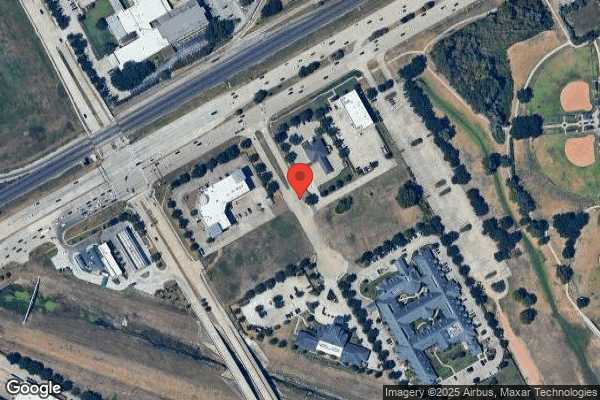
11353 Sugar Park Lane, Sugar Land, TX 77478 (281) 276-2050
For profit - Corporation 112 Beds CANTEX CONTINUING CARE Data: November 2025 7 Immediate Jeopardy citations
Trust Grade
0/100
#875 of 1168 in TX
Last Inspection: January 2025

Within standard 12-15 month inspection cycle. Federal law requires annual inspections.

Overview

The Crescent nursing home has received a Trust Grade of F, indicating significant concerns about its care quality. Ranking #875 out of 1168 facilities in Texas places it in the bottom half, and #11 out of 15 in Fort Bend County suggests that there are only a few local options that perform better. Although the facility is showing signs of improvement with issues decreasing from 17 in 2024 to 14 in 2025, it still has critical deficiencies, including incidents of abuse where staff failed to report and investigate allegations properly. Staffing is rated 2 out of 5 stars, with a turnover rate of 47%, which is slightly below the Texas average, and while there is good RN coverage, the facility has concerning fines totaling $103,892, higher than 82% of Texas facilities. Overall, potential residents' families should weigh these weaknesses against the facility's strengths in quality measures, as there are serious safety concerns that need to be addressed.

Trust Score
F
0/100
In Texas
#875/1168
Bottom 26%
Safety Record
High Risk
Review needed
Inspections
Getting Better
17 → 14 violations
Staff Stability
⚠ Watch
47% turnover. Above average. Higher turnover means staff may not know residents' routines.
Penalties
⚠ Watch
$103,892 in fines. Higher than 85% of Texas facilities, suggesting repeated compliance issues.
Skilled Nurses
✓ Good
Each resident gets 43 minutes of Registered Nurse (RN) attention daily — more than average for Texas. RNs are trained to catch health problems early.
Violations
⚠ Watch
39 deficiencies on record. Higher than average. Multiple issues found across inspections.
★★☆☆☆
2.0
Overall Rating
★★☆☆☆
2.0
Staff Levels
★★★★★
5.0
Care Quality
★☆☆☆☆
1.0
Inspection Score
Stable
2024: 17 issues
2025: 14 issues

The Good

  • 5-Star Quality Measures · Strong clinical quality outcomes
  • Full Sprinkler Coverage · Fire safety systems throughout facility
  • No fines on record

Facility shows strength in quality measures, fire safety.

The Bad

2-Star Overall Rating

Below Texas average (2.8)

Below average - review inspection findings carefully

Staff Turnover: 47%

Near Texas avg (46%)

Higher turnover may affect care consistency

Federal Fines: $103,892

Well above median ($33,413)

Significant penalties indicating serious issues

Chain: CANTEX CONTINUING CARE

Part of a multi-facility chain

Ask about local staffing decisions and management

The Ugly 39 deficiencies on record

7 life-threatening
Jun 2025 4 deficiencies 4 IJ (3 affecting multiple)
CRITICAL (J) 📢 Someone Reported This

A family member, employee, or ombudsman was alarmed enough to file a formal complaint

Immediate Jeopardy (IJ) - the most serious Medicare violation

Free from Abuse/Neglect (Tag F0600)

Someone could have died · This affected 1 resident

**NOTE- TERMS IN BRACKETS HAVE BEEN EDITED TO PROTECT CONFIDENTIALITY** Based on observation, interviews and record review, the facility failed to ensure residents were free from abuse, neglect, misap...

Read full inspector narrative →
**NOTE- TERMS IN BRACKETS HAVE BEEN EDITED TO PROTECT CONFIDENTIALITY** Based on observation, interviews and record review, the facility failed to ensure residents were free from abuse, neglect, misappropriation of resident property, and exploitation for 1 of 9 residents (CR#1) reviewed for abuse and neglect. 1. The facility failed to prevent CNA A from having access to CR#1 and other residents after an allegation of abuse was made. 2. The facility failed to ensure CR#1 was free from physical/mental abuse and neglect when CR#1 reported he was abused and threatened by CNA A. CR#1 sustained an injury on the left arm on 6/21/25. An Immediate Jeopardy (IJ) situation was identified on 06/25/2025. While the IJ was removed on 6/26/2025., the facility remained out of compliance at a scope of isolated with the potential for more than minimal harm due to the facility's need to evaluate the effectiveness of the corrective systems. This failure could place residents at risk of being subjected to continued abuse. Findings include: Record review of CR#1's undated face sheet reflected a [AGE] year-old male who was initially admitted to the facility on [DATE] and re-admitted on [DATE]. CR#1 had diagnoses which included toxic encephalopathy (a neurological disorder that occurs with brain is exposed to toxic substances, such as heavy metals or neurotoxic solvents over a period of time) and had a cystostomy catheter (tube inserted through the abdomen into the bladder).Record review of CR#1's Orders revealed, Wound Treatment-Xeroform (dressing) everyday shift cleanse wound to left hand with Normal Saline or skin cleanser. Pat dry. Apply Xeroform to wound. Cover with dry dressing. Start Date-06/22/2025. Record review of CR#1's care plan, dated 6/17/2025, revealed the following:Focus: [CR#1] has an ADL self-care performance deficit r/t. Date initiated 5/2/2025Goal: [CR#1] will maintain currently level of function in through the review date.Interventions: [CR#1] Transfer: Resident is totally dependent of staff for transferring. Date initiated: 5/27/2025 Record review of WCD notes, dated 6/24/2025, revealed a skin tear wound of the left forearm. Wound size 2.2x1x0.3. Primary dressing Xeroform gauze apply once daily and as needed: if saturated, soiled, or dislodged. For 30 days. Record review of CR#1's admission MDS dated [DATE], revealed CR#1 has a BIMS Score of 12, which indicated moderate cognitive impairment. CR#1 used a wheelchair as a mobility device; required 2 or more helpers to complete to assist with transferring from wheelchair or bed. Record review of Phone Order, by WCD, dated 6/22/25 at 12:42 AM, titled, Wound Orders - [wound] for Wound Treatment). It was an order for Xeroform (wound dressing) Record review of nursing notes, revealed there were no notes documented on 6/21/2025 regarding CR#1's injuries. Record review of text message received from LVN A from her telephone revealed, she telephoned 911 in reference to CR#1's abuse incident on 6/22/25 at 4:21PM. Record review of nursing notes, by WCN A, dated 6/22/25 at 6:38 PM, revealed Received report resident has skin tear to left hand. Assessment done verbally denied pain and discomfort. Physician informed, order in place. Wound care done at this time, tolerated well. Offloads reposition and safety noted. RP updated remain stable. Will continue plan of care. Record review of nursing notes, by RN A, dated 6/22/25 at 6:58 PM, for effective date 6/21/25 at 3:30 PM revealed the following note: Received report from the outgoing nurse that patient voiced concern regarding a CNA's approach during care. Patient reported that the assigned CNA was not gentle and continued to insist that he perform tasks independently, despite the patient stating he felt too weak and required two-person assistance. CNA reportedly attempted care initially alone, but eventually called for a second staff member to assist. During assessment, patient was noted with an existing bruise to the left upper arm that appeared to have reopened, resulting in a small amount of blood observed on the bedsheet. It remains unclear when the original injury occurred. Patient continued to express that the CNA was rough during care. Writer obtained statements from the involved CNA and requested the primary nurse to initiate an incident report for documentation and follow-up. Patient was repositioned and made comfortable in bed. The DON was notified of the incident and ongoing concerns. Will continue to monitor patient closely and follow up as needed. Record review of documentation supplied by ED that revealed, handwritten dated and time of employees termination on top of the Texas Board of Nursing records for each employee involved in the incident. The Director of Nursing (6/25/2025 at 7:29pm), LVN A (6/25/2025 at 8:29pm), RN A (6/25/2025 at 7:31pm), and CNA A (6/25/2025 at 7:36pm), were all terminated on 06/25/2025 for failure to immediately report abuse to the Abuse Coordinator. During an observation and interview on 6/24/25 at 9:15 AM, CR#1 was seated in his wheelchair at the entrance of his room and was observed with a bandage on his left forearm that had a small amount of blood on it. It had a written date of 6/24/2025. CR#1 was alert, orientated to person, place and event. CR#1 stated the injury occurred when CNA A tried putting him in bed by herself by pulling his arms to lift him out of the wheelchair. CR#1 stated he told CNA A he did not want to go to bed, but she insisted anyway and continued to pull on his arms. CR#1 stated CNA A told him she could put him in bed by herself and he told her it would take two people, but he was not ready to go to bed. He stated CNA A told him if she didn't put him in bed then he would be there all night even if he pooped on himself, and she would not bring him any food. He stated CNA A insisted on putting him in bed by herself and he told her he was unable to assist her due to how he was feeling. CR#1 stated during her pulling on his arms by herself, CNA A injured his left arm. CR#1 continued to tell CNA A not to pick him up by herself because it took two people. He stated she did not listen, but when she realized she couldn't she went and got CNA B. CR#1 stated he told LVN what occurred when she came to his room. He stated CNA A was rough with him. In a telephone interview on 6/24/2025 at 11:22 AM, LVN A stated she became aware of the incident by CR#1 on Saturday 6/21/2025 around 4:15PM-4:30PM while she was doing her rounds. She stated when she got to CR#1's room he was in bed which was unusual for him since he went to bed after dinner. LVN A went into the room, and she stated CR#1 looked as if he was crying. LVN A stated FM A informed her additional things that were going on like CR#1 had been treated mean and CR#1 stated CNA A hurt him. LVN A stated CR#1 told her CNA A told him if he didn't go to bed, she would let him sit in poop and would refuse to change him or feed him for the rest of the shift. LVN A stated CNA A attempted to transferred him from the wheelchair to the bed, which was an improper transfer as CR#1 was a 2 person assist. LVN A stated CR#1 told her CNA A tossed him in bed. After speaking with CR#1, LVN A stated she immediately notified RN A and told her to come to CR#1's room because he had a complaint and told her who the two CNA's (CNA A and CNA B) involved were. LVN A stated RN A arrived at CR#1's room, where he repeated what happened to him. RN A told LVN A to locate the WCN; however, she had gone home for the day, so LVN A stated she washed the wound and put a bandage on it until CR#1 could be seen Sunday 6/22/25 by WCN A. LVN A stated she telephoned the DON who told her she would call her back. LVN A stated the DON called back and only wanted to speak with RN A. LVN A stated during a telephone conversation between the DON and RN A she interrupted and told the DON and RN A that CNA A's actions were abuse and the abuse coordinator, ED needed to be called along with a report to the staff. She stated the DON said those words (Abuse) would result in severe consequences to her and never use that word in her facility again. LVN A stated the DON told her she didn't need to do anything as the situation would be handled. RN A told LVN A the situation was being taken care of and instructed her to leave for today (6/21/25) as her shift was ending; and return tomorrow (6/22/25) to complete documentation. LVN stated when she arrived for her shift the next day, 6/22/25, she viewed the nursing schedule and observed CNA A was scheduled to work and on 700 hall, which meant she would care for CR#1. LVN stated she called the DON and told her CNA A was scheduled to provide care to CR#1 when she abused him yesterday. LVN A stated she told the DON she was not going to work with CNA A and she was going to document in the nursing notes and file a police report. LVN A stated she requested the administrator's telephone number to report it and neither the DON nor RN A would provide it to her. She stated she obtained the ED's number from another staff member. LVN A stated FM A and FM B came to the facility to visit CR#1 and she was told by RN A she was not allowed to engage in the conversation with the family nor come into CR#1's room. LVN A stated on 6/22/25 she telephoned the ED and was informed she was suspended for not documenting timely, calling on 6/21/25 within 2 hours of being aware of the abuse and due to an immediate investigation. LVN A stated she tried to document in the nursing notes anyway, but her sign in and password were deactivated, which prompted her to call the police and make a report. In an interview on 6/24/2025 at 1:20 PM, the DOR stated CR#1 was evaluated on 6/18/2025 by the therapy department (PT, OT, and Speech) and CR#1 was totally dependent in the area of standing and transferring to the bed from the wheelchair or the wheelchair to the bed. She stated CR#1 should be transferred by 2 people using a gait belt or Hoyer lift. The DOR stated at no time should the resident be transferred by one person. She stated to transfer from the wheelchair, there should be two staff persons, one in the front and the other in the back of the resident. If the transfer was not done properly, with two people. it could cause injury to all involved. In a telephone interview on 6/24/2025 at 1:54 PM, RN A stated on the afternoon of 6/21/2025, LVN A called her and said CR#1 had a complaint. She stated she arrived at CR#1's room and observed his left forearm with blood on it. RN A stated CR#1 told her his left arm was injured during a transfer with another nursing staff. CR#1 told her he told CNA A he was a 2-person assist because she attempted to transfer him alone. CNA A called another aide (CNA B) to the room, and both CNAs transferred him to the bed. She stated CR#1 had an old bruise on his arm and she believed it re-opened during the transfer and the bruise began to bleed, which explains the blood on his bed sheet. She stated it was a healing bruise that opened. RN A stated she required a statement from both CNA's due to the wound. RN A stated she told LVN A to call WCN A to look at CR#1's wound. RN A stated CR#1 never told her CNA A was rough with him and admitted during her interview with him she didn't ask. RN A stated LVN A told her CNA A did not handle CR#1 correctly, but admitted she never asked LVN A to clarify rough. RN A stated on 6/22/25, LVN A told her CNA A should not work the 700 hall with CR#1 because she didn't treat CR#1 right yesterday (6/21/2025) because she was rough. RN A stated CR#1 told her he told CNA A to get someone to assist. RN A stated she was informed the resident was transferred safely by the CNA's but could not recall how the resident should be transferred. RN A stated she met with CR#1's family on Sunday 6/22/25 with both CNA's, A and B. RN A stated CR#1 told his family, through speaking Spanish, that one CNA B was nice and CNA A wasn't nice. She stated she did not report the incident or what CR#1 stated to his family or to the abuse coordinator, administrator, even though she knew who the abuse coordinator was. RN A stated she reported it to the DON instead. In a telephone interview on 6/24/2025 at 2:00 PM, CNA A stated she worked on Saturday, 6/21/25. She stated CR#1 motioned her around 2:30 PM, while she was making her rounds, to come and put him in bed. CNA A stated CNA B assisted her with CR#1's transfer from his wheelchair to the bed. CNA A stated she was on the resident's right side and CNA B was on the left side. She stated after the transfer she walked on the left side and CNA B was on the right side and they both pulled CR#1 up toward the head of the bed. CNA A was asked why she switched sides, and she stated the left side was the remote control for the bed and call light. CNA A stated at 8:38 PM on 6/21/25, she received a text message from RN A who stated she needed a report on what happened in CR#1's room. CNA A stated she completed her written statement and handed it in to RN A who returned the report back to her and requested she changed her report and say she observed CR#1 had already had the bruise. CNA A refused and told RN A CR#1 did not have a bruise or sore on his left arm, and she would not be re-writing her statement. CNA A said LVN A told her and RN A CR#1's arm looked like abuse so they wanted to call the DON, but CNA A stated she told them she would call the abuse coordinator, ED. CNA A stated she called the ED on 6/21/2025, Saturday evening, and told her she was being accused of an improper transfer. She stated she did not mention LVN A accused her of abuse during this conversation. She stated she was suspended Sunday evening on 6/22/25. In a telephone interview on 6/24/25 at 3:32 PM, FM A and FM B stated CR#1 called them and told them CNA A was rough with him and informed them CNA A put him in bed early and he didn't want to go to bed that early. They indicated when CR#1 agreed to go to bed, CNA A attempted to put him in bed herself; however, he continuously told her he was unable to assist and she needed another person. They indicated CR#1 informed them CNA A threatened CR#1 that if he didn't go to bed early, she would leave him in the wheelchair and would not feed or change him. CR#1 told FM A and FM B, CNA A went to get CNA B to assist her in putting the resident in bed. The FMs stated CR#1 told LVN A what occurred with CNA A, and she immediately called RN A. FM A and FM B stated they were informed by LVN A she was prevented from calling in the complaint on the day of the incident (6/21/25) and was suspended on Sunday (6/22/25), which was when the police were called, and a report filed. They stated to be sure which CNA was involved, RN A brought both CNAs (A and B) in CR#1's room on 6/22/2025 to be identified. CR#1 told RN A and both FM's, CNA A was mean, and CNA B was nice. FM A and FM B stated the police came to the facility between 4PM - 5PM and spoke with CR#1 who told them what happened. FM A and FM B were asked by the police if they wanted to press criminal charges, but they declined because they wanted the facility to handle it. FM A and FM B stated before the two CNA's and RN A came into CR#1's room, CR#1 told FM A and FM B, CNA A came in his room about an hour early, before they arrived to the facility, and asked him if he told her supervisor she injured his arm. CR#1 told the FM he was afraid of CNA A and told her he didn't say anything to anyone. FM A and FM B stated this was clearly intimidation and felt the resident's safety was compromised by allowing CNA A to continue to work with and have access to CR#1. In a telephone interview on 6/24/2025 at 4:24 PM, CNA B stated on Saturday, 6/21/2025, she assisted CNA A with transferring CR#1 from his wheelchair to the bed. She stated CNA A grabbed CR#1 by his left hand and she held his right hand. CNA B stated after assisting with the transfer, she noticed an odd look on CR#1's face and asked him if he was okay and he nodded yes, then CNA A told her she could handle it from there, which was when she exited the room. CNA B stated during the transfer of CR#1 to the bed from the wheelchair, it was done appropriately, and no one was rough. CNA B stated she had to write an incident report but did not include her observation. She stated during the transfer she did not observe any wound on CR#1, but when she was called to return to his room by LVN A, she observed a wound on his left arm but didn't know how he got it. CNA B stated LVN A reported the incident to RN A, which was why she had to write the incident report. CNA B stated she never worked with CNA A prior to this date and couldn't say what her behavior was with the residents. She stated CNA A was primarily assigned to 700 hallway, which was the hallway CR#1 was staying. She stated she was familiar with CR#1 because she worked with him on 600 hallway prior to his last hospitalization. She stated he typically went to bed after dinner. CNA B stated on 6/22/25 she was called to CR #1's room by RN A and when she arrived his family was also in the room. She stated CR#1 was asked about the CNA who injured him, and CR#1 told his family and RN A that CNA B was nice to him, and CNA A was the bad person and mean. CNA B stated she did not know who the abuse coordinator for the facility was because the last ED was no longer there; however, if she suspected abuse she would tell her immediate supervisor. CNA B stated abuse of any resident could be physical, verbal or mental. In an interview on 6/24/2025 at 6:15 PM, the DON stated on Saturday evening 6/21/25, she received a call from LVN A regarding CNA A and had an issue with her. The DON stated she called the supervisor to find out what occurred. She stated CNA A reported she asked LVN A to assist her in transferring a resident to bed because he was a two person assist. The DON stated LVN A refused, and CNA A got CNA B to assist. The DON stated she called RN A to find out what was going on and RN A stated the resident had an old wound that was opened during the transfer. The DON initially stated she never received a call from LVN A on Sunday, 6/22/25; then stated LVN A telephoned her on Sunday, 6/22/2025 afternoon between 3:00PM - 3:30PM and told her she would not work with CNA A because she was rough to a resident when she attempted to transfer CR#1 to the bed alone on yesterday (6/21/2025) and demanded CNA A be sent home. The DON stated she told LVN A she did not make those type of demands. Shortly after the call with LVN A, the DON stated she received a call from the ED and was informed LVN A was alleging abuse. She stated on Sunday (6/22/2025) LVN A reported abuse to the ED (abuse coordinator). The ED suspended LVN A and CNA A. The DON stated she spoke with CR#1 yesterday (6/23/2025) and he told her his weekend was good. The DON stated she asked CR#1 if anything happened this weekend he needed to talk about, and CR#1 told her no. The DON stated she did not asked CR#1 if CNA A was rough with him because he told her his weekend was good. The DON stated she did not speak with the FM's and did not file any report with the state. The DON stated she could not think of a negative outcome regarding this incident; however, she said after LVN A mentioned abuse it was a reportable incident. In an interview on 6/24/2025 at 6:52 PM, the ED stated on Saturday, 6/21/25, she received a phone call from CNA A, who stated CR#1 said he received a skin tear during a transfer with CNA A. She stated she spoke with RN A who stated the resident had an old bruise, which opened during a transfer to the bed by CNA's. She stated the RN told her WCN A was notified to look at the wound. The ED stated on Sunday, 6/22/25, around 2:30PM - 2:45PM, she received a call from LVN A claiming CNA A abused CR#1 yesterday (6/21/2025) afternoon. The ED stated she received information CR#1's FMs were visiting him. She stated she told the receptionist to go to CR#1's room and keep her on facetime so she could speak with the FM's. She stated she was informed by the FMs a CNA was rough with CR#1 yesterday (6/21/2025) and injured his arm while trying to put him in bed by herself. The ED stated during this time she directed RN A to bring in both CNAs (A & B) to identify which ones completed the transfer. She stated CR#1 identified CNA A as being rough with him and CNA B as being nice. The ED stated at this time the LVN and CNA A were suspended immediately and asked to leave the building. The ED stated LVN A told her she called and filed a police report and called in a report to the state survey agency. She stated FM B stated he called the police. The ED stated she reported the incident when she found out about it on Sunday, 6/22/2025. She stated the provider letter stated reports of abuse were to be reported within 2 hours. The negative outcome was other residents could be subjected to abuse because the alleged perpetrator could be providing care to other residents as well. She stated this was why she immediately suspended LVN A because she had an obligation to report. The ED stated as soon as she became aware of the incident she called in a report to the state (Intake#1018590). Based on the initial interviews with staff involved she placed each on suspension, then terminated them. She stated it had only been 2 days since the incident and the provider investigation report has not been submitted to state. In a telephone interview on 7/1/2025 at 1:08 PM, SPO stated he received a call on 6/22/2025 regarding an abuse on an elderly resident. He stated he responded to the facility around 4:00 PM to take a report. Upon arrival, he met the family in the entrance area and walked to the resident room with them. He spoke with LVN A who stated a resident was abused by CNA A and she was working and had access to resident(s). He stated LVN A stated CNA A injured the resident's left arm. He stated he spoke with the resident who stated CNA A was rough with him by putting him in bed roughly. He stated he was unable to locate the CNA for an interview. He stated he spoke with CR#1's family who stated they didn't want to press charges; however, they wanted to wait to see what the facility's response would be. stated FMs A and B said if the facility did not address the issue, then they would press charges. He stated he took photos of the resident's left arm and entered them into evidence. Record review of the Facility's Abuse Protocol policy, dated April 2019, revealed the following:7. The following definitions are provided to assist our Facility's staff members in recognizing incidents of Patient Abuse:a. Abuse is defined as the willful infliction of injury, unreasonable confinement, intimidation, or punishment with resulting physical harm or pain or mental anguish, or deprivation by an individual, including a caretaker, of goods or services that are necessary to attain or maintain physical, mental, and psychosocial well-being. Instances of abuse of all Patient/Resident, irrespective of any physical or mentalcondition, cause physical harm, pain, or mental anguish. Willful as used in this definition of abuse, means the individual must have acted deliberately, not that the individual must have intended to inflict injury or harm.b. Taking or using photographs or recordings in any manner that would demean or humiliate a Patient. This includes using any type of equipment (e.g., cameras, smart phones, and other electronic devices) to take, keep or distribute photographs and recordings on social media.c. Misappropriation of Patient property means the deliberate misplacement, exploitation, or wrongful temporary or permanent use of a Patient's belongings or money without the Patient's consent.d. Verbal abuse is defined as any use of oral, written or gestured language that includes disparaging and derogatory terms to Patient or their families, or within their hearing distance, to describe Patient, regardless of their age, ability tocomprehend, or disability.e. Sexual abuse is defined as, but is not limited to, sexual harassment, sexual coercion, or sexual assault, or any nonconsensual sexual contact of any type with the Patient.f. Physical abuse is defined as hitting, slapping, pinching, kicking, etc. It also includes controlling behavior through corporal punishment.g. Involuntary seclusion is defined as separation of a Patient from other Patient's or from his or her room against the Patient will, or the will of the Patient's legal guardian or representative. (Note: temporary monitored separation from other Patient's will not be considered involuntary seclusion and may be permitted when used as a therapeutic intervention to reduce agitation as determined by the Medical Director, and/or the Director of Nursing, and such action is consistent with the Patient's Care Plan).h. Mental abuse is defined as, but not limited to, humiliation, harassment, threats of punishment, or withholding of treatment or services. (Identifying)i. Adverse event is an untoward, undesirable, and usually unanticipated event that causes death or serious injury, or the risk thereof.j. Exploitation means taking advantage of a Patient for personal gain through the use of manipulation, intimidation, threats, or coercion.k. Mistreatment means inappropriate treatment or exploitation of a Patient.l. Neglect is the failure of the facility, it's employees or service providers to provide goods and services to a Patient that are necessary to avoid physical harm, pain, mental anguish, or emotional distress.m. Person-centered-care means to focus on the Patient as the locus of control and support the Patient in making their own choices and having control over the daily lives. 8. Any person observing an incident of Patient Abuse or suspecting Patient Abuse must immediately report such incidents to the Charge Nurse. The following information should be reported to the Charge Nurse:a. The name of the Patient involved;b. The date and time that the incident occurred;c. Where the incident took place;d. The name(s) of the person(s) committing the incident, if known;e. The name(s) of any witnesses to the incident;f. The type of abuse that was committed (i.e., verbal, physical,sexual, etc.); andg. Other information that may be requested by the Charge Nurse. 9. The Charge Nurse will immediately examine the Patient and notify the Abuse Prevention Coordinator upon receiving reports of mental, physical or sexual abuse. Findings of the examination will be recorded in the Patient's medical record. (Protection)This was determined to be an Immediate Jeopardy (IJ) was identified on 06/25/2025. The ED was notified and provided with the IJ template on 06/25/2025 at 5:27 p.m.The following Plan of Removal submitted by the facility was accepted on 6/26/2025at 8:18am:06/25/2025Plan of RemovalF600Facility Name and IDImpact Statement On 06/25/2025 the facility was cited for immediate jeopardy related to an incident on 06/21/2025. CR#1 reported to LVN A that CNA A was rough with him and injured his arm causing harm. CR#1 reported CNA A threatened him if he did not get to bed, she would leave him in the wheelchair until next shift and would not give him anything to eat. Staff failed to notify the abuse coordinator immediately leaving residents at risk for further abuse/neglect. Immediate Action: Please accept this as our Plan of Removal for the Immediate Jeopardy related to F600 Neglect Resident, CR #1, was assessed by licensed nurse and wound care nurse on 06/22/2025, treatment order in place for skin tear, CR #1 verbally denied pain no signs or symptoms noted. Social Worker completed psychosocial mental well-being evaluation on Resident, CR #1, on 06/24/2025, no negative findings. The Executive Director notified the Medical Director of Immediate Jeopardy on 06/25/2025 at 6:10 PM. The Facility held an Emergency QAPI Meeting. Director of Nursing, LVN A, RN A, and CNA A were terminated on 06/25/2025 for failure to immediately report abuse to the Abuse Coordinator. 1:1 education on Policy and Procedure Abuse and Neglect, including immediate reporting to Abuse Coordinator and timely reporting per HHSC guidelines were immediately provided to the Executive Director, ADON, Unit Manager by Senior Executive Director and Regional Director of Clinical Services. Completed on Date: 06/25/2025 Assessment - The Executive Director notified the facility Medical Director of the Immediate Jeopardy on 06/25/2025 5:31pm. -An emergency QAPI meeting was held on 06/25/2025 which was inclusive of a review of our policies/protocols Abuse and Neglect, they were found to be sufficient. Staff in- services, to include all facility employees, were started on Abuse and Neglect, including immediate notification to the Abuse Coordinator. Staff will not be allowed to start on the floor or give care until this training has been completed. All new facility staff will receive the in-services as part of the onboarding orientation process prior to working in the facility. All facility staff members completed a posttest after their education was completed to ensure staff were able to identify abuse and neglect, and proper reporting procedures.If the employee did not pass the test with at least 90% correctly answered the staff member was re-educated and re-tested until at least 90% pass rate was met. A staff roster was utilized to ensure 100% of staff were in-serviced and tested. In-services were deemed to be effective by the in-services post test scores and verbalization of understanding by all facility staff. Who will be responsible: Executive DirectorThe in-services with all staff will be completed by 06/25/2025. All staff were in-serviced 06/25/2025. Facility leadership completed safe surveys on all current facility patients to ensure they were free from abuse and neglect, no negative findings. Completed on Date 06/25/2025 Facility MonitoringResidents will continue to receive safe surveys daily for 7 days, including weekends by facility leadership Manager on Duty, and twice weekly for the next 4 weeks to ensure residents remain free from abuse and neglect. Facility leadership will continue with daily and PRN rounds to ascertain any signs and symptoms of abuse and neglect. Any negative findings will be immediately reported to the Abuse Coordinator. Beginning 06/25/2025 no staff will be allowed to work until the required in servicing has been completed. Who will be responsible: Facility Leadership Who will do monitoring: Executive Director Completed on date: 06/25/2025 Policy and Procedures Policy and procedures were reviewed by Senior Executive Director, Regional Director of Clinical Services, Executive Director. These policies include Abuse and Neglect. No policies needed any revisions.Interviews on 6/26/2025 from 2:45 PM - 8:45 PM, with multiple staff across multiple shifts. Interview conducted with the ED, ADON, RN B, RN C, RN D, RN E and RN F; LVN B, LVN C, and LVN E; CNA C, CNA D, CNA E, CNA F, CNA G and CNA H. All staff stated they were in-serviced and reviewed the facility's policy on abuse and neglect, and exploitation. According to the in-services completed, staff were given a posttest on identifying abuse and neglect, behaviors of residents who may exhibit signs of abuse, identifying any marks or bruises and neglect. The staff were expected to get a score of 90. All staff received a 90 or above on the post test. Each stated they have an obligation to reporting abuse immediately. Each were able to identify 3 types of abuse and neglect and the name of the abuse coordinator. Each staff member was able to tell where the abuse coordinator's information throughout the facility. The ED was informed the Immediate Jeopardy was removed on 6/26/2025 at 9:10 PM The facility remained out of compliance at a severity level of no actual harm with the potential for more than minimal harm that is not immediate jeopardy and a scope of isolated due to the facility's need to evaluate the effectiveness of the corrective systems that were put into place.
CRITICAL (K) 📢 Someone Reported This

A family member, employee, or ombudsman was alarmed enough to file a formal complaint

Immediate Jeopardy (IJ) - the most serious Medicare violation

Abuse Prevention Policies (Tag F0607)

Someone could have died · This affected multiple residents

**NOTE- TERMS IN BRACKETS HAVE BEEN EDITED TO PROTECT CONFIDENTIALITY** Based on observation, interview and record review the facility failed to implement the abuse protocol that prohibit and prevent ...

Read full inspector narrative →
**NOTE- TERMS IN BRACKETS HAVE BEEN EDITED TO PROTECT CONFIDENTIALITY** Based on observation, interview and record review the facility failed to implement the abuse protocol that prohibit and prevent abuse, neglect, and exploitation of residents 1 (CR#1) of 9 residents reviewed for abuse. The facility failed to prevent abuse, report the abuse allegation immediately to the Abuse Coordinator, and failed to protect the residents as the alleged perpetrator was allowed to continue to work. CR#1 reported he was physically abused on his arm by CNA A on 6/21/2025 around 2:30pm, which was the time CNA A started her afternoon shift. An Immediate Jeopardy (IJ) situation was identified on 06/26/2025. While the IJ was removed on 6/27/2025., the facility remained out of compliance at a scope of pattern with the potential for more than minimal harm due to the facility's need to evaluate the effectiveness of the corrective systems. These failures placed residents at risk of physical harm, emotional distress, mental anguish and death from possible abuse and neglect.Findings Include: Record review of the facility's Abuse Protocol policy, dated April 2019, revealed the following:7. The following definitions are provided to assist our Facility's staff members in recognizing incidents of Patient Abuse:a. Abuse is defined as the willful infliction of injury, unreasonable confinement, intimidation, or punishment with resulting physical harm or pain or mental anguish, or deprivation by an individual, including a caretaker, of goods or services that are necessary to attain or maintain physical, mental, and psychosocial well-being. Instances of abuse of all Patient/Resident, irrespective of any physical or mental condition, cause physical harm, pain, or mental anguish. Willful as used in this definition of abuse, means the individual must have acted deliberately, not that the individual must have intended to inflict injury or harm.b. Taking or using photographs or recordings in any manner that would demean or humiliate a Patient. This includes using any type of equipment (e.g., cameras, smart phones, and other electronic devices) to take, keep or distribute photographs and recordings on social media.c. Misappropriation of Patient property means the deliberate misplacement, exploitation, or wrongful temporary or permanent use of a Patient's belongings or money without the Patient's consent.d. Verbal abuse is defined as any use of oral, written or gestured language that includes disparaging and derogatory terms to Patient or their families, or within their hearing distance, to describe Patient, regardless of their age, ability to comprehend, or disability.e. Sexual abuse is defined as, but is not limited to, sexual harassment, sexual coercion, or sexual assault, or any nonconsensual sexual contact of any type with the Patient.f. Physical abuse is defined as hitting, slapping, pinching, kicking, etc. It also includes controlling behavior through corporal punishment.g. Involuntary seclusion is defined as separation of a Patient from other Patient's or from his or her room against the Patient will, or the will of the Patient's legal guardian or representative. (Note: temporary monitored separation from other Patient's will not be considered involuntary seclusion and may be permitted when used as a therapeutic intervention to reduce agitation as determined by the Medical Director, and/or the Director of Nursing, and such action is consistent with the Patient's Care Plan).h. Mental abuse is defined as, but not limited to, humiliation, harassment, threats of punishment, or withholding of treatment or services. (Identifying)i. Adverse event is an untoward, undesirable, and usually unanticipated event that causes death or serious injury, or the risk thereof.j. Exploitation means taking advantage of a Patient for personal gain through the use of manipulation, intimidation, threats, or coercion.k. Mistreatment means inappropriate treatment or exploitation of a Patient.l. Neglect is the failure of the facility, it's employees or service providers to provide goods and services to a Patient that are necessary to avoid physical harm, pain, mental anguish, or emotional distress.m. Person-centered-care means to focus on the Patient as the locus of control and support the Patient in making their own choices and having control over the daily lives.8. Any person observing an incident of Patient Abuse or suspecting Patient Abuse must immediately report such incidents to the Charge Nurse. The following information should be reported to the Charge Nurse:a. The name of the Patient involved;b. The date and time that the incident occurred;c. Where the incident took place;d. The name(s) of the person(s) committing the incident, if known;e. The name(s) of any witnesses to the incident;f. The type of abuse that was committed (i.e., verbal, physical,sexual, etc.); andg. Other information that may be requested by the Charge Nurse.9. The Charge Nurse will immediately examine the Patient and notifythe Abuse Prevention Coordinator upon receiving reports of mental,physical or sexual abuse. Findings of the examination will berecorded in the Patient's medical record. (Protection)Record review of CR#1's undated face sheet reflected a [AGE] year-old male who was initially admitted to the facility on [DATE] and re-admitted on [DATE]. CR#1 had diagnoses which included toxic encephalopathy (a neurological disorder that occurs with brain is exposed to toxic substances, such as heavy metals or neurotoxic solvents over a period of time) and had a cystostomy catheter (tube inserted through the abdomen into the bladder).Record review of CR#1's Orders revealed, Wound Treatment-Xeroform (dressing) everyday shift cleanse wound to left hand with Normal Saline or skin cleanser. Pat dry. Apply Xeroform to wound. Cover with dry dressing. Start Date-06/22/2025. Record review of CR#1's care plan, dated 6/17/2025, revealed the following:Focus: [CR#1] has an ADL self-care performance deficit r/t. Date initiated 5/2/2025Goal: [CR#1] will maintain currently level of function in through the review date.Interventions: [CR#1] Transfer: Resident is totally dependent of staff for transferring. Date initiated: 5/27/2025Record review of WCD notes, dated 6/24/2025, revealed a skin tear wound of the left forearm. Wound size 2.2x1x0.3. Primary dressing Xeroform gauze apply once daily and as needed: if saturated, soiled, or dislodged. For 30 days. Record Review of the Nursing Board certificates received from ED for the current staff: DON, RN A, LVN A and CNA A. Each document contained a handwritten termination date and time on the upper righthand corner of each document. Record review of CR#1's admission MDS dated [DATE], revealed CR#1 has a BIMS Score of 12, which indicated moderate cognitive impairment. CR#1 used a wheelchair as a mobility device; required 2 or more helpers to complete to assist with transferring from wheelchair or bed.Record review of nursing notes, revealed there were no notes documented on 6/21/2025 regarding CR#1's injuries. Record review of TULIP did not reflect the facility reported the violation/incident to the Administrator, state agency and to all other required agencies within specified timeframes, regarding the abuse violation described on 6/21/2025.During an observation and interview on 6/24/25 at 9:15 AM, CR#1 was seated in his wheelchair at the entrance of his room and was observed with a bandage on his left forearm that had a small amount of blood on it. It had a written date of 6/24/2025. CR#1 was alert, orientated to person, place and event. CR#1 stated the injury occurred when CNA A tried putting him in bed by herself by pulling his arms to lift him out of the wheelchair. CR#1 stated he told CNA A he did not want to go to bed, but she insisted anyway and continued to pull on his arms. CR#1 stated CNA A told him she could put him in bed by herself and he told her it would take two people, but he was not ready to go to bed. He stated CNA A told him if she didn't put him in bed then he would be there all night even if he pooped on himself, and she would not bring him any food. He stated CNA A insisted on putting him in bed by herself and he told her he was unable to assist her due to how he was feeling. CR#1 stated during her pulling on his arms by herself, CNA A injured his left arm. CR#1 continued to tell CNA A not to pick him up by herself because it took two people. He stated she did not listen, but when she realized she couldn't she went and got CNA B. CR#1 stated he told LVN what occurred when she came to his room. He stated CNA A was rough with him.Record review of text received from LVN A from her telephone reveals that the 911 call was made on 6/22/25 at 4:21pm. Record review of nursing notes, by WCN A, dated 6/22/25 at 6:38 PM, revealed Received report resident has skin tear to left hand. Assessment done verbally denied pain and discomfort. Physician informed, order in place. Wound care done at this time, tolerated well. Offloads reposition and safety noted. RP updated remain stable. Will continue plan of care. Record review of nursing notes, by RN A, dated 6/22/25 at 6:58 PM, for effective date 6/21/25 at 3:30 PM revealed the following note: Received report from the outgoing nurse that patient voiced concern regarding a CNA's approach during care. Patient reported that the assigned CNA was not gentle and continued to insist that he perform tasks independently, despite the patient stating he felt too weak and required two-person assistance. CNA reportedly attempted care initially alone, but eventually called for a second staff member to assist. During assessment, patient was noted with an existing bruise to the left upper arm that appeared to have reopened, resulting in a small amount of blood observed on the bedsheet. It remains unclear when the original injury occurred. Patient continued to express that the CNA was rough during care. Writer obtained statements from the involved CNA and requested the primary nurse to initiate an incident report for documentation and follow-up. Patient was repositioned and made comfortable in bed. The DON was notified of the incident and ongoing concerns. Will continue to monitor patient closely and follow up as needed. In a telephone interview on 6/24/2025 at 11:22 AM, LVN A stated she became aware of the incident by CR#1 on Saturday 6/21/2025 around 4:15PM-4:30PM while she was doing her rounds. She stated when she got to CR#1's room he was in bed which was unusual for him since he went to bed after dinner. LVN A went into the room, and she stated CR#1 looked as if he was crying. LVN A stated FM A informed her additional things that were going on like CR#1 had been treated mean and CR#1 stated CNA A hurt him. LVN A stated CR#1 told her CNA A told him if he didn't go to bed, she would let him sit in poop and would refuse to change him or feed him for the rest of the shift. LVN A stated CNA A attempted to transferred him from the wheelchair to the bed, which was an improper transfer as CR#1 was a 2 person assist. LVN A stated CR#1 told her CNA A tossed him in bed. After speaking with CR#1, LVN A stated she immediately notified RN A and told her to come to CR#1's room because he had a complaint and told her who the two CNA's (CNA A and CNA B) involved were. LVN A stated RN A arrived at CR#1's room, where he repeated what happened to him. RN A told LVN A to locate the WCN; however, she had gone home for the day, so LVN A stated she washed the wound and put a bandage on it until CR#1 could be seen Sunday 6/22/25 by WCN A. LVN A stated she telephoned the DON who told her she would call her back. LVN A stated the DON called back and only wanted to speak with RN A. LVN A stated during a telephone conversation between the DON and RN A she interrupted and told the DON and RN A that CNA A's actions were abuse and the abuse coordinator, ED needed to be called along with a report to the staff. She stated the DON said those words (Abuse) would result in severe consequences to her and never use that word in her facility again. LVN A stated the DON told her she didn't need to do anything as the situation would be handled. RN A told LVN A the situation was being taken care of and instructed her to leave for today (6/21/25) as her shift was ending; and return tomorrow (6/22/25) to complete documentation. LVN stated when she arrived for her shift the next day, 6/22/25, she viewed the nursing schedule and observed CNA A was scheduled to work and on 700 hall, which meant she would care for CR#1. LVN stated she called the DON and told her CNA A was scheduled to provide care to CR#1 when she abused him yesterday. LVN A stated she told the DON she was not going to work with CNA A and she was going to document in the nursing notes and file a police report. LVN A stated she requested the administrator's telephone number to report it and neither the DON nor RN A would provide it to her. She stated she obtained the ED's number from another staff member. LVN A stated FM A and FM B came to the facility to visit CR#1 and she was told by RN A she was not allowed to engage in the conversation with the family nor come into CR#1's room. LVN A stated on 6/22/25 she telephoned the ED and was informed she was suspended for not documenting timely, calling on 6/21/25 within 2 hours of being aware of the abuse and due to an immediate investigation. LVN A stated she tried to document in the nursing notes anyway, but her sign in and password were deactivated, which prompted her to call the police and make a report. In a telephone interview on 6/24/2025 at 1:54 PM, RN A stated on the afternoon of 6/21/2025, LVN A called her and said CR#1 had a complaint. She stated she arrived at CR#1's room and observed his left forearm with blood on it. RN A stated CR#1 told her his left arm was injured during a transfer with another nursing staff. CR#1 told her he told CNA A he was a 2-person assist because she attempted to transfer him alone. CNA A called another aide (CNA B) to the room, and both CNAs transferred him to the bed. She stated CR#1 had an old bruise on his arm and she believed it re-opened during the transfer and the bruise began to bleed, which explains the blood on his bed sheet. She stated it was a healing bruise that opened. RN A stated she required a statement from both CNA's due to the wound. RN A stated she told LVN A to call WCN A to look at CR#1's wound. RN A stated CR#1 never told her CNA A was rough with him and admitted during her interview with him she didn't ask. RN A stated LVN A told her CNA A did not handle CR#1 correctly, but admitted she never asked LVN A to clarify rough. RN A stated on 6/22/25, LVN A told her CNA A should not work the 700 hall with CR#1 because she didn't treat CR#1 right yesterday (6/21/2025) because she was rough. RN A stated CR#1 told her he told CNA A to get someone to assist. RN A stated she was informed the resident was transferred safely by the CNA's but could not recall how the resident should be transferred. RN A stated she met with CR#1's family on Sunday 6/22/25 with both CNA's, A and B. RN A stated CR#1 told his family, through speaking Spanish, that one CNA B was nice and CNA A wasn't nice. She stated she did not report the incident or what CR#1 stated to his family or to the abuse coordinator, administrator, even though she knew who the abuse coordinator was. RN A stated she reported it to the DON instead. In an interview on 6/24/2025 at 6:15 PM, the DON stated on Saturday evening 6/21/25, she received a call from LVN A regarding CNA A and had an issue with her. The DON stated she called the supervisor to find out what occurred. She stated CNA A reported she asked LVN A to assist her in transferring a resident to bed because he was a two person assist. The DON stated LVN A refused, and CNA A got CNA B to assist. The DON stated she called RN A to find out what was going on and RN A stated the resident had an old wound that was opened during the transfer. The DON initially stated she never received a call from LVN A on Sunday, 6/22/25; then stated LVN A telephoned her on Sunday, 6/22/2025 afternoon between 3:00PM - 3:30PM and told her she would not work with CNA A because she was rough to a resident when she attempted to transfer CR#1 to the bed alone on yesterday (6/21/2025) and demanded CNA A be sent home. The DON stated she told LVN A she did not make those type of demands. Shortly after the call with LVN A, the DON stated she received a call from the ED and was informed LVN A was alleging abuse. She stated on Sunday (6/22/2025) LVN A reported abuse to the ED (abuse coordinator). The ED suspended LVN A and CNA A. The DON stated she spoke with CR#1 yesterday (6/23/2025) and he told her his weekend was good. The DON stated she asked CR#1 if anything happened this weekend he needed to talk about, and CR#1 told her no. The DON stated she did not asked CR#1 if CNA A was rough with him because he told her his weekend was good. The DON stated she did not speak with the FM's and did not file any report with the state. The DON stated she could not think of a negative outcome regarding this incident; however, she said after LVN A mentioned abuse it was a reportable incident. In an interview on 6/24/2025 at 6:52 PM, the ED stated on Saturday, 6/21/25, she received a phone call from CNA A, who stated CR#1 said he received a skin tear during a transfer with CNA A. She stated she spoke with RN A who stated the resident had an old bruise, which opened during a transfer to the bed by CNA's. She stated the RN told her WCN A was notified to look at the wound. The ED stated on Sunday, 6/22/25, around 2:30PM - 2:45PM, she received a call from LVN A claiming CNA A abused CR#1 yesterday (6/21/2025) afternoon. The ED stated she received information CR#1's FMs were visiting him. She stated she told the receptionist to go to CR#1's room and keep her on facetime so she could speak with the FM's. She stated she was informed by the FMs a CNA was rough with CR#1 yesterday (6/21/2025) and injured his arm while trying to put him in bed by herself. The ED stated during this time she directed RN A to bring in both CNAs (A & B) to identify which ones completed the transfer. She stated CR#1 identified CNA A as being rough with him and CNA B as being nice. The ED stated at this time the LVN and CNA A were suspended immediately and asked to leave the building. The ED stated LVN A told her she called and filed a police report and called in a report to the state survey agency. She stated FM B stated he called the police. The ED stated she reported the incident when she found out about it on Sunday, 6/22/2025. She stated the provider letter stated reports of abuse were to be reported within 2 hours. The negative outcome was other residents could be subjected to abuse because the alleged perpetrator could be providing care to other residents as well. She stated this was why she immediately suspended LVN A because she had an obligation to report.In a telephone interview on 7/1/2025 at 1:08 PM, SPO stated he received a call on 6/22/2025 regarding an abuse on an elderly resident. He stated he responded to the facility around 4:00 PM to take a report. Upon arrival, he met the family in the entrance area and walked to the resident room with them. He spoke with LVN A who stated a resident was abused by CNA A and she was working and had access to resident(s). He stated LVN A stated CNA A injured the resident's left arm. He stated he spoke with the resident who stated CNA A was rough with him by putting him in bed roughly. He stated he was unable to locate the CNA for an interview. He stated he spoke with CR#1's family who stated they didn't want to press charges; however, they wanted to wait to see what the facility's response would be. stated FMs A and B said if the facility did not address the issue, then they would press charges. He stated he took photos of the resident's left arm and entered them into evidence. This was determined to be an Immediate Jeopardy (IJ) was identified on 06/26/2025. The ED was notified and provided with the IJ template on 6/26/2025 at 12:10pm. The following Plan of Removal submitted by the facility was accepted on 6/27/2025 at 2:53pm. 06/27/25Plan of RemovalF607Facility Name and ID:Impact StatementOn 06/27/2025 the facility was cited for immediate jeopardy related to incident on 06/21/2025. Staff failed to notify the Abuse Coordinator of allegation of physical abuse, notify HHSC within 2 hours and initiating an investigation after CR#1 reported to LVN A he was abused and threatened by CNA A during a transfer from his wheelchair to his bed. Staff failed to notify the abuse coordinator immediately leaving residents at risk for further abuse/neglect.Immediate Action:Please accept this as our Plan of Removal for the Immediate Jeopardy related to F607 Implement Abuse Policies. The Executive Director notified the Medical Director of Immediate Jeopardy on 6/27/25 at 1:00pm. The Facility held an Emergency QAPI Meeting. The Director of Nursing, LVN A, RN A, and CNA A were terminated on 6/25/2025 for failure to immediately report abuse to the Abuse Coordinator.1:1 education on Policy and Procedure Abuse and Neglect, including immediate reporting to Coordinator and immediately reporting per HHSC guidelines was immediately provided Executive Director, ADON, Unit Manager by Senior Executive Director. Completion on Date: 06/27/2025AssessmentAn emergency QAPI meeting was held on 06/25/2025 which was inclusive of a review of our policies/protocols Abuse and Neglect, they were found to be sufficient.Staff in- services, to include all facility employees, were started on Abuse and Neglect, including immediate notification to the Abuse Coordinator. Staff will not be allowed to start on the floor or give care until this training has been completed.All new facility staff will receive the in-services as part of the onboarding orientation process prior to working in the facility.All facility staff members completed a posttest after their education was completed to ensure staff were able to identify abuse and neglect, and proper reporting procedures.If the employee did not pass the test with at least 90% correctly answered the staff member was re-educated and re-tested until at least 90% pass rate was met. A staff roster was utilized to ensure 100% of staff were in-serviced and tested.In-services were deemed to be effective by the in-services post test scores and verbalization of understanding by all facility staff. Who will be responsible: Executive Director The in-services with all staff will be completed by 06/25/2025. All staff were in-serviced 06/25/2025. Facility leadership completed safe surveys on all current facility patients to ensure they were free from abuse and neglect, no negative findings.Completion Date 06/25/2025Facility MonitoringResidents will continue to receive safe surveys daily for 7 days, including weekends by facility leadership Manager on Duty, and twice weekly for the next 4 weeks to ensure residents remain free from abuse and neglect. Facility leadership will continue with daily and PRN rounds to ascertain any signs and symptoms of abuse and neglect. Any negative findings will be immediately reported to the Abuse Coordinator. Beginning 06/25/2025 no staff will be allowed to work until the required in servicing has been completed.Who will be responsible: Facility Leadership Who will do monitoring: Executive Director Completed on date: 06/27/2025 Policy and Procedures Policy and procedures were reviewed by Senior Executive Director, Regional Director of Clinical Services, Executive Director. These policies include Abuse and Neglect. No policies needed any revisions.Interviews on 6/26/2025 & 6/27/2025 from 2:45 PM - 5:20 PM, with multiple staff across multiple shifts. Interview conducted with the ED, ADON, RN B, RN C, RN D, RN E and RN F; LVN B, LVN C, and LVN E; CNA C, CNA D, CNA E, CNA F, CNA G and CNA H. All staff stated they were in-serviced and reviewed the facility's policy on abuse and neglect, and exploitation. According to the in-services completed, staff were given a posttest on identifying abuse and neglect, behaviors of residents who may exhibit signs of abuse, identifying any marks or bruises and neglect. The staff were expected to get a score of 90%. Record Review revealed all staff received a 90% or above on the post test. Each stated they have an obligation to reporting abuse immediately. Each were able to identify 3 types of abuse and neglect and the name of the abuse coordinator. Each staff member was able to tell where the abuse coordinator's information throughout the facility. The ED, ADON and LVN D were in-serviced 1:1 by the SED on Policy and Procedure Abuse and Neglect, including immediate reporting to Abuse Coordinator per HHSC guidelines. The ED was informed the Immediate Jeopardy was removed on 6/27/2025 at 6:00 PM The facility remained out of compliance at a severity level of no actual harm with the potential for more than minimal harm that is not immediate jeopardy and a scope of pattern due to the facility's need to evaluate the effectiveness of the corrective systems that were put into place.
CRITICAL (K) 📢 Someone Reported This

A family member, employee, or ombudsman was alarmed enough to file a formal complaint

Immediate Jeopardy (IJ) - the most serious Medicare violation

Report Alleged Abuse (Tag F0609)

Someone could have died · This affected multiple residents

**NOTE- TERMS IN BRACKETS HAVE BEEN EDITED TO PROTECT CONFIDENTIALITY** Based on observation, interview and record review the facility failed to report an alleged violation involving abuse or resultin...

Read full inspector narrative →
**NOTE- TERMS IN BRACKETS HAVE BEEN EDITED TO PROTECT CONFIDENTIALITY** Based on observation, interview and record review the facility failed to report an alleged violation involving abuse or resulting in serious bodily injury immediately, but not later than 2 hours after the allegation was made, if the events that caused the allegation involved abuse or resulted in serious bodily injury to the administrator of the facility and to other officials including to the State Survey Agency in accordance with State law through established procedures; that 1(CR#1) of 9 residents had been abused by CNA A, which resulted in injury.The facility staff failed to immediately report abuse to the Abuse Coordinator, the State Survey Agency and Law Enforcement. An Immediate Jeopardy (IJ) situation was identified on 06/26/2025. While the IJ was removed on 6/27/2025., the facility remained out of compliance at a scope of pattern with the potential for more than minimal harm due to the facility's need to evaluate the effectiveness of the corrective systems. This failure could place residents at risk of continued abuse. Findings include:Record review of CR#1's undated face sheet reflected a [AGE] year-old male who was initially admitted to the facility on [DATE] and re-admitted on [DATE]. CR#1 had diagnoses which included toxic encephalopathy (a neurological disorder that occurs with brain is exposed to toxic substances, such as heavy metals or neurotoxic solvents over a period of time) and had a cystostomy catheter (tube inserted through the abdomen into the bladder).Record review of CR#1's Orders revealed, Wound Treatment-Xeroform (dressing) everyday shift cleanse wound to left hand with Normal Saline or skin cleanser. Pat dry. Apply Xeroform to wound. Cover with dry dressing. Start Date-06/22/2025. Record review of CR#1's care plan, dated 6/17/2025, revealed the following:Focus: [CR#1] has an ADL self-care performance deficit r/t. Date initiated 5/2/2025Goal: [CR#1] will maintain currently level of function in through the review date.Interventions: [CR#1] Transfer: Resident is totally dependent of staff for transferring. Date initiated: 5/27/2025Record review of WCD notes, dated 6/24/2025, revealed a skin tear wound of the left forearm. Wound size 2.2x1x0.3. Primary dressing Xeroform gauze apply once daily and as needed: if saturated, soiled, or dislodged. For 30 days. Record Review of the Nursing Board certificates received from ED for the current staff: DON, RN A, LVN A and CNA A. Each document contained a handwritten termination date and time on the upper righthand corner of each document.Record review of CR#1's admission MDS dated [DATE], revealed CR#1 has a BIMS Score of 12, which indicated moderate cognitive impairment. CR#1 used a wheelchair as a mobility device; required 2 or more helpers to complete to assist with transferring from wheelchair or bed.Record review of nursing notes, revealed there were no notes documented on 6/21/2025 regarding CR#1's injuries. During an observation and interview on 6/24/25 at 9:15 AM, CR#1 was seated in his wheelchair at the entrance of his room and was observed with a bandage on his left forearm that had a small amount of blood on it. It had a written date of 6/24/2025. CR#1 was alert, orientated to person, place and event. CR#1 stated the injury occurred when CNA A tried putting him in bed by herself by pulling his arms to lift him out of the wheelchair. CR#1 stated he told CNA A he did not want to go to bed, but she insisted anyway and continued to pull on his arms. CR#1 stated CNA A told him she could put him in bed by herself and he told her it would take two people, but he was not ready to go to bed. He stated CNA A told him if she didn't put him in bed then he would be there all night even if he pooped on himself, and she would not bring him any food. He stated CNA A insisted on putting him in bed by herself and he told her he was unable to assist her due to how he was feeling. CR#1 stated during her pulling on his arms by herself, CNA A injured his left arm. CR#1 continued to tell CNA A not to pick him up by herself because it took two people. He stated she did not listen, but when she realized she couldn't she went and got CNA B. CR#1 stated he told LVN what occurred when she came to his room. He stated CNA A was rough with him.Record review of text received from LVN A from her telephone reveals that the 911 call was made on 6/22/25 at 4:21pm. Record review of nursing notes, by WCN A, dated 6/22/25 at 6:38 PM, revealed Received report resident has skin tear to left hand. Assessment done verbally denied pain and discomfort. Physician informed, order in place. Wound care done at this time, tolerated well. Offloads reposition and safety noted. RP updated remain stable. Will continue plan of care. Record review of nursing notes, by RN A, dated 6/22/25 at 6:58 PM, for effective date 6/21/25 at 3:30 PM revealed the following note: Received report from the outgoing nurse that patient voiced concern regarding a CNA's approach during care. Patient reported that the assigned CNA was not gentle and continued to insist that he perform tasks independently, despite the patient stating he felt too weak and required two-person assistance. CNA reportedly attempted care initially alone, but eventually called for a second staff member to assist. During assessment, patient was noted with an existing bruise to the left upper arm that appeared to have reopened, resulting in a small amount of blood observed on the bedsheet. It remains unclear when the original injury occurred. Patient continued to express that the CNA was rough during care. Writer obtained statements from the involved CNA and requested the primary nurse to initiate an incident report for documentation and follow-up. Patient was repositioned and made comfortable in bed. The DON was notified of the incident and ongoing concerns. Will continue to monitor patient closely and follow up as needed.In a telephone interview on 6/24/2025 at 11:22 AM, LVN A stated she became aware of the incident by CR#1 on Saturday 6/21/2025 around 4:15PM-4:30PM while she was doing her rounds. She stated when she got to CR#1's room he was in bed which was unusual for him since he went to bed after dinner. LVN A went into the room, and she stated CR#1 looked as if he was crying. LVN A stated FM A informed her additional things that were going on like CR#1 had been treated mean and CR#1 stated CNA A hurt him. LVN A stated CR#1 told her CNA A told him if he didn't go to bed, she would let him sit in poop and would refuse to change him or feed him for the rest of the shift. LVN A stated CNA A attempted to transferred him from the wheelchair to the bed, which was an improper transfer as CR#1 was a 2 person assist. LVN A stated CR#1 told her CNA A tossed him in bed. After speaking with CR#1, LVN A stated she immediately notified RN A and told her to come to CR#1's room because he had a complaint and told her who the two CNA's (CNA A and CNA B) involved were. LVN A stated RN A arrived at CR#1's room, where he repeated what happened to him. RN A told LVN A to locate the WCN; however, she had gone home for the day, so LVN A stated she washed the wound and put a bandage on it until CR#1 could be seen Sunday 6/22/25 by WCN A. LVN A stated she telephoned the DON who told her she would call her back. LVN A stated the DON called back and only wanted to speak with RN A. LVN A stated during a telephone conversation between the DON and RN A she interrupted and told the DON and RN A that CNA A's actions were abuse and the abuse coordinator, ED needed to be called along with a report to the staff. She stated the DON said those words (Abuse) would result in severe consequences to her and never use that word in her facility again. LVN A stated the DON told her she didn't need to do anything as the situation would be handled. RN A told LVN A the situation was being taken care of and instructed her to leave for today (6/21/25) as her shift was ending; and return tomorrow (6/22/25) to complete documentation. LVN stated when she arrived for her shift the next day, 6/22/25, she viewed the nursing schedule and observed CNA A was scheduled to work and on 700 hall, which meant she would care for CR#1. LVN stated she called the DON and told her CNA A was scheduled to provide care to CR#1 when she abused him yesterday. LVN A stated she told the DON she was not going to work with CNA A and she was going to document in the nursing notes and file a police report. LVN A stated she requested the administrator's telephone number to report it and neither the DON nor RN A would provide it to her. She stated she obtained the ED's number from another staff member. LVN A stated FM A and FM B came to the facility to visit CR#1 and she was told by RN A she was not allowed to engage in the conversation with the family nor come into CR#1's room. LVN A stated on 6/22/25 she telephoned the ED and was informed she was suspended for not documenting timely, calling on 6/21/25 within 2 hours of being aware of the abuse and due to an immediate investigation. LVN A stated she tried to document in the nursing notes anyway, but her sign in and password were deactivated, which prompted her to call the police and make a report. In a telephone interview on 6/24/2025 at 1:54 PM, RN A stated on the afternoon of 6/21/2025, LVN A called her and said CR#1 had a complaint. She stated she arrived at CR#1's room and observed his left forearm with blood on it. RN A stated CR#1 told her his left arm was injured during a transfer with another nursing staff. CR#1 told her he told CNA A he was a 2-person assist because she attempted to transfer him alone. CNA A called another aide (CNA B) to the room, and both CNAs transferred him to the bed. She stated CR#1 had an old bruise on his arm and she believed it re-opened during the transfer and the bruise began to bleed, which explains the blood on his bed sheet. She stated it was a healing bruise that opened. RN A stated she required a statement from both CNA's due to the wound. RN A stated she told LVN A to call WCN A to look at CR#1's wound. RN A stated CR#1 never told her CNA A was rough with him and admitted during her interview with him she didn't ask. RN A stated LVN A told her CNA A did not handle CR#1 correctly, but admitted she never asked LVN A to clarify rough. RN A stated on 6/22/25, LVN A told her CNA A should not work the 700 hall with CR#1 because she didn't treat CR#1 right yesterday (6/21/2025) because she was rough. RN A stated CR#1 told her he told CNA A to get someone to assist. RN A stated she was informed the resident was transferred safely by the CNA's but could not recall how the resident should be transferred. RN A stated she met with CR#1's family on Sunday 6/22/25 with both CNA's, A and B. RN A stated CR#1 told his family, through speaking Spanish, that one CNA B was nice and CNA A wasn't nice. She stated she did not report the incident or what CR#1 stated to his family or to the abuse coordinator, administrator, even though she knew who the abuse coordinator was. RN A stated she reported it to the DON instead. In a telephone interview on 6/24/2025 at 6:00pm with WCN A, she stated she was called to CR#1's room to look at his arm on Sunday 6/22/25 because the wound occurred on (Saturday), 6/21/2025. She stated CR#1's wound was covered on Sunday when she observed it. The WCN stated CR#1 told her staff gave him a skin tear and did not mention a name. When asked if she had attempted to probe the resident for more information, she stated, I was there to do my job, so I didn't ask any further question. WCN A stated she was aware she was a mandatory reporter and did not report the incident to the abuse coordinator. In an interview on 6/24/2025 at 6:15 PM, the DON stated on Saturday evening 6/21/25, she received a call from LVN A regarding CNA A and had an issue with her. The DON stated she called the supervisor to find out what occurred. She stated CNA A reported she asked LVN A to assist her in transferring a resident to bed because he was a two person assist. The DON stated LVN A refused, and CNA A got CNA B to assist. The DON stated she called RN A to find out what was going on and RN A stated the resident had an old wound that was opened during the transfer. The DON initially stated she never received a call from LVN A on Sunday, 6/22/25; then stated LVN A telephoned her on Sunday, 6/22/2025 afternoon between 3:00PM - 3:30PM and told her she would not work with CNA A because she was rough to a resident when she attempted to transfer CR#1 to the bed alone on yesterday (6/21/2025) and demanded CNA A be sent home. The DON stated she told LVN A she did not make those type of demands. Shortly after the call with LVN A, the DON stated she received a call from the ED and was informed LVN A was alleging abuse. She stated on Sunday (6/22/2025) LVN A reported abuse to the ED (abuse coordinator). The ED suspended LVN A and CNA A. The DON stated she spoke with CR#1 yesterday (6/23/2025) and he told her his weekend was good. The DON stated she asked CR#1 if anything happened this weekend he needed to talk about, and CR#1 told her no. The DON stated she did not asked CR#1 if CNA A was rough with him because he told her his weekend was good. The DON stated she did not speak with the FM's and did not file any report with the state. The DON stated she could not think of a negative outcome regarding this incident; however, she said after LVN A mentioned abuse it was a reportable incident. In an interview on 6/24/2025 at 6:52 PM, the ED stated on Saturday, 6/21/25, she received a phone call from CNA A, who stated CR#1 said he received a skin tear during a transfer with CNA A. She stated she spoke with RN A who stated the resident had an old bruise, which opened during a transfer to the bed by CNA's. She stated the RN told her WCN A was notified to look at the wound. The ED stated on Sunday, 6/22/25, around 2:30PM - 2:45PM, she received a call from LVN A claiming CNA A abused CR#1 yesterday (6/21/2025) afternoon. The ED stated she received information CR#1's FMs were visiting him. She stated she told the receptionist to go to CR#1's room and keep her on facetime so she could speak with the FM's. She stated she was informed by the FMs a CNA was rough with CR#1 yesterday (6/21/2025) and injured his arm while trying to put him in bed by herself. The ED stated during this time she directed RN A to bring in both CNAs (A & B) to identify which ones completed the transfer. She stated CR#1 identified CNA A as being rough with him and CNA B as being nice. The ED stated at this time the LVN and CNA A were suspended immediately and asked to leave the building. The ED stated LVN A told her she called and filed a police report and called in a report to the state survey agency. She stated FM B stated he called the police. The ED stated she reported the incident when she found out about it on Sunday, 6/22/2025. She stated the provider letter stated reports of abuse were to be reported within 2 hours. The negative outcome was other residents could be subjected to abuse because the alleged perpetrator could be providing care to other residents as well. She stated this was why she immediately suspended LVN A because she had an obligation to report. The ED stated as soon as she became aware of the incident she called in a report to the state (Intake#1018590). Based on the initial interviews with staff involved she placed each on suspension, then terminated them. She stated it had only been 2 days since the incident and the provider investigation report has not been submitted to state. In a telephone interview on 7/1/2025 at 1:08 PM, SPO stated he received a call on 6/22/2025 regarding an abuse on an elderly resident. He stated he responded to the facility around 4:00 PM to take a report. Upon arrival, he met the family in the entrance area and walked to the resident room with them. He spoke with LVN A who stated a resident was abused by CNA A and she was working and had access to resident(s). He stated LVN A stated CNA A injured the resident's left arm. He stated he spoke with the resident who stated CNA A was rough with him by putting him in bed roughly. He stated he was unable to locate the CNA for an interview. He stated he spoke with CR#1's family who stated they didn't want to press charges; however, they wanted to wait to see what the facility's response would be. stated FMs A and B said if the facility did not address the issue, then they would press charges. He stated he took photos of the resident's left arm and entered them into evidence. Record review of the facility's abuse Policy revealed the following:8. Any person observing an incident of Patient Abuse or suspecting Patient Abuse must immediately report such incidents to the Charge Nurse. The following information should be reported to the Charge Nurse: a. The name of the Patient involved; b. The date and time that the incident occurred; c. Where the incident took place; d. The name(s) of the person(s) committing the incident, if known; e. The name(s) of any witnesses to the incident; f. The type of abuse that was committed (i.e., verbal, physical, sexual, etc.); and g. Other information that may be requested by the Charge Nurse. 9. The Charge Nurse will immediately examine the Patient and notify the Abuse Prevention Coordinator upon receiving reports of mental, physical or sexual abuse. Findings of the examination will be recorded in the Patient's medical record. (Protection) This was determined to be an Immediate Jeopardy (IJ) was identified on 06/26/2025. The ED was notified and provided with the IJ template on 6/26/2025 at 12:10pm. The following Plan of Removal submitted by the facility was accepted on 6/27/2025 at 2:53pm. 06/27/25 Plan of Removal F609 Facility Name and ID: Impact Statement On 06/27/2025 the facility was cited for immediate jeopardy related to an incident on 06/21/2025 the facility staff failed to report abuse immediately, but no later than 2 hours to the Administrator, State Survey Agency, and Law Enforcement. The facility failed to report abuse immediately, but no later than 2 hours to the Administrator, State Survey Agency, and Law Enforcement. Immediate Action:Please accept this as our Plan of Removal for the Immediate Jeopardy related to F609 Reporting of Alleged Allegation. The Executive Director notified the Medical Director of Immediate Jeopardy on 6/27/25 at 1:00pm. The facility held an Emergency QAPI Meeting. Director of Nursing, LVN A, RN A, and CNA A were terminated on 6/25/2025 for failure to immediately report abuse to the Abuse Coordinator. 1:1 education on Policy and Procedure Abuse and Neglect, including immediate reporting to Abuse Coordinator and timely reporting per HHSC guidelines was immediately provided Executive Director, ADON, Unit Manager by Senior Executive Director. Completion Date: 06/27/2025 AssessmentAn emergency QAPI meeting was held on 06/27/2025 which was inclusive of a review of our policies/protocols Abuse and Neglect, they were found to be sufficient. Staff in- services, to include all facility employees, were started on Abuse and Neglect, including immediate notification to the Abuse Coordinator. Staff will not be allowed to start on the floor or give care until this training has been completed. All new facility staff will receive the in-services as part of the onboarding orientation process prior to working in the facility. All facility staff members completed a posttest after their education was completed to ensure staff were able to identify abuse and neglect, and proper reporting procedures. If the employee did not pass the test with at least 90% correctly answered the staff member was re-educated and re-tested until at least 90% pass rate was met. A staff roster was utilized to ensure 100% of staff were in-serviced and tested. In-services were deemed to be effective by the in-services post test scores and verbalization of understanding by all facility staff. Who will be responsible: Executive Director The in-services with all staff will be completed by 06/25/2025. All staff were in-serviced 06/25/2025. Facility leadership completed safe surveys on all current facility patients to ensure they were free from abuse and neglect, no negative findings. Completion Date 06/25/2025 Facility Monitoring Residents will continue to receive safe surveys daily for 7 days, including weekends by facility leadership Manager on Duty, and twice weekly for the next 4 weeks to ensure residents remain free from abuse and neglect. Facility leadership will continue with daily and PRN rounds to ascertain any signs and symptoms of abuse and neglect. Any negative findings will be immediately reported to the Abuse Coordinator. Beginning 06/25/2025 no staff will be allowed to work until the required in servicing has been completed. Who will be responsible: Facility Leadership Who will do monitoring: Executive Director Completed on date: 06/27/2025 Policy and Procedures Policy and procedures were reviewed by Senior Executive Director, Regional Director of Clinical Services, Executive Director. These policies include Abuse and Neglect. No policies needed any revisions.Interviews on 6/26/2025 & 6/27/2025 from 2:45 PM - 5:20 PM, with multiple staff across multiple shifts. Interview conducted with the ED, ADON, RN B, RN C, RN D, RN E and RN F; LVN B, LVN C, and LVN E; CNA C, CNA D, CNA E, CNA F, CNA G and CNA H. All staff stated they were in-serviced and reviewed the facility's policy on abuse and neglect, and exploitation. According to the in-services completed, staff were given a posttest on identifying abuse and neglect, behaviors of residents who may exhibit signs of abuse, identifying any marks or bruises and neglect. The staff were expected to get a score of 90%. Record Review revealed all staff received a 90% or above on the post test. Each stated they have an obligation to reporting abuse immediately. Each were able to identify 3 types of abuse and neglect and the name of the abuse coordinator. Each staff member was able to tell where the abuse coordinator's information throughout the facility. The ED, ADON and LVN D were in-serviced 1:1 by the SED on Policy and Procedure Abuse and Neglect, including immediate reporting to Abuse Coordinator per HHSC guidelines. The ED was informed the Immediate Jeopardy was removed on 6/27/2025 at 6:00 PM The facility remained out of compliance at a severity level of no actual harm with the potential for more than minimal harm that is not immediate jeopardy and a scope of pattern due to the facility's need to evaluate the effectiveness of the corrective systems that were put into place.
CRITICAL (K) 📢 Someone Reported This

A family member, employee, or ombudsman was alarmed enough to file a formal complaint

Immediate Jeopardy (IJ) - the most serious Medicare violation

Investigate Abuse (Tag F0610)

Someone could have died · This affected multiple residents

**NOTE- TERMS IN BRACKETS HAVE BEEN EDITED TO PROTECT CONFIDENTIALITY** Based on observation, interview, and record review, the facility failed to have evidence that all alleged violations of abuse we...

Read full inspector narrative →
**NOTE- TERMS IN BRACKETS HAVE BEEN EDITED TO PROTECT CONFIDENTIALITY** Based on observation, interview, and record review, the facility failed to have evidence that all alleged violations of abuse were thoroughly investigated, to prevent further potential abuse or mistreatment while the investigation was in progress, and report the result of all investigations to other officials in accordance with State law, including to the State Survey Agency within 5 working days of the incident for 1 (CR#1) of 9 residents reviewed for abuse.The facility failed to ensure resident(s) was/were free from physical/mental abuse and neglect when CR#1 reported he was abused by CNA A and received an injury. The facility staff failed to immediately report the incident to the Abuse Coordinator (ED), suspend staff, and being an investigation of the incident promptly.The facility failed to prevent CNA A from having access to CR#1 and other residents after an allegation of abuse was reported.An Immediate Jeopardy (IJ) situation was identified on 06/26/2025. While the IJ was removed on 6/27/2025., the facility remained out of compliance at a scope of pattern with the potential for more than minimal harm due to the facility's need to evaluate the effectiveness of the corrective systems. These failures placed resident(s) involved in abuse incidents at risk of continued abuse, mistreatment, further injury, pain and physical and emotional distress contributing to further serious injuries. The findings include:Record review of CR#1's undated face sheet reflected a [AGE] year-old male who was initially admitted to the facility on [DATE] and re-admitted on [DATE]. CR#1 had diagnoses which included toxic encephalopathy (a neurological disorder that occurs with brain is exposed to toxic substances, such as heavy metals or neurotoxic solvents over a period of time) and had a cystostomy catheter (tube inserted through the abdomen into the bladder).Record review of CR#1's Orders revealed, Wound Treatment-Xeroform (dressing) everyday shift cleanse wound to left hand with Normal Saline or skin cleanser. Pat dry. Apply Xeroform to wound. Cover with dry dressing. Start Date-06/22/2025.Record review of CR#1's care plan, dated 6/17/2025, revealed the following:Focus: [CR#1] has an ADL self-care performance deficit r/t. Date initiated 5/2/2025Goal: [CR#1] will maintain currently level of function in through the review date.Interventions: [CR#1] Transfer: Resident is totally dependent of staff for transferring. Date initiated: 5/27/2025Record review of WCD notes, dated 6/24/2025, revealed a skin tear wound of the left forearm. Wound size 2.2x1x0.3. Primary dressing Xeroform gauze apply once daily and as needed: if saturated, soiled, or dislodged. For 30 days.Record Review of the Nursing Board certificates received from ED for the current staff: DON, RN A, LVN A and CNA A. Each document contained a handwritten termination date and time on the upper righthand corner of each document.Record review of CR#1's admission MDS dated [DATE], revealed CR#1 has a BIMS Score of 12, which indicated moderate cognitive impairment. CR#1 used a wheelchair as a mobility device; required 2 or more helpers to complete to assist with transferring from wheelchair or bed. Record review of nursing notes, revealed there were no notes documented on 6/21/2025 regarding CR#1's injuries. During an observation and interview on 6/24/25 at 9:15 AM, CR#1 was seated in his wheelchair at the entrance of his room and was observed with a bandage on his left forearm that had a small amount of blood on it. It had a written date of 6/24/2025. CR#1 was alert, orientated to person, place and event. CR#1 stated the injury occurred when CNA A tried putting him in bed by herself by pulling his arms to lift him out of the wheelchair. CR#1 stated he told CNA A he did not want to go to bed, but she insisted anyway and continued to pull on his arms. CR#1 stated CNA A told him she could put him in bed by herself and he told her it would take two people, but he was not ready to go to bed. He stated CNA A told him if she didn't put him in bed then he would be there all night even if he pooped on himself, and she would not bring him any food. He stated CNA A insisted on putting him in bed by herself and he told her he was unable to assist her due to how he was feeling. CR#1 stated during her pulling on his arms by herself, CNA A injured his left arm. CR#1 continued to tell CNA A not to pick him up by herself because it took two people. He stated she did not listen, but when she realized she couldn't she went and got CNA B. CR#1 stated he told LVN what occurred when she came to his room. He stated CNA A was rough with him.Record review of text received from LVN A from her telephone reveals that the 911 call was made on 6/22/25 at 4:21pm.Record review of nursing notes, by WCN A, dated 6/22/25 at 6:38 PM, revealed Received report resident has skin tear to left hand. Assessment done verbally denied pain and discomfort. Physician informed, order in place. Wound care done at this time, tolerated well. Offloads reposition and safety noted. RP updated remain stable. Will continue plan of care.Record review of nursing notes, by RN A, dated 6/22/25 at 6:58 PM, for effective date 6/21/25 at 3:30 PM revealed the following note: Received report from the outgoing nurse that patient voiced concern regarding a CNA's approach during care. Patient reported that the assigned CNA was not gentle and continued to insist that he perform tasks independently, despite the patient stating he felt too weak and required two-person assistance. CNA reportedly attempted care initially alone, but eventually called for a second staff member to assist. During assessment, patient was noted with an existing bruise to the left upper arm that appeared to have reopened, resulting in a small amount of blood observed on the bedsheet. It remains unclear when the original injury occurred. Patient continued to express that the CNA was rough during care. Writer obtained statements from the involved CNA and requested the primary nurse to initiate an incident report for documentation and follow-up. Patient was repositioned and made comfortable in bed. The DON was notified of the incident and ongoing concerns. Will continue to monitor patient closely and follow up as needed.In a telephone interview on 6/24/2025 at 11:22 AM, LVN A stated she became aware of the incident by CR#1 on Saturday 6/21/2025 around 4:15PM-4:30PM while she was doing her rounds. She stated when she got to CR#1's room he was in bed which was unusual for him since he went to bed after dinner. LVN A went into the room, and she stated CR#1 looked as if he was crying. LVN A stated FM A informed her additional things that were going on like CR#1 had been treated mean and CR#1 stated CNA A hurt him. LVN A stated CR#1 told her CNA A told him if he didn't go to bed, she would let him sit in poop and would refuse to change him or feed him for the rest of the shift. LVN A stated CNA A attempted to transferred him from the wheelchair to the bed, which was an improper transfer as CR#1 was a 2 person assist. LVN A stated CR#1 told her CNA A tossed him in bed. After speaking with CR#1, LVN A stated she immediately notified RN A and told her to come to CR#1's room because he had a complaint and told her who the two CNA's (CNA A and CNA B) involved were. LVN A stated RN A arrived at CR#1's room, where he repeated what happened to him. RN A told LVN A to locate the WCN; however, she had gone home for the day, so LVN A stated she washed the wound and put a bandage on it until CR#1 could be seen Sunday 6/22/25 by WCN A. LVN A stated she telephoned the DON who told her she would call her back. LVN A stated the DON called back and only wanted to speak with RN A. LVN A stated during a telephone conversation between the DON and RN A she interrupted and told the DON and RN A that CNA A's actions were abuse and the abuse coordinator, ED needed to be called along with a report to the staff. She stated the DON said those words (Abuse) would result in severe consequences to her and never use that word in her facility again. LVN A stated the DON told her she didn't need to do anything as the situation would be handled. RN A told LVN A the situation was being taken care of and instructed her to leave for today (6/21/25) as her shift was ending; and return tomorrow (6/22/25) to complete documentation. LVN stated when she arrived for her shift the next day, 6/22/25, she viewed the nursing schedule and observed CNA A was scheduled to work and on 700 hall, which meant she would care for CR#1. LVN stated she called the DON and told her CNA A was scheduled to provide care to CR#1 when she abused him yesterday. LVN A stated she told the DON she was not going to work with CNA A and she was going to document in the nursing notes and file a police report. LVN A stated she requested the administrator's telephone number to report it and neither the DON nor RN A would provide it to her. She stated she obtained the ED's number from another staff member. LVN A stated FM A and FM B came to the facility to visit CR#1 and she was told by RN A she was not allowed to engage in the conversation with the family nor come into CR#1's room. LVN A stated on 6/22/25 she telephoned the ED and was informed she was suspended for not documenting timely, calling on 6/21/25 within 2 hours of being aware of the abuse and due to an immediate investigation. LVN A stated she tried to document in the nursing notes anyway, but her sign in and password were deactivated, which prompted her to call the police and make a report. In a telephone interview on 6/24/2025 at 1:54 PM, RN A stated on the afternoon of 6/21/2025, LVN A called her and said CR#1 had a complaint. She stated she arrived at CR#1's room and observed his left forearm with blood on it. RN A stated CR#1 told her his left arm was injured during a transfer with another nursing staff. CR#1 told her he told CNA A he was a 2-person assist because she attempted to transfer him alone. CNA A called another aide (CNA B) to the room, and both CNAs transferred him to the bed. She stated CR#1 had an old bruise on his arm and she believed it re-opened during the transfer and the bruise began to bleed, which explains the blood on his bed sheet. She stated it was a healing bruise that opened. RN A stated she required a statement from both CNA's due to the wound. RN A stated she told LVN A to call WCN A to look at CR#1's wound. RN A stated CR#1 never told her CNA A was rough with him and admitted during her interview with him she didn't ask. RN A stated LVN A told her CNA A did not handle CR#1 correctly, but admitted she never asked LVN A to clarify rough. RN A stated on 6/22/25, LVN A told her CNA A should not work the 700 hall with CR#1 because she didn't treat CR#1 right yesterday (6/21/2025) because she was rough. RN A stated CR#1 told her he told CNA A to get someone to assist. RN A stated she was informed the resident was transferred safely by the CNA's but could not recall how the resident should be transferred. RN A stated she met with CR#1's family on Sunday 6/22/25 with both CNA's, A and B. RN A stated CR#1 told his family, through speaking Spanish, that one CNA B was nice and CNA A wasn't nice. She stated she did not report the incident or what CR#1 stated to his family or to the abuse coordinator, administrator, even though she knew who the abuse coordinator was. RN A stated she reported it to the DON instead.In a telephone interview on 6/24/2025 at 6:00pm with WCN A, she stated she was called to CR#1's room to look at his arm on Sunday 6/22/25 because the wound occurred on (Saturday), 6/21/2025. She stated CR#1's wound was covered on Sunday when she observed it. The WCN stated CR#1 told her staff gave him a skin tear and did not mention a name. When asked if she had attempted to probe the resident for more information, she stated, I was there to do my job, so I didn't ask any further question. WCN A stated she was aware she was a mandatory reporter and did not report the incident to the abuse coordinator.In an interview on 6/24/2025 at 6:15 PM, the DON stated on Saturday evening 6/21/25, she received a call from LVN A regarding CNA A and had an issue with her. The DON stated she called the supervisor to find out what occurred. She stated CNA A reported she asked LVN A to assist her in transferring a resident to bed because he was a two person assist. The DON stated LVN A refused, and CNA A got CNA B to assist. The DON stated she called RN A to find out what was going on and RN A stated the resident had an old wound that was opened during the transfer. The DON initially stated she never received a call from LVN A on Sunday, 6/22/25; then stated LVN A telephoned her on Sunday, 6/22/2025 afternoon between 3:00PM - 3:30PM and told her she would not work with CNA A because she was rough to a resident when she attempted to transfer CR#1 to the bed alone on yesterday (6/21/2025) and demanded CNA A be sent home. The DON stated she told LVN A she did not make those type of demands. Shortly after the call with LVN A, the DON stated she received a call from the ED and was informed LVN A was alleging abuse. She stated on Sunday (6/22/2025) LVN A reported abuse to the ED (abuse coordinator). The ED suspended LVN A and CNA A. The DON stated she spoke with CR#1 yesterday (6/23/2025) and he told her his weekend was good. The DON stated she asked CR#1 if anything happened this weekend he needed to talk about, and CR#1 told her no. The DON stated she did not asked CR#1 if CNA A was rough with him because he told her his weekend was good. The DON stated she did not speak with the FM's and did not file any report with the state. The DON stated she could not think of a negative outcome regarding this incident; however, she said after LVN A mentioned abuse it was a reportable incident.In an interview on 6/24/2025 at 6:52 PM, the ED stated on Saturday, 6/21/25, she received a phone call from CNA A, who stated CR#1 said he received a skin tear during a transfer with CNA A. She stated she spoke with RN A who stated the resident had an old bruise, which opened during a transfer to the bed by CNA's. She stated the RN told her WCN A was notified to look at the wound. The ED stated on Sunday, 6/22/25, around 2:30PM - 2:45PM, she received a call from LVN A claiming CNA A abused CR#1 yesterday (6/21/2025) afternoon. The ED stated she received information CR#1's FMs were visiting him. She stated she told the receptionist to go to CR#1's room and keep her on facetime so she could speak with the FM's. She stated she was informed by the FMs a CNA was rough with CR#1 yesterday (6/21/2025) and injured his arm while trying to put him in bed by herself. The ED stated during this time she directed RN A to bring in both CNAs (A & B) to identify which ones completed the transfer. She stated CR#1 identified CNA A as being rough with him and CNA B as being nice. The ED stated at this time the LVN and CNA A were suspended immediately and asked to leave the building. The ED stated LVN A told her she called and filed a police report and called in a report to the state survey agency. She stated FM B stated he called the police. The ED stated she reported the incident when she found out about it on Sunday, 6/22/2025. She stated the provider letter stated reports of abuse were to be reported within 2 hours. The negative outcome was other residents could be subjected to abuse because the alleged perpetrator could be providing care to other residents as well. She stated this was why she immediately suspended LVN A because she had an obligation to report. The ED stated as soon as she became aware of the incident she called in a report to the state (Intake#1018590). Based on the initial interviews with staff involved she placed each on suspension, then terminated them. She stated it had only been 2 days since the incident and the provider investigation report has not been submitted to state. In a telephone interview on 7/1/2025 at 1:08 PM, SPO stated he received a call on 6/22/2025 regarding an abuse on an elderly resident. He stated he responded to the facility around 4:00 PM to take a report. Upon arrival, he met the family in the entrance area and walked to the resident room with them. He spoke with LVN A who stated a resident was abused by CNA A and she was working and had access to resident(s). He stated LVN A stated CNA A injured the resident's left arm. He stated he spoke with the resident who stated CNA A was rough with him by putting him in bed roughly. He stated he was unable to locate the CNA for an interview. He stated he spoke with CR#1's family who stated they didn't want to press charges; however, they wanted to wait to see what the facility's response would be. stated FMs A and B said if the facility did not address the issue, then they would press charges. He stated he took photos of the resident's left arm and entered them into evidence. Record Review of the facility's Abuse Protocol policy, dated April 2019, revealed the following: 8. Any person observing an incident of Patient Abuse or suspecting Patient Abuse must immediately report such incidents to the Charge Nurse. The following information should be reported to the Charge Nurse: a. The name of the Patient involved; b. The date and time that the incident occurred; c. Where the incident took place; d. The name(s) of the person(s) committing the incident, if known; e. The name(s) of any witnesses to the incident; f. The type of abuse that was committed (i.e., verbal, physical, sexual, etc.); and g. Other information that may be requested by the Charge Nurse. 9. The Charge Nurse will immediately examine the Patient and notify the Abuse Prevention Coordinator upon receiving reports of mental, physical or sexual abuse. 10. The Abuse Prevention Coordinator will: a. Immediately (within 2 hours) report to The Department of Aging and Disability Services (DADS) and other appropriate authorities incidents of Patient Abuse as required under applicable regulations and regulatory guidance. Report events that cause reasonable suspicion of serious bodily injury immediately (within 2 hours) after forming the suspicion to The Department of Aging and Disability Services (DADS) and other appropriate authorities as required under applicable regulations and regulatory guidance. b. Immediately (within 24 hours) suspend the employee for an abuse allegation until an investigation is completed. c. Conduct and document on a Patient Abuse Investigation (see Form 3-5) a thorough investigation of each incident of Patient Abuse, neglect, exploitation or mistreatment to include: observations, interviews and reviews of all Patient's involved interviews of all witnesses, including Patients, staff and family members notifying physicians notifying families and responsible parties of the involved Patient's recording all relevant physical findings. d. Complete an appropriate assessment of all Patient's involved e. Take all steps necessary to protect the Facility's Patients from further incidents of Patient Abuse, neglect, exploitation or mistreatment while the investigation is in progress. f. Provide a copy of each Patient Abuse Investigation to the Director of Operations, Regional Director of Operations, and the Regional Director of Clinical Services. g. Be responsible for carrying out any interventions or follow-up steps subsequent to the investigation of any abuse or alleged abuse, neglect, exploitation or mistreatment. (Investigation) This was determined to be an Immediate Jeopardy (IJ) was identified on 06/26/2025. The ED was notified and provided with the IJ template on 6/26/2025 at 12:10pm.The following Plan of Removal submitted by the facility was accepted on 6/27/2025 at 2:53pm. 06/27/25Plan of RemovalF610Facility Name and ID #: Impact StatementOn 06/27/2025 the facility was cited for immediate jeopardy related to incident on 06/21/2025. LVN A reported to RN and DON regarding resident abuse by CNA A placing residents at risk of continuous abuse due to the facility not following their abuse policy. The facility was not able to immediately investigate and take action placing the resident in further harm. The facility failed to immediately investigate, suspend suspected staff, and protect CR #1 after the report of abuse by CNA A. Immediate Action:Please accept this as our Plan of Removal for the Immediate Jeopardy related to F610 Failure to Investigate. The Executive Director notified the Medical Director of Immediate Jeopardy on 6/27/25 at 1:00pm. Facility held an Emergency QAPI Meeting. Director of Nursing, LVN A, RN A, and CNA A were terminated on 6/25/2025 for failure to immediately report abuse to the Abuse Coordinator. 1:1 education on Policy and Procedure Abuse and Neglect, including immediate reporting to Abuse Coordinator, immediately investigate allegations of abuse and neglect, and timely reporting per HHSC guidelines was immediately provided Executive Director, ADON, Unit Manager by Senior Executive Director.Completion Date: 06/27/2025 AssessmentAn emergency QAPI meeting was held on 06/27/2025 which was inclusive of a review of our policies/protocols Abuse and Neglect, they were found to be sufficient.Staff in- services, to include all facility employees, were started on Abuse and Neglect, including immediate notification to the Abuse Coordinator. Staff will not be allowed to start on the floor or give care until this training has been completed.All new facility staff will receive the in-services as part of the onboarding orientation process prior to working in the facility.All facility staff members completed a posttest after their education was completed to ensure staff were able to identify abuse and neglect, and proper reporting procedures.If the employee did not pass the test with at least 90% correctly answered the staff member was re-educated and re-tested until at least 90% pass rate was met.A staff roster was utilized to ensure 100% of staff were in-serviced and tested.In-services were deemed to be effective by the in-services post test scores and verbalization of understanding by all facility staff.Who will be responsible: Executive DirectorThe in-services with all staff will be completed by 06/25/2025. All staff were in-serviced 06/25/2025.Facility leadership completed safe surveys on all current facility patients to ensure they were free from abuse and neglect, no negative findings.Completion Date 06/25/2025 Facility Monitoring Residents will continue to receive safe surveys daily for 7 days, including weekends by facility leadership Manager on Duty, and twice weekly for the next 4 weeks to ensure residents remain free from abuse and neglect. Facility leadership will continue with daily and PRN rounds to ascertain any signs and symptoms of abuse and neglect. Any negative findings will be immediately reported to the Abuse Coordinator. Beginning 06/25/2025 no staff will be allowed to work until the required in servicing has been completed. Who will be responsible: Facility Leadership Who will do monitoring: Executive Director Completed on date: 06/27/2025 Policy and Procedures Policy and procedures were reviewed by Senior Executive Director, Regional Director of Clinical Services, Executive Director. These policies include Abuse and Neglect. No policies needed any revisions. Interviews on 6/26/2025 & 6/27/2025 from 2:45 PM - 5:20 PM, with multiple staff across multiple shifts. Interview conducted with the ED, ADON, RN B, RN C, RN D, RN E and RN F; LVN B, LVN C, and LVN E; CNA C, CNA D, CNA E, CNA F, CNA G and CNA H. All staff stated they were in-serviced and reviewed the facility's policy on abuse and neglect, and exploitation. According to the in-services completed, staff were given a posttest on identifying abuse and neglect, behaviors of residents who may exhibit signs of abuse, identifying any marks or bruises and neglect. The staff were expected to get a score of 90%. Record Review revealed all staff received a 90% or above on the post test. Each stated they have an obligation to reporting abuse immediately. Each were able to identify 3 types of abuse and neglect and the name of the abuse coordinator. Each staff member was able to tell where the abuse coordinator's information throughout the facility. The ED, ADON and LVN D were in-serviced 1:1 by the SED on Policy and Procedure Abuse and Neglect, including immediate reporting to Abuse Coordinator per HHSC guidelines. The ED was informed the Immediate Jeopardy was removed on 6/27/2025 at 6:00 PM The facility remained out of compliance at a severity level of no actual harm with the potential for more than minimal harm that is not immediate jeopardy and a scope of Pattern due to the facility's need to evaluate the effectiveness of the corrective systems that were put into place.
Apr 2025 1 deficiency
CONCERN (E) 📢 Someone Reported This

A family member, employee, or ombudsman was alarmed enough to file a formal complaint

Potential for Harm - no one hurt, but risky conditions existed

Pharmacy Services (Tag F0755)

Could have caused harm · This affected multiple residents

**NOTE- TERMS IN BRACKETS HAVE BEEN EDITED TO PROTECT CONFIDENTIALITY** Based on observation, interview, and record review the facility failed to provide pharmaceutical services to include procedures ...

Read full inspector narrative →
**NOTE- TERMS IN BRACKETS HAVE BEEN EDITED TO PROTECT CONFIDENTIALITY** Based on observation, interview, and record review the facility failed to provide pharmaceutical services to include procedures that assured the accurate administration of all drugs to meet the needs of each resident for 2 of 6 residents (Resident #1 and CR#2) reviewed for pharmacy services. The facility failed to ensure that Resident #1 received his prescribed blood pressure medication metoprolol, as ordered by his physician. The facility failed to ensure that CR#4 received his prescribed blood pressure medications metoprolol and Midodrine as ordered by his physician. This failure could place residents at risk of medication overdose, medication under-dose, and ineffective therapeutic outcomes by not documenting when medications were held. Findings included: Record review of Resident #1's face sheet dated 04/11/2025 revealed he was a [AGE] year-old male who was admitted to the facility on [DATE]. Resident #1's diagnoses included hypertension (high blood pressure), lack of coordination (a condition that affects the ability to control and execute movements), muscle weakness (decreased strength in the muscles), dysphagia (difficulty swallowing), aphasia (ability to communicate), pneumonia (infection that inflames air sacs in both lungs), anxiety disorder (feeling of fear, dread and uneasiness) and seizures (uncontrolled jerking and blank stares). Record review of Resident #1's Annual MDS dated [DATE] revealed a BIMS score of 06 indicating he was severely impaired for cognition. For ADL's he was coded as dependent on staff for ADL care which included eating, and toilet use, shower/bathe, lower body dressing, and taking off footwear. For personal hygiene and upper body dressing he was substantial/maximal assist. For bowel and bladder, he was coded as always incontinent of bowel and bladder. Observation of Resident #1 on 4/11/2025 at 10:30am revealed the resident was in bed. He was alert and was mumbling words asking for the nurse. He was clean and groomed with no offensive odor. No visible marks or bruises observed. Record review of Resident #1's recapitulated physician's order for April 2025 revealed an order dated 12/01/2024 for the following active medication: Metoprolol 25mg tartrate tablet, give 0.5mg tablet two time a day. Hold if Systolic blood pressure was less than 110 and Diastolic blood pressure was less than 60 and pulse was less than 60. Record review of Resident #1's medication administration record for April 2025 revealed Metoprolol was not documented as held on 04/02/2025 when Resident #1's blood pressure was 105/65. Record review of Resident #1's nurse's progress notes dated April 2025 revealed no documentation as to why the medication metoprolol was not held. In an interview on 4/11/2025 at 3:15 pm with RN A she said that if Resident #1's blood pressure 105/65 she should have held the medication and document why it was held. She said not documenting correctly would be difficult to determine if the medication was held. She said if the medication was not given it should be indicated on the MAR with a number and in the nurse's notes. She said it medication was not held when there was an order for it to be held the blood pressure could get lower or higher causing the resident to get sick. She said moving forward she will ensure she documents correctly on the MARs on in the nurses' notes. Record review of CR #4's face sheet dated 04/11/2025 revealed CR#4 was a [AGE] year-old male who was admitted to the facility on [DATE]. Resident #4's diagnoses included essential hypertension (high blood pressure), depression (a mental health condition with low mood and loss of interest in pleasurable activities), hyperlipidemia (high level of fat in the blood), peripheral vascular disease (narrowing blood vessel that reduce blood flow to the limbs), anxiety disorder (feeling of fear, dread and uneasiness), bipolar disorder (a mental disorder that causes extreme mood swings), muscle weakness (decrease strength in the muscles) and heart failure(a condition where the heart not pumping blood as it should). Record review of CR#4's Quarterly MDS dated [DATE] revealed she was a BIMS of 12 indicating he was cognitively aware for decision making. He was coded as not exhibiting any behaviors. For ADL care he was coded as needing supervision for eating, toileting and oral hygiene, upper body dressing and shower/bathe, putting on and taking off footwear and for personal hygiene. For lower body dressing he coded as needing partial/moderate assist. For bowel and bladder, he was coded as frequently incontinent. Record review of CR#4's recapitulated physician's orders for March 2025 revealed the following active medications: Order date 12/01/2024 for Midodrine 5mg, give 1 tablet by orally three times a day for hypotension. Hold . for Systolic Blood Pressure greater than 100. Order date 12/01/2024 for Metoprolol 25mg tartrate tablet, give 0.5mg tablet two time a day. Hold if Systolic blood pressure was less than 110 and Diastolic blood pressure was less than 60 and pulse was less than 60. Record review of CR#4's medication administration record for March 2025 revealed the following: Midodrine 0.5 mg was not held on the following dates 03/03/2025 b/p was 128/60, 03/05/2025 b/p was 122/61, 03/06/2025 b/p 130/90, 03/10/2025 b/p was 125/62. Metoprolol 0.5 was not held on 3/02/2025 b/p was 101/63, 3/10/2025 b/p was 101/67 and 3/21/2025 b/p was 109/65. Record review of Resident #4's nurse's progress notes dated March 2025 revealed no documentation as to why the medications was given when it was to be held. Interview on 04/11/2025 at 1:24 pm. with RN A she said when there was an order, they confirm the order and follow the order. She said medications with parameters also deals with the timing, it can be stop or continue. If there are concerns, they should call the doctor. For example, blood pressure medications and insulin with parameters the doctor would be call for confirmation. She said CR#2's blood pressure was always low. His medication was to help increase his blood pressure. RN A said she did not administer the medication on the following dates: 03/03/2025 blood pressure was 128/60, 03/05/2025 blood pressure was 122/61, 03/06/2025 blood pressure was 130/90 and on 03/10/2025 blood pressure was 125/62, she said it was an error. When she was asked why there were check marks indicating blood pressure medication was administered, she responded she documented in error. She said the order for Midodrine 5 mg was to be held for Systolic blood pressure greater than 100 and she would not give if it was greater than 100 and if Metoprolol.was to be held if systolic was less than 110 she would have held it. She said moving forward she will ensure that she does not make that error again. She said, she should document with a check mark and a number indicating it was not given and the reason why it was not given. A check only would indicate it was given and it would be difficult to know if the medication was given or not given. In an interview on 4/11/2025 at 1:55 pm, with RN B, she said when doctor's orders were not followed, you get written up, if you do it again, then you will be reported. She said not following doctor's orders It might cause harm to the resident such as elevated or decrease blood pressure. Medications with parameters were metoprolol, lisinopril, diabetic medications with sliding scales. She said I don't know how I signed that the MAR as given. I cannot give that medication with parameters. Symptom of Ventricular fibrillation-flushed, chest pain and decreased oxygen saturation could be the result of not holding medications when it was to be held. In an interview on 4/11/2025 at 2:15 pm. with Director of Nursing she said all blood pressure medications should have parameters. She said some blood pressure medications with parameters were carvedilol, amlodipine, losartan and metoprolol. She said the consequences of not following the parameters the doctor order for blood pressure medications could cause harm, making blood pressure to be too high or it can drop too low. She said she knew the CR#4 was a dialysis and cardiac patient. She said her expectations were that the nurses were to follow the parameters ordered for medications and document. She said if medication was not given it should be documentation as to why it was held. She said she was responsible for monitoring the nurses and she will be in-servicing all nursing staff on medication administration. In an interview at 3:09 pm. with LVN D he said medications with parameters, was to determine when to administer and when not to administer medication. He said some medications with parameters were, blood pressure medication, pain medications and diabetes medications. He said if a blood pressure medication has parameters, it should be held as per orders. He said if there was concerns about an order the doctor should be called for clarification. He said some consequences of not following doctor's orders were the blood pressure might drop too low or might be too high. Record review of the facility policy and procedures on Administering Medication dated April 2019 read in part . Policy heading: Medications are administered in a safe and timely manner, and as prescribed. Policy Interpretation and Implementation 1. Only persons licensed or permitted by this state to prepare, administer, and document the administration of medication may do so. 2. The Director of Nursing services supervises and directs all personnel who administer medications and/or have related functions. 4. Medications are administered in accordance with prescriber's orders, including required time frame. 6. Medication errors are documented, reported, and reviewed by the QAPI committee to inform process or the need for additional staff training. 21. If a drug is withheld, refused or given at another time other than the schedule time the individual administering the medication shall initial and circle the MAR space provided for that drug and dose.
Mar 2025 1 deficiency
CONCERN (D) 📢 Someone Reported This

A family member, employee, or ombudsman was alarmed enough to file a formal complaint

Potential for Harm - no one hurt, but risky conditions existed

Transfer Notice (Tag F0623)

Could have caused harm · This affected 1 resident

**NOTE- TERMS IN BRACKETS HAVE BEEN EDITED TO PROTECT CONFIDENTIALITY** Based on record review and interviews, the facility failed to provide and document sufficient preparation and orientation of res...

Read full inspector narrative →
**NOTE- TERMS IN BRACKETS HAVE BEEN EDITED TO PROTECT CONFIDENTIALITY** Based on record review and interviews, the facility failed to provide and document sufficient preparation and orientation of residents to ensure safe and orderly transfer or discharge from the facility for 1 of 1 resident (Resident #3) reviewed for transfer and discharge rights. -The facility failed to notify the representative (Office of the State Long-Term Care Ombudsman) of the transfer or discharge with the reasons for the move in writing in a language and manner they understand. This failure placed residents at risk of not receiving an advocate who can inform them of their options, rights, and the added protection from being inappropriately transferred or discharged . Findings include: Record review of Resident#3's face sheet dated 03/22/25, revealed she was admitted to the facility on [DATE] with diagnoses of myasthenia gravis without (acute) exacerbation (a chronic condition causing muscle weakness), acquired absence of left leg below the knee, muscle weakness, presence of automatic (implantable) cardiac defibrillator (implanted device that detects and corrects life-threatening heart rhythms), morbid (severe) obesity due to excess calories, acute on chronic systolic (congestive) heart failure, type 2 diabetes mellitus with hyperglycemia (blood sugar levels are too high due to diabetes), chronic kidney disease stage 3B, heart disease, right bundle-branch block (electric signals in the heart are delayed or blocked), hyperlipidemia (high levels of fats in the blood), muscle wasting and atrophy, aftercare following explanation of knee joint prosthesis, chest pain, and acute pulmonary edema ( is a medical condition where fluid suddenly builds up in the lungs making it difficult to breathe). Record review of Resident #3's Brief Interview for Mental Status (BIMS) Evaluation dated 01/20/25, revealed the resident's BIMS score was 15, which indicated her cognitive response was intact. Record review of Resident #3's Progress notes dated 01/30/25, revealed the Social Worker Issued Notice of Medicare Non-Coverage on 01/30/25 at 2:00 pm. Resident #3 said she does not want to do long-term care due to them taking most of her money to live there. Resident #3 said that her FM informed her that she could not return home if she was unable to walk and manage her own care. Record review of Resident #3's Progress notes dated 01/30/25, revealed the Social Worker spoke with Resident #3's regarding her discharge. The Resident's FM said that Resident #3 could not come to his home, and he wanted her to be assisted with a Medicaid application for Long-Term Care. The Social Worker informed Resident #3's FM that Resident #3 did not want Long-Term care. Resident #13's said he will speak with Resident #3. Record review of Resident #3's Expedited Appeal Documentation Request dated 01/30/25, revealed submitted medical records, Notice of Medicare Non-Coverage, Detailed Explanation of Non-Coverage, copy of the beneficiary's medical record from the last seven days, face sheet, wound care orders and flow sheets, skilled nursing notes, ST evaluation and progress notes, OT evaluation and progress notes, PT evaluation and progress notes, physician progress notes, physician orders, and history and physical. Record review of Resident #3's Notice of Medicare Non-Coverage, revealed the effective date coverage of residents skilled nursing facility services would end 02/01/25 signed by Resident #3 on 01/30/25. Record review of Resident #3's progress note dated 02/03/25, revealed the Social Worker scheduled a community liaison to speak with Resident #3 last week. The Social Worker said Resident#3 was provided boarding home options but the resident declined. Record review of Resident #3's Letter of written notice dated, 02/18/25 revealed that the resident received her 30-day written notice attached with another copy of the Notice of Medicare Non-Coverage. Record review of Resident #3's progress note dated 03/04/25, revealed the Social Worker informed the resident she had been denied Long-term care due to being over resourced. Record review of Resident #3's progress note dated 03/05/25, revealed the Social Worker informed the resident she had been denied Long-term care due to being over resource amount. Record review of Resident #3's Psychiatric Subsequent assessment dated [DATE], revealed assessment/plan Generalized anxiety disorder is being treated with Alprazolam 0.5 orally Disintegrating (breaking down into smaller parts or fragments) tablet 0.25mg (milligram) BID (twice a day) PRN (as needed) and Hydroxyzine 1 tablet 25mg (milligram) will continue to use Alprazolam and Hydroxyzine to target sxs (symptoms) of anxiety .will continue with supportive care. Record review of an Invoice #005 dated and issued, 03/18/25 to assist Resident #3's housing fee in the amount of $700.00. The comprehensive care plan and the advance directives provided. Record review of Resident #3's progress note dated 03/18/25, revealed the Social Worker spoke with the resident regarding a discharge update. Resident#3 was discharging to a PCH . Resident #3 said she has already ordered her hospital bed and wheelchair is at her bedside. Record review of Resident #3's progress note dated 03/18/25, revealed the Social Worker called the resident and scheduled a follow-up appointment dated 04/15/25. Record review revealed Resident #3's discharge date d 03/18/25, revealed she went to an assisted living/board and care/group home . During an interview on 3/22/2025 at 10:08 am with the DON, she said once the resident admits in the facility, there were weekly updates the facility sends to the insurance. The DON said when the resident was at their maximum the resident could go to the next level of care. The DON said the insurance issues a NONMC (notice of non-medical coverage). The DON said the resident had a right to appeal. The DON said if the resident won the appeal they could remain in the facility. The DON said the resident could continue with their services until another NONMC was received. The DON said if the resident did not appeal the insurance the resident was given 48 hours. The DON said if the resident did not win the appeal it would transfer to private pay. The DON said when the resident did not pay private pay then a 30-day discharge was given to the resident. The DON said the resident was given the NONMC, and the Social Worker could assist if the resident requested assistance (how to appeal the NONMC). The DON said the risk to an unsafe transfer/discharge was the resident returning to the hospital. The DON said the risk was also the resident not getting proper care and which could harm the resident . During an interview on 3/22/2025 at 12:38 pm with LVN A, she said she had been working with Resident #3 every weekend since she has been admitted into the facility. LVN A said Resident#3 was a pleasant person to her. LVN A said she knew Resident#3 had an amputee on her right leg. LVN A said Resident #3 was very outspoken and she would tell you what she needed. LVN A said Resident #3 never took showers, she has always taken bed baths on Saturdays. LVN A said Resident#3 never complained. LVN A said Resident #3 provided her with the address by showing her a flyer and wanted LVN A to visit. LVN A said the resident said she was going to leave the facility and go to her new place. LVN A said she took a picture of the flyer with her cellphone to assure Resident #3 she would visit her at her new place. LVN A said Resident #3 did not seem sad. LVN A said Resident#3 was packing on the day she was talking to her. During a telephone interview on 3/22/2025 at 1:14 pm with Resident #3, she said she was waiting to receive all her boxes from the home. Resident#3 said she wanted to get back on low subsidy. Resident#3 said she moved again into a brand-new house in {another city name}. During a telephone interview on 3/22/2025 at 3:01 pm the Business Manager said the process for Transfer/Discharge was: She received a fax of the NONMC, she issued it to the patient/resident if they were their own RP, she issued the NONMC to the RP/family, she showed the resident the last service date on the NONMC, she showed the resident the discharge date , she informed the resident of the appeal they could start, she said she informed the residents they had until 12 noon the following date to make the appeal, she checked with the residents the same day to see if they were going to appeal again, she said once the appeal request came through via fax, she said medical records got their records together for the appeal process, she said she waited for the decision by fax, she said she called the patient about the decisions, she said the discharge paperwork was handled by the Social Worker, she said the Social Worker followed up with the resident, she said they prepared the resident for everything (medication, items needed for care etc.), she said she checked out with the nurse, she said she made sure the resident had more than enough medication on hand, she said she made sure the discharge information was correct. She said she forgot the facility must send a copy of the notice to a representative of the Office of the State Long-Term Care Ombudsman. She said she had no idea the ombudsman was to be notified and sent a copy of the information. She said the risk to the resident was the resident receiving an unsafe transfer and an unsafe discharge . During an interview on 3/22/2025 at 3:59 pm with the Executive Director (ED), he said he had been working at the facility since 10/28/24. The ED said pertaining to the Transfer/Discharge he would make sure the ombudsman was notified and have the information sent via email. The ED said once the Business Manager and the Social Worker returned to work, as well as the person that handled medical records, he would make sure staff were trained and in-serviced on the proper process of Transfer/Discharge pertaining to the policy and the CMS revised Regulations. The ED said he would talk about the transfer/discharge daily. The ED said he would perform audits to ensure compliance. The ED said the risk to the resident not having a safe transfer/ discharge was having an unsafe discharge, he said the resident could return to the hospital due to an adverse effect. Record review of the policy, Transfer or Discharge Notice dated 12/2016 revealed the following:1. A resident, and /or her representative (sponsor) will be given a thirty (30)-day advance notice of an impending transfer or discharge from the facility .4. A copy of the notice will be sent to the Office of the State Long-Term Care Ombudsman.
Feb 2025 2 deficiencies
CONCERN (D) 📢 Someone Reported This

A family member, employee, or ombudsman was alarmed enough to file a formal complaint

Potential for Harm - no one hurt, but risky conditions existed

ADL Care (Tag F0677)

Could have caused harm · This affected 1 resident

**NOTE- TERMS IN BRACKETS HAVE BEEN EDITED TO PROTECT CONFIDENTIALITY** Based on observations, interviews, and record review the facility failed to provide the necessary care and services for resident...

Read full inspector narrative →
**NOTE- TERMS IN BRACKETS HAVE BEEN EDITED TO PROTECT CONFIDENTIALITY** Based on observations, interviews, and record review the facility failed to provide the necessary care and services for residents who were unable to carry out activities of daily living to maintain good grooming and personal hygiene for 1 resident (Resident #1) of 11 residents reviewed for ADLs. The facility failed to ensure Resident #1's fingernails were cleaned and trimmed on 2/21/2025. These failures could place residents at risk for loss of dignity due to not receiving care and assistance with daily living activities. Findings included: Record review of the undated face sheet for Resident #1 revealed she was a [AGE] year-old female who was admitted to the facility on [DATE]. Her diagnoses included hypertension (high blood pressure), hyperlipidemia (high level of fat in the blood), muscle weakness (decreased strength in the muscles), renal insufficiency (inability for the kidney to remove waste), dementia (memory loss), anxiety (worry or fear about everyday situation). Record review of Resident #1's Quarterly MDS dated [DATE] revealed her BIMS was code at 13 indicating she was cognitively aware for decision making. She had no behavior issues. For functional abilities she needs supervision for eating and hygiene, for toileting and lower dressing she was substantial/maximal assist, and for shower/bath, upper body dressing, personal hygiene and taking off and putting on footwear she was partial or moderately assisted. For bowel and bladder, she was frequently incontinent. Record review of Resident #1's care plan effective date 02/21/2025 revealed: Problem: Rejection of care: Resident #1 rejects or resists care ADL assistance, showers, nails, getting out of bed. Goals: Negative outcomes related to resistance to care will be minimized over the next 90 days. Intervention: Identify times/approaches, approaches/staff that result in least resistance. Communicate to all caregivers. Notify physician. Seek different forms of the drug. Talk to Resident #1 and family about reasons for refusal of care and potential risks. When care is refused, remind resident of potential risk. Coax but do not force compliance. Observation on 2/21/2025 at 2:25pm revealed Resident#1 was in bed. She was alert and oriented with some confusion. She was dry with no offensive odor. Resident was observed with long nails to right hand and long dirty nails to the left hand. An interview was attempted with Resident #1 regarding her finger nails, but the resident did not respond. In an interview on 02/21/2025 at 2:25pm with Staffing Coordinator CNA A she said she was going to ensure that Resident #1's nails were cleaned. She said the resident was not diabetic and she was going to ask the nurse if she could trim the resident's nails. Record review of Resident #1's the shower sheet revealed her shower days were Monday, Wednesday and Friday. Record review of the ADL shower sheet dated 02/21/2025 revealed she had a bed bath on 02/21/2025 in the morning and refused nail care. Further record review of the shower sheet revealed the section for Charge Nurse's assessment and intervention were blank. In an interview on 02/21/2025 at 2:30pm with CNA B she said she provided care for Resident #1 that morning. She said she cleaned her down, but she did not clean the resident's nail because the resident would not allow her to clean her nails. She said she did not report to the nurse that the resident had refused nail care. Further interview with CNA B revealed that if a resident refused care, she should report it to the nurse. No reasons were given by the CNA why she did not report the resident refusing nail care to the nurse. In an interview with the DON on 2/21/2025 at 2:55pm she said nail care was the responsibility of all CNAs and Nurses. She said staff were in-service recently on showers, incontinent care, and ADL care. She said when ADL care was done and there are any changes in a resident condition, or the resident refuse care the nurse should be notified. She said her expectation of the CNA was to report residents refusal of shower or nail care to the nurse and the nurse should try to clean and trim the nails. She said Resident #1 was not diabetic so the nurse could trim her nails. She said the last time the Podiatrist was in the building was in November 2024. Record review of the facility policy and procedures dated March 3/2018 on Activities of Daily Living (ADL's) read in part . Policy Statement: Resident will be provided with care, treatment, and services as appropriate to maintain or improve their ability to carry out activities of daily living. Resident who are unable to carry out ADL independently will receive the services necessary to maintain good nutrition, grooming, personal and oral hygiene. Policy interpretation 2. Appropriate care and services will be provided for residents who are unable to carry out ADL's independently, with the consent of the resident/family in accordance with the plan of care including appropriate support and assistance with: Hygiene (bathing, dressing, grooming and oral care).
CONCERN (E) 📢 Someone Reported This

A family member, employee, or ombudsman was alarmed enough to file a formal complaint

Potential for Harm - no one hurt, but risky conditions existed

Pharmacy Services (Tag F0755)

Could have caused harm · This affected multiple residents

**NOTE- TERMS IN BRACKETS HAVE BEEN EDITED TO PROTECT CONFIDENTIALITY** Based on observation, interview, and record review the facility failed to provide pharmaceutical services to include procedures ...

Read full inspector narrative →
**NOTE- TERMS IN BRACKETS HAVE BEEN EDITED TO PROTECT CONFIDENTIALITY** Based on observation, interview, and record review the facility failed to provide pharmaceutical services to include procedures that assured the accurate administration of all drugs to meet the needs of each resident for 2 of 11 residents (CR#3, Resident #4) reviewed for pharmacy services. The facility failed to ensure that CR#3 and Resident #4 received their prescribed medications, as ordered by their physician. This failure could place residents at risk of medication overdose, medication under-dose, and ineffective therapeutic outcomes by not documenting when medications were given or not given. Findings included: Record review of CR #3's face sheet dated 02/04/2025 revealed CR#3 was a 67 year olf female who was admitted to the facility on [DATE] and was readmitted to the facility on [DATE]. CR # 3's diagnoses included hyperthyroidism(overproduction of thyroid hormone), dementia (condition characterized by progressive or persistent loss of intellectual functioning), depression (a mental health condition with low mood and loss of interest in pleasurable activities), pain, insomnia ( difficulty falling asleep), hypotension ( a condition where the blood pressure was lower than normal), lack of coordination (a condition that affects the ability to control and execute movements), vitamin deficiency (deficiency of essential vitamins), protein calorie malnutrition(lack of sufficient energy and protein in the body), neurogenic bowel(loss of bowel function caused by nerve problem) osteomyelitis (inflammation of the bone), injury of C5level of cervical spinal cord (damage to the 5th cervical vertebra in the neck resulting in paralysis), quadriplegia (loss of motor and sensory function in all four limbs), muscle weakness (decreased strength in the muscles), dysphagia (difficulty swallowing) and neuromuscular dysfunction of bladder (bladder impaired due to damage nerve or muscles). Record review of CR# 3's Quarterly MDS dated [DATE] revealed she had a BIMS score of 14 indicating she was cognitively aware; she was coded as not exhibiting any behaviors. She was dependent on staff for ADL care which included eating, and toilet use, shower, dressing upper and lower body, putting on and taking off footwear, and personal hygiene. For bowel and bladder, she was coded as having a foley catheter and was always incontinent of bowel. In a confidential interview on 02/04/2025 at 11:00am it was revealed that CR#3 did not get her thyroid medications. The complaintant also stated that on the weekend of 01/25/2025 CR#3 had to beg for her thyroid medications. Record review of CR#3's physician's orders for January 2025 revealed the following active medication orders: Levothyroxine tablet 75mcg, give 1 tablet by orally one time a day related to hypothyroidism. Active 1/19/2025 Midodrine tablet 10mg, give 1 tablet orally three times a day related hypotension. Active 01/18/2025 Melatonin tablet 3 MG, give 1 tablet orally one time a day related to Insomnia. Active 10/1/2024 Sertraline 50mg, give 1 tablet orally one time a day related to depression. Active 01/18/2025 Ascorbic Acid 500mg, give one tablet by mouth one time a day for vitamins. Active 1/18/2025. Cipro oral tablet 500mg, give 1 tablet by mouth one time a day related to infection. Active 1/18/2025. Gabapentin 300mg, give 3 capsule orally every 8 hours for pain. Active 01/18/2025 Doxycycline 100mg, give 1 tablet by mouth one time a day for wound infection. Active 01/18/2025 Record review of CR#3's medication administration record for January 2025 revealed the following medications were not documented as given on the following days: Levothyroxine tablet 75mcg was not documented as given on 01/22/2025, 01/23/2025, 01/25/2025 and 01/27/2025 at 5:00am. Midodrine tablet 10mg was not documented as given at 8:00am and 12:00 noon on 1/20/25, 1/22/25-1/24/25 and 1/29/20275. Melatonin tablet 3 mg for insomnia was not documented as given on 1/25/2025 at 8:00pm. Sertraline 50mg, for depression was not documented as given from 1/20/25-1/24/25 and 1/29/2025 at bedtime. Ascorbic Acid 500mg for wound healing was not documented as given on 1/20/25, 1/21/25-1/24/2025 and 1/29/25 at 8:00am. Cipro oral tablet 500mg for infection was not documented as given on 1/20/25, 1/22/25-1/24/25 and 1/28/25 at 8:00am. Gabapentin 300mg for pain was not documented as given at 1:00am on 1/22/2025, 1/23/2025 and 1/25/2025 at 9:00am on 1/20/25, 1/22/2025-1/24/2025 and 1/29/2025 and at on 1/25/2025 at 5:00pm. Doxycycline 100mg, for wound infection was not documented as given at 9:00am on 1/20/2025, 1/22/25-1/24/2025 and 01/29/2025. Record review of CR#3's nurse's progress notes dated January 18 to January 30th, 2025 revealed no documentation as to why the medications were given or not given. Further record review revealed no documentation that CR#3 refused her medications. Resident #4 Record review of Resident #4's face sheet dated 02/04/2025 revealed Resident #4 was a [AGE] year old female who was admitted to the facility on [DATE]. Resident #4's diagnoses included essential hypertension (high blood pressure), diabetes (high blood sugar), depression (a mental health condition with low mood and loss of interest in pleasurable activities), hyperlipidemia(high level of fat in the blood),peripheral vascular disease (narrowing blood vessel that reduce blood flow to the limbs), GERD (acid reflux) Insomnia (difficulty sleeping), and Alzheimer disease (a progressive disease that affects memory and other mental functions). Record review of Resident #4's Annual MDS dated [DATE] revealed she was moderately impaired for cognitive skills for decision making. She was coded as not exhibiting any behaviors. She need supervision for eating and oral hygiene. She was dependent on staff for toileting and lower body dressing and needed substantial/maximal assistance for ADL care which included shower, upper body dressing, putting on and taking off footwear, and personal hygiene. For bowel and bladder, she was coded as frequently incontinent. Observation of Resident #4 on 2/19/2025 at 10:30am revealed the resident was up in her wheelchair, she was alert and speak mostly Spanish, she was clean and groomed with no offensive odor. No visible marks or bruises observed. Record review of Resident #4's physician's orders for January 2025 revealed the following active medication orders: Furosemide tab 20mg, give 1 tablet by mouth two times a day related to edema. Active 12/01/2024. Atorvastatin tab 10mg, give 1 tablet orally at bedtime related to hyperlipidemia. Active 12/28/2024. Melatonin tablet 5 MG, give 1 tablet orally by mouth at bedtime related to Insomnia. Active 12/12/2024. Omeprazole cap 40mg, give 1 tablet by mouth at morning related to GERD. Active 12/29/2024. Ascorbic Acid 500mg, give one tablet by mouth two times a day for vitamins. Active 12/01/2024. Gabapentin 300mg, give 1 capsule orally three times a day for neuropathy. Active 12/01/2024 Record review of Resident #4's medication administration record for January 2025 revealed the following medications were not documented as given on the following days: Furosemide tab 20mg, give 1 tablet by mouth two times a day for edema were not documented as given on 1/20/2025-1/24/2025 and 1/28/2025 at 9:00pm. and was not documented as given between 1/20/2025 and 1/23/2025 at 3:00pm and 9:00pm. Atorvastatin tab 10mg, give 1 tablet orally at bedtime for hyperlipidemia was as given between 1/20/2025 and 1/24/2025 and 1/28/25 at 8:00pm. Melatonin tablet 5 MG, give 1 tablet orally by mouth at bedtime for insomnia was not documented as given between 1/20/2025 and 1/24/2025 at 9:00pm. Omeprazole cap 40mg, give 1 tablet by mouth at morning GERD was not documented as given on 1/3/2025, 1/5/2025, 1/8/2025, 1/12/2025, 1/14/2025, 1/20/2025, 1/21/2025, 1/23/2025, 1/26/2025, 1/28/2025-1/31/2025 at 5:00am. Ascorbic Acid 500mg, give one tablet by mouth two times a day for vitamins was not documented as given between 1/20/2025 and 1/23/2025 and on 1/28/2025 at 9:00pm Gabapentin 300mg, give 1 capsule orally three times a day for neuropathy was not documented as given between 1/20/2025 and 1/23/2025 at 3:00pm and 9:00pm and on 1/28/2025 at 9:00pm. Record review of Resident #4's nurse's progress notes dated January 2025 revealed no documentation as to why the medications were not given or if the resident had refused the medication. In an interview on 2/19/2025 at 12:55pm with Unit Manager C she said if medications were administered, or the resident refused it should be documented. She said there should be no holes on the MARS. She said medications given should be documented and if it was not given it should be documented and the reason why it was not given. In an interview on 2/19/2025 at 1:10 pm with RN A she said if medications were given it should be documented and if it was not given it should also be documented and the reason why it was not given. She said if there were no documentation on the MARs it would be difficult to determine if the was given or not given. She said there should be no blanks on the MARS. In an interview on 2/19/2025 at 1:15pm with the DON she said there should be no blanks on MARs. She said the expectation of the nurses were to sign the MARs whether the medications were given or not given. She said if there were blanks on the MARs it would be difficult to determine if the meds were given or not given and would result in the resident been overmedicated or not getting their medication. She said she was going to in-service the nurses. In an interview on 2/19/2025 at 2:40 p.m. LVN E said he worked some of the days when the medications were not documented as given or not given. He said if medications were not given it should be documented and the reason why it was not given. He said he usually works the 6:00am to 2:00pm shift and he usually give Resident #3 her medications he said he might have forgotten to document that the medication was given. He said was sure Resident #3 was given her medication. He said if there were no documentation to indicate if medications were given or not given it could be seen as neglect. He said if the resident did not get their medications they would take longer to get well. He said if the resident refused to take his/or her medications the physician, responsible party, DON or ADON should be notified. He said he will have to pay more attention, ensuring that when medications were given they were documented, and if medications were not given they should be documented and the reasons why they were not given. She said the thyroid medication was not given on his shift it was to be done on the night shift. Record review of the undated facility policy and procedures on PHYSICIAN'S ORDERS read in part . POLICY: It is the policy of this Facility that physician orders are maintained per state and federal regulations. RESPONSIBILITY: Medical Records Technician PROCEDURE: NOTE: Orders must be signed electronically within a timely manner. 3. Physician orders include: a. All medications b. Treatments e. Special medical procedures required for the safety and well being of the Patient f. Limitation of activities g. Others as necessary and appropriate 6. Medications, diets, therapy, or any treatment may not be administered to the Patient without a written order from the attending physician.
Jan 2025 6 deficiencies
CONCERN (D)

Potential for Harm - no one hurt, but risky conditions existed

Deficiency F0655 (Tag F0655)

Could have caused harm · This affected 1 resident

**NOTE- TERMS IN BRACKETS HAVE BEEN EDITED TO PROTECT CONFIDENTIALITY** Based on record review, and interview the facility failed to develop and implement a baseline care plan for each resident that i...

Read full inspector narrative →
**NOTE- TERMS IN BRACKETS HAVE BEEN EDITED TO PROTECT CONFIDENTIALITY** Based on record review, and interview the facility failed to develop and implement a baseline care plan for each resident that includes the instructions needed to provide effective and person-centered care that meets professional standards of quality of care for 1 of 8 (Resident #82) residents reviewed for base line care plans. The facility failed to develop a baseline care plan that addressed the PASRR diagnosis for Resident #82. This failure could place a new resident at risk of not receiving necessary care and services or having important care needs identified. Findings Include: Record review of the face sheet, dated 01/16/2025, revealed Resident #82 was a [AGE] year-old female resident admitted to the facility on [DATE] with diagnoses of Rhabdomyolysis (when muscle breaks down and releases harmful substances into the blood), Urinary tract infection (a bacterial infection that affects the urinary tract, which includes the kidneys, ureters, bladder, and urethra.), and bipolar disorder (a mental illness that causes extreme mood swings, which can affect a person's energy, activity, and concentration ). Record review of Resident #82's admission MDS dated [DATE] revealed she had a BIMS score of 09, indicating she had moderate cognitive impairment. Resident #82 had an active diagnosis of bipolar disorder and was on psychotropic medication. Record review of Resident #82's baseline care plan revealed no care plan to address her bipolar disorder or PASRR. An interview on 01/15/25 at 4:08 PM with LVN O, who said the baseline care plan was part of the admission process, and the admitting nurse should initiate the baseline care plan. She said we have a baseline care plan, so we know what care to provide the residents. She said wound care, incontinent care, and ADLs are examples of what should be addressed in the baseline care plans. She said the risk of not doing a baseline care plan was we would not know how to care for the residents if the care plan was not done. An interview on 01/15/25 at 4:12 PM with LVN D, who said the nurses should initiate the baseline care plan. He said a care plan should focus on issues/concerns/diagnoses that the resident comes to the facility with such as wounds, behaviors, and ADLs. He said we have care plans to provide guidance on how to care for residents, and it also helps with coordination of care. He said the risk of not having a baseline or comprehensive care plan was that other staff might not know how to care for the resident. He said he was trained on initiating care plans when he started at the facility, but all nurses should know how to initiate a care plan. An interview on 01/15/25 at 4:25 PM with the DON, who said her expectations regarding baseline and comprehensive Care plan was that the admitting nurse should complete the baseline care plan. The baseline care plan should include ADLs, wounds, respiratory, and dietary needs or concerns. She said the risk of not having a baseline or comprehensive care plan would be not providing the care needed to the residents. An interview on 01/16/25 at 3:35 PM with the Interim Administrator, who said it was his expectation that nursing staff initiate and complete care plans. He said the risk of not having a care could result in the staff not knowing how to take care of the resident. Record review of the facility's policy titled Care Plans - Baseline dated 2001 Med-Pass, Inc. (Revised March 2022) read in part. A baseline plan of care to meet the resident's immediate health and safety needs is developed for each resident within forty-eight (48) hours of admission. - Policy Interpretation and Implementation. 1. The baseline care plan includes instructions needed to provide effective, person-centered care of the resident that meet professional standards of quality care and must include the minimum healthcare information necessary to properly care for the resident including, but not limited to the following: a. Initial goals based on admission orders and discussion with the resident/representative; b. Physician orders; c. Dietary orders; d. Therapy services; e. Social services; and f. PASARR recommendation, if applicable .
CONCERN (D)

Potential for Harm - no one hurt, but risky conditions existed

Comprehensive Care Plan (Tag F0656)

Could have caused harm · This affected 1 resident

**NOTE- TERMS IN BRACKETS HAVE BEEN EDITED TO PROTECT CONFIDENTIALITY** Based on interview, and record review, the facility failed to develop and implement person-centered care plans for each resident...

Read full inspector narrative →
**NOTE- TERMS IN BRACKETS HAVE BEEN EDITED TO PROTECT CONFIDENTIALITY** Based on interview, and record review, the facility failed to develop and implement person-centered care plans for each resident, consistent with resident rights that included measurable objective and timeframes to meet a resident's medical, nursing, mental and psychosocial needs that are identified in the comprehensive assessment for 1 of 12 residents (Resident #73) reviewed for comprehensive care plans. The facility failed to ensure Resident #73's comprehensive care plan included the care for her rectal tube. This failure could place the resident at risk for appropriate interventions to meet their care needs. Findings Include: Record review of the face sheet, dated 01/16/2025, revealed Resident #73 was a [AGE] year-old female resident, who was admitted to the facility on [DATE] with diagnoses of Osteomyelitis of Vertebra (a bone infection), Epilepsy with status epilepticus (when a person has a seizure that lasts too long or has multiple seizures without regaining consciousness in between), cardiac arrest(heart suddenly stops beating), and Sepsis due to Streptococcus Pneumoniae (life-threatening condition that occurs when the body can't fight off the bacteria). Record Review of Resident #73's admission MDS Assessment, dated 11/28/2024, did not reflect a BIMS summary score. The assessment did indicate the resident was incontinent to both bowel and bladder and had a stage 4 Pressure Ulcer ( the most severe stage, where the tissue damage extends completely through the skin, reaching the underlying muscle, tendon, or bone, often with visible exposed tissue and a high risk of infection). Record review of the comprehensive care plan reflected the resident had an alteration in gastrointestinal status (rectal tube in place) which had not been initiated until 01/16/25. The rectal tube was placed prior to 01/16/25, and the care plan should have reflected the initial rectal tube placement . Interventions were to discuss with the resident/family /caregivers any concerns/fears/issues related to gastro-intestinal distress, and give medications as ordered. Monitor/document side effects and effectiveness, also monitor output. Record review of nursing notes dated 01/12/24 at 8:42PM revealed that the resident had a rectal tube that was dislodged while providing care to the resident. Record review of Resident 73's December 2024 TAR, revealed no documentation of the rectal tube. An interview on 01/15/25 at 4:12 PM with LVN D, who said the nurses should initiate the baseline care plan. He said a care plan should focus on issues/concerns/diagnoses that the resident comes to the facility with such as wounds, behaviors, and ADLs. He said we have care plans to provide guidance on how to care for residents, and it also helps with coordination of care. He said the risk of not having a baseline or comprehensive care plan was that other staff might not know how to care for the resident. He said he was trained on initiating care plans when he started at the facility, but all nurses should know how to initiate a care plan. An interview on 01/15/25 at 4:25 PM with the DON, who said her expectations regarding baseline and comprehensive Care plan was that the admitting nurse should complete the baseline care plan. The baseline care plan should include ADLs, wounds, respiratory, and dietary needs or concerns. She said the risk of not having a baseline or comprehensive care plan would be not providing the care needed to the residents. An interview on 01/16/25 at 12:03 PM with MDS Coordinator B, who said she did not initiate acute care plans. She said the ADON and DON completed those comprehensive care plans. She said she was not instructed to do comprehensive care plans until today. MDS Coordinator B said she and MDS Coordinator A are now reviewing and updating all residents care plans. An interview on 01/16/25 at 3:35 PM with the Interim Administrator, who said it was his expectation that nursing staff initiate and complete care plans. He said the risk of not having a care could result in the staff not knowing how to take care of the resident. Comprehensive Care plan Policy was requested on 01/16/25 at approximately 3:40 PM from the administrator and DON, but the policy was not received.
CONCERN (D)

Potential for Harm - no one hurt, but risky conditions existed

Incontinence Care (Tag F0690)

Could have caused harm · This affected 1 resident

**NOTE- TERMS IN BRACKETS HAVE BEEN EDITED TO PROTECT CONFIDENTIALITY** Based on observations, interviews, and record review, the facility failed to ensure that each resident who was incontinent of bo...

Read full inspector narrative →
**NOTE- TERMS IN BRACKETS HAVE BEEN EDITED TO PROTECT CONFIDENTIALITY** Based on observations, interviews, and record review, the facility failed to ensure that each resident who was incontinent of bowel/bladder and each resident with an indwelling catheter received appropriate treatment and services to prevent urinary tract infections, for 1 of 5 residents (Resident #49) reviewed for incontinent care and for indwelling urinary catheters. The facility failed to ensure Resident #49's indwelling catheter (a tube into the bladder to drain urine) stabilizer (strap or secure device attached to the resident's thigh to prevent the tube from moving) was in place. This failure could place residents At risk for not receiving the appropriate catheter care. Findings included: Record review Resident #49's (undated) face sheet revealed an [AGE] year-old male admitted to the facility on [DATE]. His diagnoses included disorder of prostrate, neuromuscular dysfunction of bladder disorder (a condition where the nerves controlling the bladder are damaged), unspecified. Record review of Resident #49's care plan effective dated 04/04/2024 revealed the following: Problem: Resident #49 had a foley catheter. Resident #49 was at risk for increased urinary tract infections. Goals: Foley catheter would remain patent. Resident would not develop increased incident of urinary tract infections. Interventions: Change foley catheter, tubing and bag as physician ordered. Ensure leg strap or other method to secure catheter is in place unless contraindicated. Record review of Resident #49's annual MDS assessment dated [DATE] revealed Resident #49's speech was clear. The resident always made self-understood. He had the ability to understand others. The resident's BIMS was scored as 11 (which indicted the resident's mental status was moderately impaired). Resident #49 had no impairment of bilateral upper and lower extremities. Resident #49 had an indwelling catheter. The resident's Section I active diagnoses was documented as medically complex conditions. Record review of Resident #49's TAR dated 01/01/2025-01/31/2025 revealed Foley catheter output every shift for urinary output. Start dated 12/27/2024. During an observation on 01/14/2025 at 9:35 AM assisted by LVN A revealed Resident #49 was in bed sleeping. Resident #49 woke when entering the room. Resident #49 was alert and oriented. The resident's catheter tube was positioned over the resident's right leg to the drainage bag on the right side of the bed. Observation revealed no strap or device to secure the catheter tube to the resident's thigh. Observation at this time revealed no trauma to the resident's urethra (a hollow tube that allows urine to exit the body). During an interview on 01/14/2025 at 9:39 AM LVN A stated the catheter should have been secured in place with a leg strap. The LVN stated the nurse and CNA were responsible for ensuring the catheter was secured. The CNA was able to secure the catheter if needed. The CNA could report to the nurse if a strap was missing. We would secure it. LVN A stated she was not sure how long the catheter tubing was not secured. LVN A stated it was secured yesterday. LVN A stated she was giving medications. She stated she had not checked the catheter yet this morning. LVN A stated the risk of the catheter tubing not being secured was the tube could be pulled on. She stated a risk was it could be pull out. In an interview on 01/14/2025 at 9:42 AM Resident #49 stated the catheter did not hurt him. Resident #49 stated he did not remember when the strap came off. In an interview on 01/14/2025 at 9:57 AM with CNA B she stated she was taking care of the resident. CNA B stated she was trained on catheters. CNA B stated the tube was to be secured. CNA B stated if a catheter was not secured, we tell the nurse. CNA B stated the tube could pull when it was not secured. Record review of Resident #49's Physician order sheet revealed foley catheter care every shift. Check for placement and patency. Order dated 01/15/2025. In an interview on 01/15/2025 at 7:34 AM the DON stated LVN A notified her Resident #49 did not have a strap to secure the tubing. The DON stated on Monday the managers and charge nurses rounded to make sure leg straps were on. The DON stated LVN A told her the resident did have the strap in place on Monday afternoon at 2:00PM. The DON stated we did not know why the strap was not on. The risk of not having the strap was the tubing could pull and cause trauma. The DON stated staff was in serviced in October regarding the catheter strap. She stated they would continue to check them every morning and address the straps in the morning meetings. In a phone interview on 01/15/2025 at 10:44 AM Resident #49's physician stated the risk if the catheter tube was not secured it could pull through the resident's urethra with the balloon (a balloon filled with water at the end of the catheter tube inside the bladder to keep it from falling out) intact resulting in trauma. The physician stated it was good practice to use a strap to secure the foley in place. The physician stated he was not aware of Resident #49 having any trauma from the catheter. In an interview on 01/16/2025 at 11:18 AM Interim administrator stated he understood the resident did not have a catheter strap on Tuesday morning. The administrator stated he was not sure why the strap was not on. The administrator stated the strap was important to make sure the tube drains correctly to keep the tube from pulling. The administrator stated the risk was improper draining and trauma. The administrator stated the policy was to have the catheter strap in place. It was the responsibility of the CNA and Nurse to verify the catheter strap was in place. In an interview on 01/16/2025 at 11:32 AM the Administrator on Record stated the catheter strap was important to make sure the catheter drained well. She stated when the catheter did not drain well the risk of infection increased. She stated we needed to monitor all catheters for the strap daily. The nurse would be responsible for replacing it immediately. Record review of the facility policy titled Catheter Care dated June 14, 2006, reviewed and updated March 2019 read in part: . Responsibility Licensed Nurse and Nurses Assistance. Purpose To prevent infection and to reduce irritation. Equipment leg strap. Procedure Ensure Leg Strap in place to secure tubing .
CONCERN (E) 📢 Someone Reported This

A family member, employee, or ombudsman was alarmed enough to file a formal complaint

Potential for Harm - no one hurt, but risky conditions existed

Deficiency F0645 (Tag F0645)

Could have caused harm · This affected multiple residents

**NOTE- TERMS IN BRACKETS HAVE BEEN EDITED TO PROTECT CONFIDENTIALITY** Based on observation, interview and record review, the facility failed to ensure all Pre-admission Screening and Resident Review...

Read full inspector narrative →
**NOTE- TERMS IN BRACKETS HAVE BEEN EDITED TO PROTECT CONFIDENTIALITY** Based on observation, interview and record review, the facility failed to ensure all Pre-admission Screening and Resident Review (PASRR) level 1 residents with mental illness were provided a PASRR level 2 evaluation for 5 (Resident #4, Resident #5, Resident #43, Resident #66, and Resident #82) of 5 residents reviewed for resident assessments. The facility did not correctly identify Resident #4, Resident #5, Resident #43, Resident #66, and Resident #82 as having mental illness in their PASRR Level 1 Screening. This failure could place residents with documented mental illness diagnoses at risk of not receiving needed care and services in the appropriate setting. Findings included: Resident #4 Record review of Resident #4's face sheet, 1/14/2025, revealed a [AGE] year-old female admitted to the facility on [DATE]. Her diagnoses included unspecified hemiplegia (muscle weakness or paralysis) affecting unspecified side, anxiety disorder (intense, excessive, and persistent worry and fear about everyday situations), schizophrenia (a disorder that affects a person's ability to think, feel, and behave clearly), psychosis (a mental disorder characterized by a disconnection from reality), major depressive disorder (a mental illness that causes a persistent low mood and loss of interest in activities). Record review of the PASRR level 1 screening dated 10/3/2016 indicated Resident #4 was negative for mental illness, intellectual disability, and developmental disability. Record review of Resident #4's Quarterly MDS, dated [DATE] indicated Resident #4 had a BIMS of 9 which indicated moderate cognitive impairment. Resident #4 had active diagnoses of anxiety disorder, depression, psychotic disorder, and schizophrenia and was taking an antidepressant. Record review of Resident #4's physician orders dated 12/1/2024 indicated Resident #4 was prescribed Trazodone 150 mg once at bedtime for depression. Record review of Resident #4's care plan dated 10/15/2024 indicated Resident #4 had verbal behavioral symptoms directed toward others, openly expresses anger with others. Interventions included: conduct 1 on 1 sessions with resident, encourage resident to verbalize feelings in an appropriate manner and provide realistic feedback, talk with family and friends to identify potential sources/reasons. Further review of the care plan indicate Resident #4 had verbal behavioral symptoms directed at others. Interventions included: encourage caregivers to participate in activities with resident to promote positive interactions, gently remind resident that screaming/cursing is not appropriate, record behaviors on behavior tracking form, respond in a calm voice, maintain eye contact, remove from area if resident is verbally abusive to others. Interview on 1/14/25 at 9:41 am Resident #4 said she was concerned about her teeth and concerned about the pain in her feet. She said she may have neuropathy. Resident #4 said she got some teeth, but they did not fit correctly in her mouth. She has brought up the issue to the facility about her teeth and has not heard anything. Resident #5 Record review of Resident #5's face sheet, 1/14/2025, revealed an [AGE] year-old female admitted to the facility on [DATE]. Her diagnoses included anxiety disorder (intense, excessive, and persistent worry and fear about everyday situations), unspecified dementia (a group of thinking and social symptoms that interferes with daily functioning), major depressive disorder (a mental illness that causes a persistent low mood and loss of interest in activities), and psychosis (a mental disorder characterized by a disconnection from reality). Record review of the PASRR level 1 screening dated 2/17/2021 from the hospital indicated Resident #5 was negative for mental illness, intellectual disability, and developmental disability. Record review of Resident #5's comprehensive MDS dated [DATE] indicated Resident #5 had a BIMS of 10 which indicated moderate cognitive impairment. Resident #5 had active diagnoses of anxiety disorder and psychotic disorder and was taking an antidepressant. Record review of physician orders dated 10/18/2024 indicated Resident #5 was prescribed Trazodone 100 mg once at bedtime for insomnia. Record review of care plan dated 8/13/2024 indicated Resident #5 had a diagnosis of anxiety disorder manifested by verbal distress. Interventions included: assess and record behaviors, assess need for PRN antianxiety medication if interventions do not relieve anxiety, conduct 1 on 1 visits with resident, help resident identify specific thoughts/ideas that cause anxiety, reassure resident during periods of distress/anxiousness, speak in a calm voice, validate feelings. Resident #5's care plan also indicated anxiety disorder with physical manifestations of anxiety. Interventions included: assess changes in mental status, assess and record behaviors, determine pattern of behavior, discuss with physician and team a trial period of antianxiety medication therapy, touch hand/shoulder to show caring or provide comfort, provide 1 on 1 interaction-read a story/talk about events. Observation and interview on 1/14/25 at 9:53 am, Resident #5 was in the hallway in front of her room sitting in her wheelchair. Resident #5 said the nurse practitioner and the dentist was going to see her today. Resident #5 asked about the cost of notary. She said she was told by the nurse practitioner she could not have apple sauce because it had too much sugar. She said her diet was recently switched to puree. She said she also needed hearing aids , she said she reads people's lips to see what they are saying. She said her middle name meant Refreshed and rested. Resident #43 Record review of Resident #43's face sheet, dated 1/15/2025, revealed an [AGE] year-old woman admitted to the facility on [DATE]. Her diagnoses included essential hypertension, psychosis (a mental disorder characterized by a disconnection from reality), schizophrenia (a disorder that affects a person's ability to think, feel, and behave clearly), major depressive disorder (a mental illness that causes a persistent low mood and loss of interest in activities), brief psychotic disorder (short-term display of psychotic behavior such as hallucinations or delusions) and bipolar disorder (a disorder associated with episodes of mood swings ranging from depressive lows to manic highs). Record review of the PASRR level 1 screening dated 1/13/2021 indicated Resident #43 was negative for mental illness, intellectual disability, and developmental disability. Record review of Resident #43's quarterly MDS dated [DATE] indicated Resident #43 had a BIMS of 9 which indicated moderate cognitive impairment. Resident #43 had active diagnoses of depression, bipolar disorder (a disorder associated with episodes of mood swings ranging from depressive lows to manic highs), and schizophrenia (a disorder that affects a person's ability to think, feel, and behave clearly) and was taking an antipsychotic and antidepressant. Record review of physician orders dated 12/1/2024 indicated Resident #43 was prescribed Olanzapine 5 mg twice daily for bipolar disorder, Divalproex 250 mg twice daily for bipolar disorder, and Sertraline 100 mg once daily for depression. Record review of the care plan dated 1/15/2025 indicated Resident #43 had altered thought processes r/t short term memory deficit, delusions, and hallucinations. Interventions included: psych services as needed, medications as ordered, monitor for mental status changes and other underlying medical condition changes, redirect away from source of increased stimuli, re-approach when uncooperative, and encourage family involvement. Further review of the care plan indicated Resident #43 had ineffective individual coping r/t inability to manage internal and external stressors secondary to Alzheimer's, anxiety, and agitation. Interventions included: redirect away from source of increased stimuli, provide reassurance, encourage family involvement, allow resident to voice concerns, psych services as needed, re-approach when resistive or acting out, protect from injury to self and others, medications as ordered, notify MD and family of changes, monitor for changes in mental status and other underlying disease process, encourage resident to get out of bed. Further review of the care plan indicated Resident #43 was receiving antidepressant drugs on a regular basis. Interventions included: conduct 1-on-1 visit with resident to discuss status and adjustment to lifestyle changes, monitor for side effects of medication report promptly to the physician, plan with resident and the physician for a trial period of dose reduction, record behavior on behavior tracking record. Resident #66 Record review of Resident #66's face sheet dated 1/15/2025 revealed a [AGE] year-old woman admitted to the facility on [DATE]. Her diagnoses included unspecified severe protein-calorie malnutrition, schizophrenia (a disorder that affects a person's ability to think, feel, and behave clearly), and bipolar disorder (a disorder associated with episodes of mood swings ranging from depressive lows to manic highs). Record review of the PASRR level 1 screening dated 7/1/2024 indicated Resident #66 was negative for mental illness, intellectual disability, and developmental disability . Record review of Resident #66's quarterly MDS dated [DATE] indicated Resident #66 had a BIMS of 14 which indicated cognition was intact. Resident #66 had active diagnoses of bipolar disorder and schizophrenia was taking an antidepressant. Record review of physician orders dated 1/1/2025 indicated Resident #66 was prescribed Trazadone 100 mg and Sertraline 25 mg for depression, Divalproex 125 mg for bipolar disorder. Record review of care plan dated 1/5/2025 indicated Resident #66 had verbal behavioral symptom directed at others. Interventions included: encourage caregivers to participate in activities with resident to promote positive interactions, gently remind resident that screaming/cursing is not appropriate record behaviors on behavior tracking form, respond in a calm voice, maintain eye contact and remove resident from area if verbally abusive to others. Further review of the care plan revealed Resident #66 had physical behavioral symptoms directed at others. Interventions included: provided medication as ordered, record behaviors on Behavior Tracking Form, remind resident that behavior is not appropriate and remove from situation, allow time to calm down. Interview on 1/14/25 at 9:40 am, Resident #66 stated everything was going well and was excited about getting her dentures soon. Resident #82 Record review of Resident #82's face sheet dated 1/16/2025 revealed a [AGE] year-old female admitted to the facility on [DATE]. Her diagnoses included rhabdomyolysis (a breakdown of muscle tissue that releases a damaging protein into the blood), urinary tract infection, hypokalemia (a high level of the electrolyte potassium in the blood), and bipolar disorder (a disorder associated with episodes of mood swings ranging from depressive lows to manic highs). Record review of the PASRR level 1 screening dated 11/26/2024 indicated Resident #82 was negative for mental illness, intellectual disability, and developmental disability . Record review of Resident #82's comprehensive MDS dated [DATE] indicated Resident #82 had a BIMS of 9 which indicated moderate cognitive impairment. Resident #82 had an active diagnosis of bipolar disorder was taking an antidepressant. Record review of physician orders dated 12/18/2024 indicated Resident #82 was prescribed Sertraline 50mg for depression and Divalproex 125mg for bipolar disorder. Record review of care plan dated 1/6/2025 indicated Resident #82 used antidepressant medication. Interventions included: administer antidepressant medication as ordered by physician, monitor/document side effects and effectiveness q-shift, monitor/document/report PRN adverse reactions to antidepressant therapy. Interview on 1/14/2025 at 1:50 pm with Resident #82, she said she did not eat lunch because she was not hungry. Resident #82 said staff treated her well and did not have any complaints . Interview on 1/16/25 at 11:23 am with MDS Coordinator A, she had worked at the facility for over a year. She said their process was to use the information from the PASRR that came from the hospital and input resident's information. She said if the resident came from home, they would do an in-house assessment on the resident. She said she was responsible along with the other MDS Coordinator for the PASRR forms. She said there were not any audits conducted on the PASRRs. MDS Coordinator A said the risk to the resident was they would not get the treatment they need. Interview on 01/16/25 at 12:03 PM with MDS Coordinator B, she said she does not look at PASRR on residents who came to the facility with another admitting dx such as rhabdomyolysis. She said she does not look at the PASRR if it was already filled out by the hospital, those are the forms the facility uses and submits. She said a resident can be diagnosed with a MI , but do not submit a new PASRR or re-evaluate if the resident was at the facility for less than 30 days . Interview on 1/16/25 at 4:18 pm with the Administrator and Interim Administrator. The Administrator said the resident should be assessed for PASRR when they enter the facility and if the resident was positive, they would need to be referred to the local authority. The Interim Administrator said the risk to the resident was they would not get the services they truly need . Record review of the policy titled admission Criteria dated March 2019 under section 9a read in part . all new admissions and readmissions are screened for mental disorders (MD), intellectual disabilities (ID), or related disorders (RD) per the Medicaid Pre-admission Screening and Resident Review process . the facility conducts a Level 1 PASRR screen for all potential admissions, regardless of payor source, to determine if the individual meets the criteria for a MD, ID, or RD .
CONCERN (E)

Potential for Harm - no one hurt, but risky conditions existed

Respiratory Care (Tag F0695)

Could have caused harm · This affected multiple residents

**NOTE- TERMS IN BRACKETS HAVE BEEN EDITED TO PROTECT CONFIDENTIALITY** Based on observations, interviews, and record reviews, the facility failed to ensure that residents who needed respiratory care ...

Read full inspector narrative →
**NOTE- TERMS IN BRACKETS HAVE BEEN EDITED TO PROTECT CONFIDENTIALITY** Based on observations, interviews, and record reviews, the facility failed to ensure that residents who needed respiratory care were provided with such care, consistent with professional standards of practice for 2 (Resident #240 and #73) of 8 residents reviewed for respiratory care. The facility failed to ensure Resident #240 and #73's had physician's orders for O2 administration prior to providing oxygen. The facility failed to label and date oxygen tubing and the humidifier for rResident #73. These failures could place residents who receive respiratory care at risk for developing respiratory complications and a decreased quality of care. Findings Include: Record review of the face sheet, dated 01/16/2025, revealed Resident #240 was a [AGE] year-old male resident who was admitted to the facility on [DATE] with diagnoses of Cerebral infarct (a stroke that occurs when blood flow to the brain is blocked), Pneumonia due to Methicillin Resistant Staphylococcus Aureus (a lung infection caused by the MRSA bacteria), Pneumonia due to Pseudomonas (a lung infection caused by the pseudomonas bacteria), and Acute and Chronic Respiratory Failure with Hypoxia (a condition that occurs when the body or a part of the body doesn't have enough oxygen). Record Review of Resident #240's admission MDS Assessment, dated 01/16/2025, was in progress and did not reflect a BIMS score. The MDS assessment did reflect an active diagnosis of respiratory failure. Record review of the comprehensive care plan, initiated on 01/14 /2025 , revealed Resident #240 had ineffective Airway Clearance -Tracheostomy in place. The interventions included: evaluate for shortness of breath, evaluation of lung sounds, pulse oximetry, respiratory rate and effort, evaluating sputum characteristics including consistency, quantity, color and odor, monitoring for changes in respiratory rate or shallow breathing, monitoring for use of accessory muscles, and suction PRN. During observations on 01/14/25 at 8:57 AM, Resident #240 was lying in bed with his eyes closed. The resident did not respond when spoken to. An oxygen concentrator was at bedside, with the O2 set at 5 liters per minute via tracheostomy (an opening in the neck into the windpipe, allowing air to pass into the lungs). Record review of the face sheet, dated 01/16/2025, revealed Resident #73 was a [AGE] year-old female resident who was admitted to the facility on [DATE] with diagnoses of Osteomyelitis of Vertebra (a bone infection), Epilepsy with status epilepticus (when a person has a seizure that lasts too long or has multiple seizures without regaining consciousness in between), cardiac arrest (heart suddenly stops beating), and Sepsis due to Streptococcus Pneumoniae (life-threatening condition that occurs when the body can't fight off the bacteria). Record Review of Resident #73's admission MDS Assessment, dated 11/28/2024, did not reflect a BIMS summary score. The assessment indicated that the resident was on oxygen therapy and received tracheostomy care, include suctioning. Record review of the care plan reflected that the resident had a tracheostomy related to impaired breathing mechanics. The interventions include ensuring that trach ties are secured at all times, Monitoring/documenting for restlessness, agitation, confusion, increased heart rate (Tachycardia), and bradycardia, monitoring/documenting level of consciousness, mental status, and lethargy PRN, and monitoring/documenting respiratory rate, depth and quality. And Check and document every shift/as ordered. Record review of the TAR with Trach care (suctioning, dressing change, cannula care, Velcro/tie changes) initiated on 01/14/25. Record review of the TAR with Oxygen at 5 liters per minute initiated on 01/15/25. During observation on 01/14/25 at 8:50 AM, Resident #73 was lying in bed with her head of bed elevated and her eyes closed. A family member was at bedside. The O2 concentrator at bedside set at 5 Liters per minute. No label or date was noted to the humidifier or O2 tubing. An interview on 01/14/25 at 3:07 PM with LVN O, who said the respiratory therapist should have initiated orders and treatment on trach residents if he was at the facility. She said the respiratory therapist provides tracheostomy training to the nurses. She said she was trained to suction and clean the tracheostomy every shift and as needed. She said she monitors her residents with tracheostomies more frequently, often every hour, to ensure they don't need to be suctioned or not in distress. She said she cleaned the trach when she notices buildup, but the trach should be monitored every shift and as needed. She said all trach instructions are in the admission packet when the resident arrive, including trach care and instructions. The NP/MD had to approve Trach care and O2 orders before adding to the EMR. She said the risk of not documenting trach care was that if you did not document, it was not done. An interview on 01/14/25 at 3:15 PM with the Respiratory Therapist, who said he had worked at the facility for 12 years and he was required to have Continuing Education for his RT license. He said there were 3 trach residents on this unit. He said he should have put the orders in the EMR for trach care on the new admit, but the facility have a new EMR system, and he was unfamiliar and needed help putting in the new orders. He said he assesses residents with tracheostomy on admission. He said he educated and trained nurses on trach care. He said his last training was approximately 3 months ago. He said the nurse should suction every shift but also PRN. He said the nurse had to activate the TAR, but it was completed by the RT and nurses. He said the nurse could document trach care in their progress notes if no TAR was activated for this resident, the nurse can document in their progress notes. He said he did not know the risk of not having an order or documenting trach care. An interview on 01/14/25 at 3:24 PM with LVN C, who said she did not have a trach resident, but she said she was trained by the respiratory therapist. She said Central supply had all the supplies needed for resident admitted to the facility with a tracheostomy. She said the nurse should have a physician order for tracheostomy care and/or oxygen therapy. She said there should always be an order. The nursing staff needs to know how to care for the resident because they are dealing with the resident's airway. LVN C said that, as a prudent nurse, the supervisor could assist with entering the physician's orders even if the staff did not know how to work the system. She said the TAR should have the tracheostomy care to include suctioning per shift and as needed. She said the risk of not performing tracheostomy care could lead to respiratory distress. An attempted telephone interview on 01/15/2025 at 10:58 AM with the medical director was unsuccessful. An interview on 01/15/25 at 2:45 PM with the DON, who said all humidifiers should be dated and initialed. She said this is how other staff know when to change the humidifiers and O2 tubing. She said the risk of not dating the humidifier and O2 tubing could lead to infection. The DON said all resident with tracheostomies should have orders to include oxygen on admission. She said her expectations were for all nurse to follow physician orders and ensure that the resident trach orders were in place to adhere to the residents' care needs. The DON said the risk of not having physician orders could be not suctioning the resident, or not suctioning as much as needed, which could lead to an ineffective airway. An attempted telephone interview on 01/16 /2025 11:23 AM. with the medical director was unsuccessful. An interview on 01/16/25 at 3:35 PM with the Interim Administrator, who said that his expectation was that all residents should have physician orders for tracheostomy care and oxygen therapy. He said failure to obtain orders could place the resident at risk for not being cared for properly. Record review of facility's policy titled Oxygen Administration (Revised October 2010) read in part: .Preparation 1. Verify that there is a physician's order for this procedure. Review the physician's orders or facility protocol for oxygen administration. Documentation. 1. The date and time that the procedure was performed. 2. The name and title of the individual who performed the procedure .
MINOR (C) 📢 Someone Reported This

A family member, employee, or ombudsman was alarmed enough to file a formal complaint

Minor Issue - procedural, no safety impact

Garbage Disposal (Tag F0814)

Minor procedural issue · This affected most or all residents

Based on observation, interview and record review, the facility failed to dispose of garbage and refuse properly for 2 of 2 garbage dumpsters (dumpsters #1 and #2) reviewed for disposal of garbage. Th...

Read full inspector narrative →
Based on observation, interview and record review, the facility failed to dispose of garbage and refuse properly for 2 of 2 garbage dumpsters (dumpsters #1 and #2) reviewed for disposal of garbage. The facility failed to ensure 2 of 2 dumpster lids were secured. This failure could place residents at risk for exposure to germs and diseases carried by vermin and rodents. Finding included: Observation and interview on 1/14/25 at 8:15 am Dumpster #1 and Dumpster #2 had their lids completely open with the garbage exposed. The Nutrition Director said housekeeping, kitchen, and nursing staff used the dumpsters and the trash had not been taken out that morning. He said some of the housekeeping staff are short and have a hard time closing the lid on the dumpster, they have to use a stick to put the lid back onto the dumpsters. Interview with the Nutrition Director on 1/16/24 at 8:53 am, he said he had worked at the facility for a year and a half. The Nutrition Director said, all of his kitchen staff knew to keep the dumpster lids closed and they were all responsible in making sure the lids were closed. The Nutrition Director said the risks to the residents could be they could fall in the dumpster or get a hold of food in the dumpster. The Nutrition Director said the lids to the dumpsters don't have to be open to attract rodents but if the lids were left open it could attract more rodents. Interview with the [NAME] on 1/16/25 at 9:00 am, she had worked at the facility for 4 and half years. She said she knew the dumpster lids had to be closed and she along with other kitchen staff were responsible for closing the dumpster lids. The [NAME] did not know the risk to the residents if the dumpster lids were left open. Record review of the Dumpster Protocol dated December 2023 read in part . dumpster doors should remain closed at all times .any facility staff bringing trash to the dumpster should check all doors to ensure they are closed .
Oct 2024 1 deficiency
CONCERN (D) 📢 Someone Reported This

A family member, employee, or ombudsman was alarmed enough to file a formal complaint

Potential for Harm - no one hurt, but risky conditions existed

Incontinence Care (Tag F0690)

Could have caused harm · This affected 1 resident

**NOTE- TERMS IN BRACKETS HAVE BEEN EDITED TO PROTECT CONFIDENTIALITY** Based on observations, interviews, and record review, the facility failed to ensure that each resident who was incontinent of bo...

Read full inspector narrative →
**NOTE- TERMS IN BRACKETS HAVE BEEN EDITED TO PROTECT CONFIDENTIALITY** Based on observations, interviews, and record review, the facility failed to ensure that each resident who was incontinent of bowel/bladder and each resident with an indwelling catheter received appropriate treatment and services to prevent urinary tract infections, for 1 of 9 residents (Resident #1) reviewed for incontinent care and for indwelling urinary catheters. The facility failed to ensure Resident #1's indwelling catheter (a tube into the bladder to drain urine) stabilizer (strap or secure device attached to the resident's thigh to prevent the tube from moving) was in place. This failure could place residents with urinary catheters at risk for accidental dislodgement of the catheter and trauma to the bladder and urethra. Findings included: Record review Resident #1's (undated) face sheet revealed a [AGE] year-old male admitted to the facility on [DATE]. His diagnoses included quadriplegia (a condition that causes paralysis in all four limbs and the body from the neck down), pressure ulcer of sacral region stage four (injury to skin and under lying tissue with involvement of the muscle or bone), and neuromuscular dysfunction of bladder (a condition that occurs when the nerves and muscles of the bladder do not communicate properly with the brain, resulting in bladder control issues). Record review of Resident #1's annual MDS assessment dated [DATE] revealed Resident #1 rarely/never made himself understood to others. Resident #1 rarely/never had the ability to understand others. Resident #1 was absent of speech. The resident's BIMS was unscored. Resident #1's cognitive skills for daily decision making was severely impaired. Resident #1 had impairment of bilateral upper and lower extremities. The resident was dependent on staff for oral hygiene, toileting hygiene, shower/bathe, upper body dressing, and lower body dressing. Further review of Resident #1's MDS revealed he had an indwelling catheter. Section I Active Diagnoses revealed Resident #1 had a neurogenic bladder, pressure wound stage four, and quadriplegia. Record review of Resident #1's care plan initiated 05/09/2023 and revised 08/12/2024 revealed the following: Problem: Resident #1 was at risk for infection related to indwelling catheter. Goals: Resident#1 would remain free of urinary tract infection during period of catheterization. Interventions: Change drainage bag, keep tubing below level of bladder, and free of kinks and twists. Record review of Resident #1's Physician order sheet revealed foley catheter reinsert foley and change monthly as needed. Order dated 08/13/2024. Observation on 10/12/2024 at 12:30 PM assisted by LVN C and CNA B revealed Resident #1 was in bed positioned on his left side. The resident's catheter tube came from the right side of the resident's brief. The catheter tube was positioned over the resident's right leg to the drainage bag on the side of the bed. Observation revealed no strap or device to secure the catheter tube to the resident's thigh. Observation at this time revealed no trauma to the resident's urethra (a hollow tube that allows urine to exit the body). Resident #1 was nonverbal. In an interview on 10/12/2024 at 1:38 PM LVN A stated she provided wound care to Resident #1 at approximately 9:30AM. LVN A stated Resident #1 did have a catheter leg strap this morning during the care. LVN A stated if she did not see a catheter strap on a resident, she would apply one. LVN A stated that sometimes the strap came off. LVN A stated she has been in-serviced on the use of a catheter strap. The purpose of the strap was to secure the catheter to prevent it from pulling out. The strap also kept the drainage tube in position to allow urine to drain properly. LVN A stated the risk of the catheter tube not being secured to the resident's thigh was the catheter could be pulled out. She stated there could be trauma to the urethra also. LVN A stated she was not sure why there was no strap at this time. In an interview on 10/12/2024 at 1:49 PM CNA B stated this morning while in the resident's room she was on the opposite side of the bed. CNA B stated she was unable to see if there was a strap on the catheter. CNA B stated she was in-serviced on catheter care. CNA B stated the catheter tube needed to be secured to his leg to keep the tube from moving when the resident was turned. CNA B stated if she saw a resident did not have his tube secured, she would notify the nurse . In an observation and interview on 10/12/2024 at 1:53 PM accompanied by CNA B revealed Resident #1 was on his left side. Resident #1's catheter tube was coming out the left side of his brief between his legs. The catheter tube was observed to be under his left leg. In an interview with CNA B, she stated the tube should not be under his leg. CNA B stated she did not see a strap to secure the tube in place to the resident's leg. CNA B stated the strap was to prevent the tube from pulling and it being under his leg could interfere with the urine flow. CNA B stated she was not sure why there was no catheter. In an observation and interview on 10/12/2024 at 2:09 PM LVN C stated she did not notice there was not a strap to secure the resident's tube this morning. Observation at this time LVN C assessed Resident #1's catheter. LVN C stated she saw the drainage tube was between his legs and under his left leg. LVN C stated at this time there was no leg strap in place. LVN C stated the tube should not be under the leg because it could interfere with the urine drainage. She stated the tube should be secured to prevent pulling and help the flow of urine. LVN C stated the risk of it not being secured was it could pull out or create trauma. If the resident did not have a catheter tube secured in place, we needed to place one. The policy was that the catheter drainage tube was to be secured to the resident's thigh. Observation and interview on 10/12/2024 at 2:16 PM LVN D stated she was the nurse for Resident #1. LVN D stated the drainage tube was between the resident's legs and under his left leg. LVN D stated the drainage tube was not secured to the resident's leg. LVN D stated she did not know why it was not secured. LVN D stated the policy was the catheter drainage tubes were to be secured. The risk of the tube not being secured was the tube could pull and cause trauma to the urethra. LVN D stated if she saw a resident without the securing device, she would put one on the resident. Interview on 10/12/2024 at 2:45 PM RN DON stated she came from another facility today. The RN DON stated the policy was a resident's catheter tube was to be secured in place to the resident's thigh to prevent pulling, trauma, and ensure the urine was draining by gravity. The RN DON stated the purpose of the secure catheter tube was to prevent trauma and help the urine drain. The risk of not securing was the tubing could pull. The RN DON stated she assessed the resident and saw the catheter was not secured. The RN DON stated the catheter strap was placed to secure the catheter. She stated she did not know why it was not secured. Interview on 10/12/2024 at 4:00PM the Administrator stated she came from another facility today. The Administrator stated the policy was the catheter tubing should be secured in place. The risk was the catheter could be pulled out and could cause damage. To prevent this in the future she stated she would do an audit of all catheters to ensure they were secured. Record review of facility's Catheter Care, Urinary policy (Revised September 2014) read in part: .Purpose: The purpose of this procedure is to prevent catheter-associated urinary tract infections .Maintaining Unobstructed Urine Flow 1. Check the resident frequently to be sure he or she is not lying on the catheter and to keep the catheter and tubing free of kinks . Changing Catheters 2. Ensure that the catheter remains secured with a leg strap to reduce friction and movement at the insertion site. (Note: Catheter tubing should be strapped to the resident inner thigh.) .Steps in the Procedure 18. Secure catheter utilizing a leg band .
Aug 2024 2 deficiencies
CONCERN (E) 📢 Someone Reported This

A family member, employee, or ombudsman was alarmed enough to file a formal complaint

Potential for Harm - no one hurt, but risky conditions existed

Deficiency F0624 (Tag F0624)

Could have caused harm · This affected multiple residents

**NOTE- TERMS IN BRACKETS HAVE BEEN EDITED TO PROTECT CONFIDENTIALITY** Based on record review and interviews, the facility failed to provide and document sufficient preparation and orientation to res...

Read full inspector narrative →
**NOTE- TERMS IN BRACKETS HAVE BEEN EDITED TO PROTECT CONFIDENTIALITY** Based on record review and interviews, the facility failed to provide and document sufficient preparation and orientation to residents to ensure safe and orderly transfer or discharge from the facility for 5 of 5 residents (CR #1, CR #2, CR #3, CR #4, CR #5) reviewed for transfer and discharge rights. 1.The facility failed to arrange a safe and orderly discharge through care planning and involving CR #1, CR #2, CR #3, CR #4 and CR #5. 2.The facility failed to secure a home health agency prior to CR #1's discharge from the facility on 8/9/24. This failure placed residents at risk of not receiving care and services to meet their needs upon discharge. Findings included: Record review of CR #1's undated face sheet revealed she was admitted to the facility on [DATE] and discharged on 08/09/24. She had diagnoses of Cerebral Infarction (brain tissue dies because of not receiving enough oxygen or blood flow); Hemiplegia affecting left side (Paralysis); Malignant Neoplasm of Traverse Colon (Colon Cancer). Record review of CR #1's Quarterly MDS assessment dated [DATE], revealed the resident's BIMS score was 10, which indicated moderate cognitive impairment. The resident was totally dependent on staff's assistance with toileting and shower/bathing, eating, oral hygiene, total dependent on staff for assistance with upper body dressing and personal hygiene and setup or clean-up assistance with oral hygiene. The resident had an Ostomy (surgical procedure that creates an opening in the body to help get rid of waste like urine or stool). The resident required partial/moderate assistance with all positioning and transferring including, lying to sitting on side of bed and chair/bed-to-chair transfer. The resident required setup assistance to roll left and right. Record review of CR #1's Baseline Care Plan, dated 05/3/24, revealed CR#1 is alert/cognitively intact, she has diseases and disorders of the Nervous system, is a one (1) person assist, has a colostomy, incontinent of urine, HOB Elevated, bathing in a shower chair. Record review of CR #1's electronic health record from 05/03/2024 to 08/09/2024 did not reveal notes from an IDT regarding a summary or discharge plan developed with the resident. While there is a discharge planning completed on 08/08/2024 by the SW, during the interview the SW denied ever completing any type of discharge planning. Record review of CR #1's progress notes revealed the following: * 7/29/2024 Progress Notes noted, [CR#1] presents today at the bedside for monthly evaluation, pleasant. FM present. [CR1] Reports of no acute issues today. [FM] reports chemotherapy currently on hold pending neurosurgery follow-up for re-placement of cranial cap (Helmet worn to provide protection for an individual who has had a traumatic brain injury). [CR1] otherwise reports pain is currently under control on current pain regimen. She denies chest pain, SOB, headache, N/V. * 08/09/24 at 12:37pm [AD] noted, Discharge planner had a conference call with medical records, business office, and spoke with [FM#1] called her to notify her [CR#1] will be discharged to the personal care home (gave name, address and telephone number) gave [FM#1] the information also provided the phone number of the PCH. Also informed FM#1 that transportation provided by ambulance company will be here to pick [CR#1] up at 6:00 pm to transport [CR#1]. Also informed [FM#1] that there is a copay for the hospital bed for $16.26 for 10 months because the insurance only covers 75% provided her the information of the DME company and phone number. *08/09/24 at 5:40pm [LVN] noted, Patient discharged from facility at 5:30pm to a group home. Patient alert and oriented x3 , colostomy bag changed before leaving skin intact. Patient expressed no distress upon leaving facility. Patient wanted all her evening medication to be administered before exiting. Ambulance company driver sign and received all discharge medication and paperwork. In a telephone interview with [OMB] on 8/13/2024 at 11:55am- he stated he has been in and out of hearings regarding the discharges with this facility; and has recently won against the facility for 3 residents. He stated even though a resident exercises their rights to file an appeal, the facility transfers during the appeals process. He stated the facility continues to fail at following policies and procedures outlined in the facility's regulatory requirements handbook when they discharge the resident. The OMB stated this is a pattern that needs to stop. He stated he is in the process of filing an appeal for CR#1. He stated the facility transferred the resident without a discharge summary. The OMB said she had not had a care plan meeting in the 3 months she was a resident of the facility, CR#1 had not been involved in physical therapy and the facility has not notified the OMB of discharge notices as required by the Texas Administrative Code (TAC). He stated the resident , and her family never received a discharge letter or summary report. He stated the facility is very unhappy with OMB and therefore has not sent him a discharge letter in about 4 months. He said CR#1 was discharged to an independent group home, without home health services set up and without the appropriate assistive aids and devices to assist her with ADLs. He stated CR#1 is paralyzed on one side of her body, she has a colostomy bag, she has cancer, and is unable to care for herself. OMB stated he will file an appeal for CR#1. However, he has filed appeals and won them for CR#2, CR#3 and CR#4. In an interview with [FM#1] on 8/13/2024 at 12:30pm she stated CR#1 had a stroke in January 2024. Prior to being transferred to this facility it was learned that CR#1 had colon cancer. On 5/3/2024 CR#1 arrived at this facility for rehab, physical therapy and to get wheelchair ready. Her plans were to go home in a wheelchair where family could assist her better. She stated CR#1 has a colostomy bag (opening in the abdominal wall for poop to come out). She stated after about 3 weeks of not receiving any admission paperwork, no family meeting for goals or long-term planning she told the SW she demanded a meeting with the people who were in charge. [FM#1] stated she began calling other facilities herself but were told CR#1 had not had therapy in a while and could not be admitted . FM#1 stated she continued to endure the harassment from SW, who would tell her to take CR#1 out of the facility even in front of other people. FM#1 became angered, embarrassed and concerned for CR#1's safety. She stated the SW would call her and tell her that she should either put up her credit card or come and pick up the resident and take her some place else. Stated she asked to speak with the person in charge of admission. [FM#1] stated on 6/17/2024 at 12:40pm there was a meeting , which she recorded. She stated CR#1 was not present as the meeting was in the conference room. She stated the individuals attending the meeting were, Admin, SW, Admissions, PT and DON. She was told at this time CR#1 did not have insurance and would be transferred. FM#1 stated the facility wanted her to sign the admission paperwork. She stated it was emailed to her. She stated she looked at the number of pages (100+) she told the SW someone would have to sit with her and CR#1 to go over what should be signed. This was not completed, and the admission paperwork was not signed by her or CR#1. FM#1 stated she received a call last week Friday, 8/9/2024 at 3:30pm from the facility, AD who stated CR#1 would be transferred at 6:00pm to another placement. FM#1 stated she arrived at the facility and CR#1 was already gone. She stated CR#1 was transferred without her belongings, including her helmet. FM#1 stated they sent her medicine with the resident; however, they did not send any pain medications nor extra colostomy bags. In an interview with Complainant on 8/13/2024 at 12:48pm it was stated the facility has always continued unethical discharges, which violated the Residents Right. The Complainant continued to advise the residents and family members do not receive a discharge letter or summary report from this facility. In an interview with CT on 8/13/2024 at 3:30pm she stated CR#1 arrived at her PCH on Friday 8/9/2024 around 7:00pm. She stated she received a call from her friend who told her that she had a friend who had CR#1 for her. CT stated she was informed that CR#1 had a stroke and was paralyzed on one side; however, was mobile, which made CT believed that CR#1 would be able to get around with a wheelchair or walker. CT stated she was informed by FM#1 that the resident had stage 4 cancer, wore a helmet, and was bedridden. CT stated she has asked PA#1 for CR#1's face sheet and has not received it. CT stated she runs an independent living home for mostly veterans. She stated she did not know that CR#1 was in the condition she was in. CT stated she is not equipped to handle CR#1. She stated when CR#1 arrived, she had no personal belongings, no helmet, no supplies for the colostomy bag. She stated the facility sent a bed, that is total Raggedy. CT stated she does not change colostomy bags. She stated CR#1 has not been seen by any doctor or nurse since she arrived. She stated CR#1's FM #1 and #2 come and change her colostomy bag and do other care for her. She stated she feels sorry for CR#1 and no one should be treated like this. CT stated she feels she was fooled and tricked in to accepting this placement. In an interview with LVN on 8/13/2024 at 4:24pm she stated CR#1 left at around 5:30pm to go to a group home. She stated she was informed by the DON that resident would be leaving. She stated she did not set up transportation. She stated she changed CR#1's colostomy bag, then the resident was picked up by transportation. She stated she gave paperwork to family as they took all her belongings with them at this time. She stated she gave family the trolley to put clothes on to get them to their vehicle. LVN stated she could not remember if CR#1 was wearing her helmet. She stated CR#1 takes the helmet off and on by herself. She stated she believes the resident was transferred by an ambulance company. In an interview with AD on 8/13/2024 at 4:45pm she stated she has assisting with discharges since the last week of July 2024. She stated she remembers discharging CR#1. She stated she notified family that CR#1 was being discharged . She called FM#1 and informed her where CR#1 was being transferred (name of the group home, address and contact person), who was providing transportation, and the medical equipment rental company because CR#1 needed a bed. She stated the BOM and Administrator found the PCH. AD stated she was told to just notify the family of CR#1. She stated she has never spoken to or with CR#1. She stated she has spoken with other residents to get their information, but not with CR#1. AD stated CR#1 was discharged because of no payment and believed the insurance stopped payment. She stated CR#1 was picked up by an ambulance company on 8/9/2024 at 6:30pm. In an interview with DON on 8/13/2024 at 5:12pm she stated when CR#1 was admitted to the facility the SW began talking to CR#1 and FM#1 about exit goals or other assisted living plans. She stated discharge needs are automatically evaluated upon admission, then there is a weekly meeting with CR#1 and FM to discuss the 25-day plan they had. DON further stated the post-discharge recommendation care depends upon what was going on with the patient. DON stated the PCP visit is arranged. The DON stated the facility sets up DME company with patients' insurance, and the SW handles the contact information with the contractor. DON stated CR#1 was discharged to a group home because that was what was discussed and agreed upon with CR#1 and FM. DON stated the resident had a 25-day plan and looked for a home. She stated she is unaware if family was told to look for a home by the SW. The DON stated there was a care plan meeting, discharge conference and summary with CR#1 and FM. Request was made for discharge orders and summaries for CR#1 and CR#2 at this time; however, they were not provided at exit. Other policies that were requested during an interview were Discharded Order, admission agreement and Discharge Planning. In a telephone interview with PA#1 on 8/13/2024 at 5:43pm she stated she owns and operated her own agency specifically for placing residents in group homes. She stated she gets her clients from SNFs, NFs, Private referrals and APS. She stated she is paid by each entity for placement. She stated she was contacted by the SW for a placement, but SW did not feel comfortable with placing the two residents. She stated SW told her the Admin wanted her telephone number to work out a placement deal. PA#1 told SW it was okay to give Admin her number. [PA#1] stated Admin called her and stated she needed to transfer two residents (CR#1 and CR#2) because they had new people coming in and the facility could only have so many pending Medicaid residents. She stated Admin told her she would give her $3000.00, $1500.00 for each resident she placed. She stated she agreed to the placement, and she received, $3000.00 (with her name and the name of her consultant company) check (from the corporate company) dated 8/5/2024 and Invoice number of 071124 for CR#1 And 071624 for CR#2, to pay for the first month's rent for CR#1 and CR#2. Both were discharged from the facility; however, they went to two separate placement homes. PA#1 stated she received the face sheet for both, CR#1 and CR#2 4 days ago. [PA#1] stated she was not informed of CR#1's current medical condition. She stated she was told CR#1 had a stroke and some paralysis on one side, but still had mobility. She stated she was never informed that the resident had to wear a helmet, had a colostomy bag or was bed ridden. She stated if she had known about her medical issues, she would not have placed CR#1 in the current home. She stated CR#1 arrived to the home without additional Colostomy bags, helmet and other clothing and medical items. She stated it was too late in the evening to send CR#1 back to the facility as she arrived around 7:00pm on 8/9/2024. PA#1 stated CR#1's two FM are coming daily to change the colostomy bag and help CR#1 with her bed baths. She stated CR#1 had a lot of mobility issues as she is paralyzed on one side. In a telephone Interview with [SW#1] on 8/13/2024 at 7:54am, she stated she is no longer employed at the facility. She stated she resigned because the facility tried to get her to discharge people who did not have money. She stated the SED wanted her to send CR#1 and CR#2 to personal care homes. She stated she and the DON met with FM#1 and was informed that there was a plan to get CR#1 in surgery to put the bone back in her head, but she only needed a week as the surgery would be scheduled at the hospital. The SW#1 stated she agreed and felt like it was a legitimate request. However, the Admin told the DON she wanted CR#1 discharged immediately. SW#1 stated with the funds changing hands its almost like human trafficking (residents for sale) and she wanted no parts of it. The [SW#1] stated neither resident (CR#1 and CR#2) received a 30-day notice or discharge summary, and she never completed any type of discharge planning with CR#1, CR#2 or FM She stated she never care planned for the transfer. In fact, she stated there was no care plan conference with CR#1 or CR#2 or their family. She stated CR#1's PCP did not know about the discharge until after she had transferred. She stated both residents should not have been brought into the facility because there was no income other than the 20 days insurance pays initially. She stated the facility brings insured residents to the facility then wants them discharged after the insurance has paid for the days. SW#1 stated CR#1's employer applied for her disability. SW#1 stated she did not knowCR#1 was being transferred to a group home. She stated she knows the facility pays at least $1500.00 to a placement agency for residents first months' rent. SW#1 stated the SED initially gave Admin the telephone number to call PA#2. However, when she contacted PA#2, Admin was told she was not paid the $1500.00 (per person) for the two residents she had already taken, so she would not be placing anymore residents until she is paid. She stated payment to others to discharge the residents without proper notice is, in her opinion, unethical. [SW#1] stated the Admin wanted PA#1's number. SW#1 stated SW #1 never sent required paperwork over to PA#1, nor was CR#1 or her FM included in any of the planning. SW stated CR#1 should be in a SNF. She stated a Medicaid application was completed and given to the BOM to finalize the application. SW#1 stated there is another SW#2 that works 2 days per week who wanted PA#1's phone number. She stated SW#2 coordinated the placement of CR#1 and CR#2 with PA#1. She further stated she told SW#2 not to place CR#1 in a group home setting because it was dumping . In an interview with [CR#1] on 8/14/2024 at 12:33pm she stated she is cognizant enough to understand her medical issues. She stated she never signed any admission paperwork, nor has she had a care plan conference. She states she was looking forward to physical therapy because it would help her to sit in a wheelchair. She stated her relatives in another state had stated they would do construction on their home (Ramp) to ensure she could get in and out and live somewhat of a decent life. She stated she has never spoken with the SW or anyone. She stated she was notified of her discharge about 2-3 hours before the ambulance came. CR#1 stated she wore a Helmet when she is transferred. She stated she is unable to put it on or take it off by herself. CR#1 provided her signature as a verification that the signature on the discharge or other forms of the facility are not hers and her signature was forged. She stated she is very disappointed that being in that facility that long she did not see anyone nor work with Physical Therapy. In a telephone interview with [PCP] on 8/14/2024 at 1:55pm he stated he was not informed of CR#1's discharge or a plan to discharge until after she was discharged . He stated he had written a letter to get an approval from the insurance company so that CR#1 could begin therapy at a skilled level and so that she can get chemotherapy. He stated the goal is to get her stable enough to live somewhat independently. He stated he is still waiting for the insurance company to reply to his letter. He then stated there was nothing medically wrong with CR#1 that would prevent CR#1 from being in a group home. In a telephone interview with [FM#2] on 8/14/2024 at 3:00pm - she stated CR#1 was in the facility for almost 3 months and for the first three weeks CR#1 did not speak with anyone. There was no contact from the SW#1, SW#2, BOM, DON or Admin. FM#2 stated there was never a care plan, care plan conference, discharge conference or discharge summary or anything. She stated suddenly, the SW#1 began harassing, (Constantly calling and screaming at her, demanding that she place a credit card on file or CR#1 would be kicked out on the street, etc.), FM#1 and wanting the family to put up a credit card because CR#1 did not have any more insurance money and stated she could not stay at the facility for free. These threats were continuous. On one occasion, [FM#2] stated family was told by the SW#1 to Come and get her (CR#1) cause she's not paying to stay here. FM#2 stated she lives a long way from the facility and her family member is ill and unable to care for himself, which makes it difficult to care for CR#1. She stated she and FM#1 felt so stressful, intimidated and vulnerable, scared that CR#1 was going to be rolled out of the facility unto the streets. She stated she thought they would put CR#1 out of the facility on the street. She stated the family was notified between 3:00pm - 3:30pm on 8/9/2024, that CR#1 was being transferred at 6:00pm. She stated FM#1 arrived at the facility around 5:00pm and CR#1 had already been transferred. She stated once CR#1 arrived at the group home, the facility did not send a bed and the group home did not have a bed. She stated the family contacted the facility who sent a hospital bed from a rental facility. In an interview with FM#3 on 8/14/2024 at 5:36pm he stated he has MPOW over CR#1 ever since she was in the Hospital. FM#3 stated he has never spoken with anyone at this facility and has had no say so with the paperwork. In a follow-up telephone interview with [FM#2] on 8/18/2024 at 10:25am she stated she brought resident, via ambulance, to Hospital. She stated the resident was having a combination of stool & slime (reddish brown) discharge from her anus area. She stated resident also has a UTI. In an Interview with [SED] on 8/14/2024 at 7:04pm he stated this facility is primarily a transitional facility. He stated that notification is talking with family, discussing Medicaid, and working on transitioning to another appropriate facility. The residents if they have been in the facility should get 30-day discharge notices. He stated the only way a resident does not get a discharge notice is if he or she is a threat, and they need to be discharged immediately. The SED stated during the discharge process, the SW works with various services in the community if a resident cannot afford to stay at the facility. He stated the facility will pay between $1500-$2500 to provider to accept the resident. He stated the provider is notified that the resident's funds are pending, and the pay helps for the first month of the resident's stay, usually if the family cannot afford to pay for the resident to get into the facility or group home. He stated the process is the facility sets up a discharge date and gets the resident to the receiving facility. If the resident is not satisfied as to where they are, the resident is responsible for finding another group home, nursing facility or hospital. He stated for the second time that if the discharge is unplanned a discharge care plan is unnecessary do to safety issues of residents and staff. The SED was unaware of the discharge conference or care plan summary meeting for CR#1 but believes the SW did discuss plans with the resident. In a telephone Interview with PA#2 on 8/15/24 at 11:34am she stated she owns a placement agency and has placed residents from the facility. She stated she has placed 4 residents. PA#2 stated she was uncomfortable talking about the process of placement or the pay. She stated she needed to first call SED or Admin before continuing a conversation. She then hung up. Record review of CR#2's face sheet revealed he was admitted to the facility 5/14/2024 and discharged on 7/25/2024. He was diagnosed with congestive heart failure, end-stage renal disease, type 2 diabetes mellitus, disorder of urinary system, dementia. Record Review on 8/13/2024 at 5:08pm received email from DON of a one-page unsigned discharge order dated 8/13/2024 at 4:51pm. Record Review on 8/14/2024 at 4:28pm, received email from DON of a 127-page nursing facility admission agreement with typed in signature of CR#1. Record Review on 8/14/2024 at received email from DON, noting a social services history and initial assessment dated [DATE] at 9:08am and completed by SW. Page 8 of 8, titled, Discharge Planning noted the resident was admitted to the facility for rehabilitation and she has no payor source this time, her employer filed for disability in January, and we got all her information for Medicaid pending. She has no doctor or pharmacy. Record Review of CR#3's undated face sheet revealed she was admitted to the facility on [DATE] and discharged [DATE]. She had diagnoses of Respiratory failure with hypoxia (not enough oxygen in the blood), hypothyroidism (underactive thyroid), acquired absence of left leg above the knee (surgical procedure which removes the leg from the body above the knee), obesity (overweight). Record Review of CR#3's reversed appeal reviewed on 5/10/2024 by HO which noted 3 facts: Fact 1: A representative from the nursing facility was not present for the hearing on May 8, 2024, to explain or support the notice of discharge date d February 13, 2024. Fact 2: The nursing facility did not contact the hearings office prior to the date and time of the scheduled hearing. Fact 3: The nursing facility failed to provide evidence to the hearings office to support the discharge of the Appellant (CR#3) from the facility. Therefore, the Agency action is REVERSED (The court reversed the discharge and ruled in favor or CR#3, which indicates CR#3 was not given proper notice of the discharge by the facility) Record review of CR#4's undated face sheet revealed he was admitted to the facility on [DATE] and discharged on 01/01/24. He had diagnoses of nontraumatic Cerebral Hemorrhage, diabetes mellitus, Record review of the appeal by CR#4, reviewed on 3/12/2024 by HO which noted, the decision was reversed based on facts below: In this case, the facility alleged Appellant (CR#4) was transferred on January 1, 2024, to [psychiatric facility] under Section (b)(3), for posing a danger to other residents of The Facility. The Facility failed to provide evidence to support this allegation. Appellant was discharged from The Facility on January 3, 2024, via a voice mail to [psychiatric facility]. The Facility failed to provide evidence to support the allegations of Appellant danger to the safety of other residents and staff, failed to provide evidence to support documentation in Appellant clinical record of the reasons for the January 1, 2024 transfer [psychiatric facility] and the January 3, 2024 discharge, failed to provide documentation to show they immediately called the staff of the Office of the State Long-term Care Ombudsman to report their intention to discharge Appellant, and failed to provide evidence to support submission to Texas Health and Human Services Commission, of the required physician documentation regarding the discharge. In addition, as Appellant was transferred from The Facility to the BHU for alleged threats of physical violence against other residents and staff. The Facility failed in their obligation to notify Appellant, his AR and the Office of the Ombudsman, in writing, of the address, email address, and phone number of the state mental health authority. Therefore, the Agency action is REVERSED . (The court reversed the discharge and ruled in favor or CR#4, which indicates CR#4 was not given proper notice of the discharge by the facility) Record review of CR#5 undated face sheet revealed he was admitted [DATE] and discharged on 1/5/2024. He had diagnoses of secondary hypertension (high blood pressure caused by another condition) and unspecified multiple injuries (physical injuries that occur simultaneously in multiple parts of the body). Record review of hearing notice filed on 3/4/2024 with a scheduled hearing date of 3/19/2024 for CR#5, who was unable to attend. In a telephone interview with OMB on 8/13/2024 at 11:55am, he stated he could not locate the actual decision for the HO for CR#5; however, the facility opted out of going through with the hearing and the decision was reversed . (The court reversed the discharge and ruled in favor or CR#5, which indicates CR#5 was not given proper notice of the discharge by the facility). During this time, OMB stated CR#5 was at home and did not want to return to the facility after being treated unfairly. Review of the policy, dated 2001 and revised December 2016, titled, Transfer or Discharge Notice, Policy Interpretation and Implementation revealed the following: 1.A resident, and /or his or her representative (sponsor), will be given a thirty (30) day advance notice of an impending transfer or discharge from our facility. 3. The resident and/or representative (sponsor) will be notified in writing of the following information: a. reason for the transfer or discharge. b. The effective date of transfer or discharge. c. The location. Transfer .
CONCERN (E) 📢 Someone Reported This

A family member, employee, or ombudsman was alarmed enough to file a formal complaint

Potential for Harm - no one hurt, but risky conditions existed

Deficiency F0655 (Tag F0655)

Could have caused harm · This affected multiple residents

**NOTE- TERMS IN BRACKETS HAVE BEEN EDITED TO PROTECT CONFIDENTIALITY** Based on interview and record review, the facility failed to develop a comprehensive person-centered baseline care plan within 4...

Read full inspector narrative →
**NOTE- TERMS IN BRACKETS HAVE BEEN EDITED TO PROTECT CONFIDENTIALITY** Based on interview and record review, the facility failed to develop a comprehensive person-centered baseline care plan within 48 hours of admission that includes the minimum healthcare information necessary to properly care for a resident for 1 of 1 resident (CR#1) reviewed for care plans in that: CR#1 did not have a baseline care plan that addressed her initial goals based on admission orders, physician orders, therapy services, social services or PASRR . This failure could place newly admitted residents at risk of not receiving services to meet their needs. Findings included: Record review of CR #1's undated face sheet revealed she was admitted to the facility on [DATE] and discharged on 08/09/24. CR#1 had diagnoses of Cerebral Infarction (brain tissue dies because of not receiving enough oxygen or blood flow); Hemiplegia affecting left side (Paralysis); Malignant Neoplasm of Traverse Colon (Colon Cancer). Record review of CR #1's Quarterly MDS assessment dated [DATE], revealed the resident's BIMS score was 10, which indicated moderate cognitive impairment. CR#1 was totally dependent on staff's assistance with toileting and shower/bathing, eating, oral hygiene, total dependent on staff for assistance with upper body dressing and personal hygiene and setup or clean-up assistance with oral hygiene. CR#1 had an Ostomy (surgical procedure that creates an opening in the body to help get rid of waste like urine or stool). CR#1 required partial/moderate assistance with all positioning and transferring including, lying to sitting on side of bed and chair/bed-to-chair transfer. eCR#1 required setup assistance to roll left and right. Record review of CR #1's Baseline Care Plan, dated 05/3/24, only revealed CR#1 is alert/cognitively intact, she has diseases and disorders of the Nervous system, is a one (1) person assist, has a colostomy, incontinent of urine, HOB Elevated, bathing in a shower chair. The baseline care plan failed to address the residents' specific health and safety concerns to prevent decline or injury, such as fall risk, identify needs for supervision, behavioral interventions, and assistance with activities of daily living, as necessary. It also failed to address initial goals based on admission orders; Physician orders; Dietary orders; Therapy services; Social services; changes in conditions or needs; PASRR recommendations or resident's goals and objectives. There was no mention of the information about the resident from the transferring provider and/or a discussion with the resident and resident representative. Record review of CR #1's electronic health record from 05/03/2024 to 08/09/2024 did not reveal notes from an IDT regarding a care plan conference with CR#1. In an interview with FM#1 on 8/13/2024 at 12:30pm she stated CR#1 had a stroke in January 2024. Prior to being transferred to this facility it was learned that CR#1 had colon cancer. On 5/3/2024 CR#1 arrived at this facility for rehab, physical therapy and to get wheelchair ready. Her plans were to go home in a wheelchair where family could assist her better. She stated the CR#1 has colostomy bag (opening in the abdominal wall for poop to come out). She stated after about 3 weeks of not receiving any admission paperwork, no family meeting for goals or long-term planning she told the SW she demanded a meeting with the people who were in charge. In an interview CR#1 on 8/14/2024 at 12:33pm she stated she is cognizant enough to understand her medical issues. She stated she never signed any admission paperwork, nor has she had a care plan conference. She stated she was looking forward to physical therapy because it would help her to sit in a wheelchair. She stated she has never spoken with the SW or anyone. She stated she is very disappointed that being in that facility that long she did not see anyone nor work with Physical Therapy. In a telephone interview with FM#2 on 8/14/2024 at 3:00pm - she stated CR#1 was in the facility for almost 3 months and for the first three weeks CR#1 did not speak with anyone. There was no contact from the SW, BOM, DON or Admin. FM#2 stated there was never a care plan or care plan conference.
Jul 2024 5 deficiencies
CONCERN (D) 📢 Someone Reported This

A family member, employee, or ombudsman was alarmed enough to file a formal complaint

Potential for Harm - no one hurt, but risky conditions existed

Report Alleged Abuse (Tag F0609)

Could have caused harm · This affected 1 resident

**NOTE- TERMS IN BRACKETS HAVE BEEN EDITED TO PROTECT CONFIDENTIALITY** Based on observation, interview, and record review, the facility failed to ensure that all alleged violations involving abuse, n...

Read full inspector narrative →
**NOTE- TERMS IN BRACKETS HAVE BEEN EDITED TO PROTECT CONFIDENTIALITY** Based on observation, interview, and record review, the facility failed to ensure that all alleged violations involving abuse, neglect, exploitation or mistreatment, including injuries of unknown source and misappropriation of resident property, are reported immediately, but not later than 2 hours after the allegation is made, if the events that cause the allegation involve abuse or result in serious bodily injury, or not later than 24 hours if the events that cause the allegation do not involve abuse and do not result in serious bodily injury, to the administrator of the facility and to other officials (including to the State Survey Agency and adult protective services where state law provides for jurisdiction in long-term care facilities) in accordance with State law through established procedures for 1 (CR#1) out of 9 residents reviewed for reporting. RN A failed to report to the facilities Abuse Coordinator when she assessed CR#1 to have a bruise to his left arm after it brought to her attention by family at the bedside of CR#1 on 07/04/2024 and CR#1 was not able to verbalize how the bruise was sustained. This failure could place residents at the facility from having complaints and concerns reported and investigated for abuse, physical harm, mental anguish, and emotional distress. Findings included: Record review of CR#1's Face Sheet (undated) revealed, a [AGE] year-old male who admitted to the facility on [DATE] and with diagnoses which included: metabolic encephalopathy(problem in the brain caused by a chemical imbalance in the blood), nontraumatic ischemic infarction of muscle(spontaneous ischemic necrosis of skeletal muscle), peripheral vascular disease (condition in which narrowed arteries reduce blood flow to the arms or legs), chronic diastolic congestive heart failure( condition when the heart can not properly fill with blood during the resting period between each beat), secondary malignant neoplasm of bladder(secondary cancer of bladder), and acquired absence of right leg above knee(amputation). CR#1 discharged to a local hospital on [DATE], after a change of condition. Record review of CR#1's admission MDS assessment dated [DATE] revealed in section C a BIMS score of 10 indicating he was moderately impaired cognitively. Record review of CR#1's undated Care Plan with effective date 06/26/2024 that read in part . Problem: At risk for falls r/t generalized weakness. Goal: CR#1 will demonstrate the ability to ambulate/transfer without fall related injuries over the next 90 days review period. Interventions: Keep areas free of obstructions to reduce the risk off falls or injury. Place call bell/light within easy reach. Remind CR#1 to call for assistance. Respond promptly to calls for assist to the toilet Record review of nursing progress note entered by RN A on 07/04/2024 at 22:16(10:16 PM) read in part, per order lorazepam given in the morning patient is sleeping, vitals checked BP (blood pressure)108/66 PULSE 62 OXYGEN with o2 (oxygen) 92/ 4to 5 liters o2 on flow at 3.30pm family visit the room Patient is {every} lethargic repat checked vitals BP IS 102/60 {PUISE}60 O2 90/ we put non breather oxygen 96/ BP 116/62 pulse 60 at 8pm patient is very agitated getting distress checked BP 90/60 OXYGEN 89/ Called on call NP (nurse practitioner) {[NAME]} informed patient condition advice send to hospital called 911.Medication and Face sheet sent out with EMS (emergency medical service). RP (responsible party) aware as well as DON informed. Called ED called, no response. Record review of CR#1's medical records dated 07/05/2024 from a local hospital revealed that CR#1 arrived via emergency services on 07/04/2024 with a chief complaint of shortness of breath. CR#1 tested positive for COVID-19 (Coronavirus Disease 2019 causes respiratory symptoms),and wound/skin assessment had no information for a bruise located to the left arm. Observation on 07/25/2024 at 9:21 a.m., of CR#1 who was not interviewable at a local hospital. He was not observed with a bruise to the arm. Interview on 07/25/2024 9:25 a.m. with nursing staff at local hospital, who said that CR#1 was diagnosed with pneumonia (infection of lungs) and COVID-19, with no information provided about a bruise or concern to the left arm. In a phone interview on 07/25/2024 at 10:36 a.m. with RP (responsible party), she said that on 07/04/2024 she was at the bedside, she saw the bruise to left arm of CR#1, she asked the nurse if the bruise was because of a fall, and the nurse denied fall and said she did not know how CR#1 got the bruise. She said that CR#1 did not look well the nurse assessed him, and he was sent to the hospital by 911 with EMS. She did not follow up with anyone at the facility about the bruise, she only spoke with the nurse assigned, and the focus was to get CR#1 to the hospital where he is currently admitted . She said that CR#1 was unable to talk and could not say how he got the bruise. In a phone interview on 07/26/2024 at 10:43 a.m. with a relative, she said that she saw CR#1 with a bruise to the left arm on 07/04/2024 before he left for the hospital and the nurse working with him was asked about the bruise, but the nurse did not know what happened. She said that she had taken a picture of the bruise at 4:44 p.m. on 07/04/2024 before CR#1 left the facility. She agreed to provide a copy of the photograph. Record review on 07/26/2024 at 10:55 p.m. of a photograph taken on 07/04/2024 at 4:44 p.m. and received from a relative of a bruise to the left arm that started at the forearm and extended up the elbow that was dark red/purple color that the did not include the face of the person pictured. In an interview on 07/26/2024 at 4:35 p.m. with RN A, she said that on 07/04/2024, CR#1 was sent to the hospital via EMS when oxygen saturation was low. She said that there was family at the beside who asked about a bruise to his arm. She said that the bruise did not appear to be new because it was not red or swollen and was dark purple. She pointed to her left arm at the top and bottom of the elbow to show where the bruise was located. She said that she had not seen the bruise before that day, but she thought the bruise was old. She did not enter the inform in her progress note or notify the DON (Director of Nursing), ED (Executive Director), or physician about the bruise because she thought the bruise was old. She said that she should have reported the bruise to the ED was the abuse coordinator. In an interview on 07/29/2024 at 2:22 p.m. with RN A, she said that she worked on 07/04/2024 from 2pm-10p, and CR#1 was assigned to her hall. She said she could not recall who the CNA (Certified Nursing Assistant) was that day. She denied that she saw CR#1 to have a bruise or that the family told her of a bruise. She said that she was confused on 07/26/2024, and she documented all that happened in her progress note. She said that she had been trained on abuse and neglect to include reporting. She said that allegations of abuse and neglect to include an injury of unknown origin. She said that injury of unknown origin would include a bruise that had not been seen previously, with information on how the bruise occurred, and the resident was not able to provide details as to how the bruise got there. She said that the resident should be assessed, progress note completed, incident report completed, and notification to RP, physician, DON, and ED. She said that the information is reported to investigate and see what happened, to see if it was abuse and prevent it from happing again. In an interview with CNA E, on 07/29/2024 at 3:21 p.m., she said that she worked on 07/04/2024 on 2pm-10pm shift. She did not see that CR#1 had a bruise during the shift and no one gave her information that there was a bruise. She said that she had been trained to report a bruise she had not seen before to nurse, DON, and ED immediately. She said that it is reported so there can be an investigation to she what happened and prevent it from happening again. In an interview on 07/29/2024 at 3:24 p.m. with the DON, she said that staff are trained to report an injury of unknown origin to the ED who is the abuse coordinator. She said that once the nurse is provided the information they should assess the resident, contact RP, physician, DON, and ED. She that the nurse should document and complete a incident report. She said that the ED would start an investigation and report to the State Survey Agency (SSA). She said that the investigation is to ruled out abuse or neglect, determine how the injury occurred, and prevent it from reoccurring. She said that she was not aware of CR#1 to have a bruise on the date of discharge. In an interview on 07/29/2024 at 4:04 p.m. with the ADON, she said that an injury of unknown origin is reported immediately to MD, RP, DON, and ED. She said that staff known they can come to her if the DON or ED is not available, so that an investigation can be done to determine the cause of the injury and to rule out abuse and neglect. She said that the ED would report to the SSA. She said that she was never made aware of CR#1 to have a bruise at the time of his discharge. In an interview on 07/29/2024 at 4:25 p.m. with the ED, she said that she is the abuse coordinator, and if there was an injury of unknown origin it should be reported to the her immediately. She said that the nurse should assess, contact RP, physician, and DON. She said that she would start an investigation and report to the SSA. She said that the investigation is completed to determine if there was abuse, try to find the cause of the injury, and put intervention in place to prevent it from occurring again. She was not aware of CR#1 to have bruise at discharge. Interview on 07/30/2024 at 1:38 p.m. with the RDCS, she said that she is a registered nurse. She said that the ED is the abuse coordinator. She said that an injury of unknown origin should be reported immediately to the ED. She said that the facility uses the Provider Letter (PL) and facilities policy for reporting abuse and neglect. She said that the purpose of the investigation is to rule out abuse or neglect, and implement measure to prevent it from happening again. Interview on 03/21/2024 at 1:33 p.m. the ED said the PL is used for reporting guidelines to the SSA. She said that RN A was pulled from the floor on 07/29/2024, and suspended on 07/30/2024 until an investigation could be completed, and the incident was reported to the SSA. Record review of facility policy for Abuse Protocol dated April 2019 reflected in part, .1. The patient has the right to be free from abuse neglect, mistreatment of resident property, and exploitation . Record review of Long-Term Care Regulatory Provider Letter (PL) 19-17 dated 07/10/2019 reflected in part . A NF (nursing facility) must report to HHSC the following types of incidents, in accordance with applicable state and federal requirements: Abuse, Emergency situation that pose a threat to resident health and safety. The following table describes required reporting timeframes for each incident type: Types of Incident: Abuse (with or without serious bodily injury) .When to Report: Immediately, but not later than two hours after the incident occurs or is suspected. An incident that does not result in serious bodily injury and involves: neglect, exploitation, a missing resident, misappropriation, drug theft, fire, emergency situations that pose a threat to resident health and safety, a death under unusual circumstances Immediately, but not later than 24 hours after the incident occurs or is suspected . Attachment 1: Definitions and Examples of ANE and other Reportable Incidents Please note this document is intended as guidance only. The examples in this attachment are not all inclusive. Many other possible scenarios are reportable. Abuse: HHSC rules define abuse as: The negligent or willful infliction of injury, unreasonable confinement, intimidation, or punishment with resulting physical or emotional harm or pain to a resident; or sexual abuse, including involuntary or nonconsensual sexual conduct that would constitute an offense under Penal Code §21.08 (indecent exposure) or Penal Code Chapter 22 (assaultive offenses), sexual harassment, sexual coercion, or sexual assault.11 CMS defines abuse as: The willful infliction of injury, unreasonable confinement, intimidation, or punishment with resulting physical harm, pain or mental anguish. Abuse also includes the deprivation by an individual, including a caretaker, of goods or services that are necessary to attain or maintain physical, mental, and psychosocial well-being. Instances of abuse of all residents, irrespective of any mental or physical condition, cause physical harm, pain or mental anguish. It includes verbal abuse, sexual abuse, physical abuse, and mental abuse including abuse facilitated or enabled through the use of technology.12 . Injuries of unknown source: Note: an injury should be classified as an injury of unknown source when both of the following conditions are met: The source of the injury was not observed by any person, or the source of the injury could not be explained by the resident; and The injury is suspicious because of the extent of the injury, the location of the injury, the number of injuries observed at one point in time or the incidence of injuries over time.19 . Example of an injury of unknown source that must be reported: A resident has bruising on their left cheek bone area that was determined to be non-serious. No one witnessed the source of the injury. Although the injury was determined to be non-serious, the injury is suspicious because of the location of the injury .
CONCERN (D) 📢 Someone Reported This

A family member, employee, or ombudsman was alarmed enough to file a formal complaint

Potential for Harm - no one hurt, but risky conditions existed

Deficiency F0655 (Tag F0655)

Could have caused harm · This affected 1 resident

**NOTE- TERMS IN BRACKETS HAVE BEEN EDITED TO PROTECT CONFIDENTIALITY** Based on interviews and records reviews, the facility failed to develop and implement a baseline care plan for each resident tha...

Read full inspector narrative →
**NOTE- TERMS IN BRACKETS HAVE BEEN EDITED TO PROTECT CONFIDENTIALITY** Based on interviews and records reviews, the facility failed to develop and implement a baseline care plan for each resident that included the instructions needed to provide effective and person-centered care of the resident that meet professional standards of quality of care for 1 (CR#1) of 9 residents reviewed for base-line care plans. -The facility failed to ensure (CR#1) had a baseline care plan developed within 48-hours after admission with goals and interventions to address wound care. The failure could place newly admitted residents at risks of not receiving the care and continuity of services. Findings included: Record review of CR#1's Face Sheet (undated) revealed, a [AGE] year-old male who admitted to the facility on [DATE] and with diagnoses which included: metabolic encephalopathy(problem in the brain caused by a chemical imbalance in the blood), nontraumatic ischemic infarction of muscle(spontaneous ischemic necrosis of skeletal muscle), peripheral vascular disease (condition in which narrowed arteries reduce blood flow to the arms or legs), chronic diastolic congestive heart failure( condition when the heart can not properly fill with blood during the resting period between each beat), secondary malignant neoplasm of bladder(secondary cancer of bladder), and acquired absence of right leg above knee(amputation). CR#1 discharged to a local hospital on [DATE], after a change of condition, Record review of CR#1's admission MDS assessment dated [DATE] revealed in section C a BIMS score of 10 indicating he was moderately impaired cognitively. He was assessed to have unhealed pressure Ulcers/Injuries in Section M. Record review of CR#1's Baseline Care Plan dated 06/26/2024 was documented as N/A(not applicable, not available) under skin impairment/intervention. In an interview on 07/26/2024 at 4:35pm with RN A, she said that she was the admitting nurse for CR#1, and CR#1 admitted to the facility with a foot and sacral wound that she thought was stage 1. In an interview on 07/29/2024 at 2:22pm with RN A, she said that the baseline care plan is completed by the admitting nurse. She said that CR#1 admitted with wounds, and he was not planned for wounds. She said that it was an oversight. She said that she did not know who reviewed the admission process to ensure it is done accurately. She said that the care plan is used to know what care to provide a resident, and without it care could be missed. In an interview on 07/30/2024 at 10:58am with the DON, she said that the admitting nurse completes the baseline care plan, and skin impartments should be captured on the care plan. She said that the ADON and she should audit after a new admission to ensure the baseline care plan is completed and accurate, and she is the oversight. She said that the information on the baseline care plan is used to ensure residents review appropriate care at the time of admission, and it is not accurate care could be inappropriate. She said that CR#1 admitted to the facility with wounds, and it was not care planned. She said that she could not remember if the admission of CR#1 was audited, and if it had the error should have been corrected. In an interview on 07/30/2024 at 1:11pm with the ADON, she said that the admitting nurse completes the baseline care plan, and skin impartments should be captured on the care plan. She said that the DON and she are the oversight to ensure that baseline care plans are completed and accurate. She said that there should be an audit the next working day after each new admission. She said that CR#1 admitted with wounds, it should have been outlined on the baseline care plan to ensure appropriate care and treatments were provided at the time of the admission. She did not remember completing an audit of the admission for CR#1, and if it had the error should have been corrected. Interview on 07/30/2024 at 1:38pm with the RDCS, she said that she is a registered nurse. She said that the admitting nurse should complete the baseline care plan at the time of admission. She said that the ED should conduct a morning meeting with each department head in attendance to review all clinical processes for the residents, and auditing of new admissions should be done to ensure accuracy of the admission process with any discrepancies corrected immediately, to prevent delays in care. She said that the DON is the oversight to ensure that the audits are completed, and the ED is the oversight for the DON. She said that a negative outcome to residents is they do not get appropriate care. Interview on 03/21/2024 at 1:33 PM the ED said the baseline care plan is completed by the admitting nurse and should be completed accurately. She said that audits should be completed by the DON and ADON. She said that the admission for all newly admitted residents should be reviewed during the morning stand up meeting the next working day after the admission to ensure the admission was done accurately. She said that she did not work the day after CR#1 admitted . She said that she is the oversight for the DON and ADON. She said that the purpose of the baseline care plan is for all to see what type of care needs of the resident, and if it is not accurate the resident may not get the appropriate care. Record review of the Policies and Procedures Care Plan - Baseline dated March 2022 read in part .1. The baseline careplan includes instructions needed to provide effective, person-centered care of the resident that meet professional standards of quality care and must include the minimum healthcare information necessary to properly care for the resident .4.c. any services and treatments to be administered by the facility and personnel acting on behalf of the facility; .
CONCERN (D) 📢 Someone Reported This

A family member, employee, or ombudsman was alarmed enough to file a formal complaint

Potential for Harm - no one hurt, but risky conditions existed

Comprehensive Care Plan (Tag F0656)

Could have caused harm · This affected 1 resident

**NOTE- TERMS IN BRACKETS HAVE BEEN EDITED TO PROTECT CONFIDENTIALITY** Based on observation, interview, and record review, the facility failed to implement a comprehensive person-centered care plan f...

Read full inspector narrative →
**NOTE- TERMS IN BRACKETS HAVE BEEN EDITED TO PROTECT CONFIDENTIALITY** Based on observation, interview, and record review, the facility failed to implement a comprehensive person-centered care plan for each resident to attain or maintain the resident's highest practicable physical, mental, and psychosocial well-being for 1 of 9 residents (Resident #2) reviewed for comprehensive care plans. The facility failed to provide Resident #2 with comprehensive person-centered care plan to address his diagnosis of epilepsy, orders for oxygen therapy, and orders for a feeding tube. This failure could place residents at risk of not having personalized plans developed to address their specific care needs. Findings included: Record review of Resident #2's undated face sheet revealed a [AGE] year-old male admitted on [DATE]. His diagnoses included epilepsy(seizures), dysphasia(disorder where a person has difficulties comprehending language or speaking), aphasia(a language disorder that affects how you communicate), quadriplegia(paralysis below the neck), general anxiety, depression, cerebral infarction(stroke), contracture of right elbow and hand (permanent tightening of the muscles), Parkinson's( disease is a condition where a part of your brain deteriorates), and metabolic encephalopathy(problem in the brain caused by a chemical imbalance in the blood). Record review of Resident #2's quarterly MDS, dated [DATE], revealed the resident was triggered for special treatments in section O for oxygen therapy, in section k for feeding tube, an in section I for epilepsy. Record review of Resident #2's Care Plan with effective date 10/23/2023-current, did not have focus, goals or interventions in place to address oxygen therapy, feeding tube, or epilepsy. Record review of Resident #2's physician orders for Oxygen treatment for Oxygen at 2-4L/min via nasal cannula, and valproic acid 250 mg/5 ml oral solution, levetiracetam 500 mg/5ml, intravenous solution (13ml) vial (ML) enteral tube, carbamazepine 100mg chewable tablet (3) g-tube, and seizure monitoring for epilepsy. Observation 07/26/2024 at 11:46 a.m., of Resident #2 who was not interviewable in his room at the facility with oxygen and feeding tube in place. In an interview on 07/26/2024 at 4:22 p.m. with LVN B, she said that she is the nurse for Resident #2 who had a feeding tube, oxygen therapy, and epilepsy. She reviewed his care plan and stated that he was not care planned to address his feeding tube, oxygen therapy, and epilepsy. She said the comprehensive care plan should be specific to the residents and address all the residents care needs. She said that she had never completed a comprehensive care plan or updated the care plan, and the task is completed by the DON and ADON. She said that care may not be provided if the care plan is not completed accurately. In an interview on 07/29/2024 at 2:22 p.m. with RN A, she said that the nurses do not complete the comprehensive care plan or update them, and she was told it was done by the DON and ADON. She said that the care plan is used to know what care to provide a resident, and without it care could be missed. In an interview on 07/30/2024 at 10:40 a.m. with MDS Nurse C, she said that she is a LVN. She said that comprehensive care plans are completed by the DON and ADON, and they should be centered around the resident to address all care needs triggered by the MDS. She said that the MDS Nurse can start the care plan but cannot complete it. She said that the DON and ADON should be ensuring they are completed and done so accurately. She said she was not sure how the facility ensured the care plans are completed, and without an accurate care plan care staff can fail to complete care needs of the residents. In an interview on 07/30/2024 at 10:58 a.m. with the DON, she said that the comprehensive care plan is completed by the ADON and her. She said that the ADON and she should update the care plan as care needs arise. She said that care plan should be updated after a readmission. She said that the ADON and she should audit after a re admission and daily during the morning stand up meeting by review the 24 hour report to ensure the care plans are completed, updated, and accurate. She reviewed the care plan for Resident #2, and she it was an oversight that the care plan did not address seizures, oxygen therapy, and the feeding tube. She said that the care plan should be person centered so the clinical nursing staff know what care residents need, and if it is not accurate a resident may not receive appropriate care. In an interview on 07/30/2024 at 1:11 p.m. with the ADON, she said that she thought the comprehensive care plan was completed by the MDS Nurses. She said that the DON is the oversight to ensure that care plans are completed and accurate. She said that the care plan is used to ensure appropriate care and treatments were provided to residents. Interview on 07/30/2024 at 1:38 p.m. with the RDCS, she said that she is a registered nurse. She said that the MDS Nurses should complete the comprehensive care plan with the DON as oversight to audit and ensure they are completed with accuracy. She said that the ED is the oversight for the DON. She said that a negative outcome to residents is they do not get appropriate care. Interview on 03/21/2024 at 1:33 p.m., the ED said the care plan is completed by the MDS Nurse and should be completed accurately. She said that audits should be completed by the DON and ADON. She said that she is the oversight for the DON and ADON. She said that the purpose of the care plan is for all to see the care needs of the resident, and if it is not accurate the resident may not get the appropriate care. In an interview on 07/30/2024 at 3 :00 p.m. with MDS Nurse D, she said that she is an LVN. She said that comprehensive care plans can be initiated by the MDS nurse based off what is triggered on the MDS assessment. She said that EMR (electronic medical record) does not always auto-populate all the care areas to the care plan. She said the care plans are completed and updated by the DON and ADON, and they should be person centered and address all care areas triggered by the MDS assessment. She said that care plan is used to give the nursing staff a plan on how to care for the resident appropriately. Record review of the Policies and Procedures Care Plans, Comprehensive Person-Centered dated March 2022 read in part .A comprehensive, person=centered care plan that includes measurable objectives and timetables to meet the residents physical, psychosocial and functional needs is developed and implemented for each resident.
CONCERN (E) 📢 Someone Reported This

A family member, employee, or ombudsman was alarmed enough to file a formal complaint

Potential for Harm - no one hurt, but risky conditions existed

Quality of Care (Tag F0684)

Could have caused harm · This affected multiple residents

**NOTE- TERMS IN BRACKETS HAVE BEEN EDITED TO PROTECT CONFIDENTIALITY** Based on record review and interview the facility staff failed to ensure residents received treatment and care in accordance wit...

Read full inspector narrative →
**NOTE- TERMS IN BRACKETS HAVE BEEN EDITED TO PROTECT CONFIDENTIALITY** Based on record review and interview the facility staff failed to ensure residents received treatment and care in accordance with professional standards of practice, the comprehensive care plan, and the residents' choices for 1 of 9 residents (CR#1) reviewed for quality of care. -The facility failed to obtain wound care orders for CR#1's left toes and left foot upon admission on [DATE]-[DATE]. This failure could place residents at risk for delay in needed treatment and care, resulting in further injury, hospitalization, and/or death. Findings included: Record review of CR#1's Face Sheet (undated) revealed, a [AGE] year-old male who admitted to the facility on [DATE] and with diagnoses which included: metabolic encephalopathy(problem in the brain caused by a chemical imbalance in the blood), nontraumatic ischemic infarction of muscle(spontaneous ischemic necrosis of skeletal muscle), peripheral vascular disease (condition in which narrowed arteries reduce blood flow to the arms or legs), chronic diastolic congestive heart failure( condition when the heart cannot properly fill with blood during the resting period between each beat), secondary malignant neoplasm of bladder(secondary cancer of bladder), and acquired absence of right leg above knee(amputation). CR#1 discharged to a local hospital on [DATE], after a change of condition. Record review of CR#1's admission MDS assessment dated [DATE] revealed in section C a BIMS score of 10 indicating he was moderately impaired cognitively. He was assessed to have unhealed pressure Ulcers/Injuries in Section M. Record review of CR#1's Baseline Care Plan dated 06/26/2024 was documented as N/A (not applicable, not available) under skin impairment/intervention. Record review of the admission Charge Nurse Report dated on 06/25/2024 that was completed by ADON prior to admission to reveal that CR#1 would admit with left leg arterial wound and sacral wound. Record review of clinical progress note completed by RN A dated 06/25/2024 06/25/2024 23:24(11:24 PM) with no details of wounds to present upon admission. Record review of clinical progress note documented by RN F on 06/26/2024 at 3:39 p.m. read in part, resident (CR#1) refused assessment as stated by wound care nurse (LVN G). Record review of clinical progress note documented by LVN G on 06/26/2024 at 8:15 p.m. read in part, resident (CR#1) refused assessment 2x RP/MD informed. Treatment nurse (RN H) will try again in the morning. Record review of clinical progress note documented by RN F on 06/27/2024 at 3:08 p.m. read in part, Nurse (RN H) tried to assess the patient (CR#1). Patient (CR#1) refused the assessment. Record review of clinical progress note documented by RN H on 06/28/2024 at 5:44 p.m. read in part, Patient (CR#1) refused skin assessed x2. RP aware and treatment nurse to reattempt. Record review of clinical progress note documented by RN H on 06/28/2024 at 5:50 p.m. read in part, Patient was assessed by treatment nurse. Patient has wound with back eschar to left anterior foot, left great toe and wound also noted in between left toe digits. Patient has a old right AKA (above knee amputation) with surgical incision dry and intact. Patient has a urostomy to right abdomen. Wound Md updated and treatment orders noted. Plan of care ongoing. Record review of wound assessment completed by RN H dated 06/28/2024, revealed CR#1 admitted on [DATE] with left great toe and anterior foot, non-pressure arterial ulcer to be treated with Betadine. Record review of physician orders to Apply Betadine to left foot, left great toe and in-between left digits One Time Daily, and cleanse sacrum with Normal Saline or Skin Cleanser. Pat Dry. Apply Barrier Cream. Leave open to air each shift starting 06/28/2024. Record review of CR#1's medical records dated 07/05/2024 from a local hospital revealed that CR#1 arrived via emergency services on 07/04/2024 with a chief complaint of shortness of breath and tested positive for COVID-19 (Coronavirus Disease 2019 causes respiratory symptoms). CR#1 wound/skin assessment was completed with erythematous (rash) to the buttocks and left foot wound with ischemia (less-than-normal amount of blood flow) and stable necrotic tissue, no undermining, no tunneling, drainage or odor. Record review of CR#1's medical records dated 06/16/2024-06/25/2024 from a local hospital revealed a progress note dated 06/22/2024 that indicated that there was skin excoriation(abrasion) and wound in the rectal area. The nutrition assessment revealed that arterial wounds to L great toe, L medial foot dated 06/25/2024. There were no discharge diagnosis or orders for wounds in the discharge summary. In an interview on 07/29/2024 at 2:22 p.m. with RN A, she said that she worked on 06/25/2024 from 2pm-10pm. She said that CR#1 admitted on [DATE] and she was the admitting nurse. She said that she reviewed the admission documents and hospital records of CR#1 when arrived. She said that she completed an assessment of CR#1, and he admitted with wounds to the left foot, sacrum, and he had right amputation at the knee. She said that CR#1 did not have a discharge diagnosis or treatment orders to address his wounds at admission. She said that she contact the physician to get orders to continue the discharge medications from the hospital but she did not get temporary orders to treat the wounds at the time of admission. She said that she did not document the wounds in the admission progress note. She said that she did not include the wounds in the baseline care plan of CR#1. She said that she did not give the information to the next shift, and she did not give the information to the wound care nurses. She said that the risk to the resident is that he did not have orders to treat wounds until 07/28/2024. She said that CR#1 refused assessments from wound care nurses on 07/26/2024 and 07/27/2024, if he had not the wound care nurse would have got the orders prior to 07/28/2024, and she did not think there was harm. In an interview on 07/29/2024 at 2:50 p.m. with RN H, she said that she is one of two wound care nurses. She said that she completes wound care on Monday, Tuesday, Thursday, and Friday, and LVN G completes wound care on Wednesday, Saturday, and Sunday. She said that LVN G and her are scheduled 8am-5pm, but they do not leave until all treatments are done. She said that the wound care completes a separate skin assessment within 24 hours of admission of all newly admitted residents. She said that the admitting nurse should complete a skin assessment, document any wounds in a progress note, and get temporary orders to treat the wound until a wound consult takes place at the time of admission. She said that the admitting nurse should notify the wound care nurse if one is in the building if wounds are present during the admission skin assessment. She said that if there are no discharge orders for a resident that admits with a wound the admitting should get orders at the time of admission. She said that when a resident is newly admitted she reviews the admission progress note, the baseline care plan, and the hospital records for wounds prior to completing her own skin assessment. She said that the wound care nurse do not rely on hospital records as sometimes it is record that a resident has wounds at discharge and the do not or there is no wounds and there are wounds at admission. She said that CR#1 admitted from the hospital and there were no discharge orders or diagnosis to address wounds. She said that RN A did not document in a progress note or baseline care plan that CR#1 had wounds upon admission. She said that CR#1 refused skin assessments from wound care nurses on 06/26/2024 and 06/27/2024. She said that she was to complete the skin assessment on 06/28/2024. She said that she got temporary orders to treat wounds to the left foot, and left toes from the primary doctor until a wound consult could be completed on 06/28/2024 and implemented the orders. She said that RN A should have obtained orders at the time of admission. She said that she did not think there was a delay in treatment as CR#1 refused assessments and other treatments, and without the refusal the orders could have been obtained on 06/26/2024. In an interview on 07/29/2024 at 3:24 p.m. with the DON, she said that CR#1 admitted to the facility on [DATE] with wounds to the left foot and treatment orders were not obtained until 06/28/2024 due to the resident refusing care. She said that RN A should have obtained orders to treat the wounds at the time of admission. She said that she did not think there was a delay as CR#1 refused assessments on 06/26/2024 and 06/27/2024. She said that there should be an audit of newly admitted residents the next working day after admission. She said that she could not remember if the admission of CR#1 was audited, she said that an audit should have identified that there were no wound care treatment orders, and the error should have been corrected. She said that the audit is completed by the ADON and DON, and she is the oversight as the DON. In an interview on 07/29/2024 at 4:05 p.m. with the ADON, she said that CR#1 admitted to the facility on [DATE] with wounds to the left foot treatment orders were not obtained until 06/28/2024. She said that RN A should have obtained orders to treat the wounds at the time of admission, treatment was delayed, and orders should have been in place even if CR#1 refused treatment on 06/26/2024 and 06/27/2024. She said that there should be an audit of newly admitted residents the next working day after admission by DON and her. She said that she could not remember if the admission of CR#1 was audited, she did work on 06/26/2024, audit should have identified that there were no wound care treatment orders, and the error should have been corrected. She said that a delay in treatment could have caused the wounds to worsen. Interview on 07/29/2024 at 4:25 p.m. the ED said that audits should be completed of a new admission the next working day after admission during the morning meeting to ensure admission was completed accurately, ensure orders are in place, and to prevent delays in treatment. She said that the clinical audit is completed by the DON and ADON, and she is the oversight. She said that she could not remember if there was an audit of the admission of CR#1 on 6/26/24, but the audit should have caught that orders were not in place for wound care. She said that the orders should have been in place from 06/25/2024 even it care was refused to prevent delays in care. In an interview on 07/30/2024 at 12:09 p.m. with Physician I, he said that he is the wound care doctor for the facility, and he did not get to assess the wound of CR#1 prior to his discharge. He said that CR#1 was refusing treatments, the facility should follow their policy, and if policy dictates that orders should be in place at the time of admission that what he would expect to be done. He said that he did not think there would be monumental change in the condition of the wounds from admission until the time orders were provided. Interview on 07/30/2024 at 1:38 p.m. with the RDCS, she said that she is a registered nurse. She said that RN A should have obtain orders at the time of CR#1's admission treat his wounds, the should have been in place even if CR#1 had refused care, and it was a delay in treatment. She said that the ED should conduct a morning meeting with each department head in attendance to review all clinical processes for the residents, and auditing of new admissions should be done to ensure accuracy of the admission process with any discrepancies corrected immediately, to prevent delays in care. She said that the DON is the oversight to ensure that the audits are completed, and the ED is the oversight for the DON. In an interview on 07/30/2024 at 3:41pm with Physician J, she said that she was the primary physician for CR#1while he was admitted to the facility. She said that CR#1 admitted with wounds, and she received the information when contacted to reconcile medications at the time of the admission. She provided temporary orders to treat the wounds on 06/28/2024 with wound consult. She said that orders should have been in place at the time of admission on [DATE] to prevent a delay in treatment, and prevent the wounds from worsening. Record review of facility policy, patient Care Management System 1 Skin dated July 2022 read in part, 1. A head-to-toe skin assessment will be completed on day of admission and documented by the admitting nurse upon admission (including re-admission) of every patient. In addition, the admitting nurse will notify the physician and patient representative o any identified areas, implement treatment/interventions and document in electronic medical record (EMR)
CONCERN (E) 📢 Someone Reported This

A family member, employee, or ombudsman was alarmed enough to file a formal complaint

Potential for Harm - no one hurt, but risky conditions existed

Pressure Ulcer Prevention (Tag F0686)

Could have caused harm · This affected multiple residents

**NOTE- TERMS IN BRACKETS HAVE BEEN EDITED TO PROTECT CONFIDENTIALITY** Based on record review and interview the facility staff failed to ensure residents received treatment and care in accordance wit...

Read full inspector narrative →
**NOTE- TERMS IN BRACKETS HAVE BEEN EDITED TO PROTECT CONFIDENTIALITY** Based on record review and interview the facility staff failed to ensure residents received treatment and care in accordance with professional standards of practice, the comprehensive care plan, and the residents' choices for 1 of 9 residents (CR#1) reviewed for wound care. -The facility failed to obtain wound care orders for CR#1's sacral wound upon admission on [DATE]-[DATE]. This failure could place residents at risk of not receiving adequate care in a timely manner, deterioration of skin, and decreased quality of life. Findings included: Record review of CR#1's Face Sheet (undated) revealed, a [AGE] year-old male who admitted to the facility on [DATE] and with diagnoses which included: metabolic encephalopathy(problem in the brain caused by a chemical imbalance in the blood), nontraumatic ischemic infarction of muscle(spontaneous ischemic necrosis of skeletal muscle), peripheral vascular disease (condition in which narrowed arteries reduce blood flow to the arms or legs), chronic diastolic congestive heart failure( condition when the heart cannot properly fill with blood during the resting period between each beat), secondary malignant neoplasm of bladder(secondary cancer of bladder), and acquired absence of right leg above knee(amputation). CR#1 discharged to a local hospital on [DATE], after a change of condition. Record review of CR#1's admission MDS assessment dated [DATE] revealed in section C a BIMS score of 10 indicating he was moderately impaired cognitively. He was assessed to have unhealed pressure Ulcers/Injuries in Section M. Record review of CR#1's Baseline Care Plan dated 06/26/2024 was documented as N/A (not applicable, not available) under skin impairment/intervention. Record review of the admission Charge Nurse Report dated on 06/25/2024 that was completed by ADON prior to admission to reveal that CR#1 would admit with left leg arterial wound and sacral wound. Record review of clinical progress note completed by RN A dated 06/25/2024 06/25/2024 23:24(11:24 PM) with no details of wounds to present upon admission. Record review of clinical progress note documented by RN F on 06/26/2024 at 3:39 p.m. read in part, resident (CR#1) refused assessment as stated by wound care nurse (LVN G). Record review of clinical progress note documented by LVN G on 06/26/2024 at 8:15 p.m. read in part, resident (CR#1) refused assessment 2x RP/MD informed. Treatment nurse (RN H) will try again in the morning. Record review of clinical progress note documented by RN F on 06/27/2024 at 3:08 p.m. read in part, Nurse (RN H) tried to assess the patient (CR#1). Patient (CR#1) refused the assessment. Record review of clinical progress note documented by RN H on 06/28/2024 at 5:44 p.m. read in part, Patient (CR#1) refused skin assessed x2. RP aware and treatment nurse to reattempt. Record review of clinical progress note documented by RN H on 06/28/2024 at 5:50 p.m. read in part, Patient was assessed by treatment nurse. Patient has wound to sacrum/buttocks extending to perirectal area. Patient has a old right AKA (above knee amputation) with surgical incision dry and intact. Patient has a urostomy to right abdomen. Wound Md updated and treatment orders noted. Plan of care ongoing. Record review of wound assessment completed by RN H dated 06/28/2024, revealed CR#1 admitted on [DATE] with stage three pressure injury to the sacrum to be treated with barrier cream. Record review of physician orders to cleanse sacrum with Normal Saline or Skin Cleanser. Pat Dry. Apply Barrier Cream. Leave open to air each shift starting 06/28/2024. Record review of CR#1's medical records dated 07/05/2024 from a local hospital revealed that CR#1 arrived via emergency services on 07/04/2024 with a chief complaint of shortness of breath and tested positive for COVID-19 (Coronavirus Disease 2019 causes respiratory symptoms). CR#1 wound/skin assessment was completed with erythematous (rash) to the buttocks and left foot wound with ischemia (less-than-normal amount of blood flow) and stable necrotic tissue, no undermining, no tunneling, drainage or odor. Record review of CR#1's medical records dated 06/16/2024-06/25/2024 from a local hospital revealed a progress note dated 06/22/2024 that indicated that there was skin excoriation(abrasion) and wound in the rectal area There were no discharge diagnosis or orders for wounds in the discharge summary. In a phone interview on 07/25/2024 at 10:36am with RP (responsible party), she said that she was concern that CR#1 developed pressure ulcers while admitted to the facility from 06/25/2024-07/04/2024. She said that CR#1 admitted from a local hospital to the facility with no pressure ulcers at the time of admission, and he readmitted to the same local hospital he was observed with pressure ulcers to his butt and foot. She said that she had not been told that there was a concern for infection. In an interview on 07/29/2024 at 2:22 p.m. with RN A, she said that she worked on 06/25/2024 from 2pm-10pm. She said that CR#1 admitted on [DATE] and she was the admitting nurse. She said that she reviewed the admission documents and hospital records of CR#1 when arrived. She said that she completed an assessment of CR#1, and he admitted with wound to sacrum, and he had right amputation at the knee. She said that CR#1 did not have a discharge diagnosis or treatment orders to address his wounds at admission. She said that she contact the physician to get orders to continue the discharge medications from the hospital but she did not get temporary orders to treat the wounds at the time of admission. She said that she did not document the wounds in the admission progress note. She said that she did not include the wounds in the baseline care plan of CR#1. She said that she did not give the information to the next shift, and she did not give the information to the wound care nurses. She said that the risk to the resident is that he did not have orders to treat wounds until 07/28/2024. She said that CR#1 refused assessments from wound care nurses on 07/26/2024 and 07/27/2024, if he had not the wound care nurse would have got the orders prior to 07/28/2024, and she did not think there was harm. In an interview on 07/29/2024 at 2:50 p.m. with RN H, she said that she is one of two wound care nurses. She said that she completes wound care on Monday, Tuesday, Thursday, and Friday, and LVN G completes wound care on Wednesday, Saturday, and Sunday. She said that LVN G and her are scheduled 8am-5pm, but they do not leave until all treatments are done. She said that the wound care completes a separate skin assessment within 24 hours of admission of all newly admitted residents. She said that the admitting nurse should complete a skin assessment, document any wounds in a progress note, and get temporary orders to treat the wound until a wound consult takes place at the time of admission. She said that the admitting nurse should notify the wound care nurse if one is in the building if wounds are present during the admission skin assessment. She said that if there are no discharge orders for a resident that admits with a wound the admitting should get orders at the time of admission. She said that when a resident is newly admitted she reviews the admission progress note, the baseline care plan, and the hospital records for wounds prior to completing her own skin assessment. She said that the wound care nurse do not rely on hospital records as sometimes it is record that a resident has wounds at discharge and the do not or there is no wounds and there are wounds at admission. She said that CR#1 admitted from the hospital and there were no discharge orders or diagnosis to address wounds. She said that RN A did not document in a progress note or baseline care plan that CR#1 had wounds upon admission. She said that CR#1 refused skin assessments from wound care nurses on 06/26/2024 and 06/27/2024. She said that she was to complete the skin assessment on 06/28/2024. She said that she got temporary orders to treat wound to sacrum from the primary doctor until a wound consult could be completed on 06/28/2024 and implemented the orders. She said that RN A should have obtained orders at the time of admission. She said that she did not think there was a delay in treatment as CR#1 refused assessments and other treatments, and without the refusal the orders could have been obtained on 06/26/2024. In an interview on 07/29/2024 at 3:24 p.m. with the DON, she said that CR#1 admitted to the facility on [DATE] with wound to the sacrum, and treatment orders were not obtained until 06/28/2024 due to the resident refusing care. She said that RN A should have obtained orders to treat the wounds at the time of admission. She said that she did not think there was a delay as CR#1 refused assessments on 06/26/2024 and 06/27/2024. She said that there should be an audit of newly admitted residents the next working day after admission. She said that she could not remember if the admission of CR#1 was audited, she said that an audit should have identified that there were no wound care treatment orders, and the error should have been corrected. She said that the audit is completed by the ADON and DON, and she is the oversight as the DON. In an interview on 07/29/2024 at 4:05 p.m. with the ADON, she said that CR#1 admitted to the facility on [DATE] with wound to the sacrum, and treatment orders were not obtained until 06/28/2024. She said that RN A should have obtained orders to treat the wounds at the time of admission, treatment was delayed, and orders should have been in place even if CR#1 refused treatment on 06/26/2024 and 06/27/2024. She said that there should be an audit of newly admitted residents the next working day after admission by DON and her. She said that she could not remember if the admission of CR#1 was audited, she did work on 06/26/2024, audit should have identified that there were no wound care treatment orders, and the error should have been corrected. She said that a delay in treatment could have caused the wounds to worsen. Interview on 07/29/2024 at 4:25 p.m. the ED said that audits should be completed of a new admission the next working day after admission during the morning meeting to ensure admission was completed accurately, ensure orders are in place, and to prevent delays in treatment. She said that the clinical audit is completed by the DON and ADON, and she is the oversight. She said that she could not remember if there was an audit of the admission of CR#1 on 6/26/24, but the audit should have caught that orders were not in place for wound care. She said that the orders should have been in place from 06/25/2024 even it care was refused to prevent delays in care. In an interview on 07/30/2024 at 12:09 p.m. with Physician I, he said that he is the wound care doctor for the facility, and he did not get to assess the wound of CR#1 prior to his discharge. He said that CR#1 was refusing treatments, the facility should follow their policy, and if policy dictates that orders should be in place at the time of admission that what he would expect to be done. He said that he did not think there would be monumental change in the condition of the wounds from admission until the time orders were provided. Interview on 07/30/2024 at 1:38 p.m. with the RDCS, she said that she is a registered nurse. She said that RN A should have obtain orders at the time of CR#1's admission treat his wounds, the should have been in place even if CR#1 had refused care, and it was a delay in treatment. She said that the ED should conduct a morning meeting with each department head in attendance to review all clinical processes for the residents, and auditing of new admissions should be done to ensure accuracy of the admission process with any discrepancies corrected immediately, to prevent delays in care. She said that the DON is the oversight to ensure that the audits are completed, and the ED is the oversight for the DON. In an interview on 07/30/2024 at 3:41pm with Physician J, she said that she was the primary physician for CR#1while he was admitted to the facility. She said that CR#1 admitted with wounds, and she received the information when contacted to reconcile medications at the time of the admission. She provided temporary orders to treat the wounds on 06/28/2024 with wound consult. She said that orders should have been in place at the time of admission on [DATE] to prevent a delay in treatment, and prevent the wounds from worsening. Record review of facility policy, patient Care Management System 1 Skin dated July 2022 read in part, 1. A head-to-toe skin assessment will be completed on day of admission and documented by the admitting nurse upon admission (including re-admission) of every patient. In addition, the admitting nurse will notify the physician and patient representative o any identified areas, implement treatment/interventions and document in electronic medical record (EMR)
Jul 2024 4 deficiencies 3 IJ
CRITICAL (J) 📢 Someone Reported This

A family member, employee, or ombudsman was alarmed enough to file a formal complaint

Immediate Jeopardy (IJ) - the most serious Medicare violation

Notification of Changes (Tag F0580)

Someone could have died · This affected 1 resident

**NOTE- TERMS IN BRACKETS HAVE BEEN EDITED TO PROTECT CONFIDENTIALITY** Based on interviews, and record review, the facility failed to immediately consult with the resident's physician when there was ...

Read full inspector narrative →
**NOTE- TERMS IN BRACKETS HAVE BEEN EDITED TO PROTECT CONFIDENTIALITY** Based on interviews, and record review, the facility failed to immediately consult with the resident's physician when there was a need to alter treatment significantly for 1 of 10 residents (CR#1) reviewed for changes of condition . -The facility did not notify CR#1's physician of his changes in condition on [DATE], after which EMS was called, and transported the resident to the hospital where he passed away two days later, on [DATE]. On [DATE] an Immediate Jeopardy (IJ) situation was identified. While the IJ was removed on [DATE], the facility remained out of compliance at a scope of isolated with a potential for more than minimal harm, due to the facility continuing to monitor the implementation and the effectiveness of their Plan or Removal. These failures could place residents at risk of not receiving needed care and services to meet their physical, mental, and psychosocial needs. Findings included: In an interview with the Private Nurse on [DATE] at 8:42 AM, she said she was very concerned about the resident's condition on [DATE]. She said the resident had terminal cancer; however, the resident was alert and very vocal. She said EMS immediately recognized the resident was in distress and needed emergency medical evaluation and treatment. She said the resident was admitted to the hospital on [DATE], and passed away two days later on [DATE]. In an interview with the Transporter on [DATE] at 9:03 AM, she said she was not sure of the exact time but was sure the incident with CR#1 occurred in the afternoon on [DATE]. She said as she was preparing to get the resident up for his appointment, his cell phone rang, and it was his private nurse on FaceTime. She said they both recognized something was not right with the resident. She said the resident was not able to speak and was very weak. She said the resident was always alert, and full of life. She said she thought the resident was having a stroke. She said she did not know what to do, so she called for help for the resident. She said RN A, RN B, and the Treatment Nurse came into the room and began providing care to the resident. Record review of CR#1's progress notes by RN B on [DATE] at 3:16 PM did not reveal that the physician was notified of the resident's change in condition, or any orders provided by the physician. However, the progress note revealed the following: RN B noted, CNA came and notified resident is feeling weak. Resident was on bed. Writer checked resident. Vitals BP: 135/85 P: 58 Res:18 Temp: 97.5 O2: 94% PRN oxygen. Blood sugar was 218. Nurse administered fluid. Resident eyes open and was responding by name, stated his name. DON came and assessed the patient. Notified NP. Caregiver call EMS. EMS took the patient to the hospital due to caregiver request. In an interview with RN A on [DATE] at 9:40 AM, She said she told RN B to notify the doctor to get order for bloodwork and notify the family. She said protocol if the resident was not stable, was to notify the doctor, family, management, and the DON. She said the DON was already aware because she was there. She said later, she asked RN B if she called the doctor, and RN B said yes. In an interview with RN B on [DATE] at 10:12 AM, she said she notified the wrong NP of the resident's change in condition, via text message, on [DATE]. She said she texted the NP and said the resident was weak and she requested an order for PRN oxygen. She said the NP replied to her text message stating they were not the NP assigned to the resident. She said she did not make any other attempts to contact the resident's NP or MD. She said she did not know why she did not make any other attempts to contact the appropriate physician. She said there was a lot going on that day, and the incident with the resident happened toward the end of her shift. She said failure to notify a physician of a resident's change in condition could put a resident at risk of death. Record review of text message dated [DATE] at 3:14 PM, from RN B to NP B revealed, CR#1 was seen weak. Checked the vitals. Patient was stable. Administered fluids. Can I get an order for oxygen? Record review of text message, dated [DATE] at 3:14 PM, from NP B to RN B revealed, I don't have that pt. In an interview with the DON on [DATE] at 1:20 PM, she said she asked RN B if she contacted the resident's physician and RN B told her yes. She said she reviewed CR#1's electronic health record and RN B noted she contacted the physician. She said she did not know RN B contacted the wrong physician via text message. She said RN B should have contacted the proper physician via telephone, provided a summary of what happened, what care was provided, and waited to receive any orders from the physician. She said the facility protocol did not require the nurses to document who they spoke with, or the mode of communication used when they contacted physicians because each resident had one main physician, and they needed to contact them via phone call. She said it was only appropriate to send a text message when they were not able to get in touch with the physician. She said if RN B called the physician and was not able to reach the physician, RN B was supposed to notify the DON immediately. She said the nurse was also responsible for documenting the notification and any orders given in the resident's electronic health record. She said she did not believe the resident was placed at risk because the resident was not in distress due to experiencing low O2 saturation. She said the resident had recent episodes of syncope (loss of consciousness for a short period of time) and a lower-than-normal O2 saturation level was the resident's baseline. She said RN B should have called the doctor to make notification and documented in the resident's electronic health record. Record review of CR#1's Treatment Administration Records, dated [DATE]-[DATE], did not reveal an incidcation of regular or PRN oxygen use by the resident. However, the treatment administration record revealed the following: Take vitals signs by shift starting [DATE]. .Blood Pressure: [DATE] 129/76 [DATE] 130/72 [DATE] 126/72 [DATE] 127/68 [DATE] 125/72 [DATE] 116/69 [DATE] 107/62 [DATE] 115/66 [DATE] 125/63 [DATE] 128/77 [DATE] 130/75 [DATE] 135/70 [DATE] 120/72 [DATE] 116/73 [DATE] 110/61 [DATE] 119/72 [DATE] 126/71 [DATE] 126/71 .Pulse Oximeter [DATE] 97.00 [DATE] 100.00 [DATE] 98.00 [DATE] 98.00 [DATE] 98.00 [DATE] 98.00 [DATE] 96.00 [DATE] 97.00 [DATE] 97.00 [DATE] 97.00 [DATE] 98.00 [DATE] 97.00 [DATE] 100.00 [DATE] 97.00 [DATE] 98.00 [DATE] 97.00 [DATE] 98.00 [DATE] 98.00 . Record review of CR#1's Treatment Administration Records, dated [DATE]-[DATE], did not reveal an incidcation of regular or PRN oxygen use by the resident. However, the treatment administration record revealed the following: Take vitals signs by shift starting [DATE]. .Blood Pressure: [DATE] 131/70 [DATE] 133/75 .Pulse Oximeter [DATE] 99 [DATE] 98 . Further review of CR#1's treatment administration record did not reveal additional information related to the incident on [DATE]. Record review of CR#1's physician orders, dated [DATE], did not reveal an order from the physician on [DATE] for oxygen. The physician orders also did not reveal a standing order or PRN order for oxygen for CR#1. Further review of the physician orders revealed the resident was full code status, nursing was to perform weekly head-to-toe assessments, and take vital signs each shift. Further review of the progress notes by LVN A on [DATE] at 4:04 PM did not reveal that the physician was notified of the resident's change in condition, or any orders provided by the physician. However, the progress note revealed the following: LVN A noted, Arrived on shift and received report that patient was lethargic and had a low O2 saturation. DON as well as 2-10 nurse (LVN A) put patient on O2 to stabilize O2. Levels raised to 98 while in room. Patient assessed every 15 minutes. Shortly after caregiver arrived and called EMS to send patient out to hospital. DON and ADON notified. Vitals: HR:68 RR:19 O2:98 BP:132/83 Further review of the progress notes revealed, no physician was notified of the resident's change in condition on [DATE]. Further review of CR#1's progress notes, clinical records, vital signs and physician's orders did not reveal additional information related to the incident on [DATE]. In an interview with LVN A on [DATE] at 2:42 PM, he said he did not notify the resident's physician about the resident's initial change in condition because he was not aware of what care was provided to the resident before his arrival at 2:00 PM. He said he was sure RN B notified the physician while she was wrapping up charting the incident. He said at about 2:45 PM he and the DON went into the resident's room to check on him. He said he checked the resident's vitals and the resident's O2 saturation level was at 88 or 89. He said a normal O2 saturation level was between 93 and 96. He said he cranked the resident's oxygen up to about 15 liters to stabilize the resident's O2 saturation. He said the resident's oxygen level returned to about 93. He said he did not consider notifying the resident's physician about the drop in the resident's O2 saturation level. He said there was a lot going on that day, he felt like the staff came together and did the best they could for the resident. In an interview with the DON on [DATE] at 3:00 PM, she said she did go into the resident's room with LVN A. She said she was aware LVN A performed an assessment on the resident. She said she did not see, nor was she made aware that the resident's O2 saturation level dropped to 88 or 89. She said they had to switch the resident's oxygen tank out, but the resident never went without oxygen after he experienced the first change in condition. She said she thought LVN A was mistaken because she did not recall the resident's oxygen level dropping that low. She said if LVN A observed the resident's O2 saturation level at 88 or 89, he should have notified her and the physician of an additional change in condition. She said she did not believe the resident was at risk or in any distress because the resident seemed to be doing better since the initial incident. She said failure to notify the physician when a resident experienced a change in condition put residents at risk for re-hospitalization or a decline in health. In an interview with the Administrator on [DATE] at 3:23 PM, she said she was not aware CR#1's physician was not notified of the resident's changes in condition on [DATE]. She said it was her expectation of the nurses to contact physicians to notify them when a resident experienced a change in condition. She said the nurses could contact physicians via text message or phone call. She said the nurses were supposed to notify the physician of what they observed, how they found the resident, the assessment they did, and provide vital signs. She said she did not ask detailed questions regarding CR#1's changes in condition on [DATE] because she trusted her team handled the situation appropriately, based on the feedback provided from the DON, and the staff involved. She said the nurses were trained to use their best judgment, based on their training. She said failure to notify a physician when a resident experienced a change in condition put residents at risk for re-hospitalization or a decline in health. In an interview with the DON on [DATE] at 2:00 PM, she said every day during the morning meeting, the IDT team (the Administrator, the DON, the MDS Coordinators, the Director of Therapy, the Director of Social Services, and the Dietary Manager) reviewed the 24-hour report to make sure all changes in condition were handled appropriately. She said if any issues with accuracy or proper documentation were reviewed, they addressed, and discussed issues during the meeting. She said the nursing team did not handle making notifications to CR#1's physician appropriately. She said the nurses had recently been re-in-serviced to attempt to call the resident's physician via phone at least three times. She said if the nurse was unable to reach the physician on the third call, they were to call the medical director. She said the nurses were also in-serviced to document a summary of what they observed when the resident experienced the change in condition, vital signs, and assessment of the resident prior to contacting the physician. She said the nurses were to document the change in condition in the resident's progress notes or on an SBAR in the electronic health record. She said once the nurse made notification, they also needed to document the physician was contacted, and any orders given by the physician. She said the facility updated all the physician's contact information, so no staff contacted the wrong physician. In an interview with the Administrator on [DATE] at 2:40 PM, she said at the time the IDT team reviewed the 24-hour report after CR#1's changes in condition on [DATE], the IDT team did not see anything wrong with the documentation of notifications to the resident's physician. She said sometimes, people got complacent in their positions. She said the DON possibly needed to review the facility's policies and procedures more often. She said there was always room for the facility's staff to make improvements. She said the nursing team had been re-educated on making notifications to physicians and the facility updated all physician's contact information to ensure accuracy. She said if the facility staff had followed policies and procedures, the outcome of the situation may have been different. Record review of CR#1's face sheet dated [DATE], revealed he was admitted to the facility on [DATE] with diagnoses of chronic kidney disease (gradual loss of kidney function which can cause dangerous levels of fluid, electrolytes, and wastes to build up in the body), malignant neoplasm of the bladder (bladder cancer), malignant neoplasm of the colon (colon cancer), congestive heart failure (long-term condition that occurs when the heart cannot pump a normal blood supply to the body, and blood and fluid collect in the lungs and legs over time), and dehydration (absence of a sufficient amount of water in the body). Record review of CR#1's admission MDS dated [DATE], revealed the resident's BIMS score was 13, which indicated his cognition was intact. CR#1 used a wheelchair, and required set-up or clean-up assistance with eating, oral hygiene, and upper body dressing. He required supervision for personal hygiene and moderate assistance for toileting, lower body dressing, rolling to the left or right, sitting to lying position, sit to stand position, and chair/bed-to chair transfers. Record review of CR#1's baseline care plan, dated [DATE], did not reveal problems, goals, or interventions related to the resident's regular or PRN use of oxygen. Further review of the care plan revealed he was at risk for infections. Interventions included nursing staff assessing him for any symptoms of confusion, changes in mental status, delirium or confusion, following the policy for reportable conditions, and consulting with physician, PA, CNP, therapy, and dietitian. Record Review of Emergency Services records, dated [DATE], did not reveal oxygen provided to the resident, by the facility, on [DATE] prior to EMS' arrival. However, review of the records revealed the following: Call Recieved: 2:58 PM Dispatched: 2:59 PM En Route: 3:00 PM On Scene: 3:03 PM At Patient: 3:06 PM Depart Scene: 3:21 PM Level of Service: Advanced Life Support Transportation Mode Description: Lights and Sirens Clinical Impression Primary Impression: Altered Mental Status Onset Time: 3:00 PM [DATE] Duration: 2 Hours Signs & Symptoms: Hypotension (the pressure of blood circulating around the body is lower than normal or lower than expected), Altered Mental Status (changes in consciousness and symptoms that can affect many organ systems), Tachycardia (a heart rate over 100 beats a minute), Tachypnea (abnormally rapid breathing) Barriers of Care: Psychologically Impaired Initial Patient Acuity: Emergent Assessment Time [DATE] 3:09 PM Mental Status: Confused; Unresponsive Skin: Cold; Dry Breath Sounds Clear and Equal Sepsis Screening performed: [DATE] at 3:15 PM qSOFA Criteria Met: Yes SIRS Criteria Met: Yes Sepsis infection suspected or documented: Yes ETCO2 less than 25 mmHg: Yes Systolic Blood Pressure less than 100 mmHg: Yes Respiratory Rate greater than 22 breaths/min: Yes Glasgow Coma Scale less than 15: Yes Temperatire less than 36 celsius or greater than 30 celsius: No Heart Rate greater than 90 bpm: Yes Respiratory Rate greater than 20 breaths/min: Yes Vital Signs Time: 3:08 PM; BP 81/61; Pulse 107; RR: 25; SPO2: 100 room air; ETCO2: 21.0 mmHg 3:14 PM; Pulse 72: RR: 38; SPO2 98 room air; ETCO2: 22.0 mmHg 3:15 PM BP: 68/45; Pulse: 56; ETCO2: 18.0 mmHg; Temp: 98.1 3:20 PM BP: 87/59; Pulse: 93; RR: 25; SPO2: 98 room air 3:24 PM BP: 77/40; Pulse: 114; RR: 23; SPO2: 98 room air; ETCO2: 21.0 mmHg 3:28 PM BP: 123/68; Pulse: 118; RR: 23; SPO2: 95 room air; 20.0 mmHg 3:32 PM BP: 79/48; Pulse: 77; SPO2: 95 room air; ETCO2: 18.0 mmHg 3:37 PM BP: 115/79; Pulse: 110; RR: 22; SPO2: 99 room air; ETCO2: 18.0 mmHg Treatments 3:08 PM 12-lead Electrocardiogram; Patient Response: Unchanged 3:09 PM Oxygen Nasal Cannula 2 liters per minute; Patient response: Improved 3:15 PM IV Therapy Saline Lock; Patient Response: Improved 3:24 PM IV Therapy Normal Saline (.9% NaCl); Total Fluid 300 mL; Patient Reponse: Improved 3:24 PM Norepinephrine 10 mcg; Intravenous; Patient Response: Improved 3:25 PM Norepinephrine 10 mcg; Intravenous; Patient Response: Improved EMS dispatched to a medical call .responded with emergency traffic .arrived at the NH without delays. Upon arrival found an [AGE] year-old male lying supine on his hospital-like bed. The patient ' s caregiver was on the scene and explained that she found the patient with an altered mental status and called 911. the patient had been at the NH for a fall he suffered 3 weeks ago, according to the caregiver. The patient was responsive to verbal commands but was confused. It was noted that the patient had low blood pressure, was breathing rapidly, and had a rapid pulse rate. The patient did not present with a fever. EMS promptly placed the patient on the EMS stretcher in the Trendelenburg position and ushered him to the back of the ambulance. The patient was placed on a cardiac monitor, and his blood pressure was monitored. EMS noted the patient had difficult veins and a history of cancer and chemotherapy. EMS initiated emergency traffic to the hospital and sent a sepsis alert to the receiving ER. EMS managed to obtain IV access, initiated a fluid challenge, and administered push-dose norepinephrine. The patient ' s mental status did not improve. It was noted that after the norepinephrine administration, the patient's BP improved. EMS arrived at the ER without delays and registered the patient .While waiting, it was noted that the patient ' s BP was decreasing again, so EMS administered another dose of push-dose norepinephirine. The patient ' s BP improved within a couple of minutes After a few minutes, the patient was given a room and moved to the hospital bed using the bed sheet method. The receiving nurse and doctor were given a verbal report, and patient care was transferred . Several unsuccessful attempts were made to interview the MD via telephone on [DATE] and [DATE]. Record review of the policy, revised [DATE], titled, Physician Notification revealed the following: These types of conditions which arise frequently are listed. This list is not inclusive. Altered mental status, bleeding, chest pain, diarrhea, edema, emesis, falls, family concerns, gastronomy tubes, medication error, pressure sore, seizures, shortness of breath, skin rash, vital signs, laboratory values It is the responsibility of the nursing staff to observe the change, make an assessment, and notify the physician as indicated based on the assessment The physician; physician assistant; nurse practitioner; or clinical nurse specialist is to be promptly notified .The nurse will: Recognize the condition change; monitor the patient and continue to assess the condition and changes; notify the physician, patient and patient representative of any change in condition. Record review of the policy, revised [DATE], titled, Charting and Documentation revealed the following: Policy Statement: All services provided to the resident, progress toward the care plan goals, or any changes in the resident's medical, physical, functional, or psychosocial condition, shall be documented in the resident's medical record. d. Changes in the resident's condition 3. Documentation in the medical record will be objective (not opinionated or speculative), complete, and accurate. 4. Entries may only be recorded in the resident's clinical record by licensed personnel (e.g., RN, LPN/LVN, physicians, therapists, etc.) in accordance with state law and facility policy . f. notification of family, physician or other staff, if indicated; and g. the signature and title of the individual documenting. This was determined to be an Immediate Jeopardy (IJ) on [DATE] at 8:26 PM. The Administrator was notified. The Administrator was provided the IJ template on [DATE] at 8:26 PM. The following POR submitted by the facility and was accepted on [DATE] at 5:12 PM: Plan of Removal Impact Statement On [DATE] a complaint survey was initiated at the facility . On [DATE], the facility was provided notification that the survey agency had determined that the conditions at the center constitute an immediate jeopardy to resident health. The facility staff failed to ensure residents received treatment and care in accordance with professional standards of practice, and the comprehensive care plan for CR#1 on around noon on [DATE] when he was weak, lethargic, unable to speak, and had a lower-than-average O2 saturation level. Around 2:45 PM, his O2 saturation level dropped to 88 or 89. Between 1 to 2 hours after the resident's initial change in condition, EMS was contacted by CR#1's private hired nurse and the resident was transported to the hospital where he expired on [DATE]. Immediate Action: Please accept this as our Plan of Removal for the Immediate Jeopardy related to F580 Notification. CR#1 expired on [DATE] in the hospital. Residents that can be affected are those who reside in the community. 1:1 education was immediately provided to both RN B and LVN A by the Director of Nursing and the Regional Director of Clinical Services. The topics covered were the following: 1. Policy & Procedure on Notification - Physician Notification 2. Policy & Procedure on Quality of Care - Change of Condition 3. Updated Physician Contact Numbers and Nurse Practitioners Completion Date: [DATE] Systematic Approach: Assessment -The Executive Director notified the facility Medical Director of the Immediate Jeopardy on [DATE] at 8:15 p.m. -An emergency QAPI meeting was held on [DATE], which was inclusive of a review of our policies/protocols for Change in Condition and Physician Notification, they were found to be sufficient. -The Administrator, the DON, and the ADON were in-serviced by the RDCS (Regional Director of Clinical Services) on Change in Condition and Physician Notification on [DATE]. Staff in-services, to include all licensed clinical staff, were started on Change in Condition and Physician Notification. This in-servicing will continue until all licensed clinical staff have been trained. Staff will not be allowed to start on the floor or give care until this training has been completed. -All new licensed clinical staff will receive the in-services as part of the onboarding orientation process prior to being assigned and providing care to residents. All licensed clinical staff will be in-serviced on change in condition and physician notification. No licensed clinical staff will be allowed to work in the facility until the above required in-services are completed. The in-services with all staff will be completed by [DATE]. All staff were in-serviced [DATE]. -All current residents were assessed to determine if there has been any change in status and/ or condition. The assessments were noted in the individual residents' EMR's. The physician will be made aware of any noted changes from the resident's normal baseline. This will be completed by the licensed/registered nurses and nursing leadership. Completion Date: [DATE] After completion of the resident audits, no other residents were found to be at imminent risk of having a change in condition and at their normal baseline completed [DATE]. Facility reviewed current residents for change in condition in last 30 days and proper reporting, no noncompliance noted completion date [DATE]. Who will be responsible: Nurse Managers and the DON Who Will monitor: Executive Director and Regional Director of Clinical Services (RDCS). Monitoring -Residents will continue to be reviewed and discussed in the daily IDT Meeting by reviewing the 24-hour Report for any changes in condition. Timely follow up and MD notification will occur. Charge nurses and nursing leadership will continue with daily and prn rounds and assessments to ascertain any changes in condition and to follow up the with MD promptly. -Residents will be assessed on admission for baseline and reviewed daily and prn for any changes in status and follow up the physician timely. -Starting [DATE] Director of nursing and/or Nurse Managers will review the 24-hour report for any incident of residents being outside during unfavorable weather conditions, each day for 4 weeks week, then weekly for 4 weeks. The Executive Director will review the documentation each week for compliance. -Beginning [DATE] no staff will be allowed to work until the required in-servicing has been completed. Policy and Procedures Policy and procedures were reviewed by Senior [NAME] President of Operations, Director of Regulatory and Compliance, Senior Executive Director, Regional Director of Clinical Services, Executive Director, and Director of Nursing. These policies include Change in Condition and Physician Notification. No policies needed any revisions. Monitoring of the plan of removal included: The surveyor confirmed the facility implemented their plan of removal sufficiently from [DATE] - [DATE] to remove the IJ by: Reviewed curriculum and competency assessments for RN B and LVN A; topics included Physician Notification Policy & Procedure, Quality of Care - Change of Condition Policy & Procedure, and acknowledgment of updated physician and nurse practitioner contact numbers. Reviewed QAPI meeting notes from [DATE], which included a review of policies and protocols for change in condition and physician notification. The results of the meeting determined both polices to be sufficient. Reviewed curriculum and competency assessments on change in condition, physician notification, SBAR, completed by the Administrator, the DON, the ADON, and all licensed clinical staff between [DATE] and [DATE]. Reviewed the facility's 30-day audit of resident electronic health records for changes in condition and appropriate notification to physicians. Reviewed updated nursing assessments for changes in resident's condition. No unknown changes identified by nursing staff. Reviewed daily schedules of clinical staff on [DATE], [DATE], [DATE], [DATE], and [DATE] to ensure scheduled staff completed necessary in-services and competency assessments prior to shift start. Interviews were conducted with staff from all shifts from [DATE]-[DATE], which included the Administrator, the DON, 10 RN's, and 15 LVN's , across 6:00 AM-2:00 PM, 2:00-10:00 PM and 10:00 PM-6:00 AM shifts, regarding all in-services and they were able to explain the policies and procedures related to recognizing, assessing, documenting, notifying physicians of, and providing on-going monitoring after changes in condition. Interviews were conducted with the Administrator and the DON to ensure they understood the importance of maintaining and implementing an effective system for nursing staff to recognize, assess, document, notify physicians of, and provide on-going monitoring after changes in condition. The Administrator was informed the Immediate Jeopardy (IJ) was removed on [DATE] at 4:26 PM. The facility remained out of compliance at a severity level of no actual harm with the potential for more than minimal arm that is not immediate jeopardy and a scope of isolated due to the facility's need to evaluate the effectiveness of the corrective systems that were put into place.
CRITICAL (J) 📢 Someone Reported This

A family member, employee, or ombudsman was alarmed enough to file a formal complaint

Immediate Jeopardy (IJ) - the most serious Medicare violation

Free from Abuse/Neglect (Tag F0600)

Someone could have died · This affected 1 resident

**NOTE- TERMS IN BRACKETS HAVE BEEN EDITED TO PROTECT CONFIDENTIALITY** Based on interviews and record review, the facility failed to ensure the resident's right to be free from neglect for 1 of 10 re...

Read full inspector narrative →
**NOTE- TERMS IN BRACKETS HAVE BEEN EDITED TO PROTECT CONFIDENTIALITY** Based on interviews and record review, the facility failed to ensure the resident's right to be free from neglect for 1 of 10 residents (CR#1) reviewed for neglect. The facility did not appropriately assess, document assessments, notify the physician, follow physician orders, provide ongoing monitoring, or provide emergency medical treatment in a timely manner, after CR#1 experienced changes in condition on [DATE], after which EMS was called, and transported the resident to the hospital where he passed away two days later, on [DATE]. An Immediate Jeopardy (IJ) situation was identified on [DATE]. While the IJ was removed on [DATE], the facility remained out of compliance at a scope of isolated with a potential for more than minimal harm, due to the facility's need to evaluate the effectiveness of the corrective systems. These failures could place resident at risk of a delay in medical treatment, worsening of condition, infection, and pain. Findings included: In an interview with the Private Nurse on [DATE] at 8:42 AM, she said she was very concerned about the resident's condition on [DATE]. She said the resident had terminal cancer; however, the resident was alert and very vocal. She said the resident was admitted to the hospital on [DATE], and passed away two days later on [DATE]. In an interview with the Transporter on [DATE] at 9:03 AM, she said the resident was not able to speak and was very weak. She said the resident was always alert, and full of life. She said she thought the resident was having a stroke. Record review of CR#1's progress notes by RN B on [DATE] at 3:16 PM did not reveal that the times the events included in the progress note occurred on [DATE]. However, the progress note revealed the following: RN B noted, CNA came and notified resident is feeling weak. Resident was on bed. Writer checked resident. Vitals BP: 135/85 P: 58 Res:18 Temp: 97.5 O2: 94% PRN oxygen. Blood sugar was 218. Nurse administered fluid. Resident eyes open and was responding by name, stated his name. DON came and assessed the patient. Notified NP. Caregiver call EMS. EMS took the patient to the hospital due to caregiver request. Record Review of CR#1's electronic health record revealed no SBAR was documented when RN B noted a change in the resident's condition on [DATE]. In an interview with RN A on [DATE] at 9:40 AM, she said on [DATE] after lunchtime or close to lunchtime, RN B called for help from the door of CR#1's room. She said she went into the room and RN B said the resident looked weak. She said the resident was lying in the bed, his skin color was normal, and he did not look like he was in any distress. She said RN B checked his blood sugar and it was normal. She said the Treatment Nurse checked his oxygen level and it was below 92, so they decided to put him on PRN oxygen. She said the whole time, she was doing a sternum rub on the resident. She said she performed the sternum rub by massaging his chest. She said she was also calling the resident's name. She said the resident opened his eyes and he began to talk to her. She said she did not know how long she massaged his chest before he opened his eyes. She said he responded to the sternum rub almost immediately. She said she asked him if he knew where he was, and if he knew who he was. She said the resident said yes and he told her his name. She said they also gave the resident water to drink once he began to speak. She said a CNA came and told her that her patient needed her, so she left. She said the Treatment Nurse and RN B were left behind with the resident. She said RN B was the nurse assigned to the resident at the time. She said she did not have a clear picture of what happened after she left the resident's room because she had a lot of other responsibilities to tend to. She said she did not know for sure but thought emergency services was contacted for the resident. She said RN B and LVN A were both handling the resident's care when EMS arrived. She said failure to ensure residents received emergency medical treatment could potentially cause death. In an interview with RN B on [DATE] at 10:12 AM, she said she was not typically assigned to work on the resident's hall, and was not familiar with him. She said [DATE] was her first time working with him. She said she thought it was around 2:00 PM when she heard a CNA shout from CR#1's room for a nurse. She said when she made it into the resident's room, the Transporter, and a CNA were holding his shoulders while the resident was sort of lying off the side of his bed. She said she could not remember who the CNA was. She said she could not remember the resident's exact positioning, but she knew they had to help him put his feet back into the bed for him to lay down. She said the only thing she noticed was the resident was not talking. She said she called for help and RN A and the Treatment Nurse came in the room to assist. She said the resident's O2 saturation level was low so, she went to get an oxygen mask to administer PRN oxygen. She said she could not remember the resident's exact O2 saturation level, but she knew it was below normal levels. She said she got a blood pressure cuff, gloves, and by the time she came back, the resident's eyes were open. She said the resident did not look pale. She said she did not see, nor was she aware RN A did a sternum rub or massaged the resident's chest. She said she thought the Treatment Nurse also checked his blood pressure because she recalled RN C having a blood pressure cuff too. She said she and RN A were talking to the resident. She said she asked him if he knew who he was and if he was okay. She said after the resident began talking, they gave him some water to drink. She said she could not contact emergency services for a resident because someone said to call 911. She said she had to have doctor's orders to send a resident to the hospital. She said if emergency services needed to be contacted for the resident, the DON was also present in the resident's room, and would have made the call, if it was necessary. She said the resident was speaking, said his name, and he seemed fine. She said he did not appear to be in distress to her. She said she assessed the resident and the only thing in her assessment that was concerning was his O2 saturation level. She said she checked his temperature, blood sugar, blood pressure, respiration, and his O2 saturation. She said she followed his PRN orders and administered oxygen to the resident. She said she did not know how long they were in the resident's room. She said she did not know how much time passed between each round she did, but she returned to the resident's room to monitor him twice before the end of her shift. She said she only checked the resident's vitals during her initial assessment, after being called into the room by the CNA. She said she did not check his vitals or O2 saturation level either time she rounded on the resident. She said she did a visual assessment both times she returned to his room, and he seemed fine. She said LVN A arrived at 2:00 PM, she handed over the shift, gave him report, and stayed at the facility late to finish charting. She said the facility did not have a specific form she was supposed to complete in resident's electronic health record when they had a change of condition, or when she performed an assessment. She said a resident who was in distress and in need of emergency services was at risk of death. She said she did not believe the resident was in distress on [DATE]. She said the resident never fully passed out, and facility staff immediately began checking on the resident to make sure he was okay. She said she followed doctor's orders by administering oxygen and continuing to monitor the resident. In an interview with RN C on [DATE] at 11:59 AM, she said when she got to the resident's room, the Transporter, a CNA, and RN B were already in the room with CR#1. She said herself and RN A went into the room at the same time. She said the resident was lying in his bed on his back. She said the resident was lethargic, his skin was not clammy, he was not sweaty, and his skin had color. She said the nurses were providing care to the resident as a team effort. She said there was a lot of back and forth between the nurses and what they were doing for the resident. She said she could not recall every single detail. She said the resident was not speaking and responded slowly to painful stimuli. She said the painful stimuli she was referring to, was a sternum rub. She said she observed a nurse massage the resident's chest. She said she could not recall which nurse massaged the resident's chest, but remembered the nurse did not have to rub the resident hard or long before he responded to the massage. She said he responded almost immediately to the massage. She said she checked his oxygen saturation, which was below 90, so they had to start him on oxygen. She said RN B checked his blood pressure and his blood sugar. She said low oxygen saturation and high or low blood pressure, or low oxygen saturation level and high or low blood sugar would be an indication a resident was in distress. She said the resident's oxygen saturation was not so critically low that it indicated he was in distress. She said the rest of the resident's vitals were within normal range. She said she did not think the resident was in distress at the time she was present in the resident's room. She said while she was present in the resident's room, no one considered contacting emergency services for the resident. She said before she left the room, the resident was stable, and speaking to the nurses. She said RN B notified the resident's doctor and documented their assessment. She said she felt like the staff did what they could for the resident that day. She said she was not sure who called EMS for the resident. She said she knew the resident expired at the hospital. She said maybe if emergency services had been contacted earlier, the outcome could have been different. In an interview with the DON on [DATE] at 1:20 PM, she said by the time she became aware there was a situation happening with CR#1, RN A, RN B, and the treatment nurse had already wrapped up providing care to the resident. She said she could not recall all the details. She said she went to the resident's room to check on him and he was okay. She said she did not perform an assessment on the resident, herself. She said she was aware the nurses observed the resident to be weak, lethargic, and unable to speak. She said she asked RN B what was done for the resident. She said RN B told her the resident was assessed, had his vitals checked, started him on oxygen, and the nurses gave the resident water. She said she was not aware RN A, and RN C observed the resident with closed eyes and slow to respond to painful stimuli. She said she was not aware any nurse performed a sternum rub or massaged the resident's chest. She said the nurse who performed the sternum rub must not have been familiar with the resident. She said the resident had recent episodes of syncope (loss of consciousness for a short period of time) and a lower-than-normal O2 saturation level was the resident's baseline. She said if the nurse had known, she likely would not have done the sternum rub, or chest massage because it was not necessary. She said she was not aware CR#1's physician was not notified of the resident's change in condition. She said she asked RN B if she contacted the resident's physician and RN B told her yes. She said based on the feedback from the nurses regarding the resident's assessment, vital signs, and baseline of low O2 saturation level, the resident was not in distress, and emergency services did not need to be contacted even though his physician was not notified of his change in condition. She said she was sure the nurses used their best judgement while providing care to the resident. She said the resident was not in distress due to experiencing low O2 saturation. Record review of CR#1's Treatment Administration Records, dated [DATE]-[DATE], did not reveal an incidcation of regular or PRN oxygen use by the resident. However, the treatment administration record revealed the following: Take vitals signs by shift starting [DATE]. .Blood Pressure: [DATE] 129/76 [DATE] 130/72 [DATE] 126/72 [DATE] 127/68 [DATE] 125/72 [DATE] 116/69 [DATE] 107/62 [DATE] 115/66 [DATE] 125/63 [DATE] 128/77 [DATE] 130/75 [DATE] 135/70 [DATE] 120/72 [DATE] 116/73 [DATE] 110/61 [DATE] 119/72 [DATE] 126/71 [DATE] 126/71 .Pulse Oximeter [DATE] 97.00 [DATE] 100.00 [DATE] 98.00 [DATE] 98.00 [DATE] 98.00 [DATE] 98.00 [DATE] 96.00 [DATE] 97.00 [DATE] 97.00 [DATE] 97.00 [DATE] 98.00 [DATE] 97.00 [DATE] 100.00 [DATE] 97.00 [DATE] 98.00 [DATE] 97.00 [DATE] 98.00 [DATE] 98.00 . Record review of CR#1's Treatment Administration Records, dated [DATE]-[DATE], did not reveal an incidcation of regular or PRN oxygen use by the resident. However, the treatment administration record revealed the following: Take vitals signs by shift starting [DATE]. .Blood Pressure: [DATE] 131/70 [DATE] 133/75 .Pulse Oximeter [DATE] 99 [DATE] 98 . Further review of CR#1's treatment administration record did not reveal additional information related to the incident on [DATE]. Record review of CR#1's physician orders, dated [DATE], did not reveal an order from the physician on [DATE] for oxygen. The physician orders also did not reveal a standing order or PRN order for oxygen for CR#1. Further review of the physician orders revealed the resident was full code status, nursing was to perform weekly head-to-toe assessments, and take vital signs each shift. Further review of the progress notes by LVN A on [DATE] at 4:04 PM did not reveal that the times the events included in the progress note occurred on [DATE]. However, the progress note revealed the following: LVN A noted, Arrived on shift and received report that patient was lethargic and had a low O2 saturation. DON as well as 2-10 nurse (LVN A) put patient on O2 to stabilize O2. Levels raised to 98 while in room. Patient assessed every 15 minutes. Shortly after caregiver arrived and called EMS to send patient out to hospital. DON and ADON notified. Vitals: HR:68 RR:19 O2:98 BP:132/83 Further review of the progress notes revealed, no physician was notified of the resident's change in condition on [DATE]. Further review of CR#1's progress notes, clinical records, vital signs and physician's orders did not reveal additional information related to the incident on [DATE]. Record review of CR#1's physician orders, dated [DATE], did not reveal an order from the physician on [DATE] for oxygen. The physician orders also did not reveal a standing order or PRN order for oxygen for CR#1. Further review of the physician orders revealed the resident was full code status, nursing was to perform weekly head-to-toe assessments, and take vital signs each shift. In an interview with LVN A on [DATE] at 2:42 PM, he said when he arrived at work on [DATE], he said every time he worked with the resident, he was always alert. He said he was surprised to hear the resident had been unresponsive. He said he received report from RN B. He said she told him the resident was stable, and never indicated that LVN A needed to do anything for the resident based on the situation that occurred prior to his arrival. He said he began rounding on his residents like normal. He said at about 2:45 PM he and the DON went into the resident's room to check on him. He said he checked the resident's vitals and his O2 saturation level was at 88 or 89. He said a normal O2 saturation level was between 93 and 96. He said he cranked the oxygen up to about 15 liters to stabilize the resident's O2 saturation. He said the resident's oxygen level returned to about 93. He said the DON accompanied him to the resident ' s room and he did what she instructed. He did not think about reviewing the resident ' s chart or contacting the physician. He said he trusted what the DON told him to do. He said the DON left, and he stayed with the resident for 20 to 30 minutes to ensure he remained stable. He said he was mistaken and did not document the assessment he performed when the resident's oxygen level dropped to 88. He said he documented the assessment he performed on CR#1 once his O2 saturation level rose back up to the 90's. He said he performed assessments on the resident every 15 minutes after he observed the resident's drop in O2 saturation. He said he did not know the length of time between each assessment, nor did he know how many assessments he performed on the resident. He said he knew each time he performed an assessment, he checked the resident's vitals, and they were stable. He said he checked all the resident ' s vitals, including his BP several times, and documented them all on a scratch sheet of paper he was using on [DATE]. He said he did not know where the scratch sheet of paper would have been located after [DATE]. He said he did not know why did not enter the vital signs in the resident ' s electronic health record. He said he could have been more thorough in his documentation by including what care he provided to the resident and his vital signs. He said he did not consider notifying the resident's physician about the drop in the resident's O2 saturation level. He also said he did not consider calling 911 for the resident. He said the resident had experienced a change in condition prior to the start of his shift, and the DON was aware of the resident's status. He said he felt like the DON would have made sure to call 911 if the resident was in distress. He said he could not recall what time, or exactly what he was doing when CR#1's caregiver showed up at the facility. He said he there was a lot going on that day, and he felt like the staff came together and did the best they could for the resident. In an interview with the DON on [DATE] at 3:00 PM, she said she did go into the resident's room with LVN A after the resident's first change in condition. She said she was aware LVN A performed an assessment on the resident. She said she did not see, nor was she made aware the resident's O2 saturation level dropped to 88 or 89. She said she was aware the resident's oxygen tank had to be switched out. She said the resident never went without oxygen and did not believe his O2 saturation level dropped as low as 88 or 89, after the resident experienced the first change in condition. She said she thought LVN A was mistaken because she did not recall the resident's oxygen level dropping. She said if LVN A observed the resident's O2 saturation level at 88 or 89, he should have notified her and the physician of an additional change in condition. She said she did not believe the resident was at risk of anything, nor was the resident in any distress when she checked on him with LVN A. She said the resident seemed to be doing better since the initial incident. She said she asked the resident if he was okay, and he said he was tired. She said she left LVN A in the resident's room and left the facility to go to another building. She said she did not know how long she was gone when she received a phone call from LVN A notifying her the caregiver was at the facility and wanted to contact emergency services for the resident. She said it was the caregiver's right to contact emergency services on behalf of the resident. She said the nurses did what was expected of them when they provided care to CR#1 on [DATE]. She said once a resident experienced a change in condition and the doctor had been notified, the nurse was expected to continue monitoring the resident every 15 to 30 minutes. She said during monitoring the nurse was supposed to check vitals, perform a head-to-toe assessment, and document their findings in the resident's electronic health record. She said she was not aware additional monitoring was not done by RN B after the resident experienced the first change in condition. She said RN B should have called the doctor to make notification, documented her initial assessment, and all care provided to the resident, including the fact that they had to do a sternum rub, in the resident's electronic health record. She said RN B should have also continued to monitor and assess and document the assessments after the resident's initial change in condition. She said she saw LVN A perform an assessment on the resident while she was in the resident's room. She said if LVN A did additional assessments, he should have documented what he did for the resident, the findings of his assessment, and the resident's vital signs in the electronic health record every time he monitored the resident. She said she should have made sure RN B and LVN A documented every time they assessed and monitored the resident after the resident was initially weak, lethargic, and unable to speak. She said she did not believe the resident was in distress on [DATE]. She said when Emergency Services arrived at the facility, the resident was not unresponsive, but was alert. She said failure to properly assess a resident and provide emergency medical treatment put residents at risk for re-hospitalization or a decline in health. In an interview with the Administrator on [DATE] at 3:23 PM, she said the nurses were supposed to notify the physician of what they observed, how they found the resident, the assessment they did, and provide vital signs. She said she was not aware the resident did not receive additional monitoring and assessments after his changes in condition on [DATE]. She said the nurses were supposed to document their observations and assessments in the electronic health record. She said she did not ask detailed questions regarding CR#1 on [DATE] because she trusted her team handled the situation appropriately based on the feedback provided from the DON and the staff involved. She said the nurses were trained to use their best judgment, based on their training. She said if the nurses felt the resident was in distress, they knew to contact emergency medical services. She said the nurses were trained to use their best judgment, based on their training. She said if the nurses felt the resident was in distress, they knew to contact emergency medical services. She said failure to perform appropriate assessments and ensure emergency medical treatment in a timely manner put residents at risk for a decline in health. Further review of CR#1's progress notes, clinical records, vital signs and physician's orders did not reveal an indication of regular or PRN oxygen use by the resident. Further review of CR#1's progress notes, clinical records, vital signs and physician's orders did not reveal additional information related to the incident on [DATE]. In an interview with the DON on [DATE] at 2:00 PM, she said the only thing the nursing team did not handle appropriately on [DATE] was making notifications to CR#1's physician. She said her nursing staff may have been neglectful to point with their documentation and notifications, but not in a way she felt had a direct impact on CR#1's overall health or condition. She said the nurses had recently been re-in-serviced to call the resident's physician. She said moving forward, when there is a change in condition, the nurses were re-in-serviced to call the physician at least three times, and if no answer contact the medical director. She said once the nurse made notification, the nurse needed to document the physician contacted, and any orders given in the electronic health record. She said the facility also updated all physician's contact information to ensure facility staff contacted the appropriate physician. In an interview with the Abuse Prevention Coordinator on [DATE] at 2:40 PM, she said she worked to prevent residents from abuse and neglect daily. She stated she randomly inquired with current residents and new admissions to ensure services and care provided by staff maintained the facility's standards. Staff also know to contact her with concerns of abuse or neglect. She said she also made her 24-hour contact information available at each of the nurse's stations and it was highlighted in the facility's welcome packet for residents. She said residents and families knew to contact her about concerns. She said she also went out on the floor and made random rounds with residents. She said if she ever had a question or concern with abuse or neglect identified within the facility, she would call the Senior Executive Director and Regional Director of Clinical Services immediately. She said at the time the IDT team reviewed the 24-hour report after CR#1's changes in condition on [DATE], the IDT team did not see anything wrong with the documentation of notifications to the resident's physician, or nurses' assessments of the resident. She said she did not want to use the word neglect to describe the incident with CR#1. She said sometimes, people got complacent in their positions. She said the DON possibly needed to review the facility's policies and procedures more often. She said there was always room for the facility's staff to make improvements. She said the nursing team had been re-educated on making notifications to physicians and the facility updated all physician's contact information to ensure accuracy. She said if the facility staff had followed policies and procedures, the outcome of the situation may have been different. Several unsuccessful attempts were made to interview the MD via telephone on [DATE] and [DATE]. Record review of CR#1's face sheet dated [DATE], revealed he was admitted to the facility on [DATE] with diagnoses of chronic kidney disease (gradual loss of kidney function which can cause dangerous levels of fluid, electrolytes, and wastes to build up in the body), malignant neoplasm of the bladder (bladder cancer), malignant neoplasm of the colon (colon cancer), congestive heart failure (long-term condition that occurs when the heart cannot pump a normal blood supply to the body, and blood and fluid collect in the lungs and legs over time), and dehydration (absence of a sufficient amount of water in the body). Record review of CR#1's admission MDS dated [DATE], revealed the resident's BIMS score was 13, which indicated his cognition was intact. CR#1 used a wheelchair, and required set-up or clean-up assistance with eating, oral hygiene, and upper body dressing. He required supervision for personal hygiene and moderate assistance for toileting, lower body dressing, rolling to the left or right, sitting to lying position, sit to stand position, and chair/bed-to chair transfers. Record review of CR#1's baseline care plan, dated [DATE], did not reveal problems, goals, or interventions related to the resident's regular or PRN use of oxygen. Further review of the care plan revealed he was at risk for infections. Interventions included nursing staff assessing him for any symptoms of confusion, changes in mental status, delirium or confusion, following the policy for reportable conditions, and consulting with physician, PA, CNP, therapy, and dietitian. Record Review of Emergency Services records, dated [DATE], did not reveal oxygen provided to the resident, by the facility, on [DATE] prior to EMS' arrival. However, review of the records revealed the following: Call Recieved: 2:58 PM Dispatched: 2:59 PM En Route: 3:00 PM On Scene: 3:03 PM At Patient: 3:06 PM Depart Scene: 3:21 PM Level of Service: Advanced Life Support Transportation Mode Description: Lights and Sirens Clinical Impression Primary Impression: Altered Mental Status Onset Time: 3:00 PM [DATE] Duration: 2 Hours Signs & Symptoms: Hypotension (the pressure of blood circulating around the body is lower than normal or lower than expected), Altered Mental Status (changes in consciousness and symptoms that can affect many organ systems), Tachycardia (a heart rate over 100 beats a minute), Tachypnea (abnormally rapid breathing) Barriers of Care: Psychologically Impaired Initial Patient Acuity: Emergent Assessment Time [DATE] 3:09 PM Mental Status: Confused; Unresponsive Skin: Cold; Dry Breath Sounds Clear and Equal Sepsis Screening performed: [DATE] at 3:15 PM qSOFA Criteria Met: Yes SIRS Criteria Met: Yes Sepsis infection suspected or documented: Yes ETCO2 less than 25 mmHg: Yes Systolic Blood Pressure less than 100 mmHg: Yes Respiratory Rate greater than 22 breaths/min: Yes Glasgow Coma Scale less than 15: Yes Temperatire less than 36 celsius or greater than 30 celsius: No Heart Rate greater than 90 bpm: Yes Respiratory Rate greater than 20 breaths/min: Yes Vital Signs Time: 3:08 PM; BP 81/61; Pulse 107; RR: 25; SPO2: 100 room air; ETCO2: 21.0 mmHg 3:14 PM; Pulse 72: RR: 38; SPO2 98 room air; ETCO2: 22.0 mmHg 3:15 PM BP: 68/45; Pulse: 56; ETCO2: 18.0 mmHg; Temp: 98.1 3:20 PM BP: 87/59; Pulse: 93; RR: 25; SPO2: 98 room air 3:24 PM BP: 77/40; Pulse: 114; RR: 23; SPO2: 98 room air; ETCO2: 21.0 mmHg 3:28 PM BP: 123/68; Pulse: 118; RR: 23; SPO2: 95 room air; 20.0 mmHg 3:32 PM BP: 79/48; Pulse: 77; SPO2: 95 room air; ETCO2: 18.0 mmHg 3:37 PM BP: 115/79; Pulse: 110; RR: 22; SPO2: 99 room air; ETCO2: 18.0 mmHg Treatments 3:08 PM 12-lead Electrocardiogram; Patient Response: Unchanged 3:09 PM Oxygen Nasal Cannula 2 liters per minute; Patient response: Improved 3:15 PM IV Therapy Saline Lock; Patient Response: Improved 3:24 PM IV Therapy Normal Saline (.9% NaCl); Total FLuid 300 mL; Patient Reponse: Improved 3:24 PM Norepinephrine 10 mcg; Intravenous; Patient Response: Improved 3:25 PM Norepinephrine 10 mcg; Intravenous; Patient Response: Improved EMS dispatched to a medical call .responded with emergency traffic .arrived at the NH without delays. Upon arrival found an [AGE] year-old male lying supine on his hospital-like bed. The patient ' s caregiver was on the scene and explained that she found the patient with an altered mental status and called 911. the patient had been at the NH for a fall he suffered 3 weeks ago, according to the caregiver. The patient was responsive to verbal commands but was confused. It was noted that the patient had low blood pressure, was breathing rapidly, and had a rapid pulse rate. The patient did not present with a fever. EMS promptly placed the patient on the EMS stretcher in the Trendelenburg position and ushered him to the back of the ambulance. The patient was placed on a cardiac monitor, and his blood pressure was monitored. EMS noted the patient had difficult veins and a history of cancer and chemotherapy. EMS initiated emergency traffic to the hospital and sent a sepsis alert to the receiving ER. EMS managed to obtain IV access, initiated a fluid challenge, and administered push-dose norepinephrine. The patient ' s mental status did not improve. It was noted that after the norepinephrine administration, the patient's BP improved. EMS arrived at the ER without delays and registered the patient .While waiting, it was noted that the patient ' s BP was decreasing again, so EMS administered another dose of push-dose norepinephirine. The patient ' s BP improved within a couple of minutes After a few minutes, the patient was given a room and moved to the hospital bed using the bed sheet method. The receiving nurse and doctor were given a verbal report, and patient care was transferred . Review of the policy, revised [DATE], titled, Staffing, Sufficient and Competent Nursing revealed the following: Policy Statement: Our facility provides .nursing staff with the appropriate skills and competency necessary to provide nursing and related care and services for all residents in accordance with resident care plans .Basic nursing skills; m. Identification of changes in condition; 4. Licensed nurses and nursing assistants are trained and must demonstrate competency in identifying .and reporting resident changes of condition consistent with their sco[TRUNCATED]
CRITICAL (J) 📢 Someone Reported This

A family member, employee, or ombudsman was alarmed enough to file a formal complaint

Immediate Jeopardy (IJ) - the most serious Medicare violation

Quality of Care (Tag F0684)

Someone could have died · This affected 1 resident

Deficiency Text Not Available

Read full inspector narrative →
Deficiency Text Not Available
CONCERN (D) 📢 Someone Reported This

A family member, employee, or ombudsman was alarmed enough to file a formal complaint

Potential for Harm - no one hurt, but risky conditions existed

Deficiency F0624 (Tag F0624)

Could have caused harm · This affected 1 resident

**NOTE- TERMS IN BRACKETS HAVE BEEN EDITED TO PROTECT CONFIDENTIALITY** Based on record review and interviews, the facility failed to provide and document sufficient preparation and orientation to res...

Read full inspector narrative →
**NOTE- TERMS IN BRACKETS HAVE BEEN EDITED TO PROTECT CONFIDENTIALITY** Based on record review and interviews, the facility failed to provide and document sufficient preparation and orientation to residents to ensure safe and orderly transfer or discharge from the facility for 1 of 1 residents (Resident #2) reviewed for transfer and discharge rights. 1.The facility failed to arrange a safe and orderly discharge through care planning and involving Resident #2. 2.The facility failed to secure a home health agency prior to Resident #2's discharge from the facility on 07/15/24. This failure placed residents at risk of not receiving care and services to meet their needs upon discharge. Findings included: Record review of Resident #2's face sheet dated 07/16/24, revealed he was admitted to the facility on [DATE] with diagnoses of Lumbar Region Fusion of Spine (fusion surgery to reduce the motion between two or more vertebrae in the spine to alleviate pain caused by various conditions); Lumbar Radiculopathy (inflammation of a nerve root in the lower back causing pain or irritation in the back and down the legs); Pyogenic Infection of Intervertebral Disc (rare bacterial, pus-producing, spinal infection that can cause pain and lead to neurological problems); and, Presence of Left and Right Artificial Shoulder Joints (functional prosthetic shoulder-joint implants in the left and right shoulders). Record review of Resident #2's admission MDS dated [DATE], revealed the resident's BIMS score was 13, which indicated his cognition was intact. The resident required substantial/maximal assistance with lower body dressing and putting on/taking off footwear; partial/moderate assistance with toileting and shower/bathing; supervision assistance with upper body dressing and personal hygiene; and setup or clean-up assistance with oral hygiene. The resident required partial/moderate assistance with for all positioning and transferring including, lying to sitting on side bed and chair/bed-to-chair transfer. The resident required setup assistance to roll left and right. Further review of the MDS revealed, the resident required occupational and physical therapy and was diagnosed with Malignant Neoplasm of Thyroid Gland (Thyroid Cancer). Record review of Resident #2's care plan, dated 07/16/24, revealed the resident had a goal to develop a discharge plan, related to bed mobility needs. Interventions included, prior to discharge, determine all necessary durable medical equipment and assistive devices are available and ready for use; and, utilizing the interdisciplinary team to determine discharge needs, such as home health services, and/or outpatient therapy. The resident experienced bed immobility. Interventions included performing passive ROM (3 repetitions) three times a day; turn and reposition according to the schedule; use specialized mattress; apply heal protector boots as indicated; apply trapeze to bed to aid in self-positioning; utilize transfer aids; apply splints as ordered; follow pain management care plan as indicated for pain caused by bed mobility activities; and, utilize the following durable medical equipment to enhance bed mobility activities. The resident required extensive assistance with turning/positioning in bed; and, transfers to/from bed, chair, wheelchair, standing position. Interventions included use of pillows and foam wedges to maintain position; and, transfer using 1-2 people, and transfer board/lift devices as required. Further review of the care plan revealed, the resident experienced chronic pain. Interventions included daily pain assessments; pain assessments at frequent routine intervals and before/after specific activities; assess change in bowel habits, appetite, and ability to rest/sleep. The resident was also at risk for falls related to generalized weakness. Interventions included reminders to call for assistance before moving from bed-to-chair and from chair-to-bed, and to use ambulation and transfers assist devices; and prompt responses to calls for toilet assistance. Record review of Resident #2's electronic health record from 06/05/24 to 07/15/24 did not reveal notes from an IDT team regarding a summary or discharge plan developed with the resident. Record review of Residents #2'seJuly 2024 progress notes revealed the following: *07/13/24 at 3:33 PM, Social Worker B noted, speaking to the resident's Family Member and deciding to discharge the resident on Monday (07/15/24) with home health and medications and to make sure she has electricity in her home for a safe discharge. *07/13/24 at 9:30 PM, LVN C noted explaining to Resident #2, based on report she received, the resident was to discharge on Monday (07/15/24). LVN C also noted the Family Member was working with Social Services to keep home health in place by Monday (07/15/24). * 07/15/24 at 12:11 PM, RN C noted the discharged today (07/15/24) with home health; discharged teaching was provided and both resident and family member verbalized understanding; meds given to resident per DON; NP notified resident left in stable condition; Family Member provided transportation. Record review of Resident #2's copy of the facility's Discharge Plan of Care, dated 07/15/2024 at 9:32 AM, did not reveal home health or DME services, required equipment or recommendations, pharmacy information, physician signatures, or signatures of facility who provided education or reconciled medications prior to the resident's discharge. Record review of email thread between Administrator and Surveyor, revealed the following: On 07/17/24 at 3:31 PM, the Administrator forwarded an email, of a fax sent via facility copier machine on 07/16/24 at 11:10 AM, by Social Worker A to Resident #2's home health agency. On 07/23/24 at 12:59 PM, the administrator sent an email confirming on 07/16/24 at 11:10 AM Social Worker A sent Resident #1's history and clinical information to the home health agency. In an interview with the Family Member on 07/16/24 at 9:05 AM, she said there had been tension between Resident #2 and Social Worker A toward the end of the resident's stay at the facility. She said facility staff felt like the resident was being manipulative, but the resident had grown tired of being in the facility and was ready to come home. She said she asked several facility staff, including Social Worker A, the DON, and the administrator about the resident's upcoming discharge. She said initially, the resident was supposed to be discharged on 07/09/24. She said the resident contracted COVID while in the facility and was required to quarantine in her room for ten days, and after that, Hurricane [NAME] affected the city. She said the resident had completed quarantine and was told by facility staff she would be discharged on 07/09/24. She said the resident still was unable to leave on 07/09/24 because there was no power at the resident's home. She said then the resident told her she would discharge and go home on [DATE]. She said she showed up at the facility on 07/13/24 to assist the resident with the discharge process and transportation home. She said when she arrived, the administrator informed her and Resident #2 that the resident was not able to discharge from the facility and needed to wait until 07/15/24. She said she also spoke to Social Worker A over the phone after their conversation with the Administrator. She said Social Worker A reiterated it was unsafe for Resident #2 to discharge on [DATE]. She said when she spoke to Social Worker A on 07/13/24, she expressed concern about the resident not receiving information about home health agencies and any other assistance the resident may have required, prior to discharge. She said Social Worker A told the Family Member that she was going to be off from work on 07/15/24 but ensured the Family Member home health services were in place, and necessary paperwork, contact information and documentation would be provided to the resident prior to her discharge. She said when she arrived at the facility on the morning of 07/15/24, she was not able to reach Social Worker A over the phone and the Administrator was unavailable. She said the facility handled the resident's discharge inappropriately and unprofessionally. She said a nurse gave the resident a document titled Discharge Plan of Care, but the portion of the document that was supposed to outline the assigned home health agency, contact information and services to be provided was blank. She said a facility nurse and the DON handled the resident's discharge and said they would have to contact Social Worker A for questions. She also said the DON did not want to let the resident leave the facility with her medication. She said the DON told the resident to notify her primary care physician she needed refills on her medication. She said then, the DON contacted someone over the phone and decided it was okay to release the medications. She said the handling of releasing the resident's medications did not seem appropriate either. She said the nurse required the Family Member and the resident to sign portions of the Discharge Plan of Care, even though they all (Family Member, Resident #2, the facility nurse and the DON) were all aware the plan was not accurate or complete. She said the sheet in the Discharge Plan was inaccurate because none of the information pertinent to the resident's discharge was documented. She said the resident never met with staff to develop or discuss her discharge. She said she was still waiting on Social Worker A to return the Family Member's phone call regarding whether home health services were arranged for the resident. In an interview with Social Worker A at 07/16/24 at 12:00 PM, she said she held a meeting with the family or the resident at the beginning of their stay. She said no one really knew when a resident's discharge date was going to be. She said on Tuesdays, the IDT team met with corporate and discussed predicted discharge date s for residents. She said the resident may come to her and request any equipment they may need before discharge. She said if the resident was requesting to go home, she would verify if they had chosen a home health agency, if they need certain equipment at home, and if it was ordered. She said after their initial meeting, she did not have a formal meeting or discussion around discharge, unless the family requested. She said there was discharge plan paperwork she completed that covered the home health agency information, any DME and what agency it came from, and the primary care physician if they want to follow up after discharge. She said a lot of times the families wanted to handle those tasks on their own. She said this last week was rather hectic due to the power outages. She said she wanted to ensure safe discharges, and no one went home to be in the heat. In an interview with Resident #2 on 07/16/24 at 12:43 PM, she said she was admitted to the facility on [DATE], was supposed to receive six weeks' worth of antibiotic treatment and physical therapy. She said she was alert and a former RN, herself. She said she began asking questions regarding discharge from the moment she was admitted to the facility. She said she wanted to be able to read any literature the facility had available about the discharge process and potential home health agencies, so she could make informed decisions. She said she had grown tired of being in the facility and had asked about discharging prior to her planned discharge date of 07/09/24, but she decided to stay and complete her treatments. She said on 06/30/24, she tested positive for COVID, and was required to quarantine in her room for ten days. She said toward the end of her quarantine period, she asked the Business Office Manager, Social Worker A, and the Administrator for a discharge notice because she knew her time at the facility was coming to an end. She said she never received a notice, nor did any of the facility staff meet with her prior to 07/15/24 to plan her discharge from the facility. She said even days before her discharge, it was still unclear to her when the facility planned to officially discharge the her. She said since the facility staff still had not communicated with her about her plans for discharge, she decided she was leaving the facility on 07/13/24. She said on the morning of 07/13/24, staff assigned to work with her and the Family Member were all on the same page about the resident discharging. She said she went to the front of the facility to wait for the Family Member's arrival, and she was told by the receptionist, she would not be allowed to discharge from the facility on 07/13/24. She said the Family Member arrived shortly after. She said they spoke to Social Worker A over the phone, and the Administrator who was at the facility at the time. She said Social Worker A and the Administrator told her it was unsafe for her to discharge from the facility and asked her to wait until 07/15/24. She said she asked for discharge paperwork again during both conversations with the Administrator and Social Worker A. She said they both assured her services she required after discharge were handled and paperwork would be provided to her before she discharged on 07/15/24. She said when she was ready to discharge on the morning of 07/15/24, a nurse gave the resident a blank document. She said she could not remember who the nurse was. She said the paperwork the nurse gave to her did not provide any of the information she needed. She said she asked the nurse and the DON about home health services, and they told her to get in touch with Social Worker A. She said initially, the DON did not want to release the resident's remaining medication to her. She said the DON told the resident to notify her primary care physician she needed refills on her medication. She said then, the DON contacted someone over the phone and decided it was okay to release the medications. She said even the handling of releasing the resident's medications did not seem appropriate. She said the nurse took a blank sheet of paper, listed the names of the medications and how many of each were being released. She said the nurse required the Family Member and the resident to sign parts of the discharge paperwork. She said she completed her rounds of antibiotics and was evaluated by a physician upon completion. She said she also believed she completed her physical therapy requirements , but was not sure what recommendations, if any needed to be in place now that she was home. She said she had not received any further communication from the facility regarding home health services or any needed assistive devices. In an interview with the Ombudsman on 07/16/24 at 1:42 PM, he said the facility did not follow policies and procedures outlined in the facility's regulatory requirements handbook when they discharged the resident. He said the facility did not provide the resident with a 30-day discharge notice; no care plan meeting for discharge with the resident and an IDT team was held; and the facility failed to notify the Ombudsman Office of the resident's discharge on [DATE]. He said the resident was discharged to her home, without home health services setup and without the appropriate assistive aids and devices to assist her with ADL's. In an interview with Social Worker B on 07/17/24 at 2:13 PM, she said she was not sure what was done as far as Resident #2's discharge. She said as of 07/01/24, she was no longer responsible for discharge plans. She said she knew the resident would have been assigned to a home health agency, due to her insurance type. She said however, as far as ensuring services and any other resources the resident would have needed were in place would have been Social Worker A's responsibility. She said she did not know anything about the resident's discharge. She said typically, home health services and any DME equipment needs were set up and confirmed at least one week prior to a resident's discharge date . She said she assumed the resident's services were put in place on 07/16/24 because she received an email from the care coordinator at a home health agency requesting contact information for Social Worker A. She said she forwarded Social Worker A's contact information to the care coordinator but did not inquire with the care coordinator or Social Worker A about the reason her contact information was needed. In an interview with Social Worker A on 07/17/24 at 10:32 AM, she said she was responsible for completing resident discharge plans of care. She said she did not know who was responsible for reviewing discharge plans of care for accuracy. She said she did not know who provided the Administrator with copy of Resident #2's discharge plan of care on 07/16/24. She said after reviewing the discharge plan of care provided to the Administrator on 07/16/24 and reviewing a copy of the plan provided to the resident at the time of her discharge on [DATE] were different. She said she recognized the copy of the plan provided to the Administrator had a home health agency along with contact information listed on the first page of the resident's discharge plan. She said she also recognized the second and third pages of the discharge plan given to the Administrator had holes in the top left corner that the first page listing a home health agency did not have in the top left corner. She said she was aware the Administrator was able to produce the first page of a discharge plan of care with Resident #2's demographic information, no home health agency listed, but staple holes in the top left corner that matched the second and third pages of the discharge plan initially provided to the Administrator on 07/16/24. She said the single sheet the Administrator provided with no home health agency information, and staples holes in the top left corner, was the discharge plan of care provided to the resident at the time she discharged . She said she did not know who was responsible for replacing the first page of the plan provided to the resident. She said she did not know why anyone would have switched the documents. She said she did not know who gave the Administrator the wrong discharge plan. She said she was not at the facility at the time the resident left the faciity on [DATE]. She said she was aware Resident #2's discharge plan of care was missing vital information, including home health agency information and other necessary services. She said she did not have an answer for the reason why she did not meet with the resident to discuss discharge plans; why she did not set up and confirm home health services; nor, why she did not ensure the resident's discharge plan of care was accurate and complete prior to ER discharge. She said the resident had been difficult to work with and had changed her mind several times about discharging from the facility. She said she did not think the resident had an unsafe discharge, nor did she think the resident was at risk of anything due to an unsafe discharge. She said even if the Social Worker confirmed home health services were set up for the resident prior to her discharge, the home health agency would not have gone out to see the resident until the next day at home, or once services were approved by the insurance company. In an interview with the DON on 07/17/24 at 10:40 AM, she said she was not aware home health services had not been arranged for Resident #2 prior to her discharge. She said as far as she knew clinically, the resident was prepared for discharge. She said the resident completed her antibiotic treatment and physical therapy. She said the resident had also been evaluated by the physician and was cleared to discharge. She said residents who did not have a safe discharge from the facility were at risk of re-hospitalization. In an interview with the Administrator on 07/17/24 at 10:48 AM, she said Social Worker A gave her a copy of Resident #2' discharge plan when she requested the document on 07/16/24. She said when it was brought to her attention that the first page of the plan, she received was not the plan of care the resident was discharged from the facility with on 07/15/24, she asked Social Worker A about it. She said Social Worker A then produced a single sheet, which was the first page of the discharge plan of care given to the resident. She said she was unaware a meeting with the Resident #2 to discuss discharge plans did not occur; home health services were not set up and confirmed; nor, did Social Worker A ensure the resident's discharge plan of care was accurate and complete prior to her discharge on [DATE]. She said even if residents recovered and were well at the time of discharge, the facility needed to ensure any services necessary after discharge were in place, before the resident left the facility. She said failure to ensure a safe discharge put residents at risk of a potential decline in health. She said she spoke with the resident, the resident's Family Member, and Social Worker A on 07/13/24 about the resident discharging on 07/15/24. She said Resident #2's discharge on [DATE] would have been unsafe because according to the Family Member, the electricity at Resident #2's apartment had not been restored. She said Social Worker A sent her a text message on 07/13/24 confirming she spoke to the resident. She said she was under the impression all services had already been set up. She said Social Worker A should have held the resident's discharge until her services had been confirmed. She said she could only trust her team to do what they say they have done. She said moving forward, she would get a list of upcoming resident discharges, speak with those residents, contact their physicians and verify additional services and equipment, at random to prevent potential unsafe discharges from occurring in the future. In an interview with the Director of Rehab on 07/17/24 at 11:05 AM, he said within the first couple of weeks, the resident was safely walking from the therapy room down to the gym and walking at her own leisure. He said the facility provided OT while the resident was here to keep her strength up. Their goal was more for restorative maintenance during her stay. He said towards the end of her stay, they were working on balance activities. He said the facility began the process of ordering and necessary DME equipment at the beginning of a resident's stay at the facility. He said because the resident was considered high level functioning, the only thing he recommended was modified independence. He said once the resident was in a standing position, she needed a walker to help her maintain standing and for balance. He said no other recommendations for DME, or additional assistance were made for the resident. Review of the policy, dated October 2022, titled, Transfer or Discharge, Facility-Initiated revealed the following: Notice of Transfer or Discharge (Planned) 1. Except as specified below, the resident and his or her representative are given a thirty (30)-day advance written notice of an impending transfer or discharge from this facility. 2. The resident and representative are notified in writing of the following information: a. The specific reason for the transfer or discharge .b. The effective date of the transfer or discharge; c. The specific location (such as the name of the new provider or description and/or address if the location is a residence) to which the resident is being transferred or discharged .3. A copy of the notice is sent to the Office of the State Long-Term Care Ombudsman at the same time the notice of transfer or discharge is provided to the resident and representative. 4. If information in the notice changes, the facility will update the recipients of the notice as soon as practicable with the new information to ensure that residents and their representatives are aware of and can respond appropriately. 5. For significant changes, such as a change in the transfer or discharge destination, a new notice will be given that clearly describes the change(s) and resets the transfer or discharge date in order to provide 30-day advance notification and permit adequate time for discharge planning . Orientation for Transfer or Discharge (Planned) 1. A post-discharge plan is developed for each resident prior to his or her transfer or discharge. This plan will be reviewed with the resident, and/or his or her family, at least twenty-four (24) hours before the resident's discharge or transfer from the facility. 2. A member of the interdisciplinary team will review the final post-discharge plan with the resident and family at least twenty-four (24) hours before the discharge is to take place .Information Conveyed to Receiving Provider .documentation will include: a) the specific resident needs that cannot be met; b) this facility's attempt to meet those needs; and c) the receiving facility's service(s) that are available to meet those needs; b. Contact information of the practitioner responsible for the care of the resident; c. Resident representative information including contact information; d. Advance directive information; e. All special instructions or precautions for ongoing care, as appropriate such as: (1) treatments and devices (oxygen, implants, IVs, tubes/catheters); (2) transmission-based precautions such as contact, droplet, or airborne; (3) special risks such as risk for falls, elopement, bleeding, or pressure injury; and/or (4) aspiration precautions; f. Comprehensive care plan goals; and g. All other information necessary to meet the resident's needs, including but not limited to: (1) resident status, including baseline and current mental, behavioral, and functional status; (2) recent vital signs; (3) diagnoses and allergies; (4) medications (including when last received); (5) most recent relevant labs, other diagnostic tests, and recent immunizations; (6) a copy of the residents discharge summary; and (7) any other documentation, as applicable, to ensure a safe and effective transition of care. Review of the policy, revised November 2016, titled, Discharge Summary and Plan revealed the following: When a patient's/resident's discharge is anticipated, a discharge summary and post-discharge plan will be developed to assist the resident to adjust to his/her new living environment. 1. When the facility anticipates a patient's/resident's discharge to a private residence .a discharge summary and a post-discharge plan will be developed which will assist the resident to adjust to his or her new living environment. 2. The discharge summary will include a recapitulation of the patient's/resident's stay at this facility and a final summary of the patient's/resident's status at the time of the discharge in accordance with the established regulations governing release of resident information and as permitted by the resident. The discharge summary shall include a description of the patient's/resident's: a. Medically defined condition and prior medical history (medical history before entering the facility and current medical diagnoses, including any history of mental retardation and current mental illness) to include pertinent lab, radiology and consultation; b. Medical status measurement (objective measurements of patient's/resident's physical and mental abilities including, but not limited to, information on vital signs, clinical laboratory values, or diagnostic tests); c. Physical and mental functional status (ability to perform activities of daily living including bathing, dressing, and grooming, transferring and ambulating toilet use, eating, and using speech, language and other communication systems. Includes determining the patient's/resident's need for staff assistance and assistive devices or equipment to maintain or improve functional abilities and the patient's/resident's ability to form relationships, make decisions including health care decisions, and participate (to the extent physically able) in the day-to-day activities of the facility); d. Sensory and physical impairments (neurological, or muscular deficits; for example, a decrease in vision and hearing, paralysis, and bladder incontinence); e. nutritional status and requirements (weight, height, hematological and biochemical assessment, clinical observations of nutrition, nutritional intake, resident eating habits and preferences, and dietary restrictions); f. Special treatments or procedures (treatments and procedures that are not part of basic services provided; for example, treatment for pressure sores, naso-gastric feedings, specialized rehabilitation services, and respiratory care); g. Mental and psychosocial status (patient's/resident's ability to deal with life, interpersonal relationships and goals, make health care decisions, and indicators of resident behavior and mood); h. Discharge potential (the expectation of discharging the resident for the facility within the next three months); i. Dental condition (the condition of the teeth, gums, and other structures of the oral cavity that may affect a patient's/resident's nutritional status, communications abilities, quality of life, and the need for and use of dentures or other dental appliances); j. Activities potential (patient's/resident's ability and desire to take part in activity pursuits which maintain or improve physical, mental, and psychosocial well-being. Activity pursuits refer to any activity outside of ADLs which a person pursues in order to obtain a sense of well-being. Includes activities which provide benefits in the areas of self-esteem, pleasure, comfort, health education, creativity, success, and financial or emotional independence, and the patient's/resident's normal everyday routines and lifetime preferences); k. Rehabilitation potential (the ability improve independence in functional status through restorative care programs); l. Cognitive status (patient's/resident's ability to problem solve, decide, remember, and be aware of and respond to safety hazards); and m. Drug therapy (all prescription and over-the-counter medications taken by the resident including dosage, frequency of administration, and recognition of significant side effects that would be most likely to occur in the resident) to include reconciliation of all pre-discharge medication with the patient's/resident's post-discharge medication. 3. The post-discharge plan will be developed by the Care Planning/Interdisciplinary Team with the assistance of the resident and his or her family and will contain, as a minimum: a. A description of the resident's and family's preferences for care; b. A description of how the resident and family will access such services; c. A description of how the care should be coordinated if continuing treatment involves multiple caregivers; d. The identity of specific resident needs after discharge (i.e. personal care, sterile dressings, physical therapy, etc.); and e. A description of how the patient's/resident's and family need to prepare for the discharge. 4. The resident or representative (sponsor) should provide the facility with a minimum of a seventy-two (72) hour notice of a discharge to assure that an adequate discharge plan can be developed. 5. The Social Services Department will review the plan with the resident and family twenty-four (24) hours before the discharge is to take place. 6. A copy of the post-discharge plan and summary will be provided to the resident and receiving facility and a copy will be filed in the resident's medical records. Record review of the undated policy, titled, Nursing Facility admission Agreement revealed the following: The facility is a licensed long term care facility and does enter into this Nursing Facility admission and Financial Agreement with the Resident to provide long term care for Resident under the terms and conditions set forth below .17. TRANSFER AND DISCHARGE. If . Except in an emergency, Resident shall not be transferred or discharged without prior consultation with Resident, Resident's Attending Physician and Resident/Resident Representative and written notification describing the reason(s) for the transfer or discharge and Resident's right to appeal the transfer or discharge. Resident may be transferred or discharged if: a. Necessary for Resident's welfare and Resident's needs cannot be met in Facility; b. Resident no longer needs services provided by Facility; c. Resident is endangering the safety of other persons in Facili
Jul 2024 1 deficiency
CONCERN (D) 📢 Someone Reported This

A family member, employee, or ombudsman was alarmed enough to file a formal complaint

Potential for Harm - no one hurt, but risky conditions existed

Infection Control (Tag F0880)

Could have caused harm · This affected 1 resident

**NOTE- TERMS IN BRACKETS HAVE BEEN EDITED TO PROTECT CONFIDENTIALITY** Based on observation, interview, and record review the facility failed to establish and maintain an infection prevention and con...

Read full inspector narrative →
**NOTE- TERMS IN BRACKETS HAVE BEEN EDITED TO PROTECT CONFIDENTIALITY** Based on observation, interview, and record review the facility failed to establish and maintain an infection prevention and control program designed to provide a safe, sanitary, and comfortable environment and to help prevent the development and transmission of communicable diseases and infection for 1 of 4 residents (Resident #2) reviewed for infection. -The facility failed to ensure CNA JJ and CNA RR performed hand hygiene during incontinent care on Resident #2. This failure could lead to the spread of infection to residents, resident illness, and/or resident distress. Finding included: Record review of the admission sheet (undated) for Resident #2 revealed a [AGE] year old male admitted to the facility on [DATE] with diagnoses which included Alzheimer's disease (A progressive disease that destroys memory and other important mental functions), functional quadriplegia (the complete inability to move due to severe disability or frailty caused by another medical condition without physical injury or damage to the spinal cord) and gastrostomy status (a surgical opening into the stomach for nutritional support or gastric decompression). Record review of Resident #2's Quarterly MDS, dated [DATE], revealed his staff assessment for mental status was conducted due to the resident was unable to complete the brief interview for mental status questions. He was assessed as having short term memory problems, long term memory problems, and cognitive skills for daily decision making was severely impaired never/rarely made decision. The MDS revealed he was dependent from staff with toileting hygiene, shower/bathe self, lower body dressing, putting on/taking off footwear and personal hygiene. The MDS revealed in section H0300: Urinary Incontinence was coded (3) always incontinent. section H0400: Bowel Incontinence was coded (3) always incontinent. Record review of Resident #2's care plan, initiated 05/09/2023 revealed the following: Problems: Toileting - (Resident#2) requires extensive assistance. Goals: (Resident#2) will have toileting needs met with the assistance of 1-2 people. Interventions: Provide hygiene after voiding/BMs to prevent skin breakdown. Apply moisture barriers. Observation on 06/24/24 at 11:16a.m., revealed CNA RR and CNA JJ provided Resident #2 with incontinence care. CNA JJ did not complete hand hygiene prior to entering the resident's room, nor prior to donning (put on) clean gloves. CNA JJ removed Resident #2's brief and tucked it under the resident's buttocks. CNA JJ wiped x2. CNA RR assisted Resident #2 turn onto his left side to clean his buttocks. Resident had a small bowel movement. CNA JJ removed the soiled brief and discarded it into the clear bag sitting near resident's foot of bed. CNA JJ removed her soiled gloves without washing or sanitizing her hands donned clean gloves. At this time Surveyor asked CNA JJ if she had hand sanitizer that she could use prior to donning clean gloves. CNA JJ said, I wash my hands after every 3rd gloves change. CNA JJ completed incontinent care and with the same soiled gloves touched the Resident's clean shirt, brief, pants and transferred resident from bed to wheelchair via mechanical (hoyer) lift. In an interview on 6/24/24 at 11:39a.m., with CNA JJ, she said she worked PRN at this facility. She said she did not recall doing CNA competency checks for incontinent care. CNA JJ said she did not have a hand sanitizer in the resident's room. She said, I wash my hands after every 3rd gloves change. CNA JJ said her actions in not performing hand hygiene while changing gloves could result in cross contamination. She said she had completed in-service on infection control at her other job last Friday (6/21/24). She said she could not recall the exact date when she was in-serviced on infection control at this facility. In an interview on 6/24/24 at 11:43a.m., with CNA RR, she said she did good assisting CNA JJ. CNA RR said, I don't know why CNA JJ said she needed to wash her hands after every 3rd gloves change. CNA JJ should have changed her gloves, washed her hands, or used hand sanitizer before placing clean brief on. She said the failure placed the resident at risk for infections. In an interview on 06/24/24 at 2:48 p.m., with the DON, she said she expected staff to make sure they provided complete and proper incontinent care. She said CNAs should have either washed or sanitized their hands after touching a dirty area prior to moving to a clean area when performing incontinent care. She said these failures were risk for infection control. When asked who was responsible for training staff on infection control and how staff monitored to ensure they are following proper procedure/policy related to infection control. DON said staff received training/in-service on infection control often. She said CNAs were provided training and competency check offs quarterly and as needed. Record review of facility's In-Service Training Report dated 6/11/2024 Topic infection control was signed by CNA RR and CNA JJ. Record review of the Infection Control Policy (Revised November 2017) revealed read in part: .1. The facility must establish an infection prevention and control program (IPCP) that must include: a. A system for preventing, identifying, reporting, investigating, and controlling infections and communicable diseases for all patients, under a contractual agreement based upon the facility assessment. b. Staff, volunteers, visitors and other individuals providing services will not be allowed to work if a communicable disease is diagnosed . Record review of the facility's Hand Hygiene policy (Revised August 2019) revealed read in part: . Policy statement: This facility considers hand hygiene the primary means to prevent the spread of infections. Policy Interpretation and Implementation: 7. Use an alcohol-based hand rub containing at least 62% alcohol; or, alternatively, soap (antimicrobial or non-antimicrobial) and water for the following situations: h. Before moving from a contaminated body site to a clean body site during resident care; m. After removing gloves; 9. The use of gloves does not replace hand washing/hand hygiene. Integration of glove use along with routine hand hygiene is recognized as the best practice for preventing healthcare-associated infections .
Mar 2024 1 deficiency
CONCERN (E) 📢 Someone Reported This

A family member, employee, or ombudsman was alarmed enough to file a formal complaint

Potential for Harm - no one hurt, but risky conditions existed

Transfer Notice (Tag F0623)

Could have caused harm · This affected multiple residents

**NOTE- TERMS IN BRACKETS HAVE BEEN EDITED TO PROTECT CONFIDENTIALITY** Based on interview and record review, the facility failed to include the location to which the resident is transferred or discha...

Read full inspector narrative →
**NOTE- TERMS IN BRACKETS HAVE BEEN EDITED TO PROTECT CONFIDENTIALITY** Based on interview and record review, the facility failed to include the location to which the resident is transferred or discharged ; the correct name, address (mailing and email) and telephone number of the Office of the State Long Term Care Ombudsman for two (CR #1 and Resident #2) of three residents reviewed for discharge. -The facility gave CR #1 and Resident #2 a 30-day written notices which failed to include the location to which the resident would be transferred and a correct phone number to contact the office of the state long term care ombudsman. This failure could affect residents by placing them at risk of being discharged and not having access to available advocacy services, discharge/transfer options, and the appeal processes. Findings included: CR#1 Record review of the admission sheet [undated] for CR#1 revealed she was a [AGE] year-old female admitted to the facility on [DATE]. Her diagnoses included acute respiratory failure with hypoxia (a condition where you don't have enough oxygen in the tissues in your body), pneumonia (Infection that inflames air sacs in one or both lungs, which may fill with fluid) and candidiasis 9 A fungal infection typically on the skin or mucous membranes caused by candida). CR#1 was discharged to the hospital on [DATE]. Record review of CR#1's Comprehensive MDS, dated [DATE] revealed a BIMS score 14 out of 15 indicating intact cognition. She required substantial/maximal assistance with toilet hygiene, shower and supervision or touching assistance with personal hygiene. Record review of CR#1's Care plan initiated 11/14/2023 and revised on 01/11/2024 revealed the following: Problems: CR#1 believes he/she is capable of increased independence in at least some ADLs. Goals: CR#1 will set realistic goals that can be achieved in small measurable steps. Interventions: Allow to complete as much of the task as possible. Assist as needed. Record review of CR#1's 30-day written notice dated 02/13/2024 read in part: . Dear Responsible party, This letter serves you with written notice that you have 30 days to pay the outstanding balance on the account. Unless the balance is paid, the patient will be discharged on the proposed discharge date referenced above to [address] or an alternate location of your choice as soon as coordination of appropriate placement is secured. A Facility may transfer or discharge a Patient pursuant to section 19.502(b)(5) of the Texas Administrative Code if the Patient has failed, after reasonable and appropriate notice, to pay for (or to have paid under Medicare or Medicaid) a stay at the Facility even though the Patient may have become eligible for Medicaid benefits. You may also call the Office of the State Long Term Care Ombudsman of the Department of Aging. Their toll-free number is [PHONE NUMBER]. The Ombudsman may be able to assist you in finding alternate placement. Additionally, you may contact the Ombudsman assigned to this facility, [name @ phone# or Cell# phone#]. Please schedule an appointment with the Executive Director or Social Services Director immediately upon receipt of this letter to discuss the arrangements for Resident#3 discharge . The notice did not mention the location to which the resident would be transferred. Record review of CR#1's nurse notes/progress notes for the month of January 2024 revealed there were no notes regarding discharge planning/care plan meeting held with the interdisciplinary team, Resident, or the Responsible party. In a telephone interview on 3/22/24 at 9:56 a.m., with CR#1's RP, he said the ombudsman received a copy of the discharge notice after the fact. The form had the incorrect ombudsman name listed. He said the address mentioned on the letter was not wheelchair accessible. He said CR#1 was admitted to the facility due to an above the knee amputation surgery. In an interview on 03/22/24 at 11:40a.m., with the Social Worker, she stated CR#1 and Resident #2 were issued a discharge letter by the Finance Manager for not making payments. In an interview on 03/22/24 at 11:42a.m., with the SW and Finance Manager. The Finance Manager said she started working at this facility on February 12, 2024. She said the Regional Finance Manager had asked her to mail the 30-day discharge notices which were already prepared. The Finance Manager said the Ombudsman brought it to her attention a week later that the contact information for the Ombudsman was incorrect. She said it was important to provide correct contact information of the Ombudsman so he can help with the appeal process. In a telephone interview on 03/22/24 at 1:45p.m., the Ombudsman said the facility had issued CR#1 a discharge notice on 02/13/2024. The ombudsman said the SW did not assist the resident with the discharge. The Ombudsman said this facility was assigned to him. He said the name and phone number listed on the discharge notice belong to another Ombudsman. He said he contacted CR #1's family member who was listed as her emergency contact. He said he came to find out about the discharge notice issued to CR #1 when the Administrator mailed him a copy of CR#1's discharge letter. He said he then contacted the RP and started the appeal process. The Ombudsman said on the discharge notice the Texas Administrative code was incorrect. The location to which the resident would be transferred was not wheelchair accessible. The RP told him that he lived in a trailer with his family of 5 and the RP would not be able to accommodate CR#1's needs as she had above the knee amputation and required a hoyer lift with transfer. Resident #2 Record review of the admission sheet [undated] for Resident#2 revealed a [AGE] year-old female admitted to the facility on [DATE]. Her diagnoses included type 2 diabetes mellitus (A long-term condition in which the body has trouble controlling blood sugar and using it for energy) and dementia (A group of thinking and social symptoms that interferes with daily functioning) and sleep apnea (A potentially serious sleep disorder in which breathing repeatedly stops and starts). Record review of Resident#2's Comprehensive MDS, dated [DATE] revealed BIMS score of 12 out of 15 indicating intact cognition. She required partial/moderate assistance with toileting hygiene, shower/bathe self, upper body dressing, lower body dressing and personal hygiene. Record review of Resident#2's Care plan dated 12/15/2023 and revised on 01/11/2024 revealed the following: Problem: Physical Therapy-Safety/Fall Risk due to on weight bearing status. Goal: Patient's care setting will be adequate to provide safe and effective care. Interventions: Assess and monitor fall risk. Assess and monitor safety of the home environment and identify potential hazards. Record review of Resident#2's notice 30-day written notice dated 02/13/2024 read in part: .Dear Responsible party, This letter serves you with written notice that you have 30 days to pay the outstanding balance on the account. Unless the balance is paid, the patient will be discharged on the proposed discharge date referenced above to [address] or an alternate location of your choice as soon as coordination of appropriate placement is secured. A Facility may transfer or discharge a Patient pursuant to section 19.502(b)(5) of the Texas Administrative Code if the Patient has failed, after reasonable and appropriate notice, to pay for (or to have paid under Medicare or Medicaid) a stay at the Facility even though the Patient may have become eligible for Medicaid benefits. You may also call the Office of the State Long Term Care Ombudsman of the Department of Aging. Their toll-free number is [PHONE NUMBER]. The Ombudsman may be able to assist you in finding alternate placement. Additionally, you may contact the Ombudsman assigned to this facility, [name @ phone# or Cell# phone#]. Please schedule an appointment with the Executive Director or Social Services Director immediately upon receipt of this letter to discuss the arrangements for Resident#3 discharge . The notice did not mention the location to which the resident would be transferred. Record review of Resident#2's nurse notes/progress notes for the month of March 2024 revealed there was no notes regarding discharge planning/care plan meeting held with the interdisciplinary team, Resident or the Responsible party. In an interview on 03/22/24 at 10:28a.m., with Resident#2, she said the facility gave a discharge notice and her family member was working with the Ombudsman to file the appeal. In a telephone interview on 03/22/24 at 1:45p.m., the Ombudsman stated Resident #2 was issued a discharge notice on 02/13/2024. Resident #2's RP told him that the NF did not inform her of resident's rights to contact the Ombudsman Office. There was no care plan meeting for the discharge and that staff was threatening her that she would have to find somewhere to go. The SW did not assist her with the DC. He stated Resident #2 was given the discharge letter which failed to address correct name/telephone number of the Ombudsman. He stated the facility violated Residents Rights to have required notices and contact Information. He stated he came to find out about the discharge notice issued to Resident #2 when the Administrator sent him a copy of the discharge notice. In an interview on 03/25/24 at 1:16p.m., the Surveyor reviewed CR#1 and Resident #2's discharge letter with the Executive Director and the Finance Director. When asked who was responsible for planning the discharge. Who was responsible for overseeing to ensure there were no concerns/issues with discharge. Were appropriate notices given to both residents listed above. The ED said the facility did not have a Finance Manager; therefore, Regional Finance Manager was assisting the facility when these letters were issued. She said the Regional Finance Manager prepared the letter. She said it was important to provide correct contact information of the ombudsman so resident had an advocate and had resources she needed. She said she signed the discharge letter for CR#1 and Resident#2, I look at the name of the resident and the amount owed. I am trusting the person prepared it read over it before giving the letter to me to sign. Record review of the facility's Transfer or Discharge, Facility-Initiated policy (October 2022)) read in part: . Notice of Transfer or Discharge (Planned): 1. Except as specified below, the resident and his or her representative are given a thirty (30)-day advance written notice of an impending transfer or discharge from this facility. 2. The resident and representative are notified in writing of the following information: a. The specific reason for the transfer or discharge, including the basis under §483 .15( c )( 1 )(i)(A)-(F); b. The effective date of the transfer or discharge; c. The specific location (such as the name of the new provider or description and/or address if the location is a residence) to which the resident is being transferred or discharged ; d. An explanation of the resident's rights to appeal the transfer or discharge to the state, including: ( 1) the name, address, email and telephone number of the entity which receives such appeal hearing requests; (2) information about how to obtain an appeal form; and (3) how to get assistance in completing and submitting the appeal hearing request; e. The Notice of Facility Bed-Hold and policies; f. The name, address, and telephone number of the Office of the State Long-term Care Ombudsman; g. The name, address, email and telephone number of the agency responsible for the protection and advocacy of residents with intellectual and developmental (or related) disabilities (as applies); h. The name, address, email and telephone number of the agency responsible for the protection and advocacy of residents with a mental disorder or related disabilities (as applies); and 1. The name, address, and telephone number of the state health department agency that has been designated to handle appeals of transfers and discharge notices .
Feb 2024 1 deficiency
CONCERN (D) 📢 Someone Reported This

A family member, employee, or ombudsman was alarmed enough to file a formal complaint

Potential for Harm - no one hurt, but risky conditions existed

Deficiency F0925 (Tag F0925)

Could have caused harm · This affected 1 resident

**NOTE- TERMS IN BRACKETS HAVE BEEN EDITED TO PROTECT CONFIDENTIALITY** Based on observations, interviews and record reviews, the facility failed to provide a safe, functional, sanitary, and comfortab...

Read full inspector narrative →
**NOTE- TERMS IN BRACKETS HAVE BEEN EDITED TO PROTECT CONFIDENTIALITY** Based on observations, interviews and record reviews, the facility failed to provide a safe, functional, sanitary, and comfortable environment for residents, staff, and the public, for 1 of 3 rooms observed for pest control, in that. The facility failed to ensure the environment was free of roach infestation. This deficiency could expose residents living in the facility to infection (through the infestation), illness, and hospitalization. Findings included: On 02/07/2024 at 11:58am observation in room [ROOM NUMBER] revealed live roaches in the bedroom drawers and on the floor of the room's restroom. The room was occupied by two residents. On 2/8/24 at 1:53pm in an interview with the Administrator, she stated she had gotten some complaints in the past regarding infestation in the building. She stated they have had the pest control coming often to fumigate the facility for the past month. She stated the problem was that the family members of residents would bring cookies and all kinds of food for their family member, but they would mess up the floor with crumps and that was the reason the situation with roaches still continued. She stated the pest control company comes very often every week to fumigate the facility, and sometimes they would call the company to come in outside of the schedule. Record review of the pest control log revealed pest control was: - September 2023: conference room, rooms 701, 203, 110, 310, 401, 317, 615, 718, and 400 - October 2023: Rooms 603, 616, 804, 805, 806, 807, 808, 809, 810, 812, 813, 814, 815. - December 2023: room [ROOM NUMBER], Kitchen, nutrition rooms - January 2024: Rooms 103, 212, - February 1st through 9th: - Rooms 618, 708, 105, 101, 106. Record review of facility policy titled 'Pest Control' dated May2008 revealed, in part, Our facility shall maintain an effective pest control program .This facility maintains an on-going pest control program to ensure that the building is kept free of insects and rodents
Jan 2024 2 deficiencies
CONCERN (D) 📢 Someone Reported This

A family member, employee, or ombudsman was alarmed enough to file a formal complaint

Potential for Harm - no one hurt, but risky conditions existed

Notification of Changes (Tag F0580)

Could have caused harm · This affected 1 resident

**NOTE- TERMS IN BRACKETS HAVE BEEN EDITED TO PROTECT CONFIDENTIALITY** Based on interviews and record reviews the facility failed to consult with the resident's physician; and notify, consistent with...

Read full inspector narrative →
**NOTE- TERMS IN BRACKETS HAVE BEEN EDITED TO PROTECT CONFIDENTIALITY** Based on interviews and record reviews the facility failed to consult with the resident's physician; and notify, consistent with his or her authority, the resident representative(s) of a significant change in the resident's physical, mental, or psychosocial status and transfer for 1 resident (CR#1) of 5 residents reviewed for changes of condition. The facility failed to notify CR#1's family member that CR#1 was being transferred to a psychiatric hospital for evaluation. Record review of CR#1's face sheet dated 08/04/23 revealed that he was a [AGE] year-old male that was originally admitted to the facility on [DATE]. He had the diagnoses of bipolar disorder , iron deficiency, laceration of unspecified part of small intestine, insomnia, hypertension, and muscle spasms. Face sheet revealed CR#1 had a designated responsible party. Record review of CR #1's care plan dated 07/31/23 indicated he had impaired communication as evidenced by: slurred speech, rarely/never understood. Interventions included administer medications as ordered and engage the resident in simple structured activities that avoid overly demanding tasks. Record review of CR#1's nurses note dated 01/05/2023 written by RN A read in part, CR#1 was observed by RN A yelling at other residents and their family members. RN A stated that she called the Nurse Practitioner and orders were given to transfer CR#1 to Psychiatric hospital for a Psychiatric evaluation. RN A stated that she then notified the DON and the Administrator that orders were given to transfer CR#1 to psychiatric hospital for a Psychiatric evaluation. However, RN A nursing note did not state that CR#1's responsible party was notified that he was being transferred to psychiatric hospital. In an interview on 01/31/23 at 9:50am with CR #1's responsible party, she said she was not notified that CR#1 was transferred to psychiatric hospital on [DATE] In an interview on 01/31/23 at 10:15 am RN A said she notified CR#1's responsible party when she notified the Nurse Practitioner, the DON, and the Administrator. RN A was asked why it was not documented that CR#1's responsible party was notified she stated that she forgot. RN A was asked what the facility's policy for documenting was when a resident was being transferred out of the facility. RN A said that all persons notified should be documented in their nurses' notes. In an interview on 01/31/23 at 10:32 am with DON she said she was not aware that CR#1's responsible party was not notified. The DON said that RN A did not follow facility policy of notifying pertinent parties of transfers involving residents. The DON said that RN A should have called the responsible party and the contact should have been documented in her nursing note. The DON said without notifying the responsible party, it did not give responsible party information regarding the treatment and transfer of their loved one. In an interview on 01/31/23 at 11:00 am with the facility Administrator she said she was not aware that CR#1's responsible party was not notified. The Administrator said that RN A did not follow facility policy of notifying pertinent parties of transfers involving residents. The Administrator said that RN A should have called the responsible party and the contact should have been documented in her nursing note. The Administrator said without notifying the responsible party, it did not give responsible party information regarding the treatment and transfer of their loved one. Record review of the facility's policy regarding to Transfer or Discharge date 10/2022 read in part, When a resident is transferred from the facility, the following information is documented in the medical record, the basis for the transfer, the date and time of the transfer, the new location of the resident, and that an appropriate notice was provided to the resident and/or legal representative.
CONCERN (E) 📢 Someone Reported This

A family member, employee, or ombudsman was alarmed enough to file a formal complaint

Potential for Harm - no one hurt, but risky conditions existed

Dental Services (Tag F0791)

Could have caused harm · This affected multiple residents

**NOTE- TERMS IN BRACKETS HAVE BEEN EDITED TO PROTECT CONFIDENTIALITY** Based on observation, interview, and record review, the facility failed to provide Resident #8 with emergency dental services fo...

Read full inspector narrative →
**NOTE- TERMS IN BRACKETS HAVE BEEN EDITED TO PROTECT CONFIDENTIALITY** Based on observation, interview, and record review, the facility failed to provide Resident #8 with emergency dental services for 1 of 3 (Resident #8) residents reviewed for dental services. Resident #8, who first complained of tooth aches starting 12/28/2023 was not seen by a licensed dentist or referred for emergency dental services until after 01/25/2024. This failure could place residents at risk of not having their immediate dental care needs met. Findings included : Record review of Resident #8's face sheet revealed a [AGE] year-old male who was admitted into the facility on [DATE] and was diagnosed with cerebral infarction, chronic kidney disease (stage 4), and legal blindness. The resident's payor source was Medicaid. In a phone interview with the Ombudsman on 01/24/2024 at 11:01AM, he stated Resident #8 initially started having complaints about a toothache that gave him 10 out of 10 pain at the end of last year. Resident #8 told him that he received medication to treat the toothache, but the pain had recently returned. He stated Resident #8 did not seem to be distressed or in obvious pain when he last spoke with the resident on the morning of 01/24/2024. Observations and interview with Resident #8 on 01/24/2024 at 1:19PM, revealed the resident was sitting up in bed. He stated that he had complained about pain he felt from a toothache that started around Christmas time in 2023. He stated the pain started out as a 10 out of 10. He stated since then, he had yet to see dentist, but he was only prescribed an antibiotic and pain medication for the toothache. He stated the medication brought his pain down to about a 7.5 but he recently started to feel the pain return. He stated he was still able to eat but could only chew comgortably on one side of his mouth. He stated he talked to the Social Worker about it yesterday, but the Social Worker told him that their mobile dental services did not plan to come back to see him until February 2024, and if he wanted to see a dentist before then, he and his family would be responsible for transporting him to and paying for the dental visit. He stated he cannot wait that long and that, my mouth are killing me . Record review of Resident #8's nurses notes, dated 12/25/2023 - 01/26/2023, reflected: - On 12/28/2023, the Social Worker wrote, . resident is requesting to see the dentist. Referral in place . - On 12/29/2023, The Social Worker wrote, .met with patient this evening explained that [dental clinic] contacted yesterday but have not responded with new dental visit date for patient. Patient scheduled with [dental clinic] 4/2024. Sw spoke with nurse who will contact doctor for possible antibiotic [sic] or pain medication. Sw notified patient that physician will be notified and he verbalized [sic] understanding. Sw notified DON and administration [sic] of patient dental concerns . - On 12/30/2023, . Resident was seen by . NP ordered for Augmentin 875mg BID [for] 10 days for tooth infection . - On 01/02/2024, . [Resident #8] rated tooth ache pain a 5 on pain scale and refused pain medication . stated I can tolerate the pain for now . - On 01/23/2024, the Social Worker wrote, . Sw contacted [dental clinic] this afternoon . stated that dentist was not able to come to facility in January and no scheduled date for next visit . will speak with dentist and see if 2/24 dental visit is possible Sw to also obtain release of medical inform from patient/family. Sw will update patient on progress . In a phone interview with the Social Worker on 01/24/2024 at 2:47PM, she stated the contract dental company's last visit to the facility was back in October 2023 and since then had cancelled multiple appointment dates, including for January. She stated she was aware of Resident #8's complaints of a toothache and knew that he was prescribed antibiotics for a possible tooth infection. She stated the dental service company did not handle emergent issues and a resident would have to arrange a visit to a dental clinic for any emergency dental issues. She stated Resident #8 talked to her on 01/23/2024 and reported to her that he still had a toothache. She stated in response to Resident #8's concerns, she told him she was still working with the dental service company to set a date for their next visit to the facility, which would be sometime in February. She stated it was out of her scope to schedule an emergency dental visit beyond the contract dental service company they use for the whole facility. In an interview with LVN N on 01/24/2023 at 2:15PM, he stated he knew of when Resident #8's toothache started in December of 2023, he stated the doctor had prescribed him antibiotic treatment for 10 days and prn pain medication for what was likely a tooth infection. He stated Resident #8 hardly ever requested for the pain medication when working with him on his shift and had not reported feeling pain to him during the past month since being treated with antibiotics. He stated he only remembered administering the resident pain medication on two occasions. He stated he was also told by a nurse during shift change that if the pain from the toothache was to worsen, that the resident had to be sent to the emergency room. He stated since the resident had first finished his antibiotics, the resident had not complained to him about pain. He stated if he was in Resident #8's shoes, he would not feel good being told he had to wait two months to be seen by a dentist for dental pain. In an interview with the Administrator on 01/25/2024 at 3:21PM, she stated a tooth ache could be considered as an emergency dental issue. She stated she tended to send patients to the ER if they cannot get ahold of a dentist from their contract dental company. She stated the Social Worker, the nursing department or herself, the Administrator, could call to have a resident set out to the ER or a dental clinic that could take Resident #8. She stated the Social Worker did not communicate with her or the DON about Resident #8's continued complaints of a toothache. She stated if they knew of the resident's complaint, they would have arranged sooner for the resident to be seen at a dental clinic and have his service paid for. In an interview with the DON on 01/24/2024 at 4:05PM, she stated she did not know about Resident #8 complaints of a toothache . Record review of the facility's dental service police, dated December 2016, revealed, . Routine and emergency dental services are provided to our residents through: a) a contract agreement with a licensed dentist that comes to the facility monthly; b) referral to the resident's personal dentist; c) referral to community dentists; or d) referral to other health care organizations that provide dental services .
Nov 2023 1 deficiency
CONCERN (D) 📢 Someone Reported This

A family member, employee, or ombudsman was alarmed enough to file a formal complaint

Potential for Harm - no one hurt, but risky conditions existed

Deficiency F0761 (Tag F0761)

Could have caused harm · This affected 1 resident

**NOTE- TERMS IN BRACKETS HAVE BEEN EDITED TO PROTECT CONFIDENTIALITY** Based on observation, interview and record review the facility failed to ensure, in accordance with State and Federal laws, all ...

Read full inspector narrative →
**NOTE- TERMS IN BRACKETS HAVE BEEN EDITED TO PROTECT CONFIDENTIALITY** Based on observation, interview and record review the facility failed to ensure, in accordance with State and Federal laws, all drugs and biologicals were stored in locked compartments under proper temperature controls, and permitted only authorized personnel to have access to the keys for one of 5 medication carts (Nurse 700 hall medication cart) reviewed for medication storage. The facility failed to ensure the nurse 700 hall medication cart was secured when unattended. This failure could place residents at risk for loss of medications, resident's safety, and drug diversion. Findings include: An observation on the 700 hall on 11/01/2023 at 7:14 AM revealed the 700 Hall Nurse Medication Cart was parked in the hall in front of room [ROOM NUMBER] and was unlocked. During the observation no staff visitors or residents were observed in the hall. An observation and interview on 11/01/2023 at 7:15 AM revealed LVN A walked from behind a wall in room [ROOM NUMBER]. LVN A walked to the mediation cart in the hall. LVN A stated she was not able to see the medication cart from where she was standing in the room. LVN A stated she could not see someone standing at the medication cart. During the interview LVN A stated she wanted to go into the room to give the resident's medications. LVN A stated the policy was to lock the medication carts before leaving it. LVN A stated the nurse working on the medication cart was responsible for locking the medication cart. LVN A stated she was responsible for locking it before she left it. LVN A stated the risk of not locking the medication cart was anyone could access the medications and remove something. LVN A stated she would lock the medication cart. The LVN stated the nurses were responsible for monitoring the medication carts daily when rounding in the hall . Observation on 11/01/2023 at 7:18 AM revealed inventory of the 700 Hall Nurse Medication Cart accompanied by LVN A revealed the cart had the following contents: First Drawer: Vitamins, Zinc, Tylenol, Acidophilus (supplement to promote the growth of natural bacteria), Heparin (anticoagulant to prevent blood clots), Insulin (medication to lower blood glues levels). Second Drawer: Resident individual medications, Locked narcotic box with medications for four residents, Third Drawer: Resident individual medications, Liquid medications, Maalox, Mylanta, NyQuil, Respiratory breathing treatment medications albuterol, Clearlax (medication used to treat constipation). Fourth Drawer: Normal Saline syringes (used to flush Intravenous ports), Medication Administration Supplies During an interview on 11/01/2023 at 11:05 AM, the DON stated she was notified by LVN A that the medication cart was not locked. The DON stated the policy was the medication cart was to be locked when the staff was not at the medication cart. The DON stated she expected the medication carts to be locked. The DON stated the risk was a resident could take a medication out of the medication cart. The DON stated the staff working on the medication cart was responsible for making sure it was locked when left unattended. The DON stated the medication carts were monitored by the nursing administration every time, they round on the halls daily. The DON stated to prevent unlocked medication carts again the staff would receive written disciplinary action. During an interview on 11/02/2023 at 6:34 AM, the Administrator stated he expected the medication carts to be locked when unattended. The Administrator stated the risk was a safety concern for the resident who could remove a medication and security of medications. The Administrator stated the medication carts were monitored daily every time nursing administration round on the halls daily. Record review of the facility's policy, Storage of Medications, revised dated April 2007, read in part Policy Statement The facility shall store all drugs and biologicals in a safe, secure, and orderly manner. Policy Interpretation and Implementation 7. Compartments (including, but not limited to, drawers, cabinets, rooms, refrigerators, carts, and boxes.) containing drugs and biologicals shall be locked when not in use, and trays or carts used to transport such items shall not be left unattended if open or otherwise potentially available to others
Aug 2023 3 deficiencies
CONCERN (D) 📢 Someone Reported This

A family member, employee, or ombudsman was alarmed enough to file a formal complaint

Potential for Harm - no one hurt, but risky conditions existed

Resident Rights (Tag F0550)

Could have caused harm · This affected 1 resident

**NOTE- TERMS IN BRACKETS HAVE BEEN EDITED TO PROTECT CONFIDENTIALITY** Based on observation, interview, and record review, the facility failed to treat each resident with respect and dignity and care...

Read full inspector narrative →
**NOTE- TERMS IN BRACKETS HAVE BEEN EDITED TO PROTECT CONFIDENTIALITY** Based on observation, interview, and record review, the facility failed to treat each resident with respect and dignity and care for each resident in a manner and in an environment that promotes maintenance or enhancement of his or her quality of life, recognizing each resident's individuality for 1 of 4 (Resident #1) residents reviewed for resident rights. The facility staff failed to assist Resident #1 off her bedroom floor in a manner that displayed respect and dignity when Resident #1 fell during incontinent care and screamed out for help for 12 minutes. This deficient practice could place residents at risk for not being treated with respect and dignity and could affect their quality of life and well-being. Findings Include: Record review of Resident #1's Face Sheet, dated 07/19/2023, revealed an [AGE] year-old female who was admitted to the facility on [DATE]. Resident #1 had diagnoses which included chronic pain due to trauma, spinal stenosis (condition where the spinal column narrows and compresses the spinal cord), and hemiplegia (type of paralysis that affects one side of the body) following cerebral infarction (type of stroke) affecting right dominant side. Record review of Resident #1's Quarterly MDS assessment, dated 03/09/2023, revealed a BIMS score of 13 out of 15 which indicated she was cognitively intact. Resident #1 required one-person physical assist with bed mobility, transferring, dressing, and toileting. Record review of Resident #1's Care Plan Report, dated 07/19/2023, revealed she required extensive assistance with transferring, dressing, and toileting. Observation and interview on 07/19/2023 at 9:28 a.m. revealed Resident #1 lying in her bed, watching television. She said she recently had a fall. She said a staff member, whose name she could not recall, attempted to get her into bed which caused her to fall. She said she got scared and started screaming. She said she was left on the floor for 23 minutes with her dirty adult brief. She said she was so embarrassed being left in her adult brief without being covered. She said it made her feel like she was being treated inhumanely. She said was so scared that she froze. She said the next thing she knew was she was raised up and transferred to her bed. Observation on 07/19/2023 at 4:04 p.m. of Resident #1's electronic monitoring surveillance footage (7 clips of footage for a total of 9 minutes viewed) revealed Resident #1 was standing up, leaned forward, and bracing herself on her bedside table and bed while CNA A was performing incontinence care at approximately 6:49 p.m. Resident #1 was wearing a shirt along with her adult brief and her legs were bare. At approximately 6:52 p.m., CNA A was attempting to assist Resident #1 back to bed while Resident #1 appeared scared and screaming in the footage. CNA A performed an assisted fall when Resident #1 hung on to her bedrail but let go of her side table and lost her balance. Resident #1 came to rest in a sitting position up against her bed with her left arm extended and holding on to the bedrail. CNA A immediately left the room and at 6:52 p.m. CNA A and Nurse A returned to the room at 6:53 p.m. The video footage skipped for 18 minutes. This Surveyor was unable to determine how long Resident #1 was left alone appearing scared, distressed, and screaming on the floor in her adult brief. Post 18 minutes, the video footage revealed it took 5 staff members to lift her off the floor and transfer Resident #1 to her bed. Once Resident #1 was transferred to her bed she calmed down. Attempted interview on 07/19/2023 at 6:14 p.m. with CNA A via telephone. A voicemail with return call back information was left for CNA A. In an interview on 07/19/2023 at 6:20 p.m., the DON said she had been working at the facility for approximately 2 years. She said she was notified that Resident #1 had an assisted fall and sustained a skin tear to her arm. She said Resident #1 refused an x-ray. She said a couple of days later, the resident's family member came to the facility and reported that she fell/tumbled to the floor. She said the family member told her it was caught on video. She said the family member sent her the video to review. She said the video showed Resident #1 being transferred to the bed. She said the resident was holding on to the table, then started to scream when the aide was putting on her adult brief. She said CNA A gave the resident her wheelchair twice, but the resident refused to sit down. She said the resident continued to scream, then she let go of the table, and CNA A helped her to the floor. She said CNA A left the room, got help, and came back to the room about 2 to 3 minutes later. She said the resident continued screaming and refused the help to get off the floor. She said both CNAs left the room to get more help from the other side of the hall. She said 4-5 other staff members came back to the resident's room and assisted her off the floor and back into bed. She said from watching the video, it took the aide and nurse about 12 minutes to return with the additional help. She said they talked to CNA A after the family member brought the incident to their attention. She said Nurse A was on shift that day. She said Nurse A was assisting another resident when CNA A got her to go to Resident #1's room. She said that was why both Nurse A and CNA A left the room. She said her expectation for staff for assisting a resident was dependent on the circumstances. She said the incident occurred on the overnight shift and therefore they did not have as many staff members on shift. She said other staff members could be providing care to another residents. She said staff members could not just stop in the middle of providing care to other residents. She said staff would need to finish first before assisting the next resident. In an interview on 07/19/2023 at 7:01 p.m., Nurse A said she had been working at the facility for approximately 7 years. She said she was assisting another resident in their room when CNA A got her. She said CNA A told her she went to Resident #1's room to put her to bed when Resident #1 fell. She said CNA A said when she was assisting her to bed, Resident #1 got scared and froze. She said the resident was hanging from the bed rail and CNA A told her to let go of the rail. She said the resident let go and was lowered to the floor. She said CNA A got her, and they tried to help Resident #1 off the floor. She said the resident got frightened. She said she called all the CNAs on the floor using her cell phone while she was in the resident's room. She said she did not leave the room at any point because the resident asked her not to leave. She said she did not remember if Resident #1 was covered up from the waist down. She said the other CNAs came right away to assist. She said the CNAs and herself transferred Resident #1 from the floor to her bed. She said she stood by the resident's bedside during the entire incident and never left her room. She said she was standing right next to the resident by her bed. In an interview on 07/19/2023 at 7:09 p.m., CNA B said she had been working at the facility for approximately 7 1/2 years. She said if a resident fell, she would go to the door and/or use her cell phone to call staff for help. She said if she did not see a staff member and/or could not reach one via telephone, she would continue to call because she could not touch the resident until the nurse assessed her. She said she could not leave the resident unattended. In a follow-up interview on 08/02/2023 at 9:59 a.m., the DON said the footage was not sent to her in its entirety and only clips of the incident were provided. She said she did not recall how much time was missing from the footage. In an interview on 08/02/2023 at 12:18 p.m., Nurse B said she had been working at the facility for approximately 4 months. She said she was working in hall 200 when CNA A came to her and told her she needed help because Resident #1 was on the floor. She said she was the first nurse inside Resident #1's room. She said CNA A and her were the only staff members in the room at that time. She said the resident was upset and crying. She said she asked the resident how she felt, and she said Resident #1 was blaming CNA A for falling. She said she did not remember if the resident was wearing pants. She said at one point it was just her and Resident #1 in the room while CNA A went to get help. She said at one point she left the resident's room to go find Nurse A but did not remember how long she was gone. She said CNA C, Nurse A, and she returned to Resident #1's room but did not remember how long it took them to return. She said she did not remember if she helped transfer the resident back to her bed or if she was in the room during the transfer. She said the CNA A told the resident to calm down. In an interview on 08/02/2023 at 2:16 p.m., CNA C said she had been working at the facility for approximately a year. She said she was at the nursing center when CNA A came to the resident's door and called her for help. She said she went inside Resident #1's room and helped CNA A, CNA D, Nurse A, and Nurse B transfer Resident #1 into bed. She said when she went to the room, Nurse A and CNA A were already inside the room. She said she did not remember if any other staff members were there. She said she did not remember if Resident #1 was wearing pants. Record review of a reply from the facility's DON to Resident #1's family member regarding the staff response time to the incident email, dated 07/05/2023, read in part .she went to get help from other staff members and came back within 3 mins with 2 staff members to assist [Resident #1] back to bed according to your video but [Resident #1] refused and continues to yell and at that point they had to go to the other unit to get help from other employees, which now took them about 20 mins. Record review of the facility's policy titled Resident Rights February 2022, read in part . .1. These rights include the resident's right to: a. a dignified existence; b. be treated with respect, kindness, and dignity .
CONCERN (D) 📢 Someone Reported This

A family member, employee, or ombudsman was alarmed enough to file a formal complaint

Potential for Harm - no one hurt, but risky conditions existed

Safe Environment (Tag F0584)

Could have caused harm · This affected 1 resident

**NOTE- TERMS IN BRACKETS HAVE BEEN EDITED TO PROTECT CONFIDENTIALITY** Based on observation, interview, and record review, the facility failed to ensure a safe, clean, comfortable, and homelike envir...

Read full inspector narrative →
**NOTE- TERMS IN BRACKETS HAVE BEEN EDITED TO PROTECT CONFIDENTIALITY** Based on observation, interview, and record review, the facility failed to ensure a safe, clean, comfortable, and homelike environment for 1 (Resident #2) of 5 residents reviewed for environment. The facility failed to provide a clean mattress for Resident #2. This failure placed residents at risk of a diminished quality of life leading to a variety of emotional and physical problems/issues. Findings include: Record review of Resident #2's face sheet revealed a [AGE] year-old female who was admitted on [DATE]. Her diagnoses included infect/inflammation reaction due to internal right hip prosthesis, subs, pain in right wrist, aftercare following explanation of knee joint prosthesis, pain in left wrist, unspecified fracture of right femur, subsequent for closed fracture with routine heal, and encounter for other orthopedic aftercare Record review of Resident #2's quarterly MDS which assesses a resident's capabilities to perform activities of daily living or ADLs, dated 07/21/2023, revealed the resident had a BIMS of 12 out of 15 indicating the resident was moderately cognitively impaired. She required extensive assistance with bed mobility, transfers, dressing, and toilet use, and supervision with eating. Record review of Resident #2's care plan dated 08/04/2021, read in part . Requires limited to extensive assist w/ ADLs, Transfers on [mechanical] lift with goal stating, will maintain a sense of dignity by being clean, dry, odor free, and well-groomed over next 90 days. Interventions include, encourage independence, praise when attempts are made, set-up, assist, give shower, shave, oral, hair, nail care schedule and prn, set up, assist with dress according to climate and monitor appearance and assist with ADLs as needed . Observation and interview on 08/02/2023 at 11:55 AM, with Resident #2 revealed the linens were off the mattress and her mattress was frayed, had a large stain, and smelled of urine. She said she had not seen staff clean her mattress. Interview on 08/03/2023 at 11:05 AM with Resident #2 revealed she did not know if the mattress was cleaned or replaced, however the mattress did have new linens on it. She said it was disgusting the mattress was not cleaned and made her feel like she lost her dignity when staff let her lie on a dirty mattress. She said she did not know how long the mattress had not been cleaned. Interview on 08/03/2023 at 2:15 PM with Housekeeping A revealed she had worked there for two years. She said her role at the facility was to ensure rooms were clean by cleaning the restroom, doing the laundry, the bedrooms by wiping down everything with peroxide; ensuring beds were made, restrooms were clean, toilets were cleaned, and floors were mopped. For the beds, if the resident was not in room, the linens were striped, and wiped with solution on it. If a mattress was soiled, she would let the manager know and they would change it out or whatever the manager instructed them to do. She said if it could not be maintained, then her supervisor would change it out. She said if a mattress could not be maintained, it would have tears, stains, or anything that cannot be cleaned, then it is switched out. She said she cleaned the mattresses daily. She said policy was to clean the mattresses daily if patient was not in room and if the patient was in the room, then they clean it while they can. She said if the mattress needed cleaning, or the resident needed to be changed then a CNA was notified, and the housekeeping staff would look at the mattress and determine if it needed to be changed out or not. She said her supervisor was responsible for ensuring protocol was followed. She said the risk to residents if protocols were not followed would be the resident could sit in the urine or feces for a while and they could get a rash. She said there should not be a reason a soiled mattress was not changed out. She said if a mattress was unusable then it was thrown away. Observation on 08/03/2023 at 2:20 PM of Resident #2's room revealed the resident lying on her bed. She said her mattress had not been changed by staff. This surveyor asked Resident #'1 if she needed to be changed and she replied she did not. This surveyor asked if she minded if he could see if her mattress had a smell to it. She said she did not mind. This surveyor smelled the mattress, and it had an odor of urine to it. Observation and interview on 08/03/2023 at 3:23 PM, This surveyor observed Resident #2 lying in bed and the room had a foul odor to it. This surveyor asked Resident #2 if she needed to be changed which she denied. This surveyor asked Resident #2 if he had permission to smell the mattress which Resident #2 gave. This surveyor smelled the resident's mattress which had an odor of urine to it. This surveyor asked CNA F to come into Resident #2's room. This surveyor asked CNA F if she smelled something to which she replied she had come earlier and asked Resident #2 if she needed to be changed. She did not say at what time she came earlier. This surveyor said the smell came from the mattress and asked CNA F to smell the mattress. CNA F asked Resident #2 if it was ok and she gave permission for CNA F to smell the mattress. CNA F smelled the mattress and said it smelled of urine. Interview on 08/03/2023 at 3:44 PM with the Housekeeping Supervisor revealed she had worked there for about 3 1/2 years. She worked Mon-Fri 8-5. She said there were four Housekeepers, one laundry aide, and one floor tech. She said she was familiar with Resident #2. She said she oversaw residents' rooms and the housekeepers and ensured the residents' rooms were cleaned and talked to residents if they had complaints or issues and had a Housekeeper to go with her to resolve the issue. She said Resident #2 used to be on Angel rounds, meaning staff checked on her every morning and throughout the day, depending on how busy managers were, but usually checked on 2-3 times during the day. She said Resident #2 never complained about anything and was a nice lady. Any concerns Resident #2 had was told to the management team and they would handle it, but to her the resident never complained. She said if a mattress was soiled, then the CNA took the patient out of the bed and sanitized it if possible. She said Housekeeping sanitized the mattress from top to bottom and if it was too soiled then it was thrown away. She said the mattress came with a cover and if the cotton underneath the cover was soiled or the mattress was stained, or if there was an indention, then the mattress was disposed of. She said she thought Resident #2 was on an air mattress. She said she was unsure why Resident #2's mattress was soiled or needed to be changed out. If a resident was out of bed, then a Housekeeper would wipe it down while they were away. She said she did not know the last time she was trained on soiled mattress keeping or disposal or mattresses, but she said she in-services her housekeeping team on procedures. She said she was responsible for ensuring protocol was followed. She said when a resident went home, they did a deep clean of the resident's room and there was a checklist they went by. She said the risk to residents if protocols were not followed, was germs and viruses could be on the resident's belongings/things. She said the worst thing for a resident if protocols were not followed, was a resident could get an infection and could die. She said the failure occurred because she was unaware of the problem. She said the resident did not communicate there was an issue about a soiled mattress. Interview on 08/03/2023 at 3:03 PM with the Executive Director said she had worked here since December 2022. She said she was familiar with Resident #2 and routinely did not have direct care for the resident however, when she did rounds, she would say hi, or see her doing activities and say hi, or if there was a question about her from staff, then she intervened and helped the staff. She said policy for cleaning was that rooms were cleaned daily. She said Housekeeping cleaned the bathroom, checked the fridge for expired food, cleaned the bathrooms, and if something was on the carpet then it was shampooed. She said for residents' beds, the CNA was responsible for that. When patient was in the room, Housekeeping did not touch the bed. If CNAs made the resident's bed on shower days, the linens were changed or when the resident requested the linens to be changed. She said if a mattress was soiled or stained, Housekeeping stripped the linens and cleaned the mattress. She said the CNAs would remove feces and housekeeping then came behind and cleaned. She said mattresses were replaced if the mattress did not work or was uncomfortable. She said the mattress had a cover that would not allow fluids to go through and if fluids went through the cover, then the mattress was changed out. She said with Resident #2's mattress, she was unaware of any issues. She said responsibility fell on communication between nursing dept and everyone else. If a mattress was ruined, the DON and housekeeping would talk and determine if a mattress needed to be replaced. She said risk to a resident of a soiled mattress would not happen and if it happened it would cause the room to smell and depending on how long the resident was in it, it could cause skin breakdown. The worst thing to happen to a resident was skin breakdown. She said the failure occurred because staff did put the brief on right, or staff had not changed the brief in a long time. Record review of the facility's Patient Room Ready Checklist undated, read in part . clean Furniture- 1. Standard: Bed/nightstand/dresser/chair (recliner for private rooms). Room- Clean and sanitize bed frame, mattress, and headboard .
CONCERN (D) 📢 Someone Reported This

A family member, employee, or ombudsman was alarmed enough to file a formal complaint

Potential for Harm - no one hurt, but risky conditions existed

Comprehensive Care Plan (Tag F0656)

Could have caused harm · This affected 1 resident

**NOTE- TERMS IN BRACKETS HAVE BEEN EDITED TO PROTECT CONFIDENTIALITY** Based on observation, interview, and record review, the facility failed to implement person-centered care plans for each residen...

Read full inspector narrative →
**NOTE- TERMS IN BRACKETS HAVE BEEN EDITED TO PROTECT CONFIDENTIALITY** Based on observation, interview, and record review, the facility failed to implement person-centered care plans for each resident's services furnished to attain or maintain the resident's highest practicable physical, mental, and psychosocial well-being for 1 of 5 residents (Resident #2) reviewed for the develop and implement comprehensive care plans. The facility failed to implement Resident #2's comprehensive care plan to float the resident's heel or to use a Podus boot. This deficient practice could place residents at risk of not being provided with the necessary care or services and having personalized plans developed to address their specific needs. Findings included: Record review of Resident #2's face sheet revealed a [AGE] year-old female admitted on [DATE]. Her diagnoses included infect/inflammation reaction due to internal right hip prosthesis, subs, pain in right wrist, aftercare following explanation of knee joint prosthesis, pain in left wrist, unspecified fracture of right femur, subs for close fracture w routine heal, encounter for other orthopedic aftercare Record review of Resident #2's quarterly MDS which assesses a resident's capabilities to perform activities of daily living or ADLs, dated 07/21/2023, revealed the resident had a BIMS of 12 out of 15 indicating the resident was moderately cognitively impaired. She required extensive assistance with bed mobility, transfer, dressing and toilet use, and supervision with eating. The MDS noted no unresolved pressure ulcers. Record review of Resident #2's Care Plan dated 08/04/2021, read in part . Problem: Stage 4 pressure ulcer. (12, 16) R heel status: Active (Current) effective: 11/3/2022 - Present created: 11/3/2022 9:13:04 PM with Goal: The size of ulcer will decrease with evidence of healing over the next 30 days. Goal of treatment is healing evidenced by 100% decrease in nonviable tissue within the wound bed, Interventions were Assess and record the size (L x W x D), amount and characteristics of exudates, and pain status. Perform complete skin assessment and record. status: Active (Current), Use pillows, pads, or wedges to reduce pressure on heals and pressure points. Turn/reposition. status: Active (Current), Problem: Pressure Ulcer Prevention status: Active (Current) effective: 8/4/2021 - Present created: 8/4/2021 3:23:11 PM, Goal: Resident #2 will not develop new pressure ulcers. STATUS: Active (Current) effective: 8/4/2021 - Present created: 8/4/2021 3:23:11 PM and Interventions: Float heels for total pressure relief . Record review of Resident #2's Treatment Administration Report dated June, July, and August 2023 read in part . Podus boot (5) By Shift Starting 08/08/2022 Order Date: 8/5/2022 Notes: apply Podus boot to right foot, may be removed for ADL care and then put back on . Observation and interview on 08/02/2023 at 11:55 AM, with Resident #2 said she used to have a pressure sore on her right heel and said her foot was supposed to be elevated to prevent it from coming back. Interview and observation on 08/03/2023 at 11:05 AM with Resident #2 revealed she was wearing her hospital gown, lying in her bed, her feet were not elevated nor did she have a pillow underneath. She said her heel hurt. The skin on her heel was not observed. She said she had a boot for her foot which she thought she got from the hospital, but staff did not put the boot on for a long time. She said the last time she had the boot on was about 6 months ago. She said staff did not provide wound care on her heel. Phone interview on 08/03/2023 at 11:39 AM with CNA B revealed she said she worked halls 100 and 300 and sometimes the 200 hall. She said pressure sores could be prevented by turning the residents and keeping them dry by changing them, and using wedges or pillows to elevate them or with boots. She said she knew Resident #2 and said sometimes the resident did not like aides messing with her. She said for Resident #2, she changed her briefs, got her dressed, gave her Pepsi and ice, and got her in the wheelchair. She said the resident was changed every 2 hours, or more if Resident #2 had her call her call light on. She said Resident #2 had pain in her feet and it was supposed to be elevated. She said Resident #2 complained of pain in her right foot. She did not say if she had elevated Resident #2's foot. Interview on 08/03/2023 at 1:23 PM with the Wound Care Nurse. She said when she came into the facility, Resident #2 had a Stage 4 pressure ulcer on her right heel. She said staff repositioned her or floated her heels, or used a pillow or wedges, she said the resident used to have a boot after the wound was resolved. She said the resident developed her stage 4 pressure sores prior to her arrival to the facility and she went to rehab for 3 weeks. She said when the resident was readmitted , she had redness to her right heel. She said the resident did not have any Stage 3 or Stage 4, so there was no special mattress; only turning and or rotating and elevating the heel. She said Resident #2's foot was always elevated. She said the resident was alert and could verbalize her needs to staff. Observation on 08/03/2023 at 2:20 PM of Resident #2 revealed the resident was lying on her bed. The resident's foot was not elevated or have a boot on the foot. Interview on 08/03/2023 at 4:02 PM with the Wound Care Nurse revealed she said she had worked at the facility since April 2023. She said when there was a new admission there was an assessment done and she would assess their skin and get wound care orders from the wound care doctor. She said staff monitored their skin from shift to shift. She said Therapy did an evaluation to assess the resident's mobility, and once therapy did that, they could determine the care for the resident. She said for wound care, she in-serviced staff on their care. She did Resident #2's assessments. She said the Care plan was done by the MDS nurse. She said usually the wound care nurse did rounds and changed bandages, cleaned it and put on healing powder and staff keep the pressures sores elevated on 1 side or rotate the residents throughout the day. She said she did not know what happened with Resident #2 and that the resident will refuse because it was not comfortable. She said staff placed wedge on the resident and when they came back she had pulled it out. Or she will say it caused her pain. For her feet they use a pillow to elevate her foot and did not know about a boot for her. She said she was in-serviced recently and there was a meeting on everything covering abuse neglect, patient care- proper etiquette, changing them, and how often to turn residents. She said the charge nurse, ADON, or the on-call staff and head of CNAs, or the DON were responsible for oversight to ensure staff is following protocol. She said the risk to residents was pressure ulcers could develop or get worse, infections, and the resident would not heal effectively. She said the worst thing that can happen to the resident when proper protocols are not practiced infection, which could be fatal. She said the clinical staff met and talked about expectations and goals and answered questions and the MDS nurse did the care plan. She said the MDS nurse and DON were responsible for ensuring the Care plan was followed. She said if the Care Plan was not followed then there was a risk of harm. She said the worst thing to happen to a resident if policy was not followed was a resident could die. She said she did not know why the Care Plan was not being followed. She said the MDS nurse would be a better person to ask about that. She said sometimes the patient was non-compliant and then they would talk with the doctor to revise the orders and Care Plan if needed when there was frequent refusal. She said Care Plans should be followed Interview on 08/03/2023 at 4:21 PM with MDS Nurse revealed she said she had worked at the facility since July 12, 2023. She said her role was the MDS coordinator and was hired to be the Medicaid coordinator. She said she did residents' MDS assessments like the BIMS and sat and talked with the residents and watched how the CNAs collaborated with them. She said she initiated Care Plans, and any acute problems were entered by staff. She said if something were wound care related then it would be the Wound Care Nurse to enter the required information onto the Care Plan. She said she was familiar with Resident #2. She said she did not recall specifics regarding her wounds. She said Care Plans were the like the Bible of how to care for the resident. She said there should not be a reason a Care Plan would not be followed. She said everyone was responsible for oversight for following the Care Plan. She said risk to the residents if policy was not followed was injury or illness. She said the worst thing that could happen was death to a resident if policy was not followed. She said she did not know why the failure occurred. She asked for specifics regarding the resident. Interview on 08/03/2023 at 4:30 PM with the Executive Director revealed she said there was a meeting and in the MDS where they list the care areas for the resident that goes on the Care Plan and everything else was done by the nursing department like antibiotics and if there were changes in condition. She said Wound Care collaborated with the DON and discussed and added to the Care Plan. She said the Care Plan was important, so all staff knew what needed to be done and prevented or helped monitor medication and prevented risks. She said it was important to follow the Care Plan to see what had changed and prevented risks from happening. She said everyone like the CNAs, nurses, DON, ADON were responsible of ensuring the Care Plan was followed. She said Resident #2 admitted from the hospital with the pressure sore on her heel. She said interventions were there. She said residents were repositioned to prevent the pressure sore from getting worse. She said Resident #2 never had any wounds from when she was at the facility. She said orders came from the hospital, or from the physician once they assessed the resident. She said when the physician did rounds, they altered or discontinued orders depending on what they saw in the patient. She said it was important to follow physician's orders to maintain the resident's current health or helped them get better and if physician's orders were not followed it would be a medication error if medications were involved, or the resident could be hurt. She said responsibility for ensuring orders on the Care Plan were followed started with the charge nurse and then the DON and ADON, and then her because she was over them.
May 2023 2 deficiencies
CONCERN (D) 📢 Someone Reported This

A family member, employee, or ombudsman was alarmed enough to file a formal complaint

Potential for Harm - no one hurt, but risky conditions existed

Deficiency F0624 (Tag F0624)

Could have caused harm · This affected 1 resident

**NOTE- TERMS IN BRACKETS HAVE BEEN EDITED TO PROTECT CONFIDENTIALITY** Based on record review and interview, the facility failed to provide and document sufficient preparation and orientation to resi...

Read full inspector narrative →
**NOTE- TERMS IN BRACKETS HAVE BEEN EDITED TO PROTECT CONFIDENTIALITY** Based on record review and interview, the facility failed to provide and document sufficient preparation and orientation to residents to ensure safe and orderly transfer or discharge from the facility for 1 (CR#1) of 2 residents reviewed for transfer and discharge rights, in that: 1.The facility failed to make arrangements for safe and orderly discharge through care planning and involving CR #1. 2.The facility failed to secure a PCP after CR#1 was discharged to the hospital so CR #1 could be readmitted to the facility after a hospitalization. This failure placed residents at risk of not receiving care and services to meet their needs upon discharge. Findings included: Record review of CR #1's face sheet revealed a [AGE] year-old male admitted to the facility on [DATE] and discharged to an acute care hospital on [DATE]. His diagnoses included: lower abdominal pain (Abdominal pain is pain that you feel anywhere between your chest and groin), major depressive disorder (a mood disorder that interferes with daily life) and pain, unspecified (localized or generalized unpleasant bodily sensation or complex of sensations that causes mild to severe physical discomfort and emotional distress). Record review of CR#1's Comprehensive MDS assessment, dated 01/18/23, revealed a BIMS score of 13 out of 15, which indicated intact cognition. He required limited assistance from one-person physical assist with bed mobility, dressing and personal hygiene. He required supervision from one-person physical assist with transfer and eating. Record review of CR#1's Care plan dated 06/10/2023 revealed read in part: . Problem: CR#1 expresses a wish to be discharged to: SPECIFY: [facility name] Additional information: LTC. Goals: Safe discharge will be planned for CR#1 to: (SPECIFTY): [facility name]. CR#1 will understand need for continued long term care. Interventions: Determine discharge date , location & needs with health care team & MD. Arrange transportation. Prepare documents to accompany resident. Arrange for needed supplies/services: (SPECIFY): ______. Provide necessary education prior to discharge, SPECIFY: to the [facility name]. Discuss with CR#1 and family that care needs may not be able to be met SPECIFICALLY: _______. Provide emotional support to CR#1 and family and then adjust to the need for continued long term care . Review of CR#1's 30-Day Discharge Noticed, dated 02/23/23, not signed by CR#1 revealed read in part: .30-day discharge notice due to CR #1's physician issuing a 30-day notice to withdraw from being a provider for CR#1 . In an interview on 04/03/2023 at 1:00 p.m., with the Ombudsman, he said the facility did not give CR#1 the proper notice and did not send him to a location. He said the CR#1 was sent to the hospital and the facility refused to re-admit CR#1. He said CR#1 was in a hotel and had nowhere else to stay. He said CR#1 was not getting his medications. The Ombudsman said CR#1 could not get his medications because the doctor was not going to write a prescription if CR#1 was not in the facility. He said CR#1 should not have been discharged by the facility because they had an appeal hearing scheduled, and nothing could be done until after the hearing. In a telephone interview on 04/17/2023 at 3:16p.m., the Ombudsman said the discharge by the facility and the hearing was ruled in favor of CR#1 and they would have to re-admit CR#1 within 10 days from the ruling. In a telephone interview on 05/01/2023 at 8:20p.m., with CR#1, he said he reported abuse/neglect, and the facility was retaliating against him by terminating his PCP. He said he was issued a 30-discharge notice because he did not have a PCP, but he had secured 3 PCPs. He said the facility called all 3 PCPs and after that, the PCPs did not want to accept him as a patient. He said he found another PCP, the facility doctor. He said on 3/23/23, the Owner of the [facility] came to the facility to tell him if he left, he would not let him re-enter the facility because he would not have his medications. He said he had Dr. A as his PCP. He said when the hospital had him transported back to the facility, the Receptionist told him he would not be allowed to return without a PCP, and he was sent back to the hospital. He said a friend helped him get to the hotel. He said he could walk to the restroom, chair, and transfer from bed to walker. He said the facility was still getting his Social Security money. He said about 21 months after his admission to the facility, the nursing staff started documenting lies like saying he was confrontational, demanding pain medication and he had an addition to Opioids. He said this all started when the Ombudsman started representing him for improper discharge notice. He said, I need my Norco. He said his friend was helping him pay the hotel and groceries, but his friend was running out of money. In an interview on 05/04/23 at 9:00 a.m., with the Administrator, she said CR#1 was taking Norco 10mg/ Tylenol 325mg every 6 hours. She said the Pain Physician had diagnosed the resident with Opioid Dependency. She said CR#1 was counseled by the Pain Physician and herself and offered in-patient rehab services, but CR#1 refused. She said CR#1was asking the Pain Physician for orders for Hydrocodone or Morphine, but the Pain Physician refused telling CR#1 he was on the strongest pain medication that were allowed by law. She said the Pain Physician and herself explained to CR#1 that Dr. A had agreed to continue to be his PCP during the appeal process but if he called 911 for uncontrolled pain, Dr. A would withdraw the agreement. She said CR#1said he understood and then, later called 911. She said they could not re-admit him without a PCP because they would be in violation of not being able to control his pain without orders for pain medication. She said the facility paid for CR#1 to be in a hotel while they secured placement. She said they asked CR#1 to contact THMP so they could release the funds to him so he could pay rent in an assisted living type B facility that the facility had secured for CR#1, but CR#1 refused. She said CR#1 reached out to his insurance provider and they helped him get PCPs, but CR#1 was calling the PCPs and demanding pain medication, so they pulled out from taking CR#1 as a patient. She said the facility tried to place CR#1 at 3 different nursing facilities and their 7 sister affiliations, but all refused after receiving his clinical records. She said the facility continued to make efforts to place him even after getting the order to accept him back within 10 days from the discharge hearing which ruled in favor of CR#1. The Administrator said they felt bad about CR#1's situation, but the facility could not re-admit him without a PCP because they could not meet his Opioid dependency needs. Record review of the facility's Transfer or Discharge Notice policy (Revised November 2016) revealed read in part: .10. The facility may not transfer or discharge the patient/Resident while the appeal is pending, when the patient/Resident exercises his or her right to appeal a transfer or discharge notices from the facility, unless the failure to discharge or transfer would endanger the health or safety of the patient/Resident or other individuals in the facility. The facility must document the danger that failure to transfer, or discharge would pose .
CONCERN (D) 📢 Someone Reported This

A family member, employee, or ombudsman was alarmed enough to file a formal complaint

Potential for Harm - no one hurt, but risky conditions existed

Safe Transfer (Tag F0626)

Could have caused harm · This affected 1 resident

**NOTE- TERMS IN BRACKETS HAVE BEEN EDITED TO PROTECT CONFIDENTIALITY** Based on observation, interview, and record review, the facility failed to, upon written notification by the hearing officer, re...

Read full inspector narrative →
**NOTE- TERMS IN BRACKETS HAVE BEEN EDITED TO PROTECT CONFIDENTIALITY** Based on observation, interview, and record review, the facility failed to, upon written notification by the hearing officer, readmit the resident immediately, or to the next available bed for 1(CR #1) of 4 residents reviewed for fair hearings. 1. The facility failed to readmit CR #1 after a hearing order overturned CR #1's discharge. This failure could place residents, who transfer to the hospital, at risk of being denied readmission to the facility and could result in a decreased quality of life and resident rights violations. Findings include: Record review of CR #1's face sheet revealed a [AGE] year-old male admitted to the facility on [DATE] and discharged to an acute care hospital on [DATE]. His diagnoses included: lower abdominal pain (Abdominal pain is pain that you feel anywhere between your chest and groin), major depressive disorder (a mood disorder that interferes with daily life) and pain, unspecified (localized or generalized unpleasant bodily sensation or complex of sensations that causes mild to severe physical discomfort and emotional distress). Record review of CR#1's Comprehensive MDS assessment, dated 01/18/23, revealed a BIMS score of 13 out of 15, which indicated intact cognition. He required limited assistance from one-person physical assist with bed mobility, dressing and personal hygiene. He required supervision from one-person physical assist with transfer and eating. Record review of CR#1's Care plan dated 06/10/2023 revealed the following: Problems: Pain Management (Chronic) Goals: Resident and family/caregiver will actively participate in assessment of pain, establishing pain management goals, and plan. Interventions: Monitor CR#1 for signs of depression with respect to pain management. Obtain a pain management history from CR#1 and/or family/caregivers targeting prior experiences with pain, effective pain management strategies, list of all pain medications, and any triggers. Discuss with CR#1 and family/caregivers any adverse effects of unrelieved pain or side effects of pain medication. Record review of the facility's Admission, Transfer, Discharge log for the months of April 2023 and May 2023 revealed CR #1 had not been readmitted to the facility. Observation of the facility on 05/04/2023 beginning at 9:15 a.m., revealed CR #1 was not in the facility. In an interview on 04/03/2023 at 1:00 p.m., with the Ombudsman, he said the facility did not give CR#1 the proper notice and did not send him to a location. He said the CR#1 was sent to the hospital and the facility refused to re-admit CR#1. He said CR#1 was in a hotel and had nowhere else to stay. He said CR#1 was not getting his medications. The Ombudsman said CR#1 could not get his medications because the doctor was not going to write a prescription if CR#1 was not in the facility. He said CR#1 should not have been discharged by the facility because they had an appeal hearing scheduled, and nothing could be done until after the hearing. In a telephone interview on 04/17/2023 at 3:16p.m., the Ombudsman said the discharge by the facility and the hearing was ruled in favor of CR#1 and the facility would have to re-admit CR#1 within 10 days from the ruling. In a telephone interview on 05/01/2023 at 8:20p.m., with CR#1, he said he reported abuse/neglect, and the facility was retaliating against him by terminating his PCP. He said he was issued a 30-discharge notice because he did not have a PCP, but he had secured 3 PCPs. He said the facility called all 3 PCPs and after that, the PCPs did not want to accept him as a patient. He said he found another PCP, the facility doctor. He said on 3/23/23, the Owner of the [facility] came to the facility to tell him if he left, he would not let him re-enter the facility because he would not have his medications. He said he had Dr. A as his PCP. He said when the hospital had him transported back to the facility, the Receptionist told him he would not be allowed to return without a PCP, and he was sent back to the hospital. He said a friend helped him get to the hotel. He said he could walk to the restroom, chair, and transfer from bed to walker. He said the facility was still getting his Social Security money. He said about 21 months after his admission to the facility, the nursing staff started documenting lies like saying he was confrontational, demanding pain medication and he had an addition to Opioids. He said this all started when the Ombudsman started representing him for improper discharge notice. He said, I need my Norco. He said his friend was helping him pay the hotel and groceries, but his friend was running out of money. In an interview on 05/04/23 at 9:00 a.m., with the Administrator, she said CR#1 was taking Norco 10mg/ Tylenol 325mg every 6 hours. She said the Pain Physician had diagnosed the resident with Opioid Dependency. She said CR#1 was counseled by the Pain Physician and herself and offered in-patient rehab services, but CR#1 refused. She said CR#1was asking the Pain Physician for orders for Hydrocodone or Morphine, but the Pain Physician refused telling CR#1 he was on the strongest pain medication that were allowed by law. She said the Pain Physician and herself explained to CR#1 that Dr. A had agreed to continue to be his PCP during the appeal process but if he called 911 for uncontrolled pain, Dr. A would withdraw the agreement. She said CR#1said he understood and then, later called 911. She said they could not re-admit him without a PCP because they would be in violation of not being able to control his pain without orders for pain medication. She said the facility tried to place CR#1 at 3 different nursing facilities and their 7 sister affiliations, but all refused after receiving his clinical records. She said the facility continued to make efforts to place him even after getting the order to accept him back within 10 days from the discharge hearing which ruled in favor of CR#1. The Administrator said they felt bad about CR#1's situation, but the facility could not re-admit him without a PCP because they could not meet his Opioid dependency needs. Record review of CR #1's Appeal Order, with a hearing date of 04/14/2023 and signed by the Lead Hearings Officer on 04/14/2023 revealed read in part: .The undersigned designee of the Executive Commissioner, having received and considered the evidence submitted in this matter, is of the opinion that the preponderance of the evidence establishes that the action on appeal was not in accordance with applicable law and policy. Therefore, that action is REVERSED. Instructions: o The nursing facility, [facility name], shall rescind the discharge notice of February 23, 2023, and the Appellant shall be allowed to return to the facility until such time the facility executes an appropriate discharge notice and discharge procedures that are in accordance with regulations, rules, and policies. o [facility name] must report compliance with this order within 10 days from the date of this decision by completing and emailing the attached Health and Human Services Commission (HHSC) Form H4807 (Action Taken on Hearing Decision) to the Hearings Officer at: appealsinfo@hhsc.state.tx.us o The Appellant retains the right to appeal any future 30-day discharge notices . Record review of facility's admission and Financial Agreement (undated) revealed read in part: .6. Physician: b. Patient or Patient/Representative designates to serve as a Patient's Attending Physician and requests that Facility contact this physician or his/her designated alternate whenever medical services are necessary. Attending Physician shall be one who agrees to see patient either by visitation in Facility or through office visits. Patient or Patient/Resident Representative further authorizes Facility to obtain on behalf of patient the services of any other physician licensed to practice medicine in this state, at Patient's sole expense whenever, in Facility's discretion, medical services are required, and the Attending Physician is not available. Patient or Patient/Resident Representative is responsible for payment of physician's fees. d. In case of emergency or if medical orders cannot be obtained upon admission, Facility's Medical Director may give temporary orders until Patient's Attending Physician is available . Record review of the facility's Transfer or Discharge Notice policy (Revised November 2016) revealed read in part: .10. The facility may not transfer or discharge the patient/Resident while the appeal is pending, when the patient/Resident exercises his or her right to appeal a transfer or discharge notices from the facility, unless the failure to discharge or transfer would endanger the health or safety of the patient/Resident or other individuals in the facility. The facility must document the danger that failure to transfer, or discharge would pose .
Sept 2022 2 deficiencies
CONCERN (D)

Potential for Harm - no one hurt, but risky conditions existed

Deficiency F0660 (Tag F0660)

Could have caused harm · This affected 1 resident

**NOTE- TERMS IN BRACKETS HAVE BEEN EDITED TO PROTECT CONFIDENTIALITY** Based on interview and record review the facility failed to develop and implement an effective discharge planning process that f...

Read full inspector narrative →
**NOTE- TERMS IN BRACKETS HAVE BEEN EDITED TO PROTECT CONFIDENTIALITY** Based on interview and record review the facility failed to develop and implement an effective discharge planning process that focused on the resident's discharge goals, the preparation of residents to be active partners and effectively transition them to post-discharge care, and the reduction of factors leading to preventable readmissions for 1 of 3 residents (CR#63) reviewed for discharge planning. -The facility failed to provide sufficient preparation, orientation, and information to CR #63 upon discharge. -This failure could place residents at risk of not receiving care and services to meet their needs upon discharge. Findings included: CR # 63 Record review of CR #63's Face sheet dated 09/09/22 reflect she was a [AGE] year-old female who admitted to the facility on [DATE] and discharged on 09/02/22. Her diagnoses included Congestive heart failure, obstructive pulmonary disease, pneumonitis, lack of sleep and depression. Record review of CR # 63's provided documentation titled Patient discharge plan of care dated 09/02/22 revealed an incomplete and unsigned discharge plan of care with a home health company's name that reflected CR # 63 was discharge home with Home health and care giver. During an interview with the facility Social Worker on 09/09/22 at 1:00PM, She said she faxed all required documentation to the Home-health company. She said she had a discharge plan of care with CR #63 and her responsible party during admission. She said, during the meeting, she explains to the residents and their responsible party about their insurance and discharge as well as what to expect upon discharged . During a phone interview with CR #63's responsible party on 09/09/22 at 9:40AM, CR #63's responsible party said CR #63 was discharged home without direction and no assistant from the facility during the discharge process. She there were no meeting about the discharge process, and no information was given to her upon discharge. She said she was still process trying to figure out how to care for CR #62. She said the only meeting she had at the facility was during admission and to sign CR #62's admission paperwork. She said there was no assistant from the facility during CR # 63's discharge process. During an interview with the facility's DOCO on 09/09/22 at 2:00 PM, he said discharge planning is done a few days before the resident's discharge date . He said the process was to go over resident's expectations and to ensure that the resident was being discharge to a safe environment. He said all plans for after care are documented in the resident's clinical record. He said the admission process was separate from discharge plan of care. Record review of facility's provided policy titled discharged of the Patient dated February 2010 reflected- Purpose: to provide safe departure from the facility. Procedure: Explain discharge procedure to patient. Complete discharge instructions. The attending physician is required to write a discharge order Documentation: Patient status, physical and emotional. Date, time individual accompanying patient. Type of transportation, whether medication was given to patient Signature and title sign the personal effect inventory sheet.
CONCERN (D)

Potential for Harm - no one hurt, but risky conditions existed

Deficiency F0761 (Tag F0761)

Could have caused harm · This affected 1 resident

**NOTE- TERMS IN BRACKETS HAVE BEEN EDITED TO PROTECT CONFIDENTIALITY** Based on observation, interview, and record review the facility failed to ensure expired drugs and biologicals were removed from...

Read full inspector narrative →
**NOTE- TERMS IN BRACKETS HAVE BEEN EDITED TO PROTECT CONFIDENTIALITY** Based on observation, interview, and record review the facility failed to ensure expired drugs and biologicals were removed from the medication room used to store drugs and biologicals in accordance with currently accepted professional principles when applicable for medication room [ROOM NUMBER] out of 1 and medication carts 3 (med carts #1, #2, and #4) out of 4 observed for labeling and storage of drugs and biologicals. In that: The facility failed to ensure expired medications stored in the medication room and medication carts were removed and disposed according to facility procedures for drug destruction. This deficient practice could place residents who received medications at risk for receiving outdated medications and could result in residents not getting the intended therapeutic effects of their medications and worsening of residents' symptoms. Findings include: On 09/08/2022 at 10:15 a.m. the following expired medications and biologicals were found in medication cart #1 and medication cart #2 on the French station. 1. Zinc 50 mg x3 bottles - expired August 2022. On 09/08/2022 at 10:23 a.m. the following expired medications and biologicals were found in the French medication room: 1. 0.9% Sodium Chloride injection USP 100mL x2 bags - expired July 2021 and October 2021 2. 5% Dextrose and 0.45% Sodium Chloride Injectable USP 1000mL x1 bag - expired February 2022 3. 5 mL Heparin flush SYR, multiple syringes, more than 30 syringes with different expiration dates - 02/09/2022, 07/31/2022, 02/18/2021, 02/14/2021 On 09/08/2022 at 10:32 a.m. during an interview with Nurse A, she stated she did not give the Zinc to any resident during her shift. Nurse A stated whoever used the medication cart would be responsible to make sure there were no expired medications in the cart. She also stated they always checked them to make sure all the medications were not out of date. Nurse A stated this deficiency could cause accidental administration of outdated medication to residents and this could cause diarrhea, vomiting and other adverse effect. At 11:25 a.m. during an observation of the medication storage with Nurse B, the following expired medications and biologicals were found in medication cart #4 on the Garden Nurse station: 1. Nyquil severe cold & flu (Acetaminophen, Phenylephrine HCL, Doxylamine Succinate, Dextromethorphan HBr) 12 fl. oz. expired August 2021 On 09/09/2022 at 11:44 a.m. during interview with Nurse B, she stated she did not realize there was any expired medication in the cart. She said she would always check the cart all the time but did not know there was still an expired medication in the cart. Nurse B stated Pharmacy also checked the med room and med carts whenever they came to restock medications. She stated this deficiency could place resident at risk of severe side reactions such as having stomach upset, rash and other reactions. On 09/09/2022 at 2:19 p.m. during an interview, the Regional Director of Clinical Services stated the responsibility for checking and removing expired drugs and biologicals was a joint effort from all the nursing staff that used the medication carts and those that had access to the medication room. Record review of the facility's policy titled 'Storage of Medications, revised November 2021, revealed in part, .discontinued, outdated, or deteriorated drugs or biologicals are returned to the dispensing pharmacy or destroyed.
Understanding Severity Codes (click to expand)
Life-Threatening (Immediate Jeopardy)
J - Isolated K - Pattern L - Widespread
Actual Harm
G - Isolated H - Pattern I - Widespread
Potential for Harm
D - Isolated E - Pattern F - Widespread
No Harm (Minor)
A - Isolated B - Pattern C - Widespread

Questions to Ask on Your Visit

  • "What changes have you made since the serious inspection findings?"
  • "What safeguards are in place to prevent abuse and neglect?"
  • "Can I speak with families of current residents?"
  • "What's your RN coverage like on weekends and overnight?"

Our Honest Assessment

Strengths
  • • Licensed and certified facility. Meets minimum state requirements.
Concerns
  • • Multiple safety concerns identified: Federal abuse finding, 7 life-threatening violation(s), Special Focus Facility, $103,892 in fines. Review inspection reports carefully.
  • • 39 deficiencies on record, including 7 critical (life-threatening) violations. These warrant careful review before choosing this facility.
  • • $103,892 in fines. Extremely high, among the most fined facilities in Texas. Major compliance failures.
  • • Grade F (0/100). Below average facility with significant concerns.
Bottom line: This facility has a substantiated abuse finding. Extreme caution advised. Explore alternatives.

About This Facility

What is The Crescent's CMS Rating?

CMS assigns The Crescent an overall rating of 2 out of 5 stars, which is considered below average nationally. Within Texas, this rating places the facility higher than 0% of the state's 100 nursing homes. A rating at this level reflects concerns identified through health inspections, staffing assessments, or quality measures that families should carefully consider.

How is The Crescent Staffed?

CMS rates The Crescent's staffing level at 2 out of 5 stars, which is below average compared to other nursing homes. Staff turnover is 47%, compared to the Texas average of 46%.

What Have Inspectors Found at The Crescent?

State health inspectors documented 39 deficiencies at The Crescent during 2022 to 2025. These included: 7 Immediate Jeopardy (the most serious level, indicating potential for serious harm or death), 31 with potential for harm, and 1 minor or isolated issues. Immediate Jeopardy findings are rare and represent the most serious regulatory concerns. They require immediate corrective action.

Who Owns and Operates The Crescent?

The Crescent is owned by a for-profit company. For-profit facilities operate as businesses with obligations to shareholders or private owners. The facility is operated by CANTEX CONTINUING CARE, a chain that manages multiple nursing homes. With 112 certified beds and approximately 96 residents (about 86% occupancy), it is a mid-sized facility located in Sugar Land, Texas.

How Does The Crescent Compare to Other Texas Nursing Homes?

Compared to the 100 nursing homes in Texas, The Crescent's overall rating (2 stars) is below the state average of 2.8, staff turnover (47%) is near the state average of 46%, and health inspection rating (1 stars) is much below the national benchmark.

What Should Families Ask When Visiting The Crescent?

Based on this facility's data, families visiting should ask: "What changes have been made since the serious inspection findings, and how are you preventing similar issues?" "What safeguards and monitoring systems are in place to protect residents from abuse or neglect?" "Can you walk me through typical staffing levels on day, evening, and night shifts?" "Can I visit during a mealtime to observe dining assistance and food quality?" These questions are particularly relevant given the facility's Immediate Jeopardy citations, the substantiated abuse finding on record, and the below-average staffing rating.

Is The Crescent Safe?

Based on CMS inspection data, The Crescent has documented safety concerns. The facility has 1 substantiated abuse finding (meaning confirmed case of resident harm by staff or other residents). Inspectors have issued 7 Immediate Jeopardy citations (the most serious violation level indicating risk of serious injury or death). The facility is currently on the Special Focus Facility watch list (a federal program monitoring the lowest-performing 1% of nursing homes nationwide). The facility has a 2-star overall rating and ranks #100 of 100 nursing homes in Texas. Families considering this facility should ask detailed questions about what corrective actions have been taken since these incidents.

Do Nurses at The Crescent Stick Around?

The Crescent has a staff turnover rate of 47%, which is about average for Texas nursing homes (state average: 46%). Moderate turnover is common in nursing homes, but families should still ask about staff tenure and how the facility maintains care continuity when employees leave.

Was The Crescent Ever Fined?

The Crescent has been fined $103,892 across 6 penalty actions. This is 3.0x the Texas average of $34,118. Fines at this level are uncommon and typically indicate a pattern of serious deficiencies, repeated violations, or failure to correct problems promptly. CMS reserves penalties of this magnitude for facilities that pose significant, documented risk to resident health or safety. Families should request specific documentation of what issues led to these fines and what systemic changes have been implemented.

Is The Crescent on Any Federal Watch List?

The Crescent is currently an SFF Candidate, meaning CMS has identified it as potentially qualifying for the Special Focus Facility watch list. SFF Candidates have a history of serious deficiencies but haven't yet reached the threshold for full SFF designation. The facility is being monitored more closely — if problems continue, it may be added to the official watch list. Families should ask what the facility is doing to address the issues that led to this status.