THE MEDICAL RESORT AT SUGAR LAND
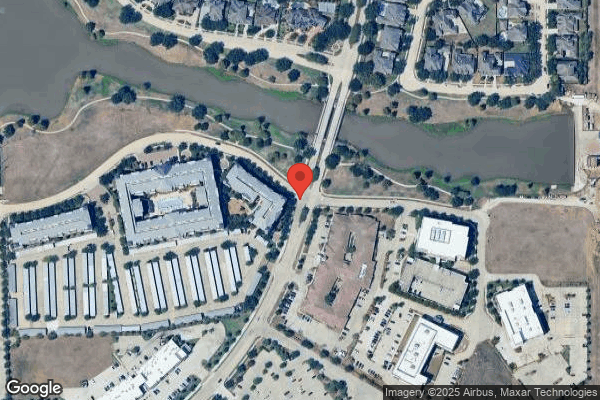
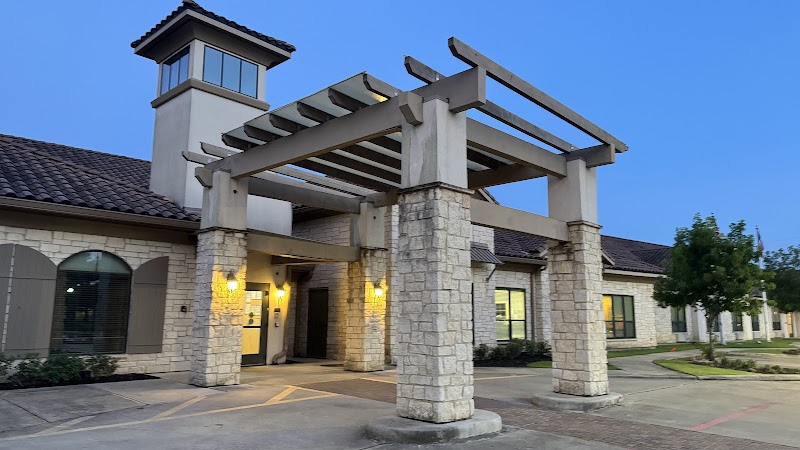
1803 WESCOTT AVENUE, SUGAR LAND, TX 77479 (713) 325-1717
For profit - Limited Liability company 90 Beds Independent Data: November 2025 4 Immediate Jeopardy citations
Trust Grade
0/100
#856 of 1168 in TX
Last Inspection: September 2024

Within standard 12-15 month inspection cycle. Federal law requires annual inspections.

Overview

The Medical Resort at Sugar Land has received a Trust Grade of F, indicating significant concerns about the quality of care provided. Ranked #856 out of 1168 in Texas and #10 out of 15 in Fort Bend County, this facility is in the bottom half of both state and local rankings. Unfortunately, the situation appears to be worsening, with the number of issues increasing from 9 in 2023 to 12 in 2024. While staffing is rated average with a 3/5 star rating, the turnover rate is a troubling 81%, much higher than the Texas average of 50%. Furthermore, the facility has incurred $202,589 in fines, which is concerning and reflects compliance problems. There are also some critical incidents that highlight serious issues: staff failed to initiate CPR for a resident who was unresponsive, leading to a tragic outcome; another resident required respiratory care but was not provided with essential equipment, resulting in cardiac arrest; and a mistake in medication administration caused a resident to experience dangerously low blood sugar levels. Despite some strengths like good RN coverage, these weaknesses raise significant alarms about the care quality at this facility. Families should carefully consider these factors when making decisions about care for their loved ones.

Trust Score
F
0/100
In Texas
#856/1168
Bottom 27%
Safety Record
High Risk
Review needed
Inspections
Getting Worse
9 → 12 violations
Staff Stability
⚠ Watch
81% turnover. Very high, 33 points above average. Constant new faces learning your loved one's needs.
Penalties
⚠ Watch
$202,589 in fines. Higher than 89% of Texas facilities, suggesting repeated compliance issues.
Skilled Nurses
✓ Good
Each resident gets 79 minutes of Registered Nurse (RN) attention daily — more than 97% of Texas nursing homes. RNs are the most trained staff who catch health problems before they become serious.
Violations
⚠ Watch
31 deficiencies on record. Higher than average. Multiple issues found across inspections.
★★☆☆☆
2.0
Overall Rating
★★★☆☆
3.0
Staff Levels
★★★★☆
4.0
Care Quality
★★☆☆☆
2.0
Inspection Score
Stable
2023: 9 issues
2024: 12 issues

The Good

  • 4-Star Quality Measures · Strong clinical quality outcomes
  • Full Sprinkler Coverage · Fire safety systems throughout facility
  • No fines on record

Facility shows strength in quality measures, fire safety.

The Bad

2-Star Overall Rating

Below Texas average (2.8)

Below average - review inspection findings carefully

Staff Turnover: 81%

34pts above Texas avg (46%)

Frequent staff changes - ask about care continuity

Federal Fines: $202,589

Well above median ($33,413)

Significant penalties indicating serious issues

Staff turnover is very high (81%)

33 points above Texas average of 48%

The Ugly 31 deficiencies on record

4 life-threatening 1 actual harm
Sept 2024 9 deficiencies
CONCERN (D) 📢 Someone Reported This

A family member, employee, or ombudsman was alarmed enough to file a formal complaint

Potential for Harm - no one hurt, but risky conditions existed

Pressure Ulcer Prevention (Tag F0686)

Could have caused harm · This affected 1 resident

Based on observation, interview, and record review the facility failed to ensure a resident with pressure ulcers received necessary treatment and services, consistent with professional standards of pr...

Read full inspector narrative →
Based on observation, interview, and record review the facility failed to ensure a resident with pressure ulcers received necessary treatment and services, consistent with professional standards of practice, to promote healing, prevent infection and prevent new ulcers from developing for one of six residents reviewed (Resident #18) for pressure ulcers. 1. The facility failed to ensure Resident #18 received services and treatment orders to prevent sacral pressure ulcers from healing. These failures could place residents at risk for worsening of existing wounds or development of new pressure ulcers. The findings were: Record review of Resident #18's face sheet, dated 09/21/2024, revealed an admission date of 06/21/2024, with diagnoses That included: encephalopathy tracheostomy, respiratory failure with hypoxia (low levels of oxygen in your tissues) or hypercapnia ( high levels of carbon dioxde in your blood), osteomyelitis of vertebra ( a bone infection that causes inflammation and swelling in the bone and its surrounding tissues), sacral and sacrococcygeal region stage 4( a full -thickness skin loss that extends into the deep tissues, including muscle, tendons, ligaments cartilage or bone), cognitive communication deficit, muscle wasting and atrophy, not elsewhere classified, right lower leg, cerebral aneurysm ( a bulge in a weakened artery wall in the brain that can fill with blood), not ruptured. Record review of Resident #18's quarterly MDS assessment, dated 09/18/2024, revealed Resident #18 BIMS score was blank which indicated cognitive impairment. Resident #18 required limited to extensive assistance with all ADL and pressure ulcer Record review of Resident #18 wound assessment form dated reflected 9/27/24 had, ;Cleanse Sacral With Ns, Pat Dried, Wound Care Md Apply Helicoil (Stem Cells, Adaptic, Tape And Cal Alginate With Dry Dressing To Be In Place Until 10/3/2024. Do Not Remove Stem Cells/Adaptic.Change Cal Alginateevery othe day and nd Prn, Dressing Changes Only If Soiled. Every Day Shift Every Other Day For Wound. Record review wound care dated 9/26/24 revealed the physician did measurement of sacral pressure ulcer which reflected length 6.9 CM, width 9.0 CM and depth 5.3cm . Observation at 2:45PM on 9/24/24 revealed RN R performing Sacral wound treatment to Resident #18. RN R poured NS ( Normal Saline) on 4 X4 gauze, cleaned the wound bed from outside in with wet gauze repeated it 3 times with moderate serous fluid, without changing gloves she picked up dry 4 x4 gauze, she pat and dry the sacral wound, picked up a sheet of calcium Alginate placed it on the dressing and placed a foam heel dressing on the dressing and taped it. Interview with RN R on 9/24/24 at 1:16 PM regarding wound care she just completed, RN R said she did a good job. She wanted the surveyor to tell her what she did wrong. Interview on 9/25/24at 3:35 PM with the DON via telephone and RN R, RN R said she admitted to the facility 2 weeks and she did not have any training on wound care. She said the facility did not have all the treatment stuff for the resident and she did talk to the DON, before using the heel foam dressing. RN R said the treatment was for every other day and it was not due yet that was why she was taking her time. When asked why she was cleaning the wound bed outside in she did not have any explanation and she knew it can cause infection. Interview with the treatment Physician on 9/26/24 at 2:00 p.m., hhe said he surgically debrided the sacral weekly and calcium alginate should be packed inside the wound. He said the facility needs nursing education on wound dressing. He said foam heel should not be used on sacral dressing. In an interview on 09/26/2024 at 4:20 PM the DON stated her expectation was for the nurses to follow Dr's orders. She stated not following orders could potentially affect the resident's health. She would have in-service and monitor the license staff. No policy and procedure regarding following Physician orders was provided by the DON at the time of exit from the facility.
CONCERN (D) 📢 Someone Reported This

A family member, employee, or ombudsman was alarmed enough to file a formal complaint

Potential for Harm - no one hurt, but risky conditions existed

Incontinence Care (Tag F0690)

Could have caused harm · This affected 1 resident

incontinent of bladder received appropriate treatment and services to prevent urinary tract infections and to restore continence to the extent possible for 1 of 1 resident (Resident #18) reviewed for ...

Read full inspector narrative →
incontinent of bladder received appropriate treatment and services to prevent urinary tract infections and to restore continence to the extent possible for 1 of 1 resident (Resident #18) reviewed for incontinent care. 1. The facility failed to ensure CNA A separated Resident #18's labia, cleaned the foley catheter insertion site and performed proper hand hygiene during foley care for Resident #18. This failure could place residents at risk for pain, infection, injury, and hospitalization. Findings included: Record review of Resident #18's face sheet, dated 09/21/2024, revealed an admission date of 06/21/2024, with diagnoses That included: encephalopathy tracheostomy, respiratory failure with hypoxia (low levels of oxygen in your tissues) or hypercapnia ( high levels of carbon dioxde in your blood), osteomyelitis of vertebra ( a bone infection that causes inflammation and swelling in the bone and its surrounding tissues), sacral and sacrococcygeal region stage 4( a full -thickness skin loss that extends into the deep tissues, including muscle, tendons, ligaments cartilage or bone), cognitive communication deficit, muscle wasting and atrophy, not elsewhere classified, right lower leg, cerebral aneurysm ( a bulge in a weakened artery wall in the brain that can fill with blood), not ruptured. Record review of Resident #18's quarterly MDS assessment, dated 09/18/2024, revealed Resident #18 BIMS score was blank which indicated cognitive impairment. Resident #18 required limited to extensive assistance with all ADLs and was continent of bladder with indwelling catheter and frequently incontinent of bowel. Record review of Resident #18 's care plan, dated 6/21/24, reflected, . The resident has an ADL self-care deficit .Interventions .Personal hygiene and Toilet use- Resident is totally dependent An observation on 09/24/24 at 2:22 p.m., revealed CNA A and CNA C entered Resident #18's room preparing to provide incontinence care. CNA A put on clean gloves and unfastened Resident #18's brief soaked with urine and serous fluid. CNA A said the indwelling catheter was leaking and she would let the nurse know . CNA A took a peri-wipe and cleaned resident's perineal area; she did not open the labia to wipe, did not clean indwelling catheter from the insertion. CNA C assisted to roll Resident #18 on her left side. CNA A took a peri-wipe and wiped in-between residents' rectal area and did not wipe around the buttocks. Interview with CNA A on 09/24/24 at 5:12 p.m. she stated she was supposed to open the labia to clean and around the buttocks. CN.A A said she was nervous. She stated she knew the importance of properly cleaning a resident and by not doing so, placed them at risk of infections and she had been working with the facility for about 2 months Interview with the DON on 09/27/24 at 02:00 p.m., she stated staff were to open labia and clean around residents' buttocks. She stated by not following proper peri care it placed residents at risk of urinary tract infections and she would be over seeing and monitoring incontinent care. Review of CNA A's skill checks dated 07/30/24 reflected she was competent in performing peri-care. Record review of the facility's policy titled, Perineal care, revised March 2017, reflected, .Wash and dry hands thoroughly .put on gloves .wash perineal are , wiping from front to back .Separate labia and wash area downward from front to back . Assist the resident to turn on her side .Wash the rectal area thoroughly, wiping from the base of the labia towards and extending over the buttocks .Rinse and dry thoroughly
CONCERN (D) 📢 Someone Reported This

A family member, employee, or ombudsman was alarmed enough to file a formal complaint

Potential for Harm - no one hurt, but risky conditions existed

Respiratory Care (Tag F0695)

Could have caused harm · This affected 1 resident

**NOTE- TERMS IN BRACKETS HAVE BEEN EDITED TO PROTECT CONFIDENTIALITY** Based on observation, interview and record review, the facility failed to ensure that residents who needs respiratory care, incl...

Read full inspector narrative →
**NOTE- TERMS IN BRACKETS HAVE BEEN EDITED TO PROTECT CONFIDENTIALITY** Based on observation, interview and record review, the facility failed to ensure that residents who needs respiratory care, including tracheotomy care and tracheal suctioning, is provided such care, consistent with professional standards of practice, the comprehensive person-centered care plan, and the residents' goals and preferences for one of two residents reviewed for tracheotomy care (Resident #5). The facility failed to ensure RN R used sterile technique during tracheotomy care and suctioning for Resident #5. These failures could place residents with a tracheotomy requiring suctioning at risk for respiratory infections, hospitalizations, and a decline in their quality of life. Findings included: Record review of Resident #5's face sheet dated 09/27/2024 revealed resident was admitted to the facility on [DATE], age [AGE] years old male. Resident #5 had diagnosis of Acute Respiratory Failure with Hypoxia (occurs when the body doesn't have enough oxygen in its tissues). Record review of Resident #5's MDS dated [DATE] revealed the BIMS assessment was not done. Further review revealed that the staff assessed Resident #5 on mental status and found he has short-term and long-term memory/recall ability problems; and severely cognitively impaired. Record review of Resident #5's Physician Orders reviewed 08/13/2024 revealed the following: Tracheostomy Care cuffed flex Shiley 6 with disposable inner cannula) as indicated every 12 hours and PRN. Observation on 09/24/2024 at 4:00pm revealed Resident #5 was in bed with audible moist breath sounds. RN R set up a clean field on the bedside table, checked oxygen saturation checked and it was 96%. RN R did not remove dirty gloves, used the same gloves, and picked up Trach Care Kit. RN R opened the sterile Trach Care Kit, using the same gloves picked up sterile 4x4 gauze, placed sterile gloves on the bedside table. She changed gloves without washing hands or using hand sanitizer, grabbed the sterile suction catheter kit tray, opened it, then doff gloves without washing hands, picked up the sterile gloves, don sterile gloves then picked up normal saline at Resident #5's bed side, poured it in the tray. RN R picked up the suction tubing from the sterile suction kit connected it to the suction machine at Resident #5's bed side. RN R, using the same gloves, removed tracheostomy inner canula, then re-inserted it to trach site. Cleaned the surrounding area of trach using the sterile 4x4 gauze and dipped the gauze in the normal saline three different times without changing gloves and preforming hand hygiene during the cleaning and changing of tracheostomy tubes. Interview on 09/25/2024 at 1:30 PM, RN R stated she did not wash her hands during trach care or do suctioning. She stated she should have used sterile technique throughout, and she was recently in-serviced on tracheostomy care but could not recall the date of in service. RN R did not disclose why she failed to use sterile technique. She stated she worked with Resident #5 often. RN R stated that using the technique she used placed the resident at risk for a respiratory infection. Interview on 09/25/2024 at 5:00 PM, the DON stated that staff had been in-serviced on tracheostomy in September 2024. The DON stated that RN R should have used sterile technique during tracheostomy care. The DON stated that using the technique RN R used could have placed the resident at risk for an infection. The DON stated that the facility's scheduled respiratory therapist is usually responsible be providing respiratory care, but the nurses are trained in the event that the respiratory therapy staff is not available. The DON stated that the respiratory therapy department primarily oversees the trach care, but she would be working with the respiratory therapy to ensure that nursing staff was held accountable as well. Review of the facility's policy titled Tracheostomy Care dated August 2013, read Aseptic technique must be used: during cleaning and sterilization of reusable tracheostomy tubes; during all dressing changes until the tracheostomy wound has granulated (healed); and during tracheostomy tube changes, either reusable or disposable. Gloves must be used on both hands during any or all manipulation of the tracheostomy. Sterile gloves must be used during aseptic procedures.
CONCERN (D) 📢 Someone Reported This

A family member, employee, or ombudsman was alarmed enough to file a formal complaint

Potential for Harm - no one hurt, but risky conditions existed

Pharmacy Services (Tag F0755)

Could have caused harm · This affected 1 resident

**NOTE- TERMS IN BRACKETS HAVE BEEN EDITED TO PROTECT CONFIDENTIALITY** Based on observation, interview and record review, the facility failed to provide pharmaceutical services (including procedures ...

Read full inspector narrative →
**NOTE- TERMS IN BRACKETS HAVE BEEN EDITED TO PROTECT CONFIDENTIALITY** Based on observation, interview and record review, the facility failed to provide pharmaceutical services (including procedures that assure the accurate acquiring dispensing, and administering of all drugs and biologicals) to meet the needs of 1 of 5 residents (Resident #177) reviewed for pharmacy services. LVN A failed to administer Lacosamide (medicine used to treat seizures), and Hydralazine (medicine used to lower blood pressure); to Resident #177 at 7:00am as ordered by the physician. LVN A failed to administer the whole dose of Hydralazine and Carvedilol (medicines used to lower blood pressure); Baclofen (medicine used as skeletal muscle relaxants); Glycopyrrolate (treats chronic obstructive pulmonary disease); Doxycycline (medicine used bacterial infections); and Isosorbide (medicine used to treat uncontrolled arterial hypertension) to Resident #177 as ordered by the physician. These failures could place residents at risk of incomplete therapeutic outcomes, increased negative side effects, and decline in health. Findings included: Record review of Resident #177's face sheet dated 09/27/2024 revealed resident was admitted to the facility on [DATE], age [AGE] years old male. Resident #177 had diagnoses of Parkinson's Disease (a progressive neurodegenerative disease); Epilepsy (a chronic brain disorder that causes people to have repeated seizures); Muscle Generalized Weakness (a feeling of weakness in most areas of the body); Dysarthria and Anarthria (both speech disorders that affect the ability to coordinate and control the muscles used for speaking); Tracheostomy Status (a medical classification that refers to an artificial opening in the windpipe (trachea) created to help with breathing); Presence of Cardiac Pacemaker (small device that's implanted in the chest to regulate a slow heart rate); Muscle Wasting and Atrophy (the thinning or loss of muscle tissue); Cognitive Communication Deficit (a difficulty with communication that's caused by a disruption in cognition); Dysphagia Oropharyngeal Phase (a condition that occurs when there is a delay in the movement of food or liquid during the phase is when food or liquid is moved from the mouth to the upper esophageal sphincter); Contracture of the Right Elbow, Left Elbow Right Wrist, Left Wrist, Right Hand, Left Hand, Right Knee, and Left Knee, Contracture (a permanent or temporary tightening of muscles, tendons, skin, and nearby tissues that limits the normal movement of a joint or body part); Essential (Primary) Hypertension (high blood pressure that is multi-factorial and doesn't have one distinct cause); and Cellulitis (a bacterial infection that affects the skin). Record review of Resident# 177's quarterly MDS dated [DATE] revealed a BIMS score of 03 which indicated severely impaired cognition. It also revealed the resident needed total care assist with ADL with two to three staff assistance. Further review revealed resident had gastrostomy tube (also called a G-tube) for feeding. Record review of Resident #1's physician's order summary report revealed the following order: order dated 07/16/2024, Lacosamide solution 10 mg/ml give 10 ml via g-tube two times a day (7:00am and 7:00pm) for anticonvulsants. order dated 09/11/2024, Hydralazine tablet 25 mg Give 2 tablet via g-tube three times a day (7:00am, 2:00pm, and 9:00pm) for hypertension related to essential (primary) hypertension order dated 07/16/2024, Baclofen tablet 5 mg Give 1 tablet by mouth three times a day (9:00am, 2:00pm, and 9:00pm) for musculoskeletal order dated 07/16/2024, glycopyrrolate tablet 1 mg Give 1 tablet via g-tube three times a day (9:00am, 2:00pm and 9:00pm) for antiasthmatic and bronchodilator agents order dated 07/16/2024, Isosorbide Dinitrate tablet 10 mg Give 1 tablet via g-tube three times a day a day (9:00am, 2:00pm, and 9:00pm) for hypertension order dated 09/12/2024, Doxycycline tablet 100 mg Give 1 tablet via g-tube every 12 hours (9:00am and 9:00pm) related to cellulitis, unspecified Observation on 09/25/2024 at 9:08am revealed G-Tube medication administration with LVN A for Resident # 177. LVN A prepared to administer Resident # 177 as she added Lacosamide solution 10 mg to a 30ml cup and mixed with water to dilute. LVN A crushed two Hydralazine tablet 25 mg, Baclofen tablet 5 mg, glycopyrrolate tablet 1 mg, Isosorbide Dinitrate tablet 10 mg, Doxycycline oral tablet 100 mg. Each medication was crushed separately and diluted with water in individual 30ml cups. LVN A did not administer the whole amount of the crushed medication leaving a significant amount medication in each of the five cups. As LVN A was leaving Resident #177's room the surveyor asked LVN A if she had completed the medication pass. LVN A confirmed that she had completed the medication pass. The surveyor showed the medication cups with medication to LVN A and the DON. LVN A stated that medication should be administered. LVN A returned to Resident #177 to correct the errors by adding additional water to each medication cup to ensure that Resident #177 received the remainder of the medications as ordered by the physician. LVN A did not disclose why the medications were administered late. LVN A stated that the physician was notified of the medications that were administered late and was instructed by the physician to continue to monitor Resident #177. Interview on 09/25/2024 at 12:05pm The DON stated that she recently started work at the facility, but she would be the individual responsible for overseeing and auditing if medication were administered timely. The DON stated that medications were to be checked for the correct dosage and route with each medication pass. The DON stated that medication should be administered at the ordered time, allowing staff an hour before and hour after. The DON stated that when medications was administered in error at the wrong time and wrong dose that it can cause serious, sometimes long-term effects to the resident. The DON stated that it was a safety concern, and she was able to follow up with LVN A related to G-tube medication administration. The DON stated that all nurses and MA staff have been trained and were knowledgeable of the medication administration policy. The DON stated that additional training will be provided. Interview on 09/25/2024 at 2:00pm with LVN A, she stated that Lacosamide and Hydralazine were given later than scheduled time of 7:00am to Resident #177. LVN A also verbally acknowledged she initially failed to administer the ordered dose of five medications (Hydralazine, Baclofen, glycopyrrolate, Isosorbide Dinitrate, Isosorbide Dinitrate). LVN A stated that she would usually give all medications as ordered and did not disclose why she failed to administer the medications at the time of the medication pass observation. She stated that if the residents did not get the medications as ordered, then the resident will not have the desired effect of the medication, and it can have a negative effect on the resident. She stated she had been trained on G-Tube medication administration. LVN A stated that medication should be administered at the ordered time, giving staff an hour before and hour after. Record review of education/training record for LVN A related to g-tube care and medication administration was verified by the surveyor team. The last documented medication administration training was September 2024. Review of the facility's policy titled Medication and Treatment orders dated November 2014, read Medications shall be administered only upon the written order . The was not additional mention of to address administering meds timely and administering all the meds correctly.
CONCERN (D) 📢 Someone Reported This

A family member, employee, or ombudsman was alarmed enough to file a formal complaint

Potential for Harm - no one hurt, but risky conditions existed

Unnecessary Medications (Tag F0759)

Could have caused harm · This affected 1 resident

**NOTE- TERMS IN BRACKETS HAVE BEEN EDITED TO PROTECT CONFIDENTIALITY** Based on observation, interview, and record review, the facility failed to ensure that it was free of medication error rate of f...

Read full inspector narrative →
**NOTE- TERMS IN BRACKETS HAVE BEEN EDITED TO PROTECT CONFIDENTIALITY** Based on observation, interview, and record review, the facility failed to ensure that it was free of medication error rate of five percent (%) or greater. The facility had a medication error rate of 26% based on 8 errors out of 30 opportunities, which involved 1 of 5 residents (Resident #177) reviewed for medication errors. LVN A administered Lacosamide (medicine used to treat seizures), and Hydralazine (medicine used to lower blood pressure); to Resident #177 at 9:08am instead of 7:00am as ordered by the physician. LVN A administered the wrong dose of Hydralazine and Carvedilol (medicines used to lower blood pressure); Baclofen (medicine used as skeletal muscle relaxants); Glycopyrrolate (treats chronic obstructive pulmonary disease); Doxycycline (medicine used bacterial infections); and Isosorbide (medicine used to treat uncontrolled arterial hypertension) to Resident #177 as ordered by the physician. These failures could place residents at risk of incomplete therapeutic outcomes, increased negative side effects, and decline in health. Findings included: Record review of Resident #177's face sheet dated 09/27/2024 revealed resident was admitted to the facility on [DATE], age [AGE] years old male. Resident #177 had diagnoses of Parkinson's Disease (a progressive neurodegenerative disease); Epilepsy (a chronic brain disorder that causes people to have repeated seizures); Muscle Generalized Weakness (a feeling of weakness in most areas of the body); Dysarthria and Anarthria (both speech disorders that affect the ability to coordinate and control the muscles used for speaking); Tracheostomy Status (a medical classification that refers to an artificial opening in the windpipe (trachea) created to help with breathing); Presence of Cardiac Pacemaker (small device that's implanted in the chest to regulate a slow heart rate); Muscle Wasting and Atrophy (the thinning or loss of muscle tissue); Cognitive Communication Deficit (a difficulty with communication that's caused by a disruption in cognition); Dysphagia Oropharyngeal Phase (a condition that occurs when there is a delay in the movement of food or liquid during the phase is when food or liquid is moved from the mouth to the upper esophageal sphincter); Contracture of the Right Elbow, Left Elbow Right Wrist, Left Wrist, Right Hand, Left Hand, Right Knee, and Left Knee, Contracture (a permanent or temporary tightening of muscles, tendons, skin, and nearby tissues that limits the normal movement of a joint or body part); Essential (Primary) Hypertension (high blood pressure that is multi-factorial and doesn't have one distinct cause); and Cellulitis (a bacterial infection that affects the skin). Record review of Resident# 177's quarterly MDS dated [DATE] revealed a BIMS score of 03 which indicated severely impaired cognition. It also revealed the resident needed total care assist with ADL with two to three staff assistance. Further review revealed resident had gastrostomy tube (also called a G-tube) for feeding. Record review of rResident #1's physician's order summary report revealed the following order: order dated 07/16/2024, Lacosamide solution 10 mg/ml give 10 ml via g-tube two times a day (7:00am and 7:00pm) for anticonvulsants. order dated 09/11/2024, Hydralazine tablet 25 mg Give 2 tablet via g-tube three times a day (7:00am, 2:00pm, and 9:00pm) for hypertension related to essential (primary) hypertension order dated 07/16/2024, Baclofen tablet 5 mg Give 1 tablet by mouth three times a day (9:00am, 2:00pm, and 9:00pm) for musculoskeletal order dated 07/16/2024, glycopyrrolate tablet 1 mg Give 1 tablet via g-tube three times a day (9:00am, 2:00pm and 9:00pm) for antiasthmatic and bronchodilator agents order dated 07/16/2024, Isosorbide Dinitrate tablet 10 mg Give 1 tablet via g-tube three times a day a day (9:00am, 2:00pm, and 9:00pm) for hypertension order dated 09/12/2024, Doxycycline tablet 100 mg Give 1 tablet via g-tube every 12 hours (9:00am and 9:00pm) related to cellulitis, unspecified Observation on 09/25/2024 at 9:08am revealed G-Tube medication administration with LVN A for Resident # 177. LVN A prepared to administer Resident # 177 as she added Lacosamide solution 10 mg to a 30ml cup and mixed with water to dilute. LVN A crushed two Hydralazine tablet 25 mg, Baclofen tablet 5 mg, glycopyrrolate tablet 1 mg, Isosorbide Dinitrate tablet 10 mg, Doxycycline oral tablet 100 mg. Each medication was crushed separately and diluted with water in individual 30ml cups. LVN A did not administer the whole amount of the crushed medication leaving a significant amount medication in each of the five cups. As LVN A was leaving Resident #177's room the surveyor asked LVN A if she had completed the medication pass. LVN A confirmed that she had completed the medication pass. The surveyor showed the medication cups with medication to LVN A and the DON. LVN A stated that medication should be administered. LVN A returned to Resident #177 to correct the errors by adding additional water to each medication cup to ensure that Resident #177 received the remainder of the medications as ordered by the physician. LVN A did not disclose why the medications were administered late. LVN A stated that the physician was notified of the medications that were administered late and was instructed by the physician to continue to monitor Resident #177. Interview on 09/25/2024 at 12:05pm The DON stated that she recently started work at the facility, but she would be the individual responsible for overseeing and auditing if medication were administered timely. The DON stated that medications were to be checked for the correct dosage and route with each medication pass. The DON stated that medication should be administered at the ordered time, allowing staff an hour before and hour after. The DON stated that when medications was administered in error at the wrong time and wrong dose that it can cause serious, sometimes long-term effects to the resident. The DON stated that it was a safety concern, and she was able to follow up with LVN A related to G-tube medication administration. The DON stated that all nurses and MA staff have been trained and were knowledgeable of the medication administration policy. The DON stated that additional training will be provided. Interview on 09/25/2024 at 2:00pm with LVN A, she stated that Lacosamide and Hydralazine were given later than scheduled time of 7:00am to Resident #177. LVN A also verbally acknowledged she initially failed to administer the ordered dose of five medications (Hydralazine, Baclofen, glycopyrrolate, Isosorbide Dinitrate, Isosorbide Dinitrate). LVN A stated that she would usually give all medications as ordered and did not disclose why she failed to administer the medications at the time of the medication pass observation. She stated that if the residents did not get the medications as ordered, then the resident will not have the desired effect of the medication, and it can have a negative effect on the resident. She stated she had been trained on G-Tube medication administration. LVN A stated that medication should be administered at the ordered time, giving staff an hour before and hour after. Record review of education/training record for LVN A related to g-tube care and medication administration was verified by the surveyor team. The last documented medication administration training was September 2024. Review of the facility's policy titled Medication and Treatment orders dated November 2014, read Medications shall be administered only upon the written order . The was not additional mention of to address administering meds timely and administering all the meds correctly.
CONCERN (D) 📢 Someone Reported This

A family member, employee, or ombudsman was alarmed enough to file a formal complaint

Potential for Harm - no one hurt, but risky conditions existed

Garbage Disposal (Tag F0814)

Could have caused harm · This affected 1 resident

Based on observation, interview and record review, the facility failed to ensure garbage and refuse was disposed properly for 1 of 1 dumpster reviewed for garbage disposal. -The facility failed to ens...

Read full inspector narrative →
Based on observation, interview and record review, the facility failed to ensure garbage and refuse was disposed properly for 1 of 1 dumpster reviewed for garbage disposal. -The facility failed to ensure the dumpster floor were free of debris. This failure could place residents at risk of infection from improperly disposed garbage. Findings include: Observation and Interview on 9/24/24 at 12:20 PM with Housekeeper A, revealed around the dumpster, behind and the side of the dumpster had lots of debris of paper, diaper, leaves, woods, and a broken dresser. Housekeeper A asked the surveyor Is the company the picks up the dumpster supposed to swipe the debris around the dumpster or the facility? Surveyor advised her to check with her supervisor. Interview on 9/24/24 at 2:06 PM with the Director of housekeeping, he said he has been working in the facility since March 2024. He said he was not aware of the debris behind the dumpster and by the side. He said he had not check around the dumpster. He said he was told by the housekeeping staff and the dumpster was picked up 3 times a week on Tuesdays, Thursday, and Saturday. He said the company just picked the dumpster up earlier today, he was not aware the dumpster had all that trash behind. He stated that he did not expect the debris around the dumpster because it can bring critters, rodents and rats. He said he was going sweep around dumpster and he would be checking on it often. Interview on 9/24/24 at 5:30 PM with the Administrator, she said she expected the dumpster, to be closed and the surrounding to be free of debris and trash. Administrator said she would be monitoring it every other day. Record review of the facility policy and procedure dated (revision October 2017) Food-Related Garbage and refuse Disposal . 5.Garbage and refuse containing food wastes will be stored in a manner that is inaccessible to pests.6. Storage areas will be kept clean at all times and shall not constitute a nuisance.7. Outside dumpster provided by garbage pick up services will be kept closed and free of surrounding litter.
CONCERN (D) 📢 Someone Reported This

A family member, employee, or ombudsman was alarmed enough to file a formal complaint

Potential for Harm - no one hurt, but risky conditions existed

Infection Control (Tag F0880)

Could have caused harm · This affected 1 resident

**NOTE- TERMS IN BRACKETS HAVE BEEN EDITED TO PROTECT CONFIDENTIALITY** Based on observations, interviews, and record reviews, the facility failed to maintain an Infection prevention and control progr...

Read full inspector narrative →
**NOTE- TERMS IN BRACKETS HAVE BEEN EDITED TO PROTECT CONFIDENTIALITY** Based on observations, interviews, and record reviews, the facility failed to maintain an Infection prevention and control program designed to provide a safe, sanitary, and comfortable environment and to help prevent the development and transmission of communicable disease and infection for 2 of 5 residents (Resident #18) reviewed for infection control, in that: CNA A did not change her gloves or wash her hands after providing incontinent care to Resident #18. RN R did not change her gloves or wash her hands during pressure ulcer treatment and after providing treatment to Resident #18 RN R did not change her gloves or wash her hands and used sterile technique during tracheotomy care and suctioning for Resident #5. These failures could place residents at-risk for infection due to improper care practices. The findings included: Record review of Resident #18's face sheet, dated 09/21/2024, revealed an admission date of 06/21/2024, with diagnoses that included: encephalopathy tracheostomy, respiratory failure with hypoxia or hypercapnia, osteomyelitis of vertebra, sacral and sacrococcygeal region stage 4 pressure ulcer, cognitive communication deficit, muscle wasting and atrophy, not elsewhere classified, right lower leg, cerebral aneurysm, not ruptured. Record review of Resident #18's quarterly MDS assessment, dated 09/18/2024, revealed Resident #18 BIMS score was blank which indicated cognitive impairment. Resident #18 required limited to extensive assistance with all ADLs and was continent of bladder with indwelling catheter and frequently incontinent of bowel. Review of Resident #18's care plan dated 06/23/2024, revealed a problem of The resident has Urinary Tract Infection, with an intervention of Provide incontinence care as needed. Record review of the physician order dated 9/23/24 revealed Physician's order for Resident #18 Fosfomycin Tromethamine Oral Packet 3 GM (Fosfomycin Tromethamine) Give 3 gram via G-Tube every 72 hours for UTI until 10/03/2024. Observation on 09/24/24 at 1:06 p.m. while RN R was providing pressure ulcer treatment to Resident #18, RN R did not wash her hands before donning gloves, she removed the old dressing to left ear that was bleeding, without changing gloves she picked up clean 4 X4 gauzes , and placed 4 x4 gauzes in a clean cup then poured in normal saline, then picked the wet gauzes and cleaned the wound about 4 times to left [NAME], she then used the same gloves, picked up a scissor cut the Xerofoam dressing and applied to left ear and boarder dressing. Observation on 09/24/24 at 2:22 p.m., revealed, while providing incontinent care for Resident #18, CNA A did not wash her hands when she entered Resident #18's room to provide incontinent care, don clean gloves. C.NA A did not change her gloves or wash her hands after providing incontinent care for Resident #18 and before touching and fastening the clean brief to Resident #18. During an interview on 9/24/2024 at 5:12 p.m. CNA A confirmed she did not change her gloves or wash her hands prior to touching the clean brief. She said she was nervous. She confirmed she received infection control training 1 month ago when she was hired. Record review of Resident #5's face sheet dated 09/27/2024 revealed resident was admitted to the facility on [DATE], age [AGE] years old male. Resident #5 had diagnosis of Acute Respiratory Failure with Hypoxia (occurs when the body doesn't have enough oxygen in its tissues). Record review of Resident #5's MDS dated [DATE] revealed the BIMS assessment was not done. Further review revealed that the staff assessed Resident #5 on mental status and found he has short-term and long-term memory/recall ability problems; and severely cognitively impaired. Observation on 09/24/2024 at 4:00pm revealed Resident #5 was in bed with audible moist breath sounds. RN R set up a clean field on the bedside table, checked oxygen saturation checked and it was 96%. RN R did not remove dirty gloves, used the same gloves, and picked up Trach Care Kit. RN R opened the sterile Trach Care Kit, using the same gloves picked up sterile 4x4 gauze, placed sterile gloves on the bedside table. She changed gloves without washing hands or using hand sanitizer, grabbed the sterile suction catheter kit tray, opened it, then doff gloves without washing hands, picked up the sterile gloves, don sterile gloves then picked up normal saline at Resident #5's bed side, poured it in the tray. RN R picked up the suction tubing from the sterile suction kit connected it to the suction machine at Resident #5's bed side. RN R, using the same gloves, removed tracheostomy inner canula, then re-inserted it to trach site. Cleaned the surrounding area of trach using the sterile 4x4 gauze and dipped the gauze in the normal saline three different times without changing gloves and preforming hand hygiene during the cleaning and changing of tracheostomy tubes. Interview on 09/25/2024 at 1:30 PM, RN R stated she did not wash her hands during trach care or do suctioning. She stated she should have used sterile technique throughout, and she was recently in-serviced on tracheostomy care but could not recall the date of in service. RN R did not disclose why she failed to use sterile technique. She stated she worked with Resident #5 often. RN R stated that using the technique she used placed the resident at risk for a respiratory infection. Interview on 09/25/2024 at 5:00 PM, the DON stated that staff had been in-serviced on tracheostomy in September 2024. The DON stated that RN R should have used sterile technique during tracheostomy care. The DON stated that using the technique RN R used could have placed the resident at risk for an infection. The DON stated that the facility's scheduled respiratory therapist is usually responsible be providing respiratory care, but the nurses are trained in the event that the respiratory therapy staff is not available. The DON stated that the respiratory therapy department primarily oversees the trach care, but she would be working with the respiratory therapy to ensure that nursing staff was held accountable as well. During an interview with the DON on 09/26/2024 at 3:15 p.m., the DON confirmed gloves must be changed after cleaning and before touching clean brief to prevent cross contamination. The DON revealed she was training the staff for infection control. DON just started working one week and would be monitoring the staffs. Interview on 9/27/24 at 1:39 PM with the Administrator, she said she expected for Incontinent care and Foley care done by the staffs to prevent infection. She said she was informed by DON about peri care the foley insertion site was not cleaned properly. She said her expectations was for the staff to clean all the areas including the foley insertion area thoroughly. She said the staff should be using multiple cleansing wipes. She said she was informed staff was cleaning from the outside in which causes contamination. She said her expectation was for the staff to clean inside out and not to re-wipe areas that have already been cleaned. She said it was important to determine which hand will be clean and which hand will be dirty. She said infection control hands on competencies in a classroom setting referencing trach and wound care with verbal and return demonstrations. She said they will perform weekly trach care and wound care audits x 8 (2 months) and re-evaluate staff after all training was completed. Review of the facility policy, titled Fundamental of infection control precautions, dated 2019, revealed [ .] the following is a list of some situations that require hand hygiene: [ .] Before and after direct resident contacts (for which hand hygiene is indicated by acceptable professional practice) [ .] after contact with a resident's mucous membranes and body fluids or excretions.
CONCERN (E)

Potential for Harm - no one hurt, but risky conditions existed

Quality of Care (Tag F0684)

Could have caused harm · This affected multiple residents

**NOTE- TERMS IN BRACKETS HAVE BEEN EDITED TO PROTECT CONFIDENTIALITY** Based on observation, interview, and record review, the facility failed to ensure that one resident (Resident #7) of four receiv...

Read full inspector narrative →
**NOTE- TERMS IN BRACKETS HAVE BEEN EDITED TO PROTECT CONFIDENTIALITY** Based on observation, interview, and record review, the facility failed to ensure that one resident (Resident #7) of four received treatment and care in accordance with professional standards of practice, the comprehensive person-centered care plan, and the resident's choices reviewed for wound care . -Resident #7's order for a wound dressing to be changed daily was not completed on 01/04/25, 01/05/25, and 01/06/25. The failure could place residents at risk for delayed healing or worsening of the wound. Findings Included: Record review of the admission Record for Resident #7 revealed she was [AGE] years old and was admitted to the facility on [DATE]. Diagnoses included, but were not limited to, cutaneous abscess (collection of pus under the skin) of abdominal wall, unspecified wound of the abdominal wall, and sepsis (a condition in which the body responds improperly to an infection that may cause organ damage and possibly death). Record review of the Entry MDS dated [DATE] for Resident #7 revealed she was transferred from a short-term general hospital. The Entry MDS did not contain clinical health information. Record review of Resident #7's Care Plan , dated 01/06/25, revealed the resident had skin impairment. One Intervention read, in part, .Administer treatments as ordered and monitor for effectiveness . Record review of Resident #7's Physician Order (effective 01/04/25 to 01/08/25) revealed the abdominal wound was to be treated daily by cleansing with wound cleaner, with medihoney and then covered with a hydrofera blue and a foam dressing. Record review of Resident #7's TAR revealed the treatments were not documented as being provided on 01/04/25, 01/05/25, or 01/06/25. Record review of Resident #7's Physician Order dated 01/08/25 revealed the same treatment was changed to every two days, with a treatment scheduled for 01/09/25. Record review of Resident #7's January 2025 TAR revealed the treatment was not signed as been provided on 01/09/25. Observation on 01/10/25 at 10:21 a.m. revealed Resident #7 was lying in bed. Observation of the abdominal dressing revealed a date of 01/07/25. In an interview on 01/10/25 at 11:15 a.m., the DON said she was unaware the dressing on Resident #7's abdomen had not been changed since 01/07/25. She said the order dated 01/08/25 reflected the dressing was to be changed every other day. She said each nurse was responsible for making sure the wound care was provided as ordered. She said she or the ADON were responsible for supervising the nurses. Record review of the facility policy on Wound Care (revised October 2010) revealed no guidance to report outdated wound dressings. The policy reflected the nurse was to verify there was a physician's order for the treatment, and to document the date and time the treatment was provided.
CONCERN (E) 📢 Someone Reported This

A family member, employee, or ombudsman was alarmed enough to file a formal complaint

Potential for Harm - no one hurt, but risky conditions existed

Food Safety (Tag F0812)

Could have caused harm · This affected multiple residents

Based on observation, interview, and record review, the facility failed to store, prepare, and serve food under sanitary conditions in 1 of 1 kitchen when they failed to: A. Ensure stored food was pro...

Read full inspector narrative →
Based on observation, interview, and record review, the facility failed to store, prepare, and serve food under sanitary conditions in 1 of 1 kitchen when they failed to: A. Ensure stored food was properly labeled, dated, and contained. B. Ensure general cleanliness was maintained. C. Ensure substitution list, cleaning list and temperature logs were utilized. These failures could place all residents who ate food served by the kitchen at risk of cross contamination and food-borne illness. Findings include: Observations on 9/23/24 at 09:33 am, during initial kitchen rounds of the freezer by the stove revealed: 1. Hash brown in a box not labeled and not dated 2. 5-way mixed vegetable, not labeled or dated, and not in the original box. 3. Vegetable egg rolls in original container 3 pounds box open not dated 4. Beyond chicken tenders 2.5 pounds in box not dated in original package 5. Vegetable egg rolls in original container 3 pounds box open not dated Observations on 9/23/24 at 09:33 am, during initial kitchen rounds of the standing oven the grill revealed: 1. Standing oven by the grill had dry food particles, sticky and grime. In an interview with the DM on 9/23/ 24 at 10:00AM, he said he normally scheduled employee to clean the oven, he was not sure when it was last cleaned. He said did not have a cleaning log. He thought it was last cleaned a week before. DM said he would start keeping a cleaning log. Interview on 9/27/2024 at 1:39pm with the Administrator, she said she was informed that the food was not labeled. She said her expectations for her staff was to have the food dated, labeled including discard date to be thrown out if the dates have passed on the item. She said she was told inside the oven it was brown. She said her expectations moving forward for the staff was to have the oven cleaned after every use. She said by having her staff clean the oven after each use it would guarantee that the oven will not have any particles left over. Record Review of the (Revised date November 2022 ) facility policy titled ' Food Receiving and storage . Refrigerated foods are labeled, dated and monitored so they are used by their use-by date, frozen or discarded, food items that remain sealed from the supplier may be held until the expiration date if unopened. Food returning to storage after Record review of the Food Code, U.S. Public Health Service, U.S. FDA, 2022, U.S. Department of H&HS, revealed 3-501.17 Ready-to-Eat/Time Temperature Control for Safety Food, Date Marking. (B) Except as specified in (E) -(G) of this section, refrigerated, ready-to-eat, time/temperature control for safety food prepared and packaged by a food processing plant shall be clearly marked, at the time the original container is opened in a food establishment and if the food is held for more than 24 hours, to indicate the date or day by which the food shall be consumed on the premises, sold, or discarded, based on the temperature and time combinations specified in (A) of this section and: (1) The day the original container is opened in the food establishment shall be counted as Day 1; and (2) The day or date marked by the food establishment may not exceed a manufacturer's use-by date if the manufacturer determined the use-by date based on food safety.
Aug 2024 3 deficiencies 3 IJ
CRITICAL (J) 📢 Someone Reported This

A family member, employee, or ombudsman was alarmed enough to file a formal complaint

Immediate Jeopardy (IJ) - the most serious Medicare violation

Deficiency F0678 (Tag F0678)

Someone could have died · This affected 1 resident

**NOTE- TERMS IN BRACKETS HAVE BEEN EDITED TO PROTECT CONFIDENTIALITY** Based on observation, interview, and record review the facility failed to ensure personnel provided basic life support, includin...

Read full inspector narrative →
**NOTE- TERMS IN BRACKETS HAVE BEEN EDITED TO PROTECT CONFIDENTIALITY** Based on observation, interview, and record review the facility failed to ensure personnel provided basic life support, including CPR, to a resident requiring such emergency care prior to the arrival of emergency medical personnel for 1 to 7 residents (CR#1) reviewed for CPR. -RT A and LVN A failed to initiate life-saving measures (CPR) when CR#1 who had a full code (meaning all resuscitation procedures provided if their heart stops beating or stop breathing) immediately when she was found unresponsive and died. -The facility failed to ensure that CR #1 received Cardio-pulmonary resuscitation (CPR) in accordance with professional standards of practice. -The facility failed to immediately initiate CPR when CR#1 was found unresponsive at or about 5:25 a.m. EMS was called at 5:37 a.m. A delay of 12 minutes initiating CPR. An Immediate Jeopardy (IJ) was identified on [DATE]. The IJ template was provided to the facility on [DATE] at 5:42 p.m. While the IJ was removed on [DATE], the facility remained out of compliance at a scope of isolated with the severity level at a potential for more than minimal harm that is not immediate jeopardy. These failures placed residents at risk of experiencing worsening of condition, pain and death from possible delays in the initiation of an emergency response and improper implementation of CPR. Findings Included: Record review of facility census dated [DATE] revealed there were 24 residents. Record review of the facility's CMS form 672 revealed there were 7 residents that had a tracheostomy and ventilator out of 24 residents. Record review of CR#1's face sheet dated [DATE] revealed she was an [AGE] year-old female that was admitted to the facility on [DATE] with diagnoses of chronic respiratory failure with hypoxia (a condition where the body has low levels of oxygen in the blood), Type 2 Diabetes Mellitus without complications (a condition in which the body has trouble controlling blood sugar), anoxic brain damage(condition caused by a lack of oxygen which could lead to brain death), pulmonary hypertension A type of high blood pressure that affects arteries in the lungs and in the heart), dependence on ventilator, tracheostomy. CR#1 was designated as full code. Record review of CR#1's MDS dated [DATE] revealed Section B0100- Comatose (Persistent vegetative state/no discernible consciousness was documented as 1-(Yes). Section C500- BIMS summary score was left blank. GG0115- Functional Limitations was coded 2 (which meant impairment on both sides) for both upper and lower extremities which included: shoulder, elbow, wrist, hand and hip knee, ankle and foot. Section GG0120- Mobility devices were coded Z. (none of the above), which meant she did not use a cane, walker, wheelchair, limb prosthesis in the last 7 days. Section GG0130 revealed A. Eating was coded as 88 (not attempted due to medical condition or safety concern) and eating, oral hygiene, toileting hygiene, shower/bathe self, upper body dressing, lower body dressing were coded as 01 (which meant CR#1 was dependent- helper does all of the effort. Section GG0170- Mobility revealed A. Roll left and right was coded as 01- which meant CR#1 was dependent- helper does all of the effort. B. Sit to lying, C. Lying to sitting on side of the bed; D. Sit to stand; E. Chair/bed-to-chair transfer and walk 10 feet were all coded as 88, which meant not attempted due to medical or safety concern. Section H0300- Urinary Incontinence and Bowel incontinence were both coded as 3. Which meant she was always incontinent. Section O. Special treatment, Procedures, and programs performed revealed respiratory treatment (C1) oxygen therapy; (D1) Suctioning and (E1) Tracheostomy care were all coded as B. While a resident. Record review of CR#1's care plan dated [DATE] and revised/cancelled on [DATE] revealed the following care areas: CR#1 required supplemental oxygen for respiratory status hypoxemia, respiratory illness. Goal: Resident will tolerate use of oxygen and oxygen saturations will remain within normal ranges through the next review and interventions were: Monitor for complications r/t oxygen use (ears, nose, dry mucous membranes) follow up with MD and preventative measures. CR#1 had potential for impaired gas exchange, CHF, shortness of breath, tracheostomy status, vent dependent. Goal: CR#1's respiratory function will WNL as evidence by: normal rate, rhythm and depth of respirations, no dyspnea and oxygen states WNL. Interventions: Monitor for signs and symptoms of shallow rapid respirations, diminished or absent breath sounds, hypoxia, elevate head of bed. All interventions were to be done by LVN or RN and assess and report signs and symptoms of impaired respiratory functions were assigned to nursing department. CR#1 had an advanced directive evidence by: Full Code. Goals included: CR#1's wishes would be honored. Interventions: CPR will be performed as ordered, follow facility protocol for identification of code status and keep family informed of change in condition. Record review of CR#1's nursing progress notes for [DATE] revealed the following: Effective date: [DATE] at 6:48 a.m. Note Text: Author: LVN A - Writer assessed and monitor resident q 2 hour and prn , no distress noted, writer checked on about 0500, feeding is running well, around 05:15, two assigned staff changed resident on the last round, pt was ok per staff members. Around 0530, RT went to the room and came back and called this writer to resident's room, Writer asked to call 911 because resident was in distress. EMS team called by this writer at 0537 am. Writer was able to palpate residents' pulse and CPR was started, AED was used and 911 arrived at 0540 and took over. Resident was pronounced at 06:14am. Effective Date: [DATE] at 7:30 a.m. Note Text: Author: LVN A -Writer called emergency contact FM and notified her that resident in distress, CPR was initiated, and EMS was called, and resident was pronounced death. Will notify MD. Record review of EMS incident report for CR#1 revealed they were called to the facility on [DATE] at 5:37 a.m. for CR#1 in cardiac arrest and arrived at the facility at 5:47 a.m. CR#1 was observed to be lying in a bed unresponsive and severely swollen. Patient was pulseless and apneic. Nursing staff was forcibly bagging the patient and no compressions were being performed at this time. The nurse was adamant that the patient had a pulse and that the bagging was difficult but effective. Patient pulses were checked and absent. CPR was started at this time. Manual compressions were continued throughout the CPR. Patient's trach tube was confirmed to not be in a correct position (or false pathway) and was not oxygenating the patient. Patient facial anatomy due to swelling was too distorted to control her airway by any other means. CR#1 had severe subcutaneous emphysema and skin was cold. CR#1 had swelling to the face, neck, chest and her whole arms (both left and right). Trach tube was removed and a [NAME] bag was used to locate her tracheotomy. An ET tube was placed, and CPR continued. The nurse stated that CR#1 was alert just 8 minutes before the 911 call. EPI was administered per guidelines. Patient was moved to the floor to facilitate higher quality CPR. CPR was continued per department guidelines. It was noted that CR#1 was in asystole and remained in asystole for the duration of the call. EMS called medical doctor C via phone for an order to terminate CPR efforts after 20 minutes. Medical doctor C agreed, and ultrasound was utilized to confirm no heart wall movement but due to emphysema there was no view of the heart. CPR was discontinued. The scene was turned over to local police department. An in-field pronouncement was done. CR#1 was determined expired at 6:13 a.m. Record review of handwritten statement submitted to the Administrator by LVN A on [DATE], she wrote Respiratory Therapist A called her to CR#1's room around 5:25 a.m. CR#1 was unresponsive with palpable pulse. LVN A activated 911 call at 5:37 a.m. and EMS arrived at 5:40 a.m. CR#1 was pronounced deceased at 6:14 a.m. Record review of CR#1's ADL record dated [DATE] revealed CNAs were responsible for incontinent care. The record shows that CR#1 had her brief changed: [DATE]- 00:57 (12:57am) 17:59 (5:59pm) 23:57 (11:57pm). There was no documentation that CNAs entered CR#1's room for incontinent care since before midnight. CR#1's incident occurred on [DATE] at or about 5:25 a.m. An interview with the DON on [DATE] at 10:29 a.m., she said she had been employed at the facility since [DATE]st, 2024. She stated LVN A called her on ([DATE]) and said RT yelled for her to come to CR#1's room after finding her unresponsive. She said CR#1 was in respiratory distress when RT A discovered the circuit had become dislodged. She said CR#1 was a full code so both LVN A and RT A knew to immediate start CPR. CR#1 was on a mechanical ventilator and G-tube. She said she was admitted with chronic conditions. She said CR#1 was diabetic and had hypertension and heart condition. Investigator asked what could have caused her respiratory distress, she said she was told by LVN A that the circuit was dislodged and, on the floor, but CR#1 had co-morbidities that could have caused her distress. She said LVN A said when she was solicited to the room, the resident had agonal breathing and she was not sure why RT A was trying to get supplies to intubate the resident. She said LVN A told her she could not intubate in a SNF. When asked how the staff knew CR#1 was full code she said staff are aware of how to find whether patients are full code or DNR. She said it was in PCC under CR#1's profile and it is also on the crash cart. CR#1 was pronounced deceased at the facility by EMS. In a telephone interview on [DATE] at 12:46pm, FM #1 states she was called early in the morning around 7:15am on [DATE]. She said she was told staff discovered CR#1 was not breathing and that they could not revive her. She said the DON stated CR#1 was not breathing and went into cardiac arrest. She said she immediately called FM#2 as she was the RP. She said when she arrived EMS and the police were there. She said the facility did not call them immediately when she was in distress, and she wish they would have called her and FM#2 after calling EMS. She said CR#1 was not capable of turning her head. She was comatose. She said staff had to do everything for her. She said this was heartbreaking. In a telephone interview with FM #2 on [DATE] at 1:01p.m. she stated she had a missed call from the facility at 7:14am, due to her phone being on silent. She said FM#1 notified her on the morning of CR#1's death. She said CR#1 had only been at the facility since [DATE]. She said she came from a local L-TAC. She said she arrived at the facility by 8am and they were cleaning her and preparing her for the medical examiner she believed. She said the police had arrived. She said she was not called when CR#1 had a change in condition, she said staff said it was because when they found her, she was not breathing. She was in cardiac arrest. She asked if we could speak later, she was distraught. She said she just did not understand why they could not save her. The call ended. In an interview on [DATE] at 3:19 p.m. LVN A revealed she worked the 6p-6am shift and had been employed with the facility since [DATE]. She said she did rounds at or about 8pm on [DATE] and provided G-tube medications for CR#1. She said CR#1 did not have any medications after 8pm. She said at that time, CR#1's ventilator alarm was not beeping. She said she saw RT A go into CR#1's room and figured she was doing rounds. She said she went to assist another resident down the hall. Then, she heard Respiratory Therapist A (RT) yelling for her to come to CR#1's room to be a witness on [DATE] at or about 5:25am. She said RT A did not immediately disclose what she wanted her to witness. She said RT A began to gather trachea supplies but said she did not have another circuit. RT A left out of the room, and this is when she noticed the circuit on the floor near where she was standing. The circuit was not connected to the ventilator. She said RT A was attempting to re-insert CR#1's inner cannula but was unsuccessful. She said she took CR#1's pulse because she was having agonal breathing. She had a palpable pulse. But, no air was coming from the bag. She ran to get the crash cart and began giving her air. She said she used the AED. She said she called 911 from her cell phone at 5:37am and she and RT A began CPR. She said a backboard was placed behind her back as they provided CPR with CR#1 in bed. She said EMS arrived and took over CPR. CR#1 expired while they were performing CPR. She stated she was the only nurse on the shift, and there were two CNAs and RT A. She said there is usually only (1) nurse on the overnight shift. She said she was not responsible for suctioning CR#1. She said RT's have 12-hour shifts and are there around the clock. She said RT's are responsible for suctioning and all related trach care. She said she was CPR certified. She said she was not sure how long the ventilator was alarming. An interview with CNA A on [DATE] at 4:22 p.m., revealed he and can B changed CR#1's brief at approximately 5:00 a.m. Then, they changed her roommates' brief. He stated CR#1 was not gasping for air nor was her ventilator alarming. He said CR#1 eyes were opened. She was not in respiratory distress while they were in her room. He stated he heard yelling when he was going to put trash out and LVN A said they needed the crash cart. He stated he went to get the crash cart for her and when he came back EMS was already there. An interview with RT A on [DATE] at 12:59 p.m., stated she had been employed at the facility since [DATE]. She normally worked the 6p-6a shift. She said there is a RT in the facility 24-hours a day. She stated on the early morning of [DATE], She said at or about 4:37 a.m. she provided trach care and brushed CR#1's teeth and then did the same for her roommate. She said then she proceeded to provide trach care for a resident two doors down from CR#1's room. She said she thought she heard a vent alarming when she turned the suctioning machine off. She said she heard the vent alarm coming from CR#1's room. She said she did not see the nurse at the nursing station and finished the care for the resident. She said about 3 minutes she finished and went to CR#1's room which was at the time in approximately 3 minutes. Then, she entered CR#1's room at approximately 5:20 a.m. She added that before she returned to the CR#1 room for the alarming vent she saw the CNAs coming from the room after she left CR#1's room. She said she discovered the vent circuit was on the floor but still attached. She said she noticed CR#1's trach was out, so she pushed it back in and it was still attached to the trach tie. She said she took off the vent and started bagging her to give her deeper breaths because she was having agonal breathing. She said she called in LVN A to come to witness because the resident had an extra airway on the wall. She said she tried to inflate air into her cuff and continue to bag her but it still was not inflating. She tried to inflate again but the cuff would not stay. She said she knew the cuff was blown. She said they took the one off the wall, put it in her, inflated it and begin the bag her again. Her rate was 12 she kept it there while she was bagging her the rate on the machine was 16. She said she knew CR#1 was going into cardiac arrest when she found her. She said she told LVN A to call 911 because she did not have an inner trachea tube and was told she was not allowed to intubate in a SNF. So, there was nothing she could do but put the lateral trach in her that was a size 4. She said that is what she did. She said what they were doing was not helping with the AED, so they started CPR because her pulse was low. LVN A checked pulse while she was bagging. CNA A got the crash cart while LVN A was doing chest compressions. She said the cardiac board was placed behind her back as she was still in the bed. LVN A called 911. She called from her cell phone and kept on speaker while listening to 911 operator. EMS arrived quickly. She was unsure about the time they arrived. She said they took the trach out and they intubated her. Fire department told her she could not she could not intubate at a nursing home. In an interview with the Administrator on [DATE] at 5:22 p.m., she said she had been employed at the facility almost 2 weeks. She said she called in the incident because it was an unusual death. When asked why it was considered an unusual death, she said because the circuit was found on the floor, her trach became dislodged, and [NAME] seemed to know what happened. She said she believed while the CNAs were repositioning and changing CR#1's brief her trach might have come dislodged. She said CNA B clocked out at 5:16 a.m. and CNA A was still there when the incident occurred. She said she spoke to both CNAs, and they stated the ventilator was not alarming after they changed her. She said all nurses were CPR certified. She said at the time, there was 1 nurse, two CNAs and the RT in the building. She said she would be adding another nurse to work the night shift. She said from her understanding, CR#1 was found unresponsive, and RT A took some time to try to get the trach in and they started CPR when she was unable to get the trach back inserted. EMS arrived quickly and took over CPR. She was pronounced deceased at the facility. She said the MD and family had been notified. In an interview on [DATE] at 6:06 p.m., CNA B stated she had been employed at the facility about 1 year. She stated her normal shift is 6p-6a. She said she and CNA B went into CR#1's room right at about 5:00 a.m., her brief was changed no bed bath. Then, she was repositioned she was left on her right side. Went to her roommate and changed her brief. She said the vent alarm was not beeping. She said if it would have started alarming, they have to call the RT or the nurse on duty. Resident eyes were opened. She said the circuit was still attached. She said she did not see RT A go into the room because after they changed CR#1 and her roommate she left. She said CNA A was still there until 6am. She said CR#1's tubing was on the pillow and was not detached. She said the vent machine would alarm if the circuit was dislodged. She said CNAs are responsible for taking vitals when they first start the shift. No vitals the taken when they were in her room changing her. She said CR#1's breathing was normal nothing different. She said CR#1 could not move her head. She is stiff when they turn her everything turned with her. She said someone must lift her head if it needed to be moved. Record review of LVN A's certification card revealed she had taken CPR on 2/2023 and was valid until 2/2025. It was an e-card that she printed from a website. Record review of RT A's CPR certification card revealed it was not legible. The date and where it was taken was hazy. No other copy was available. In a subsequent interview with RT A on [DATE] at 6:35pm, she said LVN A was not conducting CPR correctly. She said she had to correct her because she had her fist bald up and her other hand on top. She should have had hand over hand, laced and heel of the hand in the center of the chest when doing compressions. She said she was concerned about LVN A and other nurses being able to conduct CPR effectively. In addition, she said there was no way she could have left the resident in the other room because she was suctioning her when she heard the alarm. She said a nurse should be available at the nursing station or the facility should have some other means for being able to call staff for help in an emergency. She said the facility staff did not use any radios nor intercom. She said tracheostomy supplies were kept in bins in the RT office. She said she did not have a circuit and that is why she went to the office. All supplies should have been kept in the residents' room. She said also staff do not respond to the vent alarms timely. She added CR#1 was getting air underneath her skin from the ventilator every time she bagged her, causing her to swell. She said CR#1 was really trying to breath on her own obviously with a size 4 trach. She said she voiced these concerns with the RT Director. Record review of cardio-pulmonary resuscitation policy dated 2/20218 revealed: Personnel have completed training on the initiation of cardiopulmonary resuscitation (CPR) and basic life support (BLS), including defibrillation, for victims of sudden cardiac arrest. General Guidelines: 1. Sudden cardiac arrest is a loss of heart function due to abnormal heart rhythms (arrhythmias). Cardiac arrest occurs soon after symptoms appear. 5. Early delivery of a shock with a defibrillator plus CPR within 3-5 minutes of collapse csn further increase chances of survival. 6. If an individual (resident, visitor, or staff member) is found unresponsive and not breathing normally a licensed staff member who is certified in CPR/BLS shall initiate CPR. Preparation for cardio-pulmonary resuscitation: Obtain and maintain American Red Cross or American heart Association certification in Basic Life Support (BLS)/Cardiopulmonary (CPR) for key clinical staff members who will direct resuscitative efforts including non-licensed personnel. 3. Provide mock codes (simulations of an actual cardiac arrest) for training purposes. 4. Select and identify a CPR team for each shift in the case of an actual cardia arrest. Record review of in-services provided on [DATE]: [DATE]- Resident transfer and oral care [DATE]- Elopement [DATE]- Abuse and neglect (staff signed 8/4-8/7) [DATE]-ongoing Enhanced Barrier Precaution [DATE]-ongoing-Turning/Providing Care for vent residents (no sign in sheet was provided) An IJ was identified on [DATE] at 5:42 p.m. The IJ template was provided to the DON and later to the Administrator via email at 5:42 p.m. Record review of the facility's emergency Procedure- Cardiopulmonary Resuscitation stated in part: . personnel have completed training on the initiation of cardio-pulmonary (CPR) and basic life support (BLS), including defibrillation, for victims of sudden cardiac arrest. General Guidelines: 1. 5. Early delivery of a shock with defibrillator plus CPR within 3-5 minutes of collapse can further increase chances of survival. 6. If an individual (resident, visitor, or staff member) is found unresponsive and not breathing normally a licensed staff member who is certified in CPR/BLS shall initiate CPR Preparation for cardio-pulmonary resuscitation: 1. Obtain and maintain American Red Cross or American heart Association certification in Basic Life Support (BLS)/Cardiopulmonary (CPR) for key clinical staff members who will direct resuscitative efforts including non-licensed personnel. 3. Provide mock codes (simulations of an actual cardiac arrest) for training purposes. 4. Select and identify a CPR team for each shift in the case of an actual cardia arrest. Record review of DON job description: Summary: The primary purpose of the position is to ensure the highest quality of resident care available, support staff and establish a positive reputation in the community while delivering on the company values of wellness, compassion, customer experience. DON will plan, organize, develop, and direct the overall operation of the nursing services department. Record review of an article on Web MD website, titled What to know about agonal breathing that was medically reviewed by [NAME] MD on [DATE]. The article stated agonal breathing is when someone who is not getting enough oxygen is gasping for air. It is usually due to cardiac arrest or stroke. It is not true breathing. It is a natural reflex that happens when your brain is not getting the oxygen it needs to survive. Agonal breathing is a sign that a person is near death. People who have agonal breathing and are given cardiopulmonary resuscitation (CPR) are more likely to survive cardiac arrest than people without agonal breathing. The following Plan of Removal submitted by the facility was accepted on [DATE] at 11:57 a.m. The Immediate Jeopardy findings were identified in the following areas: F678 Cardio-Pulmonary Resuscitation: The facility failed to ensure that a resident received Cardio-Pulmonary Resuscitation (CPR) in accordance with professional standards of practice. The facility failed to immediately initiate CPR at or about 5:20am when CR #1 was found unresponsive. Immediate action: The facility identified residents who require Cardio-Pulmonary Resuscitation [DATE]. Facility did an audit of residents with an active Do Not Resuscitate order on [DATE]. Facility ensured a book to identify residents who are a Do Not Resuscitate was accurate and up to date [DATE]. DON/Designee will update book with new admission or change in code status as indicated. On [DATE], Administrator/DON in-serviced staff on how to locate the code status of residents in the event of an emergency code situation. Nursing Staff were trained to call CODE Blue so they can remain with the residents. The staff that stays with the residents notifies other staff members to grab the code status book and crash cart if Resident is found to not have a DNR, then CPR certified staff will initiate CPR. Staff members that have not been in-serviced will not be allowed to work their shift until they are in-serviced. On [DATE], the facility Administrator and DON began to gather the CPR certifications of staff to ensure that every shift has a CPR team per revised policy. This was completed on [DATE]. The CPR policy was evaluated by corporate chief nursing officer and amended on [DATE], to state that the CPR team will comprise of the nurse on shift and the respiratory therapist and CNAs to assist as able. Policy amendment reviewed with Ad Hoc QAPI team on [DATE]. Facilities Plan to ensure compliance quickly: Director of Nursing/Designee completed education with all nursing and respiratory staff on [DATE]. Education included RT Director started an in-service/competency with return demonstration under CPR and Trach Care and Ventilator Functionality/Process, included S/S of respiratory distress and appropriate initiation of CPR. The RT was termed on [DATE] due to attendance issues and the LVN was reeducated by the RT Director. DON/Designee will update book with new admission or change in code status as indicated. New staff will be educated in the process of identifying the code status of residents. All new staff will be trained on these policies prior to working the floor. Ad Hoc QAPI meeting held with medical director on [DATE] at 1900 (7p.m.) to review issuance of Immediate jeopardy and Policy and procedures pertaining to Cardio-Pulmonary Resuscitation. Monitoring of the plan of removal included the following: Record review of education in-service training dated [DATE] revealed the RT Director conducted in-services for and competency check, with return demonstration to cover trach care placement, and Ventilator Functionality/Processes and signs and symptoms of distress. Record review of termination notice for RT A dated [DATE] stated she was termed due to failure to report to work as scheduled without notice. Excessive absenteeism or tardiness was unacceptable. Record review of Ad hoc QAPI sign-in sheet for identification of fragmented system dated [DATE] revealed the facility reviewed the facility's need for training and re-education of staff to ensure they were educated on Trach care, ventilator care and CPR. IDT, DON/MDS and Administrator initiated an action plan includes the concern, corrective actions, identification of concerns, systemic changes, monitoring and Physicians. MD participated via telephone, DON, HR, MDS, Admissions Coordinator, BOM and Administrator were in attendance. Record review of in-service of re-education conducted by the RT Director was 1-1 with LVN A on [DATE] and covered CPR and signs and symptoms of respiratory distress. Record review of audit sheet of residents that were full code and list that were DNR. Record review of amended CPR policy revealed that the CPR team would consist of a nurse on shift and respiratory therapist and CNAs to assist as able. Record review of Ad Hoc QAPI sign in sheet dated [DATE] revealed: MD participated via telephone, the Administrator, HR, DON and Business Office manager attended in person. Observation on [DATE] revealed the code sheets located on the crash cart dated [DATE] near the nursing station across the hall from the RT office. All residents were listed as either being full code or DNR. Interviews ensued on [DATE]-[DATE] with staff on both shifts (6a.m.-6 p.m.) and (6p.m. to 6a.m.) for CNAs and 6 a.m.-6 p.m. for the CNAs including the DON and Administrator, LVN B, LVN C, and LVN D all on dayshift (6 a.m.-6 p.m.), Respiratory Therapist Director, Respiratory Therapist B, Housekeeping A and Housekeeping B all from the 6 a.m.-6 p.m. shift. LVN A, Respiratory Therapist C to verify in-services and to validate their understanding of the information presented. They were able identify what was neglect and example, what are some signs and symptoms of respiratory distress, the new code for emergency (CODE BLUE) used. CNAs were able to explain they were in-serviced on calling the nurse when there is an emergency and extra caution needed when re-positioning residents. LVN's were able to explain the importance of calling a code, prompt response to emergencies/vent alarms, checking the code status either in PCC or the crash cart to ensure they were able to conduct CPR. The Administrator was informed the Immediate Jeopardy was removed on [DATE] at 3:08 p.m. The facility remained out of compliance with a scope of isolated due to the facility's need to evaluate the effectiveness of the corrective systems that were put in place.
CRITICAL (J) 📢 Someone Reported This

A family member, employee, or ombudsman was alarmed enough to file a formal complaint

Immediate Jeopardy (IJ) - the most serious Medicare violation

Respiratory Care (Tag F0695)

Someone could have died · This affected 1 resident

**NOTE- TERMS IN BRACKETS HAVE BEEN EDITED TO PROTECT CONFIDENTIALITY** Based on observation, record review and interview, the facility failed to ensure that residents who needs respiratory care is pr...

Read full inspector narrative →
**NOTE- TERMS IN BRACKETS HAVE BEEN EDITED TO PROTECT CONFIDENTIALITY** Based on observation, record review and interview, the facility failed to ensure that residents who needs respiratory care is provided such care consistent with professional standards, the comprehensive care plan, the residents goals, and preferences for 1 of 5 (CR#1) residents reviewed for respiratory and tracheostomy care in that: -The facility failed to ensure that CR#1 who needed respiratory care, including tracheotomy care circuit was attached appropriately causing it to become dislodged resulting in agonal breathing, cardiac arrest, and death. -The facility failed to have emergency tracheostomy equipment at CR#1's bedside when CR#1 trach dislodged. An Immediate Jeopardy (IJ) was identified on [DATE] at 05:42pm . The IJ template was provided to the facility on [DATE] at 5:42pm. While the IJ was removed on [DATE], the facility remained out of compliance at a scope of isolated with the severity level at a potential for more than minimal harm that is not immediate jeopardy, because all staff had not been trained on [DATE]. This failure had the potential to place residents with tracheostomies as well as other residents requiring respiratory care at risk of not receiving the necessary care and services needed to meet their medical goals resulting in a decline in health or harm. Findings Included: Record review of facility census dated [DATE] revealed there were 24 residents. Record review of the facility's CMS form 672 revealed there were 7 residents that had a tracheostomy out of 24 residents. Record review of CR#1's face sheet dated [DATE] revealed she was an [AGE] year-old female that was admitted to the facility on [DATE] with diagnoses of chronic respiratory failure with hypoxia (a condition where the body has low levels of oxygen in the blood), Type 2 Diabetes Mellitus without complications (a condition in which the body has trouble controlling blood sugar), anoxic brain damage(condition caused by a lack of oxygen which could lead to brain death), pulmonary hypertension A type of high blood pressure that affects arteries in the lungs and in the heart), dependence on ventilator, tracheostomy. CR#1 was designated as full code. Record review of CR#1's MDS dated [DATE] revealed Section B0100- Comatose (Persistent vegetative state/no discernible consciousness was documented as 1-(Yes). Section C500- BIMS summary score was left blank. GG0115- Functional Limitations was coded 2 (which meant impairment on both sides) for both upper and lower extremities which included: shoulder, elbow, wrist, hand and hip knee, ankle and foot. Section GG0120- Mobility devices were coded Z. (none of the above), which meant she did not use a cane, walker, wheelchair, limb prosthesis in the last 7 days. Mobility revealed A. Roll left and right was coded as 01- which meant CR#1 was dependent- helper does all of the effort. B. Sit to lying, C. Lying to sitting on side of the bed; D. Sit to stand; E. Chair/bed-to-chair transfer and walk 10 feet were all coded as 88, which meant not attempted due to medical or safety concern. Section H0300- Urinary Incontinence and Bowel incontinence were both coded as 3. Which meant she was always incontinent. Section O. Special treatment, Procedures, and programs performed revealed respiratory treatment (C1) oxygen therapy; (D1) Suctioning and (E1) Tracheostomy care was all coded as B. While a resident. Record review of CR#1's care plan dated [DATE] and revised/cancelled on [DATE] revealed the following care areas: CR#1 required supplemental oxygen for respiratory status hypoxemia, respiratory illness. Goal: Resident will tolerate use of oxygen and oxygen saturations will remain within normal ranges through the next review. Interventions was: Monitor for complications r/t oxygen use (ears, nose, dry mucous membranes) follow up with MD and preventative measures. CR#1 had potential for impaired gas exchange, CHF, shortness of breath, tracheostomy status, vent dependent. Goal: CR#1's respiratory function will WNL as evidence by: normal rate, rhythm and depth of respirations, no dyspnea and oxygen states WNL. Interventions: Monitor for signs and symptoms of shallow rapid respirations, diminished or absent breath sounds, hypoxia, elevate head of bed. All interventions were to be done by LVN or RN and assess and report signs and symptoms of impaired respiratory functions were assigned to nursing department. Record review of CR#1's nursing progress notes for [DATE] revealed the following: Effective date: [DATE] at 6:48 a.m. Note Text: Author: LVN A - Writer assessed and monitor resident q2 hour and prn, no distress noted, writer checked on about 0500, feeding is running good, around 05:15, two assigned staff changed resident on the last round, pt was ok per staff members. Around 0530, RT went to the room and came back and called this writer to resident's room, Writer asked to call 911 because resident was in distress. EMS team called by this writer at 0537 am. Writer was able to palpate residents' pulse and CPR was started, AED was used and 911 arrived at 0540 and took over. Resident was pronounced at 06:14am. Effective Date: [DATE] at 7:30 a.m. Note Text: Author: LVN A -Writer called emergency contact FM and notified her that resident in distress, CPR was initiated, and EMS was called, and resident was pronounced death. Will notify MD. Record review of physician order summary revealed the following orders: [DATE]- Trach care as needed. [DATE]- Tracheal suction every 4 hours and as needed. [DATE]- Change Shiley 4 inner cannula as needed. [DATE]- Enteral feedings every shift. [DATE]- Change bedside respiratory Therapy supplies; neb kit, oxygen tubing, suction set-up with tubing, canister, oral yank [NAME], oxygen concentrator air filter, in-line suction ballad, HME filters, corrugated tubing, bacterial filters. [DATE]- Trach cuff pressure checks every shift and as needed [DATE] AC 16, 350, +5, 5L every shift Record review of EMS incident report for CR#1 revealed they were called to the facility on [DATE] at 5:37 a.m. for CR#1 in cardiac arrest and arrived at the facility at 5:47 a.m CR#1 was observed to be lying in a bed unresponsive and severely swollen. Patient was pulseless and apneic. Nursing staff was forcibly bagging the patient and no compressions were being performed at this time. The nurse was adamant that the patient had a pulse and that the bagging was difficult but effective. Patient pulses were checked and absent. CPR was started at this time. Manual compressions were continued throughout the CPR. Patient's trach tube was confirmed to not be in a correct position (or false pathway) and was not oxygenating the patient. Patient facial anatomy due to swelling was too distorted to control her airway by any other means. CR#1 had severe subcutaneous emphysema and skin was cold. CR#1 had swelling to the face, neck, chest and her whole arms (both left and right). Trach tube was removed and a [NAME] bag was used to locate her tracheotomy. An ET tube was placed, and CPR continued. The nurse stated that CR#1 was alert just 8 minutes before the 911 call. EPI was administered per guidelines. Patient was moved to the floor to facilitate higher quality CPR. CPR was continued per department guidelines. It was noted that CR#1 was in asystole and remained in asystole condition (where the heart stops beating due to complete failure of the heart's electrical system) for the duration of the call. EMS called medical doctor C via phone for an order to terminate CPR efforts after 20 minutes. Medical doctor C agreed, and ultrasound was utilized to confirm no heart wall movement but due to emphysema there was no view of the heart. CPR was discontinued. The scene was turned over to local police department. An in-field pronouncement was done. CR#1 was determined expired at 6:13a.m. Record review of handwritten and signed statement submitted to the Administrator by LVN A on [DATE], she wrote Respiratory Therapist A called her to CR#1's room around 5:25am. CR#1 was unresponsive with palpable pulse. LVN A activated 911 call at 5:37am and EMS arrived at 5:40am. CR#1 was pronounced death at 6:14am. Record review of CR#1's ADL record dated [DATE] revealed CNAs were responsible for incontinent care. The record shows that CR#1 had her briefs changed: [DATE]- 00:57 (12:57am) 17:59 (5:59pm) 23:57 (11:57pm) There was no documentation that CNAs entered CR#1's room for incontinent care since just before midnight. CR#1's incident occurred on [DATE] at or about 5:25am. Record review of the facility's CMS form 672 revealed there were 7 residents had a tracheostomy out of 24 residents. Record review of tracheostomy competency revealed RT Director skills were checked off by RT A on [DATE]. RT Director became employed at the facility on [DATE]. Record review of RT A employment record revealed she became employed at the facility on [DATE] and all her competencies were checked by RT Director. An interview with the DON on [DATE] at 10:29am, she said she had been employed here since [DATE]st, 2024. She stated LVN A called her and said RT yelled for her to come to CR#1's room after finding her unresponsive. She said CR#1 was in respiratory distress when RT A discovered the circuit had become dislodged. CR#1 was on a mechanical ventilator and G-tube. She said CR#1 was admitted with chronic conditions. She said CR#1 was diabetic and had hypertension and heart condition. Investigator asked what could have caused her respiratory distress, she said she was told by LVN A that the circuit was dislodged and, on the floor, but CR#1 had co-morbidities that could have caused her distress. She said LVN A said when she was solicited to the room, the resident had agonal breathing and she was not sure why RT A was trying to get supplies to intubate the resident. When asked how the staff knew CR#1 was full code she said staff are aware of how to find whether patients are full code or DNR. She said it was in PCC on under CR#1's profile and it is also on the crash cart. CR#1 was pronounced deceased at the facility by EMS. Her expectation is for staff to immediately provide emergency care for all residents. She said trach care is the responsibility of the RT's. However, she expects CNAs and all other staff to let someone know if they hear the alarm sounding. In a telephone interview on [DATE] at 12:46pm, FM #1 stated she was called early in the morning around 7:15am on [DATE]. She said she was told staff discovered CR#1 was not breathing and that they could not revive her. She said the DON stated CR#1 was not breathing and went into cardiac arrest. She said she immediately called FM#2 as she was the RP. She said when she arrived EMS and the police was there. She said the facility did not call them immediately when she was in distress, and she wish they would have called her and FM#2 after calling EMS. She said CR#1 was not capable of turning her head. She was basically comatose. She said staff had to do everything for her. She said this was heartbreaking. In a telephone interview with FM #2 on [DATE] at 1:01p.m. she stated she had a missed call from the facility at 7:14am, due to her phone being on silent. She said FM#1 notified her on the morning of CR#1's death. She said CR#1 had only been at the facility since [DATE]. She said she came from a local L-TAC. She said she arrived at the facility by 8am and they were cleaning her and preparing her for the medical examiner she believed. She said the police had arrived. She said she was not called when CR#1 had a change in condition, she said staff said it was because when they found her, she was not breathing. She was in cardiac arrest. She asked if we could speak later, she was distraught. She said she just did not understand why they could not save her. The call ended. In an interview on [DATE] at 3:19 p.m., LVN A revealed she worked the 6p-6am shift and had been employed with the facility since [DATE]. She said she did rounds at or about 8pm on [DATE] and provided G-tube medications for CR#1. She said CR#1 did not have any medications after 8pm. She said at that time, CR#1's ventilator alarm was not beeping. She said she saw RT A go into CR#1's room and figured she was doing rounds. She said she went to assist another resident down the hall. Then, she heard Respiratory Therapist A (RT) yelling for her to come to CR#1's room to be a witness on [DATE] at or about 5:25am. She said RT A did not immediately disclose what she wanted her to witness. She said RT A began to gather trachea supplies but said she did not have another circuit. RT A left out of the room, and this is when she noticed the circuit on the floor near where she was standing. The circuit was not connected to the ventilator. She said RT A was attempting to re-insert CR#1's inner cannula but was unsuccessful. She said she took CR#1's pulse because she was having agonal breathing. She had a palpable pulse. But, no air was coming from the bag. She ran to get the crash cart and began giving her air. She said she used the AED. She said she called 911 from her cell phone at 5:37am and she and RT A began CPR. She said a backboard was placed behind her back as they provided CPR with CR#1 in bed. She said EMS arrived and took over CPR. CR#1 expired while they were performing CPR. She stated she was the only nurse on the shift, and there were two CNAs and RT A. She said there is usually only (1) nurse on the overnight shift. She said she was not responsible for suctioning CR#1. She said RT's have 12-hour shifts and are there around the clock. She said RTs are responsible for suctioning and all related trach care. She said she was CPR certified. She said she was not sure how long the ventilator was alarming. An interview with CNA A on [DATE] at 4:22 p.m. revealed he and CNA B changed CR#1's brief at approximately 5am. Then, they changed her roommates' brief. He stated CR#1 was not gasping for air nor was her ventilator alarming. He said CR#1 eyes were opened. She was not in respiratory distress while they were in her room. He stated he heard yelling when he was going to put trash out and LVN A said they needed the crash cart. He stated he went to get the crash cart for her and when he came back EMS was there. An interview with RT Director on [DATE] at 11:39 a.m., she stated she normally work 12-hour shift from 7a-7pm three times per week. She said RT A worked the overnight shift. She stated CR#1 was a vent, and trach dependent patient. She said tubing was to be changed every 7 days and prn. Vent circuit every 30 days and PRN. She stated as RT A's supervisor she did not notify her of the situation. She learned about it the next day or later that day she could not recall. RT A told her the following: RT A said she was in the room with patient two or three doors down from CR#1 when she heard the vent alarm go off. She said she went in the room and said the vent circuit was on the floor and her trach was dislodged. RT A could see the balloon. RT A said she tried to push the trach back in but patient was in respiratory distress with agonal breathing. She said she had verbally reprimanded RT A twice concerning the trach tie being too loose. She said you should only be able to stick two fingers under the tie. She said when she worked behind RT A she found loose ties. She said she told her the ties were so loose she could stick her whole hand underneath. She did not have documentation of these incidents. She stated she trained the RT's how to look for signs and symptoms of respiratory distress but had a couple of RTs she would immediate train once they came in for their shift. An interview with Respiratory Therapist A (RT A) on [DATE] at 12:59 p.m stated she had been employed at the facility since [DATE]. She normally worked the 6p-6a shift. She said there is a RT in the facility 24-hours a day. She stated on the early morning of [DATE], She said at or about 4:37am she provided trach care and brushed CR#1's teeth and then did the same for her roommate. She said then she proceeded to provide trach care for a resident two doors down from CR#1's room. She said she thought she heard a vent alarming when she turned the suctioning machine off. She said she heard the vent alarm coming from CR#1's room. She said she did not see the nurse at the nursing station and finished the care for the resident. She said about 3 minutes she finished and went to CR#1's room which was at the time in approximately 3 minutes. Then, she entered CR#1's room at approximately 5:20am. She added that before she returned to the CR#1 room for the alarming vent she saw the CNAs coming from the room after she left CR#1's room. She said she discovered the vent circuit was on the floor but still attached. She said she noticed CR#1's trach was out, so she pushed it back in and it was still attached to the trach tie. She said she took off the vent and started bagging her to give her deeper breaths because she was having agonal breathing. She said she called in the LVN A to come to witness because the resident had an extra airway on the wall. She said she tried to inflate air into her cuff and continue to bag her, but it still was not inflating. She tried to inflate again but the cuff would not stay. She said that is when she realized the cuff was blown. She said they took the one off the wall, put it in her, inflated it and begin to bag her again. Her rate was 12 she kept it there while she was bagging her the rate on the machine was 16. She said she knew CR#1 was going into cardiac arrest when she found her. She said she told LVN A to call 911 because she did not have an inner trachea tube and was told she was not allowed to intubate in a SNF. So, there was nothing she could do but put the lateral trach in her that was a size 4. She said so that was done. She said what she and LVN was doing was not helping with the AED, so they started CPR because her pulse was low (she thinks about 40). LVN A checked pulse while she was bagging. CNA A bought in the crash cart while LVN A was doing chest compressions. She said the cardiac board was placed behind her back as she was still in the bed. LVN called 911. She called from her cell phone and kept on speaker while listening to 911 operator. EMS arrived quickly. She said she was unsure about the time they arrived. She said they took the trach out and they intubate her. The local fire department told her she could not intubate at a nursing home. She said she had been licensed as a Registered Therapist for 30 years. She said she hold heartedly believe that the CNAs must have caused the circuit to dislodge because they were in the room after her. She denied that the RT Director reprimanded her for loose trach ties. She said she had not been written up or no verbal reprimand from RT Director. In an interview with the Administrator on [DATE] at 5:22 p.m., she said she had been employed at the facility almost 2 weeks. She said she called in the incident because it was an unusual death. When asked why it was considered an unusual death, she said because the circuit was found on the floor, her trach became dislodged, and no one seemed to know what happened. She said she believed while the CNAs were repositioning and changing CR#1 her trach might have been dislodged. She said CNA B clocked out at 5:16 a.m. and CNA A was still there when the incident occurred. She said she spoke to both CNAs, and they stated the ventilator was not alarming after they changed her. She said there was 1 nurse, two CNAs and the RT in the building. She said she would be adding another nurse to work the night shift. She said from her understanding, CR#1 was found unresponsive. RT A and LVN A started CPR when she was unable to get the trach back inserted. She was pronounced deceased at the facility. She said the MD and family had been notified. In an interview on [DATE] at 6:06 p.m., CNA B stated she had been employed at the facility about 1 year. She stated her normal shift is 6p-6a. She said she and CNA B went into CR#1's room right at about 5am, her brief was changed no bed bath. Then, she was repositioned she was left on her right side. Went to her roommate and changed her brief. She said the vent alarm was not beeping. She said if it would have started alarming, they must call the RT or the nurse on duty. Resident eyes were opened. She said the circuit was still attached. She said she did not see RT A go into the room because after they changed CR#1 and her roommate she left. She said CNA A was still there until 6am. She said CR#1 tubing was on the pillow and was not detached. She said the vent machine would alarm if the circuit was dislodged. She said CNAs are responsible for taking vitals when they first start the shift. No vitals the taken when they were in her room changing her. She said CR#1's breathing was normal nothing different. She said CR#1 could not move her head. She is stiff when they turn her everything turned with her. She said someone must lift her head if it needed to be moved. In a subsequent interview with on [DATE] at 6:25 p.m. RT A, she said LVN A was not conducting CPR correctly. She said she had to correct her because she had her fist bald up and her other hand on top. She should have had hand over hand, laced and heel of the hand in the center of the chest when doing compressions. She said she was concerned about her and other nurses being able to conduct CPR adequately. In addition, she said there was no way she could have left the other resident she was with when she heard the alarm. She said a nurse should be available at the nursing station or the facility should have some other means for being able to call staff for help. She said they did not use any radios nor intercom. She said tracheostomy supplies were kept in bins in the RT office. She said she did not have a circuit and that is why she went to the office. She said also staff do not respond to the vent alarms timely. She said they have alarm fatigue. She added CR#1 was getting air underneath her skin from the ventilator every time she bagged her, causing her to swell. She said CR#1 was really trying to breath on her own obviously with a size 4 trach. She said she voiced these concerns with the RT Director. She denied being reprimanded by the RT Director for having trach ties too loose. She denied having an in-service at the facility on [DATE] - [DATE]. She said training consist of signing pre-printed training forms. There was not any hands-on even when she first started working at the facility. She said in fact she trained the RT Director. Record review of payroll sheet provided on [DATE] revealed RT A worked on [DATE], [DATE], and [DATE]. Record review of tracheostomy policy dated [DATE] revealed the purpose of this procedure is to guide tracheostomy care and the cleaning of reusable trach cannulations. Procedure guidelines-Preparation and assessment: check physician orders, explain procedures to resident, wash hands, put gloves, remove oxygen mask for tracheostomy and inspect skin for signs and symptoms of infection, leakage, crepitus or dislodged, and assess resident for distress. An IJ was identified on [DATE] at 5:42 p.m. The IJ template and Plan of removal were provided to the DON and later to the Administrator via email at 5:42pm. The following Plan of Removal was submitted by the facility and was accepted on [DATE] at 11:57 a.m. and indicated the following: F695 Respiratory/Tracheostomy Care and Suctioning: The facility failed to ensure that CR#1 who needed respiratory care, including tracheotomy care circuit was attached appropriately causing it to become dislodged resulting in agonal breathing, cardiac arrest and death. Immediate action: Respiratory Therapist Director completed sweep of all Ventilator/Tracheostomy residents to validate Tracheostomies were in place and attached/secured appropriately on [DATE]. No residents identified to have any respiratory distress. Administrator/designee completed a sweep of all residents requiring ventilator and tracheostomy care to validate that tracheostomy supplies were available and set up at all residents bedside on [DATE]. No issues identified. Facilities Plan to ensure compliance quickly: Respiratory Therapy Director completed education with all nursing and respiratory staff on [DATE]. Education conducted by Respiratory Therapy Director included an in-service and competency check, with return demonstration, to cover Tracheostomy Care and placement, and Ventilator Functionality/Processes, this included identifying S/S of respiratory distress and how to respond appropriately when identified. The RT involved in the incident will be termed on [DATE] due to attendance issues and the LVN was educated by the Respiratory Therapy Director. Any New or Interim staff will be educated on procedures and policies on tracheostomy care and equipment availability check off list, prior to working the floor or accepting assignment. Respiratory Therapy Director validated that a procedure is in place on [DATE], to track all tracheostomy and ventilator supplies at resident bedside. Respiratory therapist to track and sign off on the availability of these supplies at the beginning of each shift. Ad Hoc QAPI meeting held with medical director on [DATE] at 1900 (7 p.m.) to review issuance of Immediate jeopardy and Policy and procedures pertaining to Ventilator and Tracheostomy cares. Monitoring of the plan of removal included the following: Record review of education in-service training dated [DATE] revealed the RT Director conducted in-services for and competency check, with return demonstration to cover trach care placement, and Ventilator Functionality/Processes and signs and symptoms of distress with all RT's. Record review of termination notice for RT A dated [DATE] stated she was termed due to failure to report to work as scheduled without notice. Excessive absenteeism or tardiness was unacceptable. Record review of Ad hoc QAPI sign-in sheet for identification of fragmented system dated [DATE] revealed the facility reviewed the facility's need for training and re-education of staff to ensure they were educated on Trach care, ventilator care and CPR. IDT, DON/MDS and Administrator initiated an action plan includes the concern, corrective actions, identification of concerns, systemic changes, monitoring and Physicians. MD participated via telephone, DON, HR, MDS, Admissions Coordinator, BOM and Administrator were in attendance. Record review of in-service of re-education conducted by the RT Director was 1-1 with LVN A on [DATE] and covered signs and symptoms of respiratory distress. Record review of audit sheet revealed an audit check list of trach supplies to ensure all residents rooms were equipped with all supplies. Observation on [DATE] revealed of code sheets were located on the crash cart located near the nursing station across the hall from the RT office. All residents were listed as either being full code or DNR. Observation on [DATE] of bags hanging on the walls of residents with trachs/vents. Observation on [DATE] of clear containers in the RT office containing vent circuits, trach ties, oxygen tubing, nasal cannulas, cuffs, suction kit, suction tubing, suction machine, back board, C-collar, and gloves. gloves, Interviews ensued on [DATE]-[DATE] with staff on both shifts (6a.m.-6 p.m.) and (6p.m. to 6a.m.) for CNAs and 6 a.m.-6 p.m. for the CNAs including the DON and Administrator, LVN B, LVN D, LVN C- and LVN C agency nurse all on dayshift (6 a.m.-6 p.m.), Respiratory Therapist Director, Respiratory Therapist B, Housekeeping A and Housekeeping Ball from the 6 a.m.-6p.m. shift. LVN A, Respiratory Therapist C to verify in-services and to validate their understanding of the information presented. They were able identify what was neglect and examples, what are some signs and symptoms of respiratory distress, the new code for emergency (CODE BLUE) used. CNAs were able to tell me that they were in-services on calling the nurse when there is an emergency and re-positioning residents with airway. LVN's were able to explain the importance of calling a codes, prompt response to emergencies, and checking the code status either in PCC or the crash cart. An interview with Pulmonology physician on [DATE] at 10:45 a.m., took place after the exit of this facility and re-entry due to another complaint. While investigator was investigating allegations for Resident #8, facility pulmonary doctor revealed him to state CR#1 had a poor prognosis which he had discussed with the family prior to the incident. Investigator asked what would cause CR#1 to swell. He stated she was not getting any oxygen. He said it was his understanding that the trachea came out. He said CR#1 was vent dependent so as soon as 30-60 seconds she could have become deceased . He said trachs are very difficult to just put back in. He said most physicians have difficulties with tracheostomiesy. The skin around the area creates the problem with pushing it back in. The Administrator was informed the Immediate Jeopardy was removed on [DATE] at 3:08 p.m. The facility remained out of compliance at a scope of isolated due to the facility's need to evaluate the effectiveness of the corrective systems that were put in place.
CRITICAL (J) 📢 Someone Reported This

A family member, employee, or ombudsman was alarmed enough to file a formal complaint

Immediate Jeopardy (IJ) - the most serious Medicare violation

Pharmacy Services (Tag F0755)

Someone could have died · This affected 1 resident

**NOTE- TERMS IN BRACKETS HAVE BEEN EDITED TO PROTECT CONFIDENTIALITY** Based on observation interview and record reviews the facility failed to provide pharmaceutical services including procedure tha...

Read full inspector narrative →
**NOTE- TERMS IN BRACKETS HAVE BEEN EDITED TO PROTECT CONFIDENTIALITY** Based on observation interview and record reviews the facility failed to provide pharmaceutical services including procedure that assure accurate acquiring, receiving, dispensing and administering of all drugs and biologicals to meet the needs of each resident for 1 of 5 (Resident #8) residents reviewed for pharmaceutical services. -Facility failed to implement effective pharmaceutical procedures when RN A incorrectly added an order to Resident #8 to administer 12 units of Lispro insulin subcutaneously every 8 hours. Resident #8 who was not diabetic caused himcaused him to sweat and become lethargic and had to be sent to the emergency room due to hypoglycemia (low blood sugar). -The facility failed to prevent Resident #8 from receiving 48 units of insulin within 24-hours. On 8/8/2024 at 8AM (12 units of insulin) and 4PM (12 units of insulin) were administered by LVN A and on 8/9/2024 RN A administered 12 units of insulin at 8AM and 4PM totaling 24 units each day. -The facility failed to ensure there was a sliding scale order for Resident #8 and was administered 48 units of insulin within 24-hours. This failure could place residents at risk of being given inaccurate amounts of insulin or the wrong medication and placed them at risk for hypoglycemia, hospitalizations and death. An Immediate Jeopardy (IJ) was identified on 8/26/2024 at 5:32 p.m The IJ template was provided to the facility on 8/26/2024 at 5:32pm. While the IJ was removed on 8/27/2024, the facility remained out of compliance at a scope of isolated with the severity level at a potential for more than minimal harm that is not immediate jeopardy, because all staff had not been trained on 8/26/2024. Findings Included: Record review of Resident #8's face sheet dated 8/21/2024 revealed he was an [AGE] year-old male that was admitted to the facility on [DATE] with acute and chronic respiratory failure with hypoxia (when the lungs have a difficulty exchanging oxygen and carbon dioxide with the blood), cognitive communication deficit (difficulty with communication that is caused by a cognitive impairment), atrial fibrillation (an irregular, often rapid heart rate that commonly causes poor blood flow), dysphagia (difficulty swallowing) and presence of prosthetic heart valve (a one-way valve that replaces a damaged heart). Record review of Resident #8's MDS dated [DATE] revealed Section C- BIMS Summary was left blank. Section GG0103- Functional Abilities and Goals revealed eating was coded as 88 (which meant not attempted). Oral hygiene, toileting, shower, upper body dressing, lower body dressing, put on and take off footwear were all coded as 03, which meant partial/moderate assistance. Section I-Active diagnoses in last 7 days Metabolic had no X in the boxes for Diabetes Mellitus, hyponatremia, hyperkalemia, or Thyroid disorder. Section N0300- Injections had 0 for record of number of days that injections of any type were received during the last 7 days. Section N0350-Insulin the boxes had no entry which meant he was not currently taking insulin injections nor were there any orders during the last 7 days. Record review revealed no other MDS was available after 6/6/2024. Record review of Resident#8's care plan initiated on 8/12/2024 revealed: It did not have a focus, goal or interventions for Diabetes Mellitus nor was Insulin address for CR#8. Record review of Resident #8's MAR provided on 8/21/2024 revealed: -Insulin Lispro Injection Solution 100 units/ML (Insulin Lispro) Inject 12 units subcutaneously every 8 hours for Diabetes and inject 0-12 under the skin before meals. Start date:8/8/2024 and discontinued on 8/10/2024. Nursing progress notes for August 2024 revealed: -8/8/2024 at 5:53 a.m. RN A documented a verbal order from MD for Resident#8 to receive 12 units of Lispro solution 100 unit/ML (Insulin Lispro) Inject 12 unit subcutaneous every 8 hours for Diabetes inject 0-12 under the skin before meal. -8/9/2024- LVN G documented that Resident#8 was sweating and lethargic. FM voiced concerns. Nurse checked BS it was 24. Administered Glucagon and continue to flush sugar water into Resident #8's g-tube. BS slowly raised to 101. FM #2 was in room. -8/10/2024- Note Text : Spoke with ER Nurse [NAME] regarding resident stated and paperwork, per ER nurse [NAME] who stated that medication list and face sheet was received from 911 crew and requesting to speak with supervisor regarding medication administration from past 2 days. Writer informed ER nurse that the phone number will be given to supervisor. Writer gave report and ER nurses' number to the supervisor. Authored by LVN B -8/10/2024- Note text: Approximately 12:30pm, spoke with NP to get order to discontinued, report also patients' change in condition from PM shift as per nurses' notes. Author e-signed by RN C. Record review of local pharmacy delivery sheet revealed RN A order for Humalog (insulin Lispro) 100 units. Further, the Humalog (insulin Lispro) was electronically signed for by RN A on 8/9/2024 at 9:17AM. Record review of Physician orders for the month of July 2024 revealed: Blood sugar check one time a day for Accucheck. Start date: 7/25/2024 and discontinued 8/5/2024. Record review of documented blood sugar checks revealed: Blood sugars documented between 7/27/2024 and 8/1/2024 revealed: 7/27- 146 7/28- 134 7/29- 120 7/30- 138 7/31- 134 8/1 - 141 8/9 - 24 No blood sugar documentation was available between 8/2-8/8/2024. Blood sugars checked between 6/26/2024-8/9/2024 revealed no blood sugars that were under 97.0 (7/27/2024); except on 8/9/2024 when it was documented as 24.0. Record review of physician order recap report for August 2024 revealed: Fingerstick blood sugar every shift call MD if less than 60 or greater than 400 repeat BS in 15 mins until above 100 or lower than physician stated measure/result two times a day related to dysphasia, unspecified order date 8/11/2024 and start date 8/11/2024. Glucagon Hypoglycemia kit, inject 1 mg PRN for blood sugar less than 60. Ordered by NP on 8/9/2024. Insulin Lispro sliding scale if 151-200= 2 units; 201-250= 4 units; 300 or more =6 units; 301-450 call physician was ordered on 8/10/2024 and discontinued on 8/11/2024 Record review of Resident #8's hospital record dated 8/10/2024 revealed admission nurses' notes: Resident#8 was admitted to the local hospital on 8/10/2024 at 1:37 pm due to a call to local EMS that Resident#8 was unconscious then story changed to AMS. Resident arrived and admitting nurse stated she was told his BS was 24 and staff rushed in to fix. Upon reading Resident#8 information that was sent from the facility. This RN found an order for 12 units of insulin that was discontinued on 8/10/2024. Admitting nurse telephoned the facility for nurse report and medication log. She spoke with LVN B. LVN B told the hospital admitting nurse that Resident#8 had been given 12 units of insulin on 8/8 and 8/9/2024. An interview on 8/22/2024 at 5:06 p.m. revealed FM said someone in his family is at the facility with Resident #8 almost 24 hours a day. He said Resident Resident#8's siblings and mother are always there. He stated on 8on 8/9/2024 he was in Resident #8's room when RN A came in and said she had to provide him with insulin. He said he questioned why Resident #8 needed insulin. RN A told him that the doctor called it in for his dysphagia. He said he moved the opening of his gown and RN A gave him a shot of insulin in his stomach about 4:00 p.m. or so. He said Resident # 8 seemed to be different after the insulin shot. He said on 8/9/2024 he thinks on or about midnight when he was supposed to get another dosage of insulin, he called LVN G because Resident #8 was sweating and lethargic. She took his blood sugar and said it was 24 so she held the insulin. He said LVN G called someone and came back and gave him something to bring his BS up. down. He said this was perhaps after midnight or early morning of 8/10/2024. He said after the nurse assured him that the blood sugar was better, he said he was not convinced because Resident #8 still was not himself. He said he was still lethargic after a few hours, so, he requested for Resident #8 to be sent to the local hospital. He said he was very concerned and spoke with the DON about his concerns. He said she was hesitant to provide him with Resident #8's medication log and even asked, why did he need it. He said he wanted to see what they had documented as the reason for the insulin. He said his family had never been told he was diabetic. He said he had dysphagia, but never heard of treating dysphagia with insulin. An interview with LVN E on 8/21/2024 at 1:03 p.m., revealed him to state he had been employed at the facility for 1 ½ years. He stated today the DON asked him if he had provided insulin for Resident #8. He stated he did not give Resident #8 insulin. He said he saw it on the MAR but did not administer 24 units of insulin to Resident #8. He stated that he had a lot going on with different residents so he might have placed a check by the insulin but did not give it. He stated only nurses can take a verbal order over the phone and it is then entered into PCC. He stated he did not take a verbal order for insulin. He said that he had in the past taken verbal orders but not for Resident #8. He stated he questioned the insulin medication because he did not know he was diabetic or what it was being used for. He said it was several weeks ago so he thinks he brought it to the DONs attention if he was not mistaken. He said the DON called him about it on 8/11/2024 he can recall asking him to write a statement. He said he completed a statement on 8/16/2024 and told her he did not give insulin. In an interview with the DON on 8/23/2024 at 12:41 p.m. the DON said LVN E and RN A both denied they administered the medication when she spoke to them over the phone. She said she understood Resident #8 had a change in condition with shortness of breath. She said the weekend supervisor (RN C) was asked whether he had given insulin. RN C reported to her that LVN E and RN A documented that they had given him insulin but she was not sure who ordered it because the doctor said he did not order insulin and especially not 12 units. She stated the following after verifying in her computer: Lispro order entered with sliding scale on 8/11/2024. She said it would be a short acting insulin based on his blood sugar. Diagnosis: She stated he had a g-tube feedings, but no diabetes diagnosis. When he came from the hospital on (8/7) it was in the hospital paperwork for the facility to check his blood sugars and an insulin order for sliding scale insulin. Visit from 8/7 had orders to give insulin. Weekend supervision RN C reached out the doctor over weekend and he said did not order the insulin. She said staff put orders verbal directly into PCC. She said blood sugars were to be check every shift. She said Resident #8's FM told her about the insulin, and she talked to the nurses. Found out the nurses signed that they gave but said both said they did not give it. She said the nursing staff knows that there is a code in the MAR if a medication is not given and checked off by accident. Neither used the code, nor did they solicit another nurse to verify the error. DON and Investigator walked to the nursing station where the DON stated the hospital paperwork could be found. Observation revealed on 8/23/2024 at 1:27 p.m., a clear container with papers placed both horizontally and vertically. The DON started going through this container for Resident #8's paperwork. She stacked papers on the side of the container as she viewed them. Investigator took some of the stack from inside of the container and helped review. The paperwork inside this container was for multiple residents and contained faxed orders, handwritten notes, hospital paperwork for other residents but we were unable to find hospital paperwork for Resident #8. Investigator asked the DON, if Resident #8's blood sugar had ever dropped as low as 24 in the past, is it likely someone gave him insulin despite what they are stating? She said, I guess they both did not tell me the truth. Interview with LVN G on 8/23/2024 at 4:12 p.m., stated she was an agency nurse that had only been to the facility on 8/9/2024. She said she worked 6a-6pm shift. She said she had not worked at the facility since 8/9/2024. She said LVN B was called into the room when FM had concerns about Resident #8 sweating, lethargic and he bottomed out. She said she spoke with the DON about it and said she was on her way to the facility. She said she gave him sugar water in his G-tube. She said LVN B showed her around and she was the only nurse as LVN B left around 11pm and she was there 6p-6a. She said she documented the incident in PCC. An interview with FM #2 on 8/26/24 at 10:23 a.m., she stated Resident #8 was sent to the ER 8/10/2024 after an overdose of insulin on 8/9/2024. She stated that LVN G seemed surprised that he was supposed to get more insulin dosage and took his blood sugar and said it was too low to give. She said FM #1 saw RN A give the insulin in fact held his gown up so she could give it to him in his stomach. She said the weekend nurse (RN C) told her when she called the hospital had ordered it. She said LVN G said he had been given 12 units of insulin according to PCC. She said LVN G and she was not going to give the 3rd based on his BS being 24. In a telephone interview with the MD on 8/26/2024 at 11:39 a.m., he stated that nobody called him about a verbal order for insulin. He stated there is sometimes a need for insulin for example stress induced hyperglycemia, g-tube and if they have an infection,all of which could it can cause the patient's sugar to increase. Also, steroids would cause sugars to increase. He said a sliding scale order is standard for residents that are on G-tube continuously. He said he spoke with the NP. She told him she learned that Resident#8 had accidentally been given insulin and was lethargic over the weekend of 8/10/2024. He said he had been the MD at the facility a few months and was getting used to the way they do things. He had another call and said he would call back. An interview with RN A on 8/26/2024 at 2:16 p.m., revealed she had been employed at the facility since July 2024. She said she work both morning and overnight shifts it depends on the need of the facility. She said she did not administer insulin to Resident #8. When asked why it was documented as given with her initials in PCC, she said she must have checked it off by accident. She said she had a lot of residents to take care of and just do not remember giving him insulin. She said she recalled the order for 12 units in the system, but thought it was for sliding scale and his blood sugar was low, so she held it and did not give it. She stated she put in the order after reviewing hospital paperwork that had orders for sliding scale insulin. She stated that the facility staff are supposed to verify orders with physician before entry into PCC. She was asked if she spoke with the MD and received a verbal order from him, she said if she documented a verbal order from him then she either spoke to him or his NP. Investigator asked her if any other staff must verify along with nurses when the orders are verbal. She said once they received the order it is verified with the MD then it is entered into PCC, not another nurse. Record review of payroll provided on 8/21/2024 revealed RN A worked: -8/7-8/8/2024 from 6:46 PM to 10:07 AM -8/9/2024- 6:11AM- 7:23PM Record review of verbal orders policy dated February 2014 read in part 1. Verbal orders shall only be given in emergency or when the attening physician is not immediate available to sign the order. 2. Verbal orders will [NAME] be based on verbal ecxchange with the prescribing practitioner or on approved written protocols. 3. Verbal orders are those given by an authorized practitioner directly to a person authorized to receive and transcribe orders on his or her behalf. 4. Text messaging is not an acceptable method of communicatiing. 6. Anyone writing an unauthorized verbal order will be subject to discipliary action. An interview with the Administrator on 8/26/2024 at 4:10 p.m., revealed her to state she was made aware of the insulin situation on or about 8/10/2024 but did not know Resident #8 was not a diabetic, nor could she understand why he would have been given insulin with a Dysphagia diagnosis. She stated the nurses currently input orders directly into PCC. She stated all nurses have their own logins for PCC. She said the only people that can login remotely is the DON and the Regional Nurse. An IJ was identified on 8/26/2024 at 5:32 p.m. The IJ template and plan of removal were provided to the DON and later to the Administrator via email at 5:32pm. The following Plan of Removal submitted by the facility was accepted on 8/27/2024 at 11:32 a.m. Summary of Details which lead to outcomes On 08/26/2024 an abbreviated survey was initiated at Medical Resort Sugarland. A surveyor provided an IJ Template notification that the Survey Agency has determined that the conditions at the center constitute immediate jeopardy to resident health. The notification of the immediate jeopardy states as follows: F755 - Pharmacy Services/Procedures/Pharmacist/Records The facility failed to implement effective pharmaceutical procedures when the facility added an order to Resident #8's medical chart to administer insulin when Resident #8 is not diabetic, causing him to become lethargic and had to be sent to the emergency room for hypoglycemia. Immediate Corrective Action The Corporate Clinical Consultant provided education to the Director of Nursing on 8/26/2023 regarding monitoring new orders received. Director of Nursing/Designee/Weekend Supervisor will print the order listing reporting and check the new orders for accuracy of diagnosis and monitoring in PCC daily. This includes weekends, holidays and afterhours. Any orders entered where the communication method is telephone, or verbal will prompt the user to acknowledge the order was read back to the prescribing practitioner. Without completing this acknowledgement, the order will be saved to the Resident's chart in Pending Confirmation status. As a result, the order will not be sent to pharmacy or available for documentation in eMAR (if applicable). The order will require confirmation by a security permitted user at which time they will be required to acknowledge the order has been read back to the prescribing practitioner. Initiated in-service for all licensed nurses on Practitioner Readback for Telephone and Verbal orders on 8/27/24, ongoing. Nurses will be in-serviced prior to working their next shift. Director of Nursing assessed resident #8 to validate no s/s of hyper/hypoglycemia were noted and no adverse side effects noted related to alleged deficiency. No adverse effects were noted. Assessed on 8/26/24. Director of Nursing completed review of medication orders to validate all insulin orders were entered correctly with proper parameters and dosing per physician orders. All orders for resident #8 had been updated to reflect appropriate parameters and orders per physician. 8/10/24; Physician was notified and reviewed orders on 8/10/24 Initiated in-service for all licensed nurses on accurate transcribing of orders on 8/26/24, ongoing. Nurses will be in-serviced prior to working their next shift, new nursing staff will be in-serviced during their orientation process. The 2 nurses who allegedly administered the insulin have been educated on ensuring parameters are monitor when administering insulin. Identification of Others The Director of Nursing/Designee completed an audit of all residents with orders for insulin, diabetic medication, and any diagnosis of diabetes on 8/26/2024 to validate that orders are in place with blood sugar monitoring in place to reflect parameters per physician. No discrepancies were identified and blood sugar monitoring in place per physician for all residents. Care plans updated as needed. Director of Nursing completed audit on 8/26/24; physician reviewed resident medications 8/26/24, no errors found. Systemic Changes Director of Nursing/Designee initiated education with all licensed nursing staff on 8/26/24 regarding accurately transcribing orders when received and put into PCC. All licensed nurses will be in service prior to their next scheduled shift. Facility used a staff roster meeting with all available staff in person and contacting each PRN and Agency staff member via phone to ensure all required staff were educated. New staff will be in-serviced during orientation period prior to working a shift. Nursing staff will not be permitted to perform direct nursing care until training has been completed. The Corporate Clinical Consultant completed education with Director of Nursing and Administrator on process of reviewing all orders daily in daily clinical meeting through running Order Listing Report in electronic health record system, reviewing all orders with team to validate orders are entered correctly, with proper parameters being monitored, including blood sugars with Insulin administration, diabetic residents monitoring and when to notify physician, initiated on 8/26/2024. Monitoring The Director of Nursing/designee will conduct monitoring of new medication orders daily in daily clinical meeting to validate appropriateness of orders, parameters in place, and directions of when to notify physician. Monitoring will occur, starting on 8/27/2024, 7 days a week for 4 weeks then Monday through Friday ongoing in daily clinical meeting. Weekend Supervisor/designee will validate appropriateness of orders, parameters in place, and directions of when to notify physician ongoing. Any trends identified will be reported to the QAPI Committee monthly and as needed until a lessor frequency until substantial compliance is achieved. Ad Hoc QAPI meeting was held on 8/26/2024 with the Medical Director, Administrator, Director of Nursing, and Nurse Management to review Immediate Jeopardy issued and plan of removal for correction going forward. The Administrator will be responsible for the implementation of ensuring the adequate process regarding Medication Administration. The new processes/system were initiated, and all licensed nursing staff had initiated education on 8/26/2024. All licensed nurses and medication aides were in-serviced. DON/designee used a staff roster meeting with all available staff in person and contacting each PRN and Agency staff member via phone to ensure all required staff were educated, completed on 8/26/2024. Monitoring of the plan of removal included the following: In- services conducted by DON, Regional Nurse were: Accuracy in Transcribing in PCC (8 LVN's and RN's signed) Audit review form with a list of diabetics (all residents on the list were said to not have any adverse effects Monitoring of proper diagnosis Practitioner Readback for telephone or verbal orders. It will place a hold on the order until verified by DON or designee (a tool use to valid orders) Monitoring for new medication orders that had been signed off by the DON that orders were verified, Parameters in place, concerns, if concerns was the doctor notified were in columns and no concerns (9 residents were checked for new orders).Morning meeting notes dated 8/27/2024 listed 8 nursing staff. with all nurses included In-service attendance form for all nursing staff covered putting orders in PCC and when the DON, family and MD should be notified. Interviews with 4 LVN's, and 3 RN's on both morning and overnight shifts were conducted between 8/26-8/29/2024 revealed them to be able to communicate the new system of monitoring new orders, importance of re-verifying orders before placing in PCC and the new Readback feature. The Administrator was informed the Immediate Jeopardy was removed on 8/29/2024 at 1:48 p.m. The facility remained out of compliance at a scope of isolated due to the facility's need to evaluate the effectiveness of the corrective systems that were put in place.
Aug 2023 1 deficiency
CONCERN (D)

Potential for Harm - no one hurt, but risky conditions existed

Tube Feeding (Tag F0693)

Could have caused harm · This affected 1 resident

**NOTE- TERMS IN BRACKETS HAVE BEEN EDITED TO PROTECT CONFIDENTIALITY** Based on observation, interview, and record review, the facility failed to ensure 1 of 5 residents (Resident #7) reviewed for me...

Read full inspector narrative →
**NOTE- TERMS IN BRACKETS HAVE BEEN EDITED TO PROTECT CONFIDENTIALITY** Based on observation, interview, and record review, the facility failed to ensure 1 of 5 residents (Resident #7) reviewed for medications received the appropriate treatment and services to prevent complications of enteral feeding/medication administration including but not limited to aspiration pneumonia, diarrhea, vomiting, dehydration, and metabolic abnormalities. -The nurse failed to verify placement of Resident #7's G-tube prior to administering medications. This failure could place residents at risk for complications from medications not entering the stomach. Findings include: Record review of the admission Record for Resident #7 revealed a [AGE] year-old-female. She was admitted to the facility on [DATE]. Resident #7 had diagnoses which included, but were not limited to, hydrocephalus (accumulation of cerebrospinal fluid which causes pressure inside the skull), acute and chronic respiratory failure (difficult breathing), dysphagia (inability to swallow), and gastrostomy status (has a G-tube for nutrition). Record review of Resident #7's Care Plan (target date 11/17/23) revealed she had a feeding tube (G-tube) due to dysphagia. One intervention read, in part, .Check for tube placement and gastric contents/residual volume per facility protocol and record. Observation on 08/08/23 at 9:45 a.m. revealed LVN A prepared medications for Resident #7. The medications were dispensed at the medication cart in the hallway. There were 2 liquid medications and 6 tablets. Each tablet was crushed individually and placed in 30-cc medication cups. The medications were taken into the room and placed on the overbed table. LVN A washed her hands and donned gloves. LVN A placed the enteral nutrition pump on 'hold' and drew back the resident's gown to permit access to the G-tube. She then added a small amount of water (approximately 10 cc) each 30-cc cup that contained crushed medications. LVN A used a stethoscope to listen for bowel sounds of each quadrant of Resident #7's abdomen. She did not verify placement of the G-tube by placing the stethoscope on the abdomen and pushing air through the G-tube to listen for air delivery into the stomach. LVN A then used a 60-cc syringe to check for residual by connecting it to the tubing and drawing the plunger back. There was less than 5 cc residual. LVN A then flushed the G-tube with approximately 50 cc of water. LVN A administered Resident #7's medications via the G-tube, alternating between medications and small amounts of water. The medication administration concluded with a flush of approximately 50 cc of water. Interview on 08/09/23 at 2:20 p.m. with LVN A revealed she had not verified placement of the G-tube that morning when administering medications to Resident #7. She said she listened for the four quadrants to hear for gastric contents, but she did not push air through the syringe to check for placement. Interview on 08/09/23 at 2:54 p.m. with the DON revealed the placement of the G-tube with a stethoscope was to be verified prior to administering medications. She said verifying placement was obtained by placing a stethoscope on the abdomen. A 60-cc syringe was then used to push air through the G-tube. The stethoscope was then used to listen for the air to determine the G-tube was in the correct place. She said if the G-tube was not in the correct place, the medications would not work, and the resident could become sick. Record review of the facility policy, Enteral Tubes (2017), read in part: .8. Verify tube placement. a. Unclamp tube and use the following procedures: Insert a small amount of air into the tube with the syringe and listen to stomach with stethoscope for gurgling sounds
Jun 2023 4 deficiencies
CONCERN (D) 📢 Someone Reported This

A family member, employee, or ombudsman was alarmed enough to file a formal complaint

Potential for Harm - no one hurt, but risky conditions existed

Deficiency F0558 (Tag F0558)

Could have caused harm · This affected 1 resident

**NOTE- TERMS IN BRACKETS HAVE BEEN EDITED TO PROTECT CONFIDENTIALITY** Based on observation, interview and record review, the facility failed to ensure 1 of 2 residents (Resident #1) received reasona...

Read full inspector narrative →
**NOTE- TERMS IN BRACKETS HAVE BEEN EDITED TO PROTECT CONFIDENTIALITY** Based on observation, interview and record review, the facility failed to ensure 1 of 2 residents (Resident #1) received reasonable accommodation of needs. -The facility failed to ensure Resident #1 had properly fitting bariatric briefs available for incontinent episodes to meet the needs of the resident This failure could place residents at risk of not receiving care or attention needed. Findings Included: Record review of Resident #1's, undated, face sheet revealed a [AGE] year-old female admitted to the facility on [DATE] and re-admitted on [DATE]. Her diagnoses included acute respiratory failure with hypoxia (a condition where there's not enough oxygen or too much carbon dioxide in your body), morbid (severe) obesity due to excess calories (a chronic disease in which a person has a body mass index (BMI) of 40) and acute kidney failure (is a sudden episode of kidney failure or kidney damage that happens within a few hours or a few days). Record review of Resident #1's Medicare-5 days MDS assessment dated [DATE] revealed her BIMS score was 15 out of 15, which indicated the resident was cognitively intact. Resident #1 required total dependence from one person physical assist from staff with bed mobility, transfer and toilet use. Further review of Section H0300. Urinary Continence was coded- 3. Always incontinent. H0400. Bowel Continence was coded- 3. Always incontinent . Record review of Resident#1's Care plan initiated 3/14/2023 revealed the following: Focus: Alteration in skin integrity. Goal: Wounds will not develop a secondary infection. Target Date: 07/19/2023. Intervention/Tasks: Monitor skin and report red/discolored or broken skin. Notify physician PRN. Skin assessment as per protocol. Treatments as ordered. Record review of Resident #1's physician order dated 5/23/2023 revealed an order for Nystatin Powder apply to groin topically one time a day for yeast infection. Record review of the email dated 5/17/23 provided by the VP of Clinical Operations between VP of Clinical Operations and Resident#1's family member read in part: . is there a possibility that you could purchase the briefs for [Resident #1] Or any of her personal care items ? This will help ease up some of the financial burden from the facility . Observation and interview on 6/26/23 at 9:12a.m, revealed Resident #1 was observed lying in her bed. She stated, Can you help me get bariatric brief. The facility stopped ordering bariatric brief after they handed me 30-day discharge notice. She stated the facility had asked her family member to provide brief for the resident. She stated the family member sent a box this week, but it was not the correct size. She stated, I don't think it's fair for them to be asking my [family member] to provide briefs for me In an interview on 6/26/23 at 10:24a.m., with CNA A, she stated Resident#1 was a total assist (hands-on activity where the person is incapable of participating in the activity and the provider must perform all services). Resident was incontinent of bowel and bladder. She stated Resident #1 required 3XL brief (white ones). She stated the facility had been out of the 3XL briefs for a while. She stated she could not recall the exact date. She stated she changed Resident#1 this morning and had to place two briefs on the resident so it would not leak. She stated the family member did bring the resident briefs, but they were not the correct size. Observation and interview on 6/26/23 at 10:26a.m., with CNA A of the supplies closet in Hall 500-600. Observation revealed there were no 3XL briefs. CNA A stated, we have been out of white briefs for a while. In an interview on 6/26/23 at 10:31a.m., with LVN BB, she stated she was not aware Resident #1 was out of briefs. She stated the facility had a contract with Resident#1's family member to purchase briefs for the resident. She stated she would call the resident's family member to bring some briefs. In a telephone interview on 6/26/23 at 10:47a.m., with Resident #1's family member, she stated the VP of Clinical Operations emailed her on May 17, 2023, requesting her to purchase briefs for Resident#1. She stated she replied in agreement to assist with purchasing the briefs because I didn't want them to treat [Resident #1] bad. She stated since that request, she had purchased and sent two big boxes with packets of briefs to the facility. She stated, Resident#1 was still residing in the facility and was under their care. I don't think that was fair for the facility to be asking family members to purchase supplies which was necessity for the resident. In an interview on 6/26/23 at 11:43a.m., with the BOM, she stated, Resident#1 was still in the facility and receiving services, food, care, activities even though she has not made any payments She stated the facility requested the family member to bring the briefs for the resident to help the facility and Resident. She stated the resident had briefs because the family member sent a box with uber . In an interview on 6/26/23 at 12:30p.m., with the Administrator, he stated the facility continued to provide everything, food and supplies to Resident#1. He stated, we asked family's help to provide brief. Told them here is what you owe us. We have done evidently everything to please her. In an interview on 6/26/23 at 12:38p.m., with the VP of Clinical Operations, she stated she was responsible for ordering supplies for the facility. She stated Resident#1 had not made payments. She stated she emailed Resident#1's family member to provide briefs for the resident to help the facility. She stated she was not aware that the family member did not deliver the briefs. At this time the Surveyor shared Resident#1's interview from earlier with the VP of Clinical Operations. The VP of Clinical Operation stated it was not brought to her attention that Resident #1 did not have briefs. She stated Central Supply made rounds and prepared a list for her to place an order. Observation on 6/26/23 at 1:08p.m., revealed LVN BB and CNA A provided incontinent care to Resident#1. Observation revealed Resident had two briefs on. LVN BB stated the draw sheet and the fitted sheet were wet and needed to be changed. LVN BB asked CNA A to bring the sheets to change resident's bed. In an interview on 6/26/23 at 1:57p.m., with Central Supply, she stated her responsibility was to make rounds and ask nurses and CNAs what supplies they needed. She stated she asked CNAs the brief sizes that needed to be ordered. Then, she would make a list and gave that list to the VP of Clinical Operations to place an order. She stated when the truck came, she would disperse supplies that staff needed. She stated the facility stopped ordering 3XL size briefs for Resident#1. She stated Resident#1 was the only one that required that size. She stated she was told by the VP of Clinical Operations that resident's family member was responsible for purchasing her briefs. In an interview on 6/26/23 at 4:52pm with the Administrator, VP of Clinical Operations and the BOM, the Surveyor explained while making her initial rounds during this visit Resident#1 requested the Surveyor to assist her get bariatric brief. The VP of Clinical Operations stated she was the interim DON and happened to be in the building when the Administrator asked if she could request the family member to assist financially. So, she sent an email on May 17, 2023 asking the family member to assist with purchasing briefs. I don't see anything wrong. It's a business. She has not made payments. Record review of facility's Resident Rights policy (Revised August 2009) read in part: 3.our facility will make every effort to assist each resident in exercising his/her rights to assure that the resident is always treated with respect, kindness, and dignity .
CONCERN (D) 📢 Someone Reported This

A family member, employee, or ombudsman was alarmed enough to file a formal complaint

Potential for Harm - no one hurt, but risky conditions existed

Transfer Notice (Tag F0623)

Could have caused harm · This affected 1 resident

**NOTE- TERMS IN BRACKETS HAVE BEEN EDITED TO PROTECT CONFIDENTIALITY** Based on interview and record review, the facility failed to send a copy of the notice of transfer or discharge and the reasons ...

Read full inspector narrative →
**NOTE- TERMS IN BRACKETS HAVE BEEN EDITED TO PROTECT CONFIDENTIALITY** Based on interview and record review, the facility failed to send a copy of the notice of transfer or discharge and the reasons for the transfer or discharge in writing to the Office of the State Long-Term Care Ombudsman, the location to which the resident is transferred or discharged ; the name, address (mailing and email) and telephone number of the Office of the State Long Term Care Ombudsman for 1 (Resident #1) of 2 residents reviewed for discharge. -The facility gave Resident #1 a 30-day written notice which failed to include the location to which the resident would be transferred. -The facility failed to send a copy of 30-day written notice to the Ombudsman as soon as practicable for Resident #1. These failures could place residents at risk of being discharged and not having access to available advocacy services, discharge/transfer options, and the appeal processes. Findings included: Record review of Resident #1's, undated, face sheet revealed a [AGE] year-old female admitted to the facility on [DATE] and re-admitted on [DATE]. Her diagnoses included acute respiratory failure with hypoxia (a condition where there's not enough oxygen or too much carbon dioxide in your body), morbid (severe) obesity due to excess calories (a chronic disease in which a person has a body mass index (BMI) of 40) and acute kidney failure (is a sudden episode of kidney failure or kidney damage that happens within a few hours or a few days). Record review of Resident #1's Medicare-5 days MDS assessment dated [DATE] revealed her BIMS score was 15 out of 15, which indicated the resident was cognitively intact. Resident #1 required total dependence from one person physical assist from staff with bed mobility, transfer and toilet use. Record review of Resident #1's Care plan initiated on 3/13/23 and revised 6/26/23 revealed the following: Focus: (Resident#1) family wishes for her to return home. Goal: Their desire to discharge to their home will be honored through next review Target date: 08/01/2023. Intervention/Tasks: Assist with arranging outside services (home health) as ordered. Prior to discharge educate the family about treatments and medications in terms they can understand. Record review of Resident#1's 30-day written notice undated read in part: .Notice: 30-day discharge Dear (Resident #1), pursuant to Federal and State regulations, this Notice is being provided as formal notification that you are being transferred or discharged from [Facility name] for the following reason(s) that are marked: Your bill for services at the facility has not been paid after reasonable and appropriate notice to pay (Medicare or Medicaid) your stay at this facility . The letter was signed by Resident #1 and the Administrator dated 4/27/23. The notice mentioned 3 different locations to which the resident could be transferred. Record review of Resident#1's nurse notes/progress notes for the month of June 2023 provided by the VP of Clinical Operations revealed there were no notes regarding discharge planning/care plan meeting held with the interdisciplinary team, Resident #1, or the Responsible party after the 30-day discharge was given to the Resident. Record review of the email dated 5/17/23 between the VP of Clinical Operations and Resident#1's family member received from the family member read in part: .If there was a certain question or certain questions that should be asked to the facilities, recommendations are absolutely accepted. The accusations are absolutely unwarranted as we all navigate the unfamiliar process. Lastly, If there are any facilities that you've worked with that accept Medicaid pending, please advise. When researching the facilities, this information is oftentimes not clearly noted . In an interview on 6/26/23 at 9:12a.m. Resident #1 stated she was given a 30-day notice to leave the facility. She stated she required extensive assistance from staff with bathing, dressing and changing briefs. She stated she was glad the ombudsman came to find out about the discharge notice and was assisting her with fair hearing. She stated the Administrator handed her the discharge notice and asked her to sign the letter. She said the facility had not discussed having a discharge planning meeting with her or her family member. She stated her family member was assisting her with filling out the Medicaid application. She said the facility did not offer to help with filling out the Medicaid application. She said the facility wanted to send her to a personal care home. The facility set up the transport without her approval. She stated she refused to go to the personal care home when the transport arrived. She stated, I did not feel it was a safe place for me to go. They wanted me out of here. In a telephone interview on 6/26/22 at 11:21 a.m., the Ombudsman stated the facility had issued Resident #1 a 30-day discharge notice on 4/27/23. He stated he filed a complaint on behalf of Resident#1. The reason was for non-payment. He stated there was no IDT care plan meeting for the discharge after the notice was issued. There were 3 different facilities listed on the discharge notice. He stated, the Administrator was making threats of putting the resident in a cab to send her home. He stated the facility was not contracted with a social worker. The facility failed to send the discharge letter for Resident #1 to the Ombudsman Office. He stated the facility violated the following, .F623 of the SOM clearly stated Notice before discharge 483.15c5 Contents of the notice. The written notice specified in paragraph (c) (3)of this section must including the following. The location to which the resident is transferred or discharged . The 30-day discharge notice had 3 different facilities names and address listed. Which facility was the resident going to . He stated the facility wanted to send Resident #1 to a personal care home. He stated that would be an unsafe discharge because the resident required total assistance even with transfer from bed to wheelchair. He stated, clearly the facility is in violation for the above mentioned regulations. Record review and interview on 6/26/23 at 11:43a.m., with the Business Office Manager, she stated the 30-day discharge notice was issued to Resident #1 for nonpayment. She said it was a generic notice that came from corporate. She said, all I do is add the resident's name and address if the letter needed to be mailed. Print the letter and give it to the Administrator. The Administrator needed to give the letter to the resident. She stated she was not involved in the discharge planning. The BOM reviewed Resident#1's 30-discharge notice with the Surveyor. The BOM said, 3 facilities mentioned on the letter came from corporate. I am assuming they are Medicaid pending facilities. When asked which facility was the resident transferring to after her 30 days were over. The BOM stated, her [family member] needs to tell us. In a telephone interview on 6/26/23 at 2:08p.m., with Resident#1's family member, she said she received a call from someone at the facility saying, [Resident #1's] coverage for Medicare is ending. You can apply for Medicaid. She said there was no communication on discharge planning. The facility management kept saying you need to find a place for [Resident #1] to go. She said there was no clear instructions given by the facility. She said she was searching for nursing facilities online and calling those facilities if they were accepting new residents. She said she gave a list of facilities to the BOM that were accepting new residents. She stated the BOM then guided her that she also needed to ask if those facilities were accepting residents with Medicaid pending. She said [facility name] did not assist at all with the discharge planning. She said the facility did not have a social worker. A community SW got involved. She said the facility wanted to send the resident to a personal care home to get rid of her. She said she came to find out about the Ombudsman and asked for his assistance with the appeal process while she applied for resident's Medicaid application. In an interview on 6/26/23 at 2:34p.m., with the Administrator and the VP of Clinical Operations, the VP of Clinical Operations stated it was not a safe discharge for Resident #1 to go home. She stated with the help of a community social worker the facility found a personal care home. She stated at first the resident agreed to go to the personal care home. The facility set up the transportation for transfer. When the transportation came with the stretcher to pick up the resident for transfer, Resident#1 stated, don't touch me. Therefore, the facility had to give the 30-day notice to the resident. Record review and interview on 6/26/23 at 3:40p.m., the Surveyor reviewed Resident#1's 30-day discharge notice with the Administrator and the VP of clinical operations. The Administrator said, 3 facilities listed on the letter was letting the resident know here are some choices. Can't say whether or not they will accept. They are just options; we were trying to help. The Administrator said the facility had not made contact with the 3 facilities mentioned in the letter. The VP of clinical operations said there was no documentation an IDT care plan meeting/discharge planning was held after the notice was given on 4/27/23 because we are waiting on the [family member] to give the name of a facility to transfer the resident. At this time policies on Transfer or Discharge Notice were requested. No policies on Transfer or Discharge Notice were provided on exit.
CONCERN (E) 📢 Someone Reported This

A family member, employee, or ombudsman was alarmed enough to file a formal complaint

Potential for Harm - no one hurt, but risky conditions existed

Comprehensive Assessments (Tag F0636)

Could have caused harm · This affected multiple residents

**NOTE- TERMS IN BRACKETS HAVE BEEN EDITED TO PROTECT CONFIDENTIALITY** Based on interview and record review, the facility failed to conduct a comprehensive and accurate assessment within 14 days afte...

Read full inspector narrative →
**NOTE- TERMS IN BRACKETS HAVE BEEN EDITED TO PROTECT CONFIDENTIALITY** Based on interview and record review, the facility failed to conduct a comprehensive and accurate assessment within 14 days after admission for 2 of 4 residents (Resident #1 and #2) reviewed for assessments. -The facility failed to ensure admission MDS Assessments for Residents #1 and #2 were completed within 14 days after admission. This failure could place residents at risk for improper or incorrect care and services necessary for their physical, mental, and psychosocial well-being. Findings included: Resident#1 Record review of Resident #1's, undated, face sheet revealed a [AGE] year-old female admitted to the facility on [DATE] and re-admitted on [DATE]. Her diagnoses included acute respiratory failure with hypoxia (a condition where there's not enough oxygen or too much carbon dioxide in your body), morbid (severe) obesity due to excess calories (a chronic disease in which a person has a body mass index (BMI) of 40) and acute kidney failure (is a sudden episode of kidney failure or kidney damage that happens within a few hours or a few days). Record review of Resident #1's electronic medical record revealed as of 06/26/2023 no admission assessment MDS had been completed. Further review of Resident #1's electronic medical record revealed an alert in red under the MDS tab, ARD: 3/27/2023 , 91 days overdue. Resident#2 Record review of Resident #2's, undated, face sheet revealed a [AGE] year-old male admitted to the facility on [DATE]. His diagnoses included type 2 diabetes mellitus (is a condition that happens because of a problem in the way the body regulates and uses sugar as a fuel), anemia (a condition in which the body does not have enough healthy red blood cells) and hypertension (A condition in which the force of the blood against the artery walls is too high). Record review of Resident #2's electronic medical record revealed as of 06/26/2023 no admission assessment MDS had been completed. In a telephone interview on 06/26/23 at 3:57 p.m., with the MDS Nurse, she said she helped part time at this facility because the facility did not have a full time MDS nurse. She said she reviewed Resident #1 and Resident #2's records today and noticed they were missing the admission MDS assessments. She said the time frame for an admission MDS to be completed was 14 days from admission. She said Resident #1 and Resident #2 were admitted in March 2023. She said in March 2023 the facility had an MDS nurse and that MDS nurse should have completed the assessments. She said, I didn't go back and check the previous MDS nurse's work. Now that it has been brought to my attention, I will look at all the residents MDS. She said not completing an MDS assessment in a timely manner could affect a resident's care plan and receiving services needed . In an interview on 06/26/23 at 4:46p.m., with the VP of clinical operations, she said the DON was on leave and she was the interim. Surveyor asked when the admission MDS was completed and who was responsible for checking the accuracy and submission of MDS. The VP of clinical operations said, this would be a question for the Administrator. I don't know their procedure. I could be wrong. In an interview on 06/26/23 at 4:52p.m., with the Administrator, BOM, and the VP of Clinical operations. when asked how often the MDS assessments were completed and the importance for completing and submitting the assessments timely. The BOM said I don't know. The Administrator said, I don't know when the MDS were submitted. I am not sure what could happen if MDS assessments were not completed in a timely manner. This is a nursing task. The VP of Clinical Operations said the Administrator was not a nurse. The VP of Clinical Operations said, I don't know. Will find out. The Administrator asked this Surveyor, Can you tell us what's the importance of MDS and when its submitted?. The VP of clinical Operations said, we have a MDS nurse we can call her and find out. At this time the Surveyor asked VP of clinical operations if she would like to call the MDS nurse to provide them with clarity. The VP of Clinical Operations said, we will call her later. Go on. Record review of the mds-3.0-rai-manual-v1.17.1_October_2019 revealed in part: .The admission assessment is a comprehensive assessment for a new resident and, under some circumstances, a returning resident that must be completed by the end of day 14, counting the date of admission to the nursing home as day 1 if: -this is the resident' s first time in this facility, OR -the resident has been admitted to this facility and was discharged return not anticipated, OR -the resident has been admitted to this facility and was discharged return anticipated and did not return within 30 days of discharge .
CONCERN (E) 📢 Someone Reported This

A family member, employee, or ombudsman was alarmed enough to file a formal complaint

Potential for Harm - no one hurt, but risky conditions existed

Comprehensive Care Plan (Tag F0656)

Could have caused harm · This affected multiple residents

**NOTE- TERMS IN BRACKETS HAVE BEEN EDITED TO PROTECT CONFIDENTIALITY** Based on interview and record review, the facility failed to ensure that the comprehensive care plan was reviewed and revised by...

Read full inspector narrative →
**NOTE- TERMS IN BRACKETS HAVE BEEN EDITED TO PROTECT CONFIDENTIALITY** Based on interview and record review, the facility failed to ensure that the comprehensive care plan was reviewed and revised by the interdisciplinary team after each assessment for 2 of 4 residents (Resident #1 and #2) reviewed for care plan revisions, in that: -Resident #1's comprehensive care plan did not address the resident's code status, allergies, antidepressants, anticoagulant therapy, antihypertensive medications, oxygen therapy, falls, bowel and bladder incontinence, pain, diuretic therapy, yeast infection and ADLs . -Resident #2's comprehensive care plan did not address the resident's code status, antidepressants, antihypertensive medications, and ADLs. These deficient practice could place residents at risk of receiving inappropriate care. Findings included: Resident#1 Record review of Resident #1's, undated, face sheet revealed a [AGE] year-old female admitted to the facility on [DATE] and re-admitted on [DATE]. Her diagnoses included acute respiratory failure with hypoxia (a condition where there's not enough oxygen or too much carbon dioxide in your body), morbid (severe) obesity due to excess calories (a chronic disease in which a person has a body mass index (BMI) of 40) and acute kidney failure (is a sudden episode of kidney failure or kidney damage that happens within a few hours or a few days). Record review of Resident#1's Care plan initiated 3/14/2023 revealed the following read in part: .Focus: Alteration in skin integrity. Goal: Wounds will not develop a secondary infection. Target Date: 07/19/2023. Intervention/Tasks: Monitor skin and report red/discolored or broken skin. Notify physician PRN. Skin assessment as per protocol. Treatments as ordered . Further review of care plan did not address resident's code status, allergies, antidepressants, anticoagulant therapy, antihypertensive medications, oxygen therapy, falls, bowel and bladder incontinence, pain, diuretic therapy, yeast infection and ADLs. Record review of Resident#1's consolidated physician orders dated 3/14/23 revealed the following: -Apixaban Oral Tablet 5 MG (Apixaban) Give 1 tablet by mouth two times a day related to OTHER PULMONARY EMBOLISM WITHOUT ACUTE CORPULMONALE Monitor for abnormal bruising/bleeding and notify MD/NP if occurs -acetaZOLAMIDE Oral Tablet 250 MG (Acetazolamide) Give 1 tablet by mouth two times a day related to UNSPECIFIED COMBINED SYSTOLIC (CONGESTIVE) AND DIASTOLIC (CONGESTIVE) HEART FAILURE -Amiodarone HCl Oral Tablet 200 MG (Amiodarone HCl)Give 1 tablet by mouth two times a day for Arrhythmias related to UNSPECIFIED COMBINED SYSTOLIC (CONGESTIVE)AND DIASTOLIC (CONGESTIVE) HEART FAILURE HOLD FOR HR <60 -Sertraline HCl Oral Tablet 50 MG (Sertraline HCl) Give 1 tablet by mouth one time a day related to MAJOR DEPRESSIVE DISORDER, RECURRENT,UNSPECIFIED -Vitamin C Oral Tablet 500 MG (Ascorbic Acid) Give 1 tablet by mouth one time a day for wound healing -Zinc Sulfate Oral Tablet 220 (50 Zn) MG (Zinc Sulfate) Give 1 tablet by mouth one time a day for supplement -Potassium Chloride ER Oral Tablet Extended Release 20 MEQ (Potassium Chloride) Give 1 tablet by mouth one time a day for low potassium to be given with lasix -Metoprolol Succinate ER Oral Tablet Extended Release 24 Hour 25 MG (Metoprolol Succinate) Give 100 mg by mouth one time a day related to ESSENTIAL (PRIMARY) HYPERTENSION Hold for SBP<110 or HR <60 -Nystatin Powder (Nystatin (Bulk)) Apply to Groin topically one time a day for yeast infection -Furosemide Oral Tablet 20 MG (Furosemide) Give 1 tablet by mouth one time a day for Congestive Heart Failure -Flonase Allergy Relief Nasal Suspension 50 MCG/ACT (Fluticasone Propionate (Nasal))1 spray in both nostrils at bedtime for Allergy Relief -Famotidine Oral Tablet 20 MG (Famotidine) Give 1 tablet by mouth one time a day for acid reflux -Cetirizine HCl Oral Tablet 10 MG (Cetirizine HCl) Give 1 tablet by mouth one time a day for allergies -02: 3LPM via NC continuous- Monitor 02 Sats q shift. -Apply Bipap every night at bedtime for breathing support and remove per schedule. Resident#2 Record review of Resident #2's, undated, face sheet revealed a [AGE] year-old male admitted to the facility on [DATE]. His diagnoses included type 2 diabetes mellitus (is a condition that happens because of a problem in the way the body regulates and uses sugar as a fuel), anemia (a condition in which the body does not have enough healthy red blood cells) and hypertension (A condition in which the force of the blood against the artery walls is too high). Record review of Resident #2's Care plan initiated 3/24/2023 revealed Resident was care planned for only one care area, which read in part: .Focus: At risk for cerebrovascular complications. Goal: Will not develop complications. Target Date: 07/19/2023. Interventions: Observe for weakness, headache . Resident #2's care plan did not address code status, antidepressants, antihypertensive medications, or ADLs Record review of Resident#2's consolidated physician orders dated 3/24/23 revealed the following: -Atenolol Oral Tablet 100 MG (Atenolol) Give 1 tablet by mouth one time a day for HTN HOLD FOR SBP <110 AND HR <60 -NIFEdipine ER Oral Tablet Extended Release 24 Hour 60 MG (Nifedipine) Give 1 tablet by mouth one time a day for HTN HOLD FOR SBP <110 -Pantoprazole Sodium Oral Tablet Delayed Release 40 MG (Pantoprazole Sodium) Give 1 tablet by mouth one time a day for GERD -PROzac Oral Capsule 40 MG (Fluoxetine HCl) Give 1 capsule by mouth one time a day for CVA, depression In an interview on 6/26/23 at 11:10a.m., with LVN BB, she said the DON was responsible for updating resident's care plans. She said the DON was not in the facility today. In a telephone interview on 06/26/23 at 3:57 p.m., with the MDS Nurse, she said the care plan was completed within 7 days after the comprehensive MDS assessment was completed. She said care plans were important for informing the team about the resident's needs and how the resident was to be cared for. She said the MDS nurse was responsible for the comprehensive care plans that correlated with the admission MDS assessments. She said she was reviewing the care plans today to ensure all areas were addressed when she realized that Resident #1's didn't really have a care plan. She said Resident#1 had a set of care plans from back in 2019 when the resident was first admitted to the facility. The MDS nurse said, so I re-activated that cancelled care plan today. Resident cannot be in the facility without a care plan. She said the previous MDS Nurse initiated Resident #1 and Resident #2's care plans. But, they were not completed because both residents did not have the admission MDS. She said the MDS triggered certain categories that were incorporated into the Resident's care plan. She said the importance for incorporating the triggers from the MDS was so that they could meet the resident's needs and deliver the appropriate treatment to residents. In an interview on 06/26/23 at 4:52p.m., with the Administrator, BOM, and the VP of Clinical operations, the Administrator was asked who was responsible for updating the care plans. The Administrator said the IDT consisted of the DON, ADON, Director of rehabilitation, MDS nurse, social service, Dietary manager and BOM were involve with care plan . He said, it's done initially. Then, the Receptionist would set up a care plan meeting. The VP of Clinical operations said base line care plan was completed on admission and the comprehensive care plan kicks in day 15. The BOM said the facility did not have a MDS nurse. The new MDS nurse started working 4 to 6 weeks ago. Record review of facility's Care planning-Interdisciplinary Team policy (Revised February 2014) read in part: .Our facility's Care Planning/Interdisciplinary Team is responsible for the development of an individualized comprehensive care plan for each resident. Policy Interpretation and Implementation: 1. A comprehensive care plan for each resident is developed within seven (7) days of complication of the resident assessment (MDS ) .
Apr 2023 2 deficiencies 1 IJ
CRITICAL (J) 📢 Someone Reported This

A family member, employee, or ombudsman was alarmed enough to file a formal complaint

Immediate Jeopardy (IJ) - the most serious Medicare violation

Quality of Care (Tag F0684)

Someone could have died · This affected 1 resident

**NOTE- TERMS IN BRACKETS HAVE BEEN EDITED TO PROTECT CONFIDENTIALITY** Based on interview, and record review the facility failed to ensure that residents received treatment and care in accordance wit...

Read full inspector narrative →
**NOTE- TERMS IN BRACKETS HAVE BEEN EDITED TO PROTECT CONFIDENTIALITY** Based on interview, and record review the facility failed to ensure that residents received treatment and care in accordance with professional standards of practice, for 1 (CR#1) of 5 residents reviewed for quality of care. The facility failed to call 911 for three hours after finding CR#1 vomiting up blood and blood in her urine and feces on [DATE]. CR #1 later expired at the hospital because of her condition and lack of 911 being called. An Immediate Jeopardy (IJ) was identified on [DATE] at 12:45p.m. While the IJ was removed on [DATE], the facility remained out of compliance at a severity level of actual harm that is not an Immediate Jeopardy and a scope of isolated as the facility continued to monitor the implementation and effectiveness of their plan of removal. This failure could put all residents at this facility at risk for not being provided adequate care and treatment and not contacting emergency services in a timely manner resulting in clinical complications, injuries and/or death. Findings Include: Record Review CR #1 a [AGE] year-old female who was admitted to the NF on [DATE] with the following diagnoses that included Partial intestinal Obstruction, chronic respiratory failure with hypercapnia, candida esophagitis, sickle-cell trait, demyelinating disease of central nervous system, chronic inflammatory demyelinating polyneuritis, Chronic combined systolic and diastolic congestive heart failure. Record review of CR#1's Physician Orders revealed the following: [DATE] Albuterol Sulfate HFC Inhalation Aerosol Solution 108 (90 Base) MCG/ACT 2 puffs inhale orally every 6 hours for Chronic resp failure **Give while awake** Record Review of LVN A's Progress note dated [DATE] at 10:47p.m., LVN A wrote a note that she found CR #1 in blood vomit and stool of blood CR #1 was taken to hospital. Record review of LVN A's late entry note on [DATE] indicated CR#1 was alert and talking expressing pain as she was being cleaned for transfer to the hospital. Record review of LVN A's second late entry on [DATE] indicated s she observed CR # 1 at 8:00p.m. vomiting blood and blood in her urine and stool. Record review [DATE] 1:00p.m. of SBAR completed by LVN A revealed the CR#1 had symptoms of bleeding, GI bleeding and abdominal pain. Vitals signs were taken after the change in condition occurred. BP taken at 8:23 pm, and Pulse was taken at 8:23 pm, and respirations were taken at 8:51 pm and temp was taken at 8:52 p.m. Record review on [DATE] of EMS report revealed on [DATE] they were dispatched to the facility after 911 call was made at 10:18 p.m. Upon arriving at the facility there was found with a significant amount blood in garbage bags, on linens, and covering CR#1. The onset of symptoms was [DATE] at 7:00 p.m. per the staff at the facility. Facility staff was advised that the situation was critical. The facility staff was in the way and delaying scene time. CR #1 was showing signs of clinical worsening. Interview [DATE] 12:15p.m. with LVN A, she said she was the nurse who was with CR#1 the night she went to the hospital. She come in at 6p.m. on [DATE], she made her rounds and check all her patients. At about 7:00pm she normally does her breathing treatments. CR#1 is one of the patients she gave the breathing treatment to. Then she went back to the nurse's station and at about 7:45pm. CNA B came to tell her CR#1 was vomiting blood and had blood in her stool and urine. CNA B said it was a lot of blood gushing out in clots and she was vomiting. When CNA B and LVN A turned her, the bed was covered in blood coming from CR#1's brief. LVN A stated she went to the room and saw CR#1 vomiting blood, there was a substantial amount of blood on the bed and on the resident. LVN A said she stepped out of the room and immediately called EMS. Then she went back into the room took her vitals and help to make sure she was ok until EMS arrived. LVN A said that she must have documented the incorrect time because she said for sure CR#1 had change of condition at around 7:45pm and not 10:45pm. LVN A said she called EMS at about 7:45 then she called the family member, then she called the physician. This process happened very rapidly, and she did her documentation of the SBAR when she returned to work on [DATE]. In another interview LVN A stated she made a mistake and documented the wrong times. She completed breathing treatments around 7pm for CR#1, and then stated that she called EMS at 10:18 pm. LVN A was asked about the delay in calling EMS. LVN A said she had made a mistake with the time. LVN A did not find CR#1 at 740p.m., it was at 10:17p.m Interview [DATE] at 10:47a.m. with CNA B she said she worked with CR#1, on [DATE] and she did not want anybody to touch her. She had to have help to change her most of the time. CR#1 always complained of pain in her lower back. CNA B said she is the one who alerted LVN A the nurse for CR#1 's change of condition. CNA B said it was a lot of blood gushing out in clots and she was vomiting. When LVN A and CNA B turned her, the bed was covered in blood coming from CR#1's brief. CNA B said CR#1 was vomiting blood and urinating and stool with blood she reported this to the nurse on duty. The nurse called EMS and she believes LVN A reported the change of condition to her doctor and family. She does not remember the exact time; she said it was evening. Interview with CR#1's Family member on [DATE] 7:45am, he said he visited CR#1 on [DATE], and she was doing just fine. CR #1 was talking and had been experiencing pain in her back and hip. CR#1 complaining that the facility was not giving her the pain medications she needed. CR#1 left the facility at about 3:00pm and she was just fine. On [DATE] at 1:33a.m. he got a call from the facility that CR#1 was being rushed to the hospital. CR#1's relative got a call from the hospital that she was suffering from internal bleeding and was on life support. He rushed to the hospital and CR #1 never woke up again. Interview [DATE] at 1:56p.m. with the VP of Clinical operations explained that LVN A made an error in documentation. VP of Clinical operations says LVN A called her at 10:18p.m. and advised her of CR#1 Change of Condition and EMS was going to be called. The VP of Clinical operations stated that LVN A was not made aware of CR #1's change of condition prior to this time. She explained that LVN A made an honest mistake in her documentation of the time. An Immediate Jeopardy (IJ) was identified on [DATE] at 12:45p.m. While the IJ was removed on [DATE], the facility remained out of compliance at a severity level of actual harm that is not an Immediate Jeopardy and a scope of isolated as the facility continued to monitor the implementation and effectiveness of their plan of removal. Plan of Removal The Medical Resort Sugarland [DATE] Immediate Actions taken By Medical Resort Sugarland. Immediate Jeopardy was identified to The Medical Resort Sugarland on [DATE] @ 12:45pm: Quality of Care, F-684. The Medical Resort Sugarland Immediate Jeopardy was called: The Facility failed to ensure that CR #1 received treatment and care in accordance with professional standards of practice. ¢ 100% of all patients admitted to The Medical Resort Sugarland were assessed by Charge Nurses for change in conditions. This assessment was documented and completed on [DATE]. On [DATE] one family member out of 22 current residents stated that she was a little concerned about her husband's appetite and wanted him checked out. [NAME] President of Clinical Services and charge nurses assessed patient and sent out to hospital per family request. Change in condition and transfer form completed. Observed charge nurse give report to EMS, accurate detailed report given by Medical Resort Sugarland Charge Nurse. ¢ LVN A was educated on how to recognize a change in condition, when to notify the physician and the family. LVN A was also educated on the importance of documenting the correct date and time when making a Late Entry. LVN A was also educated on the importance of giving EMS an accurate report on a patient when being transferred to the hospital. Training was provided by the [NAME] President of Clinical Operations on [DATE]. ¢ Change in Condition Policy and Procedure was reviewed by The [NAME] President of Clinical Operations on [DATE]. No revisions to the policy were warranted at this time. ¢ Training on Change in Condition (SBAR) documentation was given to Charge Nurses. Charge Nurses and floor nurses were educated on the importance of documenting real time and also how to document a late entry, with emphasis placed on the importance of documenting the correct date and time of the actual event. Training was provided by the [NAME] President of Clinical Operations on [DATE]. ¢ On [DATE] The [NAME] President of Clinical Operations rounded with both the Medical Resort Sugarland ADON and the Charge Nurses and received a verbal report on 100% of all residents admitted to The Medical Resort Sugarland. In addition to [NAME] President rounding with charge nurses, [NAME] President of Clinical Operations delegated to ADON to call 100% of all patient's responsible parties and informed them that when visiting their loved one, please notify the charge nurse immediately if they noticed any changes in the physical or mental status. On [DATE] one family member out of 22 current residents stated that she was a little concerned about her husband's appetite and wanted him checked out. [NAME] President of Clinical Services and charge nurses assessed patient and sent out to hospital per family request. Change in condition and transfer form completed. Observed charge nurse give report to EMS, accurate detailed report given by Medical Resort Sugarland Charge Nurse. Resident was transferred out on [DATE]. ¢ Vice President of Clinical Operations delegated to ADON call 100% of all families to educate them on changes in condition. Informed them that when visiting their loved one, if they noticed a change in their mental or physical status, to please immediately let the charge nurse know so that immediate actions could be taken by the nurse doing an immediate assessment and notifying the physician for further orders. Initiated and completed on [DATE]. ¢ 100% of all Medical Resort Sugarland Staff, including all nursing and non-nursing staff, were in-service on how to recognize a change in condition by [NAME] President of Clinical Operations. For non-nursing staff, [NAME] President of Clinical Operations verbally went over what to do in the event they noticed a resident with a change and gave examples of what a change could reflect to them. All staff were asked questions and were able to verbalize the answers to the group in real time. [NAME] President of Clinical Operations initiated facility wide campaign Change in Condition is Everyone's Responsibility! Campaign will be continued by [NAME] President of Clinical Service and designee to walk the halls in real time and ask questions to all staff, both clinical and non-clinical while observing current patients under the care of The Medical Resort Sugarland. Non-clinical staff were able to verbalize some examples of changes, and what and who to report those changes to. All Medical Staff were re-educated on how to recognize a change in condition and what steps are actively taken when a change in condition is identified such as performing an assessment, notifying the physician and follow up. This was initiated and completed on [DATE]. Training and observation will be ongoing. All clinical staff will be required to complete this in-service before they are able to work in their designated positions. Facilities Plan to Ensure Compliance Quickly ¢ Impromptu QAPI was held [DATE] with the Medical Director and informed him of the two immediate jeopardies that The Medical Resort Sugarland obtained for Quality of Care, F-684 and Notify Physician of Change in Condition, F-580. Informed the Medical Director that training on Changes in Conditions, SBAR documentation, Late Entry Documentation was given to all clinical and non-clinical staff. Notifications to the families about recognizing and reporting any mental or physical changes noted to their loved ones. No additional guidance at this time. ¢ An in-service was provided to all clinical staff by the [NAME] President of Clinical Operations regarding Change in Condition and Physician/Family notification. The attending physician should be notified as soon as safely possible when a resident change of condition occurs. In the event the resident experiences a medical emergency which requires activation of emergency medical services the attending physician and family would be notified immediately after the transfer of care has been made to emergency medical services personnel. In a non-emergent change of condition, the nurse would initiate an SBAR (as appropriate) and contact the attending physician for further guidance as the condition/situation warrants. The family would be notified within 24 hours of a non-emergent change in condition. The nurse would complete the SBAR documentation, document all events, physician guidance and include information in the shift-to-shift report for continuity of care/follow up. The in-service was initiated and completed on [DATE]. ¢ All Staff will be educated on Policy for Changes in Condition, by the [NAME] President of Clinical Operations and/or designee, which includes when to notify the physician and/or a nurse, BEFORE they are able to work in their designated positions. Monitoring of the plan of removal included: The IJ was called on [DATE] at 12:26p.m. Facility was monitored from [DATE] through [DATE]. The plan of removal was accepted on [DATE]. The IJ was lowered [DATE] at 9:04a.m. with the ED of the facility. Record review of Employee Discipline Notice dated [DATE] revealed LVN A was disciplined for failure to report to the physician the change of condition and failure to call 911 upon seeing the change of condition of CR #1 on [DATE]. Record Review of In-service conducted dated [DATE] The VP and ADON conducted training of all staff on change of condition and reporting of change of condition. The training also included SBAR, physician notification and late entries in the nurses' notes. Interviews were conducted on [DATE] through [DATE] on all shifts with the VP, ADON, LVN A, LVN K, CNA B, CNA C, CNA D, CNA F, and CNA G to verify the in-services had been conducted and to validate the staff understanding of the information presented to them. No concerns were found regarding understanding of requirements, training material and expectations. Record Review QAPI was held [DATE] with the Medical Director and informed him of the two immediate jeopardies that The Medical Resort Sugarland obtained for Quality of Care, F-684 and Notify Physician of Change in Condition, F-580. Informed the Medical Director that training on Changes in Conditions, SBAR documentation, Late Entry Documentation was given to all clinical and non-clinical staff. Notifications to the families about recognizing and reporting any mental or physical changes noted to their loved ones. No additional guidance currently. An Immediate Jeopardy (IJ) was identified on [DATE] at 12:45p.m. While the IJ was removed on [DATE], the facility remained out of compliance at a severity level of actual harm that is not an Immediate Jeopardy and a scope of isolated as the facility continued to monitor the implementation and effectiveness of their plan of removal.
CONCERN (D) 📢 Someone Reported This

A family member, employee, or ombudsman was alarmed enough to file a formal complaint

Potential for Harm - no one hurt, but risky conditions existed

Respiratory Care (Tag F0695)

Could have caused harm · This affected 1 resident

**NOTE- TERMS IN BRACKETS HAVE BEEN EDITED TO PROTECT CONFIDENTIALITY** Based on interview, and record review, the facility failed to ensure respiratory care was provided consistent with professional ...

Read full inspector narrative →
**NOTE- TERMS IN BRACKETS HAVE BEEN EDITED TO PROTECT CONFIDENTIALITY** Based on interview, and record review, the facility failed to ensure respiratory care was provided consistent with professional standards of practice for one (CR #2) of two residents reviewed for respiratory care. 1. The facility failed to ensure that CR #2 had tracheostomy care orders in his chart. 2. The facility failed to ensure care/assessment/ intervention for CR#2's tracheostomy was being documented. These failures could place residents who use respiratory equipment at risk for respiratory distress. Findings include: Review of CR #2's face sheet revealed a [AGE] years old male admitted to the facility on [DATE]. His diagnoses included respiratory failure, hyperlipidemia (too much cholesterol or lipids in the blood), end stage renal disease, tracheostomy, anemia, heart disease, heart failure, pneumonia (infection in both lungs), pleural effusion, hepatic (liver) failure, and embolism and thrombosis. Review of CR #2's Physician Order revealed there was no tracheostomy care order for CR #2 and there was no documentation of tracheostomy care for CR#2 during the period of his admission to the facility on [DATE]th, 2022, through [DATE]th, 2023, when CR #2 died. Review of CR#2's MDS dated [DATE], section I8000 D revealed resident had tracheostomy; section O0100 revealed respiratory treatment included oxygen therapy, suctioning, and tracheostomy care. Review of CR #2's TAR (Treatment Administration Record) for [DATE] and [DATE] revealed there was no care documented for CR #2' tracheostomy during the period [DATE]th, 2022, through [DATE]th 2023. Surveyor was unable to ascertain the last time CR #2 had trach care/assessment, and unable to verify if trach care were being provided to CR#2 during the period between [DATE]th, 2022, and [DATE]th 2023. On [DATE] at 1:00 PM in an interview with RN A, she stated she had been working at the facility over a month and did not know this patient. She stated when she did trach care she would document into the Treatment Administration Record for the patient. She stated when she was hired at the facility, she went through hands-on training on trach care and the expectation was that nurses were required to always record every care provided to residents in their records and if there was no order, nurse should call the doctor for order. On [DATE] at 2:13 PM in an interview with LVN B, she stated she just started working at the facility and today ([DATE]) was her second day on the job. She stated she was trained on trach care on her first day of work at the facility. She stated she performed trach care for the resident assigned to her today ([DATE]) and she documented into the TAR as this was the expectation. On [DATE] at 2:38 PM in an interview with the Former ADON, she stated she was employed by the facility at end of [DATE]. She stated she discovered there were some residents whose order were not update or incomplete. She stated she started chart audit because the failure could affect residents care resulting in missed or incomplete record. she said unfortunately she was unable to audit all the residents in the facility including CR#2 before she left. She also stated she had conducted in-service for the nurses working with her at that time. On [DATE] at 2:58 PM in an interview with the VP of Clinical Operation, she stated the expectation was for all nurses to make sure resident has order and document all treatments in the TAR. She stated she did not understand what happened to CR#2's trach care orders and TAR. She stated nurses were supposed to always document trach are for CR#2 and other residents, and if there was no order, they were expected to call Doctor for orders. Record review of the policy titled 'Tracheostomy Care' dated February 2014 reads, in part, document the procedure, condition of the site, and the resident's response
Mar 2023 2 deficiencies
CONCERN (D) 📢 Someone Reported This

A family member, employee, or ombudsman was alarmed enough to file a formal complaint

Potential for Harm - no one hurt, but risky conditions existed

Investigate Abuse (Tag F0610)

Could have caused harm · This affected 1 resident

**NOTE- TERMS IN BRACKETS HAVE BEEN EDITED TO PROTECT CONFIDENTIALITY** Based on interview and record review the facility failed to have evidence that all alleged violations were thoroughly investigat...

Read full inspector narrative →
**NOTE- TERMS IN BRACKETS HAVE BEEN EDITED TO PROTECT CONFIDENTIALITY** Based on interview and record review the facility failed to have evidence that all alleged violations were thoroughly investigated and the facility failed to ensure the results of all investigations were reported to the administrator or his or her designated representative and to other officials in accordance with State law, which included the State Survey Agency, within 5 working days of the incident, and if the alleged violation was verified appropriate corrective action was taken for 1 of 4 residents (CR #1) reviewed for abuse and neglect. -The facility failed to have evidence that a thorough investigation was conducted. The facility failed to report the results of the investigation to the State Survey Agency within 5 working days involving the results of the investigation for an allegation of infection control for CR #1. These deficient practices could place residents at risk of further neglect. Findings include: Record review of the, undated, admission sheet for CR # 1 revealed an [AGE] year-old female who was admitted to the facility on [DATE], re-admitted on [DATE] and discharged on 1/31/2023. Her diagnoses included COVID-19 (is an infectious disease caused by the SARS-CoV-2 virus), type 2 diabetes mellitus without complications (an impairment in the way the body regulates and uses sugar [glucose] as a fuel) and hyperlipidemia (A condition in which there are high levels of fat particles [lipids] in the blood). Record review of CR #1's comprehensive MDS assessment, dated 01/07/2023, revealed the BIMS score was blank, which indicated severely impaired cognitive skills. Further review of the MDS revealed she required limited assistance from staff for dressing, toilet use and personal hygiene. The resident was incontinent of bowel and bladder. Record Review of CR #1's Care Plan, dated 01/13/2016, revealed the following: Focus: [CR #1's] has had potential exposure to COVID-19. Goal: (Resident) will not contract COVID-19. Interventions: Continue screening of guest/staff for signs and symptoms of COVID19. Guest will be encouraged to stay in room as much as possible (including meals, activities, therapy, etc). Notify appropriate State and Local Health officials of any positive COVID-19 test results. Notify MD/RP of any signs or symptoms of COVID-19 or changes in condition. Staff will continue with more frequent cleaning of surfaces with heightened contact (i.e. door knobs, hand rails, light switches, etc). Staff will maintain appropriate PPE per current guidelines and availability in facility. Guest will wear mask when needed. Staff will maintain hand hygiene and encourage guest to practice proper hand hygiene. Record review of intake# 399077, dated 01/06/2023, read in part: . reporting COVID19 positive resident Record review of CR #1's chart revealed there was no documentation which indicated an in-house investigation had been done. There were no interviews from staff members. No written statement was collected from the nurse and CNAs on duty. The Executive Director provided the Provider Investigation Report form 3613A, dated 12/29/22, to the State Surveyor. Form 3613A was missing the following: Assessment, Treatment provided, provider response, investigation summary and Provider Action Taken Post-Investigation. In an interview and record review on 03/06/2023 at 12:15 p.m. with the ED, revealed the provider investigation reports provided by the ED. There was no documentation which indicated an in-house investigation had been done. There was no investigation summary and no provider action taken post-investigation. The ED said the pervious ED was responsible for completing the 3613-provider investigation reports and thoroughly investigating the incidents. He said the 3613 was to be submitted within 5 days of reporting the self-reported incidents. He said, this incidents occurred sometime in January 2023 she should have investigated and submitted the completed 3613. He said he started working 3 weeks ago at this facility. He said he was aware of the incident. He said he did not complete an investigation and ensure the documents were sent to the state survey agency because he assumed the 3613 was submitted by the previous ED. In an interview on 03/06/2023 at 12:33 p.m., with the [NAME] President of Clinical Operations and the DON. When asked if the facility completed a thorough investigation of the incident. What should have been completed in order for a thorough investigation to have been completed. Why was a thorough investigation not completed. The VP of clinical operations said, at the time when the incident was reported the ADON, and the Administrator who no longer worked at the facility might have put the investigation stuff somewhere. We're trying to put the jigsaw puzzle together of what happened. Surely they should have done the investigation. She said once the incident was reported the facility had five days to submit the provider investigation report which included in-services conducted, what the facility did differently, what the facility did immediately, protect the resident, notify the family/ doctor. The VP of Clinical Operations said the Administrator was responsible for ensuring a thorough investigation was completed and sent to the state agency. Record review of the facility's Abuse Investigation and Reporting policy, Revised July 2017, read in part: .Role of the Investigator: 1. The individual conducting the investigation will, as a minimum: a. Review the completed documentation forms; b. Review the resident's medical record to determine events leading up to the incident; c. Interview the person (s)reporting the incident; d. Interview any witnesses to the incident; e. Interview the resident (as medically appropriate); f. Interview the resident's attending physician as needed to determine the resident's current level of cognitive function and medical condition; g. Interview staff members (on all shifts) who have contact with the resident during the period of the alleged incident; h. Interview the resident's roommate, family member, and visitors. 5. The administrator, or his/her designee, will provide the appropriate agencies or individuals listed above with a written report of the findings of the investigation within five (5) working days of the occurrence of the incident
CONCERN (D) 📢 Someone Reported This

A family member, employee, or ombudsman was alarmed enough to file a formal complaint

Potential for Harm - no one hurt, but risky conditions existed

Deficiency F0661 (Tag F0661)

Could have caused harm · This affected 1 resident

**NOTE- TERMS IN BRACKETS HAVE BEEN EDITED TO PROTECT CONFIDENTIALITY** Based on interview and record review the facility failed to ensure a post-discharge plan of care was developed with the particip...

Read full inspector narrative →
**NOTE- TERMS IN BRACKETS HAVE BEEN EDITED TO PROTECT CONFIDENTIALITY** Based on interview and record review the facility failed to ensure a post-discharge plan of care was developed with the participation of the resident and, with the resident's consent, the resident representative(s), which will assist the resident to adjust to his or her new living environment and the post-discharge plan of care must indicate where the individual plans to reside, any arrangements that have been made for the resident's follow up care and any post-discharge medical and non-medical services for 1 of 2 residents (CR # 1) reviewed for an effective discharge process. The facility failed to complete a discharge summary prior to CR#1's discharged . This failure could place residents at risk for incorrect, incomplete, or misleading information recorded regarding discharged or deceased residents and failure in the continuity of care for residents. Findings include: Record review of the, undated, admission sheet for CR # 1 revealed an [AGE] year-old female who was admitted to the facility on [DATE], re-admitted on [DATE] and discharged on [DATE]. Her diagnoses included COVID-19 (is an infectious disease caused by the SARS-CoV-2 virus), type 2 diabetes mellitus without complications (an impairment in the way the body regulates and uses sugar [glucose] as a fuel) and hyperlipidemia (A condition in which there are high levels of fat particles [lipids] in the blood). Record review of CR#1's discharge MDS revealed resident was discharged on [DATE]. Further review of Section A0310 was coded Discharge assessment-return not anticipated. Record review of CR#1's electronic medical record revealed there was no discharge summary. Interview on [DATE] at 11:14 a.m. with the DON, she said she could not locate the discharge summary for CR#1. In an interview on [DATE] at 11:19 a.m. with LVN A, she said the nurse who discharged the resident would complete the discharge summary that would include the required clinical information. In an interview and record review on [DATE] at 12:33p.m., with the DON and VP of Clinical Operations, the DON said the discharge summary was needed to show the care the resident received while in the facility and that measures were put in place for continuity of care. She said the nurses that discharged the resident was responsible for discharge summary. The discharge summary should have been completed upon discharge. The VP of Clinical Operations said summary would include report given to transferring facility/family. CR#1 discharge summary was not provided prior to exit. Record review of the facility's Discharge Summary and Plan ,Revised [DATE], revealed: .Policy Statement: When a resident's discharge is anticipated, a discharged summary and post-discharge plan will be developed to assist the resident to adjust to his/her new living environment. Policy Interpretation and Implementation: 2. The discharge summary will include a recapitulation of the resident's stay at this facility and a final summary of the resident's status at the time of the discharge in accordance with established regulations governing release of resident information and as permitted by the resident
Nov 2022 1 deficiency
CONCERN (E) 📢 Someone Reported This

A family member, employee, or ombudsman was alarmed enough to file a formal complaint

Potential for Harm - no one hurt, but risky conditions existed

Transfer Notice (Tag F0623)

Could have caused harm · This affected multiple residents

**NOTE- TERMS IN BRACKETS HAVE BEEN EDITED TO PROTECT CONFIDENTIALITY** Based on interview and record review, the facility failed to ensure the Ombudsman received a copy of a discharge notification th...

Read full inspector narrative →
**NOTE- TERMS IN BRACKETS HAVE BEEN EDITED TO PROTECT CONFIDENTIALITY** Based on interview and record review, the facility failed to ensure the Ombudsman received a copy of a discharge notification that included the reasons for the move in writing for five (Residents #1, #2, #3, #4, and #5) of five residents reviewed for transfer and discharge notification. -Resident #1 was provided with a 30-day discharge notice. A copy of the notice was not forwarded to the Ombudsman. -Residents #2, #3, #4, and #5 were transferred to acute care hospitals. Notice of the transfers were not provided to the Ombudsman. These deficient practices could place residents at risk for unsafe transfers and increased risk for violation of their resident rights by not having the opportunity to seek assistance from the Ombudsman. Findings include: Resident #1 Record review of the admission Record for Resident #1 revealed she was [AGE] years old and was admitted to the facility on [DATE]. Diagnoses included, but were not limited to, fracture of the left femur, muscle weakness, type 2 diabetes mellitus, and unspecified mood disorder. Record review of the Transfer/Discharge Report printed on 09/30/2022 for Resident #1 revealed she was transferred on 09/23/2022. The section to document where the resident was being transferred/discharged to was blank. Record review of a Social Service Note dated 09/20/2022 at 8:51 a.m. revealed the SW and BOM presented Resident #1 with a 30-day discharge notice. The Note reflected Resident #1 verbalized she thought she was able to stay at the facility legally for 100 days. The Note reflected the resident had signed a NOMNC during the first week of September 2022. Record review of the NOMNC signed by Resident #1 revealed her Skilled Nursing Services would end on 09/02/2022. The NOMNC reflected the resident's payor source would be private pay after that date. Record review of the 30-day discharge notice dated 09/19/22 revealed Resident #1 had an outstanding balance of $5100 at that time. The notice reflected a discharge date of 10/18/2022. The notice did not contain the contact information for the Ombudsman in current county. The notice contained the contact information of an Ombudsman in a local county. The notice was signed by Resident #1 on 09/19/2022 . Interview on 09/30/2022 at 11:00 a.m. with the Ombudsman revealed he said Resident #1 received a 30-day discharge letter on 09/20/2022, but he did not receive a copy. Interview on 09/30/2022 at 4:10 p.m. with SW A revealed she said she did not send a copy of the 30-day discharge notice to the Ombudsman . Interview on 11/10/2022 at 9:20 a.m. with the Ombudsman he said the resident was discharged four days after receiving the 30-day discharge letter. The Ombudsman verbalized concern the facility was not providing notices for residents being transferred to acute care hospitals. He said he had spoken with the facility Administrator, but still has not been receiving them. Interview on 11/10/2022 at 12:55 p.m. with the Administrator revealed she said Resident #1 received the NOMNC on 08/31/2022 and the 30-day discharge notice on 09/19/2022. She provided copies of both, signed by Resident #1. The Administrator said the facility did not send a copy to the Ombudsman because SW A was new at the time and was not aware a copy needed to be forwarded to him. The Administrator was asked what the facility policy was regarding notifying the Ombudsman when a resident was transferred to an acute care hospital. She said she would have to look at the policy. She stated the facility was not notifying the Ombudsman of transfers to acute care hospitals. Resident #2 Record review of the admission Record printed 11/10/2022 revealed she was [AGE] years old, and was admitted to the facility on [DATE]. Diagnoses included, but were not limited to, seizures, muscle wasting, Alzheimer's disease, and contractures of both knees. Record review of the PN dated 09/19/2022 at 10:15 a.m. revealed Resident #2 exhibited a change of condition and was sent to an acute care hospital. The PN reflected the physician, DON, and RP were notified of the transfer. The PN did not reflect the Ombudsman was notified. Resident #3 Record review of the admission Record for Resident #3, printed on 11/10/2022 revealed he was [AGE] years old, and was admitted to the facility on [DATE]. Diagnoses included, but were not limited to, hemiplegia (loss of use of one side), aphasia (partial or total inability to speak), and lack of coordination. Record review of the PN dated 09/13/2022 at 3:52 p.m. for Resident #3 revealed he exhibited a change of condition and was sent to the hospital. The PN reflected the physician, DON, ADON, PA and RP were notified of the transfer. The PN did not reflect the Ombudsman was notified. Resident #4 Record review of the admission Record for Resident #4, printed on 11/10/2022 revealed he was [AGE] years old, and was admitted to the facility on [DATE]/ Diagnoses included, but were not limited to, infection of a surgical wound, chronic obstructive pulmonary disease (COPD), and cystic fibrosis. Record review of the PN dated 09/16/2022 at 2:00 p.m. revealed the resident was noted to be exhibiting a change of condition, associated with a high level of Creatinine. Record review of a PN dated 09/16/2022 at 5:22 p.m. revealed the resident was sent to the ER. The PN did not reflect the Ombudsman was notified. Resident #5 Record review of the admission Record for Resident #5, printed on 11/10/2022 revealed she was [AGE] years old, and was admitted to the facility on [DATE]. Diagnoses included, but were not limited to, heart failure, I jury of unspecified kidney, and benign neoplasm of extrahepatic bile ducts. Record review of a PN dated 09/02/2022 at 5:32 p.m. revealed the resident's family member requested the resident be sent to the ER. Record review of the PN dated 09/07/2022 at 12:28 p.m. revealed Resident #5 was sent to the ER. The PN reflected the RP and MD were made aware. The PN did not reflect the Ombudsman was notified. As of exit on 11/10/2022 at 5:00 p.m., no policies were provided to the surveyor.
Jun 2022 9 deficiencies 1 Harm
SERIOUS (G)

Actual Harm - a resident was hurt due to facility failures

Deficiency F0604 (Tag F0604)

A resident was harmed · This affected 1 resident

**NOTE- TERMS IN BRACKETS HAVE BEEN EDITED TO PROTECT CONFIDENTIALITY** Based on interview and record review, the facility failed to ensure residents the right to be free from any physical restraints ...

Read full inspector narrative →
**NOTE- TERMS IN BRACKETS HAVE BEEN EDITED TO PROTECT CONFIDENTIALITY** Based on interview and record review, the facility failed to ensure residents the right to be free from any physical restraints imposed for purposes of convenience, and not required to treat the resident's medical symptoms for 1 (CR #134) of 1 resident reviewed for restraints. Staff applied socks on both of CR #134's hands to restrict her movement during the night and did not remove the socks until family's intervention. This failure could place residents at risk of a decline in the ability to participate in activities of daily living (ADLs). Findings Included: Record review of CR #134's undated Face Sheet reflected a [AGE] year-old female who admitted to the facility on [DATE] with diagnoses which included dementia in other diseases classified elsewhere with behavioral disturbance, type 2 diabetes mellitus without complications, depression, edema (Swelling caused due to excess fluid accumulation in the body tissues), tracheostomy status, gastrostomy status and dependence on respirator(ventilator) status. CR #134 was discharged from the facility on 05/21/2022. Record review of CR #134's admission Minimum Data Set (MDS) assessment dated [DATE] revealed she had short and long term memory problems, and she was severely impaired that never/rarely made decisions. She displayed 1 to 3 days of other behaviors symptoms not directly toward others such as hitting or scratching self. CR #134 required total dependence with 2+ persons assistance for bed mobility, and one person assistance for eating and toilet use. She also required extensive assistance with 1 person assistance for transfer, dressing and personal hygiene. Restraints was coded as not used and did not trigger a care plan. Record review of CR #134's undated Care Plan did not address restraints or socks or any behavioral issues. Record review of CR #134's Physician Consolidated Orders revealed no order for socks or any other forms of restraints. Record review of CR #134's progress notes dated 05/21/2022, created by RN O revealed in parts RN received resident at the start of the AM shift with no private sitter at her side, had socks on both hands; received report resident was attempting to pull out her trach, and other tubes connected to her during the night shift, socks removed, right hand observed to be swollen slightly, left hand observed with 2+ pitting edema, resident is not in any distress, on assessment, resident acknowledges (with nod) mild pain on the left wrist, resident is non-verbal, could not rate pain. Resident repositioned in bed, hands elevated on pillows, cold compress applied to both hands swelling on both hands alleviated, hands remain elevated on pillows, resident able to move all extremities, tolerated all medications and care very well, not in any distress. Incoming nurse advised to monitor. Telephone interview on 06/23/22 at 02:32 PM with RN O revealed she was the morning nurse on 05/21/2022. She said when she got to the facility, the socks were removed from the resident's hand already. She said she observed swelling and documented her observation and assessment in the progress note. RN O said she reported this incident to the administrator at that time, and she considered the socks as restraints and it was concerning, as it was restricting the resident's movement. Telephone interview with RN M on 06/20/22 02:24 PM, she said she was the RN that worked night shifts of 05/20/2022, and she recalled CR #134 had socks on her hands. She further said the family that put the socks on her hands so that the resident did not pull her tubes off. The surveyor asked if resident has an order for the socks, she said no. Surveyor asked if the socks were considered restraints, she said no, as it was just socks. When asked what RN M considered restraints, she said something that could prevent the resident from grabbing things. Then surveyor asked if the socks were considered restraints as it was in place to prevent the resident from pulling her tubes out, she said no again as it was just merely a sock. Surveyor asked if she has assessed the resident's hands while she was working that day, she said yes. and Surveyor asked if she removed the socks to assess CR #134's hands, RN M said no, because there were no needs to remove the socks, she could assess the resident's hand by assessing with the socks on. Surveyor asked if she found any swollen or reddish on the resident's hands, she said no. Surveyor asked how can she do an accurate assessment of the resident's hands without actually looking at her hands, RN M said she could assess the hands by touching them, and she did not find anything, so she did not document anything. Interview on 06/20/2022 at 3:45 PM with the DON, she said the nurses would be responsible to assess residents overall well being on their shifts. They are looking at vital signs, resident's eyes/pupils, and their reaction to lights, they look at residents' skin, speech, pulse and how they are cognitively like. They would document what they found and if there's anything alarming, they would file a change of condition report. Interview on 06/20/2022 at 04:04 PM with the Administrator, revealed she started at the facility about 3 weeks ago and she was still trying to build rapport at the facility. After reading CR #134's progress notes, she said the socks were restraints and the night nurse should definitely document what she found during the night shift, but there was no documentation from the night nurse RN M. The Administrator also said this incident should be a reportable incident to the state and now that it was brought to her attention, she will report it to the State and do an investigation about it to rule out abuse. Interview on 06/21/2022 at 11:59 AM with the Administrator revealed she reported the incident to the State, and started an investigation. She said she had an interview with the Respiratory Therapist, because she had some information on the incident with CR # 134. She also mentioned that she spoke with the night nurse, RN M, and they let her go. Interview on 06/21/22 at 12:29 PM interview with Respiratory Therapist revealed she remembered that she had just arrived at the facility around 10 minutes before 6am for that morning shift, and a family member of CR #134 was looking for the nurse. She said she went to the resident's room with the family member, witnessed that CR #134's hands were covered with socks and white ties that were holding both of the resident's hands. She stated she did not know what the ties were made of She said the resident had a history of pulling her ventilator off,. The Respiratory Therapist said that went back to her office and prepared for her shift and the family found the nurse before she could get the nurse. When she came back to the resident's room again, the ties and socks were removed, and she saw the resident's hands were red and swollen. She performed respiratory care and apologized for the resident's sitter that she had to deal with that. She did not report this incident to anyone. Telephone interview on 06/21/22 at 04:11 PM with CNA A revealed she remembers CR #134, and it was her first day working at the facility on 5/20/22, so she recalled seeing CR #134 with socks on her hands. She said she did not observe any ties on her hands, she said the socks were on her because she was trying to get out of the bed and was pulling the tubes out. CNA A said she did not observe anything out of the norm. Telephone interview with CR #134's family member on 6/20/2022 at 12:40 PM via a Spanish speaking surveyor revealed CR #134 was abused and neglected by the facility staff because CR #134 was tied. The family member said it was unclear about what exactly happened to CR# 134 because there were never any answers that made sense. The family member said they would never expect that anyone would tie up elderly people or mistreat them like they did at the facility and felt badly for allowing CR #134 to be there. The family member found CR #134 on a Saturday morning in May 2022 (the family member was unsure of the exact date said it was a Saturday morning) with her hands tied with yellow socks on. The family member asked the nurse on duty what that was, and the nurse said she did not know anything about it, and it must have been the night, overnight nurse/staff. The family member said CR #134's hands were bound and that both of CR #134's hands were swollen when they removed the socks. The family member said CR #134's hands were very very swollen and yellowish discolored and she had reddish/purplish marks on her wrists, and she could not make a fist. The family member did not report this to the Administrator or DON at the time, because it was a Saturday, and was told by the workers that they would not be back until Monday. Family member said that very same day, later on, around 5 pm a nurse called and said CR #134 had fallen and was being sent to hospital. The family member said CR #134 had not even been there long when all of this happened, and the family member was concerned for all the older resident's safety and for what happened to CR #134. The family member clarified that the names of the day shift nurse and the night shift nurse and the exact date and times of when this happened were written down somewhere and just had to find it. The family member said that it was horrible and unacceptable what happened to CR #134 and there were pictures from that morning that are sent over to surveyor. Record review of photographic evidence provided by family member dated 05/21/2022, at 7:16am revealed CR #134 lying in bed with right hand placed on top of her left hand, visible swelling of left hand and indentation on left wrist, right hand covered with yellow sock. Record review of the policy Use of Restraints revised date April 2014 revealed in parts Restraints shall only be used upon the safety and well-being of the resident and only after other alternatives have been tried unsuccessfully. Restraints shall only be used to treat the resident's medical symptoms and never for discipline or staff convenience, or for the prevention of falls .the definition of a restraint is based on the functional status of the resident and not the device. If the resident cannot remove a device in the same manner in which the staff applied it given that resident's physical condition, and this restricts his/her typical ability to change position or place, that device is considered a restraint Restraints shall only be used upon the written order of a physician and after obtaining consent from the resident and/or representative (Sponsor)
CONCERN (D)

Potential for Harm - no one hurt, but risky conditions existed

Assessment Accuracy (Tag F0641)

Could have caused harm · This affected 1 resident

**NOTE- TERMS IN BRACKETS HAVE BEEN EDITED TO PROTECT CONFIDENTIALITY** Based on observation, interview, and record review the facility failed to accurately assess each resident's status for 1 of 23 R...

Read full inspector narrative →
**NOTE- TERMS IN BRACKETS HAVE BEEN EDITED TO PROTECT CONFIDENTIALITY** Based on observation, interview, and record review the facility failed to accurately assess each resident's status for 1 of 23 Residents (Resident #12) reviewed for assessment accuracy in that: - Resident #12's Quarterly MDS dated [DATE] did not correctly assess her use of oxygen. This failure affected 1 resident and placed an additional 22 residents at risk of not receiving the proper care and services due to inaccurate records. Findings Include: Resident #12 Record review of Resident #12's face sheet revealed she was [AGE] years old admitted to the facility on [DATE] with diagnoses that included pneumonia, shortness of breath and acute respiratory failure with hypoxia. Record review of Resident #12's care plan no date provided revealed that she was not care planned for oxygen. Record review of Resident #12's quarterly MDS assessment dated 4//24/2022 revealed Resident #12's BIMS (Brief Interview for Mental Status) score was 15, cognitively intact. Record review of section O (special treatments) of the MDS revealed that oxygen treatment was not checked indicating that Resident #12 received oxygen treatment. Record review of Resident #12's June 2022 physician orders revealed an order active order dated 6/21/2022 that read: Wean resident off O2. monitor O2 saturations every 6 hrs. If below 93%. Apply O2 per prn order every 6 hours for O2 weaning for 2 Days. On 6/19/2022 at 11:36 am Resident #12 was observed lying in bed with an oxygen concentrator running via nasal cannula. An interview on 6/22/2022 at 11:00 am an interview with the Corporate DON she said that there should be a care plan to address oxygen and the MDS should have been coded for oxygen in the special treatment area. She said the staff member that had that responsibility resigned the day before 6/21/2022. She added that the facility uses the RAI manual to code MDS assessments. Record review of the CMS RAI Version 3.0 Manual for the MDS Assessments dated 10/2019 read in part: Active Diagnoses - Intent: The items in this section are intended to code diseases that have a direct relationship to the residents' current functional status, cognitive status, mood or behavior status, medical treatments, nursing monitoring, or risk of death. One of the important fu Intent: Special Treatments: The intent of the items in this section is to identify any special treatments, procedures, and programs that the resident received during the specified time periods the MDS assessment is to generate an updated, accurate picture of the residents' current health status .code continuous or intermittent oxygen administered via mask, cannula, etc.
CONCERN (D)

Potential for Harm - no one hurt, but risky conditions existed

Comprehensive Care Plan (Tag F0656)

Could have caused harm · This affected 1 resident

**NOTE- TERMS IN BRACKETS HAVE BEEN EDITED TO PROTECT CONFIDENTIALITY** Based on observation, interview and record review, the facility failed to develop and implement comprehensive care plans that in...

Read full inspector narrative →
**NOTE- TERMS IN BRACKETS HAVE BEEN EDITED TO PROTECT CONFIDENTIALITY** Based on observation, interview and record review, the facility failed to develop and implement comprehensive care plans that included measurable objectives and timetables to meet the resident's medical, nursing, mental and psychosocial needs that were identified in the comprehensive assessment for 1 resident of 23 reviewed for care plans (Resident#12) - The facility failed to ensure Resident #12 was care planned for oxygen. This failure affected 1 resident and placed 22 other residents at risk for not having their health care needs identified and addressed. Findings Include: Resident #12 Record review of Resident #12's face sheet revealed she was [AGE] years old, admitted to the facility on [DATE] with diagnoses that included pneumonia, , shortness of breath and acute respiratory failure with hypoxia. Record review of Resident #12's care plan no date provided revealed that she was not care planned for oxygen. Record review of Resident #12's quarterly MDS assessment dated 4//24/2022 revealed Resident #12's BIMS (Brief Interview for Mental Status) score was 15, cognitively intact. Record review of section O (special treatments) of the MDS revealed that oxygen treatment was not checked indicating that Resident #12 received oxygen treatment. Record review of Resident #12's June 2022 physician orders revealed an active order dated 6/21/2022 that read: Wean resident off O2. monitor O2 saturations every 6 hrs. If below 93%. Apply O2 per prn order every 6 hours for O2 weaning for 2 Days. On 6/19/2022 at 11:36 am Resident #12 was observed lying in bed with an oxygen concentrator, running via nasal cannula. An interview on 6/22/2022 at 11:00 am an interview with the Corporate DON she said that there should be a care plan to address oxygen and the MDS should have been coded for oxygen in the special treatment area. She said the staff member that had that responsibility resigned the day before 6/21/2022. She added the facility had a comprehensive care plan policy and that the facility uses the RAI manual to code MDS assessments. Record review of the facility policy and procedure entitled Care Plans-Comprehensive, dated revised December 2010 read in part .The comprehensive care plan is based on a thorough assessment that includes but is not limited to the MDS .Each resident's care plan is designed to: incorporate identified problem areas; incorporate risk factors associated with identified problems; reflect treatment goals, timetables and objectives in measurable outcomes identify the professional services that are responsible for each element of care.
CONCERN (D)

Potential for Harm - no one hurt, but risky conditions existed

Respiratory Care (Tag F0695)

Could have caused harm · This affected 1 resident

**NOTE- TERMS IN BRACKETS HAVE BEEN EDITED TO PROTECT CONFIDENTIALITY** Based on observation, interview, and record review, the facility failed to ensure that a resident who needs respiratory care, in...

Read full inspector narrative →
**NOTE- TERMS IN BRACKETS HAVE BEEN EDITED TO PROTECT CONFIDENTIALITY** Based on observation, interview, and record review, the facility failed to ensure that a resident who needs respiratory care, including tracheotomy care and tracheal suctioning, is provided such care, consistent with professional standards of practice, the comprehensive person-centered care plan, the residents' goals and preferences, for one (Resident #5) of 16 residents reviewed for tracheotomy care in that: -The facility failed to use sterile techniques during tracheotomy suctioning for Resident #5. This failure placed residents with tracheostomies requiring suctioning at risk for respiratory infections, hospitalization, and a decline in their quality of life. Findings Include: Resident #5 Record review of Resident #5's face sheet revealed an [AGE] year-old female who admitted to the NF on originally on 12/08/2021 and again on 05/12/2022 with the following diagnoses: hyperkalemia (elevated potassium level), metabolic encephalopathy, acute respiratory failure, myocardial infarction, dysphagia following cerebrovascular disease, anemia, malignant (cancer) neoplasm (abnormal tissue growth) of breast and colon, hyperlipidemia, pressure ulcer of sacral, hypertension, type 2 diabetes mellitus, gastrostomy, and tracheostomy, and dependence on respirator (ventilator). Record review of Resident #5's MDS assessment dated [DATE] revealed that Resident #5 had a BIMS score of 3 indicating that the resident's cognition was severely impaired. Record review of Resident #5 Physician order dated 06/07/2022 revealed trach suctioning every shift and as needed. Observation on 6/21/22 at 8:53am of trach suctioning being done on Resident #5 by LVN P. LVN P washed hands and removed a towel that was on the bedside table, then left the room at 8:55am saying she had to get some gloves. LVN P returned to the room at 8:57am with a box of gloves and a towel. LVN P then placed a set of clean gloves on and then placed a towel over the bedside table without sanitizing the table. LVN P then placed the trash can that was in room closer to the bedside then removed gloves and went to wash her hands. LVN P returned to the bedside, donned a set of sterile gloves, placed a hydrogen peroxide bottle, taken from the suctioning kit, on the table, and poured it into a container, sitting on the table. LVN P told the surveyor that she would be using her right hand as the sterile dominant hand, to suction Resident #5. LVN P placed on a new set of sterile gloves and placed the suctioning tube in her right hand. LVN P proceeded to start suctioning Resident #5 when she realized that she had not turned on the suctioning machine and turned on the suctioning machine with her sterile right hand and began to suction Resident. When LVN P was done, she removed her gloves placing in trash and went to wash her hands. Interview on 6/21/22 at 9:20am with LVN P revealed she thought she did okay with suctioning Resident #5's tracheostomy, except she crossed contaminated when she used her sterile hand to turn on the suctioning machine and did not sanitize her workspace. LVN P said practicing sterile techniques was important to prevent infections. LVN P said she received training on trach care and suctioning of the tracheostomy by the Respiratory Therapist. LVN P said she became nervous and started making mistakes. Interview on 6/22/22 at 2:55pm the Respiratory Therapist revealed the NF had a total of 4 residents with tracheostomy with one on a ventilator at night. The Respiratory Therapist said she trained the nursing staff on trach care and suctioning approximately a month agoThe Respiratory Therapist said trach suctioning was a sterile technique to prevent introducing bacteria in the respiratory tract. Interview on 6/22/22 at 4:00pm with the DON revealed the Respiratory Therapist assisted with training the nurses on tracheostomy care and suctioning of the trach and the DON ensured that the training was being done. The DON said she did not know where the staff training was on trach/suctioning care because she just started working at the NF on 6/13/22. Record review of the NF Policy on Suctioning the Lower Airway (Endotracheal [ET] or Tracheostomy Tube) revised October 2010 revealed in part: .The purpose of this procedure is to remove secretions, maintain a patent airway, and prevent infection of the lower respiratory tract .Suctioning of the lower airway is a sterile procedure. All equipment that comes in contact with the lower airway must be sterile .Holding the catheter dominant hand .The dominant hand will remain sterile .
CONCERN (D)

Potential for Harm - no one hurt, but risky conditions existed

Deficiency F0729 (Tag F0729)

Could have caused harm · This affected 1 resident

Based on interview and record reviews, the facility failed to ensure registry verification was received and that the individual had met competency evaluation requirements before they were allowed to w...

Read full inspector narrative →
Based on interview and record reviews, the facility failed to ensure registry verification was received and that the individual had met competency evaluation requirements before they were allowed to work as a nurse aide for one (CNA A) of 16 employees reviewed for registry verification, in that: The facility failed to conduct a pre-employment nurse aide registry check on CNA A. The failure could result in an increased risk of abuse, neglect, or misappropriation for residents in the facility. Findings include: Record Review of CNA A's personnel file revealed a hire date of 05/16/2022 and EMR/NAR check was completed on 05/27/2022. Review of the facility's staffing sheets reflected CNA A began working her first shift on 05/20/2022. Interview on 06/22/2022 at 2:00pm with the HR Director, she stated she was responsible for completing EMR/NAR checks for employment. She stated EMR/NAR checks were supposed to be completed prior to hire. She stated she began her employment at the facility on 06/13/2022 and CNA A was hired prior to her employment. She stated CNA A was hired by another HR Director. She stated she understood the risk of not completing EMR/NAR's checks prior to employment and how it could put residents at risk of abuse. Record review of the facilities Hiring Policy revealed The following criteria will be considered in determining whether an applicant is qualified for a particular job position: c. Certifications and licenses
CONCERN (D)

Potential for Harm - no one hurt, but risky conditions existed

Drug Regimen Review (Tag F0756)

Could have caused harm · This affected 1 resident

**NOTE- TERMS IN BRACKETS HAVE BEEN EDITED TO PROTECT CONFIDENTIALITY** Based on interview and record review, the facility failed to ensure that irregularities identified by reviews of resident's drug...

Read full inspector narrative →
**NOTE- TERMS IN BRACKETS HAVE BEEN EDITED TO PROTECT CONFIDENTIALITY** Based on interview and record review, the facility failed to ensure that irregularities identified by reviews of resident's drug regimens by a licensed pharmacist were reported to the attending physician and the facility's medical director and director of nursing, and that these reports were acted upon for 1 (Resident #3) of 6 residents whose drug regimens were reviewed. Resident #3 was prescribed RisperDAl Tablet 1 MG (risperidone) - an anti-psychotic medication, and there was no evidence the physician acted upon the pharmacist recommendations. This failure could place residents at risk of receiving excessive doses of medications, receiving medications for an excessive duration, and/or receiving medications without adequate monitoring or indications for use. Findings included: Review of Resident #3's undated face sheet revealed a [AGE] year-old male who was admitted to the facility on [DATE] with a diagnoses which included dementia in other diseases classified elsewhere without behavioral disturbance, unspecified psychosis not due to a substance or known physiological condition, major depressive disorder, anxiety disorder and type 2 diabetes mellitus without complication. Review of Resident #3 quarterly Minimal Data Set assessment dated [DATE] revealed a Brief Interview Mental Status (BIMS) score of 8 which indicated moderate cognitive impairment. Further review of the MDS revealed Resident #3 required extensive assistance with two+ people for bed mobility and one person assist for dressing, toilet-use and personal hygiene. Review of Resident #3's undated Care Plan documented in part: Resident uses psychotropic medication (Risperdal) r/t psychosis. Goal was for the resident to remain free of drug related complications, including movement disorder, discomfort, hypotension, gait disturbance, constipation/impaction or cognitive/behavioral impairment through review date. Intervention included administer medication as ordered. Monitor/document for side effects and effectiveness. Discuss with MD, family re ongoing need for use of medication. Educate the resident/family/caregivers about risks, benefits and the side effects and/or toxic symptoms of (Risperdal). Monitor/record occurrence of behavior symptoms (pacing, wandering, disrobing, inappropriate response to verbal communication, violence/aggression towards staff/others) and document per facility protocol. Review of Physician Orders for Resident #3 dated 12/14/2021 revealed Risperdal Tablet 1 MG (risperdone) give 1 table by mouth at bedtime for psychosis related to unspecified psychosis not due to a substance or known physiological condition, start date of 12/15/2021 with no end date. Record Review of the Pharmacy book for 2022, revealed medication regime reviews of January, February and April were missing from the book. Telephone interview with the Pharmacist on 06/22/2022 at 9:52amrevealed he hadbeen consulting with the facility for 3-4 years. He said he completed the medication regimen review by evaluating the residents' medications before they were admitted and making recommendations. He said he went to the facility once a month to complete the medication regimen review and for drug destruction. He said he scanned and sent the recommendations to the Administrator and DON once it was completed on a monthly basis. Interview with the Administrator and DON on 06/22/2022 at 10:12 am, the Administrator said the DON will be responsible for ensuring the MRR was completed. The Administrator said she was not sure how things were done prior to her employment. (she started working at the facility for approximately 3 weeks). She said she will ask the pharmacist to re-send the missing months of the MRRs again. The DON said the risk of not completing the MRR is that it could cause medication errors and the residents may experience a change in condition. Interview with Regional Nurse on 06/22/2022 at 10:52 am, revealed they were missing a few months of the MRR, but the pharmacist was working to see if he could find the remainder of the missing months and email them to the administrator. Record review of the April 2022 Medication Regimen Review, the Pharmacist Recommendations for Resident #3 revealed Resident #3 has a scheduled order for Risperdal 1 mg since 12/2021, per CMS guidelines, kindly review if GDR is appropriate. under the section for Physician/prescriber response revealed it was blank, no signature or date. Record review of Medication Administration Record (MAR) for Resident #3 dated 04/01/2022-06/22/2022 documented in part: RisperDal Tablet 1 MG by mouth at bedtime for psychosis related to unspecified psychosis not due to a substance or known physiological condition was administered from 04/01/2022 - 06/22/2022. Telephone Interview with the attending physician on 06/23/22 at 03:24 PM, revealed she was the attending physician of Resident #3, and she was not aware of the pharmacist's GDR recommendation in April for RisperDal. She stated the facility did not let her know about any pharmacist's recommendations regarding resident's medication. Review of the facility's Medication Regimen Reviews dated April 2007 revealed in parts The Consultant pharmacist shall review the medication regimen of each resident at least monthly .The consultant pharmacist will provide a written report to physician for each resident with an identified irregularity, if the situation is serious enough to represent a risk to a person's life, health or safety, the consultant pharmacist will contact the physician directly to report the information to the physician, and will document such contact. If the physician does not provide a pertinent response, or the consultant pharmacist identifies that no action has been taken, he/she will then contact the medical director, or if the medical director is the physician of record - the administrator. The consultant pharmacist will provide the Director of Nursing services and medical director with a written, signed and dated copy of the report, listing the irregularities found and recommendation for their solutions. Copies of drug/medication regimen review reports, including physician responses will be maintained as part of the permanent medical record
CONCERN (E)

Potential for Harm - no one hurt, but risky conditions existed

Tube Feeding (Tag F0693)

Could have caused harm · This affected multiple residents

**NOTE- TERMS IN BRACKETS HAVE BEEN EDITED TO PROTECT CONFIDENTIALITY** Based on observation, interview, and record review, the facility failed to ensure residents who are fed by enteral means receive...

Read full inspector narrative →
**NOTE- TERMS IN BRACKETS HAVE BEEN EDITED TO PROTECT CONFIDENTIALITY** Based on observation, interview, and record review, the facility failed to ensure residents who are fed by enteral means receive the appropriate treatment and services to prevent complications of enteral feeding including but not limited to aspiration pneumonia, diarrhea, vomiting, dehydration, and metabolic abnormalities for 5 of 16 residents (Resident #5, 7, 12, 16, and 17) reviewed for enteral nutrition. -The facility failed to change residents G-tube dressing according to the physician orders for Resident #12. -The facility failed to date G-tube dressing sites for Resident #5, #7, #16, and #17. These failures placed residents with G-tubes at risk for infections and a decline in health due to not following appropriate procedures. Findings include: Resident #5 Record review of Resident #5's face sheet revealed an [AGE] year-old female admitted to the NF on originally on 12/08/2021 and again on 05/12/2022 with the following diagnoses; hyperkalemia (elevated potassium level), metabolic encephalopathy, acute respiratory failure, myocardial infarction (heart attack), dysphagia (difficulty swallowing) following cerebrovascular disease, anemia (low red blood cell count), malignant neoplasm of colon (cancer), hyperlipidemia (elevated cholesterol level), pressure ulcer of sacral (located below the spine) , hypertension, type 2 diabetes mellitus, gastrostomy, and tracheostomy. Record review of Resident #5's MDS assessment dated [DATE] revealed that Resident #5 had a BIMS score of 3 indicating that resident cognition was severely impaired. Further review revealed that resident totally dependent in bed mobility, dressing, eating, toilet use, and personal hygiene. Further review revealed that resident was always incontinent of bowel and had an indwelling catheter. Record review of Resident #5's Physician orders dated 5/12/2022 to cleanse enteral tube stoma site with soap and water on the night shift. Record review of Resident #5's care plan dated 5/12/2022 revealed that resident was being care planned for gastrostomy tube feeding with an intervention to provide local care to G-tube site as ordered and monitor for signs and symptoms of infection. Record review of Resident #5's TAR dated 6/21/2022 revealed documentation by LVN R that she had administered care to resident G-tube site. Observation on 06/22/22 at 11:10 am of Resident #5's G-tube site dressing was dated 6/20/22. Interview via phone 6/23/22 at 12:00pm , LVN R said she worked on 6/21/22 and took care of Resident #5. LVN R said she documented on the TAR that she changed Resident #5's g-tube dressing, but did not change the dressing. LVN R said she should not have done that. LVN R said she got busy helping another resident and forgot to go back and uncheck that she did not perform the task. LVN R said the g-tube dressing should be changed every day and as needed to prevent infections. Resident #7 Record review of Resident #7's face sheet revealed a [AGE] year-old female who admitted to the NF originally on 05/10/2021 and again on 01/03/2022 with the following diagnoses: methicillin resistant staphylococcus (infection), dysphagia (difficulty swallowing), hemiplegia (paralysis on one side of the body) and hemiparesis (weakness or loss of strength on one side of the body) following cerebral infarction (disrupted blood flow to the brain), pressure ulcer of the sacral (bottom of the spine), dysarthria (difficult or unclear articulation of speech), gastro-esophageal reflux disease (digestive disease in which the stomach acid irritates the food pipe lining) , severe sepsis (infection in the blood stream), pneumonia (infection in the lung), urinary tract infection, hypertension (high blood pressure), gastrostomy (tube inserted through the belly that brings nutrition directly to the stomach), and congestive heart failure (heart does not pump blood adequately to keep up with the body's needs). Record of Resident #7's Physician's orders dated 01/03/2022 revealed an order to cleanse enteral tube stoma site with soap and water on night shift. Record review of Resident #7's care plan dated 01/03/2022 revealed that resident was being care planned for tube feedings with an intervention to monitor for infection at tube site. Record review of Resident #7's MDS assessment dated [DATE] revealed that the resident had a BIMS score of 10 indicating her cognition level was moderately impaired. Observation on 6/22/2022 at 2:45pm of Resident #7's dressing around G-tube site was with no date on dressing. Resident #12 Record review of Resident #12's face sheet revealed an [AGE] year-old female admitted to the NF on 01/18/2022 with the following diagnoses; pneumonia, pulmonary embolism (blood clot in the lung), hyperlipidemia (elevated cholesterol), rheumatoid arthritis (immune system attacks itself affecting the joints in the body), dysphagia (difficulty swallowing), gastrostomy, hypertension, and gastro-esophageal reflux disease. Record review of Resident #12's Physician orders revealed an order dated 01/18/2022 to clean G-tube site with normal saline, pat dry, and apply dressing every day and prn night shift. Observation on 6/22/22 at 3:45pm of Resident #12's G-tube site, with the assistance of the private sitter, revealed that there was no date on resident G-tube site with some redness to site and dry debris underneath the dressing itself. Interview on 6/22/2022 at 3:45pm with the private sitter of Resident #12, revealed normally, the dressing to resident G-tube site was changed every day, but she could not remember the last time the dressing had been changed. Resident #16 Record review of Resident #16's face sheet revealed a [AGE] year-old female who admitted to the NF on originally on 02/04/2021 and again on 01/26/2022 with the following diagnoses; epilepsy (seizures), gastrostomy, aphasia (loss of the ability to understand or express speech), dysphagia, transit ischemic attack (brief stroke attack), hydrocephalus (a build-up of fluid within the brain), cerebral infarction (disrupted blood flow to the brain), carpal tunnel syndrome(pinched nerve in the wrist area causing numbness and tingling), and tachycardia (fast heart rate). Record review of Resident #16's Physician orders revealed an order date 1/26/22 to cleanse enteral tube stoma site with soap and water night shift. Record review of Resident #16's MDS assessment dated [DATE] revealed a BIMS score of 2 indicating resident's cognition was severely impaired. Observation on 06/22/22 at 2:50pm of Resident #16 revealed she was resting in bed and the G-tube site dressing was not dated. Resident #17 Record review of Resident #17's face sheet revealed a [AGE] year-old female who admitted to the NF originally on 02/04/2021 and again on 07/07/2021 with the following diagnoses: mild protein-calorie malnutrition, epilepsy (seizures), carpal tunnel syndrome (numbness and tingling in hand and arm caused by a pinched nerve in the wrist), hydrocephalus (buildup of fluid on the brain), tachycardia (fast heart rate), anoxic brain damage (complete lack of oxygen to the brain), cerebral infarction, chronic respiratory failure with hypercapnia (excessive carbon dioxide in the bloodstream, typically caused by inadequate respirations), gastro-esophageal reflux disease, tracheostomy, gastrostomy, and dependent on respirator (ventilator). Record review of Resident #17's Physician orders dated 2/04/2022 stated cleanse enteral tube stoma site with soap and water night shift. Observation on 6/22/22 at 3:55pm of Resident #17's dressing to G-tube site revealed it was not dated, and underneath the dressing was black color. There was no redness, odor, or drainage to site. Interview on 6/22/22 at 3:15pm with RN S, revealed the G-tube dressing changes were supposed to be change every 24-hours and dated on the morning shift to prevent infections around the G-tube site. Interview on 6/22/22 at 3:20pm with the ADON, revealed the G-tube dressings were to be changed every 24-hours on the night shift with a date on the dressing when it was last changed to prevent infections. The ADON said sometimes the G-tube stoma site could develop a build-up of crusty debris around the G-tube site. Interview on 6/22/22 at 4:00pm with the DON, revealed, the dressing around the stoma site was to be changed every shift and as needed to prevent infections. The DON said the dressing change to the G-tube site needed to be dated showing the last time dressing was changed. The DON confirmed that the NF had a total of 5 residents with G-tubes. Record review of the NF Policy on Dressings revised February 2014 revealed in part: .Label tape or dressing(s) with date, time, and initials . Record review of the NF Policy on Gastrostomy site care revised December 2011 revealed in part: .The purpose of this procedure are to promote cleanliness and to promote the gastrostomy site from irritation, breakdown and infection .Verify there is a physician's order for this procedure .soap and water, gauze pads, cotton-tipped applicator .after cleaning, allow the site to air dry, unless otherwise indicated, do not place a dressing over the site (note heavy, taped dressings may promote skin problems .)
CONCERN (E)

Potential for Harm - no one hurt, but risky conditions existed

Unnecessary Medications (Tag F0759)

Could have caused harm · This affected multiple residents

**NOTE- TERMS IN BRACKETS HAVE BEEN EDITED TO PROTECT CONFIDENTIALITY** Based on observation, interview, and record review, the facility failed to ensure that the medication error rate was not five pe...

Read full inspector narrative →
**NOTE- TERMS IN BRACKETS HAVE BEEN EDITED TO PROTECT CONFIDENTIALITY** Based on observation, interview, and record review, the facility failed to ensure that the medication error rate was not five percent or greater for 8 errors out of 43 opportunities which resulted in a 18% error rate involving 4 out of 7 residents (Residents #31, #82, #83, and #84) reviewed for medication administration. - The ADON failed to administer medications on time for Resident #31, #82, #83, and #84 This failure placed residents at risk of not receiving their medications on time that could result in a decline in their health and well-being. Findings Include: Interview on 6/20/22 at 9:10am with the ADON revealed she was the wound care nurse, but would have to pass medications on 400, 500, and 600 Hall because the NF medication aide did not come to work. Resident #82 Observation on 06/20/2022 at 10:50 am revealed ADON took Resident #82's blood pressure and the reading was 159/76 and heart rate was 82. Resident #82 resided in a room on the 600 hall. The ADON administered Resident #82's morning medications Carbidopa-Levodopa 25-250mg 1 tablet po, ferrous sulfate tablet 325mg 1 tablet by mouth, losartan potassium tablet 50mg 1 tablet by mouth, and ropinirole tablet 0.5mg 1 tablet by mouth at 10:50am. Record review of Resident #82's face sheet revealed an [AGE] year-old female who admitted to the NF on 06/01/2022 with the following diagnoses; urinary tract infection, history of falling, hypokalemia (low potassium level), Parkinson's Disease (disorder that affects the body movement), myopathy (disease that affects the muscle tissue), hypertension (elevated blood pressure), bronchitis (inflammation of the tubes that carry air to the lungs), and gastro-esophageal reflux disease. Record review of Resident #82's Physician orders revealed the following orders: 1)Carbidopa-Levodopa tablet 25-250mg give 1 tablet by mouth every 8 hours for Parkinson's ordered 06/01/2022 2)Ferrous sulfate tablet 325 mg give 1 tablet by mouth two times a day for supplementation ordered 06/09/2022. 3)Losartan Potassium tablet 50mg give 1 tablet by mouth two times a day for HTN hold for systolic blood pressure less than 110 and HR less than 60 ordered 06/01/2022. 4)Ropinirole tablet 0.5mg give 1 tablet by mouth three times a day for Parkinson's ordered 06/01/2022. Record review of the NF Medication Administration Times 2022 regarding twice a day medications on Hall 600 was the following; 7:00am to 9:00am and 4:00pmto 6pm. Record review of the NF Medication Administration Times 2022 revealed medications times for Hall 600 regarding three times a day as follows: 9:00am/1:00pm/5:00pm. Resident #83 Observation on 06/20/2022 at 11:18 am of Resident #83 in the resident's room on the 600 hall revealed the ADON administering the medication Gabapentin 400mg 1 capsule by mouth at 11:18am. Record review of Resident #83's face sheet revealed an [AGE] year-old female who admitted to the NF on 06/03/2022 with the following diagnoses: acute kidney failure, orthostatic hypotension (a form of low blood pressure that happens when standing up from sitting or lying down), muscle weakness, and syncope (fainting or sudden temporary loss of consciousness). Record review of Resident #83's Physician orders revealed the following: 1) Gabapentin capsule 400mg give 1 capsule by mouth three times a day for nerve pain order date 06/04/2022. Record review of the NF Medication Administration Times 2022 revealed medications times for Hall 600 regarding three times a day as follows: 9:00am/1:00pm/5:00pm. Resident #84 Observation on 06/20/2022 at 12:37pm of Resident #84 on the 400 hall revealed the ADON administering medication pregabalin capsule 25mg 1 capsule by mouth to resident. Record review of Resident #84 face sheet revealed an [AGE] year-old male who admitted to the NF originally on 12/10/2017 and again on 05/27/2022 with the following diagnoses; spinal stenosis (narrowing of the spinal cord), encephalopathy (brain disease that alters its functioning) , transient ischemic attack (a brief stroke-like attack) and cerebral infarction (disrupted blood flow to the brain), altered mental status, depression, benign prostatic hyperplasia (prostate enlargement), hemiplegia (loss of strength on one side of the body), hemiparesis (mild or partial weakness on one side of the body) , mild cognition impairment, sepsis (infection in the blood stream), insomnia (sleep disorder), hyperlipidemia (elevated cholesterol level), and hypertension. Record review of Resident #84's Physician orders revealed the following: 1)Pregabalin capsule 25mg give 1 capsule by mouth two times a day for nerve pain order date 05/28/2022. Record review of the NF Medication Administration Times 2022 revealed medication regarding medication administration for two times a day on Hall 400 as follow: 7:00am-9:00am/4:00pm-6:00pm. Resident #31 Record review of Resident #31's face sheet revealed a [AGE] year-old male who admitted to the NF originally on 02/09/2019 and again on 06/15/2022 with the following diagnoses; alcoholic cirrhosis of the liver (chronic liver damage leading to scarring and liver failure), candida stomatitis (fungal infection inside of mouth), hematemesis (vomiting of blood), hyperlipidemia (elevated cholesterol), type 2 diabetes mellitus, obesity, esophageal varices (abnormal veins in the lower part of the tube running from the throat to the stomach) , repeated falls, hallucinations, hypertension, atrial fibrillation (abnormal heart beat), gastro-esophageal reflux disease (stomach acid irritating the food pipe lining), and cognition decline. Record review of Resident #31's Physician orders revealed the following: 1)Metoprolol tablet 50mg give 1 tablet by mouth two times a day for HTN, hold for SBP less than 110 or HR less than 60. Observation on 06/20/2022 at 1:05pm of Resident #31 revealed he was in his room on the 400 hall resting quietly with no distress observed. Further observation was made of the ADON taking resident blood pressure with a reading of 118/68 and a heart rate of 94. The ADON administered the medication metoprolol 50mg 1 tablet by mouth. Record review of the NF Medication Administration Times 2022 revealed medication times for Hall-400 regarding medications given twice a day as follows: 7:00am-9:00am and 4:00pm-6:00pm Record review of the NF Policy on Administering Medications revised December 2012 revealed in part: .Medications shall be administered in a safe and timely manner, and as prescribed .Medications must be administered within one (1) hour of their prescribed times, unless otherwise specified (for example, before and after meal orders) .
CONCERN (E)

Potential for Harm - no one hurt, but risky conditions existed

Infection Control (Tag F0880)

Could have caused harm · This affected multiple residents

**NOTE- TERMS IN BRACKETS HAVE BEEN EDITED TO PROTECT CONFIDENTIALITY** Based on observations, interviews and record review, the facility failed to maintain an Infection Control Program designed to pr...

Read full inspector narrative →
**NOTE- TERMS IN BRACKETS HAVE BEEN EDITED TO PROTECT CONFIDENTIALITY** Based on observations, interviews and record review, the facility failed to maintain an Infection Control Program designed to prevent, recognize, and control the onset and spread of infection to the extent possible for 1 of 16 residents (#5) reviewed for infection control in that: -LVN T did not wash their hands when entering Resident #5 's room to administer trach care. -LVN T left room [ROOM NUMBER] without washing or sanitizing hands after removing gloves from hands. -CNA Q was observed pushing Hoyer Lift in hallway with gloves on. -The NF failed to produce documentation on Infection Control Tracking and Trending. These failures placed residents in the facility at risk for cross contamination and infections. Findings include: Resident #5 Record review of Resident #5's face sheet revealed an 80year old female admitted to the NF on originally on 12/08/2021 and again on 05/12/2022 with the following diagnoses; hyperkalemia (elevated potassium level), metabolic encephalopathy, acute respiratory failure, myocardial infarction (heart attack), dysphagia (difficulty swallowing) following cerebrovascular disease (stroke), anemia (low red blood cell count), malignant neoplasm (cancer) of colon, hyperlipidemia (elevated cholesterol), pressure ulcer of sacral, hypertension, type 2 diabetes mellitus, gastrostomy, and tracheostomy (surgical incision in the neck opening a direct airway) . Record review of Resident #5's MDS assessment dated [DATE] revealed that Resident #5 had a BIMS score of 3 indicating that resident cognition was severely impaired. Further review revealed that resident totally dependent in bed mobility, dressing, eating, toilet use, and personal hygiene. Further review revealed that resident was always incontinent of bowel and had an indwelling catheter. Record review of Resident #5's Physician Orders dated 06/07/2022 revealed an order to suction trach every shift and as needed. Observation on 6/19/2022 at 11:25am of Nurse LVN T revealed she entered Resident #5's room without washing her hands first. Shewent to Resident #5's bedside, opened up a package of sterile gloves, and placed them on her hands. LVN T began to suction Resident #5's trach with a return of thick clear mucus secretions. When LVN T was done, she discarded the gloves, and went to the bathroom to wash her hands. Interview on 06/19/2022 at 11:30am with visitor present at Resident #5's bedside revealed he did not observe LVN T wash her hands prior to suctioning Resident #5. The visitor said the Nursing staff always came in Resident #5's room without washing their hands prior to providing care and just putting on gloves. The visitor said he assumed prior to staff entering room and administering care to Resident #5, they had already washed their hands. Observation on 6/19/22 at 11:40am of LVN T in room [ROOM NUMBER] revealed she was moving objects around on the resident's bedside table, wearing gloves. LVN T removed her gloves, did not wash her hands and instead grabbed some gloves out of box that was in the room, and left the room passing the hand sanitizer that was at the doorway and proceeded to walk down the hallway. Interview on 6/19/22 at 12:18pm with LVN T revealed the importance of handwashing was the first line of defense to reduce cross contamination. LVN T said handwashing was very important to do prior to, in between and after patient care. LVN T said when she was providing care for Resident #5 and went into room [ROOM NUMBER], she might have forgotten to wash her hands in the course of going to different rooms. Observation on 6/22/22 at 9:10am of CNA Q revealed he was coming out of a room pushing a Hoyer lift down the hallway with gloves on. When CNA Q saw the surveyor standing at the nurse station, CNA Q went in room [ROOM NUMBER] and removed gloves from hands and came right out of room without washing or sanitizing his hands. Interview on 6/22/22 at 9:12am with CNA Q said he had just finished transferring a resident from the bed to the chair using the Hoyer lift machine. The surveyor asked CNA Q why was he pushing the Hoyer lift machine in the hallway with gloves on? CNA Q raised his hands out in front of himself asking the surveyor if she saw any gloves on his hands. The surveyor asked CNA Q was it okay to wear gloves in the hallway and why? CNA Q said it was not okay to wear gloves in the hallways because of infection control purposes. Interview on 6/23/22 at 8:10am with the Regional DON revealed the facility was not doing tracking and trending for infection control and that she was just being honest. Interview on 6/23/22 at 1:46pm with the Administrator and the DON revealed they were not aware that Infection Control tracking and trending was not being done at present the time. The Administrator said it was important to do tracking and trending of infections to see if there was a trend of infections on a particular hall or unit and start intervening by in-servicing staff but first had to identify the source of the infection. The Administrator said the Regional DON started working at the NF last week. The Administrator said she began working at the NF on 5/23/22. The Administrator said now that she was aware that Infection Control tracking and trending was not being done, she would educate the new DON on Infection Control Tracking and Trending. The Administrator said the NF did not have an Infection Control Nurse. Record review of the NF Policy on Handwashing/Hand Hygiene revised April 2012 revealed in part: .This facility considers hand hygiene the primary means to prevent the spread of infections .In most situations, the preferred method of hand hygiene is with an alcohol-based hand rub. If hands are not visibly soiled, use an alcohol-based hand rub containing 60-95 % ethanol for all the following situations: before and after contact with residents, before donning sterile gloves, after contact with objects (e.g., medical equipment), and after removing gloves . Record review of the NF Policy on Surveillance for Infections revised April 2013 revealed in part: .The purpose of the surveillance of infections is to identify both individual cases and trends of epidemiologically significant organisms and Healthcare-Associated infections, to permit interventions, and prevent future infections .
Understanding Severity Codes (click to expand)
Life-Threatening (Immediate Jeopardy)
J - Isolated K - Pattern L - Widespread
Actual Harm
G - Isolated H - Pattern I - Widespread
Potential for Harm
D - Isolated E - Pattern F - Widespread
No Harm (Minor)
A - Isolated B - Pattern C - Widespread

Questions to Ask on Your Visit

  • "What changes have you made since the serious inspection findings?"
  • "Why is there high staff turnover? How do you retain staff?"
  • "Can I speak with families of current residents?"
  • "What's your RN coverage like on weekends and overnight?"

Our Honest Assessment

Strengths
  • • Licensed and certified facility. Meets minimum state requirements.
Concerns
  • • Multiple safety concerns identified: 4 life-threatening violation(s), 1 harm violation(s), $202,589 in fines, Payment denial on record. Review inspection reports carefully.
  • • 31 deficiencies on record, including 4 critical (life-threatening) violations. These warrant careful review before choosing this facility.
  • • $202,589 in fines. Extremely high, among the most fined facilities in Texas. Major compliance failures.
  • • Grade F (0/100). Below average facility with significant concerns.
Bottom line: This facility has 4 Immediate Jeopardy findings. Serious concerns require careful evaluation.

About This Facility

What is The Medical Resort At Sugar Land's CMS Rating?

CMS assigns THE MEDICAL RESORT AT SUGAR LAND an overall rating of 2 out of 5 stars, which is considered below average nationally. Within Texas, this rating places the facility higher than 0% of the state's 100 nursing homes. A rating at this level reflects concerns identified through health inspections, staffing assessments, or quality measures that families should carefully consider.
How is The Medical Resort At Sugar Land Staffed?

CMS rates THE MEDICAL RESORT AT SUGAR LAND's staffing level at 3 out of 5 stars, which is average compared to other nursing homes. Staff turnover is 81%, which is 34 percentage points above the Texas average of 46%. High turnover can affect care consistency as new staff learn residents' individual needs. RN turnover specifically is 90%, which is notably high. RNs provide skilled clinical oversight, so turnover in this role can affect medical care quality.

What Have Inspectors Found at The Medical Resort At Sugar Land?

State health inspectors documented 31 deficiencies at THE MEDICAL RESORT AT SUGAR LAND during 2022 to 2024. These included: 4 Immediate Jeopardy (the most serious level, indicating potential for serious harm or death), 1 that caused actual resident harm, and 26 with potential for harm. Immediate Jeopardy findings are rare and represent the most serious regulatory concerns. They require immediate corrective action.
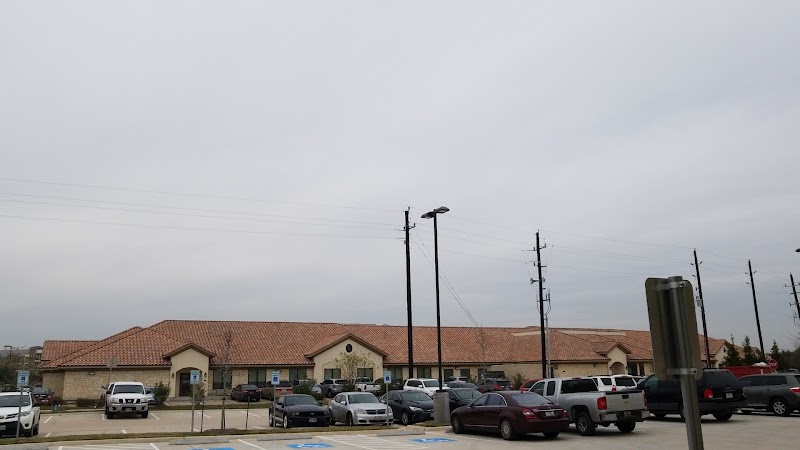
Who Owns and Operates The Medical Resort At Sugar Land?

THE MEDICAL RESORT AT SUGAR LAND is owned by a for-profit company. For-profit facilities operate as businesses with obligations to shareholders or private owners. The facility operates independently rather than as part of a larger chain. With 90 certified beds and approximately 24 residents (about 27% occupancy), it is a smaller facility located in SUGAR LAND, Texas.
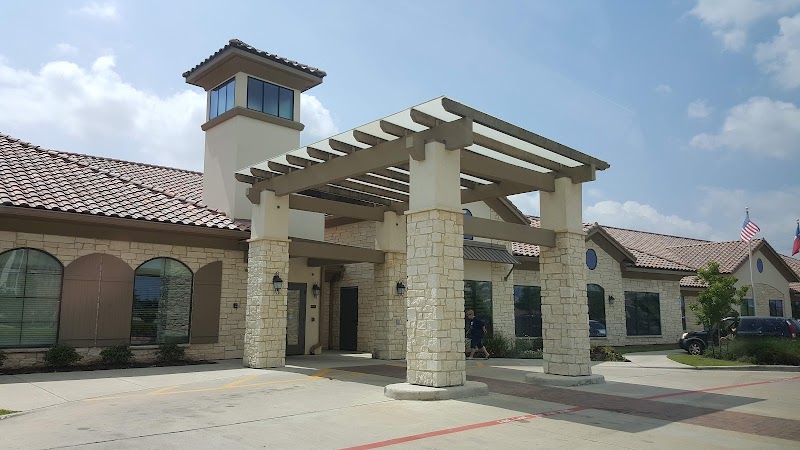
How Does The Medical Resort At Sugar Land Compare to Other Texas Nursing Homes?

Compared to the 100 nursing homes in Texas, THE MEDICAL RESORT AT SUGAR LAND's overall rating (2 stars) is below the state average of 2.8, staff turnover (81%) is significantly higher than the state average of 46%, and health inspection rating (2 stars) is below the national benchmark.

What Should Families Ask When Visiting The Medical Resort At Sugar Land?

Based on this facility's data, families visiting should ask: "What changes have been made since the serious inspection findings, and how are you preventing similar issues?" "How do you ensure continuity of care given staff turnover, and what is your staff retention strategy?" "Can I visit during a mealtime to observe dining assistance and food quality?" "How do you handle medical emergencies, and what is your hospital transfer rate?" These questions are particularly relevant given the facility's Immediate Jeopardy citations and the facility's high staff turnover rate.

Is The Medical Resort At Sugar Land Safe?

Based on CMS inspection data, THE MEDICAL RESORT AT SUGAR LAND has documented safety concerns. Inspectors have issued 4 Immediate Jeopardy citations (the most serious violation level indicating risk of serious injury or death). The facility has a 2-star overall rating and ranks #100 of 100 nursing homes in Texas. Families considering this facility should ask detailed questions about what corrective actions have been taken since these incidents.

Do Nurses at The Medical Resort At Sugar Land Stick Around?

Staff turnover at THE MEDICAL RESORT AT SUGAR LAND is high. At 81%, the facility is 34 percentage points above the Texas average of 46%. Registered Nurse turnover is particularly concerning at 90%. RNs handle complex medical decisions and coordinate care — frequent RN changes can directly impact care quality. High turnover means new staff may not know residents' individual needs, medications, or preferences. It can also be disorienting for residents, especially those with dementia who rely on familiar faces. Families should ask: What is causing the turnover? What retention programs are in place? How do you ensure care continuity during staff transitions?

Was The Medical Resort At Sugar Land Ever Fined?

THE MEDICAL RESORT AT SUGAR LAND has been fined $202,589 across 17 penalty actions. This is 5.8x the Texas average of $35,105. Fines at this level are uncommon and typically indicate a pattern of serious deficiencies, repeated violations, or failure to correct problems promptly. CMS reserves penalties of this magnitude for facilities that pose significant, documented risk to resident health or safety. Families should request specific documentation of what issues led to these fines and what systemic changes have been implemented.

Is The Medical Resort At Sugar Land on Any Federal Watch List?

THE MEDICAL RESORT AT SUGAR LAND is not on any federal watch list. The most significant is the Special Focus Facility (SFF) program, which identifies the bottom 1% of nursing homes nationally based on persistent, serious quality problems. Not being on this list means the facility has avoided the pattern of deficiencies that triggers enhanced federal oversight. This is a positive indicator, though families should still review the facility's inspection history directly.