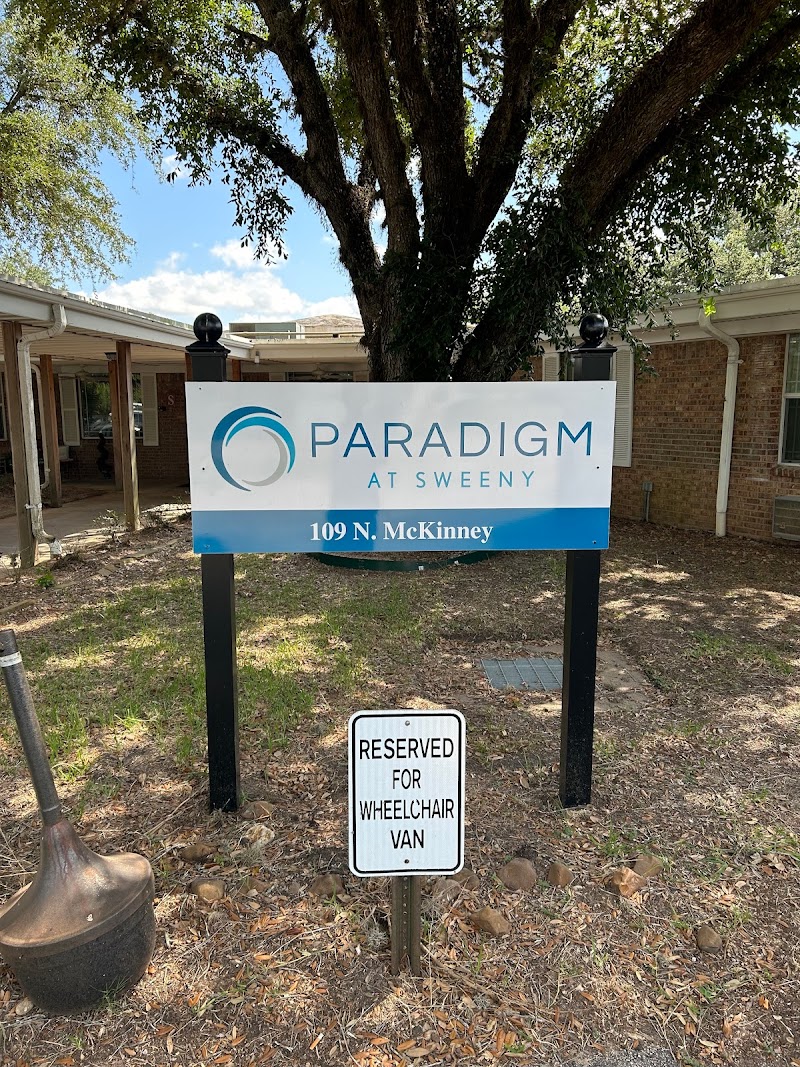
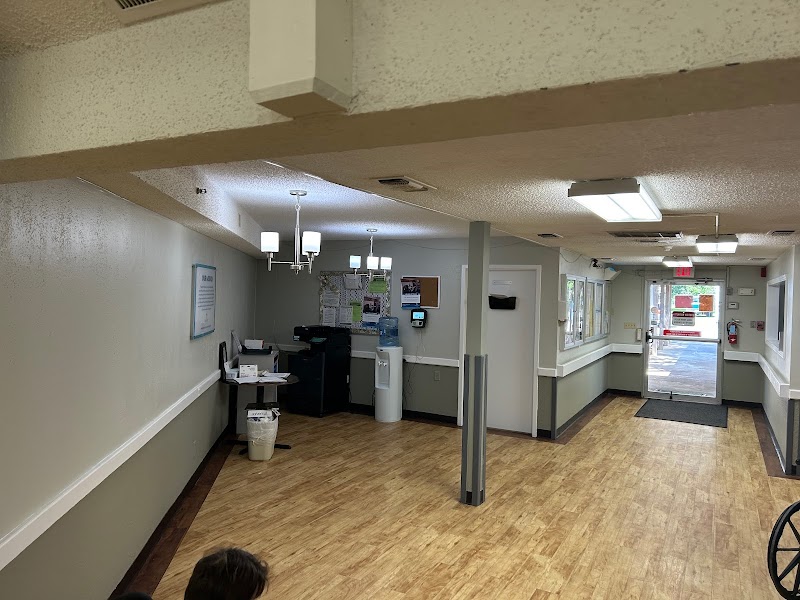
Paradigm at Sweeny

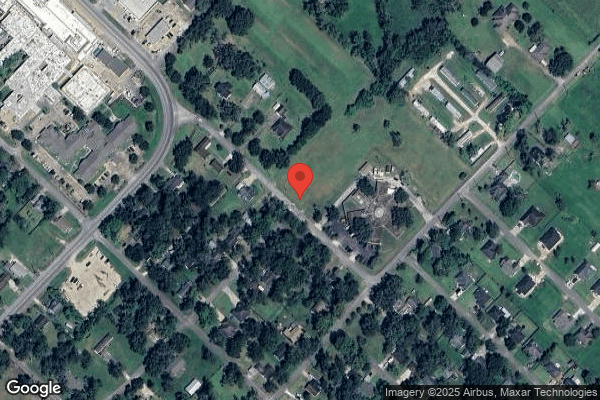
109 N McKinney, Sweeny, TX 77480 (979) 548-3383
For profit - Limited Liability company 90 Beds PARADIGM HEALTHCARE Data: November 2025 3 Immediate Jeopardy citations
Trust Grade
0/100
#812 of 1168 in TX
Last Inspection: July 2025

Inspected within the last 6 months. Data reflects current conditions.

Overview

Paradigm at Sweeny has received a Trust Grade of F, indicating significant concerns about its care quality, placing it in the bottom tier of facilities. It ranks #812 out of 1168 nursing homes in Texas, meaning it is among the lower half of options in the state, and #8 out of 13 in Brazoria County, suggesting only a few local facilities are rated higher. While the facility is showing signs of improvement, reducing issues from 9 in 2024 to 6 in 2025, there are still serious weaknesses present, including 22 identified issues, three of which are critical and related to resident safety. Staffing is a concern, with a 63% turnover rate, significantly higher than the Texas average, although there is good RN coverage, exceeding that of 81% of state facilities. Specific incidents include the failure to protect residents from inappropriate behavior, inadequate care plans for residents with behavioral issues, and a lack of supervision that resulted in a resident ingesting plastic wrap, all raising alarms about resident safety and care quality.

Trust Score
F
0/100
In Texas
#812/1168
Bottom 31%
Safety Record
High Risk
Review needed
Inspections
Getting Better
9 → 6 violations
Staff Stability
⚠ Watch
63% turnover. Above average. Higher turnover means staff may not know residents' routines.
Penalties
✓ Good
$22,436 in fines. Lower than most Texas facilities. Relatively clean record.
Skilled Nurses
⚠ Watch
Each resident gets only 29 minutes of Registered Nurse (RN) attention daily — below average for Texas. Fewer RN minutes means fewer trained eyes watching for problems.
Violations
⚠ Watch
22 deficiencies on record. Higher than average. Multiple issues found across inspections.
★★☆☆☆
2.0
Overall Rating
★★☆☆☆
2.0
Staff Levels
★★★★★
5.0
Care Quality
★☆☆☆☆
1.0
Inspection Score
Stable
2024: 9 issues
2025: 6 issues

The Good

  • 5-Star Quality Measures · Strong clinical quality outcomes
  • Full Sprinkler Coverage · Fire safety systems throughout facility
  • No fines on record

Facility shows strength in quality measures, fire safety.

The Bad

2-Star Overall Rating

Below Texas average (2.8)

Below average - review inspection findings carefully

Staff Turnover: 63%

17pts above Texas avg (46%)

Frequent staff changes - ask about care continuity

Federal Fines: $22,436

Below median ($33,413)

Minor penalties assessed

Chain: PARADIGM HEALTHCARE

Part of a multi-facility chain

Ask about local staffing decisions and management

Staff turnover is elevated (63%)

15 points above Texas average of 48%

The Ugly 22 deficiencies on record

3 life-threatening 3 actual harm
Jul 2025 6 deficiencies 3 IJ (2 affecting multiple)
CRITICAL (J)

Immediate Jeopardy (IJ) - the most serious Medicare violation

Accident Prevention (Tag F0689)

Someone could have died · This affected 1 resident

**NOTE- TERMS IN BRACKETS HAVE BEEN EDITED TO PROTECT CONFIDENTIALITY** Based on observation, interview, and record review the facility failed to ensure each resident's environment remained free of ac...

Read full inspector narrative →
**NOTE- TERMS IN BRACKETS HAVE BEEN EDITED TO PROTECT CONFIDENTIALITY** Based on observation, interview, and record review the facility failed to ensure each resident's environment remained free of accident hazards for 1 of 6 residents (Resident #31) reviewed for accident hazards.The facility failed to adequately supervise Resident #31 when she ingested plastic wrap from a container while being monitored by CMA H during dining.An IJ was identified on 07/03/35 at 1:22 PM. The IJ template was provided to the facility on [DATE] at 1:22 PM. While the IJ was removed on 07/04/25, the facility remained out of compliance at a scope of isolated and a severity of no actual harm with potential for more than minimal harm because all staff had not been trained on accidents and supervision.This failure could place residents at risk for injury, harm, and impairment. Findings included: Record review of Resident #1's face sheet revealed, the resident was a [AGE] year-old female admitted to the facility on [DATE] with a history of Dementia (group of symptoms affecting memory, thinking or language) anxiety (intense, excessive, and persistent worry and fear about everyday situations), altered mental status, and intellectual disabilities (condition that involves limitation on intelligence). Record review of Resident #31's Quarterly MDS Assessment, dated 05/07/25, indicated the resident's cognitive skills for daily decision making was severely impaired and required supervision when eating. Record review of Resident #31's care plan, updated 05/01/25, indicated the resident had a history of putting inedible things in her mouth, and was noted to have eaten paint off walls, Styrofoam cups, etc. The resident's goal was not to have adverse effects related to putting inedible things in her mouth. Interventions included observing the resident closely for presence of foreign matter in mouth. Providing limited assistance of one staff member with dining. Remove any foreign matter from mouth. Observe for presence during crafts or activities where she could pick up items and put them in her mouth. On 05/28/25 the care plan indicated Resident #31 was placed on 1:1 observation pending inpatient psych eval. The resident's goal was to not consume any plastic wrap through next review. Interventions included monitoring resident at meal times, staff to setup tray with each meal, and removing plastic wrap before meals were served. Record review of progress note entered by RN C and dated 05/25/25 at 5:57 PM, indicated the Resident ingested plastic wrap from desert cup. Resident @ baseline; no signs of distress, breathing even and unlabored. Behavior @ baseline; BP:132/88 HR 55 RR 18 O2: 97 T: 97.3. NP B notified; no n/o. Will continue to monitor.Record review of progress notes entered by the DON indicated the following: 05/28/25 at 5:43 PM, indicated the resident had an IDT review due to swallowing plastic wrap. Recommendations were to continue to monitor for adverse effects, KUB (Kidney, Ureter and Bladder imaging), dietary evaluation, and in-service on meal setup. IDT members were Administrator, DON, ADON, Unit Manager, MDS nurse and Social Worker.Further review of progress notes on 5/28/25 at 6:14 PM, indicated the resident's NP ordered follow up chest x-rays to rule out aspiration. Further review revealed the resident was sent for imaging.Further review of progress notes on 5/29/25 at 1:47 PM, indicated the resident's MD was notified of negative x-ray results. MD did not give new orders.During a telephone interview on 05/29/25 at 11:52 AM, CMA H said on 05/25/25 during lunch, Resident #31 took the plastic wrapping off the applesauce and swallowed it. She denied knowledge of the resident putting other inedible items in her mouth. She said she assisted the resident with eating lunch but could not get to her quickly enough before she swallowed the plastic. She said the resident never appeared to be in distress, did not have difficulty breathing, and did not choke after swallowing the wrap. She said the resident continued to eat her meal after swallowing the wrap. She said the resident was supposed to be closely monitored during meals. She said the resident was not on 1:1 supervision. She said she notified the nurse immediately after the incident, and the nurse performed a head-to-toe assessment on the resident. During an interview on 05/28/25 at 12:28 PM, RN C said on 05/25/25 a CNA informed her that Resident #31 ingested the plastic wrap from her dinner cup after the incident had occurred. RN C said she notified the NP and performed a head-to-toe assessment on the resident, who had normal vital signs and no changes in baseline. She said the NP did not give any new orders at that time. She said the facility continued to monitor the resident for adverse effects. She said the risk associated with the resident swallowing wrap was aspiration, choking, and/or bowel obstruction. During a telephone interview on 05/28/25 at 12:49 PM, NP B said the nurse had contacted him regarding the resident swallowing plastic wrap. He informed the staff to monitor the resident because her vital signs were stable and displayed no signs or symptoms of distress. He said Resident #31 was not having any issues, so no new orders were given. He said there was only risk to the resident if the resident could not pass the plastic wrap through a bowel movement. He said the risk associated with not passing the plastic wrap through a bowel movement was a small bowel obstruction. He said plastic wrap should not have been left out on the secure unit for a resident to ingest because it could have also been a choking hazard. He said the staff should monitor the resident's bowels to make sure she was passing stool, and document s/s of abdominal pain and distention. During an interview on 05/29/25, at 9:01 AM, the DON said during the lunch meal on 05/25/25, the resident took the plastic wrap off applesauce, and swallowed the plastic wrap before the staff could retrieve the plastic wrap. She said on 05/28/25, facility staff were in-serviced on the proper procedure for meal setup for safety before residents consume meals. She said staff were to take all items off the tray, set up the meal completely, open all containers and remove plastic from dishes. And place all plastics in the trash. The DON said she also spoke to the dietary manager, and to ensure different coverings were used for serving meals in the memory care unit. Interview on 05/29/25 at 10:15 AM, NP R said Resident #31 was non-verbal. He also said it was not unusual for the resident to have behaviors such as putting things in her mouth. He said the resident may have had [NAME] (compulsive eating of material that may or may not be food stuff). He said he would order labs for the resident. He said the resident needed increased supervision. He said he evaluated the resident since she ingested plastic wrap and would start with a non-pharmacological approach. He said the risk of a resident putting inedible items in their mouth could lead to choking or poisoning. Interview on 05/29/25 at 12:39 PM, Dr. N said he was aware of the incident involving Resident #31 and that it was not uncommon for a resident with dementia to ingest inedible items. He said all inedible items should be removed from the area of the resident to decrease the risk of placing the items in her mouth. He said the plastic was small and digestible. He said the resident had not shown any signs or symptoms of bowel obstruction. He said the resident also had not experienced signs and symptoms of stomach pain, nausea or vomiting. He said the small piece of plastic wrap had probably passed through her stool. He said a chest x-ray and KUB imaging were performed with negative results. He said he did not give any new orders. During an Interview on 05/29/25 at 2:21 PM, the Administrator said he learned of Resident #31 ingesting plastic but had no adverse reaction on 05/27/25. He said the facility followed physician's orders to monitor the resident closely and tailored the resident's care plan to meet her needs. During an interview on 06/15/25 at 11:43 AM, the Dietary Manager said Lids were only for desserts. He said cups were sent empty and filled from pitchers while on the unit. He said the residents did not have access to the plastic wrap. The staff were using plastic wrap on the hall trays (not secured unit), but the plastic wrap was removed by the staff before entering the room and was not left with the residents. Lunch observation on the secured unit on 06/15/25 at 11:45AM, all drinks had solid plastic covers. No plastic wraps were observed. Resident #31 was eating in her room with 1:1 assistance with CNA E.During an interview on 06/16/25 at 9:15 AM, the Dietary Manager said the secured unit staff were no longer using Styrofoam cups; instead, they were using hard plastic coffee cups and hard plastic lids. The surveyor observed breakfast trays from the secured unit with hard plastic coffee cups with hard lids visible. No plastic wrap noted.Main dining hall and secured unit dining area observation on 06/17/25 at 11:55 AM, revealed no plastic wraps and only hard cover plastic lids used by the facility. -Record review on 06/16/25 at approximately 9:18AM of Dietary Manager invoice for hard plastic cover lids on 05/21/25 and 06/04/25. Record review of the Risk Management- Incidents & Accidents policy, revised 01/2024, read in part . Policy: The facility will assess residents for risk factors of potential accidents/hazards. The facility will recognize signs of incidents/accidents and assist residents, staff members, and visitors as indicated. The facility will conduct thorough investigations as indicated to determine underlying causes and contributing factors to incidents and accidents; and will put interventions in place from the investigation .An immediate jeopardy was identified, and the Administrator was notified and provided the immediate jeopardy template on 07/03/25 at 1:22 PM and a plan of removal was requested. Th facility's Plan of Removal was accepted on 07/04/25 at 5:38 PM and included: Action: -Record review of Ad hoc QAPI meeting on 07/03/25 to evaluate the incident and monitor progress on corrective actions.-Record review of in-service on following meal and drink preparation and no plastic wrap for meal service and snack delivery and proper meal setup procedures conducted on 07/03/25:Dietary staff received an in-service on the immediate removal of plastic wrap in all resident-accessible areas.-Record review of in-service on understanding dementia and its impact on safety on 07/03/25: All staff received an in-service on understanding dementia and its impact on resident safety for residents on the secured unit. The training included emphasis on environmental risk factors, such as the removal of plastic wrap from all resident-accessible areas, and reinforced appropriate supervision and communication techniques. Any incidents and accidents will be reported to DON, Administrator, or designee immediately.-Record review of physician order to refer Resident #31 to inpatient psych on 05/29/25 and 06/15/25.-Record review of Resident #31 updated care plan on 07/04/25: Nurses, MDS Nurse, DON and Administrator ensured care plans were reviewed to prevent future accidents and hazards, based on the specific needs of resident. There were no negative findings.-Record review of completed behavior audits on 07/03/25 by the DON: The DON/designee will conduct a comprehensive review of other residents on the secured unit for similar behavioral risks, within the past 30 days. No other residents were identified with similar behaviors. For residents identified through this review, the following interventions will be implemented:Notification of physicianCare plan update/revisionReview the appropriateness of the resident's placement on the unit via the assessment -Record review of last 30-day chart audit/lookback with residents who had no behaviors of ingesting inedible items (meal audits): The DON/designee in-serviced licensed nursing staff on the supervision of meal services to include removal of clutter, snack wrappings, and non-food items that could be potentially ingested.-Record review of resident Transfer/ discharge summary: On Wednesday, July 2, 2025, Resident #31 was transferred to another nursing home -Record review of in-service on abuse and neglect completed on 07/03/25: The DON/designee initiated in-service training for all staff focused on resident abuse, neglect, exploitation. Staff will not be allowed to provide direct care until training has been completed.Monitoring: During an interview on 07/04/25 at 12:45pm, the DON and she stated that all facility staff had been in-serviced on not using any more plastic wrap. She stated that staff in the kitchen were told to use hard plastic tops to cover resident's meals, drinks, snacks, etc.Record review on 07/04/25 at 12:58pm of the facility in-service dated 7/3/25 reflected that the food service manager educated the food service department on not using plastic wrap for covering residents' food that goes out to the dining hall.During an interview on 07/04/25 at 1:09pm, the Food Service Manager stated that he educated staff that under no circumstances should plastic wrap be used when serving drinks, meals, snacks etc. when serving residents.During an interview on 07/04/25 at 1:12pm- with Tray Aide-A, Dietary Aide-B, Cook-A, and Dietary aide-C, they said they had been in-serviced on not using plastic on residents' food, and that hard plastic lids and coverings had to be used. During an interview on 07/04/25 at 1:35pm, the Social Worker and she stated that she had been in-service that no plastic wrap should be used in anyway when dealing with residents' food, drinks, snacks etc. And she stated that she was in-serviced on monitor resident trays when walking thru the facility. She was also able to give examples of abuse and neglect, and she was able to tell me who the abuse coordinator was.During an interview on 07/04/25 at 1:45pm, Housekeeping Staff-A stated that she had been in-service that no plastic wrap should be used in anyway when dealing with residents' food, drinks, snacks etc. And she stated that she was in-serviced on monitor resident trays when walking thru the facility. She was also able to give examples of abuse and neglect, and she was able to tell me who the abuse coordinator was. During an interview on 07/04/25 at 2:00pm with Nursing staff LVN-A, LVN-B, RN-C, and RN-B, they stated that they had been in-serviced that no plastic wrap should be used when dealing with residents' food, drinks, snacks etc. and they stated that they were in-serviced to monitor resident trays when walking through the facility. They were also able to give examples of abuse and neglect, and they were able to tell me who the abuse coordinator was. During an interview on 07/04/25 at 2:15pm with CNA-E, CNA-I, and CNA-C, they stated that they had been in-serviced that no plastic wrap should be used when dealing with residents' food, drinks, snacks, etc. and they stated that they were in-service to monitor resident trays when walking through the facility. They were also able to give examples of abuse and neglect, and she was able to tell me who the abuse coordinator was. During an interview on 07/04/25 at 2:30pm, the Assistant Activities Director stated she had been in-service that no plastic wrap should be used in anyway when dealing with residents' food, drinks, snacks etc. and she stated that she was in-serviced on monitoring resident trays when walking through the facility. She was also able to give examples of abuse and neglect, and she was able to tell me who the abuse coordinator was.Observation on 07/04/25 at 3:00pm of kitchen staff preparing a meal and there was no plastic wrap being used. The Food Service Manager demonstrated how hard plastic lids would be used to cover residents' drinks etc.During a telephone interview on 07/04/25 at 3:25pm, Dr. N. stated he participated in the QAPI meeting regarding the use of plastic wrap and other choking hazards.During an interview on 07/04/25 at 3:45pm, MDS Coordinator A stated that she along with the DON had reviewed residents for choking hazards.During an interview on 07/04/25 at 3:50pm, the Physical Therapist Assistant stated that he had been in-serviced that no plastic wrap should be used in anyway when dealing with residents' food, drinks, snacks etc. He stated that he was in-serviced on monitoring the residents' trays when walking through the facility. He was also able to give examples of abuse and neglect, and he was able to tell me who the abuse coordinator was.Observation on 07/04/25 at 4:15pm of meal service on the Dementia unit. All the residents' meals were covered in hard plastic tops, and food serving containers. There was no plastic used during this observation. Nursing staff checked to make sure that residents were getting the correct meal, and staff were communicating with residents.Observation on 07/04/25 at 4:30pm of CNA passing out trays in the hallways and there was not any plastic being used. Observation of meal service in the dining hall revealed that no plastic wrap was being used and nursing staff was making sure that residents were getting the correct trays.Record review at 5:00pm of care plans conducted by Nurses, MDS Nurse, DON and Administrator to prevent future accidents and hazards, based on the specific needs of resident was conducted and there were no concerns. The Administrator was informed the IJ was removed on 7/04/2025 at 5:38 PM; however, the facility remained out of compliance with a scope of isolated and a severity level of potential for more than minimal harm that is not immediate jeopardy due to the facility's need to evaluate the effectiveness of the corrective systems that were put into place.
CRITICAL (K)

Immediate Jeopardy (IJ) - the most serious Medicare violation

Free from Abuse/Neglect (Tag F0600)

Someone could have died · This affected multiple residents

**NOTE- TERMS IN BRACKETS HAVE BEEN EDITED TO PROTECT CONFIDENTIALITY** Based on observation, interview, and record review the facility failed to ensure two residents (Resident #59 and Resident #60) o...

Read full inspector narrative →
**NOTE- TERMS IN BRACKETS HAVE BEEN EDITED TO PROTECT CONFIDENTIALITY** Based on observation, interview, and record review the facility failed to ensure two residents (Resident #59 and Resident #60) of five residents reviewed for abuse and neglect were free from abuse.The facility failed to address inappropriate sexual behavior between Resident #59 and Resident #60. Resident #59 had a diagnosis which included Dementia and Resident #60 had a diagnosis which included Alzheimers.The facility failed to immediately implement the Psychology NP's recommendation to move Resident #60 off of the unit. An Immediate Jeopardy (IJ) was identified on 6/14/2025. The IJ template was provided to the facility on 6/14/2025 at 3:35 p.m. While the IJ was removed on 6/17/2025, the facility remained out of compliance at a scope of pattern with the severity level at a potential for more than minimal harm that is not immediate jeopardy, because all staff had not been trained. This failure placed residents at risk of abuse/neglect. Findings included:Record review of the admission Record for Resident #59 revealed she did not have a person other than herself listed as Responsible Party (RP). Diagnoses included dementia (a group of symptoms that affect thinking, memory, and social abilities), schizoaffective disorder (a mix of hallucinations, delusions, and mood disorder), and generalized anxiety disorder. Her admission rate was 11/17/2023. She was [AGE] years old.Record review of the Minimum Data Set (MDS) assessment dated [DATE] for Resident #59 reflected she scored 10 of 15 on the Brief Interview for Mental Status (BIMS), indicative of moderately impaired cognition. The MDS reflected Resident #59 exhibited delusions and wandering. Record review of the admission Record for Resident #60 revealed he was [AGE] years old and was admitted to the facility on [DATE]. Diagnoses included Alzheimer's disease (progressive disease characterized by memory loss), dementia (a group of symptoms that affect thinking, memory, and social abilities), and unspecified psychosis (a mental state marked by loss of contact with reality). The admission Record reflected he was his own RP.Record review of the Quarterly MDS assessment for Resident #60 dated 05/07/25 revealed he scored 10 of 15 on the BIMS, indicative of moderate cognitive impairment. Record review of a Nurse's Note (NN) in Resident #59's electronic record, dated 03/25/25 at 12:15 p.m., reflected Resident #59 and Resident #60 were in Resident #59's room. They were both unclothed and in her bed. The NN reflected Resident #59 believed Resident #60 was her husband. Record review of a Social Services Note for Resident #60, dated 03/25/25 at 1:00 p.m., reflected the Social Worker and a clinical specialist from another service observed Resident #60 in Resident #59's room. The residents were engaged in sexual activity. Resident #60 was redirected. Record review of a Behavior Note for Resident #59, dated 03/29/25 at 9:40 p.m., reflected Resident #59 attempted to go to the men's side of the secured unit. She became combative with staff. She was redirected but attempted to return after ten minutes. She again said Resident #60 was her husband. Record review of an Orders-Administration Note for Resident #59, dated 04/05/25 at 6:34 p.m., reflected Resident #59 had her hand down a male resident's shirt. The nurse asked Resident #59 several times to stop. The male resident told the nurse 'You can't tell us what to do' and stuck his middle finger at the nurse. Resident #59 then stuck her middle finger up at the nurse. Both residents became aggressive with staff.In an interview on 05/28/25 at 3:15 p.m., the DON said Resident #59 and Resident #60 sat together in activities but were not allowed to go to each other's rooms. She said Resident #59 had delusions that she and Resident #60 were married. The DON said Resident #59 was not able to make consensual decisions. In an interview on 05/28/25 at 4:09 p.m., the MDS Coordinator said on 03/25/25 Resident #59 was found in bed with Resident #60. She confirmed there was no Care Plan to address sexual activity. She said the Care Plans should have been updated. She said the interventions needed to be changed.Record review of a Behavior Note for Resident #59, dated 06/03/25 at 5:43 p.m., reflected Resident #59 was in Resident #60's room, sitting next to Resident #60 on his bed. Resident #60 was lying on his back with his shirt raised. No sexual activity was noted. Resident #59 was redirected to her room.In an interview on 06/13/25 at 2:32 p.m., the Psychology Services NP said he was made aware of the incident soon after it occurred. He said he recommended separating the residents by moving Resident #60 out of the secure unit. He said both had dementia.In an interview on 06/13/25 at 1:05 p.m. with the DON, when asked what could the facility have done differently, the DON said the facility could have moved Resident #60 from the secured unit sooner.In an interview on 06/13/25 at 1:20 p.m. the Administrator said he wished both residents were not their own RP. He said that in hindsight, they should have moved Resident #60 out of the secured unit in March of 2025.An IJ was identified on 06/14/2025 at 3:35 p.m. The IJ Template and Plan of Removal guidance were provided to the facility on [DATE] at 3:35 p.m. The following Plan of Removal was submitted by the facility and was accepted on 06/15/2025 at 09:23 a.m. and indicated the following:Plan of Removal Name of facility: __________[facility]Date: 06/14/2025 According to the IJ template, the facility failed to address inappropriate sexual behavior between Resident #59 and Resident #60. Immediate ActionJune 14, 2025 - Resident TransferAction: Resident #59 was transferred to a female-only secured unit within a skilled nursing facility (SNF) in ______ County for long-term care.Responsible: AdministratorCompletion Date: 06/14/2025June 14, 2025 - In-service on Resident Abuse, Neglect, Exploitation, and Sexual MisconductAction: The DON/designee initiated in-service training to all staff focused on resident abuse, neglect, exploitation, and sexual misconduct to reinforce staff knowledge and compliance. Staff will not provide direct resident care until has been completed. Responsible: DON/designeeCompletion Date: 06/16/2025June 14, 2025 - Behavioral ReviewAction: The DON/ADON will conduct a comprehensive review of other residents on the secured unit for similar behavioral risks, within the past 30 to 60 days.For residents identified through this review, the following interventions will be implemented:Separation of residents from the unitOne-on-one staff monitoringNotification of responsible party (if applicable)Notification of physicianCare plan update or revisionTransfer to an appropriate setting (if applicable)The DON or designee will conduct a daily review of progress notes during the morning clinical meeting to promptly identify and address any documentation of inappropriate sexual behaviors or related concerns.Responsible: DON/designeeCompletion Date: 06/14/2025 Facilities Plan to Ensure ComplianceJune 14, 2025 - Ad hoc QAPI MeetingAction: An ad hoc QAPI meeting was held to evaluate the incident and monitor progress on corrective actions.Responsible: AdministratorCompletion Date: 06/14/2025June 14, 2025 - Notification of Medical DirectorAction: Medical Director was informed of immediate jeopardy.Responsible: AdministratorCompletion Date: 06/14/2025Yes, the Administrator and Director of Nursing reviewed the facility's policies on 06/14/2025 abuse, neglect, exploitation, and inappropriate sexual behavior and determined that no revisions were necessary. Completion Date: 06/14/2025In an interview on 06/15/2025 at 11:15 a.m. the Administrator said Resident #59 had been transferred from the facility. Observation on 06/15/2025 at 11:55 a.m. revealed Resident #60 had been relocated off of the secured unit. He was asleep when observed at that time.In an interview on 06/15/2025 at 12:06 p.m. the DON said she was reviewing the behaviors of the 24 residents on the secure unit. She said she would complete the audit that day.Record review on 06/16/2025 at 09:30 a.m. revealed all of the secured unit resident audits have been completed.The following interviews occurred on the Secured Unit:In an interview on 06/15/2025 at 12:00 p.m. RN D said she had a in-service that day. The focus was on sexual abuse and inappropriate behaviors. She would separate the residents, protect both, and inform the Administrator.In an interview on 06/15/2025 at 12:05 p.m. CNA N said he had in-service today on sexual abuse. He would separate, make sure they're safe, then tell the DON, Administrator.Secured UnitIn an interveiw on 06/15/2025 at 12:10 p.m. CNA E ( 6-2 ) said she had an in-service this morning. It was about sexual conduct and inappropriate behaviors. She would report to the Nurse, DON, and administrator immediately.In an interview on 06/15/2025 at 12:12 p.m. CNA G (6-2) said she had an in-service this morning about sexual abuse. If I see anything physically inappropriate report to the nurse. Then _____ [Administrator]. Write a statement.In an interveiw on 06/15/2025 at 12:15 p.m. CMA H said she had an in-service. The topic was sexual behaviors. If I see something stop them and report it to the nurse. DON. Administrator.In an interview on 06/15/2025 at 12:18 p.m. RN O said he had in-service yesterday (was interviewed yesterday).In an interview on 06/15/2025 at 12:27 p.m. CNA I said she had in-service yesterday. The topic was sexual abuse. She would tell the Administrator and the DON.In an interview on 06/15/2025 at 12:39 p.m, CNA J said she had an in-service today. The topic was physical and sexual abuse. If I see anything inappropriate notify the Adm and DON. In an interview on 06/16/2025 at 9:35 a.m. CMA K said she had a recent in-service on abuse/neglect. She was told to observe for residents crossing over to the other residents' side. She would redirect and inform the charge nurse and Administrator immediately.In an interview on 06/16/2025 at 9:37 a.m. on the Secured Unit RN C said she had an in-service via telephone with the DON yesterday. She said they discussed what to do if witness abuse/neglect, with focus on sexual abuse. She was told to be aware, observe for residents going to other side of unit. She would separate them, inform DON, Administrator, RP, Physician, and update the care plan.In an interview on 06/16/2025 at 9:50 a.m. HSKP L said she had an in-service yesterday on abuse/neglect. She was told to watch for inappropriate contact. She would notify the Administrator, DON, and the nurse.Observation on 06/17/2025 at 11:50 a.m. revealed Resident #70 relocated back to the Secured Unit.In an interview on 06/17/2025 at 1:55 p.m., The MDS Coordinator said the facility implemented the following changes:All incident/accident reports were reviewed in the morning meeting. Internal messaging for daily events were done via telephone or e-mail. There was a Standards of Care meeting conducted every Tuesday. She was reading Progress Notes every morning.She said she had received counselling from the Regional MDS Coordinator on 06/16/2025. In an interview on 06/17/2025 at 2:10 p.m. RN M (ADON) said information regarding care plans was discussed in the stand-up meeting in the mornings. She said the nurses could communicate concerns via email or telephone to the MDS Coordinator. In an interview on 06/17/2025 at 2:25 p.m. RN C said if there were incidents, accidents or changes in condition requiring Care Plan updates, she would notify the MDS Coordinator and DON via email or phone. The Administrator was informed the Immediate Jeopardy was removed on 06/17/2025 at 2:30 p.m. The facility remained out of compliance at a scope of pattern due to the facility's need to evaluate the effectiveness of the corrective systems that were put in place.
CRITICAL (K)

Immediate Jeopardy (IJ) - the most serious Medicare violation

Comprehensive Care Plan (Tag F0656)

Someone could have died · This affected multiple residents

**NOTE- TERMS IN BRACKETS HAVE BEEN EDITED TO PROTECT CONFIDENTIALITY** Based on observation, interview and record review, the facility failed to develop and implement a comprehensive person-centered ...

Read full inspector narrative →
**NOTE- TERMS IN BRACKETS HAVE BEEN EDITED TO PROTECT CONFIDENTIALITY** Based on observation, interview and record review, the facility failed to develop and implement a comprehensive person-centered care that included measurable objectives and timeframes to meet the residents' medical, nursing, and mental and psychological needs that are identified in the comprehensive assessment for 3 residents (Resident #31, Resident #59, and Resident #60) of 8 residents reviewed for care plans. -Resident #31's Care Plan did not include interventions and services to appropriately address the resident's behavior of placing inedible objects in her mouth.-Resident #59's Care Plan was not updated to include interventions and services to appropriately address inappropriate sexual behavior.-Resident #59 had delusional thoughts that Resident #60 was her husband.-Resident #60's Care Plan was not updated to include interventions and services to appropriately address inappropriate sexual behavior. An Immediate Jeopardy (IJ) was identified on 6/16/2025 The IJ template was provided to the facility on 8/16/2025 at 3:45 p.m. While the IJ was removed on 6/17/2025, the facility remained out of compliance at a scope of pattern with the severity level at a potential for more than minimal harm that is not immediate jeopardy, because all staff had not been trained. This failure placed residents at risk of not receiving the necessary care and services to meet their needs resulting in a decline in health or harm.Based on observation, interview and record review, the facility failed to develop and implement a comprehensive person-centered care that included measurable objectives and timeframes to meet the residents' medical, nursing, and mental and psychological needs that are identified in the comprehensive assessment for 3 residents (Resident #31, Resident #59, and Resident #60) of 8 residents reviewed for care plans.-Resident #31's Care Plan did not include interventions and services to appropriately address the resident's behavior of placing inedible objects in her mouth.-Resident #59's Care Plan was not updated to include interventions and services to appropriately address inappropriate sexual behavior.-Resident #59 had delusional thoughts that Resident #60 was her husband.-Resident #60's Care Plan was not updated to include interventions and services to appropriately address inappropriate sexual behavior.An Immediate Jeopardy (IJ) was identified on 6/16/2025 The IJ template was provided to the facility on 8/16/2025 at 3:45 p.m. While the IJ was removed on 6/17/2025, the facility remained out of compliance at a scope of isolated with the severity level at a potential for more than minimal harm that is not immediate jeopardy, because all staff had not been trained. This failure placed residents at risk of not receiving the necessary care and services to meet their needs resulting in a decline in health or harm.Resident #31Review of Resident #31's face sheet revealed, the resident was a [AGE] year-old female admitted to the facility on [DATE] with a history of Dementia (group of symptoms affecting memory, thinking or language) anxiety (intense, excessive, and persistent worry and fear about everyday situations), altered mental status, and intellectual disabilities (condition that involves limitation on intelligence). Review of Resident #31's Quarterly MDS Assessment, dated 05/07/25, indicated the resident's cognitive skills for daily decision making was severely impaired. Review of progress notes, entered by RN C and dated 05/25/25 at 5:57 PM, indicated the following: Resident ingested plastic saran wrap from desert cup. Resident @ baseline; no signs of distress, breathing even and unlabored. Behavior @ baseline; BP:132/88 HR 55 RR 18 O2: 97 T: 97.3. NP B notified; no n/o. Will continue to monitor.Review of progress notes, entered by the DON and dated 05/28/25, indicated the resident had an IDT review due to swallowing plastic wrap. Recommendations were to continue to monitor for adverse effects, KUB (Kidney, Ureter and Bladder imaging), dietary evaluation, and in-service on meal setup. IDT members were Administrator, DON, ADON, Unit Manager, MDS nurse and Social Worker.Telephone interview with CMA H on 05/29/25 at 11:52 AM, who said on 05/25/25 during lunch, Resident #31 took the plastic wrapping off the applesauce and swallowed it. She denied knowledge of the resident putting other inedible items in her mouth. She said she assisted the resident with eating lunch but could not get to her quickly enough before she swallowed the plastic. She said the resident never appeared to be in distress, did not have difficulty breathing, and did not choke after swallowing the plastic wrap. She said the resident continued to eat her meal after swallowing the plastic wrap. She said the resident was supposed to be closely monitored during meals. She said the resident was not on 1:1 supervision. She said she notified the nurse immediately after the incident, and the nurse performed a head-to-toe assessment on the resident. Review of Resident #31's care plan, updated 05/01/25, indicated the resident had a history of putting inedible things in her mouth, and was noted to have eaten paint off walls, Styrofoam cups, etc. The resident's goal was not to have adverse effects related to putting inedible things in her mouth. Interventions included observing the resident closely for presence of foreign matter in mouth. Providing limited assistance of one staff member with dining. Remove any foreign matter from mouth. Observe for presence during crafts or activities where she could pick up items and put them in her mouth. Further review of Resident #31's care plan revealed documentation of past incidents of the putting inedible things in her mouth or ingesting inedible items and the incident on 05/25/25 was not addressed in the care plan.Interview with DON on 05/29/25 at 12:28 PM, who said the facility updated Resident #31's care plan on 05/28/25 to include 1:1 supervision/care at all times. She said she also emailed the dietitian to discuss interventions. She said the facility obtained a referral for an inpatient psychiatric evaluation for the resident. She said the facility also held an ad hoc QAPI meeting with the NP to provide additional interventions for the resident. She said the resident was at risk of an incident similar to ingesting plastic wrap reoccur.In an interview on 05/29/25 at 2:21 p.m. the Administrator said the facility tailored the resident's care plan to meet her needs.In an interview on 05/29/25 at 4:21 p.m. the MDS Coordinator said care plans were updated daily, or sometimes multiple times a day, to provide an accurate reflection of the care or services a resident required. She said the risk of not updating a care plan was resident's care needs not being met by facility staff. In an interview on 05/29/25 at 4:26 p.m. the DON said the MDS was supposed to update resident care plans as needed. She said a care plan should reflect goals and interventions based on a resident's specific needs to outline care to be provided to residents by facility staff. She said the risk of not updating the care plan to meet a resident's specific needs was failure to provide appropriate care to the resident. In an interview on 05/29/25 at 4:33 p.m., the Administrator said the MDS nurse was responsible developing care plans. He said the IDT team was also involved in developing comprehensive care plans. He said the risk associated with a resident not having an individualized care plan was facility staff may not have been meeting the resident's needs or may not have been aware of the resident's needs.Resident #59Record review of the admission Record (dated 05/28/25) for Resident #59 revealed she was [AGE] years old and was admitted to the facility on [DATE]. Diagnoses included dementia (a group of symptoms that affect thinking, memory, and social abilities), schizoaffective disorder (a mix of hallucinations, delusions, and mood disorder), and generalized anxiety disorder. The document did not have a RP listed.Record review of the Quarterly MDS assessment for Resident #59, dated 05/06/25, revealed she scored 11/15 on the BIMS, indicative of moderate cognitive impairment.Record review of a Psychosocial Evaluation dated 02/25/25 revealed Resident #59 scored 14/15 on the BIMS, indicative of intact cognition. The Minimum Data Set (MDS) assessment dated [DATE] for Resident #59 reflected she scored 10 of 15 on the Brief Interview for Mental Status (BIMS), indicative of moderately impaired cognition. The MDS also reflected Resident #59 exhibited delusions and wandering.Record review of Resident #59's Care Plan, updated on 03/07/25, revealed she was found in her bed, naked with a male peer on 03/25/25. Resident #59 believed the male resident was her husband. Interventions included monitoring and charting behaviors as they occurred and reporting progress/declines to MD. Review of the care plan did not reveal goals or interventions to address the behavior of physical contact with peers.Record review of a Behavior Note for Resident #59, dated 03/29/25 at 9:40 p.m., reflected Resident #59 attempted to go to the men's side of the secured unit. She became combative with staff. She was redirected but attempted to return after ten minutes. She again said Resident #60 was her husband. Record review of an Orders-Administration Note for Resident #59, dated 04/05/25 at 6:34 p.m., reflected Resident #59 had her hand down a male resident's shirt. The nurse asked Resident #59 several times to stop. The male resident told the nurse 'You can't tell us what to do' and stuck his middle finger at the nurse. Resident #59 then stuck his middle finger up at the nurse. Both residents became aggressive with staff.Resident #60Record review of the admission Record for Resident #60 revealed he was [AGE] years old and was admitted to the facility on [DATE]. Diagnoses included Alzheimer's disease (progressive disease characterized by memory loss), dementia (a group of symptoms that affect thinking, memory, and social abilities), and unspecified psychosis (a mental state marked by loss of contact with reality). The admission Record reflected he was his own RP.Record review of Resident #60's Quarterly MDS assessment dated [DATE] revealed he scored 10/15 on the BIMS, indicative of moderate cognitive impairment. He was able to walk independently. The resident did not exhibit physical or verbal adverse behaviors during the seven-day lookback period.Record review of Resident #60's Care Plan, initiated 07/18/24, reflected he was found naked in bed in a female peer's room on 03/25/25. Review of the care plan did not reveal goals or interventions to address the behavior of physical contact with peers.In an interview on 05/28/25 at 3:15 p.m., the DON said Resident #59 and Resident #60 may sit together in activities but were not allowed to go to each other's rooms. She said Resident #59 had delusions that she and Resident #60 were married, she was not able to make consensual decisions.In an interview on 05/28/25 at 4:09 p.m., the MDS Coordinator said on 03/25/25 Resident #59 was found in bed with Resident #60. She confirmed there was no Care Plan to address sexual activity. She said the Care Plans should have been updated. She said the interventions needed to be changed.The facility policy Care plan Revisions (revised May 2022) read, in part, .1. The comprehensive care plan will be reviewed and revised every quarter, when a resident experiences a status change and as deemed necessary .c. The care plan will be updated with the new or modified interventions.An IJ was identified on 6/16/2025 at 3:45 p.m. The IJ template was provided to the Administrator via email at 3:45 p.m and a Plan of Removal was requested. The following Plan of Removal was submitted by the facility and was accepted on 6/16/2025 at 10:08 p.m. and indicated the following:Plan of Removal Name of facility: _______Date: 06/16/2025 According to the IJ Template, the facility failed to update care plans for Resident #59 and Resident #60 with measurable objectives and timeframes following a possible sexual encounter involving both residents. -Resident #31's care plan did not include interventions and services to appropriately address the resident's behavior of putting inedible items in her mouth. -Resident #59's Care Plan was not updated to include interventions and services to appropriately address inappropriate sexual behavior. -Resident #60's Care Plan was not updated to include interventions and services to appropriately address inappropriate sexual behavior.Immediate ActionJune 16, 2025 - 30-Day Incident ReviewAction: Regional Clinical Reimbursement Specialist will conduct full review of behavioral incidents from the past 30 days to ensure all related care plans were properly updated with measurable goals and appropriate interventions. There were not any negative findings. Responsible: Regional Clinical Reimbursement SpecialistCompletion Date: June 16, 2025June 16, 2025 - MDS Nurse EducationAction: Regional MDS Nurse will provide an in-service education to the facility's MDS Nurse on timely, individualized care plan updates in response to behavioral incidents.Responsible: Regional MDS Nurse/designee Completion Date: June 16, 2025June 16, 2025 - Facility Medical Director NotifiedAction: The facility's Medical Director was formally notified of the F-0656 deficiency. Responsible: AdministratorCompletion Date: June 16, 2025June 16, 2025 - Ad Hoc QAPI Meeting HeldAction: Meeting conducted with Medical Director, DON, MDS Nurse, Regional MDS Nurse, Regional Director of Operations, and Regional Nurse Consultant to review recent incidents and care planning deficiencies. Performance Improvement Plan created.Responsible: Administrator Completion Date: June 16, 2025June 16, 2025 - Daily Behavior Review and Care Plan Update MonitoringAction: The IDT team will review progress notes daily during the clinical morning meeting to identify behaviors, ensuring the care plans are updated with appropriate interventions. Responsible: DON June 16, 2025 - Care Plan Revision PolicyAction: The Administrator reviewed the care plan revision policy. Upon review, no changes were noted. Responsible: Administrator Completion Date: June 16, 2025Monitoring of the plan of removal included the following:In an interview on 06/15/2025 at 11:15 a.m. the Administrator said Resident #59 had been transferred from the facility. Observation on 06/15/2025 at 11:55 a.m. revealed Resident #60 had been relocated off of the secured unit. He was asleep when observed at that time.In an interview on 06/15/2025 at 12:06 p.m. the DON said she was reviewing the behaviors of the 24 residents on the secure unit. She said she would complete the audit that day.Record review on 06/16/2025 at 09:30 a.m. revealed all of the secured unit resident audits have been completed.The following interviews occurred on the Secured Unit:Observation on 06/17/2025 at 11:50 a.m. revealed Resident #70 relocated back to the Secured Unit.In an interview on 06/17/2025 at 1:55 p.m., The MDS Coordinator said the facility implemented the following changes:All incident/accident reports were reviewed in the morning meeting. Internal messaging for daily events were done via telephone or e-mail. There was a Standards of Care meeting conducted every Tuesday. She was reading Progress Notes every morning.She said she had received counselling from the Regional MDS Coordinator on 06/16/2025. In an interview on 06/17/2025 at 2:10 p.m. RN M (ADON) said information regarding care plans was discussed in the stand-up meeting in the mornings. She said the nurses could communicate concerns via email or telephone to the MDS Coordinator. In an interview on 06/17/2025 at 2:25 p.m. RN C said if there were incidents, accidents or changes in condition requiring Care Plan updates, she would notify the MDS Coordinator and DON via email or phone. The Administrator was informed the Immediate Jeopardy was removed on 06/17/2025 at 2:30 p.m. The facility remained out of compliance at a scope of isolated due to the facility's need to evaluate the effectiveness of the corrective systems that were put in place. Findings included: Resident #31 Review of Resident #31's face sheet revealed, the resident was a [AGE] year-old female admitted to the facility on [DATE] with a history of Dementia (group of symptoms affecting memory, thinking or language) anxiety (intense, excessive, and persistent worry and fear about everyday situations), altered mental status, and intellectual disabilities (condition that involves limitation on intelligence). Review of Resident #31's Quarterly MDS Assessment, dated 05/07/25, indicated the resident's cognitive skills for daily decision making was severely impaired. Review of progress notes, entered by RN C and dated 05/25/25 at 5:57 PM, indicated the following: Resident ingested plastic saran wrap from desert cup. Resident @ baseline; no signs of distress, breathing even and unlabored. Behavior @ baseline; BP:132/88 HR 55 RR 18 O2: 97 T: 97.3. NP B notified; no n/o. Will continue to monitor. Review of progress notes, entered by the DON and dated 05/28/25, indicated the resident had an IDT review due to swallowing plastic wrap. Recommendations were to continue to monitor for adverse effects, KUB (Kidney, Ureter and Bladder imaging), dietary evaluation, and in-service on meal setup. IDT members were Administrator, DON, ADON, Unit Manager, MDS nurse and Social Worker. Telephone interview with CMA H on 05/29/25 at 11:52 AM, who said on 05/25/25 during lunch, Resident #31 took the plastic wrapping off the applesauce and swallowed it. She denied knowledge of the resident putting other inedible items in her mouth. She said she assisted the resident with eating lunch but could not get to her quickly enough before she swallowed the plastic. She said the resident never appeared to be in distress, did not have difficulty breathing, and did not choke after swallowing the plastic wrap. She said the resident continued to eat her meal after swallowing the plastic wrap. She said the resident was supposed to be closely monitored during meals. She said the resident was not on 1:1 supervision. She said she notified the nurse immediately after the incident, and the nurse performed a head-to-toe assessment on the resident. Review of Resident #31's care plan, updated 05/01/25, indicated the resident had a history of putting inedible things in her mouth, and was noted to have eaten paint off walls, Styrofoam cups, etc. The resident's goal was not to have adverse effects related to putting inedible things in her mouth. Interventions included observing the resident closely for presence of foreign matter in mouth. Providing limited assistance of one staff member with dining. Remove any foreign matter from mouth. Observe for presence during crafts or activities where she could pick up items and put them in her mouth. Further review of Resident #31's care plan revealed documentation of past incidents of the putting inedible things in her mouth or ingesting inedible items and the incident on 05/25/25 was not addressed in the care plan. Interview with DON on 05/29/25 at 12:28 PM, who said the facility updated Resident #31's care plan on 05/28/25 to include 1:1 supervision/care at all times. She said she also emailed the dietitian to discuss interventions. She said the facility obtained a referral for an inpatient psychiatric evaluation for the resident. She said the facility also held an ad hoc QAPI meeting with the NP to provide additional interventions for the resident. She said the resident was at risk of an incident similar to ingesting plastic wrap reoccur. In an interview on 05/29/25 at 2:21 p.m. the Administrator said the facility tailored the resident's care plan to meet her needs. In an interview on 05/29/25 at 4:21 p.m. the MDS Coordinator said care plans were updated daily, or sometimes multiple times a day, to provide an accurate reflection of the care or services a resident required. She said the risk of not updating a care plan was resident's care needs not being met by facility staff. In an interview on 05/29/25 at 4:26 p.m. the DON said the MDS was supposed to update resident care plans as needed. She said a care plan should reflect goals and interventions based on a resident's specific needs to outline care to be provided to residents by facility staff. She said the risk of not updating the care plan to meet a resident's specific needs was failure to provide appropriate care to the resident. In an interview on 05/29/25 at 4:33 p.m., the Administrator said the MDS nurse was responsible developing care plans. He said the IDT team was also involved in developing comprehensive care plans. He said the risk associated with a resident not having an individualized care plan was facility staff may not have been meeting the resident's needs or may not have been aware of the resident's needs. Resident #59 Record review of the admission Record (dated 05/28/25) for Resident #59 revealed she was [AGE] years old and was admitted to the facility on [DATE]. Diagnoses included dementia (a group of symptoms that affect thinking, memory, and social abilities), schizoaffective disorder (a mix of hallucinations, delusions, and mood disorder), and generalized anxiety disorder. The document did not have a RP listed. Record review of the Quarterly MDS assessment for Resident #59, dated 05/06/25, revealed she scored 11/15 on the BIMS, indicative of moderate cognitive impairment. Record review of a Psychosocial Evaluation dated 02/25/25 revealed Resident #59 scored 14/15 on the BIMS, indicative of intact cognition. The Minimum Data Set (MDS) assessment dated [DATE] for Resident #59 reflected she scored 10 of 15 on the Brief Interview for Mental Status (BIMS), indicative of moderately impaired cognition. The MDS also reflected Resident #59 exhibited delusions and wandering. Record review of Resident #59's Care Plan, updated on 03/07/25, revealed she was found in her bed, naked with a male peer on 03/25/25. Resident #59 believed the male resident was her husband. Interventions included monitoring and charting behaviors as they occurred and reporting progress/declines to MD. Review of the care plan did not reveal goals or interventions to address the behavior of physical contact with peers. Record review of a Behavior Note for Resident #59, dated 03/29/25 at 9:40 p.m., reflected Resident #59 attempted to go to the men's side of the secured unit. She became combative with staff. She was redirected but attempted to return after ten minutes. She again said Resident #60 was her husband. Record review of an Orders-Administration Note for Resident #59, dated 04/05/25 at 6:34 p.m., reflected Resident #59 had her hand down a male resident's shirt. The nurse asked Resident #59 several times to stop. The male resident told the nurse 'You can't tell us what to do' and stuck his middle finger at the nurse. Resident #59 then stuck his middle finger up at the nurse. Both residents became aggressive with staff. Resident #60 Record review of the admission Record for Resident #60 revealed he was [AGE] years old and was admitted to the facility on [DATE]. Diagnoses included Alzheimer's disease (progressive disease characterized by memory loss), dementia (a group of symptoms that affect thinking, memory, and social abilities), and unspecified psychosis (a mental state marked by loss of contact with reality). The admission Record reflected he was his own RP. Record review of Resident #60's Quarterly MDS assessment dated [DATE] revealed he scored 10/15 on the BIMS, indicative of moderate cognitive impairment. He was able to walk independently. The resident did not exhibit physical or verbal adverse behaviors during the seven-day lookback period. Record review of Resident #60's Care Plan, initiated 07/18/24, reflected he was found naked in bed in a female peer's room on 03/25/25. Review of the care plan did not reveal goals or interventions to address the behavior of physical contact with peers. In an interview on 05/28/25 at 3:15 p.m., the DON said Resident #59 and Resident #60 may sit together in activities but were not allowed to go to each other's rooms. She said Resident #59 had delusions that she and Resident #60 were married, she was not able to make consensual decisions. In an interview on 05/28/25 at 4:09 p.m., the MDS Coordinator said on 03/25/25 Resident #59 was found in bed with Resident #60. She confirmed there was no Care Plan to address sexual activity. She said the Care Plans should have been updated. She said the interventions needed to be changed. The facility policy Care plan Revisions (revised May 2022) read, in part, .1. The comprehensive care plan will be reviewed and revised every quarter, when a resident experiences a status change and as deemed necessary .c. The care plan will be updated with the new or modified interventions. An IJ was identified on 6/16/2025 at 3:45 p.m. The IJ template was provided to the Administrator via email at 3:45 p.m and a Plan of Removal was requested. The following Plan of Removal was submitted by the facility and was accepted on 6/16/2025 at 10:08 p.m. and indicated the following: Plan of Removal Name of facility: _______ Date: 06/16/2025 According to the IJ Template, the facility failed to update care plans for Resident #59 and Resident #60 with measurable objectives and timeframes following a possible sexual encounter involving both residents. -Resident #31's care plan did not include interventions and services to appropriately address the resident's behavior of putting inedible items in her mouth. -Resident #59's Care Plan was not updated to include interventions and services to appropriately address inappropriate sexual behavior. -Resident #60's Care Plan was not updated to include interventions and services to appropriately address inappropriate sexual behavior. Immediate Action June 16, 2025 - 30-Day Incident Review Action: Regional Clinical Reimbursement Specialist will conduct full review of behavioral incidents from the past 30 days to ensure all related care plans were properly updated with measurable goals and appropriate interventions. There were not any negative findings. Responsible: Regional Clinical Reimbursement Specialist Completion Date: June 16, 2025 June 16, 2025 - MDS Nurse Education Action: Regional MDS Nurse will provide an in-service education to the facility's MDS Nurse on timely, individualized care plan updates in response to behavioral incidents. Responsible: Regional MDS Nurse/designee Completion Date: June 16, 2025 June 16, 2025 - Facility Medical Director Notified Action: The facility's Medical Director was formally notified of the F-0656 deficiency. Responsible: Administrator Completion Date: June 16, 2025 June 16, 2025 - Ad Hoc QAPI Meeting Held Action: Meeting conducted with Medical Director, DON, MDS Nurse, Regional MDS Nurse, Regional Director of Operations, and Regional Nurse Consultant to review recent incidents and care planning deficiencies. Performance Improvement Plan created. Responsible: Administrator Completion Date: June 16, 2025 June 16, 2025 - Daily Behavior Review and Care Plan Update Monitoring Action: The IDT team will review progress notes daily during the clinical morning meeting to identify behaviors, ensuring the care plans are updated with appropriate interventions. Responsible: DON June 16, 2025 - Care Plan Revision Policy Action: The Administrator reviewed the care plan revision policy. Upon review, no changes were noted. Responsible: Administrator Completion Date: June 16, 2025 Monitoring of the plan of removal included the following: In an interview on 06/15/2025 at 11:15 a.m. the Administrator said Resident #59 had been transferred from the facility. Observation on 06/15/2025 at 11:55 a.m. revealed Resident #60 had been relocated off of the secured unit. He was asleep when observed at that time. In an interview on 06/15/2025 at 12:06 p.m. the DON said she was reviewing the behaviors of the 24 residents on the secure unit. She said she would complete the audit that day. Record review on 06/16/2025 at 09:30 a.m. revealed all of the secured unit resident audits have been completed. The following interviews occurred on the Secured Unit: Observation on 06/17/2025 at 11:50 a.m. revealed Resident #70 relocated back to the Secured Unit. In an interview on 06/17/2025 at 1:55 p.m., The MDS Coordinator said the facility implemented the following changes: All incident/accident reports were reviewed in the morning meeting. Internal messaging for daily events were done via telephone or e-mail. There was a Standards of Care meeting conducted every Tuesday. She was reading Progress Notes every morning. She said she had received counselling from the Regional MDS Coordinator on 06/16/2025. In an interview on 06/17/2025 at 2:10 p.m. RN M (ADON) said information regarding care plans was discussed in the stand-up meeting in the mornings. She said the nurses could communicate concerns via email or telephone to the MDS Coordinator. In an interview on 06/17/2025 at 2:25 p.m. RN C said if there were incidents, accidents or changes in condition requiring Care Plan updates, she would notify the MDS Coordinator and DON via email or phone. The Administrator was informed the Immediate Jeopardy was removed on 06/17/2025 at 2:30 p.m. The facility remained out of compliance at a scope of isolated due to the facility's need to evaluate the effectiveness of the corrective systems that were put in place.
CONCERN (D)

Potential for Harm - no one hurt, but risky conditions existed

Deficiency F0628 (Tag F0628)

Could have caused harm · This affected 1 resident

**NOTE- TERMS IN BRACKETS HAVE BEEN EDITED TO PROTECT CONFIDENTIALITY** Based on record review and interview, the facility failed to provide and document sufficient preparation and orientation of resi...

Read full inspector narrative →
**NOTE- TERMS IN BRACKETS HAVE BEEN EDITED TO PROTECT CONFIDENTIALITY** Based on record review and interview, the facility failed to provide and document sufficient preparation and orientation of resident representative to ensure safe and orderly transfer or discharge from the facility for 1 of 1 resident (Resident #1) reviewed for transfer and discharge rights.-The facility failed to notify the resident representative (Office of the State Long-Term Care Ombudsman) of the transfer or discharge with the reasons for the move in writing in a language and manner they understand. -The facility failed to send a copy of the notice of transfer or discharge to the representative of the Office of the State LTC Ombudsman involving Resident #1.-This failure placed residents at risk of not receiving an advocate who can inform them of their options, rights, and the added protection from being inappropriately transferred or discharged . Findings include: Record review of Resident #1's face sheet dated 05/29/25, revealed he was admitted to the facility on [DATE] with diagnoses of aftercare following Joint replacement surgery (aftercare refers to the medical and supportive care provided after the surgery to help ensure proper recovery, prevent complications, and restore mobility and function), diffuse (injury affects widespread areas of the brain) traumatic brain injury(brain damage caused by an external force) without loss of consciousness (the person did not pass out) sequela (mean the person is experiencing ongoing symptoms), unspecified convulsions (identified that convulsions are occurring, but they haven't determined the exact type), Hallucinations (perception of having seen, heard, touched, tasted or smell something that wasn't actually there). discharge date revealed 05/06/2025 at 1516 (4:16pm), length of stay 39 days, discharge to private home with home health services. Record review of Resident #1's Progress Notes revealed effective date of discharge 05/06/2025, discharge transportation method home: RP picked up Resident #1 from the facility and transported resident home, referrals required/setup: referral sent to Home Health for continued services of PT. Follow up appointments: with PCP. An attempted telephone interview with Ombudsman on 5/27/2025 at 11:52 am was unsuccessful.During an interview on 5/29/2025 at 6:32 pm with the Administrator, he said the team members responsible for the beneficiary notices was the business office manager and social worker, with the social worker leading and managing the effort. He said the ombudsman was not notified.During an interview on 5/29/2025 at 6:55 pm with the Social Worker, she said she only work with the skilled residents and not the long-term residents. Record review of the policy, Transfer or Discharge Notice dated 6/2024 revealed the following:1. The resident, the resident representative (if applicable), and the Long-Term Care Ombudsman Program will receive written notice of discharge at least 30 days before the planned discharge date in a language and manner the resident can understand
CONCERN (E)

Potential for Harm - no one hurt, but risky conditions existed

Deficiency F0582 (Tag F0582)

Could have caused harm · This affected multiple residents

**NOTE- TERMS IN BRACKETS HAVE BEEN EDITED TO PROTECT CONFIDENTIALITY** Based on record review and interview, the facility failed to ensure the notices to residents was provided when changes in covera...

Read full inspector narrative →
**NOTE- TERMS IN BRACKETS HAVE BEEN EDITED TO PROTECT CONFIDENTIALITY** Based on record review and interview, the facility failed to ensure the notices to residents was provided when changes in coverage were made to services covered by Medicare/Medicaid for 3 of 3 residents (Resident #1, Resident #6, and Resident #43) reviewed for resident rights. -The facility failed to ensure Resident #1, Resident #6 and Resident #43 was given a Notice of Medicare NON-Coverage (resident who is not covered on a Medicare Part A skilled nursing stay) and or Beneficiary Notice CMS form 10055 (Notice of Medicare Non-Coverage). This failure could place residents, or their representatives at risk for not being fully informed about services covered by Medicare Part A and not being aware of changes to provided services. Findings include: Resident #1 Record review of Resident #1's face sheet dated 05/29/25, revealed he was admitted to the facility on [DATE] with diagnoses of aftercare following Joint replacement surgery (aftercare refers to the medical and supportive care provided after the surgery to help ensure proper recovery, prevent complications, and restore mobility and function), diffuse (injury affects widespread areas of the brain) traumatic brain injury(brain damage caused by an external force) without loss of consciousness (the person did not pass out) sequela (mean the person is experiencing ongoing symptoms), unspecified convulsions (identified that convulsions are occurring, but they haven't determined the exact type), Hallucinations (perception of having seen, heard, touched, tasted or smell something that wasn't actually there). discharge date revealed 05/06/2025 at 1516 (4:16pm), length of stay 39 days, discharge to private home with home health services. Record review of Resident #1's Progress Notes, revealed effective date of discharge 05/06/2025, discharge transportation method home: RP picked up Resident #1 from the facility and transported resident home, referrals required/setup: referral sent to Home Health for continued services of PT. Follow up appointments: with PCP. Record review of Resident #1's revealed form CMS 1055 was not provided to Resident #1. During an interview on 5/29/2025 at 6:55 pm with the Social Worker, she said for Resident #1 he was not issued a NONMC. She said she called Resident #1's RP to inform her 20 percent of the total cost was due. She said Resident #1's RP was upset, and RP voluntary came to remove Resident #1 from the LTC Facility. Resident #6 Record review of Resident #6's face sheet dated 05/29/25, revealed she was admitted to the facility on [DATE] with diagnoses of unspecified dementia (progressive decline in mental abilities), contracture right knee (a condition where the knee cannot fully straighten), schizoaffective disorder (disorder that affects a person's ability to think, feel, and behave clearly) legal blindness, anemia in chronic kidney disease ( is a complication where the body doesn't have enough red blood cells to carry oxygen throughout the body). Resident #6 is still in the LTC facility. Record review of Resident #6's revealed form CMS 1055 was not provided to Resident #6. Resident #43 Record review of Resident #43's face sheet dated 05/29/25, revealed he was admitted to the facility on [DATE] with diagnoses of esophageal obstruction (the tube that carries food from your mouth to your stomach becomes blocked making it difficult to swallow), pressure ulcer of right buttock stage 3 (involves full thickness skin loss with damage to underlying tissue but not exposing bone, muscle, or tendon), pressure ulcer of left buttock stage 3 (involves full thickness skin loss with damage to underlying tissue but not exposing bone, muscle, or tendon), down syndrome (genetic condition with an extra copy of chromosome 21. extra genetic affects the person's physical features, development, and cognitive abilities). Resident #43 is still in the LTC facility. Record review of Resident #43's revealed form CMS 1055 was not provided to Resident #43. During an interview on 5/29/2025 at 6:32 pm with the Administrator, he said the team members responsible for the beneficiary notices was the business office manager and social worker, with the social worker leading and managing the effort. He said the residents on the beneficiary Notification Review was not given a NONMC nor the CMS 10055. He said If the resident receives the NONMC, then they have a chance to appeal, Record review of the policy, Notice of Medicare Non-Coverage dated 5/2025 revealed the following: 2. Timing of Notice of Medicare Non-Coverage Delivery, The NOMNC must be delivered no later than two calendar days before the end of skilled services. 3. Issuance of Notice of Medicare Non-Coverage, the designated staff member (appointed by the administrator) will: Provide the resident and/or their representative confirming receipt. Documentation: a copy must be given to the resident /representative.
CONCERN (E)

Potential for Harm - no one hurt, but risky conditions existed

Food Safety (Tag F0812)

Could have caused harm · This affected multiple residents

Based on observations, interviews, and record review, the facility failed to store, prepare, distribute, and serve food in accordance with professional standards for food service safety for 1 of 1 kit...

Read full inspector narrative →
Based on observations, interviews, and record review, the facility failed to store, prepare, distribute, and serve food in accordance with professional standards for food service safety for 1 of 1 kitchen reviewed for storage, preparation and sanitation. -The facility failed to label and date gravy and milk stored in the walk-in refrigerator. -The facility failed to label and date Gelatin stored in the dry storage. -The facility failed to discard expired cooked food from the walk-in refrigerator. -The facility failed to discard juice thickener, with a best used by date of 04/16/25, from the dry storage. These failures could place residents who received meals and/or snacks from the kitchen at risk for food-borne illness and food contamination if consumed. Findings included: Kitchen Observation on 05/27/25 at 10:12 AM revealed the following: *Chicken gravy and two glasses of milk in refrigerator were not labeled or dated. *Cherry Gelatin in the dry storage was not labeled or dated. *Cooked beef chili in the walk-in refrigerator was not labeled with an expiration of 05/25/25. *1 bottle of Apple Juice Thickener (46 fl oz) was in the dry storage and had not been discarded after best used by date of 04/16/25 was noted. During an interview on 05/29/25 at 3:39 PM, the Dietary Manager said the expectation was for all foods placed in the refrigerator, that had been opened or cooked, to be labeled with the date the item was placed in the refrigerator. He said open food or beverages placed in the dry storage area also needed to be labeled with the date the item was opened. He said the cooks, tray aides, and himself were responsible for appropriate food storage, including labeling and dating foods. He said the risk of storing unlabeled and expired items could have led to food-borne illnesses in residents. During an interview on 05/29/25 at 3:59 PM, Tray Aid A said he usually prepared daily desserts and drinks served to residents. He said he also labeled and dated desserts and drinks before they were placed in the refrigerator or dry storage. He said all food items and drinks in the kitchen should be labeled and dated on the date the items were opened. The risk of not labeling and dating items could have led to staff to giving expired food to residents, and the residents could have gotten sick. During an interview on 05/29/25 at 4:33 PM, the administrator said the risks associated with unlabeled and undated food items in the refrigerator or the dry storage area could have led to infection and illness in residents. Record review of the Nutrition Services policy and procedure, dated 08/12/19, reflected, . Food Safety in Receiving and Storage It is the policy of this facility that food will be received and stored by methods to minimize contamination and bacterial growth. Procedures: Receiving Guidelines: 7. Check expiration dates and use-by dates to assure the dates are within acceptable parameters. General food: Place food that is repackaged in a leak-proof, pest-proof, non-absorbent, sanitary container with a tight-fitting lid. Label both the container and its lid with the common name of the contents and the date it was transferred to the new container. It is recommended that food stored in bins (e.g. flour or sugar) be removed from its original packaging . Record review of the Food and Drug Administration Food Code, dated 2022, reflected, 3-305.11 Food Storage.(B) .refrigerated, ready-to eat time/temperature control for safety food prepared and packaged by a food processing plant shall be clearly marked, at the time the original container is opened in a food establishment and if the food is held for more than 24 hours, to indicate the date or day by which the food shall be consumed on the premises, sold, or discarded, based on the temperature and time combinations specified in (A) of this section and: (1) The day the original container is opened in the food establishment shall be counted as Day 1; and (2) The day or date marked by the food establishment may not exceed a manufacturer's use-by date if the manufacturer determined the use-by date based on food safety
Jun 2024 3 deficiencies
CONCERN (E) 📢 Someone Reported This

A family member, employee, or ombudsman was alarmed enough to file a formal complaint

Potential for Harm - no one hurt, but risky conditions existed

Abuse Prevention Policies (Tag F0607)

Could have caused harm · This affected multiple residents

**NOTE- TERMS IN BRACKETS HAVE BEEN EDITED TO PROTECT CONFIDENTIALITY** Based on interview and record review the facility failed to implement their written policies and procedures that prohibit and pr...

Read full inspector narrative →
**NOTE- TERMS IN BRACKETS HAVE BEEN EDITED TO PROTECT CONFIDENTIALITY** Based on interview and record review the facility failed to implement their written policies and procedures that prohibit and prevent abuse and neglect for 2 of 6 residents (Resident#1 and #2) reviewed for investigating and reporting abuse and neglect. 1. The facility failed to conduct a thorough investigation and report to SSA after Resident #1 was found on the floor, observed with a skin tear and hematoma to the right eyebrow and hematoma to the right check on 5/24/2024, and Resident#1 was unable to provide details on how the incident occurred. 2. The facility failed to conduct a thorough investigation and report to SSA after Resident #2 an a family member of Resdient#2 alleged an incident of abuse on 5/31/2024. These deficient practices could have placed residents at risk for abuse, neglect, exploitation, and or mistreatment. Findings Included: Record review of facility policy titled Abuse, Neglect and Exploitation (ANE) Prohibition (revised April 2024) revealed the following in part: The Facility will investigate and take corrective action resulting from reported or identified situations in which abuse, neglect, injuries of unknown source, or misappropriation of resident property is at risk of occurring, as required by state and federal regulations. Investigation o The Facility will conduct a timely investigation of any alleged abuse/neglect, exploitation, mistreatment, injuries of unknown origin, or misappropriation of resident property. The investigation should include: gathering evidence, interviewing witnesses, conducting surveys as indicated, reviewing medical records, and examining any relevant documentation. o The Facility will fully cooperate with external agencies (state regulators & law enforcement). o The Facility will record all investigation findings, interviews, and actions taken. o The Facility will assess gathered evidence to review and determine the extent and nature of the allegation. o Investigative findings will be documented on appropriate state forms as applicable. .The Facility will submit a summary of its investigation as required by applicable state and federal regulations. Record review of Long-Term Care Regulatory Provider Letter (PL) 19-17 dated 07/10/2019 reflected in part . A NF(nursing facility) must report to HHSC the following types of incidents, in accordance with applicable state and federal requirements: Abuse, Emergency situation that pose a threat to resident health and safety. The following table describes required reporting timeframes for each incident type: Types of Incident: Abuse (with or without serious bodily injury) .When to Report: Immediately, but not later than two hours after the incident occurs or is suspected. An incident that does not result in serious bodily injury and involves: neglect, exploitation, a missing resident, misappropriation, drug theft, fire , emergency situations that pose a threat to resident health and safety, a death under unusual circumstances Immediately, but not later than 24 hours after the incident occurs or is suspected . Attachment 1: Definitions and Examples of ANE and other Reportable Incidents Please note this document is intended as guidance only. The examples in this attachment are not all inclusive. Many other possible scenarios are reportable. Abuse: HHSC rules define abuse as: The negligent or willful infliction of injury, unreasonable confinement, intimidation, or punishment with resulting physical or emotional harm or pain to a resident; or sexual abuse, including involuntary or nonconsensual sexual conduct that would constitute an offense under Penal Code §21.08 (indecent exposure) or Penal Code Chapter 22 (assaultive offenses), sexual harassment, sexual coercion, or sexual assault.11 CMS defines abuse as: The willful infliction of injury, unreasonable confinement, intimidation, or punishment with resulting physical harm, pain or mental anguish. Abuse also includes the deprivation by an individual, including a caretaker, of goods or services that are necessary to attain or maintain physical, mental, and psychosocial well-being. Instances of abuse of all residents, irrespective of any mental or physical condition, cause physical harm, pain or mental anguish. It includes verbal abuse, sexual abuse, physical abuse, and mental abuse including abuse facilitated or enabled through the use of technology.12 . Injuries of unknown source: Note: an injury should be classified as an injury of unknown source when both of the following conditions are met: ? The source of the injury was not observed by any person, or the source of the injury could not be explained by the resident; and ? The injury is suspicious because of the extent of the injury, the location of the injury, the number of injuries observed at one point in time or the incidence of injuries over time.19 . Example of an injury of unknown source that must be reported: A resident has bruising on their left cheek bone area that was determined to be non-serious. No one witnessed the source of the injury. Although the injury was determined to be non-serious, the injury is suspicious because of the location of the injury . Record review of facility policy titled Accidents and Incidents - Investigating and Reporting dated 9/19/21 revealed the following in part: All accidents or incidents involving residents, employees, visitors, vendors, etc., occurring on our premises shall be investigated and reported to the Administrator. 1. The Charge Nurse and/or the department director or supervisor shall promptly initiate and document investigation of the accident or incident. 2. The following data, as applicable, shall be included on the Report of Incident/Accident form: a. The date and time the accident or incident took place; b. The nature of the injury/illness (e.g., bruise, fall, nausea, etc.); c. The circumstances surrounding the accident or incident; d. Where the accident or incident took place; e. The name(s) of witnesses and their accounts of the accident or incident; f. The injured person's account of the accident or incident; g. The time the injured person's Attending Physician was notified, as well as the time the physician responded and his or her instructions; h. The date/time the injured person's family was notified and by whom; i. The condition of the injured person, including his/her vital signs; j. The disposition of the injured (i.e., transferred to hospital, put to bed, sent home, returned to work, etc.); k. Any corrective action taken; l. Follow-up information; m. Other pertinent data as necessary or required; and n. The signature and title of the person completing the report. 3. This facility is in compliance with current rules and regulations governing accidents . Resident #1 Record review of Resident #1's face sheet dated 06/04/2024 revealed a [AGE] year-old female admitted originally on 07/06/2020 and most recently on 09/13/2023 to the secure unit. Her primary diagnoses included Dementia (loss of cognitive functioning that interferes with daily life), with secondary diagnosis to include repeated falls. Record review of Resident #1's Annual MDS dated [DATE] revealed a BIMS score of 5 which indicated severe cognitive impairment. Record review of Resident #1's undated care plan revealed the following in part: Focus: Falls Resident #1 is at high risk for falls and injuries AEB impulsiveness, repositioning self in wheelchair, behaviors, weakness, confusion. Resident has a history of refusing therapy screens / evals[evaluations] and refusing restorative. Actual fall 05/24/2024 with injury to right eye. Goal: Resident #1 will be free from further falls and injuries over the next 90 days. Interventions/Tasks: notify hospice, anticipate needs, assure lighting is adequate and areas are free of clutter, ensure call light is within reach and answer promptly, an encourage socialization and activity attendance as of 05/24/24. Date initiated: 05/31/2024. Revision on: 05/31/2024. Resident #2 Record review of Resident #2's face sheet dated 06/04/2024 revealed a [AGE] year-old male admitted originally on 02/25/2024 and most recently on 04/18/2024 to the secure unit. His diagnoses included the following: Dementia (loss of cognitive functioning that interferes with daily life), Schizophrenia (mental disorder characterized by delusions, hallucinations, disorganized thoughts, speech and behavior), bipolar disorder (mental health condition that causes extreme mood swings that include emotional highs and lows), muscle wasting, ataxic gait (poor muscle control), hypertension (high blood pressure), and hypothyroidism (underactive thyroid gland). Record review of Resident #2's admission MDS dated [DATE] revealed a BIMS score of 6 which indicated severe cognitive impairment. Section E- Behavior revealed Resident #2 had A. physical behavior symptoms directed towards others (e.g. hitting, kicking, pushing, scratching, grabbing, abusing others sexually). B. Verbal behavioral symptoms directed toward others (e.g. threatening others, screaming at others, curing at others). Record review of Resident #2's care plan dated 06/04/2024 revealed the following in part: Focus: Delusions: Resident #1 has demonstrated episodes of delusions and is at risk for injury AEB multiple delusional statements. Date initiated: 05/31/2024. Revision on: 05/31/2024. Goal: Resident #2 will have 1 or no episodes of delusions weekly and will remain free from injury over the next 90 days. Date Initiated: 05/31/2024. Revision on 05/31/2024. Target date: 03/20/2024. Interventions/Task: Do not agree with resident that you believe in their delusions. Tell resident that you believe they are having active delusions and you do not experience the same delusions they are experiencing. Date Initiated: 05/31/2024. Notify MD of changes in behavior. Dated initiated: 05/31/2024. Psych consult as needed. Date Initiated: 05/31/2024. Record review of Resident #2's progress note dated 05/31/2024 at 2:00 p.m. written by LVN A revealed the following: Note Text: Resident [Resident #2] speaking on phone with his [family member] when he held the phone out and said, she wants to talk to you. [Family member] explained to this nurse that resident stated to her that [named person that was not able to be identified] has come into his room and beat him up then drug him into hallway. [Family member] voiced that she would be sending an e-mail to [Administrator] and would cc DON and SW. This nurse expressed that once off the phone skin assessment would be performed and DON, ADON and social worker would be notified. Resident denies pain. Skin assessment shows no signs of physical alteration. Record review of Resident #2's progress note dated 05/31/2024 at 10:08 a.m. written by the SW revealed the following: Note Text: While checking my room rounds, resident started to follow this writer, this writer stopped to ask how the resident was doing. Resident explained that [NAME] and he were fighting last night and wanted a different job to do. He is not a fighting type of person and does not want to get involved in any of that. He wanted a different job today to keep his mind busy since he had nothing better to do anyway. This writer asked what kind of job he would like to do; it was then that this resident said that [NAME] was his supervisor, and they were fighting all last night. This writer did not notice any redness, open skin or bruising on resident's face, arms or knuckles. This writer asked if he liked puzzles to keep his mind busy, resident said he would if he had to but prefers word searches to keep his mind busy. Notified Activity Director regarding word search books for this resident. Observation on 06/04/2024 at 10:18am with Resident#1, she was not interviewable. Resident #1 was observed laying in the bed with bed in lowest position, call light in reach, and fall matt in place. Resident #1 was observed with bruising to left side of the face near the cheek and temple that was purple in color. Interview on 06/04/2024 at 11:37 a.m. with Resident #2, he said a man that usually sat over there (as he pointed toward the wall) dragged me on the floor. Resident #2 was not able to recall a name of a resident or staff that could be identified or if he was injured. Interview attempted on 06/04/2024 at 1:52 p.m. with LVN A. The call failed on multiple attempts. Interview on 06/04/2024 at 1:55p.m. with the Administrator, she said LVN A was out of the country and not able to accept phone calls. Interview on 06/04/2024 at 1:57p.m. with the SW, she said on 05/30/24 she completed rounds on the secure unit and Resident #2 followed her around. The SW said she asked Resident #2 how he was doing. The SW said Resident #2 said he fought with Unknown person, and he was dragged out of his room on the floor. The SW said she looked at Resident #2 and did not see any visible red spots and his knuckles were not bruised. The SW said these signs would have meant to her that Resident #2 had been in a fight and Resident #2 had a delusional episode therefore the fight did not happen. The SW said when Resident #2 further mentioned Unknown person was his supervisor, she assumed that meant he was having a delusional episode. The SW said the facility did not have a male by the name Resident #2 mentioned. The SW said Resident #2 did not show signs he had been beaten up. She said she did not report the allegation of abuse to the Abuse Coordinator (Administrator) because she was on vacation. The SW said she reported it to the DON. SW said she created a soft file. The SW said she did not investigate but created a soft file. She said the soft file would have been safe surveys conducted with residents. The SW said she did not think Resident #2 was at risk of abuse because she determined the allegations was not true based on Resident #2's history of delusional episodes. Interview on 06/04/2024 at 2:15 p.m. with the DON, she said she did not complete an investigation and did not report to the Administrator because she was on vacation. The DON said a few staff and [LVN A] were asked if they saw anything and it was determined the allegation was unfounded because he [Resident #2] mentioned his past job's supervisor. The DON said if we would have suspected abuse then we would have reported to the state. She said an allegation of abuse would have been reported the Administrator but because the resident mentioned a supervisor was the person that dragged him, she therefore determined the incident was not true. She said LVN A kept Resident #2 close to her throughout her shift and passed on the information to the next shift. She also said because it is not uncommon for him [Resident #2] to have delusions she did not think it was necessary to report this type of incident. The DON said she was not the designee, and the SW was responsible for the investigation. She said the SW would have created a soft file. She said she did not have a file and it would have consisted of the nurse's progress notes and safe surveys that the SW would have completed. She said there was no other documentation for the soft file. The DON said Resident #2 was not ask risk for abuse because she concluded the allegation of abuse was not true because of Resident #2's history of delusional episodes. Phone interview on 06/04/2024 at 2:32p.m. with Resident #2's family member, said she talked on the phone with Resident #2 on 05/30/2024 and he said a person fought with him and dragged him on the floor. She asked Resident #2 to give the phone to LVN A. She said LVN A said she would report it to the DON. She said she sent an email to the SW, DON and Administrator on 5/30/2024. Phone interview on 06/04/2024 at 3:03p.m. with RN B, she said she worked 6:00pm to 6:00am on the memory care unit and she was familiar with Resident #1 who was a high fall risk. She said that she recalled Resident#1's had an unwitnessed fall on 05/24/2024 after she was observed on the floor by a CNA, and Resident#1 was not able to say how she got on the floor. She said that Resident#1 was covered in blood, observed with an open wound to the eyebrow with bruising to the eyebrow and the side of the face. She was unsure if the injuries were to the right or left side of Resident#1's face. She said that she contacted the NP (Nurse Practitioner), DON, RP (responsibility party) and hospice nurse to inform them of the fall. She said the NP gave orders to monitor with neurological checks, and no orders to send the resident to the hospital were provided. She said that the hospice nurse gave no new orders when contacted, and the RP did not request to send resident out to the hospital. She said that she was unsure if there was a facility investigation or if the incident was reported to the SSA, it was the decision of the Administrator or DON to investigate and report, and she was not interviewed after the incident. She said she had been trained to report allegations of abuse and neglect to the Abuse Coordinator, which was the Administrator. She said that she was trained to report all falls witness or unwitnessed to the DON who gives the information to the Administrator. Interview on 06/04/2024 at 3:11pm with the Administrator, she said that she started at the facility on 05/18/2023. She said that she was on leave from 05/25/2024 through 06/04/2024, but she did work half a day on 05/25/24. She said that allegations of abuse and neglect and incidents or accidents are investigated by both the Administrator and DON. She said in her absence the DON should report allegations of abuse or neglect and incidents or accidents to the Regional Clinical Nurse or Regional Director of Operations, who assist DON in reporting and completing the investigation in her absence. She said that the DON contacted her about the incident involving Resident#2, and she instructed the DON start the investigation and report to the Regional Clinical Nurse or Regional Director of Operations. She said that a soft file should be started for investigations to include SBAR(Situation, Background, Assessment and Recommendation), Pain Assessment, Risk Management Report, written statement, safety surveys, and in services as a part of the investigation. She said that a soft file of investigations would be maintained regardless of incidents being reported to the SSA. She said that if an investigation was not completed the risk to residents is the inability to exclude that abuse or neglect occurred. She said that there should be a soft file completed for both incidents involving Resident#1 and #2, and she agreed to provide a copy. She agreed to provide a copy of policy for completing provider investigations. Interview on 06/04/2024 at 3:25pm with the DON, she said that she was familiar with resident#1, and her last fall was on 05/24/2024. She said that the fall was unwitnessed, the Resident#1 sustain an injury, and Resident#1 was not able to say how the fall took place. She said an investigation was done regarding the fall of Resident#1. She said that she interviewed the nurse (RN B), but she did not get a witness statement. She said that the nurse (RN B) completed a SBAR, progress notes, and risk management report with the details of the fall. She said that there should be a file with record of the investigation. Interview on 06/04/2024 at 4:31 p.m. with the Administrator said she contacted the Regional RN today and was told that the allegation of abuse made by Resident #2 should have been self-reported to the state and an investigation should have been completed. The Administrator said any allegation no matter if it came from a resident or family member should have been reported to the state and then investigated. The Administrator said she was on vacation when Resident #2 made the allegation. She said the resident was at risk for further abuse since there was not an investigation conducted to determine whether the allegation happened or not. Interview on 06/04/2024 at 5:27pm with the Administrator, she said that Provider Investigation Reports were not completed regarding the incidents involving Residents #1 and #2, and she said that there were no soft files maintained for completed investigations. She said that she created a soft file for both incidents on 06/04/2024, and she had the SW initiate safety checks on 06/04/2024. She said that in-services were not initiated after the incidents took place. She said that all supporting documents should have been initiated on the day of the incidents and files maintained. She said that the facility did not have a policy and procedure for Provider Investigation Reports. Record review of email sent by Resident #2's family member dated 5/30/2024 at 4:44p.m. revealed the following in part: To: [Administrator, SW, and DON]: . [Resident #2 reported to me via phone call today, May 30, 2024, at 1:30p.m. [Unknown person] keeps beating [his] ass and dragging him in the hallway I did speak with [LVN A] after talking to [Resident #2] about the accusations . I'm not sure if [Resident #2] is having hallucinations .I would like for this to be looked into ASAP . Record review of SSA database Texas Unified Licensure Information Portal(TULIP) on 06/04/2024 revealed no incident report or provider investigation report were found concerning incidents involving Resident#1 on 05/24/2024 or Resident #2 on 05/30/2024. Record review of written statement completed by the Administrator and dated 06/04/2024 reflected in part, We do not have a company policy and procedures for the provider investigation report.
CONCERN (E) 📢 Someone Reported This

A family member, employee, or ombudsman was alarmed enough to file a formal complaint

Potential for Harm - no one hurt, but risky conditions existed

Report Alleged Abuse (Tag F0609)

Could have caused harm · This affected multiple residents

**NOTE- TERMS IN BRACKETS HAVE BEEN EDITED TO PROTECT CONFIDENTIALITY** Based on observation, interviews and record review, the facility failed to ensure all alleged violations involving abuse and neg...

Read full inspector narrative →
**NOTE- TERMS IN BRACKETS HAVE BEEN EDITED TO PROTECT CONFIDENTIALITY** Based on observation, interviews and record review, the facility failed to ensure all alleged violations involving abuse and neglect were reported immediately but not later than 24 hours if the events that cause the allegation did not involve abuse and did not result in serious bodily injury to the State Survey Agency (SSA) for 2 of 6 residents (Resident #1 and #2) reviewed for reporting. 1. The facility failed to report an unwitnessed fall to the SSA when Resident #1 was found on the floor, was unable to provide details on how the fall occurred, and staff assessed Resident#1 to have a skin tear and hematoma (bruise) to the right eyebrow and a hematoma to the right check on 05/24/2024. 2. The facility failed to report the allegation of abuse alleged by Resident #2 on 05/31/2024 to the SSA. These failures could place residents at the facility from having complaints and concerns reported and investigated for abuse, physical harm, mental anguish, and emotional distress. Finding included: Resident #1 Record review of Resident #1's face sheet dated 06/04/2024 revealed a [AGE] year-old female admitted originally on 07/06/2020 and most recently on 09/13/2023 to the secure unit. Her primary diagnoses included Dementia (loss of cognitive functioning that interferes with daily life), with secondary diagnosis to include repeated falls. Record review of Resident #1's Annual MDS dated [DATE] revealed a BIMS score of 5 which indicated severe cognitive impairment. Record review of Resident #1's undated care plan revealed the following in part: Focus: Falls Resident #1 is at high risk for falls and injuries AEB impulsiveness, repositioning self in wheelchair, behaviors, weakness, confusion. Resident has a history of refusing therapy screens / evals[evaluations] and refusing restorative. Actual fall 05/24/2024 with injury to right eye. Goal: Resident #1 will be free from further falls and injuries over the next 90 days. Interventions/Tasks: notify hospice, anticipate needs, assure lighting is adequate and areas are free of clutter, ensure call light is within reach and answer promptly, an encourage socialization and activity attendance as of 5/24/24. Date initiated: 05/31/2024. Revision on: 05/31/2024. Record review of Risk Management Report completed by RN B, dated 05/24/2024 reflected in part that Resident #1 .was observed on the floor next to roommate's bed. Bed at lowest level with fall mat in place next to bed. Resident crying and fist clenched. Blood was smeared on floor. Both hands and arms and face also had blood. After cleaning up the blood. Only one skin tear (2.5cmX0.2cm) to right eyebrow. Hematoma to right eyebrow (1cmX1.5cm) and right check[sic](2.5cmX2.5cm) Resident Unable to give Description Resident #2 Record review of Resident #2's face sheet dated 06/04/2024 revealed a [AGE] year-old male admitted originally on 02/25/2024 and most recently on 04/18/2024 to the secure unit. His diagnoses included the following: Dementia (loss of cognitive functioning that interferes with daily life), Schizophrenia (mental disorder characterized by delusions, hallucinations, disorganized thoughts, speech and behavior), bipolar disorder (mental health condition that causes extreme mood swings that include emotional highs and lows), muscle wasting, ataxic gait (poor muscle control), hypertension (high blood pressure), and hypothyroidism (underactive thyroid gland). Record review of Resident #2's admission MDS dated [DATE] revealed a BIMS score of 6 which indicated severe cognitive impairment. Section E- Behavior revealed Resident #2 had A. physical behavior symptoms directed towards others (e.g. hitting, kicking, pushing, scratching, grabbing, abusing others sexually). B. Verbal behavioral symptoms directed toward others (e.g. threatening others, screaming at others, curing at others). Record review of Resident #2's care plan dated 06/04/2024 revealed the following in part: Focus: Delusions: Resident #1 has demonstrated episodes of delusions and is at risk for injury AEB multiple delusional statements. Date initiated: 05/31/2024. Revision on: 05/31/2024. Goal: Resident #2 will have 1 or no episodes of delusions weekly and will remain free from injury over the next 90 days. Date Initiated: 05/31/2024. Revision on 05/31/2024. Target date: 03/20/2024. Interventions/Task: Do not agree with resident that you believe in their delusions. Tell resident that you believe they are having active delusions and you do not experience the same delusions they are experiencing. Date Initiated: 05/31/2024. Notify MD of changes in behavior. Dated initiated: 05/31/2024. Psych consult as needed. Date Initiated: 05/31/2024. Record review of Resident #2's progress note dated 05/31/2024 at 2:00 p.m. written by LVN A revealed the following: Note Text: Resident [Resident #2] speaking on phone with his [family member] when he held the phone out and said, she wants to talk to you. [Family member] explained to this nurse that resident stated to her that [named person that was not able to be identified] has come into his room and beat him up then drug him into hallway. [Family member] voiced that she would be sending an e-mail to [Administrator] and would cc DON and SW. This nurse expressed that once off the phone skin assessment would be performed and DON, ADON and social worker would be notified. Resident denies pain. Skin assessment shows no signs of physical alteration. Record review of Resident #2's progress note dated 5/31/24 at 10:08 a.m. written by the SW revealed the following: Note Text: While checking my room rounds, resident started to follow this writer, this writer stopped to ask how the resident was doing. Resident explained that Unknown person and he were fighting last night and wanted a different job to do. He is not a fighting type of person and does not want to get involved in any of that. He wanted a different job today to keep his mind busy since he had nothing better to do anyway. This writer asked what kind of job he would like to do; it was then that this resident said that unknown person was his supervisor, and they were fighting all last night. This writer did not notice any redness, open skin or bruising on resident's face, arms or knuckles. This writer asked if he liked puzzles to keep his mind busy, resident said he would if he had to but prefers word searches to keep his mind busy. Notified Activity Director regarding word search books for this resident. Interview and observation on 06/04/2024 at 10:18am with Resident#1, revealed she was not interviewable. Resident #1 was observed lying in the bed with the bed in lowest position, call light in reach, and fall mat in place. Resident #1 was observed with bruising to the left side of the face near the cheek and temple that was purple in color. Interview on 06/04/2024 at 11:37 a.m. with Resident #2, he said A man that usually sat over there (as he pointed toward the wall) dragged me on the floor. Resident #2 was not able to recall a name of a resident or staff that could be identified or if he was injured. Interview attempted on 06/04/2024 at 1:52 p.m. with LVN A. The call failed on multiple attempts. Interview on 06/04/2024 at 1:55p.m. with the Administrator, she said LVN A was out of the country and not able to accept phone calls. Interview on 06/04/2024 at 1:57p.m. with the SW, she said on 05/30/2024 she completed rounds on the secure unit and Resident #2 followed her around. The SW said she asked Resident #2 how he was doing. The SW said Resident #2 said he fought with unknown person and he was dragged out of his room on the floor. The SW said she looked at Resident #2 and did not see any visible red spots and his knuckles were not bruised. The SW said these signs would have meant to her that Resident #2 had been in a fight and Resident #2 had a history of delusional episode therefore the fight did not happen. The SW said Resident #2 did not show signs he had been beaten up. The SW said when Resident #2 further mentioned unknown person was his supervisor, she assumed that that meant he was having a delusional episode. The SW said the facility did not have a male by the name Resident #2 mentioned. She said she did not report the allegation of abuse to the Abuse Coordinator (Administrator) because she was on vacation. SW said she reported it to the DON on the day Resident told her. SW said she created a soft file. The SW said she did not investigate but created a soft file. She said the soft file would have been safe surveys conducted with residents. The SW said she had been trained to investigate after an allegation of abuse was reported by a resident, staff or family member. The SW said again, because the resident had a history of delusional episodes and there was not a resident of staff that had the same name Resident #2 mentioned, then there was no fight or abuse. The SW said she had been trained to report allegations of abuse to the Abuse Coordinator, which was the Administrator. The SW said again, because the resident had a history of delusional episodes and there was not an employee of staff with the name unknown person, then there was no fight or abuse. Interview on 06/04/2024 at 2:15 p.m. with the DON, she said she did not complete an investigation for an allegation of alleged abuse and did not report to the Administrator because she was on vacation. The DON said a few staff and [LVN A] were asked if they saw anything and it was determined the allegation was unfounded because he [Resident #2] mentioned his past job's supervisor. The DON said if I would have suspected abuse then I would have reported to the state. She said an allegation of abuse would have been reported to the Administrator but because the resident mentioned a supervisor Unknown person was the person that dragged him, she therefore determined the incident was not true. She said LVN A kept Resident #2 close to her throughout her shift and passed on the information to the next shift. She also said Because it is not uncommon for him [Resident #2] to have delusions she did not think it was necessary to report that type of incident. The DON said she would have to look at the policy for when the facility was supposed to self-report an allegation of abuse. She said if a soft file was created, the SW would have completed it. She said the soft file would have been the progress notes and the safe surveys the SW would have completed. The DON said she did not have a file for the incident. The DON said she was not the designee to report to the state while the Administrator was on vacation. She said the Regional RN would have been the person make a self-report to the state and she said she notified her. Phone interview on 06/04/2024 at 2:32p.m. with Resident #2's family member, she said she talked on the phone with Resident #2 on 05/30/2024, and Resident #2 said a person fought with him and dragged him on the floor. She asked Resident #2 to give the phone to LVN A. She said LVN A said she would report it to the DON. She said she sent an email to the SW, DON and Administrator on 5/30/2024. Phone interview on 06/04/2024 at 3:03p.m. with RN B, she said she worked 6:00pm to 6:00am on the memory care unit and she was familiar with Resident #1 who was a high fall risk. She said that she recalled Resident#1's had an unwitnessed fall on 05/24/2024 after she was observed on the floor by a CNA, and Resident#1 was not able to say how she got on the floor. She said that Resident#1 was covered in blood, observed with an open wound to the eyebrow with bruising to the eyebrow and the side of the face. She was unsure if the injuries were to the right or left side of Resident#1's face. She said that she contacted the NP (Nurse Practitioner), DON, RP (responsibility party) and hospice nurse to inform them of the fall. She said the NP gave orders to monitor with neurological checks, and no orders to send the resident to the hospital were provided. She said that the hospice nurse gave no new orders when contacted, and the RP did not request to send resident out to the hospital. She said that she was unsure if there was a facility investigation or if the incident was reported to the SSA, it was the decision of the Administrator or DON to investigate and report, and she was not interviewed after the incident. She said she had been trained to report allegations of abuse and neglect to the Abuse Coordinator, which was the Administrator. She said that she was trained to report all falls witness or unwitnessed to the DON who gives the information to the Administrator. Interview on 06/04/2024 at 3:11pm with the Administrator, she said that she started at the facility on 05/18/2023. She said that she was on leave from 05/25/2024 through 06/04/2024, but she did work half a day on 05/25/2024. She said that unwitnessed falls with injuries were reported to the SSA when a resident was unable to say how the fall occurred. She said that the incident should be reported immediately, no later than 24 hours. She said that she used the provider letter issued by SSA as guidelines for reporting, and she agreed to provide a copy of the provider letter used. She said that the risk to residents for not reporting or investigating unwitnessed falls with injuries to the SSA was that it was unknown how the resident would have sustained the injury due to no witnesses, the resident was not able to say how the injuries were sustained, and abuse or neglect could not be excluded. She reviewed the electronic medical records for Resident #1. She said that Resident #1 had an unwitnessed fall on 05/24/2024, with injuries, and Resident #1 was not able to say how the fall occurred. She said that the fall was not reported to the SSA and it was an oversite. She said that she was not at work when the incident involving Resident #2 took place, and the DON was instructed not to report the incident to the SSA by the Regional RN as there was no abuse or neglect, and the allegations were made due to mental illness. Interview on 06/04/2024 at 3:25pm with the DON, she said that she was familiar with Resident #1, and her last fall was on 05/24/2024. She said that the fall was unwitnessed, the Resident #1 sustained an injury, and Resident #1 was not able to say how the fall took place. She said that she was not sure of the reporting guidelines when there was an unwitnessed fall. She said that the incident involving Resident #1 was not reported to the SSA because abuse or neglect was not suspected. She said that information on falls are discussed during the morning meetings with Administrator, and the Administrator was aware of Resident#1's fall. Interview on 06/04/2024 at 4:05pm with the NP, he said that he was contacted after Resident #1 had unwitnessed fall on 05/24/2024 with a wound to the head and bleeding. He said that he gave orders to complete neurological checks, and contact hospice and family to see if they wanted to send Resident #1 to the hospital. He said that he did not have concerns for abuse or neglect, but it could not be ruled out because Resident#1 was not able to say what happened and there were no witnesses. He said that he was familiar with the facility's policy, and he believed the incident should have been reported to the SSA immediately or within a few hours. Interview on 06/04/2024 at 4:31 p.m. the Administrator said she contacted the Regional RN today and was told that the allegation of abuse made by Resident #2 should have been self-reported to the state. The Administrator said any allegation no matter if it came from a resident or family member should have been reported to the state and then investigated. The Administrator said she was on vacation when Resident #2 made the allegation. Record review of email sent by Resident #2's family member dated 5/30/2024 at 4:44p.m. revealed the following in part: To: [Administrator, SW, and DON]: . [Resident #2 reported to me via phone call today, May 30, 2024 at 1:30p.m. [Unknown person] keeps beating [his] ass and dragging him in the hallway I did speak with [LVN A] after talking to [Resident #2] about the accusations . I'm not sure if [Resident #2] is having hallucinations .I would like for this to be looked into ASAP . Record review of facility policy for Abuse, Neglect and Exploitation (ANE) Prohibition (revised April 2024) reflected in part, . The Nursing Facility strictly prohibits abuse, neglect, exploitation, or any mistreatment of residents by anyone at the Facility, including: staff, residents, volunteers, visitors, and others. This policy includes 7 key components: Screening, Training, Prevention, Identification, Investigation, Protection, and Reporting/Response. The Administrator or appointed designee serves as the ANE Prohibition Coordinator, overseeing the policy and investigations . Definitions . Abuse -The willful infliction of injury, unreasonable confinement, intimidation, or punishment with resulting physical harm, pain, or mental anguish. Abuse also includes the deprivation by an individual, including a caretaker, of goods or services that are necessary to attain or maintain physical, mental, and psychosocial well-being. Instances of abuse of all residents, irrespective of any mental or physical condition, cause physical harm, pain, or mental anguish. It includes verbal abuse, sexual abuse, physical abuse, and mental abuse including abuse facilitated or enabled by technology. Willful, as used in this definition of abuse, means the individual must have acted deliberately, not that the individual must have intended to inflict injury or harm. -Abuse may include physical abuse, emotional/psychological abuse, sexual abuse, and abuse facilitated or enabled by technology and may involve the willful infliction of injury, involuntary seclusion/confinement, intimidation, cruel punishment, retaliation, or deprivation of essential services to a resident . Injury of Unknown Source -Physical injury observed on a resident where the cause or origin of the injury cannot be readily determined or explained . Reporting and Response Type of Incident: Incident that does not result in serious bodily injury and involves: Emergency Situations that pose a threat to resident health and safety . When to Report: Immediately, but not later than 24 hours after the incident occurs or is suspected Definitions, reporting guidelines, and responses are governed by applicable state and federal regulations, including HHSC(Health and Human Service Commission) PL(Provider Letter) 19-17 or as amended by subsequent Provider Letter. To the extent that this policy contradicts an HHSC Provider Letter or other state or federal law, rule, regulation, or guidance, then the applicable Provider Letter or state or federal law rule, regulation or guidance will govern and override any portions of this policy that are in conflict. Record review of Long-Term Care Regulatory Provider Letter (PL) 19-17 dated 07/10/2019 reflected in part . A NF(nursing facility) must report to HHSC the following types of incidents, in accordance with applicable state and federal requirements: Abuse, Emergency situation that pose a threat to resident health and safety. The following table describes required reporting timeframes for each incident type: Types of Incident: Abuse (with or without serious bodily injury) .When to Report: Immediately, but not later than two hours after the incident occurs or is suspected. An incident that does not result in serious bodily injury and involves: neglect, exploitation, a missing resident, misappropriation, drug theft, fire , emergency situations that pose a threat to resident health and safety, a death under unusual circumstances Immediately, but not later than 24 hours after the incident occurs or is suspected . Attachment 1: Definitions and Examples of ANE and other Reportable Incidents Please note this document is intended as guidance only. The examples in this attachment are not all inclusive. Many other possible scenarios are reportable. Abuse: HHSC rules define abuse as: The negligent or willful infliction of injury, unreasonable confinement, intimidation, or punishment with resulting physical or emotional harm or pain to a resident; or sexual abuse, including involuntary or nonconsensual sexual conduct that would constitute an offense under Penal Code §21.08 (indecent exposure) or Penal Code Chapter 22 (assaultive offenses), sexual harassment, sexual coercion, or sexual assault.11 CMS defines abuse as: The willful infliction of injury, unreasonable confinement, intimidation, or punishment with resulting physical harm, pain or mental anguish. Abuse also includes the deprivation by an individual, including a caretaker, of goods or services that are necessary to attain or maintain physical, mental, and psychosocial well-being. Instances of abuse of all residents, irrespective of any mental or physical condition, cause physical harm, pain or mental anguish. It includes verbal abuse, sexual abuse, physical abuse, and mental abuse including abuse facilitated or enabled through the use of technology.12 . Injuries of unknown source: Note: an injury should be classified as an injury of unknown source when both of the following conditions are met: ? The source of the injury was not observed by any person, or the source of the injury could not be explained by the resident; and ? The injury is suspicious because of the extent of the injury, the location of the injury, the number of injuries observed at one point in time or the incidence of injuries over time.19 . Example of an injury of unknown source that must be reported: A resident has bruising on their left cheek bone area that was determined to be non-serious. No one witnessed the source of the injury. Although the injury was determined to be non-serious, the injury is suspicious because of the location of the injury .
CONCERN (E) 📢 Someone Reported This

A family member, employee, or ombudsman was alarmed enough to file a formal complaint

Potential for Harm - no one hurt, but risky conditions existed

Investigate Abuse (Tag F0610)

Could have caused harm · This affected multiple residents

**NOTE- TERMS IN BRACKETS HAVE BEEN EDITED TO PROTECT CONFIDENTIALITY** Based on interview and record review the facility failed to thoroughly investigate and to prevent further potential abuse, negle...

Read full inspector narrative →
**NOTE- TERMS IN BRACKETS HAVE BEEN EDITED TO PROTECT CONFIDENTIALITY** Based on interview and record review the facility failed to thoroughly investigate and to prevent further potential abuse, neglect, exploitation or mistreatment while the investigation is in process, and failed to ensure corrective action must be taken for 2 of 6 residents (Resident#1 and #2) reviewed for abuse. 1. The facility failed to investigate after Resident #1 was found on the floor, observed with a skin tear and hematoma to the right eyebrow and hematoma to the right check on 5/24/2024, and Resident#1 was unable to provide details on how the incident occurred. 2. The facility failed to report the allegation of abuse alleged by Resident #2 on 5/31/24 to the State Agency. These deficient practices could have placed residents at risk for abuse, neglect, exploitation, and or mistreatment. Findings included: Resident #1 Record review of Resident #1's face sheet dated 06/04/2024 revealed a [AGE] year-old female admitted originally on 07/06/2020 and most recently on 09/13/2023 to the secure unit. Her primary diagnoses included Dementia (loss of cognitive functioning that interferes with daily life), with secondary diagnosis to include repeated falls. Record review of Resident #1's Annual MDS dated [DATE] revealed a BIMS score of 5 which indicated severe cognitive impairment. Record review of Resident #1's undated care plan revealed the following in part: Focus: Falls Resident #1 is at high risk for falls and injuries AEB impulsiveness, repositioning self in wheelchair, behaviors, weakness, confusion. Resident has a history of refusing therapy screens / evals[evaluations] and refusing restorative. Actual fall 05/24/2024 with injury to right eye. Goal: Resident #1 will be free from further falls and injuries over the next 90 days. Interventions/Tasks: notify hospice, anticipate needs, assure lighting is adequate and areas are free of clutter, ensure call light is within reach and answer promptly, an encourage socialization and activity attendance as of 5/24/24. Date initiated: 05/31/2024. Revision on: 05/31/2024. Resident #2 Record review of Resident #2's face sheet dated 6/4/24 revealed a [AGE] year-old male admitted originally on 2/25/24 and most recently on 4/18/24 to the secure unit. His diagnoses included the following: Dementia (loss of cognitive functioning that interferes with daily life), Schizophrenia (mental disorder characterized by delusions, hallucinations, disorganized thoughts, speech and behavior), bipolar disorder (mental health condition that causes extreme mood swings that include emotional highs and lows), muscle wasting, ataxic gait (poor muscle control), hypertension (high blood pressure), and hypothyroidism (underactive thyroid gland). Record review of Resident #2's admission MDS dated [DATE] revealed a BIMS score of 6 which indicated severe cognitive impairment. Section E- Behavior revealed Resident #2 had A. physical behavior symptoms directed towards others (e.g. hitting, kicking, pushing, scratching, grabbing, abusing others sexually). B. Verbal behavioral symptoms directed toward others (e.g. threatening others, screaming at others, curing at others). Record review of Resident #2's care plan dated 6/4/24 revealed the following in part: Focus: Delusions: Resident #1 has demonstrated episodes of delusions and is at risk for injury AEB multiple delusional statements. Date initiated: 5/31/24. Revision on: 5/31/24. Goal: Resident #2 will have 1 or no episodes of delusions weekly and will remain free from injury over the next 90 days. Date Initiated: 5/31/24. Revision on 5/31/24. Target date: 3/20/24. Interventions/Task: Do not agree with resident that you believe in their delusions. Tell resident that you believe they are having active delusions and you do not experience the same delusions they are experiencing. Date Initiated: 5/31/24. Notify MD of changes in behavior. Dated initiated: 5/31/24. Psych consult as needed. Date Initiated: 5/31/24. Record review of Resident #2's progress note dated 5/31/24 at 2:00 p.m. written by LVN A revealed the following: Note Text: Resident [Resident #2] speaking on phone with his [family member] when he held the phone out and said, she wants to talk to you. [Family member] explained to this nurse that resident stated to her that [named person that was not able to be identified] has come into his room and beat him up then drug him into hallway. [Family member] voiced that she would be sending an e-mail to [Administrator] and would cc DON and SW. This nurse expressed that once off the phone skin assessment would be performed and DON, ADON and social worker would be notified. Resident denies pain. Skin assessment shows no signs of physical alteration. Record review of Resident #2's progress note dated 5/31/24 at 10:08 a.m. written by the SW revealed the following: Note Text: While checking my room rounds, resident started to follow this writer, this writer stopped to ask how the resident was doing. Resident explained that [NAME] and he were fighting last night and wanted a different job to do. He is not a fighting type of person and does not want to get involved in any of that. He wanted a different job today to keep his mind busy since he had nothing better to do anyway. This writer asked what kind of job he would like to do; it was then that this resident said that [NAME] was his supervisor, and they were fighting all last night. This writer did not notice any redness, open skin or bruising on resident's face, arms or knuckles. This writer asked if he liked puzzles to keep his mind busy, resident said he would if he had to but prefers word searches to keep his mind busy. Notified Activity Director regarding word search books for this resident. Interview and observation on 06/04/2024 at 10:18am with Resident#1, she was not interviewable. Resident #1 was observed laying in the bed with bed in lowest position, call light in reach, and fall matt in place. Resident #1 was observed with bruising to left side of the face near the cheek and temple that was purple in color. Interview on 06/04/2024 at 11:37 a.m. with Resident #2, he said a man that usually sat over there (as he pointed toward the wall) dragged me on the floor. Resident #2 was not able to recall a name of a resident or staff that could be identified or if he was injured. Interview attempted on 06/04/2024 at 1:52 p.m. with LVN A. The call failed on multiple attempts. Interview on 06/04/2024 at 1:55p.m. with the Administrator, she said LVN A was out of the country and not able to accept phone calls. Interview on 06/04/2024 at 1:57p.m. with the SW, she said on 05/30/24 she completed rounds on the secure unit and Resident #2 followed her around. The SW said she asked Resident #2 how he was doing. The SW said Resident #2 said he fought with Unknown person, and he was dragged out of his room on the floor. The SW said she looked at Resident #2 and did not see any visible red spots and his knuckles were not bruised. The SW said these signs would have meant to her that Resident #2 had been in a fight and Resident #2 had a delusional episode therefore the fight did not happen. The SW said when Resident #2 further mentioned Unknown person was his supervisor, she assumed that meant he was having a delusional episode. The SW said the facility did not have a male by the name Resident #2 mentioned. The SW said Resident #2 did not show signs he had been beaten up. She said she did not report the allegation of abuse to the Abuse Coordinator (Administrator) because she was on vacation. The SW said she reported it to the DON. SW said she created a soft file. The SW said she did not investigate but created a soft file. She said the soft file would have been safe surveys conducted with residents. The SW said she did not think Resident #2 was at risk of abuse because she determined the allegations was not true based on Resident #2's history of delusional episodes. Interview on 06/04/2024 at 2:15 p.m. with the DON, she said she did not complete an investigation and did not report to the Administrator because she was on vacation. The DON said a few staff and [LVN A] were asked if they saw anything and it was determined the allegation was unfounded because he [Resident #2] mentioned his past job's supervisor. The DON said if we would have suspected abuse then we would have reported to the state. She said an allegation of abuse would have been reported the Administrator but because the resident mentioned a supervisor named [NAME] was the person that dragged him, she therefore determined the incident was not true. She said LVN A kept Resident #2 close to her throughout her shift and passed on the information to the next shift. She also said because it is not uncommon for him [Resident #2] to have delusions she did not think it was necessary to report this type of incident. The DON said she was not the designee, and the SW was responsible for the investigation. She said the SW would have created a soft file. She said she did not have a file and it would have consisted of the nurse's progress notes and safe surveys that the SW would have completed. She said there was no other documentation for the soft file. The DON said Resident #2 was not ask risk for abuse because she concluded the allegation of abuse was not true because of Resident #2's history of delusional episodes. Phone interview on 6/4/2024 at 2:32p.m. with Resident #2's family member, said she talked on the phone with Resident #2 on 5/30/2024 and he said a person fought with him and dragged him on the floor. She asked Resident #2 to give the phone to LVN A. She said LVN A said she would report it to the DON. She said she sent an email to the SW, DON and Administrator on 5/30/2024. Phone interview on 06/04/2024 at 3:03p.m. with RN B, she said she worked 6:00pm to 6:00am on the memory care unit and she was familiar with Resident #1 who was a high fall risk. She said that she recalled Resident#1's had an unwitnessed fall on 05/24/2024 after she was observed on the floor by a CNA, and Resident#1 was not able to say how she got on the floor. She said that Resident#1 was covered in blood, observed with an open wound to the eyebrow with bruising to the eyebrow and the side of the face. She was unsure if the injuries were to the right or left side of Resident#1's face. She said that she contacted the NP (Nurse Practitioner), DON, RP (responsibility party) and hospice nurse to inform them of the fall. She said the NP gave orders to monitor with neurological checks, and no orders to send the resident to the hospital were provided. She said that the hospice nurse gave no new orders when contacted, and the RP did not request to send resident out to the hospital. She said that she was unsure if there was a facility investigation or if the incident was reported to the SSA, it was the decision of the Administrator or DON to investigate and report, and she was not interviewed after the incident. She said she had been trained to report allegations of abuse and neglect to the Abuse Coordinator, which was the Administrator. She said that she was trained to report all falls witness or unwitnessed to the DON who gives the information to the Administrator. Interview on 06/04/2024 at 3:11pm with the Administrator, she said that she started at the facility on 05/18/2023. She said that she was on leave from 05/25/2024 through 06/04/2024, but she did work half a day on 05/25/24. She said that allegations of abuse and neglect and incidents or accidents are investigated by both the Administrator and DON. She said in her absence the DON should report allegations of abuse or neglect and incidents or accidents to the Regional Clinical Nurse or Regional Director of Operations, who assist DON in reporting and completing the investigation in her absence. She said that the DON contacted her about the incident involving Resident#2, and she instructed the DON start the investigation and report to the Regional Clinical Nurse or Regional Director of Operations. She said that a soft file should be started for investigations to include SBAR, Pain Assessment, Risk Management Report, written statement, safety surveys, and in services as a part of the investigation. She said that a soft file would be maintained regardless of incidents being reported to the SSA. She said that if an investigation was not completed the risk to residents is the inability to exclude that abuse or neglect occurred. She said that there should be a soft file completed for both incidents involving Resident#1 and #2, and she agreed to provide a copy. She agreed to provide a copy of policy for completing provider investigations. Interview on 06/04/2024 at 3:25pm with the DON, she said that she was familiar with resident#1, and her last fall was on 05/24/2024. She said that the fall was unwitnessed, the Resident#1 sustain an injury, and Resident#1 was not able to say how the fall took place. She said an investigation was done regarding the fall of Resident#1. She said that she interviewed the nurse (RN B), but she did not get a witness statement. She said that the nurse (RN B) completed a SBAR, progress notes, and risk management report with the details of the fall. She said that there should be a file with record of the investigation. Interview on 06/04/2024 at 4:31 p.m. with the Administrator said she contacted the Regional RN today and was told that the allegation of abuse made by Resident #2 should have been self-reported to the state and an investigation should have been completed. The Administrator said any allegation no matter if it came from a resident or family member should have been reported to the state and then investigated. The Administrator said she was on vacation when Resident #2 made the allegation. She said the resident was at risk for further abuse since there was not an investigation conducted to determine whether the allegation happened or not. Interview on 06/04/2024 at 5:27pm with the Administrator, she said that Provider Investigation Reports were not completed regarding the incidents involving Residents #1 and #2, and she said that there were no soft files maintained for completed investigations. She said that she created a soft file for both incidents on 06/04/2024, and she had the SW initiate safety checks on 06/04/2024. She said that in-services were not initiated after the incidents took place. She said that all supporting documents should have been initiated on the day of the incidents and files maintained. She said that the facility did not have a policy and procedure for Provider Investigation Reports. Record review of email sent by Resident #2's family member dated 5/30/2024 at 4:44p.m. revealed the following in part: To: [Administrator, SW, and DON]: . [Resident #2 reported to me via phone call today, May 30, 2024, at 1:30p.m. [Unknown person] keeps beating [his] ass and dragging him in the hallway I did speak with [LVN A] after talking to [Resident #2] about the accusations . I'm not sure if [Resident #2] is having hallucinations .I would like for this to be looked into ASAP . Record review of written statement completed by the Administrator and dated 06/04/2024 reflected in part, We do not have a company policy and procedures for the provider investigation report. Record review of facility policy titled Abuse, Neglect and Exploitation (ANE) Prohibition (revised April 2024) revealed the following in part: The Facility will investigate and take corrective action resulting from reported or identified situations in which abuse, neglect, injuries of unknown source, or misappropriation of resident property is at risk of occurring, as required by state and federal regulations. Investigation o The Facility will conduct a timely investigation of any alleged abuse/neglect, exploitation, mistreatment, injuries of unknown origin, or misappropriation of resident property. The investigation should include: gathering evidence, interviewing witnesses, conducting surveys as indicated, reviewing medical records, and examining any relevant documentation. o The Facility will fully cooperate with external agencies (state regulators & law enforcement). o The Facility will record all investigation findings, interviews, and actions taken. o The Facility will assess gathered evidence to review and determine the extent and nature of the allegation. o Investigative findings will be documented on appropriate state forms as applicable. .The Facility will submit a summary of its investigation as required by applicable state and federal regulations. Record review of facility policy titled Accidents and Incidents - Investigating and Reporting dated 9/19/21 revealed the following in part: All accidents or incidents involving residents, employees, visitors, vendors, etc., occurring on our premises shall be investigated and reported to the Administrator. 1. The Charge Nurse and/or the department director or supervisor shall promptly initiate and document investigation of the accident or incident. 2. The following data, as applicable, shall be included on the Report of Incident/Accident form: a. The date and time the accident or incident took place; b. The nature of the injury/illness (e.g., bruise, fall, nausea, etc.); c. The circumstances surrounding the accident or incident; d. Where the accident or incident took place; e. The name(s) of witnesses and their accounts of the accident or incident; f. The injured person's account of the accident or incident; g. The time the injured person's Attending Physician was notified, as well as the time the physician responded and his or her instructions; h. The date/time the injured person's family was notified and by whom; i. The condition of the injured person, including his/her vital signs; j. The disposition of the injured (i.e., transferred to hospital, put to bed, sent home, returned to work, etc.); k. Any corrective action taken; l. Follow-up information; m. Other pertinent data as necessary or required; and n. The signature and title of the person completing the report. 3. This facility is in compliance with current rules and regulations governing accidents .
Mar 2024 5 deficiencies
CONCERN (D) 📢 Someone Reported This

A family member, employee, or ombudsman was alarmed enough to file a formal complaint

Potential for Harm - no one hurt, but risky conditions existed

Deficiency F0655 (Tag F0655)

Could have caused harm · This affected 1 resident

**NOTE- TERMS IN BRACKETS HAVE BEEN EDITED TO PROTECT CONFIDENTIALITY** Based on interviews and records reviews, the facility failed to develop and implement a baseline care plan for each resident tha...

Read full inspector narrative →
**NOTE- TERMS IN BRACKETS HAVE BEEN EDITED TO PROTECT CONFIDENTIALITY** Based on interviews and records reviews, the facility failed to develop and implement a baseline care plan for each resident that included the instructions needed to provide effective and person-centered care of the resident that meet professional standards of quality of care for 1 (Resident #60) of 18 residents reviewed for base-line care plans. The facility failed to ensure (Resident #60) had a baseline care plan developed within 48-hours after admission with goals and interventions. The failure could place newly admitted residents at risks of not receiving the care and continuity of services. Findings included: Record review of Resident #60's Face Sheet (undated) revealed, a [AGE] year-old male who admitted to the facility on [DATE] and with diagnoses which included: cerebral infarction (also known as a stroke) refers to damage to tissues in the brain due to a loss of oxygen to the area.) due to embolism (embolism) of right middle cerebral artery, muscle wasting and atrophy (waste away, especially as a result of the degeneration of cells), not elsewhere classified, multiple sites. Record review of Resident #60's Medicare 5-Day MDS assessment dated [DATE] revealed a BIMS score of 12 indicating moderately impaired cognitively. He required substantial/maximal assistance with toileting/hygiene, Shower/bathe self, Lower body dressing, and putting on/taking off footwear. He required Partial/moderate assistance with oral hygiene and upper body dressing. Record review of CR #1's Resident #60's Baseline Care Plan dated 10/23/2024 was completed 72 hours after admission. Interview on 03/21/2024 at 1:18 PM with the MDS Coordinator/LVN. She said it was team effort when writing a care plan. She said the RN, the DON were responsible for writing the Base Line Care Plan. She said she reviewed the Base Line Care Plan. She said the Baseline Care Plan due in 72 hours unless it was the weekend and then it was done that day. She said the DON wrote the Baseline Care Plan the day of admittance or the next business day if it was on a weekend. She said if a resident was admitted on a weekend the Baseline Care Plan was written that next Monday. She said the current DON had been at the facility for three months. Interview on 03/21/2024 at 1:24 PM the DON stated the ADON was responsible for writing the Base Line Care Plans and the ADON just left the facility in March 2024. She said anyone can complete it, but the assessment needed to be reviewed and accepted/approved by an RN. She said the Base Line Care Plan were due within 72 hours. She said if a resident were admitted on the weekend or late Friday then a weekend nurse would write the Base Line Care Plan. She said she last had training on Base Line Care Plans a couple of months ago. She said she was responsible for ensuring staff followed policy regarding writing the Base Line Care Plans. She said they worked as a team. She said the risk to a resident if policy was followed was the resident may not get the care they needed. She said the worst thing that can happen to the resident when proper protocols are not practiced was improper care for the resident. Interview on 03/21/2024 at 1:33 PM the Administrator said the Base Line Care Plans were the responsibility of the nurse management, ADON and DON. She said the Base Line Care Plans were due upon admission. She said she last training on Base Line Care Plans during 2021, end of 2022. She said she was responsible for ensuring staff followed policy regarding the Base Line Care Plans. She said the risk to residents if policy was followed was something may be missed. She said the worst thing that can happen to the resident when proper protocols were not practiced was if a resident needed a specific medication and they could not get it timely, and that resident suffered from the side effects. Record review of the Policies and Procedures Care Planning - Baseline Care plan dated 12/2021 read in part . Policy: Each resident will have a baseline care plan developed within 48 hours of admission to the center that addresses identified risk areas and resident's initial individual needs .
CONCERN (D)

Potential for Harm - no one hurt, but risky conditions existed

Pharmacy Services (Tag F0755)

Could have caused harm · This affected 1 resident

**NOTE- TERMS IN BRACKETS HAVE BEEN EDITED TO PROTECT CONFIDENTIALITY** Based on observation, interview and record review, the facility failed to provide pharmaceutical services, (including procedures...

Read full inspector narrative →
**NOTE- TERMS IN BRACKETS HAVE BEEN EDITED TO PROTECT CONFIDENTIALITY** Based on observation, interview and record review, the facility failed to provide pharmaceutical services, (including procedures that assure the accurate acquiring, receiving, dispensing, and administering of all drugs and biologicals) to meet the needs of 1 (Resident #170) of 1 resident reviewed for pharmacy services. LVN B failed to dissolve Resident #170's Dexamethasone 4 mg tablet, Famotidine 20 mg tablet, and Midodrine 15mg tablet in water prior to administering it through the g-tube. This failure could place residents with G-tubes (Gastrostomy tube) at risk of tube clogging/obstruction, tube replacement, medical complications, or a decline in health due to inappropriate G-tube care, management, and not following appropriate procedures. Findings Include: [AGE] year-old male resident admitted on [DATE] with a history of Hemiplegia (one-sided paralysis), Bacteremia (bacteria in the blood.), and Malignant Neoplasm of Brain (tumor that occurs in the brain due to an abnormal growth or division of cells, or neoplasia). During an observation on 3/20/2024 at 4:03 pm, LVN B crushed Resident #52's medications in preparation for G-tube administration. LVN B did not dissolve the medications in water. Upon entering the room, LVN B disconnected the feeding pump, checked placement, and began to flush the tube with 30 milliliters (ml) of water; LVN B proceeded to administer the crushed medications directly into the G-tube. Before administering the second medication, LVN B flushed the tube with 5-10 ml of water and then proceeded to pour the third crushed medication into the G-tube dry (not dissolved in water), followed by an additional 30 ml of water. In an interview on 03/21/24 at 8:43 a.m. with LVN B, who stated that she normally administers crushed G-tube medications without dissolving it in water before administration via the syringe. She denied being aware that this was the procedure for G-tube medication administration per the facility's policy. She stated the risk of not adding water and dissolving the medication prior to adding it to the syringe was that the resident may not get all the medication he needs, or the g-tube can get clogged if it's not crushed all the way. During an interview on 03/21/24 at approximately 10:15 a.m. the DON stated that LVN B had already informed her of the errors made during G-tube administration and stated that G-tube medications should be dissolved in water prior to administration. She stated that the process should be to wash hands, set up each medication cup with each individual crush medication, add 10-15 mls of water to each crush medication, check placement, and flush before, in between each medication, and after medication administration. Record review of the facility's policy entitled, Medication Administered through and Management revised 06/2019 revealed: .Procedure 13c. Prepare medication(s) 1. Liquid form is recommended and should be used whenever possible. 2. Elixir and suspensions are recommended over syrups to reduce risk of occlusion 3. If liquid is unavailable, crush tablet to a fine powder and mix thoroughly with 10-15 ml warm water in medicine cup and rinse the cup to get all medication. 6h. Fill a syringe with liquid or crushed diluted medication.
CONCERN (D)

Potential for Harm - no one hurt, but risky conditions existed

Infection Control (Tag F0880)

Could have caused harm · This affected 1 resident

**NOTE- TERMS IN BRACKETS HAVE BEEN EDITED TO PROTECT CONFIDENTIALITY** Based on observations, interviews, and record reviews the facility failed to establish and maintain an infection prevention and ...

Read full inspector narrative →
**NOTE- TERMS IN BRACKETS HAVE BEEN EDITED TO PROTECT CONFIDENTIALITY** Based on observations, interviews, and record reviews the facility failed to establish and maintain an infection prevention and control program designed to provide a safe, sanitary, and comfortable environment and to help prevent the development and transmission of communicable diseases and infections for 1 of 3 residents (Resident #60) observed for infection control. LVN A failed to perform any hand hygiene (hand washing or hand sanitizing) with glove changes during wound care for Resident #60. This failure could place residents at risk of exposure to communicable diseases and infections. Findings included: Record review of Resident # 60's admission face sheet undated revealed a [AGE] year-old male admitted to the facility on [DATE] with diagnoses that non-pressure chronic ulcer of left heel and mid left foot (common ulcer with arterial disease). Record review of Resident #60's care plan date Initiated 11/13/2023 date revised 02/17/2024 revealed: Focus: Resident #60 had pressure ulcers to his left heel, left ankle, left mid lateral foot. Resident #60 was at risk for further skin breakdown, infection, worsening of existing pressure wounds, new pressure wound formation. Goal: Resident #60's skin would remain clean, dry and wounds would heal without further complications. Interventions: Perform treatments per order Record review of Resident #60's quarterly MDS dated [DATE] revealed Resident's BIMS was 12 out of 15 which indicted moderate cognitive impairment. Section I Active Diagnoses was marked for medically complex conditions. Section M Skin Conditions had pressure ulcers present on admission. Dressings were applied to his feet. Record review of physician's order summary dated as of 03/21/2024 revealed: *Cleanse wound to sacrum (located at the base of the lumbar vertebrae) with normal saline, pat dry apply alginate and cover with dressing daily. *Cleanse left great toe with normal saline; pat dry apply betadine. *Cleanse left first metatarsal (bone at the great toe) with normal saline; pat dry apply betadine. *Cleanse left medial foot (area on the foot directly under the metatarsal) with normal saline, pat dry. During an observation of wound care on 03/20/2023 at 9:42AM by LVN A LVN A washed her hands and gloved. LVN A removed Resident #60's sacral wound dressing. Resident #60's sacral wound dressing was dated 03/19/2024. The dressing was slightly soiled with serosanguineous drainage (common type of wound drainage due to tissue damage appears pale red or pink due to the presence of blood). LVN A changed her gloves. LVN A did not perform any hand hygiene. LVN A cleaned the resident's sacral wound with normal saline. LVN A changed her gloves. LVN A did not perform any hand hygiene, LVN A applied alginate (wound medication to promote wound healing) and dry dressing to Resident #60's sacral wound. LVN A changed her gloves. LVN A did not perform any hand hygiene. LVN A applied nystatin powder (treats fungal or yeast infection of the skin) to Resident #60's buttock area around the sacral dressing. LVN A changed her gloves. LVN A did not perform any hand hygiene. LVN A cleaned the dry necrotic (dead tissue) area to Resident #60's left toe and metatarsal area. The area was left open to the air as ordered. LVN A removed her gloves. LVN A washed her hands then left the room. During an interview on 03/21/2024 at 10:41 AM LVN A stated she has worked in the facility about eight months as the unit manager. LVN A stated she did not sanitize her hands between each glove change during the wound care on Resident #60. LVN A stated she should have done some hand hygiene when she changed her gloves. LVN A stated she had been in serviced on infection control, glove changes and wound care. LVN A stated she did not remember when she completed the last in-service on hand hygiene. LVN A stated the risk to the resident could be causing or worsening an infection, cross contamination of wounds. LVN A stated the facility policy was to sanitize hands with each glove change to keep the resident infection free. As the interview continued, she stated the DON was responsible for monitoring infection control and wound care. During an interview on 03/21/2024 at 10:51 AM the DON stated her expectations was for staff to wash or sanitize hands to prevent infections. The DON stated she was responsible for monitoring infection control wound care and PPE (gloves, mask, gowns) use. The DON stated she monitored the staff and trained on infection control and hand hygiene monthly. The DON stated the facility policy was to follow standard precautions such as hand hygiene between glove changes. The DON stated the risk to the resident was increased risk of infection, worsening of infection, hospitalization and death. During an interview on 03/21/2024 at 11:10 AM the Administrator stated her expectations were the staff sanitized their hands between glove changes. The Administrator stated to prevent this in the future in services along with one-on-one observations of wound care at the resident's bedside would be conducted. Record review of the facility policy titled Nursing Policies and Procedures revised dated 02/2022 read in part: Subject: Infection Control Program. Policy: Evidence-based policies and procedures are the foundations of a facility's infection control and prevention program. Goals: The goals of the infection control program are to maintain compliance with the state and federal regulations relating to infection prevention and control. To provide a healthy living environment with respect for the health and well-being of each resident, staff and visitor . Record review of the facility policy titled Nursing Policies and Procedures undated read in part: Subject: Performing A Dressing Change. Policy: A dressing change will follow specific manufacture's guidelines and general infection control principles. Procedures: NOTE: (Wash hands before and after donning glove) .
CONCERN (E)

Potential for Harm - no one hurt, but risky conditions existed

Deficiency F0657 (Tag F0657)

Could have caused harm · This affected multiple residents

**NOTE- TERMS IN BRACKETS HAVE BEEN EDITED TO PROTECT CONFIDENTIALITY** Based on observation, record review and interview, the facility failed to ensure the comprehensive care plan was reviewed and re...

Read full inspector narrative →
**NOTE- TERMS IN BRACKETS HAVE BEEN EDITED TO PROTECT CONFIDENTIALITY** Based on observation, record review and interview, the facility failed to ensure the comprehensive care plan was reviewed and revised by the interdisciplinary team after each assessment for 3 of 10 residents (Residents #52, #220, and #15) reviewed for care plans. The facility failed to update Resident #52's care plan to indicate the use of a foley catheter had been discontinued. The facility failed to update Resident #220's care plan to indicate the resident's diet, ADLs, and the use of an antipsychotic medication. as noted on the MDS The facility failed to revise Resident #15's care plan to indicate the presence of a newly acquired pressure wound. These failures could affect residents by not addressing their physical, mental, and psychosocial needs for each to attain or maintain their highest practicable physical, mental, and psychosocial outcome. Findings included: 1. A record review of an updated face sheet revealed Resident #52 was a [AGE] year-old-male that was admitted on [DATE] with diagnoses of Down Syndrome (a genetic disorder associated with physical growth delays ad mild to moderate developmental and intellectual disability), Esophageal Obstruction (narrowing or blocking of the esophageal), Urinary Incontinence(uncontrolled leak of urine), and Full incontinence of feces ((uncontrolled leak of feces). Record review of Resident #52's Minimum Data Set (MDS) assessment, dated 02/27/24, revealed this BIM score (Brief Interview for Mental Status) was not noted on the most recent MDS. The MDS indicated that Resident #52 had a urinary catheter and was incontinent to stool. He was also shown to have a weight loss of 10% or more in the last 6 months. During observation on 03/20/2024 at 11:37 a.m., it was revealed resident #52 no longer had a Foley Catheter, and the resident was wearing a brief for incontinence for both stool and urine. A record review of a care plan with a revision date of 02/26/24 revealed care plan for Resident #52's titled Foley catheter indicating that the resident had a catheter and was at risk for increased UTI's and skin breakdown. There was no updated or revised care plan for bladder incontinence without the use of the foley catheter. Record review of the care plan titled Therapeutic Diet was last updated 05/23/23 and revealed only a puree diet for nutritional support. The care plan was not updated to include the current weight loss and the weekly weights ordered by the physician starting 03/08/24. 2. Record review of resident's face sheet dated 05/17/2022 indicated Resident #220 was a [AGE] year-old female that was admitted on [DATE] with diagnoses of Dementia( loss of cognitive functioning that interferes with daily life and activities ), Severe Intellectual Disabilities, Chronic Kidney Disease (long-term condition where the kidneys gradually lose their ability to properly filter waste and excess fluids), and Hypertension (It is when the pressure in your blood vessels is too high). Record review of the MDS dated [DATE] indicated Resident #220 had a BIM score of 05 (severe cognitive impairment). Record review of the care plan for Resident #220 last revised on 02/27/24 revealed only four focus categories were addressed to include, Full Code status, New to Nursing Facility, Cognitive Impairment, and Behavior Problems. During record review of the care plan for Resident #220, there was no care plan to identify all existing and potential needs for bowel and bladder, ADLs, or use of Psychotropic Medications, as indicated on the 3/08/24 MDS. MDS assessement revealed that the resident required assitance with ADLs, occassional incontinent to bowl and bladder, and was on receiving psychotropic medications Record review of the face sheet indicated Resident #15 was a [AGE] year-old female that was admitted to the facility on [DATE] with the diagnoses that included Unspecific Psychosis), Displaced Intertrochanteric Fracture of left femur (hip fracture), urinary tract infection( an infection in the organs in your urinary tract, which includes the bladder and kidneys), and Diabetes Mellitus (A metabolic disorder in which the body has high sugar levels for prolonged periods of time). A record review of Resident # 15's MDS dated [DATE], indicated Resident #15 had a BIMS (Brief Interview of Mental Status) score of 00 which indicated severe cognitive impairment. A record review of a care plan for Resident #15 with the last revision date of 02/23/24 revealed no care plan for Resident #15's Left heel wound. During an interview on 03/21/24 at 1:42 pm the Administrator stated it was the responsibility of the MDS nurse to revise the care plan. She said, We do weekly QOC meetings (Quality of care meetings) where new medication and changes are reviewed. The nurse MDS nurse will revise the care plans after the meeting due to change of condition or because it is time for the resident's quarterly assessment. She said, the risk of not having an accurate care plan can place the of risk of missing something that could be detrimental to care and safety of the resident.: During an interview on 03/21/24 at 1:52 pm with the MDS Coordinator, who has been working at the facility since April 2023, stated that she does the care plan revisions. She said, These car plan revisions are done normally with the quarterly MDS but can be done, before, or after it. She stated that revisions should also be done with a change of condition, which she learns about during the weekly Quality of Care meeting. She said, the risk of not completing or revising a comprehensive care plan can be a problem because they wouldn't know how to take care of the resident. Record review of facility's Policy and Procedure titled Care plan Revisions revealed The comprehensive care plan will be reviewed and revised every quarter, when a resident experiences a status change and as deemed necessary.
CONCERN (E) 📢 Someone Reported This

A family member, employee, or ombudsman was alarmed enough to file a formal complaint

Potential for Harm - no one hurt, but risky conditions existed

Food Safety (Tag F0812)

Could have caused harm · This affected multiple residents

**NOTE- TERMS IN BRACKETS HAVE BEEN EDITED TO PROTECT CONFIDENTIALITY** Based on observation, interview, and record review the facility failed to store, prepare, distribute, and serve food in accordan...

Read full inspector narrative →
**NOTE- TERMS IN BRACKETS HAVE BEEN EDITED TO PROTECT CONFIDENTIALITY** Based on observation, interview, and record review the facility failed to store, prepare, distribute, and serve food in accordance with professional standards for food service safety for 1 of 1 kitchen observed for kitchen sanitation. Based on observation, interview, and record review, the facility failed to store, prepare, distribute, and serve food in accordance with professional standards for food service safety reviewed for food and nutrition services. Several food items in the refrigerator had use by dates that were expired but were still observed in refrigerator during initial kitchen observation. This failure could have the potential to affect residents who ate food from the facility's kitchen placing them at risk of foodborne illness. The facility failed to ensure hairnets and beard guards were worn while in the kitchen. This failure could place residents at risk for food contamination and foodborne illness. Findings included: Observation of the kitchen with the Dietary Manager on 03/19/24 at 8:13 a.m. revealed in the following: a. Nine cans of [NAME] Mild Fire Roasted Dice [NAME] Chiles with used by date of 02/29/24. b. One bag of Cornflakes opened in storage room without an opening date noted on bag. c. Fruit punch labeled 03/14/24 with an expiration date of 03/18/24 In an interview on 03/19/24 at 8:19 a.m. with the Dietary Manager, who started at the facility three weeks ago, stated that the cans of the [NAME] chiles and the fruit punch that have exceeded the dates noted on the cans and container should be discarded. He stated that the fruit punch was mislabeled because a new batch of fruit punch was made yesterday. He also stated that the open bag of corn flakes should also be discarded because it was not labeled, and we do not know when it was opened. Observation and interview on 03/20/2024 at 11:08 AM with the Dietary Manager was observed in the kitchen preparing a cake while not wearing a hairnet or beard guard over his beard and mustache. He said this was his third week at the facility. He said he was supposed to wear a beard guard to prevent hair getting onto the resident's food. He said he did not have a beard guard on because he had been in and out of the kitchen and forgot to put one on when he went back into the kitchen. He said he had not been trained on hairnets/beard guards at this facility. The Dietary Manager put on a beard guard, but only over his beard and not over his mustache. He said he was trained that it needed to cover the beard and not the mustache. He said he was responsible for ensuring staff followed policy regarding hairnets/beard guards. He said the risk residents if policy for hairnets/beard guards was not followed was cross contamination and the worst thing that could happen to residents if policy were not followed was residents could get sick. Interview on 03/21/2024 at 1:33 PM with the Administrator. She said the policy for hairnets and beard guards was hair nets, guards must always be worn while in the kitchen even if no hair/bald or wearing a cap like a baseball cap. She said she was responsible for ensuring policy was followed. She said she last had training within the last two months because a staff was not wearing his beard guard. She said risk to res could have cross contamination from hair follicles, and the worst thing could be infection control issues. In an interview with the Administrator on 03/21/24 at 1:45 p.m., she stated that the Dietary Manager was a new employee. She stated that she was aware of the expired food items in the kitchen's storage room, and that she accompanied the Dietary Manager, and the Dietitian on 3/19/24 to review all food items in the storage and in the refrigerator. She stated the risk of having expired food items in the kitchen can place the residents at risk for food poisoning that can ultimately lead to death. The Administrator stated a Labeling and Dating Inservice was performed by the Registered Dietitian on 03/21/24. Record review of the facility's Food Storage Policy & Procedure dated 10/1/18 and revised 06/01/19 revealed that all food will be stored according to the state, federal and US Food codes and HACCP guidelines. The policy read in part that; a. All containers must be label and dated. b. Refrigerated leftover items is to be used within 72 hours and discard items that are over 72 hours old. Record review of Nutrition Services Policies and Procedures Dress Code dated 06/2019 read in part . The Nutrition/Culinary Services Department employees will adhere to a facility dress code that facilitates safe, sanitary meal production and service, and will present a professional appearance. Culinary staff involved in food production adheres to the department dress code that includes: 6. Appropriate hair restraints (such as hats, hair covers or nets, beard restraints) while involved in food production activities .
Mar 2024 1 deficiency
CONCERN (E) 📢 Someone Reported This

A family member, employee, or ombudsman was alarmed enough to file a formal complaint

Potential for Harm - no one hurt, but risky conditions existed

Deficiency F0692 (Tag F0692)

Could have caused harm · This affected multiple residents

**NOTE- TERMS IN BRACKETS HAVE BEEN EDITED TO PROTECT CONFIDENTIALITY** Based on observation, interview, and record review, the facility failed to offer, based on resident's comprehensive assessment, ...

Read full inspector narrative →
**NOTE- TERMS IN BRACKETS HAVE BEEN EDITED TO PROTECT CONFIDENTIALITY** Based on observation, interview, and record review, the facility failed to offer, based on resident's comprehensive assessment, a therapeutic diet when there was a nutritional problem, and the health care provider ordered a therapeutic diet for 2 of 5 residents (Residents #1 and #2) reviewed for therapeutic diets. The facility to ensure Resident #1 and Resident #2 received fortified meal plan as ordered by their physician. This failure could place residents who are on a modified diet at risk of weight loss and decline in health status. Findings Included: Resident #1 Record review of Resident #1's face sheet dated on 03/08/2024 revealed he was an [AGE] year-old female who was admitted to the facility on [DATE] and readmitted on [DATE]. Her diagnoses included dementia (memory loss), hyperlipidemia (high level of fat in the blood), protein calorie malnutrition (inadequate intake of food such as protein, starch, and nutrients), muscle weakness, essential hypertension (high blood pressure), hypothyroidism (when the thyroid glands does not produce enough thyroid hormones), iron deficiency anemia (lack of sufficient healthy red blood cells in the blood), oropharyngeal phase (chewing and transferring of food through the oral cavity), abnormalities of gait(walking disorder), encounter for attention to gastrostomy (opening in the stomach), altered mental status (confusion, disorder), major depression (affects how you think, feel and behave), adult failure to thrive (decline in health and ability to gain weight), insomnia (sleep disorder), vitamin D deficiency (lack of vitamins), constipation (difficulty passing stool) and myocardial infarction (blockage of blood flow to the heart). Record review of Resident #1's quarterly MDS dated [DATE] revealed a BIMS score of 03 indicating she was severely impaired for cognitive skills for decision making. For swallowing and nutritional status, she was coded as having no swallowing problems or weight loss of more than 5%. For nutritional approaches the resident was feed via a feeding tube and was on a mechanical altered diet. Record review of Resident #1's care plan dated 2/20/2024 revealed the following: Focus: Resident has unplanned/unexpected weight loss. Goal: To have Resident regain lost weight. Intervention: Alert Dietitian if consumption is poor for more than 48 hours. Give supplement as ordered. Record review of physician's order dated 2/19/2024 revealed an order for regular diet, mechanical soft texture regular liquid thin consistency. Fortified foods related to mild protein-calorie malnutrition. Observation on 03/08/2024 at 12:20pm revealed Resident #1 in the dining room for lunch she was self-fed. Resident#1's meal consisted of starch, protein and vegetables with thin liquid water and iced tea. No fortified soup was observed on Resident#1's tray. Resident#1's meal looks exactly like all the other resident who were getting regular mechanical meal. Further observation revealed Resident #1 ate about 75% of her meal. Resident #2 Record review of Resident #2's face sheet dated on 03/08/2024 revealed he was a [AGE] year-old female who was admitted to the facility on [DATE] and readmitted on [DATE]. His diagnoses included esophageal obstruction (blockage in the esophagus), down syndrome (is a genetic disorder caused by abnormal cell division), gastrointestinal hemorrhage (disorder in the digestive tract), protein calorie malnutrition (inadequate intake of food such as protein, starch, and nutrients), muscle weakness(decreased strength in the muscles), and hypothyroidism (a condition where the thyroid glands doesn't produce enough thyroid hormones). Record review of Resident #2's quarterly MDS dated [DATE] revealed he was severely impaired for cognitive skills for decision making. For swallowing and nutritional status, he was coded as having swallowing problems, having weight loss of more than 5%. For nutritional approaches the resident was on a mechanical altered diet. Record review of Resident #2's care plan dated 5/23/2023 revealed the following: Focus: Resident requires a therapeutic diet, pureed diet for nutritional support and at risk for weight loss. Goal: To have adequate nutrition and free from unplanned weight loss: Intervention: Assist resident with eating. Give supplement as ordered. Record review of physician's order dated 8/24/2023 revealed an order for regular diet, pureed texture, regular liquid thin consistency, no thick food. Add fortified foods to meal, health shake with all meals. Observation on 03/08/2024 at 12:25pm revealed Resident #2 in the dining room for lunch he was assisted with eating. Resident#2's meal consisted of pureed starch, protein and vegetables with thin liquid water and iced tea. No soup was observed on resident #2's tray. Resident#2's meal looked exactly like the residents who were getting regular mechanical meal. Further observation revealed Resident #2 ate all his meal. In an interview on 03/08/2024 at 1:00pm with [NAME] A regarding the modified diet she said she did not prepare the fortified meal, because she did not have the ingredient to prepare the meal. She said when she did not prepare fortified meal, she would give the residents double portion. She was asked if she had given Resident #1 and Resident #2 fortified meal she said no, she said if they asked for more food, she would give them. In an interview with the Dietary Manager on 3/08/2024 at 3:20pm he said he was new to the facility. He said they have recipe for fortified meal plan, and he was going to ensure that fortified meals were prepared daily. At that point he called [NAME] A regarding fortified meal for lunch, and she told him she did not prepare any fortified meal for lunch, but she was going to prepare fortified meal for dinner. At that point the Dietary Manager said he would have to in-service the cooks on the importance of preparing meals as ordered. Further interview with [NAME] A on 03/08/2024 at 3:45pm she said fortified meal plan was supposed to help residents to gain weight. She said if residents were not getting fortified meals, they could lose weight. She said she was going to ensure that fortified meals were prepared daily. In an interview on 03/08/2024 at 4:45pm the Administrator said she was the one who ordered the food and the ingredients to prepare fortified foods. She said the food items for fortified recipe were available, but the cook did not ask for them. She said she will have to in-service the dietary staff. She said the Dietary Manager was new to the facility and he will work with the dietary staff to address the dietary issues in the kitchen. Record review of the undated facility's Fortified Food Schedule revealed the following: Breakfast: Fortified Cereal, Lunch: Fortified Soup, Dinner: Fortified potato or Fortified pudding. A variety of fortified foods are available. A variety of fortified food recipes are available through the menu system. Fortified foods served may deviate from this schedule with dietary manager approval. This schedule is a suggestion. The dietary manager may alter this schedule based on resident preference and product availability.
Dec 2023 1 deficiency 1 Harm
SERIOUS (G) 📢 Someone Reported This

A family member, employee, or ombudsman was alarmed enough to file a formal complaint

Actual Harm - a resident was hurt due to facility failures

Notification of Changes (Tag F0580)

A resident was harmed · This affected 1 resident

**NOTE- TERMS IN BRACKETS HAVE BEEN EDITED TO PROTECT CONFIDENTIALITY** Based on interviews and record review, the facility failed to immediately consult with the resident's physician of a significant...

Read full inspector narrative →
**NOTE- TERMS IN BRACKETS HAVE BEEN EDITED TO PROTECT CONFIDENTIALITY** Based on interviews and record review, the facility failed to immediately consult with the resident's physician of a significant change in the resident's physical, mental, or psychosocial status (that is, a deterioration in health, mental, or psychosocial status in either life-threatening conditions or clinical complications) for 1 (Resident #1) of 5 residents reviewed for resident rights. -The facility failed to immediately notify Resident #1's physician when Resident #1 had an unwitnessed fall related to a syncopal episode due to pulse in the 40's . This failure placed residents at risk of not receiving appropriate care and/or interventions. The findings included: Record review of Resident #1's admission Record, dated 12/14/2023, revealed an [AGE] year-old male who was admitted to the facility on [DATE]. The resident's diagnoses included bradycardia unspecified (condition where the heart beats too slowly, below 60 beats per minute), unspecified dementia (group of symptoms that affects memory, thinking, and behavior), essential primary hypertension (high blood pressure), and unspecified abnormalities of gait and mobility (problems with walking or moving). Record review of Resident #1's physician orders, undated, reflected in part .Eliquis oral tablet 2.5 Mg (apixaban), give 1 tablet by mouth two times a day for blood clot r subclavian , start date 10/29/2023 . Record review of Resident #1's quarterly MDS assessment, dated 11/10/2023, revealed a BIMS score of 2, indicating a severe cognitive impairment. Further review revealed resident was independent with mobility and dressing. Record review of Resident #1's Care Plan, undated, included the following: -had the potential safety and/or fall risk related to decreased safety awareness, falls related to history of falls, potential for falls, and safety related to wandering. Interventions included send to ER for evaluation and treatment, educate on proper footwear, safety checks as indicated, and initiate safety precaution to prevent head injury. -had ADL self-care deficits and was at risk for further decline in ADL functioning and injury. Interventions included anticipate needs, encourage resident to ask for assistance for ADL care as needed, ensure call light was within reach and answer in a timely manner, provide supervision/set up assistance for bed mobility and for transfers. -resided in the Memory Care Unit related to impaired cognition needed for reduced stimuli. Interventions included provide activities that accommodate the resident's abilities. -dependent on staff for meeting emotional, intellectual, physical, and social needs related to cognitive deficits. Interventions included all staff to converse with resident while providing care. -had trouble with memory/cognition related to dementia. Interventions included refer to psych as needed and remind of family members' names. In an interview on 12/14/2023 at 7:48 p.m., Resident #1 said he did not fall yesterday, 12/13/2023, or go to the hospital. In an interview on 12/14/2023 at 12:35 p.m., CNA A said she had been working at the facility since March 2023. She said she worked with Resident #1 in the secured unit yesterday, 12/13/2023. She said she went to Resident #1's room at approximately 6:15 a.m., and when she opened his bedroom door, he was lying on the floor in front of his bed on his side and stomach. She said he was conscious and talking to her. She said she asked him what happened, and he told her he slipped. She said she got Nurse A who assessed him. She said Nurse A, Nurse B, and she lifted Resident #1 back onto his bed, and Nurse A and B continued their assessment. She said and she was leaving Resident #1's room, Nurse A and B were taking his blood pressure and she heard them talking about a red spot on his head and not knowing if it was new or just happened. She said between 7:00 a.m. and 7:30 a.m. she took Resident #1 his breakfast tray and tried to get him to eat. She said it appeared to her that he was asleep. She said she left to finish passing and picking up trays. She said around lunch time, 11:00 a.m., Nurse A told her they were sending Resident #1 to the hospital because he would not respond. In an interview on 12/14/2023 at 11:26 a.m., Nurse A, said she had been working at the facility since 2010. She said Resident #1 had an unwitnessed fall in his room by his bed yesterday, 12/13/2023. She said he had a low pulse rate in the 40's and guessed that when he stood up his pulse rate went down further, and he fell and/or passed out. She said when she entered his room, he was on the floor and was awake and alert. She said he was able to move all of his extremities, and she took his vitals. She said after he was assessed she and 2 other aides, (she could not recall their names), helped get the resident back into bed. She said she took his vitals again, talked to the resident, checked his skin, and made sure he could move his extremities. She said afterwards, the other staff members and she left the resident's room. She said she notified his family member, his doctor, and continued taking his vitals and neuros per facility protocol. She said the resident got up at approximately 7:30 a.m. and ate breakfast and then went back to his bed and went to sleep. She said she went back to his room around 9:00 a.m. to take his vitals and to do neuro checks but could not awake him up. She said she called his name multiple times, opened his eyes with her hands, touched his hand, and checked his vitals. She said the Unit Manager came to Resident #1 's room and assessed him and did a sternal rub . She said after the sternal rub, the resident flailed his arms, grimaced, but did not open his eyes or talk to either of them. She said the Unit Manager and she decided to send Resident #1 out to the hospital. She said when EMS arrived, Resident #1 sat up on the side of his bed and literally transferred himself onto the stretcher in front of EMS while they were there. She said EMS took him to the hospital for a couple of hours and the Unit Manager picked him up. She said the physician was not notified when the resident fell because the resident was awake, alert, moved all his extremities, got up, walked, and she knew the Physician was coming to the facility around 11:00 a.m. In an interview on 12/14/2023 at 2:24 p.m., the DON said she had been working at the facility since 2019. She said Resident #1 had a fall yesterday but was unable to recall what time the fall occurred. She said no injuries were sustained from the fall. She said the physician was notified via telephone when the fall occurred. She said Nurse A told her she was monitoring Resident #1's neuros per protocol. She said when Nurse A went back to his room during one of the neuro checks, she said she started to tap him, and saw he was slow to respond. She said to her knowledge Resident #1 was never unresponsive and only slow to respond. She said Nurse A told her she took his vitals, and his heart rate was low and that was what warranted Nurse A to contact the physician to have Resident #1 sent out to the hospital to be evaluated. She said if a resident was not on any blood thinners, neuro checks were completed to ensure no changes were occurring and/or whatever the doctor prescribed . In a telephone interview on 12/14/2023 at 10:20 a.m., the Physician said Resident #1 had Bradycardia and a DVT . He said the resident was on a blood thinner to decrease the size of the blood clot. He said the facility called him once to tell him the resident fell down and he said he told them to send him to the hospital because he was on a blood thinner. He said Resident #1 falls because he had a low heart rate. In a follow-up telephone interview on 12/14/2023 at 3:56 p.m., the Physician said he did not think he needed to be notified of every fall. He said it depended on the severity of the fall and it was subjective. He said the staff were very good at using their judgement. In a follow-up interview on 12/14/2023 at 4:23 p.m., Nurse A said she was not aware Resident #1 was on an anticoagulant at the time of his fall. She said she was not aware until she was filling out his transfer form to go to the hospital. She said if she knew he was on an anticoagulant, she would have contacted the physician when he had fallen, would have sent him out to the hospital with a doctor's order, and/or if the physician thought it was necessary . She said initially, Resident #1 had a red spot on the right side of his temporal area, but it was in the process of fading when he was sent out to the hospital. She said it was the facility's policy to notify the family and doctor for all falls. She said the potential risk for not notifying the doctor when a resident had an unwitnessed fall was the resident could have an intercranial bleed, fracture, and/or concussion. In a follow-up telephone interview on 12/14/2023 at 4:40 p.m., the Physician said if a resident was on an anticoagulant, it was pretty much an automatic send out to the hospital and facility would call the doctor first. He said they erred on the side of caution when there was any question about a resident's health. In a follow-up interview on 12/14/2023 at 4:46 p.m., the DON said if a resident were to have an unwitnessed fall it would depend on the doctor and what he wanted to do. She said in the event of a fall, the physician and/or their afterhours network company of physicians, the DON, administrator, and family/RP would be notified. She said if a resident was on an anticoagulant, it was an automatic send out to the hospital. Record review of Resident #1's SBAR Summary progress note, dated 12/13/2023 at 06:22 , revealed Resident #1 had a change in condition identified as a fall. Further review revealed resident attempted to get out of bed and had a syncopal episode due to pulse in the 40's. The summary indicated the physician was notified at 11:30 a.m. Record review of Resident's #1 SBAR Summary progress note, dated 12/13/2023 at 10:42 , revealed Resident #1 had a change in condition identified as unresponsiveness. Further review revealed resident fell earlier with no injury and was now unresponsive. Record review of the facility's policy titled Subject: Fall Management, revised 01/2019, revealed in part .In The Event of a Fall: .8. Notify the physician for further orders and follow instructions. (All falls must be reported to the physician) .Note: .3. A fall without injury is still a fall. 1. Unless there is evidence suggesting otherwise, when a resident is found on the floor, a fall is considered to have occurred.
Apr 2023 2 deficiencies 1 Harm
SERIOUS (G) 📢 Someone Reported This

A family member, employee, or ombudsman was alarmed enough to file a formal complaint

Actual Harm - a resident was hurt due to facility failures

Accident Prevention (Tag F0689)

A resident was harmed · This affected 1 resident

**NOTE- TERMS IN BRACKETS HAVE BEEN EDITED TO PROTECT CONFIDENTIALITY** Based on observation , interview, and record review the facility failed to provide appropriate supervision to one (Resident #1) ...

Read full inspector narrative →
**NOTE- TERMS IN BRACKETS HAVE BEEN EDITED TO PROTECT CONFIDENTIALITY** Based on observation , interview, and record review the facility failed to provide appropriate supervision to one (Resident #1) of five residents (Resident #1) during transportation and was situated inappropriately in her wheelchair for safety. -The facility failed to follow proper transportation techniques when CNA A pushed Resident #1 who was improperly seated in her wheelchair causing which caused Resident #1 to have a fall, hitting her head and having to be rushed to the local hospital. This failure placed could place residents who are totally dependent on staff for activities of daily living, at risk of increased falls, decline in health from, decline in quality of care, experiencing pain and severe injury from not being adequately supervised. Findings included: Record review of Resident #1's face sheet, dated 4/20/23, revealed the resident was originally admitted to the facility on [DATE] and re-admitted on [DATE]. Resident #1 and was a 70- year- old female diagnosed with diagnoses which included with dementia with unspecified severity, without other behavioral disturbance (lose the ability to think/no behaviors), anxiety, fever, osteomyelitis (bone infection), delusional disorders (person can't tell what's real), vitamin D deficiency, repeated falls, laceration without foreign body of left forearm, pressure ulcer of right ankle, unstageable, pressure ulcer of left ankle, unstageable, constipation, non-pressure chronic ulcer of other part of right food with unspecified severity, cellulitis of right lower limb (bacterial infection) and edema (fluid in tissue). Record review of Resident #1's Quarterly MDS, dated [DATE], revealed a BIMS summary score of 3, indicating which indicated Resident #1's cognition was severely impacted. Resident #1's Activities of Daily Living Assistance revealed walking in room, and corridor did not occur, bed mobility, transfer, dressing, and personal hygiene required extensive assistance with one personal physical assistance. Resident #1 did not transfer from toilet, or walking, sit to stand and chair/bed-to-chair transfer was substantial/maximal assistance and lying to sitting on side of bed, sit to lying and roll left and right was partial/moderate assistance. Active diagnosis were hip fracture, other fracture, non-Alzheimer's dementia (Memory Impairment not caused by Alzheimer's), and repeated falls. Record review of Resident's #1's, undated, Care Plan undated revealed [Resident #1] was at risk for falls and injuries; Goal: [Resident #1] will be free from further falls and injuries over the next 90 days. Intervention: Anticipate needs provide prompt assistance, assure lighting is adequate and areas are free of clutter, ensure call light is within reach and answer promptly and keep frequently used items at resident beside. [Resident #1] is at risk for falls related to poor balance, Poor communication/comprehension, Unsteady gait. Interventions .For no apparent acute injury, determine and address causative factors of the fall. Record review of Resident #1's Local Hospital Records, dated 4/20/23, revealed: Associated Diagnosis: Acute dehydration; Acute UTI; Altered mental status: Lethargy .Patients physician(s) chief complaint from Nursing Triage Note: Chief Complaint. 4/18/23 1:03 p.m. chief complaint lethargic, AMS stated per EMS report came via EMS due to fall from a wheelchair at [Nursing facility]. Sustain contusion to left eyebrow and face with skin tear to left hand patient appears sedated almost stoned, however it is no longer pale and her color has returned. Record review of Resident #1's SBAR (Change of Condition), dated 4/17/23 at 1:51 p.m., revealed, Witnessed fall, Assessment- What do you think is going on with the resident? Confused, Recommendation- Monitor vital signs and transfer to hospital. Physician notified and POA, ER Contact or Responsible Party notified on 4/17/23 at 1:30 p.m. Record review of Resident #1's Progress note, dated 4/17/23 at 2:11 p.m., written by Charge Nurse A revealed, Resident transported to [Local Hospital]. Record review of Resident #1's Progress Notes, Physician Order Note, dated 4/17/23 at 2:13 p.m., written by [Physician], revealed Seen for routine visit. She had fall and is being seen. She has skin tears related to hand and contusion face .General: crying sitting in wheelchair face contusion on forehead above right eye right hand multiple skin tears on knuckles 2, 3 and 4. Right arm skin tear 4.0 cm . 1 fall with contusion head and focal skin tears on right hand- send to ER. Record review of Resident #1's Progress Notes, dated 4/18/23 at 1:39 p.m., written by ADON, revealed Resident attempting to get out of wheelchair. Staff went over to assist resident and as resident grabbed the handlebar on the wall, she slipped and fell from her chair. Resident hit left side of her face on the floor and also received a skin tear to her left hand . In an interview on 4/20/23 at 12:35 p.m. with Restorative Aide A she stated she did witnessed the fall of Resident #1 on the Memory Care Unit (She could not recall the date). Restorative Aide A stated CNA A went to turn Resident #1's wheelchair and as the wheelchair was turning Resident #1 grabbed the side rail and CNA A pulled Resident #1 out of the wheelchair. Restorative Aide A stated she saw it as she was coming into the side door and saw that the transfer was not going to end well. Restorative Aide A stated she went to try to stop Resident #1 and pull her (Resident #1) back, but Resident #1 was scooted herself to the edge of the wheelchair on her bottom. Restorative Aide A stated the staff usually make made sure Resident #1 is was sitting all the way back in the wheelchair before they turned the resident. Restorative Aide A stated when she saw Resident #1, she was on the edge of her wheelchair and CNA A was turning Resident #1's wheelchair and she (Resident #1) grabbed hold of the rail in the hallway . Restorative Aide A stated Resident #1 was already sitting forward in the wheelchair, and she did not think CNA A realized it because other residents were talking to her. Restorative Aide A stated she could not get to the door fast enough to tell CNA A not to move Resident #1. In a telephone interview on 4/20/23 at 1:15 p.m. with CNA A she stated Resident #1 was in her wheelchair on the men's side of the hall on 4/17/23, and CNA A stated she was getting ready to take her trash outside. CNA A stated she went to grab Resident #1's wheelchair and she did not turn Resident #1 fast, Resident #1 went forward to reach to reach for the white rail on the hallway and fell out of the wheelchair and Resident #1 hit her head. CNA A stated she put a towel on Resident #1's head because she started bleeding. CNA A stated Resident #1 was sitting up in her wheelchair, like she normally did, with her legs crossed. CNA A stated when she moved Resident #1, she (Resident #1) uncrossed her legs and put her feet down to stop herself from being moved. CNA A stated she told Resident #1 she was going to turn her. CNA A stated Resident #1 was not sitting all the way back in her wheelchair. CNA A explained Resident #1 sat halfway in the wheelchair and the staff try tried to sit Resident #1 back, but she sits sat halfway and Resident #1's behind is was in the middle of the wheelchair . CNA A stated she had been working at the facility since December 2022 and she was trained in transferring residents. CNA A stated she had been a CNA for almost 6 years. CNA A stated Resident #1 should have been sitting all the way back in the wheelchair before she (CNA A) moved her. CNA A stated the Nurse that who assisted Resident #1 was Charge Nurse A. In an observation and interview on 4/20/23 at 1:25 p.m. with Resident #1, she was observed sitting in a wheelchair at the dining table and observation revealed a bruise on the left side of her face, dark in color, bruises on her left forearm, right arm and a cut by Resident #1's eyebrow. Observation revealed Resident #1 was sitting all the way back in her wheelchair with her legs crossed. Resident #1 stated that she did not want to talk, and she stated that she was not going. Resident #1 appeared to be very confused. In an interview on 4/20/23 at 1:30 p.m. with LVN A, she stated when Resident #1 moved around in her wheelchair, using her legs to move her wheelchair, Resident #1 will would scoot to the edge of the wheelchair. LVN A stated if Resident #1 is was in crying mode (she cries a lot), she (Resident #1) would scoot to the edge of her wheelchair. LVN A stated it took one person to transfer Resident #1 and the staff usually encouraged Resident #1 to sit back in the wheelchair. LVN A stated Resident #1 just scoots scooted by herself and inches to the edge of or leans leaned forward in the wheelchair. In an interview on 4/20/23 at 1:37 p.m. with the ADON she stated Resident #1 had a witnessed fall on the hallway and a CNA A was involved. The ADON stated Resident #1 was always crying, confused, and trying tried to get up from the wheelchair. In an interview on 4/20/23 at 1:50 p.m. with Charge Nurse B, he stated the facility did not report Resident #1's fall because there was no fracture and because the staff told him that Resident #1 was trying to get up from her wheelchair and he told the staff to write statements and make made sure to put it in their paperwork. Charge Nurse BA stated he got statements from CNA A, but they had Charge Nurse A to do the documentation, not the CNA. Charge Nurse BA stated the facility did not have the CNA's to write notes of what happened. Charge Nurse B stated Resident #1 hit her head and they sent her out to the hospital, but they did not make a report to the state. In an interview on 4/20/23 at 2:04 p.m. with Charge Nurse A, she stated she did not see the fall of Resident #1, but CNA A came to get her (Charge Nurse A) and stated Resident #1 had a fall. Charge Nurse A stated she went to assess Resident #1 and assist her, and she (Charge Nurse A) took a statement from CNA A. Charge Nurse A stated CNA A stated she was assisting Resident #1 stay seated in the wheelchair and Resident #1 grabbed the side rail. This Surveyor did inform Charge Nurse A of the statements of those who witnessed the fall stating that Resident #1 was not sitting back in the wheelchair when CNA A moved Resident #1 in her wheelchair and when CNA A turned Resident #1 she (Resident#1) leaned forward to grab the handrail in the hallway and fell. Charge Nurse A stated the statement sounded about right. Charge Nurse A stated she took the statement from CNA A and she stated when CNA A was moving Resident #1 in her wheelchair she was not sitting back and she was turning Resident #1 and she leaned forward in the wheelchair to grab the rail and Resident #1 fell out the wheelchair. This Surveyor did ask Charge Nurse A why she did not write the complete statement of Resident #1's fall, Charge Nurse A stated she did not write the complete statement of Resident #1's fall because she got busy. Charge Nurse A stated when she writes wrote the resident notes it is was very important to write all the details, but she was in the middle of a lot of different things so that is what happened . In an attempted interview on 4/20/23 at 2:20 p.m. with the Administrator when this the State Surveyor asked how important it was to document she deferred answering the question to the Regional Nurse. In an interview on 4/20/23 at 2:23 p.m. with the Regional Nurse, he stated that documentation was very important they have had to paint the entire picture. The Regional Nurse stated if the staff was were not present for the incident, they have had to document the statements and that is was the only way to protect yourself and your license. The Regional Nurse stated if the resident was already on in the wheelchair, they have had to make sure the resident is was properly seated on in the wheelchair before rolling the resident down the hallway to prevent the resident from falling. Record review of the facility's policy on Transfers and Lifting-Physical, revised 8/2019, revealed, It is the policy of this facility to provide a safe and efficient transfer of residents and the protection of the caregiver from injury during transport. Record review of the facility's policy on Fall Management, revised 1/2019, revealed, Purpose . To gather accurate, objective, and consistent data for the purpose of implementing an individualized Plan of Care designated to meet the resident's needs. To ensure consistency in the implementation of preventive measures to assist with the reduction of falls .To evaluate outcomes. Record review of the facility's policy on Abuse, Neglect, & Exploitation Prevention Policy & Procedure, revised 9-10-2020 revealed, Our facility prohibits the abuse, mistreatment, neglect, and/or exploitation of residents .Neglect means failure to provide goods and services necessary to avoid physical harm, mental anguish, or mental illness.
CONCERN (D) 📢 Someone Reported This

A family member, employee, or ombudsman was alarmed enough to file a formal complaint

Potential for Harm - no one hurt, but risky conditions existed

Medical Records (Tag F0842)

Could have caused harm · This affected 1 resident

**NOTE- TERMS IN BRACKETS HAVE BEEN EDITED TO PROTECT CONFIDENTIALITY** Based on interview and record review, the facility failed to maintain clinical records on each resident that were complete and a...

Read full inspector narrative →
**NOTE- TERMS IN BRACKETS HAVE BEEN EDITED TO PROTECT CONFIDENTIALITY** Based on interview and record review, the facility failed to maintain clinical records on each resident that were complete and accurately documented, in accordance with accepted professional standards and practices, for 1 of 5 residents Resident #1) whose records were reviewed for accuracy and completeness in that: -The facility failed to completely and accurately document Resident#1's change in condition and transfer to the local hospital. -The facility failed to completely and accurately document Resident #1's Progress note for Resident #1's fall. This failure placed residents at risk of having incomplete and inaccurate records. Findings include: Record review of Resident #1's face sheet, dated 4/20/23, revealed the resident was originally admitted to the facility on [DATE] and re-admitted on [DATE]. Resident #1 was a [AGE] year-old female with diagnoses which included dementia with unspecified severity, without other behavioral disturbance (lose the ability to think/no behaviors), anxiety, fever, osteomyelitis (bone infection), delusional disorders (person can't tell what's real), vitamin D deficiency, repeated falls, laceration without foreign body of left forearm, pressure ulcer of right ankle, unstageable, pressure ulcer of left ankle, unstageable, constipation, non-pressure chronic ulcer of other part of right food with unspecified severity, cellulitis of right lower limb (bacterial infection) and edema (fluid in tissue). Record review of Resident #1's Quarterly MDS, dated [DATE], revealed a BIMS summary score of 3, which indicated Resident #1's cognition was severely impacted. Resident #1's Activities of Daily Living Assistance revealed walking in room, and corridor did not occur, bed mobility, transfer, dressing, and personal hygiene required extensive assistance with one personal physical assistance. Resident #1 did not transfer from toilet, or walking, sit to stand and chair/bed-to-chair transfer was substantial/maximal assistance and lying to sitting on side of bed, sit to lying and roll left and right was partial/moderate assistance. Active diagnosis were hip fracture, other fracture, non-Alzheimer's dementia (Memory Impairment not caused by Alzheimer's), and repeated falls. Record review of Resident #1's, undated, Care Plan revealed [Resident #1] was at risk for falls and injuries; Goal: [Resident #1] will be free from further falls and injuries over the next 90 days. Intervention: Anticipate needs provide prompt assistance, assure lighting is adequate and areas are free of clutter, ensure call light is within reach and answer promptly and keep frequently used items at resident beside. [Resident #1] is at risk for falls related to poor balance, Poor communication/comprehension, Unsteady gait. Interventions .For no apparent acute injury, determine and address causative factors of the fall. Record review of Resident #1's SBAR (Change of Condition), dated 4/17/23 at 1:51 p.m., revealed, Witnessed fall, Assessment- What do you think is going on with the resident? Confused, Recommendation- Monitor vital signs and transfer to hospital. Physician notified and POA, ER Contact or Responsible Party notified on 4/17/23 at 1:30 p.m. Record review of Resident #1's Progress Notes, dated 4/18/23 at 1:39 p.m., written by ADON, revealed Resident attempting to get out of wheelchair. Staff went over to assist resident and as resident grabbed the handlebar on the wall, she slipped and fell from her chair. Resident hit left side of her face on the floor and also received a skin tear to her left hand. In an interview on 4/20/23 at 12:35 p.m. with Restorative Aide A she stated she witnessed the fall of Resident #1 on the Memory Care Unit (She could not recall the date). Restorative Aide A stated CNA A went to turn Resident #1's wheelchair and as the wheelchair was turning Resident #1 grabbed the side rail and CNA A pulled Resident #1 out of the wheelchair. Restorative Aide A stated she saw it as she was coming into the side door and saw the transfer was not going to end well. Restorative Aide A stated she went to try to stop Resident #1 and pull her (Resident #1) back, but Resident #1 scooted herself to the edge of the wheelchair on her bottom. Restorative Aide A stated the staff usually made sure Resident #1 was sitting all the way back in the wheelchair before they turned the resident. Restorative Aide A stated when she saw Resident #1, she was on the edge of her wheelchair and CNA A was turning Resident #1's wheelchair and she (Resident #1) grabbed hold of the rail in the hallway. Restorative Aide A stated Resident #1 was already sitting forward in the wheelchair, and she did not think CNA A realized it because other residents were talking to her. Restorative Aide A stated she could not get to the door fast enough to tell CNA A not to move Resident #1. In a telephone interview on 4/20/23 at 1:15 p.m. with CNA A she stated Resident #1 was in her wheelchair on the men's side of the hall on 4/17/23, and CNA A stated she was getting ready to take her trash outside. CNA A stated she went to grab Resident #1's wheelchair and she did not turn Resident #1 fast, Resident #1 went forward to reach for the white rail on the hallway and fell out of the wheelchair and Resident #1 hit her head. CNA A stated she put a towel on Resident #1's head because she started bleeding. CNA A stated Resident #1 was sitting up in her wheelchair, like she normally did, with her legs crossed. CNA A stated when she moved Resident #1, she (Resident #1) uncrossed her legs and put her feet down to stop herself from being moved. CNA A stated she told Resident #1 she was going to turn her. CNA A stated Resident #1 was not sitting all the way back in her wheelchair. CNA A explained Resident #1 sat halfway in the wheelchair and the staff tried to sit Resident #1 back, but she sat halfway and Resident #1's behind was in the middle of the wheelchair. CNA A stated she had been working at the facility since December 2022 and she was trained in transferring residents. CNA A stated she had been a CNA for almost 6 years. CNA A stated Resident #1 should have been sitting all the way back in the wheelchair before she (CNA A) moved her. CNA A stated the Nurse who assisted Resident #1 was Charge Nurse A. In an observation and interview on 4/20/23 at 1:25 p.m. with Resident #1, she was observed sitting in a wheelchair at the dining table and observation revealed a bruise on the left side of her face, dark in color, bruises on her left forearm, right arm and a cut by Resident #1's eyebrow. Observation revealed Resident #1 was sitting all the way back in her wheelchair with her legs crossed. Resident #1 stated she did not want to talk, and she stated she was not going. Resident #1 appeared to be very confused. In an interview on 4/20/23 at 1:30 p.m. with LVN A, she stated when Resident #1 moved around in her wheelchair, using her legs to move her wheelchair, Resident #1 would scoot to the edge of the wheelchair. LVN A stated if Resident #1 was in crying mode (she cries a lot), she (Resident #1) would scoot to the edge of her wheelchair. LVN A stated it took one person to transfer Resident #1 and the staff usually encouraged Resident #1 to sit back in the wheelchair. LVN A stated Resident #1 just scooted by herself and inches to the edge of or leaned forward in the wheelchair. In an interview on 4/20/23 at 2:04 p.m. with Charge Nurse A, she stated she did not see the fall of Resident #1, but CNA A came to get her (Charge Nurse A) and stated Resident #1 had a fall. Charge Nurse A stated she went to assess Resident #1 and assist her, and she (Charge Nurse A) took a statement from CNA A. Charge Nurse A stated CNA A stated she was assisting Resident #1 stay seated in the wheelchair and Resident #1 grabbed the side rail. Charge Nurse A stated she took the statement from CNA A and she stated when CNA A was moving Resident #1 in her wheelchair she was not sitting back and she was turning Resident #1 and she leaned forward in the wheelchair to grab the rail and Resident #1 fell out the wheelchair. Charge Nurse A stated she did not write the complete statement of Resident #1's fall because she got busy. Charge Nurse A stated when she wrote the resident notes it was very important to write all the details, but she was in the middle of a lot of different things. In an attempted interview on 4/20/23 at 2:20 p.m. with the Administrator when the State Surveyor asked how important it was to document she deferred answering the question to the Regional Nurse. In an interview on 4/20/23 at 2:23 p.m. with the Regional Nurse, he stated documentation was very important they had to paint the entire picture. The Regional Nurse stated if the staff were not present for the incident, they had to document the statements and that was the only way to protect yourself and your license. No facility policy for documentation was received prior to exit. Record review of https://www.myshepherdconnection.org/sci/wheelchair-positioning, undated revealed, Key points for positioning: Hips/pelvis: This is the base or foundation of sitting. This area should be checked first, Bottom all the way back in chair, Centered within confines of the wheelchair, Top of pelvis should be level (left even with right), Knees should be even, Trunk or chest, Positioned in the middle of the backrest without leaning to one side .
Feb 2023 1 deficiency 1 Harm
SERIOUS (G) 📢 Someone Reported This

A family member, employee, or ombudsman was alarmed enough to file a formal complaint

Actual Harm - a resident was hurt due to facility failures

Accident Prevention (Tag F0689)

A resident was harmed · This affected 1 resident

**NOTE- TERMS IN BRACKETS HAVE BEEN EDITED TO PROTECT CONFIDENTIALITY** Based on interview, and record review the facility failed to ensure each resident receives adequate supervision and assistance d...

Read full inspector narrative →
**NOTE- TERMS IN BRACKETS HAVE BEEN EDITED TO PROTECT CONFIDENTIALITY** Based on interview, and record review the facility failed to ensure each resident receives adequate supervision and assistance devices to prevent accidents for one (Resident #1) of five residents reviewed for accidents, hazards, and supervision. -The facility failed to follow physician's orders and provide adequate supervision for Resident #1 to prevent further injuries from falls that resulted in multiple injuries including bruises, lacerations, and hospitalizations. This failure placed residents who are totally dependent on staff for activities of daily living, and supervision at risk of not being adequately supervised, no adequate intervention, worsening of existing wounds, decline in quality of care, experiencing pain and severe injury. Findings included: Record review of Resident #1's face sheet dated 2/24/23 revealed the resident was originally admitted on [DATE] and re-admitted on [DATE] and was a [AGE] year-old female with fracture of unspecified part of neck of left femur, encephalopathy (disease in function of the brain due to infection or toxins) , alcohol dependence with withdrawal with perceptual disturbance, abnormalities of gait and mobility, dysphagia (discomfort in swallowing), cognitive communication deficit, apraxia, aphasia, hypo-osmolality, abnormal weight loss, hypothyroidism, dehydration, urinary tract infection, hyperlipidemia, psychotic disorder with delusions and anxiety. Record review of Resident #1's Quarterly MDS dated [DATE] revealed the resident was rarely/never understood. Resident #1's functional status was revealed to be extensive assistance with one staff assisting for bed mobility, transfer, dressing, eating, toilet use and personal hygiene, locomotion was limited assistance with one staff assisting. Resident #1 ambulated with a wheelchair and active diagnosis identified for fractures and other multiple trauma, including hip fracture, non-Alzheimer's dementia. Resident #1 was identified for falls, but no evidence of any injury was noted on physical assessment by the nurse or primary care clinician. Record review of Resident #1's Care Plan dated 2/24/23 revealed a history of alteration in mood or exhibition of behavioral symptoms r/t: gets out of chair/bed without assistance high risk for falls and the interventions administer medications as ordered, allow resident time to calm down and reapproach at a later time, evaluate for need and refer to psychological counseling as recommended by physician, interact in an empathetic and supportive manner, monitor and document each behavioral event and offer 1:1 interaction as needed. Resident #1 has an ADL self-care performance deficit r/t confusion, and the intervention is provide cuing with tasks as needed, supervision/set up by 1 staff with showering, reminding by 1 staff to turn and reposition in bed, assist the resident to choose simple comfortable clothing that enhances the resident's ability to dress self. Resident #1 is at risk for falls r/t deconditioning, and actual fall soft helmet to be worn while out of bed resident removes helmet and requires redirection and the intervention was to educate caregivers to maintain safety precaution and reminders of what to do if fall occur, anticipate and meet the resident's needs, assure residents soft helmet is in place while out of bed (revised on 2/24/23), be sure the resident's call light is within reach and encourage the resident to use it for assistance as needed. The resident needs prompt response to all response to all requests for assistance. Educate the resident/family/caregivers about safety reminders and what to do if a fall occurs .History of left hip fracture dated 1/14/22 and revised on 8/29/22 .Current review information on past falls and attempt to determine cause of falls. Record possible root causes, after remove any potential causes if possible. Discuss fall prevention with IDT as to causes Record review of Resident #1's Physician's Orders dated 2/24/23 revealed: May wear soft helmet for safety every shift started on 9/12/22. Record review of Resident #1's progress note dated 2/23/23 at 10:40 written by the DON revealed Resident readmitted from local hospital ., with left upper forehead 2 cmx 0.5 c.m. laceration with band aid dressing. Left upper shoulder 4 cmx0.2 cm laceration (area scabbed over) with band aid dressing Record review of Resident #1's progress note dated 2/21/23 at 12:21 p.m. written by ADON revealed Resident was trying to stand up from wheelchair without assistance .Resident is losing weight, consult dietary for shakes and more nutrition, she is weak with multiple falls. Monitor close for falling. She has severe dementia and on hospice. Record review of Resident #1's progress notes dated 2/21/23 at 12:13 p.m., written by RN A revealed, SBAR Summary, change in Condition identified: Fall with Injury the resident was trying to get out of her chair without assistance. Record review of Resident #1's progress notes, IDT Review dated 2/10/23 at 2:56 p.m., written by the ADON revealed, Resident lying on floor in dining room on right side next to wheelchair. Resident assist x2 per staff to wheelchair, and then to bed without difficulty. No apparent injury noted. Record review of Resident #1's progress notes dated 2/6/23 at 2:01 p.m., written by the ADON revealed, Change of Condition Identified: In wheelchair sitting in dining room at the table. Heard noise found on floor; Root Cause Analysis: Resident too weak to ambulate without assistance. Record review of Resident #1's Physician Order notes dated 2/6/23 at 11:55 a.m. revealed Resident #1 was seen for routine care. She had another fall. She was sent to emergency room and no serious injuries .skin r/t arm flexor surface skin tear 2.0 cm .she is falling. Monitor close for falling. She has severe dementia . Record review of Resident #1's progress notes, SBAR Summary Change of Condition Identified 2/4/23 at 3:25 p.m.: Resident in wheelchair sitting in dining room at the table. Heard a noise and found on the floor. The resident was ambulating without assistance. Record review of Resident #1's progress notes dated 2/2/23 at 6:07 p.m., written by RN A revealed SBAR Summary: Change of Condition Identified: Witnessed fall. The resident was lying on her right arm. The resident was ambulating without assistance. Record review of Physician Order note dated 1/23/23 at 12:05 p.m. revealed Resident #1 is seen for routine care. She had another fall skin r/t arm flexor surface skin tear 2.0 cm no serious injuries .she is falling. Monitor close for falling. She has severe dementia . Record review of Resident#1's progress notes dated 1/21/23 at 4:33 p.m., written by the ADON revealed Resident Care Staff informed this nurse that resident was on the floor. This nurse entered Residents room and observed resident lying on the floor next to her bed on a blanket asleep. Resident has dementia. Monitor residents closely, referral to Physical therapy, suggest medication evaluation. Record review of Resident #1's progress notes dated 1/20/23 at 1:30 p.m., revealed SBAR Summary: Change of Condition Identified: Unwitnessed fall with no apparent injury .Resident Care Staff informed this nurse that resident was on the floor. This nurse entered resident room and observed resident lying on the floor next to her bed on a blanket asleep .Resident assist x 2 per staff back into bed without difficulty. Observation on 2/24/23 at 10:15 a.m. of Resident #1 revealed the resident was sleeping at the dining table. She was in a low wheelchair. She was observed leaning forward onto the table. No helmet was observed. The staff brought Resident #1 from the table to go to her room after another staff alerted her that Resident #1 was sleeping at the table. In an observation and interview on 2/24/23 at 10:20 a.m. with CNA A and Resident #1 CNA A stated Resident #1 liked to get up a lot and she could not walk well. CNA A stated the other day (unknown date) Resident #1's legs gave out and she fell on the floor. Observation revealed an undated bandage above the left side of Resident #1's forehead. CNA A rolled Resident #1 to her room and Resident #1 was leaning forward in the wheelchair. Further observation revealed Resident #1 attempting to get up as soon as the staff turned her head to try to get Resident #1 in the bed. Observation of Resident #1 revealed bruises on both of her arms and Resident #1 keeps moving her feet and she had a special wheelchair that prevents her from going backward. Resident #1's had low bed and no fall mat was seen. CNA A stated Resident #1 bruised really easy and attempts to get up and falls a lot. CNA A stated Resident #1 tried to walk around and continues to lose her balance really easy. CNA A stated today Resident #1 had bruises everywhere. Observation on 2/24/23 at 10:40 a.m. revealed staff was not seen on the halls in Memory Care. Staff was observed at the nurses desk. In an interview on 2/24/23 at 11:10 a.m. with CNA A, she stated Resident #1 had the helmet on crooked when she fell on 2/21/23. CNA A stated Resident #1 did not like wearing the helmet and she takes it off, so that is how she hit her head. CNA A stated she had not seen the helmet since Resident #1 came back from the hospital. CNA A stated she had not seen the helmet today. Observation of Resident #1 on 2/24/23 at 11:25 a.m. revealed she was lying in the bed without the helmet on. In an observation and interview on 2/24/23 at 11:35 a.m. with RN A revealed she was sitting outside on the phone in purple and when asked RN A said she was not on her break. RN A stated when Resident #1 had her fall she was on break and when RN A came back in Resident #1 was on a stretcher with EMS and CNA B explained what happened and she got vital signs from the EMT. RN A stated she call the physician and Resident #1's Responsible party and informed them of what happened. RN A stated it was around noon on 2/21/23. RN A stated when she saw Resident #1 she had a moderate amount of blood on her forehead and she was trying to move around and get off the stretcher. RN A stated Resident #1 did not break anything and came back last night on 2/23/23. RN A stated she had not changed Resident #1's bandage on her forehead yet for today so that is why there may be dried blood. RN A stated Resident #1 wears her helmet in case she does fall she would not have such an impact to her head because she does get out of her chair and tries to wander. RN A stated the staff put Resident #1's helmet on and Resident #1 unstraps the helmet and takes it right off. RN A was observed looking for Resident #1's helmet in the night stand drawers, and wheelchair and was not able to locate the helmet. RN A stated Resident #1 was being taken out of the facility when she arrived to the dining room. RN A stated she goes on break close to 12 for about 15 to 20 min. RN A stated the staff were supposed to page her, and she was eating so she did not get the page right away and a coworker texted her telling her to hurry to get into the Memory Care Unit. In an interview on 2/24/23 at 11:55 a.m. with CNA B, she stated Resident #1 sat against the dining room table in her chair and is constantly trying to get out of her chair and walk. CNA B stated she was documenting on 2/21/23 at the nurses desk and she went to sit down on a stool, the next thing she knows she heard a loud noise, and she went and saw Resident #1 was bleeding from her forehead. CNA B stated Resident #1 had her helmet on, and she took it off, set it on the dining room table, and scooted the helmet against the wall. CNA B stated when Resident #1 fell she was not wearing the helmet. CNA B stated they just had lunch and Resident #1 was wearing the helmet, but by the time lunch ended Resident #1 had taken it off. CNA B stated she and one other staff monitored lunch, but they leave to go down the hallway to feed residents their meals in the memory care unit because they both have residents to feed. CNA B stated she put a towel under Resident #1's head and Resident #1 was moving ad scooting herself while on the floor and she got the treatment nurse. CNA B stated it is the CNA's job to make sure Resident #1 keeps the helmet on and she knows Resident #1 is supposed to wear the helmet. CNA B stated she had not been given any training about any of the residents helmets. CNA B stated all she was told about the helmet is that the residents are supposed to wear them. CNA B stated the residents are supposed to wear the helmets in the bed. In an interview on 2/24/23 at 12:10 p.m. with the DON, she stated Resident #1 did not keep the helmet on and they have it care planned that she frequently removes the helmet. The DON stated Resident #1 does have an order for the helmet, and she is to wear it at all times. The DON stated the helmet was probably in laundry. The DON stated Resident #1 has 2 helmets and Resident #1 did not come back from the hospital with the one they sent her out with so that helmet is missing. The DON stated when Resident #1 fell she was not wearing the helmet and sitting in the dining area. The DON stated the nurses and the CNA's put the helmet on Resident #1. The DON stated it's been a while since they have trained on the helmets, and she stated it was about 3 or 4 months ago. The DON stated the fall was not reportable because it did not meet the criteria for reporting the fall. In an interview with the Administrator on 2/24/23 at 12:15 p.m. he stated Resident #1's main things with the helmet are that she will not keep the helmet on, she likes to scratch her head and pull at her head and Resident #1 has nowhere with all to keep it on. In a telephone interview from local hospital Social Worker on 3/6/23 at 3:30 p.m. she stated Resident #1 came into the hospital for a fall on 2/22/23. Resident #1 had previously been in their hospital for a fractured hip in 2022 from a fall while at the Nursing Home. Resident #1's family member was concerned about the multiple falls Resident #1 had while at the Nursing home. The family member stated Resident #1 forgets and thinks she can walk, and Resident is left alone and attempts to get up and falls. The last fall was on 2/4/23 and Resident #1 was sent to the emergency room. The Social Worker stated Resident #1 had a left suboccipital traumatic subarachnoid hemorrhage, she was nonverbal and did not follow commands with baseline for dementia. The local hospital assigned Resident #1 a sitter to sit with her 24-7 throughout her time at the hospital because Resident #1 continued to attempt to get up without assistance. Record review of facility in-services dated 8-1-22 revealed In the event of any fall where a resident is sent out the DON needs to be notified as well as Responsible party and Medical Doctor. In the event that resident has a major injury, as well upon their return. All falls must have a SBAR, Fall Assessment, Pain Assessment and put into risk management. Once completed make sure you have signed and locked assessment. All devices should be assessed and secured, helmet, leg brace, etc. to ensure device was properly placed. Record review of facility's policy on Nursing Policies and procedures: Fall Management revised 1/2019 revealed, It is the policy of this facility to evaluate extent of injury after a fall, prevent complications and to provide emergency care. Each resident will be evaluated upon admission, quarterly, after a fall, and as needed by a licensed nurse to evaluate his/her individual level of risk .Purpose: To identify resident at risk in a timely manner. To gather accurate, objective, and consistent data for the purpose of implementing an individualized Plan of Care designated to meet the resident's needs. To ensure consistency in the implementation of preventive measures to assist with the reduction of falls. Record review of the facility's policy on Abuse, Neglect, &Exploitation Prevention Policy & Procedure revised 9-10-2020 revealed, Our facility prohibits the abuse, mistreatment, neglect, and/or exploitation of residents .Neglect means failure to provide goods and services necessary to avoid physical harm, mental anguish, or mental illness.
Feb 2023 3 deficiencies
CONCERN (D)

Potential for Harm - no one hurt, but risky conditions existed

Deficiency F0583 (Tag F0583)

Could have caused harm · This affected 1 resident

**NOTE- TERMS IN BRACKETS HAVE BEEN EDITED TO PROTECT CONFIDENTIALITY** Based on observation, interview and record review, the facility failed to ensure resident had a right to personal privacy and co...

Read full inspector narrative →
**NOTE- TERMS IN BRACKETS HAVE BEEN EDITED TO PROTECT CONFIDENTIALITY** Based on observation, interview and record review, the facility failed to ensure resident had a right to personal privacy and confidentiality of information during patient care for 1 resident (Resident #54) out of 8 residents reviewed for privacy and confidentiality. Nurse A failed to provide full visual privacy during incontinent and wound care for Resident #54. This failure could place residents at risk for low self-esteem, loss of dignity and decreased quality of life. Findings include: Record review of face sheet undated showed Resident #54 was a [AGE] years old male who was admitted to the facility on [DATE]. His diagnoses included unstageable pressure ulcer of sacral region, hypertension (high blood pressure), and muscle weakness. On 02/01/2023 at 10:35a.m. during wound and incontinent care observation, Nurse A left the door open while Resident #54's private area was uncovered. Nurse A opened the door to take gloves from the PPE hung on the door outside Resident #54's room, the door was left opened while Nurse A was pulling the gloves. On 02/01/2023 at 10:57a.m. during interview with Nurse A, she stated she had been working at the facility for five years and she had been the wound care nurse for three years. She stated she understood residents' privacy policy and she had been trained about it. She said this deficient practice could affect Resident #54's dignity because it was an embarrassment for the resident. On 02/02/2023 at 2:00p.m. during interview with the DON, she stated this deficient practice was a privacy concern, she stated the resident could be embarrassed by the failure of the Nurse A to provide full visual privacy for Resident #54. On 02/02/2023 at 2:00p.m. during interview with the Administrator, he stated this deficient practice could cause embarrassment and affect Resident #54's dignity. Record review of Facility Policy titled Privacy: Resident's right for dated Revised 6/2019 line #1 reads, in part, provides the resident with visual and auditory privacy in at least .during care procedures . Line #2 of the same policy reads in part, staffs .closes privacy curtains or doors as appropriate during treatment or daily care.
CONCERN (D)

Potential for Harm - no one hurt, but risky conditions existed

Comprehensive Care Plan (Tag F0656)

Could have caused harm · This affected 1 resident

**NOTE- TERMS IN BRACKETS HAVE BEEN EDITED TO PROTECT CONFIDENTIALITY** Based on observation, interview and record review the facility failed to develop and implement a comprehensive resident centered...

Read full inspector narrative →
**NOTE- TERMS IN BRACKETS HAVE BEEN EDITED TO PROTECT CONFIDENTIALITY** Based on observation, interview and record review the facility failed to develop and implement a comprehensive resident centered care plan that included measurable objectives and timeframes to meet resident's needs for 1 of 16 residents reviewed for care plan accuracy (Resident #43). --Resident # 43 did not have an individualized care plan for ADL's. This failure placed residents at risk of not receiving care according to their needs and diminished quality of life. Findings include: Record review of the face sheet for Resident # 43 revealed a [AGE] year-old female with admission date of 1/5/23. Her diagnoses included Malignant neoplasm (an abnormal number of damaged cells that grow) of part of lung, heart disease, COPD (chronic obstructive pulmonary disease causing airflow blockage), Osteoarthritis (degeneration of joint), anxiety disorder (feelings of worry, anxiety or fear that interfere with daily activities), age-related physical debility (weakness), and dementia (an organic disease of the brain that causes progressive loss of intellectual functioning with memory impairment and abstract thinking). Observation and interview on 1/31/23 at 9:45 am revealed Resident #43 in bed, alert, oriented, watching TV, with feeding tube in use and oxygen tank at bedside. In an interview at that time, she said she felt weak, so she needed help to get up out of bed, for dressing and bathing. She said she does get help when she needs it. Record review of Resident #43's Significant Change MDS dated [DATE] revealed a BIMS score of 15 (no cognitive impairment), always incontinent, and extensive physical assistance required from 1-person for transfer, dressing, eating, toileting and hygiene, and total dependence with 1-person physical assistance for bathing. Record review of the care plan initiated 1/16/23 revealed Resident #43 was unable to complete the ADL without assistance. Interventions included Resident # 43 required extensive/total assist with all ADL's. The care plan did not specify which ADL's required extensive or total assistance. In an interview on 2/1/23 at 2:15 pm, MDS Nurse said she does the care plans, with input from the IDT team. She said they talk about the residents and any changes in their conditions in their morning meetings, and she updates the care plans if needed accordingly. MDS nurse further said the care plan for Resident #43 should be more specific to show which ADL needed extensive or total assistance from staff. In an interview on 2/2/23 at 9:55 am, the DON said she expects the care plans for each resident to accurately reflect the resident's current needs and condition. She said the MDS Nurse was responsible for creating the care plans after input from the IDT team, and the ADL care plan for Resident #43 needed to be more individualized for her needs. Record review of facility policy Careplan Revisions, revised 5/22, revealed, in part: comprehensive care plan will be reviewed and revised every quarter, when a resident experiences a status change and as deemed necessary .care plan will be modified with new or modified interventions .care plans will be modified as needed by the MDS coordinator or other designated staff member .
CONCERN (D)

Potential for Harm - no one hurt, but risky conditions existed

Deficiency F0760 (Tag F0760)

Could have caused harm · This affected 1 resident

**NOTE- TERMS IN BRACKETS HAVE BEEN EDITED TO PROTECT CONFIDENTIALITY** Based on observation, interview, and record review, the facility did not ensure residents were free from any significant medicat...

Read full inspector narrative →
**NOTE- TERMS IN BRACKETS HAVE BEEN EDITED TO PROTECT CONFIDENTIALITY** Based on observation, interview, and record review, the facility did not ensure residents were free from any significant medication errors for 1 of 25 (Resident #21) residents reviewed for significant medication errors. The facility failed to hold Resident #21's Lisinopril medication, which lowers BP, when the resident had a BP below the safe parameters for administration. This failure could place residents with BP parameters at risk for symptoms of hypotension (low blood pressure), which could include dizziness, light headedness, lethargy (abnormal drowsiness), and unresponsiveness. Findings included: Record review of Resident #21's face sheet, dated 2/2/23, indicated she was [AGE] years old, and admitted on [DATE]. Her diagnoses included Type II Diabetes (insufficient production of insulin, causing high blood sugar), Major Depression (mental condition with persistently depressed mood and long-term loss of pleasure or interest in life), Anxiety (feeling nervous, restless or tense), Heart Failure (heart doesn't pump as well as it should), and Congestive Heart Failure (when fluid backs up in the lungs because the heart is too weak to pump). Observation on 2/1/23 at 0940am revealed LVN A checked Resident #21's BP on her left wrist. Surveyor observed the BP monitor, and it was 109/66 with a heart rate of 85. LVN A proceeded to pop out all the resident's medications into the medicine cup. Surveyor and LVN both confirmed 7.5 pills in cup, and 1 lidocaine patch. LVN A proceeded into room where Resident #21 was observed sitting on the edge of the bed. Resident took all the medication with about 6oz. of water. Record review of Resident #21's physician orders revealed a medication order dated 8/2/22 for Lisinopril 10mg, 2 PO in the morning for HTN hold if SBP is less than 120. To clarify, the medication should be given unless the top number in the blood pressure reading was less than 120. Record review of Resident #21's MAR on 2/1/23 revealed administration of Lisinopril 10mg 2 PO at 0900am, even though the BP documented was 109/66, and under the medication on the MAR there was a comment that stated to hold if SBP was less than 120. The initials of the person giving the medication for the 0900 dose was that of LVN A. In an interview with LVN A on 2/1/23 at 11:44am LVN A stated she only looks at the MAR and not at the physician's orders. LVN A opened the MAR for Resident #21 and looked at the orders for Lisinopril, but stated she did not see any parameters for the BP. However, after about 10 seconds LVN A found the parameters. LVN A stated she overlooked the parameters, and she should not have given the BP medication. LVN A went and rechecked Resident #21's BP at that moment and surveyor went with her. Surveyor looked at BP monitor and it stated 147/69. Resident was observed in dining room and stated she had just finished eating, Resident #21 stated she felt fine and wasn't experiencing any symptoms. LVN A stated giving a BP medication to a resident that already had low BP could cause dizziness, and light headedness, among other symptoms. In an interview with the DON and the Administrator, on 2/1/23 at 2:30pm, the DON stated the medication should have been held due to the parameters, and LVN A should have seen the parameters and should have known to hold the medication. DON confirmed lethargy, unresponsiveness, and hypotension can occur from giving BP medication when not necessary. Record review of the facility's Medication Administration and Management policies and procedures, dated 6/2019 stated, The facility's nursing and pharmacy services will assess, monitor and evaluate the effectiveness of the therapeutic medication regimen including all the drugs (prescription and non-prescription) in order to enhance the resident's quality of life. It also stated, staff must understand indication/reasons for therapy, effectiveness of therapeutic goal, drug actions, the 8 Rights for administering medication. The authorized .medication aide .follows the MAR prepared for the patient/resident by identifying the 8 Rights .identifies that the following information, but not limited to, is documented in the MAR: Correct physician's order, Medication and label are correct, Label and physician's order are correct .reads the label on the medication (3) times.
Understanding Severity Codes (click to expand)
Life-Threatening (Immediate Jeopardy)
J - Isolated K - Pattern L - Widespread
Actual Harm
G - Isolated H - Pattern I - Widespread
Potential for Harm
D - Isolated E - Pattern F - Widespread
No Harm (Minor)
A - Isolated B - Pattern C - Widespread

Questions to Ask on Your Visit

  • "What changes have you made since the serious inspection findings?"
  • "What safeguards are in place to prevent abuse and neglect?"
  • "Why is there high staff turnover? How do you retain staff?"
  • "Can I speak with families of current residents?"
  • "What's your RN coverage like on weekends and overnight?"

Our Honest Assessment

Strengths
  • • Licensed and certified facility. Meets minimum state requirements.
Concerns
  • • Multiple safety concerns identified: Federal abuse finding, 3 life-threatening violation(s), 3 harm violation(s). Review inspection reports carefully.
  • • 22 deficiencies on record, including 3 critical (life-threatening) violations. These warrant careful review before choosing this facility.
  • • $22,436 in fines. Higher than 94% of Texas facilities, suggesting repeated compliance issues.
  • • Grade F (0/100). Below average facility with significant concerns.
Bottom line: This facility has a substantiated abuse finding. Extreme caution advised. Explore alternatives.

About This Facility

What is Paradigm At Sweeny's CMS Rating?

CMS assigns Paradigm at Sweeny an overall rating of 2 out of 5 stars, which is considered below average nationally. Within Texas, this rating places the facility higher than 0% of the state's 100 nursing homes. A rating at this level reflects concerns identified through health inspections, staffing assessments, or quality measures that families should carefully consider.

How is Paradigm At Sweeny Staffed?

CMS rates Paradigm at Sweeny's staffing level at 2 out of 5 stars, which is below average compared to other nursing homes. Staff turnover is 63%, which is 17 percentage points above the Texas average of 46%. High turnover can affect care consistency as new staff learn residents' individual needs. RN turnover specifically is 78%, which is notably high. RNs provide skilled clinical oversight, so turnover in this role can affect medical care quality.

What Have Inspectors Found at Paradigm At Sweeny?

State health inspectors documented 22 deficiencies at Paradigm at Sweeny during 2023 to 2025. These included: 3 Immediate Jeopardy (the most serious level, indicating potential for serious harm or death), 3 that caused actual resident harm, and 16 with potential for harm. Immediate Jeopardy findings are rare and represent the most serious regulatory concerns. They require immediate corrective action.

Who Owns and Operates Paradigm At Sweeny?

Paradigm at Sweeny is owned by a for-profit company. For-profit facilities operate as businesses with obligations to shareholders or private owners. The facility is operated by PARADIGM HEALTHCARE, a chain that manages multiple nursing homes. With 90 certified beds and approximately 60 residents (about 67% occupancy), it is a smaller facility located in Sweeny, Texas.

How Does Paradigm At Sweeny Compare to Other Texas Nursing Homes?

Compared to the 100 nursing homes in Texas, Paradigm at Sweeny's overall rating (2 stars) is below the state average of 2.8, staff turnover (63%) is significantly higher than the state average of 46%, and health inspection rating (1 stars) is much below the national benchmark.

What Should Families Ask When Visiting Paradigm At Sweeny?

Based on this facility's data, families visiting should ask: "What changes have been made since the serious inspection findings, and how are you preventing similar issues?" "What safeguards and monitoring systems are in place to protect residents from abuse or neglect?" "How do you ensure continuity of care given staff turnover, and what is your staff retention strategy?" "Can you walk me through typical staffing levels on day, evening, and night shifts?" These questions are particularly relevant given the facility's Immediate Jeopardy citations, the substantiated abuse finding on record, the facility's high staff turnover rate, and the below-average staffing rating.

Is Paradigm At Sweeny Safe?

Based on CMS inspection data, Paradigm at Sweeny has documented safety concerns. The facility has 1 substantiated abuse finding (meaning confirmed case of resident harm by staff or other residents). Inspectors have issued 3 Immediate Jeopardy citations (the most serious violation level indicating risk of serious injury or death). The facility has a 2-star overall rating and ranks #100 of 100 nursing homes in Texas. Families considering this facility should ask detailed questions about what corrective actions have been taken since these incidents.

Do Nurses at Paradigm At Sweeny Stick Around?

Staff turnover at Paradigm at Sweeny is high. At 63%, the facility is 17 percentage points above the Texas average of 46%. Registered Nurse turnover is particularly concerning at 78%. RNs handle complex medical decisions and coordinate care — frequent RN changes can directly impact care quality. High turnover means new staff may not know residents' individual needs, medications, or preferences. It can also be disorienting for residents, especially those with dementia who rely on familiar faces. Families should ask: What is causing the turnover? What retention programs are in place? How do you ensure care continuity during staff transitions?

Was Paradigm At Sweeny Ever Fined?

Paradigm at Sweeny has been fined $22,436 across 2 penalty actions. This is below the Texas average of $33,303. While any fine indicates a compliance issue, fines under $50,000 are relatively common and typically reflect isolated problems that were subsequently corrected. Families should ask what specific issues led to these fines and confirm they've been resolved.

Is Paradigm At Sweeny on Any Federal Watch List?

Paradigm at Sweeny is not on any federal watch list. The most significant is the Special Focus Facility (SFF) program, which identifies the bottom 1% of nursing homes nationally based on persistent, serious quality problems. Not being on this list means the facility has avoided the pattern of deficiencies that triggers enhanced federal oversight. This is a positive indicator, though families should still review the facility's inspection history directly.