AVIR AT COWHORN CREEK
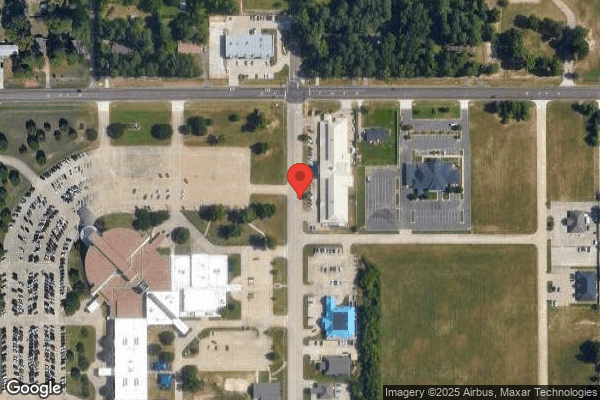
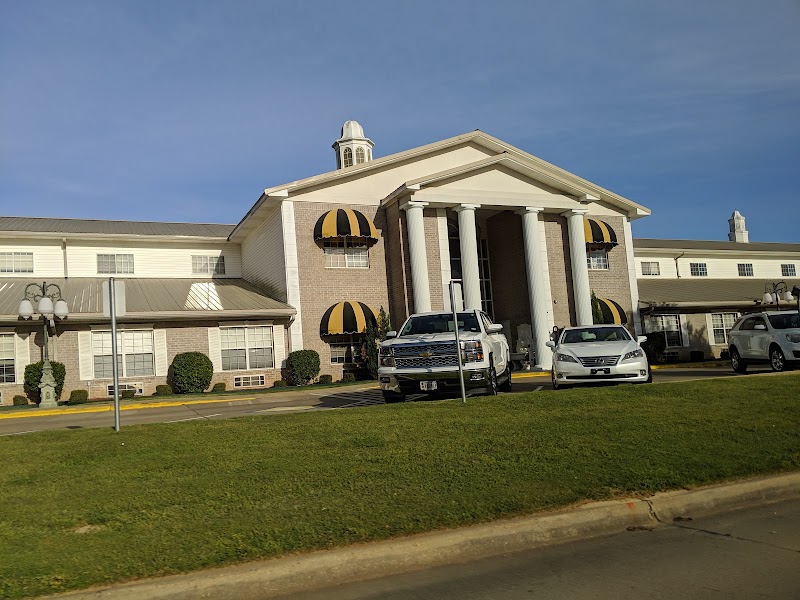
5524 COWHORN CREEK, TEXARKANA, TX 75503 (903) 223-1188
For profit - Limited Liability company 76 Beds AVIR HEALTH GROUP Data: November 2025
Trust Grade
20/100
#919 of 1168 in TX
Last Inspection: December 2024

Within standard 12-15 month inspection cycle. Federal law requires annual inspections.

Overview

Avir at Cowhorn Creek has a Trust Grade of F, which indicates significant concerns about the quality of care provided at this facility. It ranks #919 out of 1168 nursing homes in Texas, placing it in the bottom half of all facilities in the state, and #6 out of 7 in Bowie County, meaning only one local option is better. Although the facility is improving, having reduced reported issues from 20 in 2024 to just 3 in 2025, it still has a low staffing rating of 2 out of 5 stars with a high turnover rate of 51%, slightly above the Texas average of 50%. The nursing home has received fines totaling $32,715, which is concerning and suggests ongoing compliance issues. Specific incidents include failures in food safety, such as not properly storing sugar and not cleaning kitchen equipment, which could risk foodborne illnesses. Additionally, there were reports of staff lacking respect for residents, including a CNA making disrespectful comments and not providing adequate privacy during care. While the facility does have a good quality rating of 4 out of 5 for quality measures, these weaknesses highlight the need for significant improvements in both care practices and resident interactions.

Trust Score
F
20/100
In Texas
#919/1168
Bottom 22%
Safety Record
High Risk
Review needed
Inspections
Getting Better
20 → 3 violations
Staff Stability
⚠ Watch
51% turnover. Above average. Higher turnover means staff may not know residents' routines.
Penalties
○ Average
$32,715 in fines. Higher than 60% of Texas facilities. Some compliance issues.
Skilled Nurses
⚠ Watch
Each resident gets only 17 minutes of Registered Nurse (RN) attention daily — below average for Texas. Fewer RN minutes means fewer trained eyes watching for problems.
Violations
⚠ Watch
46 deficiencies on record. Higher than average. Multiple issues found across inspections.
★☆☆☆☆
1.0
Overall Rating
★★☆☆☆
2.0
Staff Levels
★★★★☆
4.0
Care Quality
★☆☆☆☆
1.0
Inspection Score
Stable
2024: 20 issues
2025: 3 issues

The Good

  • 4-Star Quality Measures · Strong clinical quality outcomes
  • Full Sprinkler Coverage · Fire safety systems throughout facility
  • No fines on record

Facility shows strength in quality measures, fire safety.

The Bad

1-Star Overall Rating

Below Texas average (2.8)

Significant quality concerns identified by CMS

Staff Turnover: 51%

Near Texas avg (46%)

Higher turnover may affect care consistency

Federal Fines: $32,715

Below median ($33,413)

Moderate penalties - review what triggered them

Chain: AVIR HEALTH GROUP

Part of a multi-facility chain

Ask about local staffing decisions and management

The Ugly 46 deficiencies on record

Apr 2025 3 deficiencies
CONCERN (D) 📢 Someone Reported This

A family member, employee, or ombudsman was alarmed enough to file a formal complaint

Potential for Harm - no one hurt, but risky conditions existed

Grievances (Tag F0585)

Could have caused harm · This affected 1 resident

**NOTE- TERMS IN BRACKETS HAVE BEEN EDITED TO PROTECT CONFIDENTIALITY** Based on interview, observation and record review, the facility failed to file a grievance report and investigate the grievance ...

Read full inspector narrative →
**NOTE- TERMS IN BRACKETS HAVE BEEN EDITED TO PROTECT CONFIDENTIALITY** Based on interview, observation and record review, the facility failed to file a grievance report and investigate the grievance reported by a resident's representative for 1 of 7 residents (Resident #1) reviewed for grievances. The facility failed to investigate Grievances/concerns when Resident #1 reported to ADON A by emails on 1/05/25, 2/03/25, and 2/06/25 related to the lack of care she was receiving and not answering her call light. The facility failed to document Resident #1's grievances/concerns on the Grievance/Concerns log forms for the reported dates of 1/05/25, 2/03/25, and 2/06/25. These deficient practices could place residents at risk for abuse, neglect, and not having their needs met. Findings included: Record review of Resident #1's face sheet dated 4/08/25 indicated she was [AGE] years old and was admitted to the facility on [DATE]. Resident #11 had diagnoses which included ALS (Amyotrophic Lateral Sclerosis-progressive neurodegenerative disease that affects nerve cells in the brain and spinal cord, which progressively leads to the loss of the ability to speak, eat, move and breathe), muscle weakness, lack of coordination, anxiety (feeling of worry, dread, and uneasiness), speech disturbances, and hypertension (high blood pressure). Record review of Resident #1's quarterly MDS assessment dated [DATE] indicated Resident #1 was sometimes understood but understood others. Resident #1 had had a BIMS score of 99 which indicated she was not able to complete the interview. Resident #1's short-term and long-term was okay and she was able to recall the location of her room, staff names and faces, and she was in a nursing home. Resident #1 did not have any behaviors and did not reject care. Resident #1 had impairment to upper and lower extremities. Resident #1 required substantial assistance in performing most ADLs. Resident #1 was occasionally incontinent of bowel and bladder. Resident #1 had shortness of breath or trouble breathing when lying flat. Resident #1 had coughing or choking during meals or when swallowing medications. Resident #1 received oxygen therapy. Record review of Resident #1's undated Care Plan indicated she had elected to use a camera/electronic monitoring device in her room with interventions to ensure staff and other residents were aware they were being recorded, ensure privacy was provided while providing personal care to resident; Resident #1 preferred not to be awakened to be checked on throughout the night and she would call for assistance when needed; Resident #1 had behavioral symptoms of exhibiting depressive/manipulative behaviors and agitation with staff with interventions if resident becomes agitated, exit and wait until a later time and reproach and staff to speak calmly, explain the procedure prior to providing care, give ample time for resident to respond, if she becomes upset, they will ensure her safety and allow her time to calm down before resuming care; Resident #1 had behavioral symptoms of resisting care with interventions to encourage resident to express feelings and fears, clarify misunderstandings, maintain a calm environment and approach to the resident, prepare and organize supplies before caring for resident, avoid delays and interruptions in care; Resident #1's ADL function stated she was maximum assist with all ADLs related to ALS, she used a bedpan for her bowel and bladder with staff assistance and would use her call light to alert staff; Resident #1 was on hospice services; Resident #1 had difficulty making herself understood related ALS with interventions to allow resident time to express herself, avoid interrupting, provide a quiet, non-hurried environment, free from distractions, and repeat what the resident had expressed to validate. Record review of Resident #1's emails sent to ADON A indicated: * On 1/05/25 at 4:43 AM, email with a subject line of can not get care and reported they don't answer my light, just ignore me completely two hours, they can't do this, neglect, I know staff is out there, I need to go to the bathroom, they can't do this, please do something to stop this it's not right, they are supposed to be caring for me. * On 2/3/25 at 7:55 AM, email with a subject line of aides don't answer my call light and reported ADON A, I have been waiting on my light for forty-five minutes, there are at least three aides out at the desk . talking and laughing, I am being intentionally ignored, please forward this to somebody that will help, somebody who is a supervisor, this is every day not just today, I don't even know who my aide is. * On 2/6/25 at 11:53 AM, email with a subject line of help please call reported I have had my light on since she left me at breakfast at nine thirty because I need my head back, now I need the bed pan and breathing treatment and I have no way to call for help, she has not been in here . the nurse does not give my scheduled breathing treatments, . the aide won't come in here at lunch because they have someone else feeding me that can't do bed pan, this is ridiculous. During an observation and interview on 4/08/25 at 2:10 PM, Resident #1 was sitting up in bed and used a communication tablet on a stand in front of her that she used by having a metal like dot on her forehead that acted like a wireless mouse, and she was able to use slight head movements to type her conversations. The communication table allowed for Resident #1 to turn the typed words to be read aloud by the device if she chose to. Resident #1 said she had little to no movement of her body but was able to push the touch pad call light for assistance when needed. Resident #1 said the staff did not take the time to let her explain what she needed due to it took her a while to type out her needs on the tablet. Resident #1 said the staff did not check on her every two hours and when she pushed her call light, they did not answer it timely. Resident #1 said she felt like the staff intentionally ignored her at times because they know she takes longer than the other residents. Resident #1 said often when staff do come in to assist her with the bed pan or other care, they are rough and talk rudely and made it very apparent they did not want to be providing her care. Resident #1 said staff would also come in and turn her light off and then tell her she would have to wait until they finished their rounds on the other residents before they could get her on the bedpan. Resident #1 said her bladder and bowels were one of the few things she had control over, and she felt that the staff should provide her care when she needed it, so it did not put her in a hardship to be holding it until they finished their rounds. Resident #1 said she felt a continent resident needing to be put on the bed pan should take precedent over an incontinent resident that had a brief. Resident #1 said it was emotionally and physically hard on her. Resident #1 said she often hollers or screams when staff would not give her time to communicate on her tablet and she knew once they left her room it would be a long time before they returned. Resident #1 said ADON A was the only staff member that gave her their email address. Resident #1 said it was easier for her to type an email and send her concerns and/or complaints to when she was not rushed and felt by sending an email to ADON A, she would ensure her concerns and/or complaints would be given to someone that could help resolve the issues. During an interview on 4/09/25 at 4:09 PM, ADON A said she had been the ADON on the 100/200 hall since sometime in February 2024 and had been on the 300/400 hall prior to that. ADON A said she had worked at the facility for three years. ADON A said Resident #1 resided on the 400 hall. ADON A said Resident #1 was very picky on how she wanted things, how she wanted her food, how her clothes fit, how she wanted her panties and sheets fixed, and ADON A said it was a lot. ADON A said she had not witnessed staff mistreat her. ADON A said she had received reports of staff mistreating Resident #1 from Resident #1 from her typing it on her device and then ADON A said she reported it to the ADM and the DON. ADON A said she had received emails from Resident #1, and she forwarded the emails to the ADM when she received them. ADON A confirmed the email address used by Resident #1 to send her grievances/concerns too. ADON A said she did not have access to her old emails since the facility was purchased by the new company and she received a new email address, and she did not recall the dates of the emails received from Resident #1. ADON A said the main emails she received from Resident #1 that she remembered was related to the staff taking too long to put her on the bed pan. ADON A said she was sure it made Resident #1 feel some type of way and probably feels like she was a burden and impacted her dignity. ADON A said residents grievances/concerns should be addressed timely. During an interview on 4/09/25 at 4:44 PM, the DON said when she received grievances/complaints from residents, she would address the grievance/concern and put them on the Grievance/Concern Form. The DON said usually the SW received the grievances/complaints and then they would discuss the grievances/complaints in the morning meetings and address them and go on. The DON said if the resident had a grievance/complaint, it should be addressed timely to ensure the needs of the resident were being met. The DON said not having her grievances/concerns addressed timely probably made Resident #1 feel bad. During an interview on 4/09/25 at 5:08 PM, the SW said when someone would tell her a resident had a grievance, she would go talk to the resident and document the resident's grievance on the Grievance/Concern Form, unless it was a simple fix then she would just get it fixed and did not put on the form. The SW said sometimes the ADM would address the grievances/complaints herself or the ADM would give her the information to follow up on the grievance/complaint. The SW said she did not recall receiving any grievances/complaints related to Resident #1. The SW said if it was related to the nursing department, then she usually did not receive those emails. The SW said it would be frustrating for the resident if the facility was not addressing their grievances/complaints. During an interview on 4/09/25 at 5:16 PM, the ADM said she had received some emails from ADON A related to Resident #1's complaints. The ADM said when she received a Grievance/concern, they talked to all staff members involved in the complaint and took statements from everyone involved. The ADM said she kept a separate file with Resident #1's grievances/concerns and investigated and addressed the situations as needed. The ADM said she did not recall getting the emails that were addressed to ADON A with the correlating dates and she could not fix something if she did not know about it. The ADM said maybe she needed to talk to Resident #1 and give Resident #1 her direct email, so things did not get missed. The ADM said she did not have any documentation of addressing the emails that were sent to ADON A related to Resident #1's care. The ADM said if she did not know about it then she could not fix it. The ADM said she expected her residents to be treated with dignity and to have their grievances/concerns addressed. The ADM said she was ultimately responsible for ensuring the residents grievances/concerns were addressed. Record review of the facility's Grievance/Complaint Log from 11/2024 through 4/2025 revealed there was only one grievance/complaint from Resident #1 on 11/12/24 of she did not like the way the CNA had fed her. There were no other complaints logged for Resident #1 for the months of 12/2024 through 4/2025. Record review of the facility's grievance policy titled Grievances/Complaints, Staff Responsibility dated revised October 2017 reflected . staff members were encouraged to guide residents about where and how to file a grievance and/or complaint when the resident believed that his/her rights had been violated . should a staff member overhear or be the recipient of a complaint voiced by a resident, a resident's representative, or another family member of a resident concerning the resident's medical care, treatment, food, clothing, or behavior of other residents, etc., the staff member was encouraged to guide the resident, or person acting on the resident's behalf, as to how to file a written complaint with the facility . staff members would inform the resident or the person acting on the resident's behalf that he or she could file a grievance or complaint with the administrator or other government agencies . without fear of threat or any other form of reprisal . staff members would inform the resident or the person acting on the resident's behalf as to where to obtain a Resident Grievance/Complaint Form and where to locate the procedures for filing a grievance or complaint . any alleged abuse, neglect, exploitation or mistreatment . must be reported to the administrator immediately .
CONCERN (D) 📢 Someone Reported This

A family member, employee, or ombudsman was alarmed enough to file a formal complaint

Potential for Harm - no one hurt, but risky conditions existed

Free from Abuse/Neglect (Tag F0600)

Could have caused harm · This affected 1 resident

**NOTE- TERMS IN BRACKETS HAVE BEEN EDITED TO PROTECT CONFIDENTIALITY** Based on observation, interview, and record review, the facility failed to ensure residents were free from abuse for 1 of 7 resi...

Read full inspector narrative →
**NOTE- TERMS IN BRACKETS HAVE BEEN EDITED TO PROTECT CONFIDENTIALITY** Based on observation, interview, and record review, the facility failed to ensure residents were free from abuse for 1 of 7 residents (Resident #1) reviewed for resident abuse. 1. The facility failed to ensure Resident # 1 was free from abuse when CNA C hid a can of air freshener and sprayed the top of Resident #1's top of bed, pillow, and her head on 12/26/24. 2. The facility failed to ensure Resident #1 was free from abuse when CNA E abruptly grabbed Resident #1 by both shoulders and roughly positioned her more upright in bed and spoke to her in a loud rude tone on 12/27/24. These failures could place residents at risk of physical harm, mental anguish, and/or emotional distress. The findings included: Record review of Resident #1's face sheet dated 4/08/25 indicated she was [AGE] years old and was admitted to the facility on [DATE]. Resident #11 had diagnoses which included ALS (Amyotrophic Lateral Sclerosis-progressive neurodegenerative disease that affects nerve cells in the brain and spinal cord, which progressively leads to the loss of the ability to speak, eat, move and breathe), muscle weakness, lack of coordination, anxiety (feeling of worry, dread, and uneasiness), speech disturbances, and hypertension (high blood pressure). Record review of Resident #1's quarterly MDS assessment dated [DATE] indicated Resident #1 was sometimes understood but understood others. Resident #1 had had a BIMS score of 99 which indicated she was not able to complete the interview. Resident #1's short-term and long-term was okay and she was able to recall the location of her room, staff names and faces, and she was in a nursing home. Resident #1 did not have any behaviors and did not reject care. Resident #1 had impairment to upper and lower extremities. Resident #1 required substantial assistance in performing most ADLs. Resident #1 was occasionally incontinent of bowel and bladder. Resident #1 had shortness of breath or trouble breathing when lying flat. Resident #1 had coughing or choking during meals or when swallowing medications. Resident #1 received oxygen therapy. Record review of Resident #1's undated Care Plan indicated she had elected to use a camera/electronic monitoring device in her room with interventions to ensure staff and other residents were aware they were being recorded, ensure privacy was provided while providing personal care to resident; Resident #1 preferred not to be awakened to be checked on throughout the night and she would call for assistance when needed; Resident #1 had behavioral symptoms of exhibiting depressive/manipulative behaviors and agitation with staff with interventions if resident becomes agitated, exit and wait until a later time and reproach and staff to speak calmly, explain the procedure prior to providing care, give ample time for resident to respond, if she becomes upset, they will ensure her safety and allow her time to calm down before resuming care; Resident #1 had behavioral symptoms of resisting care with interventions to encourage resident to express feelings and fears, clarify misunderstandings, maintain a calm environment and approach to the resident, prepare and organize supplies before caring for resident, avoid delays and interruptions in care; Resident #1's ADL function stated she was maximum assist with all ADLs related to ALS, she used a bedpan for her bowel and bladder with staff assistance and would use her call light to alert staff; Resident #1 was on hospice services; Resident #1 had difficulty making herself understood related ALS with interventions to allow resident time to express herself, avoid interrupting, provide a quiet, non-hurried environment, free from distractions, and repeat what the resident had expressed to validate. Record review of Resident #1's Order Summary Report dated 4/08/25 revealed an order for Albuterol (medication works by opening the airways to make breathing easier) 0.083 % inhale the contents of 1 vial by nebulizer (turns liquid medication into an aerosol that can be inhaled) three times a day before meals, with an order date of 7/31/24; Albuterol 0.083 % updraft 1 vial every four hours as needed, with an order date of 6/28/24. Record review of Resident #1's email sent to ADON A on 12/26/24 at 8:09 AM titled {CNA C's name} sprayed air freshener on me stated to please get video 12/26 7:30-7:50 AM . CNA B sprayed a air freshener in here . telling her not to, that it irritates my breathing and she had CNA C come in here and stand over my bed and spray it right on me and then laughed. Record review of video footage dated 12/26/24 beginning at 07:48 AM, began with Resident #1 sitting up in bed, with oxygen tubing in her nose, in her room with her communication device on a stand in front of her. CNA B entered the room first and went to the head of Resident #1's right side (door side) and CNA C closely followed and went around the bed to Resident #1's left side (wall side). CNA C was holding an aerosol can down by her right side with the can held behind her upper leg/thigh area. Resident #1's attention was on CNA B as CNA B leaned over the top back of Resident #1's bed to look at the communication device screen and said, I can't read this. CNA C also leaned forward as if looking at the communication device and then took her right arm with the aerosol can in her hand and took her arm around the top of the bed and then with her pointer finger on the top of the aerosol can appeared to have sprayed the top of Resident #1's bed, pillow, and top of her head and then suddenly jerked her hand behind Resident #1's bed. Resident #1 then began to make noises that sounded between a cry and holler, and she had facial grimacing. CNA B had left the view of the camera. CNA C then walked to the end of Resident #1's bed and she said what {Resident #1's name}, what is wrong, it was stank up in here, it was stank up in here. Resident #1 begun to holler louder and had increased facial grimacing and moving her legs. CNA C left the view of the camera but could be heard saying you don't won't me up in here and then returned and went to the head of Resident #1's bed and asked, you don't won't me up in your room and Resident #1 shook her head no and CNA C said alright and walked toward the door and off camera. CNA B could be heard saying out of the camera's view I wished you'd tell me that, well I don't guess I will come back in here today, I don't know. Then there was some other un-understandable conversation between CNA B and CNA C as they were apparently leaving Resident #1's room. End of video clip. Record review of video footage dated 12/27/24 beginning at 12:22 PM, started with Resident #1 sitting up in bed with her communication device on a stand in front of her and CNA E standing at the side of the bed with linen in her right hand. Resident #1 was making moan-like noises. CNA E quickly put the linen down on top of Resident #1's leg area of bed and abruptly reached up and grabbed Resident #1 by both shoulders and roughly moved her to a more upright position. CNA E then said, anything else you need before you eat and then said in a louder voice anything else you need before you eat, don't do all that hollering, cause, cause, I can't do it. End of video clip. During an observation and interview on 4/08/25 at 2:10 PM, Resident #1 was sitting up in bed and used a communication tablet on a stand in front of her that she used by having a metal like dot on her forehead that acted like a wireless mouse, and she was able to use slight head movements to type her conversations. The communication tablet allowed for Resident #1 to turn the typed words to be read aloud by the device if she chose to. Resident #1 said she had little to no movement of her body but was able to push the touch pad call light for assistance when needed. Resident #1 said on the day of the air freshener incident on 12/26/24, CNA B had previously sprayed air freshener in her room, and she had asked CNA B then to not spray air freshener in her room because it irritated her breathing, and she had no way to cover her nose or mouth. Resident #1 said then later, CNA C snuck air freshener into her room and sprayed it right on her and then laughed. Resident #1 said when she realized CNA C had sprayed air freshener, she became very upset and felt it was done intentionally to hurt her because she had already told CNA B it irritated her breathing. Resident #1 said with her disease she was unable to effectively cough to clear secretions in her lungs. Resident #1 said CNA C did not work at the facility any longer. Resident #1 said she sent an email to ADON A reporting the incident. The resident said the air freshener had to stop because she had compromised breathing, used oxygen, was in an enclosed space with no outside ventilation, and she no way to cover her mouth or eyes. Resident #1 said the staff did not take the time to let her explain what she needed due to it took her a while to type out her needs on the tablet. Resident #1 said the staff did not check on her every two hours and when she pushed her call light, they did not answer it timely. Resident #1 said she felt like the staff intentionally ignored her at times because they knew she takes longer than the other residents. Resident #1 said often when staff do come in to assist her with the bed pan or other care, they are rough and talk rudely and made it very apparent they did not want to be providing her care. She said there was one time she pushed her call light because she could not move her head, could not type her needs, was having difficulty breathing, and the only thing she could do was scream trying to get help and instead of trying to help her or try to figure out what was wrong, the nurse treated her like a kid and told her to calm down and she would be back when she calmed down. Resident #1 said it was a scary situation to not be able to breathe and no one would help her. Resident #1 said she often hollers or screams when staff would not give her time to communicate on her tablet and she knew once they left her room it would be a long time before they returned. Resident #1 said in the video where CNA E was rough with her when she positioned her more upright in bed and then hollered at her anything else before I leave, anything else before I leave and CNA E told her do not do all that hollering and would not even give her time to respond. Resident #1 said she felt CNA E was trying to harm her and she knew the aide was irritated at her. Resident #1 said CNA E no longer worked at the facility. Resident #1 said when she was not given time to respond on her tablet, the only thing she could do was make hollering type noises and it was very frustrating to her and caused her a lot of anxiety when the staff would not take the time to listen to her needs. During an interview on 4/08/25 at 5:46 PM, Resident #1's RP said there was a camera in Resident #1's room. Resident #1's RP said she took the video of the aide spraying something over Resident #1's head to the ADM the day after it happened and told the ADM it was abuse and she wanted something done about it and nothing was done. Resident #1's RP said when they had her last care plan meeting in March, she got with the OMB and showed them several videos of how staff were treating Resident #1 during the meeting. Resident #1's RP said it was very sad how the staff treated Resident #1 when she was totally dependent on staff for all her care and ADLs. During an interview on 4/09/25 at 10:45 AM, the DON said the only video she had seen was when CNA C sprayed the air freshener behind Resident #1's head. The DON viewed the other videos and identified the staff member in the turquoise uniform as CNA E, and CNA B as the other aide with CNA C. On 4/09/25 at 11:29 AM, called CNA C but it was not a working number and requested another number if available from the ADM. On 4/09/25 at 11:39 AM, an email was sent to the email listed in her employment application documents. On 4/09/25 at 11:52 AM, called the other number provided by the ADM and it was also not a working number. On 4/09/24 at 12:36 PM, the DON also messaged CNA C on Facebook Messenger requesting a return call. The DON said CNA C no longer worked at the facility and she did not have any other way to contact her. CNA C did not return any of the messages prior to exiting the facility. On 4/09/25 at 12:04 PM and at 4:30 PM, called CNA E but there was no answer and was unable to leave a message because the mailbox had not been set up. The DON said CNA E no longer worked at the facility and she did not have another phone number for her. CNA E did not return call prior to exiting the facility. During an interview on 4/09/25 at 1:57 PM, CNA B said she had worked at the facility for almost a year and normally worked the 6AM-2PM on the 300/400 halls. CNA B said she had not witnessed any abuse or neglect in the facility, and she would report to the ADM if she did. CNA B said Resident #1 was at times very needy, but they do the best of their ability to meet her needs and do what she wants. CNA B said she had not witnessed any staff talk to Resident #1 in a mean manner, but sometimes you have to be stern with her. CNA B said sometimes Resident #1 just did not seem to understand why they were able to come right to her, if they had other things going on with other patients at the time. CNA B said sometimes Resident #1 probably waited longer than she wanted because she may have to find help because Resident #1 required two staff for assistance and Resident #1 would start screaming and she also had an alarm on her device that she would set off. CNA B said on the day of the incident about the air freshener, Resident #1's room had an odor. CNA B said Resident #1 used all natural soaps and deodorant and sometimes there was an odor. CNA B said she had not been told Resident #1 did not want air fresheners used in her room. CNA B said she did not recall spraying any air freshener in Resident #1's room prior to the incident and Resident #1 asking her not to because it irritated her breathing. CNA B said she did not know why CNA C sprayed it the way she did. CNA B said there was no discussion with CNA B prior to entering Resident #1's room about the air freshener. CNA B said CNA C should not had said it stank up in here to Resident #1. CNA B said she did not feel CNA C spraying the air freshener above Resident #1's head was abusive. CNA B said Resident #1 started screaming right after the spray was sprayed and she assumed Resident #1 was screaming because of the spray. CNA B said it was not appropriate to tell Resident #1, I wish she would tell me that (but would not confirm that it was her on the video out of the camera's view). CNA B said it probably made the resident feel unwanted and that you did not want to take care of her. CNA B said it could possibly be a dignity issue also. CNA B said she did not think the incident was abusive to Resident #1. During an interview on 4/09/25 at 4:20 PM, the Regional Nurse reviewed the videos and said it was definitely poor customer service with the incident of spraying the air freshener. The Regional Nurse reviewed the video of CNA E and said the moving of the resident was not as bad as she had been told by the DON, but it was not how the staff should have treated the resident or how the staff should have positioned the resident. During an interview on 4/09/25 at 4:44 PM, the DON said CNA C was trying to hide some spray from the resident. The DON said she thought Resident #1 was into natural products and may had an odor. The DON said she had not heard at any time that Resident #1 did not want sprays used in her room, until after the incident. The DON said CNA E had an attitude with Resident #1 and it was not great customer service. The DON said she could not answer for Resident #1 but knew how it would have made her feel and she would have been mad because of the attitude CNA E had and how she positioned her up in the bed. The DON said she just thinks all of the staff had just terrible customer service, but the resident should never know that you were having a bad day. The DON said patience went a long way. The DON said the resident should feel very comfortable while receiving care. The DON said it probably made her feel like a burden. During an interview on 4/09/25 at 5:16 PM, the ADM said the only video she had seen previously was the incident with CNA C spray the air freshener and had investigated it and did not feel it was abuse. The ADM said she expected her residents to be treated with dignity and not be abused. The ADM said CNA B and CNA C should not have talked to the resident that way and she did write up CNA C for customer service. The ADM said every month she preached about burnout and customer service to her staff. The ADM said she agreed CNA E was rough with the resident when she positioned her and was rude to the resident. The ADM said CNA E was rushed and appeared to be on the rougher side. The ADM said she was ultimately responsible for everything in the facility because it was her license but did not feel it was fair to be cited when she had no prior knowledge of the incidents. Record review of the facility's policy titled, Abuse, Neglect, Exploitation and Misappropriation Prevention Program dated revised April 2021, . residents have the right to be free from abuse, neglect, misappropriation of resident property and exploitation . this includes but is not limited to freedom from corporal punishment . verbal, mental, sexual or physical abuse . resident abuse, neglect and exploitation prevention program consisted of facility wide commitment and resource allocation to support the following objectives . protect residents from abuse, neglect, exploitation or misappropriation of property by anyone including . staff . ensure adequate staffing and oversight/support to prevent burnout, stressful working situations . establish and maintain a culture of compassion and caring for all residents and particularly those with behavioral, cognitive or emotional problems . implement measures to address factors that may lead to abusive situations, for example . adequately prepare staff for caregiving responsibilities . identify and investigate all possible incidents of abuse, neglect, mistreatment, or misappropriation of resident property . Review of the facility's policy titled Resident Rights dated revised February 2021 indicated . federal and state laws guarantee certain basic rights to all residents of this facility . these rights include the resident's right to . be free from abuse, neglect, misappropriation of property, and exploitation . be supported by the facility in exercising his or her rights . exercise his or her without interference, coercion, discrimination or reprisal from the facility .
CONCERN (E) 📢 Someone Reported This

A family member, employee, or ombudsman was alarmed enough to file a formal complaint

Potential for Harm - no one hurt, but risky conditions existed

Resident Rights (Tag F0550)

Could have caused harm · This affected multiple residents

**NOTE- TERMS IN BRACKETS HAVE BEEN EDITED TO PROTECT CONFIDENTIALITY** Based on observation, interviews, and record review, the facility failed to treat each resident with respect and dignity and pro...

Read full inspector narrative →
**NOTE- TERMS IN BRACKETS HAVE BEEN EDITED TO PROTECT CONFIDENTIALITY** Based on observation, interviews, and record review, the facility failed to treat each resident with respect and dignity and provide care in a manner that promoted maintenance or enhancement of his or her quality of life for 1 of 7 residents (Resident #1) reviewed for resident rights. The facility failed to ensure Resident #1 was treated with respect, dignity, and provided with care that enhanced her quality of life when: * CNA B told Resident #1 she wished she would tell her not to come back in her room and she guessed she would not be back in on that day. * CNA C hid a can of air freshener and sprayed the top of Resident #1's top of bed, pillow, and her head and then told Resident #1 It stank up in here, it stank up in here. * CNA D told Resident #1 she had 10 minutes; he would be in her room [ROOM NUMBER] minutes or less; it was frustrating for the both of them; and she should be thankful for the care she did receive. * CNA D did not provide Resident #1 with privacy while providing incontinent care. * CNA E asked Resident #1 twice in a loud and then in a louder voice if she needed anything else before she ate and then told her to not do all that hollering. CNA E did not give Resident #1 time to respond on her communication device and only quickly repeated the question louder. * CNA F did not take the time to listen to the needs of Resident #1 before telling her, she did not have time for all of it. These failures could place residents at risk of humiliation, diminished quality of life, loss of dignity and self-worth. Findings included: Record review of Resident #1's face sheet dated 4/08/25 indicated she was [AGE] years old and was admitted to the facility on [DATE]. Resident #11 had diagnoses which included ALS (Amyotrophic Lateral Sclerosis-progressive neurodegenerative disease that affects nerve cells in the brain and spinal cord, which progressively leads to the loss of the ability to speak, eat, move and breathe), muscle weakness, lack of coordination, anxiety (feeling of worry, dread, and uneasiness), speech disturbances, and hypertension (high blood pressure). Record review of Resident #1's quarterly MDS assessment dated [DATE] indicated Resident #1 was sometimes understood but understood others. Resident #1 had a BIMS score of 99 which indicated she was not able to complete the interview. Resident #1's short-term and long-term was okay and she was able to recall the location of her room, staff names and faces, and she was in a nursing home. Resident #1 did not have any behaviors and did not reject care. Resident #1 had impairment to upper and lower extremities. Resident #1 required substantial assistance in performing most ADLs. Resident #1 was occasionally incontinent of bowel and bladder. Resident #1 had shortness of breath or trouble breathing when lying flat. Resident #1 had coughing or choking during meals or when swallowing medications. Resident #1 received oxygen therapy. Record review of Resident #1's undated Care Plan indicated she had elected to use a camera/electronic monitoring device in her room with interventions to ensure staff and other residents were aware they were being recorded, ensure privacy was provided while providing personal care to resident; Resident #1 preferred not to be awakened to be checked on throughout the night and she would call for assistance when needed; Resident #1 had behavioral symptoms of exhibiting depressive/manipulative behaviors and agitation with staff with interventions if resident becomes agitated, exit and wait until a later time and reproach and staff to speak calmly, explain the procedure prior to providing care, give ample time for resident to respond, if she becomes upset, they will ensure her safety and allow her time to calm down before resuming care; Resident #1 had behavioral symptoms of resisting care with interventions to encourage resident to express feelings and fears, clarify misunderstandings, maintain a calm environment and approach to the resident, prepare and organize supplies before caring for resident, avoid delays and interruptions in care; Resident #1's ADL function stated she was maximum assist with all ADLs related to ALS, she used a bedpan for her bowel and bladder with staff assistance and would use her call light to alert staff; Resident #1 was on hospice services; Resident #1 had difficulty making herself understood related ALS with interventions to allow resident time to express herself, avoid interrupting, provide a quiet, non-hurried environment, free from distractions, and repeat what the resident had expressed to validate. Record review of video footage dated 12/26/24 beginning at 07:48 AM, began with Resident #1 sitting up in bed, with oxygen tubing in her nose, in her room with her communication device on a stand in front of her. CNA B entered the room first and went to the head of Resident #1's right side (door side) and CNA C closely followed and went around the bed to Resident #1's left side (wall side). CNA C was holding an aerosol can down by her right side with the can held behind her upper leg/thigh area. Resident #1's attention was on CNA B as CNA B leaned over the top back of Resident #1's bed to look at the communication device screen and said, I can't read this. CNA C also leaned forward as if looking at the communication device and then took her right arm with the aerosol can in her hand and took her arm around the top of the bed and then with her pointer finger on the top of the aerosol can appeared to have sprayed the top of Resident #1's bed, pillow, and top of her head and then suddenly jerked her hand behind Resident #1's bed. Resident #1 then began to make noises that sounded between a cry and holler, and she had facial grimacing. CNA B left the view of the camera. CNA C then walked to the end of Resident #1's bed and she said what {Resident #1's name}, what is wrong, it was stank up in here, it was stank up in here. Resident #1 begun to holler louder and had increased facial grimacing and moving her legs. CNA C left the view of the camera but could be heard saying you don't won't me up in here and then returned and went to the head of Resident #1's bed and asked, you don't won't me up in your room and Resident #1 shook her head no and CNA C said alright and walked toward the door and off camera. CNA B could be heard saying out of the camera's view I wished you'd tell me that, well I don't guess I will come back in here today, I don't know. Then there was some other un-understandable conversation between CNA B and CNA C as they were apparently leaving Resident #1's room. End of video clip. Record review of video footage dated 12/27/24 beginning at 12:22 PM, started with Resident #1 sitting up in bed with her communication device on a stand in front of her and CNA E standing at the side of the bed with linen in her right hand. Resident #1 was making moan-like noises. CNA E quickly put the linen down on top of Resident #1's leg area of bed and abruptly reached up and grabbed Resident #1 by both shoulders and roughly moved her to a more upright position. CNA E then said, anything else you need before you eat and then said in a louder voice anything else you need before you eat, don't do all that hollering, cause, cause, I can't do it. End of video clip. Record review of video footage dated 3/18/25 beginning at 6:45 AM, started with Resident #1 sitting up in the bed with her communication device in front of her on a stand. CNA F was in Resident #1's room gathering supplies and Resident #1's communication device was telling CNA F that she needed her call light moved down, she needed her mouth wiped, to brush her hair, and to not put her butt on the bed after she wiped her because she was on her period. CNA F then moved Resident #1's communication device away from the resident to get ready to provide care and while the communication device was telling what Resident #1 needed, CNA F told Resident #1 I can't do all that this morning, honey, because I'm on the other and the device was continuing to talk in the background and the video clip ended. Record review of video footage dated 4/02/25 beginning at 15:22 PM (3:22 PM), started with Resident #1 sitting up in bed with her communication device in front of her on a stand. CNA D entered Resident #1's room and he said it's 3:23. Resident #1's communication device said, I need to be safe before you leave. CNA D did not respond. CNA D then went to Resident #1's right side of her bed and moved her communication device away from the bed and had a bedpan and a blue waterproof pad in his hand. CNA D as he walked around Resident #1's bed to her left side, said, this is gonna be frustrating for both of us, cause I like to play games too. CNA D then picked up her bed remote and walked back around Resident #1's bed to her right side and then placed the bedpan on the floor and as he was removing her top linens he said I'm not gonna be in here for more than 10 minutes. I'm in here 10 minutes or less and that is it. CNA D said, as he looked toward Resident #1's roommate, I did her in 7 minutes. Then with Resident #1 lying on the bed with only a brief on her lower body, CNA D began placing the blue waterproof pad under Resident #1's bottom and he said, you ought to be grateful for the help that you do get. Resident #1 could be heard making grunting like noises throughout the video. CNA D then began to unfasten Resident #1's adult brief without providing privacy for her and then the video clip ended. During an observation and interview on 4/08/25 at 2:10 PM, Resident #1 was sitting up in bed and used a communication tablet on a stand in front of her that she used by having a metal like dot on her forehead that acted like a wireless mouse, and she was able to use slight head movements to type her conversations. The communication tablet allowed for Resident #1 to turn the typed words to be read aloud by the device if she chose to. Resident #1 said she had little to no movement of her body but was able to push the touch pad call light for assistance when needed. Resident #1 said on the day of the air freshener incident on 12/26/24, CNA B had previously sprayed air freshener in her room, and she had asked CNA B then to not spray air freshener in her room because it irritated her breathing, and she had no way to cover her nose or mouth. Resident #1 said then later, CNA C snuck air freshener into her room and sprayed it right on her and then laughed. Resident #1 said when she realized CNA C had sprayed air freshener, she became very upset and felt it was done intentionally to hurt her because she had already told CNA B it irritated her breathing. Resident #1 said with her disease she was unable to effectively cough to clear secretions in her lungs. Resident #1 said CNA C did not work at the facility any longer. Resident #1 said she sent an email to ADON A reporting the incident. The resident said the air freshener had to stop because she had compromised breathing, used oxygen, was in an enclosed space with no outside ventilation, and she no way to cover her mouth or eyes. Resident #1 said the staff did not take the time to let her explain what she needed due to it took her a while to type out her needs on the tablet. Resident #1 said the staff did not check on her every two hours and when she pushed her call light, they did not answer it timely. Resident #1 said she felt like the staff intentionally ignored her at times because they know she takes longer than the other residents. Resident #1 said often when staff do come in to assist her with the bed pan or other care, they are rough and talk rudely and made it very apparent they did not want to be providing her care. Resident #1 said staff would also come in and turn her light off and then tell her she would have to wait until they finished their rounds on the other residents before they could get her on the bedpan. Resident #1 said her bladder and bowels were one of the few things she had control over, and she felt that the staff should provide her care when she needed it, so it did not put her in a hardship to be holding it until they finished their rounds. Resident #1 said she felt a continent resident needing to be put on the bed pan should take precedent over an incontinent resident that had a brief. Resident #1 said it was emotionally and physically hard on her. Resident #1 said she would also type up notes prior to staff coming in to play for the staff when they did come in to try to get them to do everything she needed, but often times they would tell her they did not have time or did not even take the time to listen to what she needed and rushed in and rushed out. Resident #1 said she had to be fed by the staff and the staff would get irritated at her because it took her so long to eat and they would talk bad to her. Resident #1 said often times she was still trying to swallow one bite of food and the staff were trying to feed her another bite and when she could not take another bite right then, the staff would say I guess you're done eating and take her food away and she was still hungry. Resident #1 said the staff often do not give her time to respond and let them know she was still hungry and rush out. Resident #1 said her muscles in her mouth, tongue, and throat are weak and it took her a long time to maneuver the food in her mouth and to be able to swallow it, and they had to often take her food back and re-blend it because it had clumps in it and her food had to be the consistency of baby food. Resident #1 said it did take a long time to feed her, but it was not something she could help or change because of her disease. She said there was one time she pushed her call light because she could not move her head, could not type her needs, was having difficulty breathing, and the only thing she could do was scream trying to get help and instead of trying to help her or try to figure out what was wrong, the nurse treated her like a kid and told her to calm down and she would be back when she calmed down. Resident #1 said it was a scary situation to not be able to breathe and no one would help her. Resident #1 said she often hollers or screams when staff would not give her time to communicate on her tablet and she knew once they left her room it would be a long time before they returned. Resident #1 said in the video where CNA E was rough with her when she positioned her more upright in bed and then hollered at her anything else before I leave, anything else before I leave and CNA E told her do not do all that hollering and would not even give her time to respond. Resident #1 said she felt CNA E was trying to harm her and she knew the aide was irritated at her. Resident #1 said CNA E no longer worked at the facility. Resident #1 said when she was not given time to respond on her tablet, the only thing she could do was make hollering type noises and it was very frustrating to her and caused her a lot of anxiety when the staff would not take the time to listen to her needs. Resident #1 said on 4/2/25, CNA D came into her room and told her that she had 10 minutes to use the bed pan and even set a timer on his watch and then counted down on how many minutes she had left to use the bathroom. Resident #1 said her body did not work like that and she could not be put on a time frame to use the bathroom. Resident #1 said CNA D kept telling her it was not fair to his other residents to have to spend so much time in her room. Resident #1 said it caused her anxiety and it just was not right for him to do that to her, it was not something she could control with her ALS. Resident #1 said CNA D also did not provide her any privacy and left her exposed while she used the bed pan. Resident #1 said on the date of 3/18/25 related to the video that was sent, she had typed in her tablet a note for the next staff that would providing incontinent care to ask them to move her call button down, wipe her mouth, brush her hair, and to not put her butte on the bed after wiping her because she was on her period. Resident #1said she then played it to CNA F when she came in to put her on the bed pan and CNA F said she did not have time for all of that and did not even listen to all she was asking. Resident #1 said when the staff do not take the time to listen to her, it made her feel like no one cared and it made her anxious and at times scared. During an interview on 4/08/25 at 5:46 PM, Resident #1's RP said there was a camera in Resident #1's room. Resident #1's RP said she took the video of the aide spraying something over Resident #1's head to the ADM the day after it happened and told the ADM she wanted something done about it and nothing was done. Resident #1's RP said when they had her last care plan meeting in March, she got with the OMB and showed them several videos of how staff were treating Resident #1 during the meeting. Resident #1's RP said the staff often rushed Resident #1 to eat, and if she did not take a bite quick enough, the staff would say, I guess you are done eating, and would not allow her time to respond and then took her food away. Resident #1's RP said Resident #1 had to eat slow because her muscles used to swallow were weak and she had to move her food around in her mouth and get things just right to swallow. Resident #1's RP said staff have even said things in front of her about not giving a damn about the camera and talk bad and treat her bad even with the camera. Resident #1's RP said staff were slow to put her on the bed pan if she called and needed it, then one aide even told her she had 7 minutes to finish. Resident #1's RP said it was very sad how the staff treated Resident #1 when she was totally dependent on staff for all her care and ADLs. During an interview on 4/09/25 at 10:45 AM, the DON said the only video she had seen was when CNA C sprayed the air freshener behind Resident #1's head. The DON viewed the other videos and identified the staff member in the turquoise uniform as CNA E, the staff member in the red uniform as CNA F, and CNA B as the other aide with CNA C. On 4/09/25 at 11:29 AM, called CNA C but it was not a working number and requested another number if available from the ADM. On 4/09/25 at 11:39 AM, an email was sent to the email listed in her employment application documents. On 4/09/25 at 11:52 AM, called the other number provided by the ADM and it was also not a working number. On 4/09/24 at 12:36 PM, the DON also messaged CNA C on Facebook Messenger requesting a return call. The DON said CNA C no longer worked at the facility and she did not have any other way to contact her. CNA C did not return any of the messages prior to exiting the facility. On 4/09/25 at 12:04 PM and at 4:30 PM, called CNA E but there was no answer and was unable to leave a message because the mailbox had not been set up. The DON said CNA E no longer worked at the facility and she did not have another phone number for her. CNA E did not return call prior to exiting the facility. On 4/09/25 at 12:10 PM and 4:35 PM, called CNA F but there was no answer and voicemails were left requesting a return call. The DON said she did not have any other numbers for CNA F. CNA F did not return call prior to exiting the facility. During an interview on 4/09/25 at 1:57 PM, CNA B said she had worked at the facility for almost a year and normally worked the 6AM-2PM on the 300/400 halls. CNA B said she had not witnessed any abuse or neglect in the facility, and she would report to the ADM if she did. CNA B said if a resident turned on their call light during her rounds, she would stop and see what they wanted/needed, and would take care of their needs at that time. CNA B said she did not tell residents that she had to complete rounds first but she might have to find help to assist on the 2 person assistance residents. CNA B said Resident #1 was at times very needy, but they do the best of their ability to meet her needs and do what she wants. CNA B said she did feed Resident #1 and it usually took 1-2 hours to feed her. CNA B said a lot of times they had to stop and fix her something else and puree (blend) it because she kept food in her room. CNA B said if Resident #1 did not finish the food, she would usually ask for it to be put in her refrigerator and then she would eat the rest for supper. CNA B said she had not witnessed any staff talk to Resident #1 in a mean manner, but sometimes you have to be stern with her. CNA B said sometimes Resident #1 just did not seem to understand why they were able to come right to her, if they had other things going on with other patients at the time. CNA B said sometimes Resident #1 probably waited longer than she wanted because she may have to find help because Resident #1 required two staff for assistance and Resident #1 would start screaming and she also had an alarm on her device that she would set off. CNA B said Resident #1 was always continent in the bed pan and had not used the bathroom in a brief with her. CNA B said on the day of the incident about the air freshener, Resident #1's room had an odor. CNA B said Resident #1 used all natural soaps and deodorant and sometimes there was an odor. CNA B said she had not been told Resident #1 did not want air fresheners used in her room. CNA B said she did not recall spraying any air freshener in Resident #1's room prior to the incident and Resident #1 asking her not to because it irritated her breathing. CNA B said she did not know why CNA C sprayed it the way she did. CNA B said there was no discussion with CNA B prior to entering Resident #1's room about the air freshener. CNA B said CNA C should not had said it stank up in here to Resident #1. CNA B said she did not feel CNA C spraying the air freshener above Resident #1's head was abusive. CNA B said Resident #1 started screaming right after the spray was sprayed and she assumed Resident #1 was screaming because of the spray. CNA B said it was not appropriate to tell Resident #1, I wish she would tell me that (but would not confirm that it was her on the video out of the camera's view). CNA B said it probably made the resident feel unwanted and that you did not want to take care of her. CNA B said it could possibly be a dignity issue also. CNA B said they now, have a different aides assigned to Resident #1 daily, but one aide feeds her breakfast, and a different aide feeds her lunch, or that was at least the way it was done on day shift and not sure about the other shifts. During an interview on 4/09/25 at 4:09 PM, ADON A said she had been the ADON on the 100/200 hall since February and was on the 300/400 prior to that. ADON A said Resident #1 was a 2 person assist except with feeding. ADON A said Resident #1 was very picky on how she wanted things, how she wanted her food, how her clothes fit, how she wanted her panties and sheets fixed, and ADON A said it was a lot. ADON A said she had not witnessed staff mistreat her. ADON A said she had received reports of staff mistreating Resident #1 from Resident #1 from her typing it on her device and then ADON A said she reported it to the ADM and the DON. ADON A said she had received emails from Resident #1, and she forwarded the emails to the ADM when she received them. ADON A said the main emails she received from Resident #1 that she remembered was related to the staff taking too long to put her on the bed pan. ADON A said she was sure it made Resident #1 feel some type of way and it affected her to be told she had ten minutes to use the bed pan. ADON A said Resident #1 probably feels like she was a burden and impacted her dignity. During an interview on 4/09/25 at 4:20 PM, the Regional Nurse reviewed the videos and said it was definitely poor customer service with the incident of spraying the air freshener. The Regional Nurse reviewed the video of CNA E and said the moving of the resident was not as bad as she had been told by the DON, but it was not how the staff should have treated the resident or how the staff should have positioned the resident. The Regional Nurse said the video of the male aide giving the resident 10 minutes to go to the bathroom was unacceptable and not how a resident should be treated. The Regional Nurse said she may need to do more education with the staff to educate them on Resident #1's disease and the need to be patient and provide her time to communicate her needs. During an interview on 4/09/25 at 4:31 PM, CNA D said he had worked at the facility this time for approximately 4 months. CNA D said abuse could be talking to residents bad or not changing them. CNA D said if a resident asked you to do something for them, you should do it. CNA D said he loved his job and had a kind heart. CNA D said he thinks he was overworked the day the video showed and was a little irritated that day. CNA D said he had been very good to Resident #1, and he thinks he was just trying to get his showers in that day. CNA D said he did not think it was fair to the other residents when he gets stuck in Resident #1's room providing care and his other residents suffer. CNA D said it was overwhelming at times. CNA D said he should have walked away for a few minutes because he was overwhelmed and not said the things he said to Resident #1. CNA D said it what he said probably made Resident #1 feel bad. CNA D said he felt he was one of the best aides working at the facility and he had one bad day. During an interview on 4/09/25 at 4:44 PM, the DON said CNA C was trying to hide some spray from the resident. The DON said she thought Resident #1 was into natural products and may have had an odor. The DON said she had not heard at any time that Resident #1 did not want sprays used in her room, until after the incident. The DON said CNA E had an attitude with Resident #1 and it was not great customer service. The DON said she could not answer for Resident #1 but knew how it would have made her feel and she would have been mad because of the attitude she had and how she positioned her up in the bed. The DON said CNA D was definitely rushing to care for Resident #1. The DON said she just thinks all of the staff had just terrible customer service, but the resident should never know that you are having a bad day. The DON said patience went a long. The DON said the resident should feel very comfortable while receiving care. The DON said it probably made her feel like a burden. During an interview on 4/09/25 at 5:16 PM, the ADM said the only video she had seen previously was the incident with CNA C spray the air freshener. The ADM said if she did not know about it then she could not fix it. The ADM said she expected her residents to be treated with dignity. The ADM said CNA B and CNA C should not have talked to the resident that way and she did write up CNA C for customer service. The ADM said CNA D talking to the resident that way probably made her feel bad and not good, but she could not fix everything if she did not know about it. The ADM said every month she preached about burnout and customer service to her staff. The ADM said she agreed CNA E was rough with the resident when position her and was rude to the resident. The ADM said CNA E was rushed and appeared to be on the rougher side. The ADM said CNA F was a good aide but should have taken the time to listen to the resident's communication about her needs. The ADM said she was ultimately responsible for everything in the facility because it was her license but did not feel it was fair to be cited when she had no prior knowledge of the incidents. Review of the facility's policy titled Resident Rights dated revised February 2021 indicated . employees shall treat all residents with kindness, respect, and dignity . federal and state laws guarantee certain basic rights to all residents of this facility . these rights include the resident's right to . a dignified existence . be treated with respect, kindness, and dignity . self-determination . communication with and access to people and services, both inside and outside the facility . be supported by the facility in exercising his or her rights . exercise his or her without interference, coercion, discrimination or reprisal from the facility . voice grievances to the facility, or tother agency that hears grievances, without discrimination or reprisal and without fear of discrimination or reprisal . have the facility respond to his or her grievances .
Dec 2024 12 deficiencies
CONCERN (D)

Potential for Harm - no one hurt, but risky conditions existed

Deficiency F0558 (Tag F0558)

Could have caused harm · This affected 1 resident

**NOTE- TERMS IN BRACKETS HAVE BEEN EDITED TO PROTECT CONFIDENTIALITY** Based on observation, interview and record review, the facility failed to ensure each resident had the right to reside and recei...

Read full inspector narrative →
**NOTE- TERMS IN BRACKETS HAVE BEEN EDITED TO PROTECT CONFIDENTIALITY** Based on observation, interview and record review, the facility failed to ensure each resident had the right to reside and receive services in the facility with reasonable accommodation of resident needs and preferences for 1 of 20 residents (Resident #31) reviewed for reasonable accommodations. The facility failed to ensure Resident #31's, call button was within reach while in bed. This failures could place residents at risk for a delay in assistance and decreased quality of life, self-worth, and dignity. Findings include: Record review of Resident #31's face sheet dated 12/2/2024 revealed a [AGE] year-old male admitted on [DATE] with diagnoses that included Hemiplegia and hemiparesis following cerebral infarction affecting right dominant side (stroke that occurs on the right side of the brain affecting the left side of the body), Acute ischemic heart disease (refers to a range of conditions related to reduced blood flow to the heart) and age-related physical debility (a condition of decreased physiological reserves due to aging). Record review of Resident #31's quarterly MDS assessment, dated 11/27/2024, revealed Resident #31 had a BIMS of 10, which indicated he was moderately impaired cognitively. The MDS showed that Resident #31 required extensive assistance with ADLs. Record review of Resident #31's Comprehensive Care Plan revised 10/9/2024 revealed Resident #31 had impaired physical mobility related to CVA (cardiovascular accident) with intervention indicating Resident #31 required extensive to total assistance. During an interview and observation on 12/2/2024 at 9:55 a.m., it was observed that Resident #31's call button was positioned on the left side out of reach of resident's left hand. Resident demonstrated that he was not able to reach his call light that was out of reach. Resident #31 said he had difficulty pushing the button on his call light. He said if he needed help, he would yell for assistance. During an observation and interview on 12/4/2024 at 11:45 a.m. Resident #31 observed sitting up in wheelchair in his room. Resident #31 said he could not get to his call light, and it was observed in his trash can. Resident #31 said the staff placed his call light on his left side. During an interview on 12/4/2024 at 11:48 a.m., with CNA D said Resident #31 was able to push his call light button and would come to the nurse station if he needed anything. CNA D said she would place his call light on his left side where he could reach it. CNA D said he could only use his left side because he was unable to move his right arm. CNA D said the resident should have his call light on his left side near his abdomen where he can reach it. CNA D said she makes rounds every 2 hours. During an interview on 12/4/2024 at 12:00 p.m., CNA E said she had been in-serviced on call light placement. She said she would place the call light on the side the resident was the strongest and within reach. CNA E said if a call light was not properly placed or within reach, a resident could have a fall and not able to reach for call light. CNA E said all nurses and CNAs are responsible for making sure call lights are within reach. During an interview on 12/4/2024 at 12:15 p.m., LVN B said she would place the call light for a resident with right-sided weakness on his left side. LVN B said a resident may need something from the nurse and not be able to reach them if a call light was not properly placed. During an interview on 12/4/2024 at 1:10 p.m., the DON said she would expect the CNAs to place the call light within a resident reach. The DON said Resident #31 would benefit from a touch call light verses the button call light. The DON said she expected the call light to be within reach and a resident would not be able to call for help if not placed within reach. During an interview on 12/4/2024 at 1:29 p.m., the ADON said it depended on if a resident had contractures if they received a push touch call light. She said the staff should make sure a resident was able to properly use the call light system. The ADON said Resident #31 had the button call light and said he was able to push the button. The ADON said she expected the CNAs to make sure the call lights were within reach. She said a resident would not be able to call nurse or staff for assistance if they needed help. The ADON said she expected the nurse staff to keep call light within reach if Resident #31 was up in his wheelchair. The ADON said the staff has changed out Resident #31's call light and provided a longer cord with a pat/touch button for easier use. During an interview on 12/4/2024 at 1:41 p.m., the ADM said she expected the staff to ensure a resident were able to use and reach call lights. She said she expected the residents to have the proper call light and to be kept within reach. The ADM said the call light was their mechanism to ask for assistance. Record review of the facility's policy Answering the Call light dated September 21, 2022 revealed . The purpose of this procedure is to respond to the resident's request and needs .Procedure: General guidelines .1. Explain the call light to the new resident .2. Demonstrate the use of the call light .3. Ask the resident to return the demonstration so that you will be sure that the resident can operate the system . 4. Be sure the call light is plugged in at all times .5. When the resident is in the bed or confined to a chair, be sure the call light is within easy reach of the resident .6. Some residents may not be able to use their call light. Be sure you check with the resident frequently .7. Report all defective call lights .
CONCERN (D)

Potential for Harm - no one hurt, but risky conditions existed

Transfer Notice (Tag F0623)

Could have caused harm · This affected 1 resident

**NOTE- TERMS IN BRACKETS HAVE BEEN EDITED TO PROTECT CONFIDENTIALITY** Based on interview and record review the facility failed to send a copy of the notice of facility-initiated discharge to a repre...

Read full inspector narrative →
**NOTE- TERMS IN BRACKETS HAVE BEEN EDITED TO PROTECT CONFIDENTIALITY** Based on interview and record review the facility failed to send a copy of the notice of facility-initiated discharge to a representative of the Office of the State Long-Term Care Ombudsman for 1 of 3 residents (Resident #59) reviewed for discharge. The facility failed to send a transfer or discharge notice in writing to the facility's Ombudsman as soon as practicable when Resident #59 was discharged to another facility on 11/15/2024. This failure could place residents at risk of being discharged and not having access to available advocacy services, discharge/transfer options, and the appeal processes. The findings include: Record review of Resident #59's, undated face sheet revealed a [AGE] year-old male admitted to the facility on [DATE]. Resident #59 had diagnoses which included insomnia (inability to sleep), repeated falls, and schizophrenia (mental disorder characterized by delusions, hallucinations, disorganized thoughts, speech, and behavior. The face sheet indicated Resident #59 was discharged on 11/15/2024 to another nursing facility. Record review of Resident #59's quarterly MDS dated [DATE] revealed he had a BIMS of 09, which indicated a moderate cognitive impairment. Resident #59 required supervision with all ADLs. Record review of Resident #59's care plan dated 11/15/2024, revealed Resident #59 would be safe until transfer to a secured unit. During an interview on 12/02/2024 at 9:15 a.m., the Ombudsman stated she was not notified of any discharges by the facility without having to send several emails to request a list of discharges. She stated she was unaware Resident #59 was transferred to another facility. She stated the last time the facility reported discharges to her was in August of 2024 even though she requested them monthly. During an interview on 12/04/2024 at 10:00 a.m., the SW stated she was unaware of who was responsible for reporting discharges to the Ombudsman. She stated she was not aware that reporting the facility-initiated discharges was a regulation, she thought it was a courtesy. During an interview on 12/04/2024 at 11:00 a.m., the DON stated she was not aware notification of the Ombudsman of discharged residents was a requirement. She stated she though only if they were giving the resident a 30-day discharge was that a requirement. The DON stated there was no procedure in place and no one assigned to undertake that task, but she would assign it to the SW to oversee. The DON stated not notifying the Ombudsman could result in resident's being discharged unfairly. During an interview on 12/04/2024 at 1:40 p.m., the ADM stated the SW was now solely responsible for notifying the Ombudsman of the facility's discharges. The ADM stated no one person was responsible for sending the information prior to survey. She stated September, October, and November discharges were not sent to the Ombudsman yet. The ADM stated discharges should be reported to the Ombudsman as soon as practical, unless a 30-day notice was issued, and a copy of the notice was sent to the Ombudsman the same day the notice was provided to the resident. The ADM stated she was unsure of what the Ombudsman did with the discharge notifications, so she was uncertain of how not receiving a discharge notification could affect the residents being discharged . The ADM stated she would in-service the SW and monitor discharge notifications to ensure the Ombudsman was notified appropriately in the future. A related policy was requested from the DON and ADMIN on 12/03/2024 at 11:56 a.m. and 4:30 p.m. but was not provided upon exit.
CONCERN (D)

Potential for Harm - no one hurt, but risky conditions existed

Deficiency F0655 (Tag F0655)

Could have caused harm · This affected 1 resident

**NOTE- TERMS IN BRACKETS HAVE BEEN EDITED TO PROTECT CONFIDENTIALITY** Based on interview and record review, the facility failed to ensure the baseline care plan that included the instructions for re...

Read full inspector narrative →
**NOTE- TERMS IN BRACKETS HAVE BEEN EDITED TO PROTECT CONFIDENTIALITY** Based on interview and record review, the facility failed to ensure the baseline care plan that included the instructions for resident care needed to provide effective and person-centered care was completed and provided to the resident and/or their representative for 2 of 6 residents reviewed for new admissions (Residents #28 and #177). The facility did not ensure the baseline care plan that included the instructions for resident care needed to provide effective and person-centered care was provided to the resident and/or their representative for Resident #28. The facility did not ensure the baseline care plan that included the instructions for resident care needed to provide effective and person-centered care was completed and provided to the resident and/or their representative for Resident #177. These failures could place residents at risk of not receiving care and services to meet their needs. Findings included: 1.Record review of a face sheet dated 12/02/2024 revealed Resident #28 was a 73- year-old- female, admitted on [DATE] with the diagnoses of hemiplegia (one sided paralysis), cerebral infarction (stroke), and anxiety. Record review of Resident #28's admission MDS assessment dated [DATE] revealed Resident #28 had a BIMS of 06, which indicated moderate cognitive impairment. Resident #28 was coded to require maximal assistance of 1 staff member for ADL's. Record review of Resident #28's baseline care plan dated 09/20/2024 indicated the base line care plan was completed on 09/20/2024. The baseline care plan was unsigned by the resident or representative. During an interview on 12/02/2024 at 10:15 a.m., Resident #28 stated she did not remember the baseline care plan meeting and had no copy of the baseline care plan. She stated she would like a copy to see when she will be able to discharge. 2.Record review of a face sheet dated 12/02/2024 revealed Resident #177 was a [AGE] year-old male, admitted to the facility on [DATE] with the diagnoses of diabetes mellitus (condition affecting blood glucose levels), cirrhosis (liver disease), and anxiety. Record review on 12/02/2024 of Resident #177's EHR showed no completed MDS assessments and no completed baseline care plan. During an interview on 12/02/2024 at 9:50 a.m., Resident #177 stated no one had a care plan with him and he admitted 3 days prior. He stated he was unsure of what he was even doing at the facility. He stated he had goals to go back home but was unsure if that was possible. He stated he wanted a copy of his care instructions, so he had something to look at for his goals. He stated he was unsure what medications the physician wrote for him to take at the facility. He stated he had not signed a baseline care plan and no paperwork had been given to him. During an interview on 12/03/2024 at 2:00 p.m., the MDS nurse said the baseline care plan was completed by her, but the baseline care plan meeting was conducted by the SW. She stated she was unaware that the resident was to receive a copy of the baseline care plan and she had never given a copy to a resident, but she felt the social worker would probably do that since she was the one that actually had the meeting with the resident. During an interview on 12/03/2024 at 2:30 p.m., the SW stated she had a baseline care plan meeting with the resident on the day following their admission. She stated she had not given the resident a copy of the baseline care plan. She stated she would do so in the future. She stated Resident #177 admitted on a Friday, so it was over 48 hours for the completion of his care plan and care plan meeting, but she knew they were supposed to be done within 48 hours. She stated baseline care plans were important, so the resident knew what to expect while in the facility. She stated she was unsure what happened with Resident #28. During an interview on 12/04/2024 at 11:00 a.m., the DON said base line care plans were used in place of a comprehensive care plan until one can be developed to direct resident care according to their goals and choices. The DON said the baseline care plan needed to be completed with each department and discussed with the resident and resident representative. The DON said it was her responsibility to inform the IDT of the facility policy on base line care plans. The DON said she was not aware the IDT were not providing the resident with the baseline care plans or that the baseline care plans were not being completed timely. The DON said the resident could have felt left out or rejected when not given the opportunity to take part in their care plan. During an interview on 12/04/2024 at 1:45 p.m., the Administrator said the baseline care plans were an interdisciplinary form that was discussed with the residents on admit. The Administrator said it was the DON's responsibility to ensure the MDS nurse and IDT team completed the baseline care plan and provided a copy to the resident and family. Review of the facility policy titled Base Line Care Plan revealed .Completion and implementation of the baseline care plan within 48 hours of a resident's admission {was} intended to promote continuity of care and communication among nursing home staff, increase resident safety, and safeguard against adverse events that are most likely to occur right after admission; and ensure the resident and representative, if applicable, are informed of the initial plan of delivery of care and services by receiving a written summary of the baseline care plan.
CONCERN (D) 📢 Someone Reported This

A family member, employee, or ombudsman was alarmed enough to file a formal complaint

Potential for Harm - no one hurt, but risky conditions existed

Deficiency F0685 (Tag F0685)

Could have caused harm · This affected 1 resident

**NOTE- TERMS IN BRACKETS HAVE BEEN EDITED TO PROTECT CONFIDENTIALITY** Based on interview and record review, the facility failed to ensure that 1 of 17 residents reviewed for vision services, receive...

Read full inspector narrative →
**NOTE- TERMS IN BRACKETS HAVE BEEN EDITED TO PROTECT CONFIDENTIALITY** Based on interview and record review, the facility failed to ensure that 1 of 17 residents reviewed for vision services, received proper treatment and assistive devices to maintain vision abilities. (Resident #47) The facility failed to transport Resident #47 to an appointment with an ophthalmologist on 10/02/24 and 12/04/24. This failure could affect residents by causing them to have decreased vision awareness when ambulating, difficulty seeing and participating in activities, and decreased self-esteem. Findings included: Record review of a face sheet dated 12/02/24 revealed Resident #47 was a [AGE] year-old female, was admitted on [DATE] with diagnoses including dementia, glaucoma with increased episcleral venous pressure (an eye disorder with increased pressure in the eye and veins), anxiety and depressive episode (periods of depression). Record review of the most recent MDS dated [DATE] indicated Resident #47 had moderately impaired vision and required corrective lenses. The MDS indicated Resident #47 had a BIMS score of 12 which indicated moderate cognitive impairment. The MDS indicated Resident #47 normally used a wheelchair. The MDS indicated Resident #47 was dependent on staff for chair/bed-to-chair transfers. Record review of a care plan last revised on 11/20/24 revealed Resident #47 required assistance with bathing, grooming, hygiene and dressing. The care plan revealed Resident #47 had a diagnosis of dementia and required some cues and redirection. Record review of History and Physical note dated 08/27/24 revealed Resident #47 had chronic vision changes. Record review of a Progress Note dated 09/20/24 revealed, .RP called and said that she found transportation for res. to go to eye appt. in [NAME]. Res. has appt. on 12/4/24 @ 1:30pm with Dr. (ophthalmologist). The note was electronically signed by LVN B. Record review of an Eye Appointment reminder provided by the RP revealed Resident #47 had an appointment with an ophthalmologist on 10/02/24 at 12:00 p.m. The appointment information was written on a sticky note attached to an email from the ophthalmologist office. During an interview on 12/02/24 at 9:51 a.m., Resident #47 said she had been having problems with her vision. She said she had not been taken to her eye doctors' appointment in October 2024. She said her RP handled those things for her and she did not know why she was not taken that appointment. During an interview on 12/02/24 at 2:49 p.m., Resident #47's RP said she had talked to ADON A the morning of 12/02/24 about having Resident #47 transported to [NAME] to the ophthalmologist. The RP said Resident #47 had been complaining about her eyes for some time. The RP said Resident #47 had told her she saw black spots out of one eye and could not see anything out of the other. She said the resident had cataracts. She said the ophthalmologist in [NAME] was a specialist. She said no other doctor would agree to take her and this one had. She said she has been trying to get the resident transported up there for a while. She said Resident #47 had an appointment back in October 2024 but had to cancel the appointment because she could not find transportation to the appointment. She said the Social Worker helped her find a transportation company, but they told her the facility was responsible for transporting Resident #47. She said the resident had another appointment scheduled on 12/04/24. She said ADON A told her that she would have to check with the Administrator because they did not transport residents that far and would need the van for other residents. During an interview on 12/03/24 on 8:38 a.m., the Social Worker said she did assist residents with arranging transportation to and from appointments. She said she helped with the vision appointments, but the DONs made the appointments. She said there had been issues with transportation to [NAME] for Resident #47 appointment because of her benefits. She said the facility transporting the resident themselves would be a question for the Administrator. During an interview on 12/03/24 at 8:44 a.m., ADON A said Resident #47 went to see a local eye doctor during 09/2024. She said Resident #47 had said she was having problems with her vision and could not see her television at night. She said Resident #47 had seen two local eye doctors. She said neither doctor felt comfortable taking her because she could not lie flat. She said they then referred Resident #47 to the ophthalmologist in [NAME]. She said Resident #47 had an appointment on 12/04/24. She said she did not know when the previous appointment was. She said Resident #47 did not make the previous appointment because of transportation issues. She said the facility was responsible for transporting the resident, but they did not transport residents that far out. She said the social worker had been working on getting Resident #47 transported with a transport company using her Medicaid benefits. She said she did not know what the plans were for transporting the resident to her appointment on 12/04/24. During an interview on 12/03/24 at 9:08 a.m., Resident #47's RP said on 12/03/24 the social worker met her at the door of the facility and said she still did not know anyone to take Resident #47 to her appointment. She said the Administrator was supposed to call her but had not. She said there was a previous appointment scheduled but she did not know about it until 2 days before and the resident was not transported to the appointment. During an interview on 12/03/24 at 9:40 a.m., Resident #47's RP said the Administrator had called her and said they could not transport the resident to her appointment in [NAME] on 12/04/24. She said she was told that she would have to transport Resident #47. During an interview on 12/03/24 at 9:44 a.m., the Administrator said Resident #47 had an appointment with the ophthalmologist on 12/04/24. She said the resident's RP was transporting her to the appointment. She said the resident had seen a couple of local doctors. She said they did not feel she was appropriate for their services. She said to her knowledge the appointment on 12/4/24 was the first appointment for the resident in [NAME] with the ophthalmologist. She said she did not know anything about an appointment on 10/02/24. She said she had known about the appointment for 12/04/24 for the last few weeks. She said the resident's insurance would not cover transportation to the appointment in [NAME]. She said families took residents to appointments all of the time. She said there was no hesitation from Resident 47's RP to transport the resident to her appointment. During an interview on 12/03/24 at 11:03 a.m., a scheduler with the ophthalmologist office in [NAME] said there had been an appointment initially scheduled for 10/03/24 and then it was moved to 10/02/24. She said the appointment was rescheduled on 09/30/24 to 12/04/24 by a family member but there was no note indicating why the appointment had been moved. During an interview on 12/03/24 at 11:34 a.m., LVN B said Resident #47 had been having vision problems. She said Resident #47 had seen several local doctors. She said the resident needed cataract surgery. She said Resident #47 was not a candidate with the local doctors because she had to lie flat for 30 minutes and was unable to do so. She said Resident #47 did have an appointment scheduled some time during the first of October 2024 in [NAME] with an ophthalmologist. She said the appointment had been cancelled. She said she was not sure why. She said the resident may have been sick or it could have been because of transportation. She said the resident did miss the appointment in October. She said ADON A would know why. She said the family moved the appointment to 12/04/24. During an interview on 12/03/24 at 2:35 p.m., Resident #47's RP said had expected the facility to transport Resident #47 to her eye doctor's appointment in [NAME] on 10/02/24. She said she did not find out about the appointment until 2 days before. She said she was unable to find transportation for Resident #47, so she had to have the appointment rescheduled for 12/04/24. She said she was having to transport Resident #47 to the appointment on 12/04/24 because she had been told the facility could not use their van to transport her all the way to [NAME]. During an interview on 12/04/24 at 8:27 a.m., Resident #47 said her RP was going to take her to the eye doctor later. She said she sure hoped they could help her. She said she could not see out of one eye and the other eye was fuzzy. She said the television just looked like a black spot. She said she had been having problems seeing for awhile. During an interview on 12/04/24 at 9:14 a.m., Resident #47's RP said on 9/30/24 she was at the facility visiting Resident #47. She said Resident #47 had the Eye Appointment Reminder with the sticky note on it with the appointment date of 10/02/24 at 12:00 p.m. written on it. She said staff at the local eye doctor had made the appointment and mailed the information to the resident. She said on 9/30/24 she talked to ADON A and LVN B and they were aware of the appointment on 10/02/24. She said on 9/30/24 ADON A told her the facility could not transport the resident because they needed the van for other residents. She said her having to take the resident to the appointment in [NAME] on 12/04/24 had created problems for her. She said she felt she had no other choice but to take the resident herself because the facility had not transported her. She said if she did not take the resident she would be devastated because she was so upset when the appointment had to be cancelled in October 2024 due to lack of transportation. She said she felt the facility was responsible for transporting the resident to her appointment in [NAME]. She said she was concerned about the resident having to be transferred in and out of her wheelchair so many times. She said she was not physically able to transfer the resident to her wheelchair and was having to take another family member with her to help with transferring the resident once they get to the eye doctors office. During an interview on 12/04/24 at 12:30 p.m., the Administrator said she felt staff were not aware of the appointment on 10/02/24. She said she had spoken to ADON A and ADON A told her that she was misunderstood, and she was not aware of the appointment on 10/02/24. Record review of a Coordination of Ancillary Services facility policy dated 12/2023 indicated, .To establish a system to assure the coordination of care with the professional services participating in the patient's/resident's care. The Social Services department will coordinate the care for ancillary medical services such as psychological, dentistry, podiatry, optometry, audiologist, hospice, etc .If a patient/resident needs to be seen by a service that does not come to the facility, then the Social Worker or designee can assist staff in arranging such an appointment .
CONCERN (D)

Potential for Harm - no one hurt, but risky conditions existed

Deficiency F0688 (Tag F0688)

Could have caused harm · This affected 1 resident

**NOTE- TERMS IN BRACKETS HAVE BEEN EDITED TO PROTECT CONFIDENTIALITY** Based on interview and record review, the facility failed to ensure residents received appropriate treatment and services to pre...

Read full inspector narrative →
**NOTE- TERMS IN BRACKETS HAVE BEEN EDITED TO PROTECT CONFIDENTIALITY** Based on interview and record review, the facility failed to ensure residents received appropriate treatment and services to prevent further decrease of ROM for 1 of 4 residents reviewed for limited range of motion. (Resident #68) The facility did not ensure Resident #68 had a contracture prevention services in place for the treatment of his left sided hemiplegia with decreased range of motion. This failure could place residents at risk for decrease in mobility, range of motion, and contribute to worsening of contractures. Findings included: 1. Record review of an undated face sheet revealed Resident #68 was a [AGE] year-old male admitted to the facility on [DATE] with the diagnoses of hemiplegia (one-sided paralysis), diabetes mellitus type II (condition affecting blood glucose levels), and cerebral infarction (stroke). Record review of Resident #68's quarterly MDS dated [DATE] revealed he had a BIMS score of 10 which indicated moderate cognitive impairment. Resident #68 had upper and lower ROM impairment on one side of his body. Resident #68 was dependent with ADLs and received no OT, PT, or restorative nursing for ROM. Record review of Resident #68's care plan dated 11/18/2024 revealed he required assistance with ADL's related to left sided hemiplegia. During an interview on 12/02/2024 at 10:40 a.m., Resident #68 stated he wished the facility would allow him to do therapy or get an aide to work on keeping his stroke side limber. He stated he had no ability to move it and at times he felt a stiffness in his wrist and fingers. He stated he was unable to move anything on his left side from his shoulder down to his toes. He stated it had been well over 60 days since he had been on any type of therapy, and he felt he was losing everything he had gained when he was on therapy services. During an interview on 12/03/2024 at 9:00 a.m., the DOR stated there was no restorative nursing program at the facility. She stated the only type of program they had was a program that worked with VA residents as a requirement of their insurance. She stated it would be nice to have a restorative plan to discharge the residents that stay long term to so they would no lose all the skills they build during therapy. The DOR stated Resident #68 was not on the VA program and had not received PT or OT since September 2024. She stated it was important for the Resident's to have ROM exercises to prevent contractures and keep contractures from worsening. During an interview on 12/04/2024 at 11:00 a.m., the DON stated there was no restorative program that therapy discharged residents to on completion of their therapy goals. She stated the CNAs were trained to do ROM, but it was not documented as something they provided the residents each day. She stated ROM was an important exercise for all residents but especially ones with potential for contractures like Resident #68. During an interview on 12/04/2024 at 01:11 p.m. the ADM said it was the responsibility of the nursing to ensure contracture management and prevention was in place. The Administrator said training should be done with CNAs to inform them which resident required ROM to be performed on them and how to do it properly. The Administrator said contracture management and prevention helped maintain whatever flexibility may be left, helped maintain limb strength, and prevented further contraction. The contracture management policy was requested on 12/03/2024 at 3:30 p.m. and 12/04/2024 at 9:00 a.m. from DON. No policy was provided prior to exit.
CONCERN (D)

Potential for Harm - no one hurt, but risky conditions existed

Deficiency F0692 (Tag F0692)

Could have caused harm · This affected 1 resident

**NOTE- TERMS IN BRACKETS HAVE BEEN EDITED TO PROTECT CONFIDENTIALITY** Based on observations, interviews, and record review the facility failed to maintain acceptable parameters of nutritional status...

Read full inspector narrative →
**NOTE- TERMS IN BRACKETS HAVE BEEN EDITED TO PROTECT CONFIDENTIALITY** Based on observations, interviews, and record review the facility failed to maintain acceptable parameters of nutritional status, such as usual body weight or desirable body weight range and electrolyte balance, unless the resident's clinical condition demonstrated that this was not possible or resident preferences indicated otherwise for 1 of 20 residents (Resident #72) reviewed for nutrition. The facility failed to follow the facility's weight policy of weighing Resident #72 after a 11.3-pound weight loss from admission on [DATE] to 11/1/2024 indicating a 5.51% weight loss. There was no weight obtained within 24 hours after signification weight loss >5 % on 11/1/2024. This failure could place residents at risk for malnourishment, weight loss, skin breakdown, and decreased quality of life. Findings included: Record review of Resident #72's face sheet dated 12/03/2024 revealed he was [AGE] year-old male who was admitted to the facility on [DATE]. Resident #72 had diagnoses which included neuromuscular dysfunction of bladder (neuromuscular dysfunction of the bladder occurs when the nerves that control the bladder are damaged or not functioning properly), pulmonary candidiasis (pulmonary candidiasis is almost exclusively a fungal infection that occurs in patients who have underlying disease or who are immunocompromised) vitamin D deficiency (a common vitamin deficiency that causes issues with your bones and muscles. It most commonly affects people over the age of 65 and people who have darker skin. It's preventable and treatable), narcolepsy without cataplexy (a condition that makes people very sleepy during the day and can cause them to fall asleep suddenly), hemiplegia affecting left nondominant side (a symptom that involves one-sided paralysis), Essential (primary), Hypertension (a common condition that affects the body's arteries.), cerebrovascular disease (a condition in which the blood supply to the brain is interrupted or severely reduced, resulting in the death of brain tissue due to lack of oxygen and nutrients.), aphasia following cerebral infarction (the ability to use or comprehend language is frequently lost or impaired as a result of brain trauma (as from a stroke, head injury, or infection ) , and dysphagia following cerebral infarction (have difficulty swallowing and may even experience pain while swallowing). Record review of Resident #72's admission MDS dated [DATE] revealed he was admitted on [DATE]. Resident #72 was understood and understood others. The MDS indicated Resident #72 had a BIMS score of 13, which indicated he was cognitively intact. The MDS indicated Resident #72 had a diagnosis of malnutrition. The MDS indicated Resident #72 was 72 inches in height and weighed 205 pounds and had not had a weight loss of 5% in the past month or loss of 10% or more in the last 6 months. The MDS did not indicated Resident #72 had a feeding tube (gastrostomy/peg tube) upon admission and prior to admission to the facility. The MDS revealed Resident #72 was on a mechanically altered diet. Record review of Resident #72's care plan dated 11/20/2024 indicated he had a potential for nutritional problems with interventions in place to obtain and monitor lab/diagnostic work as ordered, provide, serve diet as ordered, monitor intake, and record every meal, weigh per facility protocol. The care plan revealed resident had a PEG tube related to CVA with interventions in place to check tube for patency, placement and residual prior to administering medication, formulas or flushes. Care plan indicated to flush tube with water every shift as ordered, keep head of bed elevated 30 degrees at all times, monitor residents' weight monthly or as ordered and monitor skin integrity. The care plan revealed Resident #72 had weight loss related to recent pneumonia, Urinary tract infection (UTI) and a history of CVA with dysphagia updated on 12/3/2024. Record review of Resident #72's weight summary in electronic medical record indicated he weighed: 204.9 pounds on 10/28/2024 (admission) 193.6 pounds on 11/1/2024 Record review of Resident #72's weekly weight notebook revealed he weighed: 204.9 pounds on 10/28/2024. (admission) 202 pounds on 11/4/2024. 198 pounds on 11/11/2024. 194 pounds on 11/18/2024. Record review of Resident #72's daily activities tracking form dated 11/27/2024 revealed Resident #72 had a weight change. Record review of Resident #72's weight variance report dated 6/3/2024-12/3/2024 revealed 5.5% weight loss identifying the following weights: 204.9 pounds with BMI 27.79 on 10/28/2024 at 6:29 p.m. 193.6 pounds with BMI 26.25 on 11/1/2024 at 11:20 a.m. During an observation and interview on 12/2/2024 at 12:18 p.m., CNA F obtained weight of Resident #72 using a Hoyer lift with another staff member. CNA F obtained a weight of 178 pounds. The RP was present during observation of weight assessment and said Resident #72's weight prior to his stroke was in the 230's. Resident #72's RP said was recovering from recent pneumonia and an UTI which she felt caused his weight loss. The RP said Resident #72's diet was upgraded prior to coming to thickened liquids and pureed. During an interview on 12/3/2024 at 2:43 p.m. RN H said Resident #72 was eating by mouth prior to coming to the facility and his feeding tube was only being maintained During an interview and record review on 12/4/2024 at 10:45 a.m., the Clinical of Operations nurse said the facility had a performance improvement project initiated on 10/31/2024 after discovering weight discrepancies entered on previous months. The Clinical of Operations said it was identified an employee was entering the weights in system incorrectly. The performance improvement project included weighing all residents for base weight, weighing weekly any weight loss or gain and notify the RD and MD and designate one staff member to weigh residents. During an interview on 12/4/2024 at LVN B said CNA F was the one who checks resident weights. LVN B said the DON provides CNA F a list of residents with weight measurements due daily. LVN B said the DON was responsible for monitoring for weight loss. LVN B said it could be bad if a significant weight loss was not identified. LVN B said the nurses/staff would need to identify the reason for the weight loss. She said it could be GI issues, swallowing difficulties, or teeth. LVN B said the nurses would need to add interventions, notify the NP so interventions could be in place. LVN B said a resident could decline if weight loss was not identified. During an interview on 12/4/2024 at 1:41 p.m., The interim DON said the previous DON was responsible for monitoring weights. The interim DON said she ADON does not look at the weights. She said it was identified the previous DON controlled the weights, and she would email dietician about weight loss. The dietician would do an assessment to determine if an intervention was needed or she would come the facility. The interim DON said a resident could have a lack of nutrition and could cause deficiency. During an interview on 12/4/2024 at 1:42 p.m., the ADM said she expected the nurses to weight residents upon admission and as ordered by the physician. The ADM said she expected the staff to document the weights in the electronic record. She said a weight loss should be reported immediately so that the facility can get an intervention in place and identifying the cause of the weight loss. A resident could affect their overall health . Record review of the facility's policy titled Weight evaluation and Intervention undated revealed .The multidisciplinary team will strive to prevent, monitor, and intervene for undesirable weight loss .Weight Evaluation .1. The nursing staff will measure resident weights on admission, and weekly for 3 weeks thereafter .2. Weights will be recorded in the EMR, weight record chart or notebook and in the individual's medical record .3 Any weight changes of 5% or more since the last weight assessment will be retaken the next day for confirmation. If the weight is verified, nursing will notify the dietitian, responsible party and primary physician .4. The dietician will review the weight record monthly to follow individual weight trend over time .5. The threshold for significant unplanned and undesired weight loss will be based on the following criteria .a. 1 month - 5 % weight loss is significant .b. 3 months- 7.5 % weight loss is significant c. 6 months 10 % weight loss is significant.
CONCERN (D)

Potential for Harm - no one hurt, but risky conditions existed

Medication Errors (Tag F0758)

Could have caused harm · This affected 1 resident

**NOTE- TERMS IN BRACKETS HAVE BEEN EDITED TO PROTECT CONFIDENTIALITY** Based on interviews and record reviews, the facility failed to ensure a gradual dose reduction was attempted for 1 of 3 resident...

Read full inspector narrative →
**NOTE- TERMS IN BRACKETS HAVE BEEN EDITED TO PROTECT CONFIDENTIALITY** Based on interviews and record reviews, the facility failed to ensure a gradual dose reduction was attempted for 1 of 3 residents (Resident #39) reviewed for unnecessary medications/ gradual dose reduction. The facility failed to ensure a gradual dose reduction (GDR) was attempted or document contraindication for a gradual dose reduction for Resident #39's ordered Abilify (antipsychotic medication used to treat certain mental/mood disorders) 5 milligrams orally daily ordered 06/29/23. This failure could place residents at risk for possible psychotropic medication side effects, adverse consequences, decreased quality of life and dependence on unnecessary medications. Findings included: Review of a face sheet dated 12/04/24 revealed Resident #39 was an [AGE] year-old female that admitted to the facility on [DATE] with the diagnoses of stroke, Schizophrenia (a chronic mental disorder that affects a person's ability to think, perceive reality, and interact socially) and muscle weakness. Review of the quarterly MDS assessment dated [DATE] revealed Resident #39 had a BIMS score of 3, which indicated a severe cognitive impairment. The MDS revealed Resident #39 was dependent on staff with ADLs. The MDS revealed Resident #39 received antipsychotic medication 7 days out of 7 days. Record review of a care plan last revised on 10/01/24 revealed Resident #39 received the antipsychotic medication Abilify related to schizophrenia. There was an intervention to attempt a gradual dose reduction as recommended. Record review of physician consolidated orders dated December 2024 for Resident #39 revealed an order for Abilify 5 milligrams orally once daily with a start date of 06/29/23. Record review of a Medication Administration History dated 11/01/2024 - 11/30/2024 revealed Resident #39 had received Abilify 5 milligrams each day as ordered by the physician. Record review of the pharmacy Recommendations created between 01/01/24 - 01/13/24 revealed Resident #39 was receiving Abilify 5 milligrams every day. The recommendation was Abilify 2.5 milligrams every day. There was a follow through that indicated, Note written to physician. There was no indication the physician had reviewed the note or responded to the recommendation. Record review of a Consultant Pharmacist /Physician Communications (GDR) dated 01/12/24 indicated the Nurse Practitioner disagreed with the recommendation due to the resident continued to have symptoms and had failed the previous failed reduction. The communication was signed by the Nurse Practitioner. The signature was undated. During an interview on 12/04/24 at 11:08 a.m., the [NAME] President of Operations said the GDR was signed by the Nurse Practitioner on the evening of 12/03/24. She said that the Nurse Practitioner never dated anything. She said she would have expected for the GDR to have been reviewed and signed in January 2024. She said GDRs not being reviewed in a timely manner could cause residents to not have their gradual dose reduction and could cause them to be over medicated. During an interview on 12/04/24 at 12:30 p.m., the Administrator said she would have expected for the GDR for Resident #39 to have been reviewed and signed by the Nurse Practitioner when it was due in January 2024. She said she did not feel like Resident #39 was negatively affected by the GDR not being signed in January. During an interview on 12/04/24 at 12:57 p.m., the Nurse Practitioner said at the first of each month she reviewed GDRs that were due for the month. She said she did sign the GDR for Resident #39 on 12/03/24. She said the original may have gotten lost, so she was asked to re-sign the GDR. She said she was not going to lie, she did not remember specifically if she reviewed or signed the GDR in January 2024 but if it was given to her in January it was done. Record review of an undated Psychoactive Drug Monitoring facility policy indicated, .Residents who receive antidepressant, hypnotic, antianxiety, or antipsychotic medications are monitored to evaluate the effectiveness of the medication. Every effort is made to ensure that residents receiving these medications obtain the maximum benefit with the minimum of untoward effects .The medical necessity is documented in the resident's medical record and in the care planning process .The continued need for the psychoactive medication is reassessed regularly by the prescriber and the care planning team. If continuation is deemed necessary, this is indicated in the medical record .Unless medially contraindicated, periodic dosage reductions are attempted and the results documented .All of the following conditions are satisfied prior to initiation and /or continuation of therapy .documentation that previous dosage reductions have been unsuccessful .
CONCERN (E)

Potential for Harm - no one hurt, but risky conditions existed

Deficiency F0553 (Tag F0553)

Could have caused harm · This affected multiple residents

**NOTE- TERMS IN BRACKETS HAVE BEEN EDITED TO PROTECT CONFIDENTIALITY** Based on interview and record review, the facility failed to ensure that the residents and/or representatives had the right to p...

Read full inspector narrative →
**NOTE- TERMS IN BRACKETS HAVE BEEN EDITED TO PROTECT CONFIDENTIALITY** Based on interview and record review, the facility failed to ensure that the residents and/or representatives had the right to participate in the development and implementation of his or her person-centered plan of care, and to ensure that the planning process facilitated the inclusion of the residents and/or representatives for (AR #1, AR #2, AR #44, AR #6, and AR #8). The facility failed to ensure , AR #1, AR #2, AR #44, AR #6, and AR #8, were involved in the review of the comprehensive assessment and were able to discuss their individualized care needs for services to include their need for medical and nursing care, medications, therapy, psychological and dietary needs. The failure could affect residents by placing them at risk for not receiving adequate or individualized care. Findings include: During a confidential group interview on 12/03/2024 at 2:00 p.m., Anonymous Resident's #1, #2, #44, #6, and #8 stated they had not been invited to or attended a care plan meeting about their care within the last 6 months. They each stated they desired to be included in their care plan and wanted to have an active say in their care. They each stated they were aware it was their right to be present at their care plan meetings. During an interview with AR #1 revealed she had not been to her own care plan meeting since she admitted over a year ago. AR #1 stated it was important to her to be a part of her plan of care and she did not want strangers to decide her care. During record review of AR #1's care conference meeting notes in EHR revealed no notes were present for any care plan meetings. AR #1 was a resident for greater than 1 year. During record review of AR #2's care conference meeting notes in EHR revealed the last care plan meeting for AR #2 was in July of 2024. No care plan meeting was recorded for October 2024. During record review of AR #44's care conference meeting notes in EHR revealed the last care plan meeting for AR #44 was completed with the MDS Coordinator and Social Worker as the only participates in [DATE]. During record review of AR #6's care conference meeting notes in EHR revealed the last care plan meeting for AR #6 was in June of 2024. During record review of AR #8's care conference meeting notes in EHR revealed the last care plan meeting for AR #8 was in July 2024. During an interview on 12/04/2024 at 2:50 p.m., the MDS Coordinator stated it was the responsibility of the social worker to invite each resident and their family and ensure they attended. She stated she let the social worker know what resident was due for an MDS and needed their care plan updated and she would send out letters at the end of the month for the next month to inform the family. During an interview on 12/04/2024 at 3:30 p.m., the social worker stated she sent letters to the family inviting them at the end of each month for the resident's due for a care plan meeting the next month. She stated she assigned times and days to each resident for a care plan meeting. She stated she typed the notes for each care plan meeting they had in the care conference meeting tab in the EHR. The social worker stated most of the time she and the MDS Coordinator or ADON were the staff present in the care plan meetings. She stated the families often denied coming to the meeting. She stated she invited the resident, but they would not always participate. She stated she had not documented their refusal to participate in their care plan meetings. During an interview on 12/04/2024 at 11:00 a.m., the DON stated there were people that regularly went to their care plan meetings, but she will make sure from this point forward that they remind the residents to come to the care plan meetings. She stated the resident could feel like their needs aren't being met or they are unable to voice their care concerns. During an interview on 12/04/2024 at 12:45 p.m., the ADM stated she felt like the IDT was good at doing the care plan meetings. She was unaware that the resident's had concerns about not attending their meetings. She stated the care plan meetings were to be attended by all members of the IDT team and were to be done quarterly and as needed. The Administrator stated the SW was responsible for coordinating the care plan meetings. The Administrator stated it was important for the residents and family to have an active voice in care decisions. Review of an undated policy titled Care Planning/Interdisciplinary Team on 11/02/2023 at 4:15 p.m., revealed, The care planning team shall be composed of but not necessarily limited to the following personnel: a. RN assessment coordinator, b. Director of nursing, c. Medical director, d. attending physician, e. Therapist, f. Activity director, g. Social service director, h. Dietician/food service manager, i. Pharmacist, j. other individuals as the resident's need dictates.the social worker shall be responsible for notifying team members when a meeting is scheduled, providing reports, ect., to be reviewed, and maintaining written reports of all meetings.
CONCERN (E)

Potential for Harm - no one hurt, but risky conditions existed

Deficiency F0804 (Tag F0804)

Could have caused harm · This affected multiple residents

**NOTE- TERMS IN BRACKETS HAVE BEEN EDITED TO PROTECT CONFIDENTIALITY** Based on observation, interview, and record review the facility failed to ensure each resident received and the facility provide...

Read full inspector narrative →
**NOTE- TERMS IN BRACKETS HAVE BEEN EDITED TO PROTECT CONFIDENTIALITY** Based on observation, interview, and record review the facility failed to ensure each resident received and the facility provided food and drink that was palatable, attractive, and at a safe and appetizing temperature for 8 of 17 residents (Resident #4, Resident #19, Resident #27, Resident #29, Resident #36, Resident #38, Resident #54, and Resident #64) and 4 anonymous residents reviewed for palatable food. 1. The facility failed to ensure residents received food that tasted good. 2. The facility failed to ensure residents did not receive cold food. 3. The facility failed to provide condiments such as salad dressing, sugar, and coffee creamer to residents. These failures could place residents at risk of weight loss, altered nutritional status and diminished quality of life. Findings included: 1. Record review of a face sheet dated 12/02/24 revealed Resident #4 was an [AGE] year-old female and was admitted to the facility on [DATE] with diagnoses of diabetes, chronic kidney disease, and anxiety disorder. Record review of a MDS assessment dated [DATE] revealed Resident #4 was understood and understood others. The MDS revealed Resident #4 had a BIMS score of 12, which indicated moderate cognitive impairment. During an interview on 12/02/24 at 9:37 a.m., Resident # 4 said the food just does not taste good. She said she did not like the food and the food was often cold. 2. Record review of a face sheet dated 12/02/24 revealed Resident #19 was a [AGE] year-old female and was admitted to the facility on [DATE] with diagnoses of diabetes, nausea, and major depressive disorder (a serious but common mood disorder that can affect how a person feels, thinks, and act). Record review of a MDS assessment dated [DATE] revealed Resident #19 was understood and understood others. The MDS revealed Resident #19 had a BIMS score of 13 which indicated the resident had intact cognition. During an interview on 12/02/24 at 9:46 a.m., Resident #19 said the food was terrible. She said the food was always cold. During an observation and interview on 12/02/24 at 12:46 p.m., Resident #19 said her lunch isn't worth a damn. She said she ordered popcorn shrimp. There was food on her plate that appeared to be a tomato sauce, with tomatoes and beef. She said it did not taste good at all. She said she did not know what the food was. She said she had a salad but no dressing. There was no salad dressing on her plate. She said she did not taste the cornbread. She said it looked dry. 3. Record review of a face sheet dated 12/02/24 revealed Resident #27 was a [AGE] year-old female and was admitted to the facility on [DATE] with diagnoses of depressive episodes, nausea, and anorexia (an eating disorder causing people to obsess about weight and what they eat). Record review of a MDS assessment dated [DATE] revealed Resident #27 was understood and understood others. The MDS revealed Resident #27 had a BIMS score of 15 which indicated the resident had intact cognition. During an interview on 12/02/24 at 9:46 a.m., Resident #27 said the food was never served on time. She said the food did not taste good. She said kitchen staff try to do something fancy, but it turns out terrible. She said the food was always cold when it got to her. She said she ate in her room. 4. Record review of a face sheet dated 12/02/24 revealed Resident #29 was a [AGE] year-old female and was admitted to the facility on [DATE] with diagnoses of other depressive episodes, nausea, and anxiety disorder. Record review of a MDS assessment dated [DATE] revealed Resident #29 was understood and understood others. The MDS revealed Resident #29 had a BIMS score of 15 which indicated the resident had intact cognition. During an interview on 12/02/24 at 10:00 a.m., Resident #29 said the food was often served cold. She said her coffee was always cold. She said she did not like black coffee. She said she rarely gets any sugar or cream. 5. Record review of a face sheet dated 12/02/24 revealed Resident #36 was a [AGE] year-old female and was admitted to the facility on [DATE] with diagnoses of muscle weakness, abnormal weight loss, and other recurrent depressive disorders. Record review of a MDS assessment dated [DATE] revealed Resident #36 was usually understood and usually understood others. The MDS revealed Resident #36 had a BIMS score of 7 which indicated severe cognitive impairment. During an interview on 12/02/24 at 09:51 a.m., Resident #36 said the food was sometimes burnt. She said she ate in her room and her food was cold sometimes. 6. Record review of a face sheet dated 12/02/24 revealed Resident #38 was an [AGE] year-old female and was admitted to the facility on [DATE] with diagnoses of muscle weakness, muscle wasting and major depressive disorder (a serious but common mood disorder that can affect how a person feels, thinks, and acts). Record review of a MDS assessment dated [DATE] revealed Resident #38 was understood and understood others. The MDS revealed Resident #38 had a BIMS score of 14 which indicated the resident's cognition was intact. During an interview on 12/02/24 at 09:53 a.m., Resident #38 said the food was lousy. She said the food was always cold and tasted like leftovers. 7. Record review of a face sheet dated 12/02/24 revealed Resident #54 was a [AGE] year-old female and was admitted to the facility on [DATE] with diagnoses of muscle weakness, diabetes, and anemia (when you have low levels of healthy red blood cells to carry oxygen throughout your body). Record review of a MDS assessment dated [DATE] revealed Resident #54 was understood and understood others. The MDS revealed Resident #54 had a BIMS score of 15 which indicated the resident's cognition was intact. During an interview on 12/02/24 at 10:12 a.m., Resident #54 said the food sucks. She said, they feed us the same crap over and over and over. She said the food did not taste good. She said 90% of the time the food was cold. During an observation and interview on 12/02/24 at 12:43 p.m., Resident #54 said she had a salad with lunch but no dressing or salt and pepper. There was no dressing, salt, or pepper on her lunch tray. She said lunch was supposed to be chili, but it tasted like spaghetti sauce without the noodles. She said her food was lukewarm. She said the cornbread was very dry and looked like yesterday's (12/01/24) cornbread that we had. The lunch was served on a plate, instead of a bowl. The cornbread had a dry appearance. 8. Record review of a face sheet dated 12/02/24 revealed Resident #64 was an [AGE] year-old female and was admitted to the facility on [DATE] with diagnoses of anxiety disorder, Vitamin D deficiency, and anemia (when you have low levels of healthy red blood cells to carry oxygen throughout your body). Record review of a MDS assessment dated [DATE] revealed Resident #64 was understood and understood others. The MDS revealed Resident #64 had a BIMS score of 14 which indicated the resident's cognition was intact. During an interview on 12/02/24 at 9:59 a.m., Resident #64 said the food was often served to them cold. Resident #64 said the food was always hard and over cooked. During an observation and interview on 12/03/24 at 12:45 p.m. a lunch tray was sampled with Dietary Manager and 2 surveyors. The sample tray consisted of beef stroganoff, green beans , roll. The food was seasoned and warm. There was no cake on the tray. Cake was served to the residents. The Dietary Manager said the kitchen ran out of cake. The Dietary Manager said this was his fault. He said he forgot to tell the staff to cut the pieces smaller so there would be extra. The cake was substituted with sherbet. The sherbet was melted and tasted like melted sherbet. The Dietary Manager said the sherbet was melted. During a confidential resident group interview on 12/03/24 at 2:00 p.m., Anonymous Resident #1, Anonymous Resident #3, Anonymous Resident #4, and Anonymous Resident #7 stated they had the same food (chili beans) for lunch and supper on 12/02/24. They stated they had green beans and broccoli 4 days out of the last 5 days. Anonymous Resident #3 stated they quit eating the vegetables, so they were left with only meat and a soggy rolls most meals. Anonymous Resident #3 said repetitive cold non seasoned vegetables made them want to puke just looking at them. The residents stated they went hungry most nights and ate 100% of their breakfast because they were starving. During an interview on 12/04/24 at 10:36 a.m., the Dietary Manager said he was filling in because the previous Dietary Manager had recently quit. He said his first day at the facility was 12/02/24. He said Dietary Managers should make rounds to visit with every resident concerning the food. He said he did not know if that had been done. He said the Dietary Manager should also in-service staff concerning following menus, recipes, and getting food out of the kitchen on time. He said residents not liking the food could cause weight loss and could cause residents to not feel comfortable and happy in their home. During an interview on 12/04/24 at 12:30 p.m., the Administrator said concerning food complaints they interview the residents and update their preferences. She said there had been issues with the food. She said herself and the previous dietary manager had made rounds asking the residents about the food. She said they do try different things to cater to each of the residents' individual taste. She said residents not liking the food might cause them not to eat the food. Record review of a Meal Service facility policy dated 10/01/18 indicated, .A respectful, positive dining experience is essential to the residents' quality of life and helps to identify residents' needs and improve their overall nutritional status. Residents will be properly groomed and their needs attended to during the meal service .Placement, color and texture of foods will meet the residents' needs .
CONCERN (E)

Potential for Harm - no one hurt, but risky conditions existed

Deficiency F0809 (Tag F0809)

Could have caused harm · This affected multiple residents

Based on interview, and record review, the facility failed to ensure there were no more than 14 hours between a substantial evening meal and breakfast the following day, except when a nourishing snack...

Read full inspector narrative →
Based on interview, and record review, the facility failed to ensure there were no more than 14 hours between a substantial evening meal and breakfast the following day, except when a nourishing snack was served at bedtime, up to 16 hours may elapse between a substantial evening meal and breakfast the following day if a resident group agrees to this meal span for 6 of 8 residents (confidential residents in group) reviewed for frequency of meals. The facility failed to ensure residents were offered snacks at bedtimes as required due to mealtimes being more than 14 hours apart. This failure could affect all residents who received meals served from the facility's only kitchen by placing residents at risk for, unplanned weight loss, and side effects from medication given without food, and diminished quality of life. Findings included: Record review of the posted Meal Service Times in the dining room revealed the following: Breakfast - 8:00 AM Lunch - 12:00 PM Evening meal 5:00 PM- There was no posting to advise any resident a snack or availability of type of snack after specified times. During a confidential interview on 12/03/2024 at 2:00 p.m. of 8 residents, it was brought to the attention of the state surveyors that they had not been provided snacks during the day or at bedtime. During a confidential interview AR #1,3, 4,5, 7, and 8 stated they have asked for snacks before bedtime and told the kitchen wasis closed and no snacks wereare available. They stated no snacks wereare passed out to them at any time during the day unless they were having an activity that had snacks. During an interview on 12/03/2024 2:30 p.m., LVN B stated she worked day shift, and she stated the kitchen would make a sandwich for a resident if you asked but there was no one that was assigned to pass out snacks. She stated at night she thought they put them on the nurse's station and the aides passed the snacks out. During an interview on 12/04/2024 at 8:20 a.m., [NAME] C stated she did not make snacks for residents because she was busy making meals for residents. She stated there was no list of residents who received snacks, and no one had ever trained her on preparing snacks for the residents. [NAME] C stated there were several times during the week when breakfast was not out by 8:00 a.m. She stated it all depended on if the kitchen staff showed up on time to do their jobs. She stated the residents were probably hungry by breakfast because 5:00 p.m. to 8:00 a.m. was a long time with no food. During interview on 12/04/2024 at 10:20 a.m., the DM stated resident snacks should be made every evening before they kitchen staff left and placed at the nurse's station. He stated it was the nursing department's responsibility to pass them out and set them up for each resident. He stated he was just filling in for the DM and was unsure if they staff had been preparing snacks, but he would ensure they did in the future. During interview on 12/04/2024 at 1:30 p.m., the ADM stated snacks should be provided at bedtime and anytime a resident request a snack. The ADM stated the bedtime snacks should be offered after dinner. The ADM stated if resident were not offered snacks, resident will be hungry and diabetic residents could have low blood sugar. The ADM stated residents can request snacks. The ADM stated the Activities department had snacks when they had functions throughout the day. The ADM stated a long gap in time between meals required a snack to be available to all residents. Record Review of the Facility Policies and Procedures for Resident Food Services dated 07/2021 revealed, SNACKS- Procedures: Nursing offers bedtime snacks. Nursing is to set up snack on the resident bedside table and ensure it is in reach before leaving the room.
CONCERN (F)

Potential for Harm - no one hurt, but risky conditions existed

Food Safety (Tag F0812)

Could have caused harm · This affected most or all residents

Based on observation, interview, and record review the facility failed to store, prepare, distribute, and serve food in accordance with professional standards in 1 of 1 kitchen reviewed for food servi...

Read full inspector narrative →
Based on observation, interview, and record review the facility failed to store, prepare, distribute, and serve food in accordance with professional standards in 1 of 1 kitchen reviewed for food service safety. 1. The facility failed to ensure the sugar was stored in a bin with a closed lid. 2. The facility failed to ensure all food items were labeled and dated in Freezer #1. 3. The facility ensure the deep fryer was clean free of grease splashes and food particles. 4. The facility failed to ensure the doors of Freezer #1, Refrigerator #1 and the lid of the milk cooler was clean and free of food smears. These failures could place residents at risk of foodborne illness and food contamination. Findings include: During an observation on 12/02/24 at 8:48 a.m., there were white smears on the door of the refrigerator. On the lid of the milk cooler there was a brown smear. During an observation on 12/02/24 at 8:50 a.m., the sugar bin stored inside the pantry was open to air. During an observation on 12/02/24 at 8:51 a.m., the deep fryer was covered in greasy residue. The greasy residue was down both sides and down the front of the fryer. The cover to the deep fryer was covered in greasy residue with many scattered food particles. There were 6 burners on the stove. Each had a greasy build up and was covered in food splashes. The crevices of the stove top had a built up of food particles. During an observation on 12/02/24 at 8:52 a.m., inside freezer #1 there were 2 packages of undated beef franks. There were 2 bags of a beige rectangle shaped food item with no date or label. There were 3 packages of tan colored stick shaped food items with no date or label. There were 2 packages round light brown food items with no date or label. There was 1 package of an unknown breaded food item with no date or label. The outside door of the freezer had multiple brown smears. During an observation on 12/03/24 at 11:11 a.m., the deep fryer was covered in greasy residue. The greasy residue was down both sides and down the front of the fryer. The cover to the deep fryer was covered in greasy residue with many scattered food particles. There were 6 burners on the stove. Each had a greasy build up and was covered in food splashes. The crevices of the stove top had a built up of food particles. There were no changes from 12/02/24. During an observation on 12/03/24 at 11:12 a.m., there was a greasy brown substance smeared on lid of the milk cooler. The substance wiped off when touched. The outside door of Freezer #1 had multiple brown smears. There were white smears on the door of the refrigerator. During an observation and interview on 12/04/24 at 10:27 a.m., [NAME] C said cleaning equipment in the kitchen was the responsibility of the cooks. She said she had noticed how dirty the deep fryer was. She said she had asked the previous Dietary Manager for the necessary supplies to clean the deep fryer, but none of the supplies were ever provided to her. She said the cooks were also responsible for cleaning the stove top. She said she agreed the stove top had food splashes and a greasy build that had been there awhile. She said, the other cook does not work like we do. She said there was not a cleaning checklist. She said it was the cook's responsibility to date and label all foods as the food was put away. She said the previous dietary manager left approximately 2 weeks ago. She said all food bins were supposed to be kept closed. During the interview, the cook pulled a plastic bag out of the freezer with a light-colored frozen food item. The bag was undated and unlabeled. She said it was rolls in the bag. She said the bag was supposed to be dated and labeled. During an interview on 12/04/24 10:36 a.m., the Dietary Manager said he was filling in because the previous Dietary Manager had recently quit. He said his first day at the facility was 12/02/24. He said sugar was supposed to be stored in a covered bin and staff were to make sure the bin was closed after each use. He said the sugar being left open could cause the sugar to become contaminated and could cause someone to get sick. He said the cook was supposed to keep the deep fryer clean. He said he agreed the deep fryer was dirty. He said the deep fryer had a greasy build up all over. He said the dietary aids were supposed to help keep equipment surfaces clean. He said all surfaces should be wiped down and kept clean. He said he did not know what the brown substance was on the top lid of the milk cooler. He said he agreed that the burners on the stove were dirty and had a greasy build up. He said he was about to clean those. He said cooks should be cleaning those at the end of their shifts. He said equipment not being clean could cause food contamination and could cause someone to get sick. He said all kitchen staff should be dating and labeling foods. He said when foods come in it should be dated and labeled. He said food not being dated could cause food borne illness because the food could be out of date. He said unlabeled food items could cause a resident to be served a food that they were allergic to. During an interview on 12/04/24 at 12:30 p.m., the Administrator said dietary staff were responsible for making sure that food bins were closed, that all equipment was clean and food items were dated and labeled appropriately. She said she would expect food bins to be kept closed, all equipment be kept clean and food items to be dated and labeled appropriately. She said if food bins were being left open, something could get into the food bin. She said just the food bin being open did not have a negative impact on the resident. She said she did feel the residents' kitchen should have been kept clean. She said all items should be dated and labeled so they could be identified and cooked appropriately. Record review of a General Kitchen Sanitation facility policy dated 10/01/18 indicated, .The facility recognizes that food-borne illness has the potential to harm elderly and frail residents. All Nutrition & Food service employees will maintain clean, sanitary kitchen facilities in accordance with the state and US Food Codes in order to minimize the risk of infection and food borne illness .Clean and sanitize all food preparation areas, food-contact surfaces, dining facilities and equipment. After each use, clean and sanitize all .food-contact surfaces of equipment .Clean food-contact surfaces of grills, griddles and similar cooking devices and the cavities and door seals of microwave ovens at least once a day .Keep food-contact surfaces of all cooking equipment free of encrusted grease deposits and other accumulated soil .Clean and sanitize all multi-use utensils and food-contact surfaces of equipment used in the preparation or storage of potentially hazardous food prior to each use .Clean non-food-contact surfaces of equipment at intervals necessary to keep them free of dust, dirt, and food particles and otherwise in a clean and sanitary condition . Review of a 2022 Food Code for the U.S. Food and Drug Administration indicated, .3-304.12 .During pauses in food preparation or dispensing, food preparation and dispensing .in food that is not time/temperature control for safety food with their handles above the top of the food with containers or equipment that can be closed, such as bins of sugar, flour, or cinnamon .Annex 4. Establish First-In-First Out (FIFO) Procedures. Product rotation is important for both quality and safety reasons. First-In-First-Out (FIFO) means that the first bath of product prepared and placed in storage should be the first one sold or used. Date marking food as required by the Food Code facilitates the use of a FIFO procedure in refrigerated, ready-to-eat, TCS (temperature control storage) foods. The FIFO concept limits the potential for pathogen growth, encourages product rotation, and documents compliance with time/temperature requirement .
MINOR (B)

Minor Issue - procedural, no safety impact

MDS Data Transmission (Tag F0640)

Minor procedural issue · This affected multiple residents

**NOTE- TERMS IN BRACKETS HAVE BEEN EDITED TO PROTECT CONFIDENTIALITY** Based on interview and record review, the facility failed to ensure an encoded, accurate, and complete MDS discharge assessment ...

Read full inspector narrative →
**NOTE- TERMS IN BRACKETS HAVE BEEN EDITED TO PROTECT CONFIDENTIALITY** Based on interview and record review, the facility failed to ensure an encoded, accurate, and complete MDS discharge assessment was electronically completed and transmitted to the CMS System within 14 days after completion for 1 of 1 resident (Resident #59) reviewed for discharge MDS assessments. The facility did not ensure Resident #59's discharge MDS assessment was completed and transmitted within 14 days of completion. This failure could place residents at risk of not having records completed and submitted in a timely manner as required. Findings included: Record review of Resident #59's, undated face sheet revealed a [AGE] year-old male admitted to the facility on [DATE]. Resident #59 had diagnoses which included insomnia (inability to sleep), repeated falls, and schizophrenia (mental disorder characterized by delusions, hallucinations, disorganized thoughts, speech, and behavior. The face sheet indicated Resident #59 was discharged on 11/15/2024 to another nursing facility. Record review of Resident #59's quarterly MDS dated [DATE] revealed he had a BIMS of 09, which indicated a moderate cognitive impairment. Resident #59 required supervision with all ADLs. Record review of Resident #59's care plan dated 11/15/2024, revealed Resident #59 would be safe until transfer to a secured unit. Record review of Resident #59's EHR indicated no discharge MDS was completed or transmitted prior to survey intervention. During an interview on 12/03/2024 at 2:38 p.m., the MDS Coordinator said she was responsible for completing and submitting MDS. She said Resident #59's discharge assessment should have been completed and submitted within 14 days of his discharge. She said the corporate MDS coordinator monitors the MDS assessments she completed. She said it was important to complete and submit discharge assessments because it ensured that proper documentation was collected prior to discharge. She said the facility ran reports on MDS assessments completion and submission. She said she did not know how Resident #59's discharge assessment got missed. During an interview on 12/04/2024 at 1:30 p.m., the ADM said she expected the MDS coordinator to follow the MDS Completion and Submission policy. She said the MDS Coordinator was responsible for submitting discharge assessment timely. She said the corporate MDS Coordinator should be ensuring the facility's MDS Coordinator completed and submitted assessment timely. She said timely assessment submission was important ensure the facility was following CMS guidelines. Record review of a facility's MDS Completion and Submission Timeframes policy revised 07/2017 indicated .our facility will conduct and submit resident assessments in accordance with currency federal and state submission timeframes .the assessment coordinator or designee is responsible for ensuring that resident assessment are submitted to CMS QIES assessment submission and processing system in accordance with current federal and state guidelines .timeframes for completion and submission of assessments is based on the current requirements published in the Resident Assessment Instrument Manual . Record Review of the CMS RAI Version 3.0 Manual, dated October 2023, indicated, in Chapter 2, page 2-39 09. Discharge Assessment-Return Not Anticipated (A0310F), Must be completed (item Z0500B) within 14 days after the discharge date (A2000 + 14 calendar days). The RAI Manual further revealed the discharge assessment-return not anticipated must be submitted within 14 days after the MDS completion date (Z0500B +14 calendar days) .
Oct 2024 6 deficiencies
CONCERN (D) 📢 Someone Reported This

A family member, employee, or ombudsman was alarmed enough to file a formal complaint

Potential for Harm - no one hurt, but risky conditions existed

Resident Rights (Tag F0550)

Could have caused harm · This affected 1 resident

**NOTE- TERMS IN BRACKETS HAVE BEEN EDITED TO PROTECT CONFIDENTIALITY** Based on observation, interview and record review the facility failed to ensure each resident was treated with respect and digni...

Read full inspector narrative →
**NOTE- TERMS IN BRACKETS HAVE BEEN EDITED TO PROTECT CONFIDENTIALITY** Based on observation, interview and record review the facility failed to ensure each resident was treated with respect and dignity and care in a manner and in and in an environment that promoted maintenance or enhancement of his or her quality of life, recognizing each resident's individuality for 1of 5 residents (Residents #2) reviewed for dignity. The facility failed to ensure CNA B did not feed Resident #2 while standing on 10/23/2024. The failure could place residents at risk for a diminished quality of life, loss of dignity and self-worth. Findings: Record review of Resident #2's, undated, face sheet reflected a 49-years-old female who was admitted to the facility on [DATE]. Resident #2 had diagnoses which included amyotrophic lateral sclerosis (progressive muscle weakness leading to difficulties with moving, speaking, breathing and swallowing), muscle weakness, other abnormalities of gait and mobility, other speech disturbances, pain, nasal congestion, anxiety disorders (characterized by significant and uncontrollable feelings of anxiety and fear such that a person's social, occupational, and personal functions are significantly impaired), urinary tract infection (infection that affects a part of the urinary tract), dyspnea (difficulty breathing), hypertension (high blood pressure). Record review of Resident #2's most recent comprehensive MDS, dated [DATE], reflected Resident #2 sometimes made herself understood and understands. Resident #2 had a BIMS score of 99, which indicated Resident #2 was unable to complete the assessment. Resident #2's short term and long-term memory was okay. The assessment reflected Resident #2 rejected care necessary to achieve the resident's goals for health or well-being. Resident #2 required maximal assistance with bed mobility, transfers, toileting, dressing, personal hygiene, eating and was dependent with showering. Record review of Resident #2's care plan revised on 03/06/2024 indicated Resident #2 required assistance with ADLs with the intervention of required to be fed by staff related to bilateral hand contracture due to amyotrophic lateral sclerosis. During an observation on 10/23/2024 at 12:51 p.m., CNA B stood at the side of Resident #2's bed while feeding her lunch. CNA B gave Resident #2 a bite of food from a spoon then walked off to another area of the room. CNA B then returned to Resident #2's bedside and gave another spoonful of food to Resident #2. During an observation and interview on 10/24/2024 at 12:32 p.m., CNA C was sitting in a chair at Resident #2's bedside and was assisting Resident #2 with her lunch. CNA C said it was best to sit while assisting to feed residents, so the resident did not feel overpowered and baby like and could eat more slowly. During an interview on 10/29/2024 at 11:24 a.m., CNA B said she sat down to feed the residents so she could communicate with the resident. CNA B said she did not sit down beside Resident 2's bedside because Resident #2's communication electronic device stand was in the way. CNA B said she should had sat down at Resident #2's bedside to communicate with her. CNA B said Resident #2 refused to allow the communication electronic device stand be relocated from the side of the bed. During an interview on 10/29/2024 at 2:32 p.m., Resident #2 stated CNA B was always in a hurry while assisting to feed her. Resident #2 stated CNA B made her feel rushed while she attempted to eat. Resident #2 stated CNA B had never tried to move the communication electronic device stand while feeding her. Resident #2 said she had told CNA B she had feed her to fast but she ignored her. During an interview on 10/29/2024 at 3:37 p.m., CNA D said she sat down to feed residents because it was respectful. CNA D said the residents could feel rushed if staff stood over them while eating. CNA D said it was important for the resident to feel respected and not rushed to prevent weight loss. During an interview on 10/29/2024 at 4:07 p.m., the DON said the appropriate thing to do when feeding a resident was to sit at eye level facing the resident. The DON said these failures could be a dignity issue. The DON said this failure could cause weight loss or a decreased quality of life of the residents. DON said she expected the staff to treat all residents with respect and sit while feeding the residents. During an interview on 10/29/2024 at 04:40 p.m., the Administrator said it was important for staff to sit beside the residents for feedings to prevent choking. The Administrator stated standing while assisting to feed a resident could be a dignity issue and may result in a resident's weight loss. Record review of the facility's, undated, Quality of Life - Dignity policy reflected, be treated with dignity and respect at all times.
CONCERN (D) 📢 Someone Reported This

A family member, employee, or ombudsman was alarmed enough to file a formal complaint

Potential for Harm - no one hurt, but risky conditions existed

Free from Abuse/Neglect (Tag F0600)

Could have caused harm · This affected 1 resident

**NOTE- TERMS IN BRACKETS HAVE BEEN EDITED TO PROTECT CONFIDENTIALITY** Based on interview and record review the facility failed to ensure the resident had the right to be free from abuse, neglect, mi...

Read full inspector narrative →
**NOTE- TERMS IN BRACKETS HAVE BEEN EDITED TO PROTECT CONFIDENTIALITY** Based on interview and record review the facility failed to ensure the resident had the right to be free from abuse, neglect, misappropriation of resident property, and exploitation for 1 of 5 residents (Resident #1) reviewed for abuse. The facility failed to ensure Resident #3 did not verbally abuse Resident #1 on 10/14/2024. This failure could place residents at risk of abuse, physical harm, mental anguish and emotional distress. Findings include: 1. Record review of Resident #1's, undated, face sheet reflected an [AGE] year-old female who was admitted to the facility on [DATE]. Resident #1 had diagnoses which included myocardial infarction (heart attack), muscle wasting, zosters (a viral infection that causes pain and blisters), convulsion (seizures), ocular pain (eye), renal disease (kidney), hypertension (high blood pressure), lack of coordination, Type 2 diabetes mellitus (high blood sugar), anxiety (characterized by significant and uncontrollable feelings of anxiety and fear such that a person's social, occupational, and personal functions are significantly impaired) and dementia (a group of thinking and social symptoms that interferes with daily functioning) Record review of Resident #1's Quarterly MDS assessment, dated 10/07/2024, reflected Resident #1 was able to usually understand others and was understood by others. Resident #1 had a BIMS score of 12, which indicated her cognition was mildly impaired. Resident #1 was independent with eating, oral hygiene, toileting, required supervision or touching assistance with upper and lower body dressing and personal hygiene. Record review of Resident #1's care plan, with date revised on 10/23/2024, reflected Resident #1 exhibited behavioral indicators of manipulative tendencies with family member. The care plan interventions were to provide supportive/appropriate opportunities for Resident #1 to freely express feelings/negative emotions. Anticipate care needs and provide them before Resident #1 becomes stressed. 2. Record review of Resident #3's, undated, face sheet reflected a [AGE] year-old male who was admitted to the facility on [DATE] and discharged [DATE]. Resident #3 had diagnoses which included congestive heart failure (the heart does not pump enough blood), upper respiratory infection (a viral infection that affects the nose, throat, and airway), angina pectoris (chest pain), dementia (a group of thinking and social symptoms that interferes with daily functioning insomnia [does not sleep at night]). Record review of Resident #3's Quarterly MDS assessment, dated 08/16/2024, reflected Resident #3 was able to understand others and was understood by others. Resident #3 had a BIMS score of 5, which indicated his cognition was severely impaired Resident #3 did not have any behavioral symptoms directed at others. Resident #3 was independent with eating, shower, toileting, upper and lower body dressing and personal hygiene. Record review of Resident #3's care plan, with date initiated 05/16/2024, reflected Resident #3 was a smoker and was able to smoke unsupervised in the designated smoking area. Record review of an email, dated October 1, 2024, from Resident #1's family member, sent to the Administrator, reflected the following: I was informed tonight about an altercation that resulted in my family member being called a 'BITCH' by another resident on 9/29/2024. Record review of an email, dated October 14, 2024, from Resident #1's family member, sent to the Administrator, reflected the following: I was made aware of another issue involving [Resident #3] and my family member. [Resident #3] called my family member a 'BITCH' again. Record review of the facility's Incidents and Accidents reports dated 09/01/24 - 10/23/2024, did not reflect any reported incidents which involved Resident #1 and Resident #3. Record review of the facility's Grievance report dated 09/01/2024 - 10/23/2024, did not reflect any grievances received from the family member of Resident #1 being cussed. Record review of Resident #1's progress notes, dated 09/01/24-10/23/24, did not reflect any incidents or altercations with other residents. Record review of the progress notes dated 09/01/2024 - 10/23/2024, did not reflect any incidents or altercations with other residents. During an interview on 10/24/2024 at 03:30 p.m., Resident #1 said Resident #3 called her a bitch on two separate occasions. Resident #1 said one incident occurred outside on the patio. Resident #1 said Resident #3 asked her for a cigarette. Resident #1 said she did not smoke, and she told Resident #3 she did not have a cigarette. Resident #1 said Resident #3 got mad and called her a bitch. Resident #1 said she went inside the facility to her room to get away from Resident #3. Resident #1 said the aide outside heard the name calling but she could not recall which aide it was at that time. Resident #1 said on the next occurrence Resident #3 uninvitedly came into her room and locked himself in her bathroom. Resident #1 said one of the nurses had to be called to get Resident #3 out of the bathroom. Resident #1 said Resident #3 cussed at her and at the staff when he left the bathroom. Resident #1 said it made her feel uncomfortable, so she attempted to stay away from the resident as much as possible. During an interview on 10/24/2024 at 03:40 p.m., the DON said she was aware of the incident with Resident #1 and Resident #3 calling each other names. The DON said there would be no further documentation regarding that incident because there was just name calling as Resident #3 called Resident #1 a name and then Resident #1 called Resident #3 a name and that was the end of it. The DON said that incident between Resident #1 and Resident #3 was not considered abuse. The DON stated we would be reporting the line at the beauty shop, bingo playing and such if we reported all those types of things. The DON said she did not witness the incident, but LVN L told her about the incident. The DON stated she never received a complaint or allegation of abuse from the family member. The DON said there were several types of abuse such as physical (hitting), mental (depression), misappropriation (belongings), neglect (no care provided), verbal (yelling). The DON said if she received an allegation of abuse or witnessed abuse she would report to the Administrator/Abuse Coordinator. The DON said it was the Abuse Coordinators responsibility to report and investigate allegations of abuse. The DON stated Resident #3 was already discharged from the facility on 10/15/2024 to another facility at the request of Resident #3's family member. The DON stated Resident #3 was only in the facility for short term care. The DON stated Resident #3 was discharged from the hospital and admitted at the facility after heart surgery for rehabilitation purposes. The DON said if alleged abuse was not reported timely and appropriately, it could put other residents at risk of abuse. During an interview on 10/24/2024 at 3:50 p.m., the Administrator said she was aware of the family member sending the email reporting the allegation of verbal abuse three days after it occurred. The Administrator stated she did not consider that as verbal abuse and did not report to HHSC that Resident #3 had called Resident #1 a name. The Administrator stated she had the discrepancy to decide what needed to be reported to HHSC after investigating the situation. The Administrator stated, for example, if a resident reported missing clothing that would be consider misappropriation. The Administrator stated she would first go look in the resident's room and in laundry to ensure was the items were missing before reporting to HHSC. The Administrator said she would not report to HHSC if she found the missing clothing item, nor would that be logged anywhere else. The Administrator stated she was to report allegations of abuse with injury within 2 hours to HHSC and without injury within 24 hours. The Administrator said, in this instance, there was nothing to investigate - it was more a question of who abused who because both Resident #1 and Resident #3 had called each other a name. The Administrator said the purpose of reporting timely and investigating properly was to prevent further abuse from occurring. The Administrator said that yelling harshly at a resident was considered verbal abuse. An attempted telephone interview with LVN L on 10/28/2024 at 04:00 p.m., no answer - left message requesting a call back. An attempted telephone interview with Resident #3's caregiver on 10/28/2024 at 04:00 p.m., - message stated out of service area and was unable to leave a message. During an interview on 10/29/2024 at 11:24 a.m., CNA B said she could not recall working directly with Resident #3, but thought she recalled he was transferred out to another facility due to cussing at a resident. CNA B stated cussing and yelling toward a resident was considered abuse and should be reported to the Abuse Coordinator. The reason the abuse would be reported would be to protect the residents. During an interview on 10/29/2024 at 11:35 a.m., LVN M stated Resident #3 was roomed on the long-term care side, and she worked the skilled side, so she had not worked with Resident #3. LVN M stated he was discharged to another facility, and she heard it was regarding cussing at other residents. LVN M stated cussing, screaming or talking hateful to a resident could be considered verbal abuse. LVN M stated she would report to the Abuse Coordinator for follow-up. During an interview on 10/29/2024 at 11:50 a.m., ADON K (over the skilled and rehabilitation hall) stated Resident #3 was discharged to another facility on 10/15/2024 after altercations which involved other residents and staff. ADON K said she had no personal experiences with Resident #3 because he was on the long-term care hall. ADON K stated yelling and cussing to a resident would need to be reported to the Abuse Coordinator for further investigation. During an interview on 10/29/2024 at 11:55 a.m., RN N said she worked at the facility approximately a month and a half on the long-term care side. RN N said she recalled Resident #3 faintly. RN N said she recalled he was discharged a week or more ago related to behaviors with residents and staff. RN N stated yelling at a resident would be abuse and she would immediately report to the Abuse Coordinator. An attempted telephone interview with LVN L on 10/29/2024 at 01:30 p.m., no answer - left message requesting a call back. An attempted telephone interview with Resident #3's caregiver on 10/29/2024 at 01:33 p.m., - message stated out of service area and was unable to leave a message. During an interview on 10/29/2024 at 02:31 p.m., LVN A said he provided care for Resident #3 on the long-term side on several occasions. LVN A said he thought Resident #3 was discharged from the facility due to some behavioral issues with some residents and staff. LVN A said he had not experienced those type behaviors with Resident #3. LVN A stated abuse of any type should be reported to the Administrator/Abuse Coordinator immediately to prevent and protect the residents. Record review of the facility's Abuse Prevention Policy dated 04/08/2021, reflected, . It is the policy of this facility to prevent abuse by providing residents, families and staff information and education on how, when and tow whom to report concerns, incident and grievance without the fear of reprisal. The facility will then provide feedback regarding those concerns or complaints .Upon receiving an allegation of abuse committed against a resident, the staff member receiving the allegation must ensure the safety of the resident and immediately notify the supervisor on duty .To protect the victim the facility has clear delineated roles of those responsible for investigating and will respond to ensure The alleged perpetrator will immediately be removed from the resident and the resident will be protected. The resident will be assessed, examined (if necessary) and interviewed to determine any injury and clinical interventions needed, and MD and family will be notified
CONCERN (D) 📢 Someone Reported This

A family member, employee, or ombudsman was alarmed enough to file a formal complaint

Potential for Harm - no one hurt, but risky conditions existed

Report Alleged Abuse (Tag F0609)

Could have caused harm · This affected 1 resident

**NOTE- TERMS IN BRACKETS HAVE BEEN EDITED TO PROTECT CONFIDENTIALITY** Based on observation, interview and record review the facility failed to ensure that all alleged violations involving abuse, neg...

Read full inspector narrative →
**NOTE- TERMS IN BRACKETS HAVE BEEN EDITED TO PROTECT CONFIDENTIALITY** Based on observation, interview and record review the facility failed to ensure that all alleged violations involving abuse, neglect, exploitation or mistreatment, including injuries of unknown source and misappropriation of resident property, were reported immediately, but not later than 2 hours after the allegation was made, if the events that caused the allegation involved abuse or resulted in serious bodily injury, to the administrator of the facility and to other officials (including to the State Survey Agency and adult protective services where state law provides for jurisdiction in long-term care facilities) in accordance with State law through established procedures for 1 of 5 residents (Resident #1) reviewed for abuse and neglect. The facility failed to report to Health and Human Services Commission Resident #1's family member's allegation that Resident #3 was verbally abused by Resident #1 on 09/29/2024. This failure could place residents at risk for abuse, humiliation, intimidation, fear, shame, agitation and a decreased quality of life. Findings include: 1. Record review of Resident #1's, undated, face sheet reflected an [AGE] year-old female who was admitted to the facility on [DATE]. Resident #1 had diagnoses which included myocardial infarction (heart attack), muscle wasting, zosters (a viral infection that causes pain and blisters), convulsion (seizures), ocular pain (eye), renal disease (kidney), hypertension (high blood pressure), lack of coordination, Type 2 diabetes mellitus (high blood sugar), anxiety (characterized by significant and uncontrollable feelings of anxiety and fear such that a person's social, occupational, and personal functions are significantly impaired) and dementia (a group of thinking and social symptoms that interferes with daily functioning) Record review of Resident #1's Quarterly MDS assessment, dated 10/07/2024, reflected Resident #1 was able to usually understand others and was understood by others. Resident #1 had a BIMS score of 12, which indicated her cognition was mildly impaired. Resident #1 was independent with eating, oral hygiene, toileting, required supervision or touching assistance with upper and lower body dressing and personal hygiene. Record review of Resident #1's care plan, with date revised on 10/23/2024, reflected Resident #1 exhibited behavioral indicators of manipulative tendencies with family member. The care plan interventions were to provide supportive/appropriate opportunities for Resident #1 to freely express feelings/negative emotions. Anticipate care needs and provide them before Resident #1 becomes stressed. 2. Record review of Resident #3's, undated, face sheet reflected a [AGE] year-old male who was admitted to the facility on [DATE] and discharged [DATE]. Resident #3 had diagnoses which included congestive heart failure (the heart does not pump enough blood), upper respiratory infection (a viral infection that affects the nose, throat, and airway), angina pectoris (chest pain), dementia (a group of thinking and social symptoms that interferes with daily functioning insomnia [does not sleep at night]). Record review of Resident #3's Quarterly MDS assessment, dated 08/16/2024, reflected Resident #3 was able to understand others and was understood by others. Resident #3 had a BIMS score of 5, which indicated his cognition was severely impaired Resident #3 did not have any behavioral symptoms directed at others. Resident #3 was independent with eating, shower, toileting, upper and lower body dressing and personal hygiene. Record review of Resident #3's care plan, with date initiated 05/16/2024, reflected Resident #3 was a smoker and was able to smoke unsupervised in the designated smoking area. Record review of an email, dated October 1, 2024, from Resident #1's family member, sent to the Administrator, reflected the following: I was informed tonight about an altercation that resulted in my family member being called a 'BITCH' by another resident on 9/29/2024. Record review of an email, dated October 14, 2024, from Resident #1's family member, sent to the Administrator, reflected the following: I was made aware of another issue involving [Resident #3] and my family member. [Resident #3] called my family member a 'BITCH' again. Record review of the facility's Incidents and Accidents reports dated 09/01/24 - 10/23/2024, did not reflect any reported incidents which involved Resident #1 and Resident #3. Record review of the facility's Grievance report dated 09/01/2024 - 10/23/2024, did not reflect any grievances received from the family member of Resident #1 being cussed. Record review of Resident #1's progress notes dated 09/01/24-10/23/24, did not reflect any incidents or altercations with other residents. During an interview on 10/24/2024 at 03:30 p.m., Resident #1 said Resident #3 called her a bitch on two separate occasions. Resident #1 said one incident occurred outside on the patio. Resident #1 said Resident #3 asked her for a cigarette. Resident #1 said she did not smoke, and she told Resident #3 she did not have a cigarette. Resident #1 said Resident #3 got mad and called her a bitch. Resident #1 said she went inside the facility to her room to get away from Resident #3. Resident #1 said the aide outside heard the name calling but she could not recall which aide it was at that time. Resident #1 said on the next occurrence Resident #3 uninvitedly came into her room and locked himself in her bathroom. Resident #1 said one of the nurses had to be called to get Resident #3 out of the bathroom. Resident #1 said Resident #3 cussed at her and at the staff when he left the bathroom. Resident #1 said it made her feel uncomfortable, so she attempted to stay away from the resident as much as possible. During an interview on 10/24/2024 at 03:40 p.m., the DON said she was aware of the incident with Resident #1 and Resident #3 calling each other names. The DON said there would be no further documentation regarding that incident because there was just name calling as Resident #3 called Resident #1 a name and then Resident #1 called Resident #3 a name and that was the end of it. The DON said that incident between Resident #1 and Resident #3 was not considered abuse. The DON stated we would be reporting the line at the beauty shop, bingo playing and such if we reported all those types of things such as, name calling. The DON said she did not witness the incident, but LVN L told her about the incident of Resident #3 calling Resident #1 a name but that was not considered verbal abuse. The DON stated Resident #1 called Resident #3 a name also right afterwards. The DON stated she never received a complaint or allegation of abuse from the Resident #1's family member. The DON said there were several types of abuse such as physical (hitting), mental (depression), misappropriation (belongings), neglect (no care provided), verbal (yelling/talking down). The DON said if she received an allegation of abuse or witnessed abuse she would report to the Administrator/Abuse Coordinator. The DON said it was the Abuse Coordinators responsibility to report and investigate allegations of abuse. The DON stated Resident #3 was already discharged from the facility on 10/15/2024 to another facility at the request of Resident #3's family member. The DON stated Resident #3 was only in the facility for short term care. The DON stated Resident #3 was discharged from the hospital and admitted at the facility after heart surgery for rehabilitation purposes. The DON said if alleged abuse was not reported timely and appropriately, it could put other residents at risk of abuse. During an interview on 10/24/2024 at 3:50 p.m., the Administrator said she was aware of the family member sending the email reporting the allegation of verbal abuse three days after it occurred. The Administrator stated she did not consider that as verbal abuse and did not report to HHSC that Resident #3 had called Resident #1 a name. The Administrator stated she had the discrepancy to decide what needed to be reported to HHSC after investigating the situation. The Administrator stated, for example, if a resident reported missing clothing that would be consider misappropriation. The Administrator stated she would first go look in the resident's room and in laundry to ensure was the items were missing before reporting to HHSC. The Administrator said she would not report to HHSC if she found the missing clothing item, nor would that be logged anywhere else. The Administrator stated she was to report allegations of abuse with injury within 2 hours to HHSC and without injury within 24 hours. The Administrator said, in this instance, there was nothing to investigate and nothing to report to HHSC- it was more a question of who abused who because both Resident #1 and Resident #3 had called each other a name. The Administrator said the purpose of reporting timely and investigating properly was to prevent further abuse from occurring. The Administrator said that yelling harshly at a resident was considered verbal abuse. An attempted telephone interview with LVN L on 10/28/2024 at 04:00 p.m., no answer - left message requesting a call back. An attempted telephone interview with Resident #3's caregiver on 10/28/2024 at 04:00 p.m., - message stated out of service area and was unable to leave a message. During an interview on 10/29/2024 at 11:24 a.m., CNA B said she could not recall working directly with Resident #3, but thought she recalled he was transferred out to another facility due to cussing at a resident. CNA B stated cussing and yelling toward a resident was considered abuse and should be reported to the Abuse Coordinator. The reason the abuse would be reported would be to protect the residents. During an interview on 10/29/2024 at 11:35 a.m., LVN M stated Resident #3 was roomed on the long-term care side, and she worked the skilled side, so she had not worked with Resident #3. LVN M stated he was discharged to another facility, and she heard it was regarding cussing at other residents. LVN M stated cussing, screaming or talking hateful to a resident could be considered verbal abuse. LVN M stated she would report to the Abuse Coordinator for follow-up. During an interview on 10/29/2024 at 11:50 a.m., ADON K (over the skilled and rehabilitation hall) stated Resident #3 was discharged to another facility on 10/15/2024 after altercations which involved other residents and staff. ADON K said she had no personal experiences with Resident #3 because he was on the long-term care hall. ADON K stated yelling and cussing to a resident would need to be reported to the Abuse Coordinator for further investigation. During an interview on 10/29/2024 at 11:55 a.m., RN N said she worked at the facility approximately a month and a half on the long-term care side. RN N said she recalled Resident #3 faintly. RN N said she recalled he was discharged a week or more ago related to behaviors with residents and staff. RN N stated yelling/cussing at a resident would be abuse and she would immediately report to the Abuse Coordinator. An attempted telephone interview with LVN L on 10/29/2024 at 01:30 p.m., no answer - left message requesting a call back. An attempted telephone interview with Resident #3's caregiver on 10/29/2024 at 01:33 p.m., - message stated out of service area and was unable to leave a message. During an interview on 10/29/2024 at 02:31 p.m., LVN A said he provided care for Resident #3 on the long-term side on several occasions. LVN A said he thought Resident #3 was discharged from the facility due to some behavioral issues with some residents and staff. LVN A said he had not experienced those type behaviors with Resident #3. LVN A stated abuse of any type should be reported to the Administrator/Abuse Coordinator immediately to prevent and protect the residents. Record review of the facility's Abuse Prevention Policy dated 04/08/2021, reflected, .Upon receiving an allegation of abuse committed against a resident, the staff member receiving the allegation must ensure the safety of the resident and immediately notify the supervisor on duty will immediately notify the Abuse Prevention Coordinator of Designee. It is the policy of the facility to respond to all abuse, neglect, misappropriation of property of residents, and mistreatment of residents immediately. Care and attention will be given utmost priority to the resident involved in the incident. It is also policy of the facility to report all reportable incidents as identified by State and Federal guidelines. The alleged perpetrator will be asked to leave the facility, .The facility will report finding and disseminate investigative finding to: 1. The resident involved, 2. the legal guardian or designated responsible party, 3. Any required regulatory authorities, and 4. Law enforcement as necessary. The facility's immediate response is to protect the alleged victim, To protect the victim, the facility has clear delineated roles of those responsible for investigating and will respond to ensure protection of the victim and integrity of the investigation.
CONCERN (D) 📢 Someone Reported This

A family member, employee, or ombudsman was alarmed enough to file a formal complaint

Potential for Harm - no one hurt, but risky conditions existed

Investigate Abuse (Tag F0610)

Could have caused harm · This affected 1 resident

**NOTE- TERMS IN BRACKETS HAVE BEEN EDITED TO PROTECT CONFIDENTIALITY** Based on observation, interview and record review the facility failed to ensure that all alleged violations involving abuse, neg...

Read full inspector narrative →
**NOTE- TERMS IN BRACKETS HAVE BEEN EDITED TO PROTECT CONFIDENTIALITY** Based on observation, interview and record review the facility failed to ensure that all alleged violations involving abuse, neglect, exploitation or mistreatment, including injuries of unknown source and misappropriation of resident property, were reported immediately, but not later than 2 hours after the allegation was made, if the events that caused the allegation involved abuse or resulted in serious bodily injury, to the administrator of the facility and to other officials (including to the State Survey Agency and adult protective services where state law provides for jurisdiction in long-term care facilities) in accordance with State law through established procedures for 1 of 5 residents (Resident #1) reviewed for abuse and neglect. The facility failed to investigate Resident #1's family member's allegation that Resident #3 was verbally abused by Resident #1 on 09/29/2024. This failure could place residents at risk for abuse, humiliation, intimidation, fear, shame, agitation and a decreased quality of life. Findings include: 1. Record review of Resident #1's, undated, face sheet reflected an [AGE] year-old female who was admitted to the facility on [DATE]. Resident #1 had diagnoses which included myocardial infarction (heart attack), muscle wasting, zosters (a viral infection that causes pain and blisters), convulsion (seizures), ocular pain (eye), renal disease (kidney), hypertension (high blood pressure), lack of coordination, Type 2 diabetes mellitus (high blood sugar), anxiety (characterized by significant and uncontrollable feelings of anxiety and fear such that a person's social, occupational, and personal functions are significantly impaired) and dementia (a group of thinking and social symptoms that interferes with daily functioning) Record review of Resident #1's Quarterly MDS assessment, dated 10/07/2024, reflected Resident #1 was able to usually understand others and was understood by others. Resident #1 had a BIMS score of 12, which indicated her cognition was mildly impaired. Resident #1 was independent with eating, oral hygiene, toileting, required supervision or touching assistance with upper and lower body dressing and personal hygiene. Record review of Resident #1's care plan, with date revised on 10/23/2024, reflected Resident #1 exhibited behavioral indicators of manipulative tendencies with family member. The care plan interventions were to provide supportive/appropriate opportunities for Resident #1 to freely express feelings/negative emotions. Anticipate care needs and provide them before Resident #1 becomes stressed. 2. Record review of Resident #3's, undated, face sheet reflected a [AGE] year-old male who was admitted to the facility on [DATE] and discharged [DATE]. Resident #3 had diagnoses which included congestive heart failure (the heart does not pump enough blood), upper respiratory infection (a viral infection that affects the nose, throat, and airway), angina pectoris (chest pain), dementia (a group of thinking and social symptoms that interferes with daily functioning insomnia [does not sleep at night]). Record review of Resident #3's Quarterly MDS assessment, dated 08/16/2024, reflected Resident #3 was able to understand others and was understood by others. Resident #3 had a BIMS score of 5, which indicated his cognition was severely impaired Resident #3 did not have any behavioral symptoms directed at others. Resident #3 was independent with eating, shower, toileting, upper and lower body dressing and personal hygiene. Record review of Resident #3's care plan, with date initiated 05/16/2024, reflected Resident #3 was a smoker and was able to smoke unsupervised in the designated smoking area. Record review of an email, dated October 1, 2024, from Resident #1's family member, sent to the Administrator, reflected the following: I was informed tonight about an altercation that resulted in my family member being called a 'BITCH' by another resident on 9/29/2024. Record review of an email, dated October 14, 2024, from Resident #1's family member, sent to the Administrator, reflected the following: I was made aware of another issue involving [Resident #3] and my family member. [Resident #3] called my family member a 'BITCH' again. Record review of the facility's Incidents and Accidents reports dated 09/01/24 - 10/23/2024, did not reflect any reported incidents which involved Resident #1 and Resident #3. Record review of the facility's Grievance report dated 09/01/2024 - 10/23/2024, did not reflect any grievances received from the family member of Resident #1 being cussed. Record review of Resident #1's progress notes dated 09/01/24-10/23/24, did not reflect any incidents or altercations with other residents. During an interview on 10/24/2024 at 03:30 p.m., Resident #1 said Resident #3 called her a bitch on two separate occasions. Resident #1 said one incident occurred outside on the patio. Resident #1 said Resident #3 asked her for a cigarette. Resident #1 said she did not smoke, and she told Resident #3 she did not have a cigarette. Resident #1 said Resident #3 got mad and called her a bitch. Resident #1 said she went inside the facility to her room to get away from Resident #3. Resident #1 said the aide outside heard the name calling but she could not recall which aide it was at that time. Resident #1 said on the next occurrence Resident #3 uninvitedly came into her room and locked himself in her bathroom. Resident #1 said one of the nurses had to be called to get Resident #3 out of the bathroom. Resident #1 said Resident #3 cussed at her and at the staff when he left the bathroom. Resident #1 said it made her feel uncomfortable, so she attempted to stay away from the resident as much as possible. During an interview on 10/24/2024 at 03:40 p.m., the DON said she was aware of the incident with Resident #1 and Resident #3 calling each other names. The DON said there would be no further documentation regarding that incident because there was just name calling as Resident #3 called Resident #1 a name and then Resident #1 called Resident #3 a name and that was the end of it. The DON said that incident between Resident #1 and Resident #3 was not considered abuse. The DON stated we would be reporting the line at the beauty shop, bingo playing and such if we reported all those types of things such as, name calling. The DON said she did not witness the incident, but LVN L told her about the incident of Resident #3 calling Resident #1 a name but that was not considered verbal abuse. The DON stated Resident #1 called Resident #3 a name also right afterwards. The DON stated she never received a complaint or allegation of abuse from the Resident #1's family member. The DON said there were several types of abuse such as physical (hitting), mental (depression), misappropriation (belongings), neglect (no care provided), verbal (yelling/talking down). The DON said if she received an allegation of abuse or witnessed abuse she would report to the Administrator/Abuse Coordinator. The DON said it was the Abuse Coordinators responsibility to report and investigate allegations of abuse. The DON stated Resident #3 was already discharged from the facility on 10/15/2024 to another facility at the request of Resident #3's family member. The DON stated Resident #3 was only in the facility for short term care. The DON stated Resident #3 was discharged from the hospital and admitted at the facility after heart surgery for rehabilitation purposes. The DON said if alleged abuse was not reported timely and appropriately, it could put other residents at risk of abuse. During an interview on 10/24/2024 at 3:50 p.m., the Administrator said she was aware of the family member sending the email reporting the allegation of verbal abuse three days after it occurred. The Administrator stated she did not consider that as verbal abuse and did not report to HHSC that Resident #3 had called Resident #1 a name. The Administrator stated she had the discrepancy to decide what needed to be reported to HHSC after investigating the situation. The Administrator stated, for example, if a resident reported missing clothing that would be consider misappropriation. The Administrator stated she would first go look in the resident's room and in laundry to ensure was the items were missing before reporting to HHSC. The Administrator said she would not report to HHSC if she found the missing clothing item, nor would that be logged anywhere else. The Administrator stated she was to report allegations of abuse with injury within 2 hours to HHSC and without injury within 24 hours. The Administrator said, in this instance, there was nothing to investigate and nothing to report to HHSC- it was more a question of who abused who because both Resident #1 and Resident #3 had called each other a name. The Administrator said the purpose of reporting timely and investigating properly was to prevent further abuse from occurring. The Administrator said that yelling harshly at a resident was considered verbal abuse. An attempted telephone interview with LVN L on 10/28/2024 at 04:00 p.m., no answer - left message requesting a call back. An attempted telephone interview with Resident #3's caregiver on 10/28/2024 at 04:00 p.m., - message stated out of service area and was unable to leave a message. During an interview on 10/29/2024 at 11:24 a.m., CNA B said she could not recall working directly with Resident #3, but thought she recalled he was transferred out to another facility due to cussing at a resident. CNA B stated cussing and yelling toward a resident was considered abuse and should be reported to the Abuse Coordinator. The reason the abuse would be reported would be to protect the residents. During an interview on 10/29/2024 at 11:35 a.m., LVN M stated Resident #3 was roomed on the long-term care side, and she worked the skilled side, so she had not worked with Resident #3. LVN M stated he was discharged to another facility, and she heard it was regarding cussing at other residents. LVN M stated cussing, screaming or talking hateful to a resident could be considered verbal abuse. LVN M stated she would report to the Abuse Coordinator for follow-up. During an interview on 10/29/2024 at 11:50 a.m., ADON K (over the skilled and rehabilitation hall) stated Resident #3 was discharged to another facility on 10/15/2024 after altercations which involved other residents and staff. ADON K said she had no personal experiences with Resident #3 because he was on the long-term care hall. ADON K stated yelling and cussing to a resident would need to be reported to the Abuse Coordinator for further investigation. During an interview on 10/29/2024 at 11:55 a.m., RN N said she worked at the facility approximately a month and a half on the long-term care side. RN N said she recalled Resident #3 faintly. RN N said she recalled he was discharged a week or more ago related to behaviors with residents and staff. RN N stated yelling/cussing at a resident would be abuse and she would immediately report to the Abuse Coordinator. An attempted telephone interview with LVN L on 10/29/2024 at 01:30 p.m., no answer - left message requesting a call back. An attempted telephone interview with Resident #3's caregiver on 10/29/2024 at 01:33 p.m., - message stated out of service area and was unable to leave a message. During an interview on 10/29/2024 at 02:31 p.m., LVN A said he provided care for Resident #3 on the long-term side on several occasions. LVN A said he thought Resident #3 was discharged from the facility due to some behavioral issues with some residents and staff. LVN A said he had not experienced those type behaviors with Resident #3. LVN A stated abuse of any type should be reported to the Administrator/Abuse Coordinator immediately to prevent and protect the residents. Record review of the facility's Abuse Prevention Policy dated 04/08/2021, reflected, .Upon receiving an allegation of abuse committed against a resident, the staff member receiving the allegation must ensure the safety of the resident and immediately notify the supervisor on duty will immediately notify the Abuse Prevention Coordinator of Designee. It is the policy of the facility to respond to all abuse, neglect, misappropriation of property of residents, and mistreatment of residents immediately. Care and attention will be given utmost priority to the resident involved in the incident. It is also policy of the facility to report all reportable incidents as identified by State and Federal guidelines. The alleged perpetrator will be asked to leave the facility, .The facility will report finding and disseminate investigative finding to: 1. The resident involved, 2. the legal guardian or designated responsible party, 3. Any required regulatory authorities, and 4. Law enforcement as necessary. The facility's immediate response is to protect the alleged victim, To protect the victim, the facility has clear delineated roles of those responsible for investigating and will respond to ensure protection of the victim and integrity of the investigation.
CONCERN (D) 📢 Someone Reported This

A family member, employee, or ombudsman was alarmed enough to file a formal complaint

Potential for Harm - no one hurt, but risky conditions existed

Accident Prevention (Tag F0689)

Could have caused harm · This affected 1 resident

**NOTE- TERMS IN BRACKETS HAVE BEEN EDITED TO PROTECT CONFIDENTIALITY** Based on observation, interview and record review the facility failed to ensure each resident received adequate supervision and...

Read full inspector narrative →
**NOTE- TERMS IN BRACKETS HAVE BEEN EDITED TO PROTECT CONFIDENTIALITY** Based on observation, interview and record review the facility failed to ensure each resident received adequate supervision and assistance devices to prevent accidents for 1 of 5 (Resident #4) residents reviewed for accidents. The facility failed to ensure CNA E used two-person assistance to transfer Resident #4 out from the recliner to the bed which resulted in a fall without injury on 10/10/2024. This failure could place residents at risk of injuries, falls and hospitalizations. Findings include: Record review of Resident #4's, undated, face sheet reflected an 89-years-old who was readmitted to the facility on [DATE]. Resident #4 had diagnoses which included parkinsonism (a disorder of the central nervous system that affects movement, often including tremors), depression, hypertension, (high blood pressure) open wound of the buttocks, shortness of breath, urinary incontinence, dementia (a group of thinking and social symptoms that interferes with daily functioning) , abnormalities of gait (walking) and lack of coordination. Record review of Resident #4's most recent comprehensive MDS, dated [DATE], reflected Resident #4 sometimes made himself understood and understands. Resident #4 had a BIMS score of 15, which indicated Resident #4 was cognitively intact. Resident #4 had impaired limited range of motion on both sides of the upper and lower extremities. Resident #4 was dependent (the assistance of two or more helpers is required for the resident to complete the activity) with transfers, toileting, dressing, personal hygiene, eating and showering. Record review of the facility's Event Detail report, created by LVN F and dated 10/10/2024, reflected Resident #4 slid off the bed and landed on his buttocks without injury during a transfer from the recliner provided by CNA E. CNA E did not notice the lift pad was under Resident #4's feet when pulling back the lift. The Event Detail report reflected no pain or discomforts noted or delayed injury. Record review of the Visual/[NAME] (a system that gives a brief overview of the resident's care) on 10/24/2024 used by the CNAs reflected Resident #4 required extensive assistance for lift transfers. Record review of the care plan, revised on 10/28/2024, reflected Resident #4 required assistance with ADLs with the interventions of Stand to Sit lift for transfers, required extensive assist from staff for all transfers, and keep call light within reach at all times. During an observation on 10/29/2024 at 03:14 p.m., of a video provided by Resident #4's family, date stamped 10/10/2024, with muffled audio and visual revealed Resident #4 was sitting on the edge of the right side of the bedside. The Sit to Stand lift was in front of the resident. CNA E was standing behind the Stand to Sit lift and pulled the lift towards her. Resident #4 toppled to the right side and fell off the bed to the floor. CNA E was seen rushing toward Resident #4 as he was heard yelling. During an interview on 10/23/2024 at 10:47 a.m., Resident #4 said the facility staff dropped him approximately two weeks ago during a transfer. Resident #4 said when he was transferred sometimes only one staff assisted, and staff always seemed to be in a hurry. Resident #4 said he had not received any injury from the fall. An attempted telephone interview on 10/23/2024 at 10:55 a.m. to CNA E was unsuccessful. A recording was received which stated not accepting calls and unable to leave a message. During an interview on 10/24/2024 at 12:05 p.m., CNA G said she was aware of how to take care of residents by the report the charge nurse gave her or by the CNA who was on the previous shift would tell her what the resident required. CNA G said she did not look at the [NAME] on the electronic charting system to verify how to take care of the residents because she received the information from the charge nurse or the previous shift CNA. CNA G said all residents who required a lift were a two-person assistance. CNA G said it was important for residents who required maximum or extensive assistance for transfers to have a two person staff assistance to prevent falls and injuries. During an interview on 10/24/2024 at 12:10 p.m., CNA C said she was aware of how to take care of residents by the report the charge nurse gave to her or by the CNA who was on the previous shift that would tell her what the resident required. CNA C said she did not look at the [NAME] on the electronic charting system to verify how to take care of the residents because she received the information from the charge nurse or the previous shift CNA. CNA C said all residents who required a lift were a two-person assistance. CNA C said it was important for residents who required maximum or extensive assistance for transfers to have two person staff assistance to prevent falls and injuries. During an interview on 10/24/2024 at 12:55 p.m., LVN A said the CNA's got the information of how to take care of the residents from the 24-hour report or at shift change report from the previous shift CNA. LVN A said the DON was responsible of informing the CNA's of how to take care of the residents. LVN A stated he did not tell the CNA's how to take care of the residents while working as the charge nurse and he was not aware of how the CNAs would look at the resident's care plan. LVN A said it was important to follow the resident plan of care to prevent injuries and take care of the residents safely. An attempted telephone interview on 10/24/2024 at 01:55 p.m. with CNA E was unsuccessful. A recording was received which stated not accepting calls and unable to leave a message. During an observation and interview on 10/29/2024 at 11:24 a.m., CNA B said Resident #4 was a two person assist for all transfers with a lift. CNA B said Resident #4 used the Hoyer lift or the Stand to Sit lift for all transfers. CNA B said all lifts required a two person assist. CNA B said she was trained at hire and maybe since then by Inservice on the Hoyer lift and the Stand to Sit lift. CNA B stated maximum and extensive assistance transfer required a two per assist. CNA B said she received all information on how to take care of the resident from the CNA on the previous shift. CNA B said if she had other questions regarding the resident's care, she asked the charge nurse. CNA B said she used the computer to chart the residents' activities of daily living and look up the plan of care to see any information on how to take care of the residents such as the required staff needed for performing an ADLs. CNA B was unable to show the State Surveyor how to access Resident #4's plan of care. CNA B showed the state surveyor the documentation requirement for ADLs but was not aware to click on the Plan of Care box at the top of the documentation page. Once CNA B was shown the Plan of Care box, CNA B was not aware of how to expand out the arrows to show the care requirements. CNA B required assistance from LVN M to find the plan of care on Resident #4 in the electronic computer system. CNA B said, what I meant was I would have to ask the charge nurse to show me the resident's plan of care. CNA B stated it was important for the safety of the resident and the staff to know how to take care of the resident properly to prevent injuries. During an interview on 10/29/2024 at 11:45 a.m., ADON K said the residents' status of a newly admitted resident was relayed in report from the discharging facility, found in the discharge paperwork, or relayed by the physician. ADON K said the status of a resident should be entered into the plan of care which populated into the care plan and activities of daily living for the CNAs to access. ADON K said the CNAs were able to look in the computer at the care plan, ask the nurse, or should have been given report by the nurse to know how to take care of the resident. ADON K said the DON was responsible for hiring and both ADONs assisted to complete the CNAs training. ADON K said the CNA's completed skills competency and worked with a seasoned CNA prior to working alone with residents. ADON K said it was important to follow the plan of care for each resident to prevent falls/injuries. ADON K said Resident #4 was an extensive assist for transfers which indicated he was a two person assist. ADON K said if two person assistance was not used the resident could suffer from an injury/injuries. Attempted telephone interview on 10/29/2024 at 2:29 p.m. to CNA E was unsuccessful. A recording was received which stated not accepting calls and unable to leave a message. During an interview and observation on 10/29/2024 at 4:07 p.m., the DON said the CNAs should have used the care plan which was located on the computer for necessary information on how to take care of the residents. The DON said the ADON was responsible upon hiring to train the CNAs to use the electronic charting system which contained the [NAME] with the residents' plan of care. The DON said the new hire CNAs trained with an experienced CNA for further training after being educated on the electronic system. The DON said it was important for the plan of care to be used by all staff to prevent injuries and harm to the staff and residents while care was provided. After the DON reviewed the video of Resident #4, the DON said Resident #4 required a two person assistance when transferring and another staff member should had assisted to stabilize Resident #4 ton the bedside to prevent the fall. During an interview on 10/29/2024 at 04:40 p.m., the Administrator said it was the responsibility of the DON, the ADONS and other clinical staff to train the CNA staff which included the care plan in the electronic system. The Administrator said the DON knew the needs of the residents and was able to verbally communicate the needs of the residents to the staff. The Administrator said the importance of staff knowing how to take care of the residents appropriately was to prevent falls and injuries. Record review of In-Service dated 10/11/2024, titled Hoyer Lift/Transfer Policy and Procedures- General Guidelines: Two (2) nursing assistants are required to perform this procedure. Equipment and Supplies: Lift and Sling. Procedure - To transfer a resident . Record review of CNA E's Staff Competency standards of practice for Hoyer Lift/Transfer was documented as met on 10/11//2024. Record review of the facility's Fall Prevention Program, revised 02/2020, reflected A successful fall risk management program requires organizational commitment and interdisciplinary team approach to prevent and minimize falls. Care Plan: Planned interventions that address the individualized intrinsic and extrinsic fall risk factors identified during the fall assessment
CONCERN (D) 📢 Someone Reported This

A family member, employee, or ombudsman was alarmed enough to file a formal complaint

Potential for Harm - no one hurt, but risky conditions existed

Infection Control (Tag F0880)

Could have caused harm · This affected 1 resident

**NOTE- TERMS IN BRACKETS HAVE BEEN EDITED TO PROTECT CONFIDENTIALITY** Based on observation, interview and record review the facility failed to establish and maintain an infection prevention and cont...

Read full inspector narrative →
**NOTE- TERMS IN BRACKETS HAVE BEEN EDITED TO PROTECT CONFIDENTIALITY** Based on observation, interview and record review the facility failed to establish and maintain an infection prevention and control program designed to provide a safe, sanitary, and comfortable environment and to help prevent the development and transmission of communicable diseases and infections for 1 of 5 residents (Resident #2) reviewed for infection control practices and transmission-based precautions. The facility failed to ensure LVN A performed hand hygiene after he removed his gloves when he provided incontinent care to Resident #2 on 10/24/2024. This failure could place residents at risk for cross-contamination and the spread of infection. Findings include: Record review of Resident #2's care plan, revised on 03/06/2024, reflected Resident #2 required assistance with ADLs with the intervention of use of a bedpan for bowel and bladder with staff assistance. Record review of Resident #2's, undated face sheet reflected a [AGE] year-old female, who was admitted to the facility on [DATE]. Resident #2 had diagnoses which included amyotrophic lateral sclerosis (progressive muscle weakness leading to difficulties with moving, speaking, breathing and swallowing), muscle weakness, other abnormalities of gait and mobility, other speech disturbances, pain, nasal congestion, anxiety disorders (characterized by significant and uncontrollable feelings of anxiety and fear such that a person's social, occupational, and personal functions are significantly impaired), urinary tract infection (infection that affects a part of the urinary tract), dyspnea (difficulty breathing) and hypertension (high blood pressure). Record review of the most recent comprehensive MDS, dated [DATE], reflected Resident #2 sometimes made herself understood and understands. Resident #2 had a BIMS score of 99, which indicated Resident #2 was unable to complete the assessment. Resident #2's short term and long-term memory was okay. Resident #2 rejected care necessary to achieve the resident's goals for health or well-being. Resident #2 required maximal assistance with bed mobility, transfers, toileting, dressing, personal hygiene, eating and was dependent with showering. During an observation on 10/24/2024 at 12:25 p.m. revealed LVN A and CNA C with gloved hands placed Resident #2 on the bedpan. LVN A then removed the bedpan and provided peri care. LVN A removed the dirty blue pad from under Resident #2 and disposed of it. LVN A removed his dirty gloves and applied clean ones. LVN A did not perform hand hygiene after removing his dirty gloves, prior to applying clean gloves. LVN A then applied Resident #2's panties, and then repositioned Resident #2 in the bed. LVN A removed his gloves and performed hand hygiene. During an interview on 10/24/2024 at 12:55p.m., LVN A said when providing incontinent /peri care, he was supposed to perform hand hygiene after removing his gloves. LVN A said he did not perform hand hygiene in between glove changes because he forgot. LVN A said he should have used hand sanitizer or washed his hands in the bathroom between glove changes. LVN A said it was important to perform hand hygiene while providing peri care, so he did not cross contaminate and increase the possibilities of urinary tract infections. During an interview on 10/29/2024 at 4:01 PM, the DON said she was the infection control preventionist. The DON said hand hygiene should be performed in between glove changes. The DON said she, the charge nurses, and the ADONs, were responsible for ensuring the CNAs performed adequate hand hygiene during incontinent and peri care. The DON said random checks were done with the CNAs to ensure they were performing proper hand hygiene and incontinent care. The DON said it was important to perform hand hygiene properly during incontinent care because the residents could get a urinary tract infection and sepsis (infection in the bloodstream). During an interview on 10/29/2024 at 4:41 PM, the Administrator said she expected all the staff to do proper hand washing and glove changes. The Administrator said the charge nurses and nurse management were responsible for ensuring the CNAs were performing proper hand hygiene. The Administrator said not performing hand hygiene adequately during incontinent care and peri care could lead to the spread of disease, bacteria and infections. The Administrator said she would email the handwashing policy. Record review of the facility's policy titled, Infection Prevention and Control Program, dated 11/2017, did not address handwashing - hand hygiene.
Mar 2024 2 deficiencies
CONCERN (D) 📢 Someone Reported This

A family member, employee, or ombudsman was alarmed enough to file a formal complaint

Potential for Harm - no one hurt, but risky conditions existed

Resident Rights (Tag F0550)

Could have caused harm · This affected 1 resident

**NOTE- TERMS IN BRACKETS HAVE BEEN EDITED TO PROTECT CONFIDENTIALITY** Based on interview and record review the facility failed to ensure a resident had the right to a dignified existence and was tre...

Read full inspector narrative →
**NOTE- TERMS IN BRACKETS HAVE BEEN EDITED TO PROTECT CONFIDENTIALITY** Based on interview and record review the facility failed to ensure a resident had the right to a dignified existence and was treated with respect for 1 of 4 residents reviewed for rights. ( Resident #1) The facility failed to ensure CNA A provided Resident #1 with care when she activated her said staff often come into her room and turn the call light, CNA A entered the room turned the call light off and left the room. without providing any care or consideration due to her speech impairment and them not wanting to take the time and listen. CNA A was seen in a video turning off Resident #1's call light without providing her assistance. This failure placed residents at risk of deficient practice could cause the resident not receiving needed care and services, loss of dignity and self-worth. Findings included: Record review of Resident #1's undated face sheet indicated the resident was a [AGE] year-old female admitted to the facility on [DATE]. Her diagnoses included amyotrophic lateral sclerosis (ALS- a muscular weakness or loss with difficulty speaking and swallowing), high blood, pressure, and anxiety disorder. Record review of Resident #1's a significant change MDS dated [DATE] indicated intact cognition. The resident required substantial to maximum assist with eating toileting, and upper body dressing. The resident was occasionally incontinent of bile and bladder. Record review of a care plan for Resident #1 with a problem start date of 12/8/23 and last edited on 3/6/24 indicated a problem of behavioral symptoms. The resident exhibited depressive/maladaptive behaviors and agitation with staff as evidenced by refusing ADL care, medication's, eating, likewise, she refused to use the communication board to enable staff to meet her needs. On 2/23/24. The resident complained of nasal congestion then refused to take the prescribed medication. The resident continued to refuse other medication's that were ordered by the physician. On 2/24/24. The resident refused to allow an aid to feed her breakfast. On 2/25/24. The resident continued to refuse to allow certain staff to feed her. On 2/26/24. The resident refused her hair, face and back to be washed. On 2/28/24 the resident refused all nighttime meds. On 3/2/24 the resident screamed out when a CNA attempted to place her on the bed pan and later refused to allow the CNA to feed her dinner. Some of the approaches were when the resident became agitated, wait until a later time to approach. Have familiar staff feed resident when available. Hospice called regarding the resident not wanting to be fed by aid or allow the aid to be taught the way resident would allow staff to feed her. The staff would calmly explain the procedure prior to providing care and the staff would give the resident ample time to respond , if the resident became upset, they would ensure her safety and allow her time to calm down before care resumed. A problem for the start date of 11/22/23. The resident hads difficulty making self-understood related to a diagnosis of ALS. One of the approaches was to provide a quiet non-hurried environment, free of distractions, and repeat what the resident hads expressed to validate. Record review of Resident #1's care plan dated 2/20/24 indicated the Resident /RP had elected to use a camera/electronic monitoring device in the room. One of the approaches was to ensure residents and staff are aware they are being recorded. Review of a video dated 2/24/24 at 6:29 p.m. showed CNA A go into the Resident #1's room. He turned off the call light without asking her what she needed. Resident #1 asked him, Are you going to feed me? and he said I am sure other people have tried. He continued to exit the room and said, I have got to go and finish up. During an interview on 3/6/24 at 1:30 p.m., with Resident #1 revealed that her speech was hard to understand. She said that the staff did not respect her. She said there was video that showed a male aide coame into her room, turned the call light off. She asked to be feed and he said other people had tried. Resident #1 said it could seen by the video that the food was still covered, and no one had tried to feed her. She said that later that night a nurse came in and assisted her with eating at about 730 p.m. Resident #1 said the staff reported she had refused to eat but she was easily choked. She said she was afraid for people to feed her that had not assisted her with eating in the past. Resident #1 said they do not understand her, and they leave her alone because they do not understand but she did not refuse. She said she wanted to eat . During an interview on 3/6/24 at 4:31 p.m., the DON, ADON and Administrator said they would try to teach staff to feed the resident and sometimes she still would not allow them to assist her with eating. They said she often would not allow certain people to help her. During an interview 3/6/24 at 3:45 p.m., CNA A said he had worked at the facility about a month. He first said he did not remember going into Resident #1's room turninged off the call light and did not providing her care. After looking at the video he said he did remember, it was a weekend 2/24/24 and he was told by several aides Resident #1 had refused to allow them to feed her. He said he had gone in the room and asked the resident what she needed. She asked him if he was going to feed her. He turned off the call light and told her other people had trired and left. He said he told her he would tell the nurse. He said he did not assist residents on the hall with eating. He assisted residents in the dining room. During a telephone interview on 3/13/24 at 10:44 a.m., LVN B said she did come in that Sunday, 2/24/24 at 6:00 p.m. and the staff said Resident #1 had refused to allow several staff to feed her dinner. She said she did not know the exact time she had gone in the room around 6:30 p.m. or so after she had completed getting report. She said she did not remember an aide telling her Resident #1 wanted to be feed. She had just received the information in report and decided she would give it a try. She said she had gone in and assisted Resident #1 with eating with no problems. During an interview on 3/13/24 at 8:39 a.m., Resident #1's friend said she came to the facility most days. The friend replayed the video when CNA A came into the room and turned off the call light. CNA A could clearly be heard saying I have to go finish up as he left the room. The friend said the biggest problem was that staff would come in and turn off the call light and without care being provided.
CONCERN (D) 📢 Someone Reported This

A family member, employee, or ombudsman was alarmed enough to file a formal complaint

Potential for Harm - no one hurt, but risky conditions existed

Deficiency F0805 (Tag F0805)

Could have caused harm · This affected 1 resident

**NOTE- TERMS IN BRACKETS HAVE BEEN EDITED TO PROTECT CONFIDENTIALITY** Based on observation, interview and record review the facility failed to ensure each resident receives and the facility provides...

Read full inspector narrative →
**NOTE- TERMS IN BRACKETS HAVE BEEN EDITED TO PROTECT CONFIDENTIALITY** Based on observation, interview and record review the facility failed to ensure each resident receives and the facility provides food prepared in a form that meet the resident needs for 1 of 4 residents reviewed for puree food. (Resident #1) The facility failed to ensure Resident #1's pureed breakfast meal was the correct consistency and not bland. This deficient practice could place residents at risk for weight loss. Findings included. Record review of Resident #1's significant change MDS dated [DATE] indicated intact cognition. The resident required substantial to maximum assist with eating toileting, and upper body dressing. The resident was occasionally incontinent of bowel and bladder. Record review of a care plan with a problem start date of 12/8/23 and last edited on 3/6/24 indicated the resident exhibited depressive/maladaptive behaviors and agitation with staff as evidenced by refusing ADL care, medication's, eating, likewise, she refused to use the communication board to enable staff to meet her needs. On 2/23/24. The resident complained of nasal congestion then refused to take the prescribed medication. The resident continued to refuse other medication's that were ordered by the physician. On 2/24/24. The resident refused to allow an aid to feed her breakfast. On 2/25/24. The resident continued to refuse to allow certain staff to feed her. On 2/26/24. The resident refused her hair, face and back to be washed. On 2/28/24 the resident refused all nighttime meds. On 3/2/24 the resident screamed out when a CNA attempted to place her on the bed pan and later refused to allow the CNA to feed her dinner. Some of the approaches were when the resident became agitated, wait until a later time to approach. Have familiar staff feed resident when available. Hospice called regarding the resident not wanting to be fed by aid or allow the aid to be taught the way resident would allow staff to feed her. The staff would calmly explain the procedure prior to providing care and the staff would give the resident ample time to respond, if the resident became upset, they would ensure her safety and allow her time to calm down before care resumed. A problem for the start date of 11/22/23. The resident has difficulty making self-understood related to a diagnosis of ALS. One of the approaches was to provide a quiet non-hurried environment, free of distractions, and repeat what the resident has expressed to validate. Record review of Resident #1's care plan dated 2/20/24 indicated the Resident /RP had elected to use a camera/electronic monitoring device in the room. One of the approaches was to ensure residents and staff are aware they are being recorded. During an observation and interview on 3/6/24 at 12:50 p.m., Resident #1 received her tray and the ADON was there to assist her with eating. On the tray was a meal slip that read regular pureed diet mildly thick Nectar like with the word waiver written on top. Offer and encourage nectar fluids with and between meals. Food in large bowls assisted with meals, large pureed portions of food at all meals. The resident had pureed carrots, potatoes, chicken fried steak and gravy and dessert. The bowel with the chicken fried steak looked like cottage cheese, it was very lumpy. The ADON tried to smooth some of the lumps but was unable to do so. She said it was lumpy. Resident #1 said she did not want any meat. During an observation on 3/13/24 at 6:40 a.m. of a sign posted in the kitchen indicated the census wase 72 residents. There were 56 regular diets, 9 mechanical soft diets, and 7 puréed diets. During an observation and interview on 3/13/24 at 6:50 a.m., the cook prepared pureed sausage, she said she eyeballed it and to see how many sausages she needed. She said there were 7 residents on pureed diets, so she doubled the amount because they were supposed to get two sausages apiece. She placed 10 sausages into the blender and about half of an 8-ounce carton of whole milk. The cook ran the [NAME] for about 4 minutes, the mixture was pasty and thick. She removed the mixture from the blender and put it on the serving table. At 7:02 a.m., a sample of the sausage with the cook had small particles of meat. The cook said she had to chew to swallow the mixture. She placed the mixture back in the blender and added more milk and blended it for about 4 more minutes. A sample of the mixture was taken, and it still had meat particles. The cook added more milk and blended the mixture for about 4 more minutes, a sample was then smooth, and it could be swallowed without having to chew. The cook said if there was a recipe for the purée sausage, she was not made aware and had never used a recipe to puree food by. She said she just eyeballed it to determine if it looked right. She said she had never tried the puree food before. Observation and interview on 3/13/24 at 7:20 a.m., the cook prepared puree eggs she put several scoops of scrambled eggs into the blender. She did not measure them out. She added a little milk about a half an 8-ounce carton and blended it. A sample of the eggs was taken they were without taste but smooth. She said that she was not aware of a recipe for pureed eggs. During an interview on 3/13/24 at 7: 57 a.m., the dietary manager said that there was a recipe for pureed food. She said the cook was relatively new and she had not shown her the recipe for the puree foods yet. She said that she had had issues with Resident #1 before. The dietary manager said if the food was a smooth enough, she would take it back to the kitchen. She would sometimes have to blend the food some more because Resident #1 required her food be at baby food consistency. Record review of the pureed diet food guide indicated for meat 1ounce of cooked meat was equal to 1 ounce of protein. One egg cooked was equal to 1 ounce of protein. Record review of the recipe for pureed breakfast sausage indicated Ingredients beef base- 4th teaspoon, water- 2/3 cup breakfast sausage seven each. Dissolve base in water to make broth placed prepared, sausage and broth in a sanitize food processor and blend until smooth. Note any liquid specified in the recipe is a suggested amount of fluid some recipe items will require no fluid, added to achieve the desired consistency. If the product needs thinning gradually add an appropriate amount of liquid, not water to achieve a smooth pudding or mashed potato consistency. If the product needs sticking gradually add a combined and natural water thicker, such as potato flakes, or baby rice to achieve a smooth, putting soft mashed potato consistency. Record review of the recipe for puréed scrambled eggs indicated scrambled eggs, seven each and 5 tablespoons and 2 teaspoons of milk. Place prepared scramble, eggs, and milk in a sanitize processor for at least 15 seconds. Note any liquid specified in the recipe was a suggested amount of fluid some recipe items will require no fluid, added to achieve the desired consistency. If the product needs thinning gradually add an appropriate amount of liquid, not water to achieve a smooth pudding or mashed potato consistency. If the product needs sticking gradually add a combined and natural water thicker, such as potato flakes, or baby rice to achieve a smooth, putting soft mashed potato consistency. Record review of the Puree Diet policy (Manual 2022) indicated the pureed diet is designed for individuals who cannot chew foods or have difficulty swallowing. The puree diet followed the regular diet with alterations in the consist of food to puree consistency as needed. Additional liquid is added in the form of broth, gravy, vegetable or fruit juices, or milk to achieve the appropriate consist of pudding, smooth mash potatoes. Weigh or measure the number of drained portions required for the standardized recipe.
Nov 2023 14 deficiencies
CONCERN (D)

Potential for Harm - no one hurt, but risky conditions existed

Assessment Accuracy (Tag F0641)

Could have caused harm · This affected 1 resident

**NOTE- TERMS IN BRACKETS HAVE BEEN EDITED TO PROTECT CONFIDENTIALITY** Based on interview and record review, the facility failed to ensure assessments accurately reflected the resident status for 2 o...

Read full inspector narrative →
**NOTE- TERMS IN BRACKETS HAVE BEEN EDITED TO PROTECT CONFIDENTIALITY** Based on interview and record review, the facility failed to ensure assessments accurately reflected the resident status for 2 of 21 residents (Resident #59 and Resident #24) reviewed for MDS assessment accuracy. 1. The facility failed to accurately code Resident #59's diagnosis of schizophrenia (mental illness that causes delusions, or fixed beliefs that seem real, and hallucinations, or hearing voices that are not real) on his quarterly MDS assessment. 2. The facility inaccurately coded Resident #24 taking an anticoagulant medication on her quarterly MDS assessment dated [DATE]. These failures could place residents at risk for not receiving care and services to meet their needs . Findings included: 1.Record review of Resident #59's face sheet dated 11/15/23, indicated a [AGE] year-old male who initially admitted to the facility on [DATE] and readmitted on [DATE]. Resident # 59's diagnoses included paranoid schizophrenia. Record review of Resident #59's quarterly MDS assessment dated [DATE], indicated he was able to make himself understood and understood others. The MDS assessment indicated he had a BIMS score of 13 indicating his cognition was intact. The MDS assessment under active diagnosis did not indicate Resident #59 had schizophrenia. Record review of Resident #59's care plan dated 09/18/23, indicated he received antipsychotic medication related to schizophrenia with interventions to administer Zyprexa (an antipsychotic medication) as ordered. Record review of Resident #59's physician's order report dated 10/15/23-11/15/23, indicated he had an order for Zyprexa 5mg one tablet twice a day for paranoid schizophrenia with a start date of 08/16/23. Record review of Resident #59's nurse medication administration history dated 11/01/23-11/13/23, indicated he had been receiving Zyprexa 5mg twice a day. During an interview and observation on 11/16/23 at 2:17 PM, the MDS Coordinator said she was responsible for ensuring the MDS assessments were accurate and tried her best to ensure they were. The MDS Coordinator reviewed Resident #59's quarterly MDS assessment and said the diagnosis for schizophrenia was not marked, and it should have been as Resident #59 schizophrenia was being treated with Zyprexa. The MDS Coordinator said failure to accurately code Resident #59's schizophrenia diagnosis did not reflect an accurate assessment of Resident #59's active diagnoses. The MDS Coordinator said ADON D signed the MDS assessments for completion, but she did not review them for accuracy. During an interview on 11/16/23 at 2:29 PM, ADON D said she was responsible for signing the MDS for completion. ADON D said she sometimes reviewed the MDS assessments. ADON D said she was unsure as to why Resident #59's schizophrenia diagnosis was not marked and did not notice it was not marked. ADON D said Resident #59 had a diagnosis of schizophrenia and was taking Zyprexa for it. ADON D said Resident #59's schizophrenia diagnosis should have been checked as it was part of his profile, and his diagnosis was not complete. ADON D said the MDS Coordinator was responsible for ensuring the MDS assessments were accurate. During an interview on 11/16/23 at 2:44 PM, the DON said she expected the MDS assessments to be correct. The DON said if Resident #59 was receiving Zyprexa and they were treating the schizophrenia then he should have had schizophrenia checked as an active diagnosis. The DON said Resident #59 had no behaviors and was not at risk for having an inaccurate MDS assessment. The DON said the MDS coordinator was responsible for ensuring the MDS assessments were accurate. During an interview on 11/16/23 at 3:16 PM, the Administrator said she expected the MDS assessments to be completed timely and accurately. The Administrator said Resident #59's MDS assessment should have had schizophrenia marked as an active diagnosis. The Administrator said the MDS coordinator was responsible for ensuring the MDS assessments were accurate. 2. Record review of Resident #24's face sheet, indicated she was a [AGE] year-old female admitted to the facility on [DATE] and re-admitted on [DATE] with diagnoses which included sepsis due to Escherichia Coli (infection in the blood), hypertension (high blood pressure), and anxiety (feeling anxious). Record review of Resident 24's quarterly MDS assessment, dated 10/24/23, indicated Resident #24 was understood and understood by others. Resident #24 had a BIMS score of 14 which indicated she was cognitively intact. Resident #24 required assistance with toileting, personal hygiene, dressing, bed mobility, bathing, and eating. The MDS indicated she was receiving an anticoagulant medication. Record review of Resident #24's comprehensive care plan, dated 10/19/23 did not indicate any problems or goals related to an anticoagulant medication. Record review of Resident #24's physician's orders dated 10/16/23 through 11/13/23 did not indicate any anticoagulant medication. During an interview and observation on 11/16/23 at 1:53 p.m., the MDS Coordinator said she was responsible for the completion of the MDS for the facility. She looked at Resident #24's quarterly MDS assessment dated [DATE] on section N and said she coded Resident #24 as taking an anticoagulant medication. The MDS Coordinator said it was coded incorrectly because Resident #24 did not take any anticoagulant medications. She said she coded it by mistake. She said it was important to code the MDS assessment correctly because it reflected their care. During an interview on 11/16/23 at 3:38 p.m., the DON said the MDS coordinator was responsible for completing the MDS. The DON stated she expected that assessments were reflected in the MDS accurately. During an interview on 11/16/23 at 4:04 p.m., the Administrator said the MDS coordinator was responsible for the completion of the MDS. She said she expected the MDS assessment for any resident to be completed thoroughly and correctly based on the resident assessment. Record review of facility's policy titled Resident Assessment Instrument dated 05/07/21, indicated, . comprehensive assessment of a resident's needs shall be made within fourteen (14 days of the resident's admission 3. The purpose of the assessment is to describe the resident's capability to perform daily life functions and to identify significant impairments in functional capacity 7. All persons who have completed any portion of the MDS Resident Assessment Form MUST sign such document attesting to the accuracy of such information .
CONCERN (D)

Potential for Harm - no one hurt, but risky conditions existed

Deficiency F0645 (Tag F0645)

Could have caused harm · This affected 1 resident

**NOTE- TERMS IN BRACKETS HAVE BEEN EDITED TO PROTECT CONFIDENTIALITY** Based on interview and record review, the facility failed to ensure individuals with mental health disorders were provided an ac...

Read full inspector narrative →
**NOTE- TERMS IN BRACKETS HAVE BEEN EDITED TO PROTECT CONFIDENTIALITY** Based on interview and record review, the facility failed to ensure individuals with mental health disorders were provided an accurate Preadmission Screening and Resident Review (PASRR) Screenings for 1 of 2 residents (Resident #59) reviewed for resident assessments. The facility failed to refer Resident #59 for PASRR review following new mental illness diagnoses for paranoid schizophrenia (mental illness that causes delusions, or fixed beliefs that seem real, and hallucinations, or hearing voices that are not real) and PTSD (post-traumatic stress disorder)(mental health condition that develops following a traumatic event characterized by intrusive thoughts about the incident, recurrent distress anxiety, flashback and avoidance of similar situations). This failure could place residents at risk of not receiving needed assessments (PASRR Evaluation), individualized care, and specialized services to meet their needs. Findings included: Record review of Resident #59's face sheet dated 11/15/23, indicated a [AGE] year-old male who initially admitted to the facility on [DATE] and readmitted on [DATE]. Resident # 59's diagnoses included paranoid schizophrenia, post-traumatic stress disorder, congestive heart failure (heart can't pump blood well enough to meet the body's needs), chronic kidney disease (stage 4) (severe loss of kidney function) and essential hypertension (high blood pressure). Record review of Resident #59's quarterly MDS assessment dated [DATE], indicated he was able to make himself understood and understood others. The MDS assessment indicated he had a BIMS score of 13 indicating his cognition was intact. The MDS assessment indicated Resident #59 he required supervision with all ADLs. The MDS assessment indicated under active diagnoses Resident #59 had post-traumatic stress disorder checked. The diagnosis for schizophrenia was not checked. Record review of Resident #59's care plan dated 09/18/23, indicated he received antipsychotic medication related to schizophrenia with interventions to administer Zyprexa as ordered. Record review of Resident #59's physician's order report dated 10/15/23-11/15/23, indicated he had an order for Zyprexa (antipsychotic medication) 5 mg one tablet twice a day for paranoid schizophrenia with a start date of 08/16/23. Record review of Resident #59's nurse medication administration history dated 11/01/23-11/13/23, indicated he had been receiving Zyprexa 5mg twice a day. Record review of Resident #59's PASRR Level 1 Screening dated 05/29/23, indicated Resident #59 did not have a mental illness. During an interview on 11/15/23 at 03:22 PM, the MDS Coordinator said when Resident #59 admitted to the facility, he admitted from the hospital, and the diagnoses for PTSD and schizophrenia were not on the hospital records. The MDS Coordinator said they received the diagnoses for Resident #59's schizophrenia and PTSD from the VA after he had been admitted to the facility. The MDS Coordinator said she should have completed Form 1012 when she received Resident #59's mental diagnoses. The MDS Coordinator said she had not completed the form as it was overlooked. The MDS Coordinator said Resident #59 was not at risk for missing any PASRR services as the VA was paying for his therapy if he qualified for it. The MDS Coordinator said she spoke with the PASRR nurse today, 11/15/23, and a new PASRR Level 1 was completed. During an interview on 11/16/23 at 2:44 PM, the Director of Clinical Services said a PASRR form 1012 should have been completed when they became aware of the new diagnoses of mental illness for Resident #59 so they could provide better care for him. The Director of Clinical Services said Resident #59 was not at risk for missing any PASRR service as the VA was providing all services to him. The Director of Clinical Services said the MDS Coordinator and social services were responsible for updating the PASRR and completing required documents after a new mental illness diagnosis. During an interview on 11/16/23 at 3:16 PM, the Administrator said she expected the PASRR form to be completed after new mental illness diagnosis. The Administrator said the MDS nurse was responsible for updating the PASRRs. The Administrator said Resident #59 had no risks for not updating his PASRR because he was receiving VA services. Record review of the facility's policy titled Antipsychotic Medication Use dated June 2020, indicated . Residents who are admitted from the community or transferred from a hospital and who are already receiving antipsychotic medications will be evaluated for the appropriateness and indicated for use. The interdisciplinary team will: a. complete PASRR screening( preadmission screening for mentally ill and intellectual disabled individuals), if appropriate .
CONCERN (D)

Potential for Harm - no one hurt, but risky conditions existed

ADL Care (Tag F0677)

Could have caused harm · This affected 1 resident

**NOTE- TERMS IN BRACKETS HAVE BEEN EDITED TO PROTECT CONFIDENTIALITY** Based on observation, interview, and record review, the facility failed to ensure a resident who was unable to carryout activiti...

Read full inspector narrative →
**NOTE- TERMS IN BRACKETS HAVE BEEN EDITED TO PROTECT CONFIDENTIALITY** Based on observation, interview, and record review, the facility failed to ensure a resident who was unable to carryout activities of daily living received services to maintain grooming and personal hygiene for 2 of 6 residents (Resident #'s 26 and 117) reviewed for quality of life. The facility failed to provide Residents #26 and #117 with a routine shower and shave. These failures could place residents at risk for and a decreased quality of life. Findings included: 1) Record review of a face sheet dated 11/16/2023 indicated Resident #26 was a [AGE] year-old male who admitted on [DATE] with the diagnoses of incontinence and stroke with hemiplegia (paralysis of one side of the body). Record review of the Quarterly MDS dated [DATE] indicated Resident #26 was usually understood and understands others. The MDS indicated Resident #26's BIMS score was 10, indicating he had moderately impaired cognition. The MDS in the section of Behaviors failed to indicate Resident #26 rejected care. The MDS in section Functional Status indicated Resident #26 required total assistance of one staff with personal hygiene, and bathing. Record review of a comprehensive care plan dated 6/03/2022 indicated Resident #26 had a self-care deficit. The goal of the care plan was Resident #26 would be clean, odor free, well groomed, and appropriately dressed. Interventions of the comprehensive care plan included showers per schedule and as needed, and staff will assist with grooming needs, and shaving as needed. Record review of Resident #26's Point of Care ADL Category Report dated 11/01/0223 - 11/15/2023 indicated there were no baths documented for Resident #26 for 11/10/2023 - 11/15/2023. During an observation and interview on 11/13/2023 at 10:17 a.m., Resident #26 said he had not been showered since Friday on 11/10/2023 and he was unshaved his facial hair was ¼ inches long. Resident #26 said he was unsure why he had not had a shower. During an observation and interview on 11/15/2023 at 3:30 p.m., Resident #26 said he had not had his shower yet this week. During an observation and interview on 11/16/2023 at 2:20 p.m., Resident #26 said he still had not been showered since Friday 11/10/2023 and he continued to be unshaved. 2) Record review of a face sheet dated 11/16/2023 indicated Resident #117 was a [AGE] year-old male who originally admitted on [DATE] and readmitted on [DATE] with the diagnoses of dementia, urinary tract infections, and stroke with hemiplegia (paralysis of one side of the body). Record review of a Quarterly MDS dated [DATE] indicated Resident #117 was usually understood and usually understood others. The MDS indicated Resident #117 was unable to complete the BIMS and had a memory problem. The MDS indicated in section Behaviors Resident #117 had not demonstrated any refusal of care behaviors. The MDS indicated Resident #117 requires substantial/maximum assistance with personal hygiene and bathing. Record review of the comprehensive care plan dated 11/04/2023 did not to indicate Resident #117 required assistance with his ADLs. Record review of a Point of Care ADL Category Report dated 11/01/0223 - 11/15/2023 indicated there were no baths documented for Resident #117 for 11/10/2023 - 11/15/2023. During an observation on 11/14/2023 at 9:00 a.m., Resident #117 was sitting in his room, he was unshaven with his facial hair ¼ inches long and smelled of urine. He was not interviewable. During an interview on 11/16/2023 at 2:24 p.m., CNA A said she was assigned to Resident #'s 26 and 117. CNA A said the shower schedule was Monday, Wednesday, and Friday A bed on day shift and B bed on evening shift. CNA A said she was an agency staff member but had been coming to this facility over the last 3 years, at least 1-2 days per week. CNA A said although she was assigned to Resident #'s 26 and 117 that day, she was not usually assigned to these residents. During an interview on 11/16/2023 at 2:29 p.m., CNA B said she was not assigned to Resident #'s 26 and 117. CNA B said she was also an agency CNA but works often. CNA B said when she reviewed the bathing print out sheets for Resident #'s 26 and 117. She the section bathing and type indicated which bath type the resident received. CNA B said Resident #'s 26 and 117 had no baths documented for the week of 11/10/2023 - 11/15/2023. CNA B said there was enough CNAs to ensure bathing was completed. During an interview on 11/16/2023 at 2:33 p.m., LVN C said she was the nurse assigned to Residents #26 and #117. LVN C said she expected the residents to receive their showers according to the shower schedule. LVN C said the shower schedule was Monday, Wednesday, Friday with A bed on day shift and B bed on evening shift. LVN C said both Resident #'s 26 and 117 were B-bed evening shift. LVN C said she would intervene if she had known Resident #'s 26 and 117 were not bathed or shaved. LVN C said the CNAs were responsible for the bathing task and the nurse for ensuring the bathing was completed. During an interview on 11/16/2023 at 3:02 p.m., ADON D said she expected the residents to receive their baths according to the bathing schedule. ADON D said CNAs were responsible for bathing the residents. ADON D said she found it hard to believe Resident #'s 26 and 17 had not received their scheduled baths. ADON D said she was responsible for monitoring bathing by monitoring the documentation. ADON D said she must have missed the missing documentation for bathing on Residents #26 and #117. During an interview on 11/16/2023 at 3:19 p.m., the DON said she expected Residents #26 and #117 were bathed if they chose to be bathed. The DON said the nurses were responsible for monitoring the provision of showers/baths. The DON said if Resident #'s 26 and 117 had not been bathed someone could have smelled the body odor. The DON said the lack of bathing could affect a resident's self-esteem. During an interview on 11/16/2023 at 3:40 p.m., the Administrator said she expected the showers to be provided according to their bath schedules or as they requested. The Administrator reviewed the shower documentation for Resident #'s 26 and 117 and indicated the lack of documented bathing was a documentation error most likely. The Administrator was made aware of Resident #26's and 117's unkempt appearance and verbally indicating a lack of bathing. The Administrator said she could see a need to improve on documentation. Record review of a Shower/Tub Bath policy and procedure dated August 16,2023 indicated the purpose of the procedure was to promote cleanliness, provide comfort to the resident, and to observe the condition of the resident's skin. Documentation: The follow information should be recorded on the resident's ADL record and/or in the resident's medical record: 1. The date and time the shower/tub bath was performed. 2. The name and title of individuals who assisted the resident with the shower/tub bath. 5. If the resident refused the shower/tub bath, the reason (s) why and the intervention taken. Reporting: 1. Notify the supervisor if the resident refuses the shower/tub bath.
CONCERN (D)

Potential for Harm - no one hurt, but risky conditions existed

Pressure Ulcer Prevention (Tag F0686)

Could have caused harm · This affected 1 resident

**NOTE- TERMS IN BRACKETS HAVE BEEN EDITED TO PROTECT CONFIDENTIALITY** Based on observation, interview, and record review, the facility failed to ensure residents with pressure ulcers received the ne...

Read full inspector narrative →
**NOTE- TERMS IN BRACKETS HAVE BEEN EDITED TO PROTECT CONFIDENTIALITY** Based on observation, interview, and record review, the facility failed to ensure residents with pressure ulcers received the necessary treatment and services, consistent with professional standards of practice, to promote healing, prevent infection, and prevent new ulcers from developing for 1 of 6 residents (Resident #4) reviewed for quality of care. The facility failed to ensure Resident #4's low air loss mattress (designed to distribute the patient's body weight over a broad surface area and help prevent skin breakdown) was on the correct settings. These failures could place residents at risk for deterioration of wound. Findings included: Record review of a face sheet dated 11/15/2023 indicated Resident #4 was an [AGE] year-old male who originally admitted on [DATE] and readmitted on [DATE] with the diagnoses of fracture to left femur (upper leg bone), dementia, pressure ulcer right buttock, unstageable, and pressure ulcer to left buttock stage 2. Record review of an Annual MDS assessment dated [DATE] indicated Resident #4 was usually understood, and usually understands others. The MDS indicated Resident #4's BIMS score was 4 indicating severe impairment of cognition. Record review of the MDS indicated Resident #4 required extensive assistance of one staff member with bed mobility. The Skin Conditions (determination of pressure ulcer/injury risk) section was not marked regarding Resident #4 having a pressure ulcer/injury, a scar over bony prominence, or non-removable dressing/device. The areas regarding a formal assessment and clinical assessment were marked as a risk. The MDS indicted in Risk of Pressure Ulcers/Injuries section that Resident #4 was at risk. The MDS indicated in the section M0210 Unhealed Pressure Ulcers/ Injuries no was marked indicating Resident #4 did not have one or more unhealed pressure ulcers/injuries. The MDS indicated Resident #4 had moisture associated skin damage. Record review of the comprehensive care plan dated 10/25/2023 indicated Resident #4 had a non-pressure wound to the right upper buttock but was resolved on 11/01/2023. The comprehensive care plan dated 8/19/2022 indicated Resident #4 was at risk for pressure ulcers due to immobility, and incontinence. The care plan indicated Resident #4's low air loss mattress was implemented on 11/03/2023. Record review of the comprehensive acute care plan dated 10/18/2023 indicated Resident #4 had one or more pressure ulcers to the right buttock-DTI (deep tissue injury) and the wound was surgically excisional debridement (tissue removed with a scalpel, cutting away tissue) was completed with a post stage 3 wound. The goal of the care plan was the wound to the right buttock would heal without complications by cleansing right buttock with normal saline and applying Silvadene daily and as needed and use a pressure relieving appliances as ordered. Record review of the active physician orders indicated on 11/15/2023 Resident #4 had a physician's order to cleanse stage 3 to right buttocks with normal saline and apply Silvadene cover with dressing daily and as needed. Record review of Resident #4's Skin Condition Reports indicated: 10/04/2023, Resident #4 had a non-pressure related skin conditions. The section of the assessment for pressure related skin condition side detail indicated no pressure injury. The assessment was blank otherwise. 10/10/2023 Resident #4 had no non-pressure related skin conditions; the section of the assessment for pressure related skin condition report indicated Resident #4 had no pressure related skin conditions. The assessment was blank otherwise. 10/16/2023 Resident #4 had no non-pressure related skin conditions; the section of the assessment for pressure related skin condition report indicated see wound management report. The assessment was blank otherwise. 10/25/2023 Resident #4 had no non-pressure related skin conditions; the section of the assessment for pressure related skin condition report indicated see wound management report. The assessment was blank otherwise. 11/01/2023 Resident #4 had no non-pressure related skin conditions; the section of the assessment for pressure related skin condition report indicated see wound management report. The assessment was blank otherwise. 11/08/2023 Resident #4 had no non-pressure related skin conditions; the section of the assessment for pressure related skin condition report indicated see wound management report. The assessment was blank otherwise. Record review of Wound Evaluation and Management Summary indicated: 10/04/2023 Resident #4 had a wound to his right buttock. Focused wound #8 was a non-pressure (wound not caused from pressure) wound of the right buttock partial thickness (confined to the skin layers) measuring 2 x 2.5 x not measurable centimeters. The assessment indicated the surface area was 5.00 centimeters squared with no exudate (drainage), with a dried scab. Focused wound #9 indicated Resident #4 had a non-pressure wound of the left buttock (resolved on 10/04/2023). 10/11/2023 Resident #4 had a non-pressure wound #8 of the right buttocks was resolved on (10/11/2023). The assessment had no other wounds listed for treatment. 10/18/2023 Resident #4 had a new wound stage 2 pressure wound #11 of the left buttock partial thickness measuring 1 x 1 x 0.1 cm wound with light serous (clear t yellow fluid that leaks out of a wound) drainage. The etiology (the cause) was pressure. The assessment indicated Resident #4 had a new pressure wound #12 an unstageable DTI of the right buttock partial thickness measuring 8.5 x 2.2 x 0.1 centimeters with a surface area of 18.70 centimeters squared wit light serous drainage with 100 % dermis tissue the etiology was pressure, and the stage was DTI unstageable. The treatment plan included silver sulfadiazine apply once daily for 30 days, recommendation of off-loading, and group 2 mattress. The note indicated Resident #4 had sharp selective debridement (surgical removement of tissue using a scalpel) to remove devitalized epidermis and/or dermis. The recommendations were off-loading the wound; reposition per facility protocol, and group 2 mattress. 10/25/2023 Resident #4's wound #11 was resolved to the left buttock on 10/25/2023. The wound #12 was a stage 2 pressure wound of the right buttock with partial thickness measuring 3.5 x 2.2 x 0.1 cm with 7.70 centimeters squared surface area with light serous drainage with etiology pressure, with improved due to decrease surface area. The recommendations were off-loading the wound; reposition per facility protocol, and group 2 mattress. 11/01/2023 Resident # 4's wound #12 to the right buttock was unstageable deep tissue injury and full thickness wound. The wound measured 4.0 x 2.4 x 0.1 centimeters. The surface area of the wound measured 9.60 centimeters squared. The wound had 30% slough (dead tissue), with 70% viable tissue, and the wound was at goal. The note indicated the wound required surgical excisional debridement to remove necrotic tissue and establish the margins of viable tissue. The recommendations were off-loading the wound; reposition per facility protocol, and group 2 mattress. 11/08/2023 Resident #4's wound #12 to the right buttock was a full thickness, pressure wound measuring 1.4 x 0.8 x 0.1 centimeters with 1.12 centimeters squared surface area, with light serous drainage, and 100% slough to the wound bed. The wound progress was at goal. The note indicated Resident #4's right buttock full thickness wound was debrided using surgical excisional debridement to remove necrotic tissue and establish the margins of viable tissue. The recommendations were off-loading the wound; reposition per facility protocol, and group 2 mattress. 11/15/2023 Resident #4's wound #12 to the right buttock was a full thickness wound. The etiology was from pressure, the wound measured 1.3 x 3.2 x 0.1 centimeters with a surface area of 4.16 centimeters squared with cluster wound (open ulceration) measuring 0.83 centimeters squared with light serous drainage. The wound was 20% granulation tissue and 80 % skin with the wound considered healing evidenced by decreased wound surface area. The treatment continued as silver sulfadiazine apply once daily x 30 days with gauze island dressing. Recommendations of off-load wound, reposition per protocol, and group-2 mattress. Record review of Resident #4's current weight listed in the computer system was 136 pounds on 11/10/2023. During an observation on 11/13/2023 at 10:02 a.m., Resident #4 was resting in bed. Resident #4 had a low air loss mattress with the mattress setting on 350 pounds. Resident #4 was not interviewable. Resident #4 was thin and frail, not of the 350 pound weight range. During an observation on 11/14/2023 at 8:11 a.m., Resident #4 was eating breakfast. Resident #4's low air loss mattress was set to 350 pounds. During an observation on 11/14/2023 at 11:21 a.m., Resident #4's low air loss mattress was set to 350 pounds. During an observation and interview on 11/15/2023 at 9:15 a.m., LVN F was providing Resident #4's wound care. LVN F said Resident #4 had a new wound measuring 2 x 1.5 centimeters to the coccyx area. LVN F said the wound was not present yesterday when he completed the wound care for Resident #4. LVN F said the wound physician would round today and he would make him aware. LVN F was made aware to evaluate the low air loss mattress setting. LVN F said the mattress was set at 350 pounds. LVN F said Resident #4's weight was not 350 pounds. LVN F said the setting at 350 pounds could prevent a wound from healing. LVN F said he was responsible for monitoring the low air loss mattress setting. During an interview on 11/15/2023 at 11:11 a.m., the wound consultant physician indicated, 11/15/2023, there was a small open area to the right buttock. The physician indicated the low air loss mattress set on 350 pounds could aggravate (make worse or more serious) the healing process. During an interview on 11/16/2023 at 2:56 p.m., ADON E said she checked Resident #4's mattress on Monday 11/13/2023. ADON E said Resident #4's mattress should have been set on the correct weight setting. ADON E said Resident #4's weight was not 350 pounds and agreed his weight was 133 pounds after he was reweighed 11/16/2023. ADON E said the nurses had not signed off a physician's order or a nursing order to validate the mattress was set on the correct settings. The ADON E said she monitored the low air loss mattress settings by going room to room and she expected the nurses to do the same. The ADON E said pressure injuries were caused from pressure, but she denied having a low air loss mattress set at 350 pounds and the resident's weight was 133 had no bearing on the effectiveness of the mattress. The ADON E said if there was too little air, then she could see the problem with effectiveness of the mattress for wound healing. During an interview on 11/16/2023 at 3:15 p.m., the DON said pressure injuries were caused from direct pressure. The DON said she expected the low air loss mattress to be set correctly for healing and comfort. The DON said the nurses were responsible for monitoring the low air loss mattress settings. The DON said she personally did not feel a weight setting not set to his weight would cause any more harm. The DON said she exchanged the mattress today for a comfort setting mattress. During an interview on 11/16/2023 at 3:55 p.m., the Administrator said she expected the low air loss mattress to be set according to comfort and weight. The Administrator said the weight setting dial was used for adjusting for comfort. The Administrator said the nurses were responsible for monitoring the low air loss mattresses. The Administrator said the low air loss mattress was set for comfort and had no risk to the healing of Resident #4's wounds. Record review of an email dated 11/15/2023 at 10:44 a.m., indicated the supplier of the low air loss mattress wrote the DON indicating the low air loss mattress replacement system provided both alternating pressure and low air loss to optimize pressure redistribution, shear/friction reduction, and microclimate control designed to prevent, treat, and heal pressure ulcers in the home or long-term care setting. The control unit offers 10-minute cycles when alternating and can also be used to static mode adjustable patient weight settings to allow for optimal immersion and patient comfort. Record review of a Pressure Ulcers/Skin Breakdown-Clinical Protocol dated 6/2020 indicated 1. The nursing staff will evaluate and document an individual's significant risk factors for developing pressure sores; for example, immobility, recent weight loss, and a history of pressure ulcer(s).
CONCERN (D)

Potential for Harm - no one hurt, but risky conditions existed

Deficiency F0688 (Tag F0688)

Could have caused harm · This affected 1 resident

**NOTE- TERMS IN BRACKETS HAVE BEEN EDITED TO PROTECT CONFIDENTIALITY** Based on observation, interview, and record review, the facility failed to ensure a resident with limited range of motion receiv...

Read full inspector narrative →
**NOTE- TERMS IN BRACKETS HAVE BEEN EDITED TO PROTECT CONFIDENTIALITY** Based on observation, interview, and record review, the facility failed to ensure a resident with limited range of motion received appropriate treatment and services to increase range of motion and/or to prevent further decrease in range of motion for 1 of 6 residents reviewed for quality of care. (Resident #29) The facility did not provide interventions for Resident #29's left hand contracture. This failure could place residents who had contractures at risk of not attaining/or maintaining their highest level of physical, mental, and psychosocial well-being. Findings included: Record review of Resident #29's face sheet dated 11/15/23, indicated an [AGE] year-old female who initially admitted to the facility on [DATE] and readmitted on [DATE]. Resident #29 had diagnoses that included senile degeneration of the brain (memory loss), anxiety, depression, and high blood pressure. Record review of Resident #29's quarterly MDS assessment dated [DATE], indicated she rarely/never made herself understood or understood others. The MDS assessment indicated Resident #29 had long-term and short-term memory problem and her cognition was severely impaired. The MDS assessment indicated Resident #29 required extensive assistance with bed mobility, toileting, and personal hygiene. Resident #29 was totally dependent on staff with dressing and bathing. The MDS assessment indicated Resident #29 had limited range of motion to lower extremity on both sides. Record review of Resident #29's comprehensive care plan dated 09/19/23, indicated Resident #29 had impaired mobility related to cerebral vascular accident (stroke) with interventions for Hoyer lift with 2 staff for all transfers and OT/PT screen and/or evaluation as needed. The care plan did not address Resident #29's left hand contracture. Record review of Resident #29's physician's order report dated 10/15/23-11/15/23, did not reveal any orders for her left-hand contracture. Record review of Resident #29's hospice visit note dated 10/24/23, indicated under physical/musculoskeletal she had contractures, and the location of the contractures were left hip, right hip, left ankle, right ankle, left fingers, left foot, right foot. During an observation on 11/13/23 at 2:44 PM, Resident #29 was in bed and her left hand was contracted. Resident #29's middle finger, ring finger, and pinky fingers were in a closed position. There were no interventions in place to her left hand. Resident #29 was nonverbal. During an observation on 11/14/23 at 08:37 AM, Resident #29 was in bed and continued with no interventions in place for her left-hand contracture. During an observation and interview on 11/15/23 at 12:01 PM, Resident #29 was in bed. Her left hand continued with no interventions in place for her left-hand contracture. CNA L said Resident #29's left hand was contracted and kept in that position. CNA L did not respond when asked if Resident #29 had any interventions in place for her left-hand contracture. CNA M arrived in Resident #29's room and said Resident #29's left hand had been contracted for a long time. CNA M said they usually placed a carrot in her hand, but it must have been sent to laundry. During an interview on 11/16/23 at 09:08 AM, CNA K said Resident #29 always kept a hand towel rolled in her left hand and was unable to answer why she did not have it in place for the last 3 days. CNA K said it was important for Resident #29 to have an intervention in place to her left-hand contracture so her fingernails would be kept off her palm and not dig into it or cause bruises and to keep her left hand from contracting more. During an interview on 11/16/23 at 09:12 AM, LVN H said Resident #29 has had her left hand contracted and was unsure if there was anything in place for her contracture. LVN H said they were not doing anything for her contracture. LVN H said it was important to have interventions in place to keep Resident #29's hand from contracting more. LVN H said the nurses, aides, ADON and hospice were responsible for ensuring something was put in place for Resident #29's contracture. During an interview on 11/16/23 at 09:25 AM, ADON E said in the past, the staff was applying a wash rag to Resident #29's left hand, but she usually removed it. ADON E said the nurses were responsible for ensuring the interventions for Resident #29 were in place. ADON E said she remembered Resident #29 had something in place to her left hand on Monday and Tuesday, and she must have taken it off. ADON E said the hospice nurse and herself were responsible for ensuring Resident #29 had an intervention in place for her left-hand contracture. During an interview on 11/16/23 at 02:44 PM, the DON said she expected contractures to be prevented. The DON said Resident #29's contracture will not contract any more than it is as she has had it for a long time. The DON said the nursing staff was responsible for ensuring residents with contractures had interventions in place. During an interview on 11/16/23 at 3:16 PM, the Administrator said she expected residents who had contractures to have interventions in place for their contractures whether it was a hand roll in place or therapy. The Administrator said Resident #29 should have had a hand roll in place for her left-hand contracture along with an order for the hand roll. The Administrator said her nurses would know if a resident had a contracture. The Administrator said new staff would not know if Resident #29 had a contracture unless they put their eye on her. The Administrator said the nursing staff was responsible for ensuring Resident #29 had interventions in place for her contracture. Record review of the facility's policy titled Functional Impairment- Clinical Protocol dated June 2020, indicated . 1. Upon admission to the facility, at any time a significant change if condition occurs, and periodically during a resident's stay, the physician and staff will assess the resident's physical condition and functional status .The physician and staff will evaluate the residents for complications secondary to functional decline, and/or immobility, such as .f. muscle atrophy/contractures .
CONCERN (D)

Potential for Harm - no one hurt, but risky conditions existed

Deficiency F0692 (Tag F0692)

Could have caused harm · This affected 1 resident

**NOTE- TERMS IN BRACKETS HAVE BEEN EDITED TO PROTECT CONFIDENTIALITY** 2.Record review of Resident #38's face sheet, indicated she was an [AGE] year-old female admitted to the facility on [DATE] and ...

Read full inspector narrative →
**NOTE- TERMS IN BRACKETS HAVE BEEN EDITED TO PROTECT CONFIDENTIALITY** 2.Record review of Resident #38's face sheet, indicated she was an [AGE] year-old female admitted to the facility on [DATE] and re-admitted on [DATE] with diagnoses which included acute embolism (DVT) and thrombosis (both blood clots that reduce or block blood flow inside your blood vessels), Hypernatremia (a medical term used to describe having too much sodium in the blood), dementia (the loss of cognitive functioning - thinking, remembering, and reasoning), hypertension (high blood pressure), and Diabetes Mellitus (a group of diseases that affect how the body uses blood sugar (glucose). Record review of Resident 38's quarterly MDS assessment, dated 10/18/23, indicated Resident #38 was rarely understood and rarely understood by others. Resident #38 was cognitively severely impaired in decision-making. Resident #38 required extensive assistance with toileting, personal hygiene, dressing, bed mobility, bathing, and eating. The MDS indicated she was receiving a diuretic (water pill) medication. Record review of Resident #38's comprehensive care plan, dated 11/03/23, revealed Resident #38's needed assistance with her daily routine. Interventions were for staff to assist with fluids. Record review of Resident #38's physician's orders dated 10/12/23 indicated, Lasix (water pill) give 1 tablet daily for hypertension. Record review of Resident #38's physician's orders dated 10/25/23 indicated a regular mechanical soft diet and discontinued regular diet. Record review of Resident #38's physician's orders dated 10/26/23 indicated, encourage fluids. Record review of Resident #38's Comprehensive Metabolic (a blood test that gives doctors information about the body's fluid balance, levels of electrolytes like sodium and potassium, and how well the kidneys and liver are working) lab work dated 10/27/23 showed electrolyte imbalance with a sodium (NA) level of 151 which could indicate a sign of dehydration, which may be caused by not drinking enough, diarrhea, or certain medicines called diuretics (water pills) and blood urea nitrogen (BUN) levels of 70 which suggest impaired kidney function. Record review of Resident #38's, October 2023 ADL report, category: eating, fluid intake in ml indicated: *10/13/23 documented 360ml *10/14/23 through 10/22/23 no documentation of fluid intake *10/23/23 documented 120ml *10/24/23 documented 240ml *10/25/23 through 10/27/23 no documentation of fluid intake Record review of Resident #38's progress notes from 10/12/23 through 10/27/23 did not reveal any refusal of drinking liquids. Record review of Resident #38's hospital records dated 10/27/23 revealed she had a diagnosis of hypernatremia and DVT. During an interview on 11/14/23 at 9:30 a.m., LVN N said they offered fluids to Resident #38. She said Resident #38 was not a big drinker but she did drink. She said they did not document the amount she drank, but they did offer her drinks each time they went into the room with food and medication. She said Resident #38 was not a big eater but she did consume about 25-50% of each meal with a lot of coaching from staff. LVN N said she was the nurse who received Resident #38's Comprehensive Metabolic profile (CMP) back from the lab and notified the NP and the family. The NP gave orders to send Resident #38 to the hospital. She said Resident #38 had a diagnosis of hypernatremia, DVT, and UTI (urinary tract infection) while in the hospital. During an interview on 11/14/23 at 11:01 a.m., the NP said she had visited Resident #38 on admission and then again on 10/25/23. She said Resident #38 had advanced dementia and required a lot of assistance with care. She said dementia sometimes caused residents not to eat or drink at times but she had seen staff offering fluids. She said the facility notified her on 10/25/23 of Resident #38 pocketing food and she gave an order to change her diet and for speech therapy to do an evaluation. She said she had also ordered labs during that visit. The NP said the facility notified her of the lab results and because the NA and BUN levels were high, she had the facility to send Resident #38 to the emergency room. The NP said during her visit on 10/25/23 with Resident #38, she did not see any signs of distress or signs or symptoms of dehydration. She said she had no concerns about her care. During an interview on 11/15/23 at 3:28 p.m., LVN C said they encouraged fluids for Resident #38 but did not document the amount she drank on a day-to-day basis. She said Resident #38 drank fluids well most of the time. She said the CNAs were good about notifying her if a resident did not eat or drink during her shift. During a phone interview on 11/16/23 at 11:20 a.m., the dietician said she had not seen Resident #38. She said she had reviewed Resident #38's electronic chart on 10/23/23 but did not see her related to an incomplete height, weight, and no MNA (malnutrition screening) completed. She said the facility was responsible for completing but they could not complete without the height and weight being inputted into the electronic record. She said she had Resident #38 on her list to see next week on rounds. She said she had not received any consultants on Resident #38. During a phone interview on 11/16/23 at 11:27 a.m., the Medical Director said he did not know Resident #38. He said his NP came to the facility, made rounds, and notified him of any concerns if needed. He said that given the information from the surveyor about her labs being within range on her CMP on 10/13/23 and out of range on 10/27/23 with a BUN level of 70 and a sodium level of 152, it could be a nutrition, or hydration issue to cause her BUN to be elevated. He also said it could be age-related and cognition or any other comorbidity to have caused her hospitalization but without knowing all the details he could not say. He said his NP came and did an assessment then she would know more about Resident #38 and her overall health. During an interview on 11/16/23 at 3:38 p.m., the DON said the nurses were responsible for ensuring residents receive nutrition and hydration. She said they do an assessment every shift and they look at the resident's skin, mucous membrane, vital signs, weight loss, signs and symptoms of dark urine, and nutrition. She said if they noted any skin concerns, they would notify their wound consultant, and if they noted any nutrition concerns, they would notify the dietician. She said she had instructed her staff to offer fluids to Resident #38 and they were. She said they did not have to document fluids unless they had a doctor's order. The corporate nurse who was also in the room during the interview looked at the ADL documentation for Resident #38 and verified her ADL sheet had inconsistencies of documentation on nutrition and hydration in the electronic records. The DON said Resident #38 was receiving her nutrition and hydration. During an interview on 11/16/23 at 4:04 p.m., the Administrator said the nursing staff should have been documenting in the ADL documentation, how the resident had eaten or drank. She said the clinical team should have monitored during clinical meetings. The Administrator said it was important to monitor and ensure residents were receiving proper nutrition and hydration. Record review of a Diets, Nutrition, and Hydration policy dated April 18, 2022, indicated The policy diet and hydration orders for newly admitted residents and changes to existing diets or fluids will be written as reflected in the facility diet manual. The facility will provide each resident with three meals daily and a nourishing snack at bedtime. Each meal will be provided according to physician orders, facility diet manual, and menu spread sheet. House supplements: the physician, practitioner, or dietician may choose to order house supplements to provide residents with additional calories and protein. The term house supplement will cover all items listed in the supplement rotation guide, this allows for rotating of various supplements and foods, so that residents do not become dissatisfied with the same shake day after day. The physician order should state frequency of the supplement. All procedure for supplements should be followed. One serving will be provided per ordered supplement. Hydration: The dietary manager, with the assistance of the dietician, will calculate daily fluid requirements for all residents with risk factors indicating a concern with fluid intake. Each resident should receive at least two to three 8 ounces to 12 ounces beverages for each meal; including residents who have orders for thickened liquids, unless contraindicated by diet or fluid orders. Each resident will be offered and have access to beverages between meals. The director of food and nutrition services will obtain the residents beverage preference on admission and not e preferred beverages on the tray care. During meal service in the dining room staff will have a variety of beverages to residents encouraging them to take at least 2 beverages of choice and will offer refills as needed or desired. Increased fluid needs may occur if the resident is suffering from one of the following: .dehydration .infections .urinary tract infections. Based on observation, interview, and record review, the facility failed to ensure residents were offered sufficient fluid intake to maintain proper hydration and health for 2 of 5 residents (Residents #4 and #38) reviewed for hydration. 1. The facility failed to ensure Resident #4 received adequate nutrition for wound healing. 2. The facility failed to ensure Resident #38 received adequate hydration. These failures could place residents at risk for dehydration, electrolyte imbalance, slow healing of pressure injuries, and continued poor skin health. Findings included: 1. Record review of a face sheet dated 11/15/2023 indicated Resident #4 was an [AGE] year-old male who originally admitted on [DATE] and readmitted on [DATE] with the diagnoses of fracture to left femur (upper leg bone), dementia, pressure ulcer right buttock, unstageable, and pressure ulcer to left buttock stage 2. Record review of an Annual MDS dated [DATE] indicated Resident #4 was usually understood, and usually understands others. The MDS indicated Resident #4's BIMS score was 4 indicating severe impairment of cognition. The MDS indicated Resident #4 required set up or clean up assistance with eating. The MDS indicated Resident #4 was 6 ft 4 inches tall and his weight was 148 pounds, and he received a therapeutic diet. The MDS in section additional diagnoses were vitamin deficiency, and abnormal gait and mobility. The MDS in the section of Skin Conditions (determination of pressure ulcer/injury risk) the area was not marked regarding Resident #4 had a pressure ulcer/injury, a scar over bony prominence, or non-removable dressing/device. The areas regarding a formal assessment and clinical assessment were marked as a risk. The MDS indicted in M0150 Risk of Pressure Ulcers/Injuries indicated Resident #4 was at risk. The MDS indicated in the section M0210Pressure Ulcers/Injuries no was marked indicating Resident #4 did not have one or more unhealed pressure ulcers/injuries. The MDS indicated Resident #4 had moisture associated skin damage. Record review of a dietician evaluation dated August 2023 indicated Resident #4 was insidiously (gradual, subtle way, but with harmful effects) losing weight. Record review of the comprehensive care plan dated 5/19/2023 indicated Resident #4 had a risk for altered nutrition and received a regular no added salt diet. The goal of the care plan was to meet his nutritional needs and hydration. The interventions included no salt on the tray diet with thin liquids, monitor the meal intake, offer extra fluids, provide 8 ounces of water with each meal tray, hydration and snacks pass daily, monitor weight as recommended, monitor skin status, monitor labs, monitor food preferences, and provide supplemental foods as recommended by dietician. Record review of the active physician orders indicated on 11/15/2023 Resident #4 had a physician's order for a multivitamin one daily ordered on 8/29/2023; regular diet with no salt on tray on 10/26/2023; Fortified foods ordered on 8/24/2022; milk with all meals ordered on 9/07/2023; pro stat supplement 30 milliliters po twice daily; and house supplement 2.0 120 milliliters by mouth three times daily ordered on 10/23/2023. Record review of Resident #4's Skin Condition Reports indicated: 10/04/2023 indicated Resident #4 had a non-pressure related skin conditions; the section of the assessment for pressure related skin condition side detail indicated no pressure injury. The assessment was blank otherwise. 10/10/2023 indicated Resident #4 had no non-pressure related skin conditions; the section of the assessment for pressure related skin condition report indicated Resident #4 had no pressure related skin conditions. The assessment was blank otherwise. 10/16/2023 indicated Resident #4 had no non-pressure related skin conditions; the section of the assessment for pressure related skin condition report indicated see wound management report. The assessment was blank otherwise. 10/25/2023 indicated Resident #4 had no non-pressure related skin conditions; the section of the assessment for pressure related skin condition report indicated see wound management report. The assessment was blank otherwise. 11/01/2023 indicated Resident #4 had no non-pressure related skin conditions; the section of the assessment for pressure related skin condition report indicated see wound management report. The assessment was blank otherwise. 11/08/2023 indicated Resident #4 had no non-pressure related skin conditions; the section of the assessment for pressure related skin condition report indicated see wound management report. The assessment was blank otherwise. Record review of Wound Evaluation and Management Summary indicated: 10/04/2023 indicated Resident #4 had a wound to his right buttock. Focused wound #8 was a non-pressure wound of the right buttock partial thickness measuring 2 x 2.5 x not measurable centimeters. The assessment indicated the surface area was 5.00 centimeters squared with no exudate (drainage) scab. Focused wound #9 indicated Resident #4 had a non-pressure wound of the left buttock (resolved on 10/04/2023). 10/11/2023 indicated Resident #4 had a non-pressure wound #8 of the right buttocks was resolved on (10/11/2023). The assessment had no other wounds listed for treatment. 10/18/2023 indicated Resident #4 had a new wound stage 2 pressure wound #11 of the left buttock partial thickness measuring 1 x 1 x 0.1 cm wound with light serous (clear/yellow fluid) drainage. The etiology (cause) was pressure. The assessment indicated Resident #4 had a new pressure wound #12 an unstageable DTI (deep tissue injury) of the right buttock partial thickness measuring 8.5 x 2.2 x 0.1 centimeters with a surface area of 18.70 centimeters squared wit light serous drainage with 100 % dermis tissue the etiology was pressure, and the stage was DTI unstageable. The treatment plan included silver sulfadiazine apply once daily for 30 days, recommendation of off-loading, and group 2 mattress. The note indicated Resident #4 had sharp selective debridement to remove devitalized epidermis (surgically removing the layer of skin with a scalpel) and/or dermis. The recommendations were off-loading the wound; reposition per facility protocol, and group 2 mattress. 10/25/2023 indicated Resident #4's wound #11 was resolved to the left buttock on 10/25/2023. The wound #12 was a stage 2 pressure wound of the right buttock with partial thickness measuring 3.5 x 2.2 x 0.1 cm with 7.70 centimeters squared surface area with light serous drainage with etiology pressure, with improved due to decrease surface area. The recommendations were off-loading the wound; reposition per facility protocol, and group 2 mattress. 11/01/2023 indicated Resident # 4's wound #12 to the right buttock was unstageable deep tissue injury and full thickness wound. The wound measured 4.0 x 2.4 x 0.1 centimeters. The surface area of the wound measured 9.60 centimeters squared. The wound had 30% slough (dead tissue), with 70% viable tissue, and the wound was at goal. The note indicated the wound required surgical excisional debridement to remove necrotic tissue and establish the margins of viable tissue. The recommendations were off-loading the wound; reposition per facility protocol, and group 2 mattress. 11/08/2023 indicted Resident #4's wound #12 to the right buttock was a full thickness, pressure wound measuring 1.4 x 0.8 x 0.1 centimeters with 1.12 centimeters squared surface area, with light serous drainage, and 100% slough to the wound bed. The wound progress was at goal. The note indicated Resident #4's right buttock full thickness wound was debrided using surgical excisional debridement to remove necrotic tissue and establish the margins of viable tissue. The recommendations were off-loading the wound; reposition per facility protocol, and group 2 mattress. 11/15/2023 indicated Resident #4's wound #12 to the right buttock was a full thickness wound. The etiology was from pressure, the wound measured 1.3 x 3.2 x 0.1 centimeters with a surface area of 4.16 centimeters squared with cluster wound (open ulceration) measuring 0.83 centimeters squared with light serous drainage. The wound was 20% granulation tissue and 80 % skin with the wound considered healing evidenced by decreased wound surface area. The treatment continued as silver sulfadiazine apply once daily x 30 days with gauze island dressing. Recommendations of off-load wound, reposition per protocol, and group-2 mattress. Record review of Resident #4's weights revealed: 11/15/2023 was 133.0 pounds (after surveyor intervention) 11/10/2023 was 136.0 pounds 10/10/2023 was 136.0 pounds 9/08/2023 was 142.0 pounds 8/10/2023 was 142.0 pounds 7/10/2023 was 148.0 pounds 6/09/2023 weight 150.0 pounds Resident #4 had a 11.33 % weight loss since June 2023. During an observation on 11/13/2023 at 12:20 p.m., Resident #4 had a sloppy joe on a bun, potato chips, and tea. Resident #4's lunch tray had no dessert, milk, or any items indicating fortified. Resident #4's tray card read to have milk with each meal. The tray card failed to indicate the fortified foods required. During an observation on 11/14/2023 at 12:11 p.m., Resident #4 had baked fish, mashed potatoes, carrots, chocolate cake, bread, and tea. The lunch tray did not have milk on the tray. Resident #4's tray card read to have milk with each meal. The tray card failed to indicate the fortified foods required. During an interview on 11/15/2023 at 10:12 a.m., the DM said the fortified foods were usually in soup or a pudding. The DM said the sloppy joe meal had no fortified foods on the tray. The DM said the meal on 11/13/20232 had fortified soup served. The DM said the lunch 11/15/2023 would have fortified pudding. Record review of a fortified foods list provided by the DM on 11/15/2023 indicated Resident #4 was not on the list to receive fortified foods. During an observation on 11/15/2023 at 12:05 p.m., Resident #4 had ravioli, green beans, mashed potatoes, pineapple cobbler, tea, sliced bread. There was no milk or any items indicating fortified foods. Resident #4's tray card read to have milk with each meal. The tray card failed to indicate the fortified foods required. During an observation and interview on 11/15/2023 at 1:40 p.m., Resident #4's weight obtained after surveyor intervention via a mechanical lift scale indicated his current weight was 133 pounds. Resident #4's weight was verified by ADON E and she validated Resident #4 had lost 3 pounds since 11/10/2023. During a phone interview with the dietician on 11/16/2023 at 11:27 a.m., the dietician said the recommended milk and fortified foods was to increase the opportunity for more calories; therefore extra nutrition. During an interview on 11/15/2023 at 1:44 p.m., the DM said she was not aware of Resident #4 required milk with each meal or the physician ordered fortified foods. The DM said Resident #4 was at risk for weight loss and his wounds not healing by not having his physician ordered fortified foods, and milk. The DM said she should have received a communication form for the fortified foods. During an interview on 11/15/2023 at 2:54 p.m., ADON E said she expected Resident #4 to get the fortified foods and milk on his trays as ordered. ADON E said without the fortified foods and/or milk Resident #4 could have weight loss, continued skin breakdown, and could alter the wound healing process. ADON E said the nurses were responsible for ensuring the trays had the food items on the ticket. During an interview on 11/15/2023 at 3:15 p.m., the DON said she expected the physician orders to be followed by providing Resident #4 his milk and fortified foods on his trays. The DON said when those items were not on Resident #4's trays he was not receiving the extra calories, and therefore could lose weight. The DON said this was monitored by a weekly diet roster audit with the DM. The DON did not provide the surveyor with a diet roster. During an interview on 11/15/2023 at 3:50 p.m., the Administrator said she expected the dietician recommendations to be followed. The Administrator said Resident #4 was at risk for further weight loss. The Administrator said the dietary staff were responsible for ensuring the residents received the ordered food items.
CONCERN (D)

Potential for Harm - no one hurt, but risky conditions existed

Medication Errors (Tag F0758)

Could have caused harm · This affected 1 resident

**NOTE- TERMS IN BRACKETS HAVE BEEN EDITED TO PROTECT CONFIDENTIALITY** Based on interview and record review the facility failed to have adequate monitoring in place for side effects associated with t...

Read full inspector narrative →
**NOTE- TERMS IN BRACKETS HAVE BEEN EDITED TO PROTECT CONFIDENTIALITY** Based on interview and record review the facility failed to have adequate monitoring in place for side effects associated with the use of psychotropic medications and documented in the clinical record for 1 of 5 residents reviewed for unnecessary psychotropic drugs (Resident #13). The facility failed to adequately monitor Resident #13's behaviors regarding his psychotropic medications, including valium (an antianxiety medication), buspirone (antianxiety medication), and paroxetine (an antidepressant medication). These failures could place residents at risk of receiving unnecessary psychotropic medications with possible medication side effects, adverse consequences, decreased quality of life, and dependence on unnecessary medications. Findings included: Record review of Resident #13's face sheet dated 11/16/23 indicated that he was a [AGE] year-old male who originally admitted on [DATE] and re-admitted [DATE] with the diagnoses of Alzheimer's disease (a common and devastating form of dementia that affects memory, thinking, and behavior), chronic kidney disease (longstanding disease of the kidney resulting in kidney failure), and anxiety (mental health disorder characterized by worry or fear enough to interrupt daily activities). Record review of Resident #13's quarterly MDS assessment dated [DATE] indicated he had BIMS score of 3 which indicated he had severely impaired cognition. The MDS indicated that he required substantial to maximal assistance with bathing ad personal hygiene, partial to moderate assistance with dressing, bed mobility, and transfers, and setup and cleanup assistance with eating. The MDS indicated Resident #13 was taking an antianxiety medication during the last 7 day look back period. Record review of Resident #13's care plan last revised 10/23/23 indicated he received an antidepressant medication with the approaches to include the medication administered per medical director orders, monitor/assess for the effectiveness of the drug, monitor for side effects, and monitor resident's mood and response to the medication. The care plan also indicated, last revised on 11/02/23, Resident #13 received an antianxiety medication with the approaches to include the medication administered per medical director orders, monitor for the effectiveness and adverse consequences of the drug, monitor resident's mood and response to the medication, and quantitatively and objectively document the resident's behavior/mood. Record review of Resident #13's physician order report dated 10/16/23-11/16/23 indicated he had the following orders: 1. Paroxetine HCL 30mg tablet 1 oral once a day at 8:00am for anxiety disorder with a start date of 01/12/23. 2. Valium (diazepam) 2mg tab oral once a day on Tuesday Thursday and Saturday at 4:00pm for anxiety disorder with a start date of 03/31/23. 3. Buspirone (buspar) 30mg tab 1 oral twice a day at 8:00am and 5:00pm for anxiety with a start date of 05/02/23. Record review of Resident #13's medication administration history dated 11/01/23-11/13/23 indicated he began taking buspirone on 05/02/23, valium on 03/31/23 and paroxetine on 01/14/23. The medication administration history record did not indicate any behavior monitoring for the administration of valium, buspirone, or paroxetine. During an interview on 11/16/23 at 02:42 PM ADON D said the behavior monitoring should have been in place when the order for the psychotropic medications were written. She said she was responsible for placing the order for monitoring in the system. The ADON D said usually if she failed to input the order for monitoring, the MDS nurse would catch it. She said herself, ADON E, and the MDS nurse monitor orders daily in the morning meeting and she guessed they just missed the order not being there. The ADON D said she did not feel it was a risk to Resident #13 because he did not have any behaviors. During an interview on 11/16/23 at 03:04 PM ADON E said anytime that psychotropic medications were ordered the nurse inputting the order was responsible for inputting the order for behavior monitoring. She said herself and ADON D were responsible for ensuring the order was in the system. ADON E said she did not see where there was a risk to Resident #13 with the monitoring not being in place. During an interview on 11/16/23 at 03:33 PM the DON said she expected the monitoring for the psychotropic medications to be in place. She said the order for behavior monitoring should have been input when the order for the medications and the side effect monitoring was input. The DON said the charge nurses were responsible for inputting the behavior monitoring and the ADONs were responsible for following up to make sure orders were placed correctly daily. She said she did not think there was a risk to Resident #13 because there was no documentation of behaviors in the nurse's notes. During an interview on 11/16/23 at 03:54 PM the Administrator said she expected the order for monitoring side effects and behavior monitoring to be in place for the antianxiety and antidepressant medications. She said the charge nurses were responsible for putting the monitoring in place. The Administrator said the ADONs and DON should have been monitoring the orders daily in the morning meeting to ensure orders were in place. The Administrator said she did not feel there was a risk to Resident #13 with monitoring not being in place. She said it would have been documented in the nurse's notes if the resident had a behavior. Record review of the facility policy for Antipsychotic Medication use dated 6/2020 indicated: Policy Statement Antipsychotic medications may be considered for residents with dementia but only after medical, physical, functional, psychological, emotional psychiatric, social, and environmental causes of behavioral symptoms have been identified . 12. All antipsychotic medications will be used within the dosage guidelines listed in F758, or clinical justification will be documented for dosages that exceed the listed guidelines for more than 48 hours . 16. The staff will observe, document, and report to the Attending Physician information regarding the effectiveness of any interventions, including psychotropic medications .
CONCERN (D)

Potential for Harm - no one hurt, but risky conditions existed

Deficiency F0761 (Tag F0761)

Could have caused harm · This affected 1 resident

Based on observation and interview the facility failed to ensure drugs and biologicals were stored and labeled in accordance with currently accepted professional principles for 1 of 2 medication carts...

Read full inspector narrative →
Based on observation and interview the facility failed to ensure drugs and biologicals were stored and labeled in accordance with currently accepted professional principles for 1 of 2 medication carts (300/400 Hall nurse cart) reviewed for cleanliness. The facility failed to ensure the Medication Cart #1 (300/400 nurse medication cart) was free from a dried, tacky substance in the 3rd large drawer, and #4 and #5 small drawers. This failure could result in residents not receiving an accurate dose of medication as not being maintained at their best therapeutic level. Findings included: During an observation on 11/15/2023 at 3:30 p.m., ADON E assisted the surveyor with reviewing the Medication Cart #1 (300/400 nurse medication cart). During the review the 3rd large drawer, and the 4th and 5th small drawers had a brown colored material which was dry but tacky feeling. The ADON said the nurses were responsible for ensuring the medication cart was clean. The ADON said the substance could contaminate the medications stored in these drawers. During an interview on 11/16/2023 at 3:21 p.m., the DON said the nurses were responsible for ensuring the medication cart was clean. The DON said the pharmacist comes and performs audits on the carts but has not had any issues with the cleanliness of the medication carts. The DON indicated there was not a failure with the sticky substance in the drawers with medications. During an interview on 11/16/2023 at 3:44 p.m., the Administrator said she expected the medication carts to be clean. The Administrator said the nurses were responsible for ensuring the medication carts were clean. The Administrator said she could not see the substance causing any harm to the resident. A policy was requested at this time. The policy was not received upon exit.
CONCERN (D)

Potential for Harm - no one hurt, but risky conditions existed

Deficiency F0849 (Tag F0849)

Could have caused harm · This affected 1 resident

**NOTE- TERMS IN BRACKETS HAVE BEEN EDITED TO PROTECT CONFIDENTIALITY** Based on interview and record review, the facility failed to collaborate with hospice representatives and coordinate the hospice...

Read full inspector narrative →
**NOTE- TERMS IN BRACKETS HAVE BEEN EDITED TO PROTECT CONFIDENTIALITY** Based on interview and record review, the facility failed to collaborate with hospice representatives and coordinate the hospice care planning process for each resident receiving hospice services, to ensure the quality of care for the resident, ensuring communication with the hospice medical director, the resident's attending physician, and others participating in the provision of care for 2 of 2 residents (Resident #42 and Resident #20) reviewed for hospice services. The facility failed to maintain Resident #42 and Resident #20's hospice binder. This deficient practice could place residents who receive hospice services at risk of receiving inadequate end-of-life care due to a lack of documentation, coordination of care, and communication of resident needs. The findings included: 1.Record review of Resident #42's face sheet, indicated she was a [AGE] year-old female admitted to the facility on [DATE] and re-admitted on [DATE] with diagnoses which included chronic obstructive pulmonary disease {COPD}( a chronic inflammatory lung disease that causes obstructed airflow from the lungs), dementia (the loss of cognitive functioning - thinking, remembering, and reasoning), hypertension (high blood pressure), and Diabetes Mellitus (a group of diseases that affect how the body uses blood sugar (glucose). Record review of Resident 42's quarterly MDS assessment, dated 11/02/23, indicated Resident #42 was understood and understood by others. Resident #42 BIMS score was a 13 indicating she was cognitively intact. Resident #42 required extensive assistance with toileting, personal hygiene, dressing, max assistance with bathing, and set up for eating. The MDS indicated she was receiving hospice service. Record review of Resident #42's comprehensive care plan, dated 11/08/23, revealed Resident #42's was admitted to hospice for a diagnosis of COPD. The intervention was staff would notify the hospice of any changes, the staff would coordinate with the hospice, staff would follow all hospice physician orders. Record review of Resident #42's physician's orders dated 04/12/23 indicated, admitted to hospice with a diagnosis of COPD. Record review of Resident #42's hospice binder, accessed on 11/15/23, revealed the last IDT meeting was 09/07/23, and the last plan of care (POC) was 09/10/23-11/08/23. 2. Record review of Resident #20's face sheet, indicated she was a [AGE] year-old female admitted to the facility on [DATE] with diagnoses which congestive heart failure, or heart failure, (a long-term condition in which your heart can't pump blood well enough to meet your body's needs), hypertension (high blood pressure), and anxiety (feeling anxious). Record review of Resident 20's annual MDS assessment, dated 10/01/23, indicated Resident #20 was usually understood and usually understood by others. Resident #20 was cognitively severely impaired in decision-making. Resident #20 required assistance with toileting, personal hygiene, dressing, bed mobility, bathing, and set up for eating. The MDS indicated she was receiving hospice service. Record review of Resident #20's comprehensive care plan, dated 10/13/23, revealed Resident #20's was admitted to hospice service related to heart failure. The intervention was staff would notify the hospice of any changes, the staff would coordinate with the hospice, staff would follow all hospice physician orders. Record review of Resident #20's physician's orders dated 09/30/22 indicated, admit to hospice. Record review of Resident #20's hospice binder, accessed on 11/15/23, revealed no updated medication list, the last IDT meeting was 09/07/23, and the last POC was 08/05/23-10/03/23. During an interview on 11/15/23 at 3:23 p.m., LVN F said the hospice binder was for the convenience of medication, to call in case of emergency, change in history, refills, and diets. He said the medication administration record (MARS) should be correlated together for continuity of care. He said the hospice nurses should have kept the hospice binder updated. During an interview on 11/15/23 at 3:37 p.m., ADON B said she was responsible for ensuring the hospice books were updated. ADON B said the facility should have a binder for all residents who were on hospice. She said the binders should contain when they were admitted to hospice, why they were admitted to hospice (such as diagnosis), code status (full code or do not resuscitate (DNR), a list of medications provided by hospice, progress notes, and their plan of care. She said it was important to have hospice charts updated for continuity of care. She said she did not see an updated IDT meeting or POC in the hospice binder and the most updated IDT meeting was 09/07/23 for Resident #42 and Resident #20. She said the last POC was dated 9/10/23-11/08/23 for Resident #42 and 08/05/23-10/03/23 for Resident #20. During a phone interview on 11/16/23 at 11:08 a.m., the hospice nurse said she was the nurse caring for Resident #42 and Resident #20. She said she was responsible for updating both resident's hospice books. She said they had their last IDT meeting on 11/02/23. She said she had the most recent POC and IDT meetings in her car because she had forgotten to bring them in on her last visit. She said the IDT meeting notes and the POC should be placed on the hospice chart as soon as possible after the meetings. to correlate care. She said without providing the facility with the most recent IDT meeting or plan of care could cause poor coordination of care. During an interview on 11/16/23 at 3:38 p.m., the DON said the hospice nurse should have made sure the hospice binder was up to date. She said they need to have the POC certification and IDT meeting in the binder for continuation of care and to prevent care from being missed. During an interview on 11/16/23 at 4:04 p.m., the Administrator said the hospice provides the books and keeps everything updated. She said hospice was supposed to bring the certifications, POC, and IDT meetings and keep the book updated. The Administrator said the clinical manager was responsible for ensuring the books were updated. She said the books should reflect the care being given. Record review of the facility's policy on Hospice Program, dated 6/2020, revealed Our facility contract for Hospice service for residents who wish to participate in such programs. Hospice providers who contract with this facility or held responsible for meeting the same professional standards and timeliness of service as contracted individuals or agency associated with the facility. When a resident participates in the Hospice program, a coordinated plan of care between the facility, Hospice agency, and the resident or family will be developed and shall include directives for managing pain and other uncomfortable symptoms. The care plan shall be revised and updated as necessary to reflect the resident's current status.
CONCERN (D)

Potential for Harm - no one hurt, but risky conditions existed

Deficiency F0940 (Tag F0940)

Could have caused harm · This affected 1 resident

Based on interview and record review, the facility failed to develop, implement, and maintain annually an effective training program for existing staff, consistent with their expected roles for 5 of 2...

Read full inspector narrative →
Based on interview and record review, the facility failed to develop, implement, and maintain annually an effective training program for existing staff, consistent with their expected roles for 5 of 21 employees (Speech Therapist, Occupational Therapist, Physical Therapist, CNA K, and CNA M) reviewed for required trainings. The facility failed to ensure the Speech Therapist, the Occupational Therapist, and the Physical Therapist received restraint training annually. The facility failed to ensure CNA K, CNA M, the Speech Therapist, and the Physical Therapist received HIV training annually. These failures could place residents at risk for the inappropriate use of restraints and exposure to HIV. Findings included: Record review of the employee files indicated the following: *Speech Therapist (hire date 11/08/21), *Occupational Therapist (hire date 10/01/21), *Physical Therapist (hire date 08/12/22), *CNA K (hire date 09/14/18), *CNA M (hire date 03/04/20). During an interview on 11/16/23 at 11:00 AM the Administrator said staff that received the training were printed on the list of employees as they provided one on one with the staff who did not attend the in-service. The Administrator said she did not have the employees sign anything after the one-on-one in-service was provided. The Administrator said she printed an employee list and that was her check and balances for ensuring all employees received the training. The Administrator said the staff listed on the employee list received the training. Record review of the facility's in-service titled Restraint Reduction, GDR, sleep disorders, abuse prevention, and burnout dated 07/06/23, did not indicate signatures for the Speech Therapist, Occupational Therapist, or the Physical Therapist to prove they had attended the in-service. There was not an Active Employee List dated 07/06/23 provided with the in-service for restraint training. Record review of the facility's in-service titled HIV, TB, and Pain dated 09/20/23, did not indicate signatures for CNA K, CNA M, or the Speech Therapist to prove they had attended the in-service. Record review of the facility's Active Employee List dated 09/20/23 indicated there were no staff signatures to indicate an employee received one-on-one training. There was no evidence to indicate the staff received the education provided regarding HIV . During an interview on 11/16/23 at 02:44 PM, the DON said the Administrator and herself provided the monthly in-services. The DON said she expected the staff to read the in-service and sign it. The DON said if the staff did not sign the in-service, then they just didn't sign. The DON said they have preached enough on the topics that the staff are able to speak about them so there were no risks for the residents. The DON said she could not identify if the staff had received trainings since the in-services were not signed . During an interview on 11/16/23 at 3:16 PM, the Administrator said she expected her staff to receive their trainings, and the staff received the required trainings. The Administrator said there were no risks to the residents as the staff received their education. The Administrator said management was responsible for providing the in-services. The Administrator said there were no other in-services to provide other than the ones already provided. Record review of the facility's policy titled Training and Training Records dated October 1, 2022, indicated All Employees will participate in a training program designed to educate and update staff on Company policies, state, and Federal Regulations at least annually. 1. The facility will provide training at least annually to all staff as required by company policy, state, and federal regulations 4. Training records will include the following information: a. The dates of the training sessions b. The contents or a summary of the training c. The names and qualifications of the persons conducting the training d. The names and job titles of all persons attending the training sessions .
CONCERN (E)

Potential for Harm - no one hurt, but risky conditions existed

Comprehensive Care Plan (Tag F0656)

Could have caused harm · This affected multiple residents

**NOTE- TERMS IN BRACKETS HAVE BEEN EDITED TO PROTECT CONFIDENTIALITY** 4.Record review of Resident # 49's face sheet dated 11/15/23, revealed an [AGE] year-old male with diagnoses of chronic obstruct...

Read full inspector narrative →
**NOTE- TERMS IN BRACKETS HAVE BEEN EDITED TO PROTECT CONFIDENTIALITY** 4.Record review of Resident # 49's face sheet dated 11/15/23, revealed an [AGE] year-old male with diagnoses of chronic obstructive pulmonary disease (group of diseases that cause airflow blockage and breathing-related problems), Gastro-esophageal reflux disease without esophagitis (type of GERD that does not involve inflammation of the esophagus), Generalized anxiety disorder (worrying constantly and can't control the worrying). Record review of Resident # 49's MDS assessment dated [DATE], indicated he was able to make himself understood and understood others. The MDS assessment indicated Resident #49 had a BIMS score of 7 which indicated her cognition was severely impaired. Record review of Resident # 49's care plan dated 11/9/2023, 23 did not indicate the use of side rails. During an observation on 11/13/23 at 10:18 a.m., Resident # 49 was lying in bed with both side rails up. During an observation on 11/14/23 at 3:20 p.m., Resident # 49 was lying in bed with both side rails up. During an interview on 11/16/2023 at 9:45 a.m., the ADON stated she could not answer why the side rails were not care planned. The ADON stated it was important for the care plan to be accurate for the resident's continuation of care. The ADON stated the care plan was the resident's profile. The ADON stated care plans were monitored every morning during their stand-up meetings to go over orders. The ADON stated there was no harm to the resident because all the staff knew he had side rails. During an interview on 11/16/2023 at 2:30 p.m., the DON stated the resident was on hospice. The DON stated in her opinion hospice ordered the bed and the order just got passed them. The DON stated the MDS coordinator at the time was responsible for ensuring the care plan was correct. The DON stated the care plans were monitored during mornings where they went over checks and balances and added new orders. The DON stated there was no risk to the resident. During an interview on 11/16/2023 at 3:17 p.m., the Administrator stated side rails were something normally care planned. The Administrator stated she did not have answer as to why the side rails were not care planned, the order and consent were there. The Administrator stated it was the nursing team's responsibility to ensure the care plan was correct. The Administrator stated they reviewed care plans and discussed what's needed to be care planned in the morning meeting. The Administrator stated the side rails not being care planned were not a risk to the resident if they had an order. Record reviews the facility's policy titled Comprehensive Care Planning dated 4/19/2021, indicated . The facility will develop and implement a comprehensive person-centered care plan for each resident, consistent with the resident rights that includes measurable objectives and timeframes to meet a resident's medical, nursing, and mental and psychosocial needs that are identified in the comprehensive assessment. The comprehensive care plan will describe the following .The services that are to be furnished to attain or maintain the resident's highest practicable physical, mental, and psychosocial well-being; and the right to refuse treatment . Record review of the facility's policy titled Functional Impairment- Clinical Protocol dated June 2020, indicated . 1. Upon admission to the facility, at any time a significant change if condition occurs, and periodically during a resident's stay, the physician and staff will assess the resident's physical condition and functional status .The physician and staff will evaluate the residents for complications secondary to functional decline, and/or immobility, such as .f. muscle atrophy/contractures 6. The Physician and staff will review the results of the implications of these evaluations and use them to guide subsequent care planning 2. Record review of Resident #29's face sheet dated 11/15/23, indicated an [AGE] year-old female who initially admitted to the facility on [DATE] and readmitted on [DATE]. Resident #29 had diagnoses that included senile degeneration of the brain (memory loss), anxiety, depression, and high blood pressure. Record review of Resident #29's quarterly MDS assessment dated [DATE], indicated she rarely/never made herself understood or understood others. The MDS assessment indicated Resident #29 had a long-term and short-term memory problem and her cognition was severely impaired. The MDS assessment indicated Resident #29 required extensive assistance with bed mobility, toileting, and personal hygiene. Resident #29 was totally dependent on staff with dressing and bathing. The MDS assessment indicated Resident #29 had limited range of motion to lower extremity on both sides. Record review of Resident #29's comprehensive care plan dated 09/19/23, indicated Resident #29 had impaired mobility related to cerebral vascular accident (stroke) with interventions for Hoyer lift with 2 staff for all transfers and OT/PT screen and/or evaluation as needed. The care plan did not address Resident #29's left hand contracture. Record review of Resident #29's physician's order report dated 10/15/23-11/15/23, did not reveal any orders for her left-hand contracture. Record review of Resident #29's hospice visit note dated 10/24/23 indicated under physical/musculoskeletal had contractures and location of contractures were left hip, right hip, left ankle, right ankle, left fingers, left foot, right foot. During an observation on 11/13/23 at 2:44 PM, Resident #29 was in bed and her left hand was contracted. Resident #29's middle finger, ring finger, and pinky fingers were in a closed position. There were no interventions in place to her left hand. Resident #29 was nonverbal. During an observation on 11/14/23 at 08:37 AM, Resident #29 was in bed and continued with no interventions in place for her left-hand contracture. During an observation and interview on 11/15/23 at 12:01 PM, Resident #29 was in bed. Her left hand continued with no interventions in place for her left-hand contracture. CNA L said Resident #29's left hand was contracted and kept in that position. CNA L did not respond when asked if Resident #29 had any interventions in place for her left-hand contracture. CNA M arrived in Resident #29's room and said Resident #29's left hand had been contracted for a long time. CNA M said they usually placed a carrot in her hand, but it must have been sent to laundry. During an interview on 11/16/23 at 09:08 AM, CNA K said Resident #29 always kept a hand towel rolled in her left hand and was unable to answer why she did not have it in place for the last 3 days. CNA K said it was important for Resident #29 to have an intervention in place to her left-hand contracture so her fingernails would be kept off her palm and not dig into it or cause bruises and to keep her left hand from contracting more. During an interview on 11/16/23 at 09:12 AM, LVN H said Resident #29 has had her left hand contracted and was unsure if there was anything in place for her contracture. LVN H said they were not doing anything for her contracture. LVN H said it was important to have interventions in place to keep Resident #29's hand from contracting more. LVN H said the nurses, aides, ADON and hospice were responsible for ensuring something was put in place for Resident #29's contracture. LVN H said Resident #29 should have had her contracture care planned with interventions in place. LVN H said charge nurses do not care plan and the MDS, ADON, and DON were responsible for care planning. During an interview on 11/16/23 at 09:25 AM, ADON E said in the past, the staff was applying a wash rag to Resident #29's left hand, but she usually removed it. ADON E said the nurses were responsible for ensuring the interventions for Resident #29 were in place. ADON E said she remembered Resident #29 had something in place to her left hand on Monday and Tuesday, and she must have taken it off. ADON E said the hospice nurse and herself were responsible for ensuring Resident #29 had an intervention in place for her left-hand contracture. ADON E said Resident #29 should have had her contracture care planned to ensure she was properly taken care of. ADON E said the MDS coordinator was responsible for the care plans. During an interview on 11/16/23 at 02:44 PM, the DON said she expected contractures to be prevented. The DON said Resident #29's left hand contracture should have been care planned so they could properly care for it. The DON said Resident #29's contracture will not contract anymore than it is as she has had it for a long time. The DON said the MDS coordinator was responsible for care plans, and care plans were updated during the morning meetings. During an interview on 11/16/23 at 3:16 PM, the Administrator said she expected residents who had contractures to have interventions in place for their contracture whether it was a hand roll in place or therapy. The Administrator said Resident #29 should have had a hand roll in place for her left-hand contracture along with an order or the hand roll. The Administrator said Resident #29's contracture should have been included in her care plan. The Administrator said her nurses would have known if a resident had a contracture. The Administrator said new staff would not have known if Resident #29 had a contracture unless they put their eye on her. The Administrator said the MDS Coordinator was responsible for the care plans. 3. Record review of Resident #59's face sheet dated 11/15/23, indicated a [AGE] year-old male who initially admitted to the facility on [DATE] and readmitted on [DATE]. Resident # 59's diagnoses include paranoid schizophrenia (mental illness that causes delusions, or fixed beliefs that seem real, and hallucinations, or hearing voices that are not real), post-traumatic stress disorder, congestive heart failure (your heart can't pump blood well enough to meet the body's needs), chronic kidney disease (stage 4) (severe loss of kidney function) and essential hypertension (high blood pressure). Record review of Resident #59's quarterly MDS assessment dated [DATE], indicated he was able to make himself understood and understood others. The MDS assessment indicated he had a BIMS score of 13 indicating his cognition was intact. The MDS assessment indicated Resident #59 required supervision with all ADLs. The MDS assessment indicated under active diagnoses Resident #59 had post-traumatic stress disorder. Record review of Resident #59's care plan dated 09/18/23, did not indicate Resident #59 had a diagnosis of PTSD. During an observation and interview 11/14/23 at 8:59 AM, Resident #59 was not in his room. LVN F said Resident #59 was sent to the hospital that morning for a procedure. LVN F said he was not sure when Resident #59 would return to the facility. During an observation and interview on 11/15/23 at 9:02 AM, Resident #59 was not in his room. The DON said Resident #59 had not returned from the hospital. During an interview on 11/16/23 at 9:56 AM, Resident #59's family member said Resident #59 had been diagnosed with PTSD more than 40 years ago. The family member said he was not sure if Resident #59 had any triggers because he was not raised by him. During an observation on 11/16/23 at 9:02 AM, Resident #59 was not in his room. Resident #59 was still hospitalized . During an attempted interview on 11/16/23 at 10:01 AM, Resident #59 did not answer the phone. During an attempted interview on 11/16/23 at 1:11 PM, Resident #59 did not answer the phone. During an interview on 11/15/23 at 3:22 PM , the MDS Coordinator said she was responsible for the comprehensive care plans. The MDS Coordinator said Resident #59's mental diagnoses should have been care planned and she said she was unsure of why Resident #59 had PTSD. The MDS Coordinator said since Resident #59 did not have his diagnosis of PTSD care planned, then staff would not know if he had any triggers and to how to treat him. During an interview on 11/16/23 at 09:08 AM, CNA K said she was not aware Resident #59 had a diagnosis of PTSD or if he had any triggers. CNA K said Resident #59 was always upbeat and never showed anything that would indicate he had a mental illness. During an interview on 11/16/23 at 09:12 AM, LVN H said she was aware of Resident #59's diagnosis of PTSD. LVN H said she was unaware if Resident #59 had any triggers. LVN H said it was important for Resident #59's diagnosis of PTSD to be included in his care plan to ensure the staff were aware he had a diagnosis of PTSD, and so the staff were aware of any triggers he had and what to do for him. During an interview on 11/16/23 at 09:25 AM, ADON E she was aware Resident #59 had a diagnosis of PTSD since he admitted to the facility. ADON E said she was unsure of Resident #59's triggers but they tried to keep his room quiet. ADON E said Resident #59 should have had his diagnosis of PTSD care planned, and his care plan should have included any triggers to his PTSD so that they would be able to treat him properly. ADON E said the MDS coordinator was responsible for the comprehensive care plans. During an interview on 11/16/23 at 2:44 PM, the DON said all of Resident #59's diagnoses should have been care planned so they would have a better plan of care for him. The DON said Resident #59 did not have any behaviors. The DON said the MDS coordinator was responsible for the comprehensive care plans being accurate. The DON said the comprehensive care plans were updated in the morning meeting. During an interview on 11/16/23 at 3:16 PM, the Administrator said she expected Resident #59's diagnosis of PTSD to only be care planned if he had any identifiable triggers. The Administrator said there was no risk to Resident #59. The Administrator said the MDS coordinator was responsible for ensuring the comprehensive care plans included the residents' diagnoses. The Administrator said the care plans were updated as needed during their morning meetings. Based on observation, interview, and record review, the facility failed to implement a comprehensive person-centered care plan for each resident, that includes measurable objectives and timeframes to meet a resident's medical, nursing, and mental and psychosocial needs, for 4 of 21 (Residents #38, #29, #59 and #49) residents reviewed for care plans. 1. The facility failed to ensure Resident #38's comprehensive care plan addressed that she required Lasix (a diuretic medication used to reduce extra fluid in the body (edema) caused by conditions such as heart failure, liver disease, and kidney disease). 2. The facility failed to ensure Resident #29's left-hand contracture (a permanent tightening of the muscles, tendons, skin, and surrounding tissues that causes the joints to shorten and stiffen) was care planned. 3. The facility failed to ensure Resident #59's diagnosis of PTSD (post-traumatic stress disorder - a mental health condition that develops following a traumatic event characterized by intrusive thoughts about the incident, recurrent distress anxiety, flashbacks, and avoidance of similar situations) was care planned. 4. The facility failed to ensure Resident #49's side rails were care planned. These failures could place residents at increased risk of not having their individual needs met and a decreased quality of life. The findings included: 1.Record review of Resident #38's face sheet, indicated she was an [AGE] year-old female admitted to the facility on [DATE] and re-admitted on [DATE] with diagnoses which included acute embolism and thrombosis (both blood clots that reduce or block blood flow inside your blood vessels), Hypernatremia (a medical term used to describe having too much sodium in the blood), dementia (the loss of cognitive functioning - thinking, remembering, and reasoning), hypertension (high blood pressure), and Diabetes Mellitus (a group of diseases that affect how the body uses blood sugar (glucose). Record review of Resident 38's quarterly MDS assessment, dated 10/18/23, indicated Resident #38 was rarely understood and rarely understood by others. Resident #38 was cognitively severely impaired in decision-making. Resident #38 required extensive assistance with toileting, personal hygiene, dressing, bed mobility, bathing, and eating. The MDS indicated she was receiving a diuretic medication. Record review of Resident #38's comprehensive care plan, dated 11/03/23 revealed no care plan related to the resident's Lasix medication. Record review of Resident #38's comprehensive care plan, after the surveyor intervention dated 11/14/23, indicated she had the potential for dehydration related to diuretic use. The intervention was for staff to administer Lasix as ordered, assist with hydration, assess for any changes in level of care, and report to the physician and family. Record review of Resident #38's physician's orders dated 10/12/23 indicated, Lasix (water pill) give 1 tablet daily for hypertension. Record review of Resident #38's medication administration (MAR) record dated 11/01/23 through 11/16/23 revealed Resident #38 received Lasix 20 mg as ordered. During an interview on 11/14/23 at 3:31 p.m., the MDS coordinator said she was responsible for ensuring the care plans were updated. The MDS coordinator said the diagnoses and medication should have been listed on Resident #38's care plan and the omissions were an oversight. The MDS coordinator said staff may not be aware of how to properly care for Resident #38 because her diagnosis and/or medication were not listed on her plan of care. During an interview on 11/16/23 at 2:50 p.m., the ADON D said the MDS coordinator was responsible for the care plans and the DON was the overseer of care plans. The ADON said they had clinical meetings where they talked about changes. She said it was important to have a care plan for the care of each resident. She said the intent of the care plan was for staff to be able to meet the resident's needs. During an interview on 11/16/23 at 3:38 p.m., the DON said the MDS coordinator was responsible for ensuring care plans were updated with any changes. She said the MDS coordinator came to the morning meetings and had access to the resident's orders and the 24-hour report to update the resident's care plans as needed. The DON said care plans should be complete and accurate to ensure residents receive proper care. During an interview on 11/16/23 at 4:04 p.m., the Administrator said he expected all residents to have a care plan. She said she expected the care plan to be updated to reflect the resident's care. She said the MDS coordinator was responsible and the DON was the overseer of care plans. She said the care plans painted a picture of the resident's care.
CONCERN (E)

Potential for Harm - no one hurt, but risky conditions existed

Deficiency F0712 (Tag F0712)

Could have caused harm · This affected multiple residents

**NOTE- TERMS IN BRACKETS HAVE BEEN EDITED TO PROTECT CONFIDENTIALITY** 2. Record review of Resident #59's face sheet dated 11/15/23, indicated a [AGE] year-old male who was initially admitted to the ...

Read full inspector narrative →
**NOTE- TERMS IN BRACKETS HAVE BEEN EDITED TO PROTECT CONFIDENTIALITY** 2. Record review of Resident #59's face sheet dated 11/15/23, indicated a [AGE] year-old male who was initially admitted to the facility on [DATE] and readmitted on [DATE]. Resident # 59's diagnoses include paranoid schizophrenia (mental illness that causes delusions, or fixed beliefs that seem real, and hallucinations, or hearing voices that are not real), post-traumatic stress disorder (mental health condition that develops following a traumatic event characterized by intrusive thoughts about the incident, recurrent distress anxiety, flashback, and avoidance of similar situations), congestive heart failure (your heart can't pump blood well enough to meet the body's needs), chronic kidney disease (stage 4) (severe loss of kidney function) and essential hypertension (high blood pressure). Record review of Resident #59's quarterly MDS assessment dated [DATE], indicated he was able to make himself understood and understood others. The MDS assessment indicated he had a BIMS score of 13 indicating his cognition was intact. The MDS assessment indicated Resident #59 required supervision with all ADLs. Record review of Resident #59's physician's order report dated 10/15/23-11/15/23, indicated he had an order to admit to [the facility name] under the care of the [medical director's name] for long-term care with a start date of 06/06/23. Record review of Resident #59's EMR on 11/16/23 at 4:34 PM, did not reveal a physician's progress note for Resident #59 since he was admitted to the facility on [DATE]. Based on interview and record review, the facility failed to ensure residents were seen by a physician at least once every 30 days for the first 90 days after admission for 4 of 21 residents (Resident #'s 38, 59, 31 and 4) reviewed for physician services. The facility failed to ensure Resident #38, Resident #59, Resident #31, and Resident #4 were seen by a physician within the first 30 days of their admission to the facility. These failures could place the residents at risk for medical conditions not being identified, care needs not being met, and a decline in health status. The findings included: 1.Record review of Resident #38's face sheet, indicated she was an [AGE] year-old female admitted to the facility on [DATE] and re-admitted on [DATE] with diagnoses which included acute embolism and thrombosis (both blood clots that reduce or block blood flow inside your blood vessels), Hypernatremia (a medical term used to describe having too much sodium in the blood), dementia (the loss of cognitive functioning - thinking, remembering, and reasoning), hypertension (high blood pressure), and Diabetes Mellitus (a group of diseases that affect how the body uses blood sugar (glucose). Record review of Resident 38's quarterly MDS assessment, dated 10/18/23, indicated Resident #38 was rarely understood and rarely understood by others. Resident #38 was cognitively severely impaired in decision-making. Resident #38 required extensive assistance with toileting, personal hygiene, dressing, bed mobility, bathing, and eating. Record review of Resident 38's Face Sheet indicated the medical director was her primary physician. Record review of the electronic health records for Resident #38, did not reveal any documented evidence of physician progress notes for the physician's visit dated from 10/12/23 through 11/16/23. 4.Record review of a face sheet dated 11/15/2023 indicated Resident #4 was an [AGE] year-old male who originally admitted on [DATE] and readmitted on [DATE] with the diagnoses of fracture to left femur (upper leg bone), dementia, pressure ulcer right buttock, unstageable, and pressure ulcer to left buttock stage 2. Record review of an Annual MDS dated [DATE] indicated Resident #4 was usually understood, and usually understands others. The MDS indicated Resident #4's BIMS score was 4 indicating severe impairment of cognition. Record review of Resident #4's physician progress notes indicated Resident #4's visits were completed by a nurse practitioner on 9/12/2023, 9/28/2023, 10/12/2023, and 10/26/2023, and not his physician. During an interview on 11/16/2023 at 2:48 p.m., ADON E said when the physician came, he would provide a list of the residents he would see. ADON E said there was not a negative impact on the residents due to missing their physician visits on their admission and/or annual assessments. During an interview on 11/16/2023 at 3:15 p.m., the DON said she expected the residents to have their visits by their physician. The DON said all residents had been seen by the nurse practitioner. The DON said if a resident had not been seen by their physician, they could not receive their prescriptions. The DON said she was responsible for ensuring the residents were seen by their physician. During an interview on 11/16/2023 at 3:47 p.m., the Administrator said she expected the physician to make their visits. The Administrator said leadership was responsible for monitoring the physician-required visits. The Administrator said the admissions were discussed in the morning meetings. The Administrator said the nurse practitioner was an extension of the physician, therefore there was not risk for the resident. During a phone interview on 11/16/23 at 4:15 PM, the medical director said he became the medical director at the end of September 2023 for this facility. He said he made rounds in October and November. He said the facility was responsible for sending him a list of residents who needed to be seen. He said from the list he would break it down by using the alphabet. He said right off hand he could not say who he saw when making rounds. He said he had not completed documentation on any resident he visited in October or November. He stated he should have all documentation available and given to the facility for all visits. He stated he would start documenting all visits and getting all documentation to the facility. He said he would send over a list of residents he reviewed. He said he was aware all new admits should be seen within the first 30 days and all other residents should be seen every 60 days. Record review of a Physician Services policy dated May 7, 2021, indicated the medical care of each resident was under the supervision of a licensed physician. 3. The physician will perform pertinent, timely medical assessments; prescribe an appropriate medical regimen; provide adequate, timely information about the resident's condition and medical needs; visit the resident at appropriate; intervals; and ensure adequate alternative coverage.
CONCERN (E) 📢 Someone Reported This

A family member, employee, or ombudsman was alarmed enough to file a formal complaint

Potential for Harm - no one hurt, but risky conditions existed

Infection Control (Tag F0880)

Could have caused harm · This affected multiple residents

**NOTE- TERMS IN BRACKETS HAVE BEEN EDITED TO PROTECT CONFIDENTIALITY** 3.Record review of Resident #39's face sheet, dated 11/15/2023, revealed Resident # 39 was an [AGE] year-old female who admitted...

Read full inspector narrative →
**NOTE- TERMS IN BRACKETS HAVE BEEN EDITED TO PROTECT CONFIDENTIALITY** 3.Record review of Resident #39's face sheet, dated 11/15/2023, revealed Resident # 39 was an [AGE] year-old female who admitted to the facility on [DATE] with diagnoses of acute and chronic combined systolic congestive and diastolic congestive heart failure ( occurs when either disease or defect causes the heart muscle to lose the ability to pump blood efficiently), Non-pressure chronic ulcer of buttock with unspecified severity(Admission) ( Diseases of the skin and subcutaneous tissue), and unspecified dementia (condition in which a person loses the ability to think, remember, learn, make decisions, and solve problems). Record review of Resident # 39's quarterly MDS assessment, dated 9/15/2023, indicated Resident #39 had a BIMS score of 10, indicating Resident #39 moderately impaired cognition. The MDS revealed Resident #39 had no behaviors or rejection of care during the look-back period. The MDS revealed Resident #39 required substantial/ maximal assistance for dressing, toilet use, and personal hygiene. Record review of Resident #39's comprehensive care plan, last revised on 7/12/2023, indicated Resident #39 requires extensive assistance with bed mobility, transfers, eating, dressing, toilet use and personal hygiene. Care plan revealed Resident #39 has a stage 3 pressure ulcer to left buttock and an unstageable pressure ulcer to the left heel. During an observation on 11/15/2023 at 9:30 a.m., LVN G provided wound care for Resident #39. During wound care LVN G performed hand hygiene, put on gloves, removed dressing from left heel cleaned wound, changed gloves, applied new dressing. LVN G was not observed performing hand hygiene before donning clean gloves. LVN G then removed gloves performed hand hygiene, put on gloves removed Residents #39's brief, removed dressing to left buttock and cleaned wound. LVN G removed her dirty gloves and donned clean gloves applied a new dressing, cleaned buttock, removed solid brief, and applied a new brief. LVN G was not observed performing hand hygiene during glove change. LVN G performed hand hygiene when finished with wound care. During an interview on 11/16/2023 at 9:45 a.m., the ADON stated you are supposed to use hand hygiene when you enter the room, apply gloves, take off dirty dressing, take off dirty gloves, use hand sanitizer, clean gloves to apply dressing, take off gloves, sanitize, and discard dirty stuff in red bag. The ADON stated it was important to use proper hand hygiene to keep down infection. The ADON stated they in-service the nursing staff on infection. The ADON stated the harm to the resident was it could cause cross-contamination or infection. During an interview on 11/16/2023 at 1:45 p.m., LVN G stated she was supposed to use hand hygiene after every glove change. LVN G stated it was important to use hand hygiene to keep down the spread of germs and so there was no cross-contamination. LVN G stated the harm to the resident was it could spread to others, or she could get a UTI. LVN G stated everything should be done cleanly so there was no spread of infection. During an interview on 11/16/2023 at 2:30 p.m., the DON stated she expects the nurses to use hand hygiene during wound care. The DON stated hand hygiene was important so they would have clean hands when they put on gloves. The DON stated she ensured staff was performing hand hygiene by doing check offs, but stated you can tell if wounds are treated correctly by healing and infection. The DON stated there was a minimal risk to the residents for infection. During an interview on 11/16/2023 at 3:17 p.m., the administrator stated she expects the nurses to use hand hygiene during wound care. The administrator stated it was important to use hand hygiene for infection control measures. The administrator stated she ensured staff was performing hand hygiene by education on hand hygiene. The administrator stated not using hand hygiene could harm the resident because it was part of sanitation and infection control. Record review of the facility Covid-19 Response plan dated 10/1/2022 indicated: The facility's goal is to protect our residents and staff from infectious diseases, and to maintain the highest level of care practicable by means of assessment and screening of residents, employees, and visitors . Broad-Based Approach If a facility does not have expertise, resources, or ability to identify all close contacts, they should investigate thee outbreak at a facility-wide or group-level . All staff and residents that tested negative should be retested every 3-7days until testing identifies no new cases of COVID-19 infection amongst staff or residents are identified for a period of at least 14 days . Record review of the site following was accessed on 11/16/23 at 04:23 PM and it indicated at least meant no less than. AT LEAST | English meaning - Cambridge Dictionary Record review of the facility's undated policy titled Handwashing/Hand Hygiene, indicated all personnel shall be trained and regularly in-serviced on the importance of hand hygiene in preventing the transmission of the healthcare-associated infection .before and after dressing change Based on observations, interviews, and record review the facility failed to maintain an infection prevention and control program designed to provide a safe, sanitary, and comfortable environment and to help prevent the development and transmission of communicable diseases and infections for 3 of 21 residents (Resident #13, Resident #31, and Resident #39) reviewed for infection control practices and transmission-based precautions. The facility failed to follow their policy for testing residents and staff following a COVID-19 outbreak in the facility after Resident #13 and Resident #31 tested positive for COVID-19. The facility failed to ensure LVN G performed hand hygiene and glove change while providing wound care for Resident #39. These failures could place residents and staff at risk for cross-contamination and the spread of infection. Findings included: 1.Record review of Resident #31's face sheet dated 11/16/23 indicated he was a [AGE] year-old male who originally admitted to the facility on [DATE] and re-admitted on [DATE] with the diagnoses of chronic congestive heart failure (chronic condition that causes the heart not to pump as well as it should), depression (disorder that causes persistent feeling of sadness and loss of interest), and age-related physical debility (the state of being weak in health or overall body). Record review of Resident #31's quarterly MDS assessment dated [DATE] indicated he had a BIMS of 4 which indicated he had severe cognitive impairment. The MDS also indicated he required supervision for bed mobility, transfers, dressing, bathing, toileting, and eating. Record review of Resident #31's physician order report dated 10/16/23 indicated he was placed under isolation for COVID-19 with a start date of 10/05/23. Record review of the facility preventive health report dated 10/03/23-10/09/23 indicated Resident #31 tested positive for COVID on 10/03/23. Record review of the facility preventive health report dated 10/03/23-10/09/23 indicated that no further testing of residents was performed after 10/09/23. 2. Record review of Resident #13's face sheet dated 11/16/23 indicated that he was a [AGE] year-old male who originally admitted on [DATE] and re-admitted [DATE] with the diagnoses of Alzheimer's disease (a common and devastating form of dementia that affects memory, thinking, and behavior), chronic kidney disease (longstanding disease of the kidney resulting in kidney failure), and anxiety (mental health disorder characterized by worry or fear enough to interrupt daily activities). Record review of Resident #13's quarterly MDS assessment dated [DATE] indicated he had BIMS score of 3 which indicated he had severely impaired cognition. The MDS indicated that he required substantial to maximal assistance with bathing ad personal hygiene, partial to moderate assistance with dressing, bed mobility, and transfers, and setup and cleanup assistance with eating. Record review of Resident #13's physician order report dated 10/16/23-11/16/23 indicated he had COVID and was placed under isolation with a start date of 10/05/23 and end date of 10/16/23. Record review of Resident #13's care plan dated 10/03/23 indicated he was at risk for psychosocial well being related to the diagnosis of COVID-19 with interventions to follow facility, CDC, and CMS guidelines for COVID-19 infection control protocols. Record review of the facility preventive health report dated 10/03/23-10/09/23 indicated Resident #13 tested positive for COVID on 10/03/23. Record review of the facility preventive health report dated 10/03/23-10/09/23 indicated that no further testing of residents was performed after 10/09/23. Record review of the facility employee testing dated 10/03/23-10/09/23 indicated there were no positive covid tests for staff and there was no further testing performed after 10/09/23. During an interview on 11/16/23 at 1:35 PM ADON E, the infection preventionist, said she was responsible for COVID testing. She said Resident #13 and Resident #31 tested positive on 10/03/23 and they were placed in isolation. ADON E said the facility began the broad-based approach to testing. She said the facility staff and all the residents were tested on [DATE], 10/05/23, and 10/09/23 and no other positives tests were found so they stopped testing per the facility policy. The ADON E said the policy she had was the same policy provided to the surveyor. She said she was unsure of the testing needing to be completed for at least 14 days. The ADON E said at least 14 days meant they should have tested through 14 days of the positive test, but she would see what else related to testing she could find. She said she did not feel it was a risk to residents or staff because no one had tested positive. During an interview on 11/16/23 at 3:14 PM the DON said ADON E was the infection preventionist and was responsible for COVID and outbreak testing. She said she did assist her with the outbreak by completing testing of the facility staff. The DON said the facility policy that she provided to the surveyor said for broad based approach the staff and residents should have been tested on the initial day of 10/03/23, day 3 which was 10/05/23, and then on day 5 which was 10/09/23. She said with the facility staff and residents having 2 negative tests, the facility no longer had to complete testing. The DON said she guessed the interpretation of the facility policy is different because she did not understand it to be required to test up through 14 days. The DON said there was no risk to residents nor staff because if they had someone that became symptomatic, the facility would have retested.
MINOR (C) 📢 Someone Reported This

A family member, employee, or ombudsman was alarmed enough to file a formal complaint

Minor Issue - procedural, no safety impact

Deficiency F0575 (Tag F0575)

Minor procedural issue · This affected most or all residents

Based on observation and interview the facility failed to post, in a form and manner accessible to the residents and resident representatives, the required information for the public and the facility ...

Read full inspector narrative →
Based on observation and interview the facility failed to post, in a form and manner accessible to the residents and resident representatives, the required information for the public and the facility for 3 out of 3 postings reviewed for resident rights, in that: The facility failed to post: *HHSC phone number *Contact information for the Ombudsman. *A statement that the resident may file a complaint with the State Survey Agency concerning any suspected violation of state or federal regulation, including but not limited to reside abuse, neglect, exploitation, misappropriation of property in the facility, and non-compliance with the advances directives requirements (42 CFR part 489 subpart I) requests for information regarding returning to the community. This failure affected residents and resident representatives by placing them at risk of being unaware of who to contact should they require advocacy services or investigation. Findings included: Observation throughout the facility on 11/14/23 at 3:15 p.m., revealed the following required postings were not posted: *HHSC phone number *Contact information for Ombudsman. *A statement that the resident may file a complaint with the State Survey Agency concerning any suspected violation of state or federal regulation, including but not limited to reside abuse, neglect, exploitation, misappropriation of property in the facility, and non-compliance with the advances directives requirements (42 CFR part 489 subpart I) requests for information regarding returning to the community. During a confidential interview on 11/14/23 at 2:00 p.m.,15 alert and oriented residents were not aware how to make a formal complaint to the facility staff or the state agency. They stated they had never seen a posting or been told how they would do so. During an interview on 11/14/23 at 3:10 p.m., the Ombudsman stated she informed the administrator about four months ago that she was required to have the HHS phone number, the Ombudsman contact information, and the complaint statement posted on the wall. The Ombudsman stated it she informed the administrator that it was important for the residents and the resident's families to have access to the information. During an interview on 11/15/23 at 3:43 p.m., the administrator stated she was responsible for ensuring the correct information was posted. The administrator stated they had recently painted and had not replaced the postings yet. When asked how she ensured the residents knew their rights, especially when it came to voicing concerns/grievances, she stated residents were given a copy upon admission, and she expected the AD to address resident rights in Resident Council meetings. The administrator stated she didn't feel like this was a failure since the AD and social worker handed out monthly circular (resident newsletter) with the resident rights attached. The administrator acknowledged the required postings that were not currently posted, stating it was due to the touch up painting. Requested a copy of the policy regarding required posting from the administrator, policy not provided. During an interview on 11/16/23 at 4:30 p.m., the social worker stated when resident was admitted they were given a copy of the resident rights but not information on how to contact the Ombudsman. The social worker stated when they went through the care plan cycle, they were given a copy of the resident rights and that she let them know just because they are in the facility, they still have rights. During an interview on 11/16/23 at 4:30 p.m., with the AD, she stated she usually placed a copy of the resident rights in the monthly circular on first of the month. The AD stated she sat with the residents who could not see and answered questions and explained the complaint process.
Oct 2022 9 deficiencies
CONCERN (D)

Potential for Harm - no one hurt, but risky conditions existed

Grievances (Tag F0585)

Could have caused harm · This affected 1 resident

**NOTE- TERMS IN BRACKETS HAVE BEEN EDITED TO PROTECT CONFIDENTIALITY** Based on interview, and record review, the facility failed to make prompt efforts to resolve grievances the resident may have fo...

Read full inspector narrative →
**NOTE- TERMS IN BRACKETS HAVE BEEN EDITED TO PROTECT CONFIDENTIALITY** Based on interview, and record review, the facility failed to make prompt efforts to resolve grievances the resident may have for 1 of 1 Resident (Resident #55) whose records were reviewed for grievances. The facility failed to file a grievance report when Resident #55's Representative and his Hospice Administrator reported to the Administrator that Resident #55 did not receive his home narcotic medications, Tylenol #3, Ativan, and Restoril, upon discharge from the facility following a five-day hospice respite stay. This deficient practice could place residents at risk for not having their needs met, unresolved concerns, and possible misappropriate of medications. Findings included: Record review of the face sheet dated 10/10/22 revealed Resident #55 was a [AGE] year-old male, and he was admitted to the facility for hospice respite care on 9/21/22 and discharged from the facility on 9/26/22. He had diagnoses including depression (mood disorder that causes persistent feelings of sadness and loss of interest), anxiety (intense, excessive, and persistent worry and fear about everyday situations), high blood pressure, and small cell B-cell lymphoma (type of non-Hodgkin lymphoma-cancer). Record review of Resident #55's physician's order report dated 9/12/22-10/12/22 revealed an order for: acetaminophen-codeine (Tylenol #3) 300/30mg one tablet by mouth every four hours as needed for pain; lorazepam (Ativan) 0.5 mg one tablet three times a day; and temazepam (Restoril) 15 mg one tablet at bedtime. Record review of Resident #55's resident progress notes dated 9/26/22 at 6:31 PM revealed LVN J documented the resident's family member asked if the resident had any Tylenol #3, Ativan, or Restoril left and LVN J told him there was none of those medications present. LVN J documented she gave the resident's representative a blue and white medication box and a medication list. At 8:25 PM on 9/26/22, LVN J documented a nurse from the hospice agency called wanting to know where were Resident #55's Tylenol #3, Restoril, and Ativan . LVN J documented she told the hospice nurse she had given all the medications that the resident had at the facility to the resident's representative. Record review of Resident #55's medication administration history dated 9/21/22-9/26/22 revealed the resident was administered sixteen Ativan tablets and five Restoril tablets. The medication administration history reflected no documented evidence he received any Tylenol #3 tablets during his admission to the facility. Record review of the facility's narcotic book revealed Resident #55's narcotic count log sheets for Tylenol #3, Ativan, and Restoril . The Tylenol #3 log sheet revealed there were forty-two tablets in a bottle brought from Resident #55's home and there was no medication documented to have been administered to the resident. The Ativan log sheet revealed the prescription was filled 5/23/22, prior to the resident admitting to the facility, with a starting balance of 15 tablets and with 2 tablets administered to the resident, leaving a balance of 13 tablets. The Restoril log sheet revealed a starting balance of 7 tablets with 5 tablets administered, leaving a balance of 2 tablets. The Surveyor was unable to determine if the Restoril was facility acquired or if they were brought from the resident's home. During a phone interview with Resident #55's Representative on 10/10/22 at 9:31 AM revealed she and her husband had brought the resident into the facility on 9/21/22 with all his home medications, including his narcotics of Tylenol #3, Ativan, and Restoril. She said she and her husband had picked Resident #55 up from the facility on 9/26/22 at discharge. She said they had asked the discharge nurse for his Tylenol #3, Ativan, and Restoril narcotic medications that were left, but the discharge nurse told them there was none left and to let the hospice nurse know. She said they were met at home by the on-call hospice nurse after discharging from the facility on 9/26/22. She said the hospice nurse said there should have been Tylenol #3, Ativan, and Restoril left from the facility, and it should have been sent home with them. She said the hospice nurse called the facility from the home and was told there were none of those medications left. She said the resident was dying with terminal cancer and he should not have been sent home without his narcotic medications. She said the hospice nurse had to call and get new orders to refill his medications, so Resident #55 would not be without his medications. Resident #55's Representative said the hospice nurse said she would have her Administrator follow up on the issue. She said the hospice Administrator went to the facility the next day on 9/27/22 to talk to the facility Administrator, and she was also told there was none of those medications left for Resident #55. Resident #55's Representative said when she did not receive the outcome she was looking for from the hospice Administrator visiting with the Administrator, she then called the facility's Administrator herself on 9/30/22 and requested Resident #55's narcotic home medications. She said the facility's Administrator told her the medications had been destroyed by the pharmacist two days after the resident discharged from the facility . She said she told the Administrator she wanted to talk to the pharmacist and to have the pharmacist call her, but she had not heard from the pharmacist. During a phone interview with Resident #55's hospice Administrator on 10/11/22 at 2:34 PM revealed she went to the facility on 9/27/22 and spoke to the facility's Administrator and ADON H. She said when she asked the facility's Administrator about Resident #55's missing narcotic home medications, the facility's Administrator asked her if the hospice had refilled the medications. She said she told the facility's Administrator, yes, they had to so Resident #55 would have the medications he needed. She said the facility's Administrator said they could not refill the medications if hospice had already refilled the medications and the facility had sent home all the home medications that were brought to the facility. She said ADON H said she would look into it, but she had not heard back from the facility. During an interview with the Administrator on 10/11/22 at 4:04 PM revealed she had talked to Resident #55's hospice Administrator when she came to the facility about Resident #55's missing home narcotic medications. She said the hospice Administrator said the family was giving her grief about not being happy with an aide and she was just trying to pacify them. She said the family received all the medications that he came into the facility with. During an interview with LVN J on 10/11/22 at 5:08 PM revealed she was the nurse that discharged Resident #55 on 9/26/22. She said she gave the resident's family member a bag with the resident's medication that were in a plastic medication box. She said they did not give any medications from the medication box because the medications were not in their original packaging. She said the resident's family member asked her about the resident's Tylenol #3, Ativan, and Restoril and she told him the resident did not have any of those medications present in the facility and to let the hospice nurse know. She said the family member signed the discharge medication form and left the facility around 6:30 PM. During an interview with ADON H on 10/12/22 at 11:14 AM revealed Resident #55's hospice Administrator came to the facility questioning if Resident #55 had any Norco (narcotic pain medication) left and she told her that the resident was not on Norco while at the facility. She said she checked the medication cart, narcotic lock box, and the medication room and there were no medications for Resident #55. She said she did not know what the facility's policy was on reporting missing narcotic medications or resident's property, but her Administrator was present when the hospice Administrator came to the facility and they told the DON. She said her Administrator told the hospice Administrator she would investigate the issue and would let them know if the medications were found. She said she had no idea where the forty-two Tylenol #3 or thirteen Ativan would have gone, because to her understanding the resident's family received all his medications . During an interview with the Administrator on 10/12/22 at 11:30 AM revealed she had spoken to Resident #55's family member about his home narcotic medications that the resident did not receive at discharge. She said she investigated it and determined the resident received all the medications that he had. She said she did not feel it was an issue that rose to a reportable event or a formal grievance . She said her understanding through her investigation was the resident received all his medications, however she did not have any documentation of her investigation. Record review of the facility's Medication drug destruction book for September 2022 and October 2022 revealed there were no medications listed of Resident #55's that would indicate his medications were destroyed. Record review of the facility's grievance logs for September 2022 and October 2022 revealed there was no documentation of any grievance received related to Resident #55's missing home narcotic medications. Record review of the facility's grievance policy titled Complaint/Grievance Process dated June 2020 revealed .the facility's leadership will support the patient's/resident's right to voice complaints/grievances regarding concerns . including lost articles and violations of resident rights . will accept grievances/complaints from the patient/resident, family member . after receiving a grievance/complaint, the facility's leadership will seek a problem resolution and will keep the patient/resident informed of the progress toward resolution . upon receipt of the grievance/complaint the receiver completes and signs all appropriate sections of the complaint/grievance form . the complaint/grievance is recorded on Grievance Log form when grievance is initiated . there will be one grievance log for each month
CONCERN (D)

Potential for Harm - no one hurt, but risky conditions existed

Report Alleged Abuse (Tag F0609)

Could have caused harm · This affected 1 resident

**NOTE- TERMS IN BRACKETS HAVE BEEN EDITED TO PROTECT CONFIDENTIALITY** Based on interview and record review, the facility failed to ensure all alleged violations involving abuse, neglect, exploitatio...

Read full inspector narrative →
**NOTE- TERMS IN BRACKETS HAVE BEEN EDITED TO PROTECT CONFIDENTIALITY** Based on interview and record review, the facility failed to ensure all alleged violations involving abuse, neglect, exploitation, or mistreatment, including injuries of unknown source and misappropriation of resident property, were reported within twenty-four hours after the allegation was made for 1 of 18 residents (Resident #55) reviewed for abuse, neglect, exploitation, and misappropriation of resident property. The facility failed to report an allegation of misappropriation of resident property related to Resident #55 not receiving his home narcotic medications of Tylenol #3, Ativan, and Restoril, upon discharge from the facility following a five-day hospice respite stay. This deficient practice could place residents at risk for abuse, neglect, misappropriation of property, and not having their needs met. Findings included: Record review of the face sheet dated 10/10/22 revealed Resident #55 was a [AGE] year-old male, and he was admitted to the facility for hospice respite care on 9/21/22 and discharged from the facility on 9/26/22. He had diagnoses including depression (mood disorder that causes persistent feelings of sadness and loss of interest), anxiety (intense, excessive, and persistent worry and fear about everyday situations), high blood pressure, and small cell B-cell lymphoma (type of non-Hodgkin lymphoma-cancer). Record review of Resident #55's physician's order report dated 9/12/22-10/12/22 revealed an order for: acetaminophen-codeine (Tylenol #3) 300/30mg one tablet by mouth every four hours as needed for pain; lorazepam (Ativan) 0.5 mg one tablet three times a day; and temazepam (Restoril) 15 mg one tablet at bedtime. Record review of Resident #55's resident progress notes dated 9/26/22 at 6:31 PM revealed LVN J documented the resident's family member asked if the resident had any Tylenol #3, Ativan, or Restoril left and LVN J told him there was none of those medications present. LVN J documented she gave the resident's representative a blue and white medication box and a medication list. At 8:25 PM on 9/26/22, LVN J documented a nurse from the hospice agency called wanting to know where were Resident #55's Tylenol #3, Restoril, and Ativan . LVN J documented she told the hospice nurse she had given all the medications that the resident had at the facility to the resident's representative. Record review of Resident #55's medication administration history dated 9/21/22-9/26/22 revealed the resident was administered sixteen Ativan tablets and five Restoril tablets. The medication administration history reflected no documented evidence he received any Tylenol #3 tablets during his admission to the facility. Record review of the facility's narcotic book revealed Resident #55's narcotic count log sheets for Tylenol #3, Ativan, and Restoril . The Tylenol #3 log sheet revealed there were forty-two tablets in a bottle brought from Resident #55's home and there was no medication documented to have been administered to the resident. The Ativan log sheet revealed the prescription was filled 5/23/22, prior to the resident admitting to the facility, with a starting balance of 15 tablets and with 2 tablets administered to the resident, leaving a balance of 13 tablets. The Restoril log sheet revealed a starting balance of 7 tablets with 5 tablets administered, leaving a balance of 2 tablets. The Surveyor was unable to determine if the Restoril was facility acquired or if they were brought from the resident's home. Record review of Resident #55's Release of Responsibility for Medication form dated 9/26/22 revealed a list of all medications with instructions on how to take them, but there were no amounts documented as sent home with the resident, including Tylenol #3, Ativan, and Restoril. Record review of the facility's Medication drug destruction book for September 2022 and October 2022 revealed there were no medications listed of Resident #55's that would indicate his medications were destroyed. During a phone interview with Resident #55's Representative on 10/10/22 at 9:31 AM revealed she and her husband had brought the resident into the facility on 9/21/22 with all his home medications, including his narcotics of Tylenol #3, Ativan, and Restoril. She said she and her husband had picked Resident #55 up from the facility on 9/26/22 at discharge. She said they had asked the discharge nurse for his Tylenol #3, Ativan, and Restoril narcotic medications that were left, but the discharge nurse told them there was none left and to let the hospice nurse know. She said they were met at home by the on-call hospice nurse after discharging from the facility on 9/26/22. She said the hospice nurse said there should have been Tylenol #3, Ativan, and Restoril left from the facility, and it should have been sent home with them. She said the hospice nurse called the facility from the home and was told there were none of those medications left. She said the resident was dying with terminal cancer and he should not have been sent home without his narcotic medications. She said the hospice nurse had to call and get new orders to refill his medications, so Resident #55 would not be without his medications. Resident #55's Representative said the hospice nurse said she would have her Administrator follow up on the issue. She said the hospice Administrator went to the facility the next day on 9/27/22 to talk to the facility Administrator, and she was also told there was none of those medications left for Resident #55. Resident #55's Representative said when she did not receive the outcome she was looking for from the hospice Administrator visiting with the Administrator, she then called the facility's Administrator herself on 9/30/22 and requested Resident #55's narcotic home medications. She said the facility's Administrator told her the medications had been destroyed by the pharmacist two days after the resident discharged from the facility . She said she told the Administrator she wanted to talk to the pharmacist and to have the pharmacist call her, but she had not heard from the pharmacist. During an interview with the LVN E on 10/11/22 at 11:21 AM revealed when a resident was admitted to the facility for hospice respite care (5 day stay), their home medications would be counted and logged on a form. She said the medications would be recounted at discharge and then the resident/family would sign the form indicating they received the medications that were left back. During an interview with the ADON H on 10/11/22 at 11:32 AM revealed when a hospice respite care resident was admitted to the facility, they usually brought their medications from home. She said the home medications would be logged on a form with the count of each medication listed. She said when the resident discharged , they had a form that the discharge nurse and the resident/family signed with the number of medications they were sent home with. During a phone interview with the hospice Administrator on 10/11/22 at 2:34 PM revealed she had come to the facility on 9/27/22 and spoke to the facility's Administrator and ADON H. She said when she asked the facility's Administrator about the missing narcotic home medications, the facility's Administrator asked her if the hospice had refilled the medications. She said she told the facility's Administrator, yes, they had to so Resident #55 would have the medications he needed. She said the facility's administrator said they could not refill the medications if hospice had already refilled the medications and the facility had sent home all the home medications that were brought to the facility. She said ADON H said she would look into it , but she had not heard back from the facility. During an interview with the Resident #55's Representative on 10/11/22 at 2:43 PM revealed she took a filled medication planner of the resident's usual medications with the punch cards they came out of, along with six bottles of other medications that included the resident's Tylenol #3, Ativan, and Restoril to the facility upon Resident #55's admission. She said the only medications they received back at discharge was in the medication planner box and they did not receive his narcotic home medications that were brought to the facility upon admission. During an interview with LVN A on 10/11/22 at 3:39 PM revealed she was the admitting nurse for Resident #55. She said the family brought in blister packs that were empty and all the medications were in a weekly medication planner box. She said she did not remember them bringing any bottles of medication. She said they were unable to use the medication from the medication box because the medications were not in their original packaging. She said she locked the medications up in the medication room because the family had already left the facility. She said the family had left his narcotic medications at home and she did not receive any narcotic medications from the family. She said hospice had to order the medications for the facility and there were not any narcotic medications left to send home because hospice only ordered a limited supply for respite care residents. She said if she had received any home narcotic medications, she would log them into the narcotic logbook and they would be counted at each shift change, just like all the other narcotics. During an interview with the DON on 10/11/22 at 3:54 PM revealed they thought the family had dumped Resident #55 at the facility because they could never get them on the phone. She said the family received all the medications that the resident came with. She said all the medications were brought in a medication box and they were unable to use the medications because they were not in the original packaging. She said they did not send the resident home with any of his narcotics because there were not any left. She said the resident was at the facility past his five days and it was after 6:00 PM when the family came to pick him up. During an interview with the Administrator on 10/11/22 at 4:04 PM revealed she had talked to the hospice Administrator when she came to the facility about Resident #55's missing home narcotic medications. She said the hospice Administrator had said the family was giving her grief about not being happy with an aide and she was just trying to pacify them. She said the family received all the medications that he came into the facility with. During an interview with LVN J on 10/11/22 at 5:08 PM revealed she was the nurse that discharged Resident #55 on 9/26/22. She said she gave the resident's family member a bag with the resident's medication that were in a plastic medication box. She said they did not give any medications from the medication box because the medications were not in their original packaging. She said the resident's family member asked her about the resident's Tylenol #3, Ativan, and Restoril and she told him the resident did not have any of those medications present in the facility and to let the hospice nurse know. She said the family member signed the discharge medication form and left the facility around 6:30 PM. During an interview with LVN A on 10/12/22 at 10:58 AM revealed she had signed the admission narcotic form for Tylenol #3 indicating forty-two tablets were received from Resident #55's home medication bottle. She said if she signed the narcotic form, that meant she visualized and counted the medications upon Resident #55's admission. She said no one had talked to her about the resident not receiving his narcotic medications at discharge. She said he was not the discharged on her shift, so she did not get Resident #55's medications ready for discharge. During an interview with ADON H on 10/12/22 at 11:14 AM revealed Resident #55's hospice Administrator came to the facility questioning if Resident #55 had any Norco (narcotic pain medication) left and she told her that the resident was not on Norco while at the facility. She said she checked the medication cart, narcotic lock box, and the medication room and there were no medications for Resident #55. She said she did not know what the facility's policy was on reporting missing narcotic medications or resident's property, but her Administrator was present when the hospice Administrator came to the facility and they told the DON. She said her Administrator told the hospice Administrator she would investigate the issue and would let them know if the medications were found. She said she had no idea where the forty-two Tylenol #3 or thirteen Ativan would have gone, because to her understanding the resident's family received all his medications . During an interview with the DON on 10/12/22 at 11:30 AM revealed she had been out of the facility from 9/28/22-10/10/22 for a family emergency. She said she did not have the answers to the surveyor's questions related to Resident #55's narcotic medications of forty-two Tylenol #3 or thirteen Ativan that were brought from his home upon admission. She said she did not understand what the issue was, because hospice replaced the resident's medications, hospice paid for his medications, and he did not go without his medications. During an interview with the Administrator on 10/12/22 at 11:30 AM revealed she had spoken to Resident #55's family member about his home narcotic medications that they said the resident did not receive at discharge. She said she investigated it, by talking to the nurses, and determined the resident received all the medications that he had. She said she was the Abuse Coordinator, and she did not feel it was an issue that rose to a reportable event or a formal grievance. She said her understanding through her investigation was the resident received all his medications. She said she did not have any documentation of her investigation. Record review of the facility's abuse policy titled Abuse Investigation and Reporting dated 4/8/2021 revealed . all reports of resident abuse, neglect, exploitation, misappropriation of resident property, mistreatment and/or injuries of unknown source (abuse) shall be promptly reported by the Administrator or his/her designee to local, state, and federal agencies and thoroughly investigated by facility management . if events that cause allegation do not involve abuse or not resulted in serious bodily injury, the report must be made within twenty-four hours . the Administrator, or his/her designee, will provide the appropriate agencies or individuals listed above with a written report of the findings of the investigation within five working days of the occurrence of the incident
CONCERN (D)

Potential for Harm - no one hurt, but risky conditions existed

Investigate Abuse (Tag F0610)

Could have caused harm · This affected 1 resident

**NOTE- TERMS IN BRACKETS HAVE BEEN EDITED TO PROTECT CONFIDENTIALITY** Based on interview and record review, the facility failed to ensure all alleged violations involving abuse, neglect, exploitatio...

Read full inspector narrative →
**NOTE- TERMS IN BRACKETS HAVE BEEN EDITED TO PROTECT CONFIDENTIALITY** Based on interview and record review, the facility failed to ensure all alleged violations involving abuse, neglect, exploitation or mistreatment, including injuries of unknown source and misappropriation of resident property, were thoroughly investigated and had evidence that all alleged violations were thoroughly investigated for 1 of 18 residents (Resident #55) reviewed for abuse, neglect, exploitation, and misappropriation of resident property. The facility failed to thoroughly investigate an allegation of misappropriation of resident property related to Resident #55 not receiving his home narcotic medications of Tylenol #3, Ativan, and Restoril, upon discharge from the facility following a five-day hospice respite stay. This deficient practice could place residents at risk for abuse, neglect, misappropriation of resident property, and not having their needs met. Findings included: Record review of the face sheet dated 10/10/22 revealed Resident #55 was a [AGE] year-old male, and he was admitted to the facility for hospice respite care on 9/21/22 and discharged from the facility on 9/26/22. He had diagnoses including depression (mood disorder that causes persistent feelings of sadness and loss of interest), anxiety (intense, excessive, and persistent worry and fear about everyday situations), high blood pressure, and small cell B-cell lymphoma (type of non-Hodgkin lymphoma-cancer). Record review of Resident #55's physician's order report dated 9/12/22-10/12/22 revealed an order for: acetaminophen-codeine (Tylenol #3) 300/30mg one tablet by mouth every four hours as needed for pain; lorazepam (Ativan) 0.5 mg one tablet three times a day; and temazepam (Restoril) 15 mg one tablet at bedtime. Record review of Resident #55's resident progress notes dated 9/26/22 at 6:31 PM revealed LVN J documented the resident's family member asked if the resident had any Tylenol #3, Ativan, or Restoril left and LVN J told him there was none of those medications present. LVN J documented she gave the resident's representative a blue and white medication box and a medication list. At 8:25 PM on 9/26/22, LVN J documented a nurse from the hospice agency called wanting to know where were Resident #55's Tylenol #3, Restoril, and Ativan . LVN J documented she told the hospice nurse she had given all the medications that the resident had at the facility to the resident's representative. Record review of Resident #55's medication administration history dated 9/21/22-9/26/22 revealed the resident was administered sixteen Ativan tablets and five Restoril tablets. The medication administration history reflected no documented evidence he received any Tylenol #3 tablets during his admission to the facility. Record review of the facility's narcotic book revealed Resident #55's narcotic count log sheets for Tylenol #3, Ativan, and Restoril . The Tylenol #3 log sheet revealed there were forty-two tablets in a bottle brought from Resident #55's home and there was no medication documented to have been administered to the resident. The Ativan log sheet revealed the prescription was filled 5/23/22, prior to the resident admitting to the facility, with a starting balance of 15 tablets and with 2 tablets administered to the resident, leaving a balance of 13 tablets. The Restoril log sheet revealed a starting balance of 7 tablets with 5 tablets administered, leaving a balance of 2 tablets. The Surveyor was unable to determine if the Restoril was facility acquired or if they were brought from the resident's home. Record review of Resident #55's Release of Responsibility for Medication form dated 9/26/22 revealed a list of all medications with instructions on how to take them, but there were no amounts documented as sent home with the resident, including Tylenol #3, Ativan, and Restoril. Record review of the facility's Medication drug destruction book for September 2022 and October 2022 revealed there were no medications listed of Resident #55's that would indicate his medications were destroyed. During a phone interview with Resident #55's Representative on 10/10/22 at 9:31 AM revealed she and her husband had brought the resident into the facility on 9/21/22 with all his home medications, including his narcotics of Tylenol #3, Ativan, and Restoril. She said she and her husband had picked Resident #55 up from the facility on 9/26/22 at discharge. She said they had asked the discharge nurse for his Tylenol #3, Ativan, and Restoril narcotic medications that were left, but the discharge nurse told them there was none left and to let the hospice nurse know. She said they were met at home by the on-call hospice nurse after discharging from the facility on 9/26/22. She said the hospice nurse said there should have been Tylenol #3, Ativan, and Restoril left from the facility, and it should have been sent home with them. She said the hospice nurse called the facility from the home and was told there were none of those medications left. She said the resident was dying with terminal cancer and he should not have been sent home without his narcotic medications. She said the hospice nurse had to call and get new orders to refill his medications, so Resident #55 would not be without his medications. Resident #55's Representative said the hospice nurse said she would have her Administrator follow up on the issue. She said the hospice Administrator went to the facility the next day on 9/27/22 to talk to the facility Administrator, and she was also told there was none of those medications left for Resident #55. Resident #55's Representative said when she did not receive the outcome she was looking for from the hospice Administrator visiting with the Administrator, she then called the facility's Administrator herself on 9/30/22 and requested Resident #55's narcotic home medications. She said the facility's Administrator told her the medications had been destroyed by the pharmacist two days after the resident discharged from the facility. She said she told the Administrator she wanted to talk to the pharmacist and to have the pharmacist call her, but she had not heard from the pharmacist. During an interview with the LVN E on 10/11/22 at 11:21 AM revealed when a resident was admitted to the facility for hospice respite care (5 day stay), their home medications would be counted and logged on a form. She said the medications would be recounted at discharge and then the resident/family would sign the form indicating they received the medications that were left back. During an interview with the ADON H on 10/11/22 at 11:32 AM revealed when a hospice respite care resident was admitted to the facility, they usually brought their medications from home. She said the home medications would be logged on a form with the count of each medication listed. She said when the resident discharged , they had a form that the discharge nurse and the resident/family signed with the number of medications they were sent home with. During a phone interview with the hospice Administrator on 10/11/22 at 2:34 PM revealed she had come to the facility on 9/27/22 and spoke to the facility's Administrator and ADON H. She said when she asked the facility's Administrator about the missing narcotic home medications, the facility's Administrator asked her if the hospice had refilled the medications. She said she told the facility's Administrator, yes, they had to so Resident #55 would have the medications he needed. She said the facility's administrator said they could not refill the medications if hospice had already refilled the medications and the facility had sent home all the home medications that were brought to the facility. She said ADON H said she would look into it , but she had not heard back from the facility. During an interview with the Resident #55's Representative on 10/11/22 at 2:43 PM revealed she took a filled medication planner of the resident's usual medications with the punch cards they came out of, along with six bottles of other medications that included the resident's Tylenol #3, Ativan, and Restoril to the facility upon Resident #55's admission. She said the only medications they received back at discharge was in the medication planner box and they did not receive his narcotic home medications that were brought to the facility upon admission. During an interview with LVN A on 10/11/22 at 3:39 PM revealed she was the admitting nurse for Resident #55. She said the family brought in blister packs that were empty and all the medications were in a weekly medication planner box. She said she did not remember them bringing any bottles of medication. She said they were unable to use the medication from the medication box because the medications were not in their original packaging. She said she locked the medications up in the medication room because the family had already left the facility. She said the family had left his narcotic medications at home and she did not receive any narcotic medications from the family. She said hospice had to order the medications for the facility and there were not any narcotic medications left to send home because hospice only ordered a limited supply for respite care residents. She said if she had received any home narcotic medications, she would log them into the narcotic logbook and they would be counted at each shift change, just like all the other narcotics. During an interview with the DON on 10/11/22 at 3:54 PM revealed they thought the family had dumped Resident #55 at the facility because they could never get them on the phone. She said the family received all the medications that the resident came with. She said all the medications were brought in a medication box and they were unable to use the medications because they were not in the original packaging. She said they did not send the resident home with any of his narcotics because there were not any left. She said the resident was at the facility past his five days and it was after 6:00 PM when the family came to pick him up. During an interview with the Administrator on 10/11/22 at 4:04 PM revealed she had talked to the hospice Administrator when she came to the facility about Resident #55's missing home narcotic medications. She said the hospice Administrator had said the family was giving her grief about not being happy with an aide and she was just trying to pacify them. She said the family received all the medications that he came into the facility with. During an interview with LVN J on 10/11/22 at 5:08 PM revealed she was the nurse that discharged Resident #55 on 9/26/22. She said she gave the resident's family member a bag with the resident's medication that were in a plastic medication box. She said they did not give any medications from the medication box because the medications were not in their original packaging. She said the resident's family member asked her about the resident's Tylenol #3, Ativan, and Restoril and she told him the resident did not have any of those medications present in the facility and to let the hospice nurse know. She said the family member signed the discharge medication form and left the facility around 6:30 PM. During an interview with LVN A on 10/12/22 at 10:58 AM revealed she had signed the admission narcotic form for Tylenol #3 indicating forty-two tablets were received from Resident #55's home medication bottle. She said if she signed the narcotic form, that meant she visualized and counted the medications upon Resident #55's admission. She said no one had talked to her about the resident not receiving his narcotic medications at discharge. She said he was not the discharged on her shift, so she did not get Resident #55's medications ready for discharge. During an interview with ADON H on 10/12/22 at 11:14 AM revealed Resident #55's hospice Administrator came to the facility questioning if Resident #55 had any Norco (narcotic pain medication) left and she told her that the resident was not on Norco while at the facility. She said she checked the medication cart, narcotic lock box, and the medication room and there were no medications for Resident #55. She said she did not know what the facility's policy was on reporting missing narcotic medications or resident's property, but her Administrator was present when the hospice Administrator came to the facility and they told the DON. She said her Administrator told the hospice Administrator she would investigate the issue and would let them know if the medications were found. She said she had no idea where the forty-two Tylenol #3 or thirteen Ativan would have gone, because to her understanding the resident's family received all his medications . During an interview with the DON on 10/12/22 at 11:30 AM revealed she had been out of the facility from 9/28/22-10/10/22 for a family emergency. She said she did not have the answers to the surveyor's questions related to Resident #55's narcotic medications of forty-two Tylenol #3 or thirteen Ativan that were brought from his home upon admission. She said she did not understand what the issue was, because hospice replaced the resident's medications, hospice paid for his medications, and he did not go without his medications. During an interview with the Administrator on 10/12/22 at 11:30 AM revealed she had spoken to Resident #55's family member about his home narcotic medications that they said the resident did not receive at discharge. She said she investigated it, by talking to the nurses, and determined the resident received all the medications that he had. She said she was the Abuse Coordinator, and she did not feel it was an issue that rose to a reportable event or a formal grievance. She said her understanding through her investigation was the resident received all his medications. She said she did not have any documentation of her investigation. Record review of the facility's abuse policy titled Abuse Investigation and Reporting dated 4/8/2021 revealed . all reports of resident abuse, neglect, exploitation, misappropriation of resident property, mistreatment and/or injuries of unknown source (abuse) shall be promptly reported by the Administrator or his/her designee to local, state, and federal agencies and thoroughly investigated by facility management . if events that cause allegation do not involve abuse or not resulted in serious bodily injury, the report must be made within twenty-four hours . the Administrator, or his/her designee, will provide the appropriate agencies or individuals listed above with a written report of the findings of the investigation within five working days of the occurrence of the incident . Record review of the facility's drug diversion policy dated 09/20/2022 revealed . suspected drug diversion will be investigated, and if substantial evidence supports a belief that a diversion has occurred, appropriate disciplinary action and reporting action will be taken . diversion definition is theft of facility drugs, including use, unauthorized possession, or removal from the premises of any amount of drugs, including unused amounts of drugs provided to patients or other drugs that have been discarded .
CONCERN (D)

Potential for Harm - no one hurt, but risky conditions existed

Medication Errors (Tag F0758)

Could have caused harm · This affected 1 resident

**NOTE- TERMS IN BRACKETS HAVE BEEN EDITED TO PROTECT CONFIDENTIALITY** Based on observation, interview and record review, the facility failed to ensure each resident's drug regimen was free from the ...

Read full inspector narrative →
**NOTE- TERMS IN BRACKETS HAVE BEEN EDITED TO PROTECT CONFIDENTIALITY** Based on observation, interview and record review, the facility failed to ensure each resident's drug regimen was free from the administration of unnecessary drugs for 1 of 17 residents (Resident #2) reviewed for unnecessary psychotropic medications. Resident #2 was receiving the antipsychotic medication Geodon ordered on 08/19/2022 for diagnosis of Alzheimer's disease, without adequate behavioral interventions and for an inappropriate diagnosis. These failures could affect residents who received psychoactive medications and put them at risk of receiving medications without adequate monitoring or indications for use that could lead to a decline in physical and mental health status. Findings included: Record review of a face sheet dated 10/11/2022 revealed Resident #2 was a [AGE] year-old, female and admitted to the facility on [DATE] with diagnoses that included Alzheimer's disease (a progressive disease that destroys memory and other important mental functions), anxiety (intense, excessive, and persistent worry and fear about everyday situations), and major depressive disorder mild (person with mild depression will have a low mood and other symptoms of depression, but the symptoms will be less intense). Record review of Resident #2's annual MDS dated [DATE] revealed Resident #2 was usually understood and usually understood others. The MDS revealed Resident #2 had a BIMS score of 00 which indicated severe cognitive impairment and required supervision only for ADLs. The MDS indicated no signs of depression. The MDS revealed verbal behavior towards others, such as screaming and cursing for 1 to 3 days. Resident #2 took an antipsychotic daily and no anxiety medication. Record review of Resident #2's MARs August 19, 2022 through October 07, 2022 indicated Geodon 20mg twice daily was administered as ordered. Record review of Resident #2's MAR for October 2022 inidcated Geodon 40mg in the morning and Geodon 20mg at nights were administered as ordered. Record review of Resident #2's care plan dated 04/01/2022 revealed a behavioral symptoms care plan that reflected Resident #2 was combative with staff, Resident #2 refused care, and Resident #2 would hit staff during routine care. A care plan titled psychotropic medication usage indicated Seroquel was used daily as an intervention for psychosis. A second care plan titled psychotropic drug usage indicated that Resident #2 received Buspirone as an intervention for anxiety. Review of Resident #2's MD orders dated October 2022 indicated no order for Seroquel or Buspirone. The review revealed an order for Geodon that was increased from 20mg twice daily to 40mg in the morning and 20mg in the evening on 10/07/2022 for the diagnosis of Alzheimer's disease. The MD orders also revealed and order from 08/19/2022 for Ativan 0.5mg once every 6 hours as needed for anxious behavior and Ativan 0.5mg to one tab to be given 30 minutes prior to bathing on Monday, Wednesday and Friday. Record review of behavior monitoring for September 2022 and October 2022 for Resident #2 indicated zero behaviors marked on each shift for each day and zero interventions for behaviors marked on each shift for each day, including non-pharmacological interventions for the period. During an observation and interview on 10/10/2022 at 10:00 a.m. Resident #2 asked the surveyor to leave the room when attempting to do the initial interview. Resident #2 was in bed fully dressed, with her hair combed up into a neat bun and shoes on her feet. Resident #2 never raised her voice or became physically aggressive with the surveyor. During an observation and interview on 10/11/2022 at 9:15 a.m. CNA K assisted the surveyor with the interview of Resident #2. Resident #2 stated she wanted to go to church and pointed out her window. A church across the street was visible from her window. Resident #2 allowed CNA K to clean her face after eating breakfast and check her for incontinence without refusal. Resident #2 was pleasant and cooperative at the time. Resident #2 repeated over and over she wanted to go to church. Resident #2 was unable to answer any direct questions other than her name. CNA K stated she felt like Resident #2 attempted to go outside a few times because she wanted to walk to the church across the street. CNA K explained that Resident #2's husband was a preacher and she had been a preacher's wife for over 50 years. Resident #2 stated her husband was a preacher at the church across the street. CNA K stated Resident #2's husband had been dead for over a year, but she felt it would help Resident #2 if someone would take her to church. During an interview on 10/11/2022 at 9:40 a.m., the Social Worker stated Resident #2 did not have any behaviors other than being verbally inappropriate to staff. The Social Worker stated behaviors in her care plan were behaviors from about 6 months prior when the resident had a urinary tract infection and the care plan needed to be updated to suggest a history of those types of behaviors but only verbally inappropriate behaviors recently. The Social Worker stated she was not certain when her Seroquel and Buspirone were discontinued but it had been some time ago and she was no longer on anything routinely for anxiety and was put on Geodon for her behaviors by hospice. During an interview with the ADON H on 10/12/2022 at 10:06 a.m. she stated Resident #2's only behavior was attempting to go out the door, and refusal of care at times. She stated both behaviors had gotten better since hospice increased Resident #2's Geodon earlier this week. During an interview on 10/11/2022 at 3:15 p.m. the DON asked if the surveyor had met Resident #2 when asked what the reason was that Resident #2 was on Geodon daily. The DON listed the behaviors of Resident #2 as smearing feces, attempting elopement, wandering, being verbally aggressive, and refusal of care. The DON stated the antipsychotic that Resident #2 was on was ordered by hospice to control Resident #2's behaviors. The DON stated several times hospice had asked to drop Resident #2 because of her behaviors and that Resident #2 no longer had a hospice aide because of refusal of care. The DON stated the documentation of the behaviors in the nurses notes as well as the behavior monitoring on the MAR was important to justify the use of antipsychotic usage in an Alzheimer's resident and that Alzheimer's disease was not an appropriate diagnosis for antipsychotic usage. During an interview on 10/12/2022 at 4:00 p.m. NP L stated she was called on 10/07/2022 by the Hospice Nurse M and was informed that Resident #2 was having behaviors that were a danger to herself and others. NP L stated she was informed Resident #2 was being physically aggressive to staff and had set off alarms and was attempting to elope. NP L stated elopement and setting off alarms were not valid behaviors for psychotropic use. NP L stated harm to self and others was a valid reason for the use of Geodon for a short period (2-3 weeks). NP L stated redirection, offering food or drink, back rubs, and music therapy were all non-pharmacological interventions that she would expect to see documented that would aid in calming a resident that was having aggressive behaviors. NP L stated she was not aware there was no documentation reflecting she was a harm to herself or other residents or that the staff had not attempted behavioral interventions other than redirection. NP L stated Alzheimer's disease was not an appropriate diagnosis for antipsychotic medication usage and generally she would begin with an antianxiety medication, but they discontinued the order for Resident #2's Ativan on 09/01/2022 because the facility reported it did not work for her. NP L stated she would have ordered a urinalysis but the report she received reflected the resident was a danger of harming herself or others. Hospice Nurse M was out of the country and unable to return the phone call and speak with the surveyor on 10/12/2022 at 3:30 p.m. Record review of the facility's policy, Behavioral Assessment, Intervention and Monitoring dated July 2019 reflected in part, .Appropriate assessment and treatment of behavioral symptoms requires differentiating between behavioral symptoms that can be managed by treating underlying factors, and those that cannot .The care plan will incorporate findings from the comprehensive assessment and be consistent with current standards of practice.
CONCERN (D)

Potential for Harm - no one hurt, but risky conditions existed

Deficiency F0919 (Tag F0919)

Could have caused harm · This affected 1 resident

**NOTE- TERMS IN BRACKETS HAVE BEEN EDITED TO PROTECT CONFIDENTIALITY** Based on observation, interviews, and record review, the facility failed to be adequately equipped to allow residents to call fo...

Read full inspector narrative →
**NOTE- TERMS IN BRACKETS HAVE BEEN EDITED TO PROTECT CONFIDENTIALITY** Based on observation, interviews, and record review, the facility failed to be adequately equipped to allow residents to call for staff through a communication system which relays the call directly to a centralized staff work area for 2 of 17 residents reviewed for call lights. (Resident #27 and Resident #35) The facility failed to ensure Resident #27, and Resident #35 had functioning call lights. This failure could place residents at risk of injury that could lead to possible falls, major injuries, hospitalization, and unmet needs. Findings Included: 1.Review of Resident #27's face sheet dated 10/11/2022 indicated Resident #27 was an [AGE] year-old female who admitted to the facility on [DATE] with diagnoses including syncope and collapse (fainting, or a sudden temporary loss of consciousness), seizures (a seizure is a sudden, uncontrolled electrical disturbance in the brain. It can cause changes in your behavior, movements, or feelings, and in levels of consciousness), and a history of falls. Review of Resident #27 's quarterly MDS assessment dated [DATE] indicated Resident #27 had a BIMS score of 10, which indicated a moderate cognitive impairment. The MDS indicated Resident #27 was incontinent of bowel and bladder. The MDS indicated Resident #27 had a fall since the prior assessment and was receiving occupational therapy services for lack of coordination, abnormalities of gait and mobility and muscle weakness. Review of Resident #27's comprehensive care plan dated 01/29/2022 revealed a care plan that indicated Resident #27 had a diagnosis of osteoporosis and was at risk for pain and fractures. The goal indicated Resident #27 would remain free from falls and or any injuries from a fall. A care plan titled fall risk reflected Resident #27 was at risk for falling related to a history of syncope and debility. The care plan reflected Resident #27 was noted to have a fall on 02/22/2022 and 05/19/2022. Resident #27 was found on the floor in her room and was unsure of what happened. Skin tear to right knee and left index finger were noted. Hematoma (when an injury causes blood to collect and pool under the skin) was noted to right forehead. The care plan also revealed a fall on 07/06/2022 out of the bed and another fall on 08/11/2022 in her room with no injuries. Interventions for this care plan included keeping call light in reach of resident and ensuring proper footwear when getting out of bed. During an observation and interview on 10/10/2022 at 9:50 a.m., Resident #27 stated her call light did not work and had not worked for a few months. Resident #27 stated she reported the non-working call light to several CNA's, the nurse and Administrator. Resident #27 stated she would not mind the absence of a functioning call light if she had not fallen so much in the past 6 months. Resident #27 stated she fell in July and August of this year, out of the bed and pushed the call light several times and no staff answered. Resident #27 stated she had to wake her roommate to press her call light to get assistance off the floor. Resident #27's call light was tested at this time. There was no indication of the call light being on in the room or outside of the room. The call light did not sound at the nursing station and did not illuminate outside of the door. During an observation and interview on 10/11/2022 at 1:12 p.m., Resident #27 stated her call light was still not functioning and she reported it in resident council and to the CNA the previous night. Resident #27's call light was tested and continued to be non-functioning. During an interview with CNA K on 10/11/2022 at 1:56 p.m., she stated Resident #27 did inform her that her call light did not work the previous day and she immediately reported it to LVN E so she could call the maintenance man and have the call light looked at. CNA K stated reporting maintenance issues to the nurse was her usual protocol for having issues fixed in the facility. During an interview with LVN E on 10/11/2022 at 2:10 p.m., LVN E stated she did not remember if CNA K reported a non-functioning call light to her the previous day. LVN E did not report a non-functioning call light to the maintenance man on 10/10/2022. During an interview on 10/12/2022 at 10:15a.m. the Maintenance Director stated he did not use any type of program or tracking system for daily checks and balances of equipment function. He stated only inexperienced maintenance people used those types of programs. The Maintenance Director stated he had no paper documentation of the last time he audited call light functioning. He stated no one reported any non-functioning call lights to him in months. He stated communication was done verbally or text. There was no written communication for maintenance requests. 2.Record review of the face sheet dated 10/10/22 revealed Resident #35 was an [AGE] year old female admitted to the facility on [DATE] with diagnoses including hypertension (high blood pressure), senile degeneration of the brain (age related degeneration of the brain resulting in memory loss, mood changes, and loss of body functions), dementia (memory loss), ataxia (uncoordinated walking difficulty) following cerebral infarction (damage to the brain from the interruption of blood supply), muscle weakness, and depressive episodes (episodes of feelings of sadness and loss of interest). Record review of Resident #35's quarterly MDS dated [DATE] revealed Resident #35 was not able to complete the BIMS. She was totally dependent and required 1-2 persons assistance for bed mobility, dressing, with toilet use, bathing, personal hygiene, and transfers. She was independent with feeding herself with set-up only. She was always incontinent (having no control of urination or defecation) of urine and bowel. Record review of the Resident #35's care plan dated last care conference 9/30/22 revealed the resident had the potential for bleeding related to the use of Eliquis (blood thinner) and was at risk of falling related to weakness with an intervention to have the call light in reach at all times. During an observation on 10/10/22 at 2:31 PM revealed Resident #35 was observed lying in bed with the call light attached to the bed, but there was not a push button on the end of the call light. There was a hole in the top of the call light with a plastic piece half-way down in the hole and the surveyor pushed the plastic piece inside the hole and the call light did not sound an alert or light up on the door and was determined to it was not functioning. During an observation on 10/11/22 at 8:10 AM revealed Resident #35 was observed lying in bed with the call light laid over the side of the bed and the end of the call light was on the floor. The call light continued to not have a push button on the end of the call light, which made the call light non-functioning. During an observation on 10/11/22 at 11:03 AM revealed Resident #35 was lying in bed with the call light attached to the bed sheets and laid across the front of the resident. The call light continued not to have a push button on the end of the call light, which made the call light non-functioning. During a phone interview on 10/11/22 at 9:40 AM with Resident #35's representative, she said she did not know if the resident would know to use the call light due to her mental status, however she said the resident had periods of being more mentally alert than other times. She said the resident would not be able to use a call light that did not have a functioning push button on it. During an interview and observation on 10/11/22 at 11:06 AM with CNA G, she said Resident #35 was able to use her call light sometimes or she would holler out if she needed anything. The surveyor showed CNA G Resident #35's call light that was without a push button on the end. CNA G said the non-functioning call light should have been reported to the Maintenance Supervisor. CNA G said Resident #35 did not have a roommate and the resident should have been given the functioning call light located in the room. She said Resident #35 would not be able to call for help with the non-functioning call light that was attached to the resident's bed. CNA G removed the non-functioning call light and replaced it with the functioning call light in the room and said she would report the non-functioning call light to the Maintenance Supervisor immediately. During an interview on 10/12/2022 at 2:25pm the DON was not aware of what any programs the facility used to track maintenance issues in the facility. The DON stated no one ever reported a non-functioning call light to her and she expected the staff to immediately ensure the call lights were repaired as soon it was reported. The DON stated Resident #27 was independent with her ADLs. The DON did not believe the call light had not functioned for several months like the resident claimed and declined to discuss the possible negative outcomes to the resident. During an interview on 10/12/2022 at 2:30 pm the Corporate Administrator stated the facility did not use a program that tracked maintenance details such as checking air conditioner functioning, call light functioning etc. The Corporate Administrator did not give any input on how the corporation required maintenance requests to be completed and tracked. A policy was requested for functioning call light system on 10/12/2022 at 11:10 a.m. and 3:13 p.m. No policy for functioning call light system was provided prior to exit.
CONCERN (E)

Potential for Harm - no one hurt, but risky conditions existed

Assessment Accuracy (Tag F0641)

Could have caused harm · This affected multiple residents

**NOTE- TERMS IN BRACKETS HAVE BEEN EDITED TO PROTECT CONFIDENTIALITY** Based on observation, interview and record review, the facility failed to ensure assessments accurately reflected the status for...

Read full inspector narrative →
**NOTE- TERMS IN BRACKETS HAVE BEEN EDITED TO PROTECT CONFIDENTIALITY** Based on observation, interview and record review, the facility failed to ensure assessments accurately reflected the status for 3 of 17 residents reviewed for assessments. (Resident #5, Resident #1, and Resident #2) -The facility failed to code Resident #5 as having bilateral (affecting both sides) extremity contractures, a one-sided lower extremity contracture and hospice services on her MDS. - The facility failed to code Resident #1 as having a diagnosis of seizures and usage of antipsychotic medications on her MDS. - The facility failed to code Resident #2's wandering/elopement behavior on her MDS. These failures could place residents at risk of not having individual needs met and a decreased quality of life. Findings included: 1. Record review of a face sheet dated 10/11/2022 revealed Resident #5 was a [AGE] year old, to the facility on [DATE] with diagnoses that included chronic pain (persistent pain that lasts weeks to years), epilepsy (a disorder in which nerve cell activity in the brain is disturbed, causing seizures), severe hypoxic ischemic encephalopathy (a type of brain dysfunction (brain injury) that occurs when the brain experiences a decrease in oxygen or blood flow), and acquired absence of the right leg above the knee. Record review of Resident #5's annual MDS dated [DATE] revealed Resident #5 was rarely to never understood and rarely to never understands others. The MDS revealed Resident #5 had a BIMS score of 00 which indicated severe cognitive impairment and required extensive assistance-total dependence for ADLs. The MDS revealed Resident #5 had impairment of range of motion to one upper extremity of her body and both lower extremities. Hospice was not indicated on this MDS. Record review of the quarterly MDS dated [DATE] revealed Resident #5 had range of motion impairment to one side of her upper extremities and one side of her lower extremities. Hospice was indicated on this MDS. Record review of Resident #5's care plan dated 11/09/2021 titled fall indicated Resident #5 was at risk for falling related to a left leg contracture and right above the knee amputation. A care plan dated 05/13/2019 titled ADL function indicated Resident #5 required passive range of motion to left leg and a rolled washcloth to bilateral hands due to contractures as needed. The interventions listed for Resident #5's were as follows: left leg contracture will be free from injury and skin breakdown. An intervention dated 04/21/2021 indicated rolled towels were to be used in bilateral hands to prevent contractures. An intervention from 11/09/2021 indicated a special boot was to be worn to the left lower extremity except while bathing for contracture management. During an observation on 10/10/2022 at 10:30 a.m. revealed Resident #5 was noted to have bilateral hand contractures with no rolled towels in her hands. Resident #5 was noted to have a right leg amputation above the knee and to have severe contractures to her left ankle/foot. During an interview on 10/11/2022 at 10:00 a.m. LVN E stated she was aware that Resident #5 had hand contractures and a contracture to her remaining foot. LVN E stated she had never seen an order for rolled towels to her hands or a specialty boot to prevent further contractures. LVN E stated Resident #5 needed something in her hand to decrease the contracture and to keep skin integrity of the hand and foot optimal. LVN E stated Resident #5 had been on hospice for many years. 2. Record review of a face sheet dated 10/11/2022 revealed Resident #1 was a [AGE] year-old, female and admitted to the facility on [DATE] with diagnoses that included seizure disorder (a sudden, uncontrolled electrical disturbance in the brain. It can cause changes in your behavior, movements, or feelings, and in levels of consciousness), anxiety (intense, excessive, and persistent worry and fear about everyday situations) and schizoaffective disorder (a mental health condition including schizophrenia and mood disorder symptoms). Record review of Resident #1's quarterly MDS dated [DATE] revealed Resident #1 was understood and usually understood others. The MDS revealed Resident #1 had a BIMS score of 10 which indicated mild cognitive impairment. The MDS indicated that activities of daily living had occurred only once for the resident during the look back period of the MDS, this included eating, toileting, and bathing. Antipsychotic drug use was listed as zero days. Seizure disorder was not checked as a current diagnosis. Record review of Resident #1's care plan dated 03/02/2021 titled psychotropic drug use indicated Resident #1 had a diagnosis of bipolar disorder and took Risperdal daily. There was no care plan added to the comprehensive care plan for the added diagnosis of seizure disorder or Keppra usage. Record review of Resident #1's MARS from September 2022 and October 2022 indicated daily Risperdal (antipsychotic) usage and Keppra usage for seizures. Record review of Resident #1's October 2022 MD orders revealed an order for Risperdal 2mg twice daily since 08/04/2022 and Keppra 500mg twice daily since 01/19/2022. 3. Record review of a face sheet dated 10/11/2022 revealed Resident #2 was a [AGE] year-old, female and admitted to the facility on [DATE] with diagnoses that included Alzheimer's disease (a progressive disease that destroys memory and other important mental functions) anxiety (intense, excessive, and persistent worry and fear about everyday situations), and major depressive disorder mild (person with mild depression will have a low mood and other symptoms of depression, but the symptoms will be less intense). Record review of nurses notes from 09/21/2022 to 10/08/2022, indicated daily wandering and elopement behaviors. Record review of Resident #2's annual MDS dated [DATE] revealed Resident #2 was usually understood and usually understood others. The MDS revealed Resident #2 had a BIMS score of 00 which indicated severe cognitive impairment and required supervision only for ADLs. The MDS indicated no signs of depression. The MDS revealed verbal behavior towards others, such as screaming and cursing for 1 to 3 days. No wandering/elopement behavior was noted on the MDS. Record review of Resident #2's care plan dated 04/01/2022 revealed a behavioral symptoms care plan that reflected Resident #2 was combative with staff, Resident #2 refused care, and Resident #2 would hit staff during routine care. No care plan was noted that addressed verbal behavior or elopement/wandering. Record review of Resident #2's behavior monitoring for 09/01/2022 through 10/11/2022 indicated no behaviors and behavioral interventions each shift of each day. During an interview on 10/11/2022 at 9:40 a.m., the Social Worker stated Resident #2 did not have any behaviors other than being verbally inappropriate to staff. The social worker stated the behaviors in her care plan were behaviors from about 6 months prior when Resident #2 had a urinary tract infection and the care plan needed to be updated to suggest a history of those types of behaviors. The social worker stated she was having only verbally inappropriate behaviors recently. The Social Worker stated she looked at behavior monitoring sheets and the nurse's documentation to determine what behaviors to mark on the MDS. The social worker stated she was not aware of any attempts of elopement. During an interview on 10/12/2022 at 11 a.m. the MDS Nurse stated Resident #5 had contractures to both of her hands and to her left foot, and these items should have been reflected on both her 03/17/2022 and 07/20/2022 MDS. The MDS Nurse confirmed Resident #5 had been on hospice services since 2019 and hospice should have been reflected on the annual, 03/17/2022 MDS. The MDS Nurse stated Resident #1 had a diagnosis and was being treated for seizure disorder and that should have been noted on the 10/03/2022 quarterly MDS, as well as her daily use of the antipsychotic Risperdal. The MDS Nurse stated Resident #2 should have been coded for wandering behaviors as reflected in the nurses notes during the look back period. The MDS Nurse stated the Social Worker completed the section about behaviors. The MDS nurse stated MDS accuracy was important for reimbursement purposes but was most important to ensure that each resident was receiving appropriate care because the care plan would be created based on the information on the MDS. The MDS Nurses stated that the miscoding of information was an oversite from going through the information to quickly. During an interview on 10/12/2022 at 3:15 p.m. the DON stated completing the MDS was the responsibility of the MDS Nurse and the interdisciplinary team that included, the social worker, dietary, activities department, therapy, and nursing departments. The DON declined to answer specific questions about her expectations for accuracy of the MDS or negative outcomes from not coding the correct information. The DON stated she expected the MDS Nurse to complete accurate assessments. During an interview on 10/12/2022 at 3:20 p.m. the Administrator stated the MDS Nurse was responsible for the MDS completion, care planning all pertinent information, and revising the care plans to describe and accurate picture of each resident so they all received the care they required to promote their quality of life. A policy on MDS accuracy was requested twice on 10/12/2022 10:00 a.m. and 3:20 p.m. from the Administrator and no policy was received prior to exit regarding MDS accuracy. According to CMS's RAI Version 3.0 manual; the MDS is a core set of screening, clinical, and functional status elements .which forms the foundation of a comprehensive assessment for all residents of nursing homes .the items of the MDS standardize communication about resident problems and conditions with nursing homes, between nursing homes, and outside agencies .Federal regulations .require that .the assessment accurately reflects the resident's status.
CONCERN (E)

Potential for Harm - no one hurt, but risky conditions existed

Comprehensive Care Plan (Tag F0656)

Could have caused harm · This affected multiple residents

**NOTE- TERMS IN BRACKETS HAVE BEEN EDITED TO PROTECT CONFIDENTIALITY** Based on interview, and record review, the facility failed to develop and implement a comprehensive person-centered care plan fo...

Read full inspector narrative →
**NOTE- TERMS IN BRACKETS HAVE BEEN EDITED TO PROTECT CONFIDENTIALITY** Based on interview, and record review, the facility failed to develop and implement a comprehensive person-centered care plan for each resident, consistent with the resident rights, that includes measurable objectives and timeframes to meet a resident's medical, nursing, mental and psychosocial needs that are identified in the comprehensive assessment for 3 of 18 residents (Resident #30, #5, and #1) reviewed for comprehensive person-centered care plans. The facility failed to care plan Resident #30's antidepressant (treats depression) and anticoagulant (blood thinner) usage. The facility failed to update individualized intervention related to Resident #5's contractures. The facility failed to update individualized intervention related to Resident #1's seizure disorder, psychotropic medications, and generalized pain disorder. This failure could affect residents by placing them at risk for not receiving care and services to meet their needs. Findings included: 1. Record review of the consolidated physician orders dated 09/10/22-10/12/22 revealed Resident #30 was an [AGE] year old female and admitted to the facility on [DATE] with diagnoses including depression and chronic atrial fibrillation (an irregular, often rapid heart rate that commonly causes poor blood flow). Resident #30's consolidated physician orders revealed Eliquis (an anticoagulant medication. It is approved for stroke prevention in people with atrial fibrillation), 1 tablet, 5mg, oral, twice a day started 09/10/22. Resident #30's consolidated physician orders revealed Sertraline (a medication used to manage and treat the major depressive disorder), 1 tablet, 50 mg, oral, at bedtime started 09/10/22. Record review of the Resident #30's Continuity of care document revealed Eliquis for chronic atrial fibrillation, 1 tablet, 5mg, oral, twice a day started 09/10/22. Last administered 10/12/22 at 7:12 a.m. The CCD revealed Resident #30 had Sertraline for depression, 1 tablet, 50 mg, oral, at bedtime started 09/10/22. Last administered 10/11/22 at 9:54 p.m. Record review of the admission MDS dated [DATE] revealed Resident #30 was understood and understood others. The MDS revealed Resident #30 had BIMS score of 11 which indicated moderate cognitive impairment and required extensive assistance for dressing and personal hygiene and total dependence for toilet use and bathing. The MDS revealed Resident #30 received an antidepressant and anticoagulant. Record review of Resident #30's care plan dated 09/11/22 revealed risk for pressure ulcers, injury, and falls. The care plan dated 09/11/22 did not address antidepressant and anticoagulant usage. During an interview on 10/12/22 at 2:10 p.m., LVN A said Resident #30's anticoagulant and antidepressant should be on her care plan. She said if it was coded on her MDS then it needed to be on her care plan. She said it was important for medication to be on care plans for monitoring of side effects. She said anticoagulants should have had monitoring for bleeding, tarry stools, and bruising on the care plan and antidepressants should have had side effects or behavior monitoring such as agitation, combativeness, or lethargic on the care plan. She said the person who did Resident #30's admission should have ensured her medications were care planned. She said she had so many residents, she could not remember if she noticed Resident #30's care plan missing her medications. She said the care plan helped her know what side effects or behaviors to look for and it helped the facility know if Resident #30 was well enough to go home. She said not having the medications care planned could cause Resident #30 to bleed out or harm herself because someone may not know what to look for. 2 Record review of a face sheet dated 10/11/2022 revealed Resident #5 was a [AGE] year old, female and admitted to the facility on [DATE] with diagnoses that included chronic pain (persistent pain that lasts weeks to years), epilepsy (a disorder in which nerve cell activity in the brain is disturbed, causing seizures), sever hypoxic ischemic encephalopathy ( a type of brain dysfunction (brain injury) that occurs when the brain experiences a decrease in oxygen or blood flow), and acquired absence of the right leg above the knee. Record review of Resident #5's annual MDS dated [DATE] revealed Resident #5 was rarely to never understood and rarely to never understands others. The MDS revealed Resident #5 had a BIMS score of 00 which indicated severe cognitive impairment and required extensive assistance-total dependence for ADLs. The MDS revealed Resident #5 had contractures to one upper extremity of her body and both lower extremities. Record review of the care plan dated 11/09/2021 titled fall indicated that Resident #5 was at risk for falling related to left leg contracture and right above the knee amputation. A care plan dated 05/13/2019 titled ADL function indicated Resident #5 required passive range of motion to left leg and a rolled washcloth to bilateral hands due to contractures as needed. The interventions listed for Resident #5's were as follows: left leg contracture will be free from injury and skin breakdown. An intervention dated 04/21/2021 indicated rolled towels were to be used in bilateral hands to prevent contractures. An intervention from 11/09/2021 indicated a special boot was to be worn to the left lower extremity except while bathing for contracture management. During an observation on 10/10/2022 at 10:30 a.m. revealed Resident #5 was noted to have bilateral hand contractures with no rolled towels in her hands. Resident #5 was noted to have a right leg amputation above the knee and have severe contractures to her left ankle/foot. During an observation on 10/10/2022 at 2:30 p.m. revealed Resident #5 was sitting up in a Geri-chair (specialized wheeled chair) with no handrolls placed in her bilateral hand contractures. No boot was being worn to aid in contracture management to left foot. During interview on 10/11/2022 at 10:00 a.m. LVN G stated she was aware that Resident #5 had hand contractures and a contracture to her remaining foot. LVN G stated she had never seen an order for rolled towels to her hands or a specialty boot to prevent further contractures. LVN G stated Resident #5 needed something in her hand to decrease the contracture and to keep skin integrity of the hand and foot optimal. LVN G stated she did not feel Resident #5 had the ability to refuse passive range of motion or rolled towels to her hands. LVN G was not aware of that the care plan indicated regarding Resident #5. 3. Record review of a face sheet dated 10/11/2022 revealed Resident #1 was a [AGE] year-old, female and admitted to the facility on [DATE] with diagnoses that included seizure disorder (a sudden, uncontrolled electrical disturbance in the brain. It can cause changes in your behavior, movements, or feelings, and in levels of consciousness), anxiety (intense, excessive, and persistent worry and fear about everyday situations) and schizoaffective disorder (a mental health condition including schizophrenia and mood disorder symptoms). Record review of Resident #1's quarterly MDS dated [DATE] revealed Resident #1 was understood and usually understood others. The MDS revealed Resident #1 had a BIMS score of 10 which indicated mild cognitive impairment. The MDS indicated that activities of daily living had occurred only once for the resident during the look back period of the MDS, this included eating, toileting, and bathing. The MDS indicated no pain medication was taken and Resident #1 did not complain of pain. No behaviors or refusal of care were indicated on the MDS. No seizure disorder was indicated on the care plan. Record review of Resident #1's MD orders dated 08/04/2022 indicated an order for Depakote 250mg three times daily for altered mental status related to bipolar disorder and of an order dated 01/19/2022 for Keppra 500mg twice daily for seizure disorder. Record review of Resident #1's most recent care plan titled pain dated 03/03/2021 indicated Resident #1 had a potential for pain related to a history of generalized pain and took gabapentin daily for pain. A care plan titled psychotropic drug use indicated Resident #1 had a diagnosis of bipolar disorder and took Risperdal daily. There was no revision of the psychotropic care plan to include the addition of Depakote. There was no care plan added to the comprehensive care plan for Resident 1's diagnosis of seizure disorder. During an interview on 10/11/2022 at 9:40 a.m., the Social Worker stated she was responsible for completing the sections of the MDS for vision, dental, behavior, depression, memory, and discharge planning. The Social Worker stated Resident #1 was started on Depakote a few months ago for having behaviors related to her schizoaffective disorder. During an interview on 10/11/2022 at 10:00 a.m., LVN G stated Resident #1 never complained of pain to her and had no indications of pain like facial grimaces or yelling out. LVN G stated she was unaware if Resident #1 took gabapentin for seizures or pain because the drug could be used for both. During an interview on 10/12/2022 at 11:00 a.m. the MDS Nurse stated she was the only one that did any type of care planning in the building. She stated she created new care plans for comprehensive assessments and updated the care plans on all quarterly assessments. The MDS Nurse stated she had only worked at the facility for around 6 months. The MDS Nurse stated her goal was to clean up all discontinued care plans as she went through and updated the care plans each quarter, but she had not made it to every resident's care plan yet. The MDS Nurse stated Resident #5 had bilateral upper extremity contractures and a contracture to her left lower extremity and the care plan should be updated to reflect the use of the rolled towels in her hands bilaterally as needed. The MDS Nurse stated Resident #1's care planned should be updated to include the diagnosis of her seizure disorder with Keppra usage; her psychotropic medications care plan should be updated to include the Depakote she took to stabilize her mood related to her schizoaffective disorder and her Gabapentin was indicated for neuropathy not generalized pain and the care plan should be updated to reflect neuropathy as the diagnosis for its usage.The MDS Nurse stated it was important to have accurate and care plans to ensure the residents in the facility received the appropriate care. During an interview on 10/12/2022 at 3:15 p.m. the DON stated care planning was the sole responsibility of the MDS Nurse. The DON declined to answer specific questions about her expectations of what needed to be care planned or negative outcomes from not care planning the correct information. The DON stated she expected the MDS Nurse to care plan all areas pertinent to the residents' care. During an interview on 10/12/2022 at 3:20 p.m. the Administrator stated the MDS Nurse was responsible for the MDS completion, care planning all pertinent information, and revising the care plans to describe and accurate picture of each resident so they all received the care they required for their quality of life. Record review of a facility care planning policy dated 04/2020 revealed .facility's care planning/IDT is responsible for the development of an individualized comprehensive care plan for each resident .a comprehensive care plan for each resident is developed within seven days of completion of the resident assessment .the care plan is based on the resident's comprehensive assessment .
CONCERN (E)

Potential for Harm - no one hurt, but risky conditions existed

Deficiency F0679 (Tag F0679)

Could have caused harm · This affected multiple residents

**NOTE- TERMS IN BRACKETS HAVE BEEN EDITED TO PROTECT CONFIDENTIALITY** Based on observation, interview, and record review, the facility failed to provide an ongoing program of activities in accordanc...

Read full inspector narrative →
**NOTE- TERMS IN BRACKETS HAVE BEEN EDITED TO PROTECT CONFIDENTIALITY** Based on observation, interview, and record review, the facility failed to provide an ongoing program of activities in accordance with the comprehensive assessment to meet the interests and the physical, mental, and psychosocial well-being for 6 of 18 residents reviewed for activities. (Residents #1, #27, #30, #31, #41 and #49) The facility failed to provide Residents #1, #27, #30, #31, #41 and #49 with consistent, scheduled activities. This failure could place residents at risk for not having activities to meet their interests or needs and a decline in their physical, mental, and psychosocial well-being. Findings included: 1. Record review of a face sheet dated 10/12/22 revealed Resident #1 was a [AGE] year-old female and was admitted to the facility on [DATE] with diagnoses including muscle weakness, urinary tract infection, and anxiety. Record review of Resident #1's MDS dated [DATE] revealed Resident #1 was understood and usually understood others. The MDS indicated Resident #1 had a BIMS score of 10 which indicated moderately impaired cognition. The MDS indicated Resident #1 needed limited support with toilet use and personal hygiene. Record review of Resident #1's care plan problem dated 10/10/2022 revealed Resident #1 required moderate assist with ADLs. The care plan indicated Resident #1 was involved in scheduled activities some of the time related to her attending activities of choice. There was an intervention to assist her to activities of choice such as Bible study, music listening, and entertainment. Another intervention was to inform the resident of upcoming activities by providing an activity calendar in her room, invitation, verbal reminders, escort, and encouragement. 2. Record review of a face sheet dated 10/12/2022 revealed Resident #27 was a [AGE] year old female and was admitted on [DATE] with diagnosis including age related physical debility, dementia, and repeated falls. Record review of Resident #27's MDS dated [DATE] revealed Resident #27 understood and usually understood others. The MDS revealed Resident #27 had a BIMS score of 10 which indicated moderate cognitive impairment. The MDS indicated Resident #27 was independent for all ADLs. Record review of Resident #27's care plan last reviewed on 10/10/2022 revealed Resident #27 was involved in activities some of the time while awake. Interventions reflected to inform the resident of upcoming activities by providing a calendar, verbal reminders, escort, and encouragement. 3. Record review of a face sheet dated 10/12/2022 revealed Resident #30 was an [AGE] year-old female and was admitted to the facility on [DATE] for diagnoses including muscle weakness, depression, and breast cancer. Record review of Resident #30 's MDS dated [DATE] revealed Resident #30 was understood and usually understood others. The MDS revealed Resident #30 had a BIMS score of 11 which indicated moderate cognitive impairment. Section F of the MDS indicated it was somewhat important to Resident #30 to do things with groups of people, go outside to get fresh air when the weather was good, and participate in religious services or practices. Record review of Resident #30's care plan last edited on 10/12/2022 revealed Resident #30 was at risk for social isolation related to depression. There were interventions to involve the resident with those who shared interest and provide an activity calendar. 4. Record review of a face sheet dated 10/12/2022 revealed Resident #31 was an [AGE] year-old female and was admitted to the facility on [DATE] with diagnoses including age related physical debility, dementia, and stroke. Record review of Resident #31's MDS dated [DATE] revealed Resident #31 was understood and usually understood others. The MDS revealed Resident #31 had a BIMS score of 10 which indicated moderate cognitive impairment. The MDS indicated Resident #31 required limited assistance with personal hygiene. Record review of Resident #31's care plan dated 10/03/2022 revealed Resident #31 required assistance from staff with ADLs. The care plan indicated Resident #31 was involved in activities some of the time and attended activities of her choice. There were interventions to encourage the resident to become involved with activities. The resident had expressed interest in church services, reading, sitting outside, Bingo, TV, and musical entertainment. There was an intervention to inform Resident #31 of upcoming activities by providing an activity calendar in her room, verbal reminders, and escort as needed and encouragement. 5. Record review of a face sheet dated 10/12/2022 revealed Resident #41 was a [AGE] year-old female and was admitted to the facility on [DATE] with diagnosis including muscle weakness, history of falling, and dementia. Record review of Resident #41's MDS dated [DATE] revealed Resident #41 was understood and understood others. The MDS revealed Resident #41 had a BIMS score of 13 which indicated the resident was cognitively intact. The MDS indicated the resident was independent with all ADLs. Record review of Resident #41's care plan dated 09/27/2022 revealed Resident #41 was involved in activities some of the time when awake . There was an intervention to inform the resident of upcoming activities by providing a calendar, verbal reminders, escort, and encouragement. 6. Record review of a face sheet dated 10/12/2022 revealed Resident #49 was a [AGE] year-old female and was admitted to the facility on [DATE] with diagnosis including heart failure, dementia, and generalized anxiety disorder. Record review of Resident #49's MDS dated [DATE] revealed Resident #49 was understood and understood others. The MDS indicated a BIMS was not conducted. The MDS indicated Resident #49 required limited assistance with ADLs. Record review of Resident #49's care plan dated 8/30/2022 indicated Resident #49 was at risk for activity intolerance due to an imbalance between supply oxygenation needs. There was a goal for the resident to perform ADLs and participate in desired activity, without evidence of fatigue and/or weakness. There was an intervention to schedule activities in conjunction with resident. Record review of a Weekly Calendar for the week of September 26th indicated the following activities: Monday at 10:00 a.m. - chair exercise and 2:30 p.m. - gardening; Tuesday at 10:00 a.m. - Piano and Bible and 2:00 p.m. - Bingo; Wednesday at 11:00 a.m. - chair exercise and 1:30 p.m. - Ice Cream Social; Thursday - Beautician is here and 2:00 p.m. Bible Study; Friday at 10:00 a.m. - Pet therapy and 2:00 p.m. Bingo; Saturday - Movies of choice; and Sunday- Inspiration music in the lobby. Record review of a Weekly Calendar for the week of October 3rd indicated the following activities: Monday at 10:00 a.m. - chair exercise; Tuesday at 10:00 a.m. - Piano and Bible Study and at 1:00 p.m. Pet therapy; Wednesday at 11:00 a.m. - chair exercise and 1:30 p.m. popcorn; Thursday 10:00 a.m. - Gardening, Beautician is here; 2:00 p.m. - Bible study, 3:30 p.m. - Ice Cream social; Friday at 10:00 a.m. Bingo and 2:00 p.m. - 60's classic music; Saturday - Movies of choice; and Sunday Inspiration music in the lobby. Record review of a Weekly Calendar for the week of October 10th indicated the following activities: Monday at 10:00 a.m. - chair exercise and 2:00 p.m. Bingo; Tuesday at 10:00 a.m. - Piano and Bible Study and 2:00 p.m. Gardening; Wednesday at 11:00 a.m. - Chair exercise and 1:30 p.m. - Ice cream social; Thursday at 10:00 a.m. - Donuts and Coffee Beautician is here and 2:00 p.m. - Bible Study; Friday at 10:00 a.m. - Therapy and 2:00 p.m. - 60's classic music; Saturday - Movie of choice; and. Sunday - Inspiration music in the lobby. Record review of a Personnel File Review form provided by the Administrator on 10/11/2022 indicated there was not an Activity Director employed by the facility. During a group meeting of 9 residents on 10/11/2022 at 11:02 a.m. Resident #49 said there was not an activity director and there are not enough activities. The resident said all there was to do was watch TV and occasionally play Bingo. Resident #41 said she really wanted more activities. During an interview 10/11/2022 at 2:35 p.m., CNA B said she was not aware of any outside gardening activity going on at this time. She said if there were, it would be on the outside of either end of the facility. During an observation on 10/11/2022 at 2:37 p.m. revealed there were no staff or residents present on the patio at the end of the 300 and 400 hall. There was a gardening planter table present on the patio with plants growing inside of the planter. In the common area of the 300 and 400 hall there were 5 residents in the common area with no activities in progress. During an observation on 10/11/2022 at 2:39 p.m. revealed there was one resident present in the lobby. There were no activities in progress. The dining room doors were closed, and the lights were off and there were no activities in progress. During an observation and interview on 10/11/2022 at 2:40 p.m. revealed there was a van parked in the outside area at the end of the 100 and 200 hall. There were no staff or residents present in the outside area. There were 2 residents present in the common area of the 100 and 200 hall and there were no activities in progress. CNA B said the Maintenance Supervisor was getting ready for the gardening activity and gathering up tools. During an observation on 10/11/2022 at 2:41 p.m. revealed the Maintenance Supervisor was observed walking through the lobby. There were no tools in his hands. During an observation on 10/11/2022 3:10 p.m. revealed the Maintenance Supervisor was on the elevator going up to the 2nd floor. During an observation on 10/11/2022 at 3:15 p.m. revealed there were two people sitting on the patio at the end of the 300 and 400 Hall. There was no activity in progress on the patio. During an observation on 10/11/2022 at 3:25 p.m. revealed the Maintenance Supervisor was observed getting off the elevator onto the 2nd floor with a drill under his arm. During an interview on 10/12/2022 at 8:49 a.m., Resident #49 said she had lived in the facility for several months. She said when first moved in she was told the Activity Director had quit. She said they have not had any activities that she knew of and all she did was watch TV to pass the time. She said she did not do chair exercises or play bingo on Monday , October 10, 2022, because she did not know about them. She said she did not know anything about the gardening activity on Tuesday , October 11, 2022. She said she had lived in at least two other nursing facilities, and they always had activities. She said all she did at this facility was eat, sleep, and watch TV. During an observation on 10/12/2022 at 8:59 a.m. revealed there was an activity calendar hanging on Resident #49's wall that was dated September 26. During an interview on 10/12/2022 at 9:03 a.m., Resident #31 said she had not noticed the facility having any activities other than Bingo once in a while. She stated, We have none. She said when the Activity Director was here, she attended activities. She said they did arts and crafts. She stated, We did lots of stuff. She said the Activity Director had been gone a long time. She said the last Activity Director would invite people to sing for the residents. Resident #31 stated, We had lots of stuff going on then. She said not having activities made her feel terrible. She said she used to come out of her room and knew everyone and now she just knew a few people and did not come out of her room because there was nothing to do. During an observation on 10/12/2022 at 9:05 a.m., there as an activity calendar hanging on the wall of Resident #49's room dated October 3. During an interview on 10/12/22 at 9:06 a.m., Resident #27 said she would love to be able to do activities. She said she was unaware of any of the activities going on other than Bingo. During an observation on 10/12/22 at 9:10 a.m. revealed there were 6 residents sitting in the common area of the 300 and 400 Halls. There were no activities in progress and the T.V. was off. During an interview on 10/12/22 at 9:12 a.m., Resident #41 said she had an activity calendar for the week but did not know where it was. She said, It does not matter; they do not do what they say anyhow. She said they had Bingo occasionally. She said she would attend more activities if they had them. She said all she had to do was work on her embroidery. During an interview on 10/12/2022 at 9:16 a.m., Resident #1 said she would like to go to church but she never knew when they had church, and no one ever came to get her so she could attend. During an observation on 10/12/2022 at 9:18 a.m. revealed there was an activity calendar hanging on the wall of Resident #1's room dated October 3rd :. During an interview on 10/12/2022 at 9:59 a.m., the Business Office Manager said there had been two recent activity directors. She said the last day of the most recent was 7/7/2022. She said the last Activity Director worked at the facility for short time. She said the last day of the other Activity Director was 5/28/2022. She said this Activity Director had worked at the facility for a long period of time. During an interview on 10/12/2022 at 10:05 a.m., the Maintenance Supervisor said he was responsible for the scheduled gardening activity on 10/11/2022. He said he went out to the patio at approximately 2:25 p.m. and the gardening activity lasted until 3:10 p.m. He said 5 residents attended. He said he did not do activities on a regular basis. He said, It's kind of hit or miss. He said he did not assist residents to activities, but he does go to the floor to announce the activity. When made aware of the observations of the patio and himself being seen other places in the facility during the 2:25 p.m. and 3:10 p.m., he said the activity may have taken place at 3:30 p.m. and lasted approximately 30 minutes. During an observation 10/12/2022 at 10:24 a.m. revealed , there were residents present at an activity in the lobby. The residents were batting around balloons with foam swimming noodles. This activity was scheduled on the calendar for 11:00 a.m. During an interview on 10/12/2022 at 11:03 a.m., CNA C there had not been an activity director since she began working at the facility a few months ago. She said she did assist residents to activities. She said they all worked as a team to make residents aware of activities . During an interview on 10/12/2022 at 11:11 a.m., CNA D said she had worked at the facility for 2 years. She said she was not sure how long the facility had not had an Activity Director. She said Transportation Aide F did things with the residents and hospice came in to do activities. She said they also hadchurch services at the facility. She said she looks at the activities calendar every morning, so she knows what activities are going on and what time. She said she tells each of the residents about the activities and takes them if they want to go. During an observation on 10/12/2022 at 11:15 a.m. revealed there was not an activity of chair exercises in progress in the lobby, dining room or any common areas. During an interview on 10/12/2022 at 11:22 a.m., LVN A said she had worked at the facility since July 2022. She said she ask ed her residents if they want to participate in activities. She said if they had an activity director the residents might be more informed about activities. During an observation 10/12/2022 at 11:32 a.m. reveal there were 8 residents in the common area of the 300 and 400 Hall. There were no activities in progress. During an observation on 10/12/2022 at 11:34 a.m. reveal there were 2 residents present in the common area of 100 and 200 hall. There were no activities in progress. During an interview on 10/12/2022 at 11:35 a.m., LVN E said she had worked on the 300 and 400 Hall on 10/11/2022. She said she did not observe any gardening activity on the patio all day yesterday. She said she did see residents out there at times but never a gardening activity. She said she had heard residents say they miss ed the old Activity Director. She said there were staff that help out with activities. She said a posted activity should take place and should be at the time scheduled. She said she did encourage residents to attend activities. She said she was not sure who put up the activity calendars. During an observation on 10/12/2022 at 11:42 a.m. revealed the patio at the end of the 300 and 400 Hall was visible from the nurse's station. During an interview on 10/12/2022 at 1:41 p.m., the DON said nursing staff were responsible for getting residents to and from activities. She said she was not sure how long they had been without an activity director. She said it had been a few months. She said they had volunteers come in and it is all hands on deck right now with activities. She said the Administrator created the activity calendars and put them in the rooms. She said she was not sure why the exercise chair activity was held at 10:00 a.m. instead of 11:00 a.m. as scheduled. She said the activity could have been held at a different time because Transportation Aide F was the van driver, and she may have had appointments. She said, We may not be hitting it out of the ballpark right now, but we try to provide them with activities. She said she just did not know how the residents did not know about activities because the activities were announced overhead, and the Administrator was doing the calendar. She said in the announcements they say, All staff bring willing residents' to the activities. During an interview on 10/12/2022 at 2:27 p.m., the Administrator said they had not had an activity director for a couple of months. She said activities at the facility were a team effort. She said she was the head of activities at this time. She said she was making the activity calendars and all staff were responsible for hanging them in each resident's' rooms. She said there were always extras kept at the nurse's station. She said she would expect calendars in the residents' rooms to be up to date. She said the rooms with the out-of-date calendars, the residents may have removed the up-to-date calendar that was over the old one. She said she had offered the position of Activity Director to two people, and they had turned down the position. She said she had had a running ad on an online job webpage that included a sign on bonus. She said all activities were announced overhead and the floor staff told the residents about the activities. She said any time the time of an activity changed the staff reminded the residents of the time change. She said Transportation Aide F was a CNA and the van driver. She said she was not a certified activity director. When asked how residents could be negatively affected, she said, I do not have a good response for that. She said they had church service twice a week. During an interview on 10/12/2022 at 2:43 p.m. Transportation Aide F said she worked in transport, medical records and was a CNA. She said the Administrator created the activity calendar every week. She said she then met with the Administrator and tried to fit some of the activities into her week. She said she was not a certified activity director. She said she thought the chair exercise activity earlier was scheduled for 10:00 a.m. and that was why it was not at 11:00 a.m. She said she had a few residents she knew attended activities and she notified them of upcoming activities. She said all staff worked together to notify the residents of upcoming activities. Review of a facility Activity/Recreation Programming policy dated December 2021 indicated, The Activity/Recreation Director and staff will ongoing Activity/Recreation programs .Activity/recreation programs are based on the abilities, interests, and needs of the patients/residents expressed through the Activity/Recreation individual assessment .Activity/Recreation programs are designed based on the patient's/resident's leisure interests and implemented to address the needs (physical, cognitive, creative, social, spiritual, independent, empowerment, and sensory stimulation) of the patients/residents. The programs will be geared to maintain functional ADLs, provide social interaction while protecting the patient/resident from over stimulation .
CONCERN (E)

Potential for Harm - no one hurt, but risky conditions existed

Deficiency F0680 (Tag F0680)

Could have caused harm · This affected multiple residents

Based on interview and record review, the facility failed to ensure their activities program was directed by a qualified professional for 1 of 1 facility reviewed for Activity Director. The facility ...

Read full inspector narrative →
Based on interview and record review, the facility failed to ensure their activities program was directed by a qualified professional for 1 of 1 facility reviewed for Activity Director. The facility failed to employ a certified activities director. This failure could place residents at risk of not receiving a program of activities that meets their assessed activity needs. Findings included: Record review of a Personnel File Review form provided by the Administrator on 10/11/2022 indicated there was not an Activity Director employed by the facility. Record review of a Weekly Calendar for the week of October 10th indicated the following activities: Monday at 10:00 a.m. - chair exercise and 2:00 p.m. Bingo; Tuesday at 10:00 a.m. - Piano and Bible Study and 2:00 p.m. Gardening; Wednesday at 11:00 a.m. - Chair exercise and 1:30 p.m. - Ice cream social; Thursday at 10:00 a.m. - Donuts and Coffee Beautician is here and 2:00 p.m. - Bible Study; Friday at 10:00 a.m. - Therapy and 2:00 p.m. - 60's classic music; Saturday - Movie of choice; and. Sunday - Inspiration music in the lobby. During an interview on 10/12/2022 at 9:59 a.m., the Business Office Manager said there had been two recent activity directors. She said the last day of the most recent was 7/7/2022. She said the last Activity Director worked at the facility for short time. She said the last day of the other Activity Director was 5/28/2022. She said this Activity Director had worked at the facility for a long period of time. During an observation 10/12/2022 at 10:24 a.m. revealed there were residents present at an activity in the lobby. The residents were sitting in chairs batting around balloons with foam swimming noodles. This activity was scheduled on the calendar for 11:00 a.m. The activity was being led by Transportation Aide F. During an interview on 10/12/2022 at 11:11 a.m., CNA D said she had worked at the facility for 2 years. She said she was not sure how long the facility had not had an activity director. She said Transportation Aide F did things with the residents and hospice would come in to do activities. During an observation on 10/12/2022 at 1:38 p.m. revealed Transportation Aide F was passing out ice cream to residents in the lobby. During an interview on 10/12/2022 at 1:41 p.m., the DON said nursing staff were responsible for getting residents to and from activities. She said she was not sure how long they had been without an activity director. She said it had been a few months. She said they had volunteers come in and it is all hands on deck right now with activities. She said the Administrator created the activity calendars and put them in the rooms. She said she was not sure why the exercise chair activity was held at 10:00 a.m. instead of 11:00 a.m. as scheduled. She said the activity could have been held at a different time because Transportation Aide F was also the van driver, and she may have had appointments. She said, We may not be hitting it out of the ballpark right now, but we try to provide them with activities. During an interview on 10/12/2022 at 2:27 p.m., the Administrator said they had not had an activity director for a couple of months. She said activities at the facility were a team effort. She said she was the head of activities at this time. She said she was making the activity calendars and all staff were responsible for hanging them in each resident's' rooms. She said there were always extras kept at the nurse's station. She said she would expect calendars in the residents' rooms to be up to date. She said the rooms with the out-of-date calendars, the residents may have removed the up-to-date calendar that was over the old one. She said she had offered the position of Activity Director to two people, and they had turned down the position. She said she had had a running ad on an online job webpage that included a sign on bonus. She said all activities were announced overhead and the floor staff told the residents about the activities. She said any time the time of an activity changed the staff reminded the residents of the time change. She said Transportation Aide F was a CNA and the van driver. She said she was not a certified activity director. When asked how residents could be negatively affected, she said, I do not have a good response for that. She said they had church service twice a week. During an interview on 10/12/2022 at 2:43 p.m. Transportation Aide F said she worked in transport, medical records and was a CNA. She said the Administrator created the activity calendar every week. She said she then met with the Administrator and tried to fit some of the activities into her week. She said she was not a certified activity director. Review of a job posting on indeed.com on 10/13/2022 at 10:14 a.m., indicated a job posting from the facility for an Activity Director. The posting indicated, .posted 1 day ago . Review of a facility Activity/Recreation Programming policy dated December 2021 indicated, The Activity/Recreation Director and staff will ongoing Activity/Recreation programs .Activity/recreation programs are based on the abilities, interests, and needs of the patients/residents expressed through the Activity/Recreation individual assessment .Activity/Recreation programs are designed based on the patient's/resident's leisure interests and implemented to address the needs (physical, cognitive, creative, social, spiritual, independent, empowerment, and sensory stimulation) of the patients/residents. The programs will be geared to maintain functional ADLs, provide social interaction while protecting the patient/resident from over stimulation .
Understanding Severity Codes (click to expand)
Life-Threatening (Immediate Jeopardy)
J - Isolated K - Pattern L - Widespread
Actual Harm
G - Isolated H - Pattern I - Widespread
Potential for Harm
D - Isolated E - Pattern F - Widespread
No Harm (Minor)
A - Isolated B - Pattern C - Widespread

Questions to Ask on Your Visit

  • "What safeguards are in place to prevent abuse and neglect?"
  • "Can I speak with families of current residents?"
  • "What's your RN coverage like on weekends and overnight?"

Our Honest Assessment

Strengths
  • • Licensed and certified facility. Meets minimum state requirements.
Concerns
  • • Multiple safety concerns identified: Federal abuse finding, $32,715 in fines. Review inspection reports carefully.
  • • 46 deficiencies on record. Higher than average. Multiple issues found across inspections.
  • • $32,715 in fines. Higher than 94% of Texas facilities, suggesting repeated compliance issues.
  • • Grade F (20/100). Below average facility with significant concerns.
Bottom line: This facility has a substantiated abuse finding. Extreme caution advised. Explore alternatives.

About This Facility

What is Avir At Cowhorn Creek's CMS Rating?

CMS assigns AVIR AT COWHORN CREEK an overall rating of 1 out of 5 stars, which is considered much below average nationally. Within Texas, this rating places the facility higher than 0% of the state's 100 nursing homes. A rating at this level reflects concerns identified through health inspections, staffing assessments, or quality measures that families should carefully consider.
How is Avir At Cowhorn Creek Staffed?

CMS rates AVIR AT COWHORN CREEK's staffing level at 2 out of 5 stars, which is below average compared to other nursing homes. Staff turnover is 51%, compared to the Texas average of 46%.

What Have Inspectors Found at Avir At Cowhorn Creek?

State health inspectors documented 46 deficiencies at AVIR AT COWHORN CREEK during 2022 to 2025. These included: 44 with potential for harm and 2 minor or isolated issues.
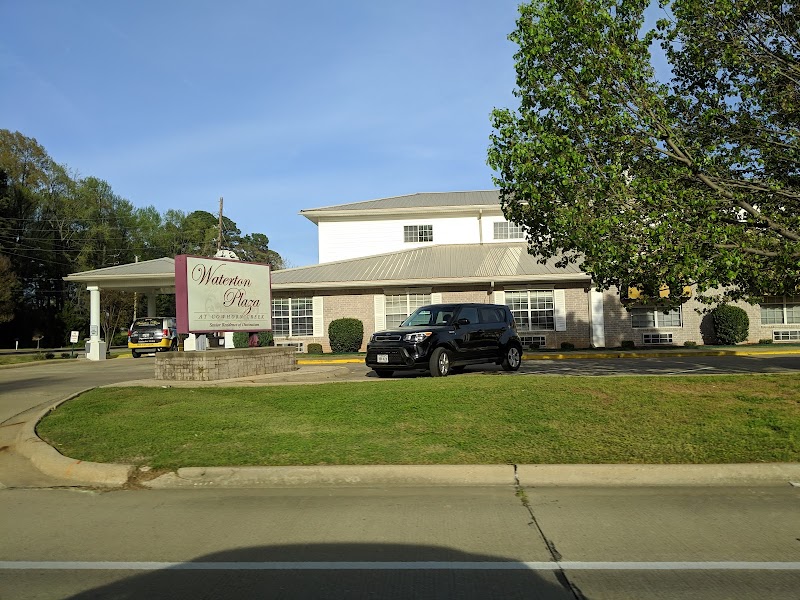
Who Owns and Operates Avir At Cowhorn Creek?

AVIR AT COWHORN CREEK is owned by a for-profit company. For-profit facilities operate as businesses with obligations to shareholders or private owners. The facility is operated by AVIR HEALTH GROUP, a chain that manages multiple nursing homes. With 76 certified beds and approximately 71 residents (about 93% occupancy), it is a smaller facility located in TEXARKANA, Texas.
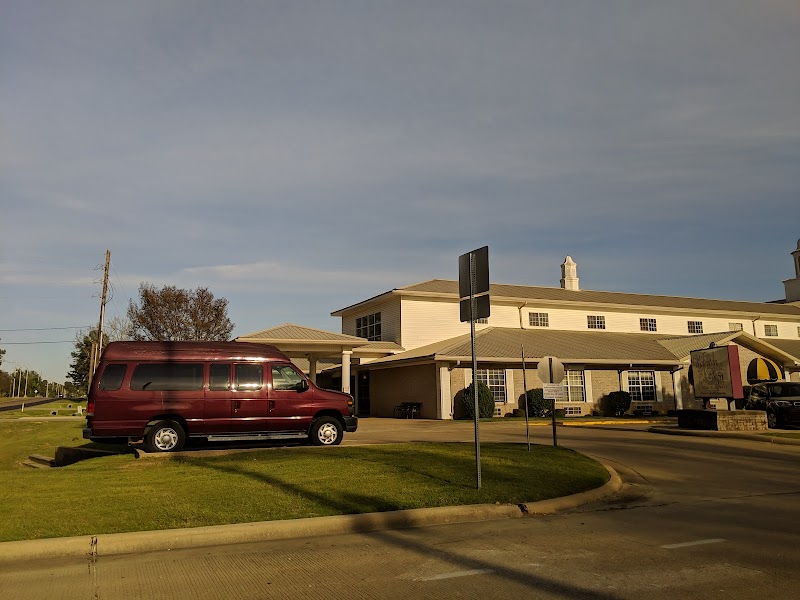
How Does Avir At Cowhorn Creek Compare to Other Texas Nursing Homes?

Compared to the 100 nursing homes in Texas, AVIR AT COWHORN CREEK's overall rating (1 stars) is below the state average of 2.8, staff turnover (51%) is near the state average of 46%, and health inspection rating (1 stars) is much below the national benchmark.

What Should Families Ask When Visiting Avir At Cowhorn Creek?

Based on this facility's data, families visiting should ask: "What safeguards and monitoring systems are in place to protect residents from abuse or neglect?" "Can you walk me through typical staffing levels on day, evening, and night shifts?" "Can I visit during a mealtime to observe dining assistance and food quality?" "How do you handle medical emergencies, and what is your hospital transfer rate?" These questions are particularly relevant given the substantiated abuse finding on record and the below-average staffing rating.

Is Avir At Cowhorn Creek Safe?

Based on CMS inspection data, AVIR AT COWHORN CREEK has documented safety concerns. The facility has 1 substantiated abuse finding (meaning confirmed case of resident harm by staff or other residents). The facility has a 1-star overall rating and ranks #100 of 100 nursing homes in Texas. Families considering this facility should ask detailed questions about what corrective actions have been taken since these incidents.

Do Nurses at Avir At Cowhorn Creek Stick Around?

AVIR AT COWHORN CREEK has a staff turnover rate of 51%, which is about average for Texas nursing homes (state average: 46%). Moderate turnover is common in nursing homes, but families should still ask about staff tenure and how the facility maintains care continuity when employees leave.

Was Avir At Cowhorn Creek Ever Fined?

AVIR AT COWHORN CREEK has been fined $32,715 across 1 penalty action. This is below the Texas average of $33,406. While any fine indicates a compliance issue, fines under $50,000 are relatively common and typically reflect isolated problems that were subsequently corrected. Families should ask what specific issues led to these fines and confirm they've been resolved.

Is Avir At Cowhorn Creek on Any Federal Watch List?

AVIR AT COWHORN CREEK is not on any federal watch list. The most significant is the Special Focus Facility (SFF) program, which identifies the bottom 1% of nursing homes nationally based on persistent, serious quality problems. Not being on this list means the facility has avoided the pattern of deficiencies that triggers enhanced federal oversight. This is a positive indicator, though families should still review the facility's inspection history directly.