HERITAGE PLAZA NURSING CENTER
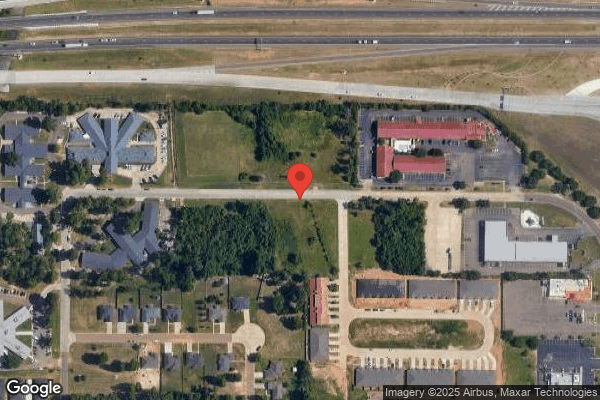
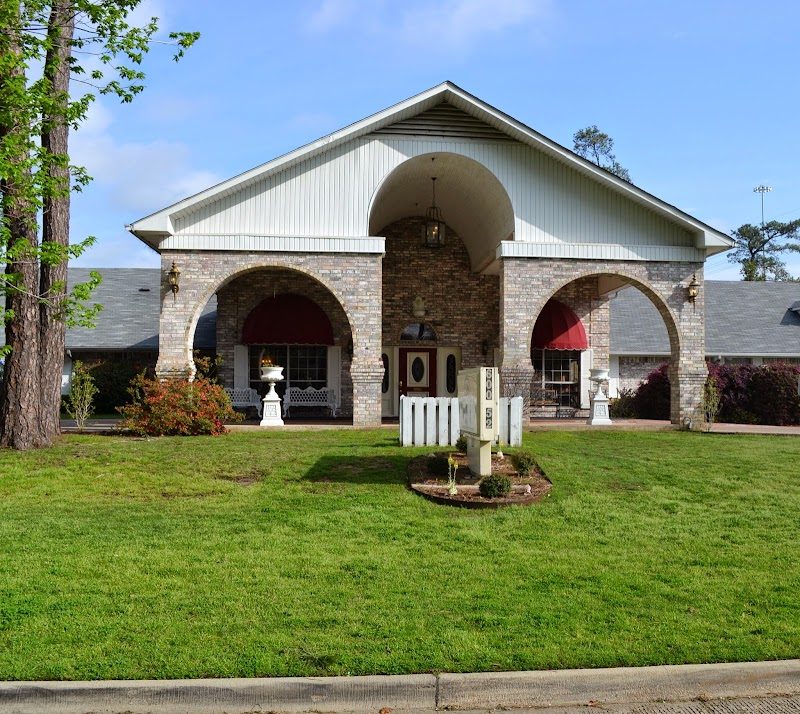
600 W 52ND ST, TEXARKANA, TX 75501 (903) 792-6700
For profit - Corporation 95 Beds STONEGATE SENIOR LIVING Data: November 2025 1 Immediate Jeopardy citation
Trust Grade
0/100
#730 of 1168 in TX
Last Inspection: April 2025

Within standard 12-15 month inspection cycle. Federal law requires annual inspections.

Overview

Heritage Plaza Nursing Center has received a Trust Grade of F, indicating significant concerns about the quality of care provided. Ranking #730 out of 1168 facilities in Texas places it in the bottom half, and #5 out of 7 in Bowie County means there are only two local options that are better. The facility is improving, having reduced issues from 17 in 2024 to 13 in 2025, but it still faces serious challenges. Staffing is a significant weakness here with a low rating of 1 out of 5 stars and an alarming 81% turnover rate, much higher than the state average. The facility has also incurred $94,538 in fines, which is concerning as it is higher than 83% of Texas facilities, pointing to repeated compliance issues. There is good RN coverage, exceeding 81% of state facilities, which is a positive aspect as RNs can identify problems that may be missed by CNAs. However, there are critical incidents that raise serious red flags. For example, the facility failed to immediately suspend a staff member after an allegation of abuse, which was not reported to the state within the required timeframe. Additionally, there were incidents where residents were not properly assisted during transfers, leading to a fall that required medical attention. Lastly, food safety practices were lacking, with multiple violations in food storage and labeling that could jeopardize resident health. Overall, while there are some strengths, the significant issues highlighted suggest that families should proceed with caution when considering this facility for their loved ones.

Trust Score
F
0/100
In Texas
#730/1168
Bottom 38%
Safety Record
High Risk
Review needed
Inspections
Getting Better
17 → 13 violations
Staff Stability
⚠ Watch
81% turnover. Very high, 33 points above average. Constant new faces learning your loved one's needs.
Penalties
✓ Good
$94,538 in fines. Lower than most Texas facilities. Relatively clean record.
Skilled Nurses
⚠ Watch
Each resident gets only 29 minutes of Registered Nurse (RN) attention daily — below average for Texas. Fewer RN minutes means fewer trained eyes watching for problems.
Violations
⚠ Watch
41 deficiencies on record. Higher than average. Multiple issues found across inspections.
★★☆☆☆
2.0
Overall Rating
★☆☆☆☆
1.0
Staff Levels
★★★★★
5.0
Care Quality
★★☆☆☆
2.0
Inspection Score
Stable
2024: 17 issues
2025: 13 issues

The Good

  • 5-Star Quality Measures · Strong clinical quality outcomes
  • Full Sprinkler Coverage · Fire safety systems throughout facility
  • No fines on record

Facility shows strength in quality measures, fire safety.

The Bad

2-Star Overall Rating

Below Texas average (2.8)

Below average - review inspection findings carefully

Staff Turnover: 81%

35pts above Texas avg (46%)

Frequent staff changes - ask about care continuity

Federal Fines: $94,538

Well above median ($33,413)

Moderate penalties - review what triggered them

Chain: STONEGATE SENIOR LIVING

Part of a multi-facility chain

Ask about local staffing decisions and management

Staff turnover is very high (81%)

33 points above Texas average of 48%

The Ugly 41 deficiencies on record

1 life-threatening 1 actual harm
Apr 2025 9 deficiencies
CONCERN (D)

Potential for Harm - no one hurt, but risky conditions existed

Resident Rights (Tag F0550)

Could have caused harm · This affected 1 resident

**NOTE- TERMS IN BRACKETS HAVE BEEN EDITED TO PROTECT CONFIDENTIALITY** Based on observations, interviews, and record review the facility failed to treat each resident with respect and dignity and pro...

Read full inspector narrative →
**NOTE- TERMS IN BRACKETS HAVE BEEN EDITED TO PROTECT CONFIDENTIALITY** Based on observations, interviews, and record review the facility failed to treat each resident with respect and dignity and provide care in a manner that promoted maintenance or enhancement of his or her quality of life for 1 of 13 residents (Resident #12) reviewed for resident rights. The facility failed to ensure Resident #12's catheter drainage bag was in a privacy bag. This failure could place residents at an increased risk of embarrassment and a diminished quality of life. The findings included: Record review of the face sheet, dated 04/23/25, reflected Resident #12 was a [AGE] year-old female who initially admitted to the facility on [DATE] with diagnoses of unspecified dementia with behaviors (memory loss) and chronic kidney disease (gradual loss of kidney function). Record review of the quarterly MDS assessment, dated 01/30/2025, reflected Resident #12 had clear speech and was sometimes understood by staff. The MDS reflected Resident #12 was rarely/never able to understand others. The MDS reflected Resident #12 had a BIMS score of 0, which indicated severe cognitive impairment. The MDS reflected Resident #12 had inattention and disorganized thinking that was continuously present and did not fluctuate. The MDS reflected Resident #12 exhibited refusal of care behaviors 1 to 3 days during the 7 day look-back period. The MDS reflected Resident #12 was totally dependent upon staff for assistance with toileting and had an indwelling catheter. Record review of the comprehensive care plan, dated 11/14/24, reflected Resident #12 had a urinary catheter. The interventions included: use privacy bag. Record review of the treatment order, which started on 01/04/25, reflected Resident #12 had an order for a Foley catheter, which included privacy bag checked every shift. During an observation on 04/21/25 at 1:52 PM, Resident #12 was lying in her bed with her eyes closed. Resident #12's Foley catheter drainage bag was hanging on the bed rail visible from the doorway. No privacy bag was observed, and the drainage bag was filled halfway with yellow urine. Resident #12 was non-interviewable related to cognitive impairment. During an observation on 04/22/25 at 9:13 AM, Resident #12 was sitting up in her chair at the front lobby. Resident #12's Foley catheter drainage bag was hanging on the side of her chair. No privacy bag was observed, and the drainage bag had a small amount of yellow urine at the bottom of the bag. During an observation on 04/22/25 at 4:13 PM, Resident #12 was lying in the bed. Resident #12's Foley catheter drainage bag was hanging on the bed rail visible from the doorway. No privacy bag was observed, and the drainage bag had yellow urine. During an interview on 04/22/25 beginning at 4:38 PM, CNA L stated Resident #12 should have had a privacy bag on her catheter drainage bag. CNA L stated the CNAs should have made the nurses' aware if there was no privacy bag noted. CNA L stated it was important to ensure Resident #12 had a privacy bag on her Foley catheter drainage bag for dignity. During an interview on 04/23/25 beginning at 9:57 AM, CNA C stated Resident #12 should have had a privacy bag on her catheter drainage bag. CNA C stated she was nervous and did not notice if Resident #12's privacy bag was in place. CNA C stated if Resident #12 did not have a privacy bag available, she should have notified the nurse. CNA C stated it was important to ensure Resident #12 had a privacy bag on her Foley catheter drainage bag for dignity. During an interview on 04/23/25 beginning at 11:27 AM, LVN K stated Resident #12 should have had a privacy bag on her catheter drainage bag. LVN K stated she believed Resident #12 had a catheter drainage bag, but the CNAs probably lost it. LVN K stated she expected CNAs to report to the charge nurse if a privacy bag was missing so she could get another one. LVN K stated it was important to ensure a privacy bag was used for a catheter drainage bag for dignity. During an interview on 04/23/25 beginning at 11:42 AM, the DON stated she expected staff to notice if a privacy bag was missing, place a privacy bag if needed, or notify the charge nurse. The DON stated the CNAs should monitor to ensure privacy bags were in place, but any staff member could have noticed a missing privacy bag and notified the nursing staff. The DON stated it was important to ensure privacy bags were in place to maintain the dignity of the residents. During an interview on 04/23/25 beginning at 12:09 PM, the Administrator stated she expected staff to ensure a catheter drainage bag was inside a privacy bag. The Administrator stated the CNAs were responsible for ensuring privacy bags were used. The Administrator stated nursing management was responsible for monitoring to ensure privacy bags were utilized. The Administrator stated it was important to ensure privacy bags were used to promote the dignity of the residents. Record review of the Resident Rights policy, dated 08/14/2022, did not address dignity.
CONCERN (D)

Potential for Harm - no one hurt, but risky conditions existed

Deficiency F0679 (Tag F0679)

Could have caused harm · This affected 1 resident

**NOTE- TERMS IN BRACKETS HAVE BEEN EDITED TO PROTECT CONFIDENTIALITY** Based on observation, interview, and record review, the facility failed to provide an ongoing program of activities in accordanc...

Read full inspector narrative →
**NOTE- TERMS IN BRACKETS HAVE BEEN EDITED TO PROTECT CONFIDENTIALITY** Based on observation, interview, and record review, the facility failed to provide an ongoing program of activities in accordance with the comprehensive assessment to meet the interests and the physical, mental, and psychosocial well-being for 2 of 13 residents reviewed for activities. (Residents #2 and Resident #33) The facility failed to provide Residents #2 and Resident #33 with consistent, scheduled activities. This failure could place residents at risk for not having activities to meet their interests or needs and a decline in their physical, mental, and psychosocial well-being. Findings included: 1. Record review of the face sheet 04/22/25 indicated Resident #2 was [AGE] years old and was admitted on [DATE] with diagnoses including dementia, peripheral vascular disease (a condition where blood flow to the extremities, particularly the legs and arms, is restricted due to narrowing or blockage of blood vessels), and pain. Record Review of Physician's Orders for Resident #2 reviewed on 04/22/25 indicated an order for activities as tolerated with a start date of 08/18/23. Record review of a quarterly MDS assessment dated [DATE] indicated Resident #2 was usually understood and usually understood others. The MDS indicated a BIMS score of 12 indicating Resident #2 was moderately cognitively impaired. The MDS indicated Resident #2 required supervision from staff for ADL's. Record review of a care plan last reviewed on 03/20/25 indicated Resident #2 had a need for socialization and had limited activity participation. There was an intervention to explore and obtain past interest and potential re-motivation. Record review of a Daily Participation form dated 02/20/25 indicated Resident #2 was active in all activities except for aromatherapy. Resident #2's electronic medical record did not indicate any Daily Participation forms since 02/20/25. During an observation and interview on 04/21/25 at 11:11 a.m., Resident #2 said she would like more activities. There was an activities calendar hanging on Resident #2's wall. She said, All we do is play bingo. She said when the previous Activity Director was there, they always had something to do. She said the previous Activity Director even had activities for them to do on the weekends. 2. Record review of the face sheet 04/22/25 indicated Resident #33 was [AGE] years old and was admitted on [DATE] with diagnoses including dementia, impulse disorder (a mental health disorder that makes it difficult to resist urges), and hypoglycemia (low blood sugar). Record Review of Physician's Orders for Resident #33 reviewed on 04/22/25 indicated an order for activities as tolerated with a start date of 08/20/24. Record review of a quarterly MDS assessment dated [DATE] indicated Resident #33 was usually understood and usually understood others. The MDS indicated a BIMS score of 10 indicating Resident #33 was moderately cognitively impaired. The MDS indicated Resident #33 required moderate to maximal assistance from staff for ADL's. Record review of a care plan last revised on 02/13/25 indicated Resident #33 had a need for socialization with interventions to provide assistance to and from activities of interest, provide materials, equipment or supplies for preferred activity pursuits, and provide modifications and/or adaptations according to needs. Record review of a Daily Participation form dated 02/20/25 indicated Resident #33 was active in all activities except for aromatherapy and manicures. Resident #33's electronic medical record did not indicate any Daily Participation forms since 02/20/25. During an interview on 04/21/25 at 09:49 a.m., Resident #33 said the facility did not offer many activities. He said it was boring just sitting in his room. He said the other Activity Director sure kept us busy. He said the new Activity Director did not. Record review of an Activity Calendar for April 2025 indicated Balloon Volleyball was scheduled on 04/22/25 at 10:30 a.m. The calendar indicated Earth Day Scattergories was scheduled on 04/22/25 at 2:00 p.m. During an observation on 04/22/25 at 10:50 a.m., revealed there was no activity going on in the facility. During an interview on 04/22/25 at 11:01 a.m., the Activity Director said the morning activity did not happen. She said, Tthings got sidetracked. She said there would be an activity after lunch. During an observation 04/22/25 at 2:08 p.m., revealed there were 5 residents present in the dining room. There were no staff present. There was no activity in progress. During an observation on 04/22/25 at 2:15 p.m., revealed there were 5 residents present in the dining room. The residents were swatting balloons in the air with pool noodles. During an observation on 04/22/25 at 2:44 p.m., revealed there were residents in the dining room. There was not an activity in progress. During an interview on 04/23/25 at 8:04 a.m., Resident #33 said there was not an activity on the morning of 04/22/25. He said he did not know why. He said the Activity Director came and told him it was cancelled. He said, I just get bored sitting here. During an interview on 04/23/25 at 9:05 a.m., CNA M said she had not seen any activities while working at the facility. She said residents had not complained to her about not having enough activities. She said not having activities could affect them mentally and physically. It could cause someone to stay in the bed and could cause depression. During an interview on 04/23/25 at 9:20 a.m., LVN N said she knew residents had bingo and little activities. She said she had not heard any complaints about not enough activities. She said not having enough activities would not be fun and not having them could affect the resident's mentality. During an interview on 04/23/25 at 9:59 a.m., the Activity Director said she had made rounds to see what activities the residents would be interested in. She said no resident had complained to her about not having enough activities. She said in between her doing activities she also worked as the restorative aide and still drove the van occasionally. She said on the morning of 04/22/25 she was performing restorative aide duties and that was why the morning activity did not happen. She said she tried to arrange her restorative aide duties around the activities. She said her restorative duties could affect the activities on a daily basis. She said the restorative duties were causing her to not start activities at the scheduled time on the calendar. She said a lot of times it was hard to get the residents to attend activities. She said not having enough activities could cause the residents to be depressed. She said she would be bored out of her mind if she did not have activities to do. During an interview on 04/23/25 at 10:23 a.m., the DON said she had not received any complaints about residents not having enough activities. She said the Activity Director was very new to the position. She said the previous Activity Director held only one position. She said the new Activity Director was having to do the restorative program. She said the Activity Director should have been managing her time differently. She said she should be doing her restorative duties during other times. During an interview on 04/23/25 at 10:40 a.m., the Administrator said the Activity Director held two positions with the facility. She said she expected the Activity Director to provide activities to the resident. She said expected the Activity Director to be more spontaneous in the activities. She said Residents not having activities available could make them feel uninterested and bored. She said she would expect the Activity Director to follow the calendar or put another activity in the place of the one on the calendar. Record review of a Lifetime Wellness Policies and Procedures dated 01/01/23 indicated, .The wellness staff provides a variety of wellness and life enrichment activities that are designed to engage and enhance the quality of life for each resident we serve. Each facility and its residents have individualized programing needs. In response to these needs, services are customized for each facility .Group activities are scheduled daily and residents are given the opportunity to contribute to the planning, preparation, conducting and evaluation of the program .The program consists of facility-sponsored group (large and small) and individual activities and independent opportunities that are .designed to meet the interest of each resident .support the physical, mental and psychosocial well-being of each resident .
CONCERN (D)

Potential for Harm - no one hurt, but risky conditions existed

Deficiency F0680 (Tag F0680)

Could have caused harm · This affected 1 resident

Based on interview and record review, the facility failed to ensure their activities program was directed by a qualified professional for 1 of 1 facility reviewed for Activity Director. The facility f...

Read full inspector narrative →
Based on interview and record review, the facility failed to ensure their activities program was directed by a qualified professional for 1 of 1 facility reviewed for Activity Director. The facility failed to employ a certified activities director. This failure could place the residents at risk of not receiving a program of activities that meets their assessed activity needs. Findings included: Record review of a personnel file for the Activity Director revealed did not indicate an Activity Director Certification and the Activity Director had 2 years of experience in a social or recreational program. The personnel file indicated a hire date of 05/08/19. Record review of a letter dated 04/02/25 and addressed to the Activity Director indicated confirmation of enrollment in a course to begin in August 2025 that taught the standardized National Council of Certified Activity Profession curriculum. During an interview on 04/23/25 at 9:59 a.m., the Activity Director said she became the Activity Director on 01/06/25. She said before that she was a CNA on the floor and worked in transportation. She said she had no experience being an activity director before she took the position. She said she had one training class but did not have her certification yet. She said in between her doing her activities she also worked as the restorative aide and still occasionally drove the van. During an interview on 04/23/25 at10:40 a.m., the Administrator said the Activity Director had been in the position since January 2025. She said the Activity Director had two positions. She said the Activity Director was enrolled for her Activities Directors class to begin in August 2025. She said the Activity Director had assisted the prior Activity Director with activities. She said not being certified, the Activity Director might not have all the knowledge needed for the position, but the Activity Director was being overseen by someone else that offers assistance and suggestions. She the Activity Director did have support. She said it would different if she did not have support. Record review of a Lifetime Wellness Policies and Procedures dated 01/01/23 indicated, .The wellness staff provides a variety of wellness and life enrichment activities that are designed to engage and enhance the quality of life for each resident we serve. Each facility and its residents have individualized programing needs. In response to these needs, services are customized for each facility .Group activities are scheduled daily and residents are given the opportunity to contribute to the planning, preparation, conducting and evaluation of the program .The program consists of facility-sponsored group (large and small) and individual activities and independent opportunities that are .designed to meet the interest of each resident .support the physical, mental and psychosocial well-being of each resident . The policy did not indicate the required qualifications for an Activity Director.
CONCERN (D)

Potential for Harm - no one hurt, but risky conditions existed

Accident Prevention (Tag F0689)

Could have caused harm · This affected 1 resident

**NOTE- TERMS IN BRACKETS HAVE BEEN EDITED TO PROTECT CONFIDENTIALITY** Based on observation, interview and record review, the facility failed to ensure the resident environment remained as free of ac...

Read full inspector narrative →
**NOTE- TERMS IN BRACKETS HAVE BEEN EDITED TO PROTECT CONFIDENTIALITY** Based on observation, interview and record review, the facility failed to ensure the resident environment remained as free of accident hazards as was possible and failed to ensure each resident received adequate supervision and assistance devices to prevent accidents for 1 of 13 residents (Resident #196) reviewed for accidents and supervision. The facility failed to ensure CNA H performed a safe mechanical lift transfer for Resident #196. This failure could place residents at risk of injury. Findings include: Record review of Resident #196's face sheet dated 4/22/25 indicated he was [AGE] years old and admitted to the facility on [DATE]. Resident #196 had diagnoses which included dementia (forgetfulness), heart failure, hypertension (high blood pressure), and anxiety (feeling of worry). Record review of the MDS assessment list, accessed 04/22/25, reflected Resident #196's admission MDS had not been completed yet. Record review of Resident #169's Care Plan dated 4/22/25 indicated he was at risk for falls, and he had impaired physical mobility with intervention to provide appropriate level of assistance to promote safety of resident. Record review of Resident #196's weight dated 4/17/25 indicated he weighed 250.2 pounds. During an observation on 4/22/25 at 8:47 AM, CNA H performed a mechanical lift transfer for Resident #196 from his bed to his high back wheelchair and was assisted by CNA J. The lift pad was already positioned under Resident #196 upon entering the room. CNA H placed the mechanical lift over Resident #196 while CNA J was on opposite side of bed and they both hooked the straps to the mechanical lift. CNA H then lifted Resident #196 up without spreading the legs of the lift to the wide position. CNA J lowered the bed down so the mechanical lift and Resident #196 would clear bed. Then CNA H pulled the mechanical lift out from over the bed with Resident #196 suspended in the lift pad and turned the mechanical lift to the left and pushed the lift over to the high back wheelchair while CNA J guided Resident #196, without spreading the mechanical lift legs to the wide position. As CNA H pushed the mechanical lift toward the high back wheelchair approximately five feet away, CNA J said open the legs to CNA H. CNA H then spread the legs of the lift to go around the high back wheelchair, while CNA J locked the wheels on the wheelchair and pulled Resident #196 to the back of the wheelchair as CNA H lowered Resident #196 into the high back wheelchair. They then unhooked the lift pad and moved the mechanical lift away from Resident #196 and positioned him in the wheelchair for comfort and combed his hair. During an interview on 4/22/25 at 1:32 PM, CNA J said she had worked at the facility for three days this time but had worked at the facility previously. CNA J said the mechanical lift legs should be opened wide and locked prior to lifting the resident, so the lift would be balanced and would not tip over with the resident. CNA J said CNA H did not open the mechanical lift legs to the wide position prior to lifting Resident #196 off the bed and did not open the lift legs until CNA H had turned the lift toward the chair and opened the legs of the mechanical lift when she (CNA J) told CNA H to open the lift legs when she realized CNA H had not opened the lift legs to the wide position. CNA J said the mechanical lift could have tipped over and could have caused injury to the resident. During an interview on 4/22/25 at 1:37 PM, CNA H said she had worked at the facility since the end of January 2025. CNA H said the legs of the mechanical lift should be opened wide when going around the chair to be able to get around the chair when transferring a resident from the bed to the chair. CNA H said the purpose of the legs being open wide was to balance the lift and to be able to get around the chair to get the resident straight and even. CNA H again stated the legs of the mechanical lift should not be opened until going over and around the chair during the transfer. CNA H said she would have to look up the policy to know what the policy said about when to open the mechanical lift legs during mechanical lift transfers. During an interview on 04/23/25 at 10:52 AM, the DON said the legs of the mechanical lift should be opened wide when lifting and moving residents. The DON said the purpose of the mechanical lift legs being in the wide position was for stability. The DON said if the legs of the mechanical lift was not in the wide position during lifting or moving the resident, it placed resident at risk for injury if the mechanical lift was to fall over. The DON said they do competencies for safe mechanical lift transfers upon hire, and they did yearly skills check offs to ensure staff were performing safe mechanical lift transfers. During an interview on 4/23/25 at 11:10 AM, the ADM said she would expect staff to perform safe mechanical lifts per the facility's policy. The ADM said there was a risk of the resident falling or the mechanical lift falling over and injuring the resident if the legs of the lift were not in the wide position during lifting and moving the resident. During an interview on 4/23/25 at 12:33 PM, the DON said she was unable to locate the mechanical lift competency check off form for CNA H. Record review of the facility's policy titled Mechanical Lifts (Hoyer/Sit-to-Stand) dated revised February 12, 2020, indicated . residents would be assisted with their Activities of Daily Living, utilizing lifts according to manufacturer's guidelines . mechanical lift operators . c. inform resident of procedure . g. fold sling and place under patient in correct position . h. open feet of mechanical lift for wide stance . k. lift resident slowly and safely, just until off bed . l. move resident to other location and lower safely . Record review of Patient Lifts by the U.S. Food and Drug Administration (FDA), (Patient Lifts | FDA) was accessed on 4/24/25 indicated . the FDA has compiled a list of best practices that, when followed, can help mitigate the risks associated with patient lifts . users should . keep the base (legs) of the patient lift at maximum open position and situate the lift to provide stability . Record review of Best Practices for Using Patient Lifts by the U.S. Food and Drug Administration (FDA), Best Practices For Using Patient Lifts (fda.gov) was accessed on 4/24/25 indicated . patient lifts were designed to lift and transfer patients from one place to another . found improper use of patient lifts have led to patient falls . resulted in head traumas, fractures, deaths . can mitigate risks by doing the following . receive training and understand how to operate the lift . keep the base (legs) of the patient lift in the maximum open position .
CONCERN (D)

Potential for Harm - no one hurt, but risky conditions existed

Incontinence Care (Tag F0690)

Could have caused harm · This affected 1 resident

**NOTE- TERMS IN BRACKETS HAVE BEEN EDITED TO PROTECT CONFIDENTIALITY** Based on observation, interview, and record review, the facility failed to ensure a resident who was incontinent of bladder rece...

Read full inspector narrative →
**NOTE- TERMS IN BRACKETS HAVE BEEN EDITED TO PROTECT CONFIDENTIALITY** Based on observation, interview, and record review, the facility failed to ensure a resident who was incontinent of bladder received appropriate treatment and services to prevent urinary tract infections for 1 of 2 residents (Resident #12) reviewed for treatment and services related to indwelling catheters. 1. The facility failed to ensure CNA L changed her gloves and performed hand hygiene during Foley catheter care. 2. The facility failed to ensure Resident #12's indwelling Foley catheter had a catheter securement device to anchor the catheter to her leg. 3. The facility failed to ensure Resident #12's Foley catheter drainage bag was kept off the floor. These failures could place residents at risk for urinary tract infections, injuries, and a decreased quality of life. The findings included: Record review of the face sheet, dated 04/23/25, reflected Resident #12 was a [AGE] year-old female who initially admitted to the facility on [DATE] with diagnoses of unspecified dementia with behaviors (memory loss) and chronic kidney disease (gradual loss of kidney function). Record review of the quarterly MDS assessment, dated 01/30/2025, reflected Resident #12 had clear speech and was sometimes understood by staff. The MDS reflected Resident #12 was rarely/never able to understand others. The MDS reflected Resident #12 had a BIMS score of 0, which indicated severe cognitive impairment. The MDS reflected Resident #12 had inattention and disorganized thinking that was continuously present and did not fluctuate. The MDS reflected Resident #12 exhibited refusal of care behaviors 1 to 3 days during the 7 day look-back period. The MDS reflected Resident #12 was totally dependent upon staff for assistance with toileting and had an indwelling catheter. Record review of the comprehensive care plan, dated 11/14/24, reflected Resident #12 had a urinary catheter. The interventions included: use leg strap to avoid pulling to catheter. Record review of the treatment order, which started on 01/04/25, reflected Resident #12 had an order for a Foley catheter, which included placement of leg strap checked every shift. During an observation on 04/22/25 beginning at 4:13 PM, CNA L and CNA C entered Resident #12's room to perform Foley catheter care. Resident #12's pants were removed and there was no catheter securement device to anchor Resident #12's Foley catheter in place. CNA L did not change her gloves or perform hand hygiene after wiping Resident #12's buttocks. CNA L placed the clean linens under Resident #12, pulled Resident #12's pants up, and re-placed her covers with the same gloves. CNA C lowered Resident #12's bed to the floor after performing catheter care, in which her Foley catheter drainage bag was observed touching the floor. During an interview on 04/22/25 beginning at 4:38 PM, CNA L stated her gloves should have been changed and hand hygiene performed when moving from dirty areas to clean areas. CNA L was unsure if she should have changed her gloves and performed hand hygiene after cleaning Resident #12's buttocks. CNA L stated she did not normally work at the facility, but she was picking up extra shifts. CNA L stated CNA C did not want to perform the Foley catheter care because she was nervous. CNA L stated she noticed Resident #12's Foley catheter bag was on the ground after CNA C lowered her bed. CNA L stated a Foley catheter drainage bag should not have been touching the floor. CNA L stated Resident #12 did not have a catheter securement device on her leg to anchor the catheter. CNA L stated a catheter securement device should always be utilized to prevent injury from pulling. CNA L stated it was important to ensure gloves were changed, hand hygiene was performed, and the Foley catheter bag was kept off the ground to prevent infection. During an interview on 04/23/25 beginning at 9:57 AM, CNA C stated gloves should have been changed and hand hygiene performed when going from a dirty area to a clean area. CNA C stated she noticed CNA L did not change her gloves or perform hand hygiene when she performed catheter care but was unsure if she was supposed to tell her. CNA C stated not changing gloves or performing hand hygiene could have caused contamination of bacteria. CNA C stated Resident #12 normally had a clamp on her leg to prevent pulling of the catheter. CNA C stated she was unsure if it was policy to ensure catheter securement devices were in place. CNA C stated missing leg clamps should have been reported to the nurse. CNA C stated it was important to ensure the catheter securement devices was in place to prevent injury or pain from pulling. CNA C stated the Foley catheter drainage bag should not have been touching the ground. CNA C stated that was her fault and she was just thinking about Resident #12's safety. CNA C stated it was important to ensure the catheter draining bag was kept off the ground to prevent contamination of bacteria. During an interview on 04/23/25 beginning at 11:27 AM, LVN K stated she expected the CNAs to perform proper catheter care, ensure the catheter securement device was in place, and ensure the drainage bag was kept off the ground. LVN K stated gloves should have been changed and hand hygiene performed when moving from a dirty to clean area. LVN K stated it was important to ensure gloves were changed and hand hygiene was performed to prevent contamination. LVN K stated Resident #12 should have had a catheter securement device. LVN K stated the CNAs should have reported Resident #12 did not have one in place. LVN K stated she was unaware Resident #12's catheter securement device was missing. LVN K stated it was important to ensure Resident #12 had a catheter securement device in place to prevent pulling on the bladder. LVN K stated the catheter drainage bag should not have been touching the ground. LVN K stated it was important to ensure the catheter bag was kept off the ground to prevent leaking, degradation of the bag, or contamination. During an interview on 04/23/25 beginning at 11:42 AM, the DON stated she expected the CNAs to follow the policy and procedure for peri-care whether a resident has a catheter or not. The DON stated she expected gloves to be changed and hand hygiene performed when going from a dirty to a clean area. The DON stated the CNAs were responsible for monitoring to ensure catheter care was performed properly. The DON stated skills checkoffs were completed during orientation and annually. The DON stated it was important to ensure gloves were changed and hand hygiene was performed to prevent infection or being gross. The DON stated she expected the CNAs to ensure the nurse was made aware if a catheter securement device was missing. The DON stated it was important to ensure a catheter securement device was in place to prevent injuries. The DON stated she expected the CNAs to ensure the catheter drainage bags were kept off the ground. The DON stated everyone was responsible for ensuring catheter drainage bags were kept off the ground. The DON stated it was important to ensure the catheter drainage bag was kept of the ground to decrease the risk for infection. During an interview on 04/23/25 beginning at 12:09 PM, the Administrator stated she expected facility staff to ensure proper catheter care was performed, a catheter securement device was in place, and the catheter drainage bag was kept off the ground. The Administrator stated nursing management was responsible for monitoring to ensure those things were completed. The Administrator stated it was important to ensure proper catheter care was performed and the catheter drainage bag was kept off the floor to prevent potential infections. The Administrator stated a catheter securement device was important to prevent injuries from pulling. Record review of the Urinary Catheter Infection Prevention policy, dated 08/2018, reflected hand hygiene is essential and the single most effect way to prevent the spread of infection .the catheter is secured to the resident's leg to prevent unnecessary trauma . gravity drainage bags are kept off the floor .
CONCERN (D)

Potential for Harm - no one hurt, but risky conditions existed

Deficiency F0699 (Tag F0699)

Could have caused harm · This affected 1 resident

**NOTE- TERMS IN BRACKETS HAVE BEEN EDITED TO PROTECT CONFIDENTIALITY** Based on observations, interviews, and record review, the facility failed to ensure that residents who are trauma survivors rece...

Read full inspector narrative →
**NOTE- TERMS IN BRACKETS HAVE BEEN EDITED TO PROTECT CONFIDENTIALITY** Based on observations, interviews, and record review, the facility failed to ensure that residents who are trauma survivors receive culturally competent, trauma-informed care in accordance with professional standards of practice and accounting for residents' experiences and preferences in order to eliminate or mitigate triggers that may cause re-traumatization of the resident for 1 of 1 resident (Resident #38) reviewed for trauma-informed care. The facility did not ensure Resident #38 had a trauma screening completed upon admission to the facility that identified possible triggers when Resident #38 had a history of trauma. This failure could put residents at an increased risk for psychological distress due to re-traumatization. The findings included: Record review of the face sheet, dated 04/22/25, reflected Resident #38 was a [AGE] year-old male who initially admitted to the facility on [DATE] with a diagnosis of unspecified dementia (memory loss). Record review of the admission referral packet, dated 11/08/24, reflected Resident #38 had a history of PTSD (mental health condition that develops following a traumatic event characterized by intrusive thoughts about the incident, recurrent distress/anxiety, flashback and avoidance of similar situations). Record review of the admission MDS assessment, dated 11/15/24, reflected Resident #38 had clear speech and was usually understood by others. The MDS reflected Resident #38 was usually able to understand others. The MDS reflected Resident #38 had a BIMS score of 11, which indicated moderately impaired cognition. The MDS reflected Resident #38 had wandering behaviors 1 to 3 days during the 7-day look-back period. The MDS assessment reflected Resident #38 had an active diagnosis of PTSD. Record review of Resident #38's comprehensive care plan, initiated 11/08/24, did not address a diagnosis of PTSD. The care plan did not identify potential triggers for re-traumatization. Record review of the admission assessment, signed 11/09/24, reflected Resident #38 had a mental health diagnosis of PTSD. Record review of the social services note, signed 11/13/24, reflected Resident #38 had no trauma screening or identification of potential triggers. Record review of the admission records list, accessed 04/22/25, reflected Resident #38 had no trauma screening completed upon admission. Record review of the social services record list, accessed 04/22/25, reflected Resident #38 had no trauma screening or trauma assessment completed since admission. During an observation and interview on 04/21/25 beginning at 10:12 AM, Resident #38 was sitting up in the bed. Resident #38 had a military plaque on his walls. Resident #38 stated he was in the military, specifically the air force. Resident #38 stated it messed me up. Resident #38 started fidgeting, moving around in the bed, and conversation became confused related to cognitive status. During an interview on 04/23/25 beginning at 10:23 AM, the Social Services Director stated trauma screenings were completed upon admission. The Social Services Director stated the nursing staff were responsible for completing the trauma screening. The Social Services Director stated she completed a more comprehensive assessment if the screening was flagged positive. The Social Service Director stated she was unsure if a trauma assessment was completed for Resident #38. The Social Services Director looked in the medical record and stated she was unable to find the trauma screening. The Social Service Director stated she was unsure if a diagnosis of PTSD would trigger a positive trauma screening. The Social Services Director stated a trauma assessment should have been completed upon admission to the facility. The Social Services Director stated Resident #38 should have been assessed further for potential triggers. The Social Services Director stated it was important to make sure residents were assessed for a history of trauma to ensure appropriate care and services were provided to the residents. During an interview on 04/23/25 beginning at 11:42 AM, the DON stated trauma screenings were completed on admission for all residents. The DON stated the admitting nurse was responsible for completing the trauma screening. The DON stated she was only made aware this week that the trauma assessment was not completed for Resident #38. The DON stated a diagnosis of PTSD would trigger a positive trauma screening and a more comprehensive assessment should have been completed by the Social Services Director. The DON stated it was important to ensure trauma screening were completed upon admission so residents who had a history of trauma could be treated appropriately with provided services. During an interview on 04/23/25 beginning at 12:09 PM, the Administrator stated she was just made aware this week that a trauma screening or assessment were not completed for Resident #38. The Administrator stated she was unsure what the policy and procedures were for PTSD or trauma assessments. The Administrator stated it was important to ensure trauma was identified so staff could prevent residents from reliving traumatic experiences and to provide the appropriate care and services. Record review of the Trauma Informed Care policy, dated 12/19/19, reflected Resident will be screened for Trauma upon admission, annually and as needed using the Trauma Screening and Recommendation in EMR . residents identified with a history of trauma, based on trauma screening and recommendations, will have trauma informed observations completed .traumatic events and triggers identified through the screening will be used to develop care plan .
CONCERN (E)

Potential for Harm - no one hurt, but risky conditions existed

Safe Environment (Tag F0584)

Could have caused harm · This affected multiple residents

**NOTE- TERMS IN BRACKETS HAVE BEEN EDITED TO PROTECT CONFIDENTIALITY** Based on observation, interview, and record review, the facility failed to provide a safe, functional, sanitary, and comfortable...

Read full inspector narrative →
**NOTE- TERMS IN BRACKETS HAVE BEEN EDITED TO PROTECT CONFIDENTIALITY** Based on observation, interview, and record review, the facility failed to provide a safe, functional, sanitary, and comfortable environment for 3 of 13 residents and 1 of 1 dining room reviewed for environment. (Resident #1, Resident #33, and Resident #96) 1. The facility failed to ensure Resident #1, Resident #33, and Resident #96 had furniture in good repair. 2. The facility failed to ensure the activity cabinet in the dining room was in good repair. These failures placed residents at risk of injury, an uncomfortable environment, and a decrease in quality of life and self-worth. Findings included: 1. Record review of the face sheet 04/22/25 indicated Resident #1 was [AGE] years old and was admitted on [DATE] with diagnoses including dementia, pain, and convulsions (seizures). Record review of a quarterly MDS assessment dated [DATE] indicated Resident #1 was usually understood and usually understood others. The MDS indicated a BIMS score of 08 indicating Resident #1 was moderately cognitively impaired. The MDS indicated Resident #1 required setup assistance from staff for ADL's. During an observation on 04/21/25 at 9:39 a.m., revealed Resident #1 was in bed. Resident #1's dresser was missing the front of the bottom drawer on the left side of the dresser. Resident #1's personal clothing items were exposed. The finish to the dresser was worn along the top edge and the front two lower corners and wood were exposed. During an observation and interview on 04/22/25 at 11:37 a.m., revealed Resident #1's dresser was missing the front of the bottom drawer on the left side of the dresser. Resident #1's personal clothing items were exposed. The finish to the dresser was worn along the top edge and the front two lower corners and wood were exposed. The resident said the dresser had been that way a long time. She said she had not reported it to anyone. 2. Record review of the face sheet 04/22/25 indicated Resident #33 was [AGE] years old and was admitted on [DATE] with diagnoses including dementia, impulse disorder (a mental health disorder that makes it difficult to resist urges), and hypoglycemia (low blood sugar). Record review of a quarterly MDS assessment dated [DATE] indicated Resident #33 was usually understood and usually understood others. The MDS indicated a BIMS score of 10 indicating Resident #33 was moderately cognitively impaired. The MDS indicated Resident #33 required moderate to maximal assistance from staff for ADL's. During an observation on 04/21/25 at 9:49 a.m., revealed Resident #33 was in his chair in his room. Resident #33's dresser was missing the front of the second drawer down. Resident #33's personal items were exposed. During an observation an interview on 04/23/25 on 8:04 a.m., revealed Resident #33 was in his chair in his room. Resident #33's dresser was missing the front of the second drawer down. Resident #33's personal items were exposed. He said front of the drawer fell off a long time ago. He said he had not told anyone. He said, It is ugly like that. I thought they would bring me another dresser, but they have not. 3. Record review of the face sheet 04/22/25 indicated Resident #96 was [AGE] years old and was admitted on [DATE] with diagnoses including kidney failure, diabetes, and weakness. Record review of a quarterly MDS assessment dated [DATE] indicated Resident #96 was usually understood and usually understood others. The MDS indicated a BIMS score of 12 indicating Resident #1 was moderately cognitively impaired. The MDS indicated Resident #96 required maximal assistance from staff for most ADL's. During an observation and interview on 04/21/25 at 11:51 a.m., revealed Resident #96 was in bed in her room. There was a wardrobe next to her bed. The front of the top drawer was only attached on one side and was hanging down. Resident #96's personal items were exposed. The handle to the door had a missing screw and was out of place. She said it had been broken the whole time she had been at the facility. During an observation on 04/22/25 at 11:39 a.m., revealed Resident #96 was in bed in her room. There was a wardrobe next to her bed. The front of the top drawer was only attached on one side and was hanging down. Resident #96's personal items were exposed. The handle to the door had a missing screw and was out of place. Record review of a Maintenance Work Order book that was kept at the nurse's station did not indicate work orders requesting repair of Resident #1 and Resident #33's dresser or Resident #96's wardrobe. During an interview on 04/23/25 at 9:05 a.m., CNA M said she had not noticed any broken furniture. She said any staff going in the room should notice broken furniture in a resident's room. She said any broken furniture should be entered into the Maintenance Work Order book at the nurse's stations. She said it is the Maintenance Supervisor's job to repair the furniture. She said broken furniture would not make her feel comfortable and like the staff did not care about her. During an interview on 04/23/25 at 9:20 a.m., LVN N said she had noticed the fronts of drawers missing off residents furniture. She said she never reported it to anyone. She said she had seen Resident #33's dresser missing a drawer front. She said furniture not being repaired could lead to a risk of splinters. During an interview on 04/23/25 at 9:47 a.m., the Maintenance Supervisor said he learned of furniture in need of repair either by work order or when he was in a room. He said he repaired what he could. He said sometimes he would go into a room and a drawer front would just be gone and someone had put it in the trash. He said he did not have extra furniture except for furniture from an empty room. He said he was not aware of the wardrobe in Resident #96's room. He said he had no clue where the front of the drawer was for Resident #33's dresser. He said he was not aware it was missing. He said he was not aware of the drawer missing a front in Resident #1's room. He said he had not been in her room in forever. He said none of these had been entered into the Maintenance Work Order book at the nurse's station. During an interview 04/23/25 at 10:23 a.m., the DON she said everyone was responsible for reporting broken furniture. She said there was a Maintenance Work Order book at the nurse's station and any request for repair should be entered into the book. She said she would then expect the Maintenance Supervisor to then address the issue. She said furniture in disrepair including loose handles could cause a balance issue and there could be sharp edges. She said also it could cause the residents personal items to be on display for everyone to see. During an interview on 04/23/25 at 10:40 a.m., the Administrator said all staff that entered a room that noticed anything that needed to be repaired should place a repair request in the Maintenance Work Order book. She said once it is entered into the Maintenance Work Order book, she then expected the maintenance supervisor to address the issue. She said furniture not being in good repair could be a care and concern for the resident. She said, I wouldn't like it. 4. During an observation on 04/21/25 at 11:28 AM, revealed the activity cabinet in the dining room had the right side of its doors removed, which were propped against the second cabinet. During an observation on 04/22/25 at 2:05 PM, revealed the activity cabinet in the dining room had the right side of its doors removed, which were propped against the second cabinet. During an interview on 04/23/25 at 10:44 AM, the Maintenance Supervisor stated the activity cabinet had not been reported to him, but he was aware the doors were broken. The Maintenance Supervisor stated the door was beyond repair and he had not been given approval to replace the cabinet. The Maintenance Supervisor stated he did not have extra furniture to replace the broken items. The Maintenance Supervisor stated it was important to ensure furniture was in good condition to prevent injuries and maintain a homelike environment. During an interview on 04/23/25 beginning at 12:09 PM, the Administrator stated she expected furniture to be in good repair. The Administrator stated the Maintenance Supervisor was responsible for ensure the furniture was fixed or replaced. The Administrator stated it was important to ensure furniture was in good repair to maintain a homelike environment. Record review of the Maintenance Service policy, undated, reflected Maintenance service shall be provided to all areas of the building, grounds, and equipment .the maintenance department is responsible for maintaining the buildings, grounds, and equipment in a safe and operable manner at all times .The following functions are performed by maintenance .maintain the building in good repair and free from hazards .providing routinely scheduled maintenance to all areas .
CONCERN (E)

Potential for Harm - no one hurt, but risky conditions existed

Infection Control (Tag F0880)

Could have caused harm · This affected multiple residents

**NOTE- TERMS IN BRACKETS HAVE BEEN EDITED TO PROTECT CONFIDENTIALITY** Based on observations, interview, and record review the facility failed to establish and maintain an infection prevention and co...

Read full inspector narrative →
**NOTE- TERMS IN BRACKETS HAVE BEEN EDITED TO PROTECT CONFIDENTIALITY** Based on observations, interview, and record review the facility failed to establish and maintain an infection prevention and control program designed to provide a safe, sanitary, and comfortable environment and to help prevent the development and transmission of communicable diseases and infections for 3 of 13 residents (Resident #12, #22, and #196) reviewed for infection control practices. 1. The facility failed to ensure signage was located outside Resident #196's room to indicate he required transmission-based droplet precautions. 2. The facility failed to ensure CNA C used transmission-based droplet precautions when entering Resident #196's room. 3. The facility failed to ensure CNA L changed her gloves and perform hand hygiene during Resident #12's indwelling foley catheter care. 4. The facility failed to ensure LVN A and CNA B followed the Enhanced Barrier Precautions (EBP) (interventions to prevent spread of infection in high-risk residents) policy of wearing a gown during Resident #22's wound care to right hip on 4/22/25. 5. The facility failed to ensure CNA B and CNA C followed the Enhanced Barrier Precautions (EBP) policy of wearing a gown during Resident #22's incontinent care on 4/22/25. These failures could place residents and staff at risk for cross contamination and the spread of infection. The findings included: 1. Record review of the face sheet, dated 04/22/25, reflected Resident #196 was a [AGE] year-old male who initially admitted to the facility on [DATE] with a diagnosis of post COVID-19 condition and COPD (progressive lung disease characterized by chronic respiratory symptoms and airflow limitation). Record review of the MDS assessment list, accessed 04/22/25, reflected the admission MDS had not been completed yet. Record review of the comprehensive care plan, initiated 04/10/25, reflected Resident #196 had a contagious or infectious disease. The interventions included: isolation as ordered. Record review of the treatment order, accessed 04/22/25, reflected Resident #196 had an order, which started on 04/10/25 for isolation: droplet/respiratory x 21 days for diagnosis of post COVID-19 condition and positive test on 03/31/25. During an observation and interview on 04/21/25 beginning at 10:38 AM, Resident #196's door was open. There was no signage or PPE supply cart located outside room. There was a PPE supply cart across the hallway that had shoe covers, barrier cream, and biohazard bags in it. Resident #196 was sitting up in his chair with a mechanical lift pad underneath him. Resident #196 stated he had been on quarantine for a couple of weeks because he had COVID-19 in the hospital. Resident #196 stated today was supposed to have been his last day on quarantine. Resident #196 stated staff had not been wearing PPE when coming into his room. During an interview and observation on 04/21/25 beginning at 10:45 AM, CNA J stated she was responsible for the residents on 400 halls. CNA J stated she was unsure if Resident #196 required transmission-based droplet precautions. CNA J walked away to ask the nurse. CNA J returned to the surveyor and stated the charge nurse informed her Resident #196 was on transmission-based droplet isolation precautions. CNA J stated she did not ask the nurse why he was on transmission-based droplet precautions. CNA J stated she had not worn PPE in his room because she was not aware he required transmission-based droplet precautions. CNA C entered Resident #196's room during the interview with no PPE supplies on. During an observation and interview on 04/21/25 beginning at 10:47 AM, CNA C walked out of Resident #196's room and went into the clean linen closet. CNA C walked out of the clean linen closet with a blanket. CNA C stated she was getting Resident #196 a blanket because he asked for one. CNA C stated she believed Resident #196 was on transmission-based droplet precautions but was unsure why. CNA C stated she was not assigned to Resident #196's hallway. CNA C stated she should have worn PPE inside the room if he was on quarantine. CNA C stated it was important to ensure PPE was worn inside the room for someone on isolation precautions to prevent the spread of infection. During an interview on 04/21/25 beginning at 10:49 AM, LVN K stated Resident #196 was on transmission-based droplet precautions [isolation precautions related to an infectious disease, in which PPE should be worn] related to a COVID-19 diagnosis. LVN K stated there should have been signage located on the door to alert staff and visitors that PPE was required. LVN K stated the PPE worn should have included a mask. LVN K stated a mask should have been worn by anyone entering Resident #196's room. LVN K stated it was important to ensure signage was on the door to alert staff and visitor PPE was required, PPE was located outside the room, and staff wore the appropriate PPE to prevent the spread of infection. During an observation on 04/21/25 beginning at 10:51 AM, the ADON placed an isolation precaution sign outside Resident #196's room. The ADON moved the PPE supply cart in front of Resident #196's room and stocked it with gowns, masks, and gloves. During an interview on 04/23/25 beginning at 11:42 AM, the DON stated signage to alert staff or visitor that Resident #196 was on transmission-based droplet precautions should have been visible on his door. The DON stated all staff and visitors should have worn the appropriate PPE supplies when they entered Resident #196's room. The DON stated all the staff know the polices for infection control and were responsible for following them. The DON stated it was important to ensure signage was placed on the door and PPE was worn for residents with transmission-based precautions to reduce the spread of infection. The DON stated if there was no signage on the door, the facility staff should have reported it and placed a sign on the door. During an interview on 04/23/25 beginning at 12:09 PM, the Administrator stated she expected the facility staff to ensure appropriate signage and PPE supplies were available for residents who required transmission-based droplet precautions. The Administrator stated nursing staff were responsible for ensure the infection control policies and procedures were followed. The Administrator stated it was important to ensure signage was placed on the door and PPE was worn for residents with transmission-based precautions to reduce the spread of infection. 2. Record review of the face sheet, dated 04/23/25, reflected Resident #12 was a [AGE] year-old female who initially admitted to the facility on [DATE] with diagnoses of unspecified dementia with behaviors (memory loss) and chronic kidney disease (gradual loss of kidney function). Record review of the quarterly MDS assessment, dated 01/30/2025, reflected Resident #12 had clear speech and was sometimes understood by staff. The MDS reflected Resident #12 was rarely/never able to understand others. The MDS reflected Resident #12 had a BIMS score of 0, which indicated severe cognitive impairment. The MDS reflected Resident #12 had inattention and disorganized thinking that was continuously present and did not fluctuate. The MDS reflected Resident #12 exhibited refusal of care behaviors 1 to 3 days during the 7 day look-back period. The MDS reflected Resident #12 was totally dependent upon staff for assistance with toileting and had an indwelling catheter. Record review of the comprehensive care plan, dated 11/14/24, reflected Resident #12 had a urinary catheter. Record review of the treatment order, which started on 01/04/25, reflected Resident #12 had an order for a foley catheter. During an observation on 04/22/25 beginning at 4:13 PM, CNA L and CNA C entered Resident #12's room to perform foley catheter care. CNA L did not change her gloves or perform hand hygiene after wiping Resident #12's buttocks. CNA L placed the clean linens under Resident #12, pulled Resident #12's pants up, and re-placed her covers with the same gloves. During an interview on 04/22/25 beginning at 4:38 PM, CNA L stated her gloves should have been changed and hand hygiene performed when moving from dirty areas to clean areas. CNA L was unsure if she should have changed her gloves and performed hand hygiene after cleaning Resident #12's buttocks. CNA L stated she did not normally work at the facility, but she was picking up extra shifts. CNA L stated CNA C did not want to perform the foley catheter care because she was nervous. CNA L stated it was important to ensure gloves were changed and hand hygiene was performed to prevent infection. During an interview on 04/23/25 beginning at 9:57 AM, CNA C stated gloves should have been changed and hand hygiene performed when going from a dirty area to a clean area. CNA C stated she noticed CNA L did not change her gloves or perform hand hygiene when she performed catheter care but was unsure if she was supposed to tell her. CNA C stated not changing gloves or performing hand hygiene could have caused contamination of bacteria. During an interview on 04/23/25 beginning at 11:27 AM, LVN K stated she expected the CNAs to perform proper catheter care. LVN K stated gloves should have been changed and hand hygiene performed when moving from a dirty to clean area. LVN K stated it was important to ensure gloves were changed and hand hygiene was performed to prevent contamination. During an interview on 04/23/25 beginning at 11:42 AM, the DON stated she expected the CNAs to follow the policy and procedure for peri-care whether a resident has a catheter or not. The DON stated she expected gloves to be changed and hand hygiene performed when going from a dirty to a clean area. The DON stated the CNAs were responsible for monitoring to ensure catheter care was performed properly. The DON stated skills checkoffs were completed during orientation and annually. The DON stated it was important to ensure gloves were changed and hand hygiene was performed to prevent infection or being gross. During an interview on 04/23/25 beginning at 12:09 PM, the Administrator stated she expected facility staff to ensure proper catheter care was performed. The Administrator stated nursing management was responsible for monitoring to ensure proper catheter care was completed. The Administrator stated it was important to ensure proper catheter care was performed to prevent potential infections. 3. Record review of Resident #22's face sheet dated 4/22/25 revealed she was [AGE] years old and admitted to the facility on [DATE] and re-admitted on [DATE]. Resident #22 had diagnoses including dementia (forgetfulness), cerebral infarction (stroke-lack of oxygen to the brain resulting in brain tissue death), weakness, and skin changes. Record review of Resident #22's annual MDS assessment dated [DATE] indicated she was sometimes understood and sometimes understood others. Resident #22 scored 0 on her BIMS, which indicated she had severe cognitive impairment. Resident #22 was dependent on staff for toileting and moderate assistance for most ADLs. The MDS indicated Resident #22 was always incontinent of bowel and bladder. Record review of Resident #22's Care Plan dated 4/22/25 indicated she had self-care deficit, skin breakdown, at risk for/actual, and infection control as evidenced by Enhanced Barrier Precautions with interventions for gown and glove use during high-contact resident care activities such as dressing, bathing/showering, transferring, providing hygiene, changing linens, changing briefs, assisting with toileting, wound care, and any skin opening requiring a dressing. Record review of Resident #22's Orders dated 4/23/25 revealed an order for Enhanced Barrier Precautions (EBP) every AM shift (6 AM-2 PM) with a reason of wound, with a start date of 3/19/25. During an observation on 4/22/25 at 2:16 PM, LVN A performed wound care to Resident #22's right hip and was assisted by CNA B. Resident #22 had a blue name tag outside of her room door. CNA B sanitized hands and put on gloves, raised the bed, allowing the front of her clothing to touch Resident #22's bedding. CNA B then leaned over Resident #22 and pulled the blankets down to the end of the bed and assisted LVN A to pull the back of Resident #22's pants down allowing her clothing to touch Resident 22's bedding. CNA B then softly said, we forgot something, but did not say what they forgot. LVN A removed the old dressing from Resident #22's right hip, performed hand hygiene using hand sanitizer, changed gloves, then cleansed the wound with wound cleanser and gauze, then applied calcium alginate (used to heal wounds) on the wound, then covered the wound with the adhesive dressing. Then LVN A applied barrier cream (used to protective the skin from moisture) on Resident #22's bottom and then removed gloves and said Resident #22 had a bowel movement. CNA B then reached under resident to pull the draw pad out from under the resident, repositioned Resident #22 in bed by putting her arm under Resident 22's shoulders with her right arm and pulling her more upright in bed, allowing the front of her clothing to come in contact with Resident 22's clothing and bedding. CNA B said she would gather supplies and come back to provide incontinent care for Resident #22. CNA B and LVN A did not wear a gown as part of EBP while providing wound care to Resident #22. During an observation on 4/22/25 at 2:37 PM, CNA B performed incontinent care on Resident #22, assisted by CNA C. CNA C allowed Resident #22 to hold her hands during the care. CNA B pulled down Resident #22's bedding to the foot of bed and pulled down Resident #22's pants. CNA B then folded the soiled brief to contain the bowel movement away from the resident, then cleansed the rest of the bowel movement from Resident 22's bottom using cleansing wipes and pulled the soiled brief from under resident then cleansed her bottom again with cleansing wipes placing soiled items in a trash bag. CNA B then removed her gloves, sanitized her hands, and put on clean gloves. CNA B then reached over the top of the resident and reached under Resident #22 on the opposite side and pulled the clean brief from under Resident 22. CNA C assisted to turn Resident #22 leaning over resident and allowed the front of her clothing to come in contact with Resident #22's clothing and bedding. CNA B and CNA C did not wear a gown as part of EBP while performing Resident #22's incontinent care. During an interview on 4/22/25 at 2:52 PM, CNA B said she had worked at the facility for two days. CNA B said the blue name tags outside the residents' doors indicated they were on EBP. CNA B said if a resident was on EBP it meant you had to wear a gown and gloves to protect the resident from getting anything from the staff. CNA B said she knew they were in trouble when they provided wound care to Resident #22 and did not wear gowns. CNA B said not wearing gowns during wound care placed the resident at risk of catching any kind of germ or infection from the staff. CNA B said they should have been wearing gown and gloves during the wound care and incontinent care to protect Resident #22 from infections. CNA B said she had received training on EBP. During an interview on 4/22/25 at 2:56 PM, LVN A said she had worked at the facility for four months. LVN A said she did not remember what the blue name tags outside the resident's door was for. State Surveyor asked if the blue name tags had to do with EBP and LVN A said yes. LVN A said if a resident was on EBP, it meant to keep the resident turned and make sure their skin was good. State Surveyor asked what type of residents were on EBP, and LVN A said residents with wounds or urinary catheters were on EBP. LVN A said she did not know Resident #22 had a blue name tag and she then walked to Resident 22's door and verified there was a blue name tag and then said she should have worn a gown and gloves during the wound care to prevent the spread of infections. LVN A said not wearing gown and gloves while performing wound care placed the resident at risk for infections. LVN A said she had received training on EBP. During an interview on 4/22/25 at 3:02 PM, CNA C said she had worked at the facility for three days. CNA C said the blue name door tags meant staff had to wear a gown and gloves during personal care as precautions for residents with wounds or catheters. CNA C said staff should wear a gown and gloves to protect the resident from anything the staff may have on them. CNA C said when she went in to answer Resident #22's call light, when CNA B pushed the call light to get help, she (CNA C) didn't know she was going to be providing direct resident care and did not bring a gown. CNA C said they both should have been wearing gowns and gloves during the incontinent care to protect the resident from infections. CNA C said she had received training on EBP. During an interview on 4/23/25 at 10:52 AM, the DON said the staff knew residents were on EBP by the blue name tags by the door. The DON said residents with open wounds, urinary catheters, feeding tubes, or any implanted device in the body would be on EBP. The DON said Resident #22 was on EBP because she had wounds. The DON said gowns and gloves should be worn when providing care for residents on EBP. The DON said when staff were performing wound care and/or incontinent care they should be wearing a gown and gloves during care. The DON said the purpose of the EBP was to protect the resident from anything staff could bring into them. The DON said when staff did not follow the EBP policy of wearing a gown during care, it placed the resident at risk of infection. The DON said all staff were responsible for ensuring EBP was being followed and if she saw staff were not following the EBP policy, then she would definitely in-service the staff. The DON said they provided training on infection control and EBP policies upon hire and annually. During an interview on 4/23/25 at 11:10 AM, the ADM said the residents who were on EBP had a blue name tag on the door. The ADM said residents with wounds, urinary catheters, or any device inserted into the body would require the resident to be on EBP. The ADM said she would expect the staff to be following the EBP policy. The ADM said if staff did not follow the EBP policy it could place the resident at risk of contamination and/or infection. Record review of the Isolation Precautions policy, dated August 2018, reflected droplet precautions: intended to reduce the risk of respirator droplet transmission of infectious agents .enhanced barrier precautions: used when the resident does not require transmission-based precautions but has a higher risk of known colonization with MDROs .modified isolation precautions necessitates use of N95/KN95, face shield or goggles, gown, and gloves when entering the room .droplet precautions necessitates the use of a surgical/procedural mask and eye protections when entering the room .modified isolation precautions were used for the following situation: COVID-19 .place disease specific isolation sign on door .all personnel entering the room must wear isolation gown, gloves, N95/Kn95 mask, and eye protections such as goggles or face shield . Record review of the Urinary Catheter Infection Prevention policy, dated 08/2018, reflected hand hygiene is essential and the single most effect way to prevent the spread of infection .
CONCERN (F)

Potential for Harm - no one hurt, but risky conditions existed

Food Safety (Tag F0812)

Could have caused harm · This affected most or all residents

Based on observation, interview, and record review, the facility failed to store, prepare, distribute, and serve food in accordance with professional standards for food service safety in the facility'...

Read full inspector narrative →
Based on observation, interview, and record review, the facility failed to store, prepare, distribute, and serve food in accordance with professional standards for food service safety in the facility's only kitchen reviewed for food safety requirements. 1. The facility failed to ensure an opened box of powdered sugar was securely closed or stored in a secure container with a label and date. 2. The facility failed to ensure a plastic container with a lid, containing what appeared to be a red sauce in it, was labeled and dated. 3. The facility failed to ensure a plastic container with a lid, containing what appeared to be green beans, corn, and potatoes in it, was labeled and dated. 4. The facility failed to ensure a plastic bag containing an unknown meat with ice particles covering it was labeled and dated. 5. The facility failed to ensure a plastic bag containing what appeared to be chicken, with ice particles covering approximately half of it, was labeled, and dated. These failures could place residents at risk of foodborne illness and food contamination. Findings included: During initial tour observations and interviews of the kitchen on 4/21/25 beginning at 9:20 AM and accompanied by the DM, there was a box of powdered sugar that had been opened in the dry goods pantry with the top of the box tabs closed,. tThe DM opened the box and the plastic bag on the inside of the box had a corner cut off and was not securely closed and it was not in a secured plastic zippered bag with label and date. The DM said the opened box of powdered sugar should have been placed in a plastic zipper bag and labeled and dated after it was opened. The DM went and got a plastic zipper bag and placed the opened box of powdered sugar in it. In the refrigerator, there was a clear plastic container with a lid containing what appeared to be a red sauce and there was no label or date on the container. There was also a clear plastic container with a lid containing what appeared to be green beans in the bottom, then yellow corn, and white cubes potatoes on top and there was no label or date on the container. DA G came over to the refrigerator and said the red sauce in the clear plastic container was ketchup and she had just put it in the refrigerator that morning and the other clear plastic container had mixed vegetables in it, but she did not know how long the mixed vegetables had been in the refrigerator. The DM came over and told DA G to toss both containers because they should have been labeled and dated. DA G told the DM she had just put the ketchup in the refrigerator that morning and would label and date it. The DM told DA G to toss the mixed vegetables because she did not know when they were put in the refrigerator. The DM said they should have been dated and labeled to show what was in the containers and when they were placed in the refrigerator. The DM was standing in front of the freezer, and she took a plastic bag of unknown meat, covered with ice particles, out and placed it on the counter and it was not labeled or dated. There was another plastic bag of frozen meat that appeared to be chicken with ice particles covering approximately half of it and it was not labeled or dated. The DM said everything should be labeled and dated. [NAME] F came over and said she had put the mixed vegetables in the clear plastic container and placed it in the refrigerator that morning prior to State Surveyor coming into the kitchen and the mixed vegetables were being served for lunch. [NAME] F said she should have labeled and dated the clear plastic container of vegetables when she placed it in the refrigerator. During an interview on 4/23/25 at 9:08 AM, [NAME] D said after opening a box of powder sugar, it should have been placed in a plastic bag and labeled, dated, and seal. [NAME] D said by placing the box in a plastic bag and sealing it, ensured nothing could get in it. [NAME] D said you should label and date anything before placing in the refrigerator or freezer. [NAME] D said it was important to label and date the food, so you could tell that it was not old or spoiled. [NAME] D said meat should be labeled and dated prior to placing it in the freezer. [NAME] D said the ice on the meat could mean it was freezer burnt. [NAME] D said she would not serve anything with ice covering it because it was not good. [NAME] D said the cook was responsible for ensuring food was labeled, dated, and stored properly. During an interview on 4/23/25 at 9:16 AM, DA E said she had worked at the facility for about ten years. DA E said when they open a package of powdered sugar, they should make sure the package was folded down and closed then placed in a plastic bag to keep it fresh and keep anything from getting in it. DA E said staff should label and date a container placed in the refrigerator prior to placing it in the refrigerator. DA E said containers in the refrigerator should be labeled and dated, so they can know what was in the container, and if dated, they know how long it had been in the refrigerator and whether it was still good. DA E said everything should be labeled and dated in the freezer. DA E said if food was placed in a plastic bag and was not labeled or dated in the freezer, then staff would not know how long it had been in the freezer and if it had ice on it, it could be freezer burnt and it meant it was not properly sealed and it had been in there too long. DA E said she would discard it after letting her supervisor know. DA E said they were all responsible for ensuring food was labeled, dated, and stored properly, but DM was the one ultimately responsible. During an interview on 4/23/25 at 9:25 AM, the DM said the powdered sugar was not stored properly. The DM said the powdered sugar should have been in a plastic bag and labeled and dated, because it was open, and it was not properly sealed. The DM said it was a constant battle to get her staff to label and date and she checked behind them regularly. The DM said the plastic containers in the refrigerator should have been labeled and dated prior to the staff placing them in the refrigerator so everyone would know when it was placed in it and if it was still good. The DM said the items in the freezer should have been labeled and dated and if there was ice on it, the staff know not to use it. The DM said ice on the meat meant it was freezer burnt and should not be served. The DM said the plastic unlabeled or dated bag of unknown meat was a hamburger patty. The DM said they have seen pests, roaches, in the kitchen occasionally, and when they see any pests, they notify the pest control man, and he was there on Friday 4/18/25. The DM said she was responsible for ensuring staff stored and labeled/dated the food appropriately. The DM said they have gone through everything in the kitchen, the refrigerator, and the freezers, and they looked good now. During an interview on 4/23/25 at 11:10 AM, the ADM said she would expect food in the kitchen to be labeled, dated, and stored per the facility's policies. The ADM said the purpose of labeling, dating, and storing food per the facility's policies was to ensure the freshness of the food and to ensure that it was not expired. Record review of the facility's policy titled Nutrition Services dated revised February 6, 2024, indicated . food is stored, prepared, and transported at an appropriate temperature and by methods designed to prevent contamination . Storeroom . air-tight containers or bags were used for all opened packages of food . all containers are accurately labeled with the item and date opened . Refrigerator . all foods are covered, labeled and dated . Freezer . foods are covered, labeled and dated . any item out of the original case must be properly secured and labeled .
Mar 2025 4 deficiencies
CONCERN (D) 📢 Someone Reported This

A family member, employee, or ombudsman was alarmed enough to file a formal complaint

Potential for Harm - no one hurt, but risky conditions existed

Resident Rights (Tag F0550)

Could have caused harm · This affected 1 resident

**NOTE- TERMS IN BRACKETS HAVE BEEN EDITED TO PROTECT CONFIDENTIALITY** Based on observations, interviews, and record review, the facility failed to treat each resident with respect and dignity and pr...

Read full inspector narrative →
**NOTE- TERMS IN BRACKETS HAVE BEEN EDITED TO PROTECT CONFIDENTIALITY** Based on observations, interviews, and record review, the facility failed to treat each resident with respect and dignity and provide care in a manner that promoted maintenance or enhancement of his or her quality of life for 1 of 17 residents (Resident #4) reviewed for resident rights. The facility failed to ensure Resident #4 had a dignified existence by allowing her to be covered in feces on 2/27/25. These failures could place residents at risk of humiliation, diminished quality of life, loss of dignity and loss of self-worth. Findings included: Record review of Resident #4's face sheet dated 3/03/25 indicated she was [AGE] years old and admitted to the facility on [DATE]. Resident #4 had diagnoses which included diverticulitis (occurs when an infected pouch becomes filled with pus) of large intestine with perforation (rupture) and abscess (pocket of pus), hypertension (high blood pressure), and depression (persistent sadness that can interfere with daily life). Record review of Resident #4's MDS assessment indicated it had not been completed prior to exiting the facility. Record review of Resident #4's care plan dated of 3/03/25 indicated she was taking an antidepressant (medication to treat depression); she had impaired physical mobility with an intervention to provide appropriate level of assistance to promote safety of resident; she had a self-care deficit with an intervention to provide assistance with self-care as needed; she was at risk for problems with elimination; and she had a colostomy/ileostomy (surgical procedure that created an opening in the abdominal wall through which waste products from the small intestine could exit the body). Record review of Resident #4's Progress Note dated 2/25/25 indicated Resident #4 had an ileostomy due to a perforated (ruptured) diverticulitis and a large midline surgical incision with staples and dehisced area (open/separation of wound edges) to the end of the incision near the ileostomy and it was being packed with saline soaked gauze. NP F documented the ileostomy bag had dark liquid stool in it. Record review of Nurse Note dated 2/28/25 at 6:45 AM indicated LVN A had come on duty on 2/27/25 at about 1910 (7:10 PM) and was informed by LVN C, Resident #4's family was there and was upset that Resident #4 had bowel all over her and her wound from her leaking colostomy bag. LVN A documented Resident #4's clothing and brief were soiled with bowel from her leaking colostomy bag, as well as the dressing covering the wound. LVN A documented Resident #4's family member stated Resident #4 had been sitting in poop for four hours. During an observation and interview on 3/03/25 at 11:50 AM, Resident #4 was lying in bed visiting with two family members in her room. Resident #4 said since her FM #1 fussed at the facility on 2/27/25, things had been much better and they now checked on her hourly and emptied her colostomy bag, but the first three days at the facility were awful. Resident #4 said the staff did not empty her colostomy bag and it burst the first night she was at the facility and covered her in poop and it frequently leaked. Resident #4 said she laid in her own poop and had poop in her wound that was by her colostomy frequently for the first three days, but the worst time was on 2/27/25. Resident #4 said they had issues on 2/27/25 four times during the day with her colostomy bag leaking and the nurse had changed it a couple times earlier in the day, but it would be back to leaking shortly after it was changed. Resident #4 said she laid in her own poop for about four hours until FM #3 came to see her. FM #2, who was visiting with Resident #4, said she had called Resident #4 at 3:00 PM and Resident #4 said her colostomy bag was leaking and no one had come to answer her call light and she was lying in her own poop. FM #2 said she called the facility about 3:30 PM and no one answered the phone. Resident #4 said she knew she had been lying in her own poop for about four hours based off the time of the phone calls with FM #2. Resident #4 said by the time FM #3 arrived in her room a little after 7:00 PM, she was covered in her own poop. Resident #4 said when FM #3 entered the room, he said, what is that smell and Resident #4 said she was crying and threw back the covers and she told FM #3 it was her because no one had fixed her leaking colostomy and she was covered in her own poop. Resident #4 said she laid in her own poop until her FM #3 arrived at the facility, and he went to try to get someone to clean her up and was told by staff that it was not their jobs and would have to get the nurse. Resident #4 said it was about 8:00 PM before they finally started cleaning her up. Resident #4 said it was embarrassing to be covered in her own poop and the smell was awful. Resident #4 said they were not answering her call light timely which led to her colostomy bag getting too full and it pulled away from the skin from the weight and then it would start leaking. Resident #4 said at times the CNA would come by and would tell her it was not their job to empty it, and she would have to get the nurse, but no one came. Resident #4 said a CNA did offer to change her gown on 2/27/25 but what good would that have done when everything was covered in poop and her leaking colostomy was continuously producing more liquid poop. Resident #4 said she had been told the nurse would be coming to change the colostomy bag, but she did not come. During an interview on 3/4/25 at 10:37 AM, FM #3 said he arrived at the facility at 7:00 PM per his life 360 application on his phone. FM #3 said he walked into Resident #4's room and opened her door and said, what is that smell and Resident #4 pulled her covers back and she had poop from her chest to her knees and she was crying. FM #3 said he went down the hall and saw someone on her phone and asked her, who was going to clean Resident #4 up. He said she said it was not her job and she would go get someone. FM #3 said Resident #4 said she had been sitting in poop for almost for four hours. FM #3 said he then saw a nurse he knew coming in the front door and asked her to come down to Resident #4's room. FM #3 said when the nurse walked into the room she said, O my and said she would get Resident #4 taken care of. FM #3 said the nurse cleaned on Resident #4 for almost two hours. FM #3 said there was no excuse for the state Resident #4 was in. FM #3 said someone should have tended to her colostomy bag long before it got to the point it did with covering Resident #4 in her own poop. During an interview on 3/4/25 at 10:58 AM, LVN A said she was late coming in for her shift (6 PM-6 AM) on 2/27/25 and arrived around 7:10 PM. LVN A said the day shift nurse (LVN C) was in a tizzy and said she (LVN A) would have to go deal with Resident #4's family because they were cussing at LVN C. LVN A said she went into Resident #4's room and she had poop everywhere, in the wound, in her brief, in the bed and linens, and covering her gown from her chest to below her knees. LVN A said she went and gathered all the supplies she would need to clean Resident #4 up, change the colostomy bag, and clean and redress her wound, and then went back to Resident #4's room. LVN A said it took her about two hours to clean Resident #4 up, change the colostomy, and clean and redress her wound. LVN A said, let's just say if that was my mother, I would have flipped my you know what, if I had found her like that. LVN A said some of the feces was dried with brown ring edges on the bedding and some was still liquid. LVN A said the dried feces with brown ring edges indicated it had been there for a while, but she was not sure how long it would have taken it to dry. LVN A said she was sure it embarrassed Resident #4 and made her feel awful and it was probably irritating to her skin. LVN A said the entire ordeal was embarrassing for Resident #4. During an interview on 3/4/24 at 11:20 AM, CNA B said she had gone into Resident #4's room a little while before her family arrived and she asked Resident #4 about changing her gown due to her colostomy bag was leaking. CNA B said she placed a towel under Resident #4 and over her gown because Resident #4 said she wanted to wait until after the nurse changed the colostomy bag. CNA B said the colostomy bag was leaking and it would be the nurse that would have to change it. CNA B said she had come in to work the 2 PM to 10 PM shift. CNA B said she had not emptied the colostomy bag during her shift. CNA B said she did not know she could empty the colostomy bag. CNA B said they had been having issues with the colostomy bag leaking that day. CNA B said the nurse would have been responsible for ensuring the colostomy bag was not leaking and for emptying it because she was unaware, she could empty the bag. CNA B said Resident #4 probably felt disgusted and dirty lying in her own feces. During an interview on 3/4/25 at 12:19 PM, LVN C said she had worked at the facility for about a month on the 6 AM-6 PM shift. LVN C said the CNAs were going into Resident #4's room regularly on 2/27/25. LVN C said she emptied the colostomy bag three times herself and changed the bag twice during her shift and was not sure why the family was saying that she had been lying in feces for four hours. LVN C said no one had told her that Resident #4's bag was leaking, and she was confused when FM #1 was yelling at her that it had leaked, she did not know there was an issue with it leaking. LVN C said FM #3 had asked her when they were going to clean her up and then FM #1 showed up and started yelling at her. LVN C said she was going to give another resident pain medication and then come back and take care of Resident #4. LVN C said she was not told that the resident was covered in feces on 2/27/25. LVN C said she did not witness what the Resident #4 looked like prior to her family arriving. LVN C said it would be embarrassing to Resident #4 and it could cause an infection to be covered in her own feces. During an interview on 3/4/25 at 3:30 PM, the DON said she had gotten a phone call about a family member being at the facility and was yelling and screaming and a couple of the CNAs felt threatened by the family member's body language toward them on 2/27/25. The family member was making allegations that Resident #4 had not been cared for and left covered in feces. The DON said she then called the ADM, and the ADM came to the facility. The DON said there was an issue with getting the colostomy bag to seal, due to the placement of the ileostomy and her open wound, and it would leak. The DON said she would have been responsible to ensure that staff were knowledgeable of caring for the colostomy and care was being provided timely. The DON said she was not sure how long it would take for stool to dry, maybe a couple of hours. The DON said if there were dried brown circles it would be indicative that the stool had been there for a while. The DON said Resident #4 could have skin issues and there was the dignity issue of having feces on her. The DON said the aide did offer to clean her up, but the resident declined because she wanted to wait until the nurse came to change her colostomy. During an interview on 3/4/25 at 4:00 PM, the ADM said Resident #4 had only been in the facility for three days and she had not gotten any complaints from Resident #4 until her FM #1 was at the facility cussing staff and saying Resident #4 had not been cared for. The ADM said Resident #4 had not told her about having frequent leaking from her colostomy bag. The ADM said when the colostomy bag would get to a certain level Resident #4 wanted it emptied. The ADM said Resident #4 told her that staff would come in and say that they were coming back and did not come back quickly. The ADM said FM #1 told her Resident #4 had feces all over her on 2/27/25. The ADM said she came to the facility on 2/27/25 during the incident with Resident #4's family, but the nurse had already been cleaning up the resident and the ADM said she did not see any of the issue. The ADM said being covered in feces could make the resident feel like she was not being cared for. The ADM said the resident had told her the aide had offered to change her and the resident declined because she was waiting for the nurse to return and change the colostomy bag. Record review of the facility's Training In-service Form dated 2/28/24, titled Customer Service, Rounding, Call lights, Abuse/Neglect, and Providing Care in a timely manner, indicated . CNA Inservice . routine rounds were important . not only for incontinent care . residents depend on us to notice when something was right . the earlier we notice a change, the better the outcome . call lights should be answered timely . if the resident's need is out of your scope of practice, ensure the resident that you will locate the appropriate staff, then do so . emptying, and cleaning ostomy bags and the skin around them IS within your scope of practice and you are expected to perform this duty . if the ostomy bag itself has become dislodged, clean the area, place a towel for comfort, and inform the resident's nurse immediately . provide care to residents in a timely manner . if you cannot attend to the resident's request immediately, give them a time frame in which you will return and then make sure you adhere to that time frame . this alleviates some of the anxiety they feel when waiting for care . Review of the facility's policy titled Resident Rights dated revised August 14, 2022, indicated . the staff would abide by and protect resident rights in accordance with state and federal guidelines .
CONCERN (D) 📢 Someone Reported This

A family member, employee, or ombudsman was alarmed enough to file a formal complaint

Potential for Harm - no one hurt, but risky conditions existed

Deficiency F0558 (Tag F0558)

Could have caused harm · This affected 1 resident

**NOTE- TERMS IN BRACKETS HAVE BEEN EDITED TO PROTECT CONFIDENTIALITY** Based on observations, interviews, and record review, the facility failed to ensure each resident had the right to reside and re...

Read full inspector narrative →
**NOTE- TERMS IN BRACKETS HAVE BEEN EDITED TO PROTECT CONFIDENTIALITY** Based on observations, interviews, and record review, the facility failed to ensure each resident had the right to reside and receive services in the facility with reasonable accommodation of resident needs and preferences for 2 of 17 (Resident #1 and Resident #2) residents reviewed for call lights. The facility failed to ensure call lights were within reach while Resident #1 and Resident #2 were in bed. This failure could place residents at risk for a delay in assistance and decreased quality of life, self-worth, and dignity. Findings included: 1. Record review of Resident #1's face sheet dated 03/03/25 indicated he was [AGE] years old and admitted to the facility on [DATE]. Resident #1 had diagnoses which included dementia, amputation at knee level of right lower leg, and impulse disorder (a group of behavioral conditions that make it hard to control reactions or actions). Record review of Resident #1's annual MDS assessment dated [DATE], indicated he had a BIMs score of 10, which indicated she had moderate cognitive impairment. Resident #1 required maximal assistance or was totally dependent on staff for most ADLs. The MDS indicated Resident #1 was totally dependent for chair to bed transfers. The MDS indicated Resident #1 was always incontinent of bowel and bladder. Record review of Resident #1's Care Plan last reviewed on 01/16/25 reflected Resident #1 was a fall risk. There was an intervention to keep the call light and most frequently used personal items within reach. During an observation and interview on 03/02/25 at 8:57 a.m., Resident #1 said a lot of the time his call light was out of his reach, and he had to holler for help. Resident #1's call light was hanging on the privacy curtain at the foot of his bed. He said he could not reach it if he needed it. Resident #1 said this happened all of the time. 2. Record review of Resident #2's face sheet dated 03/03/25 indicated he was [AGE] years old and admitted to the facility on [DATE]. Resident #2 had diagnoses which included overactive bladder, left femur (thigh bone) fracture, and major depressive disorder (a common mental health condition characterized by persistent feelings of sadness, loss of interest, and other symptoms that significantly interfere with daily life). Record review of Resident #2's latest MDS assessment dated [DATE], indicated he had a BIMs score of 8, which indicated he had moderate cognitive impairment. Resident #2 required moderate assistance or was totally dependent on staff for most ADLs. The MDS indicated Resident #18 was always incontinent of bladder and bowel. The MDS indicated Resident #2 had fallen in the last month. The MDS indicated Resident #2 had fallen 2 times with no injury and 2 times with injury since admission to the facility. Record review of Resident #2's Care Plan last updated 02/10/25 reflected Resident #2 was at risk for falls. There was an intervention to keep the call light and most frequently used personal items within reach. During an observation and interview on 03/04/25 at 11:25 a.m., Resident #2's call light was under the head of his bed on the floor. Resident #2 was watching television in bed. He said he did not know where his call light was. He said he would have to yell for help if he needed help. He said he only used his call light about once a week. During an observation on 03/04/25 at 2:13 p.m., Resident #2's call light was under the head of his bed on the floor. Resident #2 was watching television in bed. During an interview on 03/04/25 at 2:15 p.m., LVN C said it was the nurse's and CNA's responsibility to make sure residents had their call light. She said residents that could not reach their call lights might fall trying to get the call lights or not be able to call for help. She said Resident 1's call light should not have been attached to his curtain and should have been within his reach. She said Resident #1 did not use the call light. She said all residents should have their call lights within reach. She said she was not sure if Resident #2 used his call light or not. During an interview on 03/04/25 at 2:21 p.m., CNA E said everyone was responsible for making sure the residents could reach their call lights. She said anyone entering the room could see that call lights were not in reach. She said residents not having a call light could cause them to not get the help they needed in a timely manner. CNA E said it also increased the resident's risk for a fall if they got up to get something themselves. She said every resident should have their call light within reach. During an interview on 03/04/25 at 2:58 p.m., the DON said it was her expectation that residents have their call lights. She said anybody in the room was responsible for making sure the residents had their call lights. She said she would have expected for Resident #1 to have had his call light and it not be hanging on the curtain. She said she would have expected Resident #2 to have had his call light. She said she was not sure he would use it if he had it. She said a resident not being able to reach their call light could cause a fall or cause staff to miss a change in their condition. During an interview on 03/04/25 at 3:05 p.m., the Administrator said her expectations were for call lights to be within reach of the residents. She said if the resident was in need, staff would not know because they would not be able to call. Record review of a Call Lights Answer facility policy, last revised on 02/12/20 indicated, .The staff will provide an environment that helps meet the resident's needs by answering call lights appropriately .when leaving the room, be sure the call light is placed within the resident's reach .
CONCERN (D) 📢 Someone Reported This

A family member, employee, or ombudsman was alarmed enough to file a formal complaint

Potential for Harm - no one hurt, but risky conditions existed

Free from Abuse/Neglect (Tag F0600)

Could have caused harm · This affected 1 resident

**NOTE- TERMS IN BRACKETS HAVE BEEN EDITED TO PROTECT CONFIDENTIALITY** Based on interviews and record review, the facility failed to ensure the right to be free from abuse was provided for 1 of 18 re...

Read full inspector narrative →
**NOTE- TERMS IN BRACKETS HAVE BEEN EDITED TO PROTECT CONFIDENTIALITY** Based on interviews and record review, the facility failed to ensure the right to be free from abuse was provided for 1 of 18 reviewed for abuse. (Resident #3) The facility failed to ensure Resident #3 was free from abuse when CNA D told him, all you do is lie and that's why people don't want to deal with you. This failure could place residents at risk for abuse. Findings included: Record review of a face sheet dated 03/03/25 revealed Resident #3 was [AGE] years old and was admitted on [DATE] with diagnoses including dementia, Parkinson's disease (a progressive neurological disorder that affects movement, balance, and coordination), and insomnia (a common sleep disorder characterized by difficulty falling or staying asleep, resulting in poor sleep quality and daytime fatigue). Record review of the MDS dated [DATE] revealed Resident #3 had a BIMS score of 7, indicating severe cognitive impairment. The MDS indicated Resident #3 required moderate to maximal assistance with most ADLs. Record review of a care plan last reviewed on 02/27/25 revealed Resident #3 had a self-care deficit with an intervention for staff to provide assistance with self-care. Record review of a Provider Investigation Report dated 10/29/24 revealed that on 10/23/24 at approximately 7:00 a.m. the Resident #3 was being assisted in the shower by CNA D. Resident #3 stated that he was finishing up with his shower and was drying off and that he was having difficulty getting up and would sit back down. Resident #3 stated that CNA D acted like she was going to try to get him up by his neck. The Administrator stated that Resident #3 did not appear to be fearful or in any distress when giving the statement. The previous DON's statement revealed, When walking down the hall, I overheard someone saying, Don't lie, we aren't going to do that. Don't lie and then the resident saying, I am not lying. The other person then stated, Yes you are, all you do is lie and that's why people don't want to deal with you. I stepped to the door of the shower room to intervene. (CNA D) had finished giving the resident a shower and was in process of drying and dressing resident at this time. I asked CNA to step to the door and tell me what was going on. She stated that the resident had a towel draped around his shoulders holding both ends, drying his back and stated to her loudly while she was at the sink, not touching the resident to, not choke him. She said that she was attempting to redirect the resident because he was making false statements that could get her in trouble. While speaking with (CNA D), the resident continued to holler at her to come back and help him finish getting dressed. I allowed her to continue care while I witnessed the interaction. The resident continued to yell at (CNA D) to get him various items or help him stand at inappropriate times then yell at her that he cannot stand at all. (CNA D) completed required care without further incident and took the resident to the dining room for breakfast as requested. The resident did not seem to be in any distress . The Provider Investigation Report indicated a statement from CNA D, I got resident up into the shower early this morning thinking maybe it would make him have a good day, just trying to figure out what I needed to do to get him on the right routine. While in there he kept yelling at me to do different things. I would ask him to remain seated and he would try to stand up but then yell at me that he couldn't stand up on his own and that I needed to help him stand. I would redirect him, and he would yell at me more. When we got done with the shower, I had him sitting in the shower chair, trying to get him dried off and get his clothes on him. He kept trying to stand or move the chair around. I stepped to the sink to get something he wanted, and he had the towel around his shoulders drying his upper back and started yelling, Don't choke me, don't choke me. I told him I was not choking him, and I was not even touching him. I told him not to lie like that because that could get me in trouble. That was when (previous DON) came to the door and asked me what was going on. She stood as a witness while I finished his care because he was yelling at me to hurry up . The report indicated a skin assessment, and a Trauma Assessment were completed and revealed no concerns. The report indicated safe surveys were completed. One survey dated 10/23/24 indicated, .(CNA D) is disrespectful to me. Record review of a Trauma Informed Observation Dated 10/23/24 revealed Resident #3 denied having ever experience, witnessed, or learned about a physical assault. During the observation the resident did not mention the incident with CNA D. The observation was signed by the Social Worker at 1:16 p.m. Record review of a Skin Data report dated 10/23/24 did not indicate any redness to the resident's neck. The report indicated the resident had no bruising or injuries. The report was signed by the previous DON at 11:01 a.m. Record review of a Nurse Noted dated 10/23/24 at 11:10 a.m. revealed, .Resident without evidence of adverse psychosocial effects. The note was signed by the previous DON. Record review of a Notice of Warning dated 10/23/24 indicated CNA D was placed on an Investigatory Suspension due to Rudeness to Residents. An Explanation of Offense indicated, Verbal abuse allegation. The notice was signed by CNA D and the previous DON. Record review of CNA D's employee file revealed a typed note that stated, DON and Administrator attempted to contact (CNA D) on 10/31/24. (CNA D) did not answer the phone but later text the DON's personal phone after working hours. DON did not respond to message and (CNA D) was contacted again on 11/01/24 for notice of termination. During an interview on 03/03/25 at 10:55 a.m., Resident #3 said CNA D was helping him in the shower on 10/23/24. Resident #3 said CNA D became upset with him and grabbed him by the throat. He said she then called him a liar and denied grabbing him by the throat. He said he was not injured. He said he let the whole incident go pretty quick. He said she left the facility that day and had not been back. He said he did feel safe at the facility. During an interview on 03/03/25 at 10:58 a.m., a family member of Resident #3 said they were unsure of the date but there was another incident before the shower incident. They said Resident #3 had called them to tell them that he had not been put to bed. They said they called the facility and told staff that he needed to be assisted to bed. The family member said CNA D then wheeled Resident #3 to his room. The family member said CNA D did not realize they were still on the phone with the resident, and they could hear CNA D tell Resident #3, I don't have time for this. I'm not putting you in that bed. The family member said the DON called them after the incident concerning the shower and told them that she had heard a commotion and heard CNA D tell the resident he was a liar. During an interview on 03/03/25 at 2:15 p.m., the previous DON said CNA D had Resident #3 in the shower the morning of 10/23/25. The previous DON said she was walking down the hall when she heard CNA D say that Resident #3 was lying. The previous DON said she did hear CNA D say, Don't lie, we aren't going to do that. Don't lie and then the resident saying, I am not lying. She said CNA D then said, Yes you are, all you do is lie and that's why people don't want to deal with you. She said when she got to the door CNA D was standing by the sink and was not near Resident #3. She said she called CNA D to the door and asked her what happened. She said CNA D told her that Resident #3 had asked for something, and she had stepped away from him. She said he was trying to put on his shirt, and he accused her of choking him. She said CNA D told her that he was saying something untrue, and it could be something that could get her in trouble. The previous DON said she did hear the exact things that were quoted in the Provider Investigation Report. She said she did feel like what CNA D had said was abusive. She said CNA D was immediately removed from the floor and was suspended pending the results of the investigation. She said CNA D did not come back to work. She said she was later terminated. She said on 10/31/24, she had attempted to contact CNA D to terminate her. The previous DON said before the incident on 10/23/24 she had received multiple customer service complaints on her because her tone was not the best. During an interview on 03/03/25 at 4:09 p.m. CNA D said she was assisting Resident #3 with a shower on 10/23/24. She said the resident was drying off. She said the only thing she did wrong was she was talking on her cell phone. She said she was talking to her son, and he had said that he had repaid her money that he had not repaid. She said she called her son a liar. She said Resident #3 was behind her drying off. She said the previous DON stood in the doorway and saw her on her phone. She said at no time did Resident #3 ever accuse her of choking him. She said she thought she had a good relationship with Resident #3, and he would always ask for her. During an interview on 03/04/25 at 8:30 a.m., Resident #3 said at no time was CNA D on her cell phone during the incident on 10/23/24. Resident #3 said, she was too concentrated on me. During an interview on 03/05/25 at 2:25 p.m., the previous DON said at no time during the incident on 10/23/24 was CNA D on her cellphone. The previous DON said, that is just flat ass not true. Her story has changed 5 times. The previous DON said CNA D even admitted she said Resident #3 was lying, but she was trying to redirect him from saying things that were untrue. During an interview on 03/04/25 at 3:05 p.m., the Administrator said during the investigation of the incident on 10/23/24, she was going off what Resident #3 told her. She said he told her that CNA D was rude and was not affected by her being rude. She said concerning the comments the previous DON overheard, I would not want anyone to say those things to me. She said a staff member calling a resident a liar could make them feel like they were not being respected and burdensome to the staff member or to anyone. Record review of an Abuse, Neglect, and Exploitation and Misappropriation of Resident Property facility policy last reviewed on 02/12/20 indicated, .The purpose of this policy is to ensure that all healthcare facilities comply with federal and state regulations regarding (i) protecting facility patients and residents from abuse .Verbal abuse: The use of oral, written, or gestured language that willfully includes disparaging and derogatory terms to residents or their families, or within their hearing distance, regardless of their age, inability to comprehend, or disability .
CONCERN (D) 📢 Someone Reported This

A family member, employee, or ombudsman was alarmed enough to file a formal complaint

Potential for Harm - no one hurt, but risky conditions existed

Deficiency F0691 (Tag F0691)

Could have caused harm · This affected 1 resident

**NOTE- TERMS IN BRACKETS HAVE BEEN EDITED TO PROTECT CONFIDENTIALITY** Based on observations, interviews, and record review, the facility failed to ensure residents who required colostomy, urostomy, ...

Read full inspector narrative →
**NOTE- TERMS IN BRACKETS HAVE BEEN EDITED TO PROTECT CONFIDENTIALITY** Based on observations, interviews, and record review, the facility failed to ensure residents who required colostomy, urostomy, or ileostomy services, received such care consistent with professional standards of practice, the comprehensive person-centered care plan, and the resident's goals and preferences for 1 of 1 resident (Resident #4) reviewed for ostomy care. The facility failed to provide Resident #4 with appropriate colostomy care resulting in her colostomy leaking and covering her in feces. This failure could place the resident at risk of skin irritation and breakdown from exposure to fecal matter. Findings included: Record review of Resident #4's face sheet dated 3/03/25 indicated she was [AGE] years old and admitted to the facility on [DATE]. Resident #4 had diagnoses which included diverticulitis (occurs when an infected pouch becomes filled with pus) of large intestine with perforation (rupture) and abscess (pocket of pus), hypertension (high blood pressure), and depression (persistent sadness that can interfere with daily life). Record review of Resident #4's MDS assessment indicated it had not been completed prior to exiting the facility. Record review of Resident #4's care plan dated of 3/03/25 indicated she was taking an antidepressant (medication to treat depression); she had impaired physical mobility with an intervention to provide appropriate level of assistance to promote safety of resident; she had a self-care deficit with an intervention to provide assistance with self-care as needed; she was at risk for problems with elimination; and she had a colostomy/ileostomy (surgical procedure that created an opening in the abdominal wall through which waste products from the small intestine could exit the body). Record review of Resident #4's Consolidated Orders dated 3/06/25 indicated an order for ileostomy care every am shift (10 PM- 6 AM- 2 PM) with a start date of 2/25/25. Record review of Resident #4's eTAR dated 2/01/25-2/28/25 indicated on order for ileostomy care every am noc shift (10 PM- 6 AM- 2 PM) with start date of 2/25/25 with documentation of completed on day shift and night shift 2/25/25-2/28/25. Record review of Resident #4's Progress Note dated 2/25/25 indicated Resident #4 had an ileostomy due to a perforated (ruptured) diverticulitis and a large midline surgical incision with staples and dehisced area (open/separation of wound edges) to the end of the incision near the ileostomy and it was being packed with saline soaked gauze. NP F documented the ileostomy bag had dark liquid stool in it. Record review of Nurse Note dated 2/28/25 at 6:45 AM indicated LVN A had come on duty on 2/27/25 at about 1910 (7:10 PM) and was informed by LVN C, Resident #4's family was there and was upset that Resident #4 had bowel all over her and her wound from her leaking colostomy bag. LVN A documented Resident #4's clothing and brief were soiled with bowel from her leaking colostomy bag, as well as the dressing covering the wound. LVN A documented Resident #4's family member stated Resident #4 had been sitting in poop for four hours. During an observation and interview on 3/03/25 at 11:50 AM, Resident #4 was lying in bed visiting with two family members in her room. Resident #4 said since her FM #1 fussed at the facility on 2/27/25, things had been much better and they now checked on her hourly and emptied her colostomy bag, but the first three days at the facility were awful. Resident #4 said the staff did not empty her colostomy bag and it burst the first night she was at the facility and covered her in poop and it frequently leaked. Resident #4 said she laid in her own poop and had poop in her wound that was by her colostomy frequently for the first three days, but the worst time was on 2/27/25. Resident #4 said they had issues on 2/27/25 four times during the day with her colostomy bag leaking and the nurse had changed it a couple times earlier in the day, but it would be back to leaking shortly after it was changed. Resident #4 said she laid in her own poop for about four hours until FM #3 came to see her. FM #2, who was visiting with Resident #4, said she had called Resident #4 at 3:00 PM and Resident #4 said her colostomy bag was leaking and no one had come to answer her call light and she was lying in her own poop. FM #2 said she called the facility about 3:30 PM and no one answered the phone. Resident #4 said she knew she had been lying in her own poop for about four hours based off the time of the phone calls with FM #2. Resident #4 said by the time FM #3 arrived in her room a little after 7:00 PM, she was covered in her own poop. Resident #4 said when FM #3 entered the room, he said, what is that smell and Resident #4 said she was crying and threw back the covers and she told FM #3 it was her because no one had fixed her leaking colostomy and she was covered in her own poop. Resident #4 said she laid in her own poop until her FM #3 arrived at the facility, and he went to try to get someone to clean her up and was told by staff that it was not their jobs and would have to get the nurse. Resident #4 said it was about 8:00 PM before they finally started cleaning her up. Resident #4 said it was embarrassing to be covered in her own poop and the smell was awful. Resident #4 said they were not answering her call light timely which led to her colostomy bag getting too full and it pulled away from the skin from the weight and then it would start leaking. Resident #4 said at times the CNA would come by and would tell her it was not their job to empty it, and she would have to get the nurse, but no one came. Resident #4 said a CNA did offer to change her gown on 2/27/25 but what good would that have done when everything was covered in poop and her leaking colostomy was continuously producing more liquid poop. Resident #4 said she had been told the nurse would be coming to change the colostomy bag, but she did not come. During an interview on 3/4/25 at 10:37 AM, FM #3 said he arrived at the facility at 7:00 PM per his life 360 application on his phone. FM #3 said he walked into Resident #4's room and opened her door and said, what is that smell and Resident #4 pulled her covers back and she had poop from her chest to her knees and she was crying. FM #3 said he went down the hall and saw someone on her phone and asked her, who was going to clean Resident #4 up. He said she said it was not her job and she would go get someone. FM #3 said Resident #4 said she had been sitting in poop for almost for four hours. FM #3 said he then saw a nurse he knew coming in the front door and asked her to come down to Resident #4's room. FM #3 said when the nurse walked into the room she said, O my and said she would get Resident #4 taken care of. FM #3 said the nurse cleaned on Resident #4 for almost two hours. FM #3 said there was no excuse for the state Resident #4 was in. FM #3 said someone should have tended to her colostomy bag long before it got to the point it did with covering Resident #4 in her own poop. During an interview on 3/4/25 at 10:58 AM, LVN A said she was late coming in for her shift (6 PM-6 AM) on 2/27/25 and arrived around 7:10 PM. LVN A said the day shift nurse (LVN C) was in a tizzy and said she (LVN A) would have to go deal with Resident #4's family because they were cussing at LVN C. LVN A said she went into Resident #4's room and she had poop everywhere, in the wound, in her brief, in the bed and linens, and covering her gown from her chest to below her knees. LVN A said she went and gathered all the supplies she would need to clean Resident #4 up, change the colostomy bag, and clean and redress her wound, and then went back to Resident #4's room. LVN A said it took her about two hours to clean Resident #4 up, change the colostomy, and clean and redress her wound. LVN A said she went back in a few hours later to check on Resident #4 and the colostomy bag was leaking again, and Resident #4 said the aide had pulled on it while emptying it and got it to leaking again. LVN A said she changed the colostomy bag again. LVN A said there was not much room from where the colostomy bag was and the open wound was which made it challenging to get a good seal around the colostomy bag. LVN A said she had to cut the sticky part of the colostomy bag and had to turn the bag to her opposite side, and it worked better, and she changed the type of bag. LVN A said, let's just say if that was my mother, I would have flipped my you know what, if I had found her like that. LVN A said some of the feces was dried with brown ring edges on the bedding and some was still liquid. LVN A said the dried feces with brown ring edges indicated it had been there for a while, but she was not sure how long it would have taken it to dry. LVN A said the seal of the colostomy bag was broken and it was not stuck to Resident #4 when she arrived in her room. LVN A said she was sure it embarrassed Resident #4 and made her feel awful and it was probably irritating to her skin to have feces on her. LVN A said staff were giving Resident #4 the run around about not being able to do anything with the colostomy. LVN A said it was pretty much the 2 PM -10 PM aides that told Resident #4 they could not change or take care of the colostomy. LVN A said the entire ordeal was embarrassing for Resident #4. During an interview on 3/4/24 at 11:20 AM, CNA B said she had gone into Resident #4's room a little while before her family arrived and she asked Resident #4 about changing her gown due to her colostomy bag was leaking. CNA B said she placed a towel under Resident #4 and over her gown because Resident #4 said she wanted to wait until after the nurse changed the colostomy bag. CNA B said the colostomy bag was leaking and it would be the nurse that would have to change it. CNA B said she had come in to work the 2 PM to 10 PM shift. CNA B said she had not emptied the colostomy bag during her shift. CNA B said she did not know she could empty the colostomy bag. CNA B said they had been having issues with it leaking that day. CNA B said the nurse would have been responsible for ensuring the colostomy bag was not leaking and for emptying it because she was unaware, she could empty the bag. CNA B said she was taught in CNA training school not to touch the colostomy bags. CNA B said she learned on 2/28/25 after the 2/27/25 incident during an in-service that she could empty the bag. CNA B said she was assigned to Resident #4's hall after someone had called in on 2/27/25. CNA B said Resident #4 probably felt disgusted and dirty lying in her own feces. During an interview on 3/4/25 at 12:19 PM, LVN C said she had worked at the facility for about a month on the 6 AM-6 PM shift. LVN C said the CNAs were going into Resident #4's room regularly on 2/27/25. LVN C said she had emptied the colostomy bag three times herself and changed the bag twice during her shift on 2/27/25 and was not sure why the family was saying that she had been lying in feces for four hours. LVN C said she had training in nursing school in caring for colostomy bags about 6 years ago, but she had just recently started working as a nurse. LVN C said she had her co-worker do a demonstration with her on how to change the colostomy bag and she had watched U-tube videos to educate herself. LVN C said herself and another aide were responsible for emptying Resident #4's colostomy bag. LVN C said the aides were checking on Resident #4 every 2 hours. LVN C said no one had told her that Resident #4's bag was leaking, and she was confused when FM #1 was yelling at her that it had leaked, she did not know it was leaking. LVN C said she remembered answering Resident #4's call light a few times and she wanted the bag emptied. LVN C said FM #3 had asked her when they were going to clean her up and then FM #1 showed up and started yelling at her. LVN C said she was going to give another resident pain medication and then come back and take care of Resident #4. LVN C said she thought the contents of the colostomy might take about 30 minutes to dry on bedding, but she was not sure. LVN C said she did not witness what the resident looked like prior to her family arriving. LVN C said it would be embarrassing to the resident and it could cause an infection to be covered in her own feces. During an interview on 3/4/25 at 3:30 PM, the DON said she had gotten a phone call about a family member being at the facility and was yelling and screaming and a couple of the CNAs felt threatened by the family member's body language toward them on 2/27/25. The family member was making allegations that Resident #4 had not been cared for and left covered in feces. The DON said she then called the ADM, and the ADM came to the facility. The DON said the next day she did some in-services with staff and started every 1-hour checks on Resident #4 to ensure she was getting her colostomy emptied or changed as needed. The DON said she had talked to a few CNAs and two nurses about caring for a colostomy bag upon Resident #4's admittance to the facility. The DON said she did not do any in-services with staff prior to or upon admittance of Resident #4 coming to the facility to ensure all direct care staff were knowledgeable of caring for a colostomy bag. The DON said the CNAs and nurses should have known how to care for a colostomy bag with their training from their schools. The DON said she would have been responsible to ensure that staff were knowledgeable of caring for the colostomy and care was being provided timely. The DON said she did have conversations with some staff, about emptying the bag and cleaning around it, and if it was leaking or off then to notify the nurse. The DON said there was an issue with getting the colostomy bag to seal due to the placement of the ileostomy and her open wound and it would leak. The DON said the colostomy bag had to be changed a few times on 2/27/28. The DON said the wound care physician had been there 2/27/25 and they discussed things to possibly help with the issue of the colostomy bag leaking. The DON said the colostomy bag was changed while the wound care was done with the wound care physician. The DON said she knew LVN C had changed the colostomy bag at least once that day also. The DON said they would not know if what they tried worked until they tried it and seen if it would stay. The DON said she was not sure how long it would take for stool to dry, maybe a couple of hours. The DON said if there were dried brown circles it would be indicative that the stool had been there for a while. The DON said Resident #4 could have skin issues and there was the dignity issue of having feces on her. The DON said the aide did offer to clean her up, but the resident declined because she wanted to wait until the nurse came to change her colostomy. During an interview on 3/4/25 at 4:00 PM, the ADM said Resident #4 had only been in the facility for three days and she had not gotten any complaints from Resident #4 until her FM #1 was at the facility cussing staff and saying Resident #4 had not been cared for. The ADM said Resident #4 had not told her about having frequent leaking from her colostomy bag. The ADM said when the colostomy bag would get to a certain level Resident #4 wanted it emptied. The ADM said Resident #4 told her that staff would come in and say that they were coming back and did not come back quickly. The ADM said FM #1 told her Resident #4 had feces all over her on 2/27/25. The ADM said she came to the facility on 2/27/25 during the incident with Resident #4's family, but the nurse had already been cleaning up the resident and the ADM said she did not see any of the issue. The ADM said being covered in feces could make the resident feel like she was not being cared for. The ADM said the resident had told her the aide had offered to change her and the resident declined because she was waiting for the nurse to return and change the colostomy bag. Review of the facility's policy titled Pouching a Colostomy or an ileostomy dated revised January 12, 2020, indicated . Staff would use appropriate methods to pouch a colostomy or an ileostomy in accordance with standard practice guidelines . report abnormal findings to the nurse in charge or health care provider .
Nov 2024 1 deficiency
CONCERN (D) 📢 Someone Reported This

A family member, employee, or ombudsman was alarmed enough to file a formal complaint

Potential for Harm - no one hurt, but risky conditions existed

Comprehensive Care Plan (Tag F0656)

Could have caused harm · This affected 1 resident

**NOTE- TERMS IN BRACKETS HAVE BEEN EDITED TO PROTECT CONFIDENTIALITY** Based on interviews and record review the facility failed to develop, and implement a comprehensive care plan to meet the medica...

Read full inspector narrative →
**NOTE- TERMS IN BRACKETS HAVE BEEN EDITED TO PROTECT CONFIDENTIALITY** Based on interviews and record review the facility failed to develop, and implement a comprehensive care plan to meet the medical, nursing, mental and psychosocial needs for 1 of 5 residents (Resident #1) reviewed for care plans. The facility failed to implement a comprehensive person-centered care plan for Resident #1's refusal of care, refusal to be repositioned, and refusal to take medications. This failure could place residents in the facility at an increased risk of a decline in physical or functional well-being, of not receiving necessary care or services, and having personalized plans developed to address their needs. Findings included: Record review of Resident #1's face sheet dated 11/01/24 revealed he was [AGE] years old and admitted to the facility on [DATE] and discharged on 10/23/24. Resident #1 had diagnoses of acute respiratory failure with hypoxia (lack of adequate oxygen in the body's tissues to sustain function), cardiomyopathy (disease of the heart muscle which makes it hard for the heart to deliver blood to the body and could lead to heart failure), atherosclerotic heart disease (build-up of fats, cholesterol, and other substances in and on the artery walls), anxiety (feeling of fear, dread, and uneasiness), and atrial fibrillation (irregular, often rapid heart rate that causes poor blood flow). Record review of Resident #1's admission MDS assessment dated [DATE] revealed he was rarely understood and sometimes understood others. Resident #1 was unable to complete the BIMS, indicating severe cognitive impairment. The MDS indicated Resident #1 had continuous inattention and disorganized thinking. The MDS indicated Resident #1 rejected care one to 3 days in the look back timeframe. The MDS indicated Resident #1 required total to maximum assistance for most ADLs. The MDS indicated Resident #1 was always incontinent of bowel and bladder. Record review of Resident #1's care plan printed 11/01/24 revealed he had a self-care deficit, but it did not indicate he refused care. The care plan indicated Resident #1 was at risk for/actual skin breakdown, but it did not indicate he refused repositioning or care. Resident #1's care plan did not indicate he refused medications. The care plan indicated Resident #1 had a urinary catheter, but it did not indicate he had a history of pulling out his urinary catheter. Record review of Resident #1's nurses' notes indicated he refused a skin assessment on 9/6/24 due to pain. Resident #1 refused incontinent care on 9/7/24. Resident #1 refused incontinent care on 9/8/24 and took off his brief and threw it and an entire plate of food and beverage onto the floor and told staff Don't fuck with me. Resident #1 refused medications on 9/17/24. Resident #1 was non-compliant with repositioning, incontinent care, refused medications, and all care from staff on 9/18/24. Resident #1 pulled his urinary catheter out on 9/20/24. Resident #1 removed his pain patch on 9/23/24. Resident #1 refused to be repositioned on 10/03/24 and stated, do not move me. Resident #1 pulled out his urinary catheter on 10/6/24. During an interview on 11/02/24 at 11:13 AM, LVN A said she had worked at the facility for approximately two months and normally worked the 6 AM to 6 PM shift. LVN A said they had one resident that refused most care, Resident #1. LVN A said Resident #1 would refuse pretty much everything. LVN A said Resident #1 did not want medications, did not want to be touched due to his pain, and every time they would try to reposition off his right side, he would try to hit them. LVN A said the care plan described what care the resident needed to meet their needs. LVN A said Resident #1 needed comfort care and their goal was to keep him comfortable. LVN A said this was her first nursing facility she had worked in, and she was not completely sure of all the right answers related to the care plans. During an interview on 11/02/24 at 11:49 AM, LVN B said she had worked at the facility since August 2024 and normally worked the 6 PM to 6 AM shift. LVN B said the nurses should chart if the resident refused care and she thought the care plans were updated by the ADON or the DON. LVN B said if the resident continued to refuse, the care plan should indicate it and if there was a decline related to their refusals. LVN B said Resident #1 was non-compliant with turning, they would try to reposition him, and he would refuse or turn himself back over to what was most comfortable to him. LVN B said Resident #1 was just very non-compliant with his care . During an interview on 11/02/24 beginning at 2:20 PM, the ADON said Resident #1 would refuse care due to severe pain and he did not want to be touched. The ADON said Resident #1's left hip hurt, and he would lay on his right side and would move himself back onto his right side even when he would let them reposition him. The ADON said the MDS Coordinator, or any nurse or RN could update or revise the care plans. The ADON said if the care plan was not updated, it placed the resident at risk of not receiving the most up to date care to meet their needs. During an interview on 11/02/24 at 1:18 PM, RN C said she had worked at the facility since August 2024 and normally worked on 6 AM to 6 PM. RN C said the nurses were responsible for updating the care plans. RN C said the purpose of the care plan was to identify problems and figure out the interventions for the resident and then evaluate if they were effective. RN C said if the care plan was not updated, then the new problems could not get acknowledged, taken care of, or monitored for effectiveness. During an interview on 11/02/24 at 1:45 PM, CNA D said she had worked at the facility for five years and normally worked on the day shift. CNA D said Resident #1 had severe pain, did not want you to touch him, and he would tell you to get out of his room. CNA D said the MDS coordinator and DON/ADON were responsible for updating the care plans. CNA D said the care plan let staff know how to care for the resident, such as how much assistance they needed and if they were able to transfer safely. CNA D said if the care plans were not updated, staff would just be doing the best they could to figure out what the resident was capable of and needed. During an interview on 11/02/24 beginning at 2:40 PM, the DON said any refusal of care should have been care planned. The DON said the IDT was responsible for revising the care plans, which consisted of the DON, the ADON, the MDS coordinator, the ADM, the SW, nursing, CNAs, hospice, and anyone involved in the resident's care. The DON said the care plan not being revised had the potential of the resident not receiving the care that they needed. The DON said the purpose of the care plan was to guide the resident's care and any refusal of care should have been care planned. During an interview on 11/02/24 at 5:02 PM, the MDS Coordinator said she had worked at the facility for over 20 years. The MDS Coordinator said the nurses were responsible for making updates and changes to the care plan and she was responsible for developing the comprehensive care plans. The MDS Coordinator said any refusals of care would be documented in the care plan, if she was aware, and there was supporting documentation. The MDS Coordinator did not know why Resident #1 did not have rejection of care on his care plan when he was marked as rejecting care on the MDS. The MDS Coordinator said the purpose of the care plan was to paint a picture of what was going on with the resident and let staff know what was happening and what care needs were to be provided to the resident. The MDS Coordinator said acute changes were a collective attempt of herself, the nurses, and ADON/DON to keep the care plan updated. The MDS Coordinator said the CNAs have an ADL care plan that told what care the resident needed, and direct care staff knew what care the resident needed, therefore she did not feel there would be a negative effect on the resident. During an interview on 11/02/24 at 5:20 PM, the ADM said Resident #1 had severe pain and refused care often and refused repositioning. The ADM said she would expect staff to follow the facility's policies related to care plans. The ADM said Resident #1's refusal of care should have been care planned. The ADM said the IDT team was responsible for developing and updating the care plans . Record review of the facility's policy titled Care Plan- Process dated revised February 12, 2020, revealed . the interdisciplinary team (IDT) would coordinate with the resident and their legal representative an appropriate care plan for the resident's needs or wishes based on the assessment and reassessment process within the required timeframes . the IDT meets and reviews the care plan as follows . seven days after the closure on the date of the admission MDS . with any change in condition . the team directs care planning toward attaining and maintaining the highest optimal physical, psychosocial, functional status including Advanced Directives, and signs the approved Plan of Care . the Plan of Care identifies the Date, Problem, Goals- measurable and realistic, time frames for achievement, Interventions, discipline specific services, and frequency, Resolution/Goal analysis, Discharge option .
Sept 2024 5 deficiencies 1 IJ
CRITICAL (J) 📢 Someone Reported This

A family member, employee, or ombudsman was alarmed enough to file a formal complaint

Immediate Jeopardy (IJ) - the most serious Medicare violation

Abuse Prevention Policies (Tag F0607)

Someone could have died · This affected 1 resident

**NOTE- TERMS IN BRACKETS HAVE BEEN EDITED TO PROTECT CONFIDENTIALITY** Based on interview and record review, the facility failed to implement written policies and procedures that prohibit and prevent...

Read full inspector narrative →
**NOTE- TERMS IN BRACKETS HAVE BEEN EDITED TO PROTECT CONFIDENTIALITY** Based on interview and record review, the facility failed to implement written policies and procedures that prohibit and prevent abuse, neglect, exploitation, or mistreatment of residents for 1 of 14 residents (Resident #1) reviewed for abuse and neglect in that: The facility failed to suspend an alleged perpetrator immediately following CNA A roughly handling Resident #1 during ADL care. The facility allowed CNA A to work 7 more shifts before suspension while investigation the abuse allegations, and the facility failed to report the abuse within 24 hours to the state agency. The ADON and CNA B failed to report the abuse to the abuse coordinator immediately. The noncompliance was identified as PNC. The Immediate Jeopardy (IJ) began on 04/09/2024 and ended on 04/17/2024. The facility had corrected the noncompliance before the survey began. This failure could place residents at risk for continued abuse and neglect due to inappropriate interventions and failure to report the allegations of abuse timely. Findings included: Record review of the facility's policy and procedure, titled Reporting Abuse and Neglect Policy, revision date March 2018, .'With an allegation of abuse, neglect, exploitation, mistreatment of residents or misappropriation of resident property, the employee will immediately be suspended pending an investigation' .'The facility administrator or designee will report to HHSC all incidents that meet the criteria of Provider Letter 19-17 .a. If the allegations involve abuse or result in serious bodily injury, the report is made within 2 hours of the allegation. If the allegations do not result in serious bodily injury, the report is made within 24 hours of the allegation. Record review of an undated face sheet indicated Resident #1 was an [AGE] year-old male admitted to the facility on [DATE] with the diagnoses of chronic respiratory failure (a condition that occurs when the lungs cannot get enough oxygen into the blood or eliminate enough carbon dioxide from the body), major depression (mental health disorder characterized by persistently depressed mood or loss of interest in activities, causing significant impairment in daily life), anemia (low iron in the blood), and congestive heart failure (chronic condition in which the heart doesn't pump blood as well as it should). He discharged [DATE]. Record review of the quarterly MDS assessment dated [DATE] revealed Resident #1 had a BIMS score of 11, which indicated mild cognitive deficit. Resident #1 required moderate assistance for ADLs such as bed mobility, transfer, and toileting. Record review of a care plan dated 04/03/2024 titled ADL assistance indicated Resident #1 had an ADL self-deficit. The intervention for Resident #1 revealed the staff was to assist resident as needed with ADLs. During an interview on 08/29/2024 at 2:00 p.m., Resident #1's family member stated there was a camera in Resident #1's room while he was a resident at the facility. She stated that on more than one occasion the staff treated Resident #1 poorly by the way they handled him. Resident #1's family member provided video evidence of the staff mistreating him on 04/09/2024. She stated Resident #1 was upset about the mistreatment and more upset they allowed CNA A to continue to work with him after she had been so rough with him during his care. She reported to the ADON on 04/09/2024 that the video showed her Resident #1 being handled in an abusive manner. Record review of video evidence on 09/03/2024 at 8:00 a.m. revealed the following: Video footage dated 04/09/2024 5:29 p.m., began with Resident #1 sitting on the side of the bed in his room with his feet dangling above the floor holding on to the edge of the mattress. CNA A was standing behind the left side of the resident's bed about 3 feet. CNA B was standing in the front of the resident's bed about 6 feet. Resident #1: Where are we going? This isn't working. I'm going to fall. CNA A: Then put your feet in the bed. Resident #1: I'm gonna fall, please help. CNA A: {Resident #1's first name}, put your feet in the bed. Resident #1: I can't put my feet in the bed. CNA A: Put your feet in the bed {Resident #1's first name}! Resident #1: I'm falling! I'm about to fall! CNA A moved around the bed in front of Resident #1. She grabbed his ankles and quickly lifted them and shoved them onto the mattress. CNA B was in the same position 6 feet from the bed and had not moved to assist. Resident #1: Ow, God, do you have to be so rough? CNA A: You are a big man, and I am not hurting myself messing with you. Resident #1: You don't have to be so rough with me. CNA A: I told you; you are a big man and I have a bad shoulder. I am not hurting myself trying to help you. Resident #1: You do not have to be rough with me. Just please don't be rough with me. CNA A: You are right I don't have to do it because I don't even have to be here. You are the one that needs help. You can't be telling people how to help you. CNA A to CNA B: Come over here and roll him because he is not going to do anything for himself. CNA B walks towards Resident #1 to assist with perineal care. End of video clip During an interview on 9/04/2024 at 10:00 AM, the ADON stated she was made aware of the actions of CNA A to Resident #1 by Resident #1's family member on 4/09/2024 around 1:00 p.m. She stated she viewed the video, and it was apparent to her CNA A was being mean to Resident #1, but she was not sure it would have been considered abuse by the abuse coordinator. She stated she brought it to the attention of the DON and Administrator the next week because they were both on vacation at the time, and after suspension for her behavior and attitude CNA A was terminated. The ADON stated it was against Resident #1's rights to be mistreated and disrespected by being roughly handled by the staff. During an interview on 09/04/2024 at 3:00 p.m., the DON stated it was brought to her attention by the ADON on 04/17/2024 that CNA A was being abusive to Resident #1, and it had been recorded by Resident #1's family member. The DON stated as soon as she was told about the incident, she called CNA A to let her know she was suspended until it was determined what happened and she was required to complete education on abuse before being able to come back to work. The DON stated after reviewing the video it was determined CNA A's services were no longer needed at the facility because abusive behavior was confirmed. She stated mistreatment of the residents was not allowed. The DON stated CNA A and CNA B was terminated on 04/17/2024. The DON stated the ADON was written up and received immediate one on one abuse and neglect training that included reporting protocol and timelines. During an interview on 09/04/2024 at 3:30 p.m., the ADM stated CNA A was terminated from the facility specifically related to her treatment of Resident #1. She stated the ADON was counseled on the abuse policy of the facility and was educated on reporting abuse to the abuse coordinator immediately and that the abuse coordinator had only 2 hours to report to HHS once abuse was suspected or confirmed. The ADM stated by not reporting the abuse immediately CNA A was allowed to work 7 more shifts with the same resident and other residents that she potentially could have abused. The ADM stated safe surveys were completed and the entire staff was inserviced on types of abuse, who the abuse coordinator was, and reporting time frames. The facility had corrected the noncompliance on 04/17/2024 by the following: - Termination of CNA A who was responsible for the abuse - Termination of CNA B who was responsible for not reporting the abuse to the Abuse Coordinator - Written counseling of the ADON with education on the reporting process - Safe surveys of all the residents in the facility - 100% staff in-service on abuse and neglect and reporting - Backup plan established, and staff educated for the absence of the abuse coordinator (ADM) and the DON. Staff to notify corporate [NAME] President of Operations. Record review of a Quality Assurance (QA) Meeting Sign-in Sheet dated 04/18/2024 indicated the facility had an QA meeting addressing abuse reporting. The QA Meeting Sign-in Sheet indicated the ADON, DON, ADM, NP, dietary manger, housekeeping supervisor, floor nurses, and CNAs attended the meeting. Record review of the sampled residents (Resident #6, Resident #7, and Resident 38) revealed abuse allegations were reported timely to the abuse coordinator and HHS. All staff interviewed (CNA E, LVN G, ADON, CNA H, and LVN K) on 09/03/2024 verbalized any allegation of abuse should be reported to the administrator immediately. They verbalized understanding of the types of abuse and the facility's obligation to report abuse to HHS within 2 hours. The noncompliance was identified as PNC. The noncompliance began on 04/09/2024 and ended on 04/17/2024. The facility had corrected the noncompliance before the survey began.
SERIOUS (G) 📢 Someone Reported This

A family member, employee, or ombudsman was alarmed enough to file a formal complaint

Actual Harm - a resident was hurt due to facility failures

Accident Prevention (Tag F0689)

A resident was harmed · This affected 1 resident

**NOTE- TERMS IN BRACKETS HAVE BEEN EDITED TO PROTECT CONFIDENTIALITY** Based on observation, interview, and record review, the facility has failed to ensure that the resident environment remains as f...

Read full inspector narrative →
**NOTE- TERMS IN BRACKETS HAVE BEEN EDITED TO PROTECT CONFIDENTIALITY** Based on observation, interview, and record review, the facility has failed to ensure that the resident environment remains as free of accident hazards as possible and provide supervision to prevent avoidable accidents for 2 of 8 residents reviewed for accidents. (Resident #3 and Resident #5) 1.The facility failed to ensure CNA D performed safe repositioning with two staff members during incontinent care for Resident #3 on 3/26/24, which resulted in Resident #3 falling off the bed and required stitches to the inside of her lip. 2. The facility failed to transfer Resident #5 with the required 2 people for a safe mechanical lift transfer from his bed to his chair. These failures could place residents at risk of injury from accident and hazards. Findings included: 1.Record review of Resident #3's face sheet dated 8/29/24 indicated she was [AGE] years old and admitted to the facility on [DATE] and re-admitted on [DATE] with diagnoses including cerebral infarction (disruption of blood flow to the brain, resulting in parts of the brain dying), abnormalities of gait and mobility, lack of coordination, and diabetes (high blood sugar). Record review of Resident #3's quarterly MDS assessment dated [DATE] indicated she was rarely/never understood and sometimes understood others. The MDS indicated a Resident #3 had a BIMS score of 00, which indicated she had severe cognitive impairment. The MDS indicated Resident #3 had inattention continuously (easily distracted) and disorganized thinking continuously (rambling or irrelevant conversation). The MDS indicated Resident #3 required extensive assistance of two persons for bed mobility, toileting, and personal hygiene. The MDS indicated Resident #3 was totally dependent on 2 persons assistance during bathing. The MDS indicated Resident #3 was always incontinent of bowel and bladder. The MDS indicated she had diagnoses of cerebral infarction, aphasia (difficulty speaking), and hemiplegia or hemiparesis (unable to move or weakness on one side of the body). Record review of Resident #3's quarterly MDS assessment dated [DATE] indicated she was rarely/never understood and rarely/never understood others. The MDS indicated a Resident #3 was rarely/never understood and unable to complete BIMS, which indicated she had severe cognitive impairment. The MDS indicated Resident #3 had severely impaired cognitive skills for daily decision making. The MDS indicated Resident #3 had inattention continuously (easily distracted) and disorganized thinking continuously (rambling or irrelevant conversation). The MDS indicated Resident #3 had limited range of motion to both upper and lower extremities on one side of the body. The MDS indicated Resident #3 was dependent on staff for toileting hygiene and rolling left and right in bed. The MDS indicated she was always incontinent of bowel and bladder. Record review of Resident #3's Fall Risk assessment dated [DATE] indicated she scored 15, a score of 7-18 indicated she was high risks for falls. Record review of Resident #3's care plan printed on 8/29/24 indicated Resident #3 had impaired physical mobility with an onset of 3/03/23 and an intervention to provide appropriate level of assistance to promote safety of resident. The care plan indicated Resident #3 had impaired physical mobility with a reviewed date of 3/04/23 as evidenced by right upper and lower extremity weakness; interventions included provide appropriate level of assistance to promote safety of resident, required assistance of one staff, required assistance of two staff, required extensive assistance, and required limited assistance. The care plan indicated Resident #3 was a high fall risk with an onset of 3/04/23 as evidenced by right upper and lower extremity weakness. Record review of Resident #3's Vital Sign report printed on 9/04/24 indicated she weighed 237 pounds on 3/06/24. Record review of Resident #3's Nurses Note documented on 3/26/24 at 2:46 AM by LVN C indicated the CNA notified her of Resident #3 had rolled out of the bed and was on the floor. LVN C arrived and observed Resident #3 lying face down and had small amount of bright red blood to head area. Resident #3 was assessed and found to have appeared to have bitten the inside of her lip with blood to mouth and her left eye slightly swollen with discoloration noted, and Resident #3 complained of right shoulder pain. Resident #3 was sent to the emergency room. LVN C documented on 3/26/24 at 3:49 AM, Resident #3 received three stitches to right upper inner lip and her head scans were clear. Record review of the facility's PIR dated 3/26/24, indicated Resident #3 was observed lying face down at bedside by LVN C after rolling off the bed attempting to reach something on her bedside table during ADL care. CNA D stated she turned Resident #3 to her right side and Resident #3 reached for something and rolled off the bed. Resident #3 had a small laceration to the inside of her upper lip and small abrasion to head and bruising to left and right eyes. Resident #3 was transferred to the hospital and received three stitches to inside of her lip. Attempted to call Resident #3's responsible party on 8/29/24 at 1:47 PM and on 9/3/24 at 1:08 PM, but there was no answer, a voice mail was left requesting a return call. Resident #3's responsible party did not return call prior to exiting the facility. During an observation and interview on 9/4/24 at 8:36 AM, Resident #3 was sitting up in bed with her breakfast tray in front of her with most of the food gone. Resident #3 said she was doing good and had a good breakfast. Resident #3 said she did not remember rolling out of bed and busting her lip. Resident #3 said no one had been mean to her and they took good care of her. Attempted to call CNA D on 9/3/24 at 3:19 PM and 9/04/24 at 11:45 AM, but there was no answer, a voice mail was left requesting a return call. CNA D did not return call prior to exiting the facility. During an interview on 9/4/24 at 10:17 AM, LVN C said she remembered the incident in March 2024, and Resident #3 reached over to get snacks off her bedside table while CNA D was rolling her over during incontinent care. LVN C said Resident #3 was a very heavy-set lady. LVN C said CNA D was performing Resident #3's incontinent care by herself. LVN C said Resident #3 should have been a two person assist for safety, but CNA D was doing it by herself. LVN C said she did not know CNA D was even down there and CNA D did not ask her for help. LVN C said CNA D should have asked for help to ensure Resident #3's safety. LVN C said CNA D said she tried to catch Resident #3 but could not catch her in time. LVN D said CNA D was rolling her away from her and Resident #3 was a large resident and Resident #3 just kept going and rolled off the bed and into the floor. LVN C said she sent Resident #3 to the emergency room and Resident #3 received stitches to the inside of her mouth. LVN C said she asked CNA D why she did Resident #3's incontinent care by herself, and CNA D told her she thought she could do it. During an interview on 9/4/24 at 1:22 PM, CNA H said Resident #3 took two to three staff for incontinent care. CNA H said Resident #3 was a big lady. CNA H said it was not safe for one person to perform Resident #3's incontinent care because Resident #3 could roll out of the bed. During an interview on 9/4/24 beginning at 1:57 PM, the ADON said, unfortunately, CNA D was not following Resident #3's care plan. The ADON said Resident #3 required two people for incontinent care and CNA D was performing incontinent care by herself. The ADON said she would not change Resident #3 by herself because of Resident #3's size and Resident #3 was flaccid (unable to move) on her right side. The ADON said unfortunately there happens to be one aide more often than she would like, but there were always two nurses, and the nurses were instructed to assist the aides. During an interview on 9/4/24 beginning at 2:33 PM, the DON said Resident #3 was impulsive and she believed Resident #3 was a one person assist in March of 2024. The DON said as part of their updated interventions following Resident #3's fall, she was a two person assist now. The DON said she did not know if she could look back and see if Resident #3 was a one or two person assist in March of 2024. The DON said CNA D had rolled resident onto her right side and Resident #3 reached for something on her bedside table. The DON said CNA D tried to catch Resident #3 but could not and Resident #3 rolled onto the floor. The DON said Resident #3 was assessed and sent to the emergency room, where she received stitches to her lip. During an interview on 9/4/24 beginning at 3:10 PM, the ADM said she became the ADM in April of 2024 after the incident with Resident #3 on 3/26/24. The ADM said she was not the ADM when Resident #3 fell out of the bed during incontinent care, but she would expect staff to follow the proper procedures for providing care safely. Record review of the facility's form titled Certified Nurse Aide Orientation Packet with a start date of 1/10/24 indicated CNA D completed her Returned Demonstrated Clinical Skills on 1/22/24 with a pass rate on all skills including incontinent care, resident transfers/safe handling, and fall prevention. 2. Record review of an undated face sheet indicated Resident #5 was a [AGE] year-old male that admitted to the facility on [DATE] and discharged [DATE] with the diagnoses of schizoaffective disorder (mental health condition including schizophrenia and mood disorder symptoms), hemiplegia (paralysis of one side of the body), and BPH (Age-associated prostate gland enlargement that can cause urination difficulty). Record review of Resident #5's quarterly MDS assessment dated [DATE] indicated he had a BIMS score of 00 which indicated severe cognitive impairment. The MDS also indicated Resident #5 was dependent for ADLs such as toileting, hygiene, bathing, bed mobility, transfer, dressing and personal hygiene. Record review of Resident #5's care plan dated 1/30/2024 titled 'Self Care' revealed Resident #5's goal was to be transferred by 2 staff members with the mechanical lift to maintain safety. Record review of incident and accidents from 01/01/2024 to 09/04/2024 showed no accidents related to mechanical lift transfers. During an interview and record review on 8/29/2024 at 10:00 AM, Resident #5's family member stated she had video of Resident #5 being transferred with just one CNA on multiple occasions. She stated she reported it to the ADM each time it occurred and nothing changed. Review of the video dated 5/19/2024 at 11:10 AM, revealed CNA F transferring Resident #5 from his bed to his chair using a mechanical lift by herself. During an interview on 9/03/2024 at 1:20 PM, CNA F stated there had been times in the past that she had no choice but to transfer residents with one person using a mechanical lift. She stated you cannot stop others from doing their work to come help you with every single transfer. She stated she now primarily worked the 300 hall and there were not too many residents requiring mechanical lifts for transfer, so she had not run into the issue of having to transfer someone by herself. She stated she now will ask therapy to help her when she does a mechanical lift transfer. CNA F stated she did not recall transferring Resident #5 on that day without help, but it was possible that she had. She had no recollection of any specific in service training on mechanical lift transfers. During an interview on 9/04/2024 at 1:30 PM, CNA H stated she transferred people alone with a mechanical lift every day. She stated there were 9 residents on hall 100 that required a mechanical lift to be used for transfer. CNA H stated there was no way one could get a CNA from another hall to stop what they were doing and come spot you 9 times to get them up and 9 times to put them back down. CNA H stated sometimes therapy had not minded helping, but she was told no by most of the nurses when she asked for assistance. She stated she has told the DON, ADM, and ADON numerous time and they told her to do the best she could. CNA H stated she understood that 2 people should be present with mechanical lift transfers for the safety of the resident and incase anything malfunctioned. During an interview on 9/04/2024 at 2:00 PM, LVN G stated she was aware there were times CNAs were left with no choice but to transfer residents by mechanical lift on their own. LVN G stated she and all the staff were aware it was a requirement for safety to have 2 people when using a mechanical lift. She stated anytime anyone of the CNAs asked her for help she helped, but there were times when she had to tell them she could help in an hour but not immediately. She stated the nurses had responsibilities that limited the amount of time they were able to do extra care for the residents. LVN G stated during the night shift everyone had to help everyone out to get all their jobs accomplished and keep the residents cared for. LVN G stated she felt they worked well as a team and were able to get all their duties done and the residents were cared for. During an interview on 9/04/2024 at 2:30 PM, the DON stated it was the policy of the facility to have 2 staff members present during a mechanical lift transfer for safety. The DON stated it had not been brought to her attention that the CNAs were unable to get help or help one another when performing a mechanical lift transfer. She stated she was unaware that Resident #5 had been transferred with only one staff member. The DON stated day shift has the most staff and there was no excuse for Resident #5 to have been transferred unsafely. The DON stated she was responsible for training and monitoring safe transfers. She stated she educated at least annually and as needed on safety of transfer. During an interview on 9/04/2024 at 3:30 PM, the ADM stated the facility was staffed for the acuity of the residents and the number of residents. She stated during the day there were department heads that included the DON, ADON, and MDS Nurse that could be asked to assist with mechanical lift transfers. The ADM stated therapy was always willing to help with these transfers, as well. The ADM stated Resident #5's family was very active in his care while he was there and had not mentioned a concern about him being transferred with one staff member. The ADM stated if Resident #5 was care planned to be a 2-person transfer and the staff was using a mechanical lift to transfer him, then it was unacceptable to transfer him alone. The ADM stated bruising, skin tears, and even more serious injuries like falling and fractures could occur from an improper transfer. On 9/4/24 at 3:40 PM, requested a policy on accidents and hazards or repositioning residents during incontinent care from the ADM. On 9/4/24 at 4:30 PM, the ADM said they did not have a policy on accidents and hazards or repositioning residents during incontinent care. The ADM provided a policy on Perineal care that did not address the positioning of the resident during the care. Review of FDA 'Guidelines to Hoyer Transfer', retrieved 6/10/2024 at 3:45 PM, https://www.fda.gov/files/medical%20devices/published/Patient-Lifts-Safety-Guide.pdf, indicated, . the safest practice for Hoyer transfers was to use 2 people. One person was required to operate the machine and the other assists and guarded the patient against injury. In instances of negligent operation, the machine may tip over with the resident in it or a loop on the sling may dislodge from the machine causing the resident to fall to the floor. The second person is there to prevent serious injury to the resident. Residents sometimes become agitated, and a second person should be there to help stabilize the sling. The battery may also lose power during a transfer. A second person could go get another battery while the first person stays with the resident . Review of an undated facility policy titled Hydraulic Lift revealed . the goals of using a hydraulic lift are .1. The resident will achieve safe transfer to bed or chair via a mechanical lift device. 2. The caregiver will demonstrate and correct transfer of the resident to the bed or chair via the hydraulic lift. 3. The resident will verbalize a decrease in anxiety following explanation of the procedure .
CONCERN (D) 📢 Someone Reported This

A family member, employee, or ombudsman was alarmed enough to file a formal complaint

Potential for Harm - no one hurt, but risky conditions existed

Resident Rights (Tag F0550)

Could have caused harm · This affected 1 resident

**NOTE- TERMS IN BRACKETS HAVE BEEN EDITED TO PROTECT CONFIDENTIALITY** Based on observation, interview, and record review the facility failed to treat each resident with respect and dignity and provi...

Read full inspector narrative →
**NOTE- TERMS IN BRACKETS HAVE BEEN EDITED TO PROTECT CONFIDENTIALITY** Based on observation, interview, and record review the facility failed to treat each resident with respect and dignity and provide care in a manner that promoted maintenance or enhancement of his or her quality of life for 2 of 4 residents reviewed for resident rights. (Resident #1 and Resident #4) 1. The facility failed to treat Resident #1 with dignity and respect by denying his request to be repositioned in bed. 2. The facility failed to treat Resident #4 with dignity and respect when the previous Administrator told him he looked like a child molester on 03/25/24. These failures could place residents at risk for decreased quality of life, decreased self-esteem and increase anxiety. Findings included: 1. Record review of an undated face sheet indicated Resident #1 was an [AGE] year-old male admitted to the facility on [DATE] with the diagnoses of chronic respiratory failure (a condition that occurs when the lungs cannot get enough oxygen into the blood or eliminate enough carbon dioxide from the body), major depression (mental health disorder characterized by persistently depressed mood or loss of interest in activities, causing significant impairment in daily life), anemia (low iron in the blood), and congestive heart failure (chronic condition in which the heart doesn't pump blood as well as it should). He discharged [DATE]. Record review of the quarterly MDS assessment dated [DATE] revealed Resident #1 had a BIMS score of 11, which indicated mild cognitive deficit. Resident #1 required moderate assistance for ADLs such as bed mobility, transfer, and toileting. Record review of a care plan dated 04/03/2024 titled ADL assistance indicated Resident #1 had an ADL self-deficit. The intervention for Resident #1 revealed the staff was to assist resident as needed with ADLs. During an interview on 08/29/2024 at 2:00 p.m., Resident #1's family member stated there was a camera in Resident #1's room while he was a resident at the facility. She stated that on more than one occasion the staff treated Resident #1 poorly by the way they talked to him. Resident #1's family member provided the video evidence of the staff being disrespectful. Video evidence reviewed on 09/03/2024 at 8:00 a.m. revealed the following: 04/09/2024 at 8:23 p.m.- Resident #1 was lying in bed with the head elevated causing his body to be positioned toward the foot of the bed. Resident #1's call light was answered by CNA A. CNA A entered the room and asked what he needed because his light was on. Resident #1 stated he needed the CPAP ( a machine that is used for treatment for sleep apnea (when one stops breathing during sleep). It keeps the airways open during sleep). CNA replied, She is down the hall passing meds, you will have to wait. I don't know when she will make it back down here. Resident #1 then asked CNA A to do him a favor. CNA A replied, what? Resident #1 indicated he was uncomfortable in the bed and asked if she would pull him up in the bed. CNA replied, no I'm not pulling on you. Resident #1 said, so you won't help me. CNA A replied, nope I'm not going to do it. I'm not going to hurt my shoulder pulling on you. CNA A stated all right then and exited the room without having provided any assistance to Resident #1. During a phone interview on 09/03/2024 at 10:20 a.m., CNA A stated she had declined to help Resident #1 that night. She stated she had a bad shoulder, and she could not pull on him by herself because she would injure herself. CNA A stated everyone was busy and she could not stop them from doing their work to come help her with hers. CNA A stated normally if there was someone that was not busy, she would ask them to help. CNA A stated after the fact she felt like she should have gone and got help to pull him up and it was not respectful to tell a resident no she would not help them. CNA A stated the residents were entitled to be treated with dignity and respect and not left in uncomfortable situations. She stated in hindsight, it may have made him upset to be told no when he could not help himself. CNA A stated she was terminated from the facility related to her disrespect and poor attitude with Resident #1 that day. During an interview on 09/04/2024 at 10:00 a.m., the ADON stated she was made aware of the disrespect of CNA A to Resident #1 by Resident #1's family member on 04/09/2024. She stated she brought it to the attention of the DON and Administrator the next week and after suspension for her behavior and attitude CNA A was terminated. The ADON stated it was against Resident #1's rights to be mistreated and disrespected by being brushed off by the staff like he was not important. During an interview on 09/04/2024 at 3:00 p.m., the DON stated it was brought to her attention on 04/17/2024 that CNA A was being disrespectful to Resident #1, and it had been recorded by Resident #1's family member. The DON stated as soon as she was told about the incident, she called CNA A to let her know she would be suspended until it was determined what happened and she would be given education on resident rights before being able to come back to work. The DON stated after reviewing the video it was determined CNA A's services would no longer be needed at the facility. She stated the facility did not allow mistreatment of their residents in anyway. The DON stated CNA A was terminated on 04/17/2024. During an interview on 09/04/2024 at 3:30 p.m., the ADM stated CNA A was terminated from the facility specifically related to her treatment of Resident #1. She stated it was against their resident rights policy to speak to a resident in the manner she spoke to Resident #1 and to deny him care that she could have gotten assistance in providing. The ADM stated the treatment of Resident #1 could have resulted in Resident #1 having a feeling of decreased self-worth. 2. Record review of a face sheet dated 08/29/24 indicated Resident #4 was a [AGE] year-old male admitted to the facility on [DATE] with the diagnoses including dementia, chronic obstructive pulmonary disease (chronic lung disease) and repeated falls. Record review of the annual MDS assessment dated [DATE] revealed Resident #4 had a BIMS score of 12, which indicated mild cognitive deficit. Resident #4 was independent to requiring set up assistance with ADLs. Record review of a care plan dated 07/11/24 indicated Resident #4 was prescribed an antidepressant. There was an intervention to monitor closely for worsening of depression. Record review of a Provider Investigation Report dated 04/02/24 indicated on 03/25/24 at 6:50 p.m., CNA A had reported hearing the previous Administrator tell Resident #4 he looked like a child molester following a shave and not having his teeth in place. She reportedly followed this statement with just kidding. The report indicated the social worker had assessed the resident and he had no emotional distress regarding the incident. The report indicated the previous Administrator was immediately suspended and she admitted to making the statement but denied it being abusive stating they were joking around. Record review of a General Interview Statement dated 03/26/24 at 2:00 p.m., indicated the ADON interviewed Resident #4. The statement indicated on 03/25/24, The administrator made a comment after I shaved my beard. It made me feel kind of funny/different for a minute then we laughed it off. I don't keep up with time anymore, but it was yesterday. Everyone else said it looked good, and that I looked younger. Record review of a General Interview Statement dated 03/26/24 at 2:00 p.m., indicated the ADON interviewed CNA A. The statement indicated on 03/25/24, I heard (the previous Administrator), say to (Resident #4) Oh, you look like a child molester. (Resident #4) had just gotten his face shaved moments before. This occurred yesterday (03/25/24) around 6:51 pm. I took the residents out to smoke at 7:00 pm, other staff members and residents were complimenting him, and he was in good spirits shortly after. Record review of a General Interview Statement dated 03/26/24 at 3:35 p.m. indicated the ADON interviewed LVN J. The statement indicated on 03/25/24, (Resident #4) was seated on the couch in the front lobby .Around 7:00 pm, as (the previous Administrator) was walking out the front door, she said to the resident, Do you have your teeth in? You look like a child molester. I didn't hear the rest of the conversation because I was headed down the hall to give evening meds. Record review of a Community Personnel Action Form with an effective date of 03/27/24 indicated the previous Administrator had been terminated and was not eligible for rehire. During an interview on 08/29/24 at 1:46 p.m., Resident #4 said on 03/25/24 he was sitting at the front of the facility. He said there were two staff members in the lobby with him. He said he had been clean shaven. He said as the previous Administrator was leaving she told him that since he had been shaved he looked like a child molester. He said he thought she was just playing and goofing off. He said it embarrassed him, but he just let it go. He said he was not going to say anything else about it but the two staff members reported it. During an interview on 09/03/2024 at 11:03 a.m., the previous Administrator said earlier in the day of 03/25/2024, she had a conversation with Resident #4. She said Resident #4 told her he was having all of the hair cut off of his face that day and he wondered what he was going to look like. He said to her that he hoped he did not look like he came from jail or was a pedophile. She said later that evening they were sitting on the couch talking to each other. She said they were laughing. She said she did repeat what he had said earlier in the day and told him he did not look that way. She said during the conversation they were laughing and joking. She said she was not trying to be disrespectful. She said she may have said he did not look like a pedophile. She said there was not an intent to be disrespectful. She said she was terminated the next day. She said she was never even asked what happened. She said she loved her residents. She said she felt like they used it to just get rid of her. She said she was not even suspended for 3 days. She said the resident was crying when she left and said he never meant for this to happen. During an interview on 09/03/2024 at 12:42 p.m., Resident #4 said what the previous Administrator said was not true. He said he had not said anything about being shaved earlier in the day because he did not even know he was going to be clean shaven until it was done. He said he did not feel like he was abused. He said he was embarrassed. During an interview on 09/03/2024 at 12:48 p.m., LVN J said on 03/25/24 she was busy at the desk. She said she heard the previous Administrator say, You shaved. You don't have your teeth in. You look like a child molester. She said she could not hear what Resident #4 was saying. She said he did not seem upset. She said she tried to talk to him about it later and he did not want to talk about it. She said CNA A heard more of the conversation. During an interview on 09/03/2024 at 1:10 p.m., CNA A said the previous Administrator did say to Resident #4 that he looked like a child molester. She said later Resident #4 told her, Baby, she didn't know any better. She said he did shave occasionally but that day they had cut his hair too. She said she did feel like afterwards he did not want talk to her about the incident. She said she reported the incident to the DON. During an interview on 09/04/2024 at 1:18 p.m., the Social Worker said she had not witnessed the previous Administrator call Resident #4 a child molester. She said she was one of the staff members that interviewed him. She said that Resident #4 said the previous Administrator had said he looked like a child molester. She said he seemed like he was embarrassed and that he really did not want to talk about it. She said she could not remember his exact words, but he voiced not wanting to get anyone in trouble. She said there have been no lasting effects from the incident. During an interview on 09/04/2024 at 1:58 p.m., the ADON said she had not witnessed the previous Administrator saying Resident #4 looked like a child molester. She said there was a CNA and a nurse that each said that when she was leaving for the day said told him that he looked different, and he looked like a child molester. She said he had been shaved. She said she did interview him the next day. She said he did not want to tell them what she had said and seemed to be just brushing it under the rug. During an interview on 09/04/2024 at 3:05 p.m., the DON said the incident was reported to her. She said she felt it was inappropriate. She said she was told the previous Administrator walked out of the office and said to Resident #4, where are your teeth, you look like a child molester. She said she felt like it was a dignity issue. She said she did not interview Resident #4. She said he has not seemed upset. She said he told the Social Worker that it was weird when she said it and he just brushed it off. The aide and the nurse that witnessed the incident said he was laughing when the previous Administrator said what she did. Review of a Resident Rights facility policy dated 08/14/2022 indicated, .Employees shall treat all resident with kindness, respect, and dignity .Federal and state laws guarantee certain basic right to all resident in this facility. These rights include the resident's right to .a dignified existence .be treated with respect, kindness, and dignity .
CONCERN (D) 📢 Someone Reported This

A family member, employee, or ombudsman was alarmed enough to file a formal complaint

Potential for Harm - no one hurt, but risky conditions existed

Free from Abuse/Neglect (Tag F0600)

Could have caused harm · This affected 1 resident

**NOTE- TERMS IN BRACKETS HAVE BEEN EDITED TO PROTECT CONFIDENTIALITY** Based on interview and record review the facility failed to ensure residents were free from abuse for 2 of 14 residents (Residen...

Read full inspector narrative →
**NOTE- TERMS IN BRACKETS HAVE BEEN EDITED TO PROTECT CONFIDENTIALITY** Based on interview and record review the facility failed to ensure residents were free from abuse for 2 of 14 residents (Resident #1 and Resident #2) reviewed for resident abuse. 1.The facility failed to ensure Resident # 1, was free from physical abuse when CNA A roughly placed his legs into the bed when he asked for assistance into bed. 2.The facility failed to ensure Resident #2 was free from abuse when CNA E verbally abused him on 4/09/24. These failures could place residents at risk of physical harm, mental anguish, and/or emotional distress. The findings included: 1.Record review of an undated face sheet indicated Resident #1 was an [AGE] year-old male admitted to the facility on [DATE] with the diagnoses of chronic respiratory failure (a condition that occurs when the lungs cannot get enough oxygen into the blood or eliminate enough carbon dioxide from the body), major depression (mental health disorder characterized by persistently depressed mood or loss of interest in activities, causing significant impairment in daily life), anemia (low iron in the blood), and congestive heart failure (chronic condition in which the heart doesn't pump blood as well as it should). He discharged on 04/20/2024. Record review of the quarterly MDS assessment dated [DATE] revealed Resident #1 had a BIMS score of 11, which indicated mild cognitive deficit. Resident #1 required moderate assistance for ADLs such as bed mobility, transfer, and toileting. Record review of a care plan dated 4/03/2024 titled ADL assistance indicated Resident #1 had an ADL self-deficit. The intervention for Resident #1 revealed the staff was to assist resident as needed with ADLs. During an interview on 8/29/2024 at 2:00 PM, Resident #1's family member stated that on more than one occasion the staff treated Resident #1 poorly by the way they talked to him. Resident #1's family member provided the video evidence of the staff being caring for him on 4/09/2024. Video evidence reviewed on 9/03/2024 at 8:00 AM revealed the following: Video footage dated 4/09/2024 5:29 PM, began with Resident #1 sitting on the side of the bed in his room with his feet dangling above the floor holding on to the edge of the mattress. CNA A was standing behind the left side of the resident's bed about 3 feet. CNA B was standing in the front of the resident's bed about 6 feet. Resident #1: Where are we going? This isn't working. I'm going to fall. CNA A: Then put your feet in the bed. Resident #1: I'm gonna fall, please help. CNA A: {Resident #1's first name}, put your feet in the bed. Resident #1: I can't put my feet in the bed. CNA A: Put your feet in the bed {Resident #1's first name}! Resident #1: I'm falling! I'm about to fall! CNA A moved around the bed in front of Resident #1. She grabbed his ankles and quickly lifted them and shoved them onto the mattress. CNA B was in the same position 6 feet from the bed and had not moved to assist. Resident #1: Ow, God, do you have to be so rough? CNA A: You are a big man, and I am not hurting myself messing with you. Resident #1: You don't have to be so rough with me. CNA A: I told you; you are a big man and I have a bad shoulder. I am not hurting myself trying to help you. Resident #1: You do not have to be rough with me. Just please don't be rough with me. CNA A: You are right I don't have to do it because I don't even have to be here. You are the one that needs help. You can't be telling people how to help you. CNA A to CNA B: Come over here and roll him because he is not going to do anything for himself. CNA B walks towards Resident #1 to assist with perineal care. End of video clip During a phone interview on 9/03/2024 at 10:20 AM, CNA A stated she was frustrated on 04/09/2024 with Resident #1 because just a short time before he was able to do everything for himself and he was not even trying to do for himself. She stated she placed his feet into the bed when he stated he was going to fall but she did not feel she had done it roughly. She stated that was just the amount of power it took to move his legs with one good shoulder. CNA A stated she should have asked CNA B who was also in the room to assist in moving his legs. CNA A stated she told Resident #1 that she was not rough with him and explained to him that he was a larger man it took force to move that much weight. She stated she was not attempting to be rough. CNA A stated she was terminated on 4/17/2024 related to the incident with Resident #1 that occurred on 4/09/2024. CNA A stated she felt it was not right to have been terminated over something that was not abuse. CNA A stated she was in serviced on abuse when she hired and several times throughout the year and she understood what abuse was and how to report it. During a phone interview on 9/03/2024 at 11:00 AM, CNA B stated she was terminated on 4/17/2024 following the incident with Resident #1. She stated she felt that CNA A was rough with Resident #1 when she put his legs in the bed, but she did not feel Resident #1 had been abused. CNA B stated she was in serviced on abuse and neglect up on hire and at least 3 times since she had been working at the facility. CNA B stated the facility wrote her up and fired her for not reporting the behavior of CNA A toward Resident #1 and not stopping CNA A from continuing care with Resident #1 after the abuse occurred. She stated she understood it was important to report the abuse so the abuser could be suspended, and no other residents would potentially be abused. During an interview on 9/04/2024 at 10:00 AM, the ADON stated she was made aware of the actions of CNA A to Resident #1 by Resident #1's family member on 4/09/2024 around 1:00 p.m. She stated she viewed the video, and it was apparent to her CNA A was being mean to Resident #1, but she was not sure it would have been considered abuse by the abuse coordinator. She stated she brought it to the attention of the DON and Administrator the next week because they were both on vacation at the time, and after suspension for her behavior and attitude CNA A was terminated. The ADON stated it was against Resident #1's rights to be mistreated and disrespected by being roughly handled by the staff. During an interview on 9/04/2024 at 3:00 PM, the DON stated it was brought to her attention by the ADON on 4/17/2024 that CNA A was being abusive to Resident #1, and it had been recorded by Resident #1's family member. The DON stated as soon as she was told about the incident, she called CNA A to let her know she would be suspended until it was determined what happened and she would be given education on abuse before being able to come back to work. The DON stated after reviewing the video it was determined CNA A's services were no longer needed at the facility. She stated the facility did not allow mistreatment of their residents in any way. The DON stated CNA A and CNA B was terminated on 4/17/2024. During an interview on 9/04/2024 at 3:30 PM, the ADM stated CNA A was terminated from the facility specifically related to her treatment of Resident #1. She stated it was against their abuse policy to treat residents in the manner she treated Resident #1. The ADM stated the treatment of Resident #1 could have resulted in Resident #1 having a feeling of decreased self-worth, skin tear, or other injuries. She stated abuse and neglect training was done immediately and the reporting process was included in that training. 2. Record review of Resident #2's face sheet, printed 8/29/24, revealed he was [AGE] years old and admitted to the facility on [DATE]. Resident #2 had diagnoses of dementia (forgetfulness), heart failure, weakness, and lack of coordination. Record review of Resident #2's quarterly MDS assessment, dated 4/12/24, indicated he was usually understood and usually understood others. The MDS indicated Resident #2 had a BIMS score of 12, which indicated he had moderate cognitive impairment. The MDS indicated Resident #2 had continuous disorganized thinking (rambling or irrelevant conversion, unclear or illogical flow of ideas, or unpredictable switching from subject to subject). The MDS indicated Resident #2 did not have physical or verbal behavioral symptoms directed at others. The MDS indicated Resident #2 had limited range of motion to both lower extremities. The MDS indicated Resident #2 used a wheelchair for mobility. The MDS indicated Resident #2 was dependent on staff for transfers from chair to bed. Record review of Resident #2's comprehensive care plan printed 8/29/24, indicated Resident #2 had impaired physical mobility related to decrease range of motion to both lower extremities due to amputations. The care plan indicated Resident #2 preferred to not be cussed at by others and preferred to bedtime was 2100 (9:00 PM). The care plan indicated Resident #2 was socially inappropriate related staff reported resident would become fixated on certain staff members at times, would make complaints against staff he did not agree with or had disagreements with, and had been heard telling others he would get them fired. The care plan indicated Resident #2 was verbally aggressive with interventions for all caregivers educated about triggers, what de-escalates, what signals onset of aggression; analyze key times, places, circumstances, triggers, and what de-escalates behavior; if patient becomes aggressive, caretaker to walk calmly away, approach patient later; intervene before patient agitation escalates. Record review of the facility's PIR dated 4/12/24 with an incident category of abuse indicated Resident #2 reported on 4/11/24 that on 4/09/24 CNA E cussed at him saying all kinds of cuss words but could not recall what cuss words were said other than the word ass. The PIR indicated CNA E was suspended pending investigation. The PIR indicated Resident #2 was assessed for adverse psychological effects and he was at his normal baseline with no signs of distress noted on assessment. The PIR indicated CNA E would be in-serviced on customer service prior to returning to work and CNA E would no longer be providing care to Resident #2. The PIR indicated Resident #2 told CNA E he was going to call his family member because they put him to bed late and CNA E responded with Okay, I will whoop her ass too, after accusing the resident of cussing her first. Record review of grievances from February 2024 to September 2024 did not reveal any abuse concerns related to CNA E. During an observation and interview on 9/3/24 at 2:00 PM, Resident #2 was sitting in his power chair in his room and said CNA E came in one night with another aide (CNA L) and CNA E said if you were like Resident #9, you would be in bed now. Resident #2 said he told CNA E he was not going to bed that early and CNA E started cussing at him. Resident #2 said he retaliated and said he was going to call his family member but did not cuss at CNA E. Resident #2 said he told the ADON and CNA E was no longer allowed back in his room. Resident #2 said he was fine with that resolution. During an interview on 9/3/24 at 3:28 PM, CNA L said she had worked at the facility since January of 2024 and normally worked the 10 PM-6 AM shift. CNA L said on 4/09/24, Resident #2 was upset that he was being put to bed late because Resident #2 had refused for the previous shift to put him to bed. CNA L said CNA E told Resident #2, if he would have agreed to be put to bed on the other shift, he would not have been put to bed late. CNA L said Resident #2 said he would do whatever he wanted. CNA L said CNA E helped transfer Resident #2 from his power chair to his bed with the mechanical lift, because it took 2 people. CNA L said Resident #2 continued to call CNA E ugly, and Resident #2 said he would have his family member come up there and whoop her (CNA E) ass. CNA L said CNA E told Resident #2 to tell her (family member) to bring her ass up there. CNA L said she told CNA E to leave the room, and she would finish Resident #2. CNA L said then CNA E went and stood in his doorway and said, I don't have time for this shit. CNA L said Resident #2 said he would come over there and slap CNA E. CNA L said CNA E told him to walk over there and slap her; knowing Resident #2 did not have any legs. CNA L said CNA E kept going back and forth with Resident #2 and it was not helping the situation. CNA L said she finished providing Resident #2's care. CNA L said she reported the situation to the nurse immediately following because Resident #2 said he was going to call his family member and his family member had come to the facility before and caused trouble. During an interview on 9/4/24 at 5:00 AM, CNA E said she had worked at the facility for about a year and normally worked the 2PM-10PM or 10PM-6AM shifts. CNA E said the night of Resident #2 being mad about being put to bed late, just happened to be on a night when she was having transportation issues and CNA L came and picked her up for work. CNA E said they both were late getting to work. CNA E said Resident #2 was CNA L's resident, but he was a mechanical lift, and it took two people. CNA E said they went in to put Resident #2 to bed and he was already mad because it was late. CNA E said Resident #2 preferred to be put to bed by 9 PM and it was well after 10 PM when they went to put him to bed. CNA E said she tried to explain to Resident #2 that if he had let the other shift put him to bed then he would not have had to wait until then to be put to bed. CNA E said she let him get under her skin and she did say a cuss word and she probably should not have said some things. CNA E said she told Resident #2 to tell his family member to bring her ass up there because he was threatening to call his family member to whoop her ass while she was standing in the doorway. CNA E said he also said he was going to slap her. CNA E said she stood at the doorway to be a witness while CNA L completed his care. CNA E said she should have left and went and got the nurse. CNA E said she had received training on abuse, but she had not had training about deescalating a situation. CNA E said she should have walked away instead of engaging with Resident #2, but CNA L needed help. CNA E said she was not trying to escalate the situation. CNA E said it was abuse with her engaging back and forth with Resident #2 and saying a cuss word. During an interview on 9/04/24 beginning at 1:57 PM, the ADON said Resident #2 told her the next day after the incident with CNA E in April 2024 that he did not want CNA E back in his room. The ADON said Resident #2 and CNA E have had a personality conflict in the past and they had offered to remove CNA E from caring for him and he declined at that time. The ADON said she did some customer service education with CNA E, and CNA E has not been back in Resident #2's room. The ADON said CNA E should have deescalated the situation and stepped out of the room and told nurse. The ADON said she reported the incident to the ADM, who was the Abuse Coordinator. The ADON said CNA E should have not re-acted and stepped out and went and got the nurse. During an interview on 9/04/24 beginning at 2:33 PM, the DON said Resident #2 was mad about the 10 PM-6 AM shift having to put him to bed. The DON said Resident #2 told CNA E he was going to have his family member whoop her ass and CNA E stood in the doorway. The DON said CNA E should have not exchanged words with Resident #2, but CNA E felt she needed to defend herself. The DON said Resident #2 would say sexually inappropriate things and they keep a witness when providing his care. The DON said CNA E should not have continued to exchange words with Resident #2 and should have walked away and gotten the nurse. During an interview on 9/04/24 beginning at 3:10 PM, the ADM said Resident #2 was upset with CNA E for being put to bed late. The ADM said Resident #2 was moody and picky at times. The ADM said CNA E should not have continued to verbally interact with Resident #2 and should have left the situation and had someone else come to assist CNA L. The ADM said there had been no other resident complaints or incidents related to CNA E. The ADM said she would expect staff to follow the facility's policies and procedures. Record review of the facility's policy titled, Abuse and Neglect, with effective date of October 2022 read in part, . It is the policy of the facility to administer care and services in an environment that is free from any type of abuse, corporal punishment, misappropriation of property, exploitation, neglect, or mistreatment, .VII. Reporting/Response (483.13(c)(1)(iii), 483.1 (c)(2) and 483.13 ( c )(4)): Have procedures to: All allegations and/or suspicions of abuse must be reported to the Administrator immediately. If the Administrator is not present, the report must be made to the Administrator's Designee. All allegations of abuse will be reported to HHSC immediately after the initial allegation is received .
CONCERN (D) 📢 Someone Reported This

A family member, employee, or ombudsman was alarmed enough to file a formal complaint

Potential for Harm - no one hurt, but risky conditions existed

Report Alleged Abuse (Tag F0609)

Could have caused harm · This affected 1 resident

**NOTE- TERMS IN BRACKETS HAVE BEEN EDITED TO PROTECT CONFIDENTIALITY** Based on interview and record review, the facility failed to ensure that all alleged violations involving abuse, neglect, exploi...

Read full inspector narrative →
**NOTE- TERMS IN BRACKETS HAVE BEEN EDITED TO PROTECT CONFIDENTIALITY** Based on interview and record review, the facility failed to ensure that all alleged violations involving abuse, neglect, exploitation or mistreatment, including injuries of unknown source and misappropriation of resident property, are reported immediately, but not later than 2 hours after the allegation is made, if the events that cause the allegation involve abuse or result in serious bodily injury, or not later than 24 hours if the events that cause the allegation do not involve abuse and do not result in serious bodily injury, to the administrator of the facility and to other officials (including to the State Survey Agency) for 1 of 14 residents (Resident #1) reviewed for abuse. The facility failed to report an allegation of physical abuse within 2 hours of the allegation being reported to the ADON on 04/09/2024. The ADM (abuse coordinator) reported the abuse to HHS on 04/17/2024 within 1 hours of being notified of the allegation of abuse by the ADON. These failures could place residents at risk of physical harm, mental anguish, and/or emotional distress. The findings included: 1.Record review of an undated face sheet indicated Resident #1 was an [AGE] year-old male admitted to the facility on [DATE] with the diagnoses of chronic respiratory failure (a condition that occurs when the lungs cannot get enough oxygen into the blood or eliminate enough carbon dioxide from the body), major depression (mental health disorder characterized by persistently depressed mood or loss of interest in activities, causing significant impairment in daily life), anemia (low iron in the blood), and congestive heart failure (chronic condition in which the heart doesn't pump blood as well as it should). He discharged on 04/20/2024. Record review of the quarterly MDS assessment dated [DATE] revealed Resident #1 had a BIMS score of 11, which indicated mild cognitive deficit. Resident #1 required moderate assistance for ADLs such as bed mobility, transfer, and toileting. Record review of a care plan dated 4/03/2024 titled ADL assistance indicated Resident #1 had an ADL self-deficit. The intervention for Resident #1 revealed the staff was to assist resident as needed with ADLs. During an interview on 8/29/2024 at 2:00 PM, Resident #1's family member stated that on more than one occasion the staff treated Resident #1 poorly by the way they talked to him. Resident #1's family member provided the video evidence of the staff caring for him on 4/09/2024 being abusive. Video evidence reviewed on 9/03/2024 at 8:00 AM revealed the following: Video footage dated 4/09/2024 5:29 PM, began with Resident #1 sitting on the side of the bed in his room with his feet dangling above the floor holding on to the edge of the mattress. CNA A was standing behind the left side of the resident's bed about 3 feet. CNA B was standing in the front of the resident's bed about 6 feet. Resident #1: Where are we going? This isn't working. I'm going to fall. CNA A: Then put your feet in the bed. Resident #1: I'm gonna fall, please help. CNA A: {Resident #1's first name}, put your feet in the bed. Resident #1: I can't put my feet in the bed. CNA A: Put your feet in the bed {Resident #1's first name}! Resident #1: I'm falling! I'm about to fall! CNA A moved around the bed in front of Resident #1. She grabbed his ankles and quickly lifted them and shoved them onto the mattress. CNA B was in the same position 6 feet from the bed and had not moved to assist. Resident #1: Ow, God, do you have to be so rough? CNA A: You are a big man, and I am not hurting myself messing with you. Resident #1: You don't have to be so rough with me. CNA A: I told you; you are a big man and I have a bad shoulder. I am not hurting myself trying to help you. Resident #1: You do not have to be rough with me. Just please don't be rough with me. CNA A: You are right I don't have to do it because I don't even have to be here. You are the one that needs help. You can't be telling people how to help you. CNA A to CNA B: Come over here and roll him because he is not going to do anything for himself. CNA B walks towards Resident #1 to assist with perineal care. End of video clip During an interview on 9/04/2024 at 10:00 AM, the ADON stated she was made aware of the actions of CNA A to Resident #1 by Resident #1's family member on 4/09/2024 around 1:00 p.m. She stated she viewed the video, and it was apparent to her CNA A was being mean to Resident #1, but she was not sure if it would have been considered abuse by the abuse coordinator. She stated she brought it to the attention of the DON and Administrator the next week because they were both on vacation at the time, and after suspension for her behavior and attitude CNA A was terminated. The ADON stated she was unaware of the 2 hour reporting window for abuse until after she reported it to the ADM on 04/17/2024. During an interview on 9/04/2024 at 3:00 PM, the DON stated it was brought to her attention by the ADON on 4/17/2024 that CNA A was being abusive to Resident #1, and it had been recorded by Resident #1's family member. The DON stated as soon as she was told about the incident, she called CNA A to let her know she would be suspended until it was determined what happened and she would be given education on abuse before being able to come back to work. The DON stated after reviewing the video it was determined CNA A's services were no longer needed at the facility. She stated the facility did not allow mistreatment of their residents in any way. The DON stated CNA A and CNA B was terminated on 4/17/2024. During an interview on 9/04/2024 at 3:30 PM, the ADM stated she called the allegation of abuse in within 1 hour of being notified of the abuse allegation. The ADM stated CNA A was terminated from the facility specifically related to her treatment of Resident #1 immediately. She stated it was the facility's policy to report any abuse allegation within 2 hours of notification and she reported it within one hour of notification. The ADM stated not reporting the abuse allegation timely could delay the survey team longer than usual investigate the allegations of abuse. The ADM stated she reported the allegation in April of 2024, and it was September 2024 before the state agency reviewed her investigation. Record review of the facility's policy titled, Abuse and Neglect, with effective date of October 2022 read in part, . It is the policy of the facility to administer care and services in an environment that is free from any type of abuse, corporal punishment, misappropriation of property, exploitation, neglect, or mistreatment, .VII. Reporting/Response (483.13(c)(1)(iii), 483.1 (c)(2) and 483.13 ( c )(4)): Have procedures to: All allegations and/or suspicions of abuse must be reported to the Administrator immediately. If the Administrator is not present, the report must be made to the Administrator's Designee. All allegations of abuse will be reported to HHSC immediately after the initial allegation is received .
Mar 2024 9 deficiencies
CONCERN (D)

Potential for Harm - no one hurt, but risky conditions existed

Deficiency F0561 (Tag F0561)

Could have caused harm · This affected 1 resident

**NOTE- TERMS IN BRACKETS HAVE BEEN EDITED TO PROTECT CONFIDENTIALITY** Based on observation, interview, and record review, the facility failed to promote resident self-determination through support o...

Read full inspector narrative →
**NOTE- TERMS IN BRACKETS HAVE BEEN EDITED TO PROTECT CONFIDENTIALITY** Based on observation, interview, and record review, the facility failed to promote resident self-determination through support of resident choice for 2 of 12 residents reviewed for resident rights. (Resident #32, Resident #35) 1. The facility did not assist Resident #32 out of bed as often as she preferred. 2. The facility failed to shower Resident #35 instead of a bed bath per his request. These failures could place dependent residents at risk for feelings of depression, lack self-determination and decreased quality of life. Findings included: 1. Record review of the face sheet dated 03/05/24 indicated Resident #32 was [AGE] years old and admitted on [DATE] with diagnoses including heart disease, diabetes, and anxiety disorder. Record review of a quarterly MDS assessment dated [DATE] indicated Resident #32 was usually understood and usually understood others. The MDS indicated a BIMS score of 14 which indicated Resident #32 was cognitively intact. The MDS indicated Resident #32 was dependent on staff for chair/bed-to-chair transfers. Record review of a care plan revised on 02/13/24 indicated Resident #32 had impaired physical mobility. There was an intervention to assist as needed with wheelchair mobility. The care plan indicated Resident #32 had a history of depression. The care plan indicated Resident #32 wanted to be involved in care decisions. There was a goal indicating resident's wishes will be respected, and autonomy will be maintained. Record review of nurse's notes from 02/10/24 to 03/05/24 did not indicate Resident #32 had refused to be gotten out of bed. During an observation on 03/04/24 at 2:00 p.m., Resident #32 was in bed. A wheelchair was present in her room. During an observation on 03/05/24 at 8:23 a.m., Resident #32 was in bed. A wheelchair was present in her room. During an observation and interview on 03/05/24 at 9:42 a.m., Resident #32 was lying in bed. She said staff did not always get her up out of bed when she wanted to get out of bed. She said she did not want to get up every single day, but she would like to be gotten out of bed some. During an observation on 03/05/24 at 3:03 p.m., Resident #32 sleeping in bed. During an observation and interview on 03/06/24 at 8:21 a.m., Resident #32 was in bed. She said she would like to be gotten out of bed once or twice a week. She said there were entire weeks that she was not gotten out of bed at all. She said there were days she had said no to getting up but there were also days she wanted to get up and was not gotten up. She said she felt ignored. She said she felt annoyed by the whole situation. She said staff will probably say they come down here and I am asleep. She said, That is my answer to the whole thing. Just go to sleep. She said she liked to get out of her room to socialize and visit with other people. During an interview on 03/06/24 at 9:02 a.m., CNA G said she only knew Resident #32 to have been gotten out of bed once or twice since she had been working at the facility. She said she had been an employee for maybe a year. She said Resident #32 had never requested to be gotten up. She said every day she was working she had offered to get Resident #32 up out of bed. During an interview on 03/06/24 at 9:25 a.m., the MDS Nurse said Resident #32 did get up out of bed occasionally, but not routinely. She said there being weeks that she was not gotten out of bed was not inaccurate. During an interview on 03/06/24 at 10:00 a.m., LVN H said she had seen Resident #32 up out of bed maybe twice. She said that it had been a long time since she had seen her up. She said a resident not being gotten up can affect their will to live, depression, general attitude and to quit eating. During an interview on 03/06/24 at 10:21 a.m., the DON said Resident #32 was asked every day if she wanted to get up and the resident had refused. She said the resident did not want to get up. She said she had seen her up a few times and she did not stay up long. She said any refusals should be documented. She said a resident not getting up or attending activities could cause them to feel isolated and cause depression. During an interview on 03/06/24 at 10:48 a.m., the Administrator said if a resident wanted to get out of bed they should have been gotten out of bed. She said Resident #32 had been up over the last few days so that her bed could be replaced. She said the resident became upset because she was up for maybe 30 minutes to an hour. She said if Resident #32 was asked in the morning to get up she would tell you no. She said she would expect any refusals to be documented and ask her again later. She said she had been down to Resident #32's room and had talked to her. She said because she refused 90 percent of the time it could be the reason staff were not asking her to get up. 2. Record review of Resident #35's face sheet dated 3/04/24 indicated Resident #35 was a [AGE] year-old male, who admitted to the facility on [DATE]. Resident #35 had diagnoses including traumatic amputation (loss of body part as the result of an accident/injury) at knee level of right leg, weakness, lack of coordination, severe kidney disease, diabetes (high blood sugar), heart disease, and heart failure. Record review of Resident #35's quarterly MDS assessment dated [DATE] indicated Resident #35 was usually understood and usually understood others. The MDS indicated Resident #35 had a BIMS score of 10 which indicated he had moderate cognitive impairment. The MDS indicated Resident #35 did not reject care. The MDS indicated Resident #35 had impairment of both lower extremities and used a wheelchair for mobility. The MDS indicated Resident #35 required moderate to maximal assistance with most ADLs. The MDS indicated Resident #35 was occasionally incontinent of urine and was always incontinent of bowel. The MDS indicated Resident #35 had a diagnosis of depression (persistent sadness) and took and antidepressant (medication to treat depression). Record review of Resident #35's care plan dated 3/04/24 indicated Resident #35 had impaired physical mobility and he had a self-care deficit with an intervention to provide assistance with self-care as needed. During an observation and interview on 3/04/24 at 3:35 PM, Resident #35 was sitting in his room in his wheelchair. Resident #35 said it was hard to get a shower and he had only received 6 showers since he admitted to the facility, and he said he needed a shave. Resident #35 said he had asked to be shaved and was told they did not have time. Resident #35 said he liked to be clean shaved, and he never had facial hair, because his mother always taught him a man should be clean shaved. Resident #35 was observed with continued full beard of facial hair approximately ½ inch to 3/4 inch long. During an observation and interview on 3/05/24 at 8:48 AM, Resident #35 was sitting up in his room in his wheelchair. Resident #35 continued to have a full beard of facial hair approximately ½ inch to 3/4 inch long. Resident #35 said he had to asked staff to be bathed but had only had 6 showers since he had been at the facility, and he had not been shaved. During an observation and interview on 3/05/24 at 2:50 PM, Resident #35 was observed in his room sitting in his wheelchair with a continued full beard of facial hair approximately ½ inch to 3/4 inch long. Resident #35 said he did not know what days he was supposed to receive his baths/showers. Resident #35 said he would take a bath/shower every day because he liked to be clean, and he said his skin gets dry. Resident #35 said he preferred a shower. Resident #35 said he saw himself in the mirror today (3/05/24) and just could not believe how long his facial hair had gotten and he hardly recognized himself. Resident #35 stated he would shave himself if he was able to. Resident #35 stated again that he had only received 6 showers since he came to the facility. During an observation and interview on 3/06/24 at 9:02 AM, Resident #35 was sitting in his wheelchair in his room. Resident #35 said he still had not been showered in about 3 weeks. Resident #35 said they usually just clean his lower parts up when he had an incontinent episode. Resident #35 said he preferred to be showered and liked the water running over him to feel clean. During an interview on 3/05/24 at 3:08 PM, RN F said she had worked at the facility for approximately 8 months on the 6 AM-6 PM shift. RN F said as the nurse, she was responsible for ensuring the CNAs were bathing residents and the CNAs were responsible for bathing the residents. RN F said Resident #35 had not told her he had not been bathed/showered or shaved. RN F said if a resident was not being bathed/showered or shaved per their request, it could affect how they felt about themselves, it could be a dignity issue, and it could make them feel bad about their self. During an interview on 3/06/24 at 10:39 AM, CNA M said she usually worked the evening shift from 2 PM-10 PM. CNA M said they really needed more staff on evening shift because it was hard to get the bathing in and baths were not always done. CNA M said sometimes there were 6-7 baths/showers on a hall, and it was hard to get everything done. CNA M said she knew she missed Resident #35's bath/shower one day last week because she did not have time due to, she was caught up in another resident's room for over an hour. CNA M said Resident #35 had asked her for showers, but often she would do a bed bath because she was running behind schedule. CNA M said Resident #35 had not asked her to be shaved. CNA M said Resident #35 was alert and oriented and knew what was going on. CNA M said the CNAs were responsible for ensuring the residents were bathed, shaved, and they would tell the charge nurse if the resident refused. CNA M said if the resident was not receiving their scheduled baths/showers or not being shaved per their requests, the resident would feel like they were not getting the proper care when they asked for it. During an interview on 3/06/24 at 2:22 PM, the DON said she had not been informed of Resident #35 stating he had only been receiving bed baths on his lower half of his body with incontinent care, had not received a shower in months, or had not been shaved. The DON said she would expect residents to be showered per their shower schedule, as needed, and per their request. The DON said bathing of only the lower half of the resident's body during incontinent care, would not be considered a scheduled bath/shower. The DON said the resident could have adverse psychological effects from not being bathed/showered or shaved. During an interview on 3/06/24 at 2:45 PM, the ADM said she would expect the residents' wishes to be honored. The ADM said she expected residents to be showered/shaved on their scheduled shower days, as needed, and per their request. The ADM said Resident #35 had told her about not liking the bed baths, but he did not mention he was only receiving bathing to his lower half during incontinent care and not being shaved. The ADM said the resident should have a shower or shave anytime they wanted one. The ADM said the resident should have a full bath at least three times weekly on their scheduled bath/shower days and be offered a shave. The ADM said she had ordered a special shower chair for Resident #35 because when he first came to the facility, he did not want to sit on the same chair as other residents. The ADM said the special shower chair was on backorder and had not delivered to the facility. The ADM said there was other things they could do if the resident still had an issue with sitting on the same shower chair as other residents. The ADM said it was unacceptable to not shower or shave Resident #35 on his scheduled bath/shower days and per his request. Review of a Resident Rights facility policy last revised on August 14, 2022 indicated, .The staff will abide by and protect resident rights in accordance with state and federal guidelines .Staff will abide by resident rights as outlined within CMS State Operations Manual Appendix PP - Guidance to Surveyors for Long Term Care Facilities . Review of the State Operations Manual, Appendix PP - Guidance to Surveyors for Long Term Care Facilities dated 10/21/22 indicated, .The resident has a right to a dignified existence, self-determination, and communication with and access to persons and services inside and outside the facility .
CONCERN (D)

Potential for Harm - no one hurt, but risky conditions existed

Safe Environment (Tag F0584)

Could have caused harm · This affected 1 resident

**NOTE- TERMS IN BRACKETS HAVE BEEN EDITED TO PROTECT CONFIDENTIALITY** Based on observation, interview, and record review, the facility failed to provide a safe, functional, sanitary, and comfortable...

Read full inspector narrative →
**NOTE- TERMS IN BRACKETS HAVE BEEN EDITED TO PROTECT CONFIDENTIALITY** Based on observation, interview, and record review, the facility failed to provide a safe, functional, sanitary, and comfortable environment for 1 of 12 residents reviewed for resident rights. (Resident #9) The facility failed to repair the wall behind the bed of Resident #9. This failure placed residents at risk of an unsafe or uncomfortable environment and a decrease in quality of life and self-worth. Findings included: Record review of a face sheet 03/05/24 indicated Resident #9 was [AGE] years old and was admitted on [DATE] with diagnoses including stroke, major depressive disorder (persistently depressed mood or loss of interest in activities, causing significant impairment in daily life), and diabetes. Record review of the MDS assessment dated [DATE] indicated Resident #9 was rarely/never understood and sometimes understood others. The MDS indicated a BIMS score of 0 indicating severe cognitive impairment. Record review of a care plan revised on 01/11/24 indicated Resident #9 had a history of depression. There was an intervention to adjust room temperature, reduce noise, and dim lights. Record review of Maintenance Work order binder kept at the nurse's station did not indicate a work order request for Resident #9. During an observation on 03/04/24 at 10:34 a.m., Resident #9 was not in her room. There were multiple areas of peeled paint on the wall behind the bed. To the left of the bed, approximately 2 - 3 feet from the floor was a vertical area of damaged sheetrock approximately 1 inch in width and 12 inches in length. There were 6 smaller damaged areas scattered on the bottom portion of the wall. There was an area of what appeared to be a cutout area of the sheet rock approximately 10 - 12 inches x 3 feet. In this area was old wallpaper. The rest of the wall was painted. During an observation and interview on 03/04/24 at 11:40 a.m., Resident #9 was sitting in the dining room. The resident did make eye contact but did not answer any questions. During an interview on 03/06/24 at 9:02 a.m., CNA G said a hospice aide had torn some of the places on the wall in Resident #9's room. She said the vertical areas were caused while raising and lowering the bed. She said the family had a poster hanging on the wall that pulled the paint off. She said the wall had looked like this for months. She said she had reported it to the Maintenance Supervisor a long time ago. She said the Maintenance Supervisor told her he was aware of the issue. She said she would not want her home to look like that. She said Resident #9 did talk a little but was more of an observer. She said if she did not know someone, she might just stare and not say anything. She said she felt the wall should have been fixed. During an interview on 03/06/24 at 9:31 a.m., the Maintenance Supervisor said he was mostly made aware of issues by word of mouth. He said there was a work order log kept at the nurse's station. He said he had been aware of the wall in Resident 9's room. He said he had mentioned it in the stand-up meeting two weeks ago. He said just had not gotten to it. He said they were preparing another room for Resident #9, so he could do the sheet rock repair. He said it was his fault it had not been done yet. He said they had been remodeling rooms but had not gotten to Resident #9's yet. During an interview on 03/06/24 at 10:00 a.m., LVN H said the wall in Resident 9's room was partly because of family sticking posters on the wall. She said she would not want a wall in her home to look like that wall did. She said she would have expected the wall to have not taken months to be fixed. During an interview on 03/06/24 at 10:21 a.m., the DON said she would have expected the wall to have been fixed as soon as possible after the Maintenance Supervisor became aware of the damage. She said she would not want her home to look like that. She said Resident #9 would talk to you if she knew you. She said the wall not being repaired could cause Resident #9 to feel like her home was not pretty. During an interview on 03/06/24 at 10:48 a.m., the Administrator said there was a hole in the wall behind Resident #9's bed. She said they asked the resident's family to move the resident's camera to another room so they could then move the resident. She said the family would have to move her cameras and have not done that. She said for the wall to be fixed, the resident would need to be moved out of the room. She said they asked the family for months and family has been non-compliant. She said the wall could not be repaired while the resident was out of the room for the day because the camera would have to be unplugged and the family did not want the camera unplugged. She said there might be documentation of the facility requesting family move the cameras. This documentation was not provided prior to exit. Review of an undated Homelike Environment policy indicated, .It is the policy of the facility to ensure that the environment provided by the facility is safe, sanitary, functional and comfortable .Resident rooms and common areas will be kept in a clean, orderly and comfortable manner .All room contents to include clothes, furniture, devices, linens, bedspreads, privacy curtains, window covering, wall hangings, wall paper and floors should be clean and in good repair .
CONCERN (D)

Potential for Harm - no one hurt, but risky conditions existed

ADL Care (Tag F0677)

Could have caused harm · This affected 1 resident

**NOTE- TERMS IN BRACKETS HAVE BEEN EDITED TO PROTECT CONFIDENTIALITY** Based on observation, interview, and record review, the facility failed to ensure a resident who was unable to carry out activit...

Read full inspector narrative →
**NOTE- TERMS IN BRACKETS HAVE BEEN EDITED TO PROTECT CONFIDENTIALITY** Based on observation, interview, and record review, the facility failed to ensure a resident who was unable to carry out activities of daily living, received the necessary services to maintain good grooming and personal hygiene for 2 of 12 residents reviewed for quality of life (Resident #21 and Resident #35). 1.The facility failed to provide scheduled bath/showers for Resident #21. 2. The facility failed to provide scheduled bath/showers and shave Resident #35. These failures could place residents who required assistance from staff for ADLs at risk of poor care, risk for skin breakdown, feelings of poor self-esteem, lack of dignity and health. Findings included: 1. Review of Resident #21's face sheet dated 3/04/2024 revealed that she was a [AGE] year-old and admitted on [DATE] with diagnoses including unspecified dementia without behavioral disturbance, and cerebral infarction. Record review of quarterly MDS assessment dated [DATE] revealed a BIMS with a score of 1, which indicated Resident #21 had severely impaired cognition. The MDS also revealed, Resident #21, required maximal assistance with showering and bathing. Record review of Resident #21's care plan dated 1/9/2024, Resident #21 had Self Care deficits care planned to maintain and improve self-care areas of dressing, grooming and hygiene over the next 90 days with intervention for staff to encourage resident to complete as much self-care as possible independently or with minimal assistance. Record review of ADL plan of care provided from 2/3/2024 to 3/4/2024 indicated Resident # 21 had 6 baths documented as completed. Documented and completed baths indicated on 2/6/2024 (Tuesday), 2/10/2024 (Saturday), 2/15/2024 (Thursday), 2/22/2024 (Thursday), 2/24/2024 (Saturday), 2/29/2024 (Thursday). Record Review of shower schedule updated 2/14/2024 indicated Residents who reside in odd room numbers receive shower on Monday, Wednesday, and Friday at 6 AM-2PM for residents in A beds and residents in B beds receive showers on 2PM-10PM shift. Bed baths should be offered or given by same shift on non-shower days. All refusals should be reported immediately to charge nurse for follow-up and additional attempts or documentation of refusal. Report special request to DON or ADON so the plan of care can be updated to reflect. During an interview and observation on 03/4/2024 at 10:04 AM Resident #21 had oily hair. Resident #21's representative said she was washing her hair on 3/4/2024 and no one could tell her when Resident #21 was getting her showers. The representative said it was an issue. During an interview on 3/6/2024 at 8:45 AM, CNA C said Resident #21 received her showers on second shift on Monday, Wednesday, and Friday's. CNA C said on Monday, she gave Resident #21 a shower with the second shift Aide. CNA C said the resident would fight staff in the shower, but once she was in there, she enjoyed it. CNA C said when a resident refused a shower, she reported to the nurse according to the facility policy. CNA C said the residents had the right to refuse. CNA C said it was the responsibility of the DON to develop the care plans and staff notify her when a care area needed to be updated. CNA C said it was the responsibility of the nurse to notify the resident's representative if a resident refused care. CNA C said poor personal hygiene could lead to skin breakdown, odor, or sores on the skin. During an interview on 3/6/2024 at 8:55 AM, LVN D said there was a shower schedule posted in the shower room. LVN D said she thought Resident #21 received her showers on Monday, Wednesday, and Fridays. LVN D said the facility changed the schedule a couple of months ago. LVN D said the CNAs were responsible for providing the showers and hair care was part of the showering process and documented on the ADL plan of care when completed. LVN D said she had attempted to call the family if a resident refused care. During an interview on 3/6/2024 at 9:32 AM, MDS nurse said she was responsible for developing the plan of care after the admission assessment and orders were completed. The MDS nurse said the CNAs and nurses were responsible for providing showers and care. The MDS nurse said the nurses, ADON, and DON were responsible for ensuring the care had been performed by interviewing residents to ensure they were receiving care and baths. The MDS nurse said she did not know how many attempts needed to be made before contacting a resident's representative. The MDS nurse said poor hygiene could result in skin breakdown. During an interview on 3/6/2024 at 12:14 PM, the ADON said the Interdisciplinary Team was responsible for development of the plan of care. She said the ADL plan of care triggers the bathing schedule and refusals were documented and flagged for the nurses to review. The ADON said the CNAs were responsible for bathing and personal care. The ADON said personal care was getting ready for the day in the morning and not dependent on the bathing schedule. She said the bathing schedule was on the ADL plan of care indicating the resident's preference of a bed bath or shower. The ADON said the CNAs should offer residents who have no preference if they want a bed bath. The ADON said a total bed bath and a shower would include hair care such as shampoo. The ADON said poor personal hygiene could cause skin breakdown and she expected after 3 attempts for the representative to be notified of refusal. During an interview on 3/6/2024 at 2:20 PM, the ADM said the CNAs were responsible for performing the shower and hair care for residents. The ADM said any nursing staff can give a bath or shower and she expects the nursing staff to document care performed or refused. The ADM said if a resident refused a shower or bath, the nursing staff should document the refusal and check back with the resident and offer an altered shower or bed bath. The ADM said the CNA was expected to notify the nurse of refusals and the nurse can attempt to provide care. The ADM said reports were ran on percentages for charting and she would go to the nursing staff to identify what happened. The ADM said after 2 refusals the nursing staff should notify the family. The ADM said if she observes residents for odor, she will ask the resident if they received a bath. The ADM said she feels the care was being performed but does not feel the staff were documenting accordingly. 2. Record review of Resident #35's face sheet dated 3/04/24 indicated Resident #35 was a [AGE] year-old male, who admitted to the facility on [DATE]. Resident #35 had diagnoses including traumatic amputation (loss of body part as the result of an accident/injury) at knee level of right leg, weakness, lack of coordination, severe kidney disease, diabetes (high blood sugar), heart disease, and heart failure. Record review of Resident #35's quarterly MDS assessment dated [DATE] indicated Resident #35 was usually understood and usually understood others. The MDS indicated Resident #35 had a BIMS score of 10 which indicated he had moderate cognitive impairment. The MDS indicated Resident #35 did not reject care. The MDS indicated Resident #35 had impairment of both lower extremities and used a wheelchair for mobility. The MDS indicated Resident #35 required moderate to maximal assistance with most ADLs. The MDS indicated Resident #35 was occasionally incontinent of urine and was always incontinent of bowel. The MDS indicated Resident #35 had a diagnosis of depression (persistent sadness) and took and antidepressant (medication to treat depression). Record review of Resident #35's care plan dated 3/04/24 indicated Resident #35 had impaired physical mobility and he had a self-care deficit with an intervention to provide assistance with self-care as needed. Record review of Resident #35's Results List of ADLs for the Month of January 2024 revealed there was no bathing documented for the month of January. Record review of Resident #35's Results List of ADLs for the Months of February and March 2024 revealed there was no bathing documented from February 1st through the 14th. There was documentation Resident #35 received and preferred a bed bath on 2/15/24, 2/16/24, 2/17/24, 2/18/24, 2/23/24, 2/24/24, 2/27/24, 2/28/24, 2/29/24, 3/01/24, and 3/02/24. There was also documentation the bathing was documented at the same time as incontinent care was documented on all dates except 2/15/24. There was documentation he refused bathing on 2/19/24 and 2/21/24. There was no documentation Resident #35 received bathing on 3/04/24 his scheduled bath day. Record review of the facility's shower schedule revealed Resident #35 was scheduled to be bathed/showered on Monday, Wednesday, and Fridays on the 2 PM-10 PM shift. During an observation on 3/04/24 at 11:54 AM, Resident #35 was observed sitting in the dining room feeding himself and he had a full beard of facial hair approximately ½ inch to ¾ inch long. During an observation and interview on 3/04/24 at 3:35 PM, Resident #35 was sitting in his room in his wheelchair. Resident #35 said it was hard to get a shower and he had only received 6 showers since he admitted to the facility, and he said he needed a shave. Resident #35 said he had asked to be shaved and was told they did not have time. Resident #35 said he liked to be clean shaved, and he never had facial hair, because his mother always taught him a man should be clean shaved. Resident #35 was observed with continued full beard of facial hair approximately ½ inch to 3/4 inch long. During an observation and interview on 3/05/24 at 8:48 AM, Resident #35 was sitting up in his room in his wheelchair. Resident #35 continued to have a full beard of facial hair approximately ½ inch to 3/4 inch long. Resident #35 said he had to ask to be bathed but had only had 6 showers since he had been at the facility, and he had not been shaved. During an observation and interview on 3/05/24 at 2:50 PM, Resident #35 was observed in his room sitting in his wheelchair with a full beard of facial hair approximately ½ inch to 3/4 inch long. Resident #35 said he did not know what days he was supposed to receive his baths/showers. Resident #35 said he would take a bath/shower every day because he liked to be clean, and he said his skin gets dry. Resident #35 said he saw himself in the mirror today (3/05/24) and just could not believe how long his facial hair had gotten and he hardly recognized himself. Resident #35 stated he would shave himself if he was able to. Resident #35 stated again that he had only received 6 showers since he came to the facility. During an observation and interview on 3/06/24 at 9:02 AM, Resident #35 was sitting in his wheelchair in his room. Resident #35 said after surveyor left his room yesterday (3/05/24), CNA N came into his room and said she was going to shave him. Resident #35 was clean shaved. Resident #35 said he still had not been showered in about 3 weeks. Resident #35 said they usually just clean his lower parts up when he had an incontinent episode. Resident #35 said he preferred to be showered and liked the water running over him to feel clean. Resident #35 said he did not receive a bath/shower Monday 3/04/24. During an interview on 3/05/24 at 3:08 PM, RN F said she had worked at the facility for approximately 8 months on the 6 AM-6 PM shift. RN F said as the nurse, she was responsible for ensuring the CNAs were bathing residents and the CNAs were responsible for bathing the residents. RN F said the the care they provided in the electronic health record. RN F said she could go into the electronic health record and verify baths were being done and RN F said she talked to alert residents and staff to follow up on bathing. RN F said Resident #35 had not told her he had not been bathed/showered or shaved. RN F said if a resident was not being bathed/showered or shaved, it could affect how they felt about themselves, it could be a dignity issue, and it could make them feel bad about their self. 3/06/24 at 10:32 AM and 1:30 PM, attempted to call CNA N, but there was no answer and was unable to leave voicemail. During an interview on 3/06/24 at 10:39 AM, CNA M said she usually worked the evening shift from 2 PM-10 PM. CNA M said some residents were scheduled to be bathed on Monday, Wednesday, and Fridays and others were scheduled on Tuesday, Thursday, and Saturdays depending on whether the resident was in an even or odd bed # and A or B bed. CNA M said they really needed more staff on evening shift because it was hard to get the bathing in and baths were not always done. CNA M said sometimes there were 6-7 baths/showers on a hall, and it was hard to get everything done. CNA M said she offered residents a bed bath, shower, and shaving on their schedule bathing days. CNA M said she knew she missed Resident #35's bath/shower one day last week because she did not have time due to being caught up in another resident's room for over an hour. CNA M said Resident #35 had asked her for showers, but often she would do a bed bath because she was running behind schedule. CNA M said if a resident received incontinent care and she gave the resident a partial bed bath, it would be documented as a bed bath and the resident was only cleaned up on their lower half, but sometimes she would give a full bed bath if time allowed. CNA M said Resident #35 had not asked her to be shaved. CNA M said Resident #35 was alert and oriented and knew what was going on. CNA M said if he asked, she would shave him. CNA M said she asked the residents if they wanted to be shaved if she had time with each scheduled bathing. CNA M said the Personal Hygiene AM/PM in the ADL log list was where they documented getting the resident up for the day, brushing teeth, nails, grooming in AM and then getting them ready for bed in the evenings. CNA M said the CNAs were responsible for ensuring the residents were bathed, shaved, and they would tell the charge nurse if the resident refused. CNA M said if the resident was not receiving their scheduled baths/showers or not being shaved, the resident would feel like they were not getting the proper care when they asked for it. During an interview on 3/06/24 at 2:22 PM, the DON said Resident #35 had been refusing showers or staff would get stuff ready for his shower and he would not want to do it then and wait until a later time. The DON said herself and the ADON had given him showers in the past. The DON said they had a resident shower schedule they go by and documented in their electronic health record. The DON said their software system had an ADL alert and would alert the nurse with resident refusals or tasks that did not occur, such as no bowel movements. The DON said the alerts were reviewed by the nurse at end of the CNAs shift. The DON said they make Ambassador rounds every morning with every resident and talk to residents about any concerns and then discuss either in their morning meetings if there were any issues and/or at their stand down meetings at 2 PM daily. The DON said she had not been informed of Resident #35 stating he had only been receiving bed baths on his lower half of his body with incontinent care, had not received a shower in months, or had not been shaved. The DON said she would expect residents to be showered per their shower schedule, as needed, and per their request. The DON said bathing of only the lower half of the resident's body during incontinent care, would not be considered a scheduled bath/shower. The DON said the resident could have adverse psychological effects from not being bathed/showered or shaved. During an interview on 3/06/24 at 2:45 PM, the ADM said she expected residents to be showered on their scheduled shower days, as needed, and per their request. The ADM said Resident #35 told her about not liking the bed baths, but he did not mention he was only receiving bathing to his lower half during incontinent care. The ADM said the resident should have a shower or shave anytime they want one. The ADM said the resident should have a full bath at least three times weekly on their scheduled bath/shower days and be offered a shave. The ADM said she had ordered a special shower chair for Resident #35 because when he first came to the facility, he did not want to sit on the same chair as other residents. The ADM said the special shower chair was on backorder and had not been delivered to the facility. The ADM said there were other things they could do if the resident still had an issue with sitting on the same shower chair as other residents. The ADM said it was unacceptable to not shower or shave Resident #35 on his scheduled bath/shower days and per his request. Record review of policy and procedure titled Comprehensive care plan revised on 2/12/202 indicated It is the policy of this facility to develop and implementation a comprehensive person-centered care plan for each resident . Procedure #7 The physician, other practitioner, or professional will inform resident and/or resident representative of risks and benefits of proposed care, of treatment and treatment alternatives .The facility will attempt alternative methods for refusal of treatment and services and document such attempts in the clinical records, including discussion with the resident and resident representative .#8 Qualified staff responsible for carrying out the interventions specified in the care plan will be notified of their roles and responsibilities for carrying out the interventions . Record review of the facility's policy titled Bathing (Not Partial or Completed Bed Bath), dated revised 1/20/23 indicated . staff would provide bathing services for residents within standard practice guidelines . Record review of the facility's policy titled Hair Care-Combing and Shaving dated revised 2/12/2020 indicated . hair care, combing and shaving would be provided for residents in accordance with standard practice guidelines .
CONCERN (D)

Potential for Harm - no one hurt, but risky conditions existed

Deficiency F0679 (Tag F0679)

Could have caused harm · This affected 1 resident

**NOTE- TERMS IN BRACKETS HAVE BEEN EDITED TO PROTECT CONFIDENTIALITY** Based on observation, interview, and record review, the facility failed to provide an ongoing program of activities in accordanc...

Read full inspector narrative →
**NOTE- TERMS IN BRACKETS HAVE BEEN EDITED TO PROTECT CONFIDENTIALITY** Based on observation, interview, and record review, the facility failed to provide an ongoing program of activities in accordance with the comprehensive assessment to meet the interests and the physical, mental, and psychosocial well-being for 1 of 12 residents reviewed for quality of life. (Residents #32) 1.The facility failed to provide Residents #32 with consistent, scheduled activities . 2.The facility failed to provide Resident #32 with a calendar of scheduled activities. This failure could place residents at risk for not having activities to meet their interests or needs and a decline in their physical, mental, and psychosocial well-being. Findings included: Record review of a face sheet dated 03/05/24 indicated Resident #32 was [AGE] years old and admitted on [DATE] with diagnoses including heart disease, diabetes, and anxiety disorder. Record review of an admission MDS dated [DATE] indicated Resident #32 was usually understood and usually understood others. The MDS indicated a BIMS score of 14 which indicated Resident #32 was cognitively intact. The MDS indicated it was very important for the resident do her favorite activities. Record review of a quarterly MDS dated [DATE] indicated Resident #32 was dependent on staff for chair/bed-to-chair transfer. Record review of a care plan revised on 02/13/24 indicated Resident #32 had limited activity participation with interventions to encourage participation and positive feedback and to provide resident a schedule of events to post in her room. The care plan did not indicate the resident refused to attend activities. Record review of one-on-one activities documentation for the months of 2/2024 and 3/2024 indicated Resident #32 was not provided one-on-one activities. Record review of an Activities Quarterly/Annually assessment dated [DATE] indicated Resident #32 preferred in room activities and refused activities. The assessment indicated, .Staff to provide verbal reminders, assistance to and from groups, encouragement, provide schedule of programs . Record review of Resident #32's electronic medical record from 01/05/24 - 03/05/24 indicated an activities Weekly Participation assessment was completed for 01/05/24 and 01/11/24. There were no other assessments during this time. Record review of an activities Weekly Participation assessment dated [DATE] indicated, .Resident had minimal group participation due to: Resting/Sleeping . The assessment did not indicate a refusal. Record review of an activities Weekly Participation assessment dated [DATE] indicated, .Resident had minimal group participation due to: Resting/Sleeping . The assessment did not indicate a refusal. During an observation and interview on 03/04/24 at 2:00 p.m., Resident #32 said if activities were provided in the facility, she did not know about it. She said she had not been provided an activities calendar. There was not an activities calendar in her room or hanging on her wall. During an observation and interview on 03/05/24 at 9:42 a.m., Resident #32 said no one had ever come by her room and talked to her about activities. She said depending on what the activity was, she would get up out of bed and attend some of them. There was no activity calendar hanging in her room. During an observation on 03/05/24 at 2:15 p.m., there was an arts and crafts activity in progress in the dining room. Resident #32 was in her room in bed asleep. During an observation on 03/05/24 on 3:02 p.m., a group of residents were sitting in the dining room listening to music. Resident #32 was not present. During an observation on 03/05/24 on 3:03 p.m., Resident #32 was in bed sleeping. During an interview on 03/06/24 at 8:21 a.m., Resident #32 said there were entire weeks that she was not gotten out of bed at all. She said she had refused to get up for activities at times, but there were times she would like to attend. She said she was not aware that there were arts and crafts or music playing in the dining room on 03/05/24. She said she would have liked to have attended one or both of those activities. She said no one offered the activities to her. She said no one came to her room to do one-on-one activities with her. She said she felt ignored. She said she felt annoyed by the whole situation. She said staff will probably say they come down here and I am asleep. She said, That is my answer to the whole thing. Just go to sleep. She said she did like to socialize at times and visit with other people. During an interview on 03/06/24 at 9:02 a.m., CNA G said she had not known Resident #32 to attend activities. She said Resident #32 just did crossword puzzles and read magazines. During an interview on 03/06/24 at 9:12 a.m., the Activity Director said she hung calendars in each residents' room. She said she went in Resident 32's room every day and talked to her. She said she did not do one-on-one activities with Resident #32. She said Resident #32 liked to watch television She said Resident #32 became frustrated during activities and threw things. She said she had not charted any refusals in awhile. When asked how not being provided activities could negatively affect a resident she said, She reads a lot of magazines. During an observation on 03/06/24 at 9:58 a.m., a Resident Rights posting was hanging in a hallway near the nurse's station. The positing indicated, .You have the right to .participate in activities inside and outside the facility . During an interview on 03/06/24 at 10:00 a.m., LVN H said she had seen Resident #32 up out of bed maybe twice. She said that had been a long time ago. She said she had not witnessed her at any activities. She said a resident not being gotten up can affect their will to live, depression, general attitude and quit eating. She said not attending activities could affect her in the same way. During an interview on 03/06/24 at 10:21 a.m., the DON said Resident #32 was asked every day if she wanted to get up and the resident said no. She said the resident did not want to get up. She said she had seen her up a few times and did not stay up long. She said she would have expected the resident to have been provided an activity calendar and be offered activities. She said any refusals should have been charted by the activity director. She said a resident not getting up or attending activities could cause them to feel isolated and cause depression. During an interview on 03/06/24 at 10:48 a.m., the Administrator said if a resident wanted to get out of bed they should be gotten out of bed. She said she has been down to Resident #32's room and had talked to her. She said because she refused 90 percent of the time, it could be the reason staff were not asking her to get up. She said she expected for an activity calendar in her room and out on time so the residents could attend activities. She said if a resident did not want to get up, one-on-one in room activities should be provided to the resident. She said the resident did like to read and do cross word puzzles. Review of a One-on-one Program facility policy dated 01/01/23 indicated, .One-on-one wellness visits will be provided for those residents whose physical or intellectual impairments prohibit their active involvement in group programs and/or those resident who prefer not to attend group programs .Wellness staff will utilized the One-on-One tracking form .to maintain an up to date list of residents identified for one-on-one programming each month .If a one-on-one intervention is offered but the resident refuses, it must also be documents with reason for refusal .
CONCERN (D)

Potential for Harm - no one hurt, but risky conditions existed

Incontinence Care (Tag F0690)

Could have caused harm · This affected 1 resident

**NOTE- TERMS IN BRACKETS HAVE BEEN EDITED TO PROTECT CONFIDENTIALITY** Based on observation, interview, and record review, the facility failed to ensure that residents received appropriate treatment ...

Read full inspector narrative →
**NOTE- TERMS IN BRACKETS HAVE BEEN EDITED TO PROTECT CONFIDENTIALITY** Based on observation, interview, and record review, the facility failed to ensure that residents received appropriate treatment and services to prevent urinary tract infections (UTI) for 1 of 3 residents (Resident #193) who were reviewed for quality of care. The facility failed to ensure Resident# 193 had an indwelling urinary catheter (tube inserted into the bladder to drain urine) securement/anchor device (used to secure an indwelling urinary catheter). This failure could place residents at risk for indwelling urinary catheter dislodgement, urethral (empties urine from the bladder and out of the body) damage, pain, and urinary tract infections. Findings included: Record review of Resident #193's face sheet dated 3/04/24 indicated Resident #193 was a [AGE] year-old female, who admitted to the facility on [DATE]. Resident #193 had diagnoses including cerebral infarction (lack of adequate blood supply to brain cells depriving them of oxygen causing parts of the brain to die), depression (persistent sadness), hypertension (high blood pressure), and Stage 4 pressure ulcer of left buttock. Record review of Resident #193's admission MDS assessment dated [DATE] indicated Resident #193 was usually understood and usually understood others. The MDS indicated Resident #193 had a BIMS score of 1 which indicated she had severe cognitive impairment. The MDS indicated Resident #193 did not reject care. The MDS indicated Resident #193 required maximal to total assistance with most ADLs. The MDS indicated Resident #193 had an indwelling urinary catheter and was always incontinent of bowel. The MDS indicated Resident #193 had a stage 4 pressure ulcer/injury (deep wounds that may extend into muscle, tendons, ligaments, and bone). Record review of Resident #193's care plan dated 3/04/24 indicated Resident #193 had impaired physical mobility with generalized weakness, left sided weakness, and right lower extremity weakness. The care plan indicated Resident #193 had a urinary catheter with an intervention for care/changing of urinary catheter as ordered and a goal for the resident to be free of complications of indwelling catheter. The care plan indicated Resident #193 was at risk for/actual skin breakdown. Record review of Resident #193's Consolidated Orders dated 3/05/24 indicated an order for a foley catheter to continuous gravity drainage and catheter care with ***Privacy bag checked and placement of leg strap verified every shift***. Record review of Resident #193's eTAR dated 3/01/24-3/31/24 revealed foley catheter 16 Fr (French-size of catheter) every AM and night shift to continuous gravity drainage and catheter care, bulb size 10 mL, ***Privacy bag checked and placement of leg strap verified every shift**** and indicated these had been checked/completed on each shift including the day shift on 3/05/24. During an observation on 3/05/24 at 9:50 AM, RN F performed wound care to Resident #193's stage 4 pressure ulcer on her buttocks. While observing wound care, Resident #193's indwelling urinary catheter tubing was observed pressed between both of her upper legs and there were red lines where the catheter tubing was pressed between both inner upper legs and there was no indwelling urinary catheter securement device attached to her indwelling urinary catheter. During an observation an interview on 3/05/24 at 2:40 PM, surveyor was accompanied to Resident #193's room by RN F. Resident #193 was lying on her back in bed and surveyor asked RN F to lift Resident #193's bedding to observe her indwelling urinary catheter tubing. Resident #193 continued to have no indwelling urinary catheter securement device attached to Resident #193's indwelling urinary catheter and the indwelling urinary catheter tubing was laid tightly across Resident #193's left leg with the rest of the tubing hanging toward the floor and emptying into a urine collection bag attached to the bed frame. RN F said Resident #193 did not have an indwelling urinary catheter securement device attached to her indwelling urinary catheter and she had noticed it was missing when she had performed Resident #193's wound care the morning of 3/05/24. RN F said she was planning on getting a catheter securement device for Resident #193's indwelling urinary catheter, but she had not had time to locate one yet. During an interview on 3/05/24 at 3:08 PM, RN F said she had worked at the facility for approximately 8 months on the 6 AM-6 PM shift. RN F said the catheter securement device was used to secure the indwelling urinary catheter to ensure it did not get pulled out. RN F said she was pretty sure Resident #193 had a catheter securement device on 3/04/24 when she performed Resident 193's wound care, but she did not know what happened to it, if it got wet & came off, or what happened. RN F said that brand of catheter securement device was subject to come off if it became wet. RN F said not having a catheter securement device in place could place the resident at risk for having the indwelling urinary catheter pulled out, pressure injury, and if the catheter was moving around in the bladder, it could increase the risk of infection/UTI. RN F said she had meant to replace the catheter securement device the morning of 3/05/24 after she saw it was missing, but she had not had a chance yet. During an interview on 3/06/24 at 2:22 PM, the DON said residents with indwelling urinary catheters should have a catheter securement device, if they don't refuse one. The DON said she would expect the catheter securement device to be replaced immediately in the perfect world or as soon as possible. The DON said Resident #193's catheter securement device should have been replaced sooner than five hours after it was discovered missing. The DON said not having a catheter securement device on an indwelling urinary catheter, increased the resident's risk of urethral trauma, dislodgement, infection, and skin breakdown. The DON said the nurses were responsible for ensuring the catheter securement devices were in place and it was placed on the eTAR to monitor for placement on each shift. During an interview on 3/06/24 at 2:45 PM, the ADM said she said she was not a nurse and did not know what a catheter securement device was, but she would expect if there was an order from a physician for Resident #193 to have one, then the orders should be followed. Record review of the facility's policy titled Care and Removal of an Indwelling Catheter dated revised 1/2020 revealed . staff would provide care and removal of an indwelling catheter in accordance with standard practice guidelines . Review of the undated CDC Indwelling Urinary Catheter Insertion and Maintenance revealed CAUTI were costly and increased morbidity . maintenance catheter care essentials . when an indwelling urinary catheter was indicated, the following interventions should be in place to help prevent infection . properly secure indwelling catheters to prevent movement and urethral traction .
CONCERN (D)

Potential for Harm - no one hurt, but risky conditions existed

Deficiency F0813 (Tag F0813)

Could have caused harm · This affected 1 resident

**NOTE- TERMS IN BRACKETS HAVE BEEN EDITED TO PROTECT CONFIDENTIALITY** Based on observation, interview, and record review, the facility failed to maintain and ensure safe and sanitary storage of resi...

Read full inspector narrative →
**NOTE- TERMS IN BRACKETS HAVE BEEN EDITED TO PROTECT CONFIDENTIALITY** Based on observation, interview, and record review, the facility failed to maintain and ensure safe and sanitary storage of residents' food items for 1 of 6 resident personal refrigerators reviewed for food and nutrition services (Resident #11). The facility failed to ensure the refrigerator for Resident #11 did not contain expired and decomposing meat products. This failure could place resident at risk for food borne illnesses. Findings include: Record review of a face sheet dated 11/12/2019 indicated Resident #11 was a [AGE] year-old male, admitted to the facility on [DATE] with diagnoses including Dementia (the loss of cognitive functioning), Anxiety (a feeling of fear, dread, and uneasiness), and Heart Failure (occurs when the heart muscle doesn't pump blood as well as it should). Record review of an annual MDS assessment dated [DATE] indicated Resident #11 understood others and made herself understood. The MDS indicated Resident #11 had moderate cognitive impairment with a BIMS score of 09. The MDS indicated Resident #11 did not reject evaluation or care. During an observation and interview on 03/04/2024 at 9:54 a.m., Resident #11's personal refrigerator was observed with expired foods. Pickle and pimento loaf expired on November 10, 2023. Salami expired September 30, 2022. Package of bologna expired [DATE]. Package of bologna expired January 27, 2024. Package of smoked sausage expired January 14, 2024. The pickle and pimento loaf appeared to have released gasses and the package was expanding and appeared as it was about to burst. The package of salami was open and exposed to the air and was gray in color. During an interview on 03/05/24 at 2:08 p.m., with Housekeeper J, she said she was not sure who was supposed to clean out the personal refrigerators in residents' rooms. She said if she was told to clean out the refrigerators she would have helped out and cleaned them. She said if she saw expired meat in the refrigerator, she would throw it away. She said residents could be placed at risk for foodborne illness if they ate expired foods. Surveyor informed Housekeeper J that Resident #11 had meat that expired in his refrigerator as far back as 2022. During an observation on 03/06/24 at 9:14 a.m. of Resident # 11's room, it was observed in his refrigerator that the expired meat was not thrown away after speaking to housekeeping staff. During an interview on 03/06/2024 at 9:36 a.m., Housekeeper J was showed expired food in Resident #11's refrigerator. Housekeeper J said she would throw it away. During an interview on 03/06/24 at 10:53 a.m. with the Director of Nursing she said anyone that observed food in a resident's refrigerator should have thrown it away if it was expired or decomposing. She said that residents could be placed at risk of food poisoning and foodborne illness if they consume food that was expired or decomposing. During an interview on 03/06/24 at 11:15 a.m., with the Administrator she said it was the housekeeping staff who should ensure that personal refrigerators were free from expired foods. She said Resident #11's family should have cleaned out the refrigerator as well since Resident #11 could be difficult to deal with. She said Resident #11 sometimes understood about the meat in his refrigerator that was expired but she will go again on 3/6/24 and address the issue. She said residents can be placed at risk from illness from eating expired meat. Review of a Storage and Handling Food from Outside Sources facility policy dated august 1st, 2018 indicated, Food from outside sources should be stored and handled consistent with department policies .Residents are not prohibited from consuming foods not procured by the facility .Storage and handling of these foods should be consistent with departmental policies .Foods will be stored in a way which is separate or easily identifiable from facility foods.
CONCERN (E)

Potential for Harm - no one hurt, but risky conditions existed

Deficiency F0565 (Tag F0565)

Could have caused harm · This affected multiple residents

Based on interview and record review, the facility failed to allow for private Resident Council meetings and without facility staff present for 5 of 5 Residents reviewed for resident rights. The faci...

Read full inspector narrative →
Based on interview and record review, the facility failed to allow for private Resident Council meetings and without facility staff present for 5 of 5 Residents reviewed for resident rights. The facility failed to provide a private space for Resident Council meetings. The facility failed to inform members of the Resident Council they could have their meetings in private and staff could only attend if invited. This failure placed residents at risk of not having the right to voice their concerns without staff being present or overhearing their concerns and to conduct resident council meetings without interference. Findings include: During a confidential resident group interview on 3/5/2024 at 10:00 a.m., the residents in attendance stated that the Resident Council meetings were always held in the dining room. All residents in the confidential group interview were upset and unhappy that staff continuously interrupted the resident council meeting. All residents agreed they would feel more willing to express their views without a staff person being able to overhear the meeting. During the confidential resident group interview on 3/5/2024 and at 10:45 a.m., two staff entered the back door of the dining room that led to the parking lot. The two staff went in and out of the dining room while the meeting was in progress. Surveyor said to staff that they were having a private resident council meeting and to please leave. Facility staff left temporarily but came back into the dining room and again interrupted the resident council meeting. During an interview on 3/5/2024 at 10:52 a.m., Dietary Aide K said she did not know there was a resident council meeting in progress when she entered the dining room. She said there was no sign at the back door and if there was, she would have gone through the front door of the facility. She said she did know that resident council meetings were private. She said she had to go clock in to work and the clock in device was located in the hallway, but she went in the back door because that was where she parked. During an interview on 3/5/2024 at 10:49 a.m., Dietary Aide L said she did not know a resident council meeting was ongoing when she entered the building. She said she saw that there was a meeting on going but she had to go clock in and then reenter the kitchen. She said the clock in machine was in the hallway. She said she always entered the building in that way. During an observation on 3/05/2024 at 10:58 a.m., surveyor observed the dining room exit that led to the parking lot. There was no sign in place indicating that a resident council meeting was in progress. During an anonymous resident interview on 03/05/2024 at 3:42 p.m., anonymous resident said that staff was not supposed to enter the dining room when the resident council meeting is in progress. Anonymous resident said the staff will listen to what they were saying during the resident council meetings, and he did not appreciate that they were listening. Anonymous resident said they wanted to have a private resident council meeting. During an interview on 03/06/2024 at 9:09 a.m., the Activity Director said they had resident council once a month. She said the meetings were supposed to be private. She said in the past, the dietary staff have interrupted their meetings. She said staff ignored the signs that there was a resident council meeting in progress. She said the point of the private meeting was so that residents can be comfortable speaking their mind truthfully without other staff listening to them. She said she would like for the resident council meetings to be private. During an interview on 03/06/2024 at 11:05 a.m., the Ombudsman said that in the past when she attended resident council meetings, kitchen staff would continuously interrupt their meetings. She said they were disrespectful to and upset the activity director. She said the activity director told the staff to stop coming in while a meeting was in progress, they ignored her, and went on to do what they wanted to do anyway. She said staff got ugly with her and the activity director as well. She said the Administrator previously said that they could find a new room to use as a meeting place. She said she thought she heard the staff in the kitchen talking about what the residents said during the meetings as well. She said she once saw the kitchen staff prop the door open to the kitchen and when the activity director closed the door the kitchen staff opened it right back up. During an interview on 03/06/24 at 11:15 a.m., with the Administrator she said the resident council meeting should have been private for residents. She said if the kitchen staff heard and disrupt the meeting then the meeting itself is not private. She said kitchen staff were inappropriate when they ignored the fact that a resident council meeting was in progress. She said staff could have entered the front door to get to the time clock and could enter the kitchen from the hallway avoiding the dining room all together. Review of an undated facility Policy, titled Resident Council indicated, To aide in the facility's sense of community, quality of life for the residents and meet the requirements of F565, the wellness department will assist, as required, to oversee the facility's Resident Council as assigned .The council may request the presence of any administrative staff by invitation at any time .Visitors to the meeting, which may include: Department Heads, family members, Ombudsman, etc, may be in attendance with no objections from any council member present.
CONCERN (E)

Potential for Harm - no one hurt, but risky conditions existed

Deficiency F0697 (Tag F0697)

Could have caused harm · This affected multiple residents

**NOTE- TERMS IN BRACKETS HAVE BEEN EDITED TO PROTECT CONFIDENTIALITY** Based on interviews and record review, the facility failed to ensure that pain management was provided to residents who require ...

Read full inspector narrative →
**NOTE- TERMS IN BRACKETS HAVE BEEN EDITED TO PROTECT CONFIDENTIALITY** Based on interviews and record review, the facility failed to ensure that pain management was provided to residents who require such services, consistent with professional standards of practice for 1 of 10 residents reviewed for quality of care. (Resident #144) The facility failed to manage Resident #144's pain by not administering his ordered pain medication. This failure placed residents at risk for increased pain, decline in mobility, functioning, inability to perform activities of daily living and decreased quality of life. Findings Include: Record review of a face sheet dated 03/01/24 revealed Resident #144 was [AGE] years old and was admitted on [DATE] with diagnoses including fracture of the right scapula (the scapula is a thick, flat bone lying on the thoracic wall), fracture of ribs right side, fracture of left tibia (the tibia is the shinbone, the larger of the two bones in the lower leg). Record review of the MDS assessment indicated Resident #144 did not have a MDS created yet as he was admitted to the facility on [DATE] and did not have a MDS created as of 3/6/2024. Record review of a baseline care plan dated 03/02/2024 indicated Resident #144 was care planned for chronic pain over three months. Record review of a care plan dated 03/05/2024 indicated Resident #144 did not have a care area listed for lidocaine patches. Care plan completion timeframe within compliance. Record review of current physician's orders indicated an open-ended order with a start date of 03/01/24 for Lidocaine 5% topical patch (relief of neuropathic pain),1 patch topically daily. Record review of a Medication Administration History dated 03/01/24 - 03/05/24 indicated a Lidocaine 5% patch had not been administered to Resident #144 on any of the 5 days in the date range. Lidocaine 5% was administered on 03/05/24 after facility was notified of Resident #144 was in pain and he had not been administered Lidocaine 5% patch. During an interview on 03/05/24 at 09:15 a.m. Resident #144 said that he was in pain. He said that he received hydrocodone several times a day. He said that he has never received a lidocaine patch and did not know he could get one. He said his shoulder was hurting where his motorcycle fell on his arm and shoulder. He said he could use the lidocaine patch to ease the pain he was feeling. During an interview on 03/05/24 at 2:08 p.m., Resident #144 said he was still in pain and wanted his lidocaine patch. He said that he has not received a lidocaine patch since being admitted to the nursing facility. He said he received the lidocaine patch at the hospital. During an interview on 03/05/24 at 2:11 p.m., the Family Member of Resident #144 said that Resident #144 had lived with chronic pain for some time even before the accident. She said he has been very confused, and he could benefit from the lidocaine patch. She said he was receiving a lidocaine patch when he was at the hospital before being admitted to the nursing facility. She said she would appreciate if a nurse was told to place the patch on his upper back where he was feeling the most pain. During an interview on 03/05/24 at 2:37 p.m., LVN E said 3/5/24 was her first day treating Resident #144. She said she did not know he was ordered a lidocaine patch. She said she did not see one on him 3/5/24 She said as far as she knew, Resident #144 has not received his lidocaine patch. During an interview on 03/05/24 at 3:28 p.m., with the Family Member of Resident #144 she said that Resident # 144 did not receive a lidocaine patch 3/5/24at 9:00 a.m. She said he was given his lidocaine patch 3/5/24 after the surveyor spoke to her earlier. She said a staff came and applied the patch. During an interview on 03/05/24 at 3:37 p.m. Medication Aide B said that she did not give Resident #144 his lidocaine patch 3/5/24 morning. She said that she got too busy and forgot. She said that Resident #144 was given his lidocaine patch after it was brought to their attention today. During an interview on 03/06/24 at 10:53 a.m., with the Director of Nursing she said an order for Resident # 144's lidocaine patch came from the hospital. She said they had received the order from the pharmacy. She said the med aide must not have given him the lidocaine patch. She said the lidocaine patch should have been retimed and given to Resident #144 if the medication aide forgot to give it to him and entered into the MAR at the correct time. She said residents could be placed at risk for decreased participation in therapy and healing times. She said the medication aide should have communicated that she was unable to give the lidocaine patch to the resident if she was too busy. During an interview on 03/06/24 at 11:15 a.m., with the Administrator she said it was the responsibility of the medication aide to give the lidocaine patches. She said the resident's mood could be affected by their pain level. She said Resident #144 was getting confused and may not have been able to communicate if he was in pain. She said she was unsure if they could take him at his word if he said he was in pain or if he was actually just confused and was really not. She said depending on the person pain could affect their quality of life. Review of a Pain Management and Basic Comfort Measures facility policy dated 8/2020 indicated, Staff will evaluate pain and provide basic comfort measures in accordance with standard practice guidelines .Provide pain medication as prescribed by an authorized prescriber.
CONCERN (E)

Potential for Harm - no one hurt, but risky conditions existed

Deficiency F0761 (Tag F0761)

Could have caused harm · This affected multiple residents

Based on observation, record review, and interview, the facility failed to store all drugs and biologicals in locked compartments for 2 of 4 medication carts (100 hall cart and 300/400 hall cart) revi...

Read full inspector narrative →
Based on observation, record review, and interview, the facility failed to store all drugs and biologicals in locked compartments for 2 of 4 medication carts (100 hall cart and 300/400 hall cart) reviewed for pharmacy services. 1. The facility failed to lock 2 medication carts for hall 100 and 300/400 Halls split cart. 2. The facility failed to ensure LVN E removed expired eye drops from the nurse medication cart for 100-hall. These failures could place residents at risk of not having their medications available as prescribed, a drug diversion, and an adverse reaction to expired medications. Findings included: 1. During an observation on 3/5/2024 at 8:02 a.m., of the 100-hall nurse medication cart, when Multiple staff and residents were present in the hallway. There was no staff present at the medication cart. The ADM was nearby and approached the medication cart and locked it. LVN E said the cart was the 100-hall cart and the staff member for the cart was not in the facility. The unlocked medication cart had various medications for residents including multivitamins, eye drops, Levetiracetam 500 mg (a medication used for the treatment of seizures), Gabapentin 300 mg, liquid Potassium 20 MEQ (a mineral supplement used to treat low potassium), liquid Levetiracetam (used for the treatment of seizures), Lisinopril 40 mg (used for treatment of elevated blood pressure), and benzonatate 100 mg (used for treatment of cough). The ADM said she was putting out an in-service immediately concerning unlocked medication carts. During an observation and on 3/5/2024 at 9:07 AM, the medication cart located at the nurse's station for split cart for 300/400 hall was observed to be unlocked. RN F noticed the medication cart was unlocked and attempted to lock it. She said medication carts were to be locked when not in use. Multiple residents and staff were walking in the entrance and main area of the facility near the unlocked medication cart. The medications reviewed for unlocked cart included Ondansetron HCL 4 mg (used for treatment of nausea), Spironolactone 25 mg (used for treatment of blood pressure and fluid retention) and Eliquis 5 mg (a blood thinner used to treat blood clots). Narcotics remained secured in lock box located within the medication cart. During an interview on 3/6/2024 at 9:27 AM, MA A said everyone was responsible for ensuring the carts were locked. MA A said she was responsible for her cart while passing meds. MA A said Residents could get in the cart and take a medication that were not prescribed. She said she did not know what the policy said. She said when she steps away, the medication cart should be locked. During an interview on 3/6/2024 at 9:08 AM, LVN D said MA's and nurses assigned to the cart were responsible for carts. LVN D said the medication carts was supposed to be unlocked only when pulling medications. Resident could get into the medications; family members could get on the cart or other staff members. Insulin needles was on there and someone could get hurt and it could be a HIPPA violation. LVN D said the facility has 1 nurse cart, 2 MA carts, 1 treatment cart. She said she knew it was policy to lock cart even if cart was at the door. During an interview on 3/6/2024 at 12:11 p.m., the ADON said the nurses and MA assigned to cart for passing medications were responsible for ensuring the medication carts are locked. The ADON said the medication carts should be locked when not passing medications. The ADON said residents could get medication that is not prescribed to them. During an interview on 3/6/2024 at 1:48 p.m., the DON said the MA and nurse who were assigned to the cart were responsible for ensuring the medication carts are securely locked. The DON said if a nurse or MA steps away from the cart, it should be locked to prevent someone from stealing medications. The DON said the policy indicated medication carts should remained locked. 2. During an interview and observation on 3/5/2024 at 8:02 a.m., the medication cart for 100-hall had Lumigan 0.01% eye drops with a label indicating an expiration date of 9/28/2024 and Simbrinza 1%-0.2% eye drop indicating an expiration date of 9/28/2023. LVN E confirmed the expired medications and removed eye drops from the medication cart. LVN E said she would re-order the medications if they were to be continued. During an interview on 3/6/2024 at 9:10 AM LVN D said all nurses and MA assigned to medication cart were responsible for checking for expired medications on the cart. LVN said the staff were to put expired medications in the medication storage room. LVN D said discontinued or expired narcotics were to be taken to the DON or ADON, counted for appropriate destruction. LVN D said a resident could get sick or have a reaction to an expired medication if administered. During an interview on 3/6/2024 at 9:27 a.m., MA A said she was supposed to place expired and discontinued medication in the medication storage room. MA A said she would notify the DON if a narcotic medication had been discontinued. MA A said she did not know what would happen if she administered an expired medication. MA A said she does not provide resident care, but she would report to the nurse any observed changes in a resident. During an Interview on 3/6/2024 at 1:55 p.m., the DON said the nurses or MA administering medications were responsible for ensuring medications on cart are not expired. During business hours the narcotic should be removed and brought to DON unless on the weekend. She said the discontinued medications can stay on cart until seen by ADON/DON during business hours. The DON said if a resident were administered an expired medication, it could cause an adverse side effect could occur. During an interview on 3/6/2024 at 2:20 PM, the ADM said the person administering the medication were responsible for ensuring medication cart is locked. The ADM said the staff with the keys are responsible to ensuring medications are not expired. The ADM said it is the responsibility of the nurses and pharmacy to destroy the medications but did not know the process. The ADM said discontinued narcotics are given to the DON or ADON and double locked in the DON's office. The ADM said she expects the nurses and MA to remove expired and discontinued medications from the medication carts and to call for a new prescription if the medication is expired. Review of Training In-service Form dated 3/5/2024 indicated, Medication carts are to be locked at all times . This includes but not limited to after count was completed and in between passing medications . Review of a Storage of Medication dated January 2024 indicated, Medications and biologicals are stored properly . In order to limit access to prescription medications, only licensed nurses, pharmacy staff, and those lawfully authorized to administer medications . Medication rooms, cabinets and medication supplies should remain locked when not in use or attended to by persons with authorized access .Outdated, contaminated, discontinued or deteriorated medications and those in containers that are cracked, soiled, or without secure closures are immediately removed from stock .
Feb 2024 2 deficiencies
CONCERN (D) 📢 Someone Reported This

A family member, employee, or ombudsman was alarmed enough to file a formal complaint

Potential for Harm - no one hurt, but risky conditions existed

Assessment Accuracy (Tag F0641)

Could have caused harm · This affected 1 resident

**NOTE- TERMS IN BRACKETS HAVE BEEN EDITED TO PROTECT CONFIDENTIALITY** Based on interview, and record review the facility failed to ensure assessments accurately reflected the resident status for 1 o...

Read full inspector narrative →
**NOTE- TERMS IN BRACKETS HAVE BEEN EDITED TO PROTECT CONFIDENTIALITY** Based on interview, and record review the facility failed to ensure assessments accurately reflected the resident status for 1 of 11 residents (Resident # 1) reviewed for MDS assessment accuracy. The facility failed to accurately reflect Resident #1 had pressure ulcers, wounds, or skin problems on his admission MDS assessment. This failure could place residents at risk for not receiving care and services to meet their needs. Findings included: Record review of Resident #1's face sheet dated 2/12/24 revealed Resident #1 was admitted to the facility initially on 12/28/23 with diagnoses including malignant neoplasm of pancreas (pancreatic cancer-type of cancer often detected late, spreads rapidly, and poor prognosis), muscle weakness, anemia in chronic disease (blood does not have enough healthy red blood cells), abnormality of gait and mobility, lack of coordination, heart failure, and hypertension (high blood pressure). Record review of Resident #1's admission MDS dated [DATE] indicated Resident #1 was understood and understood others. The MDS indicated a BIMS score of 14 which indicated Resident #1 was cognitively intact. Resident #1 was dependent or required substantial/maximal assistance for most ADLs. Resident #1 was always incontinent of urine and bowel. The MDS said Resident #1 was at risk for pressure ulcers/injuries, but it said he did not have pressure ulcers. The MDS said Resident #1 did not have any other ulcers, wounds, or skin problems. Record review of Resident #1's 12/28/23 base line care plan revealed his current skin integrity status included wound (pressure, diabetic, or stasis) and bruises/discoloration. Resident #1 had a goal of open area would improve or heal and interventions included a pressure reducing mattress, frequent turning and repositioning, and barrier cream. The base line care plan revealed Resident #1 was high risk for pressure ulcers. Record review of Resident #1's undated care plan revealed he was at risk for/actual skin breakdown as evidenced by wound (pressure, diabetic, or stasis) yes with onset of 12/28/23. Resident #1 had a goal of open area would be healed over the next 90 days. Record review of Resident #1's Order Summary Report printed 2/13/24 revealed there were no orders for wound care from 12/28/23 through 1/2/24. There were orders dated 1/3/24 for treatment one time per day to cleanse buttocks with wound cleanser, apply calcium alginate with silver, apply bordered dressing daily. Record review of Resident #1's eMAR date 12/28/23-1/07/24 revealed there were no treatments for wound care from 12/28/23 through 1/2/24. There were treatment orders dated 1/3/24 for treatment one time per day to cleanse buttocks with wound cleanser, apply calcium alginate with silver, apply bordered dressing daily. Record review of Resident #1's nurses' notes revealed LVN A documented on 12/28/23 Resident #1 had an open area to his sacrum (triangular bone in the lower back at the bottom of the spine between the two hip bones) that measured 1 cm x 0.5 cm and had redness and shearing to his scrotum/peri area (area between the anus and the scrotum in a male). Record review of Resident #1's skin data assessment dated [DATE] and documented by LVN A revealed the wound (pressure, diabetic, or stasis) section was answered yes and in the location of wound section was answered arm right, abdomen lower, sacrum, coccyx, and groin. Record review of Resident #1's skin data assessment dated [DATE] and documented by RN B revealed the wound (pressure, diabetic, or stasis) section was answered yes and in the location of wound section was answered buttocks, 9 cm wound right buttocks, 9 cm wound left buttocks. Record review of Resident #1's nurses' notes revealed on 1/3/24, RN B documented Resident #1 was seen by the wound care doctor and new orders were received to cleanse buttocks with wound cleanser, pat dry, apply calcium alginate (create and maintain a moist wound environment for moderate to heavy draining wounds), and apply bordered dressing. During an interview on 2/14/24 at 2:30 PM, LVN G said she was the MDS Coordinator. LVN G said she builds the MDS by reviewing documentation and doing interviews with the Resident, CNAs, charge nurses, social worker, interdisciplinary team, nutritionist, and therapy. LVN G said wounds and pressure ulcers should be captured on the MDS. LVN G said she also utilized the wound report. LVN G said the DON keeps up with the wound report. LVN G said there was a skin assessment completed on admission within the first 24-48 hours. LVN G said she would have to look back at documentation of why she would have put Resident #1 as having no pressure ulcers or wounds on his MDS. LVN G said she did not recall seeing anything in Resident #1's hospital records that indicated he had pressure ulcers or wounds. LVN G said the purpose of capturing everything on the MDS was to give an accurate picture of what was going on with the resident. LVN G said if pressure ulcers or wounds were not captured on the MDS, it would be an inaccurate assessment and could possibly impact the resident's care. During an interview on 2/14/24 at 3:30 PM, the ADM said the MDS Coordinator was responsible for the MDS assessments. The ADM said she expected staff to ensure the MDS was coded accurately. The ADM said if Resident #1 had pressure ulcers or wounds at the time of the MDS assessment, then she would have expected them to be on the MDS assessment, but she said she talked to Resident #1 and he asked her about getting handrails for positioning and asked when therapy was coming, but he did not mention having wounds to her. The ADM said the NP said the areas to his bottom was moisture related, but she did not know the NP had not actually looked at his wounds. Record review of the facility's policy titled Documentation of Wounds Related to MDS 3.0 dated July 2018 indicated . the purpose was to promote consistency in nursing, therapy, and CAA/RAI documentation . Section M (skin conditions) of the MDS would be completed within CMS guidelines . information presented on Section M of the MDS would reflect data obtained through observation, data collection, and documentation by members of the interdisciplinary team . the coding of MDS, section M would follow CMS RAI criteria . the MDS reflects the stage of a pressure ulcer based on the appearance of the ulcer/injury during the assessment reference data collection period . section M on the MDS would reflect the current appearance reflecting the stage of the pressure ulcers/injuries for items on Section M using professional practice guidelines within the assessment reference data collection period .
CONCERN (D) 📢 Someone Reported This

A family member, employee, or ombudsman was alarmed enough to file a formal complaint

Potential for Harm - no one hurt, but risky conditions existed

Pressure Ulcer Prevention (Tag F0686)

Could have caused harm · This affected 1 resident

**NOTE- TERMS IN BRACKETS HAVE BEEN EDITED TO PROTECT CONFIDENTIALITY** Based on interview and record review the facility failed to ensure residents with pressure ulcers received the necessary treatme...

Read full inspector narrative →
**NOTE- TERMS IN BRACKETS HAVE BEEN EDITED TO PROTECT CONFIDENTIALITY** Based on interview and record review the facility failed to ensure residents with pressure ulcers received the necessary treatment and services, consistent with professional standards of practice, to promote healing, prevent infection, and prevent new ulcers from developing for 1 of 3 residents (Resident #1) reviewed for pressure injury. The facility failed to adequately document Resident #1's wounds upon admission. The facility failed to measure Resident #1's wounds upon admission. The facility failed to obtain initial wound care orders for Resident #1's wounds. The facility failed to provide appropriate wound care for Resident #1 from admission [DATE] until seen by wound care specialist 1/3/24. These failures could place residents at risk for deterioration of wounds. Findings included: Record review of Resident #1's face sheet dated 2/12/24 revealed Resident #1 was admitted to the facility initially on 12/28/23 with diagnoses including malignant neoplasm of pancreas (pancreatic cancer-type of cancer often detected late, spreads rapidly, and poor prognosis), muscle weakness, anemia in chronic disease (blood does not have enough healthy red blood cells), abnormality of gait and mobility, lack of coordination, heart failure, and hypertension (high blood pressure). Record review of Resident #1's admission MDS dated [DATE] indicated Resident #1 was understood and understood others. The MDS indicated a BIMS score of 14 which indicated Resident #1 was cognitively intact. Resident #1 was dependent or required substantial/maximal assistance for most ADLs. Resident #1 was always incontinent of urine and bowel. The MDS said Resident #1 was at risk for pressure ulcers/injuries, but it said he did not have pressure ulcers. The MDS said Resident #1 did not have any other ulcers, wounds, or skin problems. Record review of Resident #1's 12/28/23 base line care plan revealed his current skin integrity status included wound (pressure, diabetic, or stasis) and bruises/discoloration. Resident #1 had a goal of open area would improve or heal and interventions included a pressure reducing mattress, frequent turning and repositioning, and barrier cream. The base line care plan revealed Resident #1 was high risk for pressure ulcers. Record review of Resident #1's undated care plan revealed he was at risk for/actual skin breakdown as evidenced by wound (pressure, diabetic, or stasis) yes with onset of 12/28/23. Resident #1 had a goal of open area would be healed over the next 90 days. Record review of Resident #1's order summary report printed 2/13/24 revealed there were no orders for wound care from 12/28/23 through 1/2/24. There were orders dated 1/3/24 for treatment one time per day to cleanse buttocks with wound cleanser, apply calcium alginate with silver, apply bordered dressing daily. Record review of Resident #1's eMAR/eTAR dated 12/28/23 - 1/07/24 revealed there were no treatments for wound care from 12/28/23 through 1/2/24. There were treatment orders dated 1/3/24 for treatment one time per day to cleanse buttocks with wound cleanser, apply calcium alginate with silver, apply bordered dressing daily. Record review of Resident #1's nurses' notes revealed LVN A documented on 12/28/23 Resident #1 had an open area to his sacrum (triangular bone in the lower back at the bottom of the spine between the two hip bones) that measured 1 cm x 0.5 cm and had redness and shearing to his scrotum/peri area (area between the anus and the scrotum in a male). Record review of Resident #1's skin data assessment dated [DATE] and documented by LVN A revealed the wound (pressure, diabetic, or stasis) section was answered yes and in the location of wound section was answered arm right, abdomen lower, sacrum, coccyx, and groin. Record review of Resident #1's skin data assessment dated [DATE] and documented by RN B revealed the wound (pressure, diabetic, or stasis) section was answered yes and in the location of wound section was answered buttocks, 9 cm wound right buttocks, 9 cm wound left buttocks. Record review of Resident #1's hospital records dated 12/16/23 through 12/28/23 did not mention Resident #1 having pressure ulcers or other wounds. Record review of Resident #1's visit note dated 12/28/23 completed by NP D revealed Resident #1 had wounds, but he refused assessment at that time. Record review of Resident #1's wound evaluation and management summary dated 1/3/24 performed by MD C revealed Resident #1 had a Stage 3 pressure wound (sore caused by pressure that has gone through all layers of skin) of the right buttock full thickness measuring 6.5 by 2.5 by 0.1 cm with a duration of greater than 30 days. Resident #1 had a Stage 3 pressure wound of the left buttock full thickness measuring 2 by 1 by 0.1 cm covered by 100% slough (form of necrotic or dead, non-healing tissue) with a duration greater than 30 days. MD C surgically removed the slough from the wound. MD C documented Resident #1 had anemia that complicated his wound healing. Record review of Resident #1's nurses' notes dated 1/3/24, revealed RN B documented Resident #1 was seen by the wound care doctor and new orders were received to cleanse buttocks with wound cleanser, pat dry, apply calcium alginate (create and maintain a moist wound environment for moderate to heavy draining wounds), and apply bordered dressing. During an interview on 2/13/24 at 9:30 AM, Resident #1's RP said Resident #1 had one sore on his coccyx (tailbone) when he was admitted to the nursing facility from always sitting in his chair at home. Resident #1's RP said the sore on his coccyx got much worse during his stay at the nursing facility. Resident #1's RP said he was re-admitted to the hospital on [DATE] with respiratory issues and passed away 1/19/24 at an inpatient hospice facility and one of the sores on his bottom was so deep, you could put your pinky finger in it. During an interview on 2/13/24 at 1:30 PM, LVN A said she had worked at the facility since April 2023. She said she admitted Resident #1. LVN A said she did a full skin assessment on Resident #1. LVN A said the family wanted every dot documented. LVN A said Resident #1 had bruises everywhere, he had a tegaderm (transparent medical dressing) on his right arm and it had a scabbed area (hardened crust over a wound). LVN A said Resident #1 had a tegaderm on his lower back area and he refused to let her take it off due to the hospital had just placed the dressing that day. LVN A said Resident #1 did not like being laid down flat during the incontinent/wound care. LVN A said she saw Resident #1 had a wound on his coccyx (tailbone) area and she cleaned it and covered it with a dressing. LVN A said she did not remember if the wounds had any depth. LVN A said if a resident did not have wound care orders upon admission, then she would call the NP to obtain orders until a wound consult could be completed. LVN A said she did not remember if she called the NP for wound care orders. During an interview on 2/14/24 at 10:15 AM, MD C said he visits residents weekly on Wednesdays for wound consults and gives his recommendations for wound care. MD C said he was notified of Resident #1 needing a wound consult and added him to his 1/3/24 visit schedule for evaluation. MD C said Resident #1 had a non-pressure wound to his lower back, a Stage 3 pressure ulcer to his right buttock measuring 6.5 by 2.5 by 0.1 cm, a Stage 3 pressure ulcer to his left buttock measuring 2.0 by 1.0 by 0.1 cm, and a MASD area measuring 4.3 by 1.2 by 0.3 cm. MD C said all the wounds appeared to be chronic of more than 2 weeks old when he saw them. MD C said he was unable to determine if the wounds had declined or improved with only seeing him the one time. MD C said if the wounds were not being cared for from admission of 12/28/23 until he saw him on 1/3/24, the wounds could have declined, but he would have no way to determine that. During an interview on 2/14/24 at 11:30 AM, RN B said Resident #1 had 2 spots on his bottom and the Wound Consult MD saw him. RN B said Resident #1 stayed in the bed and only got up with therapy. RN B said they encouraged Resident #1 to turn/reposition himself. RN B said he could turn himself, but he would not. RN B said they would usually just cleanse the wounds with wound cleanser, pat dry, and apply bordered dressings to wounds if there were no wound care orders upon admission. RN B said those orders would be put in orders until the Wound Consult MD could evaluate the resident. RN B said she remembered calling and getting orders for the wound cleanser and bordered dressing and thought she put the order in for Resident #1. RN B said she must have forgotten to put the initial wound care orders in, but his wound care was provided and provided more frequently than daily due to his bowel incontinence and the wound dressings had to be changed with almost every incontinent episode. During an interview on 2/14/24 at 2:15 PM, RN F said she was the ADON. RN F said she was on leave during the brief time Resident #1 was admitted to the facility. RN F said in reviewing Resident #1's chart there was a lack of documentation of what wound care was provided to what wounds. RN F said the nurses should be notifying the NP for orders for wound care upon admission unless there were orders from the hospital. RN F said she would hope they were doing some barrier cream at least, but there was no documentation of that either. RN F said if appropriate wound care was not provided, the wound(s) could deteriorate and there was no documentation to prove what was being done. During an interview on 2/14/24 at 2:50 PM, the DON said she was responsible for completing the wound care reports. The DON said Resident #1 was not listed on the December 2023 or January 2024 reports because she had not added him at that time due to the holiday and he was not admitted long before returning to the hospital. The DON said she expected the nurses to do a skin assessment on admission, measure the wounds, and get initial wound orders from NP if needed. The DON said if appropriate wound care was not provided, there was an increased risk to the resident of worsening of the wounds and/or infection. The DON said there was no documentation of wound measurements or wound care being provided to Resident #1 from admission until the Wound Consult MD saw him. The DON said she was told Resident #1 had MASD and questioned whether the Stage 3 pressure ulcers to Resident #1's right & left buttocks were truly Stage 3 pressure ulcers due to the depth that the Wound Consult MD documented. During an interview on 2/14/24 at 3:07 PM, NP D said she saw Resident #1 on the day of his admission [DATE]. NP D said he refused a skin assessment at the time of her visit. NP D said the nurse had discussed his wounds to his bottom with her and it sounded like MASD, and she told the nurse to apply zinc barrier cream and get a wound care consult. NP D said she was not able to assess the wounds herself due to the resident refused and she had to go with what was described to her by the nurse. NP D said from what she remembered, Resident #1 had MASD on his bottom and bruise on his back and later had some yeast. NP D said she listened to his heart and lungs on the day of his admission, but she did not assess his skin because he refused. During an interview on 2/14/24 at 3:30 PM, the ADM said she would expect all residents to be treated appropriately to take care of the resident's needs. The ADM said she talked to Resident #1, and he asked her about getting handrails for positioning and asked when therapy was coming, but he did not mention having wounds to her. The ADM said the NP said the areas to his bottom was moisture related. The ADM said she did not know the NP had not actually looked at his wounds. Record review of the facility's wound care reports for December 2023 and January 2024 revealed Resident #1 was not listed on the wound care reports. Record review of the facility's policy titled Documentation and Measurement of Wounds dated July 2018 indicated . wounds were measured and documented within professional guidelines . if resident had more than one wound, each wound was measured individually using a separate tool . wounds were measured upon admission . on a weekly basis . and overall change of condition . wound data collection, treatments and evaluations were documented in the EMR/medical record . wound characteristics terminology . location was anatomical location of the wound(s) . if there was more than one wound present in a specific anatomical area, attach a number to each wound . type of wound was the descriptor of the etiology (cause) of the wound . stage of pressure ulcer/injury was the description of the extent of tissue destruction and injury of the wound . color was the color of the wound base . exudate/drainage was fluid exhibited by the wound that was captured on a primary or secondary dressing . odor was presence or absence of wound drainage odor; abnormal wound odor may be an indication of infection .
Oct 2023 1 deficiency
CONCERN (D) 📢 Someone Reported This

A family member, employee, or ombudsman was alarmed enough to file a formal complaint

Potential for Harm - no one hurt, but risky conditions existed

Transfer Notice (Tag F0623)

Could have caused harm · This affected 1 resident

**NOTE- TERMS IN BRACKETS HAVE BEEN EDITED TO PROTECT CONFIDENTIALITY** Based on interview and record review, the facility failed to provide 30-day notice to the resident and the resident's representa...

Read full inspector narrative →
**NOTE- TERMS IN BRACKETS HAVE BEEN EDITED TO PROTECT CONFIDENTIALITY** Based on interview and record review, the facility failed to provide 30-day notice to the resident and the resident's representative(s) of the transfer or discharge and the reasons for the move in writing and in a language and manner they understand before the resident was discharged for 1 of 1 (Resident #1) reviewed for Discharge Rights. The facility did not provide a written discharge notice to Resident #1 (who admitted on [DATE] and discharged on 01/16/23) or their representative prior to discharging the resident, not allowing the 30-day advance notice. The facility discharged Resident #1 to an acute hospital. This failure could place residents who are transferred or discharged from the facility, at risk for not receiving care and services to meet their needs upon discharge and the right to appeal. Findings included: Resident review of Resident #1's face sheet printed on 10/09/23 indicated Resident #1 was a [AGE] year-old male who admitted on [DATE] and discharged on 01/16/23 with diagnoses including acute kidney failure (when the kidneys suddenly lose the ability to eliminate excess salts, fluids, and waste materials from the blood), degeneration of nervous system due to alcohol (disorder that affects nerves in the back of your brain. It can lead to balance issues or difficulty with speech and eyesight. Cerebellar degeneration can be the result of several health conditions like alcohol use.), metabolic encephalopathy ( is caused by a chemical imbalance in the blood. The imbalance is caused by an illness or organs that are not working as well as they should. It is not caused by a head injury. When the imbalance affects the brain, it can lead to personality changes.), hypertension (it means your blood pressure is always too high. This means your heart is working harder when pumping blood around your body), muscle weakness (refers to loss of muscle strength. That is, people cannot move a muscle normally despite trying as hard as they can), COPD (chronic obstructive pulmonary disease is a group of lung diseases that make it hard to breathe and get worse over time), and alcohol use (a condition in which a person has a desire or physical need to consume alcohol). During a telephone interview on 10/09/23 at 12:44 p.m., the Complainant said Resident #1 was sent to the ER for decreased level of consciousness. Complainant said the facility called an ambulance to transport Resident #1 to the hospital. The Complainant said notes from the ambulance driver showed when they arrived at the facility to transport Resident #1 to the hospital, he was standing up, (The Complainant said that does not show decreased level of consciousness) The Complainant said the EMS staff had a hard time getting Resident #1 to stay laying down on the stretcher. She said Resident #1 was hard to get to stay laying down, but other than his behavior, there was nothing to cause the facility to call the ambulance to take him to the hospital. The Complainant said when hospital staff called the facility to release Resident #1, back to the facility, the facility administrator at the time, said they were not taking him back. The Complainant said she started attempting to find alternate placement for Resident #1. She said another facility with a secure unit agreed to take him, but when they read the comments from the facility Resident #1 came from, about his behaviors, they refused to accept him. The Complainant said Resident #1 was Dumped by the facility at the hospital and refused to take him back. Complainant said Resident #1 was in the hospital awaiting placement for 14 days. The Complainant said she contacted the Ombudsman and was told the facility had to give Resident #1 a 30-day notice before they could evict him from the facility. During an interview on 10/09/23 at 1:27 p.m., RN B said she did not have a title at the facility and was asked to come help with the investigation and she was MDS coordinator at their sister facility. RN B said she was working at the facility as the DON in January and February 2023. RN B said she did not remember Resident #1 but would have to look at this chart to refresh her memory. RN B said Resident #1 was showing signs of DT 's due to Alcoholism. Resident #1 was taking his clothes off and walking down the hall, wrapping the call light cord around his neck, and staff had to go in to remove the cord from around his neck. Resident was refusing to eat or drink or take medications. Resident was admitted on [DATE] and discharged on 01/16/23. His blood pressure was elevated 132/98 and pulse was 114. He had multiple falls while at the facility. Resident refused to eat, drink, or take mediation. When attempting to drink resident could not swallow. He chocked and the fluids dulled the liquid out of his mouth. RN B said the facility policy depends on the type of insurance or payment source the resident has when sent to the hospital. During an interview via phone on 10/13/23 at 12:49 p.m., The Ombudsman said a staff from a local hospital called her regarding the nursing facility dumping resident and refusing to take Resident #1 back. The Ombudsman said she explained to the hospital staff that facility was not allowed to dump a resident without accepting resident back and properly issuing a 30-day discharge notice. The Ombudsman said she received a second call from the local hospital regarding the nursing facility was still refusing to accept Resident #1 back. The Ombudsman said she told the hospital staff she would contact the facility and explain they had to accept Resident #1 back and issue a discharge notice. The Ombudsman said she personally spoke with the Administrator C at that time regarding the regulations to take Resident #1 back and issue a proper discharge notice and if facility was going to do an emergency discharge, then he would need to follow the proper protocols. The Ombudsman said the Administrator C at that time point blank told her We are not taking him back. She said the previous Administrator C had a habit of accepting residents and improperly discharging them. During an interview on 10/13/23 at 12:31 p.m., The Social Worker said she was responsible for assisting residents by making arrangements for discharge such as with arranging home health services and with getting durable medical equipment, or by finding alternative placement. The social worker said no interventions was attempted for Resident #1 nor was she not notified or asked to find placement for Resident #1. SW said the Administrator D was responsible for completing the 30-day discharge notice and it was SW responsibility to send it out. She said a 30-day discharge notice was not completed for Resident #1 because he was sent to the hospital; residents who discharge to a hospital did not get a 30-day discharge notice. During an interview on 10/13/23 at 1:54 p.m., State Surveyor requested Resident #1's incident/accident reports for the multiple falls. DON said nursing staff made a mistake, Resident #1 did not have multiple falls, only had one fall on 1/14/23 trying in and/or out of bed unassisted. During an interview on 10/13/23 at 3:26 p.m., Administrator D said she was recently hired as the new Administrator and had been the administrator for two weeks. Administrator D said she was not the administrator during the time Resident #1 was discharged . She said the previous DON no longer worked at the facility and she did not have much knowledge regarding the incident other than the information provided in Resident #1's closed records and did not know if a 30-day notice was issued or not. She said it was the Administrator's responsibility to initiate a 30-day notice, if Administrator was not available then a designee staff would. She said facility was to notify the resident, responsible party (via certified mail), and Ombudsman regarding 30-day discharge notice. Administrator D said typically a discharge notice is not needed for residents who are sent to the hospital because residents to expected to return. Record review of Resident #1's care plan last reviewed/revised 1/27/23 indicated the following: Problem- Cognitive Deficit: Decision-making Related To: Metabolic encephalopathy Evidence By: Severe cognitive impairment. Goal: Resident's cognitive status will be monitored over the next 90 days. Interventions: Monitor for any changes or decline in cognitive status. Problem - Speech Deficit Expressive. Goal: Resident will communicate basic needs to staff daily during the next 90 days. Interventions - Ask simple yes or no questions, assist resident to supplement words with gestures, actions, pictures, communication board, and other nonverbal communication as needed; Anticipate needs; Ask resident to repeat words as needed; Problem - Resident Preferences; Related to: Prefers to be called by last name and Preferred language: English; Goal: Resident will have a person- centered care plan developed and implemented to meet goals, and address the resident's medical, physical, mental, and psychosocial needs. Interventions: Assure resident is included in care plan development, implementation, and changes according to resident's goals. Problem - Discharge Plan; Goal: Resident and/or representative will participate in patient health care education to improve long-term outcomes; Interventions: Assess educational needs concerning residents understanding of diagnosis. Record review of Resident #1's progress note indicated the following: On 1/16/23 at 5:32pm - Resident had not been eating or drinking since admission Saturday, his blood pressure had been high, heartrate elevated, confused with multiple falls, per nurse practitioner sent to ER for evaluation and possible behavioral evaluation. On 1/16/23 at 5:05pm - Resident continued to refuse foods and fluids as well as medications. Reported to NP and received new orders to send to ER for evaluation and treatment. On 1/15/23 at 9:00pm - Facility staff tried to offer the resident water several times and resident would not take any water or a snack. Resident was sitting on side of the bed naked and is was requiring the staff to monitor him for falls. On 1/15/23 at 8:01pm - Resident had an elevated blood pressure of 132/98, pulse 114, temperature 98.4, respirations 16, 02 93%. His room smelled strongly of acetone that seems to be coming off his breath and body. The nurse checked resident's blood glucose and the reading was 85. The resident had refused all meals and medication today but had taken small sips of water. He was able to answer yes/no questions at that time and was oriented to self. Resident was sitting up on side of bed, denies any pain at that time. NP notified of resident's vital signs and general well-being. No new orders at that time. On 1/15/23 at 6:08pm - Resident refused to wear brief. Staff placed brief on resident only to come back to resident have taken it off. On 1/15/23 at 4:51pm - Nurse observed when given a drink, resident choke, causing him to drool the fluids out of his mouth. On 1/14/23 at 5:27pm - Nurse put gown on resident, only for her to come back later to him have taken it off. Pushed mattress off bedframe, sitting on springs, Nurse assisted resident back onto mattress. On 1/14/23 at 4:42pm - Refused all meds. Refused all vitals. Will not follow commands. On 1/14/23 at 3:59pm - Nurse was walking down the hallway when she observed resident laying on his back with call light cord and gown tangled around him. Nurse X 2 assisted detangled resident from cords. Head to toe assessment . No new injuries. Resident refused neuros. Keeping both arms folded against his body, not releasing for b/p . No answer when asked if he was in pain. Resident never opening eyes. No response to questions. On 1/14/23 at 3:50pm - New admit, Stuporous state of mind. Restlessness, twitching in bed. Reposition many times. Only to return lateral in bed. Sits up on the side of the bed and falls back onto the bed. X2 assist with ADLs. Refuses care, resisting. Takes off brief shortly after, very fidgety. Refuses meals. Nurse and family attempted to give H20, Resident refused. States he needs to go to the bathroom, only to sit back down on the bed. Ask for something to eat but will not eat meal when offered. Sits up on side of bed, then lays back on bed. On 1/14/23 at 2:41am - Resident arrived at the facility via ambulance. Report had not been called prior to arrival. Once resident had been transferred to bed and assessed 98.4 83 18 148/92 94% on 02@ 2LPM, denies pain, slow to respond with yes or no. Does not respond verbally at times and does not follow commands. [NAME], bed in lowest position, call light and table are within reach. This nurse called referring hospital to get report from nurse. He stated resident had been treated for AMS d/t alcoholism, AAO to person, needs meds crushed, incontinent of B/B, on PRN 02 @ 2LPM for low sats. NP states medication list was fine, CBC and CMP on Monday. Record review of Resident #1's discharge MDS dated [DATE] and completed on 1/30/23 indicated the following: Resident #1 had an unplanned discharge to an acute hospital with return not anticipated. Resident #1 was cognitively severely impaired meaning never/rarely made decisions. No acute change in mental status from the resident's baseline. Resident #1 occasionally had difficulty focusing attention and/or disorganized thinking. Resident #1 did not have altered level of consciousness. Also, indicated Resident #1 had no hallucinations, no delusions, no physical behavioral symptoms (ex: hitting, kicking, pushing, scratching, grabbing, abusing others sexually) directed towards others, no verbal behavioral symptoms directed toward others (ex: threatening others, screaming at others, cursing at others), and no other behavioral symptoms not directed toward others (ex: physical symptoms such as hitting or scratching self, pacing, rummaging, public sexual acts, disrobing in public, throwing or smearing food or bodily wastes, or verbal/vocal symptoms like screaming, disruptive sounds). Resident #1 required extensive assistance with most ADLs. Resident #1's discharge MDS also indicated Resident #1 did not have any falls since admission. No referrals had been made to the local contact agency due to not needed and an active discharge plan was already occurring for the resident to return to the community. Record review of Resident #1's clinical record from 01/13/2023 to 01/16/2023 had no documentation by a physician specifying the necessity to discharge Resident #1 for his welfare, what specific needs could not be met by the facility, and what attempts had been made to meet the needs or services of the resident that would be available at the receiving facility to meet the resident's needs. Record review resident Transfer form dated 1/16/23 indicated Resident 1 transferred to: Section was left blank and not completed. Reason for transfer: Abnormal vital signs; altered mental status/change; other - repeated falls and possible behavioral placement. Other diagnosis: Metabolic encephalopathy, Acute kidney failure, unspecified, Hyperosmolality and hypernatremia, Alcohol use, unspecified, uncomplicated, Degeneration of nervous system due to alcohol; BP 138/98; Pulse 106; Usual mental status: Alert, disoriented, cannot follow simple instructions; Usual Functional Status: unknown, new admit; Risk Alert: Falls; Nursing Home Would be able to Accept Resident Back Under the Following Conditions: Blank/not answered; Other comments: Per DON possible behavioral placement. Record review of Resident #1's emergency department notes dated 1/16/23 indicated the following: Chief Complaint: Altered Mental Status; Source: EMS, other (The nursing home called report and stated the patient is continuously climbing out of bed and has several falls. They have also stated they will not be able to accept him back.) ; History of Present Illness: Patient arrived via EMS, and though not combative at that time he was continuously trying to get out of bed. He was asked multiple times to stay in the bed, he stated he was not ready to be in the bed. The only information sent with patient was a drug list. It was reported by the nursing home that he was an alcoholic, and drank a gallon of whiskey daily, and felt he might be in DT s. Patient was not exhibiting symptoms of DTs at that time; however, he was confused, and continuously tried to climb out of bed. The labs completed in the ED indicated Resident #1 had a UTI and possible pneumonia. Ativan 0.5mg medication was administered to Resident #1 and helped him tremendously, and he was able to sleep. BP 110/67 and Pulse rate 84. On 1/19/23 Medical decision making: After reviewing the notes from the nurse practitioner, ER notes, vital signs, and nursing home notes and that the patient's continued to be confused, decision was made to admit the patient to the hospital. Patient's labs were normal for the patient other than being clinically dehydrated. Nursing home notes did say the patient was not eating or drinking. Patient was admitted for rehydration and treatment for his alcoholic dementia. Record review hospital note completed by a hospital social worker dated 1/17/23 indicated a social worker spoke to Resident #1's son regarding discharge plan. Informed Resident #1's son that the nursing home Resident #1 came from would not take Resident #1 back. Resident #1's son was agreeable for referrals to be sent to all in network facilities and see which would be able to accept.
Jan 2023 10 deficiencies
CONCERN (D) 📢 Someone Reported This

A family member, employee, or ombudsman was alarmed enough to file a formal complaint

Potential for Harm - no one hurt, but risky conditions existed

Free from Abuse/Neglect (Tag F0600)

Could have caused harm · This affected 1 resident

**NOTE- TERMS IN BRACKETS HAVE BEEN EDITED TO PROTECT CONFIDENTIALITY** Based on interview and record review, the facility failed to ensure the right of the residents to be free from abuse for 1 of 12...

Read full inspector narrative →
**NOTE- TERMS IN BRACKETS HAVE BEEN EDITED TO PROTECT CONFIDENTIALITY** Based on interview and record review, the facility failed to ensure the right of the residents to be free from abuse for 1 of 12 residents reviewed for abuse and neglect. (Resident #7) The facility failed to ensure LVN E did not verbally abuse Resident #7. This failure could place residents at risk of abuse, physical harm, mental anguish, and emotional distress. Findings included: Record review of a face sheet dated [DATE] revealed Resident #7 was a [AGE] year old male and admitted on [DATE] with diagnoses including paraplegia (paralysis that affects all or part of the trunk, legs, and pelvic organs), acquired absence of right and left leg, and personal history of (healed) traumatic fracture (a complete or partial break in a bone). Record review of the quarterly MDS dated [DATE] revealed Resident #7 was understood and understood others. The MDS revealed Resident #7 had adequate hearing, clear speech, and adequate vision. The MDS revealed Resident #7 had a BIMS of 15 which indicated intact cognition and required supervision for toilet use and bathing but independent for bed mobility, transfer, dressing, eating, and personal hygiene. The MDS revealed Resident #7 received scheduled and prn pain medication. Record review of Resident #7's care plan with problem start date of [DATE] revealed behavioral changes related to trauma event-serious accident evidence by Resident #7 was bothered emotionally a little by the traumatic event, was bothered by the event more than a month and has received medications to address the events. Intervention included focus on how trauma may affect an individual's life and their response to behavioral health services. Record review of Resident #7's care plan with problem start date of [DATE] revealed history of socially inappropriate behaviors related to history of following nursing staff on hallway or into resident rooms for pain medications (onset:[DATE]). Interventions included make clear to resident [#7] what the limitations are (onset:[DATE]), emphasize positive aspects of compliance (onset:[DATE]), and assess resident's understanding of the situation (onset [DATE]). Record review of Resident #7's care plan date [DATE] revealed potential for oral/dental problems related to resident [#7] has own teeth in poor condition and has frequent complaints of teeth pain. Record review of CNA H's interview from the provider investigation report of allegation of resident abuse, on [DATE] at 10:00 a.m. revealed in the past I [CNA H] have witnessed LVN E cursing at this resident and calling him names, making rude remarks about his teeth and how he does not have any legs. I [CNA H] have witnessed this several times and reported this to the previous [deceased ] administrator of this building. Stating teeth is rotten. Record review of LVN E's interview from the provider investigation report of allegation of resident abuse, on [DATE] at 10:00 a.m. revealed I [LVN E] don't know what it is about that man [Resident #7] and his pills. I [LVN E] had just finished counting with the previous nurse who told me in report she had just give Resident #7 his scheduled pain medication around 6am. Resident #7 came to me around 7am and requested prn pain medication. I [LVN E] informed him [Resident #7] I needed to see what time he could have it again and give me just a second. He [Resident #7] then began arguing with me and saying he had it at 9:30 last night, I [LVN E] told him I still needed to look and make sure he could have it. He [Resident #7] rolled away and into the dining room, when I [LVN E] entered the dining room to give him his medication, he started antagonizing me and trying to argue with me. I [LVN E] told him [Resident #7] I was going to have to talk to my administrator regarding this situation. At this time, he told the social work I [LVN E] was going to report him, cursing about me as I exited the dining room .I [LVN E] have never cursed towards him or called him names Record review of CNA J's interview from the provider investigation report of allegation of resident abuse, on [DATE] at 10:15 a.m. revealed while charting at the nurses' station, I [CNA J] Resident #7 ask LVN E for pain medication to which she [LVN E] responded, 'it isn't even 7:30 yet, you will have to wait.' Resident #7 then said, 'I haven't had it since 9:30 last night so I should be able to have it.' He [Resident #7] was not being hateful or rude, he was speaking in a very calm manner the entire time. LVN E then told him 'I know when its time for you to have your meds. Don't be fucking bugging me today.' At this point, I [CNA J] walked away and into the dining room where Resident #7 followed me and was venting to me about how she [LVN E] is the only nurse who won't give him his pain pills. When she [LVN E] heard him [Resident #7], she came into the dining room and started telling the SW that he was 'antagonizing' her, and 'this is what he does, he just antagonizes people.' The SW defused the situation from there and I [CNA J] returned to work and did not witness any further issues between the two. Record review of CNA A's interview from the facility investigation on [DATE] at 10:30 a.m. revealed I [CNA A] was in the dining room, getting trays with LVN E when resident came in the door. LVN E asked the resident [#7] to back up because he was not supposed to be in this area. Resident #7 refused to move back, and they began to argue. LVN E was very unprofessional and rude to the resident, making rude comments about his teeth. I [CNA A] have also witnessed this in the past where LVN E has called him a 'crackhead' and has told him when he has asked for pain medication 'do not bother me today.' You will get your meds when you get them.' I [CNA A] did not report this to the current abuse coordinator because I have reporting things to my old DON, and I [CNA A] got in trouble for standing up for the resident and was almost fired over the situation. Record review of the SW's interview from the facility investigation on [DATE] at 12:00 p.m. revealed at 7:05 a.m. Resident [#7] stopped SW and stated he had been yelled at. SW asked resident [#7] what happened. Resident #7 stated, 'LVN E yelled at the resident [#7] about giving him his pain medication. Resident #7 had asked LVN E for his pain medication. Resident #7 stated he did not hear what the nurse had said so Resident #7 asked LVN E again. Resident #7 then states LVN E yelled at him and said I'll give it to you at 7:35 a.m. Around 7:35 a.m.Resident #7 then self-propelled back to the doorway again and an argument ensued back and forth with LVN E . Record review of Resident #7's interview from the facility investigation on [DATE] at 12:00 p.m. revealed It was around 7:00 am, I [Resident #7] went to the charge nurse, LVN E, to get pain meds. I [Resident #7] didn't hear what the nurse [LVN E] said, so I asked her again. LVN E yelled at me and said, 'you can get it at 7:35.' The SW then asked what the argument was about in the dining room. Resident #7 stated, 'LVN E said I was harassing her about pain medication. I [Resident #7] don't harass her. How is that harassing her when I'm just asking for my meds? I don't know why she doesn't like me. One time before I [Resident #7] heard her telling someone. He gets kicked out of all those places he has been at, the rotten tooth fucker.' Resident #7 was asked if he ever informed any of the staff/dept. heads/abuse prevention coordinator. Resident #7 stated, 'I [Resident #7] told the ADON about two weeks ago when she was working that night.' Record review of the ADON's interview from the facility investigation on [DATE] revealed Resident #7 told the ADON that LVN E and him had gotten into verbal disagreement regarding his pain medication and that she always gives him problems about his pain medication saying that it is not time .Resident [#7] told the ADON he needs to report to the ADM and DON the next morning .he stated to the ADON that he [Resident #7] didn't want to get anyone in trouble because he didn't get anyone to retaliate. The ADON is uncertain if Resident #7 reported to ADM/DON . Record review of LVN E's Abuse Preventing and Reporting Post-test dated [DATE] revealed LVN E answered squeezing or pinching any part of a resident's body, ignoring a resident, or denying a resident access to her money were examples of abuse .give the resident space and tone of voice and facial expression are more important than words to remember when dealing with angry and/or aggressive residents . Record review of LVN E's employee file dated [DATE] revealed a signed Acknowledgement of Abuse Policy and Reporting Requirements .the facility will not tolerate any conduct that may be considered abuse or neglect of its residents . Record review of LVN E's signed Acknowledgement of Training and Receipts of Materials dated [DATE] revealed I, LVN E, have completed the community's required in-service training .Abuse and Prevention . Record review of a training in-service Explosive Behavior Management dated [DATE] revealed remember to not take the behavioral outburst of individuals .personally .try to distance yourself emotionally from this .remain calm and avoid reacting emotionally to what is occurring .stay in control of your behavior . LVN E signature was not visualized. Record review of a training in-service Abuse and Neglect Policy dated [DATE] did not reveal LVN E signature. During an interview on [DATE] at 3:50 p.m., Resident #7 said LVN E spoke rude to him regarding his teeth and asking for his pain medication. He said LVN E made it seem like he was a drug addict or something. Resident #7 said the recent incident that involved LVN E made him angry and hurt his feelings. He said he reported to the ADON two weeks ago LVN E made a big deal about giving him his prn pain medication when asked. During an interview on [DATE] at 1:52 p.m., CNA A said she witnessed the incident between Resident #7 and LVN E. CNA A said she was in the dining room for breakfast and LVN E asked Resident #7 to get out of the kitchen doorway. She said Resident #7 told LVN E he was waiting for his breakfast tray. She said LVN E and Resident #7 begun to argue. CNA A said LVN E told Resident #7 he had rotten teeth, was drug addict and your stanky self. She said the argument occurred during mealtime and in front of other residents. She said eventually LVN E left the dining room and went back to the nursing station and Resident #7 went to his room. CNA A said Resident #7 looked mad and like his feelings were hurt. She said it was embarrassing to watch. CNA said she reported it to the ADM. She said this was not the first incident she witnessed between Resident #7 and LVN E. She said LVN E called Resident #7 a junkie when he asked for his pain medication and refused to give him medication. She said she reported it to the deceased ADM by phone and she said, I'm eating lunch! and hung up the phone. CNA A said when the deceased ADM returned from lunch, she never addressed the incident she reported. She said she considered the incidents between LVN E and Resident #7 as verbal abuse and hurting his dignity. CNA A said abuse and hurting a resident dignity could cause depression, angry, suicidal ideations/thoughts, and emotional distress. She said residents could harm themselves, be afraid to ask for medications, or stop coming to the dining room for meals. An interview with LVN E was attempted on [DATE] at 5:42 p.m. and was unsuccessful. A voicemail was left but no return call from LVN E. During an interview on [DATE] at 11:36 a.m., RN C said use of derogatory words to any resident was inappropriate and could be considered verbal abuse. She said verbal abuse could cause psychological issues making the resident aggressive and decrease quality of life. During an interview on [DATE] at 12:25 p.m. the DON, with the ADM in attendance said Resident #7 made verbal abuse allegation on LVN E. The DON said the incident started at the nursing station with Resident #7 asking for his as need pain medication. She said the incident then started again in the dining room with the Social Worker, who was on dining room manager duty that morning. She said this was not the first disagreement between Resident #7 and LVN E regarding his pain medication. She said a safe survey about pain medication and abuse was conducted with no other allegations of abuse made. She said the previous incidents were mismanaged by the previous management and not addressed. The DON said she told the LVNs to give Resident #7 his pain medication when he asked if it was in the acceptable medication timeframe. She said she had not in-serviced the LVNs on how handle demanding/aggressive residents but encouraged staff to come to her if they became frustrated with Resident #7 medication demands. The ADM said the facility had recently provided an in-service on handling disruptive/aggressive resident. During an interview on [DATE] at 1:00 p.m., the ADM, with the ADON and Regional Nurse in attendance said LVN E was suspended pending investigation then terminated after the investigation was completed. The ADM said ensured abuse did not occur by rounding and asking residents questions concerning their care and treatment. The ADM said he also posted the abuse coordinator phone, which he was, in several visual place to encourage reporting. He said he expected staff to report abuse allegations immediately and to not abuse residents. He said he ensured his staff did not abuse the resident by providing in-services on abuse prevention and rounds. He said due to previous issues with not reporting to the previous abuse coordinator, verbal abuse continued to Resident #7 by LVN E. The ADM said continued abuse could affect the resident's mood or behaviors. Record review of a facility Resident Abuse, Neglect and Exploitation and Misappropriation of Resident Property policy dated [DATE] revealed .the purpose of this policy is to ensure that all healthcare facility comply with .residents from abuse, neglect .
CONCERN (D)

Potential for Harm - no one hurt, but risky conditions existed

Transfer Notice (Tag F0623)

Could have caused harm · This affected 1 resident

**NOTE- TERMS IN BRACKETS HAVE BEEN EDITED TO PROTECT CONFIDENTIALITY** Based on interview and record review, the facility failed to send a copy of the notice of the transfer with discharge and the re...

Read full inspector narrative →
**NOTE- TERMS IN BRACKETS HAVE BEEN EDITED TO PROTECT CONFIDENTIALITY** Based on interview and record review, the facility failed to send a copy of the notice of the transfer with discharge and the reasons for the move in writing to a representative of the Office of the State Long-Term Care Ombudsman for one of one resident (Resident #42) reviewed for notice requirements before transfer/discharge. The facility failed to ensure the Long-Term Care Ombudsman was notified that Resident #42 was transferred and discharged to the behavioral hospital on 1/10/23. This deficient practice could affect residents at the facility by placing them at risk of being transferred and/or discharged and not having access to available advocacy services, transfer/discharge options, and appeal processes. Findings include: Record review of a face sheet dated 1/24/23 revealed Resident #42 was an [AGE] year-old male that initially admitted to the facility on [DATE]. He was readmitted to the facility on [DATE] and then discharged [DATE]. Resident #42 had diagnoses of dementia (progressive loss of intellectual functioning with impairment of memory, thinking, and often personality changes due to disease of the brain), altered mental status, weakness, and cognitive communication deficit. Record review of an annual MDS dated [DATE] indicated Resident #42 was unable to perform the BIMS. Resident #42 had unclear speech, rarely/never understood, and rarely/never understood others. Resident #42 had severely impaired cognitive skills for daily decision making. Resident #42 had continuous inattention and disorganized thinking. Resident #42 did not have physical, verbal, or other behavioral symptoms directed toward others, and he did not wander. Resident #42 required extensive assistance of one to two persons for all ADLs and he used a wheelchair. Resident #42 was frequently incontinent (unable to control) of bladder and always incontinent of bowel. Resident #42 had diagnoses of hypertension (high blood pressure), dementia, schizophrenia (disorder that affects a person's ability to think, feel, and behave clearly), and PTSD (post-traumatic stress disorder). Record review of a discharge MDS dated [DATE] indicated Resident #42 had an unplanned discharge on [DATE] to an acute hospital and he was not anticipated to return to the facility. Record review of Resident #42's care plan dated of 1/24/23 revealed he had decision making cognitive deficit with severe cognitive impairment. He was at risk for falls with a history of falls. He had behavior changes associated with PTSD and exit seeking and was verbally abusive, resists care, wanders, and had angry/aggressive behaviors. He had interventions for frequent checks, remove the resident from immediate situations to assure safety, analyze key times, places, circumstances, triggers, and what de-escalates behaviors, and engage the resident in active meaningful participation. Record review of Resident #42's Nurses Notes ranging from 1/06/23-1/10/23 revealed Resident #42 was witnessed by a staff member on 1/06/23 in another male resident's room with his hand in the resident's brief. Resident #42 was redirected out of the resident's room and then wandered into two other alert and oriented female residents without incident. Resident #42 was placed on 1 on 1 monitoring and an order was received for a behavioral referral. Resident #42 was transferred to the behavioral hospital on 1/10/23. During an interview on 1/24/23 at 9:22 AM with the Ombudsman, she said she was unaware Resident #42 had been sent back to the behavioral hospital until surveyor told her yesterday (1/23/23) and she had not been notified Resident #42 had been discharged from the nursing facility on 1/10/23. She said the last time Resident #42 was in the behavioral hospital, the nursing facility attempted to not accept the resident back to the nursing facility upon Resident #42's discharge from the behavioral hospital, until she intervened. During an interview on 1/25/23 at 10:22 AM with the Social Worker revealed she had worked at the facility a year and four months. She said she notified resident's family representatives when a resident was to be transferred to another facility, but she did not know she was supposed to notify the Ombudsman. She said the Ombudsman had not been to the facility in a while, but she provided the Ombudsman an admission and discharge list when she asked for it. During an interview on 1/25/23 at 10:58 AM with the DON revealed she had been the DON since June 2022. She said she knew the Social Worker would give the resident or resident's representative the Notice of Medicare Non-coverage, but she did not know who was responsible for notifying the Ombudsman when a resident was transferred to another facility or discharged from the facility. During an interview on 1/25/23 at 11:45 AM with the Administrator revealed Resident #42's court appointed guardian was at the facility the day the resident was transferred to the behavioral hospital. He said they planned to resume Resident #42's care when he was discharged from the behavioral hospital. He said his understanding was he did not need to notify the Ombudsman if they were planning to readmit the resident upon his discharge from the behavioral hospital. He said they do notify resident's family and/or representative and the social worker usually handled notifying the resident's family/representative. Record review of the facility's policy titled Discharge/Transfer dated 01/12/2020 revealed . in order to process an involuntary discharge, the community designee will: develop a safe discharge plan, including but not limited to securing an alternate location, and will have the plan approved by the resident's physician . complete the state's Notice of Transfer/Discharge and forward via hand delivery to the resident and/or via certified mail/return receipt requested to the resident's legal representative or interested family member . where required by law, a copy will also be sent to the state's Ombudsman .
CONCERN (D)

Potential for Harm - no one hurt, but risky conditions existed

Accident Prevention (Tag F0689)

Could have caused harm · This affected 1 resident

**NOTE- TERMS IN BRACKETS HAVE BEEN EDITED TO PROTECT CONFIDENTIALITY** Based on observation, interview and record review, the facility failed to ensure each resident received adequate supervision and...

Read full inspector narrative →
**NOTE- TERMS IN BRACKETS HAVE BEEN EDITED TO PROTECT CONFIDENTIALITY** Based on observation, interview and record review, the facility failed to ensure each resident received adequate supervision and assistance devices to prevent accidents for 1 of 15 residents (Resident #6) reviewed for adequate supervision and assistance devices to prevent accidents. The facility failed to ensure NCNA K performed two-person mechanical lift transfers for Resident #6. This failure could place residents at risk for injury during mechanical lifts/transfers. Findings included: Record review of a face sheet dated 1/22/23 revealed Resident #6 was an [AGE] year-old male that admitted to the facility on [DATE] with the diagnoses of dementia (progressive loss of intellectual functioning with impairment of memory, thinking, and often personality changes due to disease of the brain), seizures (sudden, uncontrolled electrical disturbance in the brain), history of myocardial infarction (heart attack), and hypertension (high blood pressure). Record review of a quarterly MDS dated [DATE] indicated Resident #6 was unable to perform the BIMS. Resident #6 had unclear speech and rarely understood others. Resident #6 had severely impaired cognitive skills for daily decision making. Resident #6 required extensive to totally dependent assistance of two persons for all ADLs. Resident #6 required extensive assistance of two persons for transfers. Resident #6 was always incontinent (unable to control) of bowel and bladder. Resident #6 had diagnoses of hypertension, aphasia (disorder that affects a person's ability to communicate), history of a stroke, dementia, hemiplegia or hemiparesis (weakness or inability to move one side of the body), and seizures. Resident #6 had a pressure reducing mattress on his bed. Record review of Resident #6's care plan dated of 1/22/23 revealed he was a high risk for falls, had a self-care deficit, at risk for skin breakdown, and he was incontinent. Resident #6 required mechanical lifts for all transfers with the assistance of two persons. During an observation on 1/23/23 at 3:40 PM revealed NCNA K performed a one-person mechanical lift transfer of Resident #6 from his chair to the bed. NCNA K positioned the mechanical lift over the resident in his chair and locked the wheels on the mechanical lift and the resident's chair. She attached the lift pad that was already under the resident in his chair. NCNA K then lifted Resident #6 up above his chair. NCNA K then left Resident #6 suspended in the air and moved the bedside table from behind the mechanical lift in the center of the room to the other side of the bed closest to the door. NCNA K then unlocked the mechanical lifts wheels and pulled the mechanical lift backwards to allow room to move Resident #6's chair from under him and the fall mat away from the side of his bed. NCNA then moved the lift with Resident #6 to position the resident over the bed and then lowered the resident onto the bed. NCNA K then unhooked the lift pad from the mechanical lift and moved the mechanical lift away from the resident and proceeded with incontinent care. During an interview on 1/23/23 at 4:10 PM NCNA K revealed she was a CNA in training, and she still had her clinicals to complete to become a CNA. She said she had worked at the facility for almost a year. NCNA K said she usually did mechanical lift transfers by herself because she knew how. She said you should always have two persons to perform mechanical lift transfers for safety reasons. She said she had used a mechanical lift regularly when she took care of her dad in his home for years and she felt comfortable using the mechanical lift by herself. She said there should be two persons during a mechanical lift because anything could happen, such as the lift could tip over and the resident could fall. She said she had been taught on how to perform mechanical lift transfers and she knew she should always have two persons. She said she should have gotten someone to help her do the mechanical lift transfer, but she knew the other CNA had her own stuff to do. During an interview on 1/24/23 at 1:51 PM with LVN N revealed she had worked at the facility for three months. LVN N said there better be two people when performing a mechanical lift transfer. She said the mechanical lift could tip over and injure the resident. She said there should be two people to control and guide the mechanical lift for safety reasons. During an interview on 1/24/23 at 2:47 PM with CNA L revealed she had worked at the facility for almost a year. She said she usually worked the 300 and 400 halls. She said you should always have two people when performing mechanical lift transfers for safety and to help guide the resident and prevent falls. CNA L said the mechanical lift could tip over and the resident could fall from the lift. During an interview on 1/24/23 at 3:02 PM with CNA M revealed she had worked at the facility since November 2022 and always worked on the 300 and 400 halls. She said during a mechanical lift transfer, there must be two people to connect the lift straps and make sure the wheelchair wheels were locked, and to safely guide the resident to the bed. She said to many things could happen if you tried to perform a mechanical lift alone and the resident could be injured. During an interview on 1/25/23 at 10:58 AM with the DON revealed she had been the facility's DON since June of 2022. She said staff should make sure there was someone with them to assist with mechanical lift transfers. She said if staff performed a mechanical lift with only one person, that would not be the facility's procedure and could cause harm to the resident . She said the facility performs a CNA Skills Fair Competency Check-off on hire and annually. She said the CNAs were monitored by herself and/or the ADON. The DON provided a competency check-off book to surveyor. During an interview on 1/25/23 at 11:45 AM with the Administrator revealed if staff were performing mechanical lift transfers with only one person, it could result in injury to the resident. Record review of NCNA K's CNA Skills Fair Competency Check-off dated 11/15/22 revealed she passed Transfer Mechanical Lifts by discussion. Record review of NCNA K's Total Mechanical Lift-Competency Checklist dated 11/15/22 revealed she completed the check-off that included to ensure two caregivers were present during mechanical lift operation. Record review of the facility's ADL Care policy titled ADL Care-Transfer Techniques dated February 12, 2020, revealed . staff will provide safe and effective transfer techniques for residents in accordance with standard practice guidelines . mechanical lift (Hoyer/Sit to Stand) . utilize manufacturer's guidelines . Record review of the facility's Mechanical Lift (Hoyer/Sit to Stand) dated January 12, 2020, revealed . residents will be assisted with their activities of daily living, utilizing lifts according to manufacturer's guidelines . Record review of the facility's Invacare Manual/Electric Portable Patient Lift and Slings owner's installation and operating instructions not dated revealed . Invacare recommended that two assistants be used when transferring to a wheelchair or from a wheelchair to a car, but did not address mechanical lifts from a chair to bed .
CONCERN (D)

Potential for Harm - no one hurt, but risky conditions existed

Incontinence Care (Tag F0690)

Could have caused harm · This affected 1 resident

**NOTE- TERMS IN BRACKETS HAVE BEEN EDITED TO PROTECT CONFIDENTIALITY** Based on observation, interview and record review the facility failed to ensure a resident who was incontinent of bladder and bo...

Read full inspector narrative →
**NOTE- TERMS IN BRACKETS HAVE BEEN EDITED TO PROTECT CONFIDENTIALITY** Based on observation, interview and record review the facility failed to ensure a resident who was incontinent of bladder and bowel received appropriate treatment and services to prevent urinary tract infections for 1 of 2 residents (Resident #94) reviewed for catheter care. The facility failed to ensure Resident #94's catheter tubing was free of dependent loops (a configuration of catheter tubing where the drainage tubing dips below the entry point into the catheter bag). The facility failed to ensure Resident #94's catheter bag and catheter tubing was kept off the floor. These failures could place residents at risk of urinary tract infections. Findings included: Record review of Resident #94's consolidated physician orders dated 1/25/23 indicated he was [AGE] years old readmitted to the facility on [DATE] with diagnoses which included cystostomy (an opening into the urinary bladder by surgical incision), neuromuscular dysfunction of the bladder (bladder dysfunction caused by nervous system conditions), abscess of the corpus cavernosum ( One of two columns of spongy tissue that runs through the shaft [body] of the penis) and penis, abscess of the epididymis (narrow, tightly-coiled tube that is attached to each of the testicles ) or testis, dementia, and muscle weakness. Record review of the quarterly MDS dated [DATE] indicated Resident #94 was sometimes understood and sometimes made himself understood. The MDS indicated he had severe cognitive impairment (BIMS of 3). The MDS indicated he had no behavior of rejecting care during the 7 days look back period. The MDS indicated Resident #94 required extensive assistance with bed mobility, toilet use and personal hygiene. The MDS indicated Resident #94 was totally dependent on staff for transfers, dressing and bathing. The MDS indicated he required limited assistance with locomotion in his wheelchair. The MDS indicated he required supervision with eating. The MDS indicated he had no bladder or bowel appliances (no internal or external catheter, ostomy or intermittent catheterization) at the time of the MDS completion. The MDS indicated he was frequently incontinent of bladder and always incontinent of bowel. There was no MDS completed since his readmission on [DATE]. Record review of Resident # 94's care plan dated 1/21/23 indicated Resident #94 had a urinary catheter and would be free of complications from it's use. The care plan interventions were: care/changing of urinary catheter as ordered and monitor urine appearance, amount, odor, and clarity. Record review of the active physician order dated 1/22/23 indicated Resident #94's 14 Fr (The French gauge [Fr] [also known as the French scale or system] is used to size catheters) suprapubic (suprapubic cystostomy or suprapubic catheter is a surgically created connection between the urinary bladder and the skin used to drain urine from the bladder) catheter was to be monitored for continuous gravity drainage. During an observation on 1/22/23 at 11:35 a.m., Resident #94 laid in his bed. His catheter tubing formed a dependent loop (a configuration of catheter tubing where the drainage tubing dips below the entry point into the catheter bag). During an observation on 1/22/23 at 3:08 p.m., Resident #94 laid in his bed. His catheter tubing formed a dependent loop. During an observation on 1/23/23 at 10:02 a.m., Resident #94 laid in his bed. His catheter tubing formed a dependent loop and laid on the floor beside his bed. During an observation on 1/23/23 at 3:39 p.m., Resident #94 laid in his bed. His catheter tubing formed a dependent loop and laid on the floor beside his bed. During an observation on 1/23/23 at 4:05 p.m., Resident #94 laid in his bed. His catheter tubing formed a dependent loop and laid on the floor beside his bed. During an observation on 1/24/24 at 8:26 a.m., Resident #94 laid in his bed. His catheter tubing laid coiled on the floor, beside his bed. The catheter bag was hung on the bed. The bottom of the catheter bag sat on the floor. During an observation on 1/24/24 at 10:08 a.m., Resident #94 laid in his bed. His catheter tubing laid coiled on the floor, beside his bed. The catheter bag was hung on the bed. The bottom of the catheter bag sat on the floor. During an observation on 1/24/24 at 12:56 p.m., Resident #94 laid in his bed. His catheter tubing laid coiled on the floor, beside his bed. The catheter bag was hung on the bed. The bottom of the catheter bag sat on the floor. During an observation on 1/25/23 at 9:30 a.m., Resident #94 laid in his bed. His catheter tubing formed a dependent loop and laid on the floor beside his bed. During an observation on 1/25/23 at 11:40 a.m., Resident #94 laid in his bed. His catheter tubing formed a dependent loop and laid on the floor beside his bed. During an interview on 1/25/23 at 12:10 p.m., CNA O said she took care of Resident #94 this week and he had just gotten out of the hospital. CNA O said she did not have any residents with urinary catheters. CNA O indicated catheter tubing should not be dependent of the catheter bag because the urine could back up into the tubing. CNA O said the catheter bag should never be on the floor because of the risk of infection. CNA O said CNA's performed rounds every two hours. She said if they (CNAs) were caring for residents with a urinary catheter, they should ensure catheter bags were not touching the floor and the catheter tubing was free of dependent loops. During an interview on 1/25/23 at 12:15 p.m., CNA P indicated Resident #94 was the only Resident she cared for that had a urinary catheter. CNA P said catheter tubing should not be dependent of the catheter bag because the urine would not drain properly and could lead to a urinary tract infection. CNA P said the catheter bag should not be on the floor because of the risk of contamination from germs on the floor. CNA P said CNAs should check to ensure catheter bags were off the floor and catheter tubing was free of dependent loops every shift and during rounds. CNA P said rounds were performed every 2 hours. During an interview on 1/25/23 at 12:30 p.m., LVN D said Resident #94 had recently returned from the hospital and had a suprapubic catheter. LVN D said catheter tubing should not be dependent of the urinary catheter bag because the urine could back up into the bladder, she indicated this could facilitate bacteria growth and cause a urinary tract infection. LVN D said the catheter bag should not touch the floor and would also pose a risk for infection. LVN D said it was ultimately the responsibility of the nurses to ensure appropriate placement of catheter tubing and catheter bags but would expect CNAs to correct dependent loops/remove a catheter bag from the floor if they found those issues during patient care. During an interview on 1/25/23 at 1:30 p.m., the DON said she expected staff to ensure catheter tubing was free of dependent loops and catheter bags were not in contact with the floor. The DON said these actions (dependent loops and catheter bags touching the floor) could increase a resident's risk for a urinary tract infection. During an interview on 1/25/23 at 1:45 p.m., the Administrator indicated he expected staff to ensure catheter tubing/catheter bags were positioned in matter to facilitate the flow of urine and decrease the risk of infection. Record review of the facility policy and procedure titled Suprapubic Catheter revised on 1/12/20, stated Standard of Practice: Staff will provide suprapubic catheter care in accordance with standard practice guidelines . The policy and procedure did not specifically address dependent loops or catheter/tubing placement on the floor. The website, https://www.ncbi.nlm.nih.gov/pmc/articles/PMC4423413/ accessed on 1/30/23, stated . A dependent loop is formed by excess drainage tubing in a urine drainage system where urine or liquid can accumulate. Dependent loops trap drained urine and are suspected of impeding bladder drainage and increasing the residual volume of retained urine in the bladder. Dependent loops have been associated with an odds ratio of 2.1 for developing catheter-associated urinary tract infection (CAUTI) . Current best practices require that urinary drainage tubing not rest on the floor, as contamination of collection tubing or drainage bag is associated with an in? creased risk of CAUTI due to migration of organisms up the tubing to the patient
CONCERN (D)

Potential for Harm - no one hurt, but risky conditions existed

Deficiency F0761 (Tag F0761)

Could have caused harm · This affected 1 resident

Based on observation, interview, and record review the facility failed to ensure drugs and biologicals were labeled in accordance with currently accepted professional principals and in compliance with...

Read full inspector narrative →
Based on observation, interview, and record review the facility failed to ensure drugs and biologicals were labeled in accordance with currently accepted professional principals and in compliance with the state laws and regulations, including the appropriate accessory and cautionary instructions and the expiration date when applicable for 1 of 1 (Main) medication storerooms and 1 of 3 med carts (300/400 hall). The facility failed to ensure expired Iron tablets (or those with Iron deficiency and are vital for red blood cell formation) dated 11/22 were not stored in their medication room (5 bottles) and medication cart (300/400 hall). This failure could place residents at risk for adverse effects and reduced therapeutic effects of medication and supplies. Findings included: Record review of the facility's medication record dated 01/01/23-01/31/23 for residents who resided on the 300/400 hall revealed no residents with orders for Fe 325 mg tablet. During an observation with the DON on 01/24/23 at 8:20 a.m., in the facility's only medication storeroom, 5 bottles of Fe (Iron) 325 mg tablets were found with an expiration date of 11/22. During an observation on 01/24/23 at 9:30 a.m., in the medication cart assigned to the 300/400 hall, 1 bottle of Fe (Iron) 325 mg tablets were found with an expiration date of 11/22. During an interview on 01/25/23 at 11:36 a.m., RN C said all LVNs, and CMAs should check expiration dates before giving a medication. She said the facility did not have a designated staff member to check expiration dates or perform audits. RN C said it was important to check expiration before giving a medication to ensure you do not administer expired medication. She said administering expired medication risked the medication not working and symptoms persist which may cause under or over medication. During an interview on 01/25/23 at 12:20 p.m., LVN D said all nursing staff should check medication cart at the beginning of the shift or before a medication is given for expired medication. She said she did not think the facility had a designated staff member to check expiration dates or perform audits. LVN D said it was important to check expiration before giving a medication to ensure you do not administer expired medication. She said administering expired medication will make it less effective which could not fix the deficiency or levels. During an interview on 01/25/23 at 12:25 p.m., the DON said all LVNs, and CMAs were responsible for checking expiration on medications. She said the facility did not have a designated staff member to check expiration dates or perform audits. The DON said the expired medications should not be in the storeroom or medication carts. She said the Fe tablet had the potential to be ineffective which could have affected iron levels. During an interview on 01/25/23 at 1:00 p.m., the ADM said he expected the nursing staff to follow the medication storage policy and procedure concerning expired medications. Record review of a facility Medication Storage policy dated 01/12/20 revealed .staff will store medications in accordance with standard practice guidelines .
CONCERN (E)

Potential for Harm - no one hurt, but risky conditions existed

ADL Care (Tag F0677)

Could have caused harm · This affected multiple residents

**NOTE- TERMS IN BRACKETS HAVE BEEN EDITED TO PROTECT CONFIDENTIALITY** Based on observation, interview, and record review, the facility failed to ensure necessary services to maintain good grooming a...

Read full inspector narrative →
**NOTE- TERMS IN BRACKETS HAVE BEEN EDITED TO PROTECT CONFIDENTIALITY** Based on observation, interview, and record review, the facility failed to ensure necessary services to maintain good grooming and personal hygiene were provided for 4 of 15 residents reviewed for activities daily living (Resident #94, #28, #22, and #12). The facility did not clean or trim the nails of Resident #94, Resident #28, Resident #22, and Resident #12. These failures could place dependent residents at risk of poor hygiene, infections, and injuries. Findings included: 1.Record review of Resident #94's consolidated physician orders dated 1/25/23 indicated he was [AGE] years old readmitted to the facility on [DATE] with diagnoses which included cystostomy (an opening into the urinary bladder by surgical incision), neuromuscular dysfunction of the bladder (bladder dysfunction caused by nervous system conditions), abscess of the corpus cavernosum ( One of two columns of spongy tissue that runs through the shaft [body] of the penis) and penis, abscess of the epididymis (narrow, tightly-coiled tube that is attached to each of the testicles )or testis, dementia, and muscle weakness. Record review of the MDS dated [DATE] indicated Resident #94 was sometimes understood and sometimes made himself understood. The MDS indicated he had severe cognitive impairment (BIMS of 3). The MDS indicated he had no behavior of rejecting care during the 7 days look back period. The MDS indicated Resident #94 required extensive assistance with bed mobility, toilet use and personal hygiene. The MDS indicated Resident #94 was totally dependent on staff for transfers, dressing and bathing. The MDS indicated he required limited assistance with locomotion in his wheelchair. The MDS indicated he required supervision with eating. The MDS indicated he was frequently incontinent of bladder and always incontinent of bowel. Record review of Resident # 94's care plan revised on 12/15/22 indicated Resident #94 was at risk for a self-care deficit. The care plan interventions included, assist with oral hygiene after meals and PRN (as needed) and encourage resident to participate in ADLs and praise accomplishments. During an observation on 1/22/23 at 11:35 a.m., Resident #94 laid in his bed. His nails were long (approximately ½ centimeter past the end of his fingers). There was a light brown substance under several of the nails. During an observation on 1/23/23 at 4:05 p.m., Resident #94 laid in his bed. His nails were long (approximately ½ centimeter past the end of his fingers). There was a light brown substance under several of the nails. During an interview and observation on 1/24/24 at 8:26 a.m., Resident #94 laid in his bed. His nails were long (approximately ½ centimeter past the end of his fingers). There was a light brown substance under several of the nails. Resident #94 indicated he would like to have his nails trimmed. During an observation on 1/25/23 at 11:40 a.m., Resident #94 laid in his bed. His nails were long (approximately ½ centimeter past the end of his fingers). There was a light brown substance under several of the nails. 2. Record review of Resident #28's consolidated physician orders dated 1/25/23 indicated he was [AGE] years old admitted to the facility on [DATE] with diagnoses including history of stroke, atherosclerotic heart disease (buildup of fats, cholesterol and other substances in and on the artery walls causing obstruction of blood flow), and hemiplegia ((paralysis that affects one side of the body) /hemiparesis (partial weakness to one side of the body) affecting the left non-dominant side. Record review of the MDS dated [DATE] indicated Resident # 28 was sometimes understood and sometimes made himself understood. The MDS indicated Resident #28 had severely impaired cognitive functions (BIMS of 2). The MDS indicated Resident #28 required extensive assistance with bed mobility, eating and toilet use. The MDS indicated Resident #28 was totally dependent on staff for transfers, dressing, personal hygiene, and bathing. The MDS indicated he required limited assistance with locomotion in his wheelchair. The MDS indicated Resident #28 had functional limitation in range of motion to both lower extremities. The MDS indicated he was always incontinent of bowel and bladder. Record review of the care plan revised 12/22/22 indicated Resident #28 was at risk for a self-care deficit. The care plan interventions included provide assistance with self-care as needed. During an observation on 1/22/23 at 11:36 a.m., Resident #28 laid in his bed. His nails were long (approximately 1 centimeter). The nail to the third finger of the right hand was jagged. There was a thick black substance caked under several of the nails. During an observation on 1/23/23 at 10:02 a.m., Resident #28 was sitting in his wheelchair in the lobby eating a banana. His nails were long (approximately 1 centimeter past the end of the fingers). The nail to the third finger of the right hand was jagged. There was a thick black substance caked under several of the nails. During an interview and observation on 1/24/24 at 2:34 p.m., Resident #28 sat in his wheelchair in his room. His nails were long (approximately 1 centimeter past the end of the fingers). The nail to the third finger of the right hand was jagged. There was a thick black substance caked under several of the nails. Resident #28 indicated he wanted his long nails trimmed and cleaned and asked the surveyor Do you have some clippers?. During an observation on 1/25/23 at 11:41 a.m., Resident #28 laid in his bed. His nails were long (approximately 1 centimeter past the end of the fingers). The nail to the third finger of the right hand was jagged. There was a thick black substance caked under several of the nails. 3. Record review of Resident #22's consolidated physician orders dated 1/25/23 indicated she was [AGE] years old and readmitted to the facility on [DATE] with diagnoses including history of stroke, hemiplegia (paralysis that affects one side of the body) affecting the right dominant side, muscle weakness, and type II diabetes. Record review of the MDS dated [DATE] indicated Resident #22 was sometimes understood and sometimes made herself understood. The MDS indicated Resident #22 had severely impaired cognitive functions (BIMS of 0). The MDS indicated she had no behavior of rejecting care during the 7 day look back period. The MDS indicated Resident #22 required extensive assistance with bed mobility, toilet use, personal hygiene, and bathing. The MDS indicated she required extensive assistance with eating. The MDs indicated transfers, locomotion in her wheelchair, and dressing had only occurred once or twice during the 7 days look back period. The MDS indicated Resident #22 was always incontinent of bowel and bladder. The MDS indicated she had functional limitation of range of motion on one side to upper and lower extremities. Record review of the care plan revised on 11/3/22 indicated Resident #22 was at risk for a self-care deficit. The care plan interventions included provide assistance with self-care as needed. During an observation on 1/22/23 at 11:47 a.m., Resident #22 laid in her bed. Her nails were long (approximately 1 centimeter past the end of the fingers). There was a thick black substance caked under several of the nails to the left hand. The second finger on her right contracted hand was jagged. During an observation on 1/23/23 at 9:22 a.m., Resident #22 laid in her bed. Her nails were long (approximately 1 centimeter past the end of the fingers). There was a thick black substance caked under several of the nails to the left hand. The second finger on her right contracted hand was jagged. During an observation on 1/24/23 at 10:05 a.m., Resident #22 laid in her bed. Her nails were long (approximately 1 centimeter past the end of the fingers). There was a thick black substance caked under several of the nails to the left hand. The second finger on her right contracted hand was jagged. During an observation on 1/25/23 at 11:43 a.m., Resident #22 laid in her bed. Her nails were long (approximately 1 centimeter past the end of the fingers). There was a thick black substance caked under several of the nails to the left hand. The second finger on her right contracted hand was jagged. 4. Record review of Resident #12's consolidated physician orders dated 1/25/23 indicated she was [AGE] years old and admitted to facility on 12/16/21 with diagnoses including dementia, history of stroke, hemiplegia (paralysis that affects one side of the body) /hemiparesis (partial weakness to one side of the body) affecting the left non-dominant side, Type II diabetes, heart failure, and history of acute renal failure. Record review of the MDS dated [DATE] indicated Resident #12 was sometimes understood and sometimes made herself understood. The MDS indicated Resident #12 had severely impaired cognitive functions (BIMS of 3). The MDS indicated she had no behavior of rejecting care during the 7 day look back period. The MDS indicated Resident #12 was totally dependent on staff for bed mobility, transfers, locomotion in her wheelchair, dressing, personal hygiene, and bathing. The MDS indicated she required supervision with eating. The MDS indicated required extensive assistance with toilet use. The MDS indicated she had functional limitation of range of motion on one side to upper and lower extremities. The MDS indicated she was always incontinent of bowel and bladder. Record review of the care plan revised on 11/3/22 indicated Resident #12 was at risk for a selfcare deficit. The care plan interventions included, assist with oral hygiene after meals and PRN (as needed) and encourage resident to participate in ADLs and praise accomplishments. During an observation on 1/23/23 at 9:57 a.m., Resident #12 sat in her wheelchair in the lobby. The nails to her right contracted hand were long (approximately 1 centimeter past the end of the fingers). During an observation on 1/24/23 at 10:03 a.m., Resident #12 sat in her wheelchair in the dining room. The nails to her right contracted hand were long (approximately 1 centimeter past the end of the fingers). During an interview on 1/24/23 at 3:30 p.m., when asked if she would like to have her nails cut, Resident #12 said do whatever you need to do honey. During an observation on 1/25/23 at 1:00 p.m., Resident #12 sat in her wheelchair in the lobby. The nails to her right contracted hand were long (approximately 1 centimeter past the end of the fingers). During an interview on 1/25/23 at 12:00 p.m., RN C said CNAs were responsible to ensure nail care was provided to residents, unless the resident was a diabetic. RN C said nurses are responsible for completing nail care for diabetic residents. RN C said she believed CNAs performed nail care when resident showers were completed. RN C said nurses did not have a schedule for diabetic nail care and indicated she performed the nail care when she saw it needed to be completed. RN C said it was important for nail care to be completed for all residents. She said residents with long dirty nails was not hygienic. RN C said residents with long nails could scratch themselves and cause skin tears. During an interview on 1/25/23 at 12:10 p.m., CNA O said CNAs performed nail care for residents if they were not diabetic. She said nurses performed nail care for diabetic residents. CNA O said there was no particular schedule CNAs followed to perform nail care. CNA O indicated she completed nail care when she saw a resident needed nail care. CNA O said it was important residents' nails were cleaned and trimmed because dirty nails could cause infections. During an interview on 1/25/23 at 12:15 p.m., CNA P said CNAs primarily performed nail care for residents if they were not diabetic. CNA P said the activities director and restorative aide also performed nail care. CNA P then said really everyone (all staff) helped to ensure resident nails were trimmed and cleaned. She said only nurses performed nail care for diabetic residents. CNA P said there was no schedule CNAs followed to perform nail care and indicated she completed nail care whenever she saw it needed to be completed. CNA P said it was important residents' nails were cleaned and trimmed because of the germs dirty nails carried. During an interview on 1/25/23 at 12:30 p.m., LVN D said nurses performed nail care on diabetic residents and CNAs performed nail care for non-diabetic residents. LVN D said it was important residents' nails were cleaned and trimmed because dirty nails could cause infections and residents could accidently scratch themselves if their nails were long. During an interview on 1/25/23 at 1:30 p.m., the DON said CNAs were to perform nail care for non-diabetic residents and nurses were to perform nail care for diabetic residents. The DON said she did not believe there was a specific schedule in which nail care was performed and expected both CNAs and nurses to perform nail care if a resident's nails were dirty/long. During an interview on 1/25/23 at 1:45 p.m., the administrator indicated he expected staff to keep residents nail clean and trimmed. A facility policy and procedure for nail care was requested but not received prior to exit
CONCERN (E)

Potential for Harm - no one hurt, but risky conditions existed

Deficiency F0688 (Tag F0688)

Could have caused harm · This affected multiple residents

**NOTE- TERMS IN BRACKETS HAVE BEEN EDITED TO PROTECT CONFIDENTIALITY** Based on observation, interview and record review the facility failed to provide treatment and services to residents with limite...

Read full inspector narrative →
**NOTE- TERMS IN BRACKETS HAVE BEEN EDITED TO PROTECT CONFIDENTIALITY** Based on observation, interview and record review the facility failed to provide treatment and services to residents with limited range of motion to prevent further decrease in range of motion for 2 of 15 residents reviewed for mobility. (Resident #12 and Resident #22) The facility failed to ensure Resident #12 had interventions in place for her right-hand contracture. The facility failed to ensure Resident #22 had interventions in place for her right-hand contracture. These failures place residents with contractures at risk further decline in mobility and range of motion. Findings included: 1. Record review of Resident #12's consolidated physician orders dated 1/25/23 indicated she was [AGE] years old and admitted to facility on 12/16/21 with diagnoses including dementia, history of stroke, hemiplegia ((paralysis that affects one side of the body) /hemiparesis (partial weakness to one side of the body) affecting the left non-dominant side, Type II diabetes, heart failure, and history of acute renal failure (when your kidneys suddenly become unable to filter waste products from your blood). Record review of the MDS dated [DATE] indicated Resident #12 was sometimes understood and sometimes made herself understood. The MDS indicated Resident #12 had severely impaired cognitive functions (BIMS of 3). The MDS indicated she had no behavior of rejecting care during the 7 day look back period. The MDS indicated Resident #12 was totally dependent on staff for bed mobility, transfers, locomotion in her wheelchair, dressing, personal hygiene, and bathing. The MDS indicated she required supervision with eating. The MDS indicated required extensive assistance with toilet use. The MDS indicated she had functional limitation of range of motion on one side to upper and lower extremities. The MDS indicated she was always incontinent of bowel and bladder. Record review of the care plan revised on 11/3/22 indicated Resident #12 was at risk for a selfcare deficit due to history of stroke and hemiplegia. The care plan interventions included, assist with oral hygiene after meals and PRN (as needed) and encourage resident to participate in ADLs and praise accomplishments. The care plan did not specifically address the decreased ROM to her right hand. During an observation on 1/23/23 at 9:57 a.m., Resident #12 sat in her wheelchair in the lobby. Her right hand was contracted. There was no hand roll or device in her right contracted hand. During an observation on 1/23/23 at 11:15 a.m., Resident #12 sat in her wheelchair in the lobby. There was no hand roll or device in her right contracted hand. During an observation on 1/24/23 at 10:03 a.m., Resident #12 sat in her wheelchair in the dining room. There was no hand roll or device in her right contracted hand. During an observation on 1/24/23 at 1:10 p.m., Resident #12 sat in her wheelchair. There was no hand roll or device in her right contracted hand. During an observation on 1/24/23 at 2:40 p.m., Resident #12 sat in her wheelchair in the lobby. There was no hand roll or device in her right contracted hand. During an interview and observation on 1/24/23 at 3:30 p.m., Resident #12 sat in her wheelchair in the lobby. There was no hand roll or device in her right contracted hand. When asked if staff ever placed a roll or device in her hand, Resident #12 said do whatever you need to do honey. During an observation on 1/25/23 at 1:00 p.m., Resident #12 sat in her wheelchair in the lobby. There was no hand roll or device in her right contracted hand. 2. Record review of Resident #22's consolidated physician orders dated 1/25/23 indicated she was [AGE] years old and readmitted to the facility on [DATE] with diagnoses including history of stroke, hemiplegia (paralysis that affects one side of the body) affecting the right dominant side, muscle weakness, and type II diabetes. Record review of the MDS dated [DATE] indicated Resident #22 was sometimes understood and sometimes made herself understood. The MDS indicated Resident #22 had severely impaired cognitive functions (BIMS of 0). The MDS indicated she had no behavior of rejecting care during the 7 day look back period. The MDS indicated Resident #22 required extensive assistance with bed mobility, toilet use, personal hygiene, and bathing. The MDS indicated she required extensive assistance with eating. The MDS indicated transfers, locomotion in her wheelchair, and dressing had only occurred once or twice during the 7 days look back period. The MDS indicated Resident #22 was always incontinent of bowel and bladder. The MDS indicated she had functional limitation of range of motion on one side to upper and lower extremities. Record review of the care plan revised on 11/3/22 indicated Resident #22 was at risk for a self-care deficit related to decreased ROM to the right wrist and fingers. The care plan interventions included provide assistance with self-care as needed and OT/PT screen/evaluation as needed. During an observation on 1/22/23 at 11:47 a.m., Resident #22 laid in her bed. Her right hand was contracted. There was no hand roll or device in her right contracted hand. During an observation on 1/23/23 at 9:22 a.m., Resident #22 laid in her bed. There was no hand roll or device in her right contracted hand. During an observation on 1/23/23 at 11:17 a.m., Resident #22 sat in her wheelchair in the lobby. There was no hand roll or device in her right contracted hand. During an observation on 1/23/23 at 2:00 p.m., Resident #22 sat in her wheelchair in the lobby. There was no hand roll or device in her right contracted hand. During an observation on 1/24/23 at 10:05 a.m., Resident #22 laid in her bed. There was no hand roll or device in her right contracted hand. During an observation on 1/24/23 at 1:08 p.m., Resident #22 laid in her bed. There was no hand roll or device in her right contracted hand. During an observation on 1/24/23 at 2:33 p.m., Resident #22 laid in her bed. There was no hand roll or device in her right contracted hand. During an observation on 1/24/23 at 3:32 p.m., Resident #22 laid in her bed. There was no hand roll or device in her right contracted hand. During an observation on 1/25/23 at 11:43 a.m., Resident #22 laid in her bed. There was no hand roll or device in her right contracted hand. During an interview on 1/25/23 at 9:30 a.m., CNA Q said she was the restorative aide. CNA Q said restorative services included placement of contracture devices or hand rolls. CNA Q said restorative services and the placement of contracture devices was important because it helped to prevent a contracture from becoming worse. CNA Q said she currently did not have anyone on restorative services. CNA Q said the MDS coordinator would provide her a list of residents that needed restorative services. During an interview on 1/25/23 at 9:33 a.m., LVN R said she was the MDS coordinator and notified CNA Q of residents that needed restorative services. The MDS coordinator said she did not currently have anyone on restorative services. LVN R said she would know what residents needed restorative services because therapy would notify her. LVN R said any resident with a contracture should have device placement attempted in order to prevent the contracture from getting worse. LVN R said she had a list of residents with contractures. Record review of facilities Contracture Management List, dated 1/16/23, provided by LVN R indicated Resident #12's and Resident # 22's right hand contractures were not identified/receiving treatment. During an interview on 1/25/23 at 9:35 a.m., OT S said she was in charge of the therapy department. OT S said she did not believe the facility had restorative services at the moment. OT S said prior to the COVID-19 pandemic, the facility did have restorative services. OT S said she did not currently have Resident # 22 or Resident #12 in therapy services. OT S said any resident with a contracture should be evaluated for device placement in order to prevent the contracture from getting worse. During an interview on 1/25/23 at 12:10 p.m., CNA O said the restorative aide was responsible for the placement of contracture devices. CNA O said CNA Q was the restorative aide. During an interview on 1/25/23 at 12:30 p.m., LVN D said any resident with a contracture should have device placement attempted in order to prevent the contracture from getting worse. LVN D said nurses or CNAs could place hand rolls. LVN D said the facility had a restorative aide but was not sure if the restorative aide currently worked in that capacity. LVN D clarified, she said CNA Q use to work as a restorative aide but believed she worked as a regular (providing routine CNA duties) CNA at current. During an interview on 1/25/23 at 1:30 p.m., the DON said any resident with a contracture should have device placement attempted in order to prevent the contracture from getting worse. The DON indicated she believed facility staff may be confused about the process for restorative care, and treatment services for contractures. She said nurses or CNAs could place hand rolls. The DON said she expected nurses to notify her about Residents with contractures so that therapy could evaluate the resident. The DON said she had been informed today (1/25/23) that Resident # 12 had a contracture and indicated it was the first time she had heard of it (Resident #12's contracted right hand). The DON said she notified therapy and they (therapy staff) were going to evaluate and treat her (Resident #12). The DON did not indicate any interventions had been put in place for Resident #22. During an interview on 1/25/23 at 1:45 p.m., the Administrator said he expected facility staff to provide services to residents with contractures to prevent contractures from getting worse if possible. The facility policy and procedure dated April 2012, titled Joint Mobility/Range of Motion Program and Splitting - Initiating of the Program, stated Policy Statement: Patients/residents will be assessed for joint mobility limitation upon admission, re-admission, quarterly, annually, and with significant changes throughout the comprehensive nursing assessment. A restorative program will be implemented through the care plan to increase, maintain, or prevent deterioration of joint mobility and to maximize physical function when referral to therapy is not indicated or upon discharge from skilled therapy. Orthotic, assistive, or prosthetic devices will be provided if indicated. IDENTIFICATION OF PATIENTS/RESIDENTS FOR THE JOINT MOBILITY/SPLINT MOBILITY PROGRAMS .6. Candidates: a. Appropriate candidates for the Nursing Restorative ROM Program may include, but are not limited to, patients/residents with the following conditions: Contractures
CONCERN (E) 📢 Someone Reported This

A family member, employee, or ombudsman was alarmed enough to file a formal complaint

Potential for Harm - no one hurt, but risky conditions existed

Infection Control (Tag F0880)

Could have caused harm · This affected multiple residents

**NOTE- TERMS IN BRACKETS HAVE BEEN EDITED TO PROTECT CONFIDENTIALITY** Based on observation, interview, and record review, the facility failed to maintain an infection prevention and control program ...

Read full inspector narrative →
**NOTE- TERMS IN BRACKETS HAVE BEEN EDITED TO PROTECT CONFIDENTIALITY** Based on observation, interview, and record review, the facility failed to maintain an infection prevention and control program designed to provide a safe, sanitary and comfortable environment and to help prevent the development and transmission of communicable diseases and infections for staff (CNA B, Dietary Aide F, and residents reviewed for infection control. The facility failed to ensure Dietary Aide F wore PPE appropriately while providing care to residents while the county transmission rate was high. NCNA K failed to change her gloves appropriately to prevent cross-contamination while providing incontinent care on Resident #6. The facility failed to ensure receptable for disposal were at the exit door of a contact isolation room. The facility failed to properly store nebulizer machines and nebulizer mask while not in use for Resident #16. These failures could place residents at risk for health complications and exposure infectious diseases. Findings included: 1. Record review of Resident Council Minutes dated 10/18/22 indicated, .Nurses come in their room and never wear a mask . Record review of a facility Transmission Rate High - Changes in PPE in-service dated 12/01/22 indicated, .Due to risk with COVID-19 THE COMMUNITY TRANSMISSION LEVEL IS HIGH .please adhere to the following guidelines .Wear a mask at all times .while in the hall and other common areas . During an observation on 01/22/23 beginning at 11:31 a.m., Dietary Aide F was in the dining room serving beverages to residents. Dietary Aide F had on an N95 mask. The mask did not cover Dietary Aide F's nose. Dietary Aide F served beverages to 14 residents. Dietary Aide F assisted one resident to a table via wheelchair. The residents present in the dining room did not have on masks. During an observation on 01/22/23 beginning at 11:56 a.m., Dietary Aide F was serving desserts to residents in the dining room with her mask below her nose. There were 10 tables with residents present. The residents were not wearing masks. Dietary Aide F passed desserts to 17 residents. As Dietary Aide F was serving the desserts she would stop and talk to each resident with her mask below her nose. During an observation on 01/22/23 at 12:07 p.m., Dietary Aide F was walking around the dining room laughing and talking with residents with her mask below her nose. During an observation on 01/22/23 at 12:09 p.m., Dietary Aide F was assisting a resident with their meal at a table with her mask below nose. 2. Record review of a face sheet dated 1/22/23 revealed Resident #6 was an [AGE] year-old male that admitted to the facility on [DATE] with the diagnoses of dementia (progressive loss of intellectual functioning with impairment of memory, thinking, and often personality changes due to disease of the brain), seizures (sudden, uncontrolled electrical disturbance in the brain), history of myocardial infarction (heart attack), and hypertension (high blood pressure). Record review of a quarterly MDS dated [DATE] indicated Resident #6 was unable to perform the BIMS. Resident #6 had unclear speech and rarely understood others. Resident #6 had severely impaired cognitive skills for daily decision making. Resident #6 required extensive to totally dependent assistance of two persons for all ADLs. Resident #6 was always incontinent (unable to control) of bowel and bladder. Resident #6 had diagnoses of hypertension, aphasia (disorder that affects a person's ability to communicate), history of a stroke, dementia, hemiplegia or hemiparesis (weakness or inability to move one side of the body), and seizures. Resident #6 had a pressure reducing mattress on his bed. Record review of Resident #6's care plan dated of 1/22/23 revealed he was a high risk for falls, had a self-care deficit, at risk for skin breakdown, and he was incontinent. Resident #6 required mechanical lifts for all transfers with the assistance of two persons. During an observation on 1/23/23 at 3:40 PM revealed NCNA K performed incontinent care on Resident #6. After performing a one-person mechanical lift from Resident #6's chair to the bed, NCNA K did not change her gloves prior to initiating incontinent care. She unsecured the resident's adult brief in the front and pushed the front of the brief (which appeared wet and smelled of urine) down between the resident's legs. She then proceeded to clean the resident's perineal (includes the anus and scrotum) area with cleansing wipes. NCNA K then took both gloved hands and repositioned the resident's pillow under his head and did not change her gloves prior to touching the resident's pillow after cleansing his perineal areas. NCNA K then proceeded to reposition Resident #6 onto his left side and removed the lift pad and urine soiled diaper from under the resident and placed in a trash bag. She then continued to clean the resident's buttocks and back perineal area with cleansing wipes and threw the wipes and her gloves in the trash. She then put on clean gloves and positioned a clean brief on the resident and rolled him onto his back. She then opened the bedside dresser drawer and obtained a tube of cream. She put the white cream on her right gloved hand and applied the cream to the resident's skin folds between his thighs and scrotum. Without changing her gloves, NCNA K pulled the clean brief up between the resident's legs and secured the tape tabs at the top of the brief. NCNA K then proceeded without changing her gloves: to reposition the resident's pillow under his head again, removed the resident's shirt over his head, placed the resident in a clean gown, repositioned the resident in the bed, pulled up the resident's sheet and blanket over him, used the bed remote to lower the resident's bed, placed the resident's call light within his reach, and replaced the fall mat to the resident's bedside. During an interview on 1/23/23 at 4:10 PM NCNA K revealed she was a CNA in training, and she still had her clinicals to complete to become a CNA. She said she had worked at the facility for almost a year. She said she should change her gloves anytime she was going from the front of the resident's perineal area to the back area. She said she should have changed her gloves after applying the cream to the resident's perineal area before continuing to touch the resident's bedding, clothes, call light, and bed controls. NCNA K said, I cross-contaminated everything. NCNA K said not changing her gloves as she should when going from a resident's dirty areas to clean areas was an infection control issue. NCNA K said she could spread infection and make the resident sick. She said she was nervous while performing incontinent care in the presence of the surveyor. During an interview on 1/24/23 at 1:51 PM with LVN N revealed staff should change their gloves when they are dirty and if putting on the resident's clean clothes. She said not changing gloves when going from a resident's dirty area to a clean area could be an infection control issue. During an interview on 1/24/23 at 2:47 PM with CNA L revealed she had worked at the facility for almost a year. She said she usually worked the 300 and 400 halls. She said she should change her gloves during incontinent care when going from the front to the back perineal areas and if her gloves become dirty. She said it would be cross-contamination if she was to cleanse the resident's perineal area or apply a cream to the resident's perineal area and then touch the resident's clothes or the resident. She said she should always change her gloves when going from a resident's dirty area to clean areas because it could make the resident sick by cross-contamination. During an interview on 1/24/23 at 1:51 PM with CNA M revealed she would change her gloves anytime she would go from a resident's dirty to clean area during incontinent care. She said if someone was to apply a cream to a resident's perineal area and then proceed to reposition the resident's bedding and touch other things in the room, then that would be cross-contamination, and everything would need to be replaced and cleaned. She said the resident could catch an infection and get sick. During an interview on 1/25/23 at 10:58 AM with the DON, who was also the Infection Preventionist, revealed she had been the facility's DON since June of 2022. She said staff should be changing their gloves whenever they are dirty. She said if staff did not change their gloves after providing incontinent care, that would be an infection control issue for the resident and would not be following the facility's procedures. She said the facility performs a CNA Skills Fair Competency Check-off on hire and annually. She said the CNAs were monitored by herself and/or the ADON. The DON provided a competency check-off book to surveyor. During an interview on 1/25/23 at 11:45 AM with the Administrator revealed if staff were not changing their gloves when going from dirty to clean during incontinent care, it would be an infection control issue. Record review of NCNA K's CNA Skills Fair Competency Check-off dated 11/15/22 revealed she passed all of the skills referenced using the referenced checklists, which included Competency evaluation of Perineal Care without a catheter. Record review of NCNA K's Competency evaluation of Perineal Care without a Catheter dated 11/15/22 revealed she passed the evaluation, which included to discard used supplies, remove gloves, and perform hand hygiene after providing perineal care to the resident. 3.Record review of the face sheet dated 01/22/23 revealed Resident #8 was an [AGE] year-old female and admitted on [DATE] with diagnoses including dementia (general term for loss of memory, language, problem-solving and other thinking abilities that are severe enough to interfere with daily life) and enterocolitis due to Clostridium difficile (is a germ (bacterium) that causes diarrhea and colitis (an inflammation of the colon)). Record review of Resident #8's consolidated physician orders date 01/18/23 revealed Isolation: Contact every shift discontinue if C-diff negative. Record review of the annual MDS dated [DATE] revealed Resident #8 was usually understood and usually understood others. The MDS revealed Resident #8 had a BIMS of 09 which indicated mild cognitive impairment and was independent for bed mobility, transfer, and eating, supervision for toilet use and walking, limited assistance for personal hygiene and extensive assistance for bathing. The MDS revealed Resident #8 had occasional urinary incontinence and frequent bowel incontinence. Record review of Resident #8's care plan dated 01/18/23 revealed infection control/prevention evidence by isolation: contact every shift. Intervention included isolation as ordered. Record review of Resident #8's care plan dated 01/20/23 revealed contact isolation required related to resident is positive for C-diff. Intervention included administer medications as ordered, C-difficle: report number of loose stools, abdominal pain, contact isolation: precautions are to be used during all aspects of care, and educate resident and family members on standard precautions and the importance of handwashing. Record review of a nurse note by the ADON dated 01/18/23 revealed Resident #8 was placed on contact isolation pending C-diff results. Record review of Resident #8's labs dated 01/19/23 revealed positive results for C. Difficile. Record review of a nurse note by RN C dated 01/20/23 revealed Resident #8 has new order for vancomycin 125 mg by mouth four times a day x 10 days due to clostridium difficile. During an observation and interview on 01/22/23 at 9:00 a.m., contact isolation signage was posted on the outside of Resident #8's room. In the room, Resident #8 was lying in her bed. She said she was in isolation for an infection but did know what type. She said she had been in isolation for a few days. Resident #8's room did not have a place to discard used PPE when exiting the room. She said staff wore PPE but could not remember where staff discarded it. During an observation on 01/24/23 at 8:43 a.m., contact isolation signage was posted on the outside of Resident #8's room. In the room, Resident #8 was sitting up in her bed. Resident #8's room did not have a place to discard used PPE when exiting the room. During an interview on 01/25/23 at 11:36 a.m., RN C said Resident #8 was on contact isolation for C. diff infection in her stool. She said staff should wear gown, gloves, mask and if possible splashing eye shields and foot covers. She said all staff were responsible for ensuring Resident # had a receptable for trash and linen in the room and closet to the exit door. She said having a place to discard used PPE before exiting the room helped prevent the spread of C. diff to other resident, getting sick and being on antibiotics and isolation. During an interview on 01/25/23 at 12:20 p.m., LVN D said Resident #8 was on contact isolation for C. diff infection in her stool. She said staff should wear gown, mask, gloves, and shoe cover to enter a contact isolation room. LVN D said a biohazard box should be located by the door for disposal. She said LVNs are responsible for the proper set up with a resident on contact isolation. She said not having proper receptable can risk cross contamination, spreading the bacteria which results in hospitalization and sickness. During an interview on 01/25/23 at 12:25 p.m., the DON said all LVNs were responsible for the setup of an isolation room/resident. She said the facility did not have a designated person to ensure isolation rooms were setup properly. The DON said she was the Infection Control Preventionist, so it was her responsibility to make sure the LVNs followed policy and procedures. She said not following policy and procedures placed the resident at risk for an infection. She said she expected all the nursing staff to set up the isolation rooms correctly. During an interview on 01/25/23 at 1:00 p.m., the ADM said he expected the nursing staff to follow the policy and procedure regarding infection control. 4. Record review of the face sheet dated 1/23/23 revealed Resident #16 was a [AGE] year-old, male, and admitted on [DATE] with diagnoses including unspecified dementia, unspecified severity, without behavioral disturbance, psychotic disturbance (A mental disorder characterized by a disconnection from reality), mood disturbance (feelings of distress, sadness or symptoms of depression, and anxiety), and anxiety (Intense, excessive, and persistent worry and fear about everyday situations. Fast heart rate, rapid breathing, sweating, and feeling tired may occur.), heart failure (A chronic condition in which the heart doesn't pump blood as well as it should.), unspecified weakness (a lack of physical or muscle strength and the feeling that extra effort is required to move your arms, legs, or other muscles), pressure ulcer of right heel (n injury that breaks down the skin and underlying tissue), unstageable paroxysmal atrial fibrillation (An irregular, often rapid heart rate that commonly causes poor blood flow.), other malaise (A general sense of being unwell, often accompanied by fatigue, diffuse pain, or lack of interest in activities), Other lack of coordination (Impaired balance or coordination, can be due to damage to brain, nerves, or muscles), idiopathic peripheral autonomic neuropathy (damage of the peripheral nerves where cause cannot be determined), other abnormalities of gait and mobility (A gait is a pattern of limb movements made during locomotion.) Record review of the admission MDS dated [DATE] revealed Resident #16 had a BIMS of 8, which indicated he was mildly impaired. Record review of the Resident #16 order summary report dated 9/28/22 revealed an order for oxygen 2 liter per minute external as needed short of breath keep O2 stats above 93%. During an observation and interview on 1/22/23 at 10:22 AM, Resident #16's nasal cannula was observed inside a recliner cushion not in use and not in a bag. Resident #16 said his cannula is never stored in a bag and he uses it every day. Tubing was dated 1/19/23. During an observation on 1/22/23 at 2:07 PM, Resident #16's nasal cannula was still in Resident #16's chair pushed into the crack of his recliner seat. No bag covered the nasal cannula. The recliner was stained and dirty. During an observation on 1/23/23 at 8:21 AM, Resident #16's nasal cannula was laying on the floor next to his recliner. During an observation on 1/24/23 at 8:21 AM Resident #16's nasal cannula was laying on his recliner between the cushion and the back rest. During an interview on 1/24/23 at 1:19 PM the DON revealed that it is preferrable for a nasal cannula used for oxygen purposes to be stored in a bag when not in use and that it would not be left out. She stated that staff are not trained to store a nasal cannula or face mask nebulizer in an unsanitary manner. She stated that storing a nasal cannula in a recliner cushion was not sanitary. During an interview with the Administrator on 1/24/23 at 2:05 PM revealed he would expect the oxygen tubing, nebulizers, masks, and humidifiers to be changed according to the facility's policies and were stored in a sanitary method when not in use. Review of https://covid.cdc.gov/covid-data-tracker/#county-view?list_select_state=Texas&data-type=Risk&list_select_county=48037 indicated the transmission rate for COVID-19 in [NAME] County was high. This cite was accessed on 01/22/23 and 1/25/2023. Review of the Covid-10 Response for Nursing Facilities Version 4.4 and dated 11/28/22 indicated on page 25, .Facemask must be used by everyone (including staff and visitors) if Community Transmission levels are high. Review of a facility Coronavirus Management Plan Texas Phase 2 & 3 policy dated 11/03/22 indicated, Cold/Negative Unit .Staff are required to wear an N95 .if the community transmission level is high .if they office with someone else and can maintain a 6-foot distance from each other, may remove mask .If less than a 6-foot distance both may wear surgical/procedure mask . Record review of the facility's infection control policy titled Glove Use dated August 2018 revealed . gloves are worn when: touching urine or stool such as changing linens of incontinent resident, cleaning a resident following incontinence . gloves are changed if contaminated with blood or body fluids before touching other parts of the same resident . Record review of a facility Isolation Precaution policy dated 01/22 revealed three types of transmission-based precaution .contact isolation .remove the gown before leaving the patient's/resident's environment . Record review of policy Resident General Equipment Cleaning Procedures effective date of January 12, 2018. Shows that Heritage Plaza policy indicates that staff are to, Resident's general equipment will be cleaned on a routine basis in accordance with manufacturers' specifications and guidelines. Proper infection control methods will be utilized. General equipment will include but is not limited to: Enteral feeding equipment, respiratory equipment, oxygen equipment, wheelchairs, beds, scales, miscellaneous.
CONCERN (E)

Potential for Harm - no one hurt, but risky conditions existed

Smoking Policies (Tag F0926)

Could have caused harm · This affected multiple residents

**NOTE- TERMS IN BRACKETS HAVE BEEN EDITED TO PROTECT CONFIDENTIALITY** Based on observation, interview and record review, the facility failed to follow their established smoking policy regarding smok...

Read full inspector narrative →
**NOTE- TERMS IN BRACKETS HAVE BEEN EDITED TO PROTECT CONFIDENTIALITY** Based on observation, interview and record review, the facility failed to follow their established smoking policy regarding smoking safety for 5 of 7 residents reviewed for safe smoking. (Resident #7, Resident #34, Resident #37, Resident #95, Resident #194) The facility failed to implement their policy of resident will not retain smoking materials. This failure could place residents at risk for injury, burns and an unsafe smoking environment. Findings included: 1. Record review of a face sheet dated 01/22/23 revealed Resident #7 was a [AGE] year-old male and admitted on [DATE] with diagnoses including paraplegia (paralysis that affects all or part of the trunk, legs, and pelvic organs), acquired absence of right and left leg, and personal history of (healed) traumatic fracture (a complete or partial break in a bone). Record review of the annual MDS dated [DATE] revealed Resident #7 was understood and understood others. The MDS revealed Resident #7 had adequate hearing, clear speech, and adequate vision. The MDS revealed Resident #7 had a BIMS of 15 which indicated intact cognition required extensive assistance for bathing, supervision for toilet use and personal hygiene but independent for bed mobility, transfer, dressing, eating. The MDS revealed Resident #7 currently used tobacco. Record review of the quarterly MDS dated [DATE] revealed Resident #7 was understood and understood others. The MDS revealed Resident #7 had adequate hearing, clear speech, and adequate vision. The MDS revealed Resident #7 had a BIMS of 15 which indicated intact cognition and required supervision for toilet use and bathing but independent for bed mobility, transfer, dressing, eating, and personal hygiene. Record review of the care plan dated 12/29/22 revealed Resident #7 was at risk for injury due to smoking evidence by staff reported that they have found resident smoking in his room (onset:03/21/22) and staff reported that resident pulls the filters off his cigarettes, and they are frequently found in his wheelchair, bed, and on the floor of his room. Interventions included cigarettes and lighter will be kept at the nurse's station/designated area. Does not require assistance with smoking. Monitor resident for smoking items and smoking in the room. Record review of the smoking risk assessment dated [DATE] revealed Resident #7 smoked tobacco cigarettes, had ability to verbalize understanding of smoking standard and procedure, and agreed to keep smoking paraphernalia at the nurse's station. During an observation on 01/22/23 at 11:55 a.m., Resident #7 was sitting in his room by the front door playing videos games. By the room door on the nightstand a pack of cigarettes and lighter were noted with half smoked cigarettes scattered around nightstand top. During an observation and interview on 01/22/23 at 3:50 p.m., Resident #7 was sitting by his room door playing on a computer tablet. By the room door on the nightstand a pack of cigarettes and lighter were noted with half smoked cigarettes scattered around nightstand top. Resident #7 said he was considered a safe smoker and could have his cigarettes and lighter on him, but he did not smoke in his room. During an observation on 01/23/23 at 8:26 a.m., Resident # 7 was in the hallway talking to ADM with a cigarette and lighter in his lap. Viewed from Resident #7's bedroom doorway was a pack of cigarettes left unsupervised. During an interview on 01/24/23 at 3:23 p.m., CNA B said she had been working at the facility since March 2022. She said she thought the policy allowed safe smokers to have smoking material on themselves but had not been informed of the facility's smoking policy. CNA B said she did not notice Resident #7's smoking material being scattered on his nightstand by his room door. She said as a new CNA, she was not comfortable enough to ask residents for their smoking material. She said the risk of resident having their smoking material without supervision was a fire and residents that used oxygen could cause an explosion. She said there was a resident who wandered the halls and could possibly pick-up cigarettes and lighters lying around. CNA B said this could burn the facility. 2. Record review of a face sheet dated 1/23/23 revealed Resident #34 was a [AGE] year-old male that admitted to the facility on [DATE] with the diagnoses of Alzheimer's disease (progressive disease that destroys memory and other important mental functions), legally blind, lack of coordination, abnormalities of gait and mobility, and weakness. Record review of a quarterly MDS dated [DATE] indicated Resident #34 had severely impaired vision. Resident #34 had a BIMS of 9, indicating he was moderately cognately impaired. Resident #34 required limited to extensive assistance of one to two persons for most ADLs. Resident #34 was able to feed self with supervision. Resident #34 was occasionally incontinent (unable to control) of bowel and bladder. Resident #34 had diagnoses of hypertension (high blood pressure), Alzheimer's, and depression (persistently depressed mood or loss of interest in activities, causing impairment in daily life). Record review of Resident #34's care plan dated of 1/23/23 revealed he had visual impairment and was legally blind, had risk for falls. Resident #36 was at risk for injury related to smoking and had interventions for cigarettes and lighter would be kept at the nurse's station/designated area. Resident #36 did not require assistance with smoking and was considered a safe smoker. Record review of a Smoking Risk assessment dated [DATE] revealed Resident #36 agreed to keep smoking paraphernalia at the nurse's station. The assessment concluded the resident could smoke unsupervised but would need staff assistance to smoking area and staff would need to set the resident up and inform the resident of the ashtray location. The assessment revealed smoking paraphernalia would be held at the nurse's station/designated area and resident would be given enough smoking paraphernalia for one smoking session only. Smoking paraphernalia would not be left with the resident and would be returned to the nurse's station. During an observation and interview on 1/23/23 at 8:55 AM with Resident #36 revealed he enjoyed smoking cigarettes. He said he was able to go smoke when he could get someone to take him to the smoking area, because he was blind. He said he kept his cigarettes and lighter in his zipped jacket pocket. He then reached down beside his right side of his straight back wooded chair and grabbed a black jacket pocket and held it up and said he kept his cigarettes and lighter there. Surveyor asked to see contents of pocket and he just held it up and said he was in control of his nicotine cravings. Surveyor observed a rectangle box like image outline in the zippered pocket. During an interview on 1/24/23 at 1:51 PM with LVN N revealed she had worked at the facility for three months. She said residents were no longer allowed to have their smoking supplies in their rooms as of yesterday (1/23/23). She said the DON instructed the nursing staff on 1/23/23 that all smoking supplies would be kept at the nurses' station. She said prior to yesterday (1/23/23), the residents that were deemed to be safe smokers, could keep smoking supplies in their rooms. She said Resident #36 had kept his smoking supplies in his room for as long as she had worked at the facility. She said she did not know what the facility's policy was prior to yesterday related residents that smoked keeping their smoking supplies in their rooms. During an interview on 1/25/23 at 10:58 AM with the DON revealed the facility had just updated their smoking policy this week on 1/23/23 and residents that smoke must keep their cigarettes and lighters at the nurse's station. She said she was not sure what the smoking policy stated prior to the updated policy dated 1/23/23. She said the social worker performed the smoking risk assessments and if the resident was deemed safe to smoke, then the resident could obtain the smoking supplies from the nurse's station and smoke unsupervised. She said if the resident was deemed not safe to smoke unsupervised, then a staff member would need to accompany the resident outside to smoke. She said the facility had residents that wandered and if a resident that smoked left their smoking supplies in their room unattended, it could be a hazard to the residents. During an interview on 1/25/23 at 11:45 AM with the Administrator revealed the facility had residents that wandered, and if residents that smoked left their cigarettes/lighter in their rooms unattended, it could be a hazard to the residents. Record review of a Resident Smoking Policy dated 6/14/17 and revised 8/2022, provided to surveyors by DON on 1/23/23 and signed 1/23/23 by Resident #36, read the same as the smoking policy that had been provided in the survey readiness book dated 6/14/17. The polilcy revealed residents who smoke may not retain smoking paraphernalia of any kind including cigarettes, matches, lighters, ect . and all smoking paraphernalia would be kept in a secure area and would only be distributed by facility staff. 3. Record review of Resident #95's face sheet indicated she was [AGE] years old admitted to the facility on [DATE] with diagnoses including fracture of the right femur and chronic obstructive pulmonary disease (A group of lung diseases that block airflow and make it difficult to breathe). Record review of the MDS dated [DATE] indicated Resident #95 understood others and made herself understood. The MDS indicated Resident #95 had intact cognitive function (BIMS of 13). The MDS indicated Resident #95 had no behavior of rejecting care. The MDS indicated she required extensive assistance with ADLs and required supervision with eating. Record review of Resident #95's care plan indicated the care plan had been updated on 1/23/22 to include the care area/problem, Smoking: at risk for injury. The care plan interventions were also updated on 1/23/23 to include Cigarettes and lighter will be kept at the nurse's station/ designated area. Does not require assistance with smoking. Considered a 'Safe Smoker' . During an interview and observation on 1/23/23 at 9:24 a.m., Resident #95 sat in her bed. Resident #95 had a gallon sized plastic bag with her smoking paraphernalia (cigarettes and lighter) sitting beside her. Resident #95 said she always kept her smoking paraphernalia with her. Resident #95 said she never left it in her room because other residents had wandered into her room at times, and she did not want anyone to touch her belongings. Resident #95 said she had only been in the facility a few weeks and would be going home soon. Resident #95 said no facility staff had taken or had asked for her smoking paraphernalia. 4. Record review of Resident #37's face indicated he was [AGE] years old admitted to the facility on [DATE] with diagnoses including high blood pressure. Record review of the MDS dated [DATE] indicated Resident #37 usually understood others and usually made himself understood. The MDS indicated he had moderately impaired cognitive function (BIMS of 8). The MDS indicated he had no behavior of rejecting care. The MDS indicated Resident #37 required supervision only with ADLS with the exceptions of toilet use and bathing for which he required extensive assistance. Record review of Resident #37's care plan, updated on 12/15/22 indicated he was at risk for injury due to smoking. The care plan interventions included, Cigarettes and lighter will be kept at the nurse's station/designated area. Does not require assistance with smoking. Considered a 'safe smoker' . During an interview and observation on 1/23/23 at 9:41 a.m., Resident #37 said he usually kept his smoking paraphernalia (cigarettes and lighter) in his top bedside nightstand drawer. Resident #37 indicated his smoking paraphernalia was in his shirt pocket at the time of the interview because he had just gotten back from smoking. Resident #37 said he sometimes left his smoking paraphernalia in his room when he was not in the room. Resident #37 said he had always kept his smoking paraphernalia in his room and indicated no staff member had attempted to confiscate his smoking paraphernalia. During an interview on 1/25/23 at 12:30 p.m., LVN D said as far as she knew it had always been the facility's policy for residents to keep smoking paraphernalia at the nursing station. LVN D said when residents are initially admitted the smoking paraphernalia is taken and kept at the nurses station and residents would retrieve smoking paraphernalia prior to going out to smoke. LVN D said, as far as she knew, there had not been any issues with residents keeping smoking paraphernalia in their rooms. 5. Record review of the face sheet dated 01/22/23 revealed Resident #194 was a [AGE] year-old male and admitted on [DATE] with diagnoses including chronic obstructive pulmonary disease (a condition involving constriction of the airways and difficulty or discomfort in breathing), blindness (is a lack of vision) in one eye with low vision other eye, and nicotine dependence (occurs when you need nicotine and can't stop using it). Record review of the care plan dated 01/23/23 revealed Resident #194 was at risk for injury due to smoking. Interventions included cigarettes and lighter would be kept at the nurse's station/designated area, counsel on designated smoking areas and hazards of smoking in undesignated smoking areas. Resident #194 did not require assistance with smoking and was considered a safe smoker. Unable to perform record review of MDS due to new admission and assessment not due yet. Record review of the smoking risk assessment dated [DATE] revealed Resident #194 smoked tobacco cigarettes, had ability to verbalize understanding of smoking standard and procedure, and agreed to keep smoking paraphernalia at the nurse's station. During an observation and interview on 01/22/23 at 12:00 p.m., Resident #194 was sitting in the hallway with cigarette visualized in breast pocket. Resident #194 said he had his cigs and lighter on him since admission [DATE]). He said he was safe and was not going to burn anything down. During an interview on 01/24/23 at 1:52 p.m., CNA A said resident were not allowed to have cigarettes or lighters in their room or body. She said smoking material should not be kept in resident's rooms due to the risk of a fire and residents could get hurt. CNA A said if the facility caught on fire due to unsafe safe smoke practices, residents would be displaced and without a home. Record review of a facility Smoking policy dated 06/14/17 revealed .it is the policy to provide an environment where residents who smoke may do so safely .residents who smoke may not retain smoking materials of any kind .all smoking paraphernalia will be kept in a secure area.
CONCERN (F)

Potential for Harm - no one hurt, but risky conditions existed

Food Safety (Tag F0812)

Could have caused harm · This affected most or all residents

**NOTE- TERMS IN BRACKETS HAVE BEEN EDITED TO PROTECT CONFIDENTIALITY** Based on observation, interview, and record review the facility failed to store, prepare, distribute, and serve food in accordan...

Read full inspector narrative →
**NOTE- TERMS IN BRACKETS HAVE BEEN EDITED TO PROTECT CONFIDENTIALITY** Based on observation, interview, and record review the facility failed to store, prepare, distribute, and serve food in accordance with professional standards in 1 of 1 kitchen reviewed for food service safety. The facility failed to ensure all food items were labeled and dated in Refrigerator #1, Refrigerator #2, Freezer #1 and Freezer #2. The facility failed to ensure that all staff members entering the kitchen wore hairnets appropriately. The facility failed to ensure that all kitchen staff members wore masks appropriately while the Covid-19 transmission level was high. These failures could place residents at risk of foodborne illness and food contamination. Findings include: During an observation on 01/22/23 at 9:43 a.m., Dietary Aide G and the Dietary Manager were present in kitchen. Dietary Aide G did not have on a mask. The Dietary Manager had on a mask. The mask did not fit secure around the Dietary Manager's nose and her nose was exposed at times. During an observation on 01/22/23 beginning at 9:45 a.m., in Freezer #1 there was an unknown breaded food item with no date or label. There was 1 bag of orange colored stick shaped food items with no label. There was a large plastic bag with frozen yellow food items shaped like corn on the cob with no date or label. There were 3 bags of sliced zucchini with no date. There was 1 bag of an unknown meat with no date or label. There was one large bag of an unknown sliced meat with no date or label. There was a sign on the door of Freezer #1 that read, Please put label and date on everything you put in this refrigerator/freezer and take daily temps. During an interview and observation on 01/22/23 at 9:47 a.m., Dietary Aide G said she was responsible for dating and labeling food. She said she used paper labels and they would fall off the food. There were no paper labels observed in the bottom of the freezer. Dietary Aide G did not have on a mask. During an interview and observation on 01/22/23 at 9:50 a.m., the Dietary Manager said the yellow corn on the cob shaped frozen food item was pureed corn on the cob. She said she had told the kitchen staff to date and label food items. The Dietary Manager had on mask that was not secure over her nose, and her nose was exposed at times. During an observation on 01/22/23 at 9:52 a.m., in Refrigerator # 1 there was one box of tomatoes with 16 over ripe tomatoes, some with a fuzzy green substance and soft to the touch. There was no date on the box. There was a sign on the door that read, Please put label and date on everything you put in this refrigerator/freezer and take daily temps. During an observation on 01/22/23 9:55 a.m., in Freezer #2 (by the hand-washing sink) there was a large plastic bag with 3 large beige round food items with no date or label. There was 1 large bag of unknown tan colored meat with no date or label. There was a sign on the door that read, Please put label and date on everything you put in this refrigerator/freezer and take daily temps. During an observation on 01/22/23 at 9:57 a.m., in the pantry there were 5 bags of beige flakes, and they were not labeled. Two of the bags were not dated. During an interview and observation on 01/22/23 at 10:00 a.m., Dietary Aide G said the 5 bags in the pantry were flaked coconut. Dietary Aide G did not have on a mask. During an observation on 01/22/23 11:30 a.m., CNA O was inside the kitchen placing food onto serving trays with no hairnet on. CNA O was observed with loose hair in a bun on all sides of her head. It was observed that CNA O was in the kitchen assisting with the lunch service for approximately 28 minutes without a hairnet on. During an observation on 01/22/23 at 11:58 a.m., CNA B was inside the kitchen opposite of the cook who was plating food. CNA B was observed placing plates of food onto a cart for transportation. CNA B was observed without a hairnet on, her hair styled into a bun, and scratching her head and touching her hair. CNA B was observed with loose hair on all sides of her head. CNA B was observed taking the food cart out of the kitchen to serve food to residents. During an observation on 01/22/23 at 12:05 p.m., there was a bin mounted on the wall near one door to kitchen. The bin was labeled hairnets. During an observation on 01/22/23 at 12:06 p.m., CNA B was entering the kitchen with no hair net during meal tray preparation. CNA B was standing near the back side of steam tray with no hairnet on. CNA B placed trays and beverages on a black cart. CNA B opened the insulated lids covering the prepared plates and looked at the food. During an observation on 01/23/23 at 9:57 a.m., the Dietary Manager was present in the kitchen during meal preparation with her mask not securely covering her nose. Her nose was exposed at times. During an interview on 01/24/23 at 10:17 a.m., Dietary Aide G said it was everyone's job to date and label food items. She said the truck ran on Thursdays and food should have been dated and labeled as it was put away. She said undated food could go bad and cause someone to get sick. When asked about COVID-19 she said, That's an airborne disease. She said staff were supposed to be wearing a mask in the kitchen. She said a mask should be kept over the nose and mouth at all times. She said she did not have a mask on, on 1/22/22 because sometimes it was hard for her to breathe. During an interview 01/24/23 at 10:26 a.m., the Dietary Manager said food should be dated and labeled. She said she provided markers and labels to the staff. She said she even hung signs on the doors as a reminder. She said her was the job of herself and Dietary Aide G to make sure food items were dated and labeled. She said she checks to make sure this is done when I can. She said you would not know how long an undated food item had been there. She said it could make someone sick if you cook something and you do not know how long it had been there. She said she would expect anyone that stepped into the kitchen to have on a hairnet. She said she always kept a supply of hairnets at the door of the kitchen. She said staff not wearing hairnets could cause hair to end up in the food. She said because of the high transmission rate of COVID-19 in the community, it was expected for all staff to be wearing mask while in the kitchen. She said she expected all of her staff to wear a mask. During an interview on 01/24/23 at 11:35 a.m., the Dietary Manager said all of her in-services were too old and she just did new ones. During an interview on 01/24/23 1:50 p.m., CNA O said she had never been trained to wear hair nets when entering the kitchen. She said when she was in the kitchen she was in what is called the Express Lane (behind the steam table). She said the prepared trays were handed to her and she placed them on a cart. She said she did peek under the insulated lid of each tray to make sure the food was correct. She said she thought it was ok to be in the Express Lane behind the steam table without a hairnet. During an interview on 01/24/23 at 2:35 p.m., the Administrator said when you entered either door to the kitchen this area was behind the steam table. He said he considered this the Express Lane or the serving lane. He said he had now in-serviced the CNAs about wearing hairnets in the kitchen. He said he had not expected CNAs to wear hairnets in the Express Lane. He said he felt this was only a serving window area. He said CNAs did not go around the steam table into the other side of the kitchen. He said all food items should have been dated and once a food item was opened, the food should be sealed and labeled as well. He said food items should be first in and then last out. He said unlabeled food could lead to the wrong item being cooked and could cause health issues or the wrong food items could be cooked on the wrong day. He said concerning undated food, you would not know how long it been sitting there and would need to be discarded. He said in resident care areas staff should be wearing N95 mask and goggles. He said in non-care areas staff should be wearing surgical mask. He said he would have expected kitchen staff to have been wearing a mask. He said had seen staff wearing mask not covering their nose, he would have told them to pull up their mask. He said staff wearing mask was because of the county transmission rate being high. During an interview on 01/24/23 at 3:14 p.m., CNA B said she had worked at the facility for almost a year. She said she did not know she was supposed to wear hair nets inside the kitchen. She said she had not received any training concerning hair nets. She said not wearing hair nets in the kitchen could cause hair to get in the food and could be an infection control issue. During an interview on 01/25/23 at 10:59 a.m., The DON/Infection Preventionist said the currently the [NAME] County transmission rate was high. She said her expectation were for all staff to follow the facility policy. She said she would have expected all staff to have worn a mask in the facility and the mask should cover the nose and the mouth. She said, potentially staff not wearing mask appropriately could spread illness to the residents. She said it is each department supervisor's job to ensure their staff were wearing mask appropriately. Review of https://covid.cdc.gov/covid-data-tracker/#county-view?list_select_state=Texas&data-type=Risk&list_select_county=48037 indicated the transmission rate for COVID-19 in [NAME] County was high. This cite was accessed on 01/22/23 and 1/25/2023. Review of the Covid-10 Response for Nursing Facilities Version 4.4 and dated 11/28/22 indicated on page 25, .Facemask must be used by everyone (including staff and visitors) if Community Transmission levels are high . Review of a facility Coronavirus Management Plan Texas Phase 2 & 3 policy dated 11/03/22 indicated, .Cold/Negative Unit .Staff are required to wear an N95 .if the community transmission level is high .if they office with someone else and can maintain a 6-foot distance from each other, may remove mask .If less than a 6-foot distance both may wear surgical/procedure mask . Review of a facility Employee Infection Control: Nutrition Services policy dated 8/18/2018 indicated, .All local, state and federal standards and regulations are followed to ensure a safe and sanitary Nutrition Services Department .Anyone who enters the kitchen will have all hair restrained using bouffant caps, mesh or net, beard guard and clothing which covers body hair . Review of a facility Food Storage: Nutrition Services policy dated 8/18/2018 indicated, all stock is rotated with each new order received using a First In, First out system .canned and dried foods without expiration dates are used within six months of delivery .foods are covered, labeled, and dated .
Understanding Severity Codes (click to expand)
Life-Threatening (Immediate Jeopardy)
J - Isolated K - Pattern L - Widespread
Actual Harm
G - Isolated H - Pattern I - Widespread
Potential for Harm
D - Isolated E - Pattern F - Widespread
No Harm (Minor)
A - Isolated B - Pattern C - Widespread

Questions to Ask on Your Visit

  • "What changes have you made since the serious inspection findings?"
  • "What safeguards are in place to prevent abuse and neglect?"
  • "Why is there high staff turnover? How do you retain staff?"
  • "Can I speak with families of current residents?"
  • "What's your RN coverage like on weekends and overnight?"

Our Honest Assessment

Strengths
  • • Licensed and certified facility. Meets minimum state requirements.
Concerns
  • • Multiple safety concerns identified: Federal abuse finding, 1 life-threatening violation(s), 1 harm violation(s), $94,538 in fines. Review inspection reports carefully.
  • • 41 deficiencies on record, including 1 critical (life-threatening) violation. These warrant careful review before choosing this facility.
  • • $94,538 in fines. Extremely high, among the most fined facilities in Texas. Major compliance failures.
  • • Grade F (0/100). Below average facility with significant concerns.
Bottom line: This facility has a substantiated abuse finding. Extreme caution advised. Explore alternatives.

About This Facility

What is Heritage Plaza Nursing Center's CMS Rating?

CMS assigns HERITAGE PLAZA NURSING CENTER an overall rating of 2 out of 5 stars, which is considered below average nationally. Within Texas, this rating places the facility higher than 0% of the state's 100 nursing homes. A rating at this level reflects concerns identified through health inspections, staffing assessments, or quality measures that families should carefully consider.

How is Heritage Plaza Nursing Center Staffed?

CMS rates HERITAGE PLAZA NURSING CENTER's staffing level at 1 out of 5 stars, which is much below average compared to other nursing homes. Staff turnover is 81%, which is 35 percentage points above the Texas average of 46%. High turnover can affect care consistency as new staff learn residents' individual needs. RN turnover specifically is 80%, which is notably high. RNs provide skilled clinical oversight, so turnover in this role can affect medical care quality.

What Have Inspectors Found at Heritage Plaza Nursing Center?

State health inspectors documented 41 deficiencies at HERITAGE PLAZA NURSING CENTER during 2023 to 2025. These included: 1 Immediate Jeopardy (the most serious level, indicating potential for serious harm or death), 1 that caused actual resident harm, and 39 with potential for harm. Immediate Jeopardy findings are rare and represent the most serious regulatory concerns. They require immediate corrective action.

Who Owns and Operates Heritage Plaza Nursing Center?

HERITAGE PLAZA NURSING CENTER is owned by a for-profit company. For-profit facilities operate as businesses with obligations to shareholders or private owners. The facility is operated by STONEGATE SENIOR LIVING, a chain that manages multiple nursing homes. With 95 certified beds and approximately 45 residents (about 47% occupancy), it is a smaller facility located in TEXARKANA, Texas.

How Does Heritage Plaza Nursing Center Compare to Other Texas Nursing Homes?

Compared to the 100 nursing homes in Texas, HERITAGE PLAZA NURSING CENTER's overall rating (2 stars) is below the state average of 2.8, staff turnover (81%) is significantly higher than the state average of 46%, and health inspection rating (2 stars) is below the national benchmark.

What Should Families Ask When Visiting Heritage Plaza Nursing Center?

Based on this facility's data, families visiting should ask: "What changes have been made since the serious inspection findings, and how are you preventing similar issues?" "What safeguards and monitoring systems are in place to protect residents from abuse or neglect?" "How do you ensure continuity of care given staff turnover, and what is your staff retention strategy?" "Can you walk me through typical staffing levels on day, evening, and night shifts?" These questions are particularly relevant given the facility's Immediate Jeopardy citations, the substantiated abuse finding on record, the facility's high staff turnover rate, and the below-average staffing rating.

Is Heritage Plaza Nursing Center Safe?

Based on CMS inspection data, HERITAGE PLAZA NURSING CENTER has documented safety concerns. The facility has 1 substantiated abuse finding (meaning confirmed case of resident harm by staff or other residents). Inspectors have issued 1 Immediate Jeopardy citation (the most serious violation level indicating risk of serious injury or death). The facility has a 2-star overall rating and ranks #100 of 100 nursing homes in Texas. Families considering this facility should ask detailed questions about what corrective actions have been taken since these incidents.

Do Nurses at Heritage Plaza Nursing Center Stick Around?

Staff turnover at HERITAGE PLAZA NURSING CENTER is high. At 81%, the facility is 35 percentage points above the Texas average of 46%. Registered Nurse turnover is particularly concerning at 80%. RNs handle complex medical decisions and coordinate care — frequent RN changes can directly impact care quality. High turnover means new staff may not know residents' individual needs, medications, or preferences. It can also be disorienting for residents, especially those with dementia who rely on familiar faces. Families should ask: What is causing the turnover? What retention programs are in place? How do you ensure care continuity during staff transitions?

Was Heritage Plaza Nursing Center Ever Fined?

HERITAGE PLAZA NURSING CENTER has been fined $94,538 across 3 penalty actions. This is above the Texas average of $34,024. Fines in this range indicate compliance issues significant enough for CMS to impose meaningful financial consequences. Common causes include delayed correction of deficiencies, repeat violations, or care failures affecting resident safety. Families should ask facility leadership what changes have been made since these penalties.

Is Heritage Plaza Nursing Center on Any Federal Watch List?

HERITAGE PLAZA NURSING CENTER is not on any federal watch list. The most significant is the Special Focus Facility (SFF) program, which identifies the bottom 1% of nursing homes nationally based on persistent, serious quality problems. Not being on this list means the facility has avoided the pattern of deficiencies that triggers enhanced federal oversight. This is a positive indicator, though families should still review the facility's inspection history directly.