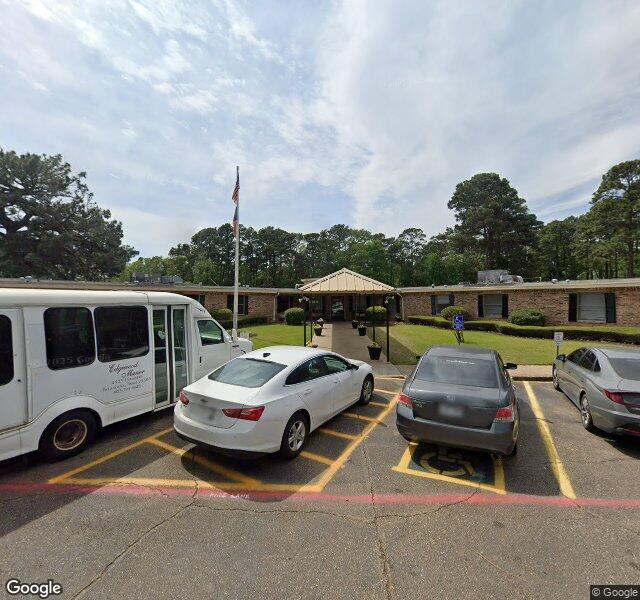
Avir at Texarkana

4925 ELIZABETH ST, TEXARKANA, TX 75503 (903) 793-4645
For profit - Limited Liability company 110 Beds AVIR HEALTH GROUP Data: November 2025 3 Immediate Jeopardy citations
Trust Grade
0/100
#640 of 1168 in TX
Last Inspection: May 2024

Within standard 12-15 month inspection cycle. Federal law requires annual inspections.

Overview

Avir at Texarkana has received a Trust Grade of F, indicating significant concerns about the quality of care provided at this facility. Ranking #640 out of 1168 nursing homes in Texas places it in the bottom half, while being #2 of 7 in Bowie County shows it has only one local competitor that performs better. The facility's trend is improving, with issues decreasing from 8 in 2024 to just 2 in 2025. Staffing is rated well at 4 out of 5 stars, with a turnover rate of 40%, which is lower than the Texas average, meaning staff are more likely to be familiar with residents' needs. However, the facility has faced critical incidents, including failing to provide adequate supervision for residents, leading to elopements, and not properly maintaining dietary records, which put residents at risk of choking. While there are strengths in staffing levels, the overall poor rating and critical incidents raise significant concerns for potential residents and their families.

Trust Score
F
0/100
In Texas
#640/1168
Bottom 46%
Safety Record
High Risk
Review needed
Inspections
Getting Better
8 → 2 violations
Staff Stability
○ Average
40% turnover. Near Texas's 48% average. Typical for the industry.
Penalties
○ Average
$23,462 in fines. Higher than 67% of Texas facilities. Some compliance issues.
Skilled Nurses
⚠ Watch
Each resident gets only 25 minutes of Registered Nurse (RN) attention daily — below average for Texas. Fewer RN minutes means fewer trained eyes watching for problems.
Violations
⚠ Watch
26 deficiencies on record. Higher than average. Multiple issues found across inspections.
★★☆☆☆
2.0
Overall Rating
★★★★☆
4.0
Staff Levels
★★★☆☆
3.0
Care Quality
★★☆☆☆
2.0
Inspection Score
Stable
2024: 8 issues
2025: 2 issues

The Good

  • 4-Star Staffing Rating · Above-average nurse staffing levels
  • No fines on record
  • Staff turnover below average (40%)

    8 points below Texas average of 48%

Facility shows strength in staffing levels.

The Bad

2-Star Overall Rating

Below Texas average (2.8)

Below average - review inspection findings carefully

Staff Turnover: 40%

Near Texas avg (46%)

Typical for the industry

Federal Fines: $23,462

Below median ($33,413)

Minor penalties assessed

Chain: AVIR HEALTH GROUP

Part of a multi-facility chain

Ask about local staffing decisions and management

The Ugly 26 deficiencies on record

3 life-threatening
Jun 2025 1 deficiency
CONCERN (D) 📢 Someone Reported This

A family member, employee, or ombudsman was alarmed enough to file a formal complaint

Potential for Harm - no one hurt, but risky conditions existed

Free from Abuse/Neglect (Tag F0600)

Could have caused harm · This affected 1 resident

**NOTE- TERMS IN BRACKETS HAVE BEEN EDITED TO PROTECT CONFIDENTIALITY** Based on interview and record review the facility failed to ensure residents were free from abuse for 2 of 11 residents (Residen...

Read full inspector narrative →
**NOTE- TERMS IN BRACKETS HAVE BEEN EDITED TO PROTECT CONFIDENTIALITY** Based on interview and record review the facility failed to ensure residents were free from abuse for 2 of 11 residents (Resident's #20 and #38) reviewed for resident abuse. The facility failed to ensure Resident #20, and Resident #38 were free from physical abuse, when Resident #20 pulled Resident #38's ear, and Resident #38 bit Resident #20 on the right wrist, on 05/27/25. The non-compliance was identified as past non-compliance. The noncompliance began on 05/27/25 and ended on 05/27/25. The facility had corrected the noncompliance before the survey began. This failure could place residents at risk of physical harm, mental anguish, or emotional distress. The findings included: 1. Record review of the face sheet, dated 06/10/25, reflected Resident #20 was a [AGE] year-old female who initially admitted to the facility on [DATE] with diagnoses of unspecified convulsions (seizures), bipolar disorder (mental health condition that causes extreme mood swings), severe dementia with anxiety (memory loss), history of alcohol abuse with alcohol-induced dementia (memory loss), paranoid schizophrenia (characterized by intense paranoia and delusional thinking), and panic disorder (anxiety disorder characterized by unexpected and repeated episodes of intense fear accompanied by physical symptoms that may include chest pain, heart palpitations, shortness of breath, dizziness, or abdominal distress). Record review of the quarterly MDS assessment, dated 05/14/25, reflected Resident #20 had clear speech and was understood by others. Resident #20 was usually able to understand others. The MDS reflected Resident #20 had a BIMS score of 5, which indicated severe cognitive impairment. The MDS reflected Resident #20 had disorganized thinking that did not fluctuate. Resident #20 had delusions (misconceptions or beliefs that are firmly held, contrary to reality). No other behaviors were included on the MDS assessment. Record review of the comprehensive care plan, initiated on 05/27/25, reflected Resident #20 had episodes of verbal and physical aggression. Resident #20 grabbed another resident's ear on 05/27/25. The interventions included: Administer medication per orders, anticipate behaviors and redirect, notify doctor and family, ensure staff is aware of behaviors and successful interventions, maintain calm environment, psychiatric consult per orders, every 15 minute checks, separate residents, and monitor right wrist bruising until resolved. Record review of the physical aggression incident report, dated 05/27/25, reflected Resident #20 walked into the main dining area and pulled another resident's ear and he bit her on the right wrist. The immediate action taken included: residents were separated from each and redirected, assessed for injury, small area noted to right wrist, no break in skin, resident denies pain at this time. Injuries included: hematoma to right wrist. The incident report reflected Resident #20 did not like it when Resident #38 talks loudly, which is his normal due to hearing impairment. The incident report reflected the family, physician, and DON were notified of the incident. Record review of the skin assessment, dated 05/27/25, reflected Resident #20 had bruising to her right wrist. The area was small, but no measurements were indicated. 2. Record review of the face sheet, dated 06/10/25, reflected Resident #38 was an [AGE] year-old male who initially admitted to the facility on [DATE] with diagnosis of Alzheimer's disease (brain condition that progressively damages memory, thinking, and learning skills). Record review of the quarterly MDS assessment, dated 05/18/25, reflected Resident #38 had clear speech and was usually understood by others. Resident #38 was sometimes able to understand others. The MDS reflected Resident #38 had a BIMS score of 1, which indicated severe cognitive impairment. Resident #1 had inattention that did not fluctuate. The MDS reflected Resident #38 had no behaviors or refusal of care during the look-back period. Record review of the comprehensive care plan, initiated 05/27/25, reflected Resident #38 had episodes of verbal and physical aggression. Resident #38 bit another resident. The interventions included: Administer medications per orders, anticipate behaviors and redirect, encourage to attend social activities, maintain calm environment, monitor and chart behaviors every shift and report to doctor as needed, provide psychiatric consult per orders, refer to social services as needed, resident immediately separated, refer to psychiatric services at next visit, and 15 minute monitoring. Record review of the physical aggression incident report, dated 05/27/25, reflected Resident #38 was in the dining room and another resident pulled his ear and Resident #38 responded by biting her on the right wrist. The immediate action taken included: Residents were separated from each other immediately and assessed for injury, none found. The incident report reflected the doctor, DON, and responsible party were notified of the incident. Record review of the skin assessment, dated 05/27/25, reflected Resident #38 had no injuries or skin concerns. During an interview on 06/09/25 beginning at 11:39 AM, CNA A stated Resident #20 and Resident #38 were constantly yelling, cursing, or hitting at each other. CNA A stated when Resident #20 and Resident #38 started acting out, she notified RN E. CNA A stated these behaviors happened almost every day. CNA A stated she kept the residents separated and redirected them when the behaviors started. CNA A stated on 05/27/25, Resident #20 walked up to Resident #38 and pulled his ear. CNA A stated Resident #38 turned his head and bit Resident #20 on the wrist. CNA A stated both residents were separated and placed on 15 minute checks. CNA A stated Resident #20 had a small bruise to her wrist, but no further injuries occurred. CNA A stated Resident #20 and Resident #38 had no changes in their behaviors related to the incident. During an interview on 06/09/25 beginning at 2:50 PM, the Psychiatric Consultant stated she visited with several residents on the secured unit every month. The Psychiatric Consultant stated Resident #38 and Resident #20 were visited. The Psychiatric Consultant stated Resident #38 talks loudly because he was hard of hearing. She said she had never had any behavioral issues with either resident, but the staff reports they were non-cooperative with cares. During an interview on 06/10/25 beginning at 3:37 PM, LVN D stated she was hired in December of 2024 and recently switched to part time status. LVN D stated she normally worked 2-10 shift on the secured unit. LVN D stated Resident #20 and Resident #38 did not hit each other regularly. LVN D stated there was an incident approximately a few weeks ago. LVN D stated Resident #20 pulled Resident #38's ear, and Resident #38 bit Resident #20. LVN D stated it was documented and 15 minute checks were initiated. LVN D stated when resident to resident altercations happened, the staff documented in the electronic charting system, notified the DON, family, and doctor, and placed it on the 24 hour report sheet for continued monitoring. LVN E stated they were trained to separate the residents, attempt to redirect them, and usually place them on 15 minute checks. LVN D stated it had not been reported that Resident #20 and Resident #38 had verbal or physical altercations daily. During an interview on 06/10/25 beginning at 3:48 PM, the DON stated it was brought to her attention on 05/27/25 that Resident #20 and Resident #38 had a physical altercation. The DON stated it was reported that Resident #20 pulled Resident #38's ear, and he bit her in response. The DON stated it had not been reported that verbal or physical behaviors happened daily between Resident #20 and Resident #38. The DON stated if physical or verbal behaviors happened, she expected it to be reported. The DON stated on 05/27/25, Resident #20 and Resident #38 were separated immediately and placed on 15 minute checks. She stated they were assessed, and Resident #20 had a small bruise to her right wrist. The DON stated in-service education was provided to the staff to include abuse and neglect, and resident to resident altercations. The DON stated the Administrator was on vacation during the incident, so it was reported to her regional compliance nurse. The DON stated the family, doctor, and herself were notified after the incident. The DON stated no further incident has occurred. During an interview on 06/11/25 beginning at 7:14 AM, RN E stated it had not been reported Resident #20 and Resident #38 had verbal or physical altercations daily. RN E stated approximately a few weeks ago, Resident #20 pulled Resident #38's ear and Resident #38 bit her. RN E stated both residents were immediately separated and placed on 15 minute checks. RN E stated Resident #20 was aggressive and was moved off the female secured unit because she was hitting the other female residents. RN E stated staff were to ensure the residents were supervised and redirected as needed. RN E stated when resident to resident altercations happened, the staff documented in the electronic charting system, notified the DON, family, and doctor, and placed it on the 24 hour report sheet for continued monitoring. LVN E stated they were trained to separate the residents, attempt to redirect them, and usually place them on 15 minute checks. RN E stated no further incidents have occurred since 05/27/25. Record review of the Abuse, Neglect, Exploitation, and Misappropriation Prevention Program policy, revised April 2021, reflected residents have the right to be free from abuse .this includes but is not limited to freedom from . physical abuse . protect residents from abuse . by anyone including . other residents . Record review of the Resident-to-Resident Altercations policy, revised September 2022, reflected All altercations, including resident to resident abuse, are investigated and reported to DON and Administrator .if two residents are involved in an altercations, staff: separate the residents, and institute measure to calm the situation, identified what happened, notify family, doctor, and facility management, make any changes to care plan, document in the record, complete an incident report, consult with psychiatric services The facility had corrected the non-compliance on 05/27/25 by the following: 1. Record review of the physical aggression incident report, dated 05/27/25, reflected Resident #20 walked into the main dining area and pulled another resident's ear and he bit her on the right wrist. The immediate action taken included: residents were separated from each and redirected, assessed for injury, small area noted to right wrist, no break in skin, resident denies pain at this time. Injuries included: hematoma to right wrist. The incident report reflected Resident #20 did not like it when Resident #38 talks loudly, which is his normal due to hearing impairment. The incident report reflected the family, physician, and DON were notified of the incident. 2. Record review of the skin assessment, dated 05/27/25, reflected Resident #20 had bruising to her right wrist. The area was small, but no measurements were indicated. 3. Record review of the physical aggression incident report, dated 05/27/25, reflected Resident #38 was in the dining room and another resident pulled his ear and Resident #38 responded by biting her on the right wrist. The immediate action taken included: Residents were separated from each other immediately and assessed for injury, none found. The incident report reflected the doctor, DON, and responsible party were notified of the incident. 4. Record review of the skin assessment, dated 05/27/25, reflected Resident #38 had no injuries or skin concerns. 5. Record review of the 15 Minute Checks Sheet, dated 05/27/25, 05/28/25, and 05/29/25 reflected 15 minute checks were completed for Resident #20 and Resident #38. 6. Record review of the comprehensive care plan, initiated on 05/27/25, reflected Resident #20 grabbed another resident's ear on 05/27/25. The interventions included: . every 15 minute checks, separate residents, psychiatric referral, and monitor right wrist bruising until resolved. 7. Record review of the comprehensive care plan, initiated 05/27/25, reflected Resident #38 bit another resident. The interventions included: . resident immediately separated, refer to psychiatric services at next visit, and 15 minute monitoring. 8. Record review of the abuse and neglect in-service training, dated 05/27/25, reflected staff was provided education. There were approximately 34 staff signatures. 9. Record review of the resident to resident altercation in-service training, dated 05/27/25, reflected staff was provided education. There were approximately 34 staff signatures. 10. During interviews between 06/09/25 at 11:39 AM and 06/11/25 at 1:49 PM, Housekeeper R, CNA A, CNA B, CNA C, CNA F, CNA H, CNA S, MA Q, LVN D, LVN J, RN E, the Maintenance Supervisor, and the Housekeeping Supervisor (different shifts who worked in the secured unit) were able to verbalize the different types of abuse, when to report abuse, and the abuse coordinator. The staff were able to outline the policy and procedure for resident to resident altercations including separating the residents and notifying the abuse coordinator. The noncompliance was identified as PNC. The noncompliance began on 05/27/25 and ended on 05/27/25. The facility had corrected the noncompliance before the survey began.
Feb 2025 1 deficiency
CONCERN (E) 📢 Someone Reported This

A family member, employee, or ombudsman was alarmed enough to file a formal complaint

Potential for Harm - no one hurt, but risky conditions existed

Accident Prevention (Tag F0689)

Could have caused harm · This affected multiple residents

**NOTE- TERMS IN BRACKETS HAVE BEEN EDITED TO PROTECT CONFIDENTIALITY** Based on observation, interview and record review, the facility failed to ensure each resident received adequate supervision and...

Read full inspector narrative →
**NOTE- TERMS IN BRACKETS HAVE BEEN EDITED TO PROTECT CONFIDENTIALITY** Based on observation, interview and record review, the facility failed to ensure each resident received adequate supervision and assistance devices to prevent accidents for 1 of 2 memory care units reviewed for adequate supervision to prevent accidents. The facility failed to ensure the Residents in the Unit 1 Memory Care were supervised while CNA A left the memory care unit on a bathroom break on 2/24/25 for at least six minutes observed by state surveyor. This failure could place residents at an increased risk for injury. Findings included: 1. Record review of Resident #1's face sheet dated 2/25/25 revealed she was [AGE] years old and admitted to the facility initially on 7/16/15 and re-admitted [DATE]. Resident #1 had diagnoses including cerebrovascular disease (affecting blood flow to the brain and causes brain damage), muscle weakness, lack of coordination, Parkinson's disease (nerve cell damage of central nervous system that affects movement), History of right arm fracture, abnormalities of gait and mobility, need for assistance with personal care, mood disorder, and agnosia (loss of ability to identify objects or people). Record review of Resident #1's quarterly MDS assessment dated [DATE] indicated she was sometimes understood and rarely/never understood others . Resident #1 was unable to complete the BIMS because she was rarely/never understood. The MDS indicated Resident #1 had inattention and disorganized thinking continuously. Resident #1 had a history of falls. Record review of Resident #1's undated Care Plan Report indicated she had cognitive loss/dementia (thinking and social thinking symptoms that interfere with daily functioning) due to a prior CVA (stroke), she had short attention span and had no personal boundaries when it came to other residents and staff; she had behavioral symptoms and had the potential to act inappropriately at times due to Pseudobulbar affect (inappropriate involuntary laughing and crying due to a nervous system disorder, however, she did not require medication, and she chews on her shirts; she was at risk for falls due to impaired physical function, medication use, impaired cognition and Parkinson's disease with an intervention to increase staff supervision with intensity based on resident need; and she was an elopement risk due to wandering with no meaningful purpose, impaired cognition so she would reside on the secure unit. 2. Record review of Resident #2's face sheet dated 2/25/25 revealed she was [AGE] years old and admitted to the facility initially on 8/19/22 and re-admitted [DATE]. Resident #2 had diagnoses including senile degeneration of brain (age related decline in cognitive abilities), abnormalities of gait and mobility, lack of coordination, dizziness, dementia, and bipolar disorder (associated with episodes of mood swings ranging from persistent sadness to extreme excitement). Record review of Resident #2's quarterly MDS assessment dated [DATE] indicated she was understood and usually understood others. Resident #2 had a BIMS score of 5, which indicated she had severe cognitive impairment. The MDS indicated Resident #2 had physical behavioral symptoms directed toward others one to three days. Resident #2 had a history of falls. Record review of Resident #2's undated Care Plan Report indicated she had behavioral symptoms with a diagnosis of bipolar disorder and had socially inappropriately/disruptive behavioral symptoms as evidenced by Resident #2 was witnessed slapping another resident on the unit, she could be combative when asked to do ADLs and she would hit staff and head butt at times; Resident #2 was at risk for falling related to unsteady gait, use of walker, medication use, history of falls, and impaired cognition with an intervention to provide supervision with walking on the secured unit; Resident #2 had a self-care deficit related to dementia and could become combative with staff at times, she would pack her belongings onto her rollator and wander the unit at times; Resident #2 had a potential for elopement and remained on the secured unit and wandered the halls and had to be redirected. Record review of Resident #2's Fall Risk assessment dated [DATE] indicated she scored a 23; a score of 10 or higher represented a high risk for falls. 3. Record review of Resident #3's face sheet dated 2/24/25 revealed she was [AGE] years old and admitted to the facility initially on 4/30/24 and re-admitted [DATE]. Resident #3 had diagnoses including lung cancer, brain cancer, abnormalities of gait and mobility, muscle weakness, age-related physical debility, and repeated falls. Record review of Resident #3's quarterly MDS assessment dated [DATE] indicated she was sometimes understood and sometimes understood others. She had a BIMS score of 12, which indicated she had moderate cognitive impairment. The MDS indicated Resident #3 had history of falls. Record review of Resident #3's undated Care Plan Report indicated she had the potential for elopement, and she had a history of self-propelling out the front door after a visitor and staff brought her back in immediately and she now resided on the memory care unit; she had impaired decision making and poor safety awareness related to memory loss and brain cancer; she had had a history and was at risk for falls due to medications and decline in physical function and impaired cognition due metastatic brain cancer with interventions including anticipate needs and respond promptly to request and increased staff supervision with intensity based on resident's need. During an observation on 2/24/25 beginning at 2:38 PM, state surveyor entered the Unit 1 memory care unit. Resident #1 was ambulating in the hallway, and she came immediately to the state surveyor upon entering the unit. Resident #1 had what appeared to be blood around one tooth on her top left side of her mouth and lip. Resident #1 had non-understandable mumbling. There were four residents sitting in the dining room to the right of the Unit 1 entrance door. As state surveyor walked down the hallway, Resident #2 was in the living room on the left side of the hallway, standing in front of the water dispenser and putting water onto a white folded cloth item. Resident #3 self-propelled herself from the dining room into the hallway and would hold her right leg up away from the wheelchair. State surveyor walked down the left side of the hallway knocking on closed doors and looking in the rooms for a staff member to the end of the hall and then walked back down hallway on the right side, knocking on closed doors and looking into rooms for a staff member. There was no staff member present in the Unit 1 memory care unit. There were several residents lying in their beds. At 2:44 PM, CNA A entered the Unit 1 memory care unit door and immediately saw Resident #1's mouth and asked her what did you do to your mouth. CNA A then went to get gloves to look in Resident #1's mouth and saw Resident #2 putting water on cloth items and told Resident #2 to not do that. CNA A asked Resident #2 if she wanted a cup and got a cup to put water in and Resident #2 drank the water. CNA A then went to the unit door entrance and called the nurse to come look at Resident #1's mouth. LVN B came in and assessed Resident #1 assisted by CNA A. LVN B held Resident #1's upper lip up and dabbed area with a gauze pad, there were no cuts to her inner lip, the small amount of blood appeared to be coming from the gum line around the one tooth. During an interview on 2/24/25 at 3:00 PM, CNA A said she had just left the unit and ran to the bathroom. CNA A said she told the nurse that she was going to the bathroom, and it was up to the nurse if she was going to come into the unit to supervise the residents. CNA A said she had put Resident #1 into a clean gown and put her in bed just prior to going to the bathroom and her mouth was not like that before she left. CNA A said Resident #1 was up and down and wandered frequently. CNA A said Resident #2 was aggressive to other residents sometimes and was always into something and pointed at Resident #2 going through all the stuff in the living room. CNA A said Resident #3 was a high fall risk. CNA A said it was a big risk to leave the residents in the memory care unit without supervision because of their dementia and some could be aggressive toward other residents. CNA A said residents were left without supervision all the time when she had to take her lunch break (30 minutes) on the 2-10 shift because there was only one aide on each memory care unit. CNA A said she told the nurse when she was going to lunch and the nurse would tell her okay. CNA A said it was then up to the nurse to decide if anyone was going to supervise the residents in the memory unit. CNA A said sometimes the medication aide would come back to the unit to supposedly give her a lunch break, but it was usually when she was passing meal trays and she could not take a break while residents were eating. During an interview on 2/25/25 at 11:19 AM, CNA C said there was normally two staff members on day shift in the memory care units. CNA C said the residents were never left alone because they have two staff on the day shift. CNA C said the residents had to be supervised so residents did not fall or have an altercation. CNA C said if no one was watching the residents on the memory care unit, anything could happen. CNA C said they have had trainings related to not leaving residents alone on the memory care unit. CNA C said the charge nurse would be responsible for ensuring the residents in the unit were not left unsupervised. CNA C said all staff were responsible for ensuring the safety of the residents on the memory care units. During an interview on 2/24/25 at 4:23 PM, LVN D said there was normally one aide on each memory care unit at night. LVN D said when the aide needed to go to the bathroom or take a lunch break, the nurse or another aide normally would go back there (memory care unit). LVN D there had been times the residents on the memory care unit would be left unattended for approximately 5-10 minutes. LVN D said there was a risk that something could happen if there was no staff supervising the residents in the memory care units. LVN D said all the residents in the memory care unit were high risk for falls, and there were residents in the memory care units that were aggressive toward other residents at times. LVN D said the charge nurse would be responsible for ensuring the residents were supervised at all times on the memory care unit. LVN D said she thought they should have two aides at night instead of tying up the nurse because the nurse had a lot to do. During an interview on 2/25/25 at 2:05 PM, RN F said she normally worked the 6 AM to 2 PM shift. RN F said they usually had two staff on each hall, but now they have two staff members on Unit 1 memory care and one staff member on Unit 2 memory care on the 6 AM to 2 PM. RN F said they kept someone back there (memory care units) at all times. RN F said residents on the memory units should not ever be left unsupervised. RN F said they could not leave the residents on the memory care units unsupervised because there was no telling what they would do. RN F said the nurse would be responsible for ensuring the residents on the memory care units were supervised at all times. RN F said the residents on the memory care units could get into stuff, could fall, one resident could injure another if they were left unsupervised. During an interview on 2/25/25 at 2:51 PM, LVN B said she had worked at the facility for two months and normally on 2 PM to 10 PM shift. LVN B said she normally had Unit 1 and 2 memory care units and the left side of hall 3. LVN B said Resident #1 was bleeding and she could not really tell if there was bleeding around her tooth or her lip initially, but when she pulled her lip up there were no cuts or scrapes. LVN B said she thought maybe her gums were bleeding. LVN B said once she wiped the blood off with the gauze, there was not any cuts or anything. LVN B said there was one aide on each memory care unit on the 2 PM to 10 PM shift since she had been working there. LVN B said the aide had to go to lunch between 6 PM to 630 PM when either the medication aide or the nurse was in the memory care units. LVN B said sometimes the aides would tell her they were going to the bathroom, but she really did not really hear anything from the aides if they needed to go to the bathroom. LVN B said the aides would notify her if they needed to leave the unit. LVN B said if the aide notified her that they needed to leave the unit, it was usually something quick and they were in and out, but she would go to the unit to supervise the residents. LVN B said she did not know CNA A had left the unit yesterday (2/24/25) and the aide didn't tell her she had left the unit. LVN B said she saw state surveyor through the door window of the unit walking down the hallway on 2/24/25 and then she saw CNA A come out of the bathroom. LVN B said she did not know how long she had been in the bathroom. LVN B said the residents on the memory care unit should never been left unsupervised. LVN B said the residents could fall, hurt themselves, get into a fight or become combative with each other. LVN B the resident could get hurt if not supervised at all times. LVN B said the charge nurse was responsible for ensuring the memory care unit was supervised at all times. LVN B said all staff were responsible for ensuring the residents on the memory care unit were safe, but as the charge nurse, she was responsible. LVN B said residents had not been left unsupervised to her knowledge prior to yesterday (2/24/25). During an interview on 2/25/25 at 3:24 PM, the ADON, who had been the DON until 2/1/25, said the memory care unit should never been left unsupervised. The ADON said they had two staff members on Unit 1 memory care unit and one staff member on Unit 2 memory care unit on 6 AM to 2 PM shift. The ADON said all other shifts had one staff member on each memory care unit and the nurse or medication aide go back there (memory care unit) to supervise while staff took their breaks. The ADON said most of the residents on the memory care units were wanderers and they could get hurt, and no one would know it until they came back if they were left unsupervised. The ADON said the aides should be letting the nurse or herself know that they need to leave the unit and the aide should not leave the unit until someone was available to come back to supervise the residents on the memory care unit. The ADON said there should never be any risk to the residents. During an interview on 2/25/24 at 3:53 PM, the ADM said the aides should be waiting until someone could come to relieve them for breaks as per their protocol. The ADM said the residents in the memory care unit should never be left unattended or unsupervised. The ADM said the nursing staff that did the scheduling, and the charge nurse was responsible to ensure the residents were supervised. The ADM said the residents could have an injury that was not witnessed, could impact them physically or mentally, or cause more harm or injuries without them being supervised. During an interview on 2/25/25 at 4:10 PM, the DON said she took over as the DON as of 2/1/25. The DON said Resident #1 bit and chewed on her clothes, but due to there was no staff supervising the residents, they would not be able to determine what caused the bleeding around Resident #1's tooth. The DON said residents on the memory care unit should not be left unsupervised. The DON said they have poor safety awareness, have behaviors, most need maximal assistance, and that was why they were back there (memory care unit) to be constantly supervised. The DON said they could hurt themselves, get into something they were not supposed to, wander into another room, fall, and the list just goes on and anything could happen. The DON said the charge nurse was responsible for ensuring the residents were supervised on the memory care units. The DON said the aide should not have left the memory care unit until someone came to relieve her. The DON said everyone was responsible for ensuring the safety of the residents on the memory care units. The DON said the memory care residents should never be left unattended or unsupervised. Record review of the facility's policy titled Safety and Supervision of Residents, dated revised on 6/2020 indicated . Our facility strives to make the environment as free from accident hazards as possible . Resident safety and supervision and assistance to prevent accidents were facility-wide priorities . employees shall be trained and in-serviced on potential accident hazards and how to identify and report accident hazards and try to prevent avoidable accidents . Our resident-oriented approach to safety addresses safety and accident hazards for individual residents . implementing interventions to reduce accident risks and hazards shall include the following . a. communicating specific interventions to all relevant staff . b. assigning responsibility for carrying out interventions . c. providing training, as necessary . Resident supervision was a core component of the systems approach to safety . the type and frequency of resident supervision was determined by the individual resident's assessed needs and identified hazards in the environment .
May 2024 6 deficiencies
CONCERN (D)

Potential for Harm - no one hurt, but risky conditions existed

Deficiency F0558 (Tag F0558)

Could have caused harm · This affected 1 resident

**NOTE- TERMS IN BRACKETS HAVE BEEN EDITED TO PROTECT CONFIDENTIALITY** Based on observation, interviews, and record review, the facility failed to ensure residents reviewed received reasonable accomm...

Read full inspector narrative →
**NOTE- TERMS IN BRACKETS HAVE BEEN EDITED TO PROTECT CONFIDENTIALITY** Based on observation, interviews, and record review, the facility failed to ensure residents reviewed received reasonable accommodation of needs for 1 of 19 residents (Resident #42) reviewed for resident rights. The facility failed to ensure Resident #42 had a call light within reach. This failure could place residents at risk of injury that could lead to possible falls, major injuries, hospitalization, and unmet needs. Findings include: Record review of an undated face sheet indicated Resident #42 was an [AGE] year-old male admitted on [DATE] with diagnoses of Pressure Ulcer of Sacral Region (A sacral wound is a pressure ulcer that appears in the sacral region of the body), Protein-Calorie Malnutrition (occurs when a child doesn't eat enough protein and energy measured by calorie) to meet nutritional needs), Urinary Tract Infection (An illness in any part of the urinary tract, the system of organs that makes urine). Record review of the annual MDS dated [DATE] indicated Resident #42 was understood and understood others. The MDS revealed Resident #42's BIMS (Brief Interview for Mental Status) score was a 15 indicating intact cognition. The MDS indicated Resident #42 was dependent for most of his ADLs except eating. Record review of a care plan dated 10/13/2023 revealed Resident #42 was dependent for all of his ADLs except eating. Revealed a problem area initiated 12/14/2022 shows that Resident #42 was provided a touch system call device. During an interview and observation on 5/13/24 at 9:30 a.m., Resident #42 was observed lying in bed with a touch pad call device laying on the floor next to his bed which was in the high position. Resident #42 was asked if his call light worked, and he responded no it did not. Surveyor tested call light by pushing the touch pad. Surveyor observed the light on above the door outside Resident #42's room. Surveyor spoke to Resident #42 and said that his light was working. Resident #42 said he did not know it was working as it was broken and no one told him it was Then working. He said he could not reach his touch pad on the floor as he could not get out of bed on his own and the bed is way too high to reach the floor. During an interview on 5/14/24 at 9:14 a.m. with the DON, she said she would ensure that staff knew to clip Resident #42's push button to his pillow and Resident #42 knew his call device was working. During an interview on 5/14/24 at 1:20 p.m., with the Administrator said residents could be placed at risk for not being able to ask for help if they were unable to indicate they needed staff assistance.
CONCERN (D)

Potential for Harm - no one hurt, but risky conditions existed

Room Equipment (Tag F0908)

Could have caused harm · This affected 1 resident

**NOTE- TERMS IN BRACKETS HAVE BEEN EDITED TO PROTECT CONFIDENTIALITY** Based on observations, interviews, and record review, the facility failed to ensure all patient care equipment was in safe opera...

Read full inspector narrative →
**NOTE- TERMS IN BRACKETS HAVE BEEN EDITED TO PROTECT CONFIDENTIALITY** Based on observations, interviews, and record review, the facility failed to ensure all patient care equipment was in safe operating condition for 1 of 16 residents (Resident #27) reviewed for safe, functional equipment. The facility failed to ensure Resident #27's wheelchair had a functioning right brake. This failure could result in resident falls and injury while using their wheelchairs. Findings included: Record review of face sheet dated 05/14/24 indicated Resident #27 was [AGE] years old and was admitted to the facility on [DATE] with diagnoses including repeated falls, unspecified lack of coordination, and abnormalities of gait and mobility. Record review of a quarterly MDS assessment dated [DATE] indicated a BIMS was not conducted due to Resident #27 being rarely/never understood. The MDS indicated Resident #27 had two or more falls since admission to the facility. Record review of a care plan last revised on 03/18/24 indicated Resident #27 had a history of falls. There were interventions to call hospice for new chair due to anti-rollbacks no longer functioning. Replace when arrives. Cont to encourage use for safety .staff to attempt to lock w/c (wheelchair) when resident has impulse to stand and walk around unit before she sits down . The care plan indicated Resident #27 was at risk for fall due to wheelchair use and unsteady gait, altered mental status and history of falls with an intervention to encourage staff to attempt to lock wheelchair when resident had the impulse to stand and walk around unit before she sat back down. During an interview on 05/13/24 at 11:19 a.m., a family member of Resident #27 said the resident's wheelchair would not lock properly. She said hospice had sent over a new wheelchair several times because that the wheelchair would not lock properly. The family member said the facility kept sending the wheelchairs back because they did not have an anti-tipping device on them. The family member said she did not know why the anti-tipping device not being on the new chair was an issue since Resident #27's anti-tipping device was broken. During an observation on 05/13/24 at 12:07 p.m., Resident #27 was sitting in her wheelchair in the dining room of the 100 Hall Memory Care Unit. The wheelchair was in the locked position on both sides. The wheelchair moved slightly on the right side when an attempt was made to move the wheelchair. The right side did not completely lock the wheel. During an interview on 05/14/24 at 10:07 a.m., Resident #27's hospice nurse said Resident #27 had issues with her wheelchair. She said nursing staff had requested a new wheelchair because her wheelchair was not locking. She said hospice had sent several out, but they were refused by staff because there was no anti-tipping device. She said hospice did not provide the anti-tipping devices. She said 3 weeks ago she made the DON aware of the situation and provided her a picture of the broken anti- tipping device on the resident's wheelchair. She said the DON told her that was the first she had heard of the device being broken and she would have it fixed. She said she had witnessed Resident #27 scooting her wheelchair around while the brakes were in locked position. She said she did not reach down to make sure the brakes were all the way engaged. She said Resident #27 had several falls, but none were from the wheelchair that she was aware of. During an observation and interview on 05/14/24 at 10:26 a.m., CNA C said the anti-tipping device on Resident #27's wheelchair had been fixed. She said she did not know when it had been repaired. She said the right sided brake still did not work properly. She said even though the left brake worked Resident #27 could still move her wheelchair even with both brakes locked. She said the right brake did not lock the right wheel. She said she felt if both sides would lock the resident would be unable to move the wheelchair. The right side was in locked position but was not preventing the right wheel from turning. She said the right brake had not been working for at least 3 weeks and Resident #27 had been able to move the wheelchair even when the brakes were engaged for a while now. During an interview on 05/14/24 on 10:28 a.m., CNA E said the anti-tipping device was now working on Resident 27's wheelchair. She said even though the left brake locked, the right brake did not lock all the way. She said, She is a strong lady. She said the resident was able to still move the wheelchair. She said she was unaware of any falls the resident may have had from her wheelchair. During an interview on 05/14/24 at 10:44 a.m., Physical Therapy Assistant F said the anti-tipping device was working after the Maintenance Supervisor did repairs. She said he repaired the brakes also. She said the right brake was engaged all the way, but she did not know what to do to make it keep the wheel from moving. During an interview on 05/14/24 at 3:00 p.m., the DON said she was not notified of the brake not working on Resident 27's wheelchair on 5/13/24. She said she thought the resident was just scooting the wheelchair with it locked and did not realize the right sided lock was not locking the wheel. She said the brake not locking could cause the chair to spin if she stood up and cause her to fall. During an interview on 05/14/24 at 3:43 p.m., the Administrator said that she had been unaware of the brake not locking on Resident #27's wheelchair. She said the brakes not working properly could cause the resident to fall. She said Resident #27 was always moving. During an interview on 05/15/24 at 9:18 a.m., RN D she said she had only been aware of the brakes on Resident #27's wheelchair not working for just a few days. She said they had been having issues in getting a new wheelchair from hospice. She said she knew they had sent at least one to the facility. She said, that's been awhile now. She said the new wheelchair was refused because it did not have the anti-tipping device on it. Review of an undated Proper Functioning of Equipment facility policy indicated, .The facility shall ensure equipment is properly maintained and safe for use by resident .Facility staff should report any unsafe equipment concerns to maintenance and the administrator to ensure a proper response and timely correction of the issue. Any equipment deemed unsafe should be pulled from use until it can be repaired or replaced. Any equipment with minor repair issues that can be used safely until repair or replacement, may be used at the direction of the administrator.
CONCERN (D) 📢 Someone Reported This

A family member, employee, or ombudsman was alarmed enough to file a formal complaint

Potential for Harm - no one hurt, but risky conditions existed

Deficiency F0919 (Tag F0919)

Could have caused harm · This affected 1 resident

**NOTE- TERMS IN BRACKETS HAVE BEEN EDITED TO PROTECT CONFIDENTIALITY** Based on observations, interviews and record review, the facility failed to ensure resident rooms were adequately equipped to al...

Read full inspector narrative →
**NOTE- TERMS IN BRACKETS HAVE BEEN EDITED TO PROTECT CONFIDENTIALITY** Based on observations, interviews and record review, the facility failed to ensure resident rooms were adequately equipped to allow residents to call for staff assistance through a communication system which relays the call directly to a staff member or to a centralized staff work area for 1 of 19 residents (Resident #201) reviewed for resident rights. The facility failed to ensure Resident #201 had a functioning call light. This failure could place residents at risk of injury that could lead to possible falls, major injuries, hospitalization, and unmet needs. Findings include: 1. Record review of an undated face sheet indicated Resident #201 was an [AGE] year-old female admitted on [DATE] with diagnoses of Hypokalemia (a lower-than-normal potassium level in your bloodstream), Impacted Cerumen (When too much earwax builds up it can cause symptoms such as temporary hearing loss), Hypertension (when the pressure in your blood vessels is too high). Record review of the admission MDS assessment dated [DATE] indicated Resident #201 was understood and understood by others. The MDS revealed Resident #201's BIMs (Brief Interview for Mental Status) score was a 15 indicating intact cognition. The MDS indicated Resident #201 required supervision with bed mobility, transfers, walking, dressing, eating, toileting, personal hygiene, and bathing. Record review of a care plan dated 4/12/24 revealed Resident #201 will be provided a call light for assistance. Revealed a problem initiated on 4/17/24 that Resident #201 was incontinent of bowel and bladder and required assistance with incontinent care. During an interview and observation on 5/13/24 at 9:17 a.m., Resident #201 said her call light did not work. She said she did not have a bell to ring to notify staff she needed help. She said she could not call for help because the push button didn't work, and she did not have a bell to ring. She said if she needed help, she would have to wait for someone to come into her room. She said staff would come into her room throughout the day. Surveyor pushed Resident #201's call light button. Surveyor went outside Resident #201's room and looked for the light above her door. The light did not turn on indicating that the call light system was malfunctioning. During an interview and observation on 5/14/24 at 8:31 a.m. Resident #201 said her call light was fixed yesterday afternoon after surveyors left. She said the call light system was working . She said she wasn't sure exactly how long her call light had not been working but she knew it had been at least a week. She said sometime last week she was pushing her button, and she was looking for help from staff because she had to pee. She said no one came until later and she asked about her button. The staff that came later that night said her call light didn't work. She said that this was the first time she knew that her call light didn't work. She said she cannot recall dates of when this occurred. She said that staff also brought in a bell last night for her to ring but the call light was fixed so she never got to use it. It was observed that Resident #201's call light was functioning. During an interview on 5/14/24 at 1:11 p.m. with the Maintenance Supervisor said they just had a problem last Thursday, 5/9/24, with the call light system malfunctioning. He said he had reached out to the company that services the call light system last week. He said they have not been out to the facility yet. He said they would get someone out to the facility today but they said they were short staffed so it could be later in the day. He said they were supposed to come out yesterday but didn't make it out here. He said it was beyond his control to fix the system as there was an issue with the wiring. He said the call lights in 300 hall was non-working. He said however that a few of the rooms were back working as he replaced a fuse on the breaker box today. During an interview on 5/14/24 at 1:20 p.m., with the Administrator said the issue with the call lights started late last week. She said all of 300 hall was down. She said they had issued bells to residents so they could ring and indicate they needed assistance. She said all of the rooms with a non-working call light system should have had bells. She said she did not know why Resident #201 was lacking a bell. She said residents can be placed at risk for not being able to ask for help if they were unable to indicate they needed staff assistance. During an interview on 5/14/24 at 9:14 a.m. with the DON she said she was aware that the facility call light system was having intermittent problems. She said that she was not aware that Resident #201's call light system was non-working. She said she made a trip to a local retail store and bought bells to place in resident's rooms. She said she would have placed a bell in Resident #201's room had she known it was not working. Record review of an undated facility policy titled Call light system indicated Policy: The facility shall maintain a functioning call light system for residents . Procedure: Any failure of the call light system should be reported to maintenance and the administrator, who will triage the issue and determine, based on the situation, what best course of action is needed to repair the system and ensure residents have the ability to call for help until the issue is repaired.
CONCERN (E)

Potential for Harm - no one hurt, but risky conditions existed

Safe Environment (Tag F0584)

Could have caused harm · This affected multiple residents

**NOTE- TERMS IN BRACKETS HAVE BEEN EDITED TO PROTECT CONFIDENTIALITY** Based on observation, interview, and record review, the facility failed to provide a safe, functional, sanitary, and comfortable...

Read full inspector narrative →
**NOTE- TERMS IN BRACKETS HAVE BEEN EDITED TO PROTECT CONFIDENTIALITY** Based on observation, interview, and record review, the facility failed to provide a safe, functional, sanitary, and comfortable environment for 1 of 5 Halls reviewed for environment. (200 Hall Memory Care Unit) The facility failed to silence a loud, continuous alarm from a malfunctioning call light system on the 200 Hall Memory Care Unit. This failure placed residents at risk of an uncomfortable environment and a decrease in quality of life and self-worth. Findings included: During an observation on 05/13/24 at 9:46 a.m., there were 5 residents present in dining room on 200 Hall Memory Care Unit. There was a very loud, continuous alarm sounding. During an observation on 05/13/24 at 12:39 p.m., lunch was being served to residents on the 200 Hall Memory Care Unit. There was a very loud, continuous alarm sounding. During an observation on 05/13/24 at 2:52 p.m., residents were present on the 200 Hall Memory Care Unit. There was a very loud, continuous alarm sounding. During an observation on 05/14/24 at 7:00 a.m., there was a very loud, continuous alarm sounding on the 200 Hall Memory Care Unit. During an observation of a medication administration with RE D, the alarm was loud and made it difficult to hear the nurse while reviewing the medications with her. During an observation and interview on 05/14/24 at 8:17 a.m., there was a very loud, continuous alarm sounding on the 200 Hall Memory Care Unit. RN D said she did not know how long the call light had been alarming on the 200 Hall Memory Care Unit. She said at least since the morning of 5/13/24. She said she did not know why it was not working. She said it was coming from room [ROOM NUMBER] and they could not turn it off. She said maintenance was aware. During an interview on 05/14/24 at 8:23 a.m., the ADON said there was something wrong with the wiring of the call light system. She said the alarm on the 200 Hall Memory Care unit began alarming some time on 05/12/24. She said the company was supposed to come on 5/13/24 but called to say they could not make it. During an interview on 05/14/24 at 8:33 a.m., the Maintenance Supervisor said the call light system was having a wiring issue. He said room [ROOM NUMBER] had been alarming since 5/10/24. He said the sound could be disabled if the fuse was removed, but taking the fuse out disabled the entire system. He said he talked to the fire equipment company on Thursday, 5/9/24 because he had already began having problems with the system. He said the company had said they would be at the facility on Monday, 5/13/24 for repairs and they did not show up. He said they were expected by noon on 5/14/24. During an interview on 05/14/24 at 3:00 p.m., the DON said the call light was not alarming over the weekend of 5/11/24 and 5/12/24. She said they began having problems with the call light the previous week and had been trying to get the company to come out. She said she did not know why maintenance had not silenced the continuous alarm sounding on the 200 Memory Care Unit on 5/13/24. She said she had just been worried about getting the company out to fix the alarm. She said they were supposed to be at the facility on 5/13/24. She said bells had been provided to all residents that had non-functioning call lights. During an interview on 05/14/24 at 3:43 p.m., the Administrator said she agreed that the continuous call light alarming on the 200 Hall Memory Care Unit on 5/13/24 and the morning of 05/14/24 was loud. She said if it were in her home, it would drive her crazy. She said the Maintenance Supervisor did not know what to do. She said it could have been fixed on 5/13/24 if he had known how to correct the problem. She said he left the alarm on, so it did not cause any other issues. She said they had been trying to get the company out to fix the call lights since Friday, 05/10/24. During an interview on 05/15/24 at 9:18 a.m., RN D said she had passed medications on the 200 Hall Memory Care Unit on 5/13/24 and 5/14/24. She said she did hear the continuous, loud alarm and she said it was very annoying. Record review of a Maintenance Request Log dated 04/01/24 - 05/13/24 did not indicate any request for call light alarm repair. Record review of Resident Roster dated 05/13/24 indicated there were 9 residents on the 200 Hall Memory Care Unit. Review of an undated Quality of Life - Homelike Environment facility policy indicated, .Residents are provided with a safe, comfortable, and homelike environment .comfortable noise levels .The facility staff and management shall minimize, to the extent possible, the characteristics of the facility that reflect a depersonalized, institutional setting. These characteristics include .chair and bed alarms .
CONCERN (E)

Potential for Harm - no one hurt, but risky conditions existed

Accident Prevention (Tag F0689)

Could have caused harm · This affected multiple residents

**NOTE- TERMS IN BRACKETS HAVE BEEN EDITED TO PROTECT CONFIDENTIALITY** Based on observation, interview, and record review, the facility has failed to ensure that the resident environment remains as f...

Read full inspector narrative →
**NOTE- TERMS IN BRACKETS HAVE BEEN EDITED TO PROTECT CONFIDENTIALITY** Based on observation, interview, and record review, the facility has failed to ensure that the resident environment remains as free of accident hazards as possible and provide supervision to prevent avoidable accidents for 3 of 8 residents reviewed for accidents. (Residents #15, Resident #19, and Resident #201) 1.The facility failed to ensure CNA A and the DON performed a safe mechanical lift transfer for Resident #15. 2. The facility failed to ensure CNA B and CNA C performed a safe mechanical lift transfer for Resident #19. 3. The facility failed to keep Resident #201's smoking materials locked up at the nurse's station. This failure could place residents at risk of injury from accident and hazards. Findings included: 1.Record review of Resident #15's face sheet dated 5/14/24 indicated she was [AGE] years old and admitted to the facility on [DATE] with diagnoses including muscle weakness, abnormalities of gait and mobility, lack of coordination, morbid severe obesity (being over 100 pounds over ideal body weight or having a body mass index over 35), and dementia (progressive loss of intellectual functioning with impairment of memory, thinking, and behaviors). Record review of Resident #15's quarterly MDS assessment dated [DATE] indicated she was understood and understood others. The MDS indicated a Resident #15 had a BIMS of 9, which indicated she had moderate cognitive impairment. The MDS indicated Resident #15 used a wheelchair for mobility. The MDS indicated Resident #15 was dependent on staff for chair to bed/bed to chair transfers. Record review of Resident #15's undated care plan revealed she had a problem area of ADL functional status/rehabilitation potential with an approach stating she needed maximum assistance with transfers with the mechanical lift and two staff. Record review of Resident #15's weight dated 5/01/24 revealed she weighed 285 pounds. During an observation on 5/14/24 beginning at 9:14 AM, CNA A, assisted by the DON, used a mechanical lift to transfer Resident #15 from her bed to the resident's wheelchair. CNA A positioned the mechanical lift over Resident #15 with the mechanical lift legs in the narrow position under the resident's bed. There did not appear to be any obstructions under Resident #19's bed. CNA A and the DON attached the lift pad to the mechanical lift. CNA A then raised Resident #15 up above the resident's bed with the mechanical lift legs in the narrow position. CNA A then pulled the mechanical lift with Resident #15 suspended in the air back away from the resident's bed and turned the mechanical lift with the lift legs still in the narrow position to her right and started pushing the mechanical lift toward Resident #15's wheelchair that was located at the end of her bed. The DON then reached under CNA A's arms during the moving of Resident #15 and moved the mechanical lift leg spreader lever to the wide position and CNA A continued to then position Resident #15 over her wheelchair. CNA A assisted by the DON then lowered Resident #15 into her wheelchair and positioned her for comfort. During an interview on 5/14/24 at 9:45 AM, Resident #15 said she had not ever been injured during a mechanical lift. Resident #15 said there was always two staff members and she felt safe during the mechanical lift transfers. 2. Record review of Resident #19's face sheet dated 5/14/24 indicated he was [AGE] years old and admitted to the facility on [DATE] with diagnoses including morbid severe obesity, heart failure, abnormalities of gait and mobility, lack of coordination, cognitive communication deficit, and mild cognitive impairment. Record review of Resident #19's annual MDS dated [DATE] indicated he was understood and understood others. The MDS indicated a Resident #19 had a BIMS of 9, which indicated he had moderate cognitive impairment. The MDS indicated Resident #19 had verbal behavioral symptoms directed toward others 1-3 days. The MDS indicated Resident #19 used a wheelchair for mobility. The MDS indicated Resident #19 was dependent on staff for chair to bed/bed to chair transfers. Record review of Resident #19's undated care plan revealed he had a problem area of ADL functional status/rehabilitation potential with an approach stating he would be transferred using the mechanical lift with assist of two staff. Record review of Resident #19's weight dated 5/15/24 revealed he weighed 328 pounds. During an observation on 5/14/24 beginning at 10:09 AM, CNA B and CNA C used a mechanical lift to transfer Resident #19 from his bed to the resident's wheelchair. Resident #19's bed was located against the wall closest to the door and his wheelchair was positioned against the wall closest to the window on the opposite side of the room. CNA B positioned the mechanical lift over Resident #19 with the mechanical lift legs in the narrow position under the resident's bed. There did not appear to be any obstructions under Resident #19's bed. CNA C attached the lift pad to the mechanical lift. CNA B then raised Resident #19 up above the resident's bed with the mechanical lift legs in the narrow position. CNA B then pulled the mechanical lift, with Resident #19 suspended in the air, back away from the resident's bed and as CNA B started turning the mechanical lift toward the right, CNA B moved the mechanical lift leg spreader lever to the wide position and then continued to push the mechanical lift and Resident #19 across the room and positioned Resident #19 over his wheelchair, assisted by CNA C. CNA B then locked the mechanical lift wheels and then lowered Resident #19 to his wheelchair and positioned him for comfort, while being assisted by CNA C. During an interview on 5/14/24 at 10:50 AM, Resident #19 said he had not ever been injured during a mechanical lift. Resident #19 said there was always two staff members and he felt safe during the mechanical lift transfers. During an interview on 5/14/24 at 11:05 AM, CNA B said she had worked at the facility since February of 2024 and normally worked the 6 AM to 2 PM shift. CNA B said she had received training related to the mechanical lift. CNA B said there should always be two staff members when performing a mechanical lift. CNA B said the mechanical lift should be positioned over the resident with the mechanical lift legs in the narrow position while under the bed with the breaks applied. CNA B said after attaching the lift pad, the resident would be raised up off the bed with a spotter watching. CNA B said then she would pull the mechanical lift from under the bed frame with the resident in the lifted position and when the mechanical lift legs were clear from the bed, then she would spread the legs of mechanical lift. CNA B said then she would move the resident over their wheelchair, then she would apply the brakes and lower resident into the chair with the assistance of another staff member. CNA B said the purpose of spreading the legs of the mechanical lift was to keep the balance of the mechanical lift. CNA B said when the mechanical lift legs were under the bed, there may not have been enough room under the bed and that was why she did not spread the mechanical lift legs prior to lifting/moving Resident #19. CNA B said if the mechanical lift legs were not spread to the wide position, the mechanical lift could sway and/or tip over and resident could hit the floor and hurt themselves. During an interview on 5/15/24 at 8:32 AM, CNA C said she had worked at the facility since 2006 and usually worked the 6 AM to 2 PM shift. CNA C said she had received training related to the mechanical lift. CNA C said there had to be two staff members present when performing a mechanical lift for safety. CNA C said the mechanical lift would be positioned over the resident with the mechanical lift legs in the narrow position under bed. CNA C said then the lift pad would be attached to the mechanical lift and ensuring it was secured. CNA C said the mechanical lift wheels should be locked, then lift the resident up off the bed. CNA C said then when the mechanical lift was pulled out from under the bed, then spread the legs, and both staff members should guide the resident over to their chair, then lock the lift wheels, and then lower the resident into the chair. CNA C said spreading the mechanical lift legs made it balanced. CNA C said the mechanical lift could tilt over and the resident could fall if the lift legs were not spread to the wide position. CNA C said the mechanical lift legs were not opened to the wide position when they transferred Resident #19 until he was almost to his wheelchair that was on the opposite side of the room. CNA C said Resident #19 could have tilted and fell over. During an interview on 5/15/24 at 8:47 AM, CNA A said she had worked at the facility for fifteen years and normally worked the 6 AM to 2 PM shift. CNA A said she had received training related to the mechanical lift. CNA A said there should always be two staff members present during mechanical lift transfers. CNA A said you should position the mechanical lift over the resident with the mechanical lift legs under the resident's bed, then attach the lift pad to the mechanical lift, lock the wheels of the lift, and then raise the resident up. CNA A said as the mechanical lift legs were pulled out from under the bed with the resident lifted, then open the left legs to the wide position, and then move the resident to over the wheelchair, and then lower the resident into the chair with wheels locked. CNA A said the purpose of having the mechanical lift legs spread to the wide position was to ensure the mechanical lift was balanced and would not tip over, for safety of the resident. CNA A said the legs of the mechanical lift should have been opened to the wide position prior to moving Resident #15 toward her wheelchair during her mechanical lift transfer. CNA A said the resident could have tilted over and fell. During an interview on 5/15/24 at 8:57 AM, the DON said the legs of the mechanical lift should be spread in the wide position during the lift process, but the residents' beds were making it difficult to open the legs while under the beds, so she had told her staff to only leave the mechanical lift legs closed in the narrow position while over the bed. The DON said staff should open the mechanical lift legs to the wide position as soon as the lift clears the bars under the bed, before turning/moving the lift. The DON said she did open the legs of the mechanical lift to the wide position during Resident #15's mechanical lift transfer because CNA A had not opened them before she turned the lift and was moving toward the resident's wheelchair. The DON said it was very important to ensure the mechanical lift legs were opened to the wide position to ensure the stability of the lift during resident transfers, so the mechanical lift did not tip over, because it could really injure a resident. During an interview on 5/15/24 at 10:07 AM, the [NAME] President of Clinical said the mechanical lift legs should be spread open to the wide position, if the bed allowed, during mechanical lift transfers. The [NAME] President of Clinical said if the bed did not allow for the mechanical lift legs to be opened to the wide position under the bed, then the legs should be opened as soon as the lift cleared the bed, prior to moving the mechanical lift with the resident lifted. The [NAME] President of Clinical said they had already in-serviced the CNAs to open the legs of the mechanical lift as soon as clearing the bed, if they were not able to open the legs under the bed prior to lifting the resident or moving/turning the lift. The [NAME] President of Clinical said the legs should be opened to the wide position to ensure the mechanical lift did not tip over and the resident's weight had to be balanced, because they did not want any mechanical lift injuries to the residents. Record review of the facility's Staff Education/Orientation Standards of Practice form titled Competency-Hoyer Lift/Transfer dated 11/09/23, revealed CNA A was checked off by the DON as having met the competency of Hoyer Lift/Transfer, which included . before positioning the legs of the patient lift under a bed, make sure that the area is clear of any obstructions . with the legs of the base open and locked . Record review of the facility's Staff Education/Orientation Standards of Practice form titled Competency-Hoyer Lift/Transfer dated 2/06/24, revealed CNA B was checked off by the DON and the ADON as having met the competency of Hoyer Lift/Transfer, which included . before positioning the legs of the patient lift under a bed, make sure that the area is clear of any obstructions . with the legs of the base open and locked . Record review of the facility's Staff Education/Orientation Standards of Practice form titled Competency-Hoyer Lift/Transfer dated 11/16/23, revealed CNA C was checked off by the DON as having met the competency of Hoyer Lift/Transfer, which included . before positioning the legs of the patient lift under a bed, make sure that the area is clear of any obstructions . with the legs of the base open and locked . 3. Record review of an undated face sheet indicated Resident #201 was an [AGE] year-old female admitted on [DATE] with diagnoses of Hypokalemia (a lower-than-normal potassium level in your bloodstream), Impacted Cerumen (When too much earwax builds up it can cause symptoms such as temporary hearing loss), Hypertension (when the pressure in your blood vessels is too high). Record review of the admission MDS dated [DATE] indicated Resident #201 was understood and understood by others. The MDS revealed Resident #201's BIMs (Brief Interview for Mental Status) score was a 15 indicating intact cognition. The MDS indicated Resident #201 required supervision with bed mobility, transfers, walking, dressing, eating, toileting, personal hygiene, and bathing. Record review of a care plan dated 4/12/24 revealed a problem initiated on 4/17/24 that Resident #201 will remain compliant with the smoking policy and remain free from smoking related injury. During an interview and observation on 5/13/24 at 9:17 a.m., Resident #201 said that she kept her cigarettes in her room. She said she did not keep a lighter in her room. She said that she always had her cigarettes because smoking was the only thing that makes her happy and it was what she liked to do. She said she would go out to smoke during smoking hours with staff, but she kept her cigarettes with her. Surveyor observed an open box of cigarettes on Resident #201's bedside table. There was a lighter inside the box. During an interview on 5/14/24 at 1:20 p.m., with the Administrator she said facility policy state d that residents must keep their cigarettes and lighters at the nurse's station. She said the nurses pass out smoking materials during smoking hours and were supposed to collect their smoking materials afterwards. She said she expected facility staff to confiscate cigarettes and lighters and place them locked away at the nurse's station. She said residents can be placed at risk for burns if they decide to use their lighters unsupervised. During an interview on 5/15/24 at 9:14 a.m. with the DON she said facility policy stated that residents were not allowed to keep their smoking materials. She said this included lighters and cigarettes. She said that it was everyone's responsibility to ensure that residents did not have lighters and cigarettes in their room. She said that yesterday, after she was informed residents had cigarettes, she went and confiscated smoking materials from resident #201. She said residents were placed at risk for harm by having their lighter as they could light it near oxygen tanks and cause an accident. Record review of the facility's policy titled Hoyer Lift Transfer dated August 17, 2023, revealed . the procedure was to help lift residents using a manual lifting device . two nursing assistants were required to perform the procedure . The policy did not address the opening the legs of the mechanical lift to the widest width during transfers. Record review of Patient Lifts by the U.S. Food and Drug Administration, Patient Lifts | FDA was accessed on 05/16/24 indicated . the FDA has compiled a list of best practices that, when followed, can help mitigate the risks associated with patient lifts . users should . keep the base (legs) of the patient lift at maximum open position and situate the lift to provide stability . Record review of Best Practices for Using Patient Lifts by the U.S. Food and Drug Administration (FDA), Best Practices For Using Patient Lifts (fda.gov) was accessed on 5/16/24 indicated . patient lifts were designed to lift and transfer patients from one place to another . found improper use of patient lifts have lead to patient falls . resulted in head traumas, fractures, deaths . can mitigate risks by doing the following . receive training and understand how to operate the lift . keep the base (legs) of the patient lift in the maximum open position . Record review of a facility policy titled Smoking Policy dated 1/1/2015 indicated . Policy: This Facility permits smoking in a designated area outside of the facility, subject to certain requirements and restrictions set forth below .1.All residents who smoke will be screened using the Safe Smoking Evaluation form upon admission, quarterly and with a significant change in condition to determine any special smoking needs. Resident specific smoking needs will be addressed in the resident's plan of care .7. All residents who smoke will have all their smoking materials stored in a secure area at the nurse's station or other location designated by the facility. The facility considers the use of electronic cigarettes, regardless of the nicotine level, to be smoking material .Smoking and smoking paraphernalia are not allowed in the residents' rooms under any circumstances .
CONCERN (F)

Potential for Harm - no one hurt, but risky conditions existed

Food Safety (Tag F0812)

Could have caused harm · This affected most or all residents

Based on observation, interview, and record review, the facility failed to store, prepare, distribute, and serve food in accordance with professional standards in 1 of 1 kitchen reviewed for food serv...

Read full inspector narrative →
Based on observation, interview, and record review, the facility failed to store, prepare, distribute, and serve food in accordance with professional standards in 1 of 1 kitchen reviewed for food service safety. 1. The facility failed to remove carbon build-up from 2 baking sheets and 1 skillet. 2. The facility failed to ensure that male kitchen staff properly wore facial hair covers while in the kitchen. 3. The facility failed to ensure the scoop for the sugar bin was properly stored. 4. The facility failed to ensure that all food items had been properly dated and labeled in Freezer #1, Freezer #2 and Refrigerator #1. These failures could place residents at risk of foodborne illness and food contamination. Findings include: During an observation on 05/13/24 at 8:27 a.m., the Dietary Manager was present in the kitchen with no facial hair cover. He had a beard and a mustache. During an observation on 05/13/24 at 8:29 a.m., there was carbon build up on 2 baking sheets and 1 skillet. [NAME] G was present in the meal preparation of the kitchen. He had on a facial hair cover below his mouth. His mustache and the upper portions of his beard were exposed. During an observation on 05/13/24 at 8:31 a.m., inside the pantry, there was a scoop in the sugar bin. There was sugar in the bin. During an observation on 05/13/24 at 8:32 a.m., inside Freezer #1, there was a bin containing 10 to 20 packages of frozen light brown, round food items with no date or label. During an observation on 05/13/24 at 8:33 a.m., inside Freezer #2, there were 8 bags of a round yellow vegetable with no label. There were 5 bags of light brown stick shaped food items with no label. There was one bag of green and white vegetables with no label. There were four bags of breaded food items with no label. There were 2 bags of an unknown leafy green vegetable with no label. There was a blue bag of large beige food items with no date or label. During an observation and interview on 05/13/24 at 8:39 a.m., there was one bag of a red vegetable and a bag of green vegetable with no label. [NAME] G said it was everyone's responsibility to date and label all foods in the kitchen. During an interview on 05/14/24 at 2:07 p.m., the Dietary Manager said he had been putting his pans in degreaser. He said he guessed not as much as he needed to. He said pans not being clean might lead to a resident getting sick. He said normally all male staff had their facial hair covered when they entered the kitchen. He said on 5/13/24 he had just come out of the restroom and that was why he did not have a facial hair cover on. He said facial hair not being covered could lead to hair getting into food and cause contamination. He said scoops were supposed to be cleaned and stored on the side of each dry good container. He said on 5/13/24 he was getting ready to wash the sugar bucket and had not removed the scoop. He said scoops being left inside the dry goods container could lead to contamination. He said it was everyone's responsibility to date and label foods as they were stored in the kitchen. He said it was his responsibility to make sure that all foods were dated and labeled. He said food not being dated could lead to out-of-date food being used and could make someone sick. He said you might not know what kind of food was in an unlabeled package and it could lead to serving the wrong thing. During an interview on 05/14/24 at 3:43 p.m., the Administrator said the cooks in the kitchen were responsible for keeping the pans clean. She said she would have expected the cooking equipment to have been kept clean and not to have carbon buildup. She said the buildup could get into the food and possibly cause a food borne illness. She said she saw [NAME] G in the kitchen on 5/13/24 with his facial hair not fully covered. She said, Who wants to eat hair in their food?. She said it is just unsanitary. She said she would expect scoops to be stored properly. She said if the scoop was dirty, it could cause a food borne illness. She said the Dietary Manager needed to make sure foods were dated and labeled. She said if food items were not dated or labeled properly it could cause residents to get expired food or could cause them to mistakenly eat something they were not supposed to eat and could cause them to be sick. Review of a Food Storage facility policy dated October 1, 2018, indicated, .To ensure all food served by the facility is of good quality and safe for consumption, all food will be stored according to the state, federal and US Food Codes .Dry storage rooms .Provide scoops for items stored in bins, such as sugar, flour, rice, and other items. Store scoops covered in a protected area near food containers .Use the first-in, first out (FIFO) rotation method. Date packages and place new items behind existing supplies, so the older items are used first .Refrigerators .Date, label and tightly seal all refrigerated foods . Review of an Employee Sanitation facility policy dated October 1, 2018, indicated, .The Nutrition & Foodservice employees of the facility will practice good sanitation practices in accordance with the state and US Food Codes in order to minimize the risk of infection and food borne illness .Employee Cleanliness Requirements .Hairnets, headbands, caps, beard coverings or effective hair restrains must be worn to keep hair from food and food-contact surfaces . Review of a General Kitchen Sanitation facility policy dated October 1, 2018, indicated, .The facility recognizes that food-borne illness has the potential to harm elderly and frail resident. All Nutrition & Foodservice employees will maintain clean, sanitary kitchen facilities in accordance with the state and US Food Codes in order to minimize the risk of infection and food borne illness .keep food-contact surfaces free of cooking equipment free of encrusted grease deposits and other accumulated soil . Review of a 2022 Food Code for the U.S. Food and Drug Administration indicated, .2-402 Hair restraints .food employees shall wear hair restraints such as hats, hair coverings or nets, beard restraints, and clothing that covers body hair, that are designed and worn to effectively keep their hair from contacting exposed food .Annex 4. Establish First-In-First Out (FIFO) Procedures. Product rotation is important for both quality and safety reasons. First-In-First-Out (FIFO) means that the first bath of product prepared and placed in storage should be the first one sold or used. Date marking food as required by the Food Code facilitates the use of a FIFO procedure in refrigerated, ready-to-eat, TCS (temperature control storage) foods. The FIFO concept limits the potential for pathogen growth, encourages product rotation, and documents compliance with time/temperature requirement .
Apr 2024 2 deficiencies
CONCERN (D) 📢 Someone Reported This

A family member, employee, or ombudsman was alarmed enough to file a formal complaint

Potential for Harm - no one hurt, but risky conditions existed

Free from Abuse/Neglect (Tag F0600)

Could have caused harm · This affected 1 resident

**NOTE- TERMS IN BRACKETS HAVE BEEN EDITED TO PROTECT CONFIDENTIALITY** Based on observation, interview, and record review, the facility failed to ensure the right to be free from abuse was provided f...

Read full inspector narrative →
**NOTE- TERMS IN BRACKETS HAVE BEEN EDITED TO PROTECT CONFIDENTIALITY** Based on observation, interview, and record review, the facility failed to ensure the right to be free from abuse was provided for 1 of 11 reviewed for abuse. (Resident #1) The facility failed to ensure Resident #1 was free from abuse when CNA A raised her voice and cussed at her on the morning of 04/02/24 . This failure could place residents at risk for abuse and psychosocial harm. Findings included : Record review of a face sheet dated 04/08/24 revealed Resident #1 was [AGE] years old and was admitted on [DATE] with diagnoses including alcohol induced dementia (dementia caused by long term use of alcohol), personal history of traumatic brain injury, and seizures. Record review of the MDS dated [DATE] revealed Resident #1 was usually understood and usually understood others. The MDS revealed a BIMS score of 8, indicating moderate cognitive impairment. The MDS indicated Resident #1 required supervision to moderate assistance with ADLs . The MDS did not indicate any behaviors. Record review of a care plan last edited 04/04/24 revealed Resident #1 had periods of forgetfulness, sometimes needed things repeated due to her brain injury, and had difficulty following a conversation well, due to her cognition and poor memory. The care plan indicated Resident #1 did not answer open ended questions well due to paranoia. Record review of a handwritten note dated 04/02/24 at 7:18 a.m. indicated, I witnessed (Resident #1) being yelled at by CNA (CNA A). She was so loud and mean. She was passing out breakfast trays saying (Resident #1) sit down that ain't your shit. (Resident #1) stop that. I heard (CNA A) screaming. I was going into the bathroom on the 200 hall. (CNA A) was loud and very ugly. I didn't have (the Administrator's) number or (the DON's) to call. The nurses was in lunch room with others giving breakfast. (CNA A) was very mean. I am glad I was not state. Thanks. There was no signature or any indication of who the author of the note was. Record review of a handwritten statement dated 04/2/24 indicated, While serving breakfast (Resident #1) would not sit down. I asked her to sit down but because she's hard of hearing she didn't hear me. I had to talk loud in order for her to hear me. I never cursed or ugly toward her. The statement was signed by CNA A. Record review of a handwritten statement dated 04/11/24 indicated, On 4-2-2024 @ 7:00 am I witness a CNA on Unit 2 yelling & cursing a resident. CNA was yelling Put that shit down, that's not your shit. I don't know why you have to do all that. Go sit down. I was able to hear the CNA outside the unit. I did not report this to the abuse coordinator as I should have. I did let HR know about the incident. The statement was signed by the Activity Director. Record review of a facility form dated 04/03/2024 indicated CNA A received Customer Service education. The form indicated, Use customer service when talking to residents. No loud voices used inside facility. Always be compassionate and kind. The education was conducted by the Administrator. Record review of an Abuse and Neglect in-service dated 01/04/24 indicated, CNA A and the Activity Director were in-serviced on the Abuse and Neglect policy. During an observation and interview on 04/08/24 at 1:07 p.m., CNA A was working on the 200 Unit. She said she was working on both memory care units. CNA A said she had never cussed at any resident. She said her voice was loud and it carried but she would never talk ugly to a resident. She said she did not know of an incident that could have caused someone to say that she yelled or cussed at Resident #1. She said she did not know who could have said that about her. She said she was very upset about it. She said she had been suspended during the investigation. She said that was the first time she had ever been reported to Administration . During an interview on 04/09/24 at 8:09 a.m., Housekeeper B said someone slipped a note under the Administrator's door saying that CNA A had raised her voice and cussed at Resident #1. She said the Administrator went around to all staff to ask who wrote the note. Housekeeper B said CNA A's voice was loud and did carry. She said she had never heard CNA A cuss or be ugly to any resident. She said CNAs did talk rough to residents. During an interview on 04/09/24 at 8:59 a.m., the Activity Director said she was walking outside of the 200 Memory Care Unit on the morning of 04/02/24. She said it was early morning when she was coming in to work. She said she heard yelling and thought what is going on?. She said she heard CNA A yelling and cursing. Saying, Brenda, this not your shit, I don't know why you always do this. Go sit down. Put it back. She said the yelling was repetitive. She said Resident #1 did not know any better and would not have been unable to say what happened. She said she could hear the CNA through the closed door. She said she was not the staff member that wrote the note that was slipped under the Administrator's door and did not know who did. She said she had never seen or heard the CNA say or do anything like that before. She said staff could use some training on how they talk to people. During an interview on 04/09/24 at 9:10 a.m., Resident #1 denied abuse by staff. She denied that CNA A had yelled or cussed at her. During an interview on 04/09/24 at 1:25 p.m., the DON said if an incident happened Resident #1 would not be able to tell them what happened. She said if they questioned her she would say what she thought they wanted her to say. She said if anyone asked Resident #1 about CNA A yelling and cussing at her she would just say what she thought they would want her to say. She said Resident #1 denied any abuse to her. She said she did not know who wrote the note on 04/02/24. She said the Administrator was the one that conducted the investigation. She said she would consider the allegations made in the note and by the Activity Director to be abuse . The DON said she would have expected the Activity Director have reported the incident immediately to herself or the Administrator. During an interview on 04/09/24 at 2:03 p.m., the Administrator said she was off on 04/02/24 and found the note in her office when she returned to work on 04/03/24. She said had not determined who wrote the note. She said the Activity Director denied writing the note. She said during the process of investigating who wrote the note the Activity Director told her she had heard CNA A yelling at Resident #1. She said the Activity Director at first denied knowing anything but did finally admit she heard the incident She said she would expect staff to report allegations of abuse to her. She said if she was not available she would expect allegations of abuse to be reported to the charge nurse or DON Review of an undated Abuse facility policy indicated, .Our residents have the right to be free from abuse .This includes but is not limited to freedom from corporal punishment, involuntary seclusion, verbal, mental, sexual or physical abuse .Verbal abuse includes .gestured language including but not limited to, disparaging or derogatory terms directed to or with the patient's/resident's hearing distance, cursing or using obscene language when speaking to or within hearing range of a resident .Examples of verbal abuse include the following .Yelling or cursing at a resident .
CONCERN (D) 📢 Someone Reported This

A family member, employee, or ombudsman was alarmed enough to file a formal complaint

Potential for Harm - no one hurt, but risky conditions existed

Report Alleged Abuse (Tag F0609)

Could have caused harm · This affected 1 resident

**NOTE- TERMS IN BRACKETS HAVE BEEN EDITED TO PROTECT CONFIDENTIALITY** Based on observation, interview, and record review, the facility failed to ensure that all alleged violations involving abuse, n...

Read full inspector narrative →
**NOTE- TERMS IN BRACKETS HAVE BEEN EDITED TO PROTECT CONFIDENTIALITY** Based on observation, interview, and record review, the facility failed to ensure that all alleged violations involving abuse, neglect, or mistreatment are reported immediately or not later than 2 hours for 1 of 11 residents reviewed for abuse and neglect. (Resident #1) The Activity Director and Business Office Manager failed to report the allegation that CNA A verbally abused Resident #1 to the Administrator immediately or within 2 hours of witnessing the abuse. This failure could place residents at risk for further abuse and neglect. Findings included: Record review of a face sheet dated 04/08/24 revealed Resident #1 was [AGE] years old and was admitted on [DATE] with diagnoses including alcohol induced dementia (dementia caused by long term use of alcohol), personal history of traumatic brain injury, and seizures. Record review of the MDS dated [DATE] revealed Resident #1 was usually understood and usually understood others. The MDS revealed a BIMS score of 8, indicating moderate cognitive impairment. The MDS indicated Resident #1 required supervision to moderate assistance with ADLs. Record review of a care plan last edited 04/04/24 revealed Resident #1 had periods of forgetfulness, sometimes needed things repeated due to her brain injury, and had difficulty following a conversation well, due to her cognition and poor memory. The care plan indicated Resident #1 did not answer open ended questions well due to paranoia. Record review of a handwritten note dated 04/02/24 at 7:18 a.m. indicated, I witnessed (Resident #1) being yelled at by CNA (CNA A). She was so loud and mean. She was passing out breakfast trays saying (Resident #1) sit down that ain't your shit. (Resident #1) stop that. I heard (CNA A) screaming. I was going into the bathroom on the 200 hall. (CNA A) was loud and very ugly. I didn't have (the Administrator's) number or (the DON's) to call. The nurses was in lunch room with others giving breakfast. (CNA A) was very mean. I am glad I was not state. Thanks. There was no signature or any indication of who the author of the note was. Record review of a handwritten statement dated 04/2/24 indicated, While serving breakfast (Resident #1) would not sit down. I asked her to sit down but because she's hard of hearing she didn't hear me. I had to talk loud in order for her to hear me. I never cursed or ugly toward her. The statement was signed by CNA A. Record review of a facility form dated 04/03/2024 indicated CNA A received Customer Service education. The form indicated, Use customer service when talking to residents. No loud voices used inside facility. Always be compassionate and kind. The education was conducted by the Administrator. Record review of an Abuse Statement inside the Activity Director's personnel file indicated, .A facility owner or employee who has cause to believe that the physical or mental health or welfare of a resident has been or may be adversely affected by abuse, neglect, or exploitation caused by another person must report the abuse, neglect, or exploitation .By signing below, I acknowledge understanding of the Abuse Statement . The statement was signed by the Activity Director on 07/24/23. Record review of an Abuse and Neglect in-service dated 01/04/24 indicated, CNA A and the Activity Director were in-serviced on the Abuse and Neglect policy. Record review of a facility form indicated the Activity Director received education titled Non Reporting. The form indicated the date as 4 - . The form indicated, It is your responsibility to notify the Abuse Coordinator immediately after suspected abuse. Non reporting is serious and will result in further disciplinary action. The form did not indicate who conducted the education. Record review of an Associate Memorandum dated 04/08/24 indicated the Activity Director received a written warning. The memorandum indicated, .State Subject of code of conduct rule violated .non reporting abuse allegation . The memorandum was signed by the Activity Director and the Administrator. Record review of a handwritten statement dated 04/11/24 indicated, On 4-2-2024 @ 7:00 am I witness a CNA on Unit 2 yelling & cursing a resident. CNA was yelling Put that shit down, that's not your shit. I don't know why you have to do all that. Go sit down. I was able to hear the CNA outside the unit. I did not report this to the abuse coordinator as I should have. I did let HR know about the incident. The statement was signed by the Activity Director. During an interview on 04/09/24 at 8:59 a.m., the Activity Director said she was walking outside of the 200 Unit on the morning of 04/02/24. She said it was early morning when she was coming in to work. She said she heard yelling and thought what is going on?. She said she heard CNA A yelling and cursing. Saying, this not your shit, I don't know why you always do this. Go sit down. Put it back. She said the yelling was repetitive. She said Resident #1 did not know any better and would not have been unable to say what happened. She said she could hear the CNA through the closed door. She said she was not the staff member that wrote the note that was slipped under the Administrator's door and does not know who did. She said she had never seen or heard the CNA say or do anything like that before. She said staff could use some training on how they talk to people. She said she did not report the incident to anyone until after lunch 04/02/24. She said at that time she reported the incident to the Business Office Manager. She said she did not report the incident to the Administrator because she was not at work that day . She said she was written up for not reporting it immediately to the Administrator and she fully understood why she was written up. She said any abuse should have been reported to the Administrator as soon as possible but for sure within 2 hours. During an interview on 04/09/24 at 9:24 a.m., the Business Office Manager said she did not witness the incident on 04/02/24. She said the Activity Director did report it to her. She said the Activity Director told her that she heard CNA A yelling at Resident #1. She said she told her she was outside of the double doors on the 200 Hall. The Business Office Manager said she did not report what the Activity Director told her to the Administrator because she thought the Activity Director was going to . She said the Administrator came to her on 04/03/24 and asked her about the note and her conversation with the Activity Director. During an observation on 04/09/24 at 10:00 a.m., there was a sign hanging on the bulletin board by the time clock that reflected, (the Administrator) is the Abuse/Neglect Coordinator . Any abuse allegations should be reported immediately. The Administrator's telephone number was on the sign behind her name. There was a sign hanging at the nurse's station with the same information. During an interview on 04/09/24 at 1:25 p.m., the DON said she would have expected the Activity Director have reported the incident immediately to herself or the Administrator. She said, our numbers are posted. There was no excuse for herself or the Administrator to have not been notified. She said allegations of abuse not being reported in a timely manner could cause a resident to not receive the care they need or continue to be abused. During an interview on 04/09/24 at 2:03 p.m., the Administrator said she was off on 04/02/24 and found the note in her office when she returned to work on 04/03/24. She said she first became aware of the incident when she found the note. She said during the process of investigating who wrote the note she discovered the Activity Director had witnessed CNA A yelling at Resident #1. She said she would expect staff to report allegations of abuse to her. She said if she was not available she would expect allegations of abuse to be reported to the charge nurse or DON. She said she would have expected the Activity Director to have reported it to her within two hours. She said someone not reporting abuse left the resident in harm's way. She stated, It makes a bad situation for the resident. Review of an undated Abuse facility policy indicated, .Reporting/Responding Component: Abuse Policy Requirement: It is the policy of the facility to respond to all abuse, neglect, misappropriation of property of resident, and mistreatment of residents immediately. Care and attention will be given utmost priority to the resident involved int the incident .A certified NF must ensure that all alleged violations of abuse are reported to the NF administrator and to other officials in accordance with Texas law no later than two hours after the allegation is made .
Mar 2023 4 deficiencies
CONCERN (D)

Potential for Harm - no one hurt, but risky conditions existed

Comprehensive Care Plan (Tag F0656)

Could have caused harm · This affected 1 resident

**NOTE- TERMS IN BRACKETS HAVE BEEN EDITED TO PROTECT CONFIDENTIALITY** Based on observation, interview, and record review the facility failed to develop and implement a comprehensive person-centered ...

Read full inspector narrative →
**NOTE- TERMS IN BRACKETS HAVE BEEN EDITED TO PROTECT CONFIDENTIALITY** Based on observation, interview, and record review the facility failed to develop and implement a comprehensive person-centered care plan for each resident, consistent with the resident rights, that includes measurable objectives and timeframes to meet a resident's mental and psychosocial needs that are identified in the comprehensive assessment for 1 of 19 residents (Resident #9) reviewed for comprehensive person-centered care plans. The facility failed to care plan Resident #9 as PASRR positive for mental illness. These failures could place residents at risk of not having individual needs met and a decreased quality of life. Findings included: Record review of Resident #9's face sheet dated 3/29/23 revealed Resident #9 was a [AGE] year-old male. Resident #9 was admitted to the facility on [DATE] with diagnoses of spina bifida (a birth defect in which a developing baby's spinal cord fails to develop properly and may cause physical and intellectual disabilities), depression disorder (a mood disorder that causes a persistent feeling of sadness and loss of interest), weakness, muscle wasting and atrophy (thinning and wasting of muscle mass), and a stage four pressure ulcer to right buttock (wound caused from pressure that is deep, reaching the muscles, ligaments, or bones). Record review of Resident #9's annual MDS dated [DATE] indicated Resident #9 had a BIMS of 15, which indicated he had no cognitive impairment. The MDS indicated Resident #9 was PASRR positive, which indicated he had a serious mental illness, intellectual disability, or a related condition. Record review of Resident #9's undated care plan revealed there was not a problem area care planned to indicate Resident #9 was PASRR positive for mental illness, intellectual disability, or a related condition. Record review of Resident #9's PASRR evaluation dated 6/30/22 indicated he had a Developmental Disability diagnosed prior to age [AGE]. The local authority recommended services of habilitation coordination, independent living skills training, and specialized speech therapy. The PASRR evaluation revealed diagnoses of spina bifida, sepsis (serious condition resulting from the presence of harmful bacteria in the blood or other tissues and the body's response to their presence, potentially leading to the malfunctioning of various organs, shock, and/or death), muscle spasm, needs assistance with personal care, and chronic osteomyelitis (inflammation of bone caused by infection). During an observation and interview on 3/29/23 at 12:55 PM, the Director of Reimbursement revealed their MDS coordinator had become sick last month, and the MDS Coordinator would not be able to return to work. The Director of Reimbursement said herself and the Regional Reimbursement nurse would be completing the MDS assessments until the facility hired and trained a new MDS Coordinator. The Director of Reimbursement revealed if a resident was PASRR positive, the resident's care plan should include the resident was PASRR positive, what services the resident was receiving in the facility, what services the resident was receiving in the community, and diagnosis of why the resident was PASRR positive. The Director of Reimbursement reviewed Resident #9's chart and said Resident #9 was PASRR positive and his care plan should have reflected that. The Director of Reimbursement revealed the purpose of the care plan was so the facility would know how to take care of the resident, meet their needs, and improve the resident's quality of life. The Director of Reimbursement revealed if the care plan did not include the resident's PASRR status, the facility would not meet the needs and safety of the resident. She revealed PASRR positive residents could decline quickly. The Director of Reimbursement revealed the MDS Coordinator or whoever was covering for the facility would be responsible for creating the care plan. During an interview on 3/29/23 at 1:16 PM the DON revealed the care plan should indicate if the resident was PASRR positive, what services were provided, why the resident was PASRR positive, the resident's diagnoses related to PASRR positive, and if the resident received any outside services. The DON revealed the care plan was to let all the caregivers know what was going on with the resident and to paint a picture to all the caregivers of how to care for the resident. The DON revealed if the resident's PASRR positive status was not included on the care plan, it could disrupt the continuity of care, the caregivers would not know what intellectual needs the resident had, or if the resident required special approaches to promote quality of care. She said the MDS Coordinator or whoever was performing the MDS Coordinator duties (currently the Director of Reimbursement) was responsible for initiating the care plan, but herself, the Social Worker, or the nurses could add to the care plans. She said Resident #9 was receiving services at the facility and outside the facility related to his PASRR positive status and should have been included on his care plan. During an interview on 3/29/23 at 1:25 PM the Administrator revealed she would expect PASRR positive residents to have their PASRR positive status care planned with appropriate interventions to care for the resident. The Administrator revealed the purpose of the care plan was to review and document the needs of the resident, any special needs, services, and care needed. The Administrator revealed the resident's care could be affected if the care plan did not have the appropriate person-centered problem areas and interventions. Record review of the facility's care plan policy titled Care Plans, Comprehensive Person-Centered dated 04/19/21 revealed, .a comprehensive, person-centered care plan that includes measurable objectives and timetables to meet the resident's physical, psychosocial and functional needs was developed and implemented for each resident . the comprehensive, person-centered care plan will: describe the services that were to be furnished to attain or maintain the resident's highest practicable physical, mental, and psychosocial well-being, describe services that would otherwise be provided for the above, but are not provided due to the resident exercising his or her rights, including the right to refuse treatment, describe any specialized services to be provided as a result of PASRR recommendations, resident's stated goals upon admission and desired outcomes, residents stated preference and potential for future discharge, incorporate identified problem areas . aid in preventing or reducing decline in the resident's functional status and /or functional levels . identifying problem areas and their causes, and developing interventions that are targeted and meaningful to the resident, are the endpoint of an interdisciplinary process . comprehensive person-centered care plan is developed within seven days of the completion of the required comprehensive assessment . assessments of residents are ongoing and care plans are revised as information about the residents and the resident's conditions change .
CONCERN (D)

Potential for Harm - no one hurt, but risky conditions existed

ADL Care (Tag F0677)

Could have caused harm · This affected 1 resident

**NOTE- TERMS IN BRACKETS HAVE BEEN EDITED TO PROTECT CONFIDENTIALITY** Based on observation, interview, and record review the facility failed to ensure a resident who was unable to carry out activiti...

Read full inspector narrative →
**NOTE- TERMS IN BRACKETS HAVE BEEN EDITED TO PROTECT CONFIDENTIALITY** Based on observation, interview, and record review the facility failed to ensure a resident who was unable to carry out activities of daily living received the necessary services to maintain good nutrition, grooming, and personal hygiene were provided for 1 of 15 residents (Residents #309) reviewed for ADLs care. The facility failed to ensure Resident #309 was provided with timely incontinent care throughout the day. This failure could place residents at risk of not receiving care/services, decreased quality of life and loss of dignity. Findings included: 1. Record review of a Resident #309's face sheet, dated 03/29/2023, indicated Resident 309 was a [AGE] year-old male who was admitted to the facility on [DATE] with diagnoses which included paraplegia (paralysis that affects all or part of the trunk, legs, and pelvic organs), multiple sclerosis ( a disorder in which the body's immune system attacks the protective covering of the nerve cells in the brain), and UTI (common infections that happen when bacteria, often from the skin or rectum, enter the urethra, and infect the urinary tract). Record review of Resident #309's quarterly MDS, dated [DATE], indicated Resident #309 was understood and understands others. Resident #309 had a BIMs of 15, which indicated no memory impairment. Resident #309 required dependent assistance with bed mobility and toileting. Resident #309 was incontinent of bowel and bladder. Record review of the comprehensive care plan, dated 03/07/2023, indicated Resident #309 required ADL assistance with turning and repositioning every two hours and incontinent care every two hours for Resident #309's skin integrity. Record review of the facility wound report dated 03/27/2023, indicated Resident #309 had a Stage IV pressure ulcer to the sacrum (a shield-shaped bony structure that is located at the base of the lumbar spine and is connected to the pelvis) and a Stage IV pressure ulcer to the left ischium (a bone of the pelvis that forms the lower and back part of the hip bone). During an observation and interview on 03/27/2023 at 6:30 a.m., Resident #309 was in bed lying on his right side. Resident #309 said he was waiting for someone to come clean him up before breakfast was served. Resident #309 said he was concerned that he would not be cleaned up before breakfast. Resident #309 said he had wounds and he felt like they would be healed if the facility kept him dry. Resident #309 stated he had not been changed since midnight. Resident #309 said he requested to be cleaned and dried around 4:00 a.m. when the nurse hooked up his IV . Resident #309 stated he had not seen any staff since then. During an observation and interview on 03/27/2023 at 8:30 a.m., Resident #309 was in bed lying on his back. Resident #309 said he ate breakfast at 7:30 a.m. and had not had incontinent care yet. Resident #309 said he normally was not changed until 9:30 a.m. to 10:00 a.m., when the CNA was done picking up breakfast trays and was ready to get him up. During an observation and interview on 03/27/2023 at 9:30 a.m., the treatment nurse preformed two dressing changes to Resident #309. Prior to the treatment being done, the treatment nurse provided incontinent care to the resident. The adult brief was saturated with dark amber urine. The dressing to the left ischium was not intact and was inside the brief, saturated with urine. The skin that surrounded the wound bed was macerated (the softening and breaking down of skin because of prolonged exposure to moisture). The dressing to the sacrum was not fully covering the wound. A strong smell of ammonia was noted while incontinent care was performed. The treatment nurse said the wounds were improving. The treatment nurse said there were three wounds when he admitted a few weeks prior. The treatment nurse said timely incontinent care was important to promote healing wounds. During an observation and interview on 03/28/2023 at 8:00 a.m., Resident #309 was lying in bed on his back. Resident #309 said he had not been changed since 4:00 a.m. Resident #309 said he asked CNA A to be cleaned up and she said she was one person and would get to him when she could. Resident #309 said he heard the same thing every day about being one person and it was always at least 5 hours from his night shift incontinent care until his first morning shift incontinent care. During an interview on 03/28/2023 at 9:15 a.m., CNA A said she was the only aide on the 300 hall. CNA A said she was responsible for 12 to 14 residents each day. CNA A said she tried to do at least 2 incontinent rounds per shift, but she had 2 meals to serve on each shift and most of her residents ate in their rooms. CNA A said she tried to get to Resident #309 as soon as she could, but he and his roommate were the last residents done on morning rounds because they wanted to be up the least amount of time possible. CNA A said she provided care to Resident #309 between 9:00 a.m. and 10:00 a.m., got him up in his wheelchair, and then after lunch put him back to bed between 1:00 p.m. to 2:00 p.m. CNA A said the facility wanted the residents to have incontinent care every 2 hours for skin integrity. CNA A said she did not ask anyone for help because everyone was busy. During an interview on 03/29/2023 at 1:15 p.m., the DON said she expected the CNAs to provide ADL care, including incontinent care, to all incontinent residents every 2 hours. The DON said frequent incontinent care was important for skin integrity, dignity, and resident comfort. The DON said it was the responsibility of the CNAs on the hall to communicate with other CNAs or nurses for assistance if needed. During an interview on 03/29/2023 at 1:30 p.m., the Administrator said it was the responsibility of the CNAs to ensure incontinent care was done every 2 hours. The Administrator said there was plenty of staff throughout the day that would assist with ADL care for the dependent residents. The Administrator said having ADL care was important for dependent residents for dignity, mental health, skin integrity, and overall health. An undated policy titled Incontinent Care, revealed . each resident who is incontinent of urine is identified, assessed and provided appropriate treatment and services to achieve or maintain as much normal urinary function as possible.
CONCERN (E)

Potential for Harm - no one hurt, but risky conditions existed

Safe Environment (Tag F0584)

Could have caused harm · This affected multiple residents

**NOTE- TERMS IN BRACKETS HAVE BEEN EDITED TO PROTECT CONFIDENTIALITY** Based on observation, interview, and record review, the facility failed to provide a safe, functional, sanitary, and comfortable...

Read full inspector narrative →
**NOTE- TERMS IN BRACKETS HAVE BEEN EDITED TO PROTECT CONFIDENTIALITY** Based on observation, interview, and record review, the facility failed to provide a safe, functional, sanitary, and comfortable environment for 1 o1 facility and 3 of 15 residents reviewed for environment. (Resident #47, Resident #159, Resident #21) The facility failed to repair damaged ceilings in the dining room and in the hall outside of room [ROOM NUMBER]. The facility did not ensure florescent light fixtures on the 300 Hall were covered with intact protective coverings. The facility did not ensure Resident #47, Resident #159, and Resident #21 had furniture in good repair. These failures placed residents at risk of an unsafe or uncomfortable environment and a decrease in quality of life and self-worth. Findings included: 1. Record review of the face sheet dated 3/28/2023 indicated Resident #47 was [AGE] years old and was admitted on [DATE] with diagnoses including anxiety disorder, Schizophreniform disorder (a psychotic disorder that affects how you act, think, relate to others express emotions, and perceive reality), and dementia with agitation. Record review of a care plan revised on 1/23/2023 indicated Resident #47 had a history of depression and was prescribed an antidepressant. Record review of the MDS dated [DATE] indicated Resident #47 was rarely/never understood and rarely/never understood others. The MDS indicated a BIMS was not conducted due to the resident being rarely/never understood. The MDS indicated Resident #47 required extensive to total assistance from staff for all activities of daily living. 2. Record review of the face sheet dated 3/27/2023 indicated Resident #159 was [AGE] years old and was admitted on [DATE] with diagnoses including major depressive disorder (a mental health disorder characterized by persistently depressed mood or loss of interest in activities), stroke, and high blood pressure. Record review of the MDS dated [DATE] indicated Resident #159 was understood and understood others. The MDS indicated a BIMS score of 15 which indicated Resident #159 was cognitively intact. Resident #159 required supervision to extensive assistance from staff for all ADLs. 3. Record review of a Resident #21's face sheet, dated 03/29/2023, indicated a [AGE] year-old male who was admitted to the facility on [DATE] with diagnoses which included congestive heart failure (a long-term condition that happens when your heart can't pump blood well enough to give your body a normal supply), hypertension (elevated blood pressure), and UTI (common infections that happen when bacteria, often from the skin or rectum, enter the urethra, and infect the urinary tract). Record review of Resident #21's quarterly MDS, dated [DATE], indicated Resident #21 was understood and understands. Resident #21 had a BIMS of 08, which indicated moderate memory impairment. Resident #21 required extensive to dependent assistance with ADLs. Record review on 03/29/2023 at 10:00 a.m., of the Maintenance Repair Log from 12/1/2022 to 3/29/2023 did not contain any entries concerning damaged furniture. During observations on 03/27/2023 at 6:40 a.m., the ceiling directly in front of the door frame of room [ROOM NUMBER] had a failing patch of a large hole. There was a hole where the ceiling texture was missing. The hole was covered with a white foam substance. A 6.5-inch gap was noted in the failed ceiling patch. During an observation on 03/27/2023 at 7:12 a.m., the ceiling sheetrock in the dining room was observed with a large crack down the seam. The sheetrock was not taped. Popcorn texture was missing from a bare area approximately 24 inches x 8 inches. There was a brown ring around the bare area. Other cracks were noted in the ceiling. During observation on 03/27/2023 at 8:10 a.m., it was noted there were seven double florescent light fixtures on hall 300 ceiling. Two of the double florescent light fixtures were missing protective coverings. Two of the double florescent light fixtures had jagged cracked coverings. During an observation on 03/27/2023 at 9:18 a.m. Resident #159's nightstand had an area of approximately 75% of the wooden laminate missing from the front of the top drawer. During an observation on 03/27/23 at 9:45 a.m., the chest-of-drawers in Resident #47's room had multiple places the laminate had peeled away on various places on the chest-of-drawers. The bottom drawer was broken and would not close appropriately. During an observation and interview on 03/27/2023 at 10:00 a.m., Resident #21 had a night stand next to his bed. The nightstand was missing 80% of wooden laminate from the front of it. Resident #21 said the facility gave second class citizens the junky furniture. Resident #21 said beggars cannot be choosers. During an interview on 03/27/2023 at 1:15 p.m., the DON said she believed the maintenance man patched the ceiling in the hall in front of room [ROOM NUMBER] with a foam sealant after new telephone lines were ran through the ceiling. The DON said she was unaware of the broken and missing light fixture covers. The DON said she was unaware of the furniture missing the wood laminate or that it affected Resident #21 in a negative manner. The DON stated she would make sure those items were put in the maintenance book and repaired. During an interview on 03/28/2023 at 10:00 a.m., CNA A said Resident #21 complained about the condition of his nightstand and she noticed it was missing the wood on the front of it. CNA A said the nightstand had been like that for months. CNA A said she also noticed the cracked and missing light covers and the hole in the ceiling. CNA A said everyone that walked down 300 Hall could see the things that need to be repaired and she did not put any of it in the maintenance log to be corrected. During an interview on 03/29/2023 at 9:10 a.m., Resident #159 said the wooden laminate on his end table had been peeled off since he moved back into the facility on [DATE]. He said the only reason it does not bother him was because he was about to move to a new room, and he was hoping the new room would have better furniture. During an interview on 03/29/2023 at 9:51 a.m., the Maintenance Supervisor said he began working at the facility in December 2022. He said the damaged area in the dining room ceiling was there when he started. He said he was in the process of getting the tape necessary to repair the ceiling. He said he had not repaired the ceiling because he had so much going on. He said the spot on the ceiling in front of room [ROOM NUMBER] was caused by a roof leak after some phone lines were ran. He said this was approximately a week and half ago. He said he repaired the roof leak and sprayed sealant on the spot on the ceiling. He said he planned to repair that area when he repaired the ceiling in the dining room. He said he had not heard any complaints about veneer peeling off of furniture or broken furniture. He said the residents normally came to him with any complaints. He said staff should have entered any of the furniture issues in the Maintenance Repair Log that was kept at the nurse's station. He said if he had been aware he would have changed out the damaged furniture for different furniture. During an interview on 03/29/23 at 12:53 p.m., the Administrator said she did make environmental rounds. She said she had asked about several rooms and she had been told that was how the residents liked them. She said she had not specifically looked at the ceilings, but she had seen spots. She said she would expect the maintenance supervisor to make environmental rounds. She said she would expect any issues found during environmental rounds to be addressed within 72 hours. She said staff should be entering repair issues into the Maintenance Logbook and he should be reviewing the book daily, Monday - Friday. She said he had told her he was going around and making repairs as needed. She said any staff that saw anything that needed to be repaired should make the maintenance supervisor or herself aware. The issue should also be entered into the maintenance logbook. She said repairs not being made could make a resident feel like they are not in a good place. Review of a Quality of Life - Homelike Environment policy dated 6/2020 indicated, .Residents are provided with a safe, clean, comfortable, and homelike environment .the facility staff and management shall maximize, to the extent possible, the characteristics of the facility that reflect a personalized, homelike setting .cleanliness and order .personalized furniture .
CONCERN (F)

Potential for Harm - no one hurt, but risky conditions existed

Food Safety (Tag F0812)

Could have caused harm · This affected most or all residents

Based on observation, interviews and record review, the facility failed to store, prepare, distribute, and serve food in accordance with professional standards for food service safety for 1 of 1 kitch...

Read full inspector narrative →
Based on observation, interviews and record review, the facility failed to store, prepare, distribute, and serve food in accordance with professional standards for food service safety for 1 of 1 kitchen reviewed for kitchen sanitation in that: 1. Chicken was thawed in a sink without being completely submerged under running water. 2. Food was not labeled or dated. These deficient practices could place residents who received meals from the main kitchen at risk for food borne illness. The findings were: During an observation on 03/27/23 at 6:05 a.m., it was observed that raw chicken was dethawing in a kitchen sink. The chicken was half submerged under water. No running water was observed. It was observed in the refrigerator that cheese sticks, sandwiches, and cubed ham were not labeled or dated. Sandwiches were in sandwich bags. Cheese sticks were in a one-gallon zip lock bag. Cubed ham was in its original bag opened, placed into a one-gallon zip lock bag that was also open. During an interview on 03/29/23 at 8:30 a.m., the Dietary Manager stated that it is not proper to thaw chicken by submerging it halfway and without running cool water. He stated that the chicken should have had cool running water and been fully submerged. He stated that food stored in the kitchen should be labeled and dated as well as bags fully closed. He stated that the residents could be placed at risk for foodborne illness, food poisoning, or hospitalization from improperly stored or thawed food. During an interview on 03/29/23 at 8:50 a.m., with [NAME] C She stated that when thawing meat in a sink the meat should be fully submerged with cool water and cool water flowing into the sink. She stated that all food needs to be labeled and dated that is stored in the kitchen. She stated that not properly thawing meat and not storing food properly could place the residents at risk of food poisoning. She stated that safe food handling practices should always be followed. During an interview on 03/29/23 at 4:01 p.m., the Administrator indicated that staff would handle food according to their policy and procedures. She said that thawing chicken in a sink half submerged was not proper thawing practices. She said that residents could be placed at risk of foodborne illness and sickness from improper food handling practices. Review of the facility document dated 6/1/2019, Food preparation and Handling provided by the Dietary Manager revealed: Foods may also be thawed using the following procedures: Completely submerged under running water at a temperature of 70° F or below with sufficient water velocity to agitate and float off loosened food particles into the overflow. Review of the facility document dated 6/1/2019, Food Storage provided by the Dietary Manager revealed: Date, label and tightly seal all refrigerated foods using clean, nonabsorbent, covered containers that are approved for food storage.
Feb 2023 4 deficiencies 2 IJ
CRITICAL (J) 📢 Someone Reported This

A family member, employee, or ombudsman was alarmed enough to file a formal complaint

Immediate Jeopardy (IJ) - the most serious Medicare violation

Quality of Care (Tag F0684)

Someone could have died · This affected 1 resident

**NOTE- TERMS IN BRACKETS HAVE BEEN EDITED TO PROTECT CONFIDENTIALITY** Based on interview and record review the facility failed to ensure that residents receive treatment and care in accordance with ...

Read full inspector narrative →
**NOTE- TERMS IN BRACKETS HAVE BEEN EDITED TO PROTECT CONFIDENTIALITY** Based on interview and record review the facility failed to ensure that residents receive treatment and care in accordance with professional standards of practice for 3 of 7 (Resident #1) residents reviewed for quality of care. 1. The facility did not ensure Resident #1 was provided the proper therapeutic diet during an activity which resulted in him choking, having CPR performed, being sent to the hospital, and his death. 2. The facility failed to keep the dietary binders up to date with the resident's diet orders putting residents at risk for choking. This failure resulted in an identification of an Immediate Jeopardy (IJ) at 4:25 p.m. on 2/14/23. While the IJ was removed on 2/16/23, the facility remained out of compliance at actual harm that is not immediate jeopardy with a scope identified as isolated due to the facility's need to complete in-service training and evaluate the effectiveness of the corrective systems. These failures could place residents at risk of harm or death related to receiving the wrong therapeutic diet resulting in choking and/or death. Findings include: 1. Record review of the consolidated physician orders dated 2/16/23 indicated Resident #1 was a [AGE] year-old male, admitted to the facility on [DATE] with diagnoses including profound intellectual disabilities, autism, muscle weakness, and anxiety disorder. The physician orders indicated Resident #1 had a therapeutic diet order of mechanical soft foods with thin liquids starting 1/20/23. Record review of the comprehensive MDS dated [DATE] indicated Resident #1 was rarely understood and sometimes understood others. The MDS indicated did not have a BIMS score documented for Resident #1. MDS indicated Resident #1 did not reject evaluation or care. The MDS indicated Resident #1 required eating. The MDS indicated Resident #1 required a change in diet texture of food. Record review of the care plan revised on 1/23/23 indicated Resident #1 experienced a self-care deficit related to autism with interventions including he required supervision with eating. The care plan indicated Resident #1 had a diet order on 10/18/22 for mechanical soft texture. Record review of Resident #1's nursing progress note dated 2/01/23 at 2:53 p.m. indicated, Resident was observed walking up the hallway with the AD with noted bleeding from the mouth. The nurse assessed the resident's mouth and began to clean the area with gauze when resident decided to sit on the floor. Resident then proceeded to begin wheezing when the nurse began to assess current vital signs. Resident became unresponsive. The nurse promptly notified the DON and began CPR .2:23 p.m. other personnel notified EMS for transport. 2:27 p.m. resident noted blood-tinged sputum and suction started. 2:30 p.m. EMS arrived and took over CPR .2:46 p.m. EMS departed from facility transporting resident to ER. Record review of Resident #1's nursing progress note dated 2/01/23 at 3:45 p.m. indicated, At approximately 2:20 p.m. resident was noted sitting on floor against wall-unresponsive-immediately checked airway with small amount of blood noted. Pulse non palpable. CPR immediately started with crash cart and AED being retrieved by staff. After round of compressions pulse palpable and resident noted to move eyes and gargle. Resident then suctioned and Heimlich maneuver began with intermittent suctioning and oxygen given .During Heimlich maneuver resident was being checked for pulse by other nurse on duty. Pulse continued to be palpable but very faint. Heimlich maneuver continued until EMS arrived . Record review of Resident #1's hospital record dated 2/01/23 indicated, .Upon arrival patient was found to have a large meatball in his oropharynx (the part of the throat at the back of the mouth behind the oral cavity) occluding the airway. This was removed and patient was intubated without any further difficulty. Patient receive approximately 30 minutes of CPR in the emergency department . Record review of Resident #1's hospital records dated 2/01/23 at 8:31 p.m. indicated the resident had expired. Record review of the facility's Diet Summary dated 2017 indicated, Mechanical Soft Diet: This consistency modified diet is for individuals with limited or difficulty in chewing regular texture foods .Foods should be moist and fork tender. Meat is ground or chopped into bite-size pieces and should be mixed or served with gravy, broth, or another type of moistening agent . During an interview on 2/14/23 at 11:30 a.m. the AD said the facility had a Super Bowl party hosted by hospice on 2/01/23. The AD said Resident #1 attended the activity. The AD said the Hospice Volunteer passed out food to the residents while she passed out drinks. The AD said Resident #1 got up and was redirected by AD. The AD said Resident #1 continued to get up and be redirected by AD. The AD said after several times of getting up AD took Resident #1 back towards to his room. The AD said in the hallway Resident #1 tried to sit down on the floor. The AD said she would think meatballs were mechanical soft. The AD said she was unaware of Resident #1's diet changing. The AD said Resident #1 had attended events in the past and had not had any diet restrictions last year. The AD said the was the Hospice Volunteer would know what a resident's diet was by AD telling her. The AD said she pretty much knows what diet everyone is on. The AD said she did not know Resident #1's diet had changed or she would have given him a chopped or mashed up meatball. During an interview on 2/14/23 at 11:47 a.m. the DON said she had worked at the facility since 1/1/23. The DON said during an activity with food served a nurse should be present to ensure residents were getting the proper diet. The DON said during the event on 2/01/23 the AD and Hospice Volunteer were all that were present with the residents. The DON said to her knowledge a facility nurse was not present during the event and a nurse should have been present. The DON said on 2/01/23 she was returning from lunch when she heard the MA call her. The DON said she saw Resident #1 was leaned up against the wall sitting in the floor, unresponsive. The DON said she and another nurse started CPR. The DON said she looked in Resident #1's mouth and did not see anything his mouth. The DON said when Resident #1 started gurgling and had a faint pulse then the Heimlich maneuver was performed. The DON said depending on the way a meatball is cooked depended on whether it is considered mechanical soft. The DON said she was unaware whether the meatballs served on the day of the event were mechanical soft. The DON said she has in-serviced the AD on having a nurse present during events with food. During an interview on 2/14/23 at 1:49 p.m. the Hospice Volunteer said she hosted a Superbowl party at the facility on 2/01/23. The Hospice Volunteer said she served meatballs with BBQ sauce, M&Ms, Pretzels, Tortilla Chips, and Queso at the party. The Hospice Volunteer she plated the food and put it on the table for the residents. The Hospice Volunteer said she was not informed that any residents were on specialized diets. The Hospice Volunteer said she and the AD were the only two people at the event other than the residents in the activity area. The Hospice Volunteer said she put a plate of food in front of Resident #1 with meatballs, M&M's, pretzels, tortilla chips, and queso on it. The Hospice Volunteer said she was unsure of what foods Resident #1 had eaten off his plate because she did not personally see him put anything in his mouth. The Hospice Volunteer said she had put 3 meatballs on Resident #1's plate and after the incident there were only 2 meatballs on the plate. 2. Record review of the Dietary Binders on 2/14/23 indicated the Dietary Binders had last been updated on 2/08/23. The Dietary Binder indicated Resident #2's diet order was for pureed food with thin liquids starting 5/27/22. The Dietary Binder indicated Resident #3's diet order was for mechanical soft food with thin liquids, no solids with hard casings larger than bite size (Grapes, Peas, Diced Fruits) starting 5/05/22. Record review of the Diet Order Report dated 2/14/23 indicated Resident #2 had a diet order for pureed foods and nectar thickened liquids with meals starting 2/08/23. The Diet Order Report indicated Resident #3 had a diet order for mechanical soft food with thin liquids, no solids with hard casings larger than bite size (Grapes, Peas, Diced Fruits) with pureed desserts starting 2/09/23. During an interview on 2/14/23 at 11:30 a.m. the AD said she has a dietary list to tell what diet residents are on. The AD said she received a dietary summary for the DON on 2/2/23. The AD said she received a dietary summary on 2/10/23. The AD said she had not received a dietary summary since 2/10/23. Record review on 2/14/23 at 11:40 a.m. the AD gave the surveyor the copy of the most recent dietary summary she had received of the resident's diet orders. The dietary summary the AD provided was dated 2/02/23. During an interview on 2/14/23 at 11:47 a.m. the DON said she put out dietary binders out for the staff. The DON said all the dietary binders were looked at daily by her and updated via handwriting. The DON said updated printed sheets were put in the dietary binders weekly. The DON said if she was out of the facility it would be the ADON's responsibility to update the dietary binders. Record review of the facility's Resident Nutrition Services policy dated 4/18/22 indicated, .Nursing personnel will ensure that residents are served the correct food tray . Record review of the facility's Therapeutic Diets policy dated 6/2020 indicated, .Snacks will be compatible with the therapeutic diet . Record review of the facility's Foods Brought by Family/Visitors policy dated 4/18/23 indicated, .Staff must be aware of and approve food(s) brought to resident by family/visitors .The Dietician or a Nurse Supervisor should assure that the food is not in conflict with the resident's prescribed diet plan .Foods that present a potential choking hazard for residents with impaired cognitive function or swallowing difficulty will be taken from the resident and returned to the family member or visitor . The Administrator was notified on 2/14/23 at 4:40 p.m. that an Immediate Jeopardy situation was identified due to the above failure. The Administrator was provided the Immediate Jeopardy template on 2/14/23 at 4:45 p.m. The facility's Plan of Removal was accepted on 2/15/23 at 2:20 p.m. and included: Immediate actions The Medical Director was notified by the Director of Nursing on 02/14/2023 at 6:00pm. Diet orders printed and placed in a binder for use during meal service, including during special events. Weekly, prn or as the order changes. New orders are reviewed in the daily care meeting. Orders are placed daily in binders and as needed any updates will be flagged by colored tabs to alert staff of any changes. Outside foods from visitors and vendors will be monitored by nursing staff before served. Education (provided by DON or ADON) All staff were in-serviced on ensuring proper diet consistencies / textures are served, including monitoring for compliance with diet orders during special events. Nurse will ensure the proper diet consistency is served. Nursing staff will monitor activities during activities when food is served. Inservice's will be completed by [02/14/2023 at 10:00 PM]. Staff will not be allowed to return to shift without this in-service. This in-service was completed by the Director of Nursing and Administrator. Dietitian will monitor diets monthly for accuracy. Staff will be in serviced on how to identify any diet changes completed by 2/15/23 at 10:00pm All staff were in-serviced on Cardiopulmonary Resuscitation including the Heimlich maneuver and use of the AED, this Inservice includes emphasis on early signs of chocking. This in-service will be completed by [02/14/2023 at 10:00 PM]. Staff will not be allowed to return to shift without this in-service. This in-service was completed by the Director of Nursing. All staff were in-serviced Abuse and Neglect to include prevention, screening, identification, training, and protection reporting/responding and investigation. This in-service will be completed by [02/14/2023 at 10:00 PM]. Staff will not be allowed to return to shift without this in-service. This in-service was completed by the Director of Nursing. Staff in serviced on how to identify any diet changes completed by 2/15/23 at 10:00pm QAPI Committee Review - An interim QAPI committee meeting was completed on 0214/2023. 6:00 On 2/16/23 the surveyor confirmed the facility implemented their plan of removal sufficiently to remove the Immediate Jeopardy (IJ) by: Record review of the Dietary Binders dated 2/16/23 indicated all resident's diet orders were up to date and residents with specialized diets were highlighted to alert staff of the difference in the diet. Interviews of staff (the DON, 1-DOR, 1-COTA, 1-Medical Records Personnel, 3-CNAs 6:00 a.m.-2:00 p.m. shift, 2-nurses 6:00 a.m.-2:00 p.m. shift, 1-MA, 1-ADON, 1-Treatment Nurse, 1-CNA 2:00 p.m.-10:00 p.m. shift, 1-Housekeeper, 1-Laundy Personnel, 1-AD, 1-DM, 2-Dietary Aides, 1-Business Office Manager, 1-Floor Tech, 2-CNAs 10:00 p.m.-6:00 a.m. shift, 2-Nurses 10:00 p.m.-6:00 a.m. shift, 2-Nurses Double Weekend Shift ) were performed. During these interviews staff were able to correctly identify where to find the appropriate diet orders for residents, signs, and symptoms of choking how to perform the Heimlich maneuver and CPR, and abuse and neglect prevention, screening, identification, training, and protection reporting/responding and investigation. Record review of the QAPI committee review indicated a QAPI meeting was held on 2/14/23 regarding the above failure. On 2/16/23 at 12:07 p.m., the Administrator was informed the IJ was removed; however, the facility remained out of compliance at actual harm with a scope identified as isolated due to the facility's need to complete in-service training and evaluate the effectiveness of the corrective systems.
CRITICAL (J) 📢 Someone Reported This

A family member, employee, or ombudsman was alarmed enough to file a formal complaint

Immediate Jeopardy (IJ) - the most serious Medicare violation

Menu Adequacy (Tag F0803)

Someone could have died · This affected 1 resident

**NOTE- TERMS IN BRACKETS HAVE BEEN EDITED TO PROTECT CONFIDENTIALITY** Based on interview and record review the facility failed to follow the menu for a resident on mechanical soft diet for 1 of 7 (R...

Read full inspector narrative →
**NOTE- TERMS IN BRACKETS HAVE BEEN EDITED TO PROTECT CONFIDENTIALITY** Based on interview and record review the facility failed to follow the menu for a resident on mechanical soft diet for 1 of 7 (Resident #1) residents reviewed for therapeutic diets. The facility did not ensure Resident #1 was provided the proper therapeutic diet during an activity which resulted in him choking, having CPR performed, being sent to the hospital, and his death. This failure resulted in an identification of an Immediate Jeopardy (IJ) at 4:25 p.m. on 2/14/23. While the IJ was removed on 2/16/23, the facility remained out of compliance at actual harm that is not immediate jeopardy with a scope identified as isolated due to the facility's need to complete in-service training and evaluate the effectiveness of the corrective systems. This failure could place residents at risk of choking or death. Findings include: 1. Record review of the consolidated physician orders dated 2/16/23 indicated Resident #1 was a [AGE] year-old male, admitted to the facility on [DATE] with diagnoses including profound intellectual disabilities, autism, muscle weakness, and anxiety disorder. The physician orders indicated Resident #1 had a therapeutic diet order of mechanical soft foods with thin liquids starting 1/20/23. Record review of the comprehensive MDS dated [DATE] indicated Resident #1 was rarely understood and sometimes understood others. The MDS indicated did not have a BIMS score documented for Resident #1. MDS indicated Resident #1 did not reject evaluation or care. The MDS indicated Resident #1 required eating. The MDS indicated Resident #1 required a change in diet texture of food. Record review of the care plan revised on 1/23/23 indicated Resident #1 experienced a self-care deficit related to autism with interventions including he required supervision with eating. The care plan indicated Resident #1 had a diet order on 10/18/22 for mechanical soft texture. Record review of Resident #1's nursing progress note dated 2/01/23 at 2:53 p.m. indicated, Resident was observed walking up the hallway with the AD with noted bleeding from the mouth. The nurse assessed the resident's mouth and began to clean the area with gauze when resident decided to sit on the floor. Resident then proceeded to begin wheezing when the nurse began to assess current vital signs. Resident became unresponsive. The nurse promptly notified the DON and began CPR .2:23 p.m. other personnel notified EMS for transport. 2:27 p.m. resident noted blood-tinged sputum and suction started. 2:30 p.m. EMS arrived and took over CPR .2:46 p.m. EMS departed from facility transporting resident to ER. Record review of Resident #1's nursing progress note dated 2/01/23 at 3:45 p.m. indicated, At approximately 2:20 p.m. resident was noted sitting on floor against wall-unresponsive-immediately checked airway with small amount of blood noted. Pulse non palpable. CPR immediately started with crash cart and AED being retrieved by staff. After round of compressions pulse palpable and resident noted to move eyes and gargle. Resident then suctioned and Heimlich maneuver began with intermittent suctioning and oxygen given .During Heimlich maneuver resident was being checked for pulse by other nurse on duty. Pulse continued to be palpable but very faint. Heimlich maneuver continued until EMS arrived . Record review of Resident #1's hospital record dated 2/01/23 indicated, .Upon arrival patient was found to have a large meatball in his oropharynx (the part of the throat at the back of the mouth behind the oral cavity) occluding the airway. This was removed and patient was intubated without any further difficulty. Patient receive approximately 30 minutes of CPR in the emergency department . Record review of Resident #1's hospital records dated 2/01/23 at 8:31 p.m. indicated the resident had expired. Record review of the facility's Diet Summary dated 2017 indicated, Mechanical Soft Diet: This consistency modified diet is for individuals with limited or difficulty in chewing regular texture foods .Foods should be moist and fork tender. Meat is ground or chopped into bite-size pieces and should be mixed or served with gravy, broth, or another type of moistening agent . During an interview on 2/14/23 at 11:30 a.m. the AD said the facility had a Super Bowl party hosted by hospice on 2/01/23. The AD said Resident #1 attended the activity. The AD said the Hospice Volunteer passed out food to the residents while she passed out drinks. The AD said Resident #1 got up and was redirected by AD. The AD said Resident #1 continued to get up and be redirected by AD. The AD said after several times of getting up AD took Resident #1 back towards to his room. The AD said in the hallway Resident #1 tried to sit down on the floor. The AD said she would think meatballs were mechanical soft. The AD said she was unaware of Resident #1's diet changing. The AD said Resident #1 had attended events in the past and had not had any diet restrictions last year. The AD said the was the Hospice Volunteer would know what a resident's diet was by AD telling her. The AD said she pretty much knows what diet everyone is on. The AD said she did not know Resident #1's diet had changed or she would have given him a chopped or mashed up meatball. The AD said she has a dietary list to tell what diet residents are on. The AD said she received a dietary summary for the DON on 2/2/23. The AD said she received a dietary summary on 2/10/23. The AD said she had not received a dietary summary since 2/10/23. Record review on 2/14/23 at 11:40 a.m. the AD gave the surveyor the copy of the most recent dietary summary she had received of the resident's diet orders. The dry summary the AD provided was dated 2/02/23. During an interview on 2/14/23 at 11:47 a.m. the DON said she had worked at the facility since 1/1/23. The DON said during an activity with food served a nurse should be present to ensure residents were getting the proper diet. The DON said during the event on 2/01/23 the AD and Hospice Volunteer were all that were present with the residents. The DON said to her knowledge a facility nurse was not present during the event and a nurse should have been present. The DON said on 2/01/23 she was returning from lunch when she heard the MA call her. The DON said she saw Resident #1 was leaned up against the wall sitting in the floor, unresponsive. The DON said she and another nurse started CPR. The DON said she looked in Resident #1's mouth and did not see anything his mouth. The DON said when Resident #1 started gurgling and had a faint pulse then the Heimlich maneuver was performed. The DON said depending on the way a meatball is cooked depended on whether it is considered mechanical soft. The DON said she was unaware whether the meatballs served on the day of the event were mechanical soft. The DON said she has in-serviced the AD on having a nurse present during events with food. The DON said she put out dietary binders out for the staff. The DON said all the dietary binders were looked at daily by her and updated via handwriting. The DON said updated printed sheets were put in the dietary binders weekly. The DON said if she was out of the facility it would be the ADON's responsibility to update the dietary binders. During an interview on 2/14/23 at 1:49 p.m. the Hospice Volunteer said she hosted a Superbowl party at the facility on 2/01/23. The Hospice Volunteer said she served meatballs with BBQ sauce, M&Ms, Pretzels, Tortilla Chips, and Queso at the party. The Hospice Volunteer she plated the food and put it on the table for the residents. The Hospice Volunteer said she was not informed that any residents were on specialized diets. The Hospice Volunteer said she and the AD were the only two people at the event other than the residents in the activity area. The Hospice Volunteer said she put a plate of food in front of Resident #1 with meatballs, M&M's, pretzels, tortilla chips, and queso on it. The Hospice Volunteer said she was unsure of what foods Resident #1 had eaten off his plate because she did not personally see him put anything in his mouth. The Hospice Volunteer said she had put 3 meatballs on Resident #1's plate and after the incident there were only 2 meatballs on the plate. Record review of the facility's Resident Nutrition Services policy dated 4/18/22 indicated, .Nursing personnel will ensure that residents are served the correct food tray . Record review of the facility's Therapeutic Diets policy dated 6/2020 indicated, .Snacks will be compatible with the therapeutic diet . Record review of the facility's Foods Brought by Family/Visitors policy dated 4/18/23 indicated, .Staff must be aware of and approve food(s) brought to resident by family/visitors .The Dietician or a Nurse Supervisor should assure that the food is not in conflict with the resident's prescribed diet plan .Foods that present a potential choking hazard for residents with impaired cognitive function or swallowing difficulty will be taken from the resident and returned to the family member or visitor . The Administrator was notified on 2/14/23 at 4:40 p.m. that an Immediate Jeopardy situation was identified due to the above failure. The Administrator was provided the Immediate Jeopardy template on 2/14/23 at 4:45 p.m. The facility's Plan of Removal was accepted on 2/15/23 at 2:20 p.m. and included: Immediate actions The Medical Director was notified by the Director of Nursing on 02/14/2023 at 6:00pm. Diet orders printed and placed in a binder for use during meal service, including during special events. Weekly, prn or as the order changes. New orders are reviewed in the daily care meeting. Orders are placed daily in binders and as needed any updates will be flagged by colored tabs to alert staff of any changes. Outside foods from visitors and vendors will be monitored by nursing staff before served. Education (provided by DON or ADON) All staff were in-serviced on ensuring proper diet consistencies / textures are served, including monitoring for compliance with diet orders during special events. Nurse will ensure the proper diet consistency is served. Nursing staff will monitor activities during activities when food is served. Inservice's will be completed by [02/14/2023 at 10:00 PM]. Staff will not be allowed to return to shift without this in-service. This in-service was completed by the Director of Nursing and Administrator. Dietitian will monitor diets monthly for accuracy. Staff will be in serviced on how to identify any diet changes completed by 2/15/23 at 10:00pm All staff were in-serviced on Cardiopulmonary Resuscitation including the Heimlich maneuver and use of the AED, this Inservice includes emphasis on early signs of chocking. This in-service will be completed by [02/14/2023 at 10:00 PM]. Staff will not be allowed to return to shift without this in-service. This in-service was completed by the Director of Nursing. All staff were in-serviced Abuse and Neglect to include prevention, screening, identification, training, and protection reporting/responding and investigation. This in-service will be completed by [02/14/2023 at 10:00 PM]. Staff will not be allowed to return to shift without this in-service. This in-service was completed by the Director of Nursing. Staff in serviced on how to identify any diet changes completed by 2/15/23 at 10:00pm QAPI Committee Review - An interim QAPI committee meeting was completed on 0214/2023. 6:00 On 2/16/23 the surveyor confirmed the facility implemented their plan of removal sufficiently to remove the Immediate Jeopardy (IJ) by: Record review of the Dietary Binders dated 2/16/23 indicated all resident's diet orders were up to date and residents with specialized diets were highlighted to alert staff of the difference in the diet. Interviews of staff (the DON, 1-DOR, 1-COTA, 1-Medical Records Personnel, 3-CNAs 6:00 a.m.-2:00 p.m. shift, 2-nurses 6:00 a.m.-2:00 p.m. shift, 1-MA, 1-ADON, 1-Treatment Nurse, 1-CNA 2:00 p.m.-10:00 p.m. shift, 1-Housekeeper, 1-Laundy Personnel, 1-AD, 1-DM, 2-Dietary Aides, 1-Business Office Manager, 1-Floor Tech, 2-CNAs 10:00 p.m.-6:00 a.m. shift, 2-Nurses 10:00 p.m.-6:00 a.m. shift, 2-Nurses Double Weekend Shift ) were performed. During these interviews staff were able to correctly identify where to find the appropriate diet orders for residents, signs, and symptoms of choking how to perform the Heimlich maneuver and CPR, and abuse and neglect prevention, screening, identification, training, and protection reporting/responding and investigation. Record review of the QAPI committee review indicated a QAPI meeting was held on 2/14/23 regarding the above failure. On 2/16/23 at 12:07 p.m., the Administrator was informed the IJ was removed; however, the facility remained out of compliance at actual harm with a scope identified as isolated due to the facility's need to complete in-service training and evaluate the effectiveness of the corrective systems.
CONCERN (D) 📢 Someone Reported This

A family member, employee, or ombudsman was alarmed enough to file a formal complaint

Potential for Harm - no one hurt, but risky conditions existed

Abuse Prevention Policies (Tag F0607)

Could have caused harm · This affected 1 resident

**NOTE- TERMS IN BRACKETS HAVE BEEN EDITED TO PROTECT CONFIDENTIALITY** Based on observation, interview, and record review, the facility failed to implement written policies to prevent abuse, neglect,...

Read full inspector narrative →
**NOTE- TERMS IN BRACKETS HAVE BEEN EDITED TO PROTECT CONFIDENTIALITY** Based on observation, interview, and record review, the facility failed to implement written policies to prevent abuse, neglect, and exploitation for 1 of 7 (Resident #4) residents reviewed for abuse. The facility staff did not immediately report the state agency Resident #4's right femoral neck fracture. This failure could place the resident at risk for unreported allegations of abuse, neglect, and injuries of unknown origin. Findings included: 1. Record review of the facility's Abuse Investigation and Reporting policy dated 4/08/21 indicated, All reports of abuse, neglect exploitation, misappropriation of resident property, mistreatment and/or injuries of unknown source (abuse) shall be promptly reported to local, state, and federal agencies (as defined by current regulations) and thoroughly investigated by facility management . Record review of the consolidated physician orders dated 2/16/23 indicated Resident #4 was a [AGE] year-old female, admitted to the facility on [DATE] with diagnoses including schizophrenia, history of falling, abnormalities of gait and mobility, repeated falls, and muscle weakness. Record review of the MDS dated [DATE] indicated Resident #4 rarely/never understood others and was rarely/never understood by others. The MDS did not have a BIMS score documented for Resident #4. The MDS indicated Resident #4 required supervision with mobility. Record review of the care plan last updated 1/06/23 indicated Resident #4 was at risk for falls due to unsteady gait. The care plan indicated Resident #4 experienced a self-care deficit related to dementia with interventions including transfers with limited assistance and walking and locomotion at will with no device and supervision only. Record review of Resident #4's nursing progress note dated 12/30/22 at 12:33 a.m. indicated, Resident is on locked unit due to dementia and also has impaired mobility and a history of falls. Resident is currently exhibiting guarding and moaning with passive abduction of the right hip. No injury event or fall is related to this event. Indicators of pain were noted by staff while performing urinary catheterization procedure. Nurse Practitioner notified of resident's condition and ordered x-ray of right hip . Record review of Resident #4's nursing progress note dated 12/30/22 at 8:24 a.m. indicated, Resident in dining room on unit, evidence of pain noted when resident is repositioned. X-ray of right hip is scheduled for today . Record review of Resident #4's x-ray report dated 12/30/22 at 6:35 p.m. indicated the impression was right femoral neck fracture. Record review of Resident #4's nursing progress note dated 12/30/22 at 6:40 p.m. indicated, New orders received from the Nurse Practitioner to send to ER related to probable non-displaced fracture . Record review of Resident #4's hospital records dated 12/30/22 at 11:32 p.m. indicated, Hip imaging shows right femoral neck fracture . Record review of Resident #4's nursing progress note dated 12/31/22 at 12:29 p.m. indicated, Spoke with RN at the hospital and received verbal telephone confirmation of right hip fracture . Record review of the Provider Investigation Report indicated Resident #4's fracture hip was reported to the State Survey Agency on 1/03/23 at 10:30 a.m. During an interview on 2/16/23 at 12:02 p.m. the DON said the administrator was responsible for reporting incidents to the state agency. The DON said some incidents should be reported within 2 hours and other incidents should be reported within 24 hours. The DON said she would have to look up what incidents needed to be reported when. The DON said Resident #4 was admitted to the hospital when she started at the facility. The DON said the importance of incidents being reported in a timely manner to ensure resident safety. During an interview on 2/16/23 at 12:14 p.m. the Administrator said the types of incidents that should be reported to the state agency included falls with injury, abuse, neglect, resident to resident altercations, and injury of unknown origin. The Administrator said incidents should be reported to the state agency within 24 hours depending on the severity. The Administrator said the facility had a 2-hour window for most reportable incidents, unless the facility was trying to determine what was going on. The Administrator said Resident #4 had an order for a urinary analysis. The Administrator said a nurse reported Resident #4 had non-verbal signs and symptoms of pain and reported the pain to the Nurse Practitioner. The Administrator said the Nurse Practitioner ordered an x-ray on Resident #4. The Administrator said Resident #4's x-ray came back with a hip fracture of unknown age. The Administrator said the hospital indicated Resident #4 had a femur fracture. The Administrator she was unaware of the femur fracture until 1/3/23. The Administrator said Resident #4's femur fracture was documented in the progress notes 12/31/22 which was a Sunday and she did not learn of the fracture until Monday. The Administrator said the importance of timely reporting was to ensure residents were not being abused.
CONCERN (D) 📢 Someone Reported This

A family member, employee, or ombudsman was alarmed enough to file a formal complaint

Potential for Harm - no one hurt, but risky conditions existed

Report Alleged Abuse (Tag F0609)

Could have caused harm · This affected 1 resident

**NOTE- TERMS IN BRACKETS HAVE BEEN EDITED TO PROTECT CONFIDENTIALITY** Based on interview and record review the facility failed to ensure that all alleged violations involving abuse, neglect, exploit...

Read full inspector narrative →
**NOTE- TERMS IN BRACKETS HAVE BEEN EDITED TO PROTECT CONFIDENTIALITY** Based on interview and record review the facility failed to ensure that all alleged violations involving abuse, neglect, exploitation or mistreatment, including injuries of unknown source and misappropriation of resident property, are reported immediately, but not later than 2 hours after the allegation is made, if the events that cause the allegation involve abuse or result in serious bodily injury, to the administrator of the facility and to other officials (including to the State Survey Agency and adult protective services where state law provides for jurisdiction in long-term care facilities) in accordance with State law through established procedures for 1 of 7 (Resident #4) residents reviewed for abuse and neglect. The facility failed to ensure Resident #4's right femoral neck fracture was reported to the State Survey Agency within 2 hours of identification. This failure could place residents at risk of injuries, abuse, and/or neglect. 1. Record review of the consolidated physician orders dated 2/16/23 indicated Resident #4 was a [AGE] year-old female, admitted to the facility on [DATE] with diagnoses including schizophrenia, history of falling, abnormalities of gait and mobility, repeated falls, and muscle weakness. Record review of the MDS dated [DATE] indicated Resident #4 rarely/never understood others and was rarely/never understood by others. The MDS did not have a BIMS score documented for Resident #4. The MDS indicated Resident #4 required supervision with mobility. Record review of the care plan last updated 1/06/23 indicated Resident #4 was at risk for falls due to unsteady gait. The care plan indicated Resident #4 experienced a self-care deficit related to dementia with interventions including transfers with limited assistance and walking and locomotion at will with no device and supervision only. Record review of Resident #4's nursing progress note dated 12/30/22 at 12:33 a.m. indicated, Resident is on locked unit due to dementia and also has impaired mobility and a history of falls. Resident is currently exhibiting guarding and moaning with passive abduction of the right hip. No injury event or fall is related to this event. Indicators of pain were noted by staff while performing urinary catheterization procedure. Nurse Practitioner notified of resident's condition and ordered x-ray of right hip . Record review of Resident #4's nursing progress note dated 12/30/22 at 8:24 a.m. indicated, Resident in dining room on unit, evidence of pain noted when resident is repositioned. X-ray of right hip is scheduled for today . Record review of Resident #4's x-ray report dated 12/30/22 at 6:35 p.m. indicated the impression was right femoral neck fracture. Record review of Resident #4's nursing progress note dated 12/30/22 at 6:40 p.m. indicated, New orders received from the Nurse Practitioner to send to ER related to probable non-displaced fracture . Record review of Resident #4's hospital records dated 12/30/22 at 11:32 p.m. indicated, Hip imaging shows right femoral neck fracture . Record review of Resident #4's nursing progress note dated 12/31/22 at 12:29 p.m. indicated, Spoke with RN at the hospital and received verbal telephone confirmation of right hip fracture . Record review of the Provider Investigation Report indicated Resident #4's fracture hip was reported to the State Survey Agency on 1/03/23 at 10:30 a.m. During an interview on 2/16/23 at 12:02 p.m. the DON said the administrator was responsible for reporting incidents to the state agency. The DON said some incidents should be reported within 2 hours and other incidents should be reported within 24 hours. The DON said she would have to look up what incidents needed to be reported when. The DON said Resident #4 was admitted to the hospital when she started at the facility. The DON said the importance of incidents being reported in a timely manner to ensure resident safety. During an interview on 2/16/23 at 12:14 p.m. the Administrator said the types of incidents that should be reported to the state agency included falls with injury, abuse, neglect, resident to resident altercations, and injury of unknown origin. The Administrator said incidents should be reported to the state agency within 24 hours depending on the severity. The Administrator said the facility had a 2-hour window for most reportable incidents, unless the facility was trying to determine what was going on. The Administrator said Resident #4 had an order for a urinary analysis. The Administrator said a nurse reported Resident #4 had non-verbal signs and symptoms of pain and reported the pain to the Nurse Practitioner. The Administrator said the Nurse Practitioner ordered an x-ray on Resident #4. The Administrator said Resident #4's x-ray came back with a hip fracture of unknown age. The Administrator said the hospital indicated Resident #4 had a femur fracture. The Administrator she was unaware of the femur fracture until 1/3/23. The Administrator said Resident #4's femur fracture was documented in the progress notes 12/31/22 which was a Sunday and she did not learn of the fracture until Monday. The Administrator said the importance of timely reporting was to ensure residents were not being abused. Record review of the facility's Abuse Investigation and Reporting policy dated 4/08/21 indicated, All reports of abuse, neglect exploitation, misappropriation of resident property, mistreatment and/or injuries of unknown source (abuse) shall be promptly reported to local, state, and federal agencies (as defined by current regulations) and thoroughly investigated by facility management .
Dec 2022 1 deficiency 1 IJ
CRITICAL (J) 📢 Someone Reported This

A family member, employee, or ombudsman was alarmed enough to file a formal complaint

Immediate Jeopardy (IJ) - the most serious Medicare violation

Accident Prevention (Tag F0689)

Someone could have died · This affected 1 resident

**NOTE- TERMS IN BRACKETS HAVE BEEN EDITED TO PROTECT CONFIDENTIALITY** Based on observation, interview and record review the facility failed to ensure each resident received adequate supervision and ...

Read full inspector narrative →
**NOTE- TERMS IN BRACKETS HAVE BEEN EDITED TO PROTECT CONFIDENTIALITY** Based on observation, interview and record review the facility failed to ensure each resident received adequate supervision and assistance devices to prevent accidents for 2 of 2 residents (Residents #1 and #2) reviewed for adequate supervision. 1. The facility failed to ensure Resident #1, who was a resident on the secured unit, did not elope from the facility in her wheelchair. 2. The facility failed to implement interventions for Resident #1 after elopement, to prevent reoccurrence. 3. The facility failed to implement measures to prevent elopement of other residents on the secured unit. 4. The facility failed to ensure Resident #2, who was a resident on the secured unit, did not elope from facility's courtyard. 5. The facility failed to identify and in-service staff on the root cause of elopements. An Immediate Jeopardy (IJ) situation was identified on 12/08/22 at 9:20 a.m. While the IJ was removed on 12/08/22 at 2:21 p.m., the facility remained out of compliance at a scope of an isolated with the potential for more than minimal harm, due to the facility's need evaluate the effectiveness of the corrective systems. These failures could place residents at risk for possible elopement, serious injuries, harm and death. Findings include: Record review of Resident #1's face sheet, dated 12/06/22, revealed a [AGE] year-old female who was admitted to the facility on [DATE] with diagnoses which included schizoaffective disorder, bipolar type (s a combination of symptoms of schizophrenia and mood disorder, such as depression or bipolar disorder. Symptoms may include delusions, hallucinations, depressed episodes, and manic periods of high energy), age-related physical debility (frail), muscle weakness, anxiety (intense, excessive, and persistent worry and fear about everyday situations), bipolar disorder (a mental illness that causes unusual shifts in mood, energy, activity levels, concentration, and the ability to carry out day-to-day tasks), current episodes hypomanic (milder version of mania; periods of over-active and excited behavior), recurrent depressive disorder (a persistent feeling of sadness and loss of interest), and post-traumatic stress disorder (a disorder in which a person has difficulty recovering after experiencing or witnessing a terrifying event). The face sheet revealed Resident #1 was a current everyday smoker. Record review of Resident #1's consolidated physician orders, dated 07/01/22-07/31/22, revealed the resident continued to wander this shift, every shift 06:00 a.m.-02:00 p.m., Evening shift 02:00 p.m.-10:00 p.m. Night shift 10:00 p.m.-06:00 a.m. with start date of 11/12/21. Record review of Resident #1's care plan, with problem start date of 09/22/21, revealed the resident currently used tobacco. Intervention with date of 12/17/21 revealed provide supervision when smoking. Record review of Resident #1's care plan, with problem start date of 10/24/21, revealed behavioral symptoms of confusion, delusion, and hallucination related schizophrenia. Resident #1 had a potential for wandering and elopement and resided on the secured unit. The care plan revealed, on 03/02/22, the resident threw herself on floor, 05/12/22 refused medication, meals, ADL assist, shower, change clothes, and to come inside the building (05/16/22 refer to mental hospital for inpatient or long-term care), and 07/24/22 elopement. Intervention, with date of 12/17/21, revealed wander assessment every quarter and as needed, re-direct when exit seeking, encourage resident to become involved with preferred activities (she loves to go outside and smoke), determine resident's ability to relate to others and provide social opportunities based on resident ability. Intervention, with date of 07/25/22, revealed placed in memory care unit, resident under close observation. All activities were supervised, check status of mental hospital transfer, licensed psychologist to visit, and monitor for further behaviors. Intervention, with date of 07/25/22, revealed Resident #1 would be supervised for all smoking, would stay on the secured unit for all meals and activities. Record review of the annual MDS, dated [DATE], revealed Resident #1 was understood and understood others. Resident #1 had adequate hearing, clear speech, and adequate vision. Resident #1 had a BIMS of 07, which indicated severe cognitive impairment. Resident #1 had wandering behaviors that occurred daily. Resident #1 was independent for bed mobility, transfer, toilet use, and bathing, required supervision for dressing and eating, and limited assistance for personal hygiene, and locomotion on/off unit. Resident #1 used a wheelchair for mobility. Resident #1 was a current tobacco user. Record review of the quarterly MDS, dated [DATE], revealed Resident #1 was understood and understood others. Resident #1 had adequate hearing, clear speech, and adequate vision. Resident #1 had a BIMS of 04, which indicated severe cognitive impairment. Resident #1 did not have wandering behaviors. Resident #1 required supervision for all ADLs except bathing which was coded independent. Resident #1 used a wheelchair for mobility. Record review of Resident #1's elopement evaluation, dated 05/03/22, completed by the MDS Coordinator, revealed [Resident #1] was ambulatory or independent in wheelchair locomotion . is cognitively impaired, poor decision making skills, and/or pertinent diagnosis (example .delusions .hallucination .anxiety disorder, depression, manic depression, and schizophrenia), history of wandering (into unsafe areas) .elopement risk score 60 indicated at risk for elopement .if resident is at risk for elopement, continue with elopement protocol and interventions .comments: resides on a secured unit Record review of Resident #1's elopement evaluation, dated 06/14/22, completed by LVN J, revealed 2-10 readmit . was ambulatory or independent in wheelchair locomotion . none of the above was answered for new admission who has made statements questioning the need to be here or cognitively impaired, poor decision making skills, and/or pertinent diagnosis (example .delusions .hallucination .anxiety disorder, depression, manic depression, and schizophrenia), history of wandering (into unsafe areas) .elopement risk score 0 indicated not at risk for elopement no answered selected for 'does the resident exhibit any of the following?' Record review of the census report dated 05-18/22- 06/14/22, revealed Resident #1 resided on Unit 1 which was the memory care secured unit. Record review of Resident #1's progress note, written by LVN J, dated 07/15/22, revealed . [Resident #1] is currently outside yelling, will not come in at this time .stated she will come in later Record review of Resident #1's progress note, written by LVN J, dated 07/17/22, revealed . [Resident #1] was screaming and yelling early this morning .so she went outside into the courtyard to get some air Record review of the psychological services progress note, written by a Psy D, dated 07/19/22, revealed . [Resident #1] struggling with hallucinations .kept telling 'Kathy' to stop touching her hair and stop pushing her .the resident was sitting in the sun and had reportedly been out there for some time . Record review of Resident #1's progress note, written by LVN H, dated 07/24/22, revealed .upon making 9 pm rounds, [Resident #1] not observed in her room .upon further observation resident not found on unit .[LVN K] stated that she observed [Resident #1] sitting in wheelchair smoking outside 300 hall exit door at approximately 7 p.m.staff conducted search outside and inside facility .resident found outside 1/3 mile up the street .escorted back to facility via wheelchair by staff .refused vitals .resident combative .upset stated she will start throwing chairs if she is not let back out Record review of the elopement evaluation/incident report, dated 07/24/22, completed by LVN H, revealed .was ambulatory or independent in wheelchair locomotion . is cognitively impaired, poor decision making skills, and/or pertinent diagnosis (example .delusions .hallucination .anxiety disorder, depression, manic depression, and schizophrenia), history of wandering (into unsafe areas) .elopement risk score 60 indicated at risk for elopement .history of wandering (into unsafe areas) and make statements that they are leaving .resident is at risk for elopement initiate elopement care plan .resident under close observation .notes: 07/24/22 at 9:58 p.m.upon making 9 p.m. rounds, [Resident #1] not observed in her room .upon further observation resident not found on unit .[LVN K] stated that she observed [Resident #1] sitting in her wheelchair smoking outside 300 hall exit door at approximately 7 p.m .staff conducted search outside and inside facility .resident found outside 1/3 mile up the street .escorted back to facility via wheelchair by staff .refused vitals .resident combative .upset stated she will start throwing chairs if she is not let back out . Record review of the provider investigation report, completed by the ADM, dated 07/24/22, revealed .[Resident #1] was interviewable .history of wandering was not selected .other pertinent history: memory care unit .witnesses: [CNA B] and [CNA C] . Description of the allegation: [Resident #1] was sitting in the front lobby around 7:00 p.m. she was later in the courtyard seen by staff smoking a cigarette in the assigned smoking area .[CNA B] went to locate [Resident #1] and was unable to locate her .[CNA B] notified the charge nurse and a search of the entire building and surrounding area by all staff was conducted .[Resident #1] was found 100 feet from facility at an assisted living .she was safe and was found talking to an elderly couple .resident transferred back to facility safe .resident continues to reside on memory care unit with no concerns noted .staff will be serviced on elopement protocols and ensuring doors are locked whenever exiting the building .in service to ensure looking behind themselves before leaving the building . Investigation summary: on 07/24/22, around 7:00 p.m. [Resident #1] was seen in the courtyard with staff smoking a cigarette in the assigned smoking area .[Resident #1] had been supervised all day for smoking via [RN A] for her regular smoke breaks .although resident resides on memory care unit, she enjoys sitting in the front lobby interacting with staff and visitors, she is often allowed to remain out of unit during the day because she often asks to stay out and talk with staff .facility had not had had any issues in the past allowing her to sit in lobby .[RN A] states before he left for the day he escorted her back to the unit without problems .[Resident #1] later asked [CNA B] if she could go smoke for her break, she was again escorted to the smoke area and when finished she was escorted back into facility .[Resident #1] asked to sit in the front lobby and staff allowed her to .staff reports they were down the hall assisting other resident and noticed [Resident #1] sitting in the lobby .around 8:00 p.m., [CNA B] went to locate [Resident #1] to take back to unit and was unable to locate . Record review of a witness statement dated 07/24/22, written by CNA C, revealed .I was taken out trash at 9pm .one of my coworkers asked me had I seen [Resident #1] they were looking for her .I came back to my hall my nurse said she saw her out back smoking at 7pm .I found her around 9:30 pm down the street . Record review of a witness statement dated 07/25/22, written by CNA B, revealed .[Resident #1] was sitting out front in the lobby during my shift .I went to bring her back to unit and she was not there .I asked the charge nurse sitting at the nurse station if she saw her .she said no . Record review of an email, dated 07/26 /22, written by LVN K, sent to the DON, revealed .on 07/24/22 at approximately 7pm, I observed [Resident #1] sitting in her wheelchair, smoking a cigarette at the end of the sidewalk near the laundry room . [Resident #1] stated that another employee let her out during this time .I proceed to come back in building during that time . Record review of a witness statement dated 07/27/22, written by RN A revealed [Resident #1] was becoming loud and combative with another resident .I took her off the unit with me .she was under my watch until 3:00 p.m.went outside so she could smoke off 300 hallway as access was closed to 200 hall and courtyard due to quarantine . before I clocked out, I took her back to the unit without any objection .she was definitely in the unit 100 when I left and all staff knew I was watching her closely all day . Record review of the facility smoke break time revealed the following: 9:00 a.m. 11:00 a.m. 1:30 p.m. 3:00 p.m. 5:30 p.m. 7:00 p.m. 9:00 p.m. Record review of the weather conditions, on 07/24/22, according to the National Weather Service, revealed the high temperature was 103 degrees Fahrenheit and low temperature was 79 degrees Fahrenheit. At 7:00 p.m. the temperature was 90 degrees Fahrenheit. Record review of an in-service on 07/25/22 at 2:00 p.m., provided to 22 staff members addressed locking doors: Please ensure door leading out to laundry is locked at all times and please look behind you when leaving to ensure there are no residents in area. Record review of an in-service on 07/25/22 at 2:00 p.m., provided to 23 staff members (LVN J, LVN H, CMA D, AD, CNA C, LVN F, RN P, CNA R) addressed elopement prevention: what steps to take for missing resident .check building, closet, doors, outside grounds .drive around in radius to locate .notify all parties including police if unable to locate. During an observation on 12/07/22 at 8:30 a.m., the main street to the facility was heavily congested with traffic. The main street had 3 unhoused citizens asking for money. The street the facility resided on posted speed limited was 30 mile per hour and narrow. During an observation on 12/07/22 at 09:10 a.m., on the 100-hall unit, one of the secured units doors, which lead to the courtyard, was propped open. Six women residents were in the common area and left unsupervised for 2 minutes while the courtyard door was opened. During an observation on 12/07/22 at 09:17 a.m., on the 200-hall, one of the secured units doors, which lead to the courtyard was propped open. Five residents, which included Resident #2 was left unsupervised for 5 minutes while the courtyard door which led to the courtyard was opened. During an interview and observation on 12/07/22 at 11:35 a.m., Resident #1 was sitting in her wheelchair with a slouched posture on the memory care unit (100-hall). Resident #1 was sitting alone in a smaller common area. Resident #1 said she remembered getting out of the facility and everyone made a big deal about it. She said CNA B told her to go smoke and let her outside. She said she went out the laundry door and went to another building down and across the street. She said she was outside for about 1-2 hours. She said several people came looking for her. She said since the incident she could not sit in the lobby anymore. She said the facility had been letting her sit in the lobby for about 6 months before the incident. She said staff normally kept an eye on her when she sat it the lobby. During an interview on 12/07/22 at 4:00 p.m., CNA C said she was working the COVID-19 unit when Resident #1 eloped. She said she took out the laundry and trash from the 200-hall outside when she heard staff looking for Resident #1. She said after notifying the 200-hall nurse, she joined the search. She said she found Resident #1 at another building down and across the street (176 yards from facility). She said Resident #1 told her the facility kicked her out, so she left. She said she did not know how Resident #1 got out of the facility. During an interview on 12/07/22 at 4:45 p.m., CNA B said she knew about the incident involving Resident #1 who eloped from the facility in July of this year. She said she remembered the day very well. She said she was working the 100-hall (memory care unit) and Resident #1 was sitting in the lobby outside of the unit as she often did when she had a bad day on the unit. She said she was easily annoyed by the other residents on the memory care unit. She said the nurse at the nursing station was supposed to keep an eye on Resident #1. CNA B said about 7:00 p.m., she went out to the laundry room, which was out by the 300-hall door and Resident #1 was smoking in the designated area near the laundry room and 300-hall exit door. She said Resident #1 was alone outside and she did not think anything of it because she was a safe smoker. She said about 45 minutes later after seeing Resident #1 outside (7:45 p.m.), she went to see if she was ready to come back in the facility and get ready for bed and she was not in the lobby. She said went outside to see if Resident #1 was still smoking, and she was not there. She said she immediately notified the nurse who then called the DON, and they began looking for the resident. She said the CNAs working got in their cars and looked for the resident, the DON arrived and called the police, and she was finally found around 9:00 p.m. down at the building down and across the street. She said the building was where the mentally handicapped people lived and worked. She said Resident #1 was unharmed but, thought she had been kicked out of the facility. During an interview on 12/08/22 at 11:55 a.m., CNA G said she worked the night Resident #1 eloped from the facility. She said she worked the 300-hall and CNA B asked her if she had seen Resident #1. She said she had not seen the resident during her shift. She said they searched the facility then CNA B and CNA C got in their vehicles to look for her. She said she told CNA B to check the group home for Resident #1. She said around 9:30 p.m., she saw CNA B pushing Resident #1 towards the facility with the police. She said from her understanding Resident #1 got out of the facility from the side door. She said the facility did let Resident #1 out in the general population with supervision. She said the area near the 300-hall exit door was the designated smoking area due to COVID being on the 200-hall were secured resident normally smoked. During an interview on 12/08/22 at 12:25 p.m., RN A said she worked the day shift Resident #1 eloped from the facility. He said at the beginning of his shift, Resident #1 had behaviors on the memory care unit, so he took her off the unit and around the facility with him. He said Resident #1 was with him throughout his shift. He said he took her out smoke in the designated smoking area which was near the 300-hall exit door. He said Resident #1 had been going there to smoke for a while due to COVID being on the 200-hall where she normally could go smoke. He said the 300-hall door automatically shuts and locked after you open and close it. He said at 2:10 p.m., he took Resident #1 back to the secured unit and let staff know she was back there. He said he received a phone call around 7pm to let him know Resident #1 eloped from the facility. He said when he left from his shift, Resident #1 was where she was supposed to be, on the secured unit. During an interview on 12/08/22 at 1:55 p.m., LVN H said she was the nurse on duty the night Resident #1 eloped. LVN H said Resident #1 had some behavioral problems in the morning and RN A spent the day babysitting Resident #1. She said RN A wheeled Resident #1around the facility, visited with her and took her out to smoke. She said at 2:30 p.m., RN A went to the nursing station and told her he returned Resident #1 to the unit and was gone for the day. LVN H said around 7:00 p.m., she witnessed CNA B wheel Resident #1 out the ungated 300-hall exit door to smoke. She said a few minutes later, CNA B returned from outside with clean linen and no Resident #1. She said Resident #1 was considered a safe smoker and sometimes was left outside smoking unsupervised with her cigarettes for extended periods of time. She said sometimes the residents from the independent living apartments would visit Resident #1 outside. She said the residents from the independent living apartments would call the facility when Resident #1 was ready to come back into the facility because the 300-hall exit door automatically closed and locked. She said about 30 minutes later, CNA B alerted her that she could not find Resident #1. She said she the DON was notified immediately, and the facility began the process of looking for Resident#1. She said it took the DON less than 15 minutes to arrive at the facility and she called the police. She said facility staff all searched for Resident #1. She said the nurses stayed behind to search the facility. She said around 9:15 p.m., Resident #1 was found down and across the road at the MHMR house outside. She said she was assessed by the DON when she came back. She said all staff were immediately educated on not letting Resident #1 out of the unit any longer and she must always be supervised. 2. Record review of Resident #2's face sheet, dated 12/06/22, revealed an [AGE] year-old male who was admitted to the facility on [DATE] with diagnoses which included Alzheimer's disease (a progressive disease that destroys memory and other important mental functions), dementia with other behavioral disturbance (is a general term for loss of memory, language, problem-solving and other thinking abilities that are severe enough to interfere with daily life), epilepsy (a brain disorder that causes seizures), and muscle weakness. Record review of Resident #2's consolidated physician order, dated 03/16/21, revealed the resident was a wander risk. Record review of the quarterly MDS, dated [DATE], revealed Resident #2 was usually understood and usually understood others. Resident #2 had adequate hearing, clear speech, and adequate vision with corrective lenses. Resident #2 had a BIMS score of 03, which indicated severe cognitive impairment. Resident #2 was independent with bed mobility and transfer, supervision for walk in room/corridor, dressing, eating, and locomotion off unit, and required extensive assistance for bathing. Resident #2 did not use a mobility device and did not exhibit wandering behaviors. Record review of Resident #2's care plan problem, dated 08/31/21, revealed psychosocial well-being: resident resides in a secured unit due to wandering. On 08/12/22, Resident #2 hit another resident on the chin. On 08/15/22, Resident #2 eloped from facility-returned with no injury. Interventions, dated 08/31/21, allow Resident#2 to wander in a safe environment, redirect out of other resident rooms as needed, provide resident with cues and re-direction as necessary, secure unit due to exit seeking and wandering behaviors. Intervention, dated 08/15/22, brought back to memory care unit immediately, placed on every 15-minute checks, staff in serviced on elopements and resident safety during open gate times, lawn care staff in serviced on closing the gate, continue to monitor for further incidents. Long term goal, last edited 08/05/22, revealed Resident #2 was at the facility for LTC due to altered decision making skills and memory deficit related to Alzheimer's disease. Interventions, dated 08/15/22, obtain Urine analysis with culture and screen. The care plan was not updated after the elopement on 08/15/22 to address ways to prevent reoccurrence. Record review of the elopement evaluation, completed by ADON, dated 08/15/22, revealed [Resident #2] was ambulatory, is cognitively impaired, poor decision-making skills, and/or pertinent diagnosis (example .dementia .Alzheimer's .anxiety disorder, depression), exhibited history of wandering with confusion .elopement care plan initiated .resident housed on secure unit . Record review of Resident #2's progress notes, written by LVN F, revealed Resident exit facility through back gate while lawn being mowed, in less than 5 minutes resident was picked up by staff member. Resident has no injures noted, no evidence of pain or discomfort, resident is confused to situation and surroundings . new orders received .to obtain urinalysis with culture and screen . Record review of the provider investigation report, completed by ADM, dated 08/15/22, revealed Resident #2 had minimal functional ability, no boxes were selected for the level of supervision. The section marked other comment revealed: resides on memory care unit, history of wandering was not selected, other pertinent history documented: memory care unit, the investigation did not reveal presence of a witness. Description of the allegation documented: .exited the facility back gate after lawn service personnel failed to lock the gate behind them after cutting lawn .[Resident #2] was located at assisted living (150 yards from the facility) within five minutes of exiting by staff employee, MDS coordinator .ADM in-serviced lawn personnel to ensure they checked back gate before exiting courtyard and ensure the gate is locked and no resident were in the area before exiting .staff in-serviced on elopement precautions, and ensuring gate is locked before allowing residents back in the courtyard after lawn service . Record review of a statement written by CNA E, dated 08/15/22, revealed I [CNA E] was in room with another resident changing him, came out, went to shower room, and heard someone calling my name. I went to the door told me [Resident #2] went outside the gate the yard working didn't close the gate . Record review of a statement written by the MDS Coordinator, dated 08/15/22, revealed I [MDS coordinator] was driving into work and saw an older gentlemen that looked familiar walking on the street when I came to the parking lot at the facility, I saw employees on the front parking area, I asked them if they were looking for someone, they said yes and I indicated that I had seen the gentlemen on the street walking .I drove back and found [Resident #2] talking to people at the assisted living .I asked him [Resident #2] his name, he said correct name .I told him my name and asked him if he wanted to get into the car . Record review of the weather conditions on 08/15/22, according to the National Weather Service, revealed the high temperature was 98 degrees and low temperature was 80 degrees. At 9:00 a.m., the weather was 86 degrees. Record review of the in-service, dated 08/15/22, provided to 17 staff members (DON, LVN CC, CMA Z, CNA E, CNA B, CNA C, CNA X, CMA D, LVN F, LVN H, CNA G) addressed elopement precautions: follow policy, search facility, doors, outside grounds. Record review of the in-service, dated 08/15/22, provided to the lawn company, addressed please make sure that patio door leading to 100-200 hall was locked after every yard service. Failure will result in term of contract. Record review of the in-service, dated 08/15/22, provided to 17 staff members (DON, LVN CC, CMA Z, CNA E, CNA B, CNA C, CNA X, CMA D, LVN F, LVN H, CNA G) addressed whenever lawn service was being done in the courtyard off 100-200 hall, please ensure all residents were inside and check back gate before residents allowed in the courtyard. During an interview on 12/07/22 at 12:05 p.m., the maintenance supervisor said he had been employed at the facility for 4 months. He said the back gate to the courtyard had a keypad on both sides. He said the lawn company had the code to access the gate. He said the gate did not alarm if it was not closed after a certain time. He said the ADM instructed him to check the gate every morning to ensure it was locked. He said the facility did not keep a formal log of the gate checks. During an interview and observation on 12/07/22 at 12:10 p.m., Resident #2 was sitting in the dining room after eating lunch. He said he did not remember getting out or leaving the facility in August 2022. During an interview on 12/07/22 at 3:22 p.m., the MDS coordinator said she was on her way to work on 08/15/22 and saw a gentleman walking in the street. She said he looked familiar, but she continued to drive to work. She said when she arrived, she saw people looking for Resident #2 and immediately turned around. She said when she returned, she found Resident #2 in the parking lot of one of the assisted livings. She said Resident #2 was confused and looked relieved someone knew him. She said she told Resident #2 she would take him back home if he got in the care and he got in. An interview with the lawn company was attempted on 12/07/22 at 3:24 p.m., and was unsuccessful. During an interview on 12/07/22 at 4:04 p.m., CNA E said she was the aide working the secured unit where Resident #2 resided on 08/15/22. She said she was the only aide working the unit which was normal. She said it was a nice, sunny day so she let Resident #2 outside in the courtyard which was a common practice. She said the residents did not have to be supervised in the courtyard because it was locked and before the incident, we did not check the gate to ensure it was locked. She said she propped open the door with a rock so residents could come and go from the courtyard. She said the lawn company was not in the courtyard area but Resident #1 was in the courtyard. She said she guessed someone brought Resident #1 to smoke and left for a moment. She said Resident #1 was a resident who eloped the month before. She said she was in another resident room and came out the room to Resident #1 screaming that Resident #2 got out. She said it took about 15 minutes or less to locate Resident #2. She said the 200-hall only staffed 1 CNA and residents were left unsupervised for at least 15 minutes whenever the CNAs had to do incontinent care or help with showers. During an interview on 12/08/22 at 10:12 a.m., the ADM said maintenance had told this surveyor some wrong information regarding the courtyard gate. She said she never instructed the maintenance man to check the gate every morning. She said he was a new employee and was not at the facility when the residents eloped, so he did not know anything about the gate. She said the maintenance man was trying to impress the state surveyor by saying she told him to do that. During an interview on 12/08/22 at 10:17 a.m., CMA D said she helped search for Resident #2 after he eloped in August 2022. She said she heard he got out because the man who cut the grass left the gate open. She said after the incident, she was in serviced on elopement precautions. She said the gated courtyard was used for supervised and unsupervised smokers. She said some residents went out in the courtyard area to sit and enjoy the weather. She said she had always seen the residents being supervised. She said Resident #1 was allowed off the secured unit during that time but was supervised. She said Resident #1 did smoke out the 300-hall door but was supervised. She said Resident #1 hallucinated and had delusions and said the facility kicked her out when she eloped. During an interview on 12/08/22 at 11:47 a.m., the Activity Director said Resident #1 used sit in front lobby, outside of the memory care unit. She said Resident #1 came out of the memory care unit for activities and dining. She said after the activities, Resident #1 liked to sit in the front lobby instead of going back to the secured unit. She said when she was in the front lobby, the nurses at the nursing station were responsible for supervising her. The AD said she worked the day Resident #2 eloped from the secured unit courtyard in August 2022. She said someone told her Resident #2 got out of the facility and she went to help look for him. She said she got in her vehicle and drove around the nearest main street looking for Resident #2 but did not see him. She said when she returned to the facility, she heard Resident #2 was found by another coworker. During an observation
Jan 2022 7 deficiencies
CONCERN (D)

Potential for Harm - no one hurt, but risky conditions existed

Report Alleged Abuse (Tag F0609)

Could have caused harm · This affected 1 resident

**NOTE- TERMS IN BRACKETS HAVE BEEN EDITED TO PROTECT CONFIDENTIALITY** Based on observation, interview and record review, the facility failed to report allegations of abuse to the state agency within...

Read full inspector narrative →
**NOTE- TERMS IN BRACKETS HAVE BEEN EDITED TO PROTECT CONFIDENTIALITY** Based on observation, interview and record review, the facility failed to report allegations of abuse to the state agency within 24 hours of the incident for 2 of 2 resident review for reporting of abuse, neglect and misappropriation. (Resident #37, #49) The facility failed to report an allegation of physical abuse involving Resident #49 and #37. This failure could place residents at risk for abuse, neglect, and misappropriation. Findings included: 1. Record review of the consolidated physician orders dated 12/6/21-1/6/21 revealed Resident #37 was [AGE] years old, female and admitted on [DATE] with diagnoses including bipolar disorder (a disorder associated with episodes of mood swings ranging from depressive lows to manic highs), major depressive disorder, alcohol dependence with alcohol-induced persisting dementia (form of dementia related to the excessive drinking of alcohol), paranoid schizophrenia (mind does not agree with reality), and history of traumatic brain injury (brain dysfunction caused by an outside force). Record review of the MDS dated [DATE] revealed Resident #37 was understood and usually understands others. The MDS revealed Resident #37 had severe cognitive impairment and required supervision for toilet use, bathing, and personal hygiene. The MDS revealed Resident #37 had no physical, verbal, and other behavioral symptoms not directed towards others was not exhibited. The MDS revealed Resident #37 had received antipsychotic, antianxiety, and antidepressant in the last 7 days. Record review of the care plan dated 11/24/21 revealed Resident #37 had socially inappropriate/disruptive behavioral symptoms. The care plan revealed Resident #37 showed aggression to staff and other residents. The care plan revealed on 8/12/21 Resident #37 hit a staff member and on 1/4/22 had physical altercation with another resident. Interventions included administer Cogentin (treats Parkinson's disease), duloxetine (treat depression and anxiety), olanzapine (treat mental disorders), Depakote (treat seizures and bipolar disorder), and Klonopin (treats seizures, panic disorders, and anxiety) as ordered. Other interventions for Resident #37 included allow resident to have control over situations, if possible, assess whether the behavior endangers the resident and/or others, intervene if necessary, avoid over-stimulation, convey an attitude of acceptance towards resident, maintain a calm environment, and maintain a calm, slow, and understandable approach with the resident. The care plan revealed Resident #37 was at risk for elopement due to dementia and poor cognition. Interventions included attempt to make resident feel secure within facility, re-direct, and encourage to verbalize feelings. Record review of the facility event summary report dated 7/4/21-1/4/22 revealed Resident #37 had aggressive/combative behavior towards a staff member on 8/12/21. Record review of the behavior and mood event report dated 8/12/21 at 2:00 p.m., revealed Resident #37 stood behind the door and grabbed an aide by the hair and shoulder pulled her down to the ground. Resident #37 released the aide after being asked to release her. Resident #37 continued to cuss at staff and grabbed her purse and walked to the television room. Resident #37 was asked why she hit the staff member, she stated staff was nasty to me and would not let me leave off the unit. The incident was reported to Administrator, DON, ADON, and social worker. Record review of the progress note dated 1/4/22 at 4:50 p.m. written by the Administrator/Social worker, revealed Resident #37 pulled another Resident #49's hair and pulled her down causing the resident to become upset. 2. Record review of the consolidated physician orders dated 12/6/21-1/6/22 revealed Resident #49 was [AGE] years old, female and admitted on [DATE] with diagnoses including dementia with behavioral disturbance, major depressive disorder, and coronary atherosclerosis (damage or disease in the heart's major blood vessels). Record review of the MDS dated [DATE] revealed Resident #49 was sometimes understood and sometimes understood others. The MDS revealed Resident #49 had severe cognitive impairment and required total dependence with toilet use, bathing, and personal hygiene. The MDS revealed Resident #49 no physical, verbal, and other behavioral symptoms not directed towards others was not exhibited. The MDS revealed Resident #49 received antianxiety in the last 3 days, and antidepressant in the last 7 days. Record review of the care plan dated 12/29/21 revealed Resident #49 received antianxiety medication related to behaviors and agitation. Interventions included administer Ativan as ordered, assess resident's behavioral/mood symptoms present danger to the resident and/or others. Intervene as needed. The care plan revealed Resident #49 had self-care deficit related to dementia. Interventions included physical therapy to evaluate and treat, limited assistance for bed mobility, set up/supervision for eating, and extensive assistance for dressing, grooming, and toileting. Record review of the facility event summary report dated 7/4/21-1/4/22 revealed Resident #49 had aggressive/combative behavior toward other patients on 12/6/21. Record review of witness statement dated 1/4/22 revealed CNA H heard Resident #49 scream and saw Resident #37 had Resident #49 by her hair and was squeezing her hand. Record review of the behavior and mood event report dated 1/4/22 at 4:02 p.m. revealed Resident #49 had her hair pulled by another resident. The behavior and mood event report revealed Resident #49 appeared agitated and had redness noted to right hand, no bumps, bruises, or scratches noted to head but tender to touch. Record review of the progress note dated 1/4/22 at 4:47 p.m. written by the Administrator/Social worker, revealed Resident #49 was very upset and pacing and crying after the incident. During an observation on 1/4/22 at 4:05 p.m., this surveyor heard a scream coming from the activity room. When this surveyor entered the activity room, Resident #49 was upset and did not want assistance from CNA H. This surveyor entered Resident #49's room and she was tearful. During an interview on 1/5/22 at 10:06 a.m., CNA I said he did not know Resident #37 and #49 had an altercation. During an interview on 1/5/22 at 10:44 a.m., CNA J said she was unaware of a resident-to-resident altercation that occurred yesterday. She said being aware of the altercation would help her know to monitor their interaction with each other. CNA J said the two residents known to have altercation with staff and other residents were Resident #37 and #49. During an interview on 1/5/21 at 11:15 a.m., LVN E said she knew about an altercation that occurred on the 2-10 pm shift between Resident #37 and #49. She said a behavioral monitor checklist was filled out after an event and completed by a nurse or CNA. LVN E said she did not know the CNAs working the secure unit was unaware of the incident. She said the CNAs not being aware could cause a repeat altercation. During an interview on 1/6/21 at 10:35 a.m., Administrator said she did not have to report physical altercation without injury. And she was the abuse coordinator. She said Resident #37 and #49 normally do not have altercations. The Administrator said Resident #49 was not known for hitting and did not know about the aggressive behavior that occurred on 12/6/21. The Administrator said she was not aware of Resident #37's incident of aggressive behavior towards a staff member in August 2021. She said staff only notify her if an altercation involved an injury. The Administrator said there was no injury but distress, the staff was able to calm Resident #49. The Administrator said Resident #37 and #49 were separated, and Resident #49 was assessed by a nurse. She said Resident #37 and #49 behavior was being monitored by staff. She said Resident #37 did not have the capacity to act willfully so she did not report it the State department according to the resident-to-resident altercation flowsheet. She said after further reviewing the resident-to-resident altercation flowsheet, she realized since there was documentation of redness and Resident #49 was crying, she should have reported the incident. During an interview on 1/6/21 at 12:19 p.m., the clinical director said they normally report all resident-to-resident altercation. She said both residents had been assessed after the incident and seemed fine. The clinical director said she did not know Resident #49 was crying after the incident. She said a reasonable person probably would not be okay with their hair being pulled and hand grabbed. The clinical director said after further review of the situation and resident to resident altercation flowsheet, the incident should have been reported. Record review of a facility resident to resident altercation flowchart dated 05/2018 revealed Resident to resident altercation occurs .does the resident have the capacity to act willfully .willful means that the act needs to have resulted in physical or psychosocial harm to the resident or would be expected to have caused harm to a reasonable person, if the resident cannot provide a response; and even though the resident may have cognitive impairment, he/she could still commit a willful act; and the individual must have acted deliberately, not that the individual must have intended to inflict injury or harm .yes or unable to immediately determine .did the other resident(s) suffer pain, physical injury, or psychological or emotional harm as a result of the altercation if the victim(s) cannot give a response, consider whether a reasonable person would have experienced psychological distress .yes or unable to immediately determine .report . Record review of a facility abuse investigation and reporting policy dated 6/2017 revealed all reports of resident abuse, neglect, exploitation, misappropriation of resident property, mistreatment and/or injures of unknown sources shall be promptly reported to local, state and federal agencies .alleged violations involving abuse, neglect, exploitation, or mistreatment, including injuries of an unknown source and misappropriation of property will be reported by the facility administrator .to the following persons or agencies .the state licensing/certification agency .if events that cause the allegation do not involve abuse or not resulted in serious bodily injury, the report must be made within twenty-four hours .
CONCERN (D)

Potential for Harm - no one hurt, but risky conditions existed

Pressure Ulcer Prevention (Tag F0686)

Could have caused harm · This affected 1 resident

**NOTE- TERMS IN BRACKETS HAVE BEEN EDITED TO PROTECT CONFIDENTIALITY** Based on observation, interview, and record review, the facility failed to ensure treatment and services was provided, consisten...

Read full inspector narrative →
**NOTE- TERMS IN BRACKETS HAVE BEEN EDITED TO PROTECT CONFIDENTIALITY** Based on observation, interview, and record review, the facility failed to ensure treatment and services was provided, consistent with professional standards of practice, to promote healing, prevent infection, and prevent new ulcers from developing for 1 of 1 resident reviewed for pressure injuries. (Resident #1) Resident #1 was admitted to the facility on [DATE] with a sacral ulcer, left and right buttock ulcers. The facility did not assess and obtain treatment orders for the sacral ulcer until 12/30/21 (6 days later) and failed to assess and obtain orders for the buttock wounds. The facility failed to obtain wound treatment orders for Resident #1's left buttock wound until 13 days after the wound was identified. The facility did not obtain treatment orders for the resident right buttock ulcer. The treatment nurse failed to provide the correct physician ordered treatment for pressure injuries to Resident #1's buttocks. The facility failed to follow policy for new injuries found on Resident #1 on readmission. These failures could place residents at risk for worsening of existing pressure injuries, pain, and infection. Findings included: Record review of Resident #1's consolidated physician orders dated 12/5/21-1/5/22 revealed Resident #1 was an [AGE] years old, female admitted on [DATE] from the hospital with diagnoses including fracture of right femur (bone of the thigh) and pressure ulcer of sacral (the first and second vertebrae), cerebral infarction, diabetes, and hypertension. On 12/30/2021 the physician orders revealed cleanse wound to sacral region, stage 2 with normal saline, pat dry, apply calcium alginate and Medi-honey, and cover with dry dressing daily until resolved. There was no order for left and right buttocks ulcers. The consolidated physician orders revealed with a start dated of 1/5/22, cleanse sacrum and left buttocks with normal saline, pat dry, apply calcium alginate and Medi-honey and cover with dry dressing daily until resolved. There continued to be no order for right buttocks. There were 3 total ulcers upon admission. Record review of Resident #1's MDS dated [DATE] revealed Resident #1 had 2 stage 2 pressure ulcers. It also reveals that Resident #1 was incontinent of bowel and bladder, requires extensive assistance of 2 people with bed mobility, and required total assistance of two people for toileting. Resident #1 had a BIMS score of 11. Resident #1 is at risk for developing pressure ulcers. Record review of Resident #1's care plan dated 12/30/2021 revealed Resident #1 was at risk for pressure ulcers. Resident had new pressure found 12/30/2021 stage 2 on left buttocks and stage 2 on coccyx (sacral area). Interventions from care plan included: Start date of 01/03/22 for 12/30/21- Air mattress, Dr. Decker consult, TX per orders, Monitor for signs and symptoms of infection, staff to keep turned with pillows, resident encouraged to change position every hour as possible. Start date of 12/31/21 Apply calcium alginate and medi-honey to sacrum and coccyx as ordered. Start date of 01/21/2021 Apply moisture barrier with incontinent care. (zinc oxide) Start date of 01/21/21 Monitor food intake and offer PO fluids with each interaction Start date of 01/21/21 Monitor skin caregiving and notify charge nurse of any problems upon finding. Notify MD as needed. Start date of 01/21/21 Resident #1 will receive weekly & PRN skin audit per licensed nurse. Record review of Resident #1's Skin Condition report12/24/2021 revealed open areas to coccyx 1CM X 1CM and buttocks with no measurements noted. The coccyx was noted to bright beefy red in color and had no drainage. The stage 2 ulcer to buttocks was noted to have no drainage and appeared to be poor granulation. The Skin Condition report was completed by LVN G on 12/24/2021 at 05:47 AM. Record review of the 24-hour report dated 12/24/21-12/30/2021 revealed no documentation of new pressure injury or ulcers for Resident #1. Record review of Resident #1 treatment record dated 12/24-12/29/2021 revealed no documentation of new pressure injury or ulcers for Resident #1. Treatment order on 12/30/2021 order revealed new order to Cleanse pressure ulcer (sacral) with Normal saline, pat dry, apply calcium alginate and medi-honey and cover with a dry dressing daily until healed. It also revealed that treatment was not administered on 12/31/2021 due to medication pending from the pharmacy. There was no evidence of documentation of the bilateral buttock ulcers. Record review of Resident #1 treatment record dated 01/01/2022-01/05/2022 revealed that treatment was not administered: drug/item unavailable. It also was charted as a comment: wound cleaned, and dressing applied. No medi-honey available. 01/01/2022 or 01/02/2022. Record review of pharmacy packing slip dated 12/30/2021 revealed that medication Medi-honey for Resident #1 was delivered and signed for by LVN B Record review of Resident #1 progress notes dated 12/24/21-12/29/2021 revealed no documentation of left buttocks, right buttocks, or sacral pressure ulcers for Resident #1. Progress notes dated 12/30/2021 at 12:16 PM revealed documentation for pressure ulcer to left buttocks measuring 4 CM X 2 CM and pressure ulcer to sacral area measuring 1 CM X 1 CM. Record review of admission observation dated 12/24/2021 for revealed no skin alterations for Resident #1. admission observation was completed by LVN A. During an observation on 1/5/22 at 10:08 a.m., with assistance from ADON wound care performed by treatment nurse. Resident #1 had 3 open areas, sacrum, left buttocks, and right buttocks. Treatment nurse performed the physician's order written for only the sacrum, which was (Cleanse pressure ulcer (sacral) with Normal saline, pat dry, apply calcium alginate and medi-honey and cover with a dry dressing daily until healed) to the sacrum, left buttocks, and the right buttocks. None of the ulcers were measured. They all appeared to be stage 2 ulcers. During an interview on 1/5/22 at 10:54 a.m., ADON said she was unaware of any skin issues for Resident #1 on 12/24/2021. She said she performed skin assessment on 12/30/2021 and found one sore on the sacrum. The ADON was asked why on the skin assessment dated [DATE] had documentation of 2 open (sore) areas if there was only one. She said she must have made a documentation error. ADON said she was performing treatments until new treatment nurse started on 01/03/2022. During an interview on 01/05/2022 at 11:15 a.m.,, LVN A said she was the nurse for Resident #1 on 12/24/2021 6 AM-2 PM. She stated she was not aware of any open areas to Resident #1 buttocks or coccyx/sacrum. LVN A stated there was no report given to her from LVN G about open areas. LVN A said she completed skin assessment for admission observation but she failed to look at all of Resident #1 skin (including her buttocks ad sacral area). She said she normally completes assessment of entire body. She said she didn't have time but documented assessment. She said resident skin assessment had already been done. She said if skin issues and any changes in resident status they would normally tell each other in report and place on the 24-hour report. LVN A Interview with Treatment nurse 01/05/2022 at 10:46 a.m., revealed that Treatment nurse was aware that there were 3 open areas in place on Resident #1 and there was a need for a treatment orders and for all 3 areas. When questioned she said the area started off as one ulcer. She said NP and wound doctor were notified of ulcer to sacrum. Wound doctor had covid and had not seen Resident #1. She said ADON and DON monitor treatments weekly. During an interview on 01/05/2022 at 2:00 p.m., LVN G said that she worked at through her agency on 12/24/2021 on 10-6 shift. Resident #1 returned to the facility at 5:45 AM and she performed a skin condition report to reveal that Resident #1 had open sores to her left buttocks, right buttocks, and her sacral area. LVN G said she gave report of areas to LVN A. During an interview on 01/05/2022 at 2:15 p.m., DON said that when nurses are aware of new skin issues, the MD, Wound MD, and DON should be notified. Once she is notified, she normally follows up in 1-2 days. She said she was on vacation 12/24/2021 but was available by phone. No one notified her of any skin issues for Resident #1. She was notified of sacral ulcer on 12/30/2021 and approved medication medi-honey from the pharmacy on that day as well. She was aware of Resident #1 treatment orders. She said she returned to work on 1/03/2022 and had not been able to assess wounds at this time. During an interview with the Administrator on 01/05/2022 at 11:02 a.m., she said her expectations were to be aware of all changes and skin issues. The staff was expected to notify DON and MD of new findings. She expects DON to follow up with the care and communicate with everyone who should be involved. She said she was aware that communication, care and documentation needs to improve. Review of Clinical Protocol for pressure ulcers/skin breakdown obtained 01/05/2022 revealed the clinical protocol was to: Assessment and Recognize 2. a. Full evaluation of pressure sore including location, size, length, width, and depth, presence of exudates or necrotic tissue d. Current treatments, including support surfaces Cause Identification Treatment/Management 1. The physician will authorize pertinent orders . 2. The physician will help identify medical interventions 3. The physician will help staff characterize the likelihood of wound healing Monitoring 1. Staff review and modify the care plan as appropriate . a. Healing may be delayed or may not occur . b. It may be appropriate to maintain some or all of the existing approaches .
CONCERN (D)

Potential for Harm - no one hurt, but risky conditions existed

Respiratory Care (Tag F0695)

Could have caused harm · This affected 1 resident

**NOTE- TERMS IN BRACKETS HAVE BEEN EDITED TO PROTECT CONFIDENTIALITY** Based on observation, interview and record review, the facility failed to ensure that respiratory care was provided consistent w...

Read full inspector narrative →
**NOTE- TERMS IN BRACKETS HAVE BEEN EDITED TO PROTECT CONFIDENTIALITY** Based on observation, interview and record review, the facility failed to ensure that respiratory care was provided consistent with professional standards of practice for 2 of 6 residents reviewed for respiratory care. (Resident #11, and #19) The facility did not store oxygen nasal cannula in a plastic bag when it was not in use for Resident #11 and #19 The facility did not label/date nasal cannula tubing for Resident #11, and#19 These failures could place residents at risk of not receiving appropriate respiratory care and contribute to respiratory infections Findings included: 1. A record review of a face sheet revealed Resident #11 was a [AGE] year-old-female that admitted on [DATE] with diagnoses of Alzheimer's disease, unspecified, age related physical debility, and muscle weakness. A record review of Physician Orders dated 12/5/21 to 1/5/22 indicated Resident #11 was ordered Oxygen at 2 Liters per nasal cannula as needed for oxygen saturation less than 92 percent as needed PRN 1, PRN 2, and PRN 3. A record review of an MDS dated [DATE] indicated Resident #11 had a BIMS of 07 which indicated a moderately impaired cognitive status. The MDS indicated the resident was usually understood and sometimes understood others. The MDS indicated that Resident #11 required supervision to total dependence with ADLs. MDS indicated resident required oxygen therapy. Record review of Resident #11's 12/10/21 care plan indicated she had a potential for impaired breathing pattern AEB Congestion/SOB/Wheezing and the approach is for her to be administered oxygen at 2 liters per minute via nasal canula. During an observation on 01/03/22 at 09:54 a.m., Resident #11's oxygen tubing was not labeled or dated and her nasal canula was on top of concentrator not in a bag. During an observation on 1/3/22 at 11:59 a.m., Resident #11's oxygen tubing was not labeled or dated and her nasal canula was sitting on top of concentrator not in a bag. During an observation on 01/03/22 at 2:56 p.m., Resident #11's oxygen nasal canula was on top of the concentrator not in a bag and was not labeled or dated. 2. A record review of a face sheet revealed Resident #19 was a [AGE] year-old-female that admitted on [DATE] with diagnoses of dysphagia, muscle weakness, and muscle wasting atrophy. A record review of Physician Orders dated 12/5/21 to 1/5/22 indicated Resident #19 was ordered Oxygen at 2 Liters per nasal cannula needed. Special instructions: as needed for shortness of breath. A record review of an MDS dated [DATE] indicated Resident #19 had a BIMS of 14 which indicated an intact cognitive status. The MDS indicated the resident was understood and understood others. The MDS indicated that Resident #19 required supervision to extensive assistance with ADLs. MDS indicated resident required oxygen therapy. Record review of Resident #19's 1/5/22 care plan indicated she will have oxygen administered as needed. During an observation on 01/03/22 at 9:54 a.m., Resident #19's oxygen tubing was not labeled and dated and nasal canula was hanging off of the drawer not in a bag. During an observation on 01/03/22 at 11:59 a.m., Resident #19's oxygen tubing was not labeled and dated and nasal canula was hanging off the drawer not in a bag. During an observation on 01/03/22 at 2:56 p.m., Resident #19's nasal canula was not labeled or dated, it was hanging on the drawer not in a bag. During an interview on 01/05/22 at 9:45 a.m., CNA D said nurses were responsible for changing out the oxygen tubing, filters, nebulizers, and they were responsible for doing the labeling and dating. She did not know how often they were changed out. She knew oxygen not in use needed to be bagged. During an interview on 01/05/22 at 9:51 a.m., LVN A said the weekend RN supervisor was responsible for labeling and dating of oxygen supplies and filters. When we do rounds, I should be looking for dates and labels and if supplies not being used are bags, I just didn't notice and I should be looking for. During an interview on 01/05/22 at 9:59 a.m., LVN E said 10 pm to 6 am shift was responsible for labeling/dating and changing out of oxygen supplies. She said she guessed the Assistant director of nursing and Director of nursing were responsible for changing. There was a new policy put into place due to a lack of supplies during COVID they did not have to be changed out each night or every 24 hours. She didn't know how often they should be changed. She said she thought the night shift on 1/3/21 would have labeled those items (oxygen). She said they (night staff) said they changed it out when ya'll (STATE) came in. During an interview on 01/05/22 at 10:23 a.m., DON said 10 pm to 6 am shift was responsible for the changing out and labeling and dating of items changed out like tubing. She said the assistant director of nurses was responsible for going around and checking to see if they were labeled and dated, she does spot checks, because they don't change every week per their policy. She said she knew 10 pm to 6 am shift changed them out on the night of 1/3/22 but didn't know which nurse did them. She said staff were trained on the changing out and labeling of tubing and placing in bags when not in use. During an interview on 01/05/22 at 10:36 a.m., Administrator said licensed vocational nurses on night shift were responsible for changing out and labeling and dating of oxygen supplies. She said when staff were doing rounds they should notify the Assistant director of nurses or the director of nurses if they see that oxygen supplies were not labeled and dated or in bags as that was part of their rounds to check. She said staff were trained on oxygen being labeled and dated and items not in use being in a bag. Record review of the facility policy titled Oxygen Tubing and Cannula Replacement dated 9/2017 indicated that the facility would .change oxygen tubing when known contamination occurs or every 3 months. Would change continuous oxygen nasal needs to be changed every 2 weeks and once a month if PRN .
CONCERN (E)

Potential for Harm - no one hurt, but risky conditions existed

Deficiency F0558 (Tag F0558)

Could have caused harm · This affected multiple residents

**NOTE- TERMS IN BRACKETS HAVE BEEN EDITED TO PROTECT CONFIDENTIALITY** Based on observation, interview, and record review, the facility failed to ensure residents received services in the facility wi...

Read full inspector narrative →
**NOTE- TERMS IN BRACKETS HAVE BEEN EDITED TO PROTECT CONFIDENTIALITY** Based on observation, interview, and record review, the facility failed to ensure residents received services in the facility with reasonable accommodation of needs and preferences for 6 of 17 residents reviewed for activities of daily living. (Resident #14, 22, 23, 27, 38, 50,) The facility failed to ensure Resident's #14, #22, #23, #27, #38, and #50 call light was within reach of the resident. This failure could place residents at risk for unmet needs and decreased quality of life. Findings included: 1.Record review of the Consolidated physician orders dated 12/5/2021 to 1/5/22 indicated Resident #14 was a [AGE] year-old, admitted [DATE] with diagnoses including Quadriplegia unspecified (paralysis from the neck down, including the trunk, legs, and arms), lack of coordination (lack of muscle control or coordination of voluntary movements), need for assistance with personal care (services that aim to help seniors and other individuals who need assistance with their activities of daily life). Record review of the most recent MDS dated [DATE] indicated Resident #14 rarely/never understood and was rarely/never understood by others. The MDS indicated Resident #14 BIMS (Brief Interview of Mental Status) was not completed due to resident rarely/never being understood and rarely/never understanding others. The MDS indicated Resident #14 required total dependence from staff for all ADLs. Record review of the care plan indicated Resident #14 was no longer ambulatory and was dependent on staff for all ADLs. During an observation on 01/03/22 at 10:17 a.m., Resident #14 was seated in her chair in her room. She does not speak. Her call light pad was hanging on a peg board on the wall behind her chair out of her reach. During an observation on 01/03/22 at 11:53 a.m., Resident #14 was seated in her chair in her room. Her call light pad was hanging on a peg board on the wall behind her chair out of her reach. During an observation on 01/03/22 at 03:09 p.m., Resident #14 was in bed. Her call light was on her pillow; however, due to contractures of both hands she was unable to reach call light. During an observation on 01/04/22 at 10:43 a.m., Resident #14 was seated in chair in her room. Her call light pad was on the floor under her bed not within reach. During an observation on 01/04/22 at 02:25 p.m., Resident #14 was lying on the right side in bed, call light pad was under the blanket behind her (on the side of her back) not within her reach. During an observation on 01/05/22 at 09:25 a.m., Resident #14 was in bed, call light pad was on her bed, on her pillow. She would not be able to reach due to being contracted. 2.Record review of the consolidated physician orders dated 12/5/2021 to 1/5/22 indicated Resident #22 was admitted [DATE] with diagnoses including acute bronchitis unspecified (a contagious viral infection that causes inflammation of the bronchial tubes), other abnormalities of gait and mobility (when a person is unable to walk in the normal way), and muscle weakness (physical weakness or a lack of energy). Record review of the most recent MDS dated [DATE] indicated Resident #22 was usually understood and usually understood others. Resident 22's BIMS (Brief Interview of Mental Status) was a 03 which indicated she was severely impaired. Resident #22 needed supervision to total dependence assistance with all ADLs. Record review of the care plan indicated Resident #22 would have call light within reach at all times. During an observation/interview on 01/03/22 at 12:15 p.m., Resident #22 was in bed eating her food tray. The call light was on the floor outside of her reach. When asked about her call light she looked for it, but could not find it. 3. Record review of the consolidated physician's orders dated 12/5/2021 to 1/5/2021 indicated Resident #23 was a [AGE] year-old female, admitted on [DATE] with diagnoses including cellulitis of right lower limb (serious bacterial skin infection), repeated falls, and other lack of coordination (lack of muscle control or coordination of voluntary movements. Record review of the most recent MDS dated [DATE] indicated Resident #23 understood and was understood by others. Resident 23's BIMS (Brief Interview of Mental Status) was 11 indicates she was moderately impaired. The MDS indicated Resident #23 required supervision to extensive assistance from staff for all ADL's. Record review of the care plan indicated Resident #23 was at risk for falls and their approach was for staff to continue to remind resident to call for assistance for help, sign placed in room to call, don't fall. During an observation and interview on 01/03/22 at 10:00 a.m., Resident #23's call light was on top of the light that was above bed, not within reach. She said she can't reach the light and it had been in this position for about a month. She said she would wait or yell for staff if she needed help. During an observation/interview on 01/03/22 at 11:45 a.m., Resident #23's call light on top of the light above her bed, not within reach. Resident said that she would use her call light, but could not reach it since they had it on top of the light above her bed. During an observation on 01/03/22 at 3:03 p.m., Resident #23's call light on top of the light above her bed, not within reach. During an observation on 01/04/22 at 10:38 a.m., Resident #23's call light on top of the light above her bed, not within reach. During an observation on 01/04/22 at 02:20 p.m., Resident #23's call light on top of the light above her bed, not within reach. During an observation on 01/05/22 at 09:19 a.m., Resident #23's call light on top of the light above her bed, not within reach. 4. Record review of the consolidated physician's orders dated 12/5/2021 to 1/5/2021 indicated Resident #27 was a [AGE] year-old female, admitted on [DATE] with diagnoses including nontraumatic subarachnoid hemorrhage (usually from a ruptured aneurysm, often results in death or disability), dysphagia (difficulty swallowing), oropharyngeal phase (chewing and preparing for food), and cognitive communication deficit (difficulty with thinking and how someone uses language). Record review of the most recent MDS dated [DATE] indicated Resident #27 sometimes understood and was sometimes understood by others. Resident 23's BIMS (Brief Interview of Mental Status) was 00 which indicates severe impairment. The MDS indicated Resident #27 required total dependence from staff for all ADLs. Record review of the care plan indicated Resident #27 had potential for contractures and should be turned and repositioned every 2 hours as necessary to maintain proper body alignment. During an observation/interview on 01/03/22 at 10:11 a.m., Resident #27 was in bed, her call light was in the drawer of her nightstand not within reach. She was asked about call light, acknowledged with head nod she had one, and acknowledged with head nod she did not know where it was. During an observation on 01/03/22 at 11:48 a.m., Resident #27 was in bed, her call light was in the drawer of her nightstand not within reach. During an observation on 01/03/22 at 12:15 p.m., Resident #27 was in bed, her call light was in the drawer of her nightstand not within reach. During an observation on 01/03/22 at 03:07 p.m., Resident #27 was asleep in bed. Her call light was still in the drawer of her nightstand not within reach. During an observation on 01/04/22 at 10:41 a.m., Resident #27 was in bed awake. Her call light was still in the drawer of her nightstand not within reach. During an observation on 01/04/22 at 02:24 p.m., Resident #27 was in bed, call light still in the drawer of her nightstand not within reach. 5. Record review of the consolidated physician's orders dated 12/5/2021 to 1/5/2021 indicated Resident #38 was a [AGE] year-old male, admitted on [DATE] with diagnoses including cerebrovascular disease (affects blood flow and the blood vessels in the brain), age related physical disability (self-reported inability to walk due to impairments), unspecified lack of coordination (lack of muscle control or coordination of voluntary movements.) . Record review of the most recent MDS dated [DATE] indicated Resident #38 was usually understood and was understood by others. Resident 38's BIMS (Brief Interview of Mental Status) was 08 indicates moderate impairment. The MDS indicated Resident #38 required supervision to extensive assistance from staff for all ADL's. Record review of the care plan indicated Resident #38 was at risk for falls and their approach was for staff to keep call light in reach at all times. During an observation on 01/03/22 at 10:30 AM Resident #38 was not in his room. Call light is hanging above the light above his bed not within reach. During an observation on 01/03/22 at 11:55 AM Resident #38 was not in room. Call light is hanging above the light above his bed not within reach. During an observation on 01/03/22 at 03:13 PM Resident #38 was not in his room. Call light is hanging above the light above his bed not within reach. During an observation on 01/04/22 at 10:46 AM Resident #38 was not in his room. Call light is hanging above the light above his bed not within reach. During an observation on 01/04/22 at 02:27 PM Resident #38 was not in his room. Call light is hanging above the light above his bed not within reach. During an observation on 01/05/22 at 09:30 AM Activity Director was exiting the room. Resident #38 was not in his room. Call light was hanging above the light above his bed not within reach. 6. Record review of the consolidated physician's orders dated 12/5/2021 to 1/5/2021 indicated Resident #50 was an [AGE] year-old male, admitted on [DATE] with diagnoses including Alzheimer's disease unspecified (progressive disease that destroys memory and other important mental functions), hypertension (high blood pressure), and cerebral infarction due to unspecified occlusion or stenosis of unspecified artery (results in the pathologic process that results in an area of necrotic tissue in the brain.) Record review of the most recent MDS dated [DATE] indicated Resident #50 was understood and was usually understood by others. Resident 50's BIMS (Brief Interview of Mental Status) was 06 indicates severe impairment. The MDS indicated Resident #50 required supervision to limited assistance from staff for all ADL's. Record review of the care plan indicated Resident #50 was at risk for falls and their approach was for staff to keep call light in place at all times. During an observation on 01/03/22 at 11:55 a.m., Resident #50 was in his room sitting on his bed. He said his call light was hanging on his light And he did not know why. He said if he had to get to call light that was over the light he would stand in the chair if he needed to reach it. During an observation on 01/03/22 at 03:13 p.m., Resident #50 was in his room. His call light was still above the light above his bed not within reach. During an observation on 01/04/22 at 10:46 a.m., Resident #50 was in his room. His call light was still above the light above his bed not within reach. . During an observation on 01/05/22 at 09:30 a.m., Activity Director was exiting the room. Resident #50 was in his room. His call light was still above the light above his bed not within reach. During an interview on 01/05/22 at 9:45 a.m., CNA D said CNA's on the floor were responsible for the placement of call lights. She said a call light above the bed light would not be acceptable and call lights should be placed on their beds. She had been trained on the placement of call lights. She said residents #14, #23, #27, #38, and #50 could use call lights if placed appropriately. During an interview on 01/05/22 at 9:51 a.m., LVN A said all staff were responsible for placement of call lights. She said a call light should not be above a light in a room, it should be by their bed or chair depending on where they were in the room. She said when they do rounds, she should be looking for call lights, she just hadn't noticed. She said residents #14, #23, #27, #38, and #50 could use call lights if placed appropriately. During an interview on 01/05/22 at 9:59 a.m., LVN E said all staff were responsible for the placement of call lights. She said all staff should be checking when they enter a room and place them in an appropriate place. She said Resident #23 does not use her call light and it was not on her bed because she doesn't use it. She said a call light above a light (above resident's bed) was not appropriately placed. She said Resident #14's call light should be on her chest due to her hand issues. She said Resident #14's call light on her pillow, on her wall, or behind her would not be acceptable. She said any staff going in the room should have corrected that. She said residents #14, #27, #38, and #50 could use call lights if placed appropriately. During an interview on 01/05/22 at 10:23 a.m., DON said Certified Nurses' Aides, Nurses, anyone who went into a resident room was responsible for the placement of call lights. She said call lights should be in the bed if they were in bed across them if they were in a chair. She said whether a resident was seated or lying down it should be within reach. She said a call light being on top of the light (above a resident's bed), not within reach would not be acceptable. She said call lights were one of the things staff should be looking for on room round checks. She said Resident #14's call light should be to where she can roll over on it. She said Resident #14's call light being on the wall or on her pillow or under her bed would not be appropriate. She said staff were trained on the appropriate placement of call lights. If rounds are made and call lights were not in place whoever sees it should report this up to the chain of command. She said residents #14, #23, #27, #38, and #50 could use call lights if placed appropriately. During an interview on 01/05/22 at 10:36 a.m., Administrator said certified nurse's aides or any staff that goes into a resident room was responsible for the placement of a call light. She said call light placement was the responsibility of all staff and a call light draped over the light (above a resident's bed) was not appropriate. She said a call light should be within reach of the resident wherever they are in the room. She said Resident #14's call light, due to her contractures, the pad (call light) would need to be in a place that she could use it. She said staff were trained on call light placement. She said residents #14, #23, #27, #38, and #50 could use call lights if placed appropriately. During an interview on 01/05/22 at 10:52 a.m., Activity Director said she was in the room with Resident #50 this morning. She said in resident's rooms she checks for call light placement. She said on this date she did not notice that either Resident #38 or Resident #50's call lights were hanging on top of the light above their beds. Record review of the facility Answer the Call Light policy dated June 2020 indicated .The purpose of this procedure is to respond to the resident's requests and needs .4. Be sure the call light is plugged in at all times 5. When the resident is in bed or confined to a chair be sure the call light is within easy reach of the resident .
CONCERN (E)

Potential for Harm - no one hurt, but risky conditions existed

ADL Care (Tag F0677)

Could have caused harm · This affected multiple residents

**NOTE- TERMS IN BRACKETS HAVE BEEN EDITED TO PROTECT CONFIDENTIALITY** Based on observation, interview and record review, the facility failed to ensure residents who were unable to carry out activiti...

Read full inspector narrative →
**NOTE- TERMS IN BRACKETS HAVE BEEN EDITED TO PROTECT CONFIDENTIALITY** Based on observation, interview and record review, the facility failed to ensure residents who were unable to carry out activities of daily living with the necessary services to maintain good personal hygiene for 5 (Resident #4, #8, #12, #40, #49) of 17 residents reviewed for ADL care. The facility failed to provide scheduled bath/showers for dependent Resident #4, #8, #12, #40, and #49. This failure could place residents who required assistance from staff for personal hygiene at risk of not receiving care and services to meet their needs. Findings Included: 1. Record review of the consolidated physician order dated 12/6/21-1/6/21 revealed Resident #4 was [AGE] years old, female and admitted on [DATE] with diagnoses including Alzheimer's disease, cerebral infarction (stroke), type 2 diabetes, paranoid schizophrenia, muscle wasting and atrophy (progressive degeneration or shrinkage of muscle or nerve tissue), age-related physical debility, need for assistance with personal care, heart failure and lack of coordination. Record review of the MDS dated [DATE] revealed Resident #4 was usually understood and usually understood others. The MDS revealed Resident #4 had mild cognitive impairment and required total dependence with toilet use, bathing, and personal hygiene. The MDS revealed Resident #4 had not exhibited rejection of care. The MDS revealed Resident #4 had not exhibited physical, verbal, or other behavioral symptoms not directed towards others. Record review of the care plan dated 1/5/22 revealed Resident #4 had self-care deficit due to impaired cognition. Intervention included extensive assistance for personal hygiene, grooming and dressing. The care plan revealed Resident #4 resists care such as taking medication/injections, ADL assistance, and eating. Interventions included actively involve the resident in care, follow familiar routines, maintain a calm environment and approach to resident, and when resident begins to resist care, stop and try task later. Record review of the undated bath schedule revealed Resident #4 was scheduled for Tuesday, Thursday, and Saturday, 6 a.m.-2 p.m. shift. Record review of the ADL report dated 11/1/21-11/30/21 revealed Resident #4 had documentation of bathing/shower on 11/1/21, 11/3/21, 11/9/21, 11/26/21. Resident was not bathed on 11/2/21, 11/4/21, 11/6/21, 11/11/21, 11/13/21, 11/15/21, 11/18/21, 11/20/21, 11/23/21, 11/25/21, 11/27/21, 11/30/21. No refusals noted. Record review of the ADL report dated 12/1/21-12/31/21 revealed Resident #4 had documentation of bathing/shower on 12/7/21, 12/8/21, 12/9/21, 12/13/21, 12/14/21, 12/30/21. Resident was not bathed on 12/2/21, 12/4/21, 12/11/21, 12/16/21, 12/18/21, 12/21/21, 12/23/21, 12/25/21, 12/28/21, 12/31/21. No refusals noted. Record review of the ADL report dated 12/31/21-1/6/22 revealed Resident #4 had documentation of bathing/shower on 1/2/22 and 1/5/22. Resident was not bathed 1/4/22. No refusals noted. 2. Record review of the consolidated physician orders dated 12/06/21-01/06/22 revealed Resident #8 was [AGE] years old, female and admitted on [DATE] with diagnoses including dementia without behavioral disturbance, type II diabetes mellitus, hypertension (high blood pressure), and non-covid acute respiratory disease (fluid collects in the lungs' air sacs, depriving organs of oxygen), muscle wasting and atrophy (progressive degeneration or shrinkage of muscle or nerve tissue), age-related physical debility, adult failure to thrive, and need for assistance with personal care. Record review of the MDS dated [DATE] revealed Resident #8 was usually understood and usually understood others. The MDS revealed Resident #8 had severe cognitive impairment and required total dependence with toilet use, bathing, and personal hygiene. The MDS revealed Resident #8 had not exhibited rejection of care. The MDS revealed Resident #8 had not exhibited physical, verbal, or other behavioral symptoms not directed towards others. Record review of the care plan dated 10/6/21 revealed Resident #8 had cognition loss related to Parkinson's and dementia. The care plan revealed Resident #8 had self-care deficit related to Parkinson's disease and dementia. Interventions included total assistance for AM and PM care as needed, grooming needs, comb hair, wash face and hands, oral hygiene and shave as needed, and shampoo hair, shower, and apply lotion to resident at least 2 times per week. Record review of the undated bath schedule revealed Resident #8 was scheduled for Monday, Wednesday, and Friday, 6 a.m.-2p.m. shift. Record review of the ADL report dated 11/1/21-11/30/21 revealed Resident #8 had documentation of bathing/shower on 11/1/21, 11/3/21, 11/8/21, 11/9/21, 11/12/21, 11/15/21, 11/19/21, 11/24/21, 11/26/21. Resident was not bathed on 11/5/21, 11/10/21, 11/17/21, 11/22/21, 11/29/21. No refusals noted. Record review of the ADL report dated 12/1/21-12/31/21 revealed Resident #8 had documentation of bathing/shower on 12/2/21, 12/6/21, 12/7/21, 12/9/21, 12/13/21, 12/14/21, 12/30/21. Resident was not bathed on 12/1/21, 12/3/21, 12/8/21, 12/10/21, 12/15/21, 12/17/21, 12/20/21, 12/22/21, 12/24/21, 12/27/21, 12/29/21, 12/31/21. No refusals noted. Record review of the ADL report dated 12/31/21-1/6/22 revealed Resident #8 had documentation of bathing/shower on 1/2/22, 1/4/22, 1/5/22. Resident was not bathed on 1/3/22. No refusals noted. 3. Record review of the consolidated physician orders dated 12/6/21-1/6/22 revealed Resident #12 was [AGE] years old, female and admitted on [DATE] with diagnoses including dementia with behavioral disturbance, muscle wasting and atrophy (progressive degeneration or shrinkage of muscle or nerve tissue), lack of coordination, age-related physical debility, and manic episode. Record review of the MDS dated [DATE] revealed Resident #12 was sometimes understood and usually understood others. The MDS revealed Resident #12 was unable to complete the Brief Interview for Mental Status with short- and long-term memory problems and total dependence for toilet use, bathing, and personal hygiene. The MDS revealed Resident #12 had severely impaired cognitive skills for daily decision making. The MDS revealed Resident #12 had minimal difficulty hearing, clear speech, and impaired vision with no corrective lenses. The MDS revealed Resident #12 exhibited rejection of care occurred 1 to 3 days. Record review of the care plan dated 10/20/21 revealed Resident #12 had severe short- and long-term memory loss and fluctuating episodes of inattention and disorganized thinking. The care plan revealed Resident #12 required assist with ADLs. Interventions included she does not want staff to trim or shave her facial hair, extensive assistance x1 for bed mobility and eating, and extensive assistance x2 for transfer. The care plan revealed Resident #12 had no rejection of care documented. Record review of the undated bath schedule revealed Resident #12 was scheduled for Tuesday, Thursday, and Saturday, 6 a.m.-2 p.m. shift. Record review of the ADL report dated 11/1/21-11/30/21 revealed Resident #12 had documentation of bathing/shower on 11/1/21, 11/3/21, 11/4/21, 11/12/21, 11/16/21, 11/19/21, 11/22/21, 11/24/21, 11/26/21. Resident was not bathed on 11/2/21, 11/6/21, 11/9/21, 11/11/21, 11/13/21, 11/18/21, 11/20/21, 11/23/21, 11/25/21, 11/27/21, 11/30/21. No refusals noted. Record review of the ADL report dated 12/1/21-12/31/21 revealed Resident #12 had documentation of bathing/shower on 12/2/21, 12/4/21, 12/6/21, 12/7/21, 12/9/21, 12/11/21, 12/13/21, 12/14/21, 12/21/21, 12/29/21, 12/30/21. Resident was not bathed on 12/16/21, 12/18/21, 12/23/21, 12/25/21, 12/28/21. No refusals noted. Record review of the ADL report dated 12/31/21-1/6/22 revealed Resident #12 had documentation of bathing/shower on 1/1/22, 1/2/22, 1/3/22, 1/4/22, 1/5/22. Rsident was not bathed on 1/6/22. No refusals noted. 4. Record review of the consolidated physician orders dated 12/6/21-1/6/22 revealed Resident #40 was [AGE] years old, female and admitted on [DATE] with diagnoses including hemiplegia and hemiparesis following cerebral infarction affecting right dominant side, Alzheimer's disease, repeated falls, lack of coordination, age-related physical debility, muscle weakness, and cognitive communication deficit. Record review of the MDS dated [DATE] revealed Resident #40 was usually understood and usually understood others. The MDS revealed Resident #40 had severe cognitive impairment and required total dependence for toilet use, bathing, and personal hygiene. The MDS revealed Resident #40 had adequate hearing, clear speech, and adequate ability to see in adequate light. The MDS revealed Resident #40 did not exhibit rejection of care behavior. Record review of the care plan dated 10/6/21 revealed Resident #40 had cognitive loss and communication deficit due to Alzheimer's disease. The care plan revealed Resident #40 required assistance for bathing. Interventions included hospice aide to bathe during visits, encourage/offer bathing at least 3 times a weekly and as needed, and provide total assistance for shower and bathing. Record review of the undated bath schedule revealed Resident #40 was scheduled for Tuesday, Thursday, and Saturday, 2 p.m.- 10 p.m. shift. Record review of the ADL report dated 11/1/21-11/30/21 revealed Resident #40 had documentation of bathing/shower on 11/1/21, 11/3/21, 11/6/21, 11/9/21, 11/11/21, 11/12/21, 11/13/21, 11/16/21, 11/18/21, 11/25/21. Resident was not bathed 11/2/21, 11/4/21, 11/20/21, 11/23/21, 11/27/21, 11/30/21. No refusals noted. Record review of the ADL report dated 12/1/21-12/31/21 revealed Resident #40 had documentation of bathing/shower on 12/2/21, 12/4/21, 12/6/21, 12/7/21, 12/9/21, 12/13/21, 12/14/21, 12/25/21. Resident was not bathed 12/12/11/21, 12/16/21, 12/18/21, 12/21/21, 12/23/21, 12/28/21, 12/30/21. No refusals noted. Record review of the ADL report dated 12/31/21-1/6/22 revealed Resident #40 had documentation of bathing/shower on 1/1/22 and 1/2/22. Resident was not bathed 1/4/22 and 1/6/22 No refusals noted. 5. Record review of the consolidated physician orders dated 12/6/21-1/6/22 revealed Resident #49 was [AGE] years old, female and admitted on [DATE] with diagnoses including dementia with behavioral disturbance, major depressive disorder, and coronary atherosclerosis (damage or disease in the heart's major blood vessels). Record review of the MDS dated [DATE] revealed Resident #49 was sometimes understood and sometimes understood others. The MDS revealed Resident #49 had severe cognitive impairment and required total dependence with toilet use, bathing, and personal hygiene. The MDS revealed Resident #49 no physical, verbal, and other behavioral symptoms not directed towards others was not exhibited. The MDS revealed Resident #49 did not exhibit rejection of care behavior. Record review of the care plan dated 12/29/21 revealed Resident #49 had self-care deficit related to dementia. Interventions included physical therapy to evaluate and treat, limited assistance for bed mobility, set up/supervision for eating, and extensive assistance for dressing, grooming, and toileting. Record review of the undated bath schedule revealed Resident #49 was scheduled for Monday, Wednesday, and Friday, 2 p.m.-10 p.m. shift. Record review of the ADL report dated 11/1/21-11/30/21 revealed Resident #49 had documentation of bathing/shower on 11/3/21, 11/5/21, 11/8/21, 11/10/21, 11/12/21, 11/15/21, 11/17/21, 11/19/21, 11/22/21. Resident was not bathed on 11/1/21, 11/24/21, 11/26/21 or 11/29/21. No refusals noted. Record review of the ADL report dated 12/1/21-12/31/21 revealed Resident #49 had documentation of bathing/shower on 12/1/21, 12/6/21, 12/7/21, 12/8/21, 12/10/21, 12/13/21, 12/14/21, 12/15/21, 12/22/21, 12/24/21, 12/31/21. Resident was not bathed on 12/3/21, 12/17/21, 12/20/21, 12/27/21, 12/29/21. No refusals noted. Record review of the ADL report dated 12/31/21-1/6/22 revealed Resident #49 had documentation of bathing/shower on 12/31/21, 1/2/22, 1/4/22, 1/5/22. Resident was not bathed 1/3/22, 1/5/22. No refusals noted. During an observation on 1/3/22 at 9:30 a.m., secure unit with strong odor of urine. Resident #4, #8, #12, #40, #49 resided on the secure unit. During an observation on 1/3/22 at 9:47 a.m., Resident #4 was in wheelchair in the activity room dressed in sweatshirt and pants, unable visualize skin, oily hair noted. Resident #4 was not interviewable due to current cognitive status. During an observation on 1/3/22 at 11:49 a.m., Resident #12 was in wheelchair in the activity room dressed in sweatshirt and pants, unable to visualize skin, oily hair noted. Resident #12 was not interviewable due to cognitive status. During an observation on 1/3/22 at 3:31 p.m., Resident #49 was observed with dark, brown material under nails. Resident #49 was dressed in long sleeve shirt and pants, unable to visualize skin. Resident #49 was not interviewable due to cognitive status. During an observation on 1/3/22 at 8:53 a.m., secure unit with strong odor of urine. Resident #4, #8, #12, #40, #49 resided on the secure unit. During an observation on 1/4/22 at 9:04 a.m., Resident #4 was sitting in activity dressed in sweatshirt and pants, unable to visualize skin, oily hair noted. During an observation on 1/4/22 at 10:55 a.m., secure unit with strong odor of urine. Resident #4, #8, #12, #40, #49 resided on the secure unit. During an observation on 1/4/22 at 1:36 p.m., Resident #12 was asleep in a wheelchair dressed in sweatshirt and pants, unable to visualize skin, oily hair noted. During an observation on 1/5/21 at 9:30 a.m., secure unit with strong odor of urine. During an interview on 1/5/21 at 10:06 a.m., CNA I said he has worked for the facility for 4 years. He said he normally works the 6 a.m.-2p.m. shift. CNA I said his duties included cleaning residents, getting them out of bed, showers, and cleaning the activity/dining room areas. He said CNAs were responsible for providing ADL care to dependent residents. CNA I said he washed resident's hair with shower or baths. He said the resident's hair was oily because the residents like to put products in their hair. CNA I said the secure unit had a bath schedule they followed. During an interview on 1/5/21 at 10:44 a.m., CNA J said she had worked for the facility for 4 years. She said she normally works the 6 a.m.- 2p.m. shift and sometimes the 2 p.m.-10 p.m. shift. CNA J said her duties included keeping the residents safe and clean, take the resident to the bathroom, help with lunch, and keep them hydrated. She said CNAs were responsible for ADLs. CNA J said she normally completed her bath/showers in the morning. She said the A residents get baths on Monday, Wednesday, and Friday and B residents get baths on Tuesday, Thursday, and Saturday. CNA J said oily hair in Caucasian residents could indicate the resident needs their hair washed. She said she believed all residents received their bath/showers on their scheduled day. During an interview on 1/5/21 at 11:15 a.m., LVN E said she had worked for the facility for 4-5 months. She said she normally worked the 6 a.m.- 2 p.m. shift. LVN E said her duties included charge nurse, as needed medication, and supervise the CNAs. She said she does not come on the secure unit often. LVN E said she did not feel like the residents on the secured unit received their scheduled bath/showers and was not surprised the unit had an odor. She said she had questioned if CNAs were providing bath/showers and provided the CNAs with shower schedules. LVN E said if the CNAs do not listen about providing residents bath/showers, she reported them to the Administrator. She said she had reported CNA I on the secured unit to the Administrator for not giving scheduled bath/showers. LVN E said she did not know how the Administrator handled the report. During an interview on 1/6/21 at 10:08 a.m., DON said she expected the residents to receive scheduled bath/showers. She said the residents were known for resisting cares Resident #20, #36, #16, and #26. The DON said if a resident resist showers, then a bed bath should be offered or try again later. She said if the resistance continue the CNAs should notify the nurse, then the nurse should complete a behavioral sheet and place the incident on the 24 hours report. The DON said the CNAs can also chart resident resisted with cares. During an interview on 1/6/21 at 10:34 a.m., CNA J said the only resident that resist cares was Resident #35 and #36. She said if a resident resist cares, she would notify the nurse and chart it. During interview on 1/6/21 at 10:35 a.m., Administrator said she had worked at the facility for 4 years. She said her duties included administration of the facility. The Admin said she expected residents to receive baths on schedule. She said if a resident resist cares, the CNAs should notify the nurse. The Admin said it was the nurse's responsibility to make sure the CNAs provided bath/showers on schedule. Record review of a facility shower/tub bath policy dated 6/2020 revealed the purpose of this procedure are to promote cleanliness, provide comfort to the resident and to observe the condition of the resident's skin .the following information should be recorded on the resident's ADL record and/or in the resident's medical record .the date and time the shower/tub bath performed .the name and title of the individual(s) who assisted the resident .if the resident refused the shower/bath, the reason(s) why and the intervention taken .notify the supervisor if the resident refuses the shower/tub bath .
CONCERN (E)

Potential for Harm - no one hurt, but risky conditions existed

Deficiency F0679 (Tag F0679)

Could have caused harm · This affected multiple residents

**NOTE- TERMS IN BRACKETS HAVE BEEN EDITED TO PROTECT CONFIDENTIALITY** Based on observation, interview, and record review, the facility failed to provide an ongoing program of activities in accordanc...

Read full inspector narrative →
**NOTE- TERMS IN BRACKETS HAVE BEEN EDITED TO PROTECT CONFIDENTIALITY** Based on observation, interview, and record review, the facility failed to provide an ongoing program of activities in accordance with the comprehensive assessment to meet the interests and the physical, mental, and psychosocial well-being for 5 of 17 residents reviewed for activities. (Resident #4, #8, #12, #40, #49) The facility failed to provide Resident# 4, #8, #12, #40 and #49 with ongoing individualized activities. This failure could place residents at risk for not having activities to meet their interests or needs and a decline in their physical, mental, and psychosocial well-being. Findings included: 1. Record review of the consolidated physician order dated 12/6/21-1/6/21 revealed Resident #4 was [AGE] years old, female and admitted on [DATE] with diagnoses including Alzheimer's disease, cerebral infarction (stroke), type 2 diabetes, paranoid schizophrenia, muscle wasting and atrophy (progressive degeneration or shrinkage of muscle or nerve tissue), age-related physical debility, need for assistance with personal care, heart failure and lack of coordination. Record review of the MDS dated [DATE] revealed Resident #4 was usually understood and usually understood others. The MDS revealed Resident #4 had mild cognitive impairment and required total dependence with toilet use, bathing, and personal hygiene. The MDS revealed Resident #4 had minimal difficulty hearing, clear speech, and impaired vision requiring corrective lenses. The MDS revealed Resident #4 used a wheelchair for mobility. Record review of the care plan dated 1/5/22 revealed Resident#4 had impaired cognition as evidence by short/long term memory loss, inattention, disorganized thoughts and wandering. The care plan revealed Resident #4 had potential risk for elopement due to cognition and disease process of dementia, Alzheimer's disease, schizophrenia. The care plan revealed Resident #4 enjoyed playing card, looking at magazines, and watching the television in the day room. Interventions included arrange visits by volunteers, expand activity program to include resident choices, if possible, involve resident with those who have shared interests, and provide materials of interest such as magazines, books, and puzzles. 2. Record review of the consolidated physician orders dated 12/06/21-01/06/22 revealed Resident #8 was [AGE] years old, female and admitted on [DATE] with diagnoses including dementia without behavioral disturbance, type II diabetes mellitus, hypertension (high blood pressure), and non-covid acute respiratory disease (fluid collects in the lungs' air sacs, depriving organs of oxygen), muscle wasting and atrophy (progressive degeneration or shrinkage of muscle or nerve tissue), age-related physical debility, adult failure to thrive, and need for assistance with personal care. Record review of the MDS dated [DATE] revealed Resident #8 was usually understood and usually understood others. The MDS revealed Resident #8 had severe cognitive impairment and required total dependence with toilet use, bathing, and personal hygiene. Record review of the care plan dated 10/6/21 revealed Resident #8 had cognition loss related to Parkinson's and dementia. The care plan revealed Resident #8 was not able to participant in activities as she would like to but enjoyed listening to music. Interventions included arrange visits by volunteers, inform of upcoming activities by providing activity calendar, verbal reminders, escort to activities, and encouragement to participate, enjoyed coming out to activities, bingo, ball toss, and being in group settings, and provided 1:1 session and in setting in which activities are preferred. 3. Record review of the consolidated physician orders dated 12/6/21-1/6/22 revealed Resident #12 was [AGE] years old, female and admitted on [DATE] with diagnoses including dementia with behavioral disturbance, muscle wasting and atrophy (progressive degeneration or shrinkage of muscle or nerve tissue), lack of coordination, age-related physical debility, and manic episode. Record review of the MDS dated [DATE] revealed Resident #12 was sometimes understood and usually understood others. The MDS revealed Resident #12 was unable to complete the Brief Interview for Mental Status with short- and long-term memory problems and total dependence for toilet use, bathing, and personal hygiene. The MDS revealed Resident #12 had severely impaired cognitive skills for daily decision making. The MDS revealed Resident #12 had minimal difficulty hearing, clear speech, and impaired vision with no corrective lenses. Record review of the care plan dated 10/20/21 revealed Resident #12 had severe short- and long-term memory loss and fluctuating episodes of inattention and disorganized thinking. The care plan revealed Resident #12 enjoyed listening to music, spending time in television room, and looking out the window at the sceneries. Interventions included praise involvement, provide 1:1 session, and provide materials of interest like magazines, puzzle or playing cards. 4. Record review of the consolidated physician orders dated 12/6/21-1/6/22 revealed Resident #40 was [AGE] years old, female and admitted on [DATE] with diagnoses including hemiplegia and hemiparesis following cerebral infarction affecting right dominant side, Alzheimer's disease, repeated falls, lack of coordination, age-related physical debility, muscle weakness, and cognitive communication deficit. Record review of the MDS dated [DATE] revealed Resident #40 was usually understood and usually understood others. The MDS revealed Resident #40 had severe cognitive impairment and required total dependence for toilet use, bathing, and personal hygiene. The MDS revealed Resident #40 had adequate hearing, clear speech, and adequate ability to see in adequate light. Record review of the care plan dated 10/6/21 revealed Resident #40 had cognitive loss and communication deficit due to Alzheimer's disease. The care plan revealed Resident #40 enjoyed listening to music, coloring and visit in the day room. Interventions included offer resident opportunities to get to know others through activities such as shared dining, afternoon refreshments, monthly birthday parties, and reminiscence groups. 5. Record review of the consolidated physician orders dated 12/6/21-1/6/22 revealed Resident #49 was [AGE] years old, female and admitted on [DATE] with diagnoses including dementia with behavioral disturbance, major depressive disorder, and coronary atherosclerosis (damage or disease in the heart's major blood vessels). Record review of the MDS dated [DATE] revealed Resident #49 was sometimes understood and sometimes understood others. The MDS revealed Resident #49 had severe cognitive impairment and required total dependence with toilet use, bathing, and personal hygiene. Record review of the care plan dated 12/29/21 revealed Resident #49 had self-care deficit related to dementia. The care plan revealed Resident #49 had cognitive loss due to dementia, easily distracted, and biting other people during cares. Interventions include administer prescribed medication, encourage self-directed activities, and determine length of activities based on resident's attention span. The care plan revealed Resident #49 had no activities/preference noted. During an observation on 1/3/22 at 9:30 a.m., activity schedule in hallway with scheduled activities revealed: At 9:00 a.m. exercise, 10:00 reading book, 11:00 bingo, 2:30 folding towels, and 3:30 exercise. During an observation on 1/3/22 at 10:04 a.m., no book reading noted. During an observation on 1/3/22 at 10:10 a.m., CNA I sat with residents, no activities provided. During an observation on 1/3/22 at 10:14 a.m., medical record employee took some residents off the secure unit to play bingo. During an observation on 1/3/22 at 10:31 a.m., Resident #8 was lying in bed with no auditory or visual stimulation. During an observation on 1/3/22 at 3:23 p.m., five residents in the activity room, unsupervised and no activities being provided. During an observation on 1/3/22 at 3:36 p.m., seven residents in the hallway and activity room, no exercises being performed. Television on with no residents observing it. During an observation on 1/4/21 at 8:53 a.m., activity schedule in hallway with scheduled activities revealed: At 9:00 a.m. exercise, 10:00 a.m. oldies, 11:00 a.m. sing along, 2:30 p.m. memory lane, and 3:30 p.m. exercise. During an observation on 1/4/21 at 9:04 a.m., Resident #4 sitting in the activity room, no exercises being performed. During an observation on 1/4/22 at 9:07 a.m., Resident #8 lying in bed with light off and door partially closed. No auditory or visual stimulation provided by CNAs or activity director. During an observation on 1/4/22 at 11:00 a.m., eight residents in the activity room with no activities being performed. During an observation on 1/4/22 at 11:19 a.m., seven residents in the activity room and two residents in the hall pacing. CNA I brought out magazines and one baby doll. During an observation on 1/4/22 at 1:36 p.m., Resident #4 was playing with a baby toy, Resident #12 was asleep at the table, and Resident #40 was talking loudly to no one and staring outside through the glass door. No visual or auditory activities provide for residents. During an observation on 1/4/22 at 2:00 p.m., two residents taken off secure unit to play bingo. During an observation on 1/4/22 at 3:30 p.m., scheduled activities not performed. During an observation on 1/5/22 at 9:30 a.m., no new activity scheduled visualized. Resident# 12 and #40 taken off the unit to exercise. Resident #4 was in the activity room alone. During an observation on 1/5/22 at 9:42 a.m. Resident #8 was lying in bed with lights off and door partially open. During an observation on 1/5/22 at 9:46 a.m., CNA J was playing ball with Resident #49. During an interview on 1/3/22 at 2:50 p.m., family member of Resident #49 said he had not seen activities being done on the secure unit. During an interview on 1/3/22 at 2:57 p.m., family member of Resident #40 said she normally visits on the weekend and had not seen any activities being provided to resident on the secure unit. During an interview on 1/5/22 at 10:06 a.m., CNA I the activity schedule was posted on the hallway board. He said the activity director was responsible for making the activity schedule and doing activities. CNA I said the CNAs could do a better job about doing them too. CNA I said residents who cannot leave the unit for activities, CNAs try to work with the residents. He said the activity director was responsible for 1:1 with residents and normally took the residents to the dining room off the unit. CNA I said he had never seen the activity director work with Resident #8. During an interview on 1/5/22 at 10:44 a.m., CNA J said the activity board was in the hallway and for the residents on the secured unit. She said the activity director takes some residents off the floor for activities. CNA J said she tries to do puzzles with the resident and play ball with them. She said the activity director does come on the secure unit, but she could not be sure how often. CNA J said Resident #8 gets range of motion or talked to while feeding from the CNAs. During an interview on 1/5/22 at 11:15 a.m., LVN E said she had only seen residents being taken off the unit for activities. She said she had seen CNAs doing puzzles with residents. LVN E said she had never seen anyone work with Resident #8. She said there was an activity schedule for the secured unit but was not surprised activities were not being done. During an interview on 1/6/22 at 9:45 a.m., the Activity director said she had been at the facility for 3 years. She said her duties included performing activities, schedule activities, events/socials and keep the residents as active as possible. The activity director said she asks the residents for ideas and looks online also. She said a year ago there was a separate activity director for the secure unit. The activity director said she sometimes take residents off the secured unit for activities. She said she did not have any residents she provided 1:1 with on the secured unit. The activity director said she provided the aides with things to do with the residents on the secured unit. She said the secured unit had a table activity board, music box, and stuffed animals. The activity director said the Administrator has provided things for the secured unit but could not remember all the items. She said when the activity director for the secured unit left the aides were supposed to do activities with the residents. The activity director said she believed the CNAs were told that information when the new company took over. She said she provides activities for the ones who want to participate The activity director said Resident #8 used to like going to activities but has not been able to get out of bed. She said she knew Resident #8's care plan for activity included listening to music. The activity director said she had heard music playing on the secured unit but not in Resident #8's room. She said she visits the secured unit about twice a week but has not been as consistent as she should the last month. The activity director said it was important for activities to be provided to keep residents active and entertained. She said she did not document interactions with residents. She said she normally take out about half the women on the secured unit to the dining room for activities. The activity director said the CNAs were not responsible for providing activities but encouraged to do stuff with the residents on the secured unit. She said she was ultimately responsible for providing activities for residents. The activity director said she accurately provided activities for residents on the secured unit. She said she did not know who should be making sure the CNAs provide activities for the resident. The activity director said it was harmful for residents to not get stimulation. During an interview on 1/6/22 at 10:35 a.m., the Administrator said she had assigned the medical record personnel to assist the activity director. She said CNAs were responsible for providing activities for residents in between scheduled activities. The administrator said the CNAs were aware of this expectation and I try to monitor if the CNAs are providing activities. Record review of a facility activity/recreation programming policy dated 12/21 revealed the activity/recreation director and staff will provide for ongoing Activity/Recreation programs .to provide programs to address the abilities, needs, and interests of the patients/residents .activity/recreation programs are based on the abilities, interests, and needs of the patients/residents expressed through the activity/recreation individual assessment .the care team assists the activity staff in the development of a person-centered activity care plan that considers the patient's/resident's preference/interests, attention span and level of function/ability .programs take place morning and afternoons, seven days a week to include holidays and evenings .documentation at least quarterly is conducted to note patient/resident progress, response, and outcome .
CONCERN (E)

Potential for Harm - no one hurt, but risky conditions existed

Unnecessary Medications (Tag F0759)

Could have caused harm · This affected multiple residents

**NOTE- TERMS IN BRACKETS HAVE BEEN EDITED TO PROTECT CONFIDENTIALITY** Based on observation, interview, and record review, the facility failed to ensure a medication error rate of less than 5 percent...

Read full inspector narrative →
**NOTE- TERMS IN BRACKETS HAVE BEEN EDITED TO PROTECT CONFIDENTIALITY** Based on observation, interview, and record review, the facility failed to ensure a medication error rate of less than 5 percent. There were 11 errors out of 27 opportunities, resulting in an 40.74% percent medication error involving Resident #27, #48 and #101 . The facility failed to administer over the counter medications for Resident #27 and Resident #48. The facility failed to administer scheduled medications in a timely manner for Resident #27 and Resident #101. These failures could place residents at risk for inaccurate drug administration. The findings were: 1. Record review of consolidated physician orders dated 12/05/2021 - 1/05/2022 indicated Resident #27 was [AGE] years old, admitted on [DATE] with diagnoses cognitive communication deficit, high blood pressure, and Gastro-esophageal reflux without esophagitis (acid reflux). There was a physician's order with a start date of 11/18/2021 for Nexium Packet granules DR for suspension in packet, 40 mg, 1 packet per gastric tube, mix with 30 milliliters of water for diagnosis of Gastro-esophageal reflux without esophagitis. There was a physician's order with a start date of 11/18/2021 for multivitamin with minerals, give 15 milliliters per PEG tube (gastric feeding tube). Record review of the most recent MDS dated [DATE] indicated Resident #27 usually understood others and was usually understood. A BIMS (Brief interview for Mental Status) score of 00, indicating the resident was severely cognitively impaired. Record review of the most recent care plan dated 11/2/2021 indicated Resident #27 had an ADL deficit and required total assistance with care. The care plan indicated Resident #27 was at risk for impaired skin integrity related to PEG tube (gastric tube) with an intervention to maintain hydration/nutrition with flushes via PEG tube orders. Record review of medication administration history for Resident # 27 indicated Multivitamin with Minerals was not administered on 1/04/2022 due to the drug being unavailable. The medication administration history indicated the Nexium Packet granules DR for suspension in packet, 40 mg, was not administered due to the drug being unavailable. The medication administration history indicated late administration for the multi-vitamin with minerals on 12/02/2021, 12/03/2021, 12/04/2021, 12/06/2021, 12/09/2021, 12/15/2021, 12/16/2021, 12/17/2021, 12/21/2021, 1/2/2022 and 1/3/2022. The Nexium packet granules was administered late on 12/02/2021, 12/03/2021, 12/04/2021, 12/06/2021, 12/09/2021, 12/15/2021, 12/16/2021, 12/17/2021, and 12/21/2021. During an observation and interview on 1/4/2022 at 8:12 a.m., LVN A did not administer the physician ordered multi-vitamin or the Nexium Packet granules DR to Resident #27. LVN A said the medications were unavailable and she had ordered them that morning. 2. Record review of consolidated physician orders dated 12/05/2021 - 1/05/2022 indicated Resident #101 was [AGE] years old, admitted on [DATE] for respite care with diagnoses dementia, stroke, and primary hypertension (high blood pressure). There was a physician's orders Amlodipine (for blood pressure), 10 mg, 1 tablet, once a day at 7:00 am, Donepezil (for dementia without behavioral disturbance), 10 mg, 1 tablet, once a day at 7:00 am, and Aspirin low dose, 81 mg delayed release, once a day at 7:00 am. Record review of the most recent MDS dated [DATE] for Resident #101 was not complete due to recent admission. Record review of the most recent care plan dated 1/02/2021 indicated Resident #101 was at risk for falls, admitted to hospice related to CVA (Stroke) and dementia, and the resident was a DNR (Do not resuscitate). Record review of medication administration history dated 1/1/2022 -1/5/2022 for Resident # 101 indicated Amlodipine 10 mg was scheduled at 7:00 am and administration charted on 1/4/2022 at 9:33 am, Aspirin Low Dose 81 mg was scheduled at 7:00 am and administration charted 1/4/2022 at 9:33 am, and donepezil 10 mg was scheduled for 7:00 am and administration was charted on 1/4/2022 at 9:33 am. The medication administration history indicated the amlodipine 10 mg, aspirin low dose tablet, and donepezil were charted as administered late on 1/02/2022, 1/03/2022, 1/04/2022, and 1/05/2022. During an observation on 1/04/2022 at 8:37 am, LVN A administered Amlodipine 10 mg 1 tablet, Aspirin 81 mg 1 tablet, and Donepezil 10 mg 1 tablet to Resident #101. 3. Record review of consolidated physician orders dated 12/05/2021 - 1/05/2022 indicated Resident #48 was [AGE] years old, admitted on [DATE] with diagnoses hypertensive crisis (severely elevated blood pressure), seizures, and cerebral infarction (stroke). The physician orders indicated orders for benzonatate 100 mg capsule three times a day starting at 8:00 am, Acetaminophen-codeine (Tylenol #3) 300-30 mg to be given twice a day with a dose at 8:00 am for an age related physical debility, Amlodipine 10 mg to be given once a day at 8:00 am for hypertensive crisis, Aspirin 81 mg 1 chewable tablet to be given daily at 8:00 am, levetiracetam (Keppra) 10 milliliters to be given twice a day with a dose at 8:00 am for seizures, and Calcium with Vitamin D 600 mg 1 tablet to be given twice a day with a dose at 8:00 am. Record review of the most recent MDS dated [DATE] indicated Resident #48 usually understood others and was usually understood. Resident #48 had a BIMS (Brief interview for Mental Status) score of 5, indicating the resident was severely cognitively impaired. The MDS indicated Resident # 48 required limited assistance with all ADLs. The MDS indicated active diagnoses of hypertension (high blood pressure) and seizure disorder. The MDS indicated Resident #48 received scheduled pain medication. Record review of the most recent care plan dated 10/28/2021 indicated Resident #48 required anticoagulant therapy due to hypertension with an intervention to administer aspirin as ordered. The care plan indicated the resident had a diagnosis of hypertension with an intervention to administer amlodipine as ordered. The care plan indicated Resident #48 had seizure activity on 4/23/2020 (twice), 5/25/2020, 5/26/2020, and 12/27/2021 with an intervention to administer anticonvulsant medication as ordered and Resident #48 took Keppra 100 mg twice a day. The care plan indicated Resident #48 was at risk for trauma related to weakness, unsteady balance, and occasional loss of large or small muscle coordination related to a diagnosis of seizures. Resident #48 has potential for complaints of pain related to skin complications, disease process, and diagnosis of pain to left wrist from an old fracture. Record review of medication administration history for Resident #48 indicated acetaminophen-codeine 300-30 mg, 1 tablet was scheduled for 8:00 am and administration was charted on 1/4/2022 at 9:24 am, amlodipine 10 mg was scheduled for 8:00 am and administration was charted on 1/4/2022 at 9:24 am, aspirin 81 mg chewable tablet was scheduled to be administered at 8:00 am and was charted on 1/04/2022 at 9:24 am as not given due to not being unavailable, benzonatate 100 mg was scheduled for 8:00 am and was charted as administered late on 1/4/2022 at 9:24 am, Calcium with vitamin D 600 mg was scheduled for 8:00 am and was marked as administered late on 1/4/2022 at 9:24 am, and levetiracetam (Keppra) was scheduled for 8:00 am and was charted administered late on 9:24 am. During an observation and interview on 1/04/2022 at 9:11 a.m., LVN B administered amlodipine 10 mg, Acetaminophen with Codeine 300-30 mg, Benzonatate 100 mg, Calcium 600mg with Vitamin D, and levetiracetam (Keppra) to Resident #48. The aspirin 81 mg chewable tablet was not administered. LVN B said the chewable tablet was unavailable. During an interview on 01/04/22 at 10:56 a.m., LVN A said medications were rarely late. She said today they were late because the medication aide was agency and she walked out. She said the facility only had 1 official med cart so they can't pass medication at the same time as the other nurse. She said the full-time medication aide was on vacation. She said medication being given late could cause problems for the residents that have multiple doses throughout the day, causing their doses to be too close together. She said it was the nurse's responsibility to order medication. She said they tear off the label and fax to the pharmacy. She said the medications should be re-ordered when they get down to 8 doses. She said she ordered the missing medications this morning. She said she has been off and did not know why they were not previously ordered. During an interview on 1/5/2022 at 9:37 a.m., LVN B said the medications were late when the nurses have to pass the medications. She said they never know when they will not have a medication aide. She said the medication aide left on 1/4/2021 because she said the medication cart was messy and because state was in the building. She said when the nurses do pass medications, only one nurse at a time can pass medications because there was only one medication cart. She said the regular medication aide was out due to a death in the family. She said it was the responsibility of the nurses and medication aide to order medications that are running low. She said there was a list in the medication room for over the counter medications. She said when a medicine gets down to 8 doses, it should be added to the list. She said she was not sure why the medications that were unavailable were not ordered. She feels all medications being due at 8:00 and 9:00 are too much for one person. During an interview on 1/05/2022 at 9:48 a.m., the DON revealed when medications get down to 7 doses, the medication should be reordered. She said it is the nurses and medication aides' job to re-order meds. She said there was a list in the medication room for over the counter meds and that list is ordered once a week. She said if they run out of something last minute, she should be notified, and the medicine could be obtained. She said they have several bottles of chewable Aspirin in the medication room, so she does not know why it was not given. She said not getting prescribed medications could affect the resident's labs. She said missing aspirin could affect their heart, blood clots, or cause strokes. She said they changed the medication administration times to 7:00, 8:00, and 9:00 to make sure medications were passed on time. She said the regular medication aide has been out and they have been using agency medication aides. She would expect all meds to be passed in the correct time frame. She said medications can be passed one hour before and one hour after the scheduled time. She said residents getting late doses could affect their mental status, blood pressure and increased pain for late pain medications. During an interview on 01/05/2022 at 11:30 a.m., the Administrator revealed medications should be ordered before they were unavailable. She said medications should always be made available by the next medication pass. She said if a medication was unavailable the DON and staff should check the medication room. She said residents not receiving prescribed medications could lead to medical complications. She said it was the responsibility of the medication aides and nurses to order medications. She said medications should be passed at the scheduled times. She said nursing administration was responsible for making sure this was done. She said residents receiving medications late could cause harm to them by causing high blood. She said late medications could have an effect on each resident. She said normally they do have a medication aide. She said not having a medication aide rarely happens. Record review of a facility Administering Medications policy dated 5/2020, indicated .medications she be administered in a safe and timely manner, and as prescribed .medications must be administered in accordance with the orders, including any required time frame .medications must be administered within one (1) hour of their prescribed time .the individual administering the medication will record in the resident's medical record .the date and time the medication was administered .
Understanding Severity Codes (click to expand)
Life-Threatening (Immediate Jeopardy)
J - Isolated K - Pattern L - Widespread
Actual Harm
G - Isolated H - Pattern I - Widespread
Potential for Harm
D - Isolated E - Pattern F - Widespread
No Harm (Minor)
A - Isolated B - Pattern C - Widespread

Questions to Ask on Your Visit

  • "What changes have you made since the serious inspection findings?"
  • "What safeguards are in place to prevent abuse and neglect?"
  • "Can I speak with families of current residents?"
  • "What's your RN coverage like on weekends and overnight?"

Our Honest Assessment

Strengths
  • • 40% turnover. Below Texas's 48% average. Good staff retention means consistent care.
Concerns
  • • Multiple safety concerns identified: Federal abuse finding, 3 life-threatening violation(s), Payment denial on record. Review inspection reports carefully.
  • • 26 deficiencies on record, including 3 critical (life-threatening) violations. These warrant careful review before choosing this facility.
  • • $23,462 in fines. Higher than 94% of Texas facilities, suggesting repeated compliance issues.
  • • Grade F (0/100). Below average facility with significant concerns.
Bottom line: This facility has a substantiated abuse finding. Extreme caution advised. Explore alternatives.

About This Facility

What is Avir At Texarkana's CMS Rating?

CMS assigns Avir at Texarkana an overall rating of 2 out of 5 stars, which is considered below average nationally. Within Texas, this rating places the facility higher than 0% of the state's 100 nursing homes. A rating at this level reflects concerns identified through health inspections, staffing assessments, or quality measures that families should carefully consider.

How is Avir At Texarkana Staffed?

CMS rates Avir at Texarkana's staffing level at 4 out of 5 stars, which is above average compared to other nursing homes. Staff turnover is 40%, compared to the Texas average of 46%. This relatively stable workforce can support continuity of care.

What Have Inspectors Found at Avir At Texarkana?

State health inspectors documented 26 deficiencies at Avir at Texarkana during 2022 to 2025. These included: 3 Immediate Jeopardy (the most serious level, indicating potential for serious harm or death) and 23 with potential for harm. Immediate Jeopardy findings are rare and represent the most serious regulatory concerns. They require immediate corrective action.

Who Owns and Operates Avir At Texarkana?

Avir at Texarkana is owned by a for-profit company. For-profit facilities operate as businesses with obligations to shareholders or private owners. The facility is operated by AVIR HEALTH GROUP, a chain that manages multiple nursing homes. With 110 certified beds and approximately 47 residents (about 43% occupancy), it is a mid-sized facility located in TEXARKANA, Texas.

How Does Avir At Texarkana Compare to Other Texas Nursing Homes?

Compared to the 100 nursing homes in Texas, Avir at Texarkana's overall rating (2 stars) is below the state average of 2.8, staff turnover (40%) is near the state average of 46%, and health inspection rating (2 stars) is below the national benchmark.

What Should Families Ask When Visiting Avir At Texarkana?

Based on this facility's data, families visiting should ask: "What changes have been made since the serious inspection findings, and how are you preventing similar issues?" "What safeguards and monitoring systems are in place to protect residents from abuse or neglect?" "Can I visit during a mealtime to observe dining assistance and food quality?" "How do you handle medical emergencies, and what is your hospital transfer rate?" These questions are particularly relevant given the facility's Immediate Jeopardy citations and the substantiated abuse finding on record.

Is Avir At Texarkana Safe?

Based on CMS inspection data, Avir at Texarkana has documented safety concerns. The facility has 1 substantiated abuse finding (meaning confirmed case of resident harm by staff or other residents). Inspectors have issued 3 Immediate Jeopardy citations (the most serious violation level indicating risk of serious injury or death). The facility has a 2-star overall rating and ranks #100 of 100 nursing homes in Texas. Families considering this facility should ask detailed questions about what corrective actions have been taken since these incidents.

Do Nurses at Avir At Texarkana Stick Around?

Avir at Texarkana has a staff turnover rate of 40%, which is about average for Texas nursing homes (state average: 46%). Moderate turnover is common in nursing homes, but families should still ask about staff tenure and how the facility maintains care continuity when employees leave.

Was Avir At Texarkana Ever Fined?

Avir at Texarkana has been fined $23,462 across 2 penalty actions. This is below the Texas average of $33,313. While any fine indicates a compliance issue, fines under $50,000 are relatively common and typically reflect isolated problems that were subsequently corrected. Families should ask what specific issues led to these fines and confirm they've been resolved.

Is Avir At Texarkana on Any Federal Watch List?

Avir at Texarkana is not on any federal watch list. The most significant is the Special Focus Facility (SFF) program, which identifies the bottom 1% of nursing homes nationally based on persistent, serious quality problems. Not being on this list means the facility has avoided the pattern of deficiencies that triggers enhanced federal oversight. This is a positive indicator, though families should still review the facility's inspection history directly.