THE LAKES AT TEXAS CITY
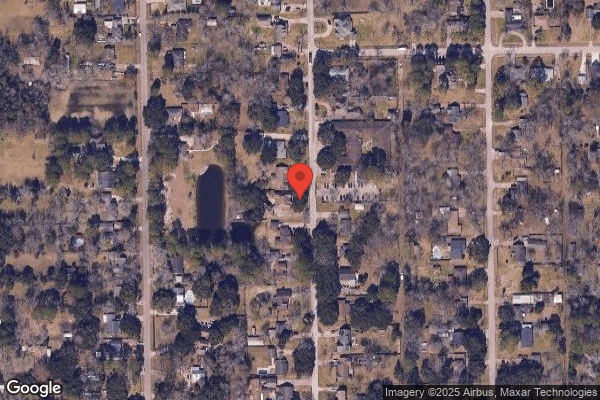
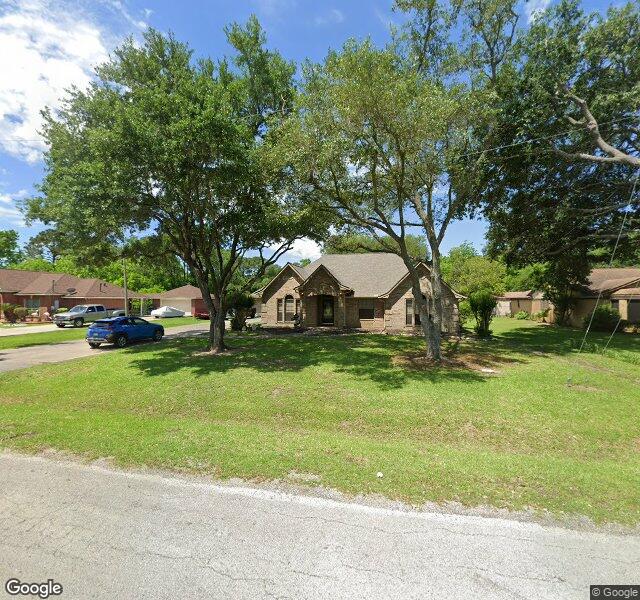
424 N TARPEY RD, TEXAS CITY, TX 77591 (409) 938-8431
For profit - Limited Liability company 109 Beds HAMILTON COUNTY HOSPITAL DISTRICT Data: November 2025 1 Immediate Jeopardy citation
Trust Grade
31/100
#855 of 1168 in TX
Last Inspection: September 2024

Within standard 12-15 month inspection cycle. Federal law requires annual inspections.

Overview

The Lakes at Texas City has received a Trust Grade of F, indicating significant concerns regarding the quality of care provided at this facility. Ranked #855 out of 1168 in Texas, they are in the bottom half of nursing homes in the state, and #8 out of 12 in Galveston County, meaning there are only a few local options that are better. While the facility is showing some improvement, decreasing the number of issues from 16 in 2023 to 9 in 2024, the staffing situation is troubling with a rating of only 1 out of 5 stars and a turnover rate of 66%, well above the Texas average. Additionally, residents may be at risk due to incidents such as one resident being fed inappropriate food despite being on a restricted diet, and multiple concerns about food safety and sanitation in the kitchen, which could lead to foodborne illnesses. Despite these weaknesses, the health inspection rating is average, and there are no serious harm incidents reported, suggesting some positive aspects to consider.

Trust Score
F
31/100
In Texas
#855/1168
Bottom 27%
Safety Record
High Risk
Review needed
Inspections
Getting Better
16 → 9 violations
Staff Stability
⚠ Watch
66% turnover. Above average. Higher turnover means staff may not know residents' routines.
Penalties
✓ Good
$21,750 in fines. Lower than most Texas facilities. Relatively clean record.
Skilled Nurses
⚠ Watch
Each resident gets only 20 minutes of Registered Nurse (RN) attention daily — below average for Texas. Fewer RN minutes means fewer trained eyes watching for problems.
Violations
⚠ Watch
33 deficiencies on record. Higher than average. Multiple issues found across inspections.
★★☆☆☆
2.0
Overall Rating
★☆☆☆☆
1.0
Staff Levels
★★★★☆
4.0
Care Quality
★★★☆☆
3.0
Inspection Score
Stable
2023: 16 issues
2024: 9 issues

The Good

  • 4-Star Quality Measures · Strong clinical quality outcomes
  • Full Sprinkler Coverage · Fire safety systems throughout facility
  • No fines on record

Facility shows strength in quality measures, fire safety.

The Bad

2-Star Overall Rating

Below Texas average (2.8)

Below average - review inspection findings carefully

Staff Turnover: 66%

20pts above Texas avg (46%)

Frequent staff changes - ask about care continuity

Federal Fines: $21,750

Below median ($33,413)

Minor penalties assessed

Chain: HAMILTON COUNTY HOSPITAL DISTRICT

Part of a multi-facility chain

Ask about local staffing decisions and management

Staff turnover is elevated (66%)

18 points above Texas average of 48%

The Ugly 33 deficiencies on record

1 life-threatening
Nov 2024 1 deficiency
CONCERN (E) 📢 Someone Reported This

A family member, employee, or ombudsman was alarmed enough to file a formal complaint

Potential for Harm - no one hurt, but risky conditions existed

ADL Care (Tag F0677)

Could have caused harm · This affected multiple residents

**NOTE- TERMS IN BRACKETS HAVE BEEN EDITED TO PROTECT CONFIDENTIALITY** Based on observation, interviews, and record reviews, the facility failed to ensure residents who were unable to carry out activ...

Read full inspector narrative →
**NOTE- TERMS IN BRACKETS HAVE BEEN EDITED TO PROTECT CONFIDENTIALITY** Based on observation, interviews, and record reviews, the facility failed to ensure residents who were unable to carry out activities of daily living were provided with the necessary services to maintain good personal hygiene for 2 of 6 (Resident #3 and Resident #5) residents reviewed for ADL care. The facility failed to provide Resident #3 & Resident #5 showers as scheduled. This failure could place residents who are dependent on staff for ADL care at risk for loss of dignity, and a decreased quality of life. Findings included : Record review of Resident #3's Face Sheet revealed a [AGE] year-old male who was admitted to the facility since 5/15/23 with a diagnoses of Osteomyelitis Vertebra (rare spinal infection that causes weakness and/or numbness in the arms or legs, incontinence of bowels and/or bladder), Paraplegia (paralysis that affects legs), Muscle weakness, Type 2 diabetes (body doesn't use insulin properly), Hypertension (pressure of your blood in your arteries is too high), chronic obstructive pulmonary disease (COPD) (lung disease that makes it difficult to breath). Record review of Resident #3's Comprehensive MDS assessment dated [DATE] reflected resident has a BIMS score of 15, which indicated the resident was cognitively intact . The MDS reflected Resident #3 was totally dependent on staff and needed assistance in doing all of her showering, toileting hygiene, upper body dressing, lower body dressing and personal hygiene. Record review of Resident #3's Care Plan revised 10/3/24, reflected, Resident is at risk for PSWB (Partial Weight Bearing) ADL Assistance required for bathing-need limited assist during bathing. Resident will maintain a sense of dignity by being clean, dry, odor free, and well groomed. Record review of Resident #5's Face Sheet revealed a [AGE] year-old female who was initially admitted to the facility on [DATE] and readmitted [DATE] with a diagnosis of cardiorespiratory conditions (heart and lung disease), hypertension (pressure of your blood in your arteries is too high), diabetes (body doesn't use insulin properly), non-Alzheimer's dementia (dementia not caused by Alzheimer disease). Record review of Resident #5's Comprehensive MDS assessment dated [DATE] reflected a BIMS score of 15, which indicated the resident was cognitively intact . The MDS reflected Resident #5 had impairment on both sides of his lower extremity (hip, knee, ankle, foot) who used a wheelchair; and totally dependent on staff for shower/bathing, and partially dependent (staff does less than half of the effort and is there to support resident by holding limbs and lifting resident) on staff for person hygiene areas such as, washing face and shaving. Record review of Resident #5's Care Plan dated 8/12/20, reflected resident should be provided with simple choices with ADL care and encourage participation; resident is a 1 person assist and should be bathed MWF per residents' preference. Record review of shower/bath documentation for the months of October 2024 and November 2024, show Resident #3 & Resident #5 have received their showers/bed baths on the 2pm - 10pm shift. It did not show any refusal of services. In an interview on 11/25/2024 at 1:37pm Resident #1 stated residents were not being showered and had been told that there weren't enough staff. He stated, residents that got showers on the 2pm - 10pm shift have it bad. He stated some residents have gone weeks without a shower or bed bath. He stated CNAs will mark it down like they've given showers when they haven't. He stated a lot of residents that cannot talk for themselves hardly gets there showers. He stated he is independent and can shower himself. In an interview on 11/26/2024 at 9:46am Resident #2 stated she had her showers. She stated she is very outspoken and demand her showers even though she is Bed B. However, she stated there are not a lot of people on Bed B that get their showers. She stated residents that have an Intellectual Disability (below average intelligence) and can't speak for themselves, they are not getting their showers as they should. The Bed B showers are given on the 2pm-10pm shift. Staff are always saying they are short of hand and unable to give showers, which is not true. She stated the staff are just not doing their jobs and the charge nurses aren't making them or holding them accountable. In an interview on 11/26/2024 at 11:21am Resident#3 stated staff are not available for showers on the 2pm - 10pm shift, which is when he is scheduled for showers. Resident #3 stated he does not need anyone to wash him up while in the shower; however, because his legs are unsteady, there must be a staff member available just in case the need for assistance arises (he falls). Resident #3 stated he is always told there are no staff available. He stated he is Bed B and his showers are on the 2pm -10pm shift. He stated a lot of times there are only two people working, the CMA and CNA and there aren't a lot of workers to give showers. He also stated the last time he had a shower was two weeks ago. He stated he just does a wash-up in the bathroom sink. In an interview on 11/26/2024 at 11:30am Resident #4 stated he gets his shower because he is Bed A and the 6am-2pm shift staff gets him his. He stated his roommate, Resident #3, complains about getting his shower all the time. His roommate is Bed B and there is hardly any staff available to give him his showers or they just won't. In an interview on 11/26/2024 at 11:35am CNA A stated she would shower a Bed B resident if she had a shower refusal from a resident in Bed A. She stated she has heard complaints from a lot of residents on Bed B about not getting their showers on the 2p - 10p shift. In an interview on 11/26/24 at 11:45am with Resident #5, she stated she has not received a bed bath in over 2 weeks and can't remember the last time she's had a shower. She stated she has continuously asked about a shower and has been told that the facility is shorthanded or there isn't anyone to help her . A review of the shower sheets indicated the resident had a shower; however, the resident denied this. In an interview on 11/26/24 at 11:55am with Resident #6, she stated she does not have any issues. She stated she gets her showers because she is Bed A. She stated her roommate, Resident #5, hasn't had a shower in over a month. She stated on one occasion she witnessed Resident #6 asking CNA staff for a shower and being told there isn't enough staff and there isn't a shower tech available cause the last one either quit or got fired. In an interview on 11/26/24 at 3:45pm with CNA B she stated she typically works the 10p-6a shift. She stated she believes the residents are not getting their showers on 2p-10p shift because Bed B residents are always complaining about not getting it when she works. When asked if she had spoken with a charge nurse or the DON about the complaints, she stated she had not. She stated she worked the 2p-10p shift on overtime only and didn't want to cause any problems. She stated when she viewed the ADL's it appeared that residents on Bed B had their showers, but there are a lot of complaints. In an interview on 11/26/24 at 6:00pm with the DON, she stated showers for some beds (Bed A) are completed on the 6 am-2pm shift and other beds (Bed B) 2pm-10pm shift. She stated in the past there were some complaints, but recently she has not received any complaints. She stated not having a shower or bed bath in days, weeks or months is not accepted. Based on the task completed in Task Section of Point Click Care (the computer documentation for staff to use indicating if residents were given a shower, refused a shower and if the CAN noticed any issues with resident skin or any other changes in condition), it appears Resident#3 and Resident#5 received their showers and/or bed baths during the week. A resident should receive their ADL's when scheduled per week. It is unacceptable for a resident not to either be given a bed bath or offered one. In an interview on 11/26/24 at 7:00pm with Administrator she stated all residents should have their bed bath and showers or other ADL's completed by staff as scheduled. It is unacceptable when they don't. She stated she has not been informed that staff on certain shifts are not giving showers. She stated it is unacceptable and if she had known this issue would have been addressed. She stated the quality-of-life policy addresses the facility's position on self-esteem. Review of the Quality-of-Life Policy dated 1/10/2022, #reflected, The facility will create and sustain an environment that humanizes and promotes each resident's well-being and feeling of self-worth and self-esteem. On 11/26/2024, reviewed facility grievances for the past 3 months and no formal complaints related to ADL care. Review of the Bathing Policy dated 3/1/14 and reviewed 2/10/2020 reflected, purpose is to cleanse skin, prevent infection and promote circulation 2 times or more weekly or as patient requires.
Sept 2024 5 deficiencies
CONCERN (D)

Potential for Harm - no one hurt, but risky conditions existed

PASARR Coordination (Tag F0644)

Could have caused harm · This affected 1 resident

**NOTE- TERMS IN BRACKETS HAVE BEEN EDITED TO PROTECT CONFIDENTIALITY** Based on observation, interview, and record review, the facility failed to coordinate assessments with the Preadmission Screenin...

Read full inspector narrative →
**NOTE- TERMS IN BRACKETS HAVE BEEN EDITED TO PROTECT CONFIDENTIALITY** Based on observation, interview, and record review, the facility failed to coordinate assessments with the Preadmission Screening and Resident Review (PASRR) program to the maximum extent practicable for 1 of 5 residents (Resident #57) reviewed for PASRR. -The facility failed to update the PASRR Level 1 forms for Resident #57 to indicate mental health illness. This failure could place residents requiring PASRR services at risk of not having their special needs assessed and met by the facility. Findings included: Record review of Resident #57's face sheet dated 09/11/2024 revealed that Resident # 57 is a 69 -year-old female who admitted to the facility on [DATE] and had an active diagnosis of Bipolar Disorder (a mental illness that causes unusual shifts in a person's mood, energy, activity levels, and concentration) with an onset documented as of 04/16/2024. Record review of the PASRR Level 1 Screening for Resident #57 dated for 03/29/2024 indicated no mental health illness. It was determined that resident was not eligible for PASRR specialized services because serious mental illness was not documented on admission, at the time of Resident 57 initial PASRR Level 1 Screening. Record review of Resident #57 care plan dated 09/10/2024 read in part Resident #57 uses psychotropic medications (antidepressants, antipsychotics, anxiolytics, or hypnotics) related to depression, generalized anxiety disorder, bipolar disorder. Observation and interview on 09/09/2024 at 10:00 AM, revealed Resident #57 lying in bed watching TV. She stated that she received her medications but did not know what medications she had been taking. Resident #57 denied receiving any services and support related to coping with bipolar disorder. Resident denied being sad at the time of the interview. Interview on 09/10/2024 at 2:00 PM, the Social Worker stated she was responsible for completing the PASRR. She confirmed that Resident #57' PASRR Level 1 on admission was negative for mental illness, The Social Worker stated that Resident #57 was diagnosed with bipolar disorder as of 04/16/2024. Social Worker stated that she did not know that she had to submit an updated PASSR Level 1 indicating that Resident #57 had an active diagnosis of bipolar disorder. The Social Worker stated that she had not received any training regarding PASRR. The Social Worker did not reveal how she monitored to ensure it PASRR Level 1 assessments were completed timely and accurately . She did not know why the referral had not been completed on 04/16/2024 and she said that it would be important for a resident to receive PASRR services if they qualified. The Social Worker said that the potential risk to a resident for not having the corrected referral submitted to identify mental health illness, would be that the resident would not receive the necessary services qualified for. Record review of the facility's Resident Assessment-Coordination with PASRR Program policy dated implemented 06/2023 and Date Revised: 06/2023 revealed 9. Any resident who exhibits a newly evident or possible serious mental disorder, intellectual disability, or a related condition will be referred promptly to the state mental health or intellectual disability authority for a level II resident review .b. A resident whose intellectual disability or related was not previously identified and evaluated through PASRR.
CONCERN (E)

Potential for Harm - no one hurt, but risky conditions existed

Resident Rights (Tag F0550)

Could have caused harm · This affected multiple residents

**NOTE- TERMS IN BRACKETS HAVE BEEN EDITED TO PROTECT CONFIDENTIALITY** Based on observation, interviews, and record reviews, the facility failed to treat residents with respect and dignity and care f...

Read full inspector narrative →
**NOTE- TERMS IN BRACKETS HAVE BEEN EDITED TO PROTECT CONFIDENTIALITY** Based on observation, interviews, and record reviews, the facility failed to treat residents with respect and dignity and care for them in a manner and in an environment that promoted maintenance or enhancement of their quality of life for 3 (Residents # 42, #66, and #44) of 3 residents reviewed for resident rights in that- -The facility failed to grant Residents # 42 and #66 the opportunity be with each other. -The facility failed to allow Resident #44 the right to remain in her room as she desires. These failures could place residents at risk for diminished quality of life and loss of dignity and self-worth. Findings include: Resident #42 Record review of Resident #42's face sheet, dated 09/10/24, reflected a [AGE] year-old male, who admitted to the facility on [DATE] with diagnoses Essential hypertension (high blood pressure), type 2 diabetes mellitus with anxiety disorder, major depressive disorder, lack of coordination, and muscle weakness. Record review of Resident #42's face sheet revealed he was his own responsible party. Record review of Resident #42's annual MDS assessment dated [DATE] revealed he had a BIMS score of 15, which indicated his cognition was intact. On ADL care he was coded as limited assistant. Record review of Resident # 42's care plan dated 01/23/24 with a revision date of 04/15/24 revealed, Resident #42 had Consensual sexual activities with another resident. Goal: Resident will respect their sexual partner and obtain consent each time prior to engaging in sexual relations through the next review date. Date Initiated: 01/23/2024 Revision on: 09/05/2024. Interventions: -Staff will give support and understanding of Resident # 42's right to have relationships/special friendships with whom he desires. o Ensure both residents are their own responsible party and have not been deemed incapacitated by a physician. o Sexual assessment to be completed by clinical nurse and social worker. Date Initiated: 01/23/2024. o Ensure that the sexual relations are consensual and document the findings in the medical record of both residents. Consent means both residents decide together to do the same thing, at the same time, in the same way, with each other. o Sexual education to be provided. -Educate the resident on the risks associated with sexual relations such as sexually transmitted diseases and pregnancy. -Encourage the resident to discuss their sexual history with their potential partner prior to becoming sexually active. o Provide a private, non-confrontational environment for the two residents. o Make condoms available for the residents to use if they so desire. o Notify the resident's physician of any signs/symptoms of an STD: Resident # 66 Record review of Resident #66's face sheet, dated 09/10/24, reflected a [AGE] year-old female, who admitted to the facility on [DATE]. Her diagnoses included Blindness, essential (primary) hypertension, PTSD, mood disorder, cognitive communication, obesity, anxiety disorder, chronic type 2 diabetes mellitus (a condition that happens because of a problem in the way the body regulates and uses sugar as a fuel), depression, lack of coordination and muscle weakness. Record review of Resident #66's face sheet revealed she was her own responsible party. Record review of Resident #66's annual MDS assessment dated [DATE] revealed she had a BIMS score of 15, which indicated her cognition was intact. On ADL care she was coded as limited assistant. Record review of Resident #66's Care plan dated 01/23/23 revealed Resident # 66 was care planed as- Resident #66 engages in voluntary consensual sexual activities with another resident. Date Initiated: 01/23/2024 Revision on: 04/15/2024. Goal: Resident #66 will respect their sexual partner and obtain consent each time prior to engaging in sexual relations through the next review date. Date Initiated: 01/23/2024 Target Date: 01/12/2025. Intervention: o Ensure both residents are their own responsible party and have not been deemed incapacitated by a physician. Date Initiated: 01/23/2024. o Sexual assessment to be completed. o Ensure that the sexual relations are consensual and document the findings in the medical record of both residents. Consent means both residents decide together to do the same thing, at the same time, in the same way, with each other. Date Initiated: 01/23/2024. o Sexual education to be provided. -Educate the resident on the risks associated with sexual relations such as sexually, transmitted diseases and pregnancy. -Encourage the resident to discuss their sexual history with their potential partner prior to becoming sexually active. Date Initiated: 01/23/2024. o Psychological Services as ordered. Date Initiated: 01/23/2024. o Provide a private, non-confrontational environment for the two residents. Date Initiated: 01/23/2024. o Make condoms available for the residents to use if they so desire. Date Initiated: 01/23/2024. o Notify the resident's physician of any signs/symptoms of an STD. Resident #44 Record review of Resident #44's face sheet, dated 09/10/24, reflected a [AGE] year-old female, who admitted to the facility on [DATE]. Her diagnoses included essential hypertension, anxiety disorder, depression, pain, cognitive communication deficit, and muscle weakness, Record review of Resident #44's annual MDS assessment dated [DATE] revealed she had a BIMS score of 15, which her cognition was intact. On ADL care she was coded as limited\minimum assistant. Observation and interview on 09/09/24 at 2:00PM, revealed Resident #44 smoking together with Residents #42 and #66. Resident #66 introduced Resident #42 as her boyfriend, and they had been together for a long time. During an interview, Resident #66 said Resident # 44 (roommate to Resident #66) had to leave her room when he visits Residents #66 which is not right. He said they have been asking to put them together in the same room for over a year and the only answer was Roommate of Resident # 66 can give them privacy if she wants to. Resident #66 said the facility does not provide privacy for the residents. Resident #42 said he does not feel comfortable for Resident #44 to leave her room so that Resident # 66 and Resident #42 can have a private time together. Observation and interview on 09/11/24 at 10:00AM, revealed Resident #44 was observed alone in her room. She said her roommate was moved on 09/10/24. During an interview with Facility administrator on 09/10/24 at 2:00PM, she said there was no room available for a male and female because all their rooms had jack and Jill bathroom and the facility was watching out for other residents' privacy as well. The Administrator said Resident #44 agreed to give Residents # 42 and #66 privacy for 2 hours. She said the facility had also offered to discharge Residents #42 and #66 to an assisted living facility that would accommodate both resident in a room together, but they refused. She said she would look to see if she could find a room for both residents. She said this had been going on before her time at the facility. Record review of facility's admission policy dated 02/23/16 revised 02/20/21 titled Resident Rights read in part The Facility shall protect and promote the rights of each Resident, including each of the following rights: The Resident has the right to a dignified existence, self-determination, communication with and access to, persons and services inside and outside the Facility. The Resident has a right to exercise his or her rights as a Resident of the Facility and as a citizen or resident of the United States. The Resident has the right to be free of interference, coercion, discrimination, or reprisal from the Facility in exercising his or her rights . The Resident has a right to choose activities schedules and health care consistent with his or her interests, assessments, and plans of care. The Resident has a right to participate in social, religious, and community activities that do not interfere with the rights of other Residents. The Resident has a right to reasonable accommodation of individual, needs and preferences except where the health or safety of the Resident or other Residents would be endangered.
CONCERN (E)

Potential for Harm - no one hurt, but risky conditions existed

MDS Data Transmission (Tag F0640)

Could have caused harm · This affected multiple residents

**NOTE- TERMS IN BRACKETS HAVE BEEN EDITED TO PROTECT CONFIDENTIALITY** Based on record review and interviews, the facility failed to electronically transmit within 14 days after the facility complete...

Read full inspector narrative →
**NOTE- TERMS IN BRACKETS HAVE BEEN EDITED TO PROTECT CONFIDENTIALITY** Based on record review and interviews, the facility failed to electronically transmit within 14 days after the facility completed a resident's assessment, encoded MDS data including a subset of items upon a resident's transfer, reentry, discharge, and death for 8 of 16 residents (CR #79, Residents #9, #33, #44, #66, #50, #75, #382) reviewed for electronic transmission of MDS data to the CMS system. 9The facility failed to complete and transmit CR 79, Residents #9, #33, #44, #66, #50, #75, #382 MDS assessment within 14 days of the ARD date. These failures could place residents at risk of not having their assessments completed and submitted in a timely manner and having their Medicaid payments and/or services interrupted. Findings include: Resident #9 Record review of Resident #9's face sheet, dated 09/10/24, reflected an [AGE] year-old female, who admitted to the facility on [DATE]. Her diagnoses included Generalized abdominal pain, primary pulmonary hypertension, anxiety disorder, overactive bladder, muscle weakness, major depressive disorder, history of falling, muscle wasting, and atrophy. Record review of Resident #9's annual MDS assessment with ARD date of 05/16/24 was completed on 05/16/24 and transmitted on 6/12/24, 27 days after the ARD date. Resident #33 Record review of Resident #33's clinical record revealed admission date 4/3/24 with diagnoses including cerebral infarction (loss of oxygen in the brain), dysphagia (swallowing disorder), hemiplegia and hemiparesis (paralysis and weakness on one side of the body), Diabetes (inability of body to regulate blood sugar), Cirrhosis of liver (chronic liver damage causing liver failure), hypertension (high blood pressure), major depressive disorder (persistently depressed mood). Record review of Resident #33's admission MDS with ARD target date of 4/8/24 was completed and transmitted 37 days late, on 5/15/24. Resident #44 Record review of Resident #44's face sheet, dated 09/10/24, reflected a [AGE] year-old female, who admitted to the facility on [DATE]. Her diagnoses included essential hypertension, anxiety disorder, depression, pain, cognitive communication deficit (refer to difficulties in communication that result from impaired functioning of cognitive processes) and muscle weakness. Record review of Resident #44's annual MDS assessment with ARD date of 12/01/23 was completed on 01/12/24, 42 days after the ARD. Resident #50 Record review of Resident #50's clinical record revealed admission date 3/24/23 with diagnoses including cerebrovascular disease (condition affecting blood flow to the brain), bipolar disorder (mood swings from depressive lows to manic highs), anxiety disorder (worry, fear, anxiety affecting daily life), aphasia (language disorder), dysarthria (speech disorder), hemiplegia (paralysis on one side of the body). Record review of Resident #50's Annual MDS with ARD date of 3/29/24 was completed 5/10/24 and transmitted 5/13/24 42 days after the ARD date. Resident # 66 Record review of Resident #66's face sheet, dated 09/10/24, reflected a [AGE] year-old female, who admitted to the facility on [DATE]. Her diagnoses included essential (primary) hypertension, PTSD , mood disorder, anxiety disorder, chronic type 2 diabetes mellitus (a condition that happens because of a problem in the way the body regulates and uses sugar as a fuel), depression, lack of coordination and muscle weakness. Record review of Resident #66's annual MDS assessment with ARD date of 11/21/23 was completed on 12/11/23 and transmitted on 12/12/23, 20 days after the ARD date. Resident #75 Record review of Resident #75's clinical record revealed admission date 6/20/24 with diagnoses including hypertension (high blood pressure), cerebral infarction (stroke), dysphagia (swallowing problem), diabetes (inability of body to regulate blood sugar), chronic kidney disease (longstanding kidney disease causing kidney failure), hemiplegia (paralysis on one side of the body, aphasia (language disorder). Record review of Resident #75's admission MDS with ARD date of 6/27/24 was completed and transmitted 17 days late on 7/15/24. CR #79 Record review of CR #79's Face Sheet dated 09/11/24 revealed a [AGE] year-old male admitted to the facility on [DATE]. His diagnoses included senile degeneration of brain (is the mental deterioration and loss of intellectual ability), diabetes, major depressive disorder, kidney failure, and anxiety. Record review of CR #79's clinical records revealed the last MDS assessment on his clinical record was dated ARD of 07/14/24 and was coded as death in facility. The MDS was completed 07/22/24 and was submitted 08/01/24, 18 days after the ARD. Resident #382 Record review of Resident 382's clinical chart revealed admission date 8/8/24 with diagnoses including anoxic brain damage (death of brain cells after 4 minutes of lack of oxygen to the brain), heart failure (failure of heart to pump blood efficiently). Record review of Resident #382's admission MDS with ARD date of 8/21/24 was completed 15 days late on 9/5/24 and transmitted 9/19/24. In an interview on 9/11/24 at 2:05 pm, the MDS nurse said the former MDS nurse passed away in February of this year, and corporate nurses were filling in until March when she took over the job. A PRN MDS nurse was hired to train her because she was not familiar with the job, and she started working with MDS assessments in April. She said she knew the MDS assessments were late, but she is working on getting them caught up and making them accurate for the residents. She said the risk of not submitting assessments on time would affect the residents' plan of care and receiving proper care. In an interview on 9/11/24 at 2:45 pm, the Administrator said the former MDS nurse passed away in February, and they have been trying to get the MDS assessments caught up. She said the risk of not having timely assessments would be improper care for the residents. Record review of the CMS RAI manual, Chapter 5, dated 2023 revealed in part, .the admission assessment RAP completion date can be no more than 14 days from the date of admission .for all other comprehensive MDS assessments, the RAP completion date may be no later than 14 days from ARD .discharge and re-entry records must be completed within 7 days of the event date .
CONCERN (E)

Potential for Harm - no one hurt, but risky conditions existed

Dental Services (Tag F0791)

Could have caused harm · This affected multiple residents

**NOTE- TERMS IN BRACKETS HAVE BEEN EDITED TO PROTECT CONFIDENTIALITY** Based on observations, interviews, and record review, the facility failed to assist residents in obtaining routine and 24-hour e...

Read full inspector narrative →
**NOTE- TERMS IN BRACKETS HAVE BEEN EDITED TO PROTECT CONFIDENTIALITY** Based on observations, interviews, and record review, the facility failed to assist residents in obtaining routine and 24-hour emergency dental care for 3 of 16 residents (Residents #9, #42, #66) reviewed for dental services. The facility failed to provide proper routine dental care for Residents # 9, #42 and #66. This failure could place residents at risk of oral complications, dental pain, and diminished quality of life. Findings included: Resident #9 Record review of Resident #9 ' s face sheet, dated 09/10/24, reflected an [AGE] year-old female, who admitted to the facility on [DATE]. Her diagnoses included Generalized abdominal pain, primary pulmonary hypertension, anxiety disorder, overactive bladder, muscle weakness, major depressive disorder, history of falling, muscle wasting, and atrophy. Record review of Resident #9 ' s annual MDS assessment with ARD date of 05/16/24 revealed she was coded for a BIMS score of 15 which indicated she was cognitively intact. Record review of section L of the MDS oral dental section revealed she was assessed as having Obvious or likely cavity or broken natural teeth. Record review of Resident #9 ' s care plan dated 12/08/20 revealed Resident #9 was care planed as Resident #9 had likely carious teeth and is at risk for pain and infection. Goals: The resident will comply with mouth care at least daily through next review date Date Initiated: 12/08/2020, Revision on: 09/11/2024, Target Date: 06/12/2025. The resident will be free of infection, pain, or bleeding in the oral cavity through next review Date Intervention: Provide mouth care as per ADL personal hygiene. Monitor and report to MD PRN any s/sx of oral/dental problems needing attention: Pain (gums, toothache, palate), abscess, debris in mouth, Lips cracked or bleeding, Teeth missing, loose, broken, eroded, decayed, Tongue (black, coated, inflamed, white, smooth), Ulcers in mouth, Lesions. Inspect oral cavity during oral care and report changes to the nurse Administer medications as ordered. Monitor for side effects and effectiveness. Refer to dentist for evaluation and recommendations. Record review of Resident #9 ' s weight record from June through September revealed no significant weight loss. Observation and interview on 09/10/24 revealed Resident #9 was in bed alert and oriented. She said she was doing well. She said her teeth has been hurting her for sometimes. She said all her right-side hurts and she can only eat on the left side of her mouth. She said she had complained but nothing was done. She said she manage as much as she can. Observation revealed she was missing some of her teeth in her upper and lower cavity. She said she had also told her responsible party about her pain. She said she had not seen a dentist since her admission. Resident #42 Record review of Resident #42's face sheet, dated 09/10/24, reflected a [AGE] year-old male, who admitted to the facility on [DATE]. Her diagnoses included Essential hypertension (high blood pressure), type 2 diabetes mellitus with anxiety disorder, major depressive disorder, lack of coordination, and muscle weakness. Record review of Resident #42 ' s annual MDS assessment dated [DATE] revealed he had a BIMS score of 15, which indicated his cognition was intact. Record review of section L oral /dental section reflected he was coded as Obvious or likely cavity or broken natural teeth. Record review of Resident # 42 ' s care plan revealed. Resident #42 was care as · Resident #42 has oral/dental health problems carious teeth / broken teeth r/t Poor oral hygiene Goal: Staff will provide oral care at least daily through next review date. Date Initiated: 11/26/2022 Revision on: 09/05/2024, Target Date: 02/28/2025 Resident will comply with mouth care at least daily through next review date Date Initiated: 11/26/2022, Revision on: 09/05/2024 Interventions: Provide mouth care as per ADL personal hygiene. Date Initiated: 11/26/2022 Monitor and report to MD PRN any s/sx of oral/dental problems needing attention: Pain (gums, toothache, palate), Abscess, Debris in mouth, Lips cracked or bleeding, teeth missing, loose, broken, eroded, decayed, Tongue (black, coated, inflamed, white, smooth), Ulcers in mouth, Lesions. Date Initiated: 11/26/2022. Inspect oral cavity during oral care and report changes to the nurse. Date Initiated: 11/26/2022 Observation and interview on 09/09/24 at 2:00PM, revealed Resident #42 was outside smoking with Resident #66 and #44. Observation revealed he had missing teeth on his lower and upper oral cavity. During an interview he said he has been asking to see a dentist, but no one would listen to him. He said he had told the Social Worker several times but she never came back to give him an answer.Resident # 66 Record review of Resident #66's face sheet, dated 09/10/24, reflected a [AGE] year-old female, who admitted to the facility on [DATE]. Her diagnoses included essential (primary) hypertension, PTSD, mood disorder, anxiety disorder, chronic type 2 diabetes mellitus (a condition that happens because of a problem in the way the body regulates and uses sugar as a fuel), depression, lack of coordination and muscle weakness. Record review of Resident #66 ' s annual MDS assessment dated [DATE] revealed she had a BIMS score of 15, which indicated her cognition was intact. Record review of section L of her oral/dental section revealed she was assessed as having obvious or likely cavity or broken natural teeth. Record review of Resident #66 ' s Care plan dated 01/23/23 revealed no evidence of care plan for her dental care. Observation and interview on 09/09/24 at 2:00PM, revealed Resident #66 was outside smoking with Resident #42 and #44. Observation revealed she had missing teeth. During an interview she said she has been asking to see a dentist, but no one would listen to her. She said she had expressed having pain in her gums and teeth, but it all falls on deaf ear ' . She said she had told the social worker several times that she had pain in her gum. She said she had not heard from her about her dental referral. Observation and interview with Resident # 66 on 09/09/24 at 1:30pm revealed Resident # 66 had missing teeth in her oral cavity. She said she was supposed to see a dentist but has not heard from the social worker and no one had discussed her dental issue since she complained of pain. She said she had loose teeth and pain when she shews on her right side. During an interview with the social worker on 09/10/24 at 3:00PM, she said she does not assess residents for their dental but would refer them to the dentist if they complained. She said there was no dentist that visit residents at the facility. She said had asked some to come but they would schedule but not show up. She said she remembered Resident #9 ' s responsible party had asked her in the past to refer Resident #9 to a dentist. She said she did not have any documentation. During an interview with MDS coordinator on 09/10/24 at 4:00PM, she said she did the assessment on resident ' s oral dental section and the social Worker did the referral. She said Resident ' s care areas are usually discussed during the care plan meeting and any acute care was done by the nurses. During an interview with the Facility ' s Administrator on 09/11/24 at 4:00Pm, she said the facility does not have a dentist that visits residents at the facility. She said some of the insurance providers had their own dentist that visit their residents and the facility is actively looking for a dentist who would visit residents on a regular basis. Policy on routine and emergency dental care services was requested but was not provided prior to exit on 09/11/24.
CONCERN (F)

Potential for Harm - no one hurt, but risky conditions existed

Food Safety (Tag F0812)

Could have caused harm · This affected most or all residents

**NOTE- TERMS IN BRACKETS HAVE BEEN EDITED TO PROTECT CONFIDENTIALITY** Based on observation, interview, and record review, the facility failed to store, prepare, distribute, and serve food in accorda...

Read full inspector narrative →
**NOTE- TERMS IN BRACKETS HAVE BEEN EDITED TO PROTECT CONFIDENTIALITY** Based on observation, interview, and record review, the facility failed to store, prepare, distribute, and serve food in accordance with professional standards for 1 of 1 kitchen observed for food service. The facility failed to ensure that left over food items in the walk-in cooler, were properly sealed, and labele with opened, expiration date. This failure could affect the residents who received meals from the kitchen and could place them at risk for foodborne illness. Findings included: Observation of the facility's only kitchen on 09/09/24 at 8:24AM revealed one of one walk in cooler in the kitchen had the following food items unlabeled and undated. All food items were identified by the Dietary Manager. -¾ left over cake unlabeled and undated -Can sliced apples in a plastic container partially covered. -Food items in a grocery bag unlabeled and undated. The Dietary Manager said it was a TV Dinner and it belonged to a resident. -An unidentified food product in a grocery bag. The Dietary Manager said she does not know what it was. -Left over salad in a Ziplock bag. -Flour tortillas identified as [NAME] by the dietary manager. -3 and 3/4 gallons of chocolate milk with the manufacture date of use before 09/08/24. During an interview with the Dietary Manager on 09/09/24 at 10:00AM, she said all left over food items and food products out of the original containers are to be labeled and dated. She said serving expired milk to residents may lead to food borne illness and she would not use it. During an interview with the facility administrator on 09/10/24 at 3:00Pm. She said she expected all food items in the walk-in freezer and refrigerator to be labeled and dated. She said the dietary department was a vending company. Record review of the policy titled Frozen and refrigerated food storage dated 08-2005 review 7/22/22 read in part, Items stored in the refrigerator must be dated upon receipt, unless they contain a manufacturer use by, sell by, best by date, or a date delivered. Most pick stickers do have the delivery date on the sticker. They must also be dated with an expiration date unless they have one from the manufacturer ( that is milk cartons, eggs)
Jun 2024 3 deficiencies
CONCERN (D) 📢 Someone Reported This

A family member, employee, or ombudsman was alarmed enough to file a formal complaint

Potential for Harm - no one hurt, but risky conditions existed

Transfer Requirements (Tag F0622)

Could have caused harm · This affected 1 resident

**NOTE- TERMS IN BRACKETS HAVE BEEN EDITED TO PROTECT CONFIDENTIALITY** Based on interviews and record review, the facility failed to permit each resident to remain in the facility, and not transfer o...

Read full inspector narrative →
**NOTE- TERMS IN BRACKETS HAVE BEEN EDITED TO PROTECT CONFIDENTIALITY** Based on interviews and record review, the facility failed to permit each resident to remain in the facility, and not transfer or discharge the resident from the facility unless the discharge was necessary for 1 (CR #1) of 4 residents reviewed for discharge requirements. 1. The facility failed to ensure CR #1 was provided a discharge in writing. 2. The facility failed to document a discharge summary in resident clinical record. This failure placed residents at risk of not receiving necessary care and services. Findings included: Record review of CR #1 electronic face sheet revealed a [AGE] year-old male admitted on [DATE] and readmitted on [DATE]. His diagnoses included Cerebral infraction (stroke- reduce blood supply to part of the brain), mood disorder, Schizoaffective disorder, Bipolar, and communicative deficit (lack of communication). Record review of CR #1 annual MDS assessment dated [DATE] revealed: Section on cognitive Patterns with a BIMS Score of 15 indicated his cognition was intact. Section GG Functional Abilities and Goals CR#1 required supervision with and assistant in Toileting and Dressing. Record review of CR#1's progress notes dated 10/23/23 at 1:43 p.m. read in part Discharge Planning/Discharge resident was discharged to a local group home , he was escorted out by the CNA via wheelchair. Resident was A&Ox3, stable, no concerns at time of discharge, medications, and personal belongings left with resident at time of discharge. Nursing. Record review of Social Services Note Text: dated 10/23/2023 at 12:15 p.m. CR #1will be discharging today to a local group home in . He will discharge with his personal belongings and a new wheelchair .he will use the group home's pharmacy of choice. CR #1 and his mother, are satisfied with the choice of group home . Record review of Social Services Note Text: dated 10/20/2023 at 4:54 p.m. Social Services has informed CR #1's RP about a facility or group home that may take CR #1. She has given the company's email and phone number in hopes they will connect to discuss payment, name, phone number, and address of the facility or group home. RP said CR #1 can only pay so much and that she was not able to assist him. She is aware that if he is unable to afford the place, he will be discharging Monday to her residence. Social Services. Record review of physician orders dated 10/20/23 revealed okay to discharge to home with personal belonging, current medication, home health for nursing, CNA' PT, OT, and high strength light weight wheelchair to assist in ADLs . Record review of Physician's assessment dated [DATE] read in part History of present Illness: [AGE] year-old male who is an LTC resident with a past medical history of significant for hyperlipidemia, schizophrenia, tobacco abuse, alcohol use disorder, with residual left hemiparesis, functional paraplegia, and behavior disorder, falls and recent, left wrist fracture, and recent lumbar osteomyelitis/diskitis L1-L2 completed antibiotics. Patient is seen today due to report that he was in an altercation and punched another resident twice in the chest. The other resident is doing and denies any pain or injury. Patient is reported to have been having more behavioral issues, yelling, and throwing things in his room. He is also seen today for discharge planning. Patient will be going home to be with his mom who is the responsable party. He will need home health SN/PT, OT and HHA. He will also need a wheelchair and bedside commode. Patient was uncooperative during this visit and will not provide any explanation for his behaviors. During an interview with the facility DON on 06/03/24 at 1100AM, she said discharge planning of the residents had to do with the Social Worker and the Social Worker would answer any question regarding discharges. During an interview with the facility's Social Worker on 06/03/23 at 2:00pm, she said she was told by the Administrator that CR # 1 needed to be discharged due to CR #1's behavior. She said in the past CR #1's behavior was managed by a reward system. She said CR #1 continued to hit other residents and throw things when he did not get his way. She said CR#1 was receiving psychiatric services from a local psych company. She said all she had for discharge planning was her notes and phone communication with the receiving facility. She said there was no formal discharge planning with the resident and the resident's RP. She said the resident's RP was from out of town and she wanted CR #1 to be discharged close to her home. She said CR #1 was discharged home with a wheelchair that she had ordered for CR #1 that he was using at the facility. She said she called the facility to follow up and the facility and CR # 1 said he was doing well. She said they did not provide the home health company that was contacted for continuity of care. During an interview with the Administrator on 06/04/24 at 2:00PM, she said she was not the Administrator at the facility at that time. Record review of facility's policy on admission, transfer, and discharge rights dated, 10/10/17 updated 02/20/2020 read in part: This facility complies with federal regulations to permit each resident to remain in the facility, and not transfer or· discharge unless the following criteria is met. Fundamental Information I. The transfer or discharge is necessary for the resident's welfare and the resident's needs cannot be met in the facility. 2. The transfer or discharge is appropriate because the president's health has improved sufficiently so the resident no longer needs the service provided by the facility. 3. The safety of the individuals in the facility is endangered due to the clinical or behavioral status of the resident. 4. The health of individuals in the facility would otherwise be endangered. 5. Respite residents are discharged based upon the agreed length of stay and plan of care 6. The resident has foiled, after reasonable and appropriate notice, to pay for (or to have paid under Medicare or Medicaid) a stay at the facility or 7. The facility ceases to operate. Non-emergency discharge: 7 Non-Emergency Transfers or Discharges - initiated by the facility, return not anticipated. a. Document the reasons for the transfer or discharge in the resident's medical record, and in the case of necessity for the resident's welfare and the resident's needs cannot be met in the facility, document the specific resident needs that cannot be met, facility attempts to meet the resident needs, and the service available at the receiving facility to meet the needs. Document any danger to the health or safety of the resident or other individuals.
CONCERN (F) 📢 Someone Reported This

A family member, employee, or ombudsman was alarmed enough to file a formal complaint

Potential for Harm - no one hurt, but risky conditions existed

Food Safety (Tag F0812)

Could have caused harm · This affected most or all residents

Based on observations, interviews, and record review, the facility failed to store, prepare, distribute, and serve food under sanitary conditions in the only facility kitchen. The facility failed to c...

Read full inspector narrative →
Based on observations, interviews, and record review, the facility failed to store, prepare, distribute, and serve food under sanitary conditions in the only facility kitchen. The facility failed to clean the floor in the kitchen. The facility failed to maintain clean mop water in the kitchen. The facility failed to date and label covered bowls of food on serving tray. The facility failed to clean the serving trays used to serve and store covered bowls of food. The facility failed to change the grease in the deep fryer or keep the exterior sides of the deep fryer clean. The facility failed to ensure the only sink in the kitchen for employee handwashing was free from clutter and obstacles to ease staff use. The facility failed to ensure the only alcohol-based hand sanitizer dispenser was clean and functional for staff use. These failures could place the residents who ate meals prepared in the kitchen at risk for food borne illness. Findings: During an observation and interview on 6/4/24 at 11:40 am, the entire kitchen floor was stained and splattered with material and crumb like substances. There was a large black build up on the floor directly in front of the kitchen door. Continued observations of the entire kitchen floor revealed skid marks, footprints, crumbs, and residue all over the floor. Dietary Aide A was observed mopping the floor in the dishwashing room, who then quickly tried to remove a yellow bucket of dark blackish gray, turbid water. The yellow bucket had dark black streaks dripping along its sides and had black material crusted into the corners and crevices of the bucket. There was a mop sitting upright inside the water in the bucket. Dietary Aide A said that he was going to dump the water because they were about to serve lunch. He did not answer when asked when the mop water had been changed last. The grease in the deep fryer was opaque dark brown with food debris floating inside. The sides of the deep fryer were dirty with tan and white streaks down the sides. The wall on the left side of the deep fryer had globules of brown grease hanging from it. The wall directly behind the deep fryer had stained streaks of dried grey material streaming down the wall. There was one sink with an attached eye wash station, which was surrounded by clutter and difficult to access. There was a foot pedal operated wastebin directly underneath the sink that was covered by a food box with food debris inside the box. The paper towel dispenser located directly above the sink was hanging open with the roll of paper towel exposed. There was one wall mounted hand sanitizer dispenser that was hanging open with the inside covered in small black and brown particles and specks of unknown debris. There was no sanitizing solution inside the dispenser. There was a light-colored tray located at the bottom of a shelf that had oatmeal like crumbs on it and a large black speck of unknown origin. There were three black bowls with plastic covers on them that were undated or labeled that were still on the tray . In an interview with the Administrator on 6/4/24 at 12:08pm he said that they were physically in the kitchen 2-3 times per week but had not taken notice of anything wrong. The Administrator said that the dietary staff were contracted, and the contracting entity was responsible for training dietary staff. She said she believed the Dietary Manager had been trained . In an interview with the Dietary Manager on 6/4/24 at 12:20 pm she said she was just promoted from cook about a week ago after the previous Dietary Manager abruptly left. Follow up interview with the Dietary Manager on 6/4/24 at 1:05pm she said she was certified but not licensed as a Dietary Manager and had been in the position for the last 3 months. She was unable to provide kitchen cleaning schedules. When asked if she thought the kitchen was clean, she said yes. When asked if she thought the kitchen was sanitary, she said no. The Dietary Manager would not say how she thought the lack of sanitation in the kitchen could impact the residents, she repeated that she was new to her role. Interview with the Dietary Manager on 6/5/24 at 3:01 pm she said the kitchen was cleaned on 6/4/24 and they will continue to clean and that it looked better than when she first started. She said the kitchen was supposed to be cleaned daily. She said she had been trained by someone out of state through Company A for about 2 weeks. The Dietary Manager said she was not sure if she had discussed any cleanliness or santitation issues in the kitchen directly with the Administrator. Record review of undated Sanitation Standard Operating Procedures read as follows: The establishment must maintain daily records sufficient to document the implementation and monitoring of the Sanitation SOP's and any corrective action taken. Cleaning of facilities including floors, walls, and ceilings .Cleaning procedures .1. Debris is swept up and discarded. 2. Facilities are rinsed with potable water. 3. Facilities are cleaned with approved cleaner. 4. Facilities are rinsed with potable water. Cleaning of floors, ceilings, and walls is done at the end of each production day and when needed to maintain sanitary conditions. Establishment monitoring .The Team Captain performs daily organoleptic examination before operations begin 2. All equipment tables and other product contact surfaces are cleaned and sanitized throughout the day as needed to maintain sanitary conditions and protect the product. Record review of The Food and Drug Administration Codes August 2021, 4-601.11 Equipment, Food-Contact Surfaces, Nonfood-Contact Surfaces, and Utensils indicated: . (A) Equipment food-contact surfaces and utensils shall be clean to sight and touch.
CONCERN (F) 📢 Someone Reported This

A family member, employee, or ombudsman was alarmed enough to file a formal complaint

Potential for Harm - no one hurt, but risky conditions existed

Deficiency F0925 (Tag F0925)

Could have caused harm · This affected most or all residents

Based on observations, interviews, and record review, the facility failed to maintain an effective pest control program for 1 of 1 kitchen, and 1 of 1 food storage area reviewed for pests. 1. Rat\mi...

Read full inspector narrative →
Based on observations, interviews, and record review, the facility failed to maintain an effective pest control program for 1 of 1 kitchen, and 1 of 1 food storage area reviewed for pests. 1. Rat\mice droppings were observed in the kitchen area between the deep fryer and the stove on 06/04/24. 2. A live roach was observed in the dry food storage room on 06/04/24. This deficient practice could place residents at risk of residing in an environment with pests and at risk for food borne illness. Findings included: Kitchen observation and interview on 06/04/24 at 12:00PM, revealed rat\mice droppings in the kitchen between the deep -fryer and the stove and mice\rat dropping in the closet identified by the dietary manage as the mop closet. Observation revealed multiple glue rat traps all around the kitchen. In an interview the Dietary Manager said there was a hole in the kitchen leading outside where rats were coming from at night. She said she did not see any, but some kitchen staff had reported seeing rats. She said the exterminator was present at the facility on 06/03/24 to spray the facility for rodents. Observation and interview of the dry goods storage room away from the main kitchen on 06/04/24 at 1:20PM, revealed a live roach under one of the two racks. Observation of the freezer identified as the activity's freezer revealed a dead roach in the freezer. In an interview the Dietary Manager said the exterminator does spray the facility and cannot get rid of the roaches. During an interview on 06/4/24 at 1:00 PM, the facility Administrator said the exterminator was called in on 06/03/24 to treat the facility because some of the staff reported seeing roaches, flies, and gnats around. She stated I am aware of pest control issues, and we have a pest control company that treat the facility once a month and at any time as needed. Record review of Facility's pest control invoice dated 06/03/24 revealed the facility was treated for German roaches target dish pit, electrical outlet, and wall void. Invoice dated 05/16/24 revealed the laundry room noted seeing German cockroaches, during my inspection of the laundry room, harborage was seen near the doorway. The kitchen had noted issue of German cockroaches, and small flies. Record review of facility's policy on pest control dated 01/10/2020 read in part It is the policy of this facility to maintain an effective pest control program that eradicates and contains common household pests and rodents. Policy Explanation and Compliance Guidelines: 1. Facility will maintain a written agreement with a qualified outside pest service to provide comprehensive pest control services on a regular and scheduled basis. 2. Facility will ensure that appropriate chemicals are used to control pests but can be used safely inside the building without compromising resident health. 3. Facility will obtain services as indicated related to issue that may arise in between scheduled visits with the outside pest service and treat as indicated. 4. Facility will utilize a variety of methods in controlling certain seasonal pests, i.e. flies. These will involve indoor and outdoor methods that are deemed appropriate by the outside pest service and state and federal regulations. 5. Facility will ensure that the outside pest service also treats the exterior perimeter of the facility and any outlying buildings or structures as indicated i.e. dumpster area, etc.
Aug 2023 11 deficiencies
CONCERN (D)

Potential for Harm - no one hurt, but risky conditions existed

Comprehensive Assessments (Tag F0636)

Could have caused harm · This affected 1 resident

**NOTE- TERMS IN BRACKETS HAVE BEEN EDITED TO PROTECT CONFIDENTIALITY** Based on record review and interview, the facility failed to conduct a comprehensive and accurate, standardized discharge assess...

Read full inspector narrative →
**NOTE- TERMS IN BRACKETS HAVE BEEN EDITED TO PROTECT CONFIDENTIALITY** Based on record review and interview, the facility failed to conduct a comprehensive and accurate, standardized discharge assessment for 1 of 2 residents reviewed for discharge status (Resident #67). --discharge assessment was not completed for Resident # 67, discharged [DATE] This failure could place residents at risk of innacurate or incomplete information about discahrged residents and diminished qaulity of care. Findings include: Record review of Resident # 67's face sheet revealed an [AGE] year-old female with re-admission date of 4/18/23 and diagnoses including Diabetes, metabolic encephalopathy (a chemical imbalance in the brain), COPD (chronic obstructive pulmonary disease caused by constriction of airways), dementia (progressive or persistent loss of intellectual functioning), depression, hypertension (high blood pressure), chronic kidney disease (failure of kidneys to filter waste), osteoarthritis (degeneration of joint cartilage and bone). Date of discharge 5/9/23- to other nursing home. Record review of Resident # 67's care plan revealed no care plan for discharge planning or potential for discharge. Record review of Resident # 67's MDS assessments revealed there was no Discharge MDS. Record review of progress note dated 5/9/2023 revealed, in part: resident transported via EMS from facility accompanied by 1 EMS tech .report called to receiving facility, medications, face sheet, order summary, H & P given to EMS tech to give to receiving nurse . Record review of Resident # 67's clinical documentation revealed there was no discharge summary or post-discharge plan of care. In an interview with Social Worker on 8/2/23 at 2:20 pm, she said she did not do a discharge assessment for Resident #67, the resident went to another facility. She said she usually completes the discharge assessments for the Discharge MDS, but the discharge assessment for Resident #67 was missed. There have been a lot of personnel changes lately, and some things need to be updated. In an interview with DON on 8/3/23 at 3:30 pm, she said a discharge assessment and discharge summary should be done on discharged residents and if they were going to another facility, it would be a way to make sure they are getting the care they need in the new facility according to their conditions. Record review of facility policy Comprehensive care Plans, implemented 2/10/21, read, in part: .care planning process will include an assessment of the resident's strengths and needs, and will oncorporate resident's personal and cultural preferences .will describe discharge plans, as appropriate . Record review of facility policy Transfer and Discharge, reviewed 2/20/2020, read, in part: .for community discharge, a discharge summary and plan of care should be prepared for the resident .for transfer to another provider, the following information must be provided to the receiving provider: .all special instructions or precautions for ongoing care, comprehensive care plan goals, copy of resident's discharge summary to ensure a safe and effective transition of care .
CONCERN (D) 📢 Someone Reported This

A family member, employee, or ombudsman was alarmed enough to file a formal complaint

Potential for Harm - no one hurt, but risky conditions existed

PASARR Coordination (Tag F0644)

Could have caused harm · This affected 1 resident

**NOTE- TERMS IN BRACKETS HAVE BEEN EDITED TO PROTECT CONFIDENTIALITY** Resident #6 PASARR 08/03/23 10:25 AM MDS Nurse Tesha [NAME] submitted 1012 for resident on 8/2/23. Based on record review and ...

Read full inspector narrative →
**NOTE- TERMS IN BRACKETS HAVE BEEN EDITED TO PROTECT CONFIDENTIALITY** Resident #6 PASARR 08/03/23 10:25 AM MDS Nurse Tesha [NAME] submitted 1012 for resident on 8/2/23. Based on record review and interview, the facility failed to coordinate assessments with the (PASARR) program under Medicaid in subpart C to the maximum extent practicable to avoid duplicative testing and effort for 1 of 6 residents (Resident #34) reviewed for PASARR. The facility failed to update the PASARR Level 1 forms for Resident #34 after a new diagnosis of mental illness after admission. This failure could place residents requiring PASARR services at risk of not having their needs assessed and met by the facility. Findings included: Record review of Resident #34's undated face sheet, revealed a [AGE] year-old male readmitted on [DATE] with diagnoses of pneumonia (infection of the lung), acute respiratory failure with hypoxia (impairment of gas exchange between lungs and blood causing decreased oxygen), bipolar disorder (unusual shifts in person's mood, energy, activity levels, and concentration), cognitive communication deficit (difficulty thinking and using language), major depressive disorder (extreme sadness and tearfulness), anxiety disorder, and cardiac arrhythmia (abnormal rhythm of the heart). Record review of Resident #34's Annual MDS, dated [DATE], revealed a BIMS score of 15 out of 15 which indicated normal cognition. For the question, Is the resident currently considered by the state level II PASRR process to have serious mental illness and/or intellectual disability or a related condition, no was answered. The Level II Preadmission Screening and Resident Review Conditions were left blank. According to the resident mood interview, Resident #34 had little interest or pleasure in doing things, felt down, depressed, or hopeless, had trouble falling or staying asleep, or slept too much, felt tired or had little energy, and felt bad about himself, several days over the previous 2 weeks. The MDS also revealed Resident #34 took antianxiety, and antidepressant medications. Record review of Resident #34's care plan, revised 3/30/22, revealed a focus Resident has a moderate cognitive impairment r/t anxiety, depression and bipolar disorder and is at risk for a further decline in cognitive and functional abilities. There was also a focus Resident has a actual psychosocial well-being problem r/t ineffective coping and having hx of a plan to commit suicide. Resident will identify 3 coping mechanisms to help manage symptoms of depression by the review date. Resident has a mood problem r/t disease process: bipolar and anxiety disorder. Resident will have improved mood state aeb happier, calmer appearance, and less than 3 episodes of depression, anxiety, or sadness by the review date. The care plan revealed a focus of Resident is taking psychotropic, antianxiety and antidepressant medications related to depression, anxiety, and bipolar disorders and is at risk for experiencing the adverse side effects of psychotropic medications. Record review of Resident #34's medical record revealed a PASRR Level 1 Screening performed on 7/21/2020, that revealed he had no evidence of mental illness, intellectual disability, or developmental disability prior to admitting to the facility on 6/26/20. A new Level 1 Screening was not performed after diagnosed, with mental illness in the facility. Record review of Resident #34's medical record revealed an order for Sertraline HCl 100mg 1 PO QAM for depression, ordered on 6/17/22 by Dr. S. Record review of Resident #34's medical record revealed a consent for an antipsychotic (Seroquel) dated 8/2/22 by PA T, to treat his bipolar. Record review of Resident #34's medical record revealed a Diagnostic Assessment performed by Dr. A on 1/12/23, that revealed the resident had major depressive disorder with psychotic symptoms and bipolar disorder. Dr. A was treating Resident #34 with CBT. Record review of Resident #34's medical record revealed a Psychiatric Initial Assessment on 1/26/23 by Dr. K. Per Dr. K, resident had bipolar disorder and generalized anxiety disorder, and was being treated with Seroquel, Depakote, Zoloft, and Clonazepam. Record review of Resident #34's medical record revealed an order for Buspirone HCl 5mg 1 PO TID for anxiety, ordered on 8/2/23 by Dr. S. There was also an order for Clonazepam 0.5mg 1 PO BID for anxiety, ordered on 5/29/23 by Dr. S. Record review of Resident #34's August 2023 MAR revealed on 8/3/23 he took Clonazepam 0.5mg for anxiety, Sertraline HCl 100mg for depression, and Buspirone HCl 5mg TID, for anxiety. In an interview with the MDS Coordinator on 8/3/23 at 11:05am she stated, she did a quarterly review of the charts and diagnoses. She stated she had been the MDS Coordinator for 2 years. The MDS Coordinator stated she had just submitted the 1012 form for Resident #34's PASRR re-evaluation yesterday (8/2/23). She stated she did not know why it was not done and said nothing would affect the resident if it was not done. In an interview on 08/04/2023 at 10:45am with the ADM, she stated failure to identify mental illness and make necessary referrals for PASARR 2 (evaluation) could cause a delay in a resident receiving care or receiving services they could be eligible for. She said that her expectation was for PASARR level 1 screens to be completed accurately and for the necessary follow up to happen if a resident gets a new mental diagnosis during admission. The ADM said she did not have a policy specific to only PASSAR, but she was able to provide a Behavioral Health Services Policy. Record review of Behavioral Health Services Policy (11/30/2022) revealed the following: 6. The facility utilizes the comprehensive assessment process for identifying and assessing a resident's mental psychosocial status and providing person-centered care. This process includes, but is not limited to: a. PASARR screening b. Obtaining history from medical records, the resident, and as appropriate the resident's family and friends regarding mental, psychosocial, and medical health.
CONCERN (D)

Potential for Harm - no one hurt, but risky conditions existed

Deficiency F0645 (Tag F0645)

Could have caused harm · This affected 1 resident

**NOTE- TERMS IN BRACKETS HAVE BEEN EDITED TO PROTECT CONFIDENTIALITY** Based on observation, interview, and record review, the facility failed to ensure the Pre-admission Screening and Resident Revie...

Read full inspector narrative →
**NOTE- TERMS IN BRACKETS HAVE BEEN EDITED TO PROTECT CONFIDENTIALITY** Based on observation, interview, and record review, the facility failed to ensure the Pre-admission Screening and Resident Review (PASARR) Level I assessment accurately reflected the resident's status for 1 of 6 residents (Resident # 6) reviewed for PASRR assessments. The facility failed to ensure Resident # 6 who had a diagnosis of bipolar disorder had an accurate PASARR level I assessment or received a PASARR Level II assessment or evaluation. This failure could affect residents and place all residents who admitted with a serious mental illness at risk of not receiving needed care and services to meet their individual needs. Findings included: Record review of Resident # 6's face sheet revealed she was a [AGE] year-old female who admitted to the facility on [DATE] and readmitted on [DATE] with diagnoses including: bipolar disorder unspecified (a mental health disorder associated with episodes of extreme mood swings ranging from depressive lows to manic highs), anxiety disorder (a mental health disorder characterized by feelings of worry and or fear and the inability to set aside those feelings, and major depressive disorder(an illness characterized by persistent sadness and a loss of interest in activities and an inability to carry out daily activities). She did not have a diagnosis of dementia. Record review of Resident # 6's Annual MDS dated [DATE] revealed she had a BIMS score of 15 out of 15 indicating he was cognitively intact. Section I Active Diagnoses revealed she was coded as having an active diagnosis of bipolar disorder, anxiety, and depression. She was coded under Section N for Medications as having used or Antidepressant medications for 7 days. Record review of Resident # 6's PASRR level 1 screening dated 11/16/2020 revealed her PASARR screening was documented No for the question C0100. Mental Illness, Is there evidence or an indicator this is an individual that has a Mental Illness? Record review of Resident #6's care plan dated 06/06/2023 revealed she was taking psychotropic medication (medication that affects mental state) related to depression. Observation and interview on 08/01/2023 at 10:00 am of Resident #6 who was sitting up in bed watching television. She appeared relaxed and was in no distress at the time. She had no concerns regarding her care at the time. Interview on 08/03/2023 11:06am with LVN T (MDS Coordinator), she said Resident #6 does have a diagnosis of bipolar and depression. She said that Resident #6's PASARR level 1 was completed by a previous SW no longer with the facility. LVN T did not know why the question about whether there was evidence of mental illness was marked No on Resident #6's PASARR screen. LVN T said that she was not the MDS nurse when these evaluations were completed. LVN T said that she has been the MDS nurse for 2 years and that she should review diagnoses quarterly to see if a new assessment was needed. She said she missed this mistake. LVN T said she did not know she was supposed to submit form 1012 for Resident #6. She said when PASARR was negative on pre-screening but you see the resident may have depression or something, 1012 form should be submitted in order to have the resident further evaluated for mental illness. LVN T said failure to reassess in a timely manner has no impact to resident because the residents still have access to psychiatry services. Interview on 08/04/2023 at 10:45am with the ADM, she said her expectations are for PASARR Level 1 to be completed prior to admission but they are having trouble with getting those. The PASARR level 1 ideally should be here at the facility before the resident. If they do not get a PASARR level 1 screen in a timely manner, then the facility does their best to work with the family and resident to complete it. She said she along with the MDS nurse, DON, and ADON did not know that if a resident had a negative screen but still had indicators of mental illness, they should complete a 1012. Failure to identify mental illness and make necessary referrals for PASARR 2 (evaluation) could cause a delay in a resident receiving care or receiving services they could be eligible for. The ADM said she did not have a policy specific to only PASSAR, but she was able to provide Behavioral Health Services Policy. Record review of Behavioral Health Services Policy (11/30/2022) revealed the following: 6. The facility utilizes the comprehensive assessment process for identifying and assessing a resident's mental psychosocial status and providing person-centered care. This process includes, but is not limited to: a. PASARR screening b. Obtaining history from medical records, the resident, and as appropriate the resident's family and friends regarding mental, psychosocial, and emotional health.
CONCERN (D)

Potential for Harm - no one hurt, but risky conditions existed

Comprehensive Care Plan (Tag F0656)

Could have caused harm · This affected 1 resident

**NOTE- TERMS IN BRACKETS HAVE BEEN EDITED TO PROTECT CONFIDENTIALITY** Based on record review and interview, the facility failed to develop a comprehensive resident centered care plan for each reside...

Read full inspector narrative →
**NOTE- TERMS IN BRACKETS HAVE BEEN EDITED TO PROTECT CONFIDENTIALITY** Based on record review and interview, the facility failed to develop a comprehensive resident centered care plan for each resident consistent with resident rights for 1 of 2 discharged residents reviewed for discharge care plan (Residene #67). ---there was no care plan developed for discharge for Resident #67 This failure could place residents at risk of incorrect or incomplete information regarding discharged residents, and disruption of continuity of care findings include: Resident # 67 Record review of Resident # 67's face sheet revealed an [AGE] year-old female with re-admission date of 4/18/23 and diagnoses including Diabetes, metabolic encephalopathy (a chemical imbalance in the brain), COPD (chronic obstructive pulmonary disease caused by constriction of airways), dementia (progressive or persistent loss of intellectual functioning), depression, hypertension (high blood pressure), chronic kidney disease (failure of kidneys to filter waste), osteoarthritis (degeneration of joint cartilage and bone). Date of discharge 5/9/23- to other nursing home. Record review of Resident # 67's care plan revealed no care plan for discharge planning or potential for discharge. Record review of Resident # 67's most recent quarterly MDS revealed there was no Discharge MDS. Record review of progress note dated 5/9/2023 revealed, in part: resident transported via EMS from facility accompanied by 1 EMS tech .report called to receiving facility, medications, face sheet, order summary, H & P given to EMS tech to give to receiving nurse . In an interview with MDS nurse on 8/3/23 at 2pm she said it is a team effort, and all staff work on the care plans, with input from DON, ADON, Social Worker, Dietary, and the IDT team meets to discuss care plans appropriate for a resident. She said there are a lot of new staff, and care plans were not complete, so they are trying to update the care plans. She said Quality Monitors were here last week and identified care plans as an issue and gave them a Performance Improvement Plan for care plans (dated 7/28/23). She said they were planning on correcting the care plans as soon as possible. In an interview with the DON on 8/3/23 at 3:10 pm, she said care plans needed to be accurate so residents would get the proper care, and if they were discharged , the care plan would let the new facility know the resident's needs. She said she knew the care plans were an issue after the Quality monitors were here, and they are working on getting them updated and corrected. Record review of facility policy Comprehensive care Plans, implemented 2/10/21, read, in part: .care planning process will include an assessment of the resident's strengths and needs, and will oncorporate resident's personal and cultural preferences .will describe discharge plans, as appropriate . Record review of facility policy Transfer and Discharge, reviewed 2/20/2020, revealed, in part: .the comprehensive person-centered care plan shall cotain resident's goals for admission and desired outcomes and shall be in alignment with the discharge .
CONCERN (D)

Potential for Harm - no one hurt, but risky conditions existed

Pharmacy Services (Tag F0755)

Could have caused harm · This affected 1 resident

**NOTE- TERMS IN BRACKETS HAVE BEEN EDITED TO PROTECT CONFIDENTIALITY** Based on observation, interview, and record review the facility failed to ensure the accurate acquiring, dispensing, receiving, ...

Read full inspector narrative →
**NOTE- TERMS IN BRACKETS HAVE BEEN EDITED TO PROTECT CONFIDENTIALITY** Based on observation, interview, and record review the facility failed to ensure the accurate acquiring, dispensing, receiving, and administering of medications for 2 of 4 residents (Residents #27 and, #100) reviewed for pharmacy services, The facility failed to order medications timely which resulted in Resident #27 and #100 missing prescribed medications on 8/2/23. This failure could place residents at risk for worsening health concerns. Findings include: 1. Record review of Resident #27's undated face sheet revealed she was a [AGE] year-old female readmitted on [DATE], with diagnoses of Type 2 Diabetes Mellitus (body does not produce enough insulin or it resists insulin), asthma with status asthmaticus (severe asthma unresponsive to inhalers or epinephrine), occlusion and stenosis of right carotid artery (narrowing and hardening of the artery that carry blood from the heart to the brain), bilateral osteoarthritis of the knee (degenerative joint disease causing pain, stiffness, and decreased mobility), and polyneuropathy (peripheral nerves are damaged). Record review of Resident #27's Quarterly MDS, dated [DATE], revealed a BIMS score of 15 out of 15 which indicated normal cognition. She used a wheelchair and required physical assistance with personal hygiene, bathing, and toilet use. According to the MDS, Resident #27 received PRN pain medication and had received them for the previous 7 days. Record review of Resident #27's care plan, revised 4/2/22, stated, Resident #27 is currently taking an anticoagulant related to hypertension. Resident will be free from discomfort or adverse reactions related to anticoagulant use through the review date. Report abnormal lab results to the physician. Monitor/document/report to MD PRN s/sx of anticoagulant complications . Resident #27's care plan also stated, Resident #27 has arthritis. Resident #27 will be/remain free of complications related to arthritis. Give analgesics as ordered by the physician. Monitor and document for side effects and effectiveness. The care plan also revealed, Resident #27 is at risk for pain related to arthritis, polyneuropathy. Resident will not have moderate or severe pain through the next review date. Pain or discomfort will be relieved within a timely manner of receiving pain medication or treatments as ordered by the physician. Record review of Resident #27's medical record on 8/2/23, revealed an order for Plavix 75mg 1 PO QAM for occlusion and stenosis of right carotid artery, ordered on 7/6/23 by Dr. M. There was also an order for Tramadol 50mg 1 PO TID for pain, ordered on 4/18/23 by Dr. M. Record review of Resident #27's MAR from July 2023 revealed on 7/31/23 she did not receive the Tramadol 50mg the whole day, and the medication was marked on hold. According to the MAR, her pain level was a 5 out of 10. During medication pass on 8/2/23 at 8:50am, Resident #27 received the following medications from RN M: Artificial Tears 1gtt Both Eyes BID Coreg 6.25mg 1 PO BID Gabapentin 100mg 1 PO TID Gabapentin 800mg 1 PO TID Lisinopril 20mg 1 PO QAM Gemfibrozil 600mg 1 PO BID Fluoxetine 20mg 1 PO QAM Faxiga 10mg 1 PO QAM Sodium Chloride 1g 1 PO QAM In an interview and observation on 8/2/23 at 8:50am, RN M confirmed there were 8 pills in the med cup. Resident #27 asked if her Tramadol was still out of stock. RN M informed her it was, and Resident #27 asked if it was time for her to have more Tylenol instead. RN M informed her she would check. Record review of Resident #27's MAR at about 10:00am on 8/2/23 revealed the Tramadol 50mg was on hold from 8/1/23-8/3/23 and she did not receive it. According to the MAR, on 8/1/23 her pain level was a 5 out of 10 and on 8/2/23 her pain level was an 8 out of 10. The MAR also revealed Resident #27 received Plavix 75mg on 8/1/23 and 8/2/23 by RN M. In an observation and interview with RN M on 8/2/23 at 11:00am, she stated she must have accidentally marked the Plavix as given. RN M went to Resident #27's medication bin and was not able to find any blister packs with Plavix. RN M was not sure when Resident #27 last had Plavix since there were not any blister packs left. RN M went and got the ADON. The ADON and RN M searched the medication room for blister packs of Plavix for Resident #27 but were unable to find any. The ADON told RN M to take Plavix from the emergency supply box to give to Resident #27. When asked again about when Resident #27 received Plavix last, RN M stated she remembered giving Plavix yesterday (8/1/23). RN M was unsure of when the Tramadol was ordered or when it was coming in because she was working as a med aide on 8/2/23 and not as the nurse. In an interview with the ADON on 8/2/23 at 11:15am, she stated it was the nurse's responsibility to ensure the medications got reordered on a timely basis. She stated the blister pack had a blue outline on the last 10 days of pills, which should have signaled to them to order more. The ADON said they then faxed a refill sheet to the pharmacy so the medication could get filled. The ADON stated the nurse's must have not been paying attention and did not order the medication before it ran out. In an interview with RN M on 8/2/23 at 11:30am she stated she called the pharmacy and Resident #27's Plavix would be delivered that night. She also stated she gave the Plavix from the emergency box. RN M did not say when the Tramadol would be in. In an interview with Resident #27 on 8/4/23 at 12:36pm she stated she had received her Tramadol that day. She stated that was the first time the facility had run out of Tramadol, and she went without it for a few days. Resident #27 stated the facility gave her Tylenol to help with the pain while they were out of Tramadol, but it did not help, and her pain continued to be around a 5 out of 10. 2. Record review of Resident #100's undated face sheet revealed a [AGE] year-old male admitted on [DATE] with diagnoses of Type 2 Diabetes Mellitus (body does not produce enough insulin or body is resistant to it), altered mental status, atherosclerotic heart disease of coronary artery (plaque buildup in the wall of the arteries that supply blood to the heart), and aortocoronary bypass graft (surgical procedure to treat coronary artery disease). Record review of Resident #100's Quarterly MDS, dated [DATE], revealed a BIMS score of 10 out of 15 which indicated mildly impaired cognition. The resident used a wheelchair and required assistance with bathing, transfer, and mobility. The MDS also revealed Resident #100 had a stage 3 pressure ulcer and was receiving nutrition/hydration to manage it. Record review of Resident #100's care plan, revised 7/11/23, stated, Resident is at risk for infection/signs and symptoms of viral respiratory infection. Resident will not exhibit signs/symptoms of viral respiratory infection through next review date. Observe for and promptly report signs and symptoms: fever, coughing, shortness of breath, or other respiratory issues. It also stated, Resident #100 has a non-pressure wound to the abdomen and is at risk for infection, pain and a decline in functional abilities. Supplemental protein, amino acids, vitamins, minerals as ordered to promote wound healing. Record review of Resident #100's August 2023's MAR revealed he received Pyridoxine HCl 50mg on 8/1/23. Record review of Resident #100's medical record on 8/2/23 revealed an order for Pyridoxine HCl 50mg 1 PO QAM for supplement, ordered on 7/7/23 by NP S. During medication pass on 8/2/23 at 9:26am Resident #100 received the following medications from LVN O: Asprin 81mg 1 PO QD Zinc 50mg 1 PO QD Miralax 17g PO QD Vit C 500mg 1 PO QD Fluticasone 50mcg 1 spray each nostril QAM Coreg 6.25mg 1 PO BID Dicyclomine 20mg 1 PO QAM Divalproex 500mg 1 PO BID Gabapentin 100mg 1 PO BID Paxlovid 150-100mg 2 PO BID In an interview and observation on 8/2/23 at 9:26am, LVN O confirmed there were 9 pills in the med cup. LVN O stated Resident #100 also needed Pyridoxine 50mg, but she did not have any in her med cart. She stated she needed to see what the medication was for and see if there was any in the medication storage room. LVN O also stated Resident #100 had received it yesterday (8/1/23). LVN O was unable to find any in the storage closet. She stated the process was they gave a list of the inventory to the person who orders supplies in HR, since it was an OTC medication. The person who orders supplies in HR typically orders once a week. LVN O stated the nursing staff should have notified her to order more when there were at least 10 pills left. She stated staff must have overlooked how many pills were left or thought there were more bottles somewhere. In an interview with the ADON on 8/2/23 at 11:15am regarding another resident's missing medication, the ADON stated she was aware of Resident 100's missing medication as well. She stated she understood the facility had a problem with not ordering medications in a timely manner and that caused the residents to have missed and/or delayed treatments. Record review of the facility's policy and procedure on Medication Reordering (Revised February 2023) read in part: It is the policy of this facility to accurately and safely provide or obtain pharmaceutical services including the provision of routine and emergency medications and biologicals in a timely manner to meet the needs of each resident. 1. The facility will utilize a systematic approach to provide or obtain routine and emergency medications and biologicals in order to meet the needs of each resident. 2. Acquisitions of medications should be completed in a timely manner to ensure medications are administered in a timely manner. 3. Each time a nurse is administering medications and observes (6) or less doses left of one kind, that nurse will reorder the medication, time permitting. 4. The nurse that is assigned to each medication cart will perform a medication cross match every Thursday night .
CONCERN (D)

Potential for Harm - no one hurt, but risky conditions existed

Unnecessary Medications (Tag F0759)

Could have caused harm · This affected 1 resident

**NOTE- TERMS IN BRACKETS HAVE BEEN EDITED TO PROTECT CONFIDENTIALITY** Based on observation, interview, and record review, the facility failed to ensure that the medication error rate was not five pe...

Read full inspector narrative →
**NOTE- TERMS IN BRACKETS HAVE BEEN EDITED TO PROTECT CONFIDENTIALITY** Based on observation, interview, and record review, the facility failed to ensure that the medication error rate was not five percent (5%) or greater. The facility had a medication error rate of 11.11%, based on 3 errors out of 27 opportunities, which involved 2 of 4 residents (Residents #27 and #100), and 2 of 3 staff (RN M, and LVN O) reviewed for medication errors, in that: RN M failed to administer 2 medications (Plavix 75mg and Tramadol 50mg) to Resident #27 on 8/2/2023. LVN O failed to administer 1 medication (Pyridoxine 50mg) to Resident #100 on 8/2/23. This failure could place residents at risk for not receiving therapeutic effects of their prescribed medications and possible adverse reactions. Findings include: 1. Record review of Resident #27's undated face sheet revealed she was a [AGE] year-old female readmitted on [DATE], with diagnoses of Type 2 Diabetes Mellitus (body does not produce enough insulin or it resists insulin), asthma with status asthmaticus (severe asthma unresponsive to inhalers or epinephrine), occlusion and stenosis of right carotid artery (narrowing and hardening of the artery that carry blood from the heart to the brain), bilateral osteoarthritis of the knee (degenerative joint disease causing pain, stiffness, and decreased mobility), and polyneuropathy (peripheral nerves are damaged). Record review of Resident #27's Quarterly MDS, dated [DATE], revealed a BIMS score of 15 out of 15 which indicated normal cognition. She used a wheelchair and required physical assistance with personal hygiene, bathing, and toilet use. According to the MDS, Resident #27 had received PRN pain medication and had received them for the previous 7 days. Record review of Resident #27's care plan, revised 4/2/22, stated, Resident #27 is currently taking an anticoagulant related to hypertension. Resident will be free from discomfort or adverse reactions related to anticoagulant use through the review date. Report abnormal lab results to the physician. Monitor/document/report to MD PRN s/sx of anticoagulant complications . Resident #27's care plan also stated, Resident #27 has arthritis. Resident #27 will be/remain free of complications related to arthritis. Give analgesics as ordered by the physician. Monitor and document for side effects and effectiveness. The care plan also revealed, Resident #27 is at risk for pain related to arthritis, polyneuropathy. Resident will not have moderate or severe pain through the next review date. Pain or discomfort will be relieved within a timely manner of receiving pain medication or treatments as ordered by the physician. Record review of Resident #27's medical record on 8/2/23, revealed an order for Plavix 75mg 1 PO QAM for occlusion and stenosis of right carotid artery, ordered on 7/6/23 by Dr. M. There was also an order for Tramadol 50mg 1 PO TID for pain, ordered on 4/18/23 by Dr. M. Record review of Resident #27's MAR from July 2023 revealed on 7/31/23 she did not receive the Tramadol 50mg the whole day, and the medication was marked on hold. According to the MAR, her pain level was a 5 out of 10. During medication pass on 8/2/23 at 8:50am, Resident #27 received the following medications from RN M: Artificial Tears 1gtt Both Eyes BID Coreg 6.25mg 1 PO BID Gabapentin 100mg 1 PO TID Gabapentin 800mg 1 PO TID Lisinopril 20mg 1 PO QAM Gemfibrozil 600mg 1 PO BID Fluoxetine 20mg 1 PO QAM Faxiga 10mg 1 PO QAM Sodium Chloride 1g 1 PO QAM In an interview and observation on 8/2/23 at 8:50am, RN M confirmed there were 8 pills in the med cup. Resident #27 asked if her Tramadol was still out of stock. RN M informed her it was, and Resident #27 asked if it was time for her to have more Tylenol instead. RN M informed her she would check. Record review of Resident #27's MAR at about 10:00am on 8/2/23 revealed the Tramadol 50mg was on hold from 8/1/23-8/3/23 and she did not receive it. According to the MAR, on 8/1/23 her pain level was a 5 out of 10 and on 8/2/23 her pain level was an 8 out of 10. The MAR also revealed Resident #27 received Plavix 75mg on 8/1/23 and 8/2/23 by RN M. In an observation and interview with RN M on 8/2/23 at 11:00am, she stated she must have accidentally marked the Plavix as given. RN M went to Resident #27's medication bin and was not able to find any blister packs with Plavix. RN M was not sure when Resident #27 last had Plavix since there were not any blister packs left. RN M went and got the ADON. The ADON and RN M searched the medication room for blister packs of Plavix for Resident #27 but were unable to find any. The ADON told RN M to take Plavix from the emergency supply box to give to Resident #27. When asked again about when Resident #27 received Plavix last, RN M stated she remembered giving Plavix yesterday (8/1/23). RN M was unsure of when the Tramadol was ordered or when it was coming in because she was working as a med aide on 8/2/23 and not as the nurse. In an interview with the ADON on 8/2/23 at 11:15am, she stated it was the nurse's responsibility to ensure the medications got reordered on a timely basis. She stated the blister pack had a blue outline on the last 10 days of pills, which should have signaled to them to order more. The ADON said they then faxed a refill sheet to the pharmacy so the medication could get filled. The ADON stated the nurse's must have not been paying attention and did not order the medication before it ran out. In an interview with RN M on 8/2/23 at 11:30am she stated she called the pharmacy and Resident #27's Plavix would be delivered that night. She also stated she gave the Plavix from the emergency box. RN M did not say when the Tramadol would be in. In an interview with Resident #27 on 8/4/23 at 12:36pm she stated she had received her Tramadol that day. She stated that was the first time the facility had run out of Tramadol, and she went without it for a few days. Resident #27 stated the facility gave her Tylenol to help with the pain while they were out of Tramadol, but it did not help, and her pain continued to be around a 5 out of 10. 2. Record review of Resident #100's undated face sheet revealed a [AGE] year-old male admitted on [DATE] with diagnoses of Type 2 Diabetes Mellitus (body does not produce enough insulin or body is resistant to it), altered mental status, atherosclerotic heart disease of coronary artery (plaque buildup in the wall of the arteries that supply blood to the heart), and aortocoronary bypass graft (surgical procedure to treat coronary artery disease). Record review of Resident #100's Quarterly MDS, dated [DATE], revealed a BIMS score of 10 out of 15 which indicated mildly impaired cognition. The resident used a wheelchair and required assistance with bathing, transfer, and mobility. The MDS also revealed Resident #100 had a stage 3 pressure ulcer and was receiving nutrition/hydration to manage it. Record review of Resident #100's care plan, revised 7/11/23, stated, Resident is at risk for infection/signs and symptoms of viral respiratory infection. Resident will not exhibit signs/symptoms of viral respiratory infection through next review date. Observe for and promptly report signs and symptoms: fever, coughing, shortness of breath, or other respiratory issues. It also stated, Resident #100 has a non-pressure wound to the abdomen and is at risk for infection, pain and a decline in functional abilities. Supplemental protein, amino acids, vitamins, minerals as ordered to promote wound healing. Record review of Resident #100's August 2023's MAR revealed he received Pyridoxine HCl 50mg on 8/1/23. Record review of Resident #100's medical record on 8/2/23 revealed an order for Pyridoxine HCl 50mg 1 PO QAM for supplement, ordered on 7/7/23 by NP S. During medication pass on 8/2/23 at 9:26am Resident #100 received the following medications from LVN O: Asprin 81mg 1 PO QD Zinc 50mg 1 PO QD Miralax 17g PO QD Vit C 500mg 1 PO QD Fluticasone 50mcg 1 spray each nostril QAM Coreg 6.25mg 1 PO BID Dicyclomine 20mg 1 PO QAM Divalproex 500mg 1 PO BID Gabapentin 100mg 1 PO BID Paxlovid 150-100mg 2 PO BID In an interview and observation on 8/2/23 at 9:26am, LVN O confirmed there were 9 pills in the med cup. LVN O stated Resident #100 also needed Pyridoxine 50mg, but she did not have any in her med cart. She stated she needed to see what the medication was for and see if there was any in the medication storage room. LVN O also stated Resident #100 had received it yesterday (8/1/23). LVN O was unable to find any in the storage closet. She stated the process was they gave a list of the inventory to the person who orders supplies in HR, since it was an OTC medication. The person who orders supplies in HR typically orders once a week. LVN O stated the nursing staff should have notified her to order more when there were at least 10 pills left. She stated staff must have overlooked how many pills were left or thought there were more bottles somewhere. In an interview with the ADON on 8/2/23 at 11:15am regarding another resident's missing medication, the ADON stated she was aware of Resident 100's missing medication as well. She stated she understood the facility had a problem with not ordering medications in a timely manner and that caused the residents to have missed and/or delayed treatments. Record review of the facility's policy and procedure on Medication Reordering (Revised February 2023) read in part: It is the policy of this facility to accurately and safely provide or obtain pharmaceutical services including the provision of routine and emergency medications and biologicals in a timely manner to meet the needs of each resident. 1. The facility will utilize a systematic approach to provide or obtain routine and emergency medications and biologicals in order to meet the needs of each resident. 2. Acquisitions of medications should be completed in a timely manner to ensure medications are administered in a timely manner. 3. Each time a nurse is administering medications and observes (6) or less doses left of one kind, that nurse will reorder the medication, time permitting. 4. The nurse that is assigned to each medication cart will perform a medication cross match every Thursday night . Record review of the facility's policy and procedure on Medication Administration: Oral (Revised 2/10/21) read in part: To administer medication by mouth. 1. Open MAR to patient record and review physician medication order against medication label three times .11. Document medication administration on MAR .
CONCERN (D)

Potential for Harm - no one hurt, but risky conditions existed

Deficiency F0760 (Tag F0760)

Could have caused harm · This affected 1 resident

**NOTE- TERMS IN BRACKETS HAVE BEEN EDITED TO PROTECT CONFIDENTIALITY** Based on observation, interview, and record review, the facility did not ensure residents were free from any significant medicat...

Read full inspector narrative →
**NOTE- TERMS IN BRACKETS HAVE BEEN EDITED TO PROTECT CONFIDENTIALITY** Based on observation, interview, and record review, the facility did not ensure residents were free from any significant medication errors for 1 of 4 (Resident #27) residents reviewed for significant medication errors, The facility failed to give Resident #27's Plavix medication, (which is an antiplatelet to prevent clots), because RN M overlooked the order. This failure could place the resident at risk of forming a blood clot which could cause a stroke, heart attack, or death. Findings included: Record review of Resident #27's undated face sheet revealed she was a [AGE] year-old female readmitted on [DATE], with diagnoses of Type 2 Diabetes Mellitus (body does not produce enough insulin or it resists insulin), asthma with status asthmaticus (severe asthma unresponsive to inhalers or epinephrine), occlusion and stenosis of right carotid artery (narrowing and hardening of the artery that carry blood from the heart to the brain), bilateral osteoarthritis of the knee (degenerative joint disease causing pain, stiffness, and decreased mobility), and polyneuropathy (peripheral nerves are damaged). Record review of Resident #27's Quarterly MDS, dated [DATE], revealed a BIMS score of 15 out of 15 which indicated normal cognition. She used a wheelchair and required physical assistance with personal hygiene, bathing, and toilet use. Record review of Resident #27's care plan, revised 4/2/22, stated, Resident #27 is currently taking an anticoagulant related to hypertension. Resident will be free from discomfort or adverse reactions related to anticoagulant use through the review date. Report abnormal lab results to the physician. Monitor/document/report to MD PRN s/sx of anticoagulant complications . Record review of Resident #27's medical record on 8/2/23, revealed an order for Plavix 75mg 1 PO QAM for occlusion and stenosis of right carotid artery, ordered on 7/6/23 by Dr. M. During medication pass on 8/2/23 at 8:50am, Resident #27 received the following medications from RN M: Artificial Tears 1gtt Both Eyes BID Coreg 6,25mg 1 PO BID Gabapentin 100mg 1 PO TID Gabapentin 800mg 1 PO TID Lisinopril 20mg 1 PO QAM Gemfibrozil 600mg 1 PO BID Fluoxetine 20mg 1 PO QAM Faxiga 10mg 1 PO QAM Sodium Chloride 1g 1 PO QAM In an interview and observation on 8/2/23 at 8:50am, RN M confirmed there were 8 pills in the med cup. Record review of Resident #27's MAR on 8/2/23 at about 10:00am revealed she received Plavix 75mg on 8/1/23 and 8/2/23 by RN M. In an observation and interview with RN M on 8/2/23 at 11:00am, she stated she must have accidentally marked the Plavix as given. RN M went to Resident #27's medication bin and was not able to find any blister packs with Plavix. RN M was not sure when Resident #27 last had Plavix since there were not any blister packs left. RN M went and got the ADON. The ADON and RN M searched the medication room for blister packs of Plavix for Resident #27 but were unable to find any. The ADON told RN M to take Plavix from the emergency supply box to give to Resident #27. When asked again about when Resident #27 received Plavix last, RN M stated she remembered giving Plavix yesterday (8/1/23). In an interview with the ADON on 8/2/23 at 11:15am, she stated it was the nurse's responsibility to ensure the medications were reordered on a timely basis. She stated the blister pack had a blue outline on the last 10 days of pills, which should have signaled to them to order more. The ADON said they then faxed a refill sheet to the pharmacy so the medication could get filled. The ADON stated the nurse's must have not been paying attention and did not order the medication before it ran out. She also stated she understood the facility had a problem with not ordering medications in a timely manner and that caused the residents to have missed and/or delayed treatments. In an interview with RN M on 8/2/23 at 11:30am she stated she called the pharmacy and Resident #27's Plavix would be delivered that night. She also stated she gave the Plavix from the emergency box. Record review of the facility's policy and procedure on Medication Reordering (Revised February 2023) read in part: It is the policy of this facility to accurately and safely provide or obtain pharmaceutical services including the provision of routine and emergency medications and biologicals in a timely manner to meet the needs of each resident. 1. The facility will utilize a systematic approach to provide or obtain routine and emergency medications and biologicals in order to meet the needs of each resident. 2. Acquisitions of medications should be completed in a timely manner to ensure medications are administered in a timely manner. 3. Each time a nurse is administering medications and observes (6) or less doses left of one kind, that nurse will reorder the medication, time permitting. 4. The nurse that is assigned to each medication cart will perform a medication cross match every Thursday night .
CONCERN (D)

Potential for Harm - no one hurt, but risky conditions existed

Deficiency F0825 (Tag F0825)

Could have caused harm · This affected 1 resident

**NOTE- TERMS IN BRACKETS HAVE BEEN EDITED TO PROTECT CONFIDENTIALITY** Based on interview, and record review the facility failed to provide specialized rehabilitative services for 2 of 18 (Residents ...

Read full inspector narrative →
**NOTE- TERMS IN BRACKETS HAVE BEEN EDITED TO PROTECT CONFIDENTIALITY** Based on interview, and record review the facility failed to provide specialized rehabilitative services for 2 of 18 (Residents #65 and #66) residents reviewed for specialized rehabilitative services, The facility failed to ensure Residents #65 and #66 received physical therapy and as per physician orders, after being readmitted to the facility. This failure could place residents with orders for therapy at risk of not meeting their highest practicable well-being. Findings include: 1. Record review of Resident #65's undated face sheet revealed he was a [AGE] year-old male readmitted on [DATE] with diagnoses of paraplegia (paralysis from waist down), cirrhosis of liver (liver damage), alcoholic hepatitis with ascites (liver damage with fluid in the stomach from excessive alcohol), and hypertension (high blood pressure). Record review of Resident #65's MDS, dated [DATE], revealed a BIMS score of 14 out of 15 which indicated normal cognition. The resident was bedbound and required extensive assistance with personal hygiene, toilet use, dressing, and bed mobility, and was totally dependent for bathing. Resident #65 had impairment to both lower extremities. Record review of Resident #65's care plan, dated 7/19/23, revealed Resident has an ADL self-care performance deficit and is at risk for not having their needs met in a timely manner. Resident will maintain a sense of dignity by being clean, dry, odor free, and well-groomed through the next review date. Resident will participate to the best of their ability and maintain current level of functioning with ADLs through the next review date. The interventions were not complete. Physical Therapy was not care planned. Record review of Resident #65's medical record on 8/3/23 revealed an order for Physical Therapy to screen. May evaluate as needed ordered on 6/29/23 by Dr. G. There was also an order for PT Eval and Tx as indicated on 7/7/23 by Dr. G. Record review of Resident #65's PT Evaluation and Plan of Treatment revealed he was seen on 7/7/23 and the plan was for him to be seen 3xweek for 30 days, signed by PT KS on 7/8/23. According to records resident was sent to the hospital on 7/11/23 and came back to the facility on 7/18/23. Resident #65 was not re-started on Physical Therapy. In an interview with Resident #65 on 8/1/23 at 10:41am, he stated he had not received PT since he had been back from the hospital. He stated he had received a little bit of PT before he went to the hospital, but nothing had been done since he had been back on 7/18/23 and he just laid in bed all day. In an interview with CMA A and CMA H on 8/3/23 at 12:42pm, they stated they were unable to get residents out of bed until PT evaluated them and said they were safe to do so. They could not get Resident #65 into the facility's wheelchair unless PT performed a wheelchair evaluation and said he was safe to get into one. They stated as far as they knew, that had not been done yet. 2. Record review of Resident #66's undated face sheet revealed he was a [AGE] year-old male readmitted on [DATE], with diagnoses of cerebral infarction (stroke), hypertension (high blood pressure), and Type 2 Diabetes Mellitus (body doesn't produce insulin or body is resistant). Record review of Resident #66's MDS dated [DATE], revealed a BIMS score of 13 out of 15 which indicated normal cognition. The resident was bedbound and required extensive assistance with personal hygiene, toilet use, dressing, and bed mobility. He was totally dependent on transferring, locomotion on and off the unit, and with bathing. Resident #66 had impairment to both lower extremities. Record review of Resident #66's care plan initiated 7/11/23, revealed Resident has an ADL self-care performance deficit and is at risk for not having their needs met in a timely manner. Resident will maintain a sense of dignity by being clean, dry, odor free, and well-groomed through the next review date. Resident will participate to the best of their ability and maintain current level of functioning with ADLs through the next review date. The interventions were left blank and not filled out. Physical Therapy was not care planned. Record review of Resident #66's medical record on 8/2/23 revealed an order for Physical Therapy to screen. May evaluate as needed ordered by Dr. G on 6/30/23. There was also an order for PT Eval & Tx as indicated ordered on 7/7/23 by Dr. G. Record review of Resident #66's PT Evaluation and Plan of Treatment revealed he was seen on 7/7/23, and the plan was to be seen 3xweek for 30 days, signed by PT KS on 7/10/23. According to the Physical Therapy notes, Resident #66 was seen for therapy on 7/7/23, 7/12/23, 7/13/23, 7/17/23, 7/19/23, 7/20/23, and then was discharged from PT because he was sent to the hospital. The resident was readmitted to the facility on [DATE] and was not restarted on PT. In an interview with Resident #66 on 8/1/23 at 11:03am, he stated he had a stroke and had not been receiving PT. He stated that he had been out of bed once, but nothing since then. He also said he could not move his body from waist down. In an interview with the PT Director on 8/4/23 at 2:28pm, he stated it was their process to restart PT within 1-2 days after the resident was readmitted . He stated that he had been on vacation and had just gotten back, but his Manager and Regional Therapist should have been covering for him. The PT Director stated they were in the facility the previous week and must have dropped the ball when it came to Resident #65 and #66's PT orders. He also stated it was important to keep residents on PT/OT/ST so they did not have a decline in their mobility/ability and ADLs. A policy on Therapy was requested from the Administrator on 8/3/23 at 3:00pm, but they did not have one.
CONCERN (E)

Potential for Harm - no one hurt, but risky conditions existed

Deficiency F0655 (Tag F0655)

Could have caused harm · This affected multiple residents

**NOTE- TERMS IN BRACKETS HAVE BEEN EDITED TO PROTECT CONFIDENTIALITY** Based on interview and record review, the facility failed to develop and implement a baseline care plan for each resident that i...

Read full inspector narrative →
**NOTE- TERMS IN BRACKETS HAVE BEEN EDITED TO PROTECT CONFIDENTIALITY** Based on interview and record review, the facility failed to develop and implement a baseline care plan for each resident that includes the instructions needed to provide effective and person-centered care of the resident that meet professional standards of quality care. The baseline care plan was not developed within 48 hours of a resident's admission for 1 of 7 residents (Resident #69) reviewed for baseline care plan. Resident #69 did not have a baseline care plan. This failure could have placed newly admitted residents at risk of not receiving the care and services and continuity of care. Findings included: Record review of Resident #69's face sheet revealed admission to the facility on [DATE] and admitting diagnoses including: metabolic encephalopathy (dysfunction in the brain caused by chemical imbalance in the blood), heart failure (impaired ability of the heart to pump blood through body), cardiac arrest (temporary stopping of the heart), alcoholic cirrhosis of liver (scarring of the liver caused by excessive, prolonged alcohol consumption), stage 4 chronic kidney disease (last stage before kidney failure), acute respiratory failure (impaired ability to breathe). Record review of Resident #69's history and physical dated 06/03/2023 revealed an [AGE] year-old male evaluated for admission with management of heart attack (impaired blood flow to a portion of the heart), septic shock (severe response from immune system to an infection), new dialysis (kidney replacement therapy), heart failure, and cocaine/alcohol/tobacco use. Prior to admission, Resident #69 was placed on alcohol protocol and monitored for withdrawal from cocaine and alcohol use. Interview on 08/03/2023 at 1:30pm LVN T stated the facility unable to provide because a care plan because it was not competed. Interview on 08/03/2023 at 1:45pm RN J said the baseline care plan should be completed within 72 hours. She said it was important because it determined plan of care and also informed the resident and RP of what care was going to be provided. RN J stated failure to complete a baseline care plan can be harmful because there will not be a clear plan to communicate or determine what care a resident should have. RN J was unable to say why this resident did not have a care plan. Interview on 08/03/2023 at 2:50pm LVN T said the IDT team (MDS nurse, DON, ADON, SW, Dietary) comes up with a care plan and is responsible for updating the care plan. IDT meets daily, all work on their respective sections. They are currently going through care plans and correcting them. Care plans are behind because there are a lot of new staff, and they are trying to catch up and do the care plans properly. If anything is wrong or missing, any of the IDT team members can update it. LVN T was unable to say why Resident #69 did not have a care plan. Interview on 08/03/2023 at 3:33pm the ADM, stated nurses are responsible for completing the baseline care plan within 48 hours. She said the baseline care plan consists of eating, what resident's goals are, where they came from, current health needs, where they want to go. Failure to complete a baseline care plan can delay a resident's care or prevent the resident from getting appropriate treatment in a timely manner. The ADM said she does not know why Resident #69's baseline care plan was not completed, but it should have been completed within the first 48 hours of the resident being at the facility regardless of how long he was staying. Record review of the Baseline Care Plan Policy (last review 7/1/2023) revealed the following: 1. The baseline care plan will: a. Be developed within 48 hours of a resident's admission. b. Include the minimum healthcare information necessary to properly care for a resident including, but not limited to: i. Initial goals based on admission orders ii. Physician orders iii. Dietary orders iv. Therapy services v. Social services vi. PASSAR recommendation, if applicable 2. The admitting nurse, or supervising nurse on duty, shall gather information from the admission physical assessment, hospital transfer information, physician orders, and discussion with the resident and resident representative, if applicable. 3. A supervising nurse shall verify within 48 hours that a baseline care plan has been developed.
CONCERN (E)

Potential for Harm - no one hurt, but risky conditions existed

Deficiency F0657 (Tag F0657)

Could have caused harm · This affected multiple residents

**NOTE- TERMS IN BRACKETS HAVE BEEN EDITED TO PROTECT CONFIDENTIALITY** Resident #3 FTag Initiation 08/01/23 01:48 PM on hospice, not on care plan 08/03/23 01:00 PM Resident ordered brace to R foot/an...

Read full inspector narrative →
**NOTE- TERMS IN BRACKETS HAVE BEEN EDITED TO PROTECT CONFIDENTIALITY** Resident #3 FTag Initiation 08/01/23 01:48 PM on hospice, not on care plan 08/03/23 01:00 PM Resident ordered brace to R foot/ankle and not on CP. Air mattress, turn Q2hr, and off-load L stump ordered. Off-load L stump not on CP. Resident #25 FTag Initiation 08/01/23 01:45 PM 1 rehospitalization 08/03/23 10:30 AM PEG malfunctioned and sent to hospital. PEG Tube not on care plan. On 8/1/23 resident fell and hit head and refused to go to ER x3. Sent to hospital on 8/1/23 for CT head. No bleeding or LOC. 08/03/23 10:58 AM uses hoyer lift to get into w/c. PT recommended on 5/24/23, but no orders in chart. No ADLs in care plan. Moved to rehab tag. Resident #34 FTag Initiation 08/03/23 03:11 PM 08/01/23 01:27 PM limited ROM 08/03/23 09:33 AM Resident able bodied and in w/c. receives PT services. OT/PT services not on care plan. Resident #38 FTag Initiation 08/03/23 11:36 AM No R hand splint on CP, or ST/OT services. Resident #65 FTag Initiation 08/03/23 03:25 PM PICC, PT, O2, and Boots not on CP Resident #66 FTag Initiation 08/03/23 01:07 PM No PT until 8/2/23 after Surveyor questioned. No Bariatric chair. Both not on CP. Care Plan is missing ADL interventions and does not have PT on it. Bariatric Chair ordered on 7/20/23. No evidence of chair. Not on CP. Resident #68 Death 08/04/23 09:05 AM full code and DNR both on CP. Hospice name/info not on CP. Resident had leukemia and was actively dying. Based on observation, interview and record review, the facility failed to ensure comprehensive care plans were reviewed and revised by the Interdisciplinary team after each assessment for 7 of 18 residents reviewed for care plan accuracy (Residents #3, #10, #25, #34, #65, #62, #66). --Residents #3, #10, #25, #62's care plans did not contain level of care required for ADL assistance ---Resident #25 did not have a care plan for feeding tube or therapeutic diet --Resident #34 did not have a care plan for PT/OT --Resident #65 did not have a care plan for IV antibiotics, or midline access for IV antibiotics These failures placed residents at risk of not having their individual needs identified and addressed. Findings include: Record review of Performance Improvement Plan from QA&A for care plans revealed date started 7/28/23. Record review revealed care plans for the 7 sampled residents below had not been reviewed or revised. Resident #10 Record review of Resident #10's face sheet revealed an [AGE] year-old male with admission date of 11/4/22 and diagnoses including Osteomyelitis (infection of bone), hypertension (high blood pressure), Diabetes (body's inability to process glucose), dementia (progressive loss of intellectual functioning), peripheral vascular disease (reduced blood flow to extremities). Record review of Resident #10's quarterly MDS dated [DATE] revealed a BIMs score of 7, indicating severely impaired cognitive ability, and difficulty focusing attention, easily distractable and difficulty keeping up with what is being said. Functional ability was coded as extensive staff assistance required for dressing, hygiene, bathing, toileting. Record review on 8/2/23 of Resident #10's ADL care plan dated 7/15/23 revealed: Resident has ADL self- care Performance deficit and is at risk for not having their needs met in a timely manner . Interventions for bed mobility, transfers, toileting, ambulation, dressing, personal hygiene, and bathing did not indicate level of assistance or number of staff required to complete the task. Resident #62 Record review of Resident # 62's face sheet revealed a [AGE] year-old male with admission date of 5/15/23 and diagnoses including Paraplegia (paralysis of legs and lower body), bipolar disorder (mental health condition causing extreme mood swings), hypotension (low blood pressure), neuromuscular dysfunction of bladder (lack of bladder control due to brain, spinal cord, or nerve damage). Observation and interview of Resident #62 on 8/2/23 at 10:10am revealed he was in bed, clean linens on bed, breakfast tray on the bedside table. In an interview at that time, he said he came here from another facility in the area, he had strokes at home and couldn't take care of himself anymore, so was moved to another nursing home and now he is here. He said he is paralyzed from the waist down from the strokes and he needs someone to help him, like with changing brief since he does not know when it needs to be changed. He said he can feel tingling in his legs so hopes that is a good sign. He said the food is ok. Record review of Resident #62's admission MDS dated [DATE] revealed a BIMs score of 12, indicating modified independence in cognitive skills, ability to understand others and be understood, incontinent of bowel and bladder, and extensive assistance of 1 staff required for dressing, extensive assistance of 2 staff for hygiene, and total assistance of 2 staff for transfer, toileting, and bathing. Record review on 8/2/23 of Resident #62's ADL care plan, initiated 6/8/23, revision on 7/11/23, revealed: Resident has an ADL self-care Performance Deficit and is at risk for not having their needs met in a timely manner . Interventions for ADL's revealed bed mobility, transfers, eating, toileting, ambulation, dressing, personal hygiene, and bathing did not have interventions to indicate level of assistance or staff required to complete the task. 1. Record review of Resident #25's undated face sheet revealed a [AGE] year-old female readmitted on [DATE] with diagnoses of metabolic encephalopathy (problem with the brain caused by a chemical imbalance in the blood), Type 1 Diabetes Mellitus (pancreas produces little to no insulin), acute respiratory failure with hypoxia (impairment of gas exchange between lungs and blood causing decreased oxygen), bipolar disorder (unusual shifts in person's mood, energy, activity levels, and concentration), heart failure (heart does not pump as well as it should), and Type 2 Diabetes Mellitus (body does not produce enough insulin or body resists it). Record review of Resident #25's Comprehensive MDS dated [DATE], revealed a BIMS of 12 out of 15, which indicated normal cognition. The resident required extensive assistance with personal hygiene, eating, dressing, and bed mobility. She was bedbound and totally dependent with transfers, toilet use, and bathing. Resident #25 had impairment with both lower extremities. She was always incontinent of bowel and bladder. According to the MDS, Resident #25 had a feeding tube and was on a mechanically altered diet. Record review of Resident #25's care plan, revised 7/19/23, revealed no focus for feeding tube or formula, carb control no added salt diet, or ADLs. Record review of Resident #25's medical record on 8/3/23 revealed an order for carb controlled, no added salt diet, regular texture, thin liquids ordered on 7/18/23. There was also an order for Glucerna 1.5, Bolus 250ml after each meal via PEG tube if resident eats less than 50% of meal, as needed ordered on 6/5/23 by Dr. G. Also, Glucerna 1.5, Bolus 250ml at HS via PEG tube, Give HS snack after bolus at bedtime for feeding ordered on 6/5/23 by Dr. G. The medical record also showed an order for PEG tube site: Cleanse area with NS, pat dry, apply TAO and drain sponge daily on 10-6 shift, ordered on 6/9/23 by Dr. G. In an observation on 8/3/23 at 1:15pm resident was observed sleeping on her side. PEG site was not visualized, but a feeding pump was next to the bed. 2. Record review of Resident #34's undated face sheet, revealed a [AGE] year-old male readmitted on [DATE] with diagnoses of pneumonia (infection of the lung), acute respiratory failure with hypoxia (impairment of gas exchange between lungs and blood causing decreased oxygen), bipolar disorder (unusual shifts in person's mood, energy, activity levels, and concentration), cognitive communication deficit (difficulty thinking and using language), major depressive disorder (extreme sadness and tearfulness), anxiety disorder, and cardiac arrhythmia (abnormal rhythm of the heart). Record review of Resident #34's Annual MDS, dated [DATE], revealed a BIMS of 15 out of 15 which indicated normal cognition. The resident used a wheelchair and required extensive assistance with personal hygiene, and toilet use. He had impaired lower extremities on both sides. According to the MDS, the resident had 5 days of OT in the previous 7 days. Record review of Resident #34's care plan, revised 3/30/22, revealed for his ADLs toileting required limited assistance of 1 and personal hygiene required supervision of 1. There was not a focus for PT/OT on the care plan. Record review of Resident #34's medical record on 8/2/23 revealed an order for Occupational Therapy to evaluate and provide 3 times a week treatments for 60 days for therapeutic exercise, therapeutic activity, cognition/safety. Self-care retraining and pt/caregiver education, ordered on 5/5/23. Record review of Resident #34's PT Evaluation & Plan of Treatment from 6/29/23 revealed a plan for 3xweek for 12weeks. The first PT session was on 6/29/23 and the most recent one was on 7/21/23. Observation of Resident #34 on 8/2/23 at 9:30am revealed the resident sitting in a wheelchair with impairment in his lower extremities but normal functioning of his upper extremities. 3. Record review of Resident #3's undated face sheet, revealed an [AGE] year-old female readmitted on [DATE] with diagnoses of chronic ischemic heart disease (heart disease from lack of oxygen), chronic kidney disease stage 3 (kidneys are not filtering like they should), transient ischemic attack (mini stroke), absence of leg below knee (amputation below the knee), chronic obstructive pulmonary disease (problems breathing and getting enough oxygen), Type 2 Diabetes Mellitus (body doesn't make enough insulin or body resists it), anxiety disorder, major depressive disorder, and obstructive sleep apnea (absence of breathing for moments while sleeping). Record review of Resident #3's Quarterly MDS dated [DATE], revealed a BIMS of 10 out of 15 which indicated moderately impaired cognition. The resident used a wheelchair and limb prosthesis and required extensive assistance with personal hygiene, toilet use, dressing, and bed mobility. She was totally dependent with locomotion on and off the unit, transfers, and bathing. She had a life expectancy of less than 6 months. The MDS stated the resident had no pressure ulcers. It also revealed the resident was on hospice and used oxygen. Record review of Resident #3's care plan, revised 3/30/22, revealed a BIMs of 3 instead of 10. It stated the resident had a Stage 3 pressure ulcer to her left buttock, when she did not. The care plan also failed to mention the resident was a DNR and on hospice. The care plan did not mention the resident's ability with ADLs at all. Record review of Resident #3's medical record on 8/3/23 revealed an order to admit to hospice, ordered on 5/12/21 by Dr. M. There was also a DNR order that was ordered on 6/14/22 by Dr. M. In an interview and observation on 8/3/23 at 1:20pm Resident #3 was coherent and stated she did not get out of bed. She had oxygen via nasal canula on and was resting comfortably on her back. 4. Record review of Resident #65's undated face sheet revealed he was a [AGE] year-old male readmitted on [DATE] with diagnoses of paraplegia (paralysis from waist down), cirrhosis of liver (liver damage), alcoholic hepatitis with ascites (liver damage with fluid in the stomach from excessive alcohol), and hypertension (high blood pressure). Record review of Resident #65's MDS, dated [DATE], revealed a BIMS of 14 out of 15 which indicated normal cognition. The resident was bedbound and required extensive assistance with personal hygiene, toilet use, dressing, and bed mobility, and was totally dependent for bathing. Resident #65 had impairment to both lower extremities. Record review of Resident #65's care plan, revised 7/19/23, revealed Resident has an ADL self-care performance deficit and is at risk for not having their needs met in a timely manner. Resident will maintain a sense of dignity by being clean, dry, odor free, and well-groomed through the next review date. Under the interventions, bed mobility, transfers, eating, toileting, ambulation, wheelchair, dressing, and bathing were left blank. The care plan did not address the resident's midline or the IV antibiotics he was receiving. Record review of Resident #65's medical record revealed an order to insert midline for IV antibiotics on 7/26/23, by Dr. G. There was also an order to change the transparent dressing to the Midline site every night shift, every 7 days, ordered on 7/27/23 by Dr. G. The medical record revealed an order for Ertapenem Sodium Solution 1 gm intravenously at bedtime for UTI for 10 days, ordered on 7/27/23 by Dr. G. In an interview and observation on 8/1/23 at 10:41am, Resident #65 stated he was paralyzed from his abdomen down and needed help with all his ADLs. He stated he was bedbound and had not been out of bed in 4-5wks. He stated he had a UTI, and a midline was observed on his left upper arm. 5. Record review of Resident #66's undated face sheet revealed he was a [AGE] year-old male readmitted on [DATE], with diagnoses of cerebral infarction (stroke), hypertension (high blood pressure), and Type 2 Diabetes Mellitus (body doesn't produce insulin or body is resistant). Record review of Resident #66's MDS dated [DATE], revealed a BIMS of 13 out of 15 which indicated normal cognition. The resident was bedbound and required extensive assistance with personal hygiene, toilet use, dressing, and bed mobility. He was totally dependent on transferring, locomotion on and off the unit, and with bathing. Resident #66 had impairment to both lower extremities. Record review of Resident #66's care plan, revised 7/17/23, revealed a focus Resident has an ADL self-care performance deficit and is at risk for not having their needs met in a timely manner. Resident will maintain a sense of dignity by being clean, dry, odor free, and well-groomed through the next review date. For the interventions bed mobility, transfers, eating, toileting, ambulation, wheelchair, dressing, and personal hygiene were left blank on the care plan. In an interview and observation on 8/1/23 at 11:03am Resident #66 stated he had a stroke and could not move his bottom extremities. He stated he relied on staff to perform his ADLs and was not able to get out of bed. In an interview with MDS nurse on 8/3/23 at 2pm she said it is a team effort, and all staff work on the care plans, with input from DON, ADON, Social Worker, Dietary, and the IDT team meets to discuss care plans appropriate for a resident. She said there are a lot of new staff, and care plans were not complete, so they are trying to update the care plans. She said Quality Monitors were here last week and identified care plans as an issue and gave them a Performance Improvement Plan for care plans (dated 7/28/23). She said they were planning on correcting the care plans as soon as possible. In an interview with the DON on 8/3/23 at 3:10 pm, she said care plans needed to be accurate so residents will get the proper care. She said she knew the care plans were an issue after the Quality monitors were here, and they are working on getting them updated and corrected. Record review of facility policy Comprehensive care Plans, implemented 2/10/21, read, in part: .care planning process will include an assessment of the resident's strengths and needs .comprehensive care plans will be reviewed and revised by the interdisciplinary team .
CONCERN (F)

Potential for Harm - no one hurt, but risky conditions existed

Infection Control (Tag F0880)

Could have caused harm · This affected most or all residents

Based on interview and record review, the facility failed to establish and maintain an infection prevention and control program designed to provide a safe, sanitary, and comfortable environment and sa...

Read full inspector narrative →
Based on interview and record review, the facility failed to establish and maintain an infection prevention and control program designed to provide a safe, sanitary, and comfortable environment and safeguard against transmission of legionella and waterborne pathogens for 1 or 1 facility water systems. The facility failed to establish and provide documentation for a water management program as part of the infection control program. This failure could place residents at risk for Legionnaires' disease (a serious type of lung infection caused by Legionella bacteria which can live in standing water within facility water systems) and other waterborne pathogens. Findings included: Interview on 08/04/23 at 11:45am with the MS, he said the facility was equipped with backflow prevention devices to ensure separation of clean and dirty water. He said the facility does not have a water management program for the surveillance of waterborne pathogens. He said he does not know what legionella was and was not familiar with waterborne pathogens that could impact the residents. Interview on 08/04/2023 11:50am with the ADM, she said staff was not aware of the need for a water management program. She said that she would check with the county about water management and monitoring, but no internal management program. The ADM said she was not familiar with Legionella, but any type of infection could pose a risk to the resident population and will be addressed promptly. Interview on 08/04/2023 at 12:00pm with the DON, she said that she has heard of legionella bacteria , but not very familiar with it. She said there have been no cases of Legionnaires' disease in the facility to her knowledge. The DON said that she would educate herself and the team concerning symptoms of Legionella infection, but is certain that it could pose a health risk to an already vulnerable population. Record review of the facility's Infection Prevention and Control Program policy (04/12/2023) revealed the following: 16. Water management: a. A water management program has been established as part of the overall infection prevention and control program. b. Control measures and testing protocols are in place to address potential hazards associated with the facility's water systems. c. The Maintenance Director serves as the leader of the water management program. Record review of Legionella Surveillance Policy (07/01/2023) revealed in relevant part: It is the policy of this facility to establish primary and secondary strategies for the prevention and control of Legionella infections. 2. In the absence of Legionella infections for a period of at least one year, the facility shall implement primary prevention strategies. 5. Primary prevention strategies: a. Diagnostic testing b. Investigation for a facility source of Legionella, which may include culturing of a facility water for Legionella c. Physical controls d. Temperature controls
May 2023 1 deficiency
CONCERN (D) 📢 Someone Reported This

A family member, employee, or ombudsman was alarmed enough to file a formal complaint

Potential for Harm - no one hurt, but risky conditions existed

Investigate Abuse (Tag F0610)

Could have caused harm · This affected 1 resident

**NOTE- TERMS IN BRACKETS HAVE BEEN EDITED TO PROTECT CONFIDENTIALITY** Based on record review and interview the facility failed to have evidence that an alleged violation of abuse was thoroughly inve...

Read full inspector narrative →
**NOTE- TERMS IN BRACKETS HAVE BEEN EDITED TO PROTECT CONFIDENTIALITY** Based on record review and interview the facility failed to have evidence that an alleged violation of abuse was thoroughly investigated and the results reported to the State Survey agency within 5 working days of the incident when CR#1 alleged abuse. ---The facility failed to complete an investigation, provide an investigation report, and report an incident when CR#1 became upset and charged at a staff member. This failure could affect any resident and could result in allegations not being investigated timely. Findings include: Record review of CR#1's face sheet revealed admission date 1/31/23, with diagnoses including respiratory failure with hypoxia (lack of oxygen in the tissues), non-ST elevation myocardial infarction (heart attack when the heart's need for oxygen can't be met), endocarditis (infection of the heart's inner lining), asthma (inflammation of the airway), Schizoaffective disorder (mental health condition that could exhibit symptoms of delusions, hallucinations, depressed episodes, feeling of superiority and/or manic periods of high energy), heart failure, muscle wasting and lack of coordination. Record review of CR#1's care plan (undated) revealed he was independent with ADL's (transfer, hygiene, toileting, feeding, bathing). Record review of CR#1's admission MDS dated [DATE] revealed a BIMS score of 15, indicating independence in cognitive skills for daily decision making, and no supervision required for ADL's. Record review was completed on 5/25/23 for the self-report in state database and documentation there was no report found. Record reviews and interviews on 5/25/23 showed CR#1 alleged abuse after the incident occurred, when CNA B went with him to his room to calm him down. CNA B denied any abuse happened. Record review of CR#1's facility skilled nursing progress note written by LVN A, dated 4/9/23 read, in part: .around 7 A.M. this morning, the resident was standing in the doorway of the room across the hall from his room. the CNA asked why he was in that room. the resident proceeded to exit the room, walking hastily toward the nursing station, where myself and a CNA were standing. The resident was talking out loud, I couldn't make clear what he was saying until he came into my personal space and accused me of writing him up in a threatening gesture. I backed away and raised my hands to guard the resident away from me. The resident stated he would kill me and walked away. I notified the DON who informed me to alert 911. Police arrived to facility, a statement was made, but I was informed there was not enough criminal evidence for them to process the matter. [Local] MHMR was contacted, an officer arrived and spoke to the resident and myself. Intake officer states he doesn't see a reason to transfer the resident. Record review of CR#1's skilled nursing note dated 4/9/23, written by LVN A, read, in part: .CNA informed this writer county sheriff re-entered the building and recorded a statement of his interaction with the resident. CNA informed this writer that he was given a case number and was told of an investigation towards his encounter with the resident previously . Record review of CR #1's Social Services note dated 4/10/23, written by SW, read, in part: .SSD asked resident if he felt safe here. He said he did. He went on talking about the red marks on his face and said he scratched his face trying to get a very close shave. SW explained she had a report the police came, and he was questioned. Resident then explained he had to tell the police about the staff that came into his room and wrestled with him .he told the police about the scratches he got on his face, the bruise on his side, and the red marks on his back .SW told resident that didn't make sense because he explained to her before that the scratches on his face were from shaving and the bruise was there the first of last week when he showed it to her. Resident then began talking about being a billionaire and he was framed for stealing and then he wanted to live here but was getting ready to go get his money and leave. He then politely left the SW office. Interview with LVN A on 5/26/23 at 10:15 a.m., LVN A stated that around 6:30 a.m. on 4/9/23, resident was in a room across the hall from his room. The CNA asked why he was in the room, and he left and walked up to the nurses' station accusing her of writing him up. She said he was in her face, it scared her, she stepped back and raised up her arms to protect herself. She said she told the DON, ADON, called the police. The MHMR people were here but the resident said he did not want to go home. Interview with CNA B on 5/26/23 at 1:15p.m. CNA B stated he was just coming in to work that day, 4/9/23, and he saw and heard what was going on with the resident. He said he tried to talk to the resident and re-directed him back to his room to get him to calm down. He said the resident sat on his bed, and CNA B sat on a chair. When the resident calmed down, CNA B said he left the room. CNA B said there was no abuse, and he and the resident remained in separate spots while CNA B was trying to talk to the resident to calm him down. Interview with Administrator on 5/26/23 at 9:30 a.m., the Administrator said she had called this incident in to the CII after hours on the weekend and was not given an intake number, so the investigation report to the state survey agency could not be completed and was not sent in to the state survey agency. She said they did not have an incident report, but stated they had done in-services. Record review of facility policy on Abuse, Neglect and Exploitation, dated 10/24/22, read, in part: .immediate thorough investigation is warranted when suspicion or reports of abuse occur .administrator will follow up to report the results of the investigation when final within 5 working days of the incident, as required by state agencies.
Jan 2023 3 deficiencies
CONCERN (E) 📢 Someone Reported This

A family member, employee, or ombudsman was alarmed enough to file a formal complaint

Potential for Harm - no one hurt, but risky conditions existed

ADL Care (Tag F0677)

Could have caused harm · This affected multiple residents

**NOTE- TERMS IN BRACKETS HAVE BEEN EDITED TO PROTECT CONFIDENTIALITY** Based on observation, interview and record review the facility failed to provide the necessary services to maintain grooming and...

Read full inspector narrative →
**NOTE- TERMS IN BRACKETS HAVE BEEN EDITED TO PROTECT CONFIDENTIALITY** Based on observation, interview and record review the facility failed to provide the necessary services to maintain grooming and personal care for three (Resident #2, #3, and #1) of five residents reviewed for ADL care in that: The facility failed to provide Resident #1 and Resident #2 with timely incontinent care. The facility failed to provide Resident #1 and Resident #3 with showers as ordered. These failures could place residents who resides at the facility and required assistance from staff with ADLs at risk of their grooming and personal care needs not being met. Findings included: Resident #1 Record review of Resident #1's admission face sheet dated 1/26/2023 revealed she was a [AGE] year-old female with an admit date of 10/07/2022. The resident's diagnoses included hypertension (high blood pressure, pain, depression, hyperlipidemia (fat in the blood), convulsion(seizures), depression, heart burn, hemiplegia/hemiparesis, cerebral infraction, transient cerebral ischemic attack, anxiety, and dysphagia (swallowing problem) and mood disorder. Record review of Resident #1's admission MDS assessment dated [DATE] revealed a BIMS score of 12 indicating the resident was cognitively aware. For activities of daily living the resident was assessed for transfer and bathing as total dependence with two persons physically assisted. For bed mobility and dressing she was extensive assistance with two persons assist. For toileting and personal hygiene, she was extensive assistance with one person physically assisted. For eating she was supervision with set up only. For bowel and bladder, she was coded as frequently incontinent. Record review of a care plan revised on 10/27/2022 for Resident #1 revealed the resident was incontinent of bladder and bowel related to neurogenic bladder and impaired mobility. Intervention: Check frequently for wetness and soiling and change as needed. Resident #1 has self-care performance deficit at is at risk of not have their care needs met in a timely manner. The goal was for the resident to maintain a sense of dignity by clean dry, odor free and well groomed. Encourage resident to use call light to call for assistance before attempting any activities of daily living that resident cannot do independently. Observation on 01/26/2023 at 10:45 am revealed Resident #1 in bed, she was alert and oriented and could make her needs known. She was an obese lady. Her hair appeared to be unkept During an interview with Resident #1 on 01/26/2023 at 10:45am she said that she was waiting for over half hour to be changed. She said she put her call light on, and the aide came, turn it off and told her she had to wait because she needed two persons to change her, and the other aide was on break so as soon as her break was over, she would change her. At that time, the surveyor asked Resident #1 to put her call light back on. At that time with Resident #1 said she did not have a shower in two weeks. She said sometimes she had to wait a long time, up to five hours for care to be given to her because she was a two person assist and sometimes, they didn't have sufficient staff, so she waited longer than usual for them to provide care to her. Observation 1/26/2023 at 10:55am revealed CNA F came to the room with the surveyors present., CNA F turned the call light off and told her she was still waiting for the aide to come and assist her. During an interview 1/26/2023 at 10:55am with CNA F said she was the only aide working that side and had to wait for the MA to come and assist her as the resident was a two-person assisted and she could not do her by herself. At that point she said she was going to see if the other person was available. Observation on 1/26/2023 at 11:05am both aides came back to the room to provide incontinent care to Resident #1. The Surveyor asked to see Resident #1's brief. The brief had blue line on the outside and it was heavily soiled from urine. The inside of the brief was very wet/bulky with brown urine stains. Resident #2 Record review of Resident #2's admission face sheet dated 1/26/2023 revealed she was a [AGE] year-old female with an admit date of 12/03/2019 and a readmit date of 02/02/2022. The resident's diagnoses included dementia (memory problem), fracture of the right femur, repeated falls, anxiety, dysphagia (swallowing problem) and mood disorder. Record review of Resident #2's quarterly MDS assessment dated [DATE] revealed a BIMS score of 3 indicating the resident was severely impaired for cognition. For activities of daily living the resident was assessed for transfer, bed mobility, and personal hygiene as extensive assistance with one person physically assisted. For toileting and dressing she was supervision with one person physically assisted and for bathing she was total dependence with one person assist. For bowel and bladder, she was coded as frequently incontinent. Record review of a care plan revised on 9/23/2022 for Resident #2 revealed the resident was incontinent of bladder and bowel. Intervention: Check frequently, as often as needed for wetness and soiling and provide incontinent care as needed. Observation on 1/26/2023 at 11:15am of the hallway revealed strong pervasive urine odor coming from Resident #2's. At that time the Hospice Nurse came in and said she was there to assess Resident #2. Resident #2 was wearing a night gown and the nurse called her by name and she responded. Interview and observation on 1/26/2023 at 11:17am with the Hospice nurse, she stated that she usually visited Resident #2 on Monday, Wednesday, and Friday but was there for her assessment that day. She was asked at that time if she smell urine and she said yes and checked Resident #2's brief and said she was wet and said she was going to provide incontinent care to her. She looked around and found her brief but could not find any wipes. She went to the door on 1/26/2023 at 11:25am and saw CNA J passing. CNA J asked the nurse if she needed help and she told her she needed wipes to provide incontinent care for Resident #2. CNA J told her she could provide care to Resident #2. CNA J was asked by the surveyor to observe the Resident#2's brief when she removed it. Observation on 11/26/2023 at 11:30am of Resident #2's brief revealed it to be heavily soiled with urine. It had brown urine stains on it and had an offensive urine odor. During an interview on 11/26/2023 at 11:30am with CNA J, she said she was just coming to work as she was not scheduled to work. She said she was called in because they did not have sufficient staff. At that time, she said it seemed as if the resident was not changed since last night. In an interview on 1/26/2023 at 1:45pm with CNA F, she said when she came to work that morning Resident #1 and #2 was not wet. She said she was the only CNA working and she quickly checked the other residents to see who needed help before breakfast. She said she did not have time to go back and check Resident #1 and Resident #3. She said she did not provide any incontinent care to them that morning. She stated she was unable to change residents as often as needed when she works alone. CNA F stated she spoke to management about the staff shortage. She said she was the only person working and was unable to provide care to residents in a timely manner. In an interview with MA G on 1/26/2023 at 1:50 pm, she said during medication pass if any resident needed help, she would assist them. She said she would also help the CNA when she needs assistance because she was the only CNA working on that station. MA G said to meet all the resident's needs, there need to be at least two aides always working the hall. Resident #3 Record review of Resident #3's face sheet revealed a [AGE] year-old female with an admit date of 12/12/2022 and a readmit date of 1/9/2023. Resident #3's diagnoses included hypertension (high blood pressure), Chronic obstructive pulmonary disease, depression, hemiplegia, coronary angioplasty, bipolar disorder, hyperlipidemia, gastro esophageal reflux disease, muscle weakness, dysphagia and hemiplegia and hemiparesis. Record review of Resident #3's admission MDS dated [DATE] revealed a BIMS score of 12 indicating cognitively in-tact. The MDS further revealed that Resident #3 required extensive assistance with two persons assisted for bed mobility, transfer, dressing and toileting. For bathing she was total dependence with two persons assisted. For bowel and bladder, she was frequently incontinent. Record review of Resident #3's care plan dated 12/27/2022 revealed the resident had bowel and bladder incontinence required extensive assistance with ADLs. Care plan further revealed Intervention: Check frequently, as often as needed for wetness and soiling and provide incontinent care as needed check the resident frequently throughout the shift. In an interview with Resident #3 on (Thursday) 1/26/2023 at 11:45am revealed she did not have a shower in eight days. She said she usually get a shower on the 2-10 shift on Tuesday, Thursday and Saturday. She said she did not get a shower last Tuesday although they told her she was going to get one. She said she's scheduled for showers in the evening but doesn't always get them. She said the facility was always short on help. In an interview with MA G 1/26/2023 at 1:50pm she said that they have shower sheets that they document showers on when a shower was given. She looked at the shower sheets that were presented to her to review and confirmed that was the sheets showers were documented on. Record review of the shower sheets for January 2023 revealed no documented showers for Resident #1 and Resident #3. In an interview on 1/26/2023 at 2:48pm with LVN A, she said the CNA's were supposed to do ADL care for residents. This included washing the resident's face, provide mouth and nail care, showering residents, incontinent care, skin assessment and reporting any change in condition to the nurse. She said they did not have sufficient staff to provide timely ADL care to residents. In an interview on 1/26/2023 at 3:10pm with Interim DON, she said the expectation of staff was to provide timely care to residents. However, she was aware of the shortage of staff, and they were doing everything they can to hire nurses and CNAs. She said she will be in-servicing the staff on expectation of what needs to be done and the consequences if the jobs were not done. In an interview on 1/26/2023 at 5:14pm with CNA C, she said she worked with Resident #3 and last week was the last time she knew the resident had a shower. She said she did not know if she had a shower when she was not at the facility. Record review of the grievance log dated 1/6/2023 revealed Resident #1 complained of not getting changed and on 12/7/2022 not getting a bath. This was marked as resolved., Record of the facility policy and procedure on Activities of Daily Living dated 2/10/2020 read in part . Anticipated Outcome: Resident will receive essential services for activities of daily living to main good nutrition, grooming and personal and oral hygiene. Process Residents participate and receive the following person-centered care. Bathing: includes grooming activities such as shaving and brushing teeth and hair Toileting/Continence: Toileting or receiving assistance with toileting or receiving incontinent care.
CONCERN (E) 📢 Someone Reported This

A family member, employee, or ombudsman was alarmed enough to file a formal complaint

Potential for Harm - no one hurt, but risky conditions existed

Deficiency F0725 (Tag F0725)

Could have caused harm · This affected multiple residents

**NOTE- TERMS IN BRACKETS HAVE BEEN EDITED TO PROTECT CONFIDENTIALITY** Based on observation, interview and record review, the facility failed to provide services by not having enough staff to provide...

Read full inspector narrative →
**NOTE- TERMS IN BRACKETS HAVE BEEN EDITED TO PROTECT CONFIDENTIALITY** Based on observation, interview and record review, the facility failed to provide services by not having enough staff to provide nursing care to attain or maintain the highest practicable physical, mental, and psychosocial well-being of each resident, as determined by resident assessments and individual plans of care for four of eight residents (Resident #1, Resident#2, Resident #3 and Resident # 4) reviewed for sufficient Staff in that: Resident #1 and Resident #2 were not provided timely incontinent care. Resident #1 and Resident #3 were not provided showers as scheduled. The facility failure to ensure there was sufficient staff to provide adequate supervision to prevent Resident#4 from leaving the building. These failures could place residents at risk of not receiving appropriate care and services to improve their quality of life. Findings included: Resident #1 Record review of Resident #1's admission face sheet dated [DATE] revealed she was a [AGE] year-old female with an admit date of [DATE]. The resident's diagnoses included hypertension (high blood pressure, pain, depression, hyperlipidemia (fat in the blood), convulsion(seizures), depression, heart burn, hemiplegia/hemiparesis, cerebral infraction, transient cerebral ischemic attack, anxiety, and dysphagia (swallowing problem) and mood disorder. Record review of Resident #1's admission MDS assessment dated [DATE] revealed a BIMS score of 12 indicating the resident was cognitively in tact. For activities of daily living the resident was assessed for transfer and bathing as total dependence with two persons physically assisted. For bed mobility and dressing she was extensive assistance with two persons assist. For toileting and personal hygiene, she was extensive assistance with one person physically assisted. For eating she was supervision with set up only. For bowel and bladder, she was coded as frequently incontinent. Record review of a care plan revised on [DATE] for Resident #1 revealed the resident was incontinent of bladder and bowel related to neurogenic bladder and impaired mobility. Intervention: Check frequently for wetness and soiling and change as needed. Resident #1 has self-care performance deficit at is at risk of not have their care needs met in a timely manner. The goal was for the resident to maintain a sense of dignity by clean dry, odor free and well groomed. Encourage resident to use call light to call for assistance before attempting any activities of daily living that resident cannot do independently. Observation on [DATE] at 10:45 am revealed Resident #1 in bed, she was alert and oriented and could make her needs known. She was an obese lady. Her hair appeared to be unkept During an interview with Resident #1 on [DATE] at 10:45am she said that she was waiting for over half hour to be changed. She said she put her call light on, and the aide came, turn it off and told her she had to wait because she needed two persons to change her, and the other aide was on break so as soon as her break was over, she would change her. At that time, the surveyor asked Resident #1 to put her call light back on. At that time with Resident #1 said she did not have a shower in two weeks. She said sometimes she had to wait a long time, up to five hours for care to be given to her because she was a two person assist and sometimes, they didn't have sufficient staff, so she waited longer than usual for them to provide care to her. Observation [DATE] at 10:55am revealed CNA F came to the room with the surveyors present., CNA F turned the call light off and told her she was still waiting for the aide to come and assist her. During an interview [DATE] at 10:55am with CNA F said she was the only aide working that side and had to wait for the MA to come and assist her as the resident was a two-person assisted and she could not do her by herself. At that point she said she was going to see if the other person was available. Observation on [DATE] at 11:05am both aides came back to the room to provide incontinent care to Resident #1. The Surveyor asked to see Resident #1's brief. The brief had blue line on the outside and it was heavily soiled from urine. The inside of the brief was very wet/bulky with brown urine stains. Record review of the grievance log dated [DATE] revealed Resident #1 complained of not getting changed and on [DATE] not getting a bath this was resolved, Resident #2 Record review of Resident #2's admission face sheet dated [DATE] revealed she was a [AGE] year-old female with an admit date of [DATE] and a readmit date of [DATE]. The resident's diagnoses included dementia (memory problem), fracture of the right femur, repeated falls, anxiety, dysphagia (swallowing problem) and mood disorder. Record review of Resident #2's quarterly MDS assessment dated [DATE] revealed a BIMS score of 3 indicating the resident was severely impaired for cognition. For activities of daily living the resident was assessed for transfer, bed mobility, and personal hygiene as extensive assistance with one person physically assisted. For toileting and dressing she was supervision with one person physically assisted and for bathing she was total dependence with one person assist. For bowel and bladder, she was coded as frequently incontinent. Record review of a care plan revised on [DATE] for Resident #2 revealed the resident was incontinent of bladder and bowel. Intervention: Check frequently, as often as needed for wetness and soiling and provide incontinent care as needed. Observation on [DATE] at 11:15am of the B hallway revealed strong pervasive urine odor coming from room [ROOM NUMBER]. At that time the Hospice Nurse came in and said she was there to assess Resident #2. Resident #2 was wearing a night gown and the nurse called her by name and she responded. Interview and observation on [DATE] at 11:17am with the Hospice nurse, she stated that she usually visited Resident #2 on Monday, Wednesday, and Friday but was there for her assessment that day. She was asked at that time if she smell urine and she said yes and checked Resident #2's brief and said she was wet and said she was going to provide incontinent care to her. She looked around and found her brief but could not find any wipes. She went to the door on [DATE] at 11:25am and saw CNA J passing. CNA J asked the nurse if she needed help and she told her she needed wipes to provide incontinent care for Resident #2. CNA J told her she could provide care to Resident #2. CNA J was asked by the surveyor to observe the Resident#2's brief when she removed it. Observation on [DATE] at 11:30am of Resident #2's brief revealed it to be heavily soiled with urine. It had brown urine stains on it and had an offensive urine odor. During an interview on [DATE] at 11:30am with CNA J, she said she was just coming to work as she was not scheduled to work. She said she was called in because they did not have sufficient staff. At that time, she said it seemed as if the resident was not changed since last night. In an interview on [DATE] at 1:45pm with CNA F, she said when she came to work that morning Resident #1 and #2 was not wet. She said she was the only CNA working and she quickly checked the other residents to see who needed help before breakfast. She said she did not have time to go back and check Resident #1 and Resident #3. She said she did not provide any incontinent care to them that morning. She stated she was unable to change residents as often as needed when she works alone. CNA F stated she spoke to management about the staff shortage. She said she was the only person working and was unable to provide care to residents in a timely manner. In an interview with MA G on [DATE] at 1:50 pm, she said during medication pass if any resident needs help, she would assist them. She said she would also help the CNA when she needs assistance because she was the only CNA working on that station. MA G said to meet all the resident's needs, there need to be at least two aides always working the hall. Resident #3 Record review of Resident #3's face sheet revealed a [AGE] year-old female with an admit date of [DATE] and a readmit date of [DATE]. Resident #3's diagnoses included hypertension (high blood pressure), Chronic obstructive pulmonary disease, depression, hemiplegia, coronary angioplasty, bipolar disorder, hyperlipidemia, gastro esophageal reflux disease, muscle weakness, dysphagia and hemiplegia and hemiparesis. Record review of Resident #3's admission MDS dated [DATE] revealed a BIMS score of 12 indicating cognitively in-tact. The MDS further revealed that Resident #3 required extensive assistance with two persons assisted for bed mobility, transfer, dressing and toileting. For bathing she was total dependence with two persons assisted. For bowel and bladder, she was frequently incontinent. Record review of Resident #3's care plan dated [DATE] revealed the resident had bowel and bladder incontinence required extensive assistance with ADLs. Care plan further revealed Intervention: Check frequently, as often as needed for wetness and soiling and provide incontinent care as needed check the resident frequently throughout the shift. In an interview with Resident #3 on Thursday [DATE] at 11:45am revealed she did not have a shower in eight days. She said she usually get a shower on the 2-10 shift on Tuesday, Thursday and Saturday. She said she did not get a shower last Tuesday although they told her she was going to get one. She said she's scheduled for showers in the evening but doesn't always get them. She said the facility was always short on help. In an interview with MA G [DATE] at 1:50pm she said that they have shower sheets that they document showers on when a shower was given. She looked at the shower sheets that were presented to her to review and confirmed that was the sheets showers were documented on. Resident #4 Record review of Resident #4's face sheet revealed a [AGE] year-old male with an admit date of [DATE] and a readmit date of [DATE]. Resident #4's diagnoses included hypertension (high blood pressure), nontraumatic intracranial hemorrhage, myocardial infraction, peripheral vascular disease, heart failure, major depression, acute kidney failure and moderate protein calorie malnutrition. Record review of Resident #4's admission MDS dated [DATE] revealed a BIMS score of 03 indicating he was severely impaired cognitively. The MDS further revealed that Resident #4 required supervision with set up only for bed mobility, transfer, dressing, hygiene and toileting. For bathing he was extensive assist with one person assisted and was continent of bowel and bladder. For balance during transitions and walking the resident was coded as not steady, but able to stabilize without staff assistance. In an interview with MA G on [DATE] at 9:45am she said that they did not have adequate staffing and that was why Resident#4 left the faciity on [DATE]. She said the resident might have left the building when dietary was taking in supplies that was dropped off at the front. She said the kitchen was located to the front and that's where the dietary supplies were dropped off. She further stated that she saw the resident sitting in the lobby area on [DATE] at about 6:30am that morning and about 7:20am he heard that the police was enquiring about the resident. She said the resident had never left the facility before and never showed any indication of trying to leave the facility. In an interview on [DATE] at 9:55am with CNA F, she said she was the only aide working that morning. She said they were always short on staff. Said that she worked with Resident #4 and he never tried to leave the building. She said the first time he ever left the building was the morning of [DATE]. In an interview on [DATE] at 10:30am with Resident #4, he said he left the facility for home, and he fell and was taken to the hospital. He said he want to leave because he was tired of just being at the facility and was not doing anything and he decided to go home, find a job and take care of himself. In an interview with the Administrator on [DATE] at 1:30pm, she said the resident never expressed a desire to leave prior to [DATE]. She said when she heard that he had left the building and she spoke to the night nurse who told her that he told her at about 4:30am that morning that he wanted to go home, and she documented it in the nurse's notes. The Administrator said the nurse told her that she told Resident #4 that she would tell the Administrator and the Social Worker when they got to work. Record review of Resident#4's nurses noted dated [DATE] at 4:30am documented Resident stated he can't stay in his room. Then I discussed with him you will have to wait until the Administrator came to talk to him. Lastly client stated again that I can't stay in there. Record review of Resident #4's care plan initiated [DATE] and revised on [DATE] revealed the resident was exit seeking: Goal to have deceased risk of leave the facility unsupervised. Resident will not leave the facility unattended. Intervention: Administered Medication as ordered. Monitor resident for tail gaiting when visitors are in the building, structure activities for resident. Record review of the sign in Daily Assignment sheet for the morning shift dated [DATE] 6-2pm shift revealed 3 aides and 1 MA, [DATE] 6-2pm 2 aides and 1 MA and [DATE] 6-2pm 1 CNA and 1 MA at the start of the shift. The census on [DATE] was 69. Later that morning on the 6-2pm shift two staff were called in. They had adequate staff for the 2-10pm shift. In an interview on [DATE] at 2:48pm with LVN A, she said the CNAs were supposed to do ADL care for residents. The care included washing the resident's face, provide mouth and nail care, showering residents, incontinent care, skin assessment and reporting any change in condition to the nurse. She said they were not sufficient staff to provide timely ADL care to residents. She said if showers were given, they should be documented on the shower sheets. In an interview on [DATE] at 3:10pm with Interim DON she said she was aware of the shortage of staff, and they were doing everything they could to hire nurses and CNAs. She said they were looking to have 12-hour shifts to see if that could help with the staffing issues. She said they were also looking at a staffing agency to see if they could staff the building. She said she was looking to have at least 6 CNAs per shift. She said she will be in-servicing the staff on expectation of what needs to be done and the consequences if the jobs were not done. In an interview on [DATE] at 5:14 with CNA C she said she work with Resident #3 and last week and she had a shower and that was the last time she knew the resident had a shower. She said she did not know if she had a shower on the days she did not at the facility. Further interview on [DATE] at 5:45pm with the Administrator revealed that they spoke with Resident #4 and he told them he wanted to go home. She said they discuss it him and his family about moving him closer to home. She said they are trying to find a facility closer to his home and they would transfer him there. She said in the meantime she was having 1:1 supervision and hoping they will find a facility for his transfer. Interview on [DATE] at 6:30 pm with Administrator, she said they were having difficulty staffing the building. She said when staff call in, they try to get staff to cover the shift, but sometimes they can't get anyone to work. In an interview with Administrator on [DATE] at 6:30 pm she said they did not have a policy on staffing. Record review of Activities of Daily Living Care Guidelines dated [DATE] read in part . Anticipated Outcome: Residents will receive essential services for activities of daily living to maintain grooming and personal and oral hygiene. Fundamental Information: A resident who is unable to carry activities of daily living will receive the necessary care and services to maintain good nutrition, grooming and personal and oral hygiene. Process: Resident Participate in and receive the following person-centered care: Bathing: Includes grooming activities such as shaving and brushing teeth and hair. Toileting /continence: toileting or receiving assistance with toileting or receiving incontinent care. Record review of the policy and procedure titled Missing Resident dated [DATE] read in part . Policy: This facility ensures that residents who exhibit wandering behavior and or at risk for elopement received adequate supervision to prevent accidents and received care in accordance with their person-centered plan of care addressing the unique factors contributing to wandering or elopement risk. Policy Explanation and Compliance Guidelines: 1. The facility is equipped with door locks/alarms to help avoid elopement. 2. Staff will be vigilant in responding to alarms in a timely manner.
CONCERN (E) 📢 Someone Reported This

A family member, employee, or ombudsman was alarmed enough to file a formal complaint

Potential for Harm - no one hurt, but risky conditions existed

Safe Environment (Tag F0921)

Could have caused harm · This affected multiple residents

**NOTE- TERMS IN BRACKETS HAVE BEEN EDITED TO PROTECT CONFIDENTIALITY** Based on observation, interview, and record review, the facility failed to provide a clean, safe, functional, sanitary, and comf...

Read full inspector narrative →
**NOTE- TERMS IN BRACKETS HAVE BEEN EDITED TO PROTECT CONFIDENTIALITY** Based on observation, interview, and record review, the facility failed to provide a clean, safe, functional, sanitary, and comfortable environment for residents, staff and the public for 3 (Hall B, C and Hall D) of 4 halls reviewed for environment. The facility failed to ensure walls, floor in hallways were cleaned, odor free and in good repair for Rooms on Hallways B, C and D. This failure could affect all residents by placing them at risk for diminished quality of life due to the lack of a well-kept and clean environment. Findings included: Observation on 1/26/2023 between at 9:15 a.m. and 11:45 am revealed the following: There was strong pervasive offensive urine odor on hall B, C and hall D. Hole in the wall on Hall D between room [ROOM NUMBER] and 23 and outside room [ROOM NUMBER]. The bathroom door of Room D 23 had a hole in it. There were broken tiles on the floor on hallway D outside room [ROOM NUMBER]. There were pink stains on the floor near D22 of hall D. There were [NAME] stains on the floor of Hall B and D Room D19 had black stains and sticky substances on the floor and a cup and trash under the bed. The floor of Room C 31 had brown stains and trash on the floor. Baseboard was off the wall near the central supply room on hall D. In an interview on 1/26/2023 at 3:00pm with Maintenance M he said he was in the process of trying to get the wall painted and doing the repairs that needed to be done. He said there was a book at the nurse's station, and they would document what repairs needed to be done and that he would checked the books frequently. He said the stains on the floor was done by housekeeping. In an interview on 1/26/2023 at 3:10 pm with the Housekeeping Supervisor she said floors were cleaned daily and stripping of the floor was done every three months. She said they were in the process of stripping the floor. Interview on 1/26/2023 at 5:00 p.m. with the Administrator revealed she was going to ensure that repairs were addressed. The Administrator said the Maintenance Man was new and he was working and getting repairs done. Record review of the undated policy/procedure titled Methods of Cleaning read in part . Every facility in our system may different dynamics to deal with, and every situation should be handled accordingly. Some general cleaning practices, routines and systems need to be in place and followed. Offices, Residents/Patient Rooms, and Restrooms -Remove all debris from floors, counters, and edges. - TOP DOWN: Always start cleaning surfaces, ledges, shelves ect., at the top and work your way down. Clean the face of surfaces as well. Place CAUTION floor sign, mop floors using disinfecting neutral floor cleaner or quaternary cleaner.
Jan 2023 1 deficiency
CONCERN (D) 📢 Someone Reported This

A family member, employee, or ombudsman was alarmed enough to file a formal complaint

Potential for Harm - no one hurt, but risky conditions existed

Infection Control (Tag F0880)

Could have caused harm · This affected 1 resident

**NOTE- TERMS IN BRACKETS HAVE BEEN EDITED TO PROTECT CONFIDENTIALITY** Based on observation, interview, and record review, the facility failed to maintain an infection prevention and control process ...

Read full inspector narrative →
**NOTE- TERMS IN BRACKETS HAVE BEEN EDITED TO PROTECT CONFIDENTIALITY** Based on observation, interview, and record review, the facility failed to maintain an infection prevention and control process designed to provide safe and sanitary environment and to help prevent the development and transmission of diseases and infections for one (Residents #1) out of four residents observed for infection control during wound care in that: 1. Nurse A failed to provide a barrier and/ or sanitize the table surface before arranging wound care supplies on it. 2. Nurse A failed to change gloves after cleaning Resident #1's wound before applying a clean dressing. These failures could place residents at risk of cross contamination and infection. Findings include: Record review of Resident #1's face sheet showed [AGE] year-old female admitted to the facility 08/27/2020. Her diagnoses included chronic venous hypertension with an ulcer of left lower extremity. On 01/10/2023 at 4:52pm during wound care observation with Nurse A revealed Nurse A placed wound care supplies on a table in Resident #1's room. Nurse A did not sanitize the table or place a barrier down on the table before placing the supplies on it. On 01/10/2023 at 4:55pm during wound care observation with Nurse A, revealed Nurse A cleaned Resident #1's wound on the left leg, with gauze soaked in normal saline and discarded the gauze, but she failed to change her gloves and/ or perform hand hygiene before applying a clean dressing on the wound Record review of Resident #1's order revealed Resident#1 was currently on antibiotic for wound infection. Order stated to cleanse wound to left leg with normal saline or wound cleanser, pat dry with gauze apply wet to dry dressing with dakins solution, cover and secure with dressing daily. On 01/10/2023 at 5:09 p.m. during an interview with Nurse A, she stated this deficient practice of failure to sanitize table and perform hand hygiene exposed resident to infection. On 01/12/2023 at 3:32PM during an interview with the Administrator, she stated the failure of Nurse A to sanitize table and perform hand hygiene placed residents at risk for potential infection. She stated nurses would be in-serviced concerning infection control on wound care. Review of the facility policy titled 'Infection Control Guidelines' dated 2/2007, revealed it did not address infection control during wound care. However, the policy line #5 reflected, Standard precautions shall be observed for all patients. Record review of CDC, Centers for Disease Control and Prevention, read in part, Protect yourself adn your patients from potentially deadly germs by cleaning your hands. Be sure you clean your hands the right way at the right times . and .Cleaning your hands reduces the spread of potentially deadly germs to patients and the risk of healthcare provider colonization or infection caused by germs acquired from the patient.
Dec 2022 2 deficiencies
CONCERN (D) 📢 Someone Reported This

A family member, employee, or ombudsman was alarmed enough to file a formal complaint

Potential for Harm - no one hurt, but risky conditions existed

Incontinence Care (Tag F0690)

Could have caused harm · This affected 1 resident

**NOTE- TERMS IN BRACKETS HAVE BEEN EDITED TO PROTECT CONFIDENTIALITY** Based on observation, interview, and record review, the facility failed to ensure residents who were incontinent received approp...

Read full inspector narrative →
**NOTE- TERMS IN BRACKETS HAVE BEEN EDITED TO PROTECT CONFIDENTIALITY** Based on observation, interview, and record review, the facility failed to ensure residents who were incontinent received appropriate treatment and services to prevent urinary tract infections for 1 of 3 residents (Resident #1) reviewed for incontinent care in that: - Resident #1 did not receive appropriate incontinent care. This failure affected one resident and placed him at risk for urinary tract infections, urethral erosions, discomfort, skin breakdown, and a decreased quality of life. Findings included: Record review of the admission sheet for Resident # 1 revealed he was a [AGE] year-old male who was admitted to the facility on [DATE]. His diagnoses included essential (primary) hypertension (a condition in which the blood vessels have persistently raised pressure), type 2 diabetes mellitus with other skin complications (an impairment in the way the body regulates and uses sugar (glucose) as a fuel), hyperlipidemia (A condition in which there are high levels of fat particles (lipids) in the blood) Record review of Resident #1's Comprehensive MDS assessment dated [DATE] revealed a BIMS score of 04 out of 15 indicating severely impaired cognitively. He required extensive assistance from one person physical assist for dressing, toilet use, and personal hygiene. He was always incontinent of bowel and bladder. Record review of Resident # 1's care plan initiated 11/18/2022 revealed the following care plan: Focus: Resident has the potential for falls related to Incontinence, Confusion, Vision/hearing problems. Goal: The resident will be free of falls through the next review date. Interventions: Anticipate and meet the resident's needs. Place items frequently used by the resident within easy reach when in the room. Educate the resident/family/caregivers about safety reminders and what to do if a fall occurs. Observation on 12/10/22 at 11:22a.m., revealed NA A provided incontinent care to Resident #1. NA A did not complete hand hygiene prior to entering the resident's room, nor prior to donning clean gloves. NA A removed Resident #1's brief and tucked it under the resident's buttocks. NA A did not retract the foreskin or clean the head of the penis. NA A assisted Resident #1 turn onto his left side in order to clean his buttocks. Resident had a small bowel movement. NA A removed the soiled brief and discarded it into the clear bag sitting near resident's foot of bed. NA A during care did not change gloves, wash or sanitize her hands and continued with incontinent care. NA A completed incontinent care and with the same soiled gloves touched the Resident's clean gown, brief and adjusted the bedside table. In an interview on 12/10/22 at 11:42a.m., with NA A, she said she started working full time at this facility two weeks ago. She said she received training from other CNAs on the floor upon hire. She confirmed she did not clean the head of the penis or retract the foreskin. She said she had been in-serviced on hand washing/ infection control upon hire, but could not recall the exact date. She said she forgot to properly clean the resident. She was nervous. She said she should have washed her hands or used hand sanitizer after removing her gloves while providing care to the Resident. She said the failure placed the resident at risk for infections. She said she did not recall the last time the DON did skill competency check off with her. In an interview on 12/10/22 at 12:07p.m., with interim Administrator, she said NA A should have performed hand hygiene before, in between, going from dirty to clean and after incontinent care as it placed risk for cross contamination. She said CNAs received training during orientation and work with other CNAs for few days before they are assigned residents. She said, CNAs have their CNA certification as well and they are trained on proper technique. In an interview on 12/27/22 at 10:32a.m., with the DON, she said she expected staff to provide appropriate care to residents based on their needs. She said the CNA should have either washed or sanitized her hands after touching a dirty area prior to moving to a clean area when performing incontinent care. She said the staff should wash their hands when entering a residents room if they were going to provide any care. She said CNAs had their skills check offs upon hire and annually. She said NA A was (TNA) temporary nurse aide. NA A had not been certified. The DON said she was out sick with COVID for 11 days and several competency check off were missed. She said she and the wound care nurse were responsible for training and spot checking on CNAs. She said due to short staffing she and the Wound care Nurse were working the floor and did not get a chance to do staff competency check off. Record review of facility's Infection Control Guidelines (revision date: 9/22/2017) read in part: .The purpose for this policy is to reduce and prevent the spread of infections by the use of evidenced based techniques established infection control policies and procedures . Record review of facility's Hand Hygiene policy (Revised: 211/2022) read in part: .All staff will perform proper hand hygiene procedures to prevent the spread of infection to other personnel, residents, and visitors. This applies to all staff working in all locations within the facility. Policy Explanation and Compliance Guidelines: 1. Staff will perform hand hygiene when indicated, using proper technique consistent with accepted standards or practice. 6. Additional considerations: a. The use of gloves does not replace hand hygiene. If your task requires gloves, perform hand hygiene prior to donning gloves, and immediately after removing gloves . Record review of facility's Nursing Assistant Clinical Skills Checklist and Competency Evaluation did not include Perineal Care Peri-Care for Male.
CONCERN (D) 📢 Someone Reported This

A family member, employee, or ombudsman was alarmed enough to file a formal complaint

Potential for Harm - no one hurt, but risky conditions existed

Infection Control (Tag F0880)

Could have caused harm · This affected 1 resident

**NOTE- TERMS IN BRACKETS HAVE BEEN EDITED TO PROTECT CONFIDENTIALITY** Based on observation, interview, and record review, the facility did not maintain an infection prevention program designed to pr...

Read full inspector narrative →
**NOTE- TERMS IN BRACKETS HAVE BEEN EDITED TO PROTECT CONFIDENTIALITY** Based on observation, interview, and record review, the facility did not maintain an infection prevention program designed to provide a safe, sanitary, and comfortable environment to help prevent the development and transmission of communicable diseases and infections for 1 of 4 residents (Resident #1) reviewed for infection control. -NA A failed to properly change her gloves and wash or sanitize her hands when moving from a dirty area to a clean area when providing incontinent care to Resident #1. This failure could place residents who required incontinent care at risk for cross contamination, infection, delay in treatment and possible hospitalization. Findings included: Record review of the admission sheet for Resident # 1 revealed he was a [AGE] year-old male who was admitted to the facility on [DATE]. His diagnoses included essential (primary) hypertension (a condition in which the blood vessels have persistently raised pressure), type 2 diabetes mellitus with other skin complications (an impairment in the way the body regulates and uses sugar (glucose) as a fuel), and hyperlipidemia (a condition in which there are high levels of fat particles (lipids) in the blood) Record review of Resident #1's Comprehensive MDS assessment dated [DATE] revealed a BIMS score of 04 out of 15 indicating severely impaired cognition. He required extensive assistance of one-person physical assist for dressing, toilet use, and personal hygiene. He was always incontinent of bowel and bladder. Record review of Resident # 1's care plan initiated 11/18/2022 revealed the following care plan: Focus: Resident has the potential for falls related to Incontinence, Confusion, Vision/hearing problems. Goal: The resident will be free of falls through the next review date. Interventions: Anticipate and meet the resident's needs. Place items frequently used by the resident within easy reach when in the room. Educate the resident/family/caregivers about safety reminders and what to do if a fall occurs. Observation on 12/10/22 at 11:22 a.m., revealed NA A provided incontinent care to Resident #1. NA A did not complete hand hygiene prior to entering the resident's room, nor prior to donning clean gloves. NA A removed Resident #1's brief and tucked it under the resident's buttocks. NA A assisted Resident #1 to turn onto his left side in order to clean his buttocks. Resident #1 had a small bowel movement. NA A removed the soiled brief and discarded it into a clear bag sitting near the foot of the resident's bed. NA A during care did not change gloves, wash or sanitize her hands and continued with incontinent care. NA A completed incontinent care and with the same used gloves touched the resident's clean gown, brief and when she adjusted the bedside table. In an interview on 12/10/22 at 11:42 a.m., with NA A, she said she started working full time at this facility two weeks ago. She said she received training from other CNAs on the floor upon hire. She said she had been in-serviced on hand washing/infection control upon hire but could not recall the exact date. She said she was nervous. She said she should have washed her hands or used hand sanitizer after removing her gloves while providing care to the resident. She said the failure placed the resident at risk for infections. She said she did not recall the last time the DON did a skills competency check off with her. In an interview on 12/10/22 at 12:07 p.m., with the interim Administrator, she said NA A should have performed hand hygiene before, in between, going from dirty to clean and after incontinent care as there was for risk for cross contamination. She said CNAs received training during orientation and worked with other CNAs for a few days before they were assigned to residents. She said, CNAs have their CNA certification as well and they are trained on proper technique. In an interview on 12/27/22 at 10:32 a.m., with the DON, she said she expected staff to provide appropriate care to residents based on their needs. She said the CNA should have either washed or sanitized her hands after touching a dirty area and prior to moving to a clean area when performing incontinent care. She said the staff should wash their hands when entering a resident's room if they were going to provide any care. She said CNAs had their skills check offs upon hire and annually. She said NA A was a temporary nurse aide. The DON said NA A had not been certified. The DON said she was out sick for 11 days and several competency check offs were missed. She said she and the Wound Care Nurse were responsible for training and spot checking the CNAs. She said due to short staffing she and the Wound Care Nurse were working the floor and did not get a chance to do staff competency check offs. Record review of the facility's Infection Control Guidelines (revision date: 9/22/2017) reflected in part: .The purpose for this policy is to reduce and prevent the spread of infections by the use of evidenced based techniques established infection control policies and procedures Record review of facility's Hand Hygiene policy (revised: 211/2022) reflected in part: .All staff will perform proper hand hygiene procedures to prevent the spread of infection to other personnel, residents, and visitors. This applies to all staff working in all locations within the facility. Policy Explanation and Compliance Guidelines: 1. Staff will perform hand hygiene when indicated, using proper technique consistent with accepted standards or practice. 6. Additional considerations: a. The use of gloves does not replace hand hygiene. If your task requires gloves, perform hand hygiene prior to donning gloves, and immediately after removing gloves
Jun 2022 6 deficiencies 1 IJ
CRITICAL (J)

Immediate Jeopardy (IJ) - the most serious Medicare violation

Tube Feeding (Tag F0693)

Someone could have died · This affected 1 resident

**NOTE- TERMS IN BRACKETS HAVE BEEN EDITED TO PROTECT CONFIDENTIALITY** Based on observation, interview and record review, the facility failed to ensure that a resident who was fed by enteral feeding ...

Read full inspector narrative →
**NOTE- TERMS IN BRACKETS HAVE BEEN EDITED TO PROTECT CONFIDENTIALITY** Based on observation, interview and record review, the facility failed to ensure that a resident who was fed by enteral feeding received the appropriate care, treatment, and services to prevent complications for one 1 (Residents #56) of 2 residents reviewed for tube feedings. Resident # 56 was fed hot dog meal for lunch PO diet while he was on NPO from hospital. An Immediate Jeopardy (IJ) was identified on 06/16/22. While the IJ was lowered on 06/19/22, the facility remained out of compliance at scope of isolated with No Actual Harm with Potential for More the Minimal Harm due to the facility's need to monitor the effectiveness of their Plan of Removal corrective system. These failures placed residents at risk for perforation of the G-tube, aspiration pneumonia, replacement of the g-tube, hospitalization, or even death. Findings include: Record review of indicated Resident #56 was a 54-year- old male was initially admitted to the facility on [DATE] and readmitted to the facility on [DATE], and again 6/9/22 after pulling out his G-Tube. His diagnoses included dysphagia nontraumatic intracranial hemorrhage, (bleeding into the substance of the brain in the absence of trauma or surgery) and hypertension. Record review of Resident # 56's electronic records on 06/11/22 revealed there was no documentation for 06/09/22, there were no documentation on when and how he was admitted to the facility, there was no assessment on admission and no medication orders. Record review of facility's 24 hours report 06/09/22 revealed there was no documentation for Resident #56 on 06/09/22. Record review of NP orders dated 6/09/22 revealed GT I Glucerna 1.5cal bolus Q4hour, CBC, BMP, PT\OT. Record review of Resident #56's MAR dated June 2022 revealed no documentation of administered medication. Colum for 06/09/22 did not indicate that he was fed and provided his medication. Record review of Resident #56's nurse's note dated -6/10/2022 at 17:44 (5:00PM) written by R NB indicated Resident #56 responsible party was notified of resident receiving a regular tray of hot dog for lunch when he was noted to be NPO. Record review of Resident #56's nurse's note dated 6/10/2022 at 13:20 (1:20PM) written by RN B (Staff ID), indicated This nurse notified that Pt was noted to have a half-eaten tray at bedside given to patientt. by nursing staff. Pt is NPO, charge nurse aware. will follow up on report Record review of Resident #56's Daily Skilled Note dated 6/10/2022 at 08:20 AM, written by RN B indicated, Daily Skilled Note Resident # 56 requires Skilled Rehab for Physical Therapy (PT) Occupational Therapy (OT) and requires daily Skilled Observation for CVA Medication Management Open Wounds (e.g. vascular, surgical) Resident/Resident Representative teaching and training Tube Feeding. A drug regimen review was completed. The physician was contacted, and recommended actions were completed . Observation on 06/11/22 at 10:00AM, revealed Resident #56 was not interviewable. His Peg Tube was in place In an interview with the ADON on 06/11/22 at 1:00PM, she said the admitting nurse was supposed to assess all incoming residents, verified medication orders with attending physician and document resident's condition in electronic record. She said she was doing rounds on 06/10/22 at about lunch time when she saw Resident #56 eating lunch. She said she immediately took the tray from Resident #56 and asked the sitter not to assist him because he was NPO. She said at this time Resident #56 had already eaten half of his hot dog that was served. The ADON said, she called the NP to resident's physician and the responsible party to informed them that Resident #56 was given a lunch tray of hot dog and he eat half of it before the tray was taken away, but there was no adverse reaction. She said she assessed Resident #56 and he was alright. During a phone interview on 06/15/22 at 2:10PM, RN C said she worked the night shift on 06/09/22a she said worked a double shift on 06/09/22. She said Resident #56 admitted to the facility about 3:00pm on 06/09/22. She said she spoke to Resident #56 and welcome him back to the facility. She said she did not admit Resident #56, but she saw that Resident #56 was in no distress. She said the NP arrived shortly after to see Resident #56. She said the ADON said she would admit Resident #56, and she left it at that. She said she checked Resident #56 throughout her shift and he was alright. She said she did not check what he was on because she had no access to the computer system. She said she worked for an agency. In an interview with the facility Administrator, on 06/11/22 at 3:30PM, she said staff that worked on 6/9/22 when Resident #56 was readmitted were agency nurses. The Administrator said she did not know whether there was a system in place to ensure agency nurses were aware of the facility process for admission and readmissions. She said she would find out the agency staff that worked the night shift when Resident #56 was admitted . She said she expected assessments and documentation to be in the electronic record on admission. In an interview on 06/12/22 at 2:14PM, LVN A said she was off when Resident #56 was admitted to the facility. She said when doing her rounds between 7 :30AM and 8:00AM in the morning, she saw a meal tray for Resident #56 and knowing that he was NPO prior to being sent out, she took the tray from Resident #56, and ask one of the aide on duty not to feed Resident #56 because he was on G-Tube feeding. She said she immediately left to review his orders in electronic record but there were no orders entered. She said she looked around and found Resident #56's discharge records at the nurse's station. She said she reviewed the orders and called the NP who told her she reviewed Resident #56's orders on 06/09/22 with someone at the facility. She said she proceeded with resident's orders, fed him, and continued with her routine assignment. She said she did not go back to the kitchen to find out how Resident #56 got a tray. She said she was not aware that a lunch tray was passed out until after the incident. In an interview on 06/12/22 at 1:30PM, [NAME] CC said he usually followed what was on resident's meal ticket but if a staff member asked for a tray for resident, he would give out a tray. He said, there is usually there would be a meal ticket with Resident's name. He said he does not remember who asked for a tray for resident #56. In an interview on 06/13/22 at 12:00 PM, the dietary Manager said she was new to the facility. She said the facility does not have a system of tracking trays for an extended period of time. She said the system generated meal tickets daily and if the resident was new, someone from the nursing staff had to request or provide a meal ticket before getting a tray. She said she printed out her meal ticket daily from the facility's system called (SNOW). She said she was told by the kitchen staff that someone had asked for a tray for Resident #56. She said she did not find any meal ticket for Resident # 56. She said she checked the system and Resident #56 was NPO. In an interview with MA K on 06/14/22 at 3:00PM, she said she saw the tray and assisted Resident #56 with his hotdog. She said she did not feed Resident #56. She said she assisted resident #56 by putting his hot dog together. She said Resident #56 ate the hot dog without assistant. She said halfway through eating the ADON came in and said Resident #56 was NPO and was not supposed to have a tray. She said at that time the tray was taken away from Resident #56. In an interview on 06/15/22 at 02:15 PM with the interim DON stated there was an order for a chest X-ray by a nurse, the nurse was unknown. The physician was made aware that nurse had ordered an X-ray. She said it was her understanding that the NP saw resident on Thursday 6/09/22 and gave orders to continue with discharged orders. She said the NP usually visited all residents on a weekly basis. She said the documentation by the NP were not readily available because their documentation usually goes through their system and it takes about a week. She said the nursing staff did not do the admission assessment. She said there was no admissions note that the resident had returned. She said good nursing practice was, on admission, there should be a full assessment of resident and document the assessment. She said a new chest X-ray was ordered today 06/15/22 by the NP. During an interview with the NP on 06/17/22 at 12:00PM, she said she saw Resident #56 on 06/09/22 about 11:30 to 12:30PM, and wrote an order to continue with discharge orders. She said she does not remember the nurse that was present. She said her notes had to go through their cooperate system before being available to the facility. She said she remember being notified about the hotdog and that Resident #56 was alright, she said she does not remember the time but she was notified. The NP had not response when this surveyor told her that the residents documentation revealed Resident #56 got to the facility about 3:00pm. In an interview on 06/11/22 - at 1:30pm, [NAME] AA said all she does was to follow diet order. She Said all residents that eat from the kitchen had a meal ticket but sometimes staff can request for a tray. She said if a staff requested for a tray, they would give out tray upon request. In an interview on 06/11/22 at 1:50PM, LVN T said all new and re-admit residents are assessed and made comfortable, then review discharge records from hospital and reconciled all medication with the attending physician and if they were new to the facility call the on-call physician group. LVN T said the admitting nurse had to consult the on-call physician third eye to reconcile medication and document information in electronic record and document in 24 hours report. In an interview with the facility Administrator, on 06/11/22 at 3:30PM, she said staff working on 6/9/22 when resident #56 was readmitted were agency nurses. The Administrator said she did not know whether there was a system in place to ensure agency nurses were aware of the facility process for admission and readmissions. She said she would the staff that worked the night shift when Resident #56 was admitted . She said she expect assessment and documentation to be in the electronic records. In an interview on 06/12/22 at 1:30PM, [NAME] CC said he usually follows what is on resident's meal ticket but if a staff member asked for a tray for resident, he would give out a tray. He said, there is usually a communication sheet which is written on the meal ticket. He said he does not remember who asked for a tray for resident #56. In an interview with [NAME] BB on 06/12/22 at 2:40PM, he said he only pass out tray on the cart. He said he had no idea who is was on NPO and who is was on diet. In an interview on 06/12/22 at 2:14PM, LVN A said she was off when Resident #56 was admitted to the facility, she said when doing her rounds between 7 :30 and 8:00am in the morning, when she saw a meal tray for Resident #56 and knowing the resident being on NPO prior to being sent out, she took the tray and ask the aide on duty not to feed Resident #56 because he was on G-Tube feeding. She said she immediately left to review his orders Resident # 56 electronic records but there were no orders. She said she looked around and find resident #56's discharge records at the nurse's station. She said she reviewed the orders and called the NP for Resident's physician who told her that she reviewed Resident #56's orders on 06/09/22 with someone at the facility. she said she proceeded with Resident's orders, fed him, and continued with her routine assignment. She said she did not go back to the kitchen to find out how Resident #56 got a tray. She said she was not aware that a lunch tray was passed out until after the incident. In an interview on 06/13/22 at 12:00 Pm, the dietary Manager said she was new to the facility. she said the facility does not have a system of tracking trays for extended period. She said the system used generate meal ticket daily and if the resident is new, someone from the nursing staff had to request or provide a meal ticket before getting a tray. She said she prints out her meal ticket daily from the facility's system called (SNOW). She said she was told by the kitchen staff that, someone had asked for a tray for Resident #56. She said she did not find any meal ticket for Resident #56. She said she checked the system and Resident #56 was NPO. In an interview with RRD on 06/13/22 at 1:00PM, she said the facility system generated meal ticket daily. She said she has had an inservices with all staff and will continue to have inservices till all staff are covered. She said she will come up with a system where all meal tickets are tracked and posted daily on the nurse's station and in the dining room. During an interview with MA K, on 06/14/22, she said she saw the tray and assisted resident #56 with his hot. She said she did not feed Resident #56. she said she assisted resident #56 by putting his hot dog together. She said Resident #56 eat hot dog without assistant. She said halfway through the ADON came in and said that Resident #56 was NPO and not supposed to have a tray. During a phone interview on 06/15/22 at 2:10PM, RN C that worked the night shift on 06/09/22 at 2:10PM, she said worked double shift on 06/09/22. She said Resident #56 came in at about 3:00pm on 06/09/22. She said she spoke to Resident #56 and welcome him back to the facility. she said she did not admit Resident #56 but see that Resident #56 was in no distress. She said the NP arrived shortly after to see Resident #56. She said the ADON said she would admit Resident #56, and she left it at that. RN C said she checked Resident #56 throughout her shift and he was alright. She said she did not check what he was on because she had no access to the computer system. She said she worked for an agency. In an interview with facility Administrator on 06/15/22 at 02:09 PM, she stated Resident #56's physician was out of the country on vacation. She said she would have to check to see if Resident #56 has had seen a doctor since he has been here at the facility. Not sure if resident's physician was notified of his condition the day of the incident. 06 /15/22 at 02:15 PM, interview with interim DON stated that there was an order for a chest X-ray by a nurse, nurse unknown. Unknown what Doctor, but doctor was made aware that one of the nurses ordered X-ray. She said she would have to get the chart to verify chest X-ray. She said it was her understanding that NP saw resident on Thursday the 9th. She said NP usually visit all residents on a weekly basis. She said the (Gerimed) documentation by the NP are not always readily available because their documentation usually goes through their system and it takes about a week. She said the nursing staff did not do the admission assessment. She said there was no admissions note that the resident had returned. She said good nursing practice is at admission, do a full assessment of resident and document the assessment. She said a new chest X-ray ordered today by NP on 06/15/22. During an interview with NP on 06/17/22 at 12:00pm, she said she saw Resident #56 on 06/09/22 and wrote an order to continue with medication. She said she does not remember the nurse that was present. She said her notes had to go through their cooperate system before being available to the facility. she said she does not remember being notified about the hotdog, but she was notified. She said she saw Resident #56 at about 11:30 to 12:30pm. She said nothing when told that documentation revealed that resident #56 got to the facility at about 3:00pm. During an interview with Dietary manager on 06/18/22 at 2:30 M, she said the facility had put a system in place where diet tickets must be used to distribute meal trays. She said there would also be a system where meal orders are kept and reference when needed for a month, assessable to all dietary staff and nurses. She said she had in-services with all dietary staff on giving out meal tray without a communication sheet. In an interview with the facility Administrator on 06/18/22 at 2:00pm 00PM, she said all agency staff and facility staff are being in-service on admission of new and readmit residents, documentation, and a step-by-step instruction on how to input information in the electronic system. Record review of facility's policy, on admission dated 08/11/13 admission Policy dated 08/11/13 read in part- the purpose of the admission policy is to provide continuity of care and services between discharging provider and the admitting facility admission: . o Obtained and review transfer health record o Complete clinical evaluations o Verify transfer orders o Verify admission physician and resume previous orders with attending physician against those from hospital Record review of the facility's NF Policy titled, Dining Communication dated 06/28/13 revised 5/12/16 read in part Each dining location will have a diet, mealtime communication notebook for reference during meal services. Staff will be aware of all residents requiring swallow precaution as noted in the dining room communication notebook An Immediate Jeopardy (IJ) was identified on 06/16/22 at 1:30PM, due to the above failures. The Administrator was notified on 06/16/22 at 1:30PM, an of the IJ situation was identified due to the above failures and the IJ template was provided on 06/16/22 at 1:30 PM. The Plan of Removal was accepted on 06/17/22 at 4:00PM. and included: PLAN OF REMOVAL The Lakes at Texas City Date:06/17/22 Removal of Immediacy This Plan of Removal represents the center's allegation of compliance as of 6/16/2022. The Texas Health and Human Services Commission entered The Lakes at Texas City[facility name] on a complaint investigation which started on 6/11/2022. The plan of removal serves as The Lakes at Texas City response to the Immediate Jeopardy Notification the center received at 1:30 pm on June 16, 2022 from the Texas Health and Human Services Commission related to 1. Failure to ensure a resident who is fed by enteral means receives appropriate treatment and services to prevent complications Resident # 56 Resident # 56 is a 54 Y/O male who has resided at the center since 5/23/2022 with the following diagnosis: CVA, Dysphagia, Hemiplegia, Dysarthria, Hypertension This facility has 1 additional tube fed resident that has been receiving a no restriction diet, pureed texture since 3/25/2022. The MD discharge instructions from the hospital on 6/6/2022 state to resume home diet/feeds. What happened briefly is as follows: On 6/10/2022, Resident #56 was served a regular meal of a hot dog. Resident #56 ate half of the meal prior to the tray being removed. Resident #56 had no adverse outcome from this isolated incident. As part of facility investigation, a chest x-ray was obtained to verify no adverse outcome from isolated incident was obtained on 6/15/2022. Xray findings revealed no focal infiltrates with no pleural effusion noted. Speech therapy completed screen prior to incident on 6/10/2022 and evaluated after the incident. Staff immediately notified Speech Therapy that resident had consumed a regular diet tray. The Speech Therapy also notified charge nurse and ADON. Speech Therapy evaluated the situation and to follow with nursing and dietary staff for appropriate feeding consistency for the weekend. ST provided recommendations for continuation on NPO. On 6/10/2022 Resident #56 family member was notified (Resident #56) receiving a regular tray for lunch. Complete incident investigation initiated by the facility to include staff interviews and staff in servicing. The physician was not notified at the time of the incident by the ADON nurse. The ADON nurse failed to notify physician and this failure resulted in her termination. The NP was notified on 6/10/2022 regarding resident #56 receiving a regular tray. Resident #56 was admitted on [DATE] and assessed by NP and orders were received to restart peg tube feeding with Glucerna 1.5 Cal bolus every 4 hours, add 100 mL water flush before and after each bolus feeding, Monitor GT site and residuals. On 6/10/2022, LVN A entered order into electronic system. On 6/16/2022, the new dietary manager was educated on tracking diets and changes in the SNOW tray card system versus electric system. Immediate Action taken 1. On 6/16/2022 Regional Nurse Consultant identified that no other residents have the potential to be affected by this alleged deficient practice. All current and new facility resident's orders were audited for accuracy in [electric system].PCC and SNOW tray card system. Audit revealed facility currently only has 1 resident with NPO order. 2. On 6/16/2022 The Facility Dietary Manager completed audit of all residents to ensure that all diet orders matched the physician's order. 3. On 6/16/2022 Education was provided to facility dietary and nursing staff to include licensed nurses, medication aides, and nurse aides by the Regional Dietary Consultant which began on 6/13/2022 during this investigation on: A. Serving Diets and Diet Change Process with Post Test B. Dietary Orders 4. On 6/16/2022 Education was provided for facility nurses by the DON/designee on admission Policy Process to include admission and readmission assessment and transcribing orders. Any employee who has not received the education will be required to complete prior to working, and will be completed upon hire for new employees. Education was completed on 6/16/2022 and going forward education will be provided for agency staff who has not received training prior to working. 5. On 6/16/2022 Education was started for C.N.A.'s by the DON/Designee on: A. Resident Care tool use to Identify residents who are NPO Any employee who has not received the education will be required to complete prior to working, and will be completed upon hire for new employees. Education was completed on 6/16/2022 and going forward education will be provided for agency staff who has not received training prior to working. 6. On 6/16/2022, The facility will ensure all agency and PRN staff will be orientated on obtaining, verifying, and following readmission orders to include assessment and diet orders prior to working. Any employee who has not received the education will be required to complete prior to working, and will be completed upon hire for new employees. Education was completed on 6/16/2022 and going forward education will be provided for agency staff who has not received training prior to working. This education was completed on 6/16/2022, any employee who has not received the education will be required to complete prior to working, and will be completed upon hire for new employee's Monitoring Administrator/DON/Designee will use a QAPI meal monitoring Audit tool daily to include new/readmissions x 2 weeks, then weekly x 2 months to monitor that: A. New/Readmit Residents are receiving appropriate diets per physician orders B. All current and new facility resident's orders were audited for accuracy in [electric system].PCC and SNOW tray card system. Audit revealed facility currently only has 1 resident with NPO order. C. On 6/16/2022 The Facility Dietary Manager completed audit of all residents to ensure that all diet orders matched the physician's order. QAPI Meeting The Admin and/or designee will report any findings to the Quality Assessment and Assurance committee monthly in QAPI meeting for a minimum of 3 months or until compliance is ensured. The Quality Assessment and Assurance Committee validates the actions taken are effectively resolving the cited issues and verifies the dates of completion. Surveyor conducted Monitoring monitored as follows: the facility implemented their plan of removal sufficiently to remove the IJ by: Interview on 06/18/22 at 12:10 PM, LVN G said she was an agency nurse. She said she had an in-service this morning -06/18/22 on resident's admission and she was given a step by step on what to do and how to enter information in electric system. Interview on 06/18/22 2022 at 1:10PM, MA 1:10PM, MA I said she had an in service on 06/17/22 on feeding residents and not to ask any kitchen staff for food for resident. She said all meal request must go through the charge nurse and not to feed Residents until she clarify with the charge nurse. Interview on 06/18/22 at 1:20Pm20PM, LVN H said she was an agency Nurse. She said she had an in-service this morning on admissions, following up on physician orders, and ensuring that all orders are put in electric system She said she was given a step by step process on how to input information in electric system. In an interview with the Facility Administrator on 06/18/22 at 3: 00Pm00PM, she said all agency staff and facility staff including dietary staff had been in-service on how to access and use electric system in verifying resident's information and orders, especially new admission and readmission. All nurses are in-serviced on documentation. An interview on 06/19/22 at 03:13 PM, with Corporate nurse, RN X revealed, Hospice usually services when a Resident #1 is was hospitalized . Resident #1was dehydration due to fluid refusal and decline in condition. Plan of Removal went into electric system and the snow SNOW tray card system to ensure orders and tray card system matched and everyone had a diet even if it said NPO. Conducted by Dietitian. Rescreen all residents with a Dysphagia diagnosis, noted screening notes. Nursing in-service root cause of failure: Admission/readmission process 1. Orders 2. Clarification of orders (discharge identify and put them in the system and indention differences from the dr.) education: on admission/readmission process. Created a cheat sheet to ensure staff have completed the required steps when a new/readmit of residents. Not part of the clinical record. A tool as needed. Shift routine requirements. Nursing to dietary communication sheet: required form and follow the admission process and complete the form. Staff required to follow admission policy & required to complete diet communication form that goes to the kitchen and one that stays in resident's chart. She said checking chart to ticket was a part of resident's care tool located at each station diet list in the care tool book. Staff can look up a Resident # in the tool book and see additional needs and preferences. CNAs have a listing of everyone's diet within the whole facility. Don't give any Resident #1any snack/food/drink until you know what they diet was. Diet ordered are required to presented to the kitchen before any tray will be passed. QAPI on a daily basis. Kitchen Manger was monitoring the diet cards every day. An interview on 06/19/22 at 04:13 PM the Corporate RN X revealed readmission process paperwork on Resident #2 will be provided . An interview on 06/19/22 at 04:40 PM with Corporate RN, Administrator, DON, and regional RD were informed the IJ was lowered, and exit planned for tomorrow. It was lowered, however, the facility remained out of compliance at scope of isolated and severity of no actual harm with a potential for more than minimal harm as the facility was continuing to monitor the implementation and effectiveness of their plan of removal.
CONCERN (D)

Potential for Harm - no one hurt, but risky conditions existed

Comprehensive Assessments (Tag F0636)

Could have caused harm · This affected 1 resident

**NOTE- TERMS IN BRACKETS HAVE BEEN EDITED TO PROTECT CONFIDENTIALITY** Based on observation, interview, and record review the facility failed to conduct an accurate comprehensive assessment of each r...

Read full inspector narrative →
**NOTE- TERMS IN BRACKETS HAVE BEEN EDITED TO PROTECT CONFIDENTIALITY** Based on observation, interview, and record review the facility failed to conduct an accurate comprehensive assessment of each resident's functional capacity for 1 of 15 Residents (Resident #22) whose MDS records were reviewed for accuracy. Resident #22's most recent MDS did not accurately reflect the condition of her for oral cavity. This deficient practice could place residents at risk of malnutrition and more serious dental/gum problems. Findings were: Review of Resident #22's face sheet, dated 06/17/22, a [AGE] year-old female admitted to the facility on [DATE] and readmitted on [DATE]. Her diagnoses included osteoporosis, weight loss, muscle weakness and chronic kidney diseases Review of Resident #22's admission MDS dated [DATE] revealed her BIMs was 12, indicating that she was cognitively intact. Further review revealed section L-Oral dental status was assessed as none of the above indicating that she had all her natural teeth; it was not noted that her teeth had obvious or likely cavity or broken natural teeth. Observation and interview on 06/13/22 at 12:00PM, revealed Resident # 22 was in the dining room for lunch. She was on puree diet. Observation revealed she had no upper teeth. The resident said she had no teeth on her upper cavity and no dentures. During an interview with the MDS Coordinator on 06/16/22 at 11:00AM, she said she was responsible for completing the MDS and assuring that the MDS reflected the Resident's condition. She said Resident #22 had no upper dentures. She looked at the MDS assessment and said it was an error. During an interview with the interim DON on 05/17/22 at 10:00am, she said Resident #22's oral cavity should have been assessed to reflect her not having teeth on her upper oral cavity. Facility's policy on Accuracy of MDS assessment was requested at this time. she The DON said she would find out if there was one. During an interview with the interim DON She came back on 06/17/22 at 3:00PM, and she said the facility followed the RAI recommendation. She said the facility does not have a separate policy for MDS accuracy.
CONCERN (E)

Potential for Harm - no one hurt, but risky conditions existed

ADL Care (Tag F0677)

Could have caused harm · This affected multiple residents

**NOTE- TERMS IN BRACKETS HAVE BEEN EDITED TO PROTECT CONFIDENTIALITY** Based on observation, record review, and interview, the facility failed to ensure residents who were unable to carry out activit...

Read full inspector narrative →
**NOTE- TERMS IN BRACKETS HAVE BEEN EDITED TO PROTECT CONFIDENTIALITY** Based on observation, record review, and interview, the facility failed to ensure residents who were unable to carry out activities of daily living (ADLs) received the necessary services to maintain good personal hygiene, for 2 of 16 residents (Residents #58 and #41) reviewed for ADLs as evidenced by: -The facility failed to provide Resident (#41) with ADL care (nail care and shave). -The facility failed to provide Resident #56 with ADL care (incontinent care). These deficient practices could place residents who required extensive assistance with ADLs at risk of not receiving care and services needed to maintain quality of life and prevent decline in their mental, physical, and psychological wellbeing. Finding included: Resident # 41 Record review of Resident #41's face sheet dated 06/14/22 revealed he was [AGE] year-old male admitted to the facility on [DATE]/23/20. His diagnoses included myocardial infarction (pressure or tightness in the chest), Communication deficit (difficulty in communication), dementia, and essential hypertension (high blood pressure). Record review of Resident # 41's admission MDS dated [DATE] revealed his BIMs score was 7 out of 15 indicating he was moderately impaired with cognition. Record review of Resident #41's care plan dated 01/23/20 revealed- -ADLs: Resident # 41 requires the weight bearing assistance of staff to complete his activities of daily living related to Dementia and is at risk for not having their needs met in a timely manner. -Goals - Resident will maintain a sense of dignity by being clean, dry, odor free, and well-groomed through the next review date. Date Initiated: 11/09/2020 Revision on: 05/20/2022 Observation on 06/11/22 at 1:00AM, revealed Resident #41 was in bed partially asleep. He did not respond to verbal communication. He had unkept facial hair on his face and brown dirty long fingernails. During an interview with ADON on 06/11/22 at 1:20 :15AM, she said Resident #41 had not been eating nor drinking well but his physician had been notified of his condition. She looked at his nails and said she would take care of him. Resident #56 Record review of Resident #56 revealed he was a 54-year- old male was initially admitted to the facility on [DATE] and readmitted to the facility on [DATE], and again 6/9/22. His diagnoses included dysphagia nontraumatic intracranial hemorrhage, (bleeding into the substance of the brain in the absence of trauma or surgery) and hypertension. Record review of Resident #56's interim plan of care dated 05/23/22, revealed Resident #56 was not cared planned for ADL care. His interim plan of care consist of Communication, falls and feeding tube. ADL care was not address. Observation and interview on 06/16/22 at 10:20AM, revealed Resident # 56 had a sitter/MA K in front of his room by the door on her computer. Observation from the door revealed Resident #56 had nothing covering him. He was naked and had bowel movement around the waist area to the sheets on him almost dried up. MA K she said had just changed Resident #56. She turned to LVN A to asked her when Resident #56 was changed last and LVN A said it was between 7:00 to 8:00 AM. In an interview on 06/16/22 at 1:40PM, she said had called for an assistant to help in changing Resident #56 but could not find anyone to assist her. In an interview with LVN A, she said that should not happen to any resident and that was why Resident #56 had a new sitter. In an interview with the interim DON on 06/16/22 at 2:30PM, she said she would have an in-service with staff on patient care especially for those who depend on staff for assistant. Policy on ADL care was requested on 06/16/22 at 3:00pm but was not provided prior to exit on 06/20/22.
CONCERN (E)

Potential for Harm - no one hurt, but risky conditions existed

Deficiency F0679 (Tag F0679)

Could have caused harm · This affected multiple residents

**NOTE- TERMS IN BRACKETS HAVE BEEN EDITED TO PROTECT CONFIDENTIALITY** Based on observation, interview, and record review, the facility failed to provide an ongoing program of activities designed to ...

Read full inspector narrative →
**NOTE- TERMS IN BRACKETS HAVE BEEN EDITED TO PROTECT CONFIDENTIALITY** Based on observation, interview, and record review, the facility failed to provide an ongoing program of activities designed to meet the interests and the physical, mental, and psychosocial well-being of 6 of 6 residents (Resident #19, Resident #20, Resident #22, Resident #23, Resident #40, and Resident #45) reviewed for activities. 6 of 6 residents (Resident #19, Resident #20, Resident #22, Resident #23, Resident #40, and Resident #45) at the confidential group interview stated there were no organized activities most days and never on weekends. This failure affected 6 residents and placed 57 residents who could attend activities at risk of boredom, depression, and a decreased quality of life. Findings included: Record review of the facility's activities calendar for April 2022, May 2022 and June 2022 revealed scheduled activities every day, throughout the day for each month. Record review of the facility's Resident Counsel meeting minutes log for the months of January 2002, February 2022, March 2022, April 2022, May 2022 listed the names of the residents who participated in the meetings each month, the topics covered: dietary menu, resident rights, care plans, staff not answering call lights, missing money and clothes, and a list of management heads that attended each meeting. Record review of the grievance log for January 2022, March 2022, and April 2022 revealed no grievances pertaining to activities. Observation on 06/11/22 between 09:00 AM and 04:00 PM observed no activities being conducted in the facility. Observation on 06/12/22 between 09:00 AM and 04:00 PM observed no activities being conducted in the facility. Observation on 06/14/22 at 10:15 AM observed no flag trivia as noted on the activities schedule in the dining room and no other activities taking place. Observation on 06/14/22 at 03:10 PM observed Resident #19, Resident #20, Resident #22, Resident #23, Resident #40, and Resident #45 greet AD and say how much they appreciate her and how helpful she is. Observation on 06/15/22 at 10:00 AM resident's playing dominos with AD. No gardening group club meeting as noted on the activities schedule for 10:00 AM. Observation on 06/16/22 at 02:30 PM observed no Tupac [NAME] music playing in dining room as noted on the activities schedule as noted on the activities schedule for 02:30 PM and no other activities taking place. During the confidential group interview on 06/14/22 at 02:20 PM revealed that 6 out of 6 residents (Resident #19, Resident #20, Resident #22, Resident #23, Resident #40, and Resident #45) all agreed that the facility has no organized activities most days at the facility including weekends. Residents stated there was no exercise at 10:00 AM as today and no sudoku/crossword puzzles available as noted on the scheduled for 6/13/22 at 03:00 PM. They do not know if the schedule exercise for 10:00 AM or the 10:30 Flag Trivia took place today, as no staff came and asked them if they wanted to participate, nor did they observe any activities in the dining. The facility has bingo maybe twice a month and a few times a month fills the popcorn machine with seeds to pop. Resident #20 stated the activities calendar is full of scheduled activities that never take place, the only regular activity is television viewing. 6 out of 6 residents complained of boredom, having nothing to do, no music, no games and no activities that stimulate them. Resident #40 stated the facility does assist resident to organize and attend monthly resident council meetings. Each of the facility's department managers come and attend resident council meetings each month for residents to directly address their concerns with each department. An interview with AD on 06/14/22 at 10:15 AM revealed that the AD has worked for the facility for the last 14-years. The AD completes grievances for residents and passes them onto the appropriate unit head or the administrator. The Administrator is responsible for ensuring grievances are resolved. An interview with AD on 06/14/22 at 03:14 PM revealed that the AD works Monday through Friday from 8:00 AM to 5:00 PM. On weekends an activities cart is left in the dining area containing activity crossword and sudoku puzzle books for residents to pick activities sheets from. The AD also leaves activities puzzle sheets at the nurse's station for nurses to distribute to residents who do not come out of their room. The AD stated that many of the residents will not participate in activities. The AD stated she did the scheduled exercise today at 10:00 AM, but only a few residents participated. The exercise activity was scheduled during the resident's smoke break. Most of the residents who participate in activities are smokers and there are a lot of residents who smoke in this facility. Many residents do not want to participate unless there is food or a snack involved with the activity. The AD is trying to incorporate more snacks with activities to encourage residents to become more involved. The AD stated the older the residents, the less likely they are to come out of their rooms to participate in activities. The AD stated she did not do the scheduled 10:30 AM flag trivia this morning because she is going to do bingo later in the day. AD does not have an activities policy that she follows. An interview with Administrator on 06/16/22 at 09:25 AM revealed that the Administrator not aware if AD is following the activities schedule and that it is the AD's responsibility to have weekend activities even when the AD is off schedule. The Administrator was not aware that no activities were observed done 6/12/22 and 6/13/22. An activities policy was requested, not received.
CONCERN (E)

Potential for Harm - no one hurt, but risky conditions existed

Deficiency F0761 (Tag F0761)

Could have caused harm · This affected multiple residents

**NOTE- TERMS IN BRACKETS HAVE BEEN EDITED TO PROTECT CONFIDENTIALITY** Based on observation, interviews, and record review the facility failed to ensure in accordance with State and Federal laws, all...

Read full inspector narrative →
**NOTE- TERMS IN BRACKETS HAVE BEEN EDITED TO PROTECT CONFIDENTIALITY** Based on observation, interviews, and record review the facility failed to ensure in accordance with State and Federal laws, all drugs and biologicals were stored securely in locked compartments under proper temperature controls and permitted only authorized personnel to have access to the keys for two (Medication Aide Medication Cart Station II and Nurse Medication Cart Station I) of four medication carts reviewed for storage of medications. -The facility failed to ensure the Medication Aide Medication Cart Station II was secured when unattended. - The facility failed to ensure LVN W secured medications in the Nurse's Medication Cart Station I when the cart was left unattended. These deficient practices could place residents at risk for loss of prescribed medications, resident's safety, and drug diversion. Findings included: Observation of Station II medication aide medication cart on 06/14/22 at 01:28 PM, was parked in the hall at the station II nurse's station. No nursing staff was in the area. Two residents were in wheelchairs in the dining room next to the nurse's station. Observation and interview on 06/14/22 at 1:31 PM, LVN T walked up to the Station II Medication Aide medication cart and immediately pushed in the medication cart lock. LVN T stated she pushed the lock in because she saw it was unlocked and the cart was supposed to be locked. The medication cart was not supposed to be left unlocked because there was a risk that someone can take something out of the cart they should not have. The MA on the cart was responsible [NAME] locking it prior to leaving it. Observation and interview at 06/14/22 at 1:39 PM, MA K arrived at the Station II Medication Aide medication cart and stated when the cart was left it was to be locked. She stated she left it quickly because she sneezed and needed to get a tissue but thought she locked the cart. MA K stated the risk of leaving the cart unlocked was the medications were accessible to a resident or someone else could get something they should not have. Inventory of the Station II Medication Aide medication cart revealed the following medications: Left side of the cart: -Drawer #1 Over the counter medications included Aspirin, Calcium , Fish oil, Multiple vitamins, Folic Acid, and Tylenol. -Drawer #2 Resident individual medications -Drawer #3 Liquid medications -Drawer #4 Lidocaine patches Right side of the cart: -Drawer #1 eye drops -Drawer #2, #3 and #4 were empty In an interview on 06/15/22 at 08:12 AM the DON stated she was notified the Station II medication aide medication cart was found unlocked and unattended. The DON stated any time the medication cart was out of sight it was to be locked. It was a hazard because a resident could get into the cart and get ahold of a medication that could cause them harm. This required a disciplinary action. The DON stated they were always giving inservices on the importance of locking medication carts. The staff working the cart was responsible for securing it. Interview on 06/15/22 at 08:28 AM, the Administrator stated she was notified there was a medication cart left unlocked and unattended. She stated the employee was fairly new and she was counseled. The Administrator stated when a medication cart was left unattended and unsecured there was a risk that anyone could get to the medications and take something. Observation on 06/15/22 at 09:25 AM, during preparation of Resident #56 medications. LVN W dispensed Resident #56 Aspirin 81 mg chewable and Amlodipine 10mg tablet into the medication cup. LVN W walked away from the cart and walked into room D8. LVN W slightly closed the room door walked into the room's bathroom to get water and washed her hands leaving the medications unattended on top of the Station I Nurse medication cart. No residents or staff were in the hall. At 9:26 PM, LVN W returned to the medication cart. In an interview on 06/15/22 at 9:30 AM, LVN W stated she should not have left the medications on top of the cart because she was not able to see them. LVN W stated medications should not be out of site there was a risk that anyone could walk by and take something. LVN W stated she got nervous. In an interview on 06/15/22 at 10:30 AM, the DON stated she was notified the medications were left out on the cart during the medication administration for Resident #56. The DON stated LVN W told her about it and stated she knew she did wrong she stated she was just nervous. LVN W has been in serviced about medication security. Record review of the facility's policy, Medication Storage dated 1/20/2021 read in part . Policy: It is the policy of this facility to ensure all medications housed on our premises will be stored, dated and labeled according to the manufacturer's recommendations and sufficient to ensure proper sanitation, temperature, light, ventilation, moisture control, segregation, and security . General Guidelines: a. All drugs and biologicals will be stored in locked compartments (i.e., medication carts, cabinets, drawers, refrigerators, medication rooms) under proper temperature controls . c. During medication pass, medications must be under direct observation of the person administering medication or locked in the medication storage area/cart .
CONCERN (F)

Potential for Harm - no one hurt, but risky conditions existed

Food Safety (Tag F0812)

Could have caused harm · This affected most or all residents

Based on observation, interview, and record review the facility failed to store, prepare, distribute, and serve food in accordance with professional standards for food service safety for one of one ki...

Read full inspector narrative →
Based on observation, interview, and record review the facility failed to store, prepare, distribute, and serve food in accordance with professional standards for food service safety for one of one kitchen reviewed for kitchen sanitation and storage. Food items were not labeled and/or dated. Food items were not properly stored and/or sealed. These failures could affect residents by causing food-borne illnesses. Findings included: Observation of the main kitchen on 06/14/22 at 09:55 AM in walk-in refrigerator revealed: - 2 trays with 12 cups each of a colored liquid, not labeled/dated - 10lb box of fresh oranges in a box not labeled/dated. - 2 -3lb bags of cabbage with used by dates of 6/10/22. - 2- 3lb half used bags of 2 cheese one cheddar and one monterey not labeled/dated and not sealed. - Fruit cocktail in clear lidded container not labeled/dated. Observation of the main kitchen on 06/14/22 at 09:59 AM in walk-in freezer revealed: - 1- 5lb ¾ used bag of French Fries not labeled/dated and not sealed. Record review of the facility's Food & Nutrition Services Policy & Procedure Manual dated 8/2005 Revision date 11/16/2017 revealed under Procedure: section 9. Items stored in the refrigerator must be dated upon receipt, unless they contain a manufacture use by, sell by, best by date or a date delivered. Most pick stickers do have the delivery date on the sticker. They must also be dated with an expiration date unless they have one from the manufacture (i.e. milk cartons, eggs). Section 10. Packaged frozen items that are opened and not used in their entirety must be properly sealed, labeled and dated for continued storage. This includes individual bags of frozen vegetables removed from the original storage box unless they have a common name and expiration date on the bag. Section 11. All refrigerated and frozen items in storage will contain a minimum label of common name of product and dated as noted above. An interview with DM on 06/14/22 at 09:55 AM revealed that the DM has only been with the facility for 2 weeks. DM stated the open cheese is cheddar and monetary. The cheese was opened by staff the previous day and she is not sure why it was not sealed properly and labeled. DM stated staff are only supposed to have an opened dated labeled on food, not a used by date. The glassed liquid on the trays in the refrigerator are juices and were poured today in preparation for lunch. The DM does not know why the juice was placed in the refrigerator unlabeled. DM stated she will have the cheese, boxed oranges and juice labeled immediately. DM stated vegetables are to have an open date, not a used by date on labeling. The shelve life of vegetables is determined visually. The DM stated she will discard the unlabeled fruit cocktail from the refrigerator. The French Fries will be resealed and relabeled as they were just opened last night, DM stated foods should be properly sealed after opening by rolling bag down, twisting with a twist tie or placing them in another sealable bag or container. The risk factor of food items not being sealed are items could be exposed to other elements that can bring harm to residents. DM stated it is the responsibility of her staff to ensure that items are sealed when returning to the refrigerator and freezer. Additional risk factor of undated items, staff will not know when to discard the items. Once items are found opened, the item should be thrown out because they could have been exposed to other items. Items found not labeled or dated should also be thrown out because staff will be unaware when it expired. DM will in-service staff on proper food storage and labeling. An interview with Administrator on 06/16/22 at 09:25 AM revealed that the Administrator is not aware of any of the resident's food complaints, how many cups of coffee residents can receive throughout the day, the taste of the coffee or whether residents have complained of the taste food or coffee. Does not know how often food is ordered by the DM or how often it comes into the facility. Unaware of food storage supplies. Unaware of what is outlined in the food storage policy. Administrator stated it is the DM's responsibility to ensure food is properly stored and labeled in the kitchen. Administrator will provide a copy of the food storage policy. The risk of not properly storing and labeling food could affect the health of the residents.
Understanding Severity Codes (click to expand)
Life-Threatening (Immediate Jeopardy)
J - Isolated K - Pattern L - Widespread
Actual Harm
G - Isolated H - Pattern I - Widespread
Potential for Harm
D - Isolated E - Pattern F - Widespread
No Harm (Minor)
A - Isolated B - Pattern C - Widespread

Questions to Ask on Your Visit

  • "What changes have you made since the serious inspection findings?"
  • "Why is there high staff turnover? How do you retain staff?"
  • "Can I speak with families of current residents?"
  • "What's your RN coverage like on weekends and overnight?"

Our Honest Assessment

Strengths
  • • Licensed and certified facility. Meets minimum state requirements.
Concerns
  • • Multiple safety concerns identified: 1 life-threatening violation(s). Review inspection reports carefully.
  • • 33 deficiencies on record, including 1 critical (life-threatening) violation. These warrant careful review before choosing this facility.
  • • $21,750 in fines. Higher than 94% of Texas facilities, suggesting repeated compliance issues.
  • • Grade F (31/100). Below average facility with significant concerns.
Bottom line: Trust Score of 31/100 indicates significant concerns. Thoroughly evaluate alternatives.

About This Facility

What is The Lakes At Texas City's CMS Rating?

CMS assigns THE LAKES AT TEXAS CITY an overall rating of 2 out of 5 stars, which is considered below average nationally. Within Texas, this rating places the facility higher than 0% of the state's 100 nursing homes. A rating at this level reflects concerns identified through health inspections, staffing assessments, or quality measures that families should carefully consider.

How is The Lakes At Texas City Staffed?

CMS rates THE LAKES AT TEXAS CITY's staffing level at 1 out of 5 stars, which is much below average compared to other nursing homes. Staff turnover is 66%, which is 20 percentage points above the Texas average of 46%. High turnover can affect care consistency as new staff learn residents' individual needs. RN turnover specifically is 67%, which is notably high. RNs provide skilled clinical oversight, so turnover in this role can affect medical care quality.

What Have Inspectors Found at The Lakes At Texas City?

State health inspectors documented 33 deficiencies at THE LAKES AT TEXAS CITY during 2022 to 2024. These included: 1 Immediate Jeopardy (the most serious level, indicating potential for serious harm or death) and 32 with potential for harm. Immediate Jeopardy findings are rare and represent the most serious regulatory concerns. They require immediate corrective action.

Who Owns and Operates The Lakes At Texas City?

THE LAKES AT TEXAS CITY is owned by a for-profit company. For-profit facilities operate as businesses with obligations to shareholders or private owners. The facility is operated by HAMILTON COUNTY HOSPITAL DISTRICT, a chain that manages multiple nursing homes. With 109 certified beds and approximately 81 residents (about 74% occupancy), it is a mid-sized facility located in TEXAS CITY, Texas.

How Does The Lakes At Texas City Compare to Other Texas Nursing Homes?

Compared to the 100 nursing homes in Texas, THE LAKES AT TEXAS CITY's overall rating (2 stars) is below the state average of 2.8, staff turnover (66%) is significantly higher than the state average of 46%, and health inspection rating (3 stars) is at the national benchmark.

What Should Families Ask When Visiting The Lakes At Texas City?

Based on this facility's data, families visiting should ask: "What changes have been made since the serious inspection findings, and how are you preventing similar issues?" "How do you ensure continuity of care given staff turnover, and what is your staff retention strategy?" "Can you walk me through typical staffing levels on day, evening, and night shifts?" "Can I visit during a mealtime to observe dining assistance and food quality?" These questions are particularly relevant given the facility's Immediate Jeopardy citations, the facility's high staff turnover rate, and the below-average staffing rating.

Is The Lakes At Texas City Safe?

Based on CMS inspection data, THE LAKES AT TEXAS CITY has documented safety concerns. Inspectors have issued 1 Immediate Jeopardy citation (the most serious violation level indicating risk of serious injury or death). The facility has a 2-star overall rating and ranks #100 of 100 nursing homes in Texas. Families considering this facility should ask detailed questions about what corrective actions have been taken since these incidents.

Do Nurses at The Lakes At Texas City Stick Around?

Staff turnover at THE LAKES AT TEXAS CITY is high. At 66%, the facility is 20 percentage points above the Texas average of 46%. Registered Nurse turnover is particularly concerning at 67%. RNs handle complex medical decisions and coordinate care — frequent RN changes can directly impact care quality. High turnover means new staff may not know residents' individual needs, medications, or preferences. It can also be disorienting for residents, especially those with dementia who rely on familiar faces. Families should ask: What is causing the turnover? What retention programs are in place? How do you ensure care continuity during staff transitions?

Was The Lakes At Texas City Ever Fined?

THE LAKES AT TEXAS CITY has been fined $21,750 across 2 penalty actions. This is below the Texas average of $33,296. While any fine indicates a compliance issue, fines under $50,000 are relatively common and typically reflect isolated problems that were subsequently corrected. Families should ask what specific issues led to these fines and confirm they've been resolved.

Is The Lakes At Texas City on Any Federal Watch List?

THE LAKES AT TEXAS CITY is not on any federal watch list. The most significant is the Special Focus Facility (SFF) program, which identifies the bottom 1% of nursing homes nationally based on persistent, serious quality problems. Not being on this list means the facility has avoided the pattern of deficiencies that triggers enhanced federal oversight. This is a positive indicator, though families should still review the facility's inspection history directly.