THE PHOENIX POST-ACUTE
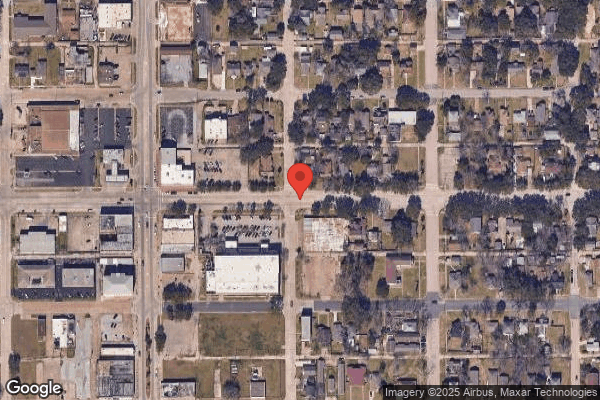

519 NINTH AVE N, TEXAS CITY, TX 77590 (409) 949-9499
For profit - Partnership 134 Beds THE ENSIGN GROUP Data: November 2025 3 Immediate Jeopardy citations
Trust Grade
4/100
#859 of 1168 in TX
Last Inspection: March 2025

Within standard 12-15 month inspection cycle. Federal law requires annual inspections.

Overview

The Phoenix Post-Acute in Texas City has received a Trust Grade of F, indicating significant concerns about the facility's care and operations. Ranking #859 out of 1168 Texas facilities places them in the bottom half, and #9 out of 12 in Galveston County shows that only a few local options are better. While the facility is improving, as issues decreased from 5 in 2024 to 2 in 2025, the overall staffing and RN coverage ratings are concerning, with only 2 out of 5 stars and less RN coverage than 99% of Texas facilities. Additionally, the facility has accrued $90,049 in fines, which is higher than 76% of Texas homes, suggesting repeated compliance issues. Specific incidents of concern include the failure to perform CPR on a resident who was found unresponsive, resulting in their death, and another case where a resident was not adequately supervised, leading to their tragic passing. On a positive note, the staff turnover rate is relatively low at 38%, which is below the state average, suggesting that some experienced staff members remain. However, the presence of critical deficiencies raises serious red flags for families considering this facility for their loved ones.

Trust Score
F
4/100
In Texas
#859/1168
Bottom 27%
Safety Record
High Risk
Review needed
Inspections
Getting Better
5 → 2 violations
Staff Stability
○ Average
38% turnover. Near Texas's 48% average. Typical for the industry.
Penalties
✓ Good
$90,049 in fines. Lower than most Texas facilities. Relatively clean record.
Skilled Nurses
⚠ Watch
Each resident gets only 7 minutes of Registered Nurse (RN) attention daily — below average for Texas. Fewer RN minutes means fewer trained eyes watching for problems.
Violations
⚠ Watch
16 deficiencies on record. Higher than average. Multiple issues found across inspections.
★★☆☆☆
2.0
Overall Rating
★★☆☆☆
2.0
Staff Levels
★★☆☆☆
2.0
Care Quality
★★☆☆☆
2.0
Inspection Score
Stable
2024: 5 issues
2025: 2 issues

The Good

  • Full Sprinkler Coverage · Fire safety systems throughout facility
  • No fines on record
  • Staff turnover below average (38%)

    10 points below Texas average of 48%

Facility shows strength in fire safety.

The Bad

2-Star Overall Rating

Below Texas average (2.8)

Below average - review inspection findings carefully

Staff Turnover: 38%

Near Texas avg (46%)

Typical for the industry

Federal Fines: $90,049

Well above median ($33,413)

Moderate penalties - review what triggered them

Chain: THE ENSIGN GROUP

Part of a multi-facility chain

Ask about local staffing decisions and management

The Ugly 16 deficiencies on record

3 life-threatening 1 actual harm
Mar 2025 2 deficiencies
CONCERN (D)

Potential for Harm - no one hurt, but risky conditions existed

Deficiency F0576 (Tag F0576)

Could have caused harm · This affected 1 resident

**NOTE- TERMS IN BRACKETS HAVE BEEN EDITED TO PROTECT CONFIDENTIALITY** Based on interview, and record review the facility failed to ensure the resident's had the right to have reasonable access to th...

Read full inspector narrative →
**NOTE- TERMS IN BRACKETS HAVE BEEN EDITED TO PROTECT CONFIDENTIALITY** Based on interview, and record review the facility failed to ensure the resident's had the right to have reasonable access to the use of telephone, including TTY and TDD services, and a place in the facility where calls could be made without being overheard for 1 of 3 (Resident #1) residents reviewed for telephone use. The facility failed to provide a place for Resident #12 to make telephone calls without being overheard. This failure could place residents at risk of conversations being overheard and privacy right's not being respected and could result in a decline in resident's psychosocial well-being and quality of life. Findings include: Record review of Resident #12, dated 01/14/2021, reflected a [AGE] year-old female who was admitted to the facility on [DATE]. Record review of Resident #12's History and Physical, dated 01/28/23, reflected a diagnosis which included depression (a common mental health condition characterized by persistent low mood, loss of interest or pleasure in activities, and other symptoms that interfere with daily functioning.) Record review of Resident #12's quarterly MDS , dated 10/23/24, reflected a BIMS of 15, which indicated the resident was cognitively intact. During interview with Resident #12 on 03/11/2025 at 10:30AM revealed Resident #12 said she called friends or family on the phone at the nursing station she was told that was the only place to make a telephone call or if you had a cell phone. Resident #12 said the facility did not have cordless phones to use and most of the resident's conversations were heard by the nurses or anyone walking by. Resident #12 said the residents only got 15 minutes due to the nursing staff needing to use the phone. Resident #1 said she had not been offered any other phone to use in private. Resident #12 said he knew how to use the phone; however staff would call the number for her. Resident #12 said she did not feel secure in her conversations and speaking in an open area, and she knew the nurse could hear her conversation. Resident #12 said it made her feel like she did not have any privacy. During interview with the DON on 03/11/2025 at 11:20 AM, the DON said the nurse's station was the only area for residents to use the phone. Many of the alert residents had their own personal cell phones. The DON said unfortunately the facility did not have an area for the residents to use for privacy. During interview with the facility Administrator on 03/11/2025 at 12:00 PM, the Administrator said the residents were able to use the phone at the nurse's station or at the receptionist desk if need be. The Administrator stated he had a phone by his office, or the residents could use the phone in the Administrator's office, if needed, but as of now the facility did not have designated area for the resident to use and the facility was currently working on designating the physician office into the resident's phone area. The Administrator said the facility did not have a policy on resident phone use and privacy.
CONCERN (D) 📢 Someone Reported This

A family member, employee, or ombudsman was alarmed enough to file a formal complaint

Potential for Harm - no one hurt, but risky conditions existed

Deficiency F0761 (Tag F0761)

Could have caused harm · This affected 1 resident

**NOTE- TERMS IN BRACKETS HAVE BEEN EDITED TO PROTECT CONFIDENTIALITY** Based on observation, interview, and record review the facility failed to ensure drugs and biologicals were stored and labeled i...

Read full inspector narrative →
**NOTE- TERMS IN BRACKETS HAVE BEEN EDITED TO PROTECT CONFIDENTIALITY** Based on observation, interview, and record review the facility failed to ensure drugs and biologicals were stored and labeled in accordance with currently accepted professional principles for 1 of 4 medication carts observed. The facility failed to dispose of Levothyroxine 88 mcg blister pack with expiration date of 1/31/25 for Resident #55 from 2 [NAME] nurse medication cart on 3/11/25. This failure could place residents at risk of receiving expired medications or inaccurate dosage of medication which could lead to resident not receiving full therapeutic benefits of a medication or possible side effects. Findings include: Record review of Resident #55's face sheet, dated 3/11/25, revealed a [AGE] year-old male who was admitted to the facility on [DATE]. Resident #55 had diagnoses which included Other Alzheimer's Disease (progressive brain disorder that destroys memory and thinking skills), Unspecified Dementia (group of symptoms affecting memory, thinking and social abilities) with Mood Disturbance, Schizoaffective Disorder/Bipolar Type (Disorder with abnormal thought processes and an unstable mood), and Hypothyroidism (Underactive Thyroid). Record review of Resident's #55's quarterly MDS, dated [DATE], revealed a BIMS score of 12, which indicated moderate cognitive impairment. Record review of Resident #55's Order Audit Report, dated 3/12/25, revealed Levothyroxine Sodium Oral Tablet Give 88 mcg by mouth in the morning was discontinued on 10/29/2024 at 7:59 p.m. Record review of Resident #55's Order Audit Report, dated 3/11/25, revealed Synthroid Oral Tablet 100 mcg (Levothyroxine Sodium) Give 1 tablet by mouth in the morning was created 10/29/24 at 7:48 p.m. and was an active order. Record review of Doctor's Progress Note, dated 10/28/24, revealed start levothyroxine 100 mcg p.o. daily, discontinue levothyroxine 88 mcg p.o. daily. Record review of Resident #55's Location of Administration Report, for October 2024 printed on 3/12/25, revealed Resident #55 was last administered Levothyroxine Sodium Oral Tablet 88 mcg on 10/29/24 and was administered Synthroid Oral Tablet 100 mcg (Levothyroxine Sodium) on 10/31/24. Record review of Resident #55's Location of Administration Report for March 2025, printed on 3/11/25, revealed Synthroid Oral Tablet 100 mcg (Levothyroxine Sodium) was administered from 3/1/25 through 3/11/25. Record review of Resident #55's Care Plan, printed 3/11/25, revealed has hypothyroidism and interventions included: Give thyroid replacement therapy as ordered. Observation on 3/11/25 at 9:22 a.m. of 2 [NAME] nurse medication cart revealed Levothyroxine 88 mcg blister pack with expiration date of 1/31/25 for Resident #55 was found on 2 [NAME] nurse medication cart. LVN A immediately removed the Levothyroxine 88 mcg blister pack from the 2 [NAME] nurse medication cart. During interview on 3/11/25 at 9:22 a.m., LVN A said Levothyroxine 88 mcg blister pack for Resident #55 was expired. LVN A said she went through the medication cart weekly to make sure there were no expired medications, and the Levothyroxine 88 mcg blister pack must have gotten missed. During interview on 3/11/25 at 2:11 p.m., ADON A said when a medication is discontinued the nurse or CMA should take the medication off the cart. ADON A said the RN supervisor (RN A) on the weekend did medication cart audits once a month. During interview on 3/11/25 at 2:13 p.m., ADON B said cart checks for expired medications should be done weekly. ADON B said she tried to look at the medication carts monthly. ADON B said the weekend supervisor (RN A) checked the medication carts this past weekend. ADON B said the CMAs and nurses were ultimately responsible for expired medications on their carts. Attempted interview with RN A on 3/11/25 at 3:00 p.m. was unsuccessful. Attempted interview with RN A on 3/11/25 at 5:20 p.m. the State Surveyor sent RN A a text message after receiving voicemail from RN A to coordinate contact. During interview on 3/12/25 at 8:59 a.m., LVN B said she checked the nurse medication cart for expired medication on Saturdays which included blister packs. During interview on 3/12/25 at 9:05 a.m., MA A said she checked the medication carts once a week for expired medications which included blister packs. During interview on 3/12/25 at 9:08 a.m., the Pharmacist said he performed medication cart checks biweekly. Medication cart checks included checking for expired medications which included blister packs. The Pharmacist said Levothyroxine may have been left on a medication cart in case they were adjusting the resident's dose. During interview on 3/12/25 at 10:15 a.m., Resident #55 said there was not anything wrong with him when he was asked if he took a thyroid medication. Resident #55 said the facility would try to give him four or five pills, but he refused to take them. During interview on 3/12/25 at 10:23 a.m., MA B said she usually checked her medication cart for expired medications two times a week on Tuesdays and Thursdays which included blister packs. MA B said the nurse would also check the medication aide medication cart, but she was not sure how often. During interview on 3/12/25 at 10:25 a.m., LVN C said she checked the nurse and medication aide medication carts once a week which included blister packs usually on night shift. During interview on 3/12/25 at 10:27 a.m., LVN D said she checked the nurse medication cart every other weekend for expired medications. LVN D said she would check the top drawer of the medication aide medication cart for medications like eye drops. The top drawer of the medication aide medication cart also included the over -the-counter medications. During interview on 3/12/25 at 2:30 p.m., Clinical Resources (who was acting as DON) said the nurses and CMAs were to check the medication carts they were assigned weekly and as needed for expired medications. Clinical Resources also said the pharmacy performed monthly checks to medication carts for expired medications. Record review of the facility's policy Storage of Medications with revision, dated April 2007, revealed The facility shall not use discontinued, outdated, or deteriorated drugs or biologicals. All such drugs shall be returned to the dispensing pharmacy or destroyed.
Oct 2024 2 deficiencies 2 IJ (2 affecting multiple)
CRITICAL (K) 📢 Someone Reported This

A family member, employee, or ombudsman was alarmed enough to file a formal complaint

Immediate Jeopardy (IJ) - the most serious Medicare violation

Deficiency F0678 (Tag F0678)

Someone could have died · This affected multiple residents

**NOTE- TERMS IN BRACKETS HAVE BEEN EDITED TO PROTECT CONFIDENTIALITY** Based on interview and record review the facility failed to ensure personnel provided basic life support, including CPR, to a re...

Read full inspector narrative →
**NOTE- TERMS IN BRACKETS HAVE BEEN EDITED TO PROTECT CONFIDENTIALITY** Based on interview and record review the facility failed to ensure personnel provided basic life support, including CPR, to a resident requiring such emergency care prior to the arrival of emergency medical personnel for 1 of 5 residents (CR#1) reviewed for CPR. CNA A and CNA M failed to initiate life-saving measures (CPR) when CR#1 who had a full code status (all resuscitation procedures provided if their heart stops beating or they stop breathing) immediately when he was found unresponsive on [DATE] around 1:30 AM. EMS was called around 1:40 AM, arrived at 1:45 AM, and began CPR. CR#1 was transported to the hospital via emergency services, where he died on [DATE]. An Immediate Jeopardy (IJ) was identified on [DATE]. The IJ template was provided to the facility on [DATE] at 8:35p.m. While the IJ was removed on [DATE], the facility remained out of compliance at a scope of pattern with the severity level at a potential for more than minimal harm that is not immediate jeopardy due to the facility's need to evaluate the effectiveness of the corrective systems that were put in place. These failures placed residents at risk of experiencing worsening of condition, pain and death from possible delays in the initiation of an emergency response and improper implementation of CPR. Findings Included: Record review of facility census dated [DATE] revealed there were 74 residents. A review of Resident CR #1's face sheet, dated [DATE], revealed that he was a [AGE] year-old male admitted on [DATE], with a primary diagnosis of encephalopathy (a brain disease affecting cognitive function). Record review of Resident CR #1's care plan dated [DATE] and revised on [DATE] revealed the following care areas: CR#1 Full Code Status. Goal: Inform staff of code status, Full Code. Interventions: Monitor for decrease in change of condition Review of physician order, dated [DATE], revealed CR#1 was designated as full code status. Record review Phone interview attempt with Nurse M on [DATE] at 3:00pm, but surveyor was unsuccessful. Phone interview attempt with CNA M on [DATE] at 3:30pm, but surveyor was unsuccessful. Phone interview attempt with CNA A on [DATE] at 3:45pm, but surveyor was unsuccessful. In a phone interview on [DATE] at 8:49am with CNA M, she said when she returned to work if a lunch break on [DATE] around 1:30 AM, CNA A came to the unit stating that CR #1 was off the premises on the ground and unresponsive. She said CNA A left CR #1 where she found him outside, to notify other staff and call 911 at approximately 1:40am. She said CNA A and CNA M returned to the location of the resident but did not initiate CPR because everything was happening so fast. CNA M stated she and CNA A did not have the AED or crash cart (a wheeled container carrying medicine and equipment for use in emergency resuscitations). She said that when she and CNA A arrived at the location where CR #1 was found, CR #1 was unresponsive with blood coming from his mouth. She said no one knew how long CR #1 had been unresponsive. She stated that EMS arrived about 3-4 minutes after CNA A called 911. She stated that CPR was initiated by EMS staff upon arrival. CNA M could not explain why CPR was not initiated prior to EMS arrival around 1:45am on [DATE]. She stated the facility was notified that CR #1 was pronounced deceased at the hospital at 2:11am on [DATE]. CNA M stated she was not suspended was still allowed to work following the incident. CNA M stated that she was not CPR certified, and she had not received CPR training while employed at the facility. Phone interview attempt with CNA A on [DATE] at 9:30am, but surveyor was unsuccessful. In interviews on [DATE] at various times with five CNAs, (CNA E, CNA C, CNA K, CNA D, and CNA T) they said they were unfamiliar with CPR response times and how to work an AED machine. All stated the facility had not provided CPR training in the last year, and it was not a requirement for employment. In an interview on [DATE] at 3:00pm, The DON stated she could not explain the facility's expectations of the staff implementation of a Code Blue (an emergency code used in a healthcare facility where a patient's life is at immediate risk due to cardiac arrest or respiratory failure). The DON stated staff should not leave a resident alone if found unresponsive. The DON stated that the facility had not provided CNA A and CAN M with CPR training. She stated that the facility did not require the CNAs and Nurses to be CPR certified. She stated that she was not aware of any CPR trainings or in-services provided recently. She stated that CR#1 was a full code status and CPR should have been initiated if CR#1 was unresponsive. The DON stated that a CODE Blue was not called. The DON did not explain who was responsible for ensuring that all staff were trained on code status and when to implement CPR. She did not explain how similar incidents would be prevented in the future. The DON stated that CNA M and CNA A had not been suspended or reprimanded following the incident. Interview on [DATE] at 4:45pm, The Operations Manager stated he was notified of the incident at 5:30 a.m. on [DATE] by the Clinical Resources Nurse. CNA A left CR #1 on the sidewalk to call 911 from the facility. He stated that he was not aware of any staff training provided. The Operations Manager could not provide a timeline of the incident or identify the system failure. He did not explain how care staff would prevent future incidents from occurring. The Operations Manager stated he is responsible for managing the operations at the facility. He stated that the facility administrator was notified of the incident on [DATE] afternoon. Record review of CNA A and CNA M's employee files revealed no record of CPR training and certification for CNA A and CAN M. Record review of cardio-pulmonary resuscitation policy original date 11/2016 with Revision/Review Date(s) 01/2022 and 12/2023 stated in part: It is the policy of this facility to provide basic life support (BLS), including CPR, to any resident requiring such care prior to the arrival of emergency medical personnel in the absence of advance directives or a Do Not Resuscitate (DNR) order. Only staff members with current CPR certification for Healthcare Providers should perform the procedure. The facility will have staff certified in CPR available 24 hours/day to provide basic life support and CPR prior to the arrival of emergency medical services (EMS) personnel . Staff will maintain current CPR certification for Healthcare Providers through a CPR provider whose training includes hands-on practice and in-person skills assessment . Record review of in-services revealed no documented CPR training provided in the one year look back period ([DATE] thru 10/11//2024). Record review of CNA job description read in part: The primary purpose of your job position is to provide each of your assigned residents with routine daily nursing care and services in accordance with the resident's assessment and care plan, and as may be directed by your supervisors. There was not referenced information related to CPR education requirement for CNA staff. An IJ was identified on [DATE] at 8:35p.m. The IJ template was provided to the Operations Leader and DON via email on [DATE] at 8:35p.m. The following Plan of Removal submitted by the facility was accepted on [DATE] at 2:38pm The Immediate Jeopardy findings were identified in the following area: F678 Cardio-Pulmonary Resuscitation: The facility failed to ensure that nursing staff provided CPR in accordance with professional standards, failed to provide on-going monitoring of a resident after a change in condition was identified and reported, failed to immediately and properly assess a resident after a change in condition was identified and reported, failed to document assessments performed after a change in condition was identified and reported, failed to immediately contact EMS when a resident was found unresponsive, and failed to thoroughly investigate an incident. The facility failed to immediately initiate life-saving measures (CPR) when CR#1 when was found unresponsive on [DATE] around 1:30 AM. EMS was called around 1:40 AM, arrived at 1:45 AM, and EMS began CPR on CR#1. CR#1 was transported to the hospital via emergency services, where he was pronounced deceased on [DATE]. Immediate Actions 1. The Medical Director was notified of IJ on [DATE] at 8:46pm. 2. Review of licensed nursing staff personnel files was completed by Business Office Manager and Staffing Coordinator and validated by RN, Director of Nursing to ensure current licensed nurses held a current CPR card completed [DATE] and [DATE]. 3. CPR policy reviewed by DON, ED, Operations Manager, Clinical Resource, Clinical Market Leader, Medical Director and RT, Certified CPR Instructor [DATE]. No changes were made. 4. Education initiated with nursing staff [DATE] to provide basic life support, including CPR, and use of AED to any resident requiring such care, and alert EMS. Completion date [DATE]; training provided by RT, Certified CPR Instructor. Staff is trained prior to their next shift. Any staff unavailable will not be allowed to work until training is completed. 5. All nursing staff will complete CPR competency [return demonstration and BLS posttest] conducted by RT, Certified CPR Instructor, initiated [DATE]. Completion date [DATE]; training provided by RT, Certified CPR Instructor. Staff is trained prior to their next shift. Any staff unavailable will not be allowed to work until training is completed. 6. Education initiated with Therapy staff on [DATE] to provide basic life support, including CPR and the use of AED to any resident requiring such care and alert EMS. Completion date [DATE]; training provided by RT, Certified CPR Instructor. Staff is trained prior to their next shift. Any staff unavailable will not be allowed to work until training is completed. 7. All staff will be offered the opportunity to become CPR certified. [DATE] Nursing and Therapy staff are receiving CPR certification training; all other non-licensed staff will be offered CPR training. Completion date [DATE]; training provided by RT, Certified CPR Instructor. Staff is trained prior to their next shift. Any staff unavailable will not be allowed to work until training is completed. 8. This training and competencies - CPR training will be completed in-person with staff prior to the start of their next shift. A member of management [ADONs or Staffing Coordinator] will be at the facility at each change of shift to ensure staff complete training prior to going to work on the floor. Staff will not be allowed to work unless they have completed the training and competency checks. This training will also be included in the new hire orientation and will be included for any PRN staff prior to starting work on the floor. These staff members will not be allowed to work unless they have received their training and knowledge check. [DATE] 9. To maintain compliance, HR will monitor CPR certification with DON oversight. [DATE] CPR certification will be maintained in a binder and reviewed at least monthly and/ or upon hire of licensed nursing/ therapy staff. Ad hoc QAPI meetings regarding items in the IJ template completed [DATE]. Attendees included the Medical Director, Clinical Resource, Operations Manager, DON, ADON, Clinical Resources, and Clinical Market Leader, and included the plan of removal items and interventions. The Operations Manager and DON were reeducated on CPR process by RN, Clinical Resource on [DATE]. Monitoring of the plan of removal included the following: Record review of employee files who worked on [DATE] (6pm -6am), CNA M, CNA A, CNA E CNA C, Nurse T and LVN P revealed no record of staff being BLS certified, or CPR trained. Record review of education in-service training dated [DATE] and [DATE] revealed basic life support, including CPR competency and CPR in-services was provided to all staff scheduled on [DATE] and [DATE]. Record review of QAPI sign-in sheet date [DATE] reflected MD participated via telephone, operations Leader, DON, Wound Care Nurse, Social Services, HR, MDS coordinator, Therapy Services, Clinical Resource Staff were in attendance. Record review of nursing staff personnel files was completed and revealed CPR competency as [DATE] all staff scheduled on [DATE] and [DATE]. During the interview on [DATE] at 4:30am, Nurse T stated that she had worked at the facility for only a week and was not familiar with resident CR #1. Nurse T stated that she was the nurse assigned to CR#1 on [DATE] thur [DATE], at the time of te incident.She mentioned that she was unsure whether the resident had full code status or was an elopement risk. Throughout her shift, she only reviewed CR #1's MAR records and did not look at CR #1's care plan or orders regarding code status. She noted that this information could be found in the clinical record under physician orders, but she had not had the chance to review it. On the night of the prior to the incident ([DATE]), Nurse T recalled last seeing CR #1 at 11:00pm when she administered his medication. After this, CR #1 indicated he was going to bed, but Nurse T did not assist him in returning to his room or transferring from his wheelchair to his bed. She admitted she did not check on CR #1 between 11 PM and 1 AM and denied being asleep at any point during her 12-hour shift. Nurse T stated that she is currently CPR certified, but she was uncertain whether the facility had received documentation confirming this. During handoff report at the start of her shift, she was informed that CR #1 was independent and did not require assistance. At 1:00 AM on [DATE], CNA A informed her that CR #1 was missing from his room. Nurse T stated that she did not call an elopement code but could not explain why. During the interview on [DATE] at 4:15am, CNA A reported that on the night prior to the incident ([DATE]), she saw CR #1 a local barbecue bar near the facility during her 15-minute break at approximately 10:45pm. She noted that CR #1 frequently left the facility independently and did not notify anyone of his whereabouts. At 1:30am on [DATE], she found CR #1 on the ground behind the facility near a barbecue bar, out of his wheelchair, bleeding from the mouth and unresponsive. She immediately returned to the facility called 911 and notified Nurse T and another CAN M who was the assigned staff to CR #1. She stated that Nurse T appeared to be sleeping at the time. CNA A and CNA M then returned to CR #1's location but did not initiate CPR, although she did not specify why it was not started. CNA A stated that she and CNA M did not take AED to the location of CR #1 upon returning. CNA A stated that she was not BLS certified, and the facility had not provided CPR training since she's been employed at the facility. She stated that EMS arrived approximately 10 minutes after being called. She stated that upon EMS arrival, EMS initiated CPR and transported CR #1 to the hospital where he was later pronounced dead. Interviews on [DATE] - [DATE] with staff on both shifts (6am - 6 pm) and (6pm to 6am) for CNAs and 6 a.m.-6 p.m. included the DON and Operations Leader, Nurse T, LVN B, and LVN J all on night (6pm to 6am) shift were able to verify in-services and to validate their understanding basic life support, including CPR, and use of AED. They were able to identify what was neglect and provide examples of some signs and symptoms of respiratory distress, the code for emergency (code blue) used. CNAs were able to explain they were in-serviced on calling the nurse when there is an emergency. LVN's and CNAs were able to explain the importance of calling a code blue promptly in response to emergencies; and how to check the code status in the clinical record to ensure they were able to conduct CPR. Staff was able to return demonstrations related to the process for providing CPR and using the AED. Staff was able to verbalize and understanding of the facility's CPR policy related to CPR implementation. The Operations Leader was informed the Immediate Jeopardy was removed on [DATE] at 10:00 am. The facility remained out of compliance at a scope of pattern with the severity level at a potential for more than minimal harm that is not immediate jeopardy due to the facility's need to evaluate the effectiveness of the corrective systems that were put in place.
CRITICAL (K) 📢 Someone Reported This

A family member, employee, or ombudsman was alarmed enough to file a formal complaint

Immediate Jeopardy (IJ) - the most serious Medicare violation

Accident Prevention (Tag F0689)

Someone could have died · This affected multiple residents

**NOTE- TERMS IN BRACKETS HAVE BEEN EDITED TO PROTECT CONFIDENTIALITY** Based on observation, interview, and record review the facility failed to ensure each resident received adequate supervision to ...

Read full inspector narrative →
**NOTE- TERMS IN BRACKETS HAVE BEEN EDITED TO PROTECT CONFIDENTIALITY** Based on observation, interview, and record review the facility failed to ensure each resident received adequate supervision to prevent accidents for 1 of 5 residents (CR #1) reviewed for supervision. The facility failed to provide sufficient supervision to CR#l on [DATE] at 1:30am, when he was found unresponsive behind the facility, with blood coming from his mouth. CR#l was transported to the hospital via emergency services, where he was pronounced deceased on [DATE]. Multiple staff working the night shift (CNA E, CNA A, CNA M, CNA C and Nurse T), were unaware CR#1 was missing from the facility and an elopement code was not initiated. There was not an effective system in place to track residents entering and exiting the building. An Immediate Jeopardy (IJ) was identified on [DATE]. The IJ template was provided to the facility on [DATE] at 7:45p.m. While the IJ was removed on [DATE], the facility remained out of compliance at a scope of pattern with the severity level at a potential for more than minimal harm that is not immediate jeopardy due to the facility's need to evaluate the effectiveness of the corrective systems that were put in place. These failures could result in residents not receiving appropriate supervision leading to elopement, injuries, hospitalization, or death. Findings included: Record Review of CR #1's face sheet, dated [DATE] revealed that he was a [AGE] year-old male admitted on [DATE], with a primary diagnosis of encephalopathy (a brain disease affecting cognitive function). Record Review of CR #1's MDS assessment dated [DATE] indicated that CR #1 had a BIMS score of 7 out of 15, reflecting severely impaired cognition. He had no behaviors, including wandering, and required substantial/maximal assistance with transfers from bed to chair. Record review of the elopement risk assessment for CR #1, dated [DATE], reflected the elopement risk assessment failed to reveal that CR #1 was a low risk for elopement. The comprehensive care plan initiated on [DATE] did not include a care plan for impaired cognition or address wandering or elopement. Record review Observation on [DATE], at 11:45am revealed upon the surveyor's arrival, no receptionist or staff member was present at the desk to monitor exit-seeking residents at the front door. On [DATE] starting at 12:55pm, in phone Interviews with two-night CNAs (CNA E and CNA C), they stated that they did not see CR #1 at all during their shift on [DATE] and [DATE] and did not know CR #1 was missing. They stated they would usually see CR #1 through their shift, but lately he had not been his usual self. Both stated they were in- serviced on elopement process on [DATE] following the incident. Neither could explain why an elopement code was not called on [DATE] in the morning. Observation on [DATE] starting at 12:30pm, revealed residents (later identified as Resident #2 and Resident #3) exiting without signing out or being accommodated by staff. It was unclear if residents were leaving to smoke or leaving to go out on pass. On [DATE] at 12:55pm, in an interview with receptionist, she stated that there was no desk coverage after 10:00 p.m., and all residents should be in after the last smoke break. The receptionist stated staff (activity director or receptionist) typically accompanied residents while in the smoking area, but there was no clear way to distinguish residents leaving for smoke breaks from those leaving for other reasons. The receptionist stated that there is no coverage at the receptionist desk when accompanying residents while they are smoking. In interviews on [DATE] starting at 1:10pm, Three CNAs (CNA K, CNA D and CNA T) and two nurses (LVN A and RN L) revealed staff had been recently in-serviced on resident sign-in/sign-out procedures. They conducted resident rounds every two hours and were required to call a Code 20 for elopements. However, staff were unfamiliar with the Resident Roster list, which identified residents needing assistance when exiting, and could not explain who was responsible for escorting these residents. In an interview on [DATE] at 2:00pm, The Operations Leader stated he was notified of the incident at 5:30 a.m. on [DATE] by the Clinical Resources Nurse. He reported that CNA A found CR #1 unresponsive on a nearby sidewalk at 1:30 a.m. CNA A, who was not assigned to Resident #1, discovered him while returning from lunch. She left him on the sidewalk to call 911 from the facility. Staff were unaware that CR #1 had left, as he had not signed out. He stated that CR #1 had a history of leaving without signing out. The Operations Leader stated nothing had been done to address CR #1 not signing out. The Operations Leader stated that the residents are responsible to sign-in/sign-out. The Operations Leader was not able to identify who was responsible for reviewing the sign in and out sheets. The Operations Leader was aware that there is no receptionist at the front desk after 10:00pm. He stated that he was not aware of any staff training provided to address what to do after 10:00pm when the receptionist leaves. The administrator stated he reviewed video surveillance on [DATE], which showed CR #1 leaving at 10:38pm on [DATE], but there was no footage of him returning. The administrator could not provide a timeline of the incident or identify the system failure. He stated the facility had implemented a Resident Roster list that will remain at the front desk with the receptionist, which identified residents needing assistance when exiting, but could not explain who was responsible for escorting these residents. He could not explain how care staff would be made of aware of the list and how the list prevented future incidents form occurring. In an interview on [DATE] at 4:00pm, The DON said she was informed of the incident at 1:47 a.m. on [DATE]. She stated that Nurse T had last seen CR #1 at 11:00pm on [DATE] during medication rounds, and CR #1 had said he was going to bed. The DON stated that Nurse T did not follow up to ensure CR #1 was in bed as she was new at the facility and was not familiar with CR #1. The DON stated that she was aware that CR #1 was not compliant with signing in and out. The DON did not reveal who was responsible for checking to ensure that the sign in and out sheet were being completed daily. The DON stated nothing had been done to address CR #1 not signing out. The DON was aware that there was no receptionist at the front desk after 10:00pm daily. She stated she had not provided staff trainings to address what to do after 10:00pm when the receptionist leaves. The DON stated there was no policy specifying how frequently staff should round on residents. She stated another resident previously eloped in [DATE], and the facility implemented a sign-out form, but no additional measures were taken. She stated the form was implemented by in servicing the residents and staff that residents are to sign out when leaving the facility on a leave pass. She could not explain how the implementation of the acknowledgment form had been reviewed for its effectiveness in keeping the residents safe and preventing future elopements. She could not explain the facility's expectations of the staff in the identified implementation. The DON stated that residents have the right to leave the facility when they like, but she could not identify the facility's role in ensuring the safety and account of residents leaving or returning. The DON could not explain how the facility ensured the daily accurate census if residents leave without signing out. The DON said an elopement code was not initiated during the incident as staff were unaware CR #1 had gone missing. The DON stated staff was trained on elopement code and process on [DATE], following the incident. She also noted that while a Resident Roster was created based on cognitive levels, staff had not been trained on its use. She stated the facility had implemented a Resident Roster list that will remain at the front desk with the receptionist, which identified residents needing assistance when exiting, but could not explain who was responsible for escorting these residents. She could not explain how care staff would be made aware of the list and how the list prevented future incidents from occurring. On [DATE] at 8:49am, in an interview with CNA M, who was assigned to CR #1 the night of the incident, CNA M stated she had last seen CR #1 around 6:00pm on [DATE], when she provided his dinner tray to him. She stated that the shifts started at 2:00pm on [DATE] and the resident was lying in bed at that time. She stated this was not unusual as the resident seemed to be depressed for the past two months, after losing his roommate. She stated that nursing staff was aware that he was not his usual self, but she was unaware if anything had been done to address the decline. She stated that at 12:30am on [DATE] (while on her lunch break) she noticed that CR #1's room light was on. She stated that that she had not check on CR #1 from 6:00pm on [DATE] and 12:30pm on [DATE] because CR #1 was independent and could communicate his needs. She stated that she noticed that CR #1 was not in his room, and she informed Nurse T. She stated that Nurse T stated that she had last seen him at 10:45pm when she gave him his nightly medication and he stated he was going to bed. CNA M stated the staff did not assist him in transferring from his chair to bed or ensure that CR #1 was in bed. CNA M stated she was not aware that CR #1 required assistance to bed. She also stated that Nurse T as new and was not familiar with CR #1. She stated that an elopement code was not called as she recalled everything happening so fast. She stated another staff, CNA A, who was not assigned to CR #1 came to the unit at 1:30am on [DATE] stating that CR #1 was off the premises on the ground and unresponsive. CNA A left CR #1 and called 911. CNA A and CNA M returned to the location of the resident. CNA M stated it is unknown how long CR #1 had been unresponsive. She stated the facility for notified that CR #1 was pronounced deceased at the hospital at 2:11am on [DATE]. CNA M stated the resident left the facility all the time without signing in and out and the facility administration was aware of it. She stated there is no keypad code required to exit the build afterhours, but a keypad code is required to re-enter. She stated that resident have the key code (a number code required to be entered in a keypad before entered the facility) and there is no system to account for residents. She stated there is no receptionist after the last scheduled smoke break at 10:00pm each day. She stated that CR #1 was a smoker. She stated that even when there is a receptionist there is no system to account for the residents. She stated that the care staff and receptionist did not communicate when a resident was leaving. She stated if the resident did not sign out there is no way for staff to know the resident whereabouts. CNA M stated the facility system is not designed to keep the residents safe. During the interview on [DATE] at 4:30am, Nurse T stated that she had worked at the facility for only a week and was not familiar with resident CR #1. Nurse T stated that she was the nurse assigned to CR#1 on [DATE] thur [DATE], at the time of te incident. She mentioned that she was unsure whether the resident had full code status or was an elopement risk. Throughout her shift, she only reviewed CR #1's MAR records and did not look at CR #1's care plan or orders regarding code status. She noted that this information could be found in the clinical record under physician orders, but she had not had the chance to review it. On the night of the prior to the incident ([DATE]), Nurse T recalled last seeing CR #1 at 11:00pm when she administered his medication. After this, CR #1 indicated he was going to bed, but Nurse T did not assist him in returning to his room or transferring from his wheelchair to his bed. She admitted she did not check on CR #1 between 11 PM and 1 AM and denied being asleep at any point during her 12-hour shift. Nurse T stated that she is currently CPR certified, but she was uncertain whether the facility had received documentation confirming this. During handoff report at the start of her shift, she was informed that CR #1 was independent and did not require assistance. At 1:00 AM on [DATE], CNA A informed her that CR #1 was missing from his room. Nurse T stated that she did not call an elopement code but could not explain why. During the interview on [DATE] at 4:15am, CNA A reported that on the night prior to the incident ([DATE]), she saw CR #1 a local barbecue bar near the facility during her 15-minute break at approximately 10:45pm. She noted that CR #1 frequently left the facility independently and did not notify anyone of his whereabouts. At 1:30am on [DATE], she found CR #1 on the ground behind the facility near a barbecue bar, out of his wheelchair, bleeding from the mouth and unresponsive. She immediately returned to the facility called 911 and notified Nurse T and another CAN M who was the assigned staff to CR #1. She stated that Nurse T appeared to be sleeping at the time. CNA A and CNA M then returned to CR #1's location but did not initiate CPR, although she did not specify why it was not started. CNA A stated that she and CNA M did not take AED to the location of CR #1 upon returning. CNA A stated that she was not BLS certified, and the facility had not provided CPR training since she's been employed at the facility. She stated that EMS arrived approximately 10 minutes after being called. She stated that upon EMS arrival, EMS initiated CPR and transported CR #1 to the hospital where he was later pronounced dead. Record review of review of CR #1 the sign out sheet revealed that there was no record of CR #1 signing out on [DATE] and [DATE]. Record review of nursing noted for [DATE] and [DATE] revealed no documentation of the timeline of the incident. An IJ was identified on [DATE] at 7:45pm The IJ template was provided to the Operations Leader and DON via email on [DATE] at 7:45pm. The facility's Plan of Removal was accepted on [DATE] at 3:46pm, and included the following interventions: The Immediate Jeopardy findings were identified in the following area: F 689 Quality of Care The facility failed to ensure adequate supervision to prevent accidents for 1 of 5 residents (CR#1) reviewed for supervision. The facility failed to provide sufficient supervision to CR#1 on [DATE] at 1:30am, when he was found unresponsive behind the facility, with blood coming from his mouth. CR#1 was transported to the hospital via emergency services, where he was pronounced deceased on [DATE]. Immediate Actions 1. The Medical Director was notified of IJ on [DATE] at 8:06 PM. 2. Education initiated with all staff on [DATE] on Abuse: Prevention of and Prohibition Against to include Neglect with a post test. Reeducation initiated [DATE]. Completion date [DATE]. Training provided by DON/ designee. Staff will not be allowed to work unless they have completed the training and competency checks. This training will also be included in the new hire orientation and will be included for any PRN staff prior to starting work on the floor. These staff will not be allowed to work unless they have received their training and knowledge check. 3. The Out-on-Pass policy was reviewed by the IDT and revised. The three strike rule will be implemented in cases of repeated non-compliance to this policy. Upon the third strike, the Business Office and Administrator may choose to initiate the process of issuing a 30-day discharge notice to the resident. An ad hoc QAPI was held. [DATE]. Policy was approved in the Ad hoc QAPI. 4. Education initiated with all staff on [DATE] on Out-on-Pass Policy and residents will be required to sign out to go out on pass; with a census of residents that identifies which residents are independent and which require supervision when out on pass. Staff will not be allowed to work unless they have completed the training and competency checks. This training will also be included in the new hire orientation and will be included for any PRN staff prior to starting work on the floor. These staff will not be allowed to work unless they have received their training and knowledge check. [DATE] Training was conducted by DON/ designee and Staffing Coordinator. 5. 24/7 receptionist staffing initiated on [DATE]. Reeducation on receptionist protocol initiated on [DATE], including policy that if the receptionist needs to step away, another staff member will relieve the receptionist. Staff will not be allowed to work unless they have completed the training and competency checks. This training will also be included in the new hire orientation and will be included for any PRN staff prior to starting work on the floor. These staff will not be allowed to work unless they have received their training and knowledge check. [DATE] Training provided by DON/ designee; Operations Manager and Staffing Coordinator. Sister facility DONs/ ED or Ops Manager will be scheduled to completed knowledge checks daily x 2 weeks, then weekly x 2 weeks to monitor effectiveness. DON/ designee will monitor effectiveness weekly in Systems Review. 6. Social Services and Medical Records will ensure that the Out-on-Pass acknowledgement is signed by residents, this will include a three strike rule for compliance. [DATE]. Social Services will be responsible for reviewing with the effectiveness of this protocol with oversight from the Operations Manager. This will be reviewed weekly during the Systems Review by the DON/ ADONs/ Social Services. 7. Education initiated with all staff on [DATE] on elopement policy and identifying residents at risk for elopement and when to initiate and elopement response. Staff will not be allowed to work unless they have completed the training and competency checks. This training will also be included in the new hire orientation and will be included for any PRN staff prior to starting work on the floor. These staff will not be allowed to work unless they have received their training and knowledge check. The training is being provided by the DON/ ADON/ Staffing Coordinator with a knowledge check. Elopement drills will be conducted at a minimum of monthly by the Maintenance Director and reviewed by the DON, effectiveness will be reviewed at the time of the drill. 8. Elopement assessments of all residents were reviewed to identify which residents are elopement risks on [DATE]. Binders were placed at each nurse station and the receptionist desk for identification purposes on [DATE]. Residents who scored high for elopement risk, currently reside in the secured units (2nd floor); no residents on 3rd floor were identified as at risk for elopement. 9. Elopement drills were held twice a day from [DATE]-14, and will continue three times a week x 4 weeks, then weekly x 4 weeksXXX[DATE] The DON/ ADONs/ Staffing Coordinator conducted the drills. An elopement drill form will be completed for each drill. The Elopement policy was reviewed by DON, Operations Manager, Clinical Resource, Clinical Market Leader and Medical Director [DATE]. No changes were made. Education initiated with all nursing staff on [DATE] regarding making rounds routinely. Approximately every 2 hours, dependent on resident needs and or preference. Staff will not be allowed to work unless they have completed the training and competency checks. This training will also be included in the new hire orientation and will be included for any PRN staff prior to starting work on the floor. These staff will not be allowed to work unless they have received their training and knowledge check. [DATE] Training provided by DON/ ADONs/ Staffing Coordinator. Charge nurses will perform census count every shift. [DATE] The shift census will be tracked utilizing a census sheet with the charge nurse signing off, indicating all residents are accounted for. Charge Nurses will report absent/ missing residents at the time of the census check to the DON/designee. ADONs/ designee will be responsible for collecting daily, when on duty and reviewing. These trainings and competencies will be completed in-person with all staff prior to the start of their next shift. A member of management will be at the facility at each change of shift to ensure all staff complete training prior to going to work on the floor. Staff will not be allowed to work unless they have completed the training and competency checks. This training will also be included in the new hire orientation and will be included for any PRN staff prior to starting work on the floor. These staff will not be allowed to work unless they have received their training and knowledge check. Ad hoc meetings regarding items in the IJ template completed [DATE]. Attendees included the Medical Director, Operations Manager, DON, ADONs, Clinical Resources, and Clinical Market Leader, and included the plan of removal items and interventions. The ad hoc QAPI was acknowledged and the plan with the interventions were agreed upon. Monitoring: Observations on [DATE] at 12:30 pm and 2:30pm and on [DATE] at 4:00am and 12:00pm - 2:30pm revealed someone sat in the receptionist area, and coverage was provided when the receptionist was gone on break. Observations on [DATE] stating at 4:00am thru 6:00am and 8:00am thru 10:00am revealed were completing frequent rounding on by checking on the residents there in the units. Interviews on [DATE] - [DATE] with staff on both shifts (6am - 6 pm) and (6pm to 6am) for CNAs and 6 a.m.-6 p.m. included the DON and Operations Leader, Nurse T, LVN B, and LVN J all on night (6pm to 6am) shift and the receptionist were able to verify in-services elopement drills were provided. Nursing staff were able to appropriately define elopement risk, identify the location of the resident elopement book, provided the procedure for a resident found trying to leave the facility without supervision (report to the charge nurse). The Receptionists said they were to let nursing staff or administrative staff, if available, know when they were going on break. All the receptionists knew to check the census sheet who was able to verify resident who were able to leave out on pass. The receptionist said she was to let nursing staff know she was going on break so someone could relieve her to cover the front desk while on break. All interviewed nursing staff stated that they were aware that 24-hour coverage would be maintained at the receptionist desk. CNA stated that they were made aware that they would rotate the responsibility of relieving the receptionist for bathroom and lunch breaks. Nursing and CNA staff stated they were in-serviced on rounding at least every 2 hours. Interview on [DATE] at 10:30am with Social Services Staff, she stated that she had been in-serviced on the policy for residents going out on pass and three-strike rule for noncompliance. She stated that if residents were non-compliant with the going out on pass policy, a IDT meeting would be held to determine the next best step for the resident. Record review Reeducation on receptionist protocol initiated on [DATE], including policy. Record reviews revealed an Elopement Risk binder was located at the nursing station with the face sheets of all current residents and the elopement risk assessments for each resident. Record reviews of the charts were completed for Resident #s 2, 3, 4 and 5 and reflected elopement assessments. Resident care plans included their elopement status. Record review of training sign in sheet dated [DATE] thru [DATE] revealed that elopement in-services were completed with nursing staff who were scheduled to work on [DATE] thru [DATE]. Record review of census counts was verified on [DATE] and revealed that a census count was completed and sign off on by the charge nurse. Record review of trainings and in-services revealed that elopement drills were completed on [DATE] and [DATE] with nursing staff scheduled to work on [DATE] and [DATE]. Record review of trainings and in-services dated [DATE] revealed that social service staff had been in-serviced on the resident going out on pass and three strike rule for resident who were noncompliant. The Operations Leader was informed the Immediate Jeopardy was removed on [DATE] at 10:00 am The facility remained out of compliance with a scope of pattern with the severity level at a potential for more than minimal harm that is not immediate jeopardy due to the facility's need to evaluate the effectiveness of the corrective systems that were put in place.
Jan 2024 3 deficiencies 1 IJ (1 affecting multiple)
CRITICAL (K)

Immediate Jeopardy (IJ) - the most serious Medicare violation

Pressure Ulcer Prevention (Tag F0686)

Someone could have died · This affected multiple residents

**NOTE- TERMS IN BRACKETS HAVE BEEN EDITED TO PROTECT CONFIDENTIALITY** Based on interviews and record reviews, the facility failed to ensure a resident with a pressure ulcer received necessary treatm...

Read full inspector narrative →
**NOTE- TERMS IN BRACKETS HAVE BEEN EDITED TO PROTECT CONFIDENTIALITY** Based on interviews and record reviews, the facility failed to ensure a resident with a pressure ulcer received necessary treatment and services, consistent with professional standards of practice, to promote healing, prevent infection and prevent new ulcers from developing for 1 (Resident #37) of 3 residents reviewed for pressure ulcers. The facility failed to notify Resident #37's physician and modify his interventions when he refused to wear his protective boot on his left foot and when he refused to be repositioned in bed. The facility failed to accurately assess and modify interventions for Resident #37, whom the facility said prefers to lie on his abdomen, and he had a suprapubic catheter. Resident #37 developed a stage 4 pressure ulcer on his left medial foot and on left abdomen and right groin. An IJ was identified on 01/24/24. The IJ template was provided to the facility on [DATE] at 3:00 p.m. While the IJ was removed on 01/26/24 at 3:55 p.m., the facility remained out of compliance at a scope of pattern and a severity of no actual harm with potential for more than minimal harm that was not immediate jeopardy, because all staff had not been trained on reporting and assessing for changes of condition. These failures placed residents at risk for new development or worsening of existing pressure injuries, infection, pain, and decreased quality of life. Findings included: Record review of Resident #37's face sheet dated 01/03/24 revealed a [AGE] year-old male initially admitted to the facility on [DATE] and readmitted on [DATE]. Resident #37 had diagnoses which included cardiac arrest (heart suddenly stops pumping), muscle wasting and atrophy (a condition in which muscles begin to waste away due to disuse), paraplegia (inability to voluntarily move lower parts of the body), dependence on renal dialysis (removing of waste and excess fluid from the body with kidney failure) and peripheral vascular disease (a slow and progressive circulation disorder). Record review of Resident #37's quarterly MDS assessment, dated 11/20/2023, revealed a BIMS score of 15 out of 15, which indicated the resident's cognition was intact. Further review of Resident #37's MDS revealed the resident developed a pressure ulcer after admission. The intervention for the pressure ulcer such as pressure reducing device for bed, turning, and/or repositioning program was not indicated. Record review of Resident #37's undated care plan revealed: Resident #37 developed a stage 4 pressure ulcer on left medial foot. Interventions: administer treatments as ordered and monitor for effectiveness, offload pressure as much as possible. Further review of Resident #37's care plan revealed Resident #37 had an actual impairment to skin integrity related to non - pressure wounds on: left abdomen, and right groin. Interventions: educate resident on the importance of turning and repositioning, treatment per MD orders. It also read the resident desires to lay on his stomach. Record review of Resident #37's admission/readmission skin evaluation dated 07/11/23 revealed Resident #37 did not have any skin issues on his left foot, or any skin issues on his abdomen or groin. Record review of Resident # 37's Braden scale dated 11/7/23 revealed resident was at high risk for a pressure ulcer and further review revealed the resident had very limited mobility: could make slight changes in body or extremity independently. Record review of Resident #37's weekly skin evaluations from 08/28/23, 09/05/23, and 09/11/23 did not reveal the resident had any skin issues on the left medial foot. Record review of Resident #37's weekly skin evaluation dated 9/19/23 revealed a stage 4 pressure ulcer was first observed on the resident's left medial foot and it measured 1.0 X 1.0 cm. Record review of Resident #37's weekly skin evaluation from 12/11/23 and 12/18/23 did not reveal the resident had any skin issues on the left abdomen or right groin area. Record review of Resident #37's wound evaluation and management summary report for the left medial foot by the wound care doctor dated 09/19/23 described the wound duration greater than 13 days, measured 1.0 X 1.0 cm at stage 4 with thick adherent devitalized necrotic tissue (this tissue cannot be savaged and must be removed to allow wound healing to take place). The wound was debrided. Record review of Resident #37's wound evaluation and management summary report for the right groin by the wound care doctor dated 12/26/23 described the wound duration greater than 1 day, measured 2.5 X 2.5 X 0.1 cm, light serous and 100 % granulation tissue (the stage for epithelial tissue to be laid on of a wound bed). Record review of Resident #37's wound evaluation and management summary report for the left abdomen by the wound care doctor dated 12/26/23 described the wound duration greater than 4 days, measured 2.0 X 2.0 cm depth was not measurable due to presence of nonviable tissue and necrosis. The non pressure wound was debrided. Record review of Resident #37's physician order date January 2024 revealed the following orders: cover suprapubic catheter port with an island border gauze every night shift on Sunday, offload wound as resident would allow, float heels in bed as the resident would allow, reposition as resident would allow was started on 01/04/24. Record review of Resident #37 physician order date January 2024 read pressure wound stage 4 of left foot medial, cleanse with NS/WC pat dry, apply collagen powder, and cover with an island border gauze. Record review of Resident #37's order summary report dated January 2024 revealed the following orders: cover suprapubic catheter port with an island border gauze every night shift on Sunday, offload wound as resident would allow float heels in bed as the resident would allow, and reposition as resident would allow was started on 01/04/24. Record review of Resident # 37's progress notes dated 12/22/23 revealed entry by the wound care nurse which read in part during routine wound care resident was observed to have an unstageable pressure wound to the left stomach related to pressure applied to the resident by laying on the catheter . Record review of Resident #37's progress notes from 12/05/23 to 01/04/24 did not reveal any documentation of Resident #37's refusal for turning and repositioning, physician notification of Resident # 37 refusal to wear the boot on his left foot, alternate intervention in place, or any education given to Resident #37. During an interview on 01/03/23 at 9:15 a.m., the Wound care nurse said Resident # 37 had a wound on the left medial foot because he refused to wear the boot on his foot. Resident #37 laid on his abdomen because that was the only way he could lay down. He had stage four pressure ulcer on both ischia and Resident#37 was admitted to the facility with two wounds. The wound care nurse said he had been lying on his abdomen since she became the wound care nurse about four months ago. The Wound care nurse said she found the wound on Resident #37's left abdomen on 12/22/23 when she made her usual wound rounds. The wound on the right groin was discovered when she made wound rounds with the wound care doctor and the wound care doctor said the non-pressure wound was from the catheter tubing. She said there was no intervention in place before and after the wound occurred. The wound care nurse said she did not call Resident #37's physician and told him that Resident #37 preferred to lay on his abdomen because this was on going before she became the wound care nurse. During an interview on 1/3/24 at 4:35 p.m., the DON said Resident #37 likes to lie on his abdomen. The DON said the staff tried encouraging him to lie on his sides and back, but he would not. The DON said she had to investigate his plan of care to find out if there was an intervention put in place since the resident had a suprapubic catheter and preferred to lie on his abdomen. The DON said she did not notify Resident #37's physician that the resident chose to lay on his stomach. She was not sure if any alternative intervention was put in place by the nurses before Resident #37 developed the two non -pressure wounds. The DON said the nurses do the weekly skin assessment, and the wound care nurse does the wound assessments. The DON said the wound care nurse and the nurse managers were responsible for putting interventions in place and education the nursing staff. The DON did not respond when she was asked what a negative outcome for Resident #37 could be when she was not turned and repositioned. During an interview on 1/4/23 at 8:30 a.m., the DON said that Resident #37 wanted to get up, and the wound care nurse was ready to provide the wound treatment. The state surveyor told the DON she was on her way to observe the wound care treatment. During an interview on 01/04/24 at 8:38 a.m., the DON said the ADON told her that Resident #37 did not want the state surveyor to observe his wound care. During an interview on 01/04/24 at 3:46 p.m., the Wound Care doctor said Resident #37 preferred to sleep on his abdomen and did document that on his notes. He communicated to the nursing staff about turning and repositioning Resident #37. The Wound care doctor said the two non-pressure wounds were caused by Resident #37 laying on the tube. He stated Resident#37 had an air mattress, and he was not aware if an alternate intervention was put in place to prevent the wounds. The wound care doctor said the unstageable wound could develop within four hours from the tubing, without showering, any sign of skin breakdown or discoloration, and he thinks the facility did all they could do for Resident #37. During an interview on 01/4/24 at 3:54 p.m., ADON L said Resident #37 laid on the suprapubic tube while he was lying on his abdomen, and it had been ongoing since she started to work in the facility. ADON L said the areas (left abdomen and right groin) developed non-pressure wounds. ADON L said the staff told her Resident #37 refused to turn, she did not call Resident #37's physician or educate the resident. The facility did not have any other intervention except for turning and repositioning in place before and after the wound developed. ADON L said after the wound care nurse talked to the state surveyor, they put in a new order to wrap the Suprapubic catheter tubing to prevent it from touching the resident's skin. ADON L said the nurse management monitors the nurses when they make random rounds and in - service on catheter. ADON L the Wound Care Nurse and nurse managers were responsible for modifying intervention and when asked while there was no intervention in place when the staff was aware Resident #37 preferred to lay on his, ADON L did not respond. During an interview on 01/04/24 at 3:58 p.m., the Wound care nurse said she initiated an order yesterday (01/03/24) to wrap the tubing weekly to prevent the tubing from coming in contact with Resident #37's skin. During an interview on 01/04/24 at 4:04 p.m., the wound care nurse said Resident #37 was supposed to wear a boot on his left foot, and he refused to wear the boot. The wound care nurse said there was no other intervention put in place since Resident #37 declined the boot. She stated this could have contributed to the development of the pressure ulcer because the foot may not have been relieved from pressure. The wound care nurse said she did not tell the DON or the resident physician that Resident # 37 refused to wear the boot on his foot or document the refusal. The wound care nurse said the wound on Resident #37's left medial foot started on September 19th, 2023. The wound care nurse said the nurse does the head-to-toe assessment, and she does the wound assessment. The wound care nurse said she did not notice any change in color on Resident # 37's left medial foot until she was made aware of the wound. The wound care nurse said she did not offer to float Resident #37's left foot on a pillow because there was no order to float his foot. During an interview on 01/04/24 at 4:09 p.m., the DON said the staff told her that Resident #37 refused to turn and preferred to lay on his abdomen. The DON said she did not educate Resident #37, but the nurses said they educated him. The DON said she did not call Resident #37's physician to inform him about the resident's refusal to turn and reposition and that he preferred to lie on his abdomen. The DON said she was the wound care nurse for the facility about two years ago. She used to prop Resident #37 legs on pillows and Resident #37 had no problem with it at that time. She was not aware he refused to wear the boot. The DON said she had told the nurses to use pillows to elevate Resident #37's leg, and she did not know why the nurses did not do it. The DON said she would research and see if the nurses documented that Resident #37 refused to elevate his legs even with a pillow and if Resident #37's physician was notified about his refusal before he developed the pressure ulcer and non - pressure Ulcer. The DON said she would research and see if the nurses documented that Resident #37 refused to turn and reposition and if the nurses notified Resident #37's physician about his refusal before he developed the non-pressure wounds. The DON said she was still determining if the facility implemented any intervention other than turning and repositioning. The DON said the areas could develop non-pressure wounds if pressure was not relieved. During an interview on 01/05/24 at 12:36 p.m., LVN M said Resident #37 refused to turn on his side, but he does turn for her. LVN M said she would go back to the resident's room about 30 minutes later, and he would go back to his abdomen. LVN M said she was unsure if any intervention was put in place since he preferred to lie on his stomach. LVN M said she would call the NP and ask if there was any intervention to prevent the tube from giving the resident wounds. She was not aware the wound on his abdomen was from the Suprapubic tubing. LVN M said she did not tell Resident #37's physician about the resident's refusal and she did not respond when she was asked why she did not notify the physician. LVN M said there was no alternative intervention in place to prevent the non-pressure wounds, and she did not inform the DON of the resident refusal or document any refusal. LVN M said Resident #37 gets up early in the morning and stays up throughout her shift (12 hours). LVN M said the nurse monitors the aides, and she had in-service and skills check-off on wound care and prevention. LVN M said the ADON monitored the nurse's when she made random rounds. During an interview on 01/05/23 at 1:46 p.m., CNA C said Resident #37 gets up in the morning at various times, and Resident #37 stays up through his shift. CNA C said he does not turn Resident #37 when he was in bed because Resident#37 turns himself and lies on a different side of his body. CNA C said Resident #37 wore a boot on his left foot, where he had a wound. CNA C could not remember if he started to wear the boot before or after Resident #37 developed a wound on his foot. CNA C said he provided incontinent care to Resident # 37 every two hours, and sometimes he showered the resident, and he did not notice any wound on his abdomen or groin area. CNA C said he came to work about two weeks ago and saw the patch(dressing) on the resident's abdomen. During an interview on 01/05/24 at 2:53 p.m., the DON said she could not find any refusal documentation for turning and repositioning Resident #37. The DON said there was no documentation that Resident #37's physician was notified of his refusal by the nurses. The DON stated there was no other intervention put in place to help prevent non-pressure and pressure ulcer wounds from developing, except Resident #37 had an air mattress. The DON said Resident #37 was started on zinc sulfate tablet 220 mg on 01/04/24 and other supplements. The DON said the facility does not do labs for Resident #37 because the dialysis center does his labs. She did not know what Resident #37's pre-albumin was. The DON said the dialysis should contact the facility if there were any issues with Resident #37's lab. The DON said she would contact the dialysis center and get back to the state surveyor. During an interview on 1/5/24 at 4:47 p.m., LVN H said she started working on the second floor in December 2023. The aides usually turned Resident #37 every two hours and Resident #37 was changed every two hours. LVN H said Resident #37 also turns himself. LVN H said Resident # 37 was up most of the day, and she worked 6 a.m. to 6 p.m. LVN H said the aides had not complained to her that the resident refused to wear the boot. LVN H said Resident #37 was on the B bed, and the nurse assessed his skin at night. LVN H said there was no intervention put in place that she could remember to prevent or relieve Resident #37 from developing a pressure ulcer. LVN H said she did not notify Resident #37's physician about any refusal because she did not see any need for it because Resident #37 did not refuse to wear the boot or turn and repositioned on her shift. Record review of the facility policy on skin and wound monitoring and management dated 03/2015, revisions: 12/2019, 1/2022 read in part the purpose of this policy is that the facility provides care and services to . #1 . promote interventions that prevent pressure injury development . procedure C . identify risk factors which relate to the possibility of skin breakdown and/ or the development of pressure injury which include, but are not limited to: resident refusal of some aspects of care and treatment . prevention . #3b . monitor impact of intervention and modify intervention as appropriate . #8 response to resident choices that differ from plan of care #8a if the resident is not able to or chooses not to participate in the care plan to prevention of skin breakdown, or treatment of exiting wound . the nursing staff shall communicate with the resident's physician to discuss an appropriate intervention or response . if the resident's physician is unavailable, the nursing staff shall contact the medical director . This was determined to be an Immediate Jeopardy (IJ) on 7/29/23 at 6:16 p.m. The DON and Administrator were notified. The Administrator was provided with the IJ template on 01/24/24 at 3:00p.m. The following Plan of Removal submitted by the facility was accepted on 01/25/26 at 10:59 a.m.: The Medical Director was notified by the Executive Director on 01/24/2024 at 3:32 p.m. 1. The Attending Physician was notified by the Executive Director, of the IJ on 1/24/2024 at 3:32 p.m. 2. The Wound Care Specialist was notified by the Executive Director, of the IJ on 1/24/2024 at 3:53 p.m. 3. New Braden scales for the total census initiated 01/24/2024 and will be completed 01/24/2024 by Clinical Resources, Clinical Leaders MDS Nurse, ADON and DON. 4. Audit completed by DON on 01/24/2024 of all residents who are at risk for PU/PI, Care plans and care profiles were updated for all residents at high risk to include personalized/individualized interventions/prevention. This was also completed 01/24/2024. 5. Skin assessments were completed on all high risk Bradens 01/24/2024- no new areas were identified. These were conducted by the DON, ADON, MDS Nurse and Clinical Resource. 6. Education initiated 01/24/2024 by Clinical Resource with DON, ADON, Nurses, CMAs, and CNAs that included change in condition procedures for wounds, change in behaviors, refusal of care, turning and repositioning notification of changes in wounds, interventions and preventions, as well as communication between Nursing staff and health care professionals; will be completed by 1/25/2024. Any staff unable to attend will not be allowed to work unless they have received their training and knowledge check. 7. All licensed nurses will complete competency on skin assessments started on 01/24/24 and will be completed 01/25/2024 by DON, ADON, and Clinical Resource 8. All CNA's will complete competency on skin check started on0l/24/2024 and will be completed on 01/25/2024 by DON, ADON, MDS Nurse, and Clinical Resource 9. MDS Coordinator will be reeducated on proper coding of MDS 01/24/2024 o··· completed by Clinical resource 01/24/2024. 10. This training and competencies will be completed in-person with all staff prior to the start of their next shift. A member of management will be at the facility at each change of shift to ensure all staff complete training prior to going to work on the floor. Staff will not be allowed to work unless they have completed the training and competency checks. This training will also be included in the new hire orientation and will be included for any PRN staff prior to starting work on the floor. These staff will not be allowed to work unless they have received their training and knowledge check. 11. An ad hoc QAPI meeting regarding items in the IJ template will be completed on 01/24/2024. Attendees will include the Medical Director, Clinical Resource, Administrator, DON, ADON, and will include the plan of removal items and interventions. 12. The DON, ADON or Clinical Resource will verify staff competency with 10 staff weekly using the skin check competency checklists. 13. All residents with pressure ulcers be reviewed during the weekly clinical meeting and the Medical Director will be consulted for any recommendations or suggestions as necessary. Meetings attendees to include but not limited to the DON, ADON, Rehab Director and Wound Nurse. The DON and Administrator will be responsible for ensuring this meeting is held weekly and all residents with pressure ulcers/pressure injury are reviewed. 14. Summary of IJ and corrective action to be reviewed by QAPI Committee weekly x 4 weeks or until substantial compliance established and continue monthly for 90 days to ensure ongoing compliance. 15. Resident #37 was reevaluated by the Wound Care Specialist on 1/23/2024, he does not recommend applying any appliances to the suprapubic site as this will increase the pressure to the site; resident will be encouraged to turn side to side as he tolerates or will allow. Resident has a low air loss mattress; wheelchair cushion when up and heels are to be floated when he is in the bed as he will allow. RD and Therapy will reevaluate for any other interventions, completed by 1/25/2024. Psych evaluation to be scheduled, resident consented 1/25/2024. Surveyor monitored the plan of removal for effectiveness as follows: Record review of the plan of removal #15 read Resident #37 was reevaluated by the Wound Care Specialist on 1/23/2024, and he does not recommend applying any appliances to the suprapubic site as this will increase the pressure to the site; resident will be encouraged to turn side to side as he tolerates or will allow. Resident has a low air loss mattress, wheelchair cushion when up, and heels are to be floated when he is in the bed as he will allow. RD and Therapy will reevaluate for any other interventions completed by 1/25/2024. The psych evaluation is to be scheduled; the resident consented on 1/25/2024. Record review of in-service records dated 1/24/24 revealed the MDS Coordinator was trained on proper coding of MDS. Record review of in-service records dated 1/24/24 and 1/25/24 revealed Multiple nurse aides from multiple shifts completed competency checks on skin checks during care. They reported to the nurse if there were any skin issues and documented on-point click care. In service on prevention and interventions: turning and repositioning resident in the bed and wheelchair every two hours and report to the nurse if resident refused and document on point click care. Record review of in-service records dated 1/24/24 and 1/25/24 revealed. Multiple nurses from both shifts completed competency checks on the Braden scale: done on admission, weekly for four weeks, and whenever there was a change in skin condition. Skin assessment is started on admission and weekly by the charge nurse, who reports any change in skin condition to the resident's physician. In service on prevention of pressure ulcers, turning and repositioning and reporting any refusal to the physician and documenting on residents' progress notes, also reporting to nurse managers of any refused intervention, and the resident responsible party should be notified. The nurse managers would update the care plan. Record review of the Braden scale revealed that 15 Residents were documented as having a high or very high risk for developing pressure ulcers. Record review of skin assessments revealed that the DON, ADON, MDS Nurse, and Clinical Resource completed the evaluation on all high-risk Braden 01/24/2024, and no new areas were identified. Interviews on 01/25/24 with four nurses (2 LVN and 2 RN) between 12:44 p.m. and 2:38 p.m. on the above training: Braden scale should be done upon admission, weekly for 4 weeks, and quarterly, and when there was a change in any skin condition. They were also in service on weekly skin assessments, notifying resident physicians about any change in a resident's skin condition or refusal of skin intervention, and documenting in the resident progress note. They said the nurse should notify nurse management of any refusal and any change or modification of intervention so that it would be updated in the care plan. Interviews on 01/25/24 between 2:00 pm and 2:19 pm, two-day staff (CNAs) were interviewed, and they said they were in serviced and trained on skin check: they should check the resident's skin during all care and notify the charge nurse if there was any skin impairment and document on point click care. They also said they were trained on measures to prevent pressure ulcers: turning and repositioning every two hours, floating heels on the pillow, reporting to the nurse if any resident refused, and documenting the refusal on point clock care. All interviewed staff expressed understanding of the training provided above. Interview on 01/25/24 at 1:24 p.m., ADON E said she was retrained and had in service on the facility's Braden scale, skin assessment, resident physician notification for refusal, intervention modification, and updating care plan. She expressed understanding of the plan of removal training provided to her. Interview on 1/25/24 between 7:29 p.m. and 7:50 p.m., two nurses (LVNs night shift) were interviewed on the facilities in service and training on skin assessment, intervention, and reporting to a resident physician about change in skin condition, refusal of intervention, and documentation. All staff interviewed expressed adequate understanding of the plan of removal training provided to them. Interview on 1/25/24 between 8:00 p.m. and 8:33 p.m., five-night staff (CNAs) were interviewed on the facility in-service and training on skin assessment, intervention, and reporting to a resident physician about change in skin condition, refusal of intervention, and documentation. All staff interviewed expressed adequate understanding of the plan of removal training provided to them. Interview on 1/26/24 between 10:14 a.m. and 10:30 a.m., two nurses (LVNs) were interviewed on the above training: Braden scale should be done upon admission, weekly for 4 weeks, and quarterly, and when there was a change in any skin condition. They were also in-service on weekly skin assessments, notifying resident physicians about any change in a resident's skin condition or any refusal of skin intervention, and documenting on the resident progress note. They said the nurse should notify nurse management of any refusal and any change or modification of intervention so that it would be updated in the care plan. All staff interviewed expressed adequate understanding of the removal training plan provided to them. Interview on 1/26/24 between 10:35 a.m. and 10:50 a.m., two - staff (CNAs) were interviewed on the facility's in-service and training on skin assessment, intervention, and reporting to the resident nurse about changes in skin condition, refusal of intervention, and documentation. All staff interviewed expressed adequate understanding of the plan of removal training provided to them. Interview on 1/26/24 at 11:10 a.m., ADON L was interviewed on the facility in-service training on skin assessment, intervention, and reporting to a resident physician about changes in skin condition, refusal of intervention, and documentation, and updating the care plan. ADN L expressed adequate understanding of plan of removal trainings provided to them. Interview on 01/26/24 at 11:37 a.m., the MDS coordinator said she had training on Thursday on correctly coding interventions, and she also trained on pressure ulcers on Relias yesterday. The MDS said she uses UDA (user-defined assessment) and shows if the resident has a pressure ulcer. Then, she would interview the wound care nurse and the floor nurse about the resident's wound treatment and interventions. The MDS coordinator said she would also review the wound care doctors' notes and assess the resident. The MDS coordinator said these would determine how she would code for the resident after the assessment, interview, and record review. She said the care intervention is done as a team during IDT (interdisciplinary team} and morning meetings. The MDS coordinator said she was also told to consult with DON during the retraining when unsure of any intervention. Interview on 01/26/24 at 12:00 p.m., the DON said all the staff were retrained and in service on the Braden scale, skin assessment, reporting to the physician for any skin impairment, refusal of intervention and care, reporting to nurse managers and the managers with come up with a different or modified intervention and care plan it. She said the nurses and the aides were in service on documentation and notifying the resident responsible party. Interview on 01/26/22 at 12:10 p.m., the Administrator said all staff were in-serviced on the removal plan and the facility's new system. The DON will monitor as mentioned in the removal plan. The Administrator said he would oversee the plan of removal completion and implementation. On 01/26/24 at 3:55 p.m., the Administrator and the DON were notified the Immediate jeopardy was removed. However, the facility remained out of compliance at a severity level of no actual harm with potential for more than minimum harm that is not immediate jeopardy and a scope of pattern due to the facility's need to evaluate the effectiveness of the corrective systems.
SERIOUS (H)

Actual Harm - a resident was hurt due to facility failures

Deficiency F0697 (Tag F0697)

A resident was harmed · This affected multiple residents

**NOTE- TERMS IN BRACKETS HAVE BEEN EDITED TO PROTECT CONFIDENTIALITY** Based on observation, interview, and record review, the facility failed to ensure pain management provided for one resident (Res...

Read full inspector narrative →
**NOTE- TERMS IN BRACKETS HAVE BEEN EDITED TO PROTECT CONFIDENTIALITY** Based on observation, interview, and record review, the facility failed to ensure pain management provided for one resident (Resident #25) of five residents reviewed for pain was consistent with professional standards of practice, the comprehensive person-centered care plan, and the resident's goals and preferences. -The facility did not have Resident #25's pain medication (Norco 7.5/325 mg) available. -Resident #25 missed 9 doses of Norco 7.5/325 mg over 5 days. -Resident #25 said her pain level was high during the time of the missed doses. The deficient practice caused Resident #25 to experience unnecessary pain. Findings included: Record review of the admission Record (printed 01/05/2023) for Resident #25 revealed she was [AGE] years old and was originally admitted to the facility on [DATE]. Diagnoses included, but were not limited to, left sided hemiparesis (loss of use of the left arm and leg), history of healed fracture, and uterine cancer. Record review of the Care Plan dated 12/19/2023 revealed Resident #25 experienced acute and chronic pain in her left shoulder and from wounds on both legs. The 'Interventions' read, in part, .Administer analgesia [pain] medication as per orders. Monitor for side effects and effectiveness. Record review of the Physician Order dated 10/24/2023 revealed Resident #25 had an order for Norco 7.5/325 mg to be given two times daily from 10/26/2023 to 12/26/2023. Record review of the Physician Order dated 12/26/2023 revealed the Norco 7.5/325 mg was to be increased to three times daily. Record review of the December 2023 and January 2024 MAR revealed Resident #25 was not administered the following doses of Norco 7.5/325 mg: 12/29/2023 at 7:00 p.m. (1 dose) 12/30/2023 at 7:00 a.m. and 7:00 p.m. (2 doses) 12/31/2023 at 7:00 a.m., 3:00 p.m., and 7:00 p.m. (3 doses) 01/01/2024 at 7:00 a.m. and 3:00 p.m. (2 doses) 01/02/2024 at 7:00 a.m. (1 dose) In an interview with Resident #25 on 01/02/2024 at 10:43 a.m. revealed she said she had constant pain in her left hip. She said she has been out of the Norco 7.5/325 mg since yesterday and would need Tylenol. She said the nurse, LVN A, said she was out of the Norco 7.5/325 mg, and she told the nurse Tylenol was not effective. She reported her pain was currently 7 of 10, and constant. She said the pain level with Norco would be 3 or 4 of 10. She said it hurt more with movement. She said she had a left hip fracture but did not have a fall. She said she had reported pain and an x-ray confirmed a fracture. That occurred just before Christmas. She said she had not received any pain medication that morning but had not told anyone she was in pain. In an interview on 01/02/2024 at 11:13 a.m. RN B acknowledged Resident #25 was out of Norco 7.5/325 mg. He said the resident had a hip fracture, but also had osteoporosis and osteoarthritis. He said there was no Norco 7.5/325 mg in the emergency dispenser machine. He said he had called the pharmacy and they would be delivering the Norco 7.5/325 mg. He said he would administer the Norco 7.5/325 mg when it arrived. He said he had been unaware the resident was out of Norco 7.5/325 mg. In an interview on 1/2/2024 at 11:18 am RN B said he had notified the physician on Tuesday (12/26/2023) that Resident #25 had a three-day supply at that time. He said the physician changed the order to three times daily because the resident was having increased pain at night. He said he re-ordered the medication but did not work the next day. He said the nurse was responsible for ordering the narcotics. He said he was then unable to contact the physician or Nurse Practitioner. He said he had not reported it to the DON or Unit Manager. In an interview on 01/02/2024 at 11:34 a.m., MA C said she was assigned to administer Resident #25's Norco 7.5/325 mg, but it was not available. She said she notified the nurse. MA C had not worked during the previous four days. In an interview on 01/02/2024 at 2:13 p.m. Resident #1 said a nurse had administered her Norco 7.5/325 mg just before 2:00 p.m. She rated her pain level as between 5 and 6. In an interview on 01/02/2024 at 2:34 p.m. the DON said she was not aware of Resident #25's Norco 7.5/325 mg being unavailable. She said the nurse was responsible for ordering medications. She said if the medication was a controlled medication (Norco 7.5/325 is a controlled medication) the nurse was to call the physician for a prescription. She said there was a 'blocked out area' on the medication blister package to show when to reorder. She said the weekend nurse should have called the physician. Observation and interview on 01/03/2024 at 10:35 a.m. revealed Resident #25 was lying in her bed, awake. She said she had received her Norco 7.5/325 earlier that morning. She said her pain level was 4 or 5. She said her pain increased when the staff moved her. She said she was very relaxed. In a telephone interview on 01/03/2024 at 12:32 p.m. LVN M said she could not remember what day MA T told her she was giving the last medication of Norco 7.5/325 mg. She called NP B and she said she would tell Resident # 25's doctor to write a script for refill. LVN M said she texted Resident #25's doctor twice and NP B three times and none of them returned her text or called her. LVN M said Resident # 25 gets the pain medication three times a day. LVN M said the pain medication was in the emergency medication dispenser, but she needed to have an order to be able pull the medication. She said she did not call the medical director or the DON because she was under the impression that the doctor would call her back. LVN M said she failed to call the DON and it was her fault. In a telephone interview on 01/03/2024 at 1:05 p.m. NP B said she did not recall getting a call from the nursing staff after the medication was increased on 12/26/23. NP B said the medication was increased to three times a day because of unrelieved pain. She said she told the nurses to call her before Resident #25's medication finished so she could tell the doctor to send in a script for refill. In a telephone interview on 01/03/2024 at 3:00 p.m. the physician said he did not receive a call from the facility until Monday (01/01/2024) at 10:30 a.m. He said the facility told him the resident was completely out of Norco 7.5/325 mg and she was in pain. He said the facility needed to give him 24 hours to return their call for medication refills.
CONCERN (D)

Potential for Harm - no one hurt, but risky conditions existed

Respiratory Care (Tag F0695)

Could have caused harm · This affected 1 resident

**NOTE- TERMS IN BRACKETS HAVE BEEN EDITED TO PROTECT CONFIDENTIALITY** Based on observation, interview, and record review the facility failed to ensure that a resident who needed respiratory care and...

Read full inspector narrative →
**NOTE- TERMS IN BRACKETS HAVE BEEN EDITED TO PROTECT CONFIDENTIALITY** Based on observation, interview, and record review the facility failed to ensure that a resident who needed respiratory care and services, including oxygen administration was provided such care, consistent with professional standards of practice for 2 of 5 residents (Resident #6 and #26) reviewed for respiratory therapy. The facility failed to ensure Resident # 6's concentrator filter was covered and clean with a substantial amount of brown substance, undated nasal cannula, and the humidifier was empty and dated 12/17/23. The facility failed to follow the physician orders for Resident #26's oxygen administration and the nasal cannula was not dated. These failures placed residents who received oxygen therapy at risk of respiratory complications. Findings included: Record review of Resident #6's face sheet dated 01/03/24 revealed a [AGE] year-old male initial admitted to the facility on [DATE] and readmitted on [DATE]. Resident #6 had diagnoses which included shortness of breath (an intense tightening in the chest, air hunger or difficulty breathing), heart failure (heart that cannot keep up with its workload), chronic respiratory failure with hypoxia (a condition where you do not have enough oxygen in the tissues in the body) and chronic obstructive pulmonary disease (group of diseases that cause airflow blockage and breathing related problems). Record review of Resident #6's quarterly MDS assessment, dated 12/06/2023, revealed a BIMS score of 08 out of 15, which indicated the resident's cognition was moderately impaired. Further review did indicate he was on oxygen therapy. Record review of Resident #6's care plan dated 10/18/23 revealed: Resident #6 required oxygen therapy related to hypoxia. Interventions: change O2 tubing, and humidifier bottle every Sunday night shift. Record review of Resident #6's order summary report dated January 2024 read change O2 tubing, and humidifier bottle every Sunday night shift. 2L - 4L (liter) of 02 (oxygen) to keep 02 SAT (saturation) greater than 90% (percent) or greater every shift order dated 12/01/23. During an observation on 01/02/24 at 11:49 a.m., revealed Resident #6's concentrator filter on the back of the concentrator was covered with a substantial amount of brown substance. The humidifier bottle was dated 12/17/23. During an observation and interview on 01/02/24 at 11:52 a.m., LVN O said she saw the humidifier bottle was dated 12/17/23, and it was empty. LVN O said the nasal cannula was not dated, and she could not tell if it was changed weekly because it was not dated. LVN O said Resident #6's humidifier bottle and nasal cannula should be changed every Sunday by the nurse. LVN O said the filter was covered with dust and that the filter should be cleaned weekly and as needed. LVN O said the water gives Resident #6 moist air. LVN O said the filter should not have dust because it could cause respiratory problems for the resident. LVN O said the concentrator should be checked during rounds at least twice during the shift. LVN O said she did the walk-through with the night nurse during shift change but did not pay attention to the date on the humidifier or the filter. LVN O said without the moisture from the humidifier, Resident #6 would be breathing dry air. It could irritate Resident #6's nostrils, which could cause bleeding. LVN O said the unit manager monitors the nurses when she makes random rounds. During an interview on 1/04/24 at 11:16 a.m., LVN J said the nasal cannula and the humidifier bottle should be dated when it was changed weekly and PRN. This was done to make sure the nasal cannula and the humidifier were patent and there were no infection control issues. LVN J said Resident #6's concentrator, which required a humidifier, should have one to prevent Resident #6's nostrils from being dry and prevent bleeding. LVN J said if the filter was not cleaned, Resident #6 may breathe in the particles from the air, which could cause respiratory problems. LVN J said the filter should be cleaned weekly and as needed by the nurses. During an interview on 01/04/23 at 1:59 p.m., ADON E said the humidifier bottle and the nasal cannula for Resident #6 were scheduled to be changed on Sunday night, and it should be dated to show the nurse changed them. ADON E said the humidifier keeps the nostrils moist. When there is no moisture, it could cause the nostrils to become dry, which could cause irritation and bleeding for Resident #6. ADON E said the filter area on the concentrator should be cleaned, which makes the concentrator work better. ADON E said she does not know if a dirty air filter would affect air flow or have any adverse outcomes for Resident #6. She stated that it was the facility protocol to date the NC tubing and humidifier, which was changed weekly by the nurse. ADON E said if the NC was not changed, it could be kinked or clogged, and all the managers monitored the nurses when they made rounds. During an interview on 01/04/24 at 2:08 p.m., the DON said the nurses were responsible for checking the concentrator and ensuring the machine was functioning. The DON said the humidifier bottle and the oxygen tubing were changed and dated weekly and PRN. The DON said the humidifier bottle and the nasal cannula were changed and dated every week and as needed for patency and infection control issues. The DON said the air filter should be cleaned weekly and as necessary to help filter airborne contaminants. Resident #26 Record review of Resident #26's face sheet dated 01/03/24 revealed a [AGE] year-old female initially admitted to the facility on [DATE] and readmitted on [DATE]. Resident #6 had diagnoses which included heart failure (heart that cannot keep up with its workload), cardiomegaly (enlargement of the heart) and chronic obstructive pulmonary disease (group of diseases that cause airflow blockage and breathing related problems). Record review of Resident #26's quarterly MDS assessment, dated 12/08/2023, revealed a BIMS score of 15 out of 15, which indicated the resident's cognition was intact. Further review did indicate she was on oxygen therapy. Record review of Resident #26's care plan dated 09/11/18 revealed: Resident #26 receives oxygen therapy related to pulmonary edema and CHF (congested heart failure). Interventions: change O2 tubing and administer oxygen per MD orders. Record review of Resident #26's order summary report dated January 2024 read change O2 tubing, and humidifier bottle every Sunday night shift. 2L (liter) of 02 (oxygen) to keep 02 SAT (saturation) at 90% (percent) or greater for SOB (shortness of breath) order dated 04/15/23. During an observation and interview on 01/02/24 12:38 p.m., it revealed Resident # 26's oxygen was set at 5 L, and the nasal cannula was not dated. Resident #26 said her oxygen should be set at 2L, and she changed the setting about two weeks ago when she had a panic attack. Resident #26 said the nurses do not come and check her oxygen daily. Only when they come to change the oxygen tubing once a week, and she was not sure if the nurses dated the nasal cannula or not. Resident #26 said the nurse had not told her to stop increasing the oxygen setting on the concentrator or educated her on why she should not change the settings. During observation and interview on 01/02/24 at 12:43 p.m., LVN O said she observed the oxygen setting between 4 and 5 L. LVN O said Resident #26 had been changing the setting on the concentrator. All the nurses, the DON, and the ADON were aware of her changing the setting. LVN O said she could not remember if she notified Resident #26's physician or documented it. LVN O said she should have notified Resident #26's physician because the oxygen was increased above 2 liters. Which meant the physician's order was not followed, and Resident #26 could have had a negative respiratory outcome. LVN O said she had an in-service and skills check-off on how to work with a resident with oxygen. LVN O said the resident nasal cannula should be changed on Sunday and dated, proving it was changed. LVN O said it would prevent Resident #26 from using one cannula for an extended period. LVN said it also ensured the nasal cannula was not clogged up and it would deliver the oxygen appropriately. During an interview on 1/04/24 at 11:18 a.m., LVN J said the nasal cannula should be dated when changed weekly and PRN. She stated make sure the nasal cannula was patent, and there were no infection control issues. LVN J said Resident #26 does increase the setting of the oxygen on the concentrator, and the management is aware of it. LVN J said she told Resident #26 not to change the setting, and she could not remember if she notified the doctor about Resident #26 changing the setting. LNV J said if the set was increased above the physician's order, then the nurse should inform the physician and may get an order for a range if it would not cause any adverse outcome for Resident #26. During an interview on 01/04/23 at 2:19 p.m., the DON said if Resident #26's O2 was set on 5 L instead of 2, then the physician order was not followed, and Resident #26's physician should be notified. The DON said the nurses had told her not to touch the oxygen, and she had been educated about it, too. The DON said she would review the progress notes to see if the nurses notified the doctor that Resident #26 kept turning up her oxygen and the education documentation given to Resident #26. The DON said Resident #26 CO2 levels would be high, and it could affect her respiration. The DON said the NP would be the best person to talk to because she had worked with the two doctors who had taken care of Resident #26, and the nurses also reported to her about any Resident #26 issues. During an interview on 01/04/23 at 2:32 p.m., NP said none of the nurses had told her about Resident #26 adjusting her oxygen concentrator setting. The DON intervened and said the NP did not understand what the state surveyor said. The DON asked the NP if the nurses had told her about Resident #26 increasing her oxygen setting, and the NP replied none of the nurses had informed her about Resident #26 increasing the oxygen setting. NP said the nurses should check the setting on the oxygen when they made rounds according to the physician's order. During an interview on 01/04/23 at 3:50 p.m., ADON E said the nurse had told her Resident #26 does increase the oxygen setting, and the nurses educated Resident #26. ADON E said she was unsure if the nurses had notified the doctor. ADON E said if the oxygen setting was increased above the physician's order, the nurses should have reported to the physician because it could affect the resident negatively. During an interview on 01/05/23 at 1:30 p.m., the DON said she could not find any documentation that Resident #26's doctor was notified that Resident #26 was increasing her oxygen or any education documented. She had in-serviced the nurses about informing doctors if there were any issues with resident care. Record review of the facility policy on oxygen equipment revised 05/2007 read in part . it is the policy of this facility to maintain all oxygen therapy equipment in a clean and sanitary manner . procedures . C. pre - filled humidifiers, when used are to bed dated and replaced every 10 days .tubing should be replaced every week . Requested oxygen administration policy and it was not provided upon exit.
Aug 2023 1 deficiency
CONCERN (F) 📢 Someone Reported This

A family member, employee, or ombudsman was alarmed enough to file a formal complaint

Potential for Harm - no one hurt, but risky conditions existed

Safe Environment (Tag F0921)

Could have caused harm · This affected most or all residents

**NOTE- TERMS IN BRACKETS HAVE BEEN EDITED TO PROTECT CONFIDENTIALITY** Based on observation, interview, and record review, the facility failed to provide a safe, functional, sanitary and comfortable,...

Read full inspector narrative →
**NOTE- TERMS IN BRACKETS HAVE BEEN EDITED TO PROTECT CONFIDENTIALITY** Based on observation, interview, and record review, the facility failed to provide a safe, functional, sanitary and comfortable, environment for residents, staff and the public for two (Floor 200 & 300) of two floors reviewed for environment. The facility failed to ensure walls, floor, baseboard, ceiling, and sheetrock were clean and in good repairs for: Rooms on the second Floor 201, 202, 205, 206, 207, 220, 221, 223, 228, 230, 233, 234 & common area. Rooms on the third Floor 316, 330, & 335 and lounge area. This failure could affect all residents living in the facility by placing them at risk for diminished quality of life due to the lack of a well-kept environment Findings included: Observation on 7/28/2023 of the 2nd floor between 3:12pm and 4:00pm revealed the following: The Window at the entrance of room [ROOM NUMBER] had peeling paint and cracked sheetrock. The baseboard was off the wall at the entrance door of room [ROOM NUMBER]. No strip was at the floor between the closet and room tile. There was a strong urine odor in the bathroom. room [ROOM NUMBER] had a leak in the bathroom and the ceiling tiles were missing in the bathroom. Baseboard was missing at the bathroom door and the window blind was broken. room [ROOM NUMBER]'s sheetrock was broken, and the cable outlet cover was broken. room [ROOM NUMBER] had missing baseboard at the bathroom entrance. room [ROOM NUMBER]'s baseboard at the sink was not affixed to the wall. room [ROOM NUMBER] had cracked sheetrock, baseboard off the wall at the bathroom entrance and the wall behind the bed had peeling paint. room [ROOM NUMBER] had no blinds at the window. room [ROOM NUMBER] had no blinds at the window, baseboard was off the wall at the bathroom door and peeling paint in the room. The blue mattress was stripping, exposing the white fabric under the blue plastic. The pillow on the bed was torn exposing the sponge in the pillow. room [ROOM NUMBER], the metal strip at the wall at the bathroom was not affixed to the wall and the sheetrock was broken. The baseboard of the hallway parallel to room [ROOM NUMBER] and the side opposite to the exit door was off the wall. room [ROOM NUMBER]'s baseboard was off the wall at the bathroom and the blind was broken. room [ROOM NUMBER]'s floor had brown stains rooms [ROOM NUMBERS] had missing strips on the floor between the room and the closet. room [ROOM NUMBER] baseboard was off the wall under the sink. The floor dining room had marks and brown stains on it In an interview and observation on 7/28/2023 at 3:30pm with Resident #1, he said that the sheets and towels on the floor was due to a leak in the bathroom. He said they were going to fix it. No maintenance personnel were observed in the room at the time of the interview. No leak was observed at the time of interview. In an interview on 7/28/2023 at 4:00pm LVN C said she did not know what time the general cleaning was done. She said housekeeping usually comes after each meal and sweep and clean the floor. She said the floor looked like it needed cleaning. Observation on 7/28/2023 between 4:10pm - 4:45pm of the 3rd floor revealed the following: room [ROOM NUMBER]'s sheetrock was torn behind the bed, the cover of the cable was broken, and the sheetrock was cracked. The baseboard was not affixed to the wall. room [ROOM NUMBER]'s baseboard was off the wall at the bathroom door. In an interview on 7/28/2023 at 5:30pm with the Administrator, he said they were doing repairs but it's a whole lot and it will take time to address all the maintenance issues. He said the floors were old and they were going to replace them. He said he had the approval for repairs to be done and was working on getting more help to get the repairs done faster. In an interview on 8/01/2023 at 11:00am with the Plant Manager, he said they were working on doing repairs to the building, but it's an ongoing project and they had gotten the approval. He said they were trying to get things done as quickly as possible. Observation on 8/1/2023 at 1:30pm of room [ROOM NUMBER] revealed a hole in the sheetrock at the entrance to the bathroom. The wall beside the window had torn sheet rack like it was punched. There was a hole at the bottom near the baseboard. The floor had brown stains on it. In an interview on 8/1/2023 at 1:35 pm with Resident #2, he said he was admitted about three weeks ago to the facility and the wall was like that when he was admitted . He said they told him they were going to fix the wall. Observation on 08/01/2023 at 1:55pm of the lounge area of the 300 floor revealed peeling paint on the walls and brown stains on the floor. In an interview with the Housekeeping Supervisor on 8/1/2023 at 2:00pm she said that they check the rooms daily and if repairs needed to be done, they report it to maintenance. In an interview on 8/1/2023 at 2:15pm, Contractor A said he usually comes in to do repairs. He said was in to do repairs on the sheetrock and replacing the baseboards. Observation on 8/1/2023 at 4:30pm of the area to the elevator on the 2nd floor to the west side revealed peeling paint and damaged sheetrock. In an interview on 8/1/2023 at 4:55pm with Maintenance Man B said there was a book at each nurse's station and the staff were expected to document repairs that needed to be done. He said they would check the book daily and would address repairs as needed. He said repairs were prioritized and completed as needed. In an interview on 08/1/2023 at 5:45pm with the Administrator he said that he was going to ensure that the repairs were done a quickly as possible. He said he had the funds to do repairs but needed to get some more help. Record review of the Facility Repairs and Maintenance Service dated December 2009 read in part . Maintenance service shall be provided to all areas of the building grounds and equipment. This is to ensure the upkeep and maintaining of a safe environment and aesthetics for all facility interior and exterior areas. Policy Interpretation and Implementation The Maintenance Department is responsible for maintaining the buildings, grounds, and equipment in a safe and operable manner at all times. Functions of maintenance personnel include, but are not limited to: . Maintaining the building in compliance with federal, state and local laws, regulations and guidelines. . Maintaining the buildings in good repair and free from hazards. . Establishing priorities in providing repair service. . Provide routinely scheduled maintenance service to all areas. . Maintaining walls and ceilings in good repairs by way of Maintenance Personnel and contracted vendor.
Jun 2023 4 deficiencies
CONCERN (D) 📢 Someone Reported This

A family member, employee, or ombudsman was alarmed enough to file a formal complaint

Potential for Harm - no one hurt, but risky conditions existed

Transfer Requirements (Tag F0622)

Could have caused harm · This affected 1 resident

**NOTE- TERMS IN BRACKETS HAVE BEEN EDITED TO PROTECT CONFIDENTIALITY** Based on interview and record review the facility failed to ensure a discharge was appropriately communicated and documented in ...

Read full inspector narrative →
**NOTE- TERMS IN BRACKETS HAVE BEEN EDITED TO PROTECT CONFIDENTIALITY** Based on interview and record review the facility failed to ensure a discharge was appropriately communicated and documented in the medical record for one (CR #1) of one 3 close records reviewed for discharge requirements. The facility discharged CR #1 without Physician documentation to address why the resident was being discharged , what needs of the resident the facility could not meet, and how the resident posed a danger to the existing resident population. This failure could place residents at risk for inappropriate discharge from the facility and cause psychological harm. The findings included: Record review of intake ID # 411222 read in part . last week CR #1 called . to say she was transferred out of the facility and did not know where she was. she was not told she was being moved. Record review of CR #1's face sheet revealed a [AGE] year-old female admitted to the facility on [DATE] and was discharged on 02/13/2023. Her diagnoses included unspecific psychosis (collection of symptoms that affect the mind and loss of contact with reality) bipolar disorder ( a mental disorder that causes extreme mood swings), schizoaffective disorder (a mental health disorder that is marked by a combination of schizophrenia symptoms) and anemia (low levels of red blood cells) Record review of CR #1's discharge MDS dated [DATE] revealed returned not anticipated. Discharge destination was to a psychiatric hospital. Record review of CR #1's last Quarterly MDS assessment dated [DATE] reflected a BIMSs Score of 12 out of 15 reflected mildly impaired cognition. Record review of CR #1's comprehensive undated care plan revealed Potential for a psychosocial well-being problem r/t Illness/Disease schizoaffective disorder , mood disorder, bipolar, psychosis, Ineffective coping. Resident has history of psychosis, grandiose delusions . Goal: 1- Will effectively cope with his/her feelings of (isolation, unhappiness, anger by the review date. Intervention: 2 - Allow time to answer questions and to verbalize feelings perceptions, and fears. assist/encourage/support to set realistic goals. 3 Consult with: Pastoral care, social services , Psych services. Increase communication between resident/family/caregivers about care and living environment: 4- Explain all procedures and Treatments, Medications , Results of labs/tests , Condition , All changes , Rules , Options. Monitor/document resident's feelings relative to isolation, unhappiness, anger. 5- Observe for side effects and adverse reactions of psychoactive medication: unsteady gait, tardive dyskinesia, EPS (shuffling gait, rigid muscles, shaking), frequent falls, refusal to eat, difficulty swallowing, dry mouth, depression, suicidal ideations, social isolation, blurred vision, diarrhea, fatigue, insomnia, loss of appetite, weight loss, muscle cramps nausea, vomiting, behavior symptoms not usual to the person . Record review of CR'#1's clinical record revealed no discharge orders and no documentation of where she was discharged to , why and when she was discharged from the facility. Record review of CR #1's clinical record revealed a note titled Administrative Note dated 02/13/2023 1:08PM read in part- Had a care conference/IDT meeting with Physician on 2/13/2023 per telephone. DON, ADON, SSD, and Administrator was on the phone with physician. IDT team determined to suggest behavioral hospital may help resident. Also, to speak to psychiatrist to reach out to collaboration physician to receive more feedback for facility. In an interview with the facility's Social Service Director on 06/14/2023 at 11:20AM, she said CR#1 was discharge to a personal care home. She said CR #1 was having behavioral problem and was sent to a local psychiatric hospital. She described CR#1's behavior was talking to herself, walking around the facility, and talking to other residents not to take their medication. She said CR#1 was not hurting herself and not hurting anyone. She said the behavior on 02/13/23 was her usual behavior. She said CR#1 was discharge from the hospital to an assisted living. She said the assistant living was a licensed facility. She provided the name and phone # to a local assisted living facility. She said she verify verified and the facility was a licensed facility During an interview with the DON on 06/14/2023 at 2:00PM, she said she was out sick during the time of CR #1's discharged but remember being called about the resident's behavior. She said there was no documentation of when and how and where CR # 1 was sent out, but her understanding was that CR #1's physician gave the facility a phone # to the county sheriff department. The DON said the sheriff department was called due to resident's behavior of fast walking and speaking to herself and refusing her medication stating that someone was trying to kill her. The DON said she was told that the sheriff came and transfer CR # 1 to a local psychiatric hospital. The DON said the psychiatric hospital send sent CR#1 to an assisted living facility and it was her understanding that the facility was a licensed facility. The DON said she would have an in-service with staff on documentation. The DON said her expectation would be to document all activity that included CR #1's behavior, what lead to calling the sheriff department, any attempt made to assist CR#1, who took CR #1 out of the facility, to where and when. She said all information should have been documented. She said she would have an in-service with all staff. She said the nurse on duty during the time of the incident was an agency nurse. During an interview with the Facility Administrator on 06/14/2023 at 2:40PM, he said the facility did not take the CR#1 back because CR#1 was her own responsible party and the facility wanted CR # 1 to get a legal guardian before being admitted back to the facility. He said CR #1 had always wanted to go to an independent living and the facility was in the process of assisting her to get into an independent living. He said he expect to see documentation on CR #1's clinical records and was not sure who was on duty during the time of the incident. He said CR #1's physician had an emergency and may not be reachable on 06/15/2023. He provided a number to the NP that works with CR #1's physician. A phone call was made to the NP on 06/15/2023 at 2:40PM no answer message was left with a returned phone # . Phone call was made to CR#1's physician on 06/15/23 at 2:43PM. No answer; a message was left. During a phone conversation with the sheriff department on 06/15/2023 at 3:30PM, the Sheriff department said their function was to respond to calls from the community and assist individuals in need of assistance. She said if the resident was in crisis, they will transfer the resident to the psychiatric hospital or hospital. She said in this case the resident might have been transferred to a psychiatric hospital. She looked up resident's information and said CR #1 was transported to a local psychiatric hospital. Record review of the Facility's policy titled Criteria for Transfer and Discharge read in part: It is the policy of the facility that each resident will remain in the facility and not transfer or discharge unless the discharge or transfer is appropriate as per the existing criterial . When the facility transfers or discharge a resident, the facility shall ensure that the transfer or discharge is documented in the resident's medical record and the appropriate information is communicated to the receiving health care institution or provide.
CONCERN (D) 📢 Someone Reported This

A family member, employee, or ombudsman was alarmed enough to file a formal complaint

Potential for Harm - no one hurt, but risky conditions existed

Deficiency F0624 (Tag F0624)

Could have caused harm · This affected 1 resident

**NOTE- TERMS IN BRACKETS HAVE BEEN EDITED TO PROTECT CONFIDENTIALITY** Based on record review and interview, the facility failed provide and document sufficient preparation and orientation for one of...

Read full inspector narrative →
**NOTE- TERMS IN BRACKETS HAVE BEEN EDITED TO PROTECT CONFIDENTIALITY** Based on record review and interview, the facility failed provide and document sufficient preparation and orientation for one of three (CR #1) records reviewed for safe and orderly transfer or discharge . The facility did not provide or document adequate and sufficient preparation and orientation for one of 3 (CR #1) closed records reviewed for prope and orderly discharged to the community. This failure could place residents at risk of being discharged without preparation, causing a disruption in their care and services, and denying them a voice regarding their treatment plan. Findings included: Record review of CR #1's face sheet revealed a [AGE] year-old female admitted to the facility on [DATE] and was discharged on 02/13/2023. Her diagnoses included unspecific psychosis (collection of symptoms that affect the mind and loss of contact with reality) bipolar disorder (a mental disorder that causes extreme mood swings), schizoaffective disorder (a mental health disorder that is marked by a combination of schizophrenia symptoms) and anemia (low levels of red blood cells) Record review of CR #1's discharge MDS dated [DATE] revealed returned not anticipated. Discharge destination was to a psychiatric hospital. Record review of CR #1's last Quarterly MDS assessment dated [DATE] reflected a BIMSs Score of 12 indicated she was mildly impaired cognition. Record review of CR #1's comprehensive care plan undated read in part- Potential for a psychosocial well-being problem r/t Illness/Disease schizoaffective disorder , mood disorder, bipolar, psychosis, Ineffective coping. Resident has history of psychosis, grandiose delusions (lose touch with reality). Goal: 1. Will effectively cope with his/her feelings of (SP isolation, unhappiness, anger by the review date. Intervention: 2-Allow time to answer questions and to verbalize feelings perceptions, and fears. assist/encourage/support to set realistic goals. Consult with: Pastoral care, social services , Psych services. Increase communication between resident/family/caregivers about care and living environment: 3 Explain all procedures and Treatments, Medications , Results of labs/tests , Condition , All changes , Rules , Options. Monitor/document resident's feelings relative to isolation, unhappiness, anger. 4 Observe for side effects and adverse reactions of psychoactive medication: unsteady gait, tardive dyskinesia, EPS (shuffling gait, rigid muscles, shaking), frequent falls, refusal to eat, difficulty swallowing, dry mouth, depression, suicidal ideations, social isolation, blurred vision, diarrhea, fatigue, insomnia, loss of appetite, weight loss, muscle cramps nausea, vomiting, behavior symptoms not usual to the person . Record review of CR # 1's care plan records revealed no evidence of discharge care plan. Record review of CR #1's discharge MDS dated [DATE] revealed returned not anticipated. Discharge destination was to a psychiatric hospital. Record review of CR'#1's clinical record revealed no discharge orders and no documentation of where CR# 1 was discharged to , why and when she was discharged from the facility. Record review of CR #1's clinical record revealed a note titled Administrative Note dated 02/14/2023 1:08PM read in part- Had a care conference/IDT meeting with Physician on 2/14/2023 per telephone. DON, ADON, SSD, and Administrator was on the phone with physician. IDT team determined to suggest behavioral hospital may help resident. Also, to speak to psychiatrist to reach out to collaboration physician to receive more feedback for facility. In an interview with the facility's Social Service Director on 06/14/2023 at 11:20AM, she said CR#1 was discharged to a personal care home. She said CR #1 was having behavioral problem and was sent to a local psychiatric hospital. She said CR#1's behavior was talking to herself, walking around the facility, and talking to other residents not to take their medication. She said CR#1 was not hurting herself and not hurting anyone. She said that was her usual behavior. She said CR#1 was discharged from the hospital to an assisted living facility that she provided to the hospital. She said the assistant living was a licensed facility. She said provided the name and phone # of the assisted living facility. During an interview with the DON on 06/14/2023 at 2:00PM, she said she was out sick during the time of CR #1's discharged but remember being called about resident's behavior. She said there was no documentation of when and how CR # 1 was sent out, but her understanding was that CR #1's physician gave the facility a phone # to the county sheriff department. She said the sheriff department was called due to resident's behavior of fast walking and speaking to herself and refusing her medication that someone was trying to kill her. The DON said her understanding when she came back was that CR #1's Physician gave the facility a phone # to the sheriff department to call if CR #1 was in crisis. The DON said the facility called the sheriff who came and transferred CR # 1 to a psychiatric hospital. She said the psychiatric hospital sent CR#1 to an assisted living facility and it was her understanding that the facility was a licensed facility that was recommended by the Social Service Director . She said her expectation was to document all information in resident's clinical records why she\he was being transferred by whom, when and to where. She said there should be an order from the attending physician. During an interview with the Facility Administrator on 06/13/2023 at 2:40Pm, he said the facility did not take CR#1 back because CR#1 was her own responsible party and the facility wanted CR # 1 to get a legal guardian before being admitted back to the facility. He said CR #1 had always wanted to go to an independent living and the facility was in the process of assisting her to get into an independent living. He said he expect all information about resident's medical condition to be in their clinical records. He said CR #1's physician had an emergency and may not be reachable. He provided a number for the NP that work with CR #1's physician. A phone call was made to the NP on 06/15/2023 at 2:50PM; there was no answer. A message was left with a returned phone number. A Phone call was made to the Assistant Assisted living facility provided by the facility on 06/15/2023 at 3:50PM. There was no answer. A message was left with a returned phone number. Record review of HHS web site for active assistant Assisted living facility and Nursing homes revealed the name of the facility provided by the social Service Director did not appear as a licensed facility in the directory.
CONCERN (D) 📢 Someone Reported This

A family member, employee, or ombudsman was alarmed enough to file a formal complaint

Potential for Harm - no one hurt, but risky conditions existed

Medical Records (Tag F0842)

Could have caused harm · This affected 1 resident

**NOTE- TERMS IN BRACKETS HAVE BEEN EDITED TO PROTECT CONFIDENTIALITY** Based on interview and record review, the facility failed to maintain clinical records in accordance with accepted professional ...

Read full inspector narrative →
**NOTE- TERMS IN BRACKETS HAVE BEEN EDITED TO PROTECT CONFIDENTIALITY** Based on interview and record review, the facility failed to maintain clinical records in accordance with accepted professional standards and practices for one of three ( CR #1) records reviewed for documentation The facility failed to document in CR # 1 clinical records, how, when and where she was sent\discharged to. This failure places all could place residents at the facility at risk of their records being incomplete and inaccurately documented. being sent out without documentation and at risk of not knowing where they are. Findings include: Record review of CR #1's face sheet revealed a [AGE] year-old female admitted to the facility on [DATE] and was discharged on 02/13/2023. Her diagnoses included unspecific psychosis (collection of symptoms that affect the mind and loss of contact with reality) bipolar disorder ( a mental disorder that causes extreme mood swings), schizoaffective disorder (a mental health disorder that is marked by a combination of schizophrenia symptoms) and anemia (low levels of red blood cells) Record review of CR #1's clinical record, reflected no documentation of how, when and where she was sent to. Record review reflected the last documented notes in CR #1's clinical record read in part- Record review of CR #1's clinical record revealed a note titled Administrative Note dated 02/13/2023 1:08PM read in part- Had a care conference/IDT meeting with Physician on 2/13/2023 per telephone. DON, ADON, SSD, and Administrator was on the phone with physician. IDT team determined to suggest behavioral hospital may help resident. Also, to speak to psychiatrist to reach out to collaboration physician to receive more feedback for facility. During an interview with the DON on 06/14/2023 at 2:00PM, she said she was out sick during the time of CR #1's discharged but remember being called about resident's behavior. She said there was no documentation of when and how CR # 1 was sent out, but her understanding was that CR #1's physician gave the facility a phone # to the county sheriff department. She said the sheriff department was called due to resident's behavior of fast walking and speaking to herself and refusing her medication that someone was trying to kill her. She said the sheriff came and transferred CR # 1 to a psychiatric hospital. The DON said the psychiatric hospital send sent CR#1 to an assisted living facility that was recommended by the Social Service Director. She said it was her understanding that the facility was a licensed facility. The DON said she would have an in-service with staff on documentation. She said all information should have been documented. She said she does not know how CR # 1 left the facility. During an interview with the Facility Administrator on 06/13/2023 at 2:40Pm, he said the facility did not take CR#1 back because CR#1 was her own responsible party and the facility wanted CR # 1 to get a legal guardian before being admitted back to the facility. He said he expect all information about resident's medical condition to be in their clinical records. Record review of the Facility's policy titled Criteria for Transfer and Discharge read in part: It is the policy of the facility that each resident will remain in the facility and not transfer or discharge unless the discharge or transfer is appropriate as per the existing criterial . When the facility transfers or discharge a resident, the facility shall ensure that the transfer or discharge is documented in the resident's medical record and the appropriate information is communicated to the receiving health care institution or provide.
CONCERN (D) 📢 Someone Reported This

A family member, employee, or ombudsman was alarmed enough to file a formal complaint

Potential for Harm - no one hurt, but risky conditions existed

Safe Environment (Tag F0921)

Could have caused harm · This affected 1 resident

**NOTE- TERMS IN BRACKETS HAVE BEEN EDITED TO PROTECT CONFIDENTIALITY** Based on observation, interview, and record review the facility failed to provide a safe, functional, sanitary, and comfortable ...

Read full inspector narrative →
**NOTE- TERMS IN BRACKETS HAVE BEEN EDITED TO PROTECT CONFIDENTIALITY** Based on observation, interview, and record review the facility failed to provide a safe, functional, sanitary, and comfortable environment for residents for one (RM 319) of 6 rooms observed in the third floor reviewed for environment. The facility failed to ensure that the floors and walls in room [ROOM NUMBER] were in good repair . This failure could affect all residents by placing them at risk for diminished quality of life due to the lack of a well-kept environment. Findings included: An observation on 06/14/2023 at 2:00PM, of RM [ROOM NUMBER] revealed the ceiling on the right-hand side had an opening estimated about 24 by 24 Square feet and approximately 14-inches wide from the floor to the ceiling section of drywall, was removed from the wall and several scratches in the drywall by the hand washing sink on the right side of the room. Observation also revealed exposed building pipes and wirings . On the floor were pieces of sheet rocks against the wall. Observation of the bathroom revealed there was no light in the bathroom. The light was not visible when turned on. Observation revealed Resident #2 was in B bed awake watching television she was alert and oriented but was not communicative due to dysphasia (a condition that affects the ability to speak or express self) . Attempt was made to have an interview with Resident #2 on 06/14/2023 at 2:00PM but was unable to explain. She put her responsible party on the phone. An interview on 06/14/2023 at 2:05PM, Resident # 2's responsible party said the room had been like that for some times about two to three months ago (since March). She said at first there was no water coming to the room and she complained to the administrator several times. She said since the facility repaired the water, the wall has been open from the ceiling blowing everything on Resident #2's face and food. The RP said she had asked for the wall to be repaired several times and no one seems to care about it. Observation and interview with the facility's Administrator on 06/15/23 at 9:30AM, he looked at the wall and said that was his first time of seeing the wall and he would take care of it. The Administrator pick some of the sheet rocks up from the floor and said, this is my first time seeing this He said he would tell the facility maintenance Director to take care of it During an interview on 06/15/2023 at 10:00AM. LVN B said the wall has been like that for a while . She said the facility was aware of the wall being open. During an interview with CNAs D on 06/15/2023 at 11:00 PM , she said the wall had been like that for a while. She said she does not remember the exact date and time but for a while and the facility was aware of it. During an interview with the facility's Maintenance Director on 06/15/2023 at 11:00AM, he said the project was given to a contractor who did the repairs . He said he had reached out to them several times and the contractors keep giving excuses. He said he would take care of it. An invoice for the job and facility's policy on clean and comfortable environment was requested. He said he would contact the contractors for the invoice and would ask the administrator for the policy on environment . During an interview with Maintenance Director on 06/15/2023 at 3:00PM, he said he had covered the wall and was waiting on the contractor to send the invoice and the Administrator to give him the policy on facility's maintenance. Facility's policies on repairs and keeping a clean, comfortable environment for residents, staffs, and the public together with the invoice from the contractor was requested from the Administrator on 06/15/2023 at 3:500PM. He said he would try to find the policy and was waiting on the contractors for any invoice. He said he would e-mail it as soon as he gets them. None was provided prior to exit on 06/15/2023 at 4:10PM.
Sept 2022 4 deficiencies
CONCERN (D)

Potential for Harm - no one hurt, but risky conditions existed

Safe Environment (Tag F0584)

Could have caused harm · This affected 1 resident

**NOTE- TERMS IN BRACKETS HAVE BEEN EDITED TO PROTECT CONFIDENTIALITY** Citation Text for Tag 0584, Regulation FF11 [NAME], [NAME] R. Based on observation, interview, and record review, the facility f...

Read full inspector narrative →
**NOTE- TERMS IN BRACKETS HAVE BEEN EDITED TO PROTECT CONFIDENTIALITY** Citation Text for Tag 0584, Regulation FF11 [NAME], [NAME] R. Based on observation, interview, and record review, the facility failed to provide a safe, functional, sanitary, and comfortable environment for residents, staff, and the public for 1 of 2 rooms (room [ROOM NUMBER]) reviewed for safety and sanitation in that: Resident room [ROOM NUMBER] window blind was broken, overhead lamp was missing one light bulb, wall near the headboard had and exposed wall electrical socket, and the wall near the headboard had numerous scratches and damage to the sheet rock. These failures could place the residents at risk for a diminished quality of life. The findings included: Observation on 9/28/22 at 11:00 AM of room [ROOM NUMBER] revealed: broken window blind, wall near bedside headboard had exposed plaster and electrical wall socket was not covered with plaster. The wall behind the bed board needed painting and repairs due to numerous scratches to the sheetrock. There was a missing light bulb in the overhead light lamp. During an interview on 9/28/22 at 11:00 AM, Resident #49 in room [ROOM NUMBER] was alert and not oriented and could not provide any responses to direct questions involving the physical environment of the room. During an interview on 9/28/22 at 11:01 AM with the DON, she revealed that, there was a broken window blind, wall near bedside headboard had exposed plaster and electrical wall socket was not covered with plaster. The wall behind the bed board needed painting and repairs due to numerous scratches to the sheetrock. There was a missing light bulb in the overhead light lamp. The DON also revealed that staff assigned to Angel Rounds were responsible to check on the environment and submit work orders to the Maintenance Director. [She provided no explanation for the environmental issues found in room [ROOM NUMBER].] During an interview on 9/28/22 at 11:14 AM with the Maintenance Director, he stated the walls and window screens should not be that way .it is their (residents' homes) .staff making rounds have not reported these issues noticed in room [ROOM NUMBER] to me . He stated that the window blinds would be immediately replaced with a new one. The wall would be repaired and painted. The Maintenance Director revealed there was no overall maintenance policy instead the facility used the TELS (technology-based system for delivering life safety) computer system for monitoring the maintenance of the facility. The Maintenance Director was responsible for the environmental safety and repair of the facility. During an interview on 9/28/22 at 12:23 PM with the Administrator, he revealed that facility had a guardian angel round system where the environment was checked every day and work orders were sent to the Maintenance Director for repairs; and environment issues were discussed at morning meetings. The Administrator added that he made environment rounds in the morning and evening. The Administrator stated that he had no excuse for the environmental issues found in room [ROOM NUMBER]. The Administrator revealed there was no overall maintenance policy instead the facility used the TELS computer system for monitoring the maintenance of the facility. The Administrator revealed that he expected staff assigned as Guardian Angels to observe the homelike and physical appearance of rooms and to report needs for repair to the Maintenance Director. Record review of facility Unit log for the month of September 2022 did not reveal a work order for room [ROOM NUMBER]. Record review of facility's Guardian Angel round assignments revealed Guardian Angels rounds were documented for the month of September 2022; no information documented on the environmental issues in room [ROOM NUMBER] Record review of facility's policies, some dated and others not dated, did not reveal an overall policy on the maintenance of the facility.
CONCERN (D)

Potential for Harm - no one hurt, but risky conditions existed

Deficiency F0761 (Tag F0761)

Could have caused harm · This affected 1 resident

Based on observations, record review, and interviews, the facility failed to store all drugs and biologicals in locked compartments in 1 of 8 medication storage carts (2nd Floor East Wing Nurses' Medi...

Read full inspector narrative →
Based on observations, record review, and interviews, the facility failed to store all drugs and biologicals in locked compartments in 1 of 8 medication storage carts (2nd Floor East Wing Nurses' Medication Cart) observed for drug security in that: The 2nd Floor East Wing Nurses' Medication Cart was left unattended and unlocked in the pass-through area between the common dining and activities area and the hallway to resident rooms. This failure could place all residents who have medications in the 2nd Floor East Wing Nurses' Medication Cart at risk for lost medications, drug diversion, or harm due to accidental ingestion of unprescribed medications. The findings included: In an observation on 9/27/22 at 12:31 PM, the 2nd Floor East Wing, the Nurses' Medication Cart was observed unlocked and unattended in the pass-through area. The medication cart was full; contained many prescription and over-the-counter medications for a multitude of residents. This area was used by all staff, residents, and visitors as means to access the main common area that included the dining and activities area to resident rooms. Staff, residents, and visitors were observed in the immediate area. In an interview on 9/27/2022 at 12:31 PM, LVN B stated the cart was unlocked and unattended. LVN B stated the cart was her responsibility. LVN B stated it was the facility policy not to leave carts unlocked. LVN B stated she did not intend to leave it unlocked. LVN B stated, she had left it unlocked when she was distracted obtaining supplies per resident request (a straw during mealtime). LVN B stated it had been left unlocked and unattended for less than 5 minutes. LVN B stated a negative outcome could occur if a medication were ingested inappropriately by any person. In an interview on 9/27/2022 at 4:30 PM, the DON stated medication carts were to be secured at all times when not actively in use. The DON stated staff responsible for medication carts, such as nurses and medication aides were trained not to leave the carts unlocked when not in use. The DON stated she had already started an In-servicing to all staff on duty that might be responsible for a medication cart. Record review of an undated policy entitled Medication Storage in the Facility, revealed the policy was medication and biologicals are stored safely and securely. Procedures included: b.) Medication rooms, carts, and medication supplies are locked or attend by persons with authorized access. In a record review of an In-service Attendance Record dated 9/27/2022 with a subject of Medication carts should be locked when not in use. Narcotics should be locked behind two key access. Included the above policy on Medication Storage in the Facility and 5 staff signatures.
CONCERN (E)

Potential for Harm - no one hurt, but risky conditions existed

Comprehensive Care Plan (Tag F0656)

Could have caused harm · This affected multiple residents

**NOTE- TERMS IN BRACKETS HAVE BEEN EDITED TO PROTECT CONFIDENTIALITY** Based on interviews and record review the facility failed to develop and implement a comprehensive person-centered care plan for...

Read full inspector narrative →
**NOTE- TERMS IN BRACKETS HAVE BEEN EDITED TO PROTECT CONFIDENTIALITY** Based on interviews and record review the facility failed to develop and implement a comprehensive person-centered care plan for each resident, consistent with the resident rights and that includes measurable objectives and timeframes to meet a resident's medical, nursing, and mental and psychosocial needs that are identified in the comprehensive assessment for 3 of 8 (Resident's #13, #43, #194) residents with advanced directives in that: 1. Resident #13's advanced directive of full code was not care planned. 2. Resident #43's advanced directive of full code was not care planned. 3. Resident #194's advanced directive of full code was not care planned. This failure could place all residents that had a right for advanced directive and could result in misunderstandings with the staff on residents' choices. The findings included: 1. Record review of Resident #13's face sheet dated 9/30/2022 revealed he was admitted on [DATE] and re-admitted on [DATE] with diagnoses of acute osteomyelitis, left ankle and food, diabetes II, major depressive disorder, abnormal posture, chronic obstructive pulmonary disease, renal dialysis and included a full code advanced directive. Record review of Resident #13's 5-day MDS (minimum data set) revealed section C Cognitive Patterns was a 11/15 on his BIMS score, indicating cognitively intact. Record review of Resident #13's care plan dated 8/1/2022 revealed no care plan for advanced directive. Interview on 9/29/2022 at 3:02 PM with the SW stated, she did not see the advanced directive for Resident #13 in his care plan. The SW stated the interdisciplinary team meeting were responsible for resident care plans. The SW stated that each discipline needed to input information about resident. 2. Record review of Resident #43's face sheet dated 9/30/2022 revealed she was admitted on [DATE] and re-admitted on [DATE] revealed her diagnoses was iron deficiency anemia, muscle wasting and atrophy, dysphagia following cerebral infraction, acute kidney disease, diabetes II, major depressive disorder and included a full code advanced directive. Record review of Resident #43's care plan dated 9/26/2022 revealed no care plan for advanced directive. Record review of Resident #43's [NAME] MDS dated [DATE] revealed section C Cognitive Patterns was a 05/15 on his BIMS score, indicating severely impaired. Interview on 9/29/2022 at 3:27 PM with the SW, she stated she did not see Resident #43's advanced direction full code in her care plan. 3. Record review of Resident #194's face sheet dated 9/30/20222 revealed he was admitted on [DATE] and re-admitted on [DATE] with diagnoses of diabetes II, chronic obstructive pulmonary disease, major depressive disorder, encephalopathy, and included an advanced directive of full code. Record review of Resident #194's significant change MDS dated [DATE] revealed section C Cognitive Patterns indicated he was severely impaired. Record review of Resident #194's care plan dated 9/3/2022 revealed no care plan for advanced directive. Interview on 9/29/22 at 3:35 PM with the SW, she stated she did not see Resident #194's advanced directive full code in his care plan. Interview on 9/29/2022 at 4:19 PM, the Administrator stated the SW, and the IDT team were responsible, for ensuring the resident care plans had advanced directive of resident choice and right. Record review of the facility Policy on Advanced Directives for Car Plan review dated 7/2017 revealed It is the policy of this facility to inform each resident upon move-in, of their right to implement Advanced Directive. 4 A copy of each residents' Advance Directive will be kept in the resident's medical record. Comprehensive person-centered care planning- A initial goals based on admission orders, E-Social Services, Comprehensive care plans-The facility must develop and implement a comprehensive person-centered care plan for each resident, consistent with the resident rights and that includes measurable objectives and timeframes to meet a resident's medical, nursing, and mental and psychosocial needs that are identified in the comprehensive assessment.
CONCERN (E)

Potential for Harm - no one hurt, but risky conditions existed

Garbage Disposal (Tag F0814)

Could have caused harm · This affected multiple residents

Based on observations, interviews, and record reviews the facility failed to dispose of garbage and refuse properly for 2 of 2 dumpster's reviewed in that: Two of the dumpster side doors were open. Th...

Read full inspector narrative →
Based on observations, interviews, and record reviews the facility failed to dispose of garbage and refuse properly for 2 of 2 dumpster's reviewed in that: Two of the dumpster side doors were open. This failure could place residents at risk for infection and a decreased quality of life due to an exterior environment which could attract flying pests, rodents, and animals. The Findings included: Observation on 9/27/2022 at 9: 14 AM of the outside of the kitchen area revealed 2 dumpster side doors were open. Observation on 9/28/2022 at 11:31 AM of the outside of the kitchen area revealed 2 dumpster side doors were open. Interview on 9/28/2022 at 11:33 AM with the Dietary Manager, stated dumpster 1 and 2 side doors were open. The dietary manager stated all staff come out to dump garbage but forget to close the side doors. He stated he will in-service staff to make sure the dumpster doors are closed. Record review of the facility policy Environmental Services (no date) revealed All garbage will be disposed of daily and as needed throughout the day. 1. if waste container is the type with doors, doors should remain closed if not in use. 2. All dumpsters' lids and doors shell be closed .at all times.
Understanding Severity Codes (click to expand)
Life-Threatening (Immediate Jeopardy)
J - Isolated K - Pattern L - Widespread
Actual Harm
G - Isolated H - Pattern I - Widespread
Potential for Harm
D - Isolated E - Pattern F - Widespread
No Harm (Minor)
A - Isolated B - Pattern C - Widespread

Questions to Ask on Your Visit

  • "What changes have you made since the serious inspection findings?"
  • "Can I speak with families of current residents?"
  • "What's your RN coverage like on weekends and overnight?"

Our Honest Assessment

Strengths
  • • 38% turnover. Below Texas's 48% average. Good staff retention means consistent care.
Concerns
  • • Multiple safety concerns identified: 3 life-threatening violation(s), 1 harm violation(s), $90,049 in fines. Review inspection reports carefully.
  • • 16 deficiencies on record, including 3 critical (life-threatening) violations. These warrant careful review before choosing this facility.
  • • $90,049 in fines. Extremely high, among the most fined facilities in Texas. Major compliance failures.
  • • Grade F (4/100). Below average facility with significant concerns.
Bottom line: This facility has 3 Immediate Jeopardy findings. Serious concerns require careful evaluation.

About This Facility

What is The Phoenix Post-Acute's CMS Rating?

CMS assigns THE PHOENIX POST-ACUTE an overall rating of 2 out of 5 stars, which is considered below average nationally. Within Texas, this rating places the facility higher than 0% of the state's 100 nursing homes. A rating at this level reflects concerns identified through health inspections, staffing assessments, or quality measures that families should carefully consider.
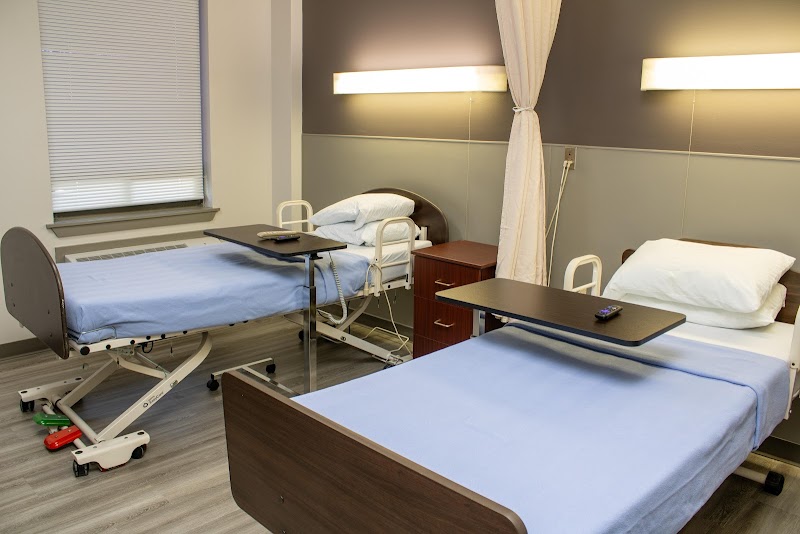
How is The Phoenix Post-Acute Staffed?

CMS rates THE PHOENIX POST-ACUTE's staffing level at 2 out of 5 stars, which is below average compared to other nursing homes. Staff turnover is 38%, compared to the Texas average of 46%. This relatively stable workforce can support continuity of care. RN turnover specifically is 60%, which is notably high. RNs provide skilled clinical oversight, so turnover in this role can affect medical care quality.

What Have Inspectors Found at The Phoenix Post-Acute?

State health inspectors documented 16 deficiencies at THE PHOENIX POST-ACUTE during 2022 to 2025. These included: 3 Immediate Jeopardy (the most serious level, indicating potential for serious harm or death), 1 that caused actual resident harm, and 12 with potential for harm. Immediate Jeopardy findings are rare and represent the most serious regulatory concerns. They require immediate corrective action.
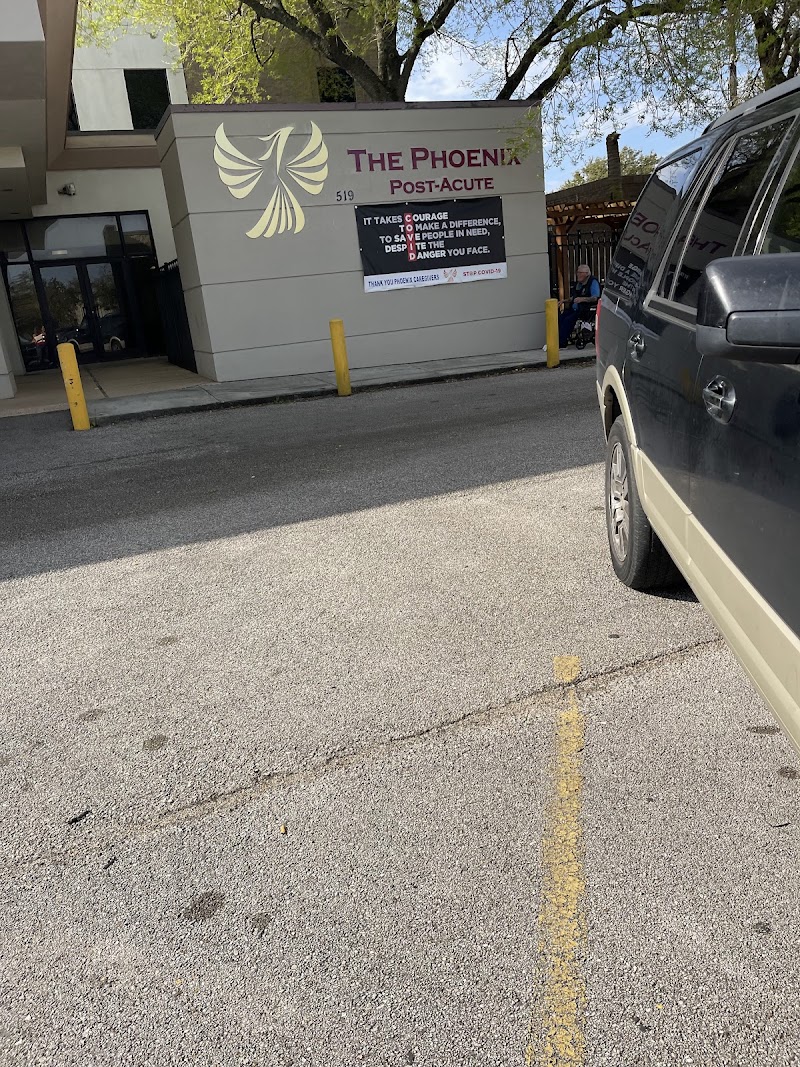
Who Owns and Operates The Phoenix Post-Acute?

THE PHOENIX POST-ACUTE is owned by a for-profit company. For-profit facilities operate as businesses with obligations to shareholders or private owners. The facility is operated by THE ENSIGN GROUP, a chain that manages multiple nursing homes. With 134 certified beds and approximately 99 residents (about 74% occupancy), it is a mid-sized facility located in TEXAS CITY, Texas.
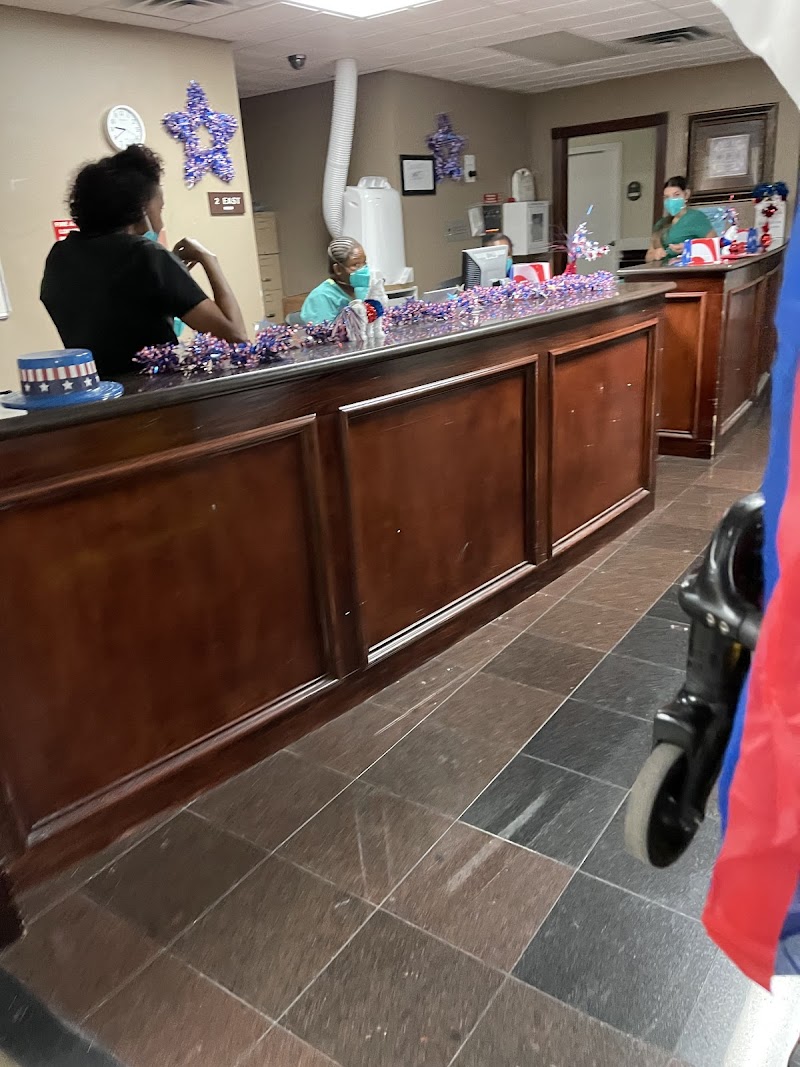
How Does The Phoenix Post-Acute Compare to Other Texas Nursing Homes?

Compared to the 100 nursing homes in Texas, THE PHOENIX POST-ACUTE's overall rating (2 stars) is below the state average of 2.8, staff turnover (38%) is near the state average of 46%, and health inspection rating (2 stars) is below the national benchmark.

What Should Families Ask When Visiting The Phoenix Post-Acute?

Based on this facility's data, families visiting should ask: "What changes have been made since the serious inspection findings, and how are you preventing similar issues?" "Can you walk me through typical staffing levels on day, evening, and night shifts?" "Can I visit during a mealtime to observe dining assistance and food quality?" "How do you handle medical emergencies, and what is your hospital transfer rate?" These questions are particularly relevant given the facility's Immediate Jeopardy citations and the below-average staffing rating.

Is The Phoenix Post-Acute Safe?

Based on CMS inspection data, THE PHOENIX POST-ACUTE has documented safety concerns. Inspectors have issued 3 Immediate Jeopardy citations (the most serious violation level indicating risk of serious injury or death). The facility has a 2-star overall rating and ranks #100 of 100 nursing homes in Texas. Families considering this facility should ask detailed questions about what corrective actions have been taken since these incidents.

Do Nurses at The Phoenix Post-Acute Stick Around?

THE PHOENIX POST-ACUTE has a staff turnover rate of 38%, which is about average for Texas nursing homes (state average: 46%). Moderate turnover is common in nursing homes, but families should still ask about staff tenure and how the facility maintains care continuity when employees leave.

Was The Phoenix Post-Acute Ever Fined?

THE PHOENIX POST-ACUTE has been fined $90,049 across 2 penalty actions. This is above the Texas average of $33,979. Fines in this range indicate compliance issues significant enough for CMS to impose meaningful financial consequences. Common causes include delayed correction of deficiencies, repeat violations, or care failures affecting resident safety. Families should ask facility leadership what changes have been made since these penalties.

Is The Phoenix Post-Acute on Any Federal Watch List?

THE PHOENIX POST-ACUTE is not on any federal watch list. The most significant is the Special Focus Facility (SFF) program, which identifies the bottom 1% of nursing homes nationally based on persistent, serious quality problems. Not being on this list means the facility has avoided the pattern of deficiencies that triggers enhanced federal oversight. This is a positive indicator, though families should still review the facility's inspection history directly.