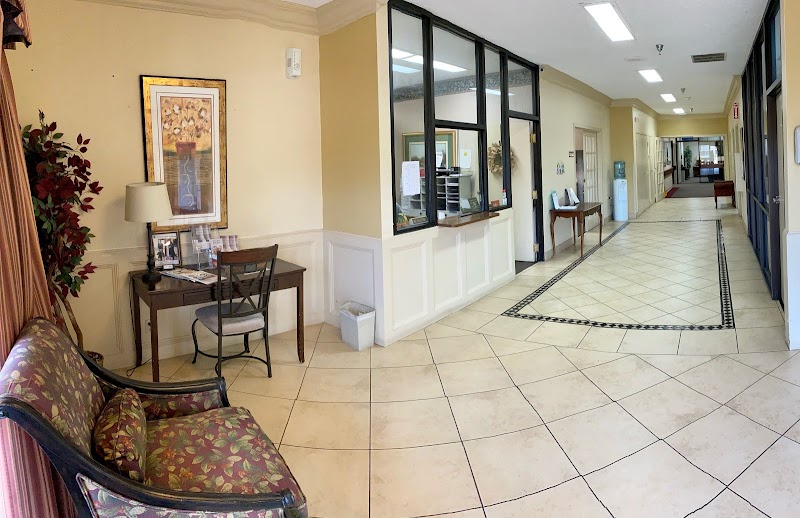
AVIR AT PETAL HILL

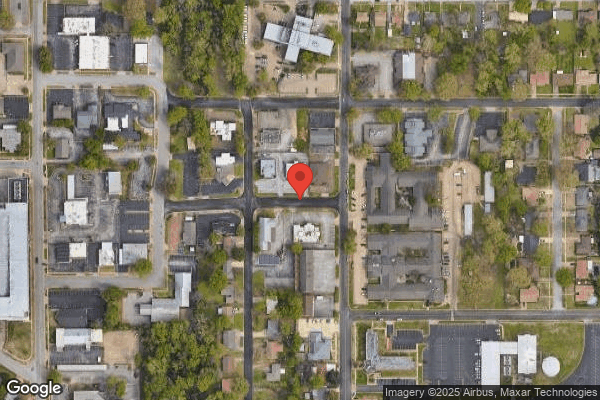
900 S BAXTER AVE, TYLER, TX 75701 (903) 597-8192
Government - Hospital district 120 Beds AVIR HEALTH GROUP Data: November 2025 1 Immediate Jeopardy citation
Trust Grade
18/100
#635 of 1168 in TX
Last Inspection: December 2024

Within standard 12-15 month inspection cycle. Federal law requires annual inspections.

Overview

Avir at Petal Hill has received a Trust Grade of F, indicating significant concerns and a poor overall quality of care. It ranks #635 out of 1168 facilities in Texas, placing it in the bottom half, and #10 out of 17 in Smith County, meaning there are only a few local options that are better. While the facility's trend is improving, going from 13 issues in 2024 to 2 in 2025, staffing remains a concern with an 80% turnover rate, significantly higher than the state average of 50%. The facility has faced serious compliance issues, including a critical incident where a resident fell during transport due to inadequate safety measures, resulting in a head injury. Additionally, there are troubling environmental conditions, such as mold and safety hazards in resident rooms, which could pose further risks to residents' health and comfort.

Trust Score
F
18/100
In Texas
#635/1168
Bottom 46%
Safety Record
High Risk
Review needed
Inspections
Getting Better
13 → 2 violations
Staff Stability
⚠ Watch
80% turnover. Very high, 32 points above average. Constant new faces learning your loved one's needs.
Penalties
✓ Good
$38,922 in fines. Lower than most Texas facilities. Relatively clean record.
Skilled Nurses
⚠ Watch
Each resident gets only 20 minutes of Registered Nurse (RN) attention daily — below average for Texas. Fewer RN minutes means fewer trained eyes watching for problems.
Violations
⚠ Watch
27 deficiencies on record. Higher than average. Multiple issues found across inspections.
★★☆☆☆
2.0
Overall Rating
★★☆☆☆
2.0
Staff Levels
★★☆☆☆
2.0
Care Quality
★★☆☆☆
2.0
Inspection Score
Stable
2024: 13 issues
2025: 2 issues

The Good

  • Full Sprinkler Coverage · Fire safety systems throughout facility
  • No fines on record

Facility shows strength in fire safety.

The Bad

2-Star Overall Rating

Below Texas average (2.8)

Below average - review inspection findings carefully

Staff Turnover: 80%

33pts above Texas avg (46%)

Frequent staff changes - ask about care continuity

Federal Fines: $38,922

Above median ($33,413)

Moderate penalties - review what triggered them

Chain: AVIR HEALTH GROUP

Part of a multi-facility chain

Ask about local staffing decisions and management

Staff turnover is very high (80%)

32 points above Texas average of 48%

The Ugly 27 deficiencies on record

1 life-threatening 1 actual harm
Feb 2025 2 deficiencies
CONCERN (E) 📢 Someone Reported This

A family member, employee, or ombudsman was alarmed enough to file a formal complaint

Potential for Harm - no one hurt, but risky conditions existed

Safe Environment (Tag F0584)

Could have caused harm · This affected multiple residents

Based on observation, interview, and record review the facility failed to ensure residents had the right to a safe clean comfortable and homelike environment for 5 of 10 residents (Resident #5, #6, #7...

Read full inspector narrative →
Based on observation, interview, and record review the facility failed to ensure residents had the right to a safe clean comfortable and homelike environment for 5 of 10 residents (Resident #5, #6, #7, #8, #9, and #10) reviewed for environmental concerns. Resident #5 And Resident #6 had a black substance in their rooms that the families felt were suspicious of being mold. Resident #6, # 7, #8, #9, and #10's rooms had broken lights, holes in their walls, broken showers and maintenance issues that were not addressed. The facility failure could cause residents to have safety concerns. Findings included: Record Review of a nursing note dated 11/22/24 at 2:40 p.m. indicated Resident #5's family member wanted the nurse to look at Resident #5's room. The family member pointed to the air vent and stated, that is black mold. The family member was directed to the administrator's office at that time. The note was signed by LVN H and had a strike out on 11/25/24 at 8:18 a.m. The note said the reason for the strike out was entry error, but it was readable. A note at 4:30 p.m. indicated Resident #5 was discharged to another facility. During an observation on 2/26/25 at 1:24 p.m. Room A8 had a sign on the door that said, room was out of order and was being remodeled. It had a pad lock on the door that was locked. After the administrator got the key and he opened the door. The room had a strong pervasive odor of being closed for some time. The vent in the bedroom had a large area that looked like it had been painted over at one time but around the vent was areas with black substance. The vent in the bathroom appeared to be white but was covered in black particles. During an interview on 2/26/25 at 4:29 p.m. the ADON said the former DON said she got mold toxicity poisoning from the facility. She said the facility had someone to come out and test, but she did not know the results. She said there had been some family complaints and one family member moved Resident #5 to another facility from the looked unit. She said Resident #5 resided in Room A8. She said at that time the administrative staff had placed a lock on that door but did not know anything else. The ADON said she thought it was in November some time. During an interview on 2/27/25 at 9:58 a.m. LVN H said she remembered the day with Resident #5's family member complained about Room A8. She reviewed the note and she had written the note. She said she did not do the strike through on the note and as far as she knew that was what had happened. She said they moved the resident the same day. She said Resident #5 resided in room A8. She said she did not know what happed but there had been a lock on the door ever since. During an interview on 2/26/25 at 5:15 p.m. CNA F they were black stuff in some of the rooms on the lock unit. She said they put a lock on Room A8 when Resident #5 moved out. The family member came and moved her out. The family said they did carpenter work and knew what black mold looked like. She said Resident #5 was discharged to another facility. Record review of a Grievance Repot dated 2/19/25 indicated Resident #6's responsible party said there was black mold in the shower and shower tiles were missing. The report indicated the resident was moved to another room and the room was closed for repair. During an observation and interview on 2/27/25 at 9:50 a.m. Resident #6 said she was moved from Room C18 because they were doing remodeling in her room. She said that she really did not know why. During an interview on 2/27/25 at 11:53 a.m. a family member of Resident #6 said back in November 2024 Resident #6 was in a room that had mold. The family member said they had moved Resident #6 to another room and the same thing had occurred. The family member said they wanted answers and the facility to fix their problems. During an interview on 2/27/25 at 11:57 a.m. with Resident #6's responsible party. The responsible party said they had problems with mold in Resident #6's room back in November 2024. They moved her to a room on a different hall and now it was the same problem. The responsible party said she was very concerned when she saw what looked like mold in Resident #6's bathroom. She said then they moved her to Room C17, and the shower did not work in that room. During an observation on 2/26/25 at 4:03 p.m. of Room C18 showed in the bathroom the shower it was missing tile for about 8 inched across and 4 to 6 inches high. The board was showing in the wall was black with a little brown showing. The board was buckled and bumpy. There was large hole about 4 to f inches wide and 12 to 18 inches long. There was a pipe exposed behind the toilet with stuff sticking out that looked like someone had stuffed rag in the hole. The room still had the residents' personal belongings and there was a lock on the door, but it was not locked. During an interview on 2/26/25 at 5:15 p.m. CNA F said that they were not aware that there was anything going on in the room with C18. They were just told to move the residents out of the room. During observation and interview on 2/27/25 at 10:35 a.m. at 10:35 a.m. the shower in Room C18 showed the waferboard inside the shower had been removed, but the black debris and partials were still in the gap between the floors. There was a black substance on the exposed wall and on the remaining insulation. There were new tiles stacked in the doorway and some on the floor of the shower. The RDO said it appeared they had torn the damaged material out of the shower and was replacing the tile in the shower. He could not say if that was going to fix the problem of the black particles inside. During an observation and interview on 2/27/25 at 11:30 a.m. with CNA G she said the showerhead in Room C17 was broken and have been broke for a couple of months. She said that the residents were not able to get a shower. CNA F said they did not have a shower room. She said each room had their own shower, and she had let maintenance know on several occasions the shower was not working properly. Resident #9 resided in the room and said she had not had a shower in a while, she was only able to take bird baths. CNA G said when they have an empty room, they have taken Resident #9 to get a shower. Resident #6 said she had had been in the room about a week and she had not had a shower since she moved. Observation of the shower showed it had a pipe that came out of the wall but no shower head. During an observation and interview on 2/27/25 at 11:20 a.m. observation of the bathroom in Room C20 showed the light in the bathroom did not work and there was little light. The heat light was tuned on for extra light. The shower had black buildup in the corners of the shower and some of the tile had been replaced and there was black buildup in-between the spaced cracks in the wall. There were back spots in between some of the tiles on the floor in the shower. There was missing tile on the wall close to the 3-drawer cabinet about 4 feet off the floor. On the floor was missing tile and about two inches was filled with brown substance and brown debris was protruding out onto the floor. Under the cabinet the baseboard was missing, and it was brown with black and brown stains in the crack and onto the floor. The sink had the facing on the side missing showing exposed waferboard. There was a hole in the wall to the left side of the shower along the base board with a crack of about ¼ inch with black substance along the wall for about 6 inches. There was a shower curtain on the rod rolled up and stuck in the corner on the left side of the commode. There was no shower curtain on the shower. The baseboard along the wall had dirty buildup between the top of the baseboard and the wall on the left side of the door for about 2 feet. The door posts on both sides of the door on the inside of the bathroom had dirt buildup around the base with holes and missing gaps. On the left side of the door above the base board was a brown stain or hole in the wall. The right side of the door going out of the bathroom was scared with several layers of paint showing. The area around the door was about 12 inches long and 12 inches wide. Resident #7 said the shower curtain had been down for quite some time. The Housekeeping Supervisor came in to clean the room. She said that there needed to be a light over the sink because that light did not work in the bathroom. She tried to clean his shower with bleach wipes and the black stains did not move. During observation and interview on 2/27/25 at 11: 27 a.m. Room C21 Resident #8 was laying in the bed. She said that her light in her bathroom did not work. She said sometimes it came on but most times not. An observation of the light show that the cover was missing, and the light was dim in the bathroom. There were baseboard missing under the sink for about 3 inches that showed the brown wall. Resident #8 said the staff were aware, she had requested the light be fixed several times. There was also missing tile at the threshold of the floor making the floor uneven and a trip hazard. In some places the missing tile was about 2 inches wide and 6 to 8 inches long and two others one-inch spots in the doorway. During an observation and interview 2/27/25 at 2:57 p.m. of Room C22 there was a large hole in the wall that was about 2 feet long and 4 inches high. The hole reached form the closet door to the bathroom door. The baseboard was propped against the wall and the wall was crumbled. There was an area above the hole that was about 12 inches high that was discolored. The wall that was crumbled did not appear to be wet at the current time. The sheet rock had basically disintegrated. Resident #10 said he had complained and been complaining ever since he had been in the room for about 3 months. Observation of the bathroom, the three-drawer cabinet the top drawer was missing. The wall along the side of the commode had been replaced at one time and appeared warped and buckled. Resident #10 said the commode was often stopped up, and he had complained several times. Record review of a Maintenance Request form dated 1/15/25 indicated Resident #10 said his toilet does not work and there is a hole in the wall. With no completion date or signature.
CONCERN (F) 📢 Someone Reported This

A family member, employee, or ombudsman was alarmed enough to file a formal complaint

Potential for Harm - no one hurt, but risky conditions existed

Safe Environment (Tag F0921)

Could have caused harm · This affected most or all residents

**NOTE- TERMS IN BRACKETS HAVE BEEN EDITED TO PROTECT CONFIDENTIALITY** Based on observation, interview, and record review the facility failed to provide a safe, functional, sanitary, and comfortable ...

Read full inspector narrative →
**NOTE- TERMS IN BRACKETS HAVE BEEN EDITED TO PROTECT CONFIDENTIALITY** Based on observation, interview, and record review the facility failed to provide a safe, functional, sanitary, and comfortable environment for residents, staff, and the public for 17 or 25 rooms (Room #'s A1, A2, A3, A4, A5, A6, A7, A8, A9, A10, B10, B11, C12, C14, C15, C16, C17, C18, C19, C19, C20, C21, and C22) reviewed for environmental concerns. Rooms A1, A2, A3, A4, A5, A6, A7, A8, A9, and A10 had black spots around the air vents in the showers, holes in the walls, missing baseboards non-working lights, and showers not working properly. Rooms B10 had mold identified in the room and B11 was used for storage. Rooms C12, C14, C15, C16, C17, C18, C19, C19, C20, C21, and C22 had black spots in, no light in bathrooms or light covers, holes in the wall, missing tiles on the floor, holes in the walls, black buildup in showers, and baseboards missing. The facility failure could cause residents to have safety concerns. Findings included: Observation and interview were conducted of the locked Unit Hall 200 on 2/26/25 between 12:51 p.m. and 1:30 p.m. with the Administrator. He said the census on the unit was 19 female residents. During an observation on 2/26/25 at 12:51 p.m. Room A1 had a lock on the door, but the lock was not secured to the door. The door was blocked, and the Administrator pushed the door open. The room was used as storage room. There were things in the room like a popcorn machine, a dresser that was behind the door, boxes, trash bags, clothes littered the floor around the bed. There was a bulletin board propped on the bathroom door. The closet in the room had dark spots on the wall at the top of the closet. It looked like a spray of black dots on the wall. The bathroom ceiling had paint peeling and the spackle hanging down for about 1/3 of the ceiling. The bathroom was also used as storage area and the toilet had some feces in it that looked like it had not been flushed in a while, the water in the commode was brown. The Administrator said the room was not occupied. During an observation on 2/26/25 at 12:56 p.m. Room A2 the ceiling in the bathroom had paint peeling about 8-inch circumference around the light. The shower in the bathroom had black stuff protruding out of the cracks on the side of the wall and the corner. The baseboard under the sink was loose and hanging from the wall. There was black buildup around the base of the commode. The base board under the toilet paper holder in front of the commode was loose from the wall about an inch and present a tip hazard. There was rust around the door posts, the rust was on the floor and up the side of the post that appeared to be metal. This room was occupied by two residents. During an observation on 2/26/25 at 1:01 p.m. Room A3 the vent in the ceiling of the bedroom had a large spot about 12 inches wide and 12 inches long with white paint that was a brighter color than the rest of the ceiling. The paint did not cover up the back spots in the ceiling. There were residents residing in the room. During an interview on 2/26/25 at 1:04 p.m. the Administrator said he had only been at the facility since 1/27/25. He said he knew they had some pipes bust during the freeze last year. He said he knew they had the roof was replaced but the paint did not appear to be covering up a water stain in room A3. He said he could not say what it was under the paint. The Administrator said he could only say it was dark or black and not covered up well. He said when he began work at the facility there were 5 or 6 rooms that had locks on the doors. He said he was told last week by the RDO that they could take the padlocks off the doors the rooms were fine. The Administrator said he was not a carpenter and did not have any knowledge of the events that happened before his arrival. He said when he arrived there were locks on 6 rooms in the facility; Rooms 212, 217, 115, 111, 109, and 105. He said he had heard rumors from some staff about black mold, but he did not know any definite information. He said the corporate office had not informed him of any issues regarding mold. He said he only knew that some of the rooms had black particles around the air vents. He said two of the rooms Room C14 and Room C15 had to be repaired because the walls were missing. The Administrator said some of the rooms were being renovated but he did not know exactly what the rooms needed. He said the RDO had been the administrator before him and had not informed him of what was needed as of the current time. He said he had just hired a new Maintenance Director and the Maintenance Director had been at the facility for about a week. During an observation on 2/26/25 at 1:12 p.m. Room A4 the baseboard hanging from the wall beside the commode, and under the toilet paper holder. The baseboard was loose and hanging for about 4 to five feet. It was also loose and hanging behind the commode about 12 to 18 inches. During an observation on 2/26/25 at 1:15 p.m. Room A5 the bathroom had a 3-drawer cabinet with about a three-inch space on the floor where the base board was hanging off the wall with brown and black debris protruding from the sides, over the top, and under the cabinet. The baseboard on the right side of the commode was hanging from the wall about an inch out. The wall behind the commode had wrinkled paint with holes in it and dark spots. There were dark spots on the floor around the commode, a hole in the wall to the right side of the commode about an inch wide. The baseboard in front of the commode on the left side was loose and hanging off the wall. During an observation on 2/26/25 at 1:17 p.m. Room A6 the bathroom showed down the wall on the right side of the commode about 3 to 4 feet of missing base board and behind the commode about 12 inches of missing base board. The spacing between the wall and the floor was visible with debris, paint and parts of sheet rock hanging out. The space in the corner where the baseboard was missing was broken and had a hole in the wall about 3 inches long. During an observation on 2/26/25 at 1:18 p.m. of the common area bathroom on the locked unit, off the dining room area appeared to be used as a storage area. There were clothes on a tall rolling hanger, stored in the shower, and a shower chair. There was missing baseboard along the wall up to the commode on the left side of the wall. The floor had debris and brown particles on the floor. The shower in the common area had black buildup in the corners on both sides of the shower. Staff said they use the shower and the bathroom for residents. During an observation on 2/26/25 at 1:21 p.m. room [ROOM NUMBER] in the bathroom a large area by the paper towel dispenser with pealed pain. A towel rack may have once held the spot or a soap dispenser it was about 7 inched high and 4 inches wide. During an observation and interview on 2/26/25 at 1:22 p.m. Room A7 in the bedroom it has black substance around the air vent in the ceiling. The black substance was in spots some about an inch wide and some just specks but it was mostly in the front of the vent with some black areas all around the vent. Observation of the bathroom the left side of the commode baseboard was hanging off the wall for about 3 feet. The Administrator said he did not know what it was the substance was in the ceiling, but it was black. During an observation on 2/26/25 at 1:27 p.m. Room A9 had some dark spot around the air vent. A base board was coming off the wall in the bathroom. During an interview on 2/26/25 at 1:31 p.m. RN A said that she had no complaints about any residents with respiratory issues. During and observation of 2/26/25 at 1:35 p.m. Observation of Room B11 showed a lock hanging from the door, but the door was not locked. The room had 4 beds and mattresses and odds and ins. I was just enough space to walk into the room. Observation of the bedroom showed there was some black areas around the air vent in the ceiling. During an interview on 2/26/25 at 1:37 p.m. Ombudsman said she had complaints from residents and families about concerns with black mold before Thanksgiving 2024. She said it was a different Administrator at that time. She said that Administrator told her that the corporate office had a plan to ensure the wellbeing of the residents. She said she had asked what those plans were but was never given an answer. She said there continued to be reported concerns from some staff, residents, and family members about maintenance issues and the black substance that is suspected to be mold throughout the facility. She said she was unable to close her concerns until the matter was resolved. During an observation on 2/26/25 at 1:40 p.m. Room C16 had an orange sign of the door that said, Please excuse this area currently under renovation. There was a place for a lock on the door but there was no lock. The closet in the room had exposed pipes and insulation hanging out of the wall. The area in the closet had holes on two sides about a 12 to 18 inches high. There was debris all over the floor in the closet. During an observation on 2/26/25 at 1:42 p.m. of Room C15 had an orange sign on the door and it had a lock but was not locked. It had a hole cut in the wall in the closet and wall along the bathroom wall about 2 and half feet high, the sink was propped against the wall and behind the commode the wall was out all along the wall. During an observation on 2/26/25 at 1:50 p.m. there was a sign on the door of Room C14 that said the room was under construction. There was a lock on the door, but it was not locked. The wall in that room was also missing about 2 feet high. That room connected to Room C15. During an interview on 2/26/25 at 1:56 p.m. LVN B said she worked on the unit and Resident #2 had gone to the hospital with a cough, but they said she had COPD. She said Resident #3 had frequent falls, but she was on the unit and was very confused. She said there were no resident on the unit had really been sick. She said that they did have a water damage and there were some damages in Room A1. During an interview on 2/26/25 at 2:00 p.m. CNA C said there was some black stuff in several of the rooms on the lock unit and that they had some in the hallway at one time. She said the roof had been repaired a while back. She said she was not aware of any Resident that had respiratory issues. She said that she had asthma, but that she has not had any problems. During an interview on 2/26/25 at 2:05 PM CNA D said it had been several months since Room A9 was locked. She said she heard that it had something to do with mold, but she was not sure. She said she was not aware of any residents on the locked unit complaining of respiratory issues. During an interview on 2/26/25 at 2:10 p.m. CNA E said she noticed the black stuff in several of the rooms on the locked unit. She said that there were no residents had coughs or respiratory issues that she was aware of on the locked unit. She said she had allergies, but she did not have any more problems at the facility than she did at home. During an observation on 2/26/25 at 2:30 p.m. the former DON's office showed a dark spot on the ceiling, and one in the hallway outside her office around the vents. However, they appeared to be painted over. During an interview on 2/26/25 at 2:36 p.m. the RDO said he oversaw the facility as the acting administrator for 3 weeks in January. He said the old administrator left on the first of January 2025; he worked between administrators. He said the current administrator came the last week in January. He said the Ombudsman brought some concerns about Room A5 missing toilet tank cover, and an emergency light in the bathroom. He said she had some concerns about Rooms C14 and C15 with some black mold looking areas in the bathroom. He said those two rooms connect. He said they had called a plumber and when Plumber came in to repair the area mold was identified. The RDO said there were residents in those rooms, and they were moved. He said there are no residents in those rooms now. He said Rooms C14 and C15 shared a wall, and both of those rooms were mediated. He said remediating was when the cleanup company came out and removed the contaminated areas. The RDO said they had called an environmental services company that identified the black stuff as mold, they then had to contact a different company to complete the cleanup. He said after the cleanup they had to have the environmental services company come back and say it was clear. He said they had done those things with those two rooms only. He said mold was also identified in Room B10 and they were getting ready to start remediating that room. He said they started the process in November 2024 but did not know the exact dates. The Director said the dark stuff on the ceiling in the facility rooms was lint like in any homes where the vent blows. He said they were trying to get the rooms in order, it was not something they could not do overnight. He said they required a different company to come in and test the air quality and then they had to have different company to come in clean up the area. He said once the room it cleaned then the other company comes back to do the air testing again. The RDO said he was not aware of the areas on the locked unit that had suspected mold. He said they only had specific areas of the facility tested. He said he did not know why the locks were on two doors on the locked unit and several doors throughout the facility. He said they had a former employee that said she had mold toxicity and they had the area where her office was tested also. He said the only identified areas of mold concern was Rooms B14, B15, and B10. The RDO said they had gotten the air ducts cleaned back in December 2024. During an observation on 2/26/24 at 3:29 p.m. of Room B17 showed that room was used as an office. There were curtains on the window, chairs and tables set up along with a coffee pot and refrigerator. RN A said they turned Room B17 into a work area. Observation of the room showed the door had a place for a lock but there was no lock present. RN A said she was told by someone up front (she did not specify who) that the room was fine to use. She would not have just opened the room on her own. She said she got the key from up front. During an observation and interview on 2/26/25 at 3:31p.m. the RDO said he did not know why there was a hole in the closet of room C16. He said that in Room C14 and C 15 the environmental cleanup crew came in and cleaned those rooms and that was why they were missing walls. However, they should still be locked until they were repaired. During an observation and interview on 2/26/25 at 3:40 p.m. with RDO Room A 7 had black stuff in the ceiling around the air vent. The RDO said that he did not know what the black substance was. He said it was not lint. The RDO said it was black substance and they would need to get it tested. During an interview on 2/26/25 at 4:24 p.m. Administrator said last week came the environmental company that did cleanup work came to the facility. He said they looked at to look at one room, and only communicated about one room. He said the RDO said told him he did not know why the locks was on some of the doors. The Administrator said on last week 2/19/25 the family member of Resident #6 was upset because they felt there was mold her room, RoomC18. He said he informed the RDO because the family was upset and taking pictures of the area. He said he had not gotten a response from the RDO but had written a grievance regarding the family concerns. He said he had removed Resident #6 and her roommate to another room. During an observation and interview on 2/26/25 at 5:19 p.m. Maintenance Director said that he was a new maintenance man. He had only been there a week. He was observed putting a lock on the door of Room C12. He said that he was told to make sure that room A1 had a lock and he had already placed that one. He said he was instructed by RDO to put locks on C12, C14 C15, B10 and B11. He said 6 rooms total had locks on them. He said he knew some of the rooms required some work, but he did not know about the other rooms. Doing an observation and interview on 2/26/25at 5:20 p.m. showed room B10 was basically empty. RNA had the key, and the door was locked. During an interview on 2/27/25 at 10:08 a.m. the RDO said for rooms C14 and C15 they had received an all clear on 1/5/25. He said on room B 10 they are waiting on permit from the city. He said they had just gotten an update this morning. Could not say why put locks on the other rooms need work to be done. Not saying it is not suspected mold. but could not say that it is not had the rooms tested. He said he was not aware of Room C18 having any issues. He said the Administrator said he sent an email, but did he did not see it. He said he was going to get the rooms tested. During an observation and interview on 2/27/25 at 10:30 a.m. Room A8 with the RDO showed that the vent in the bathroom had been painted over and there was also a vent that was in the bedroom and there was also been in the bathroom that had black stuff on the vent and around the vent also in Room A7 it had been painted over but you could see over the paint and it still had black stuff on the outer surface During observation and interview on 2/27/25at 10:40 a.m. Room C19 was not locked. It had dirty black stains on the floor. The room appeared to be used for storage. It had three beds two wheelchair as a trap bar stand in the potty chair and a wheelchair in the bathroom and that door was not locked. Record review of an invoice from a restoration cleaning company dated 12/3/24 commercial duct cleaning was performed at the facility on vents and HVAC systems. Record review Remediation Clearance report number CS24688 dated 1/10/25 indicated remediation work was completed on 1/2/25. The report indicated Room C14 and Room C15 were clear of fungal spores. Record review Remediation Clearance report number CS5040 dated 1/24/25. indicated there was water damage and potential fungal growth found in Room B10 Recommendation indicated no airborne spore levels of concern. Recommended mold protocol be completed for Room B10, and the bathroom enclosed all material to be disturbed by remediation activities. The back wall of Room B10 should include the repair or replacement of window flashing to ensure against future water intrusion. Other areas tested conference room, DON office and Hallway by DON office. No notable concerns listed. During an interview on 2/27/25 at 12:13 p.m. the environmental services company director said regarding Job SS24688 the rooms looked when where at the facility was C 14 and C 15 and they only looked at those two rooms. He said they were first contacted on 11/21/24. He said they did the initial assessment on 11/26/24. They did a written protocol a work procedure that needed to be followed to get the work completed. He said the cleanup is complete by a different company and once they finish the cleanup then his company came back to retest the air quality and determined on 1/2/25 they had some additional items to take care of. The facility corrected that issue and they came back on 1/5/25 and gave them an all clear for Rooms C14 and C15. He said Job CS25040 was a different cite area. He said they were initially called on 1/15/25 regarding room B10 and they came out on 1/21/25. He said they determined mold in that room also. He said that the mold that was discovered was common mold penicillium spores. It was not black mold. He said if they had determined anything toxic with their testing they would have had the residents evacuated, and notified the city and the proper authorities. He said the State of Texas is not equipped to handle black mold. What they do when they come out is take a swab of the area that looked suspicious. They then test the air quality outside and inside the area to determine the concentration of mold in the area. He said the testing they conducted indicated some high levels of mold but not to a toxic level. They assessed the mold and made recommendations that it be cleaned by environmental specialist. He said Room B10 had some water damage and they needed to remove the wall panels. He said if an area had black substance sometimes it could just be cleaned but they needed to determine the root of the problem that was causing the damage. If there was water in the walls or if the area was left damp for an excessive amount of time. He said just because something looked suspicious did not mean it was mold, but it could be. During an interview on 2/27/25 at 2:33 p.m. the Medical Director said he was aware the facility had a problem with mold, but he was informed it was not toxic mold. He said he worked at the hospital and had not seen anything that suggested respiratory issues. He said if it was something going on with the mold it would have been something that have shown up at the hospital since it had been several months. He said the owners standpoint was that it was mold but not toxic. He said he had heard rumors about black mold. However, it had not shown up in residents UTIs and there had been no respiratory that indicated any fungal infections. He said different people have allergies to multiple things, but he did not see any issues with mold.
Dec 2024 5 deficiencies
CONCERN (D)

Potential for Harm - no one hurt, but risky conditions existed

Safe Environment (Tag F0584)

Could have caused harm · This affected 1 resident

**NOTE- TERMS IN BRACKETS HAVE BEEN EDITED TO PROTECT CONFIDENTIALITY** Based on observations, interviews, and record reviews, the facility failed to provide maintenance and housekeeping services for ...

Read full inspector narrative →
**NOTE- TERMS IN BRACKETS HAVE BEEN EDITED TO PROTECT CONFIDENTIALITY** Based on observations, interviews, and record reviews, the facility failed to provide maintenance and housekeeping services for 2 (Resident #13 and #54) of 10 resident rooms observed for safe, homelike and sanitary environment. The facility failed to ensure missing and damaged laminate flooring panels were replaced in Resident #13's room (216-B). The facility failed to ensure missing baseboards were replaced in Resident #54's bedroom (#207-B) and bathroom; repair the vanity drawer in the bathroom; clean the toilet and remove trash from the floor of bathroom. These failures could place residents at risk for psychosocial harm and a diminished quality of life and an unsanitary environment. Findings included: 1.A record review of a face sheet dated 12/11/2024 indicated Resident #13 was a [AGE] year-old male who admitted to the facility on [DATE]. He had diagnoses which included dementia (a group of social and thinking symptoms that interferes with daily functioning), mood disorder (a serious mental illness that primarily affects a person's emotional status) , major depressive disorder (a mental health disorder characterized by persistently depressed mood or loss of interest in activities, causing significant impairment of daily life), and history of falling. A record review of a MDS dated [DATE] indicated Resident #13 had a BIMS score of 9 indicating his cognition to be moderately impaired and required assistance with most ADLs. During an observation on 12/09/2024 at 10:32 AM, Resident #13 was noted to not be in his room. Three (3) approximately 3-3.5 feet long laminate flooring panels were noted be missing from the flooring in the area extending from outside the head of the bed and continuing under the bed. Two (2) more laminate flooring panels underneath the foot of the bed and extending outward into the room were noted to be loose, buckled, and almost completely unattached from the floor beneath them. Another panel of laminate flooring was noted in the same area at the foot of the bed to have a tear in it with the torn area slightly raised and not attached to the floor. A review of the undated Maintenance Work Log Book at the nurses' desk indicated there were no records of needed repairs in the book. The book contained only blank Maintenance Request Forms. During an interview on 12/09/2024 at 11:01 AM, CNA B said she did not know exactly how long the floor strips at the head and foot of Resident #13's bed had been missing or damaged. She said the staff were supposed to tell the Maintenance Supervisor if something needed to be fixed. She said she had not told anyone about the missing and damaged flooring panels. She said she forgot. During an observation and interview on 12/09/2024 at 11:20 AM in Resident #13's room, the Maintenance Supervisor said the unattached and damaged flooring panels at the foot of the bed were new. He said the staff didn't take time to unlock the bed's wheels and drag the bed over which caused the flooring panels to be pulled away from the floor and damaged. He said he was not made aware of the floor panels at the foot of the bed. The Maintenance Supervisor said the flooring panels at the head of the bed had been missing a while. He said staff were supposed to fill out a Maintenance Request Form and place it in the Maintenance Work Log Book when they saw needed repairs but they didn't. He collected the torn and unattached flooring panels from the floor and said he would see if he had some matching panels and replace them. He said he was going to in-service the staff on communicating repair needs. During an interview on 12/09/2024 at 01:25 PM, Resident #13 said he did not know how long the floor panels had been missing or damaged. He said his room would look better if they were replaced. During an interview with the Administrator on 12/11/2024 at 02:15 PM, he said he was new to the facility and was not aware of the missing and damaged flooring panels in Resident #13's room and would follow up with maintenance. During an interview on 12/11/2024 at 04:00 PM, the Maintenance Supervisor said he did not have any flooring panels, had ordered some, and would replace them when they came in. A record review of a face sheet dated 12/11/2024, indicated Resident #54 was a 41year-old female who admitted to the facility on [DATE]. She had diagnoses which included paranoid schizophrenia (a chronic condition that cause people to lose touch with reality), mood disorder (a serious mental illness that affects a person's emotional state), major depressive disorder (a mood disorder that causes a persistent feeling of sadness and loss of interest), and personal history of traumatic brain injury (brain dysfunction caused by an outside force, usually a violent blow to the head). During an observation of Resident #54's bedroom and bathroom, on 12/09/24 at 11:27AM, a section of the baseboard in the bedroom and two sections of baseboard in the bathroom were missing. The toilet was dirty with brown water stain rings around the bowl of the toilet, brown particles that appeared to be fecal matter was around the inside of the bowl of the toilet and yellow water was in the bowl of the toilet. A separate square piece of sheetrock was in a corner, behind the toilet. Behind the sheetrock was a pile of trash. The middle drawer to vanity was broken. The drawer front was separated from the drawer box, making it inoperable. During an observation of Resident #54's bedroom and bathroom, on 12/09/24 at 12:59PM, a section of the baseboard in the bedroom and two sections of baseboard in the bathroom were missing. The toilet was dirty with brown water stain rings around the bowl of the toilet, brown particles that appeared to be fecal matter was around the inside of the bowl of the toilet and yellow water was in the bowl of the toilet. A separate square piece of sheetrock was in a corner, behind the toilet. A pile of trash was behind the separate square piece of sheetrock. Behind the sheetrock was a pile of trash. The middle drawer to vanity was broken. The drawer front was separated from the drawer box, making it inoperable. During an observation of Resident #54's bedroom and bathroom, on 12/10/24 at 8:11AM, a section of the baseboard in the bedroom and two sections of baseboard in the bathroom were missing. The toilet was dirty with brown water stain rings around the bowl of the toilet, brown particles that appeared to be fecal matter was around the bowl of the toilet and yellow water was standing in the bowl of the toilet. A separate square piece of sheetrock was in a corner, behind the toilet. Behind the sheetrock was a pile of trash. The middle drawer to vanity was broken. The drawer front was separated from the drawer box, making it inoperable. During an interview and record review on 12/10/24 at 9:05AM, the Director of Maintenance said he was not aware of the missing baseboards, in Resident #54's bedroom or bathroom. He said he was not aware that the vanity drawer was broken and inoperable. He said the sheetrock must have been left in the bathroom, from a previous repair to the sheetrock wall behind the toilet. The pile of trash was revealed when he removed the piece of sheetrock. He said he has asked the staff to use the maintenance logbook to make him aware of repairs that need to be done, but they will not do it. Record review of the maintenance logbook for the December 2024, revealed no documented maintenance request. During an interview, on 12/10/24 at 11:30AM, the Housekeeping Supervisor said she was not aware of the missing baseboards in Resident #54's bedroom or bathroom. She said she was not aware of the broken drawer of the vanity in the bathroom. She said when the housekeeping staff see something that needs repair, they should write down a maintenance request in the maintenance logbook, for the Maintenance Director. She said she was not sure why these things were not written in the maintenance logbook. A record review of the facility's policy dated 07/2022 and titled Work Order Request indicated the following: Policy: It is the policy of this company that all maintenance support requests must be made in writing and submitted into the Maintenance Work Log Book. Policy Explanation and Compliance Guidelines 1.Write your maintenance request and fill out all fields necessary in the Maintenance Work Log book so that the request is easily understood and able to be prioritized. 4. Maintenance will review work log book throughout the day for new work orders. 5. When orders are completed, maintenance personnel will complete the assignment on the work log in the maintenance book.
CONCERN (D)

Potential for Harm - no one hurt, but risky conditions existed

Comprehensive Care Plan (Tag F0656)

Could have caused harm · This affected 1 resident

**NOTE- TERMS IN BRACKETS HAVE BEEN EDITED TO PROTECT CONFIDENTIALITY** Based on observations, interviews and record reviews, the facility failed to develop and implement a comprehensive person-center...

Read full inspector narrative →
**NOTE- TERMS IN BRACKETS HAVE BEEN EDITED TO PROTECT CONFIDENTIALITY** Based on observations, interviews and record reviews, the facility failed to develop and implement a comprehensive person-centered care plan for each resident that included measurable objectives and time frames to meet a resident's medical, nursing, and mental and psychosocial needs for 1 of 4 residents (Resident #72) reviewed for care plans. The facility failed to ensure Resident #72's comprehensive care plan reflected her positive PASRR Evaluation and the recommended services. The facility failed to ensure Resident #72's comprehensive care plan addressed her smoking status. These failures could place residents at risk for not receiving needed care and services, including care and services to prevent injury. The findings included: A record review of a face sheet dated 12/11/2024 indicated Resident #72 was a [AGE] year-old female who initially admitted to the facility on [DATE] and re-admitted on [DATE] after a hospital stay. She had diagnoses which included chronic obstructive pulmonary disease (a group of lung diseases that block airflow and make it difficult to breathe), chronic respiratory failure (a long-term condition that occurs when the lungs cannot exchange oxygen and carbon dioxide properly), mood disorder, anxiety (intense, excessive, and permanent worry and fear about everyday situations), and depression (a serious mental health condition that can impact how a person feels, thinks, and acts). A record review of the admission MDS dated [DATE] reflected Resident #72 had a BIMS score of 15 indicating her cognition was intact and was independently ambulatory, continent of bowel and bladder, and able to voice concerns and needs. The MDS reflected Resident #72 was determined as positive for mental illness according to the PASRR Evaluation process. During observations of the designated smoking area on 12/09/2024 at 11:00 AM and on 12/10/2024 at 01:00 PM and 03:00 PM, Resident #72 was noted sitting in a chair in the area and smoking a cigarette. She was observed to hold the cigarettes safely and use the ashtray appropriately. Facility staff were noted present in the area and controlled the dispensing of cigarettes and use of lighters. A record review of the admission assessment dated [DATE] indicated Resident #72 smoked cigarettes. A record review of a PCSP Form dated 08/30/2024 indicated Resident #72 was receiving specialized mental illness services which included Routine Case Management and Individual Skills Training. A record review of Resident #72's undated comprehensive care plan did not include any indication of Resident #72's positive PASRR status nor the specialized services to address the needs identified during the PASRR Evaluation. The care plan did not address Resident #72's smoking status nor did it identify any safety actions to prevent injury. During an interview on 12/09/2024 at 11:25 AM, RN A said she had worked at the facility about 3 years. She said Resident #72 was a smoker when she admitted to the facility. She said residents who smoked were assessed for smoking safety upon admission and their care plans would reflect their smoking status with interventions to prevent injury. RN A said the care plan would tell staff how much supervision was needed and if any special devices such as a smoking apron was required. RN A said if the care plan did not address smoking, the staff would not know if the resident required a smoking apron or how much supervision was needed. During an interview on 12/10/2024 at 10:15 AM, the Regional DCO said residents who smoked were assessed for safe smoking on admission and their care plans should reflect their smoking status. She said Resident #72 had not been assessed for safe smoking and her care plan did not address her smoking status. She said she did not know why Resident #72 had not been assessed nor why her care plan did not address it. The DCO said Resident #72 would be assessed immediately. During an interview on 12/10/2024 at 10:20 AM, the MDS Coordinator said she had been at the facility about a week. She said Resident #72's comprehensive care plan should have addressed smoking and PASRR related services to be provided. A record review of the facility's policy dated 06/2023 and titled Resident Smoking indicated the following: Policy: It is the policy of this facility to provide a safe and healthy environment for residents, visitors, and employees, including safety as related to smoking. Policy Explanation and Compliance Guidelines: 9. All safe smoking measures will be documented on each resident's care plan, and communicated to all staff, visitors, and volunteers who will be responsible for supervising while smoking. Supervision will be provided as indicated on each resident's care plan. A record review of the facility's policy dated 07/2022 and titled Comprehensive Care Plans indicated the following: 1. The care planning process will include an assessment of the resident's strengths and needs, and will incorporate the resident's personal and cultural preferences in developing goals of care. 3. The comprehensive care plan will describe, at a minimum, the following: a. The services that are to be furnished to attain or maintain the resident's highest practicable physical, mental, and psychosocial well-being. c. Any specialized services or special rehabilitation services the nursing facility will provide as a result of PASRR recommendations.
CONCERN (D)

Potential for Harm - no one hurt, but risky conditions existed

Accident Prevention (Tag F0689)

Could have caused harm · This affected 1 resident

**NOTE- TERMS IN BRACKETS HAVE BEEN EDITED TO PROTECT CONFIDENTIALITY** Based on observation, interview, and record review the facility failed to ensure each resident was provided adequate supervision...

Read full inspector narrative →
**NOTE- TERMS IN BRACKETS HAVE BEEN EDITED TO PROTECT CONFIDENTIALITY** Based on observation, interview, and record review the facility failed to ensure each resident was provided adequate supervision and preventative measure to prevent injuries for 1 of 4 residents (Resident #72) reviewed for accident hazards. The facility failed to follow the facility's policy to assess Resident #72 for safety when smoking. This failure could place residents at risk for accidents and injuries due to failure to evaluate for risk. Findings included: A record review of a face sheet dated 12/11/2024 indicated Resident #72 was a [AGE] year-old female who initially admitted to the facility on [DATE] and re-admitted on [DATE] after a hospital stay. She had diagnoses which included chronic obstructive pulmonary disease, chronic respiratory failure, mood disorder, anxiety, and depression. A record review of the admission MDS dated [DATE] reflected Resident #72 had a BIMS score of 15 indicating her cognition was intact. She was noted as independently ambulatory and able to voice concerns and needs. A record review of the admission assessment dated [DATE] indicated Resident #72 smoked cigarettes. A record review of physician orders dated 12/11/2024 indicated Resident #72 did not have any orders related to smoking. A record review of Resident #72's undated comprehensive care plan did not address Resident #72's smoking status nor did it identify any safety needs to prevent injury. A record review of Resident #72's medical records did not reflect Resident #72 had been assessed for safe smoking. During observations of the designated smoking area on 12/09/2024 at 11:00 AM and on 12/10/2024 at 01:00 PM and 03:00 PM, Resident #72 was noted sitting in a chair and smoking a cigarette. She was observed to hold the cigarettes safely and use the ashtray appropriately. Facility staff were noted present in the area and controlled the dispensing of cigarettes and use of lighters. During an interview on 12/09/2024 at 11:20 AM, Resident #72 said she had smoked a long time and had never burned herself. She said she was going inside and could not talk anymore. During an interview on 12/09/2024 at 11:25 AM, RN A said she had worked at the facility about 3 years. She said Resident #72 was a smoker when she admitted to the facility. She said residents who smoked were assessed for smoking safety upon admission and their care plans would reflect their smoking status with interventions to prevent injury. RN A said the care plan would tell staff how much supervision was needed and if any special devices such as a smoking apron was required. RN A said if a resident who smoked was not assessed for safe smoking, the staff would not know if the resident required a smoking apron or how much supervision was needed. She said failing to assess a smoker for safe smoking could place residents at risk for burns. During an interview on 12/11/12 at 10:50 AM, CNA-E said the nurse would tell whoever came to get the smoking supplies if a resident needed special supervision or a smoking apron. During an interview on 12/11/2024 at 02:15 PM, DS-C said residents who needed anything, like a smoking apron, brought it with them when they were brought out to smoke. She said if a resident was brought out to smoke who needed a smoking apron but did not have it with them, she had no way of knowing they needed it. During an interview with HKS-D at 03:00 PM, she said the aides made sure residents who needed a smoking apron had it with them when they brought them out to smoke. During an interview on 12/10/2024 at 10:15 AM, the Regional DCO said residents who smoked were assessed for safe smoking on admission and their care plans should reflect their smoking status. She said Resident #72 had not been assessed for safe smoking and her care plan did not address her smoking status. She said she did not know why Resident #72 had not been assessed nor why her care plan did not address it. The DCO said Resident #72 would be assessed and her care plan would be updated immediately. A record review of the facility's policy dated 06/2023 and titled Resident Smoking indicated the following: Policy: It is the policy of this facility to provide a safe and healthy environment for residents, visitors, and employees, including safety as related to smoking. Policy Explanation and Compliance Guidelines: 5. All residents will be asked about tobacco use during the admission process, and during each quarterly or comprehensive assessment process. 6. Residents who smoke will be further assessed, using the Resident Safe Smoking Assessment . 9. All safe smoking measures will be documented on each resident's care plan, and communicated to all staff, visitors, and volunteers who will be responsible for supervising while smoking. Supervision will be provided as indicated on each resident's care plan.
CONCERN (E)

Potential for Harm - no one hurt, but risky conditions existed

Deficiency F0761 (Tag F0761)

Could have caused harm · This affected multiple residents

Based on observation, interview, and record review the facility failed to ensure, in accordance with State and Federal laws, all drugs and biologicals were stored in locked compartments and permitted ...

Read full inspector narrative →
Based on observation, interview, and record review the facility failed to ensure, in accordance with State and Federal laws, all drugs and biologicals were stored in locked compartments and permitted only authorized personnel to have access to 1 of 3 rooms (DON's office) used for storage of drugs and biologicals. The facility failed to ensure the DON's office door and the metal filing cabinet where discontinued narcotics were stored, was at all times secured under double lock, and unable to be accessed by unauthorized personnel. This failure could place residents at risk for misuse of medication and overdose, drug diversions, and adverse reactions to medications. Findings included: During observation and interview on 12/10/2024 at 11:20 AM, the DON's office door was noted to be unlocked and slightly ajar. The DON, and the ADON joint office were easily push open, upon entering the office it was noted no one was inside. Observed, and noted behind the DON desk in the corner, the metal filing cabinet where discontinued narcotics were stored, the locked device hanging on the metal cabinet were unlocked. A second surveyor coming down the hallway, was asked to come inside the office before opening the drawer to the metal cabinet where the discontinued narcotics were stored. 11:30 AM, the DON, and the ADON entered the office and was informed the office door was left open slightly ajar, and the discontinued narcotics drugs were not secured and were available to anyone who walked into the DON's office. The DON said, the medications were to be processed for destruction, she was called to the front desk, and she did not know why she left the secured cabinet unlocked. The DON did not offer a rationale for not securing the drugs. The ADON did not offer any additional comments. During an interview on 12/10/2024 at 4:05 PM, the DON said, she locked her door when she left her office earlier today, she added the ADON shared the office with her and they both had keys, the ADON had returned and failed to lock the office door. The DON said, she had the only key to the secure metal cabinet and failed to re-lock the secured discontinued narcotics cabinet. Record review of the facility's policy dated 07/2022 and titled Medication Storage indicated the following: Narcotics and Controlled Substances: Scheduled II drugs and back-up stock of Schedule III, IV, and V medications are stored under double-lock and key. When a medication has passed its expiration date or is otherwise deteriorated, or has been discontinued, or for a resident no longer residing at the home, it should be removed from the medication cart as soon as possible, accounted for and kept under double lock and key until time of destruction.
CONCERN (E)

Potential for Harm - no one hurt, but risky conditions existed

Social Worker (Tag F0850)

Could have caused harm · This affected multiple residents

**NOTE- TERMS IN BRACKETS HAVE BEEN EDITED TO PROTECT CONFIDENTIALITY** Based on record review and interview, the facility, with a capacity of more than 120 beds or more less, failed to employ a quali...

Read full inspector narrative →
**NOTE- TERMS IN BRACKETS HAVE BEEN EDITED TO PROTECT CONFIDENTIALITY** Based on record review and interview, the facility, with a capacity of more than 120 beds or more less, failed to employ a qualified social worker for the facility reviewed for administration in that: The facility did not have a qualified social worker since [DATE]. This failure could affect any residents in need of social services and place them at risk of psycho-social decline and poor-quality of life. Findings included: Record review of the Facility Summary Report from Tulip dated [DATE] revealed the facility had a maximum capacity of 120. Record review of facility's personnel file accessed on date [DATE], completed by HR indicated there was full time Social Worker on staff but the name listed did not reflect the current social worker that was in place. Record Review [DATE] from the Texas State Board of Social Worker Examiners did not list the facility current Social Worker as a license Social Worker name did not appear on the registry. In an interview with the HR director, on [DATE] at 10:30 AM, she said, the licensed Social Worker's last day at the facility was [DATE] and the Social worker they hired on [DATE] license had expired on [DATE] and his license are in the process of reinstatement. In an interview with the Regional Director of Clinical Operation on [DATE] at 12:00PM, she said they are sharing the Social Worker from a sister facility. In an interview with Administrator on [DATE] at 1:00 pm, he said they do not have a full time Licensed Social Worker. He said he just started work here [DATE] and had no idea that the current Social Worker was not licensed. He didn't know there had to be a full time Social Worker if your building was not at full capacity. He said he thought it was ok to share with the sister facility who has a building of 170. In an interview with facility's non licensed Social Worker on [DATE]@11:00 am he stated that his license was expired, and he had not planned to renew his license then he decided to come back to Social Work., he said he has completed his CEU's to reinstate his license he looked up his license and found license number 21994 was expired and no evidence of reinstatement. Record review of facility's policy Social Services dated 2024 revealed the following: Policy: The facility, regardless of size, will provide medically related social services to each resident, to attain or maintain the resident's highest practicable physical, mental, and psychosocial well-being. A facility with more than 120 beds will employ a qualified social worker on a full-time basis. A facility, regardless of size, will provide medically related social services to each resident, to attain or maintain the residents highest practicable physical, mental, and psychosocial well-being. Making referrals and obtaining needed services from outside the facility Assisting residents with financial and legal matters Transitions of care services The facility should provide social services or obtain services from outside entities during situation where there is a lack of an effective family or community support system or legal representative.
Apr 2024 7 deficiencies
CONCERN (D) 📢 Someone Reported This

A family member, employee, or ombudsman was alarmed enough to file a formal complaint

Potential for Harm - no one hurt, but risky conditions existed

Pharmacy Services (Tag F0755)

Could have caused harm · This affected 1 resident

**NOTE- TERMS IN BRACKETS HAVE BEEN EDITED TO PROTECT CONFIDENTIALITY** Based on interview and record review the facility failed to provide pharmaceutical services, including the accurate acquiring, a...

Read full inspector narrative →
**NOTE- TERMS IN BRACKETS HAVE BEEN EDITED TO PROTECT CONFIDENTIALITY** Based on interview and record review the facility failed to provide pharmaceutical services, including the accurate acquiring, administering and receipt of all drugs and biologicals, to meet the needs of 1 of 4 (Resident #2) residents reviewed for pharmacy services. The facility failed to ensure Resident #2 was administered his Ambien (a medication to treat insomnia) for 3 days while he was admitted to the facility for respite care. This failure could place residents who receive medications at risk of not receiving the intended therapeutic benefit of the medications. Findings included: 1. Record review of the face sheet dated 4/18/24 indicated Resident #2 was admitted to the facility on [DATE] with diagnoses including weakness, hemiplegia and hemiparesis (one-sided weakness or paralysis) following a stroke affecting the left side, insomnia, and anxiety. Record review of the physician orders dated 4/18/24 indicated Resident #2 was admitted to the facility for respite care on 3/22/24. The physician orders indicated Resident #2 had an order for Ambien 12.5mg at bedtime for insomnia starting 3/23/24. Record review of the MAR dated March 2024 indicated Resident #2 did not receive his Ambien on 3/23/24, 3/24/34, 3/25/24, or 3/26/24. Record review of the MDS dated [DATE] indicated Resident #2 admitted to the facility on [DATE] and discharged on 3/26/24. The MDS indicated Resident #2 understood others and was understood by others. The MDS indicated Resident #2 had a BIMS of 12 and was moderately cognitively impaired. Record review of the Pharmacy Manifest dated 3/23/24 indicated Resident #2's amlodipine 80mg (medication for elevated blood pressure), aripiprazole 2mg (medication to treat depression and bipolar disorder), atorvastatin 80 mg (medication to treat elevated cholesterol), buspirone 5mg (medication to treat anxiety), desvenlafaxine 100mg (medication to treat depression), Eliquis 5mg (medication to treat and prevent blood clots and prevent stroke), Jardiance 10mg (medication to treat elevated blood sugar), levetiracetam (medication to treat seizures), methocarbamol 500mg (medication to treat muscle spasms and pain), metoprolol 50mg (medication to treat elevated blood pressure), and mirtazapine 30mg (medication to treat depression), phenytoin 100mg (medication to prevent seizures) were delivered to the facility. Record review of the pharmacy manifest dated 3/24/24 indicated Resident #2's Lantus (medication to treat elevated blood sugar) was delivered to the facility. During an interview on 4/12/24 at 1:24 p.m. Resident #2's family said he was admitted to the facility for respite care on 3/22/24. Resident #2's family said when they arrived at the facility to visit Resident #2 on 3/22/24 at approximately 9:40 a.m. his medications from home had been left on the nightstand. Resident #2's family said the went and asked nurse about medications. Resident #2's family said when the asked the nurse they were told Resident #2's home medications would be administered to him. Resident #2's family said his meds were past due and they had to administer the resident's medications on 3/22/24. Resident #2's family said he only received his medications from the facility twice. During an interview on 4/16/24 at 2:20 p.m. the DON said the facility did not have any Ambien for Resident #2 while he was admitted for respite. The DON said Resident #2 was admitted under insurance respite care and not hospice respite care. The DON said this was the first time she had a resident under insurance respite care. The DON said the insurance case manager sends medical records to the facility and then the facility and the family coordinate medications, transportation, etc. The DON said the facility's transportation picked up Resident #2 from home with his medications. The DON said the family had sent his medications. The DON said the medical records they received indicated Resident #2 had an order for Ambien 10mg at bedtime. The DON said the facility did not receive Resident #2's Ambien from his family The DON said she did not follow-up with the family or insurance regarding Resident #2's Ambien. During an interview on 4/17/24 at 11:10 a.m. the DON said the facility did not have a policy for respite care. During an interview on 4/17/24 at 11:53 a.m. the DON said the facility had received Resident #2's clinical information and list of current medication from his insurance company. The DON said the list of current medications provided was how the facility knew what Resident #2's medication orders were. The DON said it was the family's responsibility to supply all Resident #2's medications. The DON said their doctor was not going to order medication for a respite care resident especially if the medication was a narcotic. The DON said there was no documentation of the admitting nurse contacting the family or physician regarding Resident #2's order for Ambien. The DON said without documentation she did not know how it could be proven the nurse contacted anyone regarding the Ambien and its order. The DON said the Medical Director would take responsibility for a respite resident and their care needs while they were in the facility. During an interview on 4/17/24 at 1:44 p.m. Resident #2's family said Resident #2 took Ambien at bedtime to help him sleep. Resident #2's family said the facility did not reach out to her regarding any medication. Resident #2's family said they told her they were going to use Resident #2's home medications while he was in the facility. During an interview on 4/17/24 at 2:16 p.m. the DON said the facility's pharmacy delivered all medications for Resident #2 except Ambien. The DON said when orders were put in the facility's electronic medical records for a resident if a box was not checked saying, medications on hand, the order went to the pharmacy. The DON said a designated agent would have needed to call in the Ambien into the pharmacy as it was a narcotic. During an interview on 4/18/24 at 8:58 a.m. RN E said the admitting nurse was responsible for ordering a new resident's medication from the pharmacy. RN E said if a medication did not come (including a narcotic) they should pull it from the electronic dispensing system the facility had for emergencies and when a medication was not yet received from the pharmacy if available. RN E said if a resident admitted for respite care and [NAME] medications from home but did not bring a medication they had an order for the nurse should order it from the pharmacy. RN E said it was important to ensure residents received all their ordered medication was for them to get the therapeutic benefit of the medications. During an interview on 4/18/24 at 10:03 am LVN H said the admitting nurse was responsible for ensuring a newly admitted resident's medications were ordered. LVN H said if a medication did not come in from the pharmacy, then the nurse should reach out to the provider. LVN H said if a newly admitted resident was at the facility for respite and the family was providing their medications and the family did not bring a medication the resident had an order for the nurse should reach out to the family and then the provider if the family cannot supply the medication. LVN H said it was important for residents to receive their ordered medications because of the diagnoses they have. During an interview on 4/18/24 at 10:10 am the DON said if a newly admitted resident's medication did not come from the pharmacy, she expected the nurses to obtain it from the emergency kit if it was available. The DON said if it was a respite care resident, and the family or hospice company did not provide all the medication that were ordered for the resident she expected the nurses to reach out to the family or hospice company. The DON said after reaching out to the family or hospice company for medication if they could not provide the medication, she expected the nurses to reach out to the pharmacy to get the medication. The DON said the importance for a respite care resident continuing to receive all the medications they had orders for and were receiving at home was for continuity of care. Record review of the facility's Medication Reordering policy dated 4/2024 indicated, It is the policy of this facility to accurately and safely provide or obtain pharmaceutical services including the provision of routine and emergency medications and biologicals in a timely manner to meet the needs of each resident .
CONCERN (D) 📢 Someone Reported This

A family member, employee, or ombudsman was alarmed enough to file a formal complaint

Potential for Harm - no one hurt, but risky conditions existed

Laboratory Services (Tag F0770)

Could have caused harm · This affected 1 resident

**NOTE- TERMS IN BRACKETS HAVE BEEN EDITED TO PROTECT CONFIDENTIALITY** Based on interview and record review the facility failed to ensure laboratory services were obtained to meet the needs for 1 of ...

Read full inspector narrative →
**NOTE- TERMS IN BRACKETS HAVE BEEN EDITED TO PROTECT CONFIDENTIALITY** Based on interview and record review the facility failed to ensure laboratory services were obtained to meet the needs for 1 of 5 (Resident #1) residents reviewed for laboratory services. The facility did not ensure Resident #1 had a CBC (complete blood count-used to look at overall health and find a wide range of conditions including anemia (condition in which the blood does not have enough healthy red blood cells) and infection) and CMP (complete metabolic panel-test that checks the body's fluid balance and levels of electrolytes) lab tests every 6 months as ordered. This failure could place the residents at risk of not receiving lab services as ordered and suffering from an undetected infection, decreased electrolyte balances, dehydration, and decreased kidney function. Findings included: 1. Record review of the face sheet dated 4/18/24 indicated Resident #1 was an [AGE] year-old female, re-admitted to the facility on [DATE] with diagnoses including vitamin deficiency, protein-calorie malnutrition (the state of inadequate intake of food occurring in the absence of inflammation, injury, or another condition that elicits a systemic inflammatory response), adult failure to thrive (when an older adult has loss of appetite, eats less than usual, loses weight, and is less active than normal), and anemia (lack of blood). Record review of the physician orders dated 4/18/24 indicated Resident #1 had an order for a CBC and CMP every 6 months in March and September starting 9/14/22. The physician orders indicated Resident #1 had an order for a valproic acid level (measures the amount of valproic acid in the blood) every three months starting 1/9/24. The physician orders indicated Resident #1 had an order for a thyroid stimulating hormone (TSH) level (a blood test that measure the amount of thyroid stimulating hormone) yearly in March starting 3/14/23. Record review of the MDS dated [DATE] did not indicate if Resident #1 was understood by other or understood others. The MDS did not indicate if Resident #1 had a BIMS assessment. Record review of the care plan revised on 2/8/24 indicated Resident #1 was resistive to care and would refuse lab draws, medications, and baths/showers. The care plan indicated Resident #1 had a nutritional problem or potential nutritional problem related to dementia and swallowing. Record review of the lab results dated 4/13/23 indicated Resident #1 had a TSH level drawn. Record review of the lab results dated 5/16/23 indicated Resident #1 had a valproic acid level drawn. Record review of the lab results dated 5/22/23 indicated Resident #1 had a TSH level drawn. Record review of the lab results dated 5/30/23 indicated Resident #1 had a valproic acid level drawn. Record review of the lab results dated 1/11/24 indicated Resident #1 had a valproic acid level drawn. Record review of the lab results dated 3/14/24 indicated Resident #1 had CBC, TSH, CMP levels drawn. Record review of all lab results for 2023 and 2024 indicated Resident #1 only had a CBS and CMP drawn on 3/14/24. During an interview on 4/16/24 at 9:30 a.m. the DON said Resident #1 sometimes refused labs. The DON said she was reaching out to the lab to obtain their records for Resident #1. During an interview on 4/17/24 at 1:53 p.m. the DON said she had talked to the lab and was informed by the lab they did not have an order for Resident #1's CBC and CMP to be drawn in March and September of 2023. The DON said the lab told her they had requested from the previous DON a lab orders audit of routine labs for 2023 at the end of 2022 and beginning of 2023. The DON said the lab told her they never received the audit, so they did not draw the labs or have an order to draw the labs on Resident #1 in 2023. During an interview on 4/18/24 at 10:03 a.m. LVN H said it was the nurse's responsibility to ensure routine labs were drawn. LVN H said the importance of routine labs was to monitor for certain medication levels, infection, and dehydration. During an interview on 4/18/23 at 10:10 a.m. the DON said every morning in morning meeting they reviewed to ensure labs that were supposed to have been drawn the previous day had been drawn. The DON said if they find a lab was not drawn, they reach out to the lab to find out the reason why and get the lab scheduled to be drawn. The DON said the importance of ensuring routine labs were drawn was because if they had an order for a lab there must be a reason for it. Record review of the facility's Laboratory Services and Reporting policy dated 11/2023 indicated, The facility must provide or obtain laboratory services when ordered by a physician, physician assistant, nurse practitioner, or clinical specialist according with state law .The facility is responsible for the timeliness of the services .
CONCERN (D) 📢 Someone Reported This

A family member, employee, or ombudsman was alarmed enough to file a formal complaint

Potential for Harm - no one hurt, but risky conditions existed

Deficiency F0800 (Tag F0800)

Could have caused harm · This affected 1 resident

**NOTE- TERMS IN BRACKETS HAVE BEEN EDITED TO PROTECT CONFIDENTIALITY** Based on observation, interview, and record review the facility failed to provide each resident with a nourishing, well-balanced...

Read full inspector narrative →
**NOTE- TERMS IN BRACKETS HAVE BEEN EDITED TO PROTECT CONFIDENTIALITY** Based on observation, interview, and record review the facility failed to provide each resident with a nourishing, well-balanced diet that meets his or her daily nutritional and special dietary needs, taking into consideration the preferences of each resident for 1 of 3 (Resident #3) residents reviewed for diets. The facility failed to ensure Resident #3 received his health shake or double meat portion at lunch on 4/16/24. This failure could place resident at risk for weight loss, altered nutritional status and diminished quality of life. Findings included: 1. Record review of a face sheet dated 4/18/24 indicated Resident #3 was re-admitted to the facility on [DATE] with diagnoses including dysphagia (difficulty swallowing), diabetes, hypertension (elevated blood pressure), and pneumonia. Record review of the physician orders dated 4/18/24 indicated Resident #1 had an order med pass (supplement) four times a day and have nurse thicken to honey starting 3/12/24. The physician orders did not indicate what Resident #3's diet was. Record review of the MDS dated [DATE] indicated Resident #3 understood others and was understood by others. The MDS indicated Resident #3 had a BIMS of 14 and was cognitively intact. The MDS indicated Resident #3 required setup or clean-up assistance with eating (the ability to use suitable utensils to bring food and/or liquid to the mouth and swallow food and/or liquid once the meal was placed before the resident). The MDS indicated Resident #3 required a mechanically altered diet (require change in texture of food or liquids (e.g., pureed food, thickened liquids). Record review of the care plan last revised on 2/16/24 indicated Resident #3 was at risk for complications due to non-compliance with physician orders-mechanical soft food with honey thickened liquids. The care plan indicated Resident #3 had a potential nutritional problem related to diet restrictions of mechanical soft food with honey thickened liquids. The care plan indicated Resident #3 was non-compliant with his diet and liquids and would have other residents give him thin liquids and regular textured foods. Record review of the diet type report dated 4/17/24 indicated Resident #3 was on a mechanical soft diet with honey thickened liquids and fortified foods. Record review of a meal ticket dated 4/17/24 indicated Resident #3 was to receive a mechanical soft diet with honey thickened liquids. The meal ticket indicated Resident #3 had special needs including fortified foods, shake with all three meals, and double portions of meat. During an observation and interview on 4/16/24 at 12:19 p.m. Resident #3's meal card indicated he was to receive a health shake with each meal and double portions of meat. Resident #3's lunch tray did not have a health shake or double portion of meat on it. Resident #3 said he drank the health shakes when they put them on his tray, and he liked the extra meat. Resident #3 said he did not always receive health shakes or extra meat. During an interview on 4/18/24 at 8:58 a.m. RN E said the nurses were responsible for checking the meal trays. RN E said nurses checked the meal trays against the meal ticket and were ensuring the residents received the ordered diet, correct consistency of food and drink, any supplements (health shake), and any double portions. RN E said if the meal tray was incorrect, it should be taken back to the kitchen to get the correct meal. During an interview on 4/18/24 at 9:23 a.m. CNA F said it was the nurse's responsibility to check the meal trays to ensure residents were receiving the correct diet, texture, portions, and supplements. CNA F said it was important to ensure resident received the correct texture of food to prevent choking. CNA F said it was important to ensure residents received the correct portion because it was their right to have extra food if requested or to aide in meeting nutritional needs. During an interview on 4/18/24 at 9:25 a.m. CNA G said nurses were responsible for checking meal trays and fluid consistency. CNA G said if a resident received the wrong diet or fluid consistency it could cause them to choke. During an interview on 4/18/24 at 10:03 a.m. LVN H said the nurses were responsible for checking the meal trays for diet consistency. LVN H said meal trays were checked against the meal ticket. LVN H said it was important to check the meal trays to ensure residents were not getting something they were allergic to and to prevent aspiration. During an interview on 4/18/24 at 10:10 a.m. the DON said it was the nurse's responsibility to check the meal trays. The DON said nurses checked the meal trays against the meal ticket for diet and fluid consistency. The DON said the importance of ensuring the residents' meal trays matched their meal tickets was in case a mistake was made because they cannot serve a meal that does not match the ticket. During an interview on 4/18/24 at 1:05 p.m. the Administrator said he expected the dietary staff while preparing the trays and the nursing staff while passing out the trays to ensure residents were receiving the appropriate diets and fluids including consistencies. The Administrator said it was important to ensure residents received the correct diet and fluids for their well-being. Record review of the facility's Nutritional and Dietary Supplements policy dated 4/9/24 indicated, It is the policy of this facility that nutritional and dietary supplements will be used to complement a resident's dietary needs in order to maintain adequate nutritional status and resident's highest practicable level of well-being . Nutritional Supplements refers to products that are used to complement a resident's dietary needs such as calorie or nutrient dense drinks, total parenteral products, enteral products and meal replacement products (e.g., Ensure, Glucerna, Promote) . The facility will provide nutritional and dietary supplements to each resident, consistent with the resident's assessed needs . Record review of the facility's Liberalized Diets policy dated 4/9/34 indicated, It is the policy of this facility to incorporate individualized, liberalized diets for residents in accordance with professional standards of practice, the comprehensive person-centered care plan, and the residents' specific goals, needs and preferences . Diet consideration is determined with the resident and in accordance with their informed choices, goals and preferences, rather than exclusively by diagnosis. The facility will work with the resident's practitioner and other members of the IDT team (dietitian, dietary manager, nursing, speech therapists, etc.) to determine the best plan for the resident and accommodate the resident's needs, preferences, and goals and update the care plan accordingly. Unless a medical condition warrants a restricted diet, consider beginning with a regular diet and monitor how the resident and their condition related to their goals regarding nutritional status and their physical, mental and psychosocial well-being .
CONCERN (D) 📢 Someone Reported This

A family member, employee, or ombudsman was alarmed enough to file a formal complaint

Potential for Harm - no one hurt, but risky conditions existed

Deficiency F0805 (Tag F0805)

Could have caused harm · This affected 1 resident

**NOTE- TERMS IN BRACKETS HAVE BEEN EDITED TO PROTECT CONFIDENTIALITY** Based on observation, interview, and record review, the facility failed to ensure honey thickened liquids were prepared in a for...

Read full inspector narrative →
**NOTE- TERMS IN BRACKETS HAVE BEEN EDITED TO PROTECT CONFIDENTIALITY** Based on observation, interview, and record review, the facility failed to ensure honey thickened liquids were prepared in a form designed to meet individual needs for 1 of 3 residents (Resident #3) reviewed for food form and preparation. The facility failed to ensure Resident #3 received honey thickened liquids with his lunch meal on 4/16/24 and 4/17/24. This failure could place residents who received thickened liquids at risk of consuming liquids that could cause choking and aspiration (when something you swallow goes down the wrong way and enters your airway). Findings included: Record review of a face sheet dated 4/18/24 indicated Resident #3 was re-admitted to the facility on [DATE] with diagnoses including dysphagia (difficulty swallowing), diabetes, hypertension (elevated blood pressure), and pneumonia. Record review of the physician orders dated 4/18/24 indicated Resident #1 had an order med pass (supplement) four times a day and have nurse thicken to honey starting 3/12/24. The physician orders did not indicate what Resident #3's diet was. Record review of the MDS dated [DATE] indicated Resident #3 understood others and was understood by others. The MDS indicated Resident #3 had a BIMS of 14 and was cognitively intact. The MDS indicated Resident #3 required setup or clean-up assistance with eating (the ability to use suitable utensils to bring food and/or liquid to the mouth and swallow food and/or liquid once the meal was placed before the resident). The MDS indicated Resident #3 required a mechanically altered diet (require change in texture of food or liquids (e.g., pureed food, thickened liquids). Record review of the care plan last revised on 2/16/24 indicated Resident #3 was at risk for complications due to non-compliance with physician orders-mechanical soft food with honey thickened liquids. The care plan indicated Resident #3 had a potential nutritional problem related to diet restrictions of mechanical soft food with honey thickened liquids. The care plan indicated Resident #3 was non-compliant with his diet and liquids and would have other residents give him thin liquids and regular textured foods. Record review of the diet type report dated 4/17/24 indicated Resident #3 was on a mechanical soft diet with honey thickened liquids and fortified foods. Record review of a meal ticket dated 4/17/24 indicated Resident #3 was to receive a mechanical soft diet with honey thickened liquids. The meal ticket indicated Resident #3 had special needs including fortified foods, shake with all three meals, and double portions of meat. Record review of the swallow screen progress note dated 12/10/23 indicated Resident #3 had a current diet of pureed and honey thick liquids-no straws. The swallow screen progress note indicated the ST had educated Resident #3 on his diet and importance of complying to prevent choking. The swallow screen progress note indicated Resident #3 was educated on aspiration precautions. Record review of a nursing progress note dated 12/10/23 at 1:39 p.m. indicated, While passing [Resident #3's] room another resident was in room giving [Resident #3] a can of peanuts. [Resident #3] was educated on the importance of sticking to his pureed diet. [Resident #3] refused to give me his peanuts . Record review of a nursing progress note dated 12/31/23 at 1:10 p.m. indicated Resident #3 was educated during lunch regarding eating pureed goods and thickened liquids. The progress note indicated the nurse educated Resident #3 on choking precautions and keeping his head elevated. Record review of a nursing progress note dated 12/31/23 at 1:17 p.m. indicated the nurse provided Resident #3 with a cup of honey thickened cranberry juice. The progress note indicated Resident #3 tolerated the first cup well and started coughing while drinking the second cup. The progress note indicated Resident #3's oxygen level was 84% (normal range is 90-100%). The progress note indicated Resident #3 said he would not go to the hospital. The progress note indicated the nurse put oxygen on Resident #3 via nasal cannula (a device that delivers oxygen through a tube and into the nose). The progress note indicated Resident #3 remained non-compliant with keeping the nasal cannula on. Record review of a nursing progress note dated 12/31/23 at 7:22 p.m. indicated the charge nurse was called to Resident #3's room due to him having a whole can of chicken noodle soup in his mouth. The progress note indicated a CNA reported to the nurse Resident #3 was choking and throwing up the contents. Record review of a nursing progress note dated 1/3/24 at 8:30 p.m. indicated Resident #3's roommate went to the vending machine and purchased chips and a honey bun for Resident #3. The progress note indicated Resident #3 became upset with the nurse when she took the items from him and re-educated him regarding his diet. Record review of a nursing progress note dated 1/3/24 at 9:50 p.m. indicated the nurse was notified by a CNA that Resident #3 had a can of chicken noodle soup and was drinking it. The progress note indicated when the nurse enter the room Resident #3 was holding a chicken noodle soup can and had drunk all the liquid out of it. The progress notes indicated the nurse took the can of chicken noodle soup and re-educated Resident #3 regarding his diet and the risk of aspiration. Record review of a nursing progress note dated 1/21/24 at 2:43 p.m. indicated when Resident #3 was transferred by a CNA the CNA found chocolate Butterfinger on his mouth and body. The progress note indicated the nurse advised Resident #3 of his diet. Record review of a nursing progress note dated 2/15/24 at 9:10 p.m. indicated Resident #3 received a new order to upgrade his diet to mechanical soft. The progress note indicated Resident #3 was served a mechanical soft diet for supper and did not have any coughing or choking. Record review of a nursing progress note dated 3/2/24 at 10:38 a.m. indicated Resident #3 had drank coffee without thickening in it and without notifying the nurse. The progress note indicated Resident #3 was able to drink the coffee without thickening without incident. The progress note indicated when Resident #3's hospice nurse arrived he asked he if he could drink coffee without thickening moving forward. The progress note indicated the hospice nurse told Resident #3 she would check with his weekday nurse. During an observation on 4/16/24 at 12:20 p.m. CNA B obtained thickened liquid from the nurse and took to Resident #3. During an observation and interview with LVN C on 4/16/24 at 12:22 pm revealed the thickened liquid in nurse cart provided to CNA B for Resident #3 was nectar thickened and not honey thickened. LVN C said the nectar thickened liquid in her nurse cart was what was provided to CNA B for Resident #3. LVN C said she was unaware of what Resident #3's liquid order was for as she was not his nurse. LVN C said CNA B did not ask for a specific thickness for Resident #3. LVN C said she did not ask CNA B what specific thickness of liquid Resident #3 had ordered. LVN C said a resident who was given the incorrect thickness of liquid could aspirate. During an interview on 4/16/24 at 12:24 p.m. CNA B said she did not know what thickness of liquid she got for Resident #3. CNA B said the liquid in Resident #3's cup was what the nurse gave her. CNA B said she did not ask for a specific thickness of liquid when she asked the nurse for thickened liquid for Resident #3. CNA B said if a resident received the incorrect thickness of liquid, it could cause them to cough and choke. During an observation 4/16/24 at 12:26 p.m. LVN C came in Resident #3's room and took the nectar thickened liquid away. During an observation on 4/17/24 at 12:00 p.m. [NAME] D gave Resident #3 thin liquids. During an interview and observation on 4/17/24 at 12:01 p.m. [NAME] D said she was not checking the resident's meal tickets before providing them with a beverage to know if they required thickened liquids or not. [NAME] D said she usually prepares the trays and the only reason she was passing them was she did not have anyone in the dining room to pass trays. [NAME] D said Resident #3 was supposed to get thickened liquids. [NAME] D was observed taking the thin liquid tea from Resident #3 and giving him honey thickened water. During an interview on 4/18/24 at 8:58 a.m. RN E said the nurses were responsible for ensuring resident received the proper consistency of fluids (thin, nectar thick, honey thick, etc.). RN E said the importance of resident receiving the appropriate fluid consistency was to prevent aspiration. During an interview on 4/18/24 at 9:23 a.m. CNA F said nurses were responsible for checking fluid consistency and ensuring resident were receiving the correct fluid consistency. CNA F said it was important to ensure resident received the correct fluid consistency to prevent aspiration. During an interview on 4/18/24 at 9:25 a.m. CNA G said nurses were responsible for checking meal trays and fluid consistency. CNA G said if a resident received the wrong diet or fluid consistency it could cause them to choke. During an interview on 4/18/24 at 10:03 am LVN H said nurses were responsible for checking fluid consistency. LVN H said the importance of checking the resident had the correct fluid consistency was to prevent aspiration. During an interview on 4/18/24 at 10:10 a.m. the DON said it was the nurse's responsibility to check the meal trays. The DON said nurses checked the meal trays against the meal ticket for diet and fluid consistency. The DON said the importance of ensuring the residents' meal trays matched their meal tickets was in case a mistake was made because they cannot serve a meal that does not match the ticket. During an interview on 4/18/24 at 1:05 p.m. the Administrator said he expected the dietary staff while preparing the trays and the nursing staff while passing out the trays to ensure residents were receiving the appropriate diets and fluids including consistencies. The Administrator said it was important to ensure residents received the correct diet and fluids for their well-being. Record review of the facility's Thickened Liquid policy dated 4/9/24 indicated, The facility provides commercially prepared thickened liquids, as prescribed, to residents who require them. Thickened Liquids refer to liquids in which the consistency has been altered to facilitate safe, oral intake .The use of thickened liquids will be based on the resident's individual needs as determined by the resident's assessment, and will be in accordance with the resident's goals and preferences .Residents with swallowing difficulties or orders for thickened liquids are to be referred to speech-language pathologist for screening and evaluated as indicated .Nursing staff are responsible for notifying dietary staff of the need for thickened liquids, including category/consistency. The consistency shall be added to the resident's tray card and medication administration record .
CONCERN (D) 📢 Someone Reported This

A family member, employee, or ombudsman was alarmed enough to file a formal complaint

Potential for Harm - no one hurt, but risky conditions existed

Food Safety (Tag F0812)

Could have caused harm · This affected 1 resident

Based on observation, interview, and record review, the facility failed to store, distribute and serve food in accordance with professional standards for food service safety in the facility's only kit...

Read full inspector narrative →
Based on observation, interview, and record review, the facility failed to store, distribute and serve food in accordance with professional standards for food service safety in the facility's only kitchen. The facility did not ensure dietary staff had their hair restrained while in the kitchen. These failures could place residents at risk of cross-contamination and foodborne illness. Findings included: During an observation and interview on 4/16/24 at 2:42 p.m. Dietary Aide A was observed in the kitchen without his hair secured/restrained. Dietary Aide A said he had just clocked in and had not put on a hair net yet. Dietary Aide A said they were out of hair nets in the kitchen. Two other dietary employees in the kitchen (including the cook) were observed without their hair secured/restrained. During an interview on 4/16/24 at 2:45 p.m. the DM said dietary employees had to get hair nets out of the case in the kitchen to secure/restrain their hair if they were not wearing a cap or bonnet. After checking the DM said the kitchen was out of hair nets. The DM said she needed to get some more hair nets. The DM said the importance in dietary staff to wear hair nets in the kitchen was to keep hair out of the food. During an interview on 4/17/24 at 10:10 am the DON said she expected anyone who entered the kitchen to have their hair secured by a hair net, cap, or bonnet. The DON said if the kitchen staff knew they were out of hair nets they should have told someone. The DON said the importance of ensuring hair was restrained was for hygiene and to keep hair out of the food. During an interview on 4/17/24 at 1:05 p.m. the Administrator said the facility's policy only indicated hair nets had to be worn when handling or preparing food. The Administrator said hair nets were not required when just walking through the kitchen. The Administrator said he would prefer anyone in the kitchen to have a hair net in place. The Administrator said the importance of hair nets/restraints was for hygiene. Record review of the facility's Maintaining Sanitary Tray Line dated 4/9/24 indicated, This facility prioritizes tray assembly to ensure foods are handled safely and held at proper temperatures to prevent the spread of bacteria that may cause food borne illness .During tray assembly, staff shall .Wear hair restraints (bonnets, caps, nets, to cover hair) when preparing or handling food .
CONCERN (D) 📢 Someone Reported This

A family member, employee, or ombudsman was alarmed enough to file a formal complaint

Potential for Harm - no one hurt, but risky conditions existed

Safe Environment (Tag F0921)

Could have caused harm · This affected 1 resident

**NOTE- TERMS IN BRACKETS HAVE BEEN EDITED TO PROTECT CONFIDENTIALITY** Based on observation, interview, and record review, the facility failed to provide a safe, sanitary, and comfortable environment...

Read full inspector narrative →
**NOTE- TERMS IN BRACKETS HAVE BEEN EDITED TO PROTECT CONFIDENTIALITY** Based on observation, interview, and record review, the facility failed to provide a safe, sanitary, and comfortable environment for residents, staff and the public for 1 of 1 building reviewed for physical environment. 1.The facility did not ensure the door to the dining room was not damaged and had thick plastic peeling off it. 2.The facility did not ensure the bathroom in room [ROOM NUMBER] did not have tiles that had fallen off the wall, wallpaper peeling off the wall, the baseboard warped, and a drawer to the vanity with the face peeling off. This failure could place all residents at risk for an unsafe, unsanitary, and uncomfortable environment. Findings included: 1. During an observation and interview on 4/16/24 at 10:41 a.m. indicated tiles had fallen off the bottom of the wall, the face of the vanity bottom drawer was peeling off, wallpaper was peeling in 2 different areas under the sink, and the baseboard was warped. The resident residing in room [ROOM NUMBER] said she did not look at it. 2. During an observation on 4/16/24 at 12:03 p.m. the door to dining room was damaged with hard thick plastic peeling off. During an interview on 4/17/24 at 11:42 am the Maintenance Director said he did daily walkthroughs of resident rooms and inspects 5-6 rooms per day. The Maintenance Director said they were aware of renovations that needed to be done throughout the facility and had contacted corporate regarding doing renovations. The Maintenance Director said he had not seen room [ROOM NUMBER] bathroom. The Maintenance Director said when a resident did start complaining about their room or bathroom having issues (missing tiles, peeling wallpaper, etc.) they started renovations on that resident's room. During an interview on 4/17/24 at 2:05 p.m. the Maintenance Director said there was a maintenance logs at the nurse's station where staff could write down things that needed to be done, but once he had completed the task, he threw away the log. The Maintenance Director said he did not keep a log of tasks/repairs performed daily. The Maintenance Director said they did not have documentation of contacting corporate about renovations. The Maintenance Director said corporate does a walk-through approximately 1-2 times a month and they are verbally told about things that need to be done. The Maintenance Director said corporate was last here at the beginning of April 2024. During an interview on 4/17/24 at 1:05 p.m. the Administrator he expected the Maintenance Director to make rounds daily and to see at least every bathroom monthly. The Administrator said the importance of upkeep to the building (tile on walls, wallpaper not peeling, baseboard not warped, etc ) was to provide customer service to the residents. Record review of the facility's Safe and Homelike Environment policy dated 11/2023 indicated, In accordance with the residents' rights, the facility will provide a safe, clean, comfortable, and homelike environment, allowing the resident to use his or her personal belongings to the extent possible .Environment refers to any environment in the facility that is frequented by residents, including (but not limited to) the residents' rooms, bathrooms, hallways, dining areas, lobby, outdoor patios, therapy areas .Sanitary includes, but is not limited to, preventing the spread of disease-causing organisms by keeping resident care equipment clean and properly stored. Resident care equipment includes, but is not limited to, equipment used in the completion oof activities of daily living .Housekeeping and maintenance services will be provided as necessary to maintain a sanitary, orderly, and comfortable environment .Report any unresolved environmental concerns to the Administrator .
CONCERN (E) 📢 Someone Reported This

A family member, employee, or ombudsman was alarmed enough to file a formal complaint

Potential for Harm - no one hurt, but risky conditions existed

Deficiency F0925 (Tag F0925)

Could have caused harm · This affected multiple residents

**NOTE- TERMS IN BRACKETS HAVE BEEN EDITED TO PROTECT CONFIDENTIALITY** Based on observation, record review, and interview the facility failed to have an ongoing and effective pest control program for...

Read full inspector narrative →
**NOTE- TERMS IN BRACKETS HAVE BEEN EDITED TO PROTECT CONFIDENTIALITY** Based on observation, record review, and interview the facility failed to have an ongoing and effective pest control program for 1 of 1 building reviewed for pest control. The facility did not have an effective pest control program to eradicate the cockroaches in the facility. The facility failure placed residents at risk for diarrhea, dysentery (infectious diarrhea), salmonella (an infection that can lead to diarrhea, fever, and stomach cramps), and other serious health concerns. Findings included: 1. Record review of the Pest Control Report dated 8/8/23 indicated American cockroaches we found in room [ROOM NUMBER] and in the rest rooms and German cockroaches were found in room [ROOM NUMBER]. Record review of the Pest Control Report dated 9/14/23 indicated the facility was treated for cockroaches. The Pest Control Report indicated resident room [ROOM NUMBER] was treated for American Cockroaches in the room and inside bathroom drawer. The Pest control report indicated resident room [ROOM NUMBER] had a follow-up for cockroaches. Record review of a grievance dated 10/16/23 indicated resident room [ROOM NUMBER] filed a grievance regarding the facility having a bad problem with water bugs. The grievance indicated maintenance sprayed bug killer around the room and outside area and placed the issues in the pest control book. Record review of the Pest Control Report dated 10/20/23 indicated the facility was treated for cockroaches. The Pest Control Report indicated it was reported that the secondary nurse's station had an issue with cockroaches. The Pest Control Report indicated resident room [ROOM NUMBER] was treated for bed bugs. Record review of a grievance dated 10/30/23 indicated all residents in resident rooms 128-136 complained of a roach problem. The grievance indicated maintenance had sprayed over the counter treatment and notified pest control. Record review of the Pest Control Report dated 11/14/23 indicated the facility was treated for cockroaches. The Pest Control Report indicated The Pest Control Report indicated it was reported that the secondary nurse's station had an issue with cockroaches. Record review of the Pest Control Report dated 12/15/23 did not indicated the facility was treated for cockroaches. Record review of the Pest Control Report dated 12/15/23 did not indicated the facility was treated for cockroaches. Record review of the Pest Control Report dated 2/28/2024 cockroaches were reported in resident rooms 127-133. The pest control report indicated resident rooms 127, 128, 129, 130, 131, 132, and 133 were treated for cockroaches. Record review of the Pest Control Report dated 3/26/24 indicated resident rooms [ROOM NUMBER] were treated for cockroaches. Record review of the Pest Control Report dated 4/17/24 did not indicated the facility was treated for cockroaches. During an observation on 4/16/24 at 12:08 p.m. when the light was turned on in a resident's bathroom [ROOM NUMBER] large cockroaches roaches scurried to the hole in the wall where tiles had come off. During an interview on 4/17/24 at 10:10 a.m. Resident #4 said she had seen roaches in her room a few days ago. Resident #4 said they really did not bother her too much and if one got close, she would kill it with her shoe. During an interview on 4/17/24 at 11:06 a.m. The Pest Control Company said they had someone on-site at the facility today (4/17/24) performing monthly routine service. The Pest Control Company said the last time they had been at the facility was 3/26/24 for monthly routine service. The Pest Control Company said they did call outs if a facility if they needed additional services beyond their monthly services. During an interview on 4/17/24 at 11:42 a.m. the Maintenance Director said he does daily walkthroughs of resident rooms and inspects 5-6 rooms per day. said he had complaints regarding roaches from residents. The Maintenance Director said when he received a roach or insect complaint, he logged it in the pest control book. The Maintenance Director said when there was a complaint regarding insects, he had the resident leave their room for a couple hours and treated the room with household chemicals. The Maintenance Director said the pest control company comes out monthly and as needed. During an interview on 4/17/24 at 1:41 p.m. Resident #5 said she had seen a roach in her room on 4/16/24. During an interview on 4/18/24 at 10:10 a.m. The DON said she had seen large cockroaches at the exit doors. The DON said she does not deal with pest control, but the facility had pest control out monthly and if there was an issue between the monthly visit, they just had the Maintenance Director take care of the issue. During an interview on 4/18/24 at 1:05 pm the Administrator said he expected to maintain a professional service that could reasonably maintain pest control. The Administrator said they had called the pest control company out between routine visits. The Administrator said he did not know if they gave him a service report for visits made outside the monthly routine visits. The Administrator said the importance of pest control was to protect the residents. Record review of the facility's Pest Control Program policy dated 1/2024 indicated, It is the policy of this facility to maintain an effective pest control program that eradicates and contains common household pests and rodents. Effective pest control program is defined as measures to eradicate and contain common household pests (e.g., bed bugs, lice, roaches, ants, mosquitos, flies, mice, and rats) .
Mar 2024 1 deficiency
CONCERN (E) 📢 Someone Reported This

A family member, employee, or ombudsman was alarmed enough to file a formal complaint

Potential for Harm - no one hurt, but risky conditions existed

Social Worker (Tag F0850)

Could have caused harm · This affected multiple residents

Based on record review and interview, the facility, with a capacity of more than 120 beds or less, failed to employ a qualified social worker for the facility reviewed for administration in that: The...

Read full inspector narrative →
Based on record review and interview, the facility, with a capacity of more than 120 beds or less, failed to employ a qualified social worker for the facility reviewed for administration in that: The facility did not have a qualified social worker since 11/6/2023. This failure could affect any residents in need of social services and place them at risk of psycho-social decline and poor-quality of life. Findings included: Record review of the Facility Summary Report from Tulip dated 3/20/2024 revealed the facility had a maximum capacity of 120. Record review of facility's personnel file accessed on date 3/20/2024 , completed by HR indicated there was not full time Social Worker on staff. In an interview with the HR director, on 03/20/2024 at 10:30 AM, she said, the Social Worker's last day at the facility was 11/6/2023 and there was a prn Social Worker and there has been an attempt to hire a new Social Worker waiting to see if she would accept the facilities offer. During an interview with Resident #1 on 3/20/2024 11:00 AM, she stated she requested to be transferred to a different facility . she stated she has not been able to speak to any Social Worker. she had talked to the Ombudsman, Nurses, DON and Administrator. she said that she was told they are working on it. In an interview with the DON, on 03/20/2024 at 12:00PM, she said the Social Worker's last day at the facility was at the beginning of November 2023, and there was a prn Social Worker , who only worked a couple of hours in the evening when she could, due to her full-time employment elsewhere. She said she has attempted to do what she could in the Social Worker's absence, but she was not a licensed Social Worker. In an interview with the facility's Ombudsman on 03/20/2023 at 4:00PM, she said there have been several residents with the request to transfer out of this facility, but without the full time Social Worker, it had been an impossible or a slow process of transfer placement. In an interview with the Regional Director of Operations on 3/21/2024, at 1:30 PM, she said the last Social Worker's last day at the facility was at the beginning of November 2023. She stated the Social Worker had quit for another job and there was no current full time Social Worker. She said the facility is currently using DON and Administrator to meet the needs of Social Worker along with a prn Social Worker and even herself. In an interview with Administrator on 3/21/2023 at 2:00 pm, he said they do not have a full time Social Worker. He insisted because their census was 88 he doesn't have to have a fulltime Social Worker, he said they do have a prn social worker that will come in a couple hours a day in the evening, facility currently seeking a full time Social Worker since 11/6/2023. Record review of facility's policy Social Services dated 2024 revealed the following: Policy: The facility, regardless of size, will provide medically related social services to each resident, to attain or maintain the resident's highest practicable physical, mental, and psychosocial well-being. A facility with more than 120 beds will employ a qualified social worker on a full-time basis A facility, regardless of size, will provide medically related social services to each resident, to attain or maintain the residents highest practicable physical, mental, and psychosocial well-being Making referrals and obtaining needed services from outside the facility Assisting residents with financial and legal matters Transitions of care services The facility should provide social services or obtain services from outside entities during situation where there is a lack of an effective family or community support system or legal representative. Record review of Glassdoor (website the facility used to advertise for Social Worker) (Glassdoor is the worldwide leader on insights about jobs and companies, this facility has instructed) dated 3/20/2024 was accessed and posted.
Nov 2023 4 deficiencies
CONCERN (D)

Potential for Harm - no one hurt, but risky conditions existed

Deficiency F0645 (Tag F0645)

Could have caused harm · This affected 1 resident

**NOTE- TERMS IN BRACKETS HAVE BEEN EDITED TO PROTECT CONFIDENTIALITY** Based on interview and record review, the facility failed to coordinate the assessment of 1 of 4 residents (Resident #90) review...

Read full inspector narrative →
**NOTE- TERMS IN BRACKETS HAVE BEEN EDITED TO PROTECT CONFIDENTIALITY** Based on interview and record review, the facility failed to coordinate the assessment of 1 of 4 residents (Resident #90) reviewed for the pre-admission screening and resident review (PASRR) program and PASRR assessments and evaluations. The facility failed to ensure Residents #90 had an accurate PASRR Level 1 Screening which indicated diagnoses of mental illness. This failure could affect residents with psychiatric diagnoses who may not be evaluated for PASRR services and place them at risk of not receiving services for care and treatment. Findings include: Record review of Resident #90's PASRR Level 1 Screening completed on 05/19/2023 indicated in section C0100 this resident did not have evidence of having a mental illness. Record review of Resident #90's hospital discharge orders dated 05/18/2023 indicated Resident #90 was to be admitted to the facility with diagnoses which included bipolar disorder and medication orders which included aripiprazole (an antipsychotic for the treatment of bipolar disorder). Record review of a face sheet dated 11/08/2023 indicated Resident #90 was a [AGE] year-old female who admitted to the facility on [DATE] with diagnoses including bipolar disorder (a mental illness). Record review of the Comprehensive (admission) MDS assessment dated [DATE] indicated Resident #90 had a BIMS(Brief Interview for Mental Status) score of 12 which indicated moderately impaired cognition. The MDS section, Preadmission Screening and Resident Review, indicated Resident #90 did not have a serious mental illness. The MDS section I, Active Diagnoses, indicated Resident #90 had a diagnosis of bipolar disorder. Record review of the Comprehensive (admission) MDS assessment dated [DATE] indicated Resident #90 was receiving an antipsychotic medication (aripiprazole) on a routine basis. Record review of physician orders dated 11/08/2023 indicated Resident #90 had a diagnosis of bipolar disorder and an order for aripiprazole daily for the treatment of schizophrenia(a disorder that affects a person's ability to think, feel, and behave clearly). During an interview with the DON on 11/07/2023 at 9:45 AM, she said the facility did not have an MDS (Minimum Data Set) Nurse and said the Corporate MDS Nurse was assisting with tasks related to the PASRR and MDS processes. The DON said she was not working at the facility in March 2023 and did not know the rationale behind the coding of the 05/19/2023 PASRR Level 1 screening. During an interview with the Corporate Nurse on 11/08/2023 at 10:50 AM, she said the facility did not check the accuracy of the PASRR screening tool nor was it noted by whoever did the coding of the admission MDS. She said she understood the importance of PASRR Level 1 Screenings being accurate because the facility needed to make sure eligible residents were receiving the correct services.
CONCERN (E)

Potential for Harm - no one hurt, but risky conditions existed

Deficiency F0576 (Tag F0576)

Could have caused harm · This affected multiple residents

Based on interview and observation the facility failed to ensure the residents had the right to send and receive mail, and to receive letters, packages and other materials delivered to the facility fo...

Read full inspector narrative →
Based on interview and observation the facility failed to ensure the residents had the right to send and receive mail, and to receive letters, packages and other materials delivered to the facility for the resident through a means other than a postal service for 8 of 8 residents (Residents #33, #40, #47, #53, #80, #82, #85 and #405) reviewed for rights to forms of communication. The facility did not implement a system for delivering mail on Saturday. This failure could place the residents at risk of not receiving mail in a timely manner and a diminished quality of life. Findings include: During a group interview on 11/07/2023 at 9:30 a.m., Residents #40, #47 and #85 said they knew the mail came in on Saturday, was not delivered to them until Monday. Resident #47 said the mail was kept in a lock box in the front office. During an interview on 11/07/2023 at 10:25 a.m., the Activity Director said she does not know how the weekend mail was handled. She said the business office gave her the mail during the week and she delivered it. She said she's not sure who did the mail on the weekend. During an interview on 11/07/2023 at 10:34 a.m., the HR Manager said the weekend mail was placed in a locked box in the receptionist office, because some of the mail was tampered with and they wanted to secure it. She said locking it in the lock box was supposed to have been a short-term fix, but she was not sure how the mail was being handle now. The HR Manager contacted the weekend receptionist-B on her phone at 10:58 a.m. and he said, he locked the weekend mail in a locked box on the receptions desk until Monday. He said the Business Office sorted the mail and then residents' mail was delivered to the residents. During an observation of the receptionist desk drawer, the HR Director received a key from the receptionist on duty and opened the pad lock on a bottom drawer of the receptionist desk. During an interview with the Administrator on 11/07/2023 at 10:44 a.m., he said the weekend receptionist received the mail on the weekend and he held the mail over for Monday. He said the BOM would sort the mail on Monday and the residents mail was then delivered to them. Record review of the facility's Policy and Procedures for Resident Mail Services dated 07/2022, reflected 1. Incoming mail: a. Mail Delivery: Mail received for residents will be delivered to the designated staff person responsible for mail distribution, within 24 hours of being delivered by the United States Postal Service including a post office box.
CONCERN (E)

Potential for Harm - no one hurt, but risky conditions existed

Deficiency F0679 (Tag F0679)

Could have caused harm · This affected multiple residents

Based on observation, interview and record review the facility failed to provide, based on the comprehensive assessment and care plan and the preferences of each resident, an ongoing program to suppor...

Read full inspector narrative →
Based on observation, interview and record review the facility failed to provide, based on the comprehensive assessment and care plan and the preferences of each resident, an ongoing program to support residents in their choice of activities, both facility-sponsored group and individual activities and independent activities designed to meet the interests of and support the physical, mental, and psychosocial well-being of 1 of 4 halls (Tradition Hall locked unit) reviewed for activities The facility failed to ensure there were organized activities provided to the residents during scheduled activity time. This failure could place residents at risk for a diminished quality of life, isolation, boredom, lack of stimulation, and a decline in mental status. Findings include: Record review of the facility's November 2023 Activities Calendar, reflected on 11/06/23 the planned activities were as follows:10:00 AM Arts and Crafts with music 2:00 PM Nail Care Record review of the facility's November 2023 Activities Calendar, reflected 11/07/23 the planned activities were as follows: 10:00 AM Morning Exercise 3:00 PM Movie and Popcorn Observation on 11/06/23 from 10:20 AM - 12:15 PM revealed residents on the Tradition Hall, locked unit, were observed standing and sitting in the communal area talking to each other. Music videos were being played on the TV; no arts and crafts were being provided. The Activity Director nor her assistant were present. During observation of the Tradition Hall locked unit on 11/07/23 at 10:18 a.m., revealed no activity was being provided for the residents. Several of the residents were standing and sitting in the communal area. The TV was on, showing a preacher, preaching a sermon. The residents did not appear to be interested in the TV and the Activity Director or the Activity Assistant were present providing any activity. During observation of the Tradition Hall locked unit, on 11/07/23 at 3:13 p.m., residents were standing and sitting in the communal area of the unit. There was no activity being provided, the Activity Director nor the Activity Assistant were present. During an interview on 11/06/22 at 11:34 a.m., CNA-C said watching TV was supposed to be the activity. She said the residents were supposed to sit and watch the music videos. She said otherwise, there were no other activities for the residents. She said, the videos were only being played because the state survey agency was there. During an interview on 11/06/23 at 11:40 a.m., CNA-D said there were no activities for the residents. She said the nurses and the CNA's were always bringing things in, just to try an provide an activity for the residents. During an interview and observation on 11/06/23 at 11:44 a.m., LVN-E said the residents never had any activities. She said the Activity Director would provide activities to the residents on the other halls but did not provide any activities for the resident on this hall. She said she was so up-set over not having activities for the residents, she filed a grievance with her supervisor. She said ever since the Activity Director was there, activities had almost been nonexistent and in the past two weeks, there were no activities for the residents on the Tradition Hall locked unit. During observation of the communal area of the Tradition Hall locked unit on 11/06/20 at 11:58 a.m. revealed the residents were standing and seated and were not attentive to the music video being played on the TV. The Activity Director nor the Activity Assistant were present. During an interview on 11/07/23 at 9:40 a.m., the Activity Director said they did several activities on the Tradition Hall locked unit. She said they colored, chef taste, ball toss, aroma therapy and snacks. She said aroma therapy was being done now. When asked how this was an activity for the residents, the Activity Director did not have a reply. During an interview on 11/07/23 at 4:06 p.m., CNA -E said, there had not been any activities on the locked unit in the last week and maybe 1 in the past week and a half. During an interview on 11/07/23 at 4:11 p.m., LVN-F said there had not been any activities on the locked unit since the new Activity Director got there. She said there were no activities in the past month. During an interview on 11/08/23 at 2:56 p.m., the DON said, she received a grievance on the Activity Director, regarding no activities on the Tradition Hall locked unit. She said the grievance was received on 10/27/23, it was given to the Activity Director for a response, and they had not heard from her yet. During an interview on 11/08/23 at 3:20 p.m., the Activity Director said she was going to do better with activities for the residents on the Tradition Hall locked unit and she wanted to let the State Surveyor know they did not do fingernail painting on 11/06/23. She said she was afraid the residents would put their fingers in their mouth. Record review of the facility's policy, Activities, dated 05/2022, reflected: It is the policy of this facility to provide an ongoing program to support resident in their choice of activities .
CONCERN (E)

Potential for Harm - no one hurt, but risky conditions existed

Respiratory Care (Tag F0695)

Could have caused harm · This affected multiple residents

Based on observation, interview and record review the facility failed to ensure that a resident who need respiratory care was provided such care, consistent with professional standards of practice, fo...

Read full inspector narrative →
Based on observation, interview and record review the facility failed to ensure that a resident who need respiratory care was provided such care, consistent with professional standards of practice, for 1 of 3 residents (Resident #251) reviewed for respiratory care. 1. The facility failed to ensure Resident #251's O2 tubing was covered and labeled. 2. The facility failed to ensure Resident #251's nebulizer tubing was covered. 3. The facility failed to ensure Resident #251's BiPAP tubing was clean and covered. 4. The facility failed to ensure Resident #251's O2 Humidifier bottle was dated and not empty. These failures could affect residents who were dependent on respiratory care and could contribute to upper respiratory infections and worsening of their physical condition. Findings included: Observations on 11/6/2023 to 11/08/2023 between 9:00 AM and 3:30 PM in Resident #251's room the following was observed: O2 tubing was not covered and labeled. Nebulizer tubing was not covered or dated. Resident BiPAP tubing was dirty and not covered. O2 Humidifier bottle not dated and empty. During an observation and interview on 11/7/2023 at 12:07 PM, Resident #251 said she used her Bi - Pap at night. The Bi - Pap and O2 tubing was observed to have no date of when the tubing was changed. Resident #251 said it had not been changed this week. In an interview on 11/08/2023 at 1:40 PM, RN A said the oxygen tubing was changed weekly and the oxygen tubing was placed in a zip lock bag for infection control to prevent contamination. She saidthe CPAP mask was to be cleaned after each use and placed inside a zip lock bag. RN A stated this was done on the night shift, but she would change the tubing. In an interview and record review on 11/08/2023 at 2:00 PM with the DON/IP, she said the night shift nurse on Sunday's was responsible for changing O2 tubing and was the DON's responsibility to perform infection control audits to review the policies were being followed. Record review reflected the night shift was signing tasks as being done., she said the oxygen tubing and Bi - PAP mask should be placed in a zip lock bag after each use. She said, the facility did not have an Infection Control policy for cross contamination it was best practice to bag the items as a best practice for infection control. She said it was a system failure that the facility was not monitoring this to ensure it was being done and residents were at risk for respiratory infections. During a record review of physician orders for Resident #251, dated 10/29/23, indicated the following: [Oxygen, Nebulizer, CPAP, BPAP] tubing and delivery device (mask, nasal cannula) is to be stored in bag when not in use. Change O2 tubing/water every week and PRN, Clean BPAP mask and tubing with antibacterial soap, rinse with H20 until clear and hang to dry weekly on Monday mornings and PRN. Humidification with distilled water/No humidification.
Aug 2023 1 deficiency
MINOR (C) 📢 Someone Reported This

A family member, employee, or ombudsman was alarmed enough to file a formal complaint

Minor Issue - procedural, no safety impact

Staffing Information (Tag F0732)

Minor procedural issue · This affected most or all residents

Based on observation, interview, and record review the facility failed to post Nursing Staffing Data information daily as required for 6 of 21 days (08/16/23, 08/17/23, 08/18/23, 08/19/23, 08/20/23, a...

Read full inspector narrative →
Based on observation, interview, and record review the facility failed to post Nursing Staffing Data information daily as required for 6 of 21 days (08/16/23, 08/17/23, 08/18/23, 08/19/23, 08/20/23, and 08/21/23) reviewed for August 2023 nursing staffing. The facility failed to post the total number of hours worked for licensed nurses and certified nurse aides or the daily census for August 16th , 17th , 18th , 19th , 20th and 21st of 2023. This failure could cause residents, families, and visitors to be unaware of the facility daily staffing requirements. Findings included: During an observation on 08/16/23 at 10:20 p.m., the staffing sheet posted was dated 08/15/23. During an observation on 08/16/23 at 11:43 p.m., the staffing sheet posted was dated 08/15/23. During an observation on 08/21/23 at 1:50 p.m., the staffing sheet posted was dated 08/15/23. During an observation on 08/21/23 at 1:35 p.m., the staffing sheet posted was dated 08/15/23. During an observation on 08/21/23 at 3:32 p.m., the staffing sheet posted was dated 08/15/23. During an interview on 08/21/23 at 3:58 p.m., RN A said during the week she was responsible for posting the staffing sheet daily and the RN supervisor was responsible for posting it on the weekend. RN A said she worked the night shift on 08/16/23 and 08/17/23 as a charge nurse and was off on 08/18/23. RN A said she did not post the staffing sheets on 08/16/23, 08/17/23 and 08/18/23. RN A said she did not know who was responsible for ensuring the staffing was posted daily when she was unable to. RN A said she did not have the staffing sheets for 08/16/23, 08/17/23, 08/18/23, 08/19/23 and 08/20/23. RN A said had been busy and still needed to post the staffing sheet for today. During an observation and interview on 08/21/23 at 4:24 p.m., the DON said she expected the staffing to be posted daily so residents and family members could be assured adequate staffing was being provided. The DON said during the week RN A was responsible for posting the staffing sheet daily and the RN supervisor was responsible for posting it on the weekend. The DON observed the posted staffing sheet and said it was dated 08/15/23 and had not been updated since. The DON said she would post an updated staffing sheet for today. The DON said RN A worked the night shift on 08/16/23 and 08/17/23 as a charge nurse and was off on 08/18/23. The DON said she did not know who was responsible for posting staffing sheets on 08/16/23, 08/17/23 and 08/18/23 or if someone had been designated to do so. The DON said she would be responsible for the staffing sheets when RN A was unavailable. The DON said she was not sure why the staffing sheets were not posted on 08/19/23 and 08/20/23 and would talk to the weekend RN supervisor about it. During an observation on 08/21/23 at 5:11 p.m., the staffing sheet posted was dated 08/21/23. A record review of the facility's staffing sheets for August 2023 indicated there were no documented staffing sheets on 08/16/23, 08/17/23, 08/18/23, 08/19/23 and 08/20/23. The staffing sheet on 08/21/23 was documented after surveyor intervention.
Aug 2023 3 deficiencies
CONCERN (D) 📢 Someone Reported This

A family member, employee, or ombudsman was alarmed enough to file a formal complaint

Potential for Harm - no one hurt, but risky conditions existed

Deficiency F0761 (Tag F0761)

Could have caused harm · This affected 1 resident

Based on observation, interview and record review, the facility failed to ensure medications were secured on 1 of 3 medication carts reviewed for pharmacy services. (Medication cart for back end of Ex...

Read full inspector narrative →
Based on observation, interview and record review, the facility failed to ensure medications were secured on 1 of 3 medication carts reviewed for pharmacy services. (Medication cart for back end of Express Recovery Unit) RN C failed to ensure the Medication cart for back end of Express Recovery Unit was not left unlocked, unsecured, and unattended. The failure could affect the residents, who resided on back end of Express Recovery Unit and received medications from this cart, by placing them at risk of drug diversions or misuse of medications. Findings included: During an observation on 8/11/23 at 2:40 p.m., revealed the Medication cart for back end of Express Recovery Unit was unlocked and unattended in the halls on ERU near the nurse station. All the drawers of the medication could be opened, and the medication was easily accessible. The cart was unattended for about four minutes. Residents were observed passing by the medication cart. During an interview on 8/11/23 at 2:44 p.m., RN C returned to the cart and locked it. She said she had left to give a resident up the hall a pain medication and was not aware she left the cart unlocked. RN C said all medication carts should be locked every time she walked away from the cart. During an interview on 8/14/23 at 4:03 p.m., DON said medication carts should be locked when the nurse or medication aide was away from the cart. Record review of Medication Storage Policy dated 7/2022 revealed the following: It is the policy of this facility to ensure all medications housed on our premises will be stored in the pharmacy and/or medication rooms according to the manufacturer's recommendations and sufficient to ensure proper sanitation, temperature, light, ventilation, moisture control, segregation, and security. Policy Explanation and Compliance Guidelines 1.General Guidelines: a. All drugs and biologicals will be stored in locked compartments (i.e., medication carts, cabinets, drawers, refrigerators, medication rooms) under proper temperature controls. b. Only authorized personnel will have access to the keys to locked compartments. c. During a medication pass, medications must be under the direct observation of the person administering medications or locked in the medication storage area/cart.
CONCERN (E) 📢 Someone Reported This

A family member, employee, or ombudsman was alarmed enough to file a formal complaint

Potential for Harm - no one hurt, but risky conditions existed

Pharmacy Services (Tag F0755)

Could have caused harm · This affected multiple residents

**NOTE- TERMS IN BRACKETS HAVE BEEN EDITED TO PROTECT CONFIDENTIALITY** Based on interview and record review the facility failed to provide pharmaceutical services (including procedures that assure th...

Read full inspector narrative →
**NOTE- TERMS IN BRACKETS HAVE BEEN EDITED TO PROTECT CONFIDENTIALITY** Based on interview and record review the facility failed to provide pharmaceutical services (including procedures that assure the accurate acquiring, receiving, dispensing, and administering of all drugs and biologicals) to meet the needs of 1 of 12 residents (Resident #1) reviewed for pharmaceutical services. The facility failed to ensure Resident #1's medications were acquired, and her medications were administered, this resulted in Resident #1 missing dosages of the following: Sertraline HCI Oral Tablet (for depression), Spironolactone Oral Tablet (for hypertension), Mexiletine HCI Oral ( for antiarrhythmic), Trulicity Subcutaneous Solution Pen-injector (for diabetes) and Diclofenac Sodium External Gel 1%, (for pain). The facility failed to ensure Metoprolol Succinate ER Oral tablet extended release (for hypertension) and Amiodarone HCI Oral Tablet (for antiarrhythmic) medications were administered as ordered to Resident #1. The facility failed to ensure Resident #1's script for Alprazolam, Hydrocodone-Acetaminophen, Pregabalin, and Glimepiride medications were acquired from pharmacy. These failures could affect the residents placing them at risk adverse medication effects and/or not receiving the therapeutic dosage of medication prescribed by the physician. Findings included: Record review of Resident #1's face sheet dated 8/10/23 indicated Resident #1 was an [AGE] year-old female who admitted on [DATE] and discharged on 7/29/23 with diagnoses including cardiac arrhythmia (heart may beat too quickly, too slowly, or with an irregular rhythm), atherosclerotic heart disease ( is where your arteries become narrowed, making it difficult for blood to flow through them. It increases your risk of heart attack), presence of automatic (implantable) cardiac defibrillator (a small battery-powered device placed in the chest. It detects and stops irregular heartbeats), heart failure ( a lifelong condition in which the heart muscle can't pump enough blood to meet the body's needs for blood and oxygen), hypertension (high blood pressure), depression ( a common and serious medical illness that negatively affects how you feel, the way you think and how you act), chronic pain syndrome (ongoing pain lasting longer than 6 months), and Type II diabetes (a chronic health condition in which the body has trouble processing glucose (or sugar) from the bloodstream to use for energy). Record Review of Resident 1's admission MDS assessment dated [DATE] revealed Resident #1 had a BIMS score of 15 indicating Resident #1 was cognitively intact. Record review of Resident #1's Hospital Discharge Medication List signed completed by doctor on 7/26/23 revealed the following: -Amiodarone 200mg tablet, take 1 tablet by mouth one time each day. Start taking on 7/26/23. -Metoprolol Succinate XL 100mg 24-hour tablet, take 1 tablet by mouth one time each day. Start taking on 7/26/23. -mexiletine 150mg capsule, take 1 capsule by mouth every eight hours. -Spironolactone 25mg tablet, take 1 tablet by mouth one time each day. Start taking on 7/26/23. -Furosemide 40mg tablet, take 1 tablet by mouth one time each day. In morning if you notice swelling in your legs. -Rosuvastatin 40mg tablet, take 1 tablet by mouth one time each day. Start taking on 7/26/23 -Alprazolam 0.5mg tablet, take 1 tablet by mouth two times per day if needed for anxiety. -Azelas-fluticasone-NaCI-NaHCO3 137 mcg-50mcg - 0.9% kit spray, administer 1 spray into affected nostril two times per day if needed. -Buspirone 7.5mg tablet, take 1 tablet orally once a day x 3 days, then twice a day. -clopidogrel 75mg tablet, take 1 tablet by mouth one time each day. -Diclofenac Sodium 1% Gel, dispense #3 apply 2 grams topically four times a day to the affected area. -Entresto 24-26 mg tablet, take 1 tablet twice a day. -Ergocalciferol 1,250 mcg (50,000 unit) capsule, take 1 capsule by mouth one time per week. -Glimepiride 4mg tablet, take 1 tablet by mouth one time each day. -Hydrocodone- acetaminophen 5-325mg per tablet, take 1 tablet by mouth every 8 hours if needed for moderate pain (4-6) or severe pain (7-10). -Loratadine 10mg tablet -Melatonin tablet, take 1 tablet by mouth at night if needed for sleep. -Metformin 500 mg tablet, take 2 tablets by mouth twice a day. -Midodrine 5 mg tablet, take 1 tablet by mouth two times per day. -Nitroglycerin 0.4mg SL tablet, place 1 tablet under tongue every five minutes if needed for chest pain. -Sertraline 50mg tablet, take 1 tablet by mouth one time each day. -Trulicity 1.5 mg/mL pen injector, inject 1.5 mg once weekly subcutaneously. -Xarelto 15 mg tablet, take 1 tablet daily. -Xelpros 0.005% drops, emulsion. Record review of Resident #1's Facility's Order Summary Report from 7/1/23 to 8/31/23 revealed the following: -Alprazolam Oral Tablet 0.5mg, give 1 tablet by mouth every 12 hours as needed for anxiety. Order date 7/25/23, Start date 7/25/23. -Alprazolam Oral Tablet 0.5mg, give 1 tablet by mouth two times a day for anxiety. Order date 7/25/23; Start date 7/26/23. -Amiodarone HCI Oral Tablet 200mg, give 1 tablet by mouth one time a day for antiarrhythmic. Order date 7/25/23; Start date 7/26/23. -Atorvastatin 80mg Tablet, give 1 tablet by mouth one time a day related to Hyperlipidemia. Order date 7/26/23; Start date 7/26/23. -Atorvastatin Calcium Oral Tablet 80mg, give 1 tablet by mouth one time only related to Atherosclerotic Heart Disease of Native Coronary Artery without Angina Pectoris for 1 day. Order date 7/28/23; Start date 7/28/23. -Azelastine-Fluticasone Nasal Suspension 137-50 MCG/ACT 1 spray in both nostrils every 12 hours as needed for runny nose. Order date 7/25/23; Start Date 7/25/23. -Buspirone HCI Oral Tablet 7.5mg, give 1 tablet by mouth one time a day for anxiety take 1 tablet once a day for 3 days, then take twice day. Order Date 7/25/23; Start date 7/26/23. -Diclofenac Sodium External Gel 1% Apply to affected area topically four times a day for apply 2 grams topically to affected area for pain. Order date 7/25/23; Start date 7/25/23. -Entresto Oral Tablet 24-26mg, give 1 tablet by mouth two times a day for heart failure. Order Date 7/25/23; Start Date 7/26/23. -Ergocalciferol Oral Capsule 1.25mg, give 1 capsule by mouth one time a day every Thursday for low vitamin d level for 1 Day give 1 time a week. Order Date 7/25/23; Start Date 7/27/23. -Furosemide Oral Tablet 40mg, give 1 tablet by mouth one time a day for fluid retention related to Heart Failure. In morning if you notice swelling in your legs. Order Date 7/25/23; Start Date 7/26/23. -Glimepiride Oral Tablet 4mg, give 1 tablet by mouth one time a day for diabetes take each day before breakfast. Order Start 7/25/23; Start Date 7/26/23. -Glucagon Kit 1mg, inject 1 unit intramuscularly as needed for Hypoglycemia in a resident with a blood sugar less than 60, Unresponsive or unable to swallow. Recheck FSBS in 30 min to 1 hour. Notify MD. Order Date 7/26/23; Start Date 7/26/23. -Hydrocodone-Acetaminophen Oral Tablet 5-325mg, give 1 tablet by mouth every 8 hours as needed for moderate pain 4-6 or severe pain 7-10. Do not exceed more than 3g within 24 hours. Order Date 7/26/23; Start Date 7/26/23. -Mexiletine HCI Oral Capsule 150mg, give 1 capsule by mouth every 8 hours for antiarrhythmic. Order Date 7/25/23; Start Date 7/26/23. -Midodrine HCI Oral Tablet 5mg, give 1 tablet by mouth two time a day for blood pressure support. Order Date 7/25/23; Start Date 7/26/23. -Pregabalin Oral Capsule 300mg, give 1 capsule by mouth two times a day for nerve pain. Order Date 7/25/23; Start Date 7/26/23. -Rosuvastatin Calcium Oral Tablet 40mg, give 1 tablet by mouth one time a day for hyperlipidemia. Order Date 7/25/23; Start Date 7/26/23. -Sertraline HCI Oral Tablet 50mg, give 1 tablet by mouth one time a day for depression. Order Date 7/25/23; Start Date 7/26/23. -Spironolactone Oral Tablet 25mg, give 1 tablet by mouth one time a day for hypertension. Order Date 7/25/23; Start Date 7/26/23. -Trulicity Subcutaneous Solution Pen-Injector 1.5mg/0.5ML, inject 1.5mg subcutaneously one time a day every Thursday for Diabetes give one time a week. Order Date 7/25/23; Start Date 7/27/23. -Xelpros Ophthalmic Emulsion 0.005%, instill 1 drop in both eyes at bedtime for glaucoma related to primary open-angle glaucoma, bilateral stage. Order Date 7/25/23; Start Date 7/26/23. Record review of Resident #1's July MAR from 7/1/23 to 7/31/23 revealed the following: -Sertraline HCI Oral Tablet 50 MG, give 1 tablet by mouth one time a day for depression, start date 7/26/23 at 9:00am. On 7/26/23 LVN B did not administer medication due to Chart Code 9 (other/ See Progress Note). -Spironolactone Oral Tablet 25 MG, give 1 tablet by mouth one time a day for hypertension, start date 7/26/23 at 9:00am. On 7/26/23 LVN B did not administer medication due to Chart Code 9 (other/ See Progress Note). -Mexiletine HCI Oral Capsule 150 MG, give 1 capsule by mouth every 8 hours for antiarrhythmic , start date 7/26/23 at 12:00am. On 7/26/23 at 12:00am LVN H did not administer medication due to Chart Code 9 (other/ See Progress Note). At 8:00am, LVN B did not administer medication due to Chart Code 9 (other/ See Progress Note). -Metoprolol Succinate ER Oral tablet extended release 24-hour 100MG, give 1 tablet by mouth one time a day related to essential (primary) hypertension Hold if systolic is <110, Diastolic <60 and Heart Rate <60, start date 7/27/23 at 8:00am. On 7/26/23 it was left blank indicating nothing was administered. On 7/27/23 at 8:00am CMA D wrote 131/76, HR 59 and administered medication. On 7/28/23 at 8:00am LVN E did not administer medication due to Chart Code 4 (Vitals Outside of Parameters for Administration) -Amiodarone HCI Oral Tablet 200MG, give 1 tablet by mouth one time a day for antiarrhythmic, start date 7/26/23 at 9:00am. On 7/28/23 LVN E did not administer medication due to Chart Code 4 (Vitals Outside of Parameters for Administration) Record review of Resident #1's July NMAR from 7/1/23 to 7/31/23 revealed the following: -Trulicity Subcutaneous Solution Pen-injector 1.5mg subcutaneously one time a day every Thursday for diabetes give one time a week, start date 7/27/23 at 9:00am and discharge date [DATE] at 11:21pm. On 7/27/23 LVN B did not administer medication due to Chart Code 9 (other/ See Progress Note). - Diclofenac Sodium External Gel 1%, apply to affected area topically four times a day for apply 2 grams topically to affected area for pain, start date on 7/25/23 at 9:00pm and discharge date on 7/29/23 at 11:21pm. RN C did not administer medication due to Chart Code 9 (other/ See Progress Note). Also, On 7/26/23 and on 7/27/23 at 9am and at 1pm LVN B did not administer medication due to Chart Code 9 (other/ See Progress Note). -Vital signs every shift x 72 hours every shift for 3 days, start date 7/26/23 at 2pm. On 7/27/23 at Day Shift BP: 131/76 and Pulse: 59; On 7/28/23 at Day Shift BP: 111/69 and Pulse: 60. Record review of a nursing note dated 7/26/23 at 12:36 a.m., revealed LVN H wrote Resident #1 was resting quietly in bed with eyes open. Requested that she be given her 12am med and Lyrica. Resident's meds were not in building at that time. Record review of a nursing note dated 7/25/23 at 11:47 p.m., revealed LVN H wrote Mexiletine HCI oral capsule 150mg, give 1 capsule by mouth every 8 hours for antiarrhythmic will administer when available. Record review of a nursing note dated 7/25/23 at 9:53 p.m., revealed RN C wrote Diclofenac Sodium External Gel 1%, apply to affected area topically four times a day for apply 2 grams topically to affected area for pain pending pharmacy. Record review of a nursing note dated 7/26/23 at 1:52 p.m., LVN B wrote Mexiletine HCI oral capsule 150mg, give 1 capsule by mouth every 8 hours for antiarrhythmic. Awaiting medication from pharmacy. Also, wrote Entresto oral tablet 24-26MG, give 1 tablet by mouth two times a day for heart failure. Awaiting medication from pharmacy. Also, wrote Diclofenac Sodium External Gel 1%, apply to affected area topically four times a day for apply 2 grams topically to affected area for pain. Awaiting medication from pharmacy. Record review of a nursing note dated 7/26/23 at 1:53 p.m., LVN B wrote Spironolactone Oral tablet 25mg, give 1 tablet by mouth one time a day for hypertension. Also, wrote Sertraline HCI Oral tablet 50 mg, give 1 tablet by mouth one time a day for depression. Awaiting medication from pharmacy. Record review of a nursing note dated 7/26/23 at 1:55 p.m., LVN B wrote Diclofenac Sodium External Gel 1%, apply to affected area topically four times a day for apply 2 grams topically to affected area for pain. Awaiting medication from pharmacy. Record review of a nursing note dated 7/27/23 at 12:11 p.m., revealed LVN B wrote Trulicity Subcutaneous Solution Pen-injector 1.5mg/0.5mL, inject 1.5 mg subcutaneously one time a day every Thursday for Diabetes given one time a week awaiting medication from pharmacy. Record review of a nursing note dated 7/27/23 at 2:11 p.m., and at 2:10 p.m., LVN B wrote Diclofenac Sodium External Gel 1%, apply to affected area topically four times a day for apply 2 grams topically to affected area for pain awaiting medication from pharmacy. Record review of a nursing note dated 7/27/23 at 6:00 p.m., revealed RN C wrote Resident #1's daughter came to the facility to pick up her mother's medications that she had brought. Zanax .5mg po 49 ½ tabs, and Hydrocodone 5/325mg po ½ tabs given to the daughter. Medication release form signed by daughter. Record review of a nursing note dated 7/27/23 at 11:12 p.m., revealed RN C wrote spoke with the resident's daughter, informed her that facility had not received Resident #1's Zanax .5mg po from the pharmacy yet, and asked her if she would bring back the medication that she took home. The daughter said that she could bring the medication back in the morning. Record review of a nursing note dated 7/27/23 at 11:34 p.m., revealed LVN G wrote Resident #1 called for medication for anxiety. 10-6 nurse looked for medication on the cart and there was none. 2-10 nurse had given medication to Resident #1's daughter. 2-10 (p.m.) nurse then called daughter and informed her that facility had not received the medication from the pharmacy. Resident was aware of the situation. Record review of a nursing note dated 7/28/23 at 12:15 a.m., revealed LVN F wrote Resident #1's daughter was at the facility to bring back scheduled home medication due to pharmacy pending delivery. LVN F, LVN G and Resident #1's daughter reconciled all of Resident #1's medications, per daughter's request, matching medications from home, from hospital discharge to medications in facility. Will ask AM nurse in report to follow up with pharmacy on medications; also, will need follow up with doctor regarding Alprazolam, Lyrica and Norco orders for triplicates to pharmacy. Resident's daughter voiced appreciation for reconciliation. Also, returned 49 Lyrica Resident #1's daughter, per her request with appropriate documentation filled out by LVN F and LVN G upon giving medication to daughter. Record review of a nursing note dated 7/28/23 at 3:25 a.m., revealed LVN G wrote she received call from pharmacy about Resident #1's medication that had not been received at facility. Pharmacy staff stated that they had not received a script for Alprazolam, Hydrocodone-Acetaminophen, and Pregabalin. She also stated that Resident #1's Glimepride had already been sent last run, but LVN G let her know that it was not in the building. Pharmacy staff stated that Glimepride will also be sent in the next run. Record review of a social service note dated 7/28/23 at 1:38 p.m., revealed SW wrote she spoke with Resident #1 this morning. Resident was satisfied with stay. However, she stated there are issues with her medication. The SW offered to follow up with nursing, but the resident said her daughter was handling the issue. Daughter requested resident be moved to another facility. The resident stated she agreed with her daughter's decision. During an interview on 8/7/23 at 3:53 p.m., Resident #1's family member said Resident #1 had a cardiac arrest and admitted to the facility on [DATE] from hospital for rehab. She said from the moment Resident #1 arrived it was a problem with medications, and she had to leave home supply medications for Alprazolam, Buspirone, Hydrocodone-Acetaminophen, and Pregabalin. Family member said on 7/27/23 at 11:45 p.m., she had a meeting with LVN G and LVN F because RN C had called her to come back to the facility and bring personal meds that she had picked up earlier that day. She said LVN G and F reconciled Resident #1's medications and it was several medications that was not delivered from the pharmacy during her stay, and she felt facility was trying to cover up stuff. During an interview on 8/11/23 at 1:47 p.m., LVN B she said was not the admitting nurse for Resident #1. She said for new admissions the admitting nurse enters the medications into the system and medications are automatically sent to the pharmacy at that time. LVN B said she could not recall off the top of her head Resident #1 because a lot had happened since that time. State Surveyor provided LVN B with Resident #1's MAR and progress notes to review, LVN B reviewed Resident #1's information and said she remembered Resident #1 did not have several medications from pharmacy and Resident #1's family member had to bring medications from home supply for facility to use. LVN B said on 7/26/23 Resident #1 missed at least 5 medications and she documented on Resident #1's MAR and progress notes it was due to facility had not received the medications from the pharmacy. She said Resident #1 family member brought medications from home, and she verified the home prescription bottles with the medications on the facility MAR. She said on 7/27/23 Resident #1 missed a few medications due to the facility had not received medications from the pharmacy. LVN B said Resident admitted on [DATE] and it was not unusual for residents to have to use home supply of medications until medication arrived from pharmacy or get medication from their emergency supply if they had it. LVN B said when passing meds during med pass, a medication had not been delivered she would follow up with pharmacy. She said Resident #1's medication should had been there by 7/26/23, she documented on Resident #1's chart, however she never followed up with pharmacy regarding status of Resident #1's medications, and did not know why she had not, nor did she notify DON or ADON. During an interview on 8/11/23 at 2:19 p.m., RN C said facility had questioned her on 8/10/23 regarding Resident #1, but she did not recall much. State Surveyor provided RN C with copy of Resident #1's MAR and progress notes to review, she said after reviewing documents she recalled being the admitting nurse for Resident #1 on 7/25/23. She said for new admissions whenever a resident comes from the hospital, the hospital paperwork comes with the resident. She said she entered all of Resident #1's medication into the system and it was automatically sent to the pharmacy. She said if a resident has a narcotic, then she notifies the doctor to send a script to the pharmacy. RN C said she did not document whenever she notifies the doctor for narcotics requests. RN C said Resident #1 admitted between 5pm-7pm on 7/25/23. She said the pharmacy did a late delivery daily between 8pm-9pm, if a resident's information was entered in time, then it was possible for a resident's medications to be delivered same day as admission. RN C said she did not recall if the pharmacy came after Resident #1 admitted . She said she recalled Resident #1's family member providing several of Resident #'s medications such as Xanax and the narcotics. During a telephone interview on 8/13/23 at 1:56 p.m., LVN G said Resident #1's family member came to facility to bring some home supply medications because it not available in facility. She said herself, LVN F and Resident #1's family member reconciled all her medications, and it was several medications that they had not received from pharmacy. She said Lyrica, Xanax, Narco and Glimepiride had not been delivered from pharmacy. She said she followed up with pharmacy and was informed they had not received script for the medications and pharmacy assumed Glimepiride medication had been delivered, but LVN G said after reconciling all of Resident #1's medication she knew for a fact the Glimepiride was not in the building, so pharmacy agreed to deliver the Glimepiride on their next run. During an interview on 8/14/23 at 1:35 p.m., SW said she met with Resident #1 on 7/28/23 to complete a routine 48-hour care conference meeting, and at that time Resident #1 mentioned medication issues and concerns, but she declined SW assistance and insisted her family member was handling the medication issues, so she did not follow up with nursing per Resident #1's request. During an interview on 8/14/23 at 3:24 p.m., CMA D reviewed Resident #1's order for Metoprolol. CMA D said per the order if Resident #1's HR was less than 60, then the medication is to be held. CMA D reviewed Resident #1's MAR and identified the 7/27/23 staff initials for administering Metoprolol medication was hers, Resident #1's pulse documented on MAR was 59. CMA D said she possibly documented wrong, and according to parameters Resident #1's Metoprolol medication should had been held and not administered but according to the MAR it appears she did administer the medication. During an interview on 8/14/23 at 3:33 p.m., LVN E said she was the facility's wound care nurse who help pass meds occasionally. LVN E reviewed Resident #1's MAR and said per order Metoprolol Succinate ER Oral tablet extended release 24-hour 100MG, give 1 tablet by mouth one time a day related to essential (primary) hypertension Hold if systolic is less than 110, Diastolic was less than 60 and Heart Rate was less than 60. LVN E confirmed the 7/28/23 staff initials were hers, and according to the MAR the medication was held due vitals outside of parameters. LVN E reviewed Resident #1's vitals on MAR for 7/28/23 which was at Day Shift BP: 111/69 and Pulse: 60. LVN E said she follow her own judgement, and if she chooses to hold it then that is what she was going to do. LVN E said she did not follow up with the doctor or the DON because it was her nursing license on the line, and she made the choice to hold the medication even though Resident #1's pulse was not below 60. Also, LVN E reviewed Resident #1's MAR and confirmed on 7/28/23 she held Amiodarone HCI Oral Tablet 200MG, give 1 tablet by mouth one time a day for antiarrhythmic due to vitals outside of parameters. LVN E said she was aware medication did not have parameters and repeated her previous statement she follows her own judgement, and if she chooses to hold it then that is what she was going to do. During an interview on 8/14/23 at 3:48 p.m., DON said she expected for LVN E and all other staff to go by the physician orders, and if not then they should follow the chain of commands. She said LVN E should have followed up with herself or ADON for further clarification and then document. DON said Amiodarone should not had been held due to parameters because that medication did not have parameters and therefore LVN E should have administered Resident #1 her medication. DON explained once the admitting nurse entered a residents' order into the system it automatically goes to the pharmacy to be filled. She said if meds were not available by the second day, then she expects for the nurse to notify the ADON and the ADON will follow up with pharmacy. ADON and DON said only 3 or 4 staff had access to the emergency supply. They said they are with a new company for their emergency supply, and they are only allowed to get so much medications. During a telephone interview on 8/14/23 at 8:15 p.m., LVN F said on 7/28/23 LVN G a new hire staff came to her for assistance with Resident #1 family member's concerns and questions regarding medications. LVN F said she was not Resident #1's nurse and worked on another hall. LVN F said Resident #1's family member was upset because she had to return to the facility to bring back Resident #1's home supply Xanax and Norco medication which she felt was understandable because it was night. LVN F said herself, LVN G and Resident #1's family member sat down and reconciled all of Resident #1's medications; they reviewed the hospital discharge medication list, facility's physician order and MAR line by line and it was several medications she could not recall at the time of the interview the facility had not received from the pharmacy and possibly missed during her stay. She said she immediately notified the DON and ADON in a group text regarding the medication issues and she also documented everything on a nurse note. During an interview on 8/14/23 at 2:03 p.m., ADON and DON said it was normal for residents to provide their home meds until they arrived from pharmacy especially if a resident admitted late. They said the pharmacy made deliveries at 1pm and at 7pm Monday -Friday, and 12pm on Saturday and Sunday. ADON and DON reviewed Resident #1's MAR and progress notes, they said they was not aware Resident #1 had missed medications on 7/25, 7/26 and on 7/27 due to waiting for pharmacy to deliver the medications until State Surveyor brought it to their attention. DON said Resident #1's Metoprolol Succinate ER Oral tablet extended release 24-hour 100MG, give 1 tablet by mouth one time a day related to essential (primary) hypertension Hold if systolic is less than 110, Diastolic was less than 60 and Heart Rate was less than 60 should had been held on 7/27/23 due to the heart rate was less than 60, and should had been administered on 7/28/23 and not held because Resident #1's vitals was within range of parameters and did not know why staff did not administer the medication on 7/26/23. Record review of Parameters In-Service Topic dated 8/14/23 revealed the following: In an event that a nurse or med aide does not follow parameters for whatever reason notify MD, ADON, and DON. Document MD notification and response. Med Aide notify nurse who will in return follow chain of command. Record review of Ordering Medication In-Service Topic dated 8/31/23 (this is the date on the inservice, discrepancy was not realized until after exit) revealed the following: If meds not received within 4 days new admission arrival, follow up with ADON/DON so they can call pharmacy. Although integrated with pharmacy, we continue to have issues receiving meds in a timely manner. Now once meds are put into the computer 1) Fax the order to the pharmacy 2) call them to ensure they received them. Follow up to ensure med has arrived if not continue to call until meds are received. Record review of Pharmacy Services policy dated 7/2022 revealed the following: It is the policy of this facility to ensure that pharmaceutical services, whether employed by the facility or under an agreement, are provided to meet the needs of each resident, are consistent with state and federal requirements, and reflect current standards of practice. . Definitions: Pharmaceutical Services refers to: oThe process (including documentation, as applicable) of receiving and interpreting prescriber's orders; acquiring, receiving, storing, controlling, reconciling, compounding, dispensing, packaging, labeling, distributing, administering, monitoring responses to, using and/or disposing of all medications, biologicals, chemicals (e.g., povidone iodine, hydrogen peroxide); Compliance Guidelines: 1.The facility will provide pharmaceutical services to include procedures that assure the accurate acquiring, receiving, dispensing, and administering of all routine and emergency drugs and biologicals to meet the needs of each resident, are consistent with state and federal requirements, and reflect current standards of practice. 6.The facility will maintain a limited supply of medications for emergency or after-hours situations in accordance with facility policy and applicable state laws. 7.The pharmacist is responsible for helping the facility obtain and maintain timely and appropriate pharmaceutical services that support residents' healthcare needs, goals and quality of life that are consistent with current standards of practice and meet state and federal requirements. 8.The pharmacist, in collaboration with the facility and medical director, should include within its services to: a. Develop, implement, evaluate, and revise (as necessary) the procedures for the provision of all aspects of pharmaceutical services, including procedures to support resident quality of life such as those that support safe, individualized medication administration programs. d. Determine (in accordance with or as permitted by state law) the contents of the emergency supply of medications and monitor the use, replacement, and disposition of the supply; e. Develop mechanisms or communicating, addressing, and resolving issues related to pharmaceutical services; f. Strive to assure that medications are requested, received, and administered in a timely manner as ordered by the authorized prescriber (in accordance with state requirements), including physicians, advanced practice nurses, pharmacists, and physician assistants. 9.The pharmacist, in collaboration with the facility and medical director, may include other aspects of pharmaceutical services such as: a. Development of procedures and guidance in relation to medication issues and/or adverse effects; b. Development of processes for receiving, transcribing or recapitulation of medication orders; c. Recommendations of type(s) of medication delivery system(s) to standardize packaging, in an effort to minimize medication errors; d. Development and implementation of procedures regarding automated medication delivery devices or cabinets, if used; e. Interaction with the quality assessment and assurance committee to develop procedures and evaluate pharmaceutical services including delivery and storage systems within the various locations of the facility in order to prevent, to the degree possible, loss or tampering with the medication supplies, and to define and monitor corrective actions for problems related to pharmaceutical services and medications, including medication errors; and f. Identification of facility educational and informational needs about medications and provision of information from sources such as nationally recognized organizations to the facility staff, practitioners, residents and families. Record review of Medication Administration policy dated 0/2022 revealed the following: Medications are administered by licensed nurses, or other staff who are legally authorized to do so in this state, as ordered by the physician and in accordance with professional standards of practice, in a manner to prevent contamination or infection. Policy Explanation and Compliance Guidelines: .8. Obtain and record vital signs, when applicable or per physician orders. When applicable, hold medication for those vital signs outside the physician's prescribed parameters.
CONCERN (E) 📢 Someone Reported This

A family member, employee, or ombudsman was alarmed enough to file a formal complaint

Potential for Harm - no one hurt, but risky conditions existed

Deficiency F0760 (Tag F0760)

Could have caused harm · This affected multiple residents

**NOTE- TERMS IN BRACKETS HAVE BEEN EDITED TO PROTECT CONFIDENTIALITY** Based on interview and record review, the facility failed to ensure residents were free from any significant medication errors f...

Read full inspector narrative →
**NOTE- TERMS IN BRACKETS HAVE BEEN EDITED TO PROTECT CONFIDENTIALITY** Based on interview and record review, the facility failed to ensure residents were free from any significant medication errors for 1of 12 residents (Resident #1) reviewed for significant medication errors. The facility failed to ensure Resident #1's medications were acquired, and her medications were administered, this resulted in Resident #1 missing dosages of the following: Sertraline HCI Oral Tablet (for depression), Spironolactone Oral Tablet (for hypertension), Mexiletine HCI Oral ( for antiarrhythmic), Trulicity Subcutaneous Solution Pen-injector (for diabetes) and Diclofenac Sodium External Gel 1%, (for pain). The facility failed to ensure Metoprolol Succinate ER Oral tablet extended release (for hypertension) and Amiodarone HCI Oral Tablet (for antiarrhythmic) medications were administered as ordered to Resident #1. The facility failed to ensure Resident #1's script for Alprazolam, Hydrocodone-Acetaminophen, Pregabalin, and Glimepiride medications were acquired from pharmacy. This failure could place residents who receive medications at risk of not receiving the intended therapeutic benefit of the medications. Findings included: Record review of Resident #1's face sheet dated 8/10/23 indicated Resident #1 was an [AGE] year-old female who admitted on [DATE] and discharged on 7/29/23 with diagnoses including cardiac arrhythmia (heart may beat too quickly, too slowly, or with an irregular rhythm), atherosclerotic heart disease ( is where your arteries become narrowed, making it difficult for blood to flow through them. It increases your risk of heart attack), presence of automatic (implantable) cardiac defibrillator (a small battery-powered device placed in the chest. It detects and stops irregular heartbeats), heart failure ( a lifelong condition in which the heart muscle can't pump enough blood to meet the body's needs for blood and oxygen), hypertension (high blood pressure), depression ( a common and serious medical illness that negatively affects how you feel, the way you think and how you act), chronic pain syndrome (ongoing pain lasting longer than 6 months), and Type II diabetes (a chronic health condition in which the body has trouble processing glucose (or sugar) from the bloodstream to use for energy). Record Review of Resident 1's admission MDS assessment dated [DATE] revealed Resident #1 had a BIMS score of 15 indicating Resident #1 was cognitively intact. Record review of Resident #1's Hospital Discharge Medication List signed by a doctor on 7/26/23 revealed the following: -Amiodarone 200mg tablet, take 1 tablet by mouth one time each day. Start taking on 7/26/23. -Metoprolol Succinate XL 100mg 24-hour tablet, take 1 tablet by mouth one time each day. Start taking on 7/26/23. -mexiletine 150mg capsule, take 1 capsule by mouth every eight hours. -Spironolactone 25mg tablet, take 1 tablet by mouth one time each day. Start taking on 7/26/23. -Furosemide 40mg tablet, take 1 tablet by mouth one time each day. In morning if you notice swelling in your legs. -Rosuvastatin 40mg tablet, take 1 tablet by mouth one time each day. Start taking on 7/26/23 -Alprazolam 0.5mg tablet, Take 1 tablet by mouth two times per day if needed for anxiety. -Azelas-fluticasone-NaCI-NaHCO3 137 mcg-50mcg - 0.9% kit spray, administer 1 spray into affected nostril two times per day if needed. -Buspirone 7.5mg tablet, take 1 tablet orally once a day x 3 days, then twice a day. -clopidogrel 75mg tablet, take 1 tablet by mouth one time each day. -Diclofenac Sodium 1% Gel, dispense #3 apply 2 grams topically four times a day to the affected area. -Entresto 24-26 mg tablet, take 1 tablet twice a day. -Ergocalciferol 1,250 mcg (50,000 unit) capsule, take 1 capsule by mouth one time per week. -Glimepiride 4mg tablet, take 1 tablet by mouth one time each day. -Hydrocodone- acetaminophen 5-325mg per tablet, take 1 tablet by mouth every 8 hours if needed for moderate pain (4-6) or severe pain (7-10). -Loratadine 10mg tablet -Melatonin tablet, take 1 tablet by mouth at night if needed for sleep. -Metformin 500 mg tablet, take 2 tablets by mouth twice a day. -Midodrine 5 mg tablet, take 1 tablet by mouth two times per day. -Nitroglycerin 0.4mg SL tablet, place 1 tablet under tongue every five minutes if needed for chest pain. -Sertraline 50mg tablet, take 1 tablet by mouth one time each day. -Trulicity 1.5 mg/mL pen injector, inject 1.5 mg once weekly subcutaneously. -Xarelto 15 mg tablet, take 1 tablet daily. -Xelpros 0.005% drops, emulsion. Record review of Resident #1's Facility's Order Summary Report from 7/1/23 to 8/31/23 revealed the following: -Alprazolam Oral Tablet 0.5mg, give 1 tablet by mouth every 12 hours as needed for anxiety. Order date 7/25/23, Start date 7/25/23. -Alprazolam Oral Tablet 0.5mg, give 1 tablet by mouth two times a day for anxiety. Order date 7/25/23; Start date 7/26/23. -Amiodarone HCI Oral Tablet 200mg, give 1 tablet by mouth one time a day for antiarrhythmic. Order date 7/25/23; Start date 7/26/23. -Atorvastatin 80mg Tablet, give 1 tablet by mouth one time a day related to Hyperlipidemia. Order date 7/26/23; Start date 7/26/23. -Atorvastatin Calcium Oral Tablet 80mg, give 1 tablet by mouth one time only related to Atherosclerotic Heart Disease of Native Coronary Artery without Angina Pectoris for 1 day. Order date 7/28/23; Start date 7/28/23. -Azelastine-Fluticasone Nasal Suspension 137-50 MCG/ACT 1 spray in both nostrils every 12 hours as needed for runny nose. Order date 7/25/23; Start Date 7/25/23. -Buspirone HCI Oral Tablet 7.5mg, give 1 tablet by mouth one time a day for anxiety take 1 tablet once a day for 3 days, then take twice day. Order Date 7/25/23; Start date 7/26/23. -Diclofenac Sodium External Gel 1% Apply to affected area topically four times a day for apply 2 grams topically to affected area for pain. Order date 7/25/23; Start date 7/25/23. -Entresto Oral Tablet 24-26mg, give 1 tablet by mouth two times a day for heart failure. Order Date 7/25/23; Start Date 7/26/23. -Ergocalciferol Oral Capsule 1.25mg, give 1 capsule by mouth one time a day every Thursday for low vitamin d level for 1 Day give 1 time a week. Order Date 7/25/23; Start Date 7/27/23. -Furosemide Oral Tablet 40mg, give 1 tablet by mouth one time a day for fluid retention related to Heart Failure. In morning if you notice swelling in your legs. Order Date 7/25/23; Start Date 7/26/23. -Glimepiride Oral Tablet 4mg, give 1 tablet by mouth one time a day for diabetes take each day before breakfast. Order Start 7/25/23; Start Date 7/26/23. -Glucagon Kit 1mg, inject 1 unit intramuscularly as needed for Hypoglycemia in a resident with a blood sugar less than 60, Unresponsive or unable to swallow. Recheck FSBS in 30 min to 1 hour. Notify MD. Order Date 7/26/23; Start Date 7/26/23. -Hydrocodone-Acetaminophen Oral Tablet 5-325mg, give 1 tablet by mouth every 8 hours as needed for moderate pain 4-6 or severe pain 7-10. Do not exceed more than 3g within 24 hours. Order Date 7/26/23; Start Date 7/26/23. -Mexiletine HCI Oral Capsule 150mg, give 1 capsule by mouth every 8 hours for antiarrhythmic. Order Date 7/25/23; Start Date 7/26/23. -Midodrine HCI Oral Tablet 5mg, give 1 tablet by mouth two time a day for blood pressure support. Order Date 7/25/23; Start Date 7/26/23. -Pregabalin Oral Capsule 300mg, give 1 capsule by mouth two times a day for nerve pain. Order Date 7/25/23; Start Date 7/26/23. -Rosuvastatin Calcium Oral Tablet 40mg, give 1 tablet by mouth one time a day for hyperlipidemia. Order Date 7/25/23; Start Date 7/26/23. -Sertraline HCI Oral Tablet 50mg, give 1 tablet by mouth one time a day for depression. Order Date 7/25/23; Start Date 7/26/23. -Spironolactone Oral Tablet 25mg, give 1 tablet by mouth one time a day for hypertension. Order Date 7/25/23; Start Date 7/26/23. -Trulicity Subcutaneous Solution Pen-Injector 1.5mg/0.5ML, inject 1.5mg subcutaneously one time a day every Thursday for Diabetes give one time a week. Order Date 7/25/23; Start Date 7/27/23. -Xelpros Ophthalmic Emulsion 0.005%, instill 1 drop in both eyes at bedtime for glaucoma related to primary open-angle glaucoma, bilateral stage. Order Date 7/25/23; Start Date 7/26/23. Record review of Resident #1's July MAR from 7/1/23 to 7/31/23 revealed the following: -Sertraline HCI Oral Tablet 50 MG, give 1 tablet by mouth one time a day for depression, start date 7/26/23 at 9:00am. On 7/26/23 LVN B did not administer medication due to Chart Code 9 (other/ See Progress Note). -Spironolactone Oral Tablet 25 MG, give 1 tablet by mouth one time a day for hypertension, start date 7/26/23 at 9:00am. On 7/26/23 LVN B did not administer medication due to Chart Code 9 (other/ See Progress Note). -Mexiletine HCI Oral Capsule 150 MG, give 1 capsule by mouth every 8 hours for antiarrhythmic , start date 7/26/23 at 12:00am. On 7/26/23 at 12:00am LVN H did not administer medication due to Chart Code 9 (other/ See Progress Note). At 8:00am, LVN B did not administer medication due to Chart Code 9 (other/ See Progress Note). -Metoprolol Succinate ER Oral tablet extended release 24-hour 100MG, give 1 tablet by mouth one time a day related to essential (primary) hypertension Hold if systolic is <110, Diastolic <60 and Heart Rate <60, start date 7/27/23 at 8:00am. On 7/26/23 it was left blank indicating nothing was administered. On 7/27/23 at 8:00am CMA D wrote 131/76, HR 59 and administered medication. On 7/28/23 at 8:00am LVN E did not administer medication due to Chart Code 4 (Vitals Outside of Parameters for Administration) -Amiodarone HCI Oral Tablet 200MG, give 1 tablet by mouth one time a day for antiarrhythmic, start date 7/26/23 at 9:00am. On 7/28/23 LVN E did not administer medication due to Chart Code 4 (Vitals Outside of Parameters for Administration) Record review of Resident #1's July NMAR from 7/1/23 to 7/31/23 revealed the following: -Trulicity Subcutaneous Solution Pen-injector 1.5mg subcutaneously one time a day every Thursday for diabetes give one time a week, start date 7/27/23 at 9:00am and discharge date [DATE] at 11:21pm. On 7/27/23 LVN B did not administer medication due to Chart Code 9 (other/ See Progress Note). - Diclofenac Sodium External Gel 1%, apply to affected area topically four times a day for apply 2 grams topically to affected area for pain, start date on 7/25/23 at 9:00pm and discharge date on 7/29/23 at 11:21pm. RN C did not administer medication due to Chart Code 9 (other/ See Progress Note). Also, On 7/26/23 and on 7/27/23 at 9am and at 1pm LVN B did not administer medication due to Chart Code 9 (other/ See Progress Note). -Vital signs every shift x 72 hours every shift for 3 days, start date 7/26/23 at 2pm. On 7/27/23 at Day Shift BP: 131/76 and Pulse: 59; On 7/28/23 at Day Shift BP: 111/69 and Pulse: 60. Record review of a nursing note dated 7/26/23 at 12:36 a.m., revealed LVN H wrote Resident #1 was resting quietly in bed with eyes open. Requested that she be given her 12am med and Lyrica. Resident's meds were not in building at that time. Record review of a nursing note dated 7/25/23 at 11:47 p.m., revealed LVN H wrote Mexiletine HCI oral capsule 150mg, give 1 capsule by mouth every 8 hours for antiarrhythmic will administer when available. Record review of a nursing note dated 7/25/23 at 9:53 p.m., revealed RN C wrote Diclofenac Sodium External Gel 1%, apply to affected area topically four times a day for apply 2 grams topically to affected area for pain pending pharmacy. Record review of a nursing note dated 7/26/23 at 1:52 p.m., LVN B wrote Mexiletine HCI oral capsule 150mg, give 1 capsule by mouth every 8 hours for antiarrhythmic. Awaiting medication from pharmacy. Also, wrote Entresto oral tablet 24-26MG, give 1 tablet by mouth two times a day for heart failure. Awaiting medication from pharmacy. Also, wrote Diclofenac Sodium External Gel 1%, apply to affected area topically four times a day for apply 2 grams topically to affected area for pain. Awaiting medication from pharmacy. Record review of a nursing note dated 7/26/23 at 1:53 p.m., LVN B wrote Spironolactone Oral tablet 25mg, give 1 tablet by mouth one time a day for hypertension. Also, wrote Sertraline HCI Oral tablet 50 mg, give 1 tablet by mouth one time a day for depression. Awaiting medication from pharmacy. Record review of a nursing note dated 7/26/23 at 1:55 p.m., LVN B wrote Diclofenac Sodium External Gel 1%, apply to affected area topically four times a day for apply 2 grams topically to affected area for pain. Awaiting medication from pharmacy. Record review of a nursing note dated 7/27/23 at 12:11 p.m., revealed LVN B wrote Trulicity Subcutaneous Solution Pen-injector 1.5mg/0.5mL, inject 1.5 mg subcutaneously one time a day every Thursday for Diabetes given one time a week awaiting medication from pharmacy. Record review of a nursing note dated 7/27/23 at 2:11 p.m., and at 2:10 p.m., LVN B wrote Diclofenac Sodium External Gel 1%, apply to affected area topically four times a day for apply 2 grams topically to affected area for pain awaiting medication from pharmacy. Record review of a nursing note dated 7/27/23 at 6:00 p.m., revealed RN C wrote Resident #1's daughter came to the facility to pick up her mother's medications that she had brought. Zanax .5mg po 49 ½ tabs, and Hydrocodone 5/325mg po ½ tabs given to the daughter. Medication release form signed by daughter. Record review of a nursing note dated 7/27/23 at 11:12 p.m., revealed RN C wrote spoke with the Resident's daughter, informed her that facility had not received Resident #1's Zanax .5mg po from the pharmacy yet, and asked her if she would bring back the medication that she took home. The daughter said that she could bring the medication back in the morning. Record review of a nursing note dated 7/27/23 at 11:34 p.m., revealed LVN G wrote Resident #1 called for medication for anxiety. 10-6 nurse looked for medication on the cart and there was none. 2-10 nurse had given medication to Resident #1's daughter. 2-10 nurse then called daughter and informed her that facility had not received the medication from the pharmacy. Resident is aware of the situation. Record review of a nursing note dated 7/28/23 at 12:15 a.m., revealed LVN F wrote Resident #1's daughter was at the facility to bring back scheduled home medication due to pharmacy pending delivery. LVN F, LVN G and Resident #1's daughter reconciled all of Resident #1's medications, per daughter's request, matching medications from home, from hospital discharge to medications in facility. Will ask AM nurse in report to follow up with pharmacy on medications; also, will need follow up with doctor regarding Alprazolam, Lyrica and Norco orders for triplicates to pharmacy. Resident's daughter voiced appreciation for reconciliation. Also, returned 49 Lyrica Resident #1's daughter, per her request with appropriate documentation filled out by LVN F and LVN G upon giving medication to daughter. Record review of a nursing note dated 7/28/23 at 3:25 a.m., revealed LVN G wrote she received call from pharmacy about Resident #1's medication that had not been received at facility. Pharmacy staff stated that they had not received a script for Alprazolam, Hydrocodone-Acetaminophen, and Pregabalin. She also stated that Resident #1's Glimepride had already been sent last run, but LVN G let her know that it was not in the building. Pharmacy staff stated that Glimepride will also be sent in the next run. Record review of a social service note dated 7/28/23 at 1:38 p.m., revealed SW wrote she spoke with Resident #1 this morning. Resident is satisfied with stay. However, she stated there are issues with her medication. The SW offered to follow up with nursing, but the resident said her daughter was handling the issue. Daughter requested resident be moved to another facility. The resident stated she agreed with her daughter's decision. During an interview on 8/7/23 at 3:53 p.m., Resident #1's family member said Resident #1 had a cardiac arrest and admitted to the facility on [DATE] from hospital for rehab. She said from the moment Resident #1 arrived it was a problem with medications, and she had to leave home supply medications for Alprazolam, Buspirone, Hydrocodone-Acetaminophen, and Pregabalin. Family member said on 7/27/23 at 11:45 p.m., she had a meeting with LVN G and LVN F because RN C had called her to come back to the facility and bring personal meds that she had picked up earlier that day. She said LVN G and F reconciled Resident #1's medications and it was several medications that was not delivered from the pharmacy during her stay, and she felt facility was trying to cover up stuff. During an interview on 8/11/23 at 1:47 p.m., LVN B she said was not the admitting nurse for Resident #1. She said for new admissions the admitting nurse enters the medications into the system and medications are automatically sent to the pharmacy at that time. LVN B said she could not recall off the top of her head Resident #1 because a lot had happened since that time. State Surveyor provided LVN B with Resident #1's MAR and progress notes to review, LVN B reviewed Resident #1's information and said she remembered Resident #1 did not have several medications from pharmacy and Resident #1's family member had to bring medications from home supply for facility to use. LVN B said on 7/26/23 Resident #1 missed at least 5 medications and she documented on Resident #1's MAR and progress notes it was due to facility had not received the medications from the pharmacy. She said Resident #1 family member brought medications from home, and she verified the home prescription bottles with the medications on the facility MAR. She said on 7/27/23 Resident #1 missed a few medications due to the facility had not received medications from the pharmacy. LVN B said Resident admitted on [DATE] and it was not unusual for residents to have to use home supply of medications until medication arrived from pharmacy or get medication from their emergency supply if they had it. LVN B said when passing meds during med pass, a medication had not been delivered she would follow up with pharmacy. She said Resident #1's medication should had been there by 7/26/23, she documented on Resident #1's chart, however she never followed up with pharmacy regarding status of Resident #1's medications, and did not know why she had not, nor did she notify DON or ADON. During an interview on 8/11/23 at 2:19 p.m., RN C said facility had questioned her on 8/10/23 regarding Resident #1, but she did not recall much. State Surveyor provided RN C with copy of Resident #1's MAR and progress notes to review, she said after reviewing documents she recalled being the admitting nurse for Resident #1 on 7/25/23. She said for new admissions whenever a resident comes from the hospital, the hospital paperwork comes with the resident. She said she entered all of Resident #1's medication into the system and it was automatically sent to the pharmacy. She said if a resident has a narcotic, then she notifies the doctor to send a script to the pharmacy. RN C said she did not document whenever she notifies the doctor for narcotics requests. RN C said Resident #1 admitted between 5pm-7pm on 7/25/23. She said the pharmacy did a late delivery daily between 8pm-9pm, if a resident's information was entered in time, then it was possible for a resident's medications to be delivered same day as admission. RN C said she did not recall if the pharmacy came after Resident #1 admitted . She said she recalled Resident #1's family member providing several of Resident #'s medications such as Xanax and the narcotics. During a telephone interview on 8/13/23 at 1:56 p.m., LVN G said Resident #1's family member came to facility to bring some home supply medications because it not available in facility. She said herself, LVN F and Resident #1's family member reconciled all her medications, and it was several medications that they had not received from pharmacy. She said Lyrica, Xanax, Narco and Glimepiride had not been delivered from pharmacy. She said she followed up with pharmacy and was informed they had not received script for the medications and pharmacy assumed Glimepiride medication had been delivered, but LVN G said after reconciling all of Resident #1's medication she knew for a fact the Glimepiride was not in the building, so pharmacy agreed to deliver the Glimepiride on their next run. During an interview on 8/14/23 at 1:35 p.m., SW said she met with Resident #1 on 7/28/23 to complete a routine 48-hour care conference meeting, and at that time Resident #1 mentioned medication issues and concerns, but she declined SW assistance and insisted her family member was handling the medication issues so she did not follow up with nursing per Resident #1's request. During an interview on 8/14/23 at 3:24 p.m., CMA D reviewed Resident #1's order for Metoprolol. CMA D said per the order if Resident #1's HR was less than 60, then the medication is to be held. CMA D reviewed Resident #1's MAR and identified the 7/27/23 staff initials for administering Metoprolol medication was hers, Resident #1's pulse documented on MAR was 59. CMA D said she possibly documented wrong, and according to parameters Resident #1's Metoprolol medication should had been held and not administered but according to the MAR it appears she did administer the medication. During an interview on 8/14/23 at 3:33 p.m., LVN E said she was the facility's wound care nurse who help pass meds occasionally. LVN E reviewed Resident #1's MAR and said per order Metoprolol Succinate ER Oral tablet extended release 24-hour 100MG, give 1 tablet by mouth one time a day related to essential (primary) hypertension Hold if systolic is less than 110, Diastolic was less than 60 and Heart Rate was less than 60. LVN E confirmed the 7/28/23 staff initials were hers, and according to the MAR the medication was held due vitals outside of parameters. LVN E reviewed Resident #1's vitals on MAR for 7/28/23 which was at Day Shift BP: 111/69 and Pulse: 60. LVN E said she follow her own judgement, and if she chooses to hold it then that is what she was going to do. LVN E said she did not follow up with the doctor or the DON because it was her nursing license on the line, and she made the choice to hold the medication even though Resident #1's pulse was not below 60. Also, LVN E reviewed Resident #1's MAR and confirmed on 7/28/23 she held Amiodarone HCI Oral Tablet 200MG, give 1 tablet by mouth one time a day for antiarrhythmic due to vitals outside of parameters. LVN E said she was aware medication did not have parameters and repeated her previous statement she follows her own judgement, and if she chooses to hold it then that is what she was going to do. During an interview on 8/14/23 at 3:48 p.m., DON said she expected for LVN E and all other staff to go by the physician orders, and if not then they should follow the chain of commands. She said LVN E should have followed up with herself or ADON for further clarification and then document. DON said Amiodarone should not had been held due to parameters because that medication did not have parameters and therefore LVN E should have administered Resident #1 her medication. DON explained once the admitting nurse entered a residents' order into the system it automatically goes to the pharmacy to be filled. She said if meds were not available by the second day, then she expects for the nurse to notify the ADON and the ADON will follow up with pharmacy. ADON and DON said only 3 or 4 staff had access to the emergency supply. They said they are with a new company for their emergency supply, and they are only allowed to get so much medications. During a telephone interview on 8/14/23 at 8:15 p.m., LVN F said on 7/28/23 LVN G a new hire staff came to her for assistance with Resident #1 family member's concerns and questions regarding medications. LVN F said she was not Resident #1's nurse and worked on another hall. LVN F said Resident #1's family member was upset because she had to return to the facility to bring back Resident #1's home supply Xanax and Norco medication which she felt was understandable because it was night. LVN F said herself, LVN G and Resident #1's family member sat down and reconciled all of Resident #1's medications; they reviewed the hospital discharge medication list, facility's physician order and MAR line by line and it was several medications she could not recall at the time of the interview the facility had not received from the pharmacy and possibly missed during her stay. She said she immediately notified the DON and ADON in a group text regarding the medication issues and she also documented everything on a nurse note. During an interview on 8/14/23 at 2:03 p.m., ADON and DON said it was normal for residents to provide their home meds until they arrived from pharmacy especially if a resident admitted late. They said the pharmacy made deliveries at 1pm and at 7pm Monday -Friday, and 12pm on Saturday and Sunday. ADON and DON reviewed Resident #1's MAR and progress notes, they said they was not aware Resident #1 had missed medications on 7/25, 7/26 and on 7/27 due to waiting for pharmacy to deliver the medications until State Surveyor brought it to their attention. DON said Resident #1's Metoprolol Succinate ER Oral tablet extended release 24-hour 100MG, give 1 tablet by mouth one time a day related to essential (primary) hypertension Hold if systolic is less than 110, Diastolic was less than 60 and Heart Rate was less than 60 should had been held on 7/27/23 due to the heart rate was less than 60, and should had been administered on 7/28/23 and not held because Resident #1's vitals was within range of parameters and did not know why staff did not administer the medication on 7/26/23. Record review of Parameters In-Service Topic dated 8/14/23 revealed the following: In an event that a nurse or med aide does not follow parameters for whatever reason notify MD, ADON, and DON. Document MD notification and response. Med Aide notify nurse who will in return follow chain of command. Record review of Ordering Medication In-Service Topic dated 8/31/23 (this is the date on the inservice, discrepancy was not realized until after exit) revealed the following: If meds not received with in 4 days new admission arrival, follow up with ADON/DON so they can call pharmacy. Although integrated with pharmacy, we continue to have issues receiving meds in a timely manner. Now once meds are put into the computer 1) Fax the order to the pharmacy 2) call them to ensure they received them. Follow up to ensure med has arrived if not continue to call until meds are received. Record review of Pharmacy Services policy dated 7/2022 revealed the following: It is the policy of this facility to ensure that pharmaceutical services, whether employed by the facility or under an agreement, are provided to meet the needs of each resident, are consistent with state and federal requirements, and reflect current standards of practice. . Definitions: Pharmaceutical Services refers to: oThe process (including documentation, as applicable) of receiving and interpreting prescriber's orders; acquiring, receiving, storing, controlling, reconciling, compounding, dispensing, packaging, labeling, distributing, administering, monitoring responses to, using and/or disposing of all medications, biologicals, chemicals (e.g., povidone iodine, hydrogen peroxide); Compliance Guidelines: 1.The facility will provide pharmaceutical services to include procedures that assure the accurate acquiring, receiving, dispensing, and administering of all routine and emergency drugs and biologicals to meet the needs of each resident, are consistent with state and federal requirements, and reflect current standards of practice. 6.The facility will maintain a limited supply of medications for emergency or after-hours situations in accordance with facility policy and applicable state laws. 7.The pharmacist is responsible for helping the facility obtain and maintain timely and appropriate pharmaceutical services that support residents' healthcare needs, goals and quality of life that are consistent with current standards of practice and meet state and federal requirements. 8.The pharmacist, in collaboration with the facility and medical director, should include within its services to: a. Develop, implement, evaluate, and revise (as necessary) the procedures for the provision of all aspects of pharmaceutical services, including procedures to support resident quality of life such as those that support safe, individualized medication administration programs. d. Determine (in accordance with or as permitted by state law) the contents of the emergency supply of medications and monitor the use, replacement, and disposition of the supply; e. Develop mechanisms or communicating, addressing, and resolving issues related to pharmaceutical services; f. Strive to assure that medications are requested, received, and administered in a timely manner as ordered by the authorized prescriber (in accordance with state requirements), including physicians, advanced practice nurses, pharmacists, and physician assistants. 9.The pharmacist, in collaboration with the facility and medical director, may include other aspects of pharmaceutical services such as: a. Development of procedures and guidance in relation to medication issues and/or adverse effects; b. Development of processes for receiving, transcribing or recapitulation of medication orders; c. Recommendations of type(s) of medication delivery system(s) to standardize packaging, in an effort to minimize medication errors; d. Development and implementation of procedures regarding automated medication delivery devices or cabinets, if used; e. Interaction with the quality assessment and assurance committee to develop procedures and evaluate pharmaceutical services including delivery and storage systems within the various locations of the facility in order to prevent, to the degree possible, loss or tampering with the medication supplies, and to define and monitor corrective actions for problems related to pharmaceutical services and medications, including medication errors; and f. Identification of facility educational and informational needs about medications and provision of information from sources such as nationally recognized organizations to the facility staff, practitioners, residents and families. Record review of Medication Administration policy dated 0/2022 revealed the following: Medications are administered by licensed nurses, or other staff who are legally authorized to do so in this state, as ordered by the physician and in accordance with professional standards of practice, in a manner to prevent contamination or infection. Policy Explanation and Compliance Guidelines: .8. Obtain and record vital signs, when applicable or per physician orders. When applicable, hold medication for those vital signs outside the physician's prescribed parameters.
Jul 2023 2 deficiencies 1 IJ (1 affecting multiple)
CRITICAL (K) 📢 Someone Reported This

A family member, employee, or ombudsman was alarmed enough to file a formal complaint

Immediate Jeopardy (IJ) - the most serious Medicare violation

Pressure Ulcer Prevention (Tag F0686)

Someone could have died · This affected multiple residents

**NOTE- TERMS IN BRACKETS HAVE BEEN EDITED TO PROTECT CONFIDENTIALITY** Based on interview and record review the facility failed to ensure residents received care consistent with professional standard...

Read full inspector narrative →
**NOTE- TERMS IN BRACKETS HAVE BEEN EDITED TO PROTECT CONFIDENTIALITY** Based on interview and record review the facility failed to ensure residents received care consistent with professional standards of practice to promote healing and prevent infection and new pressure sores from developing for 2 of 5 residents reviewed for pressure sores. (Resident #1 and Resident #2) The facility failed to provide nutritional interventions to promote wound healing for Resident #1. The facility failed to ensure Resident #1 received wound treatment as prescribed. The facility failed to identify signs and symptoms of infection for Resident #1 and she was admitted to the hospital due to septic shock. The facility failed to identify and treat wounds on Resident #2. They failed to educate Resident #2 on the consequences of wearing a shoe on a foot that had a pressure sore. An Immediate Jeopardy (IJ) situation was identified on 07/12/23 at 2:07 p.m. While the IJ was removed on 07/13/23 at 5:55 p.m., the facility remained out of compliance at actual harm that is not immediate with a scope identified as pattern due to the facility's need to evaluate the effectiveness of the corrective systems These failures placed residents at risk for pain, worsening of wounds, wound infection, emotional distress, harm, and death. Findings included: Record review of Resident #1's admission Record indicated she was a [AGE] year-old female admitted on [DATE]. Her diagnoses were encephalopathy (broad term used to describe a brain disease or disorder), pressure ulcer of the sacral region, stage 3, pressure ulcer of the right heel unstageable, pressure ulcer of the left heel unstageable, pressure ulcer unspecified site, unstageable, type 2 diabetes, and end stage renal disease. Resident # 1 was dependent of two people assistance with bed mobility, dressing, and transfers. The resident was not ambulatory and required the assistance of one person for toilet use and personal hygiene. Record review of Resident # 1's hospital Healthcare After Visit Summary dated 6/16/23 indicated there was no infection history in the last 12 months. Record review of Resident #1's admission MDS dated [DATE] indicated her cognitive status was moderately impaired. Resident #1 was dependent of two people assistance with bed mobility, dressing, and transfers. The resident was not ambulatory and required the assistance of one person for toilet use and personal hygiene. Record review of Resident #1's Care Plan dated 6/27/23 indicated a focused area of Abdomen (site 1) stage 3, L Buttock (site 2 resolved 7/3/13- stage 4 of Sacrum (site 3) Unstageable of right heel (site 4) Unstageable of left heel (site 5) stage 3 to lower back (site 6) related to immobility. Some of the interventions were monitor nutritional status, monitor changes in skin status such as appearance, color, wound healing, and signs and symptoms of infection. Obtain lab and monitor lab diagnostic work as ordered. Report results to the MD and follow up as needed. The care plan also indicated a focused area of ADL self care performance deficit related to wound and ESRD. The interventions were provide finger foods when the resident had difficulty using utensils, provide milkshakes or liquid food supplements when the resident refused or had difficulty with solid food or provide nutritious foods that can be taken from a cup or mug where appropriate. Review of Resident # 1's Diet Order and Communication form dated 6/19/23 indicated she was to receive a mechanical soft diet with regular liquids. Another Diet Order and Communication form dated 6/25/23 indicated Resident #1 was to receive a regular mechanical soft diet with chopped meats and regular liquids. Record review of Resident #1's Braden Scale for Predicting Pressure Sore Risk dated 6/16/23 indicated she had no impairment for sensory perception, rarely moist skin, walks frequently, mobility was slightly limited, nutrition was adequate, and no apparent problem with friction and shearing. The score was 21 indicting the resident was not at risk for pressure sores. Record review of Resident #1's Braden Scale for Predicting Pressure Sore Risk dated 6/23/23 indicated the resident's sensory perception was completely limited. Moister was constantly moist skin. The activity was listed as bedfast. Mobility was completely immobile. Nutrition was probably inadequate. Friction and shearing were problems. The resident's score was a 7 which was a very high risk for pressure sores. Record review of Resident #1's Initial Wound Evaluation and Management Summary dated 6/19/23 completed by the Wound Care Doctor. The evaluation indicated Resident #1 presented with wounds on her sacrum (shield shaped bony structure that is located at the base of the lumbar vertebrae that is connected to the pelvis.), left abdomen, lower back, left buttock, right heel and left heel. The medication affecting wound healing was lisinopril oral tablet 40 mg once daily. Her appetite was fair, and she was not on any supplements. Musculoskeletal system deconditioning. Her BMI was 22.59. (Site 1) Unstageable (due to necrosis- the death of most of the cells of tissue due to disease) of left abdomen, full thickness- etiology pressure- 9 x2.4x0.1 cm, surface area 21.60 cm. exudate- light serous (a clean liquid that leaks out of a wound), slough( a nonviable tissue that occurs as a byproduct of inflammatory process [NAME] in chronic wounds and presents as yellowish, moist, stingy substance. It can delay wound healing and increase the risk of infection) 30 percent and skin 70 percent. Dressing plan Leptospermum honey( a natural antimicrobial agent used for burns and surgical wounds) apply once daily. Gauze island dressing. Recommendations limit sitting to 60 minutes, off load wound, reposition per facility protocol and turn side to side in bed every 1-2 hours. (Site 2) Pressure wound of the left buttock full thickness, etiology pressure stage 3, 4x3x0.1 cm- surface area 12.00 cm exudated moderate serous drainage, slough 40 percent, skin 60 percent. Dressing treatment plan apply alginate to wound bed and cover with gauze island dressing (Site 3) Unstageable due to necrosis Sacrum full thickness- etiology pressure, 8x8x 0.1 cm surface area 64.00 cm moderate serous exudate slough 30 percent skin 70 percent. Dressing treatment apply alginate to wound bed and cover with gauze island dressing. ( Site 4) Unstageable due to necrosis of the right heel full thickness- etiology pressure, 3x3x 0.1 cm surface area 9.00 cm moderate serous exudate- black necrotic tissue eschar 100 percent. Dressing treatment apply alginate to wound bed and cover with gauze island dressing. ( Site 5) Unstageable due to necrosis of the right heel full thickness- etiology pressure, 2x2x 0.1 cm surface area 4.00 cm moderate serous exudate- black necrotic tissue eschar 100 percent. Dressing treatment apply alginate to wound bed and cover with gauze island dressing. ( Site 6) Unstageable due to necrosis of the left lower back full thickness- etiology pressure, 4x4x 0.1 cm surface area 16.00 cm moderate serous exudate- black necrotic tissue eschar 100 percent. Dressing treatment apply alginate to wound bed and cover with gauze island dressing. Record review of Resident #1's computerized physician's orders dated 7/11/23 indicated: Registered dietitian to evaluate and treat. Skin assessment completed weekly and PRN, Weekly weights for 4 weeks. Initiated on 6/16/23 Resident #1 received dialysis three times a week on Monday, Wednesday, and Fridays. She was a Feeder. Pressure relieving mattress to bed. Initiated on 6/19/23. (Site 1) Cleanse wound to L Abdomen with normal saline, apply medi-honey to wound bed and cover with gauze island dressing with borders as needed for loosening/dislodgement- one time daily. Order initiated on 6/19/23. (Site 3) Cleanse wound to Sacrum normal saline pat dry with gauze, apply alginate to wound bed and cover with gauze island dressing with borders as needed for loosening/dislodgement- one time daily. Order initiated on 7/3/23. (Site 4) Cleanse wound to right heel normal saline pat dry with gauze, apply alginate to wound bed and cover with gauze island dressing with borders as needed for loosening/dislodgement- one time daily. Order initiated on 6/19/23. (Site 5) Cleanse wound to left heel with normal saline pat dry with gauze, apply alginate to wound bed and cover with gauze island dressing with borders as needed for loosening/dislodgement- one time daily. Order initiated on 6/19/23. (Site 6) Cleanse wound to the left lower back normal saline pat dry with gauze, apply alginate to wound bed and cover with gauze island dressing with borders as needed for loosening/dislodgement- one time daily. Order initiated on 6/19/23. (Site 8) Cleanse wound to left dorsal 4th toe with normal saline pat dry with gauze, apply alginate to wound bed and cover dry with dressing as needed for loosing/dislodgement one time a day. Order initiated on 6/28/23. Record review of Resident #1's TAR for June 2023 indicated there was no wound care to any of the wound sites for 6/21/23, 6/24/23, 6/28/23, and 6/29/23. During an interview with the DON on 7/11/23 at 3:30 p.m. she said she could not provide any information regarding why the wound care was not documented for Resident #1. She said the treatment nurse said she had never come in and her old bandages were still on residents. The DON said the nurses were supposed to provide treatments as ordered when the parttime treatment nurse was not available. Record review of Resident #1's computerized physician's orders indicated her medications were: Amlodipine 10 mg one time daily for hypertension Aspirin 81 mg chewable one daily for cardiac prophylaxis Atorvastatin Calcium 20 mg one tablet daily for hyperlipidemia Carvedilol Oral one tablet two times daily for hypertension Doxepin HCL one capsule at bedtime for depression Huprocodone acetaminophen 5-325 one tablet every 8 hours for pain Lisinopril 40 mg one tablet daily for hypertension Metoclopramide HCL 5 mg one tablet two times a day for Esophageal reflux disease Mirtazapine Oral 15 mg at bedtime for depression Montelukast Sodium oral 10 mg give 0.5 at bedtime for allergies Pantoprazole sodium oral delayed release 40 mg one tablet two times a day for esophageal reflux Record Review of Resident #1's ADL Nutrition Sheet for June 2023 indicated the amount of food eaten: On 6/16/23 - breakfast blank- lunch blank dinner 26-50 percent On 6/17/23 - breakfast blank- lunch blank dinner 26-50 percent On 6/18/23- breakfast 26-50 percent- lunch 51-75 percent dinner 26-50 percent On 6/19/23 - breakfast blank- lunch blank dinner 51-75 percent On 6/20/23- breakfast 26-50 percent- lunch 51-75 percent dinner 26-50 percent On 6/21/23- breakfast -not available- lunch 26-50 percent dinner 0 percent On 6/22/23- breakfast 26-50 percent- lunch 51-75 percent dinner 75-100 percent On 6/23/23- breakfast 26-50 percent- lunch 26-50 percent dinner blank On 6/24/23- breakfast not available- lunch 26-50 percent dinner 0 percent On 6/25/23- breakfast 51-75 percent- lunch 75-100 percent dinner 51-75 percent On 6/26/23- breakfast 26-50 percent- lunch 26-50 percent dinner 0 percent On 6/27/23- breakfast 51-75 percent- lunch 51-75 percent dinner 51-75 percent On 6/28/23- breakfast 26-50 percent- lunch 26-50 percent dinner 26-50 percent On 6/29/23- breakfast 26-50 percent- lunch 26-50 percent dinner 75-100 percent ON 6/30/23- could not determine Record review of Resident #1's Wound Evaluation and Management Summary dated 6/26/23 completed by the Wound Care Doctor. The evaluation indicated Resident #1 presented with wounds on her sacrum, left abdomen, lower back, left buttock, right heel and left heel. The medication affecting wound healing was lisinopril oral tablet 40 mg once daily. Her appetite was fair, and she was not on any supplements. Musculoskeletal system deconditioning. (Site 1) Unstageable (due to necrosis) of left abdomen, full thickness- etiology pressure- 9 x1.4x0.1 cm, surface area 12.60 cm. exudate- light serous, slough 30 percent and skin 70 percent. Wound progress improved as evidenced by decreased drainage and decreased surface area. Dressing plan Leptospermum honey apply once daily. Gauze island dressing. Recommendations limit sitting to 60 minutes, off load wound, reposition per facility protocol and turn side to side in bed every 1-2 hours. (Site 2)Pressure wound of the left buttock full thickness, etiology pressure stage 3, 4x3x0.1 cm- surface area 12.00 cm exudated moderate serous drainage, slough 40 percent, skin 60 percent. Wound progress, no change. Dressing treatment plan apply alginate to wound bed and cover with gauze island dressing (Site 3) Unstageable due to necrosis Sacrum full thickness- etiology pressure, 7x7x 0.1 cm surface area 49.00 cm moderate serous exudate slough 30 percent skin 70 percent. Wound progress improved as evidenced by decreased surface area. Dressing treatment apply alginate to wound bed and cover with gauze island dressing. ( Site 4) Unstageable due to necrosis of the right heel full thickness- etiology pressure, 3x3x 0.1 cm surface area 9.00 cm moderate serous exudate- black necrotic tissue eschar 100 percent. Wound progress no change. Dressing treatment apply alginate to wound bed and cover with gauze island dressing. ( Site 5) Unstageable due to necrosis of the right heel full thickness- etiology pressure, 2x2x 0.1 cm surface area 4.00 cm moderate serous exudate- black necrotic tissue eschar 100 percent. Wound progress, no change. Dressing treatment apply alginate to wound bed and cover with gauze island dressing. ( Site 6) Unstageable due to necrosis of the left lower back full thickness- etiology pressure, 4x4x 0.1 cm surface area 16.00 cm moderate serous exudate- Slough 50 percent, granulation tissue 50 percent. Wound. Wound progress improved as evidenced by decreased surface area and decreased drainage. Dressing treatment apply alginate to wound bed and cover with gauze island dressing. (Site 7) Non Pressure wound of the left posterior thigh full thickness, etiology trauma injury, 1.8x0.3x0.1 surface area 0.54, moderate serous exudate, granulation tissue 100 percent. Dressing treatment apply alginate to wound bed and cover with gauze island dressing. (Site 8) Arterial wound of the left, dorsal fourth foot full thickness. Etiology arterial 1x1x0.1 surface area 1.00 cm. moderate serous exudate, granulation tissue 100 percent. Record review of Resident #1's Wound Evaluation and Management Summary indicated there were no assessments completed for the week of 6/26/23. Record review of Resident #1's ADL sheet for eating for July 2023 indicated on 7/1/23 the resident refused breakfast. On 7/2/23 Resident #1 did not eat dinner (not applicable.) On 7/3/23 Resident #1 was not available for breakfast and did not eat dinner. On 7/4/23 Resident #1 did not eat dinner. Record review of Resident #1's July 2023 TAR indicated she did not receive treatment to her wounds on Sunday, 7/2/23. Record Review of Resident #1's facility Wound Assessments for 7/3/23 indicated she was admitted with all areas: (Site 1)Pressure ulcer to the left abdomen, unstageable, 5x1.4x0.1 cm, serous drainage thin and watery with light amount, no odor, progress healing, support devices were repositioning, nutritional therapy-none, skin turgor good (Site 3) Pressure ulcer to the Sacrum, Stage 4, 7x8x0.1 cm, serous drainage thin and watery with moderate amount, odor foul, wound edges macerated, undermining, 80 percent slough, progress worsening, support devices were repositioning, nutritional therapy-none, no culture done, skin turgor good (Site 4) Pressure ulcer to the right heel, unstageable, 3x3.5x0.1 cm, serous drainage thin and watery with moderate amount, no odor, progress no change, support devices were repositioning, nutritional therapy-none, skin turgor good (Site 5) Pressure ulcer to the left heel, unstageable, 2x3x0.1 cm, serous drainage thin and watery with moderate amount, no odor, progress worsening, support devices were repositioning, nutritional therapy-none, skin turgor good (Site 6) Pressure ulcer to the lower back, Stage 3, 3x4x0.1 cm, serous drainage thin and watery with moderate amount, no odor, progress worsening, support devices were repositioning, nutritional therapy-none, skin turgor good (Site 8) Arterial Ischemic to the left dorsal foot 1x1x0.1 cm, serous drainage thin and watery with moderate amount, no odor, progress- no change, support devices were repositioning, nutritional therapy-none, skin turgor good Record review of Resident #1's Wound Evaluation and Management Summary dated 7/3/23 completed by the Wound Care Doctor. The evaluation indicated Resident #1 presented with wounds on her sacrum, left abdomen, lower back, left dorsal fourth toe, left posterior thigh, left buttock, right heel, and left heel. The medication affecting wound healing was lisinopril oral tablet 40 mg once daily. Her appetite was fair, and she was not on any supplements. Musculoskeletal system deconditioning. (Site 1) Unstageable (due to necrosis) of left abdomen, full thickness- etiology pressure- 5 x1.4x0.1 cm, surface area 7.00 cm. exudate- light serous, slough 30 percent and skin 70 percent. Wound progress improved as evidenced by decreased drainage and decreased surface area. Dressing plan Leptospermum honey apply once daily. Gauze island dressing. Recommendations limit sitting to 60 minutes, off load wound, reposition per facility protocol and turn side to side in bed every 1-2 hours. (Site 2)Pressure wound of the left buttock full thickness, etiology pressure stage 3, indicated resolved (Site 3) Sacrum full thickness- etiology pressure, Stage 4-7x8x 3 cm surface area 56 cm. the wound had undermining 2cm at 3 o'clock. moderate serous exudate slough 80 percent. Other visible tissues 20 percent muscle. Wound progress deteriorated due to generalized decline of patient. Dressing treatment apply Dakins to wound bed and cover with gauze island dressing. Additional recommendations were to obtain labs WBC( white blood count can indicate infections), ESR(erythrocyte sedimentation rate- test that measures proteins in the blood with the amount of inflammation in the body, CRP( C-reactive protein test determines inflammation in body) ( Site 4) Unstageable due to necrosis of the right heel full thickness- etiology pressure, 3x3.5x 0.1 cm surface area 10.50 cm moderate serous exudate- black necrotic tissue eschar 100 percent. Wound progress deteriorated due to generalized decline of patient. Dressing treatment apply alginate to wound bed and cover with gauze island dressing. ( Site 5) Unstageable due to necrosis of the right heel full thickness- etiology pressure, 2x3x 0.1 cm surface area 6.00 cm moderate serous exudate- black necrotic tissue eschar 80 percent, thick adherent devitalized necrotic tissue 10 percent and granulation tissue 10 percent. Wound progress deteriorated due to generalized decline of the patient. Dressing treatment apply alginate to wound bed and cover with gauze island dressing. ( Site 6) Stage 3 the left lower back full thickness- etiology pressure, 3x4x 0.1 cm surface area 12.00 cm moderate serous exudate- Slough 50 percent, granulation tissue 50 percent. Wound. Wound progress improved as evidenced by decreased surface area and decreased drainage. Dressing treatment apply alginate to wound bed and cover with gauze island dressing. (Site 7) Non Pressure wound of the left posterior thigh full thickness, etiology trauma injury. The wound progress resolved (Site 8) Arterial wound of the left, dorsal fourth foot full thickness. Etiology arterial 1x1x0.1 surface area 1.00 cm. Wound progress o change moderate serous exudate, granulation tissue 100 percent. Record review of Resident #1's Wound Evaluation and Management Summary indicated the same information for 7/3/23 that the Wound Care Doctors assessment indicated except: the Assessment for the Sacrum indicated it was a stage 4 measuring 7x8x0.1 with serous thin watery drainage at a moderate amount and a foul odor. Signed by the treatment nurse. Record review of Resident #1's nursing note dated 7/5/23 at 7:02 a.m. indicated the resident was not responding to a sternum rub. Her oxygens stats were going from 80-90. She was sent out to hospital. Record review of Resident #1's Hospital admission records dated 7/5/23 indicated she was admitted from the nursing home bedfast with chronic medical problems. She was found to be less responsive today and noted with low blood pressure. At the time of admission, she had a very foul odor from her necrotic wounds. She was admitted to ICU for vasopressor9 a powerful dug used to induce mean arterial pressure) therapy. There was a marked abnormality of the sacrum with stage 4 wound and foul odor. The impression was sepsis(a serious condition resulting form the presence of harmful microorganisms in the blood or other tissues nd the body's response to their presence, potentially leading to malfunctioning of various organs, shock and death) /septic shock likely source was the sacral wound. The sacral of pressure wound with probable penetration with plus or minus osteomyelitis (inflammation of the bone usually due to infection), likely source sepsis. Resident #1's overall condition was very poor. She was a nursing home patient with previous stokes, ESRD/HD, multiple pressure sores, and now an onset of septic shock. She will need extensive wound care, and debridement and there was a high likelihood of not surviving the hospitalization. Record review of the Hospital Pressure Injury Review dated 7/6/23 indicated Resident #1 was admitted with multiple areas of deep tissue and full thickness injury. All wounds were present on admission, and present on previous admission as well. Though pressure is a component for the wounds the presence of multiple injuries and the extensive areas affected indicate that skin failure is almost certainly a contributing factor. The patient was admitted for sepsis/septic shock and was already in ESRD/HD, and anemia. The patient was placed on comfort care which was appropriate as the patient's capacity to heal these extensive wounds would be severely limited even with surgical intervention. The current orders were Vashe-dampened gauze dressings daily are appropriate for comfort care as they will reduce the odor and provide moist wound management. During an interview on 7/11/23 at 9:09 a.m. LVN A said Resident #1 was admitted to the facility with several wounds. She said Resident #1 had pain all over her body, and was totally dependent on staff. LVN A said on 7/5/23 Resident #1 was lying in bed lethargic, did a sternal rub (the application of painful stimulus with the knuckles of the closed fist to the center of the chest f a patient who is not alert and does not respond to verbal stimuli), and she did not complain of pain. The resident had a blank stare, and her blood pressure was low. Resident #1 was sent to the hospital. During an interview on 7/11/23 at 9:43 a.m. CNA E said she worked at the facility for 3 years. Resident #1 went to dialysis and had a lot of pressure sores that she was admitted with. She said Resident #1 had hole on bottom they treated every day. She said on one day Resident #1 asked to be brought back from dialysis because she was hurting so bad. CNA E said anytime Resident #1 was touched she would say she hurt. She said they would give her pain medications before they were able to provide any care to the resident. She said when Resident #1 first came to the facility she was eating good, some days when she came back from dialysis she would not eat. She said her appetite was never good, but she ate less and less. CNA E said she would let the nurses know Resident #1 was not eating much. She said Resident #1 appeared to get weaker and weaker and the wounds on her bottom was just dead skin. During an interview on 7/11/23 at 9:54 a.m. CNA F said she worked at the facility about 2 months. She said when Resident #1 was admitted she was hurting, but she would eat, had a bunch of sores, some cleared up, always in pain, if touch would moan in pain. She said Resident #1's health declined fast. She was only at the facility a short while and would not eat anything. She said Resident #1 said the food was nasty. CNA F said the staff took care of Resident #1's wounds. She said she went in with the nurse one day to do treatment and the wound on Resident #1's bottom looked and smelled bad. During an interview on 7/11/23 at 12:00 p.m. the SW said she received a grievance from Resident #1's family after the resident was sent to the hospital. She said the grievances were Resident #1 was not getting blood sugar checks, baths, supplements, and was not treated for being septic. The SW said she went to nursing and there were no orders for blood pressure check or supplements. She said the staff told her when the resident did not eat, she got supplements. The SW said she believed Resident #1 received assistance with eating. She said the nursing staff told her the Doctor at the hospital said Resident #1 was not eating but had not given an order for her to have any additional nutrition. She said the family member complained the resident had an odor. The SW said the staff said Resident #1 was getting a bath, it was the wounds that smelled bad. The SW said the family complained after the resident was discharged , they did not complain while Resident #1 was at the facility. During a interview on 7/11/23 at 2:09 pm. ADON said Resident #1 required a Hoyer lift to weigh her and the Hoyer was broken during the time Resident #1 was at the facility. The ADON said that was the reason they did not have any weights on Resident #1. The ADON and DON said the resident had no nutritional supplements prescribed. During interview on 7/11/23 at 2:25 p.m. the Dietary Manager said she had two communication forms regarding Resident #1 and Resident #1 was not on any special diet. The Dietary Manager said no one notified her she needed to be. She said Resident #1 received a regular tray with chopped meats. During a telephone interview on 7/11/23 at 3:10 p.m. Treatment Nurse/LVN D said Resident #1's wounds had odors from the time she was admitted and drainage. The Treatment Nurse/LVN D said on 7/3/23 the wound on Resident #1's sacrum had a foul odor. She said there were no orders for a wound culture. She was not aware of any nutritional interventions that were in place to promote wound healing for Resident #1. She said she was not aware wound care was not being provided. The Treatment nurse said on weekends when was off she set the wound care treatments up for the nurses. She could not say if the wound care was provided or not. She said when she came in there was never any bandages she had left over the weekend still on the residents. During an interview on 7/12/23 at 8:30 a.m. LVN A said when Resident #1 was admitted her wounds had an odor but smelled worse as time went by. She said on 7/5/23 when Resident #1 went to the hospital she did not provide wound care that day, it was early that morning. She said the aides were getting Resident #1 up to go to dialysis when they noted a change in her condition. LVN A said on the day Resident #1 was sent out when they turned her over there was a strong odor. She said it smelled like BM, they checked her, and it was not BM, it was the wounds smelling. LVN A said the pressure sore treatments were provided by the Treatment Nurse, and she handled anything to do with the wounds. LVN A said she thought the wounds may have been infected but Resident #1 was not on antibiotics. LVN A said she had not reported her concerns to the doctor. She said Resident #1 would eat a little but would say the food was nasty. She said an aide reported to her Resident #1 was not eating and she tried to feed her once and offered her a health shake that she would not take. During an interview on 7/12/23 at 8:48 a.m. CNA G said she worked at the facility for 3 and a half years. She said Resident #1 needed a lot of assistance getting in and out of the bed. CNA G said Resident #1's pressure sores smelled bad. She said they made Resident #1 as comfortable as they could. CNA G said when she walked in the room there was no smell, but when she undid Resident #1's brief the smell was strong During an interview on 7/12/23 at 8:52 a.m. CNA F said Resident #1 had a decline and they were putting her in Geri chair. She was leaning and they were scared she would fall out of a regular chair. She said when Resident #1 was first admitted she was alert, talking, and eating. The longer she stayed the less active and alert she became. CNA F said when Resident #1 first was first admitted her wounds had an odor. She said she could smell them in the hallway and could not tell if they had gotten better or worse. During an interview and record review on 7/12/23 at 9:03 a.m. the DON and ADON said there was not any nutritional recommendations from the Dietician or a Dietician Nutritional Assessment for Resident #1 in her clinical record. They said Resident #1 was on Remeron 15 mg as an appetite stimulant that she was admitted with. They said Resident #1 was always in pain. She was given pain medication on a regular basis. Review of her ADL meal sheets indicated she did not eat well. However, the DON said she was eating between 25 to 50 percent and she was sure they were offering her a supplement. The DON said it may not have been documented but that is what they were supposed to do. The DON and ADON said they did not have weights on Resident #1 because the Hoyer lift weight was broken and they just received a new one about two weeks ago. They said they never considered getting weights from dialysis that she attended three times a week. During a telephone interview on 7/12/23 at 9:15 a.m. with Resident #1's Physician revealed he was also the facility Medical Director. He said he could not recall if Resident #1 had any nutritional interventions in place for her many wounds while at the facility. The physician said he did not remember if Resident #1 was septic prior to or after her admission to the hospital. The Physician said no one had mentioned to him anything about Resident #1's hospitalization other than her blood pressure was low and she had a change in condition. He said Resident #1 was in poor health when she was admitted to the facility. The physician said, if Resident #1 refused to eat, which he was not aware of, she could have been at risk for malnutrition. He said he was not aware of any documentation in her chart about malnutrition. He said if Resident #1 needed any additional care they would have sent her to the hospital. The Physician said Resident #1 was admitted from the hospital to the facility and if she needed any additional treatments the hospital would have made recommendations. He said if she needed nutritional interventions the Dietician would have seen her in the hospital. He said they did all the necessary things to care for Resident #1 at the hospital. The physician said when Resident #1 was admitted to the facility on [DATE] she had everything she needed according to hospital recommendations. He said they go by the hospital recommendations. Record Review of Resident #1's Hospital discharge summary indicated she was admitted to the hospital on [DATE] and discharged on 6/16/23. The hospital Physician was her facility Physician. Resident #1's admission diagnosis was acute encephalopathy (a broad term for any brain disease or that alters brain function). The summary indicated for Pressure Ulcer; scattered pressure wounds over the patient's entire body. Continue to treat per wound care guidance and continue with strict offloading and turning every two hours and use wedges and heel lift boots. She had a severe protein, malnutrition as result of poor protein and caloric intake. Will consult dietitian for appropriate intake and ensure that she is fed since she cannot feed herself. I will check pre albumin at the skilled nursing facility. Duri
SERIOUS (G) 📢 Someone Reported This

A family member, employee, or ombudsman was alarmed enough to file a formal complaint

Actual Harm - a resident was hurt due to facility failures

Accident Prevention (Tag F0689)

A resident was harmed · This affected 1 resident

**NOTE- TERMS IN BRACKETS HAVE BEEN EDITED TO PROTECT CONFIDENTIALITY** Based on observation, interview, and record review the facility failed to provide supervision to prevent accidents for 1 of 5 re...

Read full inspector narrative →
**NOTE- TERMS IN BRACKETS HAVE BEEN EDITED TO PROTECT CONFIDENTIALITY** Based on observation, interview, and record review the facility failed to provide supervision to prevent accidents for 1 of 5 residents sampled for accidents (Resident #1). Resident #1 was not strapped in the facility van during transport on 6/26/2023. She fell and had to have staples to the back of the head. This facility failure could place residents at risk of harm. Findings included: Record review of Resident #1's admission Record indicated she was a [AGE] year-old female admitted on [DATE]. Her diagnoses were encephalopathy, (broad term used to describe a brain disease or disorder), ESRD/HD and diabetes. Record review of Resident #1's admission MDS dated [DATE] indicated her cognitive status was moderately impaired. Resident #1 was dependent of two people assistance with bed mobility, dressing, and transfers. The resident was not ambulatory and required the assistance of one person for toilet use and personal hygiene. Record review of Resident #1's Care Plan dated 6/27/23 indicated a focused area of the resident is at risk for falls due to deconditioning. Some of the approaches were to follow the facility fall protocol. Review of a provider investigation report dated 7/5/23 indicated Resident #1 reportedly received two staples to the back of her head at the local hospital due to a small skin tear related to a recent fall. Resident #1 had a fall in the facility van on 6/26/23 while being transported to dialysis. Van Driver B reported the incident and called 911. The resident was taken to the local hospital for treatment. Van Driver B did not see any immediate affects or injuries. The Administrator provided disciplinary action in accordance to company policy. The Administrator conducted an in service related to the van and resident safety to prevent accidents. The resident returned to the facility the same day. The facility Administrator followed up with nursing and Resident #1. Facility staff in service conducted and verified the appropriate care for this resident was in place. Record review of Van Driver B's personal records indicated her date of hire was 9/29/21. Records indicated Van Driver B had completed Facility Safety Policy on Wheelchair Restraints video on 10/22/21 and 6/26/23. Record review indicated Van Driver B had completed Facility Wheelchair lift training on 10/22/21. The form indicated Van Driver B had been trained on the safe and proper operation of the facility wheelchair lift and proper usage of the wheelchair tie downs and restraint system vehicle and transport van. The training followed and as recommend by the manufacture. It said I have done a return demonstration to confirm I know the procedures signed by Van Driver B. However, there was no return demonstration witness signature. Record review of a nursing note dated 7/5/23 at 7:02 a.m. indicated the resident was not responding to a sternum rub. Her oxygens stats were going from 80-90. Sent out to hospital. Resident #1 did not return. Record review of Resident #1's nursing notes dated 6/27/23 at 10: 33 a.m. indicated the nurse on duty was notified from administration that Resident #1 fell in the van on the way to dialysis and the dialysis company was aware and instructed the resident to go to the ER. The resident was transported to the hospital. The family was notified by the administrator. When the resident arrived back to the facility, she had two staples and no new orders. The CT scan was negative. Resident # 1 complained of her head hurting and was given PRN pain reliever. During an interview on 7/11/23 at 9:09 a.m. LVN A said Resident #1 was transported to dialysis, slid out of her wheelchair, and had two staples in the back of her head. During a telephone interview on 7/11/23 at 12:55 p.m. Van Driver B said on 6/26/23 she was running a little late and was in a hurry. She placed Resident #1 and her wheelchair on the van. She locked the bottom of the wheelchair cross ties and put the right side and the left side on. She said there were 4 ties for the wheelchair, 2 right and 2 left. Van Driver B said she was in a hurry and did not buckle Resident #1 in. Van Diver B said she had been driving about 8 minutes, and stopped when coming to a red light. She said Resident #1 slid out of the wheelchair. Van Driver B said the wheelchair stayed stabilized and Resident #1 just slid out, as she was not able to hold herself, or prevent herself from falling. Van Driver B said she could not pick Resident #1 up. She said Resident #1 required a Hoyer lift transfer. She said when she arrived at the dialysis clinic, dialysis staff could not move Resident #1 either and they did a nonemergency transport. Van Driver B said one of the nurses checked Resident #1, and when she moved Resident #1's head to put it on a pillow there was blood on her hand. Van Driver B said they took her to the hospital and Resident #1 got some staples to the back of her head. She said she was in serviced on the same day Monday, 6/26/23. During an interview on 7/11/23 at 1:31 p.m. the Administrator said Van Driver B was counseled and trained. The Administrator said on 6/26/23 he talked to Resident #1 and she did not have any visible injury. He said they tried to do everything to make sure this type of incident did not happen again. During an interview on 7/11/23 at 2:00 p.m. the DON said the van driver basically said she was in a hurry and forgot to strap Resident #1 in the van with the seat belt and that was why she slid to the floor. During an interview and observation on 7/11/23 at 2:20 p.m. Van Driver C demonstrated how he would strap a person who used a wheelchair on the van. He said when the floor ties were used to make sure the wheelchair was tight. He said they tested the wheelchair to make sure it was stable. He said they then put a waist restraint on the resident. He said that it took time to strap a resident into the van. He said everything must be tight and secure before transport. Record review of Management training Checklist indicated when securing the resident in the van, secure safety seat belt around the resident. Ensure all straps are secure to keep the chair from tipping or moving backward.
Sept 2022 2 deficiencies
CONCERN (D)

Potential for Harm - no one hurt, but risky conditions existed

Deficiency F0917 (Tag F0917)

Could have caused harm · This affected 1 resident

**NOTE- TERMS IN BRACKETS HAVE BEEN EDITED TO PROTECT CONFIDENTIALITY** Based on observation, interview, and record review, the facility failed to provide each resident a separate bed of proper size a...

Read full inspector narrative →
**NOTE- TERMS IN BRACKETS HAVE BEEN EDITED TO PROTECT CONFIDENTIALITY** Based on observation, interview, and record review, the facility failed to provide each resident a separate bed of proper size and height for the safety and convenience of the resident for 1 of 8 residents (Resident #77) reviewed for furniture. The facility failed to provide Resident # 77 with a bed of proper size for safety and comfort. This failure could place residents at risk for discomfort, skin breakdown and a decreased quality of life. Findings included: Record review of a face sheet dated 08/06/22 indicated Resident #77 was a [AGE] year-old male, admitted on [DATE] with diagnoses including muscle spasms, anxiety disorder, and cerebral infarction (damage to brain tissue due to a loss of oxygen to the area), hemiplegia (weakness to one side of the body) and hemiparesis (severe or complete loss of strength or paralysis) following cerebral infarction affecting left non-dominant side. Record review of an MDS dated [DATE] indicated Resident #77 was cognitively intact. Resident #77 could make himself understood and was able to understand others. Resident #77 required limited two-person assistance with bed mobility. Resident #77 had an impairment on one side to his upper and lower extremities. Record review of a care plan dated 09/08/22 indicated Resident #77 had an ADL (Activities of Daily Living) self-care performance deficit related to hemiplegia and interventions included two staff to assist with bed mobility. Resident #77 was at risk for pressure ulcers related to impaired mobility and interventions included to follow facility policies/protocols for the prevention/treatment of skin breakdown. Record review of a History and Physical dated 09/15/22 indicated Resident #77 was 76 inches tall (6 feet 4 inches) and weighed 234.2 pounds with a past medical history of a cardiovascular accident (damage to brain tissue due to a loss of oxygen to the area). Resident #77's physical exam indicated he had left hemiplegia (weakness to one side of the body). Record review of an Interdisciplinary Team Care Conference note dated 08/25/22 by the Social Worker indicated she met with Resident #77 at bedside. Resident #77 was concerned about his roommate and bed. During an observation and interview on 09/19/22 at 12:25 p.m., Resident #77 was in his room lying in a Hill-Rom Century Plus bed on his back and the head of his bed was elevated. Resident #77's feet were pressed up flat against the foot board and he had a slight bend in both knees. Resident #77 said he had to reposition himself in bed because his feet touched the end of the bed when he slid down. Resident #77 said he could not keep his legs stretched out or his feet from touching the end of his bed because it was too short. Resident #77 used his right foot and the foot board as leverage and repositioned himself in bed. Resident #77 had a distressed look on his face when he repositioned himself in bed. Resident #77 said he told someone at the facility a few weeks ago he needed a longer bed, but nobody has changed out his bed. Resident #77 said he would be able keep his feet off the end of the bed and be more comfortable if he had a longer bed. During an observation and interview on 09/20/22 at 11:55 a.m., Resident #77 was in his room lying in a Hill-Rom Century Plus bed on his back and the head of his bed was elevated. Resident #77 said nobody has changed out his bed and he was still in the same bed. During an interview on 09/21/22 at 11:11 a.m., the DON said Monday through Friday they have a morning meeting, and she attends along with the other department heads. The DON said in the meetings they discuss changes in a resident's care or needs they might have and have them addressed immediately. The DON said she made daily rounds to check and ask the resident how they were and if they needed anything. The DON was informed there was a note by Social Worker in Resident #77's chart he was concerned about his bed. The DON said she had not seen the note and was not aware Resident #77 wanted a longer bed because the Social Worker never mentioned it to her. The DON said the Social Worker had communication issues and was terminated last week. The DON said the Social Worker did not communicate Resident #77's needs to the staff. The DON said she has spoken several times with Resident #77 during her rounds and he never told her he wanted a longer bed. The DON said Resident #77 would have had a longer bed when he asked for one if she had known sooner. During an interview on 09/21/22 at 12:35 p.m., the administrator said he put blankets under Resident #77's legs at the end of his bed and asked him if he still wanted a longer bed. The administrator said Resident #77 told him he did not need a longer bed because his bed was okay with the blankets underneath his legs. During an interview on 09/21/22 at 12:56 p.m., Resident #77 was in his room sitting in his wheelchair. Resident #77 said the administrator came to his room and placed blankets at the end of his bed to keep his feet from hitting the end allowing his feet to hang over the foot board. Resident #77 said administrator asked him if the blankets helped and had told him his bed was okay. Resident #77 said the administrator did not ask him if he wanted a longer bed. Resident #77 said his bed was fine temporarily but he still wanted a longer bed so he could be more comfortable. During an observation on 09/21/22 at 1:02 p.m., the DON was in the hallway by Resident #77's room. Resident #77 exited his room in his wheelchair and approached the DON. Resident #77 told the DON he wanted a longer bed. The DON told Resident #77 they would get him a longer bed. Record review of the facility policy Promoting/Maintaining Resident Dignity implemented on 04/2022 indicated, It is the practice of this facility to protect and promote resident rights and treat each resident with respect and dignity as well as care for each resident in a manner end in environment that maintains or enhances residence quality of life by recognizing each resident's individuality. 1. All staff members are involved in providing care to residents to promote and maintain resident dignity and respect resident rights. 2. During interactions with residence, staff must report, document and act upon information regarding resident preferences . 4. The residence former lifestyle and personal choices will be considered when providing care and services to meet the residence needs and preferences.
CONCERN (E)

Potential for Harm - no one hurt, but risky conditions existed

Food Safety (Tag F0812)

Could have caused harm · This affected multiple residents

Based on observation, interview and record review, the facility failed to store, prepare, distribute, and serve food under sanitary conditions in one of one kitchen. Trash barrels containing food prod...

Read full inspector narrative →
Based on observation, interview and record review, the facility failed to store, prepare, distribute, and serve food under sanitary conditions in one of one kitchen. Trash barrels containing food products did not have secure lids. A 50 lb. box of potatoes was stored on the floor in the pantry. A glass carafe in the walk-in cooler was not dated and labeled. The flour bulk container had a scoop left inside. Stainless steel ladles were greasy to touch and had visible food debris. These failures could place residents who ate food from the kitchen at risk of foodborne illness. Findings included: During an observation and interview in the main kitchen on 09/19/2022 the following was noted: *at 10:30 AM the cook said the DM wasn't there today because she was sick. *at 10:40 AM a 35 gallon trash barrel beside the stove had no lid and contained empty food cans, paper debris, food debris, *at 10:41 AM a 50 pound box of potatoes was stored on floor in the dry pantry beside the bread rack, *at 10:42 AM a 1 quart-size glass carafe on the right top shelf in the walk-in cooler was 1/3 full of a pink liquid. The carafe had no label or date, *at 10:50 AM in the prep area the bulk flour bin had a scoop stored inside the product, *at 10:55 AM in the pan storage area beside the oven serving ladles were hanging from the wire pan rack. The following was noted: 3-6 oz. ladles were greasy to touch and food debris was noted in 2 of them, 2-12 oz. ladles were greasy to touch and contained food debris, 2-4 oz. ladles were greasy to touch and contained food debris, 1-2 oz. ladle was greasy to touch. A 55-gallon trash barrel beside the 3-compartment sink had no lid and contained empty food cans, paper debris and food debris. During an interview on 09/20/22 at 9:00 AM the DM said she had been certified as a dietary manager since May 4, 2021 but had been working in housekeeping and laundry until recently being hired to be the dietary manager. She said she had been at the position for the last few weeks. She said she had been working to get the kitchen back in order. When told about issues found on 09/19/22 she said she threw away all the ladles because they did not use ladles very much, she said she might use one large ladle for soup. She said they had probably hung on the rack a long time and just gathered grease from the air since it was so close to the oven. She said the staff were aware they were not to store scoops inside the bulk bins and she had talked with them before about it. She said she inserviced staff on food storage on 09/19/2022 regarding storing items on the floor. She said the carafe of pink liquid was discarded. She offered no reason as to why it was not labeled or dated. Record review of the Texas Food Establishment Rules, dated October 2015, revealed: §228.68. Preventing Contamination From Equipment, Utensils, and Linens. (a) Food shall only contact surfaces of: (1) equipment and utensils that are cleaned as specified under §§228.113, 228.114 and 228.115 of this title and sanitized as specified under §§228.116, 228.117 and 228.118 of this title; . §228.114. Frequency of Cleaning. .(c) Nonfood-contact surfaces. Nonfood-contact surfaces of equipment shall be cleaned at a frequency necessary to preclude accumulation of soil residues The Food and Drug Administration Code at http://www.fda.gov/food/guidanceregulation indicated the following: 4-601.11 Equipment, Food-Contact Surfaces, Nonfood-Contact Surfaces, and Utensils. (B) The FOOD-CONTACT SURFACES of cooking EQUIPMENT and pans shall be kept free of encrusted grease deposits and other soil accumulations. .3-305.11 Food Storage Food shall be protected from contamination by storing the food: (1) In a clean, dry location; (2) Where it is not exposed to slash, dust or other contamination . .4-601.11 Equipment, Food-Contact Surfaces, Nonfood-Contact Surfaces, and Utensils . .(A) Equipment food-contact surfaces and utensils shall be clean to sight and touch. (B) The food-contact surfaces of cooking equipment and pans shall be kept free of encrusted grease deposits and other soil accumulations.
Understanding Severity Codes (click to expand)
Life-Threatening (Immediate Jeopardy)
J - Isolated K - Pattern L - Widespread
Actual Harm
G - Isolated H - Pattern I - Widespread
Potential for Harm
D - Isolated E - Pattern F - Widespread
No Harm (Minor)
A - Isolated B - Pattern C - Widespread

Questions to Ask on Your Visit

  • "What changes have you made since the serious inspection findings?"
  • "Why is there high staff turnover? How do you retain staff?"
  • "Can I speak with families of current residents?"
  • "What's your RN coverage like on weekends and overnight?"

Our Honest Assessment

Strengths
  • • Licensed and certified facility. Meets minimum state requirements.
Concerns
  • • Multiple safety concerns identified: 1 life-threatening violation(s), 1 harm violation(s), $38,922 in fines, Payment denial on record. Review inspection reports carefully.
  • • 27 deficiencies on record, including 1 critical (life-threatening) violation. These warrant careful review before choosing this facility.
  • • $38,922 in fines. Higher than 94% of Texas facilities, suggesting repeated compliance issues.
  • • Grade F (18/100). Below average facility with significant concerns.
Bottom line: Trust Score of 18/100 indicates significant concerns. Thoroughly evaluate alternatives.

About This Facility

What is Avir At Petal Hill's CMS Rating?

CMS assigns AVIR AT PETAL HILL an overall rating of 2 out of 5 stars, which is considered below average nationally. Within Texas, this rating places the facility higher than 0% of the state's 100 nursing homes. A rating at this level reflects concerns identified through health inspections, staffing assessments, or quality measures that families should carefully consider.

How is Avir At Petal Hill Staffed?

CMS rates AVIR AT PETAL HILL's staffing level at 2 out of 5 stars, which is below average compared to other nursing homes. Staff turnover is 80%, which is 33 percentage points above the Texas average of 46%. High turnover can affect care consistency as new staff learn residents' individual needs. RN turnover specifically is 100%, which is notably high. RNs provide skilled clinical oversight, so turnover in this role can affect medical care quality.

What Have Inspectors Found at Avir At Petal Hill?

State health inspectors documented 27 deficiencies at AVIR AT PETAL HILL during 2022 to 2025. These included: 1 Immediate Jeopardy (the most serious level, indicating potential for serious harm or death), 1 that caused actual resident harm, 24 with potential for harm, and 1 minor or isolated issues. Immediate Jeopardy findings are rare and represent the most serious regulatory concerns. They require immediate corrective action.

Who Owns and Operates Avir At Petal Hill?

AVIR AT PETAL HILL is owned by a government entity. Government-operated facilities are typically run by state, county, or municipal agencies. The facility is operated by AVIR HEALTH GROUP, a chain that manages multiple nursing homes. With 120 certified beds and approximately 72 residents (about 60% occupancy), it is a mid-sized facility located in TYLER, Texas.

How Does Avir At Petal Hill Compare to Other Texas Nursing Homes?

Compared to the 100 nursing homes in Texas, AVIR AT PETAL HILL's overall rating (2 stars) is below the state average of 2.8, staff turnover (80%) is significantly higher than the state average of 46%, and health inspection rating (2 stars) is below the national benchmark.

What Should Families Ask When Visiting Avir At Petal Hill?

Based on this facility's data, families visiting should ask: "What changes have been made since the serious inspection findings, and how are you preventing similar issues?" "How do you ensure continuity of care given staff turnover, and what is your staff retention strategy?" "Can you walk me through typical staffing levels on day, evening, and night shifts?" "Can I visit during a mealtime to observe dining assistance and food quality?" These questions are particularly relevant given the facility's Immediate Jeopardy citations, the facility's high staff turnover rate, and the below-average staffing rating.

Is Avir At Petal Hill Safe?

Based on CMS inspection data, AVIR AT PETAL HILL has documented safety concerns. Inspectors have issued 1 Immediate Jeopardy citation (the most serious violation level indicating risk of serious injury or death). The facility has a 2-star overall rating and ranks #100 of 100 nursing homes in Texas. Families considering this facility should ask detailed questions about what corrective actions have been taken since these incidents.

Do Nurses at Avir At Petal Hill Stick Around?

Staff turnover at AVIR AT PETAL HILL is high. At 80%, the facility is 33 percentage points above the Texas average of 46%. Registered Nurse turnover is particularly concerning at 100%. RNs handle complex medical decisions and coordinate care — frequent RN changes can directly impact care quality. High turnover means new staff may not know residents' individual needs, medications, or preferences. It can also be disorienting for residents, especially those with dementia who rely on familiar faces. Families should ask: What is causing the turnover? What retention programs are in place? How do you ensure care continuity during staff transitions?

Was Avir At Petal Hill Ever Fined?

AVIR AT PETAL HILL has been fined $38,922 across 1 penalty action. The Texas average is $33,468. While any fine indicates a compliance issue, fines under $50,000 are relatively common and typically reflect isolated problems that were subsequently corrected. Families should ask what specific issues led to these fines and confirm they've been resolved.

Is Avir At Petal Hill on Any Federal Watch List?

AVIR AT PETAL HILL is not on any federal watch list. The most significant is the Special Focus Facility (SFF) program, which identifies the bottom 1% of nursing homes nationally based on persistent, serious quality problems. Not being on this list means the facility has avoided the pattern of deficiencies that triggers enhanced federal oversight. This is a positive indicator, though families should still review the facility's inspection history directly.