BRIARCLIFF HEALTH CENTER
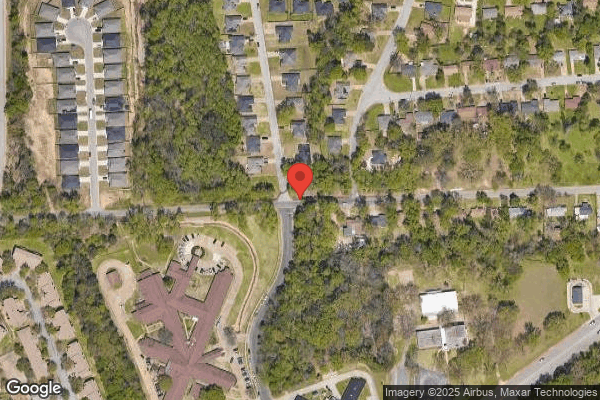
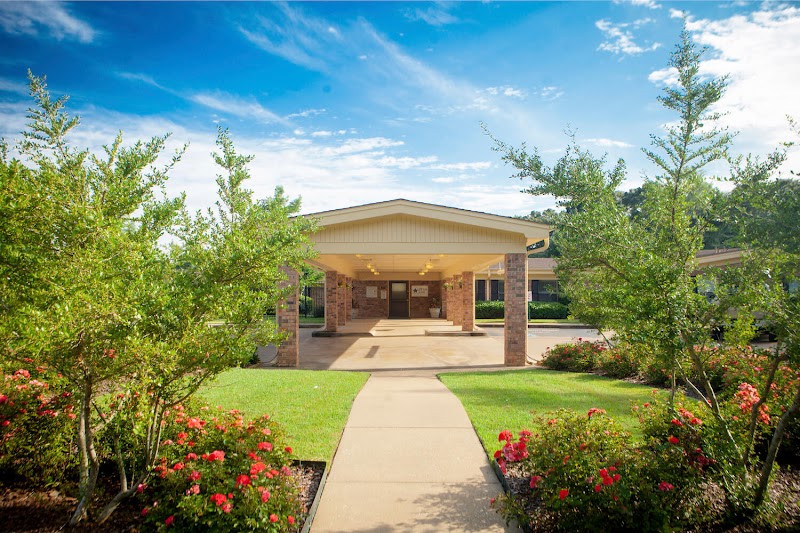
3403 S VINE AVE, TYLER, TX 75701 (903) 581-5714
For profit - Corporation 230 Beds Independent Data: November 2025 3 Immediate Jeopardy citations
Trust Grade
0/100
#648 of 1168 in TX
Last Inspection: May 2025

Inspected within the last 6 months. Data reflects current conditions.

Overview

Briarcliff Health Center has received a Trust Grade of F, indicating significant concerns about the facility's overall care and safety. Ranking #648 out of 1168 in Texas places it in the bottom half of nursing homes in the state, while its county rank of #12 out of 17 suggests that there are only a few local options that perform better. The facility is improving, with a notable decrease in issues from 11 in 2024 to just 1 in 2025, but it still reported 14 deficiencies, including critical failures to provide necessary CPR and prevent abuse and neglect for residents. Staffing is rated at 4 out of 5 stars, with a turnover rate of 43%, which is below the Texas average, indicating that staff generally stay longer and may have better familiarity with residents. However, the facility has incurred $51,034 in fines, which is concerning and reflects ongoing compliance issues. Specific incidents included a resident being transferred against her will, causing pain, and failures in emergency care that could have endangered lives. Overall, while there are strengths in staffing and a positive trend in improvement, the serious deficiencies and low trust grade raise significant red flags for families considering this facility for their loved ones.

Trust Score
F
0/100
In Texas
#648/1168
Bottom 45%
Safety Record
High Risk
Review needed
Inspections
Getting Better
11 → 1 violations
Staff Stability
○ Average
43% turnover. Near Texas's 48% average. Typical for the industry.
Penalties
✓ Good
$51,034 in fines. Lower than most Texas facilities. Relatively clean record.
Skilled Nurses
○ Average
Each resident gets 33 minutes of Registered Nurse (RN) attention daily — about average for Texas. RNs are the most trained staff who monitor for health changes.
Violations
⚠ Watch
14 deficiencies on record. Higher than average. Multiple issues found across inspections.
★★☆☆☆
2.0
Overall Rating
★★★★☆
4.0
Staff Levels
★☆☆☆☆
1.0
Care Quality
★★★☆☆
3.0
Inspection Score
Stable
2024: 11 issues
2025: 1 issues

The Good

  • 4-Star Staffing Rating · Above-average nurse staffing levels
  • Full Sprinkler Coverage · Fire safety systems throughout facility
  • No fines on record
  • Staff turnover below average (43%)

    5 points below Texas average of 48%

Facility shows strength in staffing levels, fire safety.

The Bad

2-Star Overall Rating

Below Texas average (2.8)

Below average - review inspection findings carefully

Staff Turnover: 43%

Near Texas avg (46%)

Typical for the industry

Federal Fines: $51,034

Above median ($33,413)

Moderate penalties - review what triggered them

The Ugly 14 deficiencies on record

3 life-threatening 2 actual harm
May 2025 1 deficiency
CONCERN (D)

Potential for Harm - no one hurt, but risky conditions existed

Report Alleged Abuse (Tag F0609)

Could have caused harm · This affected 1 resident

**NOTE- TERMS IN BRACKETS HAVE BEEN EDITED TO PROTECT CONFIDENTIALITY** Based on observation, interview, and record review, the facility failed to ensure that all alleged violations involving abuse, n...

Read full inspector narrative →
**NOTE- TERMS IN BRACKETS HAVE BEEN EDITED TO PROTECT CONFIDENTIALITY** Based on observation, interview, and record review, the facility failed to ensure that all alleged violations involving abuse, neglect , exploitation or mistreatment, including injuries of unknown source and misappropriation of resident property, are reported immediately, but not later than 2 hours after the allegation is made, if the events that caused the allegation involve serious bodily injury, to the administrator of the facility and to other officials, which included the State Survey Agency, in accordance with State Law through established procedures to report to state agency for 1 of 7 Residents (Resident #66 ) reviewed for abuse and neglect. The facility failed to report the results of an unwitnessed incident to the State Survey Agency. Resident #66 was found in another resident's room lying in the bed, staff member reported blood on the resident left hand, side of bed and under bedframe. Staff nurse conducted assessment, lacerations noted between the 3rd and 4th finger on left hand, pressure dressing applied to stop bleeding, and EMS called. Resident#66 was sent to the hospital where she received 7 sutures. This failure could place residents at risk for abuse, neglect, and serious bodily injury by not reporting incidents as required. Findings included: Record review of Resident #66 face sheet, dated 5/21/2025, revealed an [AGE] year-old female who was admitted to the facility 06/17/2024, with diagnoses which included dementia, bipolar disorder, psychotic disturbance, anxiety, depressive disorder, pulmonary edema, acute respiratory disease, gastro esophageal reflux disease, hypertension, lack of coordination, and osteoporosis. Record review of Resident # 66 quarterly MDS dated [DATE] revealed Brief Interview for Mental Status (BIMS), a score of 3 indicated severely impaired (never/rarely made decisions). Wandering presence, behavior of this type occurred 1 to 3 days. Resident #66 was located on a secured unit. Resident # 66 was dependent; a helper completed all the activities for the resident. Record review of Resident #66 care plans dated 05/13/2025 indicated Resident #66 had 7 stitches between her 2nd & 3rd finger on her left hand. Approach to treat area as ordered by MD. Measure and record description of area. Goal, the resident's laceration will heal without complication. Record review of Resident #66 accident /incident report dated 5/11/2025 at 3:15 PM, indicated while making rounds staff CNA found Resident #66 lying in another resident's room bed. She had noted blood to the resident left hand and on side of bed frame, immediately reported to staff nurse. Staff nurse conducted assessment, lacerations noted between the 3rd and 4th finger on left hand, pressure dressing applied to stop bleeding, and EMS called. Resident#66 was sent to the hospital where she received 7 sutures. This incident was unwitnessed. Weekend Staff nurse reported the incident to the Physician, ADON, and the resident's family member. Record review of Resident #66 nurses progress notes dated 05/11/2025 at 3:49 PM revealed staff found Resident #66 in another resident's room bed. Blood was noted on resident's left hand, resident assessed to find where blood was coming from. Staff nurse found deep laceration on left hand between 3rd and 4th fingers. The resident said, she did not know what happen. Staff nurse cleansed laceration, pressure applied to stop bleeding, no other injury noted. EMS called, transported the resident to ER for treatment of laceration. Documented all parties notified. Record review of Emergency Department (ED) hospital records dated 5/11/2025 revealed Resident presented to ED via EMS evaluation of left-hand laceration. The resident was unclear how she sustained laceration. ED comments: left hand in web space between middle and ring finger, the resident had a 2 cm laceration at the base of the middle finger. ED course of action dated 05/11/2025 at 4:10 Consent obtained for emergent situation, simple repair, number of sutures placed was seven. Record review of Resident #66 nurses progress notes dated 05/11/2025 at 7:17 PM revealed, staff nurse called Resident #66 PR, and indicated Resident #66 had returned to the facility after a laceration repair and had seven stitches between her 2nd & 3rd finger on her left hand. During an observation and interview on 05/19/2025 at 10:30 AM, Resident #66 was in secured unit common area in a wheelchair, noted left hand with 7 sutures, no dressing on left hand, the resident said her hand was sore, but it was better now. Resident #66 could not state how she had cut her hand and sustained the laceration. During an interview on 05/21/2025 at 10:30 AM, ADON said, she was notified by LVN D of the incident on 5/11/2025, indicated that Resident #66 was sent to the hospital to be further treated for laceration. ADON said, she reported the incident to DON immediately, and reviewed the Garden Unit camera's video located in the hallways on the secure units on her cell phone from home. She said, she reviewed the video to track the time of entry and that no one entered the room before or after the resident. She said, the only other entry into the room was when a staff aide found resident in room [ROOM NUMBER], alone. Indicated on 5/12/2025 after further investigation, it was concluded the resident had fallen and gotten herself back up by pulling on the bed frame of the bed which caused the laceration to the hand. She said, the Maintenance department was notified and bed frame was padded. The ADON said she had not witnessed any abuse or neglect and if so, would report it to the DON, and the ADM who was the Abuse Coordinator. During an interview on 05/21/2025 at 10:45 AM, DON said, he was notified by the ADON of the incident that occurred on 05/11/2025. He said, he reviewed the Garden Unit camera's video located in the hallways on the secure units, and notified the ADM who was the Abuse Coordinator. DON said, after further investigation and reviewing the video, on the audio he heard a thump and concluded the resident fell and acquired the lacerations by pulling herself up by the bed frame, which explained the blood on the bed, under bed frames. The DON said he felt this incident was not abuse or neglect, and did not need to be reported to the State Agency. But concluded he had reported the incident to the ADM., and left the decision to the ADM to report the incident to the State Agency. During an interview on 05/21/2025 at 10:55 AM, ADM said, the 05/11/2025 incident was reported to her by the DON, and said, she had reviewed the Garden Unit camera's video located in the hallways. ADM said, after further investigation and reviewing the video, on the audio she said, she heard a thump and concluded the resident fell and acquired the lacerations by pulling herself up by the bed frame, which explained the blood on the under-bed frames. The ADM said, she felt this incident was not abuse or neglect, and did not meet the State Agency guidelines in reporting this incident. Record review of the facility's Abuse, Neglect, Exploitation and Reporting Requirements policy revised on 09/08/22 indicated, .If a covered individual reasonably suspects that a crime has occurred against a resident or person receiving care in the health Center, the individual must report the suspicion to the Abuse and/or Neglect Coordinating and follow the Federal/State regulations. If the suspected crime involves serious bodily injury, the incident must be reported within 2 hours .or defined by state regulations . Record review of the facility's Prevention and Reporting: Suspected resident/Patient Abuse, neglect, and or Misappropriation of Property dated 12/2018 indicated, means an injury involving extreme physical pain; . requiring medical intervention such as surgery, hospitalization, Section A 1.1.4: the source of the injury was not observed by any person, or the source of the injury could not be explained by the resident.
Aug 2024 1 deficiency
CONCERN (E) 📢 Someone Reported This

A family member, employee, or ombudsman was alarmed enough to file a formal complaint

Potential for Harm - no one hurt, but risky conditions existed

ADL Care (Tag F0677)

Could have caused harm · This affected multiple residents

**NOTE- TERMS IN BRACKETS HAVE BEEN EDITED TO PROTECT CONFIDENTIALITY** Based on interview and record review, the facility failed to ensure a resident who was unable to carry out activities of daily l...

Read full inspector narrative →
**NOTE- TERMS IN BRACKETS HAVE BEEN EDITED TO PROTECT CONFIDENTIALITY** Based on interview and record review, the facility failed to ensure a resident who was unable to carry out activities of daily living received the necessary services to maintain grooming and personal hygiene were provided for 4 of 6 (Resident #1, Resident #2, Resident #3, and Resident #4) residents reviewed for ADLs. The facility did not provide scheduled showers for Resident #1, Resident #2, Resident #3, and Resident #4 These failures could place residents at risk of not receiving services/care and decreased quality of life. Findings included: 1. Record review of the face sheet dated 8/13/24 indicated Resident #1 was an [AGE] year-old female, admitted to the facility on [DATE] with diagnoses including Alzheimer's disease (a progressive disease that destroys memory and other important mental functions), dementia, anxiety, and depressive disorder. Record review of the MDS dated [DATE] indicated Resident #1 was understood by others and usually understood others. The MDS indicated Resident #1 had a BIMS of 03 indicating she was severely cognitively impaired. The MDS indicated Resident #1 did not reject care. The MDS indicated Resident #1 required supervision or touching assistance with showers/bathing. Record review of the care plan last revised 6/11/24 indicated Resident #1 required full time nursing care and will be admitted for long term placement. Record review of an undated shower schedule indicated Resident #1 was scheduled for showers on Mondays, Wednesdays, and Fridays on the 6:00 a.m. to 2:00 p.m. shift. Record review of the July 2024 calendar indicated Mondays, Wednesdays, and Fridays for this month were on the following dates: 7/1/24, 7/3/24, 7/5/24, 7/8/24, 7/10/24, 7/12/24, 7/15/24, 7/17/24, 7/19/24, 7/22/24, 7/24/24, 7/26/24, 7/29/24, and 7/31/24. Record review of the facility's shower sheets for July 2024 indicated there were not any shower sheets for Resident #1. Record review of the August 2024 calendar through August 13, 2024, indicated the Mondays, Wednesdays, and Fridays for this month were on the following dates: 8/2/24, 8/5/24, 8/7/24, 8/9/24, and 8/12/24. Record review of the facility's shower sheets for August 2024 indicated Resident #1 received a shower on 8/12/24. Record review of the ADL Category Report dated 7/7/24 through 8/12/24 indicated Resident #1 had not received any showers/bathing. 2. Record review of face sheet dated 8/13/24 indicated Resident #2 was a [AGE] year-old male, re-admitted to the facility on [DATE] with diagnoses including Alzheimer's disease, dementia, psychotic disorder with delusions (a disorder having false or fixed belief involving a real-life situation that could be true but is not), and muscle wasting and atrophy (the gradual loss of muscle tissue, size, and strength). Record review of the MDS dated [DATE] indicated Resident #2 was rarely/never understood by others and rarely/never understood others. The MDS indicated Resident #2 did not have a BIMS score. The MDS indicated Resident #2 rejected care 4-6 days out of 7 but not daily. The MDS indicated Resident #2 required substantial/maximum assist with showers/bathing. Record review of the comprehensive care plan last revised 8/6/24 indicated Resident #2 had an ADL self-care deficit and required assistance with A) Oral care B) Dressing C) Transfers D) Bathing E) Grooming F) Eating related to weakness, decreased mobility, and altered mentation with interventions including assist with bathing, dressing, and grooming daily and as needed. Record review of an undated shower scheduled indicated Resident #2 was scheduled for showers on Mondays, Wednesdays, and Fridays on the 2:00 p.m. to 10:00 p.m. shift. Record review of the July 2024 calendar indicated the Mondays, Wednesdays, and Fridays for this month were on the following dates: 7/1/24, 7/3/24, 7/5/24, 7/8/24, 7/10/24, 7/12/24, 7/15/24, 7/17/24, 7/19/24, 7/22/24, 7/24/24, 7/26/24, 7/29/24, and 7/31/24. Record review of the facility's shower sheets for July 2024 indicated Resident #2 received a shower on 7/23/24. Record review of the August 2024 calendar through August 13, 2024, indicated the Mondays, Wednesdays, and Fridays for this month were on the following dates: 8/2/24, 8/5/24, 8/7/24, 8/9/24, and 8/12/24. Record review of the facility's shower sheets for August 2024 indicated Resident #2 received showers on 8/7/24 and 8/12/24. Record review of the ADL Category Report dated 7/7/24 through 8/12/24 indicated Resident #2 received a shower/bath on 7/26/24 7/29/24, 7/31/24, 8/1/24, and 8/12/24. 3. Record review of the face sheet dated 8/13/24 indicated Resident #3 was a [AGE] year-old female admitted to the facility on [DATE] with diagnoses including Alzheimer's disease, depression, and restless leg syndrome (a condition characterized by a nearly irresistible urge to move the legs, typically in the evenings). Record review of the MDS dated [DATE] indicated Resident #3 usually understood others. The MDS indicated Resident #3 had a BIMS of 06 indicating she was severely cognitively impaired. The MDS indicated Resident #3 rejected care 1-3 days out of 7. The MDS did not indicate Resident #3's functional status with showers/bathing. Record review of the comprehensive care plan last revised 5/30/24 indicated Resident #3 had an ADL self-care deficit. Resident required assist with transfers, oral care, dressing, eating, grooming, and bathing related to decreased mobility, weakness, and altered mentation with interventions including assist resident with bathing as needed. Record review of an undated shower schedule indicated Resident #3 was scheduled for showers on Tuesdays, Thursdays, and Saturdays on the 2:00 p.m. to 10:00 p.m. shift. Record review of the July 2024 calendar indicated Tuesdays, Thursdays, and Saturdays were on the following dates: 7/2/24, 7/4/24, 7/6/24, 7/9/24, 7/11/24, 7/13/24, 7/16/24, 7/18/24, 7/20/24, 7/23/24, 7/25/24, 7/27/24, and 7/30/24. Record review of the facility's shower sheets for July 2024 indicated Resident #3 received a shower/bath on 7/4/24 and 7/8/24. Record review of the August 2024 calendar through August 13, 2024, indicated Tuesdays, Thursdays, and Saturdays were on the following dates: 8/1/24, 8/3/24, 8/6/24, 8/8/24, 8/10/24, and 8/13/24. Record review of the facility's shower sheets for August 2024 indicated Resident #3 received showers on 8/10/24 and 8/12/24. Record review of the ADL Category Report dated 7/7/24 through 8/12/24 indicated Resident #3 did not receive a shower/bath. 4. Record review of the face sheet dated 8/13/24 indicated Resident #4 was a [AGE] year-old male, re-admitted to the facility on [DATE] with diagnoses including Alzheimer's disease, dementia, depression, and anxiety. Record review of the MDS dated [DATE] indicated Resident #4 was usually understood by others and usually understood others. The MDS indicated Resident #4 had a BIMS of 01 indicating he was severely cognitively impaired. The MDS indicated Resident #4 rejected care 1-3 days out of 7. The MDS indicated Resident #4 required substantial/maximum assist with showers/bathing. Record review of the comprehensive care plan last revised 8/9/24 indicated Resident #4 had an ADL self-care deficit. Resident requires assist with transfers, oral care, dressing, eating, grooming, and bathing related to decreased mobility, weakness, and altered mentation with interventions including assist resident with bathing as needed. Record review of an undated shower scheduled indicated Resident #4 was scheduled for showers on Tuesdays, Thursdays, and Saturdays on the 2:00 p.m. to 10:00 p.m. shift. Record review of the July 2024 calendar indicated Tuesdays, Thursdays, and Saturdays were on the following dates: 7/2/24, 7/4/24, 7/6/24, 7/9/24, 7/11/24, 7/13/24, 7/16/24, 7/18/24, 7/20/24, 7/23/24, 7/25/24, 7/27/24, and 7/30/24. Record review of the facility's shower sheets for July 2024 indicated there was not any shower sheets for Resident #4. Record review of the August 2024 calendar through August 13, 2024, indicated Tuesdays, Thursdays, and Saturdays were on the following dates: 8/1/24, 8/3/24, 8/6/24, 8/8/24, 8/10/24, and 8/13/24. Record review of the facility's shower sheets for August 2024 indicated Resident #4 received showers on 8/3/24 and 8/11/24. Record review of the ADL Category Report dated 7/7/24 through 8/12/24 indicated Resident #4 received a shower on 8/12/24. During an interview on 8/13/24 at 1:17 p.m. CNA B said residents received their showers on a schedule and was either scheduled on the 6:00 a.m.-2:00 p.m. shift or the 2:00 p.m.-10:00 p.m. shift and Monday, Wednesday, and Friday or Tuesday, Thursday, and Saturday. CNA B said if a resident refused their shower they should be reapproached again later, and the charge nurse should be notified. CNA B said showers were not documented in the computer system, they were documented on shower sheets. CNA B said all shower sheets were turned into the nurses. CNA B said the importance of residents receiving their scheduled showers was to prevent skin breakdown and hygiene. During an interview on 8/13/24 at 1:20 p.m. CNA C said she usually worked the 6:00 a.m.-2:00 p.m. shift in the women's secured unit. CNA C said residents received their showers 3 times a week as scheduled and as needed. CNA C said Resident #3 sometimes refused showers if she was worked up. CNA C said Resident #1 did not refuse showers often and was easily re-directed. If Resident #1 was too worked up, she would refuse a shower and would get a bed bath instead. CNA C said if a resident refused a shower the charge nurse should be notified, and the resident should be reapproached later. CNA C said the importance of the residents receiving their scheduled showers was hygiene. During an interview on 8/13/24 at 1:25 p.m. LVN A said she was a charge nurse in the memory care unit. LVN A said residents received their showers 3 times a week on schedule. LVN A said Resident #1 rarely refused showers and was easily re-directed if she refused. LVN A said Resident #3 rarely refused showers. LVN A said if a resident refused their shower staff should try again at a later time. LVN A said the importance of residents receiving their scheduled showers was their hygiene and health. LVN A said showers were documented on shower sheets and in the computer. LVN A said if showers were not documented it could not be proved they were completed. During an interview on 8/13/24 at 2:00 p.m. the DON said he expected showers to be given as scheduled and as needed. The DON said the facility did have some difficult residents who sometimes required family intervention to get them to shower. The DON said if a resident was being combative towards staff, he did not for both the resident and staff's safety expect staff to pursue a shower at that time. The DON said if a resident was combative or refused a shower, he expected staff to reapproach the resident later or get another staff member to reapproach the resident. The DON said showers were documented on shower sheets and turned in to the unit managers. The DON said he retrieved the shower sheets daily prior to morning meeting. The DON said if a shower was not documented that it had been completed it could not be proven the resident received their shower. The DON said the importance of resident receiving their scheduled showers was infection control, skin integrity, and quality of life. During an interview on 8/13/24 at 2:29 p.m. the Regional Nurse Consultant said the facility did not have a policy regarding ADLs specifically. Record review of the facility's Bathing-Shower Procedure dated March 2019 indicated, [The] purpose [was] to provide personal hygiene [and] to stimulate circulation .Record bath as applicable. Record review of the facility's Bathing-Tub Procedure dated March 2019 indicated, [The] purpose [was] to provide personal hygiene, to stimulate circulation, [and] to reduce tension for the resident/patient .document bath on the bath record. Record review of the facility's Bed Bath-Complete Procedure dated March 2019 indicated, [The] purpose [was] to provide personal hygiene, to stimulate circulation, [and] to promote muscular relaxation and relieve fatigue .Report to Nurse any pertinent observations of resident/patient during bathing including condition of skin. Record review of the facility's Bed Bath-Partial Procedure dated March 2019 indicated, [The] purpose [was] to provide personal hygiene, to stimulate circulation, [and] to promote muscular relaxation and relieve fatigue .Report to Nurse any pertinent observations of resident/patient during bathing including condition of skin.
May 2024 1 deficiency
CONCERN (E) 📢 Someone Reported This

A family member, employee, or ombudsman was alarmed enough to file a formal complaint

Potential for Harm - no one hurt, but risky conditions existed

Deficiency F0849 (Tag F0849)

Could have caused harm · This affected multiple residents

**NOTE- TERMS IN BRACKETS HAVE BEEN EDITED TO PROTECT CONFIDENTIALITY** Based on interview and record review, the facility failed to collaborate with hospice representatives and coordinate the hospice...

Read full inspector narrative →
**NOTE- TERMS IN BRACKETS HAVE BEEN EDITED TO PROTECT CONFIDENTIALITY** Based on interview and record review, the facility failed to collaborate with hospice representatives and coordinate the hospice care planning process for each resident receiving hospice services, to ensure quality of care for the resident, ensuring communication with the hospice medical director, the resident's attending physician, and others participating in the provision of care for 3 of 4 residents (Residents #1, Resident #2, and Resident #3) reviewed for hospice services. The facility did not ensure Resident #1, #2 and #3's hospice skilled nurse progress notes were a part of the resident records in the facility. This failure could place residents who receive hospice services at-risk of receiving inadequate end-of-life care due to a lack of documentation, coordination of care and communication of resident needs. Findings included: 1. Record review of the face sheet dated 5/30/24 indicated Resident #1 was a [AGE] year-old female admitted to the facility on [DATE] with diagnoses including Alzheimer's disease, pain, dementia, and anxiety disorder. Record review of the care plan last revised on 3/31/24 indicated Resident #1 was receiving hospice services. Record review of the Hospice Interdisciplinary Group (IDG) Comprehensive Assessment Plan of Care Report dated 5/7/24 indicated Resident #1's most recent IDG meeting was on 4/26/24, The Hospice IDG Comprehensive Assessment Plan of Care Report indicated Resident #1 would have a skilled nurse visit once a week for 8 weeks. Record review of Resident #1's hospice binder on 5/30/24 indicated there was only one skilled nurse note for Resident #1 dated 4/29/24. Record review of the facility's contract with Resident #1's hospice provider dated 11/11/21 indicated, .Hospice staff visit will be scheduled based on the need of the hospice patient according to the agreed upon plan of care .Information/Documentation provided to facility on admission of hospice patient for non-inpatient hospice services and ongoing .f. copies of clinical notes after each visit . 2. Record review of the face sheet dated 5/30/24 indicated Resident #2 was an [AGE] year-old female admitted to the facility on [DATE] with diagnoses including COPD, chronic respiratory failure, dementia, abnormal weight loss, and stroke. Record review of the MDS dated [DATE] indicated Resident #2 was usually understood by others and usually understood others. The MDS indicated Resident #2 was severely cognitively impaired with a BIMS of 04. The MDS indicated Resident #2 had a condition or chronic disease that may have resulted in a life expectancy of less than 6 months. Record review of the care plan last revised 5/29/24 indicated Resident #2 was receiving palliative/hospice services related to end stage disease process starting 4/7/24. Record review of the Hospice Certification and Plan of Care dated 3/8/24 indicated Resident #2 had a certification period of 3/8/24 to 6/5/24. The Hospice Certification and Plan of Care indicated Resident #2 would have skilled nurse visits twice a week for 2 weeks, once a week for 12 weeks, and 3 as needed feeling. Record review of Resident #2's hospice binder on 5/30/24 indicated there was only one skilled nurse note for Resident #2 dated 3/8/24. Record review of the facility's contract with Resident #2's hospice provider dated 3/9/23 indicated, .Hospice staff visits will be scheduled based on patient/family need and according to the agreed upon plan of care .Information/Documentation provided to the facility on admission and on-going .6. Copies of clinical notes after each visit . 3. Record review of the face sheet dated 5/30/24 indicated Resident #3 was an [AGE] year-old female re- admitted to the facility on [DATE] and discharged from the facility on 4/18/24 with diagnoses including dementia, senile degeneration of the brain (mental decline associated with aging), abnormal weight loss, and diabetes. Record review of the physician orders dated 4/30/24 through 5/30/24 indicated Resident #3 had an order to admit to hospice services. Record review of the MDS dated [DATE] indicated Resident #3 was sometimes understood by others and sometimes understood others, The MDS indicated Resident #3 was severely cognitively impaired with a BIMS of 02. The MDS indicated Resident #3 had a condition or chronic disease that mas have resulted in a life expectancy of less than 6 months. Record review of the care plan last revised 4/7/24 indicated Resident #3 was receiving palliative care/hospice services related to end stage disease process starting 4/7/24. Record review of Resident #3's Hospice Team Care Plan dated 4/17/24 indicated Resident #3 was admitted to hospice services on 3/13/24. The Hospice Team Care Plan indicated Resident #3 would have skilled nurse visits once a week for 12 weeks starting on 3/13/24 and ending on 4/8/24. The Hospice Team Care Plan indicated Resident #3 would have skilled nurse visits once a week for 12 weeks starting 4/7/24. Record review of Resident #3's hospice binder on 5/30/24 indicated there were only 2 skilled nurse notes dated 4/8/24 and 4/15/24. Record review of the facility's contract with Resident #3's hospice provider dated 1/20/14 indicated, .Hospice, together with the facility staff, shall document all communications with provider representatives or staff in writing in the patient's record. Hospice staff shall promptly document all information related to visits, orders, revisions to orders, patient status, changes in status or condition, responses to medications or therapies, patients and family needs or requests in the patient's clinical chart . During an interview on 5/30/24 at 12:09 p.m. LVN A said a resident receiving hospice services should have a hospice binder from the hospice provider that included the resident's diagnoses, medication orders, and code status. LVN A said to find out when the last hospice nurse visit was or information regarding the last hospice nurse visit staff were required to call the hospice provider. LVN A said there was not a way for facility staff to view a hospice nurse's notes. During an interview on 5/30/24 at 12:28 p.m. the DON said he did not look at the hospice binders regularly. The DON said the only time he looked at the hospice binders was to find out when the last time the hospice provider was at the facility to see a particular resident. The DON said he could determine the last time a hospice provider was at the facility to see a resident by looking in the hospice binder for the sign in sheet or nursing note. The DON said when a hospice nurse made a visit to a resident on the nurse's next visit to the facility, they would insert the previous visit's nursing note into the resident's hospice binder. The DON said it was the SW's responsibility to ensure the hospice binders contained the residents' code status and orders. The DON said the hospice provider was responsible for ensuring they had all the appropriate or required paperwork in the hospice binders. The DON said he did not check to ensure the hospice nurse's notes were in the residents' hospice binders. The DON said he knew the hospice nurses were making visits to the residents as he had seen them in the facility and had seen the facility's nurses speaking with the hospice nurses regarding the residents they had seen. During an interview on 5/30/24 at 12:38 p.m. the Administrator said she was not normally involved in clinical stuff. The Administrator said she expected the hospice binders to include information from hospice visits to a resident, the services the hospice provider was providing to each resident, and the residents' orders. The Administrator said the importance of ensuring all the appropriate and required hospice information was in each resident's binder was for continuity of care. Record review of the facility's Hospice Care policy dated 12/2008 indicated, The facility participates in hospice care as an approach to caring for terminally ill residents/patients that require palliative care such as relief of pain and uncomfortable symptoms, as opposed to providing curative care. All covered hospice services will be available as necessary to meet the needs of the resident/patient prior to the resident/patient's admission .
Apr 2024 2 deficiencies
CONCERN (D)

Potential for Harm - no one hurt, but risky conditions existed

PASARR Coordination (Tag F0644)

Could have caused harm · This affected 1 resident

**NOTE- TERMS IN BRACKETS HAVE BEEN EDITED TO PROTECT CONFIDENTIALITY** Based on interview and record review, the facility failed to ensure individuals with mental health disorders were provided an ac...

Read full inspector narrative →
**NOTE- TERMS IN BRACKETS HAVE BEEN EDITED TO PROTECT CONFIDENTIALITY** Based on interview and record review, the facility failed to ensure individuals with mental health disorders were provided an accurate Preadmission Screening and Resident Review (PASRR) Screening for 2 of 12 residents reviewed for PASRR (Residents #17 and #92). The facility failed to ensure Residents #17 and Resident #92 had accurate PASRR Level 1 Screenings indicating diagnoses of mental illness and refer the residents to the state designated authority. This failure could place residents at risk of not receiving needed assessments (PASRR Evaluation), individualized care, and specialized services to meet their needs. Findings included: Resident #17 Record review of a face sheet dated 04/10/2024 indicated Resident #17 was an [AGE] year-old female who admitted to the facility on [DATE] with diagnoses which included dementia, mood disorder with depressive features (persistent feeling of sadness and loss of interest also called clinical depression), depression (a mental disorder involving a depressed mood or loss of pleasure or interest in activities for long periods of time), and major depressive disorder ( a persistently low or depressed mood). Record review of Section I of the Comprehensive (admission) MDS assessment, dated 09/27/2021, indicated Resident #17 had a diagnosis of depression. Section N of the same MDS assessment indicated Resident #17 had received antidepressant medication to treat depression for 7 of 7 days of the assessment period. Record review of a physician's order dated 09/21/2021 indicated Resident #17 was to receive Remeron, an antidepressant medication for the treatment of major depressive disorder upon admission to the facility. Record review of Resident #17's PASRR Level 1 Screening completed on 09/20/2021 indicated in section C0100 there was no evidence of this individual having mental illness. Resident #92 Record review of a face sheet dated 04/10/2024 indicated Resident #92 was a [AGE] year-old female who admitted to the facility on [DATE] with diagnoses which included psychotic disorder with delusions (a disorder in which the affected person has a distorted sense of reality and cannot distinguish the real from the unreal) and bipolar disorder (a disorder associated with episodes of mood swings ranging from depressive lows to manic highs). Record review of Section I of the Comprehensive (admission) MDS assessment, dated 06/22/2023, indicated Resident #92 had a diagnosis of bipolar disorder. Section N of the same MDS assessment indicated Resident #92 had received antipsychotic medication for 7 of 7 days of the assessment period. Record review of a physician's order dated 06/15/2023 indicated Resident #92 was receiving the medication, Remeron, for treatment of bipolar disorder. Record review of Resident #92's PASRR Level 1 Screening completed on 06/14/2023 indicated in section C0100 there was no evidence of this individual having mental illness. During an interview on 04/10/2024 with MDS Nurse B, she said the MDS department was responsible for PASRR functions. She said the Skilled MDS Nurse was assigned the task of reviewing the Level 1 PASRRs to ensure accuracy and appropriate follow-up actions. She said the person who would have reviewed Resident #17's PASRR Level 1 was no longer working at the facility. MDS Nurse B said the LA should have been notified of Resident #17's and Resident #92's inaccurate PASRR Level 1 screenings. She said a Form 1012 should have been completed for Resident #17 since Resident #17 had a primary diagnosis of dementia. MDS Nurse B said it was important for the PASRR Level 1 Screening to be accurate because the facility needed to make sure the residents were getting the correct resources.
CONCERN (E)

Potential for Harm - no one hurt, but risky conditions existed

Food Safety (Tag F0812)

Could have caused harm · This affected multiple residents

Based on observation, interview and record review, the facility failed to prepare, distribute, and serve food in accordance with professional standards for food service safety for 1 of 2 beverage serv...

Read full inspector narrative →
Based on observation, interview and record review, the facility failed to prepare, distribute, and serve food in accordance with professional standards for food service safety for 1 of 2 beverage service areas. (ABC halls common dining area). The facility failed to ensure the large ice machine outside of the main kitchen, the ice dispenser, and the coffee and iced tea dispensers in the ABC halls common dining area were clean. These failures could place residents who consumed ice, coffee and tea from these machines, at risk of being served in unsanitary conditions and for food borne illness. Findings included: During an observation of the ABC halls common dining area, on 04/08/2024 at 12:37 PM, revealed the ice machine in the common dining area was dirty with black, slimy scum, and rust build up on the entire grate of the drain of the ice dispenser machine. During an observation of the ABC halls common dining area, on 04/09/2024 at 5:30 PM, revealed the ice machine in the common dining was dirty with black, slimy scum, and rust build up on the entire grate of the drain of the ice dispenser machine. During an observation of the ABC halls common dining area, on 04/10/2024 at 9:00 AM, the ice machine in the common dining was dirty with black, slimy scum, and rust build up on the entire grate of the drain of the ice dispenser machine, the coffee and tea dispensers were dirty with slimy build up and the filter basket had rusted, and the rusted water ran into the tea. During an interview with the DM on 04/10/2024 at 09:00 AM, she said dietary was responsible for keeping the ice, coffee, and tea dispenser machines clean. She said she was responsible for cleaning the ice machine outside of the kitchen. She said, I guess we didn't clean the coffee and tea dispensers. During an interview with the Morning [NAME] A on 04/10/2024 at 09:15 AM., he said dietary was responsible for keeping the ice, coffee, and tea dispenser machines clean. He said he usually would come out after each meal and clean the three dispensers, but he had been off and could not account for what someone else does. Record Review of the Dietary Cleaning Log, there was not a cleaning schedule for the tea dispenser. During an interview with the DM on 04/10/2024 at 11:10 AM, she, the new company has changed the cleaning schedule form and the beverage bar was left off, but she said she would make sure it gets added on. Record review of an undated policy, Sanitation . #12 Ice Machine and ice storage containers will be drained, cleaned and sanitized per manufacturer's instructions. The dietary department will clean ice machines weekly or/and as needed. #14 Coffee area cleaned daily. Review of the FDA Food Code 2022: 4-6 Cleaning of Equipment, (A) EQUIPMENT FOOD-CONTACT SURFACES and UTENSILS shall be clean to sight and touch. Pf (B) The FOOD-CONTACT SURFACES of cooking EQUIPMENT and pans shall be kept free of encrusted grease deposits and other soil accumulations. (C) Nonfood-CONTACT SURFACES of EQUIPMENT shall be kept free of an accumulation of dust, dirt, FOOD residue, and other debris. (E) Except when dry cleaning methods are used as specified under § 4-603.11, surfaces of UTENSILS and EQUIPMENT contacting FOOD that is not TIME/TEMPERATURE CONTROL FOR SAFETY FOOD shall be cleaned: (4) In EQUIPMENT such as ice bins and BEVERAGE dispensing nozzles and enclosed components of EQUIPMENT such as ice makers, cooking oil storage tanks and distribution lines, BEVERAGE and syrup dispensing lines or tubes, coffee bean grinders, and water vending EQUIPMENT: (a) At a frequency specified by the manufacturer, or(b) Absent manufacturer specifications, at a frequency necessary to preclude accumulation of soil or mold.
Apr 2024 4 deficiencies 1 IJ
CRITICAL (J) 📢 Someone Reported This

A family member, employee, or ombudsman was alarmed enough to file a formal complaint

Immediate Jeopardy (IJ) - the most serious Medicare violation

Free from Abuse/Neglect (Tag F0600)

Someone could have died · This affected 1 resident

**NOTE- TERMS IN BRACKETS HAVE BEEN EDITED TO PROTECT CONFIDENTIALITY** Based on interview and record review, the facility failed to ensure a resident had the right to be free of abuse for 1 of 8 resi...

Read full inspector narrative →
**NOTE- TERMS IN BRACKETS HAVE BEEN EDITED TO PROTECT CONFIDENTIALITY** Based on interview and record review, the facility failed to ensure a resident had the right to be free of abuse for 1 of 8 residents reviewed for abuse. ( Resident #1) Resident #1 was intimidated, suffered pain and mental anguish, and forced to allow care against her will by CNA A on 3/11/24. CNA A refused to take no for an answer when Resident #1 told her she did not want to be transferred. CNA A pushed back at Resident #1's flailing hands and reached under her arms and transferred her against her will from her wheelchair to her bed. Resident #1 complained of back pain when she was transferred by CNA A. CNA A was hollering at Resident #1 and told her she was afraid for nothing. CNA A was close to Resident #1's face talking loudly in an intimidating manner. CNA A reached between Resident #1's legs to check if she was wet and the resident was begging her not to, but CNA A continued. The noncompliance was identified as past non-compliance (PNC). The IJ began on 3/11/24 and ended on 3/21/24. The facility had corrected the noncompliance before the survey began. The negative findings placed residents at risk of abuse, mental anguish, and pain. Findings included: Record review of Resident #1's face sheet with no date indicated she was a [AGE] year-old female admitted to the facility on [DATE]. Some of her diagnose were heart failure, anxiety disorder, high blood pressure, and left lower quadrant pain. Record review of Resident #1's MDS assessment dated [DATE] indicated she had severe cognitive impairment. She required substantial/maximal assistance with bed to chair transfer and toilet transfer. During an interview on 4/5/24 at 11:45 a.m. the MDS nurse said Resident #1's MDS indicated the resident required two people for transfer. Record review of Resident #1's Care Plan dated 2/22/24 indicated a Problem of the resident required assistance with transfers due to decreased mobility, weakness and altered mentation. She used a wheelchair for ambulation. Some of the approaches were do not force the resident to perform a care activity, call the resident's family for assistance with ADL issues. Transfer resident per instructions on resident assistant guide. Record review of Resident #1's nursing note dated 3/11/24 at 8:15 p.m. indicated a grievance was brought to the nurse by a family member. Resident #1 was immediately assessed to ensure she was safe, skin showed no signs of bruising, the resident was calm and in no distress at this time. Resident #1 did ask for a pain pill but later declined it. The incident was immediately reported to administrative staff. Record review of Resident #1's nursing note indicated a note recorded as late entry on 3/12/24 at 11:32 a.m. indicated on 3/11/24 at 7:47 p.m. this nurse receive report from the charge nurse concerning an incident with CNA and reviewed the video with the family member. The Family member said CNA A was rude and handled Resident #1 roughly. Resident #1 said she was not fearful and had no new complaints of pain. Signed by ADON. Record review of a Provider Investigation Report indicated on 3/11/24 at 8:15 p.m. the family member reported CNA A approached Resident #1 and would not take no for an answer when attempting to put her to bed. Resident #1 said she was afraid the aide would drop her. The family member stated CNA A manhandled Resident #1. The family member said Resident #1 told her CNA A was rough with her and would not take no for an answer. The investigation findings were confirmed. The agency aide was blocked from returning to the facility. Record review of an email dated 3/12/24 from the administrator to HHSC Complaint and Incident Intake mailbox indicated . The Agency aide (CNA A) was terminated from our building meaning she was placed on a do not return list. In the conversation with the family and watching the video, it was determined that the aide was unnecessarily loud, and rude to the resident . Review of video provided by the family of Resident #1 dated 3/11/24 with a start time of 6:39 p.m. CNA A was seen in the room with Resident #1 sitting in the wheelchair adjacent to the bed. The aide told the Resident #1, Hold your arms up cause I'm not going to drop you. Resident #1 said, I do not want you to lift me, no, no, no. The aide was seen getting down in the resident's face saying, Hey, hey in a loud voice. CNA A was just about screaming at Resident #1 saying What's the problems? Resident #1 said, I don't want you to lift me. The aide said, Why? with hand gestures and her head was lowered down to the resident's face. Resident #1 said, I am afraid you will drop me. CNA A again loudly told Resident #1 I have never dropped you, I have put you in the bed before with no help. The aide told the Resident #1, Now don't start that today. You are fighting me. Resident #1 said repeatedly I am fighting you, I am fighting you, I am fighting you. The aide said, For what? Resident #1 and CNA A fumble back and forth a little, with CNA A moving her hands one way, and Resident #1 trying to block her hands another. Resident #1 begs her, Please don't do this to me. The resident is seen trying to flail her hands and CNA A pushed Resident #1's hands out of the way. CNA A reached under the resident's arms and lifted her to the bed. When the aide sits the resident on the bed she said, What was all of that for? You are in the bed honey. The resident said, You hurt my back. The aide turns Resident #1 around and put her legs in the bed, and told her that was uncalled for. The resident's knees are bent. CNA pulled Resident's house shoes off her feet. The back of the Resident #1's head was pressed into the headboard and the resident was on her bottom with her shoulders and in the air. The aide said, I don't have time for that, that was unnecessary, all of it, and walks out of the room. The aide came back in the room with a brief and gloves. The aide tells the resident ,You have cameras all in this room. I am not going to do anything to hurt you or me. Resident #1 asked her, What? the aide points to the camera and says loudly, You have cameras all over this room, I am not going to do anything to hurt you or me. So cut that out. CNA A was putting on her gloves. The video showed CNA A used gestures with lot of neck rolling back and forth, hand shaking, and shoulder jerking gestures as she gave her speech. The aide pulled Resident #1's legs apart and continued to do what she was doing as Resident #1 was saying, Please don't do that. CNA A told Resident #1, I am checking to see if you are wet. In a loud voice. CNA A put the brief on the table. Resident #1 asked, What is your name. The aide told her name. Resident # 1 asked, Why did you come in here and act that way? CNA A said, I did not come in here and act no way. I came in here to put you in the bed, and you started. She raised Resident #1's head up and told her to stretch her legs out, and the resident did so. The aide told her, You was doing all that hollering and screaming for no reason. Then she put a pillow behind the resident's head and then two. The resident said that was too many. The aide took one pillow out, rolled her bedside table over the bed. Walked out and turned off the light. Total time of the video 3 minutes and 4 seconds. During an interview on 4/3/24 at 1:15 p.m. in Resident #1's room the family member of Resident#1 said she was very upset by the things she saw on the video regarding CNA A and the treatment of Resident #1. She said she had brought that video to the attention of the facility staff and the aide was let go. During that interview Resident #1 said she remembered the incident and did not want to talk about it at all. During an interview on 4/5/24 at 11:07 a.m. the ADON said she saw the video regarding Resident #1. She said when CNA A walked in the room she was agitated, a little upset, and was working that hall by herself. The ADON said Resident #1 asked her if she was going to go and get help to transfer her. She said CNA A told her no. The ADON said Resident #1 wanted two people to transfer her but did not require two. She said Resident #1 told CNA A she needed go and get someone else because she did not want to fall. The ADON said CNA A told Resident #1 she had transferred her alone before. She said the aide proceeded to put Resident #1 on the bed without help and without incident. The ADON said when CNA A laid Resident #1 down there was no pillow, and she looked uncomfortable. She said CNA A left the room and came back. She said then CNA A put the pillow under Resident #1's head. The DON said it was not so much what the aide said to the resident, it was her tone of voice and her agitation. She said CNA A was in a disagreement with the resident and did not use a pleasant voice. The ADON said she had never seen any behaviors like that from CNA A before. She said during the incident CNA A told Resident #1 there was a camera in the room, so she was aware it was there. The ADON said when the family member talked to her initially there was no mention of abuse. The ADON said the family member said CNA A was rough and condescending. She said on the next day when the family member came back, the family member told the former DON it was abuse. During an interview on 4/5/24 at 11:40 a.m. Administrator said she watched the video and did substantiate abuse regarding Resident #1. She said in her opinion the CNA was disparaging or offensive. She did not have a statement from CNA A. The Administrator said she took everything to the QA committee and spoke to the Medical Director regarding the abuse. She said she also completed in services on abuse and the resident's right to refuse. During an interview on 4/5/24 at 12:08 p.m. the RNC said she had watched the video regarding Resident #1 and it was abuse. She said they had in serviced staff to make sure if a resident said no then the staff were to honor their request and leave them alone. Record review of the facility Abuse policy dated April 2021 indicated Abuse of any kind against residents was strictly prohibited. Abuse was defined as the willful infliction of injury, unreasonable confinement, intimidation, or punishment with resulting physical harm, pain, or mental anguish. Physical abuse includes, but is not limited to hitting, slapping, biting, punching, or kicking. Corporal ( physical) punishment used to control behavior is recognized as a form of abuse. Record review of the facility Quality Assurance Performance Improvement Committee Meeting dated 3/21/24 indicated during the meeting they spoke of abuse involving an agency staff, and on in service of staff when a resident says no they mean no. They spoke of resident rights and monitoring. All staff agreed to Inservice staff on Resident Rights and Reporting abuse. The form was signed by department heads and the Medical Director. Record review of the facility Provider investigation report dated 3/18/24 had the attached in services that indicated staff were in serviced on resident rights to refuse care, right to refuse medications, baths, eating, changing brief, and incontinent care. The in service indicated if a resident said no then walk away and get the nurse. Encouraging and coaxing the resident was acceptable to the point the resident said no. Do not argue with the resident. Also, an in service on abuse that indicated timely reporting of abuse, when to report, and who to report to. Interviews were conducted with facility staff regarding in services on abuse neglect and resident rights of when a resident says no it means on 4/5/24 between 12:56 p.m. through 1:45 p.m. with 8 CNAs and 4 LVNs. The staff interviewed were: At 12:56 p.m. CNA F At 12:59 p.m. CNA L At 1:10 p.m. LVN J At 1:04 p.m. CNA H At 1:07 p.m. CNA N At 1:17 p.m. LVN C At 1:23 p.m. CNA E At 1:27 p.m. LVN K At 1:34 p.m. CNA G At 1:32 p.m. LVN M At 1:38 p.m. CNA I At 1:45 p.m. CNA O Interviews indicated theses facility staff were knowledgeable about the facility abuse policy. They said they were in serviced on resident rights and when a resident said no that means do not force the resident to do something they did not want to do. They were also familiar with abuse, reporting in a timely manner, and who to report abuse to. The noncompliance was identified as PNC. The IJ began on 3/11/24 and ended on 3/21/24. The facility had corrected the noncompliance before the survey began.
SERIOUS (G) 📢 Someone Reported This

A family member, employee, or ombudsman was alarmed enough to file a formal complaint

Actual Harm - a resident was hurt due to facility failures

Resident Rights (Tag F0550)

A resident was harmed · This affected 1 resident

**NOTE- TERMS IN BRACKETS HAVE BEEN EDITED TO PROTECT CONFIDENTIALITY** Based on interview and record review the facility failed to ensure a resident was treated with dignity and respect for 1 of 8 re...

Read full inspector narrative →
**NOTE- TERMS IN BRACKETS HAVE BEEN EDITED TO PROTECT CONFIDENTIALITY** Based on interview and record review the facility failed to ensure a resident was treated with dignity and respect for 1 of 8 residents reviewed for dignity. (Resident #3) Resident #3 was the victim of humiliation due to Resident #2 being allowed to urinate on him for two nights. The staff were aware of the first incident on 3/30/24 and allowed Resident #2 to continue to reside in the room with Resident #3 and a second incident occurred on 3/31/24. This failure caused a resident to be humiliated and dehumanized. Findings included: Record review of Resident # 3's face sheet with no date indicated he was a [AGE] year-old male admitted to the facility on [DATE]. Some of his diagnoses were high blood pressure, anxiety, depression, stroke and paralysis, unsteadiness on feet, and lack of coordination. Record Review of Resident #3's quarterly MDS assessment dated [DATE] indicated the resident was cognitively intact. The resident had functional limitations in range of motion of the upper and lower extremities and used a walker to assist with mobility. The resident required partial to moderate assistance with most ADLs. He required supervision with transfers and mobility. Record review of Resident #3's Care Plan dated 2/8/24 indicated a Problem of potential communication deficit related to cognition and late effects related to stroke. The resident had unclear speech but was usually understood and understood others. Some of the approaches were to allow for quality time to communicate, be sensitive to non verbal communication, and do not rush. A Problem of the resident required assistance with ADLs due to decreased mobility and altered mentation due to stroke and right sided hemiplegia. Some of the approaches were assist with ADLs as needed. Record review of Resident #3's nursing note dated 3/30/24 at 3:55 a.m. indicated roommate (Resident #2) got up and walked over to Resident #3's side of the room. Once by Resident #3's bed Resident #3 said Resident # 2 took off his brief with feces and began urinating all over his side of the room and on his belongings. The nurse cleaned the area and separated the residents. Resident #2 Record review of Resident # 2's face sheet indicated he was an [AGE] year-old male admitted to the facility on [DATE]. Some of his diagnoses were dementia, unsteadiness on feet, repeated falls, adult failure to thrive, depression with anxiety, and Parkinson's disease( disorder of the central nervous system that affects movements, often including tremors). The sheet indicated he was discharged on 4/1/24. Record review of Resident #2's Brief Interview for Mental Status indicated he had severe cognitive impairment. Record review of Resident #2's Care Plan dated 3/28/24 reflected he had Problems of Pressure Ulcer and DNR status only. Record review of Resident #2's nursing notes indicated: On 3/30/24 at 3:55 a.m. Resident was found walking in the hall with brief off and wearing only a shirt outside his room. The nurse assisted the patient to his wheelchair for safety. Upon entering the room, a brief with feces was on the floor in front of the roommate's (Resident #3) bed. There were also two piles of feces around the roommate's bed and large amounts of urine all over the roommates belonging. The roommate reported Resident #2 walked over to his side of the room and took off his brief and used the restroom all over his side of the room. The nurse cleaned up the area and Resident #2 was brought to the nurse's station for monitoring due to confusion and inability to redirect. On 3/30/24 at 10:25 p.m. Resident #2 refused to stay in bed. Staff brought him to the nurse's station due to fall risks and attempt to get out of chair. On 3/31/24 at 4:17 p.m. Resident #2 had increased anxiety and restlessness. The nurse was monitoring at the nurse's station most of the shift. Resident had a fall; he was being monitored by all staff. The resident went over to roommates' side while he was in bed and urinated all over the bed, sheets, and blankets. The aide got it all cleaned up and the resident cleaned and brought to the nurse's station. During an interview on 4/2/24 at 3:50 p.m. CNA B said she worked with Resident #2 trying to get out of bed and had frequent falls. She said on 3/30/24 Resident #2 urinated and defecated all on his roommates' side of the room. During an interview on 4/2/24 at 4:00 p.m. Resident #3 had a speech impairment and was hard to understand. He would start to say something and stop as if gathering his thoughts, and then apologize. Resident #3 said his roommate (Resident #2) got up at night and had BM all over the floor on his side of the room on 3/30/24 at 4:00 a.m. in the morning. Resident #3 said Resident #2 urinated all over him and on his side of the room. Resident #3 said he asked Resident #2 to stop, and he did not until he was finished. He said he asked the staff to move Resident #2 and they said they could not. He said they told him he had to wait until Monday, 4/1/24 to ask to have Resident #2 moved to another room. He said they gave him the call light and told him to pull the light if anything happened again. Resident #3 said nothing happened for a while, so he had let his guard down. He said it happened again on Sunday, 3/31/24 morning. Resident #3 said Resident #2 urinated all over him and his bed. He said he pulled the call light, and the staff came but Resident #2 had done his business by the time they got there. During an interview on 4/3/24 at 7:46 a.m. the ADON said Resident #2 was admitted from home on 3/26/24. She said they were told he had been aggressive with the family members at home. The ADON said during the short time he was at the facility he would not sit down; he had a very unsteady gait and frequent falls. When he was redirected, he would become agitated and was placed on an antianxiety medication as needed. She said she had received a call on the morning of 3/30/24 about 4:00 a.m. saying Resident #2 had walked to his roommate's (Resident #3) side of the room and took off his brief and urinated in Resident #3's shoes and defecated in his chair. She said the room was cleaned by staff. She said they had told her Resident #3 was upset. She said the staff questioned her about moving Resident # 2 but they did not have any empty rooms on that unit. She said they had empty rooms in the building just not on that unit. The ADON said when they move a resident from one unit to the other, they required administrative approval. She said the nurse called the physician and received an order for an antipsychotic medication. The ADON said as far as she knew that type of incident had only occurred once. She was not aware of the second incident on 3/31/24. The ADON said Resident #2 had spent the night in that room with Resident # 3 on 3/30/24 and 3/31/24. During an interview on 4/3/24 at 8:00 a.m. Resident #3 said he did not remember the exact time of the second incident with Resident #2. He just knew that it happened two times. He said he was upset and felt humiliated to be treated like he was a bathroom. He said he had asked the staff to move Resident #2 the first time but was told he had to wait until Monday, 4/1/24 when the Administrator was in the building. During an interview on 4/3/24 at 9:35 a.m. LVN C said during the day she kept Resident #2 at the nurse's station. He did not spend much time in the room because he was a high fall risk. He was constantly trying to get up and would be verbally aggressive. She said Resident #3 did not want Resident #2 in the room with him because he wet all over him and his bed. LVN C said Resident #3 was upset and he was usually very calm and easy going. During an interview on 4/3/24 at 9:56 a.m. the RNC said when she arrived on 4/1/24, Resident #3 was in the hallway waiting to talk to Administrator. During an interview on 4/3/24 at 10:07 a.m. Administrator said Resident #3 was waiting on her when she arrived on 4/1/24. Resident #3 said his roommate Resident #2 had defecated on his chair and urinated all over his side of the room. The Administrator said Resident #3 did not say a whole lot to her but was pretty upset. She said they had gone into morning meeting and decided to move Resident #2 in a room by himself on a different hall. She said she did not know until today there were two incidents with Resident #2. During a telephone interview on 4/5/24 at 11:31 a.m. RN D (weekend nurse) said Resident #2 told her it happened again Resident #2 urinated all over him. She said she had asked Resident #2 what had happened, and he could not tell her. RN D said the first time the incident had happened they discussed moving Resident #2 to another room, but they did not have a single room that they could put him in on that hall. She said Resident #3 was upset and did not like it, but said he understood. The RN said during the day and evening hours they kept Resident #2 at the nurse's station. She said the incidents would be in the middle of the night or about 4 or 5 in the morning. She said Resident #3 said he wanted to know who to report his concerns to and he was told the Administrator would be back on 4/1/24. Record review of the facility's Resident [NAME] of Rights dated January 2004 indicated Each the Resident [NAME] of Rights must provide that each resident in the personal care facility has the right to be treated with respect, consideration, and recognition of his or her dignity and individuality. A resident shall receive personal care and private treatment in a safe and decent living environment.
SERIOUS (G) 📢 Someone Reported This

A family member, employee, or ombudsman was alarmed enough to file a formal complaint

Actual Harm - a resident was hurt due to facility failures

Deficiency F0624 (Tag F0624)

A resident was harmed · This affected 1 resident

**NOTE- TERMS IN BRACKETS HAVE BEEN EDITED TO PROTECT CONFIDENTIALITY** Based on interview and record review the facility failed to provide and document sufficient preparation and orientation to resid...

Read full inspector narrative →
**NOTE- TERMS IN BRACKETS HAVE BEEN EDITED TO PROTECT CONFIDENTIALITY** Based on interview and record review the facility failed to provide and document sufficient preparation and orientation to residents to ensure safe and orderly transfer or discharge from the facility for 1 of 3 residents reviewed for transfer/discharge. (Resident #2) The family of Resident #2 were told to come and get him without any prior notification or discharge planning for a safe and smooth discharge. The family of Resident #2 were told the resident would be admitted to the behavioral hospital for behavior issues and then transferred to another facility but instead spent about 24 hours in the ER. These negative findings could cause a resident to have no safe and comfortable place for discharge. Findings included: Record review of Resident # 2's face sheet indicated he was an [AGE] year-old male admitted to the facility on [DATE]. Some of his diagnoses were dementia, unsteadiness on feet, repeated falls, adult failure to thrive, depression with anxiety, and Parkinson's disease (disorder of the central nervous system that affects movements, often including tremors). The sheet indicated the resident was discharged from the facility on 4/1/24. Record review of Resident #2's Brief interview for Mental Status Review indicated he had severe cognitive impairment. Record review of Resident #2's Care Plan dated 3/28/24 reflected he had Problems of Pressure Ulcer and DNR status only. Record review of Resident #2's nursing notes indicated: On 4/1/24 at 1:02 p.m. received a new order to start mechanical soft diet. On 4/1/24 at 3:35 p.m. Resident #2 was being discharged home with all medications and belongings due to the resident not meeting criteria of the facility. The family will arrive and will transport the resident home. Signed by ADON During an interview on 4/2/24 at 11:24 a.m. the family member said the facility admitted Resident #2 on 3/26/24. She said during the admission process she told the Director of Admissions that Resident #2 was a sex offender. She said she gave him the card of the person who he reported to. The family member said the Director said that was fine and she did not think anything of it. The family member said she went to visit Resident #2 on 4/1/24 and they told her of the behaviors he had over the weekend urinating and defecating on the roommate and the roommate's things. She said while she was there, they did not say anything about discharge. Then later they called to say because he was a sex offender he could not be in the facility. The family member said they gave them no warning at all just come and get him. She said the first plan was they were going to send him to the behavior hospital and the family was there waiting on him. Then they called back and said no the family had to come and get him. She said she knew once they went to get him the facility would no longer be responsible for finding him a place to transfer. She said they were told they had all his belonging and medications ready for his discharge. She said the other family member went to get him. The Director of Admissions had told them everything was set up at the behavior hospital for Resident #2's admission. She said however when they got there, the hospital said they knew nothing about Resident #2 coming and would not admit him. He had been in the ER since yesterday with no place to go. During an interview on 4/2/24 at 2:32 p.m. the Director of Admissions said Resident #2 was admitted under false pretenses. He said the family put him and the facility in bad situation. the Director of Admissions said the family did not inform him Resident #2 was a registered sex offender. The older family member said she told him Resident #2 was a sex offender, but she had not. He said if she had done so the resident would never have been admitted . He said according to their admission handbook and policy they could not admit a sex offender. He said it puts their residents and family members at risk, especially if small children accompany the family. The Director of Admissions said Resident #2 had major behaviors, and he was only at the facility for a few days. He said on Resident #2's second night, he urinated on a man while he was in the bed and defecated in his shoe. The Director of Admissions said that happened on 3/31/24 and Resident #2 was discharged the next day. He said the family member was visiting and she let everyone know that Resident #2 was a sex offender. The Director of Admissions said Resident #2 did not want to stay at the facility. He said he helped the family with discharge by contacting the behavior hospital for admission. He said he called the hospital and helped him get set up there. He said the family told him before Resident #2 was admitted that he had an order to be admitted to Behavioral Hospital. The discharge plan was they would take Resident #2 to the hospital and once he was stable, they could find alternative placement. During a telephone interview on 4/2/24 at 2:59 p.m. the Director of Admissions called Resident #2's younger family member. The family member said she was told all they had to do was take Resident #2 to the hospital and he would be admitted . They said he was still in the ER. That family member was very upset with the Director of Admissions. The family member said she was told Resident #2's paperwork would be at the hospital. The family said when they got to the hospital the hospital staff had no idea Resident #2 was coming. She said Resident #2 had been evaluated and he had no medical reason to be admitted to the hospital and he did not qualify for a psychiatric admission. She said even if he had qualified, they did not have a bed. She said she picked Resident #2 up at the nurse's station, with his medications and belongings. She said she was not asked to sign anything, and the only discharge plan that was voiced to her was take the resident to the behavior hospital and all would be taken care of. She said she had tried to call the Director of Admissions several times for assistance but had not received a return call. During an interview on 4/2/24 at 3:07 p.m. the Director of Admissions said he did not say anything during the call because the family member was so upset but he did call and set up the admission for Resident #2. He said he had sent the facility's initial admission paperwork that did not have anything about him being a sex offender to the hospital. During a telephone interview on 4/2/24 at 3:10 p.m. the ER Hospital RN said Resident #2 was still in ER. The RN said she was familiar with the Director of Admissions said and no one told them Resident #2 was coming to the hospital. During a telephone interview on 4/2/24 at 3:15 p.m. the hospital SW said their policy was if the family picked up a Resident from the nursing home and brought them to the hospital then the facility was not responsible for taking the resident back. She said Resident #2 was seen by the psychiatric team, and it was determined he could not be committed to the hospital but be admitted on a voluntary basis. The SW said right now they were looking for placement for the resident and had no luck thus far. During an interview on 4/2/24 at 3:55 p.m. the Administrator said the facility admission Policy said they could not admit a sex offender. Resident #2 was admitted , and they did not know. On Monday 4/1/24 Resident #2's family member was at the nurse's station broadcasting that he was a sex offender. She said at that point she turned the discharge over to the Director of Admission's because he had admitted him. The Administrator said as far as she knew Resident #2 went home with family. During an interview on 4/3/24 at 8:55 a.m. Resident #2's family member said they took Resident#2 back home yesterday evening on 4/2/24. The family member said they had to take him. She said they did not have a bed and they were still looking for a facility to transfer to. The family member said Resident #2 showed very little emotion because of his mental status but it was difficult for him to have to get adjusted to different environments. She said it was really hard on the family because they thought he had a safe place to live and the facility had basically thrown him out. During an interview on 4/3/24 at 7:46 a.m. the ADON said Resident #2 was admitted from home on 3/26/24. She said they were told he had been aggressive with the family members at home. The ADON said during the short time he was at the facility he would not sit down; he had a very unsteady gait and frequent falls. When he was redirected, he would become agitated and was placed on an antianxiety medication as needed. She said she had received a call on the morning of 3/30/24 about 4:00 a.m. saying Resident #2 had walked to his roommate's side of the room and took off his brief, urinated in his roommate's shoes, and defecated in his chair. She said the room was cleaned by staff. She said she thought the physician was involved in the discharge but after looking at the chart she did not see a discharge order. She said basically they found out Resident #2 was a sex offender and he had to go. He should not have been admitted in the first place. During an interview on 4/3/24 at 9:56 a.m. the RNC said she was at the nurse's station talking to Resident #2's family member when they said out of the blue he was a sex offender. She said she told the Administrator, and she took it from there. She said to her knowledge no one knew. The RNC said the Director of Admissions said no one told him. During an interview on 4/3/24 at 10:07 a.m. the Administrator said during morning meeting they were looking at moving Resident #2 to another room. She said she was informed the family was at the nurse's station saying Resident#2 was a registered sex offender on 4/1/24. She said their policy said they did not admit sex offenders. She said the RNC agreed per their policy they were not able to have him in the facility. She said she had turned the discharge over to the Director of Admissions because he had admitted him. Record review of the facility discharge /Transfer Policy dated December 2018 indicated a facility must establish, maintain and implement identical policies and practices regarding transfer and discharge provision of services for all individuals regardless of payor source. The facility must include documentation in the medical record to support the indication for transfer, who is responsible to make the documentation and the requirements for information that must be conveyed to the receiving provider at the time of transfer or discharge. Facility initiated transfer or discharge was one in which did not originate through a resident's verbal or written request was not in alignment with the residents' stated goals for care preferences. The determination for the facility-initiated transfer/discharge cannot be based on solely on the resident's status at the time of transfer. When the facility-initiated transfer/discharge meets the criteria under limited conditions for transfer, the facility will ensure the conditions was fully evaluated and documented in the medical record.
CONCERN (D) 📢 Someone Reported This

A family member, employee, or ombudsman was alarmed enough to file a formal complaint

Potential for Harm - no one hurt, but risky conditions existed

Deficiency F0620 (Tag F0620)

Could have caused harm · This affected 1 resident

**NOTE- TERMS IN BRACKETS HAVE BEEN EDITED TO PROTECT CONFIDENTIALITY** Based on interview and record review the facility failed to implement an admission policy and did not disclose to a resident not...

Read full inspector narrative →
**NOTE- TERMS IN BRACKETS HAVE BEEN EDITED TO PROTECT CONFIDENTIALITY** Based on interview and record review the facility failed to implement an admission policy and did not disclose to a resident notice of special service limitations prior to admission for 1 of 3 residents reviewed for admission (Resident #2) Resident #2 was admitted to the facility and did not meet the facility admission criteria due to being a registered sex offender. This negative finding could have placed residents and family member at risk for possible abuse. Findings Included: Record review of Resident # 2's face sheet with no date indicated he was an [AGE] year-old male admitted to the facility on [DATE]. Some of his diagnoses were dementia, unsteadiness on feet, repeated falls, adult failure to thrive, depression with anxiety, and Parkinson's disease (disorder of the central nervous system that affects movements, often including tremors). The sheet indicated the resident was discharged from the facility on 4/1/24. Record review of Resident #2's Brief Interview for Mental Status Review indicated he had severe cognitive impairment. Record review of Resident #2's Care Plan dated 3/28/24 reflected he had Problems of Pressure Ulcer and DNR status only. Record review of Resident #2's nursing notes indicated: On 4/1/24 at 3:35 p.m. Resident #2 was being discharged home with all medications and belongings due to the resident not meeting criteria of the facility. The family will arrive and will transport the resident home. Signed by ADON. During an interview on 4/2/24 at 11:24 a.m. the family member said the facility admitted Resident #2 on 3/26/24. She said during the admission process she told the Director of Admissions that Resident #2 was a sex offender. She said she gave him the card of the person who he reported to. The family member said the Director said that was fine and she did not think anything of it. The family member said she went to visit Resident #2 on 4/1/24 and while she was there, they did not say anything about discharge. Then later they called to say because he was a sex offender he could not be in the facility. The family member said they gave them no warning at all just come and get him. She said the first plan was they were going to send him to the behavior hospital and the family was there waiting on him. Then they called back and said no they had to come and get him. During an interview on 4/2/24 at 2:32 p.m. the Director of Admissions said Resident #2 was admitted under false pretenses. He said the family put him and the facility in bad situation. The Director of Admissions said the family did not inform him Resident #2 was a sex offender. The older family member said she told him Resident #2 was a sex offender, but she had not. He said if she had done so the resident would never have been admitted . He said they often have families in the facility with their children. He said having a registered sex offender in the building put residents, families, and children at risk. He said according to their admission handbook and policy they could not admit a sex offender. The Director of Admissions said Resident #2 was having major behaviors, and he was only at the facility for a few days. He said the family member was visiting and she let everyone know that Resident #2 was a sex offender. The Director of Admissions said Resident #2 did not want to stay at the facility. During an interview on 4/2/24 at 3:55 p.m. the Administrator said the facility admission Policy said they could not admit a sex offender. Resident #2 was admitted , and they did not know. On Monday 4/1/24 Resident #2's family member was at the nurse's station broadcasting that he was a sex offender. She said at that point she turned the discharge over to the Director of Admissions because he had admitted him. The Administrator said as far as she knew Resident #2 went home with family. During an interview on 4/3/24 at 7:46 a.m. the ADON said Resident #2 was admitted from home on 3/26/24. She said basically they found out Resident #2 was a sex offender and he had to go. He should not have been admitted in the first place. During an interview on 4/3/24 at 9:35 a.m. LVN C said on 4/1/24 the family member came to the facility and was at the nurses station talking about Resident #2 being a sex offender. She had gone to the Administrator and reported what the family said about Resident #2 being a sex offender. During an interview on 4/3/24 at 9:56 a.m. the RNC said she was at the nurse's station talking to Resident #2's family member when they said out of the blue, he was a registered sex offender. She said she told the Administrator, and she took it from there. She said to her knowledge no one knew. The RNC said the Director of Admissions said no one told him. She said it was in their admission policy they could not admit a sex offender. During an interview on 4/3/24 at 10:07 a.m. the Administrator said she was informed the family was at the nurse's station saying Resident#2 was a sex offender. She said when she questioned the Director of Admissions, he did not know Resident #2 was a sex offender. She said she in serviced the Admissions Director about their policy of not admitting residents with that type of background. She said there was a school less than mile away. She said residents were supposed to be checked prior to admission. She just knew their policy said they did not admit them. She said the RNC agreed per their policy they are not able to have him in the facility. She said she had turned the discharge over to the Director of Admissions because he had admitted him. Record review of an in-service training dated 4/1/24 over the Admissions Process of which to admit, how to admit and the admission Policy. The in service indicated to check each resident on the website prior to admission. It was signed by the Director of Admissions. Record review of the facility Preadmission/admission Criteria dated October 2017 indicated the facility will not accept those high-risk diagnostic category residents who have abusive behavior towards themselves and others. Those resident categories may include but are not limed to Registered Sex Offender.
Feb 2024 3 deficiencies 2 IJ
CRITICAL (J) 📢 Someone Reported This

A family member, employee, or ombudsman was alarmed enough to file a formal complaint

Immediate Jeopardy (IJ) - the most serious Medicare violation

Free from Abuse/Neglect (Tag F0600)

Someone could have died · This affected 1 resident

**NOTE- TERMS IN BRACKETS HAVE BEEN EDITED TO PROTECT CONFIDENTIALITY** Based on interview and record review, the facility failed to ensure the resident had the right to be free from neglect for 1 of ...

Read full inspector narrative →
**NOTE- TERMS IN BRACKETS HAVE BEEN EDITED TO PROTECT CONFIDENTIALITY** Based on interview and record review, the facility failed to ensure the resident had the right to be free from neglect for 1 of 7 (Resident #1) residents reviewed for neglect. The facility failed to ensure staff performed CPR for resident #1 until emergency services arrived. The facility failed to ensure the AED was utilized when Resident #1 was found unresponsive. These failures resulted in an identification of an Immediate Jeopardy (IJ) On [DATE] at 1:40 p.m. While the IJ was removed on [DATE], the facility remained out of compliance at actual harm that is not immediate jeopardy with a scope identified as isolated due to the facility's need to complete in-service training and evaluate the effectiveness of the corrective systems. These failures could place residents at risk for neglect by not receiving appropriate life saving measures resulting in a decline in health or death. Findings Included: 1. Record review of the face sheet dated [DATE] indicated Resident #1 was an [AGE] year-old female re-admitted to the facility on [DATE] with diagnoses including end stage renal disease (the last stage of long-term kidney disease), diabetes, hypertension (elevated blood pressure), and atrial fibrillation (an irregular, often rapid heart rate that commonly causes poor blood flow). The face sheet indicated Resident #1 was a full code (in the event of cardiac arrest, CPR will be initiated). Record review of MDS dated [DATE] indicated Resident #1 was understood by others and usually understood others. The MDS indicated Resident #1 had a BIMS score of 15 and was cognitively intact. The MDS did not indicate Resident had a DNR advanced directive in place. Record review of the care plan last revised [DATE] did not indicate Resident #1's code status. Record review of the physician orders dated [DATE] through [DATE] indicated Resident #1 had an order for code status of full code starting [DATE]. Record review of the nursing progress note dated [DATE] written by LVN WWW indicated that Nurse WWW received report from a CNA of Resident #1 not breathing. The progress note indicated Nurse WWW transported the crash cart to Resident #1's room and assessed resident for code status. The progress note indicated a CNA called 911. The progress note indicated Resident #1 was without respirations and CPR was initiated. The progress note indicated when EMS arrived, they took over. The progress note indicated the nurse practitioner was contacted and gave an order for 2 LVNs to pronounce death. The progress note indicated LVN WWW and LVN AAA pronounced Resident #1 deceased . Record review of the ambulance report dated [DATE] indicated, .Arrived to the facility and was directed to [Resident #1's room] by staff. [Resident #1] was found lying supine in bed upon our arrival with no staff in room. No evidence of CPR or Basic Life support noted. An LVN directed us to the room with [Resident #1] when we accidentally walked by it. [LVN WWW] stated We rounded on her at 3 am and she was sleeping. [LVN WWW] states that they found her unresponsive and not breathing at 0507, so they called us. Patient has medical history as noted, is on medications as noted, and has NKDA as noted. 803 arrived on the scene to the patient laying in the room with no nursing home staff tending to her and no equipment such as crash cart, AED, or BVM as well as no staff noted anywhere near the room. All staff were at desk in the center of the Nursing home when attempted to contact for patient information leading up to time of calling us. [Resident #1] was laying supine in the bed upon our arrival covered with the three blankets with head upon a pillow. Patient was unresponsive and breathing was apneic (cessation of breathing). No pulse was found to carotid or femoral area. [Resident #1] was attached to monitor as CPR was about to be started, but obvious signs of death were noted including pooling of blood on majority of posterior portion of body, and slight rigor-mortis noted to arms when they were attempted to be moved for pad placement and CPR. Obvious signs of death were noted as mentioned above. Monitor had asystole (when the heart stops beating entirely) noted in all three leads as noted in attached picture. Skin was cold and dry to touch. Nursing home staff was found sitting at station and asked if they had performed CPR prior to our arrival. [LVN WWW] states We seen her clearly dead when approached her earlier, so we didn't even attempt. Nurse informed me the patient did not have a DNR and was full code status . During an interview on [DATE] at 2:02 p.m. LVN AAA said she remembered the incident with Resident #1. LVN AAA said she was not Resident #1's charge nurse on the night shift from [DATE]-[DATE]. LVN AAA said a CNA came to the nurse's station and grabbed the other nurse. LVN AAA said they were gone for some time and when the other nurse returned, she said Resident #1 was unresponsive. LVN AAA said she looked up Resident #1's code status, grabbed the crash cart, went to Resident #1's room and initiated CPR. LVN AAA said she did not stop CPR until EMS arrived. LVN AAA said they received an order from the physician for 2 LVNs to pronounce death. When asked if it was in her scope of practice to pronounce death LVN AAA said it was in the facility's policy. During an interview on [DATE] at 8:10 a.m. LVN WWW said she worked the overnight shift on [DATE]. LVN WWW said she was an agency nurse. LVN WWW said she had been Resident #1's nurse that night. LVN WWW said at approximately 5:00 am a CNA came to get her to go to Resident #1's room. LVN WWW said when she entered Resident #1's room, she noticed her facial color was pale. LVN WWW said after she assessed Resident #1, she went to the nurse's station and told LVN AAA she thought Resident #1 was deceased . LVN WWW said she had hospice training in the past. LVN WWW said LVN AAA grabbed the crash cart, and they went to Resident #1's room. LVN WWW CPR was initiated. LVN WWW said she did a couple of chest compressions on Resident #1. LVN WWW said when they pulled the sheet down it was noted Resident #1's body was cool to the touch, she had slight mottling on her legs, her fingers were purple, and her blood was pooling. LVN WWW said at that point CPR was stopped. LVN WWW said when EMS arrived, they questioned why CPR was not being performed. LVN WWW said she had informed EMS the resident was deceased . LVN WWW said she had always been told an LVN cannot pronounce death. LVN WWW said the DON told them to call the physician to get an order to pronounce death. LVN WWW said she reached the physician via text messages and was given the order for 2 LVNs to pronounce death. When asked if this was in her scope of practice LVN WWW said it was what the facility told her to do. During an interview on [DATE] at 10:17 a.m. LVN WWW said the AED was not turned on or used when CPR was initiated on Resident #1. Record review of the facility's Automatic External Defibrillator (AED) policy dated [DATE] indicated, The facility will use the Automatic External Defibrillator (AED) to treat victims who experience sudden cardiac arrest. It is only applied to victims who show all signs of cardiac arrest such as: unconscious, unresponsive, not breathing normally, and have no pulse. Procedure: Active EMS by calling 911 Bring AED to the resident location Press On button Follow the prompts as given by the AED Prepare the resident by removing any clothing from the resident's chest Wipe away any excess moisture from chest Quickly shave excess chest hair if necessary Pull pads from storage slot Remove pads from packaging Pads may only be used once Apply pads Continue to follow the prompts given by the AED Continue CPR as directed by the AED until EMS arrives . Record review of the facility's Identifying Types of Abuse policy dated [DATE] indicated, As part of the abuse prevention strategy, volunteers, employees, and contractors hired by this facility are expected to be able to identify the different types of abuse that may occur against residents. Abuse of any kind against residents is strictly prohibited. Abuse prevention includes recognizing and understanding the definitions and types of abuse that can occur .Having the knowledge and ability to provide care and services, but choosing not to, constitutes abuse . Record review of the facility's Cardiopulmonary Resuscitation (CPR)-Basic Life Support (BLS) policy dated [DATE] indicated, The objective of the CPR policy is to provide basic life support based until emergency medical services arrives, consistent with the resident advanced directives, in the absence of an advance directive or Do Not Resuscitate Order and if the resident does not show clinical signs of death. The facilities strive to assure all clinicians are certified on BLS-Cardiopulmonary Resuscitation through programs approved by the American Heart Association and/or American Red Cross .CPR will be initiated unless: decision not to initiate CPR has previously been made by the resident/patient, CPR will be initiated for any resident/patient, visitor, or staff member who experience cardiopulmonary arrest while in the facility. Residents presents with obvious signs of clinical death (e.g. rigor mortis, dependent lividity, decapitation, transection, or decomposition) are present . Record review of the facility's undated Abuse, Neglect, Exploitation, and Misappropriation Prevention Program policy indicated, Residents have the right to be free from abuse, neglect misappropriation of resident property and exploitation . The Administrator was notified on [DATE] at 1:55 p.m. that an Immediate Jeopardy situation was identified due to the above failure. The DON was provided the Immediate Jeopardy template on [DATE] at 2:02 p.m. The facility's Plan of Removal was accepted on [DATE] at 4:25 p.m. and included: In-service to all staff about life saving measures were provided on [DATE] and on [DATE] with a post test. The in-service was specifically about: verification of code status in the resident's medical chart, that advance directive orders cannot be accepted verbally and can only be accepted on the proper OOH form which must be dated and signed by the physician, about who can order a DNR, and that CPR cannot be stopped once started until EMS arrives and takes over the CPR process. Presenter of in-service: ADON Abuse and neglect prevention in-service was given to all staff at the facility on [DATE] and on [DATE] with a post test. The in-service was specifically about: About the type of abuse and neglect, prohibition of abuse and neglect of residents, reporting all potential occurrences of abuse and neglect, about who the abuse and neglect facility coordinator was, and illustrations of potential cases of abuse and neglect were given as well. Presenter of in-service: ADON and RN regional consultant. In-service was completed on [DATE] for all nursing staff regarding CPR regulations, code status orders, and advance directive related care. The in-service was specifically about: verification of code status in the resident's medical chart, advance directive orders cannot be accepted verbally and can only be accepted on the proper OOH form which must be dated and signed by the physician, about who can order a DNR, that CPR cannot be stopped once started until EMS arrives and takes over the CPR process. Presenter of in-service: ADON Pronouncement of death regulations - in-service started on [DATE] and continued [DATE] for all licensed nursing staff. The in-service was specifically about: RN's and licensed physicians are the only ones that can pronounce a resident's death, the role LVN's have in pronouncing a residents death per the board of nursing (that LVN's cannot pronounce), that a nurse cannot verbally accept DNR orders and must have an OOH form signed and dated by the licensed physician, documentation of occurrence that must include, date, time of death, and the name and title of the person pronouncing the death of the resident. Presenter of in-service: Regional Nurse Consultant Hospice nurse and hospice administrator were in-serviced on [DATE] by the facility administrator, including facility nurses, that they will not accept verbal CPR stop orders from a hospice nurse and about the need to provide the correct and appropriate care related to their advance directive. On [DATE] and [DATE], all nursing staff were educated about the requirement to document events accurately and to report any irregularities to the administrator. Presenter of in-service: ADON. On [DATE], the DON was in-serviced in depth on the importance of documentation and including everything that had occurred accurately. Presenter of in-service: the Administrator, the Medical Director, with RN nursing consultant and the facility management present. Use of AED in-service started and was completed on [DATE] for all licensed nursing staff. A posttest on use of AED was given and completed by the licensed staff on [DATE]. Presenter of in-service: Regional Nurse Consultant and ADON. CPR certifications were audited on [DATE], and nurses were in-serviced on not initiating CPR if certification is not current. Audit completed by: ICP Director and Staffing coordinator. The facility policy was revised on [DATE]. Regarding current staff, as of today ([DATE]), every licensed nurse at the facility was CPR certified. For new hires, they will be required to provide the facility with CPR certification within a week of hire. A status code audit was completed on [DATE] and [DATE] to ensure no discrepancies regarding code status exist and that the corresponding forms on the chart matched the orders. The audit was completed by: ICP, LVN, and Staffing coordinator. All residents on hospice with DNR orders were checked to ensure their ordered code on the chart matched the signed paperwork in the chart. The audit was completed by: ICP, LVN and Staffing coordinator. For staff not currently at the facility, including agency staff, PRN staff and new hires, in-services and a post test will be provided prior to them working their shift. Start Date: [DATE] Completion Date: [DATE] Responsible: the Administrator, RN Consultant, the ADON or designee Regarding nurse # 1, the CPR check off was completed on [DATE] and nurse # 2, was CPR certified at the facility by a CPR instructor on [DATE]. Action 2: After an internal investigation, the Medical Director was notified by the administrator about the deficient practice on [DATE]. The Medical Director provided education to the Administrator, the DON, and the ADON about CPR guidelines, the need to follow CPR guidelines and regulations, MD orders, with a posttest to validate that participants fully understood the discussed topic. The Administrator, the DON, and the ADONs have passed the test with 100%. Start Date: [DATE] Completion Date: [DATE] Responsible: The Medical Director and RN Regional Nurse Consultant QA Involvement On [DATE] an Ad Hoc QAPI meeting was held with the Medical Director, the Facility Administrator, the Director of Nursing, to review and update policy and protocols in regard to CPR and advance directive orders and care. On [DATE], the Medical director was notified by the administrator of IJ and for the review of the plan of removal. Action 3: The Administrator, the RN Consultant, the DON, and the ADON will monitor all residents with code status, to ensure the order and the paperwork required does match. Process: The administrator and the ADON or designee will review all new or any new changes in code status - daily (M through F) during morning meeting. The Administrator or designee will check on a weekly basis nursing practices when CPR should have occurred to ensure staff was following CPR protocol during morning meeting. The Administrator or designee will also check weekly for signed paperwork, hospice residents with potential DNR codes, their orders for DNR, and for a signed OOH DNR. Monitoring: On [DATE] the surveyor confirmed the facility implemented their plan of removal sufficiently to remove the Immediate Jeopardy (IJ) by: Record review on [DATE] of a random selection of 13 LVN and RN's CPR certifications indicated nurses reviewed had a current and appropriate CPR certification. Record review on [DATE] of a random selection of 36 resident charts indicated residents reviewed had code status that matched on the face sheet and orders and had DNR's on file for residents who had chosen to be a DNR. Staff interviewed on [DATE] and [DATE] between 8:00 a.m. and 9:50 p.m. (CNA B, CNA C, CNA D, CNA E, CNA F, CMA G, LVN H, LVN J, the Treatment Nurse, CNA K, LVN L, CNA M, RN X, LVN Y, RN Z, CMA AA, ADON BB, ADON CC, CNA DD, CNA EE, CNA FF, RN GG, LVN HH, CMA KK, LVN LL, CNA MM, CNA NN, CNA QQ, CNA VV, LVN WW, the MDS Nurse, CNA XX, CNA YY, CMA ZZ, LVN AAA, LVN BBB, LVN CCC, MA DDD, LVN EEE, CNA FFF, CNA GGG, MA HHH, CNA JJJ, CNA KKK, LVN LLL, LVN MMM, LVN NNN, CNA PPP, LVN QQQ, RN RRR, CNA SSS, LVN TTT, LVN VVV, and LVN WWW) were able to name where to find the code status for a resident, said code status could not be accepted as a verbal order, and a DNR had to be on the appropriate form with a physician's signature. Staff interviewed said an LVN could not pronounce a resident's death, only a physician or a RN could pronounce death. Staff interviewed said documentation must be accurate without any omissions. Staff interviewed on [DATE] and [DATE] between 8:00 a.m. and 9:50 p.m. (CNA B, CNA C, CNA D, CNA E, CNA F, CMA G, LVN H, LVN J, the Treatment Nurse, CNA K, LVN L, CNA M, RN X, LVN Y, RN Z, MA AA, ADON BB, ADON CC, CNA DD, CNA EE, CNA FF, RN GG, LVN HH, CMA KK, LVN LL, CNA MM, CNA NN, CNA QQ, CNA VV, LVN WW, the MDS Nurse, CNA XX, CNA YY, MA ZZ, LVN AAA, LVN BBB, LVN CCC, CMA DDD, LVN EEE, CNA FFF, CNA GGG, CMA HHH, CNA JJJ, CNA KKK, LVN LLL, LVN MMM, LVN NNN, CNA PPP, LVN QQQ, RN RRR, CNA SSS, LVN TTT, LVN VVV, and LVN WWW, Housekeeper A, [NAME] N, Dishwasher P, Dishwasher Q, Dishwasher R, Assistant Kitchen Manager, Dietary Helper S, Dietary Manager, Housekeeper T, Floor Technician, Housekeeper V, Housekeeper W, Assistant Activity Director, DOR, OT PP, Housekeeper RR, ST SS, Laundry Aide TT, Human Resources Manager, Transportation Driver) were able to name all types of abuse and neglect including physical, mental, sexual, and misappropriation of property. Staff were able to name the Abuse Coordinator as the Administrator. Staff said witnessed or reported abuse should be reported to the Abuse Coordinator immediately. During an interview on [DATE] at 3:28 p.m. the Medical Director said he attended a QAPI meeting regarding the failure. The Medical Director said he educated the Administrator, the DON, and the ADON's not to accept any verbal orders for a DNR. The Medical director said a DNR needed to be well marked in the chart and if not, CPR needed to be performed until the EMS arrived. The Medical Director said he thought the facility had relied on the hospice company to have the DNR in the charts. The Medical Director said the hospice facility had it and there was some breakdown in the hospice system. The Medical Director said either an MD or RN can pronounce a death. The Medical Director said he thought they have drilled it in the staffs' minds now. The Medical Director said he thought after this IJ, staff had a greater understanding and going forth should have the proper education on what they needed to do for the residents. During an interview on [DATE] at 12:10 p.m. the DON said she was in-serviced regarding CPR. The DON said she was in-serviced regarding pronouncing death and only an RN, MD, and JP can pronounce death. The DON said you could not stop CPR until the EMS resumed care. The DON said CPR must be started if a resident did not have a DNR. The DON said if a resident was a full code, then CPR should be started. The DON said CPR could be administered as an AED was being set up. The DON said the AED was located by the exit towards the memory. The DON said a DNR was ordered by the physician. The DON said the facility must have the physical DNR. The DON said staff could look in the EMR and chart to see a resident's code status. The DON said staff should document everything on their shift. The DON said she thought a communication error occurred because of incompetence. The DON said after the in-services, she felt they are compliant to perform their assigned duties correctly, and we will continue to have in-services. The DON said they had a QAPI (Quality Assurance and Performance Improvement) meeting where the topics of documentation and a system for our code status to be in place and available to staff were discussed. During an interview on [DATE] at 12:21 p.m. the Administrator said staff had been in-serviced regarding CPR, AED, Pronouncement of Death, and Abuse/neglect. The Administrator said the CPR in-service addressed the requirement of having an up-to-date CPR certification to perform CPR. The Administrator said staff could look in the chart to see a resident's code status. The Administrator said once a person starts CPR they can only stop when EMS physically takes over. The Administrator said staff cannot take a verbal DNR order over the phone. The Administrator said there had to be a hard copy of the resident's DNR on the chart. The Administrator said the only people who can pronounce death are a physician, justice of the peace, or RN. The Administrator said the AED was located by the time clock and should be used in a code situation. The Administrator said she thought this failure occurred due to incompetence. The Administrator said she felt after the in-services staff have the equipment and knowledge, they need to perform their duties in a code. While the IJ was removed on [DATE], the facility remained out of compliance at actual harm that is not immediate jeopardy with a scope identified as isolated due to the facility's need to complete in-service training and evaluate the effectiveness of the corrective systems.
CRITICAL (J) 📢 Someone Reported This

A family member, employee, or ombudsman was alarmed enough to file a formal complaint

Immediate Jeopardy (IJ) - the most serious Medicare violation

Deficiency F0678 (Tag F0678)

Someone could have died · This affected 1 resident

**NOTE- TERMS IN BRACKETS HAVE BEEN EDITED TO PROTECT CONFIDENTIALITY** Based on interview and record review, the facility failed to ensure basic life support, including cardiopulmonary resuscitation ...

Read full inspector narrative →
**NOTE- TERMS IN BRACKETS HAVE BEEN EDITED TO PROTECT CONFIDENTIALITY** Based on interview and record review, the facility failed to ensure basic life support, including cardiopulmonary resuscitation (CPR), was provided to a resident requiring such emergency care prior to the arrival of emergency medical personnel and subject to related physician orders and the resident's advance directives for 2 of 7 (Resident #1 and Resident #2) residents reviewed for CPR. The facility failed to ensure staff performed CPR for resident #1 until emergency services arrived. CPR was initiated and then stopped prior to emergency services arrival. The facility failed to ensure staff utilized the AED when Resident #1 was found unresponsive. The facility failed to ensure Resident #2 advance directive was accurate. CPR was initiated on Resident #2 and stopped upon verbal confirmation by hospice agency of Resident #2's DNR. The facility failed to ensure staff were current with CPR training. The facility failed to follow their policy and procedure for Pronouncing death. The facility failed to properly document initiation of CPR for Resident #2. These failures resulted in an identification of an Immediate Jeopardy (IJ) on [DATE] at 1:40 p.m. While the IJ was removed on [DATE], the facility remained out of compliance at actual harm that is not immediate jeopardy with a scope identified as isolated due to the facility's need to complete in-service training and evaluate the effectiveness of the corrective systems. These failures could place residents at risk of not receiving necessary life-saving measures, decline in health, and death. Findings include: 1. Record review of the face sheet dated [DATE] indicated Resident #1 was an [AGE] year-old female re-admitted to the facility on [DATE] with diagnoses including end stage renal disease (the last stage of long term kidney disease), diabetes, hypertension (elevated blood pressure), and atrial fibrillation (an irregular, often rapid heart rate that commonly causes poor blood flow). The face sheet indicated Resident #1 was a full code (in the event of cardiac arrest, CPR will be initiated). Record review of MDS dated [DATE] indicated Resident #1 was understood by others and usually understood others. The MDS indicated Resident #1 had a BIMS of 15 and was cognitively intact. The MDS did not indicated Resident had a DNR advanced directive in place. Record review of the care plan last revised [DATE] did not indicated Resident #1's code status. Record review of the physician orders dated [DATE] through [DATE] indicated Resident #1 had an order for code status of full code starting [DATE]. Record review of the nursing progress note dated [DATE] written by LVN WWW indicated that Nurse WWW received report from a CNA of Resident #1 not breathing. The progress note indicated Nurse WWW transported the crash cart to Resident #1's room and assessed resident for code status. The progress note indicated a CNA called 911. The progress note indicated Resident #1 was without respirations and CPR was initiated. The progress note indicated when EMS arrived, they took over. The progress note indicated the nurse practitioner was contacted and gave an order for 2 LVNs to pronounce death. The progress note indicated LVN WWW and LVN AAA pronounced Resident #1 deceased . Record review of the ambulance report dated [DATE] indicated, .Arrived to the facility and was directed to [Resident #1's room] by staff. [Resident #1] was found lying supine in bed upon our arrival with no staff in room. No evidence of CPR or Basic Life support noted. An LVN directed us to the room with [Resident #1] when we accidentally walked by it. [LVN WWW] stated We rounded on her at 3 am and she was sleeping. [LVN WWW] states that they found her unresponsive and not breathing at 0507, so they called us. Patient has medical history as noted, is on medications as noted, and has NKDA as noted. 803 arrived on the scene to the patient laying in the room with no nursing home staff tending to her and no equipment such as crash cart, AED, or BVM as well as no staff noted anywhere near the room. All staff were at desk in the center of the Nursing home when attempted to contact for patient information leading up to time of calling us. [Resident #1] was laying supine in the bed upon our arrival covered with the three blankets with head upon a pillow. Patient was unresponsive and breathing was apneic (cessation of breathing). No pulse was found to carotid or femoral area. [Resident #1] was attached to monitor as CPR was about to be started, but obvious signs of death were noted including pooling of blood on majority of posterior portion of body, and slight rigor-mortis noted to arms when they were attempted to be moved for pad placement and CPR. Obvious signs of death were noted as mentioned above. Monitor had asystole (when the heart stops beating entirely) noted in all three leads as noted in attached picture. Skin was cold and dry to touch. Nursing home staff was found sitting at station and asked if they had performed CPR prior to our arrival. [LVN WWW] states We seen her clearly dead when approached her earlier, so we didn't even attempt. Nurse informed me the patient did not have a DNR and was full code status . During an interview on [DATE] at 2:02 p.m. LVN AAA said she remembered the incident with Resident #1. LVN AAA said she was not Resident #1's charge nurse on the night shift from [DATE]-[DATE]. LVN AAA said a CNA came to the nurse's station and grabbed the other nurse. LVN AAA said they were gone for some time and when the other nurse returned, she said Resident #1 was unresponsive. LVN AAA said she looked up Resident #1's code status, grabbed the crash cart, went to Resident #1's room and initiated CPR. LVN AAA said she did not stop CPR until EMS arrived. LVN AAA said they received an order from the physician for 2 LVNs to pronounce death. When asked if it was in her scope of practice to pronounce death LVN AAA said it was in the facility's policy. During an interview on [DATE] at 8:10 a.m. LVN WWW said she worked the overnight shift on [DATE]. LVN WWW said she was an agency nurse. LVN WWW said she had been Resident #1's nurse that night. LVN WWW said at approximately 5:00 am a CNA came to get her to go to Resident #1's room. LVN WWW said when she entered Resident #1's room, she noticed her facial color was pale. LVN WWW said after she assessed Resident #1, she went to the nurse's station and told LVN AAA she thought Resident #1 was deceased . LVN WWW said she had hospice training in the past. LVN WWW said LVN AAA grabbed the crash cart, and they went to Resident #1's room. LVN WWW CPR was initiated. LVN WWW said she did a couple of chest compressions on Resident #1. LVN WWW said when they pulled the sheet down it was noted Resident #1's body was cool to the touch, she had slight mottling on her legs, her fingers were purple, and her blood was pooling. LVN WWW said at that point CPR was stopped. LVN WWW said when EMS arrived, they questioned why CPR was not being performed. LVN WWW said she had informed EMS the resident was deceased . LVN WWW said she had always been told an LVN cannot pronounce death. LVN WWW said the DON told them to call the physician to get an order to pronounce death. LVN WWW said she reached the physician via text messages and was given the order for 2 LVNs to pronounce death. When asked if this was in her scope of practice LVN WWW said it was what the facility told her to do. During an interview on [DATE] at 10:17 a.m. LVN WWW said the AED was not turned on or used when CPR was initiated on Resident #1. 2. Record review of the face sheet dated [DATE] indicated Resident #2 was a [AGE] year-old female re-admitted to the facility on [DATE] with diagnoses including anxiety disorder, hypokalemia (decreased potassium), shortness of breath, Alzheimer's, and hypertension. The face sheet indicated Resident #2 was a full code. Record review of the MDS dated [DATE] indicated Resident #2 was usually understood by others and usually understood others. The MDS indicated Resident #2 had a BIMS of 00 and was severely cognitively impaired. The MDS did not indicate Resident #2 had a DNR advanced directive. Record review of the care plan last revised [DATE] indicated Resident #2 was receiving hospice services with interventions including assure advance directives were in place per resident and responsible party request. Record review of the physician's orders dated [DATE] through [DATE] indicated Resident #2 had an order for code status: full code starting [DATE]. Record review of the progress noted dated [DATE] written by LVN NNN indicated Resident #2 was sitting in her Geri chair (large, padded chair with wheeled base designed to assist seniors with limited mobility) in front of the nurse's station. The progress note indicated Resident #2 turned pale and was having seizure like activity. The progress note indicated LVN NNN sat Resident #2 up and began to assess her vital signs. The progress note indicated LVN NNN notified the hospice nurse of the change in condition. The progress note indicated Resident #2 had a code status of DNR. The progress note indicated Resident #2 took a gasp and then no respirations were noted. The progress note indicated the hospice nurse pronounced Resident #2 deceased . Record review of LVN NNN's Basic Life Support (CPR and AED) card issued [DATE] indicated her CPR certification expired 10/2023. During an interview on [DATE] at 1:57 p.m. LVN NNN said she was working the morning of [DATE]. LVN NNN said she was called to the nurse's station due to Resident #2 sitting up in her Geri-chair and turning pale. LVN NNN said Resident #2 started shaking like she was having a seizure. LVN NNN said she called EMS and checked the resident's code status. LVN NNN said CPR was initiated. LVN NNN said she called hospice at 8:15 a.m. to obtain Resident #2's code status as she was trying to get into her computer at the time to determine code status. LVN NNN said the hospice nurse called her back at 8:17 a.m. and informed her Resident #2 was a DNR. LVN NNN said she notified the DON and the hospice nurse that CPR was initiated. LVN NNN said she was told by the DON not to document in Resident #2's chart that she had initiated CPR. LVN NNN said there was not a DNR in Resident #2's chart. During an interview on [DATE] at 1:43 p.m. the DON said she remembered Resident #2 expiring. The DON said she was not at the facility but was given report regarding Resident #2's death. The DON said she had been informed CPR was initiated on Resident #2. The DON said she told LVN NNN not to document the initiation of CPR. The DON said she did not know why she told the nurse not to document the initiation of CPR and that it was a mistake on her part. During an interview on [DATE] at 10:26 a.m. The Patient Care Manager (hospice for Resident #2) said she had no documentation prior to the date of death showing the facility had been given Resident #2's DNR. The Patient Care Manager said the documentation indicated the facility was provided the DNR for Resident #2 on [DATE] at approximately 2:30 pm. The Patient Care Manager said the hospice company's procedure was to fax or email the DNR as soon as they had it completed and signed. The Patient Care Manager said she was unsure why the DNR was not at the facility prior to Resident #2's date of death . During an interview on [DATE] at 11:26 a.m. the SW said she had started at the facility in [DATE]. The SW said after she started at the facility, she did a complete audit of all residents' code status to ensure accuracy in the EMR. The SW said she did weekly scheduled assessments with residents and verified their code statuses at that time. The SW clarified she did not perform weekly assessments on every resident in the facility. The SW said when a resident admits the admissions coordinator usually got the advance directive at that time. The SW said when it came to a resident on hospice that hospice communicated with the nurses, and it was the nurse's responsibility to update the code status, and obtain appropriate paperwork if hospice notified them of a code status change. Record review of the facility's Cardiopulmonary Resuscitation (CPR)-Basic Life Support (BLS) policy dated [DATE] indicated, The objective of the CPR policy is to provide basic life support based until emergency medical services arrives, consistent with the resident advanced directives, in the absence of an advance directive or Do Not Resuscitate Order and if the resident does not show clinical signs of death. The facilities strive to assure all clinicians are certified on BLS-Cardiopulmonary Resuscitation through programs approved by the American Heart Association and/or American Red Cross .CPR will be initiated unless: decision not to initiate CPR has previously been made by the resident/patient, CPR will be initiated for any resident/patient, visitor, or staff member who experience cardiopulmonary arrest while in the facility. Residents presents with obvious signs of clinical death (e.g. rigor mortis, dependent lividity, decapitation, transection, or decomposition) are present . Record review of the facility's Do Not Resuscitate DNR Orders guideline dated [DATE] indicated, .DNR order-means that, while the resident/patient will receive medically appropriate care, cardiopulmonary resuscitation will not be initiated . Record review of the facility's Automatic External Defibrillator (AED) policy dated [DATE] indicated, The facility will use the Automatic External Defibrillator (AED) to treat victims who experience sudden cardiac arrest. It is only applied to victims who show all signs of cardiac arrest such as: unconscious, unresponsive, not breathing normally, and have no pulse. Procedure: Active EMS by calling 911 Bring AED to the resident locations Press On button Follow the prompts as given by the AED Prepare the resident by removing any clothing from the resident's chest Wipe away any excess moisture from chest Quickly shave excess chest hair if necessary Pull pads from storage slot Remove pads from packaging Pads may only be used once Apply pads Continue to follow the prompts given by the AED Continue CPR as directed by the AED until EMS arrives . Record review of the facility's Death of a Resident, Documenting policy revised [DATE] indicated, Appropriate documentation shall be made in the clinical record concerning the death of a resident. A resident may be declared dead by a licensed physician or registered nurse with physician in accordance with state law . Record review of the facility's Narrative policy dated [DATE] indicated, Narrative documentation will reflect the status of the resident/patient or the situation. Each entry will include the actual date and time of the entry .Narrative documentation will be completed during the following circumstances including but not limited to: admission, change in condition, death, discharge, exception to established care plan, physician/family notification, resident/patient or family expressed concern or dissatisfaction, response to treatment. Narrative documentation will include on factual and objective information . The Administrator was notified on [DATE] at 1:55 p.m. that an Immediate Jeopardy situation was identified due to the above failure. The DON was provided the Immediate Jeopardy template on [DATE] at 2:02 p.m. The facility's Plan of Removal was accepted on [DATE] at 4:25 p.m. and included: Inservice was completed on [DATE] for all nursing staff regarding CPR regulations, code status orders and advanced directive related care. The in services were specifically about: verification of code status in the resident's medical chart, and that advanced directives orders cannot be accepted verbally and can only be accepted on the proper OOH form, dated, and signed by the physician. Presenter of in-service: Infection Preventionist. Pronouncement of death regulations - in-service started on [DATE] and continued [DATE] for all nursing staff. The in services were specifically about: RN's and licenses physicians are the only ones that can pronounce a resident's death, the role of the LVN's in pronouncing a residents death per the board of nursing status (that LVN's cannot pronounce), that a nurse cannot verbally accept DNR orders and must have a OOH form signed and dated by the licensed physician, documentation of occurrence that must include, date, time of death, name and title of person pronouncing the death of the resident. Presenter of in-service: Regional Nurse Consultant. Hospice nurse and hospice administrator were in-serviced on [DATE] by the facility administrator, including facility nurses, that they will not accept verbal CPR stop orders from a hospice nurse and about the need to provide the correct and appropriate care related to their advanced directive. On [DATE] and [DATE], all nursing staff were educated about the requirement to document events accurately and to report any irregularities to the administrator. Presenter of in-service: ADON. On [DATE], the DON was in-serviced in depth on the importance of documentation and including everything that had occurred accurately. Presenter of in-service: Administrator, Medical Director, with RN nursing consultant and facility management present. Use of AED in-service started and was completed on [DATE] for all licensed nursing staff. A posttest on use of AED was given and completed by the licensed staff on [DATE]. Presenter of in-service: Regional Nurse Consultant and ADON. CPR certifications were audited on [DATE], and nurses were in serviced on not initiating CPR if certification is not current as per reviewed and revised facility policy - dated [DATE]. Regarding current staff, as of today [DATE], every licensed nurse at the facility is CPR certified. For new hires, they will be required to provide the facility with CPR certification within a week of hire. Audit completed by: ICPC and Staffing coordinator. A status code audit was completed on [DATE] and [DATE] to ensure no discrepancies regarding code status exist and that the corresponding forms on the chart are matching orders. The audit was completed by: ICPC, LVN and Staffing coordinator, LVN. All residents on hospice with DNR orders were checked to ensure their ordered code on the chart matched the signed paperwork in the chart. The audit was completed by: ICPC, LVN and Staffing coordinator, LVN. For staff not currently at the facility, PRN staff and new hires, in services and a post test will be provided prior to them working their shift. Start Date: [DATE] Completion Date: [DATE] Responsible: Administrator, RN Consultant, ADON or designee Monitoring: On [DATE] the surveyor confirmed the facility implemented their plan of removal sufficiently to remove the Immediate Jeopardy (IJ) by: Record review on [DATE] of a random selection of LVN and RN's CPR certifications indicated nurses reviewed had a current and appropriate CPR certification. Record review on [DATE] of a random selection of resident charts indicated residents reviewed had code status that matched on the face sheet and orders and had DNR's on file for residents who had chosen to be a DNR. Staff interviewed on [DATE] and [DATE] between 8:00 a.m. and 9:50 p.m. (CNA B, CNA C, CNA D, CNA E, CNA F, CMA G, LVN H, LVN J, the Treatment Nurse, CNA K, LVN L, CNA M, RN X, LVN Y, RN Z, CMA AA, ADON BB, ADON CC, CNA DD, CNA EE, CNA FF, RN GG, LVN HH, CMA KK, LVN LL, CNA MM, CNA NN, CNA QQ, CNA VV, LVN WW, the MDS Nurse, CNA XX, CNA YY, CMA ZZ, LVN AAA, LVN BBB, LVN CCC, CMA DDD, LVN EEE, CNA FFF, CNA GGG, CMA HHH, CNA JJJ, CNA KKK, LVN LLL, LVN MMM, LVN NNN, CNA PPP, LVN QQQ, RN RRR, CNA SSS, LVN TTT, LVN VVV, and LVN WWW) were able to name where to find the code status for a resident and said code status could not be accepted as a verbal order and an DNR had to be on the appropriate form with a physician's signature. Staff interviewed said an LVN could not pronounce a resident's death, only a physician or RN could pronounce death. Staff interviewed said documentation must be accurate without any omissions. During an interview on [DATE] at 3:28 p.m. the Medical Director said he attended a QAPI meeting regarding the failure. The Medical Director said he educated the Administrator, DON, and ADON's not to accept any verbal orders for a DNR. The Medical director said a DNR needed to be well marked in the chart and if not CPR needed to be performed until the EMS arrives. The Medical Director said he thought the facility had relied on the hospice company to have the DNR in the charts. The Medical Director said the hospice facility had it and there was some breakdown in the hospice system. The Medical Director said either an MD or RN can pronounce a death. The Medical Director said he thought they have drilled it in the staffs' minds now. The Medical Director said he thought after this IJ staff had a greater understanding and going forth should have the proper education on what they needed to do for the residents. During an interview on [DATE] at 12:10 p.m. the DON said she was in-serviced regarding CPR. The DON said she was in-serviced regarding pronouncing death and only an RN, MD, and JP can pronounce death. The DON said you could not stop CPR until the EMS resumes care. The DON said CPR must be started if a resident did not have a DNR. The DON said if a resident was a full code, then CPR should be started. The DON said CPR could be administered as AED was being set up. The DON said the AED was located by the exit towards the memory. The DON said a DNR was ordered by the physician. The DON said the facility must have the physical DNR. The DON said staff could look in the EMR and chart to see a resident's code status. The DON said staff should document everything on their shift. The DON said she thought a communication error occurred because of incompetence. The DON said after the in-services, she felt they are compliant to perform their assigned duties correctly and we will continue to have in-services. The DON said they had a QAPI (Quality Assurance and Performance Improvement) meeting where the topics of documentation and a system for our code statutes to be in place and available to staff were discussed. During an interview on [DATE] at 12:21 p.m. the Administrator said staff had been in-serviced regarding CPR, AED, Pronounce of Death, and Abuse/neglect. The Administrator said the CPR in-service addressed the requirement of having an up-to-date CPR certification to perform CPR. The Administrator said staff could look in the chart to see a resident's code status. The Administrator said once a person starts CPR they can only stop when EMS physically takes over. The Administrator said staff cannot take a verbal DNR order over the phone. The Administrator said there had to be a hard copy of the resident's DNR on the chart. The Administrator said the only people who can pronounce death are a physician, justice of the peace, or RN. The Administrator said the AED was located by the time clock and should be used in a code situation. The Administrator said she thought this failure occurred due to incompetence. The Administrator said she felt after the in-services staff have the equipment and knowledge, they need to perform their duties in a code. While the IJ was removed on [DATE], the facility remained out of compliance at actual harm that is not immediate jeopardy with a scope identified as isolated due to the facility's need to complete in-service training and evaluate the effectiveness of the corrective systems.
CONCERN (D) 📢 Someone Reported This

A family member, employee, or ombudsman was alarmed enough to file a formal complaint

Potential for Harm - no one hurt, but risky conditions existed

Deficiency F0836 (Tag F0836)

Could have caused harm · This affected 1 resident

**NOTE- TERMS IN BRACKETS HAVE BEEN EDITED TO PROTECT CONFIDENTIALITY** Based on interview and record review the facility did not operate and provide services in compliance with all applicable Federal...

Read full inspector narrative →
**NOTE- TERMS IN BRACKETS HAVE BEEN EDITED TO PROTECT CONFIDENTIALITY** Based on interview and record review the facility did not operate and provide services in compliance with all applicable Federal, State, and local laws, regulations, and codes, and with accepted professional standards and principles that apply to professionals providing services in such a facility for 2 of 3 (LVN WWW and LVN AAA) nurses reviewed for pronouncement of death. The facility failed to ensure LVN WWW and LVN AAA worked within the scope of practice by pronouncing the death of Resident #1. This failure could place residents at risk for receiving services from nursing staff that is outside their scope of practice leading to residents not receiving proper services, decreased quality of life, and injury. Findings Included: 1. Record review of the face sheet dated [DATE] indicated Resident #1 was an [AGE] year-old female re-admitted to the facility on [DATE] with diagnoses including end stage renal disease (the last stage of long term kidney disease), diabetes, hypertension (elevated blood pressure), and atrial fibrillation (an irregular, often rapid heart rate that commonly causes poor blood flow). The face sheet indicated Resident #1 was a full code (in the event of cardiac arrest, CPR will be initiated). Record review of MDS dated [DATE] indicated Resident #1 was understood by others and usually understood others. The MDS indicated Resident #1 had a BIMS of 15 and was cognitively intact. The MDS did not indicated Resident had a DNR advanced directive in place. Record review of the care plan last revised [DATE] did not indicated Resident #1's code status. Record review of the physician orders dated [DATE] through [DATE] indicated Resident #1 had an order for code status of full code starting [DATE]. Record review of the nursing progress note dated [DATE] written by LVN WWW indicated that Nurse WWW received report from a CNA of Resident #1 not breathing. The progress note indicated Nurse WWW transported the crash cart to Resident #1's room and assessed resident for code status. The progress note indicated a CNA called 911. The progress note indicated Resident #1 was without respirations and CPR was initiated. The progress note indicated when EMS arrived, they took over. The progress note indicated the nurse practitioner was contacted and gave an order for 2 LVNs to pronounce death. The progress note indicated LVN WWW and LVN AAA pronounced Resident #1 deceased . During an interview on [DATE] at 2:02 p.m. LVN AAA said she remember the incident with Resident #1. LVN AAA said she was not Resident #1's charge nurse on the night shift from [DATE]-[DATE]. LVN AAA said a CNA came to the nurse's station and grabbed the other nurse. LVN AAA said they were gone for some time and when the other nurse returned, she said Resident #1 was unresponsive. LVN AAA said she looked up Resident #1's code status, grabbed the crash cart, went to Resident #1's room and initiated CPR. LVN AAA said she did not stop CPR until EMS arrived. LVN AAA said they received an order from the physician for 2 LVNs to pronounce death. When asked if it was in her scope of practice to pronounce death LVN AAA said it was in the facility's policy. During an interview on [DATE] at 8:10 a.m. LVN WWW said she worked the overnight shift on [DATE]. LVN WWW said she was an agency nurse. LVN WWW said she had been Resident #1's nurse that night. LVN WWW said at approximately 5:00 am a CNA came to get her to go to Resident #1's room. LVN WWW said when she entered Resident #1's room, she noticed her facial color was pale. LVN WWW said after she assessed Resident #1, she went to the nurse's station and told LVN AAA she thought Resident #1 was deceased . LVN WWW said she had hospice training in the past. LVN WWW said LVN AAA grabbed the crash cart, and they went to Resident #1's room. LVN WWW CPR was initiated. LVN WWW said she did a couple of chest compressions on Resident #1. LVN WWW said when they pulled the sheet down it was noted Resident #1's body was cool to the touch, she had slight mottling on her legs, her fingers were purple, and her blood was pooling. LVN WWW said at that point CPR was stopped. LVN WWW said when EMS arrived, they questioned why CPR was not being performed. LVN WWW said she had informed EMS the resident was deceased . LVN WWW said she had always been told an LVN cannot pronounce death. LVN WWW said the DON told them to call the physician to get an order to pronounce death. LVN WWW said she reached the physician via text messages and was given the order for 2 LVNs to pronounce death. When asked if this was in her scope of practice LVN WWW said it was what the facility told her to do. During an interview on [DATE] at 3:28 p.m. the Medical Director said either an MD or a RN can pronounce a death. The Medical Director said he thought they have drilled it in the staffs' minds now. During an interview on [DATE] at 12:10 p.m. the DON said she was in-serviced regarding CPR. The DON said she was in-serviced regarding pronouncing death and only an RN, MD, and JP can pronounce death. The DON said she thought a communication error occurred because of incompetence. The DON said after the in-services, she felt they are compliant to perform their assigned duties correctly and will continue to have in-services. During an interview on [DATE] at 12:21 p.m. the Administrator said staff had been in-serviced regarding CPR, AED, Pronounce of Death, and Abuse/neglect. The Administrator said the only people who can pronounce death are a physician, justice of the peace, or RN. The Administrator said she thought this failure occurred due to incompetence. The Administrator said she felt after the in-services staff have the equipment and knowledge, they need to perform their duties in a code. Record review of the facility's Death of a Resident, Documenting policy revised [DATE] indicated, Appropriate documentation shall be made in the clinical record concerning the death of a resident. A resident may be declared dead by a licensed physician or registered nurse with physician in accordance with state law . Record review of the State Board of Nursing's website (www.bon.texas.gov) under the Practice tab Scope-Vocational Nurse Practice indicated, Licensed vocational nurses (LVNs) do not have the authority to legally determine death, diagnose death, or otherwise pronounce death in the State of Texas. Regardless of practice setting, the importance of initiating cardiopulmonary resuscitation (CPR) in cases where no clear do-not-resuscitate (DNR) orders exist is imperative .
Mar 2023 2 deficiencies
CONCERN (E) 📢 Someone Reported This

A family member, employee, or ombudsman was alarmed enough to file a formal complaint

Potential for Harm - no one hurt, but risky conditions existed

Food Safety (Tag F0812)

Could have caused harm · This affected multiple residents

Based on observation, interview and record review, the facility failed to prepare, distribute, and serve food in accordance with professional standards for food service safety for 1 of 2 ice machines....

Read full inspector narrative →
Based on observation, interview and record review, the facility failed to prepare, distribute, and serve food in accordance with professional standards for food service safety for 1 of 2 ice machines. The facility failed to ensure the large ice machine inside the locked units was clean. These failures could place residents who consumed ice from this machine, at risk of being served in unsanitary conditions and for food borne illness. The findings include: During an observation of the common area to the locked units, on 03/06/2023 at 12:37 p.m., the large ice machine in the common area was dirty with black slimy scum on the inner most portion of the ice machine door, connecting to the inside wall of the ice machine. During an interview with the Dietary Manager on 03/06/2022 at 12:46 p.m., she said the maintenance director is responsible for keeping this ice machine clean. She said she is responsible for cleaning the ice machine in the front and the maintenance director is responsible for cleaning this one in the back. During an interview with the Maintenance Supervisor on 03/06/23 at 12:48 p.m. He said he is responsible for cleaning the ice machine in the common area of the locked units. When asked how often he clean the ice machine, he said every Monday. When asked how he clean the ice machine, the Maintenance Director said he wipes the ice machine down, on the sides and the top of the door. He said he does not keep a record when he cleans the ice machine. During an interview with LVN-C, on 03/06/23 at 2:05 p.m., she said they use the ice from the ice machine in the common area for the locked units for the residents. She said they use the ice to fill cooler, for ice cups, for water pitchers to pass meds, coolers for UA's (urine specimens) and for family members that may have a birthday party. The facility provided a policy dated September 2018, titled Nutrition Services Practice Manual 7.23.1 Sanitation. Procedure Ice Machine, #3 Wash interior and exterior thoroughly using a clean cloth soaked in warm detergent solution.
MINOR (C)

Minor Issue - procedural, no safety impact

Staffing Information (Tag F0732)

Minor procedural issue · This affected most or all residents

Based on observation, interview, and record review the facility failed to post the actual hours worked by the licensed and unlicensed nursing staff directly responsible for resident care and resident ...

Read full inspector narrative →
Based on observation, interview, and record review the facility failed to post the actual hours worked by the licensed and unlicensed nursing staff directly responsible for resident care and resident census on a daily basis for 3 of 3 days (03/06/23, 03/07/23, and 03/08/23) reviewed for March 2023 nursing staffing. The facility failed to post the total number of hours worked for licensed nurses and certified nurse aides or the resident census on the staffing sheet for March 6th , 7th , and 8th of 2023. This failure could cause residents, families, and visitors to be unaware of the facility daily staffing requirements. Findings included: During an observation on 03/06/23 at 08:47 a.m., the total number of hours worked by licensed and unlicensed direct care staff and resident census was not posted on the staffing sheet. The staffing sheet was posted in the front lobby and dated 03/06/23. During an observation on 03/07/23 at 08:17 a.m., the total number of hours worked by licensed and unlicensed direct care staff and resident census was not posted on the staffing sheet. The staffing sheet was posted in the front lobby and dated 03/07/23. During an observation on 03/08/23 at 09:17 a.m., the total number of hours worked by licensed and unlicensed direct care staff and resident census was not posted on the staffing sheet. The staffing sheet was posted in the front lobby and dated 03/08/23. During an interview on 03/08/23 at 10:48 a.m., LVN D said she was the staffing coordinator and responsible for posting the staffing sheet daily. LVN D said she did not know the staffing sheets needed to include documentation of the actual staff hours worked each shift, and the resident census. LVN D said she had only worked in this positions for 3 weeks and was using the staffing sheet used by the person she replaced. LVN D said she would correct it. During an interview on 03/08/23 at 11:00 a.m., the DON said LVN D was the staffing coordinator, and she was responsible for posting the staffing sheet daily. The DON said he was unfamiliar with the posting requirements and did not know the staffing sheets needed to include documentation of the actual staff hours worked each shift, and the resident census. The DON said the staffing sheet needed to be corrected and updated with the total hours worked and resident census and would talk to LVN D about it. The DON said the staffing sheet will be updated and corrected today. During an observation on 03/08/23 at 12:35 p.m., the total number of hours worked by licensed and unlicensed direct care staff and resident census was posted on the staffing sheet. The staffing sheet was posted in the front lobby and dated 03/08/23. Record review of the facility policy Daily Work Assignments dated 12/2018 indicated, .7. Maintain/post the daily work assignment sheets as required by State law.
Understanding Severity Codes (click to expand)
Life-Threatening (Immediate Jeopardy)
J - Isolated K - Pattern L - Widespread
Actual Harm
G - Isolated H - Pattern I - Widespread
Potential for Harm
D - Isolated E - Pattern F - Widespread
No Harm (Minor)
A - Isolated B - Pattern C - Widespread

Questions to Ask on Your Visit

  • "What changes have you made since the serious inspection findings?"
  • "Can I speak with families of current residents?"
  • "What's your RN coverage like on weekends and overnight?"

Our Honest Assessment

Strengths
  • • 43% turnover. Below Texas's 48% average. Good staff retention means consistent care.
Concerns
  • • Multiple safety concerns identified: 3 life-threatening violation(s), 2 harm violation(s), $51,034 in fines. Review inspection reports carefully.
  • • 14 deficiencies on record, including 3 critical (life-threatening) violations. These warrant careful review before choosing this facility.
  • • $51,034 in fines. Extremely high, among the most fined facilities in Texas. Major compliance failures.
  • • Grade F (0/100). Below average facility with significant concerns.
Bottom line: This facility has 3 Immediate Jeopardy findings. Serious concerns require careful evaluation.

About This Facility

What is Briarcliff's CMS Rating?

CMS assigns BRIARCLIFF HEALTH CENTER an overall rating of 2 out of 5 stars, which is considered below average nationally. Within Texas, this rating places the facility higher than 0% of the state's 100 nursing homes. A rating at this level reflects concerns identified through health inspections, staffing assessments, or quality measures that families should carefully consider.
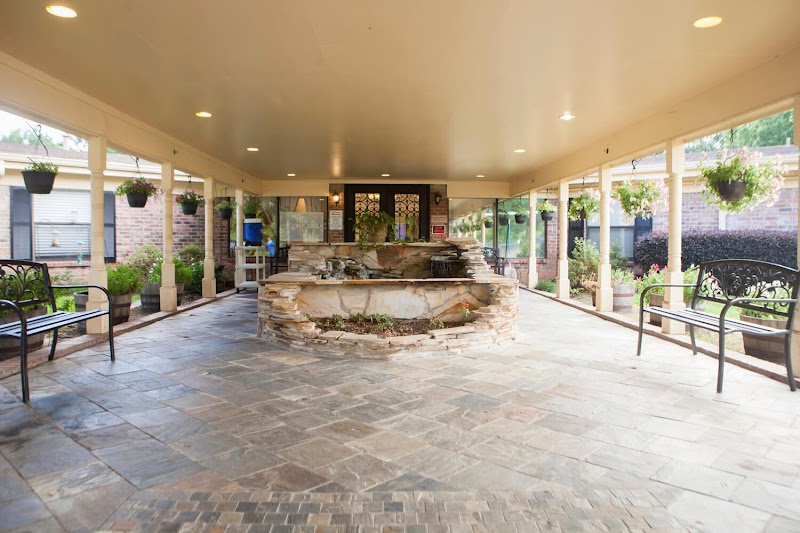
How is Briarcliff Staffed?

CMS rates BRIARCLIFF HEALTH CENTER's staffing level at 4 out of 5 stars, which is above average compared to other nursing homes. Staff turnover is 43%, compared to the Texas average of 46%. This relatively stable workforce can support continuity of care.

What Have Inspectors Found at Briarcliff?

State health inspectors documented 14 deficiencies at BRIARCLIFF HEALTH CENTER during 2023 to 2025. These included: 3 Immediate Jeopardy (the most serious level, indicating potential for serious harm or death), 2 that caused actual resident harm, 8 with potential for harm, and 1 minor or isolated issues. Immediate Jeopardy findings are rare and represent the most serious regulatory concerns. They require immediate corrective action.
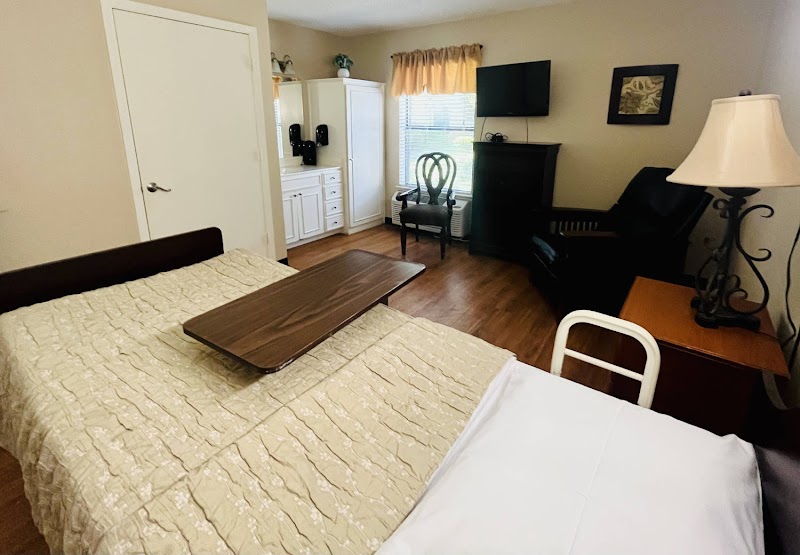
Who Owns and Operates Briarcliff?

BRIARCLIFF HEALTH CENTER is owned by a for-profit company. For-profit facilities operate as businesses with obligations to shareholders or private owners. The facility operates independently rather than as part of a larger chain. With 230 certified beds and approximately 124 residents (about 54% occupancy), it is a large facility located in TYLER, Texas.
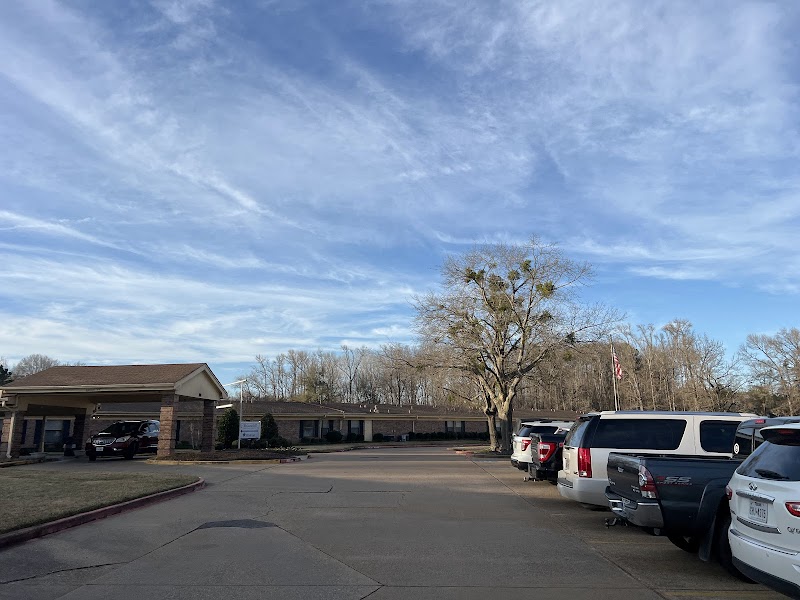
How Does Briarcliff Compare to Other Texas Nursing Homes?

Compared to the 100 nursing homes in Texas, BRIARCLIFF HEALTH CENTER's overall rating (2 stars) is below the state average of 2.8, staff turnover (43%) is near the state average of 46%, and health inspection rating (3 stars) is at the national benchmark.

What Should Families Ask When Visiting Briarcliff?

Based on this facility's data, families visiting should ask: "What changes have been made since the serious inspection findings, and how are you preventing similar issues?" "Can I visit during a mealtime to observe dining assistance and food quality?" "How do you handle medical emergencies, and what is your hospital transfer rate?" "Can I speak with family members of current residents about their experience?" These questions are particularly relevant given the facility's Immediate Jeopardy citations.

Is Briarcliff Safe?

Based on CMS inspection data, BRIARCLIFF HEALTH CENTER has documented safety concerns. Inspectors have issued 3 Immediate Jeopardy citations (the most serious violation level indicating risk of serious injury or death). The facility has a 2-star overall rating and ranks #100 of 100 nursing homes in Texas. Families considering this facility should ask detailed questions about what corrective actions have been taken since these incidents.

Do Nurses at Briarcliff Stick Around?

BRIARCLIFF HEALTH CENTER has a staff turnover rate of 43%, which is about average for Texas nursing homes (state average: 46%). Moderate turnover is common in nursing homes, but families should still ask about staff tenure and how the facility maintains care continuity when employees leave.

Was Briarcliff Ever Fined?

BRIARCLIFF HEALTH CENTER has been fined $51,034 across 2 penalty actions. This is above the Texas average of $33,589. Fines in this range indicate compliance issues significant enough for CMS to impose meaningful financial consequences. Common causes include delayed correction of deficiencies, repeat violations, or care failures affecting resident safety. Families should ask facility leadership what changes have been made since these penalties.

Is Briarcliff on Any Federal Watch List?

BRIARCLIFF HEALTH CENTER is not on any federal watch list. The most significant is the Special Focus Facility (SFF) program, which identifies the bottom 1% of nursing homes nationally based on persistent, serious quality problems. Not being on this list means the facility has avoided the pattern of deficiencies that triggers enhanced federal oversight. This is a positive indicator, though families should still review the facility's inspection history directly.