GREENBRIER NURSING & REHABILITATION CENTER OF TYLE
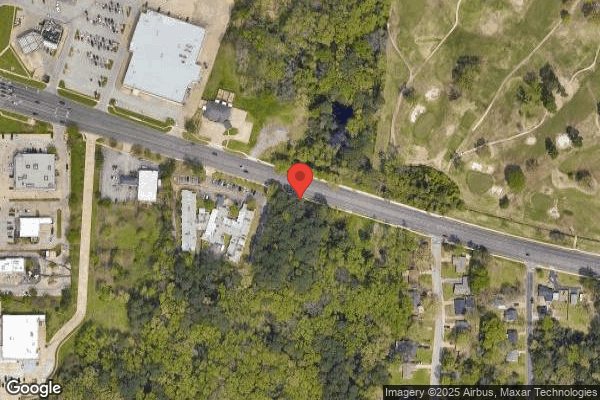
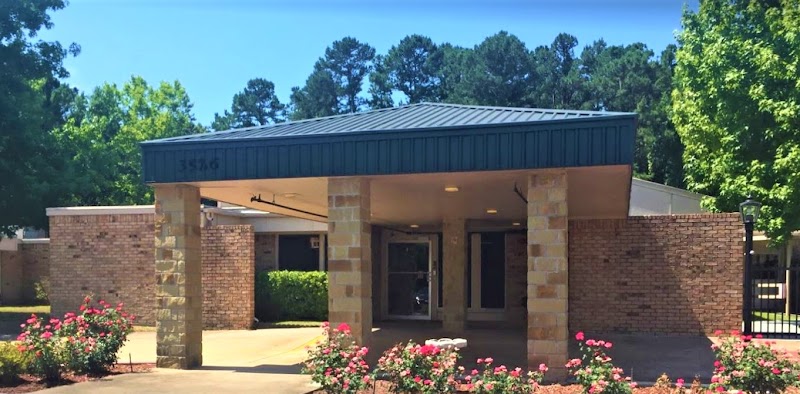
3526 W ERWIN ST, TYLER, TX 75702 (903) 593-6441
For profit - Corporation 120 Beds CREATIVE SOLUTIONS IN HEALTHCARE Data: November 2025
Trust Grade
75/100
#244 of 1168 in TX
Last Inspection: December 2024

Within standard 12-15 month inspection cycle. Federal law requires annual inspections.

Overview

Greenbrier Nursing & Rehabilitation Center of Tyler has received a Trust Grade of B, indicating it is a good choice among nursing homes, but not without room for improvement. It ranks #244 out of 1168 facilities in Texas, placing it in the top half, and #4 of 17 in Smith County, meaning there are only three local options that are better. The facility is trending positively, with the number of issues decreasing from nine in 2024 to three in 2025. Staffing is rated average, with a turnover rate of 48%, which is slightly better than the Texas average, but there is concerning RN coverage, as it is lower than 86% of state facilities, potentially impacting resident care. While the center has not faced any fines, indicating good compliance with regulations, there have been specific incidents of concern. For instance, the nursing home failed to accurately assess residents' needs, which could risk them not receiving the appropriate care. There were also issues with medication transcription, leading to residents receiving incorrect dosages, and safety hazards in the environment that increased the risk of falls. Families should weigh these strengths against the identified weaknesses when considering this facility for their loved ones.

Trust Score
B
75/100
In Texas
#244/1168
Top 20%
Safety Record
Low Risk
No red flags
Inspections
Getting Better
9 → 3 violations
Staff Stability
⚠ Watch
48% turnover. Above average. Higher turnover means staff may not know residents' routines.
Penalties
✓ Good
No fines on record. Clean compliance history, better than most Texas facilities.
Skilled Nurses
⚠ Watch
Each resident gets only 14 minutes of Registered Nurse (RN) attention daily — below average for Texas. Fewer RN minutes means fewer trained eyes watching for problems.
Violations
⚠ Watch
13 deficiencies on record. Higher than average. Multiple issues found across inspections.
★★★★☆
4.0
Overall Rating
★★★☆☆
3.0
Staff Levels
★★☆☆☆
2.0
Care Quality
★★★★☆
4.0
Inspection Score
Stable
2024: 9 issues
2025: 3 issues

The Good

  • Full Sprinkler Coverage · Fire safety systems throughout facility
  • No fines on record

Facility shows strength in fire safety.

The Bad

Staff Turnover: 48%

Near Texas avg (46%)

Higher turnover may affect care consistency

Chain: CREATIVE SOLUTIONS IN HEALTHCARE

Part of a multi-facility chain

Ask about local staffing decisions and management

The Ugly 13 deficiencies on record

Aug 2025 3 deficiencies
CONCERN (D) 📢 Someone Reported This

A family member, employee, or ombudsman was alarmed enough to file a formal complaint

Potential for Harm - no one hurt, but risky conditions existed

Grievances (Tag F0585)

Could have caused harm · This affected 1 resident

**NOTE- TERMS IN BRACKETS HAVE BEEN EDITED TO PROTECT CONFIDENTIALITY** Based on interview and record review, the facility failed to ensure prompt efforts were made to resolve grievances for 1 of 1 re...

Read full inspector narrative →
**NOTE- TERMS IN BRACKETS HAVE BEEN EDITED TO PROTECT CONFIDENTIALITY** Based on interview and record review, the facility failed to ensure prompt efforts were made to resolve grievances for 1 of 1 residents (Residents#1) reviewed for grievances. The facility did not ensure the grievance dated 4/26/25 regarding Resident #1's showers was resolved. This failure could place resident at risk for grievances not being addressed or resolved promptly.Findings included: Record review of the face sheet dated 8/8/25 indicated Resident #1 was an [AGE] year-old male admitted to the facility on [DATE] with diagnoses including Alzheimer's disease, hemiplegia (muscle weakness or partial paralysis on one side of the body), diabetes, contracture (a structural change in the body's soft tissues, like muscles, tendons, ligaments, or skin, that causes them to stiffen and shorten) of the left hand, and hypertension (elevated blood pressure). Record review of the MDS dated [DATE] indicated Resident #1 was usually understood by others and sometimes understood others. The MDS indicated Resident #1 had a BIMS of 99 indicating he was unable to complete the interview. The MDS indicated Resident #1 required substantial/maximum assistance with personal hygiene and bathing. Record review of the care plan last revised 5/5/25 indicated Resident #1 had an ADL self-care performance deficit with interventions including charge nurse is to monitor to ensure shower is given on scheduled shower days and PRN. Record review of the Resident Grievance Report dated 4/26/25 indicated Resident #1's family had filed a grievance regarding Resident #1 appearing not to have received a shower in several days as evidenced by noticeable body odor and foul odor to his contracted hand. The Resident Grievance Report indicated the corrective action taken was the CNA (no name specified) was instructed to shower the resident and the nurses were instructed to provide hand hygiene at this time. The Resident Grievance Report indicated the charge nurse would monitor every Tuesday, Thursday, and Friday to ensure adequate showers were given. The Resident Grievance Report indicated the grievance was resolved. Record review of Resident #1's Documentation Survey Reports dated May 2025, June 2025, and July 2025 indicated Resident #1 was scheduled for showers on Tuesdays, Thursdays, and Saturdays. The Documentation Survey Report indicated: May 2025-Resident #1 was scheduled for 14 showers and did not receive 7 of the 14 scheduled showers. Resident #1 did not receive his showers on 5/1/25, 5/3/25, 5/6/25, 5/8/25, 5/20/25, 5/24/25, and 5/27/25. June 2025-Resident #1 was scheduled for 12 showers and did not receive 6 of the 12 scheduled showers. Resident #1 did not receive a shower on 6/3/25, 6/5/25, 6/7/25, 6/10/25, 6/17/25, or 6/19/25 July 2025-Resident #1 was scheduled for 14 showers and did not receive 10 of the 14 scheduled showers. Resident #1 did not receive a shower on 7/1/25, 7/3/25, 7/5/25, 7/8/25, 7/10/25, 7/12/25,7/19/25, 7/22/25, 7/26/25, or 7/29/25. During an interview on 8/8/25 at 3:16 p.m. Resident #1's Family said Resident #1 was still not receiving his scheduled showers even after they filed a grievance regarding him not receiving showers on 4/23/25. Resident #1's Family said she was ensured by facility staff (name unknown) this issue would be resolved when she filed the grievance but has not seen any change. Resident #1's Family still had noticeable body odor when she visits. During an interview on 8/13/25 at 9:40 a.m. LVN A said he was familiar with Resident #1. LVN A said he had been given instruction regarding monitoring to ensure residents received their showers. LVN A said monitoring of showers was done by CNAs completing shower sheets and the nurses signing the shower sheets. During an interview on 8/13/25 at 9:55 a.m. the DON said showers were documented in the electronic medical records. The DON said Resident #1's family would occasionally give him his showers. The DON said the CNAs did not document when the family gave Resident #1 his showers. The DON said the only place showers were documented was in the electronic medical records. The DON said some CNAs used to fill out paper showers sheets, but she had not seen any paper shower sheets in a long time. The DON said if a date of a scheduled shower was left blank then it meant the shower was not provided or not documented. The DON said there was not a way to prove a shower was given if it was not documented. The DON said if 8, 8 was documented on a scheduled shower day it indicated activity itself did not occur or family and/or non-facility staff provided care 100% of the time for that activity. The DON said there was no way to differentiate whether or not the activity occurred or the care was provided by non-facility staff. The DON said nurses monitored to ensure showers were given with paper showers sheets, visually, verbally, and in the electronic medical records. During an interview on 8/13/25 at 10:38 a.m. the DON said they had looked and could not find any paper shower sheets for Resident #1. During an interview on 8/13/25 at 10:57 a.m. the SW said when a grievance came to her she wrote up the complaint in the electronic medical records and distributed it to the appropriate department. The SW said she usually followed-up in 1-2 days to see if the grievance had been resolved. The SW said she ensured a grievance has been resolved by speaking with the staff responsible for the grievance, ensuring there had been a response entered into the electronic medical records, and speaking with the resident/resident family. The SW said if the grievance was not resolved she would then elevate the issue to the Administrator. The SW said regarding the grievance on 4/26/25 about Resident #1 not receiving his showers that he had been receiving bed baths since the grievance had been filed. The surveyor pointed out that neither showers or bed baths were being documented as having been provided. The SW said if showers or bed baths were not documented it could not be proven they were being provided to Resident #1. The SW said the importance of ensuring grievances were addressed was to ensure issues were resolved and because residents' rights need to be respected. Record review of the facility's Grievances policy last revised 11/2/16 indicated, The resident has the right to voice grievances to the facility or other agency or entity that hears grievances without discrimination or reprisal and without fear of discrimination or reprisal.The resident has the right to and the facility must make prompt efforts by the facility to resolve grievances the resident may have.The grievance official of this facility if the Administrator or their designee. The grievance official will: Oversee the grievance process, Receive and track grievances to their conclusion, Lead any necessary investigations by the facility.
CONCERN (D) 📢 Someone Reported This

A family member, employee, or ombudsman was alarmed enough to file a formal complaint

Potential for Harm - no one hurt, but risky conditions existed

ADL Care (Tag F0677)

Could have caused harm · This affected 1 resident

**NOTE- TERMS IN BRACKETS HAVE BEEN EDITED TO PROTECT CONFIDENTIALITY** Based on observation, interview, and record review, the facility failed to ensure a resident who was unable to carry out activit...

Read full inspector narrative →
**NOTE- TERMS IN BRACKETS HAVE BEEN EDITED TO PROTECT CONFIDENTIALITY** Based on observation, interview, and record review, the facility failed to ensure a resident who was unable to carry out activities of daily living received the necessary services to maintain grooming and personal hygiene were provided for 1 of 5 (Resident #1) residents reviewed for ADLs. The facility failed to ensure Resident #1 received his scheduled showers in May 2025, June 2025, and July 2025 These failures could place residents at risk of not receiving services/care and decreased quality of life.Findings Include: Record review of the face sheet dated 8/8/25 indicated Resident #1 was an [AGE] year-old male admitted to the facility on [DATE] with diagnoses including Alzheimer's disease, hemiplegia (muscle weakness or partial paralysis on one side of the body), diabetes, contracture (a structural change in the body's soft tissues, like muscles, tendons, ligaments, or skin, that causes them to stiffen and shorten) of the left hand, and hypertension (elevated blood pressure). Record review of the MDS dated [DATE] indicated Resident #1 was usually understood by others and sometimes understood others. The MDS indicated Resident #1 had a BIMS of 99 indicating he was unable to complete the interview. The MDS indicated Resident #1 required substantial/maximum assistance with personal hygiene and bathing. Record review of the care plan last revised 5/5/25 indicated Resident #1 had an ADL self-care performance deficit with interventions including charge nurse is to monitor to ensure shower is given on scheduled shower days and PRN. Record review of Resident #1's Documentation Survey Reports dated May 2025, June 2025, and July 2025 indicated Resident #1 was scheduled for showers on Tuesdays, Thursdays, and Saturdays. The Documentation Survey Report indicated: May 2025-Resident #1 was scheduled for 14 showers and did not receive 7 of the 14 scheduled showers. Resident #1 did not receive his showers on 5/1/25, 5/3/25, 5/6/25, 5/8/25, 5/20/25, 5/24/25, and 5/27/25. June 2025-Resident #1 was scheduled for 12 showers and did not receive 6 of the 12 scheduled showers. Resident #1 did not receive a shower on 6/3/25, 6/5/25, 6/7/25, 6/10/25, 6/17/25, or 6/19/25. July 2025-Resident #1 was scheduled for 14 showers and did not receive 10 of the 14 scheduled showers. Resident #1 did not receive a shower on 7/1/25, 7/3/25, 7/5/25, 7/8/25, 7/10/25, 7/12/25,7/19/25, 7/22/25, 7/26/25, or 7/29/25. During an interview on 8/13/25 at 9:40 a.m. LVN A said he was familiar with Resident #1. LVN A said he had been given instruction regarding monitoring to ensure residents received their showers. LVN A said monitoring of showers was done by CNAs completing shower sheets and the nurses signing the shower sheets. LVN A said he was not aware of Resident #1 refusing any showers. LVN A said the importance of residents receiving their scheduled showers was to maintain hygiene and for skin inspections. During an observation on 8/8/25 at 12:35 p.m. Resident #1 was lying in bed with the head of the bed elevated and sleeping. Resident #1 was observed to covered from feet to shoulders with a sheet and blanket. During an interview on 8/13/25 at 9:47 a.m. CNA B said he worked the 2:00 p.m. to 10:00 p.m. shift at the facility. CNA B said he was familiar with Resident #1. CNA B said he was not sure of what days were Resident #1's shower days but his showers were usually given early in the shift. CNA B said Resident #1 did not refuse showers. CNA B said showers were documented in the electronic medical records. CNA B said the facility had a paper shower schedule but there was not a place to check off on the paper shower schedule. CNA B said paper shower sheets were not filled out when showers were given. CNA B said all charting was done electronically. CNA B said facility CNAs provided showers to Resident #1 most of the time. CNA B said Resident #1's family provided his showers some of the time. CNA B the importance of resident receiving their scheduled showers was to maintain humanity, keep them comfortable, and for hygiene. During an interview on 8/13/25 at 9:55 a.m. the DON said showers were documented in the electronic medical records. The DON said Resident #1's family would occasionally give him his showers. The DON said the CNAs did not document when the facility gave Resident #1 his showers. The DON said the only place showers were documented was in the electronic medical records. The DON said some CNAs used to fill out paper showers sheets, but she had not seen any paper shower sheets in a long time. The DON said if a date of a scheduled shower was left blank then it meant the shower was not provided or not documented. The DON said there was not a way to prove a shower was given if it was not documented. The DON said if 8, 8 was documented on a scheduled shower day it indicated activity itself did not occur or family and/or non-facility staff provided care 100% of the time for that activity. The DON said there was no way to differentiate whether or not the activity occurred, or the care was provided by non-facility staff. The DON said nurses monitored to ensure showers were given with paper showers sheets, visually, verbally, and in the electronic medical records. The DON said the importance of ensuring residents received their scheduled showers was for skin inspections, to reduce skin breakdown, cleanliness, and for the residents to just feel better overall. During an interview on 8/13/25 at 10:38 a.m. the DON said they had looked and could not find any paper shower sheets for Resident #1. During an interview on 8/13/25 at 11:15 a.m. the DON said Resident #1's family did not provide him showers 100% of the time and the dates documented 8,8 for bathing would indicate activity did not occur due to family not providing bathing 100% of the time as the documentation survey report indicates those are the 2 reason to document 8,8. Record review of the facility's undated Bath, Tub/Shower policy indicated, Bathing by tub bath or shower is done to remove soil, dead epithelial cells (a type of cell that forms the protective covering for the body's surfaces, cavities, and organs), microorganisms from the skin, and body odor to promote comfort, cleanliness, circulation, and relaxation.The aging skin becomes dry, wrinkled, thinners, and blemished with various aging spots over time and is easily affected by environmental temperature and humidity, sun exposure, soaps, and clothing fabrics.Although a daily bath or shower is preferred and necessary for some, the aging skin can be maintained by bathing every two days or with partial bathing as needed.The resident will receive assistance with bathing according to their resident centered plan of care.
CONCERN (D) 📢 Someone Reported This

A family member, employee, or ombudsman was alarmed enough to file a formal complaint

Potential for Harm - no one hurt, but risky conditions existed

Infection Control (Tag F0880)

Could have caused harm · This affected 1 resident

**NOTE- TERMS IN BRACKETS HAVE BEEN EDITED TO PROTECT CONFIDENTIALITY** Based on observation, interview, and record review, the facility failed to maintain an infection prevention and control program ...

Read full inspector narrative →
**NOTE- TERMS IN BRACKETS HAVE BEEN EDITED TO PROTECT CONFIDENTIALITY** Based on observation, interview, and record review, the facility failed to maintain an infection prevention and control program designed to provide a safe, sanitary, and comfortable environment and to help prevent the development and transmission of communicable diseases and infections for 1 of 2 staff (CNA C) and 1 of 5 residents (Resident #2) reviewed for infection control. The facility failed to ensure CNA C changed gloves and performed hand hygiene during Resident #2's incontinent care. These failures could place residents and staff at risk for cross-contamination, spread of infection and could potentially affect all others in the building. Findings Include:Record review of the face sheet dated 8/8/25 indicated Resident #2 was an [AGE] year-old female admitted to the facility on [DATE] with diagnoses including senile degeneration of the brain, dementia, anxiety, and hypertension (elevated blood pressure). Record review of the MDS dated [DATE] indicated Resident #2 usually understood others and was usually understood by others. The MDS indicated Resident #2 had a BIMS of 05 and was severely cognitively impaired. The MDS indicated Resident #2 was dependent for toileting. Record review of the care plan last revised 4/3/25 indicated Resident #2 had an ADL self-care performance deficit with intervention including requiring extensive assistance of 2 staff members for toileting. During an observation on 8/8/25 at 1:32 p.m. CNA C performed a mechanical lift (a device designed to safely move individuals with limited mobility from one position to another, reducing risk of injury to both the patient and caregiver) transfer and incontinent care with assistance from CNA D on Resident #2. CNA C had gloves on when surveyor entered Resident #2's room. After CNA C transferred Resident #2 to her bed, she did not change her gloves or perform hand hygiene. CNA C pulled down Resident #2's pants and opened her brief. CNA C did not change gloves or perform hand hygiene. CNA C used disposable wipes to wipe Resident #2's pelvic and vaginal area. CNA C and CNA D rolled Resident #2 on her side and CNA C rolled the wet brief and mechanical lift pad up. CNA C did not change her gloves or perform hand hygiene. CNA C used disposable wipes to wipe Resident #2's bottom. CNA C did not change gloves or perform hand hygiene. CNA C put clean brief under Resident #2. CNA C and CNA D rolled Resident #2 on to her other side. CNA D removed the rolled up wet brief and mechanical lift pad and bagged the items in separate trash bags. CNA C rolled Resident #2 back on to her back and fastened the clean brief. CNA C changed Resident #2 into clean clothing. During an interview on 8/8/25 at 1:50 p.m. CNA C said gloves should be changed when providing care and going from dirty to clean or from one area to another. CNA C said she probably should have changed her gloves after transferring Resident #2 and before starting incontinent care. CNA C said she should have changed her gloves after wiping Resident #2 and before putting on a clean brief. CNA C said she did not change her gloves or perform hand hygiene while providing care because she was nervous with the surveyor watching her. CNA C said the importance of changing gloves and proper hand hygiene was to prevent the spread of bacteria and for infection control. During an interview on 8/13/25 at 11:15 am the DON said during incontinent care she expected staff to change their gloves and perform hand hygiene after removing the dirty brief and cleaning the resident prior to putting on a clean brief and changing the resident into clean clothes. The DON said she expected staff to change gloves and perform hand hygiene after performing a mechanical lift transfer and prior to providing incontinent care. The DON said the importance of changing gloves and performing hand hygiene was to prevent cross contamination and for infection control. Record review of the facility's undated Fundamentals of Infection Control Precautions policy indicated, A variety of infection control measures are used for decreasing the risk of transmission of microorganisms in the facility.Hand hygiene continues to be the primary means of preventing the transmission of infection. The following is a list of some situations that require hand hygiene.Before and after assisting a resident with toileting.After handling soiled or used linens, dressings, bedpans, catheters, and urinals.After removing gloves or aprons.Consistent use by staff of proper hygienic practices and techniques is critical to preventing the spread of infections. Record review of the facility's Perineal (the area of skin and tissue between the vulva (the external female genital organs) (in females) or scrotum (in males) and the anus) Care policy dated 4/25/22 indicated, An incontinent resident of urine and/or bowl should be identified, assessed, and provided appropriate treatment and services to restore as much normal bladder/bowel function as possible.Procedure Content.Start: 10. Perform Hand Hygiene 11. [NAME] (put on) gloves and all other PPE per standard precautions.Back.21. Gently perform care to the buttocks and anal area, working from front to back without contaminating the perineal area.24. Doff (take off) gloves and PPE 25. Perform Hand Hygiene. Conclude: 26. Provide resident comfort and safety by re-clothing (if applicable-incontinence pad(s) and briefs), straightening bedding, adjusting bed and/or side rails, and placing call light within resident's reach.
Dec 2024 4 deficiencies
CONCERN (D)

Potential for Harm - no one hurt, but risky conditions existed

Tube Feeding (Tag F0693)

Could have caused harm · This affected 1 resident

**NOTE- TERMS IN BRACKETS HAVE BEEN EDITED TO PROTECT CONFIDENTIALITY** Based on observation, interview, and record review, the facility failed to ensure residents who were fed by enteral means receiv...

Read full inspector narrative →
**NOTE- TERMS IN BRACKETS HAVE BEEN EDITED TO PROTECT CONFIDENTIALITY** Based on observation, interview, and record review, the facility failed to ensure residents who were fed by enteral means received the appropriate treatment and services to prevent complications for 1 of 2 residents reviewed for tube feeding management (Resident #31). The facility failed to follow their policy for administering medications via gastrostomy tube. This failure placed the resident at risk for not receiving his medication dose as ordered and at risk for a punctured gastrostomy tube and possible leakage of medications, formula, and/or water into the abdominal cavity. Findings include: Record review of Resident #31's clinical records indicated the resident was admitted to the facility on [DATE] with diagnoses of gastro-esophageal reflux, major depression, hemiplegia, and hemiparesis following cerebrovascular disease, hypertension and dementia. Record review of Resident #31's physician's orders dated 9/14/2024 indicated the gastric tube was to be checked every shift by auscultation prior to meds, formula, and water flushes. Record review of Resident #31's medical records indicated there was no physician's order for unclogging enteral feeding tube. Record review of Resident #31's most recent care plan indicated there were no instructions or directions for unclog the resident's gastric tube. During an observation of medication administration on 12/17/24 at 08:55AM, LVN A used a 60 cc (cubic centimeter) syringe to administer medications to Resident # 31 via withouth checking gastrostromy tube placement first. LVN A disconnected the syringe from the tubing port, poured 30 ccs of water into the syringe, inserted the syringe tip into the tube port, and using the syringe plunger, pushed the water into the tube. LVN A disconnected the syringe from the tube port, removed the plunger from the syringe, and re-inserted the syringe tip into the tube port. LVN A then poured the medication (Celecoxib 200 mg, gabapentin 200 mg cap, Tylenol with codeine#4, doxycycline Hyclate 100 mg, baclofen 10 mg and buspirone HCL 5 mg) mixed with a small amount of water into the syringe. The liquid did not drain from the syringe, indicating the gastric tube was clogged. After several attempts of repositioning and massaging the tube, LVN A moved the syringe back and forth and medication would not flow, so the LVN A placed the plunger in the syringe and pushed the medication. LVN A did not auscultate the abdomen for bowel sounds nor did he check placement by auscultating the abdomen while instilling air into the tubing prior to aspiration of stomach contents. During an interview on 12/17/2024 at 10:50 AM, LVN A stated he thought that you could mix all medication together to administer via gastric tube and if difficult he thought you could push to assist the medication administration, he also said he was nervous and forgot to check for placement. During an interview on 12/17/2024 at 10:59 AM with the DON she said that LVN A was oriented to do treatments and as the Treatment Nurse and he was oriented as a floor nurse. The DON said it was her error that LVN A did not know the policy on gastric tube administration of medication, but she assumed as a LVN he should have been aware of not being able to mix medication and most of all to check for placement before administrating any medications. Record review of a policy and procedure document titled Gastrostomy Tube Medication Administration indicated the following actions are to be taken prior to aspiration of stomach contents: 6. Check the placement of the tube y aspiration of contents or auscultation. Elevate the resident per facility policy. 7. Flush the tube with 30 ml water or according to physician order 8. Administer one medication at a time with a flush of 5-10 ml water or the amount ordered by the physician, between each medication and after the final medication is administered. 9. Once all medications have been administered, flush the tube with 30 ml water or according to physician's order. 10. Do not force any medication or fluid into the tube. Allow gravity to work. If necessary, gentle pressure may be applied after repositioning of the resident .
CONCERN (D)

Potential for Harm - no one hurt, but risky conditions existed

Pharmacy Services (Tag F0755)

Could have caused harm · This affected 1 resident

**NOTE- TERMS IN BRACKETS HAVE BEEN EDITED TO PROTECT CONFIDENTIALITY** Based on observation, interview and record review, the facility failed to ensure pharmaceutical services were provided to meet t...

Read full inspector narrative →
**NOTE- TERMS IN BRACKETS HAVE BEEN EDITED TO PROTECT CONFIDENTIALITY** Based on observation, interview and record review, the facility failed to ensure pharmaceutical services were provided to meet the needs of 1 of 2 residents reviewed for pharmacy services (Residents #31). LVN A mixed Resident #31's gastrostomy tube medications and administered them together. This failure could place residents at risk of not receiving medications as ordered by the physician. Findings included: Record review of Resident #31's clinical records indicated the resident was admitted to the facility on [DATE] with diagnoses of gastro-esophageal reflux, major depression, hemiplegia, and hemiparesis following cerebrovascular disease, hypertension, and dementia. During an observation of medication administration on 12/17/24 at 08:55AM, LVN A used a 60 cc (cubic centimeter) syringe to administer medications to (Resident #31) LVN A mixed all medications (Celecoxib 200 mg, gabapentin 200 mg cap, Tylenol with codeine#4, doxycycline Hyclate 100 mg, baclofen 10 mg and buspirone HCL 5 mg) mixed with a small amount of water into the syringe. During an interview on 12/17/2024 at 10:50 AM, LVN A stated he thought that you could mix all medication together to administer via gastric tube. During an interview on 12/17/2024 at 10:59 AM with the DON said that LVN A was oriented to do treatments and as the Treatment Nurse and he was not oriented as a floor nurse. The DON said it was her error that LVN A did not know the policy on gastric tube administration of medication, but she assumed as a LVN he should have been aware of not being able to mix medication. Record review of a policy and procedure document titled Gastrostomy Tube Medication Administration indicated the following actions are to be taken prior to aspiration of stomach contents: 6. Check the placement of the tube y aspiration of contents or auscultation. Elevate the resident per facility policy. 7. Flush the tube with 30 ml water or according to physician order 8. Administer one medication at a time with a flush of 5-10 ml water or the amount ordered by the physician, between each medication and after the final medication is administered. 9. Once all medications have been administered, flush the tube with 30 ml water or according to physician's order. 10. Do not force any medication or fluid into the tube. Allow gravity to work. If necessary, gentle pressure may be applied after repositioning of the resident.
CONCERN (D)

Potential for Harm - no one hurt, but risky conditions existed

Safe Environment (Tag F0921)

Could have caused harm · This affected 1 resident

Based on observation, interview, and record review, the facility failed to provide a safe, functional, sanitary, and comfortable environment for 1 of 5 residents (Resident #5) reviewed for safe and co...

Read full inspector narrative →
Based on observation, interview, and record review, the facility failed to provide a safe, functional, sanitary, and comfortable environment for 1 of 5 residents (Resident #5) reviewed for safe and comfortable environment. The facility failed to repair water discoloration marks and water leaks in the ceiling in Resident #5's room. These failures could place residents at risk for a diminished quality of life and safe environment due to the lack of a well-kept environment. The findings included: During an observation on 12/16/24 at 2:50 p.m., there was water dripping from the privacy curtain track on the ceiling into a small trash can and water was on the floor extending out approximately 6 inches from the outside of the trash can in Resident #5's room. There was a brownish discolored area on the white ceiling, approximately 1 foot by 2-foot, around the area where the water was dripping. During an observation and interview on 12/16/24 at 3:20 p.m., there was water dripping from the privacy curtain track on the ceiling into a small trash can in Resident #5's room. CNA B said Resident #5's ceiling has been leaking since she started working at the facility about 2 months. CNA B said she told the Maintenance Supervisor about the leak in the room when she saw it a little over a month ago, but it has not been fixed. CNA B said water on the floor could cause injury to a resident or a facility staff member if they slipped and fell in it. CNA B said the water on Resident #5's floor was a safety hazard. During an observation and interview on 12/16/24 at 3:42 p.m., there was water dripping from the privacy curtain track on the ceiling into a small trash can in Resident #5's room. The Maintenance Supervisor said he had worked the facility for about 1 ½ years. The Maintenance Supervisor said he was aware of the leak in Resident #5's room and has known about it since June 2024 and notified the Administrator and Area Maintenance Supervisor at that time. The Maintenance Supervisor said the Area Maintenance Supervisor asked him to get bids on replacing the roof. The Maintenance Supervisor said he submitted the bids to the corporate office and after they reviewed them they decided to have a contractor patch the leaking areas on the roof instead of replacing it. The Maintenance Supervisor said he had a contractor patched the roof a couple of times, but the roof still leaks. The Maintenance Supervisor said the roof would stop leaking if the roof was replaced. During an interview on 12/16/24 at 4:38 p.m., the Administrator said she was not aware Resident #5's room has a water leak. The Administrator said they have had a contractor come out a couple of times to patch the roof. The Administrator said she called the corporate office this morning about replacing the roof because they had 2 empty rooms they were unable to use due to water leaks from the ceiling. The Administrator said the water on Resident #5's floor was a safety hazard and she needed to be moved to another room. Record review of the facility's Resident Rights Storage of Medications policy, revised on 11/28/2016, indicated .Safe environment - The resident has a right to a safe, clean, comfortable and homelike environment, including but not limited to receiving treatment and supports for daily living safely.
CONCERN (E)

Potential for Harm - no one hurt, but risky conditions existed

Assessment Accuracy (Tag F0641)

Could have caused harm · This affected multiple residents

**NOTE- TERMS IN BRACKETS HAVE BEEN EDITED TO PROTECT CONFIDENTIALITY** Based on interview and record review the facility failed to ensure accurate assessments were completed for 7 of 20 residents (Re...

Read full inspector narrative →
**NOTE- TERMS IN BRACKETS HAVE BEEN EDITED TO PROTECT CONFIDENTIALITY** Based on interview and record review the facility failed to ensure accurate assessments were completed for 7 of 20 residents (Residents #16, #19, #29, #30, #34, #41, and #53) reviewed for accuracy of assessments. The facility failed to ensure Residents ##16, #19, #29, #30, #34, #41, and #53's MDS assessment was accurately coded for Preadmission Screening and Resident Review (PASRR). These failures could place residents at risk for not receiving the appropriate care and services to maintain the highest level of well-being. Findings included: 1.A review of Resident #16's face sheet for December 2024 indicated she was a [AGE] year-old female who admitted to the facility on [DATE] with diagnoses which included major depressive disorder, anxiety disorder, PTSD, borderline personality disorder, and insomnia. A review of Resident #16's PASRR Level 1 screening done 11/12/2024 indicated she was positive for MI. A review of Resident #16's PASRR Evaluation done 11/14/2024 indicated she was positive for mental illness but did not meet the PASRR definition for mental illness for specialized services. A review of Resident #16's admission MDS dated [DATE] Section A1500. Preadmission Screening and Resident Review (PASRR) indicated No if resident currently considered by the state level II PASRR process to have serious mental illness and/or intellectual disability or a related condition. Section I Active Diagnoses under Psychiatric/Mood Disorder indicated the resident had anxiety disorder, depression, and PTSD. 2. A review of Resident #19's face sheet for December 2024 indicated she was a [AGE] year-old female who admitted to the facility on [DATE] with diagnoses which included anxiety disorder, psychotic disorder with hallucinations, psychotic disorder with delusions, parkinsonism, and dementia. A review of Resident #19's PASRR Level 1 screening done 10/21/2022 indicated she was positive for MI. A review of Resident #19's PASRR Evaluation done 12/28/2022 indicated she was positive for MI. The resident had dementia so severe and could not be expected to benefit from PASRR specialized services. The resident was positive for mental illness but did not meet the PASRR definition for mental illness for specialized services. A review of Resident #19's significant change MDS dated [DATE] Section A1500. Preadmission Screening and Resident Review (PASRR) indicated No if resident currently considered by the state level II PASRR process to have serious mental illness and/or intellectual disability or a related condition. Section I Active Diagnoses under Psychiatric/Mood Disorder indicated the resident had anxiety disorder, depression, and psychotic disorder. 3. A review of Resident #29's face sheet for December 2024 indicated she was a [AGE] year-old female who admitted to the facility on [DATE] with diagnoses which included bipolar disorder with psychotic features. A review of Resident #29's PASRR Level 1 screening done 10/28/2022 indicated she was negative for mental illness. A Form 1012 was completed on 04/15/2023 and signed by the physician indicating the resident did not have dementia and had a mood disorder on admission. A new PASRR Level 1 was issued 11/15/2023 indicating positive for MI. A review of Resident #29's PASRR Evaluation done 11/15/2023 indicated she was positive for mental illness but did not meet the PASRR definition for mental illness for specialized services. A review of Resident #29's annual MDS dated [DATE] Section A1500. Preadmission Screening and Resident Review (PASRR) indicated No if resident currently considered by the state level II PASRR process to have serious mental illness and/or intellectual disability or a related condition. Section I Active Diagnoses under Psychiatric/Mood Disorder indicated the resident had depression and bipolar disorder. 4. A review of Resident #30's face sheet for December 2024 indicated she was a [AGE] year-old female who admitted to the facility on [DATE] with diagnoses which included schizoaffective disorder, depressive disorder, anxiety disorder, mood disorder, and sleep terrors. A review of Resident #30's PASRR Level 1 screening done 04/18/2024 indicated she was positive for MI. A review of Resident #30's PASRR Evaluation done 05/02/2024 indicated she was positive for mental illness but did not meet the PASRR definition for mental illness for specialized services. A review of Resident #30's significant change MDS dated [DATE] Section A1500. Preadmission Screening and Resident Review (PASRR) indicated No if resident currently considered by the state level II PASRR process to have serious mental illness and/or intellectual disability or a related condition. Section I Active Diagnoses under Psychiatric/Mood Disorder indicated the resident had anxiety disorder, depression, and schizophrenia. 5. A review of Resident #34's face sheet for December 2024 indicated he was a [AGE] year-old female who admitted to the facility on [DATE] with diagnoses which included delusional disorders, insomnia, depressive disorder, and dementia with major psychotic disturbance. A review of Resident #34's PASRR Level 1 screening done 05/28/2024 indicated she was negative for MI/ID/ID due to a primary diagnosis of dementia. A PASRR Evaluation was not performed due to the primary diagnosis of dementia but was positive for mental illness but did not meet the PASRR definition for mental illness for specialized services. A review of Resident #34's significant change MDS dated [DATE] Section A1500. Preadmission Screening and Resident Review (PASRR) indicated No if resident currently considered by the state level II PASRR process to have serious mental illness and/or intellectual disability or a related condition. Section I Active Diagnoses under Psychiatric/Mood Disorder indicated the resident had depression and psychotic disorder. 6. A review of Resident #41's face sheet for December 2024 indicated she was a [AGE] year-old female who admitted to the facility on [DATE] with diagnoses which included schizoaffective disorder, anxiety disorder, and PTSD. A review of Resident #41's PASRR Level 1 screening done 01/14/2022 indicated she was positive for MI. A review of Resident #41's PASRR Evaluation done 01/17/2022 indicated she was positive for mental illness but did not meet the PASRR definition for mental illness for specialized services. A review of Resident #41's annual MDS dated [DATE] Section A1500. Preadmission Screening and Resident Review (PASRR) indicated No if resident currently considered by the state level II PASRR process to have serious mental illness and/or intellectual disability or a related condition. Section I Active Diagnoses under Psychiatric/Mood Disorder indicated the resident had schizophrenia and PTSD. 7. A review of Resident #53's face sheet for December 2024 indicated she was a [AGE] year-old female who admitted to the facility on [DATE] with diagnoses which included anxiety, depression, and bipolar disorder. A review of Resident #53's PASRR Level 1 screening done 05/08/2024 indicated she was positive for MI. A review of Resident #53's PASRR Evaluation done 05/14/2024 indicated she was positive for mental illness but did not meet the PASRR definition for mental illness for specialized services. A review of Resident #53's admission MDS dated [DATE] Section A1500. Preadmission Screening and Resident Review (PASRR) indicated No if resident currently considered by the state level II PASRR process to have serious mental illness and/or intellectual disability or a related condition. Section I Active Diagnoses under Psychiatric/Mood Disorder indicated the resident had anxiety disorder, depression, and bipolar disorder. During an interview on 12/17/2024 at 12:05 PM, the MDS Coordinator said the facility used the RAI Version 3.0 Manual as the policy for completing MDS assessments. She said Section A 1500 indicated if the resident was positive for mental illness, intellectual disability or developmental disability. She said she did not realize the Section I Active Diagnoses was related to Section A PASRR screening documentation. She said the local authority had found residents that did not qualify for PASRR services because they did not meet the PASRR definition for mental illness for specialized services and thought she had to answer no because they did not qualify for services. She said she did not know Section A had to be coded as positive for mental illness, intellectual disability or developmental disability even though they did not qualify for PASRR services. The Regional Reimbursement Consultant, who was also present at that time, said she thought the local authority made the determination whether the resident was positive for a mental illness. She said she thought that indicated they no longer had the mental illness instead of meeting the PASRR definition for mental illness for specialized services. She said it was very confusing since the RAI was not clear. She said the RAI manual was used to ascertain accuracy of the MDS.
Oct 2024 3 deficiencies
CONCERN (D) 📢 Someone Reported This

A family member, employee, or ombudsman was alarmed enough to file a formal complaint

Potential for Harm - no one hurt, but risky conditions existed

Free from Abuse/Neglect (Tag F0600)

Could have caused harm · This affected 1 resident

**NOTE- TERMS IN BRACKETS HAVE BEEN EDITED TO PROTECT CONFIDENTIALITY** Based on interview and record review, the facility failed to protect the residents' right to be free from verbal abuse by staff ...

Read full inspector narrative →
**NOTE- TERMS IN BRACKETS HAVE BEEN EDITED TO PROTECT CONFIDENTIALITY** Based on interview and record review, the facility failed to protect the residents' right to be free from verbal abuse by staff for 1 of 9 residents reviewed for abuse. (Resident #2) The facility failed to ensure Resident #2 was free from abuse when CNA B told Resident #2 to shut up on 11/25/23. This failure could place the residents at risk for increased risk for abuse and neglect. Findings included: Record review Resident #2's admission record, printed on 11/27/23, indicated he was a [AGE] year old male who admitted to facility on 1/27/23 with diagnoses including quadriplegia (a condition that causes the complete or severe loss of motor function in all four limbs), anxiety disorder (a mental health disorder characterized by feelings of worry, anxiety, or fear that are strong enough to interfere with one's daily activities), post laminectomy syndrome (means that a person is experiencing pain, and that they had a prior spinal surgery), acute and chronic respiratory failure with hypoxia (can occur when there's a problem with gas exchange between the lungs and blood, leading to low oxygen levels in the blood), hypertension (aka high blood pressure - when the pressure in your blood vessels is too high), mild intellectual disability (a neurodevelopmental disorder that affects a person's intellectual functioning and adaptive behavior. People with MID have an average mental age of 9-12 and an IQ of 52-69. They may have a slower rate of development in social, conceptual, and daily living skills) and autistic disorder (a developmental disability that affects how people communicate, interact with others, learn, and behave). Record review of Resident #2's quarterly MDS dated [DATE] indicated he had clear speech but had difficulty communicating some word or finishing thought but was able if prompted per given time; had clear comprehension. Resident #2 had a Brief Interview for Mental Status (BIMS) score of 12, which indicated he had moderately impaired cognition. He required extensive assist with bed mobility, transfers, dressing, eating, personal hygiene and toileting. Resident #2 was incontinent of bladder and bowel. Record review of Resident #2's progress note dated 11/27/23 typed by facility's SW revealed [Resident #2] approached SW in hallway to discuss an event that occurred on Saturday evening. SW ensured that no other residents or staff members were nearby and asked for [Resident #2] to explain what had occurred. [Resident #2] stated that a staff member had come into his room around 8pm on Saturday 11/25/23 evening when both patient and his roommate were present in the room and 'took my rights away'. SW requested for [Resident #2] to elaborate on this statement, to which [Resident #2] repeated that the staff member, had 'taken my rights away' and 'got into my face and told me to shut up'. [Resident #2] stated the staff member had made another aggressive statement to him, though SW could not understand [Resident #2's] speech even after asking [Resident #2] to repeat this statement. [Resident #2] could not identify the name of nor describe what this staff member looked like aside from using feminine pronouns to refer to this staff member and stating that he, 'did not see her yesterday' referring to Sunday 11/26/23. [Resident #2] denied being physically harmed and stated this incident had only occurred the one time. SW stated they would speak with the appropriate authorities to handle this report. [Resident #2] did not have further related concerns at [that] time. Following this conversation [Resident #2] reported this concern to the Administrator. SW then called [Resident #2's] RP to inform him that [Resident #2] had reported that a staff member had been verbally aggressive to him this weekend and that the Administrator was already informed and would begin investigation this report. [Resident #2's RP] stated [Resident #2] had not made mention of having any recent issues with staff though asked SW to keep him informed about the results of this investigation, to which SW agreed they would. Record review of facility's undated typed investigation summary revealed Incident: Allegation of verbal abuse; Date occurred: November 25, 2023, but reported on November 27, 2023 .at around 3:30pm, on November 27, 2023, .The payroll was reviewed and there was only one female employee who worked Saturday but not Sunday, [CNA B]. [CNA B] was scheduled off on Monday and scheduled to come in and give a statement and receive her suspension on Tuesday but called out sick. On Wednesday, November 29th, [CNA B] came in to speak with the administrator. [CNA B] was told that Resident #2 had alleged that she had gotten in his face and told to shut up to which she replied 'I probably did tell him to shut up but I didn't get up in his face'. [CNA B] was asked to put her statement in writing and then she received her suspension and asked to leave the building. In her statement, [CNA B] stated that she had gone into the resident's room because he was 'going on' about his mouth and she told him to be quiet. She also stated that she was not 'up in his face but standing on the side of the bed'. Due to [CNA B's] confession that she probably did tell him to shut up, the facility is substantiating the allegation, and [CNA B] will be terminated from her position. Actions taken by the facility: A psychosocial well-being assessment was conducted by the [SW]. [Resident #2] was not showing any signs of increased anxiety or sadness. [Resident #2] continued his normal day to day routines without any signs of decline. Abuse and neglect in-service conducted. Facility [SW] to follow up to assure no decline or distress as a result of the alleged incident. During an interview on 9/30/24 at 5:03 p.m., The SW said the incident between Resident #2 and CNA B happened so long ago, but she recalled Resident #2 telling her a staff member who they later learned was CNAB told him to shut up and she reported it to the Administrator. The SW said she could recall Resident #2 being precise and consistent with the story and she could tell that time was different from previous times and Resident #2 was serious regarding what had happened to him. During an interview on 10/6/24 at 11:55 a.m., The Administrator said she was the abuse coordinator and followed their abuse policy, did criminal history checks upon hire, did in-services with her staff and reported everything to the state. The Administrator said CNA B was terminated due to the incident and said she could not control other human behaviors. Record review of employee disciplinary report dated 12/4/23 revealed: Employee name: CNA B; Hired date: 2/10/23; Date of Infraction: 11/25/23; Type of Disciplinary Action: Discharge; Specific Reasons for Disciplinary Action: [CNA B] has failed to adhere to the Corporate Code of Conduct. On 11/28/23 [CNA B] was placed on an investigation suspension on allegations of violating resident's rights. The allegations towards [CNA B] were found to be substantiated. [CNA B] is aware of residents' rights as indicated by her signature on the employee handbook acknowledgment. Corrective Plan of Action, including time frames: Per [Facility's name] employee handbook: this employee meets criteria for termination. CNA B will be terminated effective immediately. Record review of revised abuse policy dated 9/9/24 revealed The resident has the right to be free from abuse . Residents should not be subjected to abuse by anyone, including, but not limited to, facility staff, other residents, consultants or volunteers, staff of other agencies serving the resident, family members or legal guardians, friends, or other individuals. The facility will provide and ensure the promotion and protection of resident rights. It is each individual's responsibility to recognize, report, and promptly investigate actual or alleged abuse, neglect, exploitation, mistreatment of residents or misappropriation of resident property abuse and situations that may constitute abuse or neglect to any resident in the facility.
CONCERN (D) 📢 Someone Reported This

A family member, employee, or ombudsman was alarmed enough to file a formal complaint

Potential for Harm - no one hurt, but risky conditions existed

Deficiency F0602 (Tag F0602)

Could have caused harm · This affected 1 resident

**NOTE- TERMS IN BRACKETS HAVE BEEN EDITED TO PROTECT CONFIDENTIALITY** Based on interview and record review, the facility failed to ensure the right to be free from misappropriation of property was p...

Read full inspector narrative →
**NOTE- TERMS IN BRACKETS HAVE BEEN EDITED TO PROTECT CONFIDENTIALITY** Based on interview and record review, the facility failed to ensure the right to be free from misappropriation of property was provided for 1 of 7 residents reviewed for misappropriation of property. (Resident #3) The facility failed to ensure Resident #3 was free from misappropriation of property when CNA C was caught on camera stealing snacks from Resident #3's personal refrigerator. This failure could place residents at risk for decreased quality of life, misappropriation of property, and dignity. Findings included: Record review of Resident #3's admission record, printed on 11/29/23 indicated she was an [AGE] year-old female who admitted to facility on 10/23/23 with diagnoses including senile degeneration of brain (is a condition that causes a gradual decline in cognitive abilities. It can lead to memory loss, impaired thinking, and a loss of independence in daily activities), hypertension (aka high blood pressure - when the pressure in your blood vessels is too high), anxiety disorder (a mental health disorder characterized by feelings of worry, anxiety, or fear that are strong enough to interfere with one's daily activities), vascular dementia(is a general term describing problems with reasoning, planning, judgment, memory and other thought processes caused by brain damage from impaired blood flow to your brain) and protein calorie malnutrition (is the state of inadequate intake of food). Record review of Resident #3's admission MDS dated [DATE] indicated she had clear speech but had difficulty communicating some word or finishing thought but was able if prompted per given time. Resident #3 had a BIMS score of 2, which indicated severe cognitive impairment. She required limited assistance with bed mobility, transfer, personal hygiene and toileting. She was frequently incontinent of bladder and occasionally incontinent of bowel. Record review of the Administrator's typed statement dated 11/29/23 revealed Phone interview with responsible party for [Resident #3's]. Last night, at around 3:15am, [Resident #3's RP] called the facility and reported that the male aide that assisted [Resident #3] to the restroom had taken snacks from the resident's refrigerator. [Administrator] called [Resident #3's RP] this morning and asked her to give me a description of what she observed. She stated that she had been watching [Resident #3]on the camera when [Resident #3] started to get up out of bed. She told [Resident #3], through the camera speaker, to use the call light and ask for help, which she observed her [Resident #3] do. [Resident #3's RP] stated that a male aide entered [Resident #3's] room sometime between 3:05 and 3:10am. He was seen taking her to the bathroom and leaving her there, partially closing the door, and then stepped out of the room. One or two minutes later he re-entered the room, walked passed the bathroom and to [Resident #3] refrigerator. He was observed opening the refrigerator, taking an item out and putting it in his pocket. He then did this 2 more times before going into the bathroom and exiting the bathroom with the resident, helping her into bed and then he left the room. [Administrator] reviewed [facility's] camera footage, which points into the secured unit. [Resident #3's] room is the first door on the left and [Administrator] have an unobstructed view of who enters and exit this room. At 3:06[am] the employee, [CNA C], is seen sitting in the doorway of room [ROOM NUMBER], which is directly across the hall from [Resident #3] room. [CNA C] is seen getting up and entering [Resident #3's] room at 3:06am. At 3:08am he exits the room and walks across the hall to the overbed table he had been sitting at and takes a drink of his soda. At 3:09:37am [CNA C] re-enters [Resident #3's] room and then exits the room at 3:12am and returns to the chair in the doorway across the hall. [CNA C] is seen then placing his soda can and another drink on the floor next to the overbed table. The times observed on the camera support the account given by [Resident #3's RP]. Signed [Administrator]. Record review of facility's undated typed investigation summary revealed Incident: Misappropriation -Theft; .[CNA C] was notified later that morning that he needed to come in and speak with the administrator. When [CNA C] came in he was asked to give a statement regarding the incident earlier that morning. [CNA C] stated that he did indeed take some snack items out of [Resident #3] refrigerator but that he didn't take them for himself, but for the resident in room [ROOM NUMBER]. [CNA C] stated that she [resident] was hungry and that there were not any snacks available otherwise to give her. When it was explained that you cannot take from a resident for any reason he asked 'am I going to lose my job behind this?'. It was explained that an investigation was being conducted and that a decision would be made after it was completed. [CNA C] then stated that he had put the snacks back after the nurse told him that the family had called. The local police department was notified and a report was filed with an officer. The case number [number]. The family member did not see the snacks being returned and review of the facility footage showed the [CNA C] member did go back into [Resident #3] room one more time during the shift but he did not have any items in his hand when he entered. Facility is substantiating the theft and the staff member will be terminated as a result. Action taken by the facility: Social Worker conducted interviews with cognizant residents with not other issues identified. A psychosocial well-being was completed on [Resident #3] with no indication of decline or distress as a result of the event. Facility will continue to run background checks on all new hires. Facility will continue to in-service all new hires on abuse/neglect and how to report incidents. Facility completed in-service training on misappropriation. Record review of summary findings dated 11/30/23 and completed by SW revealed On 11/29/23 [Resident #3's family member] reported that she had witnessed a staff member take a drink from [Resident #3's] personal refrigerator without resident's consent. [Resident #3] was asleep at the time of this incident and, during a social service interview conducted on 11/30/23, reported that she did not recall this incident occurring. During discussion with [Resident #3] she denied having any concerns with staff, stating that 'everyone has been real nice here'. [Resident #3] body language was relaxed throughout this discussion. A further look at [Resident #3] electronic medical chart showed no evidence that [Resident #3] mood nor behavior had significantly changed following this incident. [Resident #3] health condition had remained stable, and hospice intervention was put into place prior to this incident occurring. Given these observation, care planning is not recommended at this time. During an interview on 10/6/24 at 11:55 a.m., The Administrator said she was the abuse coordinator and followed their abuse policy, did criminal history checks upon hire, did in-services with her staff and reported everything to the state. The Administrator said CNA C was terminated due to the incident and said she could not control other human behaviors. Record review of employee disciplinary report dated 12/4/23 revealed: Employee name: CNA C; Hired date: 11/06/23; Date of Infraction: 11/25923; Type of Disciplinary Action: Discharge; Specific Reasons for Disciplinary Action: [CNA C] has failed to adhere to the Corporate Code of Conduct. On 11/28/23 [CNA C] was placed on an investigatory suspension for allegations of misappropriation of resident funds. The allegation towards [CNA C] were found to be substantiated. Per [Facility's name] employee handbook: this employee meets criteria for termination. CNA C will be terminated effective immediately. Record review of revised abuse policy dated 9/9/24 revealed The resident has the right to be free from abuse, neglect, misappropriation of resident property, . The facility will provide and ensure the promotion and protection of resident rights. It is each individual's responsibility to recognize, report, and promptly investigate actual or alleged abuse, neglect, exploitation, mistreatment of residents or misappropriation of resident property abuse and situations that may constitute abuse or neglect to any resident in the facility.
CONCERN (D) 📢 Someone Reported This

A family member, employee, or ombudsman was alarmed enough to file a formal complaint

Potential for Harm - no one hurt, but risky conditions existed

Comprehensive Care Plan (Tag F0656)

Could have caused harm · This affected 1 resident

**NOTE- TERMS IN BRACKETS HAVE BEEN EDITED TO PROTECT CONFIDENTIALITY** Based on interview and record review, the facility failed develop and implement a comprehensive person-centered care plan for ea...

Read full inspector narrative →
**NOTE- TERMS IN BRACKETS HAVE BEEN EDITED TO PROTECT CONFIDENTIALITY** Based on interview and record review, the facility failed develop and implement a comprehensive person-centered care plan for each resident, consistent with resident rights, that included measurable objectives and time frames to meet residents' mental and psychosocial needs, for 1 of 9 residents reviewed for care plans. (Resident #1) The facility failed to document Resident # 1's skin condition on her comprehensive care plan. This failure could affect residents in the facility by placing them at risk of not receiving care and services related to their identified needs to maintain or reach their highest practicable physical, mental, and psychosocial well-being. Findings included: Record review of undated admission record printed on 9/28/24 indicated Resident #1 was an [AGE] year-old female who admitted on [DATE] and discharged on 7/29/24 to an acute care hospital with diagnoses including Alzheimer's disease (a gradual decline in memory, thinking, behavior and social skills. These changes affect a person's ability to function), hypertension (aka high blood pressure - when the pressure in your blood vessels is too high), anxiety disorder (a mental health disorder characterized by feelings of worry, anxiety, or fear that are strong enough to interfere with one's daily activities), protein calorie malnutrition (happens when you are not consuming enough protein and calories. This can lead to muscle loss, fat loss, and your body not working as it usually would), dementia with behavioral disturbance (disturbances stem from anxiety or agitation that can quickly turn into verbal or physical aggression), and Cognitive Communication Deficit (Difficulty finding the right words, Trouble understanding language, Difficulty with reading). Record review of Resident #1's discharge MDS dated [DATE] indicated in section M - Skin Conditions: that Resident #1 had one or more unhealed pressure ulcer/injury that was not present upon admission. Record review of Resident #1's initial wound evaluation and management summary dated 6/6/24 indicated Resident #1 had a wound on her left ankle. and Record review of Resident #1's wound evaluation and management summaries completed by a wound physician indicated Resident #1 had a wound on her left ankle on the following dates: *6/20/24, *7/4/24, *7/11/24, *7/18/24 and *7/25/24. Record review of Resident #1's revised care plan dated 7/07/24 revealed no documentation about Resident #1's skin condition or pressure ulcer/injury. During an interview on 09/30/24 at 5:13pm, The DON said both the treatment nurse and her was responsible for adding the treatments and skin conditions onto the care plans. The DON reviewed Resident #1's care plan and said she was not aware Resident #1 did not have skin conditions care planned. She said she was ultimately responsible for making sure the care plans were accurate, but she dropped the ball and did not catch Resident #1's care plan error. Record review of facility's undated comprehensive care planning policy revealed The facility will develop and implement a comprehensive person-centered care plan for each resident, consistent with the resident rights that includes measurable objectives and timeframes to meet a resident's medical, nursing, and mental and psychosocial needs that are identified in the comprehensive assessment.
May 2024 1 deficiency
CONCERN (E) 📢 Someone Reported This

A family member, employee, or ombudsman was alarmed enough to file a formal complaint

Potential for Harm - no one hurt, but risky conditions existed

Pharmacy Services (Tag F0755)

Could have caused harm · This affected multiple residents

**NOTE- TERMS IN BRACKETS HAVE BEEN EDITED TO PROTECT CONFIDENTIALITY** Based on observation, interview and record review, the facility failed to ensure the accurate acquiring, receiving, dispensing, ...

Read full inspector narrative →
**NOTE- TERMS IN BRACKETS HAVE BEEN EDITED TO PROTECT CONFIDENTIALITY** Based on observation, interview and record review, the facility failed to ensure the accurate acquiring, receiving, dispensing, and administering of all drugs and biologicals to meet the needs of each resident for 2 of 5 residents (Resident #1 and Resident #2) reviewed for pharmacy services. The facility failed to accurately transcribe Resident #1's morphine (narcotic medication used to treat pain) which resulted in him receiving an incorrect dosage of the medication. The facility failed to accurately transcribe Resident #2's medication orders for lorazepam (a benzodiazepine medication used to treat anxiety), tramadol (an opioid analgesic used to treat pain) and oxycodone (an opioid analgesic medication used to treat pain. These failures could place residents at risk of receiving incorrect dosages of medications and significant adverse effects from medication error. Findings included: 1.Record review of the face sheet for Resident #1 dated 5/15/24 indicated he was [AGE] years old admitted to the facility on [DATE] with diagnoses including Alzheimer's disease, high blood pressure, high cholesterol and pneumonitis (lung inflammation) due to inhalation of food and vomit. Record review of the MDS dated [DATE] indicated Resident #1 sometimes made himself understood and usually understood others. The MDS indicated he had severe cognitive impairment (BIMS of 4). The MDS indicated Resident #1 had no behavior of rejecting care. The MDS indicated he was always incontinent of bowel and bladder. The MDS indicated Resident #1 had an active diagnosis of non-traumatic brain dysfunction. The MDS indicated Resident #1 had received scheduled pain medication. The MDS indicated Resident #1 had not received any prn pain medication during the 5 day look back period. The MDS indicated Resident #1 had condition or chronic disease that may result in a life expectancy of less than 6 months. The MDS indicated Resident #1 was on Hospice care. Record review of Resident #1's care plan dated 4/20/24 indicated he had a potential for uncontrolled pain. The care plan interventions included, evaluate the effectiveness of pain interventions; alleviating of symptoms and monitor/record/report to nurse any signs/symptoms of non-verbal pain. The care plan also indicated Resident #1 had a terminal prognosis. The care plan interventions included, work with hospice services cooperatively to ensure resident's needs were met. Record review of the physician order with a start date of 4/19/24 indicated Resident #1 was to be administered Morphine 100mg/5 ml, give 2 ml sublingually every hour as needed for pain. Record review of Resident #1's MAR for April 2024 revealed Resident #1 had not received any as needed Morphine in the month of April 2024. Record review of Resident #1's MAR for May 2024 indicated Resident #1 had received the as needed 2 ml dose (40 mg) of Morphine 100 mg/5ml on 5/4/24 at 2:50 p.m. and on 5/5/24 at 11:36 a.m. There were no other administrations of the as needed 2 ml dose of Morphine 100 mg/5ml in the month of May 2024. Record review of Resident #1's photographed prescription medication bottle of Morphine 100 mg/per 5 ml (20 mg/ml), received on 5/15/24 displayed the following instructions take 10-20 mg (0.5-1ml) by mouth or under the tongue every hour as needed for pain or dyspnea. During an interview on 5/15/24 at 8:22 a.m., Hospice nurse A said Resident #1 had been in the in-patient hospice facility from 4/14/24 to 4/18/24. Hospice nurse A said Resident #1 was admitted to nursing facility with continuation of hospice services on 4/19/24 with diagnosis of advanced Alzheimer's disease. Hospice nurse A said on 5/4/24 the weekend hospice nurse had made a as needed visit to the facility, at the nursing facility's request to see Resident #1. Hospice nurse A said the nurse that made the as needed visit had determined at that time (5/4/24) Resident #1 was actively dying. Hospice nurse A said on 5/5/24 she made a routine visit to see Resident #1 at the nursing facility as was done when a patient was actively dying. Hospice nurse A said LVN B reported to her she had administered 2 ml of morphine to Resident #1 for pain earlier in the day. Hospice nurse A said she asked to see the MAR because 2 ml's was not the usual ordered dose. Hospice nurse A said when she saw that the morphine was listed as 2 ml on the MAR she asked to see the order, which LVN B displayed on the EMR system. Hospice nurse A said she then asked to see the original order from Hospice as the entered order was incorrect. Hospice nurse A said the orders were not located but the DON was notified, and the error was corrected (the order was entered correctly) to 0.5 ml to 1 ml as needed for pain verses the 1ml-2ml order that had been entered. Hospice Nurse A said the hospice physician was also notified. Hospice nurse A said Resident #1 was re-admitted to the hospice in-patient facility on 5/6/24 and remained in hospice facility until he passed on 5/9/24. Hospice nurse A said Resident #1 was readmitted to the inpatient hospice facility because after the medication error the facility had asked for scheduled pain medication orders only vs the scheduled and prn orders he had. Hospice nurse A said when the hospice physician was notified of the facility request he advised to have the resident admitted as in-patient to the hospice facility. Record review of the hospice nursing note dated 5/4/24 at 10:58 p.m., revealed Resident #1's respirations at the time of the visit were 24 breaths per minute and documented he (Resident #1) was in active dying status. During an interview on 5/15/24 at 9:40 a.m., LVN B said she had administered both doses of morphine to Resident #1 (5/4/24 at 2:50 p.m. and on 5/5/24 at 11:36 a.m.). LVN B said Resident #1 had declined since his admission to the facility on 4/14/24. LVN A said when Resident #1 first arrived to the facility he could talk and visit with everyone but as the weeks went on he did not talk or speak when he had visitors and did not coherently respond to staff. LVN B said on 5/4/24 Resident #1 was moaning and thrashing in the bed and his respiratory rate was elevated. LVN B said he (Resident #1) was clearly in pain and she checked the MAR to see what he had available. LVN B said she administered the morphine 2ml as it was ordered/as the order appeared on the MAR. LVN B said when she re-assessed Resident #1 after the morphine administration about 1 hour later, he was no longer moaning, grimacing or thrashing although his respiratory rate was still elevated at 22 breaths per minute. LVN B said when she gave the medication on 5/5/24 and Resident #1 was displaying the same symptoms of pain as the day before. LVN B said when she reassessed Resident #1 after the 2nd administration on 5/5/24, Resident #1 seemed comfortable as he was not grimacing, thrashing, moaning and his respirations were normal at a rate 16. LVN B said she had no idea the dose of the morphine was incorrect until Hospice nurse A told her it was more than the usual dose given because it was listed on the MAR and the order in the EMR system. LVN B said the order had apparently been entered incorrectly. During an interview on 5/15/24 at 10:30 a.m., the hospice pharmacist said the extra 20 mg of morphine (dose of 40 mg) Resident #1 received on 5/4/24 did not push him into active dying or cause his death. The pharmacist said the morphine administered by the facility nurse at 2:50 p.m., would have been out of his system by the time he was visited by the hospice nurse. The pharmacist said the additional 20 mg received on 5/5/24 (another dose of 40 mg) would not have had a cumulative effect as again the previous dose of morphine administered on 5/4/24 would have been out of his system. The pharmacist said neither the dose on 5/4/24 nor the dose on 5/5/24 would have pushed Resident #1 into active dying or caused his death. The hospice pharmacist also pointed out Resident #1 died 5 days after the last administration given by the facility and in those 5 days was given another 80 mg of morphine at the inpatient hospice facility. Record review of the hospice medication list dated 4/18/24 revealed Resident #1 was to be administered Morphine 20mg/ml 10-20 mg by mouth or sublingual every 1 hour as needed for pain/dyspnea. Record review of the hospice admission orders dated 4/19/24 revealed no detailed medication orders were on the admission order and indicated there was a list of current medications attached. During an interview on 5/15/24 at 11:40 a.m., The DON said she could not provide the attached medication list as the facility had not attached a medication list and sent the medications only. The DON said a medication list was sent with the referral but was dated 4/18/24 and no additional med list was provided on 4/19/24. The DON said LVN C was Resident #1's admitting nurse and would have admitted Resident #1 and entered his orders. The DON stated LVN C had to enter orders based on the orders/directions on the medication labels received from the hospice facility and made an error in entering the order. The DON said after the medication error was made she reviewed all new admissions since 4/19/24 and all current hospice residents to ensure the accuracy of entered orders. The DON said she also initiated an ongoing in-service for nurses and MA's related to verification of all orders to ensure the orders were transcribed correctly and to obtain clarification from the physician if necessary; medication five rights (the right patient, the right drug, the right time, the right dose, and the right route); and that all liquid morphine administration is to verified with a second nurse. The DON said the process for ensuring that medications were entered correctly from that point (5/5/24) was that herself and the ADON would double check all new admissions and new hospice residents to ensure their medications had been entered correctly by the admitting nurse. During an interview on 5/21/24 at 9:39 a.m., the facility Medical Director said No, not at all when asked if the extra 20 mg of morphine (40 mg dose) administered on 5/4/24 pushed Resident #1 into an active phase of dying. The Medical Director said the 2nd extra dose of 20 mg (40 mg dose) administered on 5/5/24 had absolutely not caused Resident #1's death or pushed him into active dying. The Medical Director said Resident #1 receiving and additional 40 mg of morphine in 20-hour period did not push Resident #1 into active dying nor caused his death. During an interview on 5/21/24 at 5:15 p.m., the inpatient hospice medical doctor said the neither the dose on 5/4/24 of an extra 20 mg nor the dose on 5/5/24 of an extra 20 mg administered by the facility would have pushed Resident #1 into active dying or caused his death. 2. Record review of the face sheet for Resident #2 dated 5/21/24 indicated she was [AGE] years old re-admitted to the facility on [DATE] with diagnoses including metabolic encephalopathy (neurological disorders not caused by primary structural abnormalities), heart failure, high blood pressure, dementia, and stage 3 kidney disease (a stage of chronic kidney disease in which the kidneys have mild to moderate damage, and they are less able to filter waste and fluid out of the blood). Record review of the MDS dated [DATE] indicated Resident #2 usually understood others and usually made herself understood. The MDS indicated Resident #2 had both short-term problems. The MDS revealed Resident #2 had moderately impaired cognitive skills for decision making. The MDS indicated Resident #2 had no behavior of rejecting care. The MDS indicated she required substantial/maximal assistance with eating, oral hygiene, and upper body dressing and was dependent on staff for toileting, showering/bathing, lower body dressing, personal hygiene and the putting on/taking off of footwear. The MDS indicated Resident #2 had received anti-anxiety medication during the 7-day look back period. The MDS did not indicate Resident #2 had been administered opioid medications during the 7-day look back period. The MDS did not indicated Resident #2 had received any as needed opioid or anti-anxiety medications. Record review of the Resident #2's care plan dated 5/10/24 indicated Resident #2 used anti-anxiety medications. The care plan interventions included give anti-anxiety medications as ordered by the physician. The care plan did not address Resident #2's opioid analgesic medications. Record review of the hospice delivery of medications dated 5/14/24 indicated Resident #2 medication orders for as needed oxycodone and as needed lorazepam were as followed: *lorazepam 0.5 mg, *oxycodone 5 mg, and *tramadol 50 mg. The delivery of medications did not provide route, or frequency for any of the medications. Record review of the admission paperwork form the hospice provider dated 5/14/24, found no list of medication orders providing a route and frequency of the following medications: *lorazepam 0.5 mg, *oxycodone 5 mg, and *tramadol 50 mg. Record review of the physician order dated 5/14/24 indicated Resident #2 was to be administered tramadol 50 mg sublingually (put under the tongue) every 12 hours as needed for moderate pain. This order was entered by LVN C. This order was discontinued on 5/21/24. Record review of the physician order dated 5/14/24 indicated Resident #2 was to be administered tramadol 50 mg orally (by mouth) every 12 hours as needed for moderate pain. This order was entered by LVN C. This order was discontinued on 5/21/24. Record review of the physician order dated 5/14/24 indicated Resident #2 was to be administered oxycodone 5mg 1 tablet sublingually (put under the tongue) every 3 hours as needed for severe pain/dyspnea (shortness of breath). This order was entered by LVN C. This order was discontinued on 5/21/24. Record review of the physician order dated 5/14/24 indicated Resident #2 was to be administered oxycodone 5mg 1 tablet orally (by mouth) every 3 hours as needed for severe pain/dyspnea (shortness of breath). This order was entered by LVN C. This order was discontinued on 5/21/24. Record review of the physician order dated 5/14/24 indicated Resident #2 was to be administered lorazepam 0.5 mg 1 tablet sublingually (put under the tongue) every 3 hours as needed for severe anxiety/restlessness. This order was entered by LVN C. This order was discontinued on 5/21/24. Record review of the physician order dated 5/14/24 indicated Resident #2 was to be administered lorazepam 0.5 mg 1 tablet orally (by mouth) every 3 hours as needed for severe anxiety/restlessness. This order was entered by LVN C. This order was discontinued on 5/21/24. Record review of Resident # 2's MAR for May 2024, indicated she had not received any as needed lorazepam, as needed tramadol or as needed oxycodone (neither orally nor sublingually) from her re-admission on [DATE] to 5/21/24. During an observation on 5/21/24 at 11:00 a.m., Resident #2 was laying in her bed asleep. Her respirations were even, unlabored at a normal rate. Resident #2 displayed no signs or symptoms of pain or shortness of breath. During an interview on 5/21/24 at 12:15 p.m., LVN B said LVN C should not have entered the orders for the sublingual or oral administration for each of the medications (lorazepam 0.5 mg, oxycodone 5 mg, and tramadol 50 mg) separately. LVN B said after clarification with the physician was received one single order should have been ordered for each medication noting that the medication could be administered orally or sublingually. LVN B said because both the sublingual and oral dose were entered as separate orders, the medications display on the MAR as separate orders which could result in a nurse administering the medication orally then another nurse administering the medication sublingually before the ordered frequency time had elapsed, which could have resulted in Resident #2 receiving too much medication. LVN B said over medication with any of the medications was not likely as they were ordered prn (as needed) and therefore would only be administered when Resident #2 displayed symptoms of pain (re; tramadol and oxycodone) or symptoms of anxiety (re; lorazepam). LVN C said there was a risk of significant medication error never the less. During an interview on 5/21/24 at 12:30 p.m., the ADON said LVN C should not have entered the orders for the sublingual or oral administration for each of the medications (lorazepam 0.5 mg, oxycodone 5 mg, and tramadol 50 mg) separately. The ADON said because both the sublingual and oral dose were entered as separate orders, the medications displayed on the MAR as separate orders which could have resulted in a nurse administering the medication orally then another nurse administering the medication sublingually before the ordered frequency time had elapsed The ADON said this could have resulted in Resident #2 receiving too much medication. The ADON said the medication orders having been entered separately for oral route and sublingual route left too much room for error. The ADON said since she took on the role as the ADON approximately two weeks ago she was trying to review new admission/re-admissions to ensure medication reconciliation and order entry were completed correctly by the admitting nurse. The ADON said if she was in the facility at the time of a new admission, she would perform the reconciliation and order entry herself. The ADON said if she was not in the building, she tried to review any new admission/readmission that occurred in her absence upon return to the facility. The ADON said she may have been working the floor the day Resident #2 was admitted and could by why the incorrect order entry for Resident #2 was not identified prior to surveyor asking for Resident #2's hospice orders. The ADON said there was not a current plan in place to address order entry/reconciliation when she was on the floor (working as a staff nurse) as far as she knew. The ADON said she was not working as the ADON at the facility at the time of Resident #1's medication error. During an interview on 5/21/24 at 12:50 p.m., the DON said LVN C should not have entered the orders for the sublingual or oral administration for each of the medications (lorazepam 0.5 mg, oxycodone 5 mg, and tramadol 50 mg) separately. The DON said she was not sure why LVN C had entered each medication as two separate orders. The DON said she had corrected the orders today after the surveyor requested the hospice orders. The DON said because both the sublingual and oral dose were entered as separate orders, the medications displayed on the MAR as separate orders which could result in a nurse administering the medication orally then another nurse administering the medication sublingually before the ordered frequency time had elapsed The DON said this could have resulted in Resident #2 receiving too much medication. The DON said the medication orders having been entered separately for oral route and sublingual route left too much room for error. An interview with LVN C was attempted on 5/21/24 at 11:17 a.m., 12:20 p.m., 12:26 p.m., via phone, detailed message was left with each attempt. The interview was not completed as no return call was received prior to exit. Record review of the facility policy and procedure titled Medication Reconciliation, dated 11/14/16 stated .At any time a change is made to patient's medication regimen, practitioners must ensure the change is made carefully, is documented, and accords with prescribing instructions for the relevant medication. Medication reconciliation should be performed every time a patient is admitted to a facility. Medication review should occur upon SNF admission and may reduce the incidence of complications or adverse events from medication errors. If possible, the SNF should obtain a copy of the medical reconciliation performed at the time of the patient's discharge from his or her prior care site .A pharmacist is on call at all times and can be contacted for any questions . Record review of the facility policy and procedure titled Medication Orders, dated 2003, stated .(b) any dose that appears inappropriate .is verified with the attending physician, .the following steps are initiated to complete documentation .clarify the order .(c) Written transfer orders .Implement a transfer order without further validation if it is signed and dated by the resident's current attending physician, unless the order is unclear .
Jan 2024 1 deficiency
CONCERN (E) 📢 Someone Reported This

A family member, employee, or ombudsman was alarmed enough to file a formal complaint

Potential for Harm - no one hurt, but risky conditions existed

Accident Prevention (Tag F0689)

Could have caused harm · This affected multiple residents

**NOTE- TERMS IN BRACKETS HAVE BEEN EDITED TO PROTECT CONFIDENTIALITY** Based on observation, interview and record review the facility failed to ensure the resident environment remained free of accide...

Read full inspector narrative →
**NOTE- TERMS IN BRACKETS HAVE BEEN EDITED TO PROTECT CONFIDENTIALITY** Based on observation, interview and record review the facility failed to ensure the resident environment remained free of accident and hazards for 3 of 5 residents (Resident #1, #2 and #3) reviewed for accident hazards. The facility did not ensure Resident #1 had on slip proof footwear. The facility did not ensure the floor of secured unit hallway was free of water, where Resident #1, #2 and #3 routinely wandered. These failures could place residents at risk for falls, injury and decreased quality of life. Findings included: 1.Record review of the face sheet for Resident #1 dated 1/8/24 indicated she was [AGE] years old admitted to the facility on [DATE] with diagnoses including, dementia, rheumatoid arthritis (chronic inflammatory disorder affecting many joints. In rheumatoid arthritis, the body's immune system attacks its own tissue, including joints), history of stroke, hemiplegia and hemiparesis affecting the left non-dominant side (paralysis/ weakness to one side of the body). Record review of the MDS dated [DATE] indicated Resident #1 understood others and made herself understood. The MDS indicated she had severe cognitive impairment (BIMS of 02). The MDS indicated she had no behavior of rejecting care. The MDS indicated Resident #1 wandered daily. The MDS indicated she was frequently incontinent of bowel and bladder. Record review of the care plan dated 12/20/23 indicated Resident #1 was at a high risk of falls due to her history of frequent falls, and risk factors including weakness, cognitive deficit and incontinence. The care plan interventions included ensure the resident is wearing appropriate footwear when mobilizing in her wheelchair and provide a safe environment with even floors, free from spills and/or clutter . Record review of Resident #1's incident and accident reports from 12/13/23 to 1/8/24 indicated Resident #1 had a fall without injury on 12/22/23 and a fall with injury on 12/26/23. Record review of the incident report on 12/26/23 indicated Resident #1 had a witnessed fall in the hallway of the secured unit in which she hit her head on her bedroom door and sustained a four-centimeter laceration to the right side of her face, next to her right eye . The incident report stated Resident #1 was independent with bed mobility but required staff assistance with toileting, transferring and walking. The incident report also stated Resident #1 had an unsteady gait, leaned forward and had a balance problem. The incident report did not identify a lack of appropriate footwear as a causative element. During an observation on 1/5/24 at 1:30 p.m., Resident #1 was sitting in her wheelchair in the hallway of the secured unit. Resident #1 was noted with bruising and steri-strips (porous surgical tape strips which can be used to close small wounds) in place to the right side of her face. Resident #1 had black and white plaid, thick fuzzy socks on her feet. Resident #1 wandered the secure unit hallway in her wheelchair. Resident #1 was not interviewable. During an interview on 1/5/24 at 1:33 p.m., CNA B said Resident #1 had sustained the bruising as result of her last fall (12/26/23) as well as a cut where the steri-strips were applied. During an observation at 1/5/24 at 1:34 p.m., a yellow caution sign was noted in the center of the hallway of the secured unit. There was a small amount of water on the floor under the caution sign (the area of water on the floor was approximately 4-5 centimeters). A few drops of water were noted on the floor just beside the caution sign. During an observation on 1/5/24 at 1:40 p.m., Resident #1 was sitting in her wheelchair in the hallway of the secured unit. Her wheelchair was positioned up against the glass entrance door of the secure unit. Resident #1 reached out with her hands, grabbed the handle of the door and pulled herself into a standing position infront of her wheelchair. Resident #1 had black and white plaid, thick fuzzy socks on her feet. MA C went into the secured unit and assisted Resident #1 back into her wheelchair. During an observation and interview on 1/5/24 at 1:45 p.m., Resident #1 sat in her wheelchair in the hallway of the secured unit. CNA B and MA C stood beside her. CNA B said it was important to for residents to have appropriate footwear on to prevent slips and falls. CNA B explained, appropriate footwear meant shoes with tread or socks with slip resistant tread. CNA B said it was important to ensure residents on the secure unit had appropriate footwear and were well supervised because they (residents on the secure unit) had a lack of safety awareness. CNA B looked at the bottom of Resident #1's socks when requested by the surveyor. CNA B said Resident #1's socks had no gripping traction on the sole and were not slip proof. CNA B said Resident #1 should have appropriate footwear on her feet. CNA B said she had not placed the socks on Resident #1 and did not notice the socks did not have gripping traction. During an observation and interview on 1/5/24 at 1:47 p.m., Resident #1 sat in her wheelchair in the hallway of the secured unit. CNA B and MA C stood beside her. MA C said it was very important to ensure residents on the secure unit had appropriate footwear and were well supervised because they (residents on the secure unit) had a lack of safety awareness. During an interview on 1/5/24 at 2:00 p.m., LVN A said she was the nurse for the secured unit. LVN A said it was important to ensure residents on the secure unit had appropriate footwear and were well supervised because they (residents on the secure unit) had a lack of safety awareness and several of the secured unit residents independently wandered on the secure unit. LVN A said she made rounds every 2 hours and would correct inappropriate footwear if she noticed any during her rounds. LVN A said CNAs remained on the secure unit at all times and usually ensured appropriate footwear was worn by the residents. 2. Record review of the face sheet for Resident #2 dated 1/8/24 indicated she was [AGE] years old admitted to the facility on [DATE] with diagnoses including, Parkinson's disease ( a disorder of the central nervous system that affects movement, often including tremors) dementia, restless leg syndrome, muscle weakness, unsteadiness on feet, and lack of coordination. Record review of the MDS dated [DATE] indicated Resident #2 usually understood others and usually made herself understood. The MDS indicated she had moderate cognitive impairment (BIMS of 08). The MDS indicated she had no behavior of rejecting care. The MDS indicated Resident #2 had wandered 1-3 days during the 7-day look back period. daily. The MDS indicated she was occasionally incontinent of bladder. Record review of the care plan updated 4/4/23 indicated Resident #1 was at a high risk of falls due to her history of frequent falls, as well as risk factors including:; unsteady gait and frequent urinary incontinence. The care plan interventions included provide a safe environment with even floors, free from spills and/or clutter . Record review of Resident #2's incident and accident reports from 10/1/23 to 1/5/24 indicated she had fallen without significant injury on the following dates:; *10/17/23, *10/19/23, *10/25/23, *10/27/23, *11/7/23, *11/29/23, *11/30/23, *12/1/23, *12/5/23, *12/27/23, *12/31/23, and *1/4/24. During an observation at 1/5/24 at 1:34 p.m., a yellow caution sign was noted in the center of the hallway of the secured unit. There was a small amount of water on the floor under the caution sign (the area of water on the floor was approximately 4-5 centimeters). A few drops of water were on the floor just beside the caution sign. During an observation on 1/5/24 at 2:00 p.m., Resident #2 was independently wandering on the secured unit hallway with her walker. The yellow caution sign remained in the center of the hallway of the secured unit. The small amount of water on the floor also remained on the floor. During an observation on 1/5/24 at 3:45 p.m. the yellow caution sign remained in the center of the hallway of the secured unit. The area of water was larger, and formed a puddle approximately 7 inches in diameter. Water dripped from the ceiling tile above. 3. Record review of the face sheet for Resident #3 dated 1/8/24 indicated she was [AGE] years old re-admitted to the facility on [DATE] with diagnoses including, dementia and senile degeneration of the brain (he mental deterioration (loss of intellectual ability). Record review of the MDS dated [DATE] indicated Resident #3 understood others and made herself understood. The MDS indicated she had severe cognitive impairment (BIMS of 02). The MDS indicated she had no behavior of rejecting care. The MDS indicated Resident #3 had wandered 4-6 days during the 7-day look back period. The MDS indicated she was independent with ambulation. The MDS indicated she was frequently incontinent of bowel and bladder. Record review of the care plan updated 11/9/23 indicated Resident #3 was at a high risk of falls due to her history of frequent falls, and unsteady gait. The care plan interventions included provide a safe environment with even floors, free from spills and/or clutter . Record review of Resident #3's incident and accident reports from 10/1/23 to 1/5/24 indicated she had fallen without significant injury on the following dates (times are listed when multiple falls occurred on the same day): *10/26/23 at 9:28 p.m., *10/26/23 at 10:15 p.m. , *10/28/23, *11/3/23, *11/24/23 at 7:07 a.m., *11/24/23 at 1:15 p.m., *11/27/23, and *12/24/23 at 4:45 p.m. Record review of the incident report dated 11/28/23, indicated Resident #3 was ambulating down secured unit hallway and attempted to change direction which caused her to stumble backwards and hit her head on a door. The report indicated Resident #3 sustained a small 2-centimeter laceration to the back of her head. The report indicated she was sent to the hospital for evaluation and no additional injuries were found. Record review of the incident report dated 12/24/23 at 9:04 p.m., indicated Resident #3 was sitting in her wheelchair when she stood up and began to ambulate, fell and bumped her head. The incident report indicated Resident #3 sustained a laceration to left eyebrow measuring 2 centimeters x 0.2 centimeters. She was sent to the hospital for evaluation and no additional injuries were found. During an observation at 1/5/24 at 1:34 p.m., a yellow caution sign was noted in the center of the hallway of the secured unit. There was a small amount of water on the floor under the caution sign (the area of water on the floor was approximately 4-5 centimeters). A few drops of water were on the floor just beside the caution sign. During an observation on 1/5/24 at 1:50 p.m., Resident #3 was walking down the secure unit hall independently. The yellow caution sign remained in the center of the hallway of the secured unit. The small amount water on the floor remained on the floor. During an observation on 1/5/24 at 2:00 p.m., Resident #2 was wandering on the secured unit hallway with her walker. The yellow caution sign remained in the center of the hallway. During an observation on 1/5/24 at 3:45 p.m. the yellow caution sign remained in the center of the hallway of the secured unit. The area of water was larger, and formed a puddle approximately 7 inches in diameter. Water dripped from the ceiling tile above. During an interview on 1/5/24 at 3:47 p.m., CNA B said she noticed the sign earlier in the day (1/5/24) but could not say for sure if it was there when she came to work. CNA B said it was a new and guessed it occurred today (1/5/24) because of the heavy rain. CNA B said she had been told there was a ceiling tile leaking and that maintenance was working on it. CAN B said she could not recall who told her maintenance was working on the area. CNA B said she did not notice the water on the floor getting larger. CNA B said the water in the floor posed a fall risk, especially for the residents who regularly wander the hall on the secured unit as they (secured unit residents) have decreased safety awareness. CNA B said Residents #1, #2 and #3 regularly wandered on the secure unit and was keeping a close eye on them because of the water in the floor. During an interview on 1/5/24 at 3:55 p.m., the maintenance director said he had been notified of a ceiling leak on the secured unit that morning (1/5/24) he said he thought it was around 10:00 am this morning. He said at that time he called a roofing company to assess the area and provide an estimate for repair but was told it would be Monday (1/8/24) before they could come. The maintenance director said he had cleaned the water and instructed the staff on the secured unit to notify him if it (the water on the floor) had gotten worse. The maintenance director said he had not been notified the water had gotten worse and would take care of it. During an interview on 1/8/24 at 3:49 p.m., LVN A said CNA B had pointed out the leaking ceiling tile to her earlier in the morning (1/5/24) and she knew maintenance was working on it. LVN A said she did not notice the water on the floor increasing when she made her rounds on 1/5/24 . LVN A said the leaking ceiling tile was new and there had not been issues before today (1/5/24). LVN A said the water in the floor posed a fall risk, especially for residents on the secured unit as they (secured unit residents) have decreased safety awareness and decreased cognitive awareness. During an interview on 1/8/24 at 3:02 p.m., the DON said she expected staff to ensure that residents had appropriate footwear to give traction and prevent falls. The DON said the water in the floor was a fall hazard especially on the secured unit because residents on the secure unit were not as easily redirected and had decreased or no safety awareness. The DON said she had not been notified of the leaking ceiling tile on the secured unit until the late in the afternoon on 1/5/24, so would have not known to check on it. The DON said the facility performed champion rounds, which involved a head of department rounding on a specific area of the building for care issues. The DON said that would include fall hazards such as water in the floor. The DON said she would not expect the department head to ensure socks were skid/slip proof, as they (the department head) would have to lift up the feet of every resident. The DON said it was the CNAs responsibility to ensure appropriate footwear were on the residents feet. During an interview on 1/8/24 at 3:31 p.m. the Administrator said she expected staff to ensure residents had slip proof shoes or socks on their feet when they were not in bed to prevent falls. The Administrator said any liquid on the floor poses a risk of slips and falls. The Administrator said she expected staff to promptly clean the area of liquids (including water) and place a caution sign up. The Administrator said that the caution sign would not be as effective on the secured unit as people with dementia have a decreased safety awareness . Record review of the facility policy and procedure titled, Fall Risk Mini Manual, dated 2003 stated . 4. (fall) Risk factors will be identified for all residents. Risk factors that cane be reduced will be addressed accordingly. Reducing Environmental hazards . (2) Look for uneven surfaces, slippery floors, obstacles in the walkway or absence of handrails . Post signs and clean spills on surfaces immediately .Evaluate Footwear (1) Evaluate shoes for comfort, size, sole (firm, non-rigid, non-skid). (2) Avoid high heels and walking in socks or loose slippers. Record review of the facility policy and procedure titled, Preventive Strategies to Reduce Fall Risk, revised October 5, 2016 stated, Policy: The goal of fall prevention strategies is to design interventions that minimize fall risk by eliminating or managing contributing factors while maintaining or improving the resident's mobility . 9. Footwear: Footwear, shoes, slippers, etc., worn by residents should fit properly and have slip resistant soles . (1) Shoes and slippers with rubber or crepe soles will be used to provide adequate slip resistance on floors. Socks with nonskid tread are also a good choice . (11) Assessment: .Conduct environmental safety rounds on a daily basis .(12)Nursing Car: .Provide properly fitting, non-slip footwear . (13) Environment: . Maintain nonslip floor surface. Keep hallway clear .
Nov 2023 1 deficiency
CONCERN (E)

Potential for Harm - no one hurt, but risky conditions existed

PASARR Coordination (Tag F0644)

Could have caused harm · This affected multiple residents

**NOTE- TERMS IN BRACKETS HAVE BEEN EDITED TO PROTECT CONFIDENTIALITY** Based on interviews and record reviews, the facility failed to ensure individuals with mental health disorders were provided an ...

Read full inspector narrative →
**NOTE- TERMS IN BRACKETS HAVE BEEN EDITED TO PROTECT CONFIDENTIALITY** Based on interviews and record reviews, the facility failed to ensure individuals with mental health disorders were provided an accurate Preadmission Screening and Resident Review Level 1(PASRR) Screening for 1 of 9 residents reviewed for PASRR (Resident #36). The facility failed to ensure Resident #36 had an accurate PASRR Level 1 Screening indicating a diagnosis of mental illness on 10/28/2022. This failure could place residents at risk of not receiving needed assessments (PASRR Evaluation), individualized care, and specialized services to meet their needs. Findings included: Record review of an undated face sheet indicated Resident #36 was a [AGE] year-old female who admitted to the facility on [DATE] with diagnoses including bipolar disorder and major depressive disorder. Record review of the annual MDS assessment dated [DATE] indicated, Resident #36 had a BIMS score of 13 (thirteen) indicating no impaired cognition. The MDS section for PASRR indicated Resident #36 did not have a serious mental illness. The MDS section, Psychiatric/Mood Disorder, indicated Resident #36 to have diagnoses of depression and bipolar disorder. Record review of physician orders current as of 11/15/2023 indicated an order dated 10/29/2022 for Resident #36 to receive one (1) Celexa 20 mg tablet daily for depression and an order dated 12/22/2022 for three (3) Depakote delayed release 250 mg tablets (750 mg) for bipolar disorder twice a day. Record review of the Comprehensive (admission) MDS assessment dated [DATE] indicated Resident #36 was receiving antidepressant medications on a routine basis. Record review of Resident #36's PASRR Level 1 Screening completed on 10/28/2022 indicated in section C0100 this resident did not have evidence of having a mental illness. Record review of Resident #36's initial psychiatric evaluation dated 07/13/2023 indicated the resident had diagnosis of bipolar disorder and severe depressive episodes with psychotic features. During an interview with the MDS Nurse on 11/15/2023 at 9:40 AM, she said she was responsible for tasks related to PASRR and MDS processes. She said she was the MDS Coordinator at the time of Resident #36's admission. She said at the time of her admission, the acute care hospital had sent an inaccurate PASRR Level 1 Screening indicating the resident was negative for mental illness. She said she tried to get the hospital to send a corrected PASRR Level 1 and they never did. She said she neglected to follow up and send notice to the local authority the resident had an incorrect PASRR Level 1 Screening. She said it kind of fell through the cracks. The MDS Nurse said she understood the importance of PASRR Level 1 Screenings being accurate because the facility needed to make sure eligible residents were getting the correct resources.
Understanding Severity Codes (click to expand)
Life-Threatening (Immediate Jeopardy)
J - Isolated K - Pattern L - Widespread
Actual Harm
G - Isolated H - Pattern I - Widespread
Potential for Harm
D - Isolated E - Pattern F - Widespread
No Harm (Minor)
A - Isolated B - Pattern C - Widespread

Questions to Ask on Your Visit

  • "Can I speak with families of current residents?"
  • "What's your RN coverage like on weekends and overnight?"

Our Honest Assessment

Strengths
  • • No major safety red flags. No abuse findings, life-threatening violations, or SFF status.
  • • No fines on record. Clean compliance history, better than most Texas facilities.
Concerns
  • • 13 deficiencies on record. Higher than average. Multiple issues found across inspections.
Bottom line: Generally positive indicators. Standard due diligence and a personal visit recommended.

About This Facility

What is Greenbrier Nursing & Rehabilitation Center Of Tyle's CMS Rating?

CMS assigns GREENBRIER NURSING & REHABILITATION CENTER OF TYLE an overall rating of 4 out of 5 stars, which is considered above average nationally. Within Texas, this rating places the facility higher than 99% of the state's 100 nursing homes. This rating reflects solid performance across the metrics CMS uses to evaluate nursing home quality.
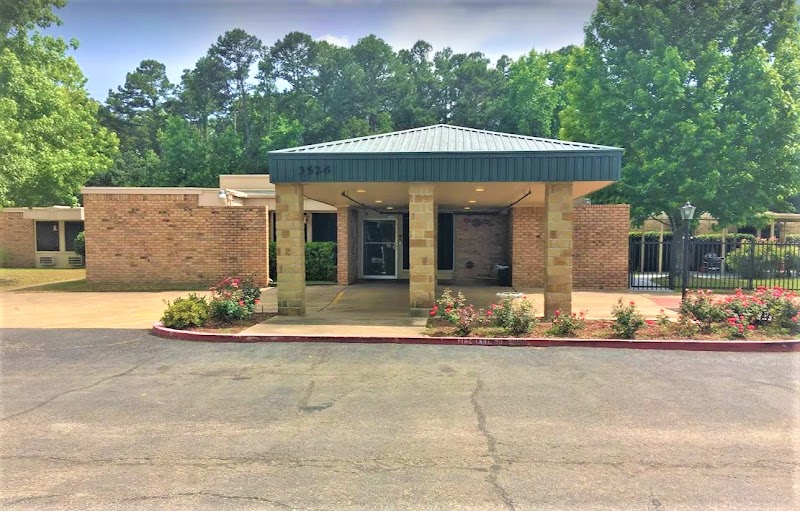
How is Greenbrier Nursing & Rehabilitation Center Of Tyle Staffed?

CMS rates GREENBRIER NURSING & REHABILITATION CENTER OF TYLE's staffing level at 3 out of 5 stars, which is average compared to other nursing homes. Staff turnover is 48%, compared to the Texas average of 46%.

What Have Inspectors Found at Greenbrier Nursing & Rehabilitation Center Of Tyle?

State health inspectors documented 13 deficiencies at GREENBRIER NURSING & REHABILITATION CENTER OF TYLE during 2023 to 2025. These included: 13 with potential for harm.
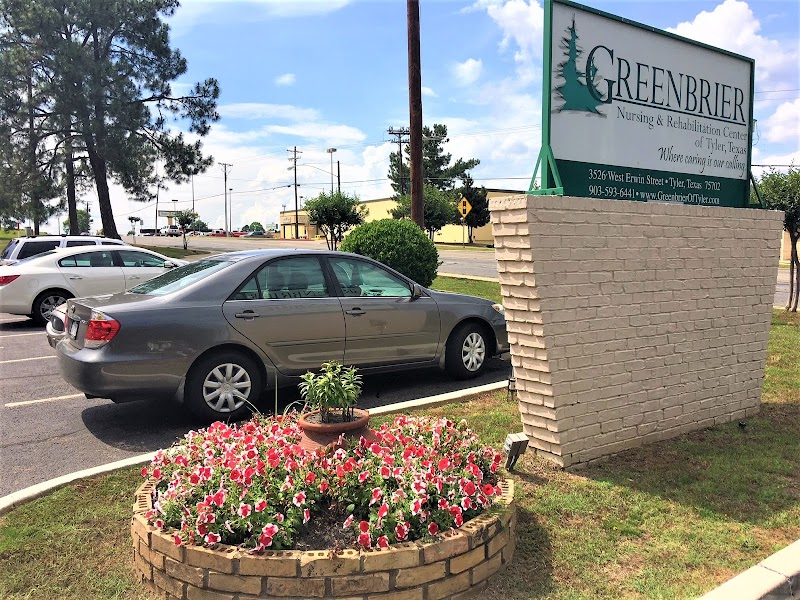
Who Owns and Operates Greenbrier Nursing & Rehabilitation Center Of Tyle?

GREENBRIER NURSING & REHABILITATION CENTER OF TYLE is owned by a for-profit company. For-profit facilities operate as businesses with obligations to shareholders or private owners. The facility is operated by CREATIVE SOLUTIONS IN HEALTHCARE, a chain that manages multiple nursing homes. With 120 certified beds and approximately 52 residents (about 43% occupancy), it is a mid-sized facility located in TYLER, Texas.
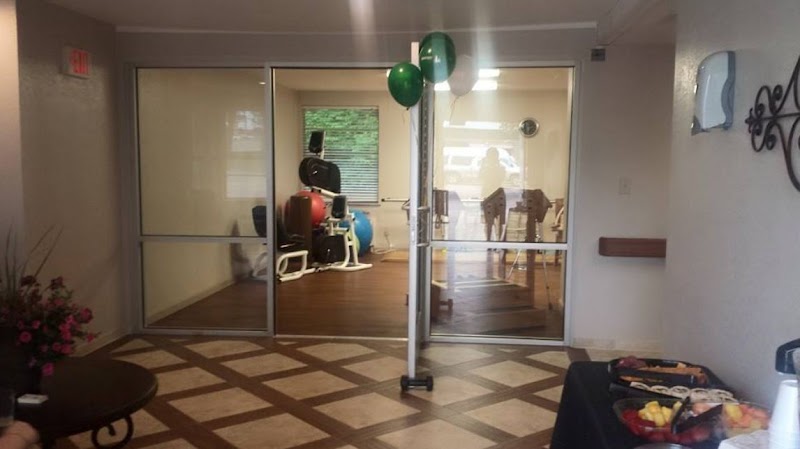
How Does Greenbrier Nursing & Rehabilitation Center Of Tyle Compare to Other Texas Nursing Homes?

Compared to the 100 nursing homes in Texas, GREENBRIER NURSING & REHABILITATION CENTER OF TYLE's overall rating (4 stars) is above the state average of 2.8, staff turnover (48%) is near the state average of 46%, and health inspection rating (4 stars) is above the national benchmark.

What Should Families Ask When Visiting Greenbrier Nursing & Rehabilitation Center Of Tyle?

Based on this facility's data, families visiting should ask: "Can I visit during a mealtime to observe dining assistance and food quality?" "How do you handle medical emergencies, and what is your hospital transfer rate?" "Can I speak with family members of current residents about their experience?"

Is Greenbrier Nursing & Rehabilitation Center Of Tyle Safe?

Based on CMS inspection data, GREENBRIER NURSING & REHABILITATION CENTER OF TYLE has a clean safety record: no substantiated abuse findings (meaning no confirmed cases of resident harm), no Immediate Jeopardy citations (the most serious violation level indicating risk of serious injury or death), and is not on the Special Focus Facility watch list (a federal program monitoring the lowest-performing 1% of nursing homes). The facility has a 4-star overall rating and ranks #1 of 100 nursing homes in Texas. While no facility is perfect, families should still ask about staff-to-resident ratios and recent inspection results during their visit.

Do Nurses at Greenbrier Nursing & Rehabilitation Center Of Tyle Stick Around?

GREENBRIER NURSING & REHABILITATION CENTER OF TYLE has a staff turnover rate of 48%, which is about average for Texas nursing homes (state average: 46%). Moderate turnover is common in nursing homes, but families should still ask about staff tenure and how the facility maintains care continuity when employees leave.

Was Greenbrier Nursing & Rehabilitation Center Of Tyle Ever Fined?

GREENBRIER NURSING & REHABILITATION CENTER OF TYLE has no federal fines on record. CMS issues fines when nursing homes fail to meet care standards or don't correct problems found during inspections. The absence of fines suggests the facility has either maintained compliance or corrected any issues before penalties were assessed. This is a positive indicator, though families should still review recent inspection reports for the full picture.

Is Greenbrier Nursing & Rehabilitation Center Of Tyle on Any Federal Watch List?

GREENBRIER NURSING & REHABILITATION CENTER OF TYLE is not on any federal watch list. The most significant is the Special Focus Facility (SFF) program, which identifies the bottom 1% of nursing homes nationally based on persistent, serious quality problems. Not being on this list means the facility has avoided the pattern of deficiencies that triggers enhanced federal oversight. This is a positive indicator, though families should still review the facility's inspection history directly.