PARK PLACE NURSING & REHABILITATION CENTER
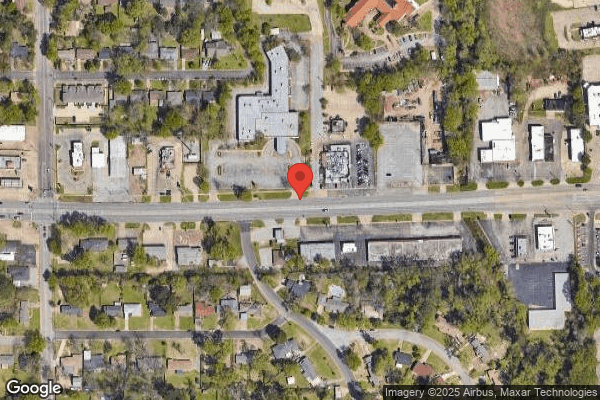

2450 E FIFTH ST, TYLER, TX 75701 (903) 592-6745
For profit - Corporation 120 Beds Independent Data: November 2025 1 Immediate Jeopardy citation
Trust Grade
8/100
#1067 of 1168 in TX
Last Inspection: May 2025

Inspected within the last 6 months. Data reflects current conditions.

Overview

Park Place Nursing & Rehabilitation Center has received a Trust Grade of F, indicating significant concerns about the quality of care. Ranking #1067 out of 1168 facilities in Texas places it in the bottom half, and #16 out of 17 in Smith County means only one local option is better. Unfortunately, the facility's trend is worsening, with issues increasing from 8 in 2024 to 12 in 2025. Staffing is a major concern, as it received a low rating of 1 out of 5 stars, and has a troubling turnover rate of 65%, significantly higher than the Texas average. The facility has incurred fines totaling $419,660, which is higher than 98% of Texas facilities, suggesting ongoing compliance problems. Although RN coverage is average, specific incidents have raised alarms, such as a failure to ensure timely medical appointments for residents, which led to a life-threatening infection and amputation for one individual. Additionally, the facility did not provide adequate personal hygiene care for several residents, risking their dignity and health. Overall, while some staff may be committed, the considerable deficiencies suggest serious risks for potential residents.

Trust Score
F
8/100
In Texas
#1067/1168
Bottom 9%
Safety Record
High Risk
Review needed
Inspections
Getting Worse
8 → 12 violations
Staff Stability
⚠ Watch
65% turnover. Above average. Higher turnover means staff may not know residents' routines.
Penalties
○ Average
$419,660 in fines. Higher than 63% of Texas facilities. Some compliance issues.
Skilled Nurses
⚠ Watch
Each resident gets only 17 minutes of Registered Nurse (RN) attention daily — below average for Texas. Fewer RN minutes means fewer trained eyes watching for problems.
Violations
⚠ Watch
21 deficiencies on record. Higher than average. Multiple issues found across inspections.
★☆☆☆☆
1.0
Overall Rating
★☆☆☆☆
1.0
Staff Levels
★★★☆☆
3.0
Care Quality
★★☆☆☆
2.0
Inspection Score
Stable
2024: 8 issues
2025: 12 issues

The Good

  • Full Sprinkler Coverage · Fire safety systems throughout facility
  • No fines on record

Facility shows strength in fire safety.

The Bad

1-Star Overall Rating

Below Texas average (2.8)

Significant quality concerns identified by CMS

Staff Turnover: 65%

19pts above Texas avg (46%)

Frequent staff changes - ask about care continuity

Federal Fines: $419,660

Well above median ($33,413)

Significant penalties indicating serious issues

Staff turnover is elevated (65%)

17 points above Texas average of 48%

The Ugly 21 deficiencies on record

1 life-threatening
Jun 2025 2 deficiencies
CONCERN (D) 📢 Someone Reported This

A family member, employee, or ombudsman was alarmed enough to file a formal complaint

Potential for Harm - no one hurt, but risky conditions existed

Assessment Accuracy (Tag F0641)

Could have caused harm · This affected 1 resident

**NOTE- TERMS IN BRACKETS HAVE BEEN EDITED TO PROTECT CONFIDENTIALITY** Based on interview and record review, the facility failed to ensure assessments accurately reflected the resident status for 1 o...

Read full inspector narrative →
**NOTE- TERMS IN BRACKETS HAVE BEEN EDITED TO PROTECT CONFIDENTIALITY** Based on interview and record review, the facility failed to ensure assessments accurately reflected the resident status for 1 of 4 residents (Resident #2) reviewed for MDS assessment accuracy. Resident #2's MDS admission assessment dated [DATE] failed to indicate Resident #2 had a pressure wound. This failure could place residents at risk of not receiving adequate care and services to meet their needs. Findings included: Record review of a face sheet dated 6/17/25 indicated Resident #2 was a [AGE] year-old male admitted to the facility on [DATE]. His diagnoses included: spinal stenosis (the narrowing of one or more spaces within the spinal canal), atherosclerotic heart disease (gradual buildup of plaque in the walls of the arteries), hypertension (high blood pressure), spondylosis (degeneration in the spine), dementia (a group of symptoms affecting memory, thinking and social abilities), diabetes mellitus (condition that happens when blood sugar is too high), hemiplegia (paralysis of one side of the body), and pressure ulcer (injury to the skin and the tissue below the skin that are due to pressure on the skin), of the sacral region (bottom of the spine). Record review of the admission MDS dated [DATE] indicated Resident #2 had a BIMS score of 3, indicating he had severely impaired cognition. Section M-skin conditions of the MDS did not indicate Resident #2 had a pressure wound. During an interview on 6/17/25 at 1:00 p.m. the DON stated she had been in the position since the first week of May this year. The DON stated that the former wound care nurse did not do her job, as they found out she had not been keeping the wound care report up to date and had not added Resident #2 to the report. The DON stated that was why the information was not on the MDS, as the MDS nurse used the wound report to complete the MDS. The DON stated all the wound information should have been put on the report, and on the MDS. During an interview on 6/18/25 at 9:56 a.m. the MDS nurse stated she had worked in the facility since November 2024. The MDS nurse stated she used the wound care report to gather information for the MDS. She stated Resident #2 was not on the skin report, and that was why his wound was not addressed on the MDS. The MDS nurse stated all wounds were to be identified on the MDS. During an interview on 6/18/25 at 10:01 a.m. the ADON stated she had worked in the facility for 4 years. The ADON stated the former wound care nurse did not keep the wound care log up to date. The ADON stated the MDS nurse used the information from the wound care report to complete the MDS. The ADON stated the wound care nurse did not take her job serious and was terminated in May of 2025. The ADON stated the wound care log should have been kept up to date, and the correct information entered into the MDS for Resident #2. Record review of a facility policy titled Resident Assessment, with a revision date of 1/12/2020 indicate the following: .Standard of Practice: It is the Standard of Care at this facility to conduct, initially and periodically, a comprehensive, accurate assessment of each resident's functional capacity utilizing the Minimum Data Set (MDS) according to the guidelines set forth in the Resident Assessment Instrument (RAI) manual
CONCERN (D) 📢 Someone Reported This

A family member, employee, or ombudsman was alarmed enough to file a formal complaint

Potential for Harm - no one hurt, but risky conditions existed

Infection Control (Tag F0880)

Could have caused harm · This affected 1 resident

Based on observation, interview, and record review, the facility failed to maintain an infection prevention and control program designed to provide a safe, sanitary, and comfortable environment and to...

Read full inspector narrative →
Based on observation, interview, and record review, the facility failed to maintain an infection prevention and control program designed to provide a safe, sanitary, and comfortable environment and to help prevent the development and transmission of communicable diseases and infections for 1 of 2 staff (CNA A) observed for infection control. The facility failed to ensure CNA A performed hand hygiene between glove changes. These failures could place residents and staff at risk for cross-contamination, spread of infection and could potentially affect all others in the building. Findings Include: During an observation on 6/18/25 at 1:20 p.m. CNA A performed incontinent care on Resident #1. CNA A performed hand hygiene and put on gloves. CNA A opened Resident #1's wet brief. CNA A cleaned Resident #1's lower abdominal area, inner thigh, vaginal area, left buttock, right buttock, and between her buttocks with disposable wipes. CNA A removed her gloves, did not perform hand hygiene, and put on a clean pair of gloves. CNA A put a clean brief on Resident #1, removed her gloves, did not perform hand hygiene, put on a clean pair of gloves, and assisted Resident #1 into a clean pair of pants. During an interview on 6/18/25 at 1:30 p.m. CNA A said hand hygiene should be performed before and after providing care for a resident, after touching anything contaminated, and between glove changes. CNA A said she did not perform hand hygiene between glove changes when performing incontinent care on Resident #1 because she was moving too fast. CNA A said the importance of hand hygiene was to prevent infections. During an interview on 6/18/25 at 1:46 p.m. the DON said she expected hand hygiene to be performed before putting on gloves, after removing gloves, after providing care, and when the hands were visibly soiled. The DON said the importance of hand hygiene was to prevent the spread of infection. Record review of the facility's Hand Hygiene for Staff and Residents policy revised February 2025 indicated, To reduce the spread of infection with proper hand hygiene. Proper hand hygiene technique is completed whenever hand hygiene is indicated. Hand hygiene is the most important component for preventing the spread of infection .Hand hygiene is done .After: A. contact with soiled or contaminated articles, such as articles that are contaminated with body fluids. B. resident contact .D. toileting or assisting others with toileting, or after personal grooming .H. removal of medical/surgical or utility gloves . Record review of the facility's Perineal Care (the process of cleaning the genital and anal areas) policy revised April 2023 indicated, Staff will provide perineal care in accordance with the standard of practice to prevent skin breakdown and infection .Perineal Care for Female: a. Assist resident to lie on their back with legs flexed at knees and spread apart .d. Wash labia majora (prominent folds of the skin that form the borders of the vulva (the external female genitals)). Use dominant hand to gently retract the labia from thigh. Use dominant hand to wash carefully in skinfolds. Wipe in direction from perineum to rectum .e. Gently separate labia with nondominant hand to expose the urethral meatus (the external opening of the urethra) and vaginal orifice (the opening of the vagina). With dominant hand wash downward from pubic area toward rectum in one smooth stroke .Dispose of gloves and used supplies and perform hand hygiene. Apply new gloves and place new brief and change linens as needed .
May 2025 6 deficiencies 1 IJ (1 affecting multiple)
CRITICAL (K) 📢 Someone Reported This

A family member, employee, or ombudsman was alarmed enough to file a formal complaint

Immediate Jeopardy (IJ) - the most serious Medicare violation

Quality of Care (Tag F0684)

Someone could have died · This affected multiple residents

**NOTE- TERMS IN BRACKETS HAVE BEEN EDITED TO PROTECT CONFIDENTIALITY** Based on interview and record review, the facility failed to ensure that residents received care and services in accordance with...

Read full inspector narrative →
**NOTE- TERMS IN BRACKETS HAVE BEEN EDITED TO PROTECT CONFIDENTIALITY** Based on interview and record review, the facility failed to ensure that residents received care and services in accordance with professional standards of practice for 1 of 9 residents (Resident #1) reviewed for quality of care. 1. The facility failed to follow up with a cardiologist appointment on 2/25/25 for Resident #1 for 36 days, from 2/25/25 to 4/1/25. 2. The facility failed to ensure Resident #1 received a vascular surgeon referral when the order was given on 02/12/25, which resulted in the development of gas gangrene (rare but highly lethal and potentially life-threatening bacterial infection that destroys muscle tissue, blood cells, and blood vessels producing a gas that causes tissue death and a foul smell) and an above-the-knee amputation (surgical removal) of his right leg on 04/02/25. An immediate jeopardy (IJ) was identified on 05/04/25 at 11:00 AM. The IJ template was provided to the facility on [DATE] at 11:15 AM. While the IJ was removed on 05/05/25 at 5:32 PM, the facility remained out of compliance at a scope of pattern and a severity level of no actual harm with potential for more than minimal harm that is not immediate jeopardy because of the facility's need to complete in-service training and evaluate the effectiveness of the corrective systems on entering physician orders, scheduling appointments or referrals, and ensuring documentation of missed appointments. These failures could place residents at risk of receiving a delay in treatment or services, serious injury, harm, disfigurement, or death. The findings included: Resident review of Resident #1's face sheet printed on 4/11/25 indicated Resident #1 was an [AGE] year-old male who admitted on [DATE] and discharged on 04/01/25 and did not return. Record review of admission MDS assessment dated [DATE] indicated Resident #1 had clear speech, was able to make self-understood and had the ability to understand others. He had BIMS score of 12 out of 15 indicating he was moderately impaired cognitively. The MDS assessment indicated Resident #1 did not exhibit rejection of care. The MDS assessment indicated Resident #1 required substantial to moderate assist with most ADLs. The MDS assessment indicated Resident #1 had no unhealed pressure ulcer/injuries, no venous and arterial ulcers present and no foot problems. Record review of Resident #1's revised care plan dated 01/31/25 revealed that the Resident #1 as being care planned for skin breakdown: At risk/actual. Related to: History of Cardiovascular Disease. Evidence By: Severe score 6-9 for Pressure Ulcer risk, Confined to bed and/or chair most of the time, extensive bed mobility and total transfer assist. Goal: Resident #1 would maintain clean and intact skin for the next 90 days. - Measures would be taken to prevent skin breakdown over the next 90 days and open area will be healed over the next 90 days. Interventions: -Assist Resident #1 to turn and reposition frequently. - Inspect skin daily with care and bathing and report any changes to charge nurse. - Keep skin clean, dry, and free of irritants. - Treatments and dressings as ordered per physician. Record review of after visit summary also known as the admitting orders printed on 1/24/25 indicated Resident #1 was in the hospital from [DATE] to 1/24/25 due to malignant hypertensive urgency (high blood pressure that requires treatment to bring it down). Follow up appointment with Cardiologist on Tuesday February 25, 2025, at 10:40am (arrive by 10:25am). Record review of an undated physician's orders report printed on 4/11/25 indicated Resident #1 had diagnoses including hypertensive urgency (a clinical situation in which blood pressure is very high with minimal or no symptoms, and no signs or symptoms indicating acute organ damage), unspecified skin changes, muscle weakness (generalized), unspecified diastolic (congestive) heart failure, and essential (primary) hypertension. The physician order's report further revealed the following treatment orders: 1. Dated: 02/06/25 to 02/25/25 - Cleanse right heel with normal saline, pat dry, apply xeroform, apply dry protective dressing, and wrap with Kerlex daily on the 6 AM - 2 PM shift. 2. Dated: 02/06/25 to 02/25/25 - Cleanse right great toe with normal saline, pat dry, apply xeroform, apply dry protective dressing, and wrap with Kerlex daily on the 6 AM - 2 PM shift. 3. Dated: 02/06/25 to 04/05/25 - Skin prep wipes twice daily to the right lateral ankle. 4. Dated 02/06/25 to 04/05/25 - Skin prep wipes twice daily to the right second toe. 5. Dated 02/06/25 to 04/05/25 - Skin prep wipes twice daily to the right lateral foot. 6. Dated 02/25/25 to 04/05/25 - Skin prep wipes twice daily to the right first toe. 7. Dated 02/25/25 to 04/05/25 - Skin prep wipes twice daily to the right heel. Record review of the wound care note, dated 02/06/25, reflected Resident #1 presented with wounds on his right heel, right distal lateral foot, right first toe, right second toe, and right proximal lateral foot. The exam portion reflected the wound care physician was unable to palpate the right pedal (foot) pulses. The recommendations included a right lower extremity arterial doppler. Record review of Resident #1's radiology report from a doppler scan, completed on 02/10/25, reflected The blood flow velocity (movement) is decreased in the arteries of the right lower extremity with a monophasic flow (decreased blood flow), likely moderate inflow disease (type of peripheral artery disease that refers to blockage in the arteries), outflow disease (refers to blockage in the lower extremity affecting the femoral artery and pedal (foot) vessels), and severe arterial disease (a vascular disorder that causes abnormal narrowing of arteries other than those that supply the heart or brain). Record review of the physician progress note, dated 02/12/25, reflected Resident #1 was seen in the facility. The progress note reflected Resident #1 had possible peripheral vascular disease (a vascular disorder that causes abnormal narrowing of arteries other than those that supply the heart or brain) and lower extremity wounds. The plan included Vascular Surgery referral. Record review of the wound care note, dated and signed by the Wound Care Doctor on 02/17/25, reflected Resident #1 had a total of 5 wounds to his right foot. A deterioration of the arterial wound to his right first toe was documented. A Vascular Surgeon referral was recommended. The wounds and measurements as follows: 1. right heel measured 2 cm x 2.5 cm x not measurable due to the presence of dried fibrinous exudate. 2. right first toe measured 4 cm x 2 cm x not measurable due to the presence of nonviable tissues and necrosis. 3. right second toe measured 1 cm x 0.4 cm x not measurable due to the presence of nonviable tissue and necrosis. 4. right distal, lateral foot measured 1.7 cm x 1.5 cm x not measurable due to the presence of nonviable tissues and necrosis. 5. right proximal, lateral foot measured 0.5 cm x 0.5 cm x not measurable due to the presence of nonviable tissue and necrosis. Record review of the wound care note, dated and signed by the Wound Care Doctor on 02/24/25, reflected Resident #1 had a total of 5 wounds to his right foot and was awaiting vascular referral for pad with dry gangrene (death of body tissue due to a lack of blood flow or a serious bacterial infection). The wounds and measurements as follows: 1. right heel measured 2 cm x 2.5 cm x not measurable due to the presence of dried fibrinous exudate. 2. right first toe measured 4 cm x 2 cm x not measurable due to the presence of nonviable tissues and necrosis. 3. right second toe measured 1 cm x 0.4 cm x not measurable due to the presence of nonviable tissue and necrosis. 4. right distal, lateral foot measured 1.5 cm x 1.5 cm x not measurable due to the presence of nonviable tissues and necrosis. 5. right proximal, lateral foot measured 0.5 cm x 0.5 cm x not measurable due to the presence of nonviable tissue and necrosis. Record review of the wound care note, dated and signed by the Wound Care Doctor on 03/03/25, reflected Resident #1 had a total of 5 wounds to his right foot. The not reflected Resident #1's wound to his right distal lateral foot was not at goal. The note reflected Resident #1 was awaiting a vascular referral. The wounds and measurements as follows: 1. right heel measured 2 cm x 2.5 cm x not measurable due to the presence of dried fibrinous exudate. 2. right first toe measured 4 cm x 2 cm x not measurable due to the presence of nonviable tissues and necrosis. 3. right second toe measured 0.8 cm x 0.4 cm x not measurable due to the presence of nonviable tissue and necrosis. 4. right distal, lateral foot measured 2 cm x 1.5 cm x not measurable due to the presence of nonviable tissues and necrosis. 5. right proximal, lateral foot measured 0.5 cm x 0.5 cm x not measurable due to the presence of nonviable tissue and necrosis. Record review of Resident #1's physician's telephone order dated 3/6/25 indicated an order for vascular consult referral for previous vascular issues. Diagnosis: Unspecified skin changes. Record review of the wound care note, dated and signed by the Wound Care Doctor on 03/10/25, reflected Resident #1 had a total of 4 wounds to his right foot. The note reflected Resident #1's wound to his right heel was not at goal. The note reflected Resident #1's wound to the right lateral distal foot was worsening. The note reflected Resident #1 was awaiting a vascular referral. The wounds and measurements as follows: 1. right heel measured 3 cm x 2.5 cm x not measurable due to the presence of dried fibrinous exudate. 2. right first toe measured 4 cm x 2 cm x not measurable due to the presence of nonviable tissues and necrosis. 3. right second toe was resolved. 4. right distal, lateral foot measured 4 cm x 1.5 cm x not measurable due to the presence of nonviable tissues and necrosis. 5. right proximal, lateral foot measured 0.5 cm x 0.5 cm x not measurable due to the presence of nonviable tissue and necrosis. Record review of the wound care note, dated and signed by the Wound Care Doctor on 03/17/25, reflected Resident #1 had a total of 4 wounds to his right foot. The note reflected Resident #1's wound to the right lateral distal foot and the right proximal lateral foot were worsening. The note reflected Per patient, saw vascular last week. Will check on note. The wounds and measurement as follows: 1. right heel measured 3 cm x 2.5 cm x not measurable due to the presence of dried fibrinous exudate. 2. right first toe measured 4 cm x 2 cm x not measurable due to the presence of nonviable tissues and necrosis. 3. right distal, lateral foot measured 6 cm x 4 cm x not measurable due to the presence of nonviable tissues and necrosis. 4. right proximal, lateral foot measured 1 cm x 1 cm x not measurable due to the presence of nonviable tissue and necrosis. Record review of the wound care note, dated and signed by the Wound Care Doctor on 03/24/25, reflected Resident #1 had a total of 4 wounds. The note reflected Resident #1's wound to the right first toe was worsening. The note reflected Resident #1 was to see vascular next week. The wounds and measurements as follows: 1. right heel measured 3 cm x 2.5 cm x not measurable due to the presence of dried fibrinous exudate. 2. right first toe measured 6 cm x 4 cm x not measurable due to the presence of nonviable tissues and necrosis. 3. right distal, lateral foot measured 6 cm x 4 cm x not measurable due to the presence of nonviable tissues and necrosis. 4. right proximal, lateral foot measured 1 cm x 1 cm x not measurable due to the presence of nonviable tissue and necrosis. Record review of the wound care note, dated and signed by the Wound Care Doctor on 03/31/25, reflected Resident #1 had a total of 4 wounds. The note reflected Resident #1 was awaiting a vascular referral. The wounds and measurements as follows: 1. right heel measured 3 cm x 2.5 cm x not measurable due to the presence of dried fibrinous exudate. 2. right first toe measured 6 cm x 4 cm x not measurable due to the presence of nonviable tissues and necrosis. 3. right distal, lateral foot measured 6 cm x 4 cm x not measurable due to the presence of nonviable tissues and necrosis. 4. right proximal, lateral foot measured 1 cm x 1 cm x not measurable due to the presence of nonviable tissue and necrosis. Record review of Resident #1's weekly wound report from 1/24/2025 to 4/11/2025 indicated he was treated by the treatment nurse on the following dates: 2/6/25, 2/10/25, 2/17/25, 2/14/25, and on 3/3/25. Record review of Resident #1's treatment administration records dated March 2025 and April 2025 indicated wound care to Resident #1's right first toe, right second toe, right heel, right lateral ankle, right lateral foot was last completed on 03/31/25. Record review of Resident #1 transfer form dated 4/1/25 indicated he was transferred to a local hospital for signs and symptoms of infections/fever and wound deterioration/treatment. Record review of Resident #1 hospitalist admission note dated 4/1/25 indicated Resident #1 was sent from local nursing home for gangrene foot. Also, indicated Resident #1 was very unkempt and very odorous smelling in general and had a very gangrenous mummified right foot. Record review of Resident #1 hospital vascular surgery note dated 4/2/25 indicated the following: Reason for Consultation: Right foot gangrene; History of present illness: [Resident #1] was an [AGE] year-old male with history of atrial fibrillation, hyperlipidemia, and hypertension who presented to the emergency department yesterday via ambulance from nursing home for right lower extremity wounds. It appeared that the wounds had been there for some time with extensive gangrene to right foot and lower leg . Vascular surgery was consulted for major amputation as right foot was not salvageable. [Resident #1] did not take any blood thinning medications. Record review of after visit summary printed on 4/8/25 indicated Resident #1 was in the hospital from [DATE] to 4/8/25 for above the knee amputation due to gangrene of the right foot. During an interview on 4/11/25 at 3:27pm, LVN L said that she was the admitting nurse for Resident #1 and responsible for entering his orders. She said that she had finished the new admission paperwork and entered the orders and appointments as outlined in the after-visit summary from the admitting hospitals. LVN L said that she was not very proficient with the new admission process and could not remember the admission paperwork for Resident #1. However, she said that if a cardiologist appointment was listed in the after-visit summary for Resident #1, it should have been recorded in the scheduler for the transportation driver. She indicated that the ADONs were responsible for reviewing the new admission orders and paperwork after the admission to ensure their accuracy. LVN L also said that the ADON on the second floor at that time was no longer employed there. During an interview on 4/14/25 at 3:34pm and at 5:54pm, DON O said she was unaware that Resident #1 had missed his cardiology appointment on 02/25/25, as well as the vascular appointment on 03/26/25, until the information was brought to her attention on 04/11/25. DON O stated the charge nurse assigned to the admitting resident's hall was responsible for entering the admission orders and scheduling the appointments in their system. During the morning meetings, department heads reviewed all new admissions from the previous day, and she did not know how the ball got dropped with Resident #1. DON O said she had access to the cardiologist's company system and was able to verify that Resident #1 indeed missed the appointment on 02/25/25, which was not rescheduled due to the failure to enter it at the time of admission, and the oversight was not identified until it was too late. DON O indicated Resident #1 maintained stable vital signs with no acute cardiac events of record and was followed by [their] in-house physician, NP and wound care doctor. She expressed her expectation was the Transportation Driver would have taken Resident #1 to the appointment on 03/26/25, as he was not a nursing staff member and was not qualified to make that decision. Additionally, she expected the nurse to document any missed appointments, reschedule them, and notify her, which had not occurred. DON O said she expected for the Treatment nurse to follow up on all orders given by the wound doctor because she was the only staff who had access to the wound doctor's notes. She said the Treatment nurse should be documenting on Resident #1's chart and followed up with Resident #1's vascular consult. During an interview on 4/11/25 at 1:28pm, LVN L said that she was the charge nurse for [NAME] Hall and the left side of North Hall during the 6am-2pm shift. She indicated that Resident #1 was located on her hall and had a scheduled vascular surgeon appointment on an unspecified date in March 2025, which was missed because Transportation Driver P was impatient and refused to wait for CNA M to wash and clean Resident #1's face. LVN L said Resident #1 was positioned in a wheelchair near the nurse station, and when Transportation Driver P arrived to pick up Resident #1, CNA M was in the process of preparing to clean his face. At that moment, Transportation Driver P informed both her and CNA M that he did not have time to wait for the cleaning and subsequently decided it was too late to take Resident #1 to the appointment. LVN L attempted to explain to Transportation Driver P that most appointments typically allow a 15-minute grace period and expressed her belief that Resident #1 could have arrived on time since the appointment location was not far from the facility. However, Transportation Driver P dismissed her comments and left without taking Resident #1. LVN L mentioned she called to reschedule the appointment but was unable to provide a new date nor confirm the rescheduling had occurred, and she stated she did not document this information in Resident #1's chart. LVN L stated she did not remember informing anyone about Resident #1 missing the scheduled appointment and she should have documented it but failed to do so. During an interview on 4/11/25 at 1:35pm, CNA M said she worked as the NA for [NAME] Hall during the 6 am to 2 pm shift. She said Resident #1 resided on her hall and had a scheduled appointment on an unspecified date in March 2025. Resident #1 was unable to attend because Transportation Driver P refused to wait for her to clean Resident #1's face prior to the appointment. CNA M asserted the cleaning would not take long and communicated this to Transportation Driver P but, he determined it was too late to transport Resident #1 to the appointment. LVN L informed the driver Resident #1 still had sufficient time to arrive, but Transportation Driver P chose to walk away and instructed them to reschedule the appointment. CNA M stated she was unaware if Resident #1's appointment had been rescheduled. During an interview on 4/14/25 at 2:49pm, Transportation Driver P said he worked Monday-Friday from 7am to 3pm and rotated weekends since November 2024.He stated he received minimal on-the-job training when he first began his role. The limited training he did receive was from the previous driver he replaced, who provided instruction for approximately four days, after which he learned independently. Transportation Driver P recalled the incident involving Resident #1, LVN L, and CNA M. He stated on that morning, he had several back-to-back appointments. Due to the type of van, he operated, he could only transport one resident at a time if they were in a wheelchair, as that was the maximum capacity. He informed an unidentified nurse to ensure that Resident #1 was prepared for his appointment, given his busy schedule. Transportation Driver P could not recall the exact time, he attempted to pick up Resident #1 twice, but on both occasions, the resident was not ready. During the first attempt, Resident #1 was still in bed in his room, prompting him to notify the nurse to have the resident prepared for his return. After taking another resident to an appointment, he returned to the facility for Resident #1, only to find that CNA M had still not prepared him. He was informed they needed a few more minutes to clean Resident #1's face, but the process was taking longer than anticipated. When he returned to check on Resident #1 again, he found that the resident was still not ready. He then informed LVN L that Resident #1 would not make it to his appointment on time, as the time required to prepare the resident, transport him down the elevators, and secure him in the van would exceed the 15-minute grace period. Transportation Driver P stated that LVN L was responsible for rescheduling Resident #1's missed appointment, but he did not recall seeing a new appointment scheduled for the resident. He expressed that he did not believe the situation was his fault. During an interview on 4/14/25 at 6:21pm, the Treatment Nurse said that the wound doctor had instructed her to arrange an appointment for Resident #1 with the vascular specialist, which was her duty. She said the Vascular Consult was recorded on 3/6/25, and although she attempted to schedule the vascular appointments for Resident #1, her efforts were unsuccessful, and she failed to document those attempts in Resident #1's medical record. The Treatment Nurse could not clarify the reason for the 14-day delay between 3/6/25 and 3/20/25 in scheduling the vascular appointment. She said her last assessment of the Resident #1's wound occurred on Friday, 03/28/25, at which point there was no odor present, and Resident #1 had wounds located only on the right foot's side and heel, with indications that healing was taking place. Treatment nurse said herself and the wound doctor examined Resident #1's right foot the following Monday, 03/31/25, they detected an odor and noted a deterioration in the condition of the resident's wounds, which had begun to spread to the toes. She stated she only became aware of the situation on 3/31/25 when the Wound Doctor inquired about the outcome of Resident #1's vascular appointment scheduled for 3/26/25. Upon reviewing Resident #1's chart, she learned from an unidentified nurse that Resident #1 had missed the appointment due to transportation issues. The Treatment Nurse stated her responsibility to follow up on the wound doctor's orders, which she failed to do in this case. She did not reschedule the missed appointment because she was unaware of it until after the fact, and by the time she realized the oversight, Resident #1 was sent to the hospital the following day, 4/1/25. During an interview on 4/14/25 at 12:46pm, the Wound Care Doctor said Resident #1 had significantly inadequate blood flow, and the poor blood flow affected the healing, and the outcome of amputation might not have changed even with going to the appointment. During an observation and interview on 4/12/25 at 1:56pm, Resident #1 was at a different facility with an above-the-knee amputation on the right leg, accompanied by approximately 22 to 24 staples. He expressed no complaints or concerns regarding the previous facility. He mentioned feeling somewhat anxious at the hospital when informed about the impending loss of his leg, but he desired relief from pain and instructed the medical team to proceed with necessary actions. Resident #1 reported that he was free from pain. During an interview on 05/03/25 at 10:02 AM, CNA M stated she worked with Resident #1 regularly. CNA M stated Resident #1's wounds developed an odor prior to being sent to the hospital. CNA M stated she never saw the wounds because they were wrapped up most of the time. CNA M stated she had reported Resident #1's wound odor to multiple charge nurses and they handled it. CNA M was unable to remember when the odor started but stated it was approximately 1 week before he was sent to the hospital. During an interview on 05/03/25 at 10:22 AM, LVN L stated she did not recall any discoloration, edema, or wounds to Resident #1's legs when he admitted to the facility. LVN L stated she remembered Resident #1 developing a wound on his heel but was unable to remember the wound. LVN L stated on 04/01/25 CNA M reported that Resident #1 had an odor to his wounds. LVN L stated CNA M had reported she had told other nurses about the odor. LVN L stated Resident #1 was in therapy when CNA M reported the odor, so she requested Resident #1 be laid down after lunch so she could assess the wound. LVN L stated before she was able to assess Resident #1's wounds, LVN J and ADON D had assessed Resident #1 and sent him to the hospital for evaluation. LVN L stated she had not seen Resident #1's foot wounds for a couple of weeks because the Treatment Nurse was completing the treatments. During an interview on 05/03/25 at 11:01 AM, LVN J stated she was the treatment nurse at the facility. LVN J stated she completed treatments Monday through Friday unless she was working the floor. LVN J stated on the weekends and when she worked the floor the charge nurses were responsible for completing the treatments. LVN J stated on 02/06/25 she was alerted by therapy via a communication app that Resident #1 had some blisters to his right foot. LVN J stated the wound care doctor was in the facility, so she had him assess the wounds. LVN J stated the wound care doctor looked at the wounds, ordered treatments and an arterial doppler study. LVN J stated the wounds started off as fluid filled blisters than with treatment initiated, they started to dry out. LVN J stated the wounds appeared arterial or vascular from the beginning, which was why a doppler study was ordered. LVN J stated Resident #1 had no discoloration to his foot in the beginning. LVN J stated she was unaware Resident #1 had no palpable pedal pulses to his right foot, until she read the wound care doctors notes. LVN J stated she communicated the results of the doppler to the wound care doctor and he ordered a vascular surgeon referral. LVN J stated the DON had asked ADON Q to make the appointment, but he did not. LVN J stated after a few weeks had passed it was discovered that ADON Q had not made the appointment. LVN J stated she had made a few calls to attempt to schedule the appointment, but they had not gotten back to her, and she did not follow up. LVN J stated Resident #1's wounds started off as fluid-filled blisters, then dried and became black. LVN J stated Resident #1's feet were normal color and had no problems when he first admitted . LVN J stated LVN R reported Resident #1 had a deterioration of his wounds the day before he was sent to the hospital, but she was off and told her she would handle it tomorrow. LVN J stated pedal pulses were assessed each time the wound care doctor was at the facility. LVN J stated no pedal pulses to his right foot were able to be felt. LVN J stated the wound care doctor followed up with her every week regarding the vascular referral appointment and she would follow up with nursing management. LVN J stated Resident #1's right foot have no palpable pedal pulses, indicated there was no blood flow to that foot. LVN J stated when there was no blood flow, there was no blood circulation. LVN J stated complications of no blood flow to the foot or tissues included: hardening of the foot, increased risk of infection, and loss of limb. LVN J stated the vascular appointment and cardiologist appointment could have prevented the loss of his leg. LVN J stated she was responsible for following up with the wound care doctors' orders. LVN J stated she pulled an order report every day to review order changes for wounds. During an interview on 05/03/25 at 12:21 PM, the Wound Care Doctor stated Resident #1 presented with fluid-filled blisters to his right foot and there was no pulses present to the right foot. The Wound Care Doctor stated he believed it could have been arterial, so he ordered a doppler study. When the doppler study results were received he then ordered a vascular referral. The Wound Care Doctor stated he followed up with the referral status each time he was at the facility. The Wound Care Doctor stated the facility reported multiple issues which caused a delay in the appointment. The Wound Care Doctor stated Resident #1 had poor circulation from the first day he was treated, which was why the priority for his treatment was getting the Vascular Surgeon referral. The Wound Care Doctor stated his main goals for his wound care was to prevent infection and keep it dry and scabbed over. The Wound Care Doctor stated complication of residents with vascular disease and wounds included: the wounds would not heal, the wounds were more prone to infection, and the wounds would have progressively worsened, which could lead to gangrene. During an interview on 05/03/25 at 1:01 PM, ADON Q stated he worked at the facility until March 2025. ADON Q stated he was the ADON at the facility. ADON Q stated he was unable to remember Resident #1 or anything to do with his care. ADON Q stated if a new admission arrived at the facility with a referral or an appointment the charge nurse would have looked at the paperwork and then placed it in the DON's box for review. ADON Q stated the Treatment Nurse was responsible for making the appointments or referrals requested from the Wound Care Doctor. ADON Q stated he was not involved in the wound care processes. ADON Q stated if a referral or specialist appointment was wound related LVN J would have made the appointment. During an interview on 05/03/25 at 2:12 PM, LVN R stated she had noticed a decline in Resident #1's wounds the day before he was sent to the hospital, which was a weekend. LVN R stated LVN J was at the facility brining some treatment supplies, when she notified her that Resident #1's wound looked worse and had an odor. LVN R stated LVN J stated she would assess the wound tomorrow during her normal working hours. LVN R stated she did not report the wound decline or odor to the doctor but thought the treatment nurse would have handled it. Record review of revised physician order policy dated 1/12/20 indicated, Policy: 1. The licensed nurse will receive and transcribe the physician's orders according to Practice Guidelines. 2. The licensed nursing staff will provide residents with medications and treatments as ordered by his/her physician . Record review of an undated DON O job description indicated, .Job Summary: The Director of Nursing position is to direct the provision of nursing services to facility residents. DON O will oversee the development and implementation of resident care plans and assure the provision of the best available quality of care for facility residents. Key Responsibilities (list specific job duties): A. Maintains appropriate nursing service obligations, goals, and standards of nursing practices consistent with licensure requirements and the Nurse Practice Act. B. Oversees, directs, and coordinates nursing staff to provide proper resident care consistent with standard nursing practices. C. Participates in screening prospective residents as well as ongoing assessment of resident needs . Record review of an undated charge nurse job description indicated, .Job Summary: The Charge Nurse position participates in and oversees the assurance of the provision of resident care services consistent with accepted standards of care and as prescribed by the attending physician. This position also provides direct resident care and assigns duties to LVN's and/or Nursing Assistant as appropriate. Key Responsibilities (list specific job duties): A. Assure resident care according to accepted standards. B. Observes, assesses, and reports resident condition/changes and documents. C. Administers medication/treatments as prescribed. D. Receive, transcribe, implement physician's orders . This was determined to be an Immediate Jeopardy (IJ) on 05/04/25 at 11:00 AM. The Administrator and DON were notified. The Administrator was provided the IJ template on 05/04/25 at 11:15 AM. The following plan of removal [TRUNCATED]
CONCERN (D)

Potential for Harm - no one hurt, but risky conditions existed

Comprehensive Care Plan (Tag F0656)

Could have caused harm · This affected 1 resident

Based on interview and record review, the facility failed to develop and implement a comprehensive person-centered care plan to meet each resident's medical, nursing, mental and psychosocial needs for...

Read full inspector narrative →
Based on interview and record review, the facility failed to develop and implement a comprehensive person-centered care plan to meet each resident's medical, nursing, mental and psychosocial needs for 1 of 1 residents reviewed for care plans. (Resident #86) The facility failed to revise Resident #86's Care Plan to reflect person centered interventions for tracheostomy care. This failure could place residents at risk of not having their needs addressed by nursing staff. Findings included: Record review of Resident #86 admission record revealed an admission date of 3/11/2025 with diagnoses which includes Anemia, Dysphagia following cerebral infarction, chronic obstructive pulmonary disease, gastro-esophageal reflux disease without esophagitis, acute kidney failure, encounter for surgical aftercare following surgery on the digestive system. Record review of Resident #86s care plan dated 4/29/2025 revealed Resident #86 had no care area to address tracheostomy or respiratory Care. Record review of physician's order of Resident #86 dated 4/29/2025 had no orders for trach size., no replacement cannula in room, suction machine, no manual resuscitation bag no order for diet change: During an interview with MDS coordinator on 4/30/2025 at 9:45 AM stated she was responsible for initiating and updated the care plans. MDS Coordinator stated Resident #86 had a care plan initiated and revised on 3/11/2025 but it did not address tracheostomy care, she said she does not know how this was missed. During an interview with DON on 4/30/2025 at 10:30 AM said Our facility's care planning/interdisciplinary team is responsible for the development of an individualized comprehensive care plan for each resident. During an interview on 4/30/2025 at 2:15 PM the DON said she expected care plans to be updated quarterly and as needed. The DON said the importance of updating care plans was to communicate a resident's needs and to ensure any changes in the residents' needs were documented for staff to know how to properly care for each resident. Record review of the facility's Comprehensive Care Plans policy dated 7/2022 indicated, It is the policy of this facility to develop and implement a comprehensive person-centered care plan for each resident, consistent with resident rights, that includes measurable objectives and timeframes to meet a resident's medical, nursing, and mental and psychosocial needs that are identified in the resident's comprehensive assessment .The comprehensive care plan will describe at minimum the following: Resident specific interventions that reflect the resident's needs and preferences and align with the resident's culture identity, as indicated .Qualified staff responsible for carrying out interventions specified in the care plan will be notified of their roles and responsibilities for carrying out the interventions, initially and when changes are made.
CONCERN (D)

Potential for Harm - no one hurt, but risky conditions existed

Respiratory Care (Tag F0695)

Could have caused harm · This affected 1 resident

Based on observation, interview, and record review, the facility failed to ensure that a resident who needed respiratory care was provided such care, consistent with professional standards of practice...

Read full inspector narrative →
Based on observation, interview, and record review, the facility failed to ensure that a resident who needed respiratory care was provided such care, consistent with professional standards of practice, the comprehensive person-centered care plan and the resident's goals and preferences, for 1 of 1 residents (Resident #86) reviewed for respiratory care. The facility failed to ensure Resident #86 had a replacement trach at bed side, suction catheters and a sterile kit for suctioning at bedside and there was no manual resuscitation bag. These failures could affect residents who were dependent on respiratory care and could contribute to upper respiratory infections and worsening of their physical condition. Findings included: Record review of Resident #86's admission record revealed an admission date of 3/11/2025 with diagnoses which included: Acute respiratory failure, tracheostomy, unspecified whether with hypoxia or hypercapnia, Muscle weakness (generalized),-Dysphagia, oropharyngeal phase, and Cognitive communication deficit,. Record review of Resident #86's most recent quarterly MDS assessment, dated 4/29/2025 revealed a BIMS of 14 indicating the resident was cognitively intact for daily decision-making skills and did not reflect any respiratory therapies or treatments Record review of Resident #86's care plan, revision date 4/29/2025 did not reflect any need for respiratory care. Record review of Resident #86's physician orders for April 2025 revealed the following: *Trach Care - every shift; Suction trach as needed; Trach Care every Friday every AM shift (6AM -2PM); *Change Trach Trap: Trach Care as needed dislodged; Further review revealed there were no orders for Trach size. During an observation on 4/29/2025 at 11:04 AM, Resident #86 was sitting up in bed. Resident #86's oxygen concentrator was on with nasal canula tubing was lying on resident's chest, resident requesting nasal cannula be repositioned, tracheostomy tube was capped. There was not a replacement trach at bed side nor suction catheters and sterile kit for suctioning at bedside and no manual resuscitation bag. During an interview 4/29/2025 at 12:00 PM with Regional Nurse Consultant she said that anyone with a trach should have a replacement trach at bed side, suction catheters and canister, oxygen mask and manual resuscitation bag, sterile kit for suctioning at bedside. During an interview 4/29/2025 at 12:30 PM RN B said anyone with a trach should have a replacement trach at bed side, suction catheters and canister, oxygen mask and manual resuscitation bag, sterile kit for suctioning at bedside, he said resident was capped but that was no excuse since she still has a tracheostomy. Record Review of facility Policy No: NSG-5.182 titled: Tracheostomy Care revised 2/12/2020 indicated emergency sterile tracheostomy equipment of the correct size will be kept at the bedside including the following: Replacement inner cannula, One tube of same and one smaller, Suction catheters (tracheal and oral), Suction machine and canister, Manual resuscitation bag, and Oxygen mask.
CONCERN (D)

Potential for Harm - no one hurt, but risky conditions existed

Infection Control (Tag F0880)

Could have caused harm · This affected 1 resident

**NOTE- TERMS IN BRACKETS HAVE BEEN EDITED TO PROTECT CONFIDENTIALITY** Based on observations, interviews, and record reviews, the facility failed to establish and maintain an infection prevention and...

Read full inspector narrative →
**NOTE- TERMS IN BRACKETS HAVE BEEN EDITED TO PROTECT CONFIDENTIALITY** Based on observations, interviews, and record reviews, the facility failed to establish and maintain an infection prevention and control program designed to provide a safe, sanitary, and comfortable environment and to help prevent the development and transmission of communicable diseases and infections for 1 of 4 residents (Resident #95) reviewed for Enhanced Barrier Precautions. CNA G failed to don PPE while assisting Resident #95 to transfer to his bed and adjusting his urinary catheter drainage bag. This failure could place residents under their care at risk for the transmission of communicable diseases and infections. Findings included: Record review of a face sheet dated 04/28/2025 indicated Resident #95 was a [AGE] year-old male who was admitted to the facility on [DATE]. He had diagnoses which included bacteremia (condition where bacteria is in the blood stream), non-pressure chronic wounds to both feet, obstructive and reflux uropathy (obstructive is a condition where the normal flow of urine is blocked somewhere in the urinary tract and reflux involves urine flowing backward into the ureters and kidneys), prostate cancer, and diabetes. Record review of the initial MDS dated [DATE] noted Resident #95 had clear speech, had a BIMS score of 07 indicating he was severely cognitively impaired, was dependent for most ADLs, had an indwelling urinary catheter and was incontinent of bowel. The MDS indicated under section H0100 Resident #1 had an indwelling urinary catheter, under section M1040 diabetic foot ulcers, and under section O110 IV medications. Record review of Resident #95's physician orders, dated 04/28/2025, indicated an order dated 04/17/2025 for EBP every shift, reason: PICC line (peripherally inserted central catheter inserted into the upper arm to deliver medications and fluids directly into a large vein near the heart), wounds, and indwelling urinary catheter. The orders indicated the resident had orders for wound care on diabetic wounds on both feet. During an observation on 04/28/2025 at 1:46 PM, CNA G assisted Resident #95 to transfer from his wheelchair to his bed, moved his urinary catheter drainage bag from the wheelchair to the bedframe without donning a gown and donning only one glove she had in her pocket on her left hand. There was a container with clean PPE products outside of Resident #95's room. The door frame to his room had an orange magnet indicating EBP was to be used for the resident. During an interview on 04/28/2025 at 1:55 PM, CNA G said she knew Resident #95 had a urinary catheter, PICC line and wounds and knew she was to don PPE of gown and gloves when providing direct care. She said she was not expecting the resident to want to get into bed to eat his lunch and knew she was supposed to put on gown and gloves. She said she did not have a pair of gloves in her pocket, just the one that she put on her left hand. She used both hands to attach the urinary drainage bag to the bedframe and to adjust the resident's bed covers During an interview on 04/30/2025 at 10:45 AM the DON said the 2 ADONs are the infection preventionists for their individual floors. She said residents requiring EBP had an orange-colored magnetic strip marked with an A or a B affixed to the doorframe. She said there were a few doors that had a red colored star marked with the words EBP because they had runout of the orange strips. She said all staff had been inserviced numerous times on EBP and the use of PPE. She said she had done spot checks with staff on all shifts quizzing them on their knowledge of the use of PPE for EBP. She said a physician order was written in the resident's record so it would alert the nurses to make sure EBP practices were being done. She said EBP was also placed on the CNAs point of care so they were also aware which residents required EBP. She said the 3 drawer plastic containers were present on each hall in the facility and the nurses were to make sure the containers were stocked. She said they tried to keep 2 containers on each hall. During an interview on 04/30/2025 at 11:00 AM ADON D said she was in charge of infection control on the first floor. She said EBP was to be used with residents that had a catheter, G-tube (feeding), wound, or a PICC (thin flexible tube inserted into a vein in the upper arm and threaded into a large vein near the heart). She said the cart containing PPE for EBP were located on each hall. She said she tried to have 2 on each hall. She said the carts she made had an orange-colored sign that explained EBP and what to wear. She said she assisted in training staff to utilize EBP correctly. She said there were orange-colored magnetic strips affixed to the doorframes marked with an A or B to indicate which resident was currently on EBP. Record review of the facility's policy dated 04/01/2024 and titled Enhanced Barrier Precautions indicated the following: .2. Wounds and/or indwelling medical devices even if the resident is not known to be infected 3. High Contact Resident Care Activities: a. Dressing, b. Bathing/showering, c. Transferring, d. Providing Hygiene, e. Changing linens, f. Changing briefs or assisting with toileting, g. Device care or use: Central line, Urinary catheter, feeding tube, tracheostomy., h. Wound Care: any skin opening requiring a dressing (not for superficial wounds requiring an adhesive bandage, such as a skin tear or skin break), i. Providing Shower or Bathing . D. PPE and alcohol-based hand rub: should be readily accessible to staff. May use discretion in placement of supplies.
CONCERN (E)

Potential for Harm - no one hurt, but risky conditions existed

ADL Care (Tag F0677)

Could have caused harm · This affected multiple residents

**NOTE- TERMS IN BRACKETS HAVE BEEN EDITED TO PROTECT CONFIDENTIALITY** Based on observations, interviews, and record reviews the facility failed to ensure a resident who is unable to carry out activi...

Read full inspector narrative →
**NOTE- TERMS IN BRACKETS HAVE BEEN EDITED TO PROTECT CONFIDENTIALITY** Based on observations, interviews, and record reviews the facility failed to ensure a resident who is unable to carry out activities of daily living receives the necessary services to maintain good nutrition, grooming, and personal and oral hygiene care for 3 of 19 residents (Resident #51, #44, and #86) reviewed for ADL care. The facility failed to ensure Resident #51 and #86 were provided with proper personal hygiene care. The facility failed to ensure showers were completed for Resident #44. This failure could place residents at risk of not receiving the care as needed and place them at higher risk for skin breakdown and to feel socially isolated and have a loss of dignity and self-worth. Findings included: 1.Resident #51 Record Review of Resident #51's Face Sheet, dated 4/30/2025, revealed she was a [AGE] year-old female readmitted to the facility on [DATE] with diagnoses to include: Unspecified fracture of right wrist and hand, subsequent encounter for fracture with routine healing, -fracture of unspecified carpal bone, right wrist, subsequent encounter for fracture, unspecified fracture of shaft of unspecified fibula, subsequent encounter for closed fracture with routine healing, displaced bicondylar fracture of left tibia, sepsis due to unspecified, staphylococcus, -pyogenic arthritis, unspecified, hypokalemia, and anemia. Record Review of Resident #51 MDS dated [DATE], revealed she had a BIMS of 99 indicating the resident is unable to complete the interview, she required complete care with ADL's Review of Resident # 51's ADL Plan of Care dated 4/30/2025, revealed she had a self-care performance deficit. She was maximum assist with bathing /showers, and she was dependent on the staff for meeting emotional, intellectual, physical, and social needs, related to cognitive deficits. She had impaired mobility evidenced by generalized weakness. During an observation on 4/29/2025 11:00 at AM Resident #51 call light was pushed for assistance and continue to remain unanswered at 12:00 noon waited for over an hour for incontinent care. 2. Resident #86 Record review of Resident #86 admission record revealed an admission date of 3/11/2025 with diagnoses which include:, Muscle weakness (generalized),- Cognitive communication deficit, Mixed irritable bowel syndrome, other intervertebral disc degeneration, lumbar region without mention of lumbar back pain or lower extremity pain, Spinal stenosis, lumbar region with neurogenic claudication. During an observation 4/29/2025 at 11:18 AM Resident #86 call light was on for assistance she said she had been waiting over an hour to receive incontinent care, at 11:30 am observed three staff entered and exited the room without assisting the resident with incontinent care, at 11:45 AM one staff turned off the call light and left the room at 12:15 pm resident received incontinent care. Record Review of Resident #86 MDS dated [DATE], revealed she had a BIMS of 14 indicating the resident that a person's cognitive abilities are intact, she needed assistance with ADL's due to here lack of mobility. Review of Resident # 86's ADL Plan of Care, dated 04/29/2025, revealed she was incontinent of bowel and bladder, she had a self-care deficit, with interventions: Remind resident to call when needing assistance, provide assistance with self-care as needed On 4/30/2025 the following was observed: *8:55 AM 4 call lights rooms 104,106,107 and 105 observed with Nurse at end of Hallway 1, CNA observed picking up breakfast trays. *9:06 AM MA C passed rooms with call lights on *9:10 AM RN B passed rooms with lights and did not stop. *10:05 AM all 4 call lights were still unanswered *10:15 AM all 4 call lights were still unanswered During an interview on 4/30/2025 at 11:00 AM with Resident #86 and family member both said the facility was slow to answer lights. During an interview on 4/30/2025 at 2:35 PM, the DON said a reasonable time for a resident to be changed after activating the call light was between five to twenty minutes. The DON stated if a nurse answered a resident's call light, If the resident requires two persons, get help. Or they can change the resident. If they're in the middle of med pass or something they can attempt to get a CNA. the DON said that they were not short staffed, and the CNA/nurses should make sure residents were receiving ADL care., the DON said there was a charge nurse and floor nurse that could have assisted Residents if they see that the CNA was behind on ADL care and this was not acceptable for a resident to have to wait over an hour for ADL care which may cause urinary tract infection, skin breakdown. The facility policy Call Lights: Accessibility and Timely Response (10/13/2022) read, in part, . All staff members who see or hear an activated call light are responsible for responding. If the staff member cannot provide what the resident desires, the appropriate personnel should be notified. 3. Resident #44 Review of Resident #44's Face Sheet, dated 04/30/25, revealed a [AGE] year-old female who admitted to the facility on [DATE] with diagnoses to include unspecified dementia, unspecified severity, without behavioral disturbance, psychotic disturbance, mood disturbance, hyperlipidemia, unspecified, and anxiety disorder. Review of Resident # 44's ADL Plan of Care, dated 09/30/2024, revealed she was occasionally incontinent of bladder. During an interview on 04/30/25 at 3:25 PM, ADON D said the shower logs for Resident #44 indicated she only received 1 shower for the month of April 2025. ADON D said, even though 1 shower was documented, she did not believe Resident #44 only received 1 shower for the month. She said she cannot prove Resident #44 received more than 1 shower for the month, rather, she believes this is a problem with documenting. Review of Resident #44's shower log on 04/30/25 at 3:47PM, for the month April, 2025, indicated, she received a shower on April 23, 2025. The shower log did not indicate a shower was provided to Resident #44 for any other date in April 2025. During an interview on 04/30/2025 at 3:55 PM, the RN, Regional Nurse Consultant said she was aware, that the shower log indicated Resident #44 only received 1 shower for the month of April 2025. She said it's a lack of documentation and she will correct it. Review of facility Policy and Procedure No: NSG-5.006 titled: Bathing (Not Partial or Complete Bed Bath), revised February 12, 2020. Standard of Practice: Staff will provide bathing services for residents within standard practice guidelines.
CONCERN (E)

Potential for Harm - no one hurt, but risky conditions existed

Pharmacy Services (Tag F0755)

Could have caused harm · This affected multiple residents

Based on observation, interview and record review, the facility failed to ensure the accurate acquiring, receiving, dispensing, and administering of all drugs and biologicals to meet the needs of each...

Read full inspector narrative →
Based on observation, interview and record review, the facility failed to ensure the accurate acquiring, receiving, dispensing, and administering of all drugs and biologicals to meet the needs of each resident for 1 of 27 residents (Resident #11) and 1 of carts (first-floor east hall) reviewed for medication pass and storage. The facility failed to administered calcium carbonate 750 mg-simethicone 250 mg chewable tablet (calcium carbonate/simethicone) two tablets to Resident # 11 on 04/29/25. The facility failed to remove expired medications from the first-floor east hall nurse cart. These failures could place residents at risk for not receiving the intended therapeutic response of prescribed medications and not having accurate records of medication administration which could result in diminished health and well-being. Findings included: 1.During an observation of medication pass and interview on 04/29/2025 at 8:50AM MA H administered calcium carbonate 500mg 2 tablets crushed to Resident #11. MA H said Resident #11's medications were crushed per physician orders. A record review of Resident #11's physician orders indicated an order was written on 03/22/2024 for Resident #11 to receive calcium carbonate 750 mg-simethicone 250 mg chewable tablet, two tablets, chewable by mouth four times per day (two Tums) before meals and one at bedtime. During an interview on 04/30/2025 at 1:15 PM, MA H said the bottle of calcium carbonate 500mg was the 500 milligrams strength that were stored on both med-aide carts. MA H said she gave Resident #11 calcium carbonate 500mg 2 tablets crushed and documented it on the medication administrative record. She said she did not have calcium carbonate 750mg with simethicone 250 mg chewable tablets on the med-aide carts and did not know if the calcium carbonate 750mg with simethicone 250 mg chewable tablet was in the medication supply room or available in the facility. She stated she would go to the medication overflow supply room and notify the DON. During an interview on 04/29/2025 at 1:20 PM LVN K said, she did not know if calcium carbonate 750mg with simethicone 250mg chewable tablets were available in the medication carts or in the facility. She said the ADON, and the DON were responsible for transcribing physician orders in the MAR. 2.During an observation of the first-floor east hall nurse's medication cart and interview on 04/30/2025 at 1:30PM with LVN J the following was observed: -Resident #47 's Tylenol (Acetaminophen) 325mg tablets expired on 2/10/2025, and Melatonin 3 mg tablets expired on 2/06/2025. -Resident #50's ondansetron HCL 4mg tablets, expired on 03/2025. LVN J removed all three medications from the cart. She said expired or discontinued medication on the nurse's medication carts were reviewed every month and expired non-narcotic medications should be disposed of in the pharmacy's destruction bin. During an interview on 04/30/2025 at 2:30 PM, ADON D said she expected the MAs and the nurses to immediately remove from overflow stock and the medication carts medications that were outdated, contaminated, discontinued, or deteriorated according to procedures for medication disposal. During an Interview on 04/30/2025 at 3:39 PM, the DON said, the facility should have ordered the correct strength of calcium carbonate 750mg with simethicone 250mg chewable tablets. She said, after reviewing the physician order, the nursing staff should have called the physician to clarify the order, and notified the physician that the facility did not have the calcium carbonate 750mg with simethicone 250mg chewable tablets available at the facility. She said, the ADON and the DON were responsible for review and confirmation of medication orders for each individual resident on the MAR prior to administering medications. She said she expected the MAs and the nurses to immediately remove from stock any medications that were outdated, contaminated, discontinued, or deteriorated medications according to procedures for medication disposal. A record review of the facility's policy dated 01/12/2018, Revised 01/12/2020, and updated 01/2025, title Storage of Medication reference to #14. Outdated, contaminated, discontinued, or deteriorated medications and those in containers that were cracked, soiled, or without secure closures are immediately removed from stock, disposed of according to procedures for medication disposal. A record review of the facility's policy effective 01/12/2028, revised 01/12/2020, and updated 012023, title Medication-Guidelines on Clinical Practice reference to administer oral medications in an organized, accurate and safe manner. And reference procedures #5. To review and confirm medication orders for each individual resident on the Medication Administration Record prior to administering medication.
Feb 2025 3 deficiencies
CONCERN (D) 📢 Someone Reported This

A family member, employee, or ombudsman was alarmed enough to file a formal complaint

Potential for Harm - no one hurt, but risky conditions existed

Pharmacy Services (Tag F0755)

Could have caused harm · This affected 1 resident

**NOTE- TERMS IN BRACKETS HAVE BEEN EDITED TO PROTECT CONFIDENTIALITY** Based on observations, interviews, and record review, the facility failed to ensure pharmaceutical services were provided to mee...

Read full inspector narrative →
**NOTE- TERMS IN BRACKETS HAVE BEEN EDITED TO PROTECT CONFIDENTIALITY** Based on observations, interviews, and record review, the facility failed to ensure pharmaceutical services were provided to meet the needs of Resident #1 reviewed for pharmacy services. The facility failed to ensure RN A did not leave Resident #1's medications at bedside. This failure could place residents at risk of not receiving medications as ordered by the physician. Findings included: Record review of Resident #1's face sheet dated 2/15/2025 indicated he was an [AGE] year-old male who admitted to the facility on [DATE]. He had multiple diagnoses which included abnormal coagulation (a condition that affects the body's ability to clot blood), gastrointestinal hemorrhage, delirium, acute osteomyelitis (a bone infection that develops rapidly and is characterized by inflammation and destruction of bone tissue), type 2 diabetes mellitus without complications, and hyperlipidemia (an abnormally high concentration of fats or lipids in the blood). Record review of Resident #1's Medication administration record indicated Resident #1, was to receive, Lantus Solostar U-100 Insulin 100 unit/mL (3 mL) subcutaneous pen (insulin glargine, human recombinant analog) 20 Units/Units Subcutaneous at bedtime Blood Glucose Check Site Location. ***Hold For Blood Sugar Less Than 100*** If Blood Sugar Less Than 60 Or Greater Than 400, Notify MD*** Dx: Type 2 diabetes mellitus without complications Start Date:02/14/2025. Record eview of Resident #1's BIMS assessment dated [DATE] revealed he had a score of 99 indicating that for his cognition 4 or more items were coded 0 because the individual chose not to answer or gave a nonsensical response. During an observation and interview on 2/15/2025 at 01:50 PM, Resident #1 was noted to be lying in bed with his eyes open and family member at bedside. An over-the-bed table was stationed across his bed and was noted to have an insulin pen lying on the table. Resident #1 responded to his name being called. Family members questioned the insulin pen being on the resident's table. The Resident was unable to give an account of how the pin got there. He said someone must have left it there. The family said when they arrived to visit it was on the table. During an interview with RN A on 2/15/2025 at 1:55 PM, he said she was the person responsible for administering Resident #1 his medications. He said he went into Resident #1's room to assist with ADLs, and he had the insulin [NAME] in his hand and laid it down on the table and forgot to pick it back up when he left out of the room. He said Resident #1 doesn't get insulin on his shift and it was another residents insulin. He admitted this was not what he was to do, he should have never taken another resident's medication into another resident's room. During an interview with DON on 2/15/2025 at 2:35 PM, she said this should not be on a residents table and she instructed RN (A) to remove the insulin pen., She said no other resident's medication should be taken into another resident room nor should any nurse every leave any medication at the bedside. She said medications left at the bedside placed residents at risk for receiving the wrong medications or not receiving medications. Record review of the facility's policy dated 07/2022 and titled Medication Administration indicated the following: 17. Administer medication as ordered . 18. Observe resident consumption of medication
CONCERN (D) 📢 Someone Reported This

A family member, employee, or ombudsman was alarmed enough to file a formal complaint

Potential for Harm - no one hurt, but risky conditions existed

Deficiency F0808 (Tag F0808)

Could have caused harm · This affected 1 resident

**NOTE- TERMS IN BRACKETS HAVE BEEN EDITED TO PROTECT CONFIDENTIALITY** Based on observations, interviews, and record review, the facility failed to assure that Resident#1 received a therapeutic diet ...

Read full inspector narrative →
**NOTE- TERMS IN BRACKETS HAVE BEEN EDITED TO PROTECT CONFIDENTIALITY** Based on observations, interviews, and record review, the facility failed to assure that Resident#1 received a therapeutic diet as prescribed by his physician. The facilty did not ensure Resident #1 received his physician ordered reduced concentrated sweets diet. The failure could place residents at risk for increase in disease process and other negative outcomes, such as wound healing, decline in functioning. Findings included: Record review of Resident #1's face sheet indicated he was an [AGE] year-old male who admitted to the facility on [DATE]. He had multiple diagnoses which included abnormal coagulation (a condition that affects the body's ability to clot blood), gastrointestinal hemorrhage, delirium, acute osteomyelitis (a bone infection that develops rapidly and is characterized by inflammation and destruction of bone tissue), type 2 diabetes mellitus without complications, and hyperlipidemia (an abnormally high concentration of fats or lipids in the blood) Record review of Resident#1's physicians orders indicated Reduced Concentrated Sweets (RCS) diet, (is a diet that limits sugar RCS diet limits the sugar). Record review of Resident #1''s BIMS assessment dated [DATE] revealed he had a score of 99 indicating that for his cognition 4 or more items were coded 0 because the individual chose not to answer or gave a nonsensical response. During an observation and interview on 2/15/2025 at 01:50 PM, Resident #1 was noted to be lying in bed with his eyes open and family member at bedside. An over-the-bed table was stationed across his bed and lunch tray placed in front of him and on this lunch try were 6 packs of regular sugar. Resident #1 responded to his name being called. The family members questioned if he should he have all that sugar and regular dessert on his tray with him being a diabetic. During an interview on 2/15/2025 at 1:55PM CNA (A) stated she was not aware of Resident#1 having a diet restriction, she said he was a new resident to the facility. During an interview on 2/15/2025 at 2:30 pm the DON and RN(A) stated the family questioned the sugar on the residents' tray. The DON said he should not have that sugar. She said someone should have checked his tray before delivering it and taken the sugar off. RN (A) said it was his responsibility to check the tray and he missed it. The DON said that the dietary staff should have caught this because the diet slip clearly says RCS. Both the DON and RN(A) said too much sugar could cause people with diabetes to have their blood sugar levels spike, which can lead to serious health problems. Record review of the facility's policy dated August 1,2018 and titled Diet Orders. Policy: It is the policy of this facility to ensure that dietary restrictions will be followed in accordance with physician's orders. Compliancy Guidelines: * The nurse will obtain and verify the physician's order for the dietary restriction and an order written to include the breakdown of the amount of fluid per 24 hours to be distributed between the food and nutrition department and the nursing department and will be recorded on the medical record or other format as per facility protocol. * The food and nutrition department will be notified by facility communication methods of the dietary restriction. * The risks and benefits of the diet restriction will be explained to the resident and/or resident representative. *RCS - low sugar, NCS
CONCERN (E) 📢 Someone Reported This

A family member, employee, or ombudsman was alarmed enough to file a formal complaint

Potential for Harm - no one hurt, but risky conditions existed

ADL Care (Tag F0677)

Could have caused harm · This affected multiple residents

**NOTE- TERMS IN BRACKETS HAVE BEEN EDITED TO PROTECT CONFIDENTIALITY** Based on interviews, observation and record review, the facility failed to maintain grooming and personal hygiene for 1 (Residen...

Read full inspector narrative →
**NOTE- TERMS IN BRACKETS HAVE BEEN EDITED TO PROTECT CONFIDENTIALITY** Based on interviews, observation and record review, the facility failed to maintain grooming and personal hygiene for 1 (Resident #2) of 1 resident reviewed for activities of daily living care. The facility failed to ensure grooming and personal hygiene care was provided to Resident #2 in a timely manner. This failure could place residents at risk for social isolation and a loss of dignity and self-worth. Findings included: Review of Resident #2's Face Sheet, dated 2/15/2025, revealed she was a [AGE] year-old female readmitted to the facility on [DATE] with diagnoses to include: Unspecified fracture of right wrist and hand, subsequent encounter for fracture with routine healing, -fracture of unspecified carpal bone, right wrist, subsequent encounter for fracture, unspecified fracture of shaft of unspecified fibula, subsequent encounter for closed fracture with routine healing, displaced bicondylar fracture of left tibia, sepsis due to unspecified, staphylococcus, -pyogenic arthritis, unspecified, hypokalemia, anemia. Review of Resident # 2's ADL Plan of Care, dated 2/8/2025, revealed she had a self-care performance deficit. She was maximum assist with bathing /showers, and she was dependent on the staff for meeting emotional, intellectual, physical, and social needs, related to cognitive deficits. She had impaired mobility evidenced by generalized weakness. She had skin breakdown, at risk for/actual, pressure ulcer to coccyx, wound to be cleaned every shift (6am-2pm). Revealed Resident #2 interventions for ADL care to assist the resident to turn, reposition, bathing, and hygiene daily and to be assisted by CNAs and nurses', the problem was the nurses were not assisting with ADL care. During an interview/observation on 2/15/2025 at 1:45 PM, Resident #2 said the aide was not giving her regular baths/showers. She said she was to be cleaned every day due to her wound on her butt, but she had not been cleaned yet for today. She asked, do you want to see?. Resident #2 proceeded to uncover herself and roll over to let the state surveyor see that she was saturated from urine and feces her dressing dated 2/13/2025 was saturated. She said, this is all the time, but I don't want to get anyone in trouble. She said the CNA ' s would answer her call light and tell her they would come back, but most of the time, they did not come back, and that would leave her feeling dirty. Resident #2 said she had not been cleaned up for the day and it's almost 2:00 PM. Resident #2 said she went to the hospital the other day and was embarrassed because she was wet and dirty going to the hospital, but the lady taking her helped to get her clean before she went. Resident #2 said she really likes her CNA, but she has too many residents to care for besides her and she can't always be taken care of when needed. During an interview with CNA B on 2/15/2025 at 1:55PM she said, she was the only CNA on the hall and she was just getting to Resident #2., She said it was too much for one CNA and you could see the nurses don't help me, she said I normally go through and check every resident but today I had a lot on my mind and the nurses know Resident#2 needs her dressing changed so I thought they would have assisted but as you can see they didn't assist., but I know that is no excuse and I didn't let anyone know I needed assistance, when asked what should you do, she said I should have let someone know I was behind. During an interview on 2/15/2025 at 2:00PM, RN(A) said he was the nurse on the hall taking care of Resident #2. He said they have a wound care nurse who did all the treatments and wound care, but she wasn't here yet., He said if the wound becomes dirty then the floor nurse, which was him, would have to change the dressings. He said if a resident goes to the hospital, then it's the nurse's responsibility to make sure the resident was clean and ready for transport this failure could cause the resident possible Urinary Tract, skin break and dignity for the resident. During an interview on 2/15/2025 at 2:35 pm, the DON said that they were not short staffed, and the CNA/nurses should make sure residents were receiving ADL care., the DON said there was a charge nurse and floor nurse that could have assisted Resident #2 if they see that the 1 CNA was behind on ADL care and this was not acceptable for a resident to be saturated in urine which may cause urinary track infection, skin breakdown. During an interview on 2/15/2025 at 3:13PM with the Wound care Nurse, she said she was working the floor and has been for the past couple of days as a medication nurse. She stated when she works the floor, each nurse was responsible to make sure their treatment/wound care gets done. During an interview on 2/18/2025 at 1:37 PM with a confidential interviewee, she said, when she came to pick up Resident #2, she was dirty, saturated in urine and there was not a nurse to assist to ADL's therefore she had to clean the resident before transporting her to the hospital. Review of a policy titled Bathing Policy dated, revised 1/20/2023 Staff will provide bathing services for residents within standard practice guidelines.
Jan 2025 1 deficiency
CONCERN (D) 📢 Someone Reported This

A family member, employee, or ombudsman was alarmed enough to file a formal complaint

Potential for Harm - no one hurt, but risky conditions existed

Infection Control (Tag F0880)

Could have caused harm · This affected 1 resident

**NOTE- TERMS IN BRACKETS HAVE BEEN EDITED TO PROTECT CONFIDENTIALITY** Based on observations, interviews, and record reviews, the facility failed to establish and maintain an infection prevention and...

Read full inspector narrative →
**NOTE- TERMS IN BRACKETS HAVE BEEN EDITED TO PROTECT CONFIDENTIALITY** Based on observations, interviews, and record reviews, the facility failed to establish and maintain an infection prevention and control program designed to provide a safe, sanitary, and comfortable environment and to help prevent the development and transmission of communicable diseases and infections for 3 of 3 residents (Residents #1, #2, and #3) reviewed for Enhanced Barrier Precautions. The facility failed to provide containers with clean PPE products and containers to discard used PPE on the halls or nearby the rooms of Residents #1, #2, and #3. CNA A and Corporate Regional RN failed to don PPE when they pulled Resident #1 up in bed. CNA E failed to don PPE while transferring Resident #3 on a mechanical lift, adjusting his urinary catheter drainage bag, or while assisting him to brush his teeth. These failures could place residents under their care at risk for the transmission of communicable diseases and infections. Findings included: 1.Record review of a face sheet dated 01/28/2025 indicated Resident #1 was a [AGE] year-old male who was admitted to the facility on [DATE]. He had diagnoses which included coronary artery disease (damage or disease in the heart's major blood vessels), peripheral vascular disease (narrowed blood vessels reduce blood flow to the limbs), neurogenic bladder (condition that occurs when the nervous system's connection to the bladder is disrupted), diabetes, stroke, difficulty swallowing and hemiplegia (paralysis or weakness on one side). Record review of the quarterly MDS dated [DATE] noted Resident #1 did not have a BIMS score which indicated he had severely impaired cognition. The MDS indicated under section H0100 Resident #1 had an indwelling urinary catheter and under section M1040 diabetic foot ulcers. Record review of Resident #1's physician orders, dated 01/28/2025, indicated an order dated 08/07/2024 for EBP every shift, reason: indwelling catheter and wound. The orders indicated the resident had a suprapubic catheter and continuing treatments to an open wound to the left fifth toe. Record review of Resident #1's care plan, last reviewed 01/20/2025, EBP was not specifically indicated for his urinary catheter care. Record review of Resident #1's wound evaluation by the wound care physician on 01/20/2025 indicated a healing wound on the resident's left fifth toe measured 0.5 X 0.3 X 0.2 cm with moderate serous exudate (a thin, clear, or pale, yellow fluid that oozes from a wound during the inflammatory stage of healing). During an observation on 01/28/2025 at 8:20 AM, CNA A and Corporate Regional RN pulled Resident #1 up in bed without donning a gown. There were no containers with clean PPE products on the halls or nearby Resident #1's room. The door frame to his room had an orange magnet indicating EBP was to be used for the resident. During an interview on 01/28/2025 at 10:30 AM, CNA A said she knew Resident #1 had a urinary catheter and knew she was to don PPE of gown and gloves when providing direct care. She said they did not put on gowns. She said 2 weeks ago she put a 3 drawer plastic container on the second floor north hall filled with PPE. She said she did not know where it was now. She said there were no containers with PPE on the north unit and there were orange stickers all over the place. She said orange magnets are placed on the door frames and marked with an A or B indicating which resident required EBP. During an interview on 01/28/2025 at 10:35 AM the corporate Regional RN said there should be plastic 3 drawer cabinets on each hall containing PPE. She said she did not don a gown when assisting with pulling Resident #1 up in bed. 2. Record review of a face sheet dated 01/28/2025 indicated Resident #2 was an [AGE] year-old female who was admitted to the facility on [DATE]. She had diagnoses which included Alzheimer's disease, difficulty swallowing, esophageal varices (abnormal veins in the tube running from the throat to the stomach) with bleeding, high blood pressure, and atrial fibrillation (ineffective pumping of the upper heart chambers). Record review of the quarterly MDS dated [DATE] noted Resident #2 had a BIMS score of 03 which indicated she had severely impaired cognition. The MDS indicated under section K020 the resident had a feeding tube present. Record review of Resident #2's physician orders, dated 01/28/2025, indicated an order dated 06/21/2024 for EBP every shift, reason: gastrostomy (feeding) tube. Record review of Resident #2's care plan, last reviewed 10/30/2024, EBP was not specifically indicated for her gastrostomy tube care. During an observation on 01/28/2025 at 8:35 AM there were no containers with clean PPE products on the halls or nearby Resident #2's room. The door frame to her room had an orange magnet indicating EBP was to be used for the resident. 3. Record review of a face sheet dated 01/28/2025 indicated Resident #3 was a [AGE] year-old male who was admitted to the facility on [DATE]. He had diagnoses which included cerebral palsy, obstructive and reflux uropathy (hindrance of normal urine flow), and quadriplegia. Record review of the significant change MDS dated [DATE] noted Resident #3 did not have a BIMS score calculated for the significant change The MDS indicated under section H0100 Resident #3 had an indwelling urinary catheter and under section K0520 had a feeding tube present. Record review of Resident #3's physician orders, dated 01/28/2025, indicated an order dated 09/01/2024 for EBP every shift, reason: indwelling catheter, feeding tube, and wound. The orders indicated the resident had an indwelling urinary catheter, a PEG tube, and continuing treatments to an open wound to the penis. Record review of Resident #3's care plans, last reviewed 11/07/2024, EBP was not specifically indicated for his urinary catheter care, PEG tube care or wound care. Record review of Resident #3's wound evaluation by the wound care physician on 01/20/2025 indicated an open healing wound on the resident's penis measured 0.6 X 0.5 X 0.1 cm with moderate serous exudate (a thin, clear, or pale, yellow fluid that oozes from a wound during the inflammatory stage of healing). During an observation on 01/28/2025 at 9:40 AM there were no containers with clean PPE products on the halls or nearby Resident #3's room. The door frame to his room had an orange magnet indicating EBP was to be used for the resident. During an interview on01/28/2025 at 9:45 AM LVN D said EBP was to be used with residents that had a Foley catheter, PEG tube, or a wound. She said a kit should be outside he door and the kits had a sign on them indicating they were for EBP. She said the kits contained, gowns, gloves, masks, hand sanitizer, Sani-wipes, and shoe covers. She said only gloves and gowns needed to be donned for EBP. She said an orange sticker or magnet was attached to the door frame indicating which bed required EBP. She said there was an ADON on each floor and they were responsible for putting out the kits on their floors. During an observation on 01/28/2025 at 9:52 AM, CNA E moved a mechanical lift into Resident #3's room. He was lying on his bed, dressed, with a mechanical lift sling under him. There was no EBP kit outside the door or just inside the room. CNA E told the resident she was going to get someone to help with his transfer to his power chair. During an observation on 01/28/2025 at 10:00 AM CNA E and CNA F prepared to transfer Resident #3. Both CNAs did not don gowns and gloves. CNA F did not touch the resident she only operated the mechanical lift. CNA E placed the resident's urinary catheter bag in his lap for the transfer, she guided the resident into his chair while CNA F was raising and lowering the lift. CNA F left the room after the transfer was complete. CNA E continued to make the resident comfortable. She placed the urinary collection bag on the footrest of the power chair, tucked the sling loops in beside the resident, and helped him put on his watch and glasses. She said if he would move his chair around to the bathroom she would help him brush his teeth. She was not wearing gloves or a gown during the transfer and handling of the urinary catheter collection bag. She followed the resident into the bathroom and donned gloves to help him with his teeth. During an observation and interview on 01/28/2025 at 10:05 AM ADON B said she was in charge of infection control on the first floor. She said EBP was to be used with residents that had a catheter, G-tube (feeding), wound, or a PICC (thin flexible tube inserted into a vein in the upper arm and threaded into a large vein near the heart). She said the cart containing PPE for EBP were located at the end of each hall. She said a cart was put outside a door if the resident was on contact isolation or had an infection. She said the carts she made had an orange colored sign that explained EBP and what to wear. She said she was aware staff were not always donning gowns and gloves for EBP. She was asked to show where the carts were on her 3 halls on the first floor. Her office was next door to Resident #3's room. A plastic 3 drawer container was outside the door that had not been there previously during his transfer. ADON B said that was not one of her supply boxes. It had a white set of directions on top of the box for contact isolation which she removed from the box since Resident #3 was only on EBP. She said there were no other supply boxes on the first floor north hall where Residents #2 and #3 resided. During an interview on 01/28/2025 at 10:15 AM RN G said he moved a PPE supply box from the west hall on the first floor to outside Resident #3's room. He said the box had been being used on the west hall and was not needed anymore and he put it on the north hall. He said he did not know why a supply of PPE was not outside Resident #3's room prior to his putting the box there. During an interview on 01/28/2025 at 10:18 AM CNA E said she forgot to put on a gown to transfer Resident #3. At first she could not remember what enhanced barrier precautions meant but when cued she said she was familiar with it and knew residents with catheters, feeding tubes and wounds staff should wear a gown and gloves when giving direct care. She said she would have worn a gown and gloves if the supply box was outside the resident's room or close by. She said she was not apt to always go the far end of the hall to get a gown. During an observation and interview on 01/28/2025 at 10:20 AM ADON C said EBP means the resident had a urinary catheter, feeding tube, or wound and donning a gown and gloves when giving direct care might prevent the resident from getting an infection. He said he tried to keep 2 boxes of supplies on all 3 of his halls on the second floor. He said an orange sticker magnet was placed on the door frame with an A or B marked on it to indicate which resident required EBP. He said there were no supply boxes on the north hall where Resident #1 resided. He said he was currently working on an inservice to address the EBP issue and he kept typing into his computer and did not acknowledge any further questions. During an interview on 01/28/2025 at 10:45 AM the DON said the 2 ADONs are the infection preventionists for their individual floors. ADON B on first floor and ADON C on second floor. She said the facility had not totally integrated a good process for making sure the supply boxes were present and supplied on each hall of the facility. Record review of the facility's policy dated 04/01/2024 and titled Enhanced Barrier Precautions indicated the following: .2. Wounds and/or indwelling medical devices even if the resident is not known to be infected 3. High Contact Resident Care Activities: a. Dressing, b. Bathing/showering, c. Transferring, d. Providing Hygiene, e. Changing linens, f. Changing briefs or assisting with toileting, g. Device care or use: Central line, Urinary catheter, feeding tube, tracheostomy., h. Wound Care: any skin opening requiring a dressing (not for superficial wounds requiring an adhesive bandage, such as a skin tear or skin break), i. Providing Shower or Bathing . D. PPE and alcohol-based hand rub: should be readily accessible to staff. May use discretion in placement of supplies.
Aug 2024 1 deficiency
CONCERN (D) 📢 Someone Reported This

A family member, employee, or ombudsman was alarmed enough to file a formal complaint

Potential for Harm - no one hurt, but risky conditions existed

Pharmacy Services (Tag F0755)

Could have caused harm · This affected 1 resident

**NOTE- TERMS IN BRACKETS HAVE BEEN EDITED TO PROTECT CONFIDENTIALITY** Based on interview and record review the facility failed to provide pharmaceutical services, including the accurate acquiring, a...

Read full inspector narrative →
**NOTE- TERMS IN BRACKETS HAVE BEEN EDITED TO PROTECT CONFIDENTIALITY** Based on interview and record review the facility failed to provide pharmaceutical services, including the accurate acquiring, administering, and receipt of all drugs and biologicals, to meet the needs of 1 of 6 (Resident #1) residents reviewed for pharmacy services. The facility failed to ensure Resident #1 received Sodium chloride 2000 mg every 8 hours, as indicated on his hospital after visit summary, from 03/05/24 through 07/24/24. Resident #1 was administered the incorrect dose of Sodium chloride 1000 mg every 8 hours (12:00 a.m., 8:00 a.m., and 4:00 p.m.) from 03/05/24 through 07/18/24 and from 07/20/24 through 07/24/24. Resident #1 was not administered Sodium chloride at 12:00 a.m. on 07/19/24. This failure could place residents who receive medications at risk of not receiving the intended therapeutic benefit of the medications. Findings included: Record review of Resident #1's facesheet, dated 08/03/24, indicated he was a [AGE] year-old male, admitted to the facility on [DATE]. His diagnoses included intracranial injury (brain dysfunction caused by an outside force, usually a violent blow to the head), fracture of neck (a break in one or more of the bones in the neck), hypoxemia (low level of oxygen in the blood), disorientation (a state of mental confusion), and chronic respiratory failure (a condition in which your lungs have a hard time loading your blood with oxygen or removing carbon dioxide). MD B was his attending physician. Record review of Resident #1's quarterly MDS assessment, dated 07/23/24, indicated his BIMS score was 99, which indicated he was unable to finish the BIMS interview. He was usually able to make himself understood and he was sometimes able to understand others. His cognitive skills for daily decision making were severely impaired. His MDS also indicated a diagnosis of hyponatremia (abnormally low concentration of sodium in the blood). Record review of Resident #1's hospital After Visit Summary, dated 03/05/24, indicated this medication order: *Sodium chloride 1,000 mg tablet, soluble. Take 2 tablets (2,000 mg total) by mouth every 8 hours. Record review of Resident #1's physician's order's, printed on 08/03/24, indicated this order: *Sodium chloride 1,000 mg soluble tablet (sodium chloride) 1 tablet, soluble G-tube every 8 hours. The start date was 03/05/24. Record review of Resident #1's MAR, dated 03/05/24 through 03/31/24, indicated Resident #1 was administered 1 tablet every 8 hours (12:00 a.m., 8:00 a.m., and 4:00 p.m.) from 03/06/24 through 03/31/24. Record review of Resident #1's MAR, dated 04/01/24 through 04/30/24, indicated Resident #1 was administered 1 tablet every 8 hours (12:00 a.m., 8:00 a.m., and 4:00 p.m.) from 04/01/24 through 04/30/24. Record review of Resident #1's MAR, dated 05/01/24 through 05/31/24, indicated Resident #1 was administered 1 tablet every 8 hours (12:00 a.m., 8:00 a.m., and 4:00 p.m.) from 05/01/24 through 05/31/24. Record review of Resident #1's MAR, dated 06/01/24 through 06/30/24, indicated Resident #1 was administered 1 tablet every 8 hours (12:00 a.m., 8:00 a.m., and 4:00 p.m.) from 06/01/24 through 06/30/24. Record review of Resident #1's MAR, dated 07/01/24 through 07/24/24, indicated Resident #1 was administered 1 tablet every 8 hours (12:00 a.m., 8:00 a.m., and 4:00 p.m.) from 07/01/24 through 07/18/24. Resident #1 was not administered the midnight dose on 07/19/24. Resident #1 was administered 1 tablet every 8 hours (12:00 a.m., 8:00 a.m., and 4:00 p.m.) from 8:00 am on 07/19/24 through 08:00AM on 07/24/24. Record review of Resident #1's Nurses notes, dated 07/24/24, indicated Resident #1 was sent to the hospital for wound management on 07/24/24. During an interview on 08/05/24 at 10:05AM, the ADON said the typical procedure for entering the hospital discharge orders was that the admitting nurse would put in the orders from the hospital after visit summary into the EMR and then the ADON was supposed to review them. She said she was likely the person that put in the orders, and it was an oversight. During an interview on 08/05/24 at 10:13AM, LVN A said she was the nurse that admitted Resident #1. She could not remember if she put the hospital orders in the EMR or if the ADON did. She said the typical procedure was that either the ADON or admitting nurse would put in the orders from the hospital. She said it just depended on who was free at the time of the admission. During an interview on 08/05/24 at 10:24AM MD B said he was the attending physician for Resident #1. He said he expected the nurses to enter the orders as they were ordered from the hospital after visit summary. He said he thought it was a transcription error. He said there was not a difference from the oral to the G tube order. He said no one called him to get the order changed. He said he did not change the hospital discharge order. During an interview on 08/05/24 at 10:30AM the ADM said his expectation was for the nurse to reach out to the doctor and ask for clarification if they were unsure about the order, especially if the order was for by mouth and the resident took medications by g-tube. Record review of the facility's policy Physician Orders - Electronic, last reviewed 11/26/23, stated: .1. The licensed nurse will receive and transcribe the physician's orders according to Practice Guidelines. 2. The licenses nursing staff will provide residents with medications and treatments as ordered by his/her physician . Record review of the facility's policy Physician Orders (Admission), last revised 1/12/20, stated: .The licensed nurse will obtain and transcribe orders according to Practice Guidelines . .1. The licensed nurse reviews orders from the transfer record from an acute care hospital or other entity. 2. A call is placed to the physician to confirm the orders and request any additional orders as needed .
May 2024 1 deficiency
CONCERN (D) 📢 Someone Reported This

A family member, employee, or ombudsman was alarmed enough to file a formal complaint

Potential for Harm - no one hurt, but risky conditions existed

Notification of Changes (Tag F0580)

Could have caused harm · This affected 1 resident

**NOTE- TERMS IN BRACKETS HAVE BEEN EDITED TO PROTECT CONFIDENTIALITY** Based on interviews and record review, the facility failed to immediately inform the resident; consult with the resident's physi...

Read full inspector narrative →
**NOTE- TERMS IN BRACKETS HAVE BEEN EDITED TO PROTECT CONFIDENTIALITY** Based on interviews and record review, the facility failed to immediately inform the resident; consult with the resident's physician; and notify, consistent with his or her authority, the resident representative(s) when there was an accident involving the resident which resulted in injury and had the potential for requiring physician intervention for 1 of 1 residents (Resident #1) reviewed for resident rights. The facility failed to ensure Resident #1's RP was notified after she had a fall and sustained injuries. This failure could put residents at risk for a decreased quality of life. Findings included: Record review of Resident #1's face sheet, dated 05/19/24, indicated she was a [AGE] year-old female, admitted to the facility on [DATE]. Her diagnoses included non-ST elevation myocardial infarction (a type of heart attack that usually happens when your heart's need for oxygen can't be met), history of falling, cerebral infarction (the pathologic process that results in an area of necrotic tissue in the brain), type 2 diabetes mellitus (a condition that happens because of a problem in the way the body regulates and uses sugar as a fuel), and chronic obstructive pulmonary disease (a common lung disease causing restricted airflow and breathing problems). Record review of Resident #1's significant change MDS assessment, dated 05/10/24, indicated she had a BIMS score of 11, which indicated moderate cognitive impairment. She exhibited behaviors of rejection of care 1 to 3 days of the assessment window. She used a walker and a wheelchair as a mobility device. Record review of Resident #1's care plan, printed on 05/19/24, indicated a care area/problem of cognitive deficit: Decision-making, onset 05/06/24. Interventions included monitor for any changes or decline in cognitive status. Record review of Resident #1's incident / accident report, dated 05/17/24, indicated the incident occurred on 05/17/24 at 5:35PM. The report further indicated the family was notified on 05/18/24 at 10:25AM. During an interview on 05/19/24 at 8:22AM, the Administrator called this state surveyor and said Resident #1 had a witnessed fall in the facility. He said the resident fell in the hall. He said the facility did everything they were supposed to except the nurse did not immediately notify the family. He said the family was not notified until the next morning. He said a family member came to visit Resident #1, found the bruise and abrasion to her face, and became upset because she was not notified about the fall. He said the family took the resident out of the facility. He said the family told him that they were going to move her out of the facility to somewhere closer to her family. During an interview on 05/19/24 at 8:55AM, RN A said she was assigned to Resident #1 on the evening of her fall. She said another staff member told her that the resident was on the floor in the hall. She said she immediately assessed Resident #1 and found that she had a small bruise to her left eye and an abrasion to the left side of her face. She said both were around the size of a nickel. She said Resident #1 refused to allow RN A to check her vital signs. She said Resident #1 was adamant she did not want anyone to do anything for her. She said she attempted to check neuros and the resident refused each one. She said Resident #1 was adamant she was going to go home soon. She said Resident #1's cognition varies. The staff often had to redirect her. She said the family came to the facility the next morning after the fall and noticed the bruise and abrasion to Resident #1's face. She said they were upset that they were not notified about the fall or injuries. She said she should have called the family immediately after the resident fell. She said she did not remember until the family had complained that they were not notified. She said Resident #1 usually refused care and told staff that she was going to go home soon. During an interview on 05/19/24 at 9:09AM, LVN B said if a resident fell on her shift, she would immediately call the family. During an interview on 05/19/24 at 9:18AM, ADON C said she was the ADON for the lower level of the facility. She said that Resident #1's cognition varies. She said Resident #1 cannot make her own decisions. She said since she cannot make her own decisions the nurse should have called the family immediately after the fall. She said that when she saw the resident after the incident, she observed a bruise above Resident #1's eye, and an abrasion under her eye, both smaller than a nickel in size. She said if a resident fell and had clear signs of head trauma or major head injury or deficits then they would send the resident to the hospital. She said Resident #1 was known to refuse care, and after the incident she was back to herself and ambulating around the facility. During an interview on 05/19/24 at 9:59AM, the DON said she was off on PTO when the incident occurred. She said she expected the nurse to call the family as soon as possible. She said typically the nurses call the family when they are filling out the incident report. She said if that nurse cannot call the family, then it was the next shift's responsibility. She said when the family was not notified it can cause a misunderstanding. During an interview on 05/19/24 at 10:14AM, Resident #1's RP said the facility did not call her when the fall occurred. She said after she heard about the incident from Resident #1's other family member she called the facility and asked what happened. She said the nurse apologized and said it was right before my shift ended. She said she would not allow Resident #1 to come back to the facility because she felt she would be unsafe. During an interview on 05/19/24 at 10:00AM, the Administrator said he expected the nurse to call the family when a fall occurred. He said it could cause a misunderstanding between the facility and the Resident's family. It could cause the family to be unable to know to tell the facility to send the resident to the hospital. Record review of the Facility's policy, Fall Management, effective 01/12/18, stated: .Procedures . .4. If a fall occurs, the qualified staff assesses for injury from the fall, immediately investigates the reason and determine the intervention to prevent future falls - complete the incident/accident report in the EHR . .5. The physician and family are notified .
Feb 2024 6 deficiencies
CONCERN (D)

Potential for Harm - no one hurt, but risky conditions existed

Deficiency F0692 (Tag F0692)

Could have caused harm · This affected 1 resident

**NOTE- TERMS IN BRACKETS HAVE BEEN EDITED TO PROTECT CONFIDENTIALITY** Based on interview and record review the facility failed to maintain acceptable parameters of nutritional status, such as usual ...

Read full inspector narrative →
**NOTE- TERMS IN BRACKETS HAVE BEEN EDITED TO PROTECT CONFIDENTIALITY** Based on interview and record review the facility failed to maintain acceptable parameters of nutritional status, such as usual body weight or desirable body weight range and electrolyte balance, unless the resident's clinical condition demonstrates that this is not possible or resident preferences indicate otherwise for 1 of 4 residents reviewed for nutritional status (Resident #55). The facility failed to ensure Resident #55 did not have a significant weight loss in 30 days for the months of January and February 2024. The facility failed to ensure Resident #55 consistently received a frozen dietary supplement as prescribed by the physician for 13 of 27 evening meals in February 2024. These failures could place residents at risk for malnourishment, illness, skin breakdown, and decreased quality of life. Findings included: Record review of a face sheet dated 2/26/2024 indicated Resident #55 was a [AGE] year-old female who admitted on [DATE] with diagnoses which included dementia, vitamin deficiency, dysphagia (difficulty swallowing), and abnormal weight loss. Record review of the physician orders dated 02/28/2024 indicated Resident #55 was to receive a frozen nutritional treat a dietary supplement) 2 times a day at noon and evening meal (initially ordered 01/30/2024). Record review of the comprehensive care plan dated 02/28/2024 for Resident #55 indicated there was a concern for altered nutritional status. The care plan , updated 02/26/2024, did not include an intervention to provide the ordered frozen nutritional supplement. Record review of a quarterly MDS dated [DATE] indicated Resident #55 was usually understood, and usually understood others. The MDS showed Resident #55's BIMS score to be 3 indicating she had severe cognitive impairment. The MDS indicated Resident #55 had significant weight loss of 5% or more in a month or loss of 10% in the last 6 months. The MDS indicated Resident #55's height was 65 inches and her weight was 89 pounds. Record review of the Resident #55's recorded weights indicated she weighed: 96 lbs on 11/05/2023 96 lbs on 12/01/2023 95 lbs on 01/01/2024, 89 lbs on 02/01/2024, 87 lbs on 02/02/2024, 87 lbs on 02/12/2024, 86 lbs on 02/19/2024, and 85 lbs on 02/19/2024. Record review of a Nutrition Progress Note dated 02/14/2024 indicated Resident #55 had significant weight loss of 8.4% in 30 days and 12.1% in 90 days. Further review of the progress note indicated Resident #55 had unplanned significant weight loss and was at risk for malnutrition. Record review of the noon and evening meal tickets for 02/27/2024 and 02/28/2024 indicated Resident #55 was to receive 1 Berry Nutritional Treat (frozen nutritional supplement) at the lunch and evening meal. Review of the February Medication Administration record (MAR) indicated Resident had not received the ordered frozen nutritional supplement for 13 of 27 evening meals (February 10, 11, 12, 14, 15, 16, 20, 21, 22, 24, 25, 26, and 27) with each of those specific evenings being coded on the MAR as being on hold. The remaining evenings were coded as the resident receiving the supplement. During observations of the lunch meal service on 02/27/2024, Resident #55 was noted to receive a dessert (yellow cake with caramel icing) at 12:42 PM. She received an entree (oven fried chicken, macaroni and cheese, buttered spinach) at 01:22 PM and a glass of tea at 01:32 PM. She did not receive a frozen nutritional supplement. Her lunch meal ticket dated 02/27/24 was noted to have Berry Nutritional Treat highlighted on it. During observations of the lunch meal service on 02/28/24, Resident #55 was observed to receive her lunch meal at 02:27 PM. She did not receive a frozen nutritional supplement. The lunch meal ticket dated 02/28/24 was noted to have Berry Nutritional Treat on it. After surveyor intervention, CNA F obtained the frozen nutritional supplement and gave it to Resident #55. Resident #55 was observed to be eating the frozen supplement at 03:32 PM on 02/28/24. During an interview on 02/28/24 at 02:30 PM, CNA F said that according to the meal ticket, Resident #55 should have received a frozen supplement. CNA F said she would get one for Resident #55. CNA F said the kitchen was supposed to send the frozen supplements out with the meals. During an interview with MA D, she said the medication aides were only responsible for the liquid Med Pass 2.0 supplement. She said the medication aides were not responsible for the frozen nutritional supplements that came with the meals. During an interview with the DON and RN Regional Consultant on 02/28/2024 at 02:40 PM, the RN Regional Consultant said the medication aides were expected to ensure residents received frozen nutritional supplements that were listed on the medication aides' MARs (Medication Administration Record). During an interview with the DON and RN Regional Consultant on 02/28/2024 at 02:42 PM, the DON said she did not know why the frozen supplements on the February 2024 MAR were coded as on hold. No documentation to support holding the frozen nutritional supplement was provided by the facility. During an interview with the Dietary Manager on 02/28/2024 at 02:00 PM, she said she highlights the frozen nutritional supplements on the meal tickets to emphasize the need to give a nutritional supplement to the resident with their meal. A review of the facility's policy on Snacks and Supplements dated 08/01/2018 indicated the following: Poilcy: The Nutrition Services employee will prepare snacks and supplements in accordance with physician's order or recommended snack menu.
CONCERN (E)

Potential for Harm - no one hurt, but risky conditions existed

Safe Environment (Tag F0584)

Could have caused harm · This affected multiple residents

Basedonobservation interview andrecordreviewthefacilityfailedtomaintainaclean safe comfortableandhomelikeenvironmentfordailylivingfor3 of3 (Resident#8, #21 and#59) reviewedforenvironmentalconditions(R...

Read full inspector narrative →
Basedonobservation interview andrecordreviewthefacilityfailedtomaintainaclean safe comfortableandhomelikeenvironmentfordailylivingfor3 of3 (Resident#8, #21 and#59) reviewedforenvironmentalconditions(Resident#8, #21 and#59) reviewedforpersonalequipmentinthat Duringtheinitialobservationtourthefacilityfailedtomaintaincleanlinessofwheelchairsfrombeingcoveredwithfood dirt andgrayfuzzymatter. (Resident#8, #21 and#59). NursingstafffailedtocleanResident(Resident#8, #21 and#59) wheelchairasevidencedwithdriedfoodresidueonthearmrest ontheframeofthewheelchairsandonthespokesofbothwheels Thesefailurescouldaffectresidentswhoresideatthefacilityandusewheelchairsandcouldplacethematriskoflivinginanunsafe unclean uncomfortable andunhomelikeenvironment Findingsincluded Observationon2/26/2024 oninitialroundsbeginning10:22 amofthefacilityrevealedthatResident#21'swheelchairlookedliketherewasdriedupfoodspillageonthearmrest theframeofthewheelchairandspokeshaddriedupresidue duringinterviewwithResident#21 revealedshealsohadissueswithpropellingthewheelchairandshecouldnottellmewhenherwheelchairhadlastbeencleaned Duringaninterviewon2/28/2024 at11:11 amMAJ hestatedthatthenightshiftstaffwasresponsibleforcleaningwheelchairs howeverhewillgetwithhissupervisortocheckforsure Duringaninterviewon2/28/2024 at11:15 AMwithMaintenanceSupervisorwhostateditwasnotthemaintenanceresponsibilitytocleanwheelchairsbutdomaintainpropermaintenance Duringanobservationandrecordreviewon2/28/2024 at11:20 AMthemaintenancelogdidnthaveanythingnotedforcleaningorrepairofanywheelchairs Duringaninterviewon2/28/2024 at12:00 withChargeNurse(E andLVNK bothsaidtheyarenotforsurewhenwheelchairsarecleanedbuttheyknowtheydontdoitontheirshift Duringanobservationandinterviewon2/28/2024 at12:30 pmrevealedthatResidents8 and#59'swheelchairslookedliketherewasdriedupfoodspillageonthearmrest theframeandthespokesoftheirwheelchairs bothresidentscouldnotidentifywhenthelasttimewastheirwheelchairshadbeencleaned Duringaninterviewon2/28/2024 withDONshesaidthatnoonedoesfollowuponwheelchaircleaning butitwasdoneon10-6amshift shewillgetthepolicyforme Duringaninterview2/28/24 at1:20PMwithRCNA(H revealedshelookedatResident#21'swheelchairandstateditwasnotclean Shestatedanyoneintheirrightmind herincluded wouldnotbecomfortablesittinginadirtywheelchair RCNA(H statedthenightCNAsweresupposedtocleanthewheelchairsasneeded RecordreviewofthefacilitypolicytitledresidentGeneralEquipmentCleaning datedrevised1/12/2020 andreviewed2/20/2023: Policy *Residentsgeneralequipmentwillbecleanedonaroutinebasisinaccordancewithmanufacturesspecificationandguidelines *Properinfectioncontrolmethodswillbeutilized *Facilitywillcheckequipmentweeklyorasneed *Cleaningscheduleofwheelchairstobedoneon10-6 amshift Monday WestHall Tuesday NorthHall(oddrooms Wednesday EastHall Thursday NorthHall(evenroom
CONCERN (E)

Potential for Harm - no one hurt, but risky conditions existed

ADL Care (Tag F0677)

Could have caused harm · This affected multiple residents

**NOTE- TERMS IN BRACKETS HAVE BEEN EDITED TO PROTECT CONFIDENTIALITY** Based on observation, interview and record review, the facility failed to ensure residents who were unable to carry out activiti...

Read full inspector narrative →
**NOTE- TERMS IN BRACKETS HAVE BEEN EDITED TO PROTECT CONFIDENTIALITY** Based on observation, interview and record review, the facility failed to ensure residents who were unable to carry out activities of daily living received the necessary services to maintain grooming and personal hygiene for 1 (Resident #22) of 19 residents reviewed for ADLs. The facility failed to ensure showers were completed for Resident #22. Resident #22 received 11 of 23 scheduled showers, for the months of January 2024 and February 2024. This failure could affect the residents who require extensive assistance with care from facility staff by placing them at risk for social isolation, loss of dignity and self-worth. Findings included: Review of Resident #22's Face Sheet, dated 02/28/24, revealed a [AGE] year-old female admitted to facility on 02/22/19 with diagnoses including multiple sclerosis, gastro-esophageal reflux disease, neuromuscular dysfunction of bladder, unspecified, primary generalized (osteo)arthritis, fever, unspecified and hemiplegia and hemiparesis following cerebral infraction affecting right dominate side. Review of Resident #22's ADL Plan of Care, dated 04/08/2023, revealed she required limited assistance with two-person assistance for personal hygiene. She has right lower extremity weakness, left lower extremity weakness and required limited assistance with two-person assistance for personal hygiene. Review of Resident #1's Comprehensive Care Plan, dated 02/28/24, revealed category: Fall Risk. Resident has a history of Multiple Sclerosis, problem with balance, right lower extremity weakness and left lower extremity weakness. She is immobile, requires total dependence with transfers, she has a non-weight bearing status, she has a decreased right hip range of motion and a decreased left hip range of motion. During an interview on 02/26/24 at 1:10 PM, Resident #22 said she was not getting her baths like she should and she would like to get her bath when she was supposed to. She said she should get 3 showers a week and she is not. She said this has happened in the past and she has sent emails to the previous Administrator, DON and the ADON, making them aware that she has not received a shower. She said she would usually get a shower the next day, after sending an email. During an observation and interview on 02/27/2024 at 9:58 AM, Resident #22 was in bed, viewing her phone. She said she did not get a shower last night, but she was told this morning she would get a shower today. During an observation and interview on 02/27/2024 at, 2:21 PM, Resident #22 was in bed viewing her phone. She said she did receive a shower and she feel much better During interview with ADON-B on 02/28/2024 at 3:34 PM, she acknowledged that Resident #22 has not been receiving regular scheduled showers. She said Resident #22 scheduled shower days are Tuesday, Thursday, and Saturday. She said had received emails, in the past, from Resident #22, informing that she did not receive a shower on her scheduled shower day. She said when a resident does not get a shower for several days, skin can breakdown and this could cause infections. She said, staffing shortage may have contributed to Resident #22's missed showers. Review of the Facility's ADL Results List for Resident #22, dated 02/28/2024, indicated Resident #22 received 11 of 23 scheduled shower days for the months of January and February 2024. During an interview with the DON, on 02/28/2024 at 5:00 PM, she said Resident #22 showers may have been missed because the resident refused the shower. When asked if she had documentation of Resident #22's refusals of showers, she said she did not. The DON refused to answer any question regarding missed showers for Resident #22, however she continued to state Resident #22 could have refused showers on the days documented, as missed shower days. The DON said she had received emails from Resident #22, in the past, stating she had not received a shower on her scheduled shower day.
CONCERN (E)

Potential for Harm - no one hurt, but risky conditions existed

Deficiency F0694 (Tag F0694)

Could have caused harm · This affected multiple residents

**NOTE- TERMS IN BRACKETS HAVE BEEN EDITED TO PROTECT CONFIDENTIALITY** Based on observation, interview, and record review, the facility failed to ensure residents received care and services for the p...

Read full inspector narrative →
**NOTE- TERMS IN BRACKETS HAVE BEEN EDITED TO PROTECT CONFIDENTIALITY** Based on observation, interview, and record review, the facility failed to ensure residents received care and services for the provision of parenteral fluids consistent with professional standards of practice for 1 of 1 residents (Resident #90) reviewed for parenteral fluids. The facility did not ensure Resident #90 received a peripheral intravenous catheter (PIVC - small tube inserted into a vein that allows for the administration of medications, fluids and/or blood products) dressing change per facility policy. This failure could affect residents by placing them at risk for infection. Findings included: Record review of Resident #90's face sheet, dated 02/28/2024 indicated Resident #90 was a [AGE] year-old female admitted to the facility on [DATE] with diagnoses which included Fracture of unspecified part of neck of right femur, subsequent encounter for closed fracture with routine healing, Unspecified fracture of right femur, subsequent encounter for closed fracture with routine healing, Chronic kidney disease, stage 3bChronic pulmonary edema, Muscle wasting and atrophy, not elsewhere classified, multiple sites, Unsteadiness on feet,-Other lack of coordination, Muscle weakness (generalized), Dyspnea, unspecified and Unspecified atrial fibrillation. Record review of Resident #90's admission MDS assessment, dated 02/20/2024, indicated Resident #90 was understood and understood others. Resident #90's BIMS score was 15, which indicated she was cognitively intact. Resident #90 required supervision with toileting, personal hygiene, transfers, dressing, bed mobility, bathing, and eating. The MDS indicated Resident #90 received intravenous (IV) medications. Record review of Resident #90's comprehensive care plan dated 02/28/2024 indicated Resident #90 required IV medication related to infection. The interventions of the care plan were for staff to provide IV medications as ordered, check dressing at the site , monitor/document/report to the physician as needed for any signs or symptoms of infection and manage all IV equipment with aseptic technique. Record review of Resident #90's physician orders dated 2/18/2024 indicated: Peripheral Intravenous IV line change as needed if IV line is occluded. During an observation and interview on 02/26/2024 at 10:42AM., Resident #90 was sitting in her room. Resident #90's Peripheral IV-line dressing had a date of 2/18/2024 (noting that it had been 10 days since IV site dressing change), no identified initials of a nurse who last changed the dressing and was partially peeled away from her arm on all four sides. Resident #90 said she could not remember when her dressing was changed but said it needed to be changed because it was coming loose. During an interview and observation on 2/27/2024 at 9:00 AM with Resident #90 Peripheral IV dressing to Left forearm dated 2/18/2024, Resident said, that the dressing was still the same from the hospital 100 years ago. During an interview on 2/27/2024 11:00 AM with RN(L) he said he was not sure what their policy said but expected nurses to change an IV line dressing every 7 days and as needed, He said that he would check the policy and wasn't aware that her dressing needed changed. During an interview on 02/28/2024 at 3:00 p.m. with the DON, she said IV-line dressing changes were supposed to be changed every 7 days and as needed if soiled or dislodged. She said she was responsible for ensuring all nurses were competent in IVs and dressing changes. She said going forward, she would ensure all nurses had IV training prior to working with residents who required IV services. She said if nurses were not changing dressing as ordered it could cause complications and lead to infections. A record review of the facility's policy Dressing change for Vascular Access Devices, dated 08/2016 indicated, It is the policy of this facility to provide venous access for the administration of fluids and or medication. All dressings should be labeled with the date, time, and nurse's initial. Central vascular access dressing: the transparent dressing is a preferred type for ease of observation this should be changed every 7 days unless it becomes soiled or nonadherent to the skin.
CONCERN (E)

Potential for Harm - no one hurt, but risky conditions existed

Deficiency F0809 (Tag F0809)

Could have caused harm · This affected multiple residents

Based on observation, interview and record review the facility failed to ensure each resident received and the facility provided at least three meals daily, at regular times comparable to normal mealt...

Read full inspector narrative →
Based on observation, interview and record review the facility failed to ensure each resident received and the facility provided at least three meals daily, at regular times comparable to normal mealtimes in the community or in accordance with resident needs, preferences, requests, and plan of care for 3 of 3 meals (Lunch meal on 02/26/24 and 02/27/24 and breakfast on 02/27/24) observed for frequency of meals. (Residents #9, #25, #26, #55, #59, #90, and #99) The facility did not serve the 02/26/24 lunch meal, the 02/27/24 breakfast meal and the 02/27/24 lunch meal at the scheduled times. Residents #9, #25, #26, #55, #59, #90, and #99 did not receive their meals during the regular mealtimes. This failure could place residents at risk for decreased meal satisfaction, decreased intake, loss of appetite, side effects from medication given without food, and diminished quality of life. Findings included: Record review of the facility's mealtimes indicated breakfast service time was 7:30 AM-9:00 AM and lunch service time was 12:00 PM-1:30 PM. During an observation and interview on 02/26/2024 at 1:35 PM, Resident #99 said she had not received her noon meal and it had had been happening a lot lately. She said this past weekend was terrible and the meal was late again today. She said she received her meal on 02/25/2024 well after 1:00 PM. During an observation and interview on 02/26/2024 at 2:15 PM, Resident #99 said she had just received her noon meal, but she only received a grilled cheese because they were out of potatoes, zucchini and roast beef. She said they were also out of peach cobbler, but they are supposed to bring her ice cream. She said she was not sure what was going on, but it was almost 2:30 PM. During an interview on 02/27/24 at 11:55 AM the DM said the second-floor beverage cart followed the mobile hot food cart. She said the beverage cart had the beverages (milk, water, juices, tea, coffee), condiments, and silverware. The CNAs place the silverware, condiments, and beverages on the trays, and they are served to the residents. She said the first floor receives the beverage cart from the dining room to serve the first floor. She said the dietary staff would put 3-4 individual trays on a small utility cart that contains the food plates with an insulated bottom and cover and placed the silverware on the individual trays. She said the CNAs placed the beverages and condiments on the trays as they passed them down the hall. She said the CNAs should have a tray that carried the plate of food, beverages, condiments, desserts, and dietary supplements. She said in the dining room the beverage cart was used to serve the beverages, silverware and condiments to the residents. She said the food plates came directly from the kitchen door to staff in the dining room and staff delivered the plates to residents in the dining area. During an observation on 02/27/24 at 02:05 PM the first food utility cart utility for the first-floor west wing left the kitchen with 6 covered meal plates. During an observation on 02/27/24 at 02:32 PM the food utility cart for the first-floor north wing contained 6 covered meal plates. During observation of the lunch meal service on 02/27/2024 at 12:42 PM, a staff member was noted to be delivering plated desserts to residents who eat in their rooms on first floor (halls East, [NAME] and North). During an observation on 02/27/24 at approximately 01:10 PM, multiple staff were observed reaching across the top of an uncovered bin of ice and open cannisters of various drinks when preparing drinks to serve to the residents on the halls. A staff person was noted pushing a utility cart that held plates with lids covering the contents. The rolling motion of the carts resulted in the covers on the plates on the bottom shelf becoming dislodged and exposing the food contents. During observations of the lunch meal on 02/27/24 at 12:55 PM in the dining room, Resident #9 asked for more tea and was told It's gone down the hall. The beverage cart with ice and drinks was taken from the dining room with residents still present and taken to the halls on 1st floor to serve drinks to residents in their rooms. During observations of meal service on 02/27/2024, Resident #55 was noted to receive a dessert (yellow cake with caramel icing) at 12:42 PM. She received an entree (oven fried chicken, macaroni and cheese, buttered spinach) at 01:22 PM and a glass of tea at 01:32 PM. During an interview on 02/27/24 at 01:45 PM Resident #25's husband said the resident had not received her lunch meal. He said he or his daughter were here daily for all meals and for the past two weeks the meals have been extremely late. During an interview on 02/27/24 at 02:22 PM Resident #26's wife and daughter said he had not received his lunch at this time. The wife said that meals are usually late and sometimes you never know what you are getting but just happy to get something to eat. During an interview on 02/27/24 at 02:24 PM Resident #90 said she had not received her lunch tray. During an observation on 02/28/24 at 08:25 AM the food utility cart for the first-floor west wing left the kitchen with 6 covered plates of food not on trays. During an observation on 02/28/24 at 08:30 AM a second utility food cart for the first-floor west wing was brought to the hall and the DON was assisting passing the food plates. Staff were observed picking up the food plates, bowls of cereal, silverware, and glasses of juice, milk and cups of coffee and walking down the hall with the items not on a tray. They could only carry a few items at a time and would have to return to the cart to get condiments for the meal ADON A was assisting and dropped a plate of food and a new plate had to be retrieved from the kitchen. During an observation and interview on 02/28/24 at 08:40 AM a new plate was brought to the hall by CNA G. As she was about to serve it, she noticed it was the wrong food texture (a mechanical soft instead of regular) and had to return to the kitchen for the appropriate plate. She said delivering the food would be so much easier if they had the food trays and they could put everything on the tray and take it to the resident all at once. She said they usually deliver the beverages first and then it may be 15-20 minutes or longer before the utility carts with the food arrived. She said the DON and ADON did not usually assist them with passing trays. She said they were bustling around because the state was in the building. She said the CNAs did not receive additional assistance at the evening meal when they usually had fewer staff. During an observation on 02/28/24 at 08:50 AM first-floor east wing received their first utility cart of breakfast plates, and the DON was still assisting. During an observation on 02/28/24 at 09:00 AM breakfast plates were being served to residents on the first-floor north wing. During an observation and interview on 02/28/24 at 08:55 AM the DM said she had enough food trays for all residents dining on the halls to have their food served on a tray. She counted 27 trays still left in the kitchen after breakfast service and she said she had approximately 15 trays left on the hot food mobile cart. She said there was no reason for the first-floor food to be served and not be on a tray. She said she would re-in-service her staff. She said she had three new employees she was trying to train in the dietary department so some of the staff were slow. During observations of meal service on 02/28/24, Resident #55 was observed to receive her lunch meal at 02:27 PM. During an observation on 02/28/24 at 02:10 PM, Resident #59 was noted sitting at a dining room table on the first floor. He said he had just got to the table and said he had nothing to drink. There were no staff in the dining room. After surveyor intervention, resident was given some iced tea.
CONCERN (E)

Potential for Harm - no one hurt, but risky conditions existed

Food Safety (Tag F0812)

Could have caused harm · This affected multiple residents

Based on observation, interview and record review, the facility failed to store, prepare, distribute, and serve food under sanitary conditions in the facility's only kitchen. One 50 pound bag of powde...

Read full inspector narrative →
Based on observation, interview and record review, the facility failed to store, prepare, distribute, and serve food under sanitary conditions in the facility's only kitchen. One 50 pound bag of powdered milk in the pantry was open and not sealed. Stainless steel pans and full-size baking sheets were stacked wet on the pan rack Hot food items holding for service were not re-heated to the appropriate temperatures before service. These failures could place residents who ate food from the kitchen at risk of foodborne illness. Findings included: During observations and interviews on 02/26/24 of the kitchen the following was noted: *at 10:20 AM 1-50 pound bag of powdered milk on the top shelf on the right was open and not sealed. DM took the bag down and said she was going to throw it away. She said she had never used the powdered milk and it had been there since she started in the kitchen. *at 10:30 AM 4-8 deep 1/4 size stainless steel pans were stacked wet on the pan rack. Full size baking sheets were stacked wet. The DM pulled all 18 baking sheets to re-wash along with the 8 deep pans. She said she would rather re-wash all the baking sheets to be sure they were sanitary. During observations on 02/27/24 of the kitchen the following was noted: At 11:40 AM holding temperatures were begun and the following was noted: Mobile hot cart: (served second floor): macaroni/cheese 137 degrees returned to oven and heated to 141 degrees sweet potatoes 99 degrees returned to oven and re-heated to 135 degrees mechanical ham 95 degrees returned to oven and re-heated to 154 degrees Main kitchen steam table: (served first floor dining room and first floor rooms): oven fried chicken 141 degrees returned to oven and heated to 161 degrees ham 113 degrees returned to oven and re-heated to 145 degrees sweet potatoes 124 degrees returned to oven and re-heated to 141 degrees renal noodles 132 degrees returned to oven and re-heated to 145 degrees puree chicken 95 degrees re-heated to 145 degrees puree spinach 92 degrees re-heated to 149 degrees puree Brussels sprouts 73 degrees re-heated to 161 degrees During observations on 02/27/24 while holding temperatures were being taken from 11:40 AM to 01:25 PM, the RD was directing the DM to place food being re-heated on the steam table and indicated they were the correct temperature. During an interview on 02/27/24 at 01:30 PM the RD said dangerous foods such as chicken should be re-heated to 165 for 15 minutes and then quickly said to re-heat to 165 degrees but did not say for how long. During an observation on 02/27/24 at 02:05 PM the first food utility cart utility for the first-floor west wing left the kitchen with 6 covered meal plates. The top shelf of the cart had 1 built-up handle fork and spoon laid on the cart and not wrapped in a napkin or paper. The RNA noticed surveyors observing the cart and she wrapped the silverware. During an observation on 02/27/24 at 02:32 PM the food utility cart for the first-floor north wing contained 6 covered meal plates. Two food covers on the plates on the bottom shelf of the cart had become dislodged and was no longer covering the food completely as it went down the hallway. During an observation on 02/28/24 at 08:25 AM the food utility cart for the first-floor west wing left the kitchen with 6 covered plates of food not on trays. The cart bumped over the threshold and 2 plates became uncovered when the lids fell off. DA C recovered one plate on the top shelf but did not see the middle shelf plate needed to be recovered and she released the cart to the hall for service. During observations on 02/28/24 of the lunch meal service on the first-floor in the common dining room at 01:15 PM, 2 (two) staff were observed to return 2 utility carts that were used to deliver meals on the halls to the dining room and place them along the wall by the kitchen door. A staff person opened the kitchen door from inside the kitchen and pulled one of the returned carts into the kitchen without sanitizing it first. In a few minutes, the door of the kitchen was opened and the utility cart was pushed out with more meals to be delivered to the halls on the first floor. The staff person then obtained the second cart along the dining room wall and without sanitizing it, pulled it into the kitchen. It too was soon pushed back into the dining room with meals noted on it, also for delivery to residents on the first floor. During an interview on 02/28/24 at 08:55 AM the DM said utility carts were to be returned to the dish room door in the kitchen after delivering food trays to the hall. She said they had a sanitizer they wiped down the shelves with before re-loading with more trays for the hall. She said dangerous foods such as chicken should be re-heated to 165 degrees after the holding temperature had fallen below 140 degrees. She said she did not re-heat the chicken to 165 degrees before serving on 02/27/24. She said she served the foods that had not been re-heated appropriately. The DM said she followed the instructions given to her by the RD. During an interview on 02/28/24 at 03:15 PM the DM provided a policy on holding temperatures but said she had no policy on how to re-heat food items and to what temperature they should be re-heated to. She said she would check the dietary manual and also ask her RD. During an interview on 02/28/24 at 04:05 PM the RN Regional Consultant said the RD told her that cooled foods or foods holding and falling below standard holding temperatures would be treated as leftovers and re-heated accordingly. She provided the policy on re-heating of leftovers. Review of a facility policy for Hot and Cold Food Temperatures, dated 08/01/2018, indicated .2. Hot food items held for serving will not fall below 135 degrees after cooking. Prior to serving deficient temperatures must be corrected. Review of a facility policy for Use of Leftovers, dated 08/01/2018, indicated .leftover foods which have been cooked and cooled will be reheated so that all parts reach an internal temperature of 165 degrees for at least 15 seconds before holding for hot service.
Dec 2022 1 deficiency
CONCERN (E) 📢 Someone Reported This

A family member, employee, or ombudsman was alarmed enough to file a formal complaint

Potential for Harm - no one hurt, but risky conditions existed

Deficiency F0576 (Tag F0576)

Could have caused harm · This affected multiple residents

Based on interview and record review, the facility failed to ensure the residents promptly received mail for 6 of 6 residents reviewed for resident rights. (Resident #s 45, #21, #14, #60, #72 and#54)....

Read full inspector narrative →
Based on interview and record review, the facility failed to ensure the residents promptly received mail for 6 of 6 residents reviewed for resident rights. (Resident #s 45, #21, #14, #60, #72 and#54). The facility did not implement a system for delivering mail on Saturdays; resulting in Residents #45, #21,#14, #60, #72 and #54 not receiving mail delivered on Saturdays until Monday. This failure could place the residents at risk of a diminished quality of life. Findings included: During a group interview on 12/12/2022 at 10:00 a.m., Residents# 45, #21,#14,#60,#72 and #54 said they did not receive their mail on Saturday. Resident #45 said she mail was received Monday through Friday, but she does not receive her mail on Saturday. Resident #45 said he receives mail during the week but when mail comes in on Saturday, it sits at the receptionist desk, and is not passed to the residents until Monday. During an interview on 12/12/2022 at 10:35 a.m., the Activity Director said, there is no mail delivered to the residents on Saturday. She said she will pick up the weekend mail from the receptionist desk and delivered it on Mondays. During an interview on 12/12/2022 at 11:24 a.m., the receptionist said she works Monday-Friday. She said during the week she receives the mail and sorts it. She said she gives the Business Office Manager the facility's mail, and she places the resident mail in the box labeled Resident mail. During an interview on 12/12/2022 at 11:42 a.m. the Business Office Manager, said, I'm the Cooperate Business Office Manager. She said the weekend mail was left on the receptionist desk and is not distributed until Monday. She said the receptionist will sort the weekend mail when she comes in on Monday. She said the receptionist will give the business office the residents' mail to them. During an interview on 12/12/2022 at 11:49 a.m., the Administrator said, It is my understanding that the residents receive their mail on Saturday. He said, I will check on that, and we can fix that. The Administrator said he was not aware that the mail was not being passed on the weekends. The Administrator was asked for a copy of the facility's mail policy. During an interview on 12/12/2022 at 11:50 a.m., the DON, said, It is my understanding that the resident's mail is to be delivered on Saturday by the receptionist. During an interview on 12/12/2022 at 12:05 pm, the administrator said, he talked to the weekend receptionist, and she said, she was not informed that she was to deliver residents' mail. He said he had called to come in to do an in-service on mail delivery to the residents on the weekend. He said no mail was not being delivered to residents on the weekend. During an interview on 12/12/2022 at 3:45 p.m., the weekend receptionist said she works Saturday and Sunday from 8:00 a.m. to 5:00 p.m. She said when mail was delivered on Saturday, she places it in a basket on the receptionist desk and left it there for the staff to handle on Monday. She said she does not deliver any mail to any resident; she was never told to do so. Review of the Training In-Service Form dated 12/12/2022 at 15:25 PM, provided by Cooperate RN, revised date of December 12, 2022, titled Weekend Receptionist Will be Responsible for Delivering Mail to the Residents over the Weekends as it is received. The Cooperate RN and Administrator stated the facility did not have a policy that addressed weekend mail delivered to the facility for residents.
Understanding Severity Codes (click to expand)
Life-Threatening (Immediate Jeopardy)
J - Isolated K - Pattern L - Widespread
Actual Harm
G - Isolated H - Pattern I - Widespread
Potential for Harm
D - Isolated E - Pattern F - Widespread
No Harm (Minor)
A - Isolated B - Pattern C - Widespread

Questions to Ask on Your Visit

  • "What changes have you made since the serious inspection findings?"
  • "Why is there high staff turnover? How do you retain staff?"
  • "Can I speak with families of current residents?"
  • "What's your RN coverage like on weekends and overnight?"

Our Honest Assessment

Strengths
  • • Licensed and certified facility. Meets minimum state requirements.
Concerns
  • • Multiple safety concerns identified: 1 life-threatening violation(s), $419,660 in fines. Review inspection reports carefully.
  • • 21 deficiencies on record, including 1 critical (life-threatening) violation. These warrant careful review before choosing this facility.
  • • $419,660 in fines. Extremely high, among the most fined facilities in Texas. Major compliance failures.
  • • Grade F (8/100). Below average facility with significant concerns.
Bottom line: Trust Score of 8/100 indicates significant concerns. Thoroughly evaluate alternatives.

About This Facility

What is Park Place Nursing & Rehabilitation Center's CMS Rating?

CMS assigns PARK PLACE NURSING & REHABILITATION CENTER an overall rating of 1 out of 5 stars, which is considered much below average nationally. Within Texas, this rating places the facility higher than 0% of the state's 100 nursing homes. A rating at this level reflects concerns identified through health inspections, staffing assessments, or quality measures that families should carefully consider.

How is Park Place Nursing & Rehabilitation Center Staffed?

CMS rates PARK PLACE NURSING & REHABILITATION CENTER's staffing level at 1 out of 5 stars, which is much below average compared to other nursing homes. Staff turnover is 65%, which is 19 percentage points above the Texas average of 46%. High turnover can affect care consistency as new staff learn residents' individual needs. RN turnover specifically is 64%, which is notably high. RNs provide skilled clinical oversight, so turnover in this role can affect medical care quality.

What Have Inspectors Found at Park Place Nursing & Rehabilitation Center?

State health inspectors documented 21 deficiencies at PARK PLACE NURSING & REHABILITATION CENTER during 2022 to 2025. These included: 1 Immediate Jeopardy (the most serious level, indicating potential for serious harm or death) and 20 with potential for harm. Immediate Jeopardy findings are rare and represent the most serious regulatory concerns. They require immediate corrective action.

Who Owns and Operates Park Place Nursing & Rehabilitation Center?

PARK PLACE NURSING & REHABILITATION CENTER is owned by a for-profit company. For-profit facilities operate as businesses with obligations to shareholders or private owners. The facility operates independently rather than as part of a larger chain. With 120 certified beds and approximately 96 residents (about 80% occupancy), it is a mid-sized facility located in TYLER, Texas.

How Does Park Place Nursing & Rehabilitation Center Compare to Other Texas Nursing Homes?

Compared to the 100 nursing homes in Texas, PARK PLACE NURSING & REHABILITATION CENTER's overall rating (1 stars) is below the state average of 2.8, staff turnover (65%) is significantly higher than the state average of 46%, and health inspection rating (2 stars) is below the national benchmark.

What Should Families Ask When Visiting Park Place Nursing & Rehabilitation Center?

Based on this facility's data, families visiting should ask: "What changes have been made since the serious inspection findings, and how are you preventing similar issues?" "How do you ensure continuity of care given staff turnover, and what is your staff retention strategy?" "Can you walk me through typical staffing levels on day, evening, and night shifts?" "Can I visit during a mealtime to observe dining assistance and food quality?" These questions are particularly relevant given the facility's Immediate Jeopardy citations, the facility's high staff turnover rate, and the below-average staffing rating.

Is Park Place Nursing & Rehabilitation Center Safe?

Based on CMS inspection data, PARK PLACE NURSING & REHABILITATION CENTER has documented safety concerns. Inspectors have issued 1 Immediate Jeopardy citation (the most serious violation level indicating risk of serious injury or death). The facility has a 1-star overall rating and ranks #100 of 100 nursing homes in Texas. Families considering this facility should ask detailed questions about what corrective actions have been taken since these incidents.

Do Nurses at Park Place Nursing & Rehabilitation Center Stick Around?

Staff turnover at PARK PLACE NURSING & REHABILITATION CENTER is high. At 65%, the facility is 19 percentage points above the Texas average of 46%. Registered Nurse turnover is particularly concerning at 64%. RNs handle complex medical decisions and coordinate care — frequent RN changes can directly impact care quality. High turnover means new staff may not know residents' individual needs, medications, or preferences. It can also be disorienting for residents, especially those with dementia who rely on familiar faces. Families should ask: What is causing the turnover? What retention programs are in place? How do you ensure care continuity during staff transitions?

Was Park Place Nursing & Rehabilitation Center Ever Fined?

PARK PLACE NURSING & REHABILITATION CENTER has been fined $419,660 across 1 penalty action. This is 11.3x the Texas average of $37,275. Fines at this level are uncommon and typically indicate a pattern of serious deficiencies, repeated violations, or failure to correct problems promptly. CMS reserves penalties of this magnitude for facilities that pose significant, documented risk to resident health or safety. Families should request specific documentation of what issues led to these fines and what systemic changes have been implemented.

Is Park Place Nursing & Rehabilitation Center on Any Federal Watch List?

PARK PLACE NURSING & REHABILITATION CENTER is not on any federal watch list. The most significant is the Special Focus Facility (SFF) program, which identifies the bottom 1% of nursing homes nationally based on persistent, serious quality problems. Not being on this list means the facility has avoided the pattern of deficiencies that triggers enhanced federal oversight. This is a positive indicator, though families should still review the facility's inspection history directly.