PROVIDENCE PARK REHABILITATION AND SKILLED NURSING


5505 NEW COPELAND RD, TYLER, TX 75703 (903) 939-2443
For profit - Corporation 125 Beds STONEGATE SENIOR LIVING Data: November 2025 2 Immediate Jeopardy citations
Trust Grade
36/100
#324 of 1168 in TX
Last Inspection: June 2025

Inspected within the last 6 months. Data reflects current conditions.

Overview

Providence Park Rehabilitation and Skilled Nursing has received a Trust Grade of F, indicating significant concerns about the facility's care and management. Ranking #324 out of 1,168 in Texas places it in the top half, while its county ranking of #6 out of 17 shows that there are only a few better local options. The facility is currently improving, having reduced its issues from 9 in 2024 to 2 in 2025. Staffing is rated average with a 3/5 star rating and a turnover rate of 53%, which is about the state average. However, there are serious concerns, including critical incidents where residents did not receive proper supervision during transport, leading to injuries, and failures in medication administration, which could have serious health implications. On the positive side, they have good RN coverage, exceeding that of 79% of Texas facilities, which helps catch issues that other staff might overlook.

Trust Score
F
36/100
In Texas
#324/1168
Top 27%
Safety Record
High Risk
Review needed
Inspections
Getting Better
9 → 2 violations
Staff Stability
⚠ Watch
53% turnover. Above average. Higher turnover means staff may not know residents' routines.
Penalties
○ Average
$59,300 in fines. Higher than 75% of Texas facilities. Some compliance issues.
Skilled Nurses
○ Average
Each resident gets 33 minutes of Registered Nurse (RN) attention daily — about average for Texas. RNs are the most trained staff who monitor for health changes.
Violations
⚠ Watch
28 deficiencies on record. Higher than average. Multiple issues found across inspections.
★★★★☆
4.0
Overall Rating
★★★☆☆
3.0
Staff Levels
★★★★★
5.0
Care Quality
★★★☆☆
3.0
Inspection Score
Stable
2024: 9 issues
2025: 2 issues

The Good

  • 5-Star Quality Measures · Strong clinical quality outcomes
  • Full Sprinkler Coverage · Fire safety systems throughout facility
  • No fines on record

Facility shows strength in quality measures, fire safety.

The Bad

Staff Turnover: 53%

Near Texas avg (46%)

Higher turnover may affect care consistency

Federal Fines: $59,300

Above median ($33,413)

Moderate penalties - review what triggered them

Chain: STONEGATE SENIOR LIVING

Part of a multi-facility chain

Ask about local staffing decisions and management

The Ugly 28 deficiencies on record

2 life-threatening
Jun 2025 2 deficiencies
CONCERN (D)

Potential for Harm - no one hurt, but risky conditions existed

Deficiency F0761 (Tag F0761)

Could have caused harm · This affected 1 resident

**NOTE- TERMS IN BRACKETS HAVE BEEN EDITED TO PROTECT CONFIDENTIALITY** Based on observation, interview, and record review the facility failed to ensure, in accordance with State and Federal laws, all...

Read full inspector narrative →
**NOTE- TERMS IN BRACKETS HAVE BEEN EDITED TO PROTECT CONFIDENTIALITY** Based on observation, interview, and record review the facility failed to ensure, in accordance with State and Federal laws, all drugs and biologicals were stored in locked compartments and permitted only authorized personnel to have access to medications for 2 of 7 residents (Resident #19 and #45) reviewed for storage of medications and other biological chemicals. MA-B left 5 blister-pack cards of medications belonging to Resident #19 and 4 blister-pack cards of medications belonging to Resident #45 lying, unsecured and unattended, on top of the medication cart. This failure could place residents at risk for misuse of medication and overdose, drug diversions, and adverse reactions to medications. Findings included: 1. A review of Resident #19's face sheet dated 06/18/2025 indicated she was a [AGE] year-old female who admitted to the facility on [DATE]. She had diagnoses which included stroke (damage to brain due to interruption of blood supply), dementia (group of conditions characterized by impairment of at least two brain functions such as memory loss and judgement), seizures, diabetes mellitus (group of diseases that affect how the body uses blood sugar), hypertension (elevated blood pressure), and hyperlipidemia (high levels of fat particles in the blood stream). A review of a quarterly MDS dated [DATE] noted Resident #19 had a BIMS score of 3 (three) indicating her cognition was severely impaired. 2. A review of resident #45's face sheet dated 06/18/2025 indicated she was a [AGE] year-old female who admitted to the facility on [DATE]. She had diagnoses which included dementia, stroke, heart failure, hypertension, and chronic kidney disease. A review of a quarterly MDS dated [DATE] noted Resident #45 had a BIMS score of 3 (three) indicating her cognition was severely impaired. During an observation on 06/17/2025 at 08:11 AM, MA-B was observed to unlock her medication cart and remove 5 (five) blister-pack cards of medications belonging to Resident #19 from the cart drawer and laid them, stacked on top of each other, on the top of the medication cart. After dispensing the required dose of medication to be administered from each card, MA-B laid the no longer needed card face down to the right of the not yet dispensed cards of medications. MA-B then locked her cart and turned her back to the medication cart without placing the 5 blister-pack cards of medicine inside the secured medication cart. The 5 blister-pack cards left lying unsecured on top of the cart contained the following: 30 tablets Atorvastatin 80mg, 24 tablets Ropinirole 0.5mg, 40 tablets Levetiracetam 250mg, 7 capsules Prazosin 5mg, and 2 tablets Famotidine 20mg. MA-B entered Resident #19's room with her back to the cart, walked to the far side of the room where Resident #19 was sitting, and administered the medications to Resident #19 without ever looking back at the medication cart and the 5 medications lying unsecured on top of the cart. After administering the medications to Resident #19, MA-B then turned toward the door of the room and walked back to her cart. She started to push the cart away from the doorway and stopped after noting the cards of medication were lying on top of the cart. MA-B then unlocked the medication cart and placed the 5 blister-pack cards of medication inside the drawer, shut the drawer, and locked the cart. During an observation on 06/17/2025 at 08:19 AM, MA-B was observed to unlock her medication cart and remove 4 (four) blister-pack cards of medications belonging to Resident #45 from the cart drawer and laid them, stacked on top of each other, on the top of the medication cart. After dispensing the required dose of medication to be administered from each card, MA-B laid the no longer needed card face down to the right of the not yet dispensed cards of medications. MA-B then locked her cart and turned her back to the medication cart without placing the 4 blister-pack cards of medicine inside the secured medication cart. The 4 blister-pack cards left lying unsecured on top of the cart contained the following: 2 tablets Amlodipine 5mg, 17 tablets Lisinopril 20mg, 8 tablets Metoprolol tartrate 100mg and 14 tablets Potassium chloride 10mEq. MA-B entered Resident #45's room with her back to the cart, walked to the far side of the room where Resident #45 was lying in bed and administered the medications to Resident #45 without ever looking back at the medication cart and the 4 medications lying unsecured on top of the cart. After administering the medications to Resident #45, MA-B then turned toward the door of the room and walked back to her cart. She noted the 4 cards of medication lying on top of the cart. MA-B unlocked the medication cart and placed the 4 blister-pack cards of medication inside the drawer, shut the drawer, and locked the cart. During an interview on 06/17/2025 at 08:30 AM, MA-B said she forgot to put the cards of medications back into the medication cart drawer before walking away and leaving the medications unsecured. She said a resident could have taken one or more of the medications from the cart. She said leaving medications out and unsecured could result in a resident having an adverse reaction. During an interview on 06/17/2025 at 08:50 AM, MA-C said medications could not be left on top of the medication carts unattended by staff. She said unattended medications could be taken by a resident and cause serious problems. During an interview on 06/17/2025 at 11:00 AM, the DON said she expected the medication aides to follow the rules of medication administration including keeping medications secure in locked medication carts. A review of the facility's policy dated 01/2024 and titled Medication Storage indicated the following; Medications and biologicals are stored properly, .to keep their integrity and support safe, effective drug administration. The medication supply shall be accessible only to licensed medical personnel, pharmacy personnel, or staff members lawfully authorized to administer medications. Procedures: 3. In order to limit access to prescription medications, only licensed nurses, pharmacy staff, and those lawfully authorized to administer medications (such as medication aides are allowed access to medication carts. Medication rooms, cabinets, and medication supplies should remain locked when not in use or attended to by persons with authorized access.
CONCERN (E)

Potential for Harm - no one hurt, but risky conditions existed

Infection Control (Tag F0880)

Could have caused harm · This affected multiple residents

**NOTE- TERMS IN BRACKETS HAVE BEEN EDITED TO PROTECT CONFIDENTIALITY** Based on observations, interviews, and record reviews, the facility failed to establish and maintain an infection prevention and...

Read full inspector narrative →
**NOTE- TERMS IN BRACKETS HAVE BEEN EDITED TO PROTECT CONFIDENTIALITY** Based on observations, interviews, and record reviews, the facility failed to establish and maintain an infection prevention and control program designed to provide a safe, sanitary, and comfortable environment and to help prevent the development and transmission of communicable diseases and infections for 2 of 7 residents (Residents #19 and #45) reviewed for infection control practices. 1. The facility failed to ensure MA-B performed hand hygiene prior to, between, and after contact with Resident #19 and Resident #45 during the medication administration process. 2. ADON -D and CNA-C failed to ensure followed isolation protocols and used appropriate PPE for COVID-positive residents. These failures could place residents under her care at risk for the transmission of communicable diseases and infections. Findings included: 1. Record review of Resident #19's face sheet dated 06/18/2025 indicated she was a [AGE] year-old female who admitted to the facility on [DATE]. She had diagnoses which included stroke (damage to brain due to interruption of blood supply), dementia (group of conditions characterized by impairment of at least two brain functions such as memory loss and judgement), seizures, diabetes mellitus (group of diseases that affect how the body uses blood sugar), hypertension (elevated blood pressure), and hyperlipidemia (high levels of fat particles in the blood stream). Record review of a quarterly MDS dated [DATE] revealed Resident #19 had a BIMS score of 3 (three) indicating her cognition was severely impaired. The MDS also indicated she was incontinent and dependent on staff for most activities of daily which included including bathing and mobility. Record review of resident #45's face sheet dated 06/18/2025 indicated she was a [AGE] year-old female who admitted to the facility on [DATE]. She had diagnoses which included dementia, stroke, heart failure, hypertension, and chronic kidney disease. Record review of a quarterly MDS dated [DATE] noted Resident #45 had a BIMS score of 3 (three) indicating her cognition was severely impaired. The MDS also indicated she was incontinent and dependent on staff for most activities of daily which included including bathing and mobility. During an observation on 06/17/2025 at 08:11 AM, revealed MA-B was noted to push a medication cart to the doorway of Resident #19's room. MA-B proceeded to remove 5 blister packs (cards with medications in individual clear, plastic blisters) from the cart. MA-B did not perform any hand hygiene prior to beginning the medication preparation process. She then proceeded to use her hands to punch out the prescribed dose from each of the 5 different medication cards into a small, paper medicine cup. MA-B took the medicine cup and a glass of water into Resident #19's room and handed them to Resident #19 who swallowed the medications and drank the water. MA-B took the empty containers from Resident #19 and threw them in the trash. MA-B returned to the medication cart and pushed it down the hall to Resident #45's room. MA-B did not perform any hand hygiene after she left Resident #19's room. During an observation and interview on 06/17/2025 at 08:19 AM, revealed MA-B was noted to push a medication cart to the doorway of Resident #45's room. MA-B proceeded to remove 4 blister packs from the cart. MA-B did not perform any hand hygiene prior to beginning the medication preparation process. She then proceeded to use her hands to punch out the prescribed dose from each of the 4 different medication cards into a small, paper medicine cup. MA-B took the medicine cup and a glass of water into Resident #45's room and handed them to Resident #45 who swallowed the medications and drank the water. MA-B took the empty containers from Resident #45 and threw them in the trash. MA-B returned to the medication cart. MA-B did not perform any hand sanitation after leaving Resident #45's room. During an interview on 06/17/2025 at 08:25 PM, MA-B said she did not perform any hand hygiene during any part of the observed medication administration process for Resident #19 and Resident #45. She said she should have either washed her hands with soap and water or used the hand sanitizer on the top of the medication cart. She said she should have sanitized her hands before she removed Resident #19's medications from the cart and when she returned to the cart after administering Resident #19's medications. She said she should then have sanitized her hands before she removed Resident #45's medications from the cart and when she returned to the cart after administering Resident #45's medications. MA-B said hand hygiene was important to prevent the spread of infection. She said she forgot to wash her hands. During an interview with the DON on 06/17/2025 at 11:00 AM, she said she expected the staff to follow infection control and prevention protocols. She said hand hygiene was important and was the first and most basic step for preventing the spread of infection. Record review of the facility's policy titled Hand Hygiene for Staff and Residents (Effective: July 2018, Revised: February 2025) indicated the following: Purpose: To reduce the spread of infection with proper hand hygiene. Policy: Proper hand hygiene technique is completed whenever hand hygiene is indicated. NOTE: Hand Hygiene is the most important component for preventing the spread of infection Procedure; 1. Hand hygiene is done: Before: A. Resident contact .G. taking part in a medical or surgical procedure .After: A. contact with soiled or contaminated article, B. resident contact . Record review of the facility's policy titled Medication Administration indicated the following. 11 .Hands are washed with soap and water after administration and with any resident contact. Antimicrobial sanitizer may be used in place of soap and water as allowed. 2. During an observation 06/16/2025 at 12:45 PM observed ADON D and CNA C entering the room of Residents #20 and #18 who were on droplet precautions for COVID-19, both residents tested positive for covid 6/11/2025, there was signage on the door for droplet precautions, both were observed entering without donning a gown, or N95 respirator. During an interview on 6/17/2025 at 10:00 AM, CNA C said she had on a surgical mask and not a N95, it was an emergency. She stated didn't think of a N95 mask, just taking care of resident and after she entered the room, she knew she should have had on a N95 mask, gown and gloves. During an interview on 6/17/2025 at 10:15 AM, the ADON said she knew she should have had a N95, gown and gloves on after she entered the room when she was called to assist with the resident. During an observation on 6/16/2025 at 10:00 AM, on hall 500 revealed there were 5 residents with signage for droplet precautions The signage indicated: droplet precaution, clean hands cover eyes, nose and mouth before entering. During an observation and interview on 6/17/2025 3:00 PM with ADON D, she said she expected the staff to follow infection control and prevention protocols. She stated she was in the process of making sure all staff were currently educated on COVID 19 protocols. She said that the signs on the COVID-19 rooms should follow the policy for COVID -19 which their policy required PPE for COVID-19 positive resident or residents suspected of having COVID-19, staff should wear an N95, face shield or goggles, gown, and gloves. Record review of the facility's policy titled CORONAVIRUS 2-2019 (Effective: March 2023, Revised: May 2023) indicated the following: Purpose: The facility staff will deliver care to the resident with Coronavirus 2-2019; according to the guidelines set forth by the state of Texas, Centers for Medicare and Medicaid Services, Centers for Disease Control and Prevention, Occupational Safety and Health Administration. H/2 - COVID19-PPE a. The required PPE for COVID-19 positive resident or residents suspected of having COVID-19, staff should wear an N95, face shield or goggles, gown, and gloves.
Aug 2024 1 deficiency 1 IJ
CRITICAL (J) 📢 Someone Reported This

A family member, employee, or ombudsman was alarmed enough to file a formal complaint

Immediate Jeopardy (IJ) - the most serious Medicare violation

Accident Prevention (Tag F0689)

Someone could have died · This affected 1 resident

**NOTE- TERMS IN BRACKETS HAVE BEEN EDITED TO PROTECT CONFIDENTIALITY** Based on observation, interview, and record review the facility failed to ensure each resident received adequate supervision and...

Read full inspector narrative →
**NOTE- TERMS IN BRACKETS HAVE BEEN EDITED TO PROTECT CONFIDENTIALITY** Based on observation, interview, and record review the facility failed to ensure each resident received adequate supervision and assistance devices to prevent accidents for 1 of 2 residents reviewed for accident (Resident #1) The facility failed to put interventions in place to prevent Resident #1 from sliding out of the wheelchair during transport on 8/24/24, and ensure that he was secured by the shoulder harness. The facility failed to ensure the transport staff were aware of emergency precautions during a fall such as, not lifting the resident and calling 911. The transport aide picked Resident #1 up and placed him back in the wheelchair. Evidence indicated Resident #1 had a bruise and bump to his forehead, bruises and scratches on his R foot, puncture wounds to his foot, redness to his knee, and pain. The facility did not have a policy for transportation. The transport drivers did not have an instruction check off list prior to assuming their driving responsibilities. An Immediate Jeopardy (IJ) situation was identified on 8/28/24 at 4:05p.m. While the IJ was removed on 8/29/24 at 4:36 p.m., the facility remained out of compliance at a scope of isolated and a severity level of no actual harm with potential for more than minimal harm that is not immediate jeopardy due to the facility's need to evaluate the effectiveness of the corrective systems. Failure to properly secure residents on the van placed all residents at risk of falls which could lead to injury or death. Findings included: Record review of Resident #1's face sheet dated 8/27/24 indicated he was a [AGE] year-old male admitted to the facility on [DATE]. Some of his diagnoses were chronic myeloid leukemia (slowly progressing blood cell cancer that begins in bone marrow), lack of coordination, unsteadiness on feet, muscle weakness, and abnormal posture. Record review of Resident #1's admission MDS assessment dated [DATE] indicated no cognitive impairment with a BIMS score of 15. Review of Resident #1's functional abilities and goals indicated on admission he was dependent on staff for sit to stand and chair and bed transfers, the helper did all the effort. The resident did not attempt to walk due to medical condition or safety concerns. Record review of Resident #1's care plan dated 8/6/24 indicated a problem of Cognitive deficit with an onset of 8/6/24 indicated the resident had short term memory loss. The intervention was to monitor for any change or decline in cognitive status. A problem of at risk for fall updated 8/26/24 indicated the resident had a fall on the van on 8/24/24. Some of the interventions were in-service/ education of transport driver on safety while on transport van, administer first aid, assess for contributing factors as related to the fall history. The care plan indicated a problem of impaired physical mobility, substantial to maximal assist with sitting to lying, lying to sitting, dependent with sitting to stand and dependent with chair to bed transfers. The intervention was to provide appropriate level of assistance to promote safety of the resident. Record review of Resident #1's computerized physician orders indicated an order dated 8/6/24 for acetaminophen 325 mg 2 tablets as needed every 6 hours for pain on hold. An order dated 8/26/24 indicated Tylenol 325 mg 1 capsule by mouth every 4 hours as needed for pain and temperature. An order dated 8/27/24 indicated treatment day shift to paint right food scabbing with betadine daily. Record review of Resident #1's nursing note dated 8/24/24 indicated it was electronically signed 8/25/24 at 1:38 p.m. It indicated the nurse was informed by transport that Resident #1 had a fall on the facility van while being transported from the hospital back to the facility. Upon assessment of the resident for injuries he was noted to have a small purple bruise on the right side of the forehead with a small bump, and 2 nickel size bruises on the right foot with small scratches on the 2nd and third toe of the right foot. When the nurse asked the resident if he hit his head he said no and later said he had. The family was at the bedside and were asked if they wanted the resident sent back to the hospital for evaluation. They said no and the resident was not complaining of pain at this time. Signed by LVN A. Record review of Resident #1' s incident report dated 8/24/24 at 4:30 p.m. indicated the incident happened off grounds, while the resident was a vehicle passenger. The description of the incident was informed by transport that Resident #1 had a fall on the facility van while being transported from the hospital back to the facility. Upon assessment of the resident for injuries he was noted to have a small purple bruise on the right side of the forehead with a small bump, and 2 nickel size bruises on the right foot with small scratches on the 2nd and third toe of the right foot. When the nurse asked the resident if he hit his head he said no and later said he had. The family was at the bedside and were asked if they wanted the resident sent back to the hospital for evaluation. They said no and the resident was not complaining of pain at this time. The comments were Resident #1 was oriented to time, place, and situation. He had impaired sitting balance, was extensive assist with transfers, was non- weight bearing, incontinent, and used a wheelchair for ambulation. Resident #1 was at risk for falls. Education /in service was done on safety while on the transport van. The incident was electronically signed by LVN A on 8/25/24 at 1:38 p.m. It was signed by the DON on 8/27/24 at 1:16 p.m. Record review of Resident #1's nursing note dated 8/26/24 at 11:38 a.m. indicated Tylenol 325 was given. This was the only indication the medication was given after the incident. Record review of Resident #1's nursing note dated 8/27/24 at 2:03 p.m. indicated Resident #1 had 3 scabbed areas to the right foot. The physician was notified, an order was received and applied, and no complaints of pain. Record review of Van Driver's B's employee file indicated a hire date of 3/25/24 and did not reveal any per employment training, or competency check off for driving the van. There was an employee job description which indicated part of the duties were to prepare accident and incident reports when necessary. The Essential duties included to assist passengers, including handicapped, in and out of the vehicle, operate ramps, lifts and securement of devices as needed. Responds immediately to accidents or medical emergencies by notifying emergency response providers, and rendering first aid until emergency personnel arrive. Record review of Van Driver's C's employee file indicated a hire date of 5/7/24 and did not reveal any per employment training, or competency check off for driving the van. Records indicated he transferred from another facility. Record review of a Vehicle Log signed by Van Driver C and dated 8/26/24 through 8/27/24 indicated there were check offs before operating a vehicle such as making sure there was brake fluid, oil level, belts and hoses were appropriate, the general maintenance of the vehicle. Also, there were items to be with the vehicle and the driver such as emergency phone numbers, cell phones, trained in lift operation, and trained in securing resident. (This was the only log provided.) Record review of a training in-service form dated 8/26/24 indicated the Maintenance Director conducted an in service on securing of wheelchair and passengers and pre and post vehicle checks. Van Driver B and Van Driver C signed the in service. There was just that sheet of paper and nothing else attached. During an interview on 8/26/24 at 3:45 p.m. Resident #1's family member said on Saturday, 8/24/24 the van went to pick up Resident #1 from the hospital. She said as soon as she got to the facility Resident #1 said he was thrown out of the wheelchair to the floor. She said Resident #1 told the driver he was not strapped in and, the man ignored him. She said as soon as they left the front entrance of the hospital and turned Resident #1 was not belted in and slipped out of the chair. She said when Resident #1 stopped on the metal lift ramp and his knee and right foot were injured. She said he had four puncture wounds on his foot and contusions with tissue was inflamed. The family member said she had called the DON because no one seemed to know the resident had fallen. The family member said she got to the facility about 30 minutes to an hour after Resident #1 was delivered by the van driver. The family member said no one appeared to be aware Resident #1 had fallen, so they went to the front desk to look for Administrator. The family member said the person at the desk told them to call the DON. The family member said the DON was unsympathetic and upset that she was called. The family member said the DON must have contacted LVN A. The family member said LVN A came into the room to look at Resident #1. The family member said LVN A told them it was the hospital's fault Resident #1 had fallen. The family member said LVN A told them there were no belts on the facility van. The family member said Resident #1 told LVN A he was not secured in the chair by the transport driver. The family member said on Sunday, 8/25/24 he was grimacing, and had red marks on the outside of his left knee and was hurting. The family member said she asked LVN A for ice packs to place on his foot and knee. She said she was told by ADON/RN that they were doing an investigation into the fall, but no one had gotten back to the family or the Resident. The family member said the facility tried to minimize what happened. The family member said if the facility had just said they were sorry that the incident occurred it would have made the family and the resident feel better. During an interview on 8/27/24 at 12:09 p.m. the Maintenance Director said that he had worked at the facility for three months. He said that he was not aware of any accident that had occurred on the van. He said he had two staff that drove the van; Van Driver B and Van Driver C. During an interview on 8/27/24 at 12:15 p.m. Resident # 1 said on Saturday, 8/24/24 he was on the van and Van Driver B did not strap him into his wheelchair. He said he told him he was not strapped in, maybe he was in a hurry, but he ignored his comment. Resident #1 said they went around the corner too fast, and he was thrown out of the wheelchair. Resident #1 described the driver as having a medium build with curly hair. Resident #1 said during the fall he had skinned his foot and his knee was twisted. Resident #1 said he landed on his left side and hit a pole or something. Resident #1 said the driver stopped in the middle of the road. He said Van Driver B picked him up and put him in his chair. Resident #1 said he had gone to an appointment this morning and Van Driver C had taken him. During an interview on 8/27/24 at 12:20 p.m. LVN D said the family member told her what happened on Saturday, 8/24/24 but she was not here. She said the family member was upset and said the resident had not been strapped in the wheelchair and slid out during transport. LVN D said she had not assessed Resident #1. She said LVN A did that on 8/24/24. She said she had not seen Resident #1's foot, knees, or any injury on him. She said that the resident had just gotten back from an appointment today. During a telephone interview on 8/27/24 at 12:30 p.m. ADON/ RN said she was aware Resident #1 had fallen on the van coming back from the hospital on 8/24/24. She said they did an x-ray and they in serviced the driver to make sure Van Driver B was doing all he was supposed to do to keep the residents safe. She said Resident #1 had some abrasions to his toes and the nurse said there was an area on his chest, but it was an old area. During an interview on 8/27/24 at 12:55 p.m. DON said she received a phone call from the facility on Saturday, 8/24/24 at 5:16 p.m. saying Resident #1's family member wanted to speak to her. It was an emergency. She said Resident #1's family member reported Resident #1 had fallen on the van during his transport from the hospital. The DON said she asked if the family member had notified the nurse so that he could be assessed. She said the family member wanted to know what they were going to do about the driver and the incident. The DON said she told the family member an investigation would occur. The DON said the family member seemed more concerned about the consequences to the driver than Resident #1 being assessed for his injuries. The DON had called LVN A and told her to complete a head to toe assessment of the resident and get vitals. She said she had called back and talked to LVN A later. She said LVN A said Resident #1 had some scratches and some bruises. She said the facility offered to send him back to the hospital, but the family refused. She said they did get x-rays and there was no injury. During a telephone interview with the DON present on 8/27/24 at 2:52 p.m. LVN A said Resident #1 had just gotten back from the hospital about 4:00 p.m. on 8/24/24. She said Van Driver B left paperwork at the desk. She said Van Driver B came back up to the desk and told her Resident #1 had fallen during transport. LVN A said she thought Resident #1 had fallen right outside. She said she thought that because the Van Driver said he picked Resident #1 up and put him back in the wheelchair. LVN A said she did not immediately go and assess the resident, she was trying to get some information on what, when, and where. She said Resident #1 should have been assessed before he was moved but the driver said he was fine. She said the DON called her and said Resident #1 had a fall and told her to go and assess him. She said when she went to do the assessment in Resident #1's room the Family member told her the incident happened right in front of the hospital. LVN A said Resident #1 told her that he told Van Driver B he was not secured, and when he made a left-hand turn, he fell out of his chair. LVN A said Resident #1 did not complain of pain. She said she offered him Tylenol, but he did not want it. She said he had some bruising on his right foot. She said she wrote a nursing note on 8/24/24 and wanted to make sure it was okay. She said the DON said was it was okay, so she signed off on the note on 8/25/24. LVN said the van driver did not say much to her and she did not ask questions. She thought he would have explained to administration and written a statement about what happened. During an observation and interview on 8/27/24 at 3:20 p.m. Van Driver B was observed getting a resident off the van. The resident's wheelchair's four wheels were locked and secured with restraints, and he had the seatbelt across the shoulder and lap of the resident . Van Driver B was observed to unlock the wheel restraint and then the seat belt and roll the resident onto the ramp. Van Driver said that on Saturday, 8/24/24 he had not used the shoulder/lap belt on Resident #1. He said he was never instructed to do so. He said when he was trained no one told him he needed to apply the seat belt. Van Driver B said what he usually did was ask the resident if they wanted the belt and if they said they did he would apply the belt. He said if they said they did not then he would not apply the belt. He said on 8/24/24 Resident #1 did not have on the shoulder/lap belt. He had hit a bump and Resident #1 fell out of the chair. He said normally he did not touch the residents and had been informed not to do so. However, he pulled over into the side lane, and put his flashers on. He said he asked the resident if he was hurt, and he said not really. He picked the resident up and put him back in his chair. He said Resident #1 had had a BM all over himself and there was some on the floor. He said he did not think of calling 911 or the facility. He just knew he could not leave him on the floor of the van. He said he arrived at the facility about 4:00 p.m. He said there were two aides at the nurse's station, he did not know their names, but they cleaned up the resident and also came to the van to clean the BM off the van floor. Van Driver B said if Resident #1 asked him to strap him into the seat, he did not hear him. He said after the incident he was in serviced on always using the shoulder restraint by the Maintenance Supervisor. During an interview on 8/27/24 at 3:35 p.m. the Maintenance Supervisor said he was just told to do an in-service. He said he was not aware anyone had fallen on the van., He said he was not provided that information. He said he had done the training with Van Driver B and Van Driver C. The Maintenance Supervisor said he conducted the in service on what he knew, to always strap the wheels down and put the shoulder/lap seat belt on. He said that he did not conduct the training on any policy or procedure, and as far as he knew they did not have one. He said he had worked at the facility for 3 months as the Maintenance Director and was trained by the admissions coordinator on the operation of the van. He said he was shown how to strap down the wheelchair and the residents. He said if a resident fell you called the facility or EMS. He said you did not move them until they were assessed. During an interview on 8/27/24 at 3:50 p.m. the Administrator said he did not have a policy for the operation of the van. He said the drivers had valid driver's licenses and that was all they needed. He said it was common sense to drive the transport van. He said there was no training prior to assuming the responsibility of the van. He said they did not have a checklist for the driver's competency prior to operating the van. He said the one vehicle log he provided was signed by Van Driver C and he had turned his in today. He did not have one for Van Driver B because his was still on the van. He said when Van Driver C was finished for today, he would turn his in as well. During an observation and interview on 8/27/24 at 4:00 p.m. Resident #1 and his family member said no one from administration had come and talked to them, not the DON, or any staff, or the Administrator. Resident #1 said no one from administration had talked to him about the incident that happened on Saturday 8/24/24. The family member said they had requested ice packs each time they came because he told her he was in pain. The family member said the wound care nurse came by today. Observation of the resident showed there was an ice pack on his right foot and his left knee. Observation of the foot showed it was purple around the toe areas on the top of the foot and swollen to the ankle. It had dark areas on the big toe and above the big toe. There were small areas on his second and third toe. During an interview on 8/27/24 at 5:00 p.m. the Administrator said they did not have a policy, but they did have a person that came to the facility two times a year to do training on the van. He said he had not been to this facility this year. During an interview on 8/27/24 at 5:01 p.m. PRN Van Driver F said she was the admission coordinator. She said that she used to do transport. She said she had trained the Maintenance Director on the van but at that time they had a little minivan. She said they did not have the van that they have now. She said they did not have any checks at this facility During an interview on 8/28/24 at 11:34 a.m. Van Driver C said he worked for the company for 2 years but had transferred to this facility about 5 months ago. He said he was trained by the Maintenance Director at his old facility. He said he was trained to strap residents in with the shoulder/lap seatbelt. He said they strapped down all 4 wheelchair tires, tight. He said there was a seat belt from the side of the bus that you buckle around the resident in the wheelchair. He said he was supposed to strap and buckle the resident every time. He said his old Director taught him that was a necessity. He said you could not take chances with residents, had to buckle them in every time. He said Van Driver B was driving when Resident #1 fell. Van Driver C said he did not know if Van Driver B strapped Resident #1 in or not. He said he should have, that was the first thing transport should do. He said he had not had any in-services in the 5 months he had been here. He said if a resident fell out of the wheelchair when he was driving, he would stop at the next safe place and he would call 911 so that medical staff could assess the resident. He said he could hurt the resident if he tried to move them. During an interview on 8/28/24 at 12:16 p.m. the Administrator said based on the HHSC guidelines he did not need to call in Resident #1's incident from falling in the van. He said Resident #1 did not require ER intervention. He said the transport driver did not neglect Resident#1. The Administrator said based on the federal transit regulations there was no requirement for a seat belt if a resident was secured. He said transport was taught to properly secure the residents. The Administrator said if Resident #1 had been strapped it could have possibly prevented the fall but there were exceptions to all the rules. He said the in-service provided to transport this week was to use the straps when appropriate and the administrator said most of the time it was appropriate. The Administrator said they follow HHSC guidelines, follow the guidelines examples that was why they did not report. He said he did not think it was neglective because Van Driver B did not buckle Resident #1 in the wheelchair. He said there was not a requirement for a seat belt. During an interview on 8/28/24 at 1:19 p.m. Van Driver C said he did not understand what an in-service was. He said he had an in-service Monday 8/26/24 from the Maintenance Director and he was given a checklist they have to look at before transporting a resident. He said yesterday was the first time he had to fill one of those out. He said they had to strap a resident in 100% of the time. He said if he drove off with a resident in a wheelchair and did not strap them in and he turned a corner and the resident fell out it would be 100% the fault of him/the facility. He said the van was not new but new to the facility, they had the van about 1.5 months. During a telephone interview on 8/28/24 at 1:37 p.m. Van Driver B said he did talk to the DON and the administrator. He said he wrote a statement but did not do so until today. He said he was in serviced on Monday, 8/26/24 on using the shoulder/lap belt. He said he did not know that before, the incident no one had told him. He did not think about calling 911 he was not informed that was what he was supposed to do. He said Resident #1's fall scared him, and he was just trying to do what he thought best at the time. He said he would call 911 now that he had been made aware, after the in service. He said he was not supposed to move the resident, they were taught not to touch the residents and he could have caused further injury to a resident. He said nothing like that had ever happened before and he just got caught up in the moment. During a telephone interview on 8/29/24 at 8:05 a.m. CNA G said she assisted Resident #1 back to his room and bed on Saturday, 8/24/24. She said another CNA helped her. She said Resident #1 had a BM, so they cleaned him up. She said he had BM in the van also and they cleaned that up. She said Resident #1 had fallen in the van. She said Resident #1 told her he was not strapped in on the van, his wheelchair stayed in place, but he fell out of the wheelchair when the driver turned. She said she saw redness on the top of his right foot, and he told her it was sore. She said LVN A had assessed him. CNA G said she worked Sunday 8/25/24 and Resident #1's right foot was very swollen and a purple-ish/black color. She said his left foot was red and he had a scratch on his left side and maybe the g-tube scratched him when he fell in the van. She said the nurse (LVN A) gave him ice packs for the pain in his foot. She said all residents had to be secured in their wheelchair for traveling in the van. She said if you only secure the wheelchair then the resident could fall out of the wheelchair if not secured with a strap. She said Resident #1 should have been secured in his wheelchair. She said she was not sure what time Resident #1 got back to the facility but thought it was after 4:00 p.m. She said LVN A asked her what happened, but no one else asked her about the incident. CNA G said it was about 30 minutes after Resident #1 returned before LVN A assessed him. Record review of U.S Department of Transportation guideline provided by the Administrator on 8/28/24 at 12:33 p.m. indicated: What kinds of securement equipment must be provided in buses and vans- Section 39.23(d) of the Department of Transportation Americans with Disabilities Act( ADA) regulations required all ADA compliant buses and vans to have a two-part securement system, one to secure the wheelchair, and a seatbelt and shoulder harness for the wheelchair user. The guideline indicated: Does a wheelchair user have to use the seat belt and shoulder harness? Under the broad nondiscrimination provision Section 37.5 of DOT ADA regulations a transit operator is not permitted to mandate the use a seatbelt by wheelchair users. Unless the operator mandates the use of the devices by all passengers including sitting vehicle seats. Transit operators may establish a policy that required the seat belt and shoulder harness to be used by all riders, including those who use a wheelchair as well as vehicle seats. This was determined to be an Immediate Jeopardy (IJ) on 8/28/24 at 4:05 p.m. The facility Administrator, and DON were notified. The Administrator was provided with the IJ template on 8/28/24 at 4:05 p.m. and a POR was requested. Plan of Removal was accepted on 8/29/24 at 1:03 p.m. [Plan of Removal Transportation Policy and Procedure related to properly securing residents with seatbelts and emergency procedures was obtained and implemented on 8/28/2024. See attached policy: o Safety During Transport - Securing Chair o Procedure: 1. Check that you have all the equipment you need for the transport a. Four (4) tie downs/securement straps per wheelchair b. One (1) Lap Belt/Seat Belt per wheelchair c. One (1) Shoulder Strap per wheelchair d. Ensure secure tracks are clean and free of debris and equipment is in good condition. 2. Roll resident to the appropriate set of brackets in the transport vehicle where resident is to be secured. Lock wheelchair brakes 3. Front Strap Securements: 2 straps required a. Anchor straps on the floor track 3 outside front wheels b. Ensure straps are at a 30-45 degree angle c. Secure close to the seat surface, to a welded junction. Ensure track fittings and straps are secure by pulling on them. 4. Rear Strap Securements: 2 straps required a. Anchor straps on the floor track so straps are in line with w/c frame. b. Ensure straps are at a 30-45 degree angle. c. Secure close to the seat surface, to a welded junction. Ensure track fittings and straps are secure by pulling on them. 5. Ensure all 3 track fittings are positioned in correct orientation with release facing away from the wheelchair. 6. Unlock w/chair brake. Check that w/chair does not move more than 2 in any direction. If needed, re-tighten straps and test again. Lock wheelchair brakes 7. Apply lap/seatbelt around resident with lap belt buckle on hip opposite shoulder strap to be used. Ensure belt is across lap and under wheelchair armrest to fit snuggly. 8. Apply the shoulder strap and secure it to the lap belt/seat belt. 9. FINAL CHECK a. Two (2) Front Straps 30-45 degree angles. Two (2) Rear Straps 30-45 degree angles b. All straps are not touching any other object in vehicle. c. All straps are not attached to any adjustable or removable parts of the wheelchair. No straps are attached to the footrests, armrests, or wheels. d. Lap belt/seat belt is on and secure. e. Shoulder strap is on and secured to the lap belt/ seat belt. 10. Never transport residents in electric wheelchairs; the residents must be transferred to standard wheelchairs before being put on the lift. All wheelchairs must be secured in the vehicle. o Emergency Procedures (including falling from a wheelchair) o Procedure: 1. If a resident fall occurs at any time during transport, call 911 for an ambulance to transport resident to the ER for evaluation. Do not move the resident or transport resident yourself. 2. Call the Director of Nursing, Assistant Director of Nursing, or Administrator. If they are not in facility, call cell phone numbers until you reach one of these individuals. 3. If the resident sustains a minor injury, i.e. skin tear or abrasion, clean and apply band-aid. Notify DON, ADON, or Administrator. If they are not in the facility, call cell phone numbers until you reach one of these individuals. 4. If the resident sustains minor injuries while being transported to a physician/clinic visit, then notify physician/clinic office personnel of the injury on arrival. 5. If the resident sustains any injury other than a small skin tear or abrasion without a fall, still call 911 for transport to ER. Do not transport yourself. 6. If the van is involved in an accident, immediately call 911. Notify DON, ADON, or Administrator after residents are out of danger. 7. The DON, ADON, or Administrator will notify resident's family or responsible party. 8. The transport vehicle will be equipped at all times with a First Aid Kit for minor injuries. 9. The transport driver will have a cell phone available at all times during transport. *If you call 911 and the ambulance refuses to transport the resident to the ER, notify the Administrator, DON, or ADON, for direction. o Use of Seatbelt o Procedure: 1. Transport driver and passengers must wear safety seat belts at all times during transport. 2. Locate clips at the bottom of seat belt. 3. Raise lever on one end of the clip upward and insert lever into slot on floor and place other end into track. 4. When clip is in slot, release lever and clip will pop into locked position. 5. Place seatbelt around resident's lap area and lock. Adjust tightness of seat belt as needed. (Be sure that you can comfortably place two (2) fingers under seat belt over resident's lap.) [TRUNCATED]
May 2024 7 deficiencies
CONCERN (D)

Potential for Harm - no one hurt, but risky conditions existed

Respiratory Care (Tag F0695)

Could have caused harm · This affected 1 resident

**NOTE- TERMS IN BRACKETS HAVE BEEN EDITED TO PROTECT CONFIDENTIALITY** Based on observation, interview, and record review the facility failed to ensure that residents requiring respiratory care were ...

Read full inspector narrative →
**NOTE- TERMS IN BRACKETS HAVE BEEN EDITED TO PROTECT CONFIDENTIALITY** Based on observation, interview, and record review the facility failed to ensure that residents requiring respiratory care were provided such care, consistent with professional standards of practice for 1 of 3 resident (Resident #73) reviewed for respiratory care. The facility failed to ensure Resident #73 had physician orders for oxygen therapy. This failure could place residents who receive respiratory care at risk for developing respiratory complications and a decreased quality of care. The findings included: Record review of Resident #73's face sheet, dated 05/07/2024, indicated she was an [AGE] year-old female who was admitted to the facility on [DATE] with diagnoses which included chronic obstructive pulmonary disease (group of diseases that block airflow and impairs breathing), acute and chronic respiratory failures, shortness of breath, pneumonia (infection of the lungs), and cognitive deficit (impaired ability to remember, think, or make a decision). Record review of Resident #73's MDS assessment dated [DATE], indicated Resident #73 usually understood and was usually understood by others. Resident #73's BIMS score was 12, which indicated her cognition was moderately impaired. The MDS indicated Resident #73 had active diagnoses which included chronic obstructive pulmonary disease, acute and chronic respiratory failure, and pneumonia. The MDS indicated Resident #73 was not receiving oxygen therapy during the assessment period. Record review of Resident #73's care plan dated 04/19/2024 indicated Resident #73 had a concern for breathing and an intervention to Administer medications, respiratory treatments, and oxygen as ordered. Record review of Resident #73's physician orders dated 05/07/2024 did not indicate any orders for oxygen therapy. During observations on 05/06/2024 at 11:21 AM and 01:30 PM and on 05/07/2024 at 07:48 AM, Resident #73 was noted to be lying in bed with the head of the bed elevated and receiving oxygen at 2 LPM via nasal cannula. During an interview with Resident #73 at 11:21 on 05/06/2024, she said she had to have oxygen to breathe. She said she was receiving oxygen at 3 LPM at her home before she went to the hospital. During an interview with LVN B on 05/07/2024 at 12:40 PM, she said Resident #73 was receiving oxygen at 2 LPM for respiratory issues. She said Resident #73 had been receiving oxygen every day since the Resident's admission. LVN B said the oxygen was supposed to be applied as needed but the resident used it continuously. LVN B said she could not find an order for oxygen therapy in the physician's orders. During an interview with ADON E on 05/07/2024 at 12:48 PM, she said she could not find an order for Resident #73 to receive oxygen therapy. She said she did not know why there was not an order for Resident #73 to have oxygen therapy. She said an order for oxygen use with instructions for method of oxygen delivery and a prescribed flow rate was important to prevent potential respiratory issues. A review of the facility's policy titled Applying An Oxygen Delivery Device included the following instructions: Validate physician's orders. Verify setting on flowmeter and oxygen source and the prescribed flow rate.
CONCERN (D)

Potential for Harm - no one hurt, but risky conditions existed

Unnecessary Medications (Tag F0759)

Could have caused harm · This affected 1 resident

**NOTE- TERMS IN BRACKETS HAVE BEEN EDITED TO PROTECT CONFIDENTIALITY** Based on observation, interview, and record review, the facility failed to ensure medication error rate was not 5 percent or gre...

Read full inspector narrative →
**NOTE- TERMS IN BRACKETS HAVE BEEN EDITED TO PROTECT CONFIDENTIALITY** Based on observation, interview, and record review, the facility failed to ensure medication error rate was not 5 percent or greater for 2 of 2 residents reviewed for medication administration. (Resident #53 and #104) MA A failed to administer one scheduled medication, Vitamin B12 1000 mcg SL tablet (to treat vitamin deficiency) to Resident #104 as ordered by the physician and; MA A failed to administer a physician ordered multivitamin with minerals (to treat vitamin deficiency) to Resident #53, resulting in a 7 percent medication error with 2 errors out of 26 opportunities. These failures could place residents at risk of inadequate therapeutic outcomes. Findings included: Resident #104: Record review of a face sheet dated 05/07/2024 indicated Resident #104 was an [AGE] year-old female who admitted to the facility on [DATE] with diagnoses which included vitamin deficiency. Record review of the physician orders dated 05/07/2024 indicated Resident #104 was to receive Vitamin B-12 1000 mcg SL daily. During an observation of medication administration and interview on 05/07/2024 at 07:58 AM, MA A said she could not give Resident #104 her dose of Vitamin B-12 1000 mcg SL because she did not have it on the cart and there was none in the facility. Resident #53 Record review of a face sheet dated 05/07/2024 indicated Resident #53 was a [AGE] year-old male who admitted to the facility on [DATE] with diagnoses which included vitamin deficiency. Record review of the physician orders dated 05/07/2024 indicated Resident #53 was to receive one multivitamin with minerals tablet daily. During observation of medication administration and interview on 05/07/2024 at 08:27 AM, MA A said she could not give Resident #53 his physician ordered dose of Centrum Silver (a multivitamin with minerals) because she did not have any in the medication cart. She said she would let the nurse know. At 02:28 PM, MA A approached this surveyor and said she had obtained a bottle from the supply room and had given Resident #53 his vitamin. MA A presented a bottle to this surveyor and said this was the vitamin she gave. The label on the bottle said Multivitamin. When asked if she had given a multivitamin or a multivitamin with minerals, MA A said she gave resident #53 a multivitamin. During an interview with the DON on 05/07/2024 at 01:55 PM, she said the expectation was that if a medication is not available for administration, the medication aides were to let the charge nurse know. She said if a medication could not be located, then the facility would obtain over-the-counter medications from a local pharmacy or retailer that carried house stock medications. Record review of the website Centrum.com on 05/21/2024 indicated Centrum Silver contained the following minrals: manganese,zinc, selenium, copper, chromium, molybdenum, chloride, potassium, phosphorus, iodine, and magnesium. Review of the facility's policy titled Medication - Administration dated 08-2020 indicated the following: Policy: It is the policy of this home that medications will be administered and documented as ordered by the physician and in accordance with state regulations. Record review of the facility's medication administration procedures: .4. Current medications and dosage schedules, except topical used for treatments, are listed on the resident's medication record (MAR) 7. Supplies and equipment, which are needed during a medication pass, are to be placed on the medication cart. The following equipment and materials are needed for the medication pass: Routine medications needed, including house stock medications.
CONCERN (D)

Potential for Harm - no one hurt, but risky conditions existed

Deficiency F0919 (Tag F0919)

Could have caused harm · This affected 1 resident

Based on observation, interview, and record review, the facility failed to be adequately equipped to allow residents to call for staff assistance through a communication system which relays the call d...

Read full inspector narrative →
Based on observation, interview, and record review, the facility failed to be adequately equipped to allow residents to call for staff assistance through a communication system which relays the call directly to a centralized staff work area, for 1 of 21 residents (Resident #09) reviewed. Resident #09's call light was inoperative and failed to light and sound at the centralized call light panel, located at the only nurse station near hall 400. This failure could place residents who rely on the call light system to have delayed response to meet their needs. Findings included: Record review of Resident #09's face revealed an admission date of 10/31/2022 with diagnoses that include: other diseases of stomach and duodenum (the first part of the small intestine) , muscle weakness, dysphagia (difficulty swallowing) , cognitive communication deficit, unsteadiness on feet, (lung disease that causes restricted airflow, unspecified, type 2 diabetes mellitus with diabetic neuropathy (weakness, numbness and pain from nerve damage, usually in the hand and feet), specified, morbid (severe) obesity due to excess calories and chronic kidney disease. During observation and interview on 05/06/2024 at 10:38 AM, Resident #09 stated she need someone to help her put batteries in her hearing aids, but no one had been answering her call light. When asked to depress her call light, it was observed that the wall panel did not illuminate and the white light, in the corridor, above Resident #09's door, did not illuminate. She said the last time she remembered someone answering her call light was 3-4 days ago. During interview and observation on 05/06/2024 at 12:48 AM, CNA - O said to her knowledge all call lights were working. She entered Resident #09's room and depressed the call light button. She observed that the wall plate light did not illuminate and said, It didn't come on. I thought it was working. CNA - O observed the light, in the corridor, above Resident #09's door, was not illuminated. On 05/06/2024 at 12:48 AM, the call light panel, at the nurse station near hall 400, was observed to not be illuminated or sounding, after Resident #9's call light had been depressed. LVN - L observed the call light panel and said, it's not showing a call light is on. When informed that Resident #09's call light had been depressed, LVN - L entered resident #09's room and depressed the call light button. She observed the light on the wall plate had not illuminated. She also observed the light, in the corridor, above resident #09's door was not illuminated. During the test of resident #09's call light, ADON - H entered resident #09's room at 1:13 PM. LVN - L informed ADON H of her findings. ADON H replaced resident #09's call light cord with another call light cord. After replacement of the call light cord, resident #09's call light was observed to be operating properly; wall light panel illuminated, light in the corridor, above resident #09's door, was illuminated and the call light panel, at the nurse's station near the 400 hall, was sounding. Review of facility's Policy, with a revised date of January 19, 2023, Titled: Call Light Answering: Staff will provide an environment that helps meet the resident's needs by answering call lights appropriately. The policy did not address the functionality of call lights.
CONCERN (E)

Potential for Harm - no one hurt, but risky conditions existed

Safe Environment (Tag F0584)

Could have caused harm · This affected multiple residents

Based on observations, record reviews, and interviews the facility failed to provide housekeeping and maintenance services necessary to maintain a sanitary, orderly, and comfortable interior and clean...

Read full inspector narrative →
Based on observations, record reviews, and interviews the facility failed to provide housekeeping and maintenance services necessary to maintain a sanitary, orderly, and comfortable interior and clean bed linens that were in good conditions for 4 of 8 residents (Residents #5, #42, #44, and #58) reviewed for a safe environment. The facility failed to provide clean and adequate linens for Residents #5, #42, #44, and #58. This failure could place residents at risk for a diminished quality of life and a decreased feeling of self-worth. Findings included: During an observation and interview on 05/06/24 at 10:38 a.m., revealed Resident #5 was in his room lying bed with a flat sheet and blanket that was covering him. Resident #5 had a fitted sheet on his bed. Resident #5 said they may not have enough linens because they seem to run out of them at times. Resident #5 said when they ran out of linens he had to wait until they brought more to get his sheets changed and his bed made. During an observation on 05/06/24 at 11:53 a.m., revealed CNA F entered Resident #58's room and was asked by the resident to make his bed. CNA F informed Resident #58 they had no clean linens available, and she would make his bed once laundry was finished washing them. During an interview on 05/06/24 at 11:56 a.m., CNA F said she could not make Resident #58's bed because there were no clean linens in the linen supply room. CNA F said they ran out of clean linens frequently about 2-3 times a week when she worked. CNA F said she worked 4-5 days a week. CNA F said they had a shortage of linens. During an observation and interview on 05/06/24 at 12:09 p.m., revealed Resident #58 was in his room sitting in a wheelchair next to his bed. There was no fitted sheet, flat sheet or blanket on Resident #58's bed. Resident #58 said they did not have any clean sheets to make his bed right now and he would have to wait until they brought more. Resident #58 said they must have a shortage of linens because they run out of them at times. During an observation and interview on 05/06/24 at 12:23 p.m., revealed Resident #42 was in her room sitting in a wheelchair next to her bed. There was no fitted sheet, flat sheet or blanket on Resident #42's bed. Resident #42 said they had no clean sheets to make her bed which happened 2-3 times a week. Resident #42 said she could not get into her bed now if she wanted to because she would have to wait until it was made. Resident #42 said it made her feel forgotten like they didn't care about her. During an observation on 05/06/24 at 12:23 p.m., revealed there were no fitted or flat sheets in the Linen Closet on the 500/600 Hall. During an interview in the dining room on 05/06/24 at 12:42 p.m., Resident #44's family member said she was at the facility on 05/05/24 to visit him during lunch. She said she took him back to his room after he was finished with lunch and noticed he had no sheets on his bed, so she went to the linen closet on the 200/400 Hall. She said she could not make his bed because there were no sheets in the linen closet. She said she placed a throw blanket on the mattress and assisted him into bed before she left the facility. She said they had run out of linens and would make his bed when they got some back from laundry. During an observation of Resident #44's room on 05/06/24 at 1:00 p.m., revealed there was no fitted sheet, flat sheet or blanket on his bed. During an interview on 05/06/24 at 1:23 p.m., CNA G said she worked the 6 a.m.-2 p.m. shift on 05/05/24 and provided care to Resident #44. CNA G said she stripped his sheets off his bed before lunch, but was unable to make his bed because there were no clean linens available. CNA G said she made rounds after lunch and Resident #44 was in bed lying on his own personal blanket. CNA G said there were no sheets in the 200/400 Hall linen closet, and she was unable to make his bed before the end of her shift. CNA G said when she made her rounds this morning Resident #44 was in bed and lying on a blanket. CNA G said it was the same blanket Resident #44 was lying on at the end of her shift on 05/05/24. CNA G said they ran out of clean linens 2-3 times a week when she worked. CNA G said she worked 4-5 days a week. CNA G said they had a shortage of linens. During an observation on 05/06/24 at 4:50 p.m., a hand count was conducted by the Laundry Supervisor of the fitted sheets and flat sheets in the facility. The locations and counts revealed: *Laundry Room (clean side)- 15 flat sheets, 8 fitted sheets *Laundry Room (dirty side)- 31 flat sheets, 10 fitted sheets * Linen Closet 200/400 Hall- 12 flat sheets, 6 fitted sheets *Linen Closet 500/600 Hall - 10 flat sheets, 7 fitted sheets *Resident Rooms- 102 flat sheets, 102 fitted sheets *The total number of flat sheets in the facility- 170 * The total number of fitted sheets in the facility- 133 During an interview on 05/06/24 at 5:25 p.m., the Laundry Supervisor said they had a total of 170 flat sheets and 133 fitted sheets in the facility. The Laundry Supervisor said they should have at least 300 flat and 300 fitted sheets on hand to keep both linen closets stocked up to ensure they had enough linens for bed changes throughout the day while they washed the dirty linens. The Laundry Supervisor said she was unaware they did not have enough linens. The Laundry Supervisor said she was responsible for ordering linens and needed to order more. During an interview on 05/06/24 at 5:25 p.m., the Administrator said he was unaware they had 170 flat sheets and 133 fitted sheets in the facility. The Administrator said he expected to have enough linens in the facility and told when they needed more so he could order more. The Administrator said they should have at least 300 fitted and flat sheets each to ensure they had enough for bed changes. The Administrator said he would order more. Record review of an undated copy of the facility's Statement of Resident Rights indicated, .You, the resident, do not five up any rights when you enter a nursing facility .You have a right to: (1) all care necessary for you to have the highest possible level of health; (2) safe, decent and clean conditions .
CONCERN (E)

Potential for Harm - no one hurt, but risky conditions existed

ADL Care (Tag F0677)

Could have caused harm · This affected multiple residents

**NOTE- TERMS IN BRACKETS HAVE BEEN EDITED TO PROTECT CONFIDENTIALITY** Based on interview and record review, the facility failed to ensure a resident who is unable to carry out activities of daily li...

Read full inspector narrative →
**NOTE- TERMS IN BRACKETS HAVE BEEN EDITED TO PROTECT CONFIDENTIALITY** Based on interview and record review, the facility failed to ensure a resident who is unable to carry out activities of daily living received the necessary services to maintain grooming and personal hygiene for 1 of 21 residents reviewed for ADL care. (Resident #62) The facility failed to ensure Resident #62 received scheduled showers/baths and did not accurately document bed baths. Resident #62 did not receive 9 showers since her admission and inaccurately documented bed baths for Resident #62 when she was not a resident in the facility. This failure could cause residents to feel socially isolated and have a loss of dignity and self-worth. Findings included: Review of Resident #62's Face Sheet, dated 05/08/24, revealed a [AGE] year-old female who readmitted to the facility on [DATE]. Resident #62, again, discharged from the facility due to a change of condition and readmitted on [DATE] with diagnoses to include: anal abscess, muscle weakness, low back pain unspecified, other reduced mobility, anxiety disorder, not elsewhere classified, diabetes mellitus without complications and Crohn's disease of both small and large intestine with fistula (chronic inflammatory bowel disease). Review of Resident # 62's ADL Plan of Care, dated 05/08/2024, revealed she had a history of paraplegic (inability to voluntarily move the lower parts of the body) , she has impaired physical mobility, right lower extremity weakness, and left lower extremity weakness. She required partial to moderate assistance with showers/bath . Record review of Resident #62's ADL flow record indicated she did not receive a shower/bath on 04/15/24, 04/17/24, 04/19/24, 04/22/24, 04/24/24, 04/26/24, 04/29/24, 05/03/24, and 05/07/24. Record review of Resident #62's skin assessment-shower, completed by CNA O, indicated Resident #62 received a bed bath on 04/10/24 and 04/12/24 . During an interview on 05/08/24 at 2:53 PM, CNA - O said the signature on Resident #62's Skin Assessment -Shower logs dated 04/10/24 and 04/12/24, were her signature and she did give Resident #62 a bed bath on both days. She said she would not have signed the form if Resident #62 was not here and she had not given her a bed bath. During an interview on 05/08/24 at 3:00 PM, ADON - H viewed Resident #62's skin assessment-shower sheet for 04/10/24 and 04/12/24. When asked what Resident #62's admission date was, ADON - H said 4/13/24. She also said, She can't get a bath if she not here. She said the signature on the shower sheet dated 04/10/24 and 04/12/24 were completed by an agency staff and evidentially the agency staff was not paying attention. ADON H reviewed Resident #62's ADL Flow Record sheet, ADON and said Resident #62 only received 1 shower since her admission on [DATE]. She said Resident #62 was scheduled for showers/baths every Monday, Wednesday, and Friday. During an interview on 05/08/24 at 3:07 PM, the DON was asked to review and explain Resident #62's skin assessment-shower sheet, for 04/10/24 and 04/12/24, the DON said, The only thing I can say is her admission date was 04/13/24. The DON reviewed Resident #62's ADL Flow Record sheet and said it indicated Resident #62 received 1 shower/bed bath since her admission. Review of the Facility's Policy, Titled: Bathing (Not Partial or Completed Bed Bath), revised January 20, 2023. Policy: Staff will provide bathing services for residents within standard practice guidelines.
CONCERN (E)

Potential for Harm - no one hurt, but risky conditions existed

Deficiency F0809 (Tag F0809)

Could have caused harm · This affected multiple residents

**NOTE- TERMS IN BRACKETS HAVE BEEN EDITED TO PROTECT CONFIDENTIALITY** Based on observation, interview, and record review, the facility failed to provide at least three meals daily, at regular times ...

Read full inspector narrative →
**NOTE- TERMS IN BRACKETS HAVE BEEN EDITED TO PROTECT CONFIDENTIALITY** Based on observation, interview, and record review, the facility failed to provide at least three meals daily, at regular times comparable to normal meal times in the community or in accordance with resident needs for 2 of 3 residents reviewed for meals. (Residents #7 and #97). Residents #7 did not receive a sack lunch on 05/06/24 when she left for hemodialysis at 10:50a.m. Residents #97 did not receive a sack lunch on 05/07/24 when he left for hemodialysis at 5:30a.m. This failure could place dialysis residents, at risk of not receiving adequate therapeutic nutritional status to maintain the highest practicable level of well-being, and not having their nutritional needs met. Finding included: Resident #7 Record review of Resident #7's face sheet indicated she was a [AGE] year-old female who admitted to the facility on [DATE] with a diagnoses which included, respiratory failure (a condition that makes it difficult to breath on your own), congestive heart failure (a condition in which the heart does not pump blood as efficiently as it should), generalized muscle weakness, diabetes, dialysis (a process of removing excess water, and toxins from the blood in people whose kidneys do not function), and failure to thrive. Record review of an admission Minimum Data Set assessment, dated 2/7/2024, indicated Resident #7 had a BIMS assessment score was fifteen indicating she was cognitively intact. Record review of a dialysis pre/post communication report dated 5/06/2024 indicated no documentation of a sack lunch was provided for Resident #7 to take to the dialysis unit. During an observation and interview on 05/07/2024 at 8:55 a.m., Resident #7 was in her room eating breakfast. Resident #7 said on dialysis days the facility did not send a sack lunch on Monday 05/06/2024. During an interview on 05/07/24 at 02:23 p.m., Resident #7 said on dialysis days the facility did not send a sack lunch on Monday, or any scheduled dialysis days since her admission. The resident said by the time she returned to the facility from her off-site dialysis unit on Mondays, Wednesdays, and Fridays, which was usually after 5:15 p.m. she was very hungry. During an interview on 05/07/2024 at 4:00p.m. ADON H said, the facility did not send a sack lunch with Resident #7 on 05/06/2024. ADON H said, Resident #7 was given a breakfast on 05/06/2024 and was given dinner after the resident returned from dialysis around 5:30p.m. Record review of Resident #7's consolidated doctor's orders dated 05/08/2024 indicated a start date 02/10/2024 for a Renal 80 grams diet, and start date 02/07/2024 for HS snack, and a start date 03/27/2024 for dialysis on Monday, Wednesday, and Friday. Record review of Resident #7's consolidated doctor's orders dated 05/08/2024 indicated a start date 05/08/2024 for a snack Monday, Wednesday and Friday on day shift nurse to ensure snack is provided to resident to take to dialysis. During an interview on 05/08/2024 at 8:15 a.m., the Facility Transportation, said no sack lunches were sent with the residents before being transported to the dialysis unit on Monday 5/6/2024 or since he was hired at this facility. He said he was hired as the facility transportation on 05/04/2024. He said, Resident #7 was scheduled for dialysis pick-up today at 10:45 a.m. During an observation and interview on 05/08/24 at 8:20 a.m., CNA (J) was in the Resident #7's room assisting with breakfast setup. She said the charge nurse informed her Resident #7 was scheduled to go to the dialysis unit today and to have her fed and dressed by 10 a.m. She said there was no mention of picking up a sack lunch from dietary to send with the resident to the dialysis unit. During an interview on 05/08/24 at 9:53 a.m., LVN (L) charge nurse said, she assumed it was the nurses' responsibility to notify the CNAs to pick-up sack lunches from the kitchen for residents going to dialysis on their days of scheduled dialysis sessions. She said on Monday 5/6/2024 the facility did not send a sack lunch with Resident #7 to the dialysis unit. Resident #97 Record review of Resident #97's facesheet indicated he was a [AGE] year-old male who admitted to the facility on [DATE] with diagnosis to include, hemiplegia and hemiparesis, affecting right dominate side, diastolic heart failure (a condition in which your heart's main pumping chamber becomes stiff and unable to fill properly), hypertension, renal dialysis (a process of removing excess water, and toxins from the blood in people whose kidneys do not function), chronic obstructive pulmonary disease ( a group of lung diseases that block airflow and make it difficult to breathe). Record review of Resident #97's physician orders dated 05/08/2024 indicated he had a physician order for snack Tuesday, Thursday, Saturday - on 1 time per day - Nurse to ensure snack is provided to resident to take to dialysis. During an interview on 05/08/2024 at 2:45 p.m. Resident #97 said he went to dialysis on 05/07/24. He said he did not receive breakfast before he left the facility for dialysis, and he never had. When asked if he was hungry when he left the facility, he said yes, but he has gotten used to not getting breakfast. He said he did not receive a snack or anything when gone for dialysis. He said he was hungry when he returned to the facility on [DATE]. He said he was always hungry after returning from dialysis. During an interview on 05/08/24 at 8:33 a.m., MA (K) said, the nurses were responsible for letting the CNAs know what was needed for residents to take with them on scheduled dialysis days. During an interview on 05/08/24 at 8:40a.m., the Receptionist, said she printed out the transport list daily for the van driver and placed it in his communication box every morning so he would know when residents needed to be at their appointments. She provided lists for transportation dated 05/07/24 and 05/08/24 with the times and destinations indicated. During an observation in the kitchen on 05/08/24 at 8:45 a.m., a sheet of paper secured to the door of the 2-door cooler indicated Dialysis Lunch and listed Resident (#7) for Monday, Wednesday, and Friday dialysis and Resident (#97) for Tuesday, Thursday, and Saturday dialysis. No times of departure were noted, only the types of foods the dietary could have included in the sack lunch and foods to avoid for the sack lunch. During an interview on 05/08/24 at 8:47a.m., Dietary [NAME] M said, the dietary aides were the ones to prepare the sack lunches or snacks. During an interview on 05/08/24 at 8:50 a.m., Dietary Aide N said, he had worked at the facility for about 2 months but had worked some last year also. He said the van driver, or the nurse needed to ask for a sack lunch or snack when they needed it. He said he did not know anything about a posting on the cooler in the prep area. He said that was all new to me about the list but that the driver or the nurse had not come and asked for a sack lunch or snack to go. He said he did not have a permanent dietary manager to remind them a snack needed to be prepared. He said the list on the cooler must had just been put up because he had not seen it the day before. He said it did not indicate any specific times the snacks or sack lunches were to be prepared only the days they were needed, so the driver or nurse would still need to come and pick it up. During an interview on 05/08/24 at 9:00a.m. the RD said she put the dialysis lunch list on the cooler last week. She said the early morning dialysis residents on Tuesday, Thursday, and Saturday should have a sack or snack lunch prepared because they left before their breakfast meal. She said Resident #7 has a good breakfast before she must leave for her dialysis but would be gone during the lunch meal and should have a snack or sack lunch prepared. She said at other facilities the CNAs or nurses came to the kitchen and picked up the snacks prepared for their dialysis residents. A record review of a transport list dated 05/08/2024, indicated on Monday, Wednesday, and Friday Resident #7's, chair appointment time 11:45a.m. and on Tuesday, Thursday, and Saturday, Resident #97's, chair appointment time was 6:00a.m. During an interview on 05/08/2024 at 2:45p.m. the DON said, sack lunches were not sent out with the dialysis residents, and she presented an external email form dated 5/08/2024 from the dialysis (kidney) care unit stated, it is recommended to not eat while on the dialysis machine.
MINOR (C)

Minor Issue - procedural, no safety impact

Staffing Information (Tag F0732)

Minor procedural issue · This affected most or all residents

Based on observation, interview, and record review the facility failed to post Nursing Staffing Data information daily as required on a daily basis for 3 of 3 days (05/06/24, 05/07/24 and 05/08/24) fo...

Read full inspector narrative →
Based on observation, interview, and record review the facility failed to post Nursing Staffing Data information daily as required on a daily basis for 3 of 3 days (05/06/24, 05/07/24 and 05/08/24) for May 2024 and maintain the posted daily nurse staffing data for a minimum of 18 months, or as required by State law, whichever is greater for 4 of 4 months (February 2024, March 2024, April 2024, and May 2024) reviewed for nursing staffing. The facility failed to post the required staffing information for 05/06/24, 05/07/24 and 05/08/24. The facility failed to retain the nursing staffing data for February 2024, March 2024, April 2024, and May 2024 These failure could cause residents, families, and visitors to be unaware of the facility daily staffing requirements. Findings included: During an observation on 05/06/24 at 10:33 a.m., revealed the daily nursing staffing data was not posted. During an observation on 05/07/24 at 8:45 a.m., revealed the daily nursing staffing data was not posted. During an observation on 05/07/24 at 5:34 p.m., revealed the daily nursing staffing data was not posted. During an observation on 05/08/24 at 8:44 a.m., revealed the daily nursing staffing data was not posted. During an observation on 05/08/24 at 12:15 p.m., revealed the daily nursing staffing data was not posted. During an interview on 05/08/24 at 12:30 p.m., ADON H said the staffing coordinator was responsible for posting the daily staffing sheets. ADON H said she was responsible for the posting the daily staffing and took over the responsibilities when their staffing coordinator left the facility back in February 2024. ADON H said she did not have the daily staffing sheets for February 2024, March 2024, April 2024, and May 2024 because she had not posted any since she took over in February 2024. ADON H said she has not had the time to post them because she has been busy working shifts as a charge nurse and taking care of her responsibilities as the ADON. Record review of the facility's undated Staffing Coordinator Job Description indicated, .The role of the staffing coordinator is to ensure adequate and appropriate staffing of the facility nursing department to meet the needs of the residents .Complete and post work sheets and time schedules .All care and services will be provided in accordance with: Federal and State Rules and Regulations .
Mar 2024 1 deficiency
CONCERN (D) 📢 Someone Reported This

A family member, employee, or ombudsman was alarmed enough to file a formal complaint

Potential for Harm - no one hurt, but risky conditions existed

Deficiency F0761 (Tag F0761)

Could have caused harm · This affected 1 resident

Based on observation, interview and record review, the facility failed to ensure medications were secured on 1 of 2 treatment medication carts (500/600 Hall Treatment Medication Cart) reviewed for pha...

Read full inspector narrative →
Based on observation, interview and record review, the facility failed to ensure medications were secured on 1 of 2 treatment medication carts (500/600 Hall Treatment Medication Cart) reviewed for pharmacy services in that: On 3/11/24 at 7:54 p.m., the treatment medication cart for 500/600 Hall was left unlocked, unsecured, and unattended near the nurse station. This failure could affect the residents, by placing them at risk of drug diversions or misuse of medications. Findings included: During an observation on 3/11/24 at 7:54 p.m., revealed the Treatment Cart for 500/600 halls was unlocked, and unattended stored against the wall across from the nurse station on 500/600 halls for unknown amount of time. All the drawers of the medications and treatments could be opened, and the medication was easily accessible. A resident was observed walking out the nourishment room located behind the nurse station. During an interview on 3/11/24 at 7:58 p.m., LVN C said she was the charge nurse for 500 Hall and worked the 6pm to 6am shift. She said during her shift the charge nurses did the treatments and said she had not done any treatments at that time. LVN C said she was not aware the treatment cart was unlocked; she said the treatments carts and medication carts were never supposed to be left unlocked. She said she did not know who left the treatment cart unlocked, and the only staff who had the cart keys was the staff who was assigned to the cart. LVN C said it was possible that a staff from the previous shift left the treatment cart unlocked and she locked and secured the treatment cart. During an interview on 3/11/24 at 8:00 p.m., ADON B said the treatment carts and the medication carts should remain locked and secured anytime not attended. She said the treatment nurse did not work that day and the treatments were being done by the nurses. ADON B said it was hard to say who left the 500/600 hall treatment cart open. Record review of medication storage of medication policy dated 9/2018 revealed .3. In order to limit access to prescription medications, only licensed nurses, pharmacy staff, and those lawfully authorized to administer medications (such as medication aides) are allowed access to medication carts. Medication rooms, cabinets and medication supplies should remain locked when not in use or attended by persons with authorized access.
Oct 2023 4 deficiencies
CONCERN (E) 📢 Someone Reported This

A family member, employee, or ombudsman was alarmed enough to file a formal complaint

Potential for Harm - no one hurt, but risky conditions existed

Pharmacy Services (Tag F0755)

Could have caused harm · This affected multiple residents

**NOTE- TERMS IN BRACKETS HAVE BEEN EDITED TO PROTECT CONFIDENTIALITY** Based on observation, interview and record review, the facility failed to provide pharmaceutical services including procedures t...

Read full inspector narrative →
**NOTE- TERMS IN BRACKETS HAVE BEEN EDITED TO PROTECT CONFIDENTIALITY** Based on observation, interview and record review, the facility failed to provide pharmaceutical services including procedures to ensure the accurate acquiring, receiving, dispensing, and administering of all drugs to meet the needs of each resident for 1 of 4 Residents reviewed for medications. (Resident #1) The facility failed to ensure Resident #1's medications were administered as ordered, this resulted in Resident #1 missing dosages of the following: Pantoprazole Tablet (for heartburn, acid reflux); Triamcinolone Topical cream (for Rash and other nonspecific skin eruption); Insulin Lispro (for Diabetes mellitus due to underlying condition without complications); Aspirin Tablet (for Chronic atrial fibrillation); Apixaban/Eliquis Tablet (for Chronic atrial fibrillation); and Levothyroxine tablets (for Hypothyroidism). Resident #1 was administered an incorrect dosage of acetaminophen (Acetaminophen 325 mg tablet) for 8 days. This failure could place residents who receive medications at risk of not receiving the intended therapeutic benefit of the medications. Findings included: Record review of Resident #1's face sheet printed on 10/17/23 indicated Resident #1 was an [AGE] year-old female who admitted on [DATE] and discharged on 10/15/23 with diagnoses including chronic atrial fibrillation (an irregular and often very rapid heart rhythm), Atherosclerotic heart disease (This is an umbrella term that describes any disease of the heart and blood vessels caused by a common condition that develops when a sticky substance called plaque builds up inside your artery), hypertension (it means your blood pressure is always too high. This means your heart is working harder when pumping blood around your body), hypothyroidism (underactive thyroid, is a condition where the thyroid gland doesn't release enough thyroid hormone into the bloodstream), rheumatoid arthritis (a condition that can cause pain, swelling and stiffness in joints), and vitamin D deficiency (is essential for healthy bones, and a lack of it can lead to health problems, including cardiovascular disease). Record review of admission MDS assessment dated [DATE] indicated Resident #1 had clear speech and understood others. She had BIMS score of 12 out of 15 indicating she was moderately impaired cognitively. Resident #1's hearing and vision was adequate. Section GG indicated Resident #1 had no upper or lower extremity impairments. Required set up or clean -up assist with eating, oral hygiene and/or upper body dressing. Required moderate to substantial assist with toileting, showers, lower body dressing and with putting on shoes and socks. Record review of Resident #1's care plan last reviewed/revised 10/05/23 indicated the following: Problem: Pain; Evidence By: acetaminophen 325 mg tablet (ACETAMINOPHEN) 1 tablet by mouth every 6 hours As Needed PAIN/TEMP; Pain Scale every 2 shift. Goal: Residents will have pain assessed and managed for optimal comfort. Interventions: Administer pain medications as ordered; Give pain medications before pain becomes severe; Instruct family/resident about pain care and pain medications; Notify physician of any changes in level or frequency of pain, any increase in use of prn pain medications, and any noted side effects of pain medications; Observe resident for signs of pain with care and interactions; Obtain pain history onset, intensity, frequency etc. Problem: Diabetes Mellitus; Evidence By : insulin lispro (U-100) 100 unit/mL subcutaneous pen (INSULIN LISPRO) Units Per Sliding Scale Subcutaneous before meals and at bedtime. Goal: Resident blood sugars will be monitored and signs and/or symptoms of hyper or hypoglycemia will be treated according to physician orders on a daily basis over the next 90 days. Interventions: Administer insulin and/or oral hypoglycemics as ordered; Observe for S/S of Hyperglycemia such as blood sugar more than 180mg/dL, fatigue (weak, tired feeling), blurred vision, headaches, increased thirst, trouble concentrating, frequent urination, weight loss. Notify provider per order; FSBS via glucometer as ordered; Observe for S/S of Hypoglycemia such as shakiness, Nervousness or anxiety, Irritability or impatience, Confusion, Rapid heartbeat, Lightheadedness or dizziness, nausea, sleepiness, blurred vision, Tingling or numbness in lips or tongue, headaches, weakness or fatigue, lack of coordination, seizure, unconsciousness. Treat per hypoglycemic protocol. Record review of after visit summary also known as the admitting orders dated 09/30/23 indicated Resident #1 was to have the following: -Acetaminophen 650 mg by mouth every 6 (six) hours as needed for Pain, takes 3 tablets daily -Apixaban 2.5 MG tablet Commonly known as: Eliquis; Take 1 tablet (2.5 mg total) by mouth 2 (two) times Daily -Aspirin 81 mg chewable tablet; Take 1 tablet Daily. -Insulin Lispro 100 UNIT/ML injection vial - Commonly known as: HumaLOG Inject 0.02-0.12 mLs (2-12 Units total) into the skin 3 (three) times daily with meals. -Levothyroxine 75 MCG tablet - Commonly known as: Synthroid; Take 1 tablet Daily. -Pantoprazole 40 MG enteric-coated tablet - Commonly known as: Protonix; Take 1 tablet (40 mg total) by mouth daily. -Triamcinolone 0.025 % cream - Commonly known as: Kenalog; Apply topically 2 (two) times daily. Record review of Resident #1's Facility's Order Summary Report from 09/30/23 to 10/19/23 revealed the following: -Levothyroxine 75 mcg tablet (LEVOTHYROXINE SODIUM) 1 tablet by mouth 1 time per day Dx : Hypothyroidism. Start Date: 09/30/23, End Date 10/19/23. -Pantoprazole 40 mg tablet, delayed release (PANTOPRAZOLE SODIUM) 1 tablet by mouth 1 time per day Dx : Essential (primary) hypertension. Start Date: 09/30/23, End Date: 10/02/23. -Insulin lispro (U-100) 100 unit/mL subcutaneous pen (INSULIN LISPRO) Units Per Sliding Scale Subcutaneous before meals and at bedtime Site Location 0 - 60 = 0 UNITS * MD Call 61 - 130 = 0 UNITS 131 - 180 = 2 UNITS 181 - 240 = 4 UNITS 241 - 300 = 6 UNITS 301 - 350 = 7 UNITS 351 - 400 = 10 UNITS 401 or greater then 12 UNITS * MD Call Dx : Diabetes mellitus due to underlying condition without complications; Start Date: 10/02/23, End Date: 10/19/23. -Triamcinolone acetonide 0.025 % Topical Cream (TRIAMCINOLONE ACETONIDE) 1 Cream topically 2 times per day Dx : Rash and other nonspecific skin eruption; Start Date:09/30/23, End Date: 10/19/23. -Aspirin 81 mg tablet, delayed release (ASPIRIN) by mouth 1 time per day Dx : Chronic atrial fibrillation; Start Date: 09/30/23, End Date: 10/19/23. -Eliquis 2.5 mg tablet (APIXABAN) 1 tablet by mouth 2 times per day Dx : Chronic atrial fibrillation; Start Date: 09/30/23, End Date: 10/19/23. Record review of Resident #1's MED PRN MAR record dated 09/30/23 to 10/17/23 indicated the following: -Acetaminophen 325 mg tablet (ACETAMINOPHEN) 1 tablet by mouth every 6 hours As Needed PAIN/TEMP Dx: Pain, unspecified Start Date:09/30/2023: Was administer two times on 10/02/23; two times on 10/03/23; one time on 10/05/23; one time on 10/06/23; one time on 10/08/23; two times on 10/12/23; and two times on 10/13/23. Time: Was blank, no information entered. Record review of Resident #1's eMAR from 09/30/23 to 10/17/23 revealed the following: Pain Scale record dated 09/30/23 to 10/17/23 effective 10/02/23: On 10/02/23 - Day: No Pain; Night: No Pain; On 10/03/23 - Day: No Pain; Night: No Pain; On 10/04/23 - Day: No Pain; Night: No Pain; On 10/05/23 - Day: Generalized Pain 02:Intensity; Night: No Pain; On 10/06/23 - Day: No Pain; Night:05 (key did not identify pain level 5) On 10/07/23- Day: No Pain; Night: No Pain; On 10/08/23 - Day: No Pain; Night: No Pain; On 10/09/23- Day: No Pain; Night: No Pain; On 10/10/23- Day: Generalized Pain 04 (key did not identify pain level 4 ); Night: Headache 07 (key did not identify pain level 7) On 10/11/23- Day: Generalized Pain 03 (key did not identify pain level 3); Night: No Pain; On 10/12/23- Day: No Pain; Night: Generalized Pain 03 (key did not identify pain level 3) On 10/13/23- Day: No Pain; Night: Headache Pain 04 (key did not identify pain level 4) On 10/14/23- Day: Generalized Pain 04 (key did not identify pain level 4); Night: Blank -Eliquis 2.5 mg tablet (APIXABAN) 1 tablet by mouth 2 times per day Dx: Chronic atrial fibrillation, unspecified Start Date:09/30/2023. On 10/14/23 8:00pm dosage was marked X . Legend on the last page indicated X meant Medication had not been administered. - Insulin lispro (U-100) 100 unit/mL subcutaneous pen (INSULIN LISPRO) Units Per Sliding Scale Subcutaneous before meals and at bedtime Site Location 0 - 60 = 0 UNITS * MD Call 61 -130 = 0 UNITS; 131 - 180 = 2 UNITS; 181 - 240 = 4 UNITS; 241 - 300 = 6 UNITS; 301 - 350 = 7UNITS; 351 - 400 = 10 UNITS; 401 or greater then 12 UNITS * MD Call Dx: Diabetes mellitus due to underlying condition without complications Start Date:10/02/2023. Legend on the last page indicated X meant Medication had not been administered. On 10/4/23, 8:00pm Dosage was marked X. On 10/5/23, 8:00pm dosage was marked X. On 10/7/23, 7:00am dosage was marked X. On 10/9/23, 8:00pm dosage was marked X. On 10/14/23 4:00pm and 8:00pm dosage was marked X. - Triamcinolone acetonide 0.025 % Topical Cream (TRIAMCINOLONE ACETONIDE) 1 Cream topically 2 times per day Dx: Rash and other nonspecific skin eruption Start Date:09/30/2023. Legend on the last page indicated X meant Medication had not been administered. On 10/1/23, 8:00pm dosage was marked X. On 10/2/23, 9:00am dosage was marked X. On 10/14/23, 8:00pm dosage was marked X. Record review of Resident #1's MedAid MAR from 09/30/23 to 10/17/23 revealed the following: - Aspirin 81 mg tablet, delayed release (ASPIRIN) 1 tablet, by mouth 1 time per day Dx: Chronic atrial fibrillation; Start Date:09/30/2023. Legend on the last page indicated X meant Medication had not been administered. On 10/12/23, 9:00am dosage was marked X. On 10/13/23, 9:00am dosage was marked X. -Levothyroxine 75 mcg tablet (LEVOTHYROXINE SODIUM) 1 tablet by mouth 1 time per day; Dx: Hypothyroidism; Modification Date: 10/01/2023. Legend on the last page indicated X meant Medication had not been administered. On 10/14/23, 9:00pm dosage was marked X. - pantoprazole 40 mg tablet, delayed release (PANTOPRAZOLE SODIUM) 1 tablet, by mouth 1 time per day; Dx: Essential (primary) hypertension; Start Date:09/30/2023 End Date: 10/02/2023. Legend on the last page indicated X meant Medication had not been administered; Also, indicated * meant Medication was not active on that date. On 10/01/23, 9:00pm dosage was marked X. On 10/02/23, 9:00pm dosage was marked *. - omeprazole 20 mg capsule ,delayed release (OMEPRAZOLE) 1 capsule, by mouth 1 time per day; Dx: Gastro-esophageal reflux disease without esophagitis; Start Date:10/02/2023. Legend on the last page indicated * meant Medication was not active on that date. On 10/02/03, 9:00am dosage was marked *. Record review of facility's October sign in and out book located at the reception desk by front door, used by residents and/or family notifying resident was leaving the facility. No documentation Resident #1 was unavailable and/or left the building from 10/1/23 to 10/14/23. During an observation and interview on 10/16/23 at 6:07 p.m., Resident #1 was lying in bed at a local hospital with a family member at bedside. Resident #1 said she asked to go to the hospital because on 10/14/23 during the night her left foot felt numb, and then maybe an hour later the numbness traveled from her left foot to her left leg. Resident #1 said she had a stroke in the past and the s/s felt the same, so she wanted to be safe and go to the hospital to be evaluated. Resident #1 and family member at bedside said she was not receiving all her prescribed medications and did not want to return to the facility. Resident #1 could not recall exact medications missed because it but did remember one of the medications was her Eliquis. Resident #1 said she occasionally had bad sweats and would soak her clothes and bedsheets, she said she felt like she was having withdrawals possibly from missed medications. Family member said Resident #1 did not have the severe outbreak sweats prior to admission. During an interview 10/23/23 at 12:15 p.m., LVN M said whoever the charge nurse assigned to the admitting resident's hall was responsible for entering the list of medications into their system. She said she did not remember Resident #1 and did not admit Resident #1. LVN M reviewed Resident #1 closed clinical records and said according to the records she was Resident #1's admitting nurse. LVN M said she made a mistake according to Resident #1's admission orders because Resident #1 was to receive Acetaminophen 650mg, but she entered order for Resident #1 to receive Acetaminophen 325 mg tablet. She said she think she meant to put 2 tablets of 325mg to total the 650mg dosage, and she did not do that. LVN M said another staff or ADON should have double checked behind her to catch medication error, and she did not know why that step was not done. During an interview on 10/23/23 at 1:21 p.m., admission Coordinator said she handle all new admissions during the weekday, and for the weekend admissions she initiates the new admissions, and the weekend charge nurses completed the new admission paperwork and enter the medications according to the admitting hospitals after visit summary medication list. During an interview on 10/23/23 at 3:53 p.m. DON said facility preferred not to use pantoprazole medication so that was not a medication they would have available in facility. She said that was a prescription the hospital typically used, but they preferred to use omeprazole instead, which would still have to be ordered. DON said according to Resident #1's MAR she started receiving omeprazole 20 mg capsule until 10/3/23, so it was possible Resident #1 missed 2 or 3 dosages. The DON said the admission Coordinator handle the new admissions; gives a copy of the After Visit Summary (admission Orders) to the charge nurse assigned to the hall and the charge nurse entered the orders. DON said the admitting nurse should have another nurse to double check for accuracy and the following morning the ADONs triple checked everything. She said during the morning meetings she verified the necessary admission forms were completed ( Example; skin assessment, baseline care plans, admission assessments etc , not necessarily checking the orders). During an interview on 10/23/23 at 4:35 p.m., DON and ADON F reviewed Resident #1's closed records to identify the staff names and looked for notes to why medications were not administered according to the MARS and provided the following information: -Eliquis 2.5 mg tablet (APIXABAN). On 10/14/23 8:00pm dosage was marked X by Agency Nurse O; Medication not administered due to Resident unavailable. - Insulin lispro (U-100) 100 unit/mL subcutaneous pen (INSULIN LISPRO). On 10/4/23, 8:00pm Dosage was marked X by LVN P; Medication not administered due to Special requirement parameters. On 10/5/23, 8:00pm dosage was marked X by LVN P; Medication not administered due to Special requirement parameters. On 10/7/23, 7:00am dosage was marked X by Agency LVN Q; Medication not administered due to Special requirement parameters. On 10/9/23, 8:00pm dosage was marked X by LVN P; Medication not administered due to Special requirement parameters. On 10/14/23 4:00pm and 8:00pm dosage was marked X Agency Nurse O; Medication not administered due to Resident unavailable. - Triamcinolone acetonide 0.025 % Topical Cream On 10/1/23, 8:00pm dosage was marked X by MA L; Medication on Hold On 10/2/23, 9:00am dosage was marked X by MA R; Medication on Hold On 10/14/23, 8:00pm dosage was marked X. by Agency Nurse O; Medication not administered due to Resident unavailable. - Aspirin 81 mg tablet. On 10/12/23, 9:00am dosage was marked X by MA L; Medication on Hold On 10/13/23, 9:00am dosage was marked X by MA L; Medication on Hold -Levothyroxine 75 mcg tablet. On 10/14/23, 9:00pm dosage was marked X by CMA S; Medication not administered due to Resident unavailable. - pantoprazole 40 mg tablet On 10/01/23, 9:00pm dosage was marked X by MA L; Medication on Hold. On 10/02/23, 9:00pm dosage was marked *. - omeprazole 20 mg capsule. On 10/02/03, 9:00am dosage was marked *. Record review of Resident #1's clinical record from 09/30/23 to 10/17/23 reflected no documentation for why Resident #1 was marked unavailable, why medications were held, why medications were not administered due to parameters, and no blood sugar parameters were documented for the day and times Insulin medication was noted to be not given due to parameters. During an interview on 10/23/23 at 6:22 p.m., MA L verified her initials that was used on the MAR. She said she only marked medications on hold if facility was waiting on medication truck to deliver, or if medication was not available on her medication cart and/or medication room. MA L said Resident #1 had an order for a topical cream, and MAs were not allowed to administer any type of topical cream. She said Resident #1's Triamcinolone cream should not have been on her MAR, and she told a nurse but could not recall which nurse at that time; instead of falsifying records and marking that she gave it, she preferred to put on hold in the system because at least that way it would show that medication was not given. MA L said she marked on hold for Resident #1's Aspirin medication because there was none available in the building on 10/12 and 10/13. She said she marked on hold for Resident #1's pantoprazole medication which was not one they kept in the building so medication was not available to give at that time. MA L said there was nowhere for them to document other than by marking X on the MAR. During an interview via phone on 10/24/23 at 12:51 p.m., Resident #1's family member said Resident #1 was available in the facility the entire time from 9/30/23 to 10/15/23. She said Resident #1 was sent out to the hospital early Sunday morning 10/15/23 around 4:30 a.m. During attempted interviews via phone on 10/24/23 at multiple times for LVN P, Nurse O, MA S, MA R and LVN Q no answers, no return calls, left a voice message if available. During an interview on 10/24/23 at 3:09 p.m., ADON F said she was the ADON for 200/400 hall. She said for all new admissions admission Coordinator handles the admissions, and the charge nurse on the assigned hall entered the orders. The ADONs were responsible for reviewing the admission packets the following day to triple-check for medication errors. She said herself and the other nurse managers' must have missed Resident #1's acetaminophen 650 mg medication dosage error the next morning because she did not know until State Surveyor pointed it out to her. She said on the insulin medications she did not understand how the system allowed the staff to mark X on the MARS without entering a Blood sugar for insulin. ADON F explained the system they used was developed to make the staff enter vitals, or blood sugars before staff could proceed to the next step in the charting system. ADON F said they did not have computer issues during that time , and the only way to know how the staff was able to go around that step would be to ask the staff. State surveyor told ADON F multiple attempts had been made with each of the staff, but no return call at that time. ADON F looked in Resident #1's closed chart and could not find where blood sugars had been done for the dates on the MARS marked X for medication not administered due to special requirement parameters and if no blood sugar documentation was charted, then it appeared as Resident #1's blood sugars had not been done and the only place to document blood sugars was on the nurse notes or on the MAR. ADON F said should a resident run out of an Aspirin medication before delivery, staff just needed to notify central supply and she would get the money from the Business Office and personally go pick up the medication from a local drug store. She said the only reason a staff should have marked Resident unavailable was if a resident was in therapy, or not in the building. ADON F said she did not know why but the system had a glitch, and for certain medications that are to be administered by a nurse only, after the order was entered the system glitch would automatically add for example Triamcinolone topical cream to the MedAide MAR and they would have to go back in and manually change it. She said they must had have missed that one. Record review of medication administration policy dated 9/2018 indicated Medications are administered as prescribed in accordance with manufacturers' specifications, good nursing principles and practices and only by persons legally authorized to do so. Pg. 3 Medication Administration: 2) Obtain and record any vital signs as necessary prior to medication administration. 3) Medication administration timing parameter include the following: a. Medication to be given on an empty stomach or before meals are to be scheduled for administration 30 minutes to 2 hours prior to meals. B. Medications to be given with meals are to be scheduled for administration at the resident's mealtimes. C. Medications to be given after meals or with food are to be scheduled for administration immediately after and up to 2 hours after meals or with a snack (a single serving of a food item) as defined by the nursing center dietician. D. Medications to be given at bedtime are to be scheduled for administration up to 1 hour prior to the resident's scheduled bedtime. 14) Medications are administered withing 60 minutes of scheduled time, except before or after meal orders, which are administered based on mealtimes. Unless otherwise specified by the prescriber, routine medications are administered according to the established medication administration schedule for the nursing care center. Medications should not be given at mealtimes or in the dining room unless specifically ordered with meal. 19) For residents not in their rooms or otherwise unavailable to receive medication on the pass, the MAR is flagged. After completing the medication pass, the nurse returns to the missed resident to administer the medication.
CONCERN (E) 📢 Someone Reported This

A family member, employee, or ombudsman was alarmed enough to file a formal complaint

Potential for Harm - no one hurt, but risky conditions existed

Menu Adequacy (Tag F0803)

Could have caused harm · This affected multiple residents

Based on observation, interview, and record review, the facility failed to ensure the menu was followed for 1 of 1 meal reviewed for menus and nutritional adequacy. (Noon meal 10/22/23). Residents on ...

Read full inspector narrative →
Based on observation, interview, and record review, the facility failed to ensure the menu was followed for 1 of 1 meal reviewed for menus and nutritional adequacy. (Noon meal 10/22/23). Residents on a pureed and mechanical soft diet were served Turkey Sausages at the noon meal instead of Baked Ham as indicated on the menu. The facility did not prepare and serve pureed bread at the noon meal on 10/22/23. The facility did not prepare and serve a dessert at the noon meal on 10/22/23. The facility did not serve green beans to five residents at the noon meal on 10/22/23. The facility did not prepare and serve the alternate meal: Salisbury steak and gravy, rice pilaf, and parsley carrots as indicated on the menu. These failures could affect residents who received food from the kitchens at risk for decreased meal satisfaction, potential weight loss due to poor meal intake, not having their nutritional needs met, and a decline in health status. Findings included: Record review of Week 2 week at a glance planned menu dated 10/22/23 for the noon meal reflected baked ham, three cheese potatoes, roasted green beans/onions, roll and Texas sheet cake. Also, planned alternate noon meal was Salisbury steak/gravy, rice pilaf, and parsley carrots. Record review of a resident's noon meal ticket dated 10/22/23 revealed: entrée - Salisbury steak/gravy; Starch - Three Cheese Potatoes; Vegetable - Parsley Carrots; Dessert - Texas Sheet cake. During an interview on 10/22/23 at 10:39 a.m., [NAME] K said she just finished serving breakfast meal, did not know if she was going to have time to prepare the noon meal listed on the menu and will prepare ham or turkey sandwiches instead of cooking the baked ham. During an interview on 10/16/23 at 3:08 p.m., The Ombudsman said meals were being served late and food complaints had been an ongoing problem. She said facility was looking for a new DM, because the last one hired quit. During an interview on 10/22/23 at 11:57 a.m., [NAME] K said they had been without a DM a few weeks, the kitchen staffing had not been consistent, and they really needed help because she was not a manager, [NAME] K said a manager from out of town would come and make the menus and did the scheduling. During an interview on 10/22/23 at 1:50 p.m., [NAME] K said she sent DA J to the grocery store to purchase butter (needed for the green beans and mashed potatoes) so she can go ahead and make the noon meal listed on the menu. She said she was not always able to make what was on the menu because they did not always have the ingredients or the food item available to make the menu item for the day; either she would have to leave and go to the store, send someone to the store or prepare whatever they had available that day. [NAME] K said they had the resident's complete meal tickets circling their preferences according to the menu, but if they did not have the circled items available then she will serve whatever she see they had available instead. [NAME] K said she used the meal tickets as a guide to go by when making plates on the serving line, such as diets and to make sure everyone had a plate. During an observation on 10/22/23 at 2:07 p.m., DA J returned from the grocery store with (3) three 2lbs container of butter, and (3) three 2lbs bag of shredded cheese. During an interview on 10/22/23 at 2:11 p.m., [NAME] K said she would make the 10/22/23 noon meal now that she had the cheese to make the three cheese mashed potatoes and butter to add to the food. Also, needed the cheese to make the Beef Enchiladas for the dinner meal that evening. During an observation and interview on 10/22/23 at 2:23 p.m., [NAME] K said she was going to use the Turkey Sausages that was left over from morning breakfast to make the noon meal's pureed meat and for the noon meal's mechanical chopped meat. She said at times whenever she had leftovers she would reuse the food items, because she preferred not to waste food. During an observation in kitchen on 10/22/23 at 3:11 p.m., noon meal on the serving line, [NAME] K prepared the following: Regular diet - Baked Ham, [NAME] Beans with onions, and mashed potatoes with shredded cheese. Pureed diet - Pureed turkey sausage, mashed potatoes, and carrots, Mechanical Meat - Chopped turkey sausage. Regular Diet Bread - Slice of bread Pureed Bread - None Pureed/Regular Dessert - None During an observation on 10/22/23 at 3:37 p.m., [NAME] K prepared and served 5 (Five) regular plates with no green beans ; instead, was served half piece of sliced ham, mashed potatoes and slice of bread. [NAME] K made the comment, should had made the whole can of green beans. During an observation and interview on 10/22/23 at 3:42 p.m., State surveyor asked [NAME] K about the noon meal dessert. [NAME] K said she had been there since 5:30 a.m., with no help, and barely was able to prepare the lunch meal so no she did not prepare or serve any dessert. [NAME] K asked State Surveyor since it was already so late could the noon meal also be the residents' dinner. [NAME] K assured State surveyor she would prepare the dinner meal, did not know what time she was going to serve dinner because she needed to wash dishes to cook, said she needed a break and left the kitchen into the dining room and sat at a table with residents who were eating lunch meal. During an interview on 10/23/23 at 1:35 p.m., ADON G said residents have complained about not getting what was on the menu, but if the food items were not available in the kitchen, then they could not serve something they did not have. During an interview on 10/22/23 at 4:09 p.m., Resident #2 said the noon meal, did not have a dessert and she said that was the one food item she was wanting on the tray. Resident #2 said during the weekends it was not uncommon to not get what was on the menu. During an interview on 10/22/23 at 4:11 p.m., Resident #3 said Of Course I wanted the noon meal's dessert, she said they did not get dessert. During an interview on 10/23/23 at 12:45 p.m., Resident #5 said the meal tickets the kitchen used was a joke, because they did not get whatever food item they selected. Resident #5 said every weekend something was wrong or missing. She said on 10/22/23 there was on 1 (one) kitchen staff doing breakfast and that was why half of the breakfast items was left off. During an interview on 10/23/23 at 12:48 p.m., Resident #6 said she did not get what she ordered and would love to get what she ordered. She said her 10/22/23 dinner meal was small, but since it was so late, she did not ask for anything else. Record review of resident council meeting forms revealed the following: -On 6/27/23 Residents stated they were told whenever they asked about a food, the kitchen would be out of it. -Residents stated they were not getting what they ordered on their meal tickets. -On 8/31/23 - Residents stated they did not want to pick a meal of the month due to the inconsistency of the dietary staff, times of the meals, and they felt if they had picked something then they wouldn't get it. Also, residents stated that they are not getting what they ordered on their meal tickets, or they did not receive their meal at all. - Residents state they did not get the food they ordered. - Residents stated that the meals being served inconsistently and hardly served on time. -On 9/26/23 -Regarding Dietary Department the problems and concerns noted from the last Resident Council regarding Dietary continued to be an issue.
CONCERN (E) 📢 Someone Reported This

A family member, employee, or ombudsman was alarmed enough to file a formal complaint

Potential for Harm - no one hurt, but risky conditions existed

Deficiency F0809 (Tag F0809)

Could have caused harm · This affected multiple residents

**NOTE- TERMS IN BRACKETS HAVE BEEN EDITED TO PROTECT CONFIDENTIALITY** Based on observation, interview, and record review, the facility failed to ensure that each resident received at least three mea...

Read full inspector narrative →
**NOTE- TERMS IN BRACKETS HAVE BEEN EDITED TO PROTECT CONFIDENTIALITY** Based on observation, interview, and record review, the facility failed to ensure that each resident received at least three meals daily, at regular times comparable to normal mealtimes in the community or in accordance with resident needs, preferences, requests, and plan of care for 7 of 7 resident reviewed for quality of life. (Resident #s 1, 2, 3,4, 5, 6 and 7) Facility failed to ensure Resident #s 1, 2, 3,4, 5, 6 and 7 received their meals timely. This failure could place residents at risk of not maintaining their highest practicable physical, mental, and psychosocial well-being and a decreased quality of life. Findings included: Record review of Resident #1's face sheet printed on 10/17/23 indicated Resident #1 was an [AGE] year-old female who admitted on [DATE] and discharged on 10/15/23 with diagnoses including chronic atrial fibrillation (an irregular and often very rapid heart rhythm), Atherosclerotic heart disease (This is an umbrella term that describes any disease of the heart and blood vessels caused by a common condition that develops when a sticky substance called plaque builds up inside your artery), hypertension (it means your blood pressure is always too high. This means your heart is working harder when pumping blood around your body), hypothyroidism (underactive thyroid, is a condition where the thyroid gland doesn't release enough thyroid hormone into the bloodstream), rheumatoid arthritis (a condition that can cause pain, swelling and stiffness in joints), and vitamin D deficiency (is essential for healthy bones, and a lack of it can lead to health problems, including cardiovascular disease). Record review of admission MDS assessment dated [DATE] indicated Resident #1 had clear speech and understood others. She had BIMS score of 12 out of 15 indicating she was moderately impaired cognitively. Resident #1's hearing and vision was adequate. Section GG indicated Resident #1 had no upper or lower extremity impairments. Required set up or clean -up assist with eating, oral hygiene and/or upper body dressing. Required moderate to substantial assist with toileting, showers, lower body dressing and with putting on shoes and socks. Record review of Resident #1 care plan dated 10/05/23 indicated: Problem- Altered Nutritional Status; Goal - Resident will be comfortable with food and fluids provided over the next 90 days; Interventions - Dietitian referral as indicated; Monitor oral intake of food and fluid; and Provide snacks between meals as preferred. During an interview on 10/16/23 at 6:07 p.m., Resident #1 and family member at bedside said dietary services was an issue at the facility. They said there was no designated mealtimes. During an interview on 10/16/23 at 3:08 p.m., The Ombudsman said meals were being served late and food complaints had been an ongoing problem. She said facility was looking for a new DM, because the last one hired quit. During an interview via phone on 10/30/23 at 6:59 p.m., Complainant for Intake #457876 indicated Resident #1 was alert and oriented. She said Resident #1 was at facility undergoing rehab. Complainant said Resident #1 and her nurse both told her that Resident #1 and the other residents were not receiving their regular meals and that the facility was understaffed and poorly managed. The Complainant said Resident #1's family member told her the facility had been delaying their meals. During an observation on 10/23/23 at 1:06 p.m., posted on the wall in a picture frame next to the kitchen door indicated Seated dining room hours were offered at: Breakfast 7:00am - 8:30am; Lunch 11:30am - 1:00pm; Dinner 5:00pm - 6:30pm. During an observation on 10/22/23 at 10:33 a.m., 600 Hall Breakfast meal trays was still being prepared in the kitchen and needed to be served. During an observation on 10/22/23 at 2:56pm [NAME] K started making the first lunch/noon plate for 600 Hall. At 3:01 p.m., [NAME] K prepared the first lunch/noon plate that was going on the 200 Hall meal cart. At 3:11pm [NAME] K started working on 400 Hall meal trays. At 3:28pm [NAME] K started working on 500 Hall meal trays. At 3:41 p.m., [NAME] K served the last lunch/noon plate. During an observation and interview on 10/22/23 at 3:42 p.m., [NAME] K said she had been there since 5:30 a.m., with no help, and barely was able to prepare the lunch meal so no she did not prepare or serve any dessert. [NAME] K asked State Surveyor since it was already so late could the noon meal also be the residents' dinner. [NAME] K assured State surveyor she would prepare the dinner meal, did not know what time she was going to serve dinner because she needed to wash dishes to cook, said she needed a break and left the kitchen into the dining room and sat at a table with residents who were eating lunch meal. During an interview on 10/22/23 at 3:55 p.m., RN N said she was the charge nurse for 400 hall and the residents breakfast meals were delivered late from the kitchen around 10:45am. During an interview on 10/22/23 at 4:00 p.m., Resident #4's family member said the weekend mealtimes had been inconsistent, she said she started bringing sandwiches for Resident #4 and Resident #4's roommate because of the ongoing dietary issues. Resident #4's family member said for breakfast Resident #4 had a small bowl of grits that she complained did not taste good and one small piece of bacon. Resident #4 said since she did not eat much for breakfast, she was looking forward to the lunch meal, but was hungry because the lunch meal did not get served until after 3:00pm with no dessert. Resident #4's family member said both Resident #4 and her roommate ate the sandwich she brought because lunch was so late. During an interview on 10/22/23 at 4:09 p.m., Resident #2 said the breakfast and the lunch meals for that day were extremely late. She said she called a family member to bring her a lunch meal because it was after 3:00pm and she still had not received lunch. Resident #2 said during the weekends it was not uncommon for the meals to be late. During an interview on 10/23/23 at 11:43 a.m., Resident #2 said she received the 10/22/23 dinner meal late and it was around 7:00pm. She said every weekend they had dietary issues either the food was late, or never received. During an interview on 10/23/23 at 11:51 a.m., Resident #3 said she received the 10/22/23 dinner meal late. She said her dinner was so late that it kept her from going to bed until later that night. During an interview on 10/23/23 at 12:45 p.m., Resident #5 said the Sunday 10/22/23 meals was about 3 (three) hours late. She said it was 12:53pm and she still had not received lunch for the day. During an interview on 10/23/23 at 12:48 p.m., Resident #6 said the meals were always late, but worse on the weekends. She said her 10/22/23 dinner meal was small, but since it was so late, she did not ask for anything else. During an interview on 10/23/23 at 12:54 p.m., Resident #7 said the mealtimes was inconsistent, could be 1 hour late, 2 hours, late or even 3 hours late. He said the way services and care had declined, the high staff turnovers, the previous administrator being walked out and all the dietary issues that someone would shut the facility down. Resident #7 said they have voiced their food complaints at Resident Council, but nothing had changed. During an observation and interview on 10/23/23 at 1:08 p.m., Resident #2 and Resident #3 were sitting at a table in the dining room waiting for lunch meal. The residents said for two days in a row the lunch meals had been late. The residents along with other resident in the dining room pointed to the private dining room where facility staff was having a potluck ; they said the worst part was the staff did not have to wait for their meals and was able to enjoy their food while they had to sit in the dining room waiting for their lunch meal to be served and watch them (the doors were propped open). Resident #2 said the sad part was they had to wait, because they had no other choice but to just sit and wait every day for the meals to come late. During an observation on 10/23/23 at 1:09 p.m., the first lunch cart was sent out the kitchen. During an interview on 10/23/23 at 6:09 p.m., LVN H was the on-call weekend supervisor, she said the 10/22/23 dinner meal was served late around 7:30pm. Record review of the facility's grievances/complaints revealed the following: -On 6/23/23 - A resident reported his concern was that he had to wait to for his breakfast, while his blood sugar was getting low. -On 7/17/23 -A family member complained a resident's meals had been coming out late. -On 7/18/23 - A resident stated on multiple times the kitchen did not bring her a tray, a CNA brought the resident a tuna fish sandwich, because she was not given a lunch or dinner tray. -On 8/14/23 - A resident reported that the food was always late. -On 8/14/23 - A resident stated none of his meals had ever came out right. -On 8/23/23 - A family member stated that the lunch did not arrive until almost 3pm. -On 8/23/23 - A family member stated that the food was not on time. Record review of resident council meeting forms revealed the following: -On 7/25/23 - Hot food is coming out cold, and mealtimes were not consistent. -On 8/31/23 - Residents stated that the meals being served inconsistently and hardly served on time. -On 9/26/23 -Regarding Dietary Department the problems and concerns noted from the last Resident Council regarding Dietary continued to be an issue. Record review of mealtime policy dated 8/1/23 indicated meals will be served in a timely manner.
CONCERN (F) 📢 Someone Reported This

A family member, employee, or ombudsman was alarmed enough to file a formal complaint

Potential for Harm - no one hurt, but risky conditions existed

Food Safety (Tag F0812)

Could have caused harm · This affected most or all residents

Based on observation, interview, and record review, the facility failed to store, prepare, distribute and serve food in accordance with professional standards for food service safety in 1 of 1 kitchen...

Read full inspector narrative →
Based on observation, interview, and record review, the facility failed to store, prepare, distribute and serve food in accordance with professional standards for food service safety in 1 of 1 kitchen reviewed for kitchen sanitation and safety. -The facility failed to ensure food items in the refrigerator, and freezer were dated, labeled, and sealed appropriately. -Dietary aide J failed to use a beard restraint. Also, DA J grabbed the slice ham without washing hands or wearing gloves. -NA C failed to use a hairnet. -The facility failed to maintain proper dishwasher sanitation. -The facility failed to serve food at a proper serving temp. -The facility failed to ensure spoon was not left inside the jelly jar. -The facility failed to cover the turkey sausage stored on top of the oven. - The facility failed to store bottle of detergent away from food prep area. These failures could affect the residents who received their meals from the facility's only kitchen, by placing them at risk for food-borne illness, and food contamination. Findings included: During an observation of the kitchen on 10/22/23 at 10:33 a.m. to 3:45 p.m. revealed the following: -NA C was not wearing a hairnet. -at 11:50 a.m., NA C was washing dishes and jammed the garbage disposal, she was on her bare hands and knees attempting to unplug the dishwasher so she could stick her hand down the sink. -at 11:55 a.m., NA C was instructed by [NAME] K to cover the ham she was slicing, NA C did not wash hands, did not wear gloves, and touched the ham while trying to cover the food wax paper. -at 12:07pm DA J entered the kitchen from the back entrance, and walked straight to the dishwasher station, did not wash hands, nor did he wear a beard restraint. During an interview on 10/22/23 at 3:46 p.m., DA J said he did not normally work the serving line, and he forgot to wear a beard restraint. -at 12:19pm DA J performed sanitizer check to the Dishwasher; resulted in 200ppm and did not know the recommended number. -The Dishwasher manufactured label indicated 50 -100 ppm was the required numbers. During an interview on 10/22/23 at 12:23 p.m., DA J said another staff normally did the sanitizer test, so he was not as familiar. He said they have not had steady management or structure in the kitchen, and they were just trying to make it and do what they could do. -at 1:20 p.m., a bottle spray of detergent disinfectant was stored on the food prep table by the microwave. -at 1:21 p.m., an open 24-ounce bag of country style powder gravy was not sealed and spilt onto a serving cart, -at 1:23 p.m., 8-pound jar of grape jelly stored on the serving line by the cereal dispenser had a silver spoon left inside the food item. -at 1:42 p.m., DA J opened the oven, using his bare hands he reached into the oven and grabbed a slice of ham, then walked away. -at 1:55 p.m., [NAME] K said she was aware the kitchen floors were disgusting , but she did not have to clean or sweep the kitchen floors. -11:00am to 2:23 p.m., a tray of uncovered Turkey sausage was stored on top of the oven; later was used for the pureed and mechanical chopped noon meals. The serving line Temperatures -at 2:44p.m., Mechanical Chopped Turkey sausage meat was 113 degrees Fahrenheit -at 2:54 p.m., Pureed Turkey Sausage meat was 116 degrees Fahrenheit During an interview on 10/22/23 at 2:53 p.m., [NAME] K said she the food temperature was not at 165 Fahrenheit but since it was late, was just going to go ahead and served food items as it was . Walk-in refrigerator -One plastic bag of meat, not labeled, and not dated -One open 32-ounce carton of liquid eggs not dated -Two busted 12-ounce cans of biscuits with exposed dough -One plastic container of unknown brown liquid with blue rubber lid, not labeled, and not dated Walk-in freezer -on the right shelf seven glass dessert bowls with orange ice cream like food covered with individually plastic wrap, not labeled, and not dated. -on back shelf, was a white box with an open unsealed clear bag of unknown amount of frozen cut corn, not dated. -on the left shelf was a brown box, with an open unsealed clear bag of unknown amount of frozen cookie dough patties, not dated. -on the left shelf was two open unsealed clear bags of pie crust, not dated. Refrigerator -On the top shelf on the right side was two glass of chocolate milk like substance wrapped in plastic, not dated -On the top shelf on the right side was a one-gallon low fat milk, not dated. -On top shelf on the right side was a drink pitcher with thick brown liquid like substance, not labeled and not dated. - On the second row on the right side was a one-gallon low fat milk, not dated. -On the second row on the right side was an open 32 ounce of vanilla yogurt, not dated. -On the third row on the right side was a 10-liter plastic container of unknown food item covered with aluminum foil paper, not labeled, and not dated. -On the bottom row on the right side was 5 Liter plastic container of unknown food item with a blue plastic lid, not labeled, and not dated. -On the top row on the left side was a gallon size Ziplock bag of unknown amount of four stacks of sandwich cheese like food item, not labeled, and not dated. -On the bottom on the left side was one gallon container of Italian dressing, not dated; one gallon container of supreme thousand island dressing, not dated; one-gallon sweet pickle relish, not dated. Bread rack stored next to the walk-in refrigerator door had one open bag of hamburger buns, not dated. Also, four of four bags of buns dated 9/16/23 and were hard to the touch. During an interview on 10/22/23 at 11:05 a.m., [NAME] K said that items in the freezer and refrigerator should be dated and labeled . She said the food unlabeled container of food items in the refrigerator were cabbage and carrots dish and the other unlabeled food item was chicken soup. During an interview on 10/22/23 at 11:57 a.m., [NAME] K said they had been without a DM a few weeks, the kitchen staffing had not been consistent, and they really needed help because she was not a manager, staff whenever they did call in, they would call her and she said that was not her responsibility, she was hired to work as a cook not to be the manager. [NAME] K said a manager from out of town would come and make the menus and did the scheduling. Record review of nutrition services food storage policy dated 8/1/18 indicated Sufficient storage facilities are provided to keep foods safe, wholesome, and appetizing. Food is stored, prepared, and transported at an appropriate temperature and by methods designed to prevent contamination. Procedure: 1.Storeroom: *Air-tight containers or bags are used for all opened packages of food. All containers are accurately labeled with the item and date opened. 2.Refrigerator: *All foods are covered, labeled and dated. Defrosting meat, eggs and milk shakes are labeled with date pulled for thawing. 3.Freezer: *Foods are covered, labeled and dated. Any item out of the original case must be properly secured and labeled. Record review of revised nutrition services infection control policy dated 5/28/20 indicated All local, state and federal standards and regulations are followed to ensure a safe and sanitary Nutrition Services Department Procedure: . 5.Anyone who enters the kitchen will have all hair restrained using bouffant caps, mesh or net, beard guard and clothing which covers body hair. Record review of hot and cold food temperature policy and procedures dated 8/1/18 indicated The Temperatures of the food items will be managed to conserve maximum nutritive value and flavor and to be free of harmful organisms and substances. Procedure: 1) Cooking temperatures must be achieved and maintained according to recipes and regulations. 2) Hot food items held for serving will not fall below 135 degrees Fahrenheit after cooking. Prior to serving, deficient temperatures must be corrected. 4) Corrections will be made as needed to achieve and maintain appropriate temperatures. 5)All hot food items must be served to the resident at a palatable temperature.
Aug 2023 1 deficiency
CONCERN (F) 📢 Someone Reported This

A family member, employee, or ombudsman was alarmed enough to file a formal complaint

Potential for Harm - no one hurt, but risky conditions existed

Food Safety (Tag F0812)

Could have caused harm · This affected most or all residents

Based on observation, interview, and record review the facility failed to store and prepare food in accordance with established food preparation practices and safety techniques for one of one kitchen ...

Read full inspector narrative →
Based on observation, interview, and record review the facility failed to store and prepare food in accordance with established food preparation practices and safety techniques for one of one kitchen reviewed for dietary services. One beverage dispenser nozzle, one can opener blade, and one ice cream scoop were dirty with different color substances on them. One ice scoop was stored directly on top of ice machine equipment, personal cell phones and drinks were not stored in designated area separate from food preparation area, and disposable towel dispensers at two hand sinks were not functioning. These failures could place residents at risk for foodborne illness. Findings included: During an interview with the Administrator and Director of Nursing on 08/17/2023 at 10:30 AM, the Administrator said the DM was responsible for dietary concerns and that they were not aware of any water safety concerns such as potential mold in the water. During an interview on 08/17/2023 at 10:37 a.m., the Ombudsman said she was aware of a resident representative that had concerns regarding water safety and felt like there was something wrong with the water being provided at the facility and residents had reported dietary related concerns during her last visit at the facility. During an interview on 08/17/2023 at 11:47 a.m., CNA A said Resident #1 had reported that she did not like the water provided by the facility and that it tasted funny. During an observation and interview on 08/17/2023 at 12:28 PM, personal cell phones and drinks were stored above the food preparation area. The DM said there was a designated area for storage of personal items in the break room area and that it was important for staff to store their belongings there to keep it separate from food preparation. Paper towels at two hand sinks were not dispensing and the DM said it was important for the paper towel dispensers to work to ensure that staff are drying their hands properly. One can opener at the food preparation table was dirty with black, brown substance on the blade. The DM said the person responsible for washing the dishes was responsible for cleaning the can opener. The beverage dispenser nozzle for juice and water was dirty with black, grey, and pink moldlike substance on the outside and inside of the nozzle. One ice scoop container on the wall was dirty with pink and brown moldlike substance on the bottom of the container. One ice scoop was stored directly on top of the ice machine equipment. The DM said all staff were responsible for cleaning the nozzles and food contact surfaces every night by running nozzles and utensils through the dishwasher and soaking the dispensers overnight in sanitizer solution. She said that cleaning is documented on checklists that dietary staff are responsible for completing daily. The DM said she did not know why it had not been cleaned the night before and that the beverage dispenser was the only source of juice and water for all resident meal trays. The DM said it was important to keep food contact surfaces clean to prevent cross contamination and all residents from getting sick. The DM said there were several new hires for dietary and planned for all the new staff to obtain their food handler certifications by Monday, 8/21/2023. The nozzle was observed to be removed from the beverage machine and cleaned and the can opener was cleaned and sanitized in the dishwasher. The DM said she would provide re-education on cleaning and storage and instruct an aide to fix the paper towel dispensers as soon as possible. The DM said she would have to look for the manufacturer's instructions for the beverage machine and did not know when it was last serviced by the owning company. During an interview on 08/17/2023 at 3:02 PM, RP A said Resident #1 complained of the water and juice tasting funny and she was concerned that the water may be contaminated and contributing to the urinary tract infections for Resident #1. RP A said a physician informed her Resident #'1's urinary tract infections could be due to contaminated water and he was concerned that there was mold in the water. During an interview on 08/18/2023 at 11:06 a.m., LVN A said she was aware Resident #1 complained about the water. She said there were no additional residents that had concerns related to the water provided at the facility and that Resident #1 would have food and drink brought in by food delivery services or family. LVN A said Resident #1 was from a different state and attributed the concern to the water being from a different source than where she was originally from and did not notify administration/ management staff or file a grievance on the concern. During an interview on 08/18/3023 at 1:52 p.m., the DM said she is ensuring the beverage handle and nozzles are being kept clean by referring to the checklist for cleaning list and that she had conducted in-service on cleaning and sanitizing. During an interview on 08/18/2023 at 3:10 p.m., Dietary Aide A said he had been employed at the facility for 2 months. Dietary Aide A said he was responsible for cleaning the beverage nozzles and other food contact surfaces and that the Dietary Manager also assisted when needed. Dietary Aide A said all staff were responsible for cleaning and sanitizing food contact surfaces on a daily basis on the evening shift and that he did not know why the nozzles had not been cleaned and sanitized. Dietary Aide A said staff complete checklists to record areas they have cleaned. He said that he had not received training or re-education on 8/17/2023 or on 08/18/2023 and that the last in-service he attended was on 08/01/2023. During an interview and record review on 08/18/2023 at 3:28 p.m., there was one dietary in-service, dated 8/1/2023, including a topic of cleaning and sanitizing. Checklists for cleaning, no date, revealed record of cleaning for a future date. The DM said the checklists provided had no date and were from the current week and 8/19/2023, Saturday, was checked as completed by mistake. The DM said she did not provide a documented in-service on 08/17/2023 and would be conducting checklist and cleaning re-education by the end of the day on 08/18/2023. Review of In-service, dated 8/1/2023, revealed training was provided on cleaning the ice machine, tea container, and coffee machine. Review of cleaning checklists on Friday, 08/18/2023, titled Aides, Cooks, and Dishwasher Daily/Weekly Duties revealed a future date of Saturday was completed on the cleaning list and that staff were to initial and date - failure to do so will result in disciplinary actions. No initials or dates were recorded on cleaning duties completed and were recorded with a check mark. Review of Policy, titled Employee Infection Control, revised May 28, 2020, revealed the following: Policy All local, state, and federal standards and regulations are followed to ensure a safe and sanitary Nutrition Services Department. Review of the FDA Food Code 2017, Chapter 4-602.11 Equipment Food-Contact Surfaces and Utensils, revealed how utensils shall be cleaned and sanitized: (E) Except when dry cleaning methods are used as specified under [section] 4-603.11, surfaces of UTENSILS and EQUIPMENT contacting FOOD that is not TIME/TEMPERATURE CONTROL FOR SAFETY FOOD shall be cleaned: (1) At any time when contamination may have occurred; (2) At least every 24 hours for iced tea dispensers and CONSUMER self-service UTENSILS such as tongs, scoops, or ladles; . (4) In EQUIPMENT such as ice bins and BEVERAGE dispensing nozzles and enclosed components of EQUIPMENT such as ice makers, cooking oil storage tanks and distribution lines, BEVERAGE and syrup dispensing lines or tubes, coffee bean grinders, and water vending EQUIPMENT: (a) At a frequency specified by the manufacturer, or (b) Absent manufacturer specifications, at a frequency necessary to preclude accumulation of soil or mold. Review of the FDA Food Code 2017, Chapter 6-403.11 Designated Areas, revealed how personal drinks and items shall be stored: (A) Areas designated for EMPLOYEES to eat, drink, and use tobacco shall be located so that FOOD, EQUIPMENT, LINENS, and SINGLE SERVICE and SINGLE-USE ARTICLES are protected from contamination. (B) Lockers or other suitable facilities shall be located in a designated room or area where contamination of FOOD, EQUIPMENT, UTENSILS, LINENS, and SINGLE-SERVICE and SINGLE-USE ARTICLES can not occur. 6-403.11 Designated Areas. Because employees could introduce pathogens to food by hand-to-mouth-to-food contact and because street clothing and personal belongings carry contaminants, areas designated to accommodate employees' personal needs must be carefully located. Food, food equipment and utensils, clean linens, and single-service and single-use articles must not be in jeopardy of contamination from these areas. Review of the FDA Food Code 2017, Preface 1. FOODBRONE ILLNESS ESTIMATES, RISK FCTORS, AND INTERVENTIONS, revealed foodborne illness potential risk factors: Preface 1. FOODBORNE ILLNESS ESTIMATES, RISK FACTORS, AND INTERVENTIONS Foodborne illness in the United States is a major cause of personal distress, preventable illness and death, and avoidable economic burden. .especially preschool age children, older adults in health care facilities, and those with impaired immune systems, foodborne illness is more serious and may be life threatening.
Jun 2023 4 deficiencies
CONCERN (E) 📢 Someone Reported This

A family member, employee, or ombudsman was alarmed enough to file a formal complaint

Potential for Harm - no one hurt, but risky conditions existed

Assessment Accuracy (Tag F0641)

Could have caused harm · This affected multiple residents

**NOTE- TERMS IN BRACKETS HAVE BEEN EDITED TO PROTECT CONFIDENTIALITY** Based on interview and record review, the facility failed to ensure assessments accurately reflected the status for 1 of 10 resi...

Read full inspector narrative →
**NOTE- TERMS IN BRACKETS HAVE BEEN EDITED TO PROTECT CONFIDENTIALITY** Based on interview and record review, the facility failed to ensure assessments accurately reflected the status for 1 of 10 residents reviewed for accuracy of MDS assessments. (Resident #1). The facility did not accurately code Resident #1's 5 Day MDSs for Pressure Ulcer. The facility did not accurately code Resident #1's Significant Change MDSs for Pressure Ulcer. The facility did not accurately code Resident #1's Discharge MDSs for Pressure Ulcer. This failure could place the residents at risk of not receiving adequate care and services to meet their needs. Findings included: Record review of undated face sheet printed on 6/16/23 indicated Resident #1 was a [AGE] year-old female who initially admitted on [DATE], readmitted on [DATE] and discharged on 6/13/23 with diagnoses included unspecified fracture of the left pubis (either of a pair of bones forming the two sides of the pelvis), End stage renal disease, Type II diabetes, muscle weakness, and lack of coordination. Record review of the physician order for Resident #1 dated 6/11/23 stated Treatment 1 time per day cleanse left lower back wound with normal saline, pat dry, apply dressing of choice. This order was discontinued on 6/17/23 Record review of the Care plan dated 6/10/23 indicated Resident #1 was at risk for or had Skin Breakdown as evidence by, Moderate risk for pressure injury (6/10/23), Rash (6/11/23) the presence of a wound (6/11/23[the wound type nor location was not specified]), the presence of blister(6/11/23 [the location was not specified]), the presence of heel discoloration (6/11/23), and the presence of an open lesion (6/11/23 [the location and size of the lesion was not specified]). The care plan interventions included, Inspect skin weekly head to toe every week and document results; Inspect skin daily with care and bathing; and administer treatments and dressings as ordered by the physician. Record review of the TAR for Resident #1 for June 2023 indicated she received treatment as ordered to the left lower back wound, left buttock wound, left heel wound, and right heel wound on 6/12/23. The TAR indicated Resident #1 had not received any wound care for her wounds from 6/9/23 to 6/11/23. Record review of skin data assessment dated [DATE] indicated Resident #1 had pressure wound on left and right heels. Skin desensitization: Right and Left foot. Blister: upper back, left hip and buttocks. Heel discoloration: right and left foot. Comments: admission skin assessment: Red dry blisters left upper back & lower back. Open blister left lower back, blisters on left hip, waist, left thigh, & left buttock. Open wound to left buttock. Record review daily skilled note dated 6/12/23 indicated Resident #1 had pressure wound to buttocks, left and right foot. Bruises: right and left arms, right and left hands. Blisters: upper and lower back and right hip. Heel discoloration: right and left foot. Record review daily skilled note dated 6/13/23 indicated Resident #1 had rashes to lower back, right and left hip and peri area. Wound: buttocks, right and left foot. Bruises/discolored: face, right and left arm, and right and left legs. Blister: upper and lower back. Heel discoloration: right and left foot. The wound note from the hospital dated 6/14/23 detailed Resident #1 had the following pressure injuries: *unstageable pressure wound to the left heel measuring 3.5 cm in length, 4 cm in width. The depth of the wound could not be assessed due to the Eschar (collection of dry, dead tissue within a wound). *unstageable pressure wound to the right heel measuring 5 cm in length, and 5 cm in width. The depth of the wound could not be assessed due to the Eschar (collection of dry, dead tissue within a wound). *unstageable pressure wound to the Lumbar Spine 4 cm in length and 3.5 cm in width and 0.3 cm in depth. *unstageable pressure wound Left ischium 6 cm in length. The width and depth was not documented . The 5-day MDS dated [DATE] and completed on 6/15/23 for Resident #1 in section M indicated Resident #1 had no pressure ulcers/injuries. The Significant Change MDS dated [DATE] and completed on 6/15/23 for Resident #1 in section M indicated Resident #1 had no pressure ulcers/injuries. The discharge MDS dated [DATE] and completed on 6/19/23 for Resident #1 in section M indicated Resident #1 had no pressure ulcers/injuries. During an interview on 6/26/23 at 4:23 p.m., MDS Coordinator F said she was the one who completed the MDSs for Resident #1. She said when completing the MDS she did not physically see the residents, she would gather the information from doing record reviews. MDS Coordinator F said for Section M she gathered the information from the facility's wound reports which are completed by the treatment nurse and MARS/TARS. She said she did not gather information from the resident's skin assessments because the assessments are not always accurate. MDS Coordinator F said she did not physically see Resident #1 when completing her MDSs, so she was not aware Resident #1 had any pressure sores. She said now that she is aware Resident #1 had pressure sores, then the MDS are not considered inaccurate. During an interview via email on 6/26/23 at 5:38 p.m., DON said she expects for the MDS Coordinator to gather information using resident charts, hospital records, and resident/staff interviews for completing the MDS. During an interview via email on 6/26/23 at 11:57 a.m., Administrator said they refer to RAI Manual when completing MDS.
CONCERN (E) 📢 Someone Reported This

A family member, employee, or ombudsman was alarmed enough to file a formal complaint

Potential for Harm - no one hurt, but risky conditions existed

Pressure Ulcer Prevention (Tag F0686)

Could have caused harm · This affected multiple residents

**NOTE- TERMS IN BRACKETS HAVE BEEN EDITED TO PROTECT CONFIDENTIALITY** Based on observation, interview, and record review, the facility failed to ensure necessary treatment and services, consistent w...

Read full inspector narrative →
**NOTE- TERMS IN BRACKETS HAVE BEEN EDITED TO PROTECT CONFIDENTIALITY** Based on observation, interview, and record review, the facility failed to ensure necessary treatment and services, consistent with professional standards of practice, to promote healing and prevent new pressure injuries from developing was provided for 1 of 3 residents reviewed for pressure injuries (Resident #1). The facility did not perform a complete skin assessment for Resident #1 upon her readmission to the facility on 6/9/23. The facility did not perform accurate skin assessments for Resident #1 on 6/10/23 and 6/11/23. The facility did not ensure treatment orders were put in place for Resident #1's DTIs (deep tissue injuries) upon her readmission on [DATE]. The facility did not provide wound care treatment to Resident #1's DTIs for 3 days. This failure could place residents at risk for new development or worsening of existing pressure injuries, pain, and decreased quality of life. Findings included: Record review of Resident #1's face sheet dated 6/16/23 indicated she was [AGE] years old re-admitted to the facility on [DATE] and discharged from the facility on 6/13/23. Resident #1's admitting diagnoses included unspecified fracture of the left pubis (either of a pair of bones forming the two sides of the pelvis), End stage renal disease, Type II diabetes, muscle weakness, and lack of coordination. Record review of the MDS dated [DATE] indicated Resident #1 understood others and made herself understood. The MDS indicated she had mild cognitive impairment (BIMS of 11). The MDS indicated she had no behavior of rejecting care. The MDS indicated Resident #1 was totally dependent on staff for locomotion in her wheelchair. The MDS indicated she required extensive assistance with bed mobility and dressing. The MDS indicated transfers, and personal hygiene had only occurred once or twice during the 7- days look back period. The MDS indicated Resident #1 required limited assistance with eating. The MDS indicated she required supervision only with toilet use. The MDs indicated Resident #1 was always incontinent of urine and was occasionally incontinent of bowel. The MDS indicated Resident #1 was at risk for developing pressure injuries. The MDS indicated Resident #1 had no unhealed pressure injuries. Record review of the Care plan dated 6/10/23 indicated Resident #1 was at risk for or had Skin Breakdown as evidence by, Moderate risk for pressure injury (6/10/23), Rash (6/11/23) the presence of a wound (6/11/23[the wound type nor location was not specified]), the presence of blister(6/11/23 [the location was not specified]), the presence of heel discoloration (6/11/23), and the presence of an open lesion (6/11/23 [the location and size of the lesion was not specified]). The care plan interventions included, Inspect skin weekly head to toe every week and document results; Inspect skin daily with care and bathing; and administer treatments and dressings as ordered by the physician. The hospital note dated 6/4/23 indicated Resident #1 had excoriation to her L heel excoriation and redness to her buttocks. The hospital note dated 6/6/23 indicated Resident #1 had redness to her buttocks and excoriation to her right and left heels. The hospital Discharge summary dated [DATE] indicated Resident #1 was admitted to the hospital on [DATE] and discharged on 6/9/23. The nursing note dated 6/9/23 indicated Resident #1 stated readmitted patient via facility van. This section of the note was electronically signed by LVN G on 6/9/23 at 5:49 p.m. The second section of the note stated Resident readmitted with bad smelling odou [odor]. Peri area dirty, looks like resident has not been cleaned throughout her time in the hospital. Completed skin assessment. Patient noted with blisters allover her body. left upper back, lower back. Open wound left lower back, blisters on left hip, waist, left thigh, & left buttock. Open wound to left buttock. Open wounds to left & right heels Will notify wound care nurse. This section of the nursing note was marked addendum and electronically signed by LVN G on 6/11/23 at 6:10 p.m. Record review of the nurses notes from 6/10/23 to 6/13/23 did not document any skin or wound assessments. Record review of the skin section daily skilled note for Resident #1 dated 6/10/23 stated Status- Skin color normal; Rash/Redness- No; Wound (pressure, diabetic or stasis)- No; Open lesions- No; Surgical wound- No; Bruises/discolored- No; Skin tear/Laceration- No; Abrasions- No; Burn- No; Blister- No; Cyanotic extremities- No; Heel discoloration- No; Skin Breakdown Interventions- Pressure Relief Mattress , - Pressure Relief Chair Cushion , - Floating Heels , - Frequent repositioning , - Low Air Loss Mattress; Changes in skin- No change. This note was completed by LVN H Record review of the skin section daily skilled note for Resident #1 dated 6/11/23 stated Status- Skin color normal; Rash/Redness- No; Wound (pressure, diabetic or stasis)- No; Open lesions- No; Surgical wound- No; Bruises/discolored- No; Skin tear/Laceration- No; Abrasions- No; Burn- No; Blister- No; Cyanotic extremities- No; Heel discoloration- No; Skin Breakdown Interventions- Pressure Relief Mattress , - Pressure Relief Chair Cushion , - Floating Heels , - Frequent repositioning , - Low Air Loss Mattress; Changes in skin- No change. This note was completed by LVN I. Record review of the physician order for Resident #1 dated 6/11/23 stated Treatment 1 time per day cleanse left lower back wound with normal saline, pat dry, apply drsg (dressing) of choice. This order was discontinued on 6/17/23 Record review of the physician order for Resident #1 dated 6/11/23 stated Treatment 1 time per day cleanse left buttock wound with normal saline, pat dry, apply drsg (dressing) of choice. This order was discontinued on 6/17/23. Record review of the physician order for Resident #1 dated 6/11/23 stated Treatment 1 time per day cleanse left heel wound with normal saline, pat dry, apply drsg (dressing) of choice. This order was discontinued on 6/17/23. Record review of the physician order for Resident #1 dated 6/11/23 stated Treatment 1 time per day cleanse right heel wound with normal saline, pat dry, apply drsg (dressing) of choice. This order was discontinued on 6/17/23. Record review of the TAR for Resident #1 for June 2023 indicated she received treatment as ordered to the left lower back wound, left buttock wound, left heel wound, and right heel wound on 6/12/23. The TAR indicated Resident #1 had not received any wound care for her wounds from 6/9/23 to 6/11/23. Record review of the physician orders for Resident #1 from 6/9/23 to 6/13/23 indicated Resident #1 had no wound treatment orders prior to 6/11/23 for the 6/9/23 to 6/13/23 admission. The nursing note dated 6/13/23 indicated Resident #1 was sent to the hospital due to a syncope (temporary loss of consciousness )episode. The wound note from the hospital dated 6/14/23 detailed Resident #1 had the following pressure injuries: *unstageable pressure wound to the left heel measuring 3.5 cm in length, 4 cm in width. The depth of the wound could not be assessed due to the Eschar (collection of dry, dead tissue within a wound). *unstageable pressure wound to the right heel measuring 5 cm in length, and 5 cm in width. The depth of the wound could not be assessed due to the Eschar (collection of dry, dead tissue within a wound). *unstageable pressure wound to the Lumbar Spine 4 cm in length and 3.5 cm in width and 0.3 cm in depth. *unstageable pressure wound Left ischium 6 cm in length. The width and depth was not documented . During an interview with LVN G on 6/24/23 at 4:09 p.m., LVN G said she completed the assessment of Resident #1 on 6/9/23 at the end of her shift. LVN G sad she had not documented the assessment on 6/9/23 so she made an addendum to her note when she returned to the facility on 6/11/23. She clarified she did not work on 6/10/23. During an interview on 6/24/23 at 4:10 p.m., the Wound Care Nurse said she had not seen Resident #1 during her 6/9/23 to 6/13/23 stay. The Wound care nurse said she was in the facility the morning but was gone for the day prior to her admission that evening. The Wound care nurse said she was on vacation from 6/10/23 to 6/15/23. The Wound Care Nurse said LVN H and LVN J performed wound care during her absence. During an interview on 6/25/23 at 2:00 p.m., LVN H said he performed wound care from 6/12/23 to 6/15/23. He said he did not perform wound care on the 10th and the 11th but did take care of Resident#1. He said he could not remember if she had any wounds or DTIs. He said if he had had he would have charted it. LVN H said he could not remember any drastic skin issues with Resident #1. During an interview on 6/25/23 at 2:05 p.m., LVN I said she no longer worked at the facility. LVN I said she could not recall Resident #1 or if she had any wounds or DTIs. LVN I said if she had noted any wounds or DTIs on Resident #1 she would have documented them. An interview with LVN J was attempted by phone on 6/25/23 but was not obtained. During an interview with LVN G on 6/25/23 at 2:30 p.m., LVN G said she completed the assessment on 6/11/23 because she had not completed the assessment on 6/9/23. LVN G said she had not completed the assessment on 6/9/23 because the resident was re-admitted at the end of her shift and she had an appointment to attend. LVN G said she completed an assessment on 6/11/23 and documented it on the 6/9/23 note. When LVN G was asked why she said in the previous interview (6/24/23) why she said she had completed the assessment on 6/9/23. She replied I didn't assess her on the 9th I assessed her on the 11th. LVN G said she gave report to LVN I on 6/9/23 and LVN I should have done the initial skin assessment. During an interview on 6/25/23 at 3:15 p.m. the ADON said she expected nurses to complete a skin assessment promptly on admission. The ADON said the nurses had 24 hours to complete the skin assessment but said the skin assessment should be completed as soon as possible. The ADON said it was not ok that Resident #1 was admitted with DTIs and did not receive treatment until 6/12/23. The ADON said if a Resident is admitted after hours (when the wound care nurse would be in the facility) or on the weekend, and found with wounds, the M.D. should be notified, and the nurse should enter the standing wound care orders until more specific orders were provided. The ADON said she felt the nurses that documented skin assessments on 6/10-6/11 on the daily skilled notes had not assessed/documented accurately. The ADON said any wounds should be described in detail and measurements obtained. During an interview on 6/26/23 at 2:30 p.m., the DON said when a resident admits over the weekend or after hours, It was the facilities' expectation that skin assessments were completed within 24 hours from admission and that the nurse that identifies the wounds notify physician and obtain wound care orders. The DON said the process in place to monitor new admission and ensure they received appropriate wound treatment was the daily (Monday -Friday)clinical meetings. The DON said Resident #1 was discussed in the clinical morning meeting on Monday (6/12/23). The DON said in the meeting she was aware that the nurse noted wounds, notified the physician, and obtained orders. The DON said the facility had recently hired an RN weekend supervisor, currently still in training, who will monitor wounds on the weekends. During an interview on 6/26/23 at 2:35 p.m., the Administrator said it was the facilities' expectation that the skin assessment is done within 24 hours of admission. The Administrator said the process in place to monitor new admissions and ensure they received appropriate wound treatment was the daily clinical meetings. Record review of the facility policy and procedure titled Prevention of Pressure Ulcers/Injuries dated July 2018, stated .Assessment and Treatment of Pressure Ulcers/Injuries It is important that each existing PU/PI (Pressure Ulcer/Pressure Injury)be identified, whether present on admission or developed after admission, and that factors that influenced it's development, the potential for development of additional PU/PIs or the deterioration of the PU/PI be recognized, assessed and addressed . When assessing the PU/PI itself it is important that documentation address: The type of injury (pressure related versus non-pressure related) .The PU/PI's stage: A description of the PU/PI's characteristics; The progress toward healing and identification of potential complications; if infection is present; the presence of pain , what was done to address it, and the effectiveness of the intervention; and a description of dressings and treatments Record review of the facility policy and procedure titled, Skin Data Collection; Licensed Nurses, revised July 2018 stated . Any significant abnormal findings are reported to the patient's/resident's physician and resident or responsible party. The website https://cdn.ymaws.com/npiap.com/resource/resmgr/online_store/npiap_pressure_injury_stages.pdf accessed on 6/29/23 stated, Pressure Injury: A pressure injury is localized damage to the skin and underlying soft tissue usually over a bony prominence or related to a medical or other device. The injury can present as intact skin or an open ulcer and may be painful. The injury occurs as a result of intense and/or prolonged pressure or pressure in combination with shear. The tolerance of soft tissue for pressure and shear may also be affected by microclimate, nutrition, perfusion, co-morbidities and condition of the soft tissue . Unstageable Pressure Injury: Obscured full-thickness skin and tissue loss Full-thickness skin and tissue loss in which the extent of tissue damage within the ulcer cannot be confirmed because it is obscured by slough or eschar. If slough or eschar is removed, a Stage 3 or Stage 4 pressure injury will be revealed. Stable eschar (i.e. dry, adherent, intact without erythema or fluctuance) on the heel or ischemic limb should not be softened or removed.
CONCERN (E) 📢 Someone Reported This

A family member, employee, or ombudsman was alarmed enough to file a formal complaint

Potential for Harm - no one hurt, but risky conditions existed

Deficiency F0801 (Tag F0801)

Could have caused harm · This affected multiple residents

Based on interview and record review, the facility failed to employ sufficient staff with the appropriate competencies, and skills set to carry out the functions of the food and nutrition service for ...

Read full inspector narrative →
Based on interview and record review, the facility failed to employ sufficient staff with the appropriate competencies, and skills set to carry out the functions of the food and nutrition service for 1 of 1 (DM) reviewed for qualified dietary staff. The facility failed to ensure the facility's DM met the requirements for a certified dietary manager. This failure could place residents at risk of not having their nutritional needs met and placed them at risk for food born illnesses. Findings included: During an interview via email on 6/19/23 at 6:00 p.m., the Administrator said DM was promoted to her new position on 5/23/23, was currently working on CDM, and he was waiting to hear back on the testing date. During an interview on 6/23/23 at 10:51 a.m., the DM stated she had a Food Handlers certificate but did not have a dietary manager's certificate. She explained she was enrolled in a certification program on 5/23/23 and had completed two of five tests but she currently has not yet finished. Record review of Food Safety Manager Principles Training and Texas Food Safety Manager Exam receipt with order date 6/26/23 addressed to DM indicated the DM had just enrolled into the CDM courses at 7:46 a.m. During an interview via email on 6/26/23 at 3:56 p.m., the Administrator said Texas no longer has CDM requirements if facility had a full-time dietitian. State Investigator requested to review the Dietician's contract, and it was not provided. During an interview via email on 6/26/23 at 5:02 p.m. the Administrator said they have a Regional Dietitian Consultant who visited biweekly and as needed on the following dates: 5/2/23, 5/16/23, 5/30/23, 6/6/23 and on 6/20/23. During a telephone interview on 6/30/23 at 11:24 a.m. The Regional Dietitian said she was the full time Dietitian for all four of her company's facilities. She said she had two local facilities and two facilities out of town, and she visits each facility at least three times a month. State Investigator requested to see a copy of the Dietitian's contract and she said she would send a copy to the Administrator for him to provide. State Investigator never received contract to review. Record review of undated Nutrition Services Manager Job Description revealed Job Purpose: The Nutrition Services Manager is responsible for the general operations of the Nutrition Services Department. Essential Functions: .Regulatory compliance with all local, state and federal guidelines. Qualifications: -Successful completion of an approved state food service supervisor course required. - Certified Dietary Manager (CDM) certification required.
CONCERN (E) 📢 Someone Reported This

A family member, employee, or ombudsman was alarmed enough to file a formal complaint

Potential for Harm - no one hurt, but risky conditions existed

Food Safety (Tag F0812)

Could have caused harm · This affected multiple residents

Based on observation, interview, and record review, the facility failed to store, prepare, distribute and serve food in accordance with professional standards for food service safety in 1 of 1 kitchen...

Read full inspector narrative →
Based on observation, interview, and record review, the facility failed to store, prepare, distribute and serve food in accordance with professional standards for food service safety in 1 of 1 kitchen reviewed for kitchen sanitation and safety. -The facility failed to ensure food items in the dry storage, refrigerator, and freezer were dated, labeled and sealed appropriately. -Dietary aides B, and C failed to use a beard restraint. -Cook D failed to use a beard restraint. These failures could affect the residents who received their meals from the facility's only kitchen, by placing them at risk for food-borne illness, and food contamination. Findings included: During an observation of the kitchen on 6/16/23 at 4:04 p.m. to 5:24 p.m. revealed the following: -Cook D was not wearing a beard restraint while working in the kitchen, he had his beard gathered into a ponytail with an orange or red colored rubberband. -at 4:13 p.m., Dietary aide B entered the kitchen from a back door entrance, he did not wash hands nor wore a hairnet. He went straight to the dishwasher getting cups to fill with ice. [NAME] D handed Dietary aide B with a hairnet to wear. -at 4:25 p.m., unknown staff wearing pink scrubs entered the kitchen from the backdoor entrance walked through the kitchen, got ice and exited into the facility she did not wash her hands, nor wore a hairnet. -at 4:38 p.m., Dietary aide B and C assisted on tray service line, no beard restraint worn. During an interview on 6/16/23 at 5:22 p.m., [NAME] D, Dietary aides B and C said they had been working at facility for three weeks or less and the DM had never required for them to wear beard restraints. [NAME] D said there was no beard restraints available in kitchen, and that was why he wore his beard in a ponytail. During an observation on 6/23/23 at 10:51 a.m., Dietary aide E was not wearing a beard restraint while working in the kitchen. During an interview on 6/23/23 at 10:55 a.m., DM said she was new in her position and was not aware beard restraints was a requirement. During an observation of the kitchen's dry storage, refrigerator, and freezer on 6/25/23 starting at 11:27 a.m., revealed the following: Walk-in refrigerator -One plastic bag of sausage links, not labeled, and not dated -One gallon size Ziplock bag of shredded carrots not labeled, and not dated -One open plastic bag of shredded carrots not labeled, and not dated -Large bundle of what looked like purple cabbage wrapped in several layer of clear plastic wrap, not labeled, and not dated. Walk-in freezer -one open plastic bag not dated stored in a box that had a product sticker labeled peanut butter frozen cookie dough. -on the back shelf a glass dessert bowl with brown pudding like food covered with a plastic wrap, not labeled, and not dated. -on the back shelf was a plastic bag of unidentified meat, not labeled, and not dated. -on back shelf, bottom rack was a brown box with an open brown bag of unknown amount of frozen regular cut fries, not dated. -on the right shelf was a white box, with an open clear bag of unknown amount of frozen beef patties, not dated. Dry storage -on the left shelf one Ziplock bag of unknown white grain like food item not labeled, and not dated. -on left shelf one open plastic bag of unknown white grain like food item not labeled, and not dated. -on back shelf one open plastic bag of nilla wafers, not labeled, and not dated. Refrigerator -open 5-pound pack of sliced pasteurized process Swiss and American cheese, not dated. -open Ziplock bag of sliced pasteurized process Swiss and American cheese dated 6/18/23, not labeled. -Large plastic container with mixed fruits covered with a plastic wrap, not labeled, and not dated. During an interview on 6/25/23 at 11:50 a.m., DM said the current staff trained the new hires. She said she expected for all food items in the freezer and refrigerator to be dated and labeled. In addition, items in the dry storage area should be sealed or in containers, dated, and labeled. Record review of revised nutrition services infection control policy dated 5/28/20 indicated All local, state and federal standards and regulations are followed to ensure a safe and sanitary Nutrition Services Department Procedure: . 5. Anyone who enters the kitchen will have all hair restrained using bouffant caps, mesh or net, beard guard and clothing which covers body hair. Record review of nutrition services food storage policy dated 8/1/18 indicated Sufficient storage facilities are provided to keep foods safe, wholesome, and appetizing. Food is stored, prepared, and transported at an appropriate temperature and by methods designed to prevent contamination. Procedure: 1.Storeroom: -Air-tight containers or bags are used for all opened packages of food. All containers are accurately labeled with the item and date opened. 2.Refrigerator: -All foods are covered, labeled and dated. Defrosting meat, eggs and milk shakes are labeled with date pulled for thawing. 3.Freezer: -Foods are covered, labeled and dated. Any item out of the original case must be properly secured and labeled.
Apr 2023 6 deficiencies
CONCERN (D)

Potential for Harm - no one hurt, but risky conditions existed

Tube Feeding (Tag F0693)

Could have caused harm · This affected 1 resident

**NOTE- TERMS IN BRACKETS HAVE BEEN EDITED TO PROTECT CONFIDENTIALITY** Based on observation, interview, and record review, the facility failed to ensure 1 resident (Resident #42) of 3 residents revie...

Read full inspector narrative →
**NOTE- TERMS IN BRACKETS HAVE BEEN EDITED TO PROTECT CONFIDENTIALITY** Based on observation, interview, and record review, the facility failed to ensure 1 resident (Resident #42) of 3 residents reviewed for gastrostomy tubes received proper tube care during administration of medications. LVN A failed to check for obstruction and position of the gastrostomy tube prior to administering medications via the gastrostomy tube route. This failure could place the resident at risk for aspiration and infection. Findings included: A review of Resident #42's face sheet dated 04/05/2023 indicated the resident was admitted on [DATE] and readmitted on [DATE] with diagnoses including a stroke, difficulty swallowing, and gastrostomy tube (feeding tube). A review of the April, 2023 physician's orders and medication records indicated the gastrostomy tube was to be used for providing nutrition and medications. During observation of medication administration on 04/04/2023 at 08:01 AM, LVN A was observed to administer 3 (three) medications to Resident #42 via the gastrostomy tube (G-Tube) route. LVN A did not wash or sanitize her hands prior to donning gloves in preparation for administering medications via the G-Tube nor after completion of giving the medications and removing the gloves. LVN A did not wash or sanitize her hands before administering medications to the next resident. LVN A did not check the G-Tube for position nor obstruction prior to flushing the tube with water and administering medications. LVN A was observed to disconnect the G-Tube from the feeding pump, flush the tube with water, administer medications, flushing with water between each medication, and flush the tube with water after administering the medications. She did not auscultate (use a stethoscope to listen to the stomach for sounds of air being flushed through the tube) the stomach nor aspiration of stomach contents to check for possible obstruction of the tube (patency)patency and position prior to performing medication administration. During an interview with LVN A on 04/04/2023 at 1:45 PM, LVN A was made aware of this failure to check the tube for obstruction and placement/position. LVN A made no comment except to say she was not feeling well and should not have come to work. The DON was present during this interview. During an interview with the DON on 04/05/2025 at 05:00 PM, she said she could not locate any documentation of training nor skill check-offs for G-Tube medication administration. A review of the facility's policy titled Medication Administration: General Guidelines provided the following instructions: 11. Hands are washed with soap and water and gloves applied before administration of topical, ophthalmic, otic, parenteral, enteral, rectal, and vaginal medications. Hands are washed with soap and water again after administration and with any resident contact. Antimicrobial sanitizer may be used in place of soap and water as allowed. A review of the facility's policy titled Hand Hygiene indicated hand hygiene was to be completed before and after resident contact. A review of the facility's procedure titled FEEDING TUBES: MEDICATION ADMINISTRATION CHECK-OFF noted the steps to be taken during administration of medications via feeding tubes. The first step reads as follows: 1. Washes hands/puts on gloves 10. Checks residual volume 11. Flushes tube with 5cc water first, if unable to flush, notifies MD of blockage
CONCERN (D)

Potential for Harm - no one hurt, but risky conditions existed

Unnecessary Medications (Tag F0759)

Could have caused harm · This affected 1 resident

**NOTE- TERMS IN BRACKETS HAVE BEEN EDITED TO PROTECT CONFIDENTIALITY** Based on observation, interview, and record review, the facility failed to ensure its medication error rate was less than 5%. 1 ...

Read full inspector narrative →
**NOTE- TERMS IN BRACKETS HAVE BEEN EDITED TO PROTECT CONFIDENTIALITY** Based on observation, interview, and record review, the facility failed to ensure its medication error rate was less than 5%. 1 of 14 residents (Resident #42) reviewed for medication administration. LVNA administered the wrong type of vitamin D and administered instead of withholding a cardiac medication that did not comply with the parameters specified by the physician. This failure could place the resident at risk for not receiving the intended therapeutic response and increasing the risk of adverse effects. Findings included: A review of Resident # 42's face sheet dated 04/05/2023 indicated resident was admitted on [DATE] and readmitted on [DATE] with diagnoses including stroke, difficulty speaking, heart failure, and Vitamin D deficiency. A review of a Resident #42's physician's order dated 02/07/2022 indicated an order for Vitamin D3 5000 units one time a day. A review of a Resident #42's physician's order dated 12/12/2021 indicated an order for carvedilol 3.125 mg to be given two times a day. Hold if systolic blood pressure is less than 100 or if diastolic blood pressure is less than 60 or if pulse is less than 60. During observation of medication administration on 04/04/2023 at 08:01 AM, LVN A took Resident #42's blood pressure and verbalized the blood pressure was 115/56 and the pulse was 58. Surveyor verified the numbers by repeating the numbers back to the nurse. LVN A confirmed the blood pressure and pulse readings were 115/56 and 58, respectively. Then, LVN A was observed to administer 1 capsule of Vitamin D 5000 units and 1 tablet of carvedilol 3.125 mg (milligrams) to Resident #42 via the gastrostomy tube route. During a review of the electronic Medication Administration Record for Resident #42 dated 04/04/2023, LVN A documented a blood pressure reading of 136/76 and a pulse of 67 instead of the verbalized readings of blood pressure 115/56 and pulse 58. During further review of the medication Administration Record for Resident #42 dated 04/04/2023, LVN D recorded a blood pressure 111/67 and a pulse of 67 later that same day. No adverse effects of receiving the carvedilol medication were noted. Attempts to contact LVN A by phone on 04/05/2023 at 11:00 AM to discuss the discrepancies between the verbalized vital sign readings and the documented readings were unsuccessful. A review of the facility's policy titled Medication Administration: General Guidelines provided the following directions under the section of Medication Administration: 1. Medications are to be administered in accordance with written orders of the prescriber.
CONCERN (E)

Potential for Harm - no one hurt, but risky conditions existed

Deficiency F0658 (Tag F0658)

Could have caused harm · This affected multiple residents

**NOTE- TERMS IN BRACKETS HAVE BEEN EDITED TO PROTECT CONFIDENTIALITY** Based on observation, interview, and record review, the facility failed to ensure care and services are provided within professi...

Read full inspector narrative →
**NOTE- TERMS IN BRACKETS HAVE BEEN EDITED TO PROTECT CONFIDENTIALITY** Based on observation, interview, and record review, the facility failed to ensure care and services are provided within professional scopes of practice for 8 of 14 residents reviewed for medication administration, infection control, intravenous catheter and gastrostomy tube use, and use of orthopedic devices. Medication Aide J administered medications to 3 (three) residents (Residents #3, #5, #27) without verifying the accuracy of the drugs she administered. LVN A, LVN B, and RN C failed to follow the physician's orders to apply braces to the legs/ankles of Resident # 42. LVN A failed to use appropriate hand sanitation practices to prevent and/or control the spread of infection during medication administration to Residents #'s 6, 41, 42, 43, and 61. LVN A did not follow the physician's orders for administration of a cardiac drug and a vitamin for Resident # 42. LVN A failed to follow procedure guidelines for checking Resident # 63's intravenous line and Resident # 42's gastrotomy tube for obstruction prior to administering medications. These failures could place residents at risk for medication errors, development/worsening of contractures, infection, adverse reactions to medications, decline in health status, and aspiration. Findings included: Resident #5, a [AGE] year-old female was admitted on [DATE] with diagnoses including seizures. During observation of medication administration on 04/03/2023 at 12:40 PM, Medication Aide J (MA J) was observed to remove a card of medication identified as Depacote 125mg capsules from the medication cart and punch out 2 (two) capsules. She put the cards back into the cart and delivered the medications to Resident #5. Resident did not have a medication administration record (MAR) available. MA J said, The computers are down. MA J proceeded to the next resident. Resident #27, a [AGE] year-old female was admitted on [DATE] with diagnoses including diabetes and dry eyes. During observation of medication administration on 04/03/2023 at 12:41 PM, MA J was observed to remove a bottle of liquid identified as Artificial Tears from the medication cart and take the bottle to Resident #27. MA J was observed to administer one (1) drop to each eye (Resident #27). MA J returned the bottle to the cart. The MAR was not available. MA J proceeded to the next resident. Resident #3, an [AGE] year-old female, was admitted on [DATE] with diagnoses including heart failure. During observation of medication administration on 04/03/2023 at 12:45 PM, MA J was observed to remove a card of medication identified as Potassium Chloride 10 mEq (milliequivalents) from the medication cart and punch out 1 (one) tablet. She put the card back into the cart and delivered the oral medication to Resident #3. The MAR was not available. During an interview with the DON on 04/03/2023 at 02:00 PM , surveyor made the DON aware of the medication aide administering medications without the Medication Administration Record that is the tool used to meet the standard of verifying the accuracy of medications prior to administration. The DON said the aide gave the medications from memory and that she would do an in-service on what to do when the computers are not working. During an interview with MA J on 04/04/2023 at 11:00 AM, MA J acknowledged she had given the medications based on her memory. When asked what she is supposed to do when the computers are not working, MA J said she should have gotten paper copies to work with. A review of the April 2023 physicians' orders for Residents #5, #27, and #3 indicated that all three residents had received the right medications in the right form, at the right dose, and at the right time. No resident on the same hall as those three residents was identified as having missed a dose of medication. Resident #42, a [AGE] year-old female, was admitted to the facility on [DATE] with diagnoses including stroke, weakness, respiratory failure, diabetes, inability to speak or swallow, heart failure, Vitamin D deficiency, and gastrostomy tube placement. Resident # 43, a [AGE] year-old male, was admitted on [DATE] and re-admitted on [DATE] with diagnoses including left hip fracture, diabetes, multiple ulcerations, pressure ulcers, malnutrition, urination difficulty, and sepsis (a life threatening complication of infection. An MDS (minimum data set) dated 03/07/2023 noted Resident #43 to have a BIMS (Brief Interview for Mental Status) score of 15 indicating he is cognitively intact. Resident was noted to have a urinary catheter for draining urine from the bladder, a gastrostomy tube for nutrition, and a PICC line for IV antibiotic therapy. Resident # 53 is also being treated for a stage IV pressure ulcer to his sacral area which was debrided while in the hospital. During observation of medication administration on 04/04/2023 at 08:01 AM, LVN A was observed to administer (three) medications to Resident #42 via the gastrostomy tube (G-Tube) route. LVN A did not wash or sanitize her hands prior to donning gloves in preparation for administering medications via the G-Tube nor after completion of giving the medications and removing the gloves. LVN A did not wash or sanitize her hands before administering medications to the next resident (Resident #43). LVN A did not check Resident #42's G-Tube for tube patency (tube obstruction) prior to flushing the tube with water and administering medications. LVN A was observed to disconnect the G-Tube from the feeding pump, flush the tube with water, administer medications, flushing with water between each medication, and flush the tube with water after administering the medications. She did not use a stethoscope placed on the resident's abdomen to listen for air inserted through the tube portal nor did she use a syringe to aspirate stomach contents to check for tube patency and position prior to performing medication administration. At the conclusion of the medication pass observations, LVN A was asked if, in retrospect, she would have done anything differently (such as performing hand sanitation before and after each resident contact to decrease the risk for spreading infection and checking the vascular line and G-tube to ensure no obstructions were present before attempting to administer medications. She said she did not think so. During an interview with LVN A on 04/04/2023 at 1:45 PM, LVN A was made aware of the observed failures to cleanse/sanitize her hands during the medication pass and check for intravenous catheter and gastrotomy tube patency (free of obstruction). LVN A did not offer any explanation for these acts of omission except to say that she did not feel well and should not have come to work that day. The DON was present during this interview. During an interview with the DON on 04/05/2025 at 05:00 PM, she said she could not locate any documentation of training nor skill check-offs for G-Tube and vascular routes of medication administration. During the initial tour of the facility on 04/03/2023 at 10:45 AM, Resident #42 was observe lying on her back with the head of the bed elevated and a bolster pillow under her knees. Her legs were bent at the knees over the pillow and crossed at the ankles. Her feet were drawn close to the pillow's edge. A sign was posted on the wall over the bed with instructions to place black ankle braces on the resident daily and to place a Bolster pillow under the knees. Resident #42 did not have any braces on. A review of physician's orders dated 01/24/2023 indicated a black ankle brace was to be applied at 07:00 AM and removed at 07:00 PM daily. Resident #42 was observed again 04/03/2023 at 12:15 PM, 02:30 PM, and 03:20 PM and no braces were noted to her lower extremities. Resident #42 was observed for braces on 04/04/2023 at 8:01 AM, 09:20 AM, 12;10 PM, and 03:00 PM with none being noted. Resident #42 was observed again on 04/05/2023 at 09:00AM and no braces were noted on her legs. A review of the April, 2023 electronic Medication Administration Record indicated RN E documented the braces had been applied on 04/03/2023. LVN A documented the braces were applied on 04/04/2023. LVN C documented the braces were applied on 04/05/2023. During an interview on 04/05/2023 at 10:47 AM, LVN C stated, No, the braces are not on. When asked about the documentation of the braces being applied, LVN C said, It was an oversight. During observation of medication administration on 04/04/2023 at 08:01, LVN A took Resident #42's blood pressure and verbalized the blood pressure was 115/56 and the pulse was 58. Surveyor repeated the numbers back to the nurse. LVN A confirmed the blood pressure and pulse readings were 115/56 and 58, respectively. Then, LVN A was observed to administer 1 capsule of Vitamin D 5000 units and 1 tablet of carvedilol 3.125 mg (milligrams) to Resident #42 via the gastrostomy tube route. A review of a Resident #42's physician's order dated 02/07/2022 indicated an order for Vitamin D3 5000 units one time a day. A review of Resident #42's physician's order dated 12/12/2021 indicated an order for carvedilol 3.125 mg to be given two times a day. Hold if systolic blood pressure is less than 100 or if diastolic blood pressure is less than 60 or if pulse is less than 60. During a review of the electronic Medication Administration Record dated 04/04, LVN A documented a blood pressure reading of 136/76 and a pulse of 67 instead of the verbalized readings of blood pressure 115/56 and pulse 58. During further review of the medication Administration Record dated 04/04/2023, LVN D recorded a blood pressure 111/67 and a pulse of 67 later that same day. No adverse effects of receiving the carvedilol medication were noted. Attempts to contact LVN A by phone on 04/05/2023 at 11:00 AM to discuss the discrepancies between the verbalized vital sign readings and the documented readings were unsuccessful. Resident # 6, a [AGE] year-old male, was admitted on [DATE] with diagnoses including diabetes and congestive heart failure (heart failure due to excess fluid volume). During observation of medication administration on 04/04/2023 at 07:30 AM, LVN A was observed to obtain a Novalog insulin pen, a Basaglar insulin pen, and 1 tablet of furosemide 20mg (milligram) from the nurses' cart. LVN A then put on a pair of medical gloves and took the medications into the room of Resident #6. She gave him his pill and then pulled his shirt up to expose his abdomen. LVN A injected the 2 insulins into the residents right upper abdominal quadrant, pulled his shirt down, and left the room. When she returned to the cart, she removed the gloves from her hands and discarded them. She completed her documentation and proceeded to prepare for the next medication task. LVN A did not wash her hands nor use hand sanitizer before applying gloves and before beginning medication administration nor after completion of the medication administration. LVNA was observed to touch the arm of the resident's chair, the resident's clothes, the resident's abdomen, the nurses' cart, opened and shut drawers on the cart, prepared medications for administration, and administered medications without performing any hand hygiene measures. Resident # 41, an [AGE] year-old male, was admitted to the facility on [DATE] with diagnoses including congestive heart failure. During observation of medication administration on 04/04/2023 at 07:45 AM, LVN A obtained 1 tablet of furosemide 20mg from the cart without performing any hand hygiene prior to obtaining the medication. She entered Resident #41's room, gave him his medication, and left the room. She returned to the cart. LVN A failed to wash her hands or use hand sanitizer to cleanse hands prior to nor after performing the medication administration task. Resident #61, an [AGE] year-old male, was admitted to the facility on [DATE] with diagnoses including an irregular heart rhythm, congestive heart failure, and shortness of breath. During observation of medication administration on 04/04/2023 at 07:52 AM, LVN A obtained 2 oral medications (Eliquis 5 mg tablet and Bumex 5 mg tablet) and 1 inhaler (fluticasone furoate nasal spray) from the nurses' cart. She then put on a pair of medical gloves without cleansing her hands before doing so. She did not perform hand hygiene after contact with the previous resident nor prior to obtaining the medications from her cart. She entered Resident #61's room, assisted the resident to take a drink of water by holding the cup to his lips/mouth. She then assisted him to take his medications by holding the medicine cup to his mouth. LVN A returned to the cart, removed the gloves from her hands and discarded them into the trash bin on the side of the cart. She did not perform hand hygiene afterwards. During observation of medication administration on 04/04/2023 at 08:01 AM, LVN A was observed to administer 3 (three) medications to Resident #42 via the gastrostomy tube (G-Tube) route. During this process, LVN A was observed to use the resident's right forearm to obtain the resident's blood pressure and pulse, then she proceeded to pull the bed linens covering the resident down and raise the resident's gown to expose the gastrostomy tube. The nurse then disconnected the G-Tube from the formula tubing and administered the medications. LVN A did not wash or sanitize her hands prior to donning (putting on) gloves in preparation for administering medications via the G-Tube route nor after completion of giving the medications and removing the gloves. LVN A was observed to touch the feeding pump and the pole it was on, the nightstand beside the bed, the resident's clothes and bed linen, and the gastrostomy tube, without ever performing hand hygiene measures. During observation of medication administration on 04/04/2023 at 09:00 AM, LVN A obtained a syringe with a normal saline solution in it and a small bag containing an antibiotic solution from the cart. She did not have the tubing needed to administer the antibiotic via the intravenous (IV) route. After looking throughout the cart, LVN A went to the medication room and looked for the appropriate tubing, using her hands to open cabinets and drawers. After obtaining tubing from the DON, LVN A proceeded to administer the antibiotic. She donned (put on) medical gloves without performing any hand hygiene measures and went into Resident #43's room. LVN A removed the cap from the Resident's peripherally inserted central catheter (PICC) line, cleansed the port with an alcohol swab, flushed the line with the normal saline solution, and connected the bag containing the antibiotic to the central line's port. LVN A returned to the cart, removed the gloves and discarded them into the trash bin attached to the cart. LVN A did not wash nor sanitize her hands before, during, or after the process of administering the intravenous antibiotic. LVN A failed to check the central line for patency (free of obstruction) by aspirating for blood prior to flushing the line with water and administering the medications. During an interview on 04/04/2023 at 09:20 AM, LVN A was asked if, in retrospect, would she have done anything differently, she said she did not think so. A review of the facility's policy titled Medication Administration: General Guidelines provided the following instructions: A review of the facility's policy titled Medication Administration: General Guidelines revealed the following: POLICY Medications are administered as prescribed in accordance with manufacturers' specifications, good nursing principles and practices . PROCEDURES Medication Preparation 3. Prior to administration, review and confirm medication orders for each individual resident on the Medication Administration Record. Compare the medication and dosage schedule on the resident's MAR with the medication label. Medication Administration 9. Verify medication is correct three (3) times before administering the medication. 11. Hands are washed with soap and water and gloves applied before administration of topical, ophthalmic (eye), otic (ear), parenteral (IV), enteral (gastrostomy tubes), rectal, and vaginal medications. Hands are washed with soap and water again after administration and with any resident contact. Antimicrobial sanitizer may be used in place of soap and water as allowed. A review of the facility's policy titled Hand Hygiene indicated hand hygiene was to be completed: Before: A resident contact . D. taking part in a medical or surgical procedure After: A. contact with soiled or contaminated articles, such as articles that are contaminated with body fluids B. resident contact C. contact with a contaminated object or source where there is a concentration of microorganisms . H. removal of medical/surgical gloves I. Contact with resident's intact skin (e.g taking a pulse or blood pressure) J. Contact with environmental surfaces in the immediate vicinity of resident. A review of the facility's procedure titled FEEDING TUBES: MEDICATION ADMINISTRATION CHECK-OFF noted the steps to be taken during administration of medications via feeding tubes. The first step reads as follows: 1. Washes hands/puts on gloves. A review of the facility's policy titled Maintaining Patency 0r Peripheral and Central Vascular Access Devices provided the following instructions: 1. Vascular access devices are aspirated and flushed for a blood return prior to each infusion to assess catheter function and prevent complications. During an interview with the DON on 04/05/2025 at 04:30 PM, she said she could not locate any documentation of training nor skill check-offs for general medication guidelines, G-Tube medication administration, nor IV medication administration. During an interview with DON and Corporate RN on 04/05/23 05:10 PM, both agreed that the facility has no evidence of training or nursing in-services regarding medication administration practices.
CONCERN (E)

Potential for Harm - no one hurt, but risky conditions existed

Deficiency F0688 (Tag F0688)

Could have caused harm · This affected multiple residents

**NOTE- TERMS IN BRACKETS HAVE BEEN EDITED TO PROTECT CONFIDENTIALITY** Based on observation, interview, and record review, the facility failed to ensure 1 (one) resident (Resident # 42) of 1 resident...

Read full inspector narrative →
**NOTE- TERMS IN BRACKETS HAVE BEEN EDITED TO PROTECT CONFIDENTIALITY** Based on observation, interview, and record review, the facility failed to ensure 1 (one) resident (Resident # 42) of 1 resident reviewed for positioning and mobility received treatment to prevent further reduction of range of motion (ROM). LVN A, LVN B, and RN C failed to follow the physician's orders for daily placement of braces on Resident #42. This failure could place the resident at risk for increased contractures and complications associated with contractures such as skin breakdown. Findings included: Resident #42, a [AGE] year-old female, was admitted to the facility on [DATE] and readmitted on [DATE] with diagnoses including stroke, diabetes, depression, difficulty speaking and swallowing, and gastrostomy tube placement. a stroke and muscle weakness. A review of Resident #42's physician's orders dated 01/24/2023 indicated a black ankle brace was to be applied at 07:00 AM and removed at 07:00 PM daily. During the initial tour of the facility on 04/03/2023 at 10:45 AM, Resident #42 was noted lying on her back with the head of the bed elevated and a bolster pillow under her knees. Her legs were bent at the knees over the pillow and crossed at the ankles. Her feet were drawn close to the pillow's edge. A sign was posted on the wall over the bed with instructions to place black ankle braces on the resident daily and to place a Bolster pillow under the knees. Resident #42 did not have any braces on. Resident #42 was observed again 04/03/2023 at 12:15 PM, 02:30 PM, and 03:20 PM and no braces were noted to her lower extremities. Resident #42 was observed for braces on 04/04/2023 at 8:01 AM, 09:20 AM, 12;10 PM, and 03:00 PM with none being noted. Resident #42 was observed again on 04/05/2023 at 09:00AM and no braces were noted on her legs. A review of Resident #42's April, 2023 electronic Medication Administration Record indicated RN E documented the braces had been applied on 04/03/2023. LVN A documented the braces were applied on 04/04/2023. LVN C documented the braces were applied on 04/05/2023. RN E was not available for interview. Attempts to contact LVN A by phone on 04/05/2023 at 11:00 AM were unsuccessful. During an interview on 04/05/2023 at 10:47 AM, LVN C said the braces were not on the resident. When asked about the documentation of the braces being applied, LVN C said it was an oversight. During an interview with the Rehab Director on 04/05/2023 at 10:40 AM, she said it was nursing's job to apply and remove the braces for Resident #42. She said Therapy had placed the sign over the bed. During an interview with the Rehab Director on 04/05/2023 at approximately 3:45 PM, she said therapy would look Resident #42. During an interview with the Rehab Director and the Regional Rehab Consultant on 04/05/2023 at approximately 04:45 PM, they both agreed that Resident #42 had not had any decline in range of motion. The Rehab director said the resident's muscle tone was tight but normal for that resident.
CONCERN (E)

Potential for Harm - no one hurt, but risky conditions existed

Deficiency F0760 (Tag F0760)

Could have caused harm · This affected multiple residents

**NOTE- TERMS IN BRACKETS HAVE BEEN EDITED TO PROTECT CONFIDENTIALITY** Based on observation, interview, and record review, the facility failed to ensure 1 (Resident #42) of 14 residents reviewed for ...

Read full inspector narrative →
**NOTE- TERMS IN BRACKETS HAVE BEEN EDITED TO PROTECT CONFIDENTIALITY** Based on observation, interview, and record review, the facility failed to ensure 1 (Resident #42) of 14 residents reviewed for medication administration was free of significant medication errors. The nurse failed to follow the physician's instructions for administration of a cardiac medication. This failure could place the resident at risk for a lower than desired blood pressure and/or pulse. Findings included: A review of Resident # 42's face sheet dated 04/05/2023 indicated resident was admitted on [DATE] and readmitted on [DATE] with diagnoses including heart failure. A review of a Resident #42's physician's order dated 12/12/2021 indicated an order for carvedilol 3.125 mg to be given two times a day. The order included instructions to Hold if systolic blood pressure is less than 100 or if diastolic blood pressure is less than 60 or if pulse is less than 60. During observation of medication administration on 04/04/2023 at 08:01, LVN A assessed Resident #42's blood pressure and pulse. She said the blood pressure was 115/56 and the pulse was 58. Surveyor repeated the vital sign numbers back to the nurse. LVN A confirmed the blood pressure and pulse readings. LVN A was then observed to administer 1 tablet of carvedilol 3.125 mg (milligrams) to Resident #42 via the gastrostomy tube route. During a review of the electronic Medication Administration Record for Resident #42 on 04/05/2023, it was noted that on 04/04/2023, LVN A had documented a blood pressure reading of 136/76 and a pulse of 67 instead of the verbalized readings of blood pressure 115/56 and pulse 58. During further review of the medication Administration Record for Resident #42 dated 04/04/2023, LVN D recorded a blood pressure 111/67 and a pulse of 67 later that same day. No adverse effects of receiving the carvedilol medication were noted. Attempts to contact LVN A by phone on 04/05/2023 at 11:00 AM to discuss the discrepancies between the verbalized vital sign readings and the documented readings were unsuccessful. A review of the facility's policy titled Medication Administration: General Guidelines provided the following directions under section Medication Administration: 1. Medications are to be administered in accordance with written orders of the prescriber.
CONCERN (E)

Potential for Harm - no one hurt, but risky conditions existed

Infection Control (Tag F0880)

Could have caused harm · This affected multiple residents

**NOTE- TERMS IN BRACKETS HAVE BEEN EDITED TO PROTECT CONFIDENTIALITY** Based on observation, interview, and record review, the facility failed to ensure the use of appropriate infection prevention an...

Read full inspector narrative →
**NOTE- TERMS IN BRACKETS HAVE BEEN EDITED TO PROTECT CONFIDENTIALITY** Based on observation, interview, and record review, the facility failed to ensure the use of appropriate infection prevention and control practices for 5 of 14 residents observed during medication administration LVN A failed to demonstrate appropriate hand hygiene practices when administering medications to Residents #'s 6, 41, 42, 43, and 61. This failure could increase the risk for and spread of infection among residents. Findings included: Resident #6, a [AGE] year-old male, admitted to the facility on [DATE] with diagnoses including diabetes and congestive heart failure. During observation of medication administration on 04/04/2023 at 07:30 AM, LVN A was observed to obtain a Novalog insulin pen, a Basaglar insulin pen, and 1 tablet of furosemide 20mg (milligram) from the nurses' cart. LVN A then put on a pair of medical gloves and took the medications into the room of Resident #6. She gave him his pill and then pulled his shirt up to expose his abdomen. LVN A injected the 2 insulins into the residents right upper abdominal quadrant, pulled his shirt down, and left the room. When she returned to the cart, she removed the gloves from her hands and discarded them. She completed her documentation and proceeded to prepare for the next medication task. LVN A did not wash her hands nor use hand sanitizer before applying gloves and before beginning medication administration nor after completion of the medication administration. LVNA was observed to touch the arm of the resident's chair, the resident's clothes, the resident's abdomen, the nurses' cart, opened and shut drawers on the cart, prepared medications for administration, and administered medications without performing any hand hygiene measures. Resident #42, an 81year-old male, was admitted to the facility on [DATE] with diagnoses including congestive heart failure. During observation of medication administration on 04/04/2023 at 07:45 AM, LVN A obtained 1 tablet of furosemide 20mg from the cart without performing any hand hygiene prior to obtaining the medication. She entered Resident #41's room, gave him his medication, and left the room. She returned to the cart. LVN A failed to wash her hands or use hand sanitizer to cleanse hands prior to nor after performing the medication administration task. Resident #61, an [AGE] year-old male, admitted to the facility on [DATE] with diagnoses including congestive heart failure, irregular heart rate, and shortness of breath. During observation of medication administration on 04/04/2023 at 07:52 AM, LVN A obtained 2 oral medications (Eliquis 5 mg tablet and Bumex 5 mg tablet) and 1 inhaler (fluticasone furoate nasal spray) from the nurses' cart. She then put on a pair of medical gloves without cleansing her hands before doing so. She did not perform hand hygiene after contact with the previous resident nor prior to obtaining the medications from her cart. She entered Resident #61's room, assisted the resident to take a drink of water by holding the cup to his lips/mouth. She then assisted him to take his medications by holding the medicine cup to his mouth. LVN A returned to the cart, removed the gloves from her hands and discarded them into the trash bin on the side of the cart. She did not perform hand hygiene afterwards. Resident # 42, a [AGE] year-old female, was admitted on [DATE] with diagnoses including stroke, muscle weakness, diabetes, congestive heart failure, gastrostomy tube placement, and vitamin D deficiency. During observation of medication administration on 04/04/2023 at 08:01, LVN A was observed to administer 3 (three) medications to Resident #42 via the gastrostomy tube (G-Tube) route. During this process, LVN A was observed to use the resident's right forearm to obtain the resident's blood pressure and pulse, then she proceeded to pull the bed linens covering the resident down and raise the resident's gown to expose the gastrostomy tube. The nurse then disconnected the G-Tube from the formula tubing and administered the medications. LVN A did not wash or sanitize her hands prior to donning (putting on) gloves in preparation for administering medications via the G-Tube route nor after completion of giving the medications and removing the gloves. LVN A was observed to touch the feeding pump and the pole it was on, the nightstand beside the bed, the resident's clothes and bed linen, and the gastrostomy tube, without ever performing hand hygiene measures. Resident #43, a [AGE] year-old male, was admitted on [DATE] with diagnoses including left hip fracture, diabetes, left hip ulcer, right hip wound, sacral pressure ulcer, malnutrition, urinary obstruction, and sepsis (a life threatening complication of infection). Resident was hospitalized recently and re-admitted on [DATE] with orders for intravenous antibiotic therapy. During observation of medication administration on 04/04/2023 at 09:00, LVN A obtained a syringe with a normal saline solution in it and a small bag containing an antibiotic solution from the cart. She did not have the tubing needed to administer the antibiotic via the intravenous (IV) route. After looking throughout the cart, LVN A went to the medication room and looked for the appropriate tubing, using her hands to open cabinets and drawers. After obtaining tubing from the DON, LVN A, she donned (put on) medical gloves without performing any hand hygiene measures and went into Resident #43's room. LVN A removed the cap from the Resident #43's peripherally inserted central catheter (PICC) line, cleansed the port with an alcohol swab, flushed the line with the normal saline solution, and connected the bag containing the antibiotic to the central line's port. LVN A returned to the cart, removed the gloves and discarded them into the trash bin attached to the cart. LVN A did not wash nor sanitize her hands before, during, or after the process of administering the intravenous antibiotic. LVN A was observed to administer medications to the 5 (five) above residents (#6, #41, #61, #42, #43) without performing any handwashing nor sanitizing measures at any time. Upon completion of the observations, LVN A was asked if, in retrospect, could she think of anything that she would or should have done differently and she said she that she did not think so. A review of the facility's policy titled Medication Administration: General Guidelines provided the following instructions: 11. Hands are washed with soap and water and gloves applied before administration of topical, ophthalmic, otic, parenteral, enteral, rectal, and vaginal medications. Hands are washed with soap and water again after administration and with any resident contact. Antimicrobial sanitizer may be used in place of soap and water as allowed. A review of the facility's policy titled Hand Hygiene indicated hand hygiene was to be completed: Before: B. resident contact . D. taking part in a medical or surgical procedure After: D. contact with soiled or contaminated articles, such as articles that are contaminated with body fluids E. resident contact F. contact with a contaminated object or source where there is a concentration of microorganisms . K. removal of medical/surgical gloves L. Contact with resident's intact skin (e.g taking a pulse or blood pressure) M. Contact with environmental surfaces in the immediate vicinity of resident. A review of the facility's procedure titled FEEDING TUBES: MEDICATION ADMINISTRATION CHECK-OFF noted the steps to be taken during administration of medications via feeding tubes. The first step reads as follows: 1. Washes hands/puts on gloves. During an interview with LVN A on 04/04/2023 at 1:45 PM, LVN A was made aware of these observations to which she replied, I'm sick. I should not have come in today. The DON was present during this interview. During an interview with the DON on 04/05/2025 at 04:30 PM, she said she could not locate any documentation of training nor skill check-offs for general medication guidelines, G-Tube medication administration, nor IV medication administration. During an interview with DON and Corporate RN on 04/05/23 05:10 PM, both agreed that the facility has no evidence of training or nursing in-services regarding medication administration practices. A review of the facility's policy titled Medication Administration: General Guidelines revealed the following: POLICY Medications are administered as prescribed in accordance with manufacturers' specifications, good nursing principles and practices . PROCEDURES Medication Preparation 3. Prior to administration, review and confirm medication orders for each individual resident on the Medication Administration Record. Compare the medication and dosage schedule on the resident's MAR with the medication label. Medication Administration 9. Verify medication is correct three (3) times before administering the medication. A review of the facility's policy titled Medication Administration: General Guidelines provided the following instructions: 11. Hands are washed with soap and water and gloves applied before administration of topical, ophthalmic, otic, parenteral, enteral, rectal, and vaginal medications. Hands are washed with soap and water again after administration and with any resident contact. Antimicrobial sanitizer may be used in place of soap and water as allowed. A review of the facility's policy titled Medication Administration: General Guidelines provided the following directions under the section of Medication Administration: 1. Medications are to be administered in accordance with written orders of the prescriber. A review of the facility's policy titled Hand Hygiene indicated hand hygiene was to be completed before and after resident contact. A review of the facility's procedure titled FEEDING TUBES: MEDICATION ADMINISTRATION CHECK-OFF noted the steps to be taken during administration of medications via feeding tubes. The first step reads as follows: 1. Washes hands/puts on gloves.
Feb 2023 2 deficiencies 1 IJ
CRITICAL (J) 📢 Someone Reported This

A family member, employee, or ombudsman was alarmed enough to file a formal complaint

Immediate Jeopardy (IJ) - the most serious Medicare violation

Pharmacy Services (Tag F0755)

Someone could have died · This affected 1 resident

**NOTE- TERMS IN BRACKETS HAVE BEEN EDITED TO PROTECT CONFIDENTIALITY** Based on observation, interview and record review the facility failed to provide pharmaceutical services including procedures to...

Read full inspector narrative →
**NOTE- TERMS IN BRACKETS HAVE BEEN EDITED TO PROTECT CONFIDENTIALITY** Based on observation, interview and record review the facility failed to provide pharmaceutical services including procedures to ensure the accurate administering of all drugs and biologicals to meet the needs of each resident for 1 of 2 residents (Resident #1) reviewed for medications. 1. The facility failed to ensure Resident #1 was administered the correct dosage of Metformin (Pioglitazone 15mg- Metformin 850mg tablet) for 8 days. 2. The facility failed to ensure Resident #1 had physician's orders before administering 5 medications (Levothyroxine 75mcg tablet, (used to treat underactive thyroid), Losartan 100mg tablets, (used to treat high blood pressure), Preser Vision AREDS- 2 250mg -90mg - 40mg - 1mg capsule, (eye supplement to help improve the strength of the eye). Simvastatin 80 mg tablet, (used to help lower cholesterol), and Tamsulosin 0.4 mg Capsule) for 10 days. (used to treat enlarged prostate in men and can cause sudden drop in blood pressure). This failure resulted in identification of Immediate Jeopardy (IJ) on 2/9/2023 at 10:30 a.m. While the IJ was removed on 2/10/2023 at 12:16 p.m., the facility remained out of compliance at a scope of isolated and a severity level of actual harm that is not immediate jeopardy due to the facility's need to monitor interventions and evaluate the effectiveness of the corrective systems. These failures could place residents at risk of adverse medication effects and/or not receiving the therapeutic dosage of medications prescribed by the physician. Findings include: Record review of Resident #1's face sheet, printed on 1/19/23, indicated Resident #1 was a [AGE] year old female who was admitted to the facility on [DATE] and discharged on 1/17/23 with diagnoses which included Type 2 diabetes (A chronic condition that affects the way the body processes blood sugar (glucose);With type 2 diabetes, the body either doesn't produce enough insulin, or it resists insulin), hypertension (blood pressure that is higher than normal), osteoporosis (A condition in which bones become weak and brittle), COVID-19 ( is a contagious disease caused by a virus, the severe acute respiratory syndrome coronavirus 2 and Nausea (a feeling of sickness with an inclination to vomit), and Post-laminectomy syndrome (a condition where the patient suffers from persistent pain in the back following surgery to the back). Record review of admitting orders, dated 1/7/23, indicated Resident #1 was to have the following medications: cyclobenzaprine 10 mg tablets 3x/day for 10 days, hydrocodone-acetaminophen 10-325 mg as needed for severe pain, ibandronate 150 mg tablet, pioglitazone-metformin 15-500 mg per tablet 2x/day with meals, and Trulicity 1.5 mg/0.5 mL pen injector 1x/week. Also, included a list of medications of an unknown patient for the following medications: Levothyroxine 75mcg tablet, Losartan 100mg tablets, Preser Vision AREDS- 2 250mg -90mg - 40mg - 1mg capsule, Simvastatin 80 mg tablet, and Tamsulosin 0.4 mg Capsule. Record review of MedAid MAR, record date 1/06/23 to 1/19/2023, indicated Resident #1 received the following: -Levothyroxine 75 mcg tablet by mouth 1x/day at 9:00 AM on the following dates: 1/08, 1/09, 1/10, 1/11, 1/12, 1/13, 1/14, 1/15, 1/16 and 1/17; Also, Resident #1 received Losartan 100 mg tablets by mouth 1x/day. Hold if Systolic BP Less than 100 or Diastolic BP Less than 60 or Pulse Less than 60 at 9AM on the following dates: 1/08 (Pulse 69, SBP 133, DBP 78); 1/09 (Pulse 76, SBP 133, DBP 67); 1/10 (Pulse 70, SBP 134, DBP 76); 1/11-Not given (Pulse 94, SBP 93, DBP 56); 1/12 - Not given (Pulse 94, SBP 114, DBP 56); 1/13 (Pulse 88, SBP 103, DBP 60); 1/14 - Not given (Pulse 84, SBP 108, DBP 43); 1/15 - Not given (Pulse 94, SBP 100, DBP 56); 1/16 (Pulse 92, SBP 107, DBP 64); 1/17 - Not given (Pulse 81, SBP 100, DBP 55). -Preser Vision AREDS - 2 250mg -90mg - 40mg - 1mg capsule 2x/1 times a day at 9 AM on the following dates: 1/08, 1/09, 1/10, 1/11, 1/12, 1/13, 1/14, 1/15, 1/16 and 1/17. -Simvastatin 80 mg by mouth 1x/day at bedtime at 9 PM on the following dates: 1/08, 1/09, 1/10, 1/11, 1/12, 1/13, 1/14, 1/15, and 1/16. -Tamsulosin 0.4 mg Capsule by mouth at bedtime at 9 PM on the following dates: 1/08, 1/09, 1/10, 1/11, 1/12, 1/13, 1/14, 1/15, and 1/16. -Pioglitazone 15mg- metformin 850mg tablet by mouth 2x/day with meals at 7:30AM and at 4:30 PM on the following dates: 1/10, 1/11, 1/12, 1/13, 1/14, 1/15, 1/16 and 1/17. Record review of hospital records obtained 2/9/2023 revealed the following: Emergency Medicine Note dated 1/17/23 - Clinical impressions were acute renal failure, GI hemorrhage, Acidosis, Hyperkalemia, Hyponatremia, and anemia. Hospital H&P dated 1/17/23 . noted to be having abnormal electrolytes with metabolic acidosis, severe lactic acidosis, acute kidney injury with creatinine markedly elevated from baseline of 1 to 8.0. The patient also noted to have hyponatremia and hyperkalemia possible etiologies being on Metformin and acute kidney injury causing marked lactic acidosis . Hospital labs drawn on 1/17/2023 included a CMP (includes BUN, creatinine, sodium, potassium, and glucose). The hospital H&P dated 1/17/23 indicated low sodium of 130 (norm 135-145), elevated potassium 5.8 (norm 3.5-5.1), elevate BUN 69 (norm 8-23), elevated creatinine 8.0 (norm 0.5-1.2), low CO2 3 (norm 21-32), and low hemoglobin 9.5 (norm 12-16). During an interview on 1/20/23 at 10:15 a.m., the DON said Doctor B met with Resident #1 during his rounds on 1/17/23 and at that time Resident #1 told the doctor that Levothyroxine 75mcg tablet, Losartan 100mg tablets, Preser Vision AREDS- 2 250mg -90mg - 40mg - 1mg capsule, Simvastatin 80 mg tablet, and Tamsulosin 0.4 mg Capsule were not her medications, and the doctor immediately discontinued the above five medications . The DON said she followed protocol and notified Resident #1's family member on the medication changes and Resident #1's family member informed her of the five medications in question did not belong to Resident #1. The DON said she followed up after speaking with Resident #1's family member and that was when she first discovered Resident #1 had received medications in error, during the chart review they also realized Resident #1 had been received the wrong dosage of Metformin medication due to transcription error entered by LVN D. The DON said the process for verifying and entering the correct resident medications upon admission were: First, either the admission nurse if during the weekday or the charge nurse if during the weekend receive, review, and enter admission order, next the same staff check off/or highlight each medication to make sure all medications are accounted for and finally, on the following day the ADON double check everything. DON said staff verify what medications should be administered to residents according to the residents' MARS. During an interview via phone on 1/20/23 at 3:00 p.m., Resident #1's family member said on Tuesday, January 17, at around 4:00 p.m., a nurse from the facility called her and told them Resident #1 had some med updates as they were discontinuing some medications. The nurse listed Losartan and a thyroid medication. Resident #1's family member stopped the nurse and said she was never on those meds, wasn't on those meds when she left the hospital, and said she thought the facility was talking about the wrong patient. Resident #1's family member said another nurse called back later and said they needed to do some more research and she would get back to us. At around 10 PM she was notified by the facility the patient was being transported to the ER due to emesis . At the hospital she was diagnosed with acute renal failure and sent to the ICU . The next morning (1/18) the nephrologist called to get consent for placing a Quinton and starting her on dialysis due to her abnormal values. At around 4:15 PM (45 minutes into dialysis session) the patient started having trouble breathing and was emergently intubated and placed on a ventilator and sent to ICU . On 1/19/23 at around 12:30 PM, the nurse from the SNF called and talked to her and admitted there was a medication error, and the patient was given medications that were intended for another patient. During an interview on 1/20/23 at 3:41 p.m., Dr. B said Resident #1 was currently at a local hospital in ICU and on a vent . Doctor B said his first time seeing Resident #1 was on 1/17/23 whenever he made rounds at the nursing facility. He said during his visit he reviewed the residents list of medications and Resident #1 said she did not take Levothyroxine, losartan, preservision AREDS, simvastatin and tamsulosin, and he immediately discharged the five medications. Dr. B said Resident #1 complained of nausea, hard time swallowing, and lack of appetite. Dr. B said the facility administering Resident #1 the wrong medications and dosages along with a COVID-19 diagnosis could have possibly caused Resident #1's change in condition but it was no way of knowing. During an observation and interview on 1-20-23 at 4:13 p.m., the admission Nurse said she handled all new admissions during the weekday, and during the weekends the charge nurses did the new admissions. The admission Nurse said she was extremely familiar with doing admissions because that's what she does daily so she would have caught that the admission orders had another patient ( not one of their SNF patients). Also, she had access to both local hospitals computer/data systems and can go in a check herself .however the charge nurses do not have that access. She said the nurse on duty who entered Resident #1's admission paperwork should have caught the discharging facility's error of unknown patient's medication list because the medication list had the unknown patient's name on the medication list and not Resident #1's name. During an interview via phone on 1-20-23 at 5:27 p.m., LVN D said she was the nurse who did Resident #1 admission paperwork when she admitted on [DATE] after 7 PM. She said she entered Resident #1's medications according to the admitting orders and did not realize the admitting facility mistakenly included another patient's list of medications and she entered all the medications on the list. LVN D said she did not catch the mistake until she received a call from the facility . She said the facility also told her she transcribed Resident #1's Metformin dosage and the resident was given the wrong dosage of Metformin medication; she said she made a mistake . LVN D said Doctor B had standing admission orders for Labs on all his patients , but she did not order Labs for Resident #1 and said she did not complete Resident #1's entire admission paperwork, because she assumed someone else would complete the paperwork for her the following day . LVN D said Resident #1 was alert and oriented, she tested Resident #1 for COVID-19 and, she was positive . She said she did not go over the medication list with Resident #1 since it was late and said if she had gone over the medication list then she would have caught her mistake, but she did not finish everything, and she should have . During an interview on 1-20-23 at 3:34 p.m., LVN G said during the admission process she handled admissions when admission Nurse was not working Ex: Weekends -Review orders ,Fax Pharmacy, Enter Orders into system, highlights drug/mg/dosages end etc ., then she gives to another charge nurse to review. LVN G said if she were to receive the wrong admitting orders, she would 1st) notify ADON, 2nd) call discharging facility (Ex: hospital). During an interview on 1-20-23 at 3:39 p.m., LVN H said during the admission process she handled new admissions outside of the admission Nurse hours, Ex: Weekends. 1st she gets admission orders, next she reviews it, then send to pharmacy and finally, she enters the new orders. LVN H said if she were to receive the wrong admitting orders, she would contact the discharging facility and/or hospital to verify orders and to resend correct orders. During an interview on 1-20-23 at 6:33 p.m., ADON F said she was the ADON for 200/400 hall. She said for all new admissions the ADONs were responsible for reviewing the admission packets the following day to double-check for medication errors and make sure Labs were ordered. She said the facility confirm residents received the correct dose of medication by doing the following steps the next day after admissions: the ADONs are to 1st check Census Sheets for new admissions, 2nd Go to nurse station and get the resident's new admission packet ( which was completed by either admission Nurse if during weekday or by the charge nurse if over the weekend) and review/confirm it. The ADON said whenever she returned to work, she never reviewed Resident #1's admission paperwork that was completed by LVN D because she had to work the floors due to a staff called in . ADON F said if she had reviewed Resident #1's admission packet she would have caught the medication errors and would have seen the admission labs had not been done. During an interview at the local hospital on 1-21-23 at 8:30 a.m., Doctor C and RN E who worked at the local hospital on the ICU floor and treated Resident #1 said Resident #1 was admitted from the emergency room , and then moved to another floor. They did not know Resident #1's initial condition because by the time Resident #1 came to ICU she was in critical condition. RN E said Resident #1's family member told them the facility had given Resident #1 the wrong medications, but they had been unsuccessful with trying to get in touch with the facility to get names of the five medications. The State Surveyor provided Doctor C and RN E with the names and dosages for the five medications (Levothyroxine 75mcg tablet, Losartan 100mg tablets, Preser Vision AREDS- 2 250mg -90mg - 40mg - 1mg capsule, Simvastatin 80 mg tablet, and Tamsulosin 0.4 mg Capsule) and they reviewed the medications and Doctor C said it was hard to say exactly, but the medications were not high-risk medications to cause Resident #1 to have the sudden change in condition. He said the Levothyroxine was not taken long enough to have caused the change in condition, and the Losartan would be the highest risk out the five medications, but due to the facility following parameters the medication would not have caused the change in condition. State Surveyor asked Doctor C and RN E if the change in condition was due to Resident #1 was administered an incorrect dosage of metformin (Pioglitazone 15mg- metformin 850mg tablet) for 8 days; Doctor C and RN E said a patient with Renal failure should not take Metformin medication, however since Resident #1 was already taking the Metformin medication at 15-500mg the increase dosage of 850mg likely did not cause the change in condition for Resident #1. Doctor C said Resident #1's COVID- 19 diagnosis likely caused the change in condition; however, it was hard to say what exactly caused Resident #1's change in condition and renal failure but did not feel it was due to the medication errors due to the short length of time Resident #1 was on the medications. He said the medication errors did not help the situation but did not cause the situation either. RN E said Resident #1 was in critical stable condition, on a vent. He said during Resident #1's initial round of dialysis was when Resident #1's condition became critical, and she went to them in ICU and had to be put on a vent. RN E said Resident #1 labs had improved drastically after the first few rounds of dialysis. He said Resident #1 was in isolation due to COVID -19 diagnosis, but they had not tested Resident #1 themselves. During an observation at the local hospital on 1-21-23 at 8:43 a.m., Resident #1 was in isolation, non-interviewable, on a vent and connected to several machines. She was asleep and appeared to be resting comfortably. Record review of the typed form titled Immediate Plan of Correction Medication Reconciliation dated 1-19-23 indicated the following: Issue/Concern - New admission medication reconciliation process. Action 1) Identified Resident: Chart review to be completed for identified resident. (Person Responsible DON). 2) Identification of residents that have the protentional to be affected: Review of new admission orders from 1/1 - 1/19/23 to be completed to identify medication transcription errors. (Person responsible ADONs) 3) Systemic Changes: Inservice will be completed with nurses regarding new admission order transcription and validation process: -Upon admission of new resident, admitting nurse or designee will enter hospital discharge order into computer system. - Second nurse will compare the orders entered into system to hospital discharge orders to verify orders transcribed correctly. -Both nurses will sign the consolidated orders and provide signed consolidated orders and prove signed consolidated orders to the ADON. - ADON will verify transcribed orders a second time during clinical meeting. - Ad QA. - Notification of PCP, pharmacy consultant and medical director. (Person responsible: DON/ADON/Designee) 4) Monitoring: -DON will monitor process completion and results during clinical meeting. - Any issues identified during monitoring process will be brought to the QA committee for further evaluation. Record review of Form 3613-A dated 1/26/23 regarding Resident #1 indicated date reported to HHSC was 1/19/23 and the incident date: 1/08/23.Description of Allegation: Resident #1 received incorrect dose of Metformin x8 days due to medication transcription error. Description of injury: Facility was unable to determine if increase Metformin dosage was a contributing factor to hospitalization. Head to toe assessment was completed on 1/17/23 at 8:30pm. Vital signs BP 98/52, Pulse 94, Temperature 97.9, Oxygen Sat 97%. Pain 0/10. Resident #1 had nausea with one episode of dark red emesis (vomiting). Transfer date: 1/17/23. Provider response: Doctor B and RP contacted. Resident was transported to local Hospital emergency room via EMS for evaluation and treatment of hypotensive episode and possible GI bleed. Investigation Summary: Resident #1's chart was reviewed during a quality review of return to acute hospital. The medication error was discovered at that time. Doctor B was notified. The medical director was also notified. The pharmacy consultant was contacted for an Interim Medication Regimen Review. An immediate plan of correction was put into place to review all new admission orders for the following dates: 01/01/2023 - 01/19/2023. No other discrepancies were found. Investigation Findings: Unconfirmed. Provider Action Taken Post-Investigation: An in service was held with nurses regarding new admission order transcription and validation process: 1. Upon admission of a new resident, admitting nurse or designee will enter hospital discharge orders into EMR. 2. Second nurse will compare EMR orders to hospital discharge orders to verify orders were transcribed correctly. 3. Both nurses will sign the consolidated orders and provide signed consolidated orders to the ADON. 4. ADON will verify transcribed orders a second time during clinical meeting. 5. DON will monitor process completion and results during clinical meeting. 6. Any issues identified during monitoring process will be brought to the QA committee for further evaluation. An Immediate Jeopardy (IJ) was identified on 2/9/2023 at 10:30 a.m. due to the above failures. The Administrator was notified of the IJ and the IJ template was provided on 2/9/2023 at 10:48 a.m. The Plan of removal was accepted on 2/9/23 at 8:00 p.m., and included the following: Plan of Removal for F755 Identified Resident · Chart review to be completed for identified resident DON Completed 1/19/23. Identification of residents that have the potential to be affected: · Review of new admission orders from 1/1-1/19 2023 to be completed to identify medication transcription errors. ADONs Completed 1/20/23 Systemic Changes: DON will complete in-service with licensed nursing staff regarding new admission order transcription and validation process as defined below. Inservice completed on 1/19/23. · Upon admission of new resident, admitting nurse or designee will enter hospital discharge orders into EMR, verify that each page of orders identifies the correct patient, and all pages are present. · After orders are entered, second nurse will compare EMR orders to hospital discharge orders to verify orders transcribed correctly into EMR. · Both nurses will sign the copy of the hospital orders and provide signed hospital orders to the ADON · ADON will compare hospital orders to orders entered into EMR a second time during clinical meeting Monday - Friday. · Ad hoc QA held with Administrator, DON, and Medical Director on 1/19/23. · Notification of PCP, pharmacy consultant and medical director on 1/19/23. · DON will monitor process by reviewing new admission hospital discharge paperwork to ensure two nurses have verified accuracy of orders entered into EHR and ADON has completed admission checklist during weekly standards of care meeting. · Any issues identified during monitoring process will be brought to the QA committee for further evaluation Verification of the Plan of Removal was as follows: a. Reviewed in-service training on 1/19/23 for all nursing staff, on all shifts. The nursing staff were in-serviced on medication reconciliation, new admission process, reporting abnormal vital signs, and admission lab orders. Guidelines for second nurse verification of orders received from hospital to orders put into computer. b. Reviewed new admission audits dated 1/20/23. c. Interviews conducted 2/9/2023 between 11:40 a.m.- 2:00 p.m. revealed LVNs H, J, L, G, admission nurse, and RN K had received in-servicing provided by the facility as part of the plan of removal and had knowledge and understanding of thoroughly reviewing hospital admission records, transcribing orders correctly, and 2 nurse verification for all orders. On 2/10/2023 at 12:16 p.m. the Administrator was informed the IJ was removed. However, the facility remained out of compliance at a severity level of actual harm that is not immediate jeopardy and a scope of isolated due to the facility's need to evaluate the effectiveness of the corrective systems.
CONCERN (D) 📢 Someone Reported This

A family member, employee, or ombudsman was alarmed enough to file a formal complaint

Potential for Harm - no one hurt, but risky conditions existed

Laboratory Services (Tag F0770)

Could have caused harm · This affected 1 resident

**NOTE- TERMS IN BRACKETS HAVE BEEN EDITED TO PROTECT CONFIDENTIALITY** Based on interview and record review the facility failed to provide or obtain laboratory services to meet the needs for 1 of 2 r...

Read full inspector narrative →
**NOTE- TERMS IN BRACKETS HAVE BEEN EDITED TO PROTECT CONFIDENTIALITY** Based on interview and record review the facility failed to provide or obtain laboratory services to meet the needs for 1 of 2 residents (Resident #1) reviewed for laboratory services. The facility did not obtain admission labs as ordered by the physician for Resident #1 to establish a baseline. The Physician Standing Admit Orders were for all new admission residents to have the following labs drawn upon admission: CBC, CMP, TSH, B12, iron, TIBC, retic, sed rate, and CRP. These failures could place residents at risk of not receiving timely diagnoses, treatment, and services to meet their needs. Findings include: Record review of Resident #1's face sheet, printed on 1/19/23, indicated a [AGE] year-old female who was admitted to the facility on [DATE] and discharged on 1/17/23 with diagnoses which included Type 2 diabetes (A chronic condition that affects the way the body processes blood sugar (glucose);With type 2 diabetes, the body either doesn't produce enough insulin, or it resists insulin), hypertension (blood pressure that is higher than normal), osteoporosis (A condition in which bones become weak and brittle), COVID-19 ( is a contagious disease caused by a virus, the severe acute respiratory syndrome coronavirus 2 and Nausea (a feeling of sickness with an inclination to vomit), and Post-laminectomy syndrome (a condition where the patient suffers from persistent pain in the back following surgery to the back). Record review of Resident #1's electronic health records indicated there was no documentation of the admission labs being done in January 2023. Record review of an, undated, typed document titled Doctor B's Standing Admit Orders indicated for all of his new admission residents the facility is to order CBC, CMP, TSH, B12, iron, TIBC, Reticulocyte Count, sed rate, and CRP on admission. During an interview on 1/20/23 at 3:41 p.m., Doctor B said Resident #1 was transferred from the nursing home and was currently at a local hospital in ICU and on a vent. Doctor B said his first time seeing Resident #1 was on 1/17/23 whenever he made rounds at the nursing facility. Doctor B said for all his new admission residents in the facility he had a standing order (written protocols that authorize designated members of the health care team [e.g., nurses or medical assistants] to complete certain clinical tasks without having to first obtain a physician order) to do admission labs and the facility did not order admission labs for Resident #1 and it should have been done. Doctor B said if the labs were completed timely, said possibly but cannot positively say it would have caught the resident's condition sooner. During an observation and interview on 1-20-23 at 4:13 p.m., the admission Nurse said she handled all new admissions during the weekday, and during the weekends the charge nurses did the new admissions. The admission nurse said Doctor B had standing orders to get labs for all his new admission patients. She said she completed the Laboratory Requisition form for Doctor B's new admission patients and put the form in 1 of 2 lab books stored at each nurse station, depending on which hall the resident was in. The nurses' station closest to the resident room was the lab book where the completed form went. She said Monday- Thursday the Lab tech would come the following day, but during the weekend the Lab tech came Sunday after Midnight which was considered Monday morning. The admission nurse said Resident #1 admitted on a Saturday (1/7/23), labs should have been done one 1/9/23. She said she did not see in the computer (a program the Lab techs enter the results) that labs were collected for Resident #1. The admission nurse checked 500/600 Hall Lab book located at the nurse station, no lab record for Resident #1. Also, checked 200/400 Nurse station lab book and found a form dated 1/18/23, Labs not collected due to Resident #1 was in hospital. Record review of hospital records obtained 2/9/2023 revealed the following: H&P 1/17/23 - Assessment and plan - Severe lactic acidosis. At this time etiology is not clear, most likely being on metformin with acute kidney injury causing lactic acidosis. Hospital labs drawn on 1/17/2023 included a CMP (includes BUN, creatinine, sodium, potassium, and glucose). The hospital H&P dated 1/17/23 indicated low sodium of 130 (norm 135-145), elevated potassium 5.8 (norm 3.5-5.1), elevate BUN 69 (norm 8-23), elevated creatinine 8.0 (norm 0.5-1.2), low CO2 3 (norm 21-32), and low hemoglobin 9.5 (norm 12-16). Hospital labs drawn 12/28/2023 prior to admission were found to be within normal limits. During an interview via phone on 1-20-23 at 5:27 p.m., LVN D said she was the nurse who did Resident #1 admission paperwork when she admitted on [DATE]. LVN D said Doctor B had standing admission orders for labs on all his patients, but she did not order labs for Resident #1 and said she did not complete Resident #1's entire admission paperwork, because she assumed someone else would complete the paperwork for her the following day. LVN D said Resident #1 was alert and oriented, she tested Resident #1 for COVID-19 and, she was positive. During an interview on 1-20-23 at 6:19 p.m., the DON said she was not aware if Doctor B had standing admission lab orders and would have to ask ADON F. During an interview on 1-20-23 at 6:33 p.m., ADON F said she was the ADON for 200/400 hall. She said for all new admissions the ADONs were responsible for reviewing the admission packets the following day to double-check medication errors and make sure Labs were ordered. She said whenever she returned to work, she never reviewed Resident #1's admission paperwork that was completed by LVN D because she had to work the floors due to a staff called in. ADON F said if she had reviewed Resident #1's admission packet she would have caught that the admission labs had not been done . Record review of the facility's revised Lab policy , dated January 20, 2020, indicated Laboratory, Radiology and other diagnostic services will be made available to meet resident needs.
Understanding Severity Codes (click to expand)
Life-Threatening (Immediate Jeopardy)
J - Isolated K - Pattern L - Widespread
Actual Harm
G - Isolated H - Pattern I - Widespread
Potential for Harm
D - Isolated E - Pattern F - Widespread
No Harm (Minor)
A - Isolated B - Pattern C - Widespread

Questions to Ask on Your Visit

  • "What changes have you made since the serious inspection findings?"
  • "Can I speak with families of current residents?"
  • "What's your RN coverage like on weekends and overnight?"

Our Honest Assessment

Strengths
  • • Licensed and certified facility. Meets minimum state requirements.
Concerns
  • • Multiple safety concerns identified: 2 life-threatening violation(s), $59,300 in fines. Review inspection reports carefully.
  • • 28 deficiencies on record, including 2 critical (life-threatening) violations. These warrant careful review before choosing this facility.
  • • $59,300 in fines. Extremely high, among the most fined facilities in Texas. Major compliance failures.
  • • Grade F (36/100). Below average facility with significant concerns.
Bottom line: Trust Score of 36/100 indicates significant concerns. Thoroughly evaluate alternatives.

About This Facility

What is Providence Park Rehabilitation And Skilled Nursing's CMS Rating?

CMS assigns PROVIDENCE PARK REHABILITATION AND SKILLED NURSING an overall rating of 4 out of 5 stars, which is considered above average nationally. Within Texas, this rating places the facility higher than 99% of the state's 100 nursing homes. This rating reflects solid performance across the metrics CMS uses to evaluate nursing home quality.
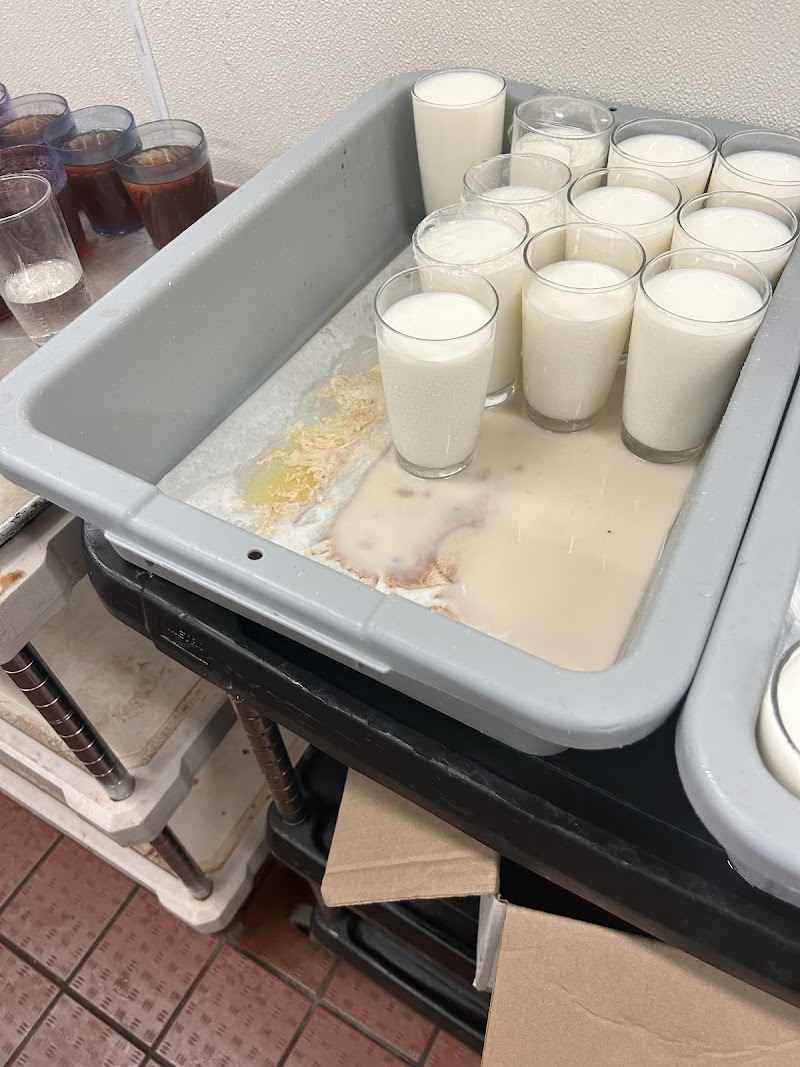
How is Providence Park Rehabilitation And Skilled Nursing Staffed?

CMS rates PROVIDENCE PARK REHABILITATION AND SKILLED NURSING's staffing level at 3 out of 5 stars, which is average compared to other nursing homes. Staff turnover is 53%, compared to the Texas average of 46%.

What Have Inspectors Found at Providence Park Rehabilitation And Skilled Nursing?

State health inspectors documented 28 deficiencies at PROVIDENCE PARK REHABILITATION AND SKILLED NURSING during 2023 to 2025. These included: 2 Immediate Jeopardy (the most serious level, indicating potential for serious harm or death), 25 with potential for harm, and 1 minor or isolated issues. Immediate Jeopardy findings are rare and represent the most serious regulatory concerns. They require immediate corrective action.
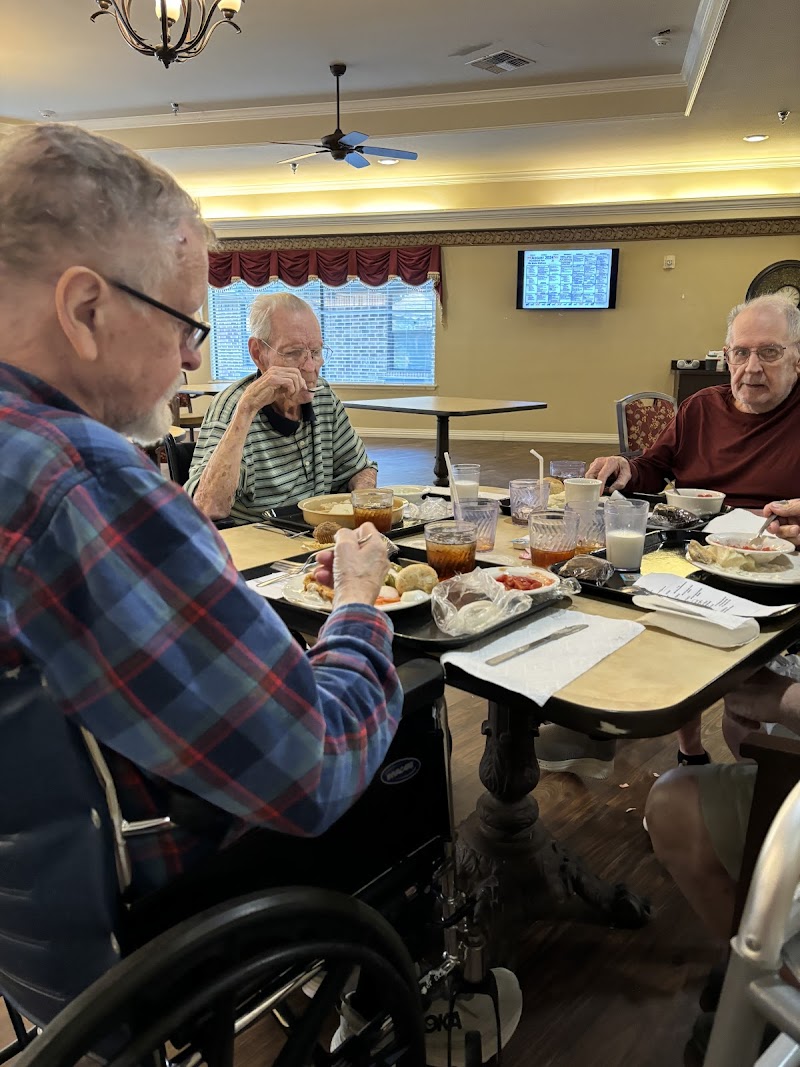
Who Owns and Operates Providence Park Rehabilitation And Skilled Nursing?

PROVIDENCE PARK REHABILITATION AND SKILLED NURSING is owned by a for-profit company. For-profit facilities operate as businesses with obligations to shareholders or private owners. The facility is operated by STONEGATE SENIOR LIVING, a chain that manages multiple nursing homes. With 125 certified beds and approximately 92 residents (about 74% occupancy), it is a mid-sized facility located in TYLER, Texas.

How Does Providence Park Rehabilitation And Skilled Nursing Compare to Other Texas Nursing Homes?

Compared to the 100 nursing homes in Texas, PROVIDENCE PARK REHABILITATION AND SKILLED NURSING's overall rating (4 stars) is above the state average of 2.8, staff turnover (53%) is near the state average of 46%, and health inspection rating (3 stars) is at the national benchmark.

What Should Families Ask When Visiting Providence Park Rehabilitation And Skilled Nursing?

Based on this facility's data, families visiting should ask: "What changes have been made since the serious inspection findings, and how are you preventing similar issues?" "Can I visit during a mealtime to observe dining assistance and food quality?" "How do you handle medical emergencies, and what is your hospital transfer rate?" "Can I speak with family members of current residents about their experience?" These questions are particularly relevant given the facility's Immediate Jeopardy citations.

Is Providence Park Rehabilitation And Skilled Nursing Safe?

Based on CMS inspection data, PROVIDENCE PARK REHABILITATION AND SKILLED NURSING has documented safety concerns. Inspectors have issued 2 Immediate Jeopardy citations (the most serious violation level indicating risk of serious injury or death). The facility has a 4-star overall rating and ranks #1 of 100 nursing homes in Texas. Families considering this facility should ask detailed questions about what corrective actions have been taken since these incidents.

Do Nurses at Providence Park Rehabilitation And Skilled Nursing Stick Around?

PROVIDENCE PARK REHABILITATION AND SKILLED NURSING has a staff turnover rate of 53%, which is 7 percentage points above the Texas average of 46%. Moderate turnover is common in nursing homes, but families should still ask about staff tenure and how the facility maintains care continuity when employees leave.

Was Providence Park Rehabilitation And Skilled Nursing Ever Fined?

PROVIDENCE PARK REHABILITATION AND SKILLED NURSING has been fined $59,300 across 2 penalty actions. This is above the Texas average of $33,672. Fines in this range indicate compliance issues significant enough for CMS to impose meaningful financial consequences. Common causes include delayed correction of deficiencies, repeat violations, or care failures affecting resident safety. Families should ask facility leadership what changes have been made since these penalties.

Is Providence Park Rehabilitation And Skilled Nursing on Any Federal Watch List?

PROVIDENCE PARK REHABILITATION AND SKILLED NURSING is not on any federal watch list. The most significant is the Special Focus Facility (SFF) program, which identifies the bottom 1% of nursing homes nationally based on persistent, serious quality problems. Not being on this list means the facility has avoided the pattern of deficiencies that triggers enhanced federal oversight. This is a positive indicator, though families should still review the facility's inspection history directly.