ROSE TRAIL NURSING AND REHABILITATION CENTER
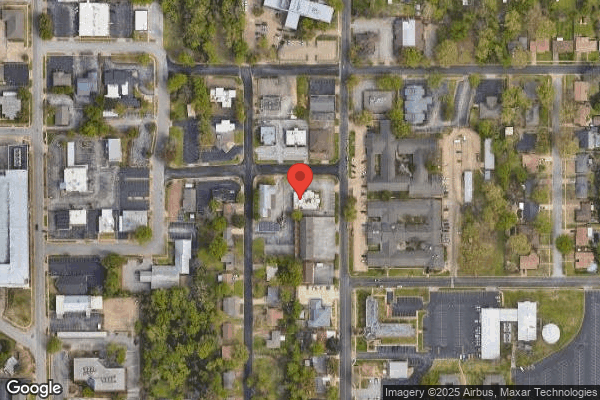
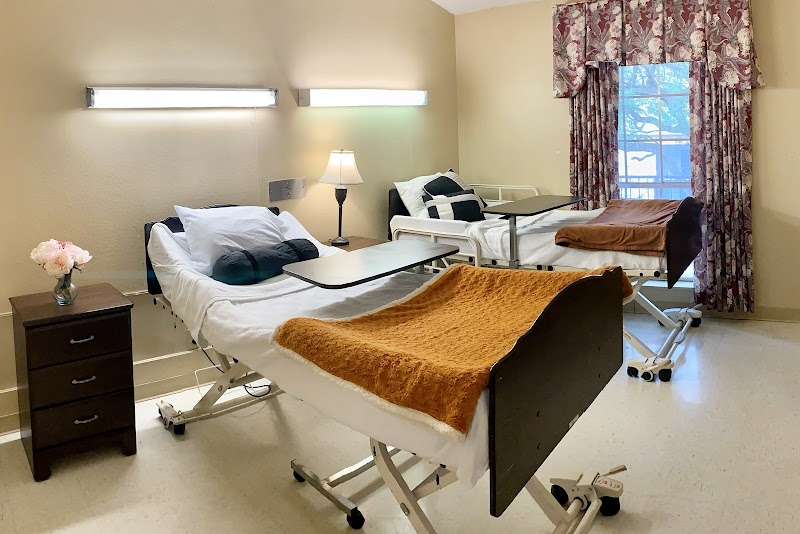
930 S BAXTER, TYLER, TX 75701 (903) 597-2068
Government - Hospital district 172 Beds AVIR HEALTH GROUP Data: November 2025 8 Immediate Jeopardy citations
Trust Grade
0/100
#1090 of 1168 in TX
Last Inspection: September 2024

Within standard 12-15 month inspection cycle. Federal law requires annual inspections.

Overview

Rose Trail Nursing and Rehabilitation Center has received a Trust Grade of F, indicating significant concerns about the facility's operations and care. It ranks #1090 out of 1168 facilities in Texas, placing it in the bottom half statewide, and #17 out of 17 in Smith County, meaning it is the least favorable option locally. While the facility is improving slightly, reducing issues from 15 in 2024 to 8 in 2025, its staffing situation is alarming with a 90% turnover rate, which is much higher than the Texas average of 50%. Additionally, the center has faced $552,681 in fines, higher than 98% of Texas facilities, suggesting ongoing compliance issues. Specific incidents include failures to provide necessary respiratory care for residents, which created serious risks, and neglect in wound care that led to infections requiring hospitalization. Overall, while the facility has some improvements, the serious weaknesses in care and staffing raise significant concerns for families considering this nursing home.

Trust Score
F
0/100
In Texas
#1090/1168
Bottom 7%
Safety Record
High Risk
Review needed
Inspections
Getting Better
15 → 8 violations
Staff Stability
⚠ Watch
90% turnover. Very high, 42 points above average. Constant new faces learning your loved one's needs.
Penalties
✓ Good
$552,681 in fines. Lower than most Texas facilities. Relatively clean record.
Skilled Nurses
⚠ Watch
Each resident gets only 18 minutes of Registered Nurse (RN) attention daily — below average for Texas. Fewer RN minutes means fewer trained eyes watching for problems.
Violations
⚠ Watch
55 deficiencies on record. Higher than average. Multiple issues found across inspections.
★☆☆☆☆
1.0
Overall Rating
★☆☆☆☆
1.0
Staff Levels
★★☆☆☆
2.0
Care Quality
★☆☆☆☆
1.0
Inspection Score
Stable
2024: 15 issues
2025: 8 issues

The Good

  • Full Sprinkler Coverage · Fire safety systems throughout facility
  • No fines on record

Facility shows strength in fire safety.

The Bad

1-Star Overall Rating

Below Texas average (2.8)

Significant quality concerns identified by CMS

Staff Turnover: 90%

43pts above Texas avg (46%)

Frequent staff changes - ask about care continuity

Federal Fines: $552,681

Well above median ($33,413)

Significant penalties indicating serious issues

Chain: AVIR HEALTH GROUP

Part of a multi-facility chain

Ask about local staffing decisions and management

Staff turnover is very high (90%)

42 points above Texas average of 48%

The Ugly 55 deficiencies on record

8 life-threatening 4 actual harm
Oct 2025 5 deficiencies 2 IJ (2 affecting multiple)
CRITICAL (K) 📢 Someone Reported This

A family member, employee, or ombudsman was alarmed enough to file a formal complaint

Immediate Jeopardy (IJ) - the most serious Medicare violation

Respiratory Care (Tag F0695)

Someone could have died · This affected multiple residents

**NOTE- TERMS IN BRACKETS HAVE BEEN EDITED TO PROTECT CONFIDENTIALITY** Based on observations, interviews, and record reviews, the facility failed to provide respiratory care, including tracheostomy c...

Read full inspector narrative →
**NOTE- TERMS IN BRACKETS HAVE BEEN EDITED TO PROTECT CONFIDENTIALITY** Based on observations, interviews, and record reviews, the facility failed to provide respiratory care, including tracheostomy care and tracheal suctioning consistent with professional standards of practice, the resident's care plan, and the resident's preferences, for 2 of 3 residents (Resident #1 and Resident #2) reviewed for respiratory care. The facility failed to ensure LVN C assessed Resident #1 when he exhibited abdominal retractions (a sign of respiratory distress) while breathing on 09/24/25. The facility failed to ensure LVN A, LVN C, LVN D, and the Interim DON used sterile technique while performing tracheotomy suctioning on Resident #1. The facility failed to ensure RN B used sterile technique while performing tracheotomy care on Resident #2 on 09/29/25. The facility failed to follow the tracheotomy care and suctioning policy and procedure. The facility failed to provide competency check offs for LVN A, LVN C and LVN D on tracheotomy care and suctioning. Immediate jeopardy (IJ) was identified on 09/30/25 at 04:00 PM. The IJ template was provided to the facility on [DATE] at 04:38 PM. While the IJ was removed on 10/02/25 at 05:13 PM, the facility remained out of compliance at a scope of a patterned and a severity level of no actual harm with potential for more than minimal harm that is not immediate jeopardy because all staff had not been provided education on the policy and procedure for sterile tracheotomy care and suctioning. These failures could place residents at risk of respiratory complications, infections and death.Findings included: 1. Record review of a face sheet dated 09/29/25 indicated Resident #1 was a [AGE] year-old male initially admitted to the facility on [DATE] and re-admitted on [DATE] with a diagnosis of tracheostomy status. Record review of the Comprehensive MDS assessment dated [DATE] indicated, Resident #1 was rarely able to make himself understood and was rarely understood by others. The MDS assessment indicated Resident #1 did not have BIMS score, which indicated Resident #1 was unable to complete the assessment. The MDS assessment indicated Resident #1 was dependent on staff for all ADLs. The MDS assessment indicated Resident #1 had a tracheotomy. Record review of Resident #1's care plan dated 04/16/25 with a target date of 10/21/25 indicated he had a tracheotomy with a goal indicating he would be relieved of secretions and congestion within five minutes of suctioning and no occurrence of infection. Record review of Resident #1's Order Summary Report dated 09/29/25 indicated: Change tracheotomy dressing with tracheotomy care every day and PM with a start date of 06/27/25. Record review of Complaint/Grievance dated 08/12/25 indicated Resident #1's family member complained the staff was not providing tracheotomy care and suctioning using sterile technique. Resident #1's family member provided videos of staff providing tracheotomy care without using sterile technique. The grievance indicated the resolution was all nurses on North Hall were in serviced on tracheotomy care and suctioning using sterile technique. Record review of Resident #1's electronic medical record did not indicate a re-assessment was performed by LVN C after 09/24/25 at 09:29 AM when Resident's #1 was showing signs and symptoms of respiratory distress . Record review of a nursing progress note dated 09/25/25 at 01:42 PM written by LVN C indicated [family member] called stated the hospital called and informed her that patient needed to go back to the hospital. I attempted to call the hospital and get more information but no luck. Doctor making rounds per his advice to send resident out to the hospital for further treatments since he was positive gram. Called [family member] informed of the situation of him going back to the hospital. Called EMS no estimated time of arrival on pick up time. ADON, DON aware of situation. Record review of a nursing progress note dated 09/25/25 at 05:20 PM indicated family at facility inquiring why resident was not yet transferred to hospital, this nurse explained that transportation had been set up but facility was waiting on non emergent EMS. Call placed to EMS for updated ETA. EMS stated that they had not received a call for transport. This nurse relayed that resident was needing to be transported to [name] Hospital. EMS stated that they would be on they way to transport. Record review of the admission hospital records dated 09/25/25 indicated Resident #1 was admitted with chronic respiratory failure with tracheostomy in place. Laboratory results indicated Resident #1 had bacteremia (bacteria is present in the bloodstream), staph hominis (gram positive bacteria in the bloodstream), and pseudomonas (gram positive bacteria found in lungs, skin, ears) During an observation on 09/29/25 at 2:19 PM of a video, date stamped 09/16/25 at 05:09 AM, LVN A entered Resident #1's room wearing gloves and carrying a pitcher of water. LVN A flushed Resident #1's PEG tube (a feeding tube inserted into the abdomen into the stomach) and then provided incontinent care. LVN A did not change gloves or perform hand hygiene. LVN A proceeded to grab the suction catheter from the bedside table and suctioned Resident #1. LVN A did not change her gloves or use sterile technique during the suctioning procedure. LVN A repositioned Resident #1 in the bed, took off her gloves and exited the room. During an interview on 09/30/25 at 1:13 PM, LVN A stated LVN A stated tracheostomy care and suctions was considered a sterile procedure. LVN A stated the tracheostomy was direct airway into the lungs. LVN A stated the night of 09/15/25 into the morning of 09/16/25 was her last days as full time at the facility. LVN A stated she was unable to remember the care she provided to Resident #1. LVN A stated it was important to ensure sterile technique was maintained during tracheostomy care and suctioning to protect the staff and residents from infection. During an observation on 09/29/25 at 2:19 PM of a video, date stamped 09/23/25 at 11:09 AM, LVN C entered into Resident #1's room and put on non-sterile gloves. LVN C repositioned Resident #1's bedcovers. LVN C did not change her gloves or perform hand hygiene. Then LVN C grabbed the suction catheter from the bedside table drawer and unraveled Resident #1's TV control cord from the suction tubing. LVN C proceeded to suction Resident #1. LVN C took off her gloves and exited Resident #1's room. LVN C did not apply sterile gloves or use sterile technique for the suctioning procedure. During an observation on 09/29/25 at 02:19 PM of a video, date stamped 09/23/25 at 09:30 PM, LVN D was in Resident #1's room and had a sterile field set up on the bedside table. LVN D appeared to be wearing sterile gloves. LVN D touched the suctioning machine with her dominant hand and proceed to suction Resident #1. After LVN D touched the suction machine contaminating her dominant hand. LVN D failed to follow sterile technique for the suctioning procedure. LVN D removed her gloves, discarded the used supplies and exited the room. During an observation on 09/29/25 at 2:19 PM of a video, date stamped 09/24/25 at 09:29 AM, LVN C and Resident #1's family member entered the Resident #1's room. Resident #1's family member was heard stating he needs an assessment done. LVN C stated she already completed an assessment earlier and was not going to do it again. Resident #1''s family member told LVN C, it's obvious Resident #1 is having difficulty breathing - can you assess him. LVN C stated, and then what do you want me to do after I assess him - you are not a nurse - where do you work? Resident #1 was observed in his bed exhibiting abdominal retractions (a sign of respiratory distress) and gurgling was audible during the video. LVN C argued with Resident's #1's family member and refused to assess Resident #1's respiratory status. LVN C continued to argue and refused to provide tracheal suction. LVN C exited Resident #1's room without the necessary care provided. During an interview on 09/30/25 at 2:26 PM, LVN C stated she normally worked 6 AM - 2 PM shift on Monday through Friday. LVN C stated tracheostomy care and suctioning was a sterile procedure and sterile technique was required. LVN C stated she did not always have sterile tracheostomy care kits. LVN C stated sometimes she had to perform tracheostomy care without PPE or sterile supplies. LVN C stated supplies were unavailable on a regular basis. LVN C stated it was important to ensure sterile technique was used to prevent infection. LNV C stated everyone had issues with Resident #1's family member. LVN C stated on 09/24/25 she went into Resident #1's room during her morning rounds. LVN C stated she had performed a respiratory assessment, tracheostomy care, and suctioning. LVN C stated Resident #1 had some wet sounds that cleared after he was suctioned. LVN C stated later on the family called her in the room and stated Resident #1 had a temperature. LVN C stated she checked his temperature which was approximately 97.1. LVN C stated she attempted to remove the sheet, but did not perform another respiratory assessment as she was busy with another resident. LVN C stated she did not notice if Resident #1 was having trouble breathing. LVN C stated she did not obtain vital signs or an oxygen level. LVN C stated she notified the Interim DON because the family did not want her in the room. LVN C stated she notified the doctor, and a chest x-ray was ordered STAT (immediately). LVN C stated the family believed Resident #1 needed to be sent to the emergency room, so she called the doctor back and he gave the order to send to the emergency room. LVN C stated she was unable to recall if she called emergency transport. LVN C stated there was a lot going on that day. LVN C stated the Interim DON provided care to Resident #1 after she was asked to leave the room. During an observation on 09/29/25 at 02:19 PM of a video, date stamped 09/24/25 at 09:54 AM, the Interim DON and Resident #1's family member entered Resident #1's room. The Interim DON performed an assessment by taking Resident #1's temperature, checked his oxygen levels with the pulse oximetry (device use the measure the amount of oxygen in the blood), and listened to his lungs. The Interim DON removed the suction catheter from the bedside table drawer and suctioned Resident #1. Resident #1's family member asked the Interim DON why she was not using sterile gloves. The Interim DON said, the facility did not have the correct size to fit her hands in stock. The Interim DON did not apply sterile gloves or use sterile technique for the suctioning procedure. During an interview on 09/30/25 at 2:08 PM, the Interim DON stated tracheostomy care and suctioning was considered a sterile procedure. The Interim DON stated sterile technique was required. The Interim DON stated it was important to maintain sterile technique during tracheostomy care and suctioning to decrease the risk of infection. The Interim DON stated on 09/24/25 she performed unsterile tracheostomy suctioning because the facility did not have any sterile gloves that fit her. The Interim DON stated Resident #1 needed to be assessed and had obvious signs of respiratory distress. The Interim DON stated Resident #1's family had reported that LVN C refused to assess Resident #1, which was why she was in the room. The Interim DON stated she expected the nursing staff to perform a focused assessment for any change of condition. The Interim DON stated she expected the nurses to utilize the nursing judgment and prioritize care. The Interim DON stated airway and breathing were the two top priorities. The Interim DON stated an assessment was performed to ensure patient safety and maintain well-being. 2. Record review of a face sheet dated 09/30/25 indicated Resident #2 was a [AGE] year-old male initially admitted to the facility on [DATE] with diagnoses which included anoxic (lack of oxygen) brain damage acute respiratory failure, and tracheostomy (surgical procedure that creates an opening in the front of the neck (trachea) and inserts a tube to help a person breath). Record review of the Quarterly MDS assessment dated [DATE] indicated, Resident #2 was rarely able to make himself understood and was rarely understood by others. The MDS assessment indicated Resident #2 did not have BIMS score, which indicated Resident #2 was unable to complete the assessment. The MDS assessment indicated Resident #2 was dependent on staff for all ADLs. The MDS assessment indicated Resident #2 had a tracheotomy. Record review of Resident #2's care plan [dated 06/29/25 with a target date of 10/14/25 indicated he had a tracheotomy with a goal of he would be relieved of secretions and congestion within five minutes of suctioning and no occurrence of infection. Record review of Resident #2's Order Summary Report dated 09/30/25 indicated: Change tracheotomy dressing with tracheotomy care every shift with a start date of 06/25/25. Record review of Resident #2's Infection Screening Evaluation dated 07/29/25 indicated recent chest x-ray showing new infiltrates consistent with pneumonia. Record review of Resident #2's Infection Screening Evaluation dated 09/02/25 indicated recent chest x-ray showing new infiltrates consistent with pneumonia. Record review of Resident #2's Infection Screening Evaluation dated 09/10/25 indicated recent chest x-ray showing new infiltrates consistent with pneumonia. Record review of Resident #2's chest x-ray dated 09/10/2025 indicated pneumonia (infection of the lungs). Increased opacity is present at the left lung base representing either infiltrate or plural effusion. There has been no improvement with a prior chest x-ray performed on 09/02/25. Record review of SBAR communication Form written by RN B dated 09/29/25, indicated Resident #2 was experiencing a fever with low oxygen sat of 77%. O2 increased to 10 liters and O2 now 93%. Record review of progress note dated 09/29/25 at 2:29 PM written by RN B indicated the physician ordered an x-ray related to fever. Record review of progress note dated 09/30/35 at 12:48 PM written by RN B indicated, Resident #2 had worsening pneumonia on the left side. Also reported that he has developed a temp of 101.8 along with O2 having to be increased to 10 Liters to keep oxygen saturations over 90%. Resident is on day 8 of 14 of his Bactrim. Secretions have become very thick, green in color and has a very foul odor. New order received to send resident out to ER for assessment. [family member] informed and agrees with plan.During an observation on 09/29/25 at 4:17 PM, the Treatment Nurse prepared Resident #2's bedside table for tracheostomy care. The Treatment Nurse placed a piece of wax paper on the table, on the wax paper she placed the following: *two unopened bottles of sterile water, *a tracheostomy care kit, which was slightly opened, *unopened suction tubing, and *4 x 4 unsterile gauze pads from a multiuse package. RN B rearranged the items and positioned the bedside table for use. RN B washed her hands, then applied her sterile gloves, using sterile technique. RN B immediately picked up the unopened suction tubing package and opened it, which contaminated her sterile gloves. RN B then grabbed the unopened bottles of sterile water, opened it, and poured it into the sterile field. RN B then picked up the unsterile 4 x 4 gauze pads and placed them into sterile water. RN B did not reapply sterile gloves, after she contaminated her sterile gloves, and used the same gloves during the following care activities. RN B took the cotton-tipped applicators from the tracheostomy kit and then cleaned around the stoma (opening in the neck). RN B used the 4 x 4 gauze pads that were soaked in sterile water to clean around Resident #2's neck. RN B then cleaned inside the tracheostomy tubing with the 4 x 4 gauze pads. RN B removed her gloves and applied hand sanitizer. RN B replaced her gloves and replaced the tracheostomy neck ties. During an interview on 09/29/25 at 5:06 PM, RN B stated tracheostomy care was a sterile procedure. RN B stated the packaging should have been opened prior to applying her sterile gloves. RN B stated the outside packaging was not sterile. RN B stated everything completed after the sterile gloves were contaminated would not have been considered sterile. RN B stated she had not realized she broke sterile field during the procedure. RN B stated using sterile techniques during tracheostomy care was important to prevent the introduction of bacteria into the airway to prevent infections. RN B stated Resident #2 was currently being treated for pneumonia [TT15] (lung infection). During an interview on 09/30/25 at 11:44 AM, the Medical Director stated, nothing to do with tracheostomy care and suction was a sterile procedure The Medical Director stated the throat was not sterile and tracheostomy care and suctioning was a dirty procedure. The Medical Director stated nurses were required to be certified and competent to perform tracheostomy care and suctioning. The Medical Director stated staff should have received frequent in-service training from a certified respiratory therapist. The Medical Director stated there was a minimal risk for improperly performing tracheostomy care and suctioning. The Medical Director stated there was no risk of infection. The Medical Director stated having a tracheostomy placed residents at risk for bacterial infections from their own flora (bacteria) from their skin. During an interview on 09/30/25 at 12:46 PM, ADON K stated she was unable to locate the competency nurse check offs for sterile tracheotomy care and suctioning. ADON K stated the DON was responsible for completing competency checks for the nurses. ADON K stated the DON left a few weeks ago. During an interview on 09/30/25 at 1:53 PM, the Administrator stated tracheostomy care and suctioning was considered a sterile procedure and sterile technique was required. The Administrator stated she expected the nurses to ensure sterile technique was used during tracheostomy care and suctioning. The Administrator stated sterile supplies were always available. The Administrator stated it was important to ensure sterile technique was maintained during tracheostomy care and suctioning to protect the residents from infection. Record review of in service dated 08/12/25 with a subject of tracheotomy care and suctioning using sterile technique indicated twelve nursing staff signatures including LVN C, the Interim DON, RN B. Record review of the following staff competency nurse check offs for sterile tracheotomy care and suctioning included:Interim DON dated 02/25/2025RN B dated 07/16/2025. Record Review of the facility's undated policy titled Suctioning the Tracheostomy Tube, indicated, The purpose of this procedure is to remove secretions, maintain a patent airway, and prevent infection of the lower respiratory tract.b. Suctioning the lower airway is a sterile procedure. Record Review of the facility's undated policy titled Tracheostomy Care, indicated, The purpose of this procedure is to guide tracheostomy care.2. Gloves must be used on both hands during any or all manipulation . sterile gloves must be used during performing these procedures. Record review of the NCBI Bookshelf (A service of the National Library of Medicine and National Institutes of Health) in Chapter 22 Tracheostomy Care & Suctioning reflected .Tracheostomy suctioning uses a sterile catheter that is inserted through the surgical opening into the neck to the trachea to create an artificial airway. always review and follow agency policy regarding this specific skill.put on sterile gloves.the dominant hand will manipulate the catheter and must remain sterile.tracheostomy care provided with sterile technique. The Administrator was notified on 09/30/25 at 04:38 PM that an Immediate Jeopardy situation was identified due to the above failure. The Administrator provided the Immediate Jeopardy template on 09/30/25 at 04:38 PM and a Plan of removal; (POR) was requested. The following plan of removal was submitted by the facility and accepted on 10/01/25 at 04:30 PM and included the following: Problem: Respiratory/Tracheostomy Care and SuctioningAlleged Issues: The facility failed to ensure LVN C assessed resident #1 when he exhibited abdominal retractions while breathing (a sign of respiratory distress), on 9/24/25The facility failed to ensure LVN A, LVN C, LVN D, and the Interim Don, use sterile technique while performing tracheotomy sectioning on resident number one.The facility failed to ensure RN B used sterile technique while performing tracheotomy care on resident #2 on 9/29/25.The facility failed to follow the tracheotomy care suctioning policy and procedureThe facility failed to provide competency check offs for LVN A, LVN C, LVN D on tracheotomy care and suctioning. Goal: Facility will be in compliance with federal health, safety, and/or quality regulations. Its employees or service providers are to provide goods and services to a resident that are necessary to avoid physical harm, pain, mental anguish or emotional distress. Approaches: RN/DON A, Regional Nurse Consultant, and VP of Clinical Operations will deliver all following in service education to nurses one on one. RN/DON A was in serviced by Facility Respiratory Therapist with documented competencies on file at the facility. The Administrator is not clinical but is aware of all in-services per the VP of Clinical Operations 1. Nursing staff will be in-serviced on the proper procedure tracheostomy care and suctioning. This in-service was initiated on 09/30/2025 by the RN/DON A. All nursing staff will be in-serviced prior to them arriving to the facility for their next shift. RN A, trained by the facility respiratory therapist RN A was trained July 16, 2025, and will deliver all following in service education to nurses one on one. Return demonstration by all nurses will be documented, and competency checklists will be kept in diners in the DON / Administrator's offices at the facility. All nurses will be trained before they accept residents for their next scheduled shift in Tracheostomy care and suctioning. 2. The regional nurse consultant will provide education regarding assessment of residents if changes in condition. This education will be provided to each nurse prior to the start of their next shift on the floor. This education will begin on 09/30/25 and continue until all staff are educated. An in-service on Respiratory assessments will be taught and any changes in condition will be documented and the physician will be notified of those changes. Changes in condition will include but not limited to shortness of breath; changes in respiratory status; using accessory muscles to breathe; drainage from trach; or decrease in 02 saturation. If provider orders transfer resident will be sent to the hospital via EMS transport as soon as possible. The facility respiratory therapist will be in the facility to provide further education with return demonstration, and competency checklists completed for facility nurses and interim DON on 10/1/2025. The Respiratory Therapist will visit monthly to ensure competency. 3. The facility medical Director was informed of the IJ on 09/30/25 in person, by the Facility Administrator. 4. Resident #1 is in the hospital 09/30/25. 5. Resident #2 is currently being treated with antibiotics for active infection. Resident #2 assessment was completed and resident sent to the hospital per physician orders. Resident #2 assessed on 9/29 /25 E interact change in condition form was completed and entered into the EMR. Resident was sent to the hospital on 9/30/25.Resident #3 assessment was completed on 10/1/2025; Resident #4 assessment was completed on 10/01/2025. 6. RN/DON A, Regional Nurse Consultant, and VP of Clinical Operations will deliver all following in service education to nurses one on one. All nursing staff will be in service prior to them arriving to the facility for their next shift. This will begin immediately, 09/30/2025. 7. Both the Administrator and DON will review new hire orientation packets to ensure these above in services are completed, and competency checklists are on file at the facility, prior to the first shift on the floor, including tracheostomy competencies including tracheostomy care per sterile technique and suctioning of the tracheostomy per sterile technique. RN/DON A who has been trained by the facility respiratory therapist and by the facility respiratory therapist provided this in-service to all facility nurses on staff at the time of the immediate jeopardy, nurses coming on shift at 10pm on 09/30/25 and all nurses coming on shift at 6am on 10/01/2025. The facility respiratory therapist will continue training on 10/01/2025 for any nurses who did not attend training, prior to their next scheduled shift on the floor. VP of Clinical will in-service the Administrator on this process ensuring all nurses will be trained on tracheostomy care and suctioning prior to their first shift on the floor caring for residents. DON and or RN trained by RT will complete the required tracheostomy training for nurses prior to their first shift on the floor, the administrator will ensure this training is completed. 8. All residents with enhanced barrier precautions were reviewed by the Don, ADON, and administrator, to ensure proper PPE was available outside the resident room. Monitoring:The DON, or designee will perform random in person audits with nursing staff to ensure they understand the tracheostomy suctioning/care via sterile technique procedure, at least 3 nursing staff weekly X1 month. This process will begin 10/03/2025. DON/ADON's will make rounds daily M-F, the weekend RN supervisor will round on all residents on the weekend, on all residents in facility to ensure nurses are properly performing trach care/suctioning per sterile technique. This process will be ongoing effective 09/30/2025. Assessment: All nurses on staff at the time of the immediate jeopardy were educated on tracheostomy suctioning and care of tracheostomy, with return demonstration by RN DON A is a DON from a sister facility assisting with training who has been trained by the facility respiratory therapist, with competency checklist on file at the facility on 09/30/25. QAPI Committee review: An interim QAPI committee meeting was completed on 09/30/25. IDT will review for compliance monthly in QAPI X3 months. On 10/02/25 the surveyor confirmed the facility implemented their plan of removal sufficiently to remove the immediate jeopardy (IJ) by: 1. Record review of DON GG ‘s competency, dated 07/16/25, reflected DON GG was competent with tracheostomy care and suctioning. DON GG was the DON from a sister facility who provided education to the facility nurses' on tracheostomy care and suctioning, including a competency check off and return skilled demonstration. 2. Record review of the in-service training report, dated 10/01/25, reflected the nurses were provided education on the proper procedure for tracheostomy care and suctioning. There were 11 nurse signatures. 3. Record review of the competency checkoffs dated between 09/30/25 and 10/01/25 reflected LVN A, LVN C, LVN D, LVN Y, LVN Z, LVN BB, RN B, RN X, RN AA, ADON K, ADON V, the Treatment Nurse, the MDS Coordinator, and the Interim DON were provided competency checks off with a return demonstration. The competencies reflected the nurses were competent with tracheostomy care and suctioning. 4. Record review of the in-service training report, dated 09/30/25, reflected nurses were provided education on how to perform a respiratory assessment, when it should be performed, notifying the physician, and implementing interventions. There were 5 nurse signatures. 5. During an interview on 10/02/25 at 4:01 PM, the Medical Director stated he was informed of the IJ from the Administrator at the facility. 6. Record review of Resident #1's hospital records, printed 09/29/25, reflected he was admitted on [DATE] with a diagnosis of bacteremia (blood infection). 8. Record review Resident #2's progress notes, dated 09/30/25, reflected Spoke with [Medical Director] after sending him the x-ray that resulted today showing worsening pneumonia on the left side. Also reported that he has developed a [temperature] of 101.8 along with [oxygen] having to be increased to 10 liters to keep oxygen saturations over 90%. Resident [2] is on day 8 of 14 of his [antibiotic]. Secretions have become very thick, green in color and has a very foul odor. New order received to send resident [#2] out to the [emergency room] for assessment. [Family member] informed and agrees with plan. 9. Record review of Resident #3's progress notes, dated 10/01/25 reflected [Resident #3] up to wheelchair with Foley catheter draining with amber color urine. No [complaints of] pain or discomfort at this time. No nausea or vomiting noted or reported. Resident continues on [antibiotics]. 10. Record review of Resident #4's progress notes, dated 10/01/25, reflected Skilled nurse assessed [Resident #4]. [Resident #4] bed at 45 degrees. [Respirations] 20, [Temperature] 98.0, [Blood Pressure] 132/87, saturation 95. Trach patent in place and air open. Secretions thin and clear. No odor at this time. No nasal flaring, no wheezing or grunting. No chest retractions. No coughing at this time. [Resident #4] rests at this time. 11.During an observation on 10/02/25 at 10:15 AM of PPE supplies outside the doors of all enhanced barrier precautions of the appropriate residents. Signage outside their door indicated the required PPE to be worn inside the room. There were isolation carts outside the rooms, which had face shields, isolation gowns, and gloves with hand sanitizer on top. The hand sanitizer dispensers were noted down the hallway. A staff member was dressed in an isolation gown and gloves and was preparing to enter Resident #4's resident room. 12.During an observation on 10/02/25 at 02:45 PM of proper sterile tracheostomy care and suction performed by RN B for Resident # 4. 13. During interviews on 10/02/25 conducted between 2:01 PM and 4:52 PM, LVN A, LVN C, LVN Y, LVN Z, LVN BB, RN B, RN X, RN AA, the Treatment Nurse, the MDS Coordinator, ADON K, ADON V, the Interim DON, and Administrator were able to verbalize sterile technique was required during tracheostomy care and suctioning. The nurses said tracheostomy care and suctioning should not have been performed without the proper supplies or equipment, which included sterile gloves and care kits. The nurses verified they were provided education and competency checkoffs on tracheostomy care and suctioning. The nursing managers were able to verbalize that monitoring will continue during rounds daily and checkoff competencies will be completed for new hires and nursing staff prior to working their next scheduled shift. 16. Record review of the Quality Assessment and Performance Improvement Plan, dated 09/30/25, reflected an impromptu meeting was conducted and 9 staff members were in attendance. The Administrator was informed the IJ was removed on 10/02/25 at 05:13 PM. The facility remained out of compliance at a scope of patterned and a severity level of no actual harm with a potential for more than minimal harm that is not immediate jeopardy due to the facility's need to evaluate the effectiveness of the corrective systems that were put into place.
CRITICAL (K) 📢 Someone Reported This

A family member, employee, or ombudsman was alarmed enough to file a formal complaint

Immediate Jeopardy (IJ) - the most serious Medicare violation

Infection Control (Tag F0880)

Someone could have died · This affected multiple residents

**NOTE- TERMS IN BRACKETS HAVE BEEN EDITED TO PROTECT CONFIDENTIALITY** Based on observations, interviews, and record review the facility failed to establish and maintain an infection prevention and c...

Read full inspector narrative →
**NOTE- TERMS IN BRACKETS HAVE BEEN EDITED TO PROTECT CONFIDENTIALITY** Based on observations, interviews, and record review the facility failed to establish and maintain an infection prevention and control program designed to provide a safe, sanitary, and comfortable environment and to help prevent the development and transmission of communicable diseases and infections for 5 of 5 residents (Resident's #1, # 2, #3) reviewed for infection control practices. The facility failed to ensure LVN A, LVN C, LVN D, and the Interim DON used sterile technique while performing tracheotomy suctioning on Resident #1. The facility failed to ensure RN B used sterile technique while performing tracheotomy care on Resident #2 on 09/29/25. The facility failed to follow the tracheotomy care and suctioning policy and procedure. The facility failed to ensure LVN A, LVN C, LVN D, the interim ADON, LVN G and CNA H wore enhanced barrier precautions while performing care on Resident #1, who had a feeding tube, tracheostomy tube, wound, and Foley catheter. The facility failed to ensure CNA E and CNA F wore enhanced barrier precautions while providing care to Resident #3 who had a Foley Catheter. The facility failed to ensure the nursing staff knew how to access PPE and sterile supplies for enhanced barrier precautions. Immediate jeopardy (IJ) was identified on 09/30/25 at 04:00 PM. The IJ template was provided to the facility on [DATE] at 04:38 PM. While the IJ was removed on 10/02/25 at 05:13 PM, the facility remained out of compliance at a scope of a patterned and a severity level of no actual harm with potential for more than minimal harm that is not immediate jeopardy because all staff had not been provided education on providing sterile tracheotomy care and suctioning and enhanced barrier precautions. These failures could place residents and staff at risk for cross contamination and serious injury, harm, impairment, and death from the spread of an infectious disease.Findings included: 1. Record review of a face sheet dated 09/29/25 indicated Resident #1 was a [AGE] year-old male initially admitted to the facility on [DATE] and re-admitted on [DATE] with diagnoses which included autistic disorder (difficulties in social communication and interaction, strong preference for routine, sensory processing differences, focused interest and repetitive behaviors), schizoaffective disorders (symptoms of delusional, hallucinations, depressed episodes followed by manic periods of high energy), anemias, and neuromuscular dysfunction of the bladder (problem due to disease or injury of the central nervous system or nerves involved in the control of urination), tracheostomy status, encounter for attention to gastrostomy (feeding tube). Record review of the Comprehensive MDS assessment dated [DATE] indicated, Resident #1 was rarely able to make himself understood and was rarely understood by others. The MDS assessment indicated Resident #1 did not have BIMS score, which indicated Resident #1 was unable to complete the assessment. The MDS assessment indicated Resident #1 was dependent on staff for all ADLs. The MDS assessment indicated Resident #1 had a tracheotomy. Record review of Resident #1's care plan with a target date of 10/21/25 indicated he had a tracheotomy with a goal of he would be relieved of secretions and congestion within five minutes of suctioning and no occurrence of infection. Record review of Resident #1's Order Summary Report dated 09/29/25 indicated: Change tracheotomy dressing with tracheotomy care every day and PM with a start date of 06/27/25. Record review of Complaint/Grievance dated 08/12/25 indicated Resident #1's family member complained the staff was not providing tracheotomy care and suctioning using sterile technique. The grievance indicated the resolution was all nurses on North Hall were in serviced on tracheotomy care and suctioning using sterile technique. Record review of the admission hospital records dated 09/25/25 indicated Resident #1 was admitted with chronic respiratory failure with tracheostomy in place. Laboratory results indicated Resident #1 had bacteremia (bacteria is present in the bloodstream), staph hominis (gram positive bacteria in the bloodstream), and pseudomonas (gram positive bacteria found in lungs, skin, ears) 2. Record review of a face sheet dated 09/30/25 indicated Resident #2 was a [AGE] year-old male initially admitted to the facility on [DATE] with diagnoses which included anoxic (lack of oxygen) brain damage, flaccid neuropathic bladder (central nervous system or nerves involved in the control of urination) , anemia, epilepsy (seizures), mild protein-calorie malnutrition, cerebral infarction due to embolism (stroke), acute respiratory failure, tracheostomy (surgical procedure that creates an opening in the front of the neck (trachea) and inserts a tube to help a person breath). Record review of the Quarterly MDS assessment dated [DATE] indicated, Resident #2 was rarely able to make himself understood and was rarely understood by others. The MDS assessment indicated Resident #4 did not have BIMS score, which indicated Resident #4 was unable to complete the assessment. The MDS assessment indicated Resident #4 was dependent on staff for all ADLs. The MDS assessment indicated Resident #4 had a tracheotomy. Record review of Resident #2's care plan with a target date of 10/14/25 indicated he had a tracheotomy with a goal of he would be relieved of secretions and congestion within five minutes of suctioning and no occurrence of infection. Record review of Resident #2's Order Summary Report dated 09/30/25 indicated: Change tracheotomy dressing with tracheotomy care every shift with a start date of 06/25/25. Record review of Resident #2's Infection Screening Evaluation dated 07/29/25 indicated current active infection related to chest x-ray showing new infiltrates consistent with pneumonia. Record review of Resident #2's Infection Screening Evaluation dated 09/02/25 indicated a current active infection related to chest x-ray showing new infiltrates consistent with pneumonia. Record review of Resident #2's Infection Screening Evaluation dated 09/10/25 indicated current active infection related to chest x-ray showing new infiltrates consistent with pneumonia. Record review of Resident #2's chest x-ray dated 09/10/2025 indicated pneumonia (infection of the lungs). Increased opacity is present at the left lung base representing either infiltrate or plural effusion. There has been no improvement with a prior chest x-ray performed on 09/02/25. Record review of SBAR communication Form dated 09/29/25, indicated Resident #2 was experiencing a fever with low oxygen sat of 77%. O2 increased to 10 liters and O2 now 93%. Record review of Resident #2 progress note dated 09/29/25 at 14:29 PM, indicated the physician ordered an x-ray related to a fever. Record review of progress note dated 09/30/35 at 12:48 PM indicated, Resident #2 had worsening pneumonia on the left side. Also reported that he has developed a temp of 101.8 along with O2 having to be increased to 10 Liters to keep oxygen saturations over 90%. Resident is on day 8 of 14 of his Bactrim. Secretions have become very thick, green in color and has a very foul odor. New order received to send resident out to ER for assessment. Wife informed and agrees with plan. Record review of in service dated 08/12/25 with a subject of tracheotomy care and suctioning using sterile technique indicated twelve nursing staff signatures including LVN C, the Interim DON, RN B. Record review of the following staff competency nurse check offs for sterile tracheotomy care and suctioning included:Interim DON dated 02/25/2025RN B dated 07/16/2025 During an observation on 09/29/25 at 2:19 PM of a video, date stamped 09/15/25 at 09:20 PM, CNA H and LVN G entered Resident #1's room wearing a mask, CNA H and LVN G donned gloves and repositioned Resident #1, provided incontinent care and adjusted the bed covers. CNA H and LVN G did not wear a gown for enhanced barrier precautions. During an observation on 09/29/25 at 2:19 PM of a video, date stamped 09/16/25 at 05:09 AM, LVN A entered Resident #1's room wearing gloves and carrying a pitcher of water. LVN A flushed Resident #1's PEG tube (a feeding tube inserted into the abdomen into the stomach) and then provided incontinent care. LVN A did not change gloves or perform hand hygiene. LVN A proceeded to grab the suction catheter from the bedside table and suctioned Resident #1. LVN A did not change her gloves or use sterile technique during the suctioning procedure. LVN A repositioned Resident #1 in the bed, took off her gloves and exited the room. LVN A did not wear a gown for enhanced barrier precautions. During an observation on 09/29/25 at 2:19 PM of a video, date stamped 09/23/25 at 11:09 AM, LVN C entered into Resident #1's room and put on non-sterile gloves. LVN C repositioned Resident #1's bedcovers. LVN C did not change her gloves or perform hand hygiene. Then LVN C grabbed the suction catheter from the bedside table drawer and unraveled Resident #1's TV control cord from the suction tubing. LVN C proceeded to suction Resident #1. LVN C took off her gloves and exited Resident #1's room. LVN C did not apply sterile gloves or use sterile technique for the suctioning procedure. LVN C did not wear a gown for enhanced barrier precautions. During an observation on 09/29/25 at 02:19 PM of a video, date stamped 09/23/25 at 09:30 PM, LVN D was in Resident #1's room and had a sterile field set up on the bedside table. LVN D appeared to be wearing sterile gloves. LVN D touched the suctioning machine with her dominant hand and proceed to suction Resident #1. After LVN D touched the suction machine contaminating her dominant hand. LVN D failed to follow sterile technique for the suctioning procedure. LVN D removed her gloves, discarded the used supplies and exited the room. LVN D did not wear a gown for enhanced barrier protection. During an observation on 09/29/25 at 02:19 PM of a video, date stamped 09/24/25 at 09:54 AM, the Interim DON and Resident #1's family member entered Resident #1's room. The Interim DON performed an assessment by taking Resident #1's temperature, checked his oxygen levels with the pulse oximetry (device use the measure the amount of oxygen in the blood), and listened to his lungs. The Interim DON removed the suction catheter from the bedside table drawer and suctioned Resident #1. Resident #1's family member asked the Interim DON why she was not using sterile gloves. The Interim DON said, the facility did not have the correct size to fit her hands in stock. The Interim DON did not apply sterile gloves or use sterile technique for the suctioning procedure. The Interim DON did no wear a gown for enhanced barrier protection. During an observation on 09/29/25 at 4:17 PM, the Treatment Nurse prepared Resident #2's bedside table for tracheostomy care. The Treatment Nurse placed a piece of wax paper on the table, then placed the following on the wax paper: two unopened bottles of sterile water, a tracheostomy care kit, which was slightly opened, unopened suction tubing, and 4 x 4 unsterile gauze pads from a multiuse package. RN B rearranged the items and positioned the bedside table for use. RN B washed her hands, then applied her sterile gloves, using sterile technique. RN B immediately picked up the unopened suction tubing package and opened it, which contaminated her sterile gloves. RN B then grabbed the unopened bottles of sterile water, opened it, and poured it into the sterile field. RN B then picked up the unsterile 4 x 4 gauze pads and placed them into sterile water. RN B did not reapply sterile gloves, after she contaminated her sterile gloves, and used the same gloves during the following care activities. RN B took the cotton-tipped applicators from the tracheostomy kit and then cleaned around the stoma (opening in the neck). RN B used the 4 x 4 gauze pads that were soaked in sterile water to clean around Resident #2's neck. RN B then cleaned inside the tracheostomy tubing with the 4 x 4 gauze pads. RN B removed her gloves and applied hand sanitizer. RN B replaced her gloves and replaced the tracheostomy neck ties. During an interview on 09/29/25 at 5:06 PM, RN B stated tracheostomy care was a sterile procedure. RN B stated the packaging should have been opened prior to applying her sterile gloves. RN B stated the outside packaging was not sterile. RN B stated everything completed after the sterile gloves were contaminated would not have been considered sterile. RN B stated she had not realized she broke sterile field during the procedure. RN B stated using sterile techniques during tracheostomy care was important to prevent the introduction of bacteria into the airway to prevent infections. RN B stated Resident #2 was currently being treated for pneumonia (lung infection).During an interview on 09/30/25 at 11:44 AM, the Medical Director stated nothing to do with tracheostomy care and suction was a sterile procedure. The Medical Director stated the throat was not sterile and tracheostomy care and suctioning was actually a dirty procedure. The Medical Director stated nurses were required to be certified and competent to perform tracheostomy care and suctioning. The Medical Director stated staff should have received frequent in-service training from a certified respiratory therapist. The Medical Director stated there was minimal risk for improperly performing tracheostomy care and suctioning. The Medical Director stated there was no risk of infection. The Medical Director stated having a tracheostomy placed residents at risk for bacterial infections from their own flora (bacteria) from their skin. During an interview on 09/30/25 at 12:46 PM, ADON K stated she was unable to locate the competency nurse check offs for infection control. ADON K stated the DON was responsible for completing competency checks for the nurses. ADON K stated the DON left a few weeks ago. During an interview on 09/30/25 at 1:13 PM, LVN A stated enhanced barrier precautions should have been used on any resident with a gastrostomy tube, Foley catheter, wounds, or a tracheostomy tube. LVN A stated enhanced barrier precautions was PPE, that included: an isolation gown, gloves, and shoe covers. LVN A stated hand hygiene should have been performed between patient care, or when visibly soiled. LVN A stated gloves should have been changed and hand hygiene performed between different procedures. LVN A stated tracheostomy care and suctions was considered a sterile procedure. LVN A stated the tracheostomy was direct airway into the lungs. LVN A stated the night of 09/15/25 into the morning of 09/16/25 was her last days as full time at the facility. LVN A stated she was unable to remember the care she provided to Resident #1. LVN A stated the PPE required for enhanced barrier precautions were not always available for use by the staff. LVN A stated she was unable to recall if it was available for use on the morning of 09/16/25. LVN A stated if the PPE was not available, she was probably in a hurry to get everything completed. LVN A stated it was important to ensure enhanced barrier precautions were used and sterile technique was maintained during tracheostomy care and suctioning to protect the staff and residents from infection. During an interview on 09/30/25 at 1:53 PM, the Administrator stated she expected direct care staff to ensure enhanced barrier precautions were worn into residents' room as required. The Administrator stated tracheostomy care and suctioning was considered a sterile procedure and sterile technique was required. The Administrator stated she expected the nurses to ensure sterile technique was used during tracheostomy care and suctioning. The Administrator stated sterile supplies and PPE supplies were always available. The Administrator stated it was important to ensure enhanced barrier precautions were used and sterile technique was maintained during tracheostomy care and suctioning to protect the residents from infection. During an interview on 09/20/25 at 2:08 PM, the Interim DON stated enhanced barrier precautions were utilized for residents with a tracheostomy, Foley catheter, or infection. The Interim DON stated the PPE required for enhanced barrier precautions included: face shield, mask, gown, gloves, and sometimes goggles. The Interim DON stated she expected PPE to be utilized, when it is available. The Interim DON stated she had issues with PPE supplies being unavailable. The Interim DON stated when PPE supplies was unavailable, she attempted to find it or borrow it from the nursing facility next door. The Interim DON stated it was reported to the person who reorders supplies. The Interim DON stated tracheostomy care and suctioning was considered a sterile procedure. The Interim DON stated sterile technique was required. The Interim DON stated it was important to maintain sterile technique during tracheostomy care and suctioning to decrease the risk of infection. The Interim DON stated not having the appropriate equipment and PPE supplies could have contributed to Resident #1, Resident #2, and Resident #4's infections. The Interim DON stated on 09/24/25 she performed unsterile tracheostomy suctioning because the facility did not have any sterile gloves that fit her. The Interim DON stated Resident #1 needed to be assessed and had obvious signs of respiratory distress. The Interim DON stated Resident #1's family had reported that LVN C refused to assess Resident #1, which was why she was in the room. The Interim DON stated she expected the nursing staff to perform a focused assessment for any change of condition. The Interim DON stated she expected the nurses to utilize the nursing judgment and prioritize care. The Interim DON stated airway and breathing were the two top priorities. The Interim DON stated an assessment was performed to ensure patient safety and maintain well-being. During an interview on 09/30/25 at 2:26 PM, LVN C stated she normally worked 6 AM - 2 PM shift on Monday through Friday. LVN C stated enhanced barrier precautions were utilized for resident's who had wounds or infections, a tracheostomy tube, a Foley catheter, or a feeding tube. LVN C stated a gown, gloves, mask, and goggles as needed should have been worn when providing care. LVN C stated tracheostomy care and suctioning was a sterile procedure and sterile technique was required. LVN C stated she did not always have access to the PPE supplies or sterile tracheostomy care kits. LVN C stated sometimes she had to perform tracheostomy care without PPE or sterile supplies. LVN C stated supplies were unavailable on a regular basis. LVN C stated it was important to ensure sterile technique was used to prevent infection. 3. Record review of a face sheet dated 10/01/25 indicated Resident #3 was a [AGE] year-old male initially admitted to the facility on [DATE] and re-admitted on [DATE] with diagnoses which included paraplegia (medical condition characterized by the partial or complete loss of motor and sensory function in the lower half of the body including both legs), chronic cystitis without hematuria (bladder infections), infection and inflammatory reaction due to indwelling urethral catheter, anemias, and neuromuscular dysfunction of the bladder (problem due to disease or injury of the central nervous system, or nerves involved in the control of urination), traumatic amputation at level between left hip and knee, colostomy status (surgical procedure creates opening in the abdominal wall through which the large intestine is brought to the surface of the body). Record review of the Comprehensive MDS assessment dated [DATE] indicated, Resident #3 was able to make himself understood and was able to understand others. The MDS assessment indicated Resident #3 had a BIMS score of 14, which indicated Resident #3 was cognitively intact. The MDS assessment indicated Resident #3 was dependent on staff for transfers, showers, toileting and dressing and required assistance for eating and personal hygiene. The MDS assessment indicated Resident #3 had a Foley catheter colostomy and wounds Record review of Resident #3's care plan with a target date of 09/28/2025 indicated he had indwelling Foley catheter with a goal of resident #3 would remain free from any catheter related trauma. Record review of Resident #3's Order Summary Report dated 10/01/2025 indicated: EBP: Staff must use gowns and gloves during high contact resident care activities that could possibly result in transfer of MDROs to hands and clothing of staff. Enhanced Barrier Precautions are recommended for residents known to be colonized or infected with a MDRO as well as those who are not confirmed to have an MDRO (e.g., residents with wounds or indwelling medical devices). every shift for EBP Precautions with a start date of 04/16/2025. Record review of Resident #3's Infection Screening Evaluation dated 09/13/25 indicated a current active diagnosis of infection related to new or increasing purulent drainage. Record review of Resident #3's nursing progress note dated 09/13/2025 indicated during wound care, noted resident wound to the sacrum increasing slough and drainage. Physician notified and new orders received. During an observation on 09/27/25 at 03:33 PM, CNA E and CNA F entered Resident #3's room. CNA E and CNA F donned gloves. CNA E and CNA F transfer Resident #3 from wheelchair to bed. CNA E and CNA F reposition Resident #3 once he was placed into the bed. CNA E and CNA F adjust bed covers. CNA E and CNA F exit Resident #3's room. During an interview on 09/27/25 at 04:15 PM, CNA E stated she should have put on a gown due to enhanced barrier precautions because Resident #3 has a wound and has a Foley catheter. CNA E said it was important to use enhanced barrier precautions to protect the residents from risk of infections. During an interview on 09/27/25 at 04:35 PM, CNA F stated she had forgotten to grab a gown when she transferred Resident #3. CNA F stated the importance of wearing the gown for enhanced barrier precautions was to prevent the spread of bacteria between residents during close contact. Record review of the facility's Infection Surveillance Monthly Report as of September 30. 2025 indicated 13 total infections and 5 confirmed infections. 4. Record review of a face sheet dated 09/29/25 indicated Resident #4 was a [AGE] year-old male initially admitted to the facility on [DATE] with diagnoses which included acute kidney failure, chronic respiratory failure, diffuse traumatic brain injury with loss of consciousness, disturbances of salivary secretions, neuromuscular dysfunction of the bladder (problem due to disease or injury of the central nervous system or nerves involved in the control of urination), tracheostomy status, encounter for attention to gastrostomy (feeding tube). Record review of the Quarterly MDS assessment dated [DATE] indicated, Resident #4 was rarely able to make himself understood and was rarely understood by others. The MDS assessment indicated Resident #4 did not have BIMS score, which indicated Resident #4 was unable to complete the assessment. The MDS assessment indicated Resident #4 was dependent on staff for all ADLs. The MDS assessment indicated Resident #4 had an indwelling catheter. Record review of Resident #4's care plan did not indicate he had an indwelling catheter Resident #1's care plan did not address securing his Foley catheter. Record review of Resident #4's Order Summary Report dated 09/29/25 indicated: Foley catheters care every shift and as needed and may use leg strap to secure Foley tubing with a start date of 07/26/25. EBP: Staff must use gowns and gloves during high contact resident care activities that could possibly result in the transfer of MDROs to hands and clothing of staff. Enhanced Barrier Precautions are recommended for residents known to be colonized or infected with a MDRO as well as those who are not confirmed to have an MDRO (e.g., residents with wounds or indwelling medical devices). every shift for EBP Precautions with a start date of 07/25/25. Record review of Resident #4's hospital admission record dated 07/08/25 indicated a diagnoses of septic shock bronchopneumonia due to Escherichia coli. Record review of Resident #4's hospital admission record dated 08/12/25 indicated a diagnosis of catheter associated urinary tract infection. Record review of Resident #4's nursing progress note dated 09/26/25 indicated Resident #4 has developed a fever with increased respiratory effort. A new order was received for a chest x-ray. 5. Record review of a face sheet dated 10/0/25 indicated Resident #5 was a [AGE] year-old female initially admitted to the facility on 05/2020 and a readmission date of 09/27/25 with diagnoses which included type 2 diabetes , neuromuscular dysfunction of the bladder (problem due to disease or injury of the central nervous system or nerves involved in the control of urination), dehydration, abnormal weight loss, anxiety disorder (excessive worry), insomnia, encounter for attention to gastrostomy (feeding tube), colostomy status Record review of the Quarterly MDS assessment dated [DATE] indicated, Resident #5 was able to make herself understood and was able to understand others. The MDS assessment indicated Resident #5 had a BIMS score of 9, which indicated Resident #5 was moderately cognitively impaired. The MDS assessment indicated Resident #5 was dependent on staff for transfers, toileting, showering, with set up assistance needed for eating and personal hygiene. The MDS assessment indicated Resident #5 had a colostomy and indwelling catheter Record review of Resident #5's care plan did not indicate he had an indwelling catheter Resident #1's care plan did not address securing his Foley catheter. Record review of Resident #4's Order Summary Report dated 09/29/25 indicated: Foley catheter care every shift and as needed and may use leg strap to secure Foley tubing with a start date of 06/03/25. Colostomy care every shift and as needed with a start date of 02/03/25. EBP: Staff must use gowns and gloves during high contact resident care activities that could possibly result in transfer of MDROs to hands and clothing of staff. Enhanced Barrier Precautions are recommended for residents known to be colonized or infected with a MDRO as well as those who are not confirmed to have an MDRO (e.g., residents with wounds or indwelling medical devices). every shift for EBP Precautions with a start date of 02/03/2025 Record review of Resident #5's hospital Discharge summary dated 09/2725 indicated a diagnosis of E Coli bacteremia, urinary tract infection secondary to ESBL producing E Coli upon admission.[TT3] Record Review of the facility's undated policy titled Suctioning the Tracheostomy Tube, indicated, The purpose of this procedure is to remove secretions, maintain a patent airway, and prevent infection of the lower respiratory tract.b. Suctioning the lower airway is a sterile procedure. Record Review of the facility's undated policy titled Tracheostomy Care, indicated, The purpose of this procedure is to guide tracheostomy care.2. Gloves must be used on both hands during any or all manipulation . sterile gloves must be used during performing these procedures. Record review of the NCBI Bookshelf (A service of the National Library of Medicine and National Institutes of Health) in Chapter 22 Tracheostomy Care & Suctioning reflected .Tracheostomy suctioning uses a sterile catheter that is inserted through the surgical opening into the neck to the trachea to create an artificial airway. always review and follow agency policy regarding this specific skill.put on sterile gloves.the dominant hand will manipulate the catheter and must remain sterile.tracheostomy care provided with sterile technique. Record Review of the facility's undated policy titled. Enhanced Barrier Precautions, indicated, Enhanced Barrier Precautions refers to an infection control intervention designed to reduce the transmission of multidrug-resistant organism that employs targeted gown and glove used during high contact resident care activities.Enhanced Barrier Precautions are indicated for residents with wounds and/or indwelling medical devices. The Administrator was notified on 09/30/25 at 04:38 PM that an Immediate Jeopardy situation was identified due to the above failure. The Administrator provided the Immediate Jeopardy template on 09/30/25 at 04:38 PM and a POR was requested. The following plan of removal was submitted by the facility and accepted on 10/01/25 a 04:30 PM and included the following: Problem: Infection ControlAlleged Issues: The facility failed to Implement the infection control policy and procedure for tracheostomy care/suctioning and enhanced barrier precautions.The facility failed to ensure LVN A, LVN C, LVN D, and the interim [NAME] used sterile technique while performing tracheostomy suctioning on resident number one.The facility failed to ensure RN B used sterile technique while performing tracheostomy care on resident #2 on 9/29/25.The facility failed to ensure LVN A, LVN C, LVN D, the interim Don, LVN G and C NA H wore enhanced barrier precautions while performing care on resident #1, who had a feeding tube, tracheostomy tube, wound, and Foley catheter.The facility failed to ensure LVN E LVN F wore enhanced barrier precautions while providing care to resident #3 who had a Foley catheter and wound.The facility failed to ensure the nursing staff knew how to access PPE and sterile supplies for enhanced barrier precautions and tracheostomy care/suctioning. Goal: Facility will be in compliance with federal health, safety, and/or quality regulations. Its employees or service providers are to provide goods and services to a resident that are necessary to avoid physical harm, pain, mental anguish or emotional distress. Approaches: RN/DON A, Regional Nurse Consultant, and VP of Clinical Operations will deliver all following in service education to nurses one on one. RN/DON A was serviced by Facility Respiratory Therapist with documented competencies on file at the facility and kept in binders in the DON's office and Administrator's office. The Administrator is not clinical but is aware of all in-services per the VP of Clinical Operations.Nursing staff will be in-serviced on the proper procedure for enhanced barrier precautions and the policy and procedure for enhanced barrier precautions. This in-service was initiated on 09/30/2025 by the RN/DON A. All nursing staff will be in-serviced prior to them arriving to the facility for their next shift. The Director of Nursing, Regional nurse consultant, and VP of Clinical Operations will deliver all following in service education to nurses one on one. All facility staff will receive training on enhanced barrier precautions on 09/30/2025. Any staff who did not receive training on enhanced barrier precautions on 09/30/2025 will receive this education prior to their next scheduled shift on the floor caring for residents. The facility medical Director was informed of the IJ on 09/30/25 by the VP of Clinical Operations.1. Resident #1 is in the hospital 09/30/25. 2. Residents #2 was assessed on 9/29/2025; resident #3 was assessed on 8/21/25 & 9/13/25, resident #4 was assessed on 9/26/25; resident #5was assessed on 9/18/25. All are currently being treated with antibiotics for active infections. The Interim DON performed new assessments on 10/01/25 for residents 3, 4, and 5 on 10/01/2025. No further complications identified. Resident #1 is currently in the hospital. 3. All nurses will be trained in suctioning and care of tracheostomy per sterile technique and suctioning of tracheostomy by RN/DON A who has been trained by the facility respiratory therapist and by the facility respiratory therapist, on 09/30/2025. All nurses will be trained before they accept residents for their next scheduled shift. 4. RN/DON A, Regional Nurse Consultant, and VP of Clinical Operations will deliver all following in service education to nurses one on one. All nursing staff will be in-serviced prior to them arriving at the facility for their next shift. This will begin immediately, 09/30/2025. All facility staff will receive training on enhanced barrier precautions on 09/30/2025. Any staff who did not receive training on enhanced barrier precautions on 09/30/2025 will receive this education prior to their next scheduled shift on the floor cari
CONCERN (D) 📢 Someone Reported This

A family member, employee, or ombudsman was alarmed enough to file a formal complaint

Potential for Harm - no one hurt, but risky conditions existed

Report Alleged Abuse (Tag F0609)

Could have caused harm · This affected 1 resident

**NOTE- TERMS IN BRACKETS HAVE BEEN EDITED TO PROTECT CONFIDENTIALITY** Based on observation, interview, and record review, the facility failed to ensure that all alleged violations involving abuse, o...

Read full inspector narrative →
**NOTE- TERMS IN BRACKETS HAVE BEEN EDITED TO PROTECT CONFIDENTIALITY** Based on observation, interview, and record review, the facility failed to ensure that all alleged violations involving abuse, or mistreatment were reported immediately, but not later than 2 hours after the allegation was made, if the events that caused the allegation involved abuse or resulted in serious bodily injury, to the administrator of the facility and to other officials (including to the State Survey Agency and adult protective services where state law provides for jurisdiction in long-term care facilities) in accordance with State law through established procedures for 1 of 4 residents (Resident #7 and Resident #6) reviewed for abuse and neglect. The facility failed to report to Health and Human Services Commission an alleged incident of verbal abuse by Resident #6 towards Resident #7 on or about 07/2025. This failure could place residents at risk for abuse, humiliation, intimidation, fear, shame, agitation, and a decreased quality of life.Findings include:Resident #7Record review of a face sheet dated 10/01/25 indicated Resident #7 was a [AGE] year-old female initially admitted to the facility on [DATE] with diagnoses which included anxiety (intense, excessive and persistent worry and fear about everyday situations), mood disorder (disturbance in a person's mood), bipolar disorder (a disorder associated with episodes of mood swings ranging from depressive lows to manic highs). Record review of the Comprehensive MDS assessment dated [DATE] indicated, Resident #7 was able to make herself understood and understood by others. The MDS assessment indicated Resident #7 had a BIMS score of 4 which indicated Resident #7 severely cognitively impaired. The MDS assessment indicated Resident 7 was dependent on staff for all ADLs except partial assistance for eating and oral care. Record review of Resident #7's care plan with a target date of 12/24/2026 indicated she had a psychosocial well-being problem related to anxiety, dependent behavior, family discord, inability to solve problems with a goal to adjust and maintain ability to seek social contact and stimulation. Record review of Resident 7's Order Summary Report dated 10/01/25 indicated: Olanzapine Oral Tablet 15 MG (Olanzapine) Give 1tablet by mouth at bedtime related to bipolar disorder, current episode depressed, severe, with psychotic features. Record review of Resident #7's nursing progress note dated 07/11/25 indicated day 1/3 room change. Resident #7 was tolerating well. Record review of Resident #7's electronic data record indicated no further documentation of room change or why it was needed. Resident #6Record review of a face sheet dated 10/01/25 indicated Resident #6 was a [AGE] year-old female initially admitted to the facility on [DATE] with diagnoses which included systemic lupus erythematosus(an illness that occurs when the immune system attacks healthy tissues and organs), bipolar ( (a disorder associated with episodes of mood swings ranging from depressive lows to manic highs), depression, anxiety (intense, excessive and persistent worry and fear about everyday situations), mild cognitive impairment, and insomnia (inability to sleep),. Record review of the Comprehensive MDS assessment dated [DATE] indicated Resident #6 was able to make herself understood and was understood by others. The MDS assessment indicated Resident #6 had a BIMS score of 15 which indicated Resident #6 was cognitively intact. The MDS assessment indicated Resident #6 was independent with eating and oral hygiene, required set up personal hygiene, supervision of dressing, and dependent for toileting hygiene. Record review of Resident #6's care plan with a target date of 12/24/2025 indicated she was at risk for complications due to refusing care with a goal of no complications related to refusing care through next review. Record review of Resident 6's Order Summary Report dated 10/01/25 : Oxcarbazepine Oral Tablet 300 MG (Oxcarbazepine) Give 1 tablet by mouth two times a day related to bipolar disorder. During an interview on 09/27/25 at 06:30 PM, Resident #6 stated the facility removed Resident #7 from her room on or about 7/2025 and she was not told why. Resident #6 stated Resident #7 was her family member and wanted Resident #7 placed back into the same room. [During an interview on 10/01/25 at 1:15 PM, the Administrator stated a couple of months ago, Human Resources and the Maintenance Supervisor reported Resident #6 threatened to push Resident #7 out of a window like she did her first husband. The Administrator stated she immediately called Ombudsman M and reported the incident. The Administrator stated Ombudsman M advised her to separate Resident #6 and Resident #7. The Administrator stated she separated the residents but did not write a report or report it to HHSC. The Administrator stated she was the abuse coordinator. The Administrator stated allegations of abuse should have been reported to HHSC. The Administrator said it was important to ensure allegations of abuse were reported to HHSC to ensure a thorough investigation was completed and to protect the residents from further abuse. During an interview on 10/01/25 at 3:16 PM, the Maintenance Supervisor stated he was not present when Resident #6 threatened Resident #7. The Maintenance Supervisor stated Resident #6 would often talk over Resident #7. He stated he would hear Resident #6 yelling at times but was unsure if anything was said. During an interview on 10/01/25 at 3:24 PM, Human Resources stated a couple of months ago she was performing angel rounds on Resident #6 and Resident #7's hall. Human Resources stated she heard Resident #6 talking very rudely to Resident #7. Human Resources said Resident #6 stated, I'll do you like I did your [family member] and throw you out the window. Human Resources stated several of the CNAs stated Resident #6 was always saying things like that to Resident #7. Human Resources stated she immediately reported the incident to the Administrator, who was the abuse coordinator. During an interview on 10/01/25 at 3:57 PM, Ombudsman M stated she had years of history with Resident #6 and Resident #7. Ombudsman M stated Resident #6 was verbally abusive to Resident #7. Ombudsman M stated a few months ago with the Administrator called and stated the facility staff overheard Resident #6 threaten Resident #7. Ombudsman M said she recommended that the Administrator separate Resident #6 and Resident #7 unless she wanted to complete a self-report on verbal abuse to HHSC daily. Ombudsman M stated she recommended the Administrator report the incident to HHSC. Record review of the facility's Abuse , Neglect, Exploitation and Misappropriation Prevention Program with a revised date of 4/2021, indicated, Residents have the right to be free from abuse, neglect.Upon receiving an allegation of abuse committed against a resident, the staff member receiving the allegation must ensure the safety of the resident and immediately notify the supervisor on duty.Investigate and report all allegations within timeframes required by federal requirements.
CONCERN (D) 📢 Someone Reported This

A family member, employee, or ombudsman was alarmed enough to file a formal complaint

Potential for Harm - no one hurt, but risky conditions existed

Comprehensive Care Plan (Tag F0656)

Could have caused harm · This affected 1 resident

**NOTE- TERMS IN BRACKETS HAVE BEEN EDITED TO PROTECT CONFIDENTIALITY** Based on observation, interview, and record review, the facility failed to develop and implement a comprehensive person-centered...

Read full inspector narrative →
**NOTE- TERMS IN BRACKETS HAVE BEEN EDITED TO PROTECT CONFIDENTIALITY** Based on observation, interview, and record review, the facility failed to develop and implement a comprehensive person-centered care plan for each resident, consistent with the resident rights, that includes measurable objectives and timeframes to meet a resident's medical, nursing, mental and psychosocial needs that are identified in the comprehensive assessment for 1 of 8 residents (Resident #4) reviewed for care plans. The facility failed to ensure a care plan was developed and implemented for Resident #4's use of a Foley catheter and leg band strap stabilizer. These failures could place residents at risk of not having individual needs met and a decreased quality of life.The findings include: Record review of a face sheet dated 09/29/25 indicated Resident #4 was a [AGE] year-old male initially admitted to the facility on [DATE] with diagnoses which included acute kidney failure and neuromuscular dysfunction of the bladder (problem due to disease or injury of the central nervous system or nerves involved in the control of urination),. Record review of the Quarterly MDS assessment dated [DATE] indicated, Resident #4 was rarely able to make himself understood and was rarely understood by others. The MDS assessment indicated Resident #4 did not have BIMS score, which indicated Resident #4 was unable to complete the assessment. The MDS assessment indicated Resident #4 was dependent on staff for all ADLs. The MDS assessment indicated Resident #4 had an indwelling catheter. Record review of Resident #4's care plan did not indicate he had an indwelling catheter Resident #1's care plan did not address securing his Foley catheter. Record review of Resident #4's Order Summary Report dated 09/29/25 indicated: Foley catheter care every shift and as needed and may use leg strap to secure Foley tubing with a start date of 07/26/25. During an observation on 09/27/25 at 06:45 PM , Resident #4 was lying in the bed with the head of his bed elevated. Resident #4's Foley catheter was not secured to his leg. There was no securement device observed. During an observation on 09/28/25 at 12:00 PM Resident #4 was lying in the bed with the head of his bed elevated. Resident #4's Foley catheter was not secured to his leg. There was no securement device observed. During an observation on 09/29/25 at 11:13 AM, Resident #4 was lying in the bed with the head of his bed elevated. Resident #4's Foley catheter was not secured to his leg. There was no securement device observed. During an observation on 10/02/25 at 11:13 AM, Resident #4 was lying in bed with the head of his bed elevated. Resident #4's Foley catheter was not secured to his leg. There was no securement device observed. During an interview on 10/01/25 at 12:15 PM, the Administrator stated she expected the clinical nursing staff which included DON, ADON, and the MDS Coordinators to update and implement the residents' care plans quarterly and yearly. The Administrator said Resident 4's care plan should have included that he had a Foley catheter and reflected the care that was needed. The Administrator stated it was important for the care plans to be accurate to ensure all residents were provided with continuity of care. During an interview on 10/02/25 at 3:32 PM, the MDS Coordinator started working at the facility approximately 1 week ago. The MDS Coordinator stated the comprehensive care plan should be updated with every MDS assessment, any change in condition, any new or worsening behaviors, or any changes to the care or services received. The MDS Coordinator stated a Foley catheter should have been included in the care plan. She was unsure why Resident #4's Foley catheter was not care-planned. The MDS Coordinator stated she noticed comprehensive care plans were not being completed and developed a QAPI to fix it. The MDS Coordinator stated it was noticed today [10/02/25]. The MDS Coordinator stated it was important to ensure comprehensive care plans were implemented within appropriate timeframes to ensure residents received the care and services they needed. During an interview on 10/02/25 at 04:35 PM, ADON K said clinical nursing and the MDS Coordinator were responsible for updating the care plans. ADON K stated the corporate MDS nurse had been assisting the facility because the MDS Coordinator was new to the position. ADON K stated the care plans should be person-centered so that staff were aware how to take care of the residents. ADON K stated Resident #4's care plan should have reflected the foley catheter was in place and needed to have a security band to keep the Foley tube from being pulled and potentially causing damage to a resident. During an interview on 10/20/25 at 4:45 PM, the interim DON said the ADON, DON and MDS Coordinator were responsible for ensuring the care plans actively related to the resident to show the necessary care needed to allow the residents to meet their goals. The interim DON stated the care plans were a pathway to provide proper and appropriate care for each resident specifically. Record review of the Care Plan , Comprehensive Person policy, revised on March of 2022, stated .This identification and implementation of a plan of care will begin at admission with the initial care plan and be completed throughout assessment process for developing a comprehensive plan of care within 7 days and no [NAME] than 21 days after admission. The policy further indicated, Acute Care Plans .7. The comprehensive, person-centered care plan: b. describes the services that are to be furnished to attain or maintain the resident's highest .
CONCERN (D) 📢 Someone Reported This

A family member, employee, or ombudsman was alarmed enough to file a formal complaint

Potential for Harm - no one hurt, but risky conditions existed

Incontinence Care (Tag F0690)

Could have caused harm · This affected 1 resident

**NOTE- TERMS IN BRACKETS HAVE BEEN EDITED TO PROTECT CONFIDENTIALITY** Based on observation, interview, and record review, the facility failed to ensure a resident who was incontinent of bladder rece...

Read full inspector narrative →
**NOTE- TERMS IN BRACKETS HAVE BEEN EDITED TO PROTECT CONFIDENTIALITY** Based on observation, interview, and record review, the facility failed to ensure a resident who was incontinent of bladder received appropriate treatment and services to prevent urinary tract infections for 2 of 8 residents (Resident #1 and Resident #4) reviewed for treatment and services related to indwelling catheters. 1. The facility failed to ensure Resident #1's foley catheter was secured on 09/11/2025. 2. The facility failed to ensure Resident #4 foley catheter was secured on 09/27/25, 09/28/25, 09/29/25, and 10/02/25. These failures could place residents at risk for urinary tract infections, dislodgment, potential complications and a decreased quality of life.Findings included:1. Record review of a face sheet dated 09/29/25 indicated Resident #1 was a [AGE] year-old male initially admitted to the facility on [DATE] and re-admitted on [DATE] with diagnoses which included neuromuscular dysfunction of the bladder (problem due to disease or injury of the central nervous system or nerves involved in the control of urination). Record review of the Comprehensive MDS assessment dated [DATE] indicated Resident #1 was rarely able to make himself understood and was rarely understood by others. The MDS assessment indicated Resident #1 did not have BIMS score, which indicated Resident #1 was unable to complete the assessment. The MDS assessment indicated Resident #1 was dependent on staff for all ADLs. The MDS assessment indicated Resident #1 had an indwelling catheter. Record review of Resident #1's care plan dated 05/27/25 with a target date of 10/21/25 indicated he had an indwelling catheter with a goal of he would be free from catheter related trauma through the review date. Resident #1's care plan did not address securing his Foley catheter. Record review of Resident #1's Order Summary Report dated 09/25/25 indicated: Foley catheter care every shift and as needed and may use leg strap to secure foley tubing with a start date of 06/23/24. Record review of Resident #1's Treatment Administration Record indicated Resident #1's Foley catheter tubing securement device placement had been checked daily. During an observation on 09/29/25 at 2:19 PM of a video, date stamped at 09/11/25 at 4:04 PM, showed Resident #1 was lying in the bed with the head of his bed elevated. Resident #1's Foley catheter was not secured to his leg. There was no securement device observed. 2. Record review of a face sheet dated 09/29/25 indicated Resident #4 was a [AGE] year-old male initially admitted to the facility on [DATE] with diagnoses which included acute kidney failure, and neuromuscular dysfunction of the bladder (problem due to disease or injury of the central nervous system or nerves involved in the control of urination). Record review of the Quarterly MDS assessment dated [DATE] indicated, Resident #4 was rarely able to make himself understood and was rarely understood by others. The MDS assessment indicated Resident #4 did not have BIMS score, which indicated Resident #4 was unable to complete the assessment. The MDS assessment indicated Resident #4 was dependent on staff for all ADLs. The MDS assessment indicated Resident #4 had an indwelling catheter. Record review of Resident #4's care plan did not indicate he had an indwelling catheter Resident #1's care plan did not address securing his Foley catheter. Record review of Resident #4's Order Summary Report dated 09/29/25 indicated: Foley catheter care every shift and as needed with a start date of 07/26/25. check Foley catheter tubing secure device placement every shift. May use leg strap to secure Foley in place with a start date of care every shift and as needed with a start date of 07/26/25. Record review of Resident's # 4's electronic Treatment Administration Record dated 09/2025 indicated the Foley catheter tubing secure device placement had been verified every shift for 09/01/25 - 09/28/25. During an observation on 09/27/25 at 06:45 PM , Resident #4 was lying in the bed with the head of his bed elevated. Resident #4's Foley catheter was not secured to his leg. There was no securement device observed. During an observation on 09/28/25 at 12:00 PM Resident #4 was lying in the bed with the head of his bed elevated. Resident #4's Foley catheter was not secured to his leg. There was no securement device observed. During an observation on 09/29/25 at 11:13 AM, Resident #4 was lying in the bed with the head of his bed elevated. Resident #4's Foley catheter was not secured to his leg. There was no securement device observed. During an observation on 10/02/25 at 11:13 AM, Resident #4 was lying in bed with the head of his bed elevated. Resident #4's Foley catheter was not secured to his leg. There was no securement device observed. During an interview on 10/01/25 at 01:15 PM, the Administrator stated she was not clinical, and she expected the ADONs and the DON to have oversight of the nursing staff to ensure the safety and well-being of the resident's health care needs and to ensure the physician orders were followed appropriately During an interview on 10/02/25 3:46 PM, RN B stated nurses were responsible for ensuring Foley catheters were secured. RN B stated it should have been checked every shift. RN B stated she was unaware Resident #4 had no securement device in place. RN B stated she probably overlooked it. RN B stated it was important to ensure Foley catheters were secured to prevent the catheter being jerked out, causing trauma or injuries. During an interview on 10/02/25 at 04:35 PM, ADON K said the nurse was responsible for making sure the catheter device was in place to secure the catheter. ADON K said it was important for the catheter to be secured so it did not pull out and for good placement for the urine to flow. During an interview on 10/20/25 at 4:45 PM, the interim DON said the nurses, and everyone needed to ensure the catheters were secured. The Interim DON said it was important for the catheters to be secured because if they were not, it could pull out and it could hurt the residents. Record review of the facility's policy revised July 2024, titled, Catheter Care, Urinary, indicated, The purpose of this procedure is to prevent catheter-associated urinary tract infections.Ensure that the catheter remains secured with a leg strap to reduce friction and movement at the insertion site. (Note: Catheter tubing should be strapped to the resident's inner thigh.) .
Mar 2025 3 deficiencies
CONCERN (D) 📢 Someone Reported This

A family member, employee, or ombudsman was alarmed enough to file a formal complaint

Potential for Harm - no one hurt, but risky conditions existed

Comprehensive Care Plan (Tag F0656)

Could have caused harm · This affected 1 resident

**NOTE- TERMS IN BRACKETS HAVE BEEN EDITED TO PROTECT CONFIDENTIALITY** Based on observations, interviews, and record review, the facility failed to develop and implement a comprehensive person-center...

Read full inspector narrative →
**NOTE- TERMS IN BRACKETS HAVE BEEN EDITED TO PROTECT CONFIDENTIALITY** Based on observations, interviews, and record review, the facility failed to develop and implement a comprehensive person-centered care plan to meet each resident's medical needs for 1 of 6 residents (Resident #3) reviewed for care plans. The facility failed to ensure Resident #3's care plan was updated when she completed her vitamin C, multivitamin with minerals, and zinc (supplements for wound care). This failure could place the residents at increased risk of not having their individual needs met and a decreased quality of life. Findings Included: 1. Record review of the face sheet dated 3/25/25 indicated Resident #3 was admitted to the facility on [DATE] with diagnoses including pressure ulcer of the sacral region, dementia, and multiple sclerosis (a disease in which the immune system eats away at the protective covering of the nerves). Record review of the physician orders dated 3/25/25 indicated Resident #3 did not have an order for vitamin C, multivitamin with minerals, or zinc. Record review of the MDS dated [DATE] indicated Resident #3 understood others and was understood by others. The MDS indicated Resident #3 had a BIMS score of 11 and was moderately cognitively impaired. The MDS indicated Resident #3 had I unhealed stage 4 pressure ulcer that was present on admission/entry or reentry. The MDS indicated Resident #3 was receiving nutrition or hydration intervention to manage skin problems. Record review of the care plan last revised 10/28/24 indicted Resident #3 had actual impairment to skin integrity of stage 4 pressure injury to the coccyx (a small, triangular-shaped bone located at the bottom of the spine) with interventions including vitamin C 500mg twice a day, multivitamin with minerals, and zinc 50mg daily. Record review of the nurse progress note dated 3/15/25 indicated Resident #3 was sent to the ER due to a critical low hemoglobin (a protein found in red blood cells that carries oxygen throughout the body). During an observation and interview attempt on 3/21/25 at the hospital Resident #3 was unable to be observed or interviewed due to having the physician in the room examining her at the time of the state surveyor's visit. During an interview on 3/25/25 at 11:43 a.m. the DON said the facility did not have a policy specific to physician orders. During an interview on 3/25/25 at 2:01 p.m. the DON said the facility had a protocol for supplements such as vitamins and zinc for wound care. The DON said the facility's protocol was for a resident with a wound to be on supplements for 90 days and then the resident could be re-evaluated to determine if the supplements needed re-instated or not. The DON said the Treatment Nurse was responsible for updating care plans related to skin issues. The DON said once a supplement had been completed, she expected the care plan to be updated to reflect the resident was no longer on the supplement or for the supplement to be re-instated. The DON said the importance of updating care plans was for accuracy and to ensure the care plan matched each residents' needs. During an interview on 3/25/25 at 2:15 p.m. the Administrator said she expected care plans to be updated quarterly and as needed. The Administrator said the importance of updating care plans was to communicate a resident's needs and to ensure any changes in the residents' needs were documented for staff to know how to properly care for each resident. Record review of the facility's Comprehensive Care Plans policy dated 7/2022 indicated, It is the policy of this facility to develop and implement a comprehensive person-centered care plan for each resident, consistent with resident rights, that includes measurable objectives and timeframes to meet a resident's medical, nursing, and mental and psychosocial needs that are identified in the resident's comprehensive assessment .The comprehensive care plan will describe at minimum the following: .f. Resident specific interventions that reflect the resident's needs and preferences and align with the resident's culture identity, as indicated .Qualified staff responsible for carrying out interventions specified in the care plan will be notified of their roles and responsibilities for carrying out the interventions, initially and when changes are made.
CONCERN (D) 📢 Someone Reported This

A family member, employee, or ombudsman was alarmed enough to file a formal complaint

Potential for Harm - no one hurt, but risky conditions existed

Pressure Ulcer Prevention (Tag F0686)

Could have caused harm · This affected 1 resident

**NOTE- TERMS IN BRACKETS HAVE BEEN EDITED TO PROTECT CONFIDENTIALITY** Based on interview and record review, the facility failed to ensure the necessary treatment and services, in accordance with com...

Read full inspector narrative →
**NOTE- TERMS IN BRACKETS HAVE BEEN EDITED TO PROTECT CONFIDENTIALITY** Based on interview and record review, the facility failed to ensure the necessary treatment and services, in accordance with comprehensive assessment and professional standards of practice, to prevent development of pressure injuries was provided for 1 of 4 (Resident #1) reviewed for pressure injuries. The facility failed to ensure Resident #1's dressing to her sacrum was changed/re-applied after becoming saturated or dislodged per physician orders. This failure could place residents at risk for new development or worsening of existing pressure injuries, pain, and decreased quality of life. Findings included: 1. Record review of the face sheet dated 3/25/25 indicated Resident #1 was a [AGE] year-old female re-admitted to the facility on [DATE] with diagnoses including pressure ulcer of the sacral region (the lower portion of the spine, located at the base of the vertebral column), muscle weakness, heart failure, and hypertension (elevated blood pressure). Record review of the physician orders dated 3/25/25 indicated Resident #1 had an order for wound care: stage 4 pressure wound (involves full-thickness skin and tissue low, potentially exposing muscle, tendon, or bone and carries a high risk for infection) to the sacrum: cleanse with normal saline or wound cleanser, apply collagen powder (a specialized product derived from collagen that is applied directly to wound to promote healing and tissue regeneration) and pack with kerlix (gauze bandage rolls) dampened with Dakin's (a dilute solution of sodium hypochlorite, and antiseptic agent used to treat and prevent infections in wounds), and cover with foam dressing daily and PRN for saturation/dislodgement starting 3/17/25. Record review of the MDS dated [DATE] indicated Resident #1 understood others and was understood by others. The MDS indicated Resident #1 had a BIMS score of 01 and was severely cognitively impaired. The MDS indicated Resident #1 had 1 stage 4 unhealed pressure ulcer that was present on admission/entry or reentry. Record review of the care plan last updated 1/16/25 indicated Resident #1 had actual impairment to skin integrity with a stage 4 pressure ulcer to the sacrum with interventions including clean, apply medications, and dressings as ordered by the physician. During an observation and interview on 3/25/25 at 8:56 a.m. the Treatment Nurse performed wound care on Resident #1. The Treatment Nurse said Resident #1 had a stage IV pressure wound to her sacrum. The Treatment Nurse said Resident #1 had been sent to a behavior hospital (dates unknown) and from the behavior hospital was transferred to a medical hospital. The Treatment Nurse said when Resident #1 returned to the facility she had a large stage IV pressure covering the majority of her bottom. The Treatment Nurse said most of the wound had healed and scar tissue was present. Resident #1 was observed without a dressing in place to her sacral wound. The Treatment Nurse said Resident #1 would urinate heavy and often saturate her dressing. The Treatment Nurse said the dressing to Resident #1's sacral wound should be changed/reapplied if it became wet. During an interview on 3/25/25 at 9:00 a.m. Resident #1 said the night shift (did not provide names) changed her and her dressing was wet, so they removed the dressing, and did apply a new dressing. During an interview on 3/25/25 at 12:36 p.m. the Wound Care Doctor said he was familiar with Resident #1 and felt her wound was trending in the right direction. The Wound Care Doctor said if a wound dressing became soiled or wet, he expected the nurses to reapply a dressing to the wound per his orders. The Wound Care Doctor said the importance of keeping a dressing on a wound was to prevent bacteria and soilage from entering the wound. During an interview on 3/25/25 at 11:43 a.m. the DON said the facility did not have a policy specific to physician orders. During an interview on 3/25/25 at 2:01 p.m. the DON said if a wound dressing became saturated or dislodged, she expected CNAs to report the dressing to the nurses and the nurses to change/reapply the dressing as soon as possible. The DON said the importance of changing/reapplying a dressing to a wound was so the wound was not left open and the wound was kept clean. Record review of the facility's Comprehensive Care Plans policy dated 7/2022 indicated, It is the policy of this facility to develop and implement a comprehensive person-centered care plan for each resident, consistent with resident rights, that includes measurable objectives and timeframes to meet a resident's medical, nursing, and mental and psychosocial needs that are identified in the resident's comprehensive assessment .The comprehensive care plan will describe at minimum the following: .f. Resident specific interventions that reflect the resident's needs and preferences and align with the resident's culture identity, as indicated .Qualified staff responsible for carrying out interventions specified in the care plan will be notified of their roles and responsibilities for carrying out the interventions, initially and when changes are made.
CONCERN (D) 📢 Someone Reported This

A family member, employee, or ombudsman was alarmed enough to file a formal complaint

Potential for Harm - no one hurt, but risky conditions existed

Infection Control (Tag F0880)

Could have caused harm · This affected 1 resident

Based on observations, interviews, and record review, the facility failed to maintain an infection prevention and control program designed to provide a safe, sanitary, and comfortable environment and ...

Read full inspector narrative →
Based on observations, interviews, and record review, the facility failed to maintain an infection prevention and control program designed to provide a safe, sanitary, and comfortable environment and to help prevent the development and transmission of communicable diseases and infections for 2 of 3 residents (Resident #1 and #2) and 1 of 4 staff (Treatment Nurse) observed for infection control. The facility failed to ensure the Treatment Nurse changed gloves and performed hand hygiene while performing wound care and incontinent care on Resident #1 and Resident #2. This failure could place residents and staff at risk for cross-contamination, spread of infection, and could potentially affect all others in the building. Findings Included: 1. During an observation on 3/25/25 at 8:56 a.m. the Treatment Nurse performed wound care and incontinent care on Resident #1 with assistance from CNA A. The Treatment Nurse and CNA A performed hand hygiene and donned PPE (gown and gloves) prior to providing care to Resident #1. CNA A assisted with Resident #1's positioning during the care. The Treatment Nurse opened Resident #1's wet brief and used a disposable wipe to wipe under Resident #1's abdominal fold. The Treatment Nurse changed gloves and did not perform hand hygiene. The Treatment Nurse cleaned Resident #1's vaginal area with disposable wipes utilizing one wipe per swipe. The Treatment Nurse changed gloves and did not perform hand hygiene. Resident #1 rolled to her right side with assistance from CNA A. The Treatment Nurse wiped Resident #1's bottom removed her gloves, performed hand hygiene, and donned clean gloves. The Treatment Nurse cleansed Resident #1's wound with normal saline, changed gloves, and did not perform hand hygiene. The Treatment Nurse applied collagen powder (a specialized product derived from collagen that is applied directly to wound to promote healing and tissue regeneration) to Resident #1's wound bed, packed the wound with Dakin's (a dilute solution of sodium hypochlorite, and antiseptic agent used to treat and prevent infections in wounds) soaked gauze, and applied a clean dressing. The Treatment Nurse did not change her gloves and began to apply barrier cream to Resident #1's bottom. The Treatment Nurse cleansed fresh urine from between Resident #1's legs, did not change gloves and continued applying barrier cream. The Treatment Nurse changed gloves and did not perform hand hygiene. CNA A assisted Resident #1 back on her back. The Treatment Nurse cleansed fresh urine from Resident #1's vaginal area, did not change gloves, and finished changing Resident #1's bed linens. The Treatment Nurse changed her gloves and did not perform hand hygiene. The Treatment Nurse applied barrier cream to Resident #1's vaginal area. 2. During an observation on 3/25/25 at 9:41 a.m. the Treatment Nurse performed wound care on Resident #2. The Treatment Nurse prepared her supplies, performed hand hygiene, removed the dressings from Resident #2's heels, and removed her gloves. The Treatment Nurse performed hand hygiene with alcohol prep pads and donned clean gloves. The Treatment Nurse cleansed the wound to the right heel and changed her gloves without performing hand hygiene. The Treatment Nurse applied a collagen pad (pads derived from collagen that can play a crucial role in the wound healing process) and a dressing to the right heel. The Treatment Nurse changed her gloves and did not perform hand hygiene. The Treatment Nurse cleansed the wound to Resident #2's left heel, changed her gloves, and did not perform hand hygiene. The Treatment Nurse applied a collagen pad and dressing to the left heel. During an interview on 3/25/25 at 10:07 a.m. the Treatment Nurse said hand hygiene should be performed before and after providing care for a resident. The Treatment Nurse said she used alcohol wipes to perform hand hygiene between glove changes and washed her hands with soap and water if they were visibly dirty. The Treatment Nurse said gloves provided 100% protection against contamination. The Treatment Nurse said the importance of performing appropriate hand hygiene was to prevent the spread of bacteria and for infection control. During an interview on 3/25/25 at 2:01 p.m. the DON said she expected staff to perform hand hygiene in between care, when staff changed gloves, and when hands were visibly soiled. The DON said hand hygiene should be performed between glove changes to ensure there was not any transfer of germs or bacteria to the resident. The DON said the importance of appropriate hand hygiene was not to transfer microbes to a resident that could get them sick. During an interview on 3/25/25 at 2:15 p.m. the Administrator said she expected staff to perform hand hygiene before, during, and after providing resident care. The Administrator said the importance of proper hand hygiene was to keep infection down. Record review of the facility's Infection Prevention and Control Program policy dated 3/2022 indicated, This facility has established and maintains an infection prevention and control program designed to provide a safe, sanitary, and comfortable environment and to help prevent the development and transmission of communicable diseases and infections .All staff are responsible for following all policies and procedures related to the program .Standard Precautions: a. All staff shall assume that all residents are potentially infected or colonized with an organism that could be transmitted during the course of providing resident care services. b. Hand hygiene shall be performed in accordance with our facility's established hand hygiene procedures .
Sept 2024 5 deficiencies
CONCERN (D)

Potential for Harm - no one hurt, but risky conditions existed

PASARR Coordination (Tag F0644)

Could have caused harm · This affected 1 resident

**NOTE- TERMS IN BRACKETS HAVE BEEN EDITED TO PROTECT CONFIDENTIALITY** Based on interview and record reviews, the facility failed to ensure individuals with mental health disorders were provided an a...

Read full inspector narrative →
**NOTE- TERMS IN BRACKETS HAVE BEEN EDITED TO PROTECT CONFIDENTIALITY** Based on interview and record reviews, the facility failed to ensure individuals with mental health disorders were provided an accurate Preadmission Screening and Resident Review Level 1(PASRR) Screening for 2 of 5 residents reviewed for PASRR (Resident #36 and #57). The facility failed to ensure Resident #36 had an accurate PASRR Level 1 Screening indicating a diagnosis of mental illness on 9/20/2021. The facility failed to ensure Resident #57 had an accurate PASRR Level 1 Screening indicating a diagnosis of mental illness on 5/10/2023. These failures could place residents at risk of not receiving needed assessments (PASRR Evaluation), individualized care, and specialized services to meet their needs. Findings included: 1. Record review of a face sheet dated 04/10/2024 indicated Resident #36 was a [AGE] year-old female who admitted to the facility on [DATE] with diagnoses which included bipolar disorder (a disorder associated with episodes of mood swings ranging from depressive lows to manic highs), anxiety disorder, depression, and seizures. Record review of the significant change MDS assessment dated [DATE] indicated, Resident #36 had a BIMS score of 11 (eleven) indicating mildly impaired cognition. The MDS section for PASRR (A1500) indicated Resident #36 did not have a serious mental illness. The MDS Section I, Psychiatric/Mood Disorder, indicated Resident #36 had diagnoses of depression and bipolar disorder. Section N of the same MDS assessment indicated Resident #36 had received antidepressants and anxiolytic medications for 7 of 7 days of the assessment period. Record review of the quarterly MDS assessment dated [DATE] indicated, Resident #36 had a BIMS score of 11 (eleven) indicating mildly impaired cognition. The MDS Section I, Psychiatric/Mood Disorder, indicated Resident #36 had diagnoses of depression and bipolar disorder. Section N of the same MDS assessment indicated Resident #36 had received antidepressants and anxiolytic medications for 7 of 7 days of the assessment period. Record review of Resident #36's PASRR Level 1 Screening completed on 09/20/2021 indicated in section C0100 there was no evidence of this individual having mental illness. 2. Record review of a face sheet dated 04/10/2024 indicated Resident #57 was a [AGE] year-old female who admitted to the facility on [DATE] with diagnoses which included bipolar disorder (a disorder associated with episodes of mood swings ranging from depressive lows to manic highs) and anxiety disorder. Record review of the admission MDS assessment dated [DATE] indicated, Resident #57 had a BIMS score of 03 (three) indicating severely impaired cognition. The MDS section for PASRR (A1500) indicated Resident #57 did not have a serious mental illness. The MDS Section I, Psychiatric/Mood Disorder, indicated Resident #57 had diagnoses of depression and bipolar disorder. Section N of the same MDS assessment indicated Resident #57 had not received antipsychotic or anxiolytic medications for 7 of 7 days of the assessment period. Record review of the quarterly MDS assessment dated [DATE] indicated, Resident #57 had a BIMS score of 03 (three) indicating severely impaired cognition. The MDS Section I, Psychiatric/Mood Disorder, indicated Resident #57 had diagnoses of depression and bipolar disorder. Section N of the same MDS assessment indicated Resident #57 had not received antipsychotic or anxiolytic medications for 7 of 7 days of the assessment period. Record review of Resident #57's PASRR Level 1 Screening completed on 06/14/2023 indicated in section C0100 there was no evidence of this individual having mental illness. During an interview on 09/25/2024 at 3:25 PM, the MDS nurse said the MDS department was responsible for PASRR functions. She said the MDS nurse was assigned the task of reviewing the Level 1 PASRRs to ensure accuracy and appropriate follow-up actions. She said the person who would have reviewed Resident #36's PASRR I was no longer working at the facility. She said the LA should have been notified of the inaccurate PASRR Level I. The MDS nurse said the LA should have been notified of Resident #57s incorrect PASRR Level I also. The MDS Nurse said she understood the importance of PASRR Level 1 Screenings being accurate because the facility needed to make sure eligible residents were getting the correct resources.
CONCERN (D)

Potential for Harm - no one hurt, but risky conditions existed

Unnecessary Medications (Tag F0759)

Could have caused harm · This affected 1 resident

**NOTE- TERMS IN BRACKETS HAVE BEEN EDITED TO PROTECT CONFIDENTIALITY** Based on observation, interview, and record review, the facility failed to ensure a medication error rate less that 5 percent. T...

Read full inspector narrative →
**NOTE- TERMS IN BRACKETS HAVE BEEN EDITED TO PROTECT CONFIDENTIALITY** Based on observation, interview, and record review, the facility failed to ensure a medication error rate less that 5 percent. There were 3 errors out of 31 opportunities, resulting in a 9 percent medication error rate involving 2 of 4 residents (Residents #45 and #57) reviewed for medication administration. MA C administered Vitamin C to Resident #45 without verifying the dose to be given. RN D failed to administer Vitamin B12 and Brimonidine ophthalmic solution 2% to Resident # 57 as ordered by the physician. These failures could place residents at risk for inaccurate drug administration resulting in a decline in health and decreased quality of life. Findings included: 1.A review of Resident #45's face sheet and physician orders dated 09/24/2024 indicated she was a [AGE] year-old female who admitted to the facility on [DATE] with diagnoses which included epilepsy, systemic lupus erythematosus (an illness that occurs when the immune system attacks healthy tissues and organs) cerebral infarction (stroke), hemiparesis of the right side (right-sided paralysis), atrial fibrillation (heart disorder), and a history of blood and blood-forming organs. During observation of medication administration on 09/24/2024 at 08:42 AM, MA C administered medications to Resident #45 which included one (1) tablet of Vitamin C 500mg. Record review of the Resident #45's physician orders dated for 09/24/2024 indicated an incomplete order, initiated on 05/06/2022, for one (1) tablet of Vitamin C to be administered twice daily. The order did not include the dose of Vitamin C to be administered. 2. A review of Resident #57's face sheet and physician orders dated for 09/24/2024 indicated she was a [AGE] year-old female who admitted to the facility on [DATE] with diagnoses which included protein calorie malnutrition and glaucoma (a condition wherein the nerve connecting the eye to the brain is damaged and can result in blindness). During observation of medication administration on 09/24/2024 at 09:25 AM, RN D was observed to administer two (2) medications (metoprolol and apixaban) to Resident #57 via the Resident's gastrostomy tube. Record review of Resident #57's physician's orders dated for September 2023 indicated Resident #57 was also to receive one (1) tablet of Vitamin B12 100mcg and one (1) drop of Brimonidine 2% ophthalmic solution instilled in each eye. These two (2) medications were not administered the observed medication pass at 09:25 AM on 09/24/2024. During an interview on 09/25/2024 at 09:10 AM with MA C, she said she had not noticed the order for Vitamin C was missing the dose to be given. She said Vitamin C 500mg was the dose she was used to giving the other residents. MA C said she should have observed the basic rights of medication administration and if she had, she would have noticed the dose was missing and told the charge nurse. She said the basic Rights of Medication Administration included checking for the right dose of medications to be administered. During an interview with RN D on 09/24/2024 at 09:35 AM, she said she did not have any Vitamin B12 100mcg tablets nor did she have any Brimonidine eye drops to administer to Resident #57. She said she could not locate any in the facility's emergency supply, the medication carts, nor the medication rooms. She said the RN Consultant told her to call the physician and get the Vitamin B12 and Vitamin C doses verified. She said the RN Consultant also told her to call the pharmacy and ask them to stat out the Brimonidine eye drops. RN D explained stat out meant the pharmacy would either send it or get another local pharmacy to send it out to the facility immediately. During an interview with the DON on 09/25/2024 at 11:40 AM, he said he expected medications to be administered as ordered to prevent negative results that could adversely affect the residents. During an interview with the RN Nurse Consultant on 09/25/2024 at 11:00 AM, she said Resident #45's Vitamin C order had been clarified to read one tablet of Vitamin C 500mg twice daily. She said the Vitamin C order had probably been incomplete since it was initially written. She said Resident #57's Vitamin B12 order had been clarified and changed to Vitamin B12 1000mcg daily. She said Resident #57's Brimonidine and Latanoprost ophthalmic solutions had been delivered and the physician was made aware of the missed doses. She said she did not know why the eye drops were not delivered on 09/24/2024. A review of the facility's policy dated 07/2022 and titled Pharmacy Services included the following: Compliance Guidelines: 8. The pharmacist, in collaboration with the facility and medical director, should include within its services to: f. strive to assure that medications are requested , received, and administered in a timely manner as ordered by the authorized prescriber . A review of the facility's policy dated and titled Medication Administration indicated the following: Policy: Medications are administered by licensed nurses, or other staff who are legally authorized to do so in this state, as ordered by the physician and in accordance with professional standards of practice, in a manner to prevent contamination or infection. 10.Ensure that the six rights of medication administration are followed: a. Right resident b. Right drug c. Right dosage ** d. Right route e. Right time f. Right documentation.
CONCERN (D)

Potential for Harm - no one hurt, but risky conditions existed

Infection Control (Tag F0880)

Could have caused harm · This affected 1 resident

**NOTE- TERMS IN BRACKETS HAVE BEEN EDITED TO PROTECT CONFIDENTIALITY** Based on observations, interviews, and record reviews, the facility failed to implement infection prevention and control practic...

Read full inspector narrative →
**NOTE- TERMS IN BRACKETS HAVE BEEN EDITED TO PROTECT CONFIDENTIALITY** Based on observations, interviews, and record reviews, the facility failed to implement infection prevention and control practices designed to provide a safe, sanitary, and comfortable environment and to help prevent the development and transmission of communicable diseases and infections for 1 of 4 residents (Residents #57) reviewed for medication administration procedures. RN D obtained a syringe sealed in a plastic bag from the floor of Resident #57's room and used it for administration of water and medications through a gastrostomy tube after contaminating the syringe plunger by placing it on the plastic bag that had been lying on the floor. This failure could place residents who receive medications, water, or liquid nutrition via a gastrostomy tube at risk for exposure to possible transmission of communicable diseases and infections. Findings included: A review of Resident #57's face sheet and physician orders dated for 09/24/2024 indicated she was a [AGE] year-old female who admitted to the facility on [DATE] with diagnoses which included gastrostomy tube placement (a tube inserted through the skin into the abdomen for administration of liquid nutrition, water, and medications), protein calorie malnutrition, hypertension, heart failure, and dysphagia (difficulty swallowing). During observation of medication administration via Resident #57's gastrostomy tube on 09/24/2024 at 09:32 AM , RN D was observed to pick up a sealed plastic bag containing a 30ml syringe from the floor beside Resident #57's bed. RN D donned gloves, opened the plastic bag, removed the syringe from the bag, and laid the contaminated plastic bag on Resident #57's bedside table. Without changing gloves nor performing hand hygiene after handling the contaminated plastic bag, RN D used the syringe to check tube placement by inserting the syringe into the gastrostomy tube. RN D then proceeded to remove the syringe plunger from the syringe barrel and placed the plunger on the contaminated plastic gag lying on Resident's bedside table. RN D administered two medications and water via gravity drainage using the barrel inserted into the gastrostomy tube. RN D disconnected the syringe barrel from the tube and inserted the contaminated plunger into the syringe barrel. She then picked up the plastic bag, placed the syringe into the bag, and hung the bag on a pole beside Resident #57's bed. RN D was observed to leave Resident #57's room, discard her gloves, sanitize her hands, go to the medication room, obtain another medication from the emergency medication supply, and then return to Resident # 57's room where she again donned gloves, obtained the contaminated plastic bag with the syringe in it, and used the same syringe to administer the medication to Resident #57 via the gastrostomy tube. RN D was again observed to remove the syringe plunger from the syringe barrel and lay the plunger on the contaminated plastic bag while she administered the medication using the contaminated syringe barrel. After administering the medication, RN D obtained the syringe plunger that was lying on the plastic bag, re-inserted it into the syringe barrel, placed the syringe back into the plastic bag, and hung the bag on the pole beside Resident #57's bed. RN D removed and discarded her gloves, performed hand hygiene, and said she was through. During an interview on 09/24/2024 at 10:45 AM, RN D said she should have discarded the syringe that was on the floor and obtained a new one. She said handling the bag with her gloved hands caused her to contaminate her gloves. She said by laying the syringe plunger on the contaminated bag, she contaminated the plunger and by inserting the plunger back into the syringe barrel, she contaminated the inner barrel of the syringe. She said these actions placed Resident #57 at risk for having germs, bacteria, and/or debris from the floor enter Resident #57's body by way of the gastrostomy tube. During an interview with the DON and RN Nurse Consultant on 09/25/2024 at 11:55 AM, they said RN D's actions were not acceptable and would start the education process. A review of the facility's policy entitled Infection Prevention and Control Program indicated the following: Policy: This facility has established and maintains an infection prevention and control program designed to provide a safe, sanitary, and comfortable environment and to help prevent the development and transmission of communicable diseases and infections. 4.d. Licensed staff shall adhere to safe injection and medication administration practices . A review of the facility's policy entitled Care and Treatment of Feeding Tubes indicated the following: It is the policy of this facility to utilize feeding tubes in accordance with current clinical standards of practice, with interventions to prevent complications to the extent possible. Policy Explanation and Compliance Guidelines: 7. Direction for staff on how to provide the following care (of feeding tubes) will be provided: d. Use of infection control precautions and related techniques to minimize the risk of contamination.
CONCERN (E)

Potential for Harm - no one hurt, but risky conditions existed

Assessment Accuracy (Tag F0641)

Could have caused harm · This affected multiple residents

**NOTE- TERMS IN BRACKETS HAVE BEEN EDITED TO PROTECT CONFIDENTIALITY** Based on observation, interview and record review, the facility failed to ensure accurate MDS assessments were completed for 4 o...

Read full inspector narrative →
**NOTE- TERMS IN BRACKETS HAVE BEEN EDITED TO PROTECT CONFIDENTIALITY** Based on observation, interview and record review, the facility failed to ensure accurate MDS assessments were completed for 4 of 6 Residents (#16, #50, #60, #61) reviewed for accuracy of MDS assessments. The facility failed to accurately code Residents #16's and #50's quarterly MDS assessments for dialysis. The facility incorrectly coded Residents # 60's and #61's comprehensive MDS assessments for ventilator use. These failures could place residents at risk for not receiving the appropriate care and services to maintain the highest level of well-being. Findings included: 1.A review of Resident #16's face sheet and physician's orders for September 2024 indicated she was a [AGE] year-old female who admitted to the facility on [DATE] with diagnoses which included end-stage renal disease (condition in which the kidneys lose their ability to remove wastes and balance fluids) and dependence on dialysis (process of removing water, solutes, and toxins from the blood in people whose kidneys can no longer perform these functions). A review of Resident #16's quarterly MDS (Section O: J-1dated 08/15/2024 indicated she had not received any dialysis during the observation period. A review of Resident #16's physician's order dated September 2024 indicated she had an order dated 04/28/2024 to receive dialysis treatments three (3) days a week at a local dialysis center. During an interview with Resident #16 on 09/23/2024 at 08:25 AM, she said she went to the dialysis center three (3) days a week on Monday-Wednesday-Friday and had been receiving dialysis for 22 years. 2. A review of Resident #50's face sheet and physician's orders for September 2024 indicated she was a [AGE] year-old female who admitted to the facility on [DATE] with diagnoses which included end-stage renal disease and dependence on dialysis. A review of Resident #50's quarterly MDS (Section O: J-1) dated 09/06/2024 indicated she had not received any dialysis during the observation period. A review of Resident #50's physician's order dated September 2024 indicated she had an order dated 04/28/2024 to receive dialysis treatments three (3) days a week at a local dialysis center. During an interview with Resident #50 on 09/23/2024 08:50 AM, she said she went to the dialysis center three (3) days a week. 3. A review of Resident #60's face sheet and physician's orders for September 2024 indicated he was a [AGE] year-old male who admitted to the facility on [DATE] with diagnoses which included TBI (traumatic brain injury), chronic respiratory failure, and tracheostomy status (artificial opening in the windpipe that allows air to enter the lungs). Record review of the comprehensive MDS dated [DATE] indicated Resident #60 was in a vegetative state/without discernible consciousness and was dependent on others for activities of daily living. Further review of the same MDS (Section O: Respiratory Treatments: F1, G1) indicated he was receiving ventilator therapy (a ventilator, also referred to as a vent, is a type of breathing apparatus that helps a person breath or breathes for a person when he/she cannot breathe on his/her own). A review of Resident #60's physician's orders dated September 2024 indicated he had an order dated 06/15/2024 to receive humidified oxygen therapy via a tracheostomy collar. There was no order for Resident #60 to have a ventilator. During observation of Resident #60 on 09/23/2024 at 10:51 AM, he was noted lying in bed with the head of the bed elevated. He was noted to be wearing a tracheostomy collar and was receiving humidified oxygen by way of tubes connected to an oxygen concentrator and a medical air compressor. There was no ventilator in the room. 4. A review of Resident #61's face sheet and physician's orders for September 2024 indicated he was a [AGE] year-old male who admitted to the facility on [DATE] with diagnoses which included TBI (traumatic brain injury), chronic respiratory failure, and tracheostomy status. Record review of the comprehensive MDS dated [DATE] indicated Resident #60 was in a vegetative state/without discernible consciousness and was dependent on others for activities of daily living. Further review of the same MDS (Section O: Respiratory Treatments: F1, G1) indicated he was receiving ventilator therapy. A review of Resident #61's physician's orders dated September 2024 indicated he had an order dated 03/20/2024 to receive humidified oxygen therapy via a tracheostomy collar. There was no order for Resident #60 to have a ventilator. During observation of resident #61 on 09/23/2024 at 10:51 AM, he was noted lying in bed with the head of the bed elevated. He was noted to be wearing a tracheostomy collar and was receiving humidified oxygen by way of tubes connected to an oxygen concentrator and a medical air compressor. There was no ventilator in the room. During an interview with RN Consultant on 09/23/2024 at 09:10 AM, she said the facility did not have any residents on vent services. She said the MDS assessments were incorrectly coded. During an interview with the LVN MDS Nurse on 09/25/2024 at 11:25 AM, she said she was new to the facility and did not know why the previous MDS Nurse did not code Residents #16 and #50 for receiving dialysis therapy. She also said she did not know why the previous MDS nurse incorrectly coded residents # 60 and #61 for being on vent services. During an interview with the MDS Consultant Nurse on 09/25/2024 at 11:30 AM, she said she did not know why the previous MDS Nurse incorrectly coded the MDS assessments in question. She said the facility used the RAI Version 3.0 Manual as the policy for completing MDS assessments. The previous MDS Nurse was no longer employed at the facility and was not available for interview. A review of the facility's policy dated 07/2022 and titled MDS 3.0 Completion indicated the following: Policy: Residents are assessed, using a comprehensive assessment process, in order to identify care needs and to develop an interdisciplinary care plan., . 1.According to federal guidelines, the facility conducts initially and periodically a comprehensive, accurate and standardized assessment of each resident's functional capacity, using the RAI specified by the State. A review of the RAI Version 3.0 Manual: Section O: Special Treatments, Procedures, and Programs indicated the following: The treatments, procedures, and programs listed in Item O0100, Special Treatments, Procedures, and Programs, can have a profound effect on an individual's health status, self-image, dignity, and quality of life. Planning for Care: Reevaluation of special treatments and procedures the resident received .is important to ensure the continued appropriateness of the treatments, procedures, or programs.
CONCERN (E)

Potential for Harm - no one hurt, but risky conditions existed

Pharmacy Services (Tag F0755)

Could have caused harm · This affected multiple residents

**NOTE- TERMS IN BRACKETS HAVE BEEN EDITED TO PROTECT CONFIDENTIALITY** Based on observation, interview and record review, the facility failed to ensure pharmaceutical services were provided to meet t...

Read full inspector narrative →
**NOTE- TERMS IN BRACKETS HAVE BEEN EDITED TO PROTECT CONFIDENTIALITY** Based on observation, interview and record review, the facility failed to ensure pharmaceutical services were provided to meet the needs of 3 of 5 residents reviewed for pharmacy services (Residents #45, #57, and #173). The facility failed to ensure the physician's order for Vitamin C included the dose of Vitamin C to be administered to Resident #45. The facility failed to ensure three (3) physician prescribed medications including Vitamin B12 (a vitamin present in foods of animal origin), Brimonidine tartrate ophthalmic (refers to the eye) solution (eye drops to treat glaucoma, a condition wherein the nerve connecting the eye to the brain is damaged and can result in blindness)), and Latanoprost ophthalmic eye drops (to treat glaucoma) were available for administration to Resident #57 as ordered by the physician. The facility failed to obtain a stop date for an antibiotic dated 9/16/2024 per the hospital discharge summary, resulting in Resident #173 receiving the medications beyond the intended stop date. These failures could place residents at risk for not receiving their medications as ordered and resulting in a decline in health and decreased quality of life. Findings included: 1. A review of Resident #45's face sheet and physician orders dated 09/24/2024 indicated she was a [AGE] year-old female who admitted to the facility on [DATE] with diagnoses which included epilepsy, systemic lupus erythematosus (an illness that occurs when the immune system attacks healthy tissues and organs) cerebral infarction (stroke), hemiparesis of the right side (right-sided paralysis), atrial fibrillation (heart disorder), and a history of blood and blood-forming organs. During observation of medication administration on 09/24/2024 at 08:40 AM, MA C was observed to administer one Vitamin C 500mg tablet (helps the immune system work properly) to Resident #45. A review of Resident #45's physician orders indicated an incomplete order, initiated on 05/06/2022, for 1 tablet Vitamin C to be given two times daily. The order did not include the dose to be administered. A review of Resident #45's MAR dated for September 2024 indicated incomplete instructions for 1 tablet of Vitamin C to be administered two times daily. The order did not specify the dose of Vitamin C to be administered. A review of pharmacy reviews for the months of July, August, and September 2024 indicated the facility's pharmacy had not addressed the incomplete order of Vitamin C regarding the specific dose of Vitamin C to be administered twice daily. 2.A review of Resident #57's face sheet and physician orders dated for 09/24/2024 indicated she was a [AGE] year-old female who admitted to the facility on [DATE] with diagnoses which included protein calorie malnutrition and glaucoma (a condition wherein the nerve connecting the eye to the brain is damaged and can result in blindness). During observation of medication administration on 09/24/2024 at 09:25 AM, RN D did not administer two (2) physician prescribed medications which included 1 tablet Vitamin B12 100mcg and Brimonidine tartrate ophthalmic solution 0.2% (eye drops) one (1) drop each eye to Resident #57. After a search of the medication cart and medication rooms, it was determined the medications were not available for administration. A review of Resident #57's physician's orders dated for September 2024 was observed to include an order dated 05/11/2023 for 1 tablet of Vitamin B12 100mcg to be administered one time daily and an order dated 05/26/2024 for one drop (1) of Brimonidine tartrate ophthalmic solution 0.2% to be instilled into each eye three times daily. A review of Resident #57's MAR dated for September 2024 indicated the Vitamin B12 100mcg tablet and the Brimonidine ophthalmic solution were documented as not being administered on 09/24/2024 at 09:25 AM due to unavailability. Further review of Resident 57's September MAR on 09/25/2024 indicated Resident #57 did not receive any of the three scheduled (3) doses of Brimonidine ophthalmic solution on 09/24/2025 due to unavailability. Instructions to administer one (1) drop of Latanoprost 0.005% ophthalmic solution was also noted as not being administered on the evening of 09/24/2024. Further review of Resident #57's physician orders indicated Resident #57 did have an order for one (1) drop of Latanoprost ophthalmic solution to be administered every evening. 3.A review of Resident #173's face sheet and physician's orders for September 2024 indicated he was a [AGE] year-old male who admitted [DATE] with diagnosis which included acquired absence of right leg below knee, age-related cognitive decline, cognitive communication deficit, muscle wasting and atrophy, not elsewhere classified, multiple sites, and paroxysmal atrial fibrillation, type 2 diabetes mellitus with diabetic neuropathy. A review of Resident #173's physicians order dated 8/27/2024 indicated he was to receive Levofloxacin 750 mg tablet, orally once a day. There was no stop order for this antibiotic. A review of Resident #173's care plan dated 9/17/2024 indicated Antibiotics and Nurse to monitor. During an interview with RN D on 09/24/2024 at 09:45 AM, she said she did not have any B12 100mcg tablets nor the Brimonidine ophthalmic solution in her cart. She said she checked the cart and med rooms and did not find any of the two (20 medications. She said the RN Nurse Consultant told her to call the doctor and obtain clarification of the Vitamin B12 dose and to call the pharmacy and ask them to stat out the Brimonidine eye drops. RN D explained stat out meant the pharmacy would either send it or get another local pharmacy to send it out to the facility immediately. During an interview with LVN A on 09/24/2024 at 11:30 AM, she said she was the charge nurse, and she would check on why there was not a stop date on antibiotic for resident#173. She said she was the nurse responsible for transcribing the orders and acknowledged to the surveyor that she had not read the hospital discharge summary and did not ask for a stop date from the hospital physician or medical director. She said but she would check with the medical director for orders and currently there was no monitoring for adverse reactions being done. During an interview with the IP Nurse on 09/25/2024 at 11:40 AM, she said she was new at this job, just got her certification 9/18/2024, and was still learning the policies on antibiotic stewardship. During an interview with the ADON on 9/24/2024 at 11:45 AM, he said all antibiotics are to have an end date per facility policy. During an interview with the DON on 09/25/2024 at 11:50 AM, he said he expected medications to be administered as ordered to prevent negative results that could adversely affect the residents. He said that according to facility policy all antibiotics should have a stop date. He said the facility did not have a contract with infectious disease and they use the policy on Antibiotic Prescribing Practices and will have to call the medical director to get a stop date and appointment for follow up with infectious disease for stop order. A review of the facility's policy titled Pharmacy Services and dated 07/2022 indicated the following: Policy: It is the policy of this facility to ensure that pharmacological services .are provided to meet the needs of each resident, are consistent with state and federal requirements, and reflect current standards of practice. A review of facilities policy titled Antibiotic Stewardship Program, dated 06/2022 indicated the following: Policy: All prescriptions for antibiotics shall specify the dose, duration and indication for use. A review of facilities policy titled Antibiotic Prescribing Practices indicated the following: Policy: The facility will utilize a 5D's approach to antibiotic prescribing: a. Diagnosis b. Drug c. Dose d. Duration: Documentation shall include start date, end date and planned days of therapy e. De-escalation - reassessment of empiric precautions will be conducted after 2-3 days or appropriateness.
Aug 2024 1 deficiency
CONCERN (D) 📢 Someone Reported This

A family member, employee, or ombudsman was alarmed enough to file a formal complaint

Potential for Harm - no one hurt, but risky conditions existed

Laboratory Services (Tag F0770)

Could have caused harm · This affected 1 resident

**NOTE- TERMS IN BRACKETS HAVE BEEN EDITED TO PROTECT CONFIDENTIALITY** Based on interview and record review the facility failed to provide or obtain laboratory services to meet the needs of residents...

Read full inspector narrative →
**NOTE- TERMS IN BRACKETS HAVE BEEN EDITED TO PROTECT CONFIDENTIALITY** Based on interview and record review the facility failed to provide or obtain laboratory services to meet the needs of residents for 1 of 5 residents (Resident #1) reviewed for laboratory services. The facility did not obtain UA labs as ordered by the physician for Resident #1. This failure could place residents at risk of not receiving treatment and services to meet their needs. Findings included: Record review of Resident #1's face sheet, printed on [DATE], reflected he was a [AGE] year-old male who originally admitted to facility on [DATE], readmitted to facility on [DATE] and expired in the facility on [DATE] with diagnoses which included Type 2 diabetes mellitus diabetic neuropathy (A chronic condition that affects the way the body processes blood sugar (glucose);With type 2 diabetes, the body either doesn't produce enough insulin, or it resists insulin) Diabetic neuropathy, which affects people with diabetes, causes pain or numbness in the hands, feet or limbs because the nerves are damaged.); Peripheral vascular disease (a circulatory condition in which narrowed blood vessels reduce blood flow to the limbs); Lack of coordination (a neurological sign that causes a lack of voluntary muscle coordination. It can affect any part of the body, but people often have difficulty with balance and walking, speaking, swallowing, writing, and eating.); and Muscle weakness (occurs when your muscles don't contract properly, making them weaker than usual.) Record review of Resident #1's quarterly MDS date [DATE] reflected he had a BIMS of 13 and was cognitively intact. Resident #1 was able to make himself understood and had no issues understanding others. Also, revealed Resident #1 required moderate to substantial assistance with most ADLs. Record review of Resident #1's progress notes reflected the following: -On [DATE] at 11:56pm - Urine amber color [Physician] called at that time n.o lab order Urinalysis collected and ready to be picked up. Completed by: LVN B. -On [DATE] at 2:32am - n.o lab waiting to be collected at this time. Completed by: LVN B. Record review Resident #1's physician order dated [DATE] indicated LVN B created the order on [DATE] for UA with C/S. Directions: one time only to rule out UTI. Record review of Resident #1's electronic health records from [DATE] to [DATE] indicated there was no documentation of the UA results. During an attempted telephone interview on [DATE] at 2:35 p.m., LVN B was called but an unknown female answered, and denied knowing LVN B and ended the phone call. During an interview on [DATE] at 6:38 pm at 7:18 p.m., with LVN C who said she reviewed Resident #1's electronic chart and said LVN B ordered Resident #1 UA lab but did not see documentation of the UA results in Resident #1's chart. LVN C said she was not working on [DATE] and did not know if Resident #1's UA was picked up by the lab company who they were using at the time. LVN C said during the period of Resident #1's UA lab they were in the process of using a new lab company so it was possible something could have got missed. LVN C contacted the previous lab company who the facility used at the time Resident #1's UA lab was ordered, and the previous lab company told LVN C they did not have any information or UA labs regarding Resident #1 for the [DATE] period and was not aware of what she was talking about. LVN C said it was possible Resident #1's UA was never picked up by the previous lab company. During an interview on [DATE] at 7:30 p.m., VP of Clinical Operations said the previous DON no longer worked at the facility and said she had been working as the Interim DON until facility can find a new DON. The VP of Clinical Operations said reviewed Resident #1's electronic chart and said she did see an UA order for Resident #1, but she did not see the UA lab results on the chart. She said ultimately it was the DON's responsibility to ensure all labs were being done. The VP of Clinical operations said the following morning during morning meetings was when DON should have followed up and verified Resident #1's UA labs were done, said she was not sure if the previous DON did that. She said LVN C just informed her the previous lab company told her on the phone they did not have UA labs for Resident #1 and for [DATE] period. VP of Clinical Records explained the previous lab company who they were using at the time of the incident used a binder they kept at the nurse stations with Labs to pick up. VP of Clinical Operations said she tried looking for the previous Lab's company binder and she said she could not locate it and could not confirm if Resident #1's UA labs had been done. Record review of facility's laboratory services and reporting policy dated 07/2022 revealed the following: The facility must provide or obtain laboratory services when ordered by a physician, physician assistant, nurse practitioner, or clinical nurse specialist in accordance with state law. Policy Explanation and Compliance Guidelines: 1. The facility must provide or obtain laboratory services to meet the needs of its residents. 2. The facility is responsible for the timeliness of the services. 3. Should the facility provide its own laboratory services, the services must meet the applicable requirement for laboratories. 6. All laboratory reports will be dated and contain the name and address of the testing laboratory and will be filed in the resident's clinical record. 7. Promptly notify the ordering physician, physician assistant, nurse practitioner, or clinical nurse specialist of laboratory results that fall outside the clinical reference range.
Jul 2024 1 deficiency
CONCERN (D) 📢 Someone Reported This

A family member, employee, or ombudsman was alarmed enough to file a formal complaint

Potential for Harm - no one hurt, but risky conditions existed

Social Worker (Tag F0850)

Could have caused harm · This affected 1 resident

Based on record review and interview, the facility with more than 120 beds failed to employ a qualified social worker on a full-time basis for 1 of 1 facility reviewed for social worker qualifications...

Read full inspector narrative →
Based on record review and interview, the facility with more than 120 beds failed to employ a qualified social worker on a full-time basis for 1 of 1 facility reviewed for social worker qualifications. The facility did not have a qualified social worker since May 05/10/2024. This failure could affect residents in need of social services and place them at risk of psycho-social decline and poor-quality of life. Findings included: Record review of the Facility Summary Report dated 7/8/2024 revealed the facility had a maximum capacity of 172. In an interview with the Administrator, on 07/10/2024 at 9:30 AM, said, the Social Worker's last day at the facility was May 10, 2024 and there was not a current full time Social Worker and there has been an attempt to hire a new Social Worker with no success. In an interview with the DON, on 7/10/2024 at 10:30 AM, she said the Social Worker's last day at the facility was May 2024 and there was not a current full time Social Worker. DON said she had been attempting to do what she could in the Social Worker's absence, but she was not a licensed Social Worker. In an interview with the Regional Director of Operations on 7/10/2024, at 10:40AM, was asked why the facility did not have a Social Worker, she said the last Social Worker's last day at the facility was in May 2024, the Social Worker had quit for another job and there was not a current Social Worker, she said the facility was currently using DON and Administrator to meet the needs of Social Worker. In an interview with the HR Director on 07/10/2024 at 10:45AM, said the last Social Workers last day at the facility was 5/10/2024. Record review of information for on-site visit , dated 7/10/2024 provided by Health and Human Services and completed by administrator, indicated there was not a Social Worker on staff. Record review of facility policy Social Services dated 7/2022 revealed the following [in part]: The facility, regardless of size, will provide medically related social services to each resident, to attain or maintain the resident's highest practicable physical, mental, and psychosocial well-being. Definitions: Medically related social services are services provided by the facility's staff to assist residents in attainment or maintenance of a resident's highest practicable well-being. Policy Explanation and Compliance Guidelines: A facility with more than 120 beds will employ a qualified social worker on a full-time basis. A qualified social worker is an individual with: A bachelor's degree in social work or a bachelor's degree in a human services field including but not limited to sociology, gerontology, special education, rehabilitation counseling, and psychology. One year of supervised social work experience in a health care setting working directly with individuals. The social worker will pursue the provision of any identified need for medically related social services of the resident. Attempts to meet the needs of the resident will be handled by the appropriate discipline(s). Services to meet the resident's needs may include: Advocating for residents and assisting them in assertion of their rights within the facility. Assisting residents in voicing and obtaining resolution to grievances about treatment, living conditions, visitation rights and accommodation of needs. Assisting or arranging for a resident's communication of needs through the resident's primary method of communication or in a language that the resident understands. Making arrangement for obtaining items, such as adaptive equipment, clothing, and personal items. Maintaining contact with the facility (with the resident's permission) to report on changes in health, current goals, discharge planning, and encouragement to participate in care planning. Assisting with informing and educating residents, their family, and/or representative(s) about health care options and their ramifications. Making referrals and obtaining needed services from outside entities (e.g., talking books, absentee ballots, community wheelchair transportation). Assisting residents with financial and legal matters. Transitions of care services (e.g., assisting the resident with identifying community placement options and completion of the application process, arranging intake for home care services for residents returning home, assisting with transfer arrangements to other facilities). Providing or arranging for needed mental and psychosocial counseling services. Identifying and seeking ways to support residents' individual needs through the assessment and care planning process. Encouraging staff to maintain or enhance each resident's dignity in full recognition of each resident's individuality. Assisting residents with advance care planning, including but not limited to completion of advance directives. Identifying and promoting individualized, non-pharmacological approaches to care that meet the mental and psychosocial needs of each resident. Meeting the needs of residents who are grieving from losses and coping with stressful events. The facility should provide social services or obtain needed services from outside entities during situations that include but not limited to the following: Lack of an effective family or community support system or legal representative. Expressions or indications of distress that affect the resident's mental and psychosocial well-being, resulting from depression, chronic diseases (e.g., Alzheimer's disease and other dementia related diseases, schizophrenia, multiple sclerosis), difficulty with personal interaction and socialization skills, and resident to resident altercations. Abuse of any kind (e.g., alcohol or other drugs, physical, psychological, sexual, neglect, exploitation); Difficulty coping with change or loss (e.g., change in living arrangement, change in condition or functional ability, loss of meaningful employment or activities, loss of a loved one); Need for emotional support. Record review of Indeed (website the facility used to advertise for Social Worker) (Indeed is a search engine for jobs that aggregates job listings from major job boards, newspapers, associations, and company career pages. 1. Job seekers can upload their resumes and search for jobs based on location, full-time or part-time status, and job type. 2. Employers can also post job openings for free on Indeed. This facility has instructed) dated 7/1/2024 - 7/10/2024 accessed revealed: As the Social Worker, you will assist with marketing, admissions, discharge, and transfer needs. Under the direction of the Administrator, you will assist in the planning, organization, and development of residents to assure that the medically related emotional and social needs of the resident are met/maintained on an individual basis. You will also be responsible for maintaining written documentation in the resident medical records per facility policy and state and federal guidelines.
May 2024 2 deficiencies 1 Harm
SERIOUS (G) 📢 Someone Reported This

A family member, employee, or ombudsman was alarmed enough to file a formal complaint

Actual Harm - a resident was hurt due to facility failures

Free from Abuse/Neglect (Tag F0600)

A resident was harmed · This affected 1 resident

**NOTE- TERMS IN BRACKETS HAVE BEEN EDITED TO PROTECT CONFIDENTIALITY** Based on observation, interview and record review, the facility failed to ensure residents had the right to be free from abuse, ...

Read full inspector narrative →
**NOTE- TERMS IN BRACKETS HAVE BEEN EDITED TO PROTECT CONFIDENTIALITY** Based on observation, interview and record review, the facility failed to ensure residents had the right to be free from abuse, neglect, misappropriation of resident property, and exploitation for 1 (Resident #1) of 7 residents reviewed for abuse and/or neglect. The facility failed to prevent CNA B from physically abuse abusing Resident #1 when she slapped her arm and left a bruise. This failure could place residents at risk of abuse and neglect. Findings included: Record review of the Resident #1's face sheet, dated 5/17/24, indicated she was readmitted to the facility on [DATE] with diagnoses including, hypothyroidism (abnormally low activity of the thyroid gland), dysphagia (difficulty swallowing), diabetes, mild protein-calorie malnutrition, high blood pressure, muscle weakness, lack of coordination, heart failure and anxiety. Record review of the Resident #1's MDS, dated [DATE], reflected Resident #1 usually made herself understood and usually understood others. Resident #1 had severe cognitive impairment with a (BIMS of 7). Resident #1 had no physical or verbal behaviors symptoms directed towards herself or others. Resident #1 had no behavior of rejecting care. Resident #1 used a manual wheelchair for locomotion and required supervision or touch assistance with eating and oral hygiene. Resident #1 required patrial/moderate assistance with dressing her upper/lower body, personal hygiene, rolling side to side in the bed, moving from a sitting position to lying flat in the bed, and lying to sitting on the side of the bed. The MDS indicated Resident #1 required substantial/maximal assistance with showers/bathing, putting on/taking off footwear, the ability to stand from a sitting position, chair to bed/ bed to chair transfers, toilet transfers, and tub/shower transfers. The MDS indicated Resident #1 was dependent on staff for toileting. Record review of Resident #1's care plan dated 3/12/24, reflected Resident #1 had a risk for bruising and bleeding due to anticoagulant therapy. The care plan interventions included encourage resident to be aware of extremities in relation to environment. The care plan also indicated Resident #1 reported alleged mistreatment by staff and was at risk for increased anxiety. Record review of the facility's provider investigation report dated 5/17/24, reflected Resident #1 reported CNA B struck her arm. The police were notified. CNA B was terminated, detained and placed under arrest by the police. Record review of CNA B's signed statement, dated 5/13/24, reflected I'm not the only one that hits them . (Resident #1) was just mad because we didn't have a diaper that would fit her. She got mad and pulled the yellow diaper off. She hit me. I never hit anybody . During an observation and interview on 5/17/24 at 12:50 p.m., Resident #1 said she called for help in the early morning hours of 5/13/24 because her brief was coming off. Resident #1 demonstrated and described she pulled at the brief showing the CNA the brief did not fit and was coming off. Resident #1 then demonstrated and described that as she was doing this (pulling at the brief) CNA B slapped her arm and indicated she slapped her left arm hard while she (CNA B) stood on the left side of her bed. Resident #1 had a large bruise (approximately 7 inches in length and 3 inches in width) to the posterior aspect of her left forearm. Resident #1 said the bruise was where CNA B hit her. During an interview on 5/17/24 at 1:00 p.m., CNA C said it was not acceptable to hit a resident under any circumstances. CNA C said even if they (the residents) hit us (the staff), we the staff do not hit them back. CNA C said this was abuse. During an interview on 5/17/24 at 2:15 p.m., LVN D said Resident #1 was very descriptive and named CNA B as the aide who slapped her arm. LVN D said CNA B slapping Resident #1 no matter the reason was abuse. During an interview on 5/17/24 at 2:30 p.m., The Corporate RN said she was the acting DON. The Corporate RN said Resident #1 was consistent with her details of the event and had bruising to her left arm where she said a nurse had hit her. The Corporate RN said because of Resident #1's description of the staff member and her (Resident #1's) report that the staff member worked double almost every night- CNA B was identified. The Corporate RN said the Resident #1 had reported the incident happened sometime in the early morning hours. The Corporate RN said when the facility was made aware of the allegation they promptly reported the incident to the state agency and began their investigation. The Corporate RN said safety surveys were completed with no additional findings. The Corporate RN said the CNA B was not at work when they were notified of the allegation (she had worked 10:00 p.m. to 6:00 a.m.) so she was called to facility for interview and they kept here there until the police arrived and detained her. The Corporate RN said the police were notified and walked CNA B out in handcuffs. The Corporate RN said what CNA B did (slapping Resident #1's arm) was abuse and would not be tolerated. The Corporate RN said all staff were in-serviced over ANE. During an interview on 5/17/24 at 2:50 p.m., the Administrator said CNA B was immediately terminated and all other staff were in-serviced over abuse, neglect and exploitation. The Administrator said abuse of residents would not be tolerated at the facility. Record review of CNA B's personnel action form, dated 5/13/24, indicated she was terminated for misconduct regarding allegations of Abuse and was not eligible for rehire. The personnel action form also indicated criminal charges had were filed. Record review of the facility's policy and procedure, dated July 2022, titled Abuse, Neglect and Exploitation, stated It is the policy of this facility to provide protections for the health, welfare and rights of each resident by developing and implementing written policies and procedures that prohibit and prevent abuse . Instances of abuse of all residents, irrespective of any mental or physical condition, cause physical harm, pain or mental anguish, It includes verbal abuse, sexual abuse, physical abuse, and mental abuse .
CONCERN (D) 📢 Someone Reported This

A family member, employee, or ombudsman was alarmed enough to file a formal complaint

Potential for Harm - no one hurt, but risky conditions existed

Investigate Abuse (Tag F0610)

Could have caused harm · This affected 1 resident

**NOTE- TERMS IN BRACKETS HAVE BEEN EDITED TO PROTECT CONFIDENTIALITY** Based on observation, interview, and record review, the facility failed to have evidence that all alleged violations were thorou...

Read full inspector narrative →
**NOTE- TERMS IN BRACKETS HAVE BEEN EDITED TO PROTECT CONFIDENTIALITY** Based on observation, interview, and record review, the facility failed to have evidence that all alleged violations were thoroughly investigated for 1 of 7 residents (Resident #2) reviewed for abuse and neglect. The facility failed to conduct a thorough investigation when Resident #2 alleged LVN A slapped at her hand and cursed at her during wound care. This failure could place residents at risk of abuse and neglect. Findings included: Record review of Resident #2's face sheet, dated 5/17/24, reflected she was a [AGE] years old admitted to the facility on [DATE], with diagnoses which included COPD (chronic obstructive pulmonary disease is a group of lung diseases that block airflow and make it difficult to breathe), dysphagia (difficulty swallowing foods or liquids, arising from the throat or esophagus), heart disease, muscle weakness and atrophy (wasting or thinning of muscle mass) unspecified open wound of the abdominal wall, chronic pain and depression. Record review of the MDS dated [DATE] indicated Resident #2 had clear speech, understood others and made herself understood. The MDS indicated she had moderate cognitive impairment (BIMS of 11). The MDS indicated Resident #2 had no physical or verbal behaviors towards others and had no behavior of rejecting care. The MDS indicated Resident #2 required supervision or touching assistance with oral hygiene, and eating. The MDS indicated she required partial/moderate assistance with dressing the upper body and personal hygiene. The MDS indicated Resident #2 required substantial/maximal assistance with toileting, showering/bathing and dressing the lower body. The MDS indicated she was dependent on staff for the putting on ad taking off of footwear and all transfers. The MDS indicated she required staff assistance for locomotion in her manual wheelchair. The MDS indicated she had an ostomy (urostomy, ilestomy or colostomy) present. The MDS indicated she was always incontinent of bowel and bladder. Record review of the care plan for Resident #2 dated 4/29/24, indicated Resident #2 had a surgical wound to her abdomen. The care plan interventions included wound protocol. The care plan did not indicate Resident #2 had any history of making false allegations directed toward staff. Record review of the provider investigation report dated 5/9/24 indicated Resident #2's family member reported to the facility on 5/8/24 LVN A slapped Resident #2's hand away and cursed at her (Resident #2) during wound care. The investigation report indicated Resident #2 was assessed on 5/8/24 and was found without injury. The investigation report indicated Resident #2 denied the allegation against LVN A had occurred. The investigation report indicated LVN A denied the allegation and that she (LVN A) stated she never slapped or even moved Resident #2's hand away and certainly did not curse at Resident #2. The investigation report stated Alleged perpetrator was immediately suspended, pending investigation. Statements were obtained from resident, alleged perpetrator, Director of Nurses interviewed resident, as well as Administrator, at two separate times. Resident complained of pain during wound care, but denied the allegation made by .(Resident #2's family member). LVN [LVN A] was in-serviced by Director of Nurses regarding procedure, if resident complains of pain with wound care. Abuse and Neglect in-service provided by Director of Nurses. Safe Surveys completed by social worker. Physician and RP[Resident Representative] informed of allegation. Assessment performed by Director of Nurses, no physical or emotional harm was reported by resident. Record review of LVN A's employee file found that all appropriate trainings regarding abuse, neglect and exploitation had been completed by LVN A. The employee file revealed all appropriate background checks ( criminal history, LVN licensure verification, NAR and EMR) had been conducted prior to hire. The employee file review found no disciplinary actions against LVN A related to abuse, neglect and exploitation or attitude towards residents/other staff. During an interview on 5/10/24 at 10:00 a.m., Resident #2's family member said Resident #2 called her on the evening of 5/7/24 and told her LVN A had performed wound care. Resident #2's family member said during the care LVN A had slapped at her hand and told her to get her motherfing hand down. The family member said Resident #2 was very with it and was only [AGE] years old and that she could tell me exactly what occurred. During an observation on 5/10/24 at 10:30 a.m., LVN A provided a breathing treatment to Resident #2. During the care, Resident #2 smiled and talked with the LVN A. Resident #2 displayed no signs of fear during the interaction. During an observation and interview on 5/10/24 at 11:00 a.m., Resident #2 lay in her bed. Resident #2 had no scratches, bruising or marks to her hands or lower arms. Resident #2 said in the evening on 5/7/24, LVN A came into her room and performed wound care. Resident #2 said LVN A ripped off the old bandage and it hurt. Resident #2 said and demonstrated she had a tendency to hold her hands in fist shape with hands up to her shoulders during wound care because the wound care was uncomfortable. Resident #2 said when she held her hands up to her shoulders in the shape of fists, LVN A slapped at her hand and told her to get her motherfing hand away from there. Resident #2 said she told her family member about the situation on the phone that night (5/7/24). Resident #2 said LVN A came back later in the shift and apologized to her and said she was frustrated with another staff member. Resident #2 said she did not feel LVN A being frustrated with another staff member was a reason to treat her like that. Resident #2 said the incident made her mad, but she was not scared of LVN A. Resident #2 said LVN A had not provided wound care to her since the incident and that was fine with her because she felt LVN A could have been more careful when taking of her bandage. Resident #2 said wound care was provided by other nurses but not LVN A. Resident #2 said LVN A had not actually hit her hand but slapped at her hand. Resident #2 said the next day the Administrator did come ask her about the situation. Resident #2 said she reported to him just want she told the surveyor. Resident #2 said she absolutely did not deny that LVN A had slapped at her hand and cursed at her. Resident #2 said the DON came in and asked about the situation as well. Resident #2 said she told the DON the same thing she told the Administrator, LVN A had slapped at her hand and told her to get her motherfing hand away. Resident #2 said at no point when she was asked about the situation she denied that LVN A had cursed at her and slapped at her hand. During an interviews on 5/10/24 from 11:10 a.m. to 12:50 p.m., Residents #'s 3, 4, 5, 6, 7, 8, 9, and 10 were interviewed and asked specifically if they had received rough car, were abused/neglected, or treated disrespectfully by LVN A. All of Residents (#3, #4, #5, #6, #7, #8, #9, #10) said they received regular care from LVN A but had not been abused, neglected, treated roughly, or disrespected by LVN A. During an interview on 5/10/24 at 1:00 p.m., an unidentified staff member said she cared for Resident #2 on 5/8/24. The unidentified staff member said he/she entered Resident #2's room and family member #2 was at her (Resident #2's) bedside. The unidentified staff member said Resident #2's family member said tell (him/her) what happened. The unidentified staff member said Resident #2 then said LVN A performed wound care last night (5/7/24) and when LVN A ripped off the bandage, she (Resident #2) raised her hands up in shape of fists. The unidentified staff member said Resident #2 said while she (Resident #2) had her hands raised LVN A slapped at her hand and told her to move her motherfing hand. LVN A said she believed the DON and Administrator asked her (Resident #2) about the situation but was not present in the room at the time so she could not say what was said during their conversations. During an observation on 5/10/24 at 1:50 p.m., LVN A provided responded to Resident #2's call light. During the interaction, Resident #2 smiled and talked with the LVN A. Resident #2 displayed no signs of fear during the interaction. During an interview on 5/10/24 at 2:57 p.m., LVN A said she provided wound care to Resident #2 in the evening of 5/7/24. LVN A said she did not have to move Resident #2's hand out of the way during the wound care because Resident #2 did not put her hands in the way. LVN A said she did not slap at Resident #2's hand during the wound care. LVN A said she did not curse at Resident #2 during the wound care. LVN A said Resident #2 voiced no complaints during the wound care and did not complain of pain during the wound care. LVN A said she did not apologize to Resident #2 for anything on the evening of 5/7/24 because there had been nothing to apologize about. LVN A said the following day (5/8/24) she had been called into the conference room sometime around 3:00 pm in the afternoon. LVN A said she was notified Resident #2's family member reported she (LVN A) had slapped at Resident #2's hand and cursed at her. LVN A said she was told she would be suspended the investigation. LVN A said she turned over her keys and clocked out. LVN A said on her way to her car she was called back into the building and asked to sit in the conference room. LVN A said she was told by the DON to get her keys and go back to the floor. LVN A said she clocked out at 3:22 p.m. and clocked back in at 3:29 p.m. During an interview on 5/17/24 at 9:45 a.m., the former facility social worker on 5/8/24 said she was instructed to complete safety surveys as a result of Resident #2's allegation against LVN A. LVN A said while she was completing the safety surveys several residents had negative responses. The former social worker said a negative response meant residents reported they were not being treated with respect/dignity or they did not feel safe or they weren't getting the care they needed. The former social worker said she was told she did not have to finish the safety surveys because the investigation was over about 30 minutes later. The former social worker said she told the DON about the negative safety survey findings and left them on her (the former social worker's) desk when she walked out on the morning of 5/9/24. The social worker said she was really upset about all the complaints from the safety surveys and felt a good investigation was not completed because LVN A was back on the floor within 30 minutes of being suspended. During an interview on 5/17/24 at 12:00 p.m., the former DON said when she interviewed Resident #2 she denied LVN A slapped at her hand or cursed at her. The DON said the social worker had not come to her with any negative findings regarding the safety surveys but believed she (the social worker) said something to the Administrator because she overheard something to that effect. The former DON said she could not specifically say what was said or reported. During an interview on 5/17/24 at 2:50 p.m., the Administrator said the investigation was terminated because the complaint came from a family member but when Resident #2 was interviewed she (Resident #2) denied LVN A had slapped at her hand or cursed at her. The Administrator said he had interviewed Resident #2 himself. The Administrator said he felt LVN A's length of suspension was appropriate because the investigation had been terminated due to the Resident denying it occurred. The Administrator said the former social worker was instructed initially to complete safety surveys but because the investigation was terminated, he was not sure they were completed. The Administrator said the social worker was very upset about Resident #2's allegation and because she was so upset he sent her home late in the afternoon on 5/8/24. The Administrator said the social worker reported to him that there were a lot of complaints (from the safety surveys). The Administrator said he was never told any of the complaints were related to abuse or neglect. The Administrator said he did not ask the social worker if any of the complaints were about abuse or neglect. The Administrator said he would expect the social worker to communicate that directly and would not expect he would have to ask that specifically. Record review of the facility's policy and procedure dated July 2022 titled Abuse, Neglect and Exploitation, stated . V. Investigation of Alleged Abuse, Neglect and Exploitation .An immediate investigation is warranted when suspicion of abuse, neglect or exploitation, or reports of abuse, neglect or exploitation occur. Written procedures for investigations included: Identifying staff responsible for the investigation; .Investigating different types of alleged violations; . Identifying and interviewing all involved persons, including the alleged victim, alleged perpetrator, witnesses, and others who might have knowledge of the allegations; .Focusing the investigation on determining if abuse, neglect, exploitation, and/or mistreatment has occurred, the extent, and cause; and Providing complete and thorough documentation of the investigation .
Apr 2024 2 deficiencies 1 IJ (1 affecting multiple)
CRITICAL (K) 📢 Someone Reported This

A family member, employee, or ombudsman was alarmed enough to file a formal complaint

Immediate Jeopardy (IJ) - the most serious Medicare violation

Quality of Care (Tag F0684)

Someone could have died · This affected multiple residents

**NOTE- TERMS IN BRACKETS HAVE BEEN EDITED TO PROTECT CONFIDENTIALITY** Based on interview and record review, the facility failed to ensure residents receive treatment and care in accordance with prof...

Read full inspector narrative →
**NOTE- TERMS IN BRACKETS HAVE BEEN EDITED TO PROTECT CONFIDENTIALITY** Based on interview and record review, the facility failed to ensure residents receive treatment and care in accordance with professional standards of practice and the comprehensive person-centered care plan for 1 of 7 (Resident #1) residents reviewed for quality of care. 1.The facility failed to provide wound care to Resident #1's right lower extremity stump (the remaining part of the right leg after amputation) as ordered resulting in infection and surgical debridement (the removal of damaged tissues from a wound) to rule out osteomyelitis (inflammation of the bone caused by infection). 2.The facility failed to report redness to Resident #1's abdomen to the Nurse Practitioner or Wound Care Physician resulting in hospitalization related to cellulitis (bacterial skin infection) and panniculitis (inflammation of the subcutaneous fat) requiring intravenous (IV) antibiotics. 3.The facility failed to document wound care assessments per facility policy. This failure resulted in an identification of an Immediate Jeopardy (IJ) at 2:35 p.m. on 4/2/24. While the IJ was removed on 4/3/24, the facility remained out of compliance with a scope identified as patterned and a severity of no actual harm with a potential for more than minimal harm due to the facility's need to complete in-service training and evaluate the effectiveness of the corrective systems. These failures could result in residents with venous stasis ulcer of not having their treatments performed as ordered, wounds becoming infected wounds, and decreased wound healing. Findings Included: 1. Record review of the face sheet dated 4/3/24 indicated Resident #1 was a [AGE] year-old male re-admitted to the facility on [DATE] with diagnoses including panniculitis, morbid obesity, diabetes, acquired absence of right leg below the knee, localized edema (swelling), and congestive heart failure (chronic condition in which the heart does not pump blood as well as it should). Record review of the physician orders dated 4/3/24 indicated Resident #1 had an order to cleanse right below the knee amputation with normal saline, pat dry, apply calcium alginate (highly absorptive, non-occlusive dressing made of soft, non-woven calcium alginate fibers), collagen (wound dressing derived from collagen used to absorb exudate (fluids excreted by a wound), and cover with a dry dressing daily and as needed starting on 2/5/24. The physician orders indicated Resident #1 had an order for lymphedema (swelling caused by a lymphatic system blockage) wound of left abdomen skin prep daily starting 4/2/24. Record review of the MDS dated [DATE] indicated Resident #1 understood others and was understood by others. The MDS indicated Resident #1 had a BIMS of 15 and was cognitively intact. The MDS indicated Resident #1 had a surgical wound and moisture associated skin damage. Record review of the care plan revised 4/3/24 indicated Resident #1 had actual impairment to skin integrity: unstageable [wound] to the right leg with interventions including cleanse wound, apply medications and dressings as ordered. The care plan indicated Resident #1 had an infection of the wound. The care plan indicated Resident #1 had panniculitis . The care plan indicated had potential impairment to skin integrity of the lower abdomen and skin folds related to morbid obesity/incontinence. Resident had wound to right leg with treatment continued. Record review of the TAR dated 2/1/24 through 2/29/24 indicated Resident #1's treatment to cleanse right below the knee amputation with normal saline, pat dry, apply calcium alginate, collagen and cover with a dry dressing daily and as needed was only performed on 2/7/24, 2/8/24, 2/10/24, 2/12/24, 2/13/24, 2/15/24, 2/16/24, 2/17/24, 2/22/24, 2/26/24, 2/27/24, 2/28/24, and 2/29/24. Record review of the TAR dated 3/1/24 through 3/31/24 indicated Resident #1's treatment to cleanse right below the knee amputation with normal saline, pat dry, apply calcium alginate, collagen and cover with a dry dressing daily and as needed was only performed on 3/1/24, 3/3/24, 3/10/24, 3/11/24, 3/30/24, and 3/31/24. Record review of the skin assessment dated [DATE] indicated Resident #1 had a right lower leg wound infection measuring 1.5cm x 0.3cm x 0.2cm. The skin assessment indicated Resident #1 had a wound to the right leg with treatment in place. Record review of the skin assessment dated [DATE] indicated Resident #1 had a right lower leg wound infection measuring 1.5cm x 0.3cm x 0.2cm. The skin assessment indicated Resident #1 had a wound to the right leg with treatment in place. The skin assessment indicated Resident #1 had redness to left lateral side of abdomen with barrier cream (a product applied to the skin to help maintain the skins physical barrier, providing protection from irritants and preventing the skin from drying out) applied and Resident #1 was instructed to change positions every 2 hours. Record review of the skin assessment dated [DATE] indicated Resident #1 had a wound to the right leg with treatment in place. The skin assessment indicated Resident #1 had redness to left lateral side of abdomen with barrier cream applied and Resident #1 was instructed to change positions every 2 hours. Record review of the skin assessment dated [DATE] indicated Resident #1 had a wound to the right leg with treatment in place. The skin assessment indicated Resident #1 had redness to left lateral side of abdomen with barrier cream applied and Resident #1 was instructed to change positions every 2 hours. Record review of wound assessments indicated Resident #1 did not have a wound assessment performed by the facility from 2/1/24 through 3/13/24 when Resident #1 was transferred to the hospital. Record review of the Wound Care Physician's note dated 2/12/24 indicated Resident #1 had a right leg wound measuring 1cm x 0.3cm x 0.2cm. The Wound Care Physician's note indicated the right leg wound was healing as evidenced by 0% decrease in surface area within the wound bed. Record review of the Wound Care Physician's note dated 2/19/24 indicated Resident #1 had a right leg wound measuring 1cm x 0.3cm x 0.2cm. The Wound Care Physician's note indicated the right leg wound was at goal. Record review of the Wound Care Physician's note dated 2/26/24 indicated Resident #1 had a right leg wound measuring 2cm x 1.4cm x 0.2cm. The Wound Care Physician's note indicated the right leg wound had exacerbated due to more edema in the leg. Record review of the Wound Care Physician's note dated 3/4/24 indicated Resident #1 had a right leg wound measuring 2cm x 1.4cm x 0.2cm. The Wound Care Physician's note indicated the right leg wound was at goal. Record review of the Wound Care Physician's note dated 3/11/24 indicated Resident #1 had a right leg wound measuring 2cm x 1.4cm x 0.2cm. The Wound Care Physician's note indicated the right leg wound was at goal. Record review of the nursing progress note dated 3/11/24 indicated Resident #1 received an order for Doxycycline (antibiotic) 100mg twice a day for 7 days related to right stump wound. Record review of the nursing progress note dated 3/13/24 indicated Resident #1 noted with change in condition including not feeling well, body aches, chills, fever, and right leg pain and swelling. The nursing progress note indicated a new order was received to send Resident #1 to the emergency department for evaluation and treatment. Record review of the nursing progress note dated 3/27/24 indicated Resident #1 returned to the facility. Record review of the hospital paperwork for hospital admission dated 3/13/24 through 3/27/24 indicated Resident #1 was admitted to the hospital with a primary diagnosis of acute panniculitis. The hospital paperwork indicated Resident #1 had discharge diagnoses including acute panniculitis, bacteremia (viable bacteria in the blood), and osteomyelitis of right tibia. The hospital paperwork indicated Resident #1 was admitted to the hospital with fever, chills and brought to emergency room for he was found to have an elevated white cell count of 17,200 (normal range 4,500 to 11,000) and large left-sided cellulitis involving his entire left abdominal wall pannus (excess skin and fat that hangs down from the abdomen). The hospital paperwork indicated Resident #1 was started on broad-spectrum IV antibiotics and based cellulitis spread from left flank to across his left midline. The hospital paperwork indicated Resident #1 had some evidence of wounds in his left abdominal wall. The hospital paperwork indicated Resident #1 had a right below-knee amputation stump ulcer with x-ray revealing osteomyelitis. The hospital paperwork indicated after right below the knee stump debridement on 03/21/2024 there was not any evidence of bone involvement. During an interview on 3/28/24 at 1:26 p.m. Resident #1 said there had been staffing issues with treatment nurses. Resident #1 said his wound care had not been done as scheduled. Resident #1 said he had just returned from the hospital due to infection to wound and cellulitis to abdomen. Resident #1 said he had surgery on his below the knee amputation while in the hospital to determine in the infection was in the bone. Resident #1 said the infection had not made it to the bone and was only in the soft tissue. Resident #1 said he had not been receiving proper wound care prior to being hospitalized . During an interview on 4/2/24 at 9:59 a.m. LVN A said she was familiar with Resident #1. LVN A said Resident #1's wound care was performed daily. LVN A said LVN F or LVN E were responsible for performing Resident #1's wound care. LVN A said the nurses were responsible for completing skin assessments. LVN A said she did not know if the increased redness to Resident #1's abdomen had been reported. LVN A said all wound treatments from the wound care physician were recommendations. LVN A said she would have to find out if the wound care physician recommendations were implemented or needed to be approved by the resident's primary care physician. LVN A said Resident #1 had a skin assessment dated [DATE] which indicated redness to left lateral abdomen. During an interview on 4/2/24 at 10:14 a.m. the Wound Care Physician said he was familiar with Resident #1. The Wound Care Physician said Resident #1 had lots of lymphedema (swelling, most often in an arm or leg, caused by lymphatic system blockage) in his right stump. The Wound Care Physician said the facility had not had a treatment nurse in months. The Wound Care Physician said it was not ideal for dressing changes that were ordered daily not to be performed. The Wound Care Physician said it was not out of the realm for a dressing change ordered daily and not being performed daily to lead to infection. The Wound Care Physician said he was not informed of redness or increased redness to Resident #1's abdomen but the facility may have informed his primary care physician. The Wound Care Physician said wound treatments in his notes were recommendations. The Wound Care Physician said he saw residents at the facility weekly. The Wound Care Physician said he could not say if lymphedema treatment recommendation not being performed would lead to worsening lymphedema or infection. During an interview on 4/2/24 at 10:21 a.m. the Nurse Practitioner said she was familiar with Resident #1. The Nurse Practitioner said she had not had any reports from the facility regarding Resident #1 having redness or increased redness to his abdomen. The Nurse Practitioner said most facilities notify them of changes in skin conditions or treatment orders, but this facility did not. The Nurse Practitioner said communication from this facility was lacking. The Nurse Practitioner said wound care treatments not performed as ordered could possibly lead to infection, but the surveyor would need to refer to the Wound Care Doctor. During an interview on 4/2/24 at 12:23 p.m. LVN B said charge nurses were responsible for wound care and skin assessments at this time. LVN B said the last training she had received at the facility regarding skin assessments, wound documentation, or wound care policies was a couple of months ago. LVN B said the TAR indicated whether wound care had been performed. LVN B said if it was not charted in the TAR wound care was performed you could look at the date on the dressing. LVN B said if it was further back than one day and was not charted in the TAR wound care was performed it could not be proved it was performed. LVN B said skin assessment should be completed weekly. Record review of the facility's Documentation of Wound Treatments policy dated 7/2022 indicated, The facility completes accurate documentation of the wound assessments and treatments, including response to treatments, change in condition, and changes in treatment. Wound assessments are documented upon admission, weekly, and as needed if the resident or wound condition deteriorates .Wound treatments are documented at the time of each treatment. If no treatment is due, an indication on the status of the dressing shall be documented each shift. Additional documentation shall include but is not limited to .e. Notification to physician and/or responsible party regarding wound or treatment changes. The Administrator was notified on 4/2/24 at 2:48 p.m. that an Immediate Jeopardy situation was identified due to the above failure. The Administrator was provided the Immediate Jeopardy template on 4/2/24 at 2:56 p.m. The facility's Plan of Removal was accepted on 4/3/24 at 9:40 a.m. and included: Plan of Removal 1. Immediate actions The Medical Director and Resident #1's Primary Care Physician were notified by the Assistant Director of Nursing on 04/02/2024. A full skin sweep was completed on all residents on 03/27-28/2024 by the Assistant Director of Nursing and the Director of Nursing. All residents admitted or readmitted from 03/27/2024 forward were reviewed to ensure for head-to-toe skin and wound assessments were completed appropriately. Any admitted or readmitted residents from 03/27/2024 forward that were identified to not have skin assessments were assessed immediately on 04/02/2024. An omissions report was pulled from 03/27/2024 forward and all omissions were addressed by the Director of Nursing. This was completed on 04/02/2024 and all staff were trained on how to pull the omissions report and directed to check it daily prior to the end of their shift to ensure no treatments are missed going forward. The omissions report identified staff who had not completed their treatments as ordered. Resident #1 was immediately provided a head-to-toe skin assessment by the Director of Nursing and treatment was provided according to the Physician's orders for all areas on 04/02/2024. 2. Education (provided by DON, ADON or Designee) The Regional Director of Clinical Services in-serviced the Director of Nursing and Assistant Director of Nursing on all of the below in-services on 04/02/2024. All nurses were in-serviced by the Director of Nursing/Assistant Director of Nursing on appropriately completing skin assessments and notifying the Physician of all newly identified skin issues in a timely manner on 04/02/2024. Each nurse will be in-serviced prior to returning to shift. This will be completed by 04/03/2024 and nurses will not return to shift without the in-service. The Director of Nursing and Assistant Director of Nursing are responsible for ensuring each nurse completes their skin assessments. All nurses were in-serviced by the Director of Nursing/Assistant Director of Nursing on Policy and Procedure for Pressure Injury Prevention and Skin and Wound Care Management on 04/02/2024. This in-service will be completed by 04/03/2024 and nurses will not return to shift without the in-service. This in-service includes appropriately completing skin assessments, information on pressure and injury prevention, treatment for non-pressure injuries, the importance of wound care management and following the treatment orders. All nurses were in-serviced by the Director of Nursing/Assistant Director of Nursing on pulling an omission's report prior to the end of each shift and correcting any absence of documentation on 04/02/2024. The Omission report would show any order on the TAR that was not completed during the scheduled shift. This in-service will be completed by 04/03/2024 and nurses will not return to shift without the in-service. All nurses were in-serviced by the Director of Nursing/Assistant Director of Nursing on pulling and signing all MARs and TARs prior to the end of their shift on 04/02/2024. This in-service will be completed by 04/03/2024 and nurses will not return to shift without the in-service. If a nurse is unable to complete an assessment or wound care during their shift, they will notify the Director of Nurses and Assistant Director of nurses prior to leaving their shift. The oncoming shift will be notified during report that an assessment or treatment was not completed. 3. Medical Director - The Medical Director has been notified of the Immediate Jeopardy. 4. QAPI Committee Review - An interim QAPI committee meeting was completed on 04/02/2024. 5. Plan of removal date: 04/02/2024 On 4/3/24 it was onfirmed the facility implemented their plan of removal sufficiently to remove the Immediate Jeopardy (IJ) by: Record review on 4/3/24 of 3 of 3 new admissions or re-admission from 3/27/24 through 4/3/24 indicated all admissions had skin assessments performed and wound assessments performed if applicable. Record review of a random sample of 16 of 66 residents on 4/3/24 indicated all sampled residents had skin assessments performed between 3/27/24 and 4/2/24. Record review of the QAPI sign-in sheet indicated the facility had an ad-hoc QAPI meeting on 4/2/24 regarding wound treatments, skin and wound assessments, physician notification, and omission report. The QAPI sign-in sheet indicated all appropriate members of the IDT team were present for the QAPI meeting. During interviews with staff (LVN C, LVN D, LVN E, LVN B, and the ADON) on 4/3/24 between 11:00 a.m. and 12:19 p.m. staff were able to explain importance of ensuring TARs and MARs were signed off, how to pull an omission audit to check to make sure all TARs and MARs had been signed off and treatments had been completed, how often skin and wound assessments should be performed, the importance of reporting changes in skin conditions to the PCP or wound care doctor, and interventions to prevent pressure ulcers including offloading, turning and repositioning every 2 hours, pressure relieving cushions in a resident's wheelchair, and bathing to aide in circulation. On 4/3/24 at 12:21 p.m., the Administrator was informed the IJ was removed; however, the facility remained out of compliance the facility remained out of compliance with a scope identified as patterned and a severity of no actual harm with a potential for more than minimal harm due to the facility's need to complete in-service training and evaluate the effectiveness of the corrective systems.
CONCERN (D) 📢 Someone Reported This

A family member, employee, or ombudsman was alarmed enough to file a formal complaint

Potential for Harm - no one hurt, but risky conditions existed

Incontinence Care (Tag F0690)

Could have caused harm · This affected 1 resident

**NOTE- TERMS IN BRACKETS HAVE BEEN EDITED TO PROTECT CONFIDENTIALITY** Based on observation, interview, and record review the facility failed to ensure a resident who had a urinary catheter received ...

Read full inspector narrative →
**NOTE- TERMS IN BRACKETS HAVE BEEN EDITED TO PROTECT CONFIDENTIALITY** Based on observation, interview, and record review the facility failed to ensure a resident who had a urinary catheter received appropriate treatment and services to prevent urinary tract infections and pain for 1 of 7 (Resident #2) residents reviewed for urinary catheters. The facility did not ensure Resident #2's urinary catheter (a tube inserted into the bladder to drain urine) bag was not lying in the floor . This failure could place residents at risk for urinary catheter bags busting by being stepped on or wheeled over by a wheelchair allowing bacteria into the catheter tubing, pain, and infection. Findings included: 1. Record review of the face sheet dated 4/3/24 indicated Resident #2 was a [AGE] year-old female re-admitted to the facility on [DATE] with diagnoses including muscle weakness, dementia, overactive bladder, chronic kidney disease, hypertension (elevated blood pressure), and lack of coordination. Record review of the MDS dated [DATE] indicated Resident #2 was understood others and was usually understood by others. The MDS indicated Resident #2 had a BIMS of 15 and was cognitively intact. The MDS indicated Resident #2 had an indwelling catheter (urinary catheter that is left in place) and was always incontinent of urine. Record review of the care plan revised on 2/7/24 indicated Resident #2 had impaired cognitive function/dementia or impaired thought processes related to dementia. During an observation on 4/2/24 at 1:36 p.m. Resident #2's urinary catheter bag was lying on floor. During an observation and interview on 4/3/24 at 9:34 a.m. Resident #2's urinary catheter drain bag was lying in the floor. Resident #2 said she did not put the catheter drain bag in the floor. Resident #2 said she could not reach the catheter drain bag to hang it on the bed where she liked it. Resident #2 said a staff member stepped on her catheter drain bag yesterday when it was in the floor and busted it. Resident #2 said staff replace the busted catheter drain bag and mopped the urine out of the floor. During an interview on 4/3/24 at 12:33 p.m. the ADON said a foley catheter drain bag should be positioned below the abdomen unless otherwise requested by the resident. The ADON said a foley catheter drain bag should not ever be in the floor. The ADON said the importance of ensuring a foley catheter drain bag was not in the floor was for infection control. The ADON said there were approximately 3 residents in the facility she thought would put their foley catheter drain bag in the floor. The ADON said one of those residents was Resident #2. During an interview on 4/3/24 at 1:00 p.m. CNA G said she usually worked the 200 hall. CNA G said urinary catheter drain bags should be below the waist of the resident with the tubing straight without kinks. CNA G said urinary catheter drain bags should not be in the floor. CNA G said the importance of catheter drain bags not being in the floor was for sanitary purposes and to ensure they do not get busted by being stepped on or rolled over with a wheelchair. CNA G said she was not aware of any residents who would place their foley catheter drain bag in the floor. During an interview on 4/3/24 at 1:31 p.m. the DON said she expected a urinary catheter drain bag to be positioned below the level of the bladder. The DON said a urinary catheter drain bag should not be in the floor. The DON said the importance of a foley catheter drain bag not being in the floor was infection control. During an interview on 4/3/24 at 1:33 p.m. the Administrator said she expected a foley catheter drain bag to be covered, anchored, and not in the floor. The Administrator said the importance of a foley catheter drain bag not being in the floor was infection control. Record review of the facility's Indwelling Catheter Use and Removal policy dated 7/2020 indicated, It is the policy of this facility to ensure that indwelling urinary catheters that are inserted or remain in place are justified or removed according to regulations and current standards of practice .Additional care practices include .c. Keeping the catheter anchored to prevent excessive tension on the catheter, which can lead to urethral tears or dislodgement of the catheter; and d. Securement of the catheter facilitate flow of urine, prevention of kinks in the tubing and positioning below the level of the bladder . Record review of the facility's Infection Prevention and Control Program policy dated 3/2022 indicated, This facility has established and maintains an infection prevention and control program designed to provide a safe, sanitary, and comfortable environment and to help prevent the development and transmission of communicable diseases and infections
Mar 2024 3 deficiencies
CONCERN (D) 📢 Someone Reported This

A family member, employee, or ombudsman was alarmed enough to file a formal complaint

Potential for Harm - no one hurt, but risky conditions existed

Transfer Requirements (Tag F0622)

Could have caused harm · This affected 1 resident

**NOTE- TERMS IN BRACKETS HAVE BEEN EDITED TO PROTECT CONFIDENTIALITY** Based on interview and record review the facility failed to ensure a discharge was appropriately communicated and documented in ...

Read full inspector narrative →
**NOTE- TERMS IN BRACKETS HAVE BEEN EDITED TO PROTECT CONFIDENTIALITY** Based on interview and record review the facility failed to ensure a discharge was appropriately communicated and documented in the medical record for 1 of 4 discharged residents (Resident #1) reviewed for discharge requirements. 1. The facility refused to re-admit Resident #1 from the hospital on 2/22/2024. 2. Resident #1's clinical record had no physician documentation to address why the resident was being discharged , what needs of the resident the facility could not meet, and how the resident posed a danger to the existing resident population. These failures could place residents at risk of not receiving the necessary care and services to meet their physical and psychological needs. Findings included: Record review of Resident #1's face sheet dated 03/18/24 indicated he was a [AGE] year-old male who admitted to the facility on [DATE] with the diagnoses of Huntington's disease (an uncurable neurodegenerative disease that is mostly inherited), encephalopathy (disease that alters the brain), depression, and traumatic brain injury. Record review of Resident #1's admission MDS assessment dated [DATE] indicated Resident #1 was usually able to be understood by others, usually able to understand others, had a BIMS of 03 which indicated Resident #1 had severe cognitive impairment. The MDS also indicated that he required limited assistance from 1 person for dressing and personal hygiene, supervision for bed mobility and toileting, and extensive assistance from 2 people with bathing. Record review of Resident #1's Discharge summary dated [DATE] completed by the previous DON and unsigned by Resident #1's physician indicated Resident #1 was discharged from the facility while he continued to be in the hospital. Record review of Resident #1's order summary report dated as of 03/18/2024 indicated he had orders as followed: 1. I certify the resident Requires/Continues to require Long Term Nursing Care at this facility for the next 90 days dated 06/29/2023. 2. Orders are reviewed and renewed every 30 days dated 06/29/2023. 3. Resident may be transferred out to hospital for a higher level of care dated 02/18/24. There was no discharge order noted. Record review of Resident #1's care plan dated 07/14/23 and last revised on 03/14/24 did not include a discharge plan. Record review of a care plan dated 07/14/23 and revised on 03/14/24 indicated Resident #1 had the potential for verbal aggression related to poor impulse control. Interventions included administer medications as ordered and monitor side effects, give resident choices about care, provide positive feedback for good behavior, and when resident becomes agitated intervene before situation escalates. Record review of Resident #1's nurses notes dated 02/18/24 indicated Resident #1 had an episode of behaviors that included breaking facility furniture and hitting kitchen staff documented by LVN A at 09:02 AM prior to being transferred to the hospital. Record review of Resident #1's electronic medical record indicated there was no note from the physician in his chart regarding his discharge or why he was not capable of returning to the facility as of 03/18/2024. During an interview 03/18/24 at 1:50 PM, Resident #1 said he was the only person left in his family. Resident #1 said he did not remember the facility giving him any notice of being discharged and having to find somewhere else to go. Resident #1 said he was sorry for his outbursts, being mean to anyone, and the Bible said we were all imperfect. He said he would be good if he could go back to the facility because he had nowhere to go. During an interview on 03/18/24 at 2:56 PM, an anonymous person said the facility dumped Resident #1 at the hospital and refused to take him back. The anonymous complainant said Resident #1 was not aggressive but did have behaviors to where he threw things and had episodes to where he would yell and curse, but he was able to return to the facility. They said Resident #1 had triggers to make him act out and could be re-directed at times. They said the facility should have re- assessed resident while at the hospital to determine if Resident #1 could return to the facility because that was considered dumping. They said Resident #1 had never hurt a staff member or other resident. The anonymous person said the facility placed the resident at risk for not finding any other facility placement and getting the care and services he required. During an interview on 03/18/24 at 3:15 PM, the Administrator said Resident #1 was in the hospital the day she began at the facility on 02/19/24. The Administrator said she was made aware that Resident #1 had torn up the kitchen at the facility and broke glass as well. She said the physician was notified of Resident #1's behaviors indicated Resident #1 was a danger to himself and others. She said the previous interim administrator had made the decision to discharge Resident #1. The Administrator said 30-day notice was not given to Resident #1 because the discharge was considered an emergency. She said the hospital called her on 2/22/24 and she told them the facility would not be accepting the Resident #1 back to the facility due to his behaviors on 02/18/24. During an interview on 03/18/24 at 5:24 PM, Resident #1's physician said there was nothing the facility could do with him at the time of discharge to the hospital on [DATE]. He said he did not have a note in the electronic medical record because the facility staff member (unsure of name) called him at night, and he instructed the facility to send Resident #1 to the hospital to be evaluated and stabilized. The physician said he would have expected the facility to re-evaluate Resident #1 for him to return to the facility. He said he believed Resident #1 could have been stabilized and returned to the facility, but he was unsure if the corporate office would accept him back because the facility was scared due to previous tags. The Physician said the facility placed Resident #1 at risk for other facilities not to accept him due to behaviors. Record review of facility's Policy for Transfer and discharge date d June 2022 indicated: It is the policy of this facility to permit each resident to remain in the facility, and not initiate transfer or discharge for the resident from the facility, except in limited circumstances . Policy Explanation and Compliance Guidelines: 1. The facility will evaluate and determine the level of care needed for the resident prior to admission to the facility's ability to meet resident's needs. 2. Once admitted , the resident has the right to remain in the facility unless their transfer or discharge meets one of the following specified exemptions: a. The transfer or discharge is necessary for the resident's welfare and the resident's needs cannot be met in the facility . 12. Emergency Transfer/Discharges- initiated by the facility for medical reasons to an acute care setting such as a hospital, for immediate safety and welfare of a resident (nursing responsibilities unless otherwise specified). a. Obtain a physicians' orders for emergency transfer or discharge, stating the reason the transfer or discharge is necessary on an emergency basis . h. The Social Services Director, or designee, will provide copies of emergency transfers to the Ombudsman, but they may be sent when practicable, such as in a list of residents on a monthly basis, as long as list meets all requirements for content if such notices. i. The resident will be permitted to return to the facility upon discharge from the acute care setting .
CONCERN (D) 📢 Someone Reported This

A family member, employee, or ombudsman was alarmed enough to file a formal complaint

Potential for Harm - no one hurt, but risky conditions existed

Transfer Notice (Tag F0623)

Could have caused harm · This affected 1 resident

**NOTE- TERMS IN BRACKETS HAVE BEEN EDITED TO PROTECT CONFIDENTIALITY** Based on interview and record review, the facility failed to notify the Office of the State Long-Term Care Ombudsman of the tran...

Read full inspector narrative →
**NOTE- TERMS IN BRACKETS HAVE BEEN EDITED TO PROTECT CONFIDENTIALITY** Based on interview and record review, the facility failed to notify the Office of the State Long-Term Care Ombudsman of the transfer or discharge and the reasons for the transfer or discharge in writing for 1 of 4 residents (Residents #1) reviewed for transfer and discharge. The facility initiated a discharge for Resident #1 due to a change of condition and did not notify the State Long-Term Care Ombudsman by phone or in writing. This failure could place residents at risk of improper discharge planning and diminished quality of life. Findings included: Record review of Resident #1's face sheet dated 03/18/24 indicated he was a [AGE] year-old male who admitted to the facility on [DATE] with the diagnoses of Huntington's disease (an uncurable neurodegenerative disease that is mostly inherited), encephalopathy (disease that alters the brain), depression, and traumatic brain injury. The face sheet also indicated Resident #1 was his own responsible party. Record review of Resident #1's admission MDS assessment dated [DATE] indicated Resident #1 was usually able to be understood by others, usually able to understand others, had a BIMS of 03 which indicated Resident #1 had severe cognitive impairment. The MDS also required limited assistance from 1 person for dressing and personal hygiene, supervision for bed mobility and toileting, and extensive assistance from 2 people with bathing. Record review of Resident #1's order summary report dated as of 03/18/2024 indicated he had orders as followed: 1. I certify the resident Requires/Continues to require Long Term Nursing Care at this facility for the next 90 days dated 06/29/2023. 2. Orders are reviewed and renewed every 30 days dated 06/29/2023. 3. Resident may be transferred out to hospital for a higher level of care dated 02/18/24. There was no discharge order noted. Record review of Resident #1's Discharge summary dated [DATE] unsigned by Resident #1's physician indicated Resident #1 was discharged from the facility while he continued to be in the hospital. During an interview on 03/18/24 at 2:30 PM, the Ombudsman said the facility did not notify her of the discharge of Resident #1. During an interview on 03/18/24 at 5:45 PM, the Administrator said the Ombudsman should have been notified of Resident #1's discharge. She said she could not find the paperwork validating the Ombudsman had been notified. She said the failure of not notifying the Ombudsman placed Resident #1 at risk of not having other options the Ombudsman would have been capable of assisting in placement. During an interview on 03/18/24 at 6:15 PM, the Social Worker said she was responsible for issuing 30-day notices, notifying the Ombudsman, and assisting with discharges. She said she would have normally notified the Ombudsman when residents discharged from the facility, but she was told by the Administrator that the Administrator would handle all calls and paperwork dealing with Resident #1. She said failing to notify the Ombudsman made it more difficult for the resident to have assistance with finding placement. Record review of facility's Policy for Transfer and discharge date d June 2022 indicated: It is the policy of this facility to permit each resident to remain in the facility, and not initiate transfer or discharge for the resident from the facility, except in limited circumstances . Policy Explanation and Compliance Guidelines: 4. The facility will evaluate and determine the level of care needed for the resident prior to admission to the facility's ability to meet resident's needs. 5. Once admitted , the resident has the right to remain in the facility unless their transfer or discharge meets one of the following specified exemptions: b. The transfer or discharge is necessary for the resident's welfare and the resident's needs cannot be met in the facility . 12. Emergency Transfer/Discharges- initiated by the facility for medical reasons to an acute care setting such as a hospital, for immediate safety and welfare of a resident (nursing responsibilities unless otherwise specified). a. Obtain a physicians' orders for emergency transfer or discharge, stating the reason the transfer or discharge is necessary on an emergency basis . h. The Social Services Director, or designee, will provide copies of emergency transfers to the Ombudsman, but they may be sent when practicable, such as in a list of residents on a monthly basis, as long as list meets all requirements for content if such notices. i. The resident will be permitted to return to the facility upon discharge from the acute care setting .
CONCERN (D) 📢 Someone Reported This

A family member, employee, or ombudsman was alarmed enough to file a formal complaint

Potential for Harm - no one hurt, but risky conditions existed

Safe Transfer (Tag F0626)

Could have caused harm · This affected 1 resident

**NOTE- TERMS IN BRACKETS HAVE BEEN EDITED TO PROTECT CONFIDENTIALITY** Based on interview and record review, the facility failed to establish and follow written policy on permitting residents to retu...

Read full inspector narrative →
**NOTE- TERMS IN BRACKETS HAVE BEEN EDITED TO PROTECT CONFIDENTIALITY** Based on interview and record review, the facility failed to establish and follow written policy on permitting residents to return to the facility after they were hospitalized for 1 (Resident #1) of 4 residents reviewed for transfer/discharge. 1. The facility failed to admit Resident #1 back to facility after he was sent to the hospital on [DATE]. 2.The facility failed to give Resident #1 a 30-day discharge notice. These failures could place residents at risk of not receiving the care and services to meet their needs and could affect their mental and emotional well-being. The findings included: Record review of Resident #1's face sheet dated 03/18/24 indicated he was a [AGE] year-old male who admitted to the facility on [DATE] with the diagnoses of Huntington's disease (an uncurable neurodegenerative disease that is mostly inherited), encephalopathy (disease that alters the brain), depression, and traumatic brain injury. The face sheet also indicated Resident #1 was his own responsible party. Record review of Resident #1's admission MDS assessment dated [DATE] indicated Resident #1 was usually able to be understood by others, usually able to understand others, had a BIMS of 03 which indicated Resident #1 had severe cognitive impairment. The MDS also required limited assistance from 1 person for dressing and personal hygiene, supervision for bed mobility and toileting, and extensive assistance from 2 people with bathing. Record review of Resident #1's Discharge summary dated [DATE] unsigned by Resident #1's physician indicated Resident #1 was discharged from the facility while he continued to be in the hospital. During an interview 03/18/24 at 1:50 PM, Resident #1 said he was the only person left in his family. Resident #1 said he did not remember the facility giving him any notice of being discharged and having to find somewhere else to go. Resident #1 said he was sorry for his outbursts, being mean to anyone, and the Bible said we were all imperfect. He said he would be good if he could go back to the facility because he had nowhere to go. During an interview on 03/18/24 at 3:15 PM, the Administrator stated Resident #1 was still at the hospital. The Administrator stated the hospital tried to send him back, but she told the hospital that the facility would not accept him back because he needed psych services. She said it was an emergency when the facility sent Resident #1 out so there was no time for a 30-day notice. The Administrator said the failure of not following their policy would make it difficult for Resident #1 to find placement elsewhere. During an interview on 03/18/24 at 6:15 PM, the Social Worker said she was responsible for issuing 30-day notices and assisting with discharges. She said Resident #1 was sent out on Sunday 02/18/24. The Social Worker said she was instructed on 02/19/24 to route all calls from the hospital to the Administrator because the facility was not accepting Resident #1 back into the facility. She said she did not feel it was right because the resident would have a difficult time finding somewhere to go. Record review of facility's Policy for Transfer and discharge date d June 2022 indicated: It is the policy of this facility to permit each resident to remain in the facility, and not initiate transfer or discharge for the resident from the facility, except in limited circumstances . Policy Explanation and Compliance Guidelines: 6. The facility will evaluate and determine the level of care needed for the resident prior to admission to the facility's ability to meet resident's needs. 7. Once admitted , the resident has the right to remain in the facility unless their transfer or discharge meets one of the following specified exemptions: c. The transfer or discharge is necessary for the resident's welfare and the resident's needs cannot be met in the facility . 12. Emergency Transfer/Discharges- initiated by the facility for medical reasons to an acute care setting such as a hospital, for immediate safety and welfare of a resident (nursing responsibilities unless otherwise specified). a. Obtain a physicians' orders for emergency transfer or discharge, stating the reason the transfer or discharge is necessary on an emergency basis . h. The Social Services Director, or designee, will provide copies of emergency transfers to the Ombudsman, but they may be sent when practicable, such as in a list of residents on a monthly basis, as long as list meets all requirements for content if such notices. i. The resident will be permitted to return to the facility upon discharge from the acute care setting .
Jan 2024 1 deficiency
CONCERN (F) 📢 Someone Reported This

A family member, employee, or ombudsman was alarmed enough to file a formal complaint

Potential for Harm - no one hurt, but risky conditions existed

Infection Control (Tag F0880)

Could have caused harm · This affected most or all residents

**NOTE- TERMS IN BRACKETS HAVE BEEN EDITED TO PROTECT CONFIDENTIALITY** Based on observation, interview and record review the facility failed to establish and maintain an infection prevention and cont...

Read full inspector narrative →
**NOTE- TERMS IN BRACKETS HAVE BEEN EDITED TO PROTECT CONFIDENTIALITY** Based on observation, interview and record review the facility failed to establish and maintain an infection prevention and control program to provide a safe, sanitary and comfortable environment and to help prevent the development and transmission of communicable diseases and infections for 3 of 12 residents (Resident #1, Resident #2, and Resident #4) reviewed for infection control. 1. The facility failed to ensure a resident COVID-19 outbreak that included one hospitalization, Resident #4, was reported to state regulatory authority. 2. The facility failed to ensure the OTA G, CNA D, and PT R maintained proper donning of facemasks for source control in the hallway and within 3 feet of Resident #1 and Resident #2 during a COVID-19 outbreak. These failures could place residents at risk for development and spread of infection. Findings include: 1. Record review of Resident #4's, undated, face sheet reflected a [AGE] year-old female with an initial admission date of 12/05/2022. Resident #4 had diagnoses which included atrial fibrillation (irregular heartbeat), iron deficiency anemia secondary to blood loss (chronic) (decreased iron in the body due to excess bleeding), COVID-19, acute kidney failure, and chronic kidney disease, stage 4 (severe). Record review of Resident #4's annual MDS, dated [DATE], reflected she had a BIMS score of 12, which indicated moderate cognitive impairment. Record review of Resident #4's Care Plan, revised 01/02/2024, reflected she was at risk for signs and symptoms of COVID-19 and tested positive on 01/02/2024 with interventions to include: following facility protocol for COVID-19 screening/precautions and educate staff of COVID-19 signs and symptoms and precautions Record review of the COVID-19 Log, dated 1/9/2024, and undated, Floorplan reflected Resident #4 tested positive for COVID-19 on 01/02/2024. The COVID-19 Log reflected 40 total COVID-19 positive residents and 5 positive staff since 12/30/2023. Record review of Resident #4's Progress Notes, dated from 12/16/2023 through 01/07/2023, reflected multiple COVID-19 positive staff worked with Resident #4 to include LVN B, ADON, and LVN C. Progress Notes reflected Resident #4 was sent to the hospital on [DATE] per physician's orders following a change in condition to include labored breathing, fever, and altered mental status. Record review of Resident #4's hospital records, dated 01/09/2024, reflected resident was being discharged from the hospital on [DATE] to return to nursing facility and had a hospital diagnosis which included .acute hypoxic respiratory failure (not enough oxygen in blood) secondary to pneumonia and COVID. During an observation and interview on 01/09/2024 at 9:12 a.m., signage was posted at the entry notifying visitors there were COVID-19 positive residents in the facility. During an interview on 01/09/2024 at 9:15 a.m., the Administrator and DON stated the facility had a COVID-19 outbreak and the ADON and DON was the IP and the ADON was not at work at the time of the survey. The DON stated 3 staff and 30 residents were currently positive for COVID-19 at the facility. The DON stated the facility did not have a designated COVID-19 unit; however, the majority of positives were located Hall S, and the outbreak initiated from LVN B who tested positive during routine testing on 12/29/2023 at another nursing facility, she was employed. The DON said facemasks were required for all staff in the building and physical therapy services were provided in the room for COVID-19 positive residents. The DON stated there was one COVID-19 positive resident who was hospitalized , Resident #4, who remained in the hospital. The Administrator said he did not report positive COVID-19 residents to HHSC, Program Manager, or any other regulatory agency because it was the first time he had COVID-19 in a facility and could not access the computer reporting system. The Administrator said it was important to notify regulatory agencies of COVID-19 positive residents upon first COVID-19 positive resident per COVID-19 policy and he anticipated to submit a self-report of COVID-19 outbreak to HHSC by the end of the day. Record review of the facility policy, titled COVID-19 Prevention, Response, and Reporting, dated 06/22, reflected the following: Policy: It is the policy of this facility to ensure that appropriate interventions are implemented to prevent the spread of COVID-19 and promptly respond to any suspected or confirmed COVID-19 infections, COVID-19 information will be reported through the proper channels as per federal, state, and/or local health authority guidance. Policy Explanation and Compliance Guidelines: 1. The Infection Preventionist will assess facility risk associated with COVID-19 through surveillance activities of COVID-19 infection in the community and illnesses present in the facility . b. Threat detected - the facility will respond promptly and implement emergency and/or outbreak procedures. 2. Record review of Resident #1's, undated, face sheet reflected a [AGE] year-old male who was admitted to the facility on [DATE]. Resident #1 had diagnoses which included: heart failure, dementia (cognitive disorder), cancer, vitamin D deficiency, hallucinations, cognitive communication deficit (difficulty with thinking and using language), schizoaffective disorder (mental health condition with symptoms of both schizophrenia and mood disorders), neurocognitive disorder, chronic kidney disease stage 3, epilepsy (seizure disorder), and metabolic encephalopathy (brain dysfunction). Record review of Resident #1's, undated, Care Plan reflected he had diabetes mellitus, was unaware of safety needs, and had an ADL self-care performance deficit requiring 1-2 staff assistance and had a skin infection with interventions to include: follow facility policy and procedures for line listing, summarizing, and reporting infections Record review of Resident #1's quarterly MDS, dated [DATE], reflected he had a BIMS score of 12, which indicated moderate cognitive impairment. During an observation and interview on 01/09/2024 at 10:00 a.m., the OTA G was providing physical therapy services and talking within 3 feet of Resident #1 who sat in his wheelchair in the physical therapy room. The OTA G had a facemask on that did not cover his nose and mouth and the resident was not wearing a facemask. The OTA G said he should be wearing a facemask while in the building within proximity to residents. The DOR, she said she oversaw proper PPE donning of facemasks and she did not know why the PT did not have his facemask donned properly while he was in close proximity with residents, and it may be due to the resident not being able to understand him and the DOR said she would address the concern. The DOR said the facility provided training on PPE donning and doffing during the current COVID-19 outbreak and it was important to properly don PPE to prevent the spread of infection for all residents at the facility. The DOR said her staff had not tested positive for COVID-19 and that therapy is provided in rooms for COVID-19 positive residents. During an observation and interview on 01/09/2024 at 10:16 a.m., CNA D walked out of the shower room into the hallway directly across from the COVID-19 positive resident room with their door open and grabbed linen from the hallway storage rack. The CNA had no facemask donned in the hallway and said she was taking care of a positive COVID-19 resident today and indicated the room with isolation precaution signage and the PPE container directly across from the shower room where she had exited. The CNA said she was required to wear a facemask in the building and did not know why she did not have one on and facemasks were available at the nurse's station. The CNA said she received training on infection control and proper donning/doffing and said it was important to wear a facemask to prevent the spread of infection for all residents. The CNA D returned to the shower room with no facemask donned and donned a facemask at the nursing station to cover her nose and mouth. During an interview on 01/09/2024 at 10:23 a.m., LVN A said CNA D was required to wear a facemask in the hallway and when showering residents and she had not noticed any staff not wearing their facemask. LVN A said she received training on PPE donning/doffing and said she would stop and remind staff to wear their facemask if she saw staff in the hallway without a facemask. LVN A said all charge nurses, the ADON, and the DON were responsible for ensuring facemasks were donned properly. LVN A said all residents were at risk for the spread of COVID-19 if facemasks were not properly donned, and it was important for staff to wear their facemasks to prevent the spread of infection. LVN A said she worked on Hall S that had the majority of COVID-19 positive residents on 01/07/2024 and that she had approximately 7 positive residents. Record review of Resident #2's, undated, face sheet, reflected a [AGE] year-old male who was admitted to the facility on [DATE]. Resident #2 had diagnoses which included: asthma (lung disease), family history of HIV (Human Immunodeficiency Virus) (virus that attacks the body's immune system), disorder invol ving the immune mechanism, and type 2 diabetes mellitus with diabetic neuropathy (nerve damage). Record review of Resident #2's, undated, Care Plan reflected he was at risk for signs and symptoms of COVID-19 and he was unable to wear a mask due to needing his mouth to navigate his wheelchair with interventions to include: educate staff, resident, family, and visitors of COVID-19 signs and symptoms and precautions, and follow facility protocol for COVID-19 screening/precautions. Record review of Resident #2's MDS section in electronic health record, revealed admission MDS had not been completed since his recent admission on [DATE]. During an observation and interview on 01/09/2024 at 11:00 a.m., the PT R was ambulating in the hallway with Resident #2. The PT was wearing a facemask that did not cover his nose and mouth while talking and ambulating in the hallway within 3 feet of Resident #2. Resident #2 did not have a facemask donned and they ambulated from Hall S, with the majority of reported COVID-19 positive residents. The PT R said he was supposed to wear his facemask when interacting with residents. The PT R said he was not sure if he was supposed to wear a face mask at all times in the facility and they provided training on infection control donning and doffing during the current COVID-19 outbreak. The PT R donned his facemask and covered his nose and mouth. The PT R said it was important to wear his mask while in close proximity of residents to prevent the risk of spreading infection to residents in the facility. During an observation and interview on 01/09/2023 at 11:05 a.m., the Housekeeper had a facemask donned and said staff were required to wear facemasks in the hallways and in close proximity of residents and improper donning could put all residents at risk for getting sick. The Housekeeper said it was important to wear the facemasks properly to prevent the spread of infection. During an interview on 01/09/2024 at 12:29 p.m., the DON and Administrator said the charge nurses, the ADON, and herself were ultimately responsible for ensuring proper PPE donning/doffing. The DON said staff were required to wear their masks when they were in a patient area or in the hallway. The DON said she ensured residents wore facemasks by doing daily reminders to encourage residents to wear them. The DON said there was no set schedule for monitoring of proper donning and doffing of PPE. The DON said she would continue to ensure compliance by frequent monitoring rounds to see if they were following protocols. The DON said if a staff member was observed without a facemask donned the employee would be stopped and provided education to review the importance for staff to wear their facemasks in order to prevent the risk of spreading infection. During a telephone interview on 01/09/2024 at 12:39 p.m., the Attending Physician said he was aware of the COVID-19 outbreak at the facility and had a COVID-19 protocol for any resident that tested positive to include medication and staff must wear a mask in the facility if exposed to COVID-19 to prevent the spread of infection. Record review of the facility policy, titled Infection Surveillance, dated 07/2022, reflected the following: Policy: A system of infection surveillance serves as a core activity of the facility's infection prevention and control program. Its purpose is to identify infections and to monitor adherence to recommended infection prevention and control practices in order to reduce infections and prevent the spread of infections. Definitions: .'Process measure' is a mechanism for evaluating specific steps in a process that lead, either positively or negatively, to a particular outcome metric. Also known as performance monitoring, a process measure is used to evaluate whether infection prevention and control practices are being followed . Policy Explanation and Compliance Guidelines: 1. The Infection Preventionist serves as the leader in surveillance activities . and reports surveillance findings to the facility's Quality Assessment and Assurance Committee, and public health authorities when required . Review of CDC Infection Prevention and Control Recommendations for Healthcare Personnel During the Coronavirus Disease 2019 (COVID-19)Pandemic at https://www.cdc.gov/coronavirus/2019-ncov/hcp/infection-control-recommendations.html#SARS-CoV-2-metrics revealed the following: .Source control is recommended for individuals in healthcare settings who: Have suspected or confirmed SARS-CoV-2 infection or other respiratory infection (e.g., those with runny nose, cough, sneeze); or Had close contact (patients and visitors) or a higher-risk exposure (HCP) with someone with SARS-CoV-2 infection, for 10 days after their exposure. Source control is recommended more broadly as described in CDC's Core IPC Practices in the following circumstances: By those residing or working on a unit or area of the facility experiencing a SARS-CoV-2 or other outbreak of respiratory infection; universal use of source control could be discontinued as a mitigation measure once the outbreak is over (e.g., no new cases of SARS-CoV-2 infection have been identified for 14 days); or Facility-wide or, based on a facility risk assessment, targeted toward higher risk areas (e.g., emergency departments, urgent care) or patient populations (e.g., when caring for patients with moderate to severe immunocompromise) during periods of higher levels of community SARS-CoV-2 or other respiratory virus transmission (See Appendix) Have otherwise had source control recommended by public health authorities (e.g., in guidance for the community when COVID-19 hospital admission levels are high) . Review of CDC's SARS-CoV-2 Community Transmission Level at https://covid.cdc.gov/covid-data-tracker/#maps_new-admissions-rate-county revealed Community Transmission Level was Low for the county.
Dec 2023 3 deficiencies 2 Harm
SERIOUS (G) 📢 Someone Reported This

A family member, employee, or ombudsman was alarmed enough to file a formal complaint

Actual Harm - a resident was hurt due to facility failures

Free from Abuse/Neglect (Tag F0600)

A resident was harmed · This affected 1 resident

**NOTE- TERMS IN BRACKETS HAVE BEEN EDITED TO PROTECT CONFIDENTIALITY** Based on interview and record review, the residents have the right to be free from abuse, neglect, misappropriation of resident ...

Read full inspector narrative →
**NOTE- TERMS IN BRACKETS HAVE BEEN EDITED TO PROTECT CONFIDENTIALITY** Based on interview and record review, the residents have the right to be free from abuse, neglect, misappropriation of resident property, and exploitation and the facility failed to ensure residents were free from Abuse, Neglect, and Exploitation for 2 of 8 residents reviewed for abuse. (Residents #1 and #2) The facility failed to ensure Resident #1 and Resident #2 were free from abuse and failed to implement their written policies and procedures that prohibited and prevented abuse, which resulted in Resident #1 stabbing his roommate Resident #2 with a pocket knife during a physical altercation and Resident #2 sustained multiple stab marks (non-invasive, and barely breaking skin) to right side of the chest and laceration to Resident #2's right hand that required stiches. This failure could place the residents at risk for increased risk for abuse and neglect. Findings included: 1)Record review of Resident #1's face sheet, printed on 12/15/23, indicated he was a [AGE] year-old male who admitted to facility on 02/16/23 and discharged on 12/13/23 to inpatient behavior hospital with diagnoses including acute respiratory failure (occurs when the lungs can't release enough oxygen into your blood), right lower leg contracture of muscle (is the result of stiffness or constriction in the connective tissues of the body), and abnormalities of gait and mobility (walking disorder. Record review of Resident #1's care plan indicated the following: Focus: The resident has potential to be physically aggressive due to poor impulse control. Date Initiated 12/13/23; Goal: The resident will verbalize understanding of need to control physically aggressive behavior. Interventions: Administer medications as ordered. Monitored/document for side effects and effectiveness. Communication- provide physical and verbal; cues to alleviate anxiety; give positive feedback, assist verbalization of source of agitation, assist to set goals for more pleasant behavior, encouraging seeking out of staff member when agitated. Monito/document/report PRN any sign or symptoms of resident posing danger to self and other. Record review of Resident #1's quarterly MDS dated [DATE] indicated he had clear speech but had difficulty communicating some word or finishing thought but was able if prompted per given time. Also, misunderstood some part/intent of message but comprehends most conversations. Resident #1 had a Brief Interview for Mental Status (BIMS) score of 11, which indicated she had moderately impaired cognition. Section E - Behaviors was marked none of the above indicating no hallucinations nor delusions and no physical, no verbal and no other behavioral symptoms directed towards other. Record review of Resident #1's skin assessment dated and completed on 12/13/23 by LVN B indicated Resident #1 had multiple scratches to right upper chest and neck and scratch to chin from physical altercation. Record review of Resident #1's incident report dated 12/13/23 completed by the DON indicated the incident happened in Residents #1 and #2 room. Incident Description: Nursing Description - CNA C notified LVN B that Residents #1 and #2 were fighting in their room. Resident Description: Resident #1 stated he and his roommate were arguing back and forth and Resident #2 rolled over in his wheelchair and got up and began hitting him, so Resident #1 pulled out a knife to defend himself. Immediate Action Taken: Residents were separated, EMS/PD notified, knife removed by PD from resident. PD also removed a second multitool from resident's room. Notes: Resident #1 was placed under one-on-one observation during this time in facility after altercation. Notified Resident #1 that his information was being sent to local behavioral hospital for inpatient treatment. Resident #1 transported to behavioral hospital via facility transport van, accompted by transporter. Family made aware. Record review of Resident #1's Progress notes indicated the following: -On 12/13/23 at 8:07am; completed by LVN B: CNA C went into patients room after hearing yelling and cussing coming from room, upon entering room CNA C stating Nurse they are fighting come help me upon LVN B entering room it was noted that Resident #2 had his wheelchair next to his roommate Resident #1's bed and Resident #2 was standing over Resident #1 half way on the bed hitting Resident #1, and Resident #1 was stabbing Resident #2 with a knife. LVN B pulled Resident #2 off Resident #1 and into his wheelchair. Blood noted to be on Resident #1's bed, pillow covers, floor, wheelchair and on Resident #2. Upon assessment of Resident #2 it was noted that Resident #2 had multiple stab marks (non-invasive, barely breaking skin) to right side of chest, one measuring 1.5 with raised 4x3 hematoma multicolor, to right upper chest, another right below measuring 1x.5 and 2 small unmeasurable marks, minimal bleeding noted. 2.5x1x0.3 laceration to right inner hand below thumb, reopened scar to right middle shin, scratch marks to right elbow, redness to face. Resident #1 was noted to have scratch marks and red marks to right chest, right side of neck and chin. No bleeding noted. Resident #2 stated that Resident #1 was yelling and cussing at him so Resident #2 went over in his wheelchair to shut him up. Resident #1 stated that they were both verbally arguing back and forth, and Resident #2 rolled over in his wheelchair and got up and began hitting Resident #1, so Resident #1 pulled out a knife in defense, EMS was called. The DON and the Administrator were both notified. The Maintenance supervisor was in the facility and notified and retrieved knife from Resident #1. EMS and the local police department went to the facility. Resident #2 was sent out via EMS transport to the local hospital for evaluation and treatment. A full skin assessment was completed on Resident #2 and Resident #1. Resident #2's wounds were cleaned and wound to right hand was wrapped in gauze while waiting for EMS arrival. The MD was notified, police retrieved a second pocketknife from Resident #1, secured at the nurse station. Both residents were stable, alert, and oriented, in no acute distress at time of EMS arrival. -On 12/13/23 at 8:16am; completed by LVN B: Resident #1's sister was called and VM left. Local police case provided case number. -On 12/13/23 at 8:45am; completed by DON: Resident #1 placed on one-on-one supervision awaiting referral to the behavioral hospital. Resident resting in bed, no distress noted, no weapons noted in room. 2) Record review of Resident #2's face sheet, printed on 12/15/23, indicated he was a [AGE] year old male who originally admitted to facility on 10/20/23 and readmitted on [DATE] and discharged on 12/13/23 to an acute inpatient behavioral hospital with diagnoses including schizoaffective disorder-Bipolar type (s a mental illness that can affect your thoughts, mood and behavior), severe bipolar disorder with depression without the psychotic features (a mental health condition characterized by extreme mood swings that can affect a person's daily life. People with bipolar disorder experience periods of depression, referred to as depressive episodes), anxiety disorder (A mental health disorder characterized by feelings of worry, anxiety, or fear that are strong enough to interfere with one's daily activities), and cognitive communication deficit (a person has difficulty communicating because of injury to the brain that controls the ability to think). Record review of Resident #2's care plan indicated the following: Focus: The resident had a behavior problem, became very anxious with change. Resident had a new room-mate and felt crowded, stating too much stuff in here to get around, after he got his nebulizer machine cord tangled on his wheelchair causing it to break roommates new tv. Date Initiated: 6/27/22; -Goal: The resident will have no evidence of behavior problems. Interventions: Anticipate and meet the resident's needs. Anticipate the resident to develop more appropriate methods of coping and interacting before placing a new room-mate with this resident. Be aware of personal items that will be placed in room and try and keep room uncluttered. Focus: Resident had episodes of adverse behavior(s): keeps personal food items at bedside. Date initiated 12/01/23; Goal: Resident will remain injury free due to adverse behaviors. Interventions: Anticipate behavior(s) and redirect when in close proximity to others that might invoke aggression. Encourage to attend social activities of preference. Ensure staff is aware of my behaviors and successful interventions. Explain all procedures using terms/gestures that resident can understand. Maintain a calm environment. Record review of Resident #2's quarterly MDS dated [DATE] indicated he had clear comprehension and made himself understood. Resident #2 had a Brief Interview for Mental Status (BIMS) score of 11, which indicated she had moderately impaired cognition. Section E - Behaviors was marked none of the above indicating no hallucinations nor delusions and no physical, no verbal and no other behavioral symptoms directed towards other. Record review of Resident #2's skin assessment dated [DATE] and completed on 12/15/23 by LVN B indicated Resident #2 had multiple stab marks (non-invasive, barely breaking skin) to right side of chest, one measuring 1.5 with raised 4x3 hematoma multicolor, to right upper chest, another right below measuring 1x.5 and 2 small unmeasurable marks, minimal bleeding noted. 2.5x1x0.3 laceration to right inner hand below thumb, reopened scar to right middle shin, scratch marks to right elbow, redness to face. Resident #1 was noted to have scratch marks and red marks to right chest, right side of neck and chin. No bleeding noted. Record review of Resident #2's ER After Visit Summary dated 12/13/23 indicated reason for visit: Assault Victim; Diagnoses: Assault, Knife Wound, and Laceration of right hand without foreign body and ER did a laceration repair. Follow up in 7 - 10 days for Suture removal. Record review of Resident #2's incident report dated 12/13/23 completed by the DON indicated the incident -happened in Residents #1 and #2 room. Incident Description: Nursing Description - CNA C notified LVN B that Residents #1 and #2 -were in a physical altercation. Upon entering the room, it was noted that Resident #2 had a wheelchair next to his roommate's bed and was standing over roommate, halfway on the bed hitting roommate. Roommate was stabbing Resident #2 with a knife. Resident Description - Resident #2 was stating that his roommate was yelling and cussing at him, so he went over in his wheelchair to shut him up. Immediate Action Taken: LVN B removed Resident #2 off Resident #1, assessed injuries, notified EMS/PD of incident. Placed resident on one-on-one supervision until able to be removed form facility via ambulance to ER. DON/MD/Administrator/Nephew notified. Notes: Resident #2 was placed under one-on-one supervision during time in facility after physical altercation with another resident until transported to ER via EMS. Upon Resident #2 return from ER, Resident #2 was again placed on one-on-one. Notified Resident #2 that his information was being sent to a Behavioral Hospital for inpatient treatment. Resident #2 was transported to the Behavioral Hospital facility via transport van, accompanied by transporter. Family aware of transport. Record review of Resident #2's Progress notes indicated the following: -On 12/13/23 at 7:46am; completed by LVN B: CNA C went into patients room after hearing yelling and cussing coming from room, upon entering room CNA C stating Nurse they are fighting come help me upon LVN B entering room it was noted that Resident #2 had his wheelchair next to his room mate Resident #1's bed and Resident #2 was standing over Resident #1 half way on the bed hitting Resident #1, and Resident #1 was stabbing Resident #1 with aa knife. LVN B pulled Resident #2 off Resident #1 and into his wheelchair. Blood noted to be on Resident #1's bed, pillow covers, floor, wheelchair and on Resident #2. Upon assessment of Resident #2 it was noted that Resident #2 had multiple stab marks (non-invasive, barely breaking skin) to right side of chest, one measuring 1.5 with raised 4x3 hematoma multicolor, to right upper chest, another right below measuring 1x.5 and 2 small unmeasurable marks, minimal bleeding noted. 2.5x1x0.3 laceration to right inner hand below thumb, reopened scar to right middle shin, scratch marks to right elbow, redness to face. Resident #1 was noted to have scratch marks and red marks to right chest, right side of neck and chin. No bleeding noted. Resident #2 stated that Resident #1 was yelling and cussing at him so Resident #2 went over in his wheelchair to shut him up. Resident #1 stated that they were both verbally arguing back and forth, and Resident #2 rolled over in his wheelchair and got up and began hitting Resident #1, so Resident #1 pulled out a knife in defense, EMS was called. The DON and the Administrator were both notified. The Maintenance supervisor was in the facility and notified and retrieved knife from Resident #1. EMS and the local police department went to the facility. Resident #2 was sent out via EMS transport to the local hospital for evaluation and treatment. A full skin assessment was completed on Resident #2 and Resident #1. Resident #2 wounds were cleaned and wound to right hand was wrapped in gauze while waiting for EMS arrival. The MD was notified, police retrieved a second pocketknife from Resident #1, secured at the nurse station. Both residents were stable, alert, and oriented, in no acute distress at time of EMS arrival. -On 12/13/23 at 11:10am; completed by DON: Resident #2 returned to facility via facility transport van, was placed on one-on-one supervision with CNA. The behavioral hospital was contacted, referral sent, awaiting response. -On 12/13/23 at 3:42pm; completed by DON: The Behavioral hospital health liaison was in facility to evaluate Resident #1; continued one-on-one supervision. -On 12/13/23 at 4:18pm; completed by LVN G: Resident #2 with no outburst since beginning of shift. Quiet with no facial, and with no behaviors noted. -On 12/13/23 at 4:40pm; completed by DON: Resident #2 was sent out via facility van to the behavioral hospital for voluntary admission; his belonging was sent with Resident #2 and report was called to the acute behavioral hospital. During an interview on 12/15/23 at 1:48 p.m., LVN B said she was working as the charge nurse the day of the incident and CNA C heard yelling and went to Resident #1 and Resident #2's room, CNA C came and got her and that's when she saw Resident #2 on top of Resident #1 and Resident #1 was stabbing Resident #2. LVN B said they separated the residents, assessed the residents, the Maintenance Director retrieved Resident #1's knife, she called 911 and EMS took Resident #2 to the ER for evaluation and stiches. LVN B said Resident #2 has had increased confusion for about a -year. Resident #2 was on psych services; he did have occasional aggression and would be verbally aggressive with staff when they assisted with bathing. LVN B said Resident #2 was schizophrenic, had anxiety disorder and had been involved in possibly two prior incidents. LVN B said Resident #1 rarely left his room or got out of bed, she said Resident #1 did not bother anyone. She said she was not aware Resident #1 had weapons prior to incident, she said the residents were not allowed to have weapons or knives. LVN B said Resident #1 told staff he had another knife and facility found two additional pocketknives that belonged to Resident #1. During an interview on 12/18/23 at 1:13 p.m., CNA C said the day of the day of the incident around 4:30am Resident #1 was upset she entered his room to do patient care on Resident #2. CNA C said Resident #2 pressed the call lights around 6:30amish, CNA C said she answered the call light, she said Resident #1 was upset and made the comment to her that she had already came to the fucking room at 4:30am ; Resident #2 requested for her to turn off the lights so he could get some sleep, she said told him it was time for breakfast and to leave the lights on, she said Resident #2 insisted she turned the lights off so she asked Resident #1 if it was okay to turn the lights off and Resident #1 said no he wanted the lights to stay on. CNA C said about 15 or 20 minutes later she heard a resident screaming help, she said she walked the halls to see who was yelling for help. CNA C she opened the door to Resident #1 and Resident #2's room and seen Resident #2 standing over Resident #1 who was in bed with the head elevated and was stabbing Resident #2 with a knife. CNA C said she yelled for the residents to stop as she stood in the doorway and then she yelled for help. CNA C said LVN B and CMA F immediately came to assist and separated the residents. CNA C said she normally worked the night shifts, and the residents were normally sleep and no issues. CNA C said after they separated the residents, she noticed Resident #2's hand was bleeding so she went and grabbed a sheet to wrap his hand and then LVN B took over and explained to Resident #2 that he needed to go to the hospital so they can look at his wound. CNA C said she observed Resident #1 had a bruise on left side of his neck or chest area but no wounds to her knowledge. She said Resident #1 told her he called the police because he was attacked by Resident #2. During an interview on 12/15/23 at 1:14 p.m., CNA E said she did not witness the incident between Resident #1 and Resident #2, but she was familiar with both residents. She said Resident #1 stayed to himself, only used the call light for patient care or whenever he needed a muscle relaxer for pain. She said Resident #1 stayed in bed and she did not have any issues with him. CNA E said recently Resident #2 behaviors had changed and he was verbally aggressive with other residents and staff. She said she would tell the nurses, not sure if they did anything about it. CNA E said for example if another resident asked Resident #2 a question or would speak to him, Resident #2 would become verbally aggressive, she noticed a change in behavior about two or three months ago. CNA E said she was not aware Resident #1 had any weapons, if she did, she would have told someone or got it from him. During an interview on 12/15/23 at 1:25 p.m., CMA F said she was familiar with Resident #1 and Resident #2. She Said Resident #1 occasionally was verbally aggressive with staff, but not with other residents. CMA F said Resident #2 was always rude and appeared bothered like or annoyed if anyone asked him a question or would speak to him. CMA F said she worked the morning of the incident but did not witness anything or did not assist with breaking up the residents. During an interview on 12/18/23 at 1:56 p.m., CNA D said she did not witness the incident between Resident #1 and Resident #2, but she was familiar with both of the residents. CNA D said Resident #1 stayed to himself, he was not mean and did not easily get mad, she Resident #1 did not give her any issues. Resident #2 was a sweet resident, she said she had seen Resident #2 ger upset and curse at other residents before. CNA D said she had seen Resident #2 slap another resident about a year ago in he outside smoking area. She said the incident also started off verbally because both residents were cursing, then she witnessed Resident #2 slap the other resident who he was arguing with, She said she immediately removed Resident #2 and brought him back to his room and told LVN G; CNA D said at that time the facility did not have a designated staff for residents smoking, she said she was cutting through the smoke area to go to the dining room whenever she witnessed the incident. She said she had a great relationship with Resident #2, and she did not have issues with Resident #2 and was to redirect. CNA D said Resident #2 did get upset easily; Example: If something was wrong with Resident #2 meals, or if he disliked the meal, he would start yelling and cursing. Example #2: If Resident #2 felt staff took to long to respond to his call lights (5 minutes), Resident #2 would yell, curse and get upset. Overall, Resident #2 was sweet resident, but when Resident #2 accidentally urine on himself he would say No if she wanted to assist with patient care. CNA D said she was not surprised Resident #2 had a physical altercation with another resident. She said surprised Resident #1 was in an altercation with another resident, and that Resident #2 had to do something bad for Resident #1 to have responded like that. CNA D said she did not recall previous incidents with Resident #1. During an interview on 12/18/23 at 3:34 p.m., LVN G said she did not witness the incident between Resident #1 and Resident #2. LVN G said she did not have any issues with the residents and both residents were impatient and did not like to wait. She said the residents were not aggressive. LVN G said she did not recall any prior physical altercations incidents involving Resident #2. LVN G said was not aware of any residents having a knife or weapon. She said she considered a pocket-knife to be a weapon. During an interview on 12/18/23 at 12:07 p.m., The Maintenance Supervisor said he did not see anything regarding the actual incident. He said the morning of the incident LVN B came to him around 6:45 am for assisting with a resident who had a knife. The maintenance Supervisor said both Resident #1 and Resident #2 were calm, and he saw blood from nurse station to the room. He said Resident #1 was still in the room and whenever he entered the room, he said he asked Resident #1 for the knife, and he willingly handed over a grey/silver like colored pocket-knife that was on the overbed table put the knife in a rubber glove and The Maintenance Supervisor said he handed the pocket-knife over to the Administrator. He said Resident #2 was standing at the nurse station. The maintenance Supervisor said he had no prior knowledge or issues with the residents and was not aware Resident #1 had a knife prior to the incident. During an interview on 12/18/19 at 1:44 p.m. and at 3:43 p.m., the DON said Resident #1 told her he knew he was not supposed to have the knife but he used the pocket knife to cut his meats, due to right side weakness and his right hand used to be his dominate hand but now had to used his left hand as the dominate hand and when cutting meat with his left hand it was hard to do with the facility utensils so he used a pocket knife to cut meat and it was easier. The DON said she was not aware he had a knife and said the residents were not allowed to have knives. She said she asked Resident #1 where she got the knife, and he told her a friend gave it to her but would not give a name and she did not know how long he had it the knives. The DON described Resident #1 as a resident who stayed to himself, and he rarely left his bed. The DON described Resident #2 as impulsive and did not like to wait and would want things one right then and there. The DON said Resident #2 would revolve around his smoke breaks and he was easily agitated. She said he was being treated for UTI during the incident between Resident #1 and Resident #2 and she was surprised the residents had a physical altercation because it was out of character for both residents. The DON said the police did not blame Resident #1 and considered Resident #1 as being the victim who was attacked and used the knife for self-defense against Resident #2 who physically attacked Resident #1. The DON called and left messages for the nurses at both behavioral hospitals for Resident #1 and Resident #2 for to speak with state surveyor, no return calls. During an interview on 12/18/23 at 4:03 p.m., the Administrator described Resident #1 as being calm, no issues; he described Resident #2 as having short term memory, and only programed to know smoke times only. The Administrator said was agitated or verbally aggressive with staff if it interfered with his smoke breaks. He said he recalled an incident when Resident #2 was wet and the Administrator asked Resident #2 to let staff assist with getting him cleaned up before going to smoke and Resident #2 would become loud and yell Go to hell, leave me alone mother fucker. The Administrator said he was the abuse coordinator and said he had not spoken with the other residents or staff regarding the weapon prohibition policy, nor did a room sweep for weapons. The administrator said on 12/19/23 he planned on meeting with the residents to go over weapon policy and if explained if they were caught with any type of weapons they would be discharged . The Administrator said he was going to in-service staff on 12/19/23 on what to do if they see a weapon. The Administrator said he was not aware Resident #1 had a pocket-knife and the residents were not allowed to have pocket-knives or any knives or weapons. He said he did consider a pocket-knife to be a weapon. He said Resident #1 told him he had always had the pocket-knives. Record review of abuse, neglect and exploitation policy dated 2023 revealed Policy: It was the policy of this facility to provide protections for the health, welfare and rights of each resident by developing and implementing written policies and procedures that prohibit and prevent abuse, neglect, exploitation and misappropriation of resident property. Definition: Abuse - means the willful infliction of injury, unreasonable confinement, intimidation, or punishment with resulting physical harm, pain or mental anguish, which can include staff to resident abuse and certain resident to resident altercation. Record review firearm and weapon prohibition policy dated 07/2022 revealed Policy: A safe and secure environment is fundamental for fulfilling our company's mission of providing medical care and related health care services. Our company is committed to maintaining a safe workplace that is free of violence. Intent of Policy: To prevent the unauthorized possession of weapon(s) while on facility premises. Policy Explanation and Compliance Guidelines: 1. While on any part of our company's premises, individuals are prohibited from introducing, possessing, using, buying, or selling unauthorized weapons, firearms, ammunition, explosives, or any other item(s) deemed by management to be dangerous. 2.) The following definitions apply in the enforcement of this policy: a.) An employee is defined as any company employee regardless of employment status (e.g., full/part-time, consultant, temporaries, etc.). b.) Visitors include, but are not limited to, family members, visitors for staff, vendors, etc. c.) Residents are also included in this policy. 3.) Any employee who becomes aware of a violation of this policy is required to immediately notify his/her supervisor of such violation. 4.) Violation of this policy is considered a serious offense that endangers the safety of our patients, staff, and visitors. Therefore, this offense may result in termination of employment and criminal prosecution.
SERIOUS (G) 📢 Someone Reported This

A family member, employee, or ombudsman was alarmed enough to file a formal complaint

Actual Harm - a resident was hurt due to facility failures

Accident Prevention (Tag F0689)

A resident was harmed · This affected 1 resident

**NOTE- TERMS IN BRACKETS HAVE BEEN EDITED TO PROTECT CONFIDENTIALITY** Based on interview, and record review, the facility failed to ensure residents received adequate supervision and assistance devi...

Read full inspector narrative →
**NOTE- TERMS IN BRACKETS HAVE BEEN EDITED TO PROTECT CONFIDENTIALITY** Based on interview, and record review, the facility failed to ensure residents received adequate supervision and assistance devices to prevent accidents for 2 of 8 residents reviewed for accidents. (Residents #1 and #2). The facility failed to provide adequate supervision which resulted in Resident #1 stabbing his roommate Resident #2 with a pocketknife during a physical altercation and Resident #2 sustained multiple stab marks (non-invasive, and barely breaking skin) to right side of the chest and laceration to Resident #2's right hand that required stiches. This failure could place residents at risk for abuse and a diminished quality of life. Findings included: 1)Record review of Resident #1's face sheet, printed on 12/15/23, indicated he was a [AGE] year-old male who admitted to facility on 02/16/23 and discharged on 12/13/23 to inpatient behavior hospital with diagnoses including acute respiratory failure (occurs when the lungs can't release enough oxygen into your blood), right lower leg contracture of muscle (is the result of stiffness or constriction in the connective tissues of the body), and abnormalities of gait and mobility (walking disorder). Record review of Resident #1's care plan indicated the following: Focus: The resident has potential to be physically aggressive due to poor impulse control. Date Initiated 12/13/23; Goal: The resident will verbalize understanding of need to control physically aggressive behavior. Interventions: Administer medications as ordered. Monitored/document for side effects and effectiveness. Communication- provide physical and verbal; cues to alleviate anxiety; give positive feedback, assist verbalization of source of agitation, assist to set goals for more pleasant behavior, encouraging seeking out of staff member when agitated. Monito/document/report PRN any sign or symptoms of resident posing danger to self and other. Record review of Resident #1's quarterly MDS dated [DATE] indicated he had clear speech but had difficulty communicating some word or finishing thought but was able if prompted pr given time. Also, misunderstood some part/intent of message but comprehends most conversations. resident #1 had a Brief Interview for Mental Status (BIMS) score of 11, which indicated she had moderately impaired cognition. Section E - Behaviors was marked none of the above indicating no hallucinations nor delusions and no physical, no verbal and no other behavioral symptoms directed towards other. Record review of Resident #1 skin assessment dated and completed on 12/13/23 by LVN B indicated Resident #1 multiple scratches to right upper chest and neck and scratch to chin from physical altercation. Record review of Resident #1's incident report dated 12/13/23 completed by the DON indicated the incident happened in Residents #1 and #2 room. Incident Description: Nursing Description - CNA C notified LVN B that Residents #1 and #2 were2 were fighting in their room. Resident Description: Resident #1 stated he and his roommate were arguing back and forth and Resident #2 rolled over in his wheelchair and got up and began hitting him, so Resident #1 pulled out a knife to defend himself. Immediate Action Taken: Residents were separated, EMS/PD notified, knife removed by PD from resident. PD also removed a second multitool from resident's room. Notes: Resident #1 was placed under one-on-one observation during this time in facility after altercation. Notified resident #1 that his information was being sent to local behavioral hospital for inpatient treatment. Resident #1 transported to behavioral hospital via facility transport van, accompted by transporter. Family made aware. Record review of Resident #1's Progress notes indicated the following: -On 12/13/23 at 8:07am; completed by LVN B: CNA C went into patients room after hearing yelling and cussing coming from room, upon entering room CNA C stating Nurse they are fighting come help me upon LVN B entering room it was noted that Resident #2 had his wheelchair next to his roommate Resident #1's bed and Resident #2 was standing over Resident #1 half way on the bed hitting Resident #1, and Resident #1 was stabbing Resident #1 with aa knife. LVN B pulled Resident #2 off Resident #1 and into his wheelchair. Blood noted to be on Resident #1's bed, pillow covers, floor, wheelchair and on Resident #2. Upon assessment of Resident #2 it was noted that Resident #2 had multiple stab marks (non-invasive, barely breaking skin) to right side of chest, one measuring 1.5 with raised 4x3 hematoma multicolor, to right upper chest, another right below measuring 1x.5 and 2 small unmeasurable marks, minimal bleeding noted. 2.5x1x0.3 laceration to right inner hand below thumb, reopened scar to right middle shin, scratch marks to right elbow, redness to face. Resident #1 was noted to have scratch marks and red marks to right chest, right side of neck and chin. No bleeding noted. Resident #2 stated that Resident #1 was yelling and cussing at him so Resident #2 went over in his wheelchair to shut him up. Resident #1 stated that they were both verbally arguing back and forth, and Resident #2 rolled over in his wheelchair and got up and began hitting Resident #1, so Resident #1 pulled out a knife in defense, EMS was called. The DON and the Administrator were both notified. The Maintenance supervisor was in the facility and notified and retrieved knife from Resident #1. EMS and the local police department went to the facility. Resident #2 was sent out via EMS transport to the local hospital for evaluation and treatment. A full skin assessment was completed on Resident #2 and Resident #1. Resident #2 wounds were cleaned and wound to right hand was wrapped in gauze while waiting for EMS arrival. The MD was notified, police retrieved a second pocketknife from Resident #1, secured at the nurse station. Both residents were stable, alert, and oriented, in no acute distress at time of EMS arrival. -On 12/13/23 at 8:16am; completed by LVN B: Resident #1's sister was called and VM left. Local police case provided case number. -On 12/13/23 at 8:45am; completed by DON: Resident #1 placed on one-on-one supervision awaiting referral to the behavioral hospital. Resident resting in bed, no distress noted, no weapons noted in room. 2) Record review of Resident #2's face sheet, printed on 12/15/23, indicated he was a [AGE] year old male who originally admitted to facility on 10/20/23 and readmitted on [DATE] and discharged on 12/13/23 to an acute inpatient behavioral hospital with diagnoses including schizoaffective disorder-Bipolar type (s a mental illness that can affect your thoughts, mood and behavior), severe bipolar disorder with depression without the psychotic features (a mental health condition characterized by extreme mood swings that can affect a person's daily life. People with bipolar disorder experience periods of depression, referred to as depressive episodes), anxiety disorder (A mental health disorder characterized by feelings of worry, anxiety, or fear that are strong enough to interfere with one's daily activities), and cognitive communication deficit (a person has difficulty communicating because of injury to the brain that controls the ability to think). Record review of Resident #2's care plan indicated the following: Focus: The resident had a behavior problem, became very anxious with change. Resident had a new roommate and felt crowded, stating too much stuff in here to get around, after he got his nebulizer machine cord tangled on his wheelchair causing it to break roommates new tv. Date Initiated: 6/27/22; Goal: The resident will have no evidence of behavior problems. Interventions: Anticipate and meet the resident's needs. Anticipate the resident to develop more appropriate methods of coping and interacting before placing a new roommate with this resident. Be aware of personal items that will be placed in room and try and keep room uncluttered. Focus: Resident had episodes of adverse behavior(s): keeps personal food items at bedside. Date initiated 12/01/23; Goal: Resident will remain injury free due to adverse behaviors. Interventions: Anticipate behavior(s) and redirect when in close proximity to others that might invoke aggression. Encourage to attend social activities of preference. Ensure staff is aware of my behaviors and successful interventions. Explain all procedures using terms/gestures that resident can understand. Maintain a calm environment. Record review of Resident #2's quarterly MDS dated [DATE] indicated he had clear comprehension and made himself understood. Resident #2 had a Brief Interview for Mental Status (BIMS) score of 11, which indicated she had moderately impaired cognition. Section E - Behaviors was marked none of the above indicating no hallucinations nor delusions and no physical, no verbal and no other behavioral symptoms directed towards other. Record review of Resident #2 skin assessment dated [DATE] and completed on 12/15/23 by LVN B indicated Resident #2 had multiple stab marks (non-invasive, barely breaking skin) to right side of chest, one measuring 1.5 with raised 4x3 hematoma multicolor, to right upper chest, another right below measuring 1x.5 and 2 small unmeasurable marks, minimal bleeding noted. 2.5x1x0.3 laceration to right inner hand below thumb, reopened scar to right middle shin, scratch marks to right elbow, redness to face. Resident #1 was noted to have scratch marks and red marks to right chest, right side of neck and chin. No bleeding noted. Record review of Resident #2's ER After Visit Summary dated 12/13/23 indicated reason for visit: Assault Victim; Diagnoses: Assault, Knife Wound, and Laceration of right hand without foreign body and ER did a laceration repair. Follow up in 7 - 10 days for Suture removal. Record review of Resident #2's incident report dated 12/13/23 completed by the DON indicated the incident happened in Residents #1 and #2 room. Incident Description: Nursing Description - CNA C notified LVN B that Residents #1 and #2 were in a physical altercation. Upon entering the room, it was noted that Resident #2 had a wheelchair next to his roommate's bed and was standing over roommate, halfway on the bed hitting roommate. Roommate was stabbing Resident #2 with a knife. Resident Description - Resident #2 was stating that his roommate was yelling and cussing at him, so he went over in his wheelchair to shut him up. Immediate Action Taken: LVN B removed Resident #2 off Resident #1, assessed injuries, notified EMS/PD of incident. Placed resident on one-on-one supervision until able to be removed form facility via ambulance to ER. DON/MD/Administrator/Nephew notified. Notes: Resident #2 was placed under one-on-one supervision during time in facility after physical altercation with another resident until transported to ER via EMS. Upon Resident #2 return from ER, Resident #2 was again placed on one-on-one. Notified Resident #2 that his information was being sent to a Behavioral Hospital for inpatient treatment. Resident #2 was transported to the Behavioral Hospital facility via transport van, accompanied by transporter. Family aware of transport. Record review of Resident #2's Progress notes indicated the following: -On 12/13/23 at 7:46am; completed by LVN B: CNA C went into patients room after hearing yelling and cussing coming from room, upon entering room CNA C stating Nurse they are fighting come help me upon LVN B entering room it was noted that Resident #2 had his wheelchair next to his roommate Resident #1's bed and Resident #2 was standing over Resident #1 half way on the bed hitting Resident #1, and Resident #1 was stabbing Resident #1 with aa knife. LVN B pulled Resident #2 off Resident #1 and into his wheelchair. Blood noted to be on Resident #1's bed, pillow covers, floor, wheelchair and on Resident #2. Upon assessment of Resident #2 it was noted that Resident #2 had multiple stab marks (non-invasive, barely breaking skin) to right side of chest, one measuring 1.5 with raised 4x3 hematoma multicolor, to right upper chest, another right below measuring 1x.5 and 2 small unmeasurable marks, minimal bleeding noted. 2.5x1x0.3 laceration to right inner hand below thumb, reopened scar to right middle shin, scratch marks to right elbow, redness to face. Resident #1 was noted to have scratch marks and red marks to right chest, right side of neck and chin. No bleeding noted. Resident #2 stated that Resident #1 was yelling and cussing at him so Resident #2 went over in his wheelchair to shut him up. Resident #1 stated that they were both verbally arguing back and forth, and Resident #2 rolled over in his wheelchair and got up and began hitting Resident #1, so Resident #1 pulled out a knife in defense, EMS was called. The DON and the Administrator were both notified. The Maintenance supervisor was in the facility and notified and retrieved knife from Resident #1. EMS and the local police department went to the facility. Resident #2 was sent out via EMS transport to the local hospital for evaluation and treatment. A full skin assessment was completed on Resident #2 and Resident #1. Resident #2 wounds were cleaned and wound to right hand was wrapped in gauze while waiting for EMS arrival. The MD was notified, police retrieved a second pocketknife from Resident #1, secured at the nurse station. Both residents were stable, alert, and oriented, in no acute distress at time of EMS arrival. -On 12/13/23 at 11:10am; completed by DON: Resident #2 returned to facility via facility transport van, was placed on one-on-one supervision with CNA. The behavioral hospital was contacted, referral sent, awaiting response. -On 12/13/23 at 3:42pm; completed by DON: The Behavioral hospital health liaison was in facility to evaluate Resident #1; continued one-on-one supervision. -On 12/13/23 at 4:18pm; completed by LVN G: Resident #2 with no outburst since beginning of shift. Quiet with no facial, and with no behaviors noted. -On 12/13/23 at 4:40pm; completed by DON: Resident #2 was sent out via facility van to the behavioral hospital for voluntary admission; his belonging was sent with Resident #2 and report was called to the acute behavioral hospital. During an interview on 12/15/23 at 1:48 p.m., LVN B said she was working as the charge nurse the day of the incident and CNA C heard yelling and went to Resident #1 and Resident #2's room, CNA C came and got her and that's when she saw Resident #2 on top of Resident #1 and Resident #1 was stabbing Resident #2. LVN B said they separated the residents, assessed the residents, the Maintenance Director retrieved Resident #1's knife, she called 911 and EMS took Resident #2 to the ER for evaluation and stiches. LVN B said Resident #2 has had increased confusion for about a year. Resident #2 was on psych services; he did have occasional aggression and would be verbally aggressive with staff when they assisted with bathing. LVN B said Resident #2 was schizophrenic, had anxiety disorder and had been involved in possibly two prior incidents. LVN B said Resident #1 rarely left his room or got out of bed, she said Resident #1 did not bother anyone. She said she was not aware Resident #1 had weapons prior to incident, she said the residents were not allowed to have weapons or knives. LVN B said Resident #1 told staff he had another knife and facility found two additional pocketknives that belonged to Resident #1. During an interview on 12/18/23 at 1:13 p.m., CNA C said the day of the day of the incident around 4:30am Resident #1 was upset she entered his room to do patient care on Resident #2. CNA C said Resident #2 pressed the call lights around 6:30amish, CNA C said she answered the call light, she said Resident #1 was upset and made the comment to her that she had already came to the fucking room at 4:30am ; Resident #2 requested for her to turn off the lights so he could get some sleep, she said told him it was time for breakfast and to leave the lights on, she said Resident #2 insisted she turned the lights off so she asked Resident #1 if it was okay to turn the lights off and Resident #1 said no he wanted the lights to stay on. CNA C said about 15 or 20 minutes later she heard a resident screaming help, she said she walked the halls to see who was yelling for help. CNA C she opened the door to Resident #1 and Resident #2's room and seen Resident #2 standing over Resident #1 who was in bed with the head elevated and was stabbing Resident #2 with a knife. CNA C said she yelled for the residents to stop as she stood in the doorway and then she yelled for help. CNA C said LVN B and CMA F immediately came to assist and separated the residents. CNA C said she normally worked the night shifts, and the residents were normally sleep and no issues. CNA C said after they separated the residents, she noticed Resident #2's hand was bleeding so she went and grabbed a sheet to wrap his hand and then LVN B took over and explained to Resident #2 that he needed to go to the hospital so they can look at his wound. CNA C said she observed Resident #1 had a bruise on left side of his neck or chest area but no wounds to her knowledge. She said Resident #1 told her he called the police because he was attacked by Resident #2. During an interview on 12/15/23 at 1:14 p.m., CNA E said she did not witness the incident between Resident #1 and Resident #2, but she was familiar with both residents. She said Resident #1 stayed to himself, only used the call light for patient care or whenever he needed a muscle relaxer for pain. She said Resident #1 stayed in bed and she did not have any issues with him. CNA E said recently Resident #2 behaviors had changed and he was verbally aggressive with other residents and staff. She said she would tell the nurses, not sure if they did anything about it. CNA E said for example if another resident asked Resident #2 a question or would speak to him, Resident #2 would become verbally aggressive, she noticed a change in behavior about two or three months ago. CNA E said she was not aware Resident #1 had any weapons, if she did, she would have told someone or got it from him. During an interview on 12/15/23 at 1:25 p.m., CMA F said she was familiar with Resident #1 and Resident #2. She Said Resident #1 occasionally was verbally aggressive with staff, but not with other residents. CMA F said Resident #2 was always rude and appeared bothered like or annoyed if anyone asked him a question or would speak to him. CMA F said she worked the morning of the incident but did not witness anything or did not assist with breaking up the residents. During an interview on 12/18/23 at 1:56 p.m., CNA D said she did not witness the incident between Resident #1 and Resident #2, but she was familiar with both of the residents. CNA D said Resident #1 stayed to himself, he was not mean and did not easily get mad, she Resident #1 did not give her any issues. Resident #2 was a sweet resident, she said she had seen Resident #2 ger upset and curse at other residents before. CNA D said she had seen Resident #2 slap another resident about a year ago in he outside smoking area. She said the incident also started off verbally because both residents were cursing, then she witnessed Resident #2 slap the other resident who he was arguing with, She said she immediately removed Resident #2 and brought him back to his room and told LVN G; CNA D said at that time the facility did not have a designated staff for residents smoking, she said she was cutting through the smoke area to go to the dining room whenever she witnessed the incident. She said she had a great relationship with Resident #2, and she did not have issues with Resident #2 and was to redirect. CNA D said Resident #2 did get upset easily; Example: If something was wrong with Resident #2 meals, or if he disliked the meal, he would start yelling and cursing. Example #2: If Resident #2 felt staff took to long to respond to his call lights (5 minutes), Resident #2 would yell, curse and get upset. Overall, Resident #2 was sweet resident, but when Resident #2 accidentally urine on himself he would say No if she wanted to assist with patient care. CNA D said she was not surprised Resident #2 had a physical altercation with another resident. She said surprised Resident #1 was in an altercation with another resident, and that Resident #2 had to do something bad for Resident #1 to have responded like that. CNA D said she did not recall previous incidents with Resident #1. During an interview on 12/18/23 at 3:34 p.m., LVN G said she did not witness the incident between Resident #1 and Resident #2. LVN G said she did not have any issues with the residents and both residents were impatient and did not like to wait. She said the residents were not aggressive. LVN G said she did not recall any prior physical altercations incidents involving Resident #2. LVN G said was not aware of any residents having a knife or weapon. She said she considered a pocketknife to be a weapon. During an interview on 12/18/23 at 12:07 p.m., The Maintenance Supervisor said he did not see anything regarding the actual incident. He said the morning of the incident LVN B came to him around 6:45 am for assisting with a resident who had a knife. The maintenance Supervisor said both Resident #1 and Resident #2 were calm, and he saw blood from nurse station to the room. He said Resident #1 was still in the room and whenever he entered the room, he said he asked Resident #1 for the knife, and he willingly handed over a grey/silver like colored pocketknife that was on the overbed table put the knife in a rubber glove and The Maintenance Supervisor said he handed the pocketknife over to the Administrator. He said Resident #2 was standing at the nurse station. The maintenance Supervisor said he had no prior knowledge or issues with the residents and was not aware Resident #1 had a knife prior to the incident. During an interview on 12/18/19 at 1:44 p.m. and at 3:43 p.m., The DON said Resident #1 told her he knew he was not supposed to have the knife but he used the pocket knife to cut his meats, due to right side weakness and his right hand used to be his dominate hand but now had to used his left hand as the dominate hand and when cutting meat with his left hand it was hard to do with the facility utensils so he used a pocket knife to cut meat and it was easier. DON said she was not aware he had a knife and said the residents were not allowed to have knives. She said she asked Resident #1 where she got the knife, and he told her a friend gave it to her but would not give a name and she did not know how long he had it the knives. The DON described Resident #1 as a resident who stayed to himself, and he rarely left his bed. The DON described Resident #2 as impulsive and did not like to wait and would want things one right then and there. The DON said Resident #2 would revolve around his smoke breaks and he was easily agitated. She said he was being treated for UTI during the incident between Resident #1 and Resident #2 and she was surprised the residents had a physical altercation because it was out of character for both residents. The DON said the police did not blame Resident #1 and considered Resident #1 as being the victim who was attacked and used the knife for self-defense against Resident #2 who physically attacked Resident #1. The DON called and left messages for the nurses at both behavioral hospitals for Resident #1 and Resident #2 for to speak with state surveyor, no return calls. During an interview on 12/18/23 at 4:03 p.m., The Administrator described Resident #1 as being calm, no issues; he described Resident #2 as having short term memory, and only programed to know smoke times only. The Administrator said was agitated or verbally aggressive with staff if it interfered with his smoke breaks. He said he recalled an incident when Resident #2 was wet and the Administrator asked Resident #2 to let staff assist with getting him cleaned up before going to smoke and Resident #2 would become loud and yell Go to hell, leave me alone mother fucker. The Administrator said he was the abuse coordinator and said he had not spoke with the other residents or staff regarding the weapon prohibition policy, nor did a room sweep for weapons. The administrator said on 12/19/23 he planned on meeting with the residents to go over weapon policy and if explained if they were caught with any type of weapons they would be discharged . The Administrator said he was going to in-service staff on 12/19/23 on what to do if they see a weapon. The Administrator said he was not aware Resident #1 had a pocketknife and the residents were not allowed to have pocketknives or any knives or weapons. He said he did consider a pocketknife to be a weapon. He said Resident #1 told him he had always had the pocketknives. Record review firearm and weapon prohibition policy dated 07/2022 revealed Policy: A safe and secure environment is fundamental for fulfilling our company's mission of providing medical care and related health care services. Our company is committed to maintaining a safe workplace that is free of violence. Intent of Policy: To prevent the unauthorized possession of weapon(s) while on facility premises. Policy Explanation and Compliance Guidelines: 1. While on any part of our company's premises, individuals are prohibited from introducing, possessing, using, buying, or selling unauthorized weapons, firearms, ammunition, explosives, or any other item(s) deemed by management to be dangerous. 2.) The following definitions apply in the enforcement of this policy: a.) An employee is defined as any company employee regardless of employment status (e.g., full/part-time, consultant, temporaries, etc.). b.) Visitors include, but are not limited to, family members, visitors for staff, vendors, etc. c.) Residents are also included in this policy. 3.) Any employee who becomes aware of a violation of this policy is required to immediately notify his/her supervisor of such violation. 4.) Violation of this policy is considered a serious offense that endangers the safety of our patients, staff, and visitors. Therefore, this offense may result in termination of employment and criminal prosecution. Record review of accident and supervision policy dated 2023 revealed Policy: The resident environment will remain as free of accident hazards as is possible. Each resident will receive adequate supervision and assistive devices to prevent accidents. This includes: 1) Identifying hazard(s) and risk(s). 2) Evaluating and analyzing hazard(s) and risk(s). 3) Implementing interventions to reduce hazard(s) and risk(s). 4) Monitoring for effectiveness and modifying interventions when necessary. Definitions: Accident refers to any unexpected or unintentional incident, which results in injury or illness to a resident. Environment refers to any environment or area in the facility that is frequented by or accessible to residents, including (but not limited to) the residents' rooms, bathrooms, hallways, dining areas, lobby, outdoor patios, therapy areas, and activity areas . Supervision/Adequate Supervision refers to intervention and means of mitigating risk of an accident. Policy Explanation and Compliance Guidelines: The facility shall establish and utilize a systematic approach to address resident risk and environmental hazards to minimize the likelihood of accidents. 1. Identification of Hazards and Risks- the process through which the facility becomes aware of potential hazards in the resident environment and the risk of a resident having an avoidable accident. A) All staff (e.g., professional, administrative, maintenance, etc.) are to be involved in observing and identifying potential hazards in the environment, while taking into consideration the unique characteristics and abilities of each resident. B) The facility should make a reasonable effort to identify the hazards and risk factors for each resident. C) Various sources provide infom1ation about hazards and risks in the resident environment, d) These sources may include, but are not limited to: i. Quality assessment and assurance (QAA) activities ii. Environmental rounds iii. MDS/CAA data iv. Medical history v. Physical exam vi. Facility assessment vii. Individual observation e. This information is to be documented and communicated across all disciplines.
CONCERN (D) 📢 Someone Reported This

A family member, employee, or ombudsman was alarmed enough to file a formal complaint

Potential for Harm - no one hurt, but risky conditions existed

Grievances (Tag F0585)

Could have caused harm · This affected 1 resident

Based on interview and record review the facility failed to maintain evidence demonstrating the result of all grievances for a period of no less than 3 years from the issuance of the grievance decisio...

Read full inspector narrative →
Based on interview and record review the facility failed to maintain evidence demonstrating the result of all grievances for a period of no less than 3 years from the issuance of the grievance decision for 1 of 1 grievance book reviewed for clinical records. The facility failed to follow their policy and maintain the grievance records for a period of no less than 3 years from January 2020 to October 31, 2023. This failure could place residents at risk for unresolved grievances which could lead to miscommunication, a delay in services or a potential decline in resident 's health. Findings included: Record review of facility's undated grievance binder revealed no documentation from January 2020 to October 31, 2023. During an interview 12/15/23 at 3:48 p.m., the Administrator said someone from housekeeping tossed the previous grievance binder with all the grievances in the trash and he had to start over and made a new grievance binder and only had grievance records for November 2023. During an interview on 12/18/23 at 12:20 p.m., the Housekeeping Supervisor said he did not remember the exact date, but the Administrator came to him regarding a missing grievance binder. The Housekeeping Supervisor said he asked the Administrator where was the grievance binder and he said the Administrator told him he sat the grievance binder on the trashcan in his office. The Housekeeping Supervisor said he asked the Administrator why he would place the grievance binder on top of a trashcan, because anyone would mistake it to be trash. The housekeeping supervisor said his housekeeping staff thought the grievance binder was trash and it was trashed and discarded in the onsite trash compactor (a self-contained, motorized device that compresses/crushes the garbage inside its bin). During an interview 12/18/23 at 4:03 p.m., the Administrator said he was the Grievance Official. He said he normally kept the grievance binder on his bookshelf in his office, but he had recently used the binder and had not put it back at that time. The Administrator said he left the facility to go run an errand and sat the grievance binder on top of his office trashcan located underneath his office desk and planned on putting the grievance binder back onto his bookshelf whenever he returned. He said whenever he returned from his errands, he immediately realized the grievance binder was missing. The Administrator said he did not know how long the grievance records were to be maintained. Record review of Resident and Family Grievances Policy dated 2023 indicated It is the policy of the facility to support each resident's and family member's rights to voice grievances without discrimination, reprisal or fear of discrimination .2)The Grievance Official is responsible for overseeing the grievance process; receiving and tracking grievances through to their conclusion; leading any necessary investigations by the facility; maintaining the confidentiality of all information associated with grievances; issuing written grievance decisions to the resident; and coordination with state and federal agencies as necessary in light of specific allegations . 11) Evidence demonstrating the results of all grievances will be maintained for a period of no less than 3 years from the issuance of the grievance decision.
Nov 2023 3 deficiencies
CONCERN (D) 📢 Someone Reported This

A family member, employee, or ombudsman was alarmed enough to file a formal complaint

Potential for Harm - no one hurt, but risky conditions existed

Assessment Accuracy (Tag F0641)

Could have caused harm · This affected 1 resident

**NOTE- TERMS IN BRACKETS HAVE BEEN EDITED TO PROTECT CONFIDENTIALITY** Based on observation, interview, and record review the facility failed to ensure assessments accurately reflected the resident s...

Read full inspector narrative →
**NOTE- TERMS IN BRACKETS HAVE BEEN EDITED TO PROTECT CONFIDENTIALITY** Based on observation, interview, and record review the facility failed to ensure assessments accurately reflected the resident status for 2 of 7 (Resident #1 and Resident #2) residents reviewed for MDS assessment accuracy. The facility failed to accurately reflect Resident #1 and Resident #2's dental oral/dental on the MDS assessment. This failure could place residents at risk for not receiving care and services to meet their needs. Findings included: 1. Record review of the face sheet dated 11/2/23 indicated Resident #1 was an [AGE] year-old male admitted to the facility on [DATE] with diagnoses including COPD, diabetes, schizoid personality disorder (a condition in which people avoid social activities and interacting with others), and hypertension (elevated blood pressure) Record review of the MDS dated [DATE] indicated Resident #1 understood others and was understood by others. The MDS indicated Resident #1 had a BIMS of 12 and was moderately cognitively impaired. The MDS indicated Resident #1 did not have any mouth or facial pain, discomfort, or difficulty swallowing. Record review of the care plan last revised on 11/2/23 indicated Resident #1 had oral/dental health problems related to unhealthy teeth, dental pain. Record review of the nursing progress note dated 8/17/23 at 1:47 p.m. indicated Resident #1 had a swallowed study done. The progress noted indicated Resident #1's diet was changed to mechanical ground meat and crushed meds as needed. The progress note indicated Resident #1 received a dental referral for a dentist to evaluate and treat. Record review of the nursing progress note dated 8/21/23 at 1:58 p.m. indicated the nurse reported to the SW that Resident #1 would like to see the dentist. The progress note indicated the SW went to Resident #1's room to talk to him regarding seeing the mobile dentist. Record review of the nursing progress note dated 8/23/23 at 11:13 a.m. indicated the SW was working to have Resident #1 on the list for the mobile dentist's next visit to the facility. The progress noted indicated Resident #1 complained of tooth and gum pain. The progress note indicated the physician was notified of the resident's complaints of tooth and gum pain. The progress note indicated the physician gave an order for Doxycycline (antibiotic) 100mg by mouth twice a day for 5 days. Record review of the nursing progress note dated 9/7/23 at 1:01 p.m. indicated Resident #1 was assessed by the physician and received an order for a dentistry referral. The progress note indicated the referral was put in the SW's box. During an interview on 11/1/23 at 12:21 p.m. Resident #1 said he has bad teeth and had not seen a dentist. Resident #1 said he did not have insurance. Resident #1 said he received ground textured food which was not good for his teeth. Resident #1 said he did not know why he was taken off the pureed diet . During an interview on 11/1/23 at 1:05 p.m. DON said she had been trying to get Resident #1 in to see a dentist but everyone she had reached out to either did not take his insurance or was not accepting new patients at the time. The DON said she did not have documentation of what dentists were called , when they were called, or why they could not accept Resident #1 as a patient. The DON said Resident #1's diet had been changed from mech soft to pureed at his request and after the first day of pureed and realizing he would not get certain foods he requested his diet be changed back to mech soft. 2. Record review of the face sheet dated 11/2/23 indicated Resident #2 was a [AGE] year-old female admitted to the facility on [DATE] with diagnoses including morbid obesity, diabetes, muscle weakness, hypotension (decreased blood pressure), sickle cell disease (a group of disorders that cause red blood cells to become misshapen and breakdown), major depressive disorder, and muscle spasms. Record review of the MDS dated [DATE] indicated Resident #2 usually understood other and was usually understood by others. The MDS indicated Resident #2 had a BIMS of 15 and was cognitively intact. The MDS indicated Resident #2 did not have any obvious or likely cavity or broken natural teeth. Record review of the care plan last revised on 4/22/22 indicated Resident #2 had oral/dental health problems related to compromised functional ability. Record review of a social services progress note dated 10/17/18 at 4:39 p.m. indicated Resident 32 had a dental screen performed and received a dental referral. The progress note indicated the SW had faxed the dental referral. Record review of a social services progress note dated 3/26/19 at 2:28 p.m. indicated the SW had scanned a mobile dental referral for Resident #2. During an interview on 11/2/23 at 10:20 a.m. Resident #2 said she needed to see the dentist. Resident #2 said she had broken teeth that needed to be pulled. Resident #2 said she reported the broken teeth to the previous SW. Resident #2 said she had a dentist appointment scheduled before COVID hit in 2020 and she did not get to go to the appointment due to the COVID pandemic. Resident #2 said she had not been to the dentist since before the beginning of COVID in 2020. Resident #2 said her broken teeth sometimes caused issues with her eating. Resident #2 said at least 1-2 times a month her mouth would be too sore to eat certain foods. During an observation on 11/2/23 at 11:00 a.m. Resident #2 had a broken tooth on the left upper jaw. Surveyor was unable to get a good observation of the right side of the resident's mouth. During an interview on 11/2/23 at 11:29 a.m. the DON said she was not aware Resident #2 had any issues with her teeth. The DON said the previous SW should have reported to her Resident #2's teeth issues and documented them. The DON said she would have expected Resident #2 to have had a dental appointment by now if the issues started prior to COVID in 2020. During an interview on 11/2/23 at 12:05 p.m. the MDS Nurse said she had only worked full time at the facility for approximately 3 weeks. The MDS Nurse said prior to working full time at the facility she worked between this facility and another facility completing the MDS assessments. The MDS Nurse said Resident #1's last MDS had not been complete by a nurse in the facility. The MDS Nurse said she had just learned about Resident #1's teeth issues on 11/1/23. The MDS Nurse said she was not aware of Resident #2 having teeth issues. The MDS Nurse said she would think resident teeth issues would be documented in the MDS and care plan. The MDS Nurse said the importance of documenting teeth issues in the care plan was for guidance for the nurses on providing care. The MDS Nurse said no one ever looks at the care plans like they should. The MDS Nurse said no one looked at the MDS besides her and CMS. The MDS Nurse said the importance of the MDS to document teeth issues of a resident was to guide what should be entered into the resident's care plan. During an interview on 11/2/23 at 1:20 p.m. the DON said she was not familiar with MDS assessments. The DON said she would refer MDS questions to the MDS Nurse because she was still learning about MDS. Record review of the facility's Dental Services policy last revised on 6/2022 indicated, It is the policy of this facility to assist residents in obtaining routine (to the extent covered under the State plan) and emergency dental care .The dental needs of each resident are identified through the physical assessment and MDS assessment processes and are addressed in each resident's plan of care. a. Oral/dental status shall be documented according to assessment findings .
CONCERN (D) 📢 Someone Reported This

A family member, employee, or ombudsman was alarmed enough to file a formal complaint

Potential for Harm - no one hurt, but risky conditions existed

Comprehensive Care Plan (Tag F0656)

Could have caused harm · This affected 1 resident

**NOTE- TERMS IN BRACKETS HAVE BEEN EDITED TO PROTECT CONFIDENTIALITY** Based on interview and record review the facility failed to develop and implement a comprehensive person-centered care plan for ...

Read full inspector narrative →
**NOTE- TERMS IN BRACKETS HAVE BEEN EDITED TO PROTECT CONFIDENTIALITY** Based on interview and record review the facility failed to develop and implement a comprehensive person-centered care plan for each resident, consistent with resident rights for 1 of 7 (Resident #1) residents reviewed for care plans, The facility failed to ensure Resident #1's oral/dental health problems were care planned prior to surveyor intervention. This failure could place the residents at increased risk of not having their individual needs met and a decreased quality of life. 1. Record review of the face sheet dated 11/2/23 indicated Resident #1 was an [AGE] year-old male admitted to the facility on [DATE] with diagnoses including COPD, diabetes, schizoid personality disorder (a condition in which people avoid social activities and interacting with others), and hypertension (elevated blood pressure) Record review of the MDS dated [DATE] indicated Resident #1 understood others and was understood by others. The MDS indicated Resident #1 had a BIMS of 12 and was moderately cognitively impaired. The MDS indicated Resident #1 did not have any mouth or facial pain, discomfort, or difficulty swallowing. Record review of the care plan last revised on 11/2/23 indicated Resident #1 had oral/dental health problems related to unhealthy teeth, dental pain. During an interview on 11/2/23 at 12:05 p.m. the MDS Nurse said she would think resident teeth issues would be documented in the MDS and care plan. The MDS Nurse said the importance of documenting teeth issues in the care plan was for guidance for the nurses on providing care. The MDS Nurse said no one ever looks at the care plans like they should. During an interview on 11/2/23 at 1:20 p.m. the DON said she would have expected Resident #1's teeth issues to have been care planned. The DON said the importance of care planning a resident's teeth issues was to trigger staff to watch for change in oral intake and weight loss. The DON said Resident #1 had not had any weight loss at this time. Record review of the facility's Comprehensive Care Plan policy last revised 6/2022 indicated, It is the policy of this facility to develop and implement a comprehensive person-centered care plan for each resident, consistent with resident's rights, that includes measurable objectives and timeframes to meet a resident's medical, nursing, and mental and psychological needs that are identified in the resident's comprehensive assessment . Record review of the facility's Dental Services policy last revised on 6/2022 indicated, It is the policy of this facility to assist residents in obtaining routine (to the extent covered under the State plan) and emergency dental care .The dental needs of each resident are identified through the physical assessment and MDS assessment processes and are addressed in each resident's plan of care. a. Oral/dental status shall be documented according to assessment findings .
CONCERN (E) 📢 Someone Reported This

A family member, employee, or ombudsman was alarmed enough to file a formal complaint

Potential for Harm - no one hurt, but risky conditions existed

Dental Services (Tag F0791)

Could have caused harm · This affected multiple residents

**NOTE- TERMS IN BRACKETS HAVE BEEN EDITED TO PROTECT CONFIDENTIALITY** Based on observation, interview, and record review, the facility failed to assist residents in obtaining routine and emergency d...

Read full inspector narrative →
**NOTE- TERMS IN BRACKETS HAVE BEEN EDITED TO PROTECT CONFIDENTIALITY** Based on observation, interview, and record review, the facility failed to assist residents in obtaining routine and emergency dental care for 2 of 7 (Resident #1 and Resident #2) residents reviewed for dental services. The facility failed to provide emergency dental services for Resident #1 after complaints of mouth pain, orders for dental referrals were received, and being prescribed antibiotics for a mouth infection. The facility failed to provide dental services for Resident #2's broken teeth. This failure could affect residents by placing them at risk for oral complications and diminished quality of life. Findings included: 1. Record review of the face sheet dated 11/2/23 indicated Resident #1 was an [AGE] year-old male admitted to the facility on [DATE] with diagnoses including COPD, diabetes, schizoid personality disorder (a condition in which people avoid social activities and interacting with others), and hypertension (elevated blood pressure) Record review of the MDS dated [DATE] indicated Resident #1 understood others and was understood by others. The MDS indicated Resident #1 had a BIMS of 12 and was moderately cognitively impaired. The MDS indicated Resident #1 did not have any mouth or facial pain, discomfort, or difficulty swallowing. Record review of the care plan last revised on 11/2/23 indicated Resident #1 had oral/dental health problems related to unhealthy teeth, dental pain. Record review of the physician orders dated 11/2/23 indicated Resident #1 had an order for a dental consult due to complaints of tooth pain impacting ability to chew starting 8/17/23. The physician orders indicate Resident #1 had orders for Anbesol Maximum Strength Mouth/Throat Gel 1 application orally every 6 hours as needed for tooth pain starting 8/7/23, Mouth Rinse Mouth/Throat Liquid 10ml by mouth twice a day for mouth ulcers starting 9/26/23, Hydrocodone-Acetaminophen (used to treat pain) oral tablet 10-325mg 1 tablet every 4 hours as needed starting 8/21/23, and Hydrocodone-Acetaminophen oral tablet 10-325mg 1 tablet 3 times a day starting 8/7/23. Record review of the nursing progress note dated 8/17/23 at 1:47 p.m. indicated Resident #1 had a swallowed study done. The progress noted indicated Resident #1's diet was changed to mechanical ground meat and crushed meds as needed. The progress note indicated Resident #1 received a dental referral for a dentist to evaluate and treat. Record review of the nursing progress note dated 8/21/23 at 1:58 p.m. indicated the nurse reported to the SW that Resident #1 would like to see the dentist. The progress note indicated the SW went to Resident #1's room to talk to him regarding seeing the mobile dentist. Record review of the nursing progress note dated 8/23/23 at 11:13 a.m. indicated the SW was working to have Resident #1 on the list for the mobile dentist's next visit to the facility. The progress noted indicated Resident #1 complained of tooth and gum pain. The progress note indicated the physician was notified of the resident's complaints of tooth and gum pain. The progress note indicated the physician gave an order for Doxycycline (antibiotic) 100mg by mouth twice a day for 5 days. Record review of the nursing progress note dated 9/7/23 at 1:01 p.m. indicated Resident #1 was assessed by the physician and received an order for a dentistry referral. The progress note indicated the referral was put in the SW's box. Record review of the nursing progress noted dated 9/14/23 at 10:37 p.m. indicated Resident #1 received an order for Doxycycline 100mg twice a day for 5 days for possible tooth infection. During an interview on 11/1/23 at 12:21 p.m. Resident #1 said he has bad teeth and had not seen a dentist. Resident #1 said he did not have insurance. Resident #1 said he received ground textured food which was not good for his teeth. Resident #1 said he did not know why he was taken off the pureed diet . During an interview on 11/1/23 at 1:05 p.m. DON said she had been trying to get Resident #1 in to see a dentist but everyone she had reached out to either did not take his insurance or was not accepting new patients at the time. The DON said she did not have documentation of what dentists were called, when they were called, or why they could not accept Resident #1 as a patient . The DON said the mobile dental contract had been signed in August 2023, but the contract was not sent to the corporate BOM until the end of September. The DON said they had not received a response from the corporate BOM. The DON said she started at the facility in May 2023 and mobile dental had not been at the facility since she started. The DON said she was unaware of any other residents having dental issues at this time. The DON said Resident #1's diet had been changed from mech soft to pureed at his request and after the first day of pureed and realizing he would not get certain foods he requested his diet be changed back to mech soft. The DON said Resident #1 was seen by the facility physician on 10/31/23 and received orders for a scan of his mouth. The DON said Resident #1 had reported he had been told in the past he may have cancer of his tongue. During an interview on 11/1/23 at 1:34 p.m. the previous SW said he was employed at the facility from May to September 2023. The SW said he had been in charge of getting contracted services. The SW said when he started the facility did not have any contract for dental services. The SW said he had contacted local dentists to try to get Resident #1 seen but could not find a dentist that would accept Medicaid. The SW said he was told by the DON the new mobile dentistry company was supposed to come to the facility on 9/21/23. The SW said the DON had set up the date as he was out of the facility at the time. During an interview on 11/2/23 at 11:22 a.m. LVN A said Resident #1 complained of his teeth. LVN A said she had made Resident #1 a dentist appointment, but they had called and cancelled due to insurance. LVN A said she was not sure who she made the appointment with but would check her nursing notes. During an interview on 11/2/23 at 1:20 pm the DON said the facility was not sure of the extent of what was going on with Resident #1's mouth. The DON said sometimes Resident #1 said the issues was with his teeth, other times he would say his mouth issues were with his tongue, and other times he would say he had ulcers in his mouth causing the issues. The DON said the facility had received an order on 11/1/23 for Resident #1 to have a CT (computer tomography) scan (a diagnostic imaging exam that uses x-ray technology to produce images of the inside of the body) of his head and neck soft tissue to rule out issues with Resident #1's tongue. The DON said if the issues was teeth related a dentist would need to treat Resident #1. The DON said she had not checked to see if there was a low-income dentist locally and was unsure if the previous SW had checked into low-income dentistry. The DON said she had not thought about reaching out to dental schools to see if Resident #1 could be seen there. The DON said it was important to get Resident #1 into a dentist to find out what was going on with his mouth. 2. Record review of the face sheet dated 11/2/23 indicated Resident #2 was a [AGE] year-old female admitted to the facility on [DATE] with diagnoses including morbid obesity, diabetes, muscle weakness, hypotension (decreased blood pressure), sickle cell disease (a group of disorders that cause red blood cells to become misshapen and breakdown), major depressive disorder, and muscle spasms. Record review of the MDS dated [DATE] indicated Resident #2 usually understood other and was usually understood by others. The MDS indicated Resident #2 had a BIMS of 15 and was cognitively intact. The MDS indicated Resident #2 did not have any obvious or likely cavity or broken natural teeth. Record review of the care plan last revised on 4/22/22 indicated Resident #2 had oral/dental health problems related to compromised functional ability. Record review of a social services progress note dated 10/17/18 at 4:39 p.m. indicated Resident 32 had a dental screen performed and received a dental referral. The progress note indicated the SW had faxed the dental referral. Record review of a social services progress note dated 3/26/19 at 2:28 p.m. indicated the SW had scanned a mobile dental referral for Resident #2. During an interview on 11/2/23 at 10:20 a.m. Resident #2 said she needed to see the dentist. Resident #2 said she had broken teeth that needed to be pulled. Resident #2 said she reported the broken teeth to the previous SW. Resident #2 said she had a dentist appointment scheduled before COVID hit in 2020 and she did not get to go to the appointment due to the COVID pandemic. Resident #2 said she had not been to the dentist since before the beginning of COVID in 2020. Resident #2 said her broken teeth sometimes caused issues with her eating. Resident #2 said at least 1-2 times a month her mouth would be too sore to eat certain foods. During an observation on 11/2/23 at 11:00 a.m. Resident #2 had a broken tooth on the left upper jaw. Surveyor was unable to get a good observation of the right side of the resident's mouth. During an interview on 11/2/23 at 11:29 a.m. the DON said she was not aware Resident #2 had any issues with her teeth. The DON said the previous SW should have reported to her Resident #2's teeth issues and documented them. The DON said she would have expected Resident #2 to have had a dental appointment by now if the issues started prior to COVID in 2020 Record review of the facility's Dental Services policy last revised on 6/2022 indicated, It is the policy of this facility to assist residents in obtaining routine (to the extent covered under the State plan) and emergency dental care. Routine dental services means an annual inspection of the oral cavity for signs of disease, diagnosis of dental disease dental radiographs as needed dental cleaning, fillings (new and repair), minor partial or full denture adjustments, smoothing of broken teeth, and limited prosthodontic procedure, e.g., taking impressions for dentures and fitting dentures. Emergency dental services includes services needed to treat an episode of acute pain in teeth, gums, or palate; broken, or otherwise damaged teeth, or any other problem of the oral cavity that required immediate attention by a dentist .
Sept 2023 3 deficiencies
CONCERN (E) 📢 Someone Reported This

A family member, employee, or ombudsman was alarmed enough to file a formal complaint

Potential for Harm - no one hurt, but risky conditions existed

Resident Rights (Tag F0550)

Could have caused harm · This affected multiple residents

**NOTE- TERMS IN BRACKETS HAVE BEEN EDITED TO PROTECT CONFIDENTIALITY** Based on observations, interviews, and record review the facility failed to treat each resident with respect and dignity and pro...

Read full inspector narrative →
**NOTE- TERMS IN BRACKETS HAVE BEEN EDITED TO PROTECT CONFIDENTIALITY** Based on observations, interviews, and record review the facility failed to treat each resident with respect and dignity and provide care in a manner that promotes maintenance or enhancement of his or her quality of life for 2 of 5 residents (Resident #1 and Resident #2) reviewed for resident rights. The facility did not ensure Resident #1 and Resident #2's catheter bag (urine reservoir bag) had a privacy bag in place. This failure could place residents at risk for diminished quality of life, loss of dignity and self-worth. The findings included: Record review of the face sheet for Resident #1 indicated he was re-admitted to the facility on [DATE] with diagnoses including high blood pressure, COPD (chronic obstructive pulmonary disease is a group of lung diseases that block airflow and make it difficult to breathe), heart disease, history of heart attack, and history of stroke. Record review of the MDS dated [DATE] indicated Resident #1 sometimes understood others and rarely/never made himself understood. Resident #1 displayed no symptoms of inattention, disorganized thinking or altered level of consciousness. The MDS indicated Resident #1 had no behavior of rejecting care, required limited assistance with dressing and personal hygiene. The MDS indicated Resident #1was totally dependent on staff for eating, toilet use, and bathing. The MDS indicated Resident #1 had an indwelling catheter and was always incontinent of bowel. Record review of the baseline care plan for Resident #1 dated 9/6/23 indicated he was to be provided catheter care as indicated. During an observation on 9/21/23 at 12:50 p.m., Resident #1 sat in his wheelchair in front of the nursing station. His foley catheter drainage bag hung on the side of the wheelchair at the level of his waist. The catheter reservoir bag was uncovered. There was no dignity bag in place. Yellow urine was visible in the reservoir bag. MA B sat at the nursing station across from Resident #1. CNA C and CNA D were also in the area of the nursing station. During an interview on 9/21/23 at 1:02 p.m., MA B said catheter reservoir bags should have a dignity bag in place in order to preserve there dignity. During an interview on 9/21/23 at 1:07 p.m., CNA C said catheter reservoir bags should have a dignity bag in place to give them privacy and dignity. During an interview on 9/21/23 at 1:10 p.m., CNA D said catheter reservoir bags should have a dignity bag in place. CNA D said it was important for residents with catheters to have a bag over their catheter reservoir bag because without one (dignity bag/cover) the resident could be embarrassed. During an interview on 9/22/23 at 11:20 a.m., LVN A said it was the nurse's and nurse aides responsibility to ensure a dignity bag/cover was in place over resident's catheter bags. LVN A said there was no set time to check for dignity bags/covers and indicated it should be checked for at some point during the shift. LVN A said dignity bags/cover should be in place to ensure resident privacy and dignity. 2. Record review of the face sheet for Resident #2 indicated she was admitted to the facility on [DATE] with diagnoses including type 2 diabetes, morbid obesity, lymphedema (Swelling in an arm or leg caused by a lymphatic system blockage. The condition is caused by a blockage in the lymphatic system, part of the immune and circulatory systems), high blood pressure, heart failure, and COPD (chronic obstructive pulmonary disease is a group of lung diseases that block airflow and make it difficult to breathe). Record review of the MDS dated [DATE] indicated Resident #2 understood others and made herself understood, and was cognitively intact (BIMS of 14). The MDS indicated Resident #2 had no behavior of rejecting care, required limited assistance with dressing and toilet use. The MDS indicated she required supervision only with eating and personal hygiene. The MDS indicated Resident #2 required extensive assistance with bed mobility and toilet use. The MDS indicated Resident #1 had an indwelling catheter and was always incontinent of bowel. Record review of the care plan for revised on 8/16/23 indicated Resident #2 had a foley catheter. The care plan interventions included, change the catheter and drainage bag based on clinical indications such as infection, obstruction, or when the closed system is compromised; foley catheter care every shift and as needed, ensure privacy bag (is in place) for urinary drainage bag at all times while in bed, while walking or in wheelchair every shift. During an observation and interview on 9/22/23 at 11:45 a.m., Resident #2 laid in her bed. Her catheter reservoir bag hung on her bedframe. The catheter reservoir bag was uncovered. There was no dignity bag in place. Yellow urine was visible in the reservoir bag. During an observation on 9/22/23 at 1:00 p.m., Resident #2 laid in her bed. Her catheter reservoir bag hung on her bedframe. The catheter reservoir bag was uncovered. There was no dignity bag in place. Yellow urine was visible in the reservoir bag. During an interview on 9/22/23 at 1:02 p.m., LVN F said dignity bags/cover should be placed over Resident #2's catheter reservoir bag to ensure resident privacy and dignity. During an observation and interview on 9/22/23 at 4:23 p.m., Resident #2 laid in her bed. Her catheter reservoir bag hung on her bedframe. The catheter reservoir bag was uncovered. There was no dignity bag in place. Yellow urine was visible in the reservoir bag. During an interview on 9/22/23 at 4:27 p.m., CNA G said residents should have covers over there catheter reservoir bags to maintain dignity. During an interview on 9/22/23 at 4:28 p.m., LVN H said she assumed the care for Resident #2 after LVN F left for the day. LVN H said LVN F had not mentioned her catheter reservoir bag did not have a dignity bag in place. LVN H said there was no set time to check for dignity bags/covers and indicated it should be checked for at some point during the shift. LVN H said dignity bags/cover should be in place to ensure resident privacy and dignity especially in the event of a visitor. During an interview on 9/22/23 at 5:00 p.m., the DON said Resident #1 and Resident #2 had both recently returned from the hospital. The DON said this was why they did not have dignity bags in place. She explained that all the facility catheter [NAME] bags had a dignity cover in place. The DON said the nursing staff should have ensured the dignity bag/cover was placed when they (Resident #1 and Resident #2) returned from the hospital. During an interview on 9/22/23 at 5:20 p.m., the Administrator said he expected staff to ensure dignity bags were in place for residents that required catheters. The Administrator indicated catheter bags not being covered with dignity bag/cover was a dignity issue. The Administrator said there was no specific system in place to oversee staff in regard to the placement of dignity bags but indicated the lack of dignity bag should have been caught during administrative rounds. The Administrator said he would re-educate staff to ensure dignity bags were in place and department heads checked for the issue during there rounds. Record review of the facility policy and procedure titled, Catheter Care dated July of 2022 stated, Policy: It is the policy of this facility to ensure residents with indwelling catheters receive appropriate catheter care and maintain their dignity and privacy when indwelling catheters are in use .(2) Privacy bags will be available and catheter drainage bags will be covered at all times while in use .
CONCERN (E) 📢 Someone Reported This

A family member, employee, or ombudsman was alarmed enough to file a formal complaint

Potential for Harm - no one hurt, but risky conditions existed

Incontinence Care (Tag F0690)

Could have caused harm · This affected multiple residents

**NOTE- TERMS IN BRACKETS HAVE BEEN EDITED TO PROTECT CONFIDENTIALITY** Based on observation, interview, and record review the facility failed to ensure a resident who was incontinent of bladder recei...

Read full inspector narrative →
**NOTE- TERMS IN BRACKETS HAVE BEEN EDITED TO PROTECT CONFIDENTIALITY** Based on observation, interview, and record review the facility failed to ensure a resident who was incontinent of bladder received appropriate treatment and services to prevent urinary tract infections for 2 of 5 residents (Resident #1 and Resident #2) reviewed appropriate treatment and services related to indwelling catheters. The facility failed to ensure Resident #1's catheter bag was placed below the level of the bladder. The facility failed to ensure Resident #1's catheter bag and catheter tubing was kept off the floor. The facility failed to ensure Resident #1 had a catheter secure device in place. The facility failed to ensure Resident #1 and Resident #2's catheter tubing was free of dependent loops (a configuration of catheter tubing where the drainage tubing dips below the entry point into the catheter bag). These failures could place residents at risk for urethral injury and urinary tract infections. Findings include: Record review of the face sheet for Resident #1 indicated he was re-admitted to the facility on [DATE] with diagnoses including high blood pressure, COPD (chronic obstructive pulmonary disease is a group of lung diseases that block airflow and make it difficult to breathe), heart disease, history of heart attack, and history of stroke. Record review of the MDS dated [DATE] indicated Resident #1 sometimes understood others and rarely/never made himself understood. The MDS indicated Resident #1 displayed no symptoms of inattention, disorganized thinking or altered level of consciousness. The MDS indicated Resident #1 had no behavior of rejecting care. The MDS indicated Resident #1 required limited assistance with dressing and personal hygiene. The MDS indicated Resident #1was totally dependent on staff for eating, toilet use, and bathing. The MDS indicated bed mobility, transfers, walking and locomotion in his wheelchair did not occur or only occurred once or twice during the 7 day look back period. The MDs indicated Resident #1 had an indwelling catheter and was always incontinent of bowel. Record review of the baseline care plan for Resident #1 dated 9/6/23 indicated he was to be provided catheter care as indicated. Record review of the active physician order dated 9/6/23 indicated Resident #1's Foley catheter tubing was to be checked for securement device placement every shift. Record review of the MAR/TAR dated September 2023 for Resident #1 indicated his Foley catheter tubing had been checked for securement daily on each shift (day, evening, night) from 9/16/23 (date of re-admission) to 9/21/23. During an observation on 9/21/23 at 12:50 p.m., Resident #1 sat in his wheelchair in front of the nursing station. His foley catheter drainage bag hung on the side of the wheelchair at the level of his waist. The catheter tubing hung below the level of the base of the catheter bag (by approximately 5-6 inches) forming a dependent loop (a configuration of catheter tubing where the drainage tubing dips below the entry point into the catheter bag). MA B sat at the nursing station across from Resident #1. CNA C and CNA D were also in the area of the nursing station. During an observation on 9/21/23 at 1:00 p.m., LVN A transported Resident #1 from the nursing station via his wheelchair. Resident #1's foley catheter reservoir bag hung on the side of the wheelchair at the level of his waist. The catheter tubing hung below the level of the base of the catheter bag (by approximately 5-6 inches) forming a dependent loop. During an interview on 9/21/23 at 1:02 p.m., MA B said catheter tubing should not be dependent of the catheter bag because the urine could back up into the tubing and the catheter reservoir bag should remain below the level of the bladder for the same reason. During an interview on 9/21/23 at 1:07 p.m., CNA C said catheter tubing should not be dependent of the catheter bag and the catheter reservoir bag should remain below the level of the bladder because the urine would not drain properly. CNA C said the urine not draining properly could lead to a urinary tract infection. During an interview on 9/21/23 at 1:10 p.m., CNA D said catheter tubing should not form any dependent loops because they (dependent loops) would cause urine not to flow into the catheter bag and urine would remain in the bladder. CNA D said the catheter reservoir bag should remain below the level of the bladder as this would also cause urine to backup into the bladder. During an observation on 9/22/23 at 10:57 a.m., Resident #1 laid in his bed. The top of catheter reservoir bag was hooked to the bed frame. The bed was in the lowest possible position which resulted in bed frame being within inches of the floor. A second bed mattress laid to the left side of the bed (the side on which the catheter reservoir bag hung). Approximately ½ of catheter reservoir bag rested on the floor under Resident #1's bed and behind the mattress on the floor. His catheter tubing laid coiled on the floor, beside the catheter reservoir bag forming dependent loops. During an observation on 9/22/23 at 11:05 a.m., CNA E entered Resident #1's room. Resident #1 laid in his bed. The top of catheter reservoir bag was hooked to the bed frame. The bed was in the lowest possible position which resulted in bed frame being within inches of the floor. A second bed mattress laid to the left side of the bed (the side on which the catheter reservoir bag hung). Approximately ½ of catheter reservoir bag rested on the floor under Resident #1's bed and behind the mattress on the floor. His catheter tubing laid coiled on the floor, beside the catheter reservoir bag forming dependent loops. Resident #1 had no catheter secure device or tape in place to secure the catheter tubing. During an interview on 9/22/23 at 11:07 a.m., CNA E said catheter tubing should not form any dependent loops because they (dependent loops) would cause urine to back up and could cause infection. CNA E said catheter reservoir bags should not be on the floor because the bag could accidently get torn or punctured. CNA E said she had assisted Resident #1 up to the bathroom earlier that morning (9/22/23) between 8:00 a.m. and 8:30 a.m. CNA E said she saw that Resident #1 did not have a catheter secure device but did not report it to the nurse. CNA E said she did not report the absence of the catheter secure device to the nurse because she did not know she needed to do so. CNA E said she had seen other residents with catheter secure devices and just thought some residents have them (catheter secure devices) and some residents did not. CNA E said the purpose of the catheter secure device was to keep confused residents from pulling out their catheters. CNA E said residents should have a bag that covers the catheter reservoir bag for their (residents) privacy and dignity. During an interview on 9/22/23 at 11:15 a.m., CNA D said she took care of Resident #1 yesterday (9/21/23). CNA D said she noticed Resident #1 did not have a catheter secure device in place yesterday (9/21/23), while she provided care to him (Resident #1). CNA D said she told LVN A yesterday (9/21/23) that Resident #1 did not have a catheter secure device in place. CNA D said it was important for all residents with catheters to have a catheter secure device to prevent the catheter from accidently getting pulled out and causing an injury. CNA D said the catheter reservoir bag should not be on the floor because the reservoir bag could become torn or punctured. CNA D said the reservoir bag being on the floor was also an infection control issue. CNA D said she brought Resident #1 out in his wheelchair yesterday (9/21/23) and placed him in front of the nursing station so they (staff) could keep and eye on him because of a recent fall. CNA D said she did not notice his catheter tubing had formed a dependent loop while he sat in the wheelchair in front of the nursing station and did not realize the catheter bag was above the level of the bladder. During an interview on 9/22/23 at 11:20 p.m., LVN A said Resident #1's catheter should not have been on the floor and that his catheter tubing should not have had dependent loops. LVN A said Resident #1 should have had a catheter secure device in place and would fix it. LVN A said she was not sure if Resident #1 had a catheter secure device in place yesterday. LVN A said it was important for Resident #1 to have a catheter secure device in place because without it, the catheter could dislodge and cause Resident #1 pain or injury. LVN A said it was important for catheter tubing to remain free of dependent loops because the urine would not drain into the bag. LVN A said the bag being on the floor and the and tubing having dependent loops could promote urinary tract infection. 2. Record review of the face sheet for Resident #2 indicated she was admitted to the facility on [DATE] with diagnoses including type 2 diabetes, morbid obesity, lymphedema (Swelling in an arm or leg caused by a lymphatic system blockage. The condition is caused by a blockage in the lymphatic system, part of the immune and circulatory systems), high blood pressure, heart failure, and COPD (chronic obstructive pulmonary disease is a group of lung diseases that block airflow and make it difficult to breathe). Record review of the MDS dated [DATE] indicated Resident #2 understood others and made herself understood. The MDS indicated Resident #2 had was cognitively intact (BIMS of 14). The MDS indicated Resident #2 had no behavior of rejecting care. The MDS indicated Resident #1 required limited assistance with dressing and toilet use. The MDS indicated she required supervision only with eating and personal hygiene. The MDS indicated Resident #2 required extensive assistance with bed mobility and toilet use. The MDS indicated transfers, walking, locomotion in her wheelchair and bathing did not occur during the 7 day look back period. The MDS indicated Resident #1 had an indwelling catheter and was always incontinent of bowel. Record review of the care plan for Resident #2revised on 8/16/23 indicated she had a foley catheter. The care plan interventions included, change the catheter and drainage bag based on clinical indications such as infection, obstruction, or when the closed system is compromised; foley catheter care every shift and as needed, ensure privacy bag (is in place) for urinary drainage bag at all times while in bed, while walking or in wheelchair every shift. Record review of the nursing note dated 9/13/23 at 5:52 a.m., indicated Resident #2 went to the emergency room and returned with a new order for tetracycline (an antibiotic medication) 500 mg by mouth twice a day to treat a urinary tract infection. Record review of the active physician order with a start date of 9/18/23, indicated Resident #2 was to be administered Amoxicillin (an antibiotic medication) 875 mg by mouth every 12 hours for treatment of urinary tract infection for 7 days. During an observation and interview on 9/22/23 at 11:45 a.m., Resident #2 laid in her bed. Her catheter reservoir bag hung on her bedframe. The catheter tubing formed a dependent loop. Resident #2 said she had recently been to the hospital and was taking a pill twice a day for a urinary tract infection. During the observation LVN F entered Resident #2's room. LVN F did not reposition the catheter tubing to correct the dependent loop. During an observation on 9/22/23 at 1:00 p.m., Resident #2 laid in her bed. Her catheter reservoir bag hung on her bedframe. The catheter tubing formed a dependent loop. During an interview on 9/22/23 at 1:02 p.m., LVN F said she had not noticed Resident #2's catheter tubing had a dependent loop. LVN F said it was important for catheter tubing to remain free of dependent loops so that the urine could flow into the reservoir bag and not back up or become stagnant. LVN F said if the urine was stagnant or backing up it could cause pain and promote bacterial growth. LVN F said she would correct the catheter tubing so that it did not form a dependent loop. During an observation and interview on 9/22/23 at 4:23 p.m., Resident #2 laid in her bed. Her catheter reservoir bag hung on her bedframe. The catheter tubing formed a dependent loop. Resident #2 said LVN F never repositioned the catheter tubing. During an interview on 9/22/23 at 4:27 p.m., CNA G said Residents catheter tubing should not have loops that hang below the catheter bag because the urine could not flow. During an interview on 9/22/23 at 4:28 p.m., LVN H said Resident #2's catheter tubing should not have dependent loops because she was being treated for a urinary tract infection and dependent loops could cause urinary tract infections. LVN H said she assumed the care for Resident #2 after LVN F left for the day. LVN H said LVN F had not mentioned her catheter tubing having had a dependent loop. LVN F said she would correct the tubing. During an interview on 9/22/23 at 5:00 p.m., the DON said Resident #1 was a fall risk (which s why his bed was in the lowest position). The DON said the bed could be positioned so that it was still in low position and catheter reservoir bag positioned so the tubing did not have dependent loops and the bag was not on the floor. The DON said Resident #2's catheter tubing should not have had dependent loops and his catheter bag should have remained below the level of the bladder at all times. DON said she expected staff to ensure catheter tubing was secured to prevent injury with a catheter secure device and positioned to ensure there were no dependent loops/ catheter reservoir bag was not on the floor. The DON said dependent loops in the catheter tubing could impede the flow of urine as well as facilitate bacterial growth and the catheter reservoir bag having been placed on the floor could also facilitate bacterial growth. The DON said nursing staff should check for these issues during their rounds every 2 hours. The DON said had only been the DON at the facility since May 2023. She said the facility did perform administrative rounds but many of the staff performing these rounds were not clinical and may not know to check for catheter issues such as dependent loops/reservoir bags on the floor. The DON said she could implement administrative nursing rounds to ensure these items (dependent loops/reservoir bags on the floor) were not happening as well as ensure catheter securement devices were in place. During an interview on 9/22/23 at 5:20 p.m., the Administrator he expected staff to ensure catheter tubing/catheter bags were positioned in matter to facilitate the flow of urine and decrease the risk of infection. The Administrator said he expected staff to ensure catheter securement devices were in place to prevent dislodgment, discomfort, and potential injury. The Administrator said the facility performed administrative rounds and would educate his department heads to check for these issues during their rounds. Record review of the facility policy and procedure titled, Catheter Care dated July of 2022 stated, Policy: It is the policy of this facility to ensure residents with indwelling catheters receive appropriate catheter care and maintain their dignity and privacy when indwelling catheters are in use .(2) Privacy bags will be available and catheter drainage bags will be covered at all times while in use .(9) Ensure the drainage bag is located below the level of the bladder to discourage backflow of urine . The website, https://www.ncbi.nlm.nih.gov/pmc/articles/PMC4423413/ accessed on 9/26/23, stated . A dependent loop is formed by excess drainage tubing in a urine drainage system where urine or liquid can accumulate. Dependent loops trap drained urine and are suspected of impeding bladder drainage and increasing the residual volume of retained urine in the bladder. Dependent loops have been associated with an odds ratio of 2.1 for developing catheter-associated urinary tract infection (CAUTI) . Current best practices require that urinary drainage tubing not rest on the floor, as contamination of collection tubing or drainage bag is associated with an increased risk of CAUTI due to migration of organisms up the tubing to the patient.
CONCERN (E) 📢 Someone Reported This

A family member, employee, or ombudsman was alarmed enough to file a formal complaint

Potential for Harm - no one hurt, but risky conditions existed

Tube Feeding (Tag F0693)

Could have caused harm · This affected multiple residents

**NOTE- TERMS IN BRACKETS HAVE BEEN EDITED TO PROTECT CONFIDENTIALITY** Based on observation, interview, and record review, the facility failed to ensure the appropriate treatment and services to prev...

Read full inspector narrative →
**NOTE- TERMS IN BRACKETS HAVE BEEN EDITED TO PROTECT CONFIDENTIALITY** Based on observation, interview, and record review, the facility failed to ensure the appropriate treatment and services to prevent complications was provided for 1 of 2 residents reviewed for feeding tube management. (Resident #3) The facility did not ensure Resident #3 had his dressing removed/changed around his gastrostomy tube site after his return from the hospital and did not assess the site as ordered. These failures could place residents with gastrostomy tubes at risk for skin irritation, insertion site infections and associated complications. Findings included: Record review of the face sheet for Resident #3 indicated he was re-admitted to the facility on [DATE] with diagnoses cellulitis (common, potentially serious bacterial skin infection) of the right leg, high blood pressure, heart failure, type 2 diabetes, morbid obesity, history of stroke, kidney cancer, and stage 3 chronic kidney disease. Record review of the MDS dated [DATE] indicated Resident #3 understood others and made himself understood. The MDS indicated Resident #3 had no behavior of rejecting care. The MDS indicated Resident #3 required limited assistance with bed mobility, and transfers. The MDS indicated he required extensive assistance with dressing and bathing. The MDS indicated he required supervision with locomotion in his wheelchair, eating and personal hygiene. The MDS indicated Resident #3 was frequently incontinent of bladder and always incontinent of bowel. The MDS indicated Resident #3 had feeding tube during the 7 day look back period and received 51 percent or more of his calories through tube feeding as well as 501 ml (milliliters) of fluid or more of fluid intake. Record review of the care plan dated 8/8/23 indicated Resident #3 required tube feeding. The care plan interventions included provide local care to G-tube (gastrostomy tube) site as ordered and monitor for signs and symptoms of infection. Record review of the active physician order with a start date of 5/19/23 indicated Resident #3 was to have g-tube site care every shift and as needed. Record review of the MAR/TAR for Resident #3 for September 2023 indicated the G-tube site had been provided site care every shift from 9/14/23 to 9/21/23. LVN A had signed the MAR/TAR electronically on 9/18/23, 9/19/23 and 9/20/23 on the day shift. RN I had signed the MAR/TAR electronically on 8/18/23, 9/19/23, 9/20/23 and 9/21/23. During an observation and interview on 9/21/23 at 12:40 p.m., Resident #3 laid in his bed. There was an undated dressing over his G-tube site. The tape around the dressing was rolling up and had a scattered areas of black substance adhered to the tape. Resident #3 said no one had removed the dressing over the site since he returned from the hospital on Thursday (9/14/23). During an interview on 9/21/23 at 12:45 p.m., CNA C said she had taken care of Resident #3 regularly since he returned from the hospital. CNA C said there had not been a date on the dressing since she had taken care of him from his return from the hospital. CNA C said she did not think the dressing had been changed. During an interview on 9/21/23 at 1:00 p.m., LVN A said she was not sure how often G-tube dressings were to be changed. LVN A said she assumed it would be as ordered. LVN A said G-tube sights were to be assessed daily. During an interview on 9/22/23 at 4:00 p.m., RN I said she took care of Resident #3 yesterday (9/21/23) on the 2-10pm shift and received report from LVN A. RN I said she had noticed the undated dressing late on her shift yesterday. RN I said the dressing looked worn and appeared it had been there for a while. RN I said she could not say for sure that dressing had not been changed since he had returned from the hospital but said he (Resident #3) reported to her that no one had changed the dressing since he had gotten back from the hospital on Thursday (9/14/23). RN I said she checked his orders and did not see a specific order regarding the g-tube site dressing change. RN I said she notified the on-coming nurse that an order needed to be obtained so the dressing could be changed. RN I said she did sign the EMAR/TAR indicating site care had been performed. RN I said she felt without more specific instructions site care meant assessing the area. RN I said she assessed the area by looking at the skin around the dressing but had not removed the dressing. During an interview on 9/22/23 at 5:00 p.m., the DON said the G-tube site should have assessed for signs and symptoms of infection. The DON said it was not acceptable for dressing to have not been removed and the site assessed since Resident #3's return from the hospital. The DON said she felt the order was too vague and would ensure the orders for G-tube site assessment, and dressing changes were more specific in the future. During an interview on 9/22/23 at 5:20 p.m., the Administrator said he expected staff to follow policy and procedure regarding G-tube site care, assessment and dressing changes. A follow up interview with LVN A was attempted on 9/22/23 regarding the MAR/TAR sign off that the G-tube site had been provided care but was not obtained. The facility policy and procedure titled Care and Treatment of Feeding Tubes, dated July of 2022 stated, Policy: it is a policy of this facility to utilize feeding tubes in accordance with current clinical standards of practice with interventions to prevent complications to the extent possible .(3) The resident's plan of care will address the use of feeding tube, including strategies to prevent complications .(6) In accordance with facility protocol licensed nurses will monitor and check that the feeding tube is in the right location .(b) The enteral retention device will be checked daily to assure it is properly approximated to the abdominal wall and that the surrounding skin is intact. (7) Direction for staff on how to provide the following care will be provided: .(c) Examination and cleaning of the insertion site in order to identify, lessen, or resolve possible skin irritation and local infection .
Aug 2023 9 deficiencies 3 IJ
CRITICAL (J) 📢 Someone Reported This

A family member, employee, or ombudsman was alarmed enough to file a formal complaint

Immediate Jeopardy (IJ) - the most serious Medicare violation

Free from Abuse/Neglect (Tag F0600)

Someone could have died · This affected 1 resident

**NOTE- TERMS IN BRACKETS HAVE BEEN EDITED TO PROTECT CONFIDENTIALITY** Based on interview and record review, the facility failed to ensure the resident had the right to be free from abuse for 2 of 7 ...

Read full inspector narrative →
**NOTE- TERMS IN BRACKETS HAVE BEEN EDITED TO PROTECT CONFIDENTIALITY** Based on interview and record review, the facility failed to ensure the resident had the right to be free from abuse for 2 of 7 (Resident #1 and Resident #2) residents reviewed for abuse. The facility failed to protect Resident #1 and Resident #2 from verbal and physical abuse by CNA B. This failure resulted in an identification of an Immediate Jeopardy (IJ) on 8/11/23 at 4:15 p.m. While the IJ was removed on 8/13/23, the facility remained out of compliance at no actual harm that is not immediate with a scope identified as isolated due to the facility's need to complete in-service training and evaluate the effectiveness of the corrective systems. This failure could place residents at risk for physical and verbal abuse, psychosocial harm, and decreased quality of life. Findings Included: 1. Record review of the face sheet orders dated 8/08/23 indicated Resident #1 was a [AGE] year-old male, admitted to the facility on [DATE] with diagnoses including dementia, abnormalities of gait and mobility, amputation of right and left leg below the knee, muscle weakness, lack of coordination, and anxiety. Record review of the MDS dated [DATE] indicated Resident # 1 usually understood others and was usually understood by others. The MDS indicated Resident #1 had a BIMS of 12 and was moderately cognitively impaired. The MDS indicated Resident #1 required extensive assistance with bed mobility. The MDS did not indicate Resident #1 used limb prosthesis (artificial device that replaces a missing body part) for mobility. Record review of the care plan last updated 7/14/23 indicated Resident #1 had an ADL self-care deficit with interventions including resident requires 1 staff member to assist with transfers and resident requires 1-2 staff members to assist with bed mobility. Record review of CNA B's time sheets from 8/05/23 through 8/08/23 indicated she worked the following shifts/hours: 8/05/23-5:56 a.m. to 2:12 p.m. 8/06/23-6:01 a.m. to 2:05 p.m. 8/07/23-6:02 a.m. to 1:16 p.m. 8/08/23-5:50 a.m. to 12:36 p.m. During an interview on 8/08/23 at 11:17 a.m. RN A said she started at the facility in 2023. RN A said the weekend of August 4-6th she had witnessed abuse to Resident #1. RN A said CNA B had asked her to help get Resident #1 up about 7:00 a.m. RN A said Resident #1 was a double amputee and needed assistance with his prosthetics. RN A said Resident #1 could not hold his legs up at the same time as he was a large man. RN A said she got one prosthetic on and CNA B was trying to put on the other prosthetic and Resident #1 could not lift his leg. RN A said CNA B slapped the Resident #1's leg, cursed at him, and referred to him as an idiot. RN A said she asked CNA B to leave the room and she finished putting the other prosthetic on for Resident #1. RN A said she reported the incident to the DON and was informed to call the Administrator. RN A said she called the Administrator and left a message regarding the alleged abuse and had to leave him a message. RN A said she called the Administrator back on Monday and left another message. During an interview on 8/08/23 at 11:24 a.m. Resident #1 said there might have been an issue over assisting him with putting his prosthetic legs on over the weekend. Resident #1 said if someone had cussed him he would not have heard it because he chooses not to hear those words and said he does not know those type of words. Resident #1 said the surveyor would have to ask the staff about what happened and he was not saying anything. During an interview on 8/08/23 at 12:53 p.m. the DON said CNA B had been suspended on 8/08/23 pending investigation of abuse allegation. The DON said the abuse allegation was involving Resident #1 and happened over the weekend of August 4-6, 2023. The DON said she had been notified by RN A on 8/05/23 of the alleged abuse by CNA B to Resident #1. The DON said she advised RN A to contact the Administrator who was the Abuse Coordinator. During an interview on 8/08/23 at 12:54 p.m. the Administrator said CNA B had been suspended on 8/08/23 pending investigation of alleged abuse of Resident #1. The Administrator said he had spoken to RN A on 8/08/23 regarding the allegation of abuse. 2. Record review of the face sheet dated 8/11/23 indicated Resident #2 was a [AGE] year-old woman admitted to the facility on [DATE] with diagnoses including end stage renal disease (a medical condition in which a person's kidneys cease functioning on a permanent basis leading to the need for a regular course of long-term dialysis), muscle weakness, lack of coordination, and glaucoma (an eye condition where the nerve connecting the eye to the brain is damaged, usually due to high eye pressure, and can cause blindness). Record review of the MDS dated [DATE] indicated Resident #2 usually understood others and was usually understood by others. The MDS indicated Resident #2 had a BIMS of 13 and was cognitively intact. The MDS indicated Resident #2 required extensive assistance with bed mobility, transfers, dressing, eating, toileting, and personal hygiene. Record review of the care plan dated 6/12/23 indicated Resident #2 had a potential for an activities of daily living self-care performance deficit. Record review of a grievance dated 7/13/23 indicated the Social Worker from Resident #2's dialysis center reported to the facility that Resident #2 informed the dialysis center that CNA B had cursed her and pulled her leg causing pain. The grievance indicated the facility's resolutions were to have Resident #2 be a two-person transfer, not have CNA B provide care to Resident #2, and refer to psych67 services to ensure she is psychosocially and emotionally stable. During an interview on 8/11/23 at 3:06 p.m. the DON said CNA B did not get immediately suspended following the allegation of abuse against Resident #1. The DON said she instructed RN A to get CNA B out of Resident #1's room and CNA B was not to provide care for Resident #1. The DON said CNA B worked the rest of her shift on 8/05/23 and her scheduled shifts 8/06/23, 8/07/23, and 8/08/23 until suspension on 8/08/23. The DON said she worked the floor on 8/06/23 and CNA B did not interact with Resident #1. The DON said she did not follow up with the Administrator regarding the allegation of abuse because RN A said she had left a message for the Administrator and since she never heard back from RN A she assumed RN A had spoken with the Administrator. The DON said she was aware of the allegation of abuse made by the dialysis center's Social Work against CNA B. The DON said CNA B was working the date of 7/13/23 and completed her entire shift. The DON said since Resident #2 was at dialysis CNA B was not a threat to her pending investigation. The DON said CNA B's shift had ended and she was not at the facility when Resident #2 returned from dialysis. The DON said CNA B was permitted to return to work the next day (7/14/23) as it was determined no abuse occurred during the investigation. During an interview on 8/11/23 at 3:17 p.m. Resident #2 said the incident on 7/13/23 had been taken care of by the facility. Resident #2 said CNA B no longer provided care for her. Resident #2 said she needed assistance with sitting up and transferring. Resident #2 said CNA B would drop her legs and let them fall to the floor via gravity and not provide her support for sitting upright when transferring her. Resident #2 said CNA B called her a heifer. During an interview on 8/11/23 at 3:26 p.m. the Administrator said he did not return RN A's phone call on 8/05/23 because he was out of town. The Administrator said he did not see the message from RN A until Monday, 8/07/23. The Administrator said he returned RN A's phone call on Tuesday, 8/08/23. The Administrator said he would have expected the DON to suspend CNA B pending investigation after the allegation of abuse on 8/05/23. The Administrator said the grievance filed on 7/13/23 regarding CNA B and Resident #2 would be considered an allegation of abuse. The Administrator said Resident #2 was interviewed upon her return to the facility from dialysis and Resident #2 relayed a different story than what the Dialysis Social Worker reported. The Administrator said CNA B was not suspended following the allegation of abuse on 7/13/23 and the allegation was not reported to the state agency. Record review of the facility's Abuse, Neglect, and Exploitation policy dated 2023 indicated, It is the policy of this facility to provide protection for the health, welfare, and right of each resident by developing and implementing written policies and procedures that prohibit and prevent abuse, neglect, exploitation and misappropriation of resident property. Abuse means the willful infliction of injury, unreasonable confinement, intimidation, or punishment with resulting harm, pain, or mental anguish, which can include staff to resident and certain resident to resident altercations .The facility will develop and implement written policies and procedures that: a. Prohibit and prevent abuse, neglect, and exploitation of resident and misappropriation of resident property; b. Establish policies and procedures to investigate any such allegations .The facility will provide ongoing oversight and supervision of staff in order to assure that its policies are implemented as written . The Administrator was notified on 8/11/23 at 5:10 p.m. that an Immediate Jeopardy situation was identified due to the above failure. The Administrator was provided the Immediate Jeopardy template on 8/11/23 at 5:13 p.m. The facility's Plan of Removal was accepted on 8/13/23 at 1:35 p.m. and included: 1. Identification of Residents Affected or Likely to be Affected: The facility took the following actions to address the citation and prevent any additional residents from suffering an adverse outcome. RDCO in-serviced Administrator, Director of Nurses, and ADON on Abuse Policy and Implementation of Abuse Policy, as well as addendum related to reporting in the absence of the abuse coordinator. Emphasized the fact, when an allegation of abuse has been made, the alleged perpetrator is to be immediately suspended and must leave the facility until the investigation has been completed by the abuse coordinator. (Completion Date: 08/11/23) 2. Safe Surveys were completed on residents to identify any evidence of abuse or neglect. Concerns were not identified. Resident #1 and Resident #2 were interviewed by the DON, safe survey completed to ensure no psychological harm was done. No psychological harm was done, per resident #1 and resident #2 (completed 8/12/23). RN A assessed resident #1 on 08/12/23. Wound Care Nurse assessed resident #2 head to toe to ensure no physical harm was done. 08/11/23. 3. Actions to Prevent Occurrence/Recurrence: The facility took the following actions to prevent an adverse outcome from reoccurring. (Completion Date: 08/11/23) Disciplinary action was taken with staff member accused of abuse (staff member was terminated following investigation 08/08/23). (Statement received from witness RN who was in the room with C NA B Same alleged perpetrator for incident on 08/08/23 and abuse allegation from resident #2 on 07/13/23.C NA B was terminated by the administrator on 8/8/23). Alleged abuse was reported to DHHS on 08/08/2023. Administrator reported alleged abuse of resident #2 to HHSC on 08/12/23. Residents were interviewed/assessed by Administrator, DON, ADON to identify if they felt safe and if they had experienced abuse while living at the facility. Concerns were not identified. (08/11/23). Abuse policies were reviewed and additional in service was added for Administrator, Social Worker, ADON, to include: if abuse coordinator is not available, the DON will notify the RDCO for reporting allegations of abuse to HHSC. RDCO completed this in-service (08/11/23). Admin, DON, and designees educated all staff on facility abuse policies. Education included the facility abuse policy with emphasis on staff to stay with resident until alleged perpetrator is removed from facility pending investigation. Staff are not to wait for abuse coordinator to direct them to remove the alleged perpetrator, the staff member is to ask the alleged perpetrator to leave facility immediately. Completed 08/12/23. DON and designees educated all staff on abuse prevention and reporting. Education included the facility abuse policy with emphasis on staff to stay with resident until alleged perpetrator is removed from facility pending investigation. Staff are not to wait for abuse coordinator to direct them to remove the alleged perpetrator, the staff member is to ask the alleged perpetrator to leave facility immediately. Completed 08/12/23. Staff members were not permitted to work a shift until education had been completed. The regional/corporate consultant team members will visit the facility (at least weekly) to provide oversight, audits, and additional training as needed (08/11/2023). The DON will review 5 random residents monthly X3 months to ensure no further allegations of abuse. The Administrator or designee will continue to interview residents on a monthly basis to ensure they have not experienced abuse. The findings of these interviews will be presented to the QAA Committee. In-service given to DON, social worker and Administrator, to all review all grievances in am meeting to ensure no alleged abuse was reported. In-service conducted by RDCO on 08/12/23. On 8/13/23 the surveyor confirmed the facility implemented their plan of removal sufficiently to remove the Immediate Jeopardy (IJ) by: Interviews with staff on 8/13/23 between 5:21 p.m. and 7:22 p.m. (CNA C, RN D, CNA E, Dietary Aide F, [NAME] G, Hospitality Aide H, Housekeeper J, RN A, LVN K, CNA L, Housekeeping Supervisor M, DON ,CNA O, Social Worker, and the Administrator) were performed. During the interviews staff were able to identify policies and procedures of the facility's Abuse and Neglect policy including reporting to the Abuse Coordinator, protecting the residents, and having alleged perpetrators leave the facility pending investigation. The Administrator, DON, and Social Worker were able to identify proper time frames in reporting allegations of abuse to the state agency and investigation protocols for allegations of abuse. Record review of skin assessment for Resident #1 and Resident #2 completed with no skin issue documented. Interview with Resident #1 and Resident #2 on 8/13/23 between 7:08 p.m. and 7:12 p.m. were performed. Resident #1 and Resident #2 both said they had no complaints or issues at this time. On 8/13/23 at 7:35 p.m., the Administrator was informed the IJ was removed; however, the facility remained out of compliance at no actual harm that is not immediate with a scope identified as isolated due to the facility's need to complete in-service training and evaluate the effectiveness of the corrective systems.
CRITICAL (J) 📢 Someone Reported This

A family member, employee, or ombudsman was alarmed enough to file a formal complaint

Immediate Jeopardy (IJ) - the most serious Medicare violation

Abuse Prevention Policies (Tag F0607)

Someone could have died · This affected 1 resident

**NOTE- TERMS IN BRACKETS HAVE BEEN EDITED TO PROTECT CONFIDENTIALITY** Based on interview, and record review, the facility failed to implement written policies to prevent abuse, neglect, and exploita...

Read full inspector narrative →
**NOTE- TERMS IN BRACKETS HAVE BEEN EDITED TO PROTECT CONFIDENTIALITY** Based on interview, and record review, the facility failed to implement written policies to prevent abuse, neglect, and exploitation for 2 of 7 (Resident #1 and Resident #2) residents reviewed for abuse. The facility did not follow facility policy by suspending or removing the CNA B from the premises after allegations of abuse were made. These failures resulted in an identification of an Immediate Jeopardy (IJ) on 8/11/23 at 4:15 p.m. While the IJ was removed on 8/13/23, the facility remained out of compliance at no actual harm that is not immediate with a scope identified as isolated due to the facility's need to complete in-service training and evaluate the effectiveness of the corrective systems. This failure could place the resident at risk for unreported allegations of abuse, neglect, and injuries of unknown origin, and further abuse by the alleged perpetrator. Findings included: 1. Record review of the facility's Abuse Investigation and Reporting policy dated 7/2022 indicated, It is the policy of this facility to provide protections for the health, welfare, and rights of each resident by developing and implementing written policies and procedures that prohibit and prevent abuse, neglect, exploitation, and misappropriation of resident property .The facility will make efforts to ensure all residents are protected from physical and psychosocial harm during and after the investigation. Examples include but are not limited to: A. Responding immediately to protect the alleged victim and integrity of the investigation .D. Room or staffing changes, if necessary, to protect the resident(s) from the alleged perpetrator. E. Protection from retaliation .Reporting of all alleged violations to the Administrator, state agency, adult protective services, and to all other required agencies within specific time frames: a. Immediately, but no later than 2 hours after the allegation is made, if the event that cause the allegation involve abuse or result in seriously bodily injury, or b. Not later than 24 hours if the events that cause the allegation do not involve abuse and do not result in seriously bodily injury. Record review of the face sheet orders dated 8/08/23 indicated Resident #1 was a [AGE] year-old male, admitted to the facility on [DATE] with diagnoses including dementia, abnormalities of gait and mobility, amputation of right and left leg below the knee, muscle weakness, lack of coordination, and anxiety. Record review of the MDS assessment dated [DATE] indicated Resident # 1 usually understood others and was usually understood by others. The MDS indicated Resident #1 had a BIMS of 12 and was moderately cognitively impaired. The MDS indicated Resident #1 required extensive assistance with bed mobility. The MDS did not indicate Resident #1 used limb prosthesis (artificial device that replaces a missing body part) for mobility. Record review of the care plan last updated 7/14/23 indicated Resident #1 had an ADL self-care deficit with interventions including resident requires 1 staff member to assist with transfers and resident requires 1-2 staff members to assist with bed mobility. Record review of CNA B's time sheets from 8/05/23 through 8/08/23 indicated she worked the following shifts/hours: 8/05/23-5:56 a.m. to 2:12 p.m. 8/06/23-6:01 a.m. to 2:05 p.m. 8/07/23-6:02 a.m. to 1:16 p.m. 8/08/23-5:50 a.m. to 12:36 p.m. Record review in TULIP on 8/08/23 indicated there was not a facility report regarding abuse for Resident #1. During an interview on 8/08/23 at 11:17 a.m. RN A said she started at the facility in 2023. RN A said the weekend of August 4-6th she had witnessed abuse to Resident #1. RN A said CNA B had asked her to help get Resident #1 up about 7:00 a.m. RN A said Resident #1 was a double amputee and needed assistance with his prosthetics. RN A said Resident #1 could not hold his legs up at the same time as he was a large man. RN A said she got one prosthetic on and CNA B was trying to put on the other prosthetic and Resident #1 could not lift his leg. RN A said CNA B slapped the Resident #1's leg, cursed at him, and referred to him as an idiot. RN A said she asked CNA B to leave the room and she finished putting the other prosthetic on for Resident #1. RN A said she reported the incident to the DON and was informed to call the Administrator. RN A said she called the Administrator and left a message regarding the alleged abuse and had to leave him a message. RN A said she called the Administrator back on Monday and left another message. During an interview on 8/08/23 at 11:24 a.m. Resident #1 said there might have been an issue over assisting him with putting his prosthetic legs on over the weekend. Resident #1 said if someone had cussed him he would not have heard it because he chooses not to hear those words and said he does not know those type of words. Resident #1 said the surveyor would have to ask the staff about what happened and he was not saying anything. During an interview on 8/08/23 at 12:53 p.m. the DON said CNA B had been suspended on 8/08/23 pending investigation of abuse allegation. The DON said the abuse allegation was involving Resident #1 and happened over the weekend of August 4-6, 2023. The DON said she had been notified by RN A on 8/05/23 of the alleged abuse by CNA B to Resident #1. The DON said she advised RN A to contact the Administrator who was the Abuse Coordinator. The DON said she never told the Administrator of the alleged abuse because she was under the impression RN A had reported to him. During an interview on 8/08/23 at 12:54 p.m. the Administrator said CNA B had been suspended on 8/08/23 pending investigation of alleged abuse of Resident #1. The Administrator said he had spoken to RN A on 8/08/23 regarding the allegation of abuse. The Administrator said RN A had called and left him messages stating she need to speak with him. The Administrator said he was not aware she needed to speak with him regarding an abuse allegation. During an interview on 8/11/23 at 1:18 p.m. RN A said when the incident occurred on 8/05/23 with Resident #1 and CNA B she asked CNA B to leave the room but did not ask CNA B to leave the premises. RN A said she contacted the DON, reported what had happened, and asked if she needed to document anything or do anything else. RN A said the DON told her not to do anything else or document anything but to call the Administrator who was the Abuse Coordinator to report the incident. RN A said CNA B worked the rest of her shift on 8/05/23. Record review on 8/11/23 in TULIP indicated the allegation of abuse of Resident #1 by CNA B had not been reported to the state agency by the facility. 2. Record review of the face sheet dated 8/11/23 indicated Resident #2 was a [AGE] year-old woman admitted to the facility on [DATE] with diagnoses including end stage renal disease (a medical condition in which a person's kidneys cease functioning on a permanent basis leading to the need for a regular course of long-term dialysis), muscle weakness, lack of coordination, and glaucoma (an eye condition where the nerve connecting the eye to the brain is damaged, usually due to high eye pressure, and can cause blindness) Record review of the MDS dated [DATE] indicated Resident #2 usually understood others and was usually understood by others. The MDS indicated Resident #2 had a BIMS of 13 and was cognitively intact. The MDS indicated Resident #2 required extensive assistance with bed mobility, transfers, dressing, eating, toileting, and personal hygiene. Record review of the care plan dated 6/12/23 indicated Resident #2 had a potential for an activities of daily living self-care performance deficit. Record review of a grievance dated 7/13/23 indicated the Social Worker from Resident #2's dialysis center reported to the facility that Resident #2 informed the dialysis center that CNA B had cursed her and pulled her leg causing pain. The grievance indicated the facility's resolutions were to have Resident #2 be a two-person transfer, not have CNA B provide care to Resident #2, and refer to psych services to ensure she is psychosocially and emotionally stable. During an interview on 8/11/23 at 3:06 p.m. the DON said CNA B did not get immediately suspended following the allegation of abuse against Resident #1. The DON said she instructed RN A to get CNA B out of Resident #1's room and CNA B was not to provide care for Resident #1. The DON said CNA B worked the rest of her shift on 8/05/23 and her scheduled shifts 8/06/23, 8/07/23, and 8/08/23 until suspension on 8/08/23. The DON said she worked the floor on 8/06/23 and CNA B did not interact with Resident #1. The DON said she did not follow up with the Administrator regarding the allegation of abuse because RN A said she had left a message for the Administrator and since she never heard back from RN A she assumed RN A had spoken with the Administrator. The DON said she was aware of the allegation of abuse made by the dialysis center's Social Work against CNA B. The DON said CNA B was working the date of 7/13/23 and completed her entire shift. The DON said since Resident #2 was at dialysis CNA B was not a threat to her pending investigation. The DON said CNA B's shift had ended and she was not at the facility when Resident #2 returned from dialysis. The DON said CNA B was permitted to return to work the next day (7/14/23) as it was determined no abuse occurred during the investigation. During an interview on 8/11/23 at 3:17 p.m. Resident #2 said the incident on 7/13/23 had been taken care of by the facility. Resident #2 said CNA B no longer provided care for her. Resident #2 said she needed assistance with sitting up and transferring. Resident #2 said CNA B would drop her legs and let them fall to the floor via gravity and not provide her support for sitting upright when transferring her. Resident #2 said CNA B called her a heifer. During an interview on 8/11/23 at 3:26 p.m. the Administrator said he did not return RN A's phone call on 8/05/23 because he was out of town. The Administrator said he did not see the message from RN A until Monday, 8/07/23. The Administrator said he returned RN A's phone call on Tuesday, 8/08/23. The Administrator said he would have expected the DON to suspend CNA B pending investigation after the allegation of abuse on 8/05/23. The Administrator said the grievance filed on 7/13/23 regarding CNA B and Resident #2 would be considered an allegation of abuse. The Administrator said Resident #2 was interviewed upon her return to the facility from dialysis and Resident #2 relayed a different story than what the Dialysis Social Worker reported. The Administrator said CNA B was not suspended following the allegation of abuse on 7/13/23 and the allegation was not reported to the state agency. The Administrator was notified on 8/11/23 at 5:10 p.m. that an Immediate Jeopardy situation was identified due to the above failure. The Administrator was provided the Immediate Jeopardy template on 8/11/23 at 5:13 p.m. The facility's Plan of Removal was accepted on 8/13/23 at 1:35 p.m. and included: 1. Immediate action(s) taken for the resident(s) found to have been affected include: A thorough investigation was conducted by the facility Administrator regarding the allegations made by resident #1 and Resident #2. CNA B was terminated upon investigation on 08/08/23. Staffing patterns were adjusted to assure the protection of the resident. The director of nursing assessed resident #1 and resident #2 2. Identification of other residents having the potential to be affected was accomplished by: The facility has determined that all residents have the potential to be affected. 3. Actions taken/systems put into place to reduce the risk of future occurrence include: An in-service education program was conducted by the RDCO, for Director of Nursing Services and the Administrator with all direct care and ancillary staff addressing the facility policies and procedures regarding alleged violations (8/12/23). The RDCO in-serviced the Administrator, DON, ADON, and social worker (8/11/23). This included the facility abuse policy, the timeframe for reporting abuse is within 2 hours of the time the abuse coordinator was made aware of the abuse allegation. The abuse coordinator, or RDCO in the absence of the abuse coordinator will begin the investigation immediately. This includes, Identifying and interviewing all involved persons, including the alleged victim, alleged perpetrator, witnesses, and others who might have knowledge of the allegations. Focusing the investigation on determining if abuse, neglect, exploitation, and/or mistreatment has occurred, the extent, and cause; and providing complete and thorough documentation of the investigation The results of the investigation must be reported within 5 days of alleged abuse allegation to DHHS. This was completed 08/12/23. The abuse policy was not revised, a separate in-service for the Administrator and Social Worker included the importance of reporting timely, and notification of RDCO if abuse coordinator was going to be unavailable, (8/11/23). No staff will be allowed to work until their training is completed. The abuse policy states that the alleged perpetrator should be immediately removed from the facility pending investigation, by a staff member. This was emphasized during the in-service (8/11/23). 4. How the corrective action(s) will be monitored to ensure the practice will not recur: The Director of Nursing Services, or designee, will conduct a random audit of five (5) residents weekly for four (4) consecutive weeks. These residents will be assessed and interviewed to ensure that any alleged violations are identified, properly investigated and reported according to facility policy and procedures. Findings of this audit will be discussed weekly with the abuse coordinator. This plan of correction will be monitored at the monthly Quality Assurance meeting until such time consistent substantial compliance has been met. Corrective action completion date: 08/11/2023. On 8/13/23 the surveyor confirmed the facility implemented their plan of removal sufficiently to remove the Immediate Jeopardy (IJ) by: Interviews with staff on 8/13/23 between 5:21 p.m. and 7:22 p.m. (CNA C, RN D, CNA E, Dietary Aide F, [NAME] G, Hospitality Aide H, Housekeeper J, RN A, LVN K, CNA L, Housekeeping Supervisor M, DON ,CNA O, Social Worker, and the Administrator) were performed. During the interviews staff were able to identify policies and procedures of the facility's Abuse and Neglect policy including reporting to the Abuse Coordinator, protecting the residents, and having alleged perpetrators leave the facility pending investigation. The Administrator, DON, and Social Worker were able to identify proper time frames in reporting allegations of abuse to the state agency and investigation protocols for allegations of abuse. On 8/13/23 at 7:35 p.m., the Administrator was informed the IJ was removed; however, the facility remained out of compliance at no actual harm that is not immediate with a scope identified as isolated due to the facility's need to complete in-service training and evaluate the effectiveness of the corrective systems.
CRITICAL (J) 📢 Someone Reported This

A family member, employee, or ombudsman was alarmed enough to file a formal complaint

Immediate Jeopardy (IJ) - the most serious Medicare violation

Investigate Abuse (Tag F0610)

Someone could have died · This affected 1 resident

**NOTE- TERMS IN BRACKETS HAVE BEEN EDITED TO PROTECT CONFIDENTIALITY** Based on interview, and record review, the facility failed to investigate allegations of abuse and prevent further potential abu...

Read full inspector narrative →
**NOTE- TERMS IN BRACKETS HAVE BEEN EDITED TO PROTECT CONFIDENTIALITY** Based on interview, and record review, the facility failed to investigate allegations of abuse and prevent further potential abuse for 2 of 7 (Resident #1 and Resident #2) reviewed for abuse investigations. The facility failed to investigate allegation of physical and verbal abuse to Resident #1 and Resident #2 from CNA B. The facility failed to remove the alleged perpetrator (CNA B) from the facility to protect the residents from abuse. These failures resulted in an identification of an Immediate Jeopardy (IJ) on 8/11/23 at 4:15 p.m. While the IJ was removed on 8/13/23, the facility remained out of compliance at no actual harm that is not immediate jeopardy with a scope identified as isolated due to the facility's need to complete in-service training and evaluate the effectiveness of the corrective systems. These failures could result in residents experience serious harm, impairment, or death due to facility failure of thoroughly investigating abuse allegations and protecting residents from alleged perpetrators. Findings Included: 1. Record review of the face sheet orders dated 8/08/23 indicated Resident #1 was a [AGE] year-old male, admitted to the facility on [DATE] with diagnoses including dementia, abnormalities of gait and mobility, amputation of right and left leg below the knee, muscle weakness, lack of coordination, and anxiety. Record review of the MDS dated [DATE] indicated Resident # 1 usually understood others and was usually understood by others. The MDS indicated Resident #1 had a BIMS of 12 and was moderately cognitively impaired. The MDS indicated Resident #1 required extensive assistance with bed mobility. The MDS did not indicate Resident #1 used limb prosthesis (artificial device that replaces a missing body part) for mobility. Record review of the care plan last updated 7/14/23 indicated Resident #1 had an ADL self-care deficit with interventions including resident requires 1 staff member to assist with transfers and resident requires 1-2 staff members to assist with bed mobility. Record review of CNA B's time sheets from 8/05/23 through 8/08/23 indicated she worked the following shifts/hours: 8/05/23-5:56 a.m. to 2:12 p.m. 8/06/23-6:01 a.m. to 2:05 p.m. 8/07/23-6:02 a.m. to 1:16 p.m. 8/08/23-5:50 a.m. to 12:36 p.m. During an interview on 8/08/23 at 11:17 a.m. RN A said she started at the facility in 2023. RN A said the weekend of August 4-6th she had witnessed abuse to Resident #1. RN A said CNA B had asked her to help get Resident #1 up about 7:00 a.m. RN A said Resident #1 was a double amputee and needed assistance with his prosthetics. RN A said Resident #1 could not hold his legs up at the same time as he was a large man. RN A said she got one prosthetic on and CNA B was trying to put on the other prosthetic and Resident #1 could not lift his leg. RN A said CNA B slapped the Resident #1's leg, cursed at him, and referred to him as an idiot. RN A said she asked CNA B to leave the room and she finished putting the other prosthetic on for Resident #1. RN A said she reported the incident to the DON and was informed to call the Administrator. RN A said she called the Administrator and left a message regarding the alleged abuse and had to leave him a message. RN A said she called the Administrator back on Monday and left another message. During an interview on 8/08/23 at 11:24 a.m. Resident #1 said there might have been an issue over assisting him with putting his prosthetic legs on over the weekend. Resident #1 said if someone had cussed him he would not have heard it because he chooses not to hear those words and said he does not know those type of words. Resident #1 said the surveyor would have to ask the staff about what happened and he was not saying anything. During an interview on 8/08/23 at 12:53 p.m. the DON said CNA B had been suspended on 8/08/23 pending investigation of abuse allegation. The DON said the abuse allegation was involving Resident #1 and happened over the weekend of August 4-6, 2023. The DON said she had been notified by RN A on 8/05/23 of the alleged abuse by CNA B to Resident #1. DON said she advised RN A to contact the Administrator who was the Abuse Coordinator. The DON said she never told the Administrator of the alleged abuse because she was under the impression RN A had reported to him. During an interview on 8/08/23 at 12:54 p.m. the Administrator said CNA B had been suspended on 8/08/23 pending investigation of alleged abuse of Resident #1. The Administrator said he had spoken to RN A on 8/08/23 regarding the allegation of abuse. The Administrator said RN A had called and left him messages stating she need to speak with him. The Administrator said he was not aware she needed to speak with him regarding an abuse allegation. During an interview on 8/11/23 at 1:18 p.m. RN A said when the incident occurred on 8/05/23 with Resident #1 and CNA B she asked CNA B to leave the room but did not ask CNA B to leave the premises. RN A said she contacted the DON, reported what had happened, and asked if she needed to document anything or do anything else. RN A said the DON told her not to do anything else or document anything but to call the Administrator who was the Abuse Coordinator to report the incident. RN A said CNA B worked the rest of her shift on 8/05/23. 2. Record review of the face sheet dated 8/11/23 indicated Resident #2 was a [AGE] year-old woman admitted to the facility on [DATE] with diagnoses including end stage renal disease (a medical condition in which a person's kidneys cease functioning on a permanent basis leading to the need for a regular course of long-term dialysis), muscle weakness, lack of coordination, and glaucoma (an eye condition where the nerve connecting the eye to the brain is damaged, usually due to high eye pressure, and can cause blindness) Record review of the MDS dated [DATE] indicated Resident #2 usually understood others and was usually understood by others. The MDS indicated Resident #2 had a BIMS of 13 and was cognitively intact. The MDS indicated Resident #2 required extensive assistance with bed mobility, transfers, dressing, eating, toileting, and personal hygiene. Record review of the care plan dated 6/12/23 indicated Resident #2 had a potential for an activities of daily living self-care performance deficit. Record review of a grievance dated 7/13/23 indicated the Social Worker from Resident #2's dialysis center reported to the facility that Resident #2 informed the dialysis center that CNA B had cursed her and pulled her leg causing pain. The grievance indicated the facility's resolutions were to have Resident #2 be a two-person transfer, not have CNA B provide care to Resident #2, and refer to psychiatric services to ensure she is psychosocially and emotionally stable. During an interview on 8/11/23 at 3:06 p.m. the DON said CNA B did not get immediately suspended following the allegation of abuse against Resident #1. The DON said she instructed RN A to get CNA B out of Resident #1's room and CNA B was not to provide care for Resident #1. The DON said CNA B worked the rest of her shift on 8/05/23 and her scheduled shifts 8/06/23, 8/07/23, and 8/08/23 until suspension on 8/08/23. The DON said she worked the floor on 8/06/23 and CNA B did not interact with Resident #1. The DON said she did not follow up with the Administrator regarding the allegation of abuse because RN A said she had left a message for the Administrator and since she never heard back from RN A she assumed RN A had spoken with the Administrator. The DON said she was aware of the allegation of abuse made by the dialysis center's Social Work against CNA B. The DON said CNA B was working the date of 7/13/23 and completed her entire shift. The DON said since Resident #2 was at dialysis CNA B was not a threat to her pending investigation. The DON said CNA B's shift had ended and she was not at the facility when Resident #2 returned from dialysis. The DON said CNA B was permitted to return to work the next day (7/14/23) as it was determined no abuse occurred during the investigation. The DON said the investigation of Resident #2's allegation of abuse consisted of an interview with Resident #2 upon her return from dialysis. During an interview on 8/11/23 at 3:17 p.m. Resident #2 said the incident on 7/13/23 had been taken care of by the facility. Resident #2 said CNA B no longer provided care for her. Resident #2 said she needed assistance with sitting up and transferring. Resident #2 said CNA B would drop her legs and let them fall to the floor via gravity and not provide her support for sitting upright when transferring her. Resident #2 said CNA B called her a heifer. During an interview on 8/11/23 at 3:26 p.m. the Administrator said he did not return RN A's phone call on 8/05/23 because he was out of town. The Administrator said he did not see the message from RN A until Monday, 8/07/23. The Administrator said he returned RN A's phone call on Tuesday, 8/08/23. The Administrator said he would have expected the DON to suspend CNA B pending investigation after the allegation of abuse on 8/05/23. The Administrator said the grievance filed on 7/13/23 regarding CNA B and Resident #2 would be considered an allegation of abuse. The Administrator said Resident #2 was interviewed upon her return to the facility from dialysis and Resident #2 relayed a different story than what the Dialysis Social Worker reported. The Administrator said CNA B was not suspended following the allegation of abuse on 7/13/23. Record review of the facility's Abuse Investigation and Reporting policy dated 7/2022 indicated, It is the policy of this facility to provide protections for the health, welfare, and rights of each resident by developing and implementing written policies and procedures that prohibit and prevent abuse, neglect, exploitation, and misappropriation of resident property .The facility will make efforts to ensure all residents are protected from physical and psychosocial harm during and after the investigation. Examples include but are not limited to: A. Responding immediately to protect the alleged victim and integrity of the investigation .D. Room or staffing changes, if necessary, to protect the resident(s) from the alleged perpetrator. E. Protection from retaliation .Reporting of all alleged violations to the Administrator, state agency, adult protective services, and to all other required agencies within specific time frames: a. Immediately, but no later than 2 hours after the allegation is made, if the event that cause the allegation involve abuse or result in seriously bodily injury, or b. Not later than 24 hours if the events that cause the allegation do not involve abuse and do not result in seriously bodily injury. The Administrator was notified on 8/11/23 at 5:10 p.m. that an Immediate Jeopardy situation was identified due to the above failure. The Administrator was provided the Immediate Jeopardy template on 8/11/23 at 5:13 p.m. The facility's Plan of Removal was accepted on 8/13/23 at 1:35 p.m. and included: 5. Immediate action(s) taken for the resident(s) found to have been affected include: Resident #1 and resident #2 physician and the resident's responsible party were notified promptly upon completion of the assessment by the Director of Nursing/Facility Administrator 08/08/23. A thorough investigation was initiated by the facility Administrator on 08/08/23. Safe surveys for residents were completed to ensure that no other allegations of abuse were voiced by residents on 8/11/23. The facility administrator and director of nursing interviewed resident #1 and resident #2. Interview statements were documented (08/08/23). The director of nursing completed the safe survey assessments on resident #1 and resident #2. (08/11/23) Identification of other residents having the potential to be affected was accomplished by the facility administrator/abuse coordinator (8/12/23). The facility has determined that all residents have the potential to be affected. 6. Actions taken/systems put into place to reduce the risk of future occurrence include: An in-service education program was conducted by the Regional Director of Clinical Operations with the Administrator addressing circumstances that require reporting for timely investigations, and his responsibilities related to investigations. (08/11/23). The administrator was in-serviced regarding reporting any allegation of abuse within 2 hours of learning of the allegation. The entire abuse policy, emphasizing that the alleged perpetrator should be removed from the facility immediately pending investigation. The facility administrator was educated by the RDCO regarding procedures for investigating potential abuse including, identifying the alleged perpetrator based on resident and staff interviews. Obtaining written statements from all staff witnesses and within immediate vicinity of alleged victim, the alleged perpetrator, as well as the victim statement. Facility administrator was also educated on investigating differed types of alleged violations, focusing on the investigation on determining if abuse, neglect, exploitation, and/or mistreatment has occurred, the extent, and cause and providing thorough documentation of the investigation, per facility abuse policy on (8/11/23). When an allegation of abuse has been identified, a staff member will stay with the resident until the alleged perpetrator is escorted from the facility by another staff member, pending investigation. Staff were in-serviced on the facility abuse policy, emphasizing this procedure, by the RDCO, Administrator, DON, and ADON on 8/11/23. The facility social worker will be in-serviced by the Administrator/RDCO prior to returning to work, regarding his responsibility regarding reporting any allegations of abuse to the abuse coordinator immediately. The social worker receives grievances from outside the facility. The social worker was in-serviced by the RDCO on immediately reporting any allegation of abuse to the abuse coordinator immediately so it can be investigated by the Abuse Coordinator/Facility Administrator. Education completed by RDCO/Facility Administrator 08/12/23 7. How the corrective action(s) will be monitored to ensure the practice will not recur: The Director of Nursing Services, or designee, will conduct a random audit of five (5) residents weekly for four (4) consecutive weeks. These residents will be assessed and interviewed to ensure that any injuries are identified, properly investigated, and reported to the appropriate people. Findings of this audit will be discussed with the IDT team. This plan of correction will be monitored at the monthly Quality Assurance meeting until such time consistent substantial compliance has been met. Corrective action completion date: 08/11/23. On 8/13/23 the surveyor confirmed the facility implemented their plan of removal sufficiently to remove the Immediate Jeopardy (IJ) by: Interviews with staff on 8/13/23 between 5:21 p.m. and 7:22 p.m. (CNA C, RN D, CNA E, Dietary Aide F, [NAME] G, Hospitality Aide H, Housekeeper J, RN A, LVN K, CNA L, Housekeeping Supervisor M, DON ,CNA O, Social Worker, and the Administrator) were performed. During the interviews staff were able to identify policies and procedures of the facility's Abuse and Neglect policy including reporting to the Abuse Coordinator, protecting the residents, and having alleged perpetrators leave the facility pending investigation. The Administrator, DON, and Social Worker were able to identify proper times frame in reporting allegations of abuse to the state agency and investigation protocols for allegations of abuse. Interview with Resident #1 and Resident #2 on 8/13/23 between 7:08 p.m. and 7:12 p.m. were performed. Resident #1 and Resident #2 both said they had no complaints or issues at this time. On 8/13/23 at 7:35 p.m., the Administrator was informed the IJ was removed; however, the facility remained out of compliance at no actual harm with a scope identified as isolated due to the facility's need to complete in-service training and evaluate the effectiveness of the corrective systems.
CONCERN (D) 📢 Someone Reported This

A family member, employee, or ombudsman was alarmed enough to file a formal complaint

Potential for Harm - no one hurt, but risky conditions existed

Report Alleged Abuse (Tag F0609)

Could have caused harm · This affected 1 resident

**NOTE- TERMS IN BRACKETS HAVE BEEN EDITED TO PROTECT CONFIDENTIALITY** Based on interview and record review the facility failed to ensure that all alleged violations involving abuse, neglect, exploit...

Read full inspector narrative →
**NOTE- TERMS IN BRACKETS HAVE BEEN EDITED TO PROTECT CONFIDENTIALITY** Based on interview and record review the facility failed to ensure that all alleged violations involving abuse, neglect, exploitation or mistreatment, including injuries of unknown source and misappropriation of resident property, are reported immediately, but not later than 2 hours after forming the suspicion, if the events that cause the suspicion result in serious bodily injury, or not later than 24 hours if the events that cause the suspicion do not result in serious bodily injury for 2 of 7 (Resident #1 and Resident #2) residents reviewed for abuse and neglect. The facility did not report the allegations of verbal and physical abuse of Resident #1 and Resident #2 by CNA B to the state agency. This failure could place residents at risk of injuries, abuse, and/or neglect. Findings Include: 1. Record review of the face sheet orders dated 8/08/23 indicated Resident #1 was a [AGE] year-old male, admitted to the facility on [DATE] with diagnoses including dementia, abnormalities of gait and mobility, amputation of right and left leg below the knee, muscle weakness, lack of coordination, and anxiety. Record review of the MDS dated [DATE] indicated Resident # 1 usually understood others and was usually understood by others. The MDS indicated Resident #1 had a BIMS of 12 and was moderately cognitively impaired. The MDS indicated Resident #1 required extensive assistance with bed mobility. The MDS did not indicate Resident #1 used limb prosthesis (artificial device that replaces a missing body part) for mobility. Record review of the care plan last updated 7/14/23 indicated Resident #1 had an ADL self-care deficit with interventions including resident requires 1 staff member to assist with transfers and resident requires 1-2 staff members to assist with bed mobility. Record review of a complaint intake worksheet in TULIP dated 8/07/23 indicated the complainant had witnessed abuse and neglect at the facility. Record review in TULIP on 8/08/23 indicated there was not a facility report regarding abuse for Resident #1. During an interview on 8/08/23 at 11:17 a.m. RN A said she started at the facility in 2023. RN A said the weekend of August 4-6th she had witnessed abuse to Resident #1. RN A said the CNA B had asked her to help get Resident #1 up about 7:00 a.m. RN A said Resident #1 was a double amputee and needed assistance with his prosthetics. RN A said Resident #1 could not hold his legs up at the same time as he was a large man. RN A said she got one prosthetic on and CNA B was trying to put on the other prosthetic and Resident #1 could not lift his leg. RN A said the CNA B slapped the Resident #1's leg, cursed at him, and referred to him as an idiot. RN A said she asked CN B to leave the room and she finished putting the other prosthetic on for Resident #1. RN A said she reported the incident to the DON and was informed to call the Administrator. RN A said she called the Administrator and left a message regarding the alleged abuse and had to leave him a message. RN A said she called the Administrator back on Monday and left another message. RN A said she had not heard back from the Administrator and reported the incident to the state agency. During an interview on 8/08/23 at 11:24 a.m. Resident #1 said there might have been an issue over assisting him with putting his prosthetic legs on over the weekend. Resident #1 said if someone had cussed him he would not have heard it because he chooses not to hear those words and said he does not know those type of words. Resident #1 said the surveyor would have to ask the staff about what happened and he was not saying anything. During an interview on 8/08/23 at 12:53 p.m. the DON said CNA B had been suspended on 8/08/23 pending investigation of abuse allegation. The DON said the abuse allegation was involving Resident #1 and happened over the weekend of August 4-6, 2023. The DON said she had been notified by RN A on 8/05/23 of the alleged abuse by CNA B to Resident #1. DON said she advised the RN A to contact the Administrator who was the Abuse Coordinator. The DON said she never told the Administrator of the alleged abuse because she was under the impression RN A had reported to him. During an interview on 8/08/23 at 12:54 p.m. the Administrator said CNA B had been suspended on 8/08/23 pending investigation of alleged abuse of Resident #1. The Administrator said he had spoken to RN A on 8/08/23 regarding the allegation of abuse. The Administrator said RN A had called and left him messages stating she need to speak with him. The Administrator said he was not aware she needed to speak with him regarding an abuse allegation. Record review on 8/11/23 in TULIP indicated the allegation of abuse of Resident #1 by CNA B had not been reported to the state agency by the facility. 2. Record review of the face sheet dated 8/11/23 indicated Resident #2 was a [AGE] year-old woman admitted to the facility on [DATE] with diagnoses including end stage renal disease (a medical condition in which a person's kidneys cease functioning on a permanent basis leading to the need for a regular course of long-term dialysis), muscle weakness, lack of coordination, and glaucoma (an eye condition where the nerve connecting the eye to the brain is damaged, usually due to high eye pressure, and can cause blindness) Record review of the MDS dated [DATE] indicated Resident #2 usually understood others and was usually understood by others. The MDS indicated Resident #2 had a BIMS of 13 and was cognitively intact. The MDS indicated Resident #2 required extensive assistance with bed mobility, transfers, dressing, eating, toileting, and personal hygiene. Record review of the care plan dated 6/12/23 indicated Resident #2 had a potential for an activities of daily living self-care performance deficit. Record review of a grievance dated 7/13/23 indicated the Social Worker form Resident #2's dialysis center reported to the facility that Resident #2 informed the dialysis center that CNA B had cursed her and pulled her leg causing pain. The grievance indicated the facility's resolutions were to have Resident #2 be a two-person transfer, not have CNA B provide care to Resident #2, and refer to psych services to ensure she is psychosocially and emotionally stable. During an interview on 8/11/23 at 3:06 p.m. the DON said she was aware of the allegation of abuse made by the dialysis center's Social Work against CNA B. The DON said CNA B was working the date of 7/13/23 and completed her entire shift. The DON said since Resident #2 was at dialysis CNA B was not a threat to her pending investigation. The DON said CNA B's shift had ended and she was not at the facility when Resident #2 returned from dialysis. The DON said CNA B was permitted to return to work the next day (7/14/23) as it was determined no abuse occurred during the investigation. During an interview on 8/11/23 at 3:17 p.m. Resident #2 said the incident on 7/13/23 had been taken care of by the facility. Resident #2 said CNA B no longer provided care for her. Resident #2 said she needed assistance with sitting up and transferring. Resident #2 said CNA B would drop her legs and let them fall to the floor via gravity and not provide her support for sitting upright when transferring her. Resident #2 said CNA B called her a heifer. During an interview on 8/11/23 at 3:26 p.m. the Administrator said the grievance filed on 7/13/23 regarding CNA B and Resident #2 would be considered an allegation of abuse. The Administrator said Resident #2 was interviewed upon her return to the facility from dialysis and Resident #2 relayed a different story than what the Dialysis Social Worker reported. The Administrator said CNA B was not suspended following the allegation of abuse on 7/13/23 and the allegation was not reported to the state agency. Record review of the facility's Abuse Investigation and Reporting policy dated 7/2022 indicated, It is the policy of this facility to provide protections for the health, welfare, and rights of each resident by developing and implementing written policies and procedures that prohibit and prevent abuse, neglect, exploitation, and misappropriation of resident property . Reporting of all alleged violations to the Administrator, state agency, adult protective services, and to all other required agencies within specific time frames: a. Immediately, but no later than 2 hours after the allegation is made, if the event that cause the allegation involve abuse or result in seriously bodily injury, or b. Not later than 24 hours if the events that cause the allegation do not involve abuse and do not result in seriously bodily injury.
CONCERN (D)

Potential for Harm - no one hurt, but risky conditions existed

MDS Data Transmission (Tag F0640)

Could have caused harm · This affected 1 resident

**NOTE- TERMS IN BRACKETS HAVE BEEN EDITED TO PROTECT CONFIDENTIALITY** Based on interview and record review, the facility failed to electronically transmit encoded, accurate, and complete MDS data to...

Read full inspector narrative →
**NOTE- TERMS IN BRACKETS HAVE BEEN EDITED TO PROTECT CONFIDENTIALITY** Based on interview and record review, the facility failed to electronically transmit encoded, accurate, and complete MDS data to the CMS System within 14 days after the facility completed the resident's assessment for 2 of 2 residents reviewed for MDS assessments. (Resident #32 and 65) The facility failed to transmit to the CMS system Resident #32 's discharge MDS assessment dated [DATE]. The facility failed to transmit to the CMS system Resident #65 's discharge MDS assessment dated [DATE]. This failure could place the residents at risk for not having the MDS assessment transmitted as required. Findings included: A review of Resident #65's face sheet dated 08/16/23 reflected a [AGE] year-old female. She was re-admitted to the facility on [DATE]. #65 was discharged on 4/12/2023 which reflected that the MDS record was over 120 days old. A review of Resident #32's face sheet dated 08/16/23 reflected a [AGE] year-old female. She was admitted to the facility on [DATE]. Resident #32 was discharged on 4/13/23 which reflected that the MDS record was over 120 days old. Review of the electronic MDS tab for Resident #32 revealed the admission MDS was dated 03/17/2023. The admission MDS status reflected incomplete, assessment was never added to a batch, meaning the assessment had not been electronically transmitted to CMS An interview with the MDS Nurse on 08/15/23 at 1:28 pm revealed she was responsible for ensuring the MDS was completed and transmitted. The MDS Nurse revealed the Admissions MDS should have been completed and transmitted by the 14th day. The MDS nurse revealed the annual MDS for Residents #32 and #65 had not been completed and transmitted. She stated the reason the MDS had not been completed and transmitted she said she was not the full time MDS Nurse and she was filling in until the facility obtained a full time MDS Nurse. She said she that the MDS had not been set up correctly in the system to be transmitted. When asked for a policy she said they just follow the Resident Assessment Instrument (RAI) guidelines. An interview with the ADM on 08/15/23 at 2:12 pm revealed he was not aware Resident #65 and #32 MDS had not been completed and transmitted, he said he was not the administrator at that time and It was the responsibility of the MDS nurse to complete and transmit the MDS. During an interview with the DON on 08/15/2023, she said the facility did not have a full time MDS Coordinator.
CONCERN (E)

Potential for Harm - no one hurt, but risky conditions existed

Safe Environment (Tag F0584)

Could have caused harm · This affected multiple residents

**NOTE- TERMS IN BRACKETS HAVE BEEN EDITED TO PROTECT CONFIDENTIALITY** Based on observation, interview, and record review the facility, failed to ensure sure each resident had a right to a safe, clea...

Read full inspector narrative →
**NOTE- TERMS IN BRACKETS HAVE BEEN EDITED TO PROTECT CONFIDENTIALITY** Based on observation, interview, and record review the facility, failed to ensure sure each resident had a right to a safe, clean, comfortable, and homelike environment in the facility and failed to provide housekeeping and maintenance services necessary to maintain a sanitary, orderly, and comfortable interior in the central bath and 8 of 35 resident rooms (106, 211,226,.227,.228,.229,315 and 329) reviewed for environment., The facility failed to ensure resident used common areas and rooms were clean and did not need repair. These failures could place residents at risk for living in an unsafe, unclean, uncomfortable, and unhomelike environment which could cause a decline in resident psychosocial well-being. Findings include: Observation on 8/14/2023 at 9:08 AM in room [ROOM NUMBER], revealed resident's wheelchair was dirty with brown residue in the seat and toilet paper around the wheels of the wheelchair. The seat of the wheelchair smelled of feces and observed feces on the seat. The over the bed table was dirty with brown residue on legs of table. Observation on 8/14/2023 at 9:30 AM, room [ROOM NUMBER] had a foul order, when open the restroom door was opened, the odor was coming from the resident's toilet. The toilet was full of feces and urine. This restroom was shared with room [ROOM NUMBER]. Observation on 8/14/2023 at 9:40AM room [ROOM NUMBER] the floor was dirty and sticky. Observation on 8/14/2023 at 9:44 AM in room [ROOM NUMBER], the floor was dirty with brown streaks, foul odor and privacy curtains were stained with blood. There were, bags of dirty [NAME] in the corner of the room. Observation on 8/14/2023 at 9:50 AM., in room [ROOM NUMBER], there was a lingering urine odor in the room, spilled food under the bed and on the floor surrounding the B bed. Observation on 8/14/2023 at 9:55 AM in room [ROOM NUMBER], there was a lingering urine odor in the room and there were bags of dirty linen on the floor. Observation on 8/14/2023 at 9:55 AM in room [ROOM NUMBER], the floors were dirty, with paper trash and noted dead bugs and cobwebs in the window seals. Observation on 8/14/2023 and 8/15/2023 at 10:00 AM of Central bathroom there were no paper towels in the central bathroom and the toilet bowel had dried feces for two consecutive days. On 8/15/2023 at 9:00 AM an interview and record review were conducted with the Housekeeping Supervisor regarding the cleaning schedules. He stated housekeeping staff sweep, mop, disinfect resident rooms daily. Housekeeping, and nursing, cleaned the chairs and over the bed tables. He said he does daily rounds to check to see that cleaning schedules are being followed. He further stated the Nursing staff is to let housekeeping or maintenance know of any privacy curtains that may need to be replaced, they are to fill out a housekeeping or maintenance request and submit it to the housekeeping and or maintenance supervisor. On 8/15/2023 at 9:15 AM an interview with the Maintenance Supervisor regarding maintenance issues found, he stated, the facility staff is to notify the Maintenance Department when there is an issue of something not working or the need for example a privacy curtain needing to be replaced. On 8/15/2023 at 10:20 PM an interview was conducted with CNA's P and R regarding cleaning wheelchairs and over the bed tables. Both said that if they see issues that they report to housekeeping but wheelchair and over the bed table they attempt to clean as they are assigned to that room. Both admit that the wheelchairs and over the bed tables get missed sometimes. During an observation of room [ROOM NUMBER] on 08/15/23 at 11:15 AM with CNA P, she said she smell the urine odor. She said Resident #30 uses his urinal and he knocks it over a lot, and when this happens, she will call housekeeping to clean the room. CNA P acknowledged a large pool of liquid fluid on the floor, near Resident #30 bed, during this observation. During an interview with LVN Q at the nurses' station, on 08/15/23 at 11:28 AM, she said yes, there is a lingering urine odor in resident #30 room. She said Resident #30 will urinate in his urinal and he knocks it over on the floor often. During an observation of resident room [ROOM NUMBER], on 08/16/23 at 9:15 AM, the smell of urine lingered at the entry door to resident room [ROOM NUMBER] and inside of resident room [ROOM NUMBER]. During an interview with CNA C on 08/16/23 at 9:28 AM, she said resident room [ROOM NUMBER] does smells like urine. She said Resident #30 uses a urinal and he knocks it over a lot. During interview and observation of resident room [ROOM NUMBER], on 08/17/23 at 10:22 AM, the DON said yes, the room smell of urine. She said she knows housekeeping has been trying to keep the room clean and she was not certain, but she believes housekeeping has replaced one of the mattresses, in room [ROOM NUMBER]. During interview with the Administrator, on 08/16/23 at 10:45 AM, he said he was aware of a urine smell on the 100 halls, a while ago, but he thought 1 or 2 of the mattress, in a room with the urine smell, had be changed out, but he was not sure. He said he was not aware if a log is kept when mattresses are changed out. He suggested speaking with the Maintenance Director. During interview with the Maintenance Director on 08/17/23 at 11:05 AM, he said he was not aware if either mattress had been changed out in resident room [ROOM NUMBER]. He said housekeeping changes out mattresses and said Housekeeper D would know. During interview with Housekeeper D on 08/17/23 at 11:24 PM, he said housekeeping mops up and tries to keep the resident rooms clean. When urine is on the floor, housekeeping cleans it up. He said housekeeping has not replaced either mattress in resident room [ROOM NUMBER]. Record review of the Maintenance log for May, June, July and August 2023 there was no report of need to replace privacy curtain in room [ROOM NUMBER] . Record review of the facility policy, titled Routine Cleaning and Disinfection dated 7/2022. Policy: It is the policy of this facility to ensure the prevention of routine cleaning and disinfection to provide a safe, sanitary environment and to prevent the development and transmission of infections to the extent possible. Policy Explanation and Compliance Guidelines: *Routine cleaning and disinfection of frequently touched or visible soiled surfaces will be performed in common areas, resident rooms and at the time of discharge *Routine surface cleaning and disinfection will be conducted with a detailed focus on visibly soiled surfaces and high areas to include, but not limited to: Toilet flush handles, Bed rails, Tray tables, Call buttons, TV remote, Telephones, Toilet seats, monitor control panels, touch screens and cables, Resident chairs, IV poles, Blood pressure cuffs, Sinks and faucets, Light switches doorknobs. *Cleaning of walls, blinds and window curtain will be conducted when visibly soiled. *Privacy curtains in residents' rooms will be changed when visibly dirty by laundering or cleaning with an Environmental Protection Agency (EPA) registered disinfectant per the curtain and disinfectant manufacturer's instructions Review of the facility's Policy, Routine Cleaning and Disinfection, dated 07/2022, indicated - Policy: 12. Horizontal surfaces with infrequent hand touch (windowsills and hard surface flooring) in routine resident-care areas should be cleaned: A) on a regular basis, B) when spoiling and spills occur, and C) when a resident is discharged from the facility.
CONCERN (E)

Potential for Harm - no one hurt, but risky conditions existed

Assessment Accuracy (Tag F0641)

Could have caused harm · This affected multiple residents

**NOTE- TERMS IN BRACKETS HAVE BEEN EDITED TO PROTECT CONFIDENTIALITY** Based on observation, interview, and record review, the facility failed to ensure an accurate MDS was completed for 6 of 12 resi...

Read full inspector narrative →
**NOTE- TERMS IN BRACKETS HAVE BEEN EDITED TO PROTECT CONFIDENTIALITY** Based on observation, interview, and record review, the facility failed to ensure an accurate MDS was completed for 6 of 12 residents (Residents #9, 25, 33, 50, 94, and 97) reviewed for MDS assessment accuracy. The facility did not accurately code Resident #9's quarterly MDS assessment for assistance with eating and diuretic use. The facility did not accurately code Resident # 25's annual MDS assessment for antipsychotic medication use. The facility did not accurately code Resident #33's annual MDS assessment for Pressure Ulcer and insulin use, opioid use, antidepressant use, antibiotic use, and antianxiety use. The facility did not accurately code Resident #50's quarterly MDS assessment for assistance with eating and diuretic use, opioid use, antidepressant use, and anticoagulant use. The facility did not accurately code Resident #94's quarterly MDS assessment for antipsychotic use. The facility did not accurately code Resident #97's admission MDS assessment for antianxiety use and anticoagulant use. This failure could place residents at risk for not receiving the appropriate care and services to maintain the highest level of well-being. Findings included: 1.A review of Resident #9's face sheet and physician's orders for August 2023 indicated Resident #9 was a [AGE] year-old female who admitted to the facility on [DATE] with diagnoses including heart failure, diabetes, bipolar disorder (a disorder associated with mood swings ranging from depressive lows to manic highs), anxiety disorder, and depressive episodes. A review of Resident #9's physician's order dated August 2023 indicated she had an order dated 11/22/2021 to receive a diuretic, acetazolamide, 500 mg twice a day. A review of Resident #9's May 2023 MAR indicated the resident had received acetazolamide as ordered by the physician during the MDS assessment period. A review of Resident #9's quarterly MDS (Section N410: medications received) dated 05/11/2023 indicated she had not received a diuretic during the observation period. The same MDS (Section G: Functional status) indicated the resident required limited assistance of one-person physical assist with eating. A review of a care plan initiated on 11/22/2021 and last revised on 06/17/2022 indicated Resident #9 required set up assistance by staff to eat. During an observations and interview on 08/14/23 at12:37 PM Resident #9 was eating her lunch without assistance and having no problems. She said the food was pretty good and she was having no issues with eating. During an observations and interview on 08/15/23 at12:40 PM Resident #9 was eating her lunch without assistance and having no problems. She was dipping the zucchini sticks into her salad dressing and said it was really good and wished she had some more. 2. A review of Resident #25's face sheet and physician's orders for August 2023 indicated Resident #25 was a [AGE] year-old male who admitted to the facility on [DATE] with diagnoses including psychosis and schizoaffective disorder (mental disorders). A review of Resident #25's physician's order dated 05/21/2022 indicated he was to receive an antipsychotic, Seroquel, 100 mg daily at bedtime and an order dated 02/16/2023 indicated he was to also receive Seroquel 50 mg daily in the morning. A review of Resident #25's June 2023 MAR indicated the resident had received both the morning and evening doses of the antipsychotic, Seroquel, as ordered by the physician during the MDS assessment period. A review of Resident #25's Annual MDS (Section N: Antipsychotic Medication Review) dated 06/21/2023 indicated he had not received an antipsychotic medication during the observation period. This incorrect coding led to the rest of the Antipsychotic Medication Review section of the MDS not being completed. During an interview on 08/14/2023 at 10:30 AM with the MDS Coordinator from a sister facility, she said the facility did not have a full time MDS Coordinator and that she was helping at this facility a couple of days a week. She said she was not the person who completed Resident # 25's annual MDS. During an interview on 08/17/2023 at 11:20 AM with the sister facility's MDS Coordinator, she said Section N0450-A should have been coded as the resident having received an antipsychotic medication which would have also led to the rest of the assessment being completed. 3. A review of Resident #33's face sheet and physician's orders for August 2023 indicated Resident #33 was a [AGE] year-old female who admitted to the facility on [DATE] with diagnoses including diabetes, stage 4 pressure ulcer of sacral region, chronic pain, paraplegia (paralysis of the legs and lower body), depressive disorder, anxiety disorder, urinary tract infection, and high blood pressure. A review of Resident #33's physician's order dated August 2023 indicated she had orders dated 01/05/2023 to receive an antianxiety medication, venlafaxine, 75 mg daily; orders dated 09/03/2021 to receive an antianxiety medication, clonazepam, 0.5 mg twice a day; orders dated 03/15/2022 to receive an antibiotic, Hiprex, 1,000 mg twice a day; orders dated 02/25/2023 to receive an opioid, oxycodone ER, 15 mg twice a day, orders to receive an insulin, Levemir, 80 units subcutaneously twice a day. A review of Resident #33's July 2023 MAR indicated the resident had received venlafaxine, clonazepam, antibiotic, opioid, and insulin as ordered by the physician during the MDS assessment period. A review of Resident #33's Wound Assessment Profile dated 07/06/2023, 07/13/2023, 08/03/2023, and 08/10/2023 indicated the resident had a stage 4 pressure ulcer on the sacrum (an injury that extends through muscle, tendon or bone). A review of Resident #33's annual MDS dated [DATE] (Section M: Skin Conditions) indicated she did not have one or more unhealed pressure ulcer/injuries and (Section N410: medications received) indicated she had not received insulin injections, antianxiety medications, antidepressant medications, antibiotics, and opioid medications. 4. A review of Resident #50's face sheet and physician's orders for August 2023 indicated Resident #50 was a [AGE] year-old female who admitted to the facility on [DATE] with diagnoses including atrial fibrillation (an irregular, often rapid, heart rate that commonly causes poor blood flow), chronic obstructive pulmonary disease, diabetes, pain, major depressive disorder, and peripheral venous insufficiency (walls of the veins not working properly making it difficult for the blood to return to the heart). A review of Resident #50's physician's order dated August 2023 indicated she had an order dated 04/20/2023 to receive a diuretic, furosemide, 40 mg daily; an order dated 04/20/2023 to receive hydrocodone-acetaminophen 10-325 mg twice a day; , an order dated 07/04/2023 to receive insulin, Glargine 35 units subcutaneously in the morning before breakfast and Glargine 35 units subcutaneously (insertion under te skin by injection) at bedtime; an order dated 07/20/23 to receive Novolog insulin sliding scale before meals and at bedtime, an order dated 04/20/2023 to receive an anticoagulant, rivaroxaban, 20 mg in the evening; and an order dated 04/20/2023 to receive an antidepressant, trazadone, 50 mg at bedtime. A review of Resident #50's July 2023 MAR indicated the resident had received rivaroxaban, furosemide, trazadone, hydrocodone-acetaminophen, Glargine, and Novolog, as ordered by the physician during the MDS assessment period. A review of Resident #50's quarterly MDS (Section N410: medications received) dated 07/25/2023 indicated she had not received insulin injections, an antidepressant, an anticoagulant, a diuretic, and an opioid during the observation period. The same MDS (Section G: Functional status) indicated the resident required limited assistance of two-persons physical assist with eating. A review of a care plan initiated on 11/30/2018 and last revised on 12/05/2018 indicated Resident #50 required assistance of one staff member to eat During an observation and interview on 08/14/23 at 12:39 PM Resident #50 was eating her lunch without assistance. She was sitting upright in bed and eating her lunch. She said it wasn't too bad. During an observation and interview on 08/15/23 at 12:55 PM Resident #50 was eating her lunch without assistance. She was sitting upright in bed and eating her lunch. She was nodding off a little while eating. 5. A review of Resident #94's face sheet and physician's orders for August 2023 indicated Resident #94 was a [AGE] year-old female who admitted to the facility on [DATE] with diagnoses including schizophrenia (mental disorder), epilepsy (seizure disorder), major depressive disorder, and alcohol use. A review of Resident #94's physician's order dated August 2023 indicated she had an order dated 10/27/2022 to receive an antipsychotic, Seroquel, 300 mg at bedtime and an order dated 03/31/2023 to receive Seroquel 150 mg in the morning. A review of Resident #94's April and May 2023 MARs indicated the resident had received Seroquel as ordered by the physician during the MDS assessment period. A review of Resident #94's quarterly MDS (Section N410: medications received) dated 05/04/2023 indicated she had received an antipsychotic during the observation period. (Section N450: Antipsychotic Medication Review) dated 05/04/2023 indicated she had not received an antipsychotic medication during the observation period. This incorrect coding led to the rest of the Antipsychotic Medication Review section of the MDS not being completed. 6. A review of Resident #97's face sheet and physician's orders for August 2023 indicated Resident #97 was a [AGE] year-old female who admitted to the facility on [DATE] with diagnoses including atrial fibrillation an irregular, often rapid, heart rate that commonly causes poor blood flow), anxiety disorder (amental health disorder characterized by feelings of worry or fear), high blood pressure, and pneumonia. A review of Resident #97's physician's order dated August 2023 indicated she had an order dated 05/11/2023 to receive an antianxiety, clonazepam, 0.5 mg twice a day and an anticoagulant, enoxaparin injectable 30 mg/0.3 ml injected subcutaneously every morning. A review of Resident #97's May 2023 MAR indicated the resident had received 6 of 7 doses of enoxaparin of the 7 doses as ordered by the physician and clonazepam 5 of the 7 doses as ordered by the physician during the MDS assessment period. A review of Resident #97's admission MDS (Section N410: medications received) dated 05/17/2023 indicated she had not received an antianxiety medication or an anticoagulant during the observation period. During an interview on 08/16/2023 at 01:35 PM with the sister facility's MDS Coordinator, she said she had been helping with the MDS since about June 2023. She said the RAI manual was used as the guideline for performing the MDS assessment. She said the policy would be to follow the RAI.
CONCERN (E)

Potential for Harm - no one hurt, but risky conditions existed

ADL Care (Tag F0677)

Could have caused harm · This affected multiple residents

**NOTE- TERMS IN BRACKETS HAVE BEEN EDITED TO PROTECT CONFIDENTIALITY** Based on observation, interview, and record review the facility failed to ensure residents unable to conduct activities of daily...

Read full inspector narrative →
**NOTE- TERMS IN BRACKETS HAVE BEEN EDITED TO PROTECT CONFIDENTIALITY** Based on observation, interview, and record review the facility failed to ensure residents unable to conduct activities of daily living (ADLs) received the necessary services to maintain good grooming and personal hygiene that promotes maintenance or enhancement of his or her quality of life, for Resident (Resident #34) review for activities of daily living The facility failed to provide Resident #34 with personal grooming for nail care These failures could place residents at risk for poor hygiene, dignity issues and decreased quality of life. Findings included: Record review of Resident #34's admission record dated 12/28/2021 reflected Resident #34 was a [AGE] year-old male. Resident #34's diagnoses included full code, Chronic Obstructive Pulmonary Disease(refers to a group of diseases that cause airflow blockage and breathing-related problems) Type 2 diabetes Mellitus with foot ulcer, morbid obesity due to excess calories, major depressive disorder, single episode, presence of cardiac pacemaker. Record review of Resident #34's activities of Daily living (ADL) MDS, dated [DATE] reflected, -resident's cognitive status 15 BIMS( the patient is cognitively intact) -requiring extensive assistance for transfers, bed mobility. -required supervision for dressing, eating, and extensive assistance with toilet use and personal hygiene. Record review of Resident #34's care plans, initiated on 08/02/23 reflected Resident #34 had a Focused area for ADL Self Care, the resident has diabetic ulcer of the left, first toe related to Diabetes, refer to foot care nurse/Podiatrist Observation and interview on 8/14/2023 at 09:55 AM revealed Resident #34 in room [ROOM NUMBER], there was a lingering urine odor in the room and there were bags of dirty linen on the floor. Noted toes on left foot were thick and elongated, he said he hadn't seen a podiatrist in months and nurses won't cut his nails. Record Review of the ADL task for personal grooming for Resident #34 dated 7/28/23 to 08/14/2023 reflected Resident #34 had not refused personal grooming during those dates, there was no indication of foot care done, rResident#34 is scheduled for Monday, Wednesday, and Friday showers. Record review of Podiatrist care (Podiatry Note) for Resident #34 revealed the last date for care was 11/15/2022 and record states Resident #34 should be treated in 60 days for foot care due to systemic conditions or sooner should complication arise. Interview on 8/16/2023 at 10 am with the DON, she said that in the case of no Podiatrist that Nurses can perform foot care, but it is the Social Service and Nurses responsibility to schedule follow up Podiatrist Appointment. Interview on 8/17/2023 at 11:15 AM with WCN and review of care plan on 8/17/2023 she said she updated the care plan to reflect that nail care to be done by nurse/Podiatrist. During a record review care plans updated by wound care nurse. Interview on 8/17/2023 at 11;20 AM with CNAs P and R, both said that only the nurses can do foot care especially a diabetic foot, this is on the ADL flow sheet. Record review of Shower Report dated 08/14/2023 for Resident #34 revealed complete bed bath given, linens changed no indication of nail care given. Record Review of the facility Policy for Foot Care, dated 7/2022: It is the policy of this facility to ensure residents receive proper treatment and care within professional standards of the practice and state scope of practice, as applicable, to maintain mobility and good health. The policy pertains to maintaining the skin integrity of the foot. Policy Explanation and Compliance Guidelines: *The facility will provide foot care and treatment in accordance with professional standard of practice, including the prevention of complications from the residents' medical conditions. *Assessment of Risk, Skin assessments, Assessment of the feet for disorders, Nursing assistants will inspect skin during bath and will report any concerns to the resident's, nurse immediately after the task *Interventions for prevention and to Promote Healing, Referrals to podiatrist, vascular or orthopedic surgeons *Monitoring, RN's and LPN's will participate in the management of medical conditions by following physicians' orders, assessment of residents and reporting changes in condition to the resident's physicians.
MINOR (C)

Minor Issue - procedural, no safety impact

Staffing Information (Tag F0732)

Minor procedural issue · This affected most or all residents

Based on observation, interview, and record review, the facility failed to post the daily nurse staffing data at the beginning of the shift, in a prominent place, and readily accessible to residents a...

Read full inspector narrative →
Based on observation, interview, and record review, the facility failed to post the daily nurse staffing data at the beginning of the shift, in a prominent place, and readily accessible to residents and visitors that included the facility name, the number and actual hours worked by licensed and unlicensed nursing staff directly responsible for resident care for 4 of 4 days reviewed for nurse staffing data. The facility failed to post the required nurse staffing information 08/14/2023, 08/15/2023, 08/16/2023, and 08/17/2023. This failure could place residents and visitors at risk for not having access to nurse staffing information and census. Findings included: During observation on 08/14/2023 at 11:00 AM, the nurse staffing data for 08/14/2023 was not noted to be posted anywhere in the facility. During observation on 08/15/2023 at 09:00 AM, the nurse staffing data for 08/15/2023 was not noted to be posted anywhere in the facility. During observation on 08/16/2023 at 08:45 AM, the nurse staffing data for 08/16/2023 was not noted to be posted anywhere in the facility. During observation on 08/17/2023 at 11:45 PM AM, the nurse staffing data for 08/17/2023 was not noted to be posted anywhere in the facility. During interviews on 08/17/2023 at 12:10 PM with the DON and Staffing Coordinator, the DON said the Staffing Scheduler was responsible for ensuring the nurse staffing data was posted. The Staffing Coordinator said she was sorry the staffing data was not posted and provided no reason why it was not. A review of the facility's policy dated 07/2022 and titled Nurse Staffing Posting Information indicated: 1. The Nurse Staffing Sheet will be posted on a daily basis . 2. The facility will post the Nurse Staffing Sheet at the beginning of each shift .and 3.b. In a prominent place readily accessible to residents and visitors.
Aug 2023 2 deficiencies
CONCERN (D) 📢 Someone Reported This

A family member, employee, or ombudsman was alarmed enough to file a formal complaint

Potential for Harm - no one hurt, but risky conditions existed

Abuse Prevention Policies (Tag F0607)

Could have caused harm · This affected 1 resident

Based on interview and record review, the facility failed to implement their written policies and procedures that prohibited and prevented abuse, neglect, and exploitation of residents for 1 of 7 new ...

Read full inspector narrative →
Based on interview and record review, the facility failed to implement their written policies and procedures that prohibited and prevented abuse, neglect, and exploitation of residents for 1 of 7 new hire staff reviewed for criminal history checks. (Staff B) The facility failed to follow the A/N/E policy and procedure with regard to failing to screen applicants prior to hire. This failure could place residents at risk for abuse, neglect, exploitation, and misappropriation of property. Findings included: Record review of the facility staff roster, undated indicated Staff B was hired on 5/19/23 and listed as CNA in training. Record review of criminal history conviction name search history printed on 5/31/23 indicated search date of 5/23/23 for Staff B had 1 hit. Record review criminal history conviction name search dated 7/12/23 for Staff B indicated the criminal history review documented an offense that made Staff B ineligible for hire. Record review of undated and untitled document listing offense penal codes provided by the HR Clerk on 7/14/23 indicated staff B was determined to not be employable under Health and Safety Code (HSC) §250.003(a)(1). Record Review of Staff B's employment application says he was hired as a Kitchen Aide/Hospitality Aide. Record review of general duties/schedule for Hospitality Helper indicated: Pass out ice and water on North, South and East Wings. Ice and water will be pass out one time on 6:00 - 2:00 pm, and 2:00 - 10:00 shift. Each Ice cart and Ice chest will be clean every Monday, Wednesday, and Friday. Record review of Staff B's time sheet indicated the following: *5/1/23 to 5/31/23 indicated Staff B worked a total of 76.77 hours; *6/1/23 to 6/30/23 indicated Staff B worked a total of 238.27 hours; *7/1/23 to 7/31/23 indicated Staff B worked a total of 90.28 hours and his last date of employment was 7/13/23. Record review of Staff B's personnel file did not include documentation or date of his termination. Record review of email thread from the HR Clerk to the Regional Director of HR dated 5/22/23 indicated we don't have enough funds to run backgrounds and I am desperately needing these people ran .Dishwasher Staff B . On 5/23/23, the Regional Director of HR emailed the HR Clerk .Let me know when you received them, please so I can shred the ones I have . Record review of a petty cash voucher dated 5/30/31(5/30/23) and receipt indicated on 5/30/23 at 6:22 pm a $500 prepaid debit card was purchased for a total of 504.95 to be used for Criminal history check/gas for van. Record review indicated Safe Surveys were completed on 07/14/23 and the facility continued training on eligibility for hire. The facility also completed additional background checks on all current employees to verify that all were eligible to work. During an interview on 7/14/23 at 1:47 p.m., the HR Clerk said she had been the HR Clerk for three years. She said criminal history checks were done on all staff upon hire and annually. The HR Clerk said around the time Staff B was hired on 5/19/23, the facility was in-between Administrators, the previous Administrator was leaving, and the current Administrator was just starting. So a few new hires background checks were possibly missed. The HR Clerk said the background checks cost about three dollars each and she used a debit card to purchase the background checks. She said most of the times, she would use the previous Administrator's debit card or she would use her personal debit card to pay for the criminal history checks. She said when the previous Administrator left, the current Administrator did not want his personal card used for purchasing criminal history checks. So she did not know what to do. The HR Clerk said she was advised to reach out to corporate and that was when she reached out via email to the Regional Director of HR on 5/22/23 to assist with getting background checks. She said the Regional Director of HR ran the background checks on 5/23/23 and faxed the results, but she never received the fax. She stated the Regional Director of HR gave her the verbal approval to proceed with hiring Staff B. During an interview on 7/14/23 at 2:02 p.m., Regional Director of HR said the HR Clerk had reached out to her via email on 5/22/23 requesting assistance with getting background checks on a few staff. She said she personally did Staff B's background checks and faxed over the results to the HR Clerk. She said she was not aware the HR Clerk did not receive the fax and shredded the paperwork. The Regional Director of HR said she provided the HR Clerk a printout verifying she ran a search on Staff B on 5/23/23. She said she gave the HR Clerk verbal approval to hire Staff B because she reviewed his criminal history and there were no issues. During an interview on 7/14/23 at 3:38 p.m., the HR Clerk said Staff B was hired prior to his background checks being done. She said Staff B was hired as a Dishwasher, he worked two days 5/19/23 and on 5/20/23 as dishwasher and effective 5/22/22 to current he worked as the assigned smoke break staff and whenever it was not a smoke break, Staff B worked as Hospitality Aide and passed ice. The HR Clerk said she personally would not have hired Staff B due to his background charges. The HR Clerk said her first-time seeing Staff B's criminal history was on 7/13/23 when she ran it herself, she said Staff B was not eligible for hire until 2024. The HR Clerk said she followed the list penal codes she provided State Investigator, when determining if a person was eligible for hire. The HR Clerk said she told the Administrator on 7/13/23 about Staff B's criminal history and she said he told her since the Regional Director of HR gave her approval not to worry about it since Staff B had already been hired and working. During an interview on 7/14/23 at 3:46 p.m., Administrator said he was the Abuse Coordinator and started on 05/08/23, as the Administrator. He said all staff were to have background checks done before hire and those were done by the HR Clerk. During an interview on 8/2/2023 at 9:00 a.m., the HR Clerk said the current Administrator purchased a $500 Visa prepaid card at the end of May 2023 that is used to pay for Criminal background checks and the corporate office set up a line of credit at the agency to complete background checks. The card was set up to notify the Administrator when the balance is low. The HR Clerk said Staff B was terminated on 7/13/23. The HR Clerk said before a person was hired, their criminal history must be completed, clear, and completed annually after hire. She said the facility had completed in-services since May 2023 related to background checks being ran prior to hire and that continued training on eligibility was being completed. She said she and the department heads had been in-serviced on HR policies by the Corporate HR. The in-services included the Policy on Hiring and Firing of employees, and that criminal history checks are to be done prior to hiring an employee. She said Staff B was hired as a Hospitality Aide/Kitchen Aide. During an interview on 8/2/2023 at 9:30 a.m., the DON said that Staff B was hired as a hospitality helper/Kitchen Aide and would issue cigarettes to residents when out for smoking breaks or pass ice. She said Staff B did not provide any 1-on-1 care to residents and was not in a closed room with any residents. During an interview on 8/2/2023 at 11:00 a.m. the Administrator said he was not aware Staff B was not eligible for hire due to barrable charges because Staff B was hired before he became the Administrator. He said he established a new process that he will review all criminal history checks of potential new hires prior to sending them to the hiring managers. He said he also purchased a pre-paid Visa card for HR to use when running a criminal history. He said when he found out that Staff B was not eligible for hire, he was terminated effective 07/13/23. The Administrator said the policy on criminal history eligibility was discussed in morning meetings and QA/QAPI. Record review of Background Investigation policy dated January 2023 indicated .Job reference checks, drug screenings, licensure verifications and criminal conviction record checks are conducted on all personnel making application for employment with this company .1) The Human Resource department will conduct all applicable background investigation(s) on each individual making application for employment with this company an on any current employee if such background investigation is appropriate for position for which the individual has applied .4)If the background investigation(s) disclose any material misrepresentation or omissions by the applicant or employment on the application form or reveal information indicating that the individual many not be appropriate for hire, the company will investigate the matter further. Upon completion of such investigation, if the company determines that the applicant's or employee's background makes him/her unsuitable for the position he/she is seeking, the applicant will not be employed, or if already employed will be terminated . Record review abuse policy dated 6/2022 indicated .It is the policy of this facility to provide protections for the health, welfare and rights of each resident by developing and implementing written policies and procedures that prohibit and prevent abuse, neglect, exploitation and misappropriation of residential property .1.Screening: A)Potential employees will be screened for a history of abuse, neglect, exploitation, or misappropriation of resident property. 1)Background, reference, and credentials' checks shall be conducted on potential employees, contracted temporary staff, student affiliated with academic institutions, volunteers, and consultants. 2)Screenings may be conducted by the facility itself, third party agency or academic institution. 3)The facility will maintain documentation of proof that the screening occurred .
CONCERN (E) 📢 Someone Reported This

A family member, employee, or ombudsman was alarmed enough to file a formal complaint

Potential for Harm - no one hurt, but risky conditions existed

Employment Screening (Tag F0606)

Could have caused harm · This affected multiple residents

Based on interview and record review, the facility failed to implement their written policies and procedures that prohibited and prevented abuse, neglect, and exploitation of residents for 1 of 7 new ...

Read full inspector narrative →
Based on interview and record review, the facility failed to implement their written policies and procedures that prohibited and prevented abuse, neglect, and exploitation of residents for 1 of 7 new hire staff reviewed for criminal history checks. (Staff B) The facility employed Staff B who was not eligible for hire and retained the employee from hire on 5/19/23 through to 7/13/23. This failure could place residents at risk for abuse, neglect, exploitation, and misappropriation of property. Findings included: Record review of the facility staff roster, undated indicated Staff B was hired on 5/19/23 and listed as CNA in training. Record review of criminal history conviction name search history printed on 5/31/23 indicated search date of 5/23/23 for Staff B had 1 hit. Record review criminal history conviction name search dated 7/12/23 for Staff B indicated the criminal history review documented an offense that made Staff B ineligible for hire. Record review of undated and untitled document listing offense penal codes provided by the HR Clerk on 7/14/23 indicated staff B was determined to not be employable under Health and Safety Code (HSC) §250.003(a)(1). Record Review of Staff B's employment application says he was hired as a Kitchen Aide/Hospitality Aide. Record review of general duties/schedule for Hospitality Helper indicated: Pass out ice and water on North, South and East Wings. Ice and water will be pass out one time on 6:00 - 2:00 pm, and 2:00 - 10:00 shift. Each Ice cart and Ice chest will be clean every Monday, Wednesday, and Friday. Record review of Staff B's time sheet indicated the following: *5/1/23 to 5/31/23 indicated Staff B worked a total of 76.77 hours; *6/1/23 to 6/30/23 indicated Staff B worked a total of 238.27 hours; *7/1/23 to 7/31/23 indicated Staff B worked a total of 90.28 hours and his last date of employment was 7/13/23. Record review of Staff B's personnel file did not include documentation or date of his termination. Record review of email thread from the HR Clerk to the Regional Director of HR dated 5/22/23 indicated we don't have enough funds to run backgrounds and I am desperately needing these people ran .Dishwasher Staff B . On 5/23/23, the Regional Director of HR emailed the HR Clerk .Let me know when you received them, please so I can shred the ones I have . Record review of a petty cash voucher dated 5/30/31(5/30/23) and receipt indicated on 5/30/23 at 6:22 pm a $500 prepaid debit card was purchased for a total of 504.95 to be used for Criminal history check/gas for van. Record review indicated Safe Surveys were completed on 07/14/23 and the facility continued training on eligibility for hire. The facility also completed additional background checks on all current employees to verify that all were eligible to work. During an interview on 7/14/23 at 1:47 p.m., the HR Clerk said she had been the HR Clerk for three years. She said criminal history checks were done on all staff upon hire and annually. The HR Clerk said around the time Staff B was hired on 5/19/23, the facility was in-between Administrators, the previous Administrator was leaving, and the current Administrator was just starting. So a few new hires background checks were possibly missed. The HR Clerk said the background checks cost about three dollars each and she used a debit card to purchase the background checks. She said most of the times, she would use the previous Administrator's debit card or she would use her personal debit card to pay for the criminal history checks. She said when the previous Administrator left, the current Administrator did not want his personal card used for purchasing criminal history checks. So she did not know what to do. The HR Clerk said she was advised to reach out to corporate and that was when she reached out via email to the Regional Director of HR on 5/22/23 to assist with getting background checks. She said the Regional Director of HR ran the background checks on 5/23/23 and faxed the results, but she never received the fax. She stated the Regional Director of HR gave her the verbal approval to proceed with hiring Staff B. During an interview on 7/14/23 at 2:02 p.m., Regional Director of HR said the HR Clerk had reached out to her via email on 5/22/23 requesting assistance with getting background checks on a few staff. She said she personally did Staff B's background checks and faxed over the results to the HR Clerk. She said she was not aware the HR Clerk did not receive the fax and shredded the paperwork. The Regional Director of HR said she provided the HR Clerk a printout verifying she ran a search on Staff B on 5/23/23. She said she gave the HR Clerk verbal approval to hire Staff B because she reviewed his criminal history and there were no issues. During an interview on 7/14/23 at 3:38 p.m., the HR Clerk said Staff B was hired prior to his background checks being done. She said Staff B was hired as a Dishwasher, he worked two days 5/19/23 and on 5/20/23 as dishwasher and effective 5/22/22 to current he worked as the assigned smoke break staff and whenever it was not a smoke break, Staff B worked as Hospitality Aide and passed ice. The HR Clerk said she personally would not have hired Staff B due to his background charges. The HR Clerk said her first-time seeing Staff B's criminal history was on 7/13/23 when she ran it herself, she said Staff B was not eligible for hire until 2024. The HR Clerk said she followed the list penal codes she provided State Investigator, when determining if a person was eligible for hire. The HR Clerk said she told the Administrator on 7/13/23 about Staff B's criminal history and she said he told her since the Regional Director of HR gave her approval not to worry about it since Staff B had already been hired and working. During an interview on 7/14/23 at 3:46 p.m., Administrator said he was the Abuse Coordinator and started on 05/08/23, as the Administrator. He said all staff were to have background checks done before hire and those were done by the HR Clerk. During an interview on 8/2/2023 at 9:00 a.m., the HR Clerk said the current Administrator purchased a $500 Visa prepaid card at the end of May 2023 that is used to pay for Criminal background checks and the corporate office set up a line of credit at the agency to complete background checks. The card was set up to notify the Administrator when the balance is low. The HR Clerk said Staff B was terminated on 7/13/23. The HR Clerk said before a person was hired, their criminal history must be completed, clear, and completed annually after hire. She said the facility had completed in-services since May 2023 related to background checks being ran prior to hire and that continued training on eligibility was being completed. She said she and the department heads had been in-serviced on HR policies by the Corporate HR. The in-services included the Policy on Hiring and Firing of employees, and that criminal history checks are to be done prior to hiring an employee. She said Staff B was hired as a Hospitality Aide/Kitchen Aide. During an interview on 8/2/2023 at 9:30 a.m., the DON said that Staff B was hired as a hospitality helper/Kitchen Aide and would issue cigarettes to residents when out for smoking breaks or pass ice. She said Staff B did not provide any 1-on-1 care to residents and was not in a closed room with any residents. During an interview on 8/2/2023 at 11:00 a.m. the Administrator said he was not aware Staff B was not eligible for hire due to barrable charges because Staff B was hired before he became the Administrator. He said he established a new process that he will review all criminal history checks of potential new hires prior to sending them to the hiring managers. He said he also purchased a pre-paid Visa card for HR to use when running a criminal history. He said when he found out that Staff B was not eligible for hire, he was terminated effective 07/13/23. The Administrator said the policy on criminal history eligibility was discussed in morning meetings and QA/QAPI. Record review of Background Investigation policy dated January 2023 indicated .Job reference checks, drug screenings, licensure verifications and criminal conviction record checks are conducted on all personnel making application for employment with this company .1) The Human Resource department will conduct all applicable background investigation(s) on each individual making application for employment with this company an on any current employee if such background investigation is appropriate for position for which the individual has applied .4)If the background investigation(s) disclose any material misrepresentation or omissions by the applicant or employment on the application form or reveal information indicating that the individual many not be appropriate for hire, the company will investigate the matter further. Upon completion of such investigation, if the company determines that the applicant's or employee's background makes him/her unsuitable for the position he/she is seeking, the applicant will not be employed, or if already employed will be terminated . Record review abuse policy dated 6/2022 indicated .It is the policy of this facility to provide protections for the health, welfare and rights of each resident by developing and implementing written policies and procedures that prohibit and prevent abuse, neglect, exploitation and misappropriation of residential property .1.Screening: A)Potential employees will be screened for a history of abuse, neglect, exploitation, or misappropriation of resident property. 1)Background, reference, and credentials' checks shall be conducted on potential employees, contracted temporary staff, student affiliated with academic institutions, volunteers, and consultants. 2)Screenings may be conducted by the facility itself, third party agency or academic institution. 3)The facility will maintain documentation of proof that the screening occurred .
Jun 2023 1 deficiency 1 IJ
CRITICAL (J) 📢 Someone Reported This

A family member, employee, or ombudsman was alarmed enough to file a formal complaint

Immediate Jeopardy (IJ) - the most serious Medicare violation

Quality of Care (Tag F0684)

Someone could have died · This affected 1 resident

**NOTE- TERMS IN BRACKETS HAVE BEEN EDITED TO PROTECT CONFIDENTIALITY** Based on observations, interview and record review the facility failed to ensure that residents receive treatment and care in ac...

Read full inspector narrative →
**NOTE- TERMS IN BRACKETS HAVE BEEN EDITED TO PROTECT CONFIDENTIALITY** Based on observations, interview and record review the facility failed to ensure that residents receive treatment and care in accordance with professional standards of practice for 1 of 6 (Resident #1) residents reviewed for quality of care. 1. The facility failed to intervene when Resident #1, who was on anticoagulants, fell on [DATE] and hit her head resulting in a raised area to her head. Resident #1 experienced a change in condition which included vomiting and loss of consciousness. Resident #1 was not sent to the hospital until 34 hours after the fall when the change of condition occurred. Resident #1 was pronounced deceased on [DATE] at 10:43 p.m. 2. The facility failed to document Resident #1's neuro checks per facility policy timely and accurately. An IJ was identified on [DATE]. The IJ template was provided to the facility on [DATE] at 1:44 p.m While the IJ was removed on [DATE], the facility remained out of compliance at a scope of isolated and a severity level of actual harm that is not immediate jeopardy due to the facility's need to complete in-service training and evaluate the effectiveness of the corrective systems. These failures could place residents at risk of harm or death related to not receiving proper care or death following a fall with head injury while taking anticoagulation medication (blood thinners) or medications with similar traits. Findings Include: 1. Record review of Resident #1's face sheet, dated [DATE], indicated she was a [AGE] year old female who admitted to the facility on [DATE] with diagnoses including encephalopathy (temporary or permanent condition that affects the brain's structure or function causing an altered mental state and confusion), cerebral infarction (lack oxygen to the brain causing damage to brain tissue), and heart failure (heart muscle is unable to pump enough blood through the heart to meet the body's needs for blood and oxygen). Record review on [DATE] revealed there was no documentation of a MDS for Resident #1 in her file at this time. Record review on [DATE] revealed there was no documentation of a baseline or comprehensive care plan for Resident #1 in her file at this time. Record review of Resident #1's physician's orders dated [DATE] indicated Resident #1 had an order for Aspirin 81mg daily starting [DATE] for heart health and an order for Clopidogrel Bisulfate 75mg once a day starting [DATE] for stroke (lack oxygen to the brain causing damage to brain tissue) prevention. Record review of Resident #1's medication administration record for [DATE], indicated she was administered Aspirin 81mg and Clopidogrel Bisulfate 75mg on [DATE]. Record review of Resident #1's admission assessment dated [DATE], indicated she was admitted for a stroke and had short and long-term memory problems. She was alert and talkative. She was totally dependent and required two-person assistance with transfers and bed mobility. She had a fall in the past 30 days and was admitted to the hospital after being found on the floor. She had normal respirations with clear right and left lung sounds to both upper and lower lobes. Her skin was cool, dry, warm and had no skin lesions. There were no documented skin concerns. Record review of Resident #1's nursing progress notes dated [DATE] at 11:00 a.m. by the ADON, indicated she was admitted to the facility, alert, oriented to herself, and unable to walk. Record review of Resident #1's nursing progress notes dated [DATE] at 11:45 p.m. by LVN B, indicated she screamed and hollered out most of the 2:00 p.m.-10:00 p.m She took her clothes off and tried to get out of bed continuously. Fall mats were placed and her bed was put in the lowest position. She fell and climbed out of bed multiple times during the shift on to the floor/floor mats and rolled around on the floor. She fell out of bed at approximately 9:00 p.m. and hit her head. She had a large hematoma approximately 6cm x 5cm x 1.5cm to the left side of her head that was purple and red in color. Neuro checks were started. The physician was notified and ordered Ativan and to monitor her hematoma and neuro status. Record review of an Incident Report dated [DATE] at 11:55 p.m. by LVN B, indicated Resident #1 fell out of bed at approximately 9:00 p.m. and hit her head. She had a large hematoma approximately 6cm x 5cm x 1.5cm to the left side of her head that was purple and red in color. Neuro checks were started. The physician was notified and ordered Ativan and to monitor her hematoma and neuro status. The incident report indicated Resident #1 was oriented to person and her predisposing physiological factors included a gait imbalance, impaired memory and confused. There were no witnesses. Record review of Resident #1's Neurological Assessment Flow sheet dated [DATE] indicated neuro checks were initiated at 9:00 p.m. and she was scheduled to have neuro checks conducted every 15 minutes for 1 hour, every 30 minutes for 1 hour, every 1 hour for 4 hours, every 4 hours for 24 hours, then every 8 hours for 32 hours until [DATE] at 4:00 p.m Documented neuro checks on 06/21 at 9:00 p.m., 9:15 p.m., 9:30 p.m., 9:45 p.m., 10:00 p.m., 10:30 p.m.,11:00 p.m., 11:30 p.m. and on 06/22 at 12:00 a.m., 1:00 a.m., 2:00 a.m., 3:00 a.m. indicated she was very drowsy, responded to touch stimuli and rambled when speaking. Documented neuro checks on 06/22 at 7:00 a.m. and 8:00 a.m. indicated she was awake, aware, oriented and her speech was clear. Resident #1's neuro check on 06/22 at 12:00 p.m. indicated there was no documented neuro check on her Neurological Assessment Flow sheet. Resident #1's neuro checks on 06/22 at 4:00 p.m. and 8:00 p.m. were documented on a sheet of paper, labeled Licensed Nurses Progress Notes, not on her Neurological Assessment Flow sheet and indicated she was lethargic, responded slowly to verbal stimuli and rambled when speaking. Documented neuro checks on 06/23 at 12:00 a.m. and 4:00 a.m. indicated she was awake, aware, oriented and rambled when speaking. Documented neuro checks on 06/23 at 8:00 a.m. and 4:00 p.m. indicated she was at the hospital. Record Review of an admission History and Physical dated [DATE] by Resident #1's Physician, indicated she was screaming without complaints and had denied having shortness of breath or pain. She was a poor historian and unable to give a history of personal information. She had a history of a stroke, methamphetamine abuse, chronic screaming and agitation. The physical exam indicated she had a left anterior temporal bruise with no protuberance. The assessment/plan indicated she had a history of a stroke and was taking Aspirin and Clopidogrel Bisulfate. Continue neurochecks and if worse then send to the emergency department. Record review of Resident #1's nursing progress notes dated [DATE] at 10:21 p.m. by LVN B, indicated she screamed, cried out and tried to get out of bed during the 2:00 p.m.-10:00 p.m. shift. Resident #1's physician was in the facility and assessed her. Her physician indicated the resident acted the same way in the hospital screaming and crying all day. Record review of Resident #1's nursing progress notes dated [DATE] at 7:00 a.m. by LVN C, indicated she was notified by a CNA the resident had brown secretion coming from her nose and mouth. During her assessment, the resident had inspiratory (breathing air in) and expiratory (breathing air out) crackles (popping sounds in the lungs produced by fluid, mucus, or pus) and was using her accessory muscles (muscles not typically used for breathing) to breath. She notified EMS and put oxygen on the resident. The resident had a blood pressure of 149/85 (Normal range is less than 120/80), heart rate of 145 (Normal range is 60 to 100 beats per minute), respirations of 26 (Normal range is 12-20 breaths per minute), and an oxygen level of 73% (Normal level is 95%-100%). EMS transferred the resident by stretcher. Record review of Resident #1's Hospital Records dated [DATE], indicated she was found unresponsive at the nursing on [DATE] and was transferred to the hospital. A CT scan revealed evidence she had a large left-sided subdural hemorrhage (blood accumulating under the skull) with intraventricular hemorrhage (bleeding inside or around the spaces in the brain that contain the cerebral spinal fluid). She was intubated (tube inserted into a patient's windpipe to help them breathe) emergency department and had fixed dilated pupils and no neurological (nervous system function) response. She was emergently taken by neurosurgery to the operating room for a left craniotomy (brain surgery that involves cutting a piece of the skull to access the brain) and evacuation of the subdural hematoma (blood accumulating under the skull). She was admitted to the intensive care unit (unit with specialized staff, equipment, and standards that handles severe, potentially life-threatening cases) after surgery. Resident #1's family was informed of her poor prognosis on [DATE], they expressed comfort care (care focused on the quality of the last days of life). Resident #1 was extubated (breathing tube taken out a patient's windpipe) on [DATE], after her family was informed of her poor prognosis and they expressed comfort care measures (care focused on the quality of the last days of life). Resident #1 was pronounced deceased on [DATE] at 10:43 p.m. During an observation on [DATE] at 6:05 p.m., Resident #1 was in a room on the ICU at the hospital. Resident #1 was lying in bed with her eyes closed unresponsive and had a white bandage wrapped around the top of her head. Resident #1 was connected to a ventilator (machine that helps you breathe). During an interview on [DATE] at 6:09 p.m., RN A said she was Resident #1's nurse in the ICU. RN A said Resident #1 was admitted to the hospital because she had bleeding in her brain. RN A said Resident #1 had brain surgery to stop the bleeding and to reduce the swelling to her brain caused by the blood collected around it. RN A said the doctor told Resident #1's family that she would not show any improvement because she had too much trauma to her brain. RN A said Resident #1's family had decided to take her off the ventilator tomorrow. During an interview on [DATE] at 2:14 p.m., LVN B said she worked the 2:00 p.m.-10:00 p.m. shift and was the charge nurse for Resident #1 when she fell on [DATE]. LVN B said a CNA notified her Resident #1 was on the floor. LVN B said she went to Resident #1's room immediately and found her lying on the floor next to her bed. LVN B said Resident #1's head was at the end of the bed with her feet facing toward the head of the bed. LVN B said Resident #1 had a dark purple and blue hematoma to the left side of her forehead near her temple and she initiated neuro checks on her. LVN B said neuro checks are scheduled checks over 72 hours consisting of checking a residents level of consciousness, blood pressure, arm and leg movements, and pupil size and reaction. LVN B said all scheduled neuro checks should be completed and documented on neuro check flow sheet in order to monitor the checks for any changes with the resident and notify the physician when there is a change. LVN B said Resident #1's initial neuro check was normal. LVN B said she notified Resident #1's physician immediately when she left her room and informed him of her fall, hematoma and neuro check findings. LVN B said Resident #1's physician ordered anxiety medication and told her to continue neuro checks and monitor her for any changes. LVN B said the fall protocol was to assess the resident, initiate neuro checks, notify the physician, initiate physician orders, and use good nursing judgement sending a resident to the hospital. LVN B said on [DATE] she worked the 2:00 p.m.-10:00 p.m., Resident #1's physician assessed her. LVN B said Resident #1's Physician said he was not concerned because she had no change in her level of consciousness and her hematoma was smaller. LVN B said she worked the 6:00 a.m.-2:00 p.m. shift on [DATE] when Resident #1 had a change in her level of consciousness and was sent to the hospital. LVN B said the facility implemented a new Head Injury policy a day or two after Resident #1 was sent to the hospital. LVN B said she was in-serviced on witnessed or unwitnessed resident falls with head injuries and sending them to the hospital for a CT scan including residents who were on anticoagulants/antiplatelets. LVN B said they did not have a policy on falls with head injuries before Resident #1 fell. During an interview with on [DATE] at 8:49 a.m., Resident #1's Physician said LVN B notified him on [DATE] that Resident #1 fell and that she had a hematoma about the size of a goose egg. The Physician said he ordered Resident #1 anxiety medication and told LVN B to continue neuro checks and monitor her for any changes. The Physician said he did not give an order to send Resident #1 to the hospital for a CT scan because he knew her medical and behavioral history prior to being admitted to the facility and there were no level of consciousness changes reported by LVN B or when he assessed her the day after the fall. The Physician said Resident #1 was on Aspirin and Clopidogrel Bisulfate which are antiplatelet medications with a lower risk for bleeding. The Physician said if Resident #1 was on an anticoagulant medication with a higher risk for bleeding, such as coumadin (blood thinner medication) or Eliquis (blood thinner medication), he would have sent her to the hospital immediately. The Physician said a resident who has a fall with a head injury and is on an anticoagulant medication is at risk of injury or death from a brain bleed. During an interview on [DATE] at 9:23 a.m., the DON said LVN B worked the 2:00 p.m.-10:00 p.m. shift on [DATE] when Resident #1 had an unwitnessed fall. The DON said LVN B assessed Resident #1, initiated neuro checks and notified the physician. The DON said if a resident has an unwitnessed fall the charge nurse was responsible to assess the resident, initiate neuro checks, and notify the physician of the fall and any injuries as a result of the fall. The DON said on [DATE] Resident #1 had a change in her conditions and she was sent to the hospital. The DON said neuro checks are scheduled checks over 72 hours consisting of checking a residents level of consciousness, blood pressure, arm and leg movements, and pupil size and reaction. The DON said on [DATE] Resident #1 had a change in her conditions and she was sent to the hospital. The DON said the facility implemented a new fall policy on [DATE]. The DON said the Head Injury policy addressed witnessed or unwitnessed falls with head injuries that included residents taking anticoagulant/antiplatelet medications. The DON said if a resident has a fall and was taking an anticoagulant/antiplatelet medication the resident was sent to the hospital for a CT scan. The DON said the fall policy did not address falls with head injuries until after Resident #1 was sent to the hospital. The DON said a resident who has a fall with a head injury and is on an anticoagulant/antiplatelet medication is at risk of injury or death from a brain bleed. The DON said on [DATE] at 12:00 p.m. there was no documented neuro check for Resident #1. The DON said all scheduled neuro checks should be completed and documented on the resident's neuro check flow sheet in order to monitor the checks for any changes in the resident and any changes in the resident should be reported to the physician. Record review of the facility's Falls-Evaluation and Prevention policy dated 04/2022 indicated, Following a fall, the following steps should be taken .If there was a loss of conscious or the fall was unwitnessed, neuro signs should be initiated and checked for at least 72 hours .Notify the physician and responsible party. Document the physician orders and/or response from the physician and responsible party. The policy did not address falls with head injuries when a resident is on anticoagulant (blood thinner) or antiplatelet (prevents blood cells from sticking together and form a blood clot) medications. Record review of the facility's Head Injury policy implemented [DATE] indicated, It is the policy of this facility to report potential head injuries to the physician and implement interventions to prevent further injury .2. Call 911/EMS and attempt to stabilize the resident's condition if respiratory distress or a hemorrhaging wound occurs .4. Notify physician and follow orders for care .c. Report any recent medication changes or use of antiplatelet/anticoagulant medications. Record review on [DATE] of https://premierneurologycenter.com/blog/blood-thinners-head-injuries-what-you-need-to-know/ indicated, .If you are taking an older blood thinner such as warfarin, clopidogrel, or you are taking aspirin in addition to a blood thinners, it is especially important to seek medical attention right away if you experience a head injury since the risk of delayed hemorrhage is higher in patients taking these medications. A CT scan will be performed to assess the extent of the injury . If you are taking a blood thinner, it is important to be aware of the risk associated with head injuries. If you experience a bump, blow, or jolt to the head, it is important to seek medical attention right away. Even if you do not feel any symptoms after the injury, it is still important to be evaluated by a doctor. If you are taking an older blood thinner such as .aspirin in addition to a blood thinner, it is especially important to seek medical attention right away if you experience a head injury since the risk of delayed hemorrhage is higher in patients taking these medications. The Administrator was notified on [DATE] at 1:38 p.m. that an Immediate Jeopardy situation was identified due to the above failures. The Administrator was provided the Immediate Jeopardy template on [DATE] at 1:44 p.m. The facility's Plan of Removal was accepted on [DATE] at 5:20 p.m. and included: Approaches: The RDCO and DON will deliver in service education to nurses one on one. 1. All nurses will be educated on fall policy. All nurses on staff at this time besides one that is out of state on vacation, see #7. This policy includes head injuries, but not specific to head injuries with anticoagulants/antiplatelets, this was the point when we included the head injury policy. See #2. Completed [DATE] 2. Nurses will be in serviced on head injury policy. This policy is to be an addition to the fall policy. This policy includes instructions on sending residents who are on anticoagulant medications, and have a fall with head injury or unwitnessed fall, to the ER for CT. All nurses have completed this in service, with the exception of the one that is on vacation, when she returns, before she goes on the floor, she will be in serviced. We did speak with her and let her know. Completed [DATE] 3. Facility medical director will be informed of IJ being called. The RDCO notified the medical director. Completed [DATE]. 4. Nurses will be in serviced on properly completing neuro checks on approved form when a fall with head injury, or unwitnessed fall occurs. Documented on correct form, in completion, prior to the end of the nurse shift. The neuro check sheet is to be completed as the neuros are due. There should not be any blank areas. To be verified by the end of their shift. The RDCO/DON in serviced the nurses. Completed [DATE]. 5. Blank neuro check form to be distributed to nurse's stations with instructions on how to complete. The RDCO printed neuro sheets and provided to nurse's stations. Completed [DATE] 6. Any fall with head injury or unwitnessed fall that occurs with a resident who receives anticoagulant medications will be sent to the ER for CT scan. Education completed [DATE]. Nurses were in serviced that if neuros are abnormal for any reason, they are to call the provider for orders to send to ER. The RDCO/DON provided the in service. All nurses have completed this in service, with the exception of the one that is on vacation, when she returns, before she goes on the floor, she will be in serviced. We did speak with her and let her know. All residents who have had a fall with head injury or unwitnessed falls will be sent to ER immediately for CT if the resident is on an anticoagulant/antiplatelet medication. This will be added to the DON/ADON in service. Completed by RDCO [DATE]. 7. The nurse that is out of town on vacation will receive the in service one on one prior to beginning her shift. She has been called on the phone and informed of this. She verbalized understanding. We did all of these in services one on one. Monitoring: Upon hire, annually and as needed. Will review for compliance monthly in QAPI X3 months. The DON/designee will monitor falls daily in the am clinical meeting. Nurses call the DON with every fall. The DON has been in serviced to ask the question, is the resident on anticoagulant/antiplatelet medications, and if so, the DON will instruct the nurse to send the resident out to ER for CT if anticoagulant/antiplatelet medications are in use. The DON or designee will review falls in a.m. clinical meeting. Neuros following a fall will be reviewed daily as well for the entire 72 hours post fall, also daily in the clinical meeting, by the DON/Designee to validate completion. All falls from the last 30 days were reviewed by the RDCO to ensure neuro checks were completed and no delay of treatment occurred. The policy for head injuries states any change in neuro checks will warrant a call to the provider for further orders, including but not limited to, transfer to ER for CT. Placed note on EMR Dashboard on nurse's home screen, Nurses: You MUST notify the DON of all falls. If a fall is unwitnessed, or a resident has a head injury related to a fall, YOU MUST START NEUROS!! If the resident is on an anticoagulant/antiplatelet medication, you MUST SEND THEM TO THE ER FOR A CT SCAN. Notify provider that this is our policy. Any abnormality in neuros, SEND THEM TO THE ER On [DATE] the surveyor confirmed the facility implemented their plan of removal sufficiently to remove the Immediate Jeopardy (IJ) by: Verifying the Medical Director had been informed of the Immediate Jeopardy from a printed copy of a text message communication between the RDCO and the Medical Director. Interviews with 10 Licensed Nurses (on all shifts 6 a.m.- 2 p.m., 2 p.m.-10 p.m., 10 p.m.- 6 a.m. and Weekend Double) were performed on [DATE]. All licensed nurses were able to correctly identify falls, witnessed or unwitnessed falls with head injuries including residents who were on anticoagulants/antiplatelets and sending them to the hospital for a CT scan, properly completing neuro checks during and end of their shift to verify all checks were documented, calling the physician of abnormal neuro checks and for orders to send to the hospital. During an interview on [DATE] at 5:31 p.m., the DON said she in-serviced the nursing staff on the Head Injury policy. The DON said she the charges nurse are to call her with every fall and ask them if the resident is on anticoagulant/antiplatelet medications, and if they are, I will instruct nurse to send the resident out to ER for CT. The DON said she will review any falls in a.m. clinical meeting and review the neuro checks daily for the entire 72 hours post fall checks to ensure all neuro checks are documented and completed. Record review on [DATE] of resident falls within the last 30 days requiring neuro checks indicated with documented neuro checks were completed. Record review of the facility's Falls and Head Injury policies on [DATE] confirmed the updated language to call EMS if a resident with a head injury was on antiplatelet/anticoagulant medications. On [DATE] at 7:19 p.m., the Administrator was informed the IJ was removed; however, the facility remained out of compliance at a severity level of actual harm that is not immediate jeopardy and a scope of isolated due to the facility's need to complete in-service training and evaluate the effectiveness of the corrective systems.
Apr 2023 4 deficiencies 1 IJ
CRITICAL (J) 📢 Someone Reported This

A family member, employee, or ombudsman was alarmed enough to file a formal complaint

Immediate Jeopardy (IJ) - the most serious Medicare violation

Accident Prevention (Tag F0689)

Someone could have died · This affected 1 resident

**NOTE- TERMS IN BRACKETS HAVE BEEN EDITED TO PROTECT CONFIDENTIALITY** Based on observations, interviews, and record review the facility failed to ensure each resident received adequate supervision a...

Read full inspector narrative →
**NOTE- TERMS IN BRACKETS HAVE BEEN EDITED TO PROTECT CONFIDENTIALITY** Based on observations, interviews, and record review the facility failed to ensure each resident received adequate supervision and assistance devices to prevent accidents for 1 of 3 residents (Resident #1) reviewed for smoking. The facility failed to ensure Resident #1 was provided supervision when he smoked. Resident #1 had a history of attempting to smoke while wearing his oxygen tank (secured to the back of his motorized wheelchair). On 03/26/2023, a lit cigarette was discarded on the ground and ignited his oxygen tubing and catheter bag that was laying at the bottom of his motorized wheelchair. An Immediate Jeopardy (IJ) was identified on 04/01/2023 at 3:20 PM. While the IJ was removed on 04/03/2023 at 7:12 PM, the facility remained out of compliance at no actual harm because the facility needed to complete in-service training and evaluate the effectiveness of the corrective systems. This failure could place residents at risk of harm, severe injury, and possible death to residents who wear oxygen and were inadequately assessed for smoking safely unsupervised. The findings included: Record review of Resident #1's face sheet, dated 04/02/2023, revealed Resident #1 was a [AGE] year-old male, who admitted to the facility on [DATE] with diagnoses of chronic respiratory failure with hypoxia (occurs when disease of the heart or lungs leads to failure to maintain adequate blood oxygen levels), cognitive communication deficit (difficulty with thinking and how someone uses language), and paraplegia (impairment in motor (movement) or sensory (feeling) function of the lower extremities). Record review of the order summary report, dated 04/01/2023, revealed Resident #1 had an order, which started on 03/18/2023, for Oxygen continuously via nasal cannula . Record review of Resident #1's comprehensive MDS assessment, dated 03/24/2023, revealed it had not been completed. Record review of the comprehensive care plan, initiated on 03/20/2023, revealed Resident #1 had altered respiratory status and difficulty breathing. The interventions included oxygen at 2 LPM via NC every shift. The comprehensive care plan further revealed a smoking care plan was initiated on 03/26/2023 after Resident #1 ignited his oxygen tubing on the smoking patio. The intervention included Resident is deemed unsafe smoker, he smoked with oxygen tank in place after being educated to leave oxygen concentrator at nurses' station when going out to smoke. Record review of the occupational therapy treatment encounter note, dated 03/22/2023, revealed Resident #1 was educated on the safety concerns including the oxygen tank attached to his motorized wheelchair and not being allowed in the smoking courtyard. Record review of the nursing progress note, dated 03/22/2023 at 2:35 PM, revealed Resident #1 was repeatedly going outside in the common smoking area to smoke while oxygen was connected. The progress notes further revealed the charge nurse, ADON, and DON provided education and Resident #1 agreed not to smoke while using oxygen. Record review of the smoking assessment, effective date 03/22/2023, revealed Resident #1 had a history of smoking-related problems that would be hazardous to self or others. The smoking assessment revealed Resident went to smoking area in power chair with his oxygen tank. The tank was removed, and resident educated. The smoking assessment revealed Resident #1 was able to keep his lighter and cigarettes and was safe to smoke unsupervised. The assessment was signed by the DON on 03/27/2023. Record review of the nursing progress note, dated 03/25/2023 at 11:47 PM, revealed Resident #1 was provided additional education regarding removing his oxygen tank prior to going outside to smoke. Record review of the nursing progress note, dated 03/26/2023 at 3:45 PM, revealed Resident #1 had been off the hall for about an hour visiting another resident. Resident #1 went out to smoking area, and per resident witnesses' Resident #1 removed his nasal cannula and laid it on his foley catheter bag and proceeded to take out a cigarette and light it. While smoking, Resident #1 dropped his cigarette on top of oxygen tubing that was on ground. The oxygen tubing and foley catheter caught fire. A resident in the area grabbed the fire extinguisher and quickly put out the fire. There were no visible injuries, 911 was called, the doctor was notified, and a message with call back number was left for family. Record review of the incident report, dated 03/26/2023 at 3:30 PM, revealed Resident #1 was outside smoking with oxygen tank on, per witnesses' he took the nasal cannula off and placed it on the ground on his foley tubing prior to lighting the cigarette. He dropped his cigarette and the oxygen tubing ignited burning the oxygen tubing and foley tubing. Another resident immediately got the fire extinguisher and put out fire, and someone else hollered for nurse. Charge nurse went into smoking area and noted white substance all over resident. Nurse observed resident sitting in his power chair, holding the power cord to chair, and burnt oxygen tubing. The incident report further revealed immediate action taken was 911 was called, fire extinguisher was used, resident transported to ER to rule out any injury. Oxygen tank was turned off and removed from chair. Resident returned to nurses' station for eval. Record review of the Smoking Policy In-service, initiated on 03/26/2023, revealed staff were in-serviced on the smoking policy that was implemented in 06/2022 which indicated oxygen was prohibited in the smoking area. The in-service further revealed 7. Residents who smoke will be further assessed, using the Resident Safe Smoking Assessment, to determine whether supervision is required for smoking, or if resident is safe to smoke at all. 8. Any resident who is deemed safe to smoke, with or without supervision, will be allowed to smoke in designated smoking areas (weather permitting), at designated times, and in accordance with his/her care plan. The in-service further revealed 13. Smoking materials of residents requiring supervision with smoking will be maintained by nursing staff. Record review of the Supervised Smoking Schedule, undated, revealed instructions that included: Do not throw cigarettes on the ground, use the ashtrays. No cigarettes, cigars, lighters or matches (any lighting instrument) in a resident's room or on your person at any time. The schedule further revealed the smoking times as follows: 6:00 AM - 6:15 AM supervised by the staff on duty 9:00 AM - 9:15 AM supervised by the staff on duty 12:45 PM - 1:00 PM supervised by the staff on duty 4:00 PM - 4:15 PM supervised by the staff on duty 7:00 PM - 7:15 PM supervised by the staff on duty 10:00 PM - 10:15 PM supervised by the staff on duty During an interview on 04/01/2023 at 9:07 AM, LVN D stated the residents were able to take themselves out to the smoking area and smoke if they were able to smoke unsupervised. LVN D stated there were currently no designated smoking times in place and residents could go out whenever. LVN D stated the residents were able to keep their cigarettes and lighters. During an observation on 04/01/2023 at 9:05 AM, four residents (Resident's #2, #5, #6, and #7) were outside in the smoking courtyard. Residents #2, #5, #6, and #7 had their own cigarettes and lighters. During an interview 04/01/2023 at 9:10 AM, Resident #2 stated she was the person who used the fire extinguisher to put the fire out on 03/26/2023. Resident #2 stated it was windy the day of the incident and Resident #1 was sitting in his motorized wheelchair against the wall. Resident #2 stated Resident #1 had taken his nasal cannula out of his nose and placed it on top of his catheter bag. Resident #2 stated Resident #1 was not right in the head and had come out several times with his oxygen tank on the back of his motorized wheelchair. Resident #2 stated the nurses would have normally turned the oxygen tank off, but it was on the day of the incident. Resident #2 stated another resident had dropped his cigarette on the ground and the wind blew it toward the nasal cannula and the tubing ignited causing a fire. Resident #2 stated she immediately grabbed the fire extinguisher and put out the fire. Resident #2 stated she did not believe there were any injuries to Resident #1. During an interview on 04/01/2023 at 9:16 AM, Resident #5 stated the facility staff told them during the past week that the residents were not allowed to smoke without supervision anymore. Resident #5 stated the staff members had not supervised them this morning, but she was under the impression it was to have started. Resident #5 stated the facility told the residents who smoked they would also have to give up their cigarettes and lighters and could only smoke during the designated smoking times for only 15 minutes. Resident #5 stated the staff had not taken her cigarettes or lighter and had not provided supervision at this time. During an interview on 04/01/2023 at 9:47 AM, LVN C stated on the morning of the incident on 03/26/2023 and the day prior on 03/25/2023 she had talked to Resident #1 several times about going outside with his oxygen on. LVN C stated Resident #1 had gone to another hall to visit another resident. LVN C stated Resident #1 entered the smoking area after leaving the other resident's room. LVN C stated a CNA had come to tell her he was outside with oxygen on. LVN C stated RN F had beat her to the smoking area and the fire was already extinguished. LVN C stated paramedics had been called so Resident #1 could have been checked out. LVN C stated he had some redness to his bilateral lower extremities, but they looked like that prior to the incident. LVN C stated to her knowledge, he took his nasal cannula off and placed it at the bottom of his motorized wheelchair where it caught fire. LVN C stated he had no injuries. LVN C stated some residents required supervision and some did not dependent on their smoking assessment. LVN C stated the facility had no set times for residents who were able to smoke unsupervised. LVN C stated the facility did an in-service stating residents had to be supervised while smoking and should have designated times but was usure when it started. LVN C stated it should have been implemented by today. During an observation on 04/01/2023 at 9:54 AM, four residents were outside smoking with no staff supervision. During an interview on 04/01/2023 at 9:58 AM, Resident #3 stated she did not smoke but liked to sit outside. Resident #3 stated she witnessed the incident that happened on 03/26/2023 with Resident #1. Resident #3 stated Resident #1 was confused and would often become naked by taking his gown off. Resident #3 stated Resident #1 had taken his oxygen off and placed it on his catheter bag. Resident #3 stated Resident #1 threw his lit cigarette on the ground, and he started yelling he was on fire. Resident #3 stated the flames were going and another resident grabbed the fire extinguisher and put out the fire. Resident #3 stated a different resident hollered for a nurse. Resident #3 stated the fire department arrived at the facility and told her Everyone could have been blown to pieces. During an interview on 04/01/2023 at 10:18 PM, the DON stated on 03/26/2023 Resident #1 had taken his oxygen tank attached to his motorized wheelchair out into the smoking area. The DON stated it was discovered during the investigation that Resident #1 was not actually smoking but another resident was smoking beside him and dropped his cigarette on the ground. The DON said the cigarette rolled toward Resident #1's motorized wheelchair where his oxygen tubing was laying on his catheter bag and ignited. The DON stated another resident put out the fire using the fire extinguisher and Resident #1 was sent to the emergency room as a precaution. The DON stated when Resident #1 returned to the facility he was re-assessed as an unsafe smoker and his smoking materials were taken. The DON stated Resident #1 had one prior incident on 03/22/2023 where he was found outside with his oxygen tank on. The DON stated herself, the ADON, the nurse, and therapy provided Resident #1 with education regarding taking his oxygen tank into the smoking area. The DON stated he was deemed a safe smoker at that time because he was able to verbalize understanding of the smoking policy. The DON stated the corporate office had changed the smoking policy and she had in-serviced the residents and the staff. The DON stated the supervised smoking at designated times was supposed to have been implemented on Monday, 04/03/2023. During an observation and interview on 04/01/2023 at 12:35 PM, Resident #1 was sitting up in his hospital bed. Resident #1 looked frail and unkempt as evidenced by the hospital gown falling off his bony shoulders and his hair was disheveled and falling into his face. Resident #1 was wearing a nasal cannula and was struggling to breath during the interview. Resident #1 stated he remembered the incident that occurred on 03/26/2023. Resident #1 stated he was not smoking but another resident was sitting beside him and was smoking. Resident #1 stated the other resident dropped his cigarette and about 5 minutes later his nasal cannula and foley catheter tubing caught on fire. Resident #1 stated it was a small flame and he was not injured. Resident #1 stated the facility made him go to the hospital and he believed they made a mountain out of a molehill. Resident #1 stated he knew all about safety and for significant damage to have been done, it would have needed to happen in an enclosed space. Resident #1 stated he normally went into the smoking area with his oxygen tank, but the staff would turn off the oxygen or he would himself. During an interview on 04/01/2023 at 1:22 PM, CNA B stated she worked the hall were Resident #1 resided and had taken care of him. CNA B stated Resident #1 wanted to do what he wanted to when he wanted to do it. CNA B stated Resident #1 had behaviors, but it seemed like they were getting better. CNA B stated she observed Resident #1 outside in the smoking area on multiple occasions with his oxygen tank on the back of his motorized wheelchair. CNA B stated Resident #1 was an unsupervised smoker, and she believed the nurses were turning the oxygen off. CNA B stated all the nurses were aware Resident #1 was going outside with his oxygen tank on. CNA B stated she was provided an in-service on the new smoking policy and stated all residents were going to be supervised while smoking and only allowed to smoke at designated times. During an interview on 04/01/2023 at 1:41 PM, MA E stated she worked on the hall were Resident #1 resided. MA E stated Resident #1 was told things and he would forget them. During an interview on 04/01/2023 at 2:29 PM, COTA R stated 03/22/2023 was the first day Resident #1 was out of the bed. COTA R stated she was performing a safe motorized wheelchair assessment on Resident #1 when he mentioned he wanted to go outside for a cigarette. COTA R stated she provided education on safety to Resident #1 and instructed him it was not appropriate to go outside with his oxygen tank hooked on the back of his motorized wheelchair. COTA R stated she informed the nurse he was asking for a cigarette. COTA R stated Resident #1 was later found outside with his oxygen tank on his motorized wheelchair. Record review of the Resident Smoking policy, updated in 03/2023, revealed 7. Residents who smoke will be assessed, using the Resident Safe Smoking Assessment, to determine the level of supervision the resident requires. 8. All residents who smoke will be allowed to smoke in designated smoking areas (weather permitting), at designated times with supervision, and in accordance with his/her care plan. The policy further revealed 13. Smoking materials of residents who smoke will be maintained by nursing staff. The Administrator was notified on 04/01/2023 at 3:52 PM that an immediate jeopardy situation was identified due to the above failures. The Administrator and the DON was provided the immediate jeopardy template on 04/01/2023 at 3:59 PM. During an interview on 04/02/2023 at 10:55 AM, the DON stated before the incident on 03/26/2023, the facility assessed residents for safe smoking, the need for supervision, and whether residents were able to keep their smoking materials by performing a smoking assessment. The DON stated it had been the policy from the time she started at the facility. The DON stated there was no set person to complete the smoking assessment. The DON stated often the MDS nurse, the charge nurse, or herself would have completed the smoking assessments. The DON stated this was monitored during daily clinical meetings and if the assessment was not completed, she would do it. The DON stated Resident #1 had a BIMS score of 14, which indicated no cognitive impairment and was able to verbalize understanding of the smoking policy. The facility's plan of removal was accepted on 04/03/2023 at 2:56 PM and included the following: The facility failed to provide supervision to Resident #1 who required oxygen and smoked. All Smoking assessments and Care plans were reviewed for residents who smoke, and changes were made as necessary on 3/26/2023 by the director of nurses. Residents who smoke were reviewed for care plan and if a care plan was not noted, a care plan was completed. On 3/31/2023 residents who smoked and used oxygen were asked to attend a care plan meeting so that the care plan could be updated to reflect that they used oxygen and understood that they could not go outside to smoke with oxygen. Every resident who smokes verified they understood that they were not allowed go outside to smoke with oxygen. Resident #1 was assessed and transferred to ER 3/26/2023 at approximately 3:45 PM to evaluate and treat as necessary. The Resident returned 3/26/2023 at approximately 9:00 PM with no new orders and with no injuries reported by the ER. The facility smoking policy was updated on 3/31/2023 and at that time DON/ADON began in-servicing facility staff on the policy changes. Facility policy was updated by corporate office to provide scheduled supervised smoking times for all residents who smoke on 3/31/2023. Assigned smoking times are supervised as follows: 6:00am to 6:15am - Charge Nurse on North Wing will assign staff member to take residents smoking paraphernalia out to smoke area and allow residents to smoke while being supervised. 9:00am - 915am - Activity Director or her designee will supervise M-F, Housekeeping staff member on duty will supervise during this time on Sat - Sun. 12:45pm - 1:00pm - Social Services will supervise during this time frame and housekeeping staff member will supervise on Sat - Sun. 4:00pm - 4:15pm - North Wing Charge Nurse will assign Aide/C.N.A. 7:00pm- 715: pm - South Wing Charge Nurse will assign Aide/C.N.A. 10:00 pm - 10:15pm - East Wing Charge nurse will assign Aide/C.N.A. DON, ADON, and the wound care nurse in-serviced all staff regarding the new smoking policy and the supervised smoking requirements. This will be monitored by the Administrator, DON and ADON. Smoking policy will be covered during orientation for new hires. All staff currently on duty were in-serviced at 11:00 AM on 4/3/2023. Any staff members not available for in-service will be in-serviced prior to returning to shift. All resident smokers were invited to a meeting on 3/31/2023 conducted by Social Worker and Administrator. Each resident in attendance was provided a copy of the changes. The Smoking policy is part of the admission agreement, and the revised policy will be placed in admission packet immediately. Not all residents who smoke showed up for the meeting. For those who did not attend, the ADON went to each resident on 4/2/2023 at 2:00PM to educate them on the new smoking policy to ensure they understood. Also, the residents were reminded that they must turn in all cigarettes and lighters to the nurse. The new smoking policy was updated on 3/31/2023 to reflect that oxygen tanks are not allowed in the smoking area. The person assigned to supervise smoking will ensure there are no oxygen tanks in the smoking area. Policy related to supervision during smoking times has been implemented and is in place. The new smoking policy implementation explanation started 3/31/23 with all residents who smoke. The new smoking policy implementation was completed on 4/2/2023 for all residents who smoke. All residents who smoke were asked again on 4/3/2023 at 11:00 AM to turn in cigarettes and lighters to the charge nurse for storage. Staff in-serviced again regarding the new smoking policy to ensure everyone understood on 4/03/2023 at 12:00PM. On 04/03/2023 the surveyor confirmed the facility implemented their plan of removal sufficiently to remove the Immediate Jeopardy (IJ) by: During an observation on 04/03/2023 at 4:25 PM, 13 residents were outside smoking supervised by CNA B. During resident interviews on 04/03/2023 between 4:33 PM - 5:09 PM, Resident's #4, #5, #6, #7, #8, #9, #10, #11, #12, and #13 were able to verbalize understanding of the new smoking policy, which included supervised smoking and designated smoking times, verbalize understanding of not going into the smoking area with oxygen, and verified all cigarettes and lighters were turned into the facility staff. Record review of the comprehensive care plan for Resident's #2, #4, #5, #6, #7, #8, #9, #10, #11, #12, #13, #14, #15, #16, #17, #18, #19, #20, #21, #22, #23, #24, #25, #26, and #27 revealed they had been reviewed and revised as necessary. Record review of the smoking assessments for Resident's #2, #4, #5, #6, #7, #8, #9, #10, #11, #12, #13, #14, #16, #17, #18, #19, #20, #22, #23, #24, #25, #26, and #27 revealed they had been reviewed and revised as necessary. Record review of the new smoking policy in-service provided to staff, dated 03/31/2023, 04/01/2023, and 04/02/2023, revealed 42 staff members had signed and dated the read and understood the new smoking policy, which included oxygen was not allowed in the smoking area, residents were required to keep their cigarettes and lighters at the nurse's station, and designated smoking times and supervision. During interview on 04/03/2023 between 4:25 PM and 6:28 PM, the following staff members, LVN K, MA L, LVN M, CNA N, CNA O, CNA P, CNA B, LVN D, CNA Q, and the ADON were interviewed and verbalized understanding that no oxygen was allowed in the smoking area, residents were required to keep their cigarettes and lighters at the nurse's station, and the new digitated smoking times and supervision. On 04/03/2023 at 7:12 PM, the Administrator was informed the IJ was removed; however, the facility remained out of compliance at no actual harm with a scope identified as isolated due to the facility's need to complete in-service training and evaluate the effectiveness of the corrective systems.
CONCERN (D) 📢 Someone Reported This

A family member, employee, or ombudsman was alarmed enough to file a formal complaint

Potential for Harm - no one hurt, but risky conditions existed

Comprehensive Assessments (Tag F0636)

Could have caused harm · This affected 1 resident

**NOTE- TERMS IN BRACKETS HAVE BEEN EDITED TO PROTECT CONFIDENTIALITY** Based on interview and record review, the facility failed to complete a comprehensive resident-centered assessment of each resid...

Read full inspector narrative →
**NOTE- TERMS IN BRACKETS HAVE BEEN EDITED TO PROTECT CONFIDENTIALITY** Based on interview and record review, the facility failed to complete a comprehensive resident-centered assessment of each resident's cognitive, medical, and functional capacity in a timely manner for 1 of 3 residents (Resident #1) reviewed for comprehensive MDS assessment timing. The facility failed to complete Resident #1's admission MDS assessment within 14 days of admission. This failure could place residents at risk of not having their needs met. The findings included: Record review of Resident #1's face sheet, dated 04/02/2023, revealed Resident #1 was a [AGE] year-old male, who admitted to the facility on [DATE] with diagnoses of chronic respiratory failure with hypoxia (occurs when disease of the heart or lungs leads to failure to maintain adequate blood oxygen levels), cognitive communication deficit (difficulty with thinking and how someone uses language), and paraplegia (impairment in motor (movement) or sensory (feeling) function of the lower extremities). Record review of Resident #1's comprehensive MDS assessment, dated 03/24/2023, revealed it had not been completed. The MDS assessment should have been completed on 03/30/2023. The MDS assessment was 3 days late. During an interview on 04/02/2023 at 11:21 AM, MDS Nurse G stated she was responsible for ensuring Resident #1's admission MDS assessment was completed. MDS Nurse G stated the MDS assessment was completed but it was not signed by the RN. MDS Nurse G stated it had not been closed yet. MDS Nurse G stated she had been sick and had requested more records, so she was unable to complete it. MDS Nurse G stated it should have been completed on 03/30/2023. MDS Nurse G stated it was important to complete comprehensive MDS assessments in a timely manner because it was an assessment and would help develop the care plan. During an interview on 04/02/2023 at 11:33 AM, the DON stated MDS assessments should be completed within 14 days of admission. The DON stated she expected the MDS nurses to ensure MDS assessments were completed timely and was unsure why Resident #1's MDS was late. The DON stated completed MDS assessments timely was important, so the staff have a care plan to follow to take care of residents. During an interview on 04/02/2023 at 11:41 AM, the Administrator stated he expected MDS assessments to be completed timely. The Administrator stated this was monitored by asking about MDS assessments daily in the morning meeting. The Administrator stated it was important because it was regulatory. Review of the CMS RAI Version 3.0 Manual, dated October 2019, revealed, in Chapter 2, page 2-16, admission (Comprehensive): MDS Completion Date must be completed no later than 14th calendar day of the resident's admission (admission date + 13 calendar days)
CONCERN (D) 📢 Someone Reported This

A family member, employee, or ombudsman was alarmed enough to file a formal complaint

Potential for Harm - no one hurt, but risky conditions existed

Safe Environment (Tag F0921)

Could have caused harm · This affected 1 resident

Based on observation, interview, and record review the facility failed to provide a safe, functional, sanitary, and comfortable environment for 1 of 1 smoking area reviewed. The facility failed to ens...

Read full inspector narrative →
Based on observation, interview, and record review the facility failed to provide a safe, functional, sanitary, and comfortable environment for 1 of 1 smoking area reviewed. The facility failed to ensure cigarette butts were disposed of appropriately, the red trash can, and ashtrays were kept free of trash, and the ashtrays were in safe functioning order. These failures could place the residents at risk for injury and fire. The findings included: During an observation on 04/01/2023 at 9:05 AM, there were 15 red-tipped cigarette butts observed in the courtyard. There were 2 ashtrays, a stand-alone ashtray, and a tabletop ashtray. The stand-alone ashtray had several soda cans, a plastic food container, and several empty boxes of cigarettes with the plastic on them. The tabletop ash tray had the bottom rusted out and had attempted to have been taped back together with gray duct tape. There were 2 red trash cans. One red trash had several soda cans and an empty cigarette box with the plastic on it. During an observation on 04/01/2023 at 9:54 AM, there were 15 red-tipped cigarette butts observed in the courtyard. There were 2 ashtrays, a stand-alone ashtray, and a tabletop ashtray. The stand-alone ashtray had several soda cans, a plastic food container, and several empty boxes of cigarettes with the plastic on them. The tabletop ash tray had the bottom rusted out and had attempted to have been taped back together with gray duct tape. There were 2 red trash cans. One red trash had several soda cans and an empty cigarette box with the plastic on it. During an observation on 04/02/2023 at 9:55 AM, the stand-alone ashtray had several soda cans, a pair of gloves, and several empty boxes of cigarettes with the plastic on them. The tabletop ash tray had the bottom rusted out and had attempted to have been taped back together with gray duct tape. There were 2 red trash cans. One red trash had several soda cans, an empty chip package, and an empty cigarette box with the plastic on it. There were 11 red-tipped cigarette butts on the ground. During an interview on 04/02/2023 at 10:31 AM, Housekeeper H stated he had worked at the facility for 7 years. Housekeeper H stated housekeeping staff was responsible for ensuring cigarette butts were not on the ground, trash was not in the ashtrays, and trash was not located in the red trashcans. Housekeeper H stated he tried to empty the ashtrays and sweep the cigarette butts up approximately 3 times a day. Housekeeper H stated the staff became busy and they do not always have a set schedule. Housekeeper H stated the last time he emptied the ashtrays and swept the ground was around 7:00 AM. Housekeeper H stated the tabletop ashtray had the bottom rusted out and duct tape applied for approximately 3 months. Housekeeper H stated it was important to make sure trash was not in the ashtrays, ashtrays were in good condition, and cigarette butts were not on the ground because it was a fire hazard. During an interview on 04/02/2023 at 10:55 AM, the DON stated she expected staff to ensure no trash was found in the ashtrays, red trashcans, cigarette butts were discarded appropriately, and oxygen tanks were not allowed outside. The DON stated either housekeeping or maintenance was responsible for ensuring the facility had a safe smoking environment. The DON stated it was important because she did not want a fire to happen. During an interview on 04/02/2023 at 11:41 PM, the Administrator stated he expected the facility staff to ensure the smoking environment was safe. The Administrator stated trash should not have been in the ashtrays, the red trash cans, cigarette butts should not have been on the ground and oxygen tanks should not have been brought into the smoking area. The Administrator stated it should have been monitored by housekeeping staff, maintenance, or any staff that observed it. The Administrator stated it was important to avoid a fire. Record review of the Resident Smoking policy, updated in 03/2023, revealed This facility provides a safe and healthy environment for residents, visitors, and employees, including safety as related to smoking. The policy further revealed 2. Safety measures for the designated smoking area will include, but no limited to b. Provision of ashtrays made of noncombustible material and safe design. c. Accessible metal containers with self-closing covers into which ashtrays can be emptied.
CONCERN (D) 📢 Someone Reported This

A family member, employee, or ombudsman was alarmed enough to file a formal complaint

Potential for Harm - no one hurt, but risky conditions existed

Smoking Policies (Tag F0926)

Could have caused harm · This affected 1 resident

**NOTE- TERMS IN BRACKETS HAVE BEEN EDITED TO PROTECT CONFIDENTIALITY** Based on observation, interview, and record review, the facility failed to follow their own established smoking policy for 1 of ...

Read full inspector narrative →
**NOTE- TERMS IN BRACKETS HAVE BEEN EDITED TO PROTECT CONFIDENTIALITY** Based on observation, interview, and record review, the facility failed to follow their own established smoking policy for 1 of 3 resident (Resident #1) reviewed for smoking. The facility failed to ensure Resident #1 was compliant with the facility's smoking policy and failed to implement the smoking policy to ensure residents did not bring oxygen into the smoking area. This failure could place residents at risk of an unsafe smoking environment. The findings included: Record review of Resident #1's face sheet, dated 04/02/2023, revealed Resident #1 was a [AGE] year-old male, who admitted to the facility on [DATE] with diagnoses of chronic respiratory failure with hypoxia (occurs when disease of the heart or lungs leads to failure to maintain adequate blood oxygen levels), cognitive communication deficit (difficulty with thinking and how someone uses language), and paraplegia (impairment in motor (movement) or sensory (feeling) function of the lower extremities). Record review of the order summary report, dated 04/01/2023, revealed Resident #1 had an order, which started on 03/18/2023, for Oxygen continuously via nasal cannula . Record review of Resident #1's comprehensive MDS assessment, dated 03/24/2023, revealed it had not been completed. Record review of the comprehensive care plan, initiated on 03/20/2023, revealed Resident #1 had altered respiratory status and difficulty breathing. The interventions included oxygen at 2 LPM via NC every shift. The comprehensive care plan further revealed a smoking care plan was initiated on 03/26/2023 after Resident #1 ignited his oxygen tubing on the smoking patio. The intervention included Resident is deemed unsafe smoker, he smoked with oxygen tank in place after being educated to leave oxygen concentrator at nurses' station when going out to smoke. Record review of the occupational therapy treatment encounter note, dated 03/22/2023, revealed Resident #1 was educated on the safety concerns including the oxygen tank attached to his motorized wheelchair and not being allowed in the smoking courtyard. Record review of the nursing progress note, dated 03/22/2023 at 2:35 PM, revealed Resident #1 was repeatedly going outside in the common smoking area to smoke while oxygen was connected. The progress notes further revealed the charge nurse, ADON, and DON provided education and Resident #1 agreed not to smoke while using oxygen. Record review of the smoking assessment, effective date 03/22/2023, revealed Resident #1 had a history of smoking-related problems that would be hazardous to self or others. The smoking assessment revealed Resident went to smoking area in power chair with his oxygen tank. The tank was removed, and resident educated. The smoking assessment revealed Resident #1 was able to keep his lighter and cigarettes and was safe to smoke unsupervised. The assessment was signed by the DON on 03/27/2023. Record review of the nursing progress note, dated 03/25/2023 at 11:47 PM, revealed Resident #1 was provided additional education regarding removing his oxygen tank prior to going outside to smoke. Record review of the nursing progress note, dated 03/26/2023 at 3:45 PM, revealed Resident #1 was witnessed in the smoking area with his oxygen tank on his motorized wheelchair. Record review of the incident report, dated 03/26/2023 at 3:30 PM, revealed Resident #1 was witnessed outside in the smoking area with his oxygen tank on his motorized wheelchair. Record review of the Smoking Policy In-service, initiated on 03/26/2023, revealed staff were in-serviced on the smoking policy that was implemented in 06/2022 which indicated oxygen was prohibited in the smoking area. During an interview 04/01/2023 at 9:10 AM, Resident #2 stated she witnessed Resident #1 in the smoking area with his oxygen tank on. During an interview on 04/01/2023 at 9:47 AM, LVN C stated on the morning of the incident on 03/26/2023 and the day prior on 03/25/2023 she had talked to Resident #1 several times about going outside with his oxygen on. LVN C stated a CNA had come to tell her he was outside with oxygen on. During an interview on 04/01/2023 at 9:58 AM, Resident #3 stated Resident #1 was witnessed outside in the smoking area with his oxygen tank on the back of his motorized wheelchair. During an observation and interview on 04/01/2023 at 12:35 PM, Resident #1 was sitting up in his hospital bed. Resident #1 looked frail and unkempt as evidenced by the hospital gown falling off his bony shoulders and his hair was disheveled and falling into his face. Resident #1 was wearing a nasal cannula and was struggling to breath during the interview. Resident #1 stated he normally went into the smoking area with his oxygen tank, but the staff would turn off the oxygen or he would himself. During an interview on 04/01/2023 at 1:22 PM, CNA B stated she observed Resident #1 outside in the smoking area on multiple occasions with his oxygen tank on the back of his motorized wheelchair. CNA B stated Resident #1 was an unsupervised smoker, and she believed the nurses were turning the oxygen off. CNA B stated all the nurses were aware Resident #1 was going outside with his oxygen tank on. During an interview on 04/01/2023 at 2:29 PM, COTA R stated she provided education on safety to Resident #1 and instructed him it was not appropriate to go outside with his oxygen tank hooked on the back of his motorized wheelchair. COTA R stated Resident #1 was later found outside with his oxygen tank on his motorized wheelchair. During an interview on 04/02/2023 at 10:55 AM, the DON stated she expected staff to ensure no oxygen tanks were allowed outside. The DON stated either housekeeping or maintenance was responsible for ensuring the facility had a safe smoking environment. The DON stated it was important because she did not want a fire to happen. During an interview on 04/02/2023 at 11:41 PM, the Administrator stated he expected the facility staff to ensure the smoking environment was safe. The Administrator stated oxygen tanks should not have been brought into the smoking area. The Administrator stated it should have been monitored by housekeeping staff, maintenance, or any staff that observed it. The Administrator stated it was important to avoid a fire. Record review of the Resident Smoking policy, updated in 03/2023, revealed 2. Safety measures for the designated smoking area will include, but no limited to e. Prohibition of oxygen use in the smoking area.
Dec 2022 5 deficiencies 1 Harm
SERIOUS (G) 📢 Someone Reported This

A family member, employee, or ombudsman was alarmed enough to file a formal complaint

Actual Harm - a resident was hurt due to facility failures

Free from Abuse/Neglect (Tag F0600)

A resident was harmed · This affected 1 resident

**NOTE- TERMS IN BRACKETS HAVE BEEN EDITED TO PROTECT CONFIDENTIALITY** Based on observation, interview, and record review the facility neglected to provide goods and services necessary to avoid menta...

Read full inspector narrative →
**NOTE- TERMS IN BRACKETS HAVE BEEN EDITED TO PROTECT CONFIDENTIALITY** Based on observation, interview, and record review the facility neglected to provide goods and services necessary to avoid mental anguish and physical harm for 1 of 7 residents sampled for neglect. (Resident #1) The facility failed to provide an appropriately sized wheelchair to a bariatric resident who was forced to stay in bed continually. The resident was unable to attend therapy or activities because she did not have a wheelchair. The facility failed to provide her with an appropriate chair for several months. This failure caused the resident emotional distress and possible deterioration of mobility functions. Findings included: Record review of a face sheet dated indicated Resident #1 was a [AGE] year-old female admitted to the facility initially on 07/16/22 and readmitted on [DATE]. Her diagnoses were morbid obesity, congestive heart failure, and lymphedema (swelling in the arm or leg caused by lymphatic system blockage.) Record review of a Resident #1's quarterly MDS dated [DATE] indicated no cognitive impairment. Her bed mobility and transfer status were extensive assist with two people. The resident required limited assistance of one person on and of the unit for locomotion. Record review of Resident #1's care plan dated 09/07/22 indicated she had a diagnosis of depression/bipolar and was at risk for fluctuation in mood, little interest or pleasure in doing things and decreased socialization. An intervention was to encourage the resident to be an active participant in decision making. Resident #1 had a Focus area of she liked to look at magazines, listen to gospel, play bingo, enjoyed doing her makeup and nails. She also enjoyed being outside in nice weather and doing flower beds. Some of the interventions were all staff to converse with the resident while providing care, invite the resident to scheduled activities, provide the resident with an activities calendar, and notify the residents of changes. Resident #1 had Focus area of ADL self-care performance deficit. The goal was for the resident to maintain current level of function through the next review. Interventions indicated the resident was totally dependent on 1-2 staff to provide a bath. The bed mobility the resident required assistance of 1-2 staff to turn and reposition in the bed. During transfers the resident required a mechanical lift with 1-2 staff assist for transfers. Record review of Resident #1's computerized physician's orders indicated an order for Venlafaxine (anti- depression medication) 75 mg with a start date of 09/08/22. Record review of Resident #1's Transfer-Mobility assessment dated [DATE] indicted Resident #1 was non ambulatory, non-weight bearing, and had difficulty standing. She was alert and oriented and able to follow directions. Moving from sitting to stating position did not occur, walking with an assistive device did not occur. Moving on and off toilet did not occur, and surface to surface transfer between bed and wheelchair did not occur. The Physical status indicated the resident was morbidly obese and unable to walk. Record review of a Physical therapy evaluation and plan of treatment dated 09/08/22 listed some of Resident #1's treatment approaches as wheelchair management training. Manual therapy techniques, and group therapeutic procedure. Record review of Resident #1's Weight Summary indicated on 9/11/22 the resident weighed 421 pounds and was weighed using a digital wheelchair scale. There are no other weights. Record review of the Medical Equipment company 's measurement form dated 09/22/22 indicated Resident #1 needed a size 36 inches wide. Record Review of Resident #1's Physical Therapy Discharge summary dated [DATE] indicated Resident #1 was currently waiting on the facility to acquire a wheelchair that was big enough for her to fit in so she can get out of bed. Therapy would reassess the resident when chair was in the facility in hopes of progressing resident with functional mobility skills. During an interview on 11/30/22 at 10:00 a.m. Resident #1 said the facility did not have a wheelchair big enough to fit her. She said they promised her a chair on several occasions. She said just recently therapy said something about a possible electric wheelchair, but she said she had not seen that either. During an interview on 11/30/22 at 10:17 a.m. CNA B said Resident #1 did not get up because she did not have a bariatric wheelchair. During an interview on 11/30/22 at 2:59 p.m. the DON said she worked at the facility for one year. She said they were unable to take Resident #1 down for showers because they did not have a chair big enough. She said Resident #1 did not have a wheelchair. They had been trying to find one that will fit her. The DON said they had therapy measure her for a specialty chair but Resident #1 did not qualify. During an interview on 12/5/22 at 9:17 a.m. the director of Rehab - PTA said Resident #1 did not have a wheelchair. They measured her and tried to get Medicaid to cover the cost of a specialty chair, but they would not. The last he knew the DON was working on getting her a chair a couple of months ago. He said it was not the resident's weight that was the problem it was her girth. She could not bear weight. He said recently they were looking into getting her a customized power chair and her insurance might cover it. He said they had to discontinue therapy because she did not have a wheelchair. A [NAME] wheelchair would cost the facility about $4000. During an interview on 12/5/22 at 1:17 p.m. Resident #1 said she was confined to the bed, and it made her depressed. She started to cry and said it was difficult just lying in the bed all day and night. They were unable to get her up even for showers, she just laid in the bed and looked at the walls. Resident #1 said she thought therapy would help her get some of her strength back, but she could not go to therapy because she did not have a chair. She said all she does was lay in the bed and pray. She said she cannot get up to socialize, attend activities, or go to church programs provided by the facility. She was dependent on staff to come and talk to her and they are always in a hurry. The facility promised her a wheelchair and she had not received a chair. She had a loaner chair for a few days when she was first admitted but they took it away. During an interview on 12/5/22 at 1:32 a.m. the social worker said Resident #1 told her she wanted to get out of bed and did not have a chair. The resident told her she believed therapy was working on getting her a chair. She did not know anything else about the wheelchair. During an interview on 12/5/22 at 3:22 p.m. COTA A said Resident #1 was not on her case load, but she knew she needed a wheelchair. When Resident #1 first arrived, she had a loaner chair. That chair was too small, and the resident started to get some skin breakdown because of the difficulty she had getting in and out of the chair. When the resident came back from the hospital the chair was gone. The therapy department contacted a Medical Equipment company to have Resident #1 a special chair made but due to her insurance restrictions she did not qualify. A person from that company came to the facility and measured the resident to ensure she had a size appropriate chair. She gave those measurements to the DON about the first of October 2022. She said they had to discontinue therapy because they were not able to get the resident to the therapy room, because she did not have a wheelchair. The COTA said usually when a resident did not qualify for a personal specialty chair the facility provided a chair. During an interview on 12/05/22 at 3:58 p.m. CNA C said Resident #1 received a bed bath. Resident #1 could not fit in the shower. She said Resident #1 said she wanted to get up on occasion but did not have a wheelchair. During an interview on 12/05/22 at 4:00 p.m. CNA D said Resident #1 said she wanted to get up but did not have a wheelchair. She said the resident cannot fit the shower chair she was too wide. She said the resident told her they were supposed to be ordering her a wheelchair months ago, but she did not have one. During an interview on 12/05/22 at 4:15 p.m. therapy director said it was the facility's responsibility to get the resident a wheelchair if they are denied by their insurance company. He was told the administration was under financial pressure. During an interview on 12/05/22 at 4:23 p.m. the administrator said he was aware Resident #1 did not have a wheelchair and he had been working on getting a wheelchair for the resident. The administrator said, he did not say it was not responsibility of the facility to provide a wheelchair for Resident #1. He said they had tried to obtain a wheelchair. The do not have an exact date or method of obtaining the wheelchair. The administrator said he did not have any documentation to provide regarding his attempts to get Resident #1 a wheelchair. He said a Medical Equipment company was sending an email to verify their attempts. Record review of an email from the Equipment Company indicated: {December 5, 2022 To whom it may concern: We have been working with the facility to try and accommodate a customized manual wheelchair that would work for the resident. Due to the resident's width of 36 inches, a customized manual chair would not fit through the doorways at the facility. The resident did not have an Applied income at the time, because she had just moved into the facility, so we had to figure out another route to go. We then proceeded towards looking into a Custom Power Wheelchair that would accommodate the width. Per the guidelines the resident did not meet the clinical criteria to be able to proceed. A different Equipment Company has since been contacted and we are working with them to see if they would cover the equipment for the resident to get a Custom Power Wheelchair under special circumstances. We have also found a basic power chair since the resident now has an Applied Income, but the width is only 32 inches if we cannot proceed after the insurance change to other Equipment Company to get her a Custom Power Wheelchair. } Not dates Record review of the facility Abuse, Neglect policy dated 07/2022 indicated neglect means failure of the facility, its employees , or service providers to provide goods and services to a resident that is necessary to avoid physical harm, pain, mental anguish, or emotional distress.
CONCERN (E) 📢 Someone Reported This

A family member, employee, or ombudsman was alarmed enough to file a formal complaint

Potential for Harm - no one hurt, but risky conditions existed

Safe Environment (Tag F0584)

Could have caused harm · This affected multiple residents

Based on observation, interview, and record review the facility failed to maintain a safe, orderly, and comfortable interior facility for residents sampled 8 of 17 residents sampled reviewed for comfo...

Read full inspector narrative →
Based on observation, interview, and record review the facility failed to maintain a safe, orderly, and comfortable interior facility for residents sampled 8 of 17 residents sampled reviewed for comfortable environment. (Resident #1, #4, #5, #6, #12, #14, #15, and #16) The facility failed to have linens, sheets, and towels available for resident use and care needs. The facility failed to fix a bed and a commode in a timely manner. The facility failed to replace a broken washing machine in the laundry room that slowed up the turnaround time for linens for resident care and personal items for residents. The facility failed to have clean linens available for resident care needs and use. The facility failed to have hot water in order for resident to take comfortable showers and baths. These failures could cause residents to have an uncomfortable living environment. Findings included: Review of Resident Council Concerns dated 11/30/22 indicated Residents stated they do not have enough linens especially towels. During an interview on 11/30/22 at 9: 45 a.m. Resident #14 said the water in the bathroom sink was cold. During an interview on 11/30/22 at 10:00 a.m. Resident #1 said the water in the bathroom was too cold. She said she did not like for them to give her a bath because the water was too cold. During an interview on 11/30/22 at 10:17 a.m. CNA B said she worked at the facility for 11 years. Most time Resident #1 refused to take a bath. She stated Resident #1 said the water was too cold. The aide said to her the water was barley warm. During an interview on 11/30/22 at 10:44 Resident #5 said the water was too cold, not hot at all. Observation of the South Hall water temperature on 11/30/22 at the following times were: At 10:56 a.m. -Room A-1 -water temp from the sink in the bathroom was 92.7 At 10:57 a.m. Room A-2 - water from the sink in the bathroom temp was 94.6 At 11:01 a.m. Room A-3 water from the sink in the bathroom temp 96.4 At 11:04 a.m. the south wing shower -water temp from the sink was 91.9 At 11:10 a.m. Room A-4 water temp from the sink in the bathroom as 96.1 During an interview on 11/30/22 at 11:12 a.m. Resident #15 said his water was warm, not hot. During an interview with the maintenance man on 11/30/22 at 11:10 a.m. he said the facility ran the water temperatures around 95 degrees. He said that was a good temperature for the population of residents because they had such fragile skin. He said that was the correct temperature range. During an interview on 11/30/22 at 11:13 a.m. Resident #16 said her toilet set had been broken for about a year. Someone took it off completely and put it under the cabinet, so she had no toilet set. The handle on the commode was broken and the resident said she had to flush the toilet by hand. She had to take the lid of the back and reach inside to flush it. She told the staffing coordinator and she said she told the Maintenance Director about 3 weeks ago. Resident # 16 said they have no linens or towels. And they have a hard time keeping up with laundry because one of the washing machines was broken and had been for about a year. During an interview on 11/30/22 at 11:21 a.m. the staffing coordinator said she told the maintenance man Resident #16's toilet handle was broken about 2 and a half weeks ago. The Staffing Coordinator said she met the Maintenance Director in the hall and he said he would replace it. She did not write it in the Maintenance log because he said he would fix it. During an observation on 11/30/22 at 11:23 a.m. the East wing laundry cart had no linens, no sheets, and no towels. During an observation on 11/30/22 at 11:41 a.m. the linen closet on the south wing had no towels and sheets During an observation and interview on 11/30/22 at 11:50 a.m. Resident #6 said towels were nonexistent. They did not have any towels on many occasions. He said he would try to have at least one towel in his room in case there were no towels so he could wash his face. Observation of his room showed one large towel on his dresser. He said the water was cold. During an interview on 11/30/22 at 11: 55 a.m. CNA G said there were no towels on the linen cart on the south hall. During an observation and interview on 11/30/22 at 12:36 p.m. the Laundry Staff said she worked at the facility for 25 years. In laundry there was only one washer. Observation of the clean laundry revealed there were two face towels and 6 bath towels available. The dryer had a load of resident personal items. She the one washer made it hard to keep up with the laundry sometimes. They washed the linens and towels separate from Resident personal items. During an interview on 11/30/22 at 12:41 p.m. Resident #16 said she bought her own towels And her toilet seat was still not fixed. Observation of the bathroom showed the toilet lid laying on something and she said she had to take the lid off to flush the toilet. During an interview on 11/30/22 at 12:54 p.m. the Maintenance man said he put linens out and, in a few days, they are missing again. He stated he did not know if staff take them, but some residents hoard them. He said the washing machine had been out a year and sometimes the laundry was slow to turn around. During an interview on 11/30/22 at 1:31p.m. Resident #12 stated she had to wait to get bedding changed, because they did not have linen. During a resident council meeting on 11/30/22 at 2:00 p.m. 14 residents attended. Several of the resident said it did not do any good to voice their complaints to the administrator because nothing was done. The residents said the water was too cold. Resident #4 said her bed was broken and had been for about 3 weeks. She said she had told staff. During an interview on 11/30/22 at 4:00 p.m. Resident #4 said her bed was still broken. She said she had to sleep in an awkward position because the bed adjustments did not work. She said she had told staff weeks ago. Observation on 12/05/22 at 8:23 a.m. of the south hall Linen room had about 4 large towels. There were two big towels, no sheets were on the linen cart. During an interview and observation on 12/05/22 at 8:36 a.m. the maintenance man said they were having the plumbing fixed. He stated after checking the regulation he noted the water temperatures should be between 100 and 105 degrees. He said he could not turn up the water temperature due to a mixing value issue. The service man from the plumbing company said he was out on 12/02/22 and had tried to fix the issues with the water temperatures but had to order a part. He was doing a short-term fix and would repair the problem once the part came in. The maintenance man said he did fix Resident #4's bed on 11/30/22 it only needed to be plugged in all the way. He said no one had told him about the issue and it was not in the maintenance book. He said once he fixed an issue, he took the sheet and turned it backward. On 12/5/22 review of the maintenance books for the South and East halls showed they did not have any maintenance requests filled out. There was nothing but clean sheets in the book. During an interview and record review on 12/5/22 at 2:21 p.m. the administrator stated the washer in the laundry room had been out a few months. The last one they bought was October 2021. He provided an email that asked about a quote for a washer in August of 2022. The administrator provided a receipt of a washer dated 06/03/21, however the receipt was for a washer for the facility next door. He said the washer at this facility had only been out a few months.
CONCERN (E) 📢 Someone Reported This

A family member, employee, or ombudsman was alarmed enough to file a formal complaint

Potential for Harm - no one hurt, but risky conditions existed

Menu Adequacy (Tag F0803)

Could have caused harm · This affected multiple residents

Based on observation, interview and record review the facility failed to have food available to meet the nutritional needs in accordance with established guidelines for 9 of 17 residents sampled ( Res...

Read full inspector narrative →
Based on observation, interview and record review the facility failed to have food available to meet the nutritional needs in accordance with established guidelines for 9 of 17 residents sampled ( Residents #3, #5 #6, #9, #10, #11, #12, #16, and #17) reviewed for nutritional needs. -The facility failed on several occasions to have adequate food and beverages to meet the needs of residents. -The facility ran out of bacon, chicken, sausage, milk, juice foods identified on the menu. These failures could cause residents to be hungry and lose weight. Finding included: Review of a Resident Council Concerns form dated 10/26/22 indicated Residents stated that snacks were not provided and would also like more healthy options. A resolution dated 11/2/22 indicated snacks are provided each day at the nursing station for breakfast, lunch, and supper. If the residents would like more options, please speak with administration for approval prior to Dietary ordering and was signed by the Dietary Manager. Review of Resident Council Concerns dated 11/30/22 indicated Residents stated the food id cold, not enough food on the plates, and they never had second helpings. There was no variety to choose from when it came to beverages there was tea and water. They also said snacks are not provided. Record Review of the facility menu posted on Monday 12/05/22 for breakfast was assorted juice, cereal of choice, bacon or sausage, egg of choice biscuit and gravy margarine, milk, and beverage. For lunch was [NAME] chicken thighs, baked potato, seasoned okra, bread or roll, margarine, pudding parfait and beverage. During an interview on 11/30/22 at 9: 25 a.m. Resident # 3 said the food was the problem. They run out of simple things like salt, pepper, sugar, milk, and juice. They will have it for a few days and then they are out again. He said for the last few days they did not have butter. Resident #3 said administration had to know about the issues the residents all complain to anyone that will listen. During an interview and observation on 11/30/22 at 10:44 Resident #5 said he could not get what wanted for breakfast. He said on this morning all he had for breakfast was cereal. He requested two slices of bread, 3 pieces of bacon, two eggs and most mornings they did not have that food available. The kitchen would run out of food, and for two days they did not have any meat for breakfast. During an interview and observation on 11/30/22 at 11:13 a.m. Resident #16 said the facility cut the food budget, they ran out of food often. She said on last week they only water, no tea, and no juice to drink with their meals. They ran out of sugar, and sweet and low. They did not have any fruit and often no salt and pepper She said she was forced to by her own salt, pepper, and sugar if she wanted any. Observation of the residents room showed salt, pepper, and a box of sweet and low. During an observation and interview on 11/30/22 at 11:27 a.m. the kitchen showed multiple boxes of food throughout the kitchen. The Manager said they just received a truck delivery of food. The Dietary Manager said they were out of sugar packets and just got some in on the truck today. He said he was told by management to reduce spending. During an interview and observation on 11/30/22 at 11:50 a.m. Resident #6 said the facility was poorly managed. He said the facility did not have sugar, butter, salt, and he had to get his own salt and pepper to have some on a regular basis. They would have some things for two or three days and then be out a day or two. He said that had been going on at least a month. The facility was out of meat for breakfast on at least two occasions. He said they served him two hard boiled eggs and two pieces of bread. When he asked for something else, they told him that was all they had. He said there was no point voicing concerns to the administrative staff, no one did anything. He said he stopped going to resident council meetings and complaining because nothing was ever done to fix anything. He said they were told they did some budget cuts and things had gotten worse especially the food situation. Observation of the resident room showed salt and pepper shakers on his table. During an interview on 11/30/22 at 1:00 p.m. Resident #11 said the food situation was bad. They do not have enough and are always running out of things. They did not have milk, orange juice, and when they do have snacks the staff eat them. During an interview on 11/30/22 at 1: 05 p.m. Resident #10 said they run out of food of food often. Sometimes they only get water with their meal because they do not have juice, tea, and even coffee. She said they have complained to administration and was told they cut the budget. During an observation on 11/30/22 at 1:18 p.m. of the table beside the coffee machine showed it was covered in white powdery substance. Resident # 11 got coffee and asked for sugar. A kitchen staff brought her a bowl of sugar with a spoon. Then the cook helper went into the kitchen and bought out individual packets of sugar she said they got some in stock today. Observation and interview on 11/30/22 at 1:22 p.m. the Dietary Manager said they ran out of coffee yesterday. He said the coffee consumption had gone up in the last two weeks. One case of coffee lasted a week. Observation of the pantry showed they had peanut butter, beans, and rice and nonperishable items enough for a 7-day supply. The freezer had several 10-pound packages of ground meat, a box of shrimp, ham, enchilada's and diced chicken. Most of the shelves were bare. They received two boxes of bacon, sausage, and fish today in a delivery. They have snacks in bulk animal cracker, gram crackers, and Oreos cookies. The Dietary Manager said they did not have any fresh fruit. They had gram crackers, animal crackers, and Oreos for snacks in large containers. They provided sandwich bags to bag up the snacks in individual containers for the residents. With the food that come in on the truck it was enough food to cover the menus for the next week. During an interview on 11/30/22 at 1:31 p.m. Resident #12 said often they do not have salt, pepper, orange juice, milk. He said they will get these items but then run out in a few days. He said they have run out of meat, and he had only eggs and bread for breakfast. He said sometimes they only have water with their meals because they do not have tea or juice, During a resident council meeting on 11/30/22 at 2:00 p.m. 14 residents attended. Several of the resident said it did not do any good to voice their complaints to the administrator because nothing was done. They voiced complaints of the food being late and no snacks. They had concerns of running out of milk and other food items. They said their only snack choice was gram crackers or animal crackers. During an interview and observation on 12/5/22 at 8:33 Resident #6 said to look at his tray. He had no sugar for his oatmeal. He had two hard boiled eggs, a piece of toast, and oatmeal, and small chunks of something gray in gravy. He said he did not know what it was, but he was not eating. His meal slip said boiled eggs on Tuesday and Thursdays and scrambled, other days sausage, cranberry juice, and house shake with breakfast and large portion meat. The resident did not have cranberry juice, a health shake or large portion of meat. During an interview and observation on 12/5/22 at 8:40 a.m. Resident # 5 was in the hallway hollering, there was no cereal and no milk. He was upset. The staff told him there was no milk he became more upset. During an interview on 12/5/22at 8:43 a.m. CNA E said she worked at the facility for a year. There was no sugar, no milk on today. She said the kitchen ran out of items often, sometimes its juice, milk, condiments, or meat. Usually when they are out of something it takes a few days before they got those items in stock. During an interview on 12/5/22 at 8:58 a.m. Resident #10 said they had no milk for breakfast this morning. She said they did not have bacon or sausage today and yesterday the north hall did have any meat. During an interview on 12/5/22 at 9:00 a.m., kitchen helper said they were not out of sugar. The aides had some on the top of their carts. Observation showed the drawer out by the coffee machine was empty, but they had plenty of sugar packets in the kitchen. She refilled the drawer. She said they were out of milk. They were not out of dry cereal but did not send the cereal out because they did not have any milk. They had pudding parfait on the menu for lunch. The helper said she would be unable to make the pudding because they did not have any milk. During an interview on 12/5/22 at 9:03 a.m. the [NAME] said he was off the last few days. He said they were out of chicken, bacon, and sausage. The menu for today called for [NAME] Chicken Thighs but they did not have any. He was making Italian Spaghetti and green beans. The menu called for Okra, but they did not have enough okra, so he was using the green beans instead. During an interview on 12/05/22 at 9:48 a.m. the Dietary Manager said they did not have any milk- today. He said if they were out of sausage, bacon, and chicken he was not aware. He said if they run out of something they might be out a day or two. He said he was going to make a run to the store for milk. During an observation and interview on 12/5/22 at 10:50 a.m. observation of the kitchen showed no milk in the cooler. The Dietary Manager said they did not have ingredients to make lunch as on menu due to out of stock of chicken thighs, substituting spaghetti with meat sauce because ground beef was available. He said they only had enough milk (2 gallons from his store run) to make the pudding for today's meal service, but they expected a regular food delivery tomorrow and could go to the store as needed. During an interview on 12/5/22 at 11:03 a.m. the Dietary Manager said they were out of bacon and sausage. They had chopped sausage and ground sausage and no chicken. During an observation and interview on 12/05/22 at 11:25 a.m.-Resident #9 was sitting up in his wheelchair on 200 hall across from nursing station asking what was for lunch. He was starving and did not get a snack. He said he never gets snacks. LVN H said they usually give morning snacks daily but did not get the morning snack today. She gave Resident #8 a bag of animal cookies she got out of the drawer of the nursing station. During an interview on 12/5/22 at 11:40 a.m. CNA F said she worked at the facility about two years. She said the residents always complained about the food. When the aides passed the trays, residents get upset when we tell them they are out of something. The aide said they must tell them it was the kitchen that was to blame. She stated sometimes there was no juice, no milk, no salt pepper, and today they are out of milk. The food tuck used to run twice a week now it was only once a week. During an interview on 12/05/22 at 11:48 a.m. CNA E said the South hall did not have any snacks. During an observation and interview on 12/05/22 at 11:50 a.m. LVN I said the South hall had snacks but kept them locked in the med room because residents from the other halls would come and get them. Observation showed two baskets of Gram crackers and animal crackers in the locked medication room. During an observation and interview on 12/05/22 at 11:52 a.m. MA K said they did not have any snacks. When she looked in the locked medication room. There were snacks of gram crackers and animal crackers. She said she did not know why they were in the medication and did not know that they were there. During an interview on 12/05/22 at 12:05 p.m. Resident 11 was alert and self-propelling in her wheelchair on 200 hall. She said meals were always late, at least after 1:00 p.m. and they had not gotten mid-morning snacks in ages and when they did it was hard graham crackers. She said she thought the CNAs ate them. She said that had been reported multiple times, but nothing changes. She said they served graham crackers for evening snacks daily. Observation and interview on 12/05/22 at 12:30 p.m. the dining room served first following was the 100 hall, and then the 200 hall. The meal was spaghetti with meat sauce, green beans, bread/rolls, tea/punch, and dessert of pudding. Sampled residents were satisfied and said the meal was good and denied concerns. During an interview on 12/5/22 at 1:00 p.m. the Dietary Manger explained his food service requisition forms. He said his food was ordered according to the menu. He said he was allowed to spend $6.25 per resident per day according to his kitchen budget. He said it was strongly stressed to him to stay within budget. He did an audit of the food they purchased, and it did not appear there was any food that was not accounted for. He said his budget does not allow him to order anything extra. The have enough food for the planned menus only. A box of bacon usually lasted approximately two days. They usually order two boxes of bacon and two boxes of sausage a week. He placed orders once a week. During an interview on 12/5/22 at 1:32 a.m. the social worker said Residents complained about food often. She said Resident #17 was supposed to get double portions and was not. The residents had complained they were out of milk and other items. During an interview on 12/5/22 at 4:23 p.m. the administrator said he was not aware of the food shortages. He said the dietary budget was about 19,000 a month after he looked it up on the computer. He said the facility had a recommended budget but if they needed extra items, they could purchase those.
CONCERN (E) 📢 Someone Reported This

A family member, employee, or ombudsman was alarmed enough to file a formal complaint

Potential for Harm - no one hurt, but risky conditions existed

Administration (Tag F0835)

Could have caused harm · This affected multiple residents

**NOTE- TERMS IN BRACKETS HAVE BEEN EDITED TO PROTECT CONFIDENTIALITY** Based on observation, interview, and record review the administration did not manage the facility in a manner that enabled the u...

Read full inspector narrative →
**NOTE- TERMS IN BRACKETS HAVE BEEN EDITED TO PROTECT CONFIDENTIALITY** Based on observation, interview, and record review the administration did not manage the facility in a manner that enabled the use of resources effectively to attain or maintain the highest practicable well-being of each resident for their highest practicable wellbeing. The facility administration failed to provide ensure a bariatric resident had an appropriate wheel chair for almost 4 months. The facility administration to ensure the facility did not run out of food and beverages. Residents in the resident council meeting said the facility do not listen to their concerns or resolve them. The facility administration failed to replace a broken washing machine for over a year in the laundry room that slowed up the turnaround time for linens for resident care and personal items for residents. These facility failures could place residents at risk of distress and an uncomfortable living environment. Findings Included: During a resident council meeting on 11/30/22 at 2:00 p.m. 14 residents attended. Several of the resident said it did not do any good to voice their complaints to the administrator because nothing was done. They voiced complaints of the food being late and no snacks. They had concerns of running out of milk and other food items. They said their only snack choice was gram crackers or animal crackers. The residents said the water is cold and they have no linens, especially towels. During an interview on 12/05/22 at 9:30 a.m. the activity director said for about 2 or 3 months they did not have an active Resident Council President. So, for several months no one came to the meetings, and they had no concerns, if they did they would not even talk. She said her description of the complaints during the resident council meeting were vague and did not address each individual resident concern because the residents did not like to be confronted by facility staff. She said the residents did not say they were retaliated against, but they did not like to be questioned about their concerns. The activity director said when she had the meetings, she made sure the complaints were voiced to administration and each department head was given a copy of the resident concerns to provide a resolution. She said some of the concerns this month were the same ones the resident had been having. Wheelchair Record Review of Resident #1's Physical Therapy Discharge summary dated [DATE] indicated Resident #1 was currently waiting on the facility to acquire a wheelchair that was big enough for her to fit in so she can get out of bed. Therapy would reassess the resident when chair is in the facility in hopes of progressing resident with functional mobility skills. During an interview on 11/30/22 at 2:59 p.m. DON said she worked at the facility for one year. She said they were unable to take Resident #1 down for showers because they did not have a chair big enough. She said Resident #1 did not have a wheelchair. They had been trying to find one that will fit her. The DON said they had therapy measure her for a specialty chair but Resident #1 did not qualify. During an interview on 12/5/22 at 3:22 p.m. COTA A said Resident #1 was not on her case load, but she knew she needed a wheelchair. When Resident #1 first arrived, she had a loaner chair. That chair was too small, and the resident started to get some skin breakdown because of the difficulty she had getting in and out of the chair. When the resident came back for the hospital the chair was gone. The therapy department contacted a Medical Equipment company to have Resident #1 a special chair made but due to her insurance restrictions she did not qualify. A person from that company came to the facility and measured the resident to ensure she had a size appropriate chair. She gave those measurements to the DON about the first of October 2022. She said they had to discontinue therapy because they were not able to get the resident to the therapy room, because she did not have a wheelchair. The COTA said usually when a resident did not qualify for a personal specialty chair the facility provided a chair. During an interview on 12/05/22 at 4:23 p.m. the administrator he was aware Resident #1 did not have a wheelchair and he had been working on getting a wheelchair for the resident. The administrator said he it was facility responsibility to provide a wheelchair for Resident #1. He said they had tried to obtain a wheelchair. The administrator said he did not have any documentation to provide regarding his attempts to get Resident #1 a wheelchair. He said a Medical Equipment company was sending an email to verify their attempts. Food During an interview on 12/5/22 at 11:03 a.m. Dietary Manager said they were out of bacon and sausage. They had chopped sausage and ground sausage and no chicken. During an interview on 12/5/22 at 1:00 p.m. the Dietary Manger explained his food service requisition forms. He said his food was ordered according to the menu. He said he is allowed to spend $6.25 per resident per day according to his kitchen budget. He said it was strongly stressed to him to stay within budget. He did an audit of the food they purchased, and it did not appear there was any food that was not accounted for. He said his budget does not allow him to order anything extra. The have enough food for the planned menus only. A box of bacon usually lasted approximately two days. They usually order two boxes of bacon and two boxes of sausage a week. He placed orders once a week. During an interview on 12/05/22 at 1:32 a.m. the social worker said Residents complained about food often. The residents had complained they were out of milk and other items. During an interview on 12/05/22 at 4:23 p.m. the administrator said he was not aware of the food shortages. He said the dietary budget was about 19,000 a month after he looked it up on the computer. He said the facility had a recommended budget but if they needed extra items, they could purchase those. Linen During an observation and interview om 11/30/22 at 12:36 p.m. Laundry Staff said she worked at the facility for 25 years. In laundry there is only one washer was working. The Laundry staff said the other washer had been down for about a year or more. Observations of the clean linens showed there were two face towels and 6 bath towels in the clean [NAME]. There was a dryer of personal items in the dryer. She the one washer made it hard to keep up with the laundry sometimes. They washed the linens and towels separate from Resident personal items. During an interview on 11/30/22 at 12:54 p.m. Maintenance man said put linens out and, in a few days, they are missing again. Do not know if staff take them, but some residents hoard them. He said the washing machine been out a year and sometimes the laundry is slow to turn around. During an interview on 12/5/22 at 2:21 p.m. administrator the washer in the laundry room had been out a few months. The last one they bought was October 2021. He provided an email that asked about a quote for a washer in August of 2022. (a receipt of a washer was dated 06/03/21 for a washer for the facility next door.) He said the washer had only been out a few months and they were working on getting it replaced.
CONCERN (E) 📢 Someone Reported This

A family member, employee, or ombudsman was alarmed enough to file a formal complaint

Potential for Harm - no one hurt, but risky conditions existed

Room Equipment (Tag F0908)

Could have caused harm · This affected multiple residents

Based on observation, interview, and record review the facility failed to maintain mechanical equipment in safe operating condition for one of two facility washing machines. The facility failed to rep...

Read full inspector narrative →
Based on observation, interview, and record review the facility failed to maintain mechanical equipment in safe operating condition for one of two facility washing machines. The facility failed to replace a broken washing machine in the laundry room that slowed the turnaround time for linens for resident care and personal items for residents for over a year. This failure caused residents not to have clean linen available. Findings included: During an interview on 11/30/22 at 11:13 a.m. Resident #16 said they have no linens or towels. The staff had a hard time keeping up with laundry because one of the washing machines was broken and had been for about a year. During an observation and interview on 11/30/22 at 12:36 p.m. the Laundry Staff said she worked at the facility for 25 years. In laundry there was only one washer. Observation of the laundry room showed two washers on the left side of the building that were working. The staff said those belonged to the facility next door. There were two washers on the right side of the building. Only one of those washers was working. The Laundry staff said the other washer had been down for about a year or more. Sometimes the facility next door allowed them to use their washer if they were caught up. The facility next door got a new washer last year. Observation of the clean laundry revealed there were two face towels and 6 bath towels available. The dryer had a load of resident personal items. She the one washer made it hard to keep up with the laundry sometimes. They washed the linens and towels separate from Resident personal items. During an interview on 11/30/22 at 12:54 p.m. the Maintenance man said he put linens out and, in a few days, they are missing again. He stated he did not know if staff take them, but some residents hoard them. He said the washing machine had been out a year and sometimes the laundry was slow to turn around. During an observation and interview on 12/5/22 at 11:44 a.m. there were 5 bags of bags of resident dirty clothes on the floor to be washed in the laundry room. There was only one washer available for use. The laundry staff said an aide had gathered up extra towels and sheets form resident rooms this morning. There was one bag of towels and sheets on the floor to be washed also. During an interview and record review on 12/5/22 at 2:21 p.m. the administrator stated the washer in the laundry room had been out a few months. The last one they bought was October 2021. He provided an email that asked about a quote for a washer in August of 2022. The administrator provided a receipt of a washer dated 06/03/21, however the receipt was for a washer for the facility next door. He said the washer at this facility had only been out a few months.
Jun 2022 2 deficiencies
CONCERN (D)

Potential for Harm - no one hurt, but risky conditions existed

Incontinence Care (Tag F0690)

Could have caused harm · This affected 1 resident

**NOTE- TERMS IN BRACKETS HAVE BEEN EDITED TO PROTECT CONFIDENTIALITY** Based on observations, record review and interviews, the facility failed to ensure 1 (Resident #92) of 8 reviewed residents with...

Read full inspector narrative →
**NOTE- TERMS IN BRACKETS HAVE BEEN EDITED TO PROTECT CONFIDENTIALITY** Based on observations, record review and interviews, the facility failed to ensure 1 (Resident #92) of 8 reviewed residents with indwelling urinary catheters had valid medical justification for the catheter. There was not a documented diagnosis for Resident #92's indwelling urinary catheter. This failure could place residents with indwelling urinary catheters as risk for inappropriate placement of catheters leading to discomfort and urinary tract infections. Findings included: A review of the face sheet dated 06/28/2022 indicated the facility admitted Resident #92 was a [AGE] year-old female admitted on [DATE] with diagnoses which included urinary tract infection, systemic lupus (an autoimmune disorder), aphasia (absence of speech), epilepsy (a seizure disorder), hypertension, hemiplegia (weakness) following a cerebral infarction (stroke), and bacteremia (a bacterial infection). A review of the physician's orders dated 04/06/2022 indicated to change Resident #92's 16F foley catheter with a 10-milliliter bulb as needed for patency, dislodgement, and leaking. There was not a diagnosis documented. A review of the quarterly Minimum Data Set (MDS) assessment dated [DATE] indicated Resident #92 had no speech but usually understood others and was sometimes understood by others and had moderately impaired cognition. A further review of the MDS indicated the resident had an indwelling catheter. The MDS did not have a diagnosis listed to support the use of an indwelling catheter. A review of the care plan, initiated 05/31/2022, indicated Resident #92 had a foley catheter (FC, an indwelling urinary catheter) and was at risk for catheter-related trauma and urinary tract infection. Interventions included: -Change foley every 21 days. -Check foley catheter every shift for placement (may use leg strap to secure foley in place). -Foley catheter: change drainage bag as needed for leaking. -Foley catheter: change 16F with a 10-milliliter bulb as needed for patency, dislodgement, and leaking. -Monitor for any signs and symptoms of discomfort on urination and frequency. -Monitor/document for pain/discomfort due to the catheter. -Monitor/record/report to MD for signs or symptoms of urinary tract infection, pain, burning, blood-tinged urine, cloudiness, no output, deepening of urine color, increased pulse, increased temperature, urinary frequency, foul smelling urine, fever, chills, altered mental status, change in behavior, change in eating patterns. Observation of Resident #92 on 06/27/2022 at 9:15 AM revealed the resident had purple-tinged catheter tubing with a urinary catheter bag hanging on the side of the bed with clear light, purple-tinged urine inside. The tubing was secured to her left leg with a leg strap. She indicated by shaking her head that she did not have discomfort. Resident #92's family member was at bedside and said Resident #92 did not voice her needs but said she admitted from the hospital with the urinary catheter and the staff maintained it, but he was not sure why she needed it. During an interview on 06/27/2022 at 10:30 AM, LVN A said she was Resident #92's charge nurse and said she thought Resident #92's urinary catheter was purple-tinged related to medications she received. LVN A said a resident had to have a specific reason to have a urinary catheter. LVN A said she was not aware of any assessment done by the facility to determine the justification for Resident #92's catheter. LVN A said she was not sure why Resident #92 required a urinary catheter but believed it was due to inability to void without one but denied she was aware of a voiding trial due to the resident always had it. During an interview on 06/28/2022 at 1:34 PM, the DON said Resident #92 did not have documented diagnoses or justification for having an indwelling urinary catheter but should have. The DON said she was responsible to review medical necessity of urinary catheters by the next day after a resident was admitted but had missed Resident #92's review. The DON said all indwelling catheters without an appropriate medical justification were to be removed due to a risk for infection for unnecessary urinary catheters. During an interview and observation on 06/28/2022 at 3:40 PM, Resident #92's indwelling urinary catheter was in place and the tubing was secured to her left leg. LVN B said she was Resident #92's charge nurse and said she did not know why Resident #92 required the urinary catheter, did not know if she had a medical justification but that she had had it since she transferred to her about a month ago from another unit in the facility. LVN B said a resident had to have a specific reason to have a urinary catheter. LVN B said she was not aware of any assessment done by the facility to determine the justification for Resident #92's catheter. During an observation and interview on 06/29/2022 at 8:40 AM, Resident #92 was resting in her bed with her indwelling urinary catheter in place and she denied discomfort by shaking her head. During an interview on 06/29/2022 at 8:45 AM, the DON said she notified Resident #92's physician that she missed reviewing her indwelling urinary catheter for appropriate medical justification and said the physician ordered the catheter to be left due to Resident #92 had urinary retention when he cared for her in the hospital and could not urinate without the indwelling catheter. During an interview on 06/29/2022 at 9:03 AM, the Administrator said he was not aware Resident #92 did not have an appropriate medical justification for her indwelling urinary catheter until surveyor intervention. The Administrator said the DON was responsible for reviewing newly admitted residents' orders with the interdisciplinary team during daily morning meetings but did not recall if a review of Resident #92's clinical status was completed but it should have been completed and medical justification for the indwelling urinary catheter addressed. Review of the policy and procedure for indwelling catheter use and removal dated 03/2022 indicated, it is the policy of this facility to ensure that indwelling urinary catheters that are inserted or remain in place are justified or removed according to regulations and current standards of practice.
CONCERN (D)

Potential for Harm - no one hurt, but risky conditions existed

Antibiotic Stewardship (Tag F0881)

Could have caused harm · This affected 1 resident

**NOTE- TERMS IN BRACKETS HAVE BEEN EDITED TO PROTECT CONFIDENTIALITY** Based on observation, interview and record review, the facility failed to maintain an antibiotic stewardship program that includ...

Read full inspector narrative →
**NOTE- TERMS IN BRACKETS HAVE BEEN EDITED TO PROTECT CONFIDENTIALITY** Based on observation, interview and record review, the facility failed to maintain an antibiotic stewardship program that included antibiotic use protocols and a system to monitor antibiotic use, for two of eight residents (Resident's #42 and#86) reviewed for antibiotic use. 1.) Resident #42 was ordered Augmentin tablet 875-125 mg by mouth twice a day for upper respiratory infection on 04/10/2022 without an end date and was not on the Infection Control Tracking and Trending review. 2.) Resident #86 was ordered Augmentin tablet 875-125 mg by mouth twice a day for infection control on 05/25/2022 without an end date and was not on the Infection Control Tracking and Trending review. This failure could place residents with infections at risk for unnecessary antibiotic use and increased infections that are resistant to antibiotics. Findings included: Record review of the Antibiotic Stewardship Policy dated 06/2022 indicated it is the policy of this facility to implement an Antibiotic Stewardship Program as part of the facility's overall infection prevention and control program. The purpose of the program is to optimize the treatment of infections while reducing the adverse events associated with antibiotic use. The policy explanation and compliance guidelines indicated .4. The program includes antibiotic use protocol and a system to monitor antibiotic use .v. all prescriptions for antibiotic shall specify the dose, duration, and indication for use. 1. Record review of Resident #42's face sheet dated 06/28/2000, revealed she was a [AGE] year-old female admitted to the facility on [DATE] and most recent readmission on [DATE]. Her diagnoses included pneumonia, anemia, chronic obstructive pulmonary disease, stroke, weakness, and cognitive communication deficit. Review of Resident #42's Minimum Data Set (MDS) dated [DATE], revealed she was cognitively intact and had been on an antibiotic for seven out of seven days during the observation period. Resident #42's order summary report, revealed she had a physician order dated 04/10/2022 for Augmentin tablet 875-125 mg give one tablet by mouth two times a day for upper respiratory infection. There was no end date documented. According to Resident #42's care plan initiated on 04/10/2022 and revised on 06/28/2022, revealed the resident had a respiratory infection and interventions included: 1.) Antibiotic therapy as ordered by the physician 2.) Augmentin 875/125 mg by mouth twice a day 3.) Document response to the treatment 4.) Emphasize good handwashing techniques to all direct care staff According the Resident #42's medication administration records, the resident received Augment 875-125 mg one tablet by mouth twice a day at 9:00 AM and 5:00 PM daily from 5:00 PM on Sunday 04/10/2022 until 06/28/2022 at 5:40 PM when the physician order was discontinued. Review of the facility's infection control data log from 01/01/2022 until 06/27/2022 did not document Resident #42's upper respiratory infection or antibiotic therapy. During an observation and interview on 06/27/2022 at 9:33 AM, Resident #42 was resting in her bed, had oxygen at 2 liter per nasal cannula, and denied any concerns. She said she had breathing issues but staff cared for her well. Resident #42 said she did not know what specific treatments she was on for her breathing issues but said the staff knew and took care of her. During an interview on 06/28/2022 at 12:15 PM, LVN C said she was Resident #42's charge nurse. LVN C said she thought Resident #42 was over her upper respiratory infection but was not sure. During an interview on 06/28/2022 at 1:34 PM, the DON said she was responsible for overseeing the infection control log and antibiotic stewardship, which included tracking and monitoring all infections that required antibiotics. The DON said all antibiotics must have an appropriate diagnosis and included duration of use. The DON said all new orders, including new orders for antibiotics, were reviewed by her and the interdisciplinary team daily to ensure all orders were appropriately implemented but said she did not have Resident #42's antibiotic order documented on the infection control log, the antibiotic did not have a duration, and she did not find a care plan for Resident #42's antibiotic but these should have been completed by her. During an interview on 06/29/2022 at 8:45 AM, the DON said she missed the review of Resident #42's antibiotic order without a stop date and the resident was on the antibiotic longer than was appropriate. The DON said she notified Resident #42's physician and responsible party of the medication error and initiated a staff in-service and audit of the antibiotic stewardship process. During an interview on 06/29/2022 at 9:03 AM, the Administrator said he was not aware Resident #42 did not have an appropriate antibiotic administration order carried out until surveyor intervention. The Administrator said the DON was responsible for reviewing residents' new physician orders with the interdisciplinary team during daily morning meetings but did not recall if a review of Resident #42's antibiotic order was reviewed but it should have been monitored and documented on the infection control log. 2. According to Resident #86's face sheet dated 06/28/2022, she was a [AGE] year-old female admitted to the facility on [DATE] and with diagnoses that included intracranial injury with loss of consciousness (head injury), fracture left ilium (pelvic), and lumbosacral (lower back) fracture. Review of Resident #86's Minimum Data Set (MDS) dated [DATE], revealed she was cognitively intact. According to Resident #86's order summary report, she had a physician order dated 05/25/2022 for Augmentin tablet 875-125 mg give one tablet by mouth two times a day for infection control. There was no end date documented. A review of Resident #86's care plans from admission date of 04/26/2022 through 06/27/2022 did not reveal a care plan for infection, or her antibiotic was completed. According the Resident #86's medication administration records, the resident received Augment 875-125 mg one tablet by mouth twice a day at 8:00 AM and 4:00 PM daily from 4:00 PM on Wednesday 05/25/2022 until 06/28/2022 at 2:27 PM when the physician order was discontinued. Review of the facility's infection control data log from 01/01/2022 until 06/27/2022 did not document Resident #86's infection diagnosis or antibiotic therapy. During an observation and interview on 06/27/2022 at 9:41 AM, Resident #86 was sitting up in her wheelchair and denied concerns. During an interview on 06/28/2022 at 11:11 AM, Medication Aide D said she administered Resident #86's antibiotic as ordered for diagnosis, infection control but did not think that was an appropriate diagnosis. Medication Aide D said she did not see an end date documented so thought it might be to prophylactic to prevent future infections. During an interview on 06/28/2022 at 1:34 PM, the DON said she was responsible for overseeing the infection control log and antibiotic stewardship, which included tracking and monitoring all infections that required antibiotics. The DON said all antibiotics must have an appropriate diagnosis and included duration of use. The DON said all new orders, including new orders for antibiotics, were reviewed by her and the interdisciplinary team daily to ensure all orders were appropriately implemented but said she did not have Resident #86's antibiotic order documented on the infection control log, the antibiotic did not have a duration, did not have an appropriate diagnosis, and she did not find a care plan for Resident #86's antibiotic but these should have been completed by her. During an interview on 06/28/2022 at 3:40 PM, LVN B said she was Resident #86's charge nurse and said she did not know why Resident #86 required an antibiotic and thought she was fine. LVN B said a resident had to have a specific reason to have an antibiotic. LVN B said the ADON, and DON were responsible to monitor the facility's infection control processes. During an interview on 06/28/2022 at 3:53 PM, Resident #86 said she was on the antibiotic way too long. Resident #86 said she tried to tell them (staff) that I was on it (Augmentin) too long, but they (staff) would not listen. Resident #86 said she developed a rash under her breasts, but it resolved with antifungal treatment. Resident #86 said the physician prescribed the antibiotic when she had a sore throat and fever on 05/25/2022 but it resolved the next day. During an interview on 06/29/2022 at 8:45 AM, the DON said she missed the review of Resident #86's antibiotic order without a stop date and the resident was on the antibiotic longer than was appropriate. The DON said she notified Resident #86's physician and responsible party of the medication error and initiated a staff in-service and audit of the antibiotic stewardship process. During an interview on 06/29/2022 at 9:03 AM, the Administrator said he was not aware Resident #86 did not have an appropriate antibiotic administration order carried out until surveyor intervention. The Administrator said the DON was responsible for reviewing residents' new physician orders with the interdisciplinary team during daily morning meetings but did not recall if a review of Resident #86's antibiotic order was reviewed but it should have been monitored and documented on the infection control log. Record review of the CDC's Core Elements of Antibiotic Stewardship for Nursing Homes accessed on 05/04/22 at https://www.cdc.gov/antibiotic-use/core-elements/pdfs/core-elements-antibiotic-stewardship-appendix-b-508.pdf Completeness of antibiotic prescribing documentation. Ongoing audits of antibiotic prescriptions for completeness of documentation, regardless of whether the antibiotic was initiated in the nursing home or at a transferring facility, should verify that the antibiotic prescribing elements have been addressed and recorded. These elements include: dose, (including route), duration (i.e., start date, end date and planned days of therapy), and indication (i.e., rationale and treatment site) for every course of antibiotics
Understanding Severity Codes (click to expand)
Life-Threatening (Immediate Jeopardy)
J - Isolated K - Pattern L - Widespread
Actual Harm
G - Isolated H - Pattern I - Widespread
Potential for Harm
D - Isolated E - Pattern F - Widespread
No Harm (Minor)
A - Isolated B - Pattern C - Widespread

Questions to Ask on Your Visit

  • "What changes have you made since the serious inspection findings?"
  • "Why is there high staff turnover? How do you retain staff?"
  • "Can I speak with families of current residents?"
  • "What's your RN coverage like on weekends and overnight?"

Our Honest Assessment

Strengths
  • • Licensed and certified facility. Meets minimum state requirements.
Concerns
  • • Multiple safety concerns identified: 8 life-threatening violation(s), Special Focus Facility, 4 harm violation(s), $552,681 in fines. Review inspection reports carefully.
  • • 55 deficiencies on record, including 8 critical (life-threatening) violations. These warrant careful review before choosing this facility.
  • • $552,681 in fines. Extremely high, among the most fined facilities in Texas. Major compliance failures.
  • • Grade F (0/100). Below average facility with significant concerns.
Bottom line: This facility is on CMS's Special Focus list for poor performance. Consider alternatives strongly.

About This Facility

What is Rose Trail's CMS Rating?

CMS assigns ROSE TRAIL NURSING AND REHABILITATION CENTER an overall rating of 1 out of 5 stars, which is considered much below average nationally. Within Texas, this rating places the facility higher than 0% of the state's 100 nursing homes. A rating at this level reflects concerns identified through health inspections, staffing assessments, or quality measures that families should carefully consider.
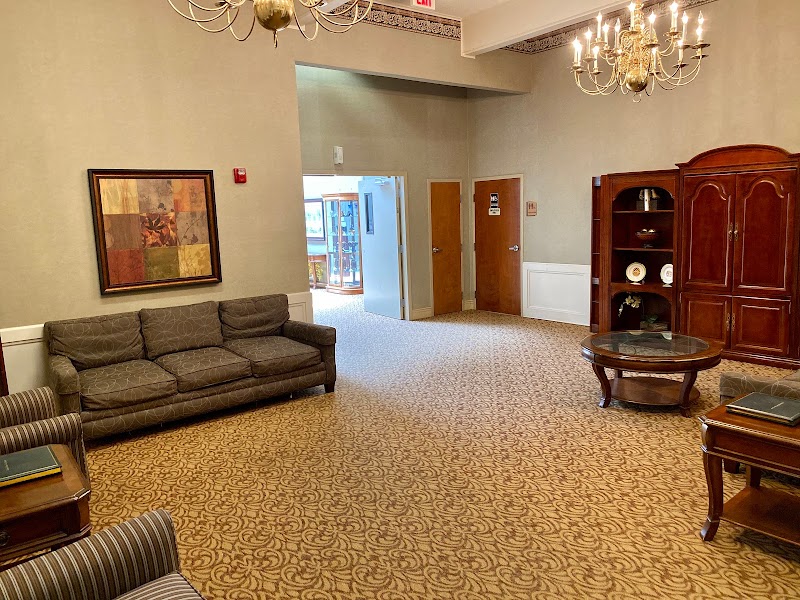
How is Rose Trail Staffed?

CMS rates ROSE TRAIL NURSING AND REHABILITATION CENTER's staffing level at 1 out of 5 stars, which is much below average compared to other nursing homes. Staff turnover is 90%, which is 43 percentage points above the Texas average of 46%. High turnover can affect care consistency as new staff learn residents' individual needs. RN turnover specifically is 100%, which is notably high. RNs provide skilled clinical oversight, so turnover in this role can affect medical care quality.

What Have Inspectors Found at Rose Trail?

State health inspectors documented 55 deficiencies at ROSE TRAIL NURSING AND REHABILITATION CENTER during 2022 to 2025. These included: 8 Immediate Jeopardy (the most serious level, indicating potential for serious harm or death), 4 that caused actual resident harm, 42 with potential for harm, and 1 minor or isolated issues. Immediate Jeopardy findings are rare and represent the most serious regulatory concerns. They require immediate corrective action.
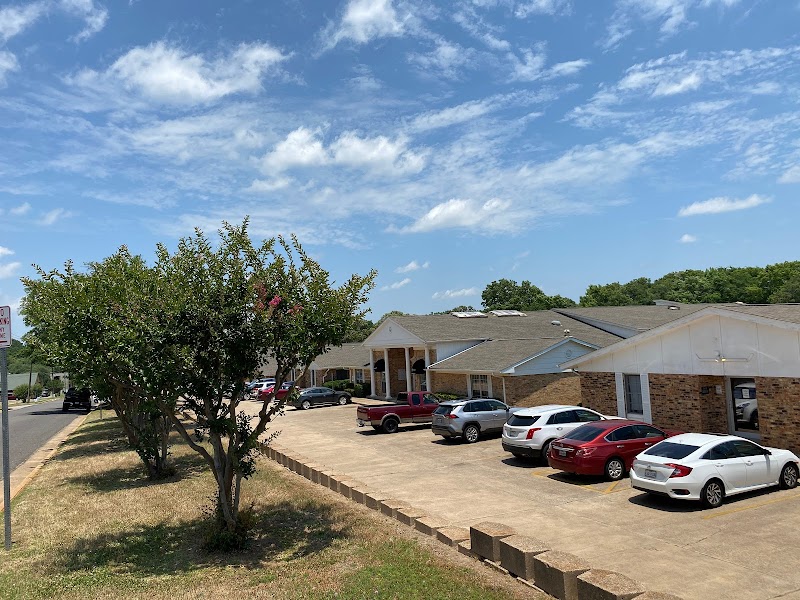
Who Owns and Operates Rose Trail?

ROSE TRAIL NURSING AND REHABILITATION CENTER is owned by a government entity. Government-operated facilities are typically run by state, county, or municipal agencies. The facility is operated by AVIR HEALTH GROUP, a chain that manages multiple nursing homes. With 172 certified beds and approximately 72 residents (about 42% occupancy), it is a mid-sized facility located in TYLER, Texas.
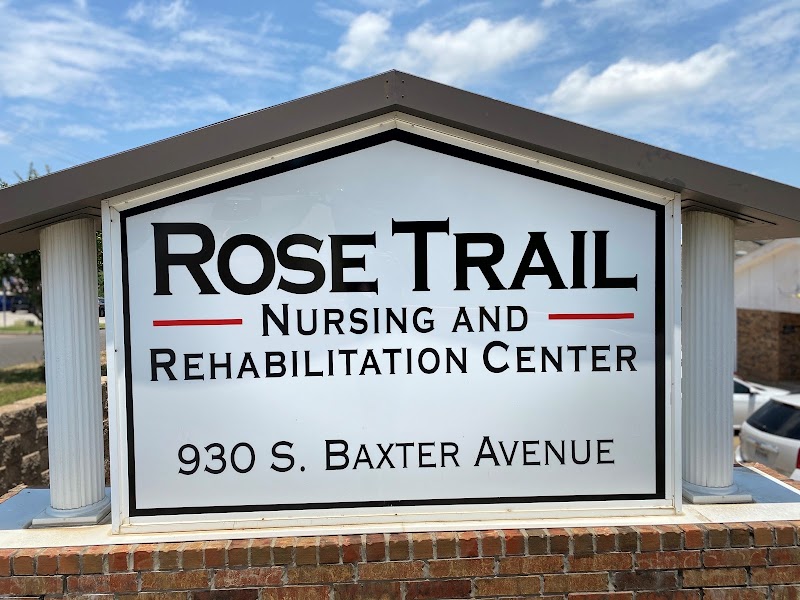
How Does Rose Trail Compare to Other Texas Nursing Homes?

Compared to the 100 nursing homes in Texas, ROSE TRAIL NURSING AND REHABILITATION CENTER's overall rating (1 stars) is below the state average of 2.8, staff turnover (90%) is significantly higher than the state average of 46%, and health inspection rating (1 stars) is much below the national benchmark.

What Should Families Ask When Visiting Rose Trail?

Based on this facility's data, families visiting should ask: "What changes have been made since the serious inspection findings, and how are you preventing similar issues?" "How do you ensure continuity of care given staff turnover, and what is your staff retention strategy?" "Can you walk me through typical staffing levels on day, evening, and night shifts?" "Can I visit during a mealtime to observe dining assistance and food quality?" These questions are particularly relevant given the facility's Immediate Jeopardy citations, the facility's high staff turnover rate, and the below-average staffing rating.

Is Rose Trail Safe?

Based on CMS inspection data, ROSE TRAIL NURSING AND REHABILITATION CENTER has documented safety concerns. Inspectors have issued 8 Immediate Jeopardy citations (the most serious violation level indicating risk of serious injury or death). The facility is currently on the Special Focus Facility watch list (a federal program monitoring the lowest-performing 1% of nursing homes nationwide). The facility has a 1-star overall rating and ranks #100 of 100 nursing homes in Texas. Families considering this facility should ask detailed questions about what corrective actions have been taken since these incidents.

Do Nurses at Rose Trail Stick Around?

Staff turnover at ROSE TRAIL NURSING AND REHABILITATION CENTER is high. At 90%, the facility is 43 percentage points above the Texas average of 46%. Registered Nurse turnover is particularly concerning at 100%. RNs handle complex medical decisions and coordinate care — frequent RN changes can directly impact care quality. High turnover means new staff may not know residents' individual needs, medications, or preferences. It can also be disorienting for residents, especially those with dementia who rely on familiar faces. Families should ask: What is causing the turnover? What retention programs are in place? How do you ensure care continuity during staff transitions?

Was Rose Trail Ever Fined?

ROSE TRAIL NURSING AND REHABILITATION CENTER has been fined $552,681 across 8 penalty actions. This is 14.3x the Texas average of $38,606. Fines at this level are uncommon and typically indicate a pattern of serious deficiencies, repeated violations, or failure to correct problems promptly. CMS reserves penalties of this magnitude for facilities that pose significant, documented risk to resident health or safety. Families should request specific documentation of what issues led to these fines and what systemic changes have been implemented.

Is Rose Trail on Any Federal Watch List?

ROSE TRAIL NURSING AND REHABILITATION CENTER is currently an SFF Candidate, meaning CMS has identified it as potentially qualifying for the Special Focus Facility watch list. SFF Candidates have a history of serious deficiencies but haven't yet reached the threshold for full SFF designation. The facility is being monitored more closely — if problems continue, it may be added to the official watch list. Families should ask what the facility is doing to address the issues that led to this status.