THE HEIGHTS OF TYLER
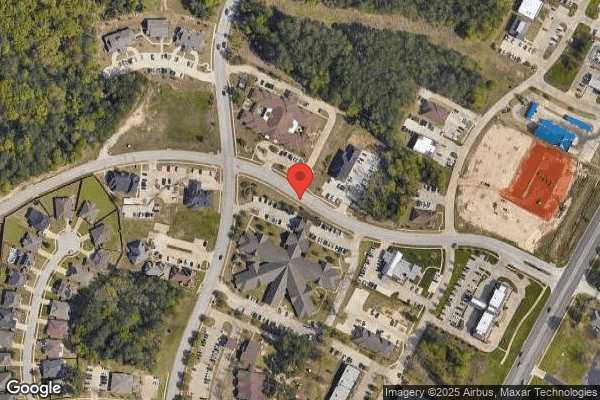
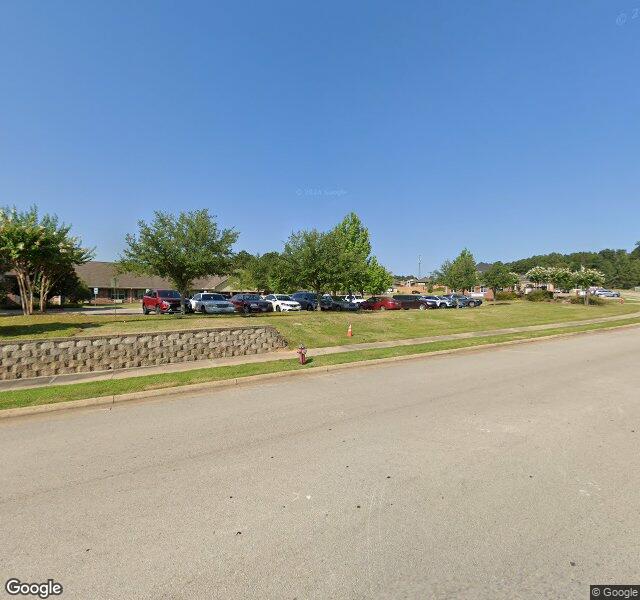
2650 ELKTON TRAIL, TYLER, TX 75703 (903) 266-7200
For profit - Corporation 120 Beds TOUCHSTONE COMMUNITIES Data: November 2025 3 Immediate Jeopardy citations
Trust Grade
14/100
#587 of 1168 in TX
Last Inspection: October 2024

Within standard 12-15 month inspection cycle. Federal law requires annual inspections.

Overview

The Heights of Tyler has received a Trust Grade of F, indicating significant concerns about the quality of care provided. Ranking #587 out of 1168 facilities in Texas places it in the bottom half, while its #8 out of 17 ranking in Smith County means there are only a few local options that are better. The facility is showing signs of improvement, reducing its issues from 12 in 2023 to 7 in 2024, but it still has a high staffing turnover rate of 68%, which is concerning as it is above the state average of 50%. The facility has incurred $39,574 in fines, which is an average amount but suggests some compliance problems. While there is good RN coverage, exceeding 75% of Texas facilities, there have been serious incidents, including medication errors that resulted in residents not receiving their prescribed medications and a failure to prevent the development of severe pressure ulcers. Overall, families should weigh these strengths against the significant weaknesses when considering care for their loved ones.

Trust Score
F
14/100
In Texas
#587/1168
Top 50%
Safety Record
High Risk
Review needed
Inspections
Getting Better
12 → 7 violations
Staff Stability
⚠ Watch
68% turnover. Above average. Higher turnover means staff may not know residents' routines.
Penalties
⚠ Watch
$39,574 in fines. Higher than 81% of Texas facilities, suggesting repeated compliance issues.
Skilled Nurses
⚠ Watch
Each resident gets only 28 minutes of Registered Nurse (RN) attention daily — below average for Texas. Fewer RN minutes means fewer trained eyes watching for problems.
Violations
⚠ Watch
21 deficiencies on record. Higher than average. Multiple issues found across inspections.
★★★☆☆
3.0
Overall Rating
★★☆☆☆
2.0
Staff Levels
★★☆☆☆
2.0
Care Quality
★★★☆☆
3.0
Inspection Score
Stable
2023: 12 issues
2024: 7 issues

The Good

  • Full Sprinkler Coverage · Fire safety systems throughout facility
  • No fines on record

Facility shows strength in fire safety.

The Bad

3-Star Overall Rating

Near Texas average (2.8)

Meets federal standards, typical of most facilities

Staff Turnover: 68%

22pts above Texas avg (46%)

Frequent staff changes - ask about care continuity

Federal Fines: $39,574

Above median ($33,413)

Moderate penalties - review what triggered them

Chain: TOUCHSTONE COMMUNITIES

Part of a multi-facility chain

Ask about local staffing decisions and management

Staff turnover is elevated (68%)

20 points above Texas average of 48%

The Ugly 21 deficiencies on record

3 life-threatening
Oct 2024 3 deficiencies
CONCERN (D) 📢 Someone Reported This

A family member, employee, or ombudsman was alarmed enough to file a formal complaint

Potential for Harm - no one hurt, but risky conditions existed

Deficiency F0576 (Tag F0576)

Could have caused harm · This affected 1 resident

**NOTE- TERMS IN BRACKETS HAVE BEEN EDITED TO PROTECT CONFIDENTIALITY** Based on observation, interview and record review the facility failed to ensure residents had the right to have reasonable acces...

Read full inspector narrative →
**NOTE- TERMS IN BRACKETS HAVE BEEN EDITED TO PROTECT CONFIDENTIALITY** Based on observation, interview and record review the facility failed to ensure residents had the right to have reasonable access to the use of a telephone and a place in the facility where calls could be made without being overheard for 3 of 7 residents (Residents #4, #27, #33, #36, #53, #58 and #85) reviewed for telephone use. The facility failed to provide a phone that could be used in an area, which would prevent resident conversations from being overhead. This failure could place residents at risk of having conversations being overheard and privacy rights not being respected. The findings included: During a group interview on 10/29/24 at 9:30 AM, Residents #4, #31 and #36 said the facility did not provide a phone for them to use, that would allow them to have a private conversation. They said the facility did not have a cordless phone for them to use and they had to use the phone at the nurse's station or the phone at the reception's desk. During an interview on 10/29/24 at 10:43 AM, LVN-A said the facility used to have a cordless phone, but they didn't anymore. She said she was not sure what happened to the cordless phone. During an interview on 10/29/24 at 10:43 AM, the Workforce Manager said the facility did not have a cordless phone; they used too but they don't have one now. During an interview on 10/29/24 at 10:48 AM, LVN-C said they did not have a cordless phone. She said she believed it stopped working when the facility was having a new system installed. During an interview on 10/29/24 at 10:54 AM, the ADM said the facility did not have a cordless phone. She said they used to have one, but not at this time. She said the residents could use an office. She said she could get a new cordless phone today. During an interview with Resident #4 on 10/29/24 at 11:47 AM, she said she didn't know where she could go for a private conversation. She said she had just used the phone at the nurse station, and everyone could hear her conversation. During an interview with Resident #31on 10/29/24 at 11:51 AM, she said she would not know where to go for a private phone conversation. She said she could not go anywhere but the nurse's station. During an interview with Resident #36 on 10/29/24 at 12:53 PM, he said he did not have a cell phone, he had to use his [NAME] device. He said when he received a phone call, there was no private place for him to take the phone call. He said he would have to take it at the nurse's station or the reception's desk, and that's not private. During an interview with the Activity Director on 10/29/24 at 2:16 PM, she said the residents could go to the nurse station, the front desk or they could go to an office, to use the phone. She said that issue had never come up in a Resident Council meeting and she had never discussed where residents could go for private phone conversations. During an interview with the ADM on 10/29/24 at 2:26 PM, she said the facility did not have a policy on resident phone use.
CONCERN (D)

Potential for Harm - no one hurt, but risky conditions existed

Pharmacy Services (Tag F0755)

Could have caused harm · This affected 1 resident

**NOTE- TERMS IN BRACKETS HAVE BEEN EDITED TO PROTECT CONFIDENTIALITY** Based on observation, interview, and record review, the facility failed to provide pharmaceutical services (including procedures...

Read full inspector narrative →
**NOTE- TERMS IN BRACKETS HAVE BEEN EDITED TO PROTECT CONFIDENTIALITY** Based on observation, interview, and record review, the facility failed to provide pharmaceutical services (including procedures that assure the accurate acquiring, receiving, dispensing, and administering of all drugs and biologicals) to meet the needs of each resident for 1 of 4 residents (Residents #6) reviewed for pharmacy services. The facility failed to ensure a physician's order provided clearly written instructions for the dose of cholecalciferol (Vitamin D3) Resident #6 was to be given. This failure could place residents at risk for not receiving accurate doses of medications and the intended therapeutic response of prescribed medications. Findings included: A record review of Resident #6's face sheet reflected she was a [AGE] year-old female who was admitted to the facility on [DATE]. Resident #6 had diagnoses which included Dementia (a group of thinking and social symptoms that may interfere with daily functioning) and Vitamin D (cholecalciferol) Deficiency. A record review of Resident #6's MDS dated [DATE] noted Resident #6 had a BIMS score of 15 which indicated her cognition was intact. A record review of Resident #6's October 2024 physician orders and MAR reflected an order dated 06/06/2022 for Resident #6 to be given Cholecalciferol capsule give 50,000 unit by mouth every Thursday. The order did not specify the strength of the cholecalciferol capsules being supplied nor the number of capsules to be given to equal the ordered dose of 50,000 unit. During an observation and interview on 10/30/2024 at 11:45 AM, MA A withdrew a bottle labeled Vitamin D3 5000 IU from the medication cart and said she gave 1 (one) capsule from the bottle to Resident #6 every Thursday. She said she did not know if Vitamin D3 and cholecalciferol were the same thing. She said she did not know if unit and IU were the same thing. She said the name of the medication on the physician's order should match the name of the medication on the bottle. She also said the order should say what strength the capsules in the bottle were and how many of those capsules to give to meet the ordered dose. MA A said medication aides were not allowed to calculate how many capsules were to be given. MA A said the order was not clear and could result in Resident #6 getting an inaccurate dose. MA A said she should tell the nurse if a physician's order did not match the label on the medication container or if an order was unclear. She said she had not told the nurse. During an interview with LVN B on 10/30/2024 at 10:40 AM, she said cholecalciferol 50,000 IU was not available as a stock medication. She said it would come from the pharmacy on a card with a label which contained instructions for administration. During an interview with the DCO on 10/30/2024 at 11:55 AM, she said she would clarify Resident #6's physician order for cholecalciferol and let the pharmacy know. A record review of the facility's policy Medication Administration reflected the following: 2.b. If the label and medication sheet are different and the container is not flagged indicating a change in directions or if there is any reason to question the dosage or directions, the physician's orders shall be checked for the correct dosage schedule. c. Report any discrepancies to the pharmacy. Do not administer the medication until the discrepancy is resolved. A record review of the Texas Administrative Code: Title 26: Part 1: Chapter 557: Rule 557.105 indicated the following: A medication aide permitted under this chapter may not: (5) calculate resident's or client's medication dosages for administration .
CONCERN (D)

Potential for Harm - no one hurt, but risky conditions existed

Infection Control (Tag F0880)

Could have caused harm · This affected 1 resident

**NOTE- TERMS IN BRACKETS HAVE BEEN EDITED TO PROTECT CONFIDENTIALITY** Based on observations, interviews, and record reviews, the facility failed to establish and maintain an infection prevention and...

Read full inspector narrative →
**NOTE- TERMS IN BRACKETS HAVE BEEN EDITED TO PROTECT CONFIDENTIALITY** Based on observations, interviews, and record reviews, the facility failed to establish and maintain an infection prevention and control program to provide a safe, sanitary, and comfortable environment and to help prevent the development and transmission of communicable diseases and infections for 1 of 4 residents (Resident #304) reviewed for infection control practices. 1.RN A failed to don appropriate PPE prior to providing wound care to Resident #304. 2.CNA B failed to don appropriate PPE prior to providing incontinent care to Resident #304. These failures could place the residents under their care at risk for exposure to possible transmission of communicable diseases and infections. Findings included: A record review of Resident #304's face sheet reflected she was a [AGE] year-old female who was admitted to the facility on [DATE]. Resident #304 had diagnoses which included cerebral infarction (stroke), heart failure, chronic kidney disease, and indwelling urethral catheter (a thin tube that is inserted into the bladder through the urethra to drain urine). A review of Resident #304's admission assessment dated [DATE] reflected she had a foley catheter (a flexible tube that is left in place and drains urine from the bladder into a collection bag) and open wounds to her coccyx, sacrum, and buttocks. A record review of Resident #304's physician orders reflected an order dated 10/29/2024 for EBP. An observation during the initial tour of the facility on 10/28/2024 at 11:02 AM, revealed RN A, RN B, and RN C to be at the bedside of Resident #304. RN A was noted to be wearing disposable gloves while providing wound care to Resident #304's upper buttocks. She applied small squares of collagen (a type of dressing used to promote healing) to several open wounds on the Resident's upper buttocks area and covered them with a clean, dry dressing. RN A did not have a disposable gown on over her clothing. RN B was assisting RN A and RN C was observing the care from the foot of the bed. RN B and RN C did not make any comments regarding the absence of or need for a disposable gown during the provision of wound care. After completion of the wound care, RN A, RN B, and RN C left the room. As they left the room, CNA B entered the room carrying a bag with incontinent care items which included a disposable brief. CNA B donned a pair of disposable gloves and proceeded to complete the incontinent care. CNA B did not put a gown on to cover her clothing. There was no signage on the door nor on the wall outside the door to communicate the need for EBP. An observation on 10/28/2024 at 04:41 PM revealed there was no signage on the door of Resident #304's room to indicate the need for EBP. An observation on 10/29/2024 at 08:12 AM revealed Resident #304 had sign on her door which indicated EBP was to be used when providing direct care activities. During an interview with RN A on 10/30/2024 at 11:30 AM, she said she was the Infection Preventionist. She said EBP signs were to be placed on the doors upon residents' admission to the facility if indicated. She said residents with indwelling devices and wounds required EBP. She said Resident #304 required EBP because she had open wounds and a foley catheter. She said she did not put a disposable gown over her clothes when she provided Resident #304 wound care. RN A said she should have put a gown on prior to initiating wound care. She said the purpose of EBP was to reduce the risk for the spread of infection. During an interview on 10/30/2024 at 12:05 PM, the staffing coordinator said CNA B was an agency aide and was not available for interview. During an interview on 10/30/2024 at 04:12 PM, RN D said an EBP sign on a resident's door meant gloves and gowns were to be worn when providing direct care to the resident. During an interview with CNA C on 10/30/2024 at 4:15 PM she said she was supposed to wear gloves and a gown when caring for a resident with an EBP sign on the door of their room. A record review of the facility's policy titled Infection Prevention and Control dated 03/13/20219 reflected the following: EBP requires the use of gown and gloves during high-contact resident care activities that provide opportunities for transfer of MDRO's to staff hands and clothing Residents/Patients with the following clinical indication should be under EBP: Significant Wounds such as chronic wounds, ulcers, open PUI, or complicated/non-healing incisions or wounds and/or wounds requiring a dressing Indwelling medical devices (e.g., central line, urinary catheter, feeding tube, tracheostomy/ventilator) regardless of MDRO colonization status. EBP should be utilized during high-contact care activities: dressing, bathing/showering, transferring, providing hygiene, changing linens, changing briefs or assisting with toileting, device care or use ., wound care. 12. Implementation of Isolation and/or Precautions: Post clear signage .on the door or wall outside of the resident room indicating the type of Precautions and required PPE For Enhanced Barrier Precautions, signage should also clearly indicate the high-contact resident care activities that require the use of gown and gloves . A record review of the facility's policy titled Professional Standard of Care reflected the following: Practices a)Licensed nurses should practice within the constraints of applicable state laws and regulations governing their practice and should follow the guidelines contained in the communities' written policies and procedures
Oct 2024 2 deficiencies
CONCERN (D) 📢 Someone Reported This

A family member, employee, or ombudsman was alarmed enough to file a formal complaint

Potential for Harm - no one hurt, but risky conditions existed

Pharmacy Services (Tag F0755)

Could have caused harm · This affected 1 resident

**NOTE- TERMS IN BRACKETS HAVE BEEN EDITED TO PROTECT CONFIDENTIALITY** Based on interview, and record review, the facility failed to provide pharmaceutical services (including procedures that assure ...

Read full inspector narrative →
**NOTE- TERMS IN BRACKETS HAVE BEEN EDITED TO PROTECT CONFIDENTIALITY** Based on interview, and record review, the facility failed to provide pharmaceutical services (including procedures that assure the accurate acquiring, receiving, dispensing, and administering of all drugs and biologicals) to meet the needs of each resident for 1 of 3 residents (Resident #1) reviewed for pharmacy services. MA B failed to hold Resident #1's metoprolol (a medication used to treat high blood pressure and elevated heart rate) when Resident #1's pulse was outside of the physician ordered parameters on 9/18/24 as well as 9/30/24. These failures could place residents at risk of receiving unnecessary medication and significant adverse effects from medication error. Findings included: Record review of Resident #1's face sheet dated 10/4/24 indicated she was [AGE] years old re-admitted to the facility on [DATE] with diagnoses including history of stroke, Type II diabetes, COPD ( chronic obstructive pulmonary disease-group of lung diseases that block airflow and make it difficult to breathe) A-Fib ( Atrial fibrillation is an abnormal heartbeat caused by extremely fast and irregular beats from the upper chambers of the heart) and high blood pressure. Record review of the MDS dated [DATE] indicated Resident #1 had unclear speech, usually others and usually made herself understood. The MDS indicated she had moderate cognitive impairment (BIMS of 10). The MDS indicated Resident #1 had no behavior of rejecting care. The MDS indicated Resident #1 was dependent on staff for; oral hygiene; toileting hygiene; showering/bathing; dressing the upper body; dressing the lower body; and putting on/taking off footwear. The MDS indicated Resident #1 required supervision or touching assistance with eating. Record review of the care plan dated 9/12/24 indicated Resident #1 had chronic health conditions, the care plan interventions included; administer medications as recommended by the physician; and monitor my vital signs as indicated. Record review of the physician order summary dated 10/4/24 indicated Resident #1 had an active order for metoprolol Tartrate 50 mg, 1 tablet two times a day related to high blood pressure. The order indicated the medication should be held for a SBP less than 110 mmHg or ;a DBP less than 60 mmHg or; a pulse less than 60bpm. Record review of Resident #1's MAR (medication administration record) for September 2024 indicated she had been administered her metoprolol Tartrate 50 mg, 1 tablet with a pulse outside of the order parameters on the following dates; *9/14/24, heart rate 55 bpm administered by MA C; *9/18/24, heart rate 58 bpm administered by MA B; and *9/30/24, heart rate 56 bpm administered by MA B. Record review of Resident #1's MAR for October 2024 indicated she had been administered her metoprolol Tartrate 50 mg, 1 tablet with a pulse outside of the order parameters on 10/1/24. Her rate was 56 bpm, and the medication was administered by MA B. During an interview on 10/4/24 at 9:30 a.m. Resident #1 responded yes when asked if the facility had been administering her medications. Resident #1 was not able to identify her medications or if any medications had been held. During an interview on 10/4/24 at 1:55 p.m., MA C said she worked at the facility in a prn (as needed) compacity. MA C said the hall Resident #1 resided on was not her usual hall. MA C said she would not have administered the metoprolol to Resident #1 with a heart rate less than 60 bpm. MA C said the medication works to lower blood pressure and heart rate and could cause Resident #1's heart rate to drop below a normal rate if it was administered with a heart rate below 60 bpm. MA C said the MAR requires the entrance of a heart rate with the administration of the medication and she would have entered the rate of 55 bpm. MA C said she had either documented the incorrect heart rate by mistake or documented the administration by mistake. During an interview on 10/4/24 at 2:00 p.m., RN A said she was one of the 2 facility ADONs. RN A said MA B should not have administered Resident #1's metoprolol when her pulse was outside of the physician ordered parameters. RN A said metoprolol was a medication used to treat high blood pressure and lower heart rate. RN A said the medication being administered outside the parameters set by the physician could cause Resident #1's heart rate to drop to low. RN A said currently herself and RN D were working together with corporate to fulfill the duties of the DON role. RN A explained the facility had hired a new DON who would start in a few weeks. RN A said currently there was a system in place to identify when medications where held (not administered) to Resident but there was not a system in place to identify when a Resident had been administered medication outside ordered medication parameters. RN A explained in the EMR system if a MA documented a medication was not administered, they were required to enter a numerical code that indicated why the medication was held. RN A said she (RN A) could then run a report that would reflect why medications were held. RN A said there was no report she currently could run in the EMR system that would allow/ enable her to see when Residents were administered medications, despite documented vital signs outside of physician ordered parameters. RN A said she would speak to corporate office to see if EMR system could be worked to enable her to run such a report. During an interview on 10/4/24 at 2:07 p.m., RN D said she was one of the 2 facility ADONs. RN D said MA B should not have administered Resident #1's metoprolol when her pulse was outside of the physician ordered parameters. RN D said the medication being administered outside the parameters set by the physician could cause Resident #1's heart rate or blood pressure to drop to low. RN D said she was not aware of any report that could be ran to see if Residents were being administered medication outside of physician ordered parameters. RN D said it was important for Residents to be administered medications as ordered by the physician. During an interview on 10/4/24 at 2:20 p.m., MA B if she had documented she administered the metoprolol to Resident #1 on 9/18/24 and 9/30/24 she probably had administered it. MA B said she would like to think that she incorrectly documented either the pulse or the administration itself but could not say for sure. MA B said it was important to ensure residents were administered medications as ordered and in the case of Resident #1 and her metoprolol it was important because her heart rate could drop to low. During an interview on 10/4/24 at 3:02 p.m. the Administrator said it was important for residents to be administered medications as ordered by the physician/within physician ordered parameters for the health and safety of the residents. The Administrator said she planned to reach out to corporate to see if something could be changed in the EMR to allow better monitoring and compliance with physician ordered parameters. Record review of the facility policy and procedure titled Medication Administration, revised January 2024 stated . Resident medications are administered in an accurate, safe, timely, and sanitary manner . If applicable and/or prescribed, take vital signs or tests prior to administration of the dose . Administer medications as ordered by the physician.
CONCERN (E) 📢 Someone Reported This

A family member, employee, or ombudsman was alarmed enough to file a formal complaint

Potential for Harm - no one hurt, but risky conditions existed

Medical Records (Tag F0842)

Could have caused harm · This affected multiple residents

**NOTE- TERMS IN BRACKETS HAVE BEEN EDITED TO PROTECT CONFIDENTIALITY** Based on interview, and record review, the facility failed to ensure in accordance with professional standards of practices, the...

Read full inspector narrative →
**NOTE- TERMS IN BRACKETS HAVE BEEN EDITED TO PROTECT CONFIDENTIALITY** Based on interview, and record review, the facility failed to ensure in accordance with professional standards of practices, the medical records on each resident were accurately documented for 2 of 3 residents (Resident #1 and Resident #2) reviewed for accurate medical records. MA C failed to correctly document in the EMR with regards to Resident #1's metoprolol Tartrate 50 mg, on 9/14/24. MA E failed to correctly document in the EMR with regards to Resident #2's entresto 24/46 mg adminstration on 9/29/24. These failures could place resident's at risk of unnecessary treatment, adverse drug reactions, or inadequate treatment. Findings included: Record review of Resident #1's face sheet dated 10/4/24 indicated she was [AGE] years old re-admitted to the facility on [DATE] with diagnoses including history of stroke, Type II diabetes, COPD ( chronic obstructive pulmonary disease-group of lung diseases that block airflow and make it difficult to breathe) A-Fib ( Atrial fibrillation is an abnormal heartbeat caused by extremely fast and irregular beats from the upper chambers of the heart) and high blood pressure. Record review of the MDS dated [DATE] indicated Resident #1 had unclear speech, usually others and usually made herself understood. The MDS indicated she had moderate cognitive impairment (BIMS of 10). The MDS indicated Resident #1 had no behavior of rejecting care. The MDS indicated Resident #1 was dependent on staff for; oral hygiene; toileting hygiene; showering/bathing; dressing the upper body; dressing the lower body; and putting on/taking off footwear. The MDS indicated Resident #1 required supervision or touching assistance with eating. Record review of the care plan dated 9/12/24 indicated Resident #1 had chronic health conditions, the care plan interventions included; administer medications as recommended by the physician; and monitor my vital signs as indicated. Record review of the physician order summary dated 10/4/24 indicated Resident #1 had an active order for metoprolol Tartrate 50 mg, 1 tablet two times a day related to high blood pressure. The order indicated the medication should be held for a SBP less than 110 mmHg or ;a DBP less than 60 mmHg or; a pulse less than 60bpm. Record review of Resident #1's MAR for September 2024 indicated she had been administered her metoprolol Tartrate 50 mg, 1 tablet with a pulse outside of the order parameters on the following dates; *9/14/24, heart rate 55 bpm administered by MA C; *9/18/24, heart rate 58 bpm administered by MA B; and *9/30/24, heart rate 56 bpm administered by MA B. During an interview on 10/4/24 at 1:55 p.m., MA C said she worked at the facility in a prn compacity. MA C said the hall Resident #1 resided on was not her usual hall. MA C said she would not have administered the metoprolol to Resident #1 with a heart rate less than 60 bpm. MA C said the medication works to lower blood pressure and heart rate and could cause Resident #1's heart rate to drop below a normal rate if it was administered with a heart rate below 60 bpm. MA C said the MAR requires the entrance of a heart rate with the administration of the medication and she would have entered the rate of 55 bpm. MA C said she had either documented the incorrect heart rate by mistake or documented the administration by mistake. 2. Record review of Resident #2's face sheet dated 10/4/24 indicated he was [AGE] years old admitted to the facility on [DATE] with diagnoses which included degenerative disease of the basal ganglia (a degenerative condition that occurs when the basal ganglia, a set of brain structures that control speech, movement and posture) are damaged or fail to function, hemiplegia and hemiparesis (paralysis and weakness on one side of the body) following stroke, aphasia ( affects a person's ability to express and understand written and spoken language) and high blood pressure. Record review of Resident #2's MDS dated [DATE] indicated he had unclear speech. The MDS indicated Resident #2 usually made himself understood and usually understood others. The MDS indicated Resident #2 had severe cognitive impairment (BIMS of 5). The MDS indicated he had no behavior of rejecting care. The MDS indicated Resident #2 was dependent on staff for toileting and putting on/taking off footwear. The MDS indicated Resident #2 required maximal assistance with showering/bathing and dressing the lower body. The MDS indicated he required partial assistance with oral hygiene, dressing the upper body, and personal hygiene. The MDS indicated he required set up/clean up assistance with eating. Record review of Resident #2's care plan dated indicated he had heart disease and was at risk for cardiac complications. The care plan interventions included; administer medications as ordered by my physician and monitor vital signs as indicated. Record review of the physician order summary dated 10/4/24 indicated Resident #1 had an active order for entresto 24/46 mg, 1 tab by mouth once a day for high blood pressure. The order indicated the medication should be held for a SBP less than 120 mmHg or ;a DBP less than 55 mmHg or; a pulse less than 55bpm. Record review of Resident #2's MAR (medication administration record) for September 2024 indicated he had been administered his entresto 24/46 mg, 1 tab with a pulse outside of the order parameters on 9/29/24. His heart rate was 53 bpm and the medication was administered by MA E. During an interview on 10/4/24 at 2:00 p.m., RN A said MAs should ensure they document vital signs and medication administration correctly. RN A said it was important that medical records are complete and accurate. RN A said incorrect documentation could negatively affect residents as nurse practitioners and physicians make treatment decisions in part based on the information in medical record. During an interview on 10/4/24 at 2:07 p.m., RN D said MAs should ensure they document vital signs and medication administration correctly. RN D said inaccurate documentation of vital signs and medication administration is incorrect information that may be used in treatment decisions. During an interview on 10/4/24 at 2:48 p.m., MA E said worked for a staffing agency and had worked regularly at the facility in the past (in 2023) but recently (September 2024) started working at the facility again. MA E said she had been a MA for 18 years and would not have Resident #2's entresto medication with a heart rate of 53 bpm even if there were not written parameters without checking with the nurse. MA E said she probably entered Resident #2's heart rate incorrectly if the administration was documented. MA E said the '5' and the '6' are right beside each other on the keyboard and she hit the wrong key. MA E said there was no doubt in her mind she had charted incorrectly. During an interview on 10/4/24 at 3:02 p.m., the Administrator said it was important for medical records to be accurate and expected staff to ensure they accurately documented vital signs and medication administration. Record review of the facility policy and procedure titled Medical Records revised January 2023 reflected, . Compliance Guidelines: A medical record is maintained for every person admitted to a community in accordance with accepted professional standards and practices . The medical record consists of but not limited to the following: . a record of the resident's assessments; the plan of care and services provided . The facility policy and procedure did not further elaborate on the importance of accurate vitals signs and medication as part of the medical record.
Sept 2024 1 deficiency
CONCERN (D) 📢 Someone Reported This

A family member, employee, or ombudsman was alarmed enough to file a formal complaint

Potential for Harm - no one hurt, but risky conditions existed

Free from Abuse/Neglect (Tag F0600)

Could have caused harm · This affected 1 resident

**NOTE- TERMS IN BRACKETS HAVE BEEN EDITED TO PROTECT CONFIDENTIALITY** Based on interview, and record review, the facility failed to ensure resident who were transported by the facility were free fro...

Read full inspector narrative →
**NOTE- TERMS IN BRACKETS HAVE BEEN EDITED TO PROTECT CONFIDENTIALITY** Based on interview, and record review, the facility failed to ensure resident who were transported by the facility were free from abuse for 1 of 1 resident (Resident #1 ) reviewed for abuse. The facility failed to ensure Resident # 1 was protected from abuse. The noncompliance was identified as PNC. The noncompliance began on 09/22/2023 and ended on 09/27/2023. The facility had corrected the noncompliance before the survey began. This failure had the potential to affect all residents who depend on the facility for transportation to medical appointments or other social outings. The findings included: Record review of Resident #1's face sheet, dated 09/18/24, indicated the resident #1 was re-admitted to the facility on [DATE], with diagnosis to include, unspecified dementia, unspecified severity, without behavioral disturbance, psychotic disturbance, mood disturbance and anxiety, unspecified severe protein-calorie malnutrition, other disorders of phosphorus metabolism (the body's phosphate levels are abnormal, either too high or too low), interstitial emphysema (when to air leaks into the lung's connective tissue, damaging lung structure) and cachexia (significant loss of muscle and fat mass). Resident #1 has a BIMS (Brief Interview for Mental Status) score of 05. Review of the facility's provider investigation report, dated 9/22/2023, indicated Resident #1 informed an un-named nurse manager, that Driver - A called her a stupid bitch, on 09/22/2023, while driving her to a medical appointment. During an interview on 09/17/24 at 1:44PM, Driver - A, said she was the van driver who transported Resident #1 to a medical appointment on 09/22/2023. She said she transported Resident # 1 to the address of the medical facility, she was given, but when she arrived, the medical facility informed her, they need to be somewhere else. She said when she loaded Resident #1 back up, Resident #1 was crying and yelling, saying she's suppose to have surgery that day and she wanted to get this thing off her foot. She said she told Resident #1, that was where they were going, and when she started driving, Resident #1 continued to cry, and got louder. She said she turned the radio up, thinking it would calm her down, but she got even louder. She said she reiterated to Resident #1 that was where they were going, that she was going to have surgery that day, that they were just sent to the wrong location. She said after getting to the next location, she went inside to double check that Resident #1 was having surgery at that location. She said the facility informed her that Resident #1 was not on the schedule for surgery. She said she call Medical Records - B, and informed her that she was bring Resident #1 back to the facility because she was not scheduled for surgery. She said she let Resident #1 know, she was not scheduled for surgery today, there was some kind of mix-up. She said Resident #1 kept crying and screaming, telling her she is supposed to have surgery that day and she wanted this thing off her foot. She said the radio was still on, she turned it up a little, Resident #1 got louder over the music, and she eventually said, god damn it, I'm doing the best I can, what the hell you want me to do. She said she brought Resident #1 back to the facility and put her at the nurse station where she continued to yell about having surgery. When asked, Driver- A said she had taken abuse and neglect training and she did not believe her use of god damn it or hell was verbal abuse. When asked to define verbal abuse, Driver - A said, making a resident feel uncomfortable or insulting them about their diagnosis. When asked if she received any disciplinary action, Driver - A said she was suspended for 2-3 days and had to go through abuse and neglect training again. Driver - A denied calling Resident #1 a stupid bitch. During interview on 09/17/2024 at 1:55PM, Medical Records - B said she noticed Resident #1 was fussing, yelling out a lot, when she was brought back to the facility, so she decided to ride with Driver - A, when she took Resident #1 back to her medical appointment. Medical Records B said she and Driver -A, did not have any conversation about Resident #1 behavior, during the drive to the appointment or returning from the appointment. Medical Records B said she was not aware of any name calling Driver - A, may have used towards Resident #1. During interview on 09/17/2024 at 2:35PM, the Administrator said she was not with the facility at the time of the incident. She said the former Administrator and the former DON are no longer with the facility. She said she was not aware of who the un-named nurse manager was, but she does not believe that person is with the facility. The Administrator said she is not aware of any performance issues with Driver - A, since she became the Administrator. Review of Driver - A's personnel file, on 09/18/2024, indicated an investigation of the allegation of abuse, was conducted and Driver - A did receive a suspension. The review also revealed Driver - A also completed abuse and neglect training on 09/27/2023. Since the time of the incident, there were no documented issues with the Van Driver. Review of a facility policy titled: Abuse Guidance: Preventing, Identifying and Reporting, with a revision date of 10/2022, revealed: Verbal abuse is the oral written or gesture language that willfully include the use of disparaging and derogatory term to residents or their family or within hearing distance, regardless of their age, ability to comprehend, or disability . The noncompliance was identified as PNC. The noncompliance began on 09/22/2023 and ended on 09/27/2023. The facility had corrected the noncompliance before the survey began.
Aug 2024 1 deficiency
CONCERN (D) 📢 Someone Reported This

A family member, employee, or ombudsman was alarmed enough to file a formal complaint

Potential for Harm - no one hurt, but risky conditions existed

Infection Control (Tag F0880)

Could have caused harm · This affected 1 resident

**NOTE- TERMS IN BRACKETS HAVE BEEN EDITED TO PROTECT CONFIDENTIALITY** Based on observations, interviews, and record review, the facility failed to establish and maintain an infection prevention and ...

Read full inspector narrative →
**NOTE- TERMS IN BRACKETS HAVE BEEN EDITED TO PROTECT CONFIDENTIALITY** Based on observations, interviews, and record review, the facility failed to establish and maintain an infection prevention and control program designed to provide a safe, sanitary, and comfortable environment, and to help prevent the development and transmission of communicable diseases and infections for 3 of 10 residents (Resident #1, Resident #2, and Resident #3) reviewed for infection control practices. 1. The facility failed to ensure a wound vacuum cannister with red - brown liquid was not left in Resident #1's and Resident #2's room on 08/28/24. 2. The facility failed to ensure a brown substance was not present on the handrail in Resident #3's bathroom on 08/28/24. These failures could place residents at risk of exposure to communicable diseases, cross-contamination, and infections. Findings included: 1. Record review of Resident #1's face sheet, dated 08/28/24, indicated she was admitted to the facility on [DATE]. Her diagnoses included iron deficiency anemia secondary to blood loss (a deficiency of iron in the body related to a loss of blood), and chronic kidney disease (a disease where the kidneys do not function as well as they should). Record review of Resident #1's quarterly MDS assessment, dated 07/25/24, indicated she had a BIMS score of 1, which indicated severe cognitive impairment. Record review of Resident #1's progress note, dated 08/18/24, indicated her wound vacuum was removed and she was sent to the hospital on [DATE]. During an observation on 08/28/24 at 11:00AM, Resident #1 was not in the room at this time. There was a facility wound vacuum at the bedside. It was half full of a brown - red substance. The tube was still connected to the canister, and it was dangling off the bedside table to the floor. During an interview on 08/28/24 at 11:02AM, the Administrator said Resident #1 was still in the hospital. During an observation on 08/28/24 at 1:51PM, the wound vacuum was still at bedside, half full of a brown-red substance, with the tube still dangling off the side of the bedside table to the floor. During an observation on 08/28/24 at 3:03PM, the wound vacuum was still at bedside, half full of a brown-red substance, with the tube still dangling off the side of the bedside table to the floor. Record review of Resident #2's face sheet, dated 08/28/24, indicated she was admitted to the facility on [DATE]. Her diagnoses included cerebral infarction (the pathologic process that results in an area of necrotic tissue in the brain), and cellulitis (a bacterial infection that affects the skin's deeper layers and the tissue underneath). Record review of Resident #2's admission MDS assessment, dated 08/14/24, indicated she had a BIMS score of 15, which indicated intact cognition. She was usually understood and usually able to understand others. During an observation on 08/28/24 at 11:18AM, Resident #2 was in her wheelchair, in her and Resident #1's shared room, the wound vacuum was still present on Resident #1's side of the room, half full of a brown-red substance, with the tube still dangling off the side of the bedside table to the floor. During an interview on 08/28/24 at 3:05PM, Resident #2 was in bed, in her and Resident #1's shared room. She said she saw the wound vacuum on Resident #1's side of the room. She said it was gross and she thought the staff would have cleaned it up by now. 2. Record review of the face sheet dated 3/27/24 indicated Resident #3 was [AGE] years old female admitted on [DATE] with diagnoses including Amputation of Right Hand, Gangrene (a serious condition that occurs when tissue dies due to a lack of blood supply), Tachycardia (a heart rate that's faster than 100 beats per minute while at rest). Record review of the Quarterly MDS dated [DATE] indicated Resident #3 was understood and understood others. The MDS indicated a BIMS score of 06 which indicated Resident #3 was significantly cognitively impaired. The MDS indicated Resident #3 was dependent for toileting. During an observation and interview on 8/28/24 at 1:20 p.m. inside Resident #3's bathroom had an unknown brown substance on the toilet handrail. Resident #3 said that the feces had been there for two weeks. She said that she has not asked anyone to clean it up. During an observation on 8/28/24 at 3:40 p.m. inside Resident #3's bathroom a brown substance was observed smeared on the handrail for the toilet. During an interview on 08/28/24 at 3:42PM, ADON A said she did not expect the wound vacuum to be left at the bedside. She said she expected the staff to dispose of the canister and tubing into a biohazard bag once it was disconnected from the resident. She said that it was an infection control issue. She said the brown substance on the railing should have been cleaned by the aides. She said housekeeping was expected to clean everything but bodily fluids. During an interview on 08/28/24 at 3:53PM, Corporate Nurse B said her expectation was for the staff to properly discard of the biohazard material. She said housekeeping and nursing staff were responsible for cleanliness of the bathroom and ensuring there was not a brown substance on the handrails in the bathroom. She said the risk to the residents was possible infection. During an interview on 08/28/24 at 4:00PM, the Administrator said she expected the staff to clean up the biohazard material and to dispose of the wound vac canister and tubing. The risk to the residents would be infection. Nursing was responsible for cleaning up the canister and any staff were responsible for cleaning up the brown material. Record review of the facility's Infection and Prevention Control policy, last revised April 2024, stated: .The infection prevention and control program is a facility-wide effort involving all disciplines and individuals and is an integral part of the quality assurance and performance improvement program . 9. Prevention of Infection a. Important facets of infection prevention include: (1) identifying possible infections or potential complications of existing infections; (2) instituting measures to avoid complications or dissemination; (3) educating staff and ensuring that they adhere to proper techniques and procedures; . .(5) educating staff and ensuring that they adhere to reporting exposures to potentially infectious materials; (6) educating staff and ensuring that they adhere to proper infection prevention and control practices when performing resident care activities as it pertains to his/her role responsibilities and situation . .(8) immunizing residents and staff to try to prevent illness; . .(10) disinfecting multi-patient use equipment or supplies after each use and stored appropriately; i.e., foot care equipment/supplies, including but not limited to nail clippers, scalers, files, and [NAME] tools should be stored separated from clean, un-used foot care equipment or supplies. Reusable equipment or devices (e.g., scalers, electronic nail file, and surgical instruments) that are used on one resident should be cleaned and disinfection or sterilization prior to use according to manufacturer's instructions. If the manufacturer does not provide multi-patient use instructions, the device should not be used for multi-patient use .
Sept 2023 4 deficiencies
CONCERN (D)

Potential for Harm - no one hurt, but risky conditions existed

Deficiency F0645 (Tag F0645)

Could have caused harm · This affected 1 resident

**NOTE- TERMS IN BRACKETS HAVE BEEN EDITED TO PROTECT CONFIDENTIALITY** Based on interview and record review, the facility failed to ensure the Pre-admission Screening and Resident Review (PASRR) Leve...

Read full inspector narrative →
**NOTE- TERMS IN BRACKETS HAVE BEEN EDITED TO PROTECT CONFIDENTIALITY** Based on interview and record review, the facility failed to ensure the Pre-admission Screening and Resident Review (PASRR) Level I assessment accurately reflected the resident's status for 1 of 6 residents (Resident #102) reviewed for PASRR Level I screenings. The facility failed to ensure the accuracy of the PASRR Level 1 screening for Resident #102. The PASRR 1 Level screening did not indicate a diagnosis of mental illness, although the diagnosis was present upon admission. This failure could place residents who had a mental illness at risk of not receiving a needed assessment (PASRR Evaluation), individualized care, or specialized services to meet their needs. Findings included: Record review of Resident #102's face sheet, dated 09/20/23, indicated he was a [AGE] year-old male, admitted to the facility on [DATE]. His diagnoses included post-traumatic stress disorder (a mental health condition triggered by a terrifying event, causing flashbacks, nightmares and severe anxiety). The onset date was 08/18/23. Record review of Resident #102's admission MDS assessment, dated 09/21/23, indicated section A1500 was marked 0 or no. This indicated he was not currently considered by the state level II PASRR process to have serious mental illness and/or intellectual disability or a related condition. Section A1510 was not marked for level II PASRR conditions. The assessment indicated he had a BIMS score of 15, which indicated intact cognition. Record review of Resident #102's PASRR level 1 screening, dated 08/18/23, indicated section C0100 Mental illness was marked no, which indicated there was not evidence or an indicator that he had a mental illness. During an interview on 09/20/23 at 10:44 AM, the MDS Coordinator said she reviewed Resident #102's PASRR Level 1 assessment. She said she did not mark his PL1 as yes for mental illness. She said he had a diagnosis of PTSD and it should have been marked yes for mental illness. She said it was possible that the resident could have had PASRR services for his PTSD. She said she was going to resubmit a corrected PL1 to the local authority so that Resident #102 can be evaluated for PASRR services. During an interview on 09/20/23 at 02:01 PM, the ADON said she expected Resident #102's PASRR Level 1 to be marked yes for mental illness because of his diagnosis of PTSD. She said it was possible he could have qualified for services if it had been marked yes. During an interview on 09/20/23 at 02:07 PM, the DON said she expected Resident #102 to have a positive PASRR level 1 for mental illness. She said it was possible if his PL1 was marked positive for mental illness he may have qualified for services. She said he had a diagnosis of PTSD. During an interview on 09/20/23 at 02:12 PM, the Administrator said Resident #102 was being seen by the VA for his PTSD. She said she expected his PASRR level 1 to be marked yes for mental illness. She said it was likely missed because they have not worked with the VA before. She said she was not sure if he would have qualified for PASRR services because he received services through the VA. Record review of the facility's policy, specialized rehabilitative services, dated February 2017, stated: .Specialized services for MI [mental illness] or MR [mental retardation] For a resident with MI or MR, the community will ensure that the individual receives the services necessary to assist him or her in maintaining or achieving as much independence and self-determination as possible. The preadmission screening and resident review (PASRR) indicates specialized services required by the resident. The state is required to list those services in the report, as well as to provide or arrange for the provision of the services. Even if the state determines that the resident does not require specialized services, the community is still responsible for providing all services necessary to meet the resident's mental health or mental retardation needs. The community provides interventions that complement, reinforce, and are consistent with any specialized services (as defined by the resident's PASRR)
CONCERN (D)

Potential for Harm - no one hurt, but risky conditions existed

Respiratory Care (Tag F0695)

Could have caused harm · This affected 1 resident

**NOTE- TERMS IN BRACKETS HAVE BEEN EDITED TO PROTECT CONFIDENTIALITY** Based on observation, interview, and record review the facility failed to ensure a resident who needed respiratory care was prov...

Read full inspector narrative →
**NOTE- TERMS IN BRACKETS HAVE BEEN EDITED TO PROTECT CONFIDENTIALITY** Based on observation, interview, and record review the facility failed to ensure a resident who needed respiratory care was provided such care, consistent with professional standards of practice, the comprehensive person-centered care plan, and the residents' goals and preferences for 1 of 1 resident (Resident #366) reviewed for respiratory care and services. The facility failed to obtain a physician's order for oxygen administration for Resident #366. The facility failed to follow their oxygen administration policy This failure could place residents at risk for developing respiratory complications. Findings included: Record review of Resident #366's face sheet, dated 09/19/23, indicated she was an [AGE] year-old female, admitted to the facility on [DATE]. Her diagnoses included encephalopathy (any disturbance of the brain's functioning that leads to problems like confusion and memory loss), cerebral infarction (refers to damage to tissues in the brain due to a loss of oxygen to the area), and obstructive sleep apnea (a sleep disorder characterized by repeated obstruction to the airway during sleep). Record review of Resident #366's admission MDS assessment, dated 09/13/23, indicated she had a BIMS score of 06, which indicated she had severe cognitive impairment. She did not exhibit behaviors of rejection of care or wandering. She required extensive assistance with bed mobility, transfers, locomotion on and off unit, dressing, toileting, and personal hygiene. The assessment indicated she did have oxygen therapy while not a resident. The assessment indicated she did not have oxygen therapy while a resident. Record review of Resident #366's physician's orders, dated 09/19/23, indicated she did not have an order for oxygen administration. Record review of Resident #366's care plan, created on 09/09/23, indicated a focus of I may be at risk for: self-care deficit, falls, skin concerns, pain, infection & nutritional/hydration concerns, and emotional distress. Interventions included: *Provide oxygen as ordered by physician. Follow community's protocols for changing tubing and filter cleaning as indicated. Further Record review of Resident #366's care plan, created on 09/09/23, indicated a focus of I am at risk for experiencing shortness of breath. Interventions included: *Alert my nurse for concentrator alarms and/or if my oxygen tank needs to be changed *Monitor for and report all abnormal and/or change in conditions to my doctor as indicated. *Monitor oxygen saturation as ordered by my doctor and as clinically indicated. *Provide oxygen as ordered/recommended by my physician. Record review of Resident #366's MAR for September 2023 indicated she did not have an order for oxygen administration. During an observation on 09/18/23 at 10:06 AM, Resident #366 was in her bed in her room. She had oxygen in place via a nasal cannula to her nose and the oxygen concentrator was set at 2 liters per minute. During an observation on 09/18/23 at 12:25 PM, Resident #366 had oxygen in place via nasal cannula. The oxygen concentrator was set at 2 liters per minute. She was lying in bed underneath a blanket in her room. During an observation on 09/19/23 at 11:45 AM, Resident #366 was lying in bed underneath a sheet. She had oxygen in place via nasal cannula. The oxygen concentrator was set to 2 liters per minute. During an observation on 09/19/23 at 04:18 PM, Resident #366 had oxygen in place via nasal cannula. The oxygen concentrator was set to 2 liters per minute. She was lying in bed in her room. During an observation on 09/20/23 at 08:58 AM, Resident #366 had oxygen in place via nasal cannula. The oxygen concentrator was set to 2 liters per minute. She was lying in bed in her room underneath a blanket. During an interview on 09/20/23 at 10:40 AM, LVN D said she was taking care of Resident #366 on 09/20/23. She said Resident #366 did not have an order for oxygen. She said Resident #366 should have an order for the nurses to administer oxygen. She said that the risk to the resident was that the nurses may not know she had oxygen and may not know to monitor the oxygen. She said it was possible for Resident #366's oxygen to be set too high and it could lower her respiratory drive and possibly send her to the hospital. She said the nurses also would not know the flow rate to set the oxygen. During an interview on 09/20/23 at 02:01 PM, the ADON said she expected the nurse to have an order for oxygen administration for Resident #366. She said the risk to the resident was that it was possible that an agency nurse or someone that was not familiar with her care would not know to monitor her oxygen or know the correct flow rate. During an interview on 09/20/23 at 02:07 PM, the DON said she expected Resident #366 to have an order for oxygen administration. She said the normal process was that the nurse would get an order for oxygen on admission. She said the risk to the resident was that it was possible that not everyone would know to apply her oxygen without an order. She said if an agency nurse or someone that was not familiar with her care took care of her they could not know to monitor her oxygen. During an interview on 09/20/23 at 02:12 PM, the Administrator said she expected Resident #366 to have an order for oxygen. She said she was not clinical, so she was unable to guess what the risk was. She said the nurses should be checking vital signs to ensure her oxygen was set correctly. Record review of the facility's policy for oxygen administration, last revised January 2022, stated: .A resident receives oxygen therapy when there is an order by a physician. The resident's disease, physical condition, and age will help determine the most appropriate method of administration and should be reflected in the physician order. Procedure . .3. Obtain physician orders for oxygen administration. Orders should include the following: a. oxygen source to be used (concentrator, tank, etc.) b. method of delivery (cannula, mask, etc.) c. flow rate of delivery d. oxygen saturation monitoring parameters, if indicated
CONCERN (F)

Potential for Harm - no one hurt, but risky conditions existed

Food Safety (Tag F0812)

Could have caused harm · This affected most or all residents

Based on observation, interview, and record review, the facility failed to store, prepare, distribute, and serve food under sanitary conditions in 1 of 1 kitchen and 4 of 4 satellite kitchens reviewed...

Read full inspector narrative →
Based on observation, interview, and record review, the facility failed to store, prepare, distribute, and serve food under sanitary conditions in 1 of 1 kitchen and 4 of 4 satellite kitchens reviewed for food service. Opened food packaging in the pantry and walk-in freezer were not closed after opening. Packages of food items were not labeled, dated, and re-sealed. A bulk container of popcorn had cups left inside the product. Food storage containers were not kept clean when stored. Satellite kitchens on the halls had soiled microwaves and dried coffee spills inside cabinet drawers. A carton of thickened liquid was not dated when opened. These failures could place residents who ate food from the kitchen at risk of foodborne illness. Findings included: During observations on 09/18/23, the following was noted in the kitchen: At 09:26 AM in the pantry a bulk plastic container of popcorn had a plastic cup and a Styrofoam cup stored inside the product. A plastic bag of raisin bran placed inside a zippered bag was not closed or dated and labeled. A 35 oz. bag of corn flakes was placed inside a zippered bag was not closed or labeled and dated. At 09:28 AM in the pantry an opened 16 oz. box of powdered sugar was not re-sealed or placed in a zippered bag. At 09:35 AM in the walk in freezer a case of beef patties was opened and the inner liner bag was left open and not re-closed. At 09:38 AM 2 plastic containers below the soup prep table had food debris present in the bottom of the containers and dried drips of a light brown unknown liquid. The containers were greasy to touch. During observations on 09/20/23, the following was noted in the satellite kitchens: At 1:50 PM in the hall 100 dining area: the microwave had splatters over all sides, was heavily stained and had a basket of French fries inside. The drawer under the coffee machine had dried drips of coffee in the bottom and on the top edges of the drawer. At 1:58 PM in the hall 200 dining area: the microwave had splatters over all sides and was heavily stained. The drawer under the coffee machine had a large pool of dried coffee in the bottom and dried drips on the top edges of the drawer. In the refrigerator there was one 46 oz. container of nectar thick orange juice that was not dated when it was opened. The packaging indicated After opening may be kept up to 7 days under refrigeration. At 2:07 PM in the hall 300 dining area: the microwave had splatters over all sides and was heavily stained. In the freezer there was a frozen gel pack that had a vanilla ice cream like substance frozen to the outside. At 2:17 PM in the hall 400 dining area: the microwave had splatters over all sides and was heavily stained. The drawer under the coffee machine had drips of dried coffee in the bottom and dried drips on the top edges of the drawer. During an interview on 09/19/23 at 5:00 PM, the DM said she had gone behind the surveyor and noticed the cups in the bulk bin of popcorn. She said weekend staff sometimes do not always keep things the way they have been taught to keep them. She said all dietary workers were trained to date, label, and re-seal opened items She said they had been taught to not store cups or scoops in the bulk storage bins. She said she removed the soiled containers from under the soup prep table. She said they were odd containers and lids. She said the containers did not have lids that fit and the lids did not have containers that fit so she threw them all away. She said they should have been thrown away a long time ago. She said the dietary staff were responsible for the satellite kitchens and they were to wipe down everything after each meal service. She said she made sure the refrigerators were clean and wiped down but did not indicate a schedule of doing so. Review of a Preventing Foodborne Illness-Food Handling Policy revised July 2014 indicated Policy Statement: Food will be stored, prepared, handled and served so that the risk of foodborne illness is minimized. Review of The Texas Administrative Code (TAC) indicated the following: Preventing Contamination From Equipment, Utensils, and Linens. (a) Food shall only contact surfaces of: (1) equipment and utensils that are cleaned . and sanitized . Frequency of Cleaning. .(c) Nonfood-contact surfaces. Nonfood-contact surfaces of equipment shall be cleaned at a frequency necessary to preclude accumulation of soil residues The Food and Drug Administration Code at http://www.fda.gov/food/guidanceregulation current as of 02/03/2021 indicated the following: .Equipment, Food-Contact Surfaces, Nonfood-Contact Surfaces, and Utensils. (B) The FOOD-CONTACT SURFACES of cooking EQUIPMENT and pans shall be kept free of encrusted grease deposits and other soil accumulations. . Food Storage Food shall be protected from contamination by storing the food: (1) In a clean, dry location; (2) Where it is not exposed to dust or other contamination . . Equipment, Food-Contact Surfaces, Nonfood-Contact Surfaces, and Utensils . .(A) Equipment food-contact surfaces and utensils shall be clean to sight and touch. (B) The food-contact surfaces of cooking equipment and pans shall be kept free of encrusted grease deposits and other soil accumulations. (C) Nonfood-contact surfaces of equipment shall be kept free of an accumulation of dust, dirt, food residue, and other debris .
MINOR (C)

Minor Issue - procedural, no safety impact

Deficiency F0868 (Tag F0868)

Minor procedural issue · This affected most or all residents

Based on an interview and record review, the facility failed to ensure that the facility's medical director or his/her designee attended the Quality Assessment and Assurance/Quality Assurance and Perf...

Read full inspector narrative →
Based on an interview and record review, the facility failed to ensure that the facility's medical director or his/her designee attended the Quality Assessment and Assurance/Quality Assurance and Performance Improvement Committee meetings, for 1 of 1 facility, reviewed for QAA/QAPI. The facility failed to ensure the medical director attended their QAA and QAPI meetings for the months of January 2023, February 2023 and March 2023. This failure could place residents at risk for quality deficiencies being unidentified and no appropriate plans of actions developed or implemented. Findings included: Review of the facility's QAA/QAPI meeting signature logs for the months of January through March 2023, revealed, meetings were conducted each month during that period. Neither the Medical Director nor his/her designee signed the sign-in sheets, nor was it indicated on the sign-in sheet that the Medical Director or his designee attended the QAA/QAPI meetings from January 2023 to March 2023, via zoom or by phone. The signature sign-in log also indicated, the Medical Director only attended 5 of 13 monthly QAA/QAPI meetings. During an interview on 09/20/2023 at 3:07 PM, the Administrator said the Medical Director receives a reminder letter of the QAA/QAPI meeting and sometimes they try to engage him by phone. She said she does not know why he did not attend the meetings, but they have a new Medical Director now. Review of the facility's policy Quality Assurance and Performance Improvement, dated February 2017, revealed, Compliance Guideline: The committee meets at least quarterly, and consist of the Director of Nursing, a physician designated by the community and at least 3 other community team members.
Sept 2023 3 deficiencies 1 IJ (1 affecting multiple)
CRITICAL (K) 📢 Someone Reported This

A family member, employee, or ombudsman was alarmed enough to file a formal complaint

Immediate Jeopardy (IJ) - the most serious Medicare violation

Deficiency F0760 (Tag F0760)

Someone could have died · This affected multiple residents

**NOTE- TERMS IN BRACKETS HAVE BEEN EDITED TO PROTECT CONFIDENTIALITY** Based on interview and record review, the facility failed to ensure residents were free of any significant medication errors for...

Read full inspector narrative →
**NOTE- TERMS IN BRACKETS HAVE BEEN EDITED TO PROTECT CONFIDENTIALITY** Based on interview and record review, the facility failed to ensure residents were free of any significant medication errors for 1of 6 residents (Resident #1) reviewed for significant medication errors. The facility did not provide Resident #1's physician ordered Potassium Chloride ER Tablet for four days. The noncompliance was identified as PNC. The IJ began on 8/12/2023 and ended on 8/17/2023. The facility had corrected the noncompliance before the survey began. This failure could place residents at risk of not receiving the intended therapeutic benefit of the medications. Findings included: Record review of Resident #1's face sheet, dated 8/25/23, indicated Resident #1 was a [AGE] year-old female who was admitted to the facility on [DATE] and readmitted on [DATE]. Resident #1 had diagnoses which included Dementia (general term for loss of memory, language, problem-solving and other thinking abilities that are severe enough to interfere with daily life), Stage 3 kidney disease (means your kidneys have moderate damage that impairs their ability to filter waste and toxins from your blood), hyperlipidemia (means your blood has too many lipids (or fats), hypertension (means that your blood is pumping with more force than normal through your arteries), hypothyroidism (when the thyroid gland doesn't make enough thyroid hormones to meet your body's needs), lung cancer, heart failure (a condition that develops when your heart doesn't pump enough blood for your body's needs) and congestive heart failure (a long-term condition in which your heart can't pump blood well enough to meet your body's needs), and iron deficiency anemia (type of anemia that develops if you do not have enough iron in your body). Record review of Resident #1's lab results, dated 8/11/23, revealed her potassium level was 2.5, reference range 3.5 - 5.1. Record review of Resident #1's nurse note, dated 8/11/23, revealed the facility received critical labs from the laboratory, that residents K+ was 2.5. Notified doctor of results. Received orders to start Potassium Chloride 20 MEQ BID. Record review of Resident #1's physician order, dated 8/11/23, revealed the following: Potassium Chloride ER Tablet Extended Release 20 MEQ, give 1 tablet by mouth two times a day for Hypokalemia (a metabolic imbalance characterized by extremely low potassium levels in the blood). Order date 8/11/23, Start date 8/12/23, End date 8/18/23. Record review of Resident' #1's MAR from 8/1/23 to 8/31/23 revealed the following: Potassium Chloride ER Tablet Extended Release 20 MEQ, give 1 tablet by mouth two times a day for Hypokalemia. Start date 8/12/23 at 6:00 AM, Discontinued date 8/18/23 at 12:56 PM. The MAR indicated Resident #1 received the medication as prescribed from 8/12/23 to 8/15/23. Record review of Resident #1's lab results, dated 8/15/23, revealed her potassium level was 2.1, reference range 3.5 - 5.1. Record review of Resident #1's nurse note, dated 8/15/23, revealed the facility received critical low Potassium lab of 2.1. Also, received order to administer Potassium Chloride ER Tablet Extended Release 20 MEQ (2 tablets) now and 2 tablets after an hour. Record review of Resident #1's nurse note, dated 8/15/23, revealed the ADON wrote she spoke with the doctor regarding new orders for potassium and discussed sending Resident #1 to emergency room for critical lab level of potassium 2.1. Received new order per doctor to send Resident #1 to emergency room for evaluation. Charge nurse notified and instructed to call emergency room to give report and family to notify. Record review of Resident #1's incident report, dated 8/15/23, revealed the DON wrote the following: Nursing Description: Staff notified DON that [Resident #1] Potassium level was still low and now critically low K+ level, The PCP was notified and new orders were placed to give 40 meqs now and 40 meqs in 1 hour. Resident Description: [Resident #1] was alert and oriented with no N/V or chest pain she was unable to remember if she had received the K+ as scheduled. Description: Investigation began, called PCP due to [Resident #1] needing to be closely monitored, out of caution. Called all med aids and asked about administering the potassium they had all documented that it had been given. checked med cart K+ was not on cart. Checked med room, medication was available in medroom; no medications had been punched out of the card. Record review of Resident #1's hospital note, dated 8/15/23, revealed abnormal labs as chief complaint. Also, during emergency room evaluation, Resident #1 was alert and oriented, denied chest pains, palpitations, or shortness of breath. Hypokalemia, potassium was 2.1 on arrival. Potassium lab retaken in emergency room and was 2.1. During an interview with Resident #1's family member on 8/25/23 at 5:03 p.m., she said Resident #1's potassium was seriously low, and she missed at least 3 days of getting potassium medications because it was not given and as a result Resident #1 was admitted into the hospital on 8/15/23. She said Resident #1 told her at the hospital her heart felt like it was beating faster. During an interview on 8/25/23 at 2:30 p.m., the DON said Resident #1 currently had lung cancer and declined all treatments for cancer. She said Resident #1's health declined within the last couple of months and was on Hospice services. The DON stated the complaint visit was regarding Resident #1 due to medication error with potassium, four days was missed, and Resident #1 was sent to the hospital due to critical low potassium level. The DON said CMA B, CMA C, LVN D and CMA E were terminated due to documenting on the MAR they administered Resident #1's Potassium medication when they did not give Resident #1 her potassium medication. She said Resident #1's, 8/11/23, potassium labs came back low 2.5, the doctor ordered potassium and labs were done again on 8/15/23 but potassium results were more critically low, 2.1, which was lower than on 8/11/23. The DON said she was alerted and concerned by the 8/15/23 lab levels because Resident #1 was taking Potassium twice a day from 8/12/23 to 8/15/23 and potassium level should have improved. The DON said she personally went to the med cart and looked for Resident #1's potassium medication and did not find it, she said she found Resident #1's potassium in the medication room unopened and said, it was no way CMAs was giving Resident #1 her potassium medicine. The DON said Resident #1 never received Potassium after receiving the initial dose on 8/11/23. During an interview on 8/25/23 at 7:15 p.m., the DON said Resident #1 missed potassium medication on the following dates: 8/12/23, 8/13/23, 8/14/23 and 8/15/23 and was sent to the hospital on the 15th. During a telephone interview on 8/27/23 at 3:57 p.m., CMA B said she was terminated due to a medication error. She said on 8/14/23 she was rushing and did not see Resident 1's new potassium order and did not realize she marked the MAR which indicated it was given. CMA B said the DON asked for her to get Resident #1's potassium medication off the medication cart and she did not see it. During a telephone interview on 8/27/23 at 4:22 p.m., CMA C said on 8/15/23 she received a call from the DON regarding Resident #1's potassium medication. She said the DON explained Resident #1's potassium was extremely low and the new order for potassium was not given. CMA C said Resident #1's MAR was marked that potassium was given, but it was not. She said she was not aware she marked the medication was given and said she made a mistake because it was not intentional. CMA C said Resident #1's potassium medication was found in the medication room, and she had access to the medication room. She said the steps to administer medications were to first, read the MAR second, look at medication, check the dosage, check the resident name and third, administer the medication. CMA C said on 8/22/23 she received a call from the DON explaining she was terminated due to falsification of documentation on Resident #1's MAR. During a telephone interview on 8/27/23 at 5:21 p.m., LVN D said on 8/15/23 she received a call from the DON and the ADON asking if she gave Resident #1 her potassium medication. LVN D said she did not falsify documentation, because she gave Resident #1 another resident's potassium medication from the med cart. LVN D said she knew what she did was wrong, but she was busy giving meds and did not have time to go track down Resident #1's potassium medication so she borrowed another resident's med. LVN D said she could not recall what resident she borrowed the potassium pill from and did not document she gave another residents medication and did not notify the DON or the ADON on what she did. LVN D said the steps for administering medications were first, look at the MAR second, check dosage, check patient name, make sure order match MAR, check time and route, third, administer medication. She said she was suspended effective 8/15/23 and received another call on 8/22/23 that she was terminated for falsifying documentation. LVN D said the facility would not allow her to return to facility and felt the facility was throwing her and the other three staff under the bus because they were possibly trying to cover up something. During a telephone interview on 8/27/23 at 5:32 p.m., CMA E said on 8/12/23 Resident #1's Potassium order had changed, and she was not aware. She said on 8/19/23 she received a call to return to the facility regarding Resident #1 critical low potassium. CMA E said she never saw Resident #1's potassium on the med cart or listed on the MARs. The DON showed her Resident #1's MAR in question; CMA E said she was busy with 60 residents and tried to give them all their medications, so it was possible that she was rushing and accidently clicked she gave Resident #1 her potassium medication when she did not administer the medicine. CMA E said it was not intentional to falsify Resident #1's MAR. CMA E said when administering medications she first, compared the medication card to MAR; second she looked at the resident name, dosage and medicine to make sure everything was correct and third, she administered the medication. Record review of immediate response plan due to potential medication administration error, dated 8/15/23, indicated Resident #1 was noted with and abnormal K+ level. On 8/15/23 it was noted Resident #1 had an order for Potassium 20 meq by mouth twice a day to start the morning of 8/12/23. Medication was not administered per doctors' orders. Resident was assessed and stable. Immediate Response: As soon as potential medication error was identified nursing immediately assessed the resident. Outcome - Resident #1 presented stable, MD notified of abnormal lab results and potential medication error notification. Out of an abundance of caution MD ordered that resident be sent to the ER for evaluation and treatment as indicated. Risk Response: All residents prescribed a potassium supplement medication were assessed. Outcome - No negative outcomes or changes in condition were identified. Date Completed: 8/15/2023 *DON/ADON interviewed licensed nurse and medication aides responsible for the medication error. *DON/ADON re-educated: Proper medication administration process, community's expected process for proper medication administration process, ensuring the correct resident, the correct medication, correct dose to be administered, correct route to be administered, correct documentation of administration. This included verifying the medication administered record to the actual medication. The Medication Administration policy was established 3/2019. As well as documentation of medication administration, medication availability to include - receiving and accessing new medications and refilled medications in order to ensure that the medications were available on the carts for administration as ordered. -What to do if the medication was not on the cart and not available for administration example: check the medication room, check the carts thoroughly and if not located for medication aids, the med aid must notify the nurse, so that the nurse can ensure the needed medication was retrieved from the stat safe (emergency medication cart) so that the medication may be administered as ordered. Nurses should also respond by contacting the dispensing pharmacy in order to order and/or re-order the medication and the nurse are to contact the MD to report status of the medication not being available for administration and following any additional orders provided. Date commenced: 8/15/23; Date completed: 8/15/23. *DON/ADON conducted an audit to validate all other residents who had an active potassium order had the correct medication available on the carts for administration and to ensure the medication was being administered as ordered. Audit was completed on 8/15/23. Outcome - Results of the potassium order audit revealed no medication administration discrepancies, and all potassium medications were available, on the carts and administered as per physician's orders. Date Completed: 8/15/23. *DON/ADON/Designee conducted interviews and an audit on MARS and medication carts were in order to validate those medications was available and being administered ordered. Outcome - No negative outcomes or changes in condition were identified. Date completed: 8/17/23. Systemic Response: DON/ADON will ensure all licensed nurses and medication aids (full -time, part - time, newly hired nurses and med aids and any agency staff) will receive the in-service prior to working their next shift. In-service training and re-education will be provided to all licensed nurses and medication aides regarding topics by the DON/ADON: *Re-education consisted of the following topics: Proper medication administration process, community's expected process for proper medication administration process, ensuring the correct resident, the correct medication, correct dose to be administered, correct route to be administered, correct documentation of administration. This included verifying the medication administered record to the actual medication. The Medication Administration policy was established 3/2019. As well as documentation of medication administration, medication availability to include - receiving and accessing new medications and refilled medications in order to ensure that the medications were available on the carts for administration as ordered. What to do if the medication was not on the cart and not available for administration example: check the medication room, check the carts thoroughly and if not located for medication aids, the med aid must notify the nurse, so that the nurse can ensure the needed medication was retrieved from the stat safe (emergency medication cart) so that the medication may be administered as ordered. Nurses should also respond by contacting the dispensing pharmacy in order to order and/or re-order the medication and the nurse are to contact the MD to report status of the medication not being available for administration and following any additional orders provided. Date commenced: 8/15/23; Date completed: 8/15/23. *DON/ADON will ensure all licensed nurses and medication aids (full -time, part - time, newly hired nurses and med aids and any agency staff) will receive the in-service prior to working their next shift. * DON/ADON/Designee conducted interviews and an audit on MARS and medication carts were in order to validate those medications was available and being administered ordered. Outcome - No negative outcomes or changes in condition were identified. Date completed: 8/17/23. *IDT (to include but not limited to: Administrator/DON/ADON) and Medical Director conducted an QAPI to review issue and community's response plan in place. Date of completion: 8/18/23 Monitoring Response: The DON/ADON will conduct random at least weekly (1-7 days per week) audit of physician orders to validate availability of medications on the carts and observations of medication administration to validate medication administration competency. DON/ADON will conduct daily reviews during clinical start - up meeting (1-7days per week) review of new medication orders, pertinent lab results (K+ levels), progress notes, and nursing 24-hour report to ensure that appropriate interventions are in place as well as any additional follow up has been assigned. This plan will remain in place for the next two months to ensure compliance or to identify any further training needs. Findings of those observations will be reported to the QAPI committee during monthly meeting for the next two months. Interviews and record reviews were conducted on 8/28/23 from 6:00 p.m. through 8:00 p.m. and on 8/29/23 from 1:35 p.m. through 4:00 p.m., and included 3 RNs, 3 LVNs, 3 CMAs, and DON. Staff said they were trained on medication administration, documentation, medication refill process, and what to do if medications were not available. Staff were able to explain the proper medication administration process, community's expected process for proper medication administration process, ensuring the correct resident, the correct medication, correct dose to be administered, correct route to be administered, correct documentation of administration. This included verifying the medication administered record to the actual medication. The Medication Administration policy was established 3/2019. As well as documentation of medication administration, medication availability to include - receiving and accessing new medications and refilled medications in order to ensure that the medications were available on the carts for administration as ordered. Staff had knowledge on what to do if the medication was not on the cart and not available for administration example: check the medication room, check the carts thoroughly and if not located for medication aids, the med aid must notify the nurse, so that the nurse can ensure the needed medication was retrieved from the stat safe (emergency medication cart) so that the medication may be administered as ordered. Nurses should also respond by contacting the dispensing pharmacy in order to order and/or re-order the medication and the nurse are to contact the MD to report status of the medication not being available for administration and following any additional orders provided. Record review of conduct and workplace expectation notice, dated 8/15/23, revealed the following: Staff: CMA B; Date of Policy violation: 8/14/23; Summary of violation: Medication administration error - documented meds were given when they were not. Falsified MAR document; Suspended effective 8/15/23 pending investigation results. Record review of conduct and workplace expectation notice, dated 8/15/23, revealed the following: Staff: CMA C; Dates of policy violation: 8/12/23 and 8/13/23; Summary of violation: Administered medication incorrectly - falsified MAR document stating med was given when it was not; Suspended effective 8/15/23 pending investigation results. Record review of conduct and workplace expectation notice dated 8/15/23 revealed the following: Staff: LVN D; Dates of policy violation: 8/12/23; Summary of violation: Administered medication incorrectly - falsified MAR document and charted med was given when it was not; Suspended effective 8/15/23 pending investigation results. Record review of conduct and workplace expectation notice dated 8/15/23 revealed the following: Staff: CMA E; Dates of policy violation: 8/14/23 and 8/15/23; Summary of violation: Did not administer med as directed - falsified MAR document; Suspended effective 8/15/23 pending investigation results. Record review of Medication administration Policy dated 3/15/19 revealed Resident medications are administered in an accurate, safe, timely, and sanitary manner .Documentation: Initial the electronic administration record after the medication is administered to the resident. The noncompliance was identified as PNC. The IJ began on 8/12/2023 and ended on 8/17/2023. The facility had corrected the noncompliance before the survey began.
CONCERN (E) 📢 Someone Reported This

A family member, employee, or ombudsman was alarmed enough to file a formal complaint

Potential for Harm - no one hurt, but risky conditions existed

Deficiency F0761 (Tag F0761)

Could have caused harm · This affected multiple residents

**NOTE- TERMS IN BRACKETS HAVE BEEN EDITED TO PROTECT CONFIDENTIALITY** Based on observation, interview and record review, the facility failed to ensure, in accordance with State and Federal laws, med...

Read full inspector narrative →
**NOTE- TERMS IN BRACKETS HAVE BEEN EDITED TO PROTECT CONFIDENTIALITY** Based on observation, interview and record review, the facility failed to ensure, in accordance with State and Federal laws, medications were stored in locked compartments under proper temperature controls and permitted only authorized personnel to have access to the keys for 3 of 5 medication carts (100 Hall and 200 Hall Medication Carts) reviewed for pharmacy services. 1. RN G failed to ensure the Nurse Medication cart for 100 Hall was not left unlocked, unsecured, and unattended. 2. The facility failed to ensure the Nurse Medication Cart for 100 Hall and 200 Hall were not left unlocked, unsecured, and unattended near the nurse station. 3. The facility failed to ensure two medications (Fluticasone Propionate Nasal Spray 50 mcg and Ultra Lubricant Eye Drops) were left at Resident #2's bedside. 4. The facility failed to ensure CMA F did not leave a bottle of medication Phenytoin Extended Caps 100 mg (used to prevent and control seizures) on top of the 100 Hall medication cart unsecured, and unattended. These failures could place residents, of drug diversions or misuse of medications. Findings included: During an observation on 8/28/23 at 6:47 p.m., revealed the Medication cart for 100 hall had a bottle of Phenytoin Extended Caps 100 mg (used to prevent and control seizures) with three capsules unsecured and unattended on top of the cart. The cart was locked, and unattended for a few minutes. Residents and staff were observed passing by the medication cart. During an observation and interview on 8/29/23 at 1:51 p.m., Resident #2 had a box of Fluticasone Propionate Nasal Spray 50 mcg (used to relieve seasonal and year-round allergic and non-allergic nasal symptoms, such as stuffy/runny nose, itching, and sneezing); opened 7/23/23 and a box of Ultra Lubricant Eye Drops - Polyethylene glycol 400 0.4% & Propylene glycol 0.3% (medication is used to relieve dry, irritated eyes ); opened 7/9/23. She was walking out of her room and looked for a nurse to return the medications too. Resident #2 said a nurse gave her the medications earlier that morning for her to self-administer whenever she returned from therapy and now, she was ready to give them back. She said it was not her normal nurse, and she said she hoped she did not get anyone in trouble, but she just wanted to return the medications so she would not lose them. The State Surveyor gave both medications to the Administrator who was walking past Resident #2 room. During an observation on 8/29/23 at 2:37 p.m., revealed on 100 Hall a Nurse Medication Cart was unlocked and unattended on the hall by room [ROOM NUMBER]. All the drawers of the medication cart could be opened, and the medication were easily accessible. The cart was unattended. Residents were observed passing by the medication cart. During an observation on 9/1/23 at 10:50 a.m., 200 Hall Nurse Medication Cart was unlocked and unattended near the nurses station. All the drawers of the medication cart could be opened, and the medications was easily accessible. The cart was unattended for an unknown amount of time. Residents were observed passing by the medication cart. The State Surveyor informed the DON regarding the unlocked cart and the DON locked the cart. During an observation on 9/1/23 at 10:52 a.m., revealed the 100 Hall Nurse Medication Cart was unlocked and unattended near the nurses station. All the drawers of the medication cart could be opened, and the medications were easily accessible. The cart was unattended for an unknown amount of time. Residents were observed passing by the medication cart. The State Surveyor informed DON regarding the unlocked cart and DON locked the cart. During an interview on 8/28/23 at 6:50 p.m., CMA F said she left the medication on top of the cart because the resident was no longer on 100 Hall and had moved to 200 Hall, so she left the medication on top of the cart to put in the correct cart whenever she finished passing meds on the 100 hall. CMA F said she made a mistake because all meds should be locked away and the medication cart should be locked every time she walked away from the cart. During an interview on 8/29/23 at 2:39 p.m., RN G returned to the medication cart. The State Surveyor pointed out the nurse cart was left unlocked and unattended, and RN G said the medication carts were never supposed to be left unlocked and she didn't know why she did it, it was a mistake. During an interview on 9/1/23 at 11:15 a.m., the DON said medication carts should remain locked and secured anytime they were not attended. She said no medications should be left at the residents bedside unless the resident was assessed to self-administer; she said the facility did not have any residents who self-administered therefore, no medications should be at the bedside to self-administer. Record review of the medication cart use and storage policy, dated 3/15/19, revealed .1)Security: * The medication cart and its storage bins are kept locked until the specified time of medication administration. * If an emergency occurs during the medication pass, the nurse/medication aide securely locks the medication cart before attending to the emergency situation. * During routine administration of medications, the cart may be kept in the doorway of the resident's room with: - drawers unlocked and facing inward, and within sight of the nurse -no medications are kept on top of the cart.
CONCERN (E) 📢 Someone Reported This

A family member, employee, or ombudsman was alarmed enough to file a formal complaint

Potential for Harm - no one hurt, but risky conditions existed

Medical Records (Tag F0842)

Could have caused harm · This affected multiple residents

**NOTE- TERMS IN BRACKETS HAVE BEEN EDITED TO PROTECT CONFIDENTIALITY** Based on interview and record review the facility failed to ensure, in accordance with accepted professional standards and pract...

Read full inspector narrative →
**NOTE- TERMS IN BRACKETS HAVE BEEN EDITED TO PROTECT CONFIDENTIALITY** Based on interview and record review the facility failed to ensure, in accordance with accepted professional standards and practices, medical records were maintained on each resident that were complete and accurately documented, for 1 of 6 residents (Resident # 1) reviewed for resident records. The facility failed to accurately record Resident #1's Potassium Chloride ER on the MAR from 8/12/23 to 8/15/23. This failure could place residents at risk for incomplete and inaccurate clinical records which could lead to miscommunication, a delay in services or a potential decline in resident 's health. Findings include: Record review of Resident #1's face sheet, dated 8/25/23, indicated Resident #1 was a [AGE] year-old female who was admitted to the facility on [DATE] and readmitted on [DATE]. Resident #1 had diagnoses which included Dementia (general term for loss of memory, language, problem-solving and other thinking abilities that are severe enough to interfere with daily life), Stage 3 kidney disease (means your kidneys have moderate damage that impairs their ability to filter waste and toxins from your blood), hyperlipidemia (means your blood has too many lipids (or fats), hypertension (means that your blood is pumping with more force than normal through your arteries), hypothyroidism (when the thyroid gland doesn't make enough thyroid hormones to meet your body's needs), lung cancer, heart failure (a condition that develops when your heart doesn't pump enough blood for your body's needs) and congestive heart failure (a long-term condition in which your heart can't pump blood well enough to meet your body's needs), and iron deficiency anemia (type of anemia that develops if you do not have enough iron in your body). Record review of Resident #1's lab results, dated 8/11/23, revealed her potassium level was 2.5, reference range 3.5 - 5.1. Record review of Resident #1's physician order, dated 8/11/23, revealed the following: Potassium Chloride ER Tablet Extended Release 20 MEQ, give 1 tablet by mouth two times a day for Hypokalemia (a metabolic imbalance characterized by extremely low potassium levels in the blood). Order date 8/11/23, Start date 8/12/23, End date 8/18/23. Record review of Resident' #1's MAR from 8/1/23 to 8/31/23 revealed the following: Potassium Chloride ER Tablet Extended Release 20 MEQ, give 1 tablet by mouth two times a day for Hypokalemia. Start date 8/12/23 at 6:00 AM, Discontinued date 8/18/23 at 12:56 PM. The MAR indicated Resident #1 received the medication as prescribed from 8/12/23 to 8/15/23. Record review of Resident #1's nurse note, dated 8/15/23, revealed the ADON wrote she spoke with the doctor regarding new orders for potassium and discussed sending Resident #1 to emergency room for critical lab level of potassium 2.1. Received new order per doctor to send Resident #1 to emergency room for evaluation. Charge nurse notified and instructed to call emergency room to give report and family to notify. Record review of Resident #1's incident report, dated 8/15/23, revealed the DON wrote the following: Nursing Description: Staff notified DON that [Resident #1] Potassium level was still low and now critically low K+ level, The PCP was notified and new orders were placed to give 40 meqs now and 40 meqs in 1 hour. Resident Description: [Resident #1] was alert and oriented with no N/V or chest pain she was unable to remember if she had received the K+ as scheduled. Description: Investigation began, called PCP due to [Resident #1] needing to be closely monitored, out of caution. Called all med aids and asked about administering the potassium they had all documented that it had been given. checked med cart K+ was not on cart. Checked med room, medication was available in medroom; no medications had been punched out of the card. Record review of immediate response plan due to potential medication administration error, dated 8/15/23, indicated Resident #1 was noted with and abnormal K+ level. On 8/15/23 it was noted Resident #1 had an order for Potassium 20 meq by mouth twice a day to start the morning of 8/12/23. Medication was not administered per doctors' orders. Resident was assessed and stable. During an interview with Resident #1's family member on 8/25/23 at 5:03 p.m., she said Resident #1's potassium was seriously low, and she missed at least 3 days of getting potassium medications because it was not given and as a result Resident #1 was admitted into the hospital on 8/15/23. She said Resident #1 told her at the hospital her heart felt like it was beating faster. During an interview on 8/25/23 at 2:30 p.m.,the DON stated the complaint visit was regarding Resident #1 due to medication error with potassium, four days was missed, and Resident #1 was sent to the hospital due to critical low potassium level. The DON said CMA B, CMA C, LVN D and CMA E were terminated due to documenting on the MAR they administered Resident #1's Potassium medication when they did not give Resident #1 her potassium medication. She said Resident #1's, 8/11/23, potassium labs came back low 2.5, the doctor ordered potassium and labs were done again on 8/15/23 but potassium results were more critically low, 2.1, which was lower than on 8/11/23. The DON said she was alerted and concerned by the 8/15/23 lab levels because Resident #1 was taking Potassium twice a day from 8/12/23 to 8/15/23 and potassium level should have improved. The DON said she personally went to the med cart and looked for Resident #1's potassium medication and did not find it, she said she found Resident #1's potassium in the medication room unopened and said, it was no way CMAs was giving Resident #1 her potassium medicine. The DON said Resident #1 never received Potassium after receiving the initial dose on 8/11/23. During an interview on 8/25/23 at 7:15 p.m., the DON said Resident #1 missed potassium medication on the following dates: 8/12/23, 8/13/23, 8/14/23 and 8/15/23 and was sent to the hospital on the 15th. During a telephone interview on 8/27/23 at 3:57 p.m., CMA B said on 8/14/23 she was rushing and did not see Resident 1's new potassium order and did not realize she marked the MAR which indicated it was given. CMA B said the DON asked for her to get Resident #1's potassium medication off the medication cart and she did not see it. During a telephone interview on 8/27/23 at 4:22 p.m., CMA C said on 8/15/23 she received a call from the DON regarding Resident #1's potassium medication. She said the DON explained Resident #1's potassium was extremely low and the new order for potassium was not given. CMA C said Resident #1's MAR was marked that potassium was given, but it was not. She said she was not aware she marked the medication was given and said she made a mistake because it was not intentional. CMA C said Resident #1's potassium medication was found in the medication room, and she had access to the medication room. CMA C said on 8/22/23 she received a call from the DON explaining she was terminated due to falsification of documentation on Resident #1's MAR. During a telephone interview on 8/27/23 at 5:21 p.m., LVN D said on 8/15/23 she received a call from the DON and the ADON asking if she gave Resident #1 her potassium medication. LVN D said she did not falsify documentation, because she gave Resident #1 another resident's potassium medication from the med cart. LVN D said she knew what she did was wrong, but she was busy giving meds and did not have time to go track down Resident #1's potassium medication so she borrowed another resident's med. LVN D said she could not recall what resident she borrowed the potassium pill from and did not document she gave another residents medication and did not notify the DON or the ADON on what she did. She said she was terminated for falsifying documentation. During a telephone interview on 8/27/23 at 5:32 p.m., CMA E said on 8/12/23 Resident #1's Potassium order had changed, and she was not aware. She said on 8/19/23 she received a call to return to the facility regarding Resident #1 critical low potassium. CMA E said she never saw Resident #1's potassium on the med cart or listed on the MARs. The DON showed her Resident #1's MAR in question; CMA E said she was busy with 60 residents and tried to give them all their medications, so it was possible that she was rushing and accidently clicked she gave Resident #1 her potassium medication when she did not administer the medicine. CMA E said it was not intentional to falsify Resident #1's MAR. Record review of conduct and workplace expectation notice, dated 8/15/23, revealed the following: Staff: CMA B; Date of Policy violation: 8/14/23; Summary of violation: Medication administration error - documented meds were given when they were not. Falsified MAR document; Suspended effective 8/15/23 pending investigation results. Record review of conduct and workplace expectation notice, dated 8/15/23, revealed the following: Staff: CMA C; Dates of policy violation: 8/12/23 and 8/13/23; Summary of violation: Administered medication incorrectly - falsified MAR document which stated med was given when it was not; Suspended effective 8/15/23 pending investigation results. Record review of conduct and workplace expectation notice, dated 8/15/23, revealed the following: Staff: LVN D; Dates of policy violation: 8/12/23; Summary of violation: Administered medication incorrectly - falsified MAR document and charted med was given when it was not; Suspended effective 8/15/23 pending investigation results. Record review of conduct and workplace expectation notice, dated 8/15/23, revealed the following: Staff: CMA E; Dates of policy violation: 8/14/23 and 8/15/23; Summary of violation: Did not administer med as directed - falsified MAR document; Suspended effective 8/15/23 pending investigation results. Record review of medical records policy, dated February 2017, revealed A medical record is maintained for every person admitted to a community in accordance with accepted professional standard and practices. The administrator has ultimate responsibility for the maintenance of medical records but may delegate this responsibility to another team member.
May 2023 5 deficiencies 2 IJ
CRITICAL (J) 📢 Someone Reported This

A family member, employee, or ombudsman was alarmed enough to file a formal complaint

Immediate Jeopardy (IJ) - the most serious Medicare violation

Pressure Ulcer Prevention (Tag F0686)

Someone could have died · This affected 1 resident

**NOTE- TERMS IN BRACKETS HAVE BEEN EDITED TO PROTECT CONFIDENTIALITY** Based on interview and record review, the facility failed to ensure the necessary treatment and services, in accordance with com...

Read full inspector narrative →
**NOTE- TERMS IN BRACKETS HAVE BEEN EDITED TO PROTECT CONFIDENTIALITY** Based on interview and record review, the facility failed to ensure the necessary treatment and services, in accordance with comprehensive assessment and professional standards of practice, to prevent development of pressure injuries was provided for 1 of 4 (Resident #2) reviewed for pressure injuries. The facility failed to ensure Resident #2's did not develop a Stage 4 (a deep wound reaching muscle, ligaments, or bone) pressure ulcer. The facility failed to ensure Resident #2 received necessary treatment and services to promote healing and prevent infection of a Stage 4 pressure ulcer. The facility failed to update Resident #2's care plan to include development of a pressure ulcer and interventions to be taken. This failure resulted in an identification of an Immediate Jeopardy (IJ) on 5/23/23 at 12:15 p.m. While the IJ was removed on 5/24/23, the facility remained out of compliance at actual harm that is not immediate jeopardy with a scope identified as isolated due to the facility's need to complete in-service training and evaluate the effectiveness of the corrective systems. These failures could place residents at risk for new development or worsening of existing pressure injuries, pain, and decreased quality of life. Findings included: 1. Record review of consolidated physician orders dated 5/24/23 indicated Resident #2 was an [AGE] year-old female, admitted on [DATE] with diagnoses including displaced fracture of the right femur (fracture to the bone in the right thigh where the ends of the bone are not aligned), muscle weakness, lack of coordination, and hypertension (elevated blood pressure). The physician orders indicated Resident #2 had an order to cleanse her coccyx (small triangular bone at the base of the spinal column) with normal saline/wound cleanser, pat dry, apply collagen, and apply dry dressing daily starting 10/02/22. Record review of the Treatment Administration Record (TAR) dated October 2022 indicated Resident #2 only had wound care performed on 10/03/22, 10/04/22, 10/05/22, 10/06/22, 10/07/22, 10/1022, 10/11/22, 10/12/22, and 10/13/22. Record review of the comprehensive MDS dated [DATE] indicated Resident #2 understood others and was understood by others. The MDS indicated Resident #2 had a BIMS score of 05 and had severe cognitive impairment. The MDS indicated Resident #2 required extensive assistance with bed mobility, transfers, dressing, and toileting. The MDS indicated Resident #2 was totally dependent with personal hygiene. The MDS indicated Resident #2 was at risk for developing pressure ulcers/injuries. The MDS indicated Resident #2 did not have any pressure ulcers. Record review of the care plan dated 9/27/22 indicated Resident #2 had fragile skin and was at risk for skin injury with no interventions in place. The care plan indicated Resident #2 had incontinence with no interventions in place. Record review of the Braden Scale for Predicting Pressure Sore Risk dated 9/28/22 Resident #2 was at risk for developing pressure sores. Record review of the nursing progress note dated 10/02/22 indicated Resident #2 was noted with a 3.5cm x 4.2cm x 0.1cm open area to the coccyx with red granulation to the wound bed, pink shearing to the outer edges, and a scant amount of drainage. Record review of the progress note from the wound care physician dated 10/07/22 indicated Resident #2 had a stage 4 pressure wound to the sacrum (area of the spine located at the end of the spine just above the coccyx) great than 1 day in duration, measuring 3cm x 6cm x 0.2cm, and 70% slough (yellowish white material in the wound bed). The progress noted indicated recommendations were made including reposition per facility protocol, a group-2 mattress (low air loss mattress), and a prealbumin (protein) level on 10/07/22 for Resident #2. Record review of the progress note from the wound care physician dated 10/10/22 indicated Resident #2 had a stage 4 pressure wound to the sacrum greater than 3 days in duration, measuring 3cm x 6cm x 0.2cm, and 70% slough. The progress noted indicated recommendations were made including reposition per facility protocol and a group-2 mattress (low air loss mattress). Record review of the Skin and Wound Evaluation dated 10/13/22 indicated Resident #2 had a facility acquired, stage 4 pressure wound to her sacrum. The Skin and Wound Evaluation indicated the pressure wound had been present for 1 week. The Skin and Wound Evaluation indicated the pressure wound measured 5.8cm x 3.4cm x 0.2cm with 80% slough. The Skin and Wound Evaluation indicated interventions for Resident #2's wound included wound care as ordered by the physician, positioning wedge, and turn/reposition program. Record review of the nursing progress note dated 10/13/22 indicated Resident #2's wound to the buttocks had a foul-smelling odor along with green slough. Record review of the nursing progress notes indicated Resident #2 discharged home on [DATE]. During an interview on 5/17/23 at 10:44 p.m. the Treatment Nurse said he had been working at the facility for approximately 8 months. The Treatment Nurse said he did not remember Resident #2. During an interview on 5/17/23 at 2:05 pm the DON said she started at the facility on 2/28/23. The DON said the facility had a large turnover with clinical staff. The DON said none of the nurses currently working at the facility were employed at the facility in October 2022 except the Treatment Nurse. During an interview on 5/23/23 at 11:41 p.m. the DON said residents with low air loss mattresses should have an order in the physician orders. The DON said residents with stage 3 (full thickness tissue loss) or stage 4 pressure ulcers were automatically put on a low air loss mattress for prevention. The DON said residents with a stage 1 (pressure injury that is not open) or stage 2 (open wounds) pressure ulcer were not put on low air loss mattresses. During an interview on 5/23/23 at 11:55 a.m. the Corporate Nurse said low air loss mattresses were an intervention and did not require a physician order. The Corporate Nurse said a low air loss mattress could be identified as in intervention on the skin/wound assessment or on the resident's care plan. The Corporate Nurse said she did not believe Resident #2 was on a low air loss mattress. During an interview on 5/24/23 at 11:00 a.m. the Corporate Nurse said there was no way she could verify whether or not Resident #2 had a low air loss mattress when she was in the facility. Record review of the facility's Skin and Wound Management policy dated 3/14/19 indicated, Each resident receives the care and services necessary to retain or regain optimal skin integrity to the extent possible. Each resident is assessed to determine his or her risk for their skin integrity being compromised or the presence of wounds and/or pressure injuries. A plan of care should be developed and implemented based on the skin reviews/checks. If skin compromise occurs, the interdisciplinary team notifies the physician for any orders and those appropriate measures and additional interventions are put in place to minimize further compromising the skin and to aid in healing to the extent possible .Residents identified as at risk for development of pressure injuries should have a plan and interventions included in the care plan to address each risk factor individually .Residents with identified pressure injuries should be reviewed by the Interdisciplinary Team and a care plan should be developed, implemented, evaluated, and re-evaluated as clinically indicated . The Administrator was notified on 5/23/23 at 12:30 p.m. that an Immediate Jeopardy situation was identified due to the above failure. The Administrator was provided the Immediate Jeopardy template on 5/23/23 at 12:31 p.m. The facility's Plan of Removal was accepted on 5/23/23 at 6:26 p.m. and included: Resident #2 had an open area to the coccyx identified on 10/2/2022. Treatment orders were obtained on 10/2/2022. On 10/13/2022 a skin and wound evaluation on Resident #2 indicated a facility acquired stage 4 to the sacrum. Resident #2 discharged home on [DATE]. Conducted audit of: o DON/ADON conducted skin assessments were conducted on 100% of 107 residents on 5/23/2023. o All residents at risk of obtaining pressure ulcers have preventive measures in place documented in the care plan. Any discrepancies are addressed by DON/ADON/Wound Nurse. Completed on 5/23/2023. o All residents with pressure ulcers to ensure they are receiving necessary treatment and services to promote healing and prevent infection of pressure ulcer as ordered by physician and documented in care plan. Any discrepancies addressed by DON/ADON/Wound Nurse. Completed 5/23/2023. o All residents with pressure ulcers have person centered plan of care to include development of a pressure ulcer and interventions to be taken. Regional Director of Nurses reviewed the 7 residents with wounds. One resident needed an additional intervention. Wound Nurse/DON/ADON will update care plans and/or interventions upon any decline in pressure injury. Date commenced: 5/23/2023 Date completed: 5/24/2023 at 11:00am DON/ADON in-serviced licensed nurses regarding: o Skin assessment completed upon admission, readmission, weekly and as needed o Implementing the admission plan of care problem, goal, interventions for skin concerns, identified wounds and risk for skin injury. To include following physician orders regarding all wound care and wound care consultations. o Documentation process for identified skin wounds o Proper staging of wounds o Notifications of new wounds, changes, or deterioration of wounds and resolved wounds to MD, resident representative, and DON. o Communication with IDT of all wounds newly identified and/or admitted with o Low air loss mattresses will be used with stage 3 and 4 pressure injuries and/or as clinical indicated. Date commenced: 5/23/2023 Date of completion: 5/24/2023 at 11:00am Director of Nursing / ADON will ensure all licensed nursing staff will be re-educated to include anyone on leave/agency/PRN staff will be in serviced prior to working the next shift. DON/ADON will ensure administrative nursing staff in the community will provide in-service/education prior to team members working their assigned shift. The trainings will also be conducted with new hires. Risk Response: Residents who are at risk for skin breakdown may have the potential to have been affected by the deficient practice. DON/ADON conducted audit of: DON/ADON conducted skin assessments on 100% of 107 residents. All residents at risk of obtaining pressure ulcer have preventive measures in place. Any discrepancies addressed by DON/ADON/Wound Nurse. All residents with pressure ulcers to ensure they are receiving necessary treatment and services to promote healing and prevent infection of pressure ulcer as ordered by physician and documented in care plan. Any discrepancies addressed by DON/ADON/Wound Nurse. o All residents with pressure ulcers have person centered plan of care to include development of a pressure ulcer and interventions to be taken. Regional Director of Nurses reviewed the 7 residents with wounds. One resident needed an additional intervention. Wound Nurse/DON/ADON will update care plans and/or interventions upon any decline in pressure injury. Date commenced: 5/23/2023 Date completed: 5/24/2023 at 11:00am Systemic Response: DON/ADON in-serviced licensed nurses regarding: o Skin assessment completed upon admission, readmission, weekly and as needed o Implementing the admission plan of care problem, goal, interventions for skin concerns, identified wounds and risk for skin injury. To include following physician orders regarding all wound care and wound care consultations. o Documentation process for identified skin wounds o Proper staging of wounds o Notifications of new wounds, changes, or deterioration of wounds and resolved wounds to MD, resident representative, and DON. o Communication with IDT of all wounds newly identified and/or admitted with o Low air loss mattresses will be used with stage 3 and 4 pressure injuries and/or as clinical indicated. Date Commenced: 5/23/2023 Date Completed: 5/24/2023 at 11:00am Director of Nursing / ADON will ensure all licensed nurses on leave/agency/PRN staff are in serviced prior to working their shift. Director of Nursing / ADON will ensure administrative nursing staff in the community to provide in-service/education prior team members working their assigned shift. These trainings will also be conducted with new hires. Monitoring Response: The Director of Nursing / ADON will conduct random weekly (1-7 days per week) audit of new admissions, readmissions, residents with pressure ulcers, and resident at risk to develop pressure ulcers to ensure appropriate interventions in place to prevent and treat and pressure ulcers. DNS/ADON will conduct daily reviews during clinical start-up meetings (1-7days per week) review of progress notes, SBARs and nursing 24-hour report to ensure that appropriate interventions are in place as well as any additional follow up has been assigned. This plan will remain in place for the next 2 months to ensure compliance or to identify any further training needs. Findings of those observations will be reported to the QAPI committee during monthly meeting for the next 2 months and documented in the QAPI minutes. IDT and Medical Director conducted an Ad Hoc QAPI to review issue and community's response plan in place. Date of completion: 5/24/2023 at 11:00am On 5/24/2023 the surveyor confirmed the facility implemented their plan of removal sufficiently to remove the Immediate Jeopardy (IJ) by: Record review of all residents indicated skin assessments had been performed on all residents in the facility. Records review of all residents with pressure sores indicated their care plans were up to date with appropriate interventions in place. Observations of all residents with pressure sores indicated interventions were implemented including low air loss mattresses, pressure reducing mattresses, wedge and pillows for positioning, and pressure relieving cushion in wheelchairs. Record review of a sample of residents at risk for pressure sores indicated care plans were up to date with appropriate interventions in place. Interviews of staff (RN Q works 6:00 a.m. to 6:00 p.m., LVN P works 6:00 a.m. to 6:00 p.m., RN S, works 6:00 p.m. to 6:00 a.m., LVN T works 6:00 p.m. to 6:00 a.m., LVN N works 6:00 a.m. to 6:00 p.m., RN U works 8:00 a.m. to 5:00 p.m., LVN R works 8:00 a.m. to 5:00 p.m., LVN V works all shifts, and LVN C works 6:00 a.m. to 6:00 p.m.) on 5/24/23 between 11:50 a.m. and 2:45 p.m. were able to identify when skin assessments should be performed, who can stage a wound, what the different stages of a wound were, what interventions should be in place for wound prevention and healing, and who to notify in the case of a newly identified or worsening wound. Record review of the QAPI sign in sheet indicated a QAPI meeting was held on 5/24/23 indicated all appropriate members if the Interdisciplinary Team were in attendance. While the IJ was removed on 5/24/23, the facility remained out of compliance at actual harm that is not immediate jeopardy with a scope identified as isolated due to the facility's need to complete in-service training and evaluate the effectiveness of the corrective systems.
CRITICAL (J) 📢 Someone Reported This

A family member, employee, or ombudsman was alarmed enough to file a formal complaint

Immediate Jeopardy (IJ) - the most serious Medicare violation

Deficiency F0760 (Tag F0760)

Someone could have died · This affected 1 resident

**NOTE- TERMS IN BRACKETS HAVE BEEN EDITED TO PROTECT CONFIDENTIALITY** Based on observation, interview and records review the facility failed to ensure residents were free of any significant medicati...

Read full inspector narrative →
**NOTE- TERMS IN BRACKETS HAVE BEEN EDITED TO PROTECT CONFIDENTIALITY** Based on observation, interview and records review the facility failed to ensure residents were free of any significant medication errors for 1 of 4 (Resident #1) residents reviewed for medication errors. 1. The facility failed to administer Resident #1 the appropriate dose of morphine. Resident #1 was administered 5ml (100mg) of morphine 20mg/ml when her order was for morphine 20mg/ml give 0.25ml (5mg) every 3 hours as needed resulting in adverse reactions of vomiting, itching, shaking, and twitching of the eyes. 2. The facility failed to monitor Resident #1 after administering 20 times the ordered dose of morphine. 3. The facility failed to ensure Resident #1's morphine order was properly transcribed. This failure resulted in an identification of an Immediate Jeopardy (IJ) on 5/17/23 at 3:10 p.m. While the IJ was removed on 5/22/23, the facility remained out of compliance at actual harm that is not immediate jeopardy with a scope identified as isolated due to the facility's need to complete in-service training and evaluate the effectiveness of the corrective systems. This failure could place residents at risk for harm or death relating to being administered too much medication. Finding Include: 1. Record review of the face sheet dated 5/24/23 indicated Resident #1 was a [AGE] year-old female admitted to the facility on [DATE] with diagnoses including dementia, alcohol-induced dementia, and alcohol-induced psychotic disorder. Record review of the physician orders dated 5/01/23 through 3/31/2023 indicated Resident #1 had an order Morphine 20 mg/ml give 5ml by mouth every 3 hours as needed starting 3/30/23 and ending 5/15/23. The physician orders indicated Resident #1 had an order for Morphine 20mg/ml give 0.25 ml by mouth every 3 hours as needed starting 5/15/23. Record review if the MDS dated [DATE] indicated Resident #1 usually understood others and was usually understood by others. The MDS did not indicated Resident #1 had a BIMS evaluation. The MDS indicated Resident #1 required extensive assistance with toileting and personal hygiene. The MDS indicated Resident #1 required limited assistance with bed mobility, transfers, and dressing. The MDS indicated Resident #1 required supervision with eating. Record review of the care plan last revised 3/17/23 indicted Resident #1 was at risk for experiencing discomfort or pain with interventions including administer medication to relieve pain as recommended by the physician and coordinate with the physician and review medications as indicated to ensure Resident #1 was on the least amount of medication at the lowest dose to treat her pain. Record review of the MAR dated May 2023 indicated Resident #1 had been administered 5ml of Morphine on 5/02/23 and 5/14/23. Record review of the undated Narcotic Count Sheet for Resident #1's Morphine 20mg/ml bottle indicated the dosage was Morphine 20mg/ml give 0.25ml every 3 hours as needed. The Narcotic Count Sheet indicated the initial amount of Morphine received was 30ml. The Narcotic Count Sheet indicated Resident #1 received 0.25ml of Morphine on 5/02/23 leaving 29.75ml in the bottle. The Narcotic Count Sheet indicated Resident #1 received 5ml of Morphine on 5/14/23 leaving 24.75ml in the bottle. Record review of Morphine container for Resident #1 indicated the order for her Morphine was Morphine 20mg/ml 0.25ml (5mg) by mouth every 3 hours as needed. Record review of the Nurse Progress Note dated 5/14/23 at 11:45 a.m. indicated Resident #1 was administered 5ml of Morphine. Record review of the Nurse Progress Note dated 5/14/23 at 3:01 p.m. indicated the Morphine was effective. Record review of the Nurse Progress Notes dated 5/15/23 at 5:20 a.m. written by RN K indicated Resident #1 had vomited all over her floor and down the hallway. The Nurse Progress Note indicated the nurse had taken Resident #1 to the bathroom to clean her up and noticed Resident #1 had scratch marks all over her legs, arms, chest, and shoulders. The Nurse Progress Note indicated Resident #1 was shaking and twitching her eyes. The Nurse Progress Note indicated the nurse sat Resident #1 at the nurse's station and pushed fluids. The Nurse Progress Note indicated the DON and hospice were notified. Record review of the Nurse Progress Note dated 5/15/23 at 8:26 a.m. written by the DON indicated she was notified at 1:00 a.m. by RN K that there may have been a medication error. The Nurse Progress Note indicated RN K was reviewing Resident #1's Narcotic Count Sheet and noticed it looked like the nurse on the previous shift had given 5ml of Morphine to Resident #1, but the bottle appeared to have 27ml instead of 24ml of Morphine in it. The Nursing Progress Note indicated the DON asked if Resident #1 was okay. The Nursing Progress Noted indicated RN K said Resident #1 was okay and was sleeping. The Nursing Progress Noted indicated the DON told RN K it was probably a writing error. The Nursing Progress Noted indicated the DON called back to the facility around 5:00 a.m. and was informed by RN K that Resident #1 was shaking, twitching, and vomited. The Nurse Progress Note indicated RN K told the DON she had notified hospice and the physician and was passing it off to the day shift to notify the family. Record review of Resident #1 vitals signs for May 2023 indicated she had blood pressure checks performed on 5/12/23 at 5:45 p.m., 5/15/23 at 4:25 p.m., and 5/18/23 at 7:08 p.m. The Vital Signs indicated Resident #1's pulse had been checked on 5/13/23 at 10:34 a.m., 5/15/23 at 8:23 a.m., and 5/16/23 at 8:53 a.m. The Vital Signs indicated Resident #1's respirations had been checked on 5/13/23 at 10:34 p.m., 5/15/23 at 8:23 a.m., and 5/17/23 at 12:29 p.m. During an interview on 5/17/23 at 8:55 a.m. the Hospice Director said the hospice company had been notified via message being left on 5/15/23 at 5:53 a.m. that Resident #1 had been administered 100mg (5ml) of Morphine. The Hospice Director said the hospice company did an audit of Resident #1's orders and determined Resident #1's order had been for Morphine 20mg/ml give 0.25ml (5mg) by mouth every 3 hours as needed. The Hospice Director said this order had been the order provided to the facility. The Hospice Director said the normal dose of Morphine they prescribe was 5-10mg, and they started patients on a very low dose. The Hospice Director said signs and symptoms of Morphine overdose included decreased level of consciousness and lethargy. The Hospice Director said the facility reported Resident #1 was itching and had vomited. The Hospice Director said they contacted their pharmacist regarding the overdose and he was shocked. The Hospice Director said their pharmacist had informed the hospice company 5ml (100mg) of morphine could have been a fatal dose. The Hospice Director said that she would expect the facility to monitor vital signs and perform neuro checks in the event of a morphine overdose. During an interview on 5/17/23 at 9:18 am LVN L said he entered the Morphine order on 3/30/23 for Resident #1. LVN L said the order he entered was incorrect and should have read Morphine 20mg/ml 0.25ml (5mg) by mouth every 3 hours as needed instead of Morphine 20mg/ml 5ml by mouth every 3 hours as needed. LVN L said he did not know the procedure for someone verifying orders once they were entered into the EMR. LVN L said when medications were administered the nurse or MA should compare the order on the MAR with the directions on the medication container. LVN L said if there was a discrepancy in the order and medication container it should be verified by the physician or pharmacy. LVN L said the morphine overdose Resident #1 received could have been fatal. LVN L said Resident #1's vital signs should have been monitored following the overdose. During an observation on 5/17/23 at 9:30 am Resident #1 was walking around the facility. Resident #1 had on a long-sleeved cardigan, long pants, and non-skid sicks. Resident #1 was confused and unable to be interviewed. During an interview on 5/17/23 at 9:44 am LVN M said she had been the nurse working on 5/14/23. LVN M said she administered Resident #1 Morphine 20mg/ml 5ml by mouth. LVN M said she compared the order to the order on the morphine box/bottle. LVN M said Resident #1's order was for Morphine 20mg/ml 5ml by mouth and the box/bottle read Morphine 20mg/ml 5mg (0.25ml) by mouth. LVN M said that 5ml and 5mg were the same. LVN M said Resident #1 was sleepy after she administered the morphine. LVN M said the morphine administered to Resident #1 was effective for her pain. LVN M said on 5/15/23 the DON informed her she had administered too much morphine to Resident #1 on 5/14/23. LVN M said the DON had told her she should have administered 0.5ml instead of 5ml of morphine to Resident #1. LVN M said the morphine overdose could have been fatal. LVN M said Resident #1's behaviors and vital signs should have been monitored following the overdose. During an interview on 5/17/23 at 10:02 am the DON said she had started at the facility in February 2023. The DON said she had been in her position since 4/21/23. The DON said the Morphine 20mg/ml 5ml by mouth was not the correct order for Resident #1. The DON said the policy at the facility was for nursing management to check orders after they were entered into the EMR. The DON said the incorrect order had been entered on 3/30/23 and the previous interim DON should have checked the orders. The DON said when administering medications staff should not administered by what the order says only. The DON said when administering medication staff should use the 5 rights of medication administration (Right Resident, Right Medication, Right Dose, Right Route, Right Time). The DON said the morphine overdose could have caused respiratory depression and death. The DON said in the event of a morphine overdose since morphine was a short acting medication vital signs should be monitored every shift for 24 hours. The DON said vital signs would be monitored more often or longer if an order was given by the physician. During an interview at 5/17/23 at 11:08 a.m. MA B said she only looked at the orders to verify medications and dosage when administering medications. MA B said she did not feel like she should have to compare the order to the medication. MA B said the orders on the MAR should be correct. MA B could only name 2 out of 5 (Right Resident and Right Medication) right of medication administration. During an interview on 5/17/23 at 12:09 pm the DON and the Corporate Nurse said the facility did not have a policy regarding medication errors. During an interview on 5/17/23 at 12:21 pm the Medical Director said he did not remember if he was contacted regarding Resident #1's morphine overdose but could not say for sure whether he was notified or not. The Medical Director said if he had been notified of the morphine overdose he would have ordered for an antidote to be administered and to monitor respiration every 5-10 minutes. The Medical Director said he probably would have not given an order for Resident #1 to be sent to the hospital due to her being on hospice. The Medical Director said it was hard to say if the morphine overdose could have been lethal. The Medical Director said it would depend on the patient and their tolerance to the medication. During an interview on 5/17/23 at 1:15 pm LVN N said mg and ml were not the same. LVN N said ml was a liquid measurement and mg was a dosage measurement. LVN N named the 5 rights of medication administration. LVN N said before administering medication the order on the MAR should be checked against the medication package. LVN N said if there was a discrepancy between the order and package the medication should not been give and clarification should be obtained. Record review of the facility's Medication Administration policy dated March 2019 indicated, Resident medications are administered in an accurate, safe, timely, and sanitary manner .If the label and medication sheet are different and the container is not flagged indicating a change in directions or if there is any other reason to question the dosage or directions, the physician's orders shall be checked for the correct dosage schedule. Report any discrepancies to the pharmacy. Do not administer the medication until the discrepancy is resolved . The Administrator was notified on 5/17/2023 at 3:22 p.m. that an Immediate Jeopardy situation was identified due to the above failure. The Administrator was provided the Immediate Jeopardy template on 5/17/2023 at 3:23 p.m. The facility's Plan of Removal was accepted on 5/19/2023 at 3:15 p.m. and included: Resident #1 received morphine 5ml on 5/14/2023 @ 11:45am. On 5/15/2023 @ 5:20am resident noted with a change in her condition. encouraged fluids. The Night Shift LVN changed residents' clothes after resident was vomiting. They then sat her at the nurse's station to observe her. DNS/ADON in-serviced licensed nurses regarding monitoring patients with Changes in Condition and documentation. These are documented in the SBAR. Monitoring changes in condition takes place every shift until monitoring is no longer clinically indicated. Date commenced: 5/15/2023 Date completed: 5/18/2023 Day Shift LVN conducted a visual assessment of resident #1's status, observing and identifying symptoms presented on 5/15/2023. Outcome: On 5/15/2023 @ 5:20 am resident vomited on the floor, had scratch marks on her legs, arms, chest and shoulders. Resident also was shaking and twitching her eyes. Date Completed: 5/15/2023 Night Shift LVN notified Hospice at approximately 5:20am regarding patient's condition noted above. Date completed: 5/15/2023 Day Shift LVN who incorrectly transcribed the morphine order was educated by Director of Nursing on 5/15/2023 @ approximately 8:10am on proper processes for transcribing of physician orders into EMR. Day Shift LVN Nurse was suspended on 5/17/2023 pending results of the investigation. Date completed: 5/17/2023 Day Shift LVN who incorrectly administered resident's morphine order was educated on 5/15/2023 @ approximately 7:36am by the Director of Nursing on the proper process of medication administration, ensuring the correct resident, the correct medication, correct dose, correct route to be administered, correct documentation of administration, correct time, and monitoring of patient post administration of the medication. This includes verifying the medication administered record to the actual medication to be administered. Licensed Nurses were in-serviced regarding appropriate steps to take if medication error occurs, to include assessing resident, completing medication error report, notifying assigned physician and responsible party, and monitoring and/or intervention as indicated. All discrepancies will utilize the community's policy and procedure regarding Medication Administration. The Medication Administration policy was established on 3/2019. Day Shift LVN who incorrectly administered resident #1 morphine order was suspended on 5/17/2023 pending results of the investigation. Day Shift LVN is no longer working for the company as of 5/17/2023. Date completed: 5/17/2023 Director of Nursing / ADON conducted retraining for all licensed nursing staff on the importance of monitoring for signs and symptoms of narcotic medication (morphine) overdose signs/symptoms as well as emergency use of Narcan should a potential drug overdose occur. Narcan is available in the stat safe. The Narcan has always been available and in the stat safe. There were no orders at the time of the incident to administer Narcan to resident #1. Orders to administer Narcan were received as a result of the incident investigation. All residents who are on morphine have as needed orders for the administration of Narcan as well as monitoring for signs and symptoms of overuse of morphine. Date of commenced by: Director of Nursing / ADON 5/16/2023 Date of completion: 5/17/2023 Director of Nursing / ADON will ensure all licensed nursing staff will be re-educated to include anyone on leave/agency/PRN staff will be in serviced prior to working next shift. DON/ADON will ensure administrative nursing staff in the community will provide in-service/education prior team members working their assigned shift. The trainings will also be conducted with new hires. Risk Response: Residents who are prescribed liquid morphine may have the potential to be affected by the deficient practice. Director of Nursing / ADON conducted re-education to the identified nurses and medication aids regarding: The community's expected process for proper transcription of physician orders, medication administration, ensuring the correct resident, the correct medication, correct dose to be administered, correct route to be administered, correct documentation of administration and monitoring of patient post administration. This includes verifying the medication administered record to the actual medication. Licensed Nurses were in-serviced regarding steps to take if medication error occurs, to include assessing resident, completing medication error report, notifying assigned physician and responsible party. All discrepancies will utilize the community's policy and procedure for Medication Administration. The Medication Administration policy was established on 3 3/2019. The DON/Corporate nurse were educated by SVP Clinical Operations on Accident/Incident Report and Investigation Guidelines established in 2019 and updated 1/2023. All licensed nurses were educated on when to administer Narcan. Morphine audit initiated on 5/17/23, completed on 5/18/23. All residents who have morphine on their administration record have accurate orders, monitoring for signs/symptoms of overdose, and as needed Narcan orders. Results of the morphine audit reveal no medication administration discrepancies. The audit was completed by the DON/ADON. Also, all licensed nurses were educated by the DON/ADON on the importance of monitoring for signs and symptoms of narcotic medication (morphine) overdose signs/symptoms as well as emergency use of Narcan should a potential drug overdose occur. Narcan is available in the stat safe. The Narcan has always been available and in the stat safe. All residents who are on morphine have as needed orders for the administration of Narcan as well as monitoring for signs and symptoms of overuse of morphine. There were no physician orders at the time of the incident for resident #1 for administration of Narcan. Orders for Narcan were received on 5/17/23 as a result of the incident investigation. DON/ADON conducted an audit for all residents who are on morphine for accuracy. Results of the morphine audit revealed no medication administration discrepancies. Date Commenced: 5/16/2023 Date of completion: 5/18/2023 All licensed nursing and certified medication aides were educated on the difference between milligrams and milliliters. Date commenced: 5/18/2023 Date of completion: 5/19/2023 Community Director of Nursing / ADON will ensure all staff on leave/agency/PRN staff are in serviced prior to working their shift. Community Director of Nursing / ADON will ensure administrative nursing staff will in service licensed nurses prior to working their next assigned shift. These trainings will also be conducted with new hires. Systemic Response: Inservice training & re-education will be provided to all licensed nurses regarding topics: Inservice topics: Director of Nursing / ADON extended re-education to all licensed nurses and medication aids regarding: (nurses or medication aids will not assume next shift until re-education received) The community's expected process for proper transcription of physician orders, medication administration, ensuring the correct resident, the correct medication, correct dose to be administered, correct route to be administered, correct documentation of administration and monitoring of patient post administration. This includes verifying the medication administered record to the actual medication. All discrepancies will utilize the community's policy and procedure for the Medication Administration policy. The medication administration policy was established 3/2019. Also re-educated on the importance of monitoring for signs and symptoms of narcotic medication (morphine) overdose signs/symptoms as well as emergency use of Narcan should a potential drug overdose occur. Narcan is available in the stat safe. The DON/ADON in-serviced all licensed nurses regarding Abuse & Neglect and Medication Administration, transcribing of physician orders, morphine Overdose signs/symptoms and the use of Narcan use. Date Commenced: 5/16/2023 Date Completed 5/17/2023 Community Director of Nursing / ADON will ensure all licensed nurses on leave/agency/PRN staff are in serviced prior to working their shift. Community Director of Nursing / Designee will ensure administrative nursing staff in the community to provide in-service/education prior team members working their assigned shift. These trainings will also be conducted with new hires. Monitoring Response: The Director of Nursing / ADON will conduct random weekly (1-7 days per week) audit of physician orders to validate the accuracy of transcribed orders within the E.H.R., observations of medication administration to validate medication administration competency. DNS/ADON will conduct daily reviews during clinical start-up meeting (1-7days per week) review of progress notes, SBARs and nursing 24-hour report to ensure that appropriate interventions are in place as well as any additional follow up has been assigned. This plan will remain in place for the next 2 months to ensure compliance or to identify any further training needs. Findings of those observations will be reported to the QAPI committee during monthly meeting for the next 2 months. IDT and Medical Director conducted an Ad Hoc QAPI to review issue and community's response plan in place. Date of completion: 5/17/2023 On 5/22/2023 the surveyor confirmed the facility implemented their plan of removal sufficiently to remove the Immediate Jeopardy (IJ) by: Records Review of: -Change of Conditions Policy -Medication Administration Policy -Abuse Policy -All evidence of in-services and education per POR Staff interviewed were able to answer questions re: trainings/in-services noted in the Plan of Removals for IJ 1:51pm MA A (3yrs) 6-2 shift 2:00pm MA B (1yr) 6-2 shift 2:34pm LVN C (6.5 yrs.) All Shift 2:48pm LVN D (10 yrs.) 6a-6p Shift 3:02pm LVN E (AGENCY) 6a-2p, 2p-10p, 6a-6p Shift 3:16pm RN F (2.5yrs) 6a-10p Sat/Sun 3:30pm MA G (9mths) 2p-9p Shift 3:41pm LVN H (Med Nurse Only) 3.5yrs All Shift While the IJ was removed on 5/22/23, the facility remained out of compliance at actual harm that is not immediate jeopardy with a scope identified as isolated due to the facility's need to complete in-service training and evaluate the effectiveness of the corrective systems.
CONCERN (D) 📢 Someone Reported This

A family member, employee, or ombudsman was alarmed enough to file a formal complaint

Potential for Harm - no one hurt, but risky conditions existed

Comprehensive Care Plan (Tag F0656)

Could have caused harm · This affected 1 resident

**NOTE- TERMS IN BRACKETS HAVE BEEN EDITED TO PROTECT CONFIDENTIALITY** Based on interview, and record review, the facility failed to develop and implement a comprehensive person-centered care plan fo...

Read full inspector narrative →
**NOTE- TERMS IN BRACKETS HAVE BEEN EDITED TO PROTECT CONFIDENTIALITY** Based on interview, and record review, the facility failed to develop and implement a comprehensive person-centered care plan for each resident that included measurable objectives and timeframes to meet a resident's medical, nursing, and mental and psychosocial needs that are identified in the comprehensive assessment for 1 of 4 residents (Resident #2) reviewed for care plans. The facility did not ensure Resident #2 had a care plan with interventions. This failure could place residents at risk for not receiving the care needed for their medical, nursing, and psychosocial needs Findings Include: 1. Record review of consolidated physician orders dated 5/24/23 indicated Resident #2 was an [AGE] year-old female, admitted on [DATE] with diagnoses including displaced fracture of the right femur (fracture to the bone in the right thigh where the ends of the bone are not aligned), muscle weakness, lack of coordination, and hypertension (elevated blood pressure). Record review of the comprehensive MDS dated [DATE] indicated Resident #2 understood others and was understood by others. The MDS indicated Resident #2 had a BIMS score of 05 and had severe cognitive impairment. The MDS indicated Resident #2 required extensive assistance with bed mobility, transfers, dressing, and toileting. The MDS indicated Resident #2 was totally dependent with personal hygiene. The MDS indicated Resident #2 was at risk for developing pressure ulcers/injuries. The MDS indicated Resident #2 did not have any pressure ulcers. Record review of the care plan dated 9/27/23 indicated Resident #2's care plan had no interventions in place for any of the focus areas listed on the care plan. During an interview on 5/17/23 at 2:45 p.m. the DON said Resident #2's care plan did not have any intervention listed on it. The DON said she was not sure why the care plan did not have any interventions listed. During an interview on 5/24/23 at 1:37 p.m. LVN R said all care plans should have interventions in place. LVN R said interventions were important to have on the care plan to ensure residents were receiving proper care for their disease processes and other needs. LVN R said she was not aware Resident #2's care plan did not have interventions in place. LVN R said the only explanation she had for Resident #2's care plan not having interventions in place was because she did not get to it. During an interview on 5/24/23 at 3:35 p.m. the DON said she expected interventions to be put in the care plans immediately. The DON said the importance of interventions in the care plan was so staff would know how to care for the resident. Record review of the facility's Care Plans policy dated February 2017 indicated, The community develops a comprehensive care plan for each resident that includes measurable objectives and timetables to meet a resident's medical, nursing, mental, and psychosocial needs that are identified in the comprehensive assessment. The care plan will describe: the services to be furnished to attain or maintain the resident's highest practicable physical, mental, and psychosocial well-being .
CONCERN (D) 📢 Someone Reported This

A family member, employee, or ombudsman was alarmed enough to file a formal complaint

Potential for Harm - no one hurt, but risky conditions existed

Infection Control (Tag F0880)

Could have caused harm · This affected 1 resident

Based on observation, interview, and record review, the facility failed to maintain an infection prevention and control program designed to provide a safe, sanitary, and comfortable environment and to...

Read full inspector narrative →
Based on observation, interview, and record review, the facility failed to maintain an infection prevention and control program designed to provide a safe, sanitary, and comfortable environment and to help prevent the development and transmission of communicable diseases and infections for 1 of 3 staff (Treatment Nurse) reviewed for infection control. The facility failed to ensure the treatment nurse performed hand hygiene between glove changes. These failures could place residents and staff at risk for cross-contamination, spread of infection and could potentially affect all others in the building. Findings Include: 1. During an observation on 5/17/23 at 10:46 a.m. the Treatment Nurse wound performed wound care on Resident #7. The Treatment Nurse checked the order prior to beginning the wound care. The Treatment Nurse provided privacy by shutting the door and pulling the curtain prior to beginning the wound care. The Treatment Nurse performed hand hygiene with alcohol base hand rub and then donned his gloves. The Treatment Nurse cleansed the wound with aloe wipes, removed one glove, and then donned another glove. The Treatment Nurse applied the ordered cream to the wound, removed one glove, and donned another glove. The treatment nurse assisted the CNA with changing the resident's brief, removed both gloves, and performed hand hygiene. The Treatment Nurse only removed one glove and donned another glove during wound care and did not perform hand hygiene after removing his glove or before donning another glove. During an interview on 10/17/23 at 10:48 am the Treatment Nurse said he performed hand hygiene before and after performing wound care. The Treatment Nurse said he only performed hand hygiene between glove changes, moving from one wound to another or if his gloves became visibly dirty. The Treatment Nurse asked the surveyor if that was the correct way to perform hand hygiene. During an interview on 5/23/23 at 9:55 a.m. CNA O stated hand hygiene should be performed before and after entering a resident room and between glove changed when providing care. CNA O said the importance of hand hygiene was infection control. During an interview on 5/23/23 at 10:34 a.m. LVN P said hand hygiene should be performed before and after providing care and between glove changes. LVN P said the importance of proper hand hygiene was to prevent the spread of infection. During an interview on 5/24/23 at 11:50 a.m. LVN Q said hand hygiene should be performed before patient care, before putting on gloves, between glove changes, and after providing care. LVN Q said the importance of proper hand hygiene was to prevent the spread of germs and bacteria. During an interview on 5/24/23 at 3:35 p.m. the DON said she expected staff to perform hand hygiene between glove changes, when entering a resident room, when exiting a resident room, when performing wound care, when moving from dirty to clean, when moving from clean to dirty, and when hands were visibly soiled. The DON said the importance of hand hygiene was infection control. Record review of the facility's Handwashing/Hand Hygiene policy dated August 2015 indicated, This facility considers hand hygiene the primary means to prevent the spread of infection .Use of an alcohol-based hand rub, containing at least 62% alcohol; or, alternatively, soap (antimicrobial or non-antimicrobial) and water for the following situations After removing gloves .Hand hygiene is the final step after removing and disposing of personal protective equipment .
CONCERN (E) 📢 Someone Reported This

A family member, employee, or ombudsman was alarmed enough to file a formal complaint

Potential for Harm - no one hurt, but risky conditions existed

Deficiency F0761 (Tag F0761)

Could have caused harm · This affected multiple residents

Based on observation and interview the facility failed to ensure all drugs were stored in a locked compartment, only accessible by authorized personnel, and labeled and dated correctly for 2 of 4 medi...

Read full inspector narrative →
Based on observation and interview the facility failed to ensure all drugs were stored in a locked compartment, only accessible by authorized personnel, and labeled and dated correctly for 2 of 4 medication cart observed for medication storage and 4 of 6 residents (Resident #3, Resident #4, Resident #5, and Resident #6) reviewed for medication labeling. The facility did not ensure the medication carts were secured and unable to be accessed by unauthorized personnel. The facility failed to ensure insulin was dated when opened. These failures could place residents at risk for not receiving drugs and biologicals as needed, medications being used passed their effective or expiration date, and a drug diversion. Findings include: 1. During an observation on 5/16/23 at 1:15pm a medication cart was parked at the nurse's station and unlocked. No staff were observed at or near the medication cart or nurse's station. Resident #1 was observed ambulating around and behind the nurse's station. During an observation on 5/16/23 at 1:16pm the DON walked by, saw the surveyor examining the unlocked and unattended medication care, and locked medication cart. During an observation on 5/17/23 at 9:12 am a nursing med cart was parked in front of a resident room. The resident room door was closed and the nurse was heard speaking with the resident in the room. The med cart was unlocked with the keys inserted into the lock. There were not any residents or visitors observed in the hallway at the time. During an observation on 5/17/23 at 9:14 am the Corporate Nurse Consultant came down the hallway and said she was taking control of the unlocked nurse medication cart. She locked the cart and took the keys. She knocked in on the door and told the nurse in the resident room that she had the keys. During an interview on 5/17/23 at 9:24 am LVN N said she was not thinking when she left her medication cart unlocked with the keys in the lock. LVN N said the medication cart should have never been left unlocked and the keys should have been with her. LVN N said leaving the med cart unlocked could allow residents to access medication and take the incorrect meds or for medications to be stolen. During an interview on 5/23/23 at 9:48 a.m. MA W said medication carts should not be left unlocked. MA W said if medication carts were left unlocked residents could get into the carts and take a medication they were allergic to. MA W said medication cart keys should never be left in the cart. During an interview on 5/23/23 at 10:34 a.m. LVN P said medication carts should never be left unattended if unlocked. LVN P said the importance of locking medication cart was because they contained drugs and narcotics. 2. During an observation on 5/16/23 at 1:18 p.m. of the nurse medication cart for hall 400 Resident #3's Basgalar Kwikpen (long-acting insulin pen) was not dated with the opened date, Resident #4's Levemir (long-acting insulin) was not dated with the opened date, and Resident #5's Lantus (long-acting insulin), Lispro (fast-acting insulin), and Humalog (fast-acting insulin) were not dated with the opened date. During an interview on 5/16/23 at 1:20pm LVN L said he normally works day shift on 400 hall. LVN L said insulin was good for 28 days after opening. LVN L said insulin should be dated when opened. LVN L said if insulin was not dated he did not know how staff could be sure insulin was not expired or had gone bad. LVN L said if using expired or out of date insulin it would not be effective to regulate resident's blood sugar. 3. During an observation on 5/16/23 at 1:30 p.m. of the nurse medication cart for Hall 200, Resident #6's Basgalar Kwikpen was not dated with the opened date. During an interview on 5/16/23 at 1:35pm LVN D said insulin was good for 28 days after opening. LVN D said insulin should be dated after opening. LVN D said if insulin was not dated she would look at delivery date to see if it was still good. LVN D said if insulin was out of date resident blood sugars could be higher than normal. During an interview on 5/23/23 at 9:48 a.m. MA X said medications should be dated when opened. MA X said if certain medications were not dated staff would not know when to throw them out or if they were expired. MA X said expired medications were not as effective. During an interview on 5/23/23 at 10:34 a.m. LVN P said insulin should be dated when opened. LVN P said insulins were only good for a certain amount of time after opened. LVN P said she was unsure of the exact amount of time insulin was good for after being opened. LVN P said if insulin was not dated staff would not know when it was past its effective date. During an interview on 5/24/23 at 3:35 p.m. the DON said she expected insulin to be dated when opened. The DON said depending on the insulin it was good for 28-42 days after opening. The DON said that insulin was ineffective past its 28-42-day mark. The DON said medication carts should never be left unlocked. The DON said the importance of keeping the medication carts locked was to keep residents, visitors, and staff out of the medications. Record review of the facility's Insulin Beyond Use Dates chart dated 12/01/21 indicated Humalog/Lispro had a beyond use date after opening at room temperature of 28 days. The Insulin Beyond Use Dated chart indicated Basgalar had a beyond use date after opening at room temperature of 28 days. The Insulin Beyond Use Date chart indicated Levemir had a beyond use date after opening at room temperature of 42 days. Record review of an untitled and undated policy indicated, .Medications and biologicals are labeled in accordance with currently accepted professional standards and with local and state drug-labeling regulations. Even though the pharmacy is responsible for labeling medications and biologicals, the community is responsible for ensuring that the labeling requirements are being met . Record review of the facility's Medication Administration policy dated March 2019 indicated, .Follow the medication/pharmacy guidelines for storage .
Aug 2022 2 deficiencies
CONCERN (E)

Potential for Harm - no one hurt, but risky conditions existed

Deficiency F0692 (Tag F0692)

Could have caused harm · This affected multiple residents

**NOTE- TERMS IN BRACKETS HAVE BEEN EDITED TO PROTECT CONFIDENTIALITY** Based on observation, interview, and record review, the facility failed to ensure that residents received and consumed foods wit...

Read full inspector narrative →
**NOTE- TERMS IN BRACKETS HAVE BEEN EDITED TO PROTECT CONFIDENTIALITY** Based on observation, interview, and record review, the facility failed to ensure that residents received and consumed foods with the appropriate nutritive content as prescribed by the physician for 5 of 5 residents reviewed for therapeutic diets. (Resident #s 8, 5, 37, 60, and 66). The facility did not serve a fortified food product to Resident #s 8, 15, 37, 60, and 66 on 08/01/22 as indicated on the dietary slips and physician orders. This failure could place residents at risk for weight loss and not having their nutritional needs met. Findings included: 1. Review of Resident #8's physician's orders dated August 2022 indicated Resident #8 was a [AGE] year-old male who admitted to the facility on [DATE] with diagnoses including dementia, high blood pressure, and epilepsy. The orders indicated he was to receive a regular diet, mechanical soft texture on the fortified meal plan. He was also to receive mighty shake twice a day, Magic Cup (frozen nutritional treat) twice a day, and he may have ice cream twice a day. The physician's orders indicated the resident was receiving Remeron (mirtazapine) 15 mg. daily at bedtime for appetite stimulant. Review of Resident #8's quarterly MDS assessment dated [DATE] indicated Resident #8 was severely cognitively impaired and required extensive assistance of one staff with eating. He had no weight loss indicated. Review of Resident #8's RD notes in the clinical record indicated on 07/01/22 a weight loss of 7.5% in 3 months. He was dependent on staff for eating and was consuming Magic Cup (nutritional treat). Recommendations and new orders were made for Remeron (mirtazapine) 15 mg at bedtime as an appetite stimulant. RD notes dated 07/12/22 indicated resident was receiving Remeron and eating Magic Cups. New recommendations were to give one Magic Cup per day, one Mighty Shake twice a day, continue Remeron, and add fortified foods. 2. Review of Resident #15's physician's orders dated August 2022 indicated Resident #15 was a [AGE] year-old female who admitted to the facility on [DATE] with diagnoses including alcohol-induced persisting dementia, depressive disorder, anxiety disorder, and muscle wasting. The orders indicated she was to receive a regular diet, mechanical soft texture on the fortified meal plan. She was also to receive mighty shake three times a day and she may have ice cream three times a day. Review of Resident #15's annual MDS assessment dated [DATE] indicated Resident #15 was severely cognitively impaired, had verbal behaviors, wandered, and required supervision with ADLs. She could feed herself with supervision. She had no weight loss indicated. Review of Resident #15's RD notes in the clinical record indicated on 04/26/22 weight was slowly trending down but her BMI was normal for her age. She was currently receiving the FMP since 12/27/2021. New recommendations were to add ice cream at lunch and dinner. 3.) Review of Resident #37's physician's orders dated August 2022 indicated Resident #37 was a [AGE] year-old male who admitted to the facility on [DATE] with diagnoses including dementia with behavior disturbance, high blood pressure, stroke, atrial fibrillation, difficulty swallowing, and protein-calorie malnutrition. The orders indicated he was to receive a regular diet, pureed texture on the fortified meal plan with nectar thick liquids. He was also to receive mighty shake two times a day. Review of Resident #37's quarterly MDS assessment dated [DATE] indicated Resident #37 was severely cognitively impaired, had physical and verbal behaviors, rejected care, and required limited to extensive assistance with ADLs. He could feed himself with supervision and some assistance. He had no weight loss indicated. Review of Resident #37's RD notes, dated 01/26/22, in the clinical record indicated on 01/26/22 he had significant weight changes and low BMI. He was currently receiving the FMP since 10/29/2021. He indicated he did not like the house supplement given during med pass and would like chocolate milk or chocolate shake. New recommendations were to add Magic Cup every day for a snack. The physician orders dated August 2022 did not indicate there was a current order for Magic Cup. 4.) Review of Resident #60's physician's orders dated August 2022 indicated Resident #60 was a [AGE] year-old female who admitted to the facility on [DATE] with diagnoses including vascular dementia, stroke, high blood pressure, and difficulty swallowing. The orders indicated she was to receive a regular diet, regular texture on the fortified meal plan (ordered 07/14/22). She was also to receive mighty shake three times a day ordered 07/14/22) and she may have Magic Cup three times a day (ordered 07/31/22). Review of Resident #60's quarterly MDS assessment dated [DATE] indicated Resident #60 was moderately cognitively impaired and required limited assistance of one staff with ADLs. She could feed herself with supervision. She had no weight loss indicated. Review of Resident #60's RD notes in the clinical record indicated on 05/17/22 weight was stable but was eating 25% of meals and appetite had been down since readmitting from a hospital stay. The RD indicated the resident was not meeting estimated needs with poor intake and resident stated she liked milkshakes. New recommendations were to add house shakes twice a day and liberalize diet (allow her to eat foods of her choice) and may consider appetite stimulant if intake remains poor. 5.) Review of Resident #66's physician's orders dated August 2022 indicated Resident #66 was a [AGE] year-old female who admitted to the facility on [DATE] with diagnoses including epilepsy, diabetes, high blood pressure, anorexia nervosa (self-starvation), pain, difficulty swallowing, and stroke. The orders indicated she was to receive a regular diet, pureed texture on the fortified meal plan with nectar thick liquids. She was also to receive a snack at bedtime. Review of Resident #66's annual MDS assessment dated [DATE] indicated Resident #66 was moderately cognitively impaired and required extensive assistance of 1-2 staff with ADLs. She was fed by staff. She had no weight loss indicated. Review of Resident #66's RD notes in the clinical record indicated on 07/19/22 the resident was tolerating puree foods with nectar thick liquids and was eating 25-50% of meals. It indicated the resident choked on a nutritional shake on 07/07/22. She was currently receiving the FMP. New recommendations were to continue fortified foods and Magic Cup three times a day. During an observation of food preparation in the main kitchen and interview with the DM on 08/01/2022 at 11:07 AM, the holding temperatures were taken on food prepared for the noon meal. Each hall had a steam table where prepared foods were brought from the main kitchen and placed for meal service. Pork loin, scalloped potatoes, broccoli, and sliced bread was the meal prepared. The pureed items were the same foods and chopped pork loin was prepared for the mechanically soft diets. The DM said the fortified food for the noon meal was cream of chicken noodle soup and would be placed on the unit steam tables to be served by dietary staff. She said the cream of chicken noodle soup was made with milk for extra calories. During an observation on 08/01/2022 at 12:01 PM, tray service began at the 400 hall steam table. There was a pan on the steam table that contained the fortified item, cream of chicken noodle soup, there was no pureed cream of chicken noodle soup prepared. DW C was the dietary staff serving the food. DW C was observed carefully reading her diet slips before preparing the plates. She was observed asking LVN D if a particular resident needed the FMP and LVN D was observed responding no to those questions. During tray line service, one resident received cream of chicken noodle soup. During an observation on 08/01/2022 on the unit at 12:15 PM, Resident #8's diet slip indicated he was to receive FMP (fortified meal plan). Observation of Resident #8's meal reflected he did not receive any fortified food items. He received chopped pork loin, scalloped potatoes and broccoli, and a slice of bread. He did not receive the strawberries and whipped topping dessert. CNA B placed the Magic Cup on the resident's tray but did not include the dessert. He did not receive the fortified food product of cream of chicken noodle soup. CNA B was observed feeding Resident #8 and at 12:37 PM the resident had eaten 100% of the food served except for the slice of bread. During an observation on 08/01/2022 on the unit at 12:02 PM, Resident #15's diet slip indicated she was to receive FMP (fortified meal plan). Observation of Resident #15's meal reflected she did not receive any fortified food items. She received chopped pork loin, scalloped potatoes and broccoli, and a slice of bread. She did not receive the fortified food product of cream of chicken noodle soup. Resident #15 would not eat any food served and she was given 8 oz. of Mighty Shake. During an observation on 08/01/2022 on the unit at 12:04 PM, Resident #37's diet slip indicated he was to receive FMP (fortified meal plan). Observation of Resident #37's meal reflected he did not receive any fortified food items. He received pureed food items of pork loin, scalloped potatoes and broccoli, and bread. He did not receive the fortified food product of cream of chicken noodle soup. There was no pureed cream of chicken noodle soup available to serve. Resident #37 ate his meat and half of the vegetable and potatoes. During an observation on 08/01/2022 on the unit at 12:13 PM, Resident #60's diet slip indicated she was to receive FMP (fortified meal plan). Observation of Resident #60's meal reflected she did not receive any fortified food items. She received pork loin, scalloped potatoes and broccoli, and a slice of bread. She did not receive the fortified food product of cream of chicken noodle soup. Resident #60 ate a few bites of the scalloped potatoes. She was observed standing from the dining table and a staff member asked her to sit down and she would get her a milkshake. The resident returned to her chair and sat for a few minutes. No one brought her a shake and she stood up and left the table and returned to her room. During an observation on 08/01/2022 on the unit at 12:20 PM, Resident #66's diet slip indicated she was to receive FMP (fortified meal plan). Observation of Resident #66's meal reflected she did not receive any fortified food items. She received pureed pork loin, scalloped potatoes, broccoli, and bread. She did not receive the fortified food product of cream of chicken noodle soup. There was no pureed cream of chicken noodle soup prepared. The resident ate about 50% of food served. During an interview on 08/02/2022 at 08:50 AM, the DM said she dropped the ball on not preparing pureed cream of chicken noodle soup for the previous day's noon meal. She said the dietary department should have prepared and brought it to the unit for service. During an interview on 08/02/2022 at 2:15 PM, LVN D said she did not know why the dietary person was asking her during meal service if the person was to receive the cream of chicken noodle soup, the fortified food product. She could not defend why she answered the dietary person's question with a no every time she was asked about whether the resident should receive the soup. She said she was confused as to why she was asking because they had never done that before. When asked, the facility had no policy regarding fortified meal plan and service. The facility provided recipes provided by the Dietary Consultants of products that could be prepared to meet the requirements for a fortified food product. The recipes indicated SOUPER SOUP was a soup prepared with 7 cups of canned cream soup (any flavor) and a half gallon of high protein milk where an 8 oz. serving provided approximately 246 calories and 12 gm of protein.
MINOR (C)

Minor Issue - procedural, no safety impact

Staffing Information (Tag F0732)

Minor procedural issue · This affected most or all residents

Based on observation and interview, the facility failed to post information on a daily basis regarding registered nurses, licensed practical nurses or licensed vocational nurses, and certified nurse a...

Read full inspector narrative →
Based on observation and interview, the facility failed to post information on a daily basis regarding registered nurses, licensed practical nurses or licensed vocational nurses, and certified nurse aides. The facility failed to post the total number of hours worked for licensed nurses and certified nurse aides on the daily census. This failure could place residents at risk of being unaware of the facility daily staffing requirements. Findings include: An observation of the wall outside of the ADON office on 07/31/22 at 1:15 p.m. revealed a Nursing Staffing Data Sheet dated 07/27/22. An observation of the wall outside of the ADON office on 08/01/22 at 3:20 p.m. revealed a Nursing Staffing Data Sheet dated 07/27/22. During an interview on 08/01/22 at 3:20 p.m., the ADON A stated it was the workforce manager's responsibility to post the Nursing Staffing Data Sheet, but she was on vacation and said the ADM might know who was responsible while the workforce manager was out. During an interview on 8/01/22 at 3:45 p.m., the ADM said the workforce manager was the staffing coordinator and was responsible to post the Nursing Staffing Data Sheet daily but was out on vacation and she did not know who was responsible to post the Nursing Staffing Data Sheet until she returned.
Understanding Severity Codes (click to expand)
Life-Threatening (Immediate Jeopardy)
J - Isolated K - Pattern L - Widespread
Actual Harm
G - Isolated H - Pattern I - Widespread
Potential for Harm
D - Isolated E - Pattern F - Widespread
No Harm (Minor)
A - Isolated B - Pattern C - Widespread

Questions to Ask on Your Visit

  • "What changes have you made since the serious inspection findings?"
  • "Why is there high staff turnover? How do you retain staff?"
  • "Can I speak with families of current residents?"
  • "What's your RN coverage like on weekends and overnight?"

Our Honest Assessment

Strengths
  • • Licensed and certified facility. Meets minimum state requirements.
Concerns
  • • Multiple safety concerns identified: 3 life-threatening violation(s), $39,574 in fines. Review inspection reports carefully.
  • • 21 deficiencies on record, including 3 critical (life-threatening) violations. These warrant careful review before choosing this facility.
  • • $39,574 in fines. Higher than 94% of Texas facilities, suggesting repeated compliance issues.
  • • Grade F (14/100). Below average facility with significant concerns.
Bottom line: This facility has 3 Immediate Jeopardy findings. Serious concerns require careful evaluation.

About This Facility

What is The Heights Of Tyler's CMS Rating?

CMS assigns THE HEIGHTS OF TYLER an overall rating of 3 out of 5 stars, which is considered average nationally. Within Texas, this rating places the facility higher than 99% of the state's 100 nursing homes. This mid-range rating indicates the facility meets federal standards but may have areas for improvement.

How is The Heights Of Tyler Staffed?

CMS rates THE HEIGHTS OF TYLER's staffing level at 2 out of 5 stars, which is below average compared to other nursing homes. Staff turnover is 68%, which is 22 percentage points above the Texas average of 46%. High turnover can affect care consistency as new staff learn residents' individual needs.

What Have Inspectors Found at The Heights Of Tyler?

State health inspectors documented 21 deficiencies at THE HEIGHTS OF TYLER during 2022 to 2024. These included: 3 Immediate Jeopardy (the most serious level, indicating potential for serious harm or death), 16 with potential for harm, and 2 minor or isolated issues. Immediate Jeopardy findings are rare and represent the most serious regulatory concerns. They require immediate corrective action.

Who Owns and Operates The Heights Of Tyler?

THE HEIGHTS OF TYLER is owned by a for-profit company. For-profit facilities operate as businesses with obligations to shareholders or private owners. The facility is operated by TOUCHSTONE COMMUNITIES, a chain that manages multiple nursing homes. With 120 certified beds and approximately 104 residents (about 87% occupancy), it is a mid-sized facility located in TYLER, Texas.

How Does The Heights Of Tyler Compare to Other Texas Nursing Homes?

Compared to the 100 nursing homes in Texas, THE HEIGHTS OF TYLER's overall rating (3 stars) is above the state average of 2.8, staff turnover (68%) is significantly higher than the state average of 46%, and health inspection rating (3 stars) is at the national benchmark.

What Should Families Ask When Visiting The Heights Of Tyler?

Based on this facility's data, families visiting should ask: "What changes have been made since the serious inspection findings, and how are you preventing similar issues?" "How do you ensure continuity of care given staff turnover, and what is your staff retention strategy?" "Can you walk me through typical staffing levels on day, evening, and night shifts?" "Can I visit during a mealtime to observe dining assistance and food quality?" These questions are particularly relevant given the facility's Immediate Jeopardy citations, the facility's high staff turnover rate, and the below-average staffing rating.

Is The Heights Of Tyler Safe?

Based on CMS inspection data, THE HEIGHTS OF TYLER has documented safety concerns. Inspectors have issued 3 Immediate Jeopardy citations (the most serious violation level indicating risk of serious injury or death). The facility has a 3-star overall rating and ranks #1 of 100 nursing homes in Texas. Families considering this facility should ask detailed questions about what corrective actions have been taken since these incidents.

Do Nurses at The Heights Of Tyler Stick Around?

Staff turnover at THE HEIGHTS OF TYLER is high. At 68%, the facility is 22 percentage points above the Texas average of 46%. High turnover means new staff may not know residents' individual needs, medications, or preferences. It can also be disorienting for residents, especially those with dementia who rely on familiar faces. Families should ask: What is causing the turnover? What retention programs are in place? How do you ensure care continuity during staff transitions?

Was The Heights Of Tyler Ever Fined?

THE HEIGHTS OF TYLER has been fined $39,574 across 3 penalty actions. The Texas average is $33,475. While any fine indicates a compliance issue, fines under $50,000 are relatively common and typically reflect isolated problems that were subsequently corrected. Families should ask what specific issues led to these fines and confirm they've been resolved.

Is The Heights Of Tyler on Any Federal Watch List?

THE HEIGHTS OF TYLER is not on any federal watch list. The most significant is the Special Focus Facility (SFF) program, which identifies the bottom 1% of nursing homes nationally based on persistent, serious quality problems. Not being on this list means the facility has avoided the pattern of deficiencies that triggers enhanced federal oversight. This is a positive indicator, though families should still review the facility's inspection history directly.