THE WATERTON HEALTHCARE & REHABILITATION
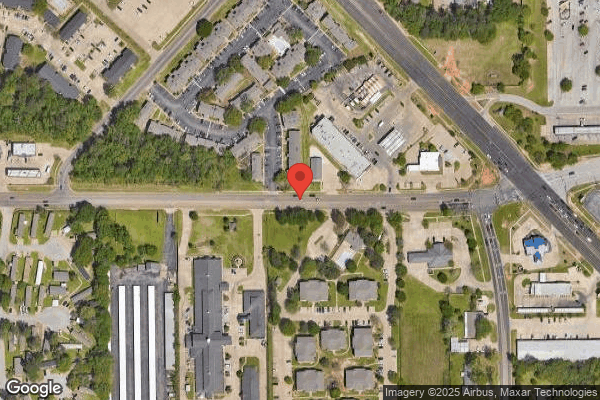
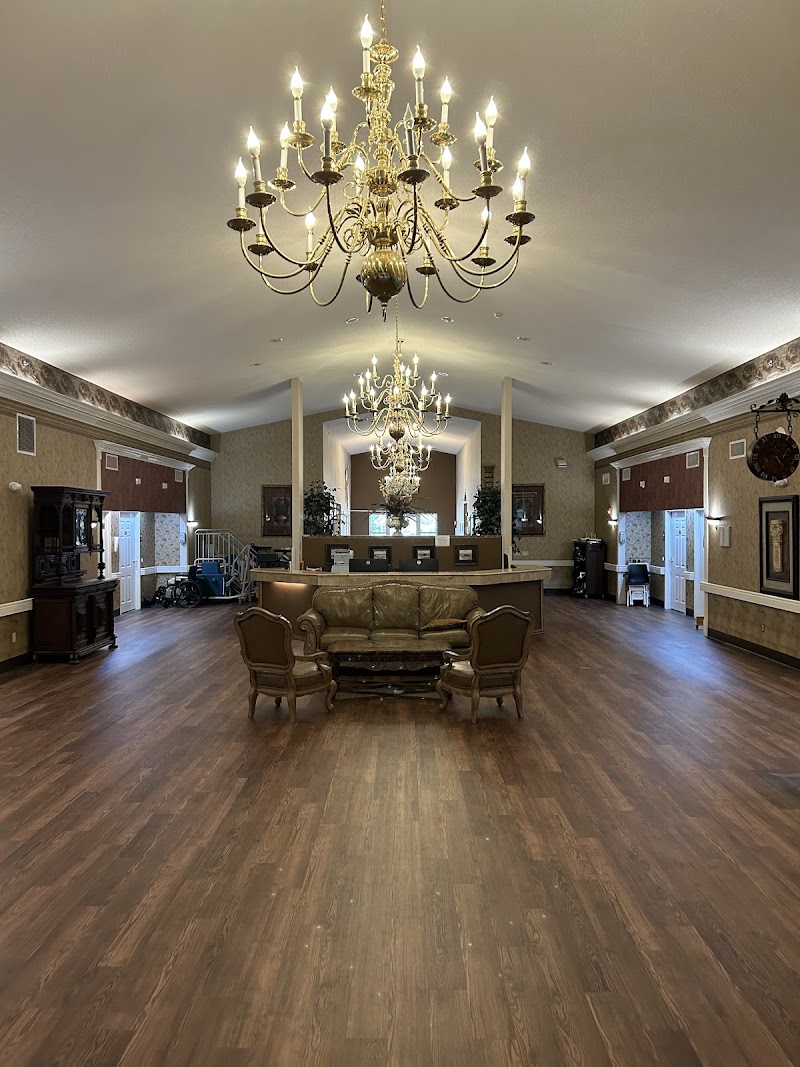
2875 SHILOH ROAD, TYLER, TX 75703 (903) 561-1300
For profit - Limited Liability company 92 Beds THE ENSIGN GROUP Data: November 2025 1 Immediate Jeopardy citation
Trust Grade
66/100
#364 of 1168 in TX
Last Inspection: March 2025

Within standard 12-15 month inspection cycle. Federal law requires annual inspections.

Overview

The Waterton Healthcare & Rehabilitation has a Trust Grade of C+, indicating that it is slightly above average but not quite exceptional. In Texas, it ranks #364 out of 1168 facilities, placing it in the top half, and #7 out of 17 in Smith County, meaning only six local options are better. The facility is improving, having reduced its issues from three in 2024 to two in 2025. Staffing received a 3/5 rating, with a turnover rate of 52%, which is average for Texas, while it boasts good RN coverage, exceeding 77% of other facilities in the state, allowing for better oversight of resident care. However, there are some concerning findings from recent inspections. A critical issue was identified where a resident eloped due to inadequate supervision and monitoring. Additionally, there were concerns about the accuracy of residents' assessments and nutritional care, specifically failing to provide necessary dietary supplements for a resident, which could lead to serious health risks. Overall, while there are strengths in staffing and improvement trends, families should be aware of these significant weaknesses and the need for better adherence to care protocols.

Trust Score
C+
66/100
In Texas
#364/1168
Top 31%
Safety Record
High Risk
Review needed
Inspections
Getting Better
3 → 2 violations
Staff Stability
⚠ Watch
52% turnover. Above average. Higher turnover means staff may not know residents' routines.
Penalties
⚠ Watch
$9,009 in fines. Higher than 75% of Texas facilities, suggesting repeated compliance issues.
Skilled Nurses
○ Average
Each resident gets 32 minutes of Registered Nurse (RN) attention daily — about average for Texas. RNs are the most trained staff who monitor for health changes.
Violations
✓ Good
Only 5 deficiencies on record. Cleaner than most facilities. Minor issues only.
★★★★☆
4.0
Overall Rating
★★★☆☆
3.0
Staff Levels
★★★☆☆
3.0
Care Quality
★★★★☆
4.0
Inspection Score
Stable
2024: 3 issues
2025: 2 issues

The Good

  • Full Sprinkler Coverage · Fire safety systems throughout facility
  • No fines on record

Facility shows strength in fire safety.

The Bad

Staff Turnover: 52%

Near Texas avg (46%)

Higher turnover may affect care consistency

Federal Fines: $9,009

Below median ($33,413)

Minor penalties assessed

Chain: THE ENSIGN GROUP

Part of a multi-facility chain

Ask about local staffing decisions and management

The Ugly 5 deficiencies on record

1 life-threatening
Mar 2025 2 deficiencies
CONCERN (E)

Potential for Harm - no one hurt, but risky conditions existed

Assessment Accuracy (Tag F0641)

Could have caused harm · This affected multiple residents

**NOTE- TERMS IN BRACKETS HAVE BEEN EDITED TO PROTECT CONFIDENTIALITY** Based on interview and record review the facility failed to ensure accurate assessments were completed for 7 of 15 residents (Re...

Read full inspector narrative →
**NOTE- TERMS IN BRACKETS HAVE BEEN EDITED TO PROTECT CONFIDENTIALITY** Based on interview and record review the facility failed to ensure accurate assessments were completed for 7 of 15 residents (Residents #9, #15, #20, #24, #25, #38, and #112) reviewed for accuracy of assessments. The facility failed to ensure (Residents #9, #15, #20, #24, #25, #38, and #112's MDS assessment was accurately coded for Preadmission Screening and Resident Review (PASRR). These failures could place residents at risk for not receiving the appropriate care and services to maintain the highest level of well-being. Findings included: 1.Record review of Resident #9's face sheet for March 2025 indicated she was an [AGE] year-old female who admitted to the facility on [DATE] with diagnoses which included schizoaffective disorder (a mental health condition including schizophrenia and mood disorder symptoms), bipolar type and anxiety. Record review of Resident #9's PASRR Level 1 screening done 05/01/2024 indicated she did not have a primary diagnosis of dementia and was positive for mental illness. Record review of Resident #9's PASRR Evaluation done 05/17/2024 indicated she was positive for mental illness but did not meet the PASRR definition for mental illness for specialized services. Record review of Resident #9's admission MDS dated [DATE] Section A1500. Preadmission Screening and Resident Review (PASRR) indicated No if resident currently considered by the state level II PASRR process to have serious mental illness and/or intellectual disability or a related condition. Section I Active Diagnoses under Psychiatric/Mood Disorder indicated the resident had anxiety, bipolar disorder, and schizophrenia. 2. Record review of Resident #15's face sheet for March 2025 indicated she was a [AGE] year-old female who admitted to the facility on [DATE] with diagnoses which included schizoaffective disorder (a mental health condition including schizophrenia and mood disorder symptoms), bipolar type, insomnia, and schizophrenia. Record review of Resident #15's PASRR Level 1 screening done 08/17/2018 indicated she was positive for MI. Record review of Resident #15's PASRR Evaluation done 09/20/2022 indicated she was positive for MI. The resident was positive for mental illness but did not meet the PASRR definition for mental illness for specialized services. Record review of Resident #15's annual MDS dated [DATE] Section A1500. Preadmission Screening and Resident Review (PASRR) indicated No if resident currently considered by the state level II PASRR process to have serious mental illness and/or intellectual disability or a related condition. Section I Active Diagnoses under Psychiatric/Mood Disorder indicated the resident had depression, bipolar disorder, and schizophrenia. 3. Record review of Resident #20's face sheet for March 2025 indicated he was a [AGE] year-old male who admitted to the facility on [DATE] with diagnoses which included schizoaffective disorder (a mental health condition including schizophrenia and mood disorder symptoms), bipolar type, mood disorder, anxiety, and post-traumatic stress disorder (a mental health condition that can develop after experiencing or witnessing a traumatic event). Record review of Resident #20's PASRR Level 1 screening done 11/20/2020 indicated he was positive for MI. Record review of Resident #20's significant change MDS dated [DATE] Section A1500. Preadmission Screening and Resident Review (PASRR) indicated No if resident currently considered by the state level II PASRR process to have serious mental illness and/or intellectual disability or a related condition. Section I Active Diagnoses under Psychiatric/Mood Disorder indicated the resident had anxiety, depression, schizophrenia, and post-traumatic stress disorder. 4. Record review of Resident #24's face sheet for March 2025 indicated she was a [AGE] year-old female who admitted to the facility on [DATE] with diagnoses which included anxiety, depression and bipolar disorder. Record review of Resident #24's PASRR Level 1 screening done 09/02/2024 indicated she did not have a primary diagnosis of dementia and was positive for mental illness. Record review of Resident #24's PASRR Evaluation done 09/19/2024 indicated she was positive for mental illness but did not meet the PASRR definition for mental illness for specialized services. Record review of Resident #24's admission MDS dated [DATE] Section A1500. Preadmission Screening and Resident Review (PASRR) indicated No if resident currently considered by the state level II PASRR process to have serious mental illness and/or intellectual disability or a related condition. Section I Active Diagnoses under Psychiatric/Mood Disorder indicated the resident had anxiety, bipolar disorder, and depression. 5. Record review of Resident #25's face sheet for March 2025 indicated she was a [AGE] year-old female who admitted to the facility on [DATE] with diagnoses which included schizoaffective disorder (a mental health condition including schizophrenia and mood disorder symptoms), depressive type, delusional disorder (a serious mental illness that causes people to have unshakable false beliefs for at least a month), anxiety, hoarding, and mild intellectual disabilities. Record review of Resident #25's PASRR Level 1 screening done 05/30/2019 indicated she did not have a primary diagnosis of dementia and was positive for mental illness and intellectual disabilities and developmental disabilities. Record review of Resident #25's PASRR Evaluation done 09/20/2024 indicated she was positive for intellectual and developmental disabilities and did qualify for specialized services and positive for mental illness but did not meet the PASRR definition for mental illness for specialized services. Record review of Resident #25's annual MDS dated [DATE] Section A1500. Preadmission Screening and Resident Review (PASRR) indicated No if resident currently considered by the state level II PASRR process to have serious mental illness and/or intellectual disability or a related condition. Section I Active Diagnoses under Psychiatric/Mood Disorder indicated the resident had anxiety, depression, psychotic delusions, and schizophrenia; under Other the resident had autistic disorder and mild intellectual disability. 6. Record review of Resident #38's face sheet for March 2025 indicated she was a [AGE] year-old female who admitted to the facility on [DATE] with diagnoses which included major depression, anxiety, insomnia, and post-traumatic stress disorder (a mental health condition that can develop after experiencing or witnessing a traumatic event). Record review of Resident #38's PASRR Level 1 screening done 01/26/2023 indicated she did not have a primary diagnosis of dementia and was positive for mental illness and intellectual disabilities and developmental disabilities. Record review of Resident #38's PASRR Evaluation done 01/27/2023 indicated she was positive for mental illness but did not meet the PASRR definition for mental illness for specialized services. Record review of Resident #38's annual MDS dated [DATE] Section A1500. Preadmission Screening and Resident Review (PASRR) indicated No if resident currently considered by the state level II PASRR process to have serious mental illness and/or intellectual disability or a related condition. Section I Active Diagnoses under Psychiatric/Mood Disorder indicated the resident had anxiety, depression, and post-traumatic distress disorder. 7. Record review of Resident #112's face sheet for March 2025 indicated he was a [AGE] year-old male who admitted to the facility on [DATE] with diagnoses which included major depression and anxiety. Record review of Resident #112's PASRR Level 1 screening done 04/05/2016 indicated he was positive for mental illness. Record review of Resident #112's PASRR Evaluation done 09/20/2022 indicated he was positive for mental illness but did not meet the PASRR definition for mental illness for specialized services. Record review of Resident #112's annual MDS dated [DATE] Section A1500. Preadmission Screening and Resident Review (PASRR) indicated No if resident currently considered by the state level II PASRR process to have serious mental illness and/or intellectual disability or a related condition. Section I Active Diagnoses under Psychiatric/Mood Disorder indicated the resident had anxiety and depression. During an interview on 03/25/2025 at 3:45 PM, the MDS Coordinator said the facility used the RAI Version 3.0 Manual as the policy for completing MDS assessments. She said she also had a corporate resource person. She said Section A 1500 indicated if the resident was positive for mental illness, intellectual disability or developmental disability. She said she did not realize the Section I Active Diagnoses was related to Section A PASRR screening documentation. She said she thought if the local authority had found residents that did not qualify for PASRR services because they did not meet the PASRR definition for mental illness for specialized services and she was told to answer no because they were negative. She said she did not know Section A had to be coded as positive for mental illness, intellectual disability or developmental disability even though they did not qualify for PASRR services.
CONCERN (E)

Potential for Harm - no one hurt, but risky conditions existed

Deficiency F0692 (Tag F0692)

Could have caused harm · This affected multiple residents

**NOTE- TERMS IN BRACKETS HAVE BEEN EDITED TO PROTECT CONFIDENTIALITY** Based on observation, interview and record review, the facility failed to maintain acceptable parameters of nutritional status, ...

Read full inspector narrative →
**NOTE- TERMS IN BRACKETS HAVE BEEN EDITED TO PROTECT CONFIDENTIALITY** Based on observation, interview and record review, the facility failed to maintain acceptable parameters of nutritional status, such as usual body weight or desirable body weight range and electrolyte balance and offered a therapeutic diet when there is a nutritional problem, and the health care provider orders a therapeutic diet for 1 of 4 residents (Resident #21) reviewed for nutrition. The facility failed to ensure Resident #21 received a health shake (nutritional supplement) on 03/24/25, 03/25/25, 03/26/25 and 2 desserts on 03/24/25, 03/25/25 with her meals as prescribed by the physician. These failures placed the resident at risk for weight loss, malnutrition, loss of energy, and decreased quality of life. Findings included: Record review of a face sheet dated 3/26/2025 indicated Resident #21 was a [AGE] year-old female who admitted on [DATE] with diagnoses which included dementia (decline in cognitive function that affects memory, thinking, and social abilities), major depressive disorder (mood disorder that causes persistent feelings of sadness and loss of interest), iron deficiency (lack of iron in the body), vitamin D deficiency (lack of vitamin D in the body), muscle weakness, and abnormal weight loss. Record review of Resident #21's physician orders dated 03/26/2025 indicated she had an order, dated 02/24/2022, for a regular mechanical soft diet and to receive a health shake (nutritional supplement) with her meals and 2 desserts for lunch and dinner. Resident #21 had an order, dated 02/17/2025, for 4 ounces of house supplement four times a day. Record review of the comprehensive care plan dated 03/26/2025 for Resident #21 indicated she had a nutritional problem related to protein calorie malnutrition, history of abnormal weight loss, and vitamin deficiency initiated on 03/02/2022 and revised on 10/17/2023. Interventions included diet as ordered by the physician and RD to evaluate and make diet change recommendations as needed. Record review of a quarterly MDS dated [DATE] indicated Resident #21 made herself understood and usually understood others. Resident #21 had a BIMS score of 6 indicating she had severe cognitive impairment. The MDS indicated Resident #21 had significant weight loss of 5% or more in a month or loss of 10% in the last 6 months. The MDS indicated Resident #21's height was 62 inches and her weight was 98 pounds. Record review of the Resident #21's recorded weights indicated she weighed: 109.2 lbs. on 10/02/2024 103.6 lbs. on 11/15/2024 102.4 lbs. on 12/04/2024 98.2 lbs. on 02/12/2025 96.2 lbs. on 03/12/2025 Record review of a Quarterly Nutrition Progress Note dated 01/29/2025 indicated Resident #21 had no significant weight changes the past 3 months. Resident #21 received a regular mechanical soft diet, health shakes with meals and 2 desserts at lunch and dinner. Resident #21 received 4 ounces of house supplements three times a day. Resident #21 remained on supplements to maximize her nutrient intake. Record review of a Nutrition Progress Note dated 02/17/2025 indicated Resident #21 had significant weight loss of 10.1% in 4 months. Resident #21 received a regular mechanical soft diet, health shakes with meals and 2 desserts at lunch and dinner. Resident #21 remained on supplements to maximize her nutrient intake. RD recommendations indicated to increase house supplements to 4 ounces four times a day. Record review of Resident #21's noon meal ticket dated 03/24/2025 indicated, under tray instructions, health shake with all meals and no gravy. Resident #21's noon meal ticket did not indicate she was to receive 2 desserts at lunch and dinner. During an observation and interview on 03/24/2025 at 12:22 PM, there was a full case of Magic Cups in the kitchen freezer. The DM said she was responsible for ordering health shakes, Magic Cups, and other nutritional supplements from the food supplier. The DM said the supplier notified her a few weeks ago they did not have health shakes because the company who made them recalled them. The DM said Magic Cups are being substituted in place of health shakes until they are available again. During an observation of lunch service on 03/24/2025 at 12:55 p.m., Resident #21 was in the dining room eating lunch. There was an egg roll, orange chicken, broccoli, fried rice, and a cup of fruit cocktail for dessert on Resident #21's meal tray. Resident #21 did not receive a Magic Cup or a second dessert with her meal. During an observation on 03/25/2025 at 12:25 p.m., Resident #21 was eating lunch in the dining room. There was a roll, meatloaf, scallop potatoes, carrots, and a piece of white cake with icing for dessert on Resident #21's tray. Resident #21 did not receive a Magic Cup or a second dessert with her meal. During an observation and interview on 03/26/2025 at 7:35 a.m., Resident #21 was in her room eating breakfast. There was a piece of toast, scrambled eggs, ground sausage, and a bowl of oatmeal on Resident #21's tray. Resident #21 did not receive a Magic Cup with her meal. Resident #21 said breakfast was good, but her favorite thing was the toast. Resident #21 said there was no health shake or magic cup on her breakfast tray this morning. Resident #21 said she would drink a shake or eat an ice cream if it was on her meal tray. During an interview on 03/26/2025 at 1:41 p.m., CNA B said she had been employed at the facility for 2 months and worked the 6 a.m.-2 p.m. shift on the hall where Resident #21 resided. CNA B said Resident #21 usually ate breakfast in her room and lunch and dinner in the dining room. CNA B said Resident #21 has had weight loss and was supposed to get a health shakes with her meals. CNA B said she did pass out breakfast trays this morning but not to Resident #21. CNA B said she was not aware Resident #21 did not receive a health shake on her breakfast tray this morning. CNA B said the dietary staff were responsible for placing the health shakes on the meal trays and the nurses were supposed to check the diet orders and tray cards to ensure the residents were getting what was ordered. During an interview on 03/26/2025 at 1:41 p.m., CNA C said he had been employed at the facility for several years and worked the 6 a.m.-2 p.m. shift on the hall where Resident #21 resided. CNA C said Resident #21 usually ate breakfast in her room but ate lunch and dinner in the dining room. CNA C said Resident #21 received health shake with her meals due to weight loss. CNA B said he did not know if Resident #21 received a health shake this morning because he did not take her breakfast to her. CNA B said the dietary staff were responsible for placing the health shakes on the meal trays and the nurses were supposed to check the diet orders and tray cards to ensure the residents were getting what was ordered. During an interview on 03/26/2025 at 1:57 p.m., LVN A said she had been employed at the facility for 1 month and worked the 6 a.m.-2 p.m. shift on the hall where Resident #21 resided. LVN A said Resident #21 usually ate breakfast in her room but ate lunch and dinner in the dining room. LVN A said Resident #21 had an order to give health shakes with her meals due to weight loss. LVN A said if resident eats in the dining room the dietary staff are responsible for placing the health shakes on the meal trays and the nurses are supposed to check the diet orders and tray cards to ensure the residents were getting what was ordered. LVN A said the dietary staff do not usually put health shakes on the trays if a resident ate in their room and when that happens the nursing staff are then responsible for providing health shakes for the residents. LVN A said she did not know if Resident #21 received a health shake with her meal this morning because she did not pass out her tray or check on her until after she ate. LVN A said she was responsible for ensuring Resident #21 had received her health shakes with her meals. LVN A said a resident is at risk for weight loss if they do not receive health shakes or nutritional supplements as ordered. During an interview on 03/26/2025 at 2:22 p.m., the DON said the RD comes to the facility once a month and as needed and meets with her during that time to discuss residents with weight loss concerns. The DON said Resident #21's weight loss started when she was sick last month, and her appetite decreased. The DON said Resident #21 had an order for health shakes with meals to help stabilize her weight loss. The DON said if resident eats in the dining room the dietary staff are responsible for placing the health shakes on the meal trays and the nurses are supposed to check the diet orders and tray cards to ensure the residents were getting what was ordered. The DON said was not aware Resident #21 did not receive a health shake or 2 desserts for lunch on 03/24/25 and 03/25/25 or a health shake this morning. The DON said she expect residents to receive all nutritional supplements and diets as ordered by the physician. The DON said a resident is at risk for weight loss if they do not receive health shakes or nutritional supplements as ordered. Record review of the facility's policy on Nutrition Status Management revised on 12/2023 indicated, .2. Dietary Evaluation: .b. If there is a significant change in the resident's condition related to weight or nutrition, the RD will make recommendation to offer additional nutrition to those residents including all high-risk residents. Options include, but are not limited to, fortified cereal, large portions, between meal snacks, and commercial nutritional supplements.
Jan 2024 2 deficiencies
CONCERN (D)

Potential for Harm - no one hurt, but risky conditions existed

Deficiency F0576 (Tag F0576)

Could have caused harm · This affected 1 resident

**NOTE- TERMS IN BRACKETS HAVE BEEN EDITED TO PROTECT CONFIDENTIALITY** Based on interview and observation, the facility failed to ensure the residents received mail for 2 of 7 confidential residents ...

Read full inspector narrative →
**NOTE- TERMS IN BRACKETS HAVE BEEN EDITED TO PROTECT CONFIDENTIALITY** Based on interview and observation, the facility failed to ensure the residents received mail for 2 of 7 confidential residents reviewed for right to forms of communication. The facility did not implement a system for delivering mail on Saturdays. This failure could place the residents at risk of not receiving mail in a timely manner and a diminished quality of life. Findings included: During a confidential interview, 2 of 7 residents said they know the mail was delivered on Saturday and if they have mail that comes in on Saturday, they want to get it on Saturday. During an interview on 1/30/2024 at 10:45 a.m., the Activity Director said she passes the weekend mail on Monday. She said when she comes to work on Monday, the residents mail was on her desk. She said she was not sure who puts it there, but she passes resident mail twice on Monday; the weekend mail held over from the weekend and the mail that come in on Monday. During an interview on 1/31/2024 at 9:55 a.m., Receptionist-A said she does not work on weekends, and she does not handle the mail on the weekend. She said Receptionist-B handles the weekend mail. During an interview on 1/31/2024 at 2:01 p.m., the Administrator said weekend Receptionist-B receives the weekend mail and gives it to the RN-C. He said, after RN-C receives the weekend mail, she passes it to the residents. During an interview on 1/31/2024 at 2:17 p.m., Receptionist -B said she does receive the mail on the weekend. She said when she gets the mail, she gives it to RN-C. She said she was not sure what RN-C does with the mail, after she gives it to her. During an interview on 01/31/2024 at 2:26 p.m., RN-C said she works the weekend, and the weekend mail was given to her by Receptionist-B. She said when she gets the weekend mail, she locks it in the medication room on the [NAME] Unit, to be passed out on Monday. She said she was not sure who picks the mail up from the medication room on Monday. During an interview with the Administrator on 02/01/2024 at 03:23 p.m., he said he does not have a policy related to resident's mail.
CONCERN (D)

Potential for Harm - no one hurt, but risky conditions existed

Safe Environment (Tag F0921)

Could have caused harm · This affected 1 resident

**NOTE- TERMS IN BRACKETS HAVE BEEN EDITED TO PROTECT CONFIDENTIALITY** Based on observations and interviews, the facility failed to provide a safe, functional, sanitary, and comfortable environment f...

Read full inspector narrative →
**NOTE- TERMS IN BRACKETS HAVE BEEN EDITED TO PROTECT CONFIDENTIALITY** Based on observations and interviews, the facility failed to provide a safe, functional, sanitary, and comfortable environment for residents, staff, and visitors for 1 of 3 sections (north side of the facility which is referred to as the Nile) of the facility reviewed for environmental conditions. The facility failed to provide an area for specialized therapy services that was conducive to the well-being of its residents by providing diathermy (a specialized therapy treatment that uses electric currents to generate heat) to a resident in a room used for storage. The facility failed to ensure the Nile section of the facility was maintained in a secure, practical, and sanitary manner due to the storage of items which included therapy equipment, carpet floor fan, dirty linen and trash barrels, wheelchairs and wheelchair parts, pressure reducing devices, large bag of trash, wall pictures, rolling stool, foot ottoman, folding table, folding chair, filing cabinet, beds, mattresses, oxygen concentrator and other miscellaneous items along both sides of the hall, in a room being utilized for specialized treatments, and by the nurses' station. These failures could place the residents, staff, and visitors at risk of receiving services, working, and visiting in an unsafe, unsanitary and uncomfortable environment. Findings included: During observations of the Nile section of the facility on 01/30/2024 at 10:20 AM reflected a resident sitting in her wheelchair in room [ROOM NUMBER], receiving diathermy (diathermy is an electrically induced heat or high frequency electromagnetic current form of physical therapy.) to her left shoulder area. A therapy staff person was sitting in a chair a few steps behind the resident. A bed with 2 mattresses on it were against the outer wall. A towel was noted lying on the floor against the side wall. There was a round table and a rectangular table in the room with empty drinking cups and miscellaneous papers noted on the tops of the tables. There were 2 (two) pieces of therapy equipment noted in the room, namely, an electrotherapy muscle stimulator (E-Stim) and the diathermy machine. There was an oxygen concentrator and a table with boxes stacked on it in the corner just inside the room. There was loose debris on the floor. The bathroom in room [ROOM NUMBER] was noted to have a small refrigerator sitting in the opening of the shower area with the doors of the refrigerator open and facing inward to the shower. A towel was noted lying on the floor along the base of the refrigerator. The door to the room was noted to be open throughout the survey. During observations of the Nile section of the facility (located on the north side of the facility) on 01/30/24 at 03:00 PM reflected empty resident rooms #'s 101- 107. The DON, ADON, HR, and DOR were using some of the empty rooms on this end of the facility for offices. Other offices in this area included the ADM and MDS Nurses offices. The therapy room and conference room were also located in this area. Residents, staff, and visitors were noted to have free access to the north end of the facility. During observations of the Nile section of the facility on 01/31/24 at 02:10 PM reflected multiple items along the east wall of the hall from the entrance into the area to the end of the building and included the following: 2 barrels used for dirty linen and trash, 6 varied sizes of framed wall pictures leaning against the wall, unused office chair, geri chair, 1 large utility cart with numerous w/c leg/foot rests, 1 large utility cart with cloth foot/heel protectors, on the shelves and w/c cushions and bolster cushion on top, knee caddy, green positioning wedge, 1 small orange cone, w/c with small plastic box on floor beside it with items in it, a container for papers needing shredding with hand weights and peg boards on top, and a red balloon on the floor. During observations of the Nile section of the facility on 01/31/24 at 02:15 PM reflected multiple items along the west wall of the hall from the entrance into the area to the end of the building and included the following: carpet blower fan for drying floors, black 3-drawer vertical filing cabinet, 2 large brown boxes stacked, portable set of stair/steps used by therapy, folding chair. 12 multiple types of walkers, wheelchair, square ottoman/footrest, 2 physical therapy stationary bikes, wheelchair cushion, and 1 large bag of trash. During observations of the wall along the back side of the nurses' station located in the center of the Nile section of the facility on 01/31/24 at 02:20 PM reflected a set of parallel bars and a small tote bag with plastic bowling pins in it. On the front side of the nurses' station was a coffee table with a wheelchair and rolling stool beside it. During an interview on 01/31/24 at 02:27 PM, the DOR said therapy uses room [ROOM NUMBER] for storage. She said therapy does not store equipment in the hall. When asked about the items along the walls of both sides of the hall, the DOR said the hall was cluttered with therapy equipment. She said the pictures located along the wall were in the room she was now using for an office. She said she moved them to the hall. She said the pictures should be put in room [ROOM NUMBER]. The DOR said therapy staff use room [ROOM NUMBER] for diathermy and E-Stim. She said residents receiving diathermy and E-stim were receiving therapy in a storage area (room [ROOM NUMBER]). She said therapy staff work with the residents in the hall at times. She said if residents need to go to the bathroom while receiving therapy, the therapy staff either take the resident to his or her room or to the bathroom in room [ROOM NUMBER].
Jan 2024 1 deficiency 1 IJ
CRITICAL (J) 📢 Someone Reported This

A family member, employee, or ombudsman was alarmed enough to file a formal complaint

Immediate Jeopardy (IJ) - the most serious Medicare violation

Accident Prevention (Tag F0689)

Someone could have died · This affected 1 resident

**NOTE- TERMS IN BRACKETS HAVE BEEN EDITED TO PROTECT CONFIDENTIALITY** Based on observation, interviews, and record review the facility failed to ensure that the resident environment remained as free...

Read full inspector narrative →
**NOTE- TERMS IN BRACKETS HAVE BEEN EDITED TO PROTECT CONFIDENTIALITY** Based on observation, interviews, and record review the facility failed to ensure that the resident environment remained as free of accident hazards as was possible and that each resident received adequate supervision and assistance devices to prevent accidents for 1 of 6 (Residents #1) residents reviewed for accidents. The facility failed to ensure adequate supervision for Resident #1 who was at risk for elopement. The facility staff were not aware Resident #1 was missing when he eloped on 09/18/23. The facility failed to ensure the function of Resident #1's Wander Guard Monitoring Bracelet was documented each shift for the month of July 2023, August 2023, and September 2023. The facility failed to ensure staff were trained on the facility's Wander System Policy/Procedure and Elopement Policy/Procedure. The facility staff were not aware which residents used a wander guard. An Immediate Jeopardy (IJ) was identified on 01/05/24. The IJ template was provided to the facility on [DATE] at 1:38 p.m While the IJ was removed on 01/06/24, the facility remained out of compliance at a scope of isolated and severity level with a potential for more than minimal harm that is not immediate jeopardy. This failure could place residents at risk for harm, injury, or death due to elopement. Finding included: Record review of Resident #1's Face Sheet, dated 01/05/24 revealed Resident #1 was a [AGE] year-old male, initially admitted to the facility on [DATE] with diagnoses of Alzheimer's disease (a progressive disease that affects memory and other important mental functions), cognitive communication deficit (difficulty with understanding or producing language), aphasia following cerebral infarction (difficulty with comprehending or formulating language after a stroke), and history of falling. Resident #1 was discharged on 09/20/23 to a nursing facility. Record review of Resident #1's MDS dated [DATE] revealed he had severely impaired cognition and continuous inattention indicating he was easily distracted or had difficulty keeping track of what was being said. Record review of Resident #1's Care Plan dated 07/05/23 indicated he was at risk for a communication problem related to Alzheimer's Disease and history of stroke and interventions included anticipate and meet needs, assist with word finding as needed/appropriate and ensure/provide a safe environment. Resident #1 was an elopement risk/wanderer related to disorientation to place and impaired safety awareness and interventions included document wandering behavior and monitor Wander Guard placement. Record review of Resident #1's physician's order dated 07/05/23 indicated an order to monitor placement and function of Wander Guard every shift; (+) = in place and function correctly, (-) = not working and replaced. Record review of Resident #1's Elopement/Wandering Evaluation dated 07/06/2023 at 08:25 a.m. indicated he had dementia and was disoriented. Resident #1 was at significant risk of getting to a potentially dangerous place (stairs, outside the facility). Resident #1 had a score of 11 indicating he was a high risk for elopement (Score ranges: Low risk: 0-9, High Risk:10-55). Record review of nursing note dated 07/07/23 at 10:03 a.m. indicated Resident #1 went to the front door and attempted to open it. When the alarm sounded he turned around and went back to his room. Record review of behavior note dated 07/29/23 at 09:26 a.m. indicated Resident #1 was pushing a resident in a wheelchair. They attempted to exit through the front door and the wander guard alarm alerted staff to the attempted elopement. Both residents were redirected, continue to wander throughout the facility and at risk for further elopement incidents. Record review of nursing note dated 08/13/23 at 6:44 p.m. indicated Resident #1 attempted to elope through the front door and was redirected back to his room. Record review of nursing note dated 09/18/23 at 8:58 p.m. by LVN C indicated she received a call from the police. Resident #1 walked to the store. A private citizen put him in their car and drove to a church where the police were sitting. The police brought him back to the facility. An elopement incident report dated 09/18/23 at 8:26 p.m. by LVN C indicated she received a call from the police who stated they had Resident #1. Resident #1 had walked to the store by a highway and a citizen brought him to them at a church. The police were sitting in the parking lot. Resident #1 was unable to give a description. Record review of facility Provider Investigation Report dated 09/23/2023 indicated on 09/18/23 at 6:01 p.m. Resident #1 was standing at the main entrance and a visitor let him out. Resident #1 walked to a store near the facility where an unknown individual drove him to a church parking lot where the police were at. The brought him back to the facility. An undated written interview statement by LVN D regarding Resident #1 elopement indicated she responded to the wander guard alarm then turned the alarm off after she looked and did not see anyone. LVN D assumed someone brought a wander guard resident into the building and they did not know the code because it happens so often. LVN D did not ask the nurses if anyone was missing because some employees do not know the wander guard code and set the alarm off when they bring residents in and out of the building. The facility determined a visitor let Resident #1 out and confirmed the findings. Record review of the facility's timeline for Resident #1's elopement indicated on 09/18/23 at 6:01 p.m. Resident #1 left the facility through the front door when a family member entered the door code and entered the facility. Resident #1 was seen on camera footage walking on the sidewalk in the front of the building at 6:14 p.m. and walking in the parking lot by the back door at 6:27 p.m The DON received a call from LVN D at 8:17 p.m. and was informed Resident #1 eloped. Record review of Resident #1's MAR for the month of July 2023, August 2023, and September 2023 revealed there was no documentation indicating his Wander Guard was in place and functioning or not working and replaced. Record review of www.timeanddate.com/sun for [NAME], Texas on 09/18/23 indicated sunset was 7:23 p.m. Record Review of CNA A's personnel file indicated she was hired on 10/18/23 and completed a web-based training for Wandering and Elopement on 10/20/23. There was no documented training for Wander System Monitoring Program. Record Review of NA B's personnel file indicated he was hired on 10/18/23 and completed a web-based training for Wandering and Elopement on 10/20/23. There was no documented training for Wander System Monitoring Program. During an interview on 01/04/24 at 12:55 p.m., NA B said residents at the facility who are at risk for elopement wore a wander guard bracelet which will alert staff by setting of the door alarm if they attempt leave. NA B said he did not know the residents that had a wander guard device on or what he needed to do if the wander guard alarm sounded but would ask the charge nurse or another CNA. NA B said he had worked at the facility almost 2 months and was not in-serviced on the facility's Elopement Policy or Wander System Monitoring Policy. NA B said this was his first shift back since the end of December 2023. During an interview on 01/04/24 at 1:01 p.m., CNA A said residents at the facility at risk for elopement wore a wander guard bracelet which will alert staff by setting of the door alarm if they attempt leave. CNA A said she did not know which residents had a wander guard device on. CNA A said she had worked at the facility for 2 months and was not in-serviced on the facility's Elopement Policy or Wander System Monitoring Policy. NA B said this was his first shift back since the end of December 2023. During an interview on 01/04/24 at 2:27 p.m., the DON said elopement trainings are conducted through a web-based company for new hires and annually after hire along with in-services at the facility when needed. The DON said the elopement training on web-based company was generalized and not specific to the facility's elopement policy. The DON said they do not train staff upon hire or annually on the facility's wander system policy. The DON said they had an in-service at the facility on the elopement policy and conducted elopement drills when Resident #1 eloped from the facility. The DON said LVN D responded to the wander guard alarm and turned it off when Resident #1 eloped on 09/18/23. The DON said LVN D should have accounted for the residents wearing wander guard bracelets and searched the facility grounds. LVN D did not follow the facility's elopement policy. The DON said Resident #1 would not have eloped if LVN D followed the elopement policy. The DON said she expected all staff to respond to the wander guard alarm, account for the residents and conduct a search inside the facility and outside on the grounds if a resident was unaccounted for. The DON said they had 5 residents wearing a wander guard bracelet. During an interview on 01/04/24 at 2:36 p.m., the ADON said elopement trainings are conducted through a web-based company for new hires and annually after hire along with in-services at the facility when needed. The ADON said the elopement training on the web-based company was generalized and not specific to the facility's elopement policy. The ADON said she was responsible to ensure all new hire trainings were completed. The ADON said they do not train staff upon hire or annually on the facility's wander system policy. During an observation and interview on 01/04/24 at 3:36 p.m., LVN C said she was the charge nurse and worked the 2 p.m.-10 p.m. shift on 09/18/23 when Resident #1 eloped. LVN C said at 8:15 p.m. the police called and informed her a private citizen found Resident #1 at a store then dropped him off to them at a church parking lot. LVN C said she had last seen Resident #1 at the facility around 5:30 p.m. during dinner and then at 8:26 p.m. when the police brought him back to the facility. LVN C said she did not know Resident #1 had eloped and was missing over 2 hours. LVN C said she never heard the wander guard system alarm go off during the time Resident #1 was missing. LVN C said she was in-serviced on the facility's Elopement Policy after Resident #1 had eloped. LVN C said she had not been in-serviced on the facility's Wander System Monitoring Policy. LVN C said she was responsible for monitoring a resident's wander guard bracelet for placement and function and documenting it on the resident MAR during her shift. LVN C said a plus (+) sign documented on the MAR indicates the wander guard was working during the shift and a negative (-) sign indicates it was not. LVN C was provided a copy of Resident #1's MARs for the month of July 2023, August 2023, and September 2023 and reviewed them. LVN C said Resident #1's MARs did not have a plus (+) or minus (-) sign documented on them. LVN C said there was no documentation Resident #1's wander guard was functioning properly. Record review of the facility's Elopement/Unsafe Wandering policy revised 06/2018 indicated, . It is the policy of this facility to provide a safe environment for all residents through appropriate assessment and interventions to prevent accidents related to unsafe wandering or elopement .Elopement is when a resident leaves the facility premises or a safe area without authorization .4. If a resident is missing it is a facility-wide emergency. The missing resident procedures will be initiated: .B. if the resident was not authorized to leave, institute a search of the premises. C. IF the resident is unaccounted for after a thorough search of the building and grounds, immediately notify: Administrator, Director of Nursing Services .D. Provide search teams with resident identification information and begin extensive search of the surrounding territory .12. Staff will be educated on proper identification, assessment, and treatment of residents with elopement risks. Education will be provided on orientation and annually thereafter. Record review of the facility's Wander System Monitoring Program policy revised 09/2007 indicated, It is the policy of this facility that all new residents will be evaluated with initial assessment process as to whether he or she presents a wandering risk .All residents identified to be at risk for wandering will have a wander-monitoring bracelet. A monitoring notebook will be kept at each nurse's station identifying all residents currently using the wander monitoring system. Anytime an alarm sounds all staff is to respond and all wanderers will be accounted for. Procedures: .8. All staff is responsible to respond to alarm. 9. All new staff will be in-serviced regarding the Wander System during initial orientation. 10. All staff will be [NAME]-serviced annually .Basic Rules for Wanderer Management .6. Monitor each wanderer's wristband device each shift and record placement in the med sheet or other designated location .9. Check for that all wanderers are accounted for whenever an alarm sounds. Always assume that a second wanderer has left the facility at the same time. The Administrator was notified on 01/05/24 at 1:29 p.m. that an Immediate Jeopardy situation was identified due to the above failures. The Administrator was provided the Immediate Jeopardy template on 01/05/24 at 1:38 p.m The facility's Plan of Removal was accepted on 01/06/24 at 9:00 a.m. and included: Per the information provided in the IJ Template given on 01/05/24 at 13:38. The facility failed to follow the elopement policy and the facility failed to ensure adequate supervision for Resident #1 who was at risk for elopement. Resident #1 was found off the facility grounds in a parking lot. Facility failed to ensure the function of Resident #1 wander monitoring bracelet was documented each shift. Facility failed to ensure staff were trained on the facility's wander system/policy procedure and elopement policy/procedure. The identified resident was assessed by a licensed nurse on 9-18-2023 at 8:27 PM and found to have no injuries. The identified resident was placed on one-to-one monitoring on 9-18-2023 upon his return to the facility, until alternate placement was found at a facility with a secure unit on 9-20-2023 1. The Medical Director was notified of IJ on 01/05/24 at 1405. 2. Education initiated with all staff on elopement risk, elopement / unsafe wandering policy and procedure, wander guard system monitoring program policy and procedure. This education will be provided by the Clinical Resources, DON, ADON and cluster DON's. This training will be initiated on 01/05/24 and completed by 01/06/24. 3. All residents will be assessed for elopement risk 01/05/24 and all residents with wander guards will be assessed to assure that system is functioning and appropriate interventions and orders in place completed by DON and Clinical Resource on 01/05/24 by 1900. 4. Elopement drills will be completed with each shift starting on 01/05/24, and will continue with each shift by the clinical resources, DON, ADON, administrator and cluster DON's, cluster administrators until all staff have participated in an elopement drill to be completed by 01/08/23. Elopement drills will continue to be completed weekly x 4 weeks by the DON/ADON/Administrator or clinical resources. 5. All staff will complete a knowledge check on wander guard system and elopement policy procedure started on 01/05/24. This training will include the facility policy on elopement and use of the wander guard system to include monitoring, risk assessment and facility response. This training will be completed by 01/06/23 6. This training, elopement drill and knowledge check will be completed in-person with all staff prior to the start of their next shift. A member of management will be at the facility at each change of shift to ensure all staff complete training prior to going to work on the floor. Staff will not be allowed to work unless they have completed the training and competency checks. This training will also be included in the new hire orientation and will be included for any PRN staff prior to starting work on the floor. These staff will not be allowed to work unless they have received their training and knowledge check. 7. An ad hoc QA meeting regarding items in the IJ template was completed on 01/05/24 at 1630. Attendees included the Clinical Resource, Administrator, DON, ADON, and will include the plan of removal items and interventions. 8. Wanderguard elopement knowledge checks will be included in the orientation packet for new hires. 9. Wander guard system/doors will be checked daily by maintenance director, administrator, or weekend supervisor to assure proper functioning. On 01/06/24 the surveyor confirmed the facility implemented their plan of removal sufficiently to remove the Immediate Jeopardy (IJ) by: Verifying the Medical Director had been informed of the Immediate Jeopardy from a printed copy of a text message communication on 01/05/24 between the Administrator and the Medical Director. Interviews with 5 Licensed Nurses, 5 CNAs, 1 MA, 1 Dietary Staff, 1 Laundry Staff (on all shifts 8 a.m.- 5 p.m., 6 a.m.- 2 p.m., 2 p.m.-10 p.m., 10 p.m.- 6 a.m. and Weekend Double) were performed on 01/06/24. All staff were able to correctly identify, elopement risks, elopement/unsafe wandering policy and procedures, and wander guard system monitoring program policy and procedures. All staff said they completed a knowledge check on the elopement/unsafe wandering policy and procedures, and wander guard system monitoring program policy and procedures. During an interview on 01/06/24 at 10:39 a.m., the DON said she in-serviced the facility staff on elopement risks, elopement/unsafe wandering policy and procedures, and wander guard system monitoring program policy and procedures. The DON said staff completed a knowledge check on the elopement/unsafe wandering policy and procedures, and wander guard system monitoring program policy and procedures and will be included in the orientation packet for new hires. The DON said elopement drills were conducted and completed on each shift and will continue for each shift over the next 4 weeks. Record reviews on five resident charts wearing wander guard bracelets were completed on 01/06/24 to ensure wander guard function was documented each shift. There were no issues identified. Record review of in-services revealed staff were educated on elopement risks, elopement/unsafe wandering policy and procedures, and wander guard system monitoring program policy and procedures. There were no issues identified. Record review of knowledge checks revealed staff completed the elopement/unsafe wandering policy and procedures, and wander guard system monitoring program policy and procedures checks. There were no issues identified. Record review of Elopement Drills conducted revealed drills were completed on 01/05/24 during the 2 p.m.-10 p.m. and 10 p.m.-6 a.m. shifts and the 6 a.m.-10 p.m. weekend double shift. There were no issues identified. Record review of the daily wander guard system/door log revealed checks were completed on 01/05/24 and 01/06/24. On 01/06/24 at 2:10 p.m., the Administrator was informed the IJ was removed; However, the facility remained out of compliance at a scope of isolated and severity level with a potential for more than minimal harm that is not immediate jeopardy.
Understanding Severity Codes (click to expand)
Life-Threatening (Immediate Jeopardy)
J - Isolated K - Pattern L - Widespread
Actual Harm
G - Isolated H - Pattern I - Widespread
Potential for Harm
D - Isolated E - Pattern F - Widespread
No Harm (Minor)
A - Isolated B - Pattern C - Widespread

Questions to Ask on Your Visit

  • "What changes have you made since the serious inspection findings?"
  • "Can I speak with families of current residents?"
  • "What's your RN coverage like on weekends and overnight?"

Our Honest Assessment

Strengths
  • • Licensed and certified facility. Meets minimum state requirements.
Concerns
  • • Multiple safety concerns identified: 1 life-threatening violation(s). Review inspection reports carefully.
  • • 5 deficiencies on record, including 1 critical (life-threatening) violation. These warrant careful review before choosing this facility.
Bottom line: Mixed indicators with Trust Score of 66/100. Visit in person and ask pointed questions.

About This Facility

What is The Waterton Healthcare & Rehabilitation's CMS Rating?

CMS assigns THE WATERTON HEALTHCARE & REHABILITATION an overall rating of 4 out of 5 stars, which is considered above average nationally. Within Texas, this rating places the facility higher than 99% of the state's 100 nursing homes. This rating reflects solid performance across the metrics CMS uses to evaluate nursing home quality.
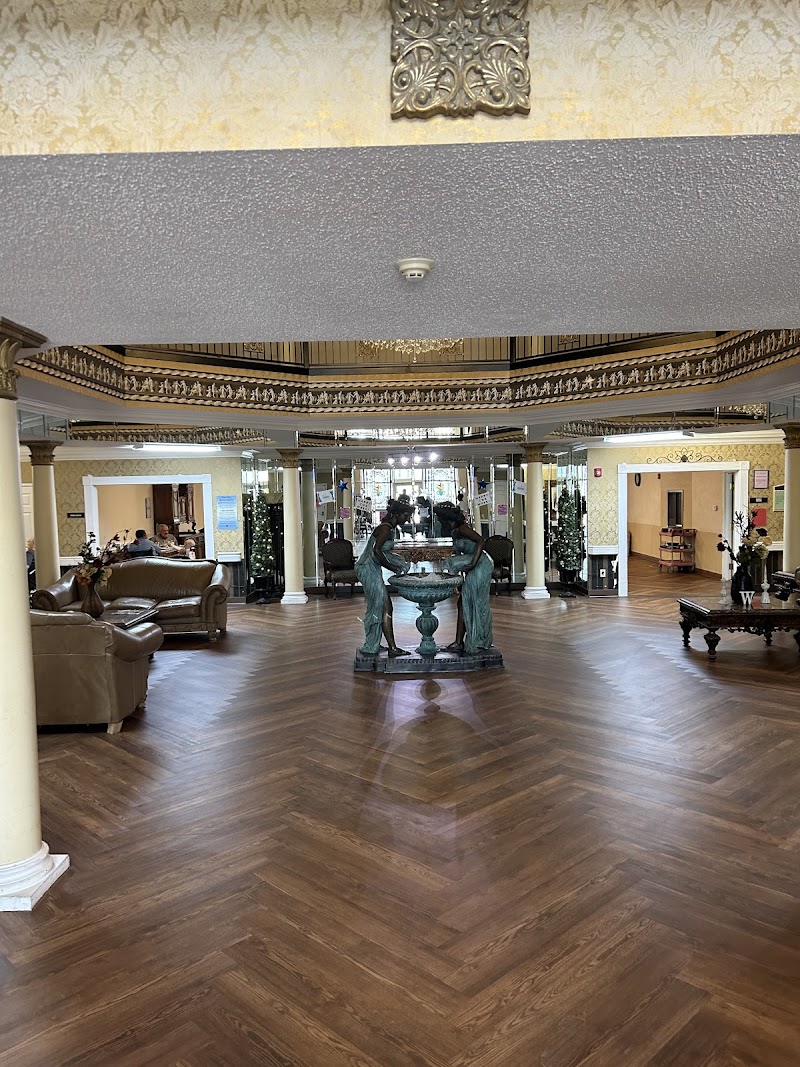
How is The Waterton Healthcare & Rehabilitation Staffed?

CMS rates THE WATERTON HEALTHCARE & REHABILITATION's staffing level at 3 out of 5 stars, which is average compared to other nursing homes. Staff turnover is 52%, compared to the Texas average of 46%.

What Have Inspectors Found at The Waterton Healthcare & Rehabilitation?

State health inspectors documented 5 deficiencies at THE WATERTON HEALTHCARE & REHABILITATION during 2024 to 2025. These included: 1 Immediate Jeopardy (the most serious level, indicating potential for serious harm or death) and 4 with potential for harm. Immediate Jeopardy findings are rare and represent the most serious regulatory concerns. They require immediate corrective action.
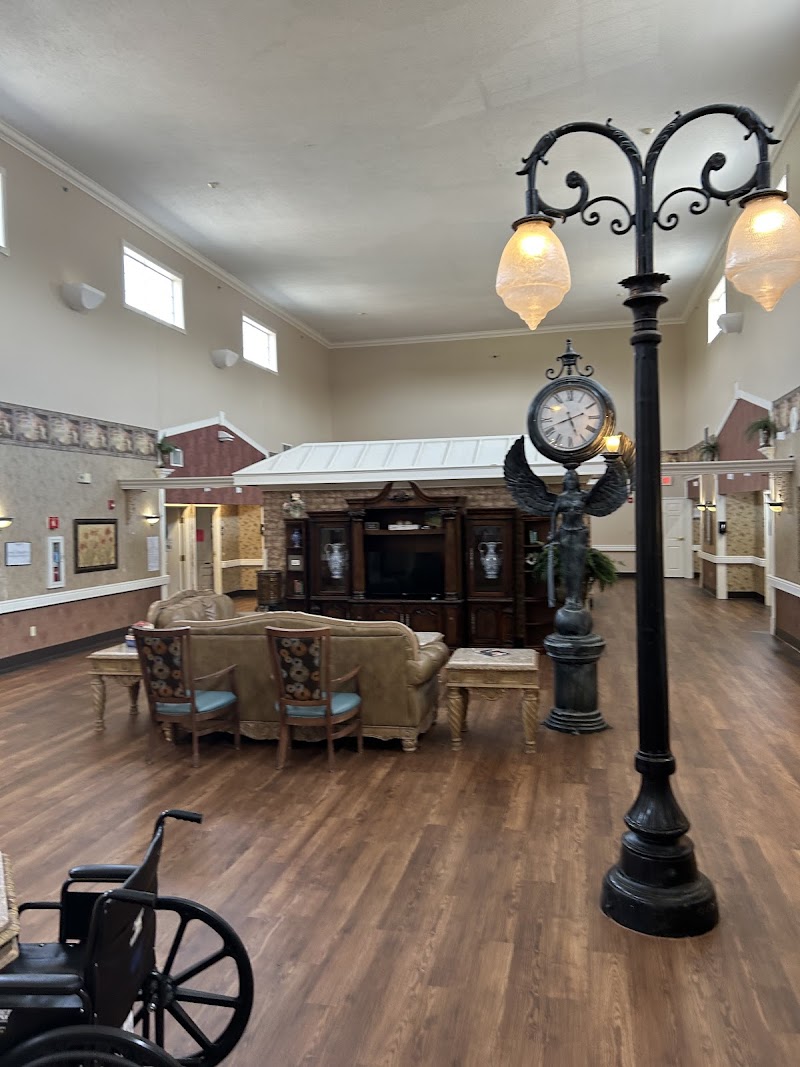
Who Owns and Operates The Waterton Healthcare & Rehabilitation?

THE WATERTON HEALTHCARE & REHABILITATION is owned by a for-profit company. For-profit facilities operate as businesses with obligations to shareholders or private owners. The facility is operated by THE ENSIGN GROUP, a chain that manages multiple nursing homes. With 92 certified beds and approximately 65 residents (about 71% occupancy), it is a smaller facility located in TYLER, Texas.
How Does The Waterton Healthcare & Rehabilitation Compare to Other Texas Nursing Homes?

Compared to the 100 nursing homes in Texas, THE WATERTON HEALTHCARE & REHABILITATION's overall rating (4 stars) is above the state average of 2.8, staff turnover (52%) is near the state average of 46%, and health inspection rating (4 stars) is above the national benchmark.

What Should Families Ask When Visiting The Waterton Healthcare & Rehabilitation?

Based on this facility's data, families visiting should ask: "What changes have been made since the serious inspection findings, and how are you preventing similar issues?" "Can I visit during a mealtime to observe dining assistance and food quality?" "How do you handle medical emergencies, and what is your hospital transfer rate?" "Can I speak with family members of current residents about their experience?" These questions are particularly relevant given the facility's Immediate Jeopardy citations.

Is The Waterton Healthcare & Rehabilitation Safe?

Based on CMS inspection data, THE WATERTON HEALTHCARE & REHABILITATION has documented safety concerns. Inspectors have issued 1 Immediate Jeopardy citation (the most serious violation level indicating risk of serious injury or death). The facility has a 4-star overall rating and ranks #1 of 100 nursing homes in Texas. Families considering this facility should ask detailed questions about what corrective actions have been taken since these incidents.

Do Nurses at The Waterton Healthcare & Rehabilitation Stick Around?

THE WATERTON HEALTHCARE & REHABILITATION has a staff turnover rate of 52%, which is 6 percentage points above the Texas average of 46%. Moderate turnover is common in nursing homes, but families should still ask about staff tenure and how the facility maintains care continuity when employees leave.

Was The Waterton Healthcare & Rehabilitation Ever Fined?

THE WATERTON HEALTHCARE & REHABILITATION has been fined $9,009 across 1 penalty action. This is below the Texas average of $33,169. While any fine indicates a compliance issue, fines under $50,000 are relatively common and typically reflect isolated problems that were subsequently corrected. Families should ask what specific issues led to these fines and confirm they've been resolved.

Is The Waterton Healthcare & Rehabilitation on Any Federal Watch List?

THE WATERTON HEALTHCARE & REHABILITATION is not on any federal watch list. The most significant is the Special Focus Facility (SFF) program, which identifies the bottom 1% of nursing homes nationally based on persistent, serious quality problems. Not being on this list means the facility has avoided the pattern of deficiencies that triggers enhanced federal oversight. This is a positive indicator, though families should still review the facility's inspection history directly.