WATKINS-LOGAN-GARRISON TEXAS STATE VETERAN'S HOME

11466 HONOR LANE, TYLER, TX 75708 (903) 617-6150
For profit - Corporation 100 Beds TEXVET Data: November 2025 3 Immediate Jeopardy citations
Trust Grade
14/100
#608 of 1168 in TX
Last Inspection: June 2025

Inspected within the last 6 months. Data reflects current conditions.

Overview

Watkins-Logan-Garrison Texas State Veteran's Home has received a Trust Grade of F, indicating significant concerns about the quality of care provided. With a state rank of #608 out of 1168, they fall in the bottom half of Texas facilities, and among the 17 facilities in Smith County, they rank #9. The facility is showing signs of improvement, having reduced critical issues from 5 in 2024 to 2 in 2025. Staffing is a relative strength, rated 4/5 stars with a turnover rate of 35%, which is better than the Texas average of 50%. However, they have concerning fines totaling $214,759, higher than 94% of Texas facilities, and have faced serious issues, including failing to provide adequate supervision for residents, resulting in critical incidents like a resident attempting self-harm and another suffering a severe burn due to lack of oversight.

Trust Score
F
14/100
In Texas
#608/1168
Bottom 48%
Safety Record
High Risk
Review needed
Inspections
Getting Better
5 → 2 violations
Staff Stability
○ Average
35% turnover. Near Texas's 48% average. Typical for the industry.
Penalties
⚠ Watch
$214,759 in fines. Higher than 84% of Texas facilities, suggesting repeated compliance issues.
Skilled Nurses
○ Average
Each resident gets 32 minutes of Registered Nurse (RN) attention daily — about average for Texas. RNs are the most trained staff who monitor for health changes.
Violations
⚠ Watch
17 deficiencies on record. Higher than average. Multiple issues found across inspections.
★★★☆☆
3.0
Overall Rating
★★★★☆
4.0
Staff Levels
★★★★☆
4.0
Care Quality
★★★☆☆
3.0
Inspection Score
Stable
2024: 5 issues
2025: 2 issues

The Good

  • 4-Star Staffing Rating · Above-average nurse staffing levels
  • 4-Star Quality Measures · Strong clinical quality outcomes
  • Full Sprinkler Coverage · Fire safety systems throughout facility
  • No fines on record
  • Staff turnover below average (35%)

    13 points below Texas average of 48%

Facility shows strength in staffing levels, quality measures, fire safety.

The Bad

3-Star Overall Rating

Near Texas average (2.8)

Meets federal standards, typical of most facilities

Staff Turnover: 35%

11pts below Texas avg (46%)

Typical for the industry

Federal Fines: $214,759

Well above median ($33,413)

Significant penalties indicating serious issues

Chain: TEXVET

Part of a multi-facility chain

Ask about local staffing decisions and management

The Ugly 17 deficiencies on record

3 life-threatening
Jun 2025 2 deficiencies
CONCERN (D) 📢 Someone Reported This

A family member, employee, or ombudsman was alarmed enough to file a formal complaint

Potential for Harm - no one hurt, but risky conditions existed

Accident Prevention (Tag F0689)

Could have caused harm · This affected 1 resident

**NOTE- TERMS IN BRACKETS HAVE BEEN EDITED TO PROTECT CONFIDENTIALITY** Based on, interview, and record review, the facility failed to ensure resident received adequate supervision and assistance devi...

Read full inspector narrative →
**NOTE- TERMS IN BRACKETS HAVE BEEN EDITED TO PROTECT CONFIDENTIALITY** Based on, interview, and record review, the facility failed to ensure resident received adequate supervision and assistance devices to prevent accidents for 1 of 20 resident reviewed for accidents. (Resident #68) The facility did not provide adequate supervision on 05/29/2025 at 7:45AM while transporting Resident #68 in the facility van by the transportation coordinator which resulted in Resident #68 who obtained a fall in the facility van and was sent to the hospital. This failure could place residents at risk for serious injury and accidents. Findings included: Record review of Resident #68's face sheet, printed on 6/10/2025, indicated he was a [AGE] year old male who admitted to the facility on [DATE] with diagnoses including muscle weakness (a lack of muscle strength), sciatica, right side, dysphagia, unsteadiness on feet, urinary tract infection, tinnitus of right ear, sepsis, wound myiasis, hyperlipidemia, dementia, nicotine/alcohol dependence, anxiety disorder, hypertension, benign prostatic hyperplasia, adult failure to thrive, more parts of the body), PTSD (a mental health condition triggered by a terrifying event, causing flashbacks, nightmares and severe anxiety), and Type 2 diabetes with chronic kidney disease (a chronic condition that happens when you have persistently high blood sugar levels), polyneuropathy (affects the peripheral nerves, which are the nerves that control the movement of the arms and legs) and major depression (a mood disorder that causes a persistent feeling of sadness and loss of interest). Record review of the revised care plan initiated on 6/10/2025 indicated the following: Focus - Resident #68 was at risk for complications due to impaired mobility regarding weakness of right BKA (Below-Knee Amputation), requires assistance with activity of daily living impaired mobility, at risk for injury falls r/t weakness. The right BKA is a surgical removal of the leg below the knee, often due to severe vascular disease or trauma. Record review of Resident #68's quarterly MDS dated [DATE] #68 had a BIMS score of 15, which indicated he a BIMS (Brief Interview for Mental Status) score of 15 indicates that the individual's cognitive function is intact. Record review of the complaint and incident intake worksheet in TULIP created on 5/30/2025 on Resident #68 indicated: Date and time of the incident 5/29/2025 at 11:39am; Date facility first learned of incident 5/30/2025 at 4:17 pm indicated: Update on Resident #68 The driver of the bus called the transportation coordinator who is a licensed vocational nurse. The transportation coordinator alerted the administrator and the director of nursing. They instructed that EMS be called to assess the resident and transport him to the hospital. At the hospital, a CT (CT scan, also known as a computed tomography scan or CAT scan, is a medical imaging procedure that uses X-rays to create detailed cross-sectional images of the body) scan of the spine and head/brain were negative. After a three view X-ray there is no definite injury of the right hand. Per facility intake Resident #68. On 5/29/25 at around 7:43 am the facility van was transporting resident #68 to an appointment when he fell back in his chair. As per facility policy the van parked and called EMS. EMS came to assess resident and was then taken local hospital, Resident returned from hospital at 2:00 PM with abrasion on right hand. The driver claimed that she had secured the front straps to Resident #68 prior to the appointment. The facility interviewed two employees, ECA C and ECA D, who were in the van at the time of the incident. In their statement they could not recall if front straps to wheelchair were secured or not. When Resident #68 returned he testified that the driver, did not apply front straps to his wheelchair and only back straps were applied. A decision was made to terminate the employee (transportation coordinator). Record review of the After Visit Summary dated5/29/2025 indicated the following: Resident #68 you have been evaluated in the Emergency Department today for your head injury. Your CT scan did not show signs of bleeds or fractures in your head. We recommend you take 600 mg ibuprofen every 6 hours or Tylenol 650 mg every 6 hours as needed for pain. Diagnoses: closed head injury, initial encounter, ground level fall, abrasion of right hand, initial encounter. During an interview on 6/10/2025 with Resident #68 who said he remembers the incident from couple of weeks ago he went out for an 8:00 am appointment to the VA for hearing exam. During an interview on 6/10/2025 with HR Director that on 5/29/2025 she notified the nurse at 7:45AM his nurse that Resident #98 had a fall while on transport. It was reported that resident was in his wheelchair on transport van when he fell backwards in wheelchair hitting his head. No bleeding noted. Instructions given to send resident to nearest emergency room for further evaluation and care. Termination of employee (transportation coordinator), review of processes/policies regarding van safety on 5/29/25 by Regional [NAME] President, Regional Clinical Consultant, Maintenance Director and Senior Maintenance Director. Staff educated regarding policy on van safety and response. Drivers to complete safety rounds of van using check list including checking the securement system daily implemented. The Safety Rounds checklist to be provided daily to Maintenance Director to ensure completion implemented. Driver had performed return demonstration regarding van safety rounds and wheelchair securement on 5/29/25. During an interview with maintenance Director on 6/10/2025 at 1:00 pm who said he was responsible for passenger securement safety audits, which was the training of anyone driving the facility van. He said he did a walk around and safety check on 5/28/2025 with the van Driver (transportation coordinator) who they fired, they have now implemented a two-person safety check and walk around. During an interview and demonstrations of van safety on 6/11/2025 at 1:30pm with the administrator/Maintenance Director. Both stated, they could not prove that the van Driver did not strap Resident #68 fully in, but they had implemented a policy to double check on residents being transported via van, they now have a ECA who also checks the securement of the resident in the van. Review of Policy transportation incidents revised June 2025: Purpose to provide transportation for facility residents for appointment and activities away from the facility grounds. .9. Wheelchair residents will utilize vehicle lift according to manufacturer instructions. Wheelchairs will be secured per manufacturer instructions. 10. Prior to moving vehicle, driver will personally assure that all riders have been safely secured . 12. In the event of any issue that involves a resident tripping, falling, or becoming unsecured or any other situation that may cause an injury to anyone during transportation, including any vehicle accident, the following procedures will be followed. a) The van will immediately move to the nearest safe location off the road and emergency flashers are to be turned on. b) The resident or injured person should not be moved. c) The Nursing Supervisor is to be contacted immediately, director of nursing, and/or administrator. d) In the event of an injury or accident 911 is to be called and EMS and/or police to respond as indicated to evaluate the situation. e) Obtain in writing all details of incident, time, locations, and all persons in the vehicle. f) Prior to moving the transportation vehicle driver must ensure all persons are safe. g) Any time an incident occurs during transport that results in wheelchair tipping in any direction or a resident landing on floor of van, EMS is to be called. Resident is to be evaluated at emergency room. Under no circumstances is the resident to continue to be transported by facility vehicle. h) Upon learning of any incident regarding more that basic first aid from bumping against the lift or doorway of van, the administrator, DON, Regional [NAME] President, Regional Clinical Consultant, Director of Risk Management and Senior Director of Facility Services are to be notified
CONCERN (D)

Potential for Harm - no one hurt, but risky conditions existed

Pharmacy Services (Tag F0755)

Could have caused harm · This affected 1 resident

**NOTE- TERMS IN BRACKETS HAVE BEEN EDITED TO PROTECT CONFIDENTIALITY** Based on observation, interview and record review, the facility failed to ensure the accurate acquiring, receiving, dispensing, ...

Read full inspector narrative →
**NOTE- TERMS IN BRACKETS HAVE BEEN EDITED TO PROTECT CONFIDENTIALITY** Based on observation, interview and record review, the facility failed to ensure the accurate acquiring, receiving, dispensing, and administering of all drugs and biologicals to meet the needs of each resident for 1 of 5 residents (Resident # 72) reviewed for pharmacy services. RN A administered a medication prepared by LVN B nurse without verifying the physician's order for the medication and ensuring the medication was the right dose. This failure could place residents at risk for receiving the wrong medication or the wrong dose of a medication resulting in a decline in health status. Findings included: A review of Resident #72's clinical records indicated he was an [AGE] year-old male who admitted to the facility on [DATE]. He had diagnoses which included anxiety, pain, diabetes, dysphagia (difficulty swallowing), gastroesophageal reflux disease (a digestive disease in which stomach acid or bile flows into the food pipe and irritates the lining), and gastrostomy placement (also called a G-tube and is a tube inserted through the belly into the stomach and used for delivering liquid nutrition and water into the stomach). A review of a quarterly MDS dated [DATE] noted Resident #72 had a BIMS score of 9 indicating his cognition was moderately impaired. The same MDS indicated he received nutrition and medications via the G-tube. He was dependent on staff for all activities of daily living. A review of Resident #72's physician orders dated0 6/10/2025 indicated multiple medication orders which included hydrocodone-acetaminophen 5-325 mg tablet every 6 hours via G-tube, lorazepam 0.5mg tablet 3 times daily, and gabapentin 300mg capsule 3 times daily via G-tube. During observation and interviews 06/10/2025 at 12:30 PM, LVN B was observed to prepare 1 tablet hydrocodone-acetaminophen 5-325mg, 1 tablet lorazepam 0.5mg and 1 capsule gabapentin 300mg for administration to Resident #72 via his G-tube. She crushed the tablets, opened the capsule, and placed each medication in its own individual plastic medication cup. She diluted each medication with 5mls of water and carried the 3 medications to Resident #72's bedside table. She administered the 2 tablets separately During the medication administration process, the cup containing the gabapentin medication turned over and part of the medication solution spilled onto the table. She said she would have to obtain and prepare another dose of the gabapentin. RN A who was standing by the wall just inside the room donned (to put on an article of clothing) a gown and gloves and told LVN B that she would hold the G-tube while LVN B prepared another dose of the medication that had spilled. LVN B left the room and went to the medication cart, withdrew a gabapentin 300mg capsule from the cart, opened the capsule, emptied it into a plastic medication cup, diluted the capsule contents with 5mls of water, and re-entered the room. RN A turned toward LVN B and said, Can I do it? LVN B handed the plastic medication cup to RN A and stepped back. RN A poured the medication cup contents into the G-Tube, flushed the tube with 30mls of water, closed the tube, and repositioned Resident #72's clothing. When RN A was asked what medication she gave, she said she gave gabapentin but did not know what the dose was. RN A said she should not have given the medication because she had not prepared it and could not say for sure if the medication was gabapentin, if it was what was ordered by the physician, or if it was the right dose. During an interview on 06/10/2025 at 01:30 PM, LVN B said she should not have given the medication to the RN to administer. She said since she was the one who obtained, checked, and prepared the medication, then she was responsible for giving it. She said nurses were not supposed to give medications prepared by someone other than themselves. She said RN A could have given the wrong medication or the wrong dose because she had not checked the orders to ensure she was giving the right dose and the right drug. During an interview on 06/11/2025 at 08:15 AM RN A said she should have let the LVN administer the medication because the LVN was the one who prepared it. She said she had not checked the medication to ensure it was the right drug, the right dose, nor the right time to give it. She said she was trying to help the LVN who was nervous and had a lot going on. During an interview on 06/11/2025 at 08:00, the DON said RN A should not have given a medication that she had not personally obtained, checked, and prepared. The DON said she expected the nurses to administer medications in a safe manner. A review of the facility's policy titled Medication Administration indicated the following: Procedure: Always follow five rights: Right medication, Right resident, Right time, Right amount, Right route. 1, Check physician's order for directions on Medication Administration Record (MAR). 2, Check label on medication and compare to the order on the medication administration record. 3. Check for allergies. 4. Wash hands 5. Put on gloves, if necessary. 6. Explain procedure to resident.
May 2024 2 deficiencies
CONCERN (E)

Potential for Harm - no one hurt, but risky conditions existed

Deficiency F0572 (Tag F0572)

Could have caused harm · This affected multiple residents

Based on interview and record review, the facility failed to ensure residents were informed orally, of their rights, for 7 of 11 residents interviewed during a group meeting. (Resident #s #16, #18, #2...

Read full inspector narrative →
Based on interview and record review, the facility failed to ensure residents were informed orally, of their rights, for 7 of 11 residents interviewed during a group meeting. (Resident #s #16, #18, #29, #33, #47, #72, and #75). Residents #16, #18, #29, #33, #47, #72, and #75 were not provided on going communication of their rights orally, during their stay in the facility. This failure could place the residents at risk of a decreased quality of life, decreased awareness of their right and decreased execution of their rights. Findings include: Record review of monthly resident council meeting minutes, on 05/14/2024 at 10:00AM, revealed resident rights were not reviewed or discussed over the past five months; April, March, February and January 2024 and December 2023. During interview on 05/14/2024 at 10:00AM, Residents #16, #18, #29, #33, #47, #72 and #75 said, the Activity Director had not reviewed or explained resident rights to them, nor had the Administrator. During interview on 05/14/2024 at 10:55AM, the Activity Director said he has not reviewed the resident rights with the residents at the resident council meetings. He said they receive them at admission, and he has given them printed copies, but he has not reviewed and explained them to the residents. During interview on 05/15/2024 at 2:09 PM, the Administrator said, the resident receives a copy of the resident rights at admission, in their admission packet. She said, if an issue comes up, when she attends the resident council meetings, she will explain that issue, as it pertains to that issue, but she has not reviewed or explained the list of resident rights with the residents. Review of a document titled Resident Right, with a revised date of October 2022 , reflected Purpose: To ensure the facility will inform the resident both orally and in writing in a language that the resident understands . Procedure: 2 Information about resident rights and responsibilities will be given to the resident both orally and in writing.
CONCERN (E)

Potential for Harm - no one hurt, but risky conditions existed

Deficiency F0576 (Tag F0576)

Could have caused harm · This affected multiple residents

Based on interview and record review, the facility failed to ensure the residents received mail for 11 of 11 residents reviewed for rights to forms of communication. (Resident #s #16, #18, #29, #33, #...

Read full inspector narrative →
Based on interview and record review, the facility failed to ensure the residents received mail for 11 of 11 residents reviewed for rights to forms of communication. (Resident #s #16, #18, #29, #33, #47, #57, #72, #75, #86, #89 and #91). The facility did not deliver mail to Residents #16, #18, #29, #33, #47, #57, #72, #75, #86, #89 and #91, on Saturdays. This failure could place the residents at risk of not receiving mail in a timely manner and a diminished quality of life. During interview, residents #16, #18, #33, #47, #57, #72, #75, #86 and #91 said mail is delivered on Saturday but the Saturday mail is not delivered until Monday. Resident #72 said he delivered the mail, Monday through Friday. He said the mail is provided to him and he delivered the mail to each house that had mail. He said the weekend receptionist locked the Saturday mail up in the administration building and it is not provided to him until Monday, for delivery. During interview on 05/15/2024, at 11:06 AM, on-duty Receptionist - A, said her work schedule was Monday through Friday, 8:00AM to 5:00PM. She said she handled the mail Monday through Friday. She said she would sort the mail, separating the business office mail from the resident mail. She said she would place the resident mail in the tray for the Activity Director to pick up and if the resident had a package, she would place it on the standing rack. She said occasionally she has worked the weekend. She said she would handle any mail delivered on Saturday, the same way, and the mail would be picked up on Monday by the Activity Director. During interview, on 05/15/24 at 1:39 PM, weekend Receptionist - B, said her work schedule was Saturday and Sunday. That her hours varied sometime , but for the most part, her hours were 7:30 AM to 4:30 PM, or later, depending on if the residents had an activity. She said she handled the weekend mail and when it was delivered, she would sort it, place the business office mail in its tray and place the residents mail in its tray. She said the residents mail was usually held over until Monday unless a resident decided to come check for mail or a package that he or she was expecting. She said she would place packages for the residents on the metal rack near her desk. During interview on 05/15/24 at 2:08 PM, the Administrator said mail is delivered to the front desk, Monday through Friday and handled by Receptionist - A, who sort the mail and then set it aside to be picked up and delivered to the residents. The Administrator did not say specifically how the weekend mail was handled. She said, residents can call or come to the front desk to check and see if they have received a package, as many residents order things on Amazon; delivered by Fed-X or UPS. Review of a policy Titled: Resident Rights, dated October 2022: i) indicated, the resident has a right to send and receive unopened mail, and to receive letters, packages and other material delivered to the facility for the resident .
May 2024 2 deficiencies 1 IJ
CRITICAL (J) 📢 Someone Reported This

A family member, employee, or ombudsman was alarmed enough to file a formal complaint

Immediate Jeopardy (IJ) - the most serious Medicare violation

Accident Prevention (Tag F0689)

Someone could have died · This affected 1 resident

**NOTE- TERMS IN BRACKETS HAVE BEEN EDITED TO PROTECT CONFIDENTIALITY** Based on observation, interview, and record review, the facility failed to ensure residents received adequate supervision and as...

Read full inspector narrative →
**NOTE- TERMS IN BRACKETS HAVE BEEN EDITED TO PROTECT CONFIDENTIALITY** Based on observation, interview, and record review, the facility failed to ensure residents received adequate supervision and assistance devices to prevent accidents for 2 of 20 resident reviewed for accidents. (Resident #1 and Resident #2) The facility failed to provide adequate supervision which resulted in Resident #1 spilling hot coffee on himself and obtained 2nd degree burn to right thigh that measured 27cm x 20cm x 0.1cm; 540cm of surface area. The facility did not provide adequate supervision while transporting Resident #2 in the facility van which resulted in Resident #2 obtained wedge compression fracture mid thoracic spine. An IJ was identified on 05/06/24. The IJ template was provided to the facility on [DATE] at 5:56pm. While the IJ was removed on 05/08/24, the facility remained out of compliance at a scope of isolated and severity of no actual harm with potential for more than minimal harm that is not immediate jeopardy due to the facility's need to evaluate the effectiveness of the corrective systems that were put into place. This failure could place residents at risk for serious injury and accidents. Findings included: 1)Record review of Resident #1's face sheet, printed on 5/4/24, indicated he was a [AGE] year old male who admitted to the facility on [DATE] with diagnoses including muscle weakness (a lack of muscle strength), tremors (an unintentional and uncontrolled rhythmic muscle movement of one or more parts of the body), PTSD (a mental health condition triggered by a terrifying event, causing flashbacks, nightmares and severe anxiety), and Type 2 diabetes with chronic kidney disease (a chronic condition that happens when you have persistently high blood sugar levels), polyneuropathy (affects the peripheral nerves, which are the nerves that control the movement of the arms and legs) and major depression (a mood disorder that causes a persistent feeling of sadness and loss of interest). Record review of the revised care plan initiated on 3/5/24 indicated the following: Focus - Resident #1 was at risk for complications due to coffee burn to right thigh and abdomen. Goal: Resident will have no complications through the review period. Interventions: Allow time for hot liquids to cool down some before consuming, at his request, Apron to be provided while hot liquids are consumed, encourage fluid intake and to take slow sips of hot liquids, Resident provided with a Spill-proof coffee cup, Resident to be verbally informed when hot liquids are being provided, and Treatment with Silvadene as ordered. Record review of Resident #1's quarterly MDS dated [DATE] indicated he had difficulty communicating some words or finishing thoughts but is able if prompted and usually understands others. Resident #1 had a BIMS score of 11, which indicated he had moderately impaired cognition. Section GG - Indicated Resident #1 had the ability to use suitable utensils to bring food and/or liquid to the mouth and swallow food and/or liquid once the meal was placed before the resident. Record review of the complaint and incident intake worksheet in TULIP created on 3/5/24 on Resident #1 indicated: Date and time of the incident 3/2/24 at 8:00am; Date facility first learned of incident 3/2/24 at 1:30pm. Immediate action taken to protect client: reading of temperatures for coffee was obtained. Narrative of the incident: resident received a 2nd-degree coffee burn to his right thigh; treatment was provided. After an assessment by the Wound Nurse on 3/5/24, it was determined to send the resident out for further treatment. Record review of Resident #1's provider investigation report dated 3/12/24 revealed Description of the Allegation: Resident #1 spilled coffee on his leg, did not report to staff until several hours later. Description of injury: 2nd degree burn to right thigh, 27cm x 20 cm x 0.1cm; 540cm of surface area. Investigation Summary: On March 2, 2024, at 2:30pm, Resident #1 reported to the Charge Nurse that he had spilled coffee on his right thigh that morning. Resident #1 stated that he did not tell anyone earlier because he was not worried about it. Upon assessment a reddened area was noted to Resident #1's right thigh. Skin was intact. Resident #1 did not complain of pain to area. Nurse Practitioner was contacted and ordered Silvadene cream to the area. During staff interviews, staff stated that Resident #1's coffee cup did not have a lid that morning. CNA's stated that they had seen the coffee spill on the floor around him but did not observe the spill on his clothes due to he was wearing denim jeans. Resident #1 has a history of tremors with decreased range of motion to both arms. Resident #1 had been provided with a cup with a lid but refused to use the lid. On 3/5/24 at 10:20am, Resident #1's skin was evaluated by the ADON and the wound care nurse. Resident #1's right thigh had developed weeping blisters and the skin had begun to peel. The Nurse Practitioner was updated, and an order was received to send Resident #1 to the ER for further evaluation and treatment. Record review of the wound doctor's report dated 3/8/24 indicated Resident #1 had a burn wound of the right thigh full thickness. Wound Size (L x W x D): 27 x 20x 0.1cm. Dressing Treatment Plan: Collagen sheet apply once daily for 30days. Secondary dressing: Gauze Island with bandage apply once daily for 30days. During an attempted interview on 5/5/24 at 1:25 p.m., Resident #1 was in his room napping in his wheelchair right in front of his television, he did not answer questions asked. During an interview on 5/5/24 at 1:38 p.m., CNA J said she worked the 7am to 3pm shift and on 3/2/24 the morning of the incident with Resident #1 she went to work early a little after 6am and Resident #1 was at the table finishing breakfast and she cleaned up spilt coffee from the floor. She said Resident #1 was wearing dark colored pants so she could not tell at that time he spilt his coffee on himself. CNA J said she asked Resident #1 if he was alright and in a harsh tone Resident #1 replied I'm okay, give me some more coffee. She said later that morning, she was doing patient care and that was when she discovered a large red mark on his right thigh. CNA J said she asked Resident #1 what happened and that was when he told her he spilt his coffee. She said she finished patient care and immediately notified LVN K. CNA J said prior to the coffee incident with Resident #1, facility did not have the plastic lids to put on the coffee cups, since the incident they were to now put the lids on all coffee cups before giving to the residents. During an interview on 5/5/24 at 2:01 p.m., LVN K said he was working as Resident #1's charge nurse the morning of the incident. He said CNA J reported to him about Resident #1's right thigh coffee burn. He said he went to assess Resident #1, documented it on his chart, and notified NP and family. LVN K said he recalled Resident #1's thigh pink in color whenever he initially looked at Resident #1's thigh and Resident #1 told him he spilt his coffee. LVN K said prior to Resident #1's coffee burn incident residents were able to use self-dispensing canister to pour their own coffee and they were not using the white plastic lids for the coffee cups. He said since the coffee burn incident staff were to temp the coffee prior and staff was now pouring all coffee for the residents and putting the white plastic lids on all cups prior to giving to the residents. During an observation on 5/6/24 at 5:50 p.m., the DON took measurements of Resident #1's thigh with measuring tape; the visible red burn scar was 18 cm x 6.5 cm. Record review of the revised hot liquid safety policy dated March 2024 revealed the following: Policy: Hot liquids are to be served at proper (safe and appetizing) temperatures using appropriate safety precautions. Procedure: 1.Hot liquids can cause scalding and burns. The degree of injury depends on the temperature, the amount of skin exposed, and the duration of exposure. Refer to the table attached to this policy for an illustration of the time required for a burn to occur at various temperatures. 2.The temperatures of hot liquids will be checked in the dietary department prior to distribution to the nursing units. If the temperature is greater than 140 degrees Fahrenheit, hold the liquid in the dietary department until it reaches an appropriate temperature. 3.Residents are assessed for their ability to handle containers and consume hot liquids. This includes but is not limited to residents with cognitive loss, vision issues, loss of hearing, weakness of upper extremities and/or tremors. 4.Residents with difficulties will receive appropriate supervision or use of assistive devices in order to consume hot liquids. Interventions will be individualized and noted on the resident's plan of care. Interventions include, but are not limited to: a. Wide based cups b. Cups with lids and handles c. Limit Styrofoam cups to residents with no difficulties d. Aprons e. Disallow hot liquids while lying in bed. f. Therapy Referrals 5. Staff shall respond immediately to spills or other accidents with hot liquids to minimize the risk for burns. Wet clothing should be immediately removed, and cool compress applied to affected area. Follow procedures regarding incidents/accidents should anyone experience exposure to hot liquids. 6. Monitor residents for at least 24 hours following exposure to hot liquids, as redness or blisters may not appear initially. 7. General safety precautions when serving hot liquids include, but are not limited to: A .Make sure resident is alert and in proper position to consume hot liquids. b.Use cups, mugs, or other containers that are appropriate for hot beverages. c. Do not overfill containers. d. Regulate temperature of hot liquids to which residents have direct access. e. Place filled containers directly on table. Do not hand them directly to residents. f. Keep hot liquids away from edges of the table. g. Do not refill containers while the resident is holding the container. h. Provide supervision as needed. 2) Record review of Resident #2's face sheet, printed on 5/4/24, indicated he was a [AGE] year-old male who admitted on [DATE] with diagnoses including hypertension (blood pressure that is higher than normal), Type 2 diabetes(a chronic condition that happens when you have persistently high blood sugar levels), low back pain( A common, painful condition affecting the lower portion of the spine), and back spasm (sudden tightness and pain in your back muscles). Record review of Resident #2's revised care plan dated 4/22/24 revealed Focus: Resident #2 at risk for complications and pain due to T-7 fracture (Tylenol #4). Goal: Resident #2 will not have any complications related to the fracture. Interventions/Tasks: Appointment with Neuro, Routine Pain Assessments, Wear brace as ordered until follow up appointment. Record review of Resident #2's Quarterly MDS dated [DATE] indicated he had clear comprehension and made himself understood. Resident #2 had a BIMS score of 15, which indicated he was cognitively intact. Record review of Resident #2's incident report dated 4/1/24 completed by LVN C revealed the incident location: Out of Facility / During Transport; Nursing Description: Transportation driver came to RN supervisor and stated that when she took off from a red light she looked up in the mirror and seen resident's legs in the air. She had the rider go check him and she pulled over as fast as she could and they assisted the resident upright and secured wheelchair properly before proceeding to doctor appointment. Resident Description: Resident stated that the transportation staff hadn't strapped him in properly on the van. No Injuries Observed Post Incident. Notes: per resident and transportation staff he hit his back and right shoulder. No discoloration noted at this time. Record review of the complaint and incident intake worksheet in TULIP created on 4/3/24 indicated: Date and time of the incident 4/1/2024 at 2:15pm; Dated facility first learned of incident 4/1/2024 4:00pm. Immediate action taken to protect client: Investigate Bus/Driver taken out of transport service pending safety investigation of staff and bus, Send patient for additional diagnostic testing. Narrative of the incident: During a transport to a physician appointment on April 1, 2024, Resident #2 was riding in the facility bus and while enroute the wheelchair tilted backwards causing Resident #2 to fall to the floor of the bus. On April 2, 2024, he complained of pain , X rays were obtained and showed a fracture to his mid thoracic vertebrae. Physician notified and new orders for orthopedic consult received. Actions and Notifications: Facility bus has been taken out of use for transports and is being inspected for safety standards. Investigation /interview with multiple staff members to determine the root cause of the incident. Transports have been suspended for the staff involved pending safety analysis of both Driver/vehicles. Physician notified. Resident is his own Responsible party. Record review of Resident #2's Progress notes indicated the following: -On 4/1/24 at 2:00pm; completed by LVN C: Resident #2 is leaving via facility transportation at this time to go to an eye appointment. - At 5:15pm; completed by LVN C: Resident #2 asked nurse if he had any discoloration on his back or right shoulder. LVN C nurse did not see any discoloration. A few minutes later a member of transportation went to LVN C and stated that Resident #2 had fallen into his chair when boarding the van. Resident #2 stated that the transportation staff did not strap him in properly on the van. Assessed Resident #2's skin and started neuroes. RN supervisor and NP notified. Resident is his own RP. -On 4/2/24 at 9:01am; completed by LVN D: Resident #2 reported to LVN D that he has neck pain, right shoulder pain, and right rib pain and states it is from when he fell in transportation bus yesterday. Notified NP and received an order for right shoulder x-ray, c spine, rib series and skull series. -At 9:08am; x-ray orders called in. -At 2:00pm; Resident #2 was administered Tramadol 50mg pain medication due to Resident #2 requested for pain to neck, right shoulder and right rib pain. -At 4:09pm; completed by the Social Worker: Visited Resident #2 to check on him. Resident #2 reported that he was in an accident on the bus where he fell backwards in his chair going to an appointment. Resident #2 stated that he did not unlock his brakes on his wheelchair. This social worker validated Resident #2. Resident #2 was pleasant but said that he was in pain. Nurse aware. -At 4:47pm; completed by LVN C: Per NP refer to orthopedics for wedge compression fracture mid thoracic spine for possible kyphoplasty. Informed RN supervisor of x-ray findings and new order. -On 4/3/24 at 10:14am; completed by RN E: Administered tramadol 50mg for pain to right upper back. - at 2:36pm; new from DON to send Resident #2 to the ER via EMS for spinal Xray to confirm fracture. Resident #2 who is his own RP notified. -At 3:12pm; completed by PTA F: in preparation for gait training nurse came in and informed this therapist and Resident #2 that the x-ray showed possible spinal fracture and Resident #2 is going to ER via Ems. Resident #2 had stated he was sore from the incident but that he wanted to go sit on the porch. Therapist was unaware that x-ray had been ordered or administered. -At 3:38pm; completed by DON: Due to Resident #2 recent fall and mobile x-ray determined fracture of mid-thoracic spine, the NP was notified. The resident was sent to the ER for further evaluation. -On 4/4/24 at 9:02am; completed by RN E: Resident #2 returned to facility via EMS, resident was transferred to bed by EMS personnel, Resident #2 had a brace on there is no order on removal. Resident #2 stated they didn't tell him if could sleep in it or take it off, Resident #2 was dx with Compression fracture of T7 Vertebra, Chronic bilateral low back pain without sciatica and Hyperglycemia due to Diabetes Mellitus. CT of Cervical spine, Head, Lumbar Spine and Thoracic Spine without contrast without contrast and Chest Xray 1 view was performed. CBC with auth diff and BMP was also done. Results was not sent with resident. Resident #2 reports pain of 9/10 to back BP 115/75 hr 55 temp 98.2, O2 sat 93 RR20. NO new orders, RN Sup and NP notified of resident's return. -At 9:34am; Administered tramadol 50mg for pain to right upper back. - At 1:02pm; Follow-up Pain Scale was: 5 PRN Administration was: Ineffective. - At 1:04pm; Administered tramadol 50mg for pain to midback. - At 1:15pm; completed by RN Supervisor G: Resident #2's pain level has increased due T7 compression fracture and Tramadol is not controlling the pain. NP informed and new order for Tylenol #3 1 Q 4 hr PRN received. Order entered, pharmacy notified, and CN informed. CN to inform resident.- at 9:45pm; completed by RN E: Administered and was effective. -at 10:56pm; completed by RN E: new order from RN Sup per NP for Tylenol #3 1 tab Q 4 hrs Order entered, resident. Who is his own RP notified. -On 4/5/24 at 1:06pm; completed by RN H: Acetaminophen-Codeine Tablet 300-30 MG Give 1 tablet by mouth every 4 hours as needed for Mild / Moderate Pain Acetaminophen Warning: Do not Exceed 3GM (3,000mg)of acetaminophen total from all sources in 24hr period. Resident #2 c/o pain to back of 7.5-8/10, was wearing back brace. Oriented to new pain medication, voiced understanding and stated he would contact staff for assistance with adls if needed. -At 2:54pm; Follow-up Pain Scale was: 3, PRN Administration was: Effective but Resident #2 stated pain continues but had decreased. -At 3:36pm; Resident #2 expressed anxiety r/t recent compression fracture diagnosis and accompanying movement restrictions. Denied need for PRN anxiety medication but voices understanding that it is available if needed. Questions answered as needed and resident reassured that staff would be there to assist with adls or any tasks he may need. Resident #2 voiced that eased anxiety. Resident #2 voiced understanding of education regarding movement restrictions and back brace given by therapy. New PRN pain medication administered this shift per orders as needed, education provided at time of administration and resident voiced understanding. Medication was effective in lowering pain level. Call light and desired belongings within reach. -At 5:13pm; completed by Director of Rehab: Resident #2 had a back brace that is to be worn at all times when out of bed. He is not to twist, bend/reach to floor level or lift anything over 3lbs. -On 4/5/24 at 9:00pm; completed by LVN C: ECA at bedside with this nurse to help assist with turning due to recent back injury. -On 4/6/24 at 7:29am; Completed by LVN D: Per Director of Therapy regarding showers- usually a person can't shower until cleared by a doctor. If Resident #2 choose to shower, he would have to do so with the brace on. Normally should be done before bed so it can hang to dry overnight. Notified Resident #2 and he verbalized understanding at that time. -At 7:30pm; Completed by LVN D: Administered Acetaminophen-Codeine Tablet 300-30 MG, Resident #2 requested for back pain. - At 9:55pm; Completed by LVN C: back pain r/t T7 compression fracture. -On 4/7/24 at 6:49am; Completed by LVN D: Resident #2 stated that his overall back pain was at a 7/10 at that time. Resident #2 declined pain med at that time. -At 9:00am; Completed by LVN D: Administered Acetaminophen-Codeine Tablet 300-30 MG, Resident #2 requested for back pain. -At 11:30am; Completed by LVN D: PRN T#3 administered at 0900 that morning was effective per resident. Resident #2 back brace applied and transferred to a back supporting chart in his room with 2 staff members assisted. Resident #2 stated he wanted to remain in chair until after his son left from visiting. Educated resident on using call light, placed within reach, when assistance was needed. -On 4/8/24 at 9:45am; Completed by LVN D: Administered Acetaminophen-Codeine Tablet 300-30 MG, Resident #2 requested for back pain. -On 4/9/24 at 10:39am; Completed by RN E: Administered tramadol 50mg for pain to upper back. -On 4/10/24 at 1:48pm; Completed by LVN D: Administered Acetaminophen-Codeine Tablet 300-30 MG, Resident #2 requested for back pain at a 7/10 while sitting on side of bed. -At 1:49pm; Completed by LVN D: Administered Ativan 0.5mg tablets, due to Resident #2 requested for increased anxiety at this moment due to sitting upright with back brace on. --At 3:08pm; Completed by NP: Chief Complaint: Resident #2 presents with back pain related to a recent T7 compression fracture. History of Present Illness: The patient reports that his pain is an 8 out of 10 without the prescribed pain medication, Tylenol number three, which is ordered every four hours as needed. He stated that the pain reduces to a 5 out of 10 after taking the medication, indicating ineffective pain relief. He has a follow-up appointment scheduled with a neurosurgeon. Relevant Symptoms and Experiences: Resident #2 has severe COPD and is currently on continuous oxygen therapy with a BiPAP at night. He was experiencing bilateral lower extremity edema, rated as plus two, and his LASIX dosage was recently increased to 40 milligrams POQ day to address that issue. He was wearing a back brace due to the compression fracture. - General: Patient is alert and oriented x3, pleasant, with clear speech. - Musculoskeletal: Wearing a back brace due to T7 compression fracture. No swelling in bilateral upper extremities. Plus two edema in bilateral lower extremities. Assessment & Plan: 1. T7 compression fracture - Continue wearing back brace for support and stabilization - Follow-up with neurosurgeon as scheduled - Monitor pain levels and effectiveness of current pain management 2. Inadequate pain relief - Continue Tylenol #3 every 4 hours as needed - Consider discussing alternative or additional pain management options with the neurosurgeon during follow-up -On 4/11/24 at 9:19am; Completed by Social Worker: This social worker stopped by to visit the veteran. Resident #2 stated that he was still in pain. Resident #2 reported that he was nervous to see the neurosurgeon. -At 10:55am; Completed by LVN D: Administered Acetaminophen-Codeine Tablet 300-30 MG, Resident #2 requested for back pain. -At 7:00pm; Completed by: LVN C: Administered Acetaminophen-Codeine for pain r/t compression fracture of the T7 vertebrae. During an interview on 5/5/24 at 10:07 a.m., with the Administrator and Regional Clinical Consultant. The Administrator said she first learned of the van incident during morning meetings the following morning on 4/2/24, but incident was told differently as if Resident #2 fell while transporting and loading onto the van because that was how the original incident report was documented. She said she did not hear of how the actual van incident occurred and about the fracture until late 4/3/24 whenever the x-ray results came back. The Regional Consultant said she found out about the van incident around 11:00am on 4/3/24. She said she would have expected for Driver B to not touch Resident #2 and to immediately call the DON, or RN Supervisor immediately after the incident occurred and to then call 911 for EMS to check out resident and for them to transport Resident #2 to the hospital. She said CNAs were not qualified to assess residents, it would have to be a nurse or EMS staff. The Regional Clinical Consultant said since the van incident she developed a Facility Transportation policy dated April 2024 on what to do in event of any issues that involved a resident tripping, falling, or becoming unsecured or any other situation that may cause an injury to anyone during transportation. During an observation and interview on 5/5/24 at 12:56pm revealed Resident #2 was in his room sitting in a chair wearing a full coverage back brace. Resident #2 said on the day of the incident, he had an eye appointment and was going by facility van. He said as the van driver approached the railroad track his wheelchair started tilting backwards, and as the driver gassed the van to go over the track his wheelchair flipped back and he was looking at the roof of the van. Resident #2 said everything happened so fast and he was shocked by what had happened. He said the driver and the helper untangled him from the belt strap and helped him off the floor. Resident #2 said the driver offered to take him to the emergency room but since he had already missed a previous eye appointment, he did not want to miss another eye appointment. Resident #2 said having vision issues was scary and serious, so all he could think about at the time was not missing another eye appointment. He said he did think his wheelchair was properly strapped in because he had ridden on the facility van in the past and he had not had that issue before. Resident #2 said he had not been back on the facility van since the incident and said he did not know how he would feel once he was back in the van and he possibly could have anxiety once he looked at the back of the driver seat as a reaction to the incident. He said he wanted to know if the driver had been retrained, did the facility figure out what went wrong, if the facility van was adequate and had this happened before. Resident #2 said he needed answers to those questions before he felt safe riding on the van again. He said his back hurts daily and was able to manage the pain with pain medication. He said the pain was most severe whenever he moved. During an interview on 5/6/24 at 12:06pm, Driver B said she had been a van driver for about four years, and this was her first incident with a wheelchair flipping over during transport. She said on the day of the incident, they were running behind for Resident #2's eye appointment due to staff did not have him up and ready. She said she loaded Resident #2 onto the van and strapped down Resident #2's wheelchair. Driver B said as she was driving up to a railroad track, she could see in her rearview mirror Resident #2's wheelchair slightly tilting back, but as she went across the railroad track, she looked up at her rearview mirror again and could see Resident #2's feet in the air. She said she had to pull over out the way of traffic to help with Resident #2. Driver B said Resident #2 was lying on his back with portable oxygen tank wedge between the floor of the van and the back of the wheelchair and Resident #2 on his back on top of the oxygen tank. She said Resident #2 repeatedly said his head was hurting, she said she did not ask for location of head pain and assumed it was the back of Resident #2's head because that was the part he hit during the incident. She said she unstrapped Resident #2 and proceeded to get Resident #2 up onto all fours, and he was in that position for a few minutes trying to catch his breath and he continued complaining that his head was hurting. Driver B demonstrated all fours as being on hands and knees. She said after a few minutes herself and the helper moved Resident #2 from on all fours to sitting on the side of the van and at that time he was still catching his breath, he was wearing oxygen tubing and complained of head hurting. Driver B said she asked Resident #2 if he was okay and offered to take Resident #2 to the emergency room, but he declined and insisted on going to the eye appointment. Driver B said the only phone call she made at that time was to the eye doctors to verify it was okay for Resident #2 to still come since he was so late for the appointment, and she was informed they would still see him. Driver B said prior to incident she had been trained on how to properly secure a wheelchair but had not been trained in the case of a wheelchair flipping over. Driver B said after she returned Resident #2 back to the facility, she notified a RN Supervisor and Resident #2's charge nurse about the incident. During an observation on 5/6/24 at 11:51a.m., Driver B demonstrated how to load and unload a Resident on the van. One of the straps used to secure the wheelchair would not catch and made the chair feel loose. Observation of a total of 17 straps on the van used to secure residents in wheelchair for transporting, showed 5 of the 17 straps were not functioning correctly. During an interview on 5/6/24 at 12:38pm LVN B said she worked as Resident #2's charge nurse on 4/2/24 during the 7am to 3pm shift, which was the following day after the incident. She said during her rounds Resident #2 complained of pain to several parts of his body and that was unlike him because he rarely complained of pain prior to incident. She said Resident #2 told her the van driver did not strap him in good and his wheelchair had flipped over the previous day in the van on his way to an eye appointment. LVN B said she had not been informed during rounds, and she checked Resident #2's chart to see what had been done regarding the incident, and she did not see anything on his chart other than a statement that Resident #2 asking the LVN C if he had any bruises to his back. LVN B said at that point she notified the NP and ordered an x-ray. She said during her shift Resident #2 appeared tensed and was lying in bed complaining of pain. LVN B said x-rays were done during her shift, and the results came back after her shift, during the 3p to 11p shift. She said she completed a grievance/concern form on behalf of Resident #2 regarding the incident he told her. Record review of the grievance/concern form dated 4/2/24 completed by LVN B on Resident #2 revealed Concern: Wheelchair was not properly secured by driver of facility transport vehicle. After going over railroad tracks Resident #2 was thrown out of the wheelchair onto the floor of vehicle. Being on the floor caused shortness of breath and anxiety to worsen as well as pain from impact with floor. Action Recommended: Driver to round and secure residents then escort to round and double check. Record review of the employee counseling form dated 4/5/24 and completed on 4/8/24 indicated Driver B received a written counseling. Employer Statement: On 4/1/24 during a transport to an appointment, a resident tipped over backwards in his wheelchair and landed on his back in the bus. This incident would not have occurred if the wheelchair had been properly secured. As the driver of the vehicle, Driver B was responsible for ensuring that the residents were secured in place for a safe transport. Performance Expectation: As listed on the driver job description, Driver B was expected to provide safe and timely transportation of residents on both a scheduled an as needed basis. Record review of the facility transportation policy dated April 2024 revealed .9. Wheelchair residents will utilize vehicle lift according to manufacturer instructions. Wheelchairs will be secured per manufacturer instructions. 10. Prior to moving vehicle, driver will personally assure that all riders have been safely secured . 12. In the event of any issue that involves a resident tripping, falling, or becoming unsecured or any other situation that may cause an injury to anyone during transportation, including any vehicle accident, the following procedures will be followed. a) The van will immediately moved to the nearest safe location off the road and emergency flashers are to be turned on. b) The resident or injured person should not be moved. c) The Nursing Supervisor is to be contacted immediately, director of nursing, and/or administrator. d) In the event of an injury or accident 911 is to be called and EMS and/or police to respond as indicated to evaluate the situation. e) Obtain in writing all details of incident, time, locations, and all persons in the vehicle. f) Prior to moving the transportation vehicle driver must ensure all persons are safe. g) Any time an incident occurs during transport that results in wheelchair tipping in any direction or a resident landing on floor of van, EMS is to be called. Resident is to be evaluated at emergency room. Under no circumstances is the resident to continue to be transported by facility vehicle. h) Upon learning of any incident regarding more that basic first aid from bumping against[TRUNCATED]
CONCERN (D) 📢 Someone Reported This

A family member, employee, or ombudsman was alarmed enough to file a formal complaint

Potential for Harm - no one hurt, but risky conditions existed

Medical Records (Tag F0842)

Could have caused harm · This affected 1 resident

**NOTE- TERMS IN BRACKETS HAVE BEEN EDITED TO PROTECT CONFIDENTIALITY** Based on interview and record review the facility failed to maintain medical records on each resident that were complete and acc...

Read full inspector narrative →
**NOTE- TERMS IN BRACKETS HAVE BEEN EDITED TO PROTECT CONFIDENTIALITY** Based on interview and record review the facility failed to maintain medical records on each resident that were complete and accurately documented for 1 of 20 residents (Resident #2) reviewed for clinical records in that. -RN Supervisor G changed contents entered on Resident #2's risk management (incident report). This failure could place the residents at risk for incomplete and inaccurate clinical records which could lead to miscommunication, a delay in services or a potential decline in resident 's health. Findings included: Record review of Resident #2's face sheet, printed on 5/4/24, indicated he was a [AGE] year-old male who admitted on [DATE] with diagnoses including hypertension (blood pressure that is higher than normal), Type 2 diabetes(a chronic condition that happens when you have persistently high blood sugar levels), low back pain( A common, painful condition affecting the lower portion of the spine), and back spasm (sudden tightness and pain in your back muscles). Record review of Resident #2's Progress notes indicated the following: -On 4/1/24 at 2:00pm; completed by LVN C: Resident #2 is leaving via facility transportation at this time to go to an eye appointment. - At 5:15pm; completed by LVN C: Resident #2 asked nurse if he had any discoloration on his back or right shoulder. LVN C nurse did not see any discoloration. A few minutes later a member of transportation went to LVN C and stated that Resident #2 had fallen into his chair when boarding the van. Resident #2 stated that the transportation staff did not strap him in properly on the van. Assessed Resident #2's skin and started neuroes. RN supervisor and NP notified. Resident is his own RP. Record review of Resident #2's incident report dated 4/1/24 completed by LVN C revealed the incident location: Out of Facility / During Transport; Nursing Description: Transportation driver came to RN supervisor and stated that when she took off from a red light she looked up in the mirror and seen resident's legs in the air. She had the rider go check him and she pulled over as fast as she could and they assisted the resident upright and secured wheelchair properly before proceeding to doctor appointment. Resident Description: Resident stated that the transportation staff hadn't strapped him in properly on the van. No Injuries Observed Post Incident. Notes: per resident and transportation staff he hit his back and right shoulder. No discoloration noted at this time. During an interview on 5/6/24 at 10:46 a.m., RN Supervisor G said she normally made corrections to the risk management (incident reports) because that was what she was taught to do by another staff who no longer worked there. She said on 4/1/24 Driver B had come to her about the incident on the van with Resident #2 and she instructed for Driver B to notify LVN C which was Resident #2's charge nurse at the time. RN Supervisor G said on the following day which was 4/2/24 during the clinical morning meeting the team was reviewing Resident #2's risk management and she had to step out so she missed it and had she not missed Resident #2's risk management she could had corrected it at that time, but it was not until 4/3/24 the previous DON went to her about Resident #2's x-ray results and she read over the Nursing description section and it was incorrect. She said LVN C documented Resident #2 had fall during transporting onto the van and she knew that was not what Driver B had told her happened on 4/1/24, so she reentered and corrected the Detail section only to reflect the actual incident of what Driver B had told her. RN Supervisor G said the original note was deleted from risk management once she went back in and made her edits, but the progress note entered by LVN C was what the risk management originally had before she made her changes. Record review of a written statement from RN Supervisor G dated 4/4/24 revealed she was asked .if it was normal to edit another nurse documentation and RN Supervisor G replied was and still is whenever she became ADON the DON at the time trained her and had her check and correct risk managements (incident reports) every morning before clinical meeting. The corrections were generally grammar/spelling related or if she had questions about how something happened, she would call the nurse that opened the risk and then add what they told her. IF they put the skin tear on the right leg but it was really on the left leg, she would correct that. She Never corrected vital signs or pain assessments. If there were names of other residents or staff, she would remove the names and use room numbers or position titles. If there were injuries and they were noted on one page but not on the next she would add it to the second page. If check boxes were not marked that should be then she would add them. The editing was not to change what the nurses said happened, it was to complete and make the risk management paint the correct picture of the incident. She had opened risk managements for charge nurses so that it would put a time stamp on when incident happened, and they would edit and complete it. It was not always just one person working on a risk management and it was not always the person that originally opened it completing anything on it at all. So no, she never thought of editing a risk management wrongful. During an interview on 5/5/24 at 10:07 a.m., with the Administrator and Regional Clinical Consultant. The Administrator said she first learned of the van incident during morning meetings the following morning on 4/2/24, but incident was told differently as if Resident #2 fell while transporting and loading onto the van because that was how the original incident report was documented. She said she did not hear of how the actual van incident occurred and about the fracture until late 4/3/24 whenever the x-ray results came back. The Regional Consultant said she found out about the van incident around 11:00am on 4/3/24. The Administrator said whenever she went to work on 4/4/24 to review the incident report it had been changed and that to reflect Resident #2 wheelchair flipped back when going over a railroad track. The Administrator said on 4/2/24 during clinical morning meetings if she had seen that she would have handle the incident differently and called it in sooner. The Administrator and Regional Clinical Consultant both said they were not aware and did not know a staff could go back in and make changes to the risk management (incident reports) and there was no way of knowing if the document had been edited or changed because unlike a progress note, risk management does not make a strikeout mark indicating edits. They said no staff should be going back into records and making changes without reflecting that changes or edits had been done. During an attempted telephone interview on 5/6/24 at 12:37 p.m., LVN C, was unreachable, a voice message was left; however, there was no return call received. Record review of in-service and signature sheet dated 4/4/24 for RN Supervisor G completed by Regional Clinical Consultant revealed Education on prohibiting change in content entered on risk management. If information is incorrect, you must strike out and restart a new one. Record review of medical records policy dated October 2021 revealed Purpose: The medical record shall contain a representation of the experiences of the resident and include information to provide a picture of the resident's status through complete documentation. Procedure: 1) Licensed staff and interdisciplinary team members shall document observation and services provided in the resident's medical record in accordance with state law. 2) Documentation shall be completed at the time of service, but no later than the shift in which the documentation or care service occurred. 3) When documentation occurs after the fact and outside of the acceptable time limits, the entry shall clearly be indicated as late entry.
Jan 2024 1 deficiency
CONCERN (D) 📢 Someone Reported This

A family member, employee, or ombudsman was alarmed enough to file a formal complaint

Potential for Harm - no one hurt, but risky conditions existed

Deficiency F0773 (Tag F0773)

Could have caused harm · This affected 1 resident

**NOTE- TERMS IN BRACKETS HAVE BEEN EDITED TO PROTECT CONFIDENTIALITY** Based on interview and record review the facility failed to promptly notify the ordering physician or NP of laboratory results t...

Read full inspector narrative →
**NOTE- TERMS IN BRACKETS HAVE BEEN EDITED TO PROTECT CONFIDENTIALITY** Based on interview and record review the facility failed to promptly notify the ordering physician or NP of laboratory results that fell outside the clinical ranges in accordance with facility policies and procedures for notification for 1 of 4 residents reviewed for labs. The facility received lab results for Resident #1's labs on 12/14/23 which indicated his potassium was low. The requesting physician and the NP were not notified. This failure could place residents at risk of delayed treatment/intervention and decline in health. Findings Included: Record review of Resident #1's face sheet dated 1/4/24 indicated he was an [AGE] year-old male admitted to the facility on [DATE] with diagnosis of Alzheimer's disease, high blood pressure, dementia, and mixed high cholesterol. Record review of Resident #1's quarterly MDS assessment dated [DATE] indicated he was moderately cognitively impaired. The MDS indicated he was independent with all ADLs. Record review of Resident #1's Labs dated 12/9/23 indicated his potassium was 3.2 (normal range 3.5- 4.9) Record Review of Resident #1's physician's order from an outside provider (in the facility computer system) dated 12/7/23 indicated repeat BMP on 12/14/23 for a diagnosis of Hypokalemia (low potassium). Please fax the results to number provided. Record review of a nursing note dated 12/11/23 indicated the family member wanted a copy of Labs drawn at the hospital to be sent to the facility NP for review. There were no new orders at this time. The BMP (Basic Metabolic Panel) was due to be rechecked on 12/14/23 per orders from the hospital. Record review of labs dated 12/14/23 indicated Resident #1's potassium was low at 3.3 (range 3.5 to 4.9) there was no indication they were received or signed off on until 12/21/23. Record review of Resident #1's nursing notes from 12/14/23 to 12/19/23 revealed there was no mention in the nursing notes of the 12/14/23 labs being sent to NP or faxed to the physician requesting the redrawn lab. Record review of the facility root cause analysis dated 1/3/24 (received on 1/4/24 at 2:40 p.m.) indicated Resident #1 had a TURP (surgery used to treat urinary problems that are caused by an enlarged prostate.) surgery scheduled for 12/20/23. The Resident attended a pre-surgery appointment on 12/7/23, and pre-surgical baseline labs were drawn. At that time the surgeon did not order a potassium supplement for this current level of 3.2 potassium level. However, he did request that the potassium level be redrawn on 12/4/23. On 12/11/23 Resident #1's labs were reviewed by the NP. There were no new orders but to continue with the redraw for labs on 12/14/23. On 12/14/23 Resident #1's labs were drawn, and his potassium was 3.3. The lessons learned was all abnormal lab values are to be reported to the NP by phone and documented. The Nurse supervisor will monitor resident with labs pending and if the resident becomes symptomatic. Nursing staff would be educated on the lessons learned. During an interview on 1/4/23 at 12:30 p.m. the Administrator and DON said they could not provide any information that the NP was notified of Resident #1's lab on 12/14/23 with low potassium. During an interview on 1/4/24 at 1:30 p.m. LVN A said that she did not know the Resident #1 had low potassium. She said no one informed her and she did not know anything about Resident #1's labs. During an interview on 1/4/24 At 1:58 p.m. an interview with NP said that she looked at the original labs from the neurologist from 12/9/23. She said she remembered Resident #1's potassium level was 3.2. She said he was scheduled for repeat labs on 12/14/23 and she was fine with that recommendation. The NP said could not confirm that she received the labs for 12/14/23. She did not remember seeing the follow up labs before the resident was discharged . She said the potassium levels are not critical until they are under 3.0. She said if she had seen the labs, she would likely have ordered a repeat, as she did not want to put residents on a supplement until a pattern was established of low potassium labs or the labs were critical. During an interview on 1/4/24 at 3:55 p.m. RN B said she was not aware Resident #1 had low potassium and she was not aware of any labs. Record review of the facility Laboratory Services policy last revised in October 2012 indicated Laboratory services will be performed as ordered by the physician. Record review of the facility Change in Condition Notification policy indicated the Resident's attending physician and representative would be notified of change in resident condition. Situations which would require a change in medication or treatment regimen such as abnormal lab values.
Aug 2023 4 deficiencies 2 IJ (2 affecting multiple)
CRITICAL (K) 📢 Someone Reported This

A family member, employee, or ombudsman was alarmed enough to file a formal complaint

Immediate Jeopardy (IJ) - the most serious Medicare violation

Accident Prevention (Tag F0689)

Someone could have died · This affected multiple residents

**NOTE- TERMS IN BRACKETS HAVE BEEN EDITED TO PROTECT CONFIDENTIALITY** Based on observation, interview, and record review the facility failed to ensure each resident environment remained free of acci...

Read full inspector narrative →
**NOTE- TERMS IN BRACKETS HAVE BEEN EDITED TO PROTECT CONFIDENTIALITY** Based on observation, interview, and record review the facility failed to ensure each resident environment remained free of accident hazards as possible and the resident received adequate supervision to prevent accidents for 1 of 6 residents reviewed for accidents. (Resident #2) The facility failed to put interventions in place to prevent accidents regarding Resident #2 that had a history of self-injurious behaviors. Resident #2 tried to harm himself by placing a call light cord around his neck twice on [DATE]. The resident also had a history of throwing himself out of his wheelchair in attempts to himself. The facility failed to ensure: Resident #2's room was free of all harmful items including the call light cord. Resident #2 was provided observation and other interventions to ensure he did not harm himself. Resident #2 was provided with appropriate interventions to prevent or improve his behaviors. The facility failed to ensure care plan interventions were implemented. They failed to notify the physician when the resident exhibited self-injurious behavior. They failed to follow their policy on suicide precautions protocol. An Immediate Jeopardy (IJ) situation was identified on [DATE]. While the IJ was removed on [DATE] at 6:30 p.m., the facility remained out of compliance at a potential for actual harm with a scope of pattern with a potential for more than minimal harm, due to the facility's need to evaluate the effectiveness of the corrective systems This failure placed residents at risk for hazards due to lack of adequate supervision with the potential for serious injury and death. Findings included: Record review of Resident #2's face sheet with no date indicated he was a [AGE] year-old male admitted to the facility on [DATE]. Some of his diagnoses were unsteadiness on feet, muscle weakness, personal history of psychological trauma, diabetes, major depression, and PTSD. Record review of Resident #2's quarterly MDS dated [DATE] indicated he had moderate cognitive impairment. He required extensive assistance of two people for transfers and bed mobility. Resident #2 used a wheelchair for ambulation. Record review of Resident #2's care plan dated [DATE] indicted a Focus area of depression. The Goal was the Resident #2 would be free of signs and symptoms of depression. Some of the interventions were contact social services as needed, medications as ordered, observe for change in mental status, observe for signs and symptoms of depression and psychiatric consult as needed. A Focused area of difficulty in psychosocial adjustments related to admission to the facility. One of the interventions was to observe for signs and symptoms of difficulties in psychosocial adjustment, such as decreased socialization, sad mood, verbalized wanted to go home. A Focus area of resident had falls. A fall [DATE] indicated sent to the ER for psychiatric evaluation. A fall [DATE] therapy to screen and treat if indicated. A fall [DATE] anticipate resident needs for transfers, snacks, and toileting. A Focus area of at risk for excessive bruising /bleeding related to aspirin and Plavix use. Some of the interventions were to handle resident gently and observe for signs of bruising. A focused area of the resident required assistance with activities of daily living. Some of the interventions. Were the resident required. Extensive assist of two staff for bed mobility dressing, personal hygiene, toilet use, incontinent care, and transfers. The resident required one person assist of the staff for locomotion around the unit. A Focus area of depression and PTSD. The Resident hallucinated from the war and nightmares. One of the interventions were a psychiatric consult as needed. A Focused area identified on [DATE] indicated the resident has a history of suicide attempts. Referred to inpatient psychiatric services remove any items that could be used to harm from the resident reach such as cords, bags, sharp objects, a safety assessment to be completed by clinical staff upon return of the resident from the hospital. Interventions noted on [DATE] were to ensure the resident had a cow bell or other means of communication if the call light is removed dated and notify the physician as and staff to complete 15-minute checks on Resident daily. During an interview on [DATE] at 12:15p.m. the DON said saw the safety assessment mentioned on the care plan for Resident #2. She said that was not something that nurses did; it may be something the SW completed. She also said she reviewed the care plan for Resident #2 and saw the 15 minutes checks. She said they should still be going on because there was no assessment that said otherwise. However, the Resident #2 was not being monitored. The DON said the SW had monitoring sheets of 15-minute checks done on [DATE] and [DATE]. She said she could not remember what she had done on [DATE] to ensure Resident #2 was safe. She said because at that time she was the only one here and she was over my head. The DON said the Administrator was at conference, ADON, nurse supervisor, and staff development nurse all out with Covid. She said the NP was not notified until the next day and she was not aware of any other residents exhibited suicidal behaviors. She said she did not remember saying anything about making Resident #2 a DNR. The DON said she was not aware of the recommendations made on [DATE] from the psychologist for Resident #2 and they were not done. During an interview on [DATE] at 11:22 a.m. the MDS Coordinator said she put a different care plan intervention in place every time Resident #2 had a fall. He had 4 falls since [DATE]. She said when he came back from the hospital, he had some medical changes and now is not as independent as he once was. She said he was noted to be throwing himself on the floor on [DATE]. She said on [DATE] he said he did not know how he got on the floor. She said the resident is on Paxil and aspirin and they do weekly skin assessments to ensure he had no bruising. She said she had put one of interventions for the suicide was to complete a safety assessment. She said that was nursing 101. She said all they had to do was make sure the room was safe, remove any objects that could cause harm. She said she was just made aware today that the call light cord was still in the room. She said the 15-minute checks intervention was to be removed after the resident and his environment were deemed safe. She said she had no idea that was not completed. Record review of Resident #2's computerized physician orders indicated an order dated [DATE] for Plavix tablet 75 mg (blood thinner) and Aspirin EC 81 mg. An order dated [DATE] indicated refer to counseling services for evaluation and treatment related to depression. An order dated [DATE] for physical therapy to evaluate and treat for therapeutic exercises, therapeutic activities, neuromuscular, reeducation, wheelchair management and modalities. Record review of Resident #2's Psychosocial assessment dated [DATE] indicated this resident was referred with a diagnoses of major depressive disorder, and posttraumatic stress disorder with decreased motivation and elevated anxiety. The resident said he preferred to be alone and called himself an isolate. He had no interest in hobbies or in church before his placement. He tended to avoid the other residents and had no interest in them. His responses supported the inference that he had the capacity for reasoning. The treatment plan was Resident #2 was recommended for psychotherapy with emphasis on redefining grief and loss, anticipating a lengthy period of trust building. Recommended the following for provider prescribing psychotropic medications. Mood or behavioral changes noted by staff be made know to the physician on a timely basis. Recommended therapy to be executed in weekly encounters. Completed by Psychologist contracted by the facility. Record review of Resident #2's nurses note dated [DATE] at 10:29 a.m. indicated was called to Resident # 2 and he was lying on the floor on his right side with head toward the TV. Resident #2 was attempting to self-transfer from the wheelchair to the bed when he fell. He was assisted by three staff members off the floor, and he denied abdominal pain. Written by RN D. Record review of Resident #2's incident report dated [DATE] at 11:00 a.m. indicated. The writer entered the room around 11:00 a.m. the resident was lying in bed with the call light cord wrapped around his nek. This writer removed the call light cord from around his neck and gave him the call light button. He again wrapped the call light cord to his neck. When the write tried to remove the cord form his neck, the resident grabbed my had trying not to let me remove the cord. The writer was able to remove the cord from his neck and put the cord out of his reach. The resident said, I will not be here long. The DON was notified. Immediate Action taken: the writer removed the call light cord from his neck nd put the cord out of his reach and the DON was notified. He was oriented to person, situation, and place. The form was signed by LVN A on [DATE] the form indicated the DON was notified on [DATE] at 11:00 a.m. The NP and responsible party were notified on [DATE] at 11:00 a.m. Completed by LVN A Record review of a Suicide Risk Screen Tool with no date indicated Resident #2 had thoughts of wishing he was dead, his family would be better off without him, thoughts of killing his self and he tried to kill his self. The resident stated he had attempted to end his life twice. His first attempt was wrapping his bed cord around his neck and his second was trying to turn his wheelchair over and hit his head. The resident stated these attempts were yesterday [DATE]. The resident denied wanting to kill himself today. The patient required a brief suicide safety assessment to determine if a full mental health evaluation is needed. Completed by the SW. Record review of Resident #2's 1 (one) hour monitoring tool indicated he was monitored every hour from 11 a.m. on [DATE] to 11:00 a.m. on [DATE]. The monitoring tool was not located in the computer file. They were provided on [DATE] at 1:30 p.m. by the SW Record review of social services note dated [DATE] at 3:53 p.m. indicated SW was just informed by clinical staff that Resident #2 had made two attempts to kill himself yesterday. The SW immediately went to Resident #2 's room to perform a suicide screening. Resident #2 to stated that he did try to kill himself two times yesterday once by wrapping the called light cord around his neck to hang himself. He said in the other attempt was he was trying to turn over his wheelchair to hit his head on the floor. Resident #2 had been isolating the past two weeks and had been experiencing an increase in depressive symptoms. The resident stated he ws not currently suicidal but is open to hospitalization. SW faxed Resident #2 clinical information's to the behavioral hospital awaiting update on admission for inpatient psychiatric services, the social worker will also contact Resident #2's family with an update. Signed by the SW. Record review of Resident #2's nursing note dated [DATE] at 4:19 p.m. entitled late entry for a note dated [DATE] at 11:00 a.m. This writer entered Resident #2's room around 11 to take vitals and blood pressure blood glucose. The resident was lying in bed with a cord wrapped around his neck. This writer removed the cord from his neck and gave him the call button. He again wrapped the call light cord to his neck. When this writer tried to remove the cord from around his neck, there is a grabbed my hand, trying not to let me remove the cord. This writer was able to remove the cord from his neck and put the cord out of his reach. The DON was notified signed by LVN A. Record review of Resident #2's nursing note dated [DATE] at 5:14 p.m. indicated the resident was denied admission to the behavioral hospital. He will be sent to the local hospital for a psychiatric evaluation due to suicidal ideations in attempted suicide on yesterday by wrapping the quarter round is neck. The social worker currently contacting the staff at the local hospital to give report and discuss a need for immediate and urgent, psychiatric evaluation and placement, the resident had admitted to being suicidal in both attempts and wanted help. The resident is willing and agreeable with inpatient treatment currently. Record review of Resident #2's hospital psychiatric consult dated [DATE] at 10:36 p.m. indicated Resident #2 presented to the ER with a history of depression, schizophrenia presenting following a suicide attempt he has extensive medical history with severe debility and neurocognitive deficits. It is difficult to perform a complete psychiatric eval, given his memory impairments and aphasia. He did report depressive symptoms along with his suicide attempt yesterday in the contacts of recent family stressors. It seemed many of the symptoms had been ongoing for some time. His chart showed he was only taking Zoloft 50 mg and he denied taking any other psychiatric medications recently. Finding placement for him will likely take some time since he is completely dependent upon staff for ADLs. We will continue to monitor him and monitor his progress daily disposition given intimate risk outside of a secure environment. Recommended inpatient psychiatric admission on ce medically cleared. It was reported the resident was transferred from the nursing home after attempting suicide by wrapping a cord around his neck and falling from his wheelchair. The patient does not deny that he was did that thing. He said he was a suicidal but stated he is no longer having suicidal ideations now. He reported that he wanted to hurt himself because he was tired of sitting around and doing nothing all day. He stated that he had these thoughts recently for recurrently for several years, but he could not say exactly how long. The resident said he had no previous suicide attempts and stated he would not try. If he returned home, and he reported auditory hallucinations. He reported that these hallucinations revolve around light at the end of the tunnel, but they did not tell him to harm his himself. He has had recent stressors of his family member taking his money. The resident reported occasional hopelessness, and he reported auditory hallucinations 2 to 3 times a month regarding going down a tunnel but is unable to elaborate. He also reported visual hallucinations of his deceased mom for the past 10 years he denied these hallucinations as being distressful and stated they are not related to his attempt. He said he was diagnosed with schizophrenia three years ago and said the voices started after he had a heart attack. The resident had three suicide attempts. His suicidal screen indicated that he was a high risk for suicide. His judgment was poor. He is unable to perform self-care and ADLs without assistance. His insight was in poor condition, his coping skills and reasoning reasons for continuing living comments. The patient is cooperative on exam but can become irritable when discussing his life at the nursing home. Given the patient age and some inconsistencies in his history and personal information between the patient in the nursing home, raising suspicion of the contributory factors from possible dementia there is a high suspicion of depressive origins due to the patient's history of major depressive disorder, decreased concentration, suicidal ideation/attempts, hallucinations, raise, concerns of depression, with psychotic features. The resident was placed on suicide precautions. Record review of Resident #2's history and physical dated [DATE] at 2:53 p.m. indicated that a psychiatric consult was performed on the patient while he was in the emergency room on 7/25 /23 with repeat visits by the inpatient psychiatric team on [DATE] and [DATE]. It was recommended inpatient psychiatric admission for the patient when medically cleared. He was admitted today into inpatient due to mental status and for emerging atrial fibrillation. Geriatric psychiatric unit here at the hospital is unable to take the patient due to his condition. Record review of a nursing note dated [DATE] at 1:27 PM. Indicated Resident #2 remained in the ER at the local hospital at this time. The staff at the hospital currently trying to find placement for him due to active hallucinations and suicidal ideations, as well as multiple attempted suicides. The ER staff have not been able to place this resident due to physical/medical limitations of mobility. The medical records from the ER stay were obtained as well as his current face sheet, medication list, and previous records have been provided to the VA land board representative to assist with placement for the resident as well. Per the ER staff the resident is calm and compliant at this time and he admitted , his attempts, and he continued to want help with the issues and will sign a voluntary for inpatient psychiatric treatment. Signed by RN D Record review of Resident #2's nursing note dated [DATE] at 10:00 a.m. indicated the RN called a local hospital and spoke with a nurse who reported on yesterday they were still waiting on psychiatric placement for Resident #2 however, had medical episode, and then he was admitted medically at the hospital the admitting MD included suicidal ideations in his diagnosis and he will be seen by psychiatric services during his admission. At this time, it is expected to be a 3-to-5-day admission due to the onset of arrhythmia( improper beating of the heart). Signed by RN D Record review of Resident #2 's nurses note dated [DATE] at 10:02 a.m. indicated a report received from the doctor at the local hospital physician said that the psychiatrist has signed off on the residence discharge and it will take a few days to weeks for the resident to return to baseline. They feel medical status was related to dementia and delirium, causing suicidal ideations. The resident has been on one-to-one observation the doctor recommended returning to the home facility for removal of potential harmful items no access to linens, at risk items, and frequent checks every 2-to-3-hour checks. The resident continued Zoloft, Abilify discontinued, potassium and magnesium a little low so supplement, recommend it with repeat lab in one week. The DON was notified and approved the return of the Resident with Resident up a wheelchair without one-to-one supervision, the hospital to arrange transport. Signed by RN H Record review of Resident #2 's nurses note dated [DATE] at 1:10 p.m. indicated the resident retuned to the facility from the hospital. Signed by LVN A Record review of Resident #2 's nurses note dated [DATE] indicated the resident was found unresponsive and sent to the hospital. Signed by LVN Z Record review of Resident #2 's nurses note dated [DATE] at 9:46 p.m. indicated the resident retuned to the facility due to a diagnosis of acute encephalopathy(functional alteration of mental status due to systemic factors). At 11:37 p.m. the resident was placed on suicide protocol of every 15 min checks. Signed by RN Record review of Resident #2 's nurses note dated [DATE] at 3:38 p.m. indicated frequent visual checks done and monitor for suicidal thoughts and behaviors. (last mention of suicidal monitoring) signed LVN A Record review of Resident #2's 15-minute monitoring sheets from [DATE] starting at 9:45 p.m. to [DATE] at 8:00 p.m. Record review of Resident #2's incident report dated [DATE] at 4:00 p.m. indicated the DON was called by the charge nurse to report Resident #2 had fallen. The resident was lying on the floor in his room with his head towards the floor and the feet toward the bed. On the floor was the resident's remote control and a water bottle. The resident stated that he lost his balance and fell out of the wheelchair attempting to pick up his tv remote off the floor. A head-to-toe assessment was conducted with no injuries noted, the resident was assisted off the floor into bed, initiated neuro checks, and notified responsible party of fall with no injuries. Record review of Resident #2's incident report dated [DATE] at 3:00 p.m. indicated the was called to the room with Resident #2 lying on the floor next to the bed. Ensure they initiated the facility policy of suicide precautions, the resident said he was getting up. The resident was assessed, and neuros and vital signs taken. Record review of Resident #2's a Fall Risk Screen dated [DATE] at 1:46 p.m. indicated the resident had falls on [DATE] and [DATE] and was identified as high risk for falls. The comments were Resident #2 did not know his limitations Record review of Resident #2's Post Fall Assessment form with a lock date of [DATE] at 4:10 p.m. Record review of Resident#2's fall on [DATE] at 1:00 p.m. The resident said he didn't know how it happened. He was getting up from the wheelchair, he received a skin tear to the left elbow and the nurse practitioner was notified and the responsible party. The care plan review indicated it was an intentional fall due to being mad at family interventions and recommendations. Post fall was one hour observation checks initiated on [DATE] into monitor for signs and symptoms of hallucinations and flashbacks initiate Q1 hour observation sheet the potential interventions were assistive, mobile device, wheelchair, positioning/seating device, elevation, evaluation of footwear, elevation of hide the bed, change in footwear, nightlight, bed in lowest position, recline chair, mechanical lift for transfer, toileting, schedule, therapy , safety cues, reinforce reminders, assistive devices within reach, signage, stop sign, evaluate timing of medication's, occupational therapy, daily nap, restorative program, psychiatric evaluation, medical evaluation, anti-tippers, pain assessment, body pillows for positioning, wider mattress, drop seat in wheelchair, anti-roll back brakes, wheelchair, break, extensions with tops, painted orange for additional visual cues, medication review, and evaluate activity program and encourage participation. The care plan had been updated and addendum indicated. Risk factors included multiple recent and previous falls, current flashbacks/hallucinations, previous intentional falls due to suicidal ideations, and anger towards family. During the IDT review, it was determined that the root cause of the fall was due to flashbacks/intentional falling to the anger with the family member. Resident number two admitted throwing himself on the floor due to anger and admitted to having current flashbacks to war/hallucinations, intervention/care plans, updated and documented above. Record review of Resident #2 's nurses note dated [DATE] at 10:34 a.m. indicated it was reported to this RN the resident fall on [DATE] was most likely purposeful due to anger and another attempt to harm himself. This resident spoke with his family member just prior to his fall. The family member said they were not coming to visit that day. The resident was very angry and upset. This resident has also stated in the past that he throws himself from his wheelchair on purpose to inflict harm on himself. The fall occurred immediately after he spoke to the family member. It was his third fall within this past week. The resident told the SW he was not trying to hurt himself. However, her had a smirk on his face and laughed during the evaluation. A cowbell was placed in the resident's room for use as a call light system. Th maintenance was contacted to assist staff in making the room safe and safely removed the old call light. Signed by RN D. Record review of Resident #2's social service note created on [DATE] at 11:07 a.m. titles late entry for [DATE] at 10:03 a.m. indicated the SW spoke with Resident #2 to inquire on whether his recent falls were an attempt for self-harm or [NAME] as the resident has historically caused falls as an attempt to self-harm. Resident #2 stated he did not try to hurt himself. He denied having any suicidal indication. The resident stated, I am in a better mindset. SW encouraged the resident to let staff know if his mental health starts to decline. The SW will continue to monitor the resident for behaviors. Signed by the SW Record review of Resident #2's social services note dated [DATE] at 11:21 a.m. indicated Resident to be evaluate for counseling though the VA on [DATE] at 9:00 a.m. During an interview on [DATE] at 2:00 p.m. the SW said on [DATE] she was told by multiple staff that on Monday, [DATE] Resident #2 wrapped a cord around his neck and said he wanted to die. The SW said she was off on [DATE] but when she returned to work on [DATE] the only thing that was said about Resident #2 in the morning meeting was the DON said to look at making him a DNR. The SW said an ECA reported to RN D that Resident #2 had tried to kill himself the day before, and they got sent him out to the hospital. She said there were issues with care dynamic with his family member a few months ago, he got really depressed. She said she did a referral for psychological services at that time. The SW said she asked Resident #2 today if he was suicidal and he was very sarcastic, but said no. He went to the hospital but was not admitted to the Behavioral health due to physical and medical issues. She said he received weekly counseling, but she did not know how that was going. During an interview on [DATE] at 2:35 p.m. with RN D said Resident #2 had two suicide attempts on Monday, [DATE]. They were not informed about the suicide. The only thing that was brought up in the Morning meeting regarding Resident #2 was the DON wanted to make him a DNR. She said the DON was aware of the attempted suicide and did not put any interventions into place. She said LVN A was the nurse that was on duty on [DATE]. RN D said LVN A did not complete a nursing note or incident report until instructed to do so on [DATE]. RN D said LVN A said Resident #2 wrapped the call light cord around his neck, and she told the DON. She said LVN A said she was not given any instruction of what to do or how to procced with Resident #2. RN D said she called the SW on [DATE], and she came and did a suicide screen. She said the SW contacted the Behavior Health Hospital and Resident #2 was sent to the local hospital for a medical clearance to be admitted to the Behavior Health unit. RN D said on today [DATE] they removed all sharps from his room. She said they gave Resident #2 a call bell and moved the call light out of his reach. She said she had requested help from Maintenance to remove Resident #2's call light cord from the room, they had tried to remove the call light but was unable to without it continuously beeping. She said maintenance told her to push the reset button and did not come and remove the call light cord. She said she had told him his directions did not work. RN D said Resident#2 was agitated today because were trying to remove things from his room. She said he had been depressed for a while. She said he is often depressed around Christmas because he lost several family members around Christmas. RN D said she had gotten reports that Resident #2 was depressed, and they got counseling for him. She said she did not know exactly what lead to the attempt on [DATE]. RN D said Resident #2 often gets upset with the family member and acted out. She said Resident # 2 had put himself on the floor on yesterday per staff reports after having an issue with the family member. RN D said they asked him today if he wanted to hurt himself, he said no but was sarcastic with his remark. During an interview on [DATE] at 2:50 a.m. LVN E said he had worked at the facility for 1 year. He said Resident #2 had moments that he appeared depressed. He said he had not voiced any suicidal thoughts to him. He said he thought part of his problems with his falls was he did not know his limitations. During an interview and observation on [DATE] at 2:55 p.m. observation of Resident #2 showed him in bed and the bed was at waist height, there was a mat on the floor. Resident #2 said he did not want to die. He said that he wrapped the cord around his neck to prove to them that he could do it. He could not explain what he meant by them. He answered questions with appropriate answers and facial expressions. Observation of the room showed the call light was present. It was behind the bed; however, Resident #2 had a grabber on his table that would assist him to reach it. There was also a long cord connected to the electric lift over the bed the cord was between 6 to 9 feet long plugged into the wall by his bed. He said he was not throwing his self on the floor to hurt his self. Resident #2 said he just fell, and he did not know why. Said he was not feeling well, he was eating okay, and sleeping okay. He said he did not like to attend activities he was a loner and mostly liked to stay to himself. He said had his tv and his computer. He said he was depressed sometimes and would like to have someone to talk to about his issues. The resident said he had not talked to a counselor but would like to. During an interview on [DATE] at 3:10 p.m. ECA F said she was not here when Resident #2 put the cord around his neck. She said Resident #2 had put himself on the floor a few times. He would get mad with his family member either they would not come to visit, not answer the phone or something that would make him mad. She said on yesterday the family member would not answer the phone, or said something he did not like, and he wound up on the floor. She said he had just gone into his room. He was barley in the door, and he was on the floor. ECA F said Resident #2 had temper tantrums when did not get his way. She said Resident #2 did say he did not want to be here on occasion. She said he cannot stand up and he is a Hoyer lift transfer. She said Resident #2 puts his bed up high even when we tell him to keep it low. ECA F said Resident #2 had a fall mat on the floor, in July he told me he would not be here long. She said they moved all his sharps and things in the bathroom, and Resident #2 cannot get them without assistance. She said they gave him a call bell if he needs anything, but the call light is still in the room. During an interview on [DATE] at 3:20 p.m. ESA L said Resident #2 had not told her he wanted to die. She said sometimes he said he want to go, get out of here, and he talked of going home to Arkansas or Oklahoma. She said the normal behavior for Resident #2 was agitated. he will throw cups and tables. ECA L said for last two months he had been a little nicer, spend most time in the room. She said they told her he had a cord around his neck, but did not see it. During an interview on [DATE]at 3:24 p.m. ECA R said she worked here one year and said that Resident #2 was lonely. She said his family member used come a lot but does not anymore. She said he got mad at the family member and would be depressed. She said when he is depressed, he just looks sad and disconnected from everything. ECA R said Resident #2 did not interact much with the others, but he did show some difference in his moods. She said she was told in July Resident # 2 wrapped the cord around his neck, but he said nothing to her about wanting to die. ECA R said Resident #2 did throw temper tantrums and would throw his self out of chair at times. ECA R said she did not know if he was just angry or trying to hurt himself for attention. She said when asked how did you fall or why did you fall Resident #2 would say thing like I just fell. During an interview on [DATE] at 4:05 p.m. the Maintenance Director said he was informed this morning that they wanted to remove the call light in Resident #2's room. He told whoever called him what to do to remove it. He said they called him about it still ringing when the cord was removed. He told them to just press reset button. He had not gone to check it out and he had not sent any of his guys to look at the issue. He said he did not know if the call light was still there or not. During an interview and record review on [DATE] at 5:04 p.m. the DON said Resident #2 tried to commit suicide on 7/2[TRUNCATED]
CRITICAL (K) 📢 Someone Reported This

A family member, employee, or ombudsman was alarmed enough to file a formal complaint

Immediate Jeopardy (IJ) - the most serious Medicare violation

Deficiency F0740 (Tag F0740)

Someone could have died · This affected multiple residents

**NOTE- TERMS IN BRACKETS HAVE BEEN EDITED TO PROTECT CONFIDENTIALITY** Based on observation, interview, and record review the facility failed to ensure each resident received necessary behavioral hea...

Read full inspector narrative →
**NOTE- TERMS IN BRACKETS HAVE BEEN EDITED TO PROTECT CONFIDENTIALITY** Based on observation, interview, and record review the facility failed to ensure each resident received necessary behavioral health care services to maintain the highest practicable mental and psychosocial wellbeing for 1 of 6 residents reviewed for behavioral services. (Resident #2) The facility failed to: Ensure psychological services were provided as ordered by the physician Intervene and provide safety measures on [DATE] when Resident #2 tried to kill himself. He wrapped a call light cord around his neck twice and threw himself from the wheelchair. Ensure they initiated the facility policy on Suicide Precautions. Have a interventions and a system in place to monitor Resident #2's behaviors when he began to exhibit harmful behaviors of throwing his self on the floor. Ensure Resident #2's care plan interventions were followed such as continued 15-minute morning, a safety assessment. Ensure the physician was aware of his self-injurious behaviors. Ensure the call light cord was removed and out of his reach after the resident used it twice by wrapping it around his neck. It was removed on [DATE] after surveyor intervention. Facility failed to put interventions in place after the resident returned from the hospital to address his behavioral health needs. An Immediate Jeopardy (IJ) situation was identified on [DATE] p.m. While the IJ was removed on [DATE] at 6:30 p.m., the facility remained out of compliance at a potential for actual harm with a scope of pattern with a potential for more than minimal harm, due to the facility's need to evaluate the effectiveness of the corrective systems. This failure placed residents at risk for lack of behavioral health services with the potential for serious injury and death. Findings included: Record review of Resident #2's face sheet with no date indicated he was a [AGE] year-old male admitted to the facility on [DATE]. Some of his diagnoses were unsteadiness on feet, muscle weakness, personal history of psychological trauma, diabetes, major depression, and PTSD. Record review of Resident #2's quarterly MDS dated [DATE] indicated he had moderate cognitive impairment. He required extensive assistance of two people for transfers and bed mobility. Resident #2 used a wheelchair for ambulation. Record review of Resident #2's care plan dated [DATE] indicted a Focus area of depression. The Goal was the Resident #2 would be free of signs and symptoms of depression. Some of the interventions were contact social services as needed, medications as ordered, observe for change in mental status, observe for signs and symptoms of depression and psychiatric consult as needed. A Focused area of difficulty in psychosocial adjustments related to admission to the facility. One of the interventions was to observe for signs and symptoms of difficulties in psychosocial adjustment, such as decreased socialization, sad mood, verbalized wanted to go home. A Focus area of resident had falls. A fall [DATE] indicated sent to the ER for psychiatric evaluation. A fall [DATE] therapy to screen and treat if indicated. A fall [DATE] anticipate resident needs for transfers, snacks, and toileting. A Focus area of at risk for excessive bruising /bleeding related to aspirin and Plavix use. Some of the interventions were to handle resident gently and observe for signs of bruising. A focused area of the resident required assistance with activities of daily living. Some of the interventions. Were the resident required. Extensive assist of two staff for bed mobility dressing, personal hygiene, toilet use, incontinent care, and transfers. The resident required one person assist of the staff for locomotion around the unit. A Focus area of depression and PTSD. The Resident hallucinated from the war and nightmares. One of the interventions were a psychiatric consult as needed. A Focused area identified on [DATE] indicated the resident has a history of suicide attempts. Referred to inpatient psychiatric services remove any items that could be used to harm from the resident reach such as cords, bags, sharp objects, a safety assessment to be completed by clinical staff upon return of the resident from the hospital. Interventions noted on [DATE] were to ensure the resident had a cow bell or other means of communication if the call light is removed dated and notify the physician as and staff to complete 15-minute checks on Resident daily. During an interview on [DATE] at 12:15p.m. the DON said saw the safety assessment mentioned on the care plan for Resident #2. She said that was not something that nurses did; it may be something the SW completed. She also said she reviewed the care plan for Resident #2 and saw the 15 minutes checks. She said they should still be going on because there was no assessment that said otherwise. However, the Resident #2 was not being monitored. The DON said the SW had monitoring sheets of 15-minute checks done on [DATE] and [DATE]. She said she could not remember what she had done on [DATE] to ensure Resident #2 was safe. She said because at that time she was the only one here and she was over my head. The DON said the Administrator was at conference, ADON, nurse supervisor, and staff development nurse all out with Covid. She said the NP was not notified until the next day and she was not aware of any other residents exhibited suicidal behaviors. She said she did not remember saying anything about making Resident #2 a DNR. The DON said she was not aware of the recommendations made on [DATE] from the psychologist for Resident #2 and they were not done. During an interview on [DATE] at 11:22 a.m. the MDS Coordinator said she put a different care plan intervention in place every time Resident #2 had a fall. He had 4 falls since [DATE]. She said when he came back from the hospital, he had some medical changes and now is not as independent as he once was. She said he was noted to be throwing himself on the floor on [DATE]. She said on [DATE] he said he did not know how he got on the floor. She said the resident is on Paxil and aspirin and they do weekly skin assessments to ensure he had no bruising. She said she had put one of interventions for the suicide was to complete a safety assessment. She said that was nursing 101. She said all they had to do was make sure the room was safe, remove any objects that could cause harm. She said she was just made aware today that the call light cord was still in the room. She said the 15-minute checks intervention was to be removed after the resident and his environment were deemed safe. She said she had no idea that was not completed. Record review of Resident #2's computerized physician orders indicated an order dated [DATE] for Plavix tablet 75 mg (blood thinner) and Aspirin EC 81 mg. An order dated [DATE] indicated refer to counseling services for evaluation and treatment related to depression. An order dated [DATE] for physical therapy to evaluate and treat for therapeutic exercises, therapeutic activities, neuromuscular, reeducation, wheelchair management and modalities. Record review of Resident #2's Psychosocial assessment dated [DATE] indicated this resident was referred with a diagnoses of major depressive disorder, and posttraumatic stress disorder with decreased motivation and elevated anxiety. The resident said he preferred to be alone and called himself an isolate. He had no interest in hobbies or in church before his placement. He tended to avoid the other residents and had no interest in them. His responses supported the inference that he had the capacity for reasoning. The treatment plan was Resident #2 was recommended for psychotherapy with emphasis on redefining grief and loss, anticipating a lengthy period of trust building. Recommended the following for provider prescribing psychotropic medications. Mood or behavioral changes noted by staff be made know to the physician on a timely basis. Recommended therapy to be executed in weekly encounters. Completed by Psychologist contracted by the facility. Record review of Resident #2's nurses note dated [DATE] at 10:29 a.m. indicated was called to Resident # 2 and he was lying on the floor on his right side with head toward the TV. Resident #2 was attempting to self-transfer from the wheelchair to the bed when he fell. He was assisted by three staff members off the floor, and he denied abdominal pain. Written by RN D. Record review of Resident #2's incident report dated [DATE] at 11:00 a.m. indicated. The writer entered the room around 11:00 a.m. the resident was lying in bed with the call light cord wrapped around his nek. This writer removed the call light cord from around his neck and gave him the call light button. He again wrapped the call light cord to his neck. When the write tried to remove the cord form his neck, the resident grabbed my had trying not to let me remove the cord. The writer was able to remove the cord from his neck and put the cord out of his reach. The resident said, I will not be here long. The DON was notified. Immediate Action taken: the writer removed the call light cord from his neck nd put the cord out of his reach and the DON was notified. He was oriented to person, situation, and place. The form was signed by LVN A on [DATE] the form indicated the DON was notified on [DATE] at 11:00 a.m. The NP and responsible party were notified on [DATE] at 11:00 a.m. Completed by LVN A Record review of a Suicide Risk Screen Tool with no date indicated Resident #2 had thoughts of wishing he was dead, his family would be better off without him, thoughts of killing his self and he tried to kill his self. The resident stated he had attempted to end his life twice. His first attempt was wrapping his bed cord around his neck and his second was trying to turn his wheelchair over and hit his head. The resident stated these attempts were yesterday [DATE]. The resident denied wanting to kill himself today. The patient required a brief suicide safety assessment to determine if a full mental health evaluation is needed. Completed by the SW. Record review of Resident #2's 1 (one) hour monitoring tool indicated he was monitored every hour from 11 a.m. on [DATE] to 11:00 a.m. on [DATE]. The monitoring tool was not located in the computer file. They were provided on [DATE] at 1:30 p.m. by the SW Record review of social services note dated [DATE] at 3:53 p.m. indicated SW was just informed by clinical staff that Resident #2 had made two attempts to kill himself yesterday. The SW immediately went to Resident #2 's room to perform a suicide screening. Resident #2 to stated that he did try to kill himself two times yesterday once by wrapping the called light cord around his neck to hang himself. He said in the other attempt was he was trying to turn over his wheelchair to hit his head on the floor. Resident #2 had been isolating the past two weeks and had been experiencing an increase in depressive symptoms. The resident stated he ws not currently suicidal but is open to hospitalization. SW faxed Resident #2 clinical information's to the behavioral hospital awaiting update on admission for inpatient psychiatric services, the social worker will also contact Resident #2's family with an update. Signed by the SW. Record review of Resident #2's nursing note dated [DATE] at 4:19 p.m. entitled late entry for a note dated [DATE] at 11:00 a.m. This writer entered Resident #2's room around 11 to take vitals and blood pressure blood glucose. The resident was lying in bed with a cord wrapped around his neck. This writer removed the cord from his neck and gave him the call button. He again wrapped the call light cord to his neck. When this writer tried to remove the cord from around his neck, there is a grabbed my hand, trying not to let me remove the cord. This writer was able to remove the cord from his neck and put the cord out of his reach. The DON was notified signed by LVN A. Record review of Resident #2's nursing note dated [DATE] at 5:14 p.m. indicated the resident was denied admission to the behavioral hospital. He will be sent to the local hospital for a psychiatric evaluation due to suicidal ideations in attempted suicide on yesterday by wrapping the quarter round is neck. The social worker currently contacting the staff at the local hospital to give report and discuss a need for immediate and urgent, psychiatric evaluation and placement, the resident had admitted to being suicidal in both attempts and wanted help. The resident is willing and agreeable with inpatient treatment currently. Record review of Resident #2's hospital psychiatric consult dated [DATE] at 10:36 p.m. indicated Resident #2 presented to the ER with a history of depression, schizophrenia presenting following a suicide attempt he has extensive medical history with severe debility and neurocognitive deficits. It is difficult to perform a complete psychiatric eval, given his memory impairments and aphasia. He did report depressive symptoms along with his suicide attempt yesterday in the contacts of recent family stressors. It seemed many of the symptoms had been ongoing for some time. His chart showed he was only taking Zoloft 50 mg and he denied taking any other psychiatric medications recently. Finding placement for him will likely take some time since he is completely dependent upon staff for ADLs. We will continue to monitor him and monitor his progress daily disposition given intimate risk outside of a secure environment. Recommended inpatient psychiatric admission on ce medically cleared. It was reported the resident was transferred from the nursing home after attempting suicide by wrapping a cord around his neck and falling from his wheelchair. The patient does not deny that he was did that thing. He said he was a suicidal but stated he is no longer having suicidal ideations now. He reported that he wanted to hurt himself because he was tired of sitting around and doing nothing all day. He stated that he had these thoughts recently for recurrently for several years, but he could not say exactly how long. The resident said he had no previous suicide attempts and stated he would not try. If he returned home, and he reported auditory hallucinations. He reported that these hallucinations revolve around light at the end of the tunnel, but they did not tell him to harm his himself. He has had recent stressors of his family member taking his money. The resident reported occasional hopelessness, and he reported auditory hallucinations 2 to 3 times a month regarding going down a tunnel but is unable to elaborate. He also reported visual hallucinations of his deceased mom for the past 10 years he denied these hallucinations as being distressful and stated they are not related to his attempt. He said he was diagnosed with schizophrenia three years ago and said the voices started after he had a heart attack. The resident had three suicide attempts. His suicidal screen indicated that he was a high risk for suicide. His judgment was poor. He is unable to perform self-care and ADLs without assistance. His insight was in poor condition, his coping skills and reasoning reasons for continuing living comments. The patient is cooperative on exam but can become irritable when discussing his life at the nursing home. Given the patient age and some inconsistencies in his history and personal information between the patient in the nursing home, raising suspicion of the contributory factors from possible dementia there is a high suspicion of depressive origins due to the patient's history of major depressive disorder, decreased concentration, suicidal ideation/attempts, hallucinations, raise, concerns of depression, with psychotic features. The resident was placed on suicide precautions. Record review of Resident #2's history and physical dated [DATE] at 2:53 p.m. indicated that a psychiatric consult was performed on the patient while he was in the emergency room on 7/25 /23 with repeat visits by the inpatient psychiatric team on [DATE] and [DATE]. It was recommended inpatient psychiatric admission for the patient when medically cleared. He was admitted today into inpatient due to mental status and for emerging atrial fibrillation. Geriatric psychiatric unit here at the hospital is unable to take the patient due to his condition. Record review of a nursing note dated [DATE] at 1:27 PM. Indicated Resident #2 remained in the ER at the local hospital at this time. The staff at the hospital currently trying to find placement for him due to active hallucinations and suicidal ideations, as well as multiple attempted suicides. The ER staff have not been able to place this resident due to physical/medical limitations of mobility. The medical records from the ER stay were obtained as well as his current face sheet, medication list, and previous records have been provided to the VA land board representative to assist with placement for the resident as well. Per the ER staff the resident is calm and compliant at this time and he admitted , his attempts, and he continued to want help with the issues and will sign a voluntary for inpatient psychiatric treatment. Signed by RN D Record review of Resident #2's nursing note dated [DATE] at 10:00 a.m. indicated the RN called a local hospital and spoke with a nurse who reported on yesterday they were still waiting on psychiatric placement for Resident #2 however, had medical episode, and then he was admitted medically at the hospital the admitting MD included suicidal ideations in his diagnosis and he will be seen by psychiatric services during his admission. At this time, it is expected to be a 3-to-5-day admission due to the onset of arrhythmia( improper beating of the heart). Signed by RN D Record review of Resident #2 's nurses note dated [DATE] at 10:02 a.m. indicated a report received from the doctor at the local hospital physician said that the psychiatrist has signed off on the residence discharge and it will take a few days to weeks for the resident to return to baseline. They feel medical status was related to dementia and delirium, causing suicidal ideations. The resident has been on one-to-one observation the doctor recommended returning to the home facility for removal of potential harmful items no access to linens, at risk items, and frequent checks every 2-to-3-hour checks. The resident continued Zoloft, Abilify discontinued, potassium and magnesium a little low so supplement, recommend it with repeat lab in one week. The DON was notified and approved the return of the Resident with Resident up a wheelchair without one-to-one supervision, the hospital to arrange transport. Signed by RN H Record review of Resident #2 's nurses note dated [DATE] at 1:10 p.m. indicated the resident retuned to the facility from the hospital. Signed by LVN A Record review of Resident #2 's nurses note dated [DATE] indicated the resident was found unresponsive and sent to the hospital. Signed by LVN Z Record review of Resident #2 's nurses note dated [DATE] at 9:46 p.m. indicated the resident retuned to the facility due to a diagnosis of acute encephalopathy(functional alteration of mental status due to systemic factors). At 11:37 p.m. the resident was placed on suicide protocol of every 15 min checks. Signed by RN Record review of Resident #2 's nurses note dated [DATE] at 3:38 p.m. indicated frequent visual checks done and monitor for suicidal thoughts and behaviors. (last mention of suicidal monitoring) signed LVN A Record review of Resident #2's 15-minute monitoring sheets from [DATE] starting at 9:45 p.m. to [DATE] at 8:00 p.m. Record review of Resident #2's incident report dated [DATE] at 4:00 p.m. indicated the DON was called by the charge nurse to report Resident #2 had fallen. The resident was lying on the floor in his room with his head towards the floor and the feet toward the bed. On the floor was the resident's remote control and a water bottle. The resident stated that he lost his balance and fell out of the wheelchair attempting to pick up his tv remote off the floor. A head-to-toe assessment was conducted with no injuries noted, the resident was assisted off the floor into bed, initiated neuro checks, and notified responsible party of fall with no injuries. Record review of Resident #2's incident report dated [DATE] at 3:00 p.m. indicated the was called to the room with Resident #2 lying on the floor next to the bed. Ensure they initiated the facility policy of suicide precautions, the resident said he was getting up. The resident was assessed, and neuros and vital signs taken. Record review of Resident #2's a Fall Risk Screen dated [DATE] at 1:46 p.m. indicated the resident had falls on [DATE] and [DATE] and was identified as high risk for falls. The comments were Resident #2 did not know his limitations Record review of Resident #2's Post Fall Assessment form with a lock date of [DATE] at 4:10 p.m. Record review of Resident#2's fall on [DATE] at 1:00 p.m. The resident said he didn't know how it happened. He was getting up from the wheelchair, he received a skin tear to the left elbow and the nurse practitioner was notified and the responsible party. The care plan review indicated it was an intentional fall due to being mad at family interventions and recommendations. Post fall was one hour observation checks initiated on [DATE] into monitor for signs and symptoms of hallucinations and flashbacks initiate Q1 hour observation sheet the potential interventions were assistive, mobile device, wheelchair, positioning/seating device, elevation, evaluation of footwear, elevation of hide the bed, change in footwear, nightlight, bed in lowest position, recline chair, mechanical lift for transfer, toileting, schedule, therapy , safety cues, reinforce reminders, assistive devices within reach, signage, stop sign, evaluate timing of medication's, occupational therapy, daily nap, restorative program, psychiatric evaluation, medical evaluation, anti-tippers, pain assessment, body pillows for positioning, wider mattress, drop seat in wheelchair, anti-roll back brakes, wheelchair, break, extensions with tops, painted orange for additional visual cues, medication review, and evaluate activity program and encourage participation. The care plan had been updated and addendum indicated. Risk factors included multiple recent and previous falls, current flashbacks/hallucinations, previous intentional falls due to suicidal ideations, and anger towards family. During the IDT review, it was determined that the root cause of the fall was due to flashbacks/intentional falling to the anger with the family member. Resident number two admitted throwing himself on the floor due to anger and admitted to having current flashbacks to war/hallucinations, intervention/care plans, updated and documented above. Record review of Resident #2 's nurses note dated [DATE] at 10:34 a.m. indicated it was reported to this RN the resident fall on [DATE] was most likely purposeful due to anger and another attempt to harm himself. This resident spoke with his family member just prior to his fall. The family member said they were not coming to visit that day. The resident was very angry and upset. This resident has also stated in the past that he throws himself from his wheelchair on purpose to inflict harm on himself. The fall occurred immediately after he spoke to the family member. It was his third fall within this past week. The resident told the SW he was not trying to hurt himself. However, her had a smirk on his face and laughed during the evaluation. A cowbell was placed in the resident's room for use as a call light system. Th maintenance was contacted to assist staff in making the room safe and safely removed the old call light. Signed by RN D. Record review of Resident #2's social service note created on [DATE] at 11:07 a.m. titles late entry for [DATE] at 10:03 a.m. indicated the SW spoke with Resident #2 to inquire on whether his recent falls were an attempt for self-harm or [NAME] as the resident has historically caused falls as an attempt to self-harm. Resident #2 stated he did not try to hurt himself. He denied having any suicidal indication. The resident stated, I am in a better mindset. SW encouraged the resident to let staff know if his mental health starts to decline. The SW will continue to monitor the resident for behaviors. Signed by the SW Record review of Resident #2's social services note dated [DATE] at 11:21 a.m. indicated Resident to be evaluate for counseling though the VA on [DATE] at 9:00 a.m. During an interview on [DATE] at 2:00 p.m. the SW said on [DATE] she was told by multiple staff that on Monday, [DATE] Resident #2 wrapped a cord around his neck and said he wanted to die. The SW said she was off on [DATE] but when she returned to work on [DATE] the only thing that was said about Resident #2 in the morning meeting was the DON said to look at making him a DNR. The SW said an ECA reported to RN D that Resident #2 had tried to kill himself the day before, and they got sent him out to the hospital. She said there were issues with care dynamic with his family member a few months ago, he got really depressed. She said she did a referral for psychological services at that time. The SW said she asked Resident #2 today if he was suicidal and he was very sarcastic, but said no. He went to the hospital but was not admitted to the Behavioral health due to physical and medical issues. She said he received weekly counseling, but she did not know how that was going. During an interview on [DATE] at 2:35 p.m. with RN D said Resident #2 had two suicide attempts on Monday, [DATE]. They were not informed about the suicide. The only thing that was brought up in the Morning meeting regarding Resident #2 was the DON wanted to make him a DNR. She said the DON was aware of the attempted suicide and did not put any interventions into place. She said LVN A was the nurse that was on duty on [DATE]. RN D said LVN A did not complete a nursing note or incident report until instructed to do so on [DATE]. RN D said LVN A said Resident #2 wrapped the call light cord around his neck, and she told the DON. She said LVN A said she was not given any instruction of what to do or how to procced with Resident #2. RN D said she called the SW on [DATE], and she came and did a suicide screen. She said the SW contacted the Behavior Health Hospital and Resident #2 was sent to the local hospital for a medical clearance to be admitted to the Behavior Health unit. RN D said on today [DATE] they removed all sharps from his room. She said they gave Resident #2 a call bell and moved the call light out of his reach. She said she had requested help from Maintenance to remove Resident #2's call light cord from the room, they had tried to remove the call light but was unable to without it continuously beeping. She said maintenance told her to push the reset button and did not come and remove the call light cord. She said she had told him his directions did not work. RN D said Resident#2 was agitated today because were trying to remove things from his room. She said he had been depressed for a while. She said he is often depressed around Christmas because he lost several family members around Christmas. RN D said she had gotten reports that Resident #2 was depressed, and they got counseling for him. She said she did not know exactly what lead to the attempt on [DATE]. RN D said Resident #2 often gets upset with the family member and acted out. She said Resident # 2 had put himself on the floor on yesterday per staff reports after having an issue with the family member. RN D said they asked him today if he wanted to hurt himself, he said no but was sarcastic with his remark. During an interview on [DATE] at 2:50 a.m. LVN E said he had worked at the facility for 1 year. He said Resident #2 had moments that he appeared depressed. He said he had not voiced any suicidal thoughts to him. He said he thought part of his problems with his falls was he did not know his limitations. During an interview and observation on [DATE] at 2:55 p.m. observation of Resident #2 showed him in bed and the bed was at waist height, there was a mat on the floor. Resident #2 said he did not want to die. He said that he wrapped the cord around his neck to prove to them that he could do it. He could not explain what he meant by them. He answered questions with appropriate answers and facial expressions. Observation of the room showed the call light was present. It was behind the bed; however, Resident #2 had a grabber on his table that would assist him to reach it. There was also a long cord connected to the electric lift over the bed the cord was between 6 to 9 feet long plugged into the wall by his bed. He said he was not throwing his self on the floor to hurt his self. Resident #2 said he just fell, and he did not know why. Said he was not feeling well, he was eating okay, and sleeping okay. He said he did not like to attend activities he was a loner and mostly liked to stay to himself. He said had his tv and his computer. He said he was depressed sometimes and would like to have someone to talk to about his issues. The resident said he had not talked to a counselor but would like to. During an interview on [DATE] at 3:10 p.m. ECA F said she was not here when Resident #2 put the cord around his neck. She said Resident #2 had put himself on the floor a few times. He would get mad with his family member either they would not come to visit, not answer the phone or something that would make him mad. She said on yesterday the family member would not answer the phone, or said something he did not like, and he wound up on the floor. She said he had just gone into his room. He was barley in the door, and he was on the floor. ECA F said Resident #2 had temper tantrums when did not get his way. She said Resident #2 did say he did not want to be here on occasion. She said he cannot stand up and he is a Hoyer lift transfer. She said Resident #2 puts his bed up high even when we tell him to keep it low. ECA F said Resident #2 had a fall mat on the floor, in July he told me he would not be here long. She said they moved all his sharps and things in the bathroom, and Resident #2 cannot get them without assistance. She said they gave him a call bell if he needs anything, but the call light is still in the room. During an interview on [DATE] at 3:20 p.m. ESA L said Resident #2 had not told her he wanted to die. She said sometimes he said he want to go, get out of here, and he talked of going home to Arkansas or Oklahoma. She said the normal behavior for Resident #2 was agitated. he will throw cups and tables. ECA L said for last two months he had been a little nicer, spend most time in the room. During an interview on [DATE]at 3:24 p.m. ECA R said she worked here one year and said that Resident #2 was lonely. She said his family member used come a lot but does not anymore. She said he got mad at the family member and would be depressed. She said when he is depressed, he just looks sad and disconnected from everything. ECA R said Resident #2 did not interact much with the others, but he did show some difference in his moods. She said she was told in July Resident # 2 wrapped the cord around his neck, but he said nothing to her about wanting to die. ECA R said Resident #2 did throw temper tantrums and would throw his self out of chair at times. ECA R said she did not know if he was just angry or trying to hurt himself for attention. She said when asked how did you fall or why did you fall Resident #2 would say thing like I just fell. During an interview on [DATE] at 4:05 p.m. the Maintenance Director said he was informed this morning that they wanted to remove the call light in Resident #2's room. He told whoever called him what to do to remove it. He said they called him about it still ringing when the cord was removed. He told them to just press reset button. He had not gone to check it out and he had not sent any of his guys to look at the issue. He said he did not know if the call light was still there or not. During an interview and record review on [DATE] at 5:04 p.m.[TRUNCATED]
CONCERN (D) 📢 Someone Reported This

A family member, employee, or ombudsman was alarmed enough to file a formal complaint

Potential for Harm - no one hurt, but risky conditions existed

Deficiency F0583 (Tag F0583)

Could have caused harm · This affected 1 resident

**NOTE- TERMS IN BRACKETS HAVE BEEN EDITED TO PROTECT CONFIDENTIALITY** Based on interview and record review the facility failed to ensure a resident had the right personal privacy and confidentiality...

Read full inspector narrative →
**NOTE- TERMS IN BRACKETS HAVE BEEN EDITED TO PROTECT CONFIDENTIALITY** Based on interview and record review the facility failed to ensure a resident had the right personal privacy and confidentiality of his medical records for 1 of 4 residents reviewed for confidentiality (Resident #1.) The DON used Resident #1's computer access code to obtain his medical records without his permission. This caused the resident to be angry and paranoid. This facility failure caused the resident emotional distress. Findings included: Record review of Resident #1's face sheet with no date indicated he was a [AGE] year-old male admitted to the facility on [DATE]. He had diagnoses of urinary tract infection, diabetes, schizoaffective disorder (Mental health diagnosis with a combination of schizophrenia and mood disorders), bipolar disorder Mental disorder with extreme mood swings), major depressive disorder ( persistent feeling of sadness and loss of interest), and post-traumatic stress disorder( mental disorder resulting from a traumatic event which causes extreme feeling of stress, fear, anxiety, and nervousness). Record review of Resident #1's annual MDS dated [DATE] indicated he had no cognitive impairment. The assessment indicated he was independent with all ADLS and used an electric wheelchair for mobility. Record review of Resident #1's care plan dated 6/18/21 indicated he had a Focus area of complications related to history of psychotropic medications due to bipolar disorder, schizoaffective disorder, major depression, and PTSD. The Goal was for the Resident to be free from signs and symptoms of depression. Some of the interventions were to notify the SW as needed, observe for change in mental status, and observe for signs and symptoms of depression. During an interview on 8/28/23 at 1:25 p.m. Resident #1 said he was upset because the DON violated his HIPAA (rights that protect his personal information) rights. She asked him to give her the paperwork they gave him at his hospital discharge. He had given her those papers and attached to that paperwork was his log in information to access his computer chart from the hospital. He said the DON had used that information and logged into his account and got copies of his records. He did not give her permission to do so. He said when he had tried to log into the account, he was unable to access the account. That was when he learned she had used his information, because the account indicated it was activated and he had not done so. He said she did not tell him she had used his information because the account was already activated. It was only after he complained that she came to him with the Administrator and apologized. He said it irritated him that someone would use his information without asking. He did not know who she had given his medical records to, but he did not appreciate it one bit. She apologized only after she got caught. He said the incident made him mad and he had problems with his anger due to having PTSD. He said it also made him paranoid because he could not figure out who she gave his information to or why. During an interview on 8/28/23 at 5:04 p.m. the DON said Resident #1 gave her paperwork that the hospital had given him for his discharge. The DON said on that paperwork was an access code for Resident #1's MyChart (electronic record.) She said he did not ask him if she could use the access code information. She just set up the account and got copies of his records. The DON said the only thing the hospital sent was his discharge papers and nothing else. She said they had attempted to contact hospital 3 times for additional records, and they did not send anything. The DON said Resident #1 returned with an access code and that is what she used. She said Resident #1 knew that she had used the code only after she had used it. The DON said she had assisted Resident #1 with getting his passcode changed and set up his account so he could access it himself. During an interview on 8/28/23 at 5:30 p.m. the Administrator said she was aware of the issue with Resident #1's records. She had gone with the DON as a witness that he was informed his access code was used and the DON apologized for using his information without permission. During an interview on 8/29/23 at 2:00 p.m. the SW said Resident #1 had received his discharge paperwork from the hospital on 8/24/23. He was upset that the DON was able to access his online hospital records. She said Resident #1 was trying to get into his chart but could not because the account had already been activated. The SW said she knew the DON and Administrator had apologized to him. Record review of the facility Resident Rights Policy dated October 2022 indicated the resident has a right to personal privacy and confidentiality of his or her personal and medical records. Personal privacy includes accommodations, medical treatment, written and telephone communications. The resident has the right to secure confidential personal and medical records. The resident has the right to refuse the release of personal and medical records Record review of a Privacy Acknowledgment and Non-Disclosure Agreement indicted the facility is committed to protecting the privacy of all its Residents and protecting the confidentiality of their health care information. While with Residents at the facility, I realize that I may have access to or become aware of confidential resident medical information, whether or not I am directly involved in providing care to the resident. I understand that I must keep this information in the strictest of confidence. As a condition of my employment at that facility, I agree that i: will not examine, use or disclose confidential resident medical information except as needed to perform the duties of my job. Signed by the DON on 5/3/23
CONCERN (D) 📢 Someone Reported This

A family member, employee, or ombudsman was alarmed enough to file a formal complaint

Potential for Harm - no one hurt, but risky conditions existed

Report Alleged Abuse (Tag F0609)

Could have caused harm · This affected 1 resident

**NOTE- TERMS IN BRACKETS HAVE BEEN EDITED TO PROTECT CONFIDENTIALITY** Based on interview, and record review the facility failed to ensure allegations of abuse, and neglect were reported within 24 ho...

Read full inspector narrative →
**NOTE- TERMS IN BRACKETS HAVE BEEN EDITED TO PROTECT CONFIDENTIALITY** Based on interview, and record review the facility failed to ensure allegations of abuse, and neglect were reported within 24 hours to the state agency for 1 of 6 residents reviewed for abuse (Resident #2.) Resident #2 attempted to commit suicide on 7/24/23 with a contributing factor of the facility failing to ensure he received counseling. The facility did not report the incident of possible serious bodily harm with the risk of death to the state agency. This failure caused the allegation to go unreported and could result in other instances of abuse or neglect not being reported. Findings included. Record review of Resident #2's face sheet with no date indicated he was a [AGE] year-old male admitted to the facility on [DATE]. Some of his diagnoses were unsteadiness on feet, muscle weakness, personal history of psychological trauma, diabetes, major depression, and PTSD. Record review of Resident #2's quarterly MDS dated [DATE] indicated he had moderate cognitive impairment. He required extensive assistance of two people for transfers and bed mobility. Resident #2 used a wheelchair for ambulation. Record review of Resident #2's care plan dated 9/8/22 indicted a Focus area of depression. The Goal was the Resident #2 would be free of signs and symptoms of depression. Some of the interventions were contact social services as needed, medications as ordered, observe for change in mental status, observe for signs and symptoms of depression and psychiatric consult as needed. A Focused area of difficulty in psychosocial adjustments related to admission to the facility. One of the interventions weas to observe for signs and symptoms of difficulties in psychosocial adjustment, such as decreased socialization, sad mood, verbalized wanted to go home. A Focus area of resident had falls. A fall 7/24/23 indicated sent to the ER for psychiatric evaluation. A fall 8/22/23 therapy to screen and treat if indicated. A fall 8/25/23 anticipate resident needs for transfers, snacks, and toileting. A Focus area of at risk for excessive bruising /bleeding related to aspirin and Plavix use. Some of the interventions were to handle resident gently and observe for signs of bruising. A focused area of the resident required assistance with activities of daily living. Some of the interventions. Were the resident required. Extensive assist of two staff for bed mobility dressing, personal hygiene, toilet use, incontinent care, and transfers. The resident required one person assist of the staff for locomotion around the unit. A Focus area of depression and PTSD. The Resident hallucinated from the war and nightmares. One of the interventions were a psychiatric consult as needed. A Focused area identified on 7/25/23 indicated the resident has a history of suicide attempts. referred to inpatient psychiatric services remove any items that could be used to harm from the resident reach such as cords, bags, sharp objects, a safety assessment to be completed by clinical staff upon return of the resident from the hospital. Interventions noted on 8/28/23 were to ensure the resident had a cow bell or other means of communication if the call light is removed dated and notify the physician as and staff to complete 15-minute checks on Resident daily. Record review of Resident #2's computerized physician orders indicated an order dated 9/16/22 for Plavix tablet 75 mg (blood thinner) and Aspirin EC 81 mg. An order dated 6/7/23 indicated refer to counseling services for evaluation and treatment related to depression. An order dated 8/15/23for physical therapy to evaluate and treat for therapeutic exercises, therapeutic activities, neuromuscular, reeducation, wheelchair management and modalities. Record review of Resident #2's Psychosocial assessment dated [DATE] indicated this resident was referred with diagnoses of major depressive disorder, and posttraumatic stress disorder with decreased motivation and elevated anxiety. The resident said he preferred to be alone and called himself an isolate. He had no interest in hobbies or in church before his placement. He tended to avoid the other residents and had no interest in them. His responses supported the inference that he had the capacity for reasoning. The treatment plan was Resident #2 was recommended for psychotherapy with emphasis on redefining grief and loss, anticipating a lengthy period of trust building. Recommended the following for provider prescribing psychotropic medications. Mood or behavioral changes noted by staff be made known to the physician on a timely basis. Recommended therapy to be executed in weekly encounters. Record review of Resident #2's nurses note dated 07/24/23 at 10:29 a.m. indicated staff was called to Resident # 2 room and he was lying on the floor on his right side with head toward the TV. Resident #2 was attempting to self-transfer from the wheelchair to the bed when he fell. He was assisted by three staff members off the floor, and he denied abdominal pain. Written by RN D. Record review of Resident #2's incident report dated 7/24/23 at 11:00 a.m. indicated: The writer entered the room around 11:00 a.m. the resident was lying in bed with the call light cord wrapped around his nek. This writer removed the call light cord from around his neck and gave him the call light button. He again wrapped the call light cord to his neck. When the writer tried to remove the cord from his neck, the resident grabbed my had trying not to let me remove the cord. The writer was able to remove the cord from his neck and put the cord out of his reach. The resident said, I will not be here long. The DON was notified. Immediate Action taken: the writer removed the call light cord from his neck and put the cord out of his reach and the DON was notified. He was oriented to person, situation, and place. The form was signed by LVN A on 7/25/23 the form indicated the DON was notified on 7/24/23 at 11:00 a.m. The NP and responsible party were notified on 7/25/23 at 11:00 a.m. completed by LVN A. Record review of a Suicide Risk Screen Tool with no date indicated Resident #2 had thoughts of wishing he was dead, his family would be better off without him, thoughts of killing his self and he tried to kill his self. The resident stated he had attempted to end his life twice. His first attempt was wrapping his bed cord around his neck and his second was trying to turn his wheelchair over and hit his head. The resident stated these attempts were yesterday 7/24/23. The resident denied wanting to kill himself today. The patient required a brief suicide safety assessment to determine if a full mental health evaluation is needed. Completed by the SW. Record review of Resident #2's 1(one) hour monitoring tool indicated he was monitored every hour from 11 a.m. on 7/24/23 to 11:00 a.m. on 7/25/23. The monitoring tool was not located in the computer file. They were provided on 8/29/23 at 1:30 p.m. by SW Record review of Resident #2's nursing note dated 7/25/23 at 4:19 p.m. entitled late entry for a note dated 7/24/23 at 11:00 a.m. This writer entered Resident #2's room around 11 to take vitals and blood pressure blood glucose. The resident was lying in bed with a cord wrapped around his neck. This writer removed the cord from his neck and gave him the call button. He again wrapped the call light cord to his neck. When this writer tried to remove the cord from around his neck, then her grabbed my hand, trying to prevent me from removing the cord. This writer was able to remove the cord from his neck and put the cord out of his reach. The DON was notified. Signed by LVN A. Record review of social services note dated 7/25/23 at 3:53 p.m. indicated SW was just informed by clinical staff that Resident #2 had made two attempts to kill himself yesterday. The SW immediately went to Resident #2 's room to perform a suicide screening. Resident #2 stated that he did try to kill himself two times yesterday once by wrapping the called light cord around his neck to hang himself. He said in the other attempt was he was trying to turn over his wheelchair to hit his head on the floor. Resident #2 had been isolating the past two weeks and had been experiencing an increase in depressive symptoms. The resident stated he ws not currently suicidal but is open to hospitalization. The SW faxed Resident #2 clinical information's to the behavioral hospital awaiting update on admission for inpatient psychiatric services, the social worker will also contact Resident #2's family with an update. Signed by SW Record review of Resident #2's nursing note dated 7/25/23 at 5:14 p.m. indicated the resident was denied admission to the behavioral hospital. He will be sent to the local hospital for a psychiatric evaluation due to suicidal ideations and attempted suicide on yesterday by wrapping the quarter round is neck. The social worker currently contacting the staff at the local hospital to give report and discuss a need for immediate and urgent, psychiatric evaluation and placement, the resident had admitted to being suicidal in both attempts and wanted help. The resident is willing and agreeable with inpatient treatment currently. Written by RN D During an interview and record review on 8/28/23 at 5:04 p.m. the DON said Resident #2 tried to commit suicide on 7/24/23 someone had informed her, but she did not recall what had occurred after that. The DON said she had looked at Reportable incident triage form that was dated 2017 and it had attempted suicide listed as one of the things to report. The Administrator was out at that time, and she had not reported the incident. During an interview on 8/28/23 at 5:30 p.m. the Administrator the facility Abuse Coordinator said she was at a conference the week of 7/24/23 and was not aware of the incident until she returned the following week. She had not reported the incident to the state agency she did not think it was reportable. During an interview on 8/28/23 at. 6:30 p.m. DON and Administrator were informed of concerns with Resident #2. The Administrator said she was confused about the whole issue. The DON said she understood, Resident #2 had tried to commit suicide and they had basically done nothing. During an interview on 8/29/23 at 1:07 p.m. the SW said Resident #2 had an appointment on 6/29/23 for counseling but he did not attend the appointment apparently there was a problem with his payer source. She said he did not have Medicaid part B and his payer source would not pay for the counseling. She thought he was being seen by counseling weekly, but he was not. She said she was not made aware of the payer source issue until yesterday. Record review of the facility policy on abuse dated October 2022 indicated each resident had the right to be free from abuse. One of the categories of abuse was Deprivation of goods and services that are necessary to attain or maintain physical, mental, or psychosocial wellbeing. Staff has the knowledge and ability to provide care and services, but choose not to do so, or acknowledge the request for assistance from a resident which result in care deficits to a resident. Another category of abuse was Serious bodily injury is an injury involving substantial risk of death, involving protracted loss or impairment of the duction of the body requiring medical intervention such as hospitalization, or physical rehabilitation. The policy indicated any allegation of abuse will be immediately reported to the facility Administrator. The facility will designate an Abuse Prevention Coordinator responsible for reporting allegations of abuse to the state agency.
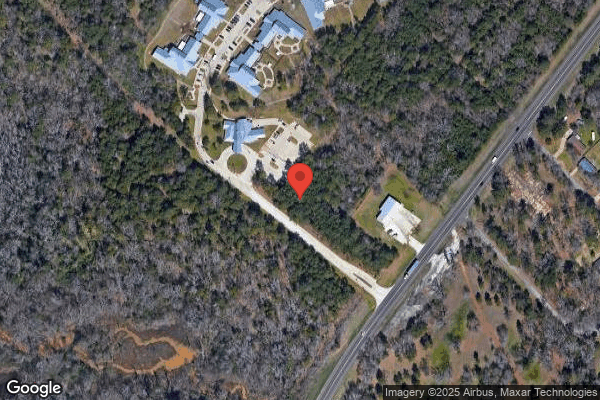
Mar 2023 6 deficiencies
CONCERN (D)

Potential for Harm - no one hurt, but risky conditions existed

Deficiency F0655 (Tag F0655)

Could have caused harm · This affected 1 resident

**NOTE- TERMS IN BRACKETS HAVE BEEN EDITED TO PROTECT CONFIDENTIALITY** Based on record review and interview the facility failed to develop and implement a baseline care plan which includes the instru...

Read full inspector narrative →
**NOTE- TERMS IN BRACKETS HAVE BEEN EDITED TO PROTECT CONFIDENTIALITY** Based on record review and interview the facility failed to develop and implement a baseline care plan which includes the instructions needed to provide effective and person-centered care of the resident that meet professional standards of quality care for 1 resident (Resident #300) reviewed for baseline care plans. The facility did not develop a baseline care plan for Resident #300. This failure could affect newly admitted residents and place them at risk of not receiving continuity of care and communication among nursing home staff to ensure their immediate care needs are met. The findings included: Record Review of Resident #300's admission record revealed an admission date of 02/26/2023 with a principal diagnosis: Benign Prostatic hyperplasia with lower Urinary tract symptoms, personal History of Urinary tract infections, Acute Kidney Injury. Record review of Resident #300's MDS assessment dated [DATE] revealed a BIMS Summary Score of 00 (severely impaired cognition). Record review of Resident #300's medical record revealed Resident #300 did not have a Baseline care plan. During an interview on 3/21/2023 at 1:55 PM., the MDS Coordinator, stated Resident #300's Base Line care plan was not done and stated she would check with the DON to make sure it was not completed. During an interview on 3/21/2023 at 2:10 PM, the MDS Coordinator states she checked with the DON and was confirmed that the Base Line care plan was not done, when asked who was responsible for doing that care plan, she said the admission RN During an interview on 3/22/2023 at 10:45AM. the DON stated Resident #300's Base Line Care Plan was not done, and should have been done within 24 hours of admission, she said the Resident #300 was admitted on a Sunday and the RN supervisor was to do the admission Care Plan, then the DON said she went on vacation and did not follow up on care plans. She was asked how you normally catch this, the DON said she has a check list to check that nursing has entered their plan. Record review of the facility's policy titled Base Line Care Plans dated November 2017 revealed: BASELINE CARE PLAN POLICY DATED: NOVEMBER 2017 Policy: The facility will develop and implement a baseline care plan for each resident in order to provide effective and person-centered care of the resident. Responsibility: Licensed Nurse Purpose: To provide an interdisciplinary resident centered care plan to meet the initial needs of the resident involving the resident and/or representative. Procedure: 1. The baseline care plan will: a. Be developed within 24 hours of the residents' s admission b. Include the minimum healthcare information necessary to properly care for a resident including but not limited to: i. Initial goals based on admission orders ii. Physicians orders iii. Dietary orders iv. Therapy services v. Social Services vi. PASARR recommendation, if applicable 2. The facility must provide the resident and/or their representative with a copy of the baseline care plan that includes but is not limited to: a. The initial goals of the resident b. A copy of the resident's medications, dietary orders and other services or treatments to be administered. c. Any services and treatments to be administered by the facility and personnel acting on behalf of the facility d. Any updated information based on the details of the comprehensive care plan, as necessary.
CONCERN (D)

Potential for Harm - no one hurt, but risky conditions existed

Comprehensive Care Plan (Tag F0656)

Could have caused harm · This affected 1 resident

**NOTE- TERMS IN BRACKETS HAVE BEEN EDITED TO PROTECT CONFIDENTIALITY** Based on interview and record review, the facility failed to develop and implement a comprehensive person-centered care plan tha...

Read full inspector narrative →
**NOTE- TERMS IN BRACKETS HAVE BEEN EDITED TO PROTECT CONFIDENTIALITY** Based on interview and record review, the facility failed to develop and implement a comprehensive person-centered care plan that included measurable objectives and timeframes to meet a resident's medical, nursing, mental, and psychosocial needs for 1 resident (Resident #300) reviewed for care plans in that: Residents #300 care plans did not implement a person-centered individualized care plan in that: a. Resident #300 diagnosis of Acute Kidney Disease was not addressed in the care plan. b. Resident #300 received pain medications with pain not addressed in the care plan. c. Resident #300's diagnosis of Urinary Tract Infection was not addressed in the care plan. d. Resident #300's care plan did not address the use of Foley Catheter. e. Resident #300's care plan did not address Benign Prostatic hyperplasia This failure could place resident at risk of receiving inadequate interventions not individualized to their care needs. Findings included: During an interview on 3/22/2023 at 10:45AM. the DON stated Resident #300's Comprehensive Care Plan was not done and should have been done within 24 hours of admission, she said the Resident #300 was admitted on a Sunday and the RN supervisor was to do the Care Plan, then the DON said she went on vacation and did not follow up on care plansto see if Care plans were done nor updated. She was asked how you normally catch this, the DON said she has a check list to check that nursing has entered their plan and she failed to follow up. The DON said this was bottom line her responsibility to make sure this was completed. Record Review of Resident #300's admission record revealed an admission date of 02/26/2023 with a principal diagnoses of: Benign Prostatic hyperplasia with lower Urinary tract symptoms, personal History of Urinary tract infections, and Acute Kidney Injury. Record review of Resident #300's MDS assessment dated [DATE] revealed a BIMS Summary Score of 00 (severely impaired cognition). Record review of Resident #300's medical record revealed Resident #300 did not have a Comprehensive care plan. Record Review of the facillity: BASELINE CARE PLAN POLICY DATED: NOVEMBER 2017 Policy: The facility will develop and implement a baseline care plan for each resident in order to provide effective and person-centered care of the resident. Responsibility: Licensed Nurse Purpose: To provide an interdisciplinary resident centered care plan to meet the initial needs of the resident involving the resident and/or representative. Procedure: 1. The baseline care plan will: a. Be developed within 24 hours of the residents' s admission b. Include the minimum healthcare information necessary to properly care for a resident including but not limited to: i. Initial goals based on admission orders ii. Physicians orders iii. Dietary orders iv. Therapy services v. Social Services vi. PASARR recommendation, if applicable 2. The facility must provide the resident and/or their representative with a copy of the baseline care plan that includes but is not limited to: a. The initial goals of the resident b. A copy of the resident's medications, dietary orders and other services or treatments to be administered. c. Any services and treatments to be administered by the facility and personnel acting on behalf of the facility d. Any updated information based on the details of the comprehensive care plan, as necessary. Record review of the facility's policy titled Comprehensive Care Plans dated June 2019 revealed: Care Plan Comprehensive Policy: 1. To develop a comprehensive resident person centered care plan. Responsibility: Licensed Nurses. Purpose: To develop an interdisciplinary resident centered comprehensive care plan to meet the individual needs of each resident. Procedure: 1. An interdisciplinary team develops and maintains a comprehensive care plan for each resident 2. The comprehensive care plan has been designed to: a. Identify care needs that include resident's strengths, history, and preferences b. Incorporate risk factors c. Establish goals in measurable outcomes d. Include individualized approaches to meet residents' goals 3. The resident comprehensive care plan is developed within seven (7) days after the completion of the MDS assessment. New residents will have a comprehensive care plan within seven (7) days after the completions of the MDS assessment, not to exceed (21) days from the date of admission a. Care plans are revised as changes are indicated b. Review of the care plan is made with each comprehensive and quarterly assessment. 4. The facility supports the residents' right to be informed of and participate in their care plan with the resident and/or representative.
CONCERN (D)

Potential for Harm - no one hurt, but risky conditions existed

Deficiency F0657 (Tag F0657)

Could have caused harm · This affected 1 resident

**NOTE- TERMS IN BRACKETS HAVE BEEN EDITED TO PROTECT CONFIDENTIALITY** Based on observation, interview, and record review, the facility's interdisciplinary team failed to review and revise all reside...

Read full inspector narrative →
**NOTE- TERMS IN BRACKETS HAVE BEEN EDITED TO PROTECT CONFIDENTIALITY** Based on observation, interview, and record review, the facility's interdisciplinary team failed to review and revise all residents' care plans after each comprehensive and quarterly review assessments for one (Resident #300) of four residents reviewed for comprehensive care plans. The facility failed to revise Resident #300's care plan to reflect the Foley Catheter. This deficient practice could place the residents at risk of not receiving the care and services required. The findings included: Record review of Resident #300's care plan dated 2/23/2023, did not reveal in part, [Resident #300 any evidence of Resident #300 having a Foley catheter. Record Review of Resident #300's admission record revealed an admission date of 02/26/2022 with principal diagnoses of: Benign Prostatic hyperplasia with lower Urinary tract symptoms, personal History of Urinary tract infections, Acute Kidney Injury. Record review of Resident #300's MDS assessment dated [DATE] revealed a BIMS Summary Score of 00 (severely impaired cognition). Record review of Resident #300's physician order dated 3/10/2023 revealed orders for Foley catheter care with perineal wipes and/or soap and water Q SHIFT and PRN, Empty Foley catheter and record urine output q shift Observation on 3/20/2023 at10:40 AM, revealed Resident #300 was observed in his room with Foley Catheter bag in his lap. Observation on 3/21/2023 at 9:15 AM Resident #300 was observed in bed with Foley Catheter Bag attached to side of his bed. Observation on 3/22/2023 at 10:35 AM resident had been transferred to ER local hospital on 3/21/2023 at 19:55 PM for change in condition. During an interview on 3/21/2023 at 1:55 PM., the MDS Coordinator, stated Resident #300's admission care plan was not done and stated she would check with the DON to make sure it was not completed. During an interview on 3/21/2023 at 2:10 PM, the MDS Coordinator stated she checked with the DON and was confirmed that the admission care plan was not done, when asked who is responsible for doing that care plan, she said the admission RN During an interview on 3/22/2023 at 10:45AM. the DON stated Resident #300's Comprehensive Care Plan was not done. She said the Resident #300 was admitted on a Sunday and the RN supervisor was to do the admission Care Plan, then the DON said she went on vacation and did not follow up on care plans. She was asked how she normally caught missed care plans , the DON said she has a check list to check that nursing has entered their plans which are to be completed in 7 days. Record review of the facility's policy titled Comprehensive Care Plans dated June 2019 revealed: Care Plan Comprehensive Policy: To develop a comprehensive resident person centered care plan. Responsibility: Licensed Nurses. Purpose: To develop an interdisciplinary resident centered comprehensive care plan to meet the individual needs of each resident. Procedure: 1. An interdisciplinary team develops and maintains a comprehensive care plan for each resident 2. The comprehensive care plan has been designed to : a. Identify care needs that include resident's strengths, history, and preferences b. Incorporate risk factors c. Establish goals in measurable outcomes d. Include individualized approaches to meet residents' goals 3. The resident comprehensive care plan is developed within seven (7) days after the completion of the MDS assessment. New residents will have a comprehensive care plan within seven (7) days after the completions of the MDS assessment, not to exceed (21) days from the date of admission a. Care plans are revised as changes are indicated b. Review of the care plan is made with each comprehensive and quarterly assessment. 4. The facility supports the residents' right to be informed of and participate in their care plan with the resident and/or representative BASELINE CARE PLAN POLICY DATED: NOVEMBER 2017 Policy: The facility will develop and implement a baseline care plan for each resident in order to provide effective and person-centered care of the resident. Responsibility: Licensed Nurse Purpose: To provide an interdisciplinary resident centered care plan to meet the initial needs of the resident involving the resident and/or representative. Procedure: 1. The baseline care plan will: a. Be developed within 24 hours of the residents' s admission b. Include the minimum healthcare information necessary to properly care for a resident including but not limited to: i. Initial goals based on admission orders ii. Physicians orders iii. Dietary orders iv. Therapy services v. Social Services vi. PASRR recommendation, if applicable 2. The facility must provide the resident and/or their representative with a copy of the baseline care plan that includes but is not limited to: a. The initial goals of the resident b. A copy of the resident's medications, dietary orders and other services or treatments to be administered. c. Any services and treatments to be administered by the facility and personnel acting on behalf of the facility d. Any updated information based on the details of the comprehensive care plan, as necessary.
CONCERN (D)

Potential for Harm - no one hurt, but risky conditions existed

Tube Feeding (Tag F0693)

Could have caused harm · This affected 1 resident

**NOTE- TERMS IN BRACKETS HAVE BEEN EDITED TO PROTECT CONFIDENTIALITY** Based on observation, interview, and record review, the facility failed to ensure 1 of 4 residents reviewed for gastrostomy tube...

Read full inspector narrative →
**NOTE- TERMS IN BRACKETS HAVE BEEN EDITED TO PROTECT CONFIDENTIALITY** Based on observation, interview, and record review, the facility failed to ensure 1 of 4 residents reviewed for gastrostomy tubes (Resident # 59) received proper tube care during administration of medications. The facility failed to follow their policy for administering medications via gastrostomy tube and used an unauthorized instrument to de-clog a feeding tube. This failure could place the resident at risk for not receiving his medication dose as ordered and at risk for a punctured gastrostomy tube and possible leakage of medications, formula, and/or water into the abdominal cavity. Findings included: During observation of medication administration and interview on 03/21/2023 at 11:35 AM, LVN A used a 60 cc (centimeter) syringe to aspirate a scant amount of stomach contents from Resident # 59's gastrotomy tube and then gently push it back into the stomach. LVN A did not auscultate the abdomen for bowel sounds nor did she check placement by auscultating the abdomen while instilling air into the tubing prior to aspiration of stomach contents. LVN A disconnected the syringe from the tubing port, pulled 30 ccs of water into the syringe, inserted the syringe tip into the tube port, and using the syringe plunger, pushed the water into the tube. LVN A disconnected the syringe from the tube port, removed the plunger from the syringe, and re-inserted the syringe tip into the tube port. The nurse then poured the medication (gabapentin 6 ccs) mixed with a small amount of water into the syringe. The liquid did not drain from the syringe, indicating the gastric tube was clogged. After several attempts of repositioning and massaging the tube, LVN A said, If this doesn't work, I'll get the de-clogger. The nurse separated the syringe from the tube, spilling some of its liquid content and then emptied the liquid remaining in the syringe into a medicine cup. LVN A walked over to Resident # 59's locked medication storage cabinet and obtained a sealed package containing an enteral feeding tube de-clogger. LVN A inserted the de-clogger into the feeding tube, rotated it in a back and forth and up and down motion several times and then removed the tool from the tube. LVN A then inserted the open syringe into the tube port, poured the medication mixture into the tube and followed it with 30 ccs water. By gravity flow, the medicine and water drained from the syringe into the stomach. During an interview on 03/21/2023 at 11:42, LVN A said the nurses use the de-clogger tool when repositioning or massaging the tube does not unclog the tube. A review of Resident #59's progress notes for the month of March 2023 indicated no documentation of any difficulty with administering medications, formula, or water via the gastric tube, nor if the physician was aware of any difficulty, nor of use of a de-clogger tool. A review of Resident #59's face sheet and physician orders dated 06/24/2021 indicated the resident was admitted to the facility on [DATE] with diagnoses including stroke and gastrostomy tube placement. A review of Resident #59's physician's orders dated March 2023 included an order written on 06/24/2021 for the gastric tube to be checked every shift by auscultation prior to meds, formula, and water flushes. A review of Resident #59's consolidated physician orders dated March 2023 indicated there was no physician's order for use of a de-clogger tool to open a clogged enteral feeding tube. During an interview on 03/22/2023 at 10:55 AM, the RN Consultant stated the facility did not have a policy regarding use of a gastric tube de-clogger tool. She said, We are not supposed to be using them. She said she did not know how the de-clogger tools had come to be present at the facility and the facility was removing the tool from the medical supply formulary. During an interview on 03/22/2023 at 04:22 PM, LVN B said she would roll the gastric tube between her fingers to unclog it and if that did not work, we have a de-clogger we can use. During the exit conference on 03/22/23, the DON said the de-clogger tools had been removed from the facility and were no longer available for use.
CONCERN (D) 📢 Someone Reported This

A family member, employee, or ombudsman was alarmed enough to file a formal complaint

Potential for Harm - no one hurt, but risky conditions existed

Pharmacy Services (Tag F0755)

Could have caused harm · This affected 1 resident

Based on observation, interview and record review the facility failed to provide pharmaceutical services including procedures that assure the accurate acquiring, receiving, dispensing, and administeri...

Read full inspector narrative →
Based on observation, interview and record review the facility failed to provide pharmaceutical services including procedures that assure the accurate acquiring, receiving, dispensing, and administering of all drugs and biologicals for 1 of 2 medication carts (B-House Nurse medication cart) and 1 of 10 medication storage rooms (Resident #84's room) reviewed for labeling and storage. The facility failed to remove expired Lorazepam 0.5 mg tablets with an expiration date 02/27/23 from the nurse medication cart in B-House and expired Valsartan 80 mg tablets with an expiration date 11/10/22 from Resident #84's locked medication storage cabinet in her room. This deficient practice could place residents at risk for receiving outdated medications and could result in residents not receiving the intended therapeutic effects of their medications causing a health decline. Findings include: During an observation and interview on 03/21/23 at 2:31 p.m., the B-House nurse medication cart had a bubble packaged card of Lorazepam 0.5 mg tablets (11 tablets) with an expiration date of 02/27/23 inside the narcotic box for Resident #40. LVN C said the medication was expired and should have been removed from the medication cart by the nurse and DON since the medication was narcotic. LVN C said she would contact the DON. LVN C said nurses are responsible for checking medication expiration dates and removing them from the medication cart. LVN C said a residents who are administered expired medications were at risk of not receiving the intended therapeutic effect or having an adverse reaction from it. During an observation and interview on 03/22/23 at 11:17 a.m., Resident #84's locked medication storage cabinet in her room had a bottle of Valsartan 160 mg tablets with an expiration date of 11/10/22. LVN C said the medication was expired and should have been removed from Resident #84's storage cabinet. LVN C said she did not think to check the expiration date because Resident #84 received the medication at bedtime during the evening shift. During an interview on 03/22/23 at 2:34 p.m., the DON said the nurses were responsible for checking every medication's expiration date before administering them to the residents. The DON said she was unaware there was expired Lorazepam on the medication cart for Resident #40 and expired Valsartan in Resident #84's locked medication storage cabinet. The DON said she expected the nurses to remove all expired medications and contact her when the medication is a narcotic so she could remove it for drug destruction. The DON said residents who are administered expired medications were at risk of not receiving the intended therapeutic effect or having an adverse reaction from it. Record review of the facility's Storage and Expiration Dating of Medications, Biologicals revised 01/01/22 indicated, .4. Facility should ensure that medications and biologicals that: (1.) have an expired date on the label .are stored separate from other medications until destroyed or returned to the pharmacy or supplier .
CONCERN (D)

Potential for Harm - no one hurt, but risky conditions existed

Medication Errors (Tag F0758)

Could have caused harm · This affected 1 resident

**NOTE- TERMS IN BRACKETS HAVE BEEN EDITED TO PROTECT CONFIDENTIALITY** Based on interviews and record review the facility failed to ensure residents who use psychotropic drugs receive gradual dose re...

Read full inspector narrative →
**NOTE- TERMS IN BRACKETS HAVE BEEN EDITED TO PROTECT CONFIDENTIALITY** Based on interviews and record review the facility failed to ensure residents who use psychotropic drugs receive gradual dose reductions in an effort to discontinue these drugs for 1 of 6 (Resident #58) reviewed for unnecessary medications. The facility failed to ensure Resident #58 received a gradual dose reduction of his anti-anxiety medication. This failure could place residents at risk for receiving unnecessary psychotropic medications and an increased risk for adverse effects from psychotropic medications. The findings included: Record review of Resident #58's face sheet, dated 03/22/23, revealed he was a [AGE] year-old male who admitted to the facility on [DATE] with diagnoses of Alzheimer's disease (brain disease that affects memory, thinking and behavior), dementia (affects the brain's ability to think, remember, and function normally), and anxiety disorder (the mind and body's reaction to stressful, dangerous, or unfamiliar situations characterized by the sense of uneasiness, distress, or dread before a significant event). Record review of Resident #58's MDS assessment, dated 01/17/23, indicated he had a BIMS score of 03, which indicated severe cognitive impairment. Resident #58 felt tired or little energy nearly every day and had a mood score of 6, which indicated mild depression. Resident #58 received antianxiety medication during the last 7 days. Record review of Resident #58's comprehensive care plan, last revised 05/02/22, indicated Resident #58 had anxiety and was on antianxiety medication (lorazepam). Interventions included: administer medications as ordered, psychoactive medication evaluation as facility protocol and routine pharmacy consults. Record review of Resident #58's physician's order summary report, dated 03/22/23, revealed an order for lorazepam 0.25 mg by mouth one time a day for anxiety and lorazepam 0.5 mg by mouth one time a day for anxiety both ordered on 07/22/22. Record review of a pharmacy consultation report dated 01/23/23 indicated Resident #58 had been receiving Lorazepam 0.25 mg in the morning and 0.5 mg at bedtime since 07/22/22. The pharmacist recommended a gradual dose reduction of Lorazepam to 0.25 mg by mouth twice a day. The Nurse Practitioner agreed with recommendation. The pharmacy consultation report was signed and dated by the Nurse Practitioner on 02/10/23. Record review of Resident #58's medication administration record for February 2023 and March 2023, indicated he received 0.5 mg at bedtime on 02/10/23 through 03/21/23. During an interview on 03/22/23 at 2:34 PM, the DON said the charge nurse was responsible for putting medication orders in the electronic charting system. The DON said the nurse practitioner signed and approved the pharmacist's recommendation to decrease Resident #58's Lorazepam. The DON said Resident #58's Lorazepam order was not entered into the electronic charting system and placed him at risk for receiving unnecessary medications. The DON said the pharmacy consultation reports are kept in the pharmacy binder and were reviewed by the ADON, medication nurse, and herself. The DON said she did not review Resident #58's pharmacy consultation report and was unsure if the ADON or medication nurse had. The DON said she was unsure why the order did not get entered and to prevent this from again the ADON, medication nurse and herself will be responsible for entering in any new approved pharmacist recommendations. The DON said she would enter and change Resident #58's order to decrease his Lorazepam and notify the charge nurse of the change. The DON said she would complete a full audit of the pharmacy consult reports for the past two months to ensure all approved recommendations have been ordered. Record review of the facility's Antipsychotic Drugs policy revised 10/2022 indicated, .Purpose: To ensure each resident's drug regimen is free from unnecessary drugs, including unnecessary antipsychotic drugs. Procedure: The facility will adhere to antipsychotic drug guidelines related to the following: .Antipsychotic gradual dose reduction (GDR)- Dose reductions will occur in modest increments over adequate periods of time to minimize withdrawal symptoms and to monitor symptom recurrence unless clinically contraindicated . Record review of the facility's Antipsychotic Drug Guidelines revised 06/2016 indicated, .3. Antipsychotic drug dose reduction A. Residents who use antipsychotic drugs will receive gradual dose reduction, unless clinically contraindicated, in an effort to discontinue use of these drugs .D. Each resident will receive the lowest possible dose and for the shortest period of time necessary for treating his or her condition .4. With the physician as the leader, and in collaboration with a pharmacist and other members of the interdisciplinary team, each resident's drug regimen will be reviewed on an ongoing basis, taking into consideration the following elements: Dose, Duration of use, Presence of adverse consequences which indicate the dose should be reduced or discontinued .
Understanding Severity Codes (click to expand)
Life-Threatening (Immediate Jeopardy)
J - Isolated K - Pattern L - Widespread
Actual Harm
G - Isolated H - Pattern I - Widespread
Potential for Harm
D - Isolated E - Pattern F - Widespread
No Harm (Minor)
A - Isolated B - Pattern C - Widespread

Questions to Ask on Your Visit

  • "What changes have you made since the serious inspection findings?"
  • "Can I speak with families of current residents?"
  • "What's your RN coverage like on weekends and overnight?"

Our Honest Assessment

Strengths
  • • 35% turnover. Below Texas's 48% average. Good staff retention means consistent care.
Concerns
  • • Multiple safety concerns identified: 3 life-threatening violation(s), $214,759 in fines. Review inspection reports carefully.
  • • 17 deficiencies on record, including 3 critical (life-threatening) violations. These warrant careful review before choosing this facility.
  • • $214,759 in fines. Extremely high, among the most fined facilities in Texas. Major compliance failures.
  • • Grade F (14/100). Below average facility with significant concerns.
Bottom line: This facility has 3 Immediate Jeopardy findings. Serious concerns require careful evaluation.

About This Facility

What is Watkins-Logan-Garrison Texas State Veteran'S Home's CMS Rating?

CMS assigns WATKINS-LOGAN-GARRISON TEXAS STATE VETERAN'S HOME an overall rating of 3 out of 5 stars, which is considered average nationally. Within Texas, this rating places the facility higher than 99% of the state's 100 nursing homes. This mid-range rating indicates the facility meets federal standards but may have areas for improvement.

How is Watkins-Logan-Garrison Texas State Veteran'S Home Staffed?

CMS rates WATKINS-LOGAN-GARRISON TEXAS STATE VETERAN'S HOME's staffing level at 4 out of 5 stars, which is above average compared to other nursing homes. Staff turnover is 35%, compared to the Texas average of 46%. This relatively stable workforce can support continuity of care. RN turnover specifically is 60%, which is notably high. RNs provide skilled clinical oversight, so turnover in this role can affect medical care quality.

What Have Inspectors Found at Watkins-Logan-Garrison Texas State Veteran'S Home?

State health inspectors documented 17 deficiencies at WATKINS-LOGAN-GARRISON TEXAS STATE VETERAN'S HOME during 2023 to 2025. These included: 3 Immediate Jeopardy (the most serious level, indicating potential for serious harm or death) and 14 with potential for harm. Immediate Jeopardy findings are rare and represent the most serious regulatory concerns. They require immediate corrective action.

Who Owns and Operates Watkins-Logan-Garrison Texas State Veteran'S Home?

WATKINS-LOGAN-GARRISON TEXAS STATE VETERAN'S HOME is owned by a for-profit company. For-profit facilities operate as businesses with obligations to shareholders or private owners. The facility is operated by TEXVET, a chain that manages multiple nursing homes. With 100 certified beds and approximately 98 residents (about 98% occupancy), it is a mid-sized facility located in TYLER, Texas.

How Does Watkins-Logan-Garrison Texas State Veteran'S Home Compare to Other Texas Nursing Homes?

Compared to the 100 nursing homes in Texas, WATKINS-LOGAN-GARRISON TEXAS STATE VETERAN'S HOME's overall rating (3 stars) is above the state average of 2.8, staff turnover (35%) is significantly lower than the state average of 46%, and health inspection rating (3 stars) is at the national benchmark.

What Should Families Ask When Visiting Watkins-Logan-Garrison Texas State Veteran'S Home?

Based on this facility's data, families visiting should ask: "What changes have been made since the serious inspection findings, and how are you preventing similar issues?" "Can I visit during a mealtime to observe dining assistance and food quality?" "How do you handle medical emergencies, and what is your hospital transfer rate?" "Can I speak with family members of current residents about their experience?" These questions are particularly relevant given the facility's Immediate Jeopardy citations.

Is Watkins-Logan-Garrison Texas State Veteran'S Home Safe?

Based on CMS inspection data, WATKINS-LOGAN-GARRISON TEXAS STATE VETERAN'S HOME has documented safety concerns. Inspectors have issued 3 Immediate Jeopardy citations (the most serious violation level indicating risk of serious injury or death). The facility has a 3-star overall rating and ranks #1 of 100 nursing homes in Texas. Families considering this facility should ask detailed questions about what corrective actions have been taken since these incidents.

Do Nurses at Watkins-Logan-Garrison Texas State Veteran'S Home Stick Around?

WATKINS-LOGAN-GARRISON TEXAS STATE VETERAN'S HOME has a staff turnover rate of 35%, which is about average for Texas nursing homes (state average: 46%). Moderate turnover is common in nursing homes, but families should still ask about staff tenure and how the facility maintains care continuity when employees leave.

Was Watkins-Logan-Garrison Texas State Veteran'S Home Ever Fined?

WATKINS-LOGAN-GARRISON TEXAS STATE VETERAN'S HOME has been fined $214,759 across 2 penalty actions. This is 6.1x the Texas average of $35,226. Fines at this level are uncommon and typically indicate a pattern of serious deficiencies, repeated violations, or failure to correct problems promptly. CMS reserves penalties of this magnitude for facilities that pose significant, documented risk to resident health or safety. Families should request specific documentation of what issues led to these fines and what systemic changes have been implemented.

Is Watkins-Logan-Garrison Texas State Veteran'S Home on Any Federal Watch List?

WATKINS-LOGAN-GARRISON TEXAS STATE VETERAN'S HOME is not on any federal watch list. The most significant is the Special Focus Facility (SFF) program, which identifies the bottom 1% of nursing homes nationally based on persistent, serious quality problems. Not being on this list means the facility has avoided the pattern of deficiencies that triggers enhanced federal oversight. This is a positive indicator, though families should still review the facility's inspection history directly.