North Pointe Nursing and Rehabilitation
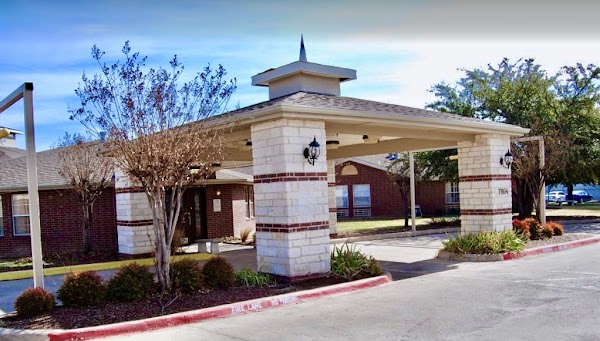
7804 Virgil Anthony Blvd, Watauga, TX 76148 (817) 498-7220
For profit - Individual 126 Beds CREATIVE SOLUTIONS IN HEALTHCARE Data: November 2025 8 Immediate Jeopardy citations
Trust Grade
0/100
#1055 of 1168 in TX
Last Inspection: April 2025

Within standard 12-15 month inspection cycle. Federal law requires annual inspections.

Overview

North Pointe Nursing and Rehabilitation has received a Trust Grade of F, indicating significant concerns about the care provided. With a state rank of #1055 out of 1168 facilities in Texas and #64 out of 69 in Tarrant County, it is in the bottom half of nursing homes, suggesting limited options for improvement. The facility's situation is worsening, with the number of issues increasing from 11 in 2024 to 12 in 2025. Staffing is rated poorly at 1 out of 5 stars, and while turnover is average at 59%, the facility has less RN coverage than 81% of Texas nursing homes, which could impact the quality of care. Additionally, there have been critical incidents, including a resident eloping from the facility due to inadequate supervision and another resident being physically assaulted, raising serious concerns about the safety and well-being of residents.
Trust Score
F
0/100
In Texas
#1055/1168
Bottom 10%
Safety Record
High Risk
Review needed
Inspections
Getting Worse
11 → 12 violations
Staff Stability
⚠ Watch
59% turnover. Above average. Higher turnover means staff may not know residents' routines.
Penalties
○ Average
$135,254 in fines. Higher than 60% of Texas facilities. Some compliance issues.
Skilled Nurses
⚠ Watch
Each resident gets only 15 minutes of Registered Nurse (RN) attention daily — below average for Texas. Fewer RN minutes means fewer trained eyes watching for problems.
Violations
⚠ Watch
33 deficiencies on record. Higher than average. Multiple issues found across inspections.
★☆☆☆☆
1.0
Overall Rating
★☆☆☆☆
1.0
Staff Levels
★★★★☆
4.0
Care Quality
★☆☆☆☆
1.0
Inspection Score
Stable
2024: 11 issues
2025: 12 issues

The Good

  • 4-Star Quality Measures · Strong clinical quality outcomes
  • Full Sprinkler Coverage · Fire safety systems throughout facility
  • No fines on record

Facility shows strength in quality measures, fire safety.

The Bad

1-Star Overall Rating

Below Texas average (2.8)

Significant quality concerns identified by CMS

Staff Turnover: 59%

13pts above Texas avg (46%)

Frequent staff changes - ask about care continuity

Federal Fines: $135,254

Well above median ($33,413)

Significant penalties indicating serious issues

Chain: CREATIVE SOLUTIONS IN HEALTHCARE

Part of a multi-facility chain

Ask about local staffing decisions and management

Staff turnover is elevated (59%)

11 points above Texas average of 48%

The Ugly 33 deficiencies on record

8 life-threatening 1 actual harm
Sept 2025 1 deficiency 1 IJ (1 affecting multiple)
CRITICAL (K) 📢 Someone Reported This

A family member, employee, or ombudsman was alarmed enough to file a formal complaint

Immediate Jeopardy (IJ) - the most serious Medicare violation

Accident Prevention (Tag F0689)

Someone could have died · This affected multiple residents

**NOTE- TERMS IN BRACKETS HAVE BEEN EDITED TO PROTECT CONFIDENTIALITY** Based on observations, interviews, and record reviews, the facility failed to ensure residents received adequate supervision and...

Read full inspector narrative →
**NOTE- TERMS IN BRACKETS HAVE BEEN EDITED TO PROTECT CONFIDENTIALITY** Based on observations, interviews, and record reviews, the facility failed to ensure residents received adequate supervision and assistive devices to prevent accidents for two of five residents (Resident #1 and Resident #2) reviewed for supervision. 1.) The facility failed to ensure Resident #1 was adequately supervised in order to prevent her from eloping from the facility. Resident #1, who was known to have confusion and wandering behaviors, first exited from an exterior door of the facility on 04/01/25. The facility failed to provide adequate supervision, and Resident #1 eloped from the facility on 09/06/25. 2.) The facility failed to ensure the Wander Guard system (an electronic system that could trigger alarms and lock monitored doors to prevent a resident from leaving unattended) utilized for Resident #2 was in proper working order. An Immediate Jeopardy (IJ) was identified on 09/10/25 at 1:50PM. The IJ template was provided to the facility on [DATE] at 2:08PM. While the IJ was removed on 09/11/25, the facility remained out of compliance at a severity level of no actual harm with the potential for more than minimal harm and a scope of pattern due to the facility still monitoring the effectiveness of their Plan of Removal. This failure placed residents at risk for not being adequately supervised and the potential for serious injury and/or death.Findings included: 1.) Record review of Resident #1's Face Sheet, dated 09/10/25, reflected she was an [AGE] year-old female, who was admitted to the facility on [DATE], with diagnoses including vascular dementia (a general term describing problems with reasoning, planning, judgment, memory and other thought processes caused by brain damage from impaired blood flow to your brain) and repeated falls (a personal history of falls). Resident #1 was discharged from the facility on 09/07/25. Record review of Resident #1's MDS Assessment, dated 07/09/25, reflected she had a BIMS score of 04, indicating she had severe cognitive impairment. She was not documented as utilizing a wandering/elopement alarm at the time of the assessment. Resident #1 was identified as being able to walk 150 feet independently. The MDS Assessment reflected she had not displayed any recent wandering behaviors. Record review of Resident #1's Care Plan, dated 07/09/25, reflected an identified focus area of being at-risk for wandering (initiation date 12/31/24, revision date 01/14/25). Goals included for Resident #1's safety to be maintained and for Resident #1 not to leave the facility unattended. Identified interventions included assessing Resident #1 for her risk of falls, distracting Resident #1 from wandering by offering pleasant diversions (structured activities, food, conversation, television, books), identifying a pattern for wandering, staying with Resident #1 and notifying the Charge Nurse if she was exit seeking, monitoring Resident #1 for fatigue and weight loss, and providing structured activities (toileting, walking inside and outside, reorientation strategies including signs, pictures, and memory boxes). Record review of Resident #1's Progress Notes, dated 04/01/25, reflected, .Resident disoriented but easily redirected opened door which activated the alarm. Staff immediately followed resident and walked with resident and assisted her back inside the facility. Resident stated she was searching for her car. Resident assisted back to her room. Record review of Resident #1's Elopement Risk Assessment, dated 04/01/25 (following the wandering/elopement incident), reflected she scored a 12.0, indicating she was at an increased risk for elopement. Record review of Resident #1's Elopement Risk Assessment, dated 07/02/25, reflected she scored a 20.0, indicating she was at an increased risk for elopement. Record review of an Event Report for Resident #1, dated 09/06/25, reflected, .Resident was found outside the facility after exiting through the 200 hall door. Resident was located in the front parking lot between two vehicles, on the ground. When asked, resident stated she was trying to get in her car. Assessment revealed no injuries. Resident was assisted to a standing position and ambulated back into the facility without difficulty. Record review of Resident #1's Progress Notes, dated 09/06/25 at 7:44PM, reflected, .The front and back door alarms were sounding, and staff initiated a search for residents. Resident was found outside the facility after exiting through the 200 hall door. Resident was located in the front parking lot between two vehicles, on the ground. When asked, resident stated she was trying to get in her car. Assessment revealed no injuries. Resident was assisted to a standing position and ambulated back into the facility without difficulty. Resident was redirected, and safety precautions were reinforced. Will continue to assess the resident closely for changes in condition, ensure door alarms remain functional, and notify the physician and family of the incident. Record review of Resident #1's Elopement Risk Assessment, dated 09/06/25 (following the wandering/elopement incident), reflected she scored a 26.0, indicating she was at an increased risk for elopement. Observation of the path from the exterior door on the 200 Hall to the front of the building in which Resident #1 was located (the path in which it was determined by the facility that Resident #1 walked, after she eloped from the building on 09/06/25) on 09/11/25 at 8:40AM revealed the path was approximately 150 feet in length. During an interview with the ADON on 09/10/25 at 11:22AM, she stated Resident #1 had a history of confusion, and it was not uncommon for her to sundown (a phenomenon where people with dementia or other cognitive impairments experience increased confusion, agitation, and other behavioral changes in the late afternoon and evening hours). The ADON stated Resident #1 had previously gone toward exterior doors before and had even opened an exterior door in the past, but she was always easily redirected. The ADON stated when Resident #1 previously opened an exterior door (04/01/25), a staff member had line-of-sight supervision of her and was able to redirect her back inside. The ADON stated on 09/06/25 at approximately 7:00PM, the front door alarm and the alarm from the exterior door on the 200 Hall were both sounding at the same time. She stated facility staff immediately responded to the alarms. The ADON stated she went outside via the exterior door on the 200 Hall and LVN A went outside via the front door; staff remaining inside were conducting a head count of residents. The ADON stated she did not immediately see anyone when she went outside, so she started to walk around the exterior of the building. When she arrived at the front of the building, she noted LVN A waving her hands and calling her (the ADON) over toward her. The ADON stated when she arrived to where LVN A was standing, she saw Resident #1 sitting between two cars, on the concrete ground. Resident #1 denied being injured and stated she was looking for her car. She was easily redirected and taken back inside of the facility. A head-to-toe assessment revealed no noted injuries. The Administrator was notified of the incident, and Resident #1 was placed on 1:1 supervision/monitoring until alternate placement could be located at a secured facility the following day. The ADON stated in total, it was about 2-3 minutes from the time the alarms went off until the time Resident #1 was located outside. Through the facility's investigation, it was determined that the front door alarm was sounding because the door had not adequately latched when a visitor had exited the building (a company came out and repaired the latch following the incident). Resident #1 exited through the exterior door of the 200 Hall, which was the reason for that alarm sounding. Following the incident, facility staff were in-serviced on abuse/neglect and elopement prevention/response. The ADON stated the risk of a resident eloping from the facility included the potential for injury. During an interview with LVN A on 09/10/25 at 11:36AM, she stated on 09/06/25 at approximately 7:00PM, the front door alarm started sounding. When staff attempted to immediately disarm the alarm, it was noted that the alarm from the exterior door on the 200 Hall was also sounding. LVN A stated the sound from the front door alarm was overpowering the sound of the alarm from the exterior door on the 200 Hall. Upon realizing that the exterior door on the 200 Hall was also sounding, LVN A said she immediately questioned to available staff, Where is [Resident #1]? LVN A stated this was her first thought because she knew Resident #1 had a history of sundowning, packing up her belongings, and attempting to exit from the exterior door on the 200 Hall. LVN A stated she went to Resident #1's room and noticed the top drawer of her dresser was out (as though she was potentially packing up her belongings), and she was not in the restroom. LVN A stated she immediately went outside and started searching for Resident #1. She found Resident #1 in the front of the building, sitting between two parked cars. Resident #1 was confused; she stated she had found her car and was trying to get in it. LVN A stated she waved facility staff over toward her and Resident #1 was assisted back inside the building. She was clearly confused but had no signs of injury. She was placed on 1:1 supervision/monitoring until alternate placement could be located the following day. LVN A stated facility staff were in-serviced on abuse/neglect and elopement prevention/response. She also stated the facility had the alarm system repaired, so the front door alarm no longer overpowered the other exterior door alarms. LVN A stated the risk of a resident eloping from the facility included the potential for injury. During an interview with the Administrator in Training on 09/10/25 at 11:44AM, she stated Resident #1 had a history of wandering and sundowning; she had also previously exited from an exterior door (04/01/25). The Administrator in Training stated the facility's policy was to find alternate, secured placement for residents who began showing signs of exit-seeking behavior. She stated she was not sure why Resident #1 was allowed to stay at the facility following the incident in April of 2025; she believed it must have been because she was always easily redirected. The Administrator in Training stated she responded to the most recent incident involving Resident #1's elopement (09/06/25), as the Administrator was on leave at that time. The Administrator in Training stated she came to the facility following the incident, after she had been notified by the ADON that Resident #1 eloped. The Administrator in Training stated it was her understanding that Resident #1 eloped from the exterior door on the 200 Hall. She was found within just a few minutes by facility staff and was easily redirected and brought back inside the building. She denied the presence of pain and did not sustain any injuries. Her family and physician were notified of the incident. Resident #1 was placed on 1:1 supervision/monitoring until alternate placement could be located the following day. The Administrator in Training stated Resident #1 did not have a Wander Guard bracelet (an electronic device that could trigger alarms and lock monitored doors to prevent a resident from leaving unattended) at the time of the incident. The Administrator in Training stated there was one resident at the facility (Resident #2) who utilized a Wander Guard bracelet, but aside from that, the facility stopped ordering them. Following the incident, the Administrator in Training stated facility staff were in-serviced on abuse/neglect and elopement prevention/response. She also stated the facility had the alarm system repaired, so the front door alarm no longer overpowered the other exterior door alarms. During an interview with the Administrator on 09/10/25 at 12:05PM, she stated she was on leave when the incident involving Resident #1's elopement occurred (09/06/25). She stated the Administrator in Training responded to the incident. The Administrator stated Resident #1 initially admitted to the facility in December of 2024; she was very ambulatory, so she was placed on 1:1 supervision/monitoring to ensure she would adjust appropriately to the facility. She did not display any exit-seeking behaviors, so 1:1 supervision/monitoring was discontinued. She continued to reside at the facility without incident until 04/01/25, when she opened the exterior door on the 200 Hall. A staff member saw her open the door, walked with her and redirected her back inside. A staff member was with her at all times during that incident. The Administrator stated the incident was discussed amongst facility staff and they did not think Resident #1 was actually trying to elope from the building, so she was allowed to stay at the facility. She stated if a resident was truly trying to elope from the building, then that resident would be moved to a sister facility with a secured unit. The Administrator stated the facility was trying to get away from the use of Wander Guard bracelets, which was why Resident #1 did not have one at the time of the incident on 09/06/25. The Administrator stated the risk of a resident eloping from the facility included the potential for harm and/or death. 2.) Record review of Resident #2's Face Sheet, dated 09/10/25, reflected she was a [AGE] year-old female, who was admitted to the facility on [DATE], with diagnoses including dementia (a general term for loss of memory, language, problem-solving and other thinking abilities that are severe enough to interfere with daily life), vascular dementia (a general term describing problems with reasoning, planning, judgment, memory and other thought processes caused by brain damage from impaired blood flow to your brain), and anxiety disorder (a mental health disorder characterized by feelings of worry, anxiety, or fear that are strong enough to interfere with one's daily activities). Record review of Resident #2's MDS Assessment, dated 06/13/25, reflected she had a BIMS score of 03, indicating she had severe cognitive impairment. She was not documented as utilizing a wandering/elopement alarm at the time of the assessment. Resident #2 was identified as being able to walk 10 feet with partial/moderate assistance from staff. The MDS Assessment reflected she had not displayed any recent wandering behaviors. Record review of Resident #2's Care Plan, dated 07/01/25, reflected an identified focus area of being at-risk for injuries/elopement due to wandering behaviors and wandering with poor safety awareness. This focus area also identified Resident #2 as wearing a Wander Guard bracelet (initiation date 11/21/22, revision date 01/21/25). Goals included for Resident #2 to have no elopements/injuries due to wandering behaviors. Identified interventions included assessing Resident #2 for her risk of falls, distracting Resident #2 from wandering by offering pleasant diversions (structured activities, food, conversation, television), identifying a pattern for wandering, staying with Resident #2 and notifying the Charge Nurse if she was exit seeking, monitoring the placement of the Wander Guard bracelet each shift, and providing structured activities (toileting, walking inside and outside, reorientation strategies including signs, pictures, and memory boxes). Record review of Resident #2's Physician's Orders, dated 09/10/25, reflected, .Monitor Wander Guard to right lower leg for placement, function, and skin integrity every shift. The start date for this order was 10/18/24 and there was no set end date. Record review of Resident #2's September 2025 Medication Administration Record/Treatment Administration Record, dated 09/10/25, reflected facility staff documented confirming the placement, function, and skin integrity for Resident #2's Wander Guard bracelet every shift. Record review of Resident #2's Elopement Risk Assessment, dated 07/21/25, reflected she scored a 12.0, indicating she was at an increased risk for elopement. Record review of Resident #2's Elopement Risk Assessment, dated 09/06/25, reflected she scored an 11.0, indicating she was at an increased risk for elopement. Observation of Resident #2 on 09/10/25 at 11:55AM revealed she was wearing a Wander Guard bracelet on her ankle. Observation revealed the front door of the facility (the door which was equipped with a Wander Guard alarm system; all other exterior doors were fire alarm doors with controlled egress locks) did not automatically lock, as it should have, when Resident #2 was within one foot of the door. This occurred on two out of three attempts of verification of the functionality of the Wander Guard alarm system. The Administrator and the Administrator in Training both verified this observation. During an interview with the Administrator of 09/10/25 at 12:05PM, she stated she would ensure the Wander Guard alarm system was fixed today. She stated Resident #2 had been placed on 1:1 supervision/monitoring until it could be fixed. The Administrator stated she herself had verified the Wander Guard alarm system was working multiple times within the past few days, as a result of the investigation following Resident #1's elopement. Record review of the facility's Elopement Prevention Policy, dated 01/2023, reflected, .Every effort will be made to prevent elopement episodes while maintaining the least restrictive environment for residents who are at risk for elopement. and .All facility exits that residents have access to will have a device in place to alert staff of possible elopement attempts. Examples of these devices included Wander Guard systems (locking or alarming), keypad exit magnetic locks, keyed alarms, secured units, and/or a combination of these interventions. Record review of the facility's Elopement Response Policy, dated 01/2023, reflected, .Nursing personnel must report and investigate all reports of missing residents. When an elopement has occurred or is suspected, our elopement response plan will be implemented immediately. and .A resident is determined to be missing when he/she leaves the facility without the staff's knowledge. An Immediate Jeopardy (IJ) was identified on 09/10/25 at 1:50PM. The IJ template was provided to the facility on [DATE] at 2:08PM and signed by the Administrator. A Plan of Removal was requested at that time. The facility's Plan of Removal was accepted on 09/11/25 at 5:51AM and reflected the following: .Interventions: Resident #1 no longer resides in the facility as of 9-10-25. Resident #2 was placed on 1:1 supervision by DON/designee on 9-10-25 until the wander guard system on the door is fixed by Fire Protection. Line of sight monitoring for the front door initiated by Admin/designee on 9-10-25 until the wander guard system on the door is fixed by Fire Protection. An audit was completed on all residents in the facility to determine if they are at risk for elopement by Regional Compliance Nurse on 9.10.25. Resident #2 was the only resident identified as an elopement risk as of 9-10-25. IDT will review elopement risk scores on admission and quarterly. A Secure Care Consult while [sic] be requested by the DON/Designee to assist with ensuring appropriate placement and interventions if a resident is at risk. Administrator contacted Fire Protection vendor to inspect the doors and alarms on 9-8-25. Fire Protection vendor ensured the annunciator panel at the nurse's station was functioning and alarming properly. This was completed on 9-9-25. Administrator contacted Fire Protection vendor to inspect the front door to ensure proper functioning of the Wander Guard system. The front door will now be locked 24 hrs per day and 7 days per week and the latch was fixed. Completed on 9-10-25. The medical director was notified by the Administrator of the immediate jeopardy on 9-10-25. An Ad Hoc QAPI meeting to include the medical director was conducted on 9-10-25 to review the immediate jeopardy citation and subsequent plan of removal. In-services: The Administrator, DON, and ADON were in-serviced 1:1 by the Regional Compliance Nurse and completed as of 9-10-25 on the following: Abuse/Neglect Policy Proper functioning of the Wander Guard systemElopement Prevention and Response In-services: All staff will be in-serviced on 9.10.25 by the Admin/designee regarding the following and all staff not in-serviced by 9.10.25 will not be allowed to work their assigned position until completion of these in-services. All new hires, PRN, and agency staff will be in-services prior to the start of their assignment: This will be ongoing. Admin and ADON were in-serviced by Compliance Nurse. Abuse and NeglectProper functioning of the Wander Guard system Elopement Prevention and Response. The facility's implementation of the Plan of Removal was verified through the following: Record review of the facility's Resident Roster, dated 09/11/25, reflected Resident #1 was not listed as a current resident. Observations of Resident #2 on 09/10/25 at 2:17PM and on 09/11/25 at 8:27AM revealed she was being provided with 1:1 supervision/monitoring by facility staff. Observation of the facility's front door on 09/11/25 at 9:23AM revealed the door was securely locked. Upon opening the door and allowing it to close, the latch secured properly and the door automatically locked. Resident #2, who was wearing her ordered Wander Guard bracelet on her ankle, was brought within one foot of the door, and the door remained locked. Observation of the annunciation panel (a panel that provides both visible and audible indications to alert caregivers about the status of alarmed doors) for the door alarm system on 09/11/25 at 9:28AM revealed when multiple alarms were sounding, the front door alarm did not overpower other alarms. All alarms sounding were able to be heard. Record review of Resident #1's Face Sheet, dated 09/10/25, reflected Resident #1 was discharged from the facility on 09/07/25. Record review of a 1:1 Supervision/Monitoring Log for Resident #2, dated 09/10/25, reflected Resident #2 had been provided with 1:1 supervision/monitoring by facility staff on 09/10/25 starting at 12:00PM through 09/11/25. Record review of a Line of Sight Door Monitoring Log, dated 09/10/25, reflected there was line of sight monitoring of the front door at the facility by facility staff on 09/10/25 starting at 12:00PM through 09/11/25. Record review of an Elopement Risk Assessment History audit, dated 09/10/25, reflected Resident #2 was the only resident present at the facility who was identified as being at-risk for elopement. Record review of in-service logs, dated 09/10/25, reflected facility staff members had been in-serviced on areas including abuse/neglect, elopement/wandering prevention and response, and proper functioning of the Wander Guard system. During interviews with multiple staff members who represented all departments and all assigned shifts (MDS Coordinator, Social Worker, Business Office Manager, Dietary Manager, Maintenance Director, Housekeeping Supervisor, LVN A, LVN B, LVN C, LVN D, LVN E, LVN F, RN G, CNA H, CNA I, CNA J, CNA K, CNA L, and MA M) on 09/11/25 between 5:38AM 9:15AM, they each reported being in-serviced on topics including abuse/neglect, elopement/wandering prevention and response, and proper functioning of the Wander Guard system. These staff members were able to verbalize the facility's policies and procedures related to the aforementioned areas, as well as how they would respond to resident changes of condition, residents who were wandering, missing residents, etc. These staff members appeared knowledgeable on the facility's policies and procedures. They each verbalized being aware that the facility had one resident with a Wander Guard system in place (Resident #2). These staff members reported that there had been no previous attempts of elopement by Resident #2, but the Wander Guard was in place as a prevention method due to her increased risk of elopement. These interviews were conducted without incident or concern regarding the trainings provided. During interviews with the Administrator, the Administrator in Training, and the ADON on 09/11/25 between 7:45AM and 9:05AM, they reported being in-serviced on topics including abuse/neglect, elopement/wandering prevention and response, and proper functioning of the Wander Guard system. These staff members appeared knowledgeable on the facility's policies and procedures. It was reported that the facility's Interdisciplinary Team (IDT) would review elopement risk scores on admission and quarterly; if a resident was identified as being at-risk for elopement, a Secure Care Consult would be requested to assist in ensuring appropriate placement and interventions. It was also reported that a QAA/QAPI meeting was held on 09/10/25 to review the Immediate Jeopardy citation and discuss the plan of removal. The Administrator stated she would be responsible for overseeing the plan and would notify the Regional Compliance Nurse of any negative findings. The Administrator was notified the IJ was removed on 09/11/25 at 9:35AM, however the facility remained out of compliance at a severity level of no actual harm with the potential for more than minimal harm and a scope of pattern due to the facility still monitoring the effectiveness of their Plan of Removal.
Jun 2025 1 deficiency 1 IJ
CRITICAL (J) 📢 Someone Reported This

A family member, employee, or ombudsman was alarmed enough to file a formal complaint

Immediate Jeopardy (IJ) - the most serious Medicare violation

Free from Abuse/Neglect (Tag F0600)

Someone could have died · This affected 1 resident

**NOTE- TERMS IN BRACKETS HAVE BEEN EDITED TO PROTECT CONFIDENTIALITY** Based on observation, interview, and record review the facility failed to ensure residents had the right to be free from abuse, ...

Read full inspector narrative →
**NOTE- TERMS IN BRACKETS HAVE BEEN EDITED TO PROTECT CONFIDENTIALITY** Based on observation, interview, and record review the facility failed to ensure residents had the right to be free from abuse, neglect, misappropriation of resident property, and exploitation for one of six residents (Resident #1) reviewed for abuse. The facility failed to ensure Resident #1 had the right to be free from abuse when Resident #2 physically assaulted her on 04/29/25 in Resident #3's room. The noncompliance was identified as PNC. The IJ began on 04/29/25 and ended on 05/05/25. The facility had corrected the noncompliance before the survey began. This failure could place residents at risk for abuse. Findings included: Record review of Resident #1's admission record, dated 06/26/25, reflected a [AGE] year-old female who admitted to the facility on [DATE]. Record review of Resident #1's Annual MDS Assessment, dated 03/17/25, reflected she had a BIMS of 03, indicating severe cognitive impairment. Her active diagnoses included non-traumatic brain dysfunction (refers to brain damage caused by factors other than external trauma), non-alzheimer's dementia (loss of memory and other intellectual functions severe enough to cause problems in one's abilities to perform their usual personal, social, or occupational activities), anxiety disorder (a mental health condition characterized by excessive fear or anxiety that interferes with daily activities), and depression (a mood disorder that causes persistent feelings of sadness and loss of interest). Record review of Resident #1's care plan reflected the following: Focus: [Resident #1] has a potential psychosocial well-being problem r/t potential altercation with another resident .Interventions: Monitor/document residents feelings relative to (i.e [sic] isolation, unhappiness, anger). Date Initiated: 04/29/25 .Skin assessment, Pain assessment, Trauma Informed Care, MD and RP notified .The resident needs assistance/encouragement/support to identify precipitating factors, and stressors . Record review of Resident #1's Trauma Informed PRN Assessment, dated 04/29/25, reflected there was no indication the resident had recalled the situation. Record review of Resident #1's Weekly Skin Assessment, dated 04/29/25, reflected she had a bruise and laceration, but it did not specify any additional details. Record review of Resident #1's Weekly Skin Assessment, dated 05/06/25, reflected she had a bruise described as: Right forearm: bruising to the dorsal aspect measuring 5.5 cm x 4.5 cm; Adjacent Bruising lateral to the first, measuring 2.5 cm x 3.5 cm; Bruising to right lateral forearm, measuring 3 cm x 2.5 cm; Right hand: Bruising near the base of the thumb, lateral aspect,.08 cm [sic] x .2 cm; Bruising to dorsum of hand 3.5 cm x 2.5 cm; Left arm: Bruising near the elbow, 3.5 cm x 2.5 cm; Left hand: Bruise measuring 0.7 cm x 0.1 cm; Right lower extremity: Bruising to the right shin, 3.5 cm x 2.5 cm, Bruising to right knee, measuring 6 cm x 3 cm and a laceration described as: Laceration to the right shin, measuring 1 cm x 0.8 cm x .1 cm. Record review of Resident #1's x-ray report, dated 04/29/25, reflected there was no evidence of a fracture or dislocation. Record review of Resident #1's Progress Notes reflected the following: - On 04/29/25 at 4:00 PM, the WCN wrote: Weekly Skin Assessment .Bruise present: Yes. Location, measurements of bruising: Right forearm: bruising to the dorsal aspect measuring 5.5 cm x 4.5 cm; Adjacent Bruising lateral to the first, measuring 2.5 cm x 3.5 cm; Bruising to right lateral forearm, measuring 3 cm x 2.5 cm; Right hand: Bruising near the base of the thumb, lateral aspect,.08 cm [sic] x .2 cm; Bruising to dorsum of hand 3.5 cm x 2.5 cm; Left arm: Bruising near the elbow, 3.5 cm x 2.5 cm; Left hand: Bruise measuring 0.7 cm x 0.1 cm; Right lower extremity: Bruising to the right shin, 3.5 cm x 2.5 cm, Bruising to right knee, measuring 6 cm x 3 cm and Laceration is 0.6 cm x 0.6 cm .Laceration present: Yes. Location, measurements of laceration: Right hand: dorsum of hand, a pinpoint opening noted within the contusion. Left arm, Left temple: Laceration present, measuring 3 cm x 2 cm. Left hand, Right lower extremity: Laceration to the right shin, measuring 1 cm x 0.6 cm. Laceration to right knee, measuring 0.6 cm x 0.6 cm . - On 04/29/25 at 7:58 PM, the WCN wrote: Skin assessment completed. Multiple contusions and lacerations noted: .Contusion and laceration to the right shin, measuring 3.5 cm x 2.5 cm, with an open area within the contusion measuring 1 cm x 0.6 cm. Contusion and Laceration [sic] to right knee, measuring 6 cm x 3 cm and Laceration [sic] is 0.6 cm x 0.6 cm .Patient tolerated assessment without complaints. Wounds to be monitored per protocol. - On 04/29/25 at 7:59 PM, the WCN wrote: Injury Follow-Up .Swelling Present, Painful, Pain appear to be present: Yes Location [sic] of resident pain: right knee and shin Pain [sic] is described as: unable to specify due to dementia Pain [sic] relieving interventions: Tylenol as ordered .Interventions: .The assailant was removed from the building immediately . - On 04/29/25 at 9:31 PM, RN A wrote: Resident was in another resident's room when staff entered the room and observed other resident holding a footrest to a wheelchair in his hand. Upon seeing staff, he immediately dropped the footrest to the floor. [Resident #1] was noted to have a small amount of blood to her left forehead, lacerations to right knee and shin, three raised red areas to right forearm and two raised red areas to left forearm. Resident was immediately removed from room and assessed by nurse. The other resident was removed from room and placed on 1 on 1 monitoring until transported to local hospital. MD and family notified. - On 04/29/25 at 9:44 AM, RN A wrote: .Resident has multiple lacerations with small amount of blood coming out on her legs , [sic] knees, left side of the head, some bumps in her hands . - On 04/30/25 at 12:54 AM, LVN B wrote: xray [sic] results received sent to [Physician C ] and poa notified no fracture [sic] or dislocation noted. -On 05/02/25 at 6:10 PM, the SW wrote: Resident is doing well. No distress over incident with another resident earlier this week. No recollection of incident at all. Observation and attempted interview on 06/26/25 at 9:21 AM with Resident #1 revealed she was in her room eating breakfast. Resident #1 did not have any signs of injuries to her that could be seen. Resident #1 said no one had ever tried to hurt or hit her. Resident #1 said she felt safe in the facility. Record review of Resident #2's face sheet, dated 06/26/25, reflected an [AGE] year-old male who originally admitted to the facility on [DATE], readmitted on [DATE], and discharged on 05/05/25. Record review of Resident #2's MDS Assessment, dated 05/05/25, reflected a BIMS score was not calculated. His MDS indicated he had physical behavioral symptoms directed towards others and other behavioral symptoms not directed toward others. His active diagnoses included unspecified dementia (loss of cognitive functioning, including memory, language, and problem-solving abilities, that is severe enough to interfere with daily life) and recurrent depressive disorder (a mental health condition characterized by repeated episodes of deep sadness, hopelessness, and loss of interest in daily activities). Record review of Resident #2's care plan reflected the following: Focus: [Resident #2] has potential to demonstrate physical behaviors due to Dementia, Date Initiated: 04/29/25 .Interventions: 1:1 monitoring, Skin assessment, Psych follow up, Med review w/ med [sic] adjustment, MD and NP notified .If the resident has physical behaviors toward another resident, immediately intervene to protect the residents involved and call for assistance. If intervening would be unsafe, call out for staff assistance immediately .Notify the charge nurse of any physically abusive behaviors .When the resident becomes agitated: Intervene before agitation escalates; Guide away from source of distress; Engage calmly in conversation; If response is aggressive, staff to walk calmly away, and approach later. Record review of Resident #2's Progress Notes reflected the following: - On 04/09/25 at 5:43 AM, LVN D wrote: Resident is very combative; he refuses to go to bed and wanders in other residents 'rooms. [sic] this nurse has redirected him multiple times but resident refuses to listen and try to fight. - On 04/10/25 at 11:44 AM, LVN E wrote: res [sic] in dining room stealing residents belongings. staff [sic] tried to get belongings back and res became very agitated with staff and hit one staff member and bit the nurse on the forearm. staff [sic] trying to explain that he cant [sic] be taking stuff from other residents. will [sic] cont to monitor resident. - On 04/19/25 at 3:31 PM, the WCN wrote: Behavioral Incident: At approximately [9:00 AM], [Resident #2] exited his room without wearing pants or undergarments, exposing his genitalia in a public area. When nursing staff approached to redirect him to his room for redressing, he became combative and attempted to fight staff. Staff ensured safety precautions were followed during redirection. At approximately [2:30 PM], [Resident #2] began to remove his pants and exposed his genitals while walking toward the dining room. Staff promptly intervened, redirected him to his room, and assisted with redressing. Currently, [Resident #2] is ambulating in the 300 Hall. He is no longer exhibiting irate behavior but continues towander [sic]. Staff will continue to monitor closely for safety and further behavioral concerns. - On 04/24/25 at 9:32 PM, LVN E wrote: combative [sic] with staff and refused to shower or let aide help him toilet . - On 04/25/25 at 3:36 PM, the SW wrote: Call placed to [Resident #2's RP] to inform him that we needed to seek alternate placement for resident due to combative behaviors with staff and wandering in to other res rooms. [Resident #2's RP] verbalized understanding and agreement . - On 04/29/25 at 5:24 PM, LVN E wrote: [Resident #2] was observed by staff member in another resident's room sitting in his wheelchair holding a foot rest [sic] to a wheelchair in the air. When this writer walked in the room, [Resident #2] dropped the foot rest [sic] on floor [sic]. The other resident was observed with blood noted to left side of forehead and right shin and two raised red areas to right forearm. The other resident was immediately removed from the room and was assessed by nurse. [Resident #2] was placed on 1 on 1 monitoring. Family, police and EMS were called and resident was transported to hospital [sic] via police accompanied by [Resident #2's family]. - On 04/29/25 at 7:07 PM, LVN E wrote: [Resident #2] was transferred to a hospital on [DATE] at 3:00 PM related to police came and escorted resident to [Hospital Name] to evaluation and treatment [sic]. - On 04/30/25 at 12:15 AM, LVN F wrote: res back to facility via EMS Transportation [sic], received new orders from the hospital to start amoxicillin 500mg [sic] tablet, to be given orally twice daily x10 days and azithromycin 250 mg tablet to be taken as directed for pneumonia. res [sic] assessed, he is awake and alert and able to answer questions in a coherent manner. he [sic] doesn't appear in distress, helped put to bed, no skin issues head to toe assessment done. family [sic], administrator and md notified or res return. - On 04/30/25 at 3:00 AM, LVN F wrote: .attempts to calm him down to no effect as he fights and is combative trying to hit staff who are helpinghim [sic] with wheelchair foot pedals . - On 05/05/25 at 2:10 PM, LVN G wrote: Pt left facility at 210pm [sic]. discharged to [NF Name, Address, and Phone Number]. Left with all belongings including medication and clothing. Sent via transport with family by side. Interview on 06/26/25 at 1:19 PM with LVN I who said she recalled Resident #2 having behaviors because he had bit her one time. LVN I said she also saw Resident #2 hit a staff member as well. LVN I said Resident #2 had a behavior or stealing items from other residents and staff tried to prevent him from doing that but he would swing and kick at staff when they tried to redirect him. LVN I said she did not know about the altercation that happened between Residents #1 and #2. LVN I said she had been in-serviced and knew what to do regarding abuse, resident-to-resident altercations, and de-escalation techniques. Interview on 06/26/25 at 1:41 PM with CNA J who said she recalled Resident #2 being very aggressive because he would fight the staff. CNA J said Resident #2 would get made at staff when they tried to redirect him. CNA J she knew of the incident that occurred between Residents #1 and #2 but she never saw Resident #1's injuries. CNA J said she only knew that because of Resident #1's injuries the day after it happened, she had to keep her in bed. CNA J said she had been in-serviced and knew what to do regarding abuse, resident-to-resident altercations, and de-escalation techniques. Interview on 06/26/25 at 1:55 PM with MA K who said he recalled Resident #2 lived here briefly but had already left. MA K said Resident #2 had behaviors where he displayed anger and got mad and would throw things and was very agitated. MA K said he did not know what happened between Residents #1 and #2. MA K said he had been in-serviced and knew what to do regarding abuse, resident-to-resident altercations, and de-escalation techniques. Interview on 06/26/25 at 1:57 PM with CNA L who said she could not recall Resident #2 and did not know about what happened between Residents #1 and #2. CNA L said she had been in-serviced and knew what to do regarding abuse, resident-to-resident altercations, and de-escalation techniques. Interview on 06/26/25 at 2:09 PM with LVN G who said she had cared for Resident #2 one time, and he hit her once on her hand when she was trying to redirect him. LVN G said Resident #2 had a habit of going to other residents' rooms and taking their items. LVN G said she had to redirect Resident #2 often. LVN G said she did not know about what happened between Residents #1 and #2. LVN G said she had been in-serviced and knew what to do regarding abuse, resident-to-resident altercations, and de-escalation techniques. Interview on 06/26/25 at 2:38 PM with CNA M who said she had cared for Resident #2, and he refused all care and would never let anyone touch him. CNA M said Resident #2 would also curse staff out in Spanish and would put furniture in front of his door on the inside so staff could not enter his room. CNA M said she saw Resident #1 after the incident with Resident #2 and said she was beaten with some sort of stick. CNA M said Resident #1 was bleeding badly, her head was swollen, her knee was bleeding, and her arms had bruises on them. CNA M said Resident #1 did not recall what happened to her. CNA M said from what she understood, a different CNA saw the incident happen between Residents #1 and #2 so the nurse on duty was alerted and the administrator was informed. CNA M said she had been in-serviced and knew what to do regarding abuse, resident-to-resident altercations, and de-escalation techniques. Record review of witness statement completed by CNA H, dated 04/29/25, reflected the following: On April 29th I was walking the hall after arriving for my shift I [sic] noticed that [Resident #3] room [sic] door was closed was shut [sic] that is why I proceeded to open it that is [sic] when I seen [sic] that [Resident #2] was in [Resident #3's] rom and was holding the wheelchair foot rest [sic] in his hand in the air while aggressively talking to [Resident #1] while she was just sitting there that is [sic] when I entered the room and asked [Resident #1] if she was okay and if [Resident #2] hit her she said [sic] that he hit her on her hand, knee, leg and the side of her face head [sic] so I proceeded to remove [Resident #1] from the room on to the front of the door away from [Resident #2] and called the nurse over and explain [sic] what I witness [sic] and showed her that [Resident #1] was bleeding. Interview on 06/26/25 at 2:49 PM on the phone with CNA H revealed she no longer worked at the facility and could not say what actually happened between Residents #1 and #2. CNA H said that she was walking down the hall and noticed Resident #3's door was closed but she was a fall risk, so she went to open the door and noticed Resident #1 in the room with Resident #2. CNA H said she walked into the room and noticed Resident #2 had a footrest from a wheelchair in his hand and he was waving it towards Resident #1. CNA H said she immediately separated the residents and took Resident #1 out of the room, asked her if she was okay, and Resident #1 told her no, he hit me. CNA H said once she got to the hallway with Resident #1, she faced towards the resident and noticed she was bleeding, had contusions to her head, knee, and foot. CNA H said she took Resident #1 to the nurse's station and told the nurse on duty what had happened. CNA H said she then tried to get Resident #2 out of Resident #3's room but he had a behavior of being aggressive towards staff. CNA H said she tried to reorient and redirect Resident #2 and started to remove him from the situation and talk to him afterwards. CNA H said she had been in-serviced and knew what to do regarding abuse, resident-to-resident altercations, and de-escalation techniques. Interview on 06/26/25 at 2:53 PM with CNA N who said she did not know about the situation that happened between Residents #1 and #2. CNA N said she had been in-serviced and knew what to do regarding abuse, resident-to-resident altercations, and de-escalation techniques. Record review of a witness statement completed by LVN E, dated 04/29/25, reflected the following: Writer was called in room [sic] by staff. [Resident #2] was in another resident's room. When writer walked in he was holding a foot rest [sic] in L hand [sic] and dropped it. Another female resident was noted with injuries when asked what occurred 'stated, he hit her' [sic]. He was asked to leave the room and refused, stayed one-on-one with resident until he exited room. Interview on 06/26/25 at 3:03 PM with LVN E who said she was told by the aide who came to get her that Resident #1 was found near Resident #3's bed bleeding. LVN E said the aide told her that Resident #2 was also in the room and had something in his hand and he dropped it. LVN E said when she assessed Resident #1, she was bleeding from her head and leg, so she provided first aide. LVN E said Resident #2 had behaviors of lashing out towards staff verbally, did not want to take his medications, and had a habit of going to other rooms and taking their items. LVN E said staff tried to redirect Resident #2 and keep him as busy as possible, but it was hard to focus on just one resident at all times. LVN E said she had been in-serviced and knew what to do regarding abuse, resident-to-resident altercations, and de-escalation techniques. Interview on 06/26/25 at 3:14 PM with RN O who said she only heard that Resident #2 hit Resident #1 with a wheelchair footrest. RN O said Resident #2 would show behaviors of being physically aggressive and did not allow staff to care for him. RN O said she had been in-serviced and knew what to do regarding abuse, resident-to-resident altercations, and de-escalation techniques. Interview on 06/27/25 at 11:01 AM with the SW who said Resident #2 could be short tempered and was easily agitated or aggravated. The SW said Resident #2 had a behavior of assaulting staff before this incident happened with Resident #1 but had not gone after residents that she was aware of. The SW said after the residents were separated immediately following the incident, she was told to start seeking alternate placement for Resident #2. The SW said the facility was already in the process of transferring him to another facility due to his behaviors with staff because it made it hard to care for him. The SW said the facility requested Resident #2's family to also come and sit with him to help manage his behaviors as he was also placed on one-to-one until he discharged to a different facility. The SW said Resident #2 was also moved down the hall where he kept wandering towards because he was convinced that was where his room was. The SW said she talked to Resident #1 who was a poor historian and could not recall what had happened to her. Interview on 06/27/25 at 11:48 AM with the WCN who said she completed a skin assessment on Resident #1 after the incident between her and Resident #2. The WCN said from what she remembered, Resident #1 had a gash to her temple on her right side, another gash to her lower right leg, both of which took time to get those two to stop bleeding. The WCN said Resident #1 also had contusions, 3 on her arm where she assumed the resident was trying to guard herself from the hits by Resident #2. The WCN said Resident #1 also had a few injuries to her hand as well. The WCN said she applied first aid to Resident #1 and the wound care doctor came to round on her two or three times before her injuries were healed. The WCN said Resident #1 could not remember what happened to her since she had severe dementia. The WCN said Resident #3 was in her room where all of this happened between Residents #1 and #2. The WCN said Resident #3 told her that Resident #2 had a footrest from a wheelchair that he used to hit Resident #1 with that caused the gashes to her body. The WCN said when Resident #2 first admitted to the facility he had behaviors, which the facility thought was related to his blood sugar levels being very brittle. The WCN said later on, they learned his behaviors were not related to his blood sugar levels. The WCN said Resident #2 seemed to be targeting women for some reason so he was placed on one-to-one and every 15 minute checks. The WCN said Resident #2 often went down the 500 hallway even though his room was not on that hall, so staff had to redirect him back to his own room. The WCN said Resident #2 was a very strong guy and the facility could not figure out what his triggers were. The WCN said Resident #2 never harmed other residents that she knew of but was physically aggressive with staff. The WCN said she had been in-serviced and knew what to do regarding abuse, resident-to-resident altercations, and de-escalation techniques. Interview on 06/27/25 at 11:58 AM with the ADON revealed she was told that Resident #2 was in a room on the 500 hallway which was not his hall but he was fixated on that hall for some reason. The ADON said Resident #1 was in Resident #3's room visiting when Resident #2 entered. The ADON said a CNA was walking down the hallway and saw Resident #3's door closed which was unusual so she opened it and saw Resident #2 with a footrest in his hand and Resident #1 did not look like herself. The ADON said she saw the skin tears to Resident #1 and put two and two together. The ADON said the CNA separated the two residents and brought Resident #1 to the nurse's station so she could be assessed. The ADON said the facility also ordered x-rays, notified the doctor, and got psych involved as well. The ADON said the facility began to look for alternate placement for Resident #2, but in the meantime, he was placed on one-on-one and every 15-minute checks until he discharged . The ADON said Resident #1's injuries included skin tears to her knuckles, a laceration to her forehead on the left side by her ear, injuries to her arms with a couple of skin tears, and a laceration to her right shin. The ADON said Resident #1 was not able to say what had happened to her. The ADON said it happened in Resident #3's room but when asked, she only stated she had stayed out of it. The ADON said that Resident #3 seemed to be confused, thinking that what was happening was a domestic dispute between a couple. The ADON said Resident #2 had behaviors that included thinking other resident items were his. The ADON said once he thought an item was his he would begin to go after it, even if it was in another resident's room. The ADON said staff tried to redirect him but it happened often. The ADON said she and other staff had been in-serviced and knew what to do regarding abuse, resident-to-resident altercations, and de-escalation techniques. Interview on 06/27/25 at 12:16 PM with the Administrator revealed the facility did not currently have a DON at the facility. The Administrator said it was reported to her that a CNA walked in and Residents #1 and #2 were in Resident #3's room. The Administrator said Resident #3 was in her bed and Resident #2 was holding a footrest up in the air yelling. The Administrator said Resident #1 was taken out of the room and had scratches or a laceration on the side of her temporal, redness on her arms and scratches, and some injury on her knee. The Administrator said Resident #2 was immediately placed on one-to-one and the facility began searching for somewhere else to send him. The Administrator said Resident #1 was not able to say what had happened to her, and neither could Resident #3. The Administrator said Resident #2 had verbal behaviors because he would curse staff out often, but he never hit another resident that she knew of. The Administrator said staff would see Resident #2 escalating in the dining room so staff would move him away and he would calm down. The Administrator said Resident #2 would also fight staff while receiving care. The Administrator said after the incident occurred, all staff were in-serviced regarding de-escalation techniques, abuse, and resident-to-resident altercations. The Administrator said anytime someone was assaulted, that would be considered abuse. The Administrator said in the situation involving Residents #1 and #2, Resident #2 had physically abused Resident #1. The Administrator said all staff had been trained to identify abuse and intervene beforehand. The Administrator said all residents had the right to be free from abuse and all staff were responsible for providing that right for them. The Administrator said anything could happen if a resident was not free from abuse, including injury or emotional trauma. The Administrator said all staff should be making rounds, assessing residents, and checking for any sign or symptom of abuse. Record review of the facility's Provider Investigation Report reflected the following: Provider Response: [Resident #1] was immediately removed from room and assesses [sic] and treated by nurse. [Resident #2] was placed on 1 on 1 monitoring. Administrator obtained witness statements from staff and residents. MD, family, and EMS/Police notified. Social Worker completed trauma informed assessment on all residents involved with no negative findings. Facility completed x-rays on [Resident #1] with no negative findings. [Resident #2] was sent to hospital for evaluation on 4/29/25. Resident returned to facility on 4/29/25 with new diagnosis of Pneumonia and new orders for antibiotics. Psych MD reviewed medications and added new order for Risperidone. Also, obtained order from Medical Director for Tylenol BID and order to obtain CBC, BMP and UA on [Resident #2]. Social Worker began seeking placement for [Resident #2] at alternate facilities. Staff inserviced [sic] on Abuse & Neglect/Resident to Resident Altercations-Deescalation [sic]. [Resident #1] sustained minor injuries that did not require hospital treatment .Investigation Summary: Both residents involved in incident have diagnosis of dementia. [Resident #2] denied hitting [Resident #1]. [Resident #1] and [Resident #3] stated that [Resident #2] hit [Resident #1]. However, upon reinterview on 4/30/25 with [Resident #1] and [Resident #3], neither resident could recall the incident .Facility Investigation Findings: Confirmed .Provider Action Taken Post-Investigation: .[Resident #2] was discharged to another facility with memory [sic] care unit on 5/5/25. Record review of a witness statement completed by the ADON, dated 04/29/25, reflected the following: This nurse interviewed 3 residents in regard to the resident-to-resident altercation with [Resident #2] and [Resident #1]. Please read below for all statements. [Resident #1]- 'no one has done anything to me'. When asked is she hurt she rubbed her knees and thigh on the right side .[Resident #3]- 'that man had that thing in his hand swinging it hitting that woman. No. he [sic] didn't hit me. I stayed away from him.' [Resident #3]- translator present 'I didn't do anything she was in my room.' I want her out' [sic] Resident remains on 1 on 1 supervision. Record review of five safe surveys completed with residents revealed they felt safe in the facility. Record review of an in-service record, dated 04/29/25, and titled Abuse & Neglect/Res to Res Altercations revealed 60 staff signatures indicating they had been in-serviced. Record review of the facility's Abuse/Negelct policy, revised 09/09/24, reflected the following: The resident has the right to be free from abuse, neglect, misappropriation of resident property, and exploitation as defined in this subpart .Resident should not be subjected to abuse by anyone, including, but not limited to, facility staff, other residents, consultants or volunteers, staff of other agencies serving the resident, family members or legal guardians, friends, or other individuals .1. Abuse: Abuse is the willful infliction of injury, unreasonable confinement, intimidation, or punishment with resulting physical harm, pain or mental anguish .Instances of abuse of all residents, irrespective of any mental or physical condition, cause physical harm, pain or mental anguish. It included verbal abuse, sexual abuse, physical abuse, and mental abuse .Willful, as used in this definition of abuse, means the individual must have acted deliberately, not that the individual must have intended to inflict injury or harm. The noncompliance was identified as PNC. The IJ began on 04/29/25 and ended on 05/05/25. The facility had corrected the noncompliance before the survey began.
Apr 2025 9 deficiencies
CONCERN (D) 📢 Someone Reported This

A family member, employee, or ombudsman was alarmed enough to file a formal complaint

Potential for Harm - no one hurt, but risky conditions existed

Resident Rights (Tag F0550)

Could have caused harm · This affected 1 resident

**NOTE- TERMS IN BRACKETS HAVE BEEN EDITED TO PROTECT CONFIDENTIALITY** Based on observation, interview, and record review, the facility failed to treat each resident with respect and dignity and prov...

Read full inspector narrative →
**NOTE- TERMS IN BRACKETS HAVE BEEN EDITED TO PROTECT CONFIDENTIALITY** Based on observation, interview, and record review, the facility failed to treat each resident with respect and dignity and provide care in a manner that promoted maintenance or enhancement of his or her quality of life for one of 18 residents (Resident #36) reviewed for resident rights. The facility failed to ensure Resident #36 was treated with dignity and respect when she asked CNA C to dress her. The noncompliance was identified as past noncompliance (PNC). The noncompliance began on 03/05/25 and ended on 03/06/25. The facility had corrected the noncompliance before the investigation began. This failure could place residents at risk for abuse and psychological harm. Findings included: Record review of Resident #36's Quarterly MDS Assessment, dated 04/2/25, reflected the resident was a [AGE] year-old female who initially admitted on [DATE] and re-admitted on [DATE]. Resident #36's diagnoses of hemiplegia or hemiparesis (paralysis or weakness to one side of the body), diabetes mellitus (disease that results in too much blood sugar in the blood), cerebrovascular accident, transient ischemic attack, or stroke (damage to the brain from interruption of its blood supply). Resident #36 also had a BIMS score of fifteen meaning the resident was cognitively intact. Resident #36's Quarterly MDS Assessment reflected the resident required dependent assistance (helper does all of the effort and resident does none of the effort) with lower body dressing and substantial/maximal assistance (helper does more than half the effort) with upper body dressing. Record review of Resident #36's Care Plan, dated 03/31/25, reflected Resident #36 had an ADL self-care performance deficit and required assist with ADLs relating to impaired mobility/hemiplegia and cognitive deficits. Record review of Resident #36's Care Plan also reflected the resident will be provided assist with ADLs through the review date to maintain current ability and clean appearance. Resident #36's Care Plan Interventions reflected the resident was a two person staff participation to dress and to dress the resident according to resident comfort/season. Record review of the Provider Investigation Report dated 03/12/25 reflected, Upon review of video footage provided by resident's daughter, it was determined that the CNA did not act professionally. She was observed on video speaking unprofessionally and loudly to resident. The Provider Investigation Report also reflected that the Wound Care Nurse, .completed head to toe assessment with no negative findings. Resident denied any mental, physical or emotional abuse. No injuries noted. No changes in behavior noted. The Provider Investigation Report also reflected that the result of the investigation was inconclusive, but CNA C was terminated. Record review of the Resident's Statement, dated 03/06/25, of the previous day's event, reflected that sometime before lunch, the resident asked CNA C to change her clothes and then she became irritated. CNA C was unclear why she acted that way. The resident stated she needed her shirt changed and her pajama pants put on so she could get up for lunch. The resident stated she told CNA C she was being bossy. The resident denied being fearful or scared but stated she did not like the way CNA C was speaking to her. The resident denied any mental, physical, or emotional abuse. The resident did, however, state she did not want CNA C to provide any further care to her. Record review of CNA's personnel file on 04/17/25 at 2:51 PM reflected CNA C was suspended on 03/06/25 and terminated on 03/07/25. Interview on 04/15/25 at 10:42 AM with Resident #36 revealed the resident, on 03/05/25, asked CNA C to assist her in dressing in pajama pants and a top so she could go to the dining room. Resident #36 said CNA C was very rude and disrespectful to her in her response and told her to put the pajama pants on herself twice. Resident #36 stated she did not feel CNA C was abusive, but she was verbally rude in her tone. Resident #36 also said the CNA did not physically harm her. Resident #36 concluded by stating she was never afraid, scared, or sad; she only felt disrespected by CNA C. The resident revealed she was not afraid of anyone in the facility, and she felt safe. Interview on 04/17/25 at 12:33 PM with the Wound Care Nurse revealed Resident #36 was not in fear or scared when she made her assessment, but the resident could have feelings of depression or isolation if CNA C continued providing care after the initial incident. She stated there was no skin breakage nor bruises. She stated the resident denied pain or soreness during the assessment. She said she had not heard of any abuse by the aide previous to this event. Interview on 04/17/25 at 12:45 PM with the ADON revealed the facility suspended CNA C immediately following the allegation of verbal abuse. The ADON also stated CNA C was later terminated at the conclusion of the investigation. The ADON revealed they educated staff on abuse/neglect. The ADON also stated the Social Worker completed safe surveys and determined no one else was verbally or physically abused. Interview on 04/17/25 at 12:40 PM with the Social Worker revealed the Resident's daughter called the Administrator and told her an Aide had verbally abused her mother. The Social Worker said she recalled Resident #36 stating CNA C was rude but was not physically abusive to her. The Social Worker could not recall further details about the incident. Interview on 04/17/25 at 4:32 PM with the Administrator revealed Resident #36's Responsible Party sent a video of an interaction with an aide and Resident #36 to the facility that she received. The Administrator stated she viewed the video and suspended CNA C based on a poor customer service tone. The Administrator revealed they later terminated CNA C based on the video viewed. The Administrator said the facility completed safe surveys, interviewed staff, and interviewed residents. The Administrator revealed the facility in-serviced the staff on abuse/neglect, customer service, and resident rights. Record review of the facility's Abuse/Neglect policy, revised on 09/09/24, reflected: The resident has the right to be free from abuse, neglect, misappropriation of resident property, and exploitation as defined in this subpart. This includes but is not limited to freedom from corporal punishment, involuntary seclusion and any physical or chemical restraint not required to treat the resident's medical symptoms. Residents should not be subjected to abuse by anyone, including, but not limited to facility staff, other residents, consultants or volunteers, staff of other agencies serving the resident, family members or legal guardians, friends, or other individuals. The facility will provide and ensure the promotion and protection of resident rights. It is each individual's responsibility to recognize, report, and promptly investigate actual or alleged abuse, neglect, exploitation, mistreatment of residents or misappropriation of resident property abuse and situations that may constitute abuse or neglect to any resident in the facility Verbal Abuse: Any use of oral, written or gestured language that willfully includes disparaging and derogatory terms to residents, or within their hearing distance, regardless of their age, ability to comprehend, or disability . Examples of verbal abuse include, but are not limited to: threats of harm; saying things to frighten a resident, such as telling a resident that she will never be able to see her family again, etc. The Incident/Accident log was reviewed with no issues noted. The Resident Council minutes were reviewed with no issues noted. Grievances were reviewed with no issues noted. Safe surveys were completed with eleven residents with no issues noted. An Ad Hoc QAPI was conducted with the recommended following items below completed during a 4-week period: Ask 15-20 staff members per week, situational questions related to abuse. Document date and time, the staff member's name, if they responded correctly, and any corrective action if needed. Ask about 5 residents per week how staff is treating them. Document date/time, the resident's name, if there was any negative response, and any corrective action if needed. During incident/event review in standup, the DON and the Admin will monitor for potential abuse in the event Reports. During facility rounds, there were not any signs of staff acting rudely or inappropriate with residents. Prior to the HHSC investigation, the facility took the following actions to correct the noncompliance: In-Service with staff on Abuse/Neglect on 03/05/25, Code of Conduct, Customer Service, and Resident Rights on 03/10/25 initiated from the Administrator to all facility staff and completed. Interview on 04/17/25 at 12:50 PM with MA F revealed she recalled the in-services given by the facility following the suspension of CNA C. MA F stated three types of abuse were physical, mental, and financial. MA F said three signs of abuse yelling, anger, and withdrawing from care. MA revealed she would report signs of abuse to the Administrator, the abuse coordinator. MA stated the facility was also in-serviced on abuse about two days ago. Interview on 04/17/25 at 2:32 PM with CNA H revealed she recalled the facility in-serviced all the staff on four topics including abuse/neglect, customer service, code of conduct, and resident rights. CNA H stated types of abuse were physical, mental, financial, and verbal. CNA H said three signs of abuse occurred when the resident avoided eye contact, bruises, and the resident withdrew from care. CNA H revealed she would report these and other signs to the Abuse Coordinator, the Administrator, immediately if she saw any of these signs. Interview on 04/17/25 at 2:40 PM with the Activity Aide revealed she knew three types of abuse were mental, physical, and financial. The Activity Aide stated three signs of abuse were bruises, behavior changes, and crying. The Activity Aide said that she would report signs of abuse to the abuse coordinator, the Administrator as soon as she was made aware of an abuse allegation. Interview on 04/17/25 at 2:56 PM with LVN D revealed she recalled the in-service on abuse. LVN D stated types of abuse were physical, sexual, financial, and verbal. LVN D also said that bruises, changes in behaviors, and refusal of care were types of abuse. LVN D stated that she would report any type of abuse or abuse allegation to the Administrator, the abuse coordinator immediately. LVN D said that she was in-serviced on abuse about a week ago. Interview on 04/17/25 at 3:23 PM with CNA E revealed she was in-serviced on all four in-services immediately following CNA's C suspension. CNA E stated she had been employed at the facility for approximately three years. CNA E also said that three types of abuse were verbal, sexual, and neglect. CNA E stated that three signs of abuse were bruises, skin tears, and crying. CNA E revealed that she would report any signs of abuse or allegations of abuse to the abuse coordinator, the Administrator immediately. CNA E stated she was in-serviced on abuse yesterday also. Interview on 04/17/25 at 3:14 PM with RN I revealed she recalled being in-serviced on a group of topics the first week of March. RN I stated three types of abuses are physical, sexual, and verbal. RN I said that signs of abuse could be bruising, scratches and anger. RN I stated she would report any signs of abuse to the abuse Administrator and the DON. RN I concluded by stating she was in-serviced last month on abuse. Interview on 04/17/25 at 4:32 PM with the Administrator revealed Resident #36's Responsible Party notified her a staff member verbally abused her mother, and she had it on video. The Administrator received the video the following day and viewed it. The Administrator interviewed Resident #36, and Resident #36 stated CNA C was bossy, but was not fearful. The Administrator said she suspended the staff member immediately. The Administrator revealed she believed CNA C gave poor customer service based on her tone and it was inappropriate, and therefore terminated her employment. The Administrator stated the facility completed safe surveys, interviewed staff, and interviewed residents. The Administrator revealed she in-serviced the staff on abuse/neglect, customer service, code of conduct, and resident rights as well.
CONCERN (D)

Potential for Harm - no one hurt, but risky conditions existed

Comprehensive Care Plan (Tag F0656)

Could have caused harm · This affected 1 resident

**NOTE- TERMS IN BRACKETS HAVE BEEN EDITED TO PROTECT CONFIDENTIALITY** Based on observation, interview, and record review, the facility failed to develop and implement comprehensive person-centered c...

Read full inspector narrative →
**NOTE- TERMS IN BRACKETS HAVE BEEN EDITED TO PROTECT CONFIDENTIALITY** Based on observation, interview, and record review, the facility failed to develop and implement comprehensive person-centered care plans for each resident that included measurable objectives and timeframes to meet a resident's medical, nursing, and mental and psychosocial needs that were identified in the comprehensive assessment for 1 of 1 (Resident ##9) reviewed for comprehensive care plans. The facility failed to develop a care plan for Resident #9's compression stockings. This failure placed resident at risk of not receiving appropriate care. Findings included: Record review of Resident #9's quarterly MDS assessment, dated 03/27/25, revealed Resident #9 was an [AGE] year-old male with an admission date of 03/11/25 and readmission date of 03/22/25 with diagnoses which included edema and high blood pressure, and he had a BIMS score of 05, which indicated his cognition was severely impaired. Record review of Resident #9's care plan, dated 03/31/25, did not address edema and compression stockings. Interview on 04/17/25 at 10:34 AM with the ADON revealed Resident #9 was supposed to be care planned for edema and compression stockings. She stated it was her responsibility and the DON's to update the care plan when they received a new order, but she missed the orders. She stated failure to update or have a care plan would lead to not taking the appropriate measures to address the edema and risk of fluid overload. Interview on 04/17/25 at 12:47 PM with the Corporate Nurse who was acting as Interim DON, she stated it was the responsibility of the nursing management team to care plan for edema and compression stockings. She stated she noticed there was no care plan for Resident#9's compression stockings and edema, and she would update the care plan. She stated she did not see any risk if the care plan was not updated as long as the nurses were following the doctor's orders. Review of the facility's current, undated, Comprehensive Care Planning policy reflected the following: Each resident will have a person-centered comprehensive care plan developed and implemented to meet his other preferences and goals, and address the resident's medical, physical, mental and psychosocial needs.
CONCERN (D)

Potential for Harm - no one hurt, but risky conditions existed

Deficiency F0687 (Tag F0687)

Could have caused harm · This affected 1 resident

**NOTE- TERMS IN BRACKETS HAVE BEEN EDITED TO PROTECT CONFIDENTIALITY** Based on observation, interview, and record review, the facility failed to ensure residents received proper treatment and care t...

Read full inspector narrative →
**NOTE- TERMS IN BRACKETS HAVE BEEN EDITED TO PROTECT CONFIDENTIALITY** Based on observation, interview, and record review, the facility failed to ensure residents received proper treatment and care to maintain good foot health by providing foot care and treatment, in accordance with professional standards of practice, including to prevent complications from the resident's medical condition for 1 of 18 residents (Resident #34) reviewed for foot care. The facility failed to ensure foot care, specifically trimming of toenails, was provided for Resident #34. This failure could result in residents developing fungal infections or other podiatric problems. Findings included: Record review of Resident #34's quarterly MDS, dated [DATE], reflected the resident was an [AGE] year-old female initially admitted to the facility on [DATE] and re-admitted on [DATE]. The MDS reflected the resident's diagnoses included hemiplegia or hemiparesis (paralysis or weakness to one side of the body), chronic kidney disease, stage 3 unspecified (longstanding disease of the kidneys leading to renal failure), seizure disorder or epilepsy (disorder in which nerve cell activity in the brain is disturbed, causing seizures), difficulty in walking, contracture left hand, and age-related physical debility. The MDS further reflected the resident had moderate cognitive impairment. The MDS also reflected Resident #34 required partial/moderate assistance (helper does less than half the effort and lifts, holds or supports trunk or limbs, but provides less than half the effort). Record review of Resident #34's care plan, revised on 02/11/25, reflected the following: Focus: Resident had an ADL self-care performance deficit relating to: mobility/hemiplegia, cognitive deficits, contracture to left hand. Goal: The resident will maintain current level of ADL abilities and will receive the necessary assistance to maintain a clean and neat appearance through the review date. Interventions: .Personal hygiene/oral care: the resident requires X1 staff participation with personal hygiene and oral care by CNA staff (toenail trimming was not addressed). Record review of Resident #34's Physician's Orders revealed Resident #34 had no referral to a podiatrist. Observation and interview on 04/15/25 at 11:01 AM with Resident #34 revealed she would like her toenails trimmed. Resident #34 stated no one had offered to trim her toenails since her re-admission on [DATE]. Resident #34 said she had not asked a staff member to trim her toenails. The resident's toenails appeared approximately ¼ of an inch long, clean, thin, needed to be trimmed. The resident did not express pain. Observation and interview on 04/16/25 at 1:44 PM with Resident #34 revealed the resident's toenails still had not been trimmed since 04/15/25 at 11:01 AM. Interview on 04/16/25 at 1:45 PM with CNA A revealed Resident #34's toenails needed to be trimmed. CNA A stated Resident #34 could scratch herself which could lead to an infection. CNA A said long toenails were painful. CNA A stated she had been employed at the facility approximately two weeks. CNA A revealed it was all staff's responsibility to trim toenails if the resident was not diabetic. CNA stated if a resident was diabetic, the nurse or physician should trim the resident's toenails. CNA A explained if the resident would not allow the aide to trim the toenails, the aide should report it to the nurse. CNA A stated toenails should be examined in the morning when completing ADLs. Interview on 04/16/25 at 2:01 PM with LVN B revealed it was the nurses' responsibility to trim toenails. And if a resident was diabetic, the nurse should not trim the resident's toenails and should ask the doctor for a referral to a podiatrist. LVN B stated it was the aide's responsibility to notify their nurse if a resident's toenails needed to be trimmed. LVN B said if a resident's toenails were too long, the toenail could snag on clothes, bedding, etc. resulting in injury or infection. LVN B revealed she was in-serviced within the last month on ADLs. Interview on 04/17/25 at 10:02 AM with the ADON revealed the CNA should notify the nurse if a resident's toenails should be trimmed. The ADON stated if the resident was diabetic, the nurse should notify the social worker to add the resident to the podiatry list. The ADON also revealed if the resident was not diabetic and refused to have their toenails trimmed, the nurse should also notify the social worker to add the resident to the podiatry list. The ADON said that if a resident continued to refuse toenail care, the resident's care plan would reflect the continued refusal. The ADON revealed residents could receive skin tears resulting in infection if the toenails were not kept trimmed. The ADON concluded by stating administration in-serviced all staff last month on ADLs. Interview on 04/17/25 at 10:16 AM with the Interim DON revealed a resident's aide should notify the nurse if a resident's toenails should be trimmed. The Interim DON also stated the wound care nurse upon weekly skin inspections should notify the nurse. The Interim DON said if a resident was diabetic or had thick toenails, the nurse should refer them to podiatry. The interim DON stated if the resident's toenails were thin and normal, the resident's nurse could trim them. The Interim DON explained the facility had to receive an order from the physician for the podiatrist and written approval by the responsible party before the resident could be seen by the podiatrist. Upon receipt of the written approval and referral, the Social Worker would put them on the podiatry list. The Interim DON stated there was not a big risk to the resident unless the resident was complaining of pain. Interview on 04/17/25 at 10:43 AM with the facility Social Worker revealed the nurse should obtain an order for the podiatrist if a resident had a cause to be seen by the podiatrist. The Social Worker stated she would next request permission from the family for the resident to be seen by the podiatrist. The Social Worker said Resident #34 was not on her podiatrist list and a referral had not been made. The Social Worker revealed the risk to the resident for untrimmed toenails was she was uncomfortable, they could catch on the sheets, etc. Record review of the facility's Foot Care policy, revised 2003, reflected the following: Foot management is the daily assessment, bathing, lubrication, and protection of the feet. It is done to promote cleanliness and peripheral circulation of the feet. Foot care is especially important in those residents with diabetes mellitus or peripheral circulatory conditions because of their susceptibility to infection and skin breakdown. If required, trimming of the toenails is performed by a podiatrist. Goals 1. The resident will maintain intact skin integrity. 2. The resident will be free from infection. 3. The resident will remain free from injury to the fact.
CONCERN (D)

Potential for Harm - no one hurt, but risky conditions existed

Deficiency F0694 (Tag F0694)

Could have caused harm · This affected 1 resident

**NOTE- TERMS IN BRACKETS HAVE BEEN EDITED TO PROTECT CONFIDENTIALITY** Based on observation, interview, and record review, the facility failed to ensure parenteral fluids were administered consistent...

Read full inspector narrative →
**NOTE- TERMS IN BRACKETS HAVE BEEN EDITED TO PROTECT CONFIDENTIALITY** Based on observation, interview, and record review, the facility failed to ensure parenteral fluids were administered consistent with professional standards for 1 of 2 residents (Resident #105) reviewed for intravenous fluids. The facility failed to ensure Resident #105's intravenous tubing was labeled with the date and initials. The failures could affect residents by placing them at risk for infections. Findings included: Record review of Resident #105's admission MDS Assessment, dated 04/11/25, reflected the resident was an [AGE] year-old female who was admitted to the facility on [DATE]. Her BIMS was not completed due to resident was newly admitted . Her diagnoses included cerebral infarction (stroke), and gastrostomy status (surgical opening into the stomach). Record review of Resident #105's care plan, dated 04/14/25, reflected the following: Focus: Resident #105 has potential fluid deficit rule out Dysphagia (difficulty swallowing) and g-tube status. Goal: Resident will be free of symptoms of dehydration and maintain moist mucous membranes, and good skin turgor through the next review date. Interventions: Administer medications as ordered. Monitor/document for side effects and effectiveness. Record review of Resident #105's April 2025 physician orders dated 04/14/25 and 04/15/25 reflected the following: Sodium Chloride Intravenous Solution 0.45 % (Sodium Chloride) Use 80 ml/hr. intravenously one time a day for Increased Sodium Level until 04/15/2025 17:30 2nd bag 80ml/hr. x 13 hours total of 1000ml. Sodium Chloride Intravenous Solution 0.45 % (Sodium Chloride) Use 80 ml/hr. intravenously one time a day for Increased Sodium Level until 04/15/2025 04:00 80ml/hr. x 13 hours total 1000ml. Observation on 04/14/25 at 10:25 AM revealed Resident #105 was in her room, lying in bed. She was observed to have a PICC line dressing dated 04/12/25 and was intact. The intravenous medication bottle was hanging on the pole. The IV tubing was not labeled with the date, time, and initials to indicate when it was last changed. Observation and interview on 04/15/25 at 12:09 PM with LVN D revealed the IV tubing was supposed to have the correct, date, and initials of the nurse administering the medications. She stated she was not the one that hung the bag, she came on for the 6-2 shift. She was aware she was supposed to check whether the tubing was labeled because the tubing was good for only 24 hours, but she missed checking when taking over the shift. She stated the failure to label the tubing could lead to infection. LVN D stated she had had done training on intravenous medication administration. IV certification dated 1/06/25 was provided. Interview on 04/17/25 at 10:46 AM with the ADON revealed she expected staff to date and initial tubing when administering intravenous medications or fluids. She also expected staff to check on all equipment's status when taking over a shift. She stated she had also checked on 04/15/25 and noticed the tubing was not labeled. She stated it was the responsibility of the DON and the ADON to check after the nurses and ensure IV bags and tubing were labeled with date, time, and initials. She stated tubing was good for 24 hours. She stated the failure to label the tubing put residents at risk for infection and if the tubing was used for more than 24 hours it affected the flow rate by making it slow and the resident might not get the expected therapy. She stated she had done training with staff on intravenous therapy. No training records were provided. Interview on 04/17/25 at 12:53 PM with the Interim DON revealed she expected staff to date and initial intravenous bags and tubing when administering intravenous to prevent infection. She stated it was the responsibility of the DON and the ADON to check after the nurses and ensure labelling was being done. She stated the facility had done training with staff on intravenous therapy. Interview on 04/15/25 at 12:09 PM with LVN E revealed she was the nurse that hung the IV fluids. She stated she was aware she was supposed to date and initial the bag and the tubing, but she forgot since the fluids were supposed to run for 48 hrs. She stated the tubing was good for 24 hours. She stated the failure to label the tubing could lead to infection. LVN E stated she had had done training on intravenous medication administration. Record review of the facility's training records reflected LVN D was IV certified. Review of the facility's current, Intravenous fluid management policy dated 2003, reflected the following: .2. Label the bag or bottle and IV line using tape, as the ink can absorb into the solution. On the label list the date that it was placed into use as well as the nurse's initials
CONCERN (D)

Potential for Harm - no one hurt, but risky conditions existed

Deficiency F0761 (Tag F0761)

Could have caused harm · This affected 1 resident

**NOTE- TERMS IN BRACKETS HAVE BEEN EDITED TO PROTECT CONFIDENTIALITY** Based on observation, interview, and record review the facility failed to ensure all drugs and biologicals were stored securely ...

Read full inspector narrative →
**NOTE- TERMS IN BRACKETS HAVE BEEN EDITED TO PROTECT CONFIDENTIALITY** Based on observation, interview, and record review the facility failed to ensure all drugs and biologicals were stored securely for 1 of 18 residents (Resident #10) on one hall reviewed for storage of medications. The facility failed to ensure an Amoxicillin tablet (an antibiotic) was not left at Resident #10's bed side unsupervised on 04/15/25. This failure could place residents at risk of consuming unsafe medications. Findings included: Record review of Resident #10's face sheet, dated 04/17/25, revealed the resident was a [AGE] year-old male with an admission date of 03/10/21 and readmitted on [DATE]. Record review of Resident #10's annual MDS assessment dated [DATE] reflected his diagnoses included unspecified dementia, depression, essential hypertension, and acute respiratory failure with hypoxia. Resident #10's BIMS score was 15 which indicated cognition was intact. Record review of Resident #10's physician order dated 04/11/25, revealed he had an order for Amoxicillin-Pot Clavulanate Tablet 875-125 MG Give 1 tablet by mouth every 12 hours for UTI for 10 Days. Observation and interview on 04/15/25 at 10:56 AM revealed Resident #10 was in his room, on his bed. There was a clear cup on the bedside table with 1 tablet in it. Resident #10 stated the nurse dropped it off not long ago, he stated he was going to take it but fell asleep. Resident #10 stated the nurse dropped it off about 15-20 minutes ago, he stated he could not recall the nurse's name. Observation and interview on 04/15/25 at 11:08 AM with LVN D revealed she was the nurse assigned to Resident #10. LVN D observed the medication on Resident #10's bedside table. She stated it was his amoxicillin medication. LVN D stated she provided the medication about 5 minutes ago. LVN D stated she had to step out to assist staff with another resident and she was supposed to come back to the room. She stated the risk of leaving medication unattended was it could cause another resident to take it. Interview on 04/17/25 at 11:28 AM with the ADON revealed her expectations were for the nurses to follow physician orders and to see the residents take their medications before they left the room. She said she was informed Resident #10 had a pill on his bedside table. The ADON stated LVN D made a mistake by leaving the medications in the room. She stated the risk of leaving medication in rooms could lead to another resident taking it or the resident not taking the medication. Record review of facility's Medication Administration Procedures policy, dated 10/25/17, revealed the following: 1. All medications are administered by licensed medical or nursing personnel. 2. Medications are to be poured, administered, and charted by the same licensed person.
CONCERN (D)

Potential for Harm - no one hurt, but risky conditions existed

Medical Records (Tag F0842)

Could have caused harm · This affected 1 resident

**NOTE- TERMS IN BRACKETS HAVE BEEN EDITED TO PROTECT CONFIDENTIALITY** Based on observation, interview, and record review, the facility failed to ensure maintain medical records on each resident that...

Read full inspector narrative →
**NOTE- TERMS IN BRACKETS HAVE BEEN EDITED TO PROTECT CONFIDENTIALITY** Based on observation, interview, and record review, the facility failed to ensure maintain medical records on each resident that are complete and accurately documented for 1 of 1 residents (Resident #105) reviewed for respiratory care. The facility failed to document on Resident #105's MAR/TAR showing that the resident's oxygen tubing was changed on Sunday as ordered by the physician. This failure could affect residents with respiratory therapy and could lead them to lack of care including possible infection by not following the physician orders. Findings included: Record review of Resident #105's admission MDS Assessment, dated 04/11/25, reflected the resident was an [AGE] year-old female who was admitted to the facility on [DATE], her BIMS was not completed due to resident was newly admitted . Her diagnoses included cerebral infarction (stroke), and tracheostomy status (a surgical procedure where an opening is created in the trachea to allow for breathing). Record review of Resident #105's care plan, dated 04/14/25, reflected the following: Focus: Resident #105 requires has Tracheostomy rule out impaired gas exchange. Goal: Resident will have clear and equal breath sounds bilaterally through the review. The resident will have no signs and symptom of infection through the review date. Interventions: tube out procedures: Keep extra trach tube at bedside. If tube cannot be reinserted, monitor/document for signs of respiratory distress. If able to breathe spontaneously, elevate HOB 45 degrees and stay with resident. notify emergency services immediately. Record review of Resident #105's April 2025 physician orders dated 4/14/25 reflected the following: Change all disposable respiratory tubing and equipment every week and as needed every night shift every Sunday. Review of the April 2025 Medication administration record had no documentation on when the disposable respiratory tubes were last changed. Observation on 04/15/25 at 10:18 AM revealed Resident #105 was receiving oxygen 3 liters per minute by oxygen mask in her room. She was using oxygen continually, and the tubing between the humidifier bottle and an oxygen concentrator, and to the compressor was not labelled. Observation and interview on 04/15/25 at 12:08 PM revealed the Respiratory Therapist and the ADON performing tracheostomy care to Resident #105.The Respiratory Therapist stated staff were supposed to label all the tubing since Resident #105 was admitted on [DATE]. She stated when Resident #105 was admitted , the admitting nurse called her, and they connected Resident #105's tracheostomy tubes and she thought she forgot to tell them to label it. She stated the oxygen tubing was supposed to be labeled so nurses were aware of when they were last changed and when to replace with new ones. She stated the failure to change the tubing put Resident #105 at risk for infection. She stated she did train all nurses before Resident #105 was admitted to the facility and no training records were provided. Interview and observation on 04/15/25 at 12:09 PM with LVN D stated Resident #105's disposable respiratory tubing and equipment were supposed to be labeled by the nurse that admitted Resident #105 on 04/11/25. She stated she was supposed to check the tubing for labelling every shift, but she did not check. Further interview, LVN-D said nurses should have changed all oxygen tubing and the humidifier bottle once a week every Sunday per the physician's order. She did not know what reason the nurses did not follow the order or document on the nurses' treatment administration record. She stated she had done training with the Respiratory Therapist before Resident#105 was admitted and she had been coming to monitor staff perform care. Certification of completion of respiratory /tracheostomy training dated 12/30/24 was provided. Interview on 04/17/25 at 10:38 AM with the ADON revealed, her expectation was nurses should change Resident #105's disposable respiratory tubing once a week every Sunday as per the physician's order to prevent possible respiratory infection and they should label them with the date when last changed. She stated she had seen Resident #105 on 4/14/25 and 4/15/25 and she did not notice the tubing was not dated. She stated before Resident #105 was admitted , the facility did classes and check offs with nurses and no record was provided. She stated the importance of putting the date on tubing was staff would be able to tell when it was last changed and when it needed to be changed again. She stated the failure to put dates when tubing was changed predisposes Resident#105 to infection because the moisture in the tubes harbored bacteria. Interview on 04/17/25 at 01:00 PM with the Interim DON revealed her expectation was nurses to follow orders and put dates when tubing was changed. She stated she had done training to all staff a year ago and she was not sure of current trainings on tracheostomy care. Interview on 04/17/25 at 02:51 PM with LVN E revealed Resident #105 admitted on [DATE] during her shift. She stated she connected her with the disposable respiratory tubing with the Respiratory Therapist on a video call. She stated she knew she was supposed to date the oxygen humidifier bottle and the disposable respiratory tubing on 04/11/25 but she forgot. She stated she did not see the need of putting the dates and the tubing was supposed to be changed again on Sunday as per the physician orders. She stated the failure to put the dates exposed the resident to infection because the nurse would not be able to tell when the tubing was last changed. She stated she had done training on tracheostomy care. Record review of the facility policy, titled Tracheostomy Care Procedure, revised 10/19/09, revealed did not address the disposable respiratory tubing.
CONCERN (E)

Potential for Harm - no one hurt, but risky conditions existed

ADL Care (Tag F0677)

Could have caused harm · This affected multiple residents

**NOTE- TERMS IN BRACKETS HAVE BEEN EDITED TO PROTECT CONFIDENTIALITY** Based on observation, interview, and record review the facility failed to ensure a resident who was unable to carry out activiti...

Read full inspector narrative →
**NOTE- TERMS IN BRACKETS HAVE BEEN EDITED TO PROTECT CONFIDENTIALITY** Based on observation, interview, and record review the facility failed to ensure a resident who was unable to carry out activities of daily living received the necessary services to maintain good nutrition, grooming, and personal and oral hygiene for 3 of 18 residents (Residents #5, #20, and #34) reviewed for ADLs. 1. The facility failed to ensure Resident #20 and Resident #5's fingernails were cleaned and cut. 2. The facility failed to ensure Resident #34 received regular oral care. This failure had the potential to affect residents by placing them at risk for poor personal hygiene, decreased self-esteem, and a decline in their quality of life. Findings included: 1. Record review of Resident #20's Face sheet, dated 04/17/25, revealed the resident was a [AGE] year-old female with an admission date of 10/13/23 and readmitted on [DATE]. Record review of Resident #20's quarterly MDS assessment dated [DATE] reflected her diagnoses included atherosclerotic heart disease, dysphagia, chronic pain, and essential hypertension (high blood pressure). Resident #20's BIMS score was 08, which indicated moderate cognitive impairment. The MDS further revealed Section G: Activities of Daily Living Assistance revealed Resident #20 required extensive assistance for ADLs. Record review of Resident #20's Care Plan, revised 01/09/25, reflected Focus: [Resident #20] has an ADL Self Care Performance Deficit. Goal: [Resident #20] will maintain or improve current level of function in (Specify Bed Mobility, Transfers, Eating, Dressing, Toilet Use, and Personal Hygiene; ADL Score) through the review date. Interventions: Assist with personal hygiene as required: hair, shaving, oral care as needed Observation on 04/15/25 at 10:20 AM of Resident #20 in bed sleeping. Observed Resident #20's fingernails to be long, approximately close to an inch long and had yellow build-up underneath her nails. In an interview on 04/17/25 at 10:20 AM, Resident #20 stated she was doing well. Resident #20 was unable to answer further questions regarding her fingernails. In an interview and observation on 04/17/25 at 10:30 AM, CNA J revealed she was the CNA assigned to Resident #20. CNA J looked at Resident #20's fingernails, and she stated the resident's nails were long. She stated the resident's fingernails should be cut by the nurses. She was unaware of how long Resident #20's fingernails were. She stated she did not usually work with Resident #20. In an interview and observation on 04/17/25 at 10:48 AM, RN I stated she was the nurse assigned to Resident #20. She stated residents, who were diabetic, had their fingernails cut by the nurses, and the podiatrist cut their toenails. She stated CNAs and nurses were responsible for cutting the fingernails of non-diabetic residents. RN I looked Resident #20's fingernails. She stated she was unaware of how long Resident #20's fingernails were. She stated fingernails were about ½ inch or inch long. She stated she was unsure if the resident refused for her nails to be cut. She stated the potential risk of not cutting or trimming fingernails would be infections or the resident scratching herself. Record review of Resident #5's Face sheet, dated 04/17/25, revealed the resident was a [AGE] year-old female with an admission date of 04/15/24. Record review of Resident #5's annual MDS assessment dated [DATE] reflected her diagnoses included unspecified dementia, contracture, left hand, and essential hypertension (high blood pressure). Resident #10's BIMS score was 08 which indicated moderate cognition impairment. The MDS further revealed Section G: Activities of Daily Living Assistance revealed Resident #5 required extensive assistance for ADLs. Record review of Resident #5's Care Plan, revised 01/09/25, reflected Focus: [Resident #5] has an ADL Self Care Performance Deficit. Goal: [Resident #5] will maintain or improve current level of function in (Specify Bed Mobility, Transfers, Eating, Dressing, Toilet Use, and Personal Hygiene; ADL Score) through the review date. Interventions: Assist with personal hygiene as required: hair, shaving, oral care as needed. BATHING: Check nail length and trim and clean on bath day and as necessary. Report any changes to the nurse. If diabetic, the nurse will provide toenail care. Record review of Resident #5's [NAME], dated 04/17/25, revealed: Resident Care: Avoid scratching and keep hands and body parts from excessive moisture. Keep fingernails short. In an interview and observation on 04/17/25 at 10:58 AM, Resident #5 revealed she wanted her fingernails cut. Resident #5's left hand was contracted, and the resident was able to open her hand. The resident's fingernails were long and had build-up underneath. Resident #5 stated she could not recall when the last time was her fingernails on her left hand were cut. Resident #5 stated her middle fingernail was the longest, and it was starting to bother her. In an interview and observation on 04/17/25 at 12:03 PM, CNA J revealed she was the CNA assigned to Resident #5. She observed Resident #5's left hand fingernails and stated the resident's nails needed to be cut and cleaned. She stated it was the responsibility of the nurses to cut fingernails and the responsibility of the CNAs to clean residents' hands and underneath her fingernails. She stated the risk of not trimming residents' fingernails was it could cause infections and skin breakdown if the hand was contracted. In an interview and observation on 04/17/25 at 1:00 PM, RN I stated she was the nurse assigned to Resident #20. RN I assisted Resident #20 with opening her left hand. RN I observed Resident #20's fingernails and stated her fingernails were long. Resident #20 asked RN I to please cut her fingernails. RN I stated Resident #20's fingernails were longer than Resident #5's. RN I stated it was the responsibility of the nurses and CNAs to cut fingernails and clean them. She stated the potential risk of not cutting fingernails was it could cause residents to scratch themselves and bacteria build-up. In an interview on 04/17/25 at 1:30 PM, the ADON stated the CNAs were responsible for cutting residents fingernails unless the residents were diabetic, then the nurses were responsible for cutting them. She stated if the residents refuse fingernails to be cut it should be documented and care planned. She stated Resident #5 had some fingernails she did not allow to be trimmed; however, staff should still ask them if she wanted them cut. She stated fingernails should be cleaned during showers or in between meals. She stated the potential risk of not cleaning, cutting, or trimming fingernails could lead to infections or skin tears. Interview on 04/17/25 at 2:28 PM, the Interim DON revealed the expectations were for CNAs to provide hand hygiene to residents during showers, before and after meals. She stated CNAs and Nurses should complete weekly skin assessments and need to ensure fingernails were clipped. She stated if residents refuse, it should be documented. She stated the potential risk of not cutting/trimming fingernails was it could cause skin breakdown if contracted or the resident could scratch themselves. 2. Record Review of Resident #34's quarterly MDS, dated [DATE], reflected the resident was an [AGE] year-old female initially admitted to the facility on [DATE] and re-admitted on [DATE]. The MDS reflected the resident's diagnoses included hemiplegia or hemiparesis (paralysis or weakness to one side of the body), chronic kidney disease, stage 3 unspecified (longstanding disease of the kidneys leading to renal failure), seizure disorder or epilepsy (disorder in which nerve cell activity in the brain is disturbed, causing seizures), difficulty in walking, contracture left hand, and age-related physical debility. The MDS further reflected the resident had a BIMS of 10, meaning moderate cognitive impairment. The MDS also reflected Resident #34 required partial/moderate assistance (helper does less than half the effort and lifts, holds or supports trunk or limbs, but provides less than half the effort). Record review of Resident #34's care plan, revised on 02/11/25, reflected the following: Focus: Resident had an ADL self-care performance deficit relating to: mobility/hemiplegia, cognitive deficits, contracture. Goal: The resident will maintain current level of ADL abilities and will receive the necessary assistance to maintain a clean and neat appearance through the review date. Interventions: .Personal hygiene/oral care: the resident requires X1 staff participation with personal hygiene and oral care by CNA staff. In an observation and interview on 04/15/25 at 11:01 AM with Resident #34 revealed the resident had white build-up on her teeth, and it appeared her teeth had not been brushed. Resident #34 stated her teeth were last brushed about two weeks ago. Resident #34 said she would like her teeth brushed regularly. Resident #34 said she did not feel clean without her teeth brushed regularly. In an observation and interview on 04/16/25 at 1:44 PM with CNA A revealed Resident #34's teeth had not been brushed regularly. CNA A stated Resident #34's teeth appeared to not have been brushed that day, and she had not brushed them. CNA A said the residents' teeth were supposed to be brushed by the CNA when ADLs were performed each morning. CNA A revealed if a resident received poor oral hygiene, it could affect their self-esteem because they would have bad breath and would not want to be around other individuals. CNA A also revealed if a resident refused to have their teeth brushed, the CNA should report the refusal to their nurse. CNA A then stated if the nurse did not follow-up on the refusal, the CNA should report the refusal to the ADON. The CNA was not aware of the last in-service on ADLs because the CNA had been employed less than one month. Interview on 04/16/25 at 2:11 PM with LVN B revealed teeth should be brushed daily in the morning and in the evening before bed by anyone assisting the resident, but usually the Resident's CNA. LVN B stated if residents did not receive oral care regularly, residents could get infections, cavities, and lose weight because they could not chew. LVN B said if a resident refused oral care, the CNA should notify the resident's nurse. LVN B revealed the CNA should document the resident's refusal of oral care. LVN B stated the Resident's nurse should encourage and educate the resident on the importance of oral care. LVN B said if the resident continued refusing oral care, the nurse should notify the responsible party, the primary care physician, the ADON, and the DON. LVN B also stated the resident's care plan should be updated to reflect the resident's continued oral care refusal. LVN B said she was last in-serviced approximately one month ago. Interview on 04/17/25 at 10:02 AM with the ADON revealed the CNAs should perform oral care on residents daily when they dressed residents in the morning. The ADON stated if the resident refused, the CNA should attempt three times during their shift. The ADON continued and said if the resident still refused on the third attempt, the CNA should notify the nurse. The ADON revealed the nurse should attempt to discuss the reason for the refusal and accommodate the resident. The ADON stated if refusal continued, the nurse should notify the ADON, the DON, the Responsible Party, and the primary care physician. The ADON revealed poor oral care could lead to infections which could then lead to the resident not eating and possible weight loss. The ADON stated the staff were in-serviced on ADLs last month at the all-staff in-service. Interview on 04/17/25 at 10:16 AM with the Interim DON revealed that teeth brushing was part of the morning routine. The Interim DON stated oral care could be difficult for some residents with cognitive deficits. The Interim DON stated the CNAs should attempt oral care with residents once per day. The Interim DON said if the resident refused oral care by their CNA, the CNA should notify their charge nurse and document the refusal on the ADL sheet. The Interim DON revealed if the charge nurse did not follow up with the resident, the CNA should follow the chain of command until the resident's oral care was addressed. The Interim DON stated the nurse should contact the responsible party and notify them the resident was refusing oral care. The Interim DON stated the risk to the resident of not receiving proper oral care depended on the resident's cognitive status. Record review of the facility's current, undate Nail Care policy reflected the following: Nail management is the regular care of the toenails and fingernails to promote cleanliness, and skin integrity of tissues, to prevent infection, and injury from scratching by fingernails or pressure of shoes on toenails. It includes cleansing, trimming, smoothing, and cuticle are and is usually done during the bath. 1. Nail care will be performed regularly and safely. 2. The resident will free from abnormal nail conditions 3. The resident will be free from infection. Record review of the facility's Teeth Care/ Oral Hygiene policy, dated 06/29/05, reflected the following: .It includes procedures such as brushing and flossing, gum massage, and mouth rinsing. It is performed in the morning or at bedtime, and after meals depending on individual needs. The procedures can be done independently or with assistance in those with impaired ability to use the hands and arms. The resident will receive mouth care at lease daily.
CONCERN (E)

Potential for Harm - no one hurt, but risky conditions existed

Quality of Care (Tag F0684)

Could have caused harm · This affected multiple residents

**NOTE- TERMS IN BRACKETS HAVE BEEN EDITED TO PROTECT CONFIDENTIALITY** Based on observation, interview, and record review, the facility failed to ensure that residents received treatment and care in ...

Read full inspector narrative →
**NOTE- TERMS IN BRACKETS HAVE BEEN EDITED TO PROTECT CONFIDENTIALITY** Based on observation, interview, and record review, the facility failed to ensure that residents received treatment and care in accordance with professional standards of practice, the comprehensive person-centered care plan, and the residents' choices for 2 of 2 residents (Resident #9 and #29) reviewed for quality of care. The facility failed to ensure Resident #9 and #29 wore their compression stockings, used to prevent swelling and blood clots, as ordered by the physician. This failure placed residents at risk of not receiving appropriate care and worsening of their conditions. Findings included: 1. Record review of Resident #9's quarterly MDS assessment, dated 03/27/25, revealed Resident #9 was an [AGE] year-old male with an admission date of 03/11/25 and readmission date of 03/22/25 with diagnoses which included edema and high blood pressure, and he had a BIMS score of 05, which indicated his cognition was severely impaired. Record review of Resident #9's care plan, dated 03/31/25, did not address edema and compression stockings. Record review of Resident #9's physician orders, dated 04/2/25, reflected: Compression stockings to BLE on am [morning] and off pm [evening] for edema. Observation and interview on 04/15/25 at 12:27 PM of Resident #9 revealed Resident #9 sitting on his chair. Resident #9's legs (lower extremities) were observed with edema and had no compression stocking. Resident #9 stated staff [NAME] the regular socks on him. Observation on 04/15/25 at 2:37 PM revealed Resident #9 wheeling himself in the hallway. The resident did not have the compression stockings on his legs. Observation and interview on 04/16/25 at 12:10 PM revealed Resident #9 was on his wheelchair in the hallway. Resident #9 stated he did not have any compression stockings on his legs. Resident #9 stated staff did not put the compression stockings on him. He could not recall the last time he had compression stocking on. 2. Record review of Resident #29's quarterly MDS assessment, dated 03/18/25, revealed Resident #29 was a [AGE] year-old male with an admission date of 03/17/21 and readmission date of 12/12/24 with diagnoses which included edema and cellulitis, and he had a BIMS score of 14, which indicated his cognition was Intact. Record review of Resident #29's care plan, dated 12/30/24, revealed Focus: Resident #29 was on diuretic therapy rule out bilateral lower extremities Edema. Goal: He will be free of any discomfort or adverse side effects of diuretic therapy through the next review date. Interventions: Administer medication as ordered. Record review of Resident #29's physician orders, dated 11/23/2023, reflected: Compression stockings to BLE on am and off pm for edema. Observation and interview on 04/15/25 at 11:35 AM of Resident #29 revealed Resident #29 sitting on his wheelchair in the dining area. Resident #29's legs (lower extremities) were observed with edema and had no compression stockings on. Resident #29 stated staff did not put compression stockings on him, and they only applied cream on his legs. Observation on 04/15/25 at 2:15 PM revealed Resident #29 in his room. The resident did not have the compression stockings on his legs. Observation and interview on 04/16/25 at 10:47 AM revealed Resident #29 was seated in his wheelchair in his room watching television. Resident #29 stated he did not have any compression stockings on his legs. Resident #9 stated staff did not put compression stockings on him. He could not recall the last time he had stockings on. Interview on 04/16/25 at 1:20 PM with CNA G revealed Residents #9 and #29 were her assigned residents. She stated she got report from the nurse when she reported on duty. She stated she was not aware Residents #9 and #29 were supposed to have compression stockings on both their legs. CNA G stated it was the nurse's responsibility to put on Resident #9 and #29's compression stockings. Interview on 04/16/25 at 1:33 PM with LVN D revealed she was the nurse for Resident #9 and #29. LVN D stated she worked the 6:00 AM-2:00 PM shift. LVN D stated Residents #9 and #29 had orders for compression stockings due to edema. She stated she was aware both residents were supposed to have compression stockings put on in the morning but every time she wanted to put the stockings on, something would distract her from getting the stockings from the central supply, since they did not have any in their rooms. LVN D stated the risk of not using the compression stockings as ordered could cause circulation issues and the edema would increase. She stated she had not done an in-service on compression stockings. Interview on 04/17/25 at 10:34 AM with the ADON revealed the nurses were responsible for putting compression stockings on residents and to follow physician orders. The ADON stated Residents #9 and #29 had orders for compression stockings due to their bilateral legs swelling. The ADON stated staff should be documenting on the MAR/TAR if residents refused treatment and when they had put compression stockings on and off. The ADON stated she had noticed Resident #9 and #29 without compression stockings on Monday 04/14/25, and she talked about it with LVN D. She stated LVN D notified her both residents did not have compression stockings in their rooms. LVN D did not know where to find the compression stockings in the central supply. The ADON stated she gave the nurse the compression stockings for both Residents #9 and #29, and she was not aware LVN D was not using them on Resident#9 and #29. The ADON stated the risk of not putting compression stockings on Resident #9 and #29 would be lack of circulation and increase in edema. She stated she had not done an in-service on compression stockings with staff. Interview on 04/17/25 at 10:34 AM with the Corporate Nurse, who was acting as Interim DON, revealed nurses were responsible for ensuring compression stockings were put on Residents #9 and #29 in the morning and off at night. She stated the nurse should not be signing off in the residents' EHRs that the compression stockings were on when they had not put the compression stockings on the residents. She stated failure to put compression stockings on Residents #9 and #29 would cause their edema to worsen. She stated they had not done an in-service on compression stockings, but they would be starting one. Record review of the facility's TED Hose [compression stockings] policy, dated 02/13/07, reflected the following: Antiembolism hose are elastic stockings (TEDS ) applied to an extremity to promote venous return and prevent pooling of blood in the leg(s). PURPOSE 1. To provide support for lower extremities. 2. To aid return circulation from lower extremities. 3. To prevent embolus formation. 4. To reduce pain. The facility did not have a specific policy related to following these physician orders.
CONCERN (E)

Potential for Harm - no one hurt, but risky conditions existed

Unnecessary Medications (Tag F0759)

Could have caused harm · This affected multiple residents

**NOTE- TERMS IN BRACKETS HAVE BEEN EDITED TO PROTECT CONFIDENTIALITY** Based on observations, interviews, and record review, the facility failed to ensure it was free of a medication error rate of fi...

Read full inspector narrative →
**NOTE- TERMS IN BRACKETS HAVE BEEN EDITED TO PROTECT CONFIDENTIALITY** Based on observations, interviews, and record review, the facility failed to ensure it was free of a medication error rate of five percent (5%) or greater, 3 errors of 33 opportunities for errors leading to 9.09% medication error rates, for two of four staff (LVN D and MA F) observed for medication pass. The facility failed to ensure MA F administered the correct dose of 500mgs vitamin B12 for Resident #19. The facility failed to ensure LVN D administered all the crushed medication in the medication cups without leaving residue for Resident #105. These failures resulted in a 9.09% medication error rate and could put residents at risk who received medications via g-tube for tube occlusion, not receiving the correct dose of medication, and those that took orally not getting intended therapy. Findings included: 1. Record review of Resident #19's quarterly MDS Assessment, dated 03/26/25, reflected the resident was an [AGE] year-old female who was admitted to the facility on [DATE] and readmission on [DATE]. Her BIMS score was 11, revealing her cognition was moderately impaired. Her diagnoses included anemia (a condition where the blood doesn't have enough healthy red blood cells, or the red blood cells don't function properly, leading to a reduced ability to carry oxygen). Record review of Resident #19's care plan, dated 12/28/24, reflected the following: Focus: Resident #19 has anemia rule out vit B12 deficiency. Goal: Resident will remain free of complications related to anemia through review date. Interventions: Administer medications as ordered. Monitor for side effects, and effectiveness. Record review of Resident #19's April 2025 physician orders reflected the following: Cyanocobalamin Tablet 1000 Mcg. Give 0.5 tablet by mouth one time a day for Vitamin b 12 deficiency. Observation on 04/16/25 at 08:13 AM revealed MA F prepared the following medication: Cyanocobalamin Tablet 1000 MCG 1 tablet in a cup. She went to Resident#19's room and administered it to her. Interview on 04/16/25 at 10:46 AM with MA F revealed she was aware she was supposed to review Resident #19's physician orders prior to administering her medications. MA reviewed Resident #19's physician order and stated she was not aware the resident had an order to administer 0.5 tablet of 1000mcg and she has been administering 1000mcg daily. She stated the failure to administer the correct dosage to Resident #19 would lead to a medication error and not getting the right therapy. 2. Record review of Resident #105's admission MDS Assessment, dated 04/11/25, reflected the resident was an [AGE] year-old female who was admitted to the facility on [DATE], her BIMS was not completed due to the resident was newly admitted . Her diagnoses included cerebral infarction (stroke), and gastrostomy status (surgical opening into the stomach). Record review of Resident #105's care plan, dated 04/14/25, reflected the following: Focus: Resident #105 requires tube feeding rule out Dysphagia (difficulty swallowing). Goal: Resident will remain free of side effects or complications related to tube feeding through the next review date. Interventions: Administer medications as ordered. Monitor/document for side effects and effectiveness. Record review of Resident #105's April 2025 physician orders reflected the following: - Enteral Feed Order every shift May crush meds or open capsules unless contraindicated. Do not mix together. - Enteral Feed Order every shift Flush enteral tube with 60ml water pre/post medication administration and 5-10 ml water between each medication. - Amlodipine Besylate Oral Tablet 5 MG. Give 5 mg via G-Tube one time a day related to essential (primary) hypertension Hold for SBP less than 115 and DPB less than 70. Start Date 04/12/25 - Ascorbic Acid Oral Tablet 500 MG Give 500 mg via G-Tube one time a day related to unspecified protein calorie malnutrition- start date 04/12/25. - Aspirin 81 Oral Tablet Chewable (Aspirin). Give 81 mg via G-Tube one time a day for preventive- Start Date 04/12/25. - Multivitamin-Minerals Oral Tablet (Multiple Vitamins w/ Minerals) give 1 tablet via G-Tube one time a day for unspecified protein calorie malnutrition. -Metformin HCl Oral Tablet 500 MG. Give 500 mg via G-Tube two times a day for diabetes mellitus related to type 2 diabetes mellitus without complications. Observation on 04/16/25 at 08:33 AM revealed LVN D prepared the following medication, crushed them, and placed them in separate cups: - Vitamin C tablet 500mgs 1 tablet via g-tube - Aspirin 81mgs 1 tablet via g-tube - Amlodipine 5mgs 1 tablet via g-tube - Metformin 500mgs 1 tablet via g-tube - Multivitamin 1 tablet via -g-tube LVN D dissolved the medication prior to administering to Resident #105. LVN D went to Resident #105's room, positioned the resident, checked for the g-tube placement and residual, and flushed the g-tube with 10 ml of water. LVN D poured the crushed medication, each cup at a time and flush with 5-10mls of water. She then flushed with 20mls of water. Two cups were noted to have scanty medication residue remaining in the cups. Interview on 04/16/25 at 09:01 AM with LVN D revealed she did not review Resident #105's physician orders prior to administering her medications via gastronomy tubes. LVN D reviewed Resident #105's physician order and stated she was not aware the resident had an order to flush 60 ml of water before and after medication administration.Not considered because all was included on medication administration error . LVN D stated she did not flush the gastronomy tube with the prescribed amount. LVN D stated she was aware medication residual remained in the cups. She stated she was supposed to give all the contents in the cup for Resident #105 to get the full dose of those medications. She stated the failure to administer the full doses to Resident #105 would lead to the resident having not getting the therapy needed. Interview on 04/17/25 at 10:15 AM with the ADON revealed her expectation was with medication administration through the g-tube, nurses should try to give as much as possible of all the contents in the cups. She also stated the nurse should ensure they were flushing the gastronomy tube with the prescribed water to prevent gastronomy tubes from getting clogged. The ADON stated when administering medication. the nurses and the MA were expected to check the physician order before they pop the medications. She stated the failure to administer the full dose leads to resident medications not to be as effective and also the failure to administer the right dose would lead to overdose or a low dose and which could cause the medications to not be as effective. The ADON stated it was her responsibility to ensure the staff were doing the right thing, ensure the orders were in place for all the residents, and they were being followed. She stated the facility had done training of medication administration and g-tube medication administration. No training records were provided. Interview on 04/17/25 at 12:30 PM with the Interim DON revealed her expectation was with medication administration through the g-tube, nurses should try to give as much as possible of all the contents in the cups. The Interim DON stated when administering medication via g-tube, nurses were expected to check the order, and flush the g-tube with the right orders. The Interim DON stated the MA F was supposed to follow the physician orders. She stated the failure to administer the full dose would lead to resident medications not being effective. The Interim DON stated the failure to follow the physician orders could also lead to an overdose. The Interim DON stated it was the ADON's responsibility to ensure the staff were doing the right thing and ensure the orders were in place and being followed. Record review of the facility's Enteral Medication Administration policy, revised 01/25/13, reflected the following: 7. Flush the tube with 30ml water or according to physician order. 8. Administer one medication at a time with a flush of 5-10 ml water or the amount ordered by the physician, between each medication and after the final medication is administered. Verify that medication cups are clear of any remnants of crushed pills or liquid medication. Alternate fluid may be used if the facility policy and diet orders permit. 9. Once all medications have been administered, flush the tube with 30ml water or according to physician order. Record review of the facility's Medication Administration Procedures policy, revised 10/25/17, reflected the following: 20. The 10 rights of medication should always be adhered to 1. Right patient 2. Right medication
Feb 2025 1 deficiency
CONCERN (D) 📢 Someone Reported This

A family member, employee, or ombudsman was alarmed enough to file a formal complaint

Potential for Harm - no one hurt, but risky conditions existed

Free from Abuse/Neglect (Tag F0600)

Could have caused harm · This affected 1 resident

**NOTE- TERMS IN BRACKETS HAVE BEEN EDITED TO PROTECT CONFIDENTIALITY** Based on interview and record review, the facility failed to ensure residents had the right to be free from abuse, neglect, or m...

Read full inspector narrative →
**NOTE- TERMS IN BRACKETS HAVE BEEN EDITED TO PROTECT CONFIDENTIALITY** Based on interview and record review, the facility failed to ensure residents had the right to be free from abuse, neglect, or misappropriation of resident property for 1 of 3 residents (Resident #1) reviewed for abuse. CNA A was witnessed to have spoken in a verbally abusive manner about Resident #1 This failure could cause residents to have decreased feelings of self-worth. The noncompliance was identified as past noncompliance that began on 07/10/24 and ended on 07/10/24. The facility had corrected the noncompliance before the state surveyor entered. No plan of correction needed. Findings included: Record review of Resident #1's undated admission Record reflected the resident was a [AGE] year-old female admitted to the facility on [DATE] with diagnoses which included stroke affecting the left side of her body, diabetes, morbid obesity, and need for assistance with personal care. Record review of Resident #1's quarterly MDS, dated [DATE], reflected a BIMS score of 14, indicating she was cognitively intact. Her Functional Assessment indicated she was totally dependent on staff for all of her ADLs except eating. Record review of Resident #1's care plan, dated 12/30/24, reflected she had left sided paralysis related to her stroke, with interventions to assist with ADLs and mobility as needed. She was at risk for pressure ulcers related to her paralysis and obesity, with interventions of repositioning as needed, and using a pressure relieving mattress. Resident #1 had bowel and bladder incontinence related to paralysis, with interventions of providing incontinence care as needed. Record review on 02/25/25 at 8:30 AM of a video submitted by Resident #1's family member, dated 07/10/24, revealed CNA A can be observed walking away from Resident #1 to the doorway of the room and talking very loudly to someone in the hallway, saying If somebody don't come in here with me, right hand to God. She keeps pushing back on my hand and I already got a bad hand [NAME]. She gonna make me flip her ass out of this bed. She's gonna piss me off. Record review of the BOM's undated written statement reflected: On 7/10/24 around lunch time I was in my office when I heard some yelling in the hallway. Through my door I witnessed [CNA A] saying It's really pissing me off. I swear on everything, someone come help me cause she about to make me flip her ass out of the bed. Upon hearing this, I immediately exited my office and confronted [CNA A] in the hall. I told her she did not need to speak that way or say those things ever. She voiced her frustration about struggling to change the resident independently. I told her I understood but her behavior and verbiage was unacceptable and not tolerated and that she needed to calm down and ask for a patient change or some assistance from another CNA. After this conversation I immediately notified [the DON] and [Administrator] of what occurred in the hallway and the conversation that took place. Record review of CNA B's written statement, dated 07/11/24, reflected: So on 7.10.24 about 11:45 am I witnessed [CNA A] come out into the hall asking for help, she seemed agitated so I asked her what was wrong when she started to explain she was a little loud but she talks loud normally, so she stated can you come help with [Resident #1] before she make me flip her out the bed. She did not mean it in a way like intentional, she meant it accidentally because [Resident #1] do push back while trying to change her, she stated her wrist was hurting and that she needed help. I never witnessed her being verbally abusive towards [Resident #1], only the fact she was loud but it was not in [Resident #1's] room she was out in the hall talking to me. Record review of the facility's Provider Investigation Report, completed by the Administrator on 07/17/24, reflected Resident #1's family member called the DON to report that she had viewed on the camera in Resident #1's room, a CNA cursing, using profanity, and arguing with Resident #1 while providing the resident with care. Following the report, Resident #1 was assessed and found to have no mental anguish or injuries. The report reflected CNA A was suspended pending investigation, staff were re-educated on abuse and neglect, and safe surveys were completed. The report further reflected: Upon review of video footage provided by resident's [family member], it was determined that [CNA A] did not act professionally. She was observed standing in [the] doorway of [the] residents [sic] room talking loudly into [the] hallway. [CNA A] stated 'somebody gotta come in here with me, right hand of God. She keeps pushing back on my hand. I already have a bad hand [NAME]. She gonna make me flip her ass out this bed. She gonna piss me off.' She was not speaking directly to [the] resident but was in ear shot of [the] resident. The report concluded withe facility terminating CNA A's employment. Record review of the Inservice Training Report, dated 07/10/24, reflected facility staff were trained by the Administrator on Abuse and Neglect. Record review of Safe Surveys completed following the incident reflected no residents complained of abuse. Record review of the facility's Employee Disciplinary Report, dated 07/12/24, reflected CNA A's employment was terminated due to allegations of her verbally abusing a resident being substantiated. The report reflected: [CNA A's] actions were in violation of the Corporate Code of Conduct by violating the Resident's Rights and failing to carry out her duties/responsibilities and or performing work of substandard quality/quantity. Interview attempts on 02/25/25 at 9:00 AM and 1:55 PM with CNA A were unsuccessful. The message on CNA A's phone service reflected she was not taking phone calls at this time and did not allow for a voicemail message to be left. Interview on 02/25/25 at 9:10 AM with Resident #1 revealed she recalled the event. She stated she did not remember why CNA A was mad at her, but she stated when she overheard the CNA yelling in the hallway she was very upset. She stated CNA A was always yelling at her, saying the resident was going to have to do things the CNA's way. Resident #1 stated she was embarrassed and upset about the situation. Interview on 02/25/25 at 1:30 PM with CNA B revealed she verified her written statement taken during the facility investigation was true and accurate. CNA B stated Resident #1 could be difficult to work with. When she was turned to the left, instead of grabbing onto her bed rail and pulling, she would use it to push back against the caregivers. As a result, Resident #1 was now a two person assist for incontinence care. CNA B stated residents could be embarrassed by that kind of behavior. CNA B stated she had been in-serviced by the DON immediately after the incident on abuse and neglect. She was able to identify several types of abuse, and who to notify if she withnessed any abuse. Interview on 02/25/25 at 1:43 PM with the BOM revealed she verified her written statement taken during the facility's investigation was true and accurate. The BOM stated she was in her office at the end of the 200 Hall with the door closed when she heard a loud voice in the hallway. She stepped out and observed CNA A talking very loudly and inappropriately. The BOM stated she calmed CNA A down, after she determine what CNA A was upset about she told CNA A her language was inappropriate in a professional setting, especially when residents could hear her. The BOM notified the Administrator, and turned the situation over to her. The BOM stated she had been included in the in-service conducted by the DON immediately after the incident on abuse and neglect. She was able to verbalized several types of abuse and that she wasto notify the Administrator if she witnessed any abuse. Interview on 02/25/25 at 2:58 PM with the Administrator revealed CNA A was suspended immediately until an investigation could be completed. The Administrator stated she contacted the resident's family, and the family member of Resident #1 advised she had video footage of the incident. After reviewing the video footage and conducting interviews with staff, the Administrator terminated CNA A. The Administrator stated all residents deserve to be treated with respect and dignity, any form of abuse would not be tolerated. She stated this behavior could affect residents emotional health by causing them embarrassment. The Administrator stated the DON had immediately in-serviced staff on abuse and neglect. The Social Worker conducted Safety Surveys with residents of the hall, residents reported feeling safe with staff. Record review of the facility's Abuse/Neglect policy, revised 09/09/24, reflected: .Residents should not be subjected to abuse by anyone, including, but not limited to, facility staff, other residents, consultants or volunteers, staff of other agencies serving the resident, family members or legal guardians, friends, or other individuals. .3. Verbal Abuse: Any use of oral, written or gestured language that willfully includes disparaging and derogatory terms to residents, or within their hearing distance, regardless of their age, ability to comprehend, or disability
Sept 2024 3 deficiencies
CONCERN (E) 📢 Someone Reported This

A family member, employee, or ombudsman was alarmed enough to file a formal complaint

Potential for Harm - no one hurt, but risky conditions existed

Pressure Ulcer Prevention (Tag F0686)

Could have caused harm · This affected multiple residents

**NOTE- TERMS IN BRACKETS HAVE BEEN EDITED TO PROTECT CONFIDENTIALITY** Based on observation, interview, and record review, the facility failed to ensure residents with pressure ulcers received necess...

Read full inspector narrative →
**NOTE- TERMS IN BRACKETS HAVE BEEN EDITED TO PROTECT CONFIDENTIALITY** Based on observation, interview, and record review, the facility failed to ensure residents with pressure ulcers received necessary treatment and services, consistent with professional standards of practice, to promote healing, prevent infection and prevent new ulcers from developing for 3 of 5 residents (Residents #1, #6, and #7) reviewed for quality of care, in that: 1. The facility failed to prevent Resident #1's wound from increasing in size. Resident #1's Stage 3 coccyx wound measured 5 cm x 1.5 cm x 0.1 cm on 09/03/24 and increased in size to 12 cm x 10 cm x 0.1 cm when last seen by the WMD on 09/10/24. 2. The facility failed to ensure that Resident #6's low air loss mattress pump was plugged in. 3. The facility failed to ensure that Resident #7's low air loss mattress pump had the correct settings. These failures placed residents at risk of developing new or worsening pressure ulcers. Findings included: RESIDENT #1 A record review of Resident #1's Quarterly MDS Assessment, dated 08/25/24, revealed a [AGE] year-old female who admitted on [DATE]. Resident #1 had a history and diagnoses of Cerebral Infarction, uns. ([ischemic stroke] is when there's some kind of blockage that keeps blood from reaching all areas of the brain); T2DM (a chronic condition that affects the way the body processes glucose [blood sugar]); Vascular Dementia (a brain condition that affects thinking, memory, and behavior, and is caused by damaged blood vessels in the brain); Pressure Ulcer of Sacral Region (made up of the sacrum, a triangular bone at the base of the spine, and the coccyx [tailbone]), Stage 3; Anxiety and MDD (a mood disorder that causes a persistent feeling of sadness and loss of interest). A BIMS score of 9 suggested Resident #1 had a moderate cognitive decline. Resident #1 required maximal assistance from staff for ADLs. Resident #1 was always incontinent of bowel and bladder. The Quarterly MDS reflected Resident #1 had a pressure ulcer/injury, was at risk of developing pressure ulcers/injuries, and had one or more unhealed pressure ulcers/injuries. Resident #1 was transferred to the hospital on [DATE] for a non-wound related issue. A record review of Resident #1's comprehensive care plan, last care plan review completed 07/12/24 reflected: [Resident #1] has Diabetes Mellitus and is at risk for complications. (Initiated: 06/27/23). Interventions included Check all of body for breaks in skin and treat promptly as ordered by doctor; Monitor/document/report to MD PRN for s/sx of infection to any open areas: Redness, Pain, Heat, swelling or pus formation; and Notify the charge nurse for open areas, sores, pressure areas, blisters, edema or redness to the feet. [Resident #1] has a potential for pressure ulcer development/alteration in skin integrity r/t impaired mobility requiring assist, obesity, incontinence, DM. Resident has wounds to coccyx [tailbone] and left heel. (Initiated: 06/27/23). Interventions included Assess/record/monitor wound healing at least weekly; Follow facility policies/protocols for the prevention/treatment of skin breakdown; and Notify nurse immediately of any new areas of skin breakdown; . needs assistance to turn/reposition. A record review of Resident #1's Order Summary Report printed 09/21/24 reflected: Order date 08/28/24: Clean left heel with NS, pat dry, paint with betadine and leave open to air r/t DTI (a type of pressure ulcer that occurs when soft tissue is damaged by prolonged pressure or shear forces) daily and PRN. Order date 09/03/24: Cleanse stage 3 pressure wound to coccyx with NS, pat dry, apply calcium silver alginate, and cover with gauze island with border. One time a day for stage 3 pressure wound to coccyx for 30 days. [Discontinued 09/10/24] Order date 09/10/24: cleanse unstageable (due to necrosis) to the coccyx with ¼% Dakin's Solution, gently pack wound using ¼% Dakin's wet to moist Keflex gauze, apply ABD pad, and cover with border gauze island dressing daily and PRN soilage/dislodgement. One time a day for Unstageable pressure wound to coccyx for 30 days. Record review of Resident #1's September 2024 TAR revealed the orders were implemented as written. Record review of Resident #1's WMD visit notes reflected: Date: 08/20/24. Resident #1 was seen for wounds on left heel; coccyx. Stage 3 pressure wound, coccyx - Resolved on 08/20/24. Date: 09/03/24. Resident #1 was seen for wounds on left heel; coccyx. Stage 3 pressure wound, coccyx. Duration greater than 1 day. Objective healing/maintain healing. Wound size: 5 cm x 1.5 cm x 0.1 cm. Exudate: Moderate Serous. 100% granulation tissue. Dressing Treatment Plan: Apply Alginate calcium with silver. Cover with gauze island with border dressing. Apply zinc ointment to peri wound. Once daily. Recommendations: Off-load wound; Reposition per facility protocol. Date: 09/10/24. Resident #1 was seen for wounds on coccyx; left heel. Unstageable (due to necrosis) pressure wound, coccyx. Duration greater than 8 days. Objective healing/maintain healing. Wound size: 12 cm x 10 cm x 0.1 cm. Odor. Exudate: Moderate Serosanguinous. Thick adherent devitalized necrotic tissue (70%), Sough (10%), Granulation tissue (20%). Wound progress: Exacerbated. Dressing Treatment Plan: Apply sodium hypochlorite solution (Dakin's). Use ¼% Dakin's solution wet to moist Keflex gauze to loosely pack wound. Cover with ABD pad. Apply zinc ointment to peri wound. Once daily. Recommendations: Off-load wound; Reposition per facility protocol. RESIDENT #6 A record review of Resident #6's Quarterly MDS Assessment, dated 8/19/24, revealed a [AGE] year-old male who admitted on [DATE]. Resident #6 had a history and diagnoses of T2DM (a chronic condition that affects the way the body processes glucose [blood sugar]); Muscle wasting and Atrophy; and Pressure Ulcer of Sacral Region, Stage 4. A BIMS score of 12 suggested Resident #6 had a moderate cognitive decline. Resident #6 had a suprapubic indwelling urinary catheter ([SPC] placed 07/19/24) and was frequently incontinent of bowel. A record review of Resident #6's comprehensive care plan, initiated 03/30/23, next review date 11/06/24, reflected: [Resident #6] has an actual pressure ulcer and the potential for pressure ulcer development/alteration in skin integrity r/t impaired mobility, cognitive impairment, Diabetes, nutritional deficits, and occasional bowel incontinence. Stage 4 pressure ulcer to sacral area. Interventions included Administer protein supplements as ordered; Administer treatments as ordered and monitor for effectiveness; Administer Vitamin C as ordered; Assess/record/monitor wound healing at least weekly; Follow facility protocols for the prevention/treatment of skin breakdown; and requires the use of an air mattress. A record review of Resident #6's Order Summary Report printed 09/21/24 reflected: Order date 08/08/24: Ensure LAL mattress is on and inflated every shift for wound care. Record review of Resident #6's September 2024 TAR revealed the orders were implemented as written with nurse responses of on, yes, or ok. During an observation and interview on 09/22/24 at 1:57 PM, Resident #6 was in a semi-side-lying (left lateral and back) position on a LAL mattress with a digital pump placed at the foot of the bed. The pump's power button was dim and in the ON position, the weight setting in lbs knob pointed towards 150 (lbs.), there was no sound, and the mattress did not appear to be inflated. The pump's plug was noted on the floor, under the bed, not inserted into a power outlet. Resident #6 had a SPC in place at the lower midline abdominal area below the belly button and above the pubic bone. A 4 x 4 split gauze was secured over the SPC insert site. There was no indwelling urinary catheter strap in place to prevent pulling or tugging. The SPC tubing laid across Resident #6's right leg connected to a closed system drainage bag that hung on the bed rail. Resident #6 was pleasant and willingly participated in an interview. Resident #6 was alert and oriented to person, place, time of day, and situation. Resident #6 said his bed was not on, it has been off. Resident #6 could not say how long the mattress was not inflated. Resident #6 denied current pain related to the non-functioning mattress. RESIDENT #7 A record review of Resident #7's Quarterly MDS Assessment, dated 06/18/24, revealed a [AGE] year-old female who admitted on [DATE]. Resident #7 had a history and diagnoses of Arthritis; Alzheimer's Disease; Malnutrition; Anxiety Disorder; and Depression. A BIMS score of 9 suggested Resident #7 had a moderate cognitive decline. Resident #7 was always incontinent of bowel and bladder. Resident #7 MDS assessment reflected a risk of developing pressure ulcers/injuries. A pressure reducing device for bed reflected as skin and ulcer/injury treatments in place. A record review of Resident #7's comprehensive care plan, last reviewed 06/12/24, reflected: [Resident #7] has a potential for pressure ulcer development. Resident has abscess to left chest (Initiated: 05/29/24; Revision: 09/17/24). Interventions included Administer treatments as ordered and monitor for effectiveness (Initiated: 09/18/24); assess/record/monitor wound healing at least weekly (Initiated: 09/18/24); Follow facility policies/protocols for the prevention/treatment of skin breakdown; and Resident has a low air loss mattress (Initiated: 08/16/24). A record review of Resident #7's Order Summary Report printed 09/21/24, reflected in part: Start date 09/04/24: Cleanse wound to coccyx with NS, pat dry, apply zinc ointment daily and PRN soilage/dislodgement two times a day for wound to coccyx for 30 days. [discontinued 09/17/24] A record review of Resident #7's Order Summary Report printed 09/22/24, reflected in part: Start date 09/22/24: Low air loss mattress. Nurse to check for proper functioning and settings every shift to promote wound healing. Record review of Resident #7's weight summary revealed last weight on 09/09/24 at 4:26 PM was 98.1 pounds. During an observation on 09/21/24 at 3:40 PM, Resident #7 laid on her back on a LAL mattress with a digital pump placed at the foot of the bed. The pump's power button was in the ON position and the weight setting in lbs knob pointed towards 280 (lbs.). During an interview on 09/21/24 at 2:37 PM, the WCN said that Resident #1 was seen by the WMD for a Stage 3 coccyx wound on 09/03/24 that was resolved on 08/20/24. The WCN said that the wound had visibly increased and was documented by the WMD 09/10/24. The WCN said that she tried to monitor Resident #1 throughout the day during the week, because Resident #1 could not reposition herself and wanted to make sure Resident #1 needed to keep the coccyx wound offloaded. The WCN said she did not work on 09/11/24 or 09/12/24. The WCN said when she returned on 09/13/24 the wound length had increased, there was some slough over the wound, and a slight odor. The WCN said that Resident #1 was discharged from the facility when she returned to work on Monday, 09/16/24. During an interview on 09/21/24 at 3:55 PM, LVN B said that she made sure the LAL digital pumps worked by making sure the pump was turned on. LVN B said that she felt the mattress to make sure it was inflated. LVN B could not verbalize what the appropriate settings should be on Resident #7's pump. LVN B said that the maintenance workers determined the settings when the bed was delivered to the room. During an interview on 09/22/24 at 3:06 PM, RN C said that she was the weekend supervisor. RN C said that she only worked at the facility every other weekend. RN C said that her responsibility was to oversee that nurses and CNAs provided care and services to residents to prevent skin breakdown and promote wound healing by providing incontinent care, turning, and repositioning, every two hours and as needed. RN C said that she performed wound care on the weekends unless she had to fill in for a nurse or medication aide that called in or did not show up for work. RN C said that she performed wound care for Resident #1 on Sunday, 09/08/24. RN C said that she did not recall a sign of infection. RN C said that she performed treatment as the order was written, did not measure the wound, or compared past documentation for changes. RN C said that she did not perform wound care on Saturday, 09/07/24 because she filled in for a medication aide who called off. RN C said the nurse was responsible for their assigned residents wound care. During an interview on 09/22/24 at 3:15 PM, LVN B said that she did not know that Resident #6's LAL mattress pump was not plugged in. LVN B pushed the power button to ON to OFF and back to the ON position. LVN B turned the weight setting knob between numbers. LVN B said she did not know what was wrong. Resident #6 spoke up and said, it does not work. LVN B followed the pumps plug when prompted and saw that the plug was not connected to the electrical outlet. LVN B said, I guess when the CNAs pulled the bed away from the wall to assist the resident, they probably pulled the plug out of the wall. LVN B did not plug the pump into the wall during the surveyor's presence. LVN B said that she learned the weight setting was the resident's current weight. During an interview on 09/22/24 at 4:00 PM, the DON said that she expected nurses to follow facility protocols for pressure ulcer prevention and skin management. The DON said that nurses should know the appropriate settings for a resident's LAL mattress digital pump. The DON said that the LAL mattress assisted with off-loading pressure to the resident to prevent wounds and avoid pre-existing wounds from worsening. The DON said that an in-service was initiated with all nursing staff on LAL mattress digital pump settings. Record review of the facility's Skin Integrity Management policy, revised 10/05/16, reflected: Reposition residents at risk for pressure sore or with pressure sores at least every two (2) hours, if unable to turn themselves. Use pillows or foam wedges to keep bony prominences from direct contact . The presence of a pressure reducing device/specialty bed does not negate the need to turn/reposition the resident at least every two (2) hours in order to prevent pulmonary and renal complications as well as pressure sores . If eschar or necrotic tissue is present, debridement may be indicated. Physicians do surgical debridement only. Record review of the facility's Physician's Orders undated policy reflected: Purpose: To monitor and ensure the accuracy and completeness of the medication orders, treatment orders, and ADL order for each resident.
CONCERN (E) 📢 Someone Reported This

A family member, employee, or ombudsman was alarmed enough to file a formal complaint

Potential for Harm - no one hurt, but risky conditions existed

Incontinence Care (Tag F0690)

Could have caused harm · This affected multiple residents

**NOTE- TERMS IN BRACKETS HAVE BEEN EDITED TO PROTECT CONFIDENTIALITY** Based on observation, interview, and record review, the facility failed to ensure a resident who is incontinent of bladder recei...

Read full inspector narrative →
**NOTE- TERMS IN BRACKETS HAVE BEEN EDITED TO PROTECT CONFIDENTIALITY** Based on observation, interview, and record review, the facility failed to ensure a resident who is incontinent of bladder receives appropriate treatment and services for 3 of 3 residents (Residents #6, #8, and #9) reviewed for quality of care. 1. The facility failed to ensure Resident #6, Resident #8, and Resident #9 had an indwelling urinary catheter strap in place to prevent pulling or tugging on 09/22/24. 2. The facility failed to provide Resident #6, Resident #8, and Resident #9 a privacy cover for the indwelling urinary catheter drainage bags on 09/22/24. 3. The facility failed to ensure Resident #8's indwelling urinary catheter was kept off the floor on 09/22/24. These failures could place residents at risk for discomfort, urethral trauma, loss of dignity and urinary tract infections. Findings included: RESIDENT #6 A record review of Resident #6's Quarterly MDS Assessment, dated 8/19/24, revealed a [AGE] year-old male who admitted on [DATE]. Resident #6 had a history and diagnoses of CKD, uns. (kidneys have mild to moderate damage) and severe sepsis secondary to UTI, uns. (a bacterial infection that occurs when bacteria enter the urethra [the hollow tube that lets urine leave the body] and infect the urinary tract). A BIMS score of 12 suggested Resident #6 had a moderate cognitive decline. Resident #6 had a suprapubic catheter ([SPC] placed 07/19/24) and was frequently incontinent of bowel. A record review of Resident #6's comprehensive care plan, initiated 03/30/23, next review date 11/06/24, reflected: [Resident #6] has a suprapubic catheter r/t obstructive uropathy and urinary retention (Initiated: 03/30/23; Revision: 09/06/24). Interventions included . position catheter bag and tubing below the level of the bladder and in a privacy bag (Initiated: 09/01/2024; Revision: 09/06/24); ensure catheter strap in place and holding so that tubing is not pulling on the urethra (Initiated: 07/25/23; Revision: 08/09/23); and ensure foley bag is in privacy bag while in wheelchair (Initiated 07/25/23). A record review of Resident #6's Order Summary Report printed 09/21/24 reflected: Order date 12/12/20: Ensure foley bag was in privacy bag while in bed or wheelchair. Order date 06/07/22: Ensure catheter strap in place and holding every shift. Order date 09/03/24: Cleanse suprapubic insertion site with normal saline, pat dry then cover with split 4 x 4 gauze dressing daily/PRN soilage/dislodgement. Order date 09/04/24: UA with C&S one time only for UTI. Order date 09/06/24: suprapubic catheter insertion site culture. One time only for yellow drainage from suprapubic site. Order date 09/09/24: Cephalexin oral capsule 500 mg. Give 500 mg by mouth every 12 hours for UTI until 09/19/24. Record review of Resident #6's September 2024 TAR revealed the orders were implemented as written and the Cephalexin 500 mg antibiotic treatment for UTI was completed on 09/19/24. During an observation and interview on 09/22/24 at 1:57 PM, Resident #6 was in a semi-side-lying (left lateral and back) position in bed. Resident #6 had a SPC in place at the lower midline abdominal area below the belly button and above the pubic bone. A 4 x 4 split gauze was secured over the SPC insert site. There was no indwelling urinary catheter strap in place to prevent pulling or tugging. The SPC tubing laid across Resident #9's right leg connected to a closed system drainage bag that hung on the bed rail. The drainage bag did not have a privacy cover. Resident #9 willingly participated in an interview. Resident #9 was pleasant and cooperative with direct care staff. Resident #9 was alert and oriented to person, place, time of day, and situation. Resident #9 said that the SPC was placed about 2 months ago. Resident #9 said that he used to have an indwelling urinary catheter that was inserted into the urethra (the duct by which urine is conveyed out of the body from the bladder). Resident #9 said that he just finished antibiotics for an UTI a couple days ago (record review indicated Thursday, 09/19/24). Resident #9 said that the nurse came in every morning to clean around his stomach (the SPC insert site) and placed a new dressing over it. Resident #9 denied pain or discomfort at the SPC insert site or symptoms of an UTI. RESIDENT #8 A record review of Resident #8's Entry MDS Assessment, dated 09/06/24, revealed a [AGE] year-old male re-admitted on [DATE]. Resident #8 had diagnoses of Bladder Diverticulum (a thin-walled pouch that protrudes from the bladder wall); Retention of Urine; and Pressure Ulcer of Sacral region. Resident #8 had an indwelling urinary catheter and was incontinent of bowel. A record review of Resident #8's comprehensive care plan, initiated 08/12/24 to present, reflected: [Resident #8] has indwelling catheter to promote wound healing (Initiated: 08/12/24; Revision: 09/18/24). Interventions included . position catheter bag and tubing below the level of the bladder and in a privacy bag (Initiated: 08/12/2024; Revision: 09/18/24) and ensure tubing is anchored to the resident's leg or linens so that tubing is not pulling on the urethra (Initiated: 08/12/24; Revision: 09/18/24). A record review of Resident #8's Order Summary Report printed 09/21/24 reflected: Order date 09/07/24: Ensure foley bag was in privacy bag while in bed or wheelchair. Order date 09/07/24: Ensure catheter strap in place and holding every shift. Every shift change and as needed. Order date 09/07/24: Provide catheter care every shift. Record review of Resident #8's September 2024 TAR revealed the orders were implemented as written. During an observation on 09/22/24 at 2:29 PM, Resident #8 appeared to be asleep in a supine (on back) position in bed. Resident #8 did not have a catheter strap in place to prevent pulling or tugging. Resident #8's drainage bag did not have a privacy cover and the drainage bag rested on the floor beside the bed. RESIDENT #9 A record review of Resident #9's admission MDS Assessment, dated 8/01/24, revealed a [AGE] year-old male who admitted on [DATE]. Resident #9 had a history and diagnoses of paraplegia with contractures; Neuromuscular dysfunction of Bladder, uns.; UTI; and Candida Auris ([MDRO] a multidrug-resistant organism). A BIMS score of 15 suggested Resident #9 was cognitively intact. Resident #9 had a right- and left-side percutaneous nephrostomy ([PCN] a tube that lets urine drain from the kidney through an opening in the skin on the back), an indwelling urinary catheter, and was frequently incontinent of bowel. A record review of Resident #9's comprehensive care plan, initiated 07/26/24, reflected: [Resident #9] has bladder incontinence (Initiated: 07/26/24). Interventions included Incontinent care at least every 2 hours and apply moisture barrier after each episode. (Initiated 07/26/24; Revision: 08/13/24); Monitor/document for s/sx UTI. [Resident #9] has Urinary Tract Infection (Initiated: 09/06/24; Revision: 09/10/24). Interventions included Give antibiotic therapy as ordered and provide incontinence care as needed. The care plan did not reflect a focus or interventions for percutaneous nephrostomies or indwelling urinary catheter. A record review of Resident #9's Order Summary Report printed 09/21/24, reflected in part: Start date 07/25/24, Empty nephrostomy drainage bag bilateral; Empty the left and right nephrostomy tube and enter the output every shift; Enhanced Barrier Precautions every shift; Ensure catheter strap in place and holding every shift change as needed; Ensure foley bag is in privacy bag while in bed or wheelchair every shift; Provide catheter care; and Foley urinary catheter 16 FR/10 mL to gravity drainage every shift. Record review of Resident #9's September 2024 TAR revealed the orders were implemented as written and Ciprofloxacin 500 mg antibiotic treatment for UTI was completed on 09/17/24. During an observation and interview on 09/22/24 at 2:30 PM, Resident #9 was sitting up in bed. Resident #9 had an indwelling urinary catheter in place. There was no indwelling urinary catheter strap in place to prevent pulling or tugging. The catheter tubing laid across Resident #9's right leg connected to a closed system drainage bag that hung on the bed rail. The drainage bag did not have a privacy cover. Resident #9 was pleasant and willingly participated in an interview. Resident #9 was alert and oriented to person, place, time of day, and situation. Resident #9 said that he had nephrostomy tubes to his right and left kidney. Resident #9 said that he also had an indwelling urinary catheter inserted into the urethra (the duct by which urine is conveyed out of the body from the bladder). Resident #9 said that he had a follow up appointment with his urologist in October. Resident #9 said that the staff never placed a strap to prevent the catheter tubing from getting pulled or tugged. Resident #9 said that he just finished antibiotics for an UTI a few days ago (record review indicated Tuesday, 09/17/24). Resident #9 said that the nurse provided catheter care every morning and the CNAs emptied the drainage bag before the shift change. Resident #9 denied pain or discomfort at the SPC insert site or symptoms of an UTI. During an interview on 09/22/24 at 2:39 PM, CNA E said that she reviewed facility training videos on catheter care and it had been covered during in-services. CNA E said that she would empty the drainage bag when providing peri-care to a resident and would report how much, if the urine had an odor, and if dark in color because of a possible UTI to the nurse. CNA E said that there should be a blue cover on the catheter drainage bags for privacy and dignity. CNA E said it was the nurse and the CNAs responsibility to ensure a privacy cover was on the drainage bags. CNA E could not explain why Residents #6, #8, and #9 did not have privacy covers or why she did not retrieve a privacy cover and place on the drainage bag. During an interview on 09/22/24 at 3:15 PM, LVN B said she worked weekend double shifts (6A -2P; 2P - 10P). LVN B said she provided catheter care based upon standards of practice, physician orders, and the care plan. LVN B said that she was observed for catheter care competency during new hire training and orientation. LVN B said that she checked for placement, for signs of infection such as redness, discharge, or swelling at insert site, and urine characteristics when she provided catheter care daily. LVN B said residents with catheters should have a leg support strap in place to prevent trauma or the catheter tubing from being pulled out. LVN B said that catheter drainage bags should have a privacy cover. LVN B could not explain why Resident's #6, #8, and #9 did not have a catheter stabilization device in place or a privacy cover on the drainage bag. LVN B said that all direct care staff were responsible for making sure a privacy cover was on the catheter drainage bag. LVN B said that she was the primary responsible person when assigned to the resident. LVN B said that she would place privacy covers on the drainage bags and ensure a leg support strap was in place. LVN B said that Resident #8's drainage bag probably rested on the floor because [Resident #8] bed must remain in the lowest position when in bed. Walking rounds revealed LVN B followed through with privacy covers and stabilization devices were in place and Resident #8's bed was raised slightly enough to prevent the catheter bag from resting on the floor. During an interview on 09/22/24 at 4:00 PM, the DON said that the implementation of care plan interventions was reviewed every morning during the clinical meeting. The DON said that a preceptor observed and monitored nurses for competency skills and would sign off on the competency skills check off when successfully met. The DON said that nurses who were successfully checked off for catheter care competencies and skill sets were allowed to insert, provide care for, and remove indwelling urinary catheters. The DON said that nephrostomy tube care should be included in nurse competency skills checkoffs but was not sure. The DON said that she was employed for less than 3 months and was not familiar with all the trainings provided to nurses. The DON said that residents were assessed and evaluated if indwelling catheters were clinically indicated. The status of residents' catheter needs was discussed during IDT meetings. The DON said that Resident #6 and Resident #9 had a history of recurring, persistent, or chronic UTIs related to their kidney functions. The DON said that interventions in place for residents with indwelling catheters included water intake, supplements, and catheter care every shift. The DON indicated that residents were at risk of UTI development if the catheter was not changed or managed appropriately. During an interview on 09/22/24 at 5:50 PM, the NFA provided procedures related to catheter insertion. The NFA could not provide a specific policy and procedure related to catheter care. The NFA said that catheter drainage bags should have a privacy cover always applied for resident's dignity; should never be placed on the floor and must remain below the bladder to prevent the backflow of urine into the bladder, which could cause an infection. A specific policy about Catheter Care and Maintenance was requested from the NFA on 09/22/24 at 3:54 PM. A policy on indwelling catheter insertion was provided. The NFA did not have a specific policy as requested. Record review of Catheter Care and Maintenance (2017) reviewed the DO's and DON'Ts of indwelling urinary catheter care and maintenance. The Agency for Healthcare Research and Quality (AHRQ) outlined strategies to prevent catheter-associated urinary tract infections. Guidelines reflect stabilization of the catheter tubing with a special fastening device; keep the drainage bag below level of bladder to drain urine by gravity; and always keep the drainage bag off the floor to keep the catheter clean and free of germs. Catheter Care and Maintenance. Content last reviewed March 2017. Agency for Healthcare Research and Quality, Rockville, MD. https://www.ahrq.gov/hai/quality/tools/cauti-ltc/modules/implementation/education-bundles/indwelling-urinary-catheter-use/catheter-care/slides.html
CONCERN (E) 📢 Someone Reported This

A family member, employee, or ombudsman was alarmed enough to file a formal complaint

Potential for Harm - no one hurt, but risky conditions existed

Infection Control (Tag F0880)

Could have caused harm · This affected multiple residents

**NOTE- TERMS IN BRACKETS HAVE BEEN EDITED TO PROTECT CONFIDENTIALITY** Based on observation, interview, and record review, the facility failed to maintain an infection prevention and control program ...

Read full inspector narrative →
**NOTE- TERMS IN BRACKETS HAVE BEEN EDITED TO PROTECT CONFIDENTIALITY** Based on observation, interview, and record review, the facility failed to maintain an infection prevention and control program designed to provide a safe, sanitary, and comfortable environment and to help prevent the development and transmission of communicable diseases and infections for 4 of 17 residents (Residents #2, #3, #4, and #5) reviewed for infection control. 1. The facility failed to ensure LVN A, MA, and Activity Director monitored residents to ensure they were not exposed to infections during lunch service when Resident #2 was serving lemonade and coffee to residents without proper hand sanitation. 2. The facility failed to ensure Resident #5 did not move around the dining room as he asked other residents for their dinner rolls. This failure placed residents at an increased risk of exposure to infections to include COVID- 19, decreased quality of life, or hospitalizations. Finding included: Review of Resident #2's face sheet dated 9/17/24 reflected he was admitted on [DATE] with diagnoses of Cerebral Infraction due to Embolism (type of stroke that occurs when a blood clot or other blockage travels to the brain and blocks blood flow), Vascular Dementia (brain damage caused by multiple strokes), Type 2 Diabetes (condition in which the body has trouble controlling blood sugar and using it for energy), and Aphasia (language disorder that affects a person's ability to communicate). A record review of Resident #2's Quarterly MDS Assessment, dated 06/23/24, reflected a [AGE] year-old male who admitted on [DATE]. Resident #2 had a history and active diagnoses of stroke, Diabetes Mellitus, Hyperlipidemia, Seizure Disorder, and a BIMS score of 11 suggested Resident #2 had a moderate cognitive impaired. A review of Resident #2's Care Plan dated 09/17/24 did not reflect Resident #2 assisting in the dining room during meals. Review of Resident #3's face sheet dated 9/17/24 reflected he was admitted on [DATE] with diagnoses of Anoxic Brain Damage (occurs when the brain is deprived of oxygen), Type 2 Diabetes (condition in which the body has trouble controlling blood sugar and using it for energy), Gastro-Esophageal Reflux (a digestive disease in which stomach acid or bile irritates the food pipe lining), Hypertension (a condition in which the force of the blood against the artery walls is too high). A record review of Resident #3's Quarterly MDS Assessment, dated 06/27/24, reflected a [AGE] year-old male admitted on [DATE]. Resident #3 had a history and active diagnosis of Traumatic Brain Dysfunction, Hypertension, Diabetes Mellitus, and a BIMS score of 13 suggested Resident #2 was cognitively intact. Review of Resident #4's face sheet dated 9/17/24 reflected she was initially admitted [DATE] and re-admitted [DATE] with diagnoses of End Stage Renal Disease (a condition in which the kidneys lose the ability to remove waste and balance fluids), Chronic Kidney Disease (a condition that occurs when the kidneys are damaged and cannot filter blood properly), Type 2 Diabetes (condition in which the body has trouble controlling blood sugar and using it for energy), Dysphasia (a condition that affects your ability to produce and understand spoken language), and Bacteremia (the presence of bacteria in the blood). A record review of Resident #4's Quarterly MDS Assessment, dated 08/24/24, reflected a [AGE] year-old female who admitted on [DATE] and re-admitted [DATE]. Resident #4 had a history and active diagnoses of Anemia, Hypertension, Renal insufficiency, Diabetes Mellitus, Hyperlipidemia, Cerebrovascular Accident, Hemiplegia, and a BIMS score of 13 suggested cognitively intact. Review of Resident #5's face sheet dated 9/17/24 reflected he was admitted [DATE] with diagnoses of Alzheimer's Disease (a brain disorder that gradually destroys memory and thinking skills and eventually the ability to perform daily tasks), Metabolic Encephalopathy (a brain dysfunction caused by a chemical imbalance in the flood that affects the brain), Chronic Kidney Disease (a condition that occurs when the kidneys are damaged and cannot filter blood properly), and Dysphagia (a condition that makes it difficult to move food from the mouth to the esophagus during swallowing). A record review of Resident #5's Quarterly MDS Assessment, dated 06/20/24, reflected an [AGE] year-old female who admitted on [DATE]. Resident #5 had a history and active diagnoses of Non-Traumatic Brain disfunction, Anemia, Hypertension, Renal insufficiency, Alzheimer's Disease, Cerebrovascular Accident, Malnutrition, Anxiety Disorder, Depression, and a BIMS score of 13 suggested cognitively intact. Observation on 09/17/24 at 12:06 PM revealed the Activity Director, LVN-A, and MA were in the dining room assisting residents with meals. At 12:10 Resident #3 raised his glass while looking at Resident #2, Resident #2 went to the table where Resident #3 was sitting and took the glass from him. Resident #2 then went to the ice chest in the dining room and opened the chest, picked up the ice scoop located inside the ice chest and filled the glass with ice, then he put lemonade in the glass and returned the glass to Resident #3. The Activity Director was observed talking to Resident #2 who then left the dining room. Observation on 09/17/24 at 12:25 PM revealed Resident #2 returned to the dining room, Resident #4 called Resident #2 to the table and handed him her coffee cup. Resident #2 took the coffee cup and proceeded to the coffee pot and poured coffee in the cup and handed the cup back to Resident #4. The Activity Director walked over and talked to Resident #2, and he left the dining room. Observation on 09/17/24 at 12:33 PM revealed Resident #5 was rolling around the dining room to all the tables asking other residents if they wanted their dinner roll and received the rolls from other residents. The LVN did not discourage the resident from receiving the rolls from the other residents. Interview on 09/17/24 at 1:34 PM with the MA revealed LVN-A was responsible for monitoring the residents when they were eating in the dining room. She stated Resident #2 had been asked several times not to hang around in the dining room if he was not eating. She stated Resident #2 did not eat in the dining room, he ate in his room. She stated she had received training on infection control, and she learned the best way to prevent the spread of infection or disease was to wash hands or use hand sanitizer. She stated when Resident #2 passed out drinks to the other residents, they were at risk of receiving drinks that were not on their diet. She stated the residents could have received a regular drink instead of a drink intended for them which could spread infection. Interview on 09/17/24 at 1:44 PM with LVN-A revealed he was responsible for monitoring the residents when they ate in the dining room. He stated Resident #2 was independent and he should not serve other residents drinks in the dining room. He stated Resident #2 had been talked to about getting things for the other residents. He stated he did not know if it had been addressed in Resident #2's Care Plan . He stated when the staff spoke to Resident #2 about getting the drinks, Resident #2 would become confrontational. He stated he had continued to deter Resident #2 from touching the ice and drinks. He stated he had received training on infection control and learned the best way to prevent the spread of infection or disease was to wash hands or use hand sanitizer. He stated the residents had been at risk of infection or disease. Interview on 09/17/24 at 1:52 PM with the Activity Director revealed she learned from a family member of Resident #2 that he had previously worked in a diner or kitchen before he came to live at the facility. She stated Resident #2 had been told he was not supposed to get in the ice. She stated the last time he was told not to get in the ice, he yelled at the person who talked to him. She stated the other residents asked Resident #2 for help all the time. She stated he stood in the dining room to watch if the residents spilled something on the floor and he will get a napkin and pick up what was spilled. She stated if she was busy helping other residents, then Resident #2 would get drinks for the other residents. She stated she did not know if the dining issue of getting drinks for other residents had been discussed on Resident #2's Care Plan. She stated she had been trained on infection control. She stated she learned the best way to prevent the spread of infection or disease was to wash hands and use hand sanitizer. She stated the residents were at risk of contamination when served by Resident #2 who had not been properly trained to serve the residents. Interview on 09/17/24 at 2:05 PM with the Administrator revealed she was not aware Resident #2 had been assisting residents while in the dining room. She stated she had not seen him pass drinks when she was in the dining room. She stated this issue had not been addressed on Resident #2's care plan since she became the administrator of the facility in December of 2023. She stated she was sure the staff tried to discourage Resident #2 from assisting the other residents. She stated the residents were at risk of infection contamination because Resident #2 was not trained on serving drinks. She stated the staff had been in-serviced/trained on preventing infection and disease by washing their hands and using hand sanitizer. Interview on 09/17/24 at 2:13 PM with Resident #3 revealed Resident #2 did assist him with drinks during meals. He stated Resident #2 had given him drinks in the dining room several times. He stated when Resident #2 was in the dining room, he asked Resident #2 to get his drinks, he did not ask the staff. He stated there were staff in the dining room during meals. He stated the staff had told Resident #2 he should not be handing out drinks, but Resident #2 did not listen to what the staff said to him. He stated he had never been sick as a result of drinks he received from Resident #2. He stated he drank regular drinks he did not need any special type of drink. Interview on 09/17/24 at 2:21 PM with Resident #2 revealed he helped in the dining room to get the residents their drinks. He stated he did not know he was not supposed to help the other residents with their drinks. He stated there was nothing wrong with him assisting the other residents with their drinks. He stated, he was the cleanest person in the building including the nurses. He stated the staff told him not to give drinks, but he gave drinks because he wanted to give drinks. He stated he knew which residents could have regular drinks and those were the only residents he gave drinks. Interview on 09/17/24 at 2:27 PM with Resident #5 revealed he asked the other residents for their rolls when they did not eat them. He stated he liked the rolls. He stated the other residents were not going to eat their rolls. He stated the staff had never told him he could not ask the other residents for their uneaten rolls. He stated when he collected the rolls, he would take them to his room, and he would eat them later. He stated Resident #2 normally went around the dining room and helped other residents with drinks. He stated he never saw the staff tell Resident #2 not to get drinks. He stated he thought Resident #2 was a paid employee. Interview on 09/17/24 at 2:30 PM with Resident #4 revealed Resident #2 helped in the dining room every day. She stated she asked Resident #2 to refill her coffee. She stated she asked Resident #2 most of the time for a refill her drinks instead of the staff. She stated the staff had told Resident #2 he should not get drinks for the other residents, but he got angry and got the drinks anyway. She stated when he got angry, he yelled at the staff, but he would leave the dining room. She stated Resident #2 never got physical with the staff when they told him not to get drinks. Record review of facility Infection Control In-Service Training dated 02/08/24 reflected MA had been trained on proper hand washing technique. Record review of facility Infection Control In-Service Training dated 05/20/24 reflected LVN-A and the Activity Director had been trained on cleaning the medication cart and disinfecting shower chairs. Record review of facility Dietary Services Policy & Procedure Manual, dated 2012, reflected: Nursing Responsibilities at Meal Service Procedure: Nursing Service associates should follow these guidelines regarding meal service: .15. If the facility elects to use volunteers, family members, and other individuals to pass out trays the facility should provide training to those individuals. 16. Individuals providing assistance should also receive hands-on training regarding such topics as various feeding techniques, the proper use of adaptive equipment and in providing/coordinating emergency services should a resident experience a problem while eating. Record review of facility undated Hand Hygiene policy reflected, Except for situations where hand washing is specifically required, antimicrobial agents such as ABHR are also appropriate for cleaning hands and can be used for direct resident care.
Aug 2024 3 deficiencies 3 IJ
CRITICAL (J) 📢 Someone Reported This

A family member, employee, or ombudsman was alarmed enough to file a formal complaint

Immediate Jeopardy (IJ) - the most serious Medicare violation

Free from Abuse/Neglect (Tag F0600)

Someone could have died · This affected 1 resident

**NOTE- TERMS IN BRACKETS HAVE BEEN EDITED TO PROTECT CONFIDENTIALITY** Based on observation, interview, and record review, the facility failed to ensure residents were free from neglect for one of tw...

Read full inspector narrative →
**NOTE- TERMS IN BRACKETS HAVE BEEN EDITED TO PROTECT CONFIDENTIALITY** Based on observation, interview, and record review, the facility failed to ensure residents were free from neglect for one of two residents (Resident #1) reviewed for suicidal ideation. The facility failed to put measures in place when Resident #1 admitted to the facility with the diagnosis of suicidal ideation. On 08/15/24, Resident #1 reported to facility that she drank hand sanitizer from a small pocket-sized bottle and wanted to kill herself. An IJ was identified on 08/15/24. The IJ template was provided to the facility on [DATE] at 3:48 PM. While the IJ was removed on 08/16/24, the facility remained out of compliance at a scope of isolated and a severity level of potential for more than minimal harm because all staff had not been trained on the plan of removal. The failure placed residents at risk for neglect. Findings included: Review of Resident #1's face sheet printed on 08/17/24 reflected the resident was a [AGE] year-old female admitted to the facility on [DATE]. Her diagnoses included schizoaffective disorder, major depressive disorder, post-traumatic stress disorder, adjustment disorder with anxiety, conversion disorder with sensory symptom (condition where a mental health issue causes physical symptoms), moderate intellectual disabilities, autistic disorder, and suicidal ideation. Review of Resident #1's New Referral documentation dated 07/30/24, sent from the prior nursing facility where Resident #1 resided at, reflected one of the resident's diagnoses was suicidal ideation. Further review of Resident #1's referral documentation reflected there was a progress note dated 07/23/24 which reflected: Resident is having suicidal attempts, suicidal thoughts. Sent to [Hospital] for further treatment. Notified the Legal Guardian. Review of Resident #1's baseline care plan initiated on 08/06/24 reflected Resident #1 had attention seeking behaviors as evidenced by not allowing staff to maintain professional boundaries. Resident would go into multiple staff offices with no regard with what is going on in the office such as meetings with other residents or families and attempt to talk to staff regarding resident's personal life and history for hours at a time. When staff reinforce professional boundaries resident thinks staff do not like her or are being mean to her and make allegations. Interventions included to monitor behavior episodes and attempts to determine underlying cause. Document behavior and potential causes. Further review of the baseline care plan revealed there was no diagnosis of suicide ideation. Review of a statement from the facility's Provider Investigation Report, dated 08/15/24, documented by the Administrator in Training reflected the following: At approximately 8:30 AM on 08/15/24, I was standing at the nurse's station when [Resident #1] wheeled up to me with a liquid staining on the front of the shirt. She showed me a small personal hand sanitizer bottle and said that she drank it. The bottle was approximately ¼ full. She said that she drank it to kill herself then expressed a series of similar suicidal ideations. I immediately provided 1:1 attention to her while the nursing staff contacted emergency services. The staff offered her water and milk, but the resident refused despite prompting from multiple staff, including myself. I remained with the resident until emergency services arrived approximately 15 minutes later. Although I observed the resident expressing sadness and making weeping sounds, I did not witness any tears throughout the time period that I interacted with her. Review of Resident #1's progress notes dated 08/15/24 documented by LVN A reflected the following: Resident at nurses desk states she swallowed a bottle of hand sanitizer, Resident states she wanted to kill herself. Resident places on one on one. DON present. Resident very upset. She is alert and oriented. New order to send resident to hospital. Resident sent to [Hospital]. Her conservator notified Interview on 08/15/24 at 9:34 AM with LVN A revealed Resident #1 had gone to the hospital the evening before, 08/14/24, due to feeling ill and she got report from the previous charge nurse that Resident #1 had wrote on her hospital discharge paperwork, scribbled out some of her diagnoses and wrote other in. LVN A said it appeared Resident #1 became upset when she was asked why she had written on her discharge paperwork. A while later after LVN A had finished getting report from the previous charge nurse, LVN A was at the nurse's station and Resident #1 approached her, holding a small bottle of hand sanitizer and said, I hope everyone is happy. I just drank this. LVN A said the bottle of hand sanitizer still had about a ¼ left inside. The DON was also at the nurse's station at the time, and they called 911 and the resident's guardian. Resident #1 was visibly upset, and she was offered milk which she refused, and she was monitored until she was transferred to the hospital. LVN A further stated Resident #1 sought out attention from the staff, would report one ailment after another and if they took too long to respond, Resident #1 would begin to say people did not like her and she was going to be kicked out of the facility. LVN A further stated Resident #1 had not expressed any suicidal ideations prior to the incident on 08/15/24. Interview on 08/16/24 at 11:15 AM with the Administrator in Training revealed he was at the nurses' station the day of the incident, 08/15/24 and heard Resident #1 call for him and wheeled towards him very quickly. The front of Resident #1's shirt looked like she had vomited or spit something out of her mouth, and the resident held up a small, pocket size bottle of hand sanitizer. The resident stated she had drunk the sanitizer and wanted to die. The bottle of sanitizer appeared to have about a quarter left inside. LVN A and the DON were also at the nurses' station when the incident occurred, and they stayed with the resident 1:1 until 911 was contacted. While they waited for EMS to arrive, Resident #1 continued to say she wanted to die even if she went to hell because no one loved her, and she did not belong in heaven. Resident #1 was transferred to the hospital for further evaluation. The Administrator in Training said he had a lot of contact with Resident #1 prior to the incident and said the resident did not respect boundaries and made her way into staff offices, even if they were with other residents or families. When the resident would be reminded of the boundaries, she would become upset stating no one loved her even when they would try to reassure her. The Administrator in Training further stated Resident #1's moods were very unpredictable and described them as lows and highs but the resident had never expressed suicidal ideations. Interview on 08/16/24 at 10:08 AM with the Social Worker revealed Resident #1 had attention seeking behaviors and did not have a lot of boundaries towards others. She said the resident was upbeat for the most part and had never expressed suicidal ideations during her stay. The day of the incident, 08/15/24, Resident #1 had already handed the sanitizer to the nursing staff and she was being monitored until the resident was transferred to hospital. The Social Worker stated she was not aware the resident has a diagnosis of suicidal ideations and had she seen that on the face sheet, that would have been a red flag to look into the matter further to put appropriate measure in place. The Social Worker said Resident #1 had a guardian that had been appointed to her in April 2024, who told her after the incident, that Resident #1 had previously tried to drink mouthwash and swallowed a keychain in an attempt to harm herself. Interview on 08/16/24 at 10:54 AM with Resident #1's guardian revealed she had taken over as legal guardian for Resident #1 in April 2024, because her family could no longer do it. She said shortly after either late April or early May, Resident #1 had expressed suicidal ideations and had drank mouthwash and swallowed a keychain. The resident was transferred to the hospital where they had to do an endoscopy to remove the keychain. While Resident #1 was at the previous facility, she continuously called 911 wanting to be taken to the emergency room for various reasons. The resident was given a 30-day discharge notice from the previous facility and when she was transferred to the current facility, she forgot to tell the facility about the mouthwash and keychain incident because there were so many things going on with Resident #1's behaviors. Interview on 08/16/24 at 11:26 AM with the DON revealed after Resident #1 was admitted she began to make accusations against staff stating they did not like her. The resident was attention seeking and would enter staff offices even if they were busy with other staff or residents wanting to talk about her childhood life. The day of the incident, 08/15/24, Resident #1 was at the nurse's station, upset, stating no one liked her because she had been questioned about writing on her hospital discharge paperwork from the day prior. Resident #1 had scribbled out some of her diagnoses and handwritten others and when she was questioned about it, she became upset, cried and rolled away from the nurse's station. The DON said Resident #1 returned back to the nurse's station holding a pocket size hand sanitizer and said she had drank it because she wanted to die. The resident made the statement that she had googled if she drank enough of the hand sanitizer it would kill her that she has in her personal belongings. They immediately called 911 as the resident continued to say she wanted to die. Initially Resident #1 refused to go to the hospital but eventually was transferred out. The DON further stated new admission paperwork was reviewed by the Administrator, the ADON and herself and she did not see the diagnosis of suicidal ideations or read the note where Resident #1 had suicide attempts. The DON said if she would have seen that, she probably would have recommended Resident #1 to a psychiatric facility instead of admitting her to their facility. Interview on 08/16/24 at 11:40 AM with the ADON revealed Resident #1 was very talkative and was attention seeking. As the days went by, the attention seeking escalated and the resident would go around asking for hugs and kisses, asking people if they liked her. The day of the incident, 08/15/24, when she got to work, Resident #1 was at the nurse's station and there were a couple of staff around the resident and she had already drank the hand sanitizer. Resident #1 continued to state no one liked her. The ADON said she had read Resident #1's referral before she was admitted , and the documentation had not painted the real picture of who the resident really was. The ADON further stated she did not see the suicidal ideation diagnosis, or the progress note of an attempt. She said if she would have seen that she would have notified the department heads because the facility was possibly not the place for the resident. Interview on 08/16/24 at 12:11 PM with the MDS Nurse revealed he had created Resident #1's face sheet for the facility and copied the resident's diagnoses from the previous facility's face sheet including the diagnosis of suicidal ideation. The MDS Nurse said he did not tell anyone about the suicidal ideation because he assumed they were all aware. Interview on 08/16/24 at 8:15 AM with the Administrator revealed Resident #1 was transferred from another nursing facility. They were not aware until after the resident's incident, 08/15/24, that the resident had been given a 30-day discharge notice. After the resident arrived, she started to want a lot of one-on-one attention from the staff. On Wednesday, 08/14/24, Resident #1 began to complain of stomach issues and after she had been given medication, the resident then escalated her stomach symptoms to saying she had chest pains. Resident #1 was assessed, and her vitals were within normal range but she was sent to the hospital and returned shortly with no new orders. The Administrator said Resident #1 was making statements the morning of 08/15/24 saying everyone hated her and she was going to get kicked out of the facility. Resident #1 later went to the nurse's station and told staff she had drank hand sanitizer from a pocket size bottle she was holding stating she wanted to kill herself. There appeared to be some on her shirt, so they were not aware how much she had consumed so they called 911 and she was transferred out for evaluation. The Administrator further stated she had seen the suicidal ideation on the face sheet before Resident #1 has been admitted but she did not know how long ago it had taken place and when she had reviewed the referral she had not read anything recent that implied the resident had attempted suicide. No one was asked about her past and they were just going off of what was in the recent notes. Review of the facility's Abuse/Neglect policy, revised 03/29/18, reflected the following: The resident has the right to be free from abuse, neglect, misappropriation of resident property, and exploitation as defined in the this subpart The facility will provide and ensure the promotion and protection of resident rights. It is each individual's responsibility to recognize, report, and promptly investigate actual alleged abuse, neglect, exploitation, mistreatment of residents or misappropriation of resident property and situations that may constitute abuse or neglect to any resident in the facility. An Immediate Jeopardy/Immediate Threat was identified on 08/16/24. The Administrator and the Regional RN were notified of the Immediate Jeopardy on 08/16/24 at 3:33 PM. The IJ template was provided to the facility on [DATE] at 3:48 PM. The facility was asked to provide a Plan of Removal to address the Immediate Jeopardy. The facility's Plan of Removal for the Immediate Jeopardy was accepted on 08/17/24 at 9:50 AM and reflected the following: F600 Abuse and Neglect The facility failed to ensure a resident had the right to be free of neglect when a resident with a documented diagnosis of suicidal ideation reported that she wanted to kill herself and ingested a small amount of hand sanitizer. Interventions: 1. As of 8/16/24, Resident #1 remains in the hospital for evaluation. 2. All resident rooms were inspected by the Administrator, DON, and ADON for hazardous items that are not allowed in resident rooms as of 8/16/24. All pocket hand sanitizers have been removed from resident rooms and common areas. 3. A complete audit of active resident diagnoses in the facility was completed by the Regional Compliance Nurse on 8/16/24. 1 additional resident with a diagnosis of suicidal ideations was verified by the Regional Compliance Nurse to have a care plan with interventions as of 8/16/24. This resident is not actively suicidal. All suicidal diagnoses and care plans have been reviewed as of 8/16/24. 4. The Regional Compliance Nurse will complete a 1:1 in-service the Administrator, DON, and ADON on reviewing the diagnosis list upon admission to ensure the diagnosis and appropriate interventions are included on the baseline care plan. Completed 8/16/24. 5. The DON/MDS Coordinator/ designee will review all new admission records, diagnoses, and care areas daily during the morning clinical meeting to ensure that all suicidal ideation diagnoses are listed on the baseline care plan with appropriate interventions. The IDT Team will review the baseline care plan in the meeting to ensure all necessary care and services listed on the care plan have been initiated. A copy of the baseline care plan will be provided and discussed with the resident and/or RP within 48hrs. This will begin on 8/16/24 and continue indefinitely. The DON/MDS Coordinator/designee will be responsible for this process. 6. The Medical Director notified of the immediate jeopardy by the Administrator on 8/16/24. 7. An QAPI meeting was conducted with the IDT team to include the Medical Director on 8/16/24 to discuss the immediate jeopardy citation and subsequent plan of correction. In-services: 1. The Regional Compliance Nurse will in-service the Administrator, DON, and ADON 1:1 on the following topics below. The Administrator, DON, and ADON will then in-service all staff on the following topics below. All staff not present for the in-services will not be allowed to work their next shift until the in-services are complete. All new hires will be in-serviced during orientation prior to working their shift. All agency staff will be in-serviced prior to assuming scheduled shift. a. All staff will be in-serviced by the Administrator, DON, and Regional Compliance Nurse on Abuse and Neglect on 8/16/24. b. All staff will be in-serviced by the Administrator, DON, and Regional Compliance Nurse on hazardous items that are not allowed in resident rooms including alcohol-based hand sanitizer on 8/16/24. c. All Charge Nurses will be in-serviced on baseline care plans- ensuring a diagnosis of suicidal ideations is included on the baseline care plan with appropriate interventions upon admission. In-servicing will be completed by the Regional Compliance Nurse and DON on 8/16/24. Monitoring of facility's Plan of Removal included the following: Observation on 08/17/24 from 10:35 AM to 11:20 AM of the resident rooms where residents resided on hall 100, 300, and 500 and common areas revealed there were no hazardous items observed in the room or within resident reach to include hand sanitizer. Record Review of Resident #2, who was identified as having a diagnosis of suicidal ideation revealed the resident has been assessed and there were measures in place to monitor the resident. Interviews on 08/17/24 from 11:17 AM to 2:19 PM from staff from various shifts were Administrator, Administrator in Training, DON, ADON, Social Worker, MDS Nurse, BOM, Marketer, Medical Records, Maintenance Director, Dietary Aide, Laundry Aide LVN's A, B, C and D, RNs I, J, K, CNAs E, F, G, H, MAs N, O, Housekeeping L, M. All staff were able to identify the following: - The different types of abuse. - What do if they see a resident showing signs of distress or hear a resident verbalizing harm to themselves or stating they want to die. - What hazardous items not allowed in resident rooms and what to do if they find them. LVN's A, B, C, D and RNs I, J, K were able to explain what to do if a resident was admitted with a diagnosis of suicidal ideation. The Administrator, DON, and ADON were provided in-service to review all resident diagnoses before they are admitted and to put the proper interventions in place for each resident. An IJ was identified on 08/15/24. The IJ template was provided to the facility on [DATE] at 3:48 PM. While the IJ was removed on 08/16/24, the facility remained out of compliance at a scope of isolated and a severity level of potential for more than minimal harm because all staff had not been trained on the plan of removal.
CRITICAL (J) 📢 Someone Reported This

A family member, employee, or ombudsman was alarmed enough to file a formal complaint

Immediate Jeopardy (IJ) - the most serious Medicare violation

Abuse Prevention Policies (Tag F0607)

Someone could have died · This affected 1 resident

**NOTE- TERMS IN BRACKETS HAVE BEEN EDITED TO PROTECT CONFIDENTIALITY** Based on observation, interview and record review, the facility failed to develop and implement written policies and procedures ...

Read full inspector narrative →
**NOTE- TERMS IN BRACKETS HAVE BEEN EDITED TO PROTECT CONFIDENTIALITY** Based on observation, interview and record review, the facility failed to develop and implement written policies and procedures that prohibit and prevent the neglect of residents for one of two residents (Resident #1) reviewed for neglect. The facility failed to implement the facility's written policies and procedures to prohibit and prevent neglect of Resident #1. The facility failed to put measures in place when Resident #1 admitted to the facility with the diagnosis of suicidal ideation. On 08/15/24, Resident #1 reported to facility that she drank hand sanitizer from a small pocket-sized bottle and wanted to kill herself. After administrative review, an IJ was identified on 08/29/24. The IJ template was provided to the facility on [DATE] at 4:31 PM. While the IJ was removed on 08/16/24, the facility remained out of compliance at a scope of isolated and a severity level of potential for more than minimal harm because all staff had not been trained on the plan of removal. The failure placed residents at risk for neglect. Findings included: Review of the facility's Abuse/Neglect policy and procedure, dated 03/29/18, reflected: The resident has the right to be free from abuse, neglect, misappropriation of resident property, and exploitation as defined in this subpart .The facility will provide and sure the promotion and protection of resident rights. It is each individuals' responsibility to recognize, report, and promptly investigate actual or alleged abuse, neglect, exploitation, and mistreatment of residents or misappropriation of resident property abuse and situations that may constitute abuse or neglect to any resident in the facility. Definitions .7. Neglect: is the failure of the facility, its employees or service providers to provide goods and services to a resident that are necessary to avoid physical harm, pain, mental anguish, or emotional distress. .B. Training The faciilty will train through orientation and on-going in-services on issues related to abuse/neglect prohibition practices regularly. .C. Prevention The facility will provide the residents, families, and staff an environment free from abuse and neglect. .D. Identification The facility will identify and investigate events that may constitute abuse/neglect. The facility will determine the direction of the investigation based on a thorough examination of events. Opportunities to prevent abuse/neglect will be managed accordingly. .G. Protection The facility will take necessary measures to protect residents and employees from harm during and following an abuse, neglect, exploitation, mistreatment of residents or misappropriation of resident property investigation Review of Resident #1's face sheet printed on 08/17/24 reflected the resident was a [AGE] year-old female admitted to the facility on [DATE]. Her diagnoses included schizoaffective disorder, major depressive disorder, post-traumatic stress disorder, adjustment disorder with anxiety, conversion disorder with sensory symptom (condition where a mental health issue causes physical symptoms), moderate intellectual disabilities, autistic disorder, and suicidal ideation. Review of Resident #1's New Referral documentation dated 07/30/24, sent from the prior nursing facility where Resident #1 resided at, reflected one of the resident's diagnoses was suicidal ideation. Further review of Resident #1's referral documentation reflected there was a progress note dated 07/23/24 which reflected: Resident is having suicidal attempts, suicidal thoughts. Sent to [Hospital] for further treatment. Notified the Legal Guardian. Review of Resident #1's baseline care plan initiated on 08/06/24 reflected Resident #1 had attention seeking behaviors as evidenced by not allowing staff to maintain professional boundaries. Resident would go into multiple staff offices with no regard with what is going on in the office such as meetings with other residents or families and attempt to talk to staff regarding resident's personal life and history for hours at a time. When staff reinforce professional boundaries resident thinks staff do not like her or are being mean to her and make allegations. Interventions included to monitor behavior episodes and attempts to determine underlying cause. Document behavior and potential causes. Further review of the baseline care plan revealed there was no diagnosis of suicide ideation. Review of a statement from the facility's Provider Investigation Report, dated 08/15/24, documented by the Administrator in Training reflected the following: At approximately 8:30 AM on 08/15/24, I was standing at the nurse's station when [Resident #1] wheeled up to me with a liquid staining on the front of the shirt. She showed me a small personal hand sanitizer bottle and said that she drank it. The bottle was approximately ¼ full. She said that she drank it to kill herself then expressed a series of similar suicidal ideations. I immediately provided 1:1 attention to her while the nursing staff contacted emergency services. The staff offered her water and milk, but the resident refused despite prompting from multiple staff, including myself. I remained with the resident until emergency services arrived approximately 15 minutes later. Although I observed the resident expressing sadness and making weeping sounds, I did not witness any tears throughout the time period that I interacted with her. Review of Resident #1's progress notes dated 08/15/24 documented by LVN A reflected the following: Resident at nurses desk states she swallowed a bottle of hand sanitizer, Resident states she wanted to kill herself. Resident places on one on one. DON present. Resident very upset. She is alert and oriented. New order to send resident to hospital. Resident sent to [Hospital]. Her conservator notified Interview on 08/15/24 at 9:34 AM with LVN A revealed Resident #1 had gone to the hospital the evening before, 08/14/24, due to feeling ill and she got report from the previous charge nurse that Resident #1 had wrote on her hospital discharge paperwork, scribbled out some of her diagnoses and wrote other in. LVN A said it appeared Resident #1 became upset when she was asked why she had written on her discharge paperwork. A while later after LVN A had finished getting report from the previous charge nurse, LVN A was at the nurse's station and Resident #1 approached her, holding a small bottle of hand sanitizer and said, I hope everyone is happy. I just drank this. LVN A said the bottle of hand sanitizer still had about a ¼ left inside. The DON was also at the nurse's station at the time, and they called 911 and the resident's guardian. Resident #1 was visibly upset, and she was offered milk which she refused, and she was monitored until she was transferred to the hospital. LVN A further stated Resident #1 sought out attention from the staff, would report one ailment after another and if they took too long to respond, Resident #1 would begin to say people did not like her and she was going to be kicked out of the facility. LVN A further stated Resident #1 had not expressed any suicidal ideations prior to the incident on 08/15/24. Interview on 08/16/24 at 11:15 AM with the Administrator in Training revealed he was at the nurses' station the day of the incident, 08/15/24 and heard Resident #1 call for him and wheeled towards him very quickly. The front of Resident #1's shirt looked like she had vomited or spit something out of her mouth, and the resident held up a small, pocket size bottle of hand sanitizer. The resident stated she had drunk the sanitizer and wanted to die. The bottle of sanitizer appeared to have about a quarter left inside. LVN A and the DON were also at the nurses' station when the incident occurred, and they stayed with the resident 1:1 until 911 was contacted. While they waited for EMS to arrive, Resident #1 continued to say she wanted to die even if she went to hell because no one loved her, and she did not belong in heaven. Resident #1 was transferred to the hospital for further evaluation. The Administrator in Training said he had a lot of contact with Resident #1 prior to the incident and said the resident did not respect boundaries and made her way into staff offices, even if they were with other residents or families. When the resident would be reminded of the boundaries, she would become upset stating no one loved her even when they would try to reassure her. The Administrator in Training further stated Resident #1's moods were very unpredictable and described them as lows and highs but the resident had never expressed suicidal ideations. Interview on 08/16/24 at 10:08 AM with the Social Worker revealed Resident #1 had attention seeking behaviors and did not have a lot of boundaries towards others. She said the resident was upbeat for the most part and had never expressed suicidal ideations during her stay. The day of the incident, 08/15/24, Resident #1 had already handed the sanitizer to the nursing staff and she was being monitored until the resident was transferred to hospital. The Social Worker stated she was not aware the resident has a diagnosis of suicidal ideations and had she seen that on the face sheet, that would have been a red flag to look into the matter further to put appropriate measure in place. The Social Worker said Resident #1 had a guardian that had been appointed to her in April 2024, who told her after the incident, that Resident #1 had previously tried to drink mouthwash and swallowed a keychain in an attempt to harm herself. Interview on 08/16/24 at 10:54 AM with Resident #1's guardian revealed she had taken over as legal guardian for Resident #1 in April 2024, because her family could no longer do it. She said shortly after either late April or early May, Resident #1 had expressed suicidal ideations and had drank mouthwash and swallowed a keychain. The resident was transferred to the hospital where they had to do an endoscopy to remove the keychain. While Resident #1 was at the previous facility, she continuously called 911 wanting to be taken to the emergency room for various reasons. The resident was given a 30-day discharge notice from the previous facility and when she was transferred to the current facility, she forgot to tell the facility about the mouthwash and keychain incident because there were so many things going on with Resident #1's behaviors. Interview on 08/16/24 at 11:26 AM with the DON revealed after Resident #1 was admitted she began to make accusations against staff stating they did not like her. The resident was attention seeking and would enter staff offices even if they were busy with other staff or residents wanting to talk about her childhood life. The day of the incident, 08/15/24, Resident #1 was at the nurse's station, upset, stating no one liked her because she had been questioned about writing on her hospital discharge paperwork from the day prior. Resident #1 had scribbled out some of her diagnoses and handwritten others and when she was questioned about it, she became upset, cried and rolled away from the nurse's station. The DON said Resident #1 returned back to the nurse's station holding a pocket size hand sanitizer and said she had drank it because she wanted to die. The resident made the statement that she had googled if she drank enough of the hand sanitizer it would kill her that she has in her personal belongings. They immediately called 911 as the resident continued to say she wanted to die. Initially Resident #1 refused to go to the hospital but eventually was transferred out. The DON further stated new admission paperwork was reviewed by the Administrator, the ADON and herself and she did not see the diagnosis of suicidal ideations or read the note where Resident #1 had suicide attempts. The DON said if she would have seen that, she probably would have recommended Resident #1 to a psychiatric facility instead of admitting her to their facility. Interview on 08/16/24 at 11:40 AM with the ADON revealed Resident #1 was very talkative and was attention seeking. As the days went by, the attention seeking escalated and the resident would go around asking for hugs and kisses, asking people if they liked her. The day of the incident, 08/15/24, when she got to work, Resident #1 was at the nurse's station and there were a couple of staff around the resident and she had already drank the hand sanitizer. Resident #1 continued to state no one liked her. The ADON said she had read Resident #1's referral before she was admitted , and the documentation had not painted the real picture of who the resident really was. The ADON further stated she did not see the suicidal ideation diagnosis, or the progress note of an attempt. She said if she would have seen that she would have notified the department heads because the facility was possibly not the place for the resident. Interview on 08/16/24 at 12:11 PM with the MDS Nurse revealed he had created Resident #1's face sheet for the facility and copied the resident's diagnoses from the previous facility's face sheet including the diagnosis of suicidal ideation. The MDS Nurse said he did not tell anyone about the suicidal ideation because he assumed they were all aware. Interview on 08/16/24 at 8:15 AM with the Administrator revealed Resident #1 was transferred from another nursing facility. They were not aware until after the resident's incident, 08/15/24, that the resident had been given a 30-day discharge notice. After the resident arrived, she started to want a lot of one-on-one attention from the staff. On Wednesday, 08/14/24, Resident #1 began to complain of stomach issues and after she had been given medication, the resident then escalated her stomach symptoms to saying she had chest pains. Resident #1 was assessed, and her vitals were within normal range but she was sent to the hospital and returned shortly with no new orders. The Administrator said Resident #1 was making statements the morning of 08/15/24 saying everyone hated her and she was going to get kicked out of the facility. Resident #1 later went to the nurse's station and told staff she had drank hand sanitizer from a pocket size bottle she was holding stating she wanted to kill herself. There appeared to be some on her shirt, so they were not aware how much she had consumed so they called 911 and she was transferred out for evaluation. The Administrator further stated she had seen the suicidal ideation on the face sheet before Resident #1 has been admitted but she did not know how long ago it had taken place and when she had reviewed the referral she had not read anything recent that implied the resident had attempted suicide. No one was asked about her past and they were just going off of what was in the recent notes. After administrative review, an Immediate Jeopardy was identified on 08/29/24. The Administrator was notified of the Immediate Jeopardy on 08/29/24 4:31 PM. The IJ template was provided to the facility on [DATE] at 4:31 PM. The facility's Plan of Removal for the Immediate Jeopardy was accepted on 08/17/24 at 9:50 AM and reflected the following: F600 Abuse and Neglect The facility failed to ensure a resident had the right to be free of neglect when a resident with a documented diagnosis of suicidal ideation reported that she wanted to kill herself and ingested a small amount of hand sanitizer. Interventions: 1. As of 8/16/24, Resident #1 remains in the hospital for evaluation. 2. All resident rooms were inspected by the Administrator, DON, and ADON for hazardous items that are not allowed in resident rooms as of 8/16/24. All pocket hand sanitizers have been removed from resident rooms and common areas. 3. A complete audit of active resident diagnoses in the facility was completed by the Regional Compliance Nurse on 8/16/24. 1 additional resident with a diagnosis of suicidal ideations was verified by the Regional Compliance Nurse to have a care plan with interventions as of 8/16/24. This resident is not actively suicidal. All suicidal diagnoses and care plans have been reviewed as of 8/16/24. 4. The Regional Compliance Nurse will complete a 1:1 in-service the Administrator, DON, and ADON on reviewing the diagnosis list upon admission to ensure the diagnosis and appropriate interventions are included on the baseline care plan. Completed 8/16/24. 5. The DON/MDS Coordinator/ designee will review all new admission records, diagnoses, and care areas daily during the morning clinical meeting to ensure that all suicidal ideation diagnoses are listed on the baseline care plan with appropriate interventions. The IDT Team will review the baseline care plan in the meeting to ensure all necessary care and services listed on the care plan have been initiated. A copy of the baseline care plan will be provided and discussed with the resident and/or RP within 48hrs. This will begin on 8/16/24 and continue indefinitely. The DON/MDS Coordinator/designee will be responsible for this process. 6. The Medical Director notified of the immediate jeopardy by the Administrator on 8/16/24. 7. An QAPI meeting was conducted with the IDT team to include the Medical Director on 8/16/24 to discuss the immediate jeopardy citation and subsequent plan of correction. In-services: 1. The Regional Compliance Nurse will in-service the Administrator, DON, and ADON 1:1 on the following topics below. The Administrator, DON, and ADON will then in-service all staff on the following topics below. All staff not present for the in-services will not be allowed to work their next shift until the in-services are complete. All new hires will be in-serviced during orientation prior to working their shift. All agency staff will be in-serviced prior to assuming scheduled shift. a. All staff will be in-serviced by the Administrator, DON, and Regional Compliance Nurse on Abuse and Neglect on 8/16/24. b. All staff will be in-serviced by the Administrator, DON, and Regional Compliance Nurse on hazardous items that are not allowed in resident rooms including alcohol-based hand sanitizer on 8/16/24. c. All Charge Nurses will be in-serviced on baseline care plans- ensuring a diagnosis of suicidal ideations is included on the baseline care plan with appropriate interventions upon admission. In-servicing will be completed by the Regional Compliance Nurse and DON on 8/16/24. Monitoring of facility's Plan of Removal included the following: Observation on 08/17/24 from 10:35 AM to 11:20 AM of the resident rooms where residents resided on hall 100, 300, and 500 and common areas revealed there were no hazardous items observed in the room or within resident reach to include hand sanitizer. Record Review of Resident #2, who was identified as having a diagnosis of suicidal ideation revealed the resident has been assessed and there were measures in place to monitor the resident. Interviews on 08/17/24 from 11:17 AM to 2:19 PM from staff from various shifts were Administrator, Administrator in Training, DON, ADON, Social Worker, MDS Nurse, BOM, Marketer, Medical Records, Maintenance Director, Dietary Aide, Laundry Aide LVN's A, B, C and D, RNs I, J, K, CNAs E, F, G, H, MAs N, O, Housekeeping L, M. All staff were able to identify the following: - The different types of abuse. - What do if they see a resident showing signs of distress or hear a resident verbalizing harm to themselves or stating they want to die. - What hazardous items not allowed in resident rooms and what to do if they find them. LVN's A, B, C, D and RNs I, J, K were able to explain what to do if a resident was admitted with a diagnosis of suicidal ideation. The Administrator, DON, and ADON were provided in-service to review all resident diagnoses before they are admitted and to put the proper interventions in place for each resident. After administrative review, an IJ was identified on 08/29/24. The IJ template was provided to the facility on [DATE] at 4:31 PM. While the IJ was removed on 08/16/24, the facility remained out of compliance at a scope of isolated and a severity level of potential for more than minimal harm because all staff had not been trained on the plan of removal.
CRITICAL (J) 📢 Someone Reported This

A family member, employee, or ombudsman was alarmed enough to file a formal complaint

Immediate Jeopardy (IJ) - the most serious Medicare violation

Deficiency F0655 (Tag F0655)

Someone could have died · This affected 1 resident

**NOTE- TERMS IN BRACKETS HAVE BEEN EDITED TO PROTECT CONFIDENTIALITY** Based on interview and record review, the facility failed to develop and implement a baseline care plan for each resident that i...

Read full inspector narrative →
**NOTE- TERMS IN BRACKETS HAVE BEEN EDITED TO PROTECT CONFIDENTIALITY** Based on interview and record review, the facility failed to develop and implement a baseline care plan for each resident that includes the instructions needed to provide effective and person-centered care of the resident that meet professional standards of quality of care for one of five residents (Resident #1) reviewed for baseline care plans. The facility failed to establish a base line care plan to address Resident #1's diagnosis of suicidal ideation when she admitted to the facility. On 08/15/24, Resident #1 reported to facility that she drank hand sanitizer from a small pocket-sized bottle and wanted to kill herself. An IJ was identified on 08/15/24. The IJ template was provided to the facility on [DATE] at 3:48 PM. While the IJ was removed on 08/16/24, the facility remained out of compliance at a scope of isolated and a severity level of potential for more than minimal harm because all staff had not been trained on the plan of removal. This failure place residents at risk of not having their needs met, serious physical harm, injury, and/or death. Findings included: Review of Resident #1's face sheet printed on 08/17/24 reflected the resident was a [AGE] year-old female admitted to the facility on [DATE]. Her diagnoses included schizoaffective disorder, major depressive disorder, post-traumatic stress disorder, adjustment disorder with anxiety, conversion disorder with sensory symptom (condition where a mental health issue causes physical symptoms), moderate intellectual disabilities, autistic disorder, and suicidal ideation. Review of Resident #1's New Referral documentation dated 07/30/24, sent from the prior nursing facility where Resident #1 resided at, reflected one of the resident's diagnoses was suicidal ideation. Further review of Resident #1's referral documentation reflected there was a progress note, dated 07/23/24 reflected: Resident is having suicidal attempts, suicidal thoughts. Sent to [Hospital] for further treatment. Notified the Legal Guardian. Review of Resident #1's baseline care plan initiated on 08/06/24 reflected Resident #1 had attention seeking behaviors as evidenced by not allowing staff to maintain professional boundaries. Resident would go into multiple staff offices with no regard with what is going on in the office such as meetings with other residents or families and attempt to talk to staff regarding resident's personal life and history for hours at a time. When staff reinforce professional boundaries resident thinks staff do not like her or are being mean to her and make allegations. Interventions included to monitor behavior episodes and attempts to determine underlying cause. Document behavior and potential causes. Further review of the baseline care plan revealed there was no diagnosis of suicide ideation. Review of a statement from the facility's Provider Investigation Report for Resident #1, dated 08/15/24, documented by the Administrator in Training reflected the following: At approximately 8:30 AM on 08/15/24, I was standing at the nurse's station when [Resident #1] wheeled up to me with a liquid staining on the front of the shirt. She showed me a small personal hand sanitizer bottle and said that she drank it. The bottle was approximately ¼ full. She said that she drank it to kill herself then expressed a series of similar suicidal ideations. I immediately provided 1:1 attention to her while the nursing staff contacted emergency services. The staff offered her water and milk, but the resident refused despite prompting from multiple staff, including myself. I remained with the resident until emergency services arrived approximately 15 minutes later. Although I observed the resident expressing sadness and making weeping sounds, I did not witness any tears throughout the time period that I interacted with her. Review of Resident #1's progress notes dated 08/15/24 documented by LVN A reflected the following: Resident at nurses desk states she swallowed a bottle of hand sanitizer, Resident states she wanted to kill herself. Resident places on one on one. DON present. Resident very upset. She is alert and oriented. New order to send resident to hospital. Resident sent to [Hospital]. Her conservator notified Interview on 08/15/24 at 9:34 AM with LVN A revealed Resident #1 had gone to the hospital the evening before, 08/14/24, due to feeling ill and she got report from the previous charge nurse that Resident #1 had wrote on her hospital discharge paperwork, scribbled out some of her diagnoses and wrote other in. LVN A said it appeared Resident #1 became upset when she was asked why she had written on her discharge paperwork. A while later after LVN A had finished getting report from the previous charge nurse, LVN A was at the nurse's station and Resident #1 approached her, holding a small bottle of hand sanitizer and said I hope everyone is happy I just drank this. LVN A said the bottle of hand sanitizer still had about a ¼ left inside. The DON was also at the nurse's station at the time, and they called 911 and the resident's guardian. Resident #1 was visibly upset, and she was offered milk which she refused, and she was monitored until she was transferred to the hospital. LVN A further stated Resident #1 sought out attention from the staff, would report one ailment after another and if they took too long to respond, Resident #1 would begin to say people did not like her and she was going to be kicked out of the facility. LVN A further stated Resident #1 had not expressed any suicidal ideations prior to the incident on 08/15/24. Interview on 08/16/24 at 11:15 AM with the Administrator in Training revealed he was at the nurse's station the day of the incident, 08/15/24, and heard Resident #1 call for him and wheeled towards him very quickly. The front of Resident #1's shirt looked like she had vomited or spit something out of her mouth, she held up a small, pocket size bottle of hand sanitizer and stated she had drank it and wanted to die. The bottle of sanitizer appeared to have about a quarter left inside. LVN A and the DON were also at the nurse's station when the incident occurred and they stayed with the resident 1:1 until 911 was contacted. While they waited for EMS to arrive, Resident #1 continued to say she wanted to die even if she went to hell because no one loved her, and she did not belong in heaven. Resident #1 was transferred to the hospital for further evaluation. The Administrator in Training said he had a lot of contact with Resident #1 prior to the incident and said the resident did not respect boundaries and made her way into staff offices, even if they were with other residents or families. When the resident would be reminded of the boundaries, she would become upset stating no one loved her even when they would try to reassure her. The Administrator in Training further stated Resident #1's moods were very unpredictable and described them as lows and highs but the resident had never expressed suicidal ideations. Interview on 08/16/24 at 10:08 AM with the Social Worker revealed Resident #1 had attention seeking behaviors and did not have a lot of boundaries towards others. She said the resident was upbeat for the most part and had never expressed suicidal ideations during her stay. The day of the incident, 08/15/24, Resident #1 had already handed the sanitizer to the nursing staff and she was being monitored until the resident was transferred to hospital. The Social Worker stated she was not aware the resident has a diagnosis of suicidal ideations and had she seen that on the face sheet, that would have been a red flag to look into the matter further to put appropriate measure in place. The Social Worker said Resident #1 had a guardian that had been appointed to her in April 2024, who told her after the incident, that Resident #1 had previously tried to drink mouthwash and swallowed a keychain in an attempt to harm herself. Interview on 08/16/24 at 10:54 AM with Resident #1's guardian revealed she had taken over as legal guardian for Resident #1 in April 2024, because her family could no longer do it. She said shortly after either late April or early May, Resident #1 had expressed suicidal ideations and had drank mouthwash and swallowed a keychain. The resident was transferred to the hospital where they had to do an endoscopy to remove the keychain. While Resident #1 was at the previous facility, she continuously called 911 wanting to be taken to the emergency room for various reasons. The resident was given a 30-day discharge notice from the previous facility and when she was transferred to the current facility, she forgot to tell the facility about the mouthwash and keychain incident because there were so many things going on with Resident #1's behaviors. Interview on 08/16/24 at 11:26 AM with the DON revealed after Resident #1 was admitted she began to make accusations against staff stating they did not like her. The resident was attention seeking and would enter staff offices even if they were busy with other staff or residents wanting to talk about her childhood life. The day of the incident, 08/15/24, Resident #1 was at the nurse's station, upset, stating no one liked her because she had been questioned about writing on her hospital discharge paperwork from the day prior. Resident #1 had scribbled out some of her diagnoses and handwritten others and when she was questioned about it, she became upset, cried and rolled away from the nurse's station. The DON said Resident #1 returned back to the nurse's station holding a pocket size hand sanitizer and said she had drank it because she wanted to die. The resident made the statement that she had googled if she drank enough of the hand sanitizer it would kill her that she has in her personal belongings. They immediately called 911 as the resident continued to say she wanted to die. Initially Resident #1 refused to go to the hospital but eventually was transferred out. The DON further stated new admission paperwork was reviewed by the Administrator, the ADON and herself and she did not see the diagnosis of suicidal ideations or read the note where Resident #1 had suicide attempts. The DON said if she would have seen that, she probably would have recommended Resident #1 to a psychiatric facility instead of admitting her to their facility. Interview on 08/16/24 at 11:40 AM with the ADON revealed Resident #1 was very talkative and was attention seeking. As the days went by, the attention seeking escalated and the resident would go around asking for hugs and kisses, asking people if they liked her. The day of the incident, 08/15/24, when she got to work, Resident #1 was at the nurse's station and there were a couple of staff around the resident and she had already drank the hand sanitizer. Resident #1 continued to state no one liked her. The ADON said she had read Resident #1's referral before she was admitted , and the documentation had not painted the real picture of who the resident really was. The ADON further stated she did not see the suicidal ideation diagnosis, or the progress note of an attempt. She said if she would have seen that she would have notified the department heads because the facility was possibly not the place for the resident. Interview on 08/16/24 at 12:11 PM with the MDS Nurse revealed he had created Resident #1's face sheet and copied the resident's diagnoses from the previous facility's face sheet including the diagnosis of suicidal ideation. The MDS Nurse said he did not tell anyone about the suicidal ideation because he assumed they were all aware. The MDS nurse further stated RNs were responsible for creating the baseline care plans. Interview on 08/16/24 at 12:27 PM with RN K revealed she had initiated Resident #1's care plan based on her initial assessment. RN K said she never saw the suicidal ideation diagnosis on the resident's face sheet. RN K further stated if she would have seen that diagnosis, she would have made nursing management aware so they could have put precautions in place. Interview on 08/16/24 at 8:15 AM with the Administrator revealed Resident #1 was transferred from another nursing facility. They were not aware until after the resident's incident, 08/15/24, that the resident had been given a 30-day discharge notice. After the resident arrived, she started to want a lot of one-on-one attention from the staff. On Wednesday, 08/14/24, Resident #1 began to complain of stomach issues and after she had been given medication, the resident then escalated her stomach symptoms to saying she had chest pains. Resident #1 was assessed, and her vitals were within normal range but she was sent to the hospital and returned shortly with no new orders. The Administrator said Resident #1 was making statements the morning of 08/15/24 saying everyone hated her and she was going to get kicked out of the facility. Resident #1 later went to the nurse's station and told staff she had drank hand sanitizer from a pocket size bottle she was holding stating she wanted to kill herself. There appeared to be some on her shirt, so they were not aware how much she had consumed so they called 911 and she was transferred out for evaluation. The Administrator further stated she had seen the suicidal ideation on the face sheet before Resident #1 has been admitted but she did not know how long ago it had taken place and when she had reviewed the referral she had not read anything recent that implied the resident had attempted suicide. No one was asked about her past and they were just going off of what was in the recent notes. Review of the facility's undated policy titled Base Line Care Plans reflected the following: Completion and implementation of the baseline care plan within 48 hours of a resident's admission is intended to promote continuity of care and communication among nursing home staff, increase resident safety, and safeguard against adverse events that are most likely to occur right after admission This facility will develop and implement a baseline care plan for each resident that includes the instructions needed to provide effective and person-centered care of the resident that meet professional standards of quality care An Immediate Jeopardy was identified on 08/16/24. The Administrator and the Regional RN were notified of the Immediate Jeopardy on 08/16/24 at 3:33 PM. The IJ template was provided to the facility on [DATE] at 3:48 PM. The facility was asked to provide a Plan of Removal to address the Immediate Jeopardy. The facility's Plan of Removal for the Immediate Jeopardy was accepted on 08/17/24 at 9:50 AM and reflected the following: F655 Baseline Care Plan The facility failed to develop a baseline care plan for a resident, who admitted with a documented diagnosis of suicidal ideation. Interventions: 8. As of 8/16/24, Resident #1 remains in the hospital for evaluation. 9. A complete audit of active resident diagnoses in the facility was completed by the Regional Compliance Nurse on 8/16/24. 1 additional resident with a diagnosis of suicidal ideations was verified by the Regional Compliance Nurse to have a care plan with interventions as of 8/16/24. All suicidal diagnoses and care plans have been reviewed as of 8/16/24. 10. The Regional Compliance Nurse will complete a 1:1 in-service the Administrator, DON, and ADON on reviewing the diagnosis list upon admission to ensure the diagnosis and appropriate interventions are included on the baseline care plan. Completed 8/16/24. 11. The DON/MDS Coordinator/ designee will review all new admission records, diagnoses, and care areas daily during the morning clinical meeting to ensure that all suicidal ideation diagnoses are listed on the baseline care plan with appropriate interventions. The IDT Team will review the baseline care plan in the meeting to ensure all necessary care and services listed on the care plan have been initiated. A copy of the baseline care plan will be provided and discussed with the resident and/or RP within 48hrs. This will begin on 8/16/24 and continue indefinitely. The DON/MDS Coordinator/designee will be responsible for this process. 12. The Medical Director notified of the immediate jeopardy by the Administrator on 8/16/24. 13. An ADHOC QAPI meeting was conducted with the IDT team to include the Medical Director on 8/16/24 to discuss the immediate jeopardy citation and subsequent plan of correction. In-services: 2. The Regional Compliance Nurse will in-service the Administrator, DON, and ADON 1:1 on the following topic below. The Administrator, DON, and ADON will then in-service all staff on the following topic below. All staff not present for the in-services will not be allowed to work their next shift until the in-services are complete. All new hires will be in-serviced during orientation prior to working their shift. All agency staff will be in-serviced prior to assuming scheduled shift. a. All Charge Nurses will be in-serviced on baseline care plans- ensuring a diagnosis of suicidal ideations is included on the baseline care plan with appropriate interventions upon admission. In-servicing will be completed by the Regional Compliance Nurse and DON on 8/16/24. Monitoring of facility's Plan of Removal included the following: Record Review of Resident #2, who was identified as having a diagnosis of suicidal ideation revealed the resident has been assessed and there were measures in place to monitor the resident. Interviews on 08/17/24 from 11:17 AM to 2:19 PM from staff from various shifts were Administrator, Administrator in Training, DON, ADON, Social Worker, MDS Nurse, BOM, Marketer, Medical Records, Maintenance Director, Dietary Aide, Laundry Aide LVN's A, B, C and D, RNs I, J, K, CNAs E, F, G, H, MAs N, O, Housekeeping L, M. All staff were able to identify the following: - What do if they see a resident showing signs of distress or hear a resident verbalizing harm to themselves or stating they want to die. LVN's A, B, C , D and RNs I, J, K were able to explain what to do if a resident is admitted with a diagnosis of suicidal ideation. The Administrator, DON, and ADON were provided in-service to review all resident diagnoses before they are admitted and to put the proper interventions in place for each resident. An IJ was identified on 08/15/24. The IJ template was provided to the facility on [DATE] at 3:48 PM. While the IJ was removed on 08/16/24, the facility remained out of compliance at a scope of isolated and a severity level of potential for more than minimal harm because all staff had not been trained on the plan of removal.
Mar 2024 5 deficiencies
CONCERN (D)

Potential for Harm - no one hurt, but risky conditions existed

Deficiency F0688 (Tag F0688)

Could have caused harm · This affected 1 resident

**NOTE- TERMS IN BRACKETS HAVE BEEN EDITED TO PROTECT CONFIDENTIALITY** Based on observation, interview and record review the facility failed to ensure a resident with limited range of motion received...

Read full inspector narrative →
**NOTE- TERMS IN BRACKETS HAVE BEEN EDITED TO PROTECT CONFIDENTIALITY** Based on observation, interview and record review the facility failed to ensure a resident with limited range of motion received appropriate treatment and services to increase range of motion and/or prevent further decrease in range of motion for one of three residents (Resident #47)reviewed for contracture management. The facility failed to apply rolled wash cloths to Resident #47's hands for contracture (a permanent tightening of the muscles) management. This failure could place residents at risk for a decline in range of motion, decreased mobility, worsening of contractures and a decline in physical capabilities. Findings included: Review of Resident #47's MDS dated [DATE] revealed the resident was a [AGE] year-old female admitted to the facility on [DATE]. Her diagnoses included seizure disorder, respiratory failure, anoxic brain damage (complete lack of oxygen to the brain, which results in the death of brain cells), and persistent vegetative state. The MDS further reflected the resident had range of motion impairment to both sides of her upper and lower extremities. Review of Resident #47's care plan revised on 08/24/23 revealed Resident #47 had an ADL self-care performance as evidence by persistent vegetive state post anoxic brain injury, and the resident was totally dependent on staff for all ADLs. Approaches included to anticipate and meet the resident's needs. Observation on 03/06/24 at 11:28 PM of Resident #47 revealed she was in bed with her eyes open. Both of the resident's hands appeared to be contracted and there was no device in place. Resident #47 was not able to speak as she was in a vegetative state. Observation and interview on 03/07/24 at 2:53 PM revealed Resident #47 remained in bed with her eyes open and there was not a device in place in the resident's contracted hands. CNA E was in the room about to provide the resident care and stated Resident #47 normally had rolled up wash cloths in her hands daily. The CNA stated the rolled wash cloths were usually put in the resident's hands by therapy or the nurses. CNA E slowly opened both of Resident #47's hands to check the skin integrity and the palms were clean, free of odor, and intact and her fingernails were cut short. Interview on 03/08/24 at 11:48 AM with LVN F revealed Resident #47 usually had rolled wash cloths in her hands for her contractures and the nurses were responsible for making sure they were in her hands and the aides would also put them in there if they needed to. LVN F said she had not noticed the hand rolls had not been placed and no one had mentioned it to her. LVN F further stated it was important to keep the wash cloths in the resident's hands to keep the contractures from worsening. Interview on 03/07/24 at 3:18 PM with the Director of Rehabilitation revealed she had just taken over the role of therapy director the week prior. She stated Resident #47's hands warranted a hand roll to keep the resident's fingernails from pushing into her skin due to her hand contractures. The Director of Rehab further stated she would be picking the resident up for therapy services and would make sure there would be something in place for the resident's contractures. Interview on 03/08/24 at 2:44 PM with the ADON revealed if residents had contractures to both hands then the residents should have a carrot or a rolled up towel in place to prevent the contracture from worsening and to avoid skin breakdown. The ADON further stated Resident #47 should have had an order to a hand roll to remind the nurses the residents should have them in place.
CONCERN (D) 📢 Someone Reported This

A family member, employee, or ombudsman was alarmed enough to file a formal complaint

Potential for Harm - no one hurt, but risky conditions existed

Accident Prevention (Tag F0689)

Could have caused harm · This affected 1 resident

**NOTE- TERMS IN BRACKETS HAVE BEEN EDITED TO PROTECT CONFIDENTIALITY** Based on observation, interview, and record review, the facility failed to ensure each resident received adequate supervision an...

Read full inspector narrative →
**NOTE- TERMS IN BRACKETS HAVE BEEN EDITED TO PROTECT CONFIDENTIALITY** Based on observation, interview, and record review, the facility failed to ensure each resident received adequate supervision and assistance devices to prevent accidents for one of six residents (Resident #53) reviewed for accidents. The van driver failed to properly restrain Resident #53's wheelchair in the facility transportation van to prevent the wheelchair from tipping over on its side on the way to dialysis on 03/05/24. This failure could place residents at risk for serious injury or harm, decline in health, and decreased quality of life. Findings included: Review of Resident #53's MDS dated [DATE] reflected the resident was a [AGE] year-old female admitted to the facility on [DATE]. The resident's diagnoses included heart failure, end stage renal disease , diabetes, stroke, and dependence on renal dialysis. Resident #53 had a BIMS of 15 which indicate her cognition was intact, and had the ability to understand and be understood. The MDS further reflected the resident required the use of a manual wheelchair. Review of Resident #53's care plan initiated on 10/08/23 reflected she required dialysis related to end stage renal failure. Observation and interview on 03/06/24 at 1:34 PM with Resident #53 revealed she was lying in bed in her room. The resident stated the day prior, 03/05/24, the Van Driver helped push and load her in the facility transportation van and he strapped her in as he always did. Resident #53 said they left the facility and were stopped at the traffic light and once the light turned green, the Van Driver must have taken a rapid sharp turn because it caused her wheelchair to lean to the right side and her right arm was resting on the van window/wall. She said the Van Driver noticed the wheelchair leaning on its side on two wheels and he stopped and re-adjusted her. Resident #53 said her right arm was hurting although there was no bruising noted at the time and the incident had scared her. The Van Driver kept apologizing to her and asking her if she was in pain to which she told him she was in pain. After she was repositioned, they continued the trip to the dialysis center. The resident further stated that was the first incident where her wheelchair had tipped on its side . Observation at this time, revealed there was no bruising or swelling noted to Resident #53's arm at the time of the observation. The resident stated she was sent to the hospital after she returned to the facility per her family's request and she said the hospital diagnosed her with a contusion. Interview on 03/06/24 at 1:19 PM with the Van Driver revealed he had strapped Resident #53 in the facility van properly as he always did and stated he double checked to make sure the wheelchair did not move. Once he got to a traffic light, he made a left turn and he heard a noise and noticed Resident #53 was leaning to the right side against the window, tilted on the two right wheels and the left two wheels were off of the floor. The Van Driver said he stopped the van and put all the wheels on the van floor and checked to make sure all the wheelchair locks were still in place. The Van Driver asked the resident three times if she was ok to which she said she was and denied having any pain and asked the resident what she wanted to do, and the resident said she wanted to go to dialysis. Once they got to the dialysis center the Van Driver asked the resident again if she was ok and the resident said yes. The Van Driver further stated he should have contacted the facility or Administrator when the incident occurred and did not know why he did not. Interview on 03/08/24 at 2:10 PM with LVN C revealed the day of the incident, 03/05/24, after 3PM the resident was brought back from dialysis and the resident was complaining of pain to her right arm. LVN C said she was told about the incident that had occurred that morning in the van and the resident mentioned hitting her shoulder on the van wall . LVN C said she assessed Resident #53's right arm and there was no bruise, redness, or swelling noted. The LVN also said she touched and palpated where the resident was complaining of pain to her arm and did not feel any bumps but Resident #53 was medicated because she stated she was in pain. The resident's family called the facility, very upset about the situation and requested the resident be sent out to the hospital for x-rays and evaluation. Resident #53 returned to the facility shortly after being sent out and there were no new orders and the x-rays were negative for any fractures. Review of Resident #53's hospital records dated 03/05/24 reflected the following: .Final Course of action/assessment [AGE] year-old female presenting for right shoulder pain secondary to blunt trauma. Imaging negative for acute pathology (severe and sudden onset). Patient well-controlled with medication given in ED. No further imaging/lab workup necessary for this patient. Interview on 03/08/24 at 2:40 PM with the DON revealed LVN C told her about the van incident after Resident #53 returned from dialysis on 03/05/24. The DON said she went to the resident's room to get the full story from the resident and the resident told her she was having pain to her right arm. During the nursing assessment, there was no bruising or swelling noted and she did not feel bumps or swelling when she touched the resident's arm. The DON said she assessed Resident #53 again the day prior, 03/07/24, and again there was not bruising noted to the resident's right arm . Interview on 03/08/24 at 2:52 PM with the Administrator revealed the DON made her aware of the van incident with Resident #53, on 03/05/24. The Administrator went to the resident's room and the resident recounted her story about the incident and the resident stated her right arm was sore. They offered Resident #53 in-house x-rays but the resident's family wanted the resident sent to the hospital for an evaluation. The Administrator said she would have expected the Van Driver to notify her of the incident with Resident #53 or any other incident out of the ordinary during a van transport. Review of the facility's policy titled Transportation of a Resident (non-emergency) dated 2003 reflected the following: Resident's requiring transportation in non-emergency situations to and from the nearest medical service provider by a facility employee in a safe manner. .7. The driver must report any event of injury during transportation immediately to the supervisor of the facility.
CONCERN (D)

Potential for Harm - no one hurt, but risky conditions existed

Pharmacy Services (Tag F0755)

Could have caused harm · This affected 1 resident

Based on observation, interview, and record review, the facility failed to ensure all drugs and biologicals were labeled in accordance with currently accepted professional principles and expired medic...

Read full inspector narrative →
Based on observation, interview, and record review, the facility failed to ensure all drugs and biologicals were labeled in accordance with currently accepted professional principles and expired medications were removed for one of four medication carts (200 Hall medication cart) reviewed for labeling and storage. 1. The facility failed to ensure Vitamin B12 vials that were expired were removed from the 200 Hall medication cart. 2. The facility failed to ensure insulin was dated with the open dates on the 200 Hall medication cart. These failures placed residents at risk of receiving medications that were ineffective due to having expired vitamin B12 vial on the cart and not putting an opening date on insulin pens. Findings included: Observation on 03/07/24 at 1:30 PM of the nurse's medication cart used for the Hall 200 with LVN A revealed one insulin vial of Humalog Subcutaneous Solution 100 unit/ml vial that was opened, partially used, with no open date and a vial of Vitamin B12 with an expiry date of 9/2023. Interview on 03/07/24 at 1:45 PM with LVN A revealed it was all nurses' responsibility to check the carts for expired medication and for the open dates on insulins. She stated she had checked the cart, and she did not notice the insulin did not have an open date. Also, she did not see the expired vials for Vitamin B12. She stated the effects of having expired medications on the cart was that if administered they might not be effective. LVN A stated if the insulin was not dated the staff could not tell when it expired. She stated the insulin were good for 28 days. If used, the blood sugar would not be controlled. She stated she had completed training on labeling and storage of insulin. Interview on 03/08/24 at 11:15 AM with the DON revealed her expectation was for nurses to check for the open dates and expired medications in their carts. She stated if insulin was not labeled with an open date, it would be hard to tell when insulin expired. If administered, it could be less effective and residents' blood sugars would not be controlled. The DON stated Humalog insulin vials were good for 28 days after opening. The DON stated if expired medications were not being removed from the carts and if administered, they would not be effective. She stated she did not remember whether she had done training with staff, and no in-service record was presented. Record review of the facility's current Types and Actions of Insulin policy, dated 2003, did not address opening dates. A policy addressing expired medications was requested on 03/08/24 at 12:00 PM and was not provided.
CONCERN (D) 📢 Someone Reported This

A family member, employee, or ombudsman was alarmed enough to file a formal complaint

Potential for Harm - no one hurt, but risky conditions existed

Deficiency F0919 (Tag F0919)

Could have caused harm · This affected 1 resident

**NOTE- TERMS IN BRACKETS HAVE BEEN EDITED TO PROTECT CONFIDENTIALITY** Based on observation, interview, and record review, the facility failed to ensure resident rooms were adequately equipped to all...

Read full inspector narrative →
**NOTE- TERMS IN BRACKETS HAVE BEEN EDITED TO PROTECT CONFIDENTIALITY** Based on observation, interview, and record review, the facility failed to ensure resident rooms were adequately equipped to allow residents to call for staff assistance through a communication system which relays the call directly to a staff member or to a centralized staff work area for 1 of 24 residents (Resident #38) reviewed for resident call system. The facility failed to ensure Resident #38 had a working call light. This failure could have placed residents at risk of being unable to obtain assistance when needed. Findings included: Review of Resident #38's MDS revealed the resident was an [AGE] year-old female admitted to the facility on [DATE]. Her diagnoses included chronic kidney disease, chronic atrial fibrillation (irregular/rapid heart rhythm), and muscle weakness. The MDS further reflected Resident #38 had impairment to one side of her upper and lower extremities and used a wheelchair for mobility. Review of Resident #38's care plan revised on 02/21/24 revealed she had an ADL self-care deficit related to impaired mobility/hemiplegia (paralysis that affects only one side of your body), cognitive deficits, and contracture (a permanent tightening of the muscles). Interventions included she was totally dependent on staff for incontinent care and required the assistance of one staff to reposition and in bed. Observation and interview on 03/06/24 at 10:30 AM while on the 200 hall revealed Resident #38 was heard yelling for someone to help her. The resident was in bed and stated she needed staff to change her brief. Resident #38 also said she had pushed her call light, and someone had entered earlier but never returned. The resident's call light remained in reach, and she was asked to push it again and the light outside of the room was noted to not turn on. Further observation on 03/06/24 at 10:59 AM revealed the ADON entered the room to check on Resident #38. It was noted the call light was not plugged in correctly in the wall. Once the call light was plugged in, the resident's call button began to work, but the inside reset button would not turn the call light off when it was pushed. At that time, the ADON stated they would let the Maintenance Director know to check on the call light. Interview on 03/08/24 at 11:51 AM with LVN F revealed she was not aware Resident #38's call light was not working on 03/06/24. The LVN stated the resident was alert and oriented and able to use her call light when the resident needed to be changed. Interview on 03/08/24 at 12:41 PM with the Maintenance Director revealed he checked all resident call lights once a month and Resident #38's call light was working the last time he checked. He stated he was made aware on 03/06/24 by the ADON that Resident #38's call light was not working and when checked it appeared the reset button inside the room had gotten stuck and he also replaced the call light cord and it was back working normally. Review of the Maintenance Director's call light log revealed he checked the call light on hall 200 on 03/04/24, which included Resident #38's room, and it was documented that all the call lights were functioning. Review of the facility's Resident Rights dated 2011 reflected the following: .ensure that each resident has the right to a dignified existence, self-determination, and communication with and access to persons and services inside and outside of the health care center.
CONCERN (E)

Potential for Harm - no one hurt, but risky conditions existed

Quality of Care (Tag F0684)

Could have caused harm · This affected multiple residents

**NOTE- TERMS IN BRACKETS HAVE BEEN EDITED TO PROTECT CONFIDENTIALITY** Based on observation, interview, and record review, the facility failed to maintain acceptable parameters of nutritional status,...

Read full inspector narrative →
**NOTE- TERMS IN BRACKETS HAVE BEEN EDITED TO PROTECT CONFIDENTIALITY** Based on observation, interview, and record review, the facility failed to maintain acceptable parameters of nutritional status, such as usual body weight or desirable body weight range and electrolyte balance, unless the resident's clinical condition demonstrates that this is not possible or resident preferences indicate otherwise for 1 of 6 residents (Resident #18) reviewed for nutritional status. The facility failed to ensure Resident #18 consistently received weekly weights as prescribed by the Dietitian on 02/16/24. These failures could place residents at risk for continuing to lose weight. Findings included: Record review of a face sheet dated 03/08/24 indicated Resident #18 was a [AGE] year-old female who admitted on [DATE] with diagnoses which included vitamin deficiency, dysphagia (difficulty swallowing), and high blood pressure. Record review of a quarterly MDS dated [DATE] indicated Resident #18 BIMS score to be 99 indicating she had severe cognitive impairment. The MDS indicated Resident #18 had significant weight loss of 5% or more in a month or loss of 10% in the last 6 months. The MDS indicated Resident #18's height was 67 inches and her weight was 144 pounds. Record review of the comprehensive care plan dated 02/16/24 for Resident #18 indicated Resident #18 had a diet order other than regular and was at risk for unplanned weight loss. The care plan revealed the resident had a regular diet, mechanical soft texture, regular consistency. The intervention was to monitor her weight per facility protocol and administer a supplement with med pass. Record review of the physician's orders dated 02/16/24 indicated Resident #18 was to receive weekly weights for 4 weeks. Her orders also reflected med pass 120 mL three times a day with medications and frozen nutritional treat three times with meals. Record review of Resident #18's recorded weights indicated she weighed: 01/03/24 -162.0 pounds 02/09/24- 144.3 pounds 03/01/24 -140.2 pounds Record review of a Nutrition Progress Note dated 02/16/24 indicated Resident #18 had significant weight loss of 10.9% in 30 days and 10.8% in 90 days. Further review of the progress note indicated Resident #18 had fair to good intake, primarily between 25%-75%, of meals and a BMI of 22.6 and to continue to monitor. Record review of the morning and lunch meal tickets for 03/07/24 and 03/08/24 indicated Resident #18 received a Nutritional Treat (frozen nutritional supplement) with meals. Review of the March 2024 Medication Administration Record indicated Resident#18 was receiving the 120 mL med pass supplement with meals. Observation of the lunch meal service on 03/06/24 at 12:42 PM revealed Resident #18 was noted to receive a frozen nutritional supplement (magic cup) with lunch. She took all the supplement and lunch 50%. Her family member assisted with feeding. Observation of the morning meal service on 03/07/24 at 8:32 AM revealed Resident #18 received her breakfast meal. She received a frozen nutritional supplement magic cup and a cup of med pass 120 mL. Resident #18 was observed to be eating the frozen supplement and was being assisted by her family member. She ate 75%. Observation and interview on 03/08/24 at 8:32 AM with Resident #18's revealed he came everyday during breakfast and lunch, and he prefered to assist Resident#18 with feeding. He stated when he was not in the facility the facility staff assisted with feeding. He stated she does not eat much because he fed her with supplements, and he wanted her to lose weight because he brought her to facility because he could not lift her at home because of the weight. Interview with CNA B on 03/08/24 at 9:49 AM revealed Resident #18 needed assistance with feeding and when the family member was in the facility, he liked feeding her and the staff helped when he was late or not in the facility. She stated she ate around 75% of the meals, and she also got the med pass and the frozen supplements with the meals. Interview with the DON on 03/08/24 at 11:00 AM revealed the resident was noted to have lost weight, and they discussed with the family member on enrolling her on hospice since she is declining, and the husband declined. The DON stated Resident #18 is being followed by the Dietitian and was put on weekly weights which was not done .She stated once the resident was seen by Dietitian on 02/16/23 the ADON was responsible for carrying out the orders, putting the orders in the MAR and the nurses to weigh weekly. She stated the weekly weight was a recommendation from the Dietitian, but the ADON missed the orders. She stated it was her responsibility to follow up and ensure the orders were taken care of, but she did not because she was on leave. She stated failure to follow the orders could cause the resident to continue losing weight. Interview/observation with MA D on 03/08/24 at 11:23 AM revealed he was observed administering 120 mL of med pass to Resident #18 and she took it all. He stated the medication aides were only responsible for the liquid Med Pass 2.0 supplement three times a day when orders appeared on their medication administration records on the screen. He said the medication aides were not responsible for the frozen nutritional supplements that came with the meals. Interview with the ADON on 03/08/24 at 11:57 AM, the ADON said she did not see the orders on 02/16/23 until on 03/06/24 when it was brought to her attention by the Dietitian, and she looked back to her emails, and she noticed there was an order for weekly weights for 4 weeks. She stated the supplement orders were updated but she missed the weights. She stated failure to follow the dietitian orders put Resident #18 at risk for continuing to lose weights. She revealed the weights were not monitored for the 4 weeks and she notified the doctor. Interview on 03/08/24 at 12:20 PM with Dietitian revealed she had noted on 2/16/24 that Resident #18 was losing weight and she recommended med pass 120mls three times a day and frozen nutrients and weekly weights but the weekly weights were not done by the time she reviewed the resident on 03/06/24. She stated the resident was receiving the supplements and the BMI was good. Observation on 03/08/24 at 1:38 PM of the reweighing of Resident #18 revealed she weighed 142.4 pounds. A review of the facility's policy on Resident Weight dated 02/13/07 indicated the following: .All residents must be weighed as indicated, unless otherwise ordered by the attending physician. .8. The facility review weights after monthly weights are obtained, to determine residents with significant weight changes. 9. All significant weight changes will be referred to the regional dietician on the next visit. Regional dietitian will review all facility interventions, and will make appropriate recommendations, which will be approved by the physician if necessary.
Jun 2023 1 deficiency 1 Harm
SERIOUS (G) 📢 Someone Reported This

A family member, employee, or ombudsman was alarmed enough to file a formal complaint

Actual Harm - a resident was hurt due to facility failures

Free from Abuse/Neglect (Tag F0600)

A resident was harmed · This affected 1 resident

**NOTE- TERMS IN BRACKETS HAVE BEEN EDITED TO PROTECT CONFIDENTIALITY** Based on observation, interview, and record review, the facility failed to ensure residents were free from abuse for two (Reside...

Read full inspector narrative →
**NOTE- TERMS IN BRACKETS HAVE BEEN EDITED TO PROTECT CONFIDENTIALITY** Based on observation, interview, and record review, the facility failed to ensure residents were free from abuse for two (Residents #1 and #2) of six residents reviewed for abuse. The facility failed to prevent Resident #1 and #2 from having unwanted sexual exposure and contact by Resident #3. This failure placed residents at risk of being abused by a fellow resident. Findings included: Review of Resident #1's admission Record revealed the resident was a [AGE] year-old female admitted to the facility on [DATE] and discharged home on [DATE]. Resident #1 had diagnoses including heart failure, dementia and stroke causing difficulty speaking. Review of Resident #1's discharge MDS, dated [DATE], her BIMS score was not calculated due to her medical conditions. Her Functional Status indicated she required limited assistance with all her ADLs. Review of Resident #1's care plan, dated 12/08/22, revealed she had impaired cognitive function related to her dementia and a communication deficit related to difficulty speaking. Review of Resident #2's admission Record revealed the resident was a [AGE] year-old female admitted to the facility on [DATE] with diagnoses that included emphysema, dementia, communication deficit, and anxiety. Review of Resident #2's annual MDS, dated [DATE], her BIMS score was calculated to be 3 indicating severe cognitive impairment. Her Functional Status indicated she required limited assistance with most of her ADLs except locomotion which required supervision only. Review of Resident #2's care plan, dated 04/25/23, revealed she had impaired cognitive function and communication deficits related to dementia, and wandering habits related to dementia. Review of Resident #3's admission Record revealed the resident was a [AGE] year-old male admitted to the facility on [DATE] with diagnoses that included gangrene infection to left toes, anemia, morbid obesity, and kidney disease. On 02/04/21, a diagnosis of sexual dysfunction was added. Review of Resident #3's quarterly MDS, dated [DATE] his BIMS score was calculated to be 15 indicating he was cognitively intact. His Functional Status indicated he was independent in most of his ADLs. Review of Resident #3's discharge MDS, dated [DATE], his BIMS score was calculated at 14 indicating he was still cognitively intact. His Behavior did not indicate he exhibited behaviors directed at others. Review of Resident #3's care plan, dated 06/16/23, revealed he exhibited sexually inappropriate behavior by exposing himself to staff or others who enter his room beginning on 03/03/21. Resident #3 preferred to not wear pants, and draped his lap with blankets, towels or pants. Review of Resident #3's physician orders revealed Resident #3 was started on testosterone replacement therapy at 100 mg weekly on 01/14/21, and it was discontinued on 10/07/21. Review of Resident #3's physician note dated 03/25/21 indicated he was aware of resident #3's hypersexual behaviors and had spoken with him about the behaviors. Review of Resident #3's psychiatrist visit notes dated 11/15/21 revealed he had been taken off testosterone because of inappropriate behavior of exposing himself to staff and physician and standing in his doorway with no clothes on. Review of Resident #3's progress notes revealed the Social Worker documented on 10/07/21: This SW spoke to res about maintaining privacy during masturbation. Reminded him that it is his right but that he must maintain privacy and not allow others into his room during these activities. Res verbalized understanding. Interview on 06/22/23 at 10:00 AM Resident #2 had difficulty speaking. When asked by the surveyor about anyone being inappropriate with her, tears began to form and she stated, I can't tell you. The resident would not make eye contact after that. Interview on 06/22/23 at 10:38 AM the family member of Resident #1 stated she was visiting the resident in the lobby of the facility when the resident complained of being cold. The family member went to the resident's room to retrieve a jacket. When she returned to the lobby, Resident #3 was sitting in his wheelchair directly in front of Resident #1 with no clothes on below the waist leaving his genitals exposed to Resident #1. The family member yelled at Resident #3 and someone from an office came out and took him away. The family member stated Resident #1 was upset and stated, I didn't like that. Interview on 06/22/23 at 12:50 PM the ADON stated on 06/16/23 a CNA was looking for Resident #2, who was known to wander the facility in her wheelchair. The CNA found Resident #2 in Resident #3's room, with her hand on Resident #3's penis and it was being held in place by Resident #3. The CNA called for help and the two residents were separated. Resident #3 was placed on 1:1 monitoring. The ADON stated Resident #3 had been just like any other resident when he was first admitted , but then a couple of years into his stay Resident #3 began to watch pornography on his phone and his TV. Resident #3 began to masturbate after he began watching pornography, and he was educated on keeping his door shut and not doing it when staff were present. The ADON stated staff knew to knock on his door before entering to make sure he was decent before entering his room. Within a few months, Resident #3's behaviors began to expand to exposing himself to staff in his room, and making inappropriate statements to staff about sexual activities he would like to try. The ADON stated in the last two months Resident #3 began to make more explicit comments and requests to staff. The ADON stated Resident #3 had to be counseled after every event reported by staff, which happened at least once a week. The ADON stated that as far as she knew, Resident #3 focused on staff and never involved the residents in his behaviors. The ADON stated the only interventions to curb Resident #3's behaviors, that she knew of, were stopping his testosterone therapy, seeing the psychiatrist, and educating him on his behaviors. Interview on 06/22/23 at 2:00 PM the DON stated Resident #3's behaviors had been restricted to staff in his room until the two episodes when he involved Residents #1 and #2. He stated Resident #3 stayed in his room most of the time, keeping to himself and occasionally going out to the patio. When Resident #3 was out of his room he kept his lap covered with a towel, blanket or a pair of pants. The DON stated whenever there was an incident with staff, Resident #3 would be educated about his behaviors. The DON stated after the incident with Resident #1, that occurred around 4:00 PM on 05/25/23 , Resident #3 was taken back to his room and the DON educated him about his behaviors again. After the incident with Resident #2 on 06/16/23, Resident #3 was placed on 1:1 monitoring in his room, the police were called, and Resident #3 was transferred out of the facility to an all-male facility within about 3 hours. Interview on 06/22/23 at 2:10 PM, LVN A stated she was present for the incident on 05/25/23 between Residents #1 and #3. She stated Resident #3 had been educated about being clothed, or having his private area covered, when he left his room. LVN A stated shortly after that the resident was again back in the hallway, naked and yelling for his medications and had to be educated again. LVN A stated the resident rarely came out of his room, he would come out and yell for medications but could be easily redirected back to his room. She stated she had never seen, or heard about, Resident #3 involving other residents in his behavior. Interview on 06/22/23 at 2:40 PM, CNA B stated Resident #3 stayed in his room most of the time, and he did not interact with the other residents when he came out of his room. When he was out of his room he would cover his lap with something, and if he didn't he would be reminded to do so. She stated he had not heard of Resident #3 being inappropriate with other residents, just with staff. CNA B stated Resident #3 would tell them it was just the way he was, and they would have to deal with it. Review of Resident #3's nursing progress note from 05/25/23 at 5:57 PM written by LVN A revealed: I was called by med aide in the middle of hallway on 500 hall and saw resident completely naked, sitting and propelling on his wc and asking for his pain pills. Res. was covered, educated and redirected to his room. Notified supervisor, DON and SW. Interview on 06/22/23 at 4:00 PM, the Administrator stated as far as she was aware Resident #3 had never involved other residents in his behaviors until the two recent incidents. The Administrator stated Resident #3 had not been closely monitored since his behaviors began in 2021, because his behaviors only affected staff. The Administrator stated that failing to monitor or transfer Resident #3 when his behaviors began, led to him involving two resident in his behaviors. Review of the facility's policy Abuse/Neglect revised on 03/29/18, defined sexual abuse as non-consensual contact of any type with a resident. The policy reflected, The facility will provide the resident, families, and staff an environment free from abuse and neglect.
May 2023 3 deficiencies
CONCERN (D) 📢 Someone Reported This

A family member, employee, or ombudsman was alarmed enough to file a formal complaint

Potential for Harm - no one hurt, but risky conditions existed

ADL Care (Tag F0677)

Could have caused harm · This affected 1 resident

**NOTE- TERMS IN BRACKETS HAVE BEEN EDITED TO PROTECT CONFIDENTIALITY** Based on observation, interview, and record review, the facility failed to ensure a resident who was unable to carry out activit...

Read full inspector narrative →
**NOTE- TERMS IN BRACKETS HAVE BEEN EDITED TO PROTECT CONFIDENTIALITY** Based on observation, interview, and record review, the facility failed to ensure a resident who was unable to carry out activities of daily living received the necessary services to maintain grooming and personal hygiene for two (Residents #1 and #2) of five residents reviewed for ADLs. 1. The facility failed to provide Resident #1 with transfer assistance to his geri-chair so he could interact with other residents. 2. The facility failed to maintain Resident #2's fingernails in a manner to prevent her from causing injury to the palms of her hands. These failures placed residents at risk of developing skin breakdown and a decreased feeling of self-worth and affected their psychosocial well-being. Findings included: Review of Resident #1's admission Record revealed the resident was a [AGE] year-old male admitted to the facility on [DATE] with diagnoses that included spinal cord compression injury resulting in paralysis, muscle spasms, depression, pressure ulcers, and quadriplegia. Review of Resident #1's quarterly MDS, dated [DATE], revealed a BIMS score of 14 indicating he was cognitively intact. His Functional Status revealed he was totally dependent of staff for all of his ADLs. Review of Resident #1's care plan, date 04/08/23, revealed he was at risk of worsening of his pressure ulcer on his coccyx, falls related to impaired mobility, an ADL self-care deficit related to immobility, and plans to discharge back to the community. Review of Resident #2's admission Record revealed she was admitted to the facility on [DATE] with diagnoses that included multiple sclerosis, seizures, stroke, and quadriplegia. Review of Resident #2's admission MDS, dated [DATE], revealed a BIMS score was not calculable related to her medical condition. Her Functional Status indicated she required total care by the staff for all of her ADLs. Review of Resident #2's care plan, dated 04/20/23, revealed she was at risk of pressure ulcers related to being bedfast all of the time, contractures, and incontinence, and communication deficit related to to being non-verbal. Interview on 05/04/23 at 9:19 AM Resident #1 stated he wanted to get out of bed and go out where he could see people. Resident #1 stated staff would only get him out of bed for his showers, and then put him right back to bed. He stated the few times they had put him in a chair was when he had to attend care plan meetings; otherwise, he spent his time in bed watching television. Resident #1 stated he liked to interact with people and was looking forward to starting physical therapy when it was approved. Resident #1 stated the only thing he did not like about getting into a geri-chair was that most of them were torn up and he was not sure they were able to be cleaned after another resident voided or something. Resident #1 activated his call light while the surveyor was in room and asked CNA A to get him out of bed today. Observation and interview on 05/04/23 at 11:10 AM revealed Resident #1 remained in his bed and his gown had been changed. Resident #1 stated CNA A told him they would get him up after his wound care because it was hard to do wound care in the chair. Observation and interview on 05/04/23 at 12:30 PM revealed Resident #1 remained in his bed. Resident #1 stated wound care had been completed and CNA A told him they would get him up for his shower. Resident #1 stated it was not his normal shower day so he did not think the CNAs would get him up. Observation and interview on 05/04/23 at 2:20 PM revealed Resident #1 remained in his bed. Resident #1 stated CNA A told him it would be after 2:30 PM before she could get him up. Resident #1 stated the CNAs shift ended at 2:30 PM, and she would not get him up. Observation on 05/04/23 at 2:44 PM revealed LVN C, along with CNA D, performed a skin assessment on Resident #2. Resident #2's fingernails were very long. The skin of her palms had indentations from her contractures causing her fingernails to dig into her skin. Interview on 05/04/23 at 2:35 PM with CNA A revealed she did not get Resident #1 up because he had to wait for wound care, then family showed up to visit, then she had to feed him lunch, and then she ran out of time but she had passed it on to the next shift. She stated Resident #1 was a two-person assist to get him out of bed using the Hoyer lift, and she could never find another CNA free at the same time to assist her with getting him out of bed. Interview on 05/04/23 at 3:00 PM with CNA B revealed she planned to get Resident #1 up for a shower after she made her rounds and would let him stay in a geri-chair if he wanted. Observation and interview on 05/04/23 at 4:30 PM revealed Resident #1 remained in his bed. Resident #1 stated the new CNA was going to get him up for a shower. Resident #1 stated by the time they were done it would be too late to do anything, and he would just go back to bed after the shower. Interview on 05/04/23 at 4:48 PM with CNA D revealed the CNAs were responsible for maintaining resident fingernails. She did not know when the last time Resident #2's fingernails had been trimmed. Fingernails were assessed during bathing times. Interview on 05/04/23 at 4:55 PM with the DON revealed the facility did not have a policy on nail care. He stated resident fingernails should be addressed as part of the shower or bathing routine. He stated failing to keep nails trimmed, for residents with hand contractures, could lead to wounds on the palms of their hands from the nails digging in. The DON stated any resident that expressed a desire to get out of bed and into a chair, as long as they could, should be encouraged to do so. The DON stated it was good for the resident's mental health to get out of their rooms and interact with other residents. The DON stated Resident #1 had a history of refusing care and lying about what the staff did or said when his family showed up to visit. This was reflected in Resident #1's care plan.
CONCERN (E) 📢 Someone Reported This

A family member, employee, or ombudsman was alarmed enough to file a formal complaint

Potential for Harm - no one hurt, but risky conditions existed

Deficiency F0687 (Tag F0687)

Could have caused harm · This affected multiple residents

**NOTE- TERMS IN BRACKETS HAVE BEEN EDITED TO PROTECT CONFIDENTIALITY** Based on observation, interview, and record review, the facility failed to ensure that residents received proper treatment and c...

Read full inspector narrative →
**NOTE- TERMS IN BRACKETS HAVE BEEN EDITED TO PROTECT CONFIDENTIALITY** Based on observation, interview, and record review, the facility failed to ensure that residents received proper treatment and care to maintain mobility and good foot health by providing foot care and treatment, in accordance with professional standards of practice, including to prevent complicantions from the resident's medical conditions and if necessary assist the resident in making appointments with a qualified person for three (Residents #1, #3, and #4) of six residents reviewed for foot care. The facility failed to ensure Residents #1, #3, and #4 received proper foot care and were assisted in being seen by the Podiatrist. This failure placed the residents at risk of developing sores or infections of their toes. Findings included: Review of Resident #1's admission Record revealed the resident was a [AGE] year-old male admitted to the facility on [DATE] with diagnoses that included spinal cord compression injury resulting in paralysis, muscle spasms, depression, pressure ulcers, and quadriplegia. Review of Resident #1's quarterly MDS, dated [DATE], revealed the resident's cognition was intact with a BIMS score of 14, and he was totally dependent upon staff for extensive assistance with all of his ADLs. Review of Resident #1's care plan, date 04/08/23, revealed he was at risk of worsening of his pressure ulcer on his coccyx, falls related to impaired mobility, an ADL self-care deficit related to immobility, and plans to discharge back to the community. Review of Resident #3's admission Record revealed the resident was a [AGE] year-old female admitted to the facility on [DATE] with diagnoses that included respiratory failure diabetes, morbid obesity, sleep apnea, stroke affecting the right side of her body, and heart failure. Review of Resident #3's admission MDS, dated [DATE], revealed the resident had severe cognitive impairment with a BIMS score of 3, and she required extensive assistance with all her ADLs, including personal hygiene. Review of Resident #3's care plan, dated 03/23/23, revealed she was at risk for ADL self-care deficit related to right sided paralysis, impaired mobility, and nutritional deficit related to tube feeding. Review of Resident #4's admission Record revealed the resident was a [AGE] year-old male admitted to the facility on [DATE], with diagnoses that included end-stage kidney disease requiring dialysis, high blood pressure, respiratory failure requiring a tracheostomy, and cognitive communication deficit Review of Resident #4's admission MDS, dated [DATE], revealed the resident had moderately impaired cognition with a BIMS score of 12, and he required extensive assistance with all of his ADLs, including personal hygiene. Review of Resident #4's care plan, dated 03/21/23, revealed he was at risk of pressure ulcer development related to incontinence, and being bedfast all of the time and risk for falls related to impaired mobility, psychotropic medication use, and relies on staff assistance and mechanical lift for transfers. Observation on 05/04/23 at 2:15 PM of LVN C and CNA A performing a skin assessment for Resident #1 revealed his right great toenail had been bandaged due to it partially coming off per LVN C, the rest of his toenails also needed to be trimmed. Observation on 05/04/23 at 2:32 PM of LVN C and CNA E performing a skin assessment for Resident #3 revealed the resident's toenails needed to be trimmed, and the rest of her skin assessment was normal. Observation on 05/04/23 at 2:52 PM of LVN C an CNA D performing a skin assessment for Resident #4 revealed the resident's toenails needed to be trimmed. Interview on 05/04/23 at 3:20 PM with the Social Worker revealed the nursing staff notified her of the residents needing to see the Podiatrist, and she would add them to the list. The Podiatrist visited every other month, and once a resident was seen, the Podiatrist would continue to see them once every 60 days. The Social Worker stated Residents #3 and #4 had never been referred to her, as a result, they had not seen the Podiatrist. Resident #1 had just been referred to her that afternoon. Interview on 05/04/23 at 4:15 PM with the DON revealed the CNAs should monitor the status of the residents' nail status during bath times, and the nurses should monitor it during their skin assessments. He stated there should be no excuse for fingernails and toenails not being maintained. Interview 05/04/23 at 4:48 PM with CNA D revealed the CNAs were responsible for maintaining resident toenails unless they were diabetic or had some other form of decreased sensation to their extremities, then they had to be done by the Podiatrist. The CNAs would report any resident in need of nail care to their nurse. Interview on 05/04/23 at 4:50 PM with LVN C revealed the nurses were responsible for notifying the Social Worker of which residents needed to be evaluated by the Podiatrist so she could add them to the list.
CONCERN (E) 📢 Someone Reported This

A family member, employee, or ombudsman was alarmed enough to file a formal complaint

Potential for Harm - no one hurt, but risky conditions existed

Deficiency F0914 (Tag F0914)

Could have caused harm · This affected multiple residents

**NOTE- TERMS IN BRACKETS HAVE BEEN EDITED TO PROTECT CONFIDENTIALITY** Based on observation and interview, the facility failed to equip rooms to assure full visual privacy for each resident for three...

Read full inspector narrative →
**NOTE- TERMS IN BRACKETS HAVE BEEN EDITED TO PROTECT CONFIDENTIALITY** Based on observation and interview, the facility failed to equip rooms to assure full visual privacy for each resident for three (Residents #5, #6, and #7) of 20 residents reviewed for privacy. The facility failed to maintain total visual privacy by allowing the window blinds of Residents #5, #6 and #7, to be missing several slats, allowing viewing into the room from the exterior. This failure placed residents at risk of feeling insecure or uncomfortable in their rooms. Findings included: Observation on 05/04/23 from 9:43 AM-10:00 AM of the 500 Hall revealed room [ROOM NUMBER] was missing three window blind slats, rooms [ROOM NUMBERS] were missing four slats. The slats measured approximately three-inches wide. Interview on 05/04/23 at 9:45 AM with Resident #7 revealed she had mentioned the missing slats to a CNA about two months ago, but no one ever did anything about it. She stated it made her uncomfortable to think someone could stand outside at night and see into her room. Interview on 05/04/23 at 12:18 PM with Resident #5 revealed he had noticed window blind slats missing for at least a month. He stated he had notified the CNAs and nurses, but the blinds were never fixed. He stated it was uncomfortable having slats missing, because anyone could look in the window. Interview on 05/04/23 at 12:25 PM with Resident #6 revealed he did not know how long his blinds had been missing slats. He stated at night it felt weird to see the window slats not covering his window. He felt like someone could stand outside and watch him. Interview on 05/04/23 at 4:15 PM with the DON revealed he was not aware of window blinds missing slats, but he world notify maintenance to replace the blinds. The DON stated they had been slowly converting the blinds from the type that were missing their slats, to the traditional horizontal blinds.
Apr 2023 1 deficiency
CONCERN (E) 📢 Someone Reported This

A family member, employee, or ombudsman was alarmed enough to file a formal complaint

Potential for Harm - no one hurt, but risky conditions existed

Deficiency F0839 (Tag F0839)

Could have caused harm · This affected multiple residents

Based on interview and record review the facility failed to ensure that professional staff were licensed, certified, or registered in accordance with applicable State laws for one of one staff (Admini...

Read full inspector narrative →
Based on interview and record review the facility failed to ensure that professional staff were licensed, certified, or registered in accordance with applicable State laws for one of one staff (Administrator) reviewed for staff qualifications. The facility failed to ensure the Administrator had a license. This failure could place residents at risk of a diminished quality of care. Findings included: Observations made on 04/06/23-04/07/23 revealed no licensed administrator in the facility. Record review the facility census revealed 68 residents were present in the facility. Interview on 04/07/23 at 1:35 PM with the Administrator revealed she had worked at the facility since November 2022, working under a licensed Administrator. The Administrator stated the licensed Administrator she was working under visited weekly and was available by phone twenty-four hours a day, seven days a week. The Administrator stated she had not tested to become a licensed Administrator in Texas yet. The Administrator stated she had completed an internship in Illinois and had it on letterhead to submit along with Health Services Executive certification approval to Health and Human Services Licensing. The Administrator stated there was no risk involved to the residents because she worked closely with the licensed Administrator and communicated with her regarding all issues and concerns. Review of the Nursing Facility Administrator Licensing System on 04/06/23 revealed the status of the Administrator's license as Prospective. The license number, issue date, initial date, and expiration date revealed all to be blank and without information. Record review of the facility's Licensure, Certification, and Registration of Personnel policy, revised April 2007, reflected: .Employees who require a license, certification, or registration to perform their duties must present such verification with their application for employment. 1. Personnel who require a license, certification, or registration to perform their duties must present verification of such license/certification/registration to the Human Resources/Director designee prior to or upon employment. .6. Should the background investigation reveal that the employee/applicant does not hold current unencumbered or valid license/certification/registration, the employee will not be employed (or discharged if employed) and appropriate stated and federal officials will be notified Background screening was not provided prior to exiting the facility.
Jan 2023 4 deficiencies 3 IJ
CRITICAL (J) 📢 Someone Reported This

A family member, employee, or ombudsman was alarmed enough to file a formal complaint

Immediate Jeopardy (IJ) - the most serious Medicare violation

Free from Abuse/Neglect (Tag F0600)

Someone could have died · This affected 1 resident

**NOTE- TERMS IN BRACKETS HAVE BEEN EDITED TO PROTECT CONFIDENTIALITY** Based on observation, interview and record review, the facility failed to provide a safe environment free from abuse for one (Re...

Read full inspector narrative →
**NOTE- TERMS IN BRACKETS HAVE BEEN EDITED TO PROTECT CONFIDENTIALITY** Based on observation, interview and record review, the facility failed to provide a safe environment free from abuse for one (Resident #23) of 17 residents reviewed for abuse. Facility staff failed to immediately intervene when Resident #23 and Family #1 were in a verbal altercation on 01/08/23, in the resident's room with the door closed and once staff intervened, Resident #23 was visibly upset and afraid. Days prior to the incident (01/08/23), Resident #23 reported to the BOM, LVN A and CNA B, that Family #1 had grabbed her face and shook it, and the incident was not reported to the Administrator. There were no interventions put in place after the incident to protect the resident and the family continued to visit. An Immediate Jeopardy was identified on 01/26/23. While the Immediate Jeopardy was removed on 01/27/23, the facility remained out of compliance at a scope of isolated and a severity level of actual harm that is not Immediate Jeopardy, due to the facility's continuation of in-servicing and monitoring the Plan of Removal. The failure placed residents at risk for abuse and neglect. Findings included: Review of Resident #23's admission MDS dated [DATE] revealed the resident was a [AGE] year-old female admitted to the facility on [DATE]. Her diagnoses included stroke, cancer, hypertension, dementia, and presence of cardiac pacemaker. The MDS further reflected Resident #23 had difficulty communicating some words or finishing thoughts and missed some part/intent of message but comprehended most conversations . Resident #23 required extensive assistance of one to two staff for ADLs and she used a wheelchair for mobility. Review of Resident #23's undated care plan revealed the resident's family was known to argue in the room, upsetting the resident. Approaches included family visits to occur in common areas where staff could monitor for abuse/neglect, remove resident from situations that were potentially upsetting and report any situations where abuse/neglect was suspected to the Administrator/Abuse Coordinator immediately. Interview on 01/25/22 at 3:49 PM with the APS Investigator revealed their agency had received an anonymous report on 01/13/23, regarding concerns of financial exploitation and abuse of Resident #23. The APS Investigator called the facility the same day they received the report and spoke with the BOM about the resident's finances and then asked her if she (BOM) knew about an incident involving Resident #23 being grabbed by her face and yelled at by her family The APS Investigator further stated the BOM was able to provide some of the same details that were in the anonymous report. The APS Investigator was not able to provide further details on the incident. Review of the APS report received on 01/13/23 revealed an anonymous caller reported an allegation of physical abuse the week prior (date not provided). The resident's (Resident #23) family grabbed her by the face and yelled at her and said, YOU WILL SIT DOWN AND LISTEN TO ME. The report reflected the resident was extremely upset and hysterically crying when she was trying to share the information. Interview on 01/25/23 at 4:12 PM with the BOM revealed she received a phone call (did not recall the date) from an APS Investigator initially inquiring about Resident #23's finances. The BOM stated the APS Investigator then asked if she was aware of an incident that took place where Resident #23 was yelled at and grabbed by the face. The BOM stated she told the APS Investigator she was not aware of the incident, nor had she heard or witnessed Resident #23 being abused by her family. The BOM further stated she was aware she needed to report allegations of abuse/neglect but she did not report the alleged abuse the APS Investigator mentioned to the Administrator/Abuse Coordinator or anyone because she did not believe it was true . Review of Resident #23's progress notes dated 01/08/23 documented by LVN A revealed the following: Prior when [Family #1] entered the facility resident was on phone with other [Family #2] and she [Family #1] stated, 'get off the phone, Hang Up'. Resident became agitated and they wheeled her to room. 8:20 PM Resident's [Family #1 and spouse visiting resident inside her room. Few minutes later we heard loud voices and resident yelling, and shaking as they was discussing issue about money. Conversation continues and this nurse called weekend supervisor to assist. Resident was asking [Family #1] and spouse to leave facility, which complied to resident. Nurse assessed resident in distress VS WNL 159/89 [blood pressure], 18 [heart rate] , 116 pulse. Asked to close door so they wouldn't enter the room, was put to bed for night. Call light within reach. Resident felt safe and secure. Interview on 01/25/23 at 11:34 AM with Resident #23 revealed she was unable to complete a full interview due to her diagnosis of aphasia (loss of ability to understand or express speech). She was able to express feelings and needs but could not speak in full sentences and her thoughts appeared scattered. Resident #23 was asked if she had ever been mistreated and she then grabbed her own face and demonstrated someone had grabbed her face and yelled at her to be quiet. The resident denied being afraid but said she was always fussing and was mean mean. Resident #23 was asked who she was referring to and she said half-sister, but she was not able to provide further details. Interview on 01/25/23 at 4:58 PM with LVN A revealed on 01/08/23, during the evening shift, Resident #23 was at the nurse's station talking to Family #2 on the phone. LVN A stated mid-conversation Family #1 entered the facility and very loudly told Resident #23 to hang the phone up and ordered the resident not to talk to her (Family #2). Resident #23 hung up the phone and Family #1 took the resident to the room and closed the door. After they were in the room, LVN A heard loud voices coming from the resident's room and she was able to hear Resident #23 say, It's my money, and I decide what to do. LVN A did not initially go into the room because she did not want to get in the middle of family drama. The yelling escalated and LVN A heard Family #1 tell the resident to Shut up! so LVN A went and reported the yelling to the Weekend Supervisor. LVN A said she and the Weekend Supervisor entered Resident #23's room and the resident was shaking and crying and stated she did not want Family #1 in there. They asked Family #1 to step out of the room so they could provide care and the resident was also assessed at that time and her blood pressure and pulse were elevated. Resident #23 was put to bed but the rest of the night the resident was worried and afraid and wanted to make sure Family #1 would not return. LVN A further stated she did not recall what day but days prior to the incident (01/08/23) Resident #23 made hand gestures showing LVN A her family had grabbed her face and shook it and the incident had occurred at the facility. LVN A was not able to fully understand what the resident was talking about due to the resident's communication deficit, so she told CNA B what Resident #23 had said . LVN A further stated she let the DON know about the verbal altercation, after it occurred, between the resident and the family only and not the physical incident because she was unsure if it had really occurred. LVN A also said the family continued to visit after the allegations of abuse were reported by Resident #23. Interview on 01/25/23 at 5:27 PM with CNA B revealed she was close to Resident #23's room when she heard yelling on 01/08/23. The door to the room was closed and LVN A was able to hear Family #1 yell at the resident to Shut up! Shut up! Just shut up!, but she was not able to make out what other things they were yelling about. CNA B said she did not feel comfortable entering the room when she heard the yelling because Family #1 was mean and crazy so she went to tell LVN A. LVN A then went and got the Weekend Supervisor so they could go in the room together. Once Family #1 had left the room, Resident #23 remained scared because she kept asking her (CNA B) not to leave her alone. The resident kept staring at the door and would jump at loud sounds and CNA B had to reassure the resident that Family #1 would not be entering her room that night. CNA B further stated, days prior to that incident (unable to recall which day), Resident #23 told her Family #1 had grabbed her face with her hand and shook it. She said she had not witnessed the incident so she then reported what Resident #23 had said to LVN A. CNA B also said she did not report the allegation to the Administrator because it was the weekend so she let LVN A know . CNA B also said the family continued to visit after the allegations of abuse were reported by Resident #23. Interview on 01/26/23 at 3:48 PM with the Weekend Supervisor revealed Resident #23 was at the nurse's station on the phone with Family #2 when Family #1 arrived on 01/08/23, during the evening shift. The Weekend Supervisor said Family #1 and Family #2 began to argue over the phone and she heard them mention there was an APS case and Resident #23 was asking Family #1 to stop arguing with Family #2. Later, LVN A told the Weekend Supervisor there was yelling coming from Resident #23's room, but LVN A did not feel comfortable going into the room alone. When LVN A and the Weekend Supervisor entered Resident #23's room, Family #1 was leaving. Family #1 was told they needed to visit another time. She further stated she did not recall seeing the resident upset and crying. The Weekend Supervisor further stated LVN A had documented the incident in Resident #23's progress notes and notified the DON. Interview on 01/25/23 at 5:18 PM with the DON revealed there appeared to be a lot of family dynamics between Resident #23 and her family. The DON was made aware by nursing staff that Resident #23 had been in a yelling match about money with her family (01/08/23). The DON was also told the resident appeared to be a little disheveled after the family left and the staff had to calm the resident down. The DON said no one mentioned the resident had been told to shut up by the family and he thought the commotion was between Family #1 and Family #2. He further stated he did not feel like the incident was considered abuse because Resident #23 appeared to be fine, did not complain, and thought the incident did not directly involve the resident. The DON said he was never made aware the resident's family had put their hands on the resident until today (01/25/23). The DON further stated he did not report the incident to the Administrator because he did not feel the incident was abusive as the resident did not complain and appeared to be fine. He said the family also continued to visit often. Interview on 01/25/23 at 6:14 PM with the Administrator revealed she was not aware of the family dynamics between Resident #23 and Family #1 and #2. The Administrator was not told of any abuse allegations until the surveyor was inquiring with the BOM, and she then read the progress notes for Resident #23 for the incident on 01/08/23. The Administrator said as the Abuse Prevention Coordinator, she would have expected to be contacted about the incidents and expected the BOM to have told her about the allegation the APS Investigator made. The Administrator also expected the staff to have intervened immediately when they heard the verbal altercation between Resident #23 and her family so they could have put measures in place to protect the resident from abuse. The Administrator revealed staff had recently been in-serviced on abuse and neglect not that long ago. Review of the facility's Abuse/Neglect policy revised March 2018 reflected the following: The resident has the right to be free from abuse, neglect, misappropriation of resident property, and exploitation as defined in this subpart. This includes but is not limited to freedom from corporal punishment, involuntary seclusion and any physical or chemical restraint no required to treat the resident's medical symptoms. Residents should not be subjected to abuse by anyone, including, but not limited to, facility staff, other residents, consultants, or volunteers, staff of other agencies serving the resident, family members or legal guardians, friends, or other individuals. The facility will provide and ensure the promotion and protection of resident rights. It is each individual's responsibility to recognize, report, and promptly investigate actual or alleged abuse, neglect, exploitation, mistreatment of residents or misappropriation of resident property abuse and situations that may constitute abuse or neglect to any resident in the facility An Immediate Jeopardy was identified on 01/26/23. The Administrator, Regional RN, and DON were notified of the Immediate Jeopardy on 01/26/23 at 01:05 PM and were provided with the Immediate Jeopardy Template. The facility was asked to provide a Plan of Removal to address the Immediate Jeopardy. The Facility's Plan of Removal for Immediate Jeopardy was accepted on 01/27/23 at 12:58 PM and reflected the following: On January 8, 2023, Resident #1 [Resident #23] was observed with her family member near the nurse's station. The resident's family member was observed by facility staff raising her voice at the resident while the resident was on the phone with .[Family #2]. Daughter then rolled the resident to her room and closed the door. Facility staff heard yelling coming from the resident's room and clearly heard [Family #1] was yelling shut up! Shut! Just shut up! Days prior to the 1/8/23 , exact date unknown, staff reported Resident #1 [Resident #23] mentioned and gestured to them that her [Family #1] had grabbed her face an shook it. Staff did not report this allegation to anyone because they did not know if it was true since it had not been witnessed. The facility had not implemented any measures to ensure Resident #1 [Resident #23] was protected for potential abuse by the family and continued to allow the family to visit the resident after the incident on 1/8/23. A head-to-toe assessment completed to Resident on January 25, 2023 at 5:23 p.m.: tattoo to mid chest; 3 bruises faint green in color to right arm and hand. One bruise to left hand. One bruise to left upper arm green-purple in color. Faint yellow bruises to both lower legs-left side of knee; right inner thigh. Moisture redness to coccyx also noted. 98.5 (temperature) - 68 _(heart rate)-18 (pulse) 120/64 (blood pressure) 97% (oxygen saturations). Dr. aware of bruising. On January 26, 2023, at 8:58 a.m., the Social Worker visited the resident for a wellness visit. Resident was asked by the Social Worker if she felt safe and comfortable here, resident said yes, and she loves it here. On January 26, 2023, facility Administrator will notify resident' family that all future residents visit will be conducted in the facility's common areas, not in the resident's room, where staff presence is available, and staff were re-educated to intervene immediately as needed for any abusive situations from daughters towards the resident. On January 26, 2023, facility Administrator or designees will in-service all facility staff regarding resident's family future resident visits will be conducted in the facility's common area and not in the resident's room. This in-service will be completed on January 26, 2023, at 8 p.m Any staff member that has not been in-serviced will not be allowed to assume their duties until in-services are completed. Initiated today, January 26, 2023, the facility Administrator or designee will interview all facility employees to identify and address other possible abuse incidents. These interviews will be completed on January 26, 2023 at 8 p.m. Any staff member that has not been interviewed will not be allowed to assume their duties until interviews are completed. Completed staff interviews did not reveal additional allegations of abuse and neglect. On January 26, 2023, the facility Administrator or designee will interview all alert and oriented residents to identify and address other possible abuse incidents. Completed resident interview did not reveal additional allegations of abuse and neglect. On January 26, 2023, the Regional Compliance Nurse completed one to one in-service with the facility Administrator and Director of Nursing regarding company's Abuse and Neglect Policy and Procedure that included definition of abuse and neglect, abuse types, prevention components that include Screening, Training, Prevention, Identification, Reporting, Investigation and Protection. On January 26, 2023, the Regional Compliance Nurse completed one to one in-service with the facility Administrator and Director of Nursing regarding Long-Term Care Regulatory Provider Letter (guidance for reporting incidents to HHSC) that included Incidents that Nursing Facilities must report to HHSC and the Time Frames for Reporting. On January 26, 2023, the Administrator or designee will in-service all facility staff on Abuse and Neglect that included definition of abuse and neglect, types of abuse, abuse coordinator, timely reporting of allegations, allegations of abuse against family members, intervening immediately by removing resident away from visitors or families, prevention components that include Screening, Training, Prevention, Identification Reporting, Investigation and Protection. This in-service will be completed January 26, 2023 at 8 p.m. Any staff member that is not present or not in-serviced will not be allowed to assume their duties until in-service had been completed. The Medical Director was notified of the Immediate Jeopardy on January 26, 2023, at 1:11 p.m. The Medical Director was notified regarding the incident with [Family #1] putting their hand on the resident's cheek and verbal altercation involving resident's daughters that were not reported and interventions were not put in place. No new orders received. Ad HOC Quality Assurance Performance Improvement meeting will be held on January 26, 2023 to review and discuss Immediate Jeopardy. The Administrator or designee will monitor this corrective action daily x 6 weeks. Any identified issues will be immediately addressed by the Administrator or designee. The Administrator will report progress of this plan of the Quality Assurance Performance Improvement Committee meeting monthly x 3 months. The facility Administrator will monitor plan and make changes until issues are resolved. Monitoring of the facility's implementation of the Plan of Removal revealed the following: Review of the in-services dated 01/27/23 revealed facility staff from various shifts and departments were in-serviced on visitor instructions for Resident #23, Abuse and Neglect/Abuse and neglect family focus. Observation on 01/27/23 at 2:07 PM revealed Resident #23 and Family #1 were in the living area visiting with each other. Resident #23 was sitting in her wheelchair and Family #1 was on the couch. There were no concerns with the interaction between the two and neither one raised their voice. Interviews were conducted on 01/27/23 starting at 1:30 PM and continued through 6:13 PM with 25 staff members from various shifts regarding in-services which included Screening, Training, Prevention, Identification Reporting, Investigation and Protection of abuse/neglect. The staff members were able to identify the different types of abuse, what do if they saw abuse/neglect, identify their abuse coordinator, and to immediately intervene and report to the abuse coordinator if they observed or heard any type of abuse/neglect. The staff were all able to verbalize understanding that Resident #23's family were to visit only in common areas so they could be supervised to prevent incidents of abuse/neglect. The staff interviewed from various shifts were as follows: the Administrator, DON, BOM, LVN A, Weekend Supervisor, CNA B, ADON, MA C, LVN D, LVN E, RN F, MA G, LVN H, Housekeeper I, CNA J, CNA K, CNA L, RN M, Housekeeper N, Floor Technician O, CNA P, CNA Q, Transportation, LVN R, LVN S. The Administrator was notified on 01/27/23 at 7:04 PM, the Immediate Jeopardy was removed. While the immediacy was removed on 01/27/23, the facility remained out of compliance at a scope of isolated and a severity level of actual harm that is not Immediate Jeopardy, due to the facility continuing in-servicing and monitoring the Plan of Removal.
CRITICAL (J) 📢 Someone Reported This

A family member, employee, or ombudsman was alarmed enough to file a formal complaint

Immediate Jeopardy (IJ) - the most serious Medicare violation

Abuse Prevention Policies (Tag F0607)

Someone could have died · This affected 1 resident

**NOTE- TERMS IN BRACKETS HAVE BEEN EDITED TO PROTECT CONFIDENTIALITY** Based on observations, interviews and record reviews the facility failed to implement written policies and procedures that prohi...

Read full inspector narrative →
**NOTE- TERMS IN BRACKETS HAVE BEEN EDITED TO PROTECT CONFIDENTIALITY** Based on observations, interviews and record reviews the facility failed to implement written policies and procedures that prohibited and prevented abuse for one (Resident #23) of 17 residents reviewed for abuse and neglect. The facility failed to immediately intervene when Resident #23 was overheard by staff to be in a verbal altercation with Family #1 on 01/08/23. The resident was found crying, shaking and visibly afraid. Staff failed to report when Resident #23 let them know through gestures that Family #1 had put their hands on her face and shook it, on an unknown date prior to the 01/08/23 incident. An Immediate Jeopardy was identified on 01/26/23. While the Immediate Jeopardy was removed on 01/27/23, the facility remained out of compliance at a scope of isolated and a severity level of actual harm that is not Immediate Jeopardy, due to the facility's continuation of in-servicing and monitoring the plan of removal. The failure placed residents at risk for abuse and neglect. Findings included: Review of the facility's Abuse/Neglect policy revised March 2018 reflected the following: The resident has the right to be free from abuse, neglect, misappropriation of resident property, and exploitation as defined in this subpart. This includes but is not limited to freedom from corporal punishment, involuntary seclusion and any physical or chemical restraint no required to treat the resident's medical symptoms. Residents should not be subjected to abuse by anyone, including, but not limited to, facility staff, other residents, consultants, or volunteers, staff of other agencies serving the resident, family members or legal guardians, friends, or other individuals. The facility will provide and ensure the promotion and protection of resident rights. It is each individual's responsibility to recognize, report, and promptly investigate actual or alleged abuse, neglect, exploitation, mistreatment of residents or misappropriation of resident property abuse and situations that may constitute abuse or neglect to any resident in the facility C. Prevention .3. All reports of abuse or suspicion of abuse/neglect or potentially criminal behavior will be investigated as per facility protocol. 4. The facility will be responsible to identify, correct, and intervene in situations of possible abuse/neglect . .D. Identification The facility will identify and investigate events that may constitute abuse/neglect. The facility will determine the direction of the investigation based on a thorough examination of events Review of Resident #23's admission MDS dated [DATE] revealed the resident was a [AGE] year-old female admitted to the facility on [DATE]. Her diagnoses included stroke, cancer, hypertension, dementia, and presence of cardiac pacemaker. The MDS further reflected Resident #23 had difficulty communicating some words or finishing thoughts and missed some part/intent of message but comprehended most conversations. Resident #23 required extensive assistance of one to two staff for ADLs and she used a wheelchair for mobility. Review of Resident #23's undated care plan revealed the resident's family was known to argue in the room, upsetting the resident. Approaches included family visits to occur in common areas where staff could monitor for abuse/neglect, remove resident from situations that were potentially upsetting and report any situations where abuse/neglect was suspected to the Administrator/Abuse Coordinator immediately. Interview on 01/25/22 at 3:49 PM with an APS Investigator revealed their agency had received an anonymous report on 01/13/23, regarding concerns of financial exploitation and abuse of Resident #23. The APS Investigator called the facility the same day they received the report and spoke with the BOM about the resident's finances, and then asked her if she (BOM) knew about an incident involving Resident #23 being grabbed by her face and yelled at by her family. The APS Investigator further stated the BOM was able to provide some of the same details that were in the anonymous report. The APS Investigator was not able to provide further details on the incident. Review of the APS report received on 01/13/23 revealed an anonymous caller reported an allegation of physical abuse the week prior (date not provided). The resident's (Resident #23) family grabbed her by the face and yelled at her and said, YOU WILL SIT DOWN AND LISTEN TO ME. The report reflected the resident was extremely upset and hysterically crying when she was trying to share the information. Interview on 01/25/23 at 4:12 PM with the BOM revealed she received a phone call, the exact date she could not recall, from an APS Investigator initially inquiring about Resident #23's finances. The BOM stated the APS Investigator then asked if she was aware of an incident that took place where Resident #23 was yelled at and grabbed by the face. The BOM stated she told the APS Investigator she was not aware of the incident, nor had she heard or witnessed Resident #23 being abused by her family. The BOM further stated she was aware she needed to report allegations of abuse/neglect, but she did not report the alleged abuse the APS Investigator mentioned to the Administrator/Abuse Coordinator or anyone because she did not believe it was true. The BOM stated she knew protocol was to report any concerns of abuse to the Admin. The BOM stated moving forward she would report all information she received about abuse to the Administrator whether she believed it or not. Review of Resident #23's progress notes dated 01/08/23 documented by LVN A revealed the following: Prior when [Family #1] entered the facility resident was on phone with other [Family #2] and she [Family #1] stated, 'get off the phone, Hang Up'. Resident became agitated and they wheeled her to room. 8:20 PM Resident's [Family #1 and spouse visiting resident inside her room. Few minutes later we heard loud voices and resident yelling, and shaking as they was discussing issue about money. Conversation continues and this nurse called weekend supervisor to assist. Resident was asking [Family #1] and spouse to leave facility, which complied to resident. Nurse assessed resident in distress VS WNL 159/89 [blood pressure, 18 [heart rate] , 116 pulse. Asked to close door so they wouldn't enter the room, was put to bed for night. Call light within reach. Resident felt safe and secure. Interview on 01/25/23 at 11:34 AM with Resident #23 revealed she was unable to complete a full interview due to her diagnosis of aphasia (loss of ability to understand or express speech). She was able to express feelings and needs but could not speak in full sentences and her thoughts appeared scattered. Resident #23 was asked if she had ever been mistreated, and she then grabbed her own face and demonstrated someone had grabbed her face and yelled at her to be quiet. The resident denied being afraid but said she was always fussing and was mean mean. Resident #23 was asked who she was referring to and she said half-sister, and she was not able to provide further details. Interview on 01/25/23 at 4:58 PM with LVN A revealed on 01/08/23, during the evening shift, Resident #23 was at the nurse's station talking to Family #2 on the phone. LVN A stated mid-conversation Family #1 entered the facility and very loudly told Resident #23 to hang the phone up and ordered the resident not to talk to her (Family #2). Resident #23 hung up the phone and Family #1 took the resident to the room and closed the door. After they were in the room, LVN A heard loud voices coming from the resident's room and she was able to hear Resident #23 say, It's my money, and I decide what to do. LVN A did not initially go into the room because she did not want to get in the middle of family drama. The yelling escalated and LVN A heard Family #1 tell the resident to Shut up! so LVN A went and reported the yelling to the Weekend Supervisor. LVN A said she and the Weekend Supervisor entered Resident #23's room and the resident was shaking and crying and stated she did not want Family #1 in there. They asked Family #1 to step out of the room so they could provide care and the resident was also assessed at that time and her blood pressure and pulse were elevated. Resident #23 was put to bed but the rest of the night the resident was worried and afraid and wanted to make sure Family #1 would not return. LVN A further stated she did not recall what day but days prior to the incident (01/08/23) Resident #23 made hand gestures showing LVN A her family had grabbed her face and shook it and the incident had occurred at the facility. LVN A was not able to fully understand what the resident was talking about due to the resident's communication deficit, so she told CNA B what Resident #23 had said. LVN A further stated she let the DON know about the verbal altercation, after it occurred, between the resident and the family only and not the physical incident because she was unsure if it had really occurred. LVN A also said the family continued to visit after the allegations of abuse were reported by Resident #23. Interview on 01/25/23 at 5:27 PM with CNA B revealed she was close to Resident #23's room when she heard yelling on 01/08/23. The door to the room was closed and LVN A was able to hear Family #1 yell at the resident to Shut up! Shut up! Just shut up!, but she was not able to make out what other things they were yelling about. CNA B said she did not feel comfortable entering the room when she heard the yelling because Family #1 was mean and crazy so she went to tell LVN A. LVN A then went and got the Weekend Supervisor so they could go in the room together. Once Family #1 had left the room, Resident #23 remained scared because she kept asking her (CNA B) not to leave her alone. The resident kept staring at the door and would jump at loud sounds and CNA B had to reassure the resident that Family #1 would not be entering her room that night. CNA B further stated days prior to that incident, the exact date she could not recall, Resident #23 told her Family #1 had grabbed her face with her hand and shook it. She said she had not witnessed the incident so she then reported what Resident #23 had said to LVN A. CNA B also said she did not report the allegation to the Administrator because it was the weekend so she let LVN A know. CNA B also said the family continued to visit after the allegations of abuse were reported by Resident #23. Interview on 01/26/23 at 3:48 PM with the Weekend Supervisor revealed Resident #23 was at the nurse's station on the phone with Family #2 when Family #1 arrived on 01/08/23, during the evening shift. The Weekend Supervisor said Family #1 and Family #2 began to argue over the phone and she heard them mention there was an APS case and Resident #23 was asking Family #1 to stop arguing with Family #2. Later LVN A told the Weekend Supervisor there was yelling coming from Resident #23's room but LVN A did not feel comfortable going into the room alone. When LVN A and the Weekend Supervisor entered Resident #23's room, Family #1 was leaving, and Family #1 was told they needed to visit another time. She further stated she did not recall seeing the resident upset and crying. The Weekend Supervisor further stated LVN A had documented the incident in Resident #23's progress notes and notified the DON. Interview on 01/25/23 at 5:18 PM with the DON revealed there appeared to be a lot of family dynamics between Resident #23 and her family. The DON was made aware by nursing staff that Resident #23 had been in a yelling match about money with her family (01/08/23). The DON was also told the resident appeared to be a little disheveled after the family left and the staff had to calm the resident down. The DON said no one mentioned the resident had been told to shut up by the family and he thought the commotion was between Family #1 and Family #2. He further stated he did not feel like the incident was considered abuse because Resident #23 appeared to be fine, did not complain, and thought the incident did not directly involve the resident. The DON said he was never made aware the resident's family had put their hands on the resident until today (01/25/23). The DON further stated he did not report the incident to the Administrator because he did not feel the incident was abusive as the resident did not complain and appeared to be fine. He said the family also continued to visit often. Interview on 01/25/23 at 6:14 PM with the Administrator revealed she was not aware of the family dynamics between Resident #23 and Family #1 and #2. The Administrator was not told of any abuse allegations until the surveyor was inquiring with the BOM and she then read the progress notes for Resident #23 of the incident on 01/08/23. The Administrator said as the Abuse Prevention Coordinator, she would have expected to be contacted about the incidents and expected the BOM to have told her about the allegation the APS Investigator made. The Administrator also expected the staff to have intervened immediately when they heard the verbal altercation between Resident #23 and her family so they could have put measures in place to protect the resident from abuse. The Administrator revealed staff had recently been in-serviced on abuse and neglect not that long ago. Review of an in-service dated 11/30/22 revealed the BOM, LVN A and CNA B had been in-serviced on Abuse, Neglect, and Exploitation. An Immediate Jeopardy was identified on 01/26/23. The Administrator, Regional RN, and DON were notified of the Immediate Jeopardy on 01/26/23 at 01:05 PM and were provided with the Immediate Jeopardy Template. The facility was asked to provide a Plan of Removal to address the Immediate Jeopardy. The Facility's Plan of Removal for Immediate Jeopardy was accepted on 01/27/23 at 12:58 PM and reflected the following: On January 8, 2023, Resident #1 [Resident #23] was observed with her family member near the nurse's station. The resident's family member was observed by facility staff raising her voice at the resident while the resident was on the phone with .[Family #2]. Daughter then rolled the resident to her room and closed the door. Facility staff heard yelling coming from the resident's room and clearly heard [Family #1] was yelling shut up! Shut! Just shut up! Days prior to the 1/8/23 , exact date unknown, staff reported Resident #1 [Resident #23] mentioned and gestured to them that her Family #1 had grabbed her face an shook it. Staff did not report this allegation to anyone because they did not know if it was true since it had not been witnessed. The facility had not implemented any measures to ensure Resident #1 [Resident #23] was protected for potential abuse by the family and continued to allow the family to visit the resident after the incident on 1/8/23. A head-to-toe assessment completed to Resident on January 25, 2023 at 5:23 p.m.: tattoo to mid chest; 3 bruises faint green in color to right arm and hand. One bruise to left hand. One bruise to left upper arm green-purple in color. Faint yellow bruises to both lower legs-left side of knee; right inner thigh. Moisture redness to coccyx also noted. 98.5 (temperature) - 68 _(heart rate)-18 (pulse) 120/64 (blood pressure) 97% (oxygen saturations). Dr. aware of bruising. On January 26, 2023, at 8:58 a.m., the Social Worker visited the resident for a wellness visit. Resident was asked by the Social Worker if she felt safe and comfortable here, resident said yes, and she loves it here. On January 26, 2023, facility Administrator will notify resident' family that all future residents visit will be conducted in the facility's common areas, not in the resident's room, where staff presence is available, and staff were re-educated to intervene immediately as needed for any abusive situations from daughters towards the resident. On January 26, 2023, facility Administrator or designees will in-service all facility staff regarding resident's family future resident visits will be conducted in the facility's common area and not in the resident's room. This in-service will be completed on January 26, 2023, at 8 p.m Any staff member that has not been in-serviced will not be allowed to assume their duties until in-services are completed. Initiated today, January 26, 2023, the facility Administrator or designee will interview all facility employees to identify and address other possible abuse incidents. These interviews will be completed on January 26, 2023 at 8 p.m. Any staff member that has not been interviewed will not be allowed to assume their duties until interviews are completed. Completed staff interviews did not reveal additional allegations of abuse and neglect. On January 26, 2023, the facility Administrator or designee will interview all alert and oriented residents to identify and address other possible abuse incidents. Completed resident interview did not reveal additional allegations of abuse and neglect. On January 26, 2023, the Regional Compliance Nurse completed one to one in-service with the facility Administrator and Director of Nursing regarding company's Abuse and Neglect Policy and Procedure that included definition of abuse and neglect, abuse types, prevention components that include Screening, Training, Prevention, Identification, Reporting, Investigation and Protection. On January 26, 2023, the Regional Compliance Nurse completed one to one in-service with the facility Administrator and Director of Nursing regarding Long-Term Care Regulatory Provider Letter (guidance for reporting incidents to HHSC) that included Incidents that Nursing Facilities must report to HHSC and the Time Frames for Reporting. On January 26, 2023, the Administrator or designee will in-service all facility staff on Abuse and Neglect that included definition of abuse and neglect, types of abuse, abuse coordinator, timely reporting of allegations, allegations of abuse against family members, intervening immediately by removing resident away from visitors or families, prevention components that include Screening, Training, Prevention, Identification Reporting, Investigation and Protection. This in-service will be completed January 26, 2023 at 8 p.m. Any staff member that is not present or not in-serviced will not be allowed to assume their duties until in-service had been completed. The Medical Director was notified of the Immediate Jeopardy on January 26, 2023, at 1:11 p.m. The Medical Director was notified regarding the incident with family putting their hand on the resident's cheek and verbal altercation involving resident's family that were not reported and interventions were not put in place. No new orders received. Ad HOC Quality Assurance Performance Improvement meeting will be held on January 26, 2023 to review and discuss Immediate Jeopardy. The Administrator or designee will monitor this corrective action daily x 6 weeks. Any identified issues will be immediately addressed by the Administrator or designee. The Administrator will report progress of this plan of the Quality Assurance Performance Improvement Committee meeting monthly x 3 months. The facility Administrator will monitor plan and make changes until issues are resolved. Monitoring implementation of the Plan of Removal revealed the following: Review of the in-services dated 01/27/23 revealed facility staff from various shifts and departments were in-serviced on visitor instructions for Resident #23, Abuse and Neglect/Abuse and neglect family focus. Observation on 01/27/23 at 2:07 PM revealed Resident #23 and Family #1 were in the living area visiting with each other. Resident #23 was sitting in her wheelchair and Family #1 was on the couch. There were no concerns with the interaction between the two and neither one raised their voice. Interviews were conducted on 01/27/23 starting at 1:30 PM and continued through 6:13 PM with 25 staff members from various shifts regarding in-services which included Screening, Training, Prevention, Identification Reporting, Investigation and Protection of abuse/neglect. The staff members were able to identify the different types of abuse, what do if they saw abuse/neglect, identify their abuse coordinator, and to immediately intervene and report to the abuse coordinator if they observed or heard any type of abuse/neglect. The staff were all able to verbalize understanding that Resident #23's family were to visit only in common areas so they could be supervised to prevent incidents of abuse/neglect. The staff interviewed from various shifts were as follows: the Administrator, DON, BOM, LVN A, Weekend Supervisor, CNA B, ADON, MA C, LVN D, LVN E, RN F, MA G, LVN H, Housekeeper I, CNA J, CNA K, CNA L, RN M, Housekeeper N, Floor Technician O, CNA P, CNA Q, Transportation, LVN R, LVN S. The Administrator was notified on 01/27/23 at 7:04 PM, the Immediate Jeopardy was removed. While the immediacy was removed on 01/27/23, the facility remained out of compliance at a scope of isolated and a severity level of actual harm that is not Immediate Jeopardy, due to the facility continuing in-servicing and monitoring the Plan of Removal.
CRITICAL (J) 📢 Someone Reported This

A family member, employee, or ombudsman was alarmed enough to file a formal complaint

Immediate Jeopardy (IJ) - the most serious Medicare violation

Report Alleged Abuse (Tag F0609)

Someone could have died · This affected 1 resident

**NOTE- TERMS IN BRACKETS HAVE BEEN EDITED TO PROTECT CONFIDENTIALITY** Based on observations, interviews and record reviews, the facility failed to ensure that all alleged violations involving abuse,...

Read full inspector narrative →
**NOTE- TERMS IN BRACKETS HAVE BEEN EDITED TO PROTECT CONFIDENTIALITY** Based on observations, interviews and record reviews, the facility failed to ensure that all alleged violations involving abuse, neglect, exploitation or mistreatment, including injuries of unknown source and misappropriation of resident property, were reported immediately, but not later than 2 hours after the allegation was made, if the events that caused the allegation involved abuse or resulted in serious bodily injury to the administrator of the facility and to other officials (including to the State Survey Agency in accordance with State law through established procedures for one, (Resident #23) of 17 residents reviewed for abuse. Staff failed to immediately report an allegation of abuse involving Resident #23, to the Administrator, when she was found crying, shaking and afraid after a verbal altercation with Family #1 on 01/18/23 and failed to report to the Administrator when Resident #23 reported that Family #1 had previously grabbed her face and shook it. The failure to report to the Administrator resulted in a lack of investigation and interventions to prevent further abuse. An Immediate Jeopardy was identified on 01/26/23. While the Immediate Jeopardy was removed on 01/27/23, the facility remained out of compliance at a scope of isolated and a severity level of actual harm that is not Immediate Jeopardy, due to the facility's continuation of in-servicing and monitoring the plan of removal. The failure placed residents at risk of possible on-going abuse. Findings included: Review of Resident #23's admission MDS dated [DATE] revealed the resident was a [AGE] year-old female admitted to the facility on [DATE]. Her diagnoses included stroke, cancer, hypertension, dementia, and presence of cardiac pacemaker. The MDS further reflected Resident #23 had difficulty communicating some words or finishing thoughts and missed some part/intent of message but comprehended most conversations . Resident #23 required extensive assistance of one to two staff for ADLs and she used a wheelchair for mobility. Review of Resident #23's undated care plan revealed the resident's family was known to argue in the room, upsetting the resident. Approaches included family visits to occur in common areas where staff could monitor for abuse/neglect, remove resident from situations that were potentially upsetting and report any situations where abuse/neglect was suspected to the Administrator/Abuse Coordinator immediately. Interview on 01/25/22 at 3:49 PM with the APS Investigator revealed their agency had received an anonymous report on 01/13/23, regarding concerns of financial exploitation and abuse of Resident #23. The APS Investigator called the facility the same day they received the report and spoke with the BOM about the resident's finances and then asked her if she (BOM) knew about an incident involving Resident #23 being grabbed by her face and yelled at by her family The APS Investigator further stated the BOM was able to provide some of the same details that were in the anonymous report. The APS Investigator was not able to provide further details on the incident. Review of the APS report received on 01/13/23 revealed an anonymous caller reported an allegation of physical abuse the week prior (date not provided). The resident's (Resident #23) family grabbed her by the face and yelled at her and said, YOU WILL SIT DOWN AND LISTEN TO ME. The report reflected the resident was extremely upset and hysterically crying when she was trying to share the information. Interview on 01/25/23 at 4:12 PM with the BOM revealed she received a phone call, the exact date she could not recall, from an APS Investigator initially inquiring about Resident #23's finances. The BOM stated the APS Investigator then asked if she was aware of an incident that took place where Resident #23 was yelled at and grabbed by the face. The BOM stated she told the APS Investigator she was not aware of the incident, nor had she heard or witnessed Resident #23 being abused by her family. The BOM further stated she was aware she needed to report allegations of abuse/neglect but she did not report the alleged abuse the APS Investigator mentioned to the Administrator/Abuse Coordinator or anyone because she did not believe it was true. The BOM stated she knew protocol was to report any concerns of abuse to the Admin. The BOM stated moving forward she would report all information she receives about abuse to the Admin whether she believed it or not. Review of Resident #23's progress notes dated 01/08/23 documented by LVN A revealed the following: Prior when [Family #1] entered the facility resident was on phone with other [Family #2] and she [Family #1] stated, 'get off the phone, Hang Up'. Resident became agitated and they wheeled her to room. 8:20 PM Resident's [Family #1] and spouse visiting resident inside her room. Few minutes later we heard loud voices and resident yelling, and shaking as they was discussing issue about money. Conversation continues and this nurse called weekend supervisor to assist. Resident was asking [Family #1] and spouse to leave facility, which complied to resident. Nurse assessed resident in distress VS WNL 159/89 [blood pressure, 18 [heart rate] , 116 pulse. Asked to close door so they wouldn't enter the room, was put to bed for night. Call light within reach. Resident felt safe and secure. Interview on 01/25/23 at 11:34 AM with Resident #23 revealed she was unable to complete a full interview due to her diagnosis of aphasia (loss of ability to understand or express speech). She was able to express feelings and needs but could not speak in full sentences and her thoughts appeared scattered. Resident #23 was asked if she had ever been mistreated and she then grabbed her own face and demonstrated someone had grabbed her face and yelled at her to be quiet. The resident denied being afraid but said she was always fussing and was mean mean. Resident #23 was asked who she was referring to, and she said half-sister but she was not able to provide further details. Interview on 01/25/23 at 4:58 PM with LVN A revealed on 01/08/23, during the evening shift, Resident #23 was at the nurse's station talking to Family #2 on the phone. LVN A stated mid-conversation Family #1 entered the facility and very loudly told Resident #23 to hang the phone up and ordered the resident not to talk to her (Family #2). Resident #23 hung up the phone and Family #1 took the resident to the room and closed the door. After they were in the room, LVN A heard loud voices coming from the resident's room and she was able to hear Resident #23 say, It's my money and I decide what to do. LVN A did not initially go into the room because she did not want to get in the middle of family drama. The yelling escalated and LVN A heard Family #1 tell the resident to Shut up! so LVN A went and reported the yelling to the Weekend Supervisor. LVN A said she and the Weekend Supervisor entered Resident #23's room and the resident was shaking and crying and stated she did not want Family #1 in there. They asked Family #1 to step out of the room so they could provide care and the resident was also assessed at that time and her blood pressure and pulse were elevated. Resident #23 was put to bed but the rest of the night the resident was worried and afraid and wanted to make sure Family #1 would not return. LVN A further stated she did not recall what day but days prior to the incident (01/08/23) Resident #23 made hand gestures showing LVN A her family had grabbed her face and shook it and the incident had occurred at the facility. LVN A was not able to fully understand what the resident was talking about due to the resident's communication deficit, so she told CNA B what Resident #23 had said. LVN A further stated she let the DON know about the verbal altercation, after it occurred, between the resident and the family only and not the physical incident because she was unsure if it had really occurred. LVN A also said the family continued to visit after the allegations of abuse were reported by Resident #23. Interview on 01/25/23 at 5:27 PM with CNA B revealed she was close to Resident #23's room when she heard yelling on 01/08/23. The door to the room was closed and LVN A was able to hear Family #1 yell at the resident to Shut up! Shut up! Just shut up!, but she was not able to make out what other things they were yelling about. CNA B said she did not feel comfortable entering the room when she heard the yelling because Family #1 was mean and crazy so she went to tell LVN A. LVN A then went and got the Weekend Supervisor so they could go in the room together. Once Family #1 had left the room, Resident #23 remained scared because she kept asking her (CNA B) not to leave her alone. The resident kept staring at the door and would jump at loud sounds and CNA B had to reassure the resident that Family #1 would not be entering her room that night. CNA B further stated, days prior to that incident (unable to recall which day), Resident #23 told her Family #1 had grabbed her face with her hand and shook it. She said she had not witnessed the incident so she then reported what Resident #23 had said to LVN A. CNA B also said she did not report the allegation to the Administrator because it was the weekend so she let LVN A know. CNA B also said the family continued to visit after the allegations of abuse were reported by Resident #23. Interview on 01/26/23 at 3:48 PM with the Weekend Supervisor revealed Resident #23 was at the nurse's station on the phone with Family #2 when Family #1 arrived on 01/08/23, during the evening shift. The Weekend Supervisor said Family #1 and Family #2 began to argue over the phone and she heard them mention there was an APS case and Resident #23 was asking Family #1 to stop arguing with Family #2. Later LVN A told the Weekend Supervisor there was yelling coming from Resident #23's room but LVN A did not feel comfortable going into the room alone. When LVN A and the Weekend Supervisor entered Resident #23's room, Family #1 was leaving, and Family #1 was told they needed to visit another time. She further stated she did not recall seeing the resident upset and crying. The Weekend Supervisor further stated LVN A had documented the incident in Resident #23's progress notes and notified the DON. Interview on 01/25/23 at 5:18 PM with the DON revealed there appeared to be a lot of family dynamics between Resident #23 and her family. The DON was made aware by nursing staff that Resident #23 had been in a yelling match about money with her family (01/08/23). The DON was also told the resident appeared to be a little disheveled after the family left and the staff had to calm the resident down. The DON said no one mentioned the resident had been told to shut up by the family and he thought the commotion was between Family #1 and Family #2. He further stated he did not feel like the incident was considered abuse because Resident #23 appeared to be fine, did not complain, and thought the incident did not directly involve the resident. The DON said he was never made aware the resident's family had put their hands on the resident until today (01/25/23). The DON further stated he did not report the incident to the Administrator because he did not feel the incident was abusive as the resident did not complain and appeared to be fine. He said the family also continued to visit often. Interview on 01/25/23 at 6:14 PM with the Administrator revealed she was not aware of the family dynamics between Resident #23 and Family #1 and #2. The Administrator was not told of any abuse allegations until the surveyor was inquiring with the BOM, and she then read the progress notes for Resident #23 for the incident on 01/08/23. The Administrator said as the Abuse Prevention Coordinator, she would have expected to be contacted about the incidents and expected the BOM to have told her about the allegation the APS Investigator made. The Administrator also expected the staff to have intervened immediately when they heard the verbal altercation between Resident #23 and her family so they could have put measures in place to protect the resident from abuse. The Administrator revealed staff had recently been in-serviced on abuse and neglect not that long ago. Review of an in-service dated 11/30/22 revealed the BOM, LVN A and CNA B had been in-serviced on Abuse, Neglect, and Exploitation. Review of the facility's Abuse/Neglect policy revised on 03/2018 reflected the following: The resident has the right to be free from abuse, neglect, misappropriation of resident property, and exploitation as defined in this subpart. This includes but is not limited to freedom from corporal punishment, involuntary seclusion and any physical or chemical restraint no required to treat the resident's medical symptoms. Residents should not be subjected to abuse by anyone, including, but not limited to, facility staff, other residents, consultants, or volunteers, staff of other agencies serving the resident, family members or legal guardians, friends, or other individuals. The facility will provide and ensure the promotion and protection of resident rights. It is each individual's responsibility to recognize, report, and promptly investigate actual or alleged abuse, neglect, exploitation, mistreatment of residents or misappropriation of resident property abuse and situations that may constitute abuse or neglect to any resident in the facility .C. Prevention .3. All reports of abuse or suspicion of abuse/neglect or potentially criminal behavior will be investigated as per facility protocol. 4. The facility will be responsible to identify, correct, and intervene in situations of possible abuse/neglect . .D. Identification The facility will identify and investigate events that may constitute abuse/neglect. The facility will determine the direction of the investigation based on a thorough examination of events An Immediate Jeopardy was identified on 01/26/23. The Administrator, Regional RN, and DON were notified of the Immediate Jeopardy on 01/26/23 at 01:05 PM and were provided with the Immediate Jeopardy Template. The facility was asked to provide a Plan of Removal to address the Immediate Jeopardy. The Facility's Plan of Removal for Immediate Jeopardy was accepted on 01/27/23 at 12:58 PM and reflected the following: On January 8, 2023, Resident #1 [Resident #23] was observed with her family member near the nurse's station. The resident's family member was observed by facility staff raising her voice at the resident while the resident was on the phone with .[Family #2]. Daughter then rolled the resident to her room and closed the door. Facility staff heard yelling coming from the resident's room and clearly heard [Family #1] was yelling shut up! Shut! Just shut up! Days prior to the 1/8/23, exact date unknown, staff reported Resident #1 [Resident #23] mentioned and gestured to them that her [Family #1] had grabbed her face an shook it. Staff did not report this allegation to anyone because they did not know if it was true since it had not been witnessed. The facility had not implemented any measures to ensure Resident #1 [Resident #23] was protected for potential abuse by the family and continued to allow the family to visit the resident after the incident on 1/8/23. A head-to-toe assessment completed to Resident on January 25, 2023 at 5:23 p.m.: tattoo to mid chest; 3 bruises faint green in color to right arm and hand. One bruise to left hand. One bruise to left upper arm green-purple in color. Faint yellow bruises to both lower legs-left side of knee; right inner thigh. Moisture redness to coccyx also noted. 98.5 (temperature) - 68 _(heart rate)-18 (pulse) 120/64 (blood pressure) 97% (oxygen saturations). Dr. aware of bruising. On January 26, 2023, at 8:58 a.m., the Social Worker visited the resident for a wellness visit. Resident was asked by the Social Worker if she felt safe and comfortable here, resident said yes, and she loves it here. On January 26, 2023, facility Administrator will notify resident' family that all future residents visit will be conducted in the facility's common areas, not in the resident's room, where staff presence is available, and staff were re-educated to intervene immediately as needed for any abusive situations from daughters towards the resident. On January 26, 2023, facility Administrator or designees will in-service all facility staff regarding resident's family future resident visits will be conducted in the facility's common area and not in the resident's room. This in-service will be completed on January 26, 2023, at 8 p.m Any staff member that has not been in-serviced will not be allowed to assume their duties until in-services are completed. Initiated today, January 26, 2023, the facility Administrator or designee will interview all facility employees to identify and address other possible abuse incidents. These interviews will be completed on January 26, 2023 at 8 p.m. Any staff member that has not been interviewed will not be allowed to assume their duties until interviews are completed. Completed staff interviews did not reveal additional allegations of abuse and neglect. On January 26, 2023, the facility Administrator or designee will interview all alert and oriented residents to identify and address other possible abuse incidents. Completed resident interview did not reveal additional allegations of abuse and neglect. On January 26, 2023, the Regional Compliance Nurse completed one to one in-service with the facility Administrator and Director of Nursing regarding company's Abuse and Neglect Policy and Procedure that included definition of abuse and neglect, abuse types, prevention components that include Screening, Training, Prevention, Identification, Reporting, Investigation and Protection. On January 26, 2023, the Regional Compliance Nurse completed one to one in-service with the facility Administrator and Director of Nursing regarding Long-Term Care Regulatory Provider Letter (guidance for reporting incidents to HHSC) that included Incidents that Nursing Facilities must report to HHSC and the Time Frames for Reporting. On January 26, 2023, the Administrator or designee will in-service all facility staff on Abuse and Neglect that included definition of abuse and neglect, types of abuse, abuse coordinator, timely reporting of allegations, allegations of abuse against family members, intervening immediately by removing resident away from visitors or families, prevention components that include Screening, Training, Prevention, Identification Reporting, Investigation and Protection. This in-service will be completed January 26, 2023 at 8 p.m. Any staff member that is not present or not in-serviced will not be allowed to assume their duties until in-service had been completed. The Medical Director was notified of the Immediate Jeopardy on January 26, 2023, at 1:11 p.m. The Medical Director was notified regarding the incident with family putting their hand on the resident's cheek and verbal altercation involving resident's family that were not reported and interventions were not put in place. No new orders received. Ad HOC Quality Assurance Performance Improvement meeting will be held on January 26, 2023 to review and discuss Immediate Jeopardy. The Administrator or designee will monitor this corrective action daily x 6 weeks. Any identified issues will be immediately addressed by the Administrator or designee. The Administrator will report progress of this plan of the Quality Assurance Performance Improvement Committee meeting monthly x 3 months. The facility Administrator will monitor plan and make changes until issues are resolved. Monitoring of the facility's implementation of the Plan of Removal revealed: Review of the in-services dated 01/27/23 revealed facility staff from various shifts and departments were in-serviced on visitor instructions for Resident #23, Abuse and Neglect/Abuse and neglect family focus. Observation on 01/27/23 at 2:07 PM revealed Resident #23 and Family #1 were in the living area visiting with each other. Resident #23 was sitting in her wheelchair and Family #1 was on the couch. There were no concerns with the interaction between the two and neither one raised their voice. Interviews were conducted on 01/27/23 starting at 1:30 PM and continued through 6:13 PM with 25 staff members from various shifts regarding in-services which included Screening, Training, Prevention, Identification Reporting, Investigation and Protection of abuse/neglect. The staff members were able to identify the different types of abuse, what do if they saw abuse/neglect, identify their abuse coordinator, and to immediately intervene and report to the abuse coordinator if they observed or heard any type of abuse/neglect. The staff were all able to verbalize understanding that Resident #23's family were to visit only in common areas so they could be supervised to prevent incidents of abuse/neglect. The staff interviewed from various shifts were as follows: the Administrator, DON, BOM, LVN A, Weekend Supervisor, CNA B, ADON, MA C, LVN D, LVN E, RN F, MA G, LVN H, Housekeeper I, CNA J, CNA K, CNA L, RN M, Housekeeper N, Floor Technician O, CNA P, CNA Q, Transportation, LVN R, LVN S. The Administrator was notified on 01/27/23 at 7:04 PM, the Immediate Jeopardy was removed. While the immediacy was removed on 01/27/23, the facility remained out of compliance at a scope of isolated and a severity level of actual harm that is not Immediate Jeopardy, due to the facility continuing in-servicing and monitoring the Plan of Removal.
CONCERN (E) 📢 Someone Reported This

A family member, employee, or ombudsman was alarmed enough to file a formal complaint

Potential for Harm - no one hurt, but risky conditions existed

Food Safety (Tag F0812)

Could have caused harm · This affected multiple residents

Based on observation, interview, and record review the facility failed to store, prepare, distribute, and serve food in accordance with professional standards for food safety in the facility's only ki...

Read full inspector narrative →
Based on observation, interview, and record review the facility failed to store, prepare, distribute, and serve food in accordance with professional standards for food safety in the facility's only kitchen. 1. The facility failed to ensure food items were kept away from airborne contaminants. 2. The facility failed to ensure the floors in the food preparation areas were free of dirt, dust, and food debris. These failures could place all residents, who receive food from the kitchen, at risk for food contamination and food-borne illness. Findings included: An observation of the kitchen on 01/25/23 at 9:11 AM revealed four vents in the ceiling, all above the food preparation area where food was being prepared, were covered with clumps of dust and fluttering lint. Also, the floor underneath the stove, steam table and counters, was covered in dirt, dust, and food debris. A record review of the facility's Daily Cleaning Schedule and Weekly Cleaning Schedule, both undated and unsigned, revealed the floors should be swept and mopped at least twice daily. Cleaning of the vents was not listed on either schedule. A record review of an in-service titled Dietary Meeting January 2023, dated 01/03/23, revealed kitchen staff were in-serviced on the cleaning schedule and job duties. Interview on 01/27/23 at 2:15 PM with the Dietary Manager revealed his expectation was for all kitchen staff to clean and sanitize their assigned work areas. The Dietary Manager stated there was a daily schedule for general cleaning and a weekly schedule for deeper cleaning. He stated the cook was responsible for cleaning the preparation areas and equipment; dietary aides were responsible for sweeping, mopping, wiping down counters and properly storing food items; and the dish aide was responsible for cleaning the entire dish area. The Dietary Manager stated it was his responsibility to clean harder to reach areas like the vents in the ceiling. He stated the vents were cleaned at least once every other month. He stated the vents needed to be cleaned but he had not had time to do it. He stated the floors were swept throughout the day and mopped at the end of the day and as needed. The Dietary Manager stated all kitchen staff were trained on kitchen sanitation when they were hired and in-serviced as needed. He stated the last in-service was given on 01/03/23. He stated it was the responsibility of all kitchen staff to maintain the overall cleanliness of the kitchen. The Dietary manager stated the risk of having dust and lint blowing from vents above prep areas above food would be cross-contamination which could cause the residents to get sick. Interview on 01/27/23 at 2:29 PM with [NAME] A revealed he had worked at the facility for a little over two years. He stated all kitchen staff were trained on kitchen sanitation upon hire and in-serviced whenever they needed a reminder. [NAME] A stated all kitchen staff were responsible for daily general cleaning which included wiping all counters, sweeping, mopping, and cleaning any used equipment. He stated that deep cleaning was done at least weekly, and it included scrubbing the floors, cleaning steam tables and all equipment, washing walls, vents, and hoods. He stated cleaning the vents was a part of deep cleaning and sweeping and mopping the floors was done daily, usually by the evening shift. [NAME] A stated the risk of having dust and debris in the kitchen was having things fall in the food and contaminating it, which could lead to food borne illnesses for the residents. Interview on 01/27/23 at 2:35 PM with Dietary Aide B revealed he had worked at the facility for six months. He stated he was trained on kitchen sanitation when he was hired and had been in-serviced a few times after. He stated he was last in-serviced on cleaning the kitchen about three weeks ago. Dietary Aide B stated all kitchen staff were responsible for sweeping and mopping the floors, including underneath the stove and counters, daily. Dietary Aide B stated all staff were assigned stations to work in the kitchen and were responsible for keeping that area clean. He stated he did not know who was responsible for cleaning the vents in the ceiling but stated he had seen the Dietary Manager clean them before. He stated he could not recall the last time he saw the vents being cleaned. Dietary Aide B stated the residents would be at risk for getting sick if the kitchen was not kept clean and sanitary. Interview on 01/27/23 at 6:21 PM with the Administrator revealed it was her expectation for the kitchen to maintain a reasonable level of cleanliness and always remain sanitary. She stated she was unsure about the cleaning schedule and that it was the Dietary Manager's responsibility to ensure that the schedule was followed, and that the kitchen remained clean. The Administrator stated the risk of having dust and debris in the vents and on the floor could be cross contamination of the food which could lead to food borne illnesses. A facility policy on kitchen sanitation was requested from Administrator on 01/27/23 at 6:35 PM and was not provided at the time of exit. The Administrator stated there was not a specific policy on kitchen sanitation. Record review of the August 2021 version of the TFER reflected the following: .(b) The department adopts by reference the U.S. Food and Drug Administration (FDA) Food Code 2017 (Food Code) and the Supplement to the 2017 Food Code. Record review of the Federal Drug Administration Food Code dated 2017, section 4-601.11 Equipment, Food-Contact Surfaces, Nonfood-Contact Surfaces, and Utensils reflected the following: .(A) EQUIPMENT FOOD-CONTACT SURFACES and UTENSILS shall be clean to sight and touch. (B) The FOOD-CONTACT SURFACES of cooking EQUIPMENT and pans shall be kept free of encrusted grease deposits and other soil accumulations. (C) Nonfood-CONTACT SURFACES of EQUIPMENT shall be kept free of an accumulation of dust, dirt, FOOD residue, and other debris
Nov 2022 1 deficiency
CONCERN (D) 📢 Someone Reported This

A family member, employee, or ombudsman was alarmed enough to file a formal complaint

Potential for Harm - no one hurt, but risky conditions existed

Accident Prevention (Tag F0689)

Could have caused harm · This affected 1 resident

**NOTE- TERMS IN BRACKETS HAVE BEEN EDITED TO PROTECT CONFIDENTIALITY** Based on observation, interview, and record review the facility failed to ensure each resident received adequate supervision to ...

Read full inspector narrative →
**NOTE- TERMS IN BRACKETS HAVE BEEN EDITED TO PROTECT CONFIDENTIALITY** Based on observation, interview, and record review the facility failed to ensure each resident received adequate supervision to prevent accidents for 1 (Resident #1) of 6 residents reviewed for accidents and supervision. The facility failed to ensure that Resident #1 was supervised while in the community at a medical appointment. Resident #1 was dropped off at the appointment by a transportation service arranged by the facility and was left there alone. This failure could place all residents who requires supervision in the community due to physical and/or cognitive deficits at risk for emotional decline, physical injury, and diminished quality of life due to a lack of safe accommodations. Findings included: Record review of Resident #1's face sheet, dated 11/17/2022, revealed resident was a [AGE] year-old male admitted to the facility on [DATE]. Resident #1's diagnoses included: hemiplegia and hemiparesis (muscle weakness/partial paralysis), cerebral infarction (stroke), aphasia (speech disorder), and abnormalities of gait and mobility. Record review of Resident #1's admission MDS, dated [DATE], revealed a BIMS score of 6 indicating severe cognitive impairment. Further review of MDS revealed Resident #1 required extensive assistance with most ADLs such as bed mobility, transferring, dressing, and toilet use. Record review of Resident #1's Care Plan, revised 10/05/2022, revealed Resident #1 had ADL self-care performance deficit related to impaired mobility, cognitive deficits, being bed bound, hemiplegia and hemiparesis to right side, and incontinence. The care plan also reflected that Resident #1 was non-ambulatory and used a wheelchair for mobility with assistance from staff. Interventions included extensive or total assistance with all ADLs. Interview on 11/17/2022 at 11:29 AM with the DON revealed he had been employed at the facility for 3 months. The DON stated the facility had a van driver who transported residents to appointments in the community, and they also had a contract with a transportation service to assist with getting all residents to their appointments. The DON stated residents were accompanied at all appointments either by facility staff or the resident's responsible party. The DON stated it was his and the facility van driver's responsibility to ensure the resident and responsible party were aware of the appointment date and time. The DON stated the facility's van driver informed him that Resident #1's RP confirmed that he would be at the appointment with resident on 10/20/2022. The DON stated he learned on this date that Resident #1 was at the appointment alone. The DON stated Resident #1 was transported to the appointment by a transportation service and not by the facility's van driver. The DON stated the transportation service drivers were only responsible for dropping residents off and did not confirm that residents were supervised. The DON stated the facility should have confirmed that. The DON stated the doctor's office did not notify the facility that Resident #1 was at the appointment alone. The DON stated Resident #1 was seen by the doctor, and they only notified the facility to inform them that resident was ready to be picked up. The DON denied Resident #1 having any obvious harm or negative outcomes from being left alone. The DON stated he was only made aware of the incident, on this date, through the complaint investigation. The DON stated Resident #1 being left alone in the community posed a risk to his safety and him not receiving appropriate services due to his limited ability to comprehend, speak, and ambulate. Interview on 11/17/2022 at 1:26 PM with Resident #1 revealed the resident was unable to complete a full interview due to cognitive deficits. Resident #1 could not recall if he had been left alone at a medical appointment. Interview on 11/17/2022 at 3:02 PM with Resident #1's RP revealed he did not attend the appointment with resident on 10/20/2022 because he was out of town. The RP stated he was probably notified about the appointment because the facility was normally good about letting him know when there was one scheduled; however, he did not receive a courtesy call prior to the date as a reminder as normally was done. The RP stated he attended all of Resident #1's medical appointments to advocate for him because the resident was unable to comprehend and speak well. The RP stated he was upset to find out that Resident #1 had been left at the appointment alone. The RP stated the facility could have confirmed that he would be at the appointment before dropping Resident #1 off. The RP also stated there was another family member who could have gone to the appointment with Resident #1 in his absence had the facility contacted him. Record review of the facility's current, undated Appointments policy revealed in part the following: The facility will assist with outside facility resident appointments to ensure the resident attends any scheduled appointments. Procedure: -Staff will notify the resident and responsible party of the appointment. -If facility transportation is to be used, the staff member responsible for transportation will be notified to schedule the appointment. -If the resident is cognitively or physically impaired, the resident will have facility or responsible party supervision during the appointment.
Understanding Severity Codes (click to expand)
Life-Threatening (Immediate Jeopardy)
J - Isolated K - Pattern L - Widespread
Actual Harm
G - Isolated H - Pattern I - Widespread
Potential for Harm
D - Isolated E - Pattern F - Widespread
No Harm (Minor)
A - Isolated B - Pattern C - Widespread

Questions to Ask on Your Visit

  • "What changes have you made since the serious inspection findings?"
  • "What safeguards are in place to prevent abuse and neglect?"
  • "Why is there high staff turnover? How do you retain staff?"
  • "Can I speak with families of current residents?"
  • "What's your RN coverage like on weekends and overnight?"

Our Honest Assessment

Strengths
  • • Licensed and certified facility. Meets minimum state requirements.
Concerns
  • • Multiple safety concerns identified: Federal abuse finding, 8 life-threatening violation(s), 1 harm violation(s), $135,254 in fines. Review inspection reports carefully.
  • • 33 deficiencies on record, including 8 critical (life-threatening) violations. These warrant careful review before choosing this facility.
  • • $135,254 in fines. Extremely high, among the most fined facilities in Texas. Major compliance failures.
  • • Grade F (0/100). Below average facility with significant concerns.
Bottom line: This facility has a substantiated abuse finding. Extreme caution advised. Explore alternatives.

About This Facility

What is North Pointe Nursing And Rehabilitation's CMS Rating?

CMS assigns North Pointe Nursing and Rehabilitation an overall rating of 1 out of 5 stars, which is considered much below average nationally. Within Texas, this rating places the facility higher than 0% of the state's 100 nursing homes. A rating at this level reflects concerns identified through health inspections, staffing assessments, or quality measures that families should carefully consider.
How is North Pointe Nursing And Rehabilitation Staffed?

CMS rates North Pointe Nursing and Rehabilitation's staffing level at 1 out of 5 stars, which is much below average compared to other nursing homes. Staff turnover is 59%, which is 13 percentage points above the Texas average of 46%. High turnover can affect care consistency as new staff learn residents' individual needs. RN turnover specifically is 88%, which is notably high. RNs provide skilled clinical oversight, so turnover in this role can affect medical care quality.

What Have Inspectors Found at North Pointe Nursing And Rehabilitation?

State health inspectors documented 33 deficiencies at North Pointe Nursing and Rehabilitation during 2022 to 2025. These included: 8 Immediate Jeopardy (the most serious level, indicating potential for serious harm or death), 1 that caused actual resident harm, and 24 with potential for harm. Immediate Jeopardy findings are rare and represent the most serious regulatory concerns. They require immediate corrective action.
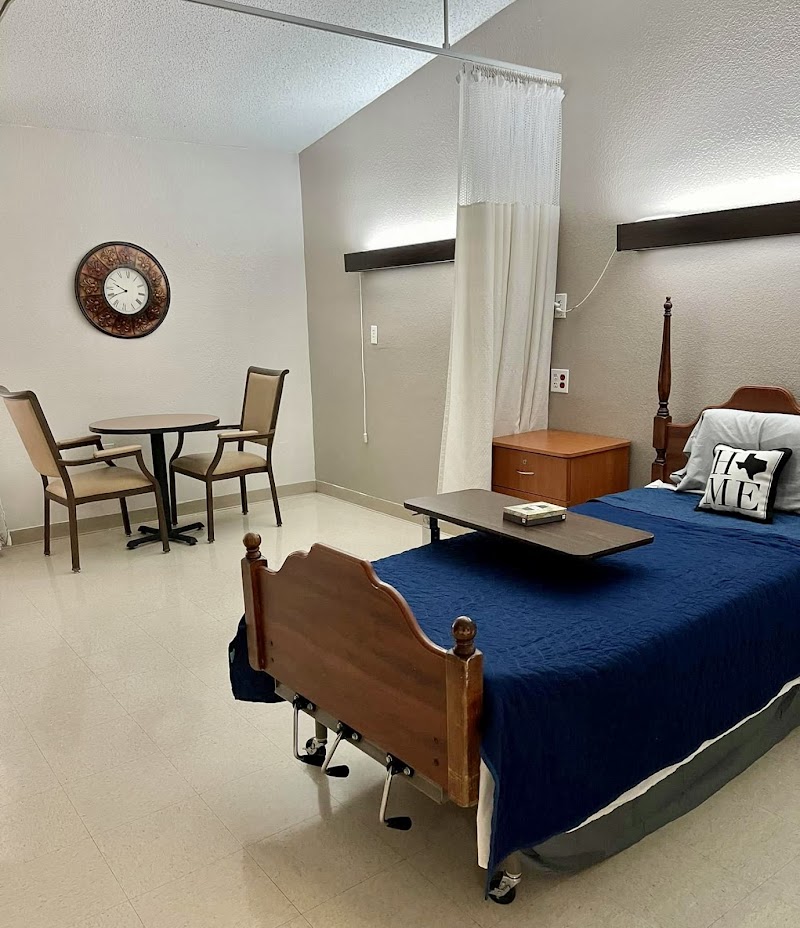
Who Owns and Operates North Pointe Nursing And Rehabilitation?

North Pointe Nursing and Rehabilitation is owned by a for-profit company. For-profit facilities operate as businesses with obligations to shareholders or private owners. The facility is operated by CREATIVE SOLUTIONS IN HEALTHCARE, a chain that manages multiple nursing homes. With 126 certified beds and approximately 53 residents (about 42% occupancy), it is a mid-sized facility located in Watauga, Texas.

How Does North Pointe Nursing And Rehabilitation Compare to Other Texas Nursing Homes?

Compared to the 100 nursing homes in Texas, North Pointe Nursing and Rehabilitation's overall rating (1 stars) is below the state average of 2.8, staff turnover (59%) is significantly higher than the state average of 46%, and health inspection rating (1 stars) is much below the national benchmark.

What Should Families Ask When Visiting North Pointe Nursing And Rehabilitation?

Based on this facility's data, families visiting should ask: "What changes have been made since the serious inspection findings, and how are you preventing similar issues?" "What safeguards and monitoring systems are in place to protect residents from abuse or neglect?" "How do you ensure continuity of care given staff turnover, and what is your staff retention strategy?" "Can you walk me through typical staffing levels on day, evening, and night shifts?" These questions are particularly relevant given the facility's Immediate Jeopardy citations, the substantiated abuse finding on record, the facility's high staff turnover rate, and the below-average staffing rating.

Is North Pointe Nursing And Rehabilitation Safe?

Based on CMS inspection data, North Pointe Nursing and Rehabilitation has documented safety concerns. The facility has 1 substantiated abuse finding (meaning confirmed case of resident harm by staff or other residents). Inspectors have issued 8 Immediate Jeopardy citations (the most serious violation level indicating risk of serious injury or death). The facility has a 1-star overall rating and ranks #100 of 100 nursing homes in Texas. Families considering this facility should ask detailed questions about what corrective actions have been taken since these incidents.

Do Nurses at North Pointe Nursing And Rehabilitation Stick Around?

Staff turnover at North Pointe Nursing and Rehabilitation is high. At 59%, the facility is 13 percentage points above the Texas average of 46%. Registered Nurse turnover is particularly concerning at 88%. RNs handle complex medical decisions and coordinate care — frequent RN changes can directly impact care quality. High turnover means new staff may not know residents' individual needs, medications, or preferences. It can also be disorienting for residents, especially those with dementia who rely on familiar faces. Families should ask: What is causing the turnover? What retention programs are in place? How do you ensure care continuity during staff transitions?

Was North Pointe Nursing And Rehabilitation Ever Fined?

North Pointe Nursing and Rehabilitation has been fined $135,254 across 3 penalty actions. This is 3.9x the Texas average of $34,431. Fines at this level are uncommon and typically indicate a pattern of serious deficiencies, repeated violations, or failure to correct problems promptly. CMS reserves penalties of this magnitude for facilities that pose significant, documented risk to resident health or safety. Families should request specific documentation of what issues led to these fines and what systemic changes have been implemented.

Is North Pointe Nursing And Rehabilitation on Any Federal Watch List?

North Pointe Nursing and Rehabilitation is not on any federal watch list. The most significant is the Special Focus Facility (SFF) program, which identifies the bottom 1% of nursing homes nationally based on persistent, serious quality problems. Not being on this list means the facility has avoided the pattern of deficiencies that triggers enhanced federal oversight. This is a positive indicator, though families should still review the facility's inspection history directly.