FOCUSED CARE OF WAXAHACHIE
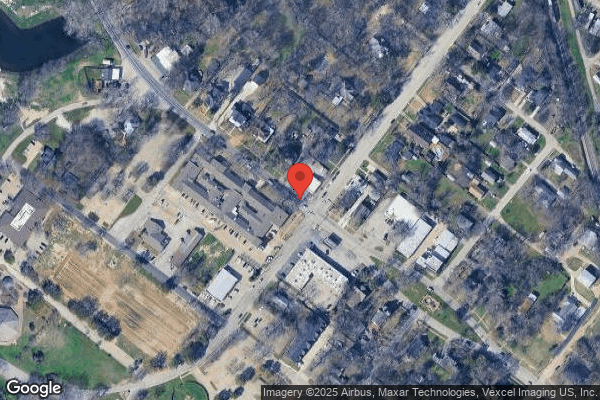
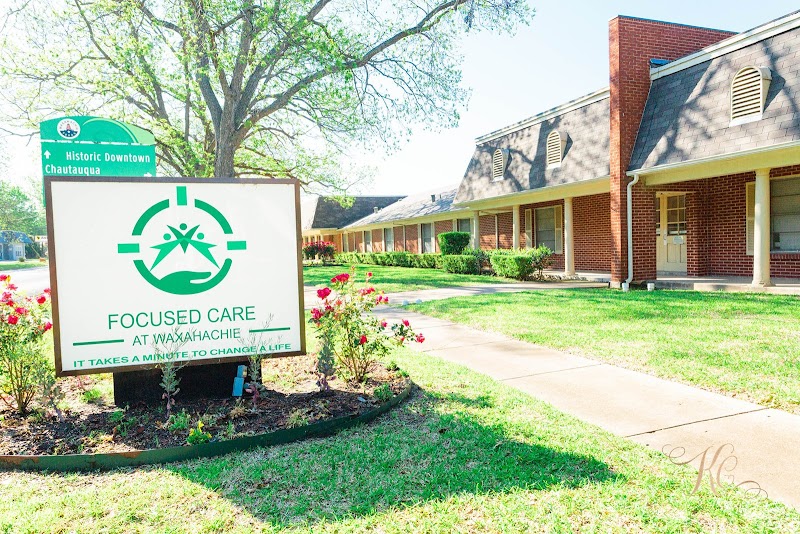
1413 W MAIN ST, WAXAHACHIE, TX 75165 (972) 937-2298
For profit - Individual 152 Beds FOCUSED POST ACUTE CARE PARTNERS Data: November 2025 4 Immediate Jeopardy citations
Trust Grade
0/100
#978 of 1168 in TX
Last Inspection: February 2025

Within standard 12-15 month inspection cycle. Federal law requires annual inspections.

Overview

Focused Care of Waxahachie has received a Trust Grade of F, indicating significant concerns about the quality of care provided. With a state rank of #978 out of 1168 facilities in Texas, they fall in the bottom half, and are #9 out of 10 in Ellis County, suggesting limited local options that are better. The facility is showing improvement, with issues decreasing from 12 in 2024 to 7 in 2025, but the total of 44 issues found during inspections, including critical incidents of abuse among residents, raises serious alarms. Staffing is rated poorly with a turnover rate of 59%, which is average, and they have faced concerning fines totaling $267,079, higher than 91% of Texas facilities. While there is average RN coverage, recent incidents of abuse and inadequate care planning indicate a troubling environment for residents.

Trust Score
F
0/100
In Texas
#978/1168
Bottom 17%
Safety Record
High Risk
Review needed
Inspections
Getting Better
12 → 7 violations
Staff Stability
⚠ Watch
59% turnover. Above average. Higher turnover means staff may not know residents' routines.
Penalties
✓ Good
$267,079 in fines. Lower than most Texas facilities. Relatively clean record.
Skilled Nurses
⚠ Watch
Each resident gets only 18 minutes of Registered Nurse (RN) attention daily — below average for Texas. Fewer RN minutes means fewer trained eyes watching for problems.
Violations
⚠ Watch
44 deficiencies on record. Higher than average. Multiple issues found across inspections.
★☆☆☆☆
1.0
Overall Rating
★☆☆☆☆
1.0
Staff Levels
★★★☆☆
3.0
Care Quality
★☆☆☆☆
1.0
Inspection Score
Stable
2024: 12 issues
2025: 7 issues

The Good

  • Full Sprinkler Coverage · Fire safety systems throughout facility
  • No fines on record

Facility shows strength in fire safety.

The Bad

1-Star Overall Rating

Below Texas average (2.8)

Significant quality concerns identified by CMS

Staff Turnover: 59%

13pts above Texas avg (46%)

Frequent staff changes - ask about care continuity

Federal Fines: $267,079

Well above median ($33,413)

Significant penalties indicating serious issues

Chain: FOCUSED POST ACUTE CARE PARTNERS

Part of a multi-facility chain

Ask about local staffing decisions and management

Staff turnover is elevated (59%)

11 points above Texas average of 48%

The Ugly 44 deficiencies on record

4 life-threatening 2 actual harm
Jul 2025 2 deficiencies
CONCERN (D) 📢 Someone Reported This

A family member, employee, or ombudsman was alarmed enough to file a formal complaint

Potential for Harm - no one hurt, but risky conditions existed

Safe Environment (Tag F0584)

Could have caused harm · This affected 1 resident

**NOTE- TERMS IN BRACKETS HAVE BEEN EDITED TO PROTECT CONFIDENTIALITY** Based on observation, interview, and record review, the facility failed to ensure the resident's right to a safe, clean, comfort...

Read full inspector narrative →
**NOTE- TERMS IN BRACKETS HAVE BEEN EDITED TO PROTECT CONFIDENTIALITY** Based on observation, interview, and record review, the facility failed to ensure the resident's right to a safe, clean, comfortable, and homelike environment for 1 (Resident #1) of 5 residents reviewed for environment. The facility failed to ensure Resident #1 was provided clean bed linens that were in good condition. This failure placed residents at risk of living in an uncomfortable environment leading to a diminished quality of life. Findings included: Record review of Resident #1's face sheet reflected a [AGE] year-old female who was admitted to the facility on [DATE]. Resident #1 had diagnoses which included Diabetes Mellitus with Diabetic Nephropathy (elevated blood sugar that has caused kidney damage) and constipation. Record review of Resident #1's Baseline Care Plan, dated 06/17/2025, reflected Resident #1 was dependent for transferring from chair to bed and bed to chair, toileting hygiene, showering and bathing, and lower and upper body dressing. The care plan reflected Resident #1 was always incontinent of bowel and bladder and used a wheelchair for mobility. Record review of Resident #1's admission MDS assessment dated [DATE], reflected the resident had a BIMS score of 14, which indicated she was cognitively intact. In an interview and observation on 07/01/2025 at 12:00 PM Resident #1was lying in bed, her hair was unbrushed, and her clothing had food crumbs on it. Her sheets had a urine odor. She stated she was not ok. She stated she had not been showered in 8 days. She stated she had asked to get up but was told she must stay in the bed today. She pointed to her sheets at a basketball size brown dried stained ring on her Resident #1 sheets. She then pulled her sheet back and rolled to the side revealing 2 (two) additional large brown rings under her padding that was placed on the bed between her body and the bottom fitted sheet. She stated not being clean made her feel dirty and trashy. In an interview on 07/01/2025 at 12:10 PM CNA A stated she had been a certified nurse aide since January 2025, but this was her fourth day at this facility. She stated she received 2 days of orientation in the facility. She stated she had not worked with Resident #1 prior to today. She stated she had received a verbal report from the nurse this morning on residents needs and was told to not get Resident #1 up out of bed. She stated she did not realize Resident #1's bottom bed sheets were stained. She stated the CNAs were responsible for changing residents' sheets. She stated having dirty sheets would make the residents feel dirty. In an interview on 07/01/2025 at 12:15 PM CNA B stated she was responsible for resident transfers to and from appointments but was assisting on the floor today. She stated there were 2 staff members that did call in today, so the staff were all working together to meet the needs of the residents. She stated she was not aware Resident #1 had brown stained sheets. CNA B stated the CNAs were responsible for changing residents' sheets. She stated she was heading to assist the other CNA A to help clean Resident #1 up now. She stated not having clean sheets could impact a resident negatively. She stated it could bother the resident and make them uncomfortable and feel dirty. In an interview on 07/01/2025 at 1:45 PM LVN C stated she had worked at the facility for 2 years. She stated Resident #1 was a new admit to the facility. She stated she did tell CNA A that Resident #1 did not get up for breakfast. She stated the aide must have misunderstood her and left Resident #1 in bed. LVN C stated if Resident #1 asked to get up then the staff should get her up. LVN C stated the CNAs were responsible for changing residents' sheets. She stated sheets were to be changed on shower days and as needed if soiled. She stated no residents should be left in dirty sheets. She stated leaving a resident in dirty sheets and not showered could impact their dignity making a resident depressed. In an interview on 07/01/2025 at 2:30pm The Director of Clinical Operation stated she expected residents' bed sheets were changed on shower days and as needed. She stated the facility practice was to throw away stained or worn sheets in the trash to ensure they were not used on residents' beds. She stated leaving a resident in soiled or dirty sheets, physically it can cause skin breakdown, emotionally it can make them feel unclean. Record review of the undated facility's policy titled Quality of Life Homelike Environment reflected Residents are provided with a safe, clean, comfortable, and homelike environment and encouraged to use their personal belongings to the extent possible. The facility staff and management shall Maximize, to the extent possible. the characteristics of the facility that reflect a personalized, homelike setting. These characteristics include Clean, sanitary, and orderly environment and clean bed and bath linens that are in good condition.
CONCERN (D) 📢 Someone Reported This

A family member, employee, or ombudsman was alarmed enough to file a formal complaint

Potential for Harm - no one hurt, but risky conditions existed

ADL Care (Tag F0677)

Could have caused harm · This affected 1 resident

**NOTE- TERMS IN BRACKETS HAVE BEEN EDITED TO PROTECT CONFIDENTIALITY** Based on observation, interview and record review, the facility failed to ensure residents who were unable to carry out activiti...

Read full inspector narrative →
**NOTE- TERMS IN BRACKETS HAVE BEEN EDITED TO PROTECT CONFIDENTIALITY** Based on observation, interview and record review, the facility failed to ensure residents who were unable to carry out activities of daily living received the necessary services to maintain good grooming and personal hygiene for 1 of 5 residents (Resident #1) reviewed for ADLs. The facility failed to ensure Resident #1 received showers on 06/18/2025, 06/23/2025, 06/27/2025, and 06/30/2025. This failure could place residents at risk of not being provided care and assistance when needed. Findings Included: Record review of Resident #1's face sheet reflected a [AGE] year-old female who was admitted to the facility on [DATE]. Resident #1 had diagnoses which included Diabetes Mellitus with Diabetic Nephropathy (elevated blood sugar that has caused kidney damage) and constipation. Record review of Resident #1's Baseline Care Plan, dated 06/17/2025, reflected Resident #1 was dependent for transferring from chair to bed and bed to chair, toileting hygiene, showering, bathing, lower and upper body dressing. The care plan reflected Resident #1 was always incontinent of bowel and bladder and used a wheelchair for mobility. Record review of Resident #1's admission MDS assessment dated [DATE], reflected the resident had a BIMS score of 14, which indicated she was cognitively intact. Record review of Resident #1 Documentation Survey Report V2 (a report reflecting care provided to the resident) reflected Resident #1 was assigned to receive her shower every Monday, Wednesday, and Friday. The report reflected Resident #1 did not receive her showers on 06/18/2025, 06/23/2025, 06/27/2025, and 06/30/2025. There was no documentation of Resident #1 refusing her showers. Record review of Resident #1's Progress Notes dated 06/17/2025 through 07/01/2025 reflected there was no documentation of Resident #1 refusing care. In an interview and observation on 07/01/2025 at 12:00 PM Resident #1was lying in bed, her hair was unbrushed, and her clothing had food crumbs on it. Her sheets had a urine odor. She stated she was not ok. She stated she had not been showered in 8 days. She stated she had asked to get up but was told she must stay in the bed today. She pointed to her sheets at a basketball size brown dried stained ring on her sheets. She then pulled her sheet back and rolled to the side revealing 2 addition large brown rings under her padding that was placed on the bed between her body and the bottom fitted sheet. She stated not being clean made her feel dirty and trashy. In an interview on 07/01/2025 at 12:10 PM CNA A stated she had been a certified nurse aide since January 2025, but this was her fourth day at this facility. She stated she received 2 days of orientation in the facility. She stated she had received a verbal report from the nurse this morning on residents needs and was told to not get Resident #1 up out of bed. She stated the CNAs were responsible for giving Resident #1 a shower and cleaning her. She stated she was not sure of Resident #1's shower days. She stated not getting showers would make the resident feel dirty. In an interview on 07/01/2025 at 12:15 PM CNA B stated she was responsible for resident transfers to and from appointments but was assisting on the floor today. She stated she was not sure when Resident #1 had her last shower. She stated that the shower schedule was at the nurse's station. She stated she was heading to assist the other CNA to help clean Resident #1 up now. She stated not having been showered could impact a resident negatively. She stated it could bother the resident and make them uncomfortable and feel dirty. In an interview on 07/01/2025 at 1:45 PM LVN C stated she had worked at the facility for 2 years. She stated Resident #1 was a new admit to the facility. She stated her showers were scheduled for 2pm-10pm shift on Monday, Wednesday, and Friday. She stated the aides looked at the shower book to find out who needed showers and what days. She stated she was telling CNA A that Resident #1 did not get up for breakfast. She stated the aide must have misunderstood her and left Resident #1 in bed. She stated if Resident #1 asked to get up then the staff should get her up. She stated residents should get their showers on shower days and as needed. She stated Resident #1 has not refused showers that she was aware of. She stated if a resident were to refuse a shower, then the nurses must follow up and document the refusal. She stated leaving a resident dirty and not showered could impact their dignity making a resident depressed. In an interview on 07/01/2025 at 2:30pm The Director of Clinical Operations stated she expected showers to be completed on a resident's assigned shower days. She stated the nursing assistants were responsible for showers. She stated the certified nursing assistants had access to the Kardex which gives a detailed schedule of residents' needs including shower days and schedule. She stated there was also a schedule for residents' showers at the nurse's station. She stated the nurse aides were instructed on the Kardex and shower schedule upon orientation. She stated she was not aware of Resident #1 refusing any showers. She stated the nurse should have followed up with any shower refusal. She stated not bathing a resident routinely physically it can cause skin breakdown, emotionally it can make them feel unclean. Record review of the undated facility's policy titled Quality of Life-Resident Self Determination reflected Our facility respects and promotes the right of each resident to exercise his or her autonomy regarding what the resident considers to be important facets of his or her life including Daily routine, such as sleeping and waking, eating, exercise and bathing schedules.
Feb 2025 5 deficiencies
CONCERN (D)

Potential for Harm - no one hurt, but risky conditions existed

Assessment Accuracy (Tag F0641)

Could have caused harm · This affected 1 resident

**NOTE- TERMS IN BRACKETS HAVE BEEN EDITED TO PROTECT CONFIDENTIALITY** Based on observation, interviews, and record review the facility failed to ensure the resident assessment accurately reflected t...

Read full inspector narrative →
**NOTE- TERMS IN BRACKETS HAVE BEEN EDITED TO PROTECT CONFIDENTIALITY** Based on observation, interviews, and record review the facility failed to ensure the resident assessment accurately reflected the resident's status for 1 (Resident #12) of 8 residents who were reviewed for accuracy of assessments. The facility failed to ensure Resident #12's MDS assessment accurately reflected his hearing ability and use of hearing aids. This failure could place residents at risk of their needs going unmet. Findings included: Record review of Resident #12's quarterly MDS, dated [DATE], indicated Resident #12 was a [AGE] year-old male, who was admitted to the facility on [DATE]. He had diagnoses of dementia, major depressive disorder, depression, hereditary and idiopathic neuropathy (nervous system disorders that interfere with normal nerve function). His MDS reflected he had minimal difficulty with his ability to hear, (difficulty in some environments (e.g., when person speaks softly or setting is noisy), as well as that he did not have hearing aids or other hearing appliances. His BIMS score was 12, indicated moderately impaired cognition. Record review of Resident #12's care plan dated last revised on 01/31/2025 reflected resident had special instructions Very hard of hearing. It stated, the resident has a communication problem related to hearing loss The interventions listed included for staff to anticipate and meet needs, encourage resident to continue stating thoughts even if resident is having difficulty. Focus on a word or phrase that makes sense or responds to the feeling resident is trying to express and refer to speech therapy for evaluation and treatment as ordered. Hearing aids were not care planned. Record review of Resident #12's doctor's order dated 9/24/2024 reflected, May have podiatry, dental, audiologist, & ophthalmologist consults PRN. Interview and Observation on 02/10/2025 at 10:24 a.m., revealed Resident #12 sitting in his recliner in his room watching television. The resident voiced that his hearing aids needed to be repaired and that his family member was going to come get them to be fixed/replaced. The state surveyor had to stand close, yell, speak slowly, and often repeat questions to the resident during the observation. The resident was unable to give an answer when the state surveyor asked him if the facility helps him with audiology appointments, even after writing the questions down for him due to the hearing impairment. Interview on 02/12/2025 at 10:17 a.m., with LVN C revealed she had been working remotely to help the facility since January 2025. She stated that the way she completed the MDS assessment was by looking at the social worker's assessment as well as the skilled nursing assessments in PCC, but that she did not know the residents and did not go see them before completing and signing off the MDS assessment. She stated that Resident #12 MDS should have been coded differently if the resident had hearing aids and had significant hearing impairment. Interview on 02/12/2025 at 11:40 a.m., with the DON revealed she had started working at the facility 3 weeks ago. She stated that her expectation would be that hearing aids were care planned. She stated that Resident #12 had hearing aids in his room but refused to wear them and did not like them. She said that the resident's family member had planned to take the hearing aids home with him due to the resident not wearing them. She said he reads lips very well and can sign for things he needed. She said that it should have been care planned that he did not wear them. Interview on 02/12/2025 at 12:48 p.m., with CNA A revealed she had worked at the facility for 2 years. She stated that Resident #12 would wear his hearing aids sometimes, but he had a hard time getting them to stay in his ears. She stated that she had to make sure she talked loudly and stood close to him when talking, but that most times she still had to repeat herself multiple times. She did not think he was good at reading lips due to the number of times she would have to repeat herself during conversations. Interview on 02/12/2025 at 2:00 p.m., with the CMDS revealed she had been the CMDS since 2019. She stated that when an MDS nurse was out on leave for one facility there would be another MDS nurse covering for the facility, and it was not normally the process for the MDS coordinator to work remotely and not lay eyes on the residents. She stated that the MDS nurse was responsible for ensuring MDS assessment accuracy but in this instance the covering MDS nurse should have left the assessment open for the CMDS to check for accuracy. She stated that a negative outcome for an incorrect assessment could be residents having their needs being unmet by staff. Interview on 2/12/2025 at 2:00pm, with the CMDS revealed that any inaccuracy on the MDS would be the responsibility of the MDS nurse to correct. The CMDS stated that a negative outcome for an incorrect assessment could lead to the resident receiving the wrong treatment, incorrect labs, and the plan of care not being completed as it should. She stated that her expectation was that an anticoagulant should not be included in the MDS if it was not ordered. She stated that the MDS should accurately reflect the resident's complete medical picture. Record review of the facility's Resident Assessment Instrument policy dated last revised September 2010 revealed, 3. The purpose of the assessment is to describe the resident's capability to perform daily life functions and to identify significant impairments in functional capacity. 4. Information derived from the comprehensive assessment helps the staff to plan care that allows the resident to reach his/her practicable level of functioning. Record review of the Long-Term Care Facility Resident Assessment Instrument 3.0 User's Manual, version 1.19.1, dated October 2024, reflected, The RAI process has multiple regulatory requirements. Federal regulations at 42 CFR 483.20 (b)(1)(xviii), (g), and (h) require that (1) the assessment accurately reflects the resident's status. (3) the assessment process includes direct observation, as well as communication with the resident and direct care staff on all shifts.
CONCERN (D)

Potential for Harm - no one hurt, but risky conditions existed

PASARR Coordination (Tag F0644)

Could have caused harm · This affected 1 resident

**NOTE- TERMS IN BRACKETS HAVE BEEN EDITED TO PROTECT CONFIDENTIALITY** Based on interview and record review, the facility failed to provide accurate PASRR screenings for individuals with a mental dis...

Read full inspector narrative →
**NOTE- TERMS IN BRACKETS HAVE BEEN EDITED TO PROTECT CONFIDENTIALITY** Based on interview and record review, the facility failed to provide accurate PASRR screenings for individuals with a mental disorder for 2 (Resident #16 and Resident #52) of 14 residents reviewed for PASSAR assessments. Resident #16 did not have a new PASSAR level I screening completed or a PASSAR level II screening completed although a diagnosis of mental illness was diagnosed after the admission date. Resident #52 did not have an accurate PASSAR Level 1 screening after Resident #52 was admitted with a negative PASSAR Level 1 screening but had a mental illness. These failures could place all residents who had a mental illness or intellectual or developmental disability at risk for not receiving needed assessment, care, and services to meet their needs. Findings Included: Record review of Resident #165's Face Sheet indicated the resident was a [AGE] year-old male who admitted to the facility with an original admission date of 02/06/2015., an initial admission date of 06/10/2022, and an admission date of 10/07/2024. Resident #156's face sheet revealed a diagnosis of Major Depressive Disorder (mood disorder that causes a persistent feeling of sadness and loss of interest) on 05/15/2024. Resident #15 also had others diagnoses of Hemiplegia and Hemiparesis following unspecified cerebrovascular disease affecting left non-dominant side (complete weakness and completed paralysis of one side of the body), Major Depressive Disorder (mood disorder that causes a persistent feeling of sadness and loss of interest) and Unspecified Dementia (symptoms that affect memory, thinking and social abilities). Record review of Resident #15's Quarterly MDS assessment dated [DATE], revealed an active diagnosis of Anxiety Disorder, Depression, and Psychotic Disorder and a BIMS of 13 which indicates moderate cognitive impairment. Record review of Resident #15's Comprehensive Care Plan revealed a Focus Area that stated that Resident #15 was PASSAR PE negative due to primary diagnosis of dementia, despite diagnosis of MI dated 04/15/2022. Another Focus Area stated Mr. Resident #16 uses antidepressant medication related to Depression dated 01/01/2022. Record review of Resident #15's PASSAR records indicated no mental illness, intellectual disability and/or developmental disability were present on PASSAR I dated 06/10/2022 and Resident #15 did not qualify for PASSAR II or services. On 02/10/2025 at 11:15 AM an interview was attempted with Resident #16 in which the resident refused to be interviewed with state surveyor. On 02/11/2025 at 2:15 PM another additional interview was attempted with Resident #16 in which the resident had refused again an interview again. Observation on 02/10/2025 at 10:30 AM revealed Resident #52 laying in her bed in her room curled up in the fetal position asleep. Observation on 02/11/2025 at 10:22 AM revealed Resident #52 laying in her bed in her room curled up in the fetal position asleep. Record review of Resident #52's quarterly MDS assessment, dated January 29, 2025, reflected a [AGE] year-old female admitted to the facility on [DATE]. She had diagnoses of bipolar disorder (significant mood swings), depression (feelings of sadness and loss of interest), cognitive communication deficit (brain injuries that affect a person's ability to communicate effectively), muscle wasting (loss of muscle mass), lack of coordination, and intestinal obstruction (bowel blockage). Her BIMS score was a 00, which indicated severe cognitive impairment. Record review of Resident #52's care plan dated last revised 02/09/2025 reflected resident was on an antipsychotic medication due to bipolar, dementia. Record review of Resident #52's PASRR Level 1 screening, dated 10/16/2024 conducted by an acute care hospital, reflected Resident #52 was negative for mental illness, intellectual disability, and developmental disability. The PASRR Level 1 screening also indicated that a physician certified the individual is likely to require less than 30 days of Nursing Facility services. On 02/12/2025 at 1:01 PM an interview was completed with the Director Of Nursing (DON) who stated they had been employed with the facility since January 2025. The DON stated that they were unable to provide a description of the policy for PASSAR screenings. The DON stated the importance of PASSAR screenings was to ensure that the residents have their needs met. The DON stated that a PASSAR screening should be provided before admission into the facility. The DON stated that the facility should have provided PASSAR services to a resident with a positive mental illness diagnosis. The DON stated that people outside of the facility provide PASSAR screenings. The DON stated that the DON completes a screening of the resident's documents when residents are admitted to the facility. The DON stated that a negative impact that could result from residents not receiving PASSAR services, was the residents not receiving holistic care. The DON stated she did not know the PASSAR results of Resident #16 because she was DON is new to the facility. On 02/12/2025 at 1:20PM an interview was conducted with the ADM of the facility who has been employed at the facility for 3 months. The ADM stated that the policy for PASSAR screenings was that it should be completed upon admission. The ADM stated that it was important to complete screenings because it was important to know if the resident was PASSAR positive or not. The ADM stated if a resident has a positive diagnosis of Mental illness, the facility needs to ensure that the resident should have the resources for it. The ADM stated that PASSAR screenings were completed by the MDS coordinator with the region. The ADM stated he ensures that PASSAR screenings were completed by the previous facility and if it was not provided at admission, the ADM would reach out to obtain it. The ADM stated a negative impact for the resident if PASSAR services were not provided was that the resident may not have a proper diagnosis and resources. The ADM stated a new PASSAR screening should occur after a change of condition. The ADM stated that Resident #16 had a negative PASSAR screening. The ADM denied being aware of a mental illness diagnosis. On 02/12/2025 at 02:45PM an interview was conducted with the Corporate MDS Coordinator (CMDS) who stated they had been employed with the facility since 2019. The CMDS stated that they completed audits once a month to ensure PASSAR screenings were up to date. The CMDS stated a 1012 audit had not been completed in February yet. The CMDS stated that a form 1012 should be completed and communicated with the doctor to get a new PL1, if a resident had a change of condition. The CMDS stated that if a resident had a diagnosis of Major Depressive Disorder the results should be positive. The CMDS stated that the resident should be provided with a level II PASSAR screening and notify local authorities of the results. The CMDS stated a negative outcome that could occur if a resident had a mental diagnosis but did not receive services, was the needs not being met for the resident. She stated that if a resident has a diagnosis of bipolar their PASRR should not say negative on the Level 1 screening. She stated that the facility should have reviewed the PASRR Level 1 and compared it to Resident #52's diagnoses. She stated that a negative outcome for a negative PASRR Level 1 that should have been positive and required a Level 2 screening by the LIDDA could be that the residents' needs went unmet for not receiving needed services. She stated that to ensure PASRR screenings are up to date audits were done once monthly. She stated that there has been a lot of staff turnover and that the MDS coordinator was responsible for checking these. Record Review of Resident Assessment PASSAR dated 11/2023 indicated the purpose of this policy is to ensure PASSAR's are being obtained and completed timely and accurately. This policy listed the following procedures: 1. PASSARs are obtained from referring entity by the admissions department. 2. PL 1s are put in to Simple LTC by the facility CRC within 72 hours of resident admitting to facility. The completed PL 1 must also be uploaded into the resident's EMR. 3. Communicate with LIDDA/LMHA to ensure all active positive PL 1s have a completed PE and upload the PE into the resident's EMR. 4. Review recommended Specialized Services on the PE once the PE is submitted. 5. When discharging a resident to another NF, the facility is responsible for completing a PASSARR for the NF. 6. Follow Texas PASSAR policy for all mandatory meetings and care coordination including any changes that may require a change in resident's PASSAR status.
CONCERN (D)

Potential for Harm - no one hurt, but risky conditions existed

Comprehensive Care Plan (Tag F0656)

Could have caused harm · This affected 1 resident

**NOTE- TERMS IN BRACKETS HAVE BEEN EDITED TO PROTECT CONFIDENTIALITY** Based on observation, interviews, and record review the facility failed to ensure the resident care plan accurately reflected th...

Read full inspector narrative →
**NOTE- TERMS IN BRACKETS HAVE BEEN EDITED TO PROTECT CONFIDENTIALITY** Based on observation, interviews, and record review the facility failed to ensure the resident care plan accurately reflected the resident's status for 1 of 4 residents (Resident #12) who were reviewed for care plans. The facility failed to care plan Resident #12's use of hearing aids. This failure could place residents at risk of their needs going unmet. Findings included: Record review of Resident #12's quarterly MDS, dated [DATE], indicated Resident #12 was a [AGE] year-old male, who was admitted to the facility on [DATE]. He had diagnoses of dementia, major depressive disorder, depression, hereditary and idiopathic neuropathy (nervous system disorders that interfere with normal nerve function). His MDS also reflected in Section B Hearing, Speech, and Vision that Resident #12's ability to hear, had minimal difficulty, as well as that he did not have hearing aids or other hearing appliances. His BIMS score was 12, which indicated moderately impaired cognition. Record review of Resident #12's care plan dated last revised on 01/31/2025 reflected resident had special instructions Very hard of hearing. He had a focus of the resident has a communication problem related to hearing loss The interventions listed included for staff to anticipate and meet needs, encourage resident to continue stating thoughts even if resident is having difficulty. Focus on a word or phrase that makes sense or responds to the feeling resident is trying to express and refer to speech therapy for evaluation and treatment as ordered. His care plan did not have any indication of hearing aid use or refusal of usage. Record review of Resident #12's doctor's order dated 9/24/2024 reflected, May have podiatry, dental, audiologist, & ophthalmologist consults PRN. Observation on 02/10/2025 at 10:24 a.m., revealed Resident #12 sitting in his recliner in his room watching television. The resident voiced that his hearing aids needed to be repaired and that his family member was going to come get them to be fixed/replaced. The hearing aids were sitting on his bedside table. The state surveyor had to stand close, yell, speak slowly, and often repeat questions to the resident during the observation. The resident was unable to give an answer when the state surveyor asked him if the facility helped him with audiology appointments, even after writing the questions down for him due to the hearing impairment. Interview on 02/12/2025 at 11:40 a.m., with the DON revealed she had started working at the facility 3 weeks ago. She stated that her expectation would be that hearing aids were care planned. She stated that Resident #12 had hearing aids in his room but refused to wear them and did not like them. She said that the resident's family member had planned to take the hearing aids home with him due to the resident not wearing them. She said he reads lips very well and can sign for things he needed. She said that it should have been care planned that he did not wear them. Interview on 02/12/2025 at 12:48 p.m., with CNA A revealed she had worked at the facility for 2 years. She stated that Resident #12 would wear his hearing aids sometimes, but he had a hard time getting them to stay in his ears. She stated that she had to make sure she talked loudly and stood close to him when talking, but that most times she still had to repeat herself multiple times. She did not think he was good at reading lips due to the number of times she would have to repeat herself during conversations. Record review of the facility's Comprehensive Care Plan policy dated last revised on 4/25/2021 revealed, Every resident will have an individualized interdisciplinary plan of care in place. The Interdisciplinary Team will continue to develop the plan in conjunction with the MDS 3.0, completing and conducting Comprehensive Care Plan Meeting and Reviews by day 21 after admission. The Interdisciplinary Team will review the healthcare practitioner's notes and orders and implement a comprehensive care plan to meet the residents' immediate care needs including but not limited to: therapy services, social services, psychosocial mood state needs as indicated, specific care plan on the main reason for admission to the community. Any updated information based on the details of the comprehensive care plan, as necessary.
CONCERN (D)

Potential for Harm - no one hurt, but risky conditions existed

Pharmacy Services (Tag F0755)

Could have caused harm · This affected 1 resident

Based on observation, interview, and record review the facility failed to ensure that drugs and biologicals used in the facility were stored properly for 1of 2 medication storage rooms (room located b...

Read full inspector narrative →
Based on observation, interview, and record review the facility failed to ensure that drugs and biologicals used in the facility were stored properly for 1of 2 medication storage rooms (room located by Hall 300). The facility failed to ensure expired medication administration supplies were removed from the medication room located by hall 300. These failures could place residents at risk for ineffective treatments, intravenous catheter dislodgements and infections. Findings include: Observation on 2/11/25 at 10:30 AM of the Hall 300 Medication Storage Room revealed the following: 8 Zyno IV Administration sets expired 3/19/2023. 7 Zyno IV Administration sets expired 6/20/2022 1 Stat lock PICC PLUS Catheter stabilizer expired 4/28/2023. 1 Central Line Dressing Kit expired 2/28/2021. In an interview on 2/12/25 at 12:48 PM LVN-A stated, the policy on expired medical supplies was to take them back to medical records department where they get rid of them. She stated the nurses, and the medication aides were responsible for checking the rooms. She said this was important because the supplies may not be good to use, and they could hurt the residents by causing infections if they were used. In an interview on 2/12/25 at 12:54 PM LVN-B stated, the policy for expired medical supplies was to pull them out of the medication storage rooms. She stated the nurses, and the medication aides were responsible for checking the medication rooms. She stated that it was important to do this because otherwise someone could grab the expired supplies and accidentally use them. She stated the negative outcome to using expired supplies was that residents could have side effects and the expired supplies could be damaged and not work properly. In an interview on 2/12/25 at 12:59 PM the DON stated, the policy for expired medical supplies was to throw them out/dispose of them. She stated she was responsible for removing expired supplies. She stated, anyone else who finds expired supplies was also responsible for removing them. She stated it was important to remove expired items because they could have lost integrity and materials could be bad which could cause IV dressings to breakdown and come off. In an interview on 2/12/25 at 1:04 PM the ADM stated, the policy on expired medical supplies was to discard them and the nurse's and the nurse supervisors were responsible for doing that. He stated it was important to discard expired items because they could lose effectiveness and then they would not stick to cover the IV sites. Record review of the facility's undated policy labeled Pharmscript-Storage of Medications Policy # 4.1, reflected: Outdated medications are immediately removed from inventory. Expired medications will be removed from the active supply and destroyed
CONCERN (E)

Potential for Harm - no one hurt, but risky conditions existed

Deficiency F0679 (Tag F0679)

Could have caused harm · This affected multiple residents

**NOTE- TERMS IN BRACKETS HAVE BEEN EDITED TO PROTECT CONFIDENTIALITY** Based on observation, interview and record review, the facility failed to provide residents with an ongoing resident centered ac...

Read full inspector narrative →
**NOTE- TERMS IN BRACKETS HAVE BEEN EDITED TO PROTECT CONFIDENTIALITY** Based on observation, interview and record review, the facility failed to provide residents with an ongoing resident centered activity program, designed to meet the interests of and support the physical, mental, and psychosocial well-being of 3 (Residents #25, #31, and #42) of 8 residents reviewed for activities. The facility failed to provide activities as scheduled from January 23, 2025, through February 12, 2025. This failure placed residents at risk of boredom, depression, isolation, and a diminished quality of life. Findings include: Record review of Resident #25's face undated sheet reflected a [AGE] year-old male initially admitted to the facility on [DATE], and readmitted on [DATE], with the following diagnoses: Type 2 Diabetes Mellitus (a chronic disease that causes a person's blood glucose levels to rise too high) Chronic Pulmonary Edema (a condition where fluid accumulates in lung tissues, making it difficult to breathe), Acute Respiratory Failure with Hypoxia (acute impairment in gas exchange between the lungs and the blood), Major Depressive Disorder (a mood disorder characterized by persistent feelings of sadness), and Anxiety Disorder (mental disorder characterized by significant and uncontrollable feeling of anxiety and fear that affect daily life). Record review of Resident #25's Annual Comprehensive MDS assessment dated [DATE], revealed Resident #25's activity preferences of strong importance to him were: listening to music, being around animals such as pets, keeping up with the news, doing things with groups of people, going outside when the weather is good, and participating in religious services and practices. Record review of Resident #25's Quarterly MDS assessment dated [DATE], revealed Resident #25 had a BIMS score of 12, indicating intact cognition. Record review of Resident #25's Comprehensive Care Plan focus dated 1/17/2025 regarding activities revealed Resident #25 attended most events, but also liked to do individual activities in his room. Resident #25's goal was to continue to participate in at least 4 activities per week. Interventions included posting calendars in the resident's room, reminding and encouraging the resident, thanking the resident for participating, allowing the resident to refuse to participate [in activities], and promoting the resident's love of music and storytelling with staff and other residents. Record review of Resident #31's undated face sheet, reflected a [AGE] year-old male admitted to the facility on [DATE], with the following diagnoses: Major Depressive Disorder (a mood disorder characterized by persistent feelings of sadness), Muscle Weakness, Pulmonary Fibrosis (a condition in which the lungs become scarred over time causing breathing difficulties), need for assistance with personal care, and difficulty walking. Record review of Resident #31's Comprehensive Care Plan initiated on 4/27/2022, revealed the focus regarding activities to be self-directed activities. Resident #31's goal regarding activities was to continue to do Bible studies with other residents through the next review date. Interventions included posting activity calendars in the resident's room, assisting the resident with activities when he agrees to participate, and praising and thanking the resident for attending an activity. Record review of Resident #31's Annual Comprehensive MDS assessment dated [DATE], revealed Resident #31 had a BIMS score of 15, indicating intact cognition, a very important activity preference of participating in religious services or practices, and a somewhat important activity preference of going outside when the weather is good. Record review of Resident #42's undated face sheet, reflected a [AGE] year-old male admitted to the facility on [DATE], with the following diagnoses: Type 2 Diabetes with Diabetic Autonomic (Poly)Neuropathy (a chronic disease that causes a person's blood glucose levels to rise too high; damage to multiple nerves in the peripheral nervous system in different parts of the body at the same time), Disorder of the teeth and supporting structures, muscle weakness, and Depression. Record review of Resident #42's admission MDS assessment dated [DATE], revealed having books, newspapers, and magazines to read, and listening to music he likes as being very important activity preferences. Record review of Resident #42's Comprehensive Care Plan initiated on 10/13/2022 and revised on 12/27/2023, revealed the resident's activity-related focus to be attending activities of his choice and that the resident will speak his mind and let you know when something is wrong. Resident's #42's activity related goal was to continue to participate in at least 3 activities per week. Interventions included posting an activity calendar in the resident's room, reminding and encouraging the resident daily, promoting the resident's activity ideas and ability to express himself, and the resident's joy and talent in playing the piano, singing, and doing artwork such as drawing. Record review Resident #42's Quarterly Activity Participation Review dated 11/27/2024 revealed the resident attends most large events. The resident's favorite activity and interest were smoking and cooking. The resident's activity-related focuses, goals, and interventions remained the same. Record review of Resident #42's Quarterly MDS assessment dated [DATE], revealed Resident #42 had a BIMS score of 15, indicating intact cognition. Observation and interview 2/11/2025 at 10:11AM, revealed Resident #42 sitting in a chair at the foot of his bed watching a game show on television. Resident #42 expressed boredom and disinterest in watching television, but stated this was something to do to pass the time as there was nothing else to do. Resident #42 stated the activities offered at the facility are not good or of interest to him. The resident stated that lately no activities have been offered. The resident stated that the facility's activity director was fired, and no one had assumed activity duties The resident stated that prior to the activity director's termination, the activity calendar was not being followed. The resident stated that occasionally they played BINGO, but it had been a while. Resident #42 stated the activities program has always been inconsistent and unorganized. The resident stated that suggestions for activities and activity spaces go ignored. Resident #42 stated that he would like more community involvement. He stated that pet therapy and church services stopped because the providers were not allocated a specific time or space to provide the services. Resident #42 stated that the residents need more than occaisonal parties. He stated the residents need activities that enhance their well-being and morale, and that promote positive feelings toward facility staff. Resident #42 stated life at the facility is the same every day, with most residents spending their time watching television with no socializing. Observation of the facility on 2/10/2024, through 2/12/2024, from approximately 9AM-4PM daily, revealed no formal activities being provided to the residents. Observation of the facility activity room on 2/11/2025 at 3PM, revealed no coordinated activities being offered. The television in the activity room was on with 2 residents quietly watching without conversation or interaction with each other. No staff were present in the activity room. It did not appear as if any activity had been provided immediately prior to observation or that any activity was being set up or coordinated in the activity room to be provided following observation. The activity room was orderly and appeared undisturbed. The activity room contained a bookshelf with approximately 20 books, one jigsaw puzzle, and a few videos and audio books. The extra-large, printed activity calendar posted in or near the activity room was observed to be for January 2025, not February 2025. In an interview on 2/11/2025 at 10:59AM, Resident #25 reported the facility was not offering activities as the facility had no AD on staff. The resident stated that the scheduled Valentine's Day party had been cancelled. The resident stated that the last time the residents were provided with an activity was 2 weeks prior, when they were given popsicles. In an interview on 2/11/2025 at approximately 1:15PM, Resident #31 stated the facility was not offering activities. The resident stated that it had been about 2 weeks since any activity was provided. In an interview on 2/12/2025 at 11:16AM, the ADM stated the activity director position is currently vacant as the FAD abruptly vacated the position without notice. The ADM stated that the FAD's last physical day of work was on 1/22/2025. The ADM stated that he and a former hospitality aide had been providing impromptu activities for the residents following the departure of the FAD until the former hospitality aide also vacated her position. The ADM stated that the former hospitality aide's last day of employment with the facility was on 2/7/2025. In an interview on 2/12/2025 at 12:45PM, LVN A stated that she is a Charge Nurse and has been employed with the facility for 4 years. LVN A said the last formal activity provided for the residents was on 2/7/2025. The activity was conducted by a former hospitality aide who no longer works at the facility. LVN A stated the therapy staff have been providing activities for the residents recently. LVN A stated the offering of activities to residents is very important because it gives the residents motivation. LVN A stated that any complaints or suggestions made by residents to her regarding activities would be typically shared during their morning meetings. LVN A said the FAD discontinued her employment with the facility 2 weeks ago. LVN A said she is unsure of who is responsible for making sure the activity calendar has been followed since the FAD left. LVN A said she doesn't know if activities have been provided as listed on the activity calendar. In an interview on 2/12/2025 at 12:50PM, the COTA said she has been employed with the facility for 2 years. The COTA stated that the therapy department staff have been assisting with activities. The COTA stated that the therapy staff help set up games and puzzles for the residents in the activity room, and the therapy room is always open to residents. The COTA stated therapy staff do not provide scheduled activities for the residents. The COTA stated the last formal activity provided to the residents was on 2/7/2025. The COTA stated the quality of activities offered to the residents could be better, but she believes this will improve once a new activity director is hired and an activity calendar is established. The COTA stated there were no scheduled activities being offered on this day to her knowledge. In an interview on 2/12/2025 at 12:50PM, the PTA stated she has been employed with the facility for 2 years. The PTA said the therapy department staff have been helping with activities when they can. Their assistance consists of setting up activities and supporting the residents. In an interview on 2/12/2025 at 12:50PM, the RD stated he has been employed with the facility for 2 months. The RD stated the therapy staff have been providing impromptu activities for residents when they can. The RD said these activities are not scheduled and the therapy staff are not responsible for following the activity calendar. The RD said therapy staff assist with setting up activities in the activity room. The RD stated activities are an important because they promote positivity, give residents something to do, improve residents' quality of life, and provide opportunities to socialize. In an interview on 2/12/2025 at 12:55PM, the ADM stated the residents complained about the lack of activities during the Resident Council meeting on 2/5/2025. The ADM stated the lack of activities was due the vacant activity director position. The ADM stated that he is in the process of hiring a new activity director. The ADM stated that he plans to continue to use other staff members to assist with activities until a new activity director is hired. The ADM stated that activities would be provided as scheduled and as listed on the activity calendar, except for the evening activities, as there are no staff available in the evening to conduct activities. The ADM stated that he recently hired HA. HA's first day of employment was on 2/10/2025. The ADM stated that HA will also help with resident activities. The ADM acknowledged that some scheduled activities have been missed, but stated that the facility is in their rebuilding stage and he expects things to improve. In an interview on 2/12/2025 at 1:01PM, HA stated that she began working at the facility this week. Her scheduled hours are 8AM-5PM. HA stated that her duties include passing out ice to the residents twice a day, assist residents with smoke breaks, assist with making residents' beds as needed, and assisting with passing and picking up meal trays as needed. HA stated that she was not aware that her duties would include assisting with activities. HA stated that she has not assisted with activities this week. HA stated that she has not been formally trained or certified as activity personnel. HA stated the benefits of activities is that they keep residents active, they can provide a form of exercise, and it allows residents to interact with each other. HA said the lack of activities for residents could cause a loss of interest in life and isolation. In an interview on 2/12/2025 at 1:04PM, the IDON stated that he has been employed with the facility for 2 months. He said that he doesn't pay attention to the activities offered to residents. He stated that the FAD was believed to be successfully carrying out the activity program for residents, but that was not be the case. The IDON stated that the residents were dissatisfied with the inconsistency of activities and the types of activities offered by the FAD. The IDON stated that the ADM is in the process of hiring a new activity director. The IDON stated that he has not assisted or provided activities for the residents. The IDON stated the benefits of activities include social enrichment, engagement, and improved quality of life. He said the lack of activities for residents could cause depression and isolation. Record review of the facility's activity calendars for January 23, 2025, through February 12, 2025, revealed the following scheduled activities: January 23, 2025: 8:30am Daily Chronicle 9:45am-Daily Devotion 11am-Karaoke 1pm-In room visits 2pm-Resident Council Meeting 3:30pm-UNO Game 6:30pm-Table Puzzles 7:30pm-Activity Cart January 24, 2025 8:30am-Daily Chronicle 9:45am-Daily Devotion 10:30am-S&C 1pm-In room visits 2pm-Birthday Party 3:30pm-Jewelry Art 6:30pm-Table Puzzles 7:30pm-Activity Cart January 25, 2025 8:30am-Daily Chronicle 9:45am-Daily Devotion 11am-Table Puzzles 1pm-In room visits 2pm-LPT 3:30pm-Make a Word Game 6:30pm-Table Puzzles 7:30pm-Activity Cart January 26, 2025 8:30am-Daily Chronicle 9:45am-Daily Devotion 11am-TBS TV in the Sunroom 1pm-In room visits 2pm-Church Service 3:30pm-Church 6:30pm-Table Puzzles 7:30pm-Activity Cart January 27, 2025 8:30am-Daily Chronicle 9:45am-Daily Devotion 11am-Tea Party 1pm-In room visits 2pm-Spelling Bee 3:30pm Let's Make a Deal 6:30pm-Table Puzzles 7:30pm-Activity Cart January 28, 2025 8:30am-Daily Chronicle 9:45am-Daily Devotion 11am-Rebus Puzzle 1pm-In room visits 2pm-Crafts & Art 3:30pm-[NAME] Game 6:30pm-Table Puzzles 7:30pm-Activity Cart January 29, 2025 8:30am-Daily Chronicle 9:45am-Daily Devotion 11am-Reading Rainbow 1pm-In room visits 2pm-Brush painting 3:30pm-Clue words 6:30pm-Table Puzzles January 30, 2025 8:30am-Daily Chronicle 9:45am-Daily Devotion 11am-Memory Lane 1pm-In room visits 2pm-Family Feud 3:30pm-Indoor Bowling 6:30pm-Table Puzzles 7:30pm-Activity Cart January 31, 2025 8:30am-Daily Chronicle 9:45am-Daily Devotion 10:30am-S&C 1pm-In room visits 2pm-Name that Tune 3:30pm-Happy Hour 6:30pm-Table Puzzles 7:30pm-Activity Cart February 1, 2025-February 6, 2025, the activities scheduled were the same as follows: 8:30am-Daily Chronicle 9:45am-Daily Devotion 11am-FF N.D. Church 1pm-In room visits 2pm-Dominos Games 3:30pm-Board Games 6:30pm-Table Puzzles 7:30pm-Activity Cart February 7, 2025 8:30am-Daily Chronicle 9:45am-Daily Devotion 11am- 1pm-In room visits 2pm- 3:30pm- 6:30pm-Table Puzzles 7:30pm-Activity Cart February 8, 2025 8:30am-Daily Chronicle 9:45am-Daily Devotion 11am- 1pm-In room visits 2pm- 3:30pm-Spades Games 6:30pm-Table Puzzles 7:30pm-Activity Cart February 9, 2025-February 12, 2025 8:30am-Daily Chronicle 9:45am-Daily Devotion 11am-FF N.D. Church 1pm-In room visits 2pm-Dominos Games 3:30pm-Board Games 6:30pm-Table Puzzles 7:30pm-Activity Cart Record review of the Activity Director job description (revised 11/2020) states in part: Position Summary: To develop and provide a comprehensive holistic resident wellness program that meets the individual interests and capabilities of the resident population. Activities will encompass the body (physical), mind (cognitive), spirit, and social engagement dimensions. Record review of the Activities and Social Services policy and procedures (revised December 2006) states in part: Residents shall have the right to choose the type of activities and social events in which they wish to participate as long as such activities do not interfere with the rights of other residents in the facility. 3. When the Care Planning Team develops the resident's activity and social care plans, the resident will be given an opportunity to choose when, where, and how he or she will participate in activities and social events. As much as possible, the facility will provide activities, social events, and schedules that are compatible with the resident's interests, physical and mental assessment, and overall plan of care. 7. Activities will be scheduled periodically during the day, as well as during evenings, weekends, and holidays.
Dec 2024 2 deficiencies
CONCERN (E) 📢 Someone Reported This

A family member, employee, or ombudsman was alarmed enough to file a formal complaint

Potential for Harm - no one hurt, but risky conditions existed

Deficiency F0558 (Tag F0558)

Could have caused harm · This affected multiple residents

**NOTE- TERMS IN BRACKETS HAVE BEEN EDITED TO PROTECT CONFIDENTIALITY** Based on observations, interviews, and record reviews, the facility failed to ensure residents received services in the facility...

Read full inspector narrative →
**NOTE- TERMS IN BRACKETS HAVE BEEN EDITED TO PROTECT CONFIDENTIALITY** Based on observations, interviews, and record reviews, the facility failed to ensure residents received services in the facility with reasonable accommodations of each resident's needs for 4 of 13 residents (Residents #2, #3, #4, & #5) reviewed for resident rights in that: The facility failed to ensure Residents #2, #3, #4, & #5's call light was within reach on 12/20/24. This failure could affect residents who needed assistance with activities of daily living and could result in needs not being met. Findings included: 1.Record review of Resident #2's admission record dated 12/20/24 documented a [AGE] year-old female admitted on [DATE]. Resident #2 had diagnoses which included: acute cystitis with hematuria (a bladder infection that results with blood in the urine), major depressive disorder severe with psychotic symptoms (a mental illness that involves depression and a loss of touch with reality, or psychosis), anxiety disorder (a mental health condition that causes a person to experience excessive and intense feelings of fear, worry, and dread), acute respiratory failure with hypoxia (your lungs aren't able to get enough oxygen into your blood, leading to a dangerously low level of oxygen in your body), and lack of coordination (not being able to move your body smoothly and precisely, often resulting in clumsiness, stumbling, or jerky movement). Record review of Resident #2's Quarterly MDS assessment, dated 10/28/24, revealed the resident had a BIMS score of 15 indicating the resident was cognitively intact. The MDS also revealed Resident #2 required substantial/maximal assistance in the areas of Toileting hygiene, shower/bathe self, lower body dressing, and putting on /taking off footwear. Record review of Resident #2's care plan, dated 12/20/24, revealed Resident #2 was care planned for risk for fall and fractures and had an intervention of: Ensure call light is in reach and answer promptly. Observation and interview on 12/20/24 at 9:15 a.m., revealed Resident #2's call light was placed in her bottom drawer and out of her reach. Resident #2 stated her call light was always on the floor or out of reach. Resident #2 stated if she needed help, she would yell or wait till a staff to came in her room. 2.Record review of Resident #3's admission record dated 12/20/24 documented a [AGE] year-old female admitted on [DATE]. Resident #3 had diagnoses which included: anxiety disorder (a mental health condition that causes a person to experience excessive and intense feelings of fear, worry, and dread), essential primary hypertension (occurs when you have abnormally high blood pressure that's not the result of a medical condition), and multiple sclerosis (a chronic disease that affects the central nervous system, which includes the brain and spinal cord) Record review of Resident #3's admission MDS assessment, dated 09/06/24, revealed the resident had a BIMS score of 15 indicating the resident was cognitively intact. The MDS also revealed Resident #3 was dependent in the areas of Toileting hygiene and shower/bathe self. Resident #3 required partial/moderate assistance in the areas of upper body dressing, lower body dressing, and putting on/taking of footwear. Record review of Resident #3's care plan, dated 12/20/24, revealed Resident #3 was care planned for risk for complains of increase pain/discomfort and is at risk for injury from decrease in ADLs, functional bladder incontinence and is at risk for skin breakdown r/t incontinent of urine at times, on pain medication therapy, high risk for increased fall and fractures, and ADL self-care performance deficit r/t decreased functional mobility/terminal prognosis/generalized weakness. Observation and interview on 12/20/24 at 12:45 p.m., revealed Resident #3's call light was hanging toward the ground on the right side of her bed and out of her reach. Resident #3 stated she could not reach her call light. Resident #3 stated she has asked repeatedly for a clip for her call light so her call light could be clipped to her or her bedding. Resident #3 stated if she needed assistance, she would have to wait for staff to make rounds or go looking for staff. 3.Record review of Resident #4's admission record dated 12/20/24 documented an [AGE] year-old female admitted on [DATE]. Resident #3 had diagnoses which included: essential primary hypertension (occurs when you have abnormally high blood pressure that's not the result of a medical condition), lack of coordination (not being able to move your body smoothly and precisely, often resulting in clumsiness, stumbling, or jerky movement), cognitive communication deficit (having trouble communicating effectively due to problems with thinking skills like memory, attention, or reasoning), generalized anxiety disorder (constantly worrying about many different things in life even when there's no real reason) and muscle wasting and atrophy (when your muscles are shrinking and losing mass, making them weaker, usually due to lack of use, injury, or a medical condition). Record review of Resident #4's Quarterly MDS assessment, dated 12/06/24, revealed the resident had a BIMS score of 09 indicating the resident has moderate cognitive impairment. The MDS also revealed Resident #4 was dependent in the areas of oral hygiene, toileting hygiene, shower/bathe self, putting on /taking off footwear, and personal hygiene. Resident #4 required substantial/maximal assistance of lower body dressing. Record review of Resident #4's care plan, dated 12/20/24, revealed Resident #4 was care planned for risk for fall and fractures and had an intervention of: Ensure call light is in reach and answer promptly. Observation and interview on 12/20/24 at 1:05 p.m., revealed Resident #4's call light was hanging toward the ground on the right side of her bed and out of her reach. Resident #4 stated she could not reach her hanging call light because it was too far away. Resident #4 stated she was not sure of how long her call light was not within reach. Resident #4 stated if she needed help, she would have to wait until a staff came in her room to ask for assistance. 4.Record review of Resident #5's admission record dated 12/20/24 documented a [AGE] year-old male admitted on [DATE]. Resident #5 had diagnoses which included: schizoaffective disorder (a chronic mental illness that causes people to experience symptoms of both schizophrenia and a mood disorder at the same time), hyperlipidemia (a condition where there is too much fat lipids in your blood), and lack of coordination (not being able to move your body smoothly and precisely, often resulting in clumsiness, stumbling, or jerky movement). Record review of Resident #5's Annual MDS assessment, dated 09/20/24, revealed the resident had a BIMS score of 15 indicating the resident was cognitively intact. The MDS also revealed Resident #5 required supervision or touching assistance in the area of shower/bathe self. Record review of Resident #5's care plan, dated 12/20/24, revealed Resident #5 was care planned for risk for fall and fractures and had an intervention of: Ensure call light is in reach and answer promptly. Observation and interview on 12/20/24 at 1:15 p.m., revealed Resident #5's call light was hanging on his wall to the left side of is bed and out of his reach. Resident #5 stated that he could not reach is call light while in bed. Resident #5 stated he did not know how long his call light has been hanging on the wall. During an interview on 12/20/24 at 3:15 p.m., CNA A stated CNAs should make rounds at least every two hours or as needed. CNA A stated that CNAs should be looking to see if a resident needs assistance, ensuring call lights were within reach, and making sure all residents were comfortable. CNA A stated if a resident's call light was not within reach, then the resident could fall attempting to reach it or the resident would not receive assistance. During an interview on 12/20/24 at 6:25 p.m., the RN stated that anyone that entered the resident's room was responsible for ensuring the call light was within reach. The RN stated the purpose of a call light was for resident to notify staff when they need assistance. The RN stated if a resident's call light was not in reach, then the resident could have an unmet need. The RN stated her expectation was that all resident's call lights were always within reach so the resident can notify staff they need assistance. An interview on 12/20/24 at 7:05 p.m., the ADM stated the purpose of call light is for the residents to alert staff they need assistance. The ADM stated its everyone's responsibility to ensure call lights are always within reach. The ADM stated that if a call light was not within reach, then a resident desired need would not be met. The ADM stated that he expects for call lights to be always within reach and answered timely. Review of the facility's Answering the Call Light policy, revised September 2022, reflected, Purpose: The purpose of this procedure is to ensure timely responses to the resident's requests and needs. General Guidelines 5. Ensure that the call light is accessible to the resident when in bed, from the toilet, from the shower or bathing facility, and form the floor.
CONCERN (E) 📢 Someone Reported This

A family member, employee, or ombudsman was alarmed enough to file a formal complaint

Potential for Harm - no one hurt, but risky conditions existed

Comprehensive Care Plan (Tag F0656)

Could have caused harm · This affected multiple residents

**NOTE- TERMS IN BRACKETS HAVE BEEN EDITED TO PROTECT CONFIDENTIALITY** Based on observation, interviews and record reviews, the facility failed to develop and implement a comprehensive person-centere...

Read full inspector narrative →
**NOTE- TERMS IN BRACKETS HAVE BEEN EDITED TO PROTECT CONFIDENTIALITY** Based on observation, interviews and record reviews, the facility failed to develop and implement a comprehensive person-centered care plan for each resident, which included measurable objectives and timeframes to meet a resident's medical, nursing, and mental and psychosocial needs for 2 of 13 residents (Residents #1, and #5) reviewed for care plans. The facility failed to revise Resident #1's care plan to reflect an unwitnessed fall out of bed on 12/11/24 and 12/14/24. The facility failed to revise Resident #5's care plan to reflect interventions for nutritional impairment, behavior problem, and resistive to care that was initiated on 11/20/24. This failure could affect residents by placing them at risk of not receiving appropriate interventions to meet their current needs. Findings Included: 1. Record review of Resident #1's admission record dated 12/20/24 documented a [AGE] year-old male who was admitted to the facility on [DATE]. Resident #1 had diagnoses which included: unspecified fall (sudden movement downward) type 2 diabetes (pancreas doesn't make enough insulin, and primary hypertension (high blood pressure). Record review of Resident #1's Quarterly MDS assessment, dated 11/29/24, revealed the resident had a BIMS score of 15 indicating the resident was cognitively intact. Record review of Resident #1's care plan, dated 12/20/24, revealed Resident #1 was care planned on 11/10/23 for falls. The care plan did not document unwitnessed fall out of bed for 12/11/24 and 12/14/24. 2.Record review of Resident #5's admission record dated 12/20/24 documented a [AGE] year-old male admitted on [DATE]. Resident #5 had diagnoses which included: schizoaffective disorder (a chronic mental illness that causes people to experience symptoms of both schizophrenia and a mood disorder at the same time), hyperlipidemia (a condition where there is too much fat lipids in your blood), and lack of coordination (not being able to move your body smoothly and precisely, often resulting in clumsiness, stumbling, or jerky movement). Record review of Resident #5's Annual MDS assessment, dated 09/20/24, revealed the resident had a BIMS score of 15 indicating the resident was cognitively intact. Record review of Resident #5's care plan, dated 12/20/24, revealed Resident #5 was care planned on 11/20/24 for nutritional impairment, behavior problem, and resistive to care. There were no interventions documented on the care plan for nutritional impairment, behavior problem, and resistive to care. The area for interventions was left blank and not completed. During an interview on 12/20/24 at 5:39 p.m., the ADON stated it was expected for the care plans to be accurate. The ADON stated the facility did not have a DON and it was her responsibility to make sure that the care plans were updated. The ADON could not give a reason to why the care plans were not updated. The ADON expressed that it had been overwhelming for her lately. The ADON stated care plans not updated will lead to resident's needs not being met. During an interview on 12/20/24 at 7:08 p.m., the ADM stated it was expected for the care plans to be updated immediately when there is a change of condition. The ADM stated it was not a current DON at the facility and the ADON was responsible for making sure the care plans were accurate. The ADM stated if care plans were not updated the residents would not receive the needed service and their need would not be met. Record review of the facility's policy titled, Comprehensive Care Plan, dated 01/20/21 last revised 04/25/21, indicated, Every resident will have an individualized interdisciplinary plan of care in place. A baseline plan of care to meet the resident's immediate needs shall be developed for each resident within forty-eight (48) hours of admission. The Interdisciplinary Team will continue to develop the plan in conjunction with the RAI (MDS 3.0) and CAAS, after admission. The Care Plan is revised every quarter, significant change of condition, Annual or as the resident condition changes on an individualized basis. The Care Plan process is an ongoing review process. The resident's Care Plan will include participation from resident's representatives, external partners PASRR, Hospice, Therapy, Clinicians, and not as all-inclusive.
Nov 2024 2 deficiencies
CONCERN (E) 📢 Someone Reported This

A family member, employee, or ombudsman was alarmed enough to file a formal complaint

Potential for Harm - no one hurt, but risky conditions existed

Deficiency F0552 (Tag F0552)

Could have caused harm · This affected multiple residents

**NOTE- TERMS IN BRACKETS HAVE BEEN EDITED TO PROTECT CONFIDENTIALITY** Based on interview and record review, the facility failed to ensure residents were informed in advance, by the physician or othe...

Read full inspector narrative →
**NOTE- TERMS IN BRACKETS HAVE BEEN EDITED TO PROTECT CONFIDENTIALITY** Based on interview and record review, the facility failed to ensure residents were informed in advance, by the physician or other practitioner or professional, of the risks and benefits of proposed care, of treatment and treatment alternatives or treatment options and to choose the alternative or option he prefers for one (Resident #1) of four residents reviewed for consents. The facility failed to obtain a written consent from Resident #1 before administering the following psychoactive medications: Risperdal (anti-psychotic), Paroxetine (anti-depressant) , Depakote (mood stabilizer , Nudexta (anti-depressant), Quetiapine (antipsychotic), Lorazepam (anti-anxiety). This failure placed residents who received psychoactive medications at risk for not understanding the risks and dangerous side effects of psychoactive medications without their opportunity for informed consent and opportunity to refuse the drug. Findings included: Review of Resident #1's face sheet dated 9/23/2024 reflected a [AGE] year-old male who was admitted to the facility on [DATE] with diagnoses including schizoaffective disorder (mood disorder) and Traumatic Brain Injury (injury to the brain). Resident #1 was his own responsible party. Review of Resident #1's quarterly MDS assessment, dated 08/12/2024, reflected a BIMS of 14, suggesting no cognitive impairment. Section D (Mood) reflected he had been feeling down, depressed, or hopeless for several days. Section E (Behavior) reflected he had not had any hallucinations, delusions, or physical or verbal altercations directed towards others. Review of Resident #1's current care plan, dated 09/23/2024, reflected he had a behavior problem related to schizoaffective disorder yelling, hitting himself, impulsiveness, racial slurs, name calling. Review of Resident #1's physician orders dated 12/14/2023 reflected an order for Depakote 500 mg tablet - give one tablet by mouth two times a day for mood at 9:00 am and 5:00 pm. Review of Resident #1's physician orders dated 03/07/2024 reflected an order for Depakote 500 mg tablet - give one tablet by mouth two times a day for mood at 9:00 am and 9:00 pm. Review of Resident #1's MARs for December 2023, January 2024, February 2024, and March 2024 revealed resident was administered Depakote from 12/14/2023 until 3/7/2024; Then again from 3/7/2024 until 6/26/2024. Review of Resident #1's EMR dated 9/23/2024 reflected a signed consent for Depakote dated 3/14/2024 but no signed consent prior to 3/14/2024. Review of Resident #1's physician orders dated 12/14/2023 reflected an order for Risperidone, 1 mg tablet - give one tablet two times a day for mood. Review of Resident #1's MARs for December 2023, January 2024, February 2024, and March 2024 revealed resident was administered Risperidone from 12/14/2023 until 3/7/2024. Review of Resident #1's EMR dated 9/23/2024 reflected no signed consent form for Risperidone. Review of Resident #1's physician orders dated 12/15/2023 reflected an order for Paroxetine HCL, 40 mg tablet - give one tablet in the morning for depression. Review of Resident #1's MARs for December 2023 to September 2024 revealed resident was administered Paroxetine from 12/15/2023 until MAR review date of 9/24/2024. Review of Resident #1's EMR dated 9/23/2024 reflected a signed consent form for Paroxetine HCL dated 1/26/2024, but no signed consent when medication was started on 12/15/2024. Review of Resident #1's physician orders dated 9/9/2024 reflected an active order for Quetiapine 100 mg - give one tablet by mouth three times a day for schizophrenia. Review of Resident #1's MARs for August 2024 to current revealed resident was administered Quetiapine until MAR review date of 9/24/2024. Review of Resident #1's EMR dated 9/23/2024 reflected no signed consent form for Quetiapine. Review of Resident #1's physician orders dated 8/19/2024 reflected a PRN order for Lorazepam - give one tablet every 6 hours as needed for anxiety. Review of Resident #1's August and September 2024 MARs reflected he was administered Lorazepam on 8/27/2024 - 8/31/2024 and 9/19/2024. Review of Resident #1's EMR dated 9/23/2024 reflected no signed consent form for Lorazepam. Review of Resident #1's physician orders dated 4/20/2024 reflected an order for Nudexta 20-10 mg - give one capsule in the morning for Pseudobulbar affect. Review of Resident #1's physician orders dated 4/28/2024 reflected an order for Nudexta 20-10 mg - give one capsule in the morning for Pseudobulbar affect. Review of Resident #1's April [DATE] reflected he was administered Nudexta on 4/21/2024 - 4/26/2024 and 4/29/2024 and 4/30/2024. Review of Resident #1's EMR dated 9/23/2024 reflected no signed consent form for Nudexta. Review of progress notes for Resident #1 from 12/14/2023 to 9/24/2024 revealed no progress notes related to medication consent forms or education related to psychoactive medications. During an interview with Resident # 1's FM on 11/6/2024 at 11:24 am the FM revealed Resident #1 had been discharged and transferred to another facility. The FM stated the facility asked FM to sign a consent form for Depakote back in March of 2024, but to their knowledge no other consent forms had been signed by either FM or Resident #1 for any of the other psychoactive medications. The FM stated Resident #1 was his own RP, but due to his TBI he sometimes forgot things. The FM stated they were very upset that the facility did not explain the medications to Resident #1 prior to administering them so Resident #1 could understand the affect and use of each mediation. The FM stated the nursing facility asked her to sign a consent for Depakote on 3/14/2024 but she had not signed any other medication consent forms. She stated, they gave {Resident #1} medications that he had no idea what they were for or understand the affects of use. During an interview with ADON on 11/6/2024 at 4:30 pm, she stated she was unable to find any medication consent forms for Resident #1 except for the Depakote consent form signed 3/14/2024 by FM. She stated there were no other signed medication consent forms signed by either the resident or FM. During an interview with the Medical Director on 11/7/2024 at 2:44 pm, he stated he was not aware that consent forms needed to be signed for psychoactive medications in the Nursing Facility setting. He stated he was coming from the acute clinical setting and worked in a pain clinic where consents are done in the clinic. He stated he will have to revisit education with psychiatric team - he was not aware they were missing or were done well after the fact of the medication being prescribed and given. He stated consent forms are important, so residents or RPs are aware of the medication uses and side effects. He stated residents have a right to make informed decisions. During an interview with ADON on 11/7/2024 at 3:00 pm she stated her expectation was that nurses would talk to the resident or the RP when starting a new psychoactive medication and educate them on the medication. She stated her concerns were if the resident or FM were not notified that education would not have been done and they could not be aware of side effects or the reason for the medication. During an interview with RVP on 11/7/2024 at 3:30 pm he stated his expectations were that consent forms were signed before starting medications. If they are not, residents were not fully informed of the care, and it was a resident right to be informed. He stated it was part of their process and it should have been done. He stated they were not able to find a facility policy specifically on the use pf psychoactive medications, but consent would fall under resident rights. Record Review of psychoactive medication consent for Depakote for Resident #1 reflected it was signed 3/14/2024 by Resident #'s FM. Review of facility Policy Resident Rights dated December 2016 reflected 1. Federal and state laws guarantee certain basic rights to all residents of this facility. These rights include the resident's right to: e. self-determination. j. be informed about his or her rights and responsibilities; o. be notified of his or her medical condition and of any changes to his or her condition; p. be informed of, and participate in, his or her care planning and treatment; s. choose an attending physician and participate in decision-making regarding his or her care. A facility policy on psychoactive medication and consents was requested but not provided prior to exit.
CONCERN (E) 📢 Someone Reported This

A family member, employee, or ombudsman was alarmed enough to file a formal complaint

Potential for Harm - no one hurt, but risky conditions existed

Pharmacy Services (Tag F0755)

Could have caused harm · This affected multiple residents

**NOTE- TERMS IN BRACKETS HAVE BEEN EDITED TO PROTECT CONFIDENTIALITY** Based on interview, and record review, the facility did not provide pharmaceutical services to meet the needs of each resident f...

Read full inspector narrative →
**NOTE- TERMS IN BRACKETS HAVE BEEN EDITED TO PROTECT CONFIDENTIALITY** Based on interview, and record review, the facility did not provide pharmaceutical services to meet the needs of each resident for one (Resident #1) of four residents reviewed for pharmaceutical services, in that: The facility failed to ensure they had enough Depakote medication (mood stabilizer medication) on hand from 3/20/2024 to 4/10/2024 for Resident #1. This deficient practice could place residents at risk of not receiving the intended therapeutic benefit of the medications and could result in worsening or exacerbation of chronic medical conditions, and hospitalization. Findings included: Review of Resident #1's face sheet dated 9/23/2024 reflected a [AGE] year-old male who was admitted to the facility on [DATE] with diagnoses including schizoaffective disorder (mood disorder), Traumatic Brain Injury (injury to the brain), malignant neoplasm of prostate (prostate cancer), ataxia (impaired coordination), and gout (form of arthritis which causes joint swelling and pain). Resident #1 was his own responsible party. Review of Resident #1's quarterly MDS assessment, dated 08/12/2024, reflected a BIMS of 14, suggesting no cognitive impairment. Section D (Mood) reflected he had been feeling down, depressed, or hopeless for several days. Section E (Behavior) reflected he had not had any hallucinations, delusions, or physical or verbal altercations directed towards others. Review of Resident #1's current care plan, dated 09/23/2024, reflected he had a behavior problem related to schizoaffective disorder yelling, hitting himself, impulsiveness, racial slurs, name calling. Review of Resident #1's physician orders dated 03/07/2024 reflected an order for Depakote 500 mg tablet - give one tablet by mouth two times a day for mood at 9:00 am and 9:00 pm. Review of Resident #1's MARs for March 2024 and April 2024 revealed resident MAR for Depakote was signed off as administered from 3/20/2024 until 4/10/2024. Review of Resident #1's progress note dated 3/18/2024 by the facility Social Worker revealed SW was informed about an altercation that happened this past weekend. Resident verbalized his side of the story. SW discussed conflict resolution to avoid altercations. Interventions in-used includes new room location, counseling as well as ongoing counseling from [facility], and resident was placed back on his medication, Depakote. During an interview on 9/23/2024 at 12:20 pm, the FM stated they believed Resident #1 was not getting his Depakote as ordered between January of 2024 and March of 2024. The FM stated the nursing facility had them sign a consent form in March 2024 for the Depakote and FM believed it was because he had been off his medications and the nursing facility was just then getting him back on the Depakote. During an interview on 10/22/2024 at 1:20 pm, the DON stated she reviewed the pharmacy orders for Resident t#1's Depakote and it showed an order was shipped on 12/16/2024 but they have no record of receiving it. She stated they noticed on 12/20/2023 that the Depakote was running out and called the pharmacy and an order for Depakote was delivered on 12/21/2023. The DON stated she had reviewed the pharmacy orders for Resident #1's Depakote and there was a gap in March of 2024 where they could not show a delivery had been received for Resident #1's Depakote. She stated she had reviewed Resident #1's MARs for March and April and the Depakote had been signed off as given during that time. She stated she spoke with multiple staff, and all stated they had given Resident #1 his medications. She stated she did not believe they were out of Resident #1's Depakote during that time, but she cannot show pharmacy receipts to indicate they had sufficient quantity on hand during that time period. During an interview on 11/6/2024 at 11:24 am the FM stated she had reviewed her insurance benefit records and it showed medication bills for December 2023, January 2024, February 2024, and April 2024. The FM stated there was no bill for any Depakote medication for Resident #1 in March of 2024. The FM stated Resident #1 would have been without his Depakote for a couple weeks from March until April when the next delivery came in. The FM stated they had reviewed Resident #1's progress notes and on 3/18/2024 the Social Worker put that Resident #1 would be placed back on his medications. The FM stated when they compared the insurance bills to Resident #1's order for Depakote, he would have been without Depakote from the end of March 2024 until the second week of April 2024. The FM stated during this time, Resident #1 had come home for a visit and Resident #1 had had a complete meltdown and escalating behaviors. The FM stated they believed Resident #1 may not have been getting his Depakote during this time. Record Review of FM's insurance receipts revealed insurance receipts for Depakote on 12/21/2023 for a 30-day supply, 1/13/2024 for a 30-day supply, 2/9/2024 for a 30-day supply, and 4/10/2024 for a 30-day supply. Review of FM insurance EOB for March 2024 reflected no Depakote had been billed or ordered. During an interview with the Medical Director on 11/6/2024 at 2:23 pm he stated he had not been aware of a gap in Resident #1's Depakote from March 2024 to April 20204. He stated Resident #1's Depakote level had been checked in January 2024, and he would not have requested another check unless Resident #1 had become symptomatic with escalating behaviors. He was not aware of any significant increase in behaviors from Resident #1's baseline during that time. The Medical Director further stated when Depakote was used as a mood stabilizer there was not a therapeutic level or range identified. He stated in general he does not monitor Depakote on a therapeutic level on a regular basis when used for mood stabilization. During an interview with the ADON on 11/6/2024 at 4:45 pm, she stated she had worked the floor passing medications to Resident #1 during the period of 3/20/2024 to 4/10/2024. She stated, I believe with all my heart that I gave him his meds. She stated she did not recall any time during March 2024 or April 2024 where Resident #1 did not have medications available. She stated if a medication wasn't available, she would not have signed off the MAR that it was given, instead she would mark it 'other' and put in a progress note and say it wasn't available. She stated if medications were not available, they could call the pharmacy or check the emergency kit. During an interview with MA 1 on 11/7/2024 at 12:52 pm she stated she worked as a MA passing medications to Resident #1 during the period of 3/20/2024 to 4/10/2024. She stated she did not remember any problems with Resident #1's Depakote during that time. She confirmed she had clicked off the MARs during that time and if I clicked it off that means I gave it to him. She stated she did not recall being out of any medications during that time, but if they had been she would have told the nurse. During an interview with LVN 2 on 11/7/2024 at 12:56 pm, she stated she had worked the floor passing medications to Resident #1 during the period of 3/20/2024 to 4/10/2024. She stated she did not remember any issues with Resident #1's Depakote during that time. She stated if my initials are on the MAR with a check mark, it means the med was given. She stated it a med was not available she would have checked the emergency kit and she does not recall using the emergency kit during those dates. An interview with Facility Social Worker was attempted on 11/6/2024 at 1:22 pm via text,11/6/2024 at 3:46 pm via phone (VM left), 11/6/2024 at 3:51 pm via text and 11/7/2024 at 12:37 pm by phone (VM left); calls, voicemails and texts were not returned. Record Review of Pharmacy delivery receipts from the NF for Resident #1's Depakote revealed deliveries as follows: 12/21/2023, 60 tablets (30-day supply); 1/13/2024, 60 tablets (30-day supply); 2/10/2024, 60 tablets (30-day supply); and 4/10/2024, 60 tablets (30-day supply). Review of facility policy from Pharmscript entitled Ordering and Receiving Non-controlled Medications reflected Medications and related products are received from the pharmacy on a timely basis. The facility maintains accurate records of medication order and receipt.
Oct 2024 2 deficiencies
CONCERN (D) 📢 Someone Reported This

A family member, employee, or ombudsman was alarmed enough to file a formal complaint

Potential for Harm - no one hurt, but risky conditions existed

Deficiency F0558 (Tag F0558)

Could have caused harm · This affected 1 resident

**NOTE- TERMS IN BRACKETS HAVE BEEN EDITED TO PROTECT CONFIDENTIALITY** Based on observations, interviews, and record reviews, the facility failed to ensure residents received services in the facility...

Read full inspector narrative →
**NOTE- TERMS IN BRACKETS HAVE BEEN EDITED TO PROTECT CONFIDENTIALITY** Based on observations, interviews, and record reviews, the facility failed to ensure residents received services in the facility with reasonable accommodations of each resident's needs for 2 of 7 residents (Residents #1 & #2) reviewed for resident rights in that: The facility failed to ensure Residents #1 and #2 call lights was within reach on 10/29/24. This failure could affect residents who needed assistance with activities of daily living and could result in needs not being met. Findings included: Record review of Resident #1's admission record dated 10/29/24 documented a [AGE] year-old male admitted on [DATE]. Resident #1 had diagnoses which included: sepsis (serious condition in which the body responds improperly to an infection), major depressive disorder (persistent low mood and loss of interest in activities that people enjoy), muscle weakness (lack of muscle strength), and gastro esophageal reflux disease without esophagitis (a digestive disorder that occurs when stomach acid flows back into the esophagus without causing inflammation of the esophagus). Record review of Resident #1's Quarterly MDS assessment, dated 09/22/24, revealed the resident had a BIMS score of 00 indicating the resident had severe cognitive impairment. The MDS also revealed Resident #1 was dependent in various areas of activities of daily living such as eating, oral hygiene, toileting hygiene, shower/bathe self, upper and lower dressing, and personal hygiene. Record review of Resident #1's care plan, dated 10/29/24, revealed Resident #1 was care planned for falls and had an intervention of: ensure call light is in reach and answer promptly. No interview could be conducted with Resident #1 due to the resident not being interview able. Observation on 10/29/24 at 9:24 a.m., revealed Resident #1's call light was tied to his nightstand and out of his reach. Observation on 10/29/24 at 11:24 a.m., revealed Resident #1's call light was tied to his nightstand and out of his reach. Observation on 10/29/24 at 12:20 p.m., revealed Resident #1's call light was tied to his nightstand and out of his reach. Observation on 10/29/24 at 1:49 p.m., revealed Resident #1's call light was tied to his nightstand and out of his reach. Record review of Resident #2's admission record dated 10/24/24 documented an [AGE] year-old male admitted on [DATE]. Resident #1 had diagnoses which included: cerebral infarction (disrupted blood flow to the brain due to problems with the blood vessels that supply it) essential primary hypertension (abnormally high blood pressure that not caused by a medical condition), and gastro esophageal reflux disease without esophagitis (a digestive disorder that occurs when stomach acid flows back into the esophagus without causing inflammation of the esophagus). Record review of Resident #2's Quarterly MDS assessment, dated 08/20/24, revealed the resident had a BIMS score of 15 indicating the resident was cognitively intact. The MDS also revealed Resident #2 was dependent in various areas of activities of daily living such as eating, oral hygiene, toileting hygiene, shower/bathe self, upper and lower dressing, putting on/taking of footwear, and personal hygiene. Record review of Resident #2's care plan, dated 10/29/24, revealed Resident #2 was care planned for falls and had an intervention of: ensure call light is in reach and answer promptly. During an interview with Resident #2 on 10/29/24 at 1:49 p.m., Resident #2 stated that his call light clip has been broken for a while so staff put his call light on his nightstand. Resident #2 stated if he needed assistance, he would wait on staff to make rounds or yell for help. Observation on 10/29/24 at 12:20 p.m., revealed Resident #1's call light was laid on top of his nightstand and out of his reach. Observation on 10/29/24 at 1:49 p.m., revealed Resident #1's call light was laid on top of his nightstand and out of his reach. During an interview on 10/29/24 at 1:00 p.m., CNA A stated that CNAs should make rounds at least every two hours. CNA A stated that CNAs should be looking to see if a resident needs assistance, ensuring call lights were within reach, and making sure all residents were comfortable. CNA A stated if a resident call light was not within reach, then they resident could fall attempting to reach it or the resident would not receive assistance. During an interview on 10/29/24 at 4:10 p.m., the DON stated that anyone that entered the resident's room was responsible for ensuring the call light was within reach. The DON stated that CNAs frequently make rounds so they would be most likely to notice if a call light was not within reach. The DON stated if a call light was out of reach, then they resident would not be able to call for assistance if they needed. During an interview on 10/29/24 at 4:00 p.m., the ADM stated a call light is a communication medium between residents and staff. The ADM stated if a call light was not within reach, then a resident would not be able to call for help if needed. The ADM stated it's everyone responsibility to ensure the call lights are within reach. The ADM stated his expectations are for all call lights to be within reach. Review of the facility's Answering the Call Light policy, revised September 2022, reflected, Purpose: The purpose of this procedure is to ensure timely responses to the resident's requests and needs. General Guidelines 1. Upon admission and periodically as needed, explain and demonstrate use of the call light to the resident. 2. Ask the resident to return the demonstration. 3. Explain to the resident that a call system is also located in his/her bathroom. 4. Be sure that the call light is pulled in and functioning at all times. 5. Ensure that the call light is accessible to the resident when in bed, from the toilet, from the shower or bathing facility, and form the floor.
CONCERN (D) 📢 Someone Reported This

A family member, employee, or ombudsman was alarmed enough to file a formal complaint

Potential for Harm - no one hurt, but risky conditions existed

Safe Environment (Tag F0584)

Could have caused harm · This affected 1 resident

**NOTE- TERMS IN BRACKETS HAVE BEEN EDITED TO PROTECT CONFIDENTIALITY** Based on observation, interview, and record review, the facility failed to provide a safe, clean, comfortable, and homelike envi...

Read full inspector narrative →
**NOTE- TERMS IN BRACKETS HAVE BEEN EDITED TO PROTECT CONFIDENTIALITY** Based on observation, interview, and record review, the facility failed to provide a safe, clean, comfortable, and homelike environment for 1 of 7 residents (Resident #3) reviewed for a clean and homelike environment. The facility failed to ensure Resident #3's urinal was emptied appropriately on 10/29/24. This failure placed residents at risk of decreased feelings of self-worth and a diminished quality of life. Findings included: A record review of Resident #3's face sheet dated 10/29/24 reflected a [AGE] year-old male who was admitted to the facility on [DATE]. Resident #3's diagnoses included osteomyelitis (serious bone infection that causes inflammation and swelling in the bone), Unspecified dementia (loss of cognitive functioning to the extent that it interferes with a person's daily life and activities), major depressive disorder (persistent low mood and loss of interest in activities that people enjoy), Type 2 diabetes mellitus with foot ulcer (open sore that can develop on the foot of someone with diabetes) and muscle weakness (loss of muscle strength). A record review of Resident #3's Annual MDS assessment, dated 10/21/24, reflected Resident #3 had a BIMS score of 11, which indicated moderately impaired. Resident #3's Annual MDS Section GG Functional Abilities and Goals reflected that Resident #3 required dependent assistance in the area of toileting hygiene, shower/bathe self, and personal hygiene. A record review of Resident #3's care plan, dated 09/04/24, reflected Resident #3 was care planned for: the resident has mixed bladder incontinence and is at risk for skin breakdown r/t incont of urine r/t activity intolerance, confusion, dementia, impaired mobility, physical limitations, ADL self-care performance deficit r/t disease processes, hemiplegia, dementia, and weakness, and resident has Alzheimer's with fluctuation between stages. During an observation on 10/29/24 at 9:24 a.m., Resident #3's urinal had a yellowish liquid in it that appeared to be urine. During an observation on 10/29/24 at 3:16 p.m., Resident #3's urinal had a yellowish liquid in it that appeared to be urine. During an interview on 10/29/24 at 3:16 p.m., Resident #3 stated that the urinal has had urine in it since around 8:45 a.m. Resident #3 stated his urinal always has urine in it. Resident #3 stated that there are only a few staff the empty his urinal like they are supposed to. During an interview on 10/29/24 at 1:00 p.m., CNA A stated that CNAs should make rounds at least every two hours. CNA A stated that CNAs should be looking to see if a resident needs assistance, ensuring call lights were within reach, and making sure all residents were comfortable. CNA A stated that it's anyone's responsibility that walked into the resident's room to ensure that the urinal was emptied appropriately. CNA A stated urinal should be emptied once a resident is finished urinating unless told otherwise. CNA A stated if a urinal is not emptied that could cause the room to have bad odor. During an interview on 10/29/24 at 4:10 p.m., the DON stated that a resident's urinal should be emptied as care is provided. The DON stated that direct care staff (CNAs and Nurses) are responsible for emptying a resident urinal. The DON stated that if a urinal was not emptied in a timely manner the urinal could spill or the resident's room could have an odor from the urine in the urinal. During an interview on 10/29/24 at 4:00 p.m., the ADM stated that urinal should be emptied during patient care. The ADM stated if the urinal was not emptied then that could cause an infection control issues or flies. The ADM stated it's the assigned nursing staff responsibility to ensure urinal are emptied appropriately. Review of the facility's Resident Rights policy, revised December 2021, reflected, Policy statement: Employees shall treat all residents with kindness, respect, and dignity. Policy Interpretation and Implementation 1. Federal and state laws guarantee certain basic rights to all residents of this facility, these rights include the resident's right to: A. A dignified existence; B. Be treated with respect, kindness, and dignity; C. Be free from abuse, neglect, misappropriation of property, and exploitation; D. Be free from corporal punishment or involuntary seclusion, and physical or chemical restraints not required to treat the resident's symptoms; E. Self-Determination; .
Oct 2024 3 deficiencies 2 IJ (2 affecting multiple)
CRITICAL (K) 📢 Someone Reported This

A family member, employee, or ombudsman was alarmed enough to file a formal complaint

Immediate Jeopardy (IJ) - the most serious Medicare violation

Free from Abuse/Neglect (Tag F0600)

Someone could have died · This affected multiple residents

**NOTE- TERMS IN BRACKETS HAVE BEEN EDITED TO PROTECT CONFIDENTIALITY** Based on interviews, observations, and record review, the facility failed to protect Resident #2's right to be free from physica...

Read full inspector narrative →
**NOTE- TERMS IN BRACKETS HAVE BEEN EDITED TO PROTECT CONFIDENTIALITY** Based on interviews, observations, and record review, the facility failed to protect Resident #2's right to be free from physical, mental, and verbal abuse by Resident #1. The facility failed to protect Resident #1 from abuse by Resident #2. Residents had an established and repeated facility wide known history of disputes, both verbal and attempted physical alterations. On 10/09/2024, both residents were in the same room unattended by staff and video footage revealed Resident #1 used his cane to hit Resident #2 on the head. Resident #2 was sent to the hospital by EMS and received 10 staples to his head for a 2 cm laceration. An IJ was identified on 10/12/24. The IJ template was provided to the facility on [DATE] at 1:45 PM. While the IJ was removed on 10/18/24, the facility remained out of compliance at a scope of pattern and severity of no actual harm with potential for more than minimal harm that is not immediate jeopardy. This failure placed residents at risk for abuse, injuries, and pain. Findings included: Review of Resident #1's face sheet, dated 10/11/24, reflected a [AGE] year-old male who was admitted to the facility on [DATE] with diagnoses that included diffuse traumatic brain injury (occurs when the brain is injured by blunt force, causing the brain's nerve fibers to shear of tear), depression and heart failure. Review of Resident #1's quarterly MDS assessment, dated 08/27/24, reflected a BIMS score of 15 indicating intake cognition. On 10/11/24 at 12:30 pm observed Resident #1 ambulating using a wheelchair and had a cane with him, but neither device was listed in his MDS. Review of Resident #1's quarterly care plan reflected: Focus dated 03/18/24 Resident #1 had potential to have verbal and physical aggression related to anger. Goal - the resident will demonstrate effective coping skills through the review date and the resident will not harm self or others through the review, date initiated 03/18/24, revision on 09/04/24, and target date 12/03/24. Interventions: Behavior plan in place with Resident - date initiated 03/18/24 4. Get staff to mitigate any negative encounter and remove self from confrontation with Resident #2. 5. Avoid contact with Resident #2 and not seek confrontation with Resident #2, and 6. Monitor verbal or physical aggression every shift and document observed behavior attempted in behavior log On 10/11/24 at 12:30 pm observed Resident #1 ambulating using a wheelchair and had a cane with him, but neither device was listed in his care plan. Review of Resident #2's face sheet, dated 10/11/24, reflected a [AGE] year-old male who was admitted to the facility on [DATE] with diagnoses that included schizoaffective disorder, bipolar type (which features bouts of mania and sometimes depression), and diffuse trauma brain injury (occurs when the brain is injured by blunt force, causing the brain's nerve fibers to shear of tear). Review of Resident #2's quarterly MDS assessment, dated 08/27/24, reflected a BIMS score of 14 indicating intact cognition. On 10/10/2024 at 4:18 pm observed Resident #2 in a wheelchair but this was not listed in his MDS. Review of Resident #2s quarterly care plan reflected: Focus: 3. Resident #2 had behavior problems as a result of schizoaffective disorder - yelling, racial slurs, name calling 4. 09/04/24 aggressive behaviors date initiated 12/15/23 revision on 09/05/24 Goals: 2. Resident #2 will have less than daily behaviors hitting self. Impulsiveness, racial slurs by review date Date initialed 12/15/23, revision date 03/04/24, and target date 12/09/24 Interventions: 4. administer medication as ordered, monitor/document for side effects and effectiveness date initialed 12/15/23 5. anticipate and meet the resident's needs dated initiated 12/15/23 6. Behavior plan in place: 6. Resident #2 will smoke in separate smoking area from Resident #1 and will be provided supervision on that break 7. Resident #1 will avoid contact with Resident #2 and if they meet in person, Resident #1 will not say provoking things to Resident #2 or have physical altercation. Resident will alert staff if he feels unsafe or if he feels unsafe or if Resident #2 threatens him for immediate interventions date initiated 09/23/24 8. document any behaviors and interventions in clinical record as they occur date initiated 01/26/24 9. medication review by psych date initiated 02/15/24 10. monitor behavior episodes and attempt to determine underlying causes, consider location, time of day, persons involved, and situation and document behavior and potential causes date initiated 12/15/23 11. Weekly discussion regarding social services date initiated 01/26/24 On 10/10/24 at 4:18 pm observed Resident #2 in a wheelchair, but this was not listed in his care plan. Resident #1 Review of Resident #1's progress note dated 03/17/24 revealed Resident #1 observed with another resident speaking harshly and using foul language, stating he was, Going to kick [Resident #2's] ass and making physical motions to indicate his intent. The nurse positioned herself in between the two residents and remained in between them at all times to prevent physical contact. Resident #1 refused to move away from Resident #2. Resident #1 repeatedly moved himself closer to Resident #2 even when asked not to and he was continuing to taunt and threaten Resident #1. Nurse removed Resident #2 from the area and brought him with her to monitor Staff was made aware of the situation and alerted to keep residents apart due to aggressive behaviors. DON and Administrator notified of situation. Review of Resident #1's progress note dated 04/05/24 reflected after dinner Resident #1 went outside behind the building and laid down on the grass. Staff attempted to talk to Resident #1, and he stated that he was going to come back inside but that he planned to stay out there until something was done to Resident #2. A call was placed to administrator and PMHNP and she recommended to call non-emergency police and see if they could talk him into coming inside. Police arrived and spoke with Resident #1, and he did come inside. The police asked the nurse what the plan was to keep him away from the man [Resident #2] Resident #1 was mad at. The plan was to place Resident #1 on every 15-minute checks to ensure he does not go near Resident #2 and smoke Resident #1 and Resident #2 away from each other. Review of Resident #1's progress note dated 08/08/24 reflected nurse went to dining room due to hear Resident #1 yelling. Upon entering the dining room Resident #1 was in his wheelchair yelling at a CNA about Resident #2. It was alleged that Resident #1 spit in the face of Resident #2. Resident #1 stated, yeah I spit on him because he [Resident #2] cusses at me. Resident was spoken to and encouraged to calm down and stop yelling and not to spit on others regardless of their activity. PMHNP, DON, and Administrator notified. Review of Resident #1's progress note dated 08/24/24 reflected Resident #1 was returned to facility by the police, police said they found him across the street where he called 911. Nurse asked resident what happened, and Resident #1 said he had called 911 because he was tired of having Resident #2, feeling like he can say anything he wants to me and I won't take it anymore so I went across the street and called the police on my phone. Nurse assured resident that measures have been taken to resolve this situation and will continue plan of care. Review of Resident #1's progress note dated 09/04/24 reflected CNA informed the nurse of an altercation between Resident #1 and Resident #2 in which Resident #2 kicked Resident #1's wheelchair and Resident #1 hit Resident #2 on the knee with his cane. Review of Resident #1's progress note dated 09/23/24 reflected nurse spoke with Resident #1 regarding issues he was having with Resident #2. Resident #1 stated he is not going to seek out Resident #2 and initiate behaviors, however, if Resident #2 provoked him he intended to finish it. Resident #1 was asked what he meant by this statement and Resident #1 stated that if Resident #2 provoked him he would, get him back. The nurse, who was the done DON, who wrote the progress note stated she also spoke with the PMHNP to initiate a behavioral care plan and contacted the ombudsman for assistance in developing a behavior plan. Review of Resident #1's progress note dated 10/09/24 reflected Resident #1 was assessed because of an altercation with Resident #2. Resident #1 stated that he had been hit in the face by Resident #2. Resident #1 assessed and found with no visible injury related to the incident. Note reflected there is a 2X1 (unit of measure not noted) slightly reddened area noted to the left side of residents left eye. Resident stated that Resident #2 hit him in the face, and he hit Resident #2 with his cane on the top of Resident #2's head. Resident #1 stated that the reddened area does not hurt, and he wasn't sure if that was related to the incident. Resident #2 Review of Resident #2's progress note dated 09/04/24 6:23 PM reflected ambulance arrived at the facility and stated that they were called by resident #2. The nurse asked the resident why he called the ambulance and Resident #2 stated he got into an altercation with Resident #1 in the smoking area and his right knee hurt. Assessment of knee revealed no wound, no bleeding, or inflammation noted to the knee. Resident #2 insisted on being sent out and stated, if you don't let me go I'll cause hell to everyone here. The responsible party, ADON, DON, medical director, and Administrator were informed. Note reflected, will continue plan of care. Review of Resident #2's progress note dated 09/04/24 7:36 PM reflected police officer arrived at the facility and insisted on speaking to Resident #1 because of a report an altercation between him and Resident #2. Resident #2 called the police. There were no staff present when the altercation occurred. Review of Resident #2's progress note dated 09/11/24 reflected Resident #2 continued 1 on 1 monitoring (reason for 1 on 1 monitoring not explained in note). Review of Resident #2's progress note dated 09/23/24 6:00 PM reflected resident seen for follow up virtual visit with PMHNP, Resident #2 was placed 1 on 1 due to having multiple on/off behaviors of aggression/ agitation with other residents. Medication had been adjusted over the last two weeks. Resident #2 currently denies being a harm to himself or others. Staff reported that he has not had any noted agitation/aggression with him during one-to-one period and he denied harm to himself or others. Will discontinue 1 on 1 at this time and follow up with resident with face-to-face visit within one week. Review of Resident #2's progress note dated 09/23/24 8:00 PM reflected nurse spoke with resident regarding issues he was having with Resident #1. Resident #2 stated that he felt safe at this time and will do his best to stay away from Resident #1, the resident with whom he was having trouble with. The nurse spoke with the PMHNP regarding the safety of Resident #2 and she stated she had completed an assessment of him and the situation and in her opinion Resident #2 was not a danger to himself or others at this time. The facility was to provide a separate smoking areas Resident #1 and Resident #2 and to keep them separated as much as possible. The note reflected a discussion with the PMHNP to initiate a behavioral care plan and contact with the ombudsman for assistance in developing a behavior plan. Review of Resident #2's progress note dated 10/09/24 by LVN A reflected she heard someone yelling and went into the sunroom and noticed Resident #1 sitting behind resident #2. Resident #1 had his cane raised in the air. Resident #2 was leaning over and he had blood dripping from the top of his head. A second nurse (not identified in the note) went to get the DON, Administrator, and called 911. When the LVN A walked into the sunroom Resident #1 said Resident #2 hit him in the face and he hit Resident #2 on his head with his cane. Resident #2 stated Resident #1 called him a son of a bitch and told him not to talk about his mother. Resident #1 stated Resident #2 hit him in the face, and he hit Resident #2 with his cane. The police came and talked to Resident #2. Review of police report dated 10/09/24 reflected the DON advised the officer that Resident #1 and Resident #2 got into an altercation. DON stated that she was unaware of how the situation started but advised that Resident #1 and Resident #2 had several instances of verbal altercations and stated that they didn't like each other. Resident #2 had an open laceration on his head that was being treated. Resident #2 stated he and Resident #1 were in the sunroom by the smoking area when the incident occurred. Resident #2 said Resident #1 called him a son of a bitch which then caused him to punch Resident #1 using his right arm with a closed fist in the nose. The officer asked Resident #2 how hard he tried to punch Resident #1 and he said, As hard as he could. Resident #2 then stated that's when Resident #2 used his walking cane to hit him in the head, causing the open laceration. The officer observed the laceration on Resident #2's head. Resident #2 was transported to the hospital. The officer contacted the Administrator who provided him with camera footage of the incident. In the camera footage, the officer observed Resident #1 and Resident #2 in the sunroom by the smoking area. The officer observed that Resident #2 blocked the doorway path, trying to prevent Resident #1 from going to the smoking area. Resident #1 pulled on Resident #2's wheelchair, trying to pull him away from the door, and Resident #1 threw a closed fisted punch (unsure if it connected with Resident #2), to which Resident #1 retaliated by hitting Resident #1 on the head with his walking cane. Resident #1 was asked to give his side of the story and he said Resident #2 wasn't supposed to be in that particular smoking area and Resident #1 was trying to get Resident #2 to leave by pulling on his wheelchair. Resident #1 stated they exchanged words and then got hit by Resident #2 under his left eye, which then caused him to hit Resident #2 with his cane. The officer then asked how hard he tried to hit Resident #1 and Resident #2 responded, saying, Well, it was enough to make him bleed. The officer observed redness under Resident #1's left eye. In an interview on 10/11/24 at 12:30 pm with Resident #1, he revealed the issues with Resident #2 had been ongoing for a while and Resident #2 had hit and kicked him several times. Resident #2 said he told Resident #1 he would knock him in the head if he did it again and that is what he did. Resident #1 said he warned Resident #2 a couple of days earlier and Resident #1 had been to the Administrator's office thirteen times and said that if Resident #2 hit him, he was going to hit Resident #2. Resident #1 said that Resident #2 was not supposed to be in the smoking area, and he told Resident #2 you are not supposed to be in the smoking area and Resident #2 hit across his face so Resident #2 knocked him in the head with his cane. In an interview on 10/11/24 at 4:18 pm with Resident #2, he revealed Resident #2 hit him over the head with a cane and it made him bleed. Interview on 10/11/24 at 1:04 pm, CNA B who revealed as far as she knew, Resident #1 and Resident #2 did not get along. Resident #2 called Resident #1 white trailer trash and Resident #1 did not let that go. CNA B said she observed Resident #1 and Resident #2 argue and they were separated. Resident #1 was on 1 on 1 because of an altercation with Resident #2. CNA B said when Resident #1 saw Resident #2, Resident #1 was on the defense. Staff were all supposed to keep an eye on Resident #1 and Resident #2. Sometimes Resident #2 would come into the group smoking area and Resident #1 would get upset and tell Resident #2 he could not be in that smoking area. CNA B said because of Resident #2's brain injury she was not sure if he understood he could not be in the community smoking area. CNA B said Resident #2 did not verbalize that he knew that he was not supposed to be in the community smoking area, and he did not ½ of the stuff he was told. Interview on 10/11/24 at 2:27 pm with CNA C revealed staff told Resident #2 multiple times he could not be in the same area with Resident #1 because they always, bumped heads. Resident #2 was supposed to smoke on another hallway, but he insisted, everyday on going to the other hallway to smoke. CNA revealed Resident #2 went over to the community smoking area 15 or thirty minutes before the smoking time began. CNA C revealed Resident #2 went where he wanted to go and would say things to antagonize other people. Interview on 10/11/23 at 3:05 pm with CNA D revealed Resident #1 and Resident #2 should not have been alone and the Administrator did not want them to cross paths. Resident #1 was an aggressor and he and Resident #2 should not have been in a space together, alone, without supervision. Resident #2 would try to enter the community smoking area and she would tell Resident #2 you cannot be in this smoking area, and I will take you to smoke when I am finished here. CNA D revealed this happened several times a week. She said she reported this to the DON and ADON. She said she told the ADON and the DON it would be best if someone took Resident #2 out when she took the others out. If Resident #2 came out to the community smoking area, Resident #1 would cuss at Resident #2 and tell him you are not supposed to be out here and you are not allowed to be around me. Resident #2 could be on the complete opposite side of the building but if Resident #1 saw Resident #2, Resident #1, would see red. Interview on 10/11/24 at 4:59 pm with the ADON revealed they did their best to keep Resident #1 and Resident #2 apart. They were assigned separate smoking and eating areas. Resident #2 would go wherever he really wanted to go. There was a staff in-service that instructed that Resident #1 and Resident #2 should be kept separated. Resident #1 made it very clear he did not like Resident #2. The ADON said there was concern about them getting into an altercation, but she felt like the staff was keeping them separated. Interview on 10/11/24 at 12:30 pm DON who revealed Resident #1 and Resident #2 were in an altercation in the sunroom. Resident #1 came up behind Resident #2 and grabbed Resident #2's wheelchair and tried to pull Resident #2 away from the smoking area door. The video of the incident has no audio. Resident #1 hit Resident #2 over the head with his cane. There was no staff member present. There was a plan in place where Resident #2 was not supposed to be smoking at the same time as Resident #1. The residents were not supposed to be together. The staff had been in-serviced on keeping Resident #1 and Resident #2 separated, and it was care planned for each resident. The staff was aware of the residents' poor relationship. The residents were not on 1 to 1 supervision. The Residents had previous verbal altercations and one previous physical altercation. The DON thought the men did not like each other. Both men had a diagnosis of traumatic brain injury. Resident #2 received a significant injury to his head, a 2 cm laceration, when he was hit by Resident #1 with Resident #1's cane. The DON said Resident #2 could be impulsive. Review of the facility's abuse and neglect policy, undated 01/01/23, reflected: The purpose of this policy is to ensure that each resident has the right to be free from any type of abuse The facility staff will adhere to the policies and procedures and will follow the guidelines in the written policy and procedure. The facility administrator is the appointed abuse coordinator and in his/her absence a designee with be appointed. Abuse is willful infliction of injury or negligent, unreasonable confinement, intimidation, or punishment with resulting physical or emotional harm or pain to a resident. Resident will not be subjected to abuse by anyone including but not limited to community staff, other residents The administrator and or designee are responsible for maintaining all facility policies that prohibit abuse, neglect, and misappropriation of funds/personal belongings. In the event of a resident-to-resident abuse, the facility will immediately protect the resident being abused and all other residents in the facility. If the initial determination is that the perpetrator is a threat to the health and safety of the residents in the facility as determined by the attending physician/or other physician, the resident will be discharged as soon as possible. During the time that the perpetrator has not been discharged , the facility will monitor this resident one-on-one to protect all other residents. The ADM was notified on 10/12/24 at 1:45 PM that an Immediate Jeopardy had been identified due to the above failures and an IJ template was provided. The following POR was accepted on 10/17/24 at 4:05 PM: Plan of Removal On 10/12/2024 the surveyor provided an Immediate Jeopardy template notification that the Regulatory Services has determined that the condition at the facility constitutes an immediate jeopardy to the resident health and safety. Removal of Immediacy Plan PLAN OF REMOVAL FOR IMMEDIATE JEOPARDY Impact Statement Abuse The resident has the right to be free from abuse, neglect misappropriation of resident property as defined in this subpart. This includes but is not limited to freedom from corporal punishment involuntary seclusion and any physical or chemical restraint not required to treat the resident's medical symptoms. Identify residents who could be affected All residents who came into contact with Resident #1 had the potential to be affected by this alleged deficient practice. All residents who come into contact with resident #2 has the potential to be affected by this alleged deficient practice. Problem The facility failed to keep the residents free from abuse. Action Taken Resident #1 was placed on 1:1 and remained 1:1 until discharge. Resident #2 was placed on 1:1 until cleared by Psychology Nurse Practitioner. Administrator and Director of Nursing were in-serviced by Regional [NAME] President of Operations on 10-12-2024 to include keeping resident within eyesight at all times and maintaining resident safety. Staff members assigned to 1:1 will be in-serviced by Director of Nursing and/or designee on responsibilities to include keeping resident within eyesight at all times and maintaining resident safety. This in-service will occur prior to the start of each 1:1 shift. This will continue while resident remains 1:1. The administrator will oversee actions taken. Safe Surveys were conducted by administrative nurses/designee with alert and oriented residents to determine if there were any residents who did not feel safe in the facility. Safe survey did not reveal any additional resident that cause fear or abuse. Verification of completion on 10-12-2024 was done by the Administrator. For those non-alert and non-oriented residents all nurses have been educated on 10-13-24 to monitor for changes in behavior and skin during weekly skin assessments for non-verbal signs and symptoms of abuse this will continue indefinitely. All new nurses will be trained during orientation. The Director of Nursing and/or designee began educating all staff on the facility's Abuse and Neglect policy on 10-12-2024. All staff will be educated prior to their next assigned shift. Training will continue until all staff have been educated by 10-13-2024. All new staff will be trained during orientation. Agency staff are not used in the facility. The Director of Nursing and/or designee began educating all clinical staff on following resident #2 plan of care on 10-12-2024. All clinical staff will be educated prior to their next assigned shift. Training will continue until all clinical staff have been educated by 10-13-2024. All new clinical staff will be trained during orientation. Agency staff are not used in the facility. Involvement of Medical Director and Quality Assurance Ad HOC QA meeting held with the medical director on 10-12-2024 to review all aspects of Immediate Jeopardy and Initial Plan of removal. QA meetings are held on a monthly basis and all allegations, incidents, and accidents will be reviewed during the QA meeting. The next QA meeting will be 11-12-2024. This will be an ongoing process. Monitoring: Reviewed facility documentation that Resident #1 was placed on 1:1 and remained 1:1 until he was discharged from the facility on 10/11/24. Reviewed documents that Resident #2 was placed on 1:1 until cleared by Psychology Nurse Practitioner. Resident #2 1:1 monitoring still continued at time of investigator exit. Reviewed facility Safe Surveys that were conducted by administrative nurses/designee with alert and oriented residents to determine if there were any residents who did not feel safe in the facility. The reviewed safe surveys did not reveal any additional resident that caused fear or abuse. On 10/18/2024 reviewed nursing staff in-services dated 10/13/23 that provided education for non-alert and non-oriented residents to monitor for changes in behavior and skin during weekly skin assessments for non-verbal signs and symptoms of abuse. On 10/18/24 reviewed in-services that provided education for all staff on the facility's Abuse and Neglect policy dated 10/13/24 including types of abuse, reporting, who the facility abuse and neglect coordinator was, and signs of abuse. On 10/18/24 reviewed in-serves confirming DON trained and informed staff that 1 to 1 for resident is 24-7 and the staff were trained to make sure resident was in eyesight for safety. Staff members assigned to 1:1 will be in-serviced by Director of Nursing and/or designee on responsibilities to include keeping resident within eyesight at all times and maintaining resident safety. Staff interviewed confirmed this in-service occurred prior to the start of each 1:1 shift and will continue while resident remains 1:1. In an interview with the DON on 10/18/24 11:40 AM the DON stated all training was completed with staff on 10/13/24 on abuse neglect. Any PRN staff will be trained prior to working shift they are scheduled for. She trained and informed staff that 1 to 1 for resident is 24-7 and the staff were trained to make sure resident was in eyesight for safety. In an interview on 10/18/24 2:15 PM with RVP he stated he in-serviced the Administrator and the DON on 10/12/24 on facility abuse neglect policy. In an interview with the DON on 10/18/24 at 11:40 PM she revealed she was in-serviced by the RVP on different types of abuse/neglect including types of abuse (mental, physical, and verbal) and to report to the Administrator immediately if she ever witnessed any abuse. In an interview on 10/18/24 2:15 PM with RVP he stated he in-serviced the Administrator and DON regarding 1:1 supervision to include keeping resident within eyesight at all times and maintaining resident safety. In an interview on 10-18-2024 at 12:15 PM with CNA E she stated she had been 1 to 1 with Resident #2 since 8:00 AM that morning and will continue to be 1 to 1 until the end of her shift at 10:00 PM. CNA E stated that Resident #2 was to have 1 to 1 24-7. CNA E stated she had signed off on training by the DON on 10-16-2024 on abuse and neglect training and understood that during the 1 to 1 for Resident #2 she needed to make sure he was always in view(eyesight) for the resident safety. She was trained on abuse neglect and knew the different types (mental, physical, and verbal), the signs of abuse (bruises and emotional changes or indicators) and knew to report immediately to the abuse coordinator (ADM) if ever witnessed. During interviews on 10/18/24 from 11:40 AM - 3:50 PM, one RN, three LVNs, and five CNAs (from different shifts) all stated they were in-serviced and abuse and neglect. All were able to state that the Administrator was the Abuse and Neglect Coordinator and give examples of different types of abuse such as physical, verbal, emotional, and psychosocial. All stated if they saw a resident being abused by a staff member, another resident, or a family member they would intervene to ensure the resident was in a safe space and would notify the Administrator immediately. They all stated if the Administrator or DON was not immediately available, they would call the HHSC hotline (and were able to report where the number was posted). They all stated it was important to notify the Administrator because a thorough investigation was necessary to ensure residents safety, and report to the appropriate agencies. Reviewed documentation of Ad HAC QA meeting attended by the DON, Administrator, the MD, confirming review all aspects of Immediate Jeopardy and Initial Plan of removal including in-serving in progress and procedural changes made moving forward. While the IJ was removed on 10/18/24 at 5:00 PM, the facility remained out of compliance at a scope of pattern and severity of no actual harm with potential for more than minimal harm that is not immediate jeopardy.
CRITICAL (K) 📢 Someone Reported This

A family member, employee, or ombudsman was alarmed enough to file a formal complaint

Immediate Jeopardy (IJ) - the most serious Medicare violation

Comprehensive Care Plan (Tag F0656)

Someone could have died · This affected multiple residents

**NOTE- TERMS IN BRACKETS HAVE BEEN EDITED TO PROTECT CONFIDENTIALITY** Based on interviews, observations, and record review, the facility failed to develop and implement a comprehensive person-center...

Read full inspector narrative →
**NOTE- TERMS IN BRACKETS HAVE BEEN EDITED TO PROTECT CONFIDENTIALITY** Based on interviews, observations, and record review, the facility failed to develop and implement a comprehensive person-centered care plan for each resident, consistent with the resident rights, that included measurable objectives and timetables to meet a resident's medical, nursing, and mental and psychosocial needs that are identified in the comprehensive assessment for two (Resident #1 and Resident #2) of ten residents reviewed for care plans. The facility failed to implement a comprehensive care plan for Resident #1 and Resident #2 with attainable interventions in place addressing the repeated facility wide known history of disputes between the two Residents. An incident occurred on 10/09/24 where video footage revealed R#1 used his cane to hit Resident #2 on the head. Resident #2 was sent to the hospital by EMS and received 10 staples to his head for a 2 cm laceration. An IJ was identified on 10/16/24. The IJ template was provided to the facility on [DATE] at 12:48 PM. While the IJ was removed on 10/18/24, the facility remained out of compliance at a scope of pattern and severity of no actual harm with potential for more than minimal harm that is not immediate jeopardy. This failure placed residents at risk for not including measurable objectives and timetables to meet residents' medical, nursing, and mental and psychosocial needs to ensure resident safety. Findings included: Review of Resident #1's face sheet, dated 10/11/24, reflected a [AGE] year-old male who was admitted to the facility on [DATE] with diagnoses that included diffuse traumatic brain injury (occurs when the brain is injured by blunt force, causing the brain's nerve fibers to shear of tear (a force that acts in opposite directions, causing a tear or deformation)), depression, and heart failure. Review of Resident #1's quarterly MDS assessment, dated 08/27/24, reflected a BIMS score of 15 indicating intake cognition No information was provided in section E regarding Resident #1's behavior and did not include information about physical or verbal behaviors directed at others. On 10/10/24 at 12:20 pm observed Resident #1 ambulated using a wheelchair and he had a cane, but neither device was listed in his MDS. Review of Resident #1's quarterly care plan reflected: Focus dated 03/18/24 Resident #1 had potential to have verbal and physical aggression related to anger. Goal - the resident will demonstrate effective coping skills through the review date and the resident will not harm self or others through the review, date initiated 03/18/24, revision on 09/04/24, and target date 12/03/24 Interventions: Behavior plan in place with Resident - date initiated 03/18/24 1. Get staff to mitigate any negative encounter and remove self from confrontation with Resident #2. 2. Avoid contact with Resident #2 and not seek confrontation with Resident #2, and 3. Monitor verbal or physical aggression every shift and document observed behavior attempted in behavior log Review of Resident #1's progress note dated 03/17/24 revealed Resident #1 observed with another resident speaking harshly and using foul language, stating he was, Going to kick [Resident #2's] ass and making physical motions to indicate his intent. The nurse positioned herself in between the two residents and remained in between them at all times to prevent physical contact. Resident #1 refused to move away from Resident #2. Resident #1 repeatedly moved himself closer to Resident #2 even when asked not to and he was continuing to taunt and threaten Resident #2. Nurse removed Resident #2 from the area and brought him with her to monitor Staff was made aware of the situation and alerted to keep residents apart due to aggressive behaviors. DON and Administrator notified of situation. Review of Resident #1's progress note dated 03/18/24 reflected social worker followed up with resident to address an altercation with Resident #2 that happened over the weekend. Resident shared his version of the story. Social worker listened and provided ways to avoid altercations. Resident listened and agreed. Review of Resident #1's progress note dated 03/25/24 social worker and administrator spoke with resident regarding a conflict he had previously with Resident #2. Resident stated that he needed time space to deal with his feelings. Resident will be given time and space as requested. Social worker will follow up with Resident #1 weekly to check on him. Review of Resident #1's progress note dated 04/05/24 reflected social worker spoke with resident to follow up. Resident shared that he and another resident [Resident #2] made amends. Resident #1 stated that he forgave Resident #2 because he had to do it for himself. Review of Resident #1's progress note dated 04/05/24 reflected after dinner Resident #1 went outside behind the building and laid down on the grass. Staff attempted to talk to Resident #1 and he stated that he was going to come back inside but that he planned to stay out there until something was done to Resident #2. A call was placed to administrator and PMHNP and she recommended to call non-emergency police and see if they could talk him into coming inside. Police arrived and spoke with Resident #1 and he did come inside. The police asked the nurse what the plan was to keep him away from the man [Resident #2] Resident #1 was mad at. The plan was to place Resident #1 on every 15-minute checks to ensure he does not go near Resident #2 and smoke Resident #1 and Resident #2 away from each other. Review of Resident #1's progress note dated 08/08/24 reflected nurse went to dining room because she heard Resident #1 yelling. Upon entering the dining room Resident #1 was in his wheelchair yelling at a CNA about Resident #2. It was alleged that Resident #1 spit in the face of Resident #2. Resident #1 stated, yeah I spit on him because he [Resident #2] cusses at me. Resident was spoken to and encouraged to calm down and stop yelling and not to spit on others regardless of their activity, PMHNP, DON, and Administrator notified. Review of Resident #1's progress note dated 08/24/24 reflected Resident #1 was returned to facility by the police, police said they found him across the street where he called 911. Nurse asked resident what happened, and Resident #1 said he had called 911 because he was tired of having Resident #2, feeling like he can say anything he wants to me and I won't take it anymore so I went across the street and called the police on my phone. Nurse assured resident that measures have been taken to resolve this situation and will continue plan of care. Review of Resident #1's progress note dated 09/04/24 reflected CNA informed the nurse of an altercation between Resident #1 and Resident #2 in which Resident #2 kicked Resident #1's wheelchair and Resident #1 hit Resident #2 on the knee with his cane. Review of Resident #1's progress note dated 09/23/24 reflected resident was seen by PMHNP by virtual visit. R had had incident where he was kicked and hit by Resident #2 and he hit Resident #2 with his cane. Both residents had to be separated and were taken to their rooms. PMHNP discussed the incident with Resident #1 and he stated facility staff seem to be keeping Resident #2 away from him so Resident #1 felt safe. Resident #1 said that he felt if the facility staff let him [Resident #2] loose Resident #2 would go back to being himself. Resident #1 said Resident #2 hit him five times, cursed at him 10 times, and shot the finger at him until he had no choice but to result to violence. The note reflected the DON was told about the conversation and the DON agreed to put a plan in place to help Resident #1 feel safe and to prevent further incidents. Review of Resident #1's progress note dated 09/23/24 reflected nurse spoke with Resident #1 regarding issues he was having with Resident #2. Resident #1 stated he is not going to seek out Resident #2 and initiate behaviors, however, if Resident #2 provokes him he intends to finish it. Resident #1as asked what he meant by this statement and Resident #1 stated that if Resident #2 provoked him he would, get him back. The nurse, DON, who wrote the progress note stated she also spoke with the PMHNP to initiate a behavioral care plan at this time and contacted the ombudsman for assistance in developing a behavior plan. Review of Resident #1's progress note dated 10/09/24 reflected Resident #1 was assessed because of an altercation with Resident #2. Resident #1 stated that he had been hit in the face by Resident #2. Resident #1 assessed and found with no visible injury related to the incident. Note reflected there is a 2X1 (unit of measure not noted)) slightly reddened area noted to the left side of residents left eye. Resident stated that Resident #2 hit him in the face and he hit Resident #2 with his cane on the top of Resident #2's head. Resident #1 stated that the reddened area did not hurt and he wasn't sure if that was related to the incident. Review of Resident #1's progress note dated 10/10/24 reflected social worker followed up with Resident #1 and discussed his feelings. Request for placement was made to various nursing facilities, but placement for Resident #1 was declined by facilities due to Resident #1's aggressive behavior. He was accepted to a group home. Review of Resident #1's initial assessment visit on 04/03/24 with PMHNP reflected Resident #1 admitted to mental health conditions, depression and stated someone had insulted him three times (resident not identified). Anxiety: Patient endorsed current symptoms of excessive worry and denies symptoms of restlessness, irritability/agitation, impaired concentration, panic attacks and anticipatory worry/impending doom. Severity level is 2 (Minimal). Review of Resident #1's visit on 05/15/24 with PMHNP reflected Resident admitted to being mad. He stated I was assaulted 4xs [by Resident #2] and, they are still bringing him [Resident #2] around me and right now I'm after him [Resident #2]. Resident #1 stated if he's not around [Resident #2] I'm happy. Review of Resident #1's visit on 05/20/24 with PMHNP reflected Resident #1, Admits to being agitated due to feeling he has been disrespected by another resident [Resident #2]. Received call from facility the past weekend due to resident going outside and refusing to come back in due to not wanting to be around resident [Resident #2] he feels he was disrespected by. Review of Resident #1's visit on 07/31/24 with PMHNP reflected, staff reports resident made a [shank] out of foil and is carrying a cane as a weapon. Patient endorses current symptoms of excessive worry, irritability/agitation and impaired concentration and admits to anxiety and agitation due to, wanting a cane. Review of Resident #1's visit on 08/13/24 with PMHNP reflected, staff reports that patient had an incident where he left the facility and went to a park to look for a stick. Review of Resident #1's visit on 08/25/24 with PMHNP reflected Resident #1 stated he did well as long as another resident [Resident #2] that he has had incidents with stayed away from him and, Resident #1, Becomes agitated when he sees the resident [Resident #2] that he has problems with. Review of Resident #1's visit on 10/06/24 with PMHNP reflected reason for referral anger, physical aggression. Review of Resident #1's visit on 10/09/24 with PMHNP reflected reason for referral, Anger, physical aggression. Patient seen today for a new problem. At staff request for continued unstable symptoms that have showed limited improvement. PMHNP visit reflected Resident #1 was seen for a follow up visit due to behaviors that lead to an altercation with another resident [Resident #2]. When asked about the altercation he stated that it was the sixth time he has [Resident #2] hit me or kicked me, in the past he, brought blood on me. I was going to the smoke area, and he was in the way, and I pulled Resident #2's chair and told him he was not supposed to go out there. I was tired of going and getting someone, so I held him back this time and told him you are not going out there you are not supposed to be out there. They want me to get someone every time he goes out there, he said I was here first and that is when he hit me and I hit him back. He thinks he can hit people and cuss them with no recourse. The visit reflected that the PMHNP asked him when you see Resident #2 does that make you angry and Resident #1 responded, yes because every time he comes around I have to watch him. A few days ago he kicked at me, but I didn't notify anyone. He is constantly shooting the finger and cussing me. When asked if he was aware that the resident went to the emergency room with a head injury Resident #2 stated, well, he hit me first and between me and you I am tired and fed up with him so I hit him. Resident #1 said he was anxious when he was around Resident #2 and the facility staff knew he [Resident #2] was mean and cruel, vial and violent. Resident #2 expected everyone to move out of his way and kept getting by with it and, that is the reason he keeps doing it. It's on my mind and I can't forget what hes done to me. I can't stand to be around him. We used to get along he was banned from the smoking area in the past I tried to get him and help him and he still hit me and I don't want to be around him period. Review of Resident #1's visit on 10/01/24 with MSW, LCSW reflected service provided, new referral, reason for referral anger, physical aggression. Patient [Resident #1] described an altercation between him and another resident [Resident #2]. Review of Resident #1's visit on 10/08/24 with MSW, LCSW reflected current risk factors, Aggressive Behavior: Current and History, Mental Status Examination Affect: Angry, Anxious, Agitated. Review of Resident #2's face sheet, dated 10/11/24, reflected a [AGE] year-old male who was admitted to the facility on [DATE] with diagnoses that included schizoaffective disorder, bipolar type (which features bouts of mania and sometimes depression), and diffuse trauma brain injury (occurs when the brain is injured by blunt force, causing the brain's nerve fibers to shear of tear). Review of Resident #2's quarterly MDS assessment, dated 08/27/24, reflected a BIMS score of 14 indicating intact cognition. No information was provided in section E regarding potential indicators of Psychosis. No information was provided in section E regarding Resident #1's behaviors, physical or verbal, directed at others or other behavioral symptoms not directed toward others (e.g., hitting or scratching self). On 10/10/24 at 4:18 pm observed Resident #2 in a wheelchair. No wheelchair was listed in his MDS. Review of Resident #2's quarterly care plan reflected: Focus: 1. Resident #2 had behavior problems as a result of schizoaffective disorder - yelling, racial slurs, name calling 2. 09/04/24 aggressive behaviors date initiated 12/15/23 revision on 09/05/24 Goals: 1. Resident #2 will have less than daily behaviors hitting self. Impulsiveness, racial slurs by review date Date initialed 12/15/23, revision date 03/04/24, and target date 12/09/24 Interventions: 1. administer medication as ordered, monitor/document for side effects and effectiveness date initialed 12/15/23 2. anticipate and meet the resident's needs dated initiated 12/15/23 3. Behavior plan in place: 1. Resident #2 will smoke in separate smoking area from Resident #1 and will be provided supervision on that break Resident #1 will avoid contact with Resident #2 and if they meet in person, Resident #1 will not say provoking things to Resident #2 or have physical altercation. Resident will alert staff if he feels unsafe or if he feels unsafe or if Resident #2 threatens him for immediate interventions date initiated 09/23/24 2. document any behaviors and interventions in clinical record as they occur date initiated 01/26/24 3. medication review by psych date initiated 02/15/24 4. monitor behavior episodes and attempt to determine underlying causes, consider location, time of day, persons involved, and situation and document behavior and potential causes date initiated 12/15/23 5. Weekly discussion regarding social services date initiated 01/26/24 Review of Resident #2's progress note dated 09/04/24 6:23 PM reflected ambulance arrived at the facility and stated that they were called by resident #2. The nurse asked the resident why he called and Resident #2 stated he got into an altercation with Resident #1 in the smoking area and his right knee hurt. Assessment of knee revealed no wound, no bleeding or inflammation noted to the knee. Resident #2 insisted on being sent out and stated, if you don't let me go I'll cause hell to everyone here. The responsible party, ADON, DON, medical director, and Administrator were informed. Note reflected, will continue plan of care. Review of Resident #2's progress note dated 09/04/24 7:36 PM reflected police officer arrived at the facility and insisted on speaking to Resident #1 because of a report an altercation between him and Resident #2. Resident #2 called the police. There were no staff present when the altercation occurred. Review of Resident #2's progress note dated 09/11/24 reflected Resident #2 continued 1 on 1 monitoring (reason for 1 on 1 monitoring not explained in note). Review of Resident #2's progress note dated 09/23/24 6:00 PM reflected resident seen for follow up virtual visit with PMHNP, Resident #2 was placed 1 on 1 due to having multiple on/off behaviors of aggression/ agitation with other residents. Medication had been adjusted over the last two weeks. He currently denies being a harm to himself or others. Staff reports that he has not had any noted agitation/aggression with him during one-to-one period and he denied harm to himself or others. Will discontinue 1 on 1 at this time and follow up with resident with face-to-face visit within one week. Review of Resident #2's progress note dated 09/23/24 8:00 PM reflected nurse spoke with resident regarding issues he was having with Resident #1. Resident #2 stated that he felt safe at this time and will do his best to stay away from Resident #1, the resident with whom he was having trouble with. The nurse spoke with the PMHNP regarding the safety of Resident #2 and she stated she had completed an assessment of him and the situation and in her opinion Resident #2 was not a danger to himself or others at this time. The facility was to provide a separate smoking areas Resident #1 and Resident #2 and to keep them separated as much as possible. The note reflected a discussion with the PMHNP to initiate a behavioral care plan and contact with the ombudsman for assistance in developing a behavior plan. Review of Resident #2's progress note dated 10/09/24 by LVN A reflected she heard someone yelling and went into the sunroom and noticed Resident #1 sitting behind resident #2. Resident #1 had his cane raised in the air. Resident #2 was leaning over and he had blood dripping from the top of his head. A second nurse (not identified in the note) went to get the DON, Administrator, and called 911. When the LVN A walked into the sunroom Resident #1 said Resident #2 hit him in the face and he hit Resident #2 on his head with his cane. Resident #2 stated Resident #1 called him a son of a bitch and told him not to talk about his mother. Resident #1 stated Resident #2 hit him in the face, and he hit Resident #2 with his cane. The police came and talked to Resident #2. Review of Resident #2's visit on 01/10/24 with PMHNP reflected reason for referral issues with trauma. Mania: Resident #2 endorsed current symptoms of grandiosity and easily distracted. Anxiety: Resident #2 endorsed symptoms of excessive worry, irritability/agitation and anticipatory worry/impeding doom. Cognitive impairment: Resident #2 endorsed current symptoms of forgetfulness, confusion, mood/personality change and difficulties with activities of daily living. Review of Resident #2's visit on 01/24/24 with PMHNP reflected Mania: Resident #2 endorsed current symptoms of grandiosity and easily distracted. Review of Resident #2's visit on 02/06/24 with PMHNP reflected Mania: Resident #2 endorsed current symptoms of grandiosity and easily distracted and hyper-focused behavior. Review of Resident #2's visit on 02/28/24 with PMHNP reflected Mania: Resident #2 endorsed current symptoms of grandiosity and easily distracted, impulsive actions and hyper-focused behavior. Resident #2 endorsed symptoms of decreased concentration. MSE mood - anxious, depressed. Review of Resident #2's visit on 03/10/24 with PMHNP reflected Mania: Resident #2 endorsed current symptoms of grandiosity, impulsive actions and hyper-focused behavior, and history of easily distracted. MSE mood - anxious, depressed. Review of Resident #2's visit on 04/03/24 with PMHNP reflected Mania: Resident #2 endorsed current symptoms of grandiosity, easily distracted and impulsive actions. Anxiety: resident #2 endorsed current symptoms of excess worry and irritability/agitation. MSE anxious, depressed, short-term memory mildly impaired. Review of Resident #2's visit on 04/08/24 with PMHNP reflected Mania: Resident #2 endorsed current symptoms of grandiosity, pressured speech/hyper-verbosity and easily distracted. Psychosis: Resident #2 endorsed current symptoms of delusions. He reports that another resident threw a 20oz. Coke at him and he responded by hitting her back. Resident #2 admitted to feeling own and depressed and being anxious. He denied being a harm to himself or anyone else. Resident #2 endorsed current symptoms of sad moods and decreased concentration. Review of Resident #2's visit on 04/24/24 with PMHNP reflected Mania: Resident #2 endorsed current symptoms of grandiosity, pressured speech/hyper-verbosity and easily distracted. Psychosis: Resident #2 endorses current symptoms of delusions. Review of Resident #2's visit on 05/07/24 with PMHNP reflected Resident #2 endorsed current symptoms of decreased concentration. Mania: Resident #2 endorsed current symptoms of grandiosity, pressured speech/hyper-verbosity and easily distracted. Anxiety: Resident #2 endorsed current symptom of impaired concentration. Cognitive Impairment: Resident #2 endorsed current symptoms of mood/personality change. Psychosis: Resident #2 endorsed current symptoms of delusions. MSE: Mood anxious, depressed, short-term memory mildly impaired. Review of Resident #2's visit on 05/20/24 with PMHNP reflected Resident #2 endorsed current symptom of decreased concentration. Manie: Resident #2 endorsed current symptom of grandiosity, pressured speech/hyper-verbosity and easily distracted. Anxiety: Resident #2 endorsed current symptoms of impaired concentration. Cognitive impairment: Resident #2 endorsed current symptom of mood/personality change. Psychosis: Resident #2 endorsed current symptoms of delusions and responding to internal stimuli. MSE: Mood anxious, depressed, short-term memory mildly impaired. Review of Resident #2's visit on 06/02/24 with PMHNP reflected Resident #2 endorsed current symptoms of decreased concentration. Mania: Resident #2 endorsed symptoms of grandiosity and easily distracted. Cognitive impairment: Resident #2 endorsed current symptoms of forgetfulness mood/personality change. Psychosis: Resident #2 endorsed symptoms of delusions. MSE: Mood anxious, depressed, short-term memory mildly impaired. Review of Resident #2's visit on 01/24/24 with MSW, LCSW reflected Resident #2 was referred due to his anger outbursts and inappropriate remarks such as racial slurs. Brief psychiatric rating scale reflected BPRS current ratings: Disorientation - moderately severe Grandiosity - moderately severe Review of Resident #2's visit on 02/14/24 with MSW, LCSW reflected current and a history of aggressive behavior. MSE reflected affect (immediate emotional expression) - sad, anxious mood - depressed, elevated (an abnormal heightened emotional stat, such as euphoria or extreme happiness) Grandiosity - moderately severe Disorientation - moderately severe Symptoms Present - anger, behavior, conduct problems, depression, anxiety, and confusion Review of Resident #2's visit on 02/20/24 with MSW, LCSW reflected current and a history of aggressive behavior. MSE reflected affect (immediate emotional expression) - sad, anxious mood - depressed, elevated (an abnormal heightened emotional stat, such as euphoria or extreme happiness) Grandiosity - moderately severe Disorientation - moderately severe Symptoms Present - anger, behavior, conduct problems, depression, anxiety, and confusion Review of Resident #2's visit on 02/28/24 with MSW, LCSW reflected current and a history of aggressive behavior. MSE reflected affect (immediate emotional expression) - sad, anxious mood - depressed, elevated (an abnormal heightened emotional stat, such as euphoria or extreme happiness) Grandiosity - moderately severe Disorientation - moderately severe Symptoms Present - anger, behavior, conduct problems, depression, anxiety, and confusion Review of Resident #2's visit on 03/05/24 with MSW, LCSW reflected current and a history of aggressive behavior. MSE reflected affect (immediate emotional expression) - sad, anxious mood - depressed, elevated (an abnormal heightened emotional stat, such as euphoria or extreme happiness) Grandiosity - moderately severe Disorientation - moderately severe Symptoms Present - anger, behavior, conduct problems, depression, anxiety, and confusion Review of Resident #2's visit on 03/12/24 with MSW, LCSW reflected current and a history of aggressive behavior. MSE reflected affect (immediate emotional expression) - sad, anxious mood - depressed, elevated (an abnormal heightened emotional stat, such as euphoria or extreme happiness) Grandiosity - moderately severe Disorientation - moderately severe Symptoms Present - anger, behavior, conduct problems, depression, anxiety, and confusion Review of Resident #2's visit on 03/20/24 with MSW, LCSW reflected current and a history of aggressive behavior. MSE reflected affect (immediate emotional expression) - sad, anxious mood - depressed, elevated (an abnormal heightened emotional stat, such as euphoria or extreme happiness) Grandiosity - moderately severe Disorientation - moderately severe Symptoms Present - anger, behavior, conduct problems, depression, anxiety, and confusion Resident #2 discussed the incident that happened over the weekend and he processed his feeling for anger. Review of Resident #2's visit on 03/25/24 with MSW, LCSW reflected current and a history of aggressive behavior. MSE reflected affect (immediate emotional expression) - sad, anxious mood - depressed, elevated (an abnormal heightened emotional stat, such as euphoria or extreme happiness) Grandiosity - moderately severe Disorientation - moderately severe Symptoms Present - anger, behavior, conduct problems, depression, anxiety, and confusion Review of Resident #2's visit on 04/02/24 with MSW, LCSW reflected current and a history of aggressive behavior. MSE reflected affect (immediate emotional expression) - sad, anxious mood - depressed, elevated (an abnormal heightened emotional stat, such as euphoria or extreme happiness) Grandiosity - moderately severe Disorientation - moderately severe Symptoms Present - anger, behavior, conduct problems, depression, anxiety, and confusion Review of Resident #2's visit on 04/23/24 with MSW, LCSW reflected current and a history of aggressive behavior. MSE reflected affect (immediate emotional expression) - sad, anxious mood - depressed, elevated (an abnormal heightened emotional stat, such as euphoria or extreme happiness) Grandiosity - moderately severe Disorientation - moderately severe Symptoms Present - anger, depression, anxiety, and confusion Resident #2 seemed to be having difficulty managing emptions and longed to be discharged and reside with family. Review of Resident #2's visit on 04/30/24 with MSW, LCSW reflected current and a history of aggressive behavior. MSE reflected affect (immediate emotional expression) - sad, anxious mood - depressed, elevated (an abnormal heightened emotional stat, such as euphoria or extreme happiness) Grandiosity - moderately severe Disorientation - moderately severe Symptoms Present - anger, depression, anxiety, and confusion Review of Resident #2's visit on 05/08/24 with MSW, LCSW reflected current and a history of aggressive behavior. MSE reflected affect (immediate emotional expression) - sad, anxious mood - depressed, elevated (an abnormal heightened emotional stat, such as euphoria or extreme happiness) Grandiosity - moderately severe Disorientation - moderately severe Symptoms Present - anger, depression, anxiety, and confusion Review of Resident #2's visit on 05/14/24 with MSW, LCSW reflected current and a history of aggressive behavior. MSE reflected affect (immediate emotional expression) - sad, anxious mood - depressed, elevated (an abnormal heightened emotional stat, such as euphoria or extreme happiness) Grandiosity - moderately severe Disorientation - moderately severe Symptoms Present - anger, depression, anxiety, and confusion Resident #2 discussed the incident he had with, another staff. He processed his feelings of anger. Resident #2 noted how he could have handled things, differently. He listed triggers that made him angry. Review of Resident #2's visit on 05/21/24 with MSW, LCSW reflected history of current illness: Resident #2 was referred due to his anger outbursts and inappropriate remarks, such as racial slurs. Grandiosity moderately severe no change, hostility moderate - increase, and excitement - increase. Review of Resident #2's visit on 05/28/24 with MSW, LCSW reflected current and a history of aggressive behavior. MSE reflected affect (immediate emotional expression) - sad, anxious mood - depressed, elevated (an abnormal heightened emotional stat, such as euphoria or extreme happiness) Grandiosity - moderately severe Review of Resident #2's visit on 06/06/24 with MSW, LCSW reflected current and a history of aggressive behavior. MSE reflected affect (immediate emotional expression) - sad, anxious mood - depressed, elevated (an abnormal heightened emotional stat, such as euphoria or extreme happiness) Grandiosity - moderately severe Resident #2 reported feelings of anger when speaking about the incident that happened. Review of Resident #2's visit on 06/12/24 with MSW, LCSW reflected current and a history of aggressive behavior. MSE reflected affect (immediate emotional expression) - sad, anxious mood - depressed, elevated (an abnormal heightened emotional stat, such as euphoria or extreme happiness) Grandiosity - moderately severe On 10/11/24 at 12:30 observed Resident #1 ambulating using a wheelchair and had a cane with him. On 10/11/24 at 4:18 pm observed Resident #2 in a wheelchair. Interview on 10/11/24 at 1:04 pm with CNA B revealed as far as she knew, Resident #1 and Resident #2 did not get along. Resident #2 called Resident #1 white[TRUNCATED]
CONCERN (D) 📢 Someone Reported This

A family member, employee, or ombudsman was alarmed enough to file a formal complaint

Potential for Harm - no one hurt, but risky conditions existed

Deficiency F0660 (Tag F0660)

Could have caused harm · This affected 1 resident

**NOTE- TERMS IN BRACKETS HAVE BEEN EDITED TO PROTECT CONFIDENTIALITY** Based on record review and interview, the facility failed to provide and document sufficient preparation and orientation to resi...

Read full inspector narrative →
**NOTE- TERMS IN BRACKETS HAVE BEEN EDITED TO PROTECT CONFIDENTIALITY** Based on record review and interview, the facility failed to provide and document sufficient preparation and orientation to residents to ensure safe and orderly transfer or discharge from the facility for one (Resident #1) of three residents reviewed for transfer and discharge rights, in that: The facility failed to provide documentation that Resident #1 received sufficient preparation and orientation when he was discharged to a group home to ensure a safe discharge. Resident #1 was discharged from the facility on 10/11/24. This failure could place residents at risk of not receiving care and services to meet their needs upon discharge. Findings Included: Review of Resident #1's face sheet, dated 10/11/24, reflected a [AGE] year-old male who was admitted to the facility on [DATE] with diagnoses that included diffuse traumatic brain injury (occurs when the brain is injured by blunt force, causing the brain's nerve fibers to shear of tear), depression and heart failure. Resident #1 is listed as his own responsible party. Review of Resident #1's quarterly MDS assessment, dated 08/27/24, reflected a BIMS score of 15 indicating intact cognition. Neither device was listed in his MDS. No information was provided in section E regarding Resident #1's behavior and did not include information about physical or verbal behaviors directed at others. On 10/11/24 at 12:30 observed Resident #1 ambulated using a wheelchair and he had a cane with him. Review of Resident #1's quarterly care plan reflected: Focus and revision dated 09/20/23 Discharge has been determined to not be feasible based on Resident #1's inability to ambulate and care for self at home. Resident physician, resident representative agree on long-term care placement Goal - Resident and Resident Representative will express satisfaction with community through next review date, date initiated and date revision 09/10/24 target dated 12/03/24. Interventions - discuss placement goals for staying in community and refine and redefine and adjust as needed date initiated 09/20/23, encourage resident to verbalize fears and concerns and clarity any misconceptions he/she may have regarding not being able to meet previous discharge goals and continuing to stay at community date initiated 09/20/23, resident and or responsible party will define expectations for community care, date initiated 09/20/24. Review of Resident #1's progress note date 10/11/24 reflected social worker followed up with Resident #1 discussed his feelings, respecting individuals and placement. Resident #1 was not very receptive due to him being angry and upset but became cooperative and verbalized understanding later. Resident #1 refused and was not open to receiving treatment/counseling from inpatient hospital. Social worker emailed/faxed Resident #1's clinicals to various nursing facilities and was informed that he was declined due to aggressive behavior. Clinicals were sent to three skilled nursing facilities who declined admission and a fourth facility that was awaiting. Clinicals were faxed to a group home and Resident #1 was accepted. Resident #1's needs will be met at the group home and is schedule to leave on 10/11/24 at 8:00 am. Review of Resident #1's progress note dated 10/11/24 reflected Resident #1 was discharged to a group living home to evaluate and treat for skilled nursing, physical therapy and occupational therapy. Facility driver transported Resident #1 with all his belongings and medications. Resident was cooperative. Review of Resident #1's progress note LATE ENTRY (neither the date or the time of this entry was indicated) placed call and spoke with ombudsman regarding situation with incident involving the resident. Explained to ombudsman the initial discharge for resident to a safe environment for the safety of the other resident. Follow up from facility to follow. Review of Resident #1's order, by the Medical Director, date 10/13/24 stated discharge patient [Resident #1]. Interview on 10/11/24 at 5:32 p.m., with the ombudsman revealed she was not aware of Resident #1's discharge. She said she knew about Resident #1's incident with Resident #2 on 10/09/24 but did not know about the discharge and had not had a conversation with facility about Resident #1 being discharged . She said the facility knew they had to tell her about a discharge, she did not receive a discharge letter. She revealed she did not have any time to address anything involving the discharge. She stated that the discharge would fall under a 7-day discharge and the resident or the family member needed time in case they wanted to appeal. Interview on 10/13/24 at 4:04 p.m., with the facility Medical Director revealed he spoke with the facility DON and approved Resident #1's discharge from the facility on 10/11/24 and did not have a problem with the discharge. The medical director understood that Resident #1 was the instigator in many circumstances involving another resident and he had no problem with the discharge, but he did not enter the order in the record until 10/13/24. Review of facility discharge policy included long-term care ombudsman program policies and procedures: Notice of discharge from a Medicaid certified nursing facility introduction: the facility must ensure that transfer or discharge is documents in the resident's medical record and the information must be communicated to the receiving provider. If the facility is citing needs cannot be met as a reason for discharge, documentation must include the facilities attempts to meet these needs and the services available at the receiving facility to meet these needs. The written discharge notice must include: the reason for the transfer or discharge a statement of the resident's appeal rights, including o the resident has the right to appeal the action as outlined in HHSC's Fair Fraud Hearings handbook within 90 days after the date of the notice o information on how to obtain an appeal form and assistance in completing the form and submitting the appeal hearing request o the name, address, email address, and telephone number of the managing local ombudsman and the toll-free number of the managing local ombudsman program Review of facility eMAR discharge instruction date 10/11/24 reflected: the name of the person Resident #2 is discharging from the facility with (Resident #1 was discharged from the facility via facility van with a facility transportation driver). The primary physicians name and telephone number (the facility medical director's name and telephone number) Pharmacy name and telephone number In home care or services listed the name of the group home and the telephone where Resident #1 was being discharge to No medical equipment arrangement (Resident #1 was in his wheelchair and holding his cane) Housing arrangements stated group home Medical Education contained comments only - medication list and instructions attached provide by nurse Prevention and disease management education listed verbal and written by not dopic of education provided Summary of Resident #1's stay reflected [Resident #1] was admitted into the facility at receive nursing care 7/24 Describe any treatments to continue after discharge reflected [Resident #1] will continue treatment in a group home Current ambulation/locomotion support: uses wheelchair Current eating support: independent Current toileting support: needs supervision Current dressing support: needs supervision Scheduled appointments and tests appointment Primary Care Physician wellness/health on 10/14/24 Signed by LVN and LVSW, MA Discharge Instructions revealed I am signing these discharge instructions have been reviewed with me in a language I understand, and my questions have been answered Signed by Resident #1 Disposition of valuables - belongings in Resident #1's possession Medications reconciled with Resident/Representative Party - No Review of Facility Transfer or Discharge, Preparing a Resident for: Residents will be prepared in advance for discharge. Policy interpretation and implementation: 1. When a resident is schedule for transfer or discharge, the business office will notify services of the transfer or discharge so that appropriate procedure can be implemented. 2. A post-discharge plan is developed for each resident prior to his or her transfer or discharge. This plan will be reviewed with the resident, and/or his or her family, at least twenty-four hours before the resident's discharge or transfer from the facility. 3. Nursing services is responsible for: a. obtaining orders for discharge or transfer, as well as the recommended discharge services and equipment b. preparing the discharge summary and post-discharge planforwarding charge slips to the business office c. Providing the resident or representative with required documents (i.e. discharge summary and plan) d. Completing discharge note in the medical record e. Forwarding charge slips to the business office f. Directing the resident or representative to the business office prior to the transfer or discharge g. Forwarding completed records to the business office h. The business office is responsible for: a. Informing appropriate departments of the resident's transfer or discharge b. Informing the resident, or his or her representative of the facility's readmission appeal rights, bed-holding policies etc. and c. Others as appropriate or as necessary
Apr 2024 1 deficiency 1 Harm
SERIOUS (G) 📢 Someone Reported This

A family member, employee, or ombudsman was alarmed enough to file a formal complaint

Actual Harm - a resident was hurt due to facility failures

Accident Prevention (Tag F0689)

A resident was harmed · This affected 1 resident

**NOTE- TERMS IN BRACKETS HAVE BEEN EDITED TO PROTECT CONFIDENTIALITY** Based on observation, interview, and record review the facility failed to ensure adequate supervision and assistive devices to p...

Read full inspector narrative →
**NOTE- TERMS IN BRACKETS HAVE BEEN EDITED TO PROTECT CONFIDENTIALITY** Based on observation, interview, and record review the facility failed to ensure adequate supervision and assistive devices to prevent accidents for 1of 6 residents (Resident #1) reviewed for accidents and supervision. The facility failed to ensure Resident # 1 was free from accidents. Resident # 1's leg was hit on a table by CNA A that resulted in a Tibial fracture to her right leg and was sent to the hospital for treatment services. The staff who caused the injury was moved to another hall. This failure placed residents at risk of being injured by CNA A. Findings included: Resident #1 was a [AGE] year-old female was admitted to the facility on [DATE] with diagnoses of Unspecified dementia (progressive or persistent loss of intellectual functioning, with impairment of memory and thinking), unspecified severity, without behavioral disturbance, psychotic disturbance, mood disturbance, and anxiety. Record review of Resident's #1 quarterly MDS dated [DATE] reflected Resident #1 has a BIMS score of 3 indicating severe impairment. Section GG functional ability reflected Resident # 1 was dependent for dressing, showering, putting on clothes, and toileting. Section J Health condition reflected Resident #1 had a history of falls and 1 fall since being admitted the facility. Record review of Resident #1 care plan dated 2/5/2024 reflected Resident #1 assessed for falls with interventions: Call light within reach, Fall mat beside bed. Record review of the facility progress note dated 4/8/2024 regarding an incident on 4/5/2024 by LVN D reflected the following: Resident #1 notified therapy that her right knee was hurting. Therapy placed ice on it. NP notified and gave orders for STAT right knee Xray. Xray ordered. Resident told therapy someone pushed me under the table and hit my knee. During an Interview on 4/16/2024 at 1:38pm with CNA A revealed she was pushing Resident # 1 up to the dining table and hit Resident # 1's leg on the table. CNA A stated she did not realize Resident #1 had her leg up, she stated the impact did not seem that hard, so she did not let the nurse know. CNA A stated she straightened out Resident #1's leg and pushed her up to the table. CNA A stated she later found out that Resident #1's leg had swelled up and there was a fracture. CNA A stated she was moved to another hall at the request of the family. During an interview on 4/16/2024 at 2:09pm with LVN A, stated on 4/5/2024 later that day Resident # 1 went to therapy. LVN A stated she was advised by therapy that Resident #1's knee was swollen and unable to bend. She stated they ordered x-rays 'Stat and found received the results the following day on 4/6/202, she stated the results indicated there was a fracture. LVN A stated Resident #1 was sent to the hospital for more treatment services. LVN A stated CNA A should have gotten a nurse at the time when she hit the resident's knee on the table. During an interview on 4/16/2024 at 3:50pm with the DCO, revealed she was made aware of the incident the next day when she was advised Resident #1 was sent out to the hospital. The DCO stated she was advised by LVN A, that Resident # 1 hit her knee and yelled out ouch. The DCO stated CNA A should have gotten the nurse to assess the resident at that time she hit her leg. During an interview on 4/16/2024 at 4:05pm with the EDO revealed there was no investigation completed because they were able to determine what happened. The EDO stated CNA A should have reported hitting Resident #1's leg to the nursing staff. He stated CNA A was moved from Resident #1's hall at the request of the family due a previous fall in which this staff was on duty. The EDO stated the family felt it would be best if she did not work on that hall anymore, so she was moved to another hall. The EDO stated they did not think that it was intentional by CNA A that she hit her leg and stated that was the extent of their investigation. Record Review of Resident # 1's hospital discharge medical records dated 4/6/2024. The medical records reflected Resident #1 was admitted to the ER on [DATE]. The medical records reflected Resident #1 sustained a Tibial fracture to the right leg. The medical records reflected Resident # 1's right leg was placed in a splint and medication for pain was prescribed. Resident # 1 was released from the hospital later the same day on 4/6/2024 back to the facility. Record review of the facility Abuse/Neglect policy dated 2/1/2017, the policy reflected the following: Each resident has the right to be free from Abuse/Neglect Resident will not be subjected to abuse/neglect by anyone. Record review of facility Incident an Accident policy dated 3/1/2017 reflected the following: Accidents or incidents involving residents shall be investigated and reported to the EDO.
Mar 2024 2 deficiencies
CONCERN (D) 📢 Someone Reported This

A family member, employee, or ombudsman was alarmed enough to file a formal complaint

Potential for Harm - no one hurt, but risky conditions existed

Deficiency F0761 (Tag F0761)

Could have caused harm · This affected 1 resident

**NOTE- TERMS IN BRACKETS HAVE BEEN EDITED TO PROTECT CONFIDENTIALITY** Based on record review and interview, the facility failed to ensure that all drugs and biologicals were properly stored and inac...

Read full inspector narrative →
**NOTE- TERMS IN BRACKETS HAVE BEEN EDITED TO PROTECT CONFIDENTIALITY** Based on record review and interview, the facility failed to ensure that all drugs and biologicals were properly stored and inaccessible to unauthorized staff and residents for one resident (Resident #2) of four residents reviewed for medication storage. The facility failed to ensure narcotics were received and then stored in a manner to prevent diversion on 03/04/2024 when a refill of Hydrocodone, 10-325 milligrams, quantity of 75, for Resident #2 was received from the pharmacy by LVN A, given to LVN B on 3/4/2024 and discovered missing on 03/06/2024. This failure could place residents at risk for drug diversion and access to medications that could cause harm, sickness, or hospitalization. Findings included: Review of Resident #2's face sheet dated 3/26/2024 reflected an eighty-three-year-old male admitted on [DATE] with diagnoses that included: Senile Degeneration of Brain (gradual loss of thinking ability), Hypertension (high blood pressure), Dementia (progressive loss of intellectual functioning), Shoulder pain, and a History of Falls. During an interview on 3/26/2024 at 3:32 pm, the AD stated a card of hydrocodone medication, and the narcotic sheet were discovered missing on 3/6/2024. He stated he had reviewed video coverage from 3/4/2024 and could see that LVN A handed the cards of medications from a recent delivery to LVN B. He stated after that the staff walked out of video range. He stated an investigation was completed and the incident reported but was deemed inconclusive because no one saw LVN B take the medications. The AD stated all staff involved had completed a urine test and all tested negative. During an interview on 3/27/2024 at 2:22 pm, LVN A stated she had been working day shift on 3/4/2024. She stated just before shift change at 2:00 pm the pharmacy made a medication delivery, and she took the medications and signed for them. She stated she was sitting at the nurses station charting and had the medications with her when the oncoming nurse for the 2-10pm shift, LVN B came on shift. She stated she handed the medications to LVN B. She stated shortly after that, her and LVN B walked over to the nurse's medication cart for the 400/500 hall and completed a narcotic count, including the newly delivered narcotic medications. She stated she did not witness LVN B put the narcotic medications in to the cart. LVN A was asked if she was aware of the facility policy for receiving controlled substances required two nurses to witness placement of the controlled medication in the secure compartment of the medication cart and she stated Honestly, no, I was not aware of that. I did not watch her put them in the cart, so I'm not sure if she did nor not. During a joint interview on 3/27/2024 at 2:45 pm with the AD and DON, the DON stated on 3/6/2024 a pack of hydrocodone was identified as missing. All staff involved were interviewed and gave written statements. It was discovered that the medications were last in the possession of LVN B. The DON stated LVN B was interviewed and initially denied getting the meds, then stated she had handed them off to another staff. The DON stated LVN B refused to give a written statement to her. LVN B was suspended pending results of the investigation. The DON stated the resident did not miss any medication as they still some remaining and was assessed for any pain - none was reported. The DON stated she was not aware of the criteria of two nurse witnessing controlled substances being properly stored in the facility's current policy. The AD stated he expected his staff to follow facility policy when receiving medications from the pharmacy. LVN B was contacted by phone on 3/27/2024 at 3:22 pm and 4:02 pm and voicemails were left requesting a return call, but the calls were never returned. Review of Facility Incident Report dated 3/13/2024 revealed a card of Hydrocodone-APAP, 10-325 milligrams, quantity of 75 was discovered missing for Resident #2 on 3/6/2024. The incident report revealed the medication was received on 3/4/2024. Review of facility policy Receiving Controlled Substances dated 08-2020 revealed Policy: Medications classified by the Drug Enforcement Administration as controlled substances and medications classified as controlled substances by state law are subject to special ordering, receipt and recordkeeping requirements by the facility in accordance with federal and state laws and regulations. Further the policy stated, 11. Only licensed personnel may receive controlled substances from the pharmacy courier. Procedures for receiving controlled substances include c. The receiving nurse transfers medications and accompanying inventory sheets to an authorized nurse on the unit (if different than the nurse who received the medication) or in accordance with facility policy, d. Two nurses, and/or in accordance with facility policy, witness placement of the controlled substance in the secured compartment of the medication cart.
CONCERN (E) 📢 Someone Reported This

A family member, employee, or ombudsman was alarmed enough to file a formal complaint

Potential for Harm - no one hurt, but risky conditions existed

Comprehensive Care Plan (Tag F0656)

Could have caused harm · This affected multiple residents

**NOTE- TERMS IN BRACKETS HAVE BEEN EDITED TO PROTECT CONFIDENTIALITY** Based on observation, interview and record review the facility failed to develop a comprehensive care plan of each resident that...

Read full inspector narrative →
**NOTE- TERMS IN BRACKETS HAVE BEEN EDITED TO PROTECT CONFIDENTIALITY** Based on observation, interview and record review the facility failed to develop a comprehensive care plan of each resident that included measurable objectives and timetables to meet a resident's medical, nursing, and mental and psychosocial needs for three (Residents #3, #4 and #5) out of eleven residents reviewed for care plans. The facility failed to develop a comprehensive care plan for Resident #3, #4 and #5 in order to provide care in that: Resident #3's care plan was blank, Resident #4's care plan was incomplete and had only one intervention for vaccine status, Resident #5's care plan was incomplete and had only two interventions for code status and alertness. This failure placed residents at risk of not having their individualized needs met in a timely manner and communicated to providers which could result in injury or a decline in physical well-being. Findings included: Review of Resident #3's face sheet dated 3/26/2024 reflected a [AGE] year-old male who was admitted to the facility on [DATE] with diagnoses including Parkinson's Disease, Type 2 Diabetes, Hypertension, Chronic Obstructive Pulmonary Disease, Cerebrovascular Disease and Heart Failure. Review of Resident #3's MDS dated [DATE] reflected a BIMS score of 15 suggesting no cognitive impairment. Review of Resident #3's EMR on 3/27/2024, reflected a blank care plan. There were no other care plans in the EMR. Review of Resident #4's face sheet dated 3/27/2024 reflected an [AGE] year-old female admitted on [DATE] with diagnoses including Dementia, Type 2 diabetes, and Hyperlipidemia (High cholesterol). Review of Resident #4's MDS dated [DATE] reflected a BIMS score of 6 suggesting severe cognitive impairment. Review of Resident #4's EMR on 3/27/2024 reflected a care plan with one problem listed regarding her vaccine status [Resident #4] is up to date on the following vaccines: Covid Vaccine. This was the only intervention on the care plan and there were no other care plans in the EMR. Review of Resident #5's face sheet dated 3/27/2024, reflected a [AGE] year-old female who was admitted to the facility on [DATE] with diagnoses including Traumatic Brain Injury, Hypertension, Anxiety Disorder, and Weakness Review of Resident #5's MDS dated [DATE] reflected a BIMS score of 15 suggesting no cognitive impairment. Review of Resident #5's EMR on 3/27/2024, reflected an incomplete care plan, having two problems: resident is alert and oriented. She provided verbal consent to date another resident in the facility and Resident request code status of FULL CODE. These were the only interventions in the care plan and there were no other care plans in the EMR. During an interview on 3/27/2024 at 10:15 am, the ADON was asked to pull up care plans for Resident #3, and #5. When asked what she saw, the ADON stated there is nothing there for one of them and the other only has 2 problems, none of which are nursing. She stated the problem with not having care plans was that's how we know how to care of the resident. She stated the admissions nurse was responsible for doing the base line care plan under the assessment tab and she thinks the MDS nurse was supposed to do the others. She stated they haven't had an MDS for a few weeks and she was not sure who was responsible right now. She stated, It could be a problem providing care for a resident without that information. During an interview and observation on 3/27/2024 at 10:46 am, the DON stated comprehensive care plans were the responsibility of the MDS nurse and she left two weeks ago. The DON stated she was hired last August, and care plans were behind then. She was observed pulling up care plans for Residents #3 and #5 and stated there was no care plan for Resident #3 and #5, only has 2 items.- She stated, that's incomplete and not good enough to provide care. She sated I'm not going to lie it was probably not done. She stated they haven't had an MDS nurse for a few weeks and she wasn't sure who was responsible right now. During an interview on 3/27/2024 at 1:25 pm with the AD, he stated he could not provide care plans for Resident #3, and #5 because they were not done. He stated care plans from February were either late, delayed on not done. He stated the MDS nurse at the time gave her notice the middle of February 2024 and he suspects she just checked out and did not do them. He stated at that time, it was the MDS nurse's responsibility for care plans but now they were supposed to be done by someone from corporate and I don't know why she hasn't been getting to them. He stated a problem with not having care plans completed was that helps them provide resident specific care. Review of Facility Policy Comprehensive Care Plan dated 4/25/2021 reflected Every resident will have an individualized interdisciplinary plan of care in place., and 3. The Comprehensive care plan is developed within 21 days of admission.
Dec 2023 7 deficiencies
CONCERN (D)

Potential for Harm - no one hurt, but risky conditions existed

Accident Prevention (Tag F0689)

Could have caused harm · This affected 1 resident

**NOTE- TERMS IN BRACKETS HAVE BEEN EDITED TO PROTECT CONFIDENTIALITY** Based on observations, interviews and record review the facility failed to ensure each resident received adequate supervision to...

Read full inspector narrative →
**NOTE- TERMS IN BRACKETS HAVE BEEN EDITED TO PROTECT CONFIDENTIALITY** Based on observations, interviews and record review the facility failed to ensure each resident received adequate supervision to prevent accidents for 1 (Resident #43) of 3 residents reviewed for accidents, hazards, and supervision. The facility failed to ensure safe smoking for Resident #43 when he had a lighter and cigarettes in his possession, outside of scheduled smoking hours unsupervised. This failure could place residents who smoke at risk of harm. Findings included: Record review of Resident #43's face sheet dated 09/02/22, reflected he was admitted to the facility on [DATE] with diagnoses of Type 2 Diabetes Mellitus (refers to a group of diseases that affect how the body uses blood sugar) with Diabetic Autonomic (Poly-multiple) Neuropathy (nerve damage), Gastro-Esophageal Reflux Disease (occurs when stomach acid repeatedly flows back into the tube connecting your mouth and stomach) without Esophagitis (inflammation of the tube connecting your mouth and stomach), Other Dental Procedure Status, and Dry Eye Syndrome of Unspecified Lacrimal Gland (a gland in the eye) Record review of Resident #43's Smoking Safety Screen dated 11/01/23, reflected resident was safe to smoke with supervision and needs the facility to store lighter and cigarettes. The Safety Screen also indicated a care plan was completed and used to ensure Resident #43 was safe while smoking. Record review of Resident #43's MDS assessment dated [DATE], reflected the resident's BIMS score was 15, which indicated intact cognition. Resident #43 used a walker and required setup or clean up assistance with eating, oral hygiene, upper and lower body dressing. Record review of Resident #43's care plan dated 09/02/22, reflected that resident #43 was a smoker related to tobacco abuse, and the goal was to remain free from smoking related injuries. Interventions included Resident#43 would keep all lighters/matches with facility staff for safety. Date initiated 10/03/22. In an observation on 12/19/23 at 9:56 AM Resident #43 had a pack of cigarettes on the bed beside him and a lighter in his pocket. In an interview with Resident #43 on 12/19/23 at 9:56 AM he reported he was not supposed to keep the cigarettes but does sometimes. He reported that staff sometimes go out with him to the smoking area and sometimes they do not. In an interview with DON on 12/20/23 at 2:21 pm She reported the residents were supervised in the smoking area and are allowed to smoke two cigarettes at each break. She reported residents were not allowed to keep their smoking materials. The smoking materials were locked in the medication room and the nurse will get smoke box for the monitoring by a CNA or hospitality Aide. She reported the hospitality aide was responsible for making sure smoking materials were returned after smoke break. She reported the risk of allowing residents to keep smoking materials would be accidental fires and smoking in the building. She reported the staff were educated and monitored on the smoking policy by the DON or ADON's. She reported she was unsure how often staff were educated on smoking policy. In an interview with Hospitality Aide on 12/20/23 at 2:39 pm she reported she has worked at the facility for 3 months and was responsible for monitoring residents during smoke breaks Monday thru Friday 8am-5pm. The Hospitality Aide reported CNA's monitor residents during smoke breaks outside of those hours. She reported she was educated on the facility's smoking policy upon hire by the social worker. She reported residents were to be supervised while smoking and were not allowed to keep smoking items in their rooms. In an observation on 12/20/23 at 2:39pm The Hospitality Aide had a folder with logs regarding which residents smoke, need a smoking apron, and how many cigarettes they have remaining . In an interview with ADM on 12/20/23 at 2:44 pm he reported residents that smoke were supervised by staff in designated smoking areas several times per day. He stated smoking materials were stored in a secure location at the nurse's station. The ADM stated the staff were responsible for making sure all materials are returned to lock box because residents are not allowed to keep smoking material in their rooms. He stated that residents who violate smoking policy were written up and with the third write up the resident is asked to leave the facility. He reported the social worker completes a smoking safety assessment upon admission and quarterly. He reported there was a risk of accidental fires if residents were allowed to keep their smoking materials in their rooms. He reported facility provides monthly trainings but was unsure if smoking policy is included in the training. He reported the social worker and administrator provided the latest education on smoking policy. He reported staff were educated on smoking policy upon hire. Record Review of the In-Service book on 12/21/23 10:20 reflected no education/in-service records for smoking policy. Records in book are from July thru December 2023. Record review of the facility policy titled Smoking dated 10-12-2022 reflected procedure #7 - Incendiary devices will be stored by the facility staff. Residents will not be allowed to possess any lighters, cigarettes, or other smoking materials.
CONCERN (D)

Potential for Harm - no one hurt, but risky conditions existed

Unnecessary Medications (Tag F0759)

Could have caused harm · This affected 1 resident

**NOTE- TERMS IN BRACKETS HAVE BEEN EDITED TO PROTECT CONFIDENTIALITY** Based on observation, interview, and record review the facility failed to ensure that the medication error rate was not five per...

Read full inspector narrative →
**NOTE- TERMS IN BRACKETS HAVE BEEN EDITED TO PROTECT CONFIDENTIALITY** Based on observation, interview, and record review the facility failed to ensure that the medication error rate was not five percent or greater. The facility had a medication error rate of 8.57%, based on 3 errors out of 35 opportunities, which involved 1 (Residents #46) of 3 residents reviewed for medication errors. LVN E failed to administer medication by mouth as ordered and gave medications via gastrostomy (stomach) tube. These failures could place residents at risk of inadequate therapeutic outcomes. Findings included: Record review of Resident #46's undated Face Sheet reflected she was a [AGE] year-old female admitted on [DATE] with a diagnosis of Parkinson's (a disorder of the central nervous system that affects movement), unspecified protein malnutrition, generalized anxiety disorder, dysphagia (difficulty swallowing), and adult failure to thrive. Record review of Resident #46's Significant change in status MDS assessment dated [DATE] reflected the resident had a BIMS score of 15 indicating the resident was cognitively intact. The MDS also reflected Resident #46 requires assistance with her activities of daily living and the resident has no difficulty or pain when swallowing. Record review of Resident #46's care plan dated 06/06/23 reflected Resident #46 was care planned for her tube feeding related to resisting eating and swallowing difficulties. Resident #46's care plan did not included interventions for medication administration via gastrostomy tube. Record review of physicians' orders dated 12/20/23 for Resident #46 included the following: Gabapentin Capsule 300 MG Give 1 capsule by mouth three times a day. 08/08/23 Baclofen Oral Packet 10 MG Give 1 tablet by mouth every 8 hours for Muscle spasms. 11/08/23 Famotidine Tablet 20 MG Give 1 tablet by mouth two times a day for Indigestion. 09/07/23 Observation on 12/20 /2023 at 8:33 AM of Medication administration care performed on Resident #46 reflected LVN E failed to administer medication by mouth and gave medications via gastrostomy (stomach) tube. In an interview with LVN E on 12/20/23 at 10:09AM LVN E stated Resident #46 does not like her medications to be given by mouth because it burns her throat. LVN E reported it is protocol to follow the physicians order for route of administration of medications. She stated if the order is not correct then the nurse should contact the physician and get the order clarified. LVN E reported the nurses are responsible for double checking the orders prior to and post administration. She stated staff are in-serviced on medication administration and to follow the 5 rights. LVN E reported the risk to the Resident for not following physicians' orders is it could be detrimental to administer through the peg tube. In an interview with DON on 12/20/23 at 10:13AM the DON stated Resident #46 reported her medications burns when she swallows. She reported the nurses themselves call the physician and clarify the order if it is incorrect. The DON stated that she and the ADON check orders daily to ensure accuracy. She reported she and the ADON are responsible for overseeing and educating the nursing staff on the medication administration policy. The DON reported the negative impact for not following physicians' orders for any resident could be a negative outcome. The DON said, as a resident advocate, staff should always follow physicians' orders. In an interview with Resident #46 on 12/21/23 at 1:08 pm-Resident #46 reported that her Parkinson's medication burns her throat. She stated she prefers her medication to be given through her gastrostomy tube. Record review of the facility's Administration Procedures for All Medications policy dated 08/2020 reflected in part, . policy: Medications will be administered in a safe and effective manner. The guidelines in this policy apply to all medications . Procedures: .III. 5 Rights (at a minimum) At a minimum, review the 5 rights at each of the following steps of medication administration. 1. Prior to removing the medication package/container from the cart/drawer: a. checks the MAR/TAR for the order . 2. Prior to removing the medication from the container: a. checks the label against the order on the MAR
CONCERN (D)

Potential for Harm - no one hurt, but risky conditions existed

Deficiency F0760 (Tag F0760)

Could have caused harm · This affected 1 resident

**NOTE- TERMS IN BRACKETS HAVE BEEN EDITED TO PROTECT CONFIDENTIALITY** Based on observation, record review and interview the facility failed to ensure that residents are free of significant medicatio...

Read full inspector narrative →
**NOTE- TERMS IN BRACKETS HAVE BEEN EDITED TO PROTECT CONFIDENTIALITY** Based on observation, record review and interview the facility failed to ensure that residents are free of significant medications error for 1 of (Resident #46) of 3 residents reviewed for medications errors. The facility failed to ensure that Resident #46's medications were given as ordered by the physician. This failure placed all resident who received medications at risk of not getting their medications as ordered which could result in resident not receiving the therapeutic benefits of the medication and decreased quality of life. Findings included: Record review of Resident #46's undated Face Sheet reflected she was a [AGE] year-old female admitted on [DATE] with a diagnosis of Parkinson's (a disorder of the central nervous system that affects movement), unspecified protein malnutrition, generalized anxiety disorder, dysphagia (difficulty swallowing), and adult failure to thrive. Record review of Resident #46's Significant change in status MDS assessment dated [DATE] reflected the resident had a BIMS score of 15 indicating the resident was cognitively intact. The MDS also reflected Resident #46 requires assistance with her activities of daily living and the resident has no difficulty or pain when swallowing. Record review of Resident #46's care plan dated 06/06/23 reflected Resident #46 was care planned for her tube feeding related to resisting eating and swallowing difficulties. Resident #46's care plan did not included interventions for medication administration via gastrostomy tube. Record review of physicians' orders dated 12/20/23 for Resident #46 included the following: 1) Gabapentin Capsule 300 MG Give 1 capsule by mouth three times a day. 08/08/23 2) Baclofen Oral Packet 10 MG Give 1 tablet by mouth every 8 hours for Muscle spasms. 11/08/23 3) Famotidine Tablet 20 MG Give 1 tablet by mouth two times a day for Indigestion. 09/07/23 Observation on 12/20 /2023 at 8:33 AM of Medication administration care performed on Resident #46 reflected LVN E failed to administer medication by mouth and gave medications via gastrostomy (stomach) tube. In an interview with LVN E on 12/20/23 at 10:09AM LVN E stated Resident #46 does not like her medications to be given by mouth because it burns her throat. LVN E reported it is protocol to follow the physicians order for route of administration of medications. She stated if the order is not correct the nurse should contact the physician and get the order clarified. LVN E reported the nurses are responsible for double checking the orders prior to and post administration. She stated staff are in-serviced on medication administration and to follow the 5 rights. LVN E reported the risk to the Resident for not following physicians' orders is it could be detrimental to administer through the peg tube. In an interview with DON on 12/20/23 at 10:13AM the DON stated Resident #46 reported her medications burns when she swallows. She reported the nurses themselves could call the physician and can fix the orders if they are incorrect. The DON stated that she and the ADON check orders daily to ensure accuracy. She reported she and the ADON are responsible for overseeing and educating the nursing staff on the medication administration policy. The DON reported the negative impact for not following physicians' orders for any resident could be a negative outcome. The DON said, as a resident advocate, staff should always follow physicians' orders. In an interview with Resident #46 on 12/21/23 at 1:08 pm-Resident #46 reported that her Parkinson's medication burns her throat. She stated she prefers her medication to be given through her gastrostomy tube. Record review of the facility's Administration Procedures for All Medications policy dated 08/2020 reflected in part, . policy: Medications will be administered in a safe and effective manner. The guidelines in this policy apply to all medications . Procedures: .III. 5 Rights (at a minimum) At a minimum, review the 5 rights at each of the following steps of medication administration. 1. Prior to removing the medication package/container from the cart/drawer: a. checks the MAR/TAR for the order . 2. Prior to removing the medication from the container: a. checks the label against the order on the MAR
CONCERN (D)

Potential for Harm - no one hurt, but risky conditions existed

Deficiency F0883 (Tag F0883)

Could have caused harm · This affected 1 resident

**NOTE- TERMS IN BRACKETS HAVE BEEN EDITED TO PROTECT CONFIDENTIALITY** Based on interview and record review, the facility failed to ensure the resident's medical record included documentation that in...

Read full inspector narrative →
**NOTE- TERMS IN BRACKETS HAVE BEEN EDITED TO PROTECT CONFIDENTIALITY** Based on interview and record review, the facility failed to ensure the resident's medical record included documentation that indicated the resident either received the pneumococcal immunization or did not receive the pneumococcal immunization due to medical contraindication or refusal for 2 of 5 residents (Residents #23 and Resident #63) reviewed for influenza and pneumococcal immunizations. The facility failed to document pneumococcal immunizationstatus for Resident #23 and Resident #63. These failures could place residents at risk for contracting a viral disease and cause respiratory complications and potential adverse health outcomes. Findings included: Review of Resident #23's undated face sheet reflected a [AGE] year-old male admitted to the facility on [DATE]. His diagnoses included hemiplegia (paralysis on one side of the body), congestive heart failure (progressive heart disease that affects pumping action of the heart muscles), hypertension (high blood pressure), cerebral infarction (stroke), aphasia (comprehension and communication (reading, speaking, or writing) disorder resulting from damage or injury to the specific area in the brain), anxiety disorder (an unpleasant state of inner turmoil and feelings of dread), and gastrostomy status (an opening into the stomach for placement of a tube for nutrition). Review of Resident #23's quarterly MDS assessment dated [DATE] reflected no BIMS score as resident was rarely/never understood and had no speech . His cognitive skills for daily decision making were severely impaired. Review of Resident #23's physician order dated 03/23/22 reflected, 'May have pneumonia vaccine. Review of Resident #23's undated immunization record reflected no documentation of a pneumococcal immunization. Review of Resident #63's undated face sheet reflected a [AGE] year-old female admitted to the facility on [DATE]. Her diagnoses included acute respiratory failure with hypoxia (a condition where the lungs cannot provide enough oxygen to the blood and organs), pressure ulcer (bed sore), heart failure (progressive heart disease that affects pumping action of the heart muscles), type 2 diabetes (a problem with how the body regulates and uses sugar), chronic obstructive pulmonary disease (progressive lung disease that limits airflow), tracheostomy status (a surgical opening in the neck where a tube is inserted for airway management/breathing), and gastrostomy status (an opening into the stomach for placement of a tube for nutrition). Review of Resident #63's significant change in status MDS assessment dated [DATE] reflected resident was in a persistent vegetative state/no discernible consciousness. Review of Resident #63's physician order dated 09/05/23 reflected, May have pneumonia vaccine. Review of Resident #63's undated immunization record reflected no documentation of a pneumococcal immunization. During an interview on 12/20/23 at 11:52 AM with the DON, she stated she and the ADON administered immunizations. During an interview on 12/21/23 at 9:30 AM with the DON, the documentation of pneumococcal immunization administration or refusal for Resident #23 and Resident #63 was requested. During an interview on 12/21/23 at 8:40 AM with LVN F she stated, the ADON and DON gave vaccines to the residents. She stated the vaccine information was printed and provided before the vaccine was administered to the resident. During an interview on 12/21/23 at 11:22 AM with the ADON , when asked if pneumococcal vaccines were offered to residents, she stated, Corporate takes care of that. All the information about the resident's vaccines comes from the paperwork they provide. She stated she did not know if offering pneumonia vaccines was part of the admission process. She stated she was responsible for giving immunizations, providing education, and obtaining consent. She stated a resident was at risk of infection if an immunization was not administered. During an interview on 12/21/23 at 12:32 PM with the DON, she stated the ADONs give immunizations. She stated the administrative staff called the responsible parties and obtained consent for immunizations then the nurse provided the education. The nurse then administered the immunization and documented on the immunization record. When asked if Residents #23 and #63 had been offered the pneumonia vaccine, she stated the facility would get a list of everyone that wanted a vaccine before they called the pharmacy to place the order. She stated the facility had standard orders on admission for pneumonia vaccines but she did not know if offering the vaccines was part of the admission process. She did not say who was responsible for monitoring the immunizations. She stated a consequence of not providing immunizations could put the resident at risk for pneumonia or the flu. During an interview on 12/21/23 at 1:12 PM with the ADM, he stated the immunization records came in the paperwork packet prior to a resident being admitted . He stated he was not sure of the process if a pneumonia immunization was not listed on the paperwork provided. He reviewed the electronic medical record of Resident #63 and was unable to find documentation of a pneumonia vaccine. He stated a potential adverse outcome of a resident not getting a pneumonia vaccine could be pneumonia or infection. Review of the facility policy Resident/Staff Immunization last revised 10/20/23 reflected in part, To administer immunizations to resident and staff to prevent the spread of communicable disease in communities . Any resident who has never received a pneumococcal vaccine or those with unknown vaccinations (resident who has no written documentation of pneumococcal vaccination), should receive the PCV20 vaccine which will complete the pneumococcal vaccine .
CONCERN (D)

Potential for Harm - no one hurt, but risky conditions existed

Deficiency F0919 (Tag F0919)

Could have caused harm · This affected 1 resident

**NOTE- TERMS IN BRACKETS HAVE BEEN EDITED TO PROTECT CONFIDENTIALITY** Based on observations, interviews, and record review, the facility failed to be adequately equipped to allow residents to call f...

Read full inspector narrative →
**NOTE- TERMS IN BRACKETS HAVE BEEN EDITED TO PROTECT CONFIDENTIALITY** Based on observations, interviews, and record review, the facility failed to be adequately equipped to allow residents to call for staff assistance through a communication system, which relays the call directly to a staff member or to a centralized staff work area, for 1 of 6 residents (RES #59) who were observed for access to facility services. The facility failed to ensure RES #59 had access to a functioning call light button. This failure could place residents at risk for unmet needs. Findings include: Record review of RES #59's AR reflected she was an [AGE] year-old female who was admitted to the facility on [DATE]. She was diagnosed with Moderate Vascular Dementia (which resulted in problematic reasoning, planning, judgement, memory, and other thought processes) and Cognitive Communication deficit (which resulted with difficulty in thought and how she used language.) Record review of RES #59's Quarterly MDS assessment, dated 11/29/2023, reflected Section C0500, Cognitive Patterns, indicated RES #59 had a BIMS Score of 10. A BIMS Score of 10 indicated RES #59 had moderate cognitive impairment. Section GG0115, Functional Limitations of Range of Motion, indicated RES # 59 had no impairment with upper extremities (shoulders, elbows, wrists, and hand) or lower extremities (hip, knee, ankle, and feet.) Section GG0120, Mobility Devices, indicated RES #59 utilized a wheelchair. Section GG0130, Self-Care, indicated RES #59 was dependent upon staff to perform all the effort for toileting; all the effort for bathing; maximum assistance for dressing upper body; all the effort for dressing lower body; all the effort to put on and take off footwear; and maximum assistance for personal hygiene. Section GG0170, Mobility, indicated RES # 59 was dependent on staff to perform all the effort for rolling left and right; sitting to lying; lying to sitting on side of bed; sitting to standing; chair to bed transfer; toilet transfer; and tub transfer. Section H0200, Urinary Continence, indicated RES #59 was frequently incontinent. Section H0300, Bowel Continence, indicated RES #59 was always incontinent. Record review or RES #59's CP, indicated a Focus Area initiated 5/11/2023, for Falls, evidenced by RES #59 having been a risk for increased falls and fractures related to muscle wasting and atrophy. The Goals, initiated on 5/11/2023, were the resident will be free from preventable injuries from preventable falls. The interventions for LPN, RN, and CNAs, initiated on 5/11/2023, were to anticipate needs and provide prompt assistance; assure lighting is adequate and areas are free of clutter; encourage residents to ask for assistance of staff; encourage socialization and activity attendance as tolerated; therapy to evaluate and treat per orders; and insure car light is in reach and answer calls promptly. Res # 59 had a Focus Area, initiated 5/11/2023, for ADLs, evidenced by RES #59 having self-care performance deficit related to disease process, deterioration of muscle, and muscle atrophy. The Goal, initiated on 5/11/2023, was the resident would improve current level of function in bed mobility. The interventions for LPN, RN, and CNAs, initiated on 5/11/2023, were to provide total assistance with toilet use; total assistance for transferring; encourage resident participation to the furthest extent; and for the resident to use the call light button for assistance. Observation and interview on 12/19/2023 at 11:01 AM reflected RES #59's call light button was within her reach, but the call light button was inoperative. The cord stretched from the wall to RES #59's bed, but the red push button at the end of the device was missing. When asked if she needed staff help, she gestured an affirmative response having pressed her call light. RES # 59 asked why no was coming after she pressed the button and appeared worried no one would help her. After RES #59 realized her call light button was broken, she seemed to express understanding by relaxed body posture and relaxed facial expression. Staff was summoned to the room to render aid. Interview on 12/19/2023 at 11:08 AM with CNA M revealed RES #59's call light was functioning last night, 12/18/2023, and did not know what happened to the call light button. Interview and observation on 12/19/2023 at 11:15 AM with MW revealed he received notification that the call light button in RES #59's room was not working. He stated staff informed him if something was broken by telling him or writing it in the maintenance book, which he stated he checked daily. MW was observed with a new cord in hand and having entered RES#59's room. Observation on 12/19/2023 at 11:20 AM reflected RES #59's call light button was within her reach and was in functional operation. Observation on 12/20/2023 at 07:12 AM reflected RES #59's call light button was within her reach and was in functional operation. Interview on 12/20/23 at 07:16 AM with CNA M revealed she was trained to make sure each resident had their call light button within reach before having left each resident's room. CNA M stated RES #59 usually had her call button in hand and did not notice the red button on top of the call light was not connected. CNA M stated RES #59 utilized her call button the night before and she responded. CNA M stated she did not notice the red button missing from the call light. She did not notice the red button on RES #59's floor or in RES #59's dirty linens. Interview on 12/20/2023 at 9:29 AM with LVN M, reflected staff were trained to make sure each resident's call light buttons were within reach, such as pinned to their bedding or chair, when staff left the resident's room. As well, LNV M stated staff were trained to make sure the call light was functioning each day. She stated that staff were trained to press the button, seek confirmation of the alert, and silence the alarm in the room. Dangers for residents without a functioning call light button could include possible falls, having sat in wet or soiled clothing, or having gotten upset and angry. LVN M stated staff were trained to identify broken equipment and the training covered how to document needed repairs in the maintenance book and having informed building maintenance of the needed repairs. Observations on 12/20/2023 at 1:33 PM reflected RES #59's call button was in functional operation. Interview on 12/20/2023 at 2:10 PM with the ADON revealed staff were trained to place the call light button within arm's reach of each resident and check for functionality. Staff were supposed to press the button and visually check for the light above the door and listen for the audible tone at the nurse's station. Staff were trained to identify broken equipment and write the description and location in the maintenance logs. Residents without a functioning call light were at risk of falls if they tried to move; being exposed to wet or soiled clothing; having their needs go unmet; and feeling ignored. The DON stated staff members conducted rounds each morning, using a checklist, to make sure the resident's call light buttons were within reach. Upon request, there was no electronic record of call light activation or call light response for the system currently being used. Interview on 12/21/2023 at 2:41 PM with the DON stated staff were trained to ensure resident' call light buttons were always within arm's reach. She stated that staff rounds took place each morning and verified each resident had access their call light button. Interview, record review, and observations on 12/21/2023 at 11:50 AM with the ADM revealed the facility used a Focused Care Partner Checklist each morning to ensure residents had access to their call light button. The ADM presented a copy of the Focused Care Partner Rounds Checklist. The check list consisted of a heading which contained RES Room Number, RES name, Focused Care Partner, and Month/Year. The Focused Care Partner Rounds Checklist addressed the resident's call light and if it was within the resident's reach. The Focused Care Partner Rounds Checklist did not indicate a specific activity to assess if the call light button was operational. The ADM was unable to provide the Focused Care Partner Rounds Checklist, which would have had the dates and initials for the most recent morning rounds. The ADM stated that the Focused Care Partner Rounds Checklist was more a guide and did not get initialed as each item was checked. He stated staff were trained to ensure the call light was in reach and test for functionality. If not working, staff would enter the deficiency in the maintenance book and let the MW know about the faulty equipment. The ADM pointed to a cardboard box, which contained 4-inch-tall silver bells, which would be given to residents while the repairs were made. Negative outcomes of a faulty call light system would lead to possible falls, unmet needs, or resident frustration. The ADM stated the failure to recognize a resident's call light button was broken was the lack of a system in place to ensure functionality. Upon request, the ADM was unable to present a facility policy which governed the details of how staff were trained on the call light system. Record review of the facility's Focused Care Partner Rounds Checklist, undated, designated a check for the resident's call light button in reach. The check list did not contain specific instructions to check for call light functionality. Record review of a facility in-service training, dated 12/20/2023, indicate a training for staff to record any fixtures or other emergency items needing repair to maintenance for immediate repair.
CONCERN (F)

Potential for Harm - no one hurt, but risky conditions existed

Food Safety (Tag F0812)

Could have caused harm · This affected most or all residents

**NOTE- TERMS IN BRACKETS HAVE BEEN EDITED TO PROTECT CONFIDENTIALITY** Based on observations, interviews, and record reviews, the facility failed to store foods properly and maintain a sanitized food...

Read full inspector narrative →
**NOTE- TERMS IN BRACKETS HAVE BEEN EDITED TO PROTECT CONFIDENTIALITY** Based on observations, interviews, and record reviews, the facility failed to store foods properly and maintain a sanitized food preparation area for the facility's only kitchen, which was reviewed for dietary services. The facility failed: 1. The facility failed to properly seal, label, and date food containers in the facility's freezer. 2. The facility failed to properly defrost food at the appropriate temperature. 3. The facility failed to utilize plates that were free from chips. 4. The facility failed to monitor and maintain the appropriate sanitizer concentration the facility's only dishwashing system. 5. The facility failed to maintain clean kitchen equipment and appliances. These failures placed residents at risk of exposure to food borne pathogens. Findings include: Observations on 12-19-2023 at 9:00 AM reflected one clear plastic bag of frozen onion rings that was closed with a knot WLD and one clear plastic bag of frozen dinner rolls onion rings that was closed with a knot WLD. There was a sign on the freezer that read [IF you open something in here you must take it out of the box and put a date and initial it. Do not leave anything open. Thanks.] Observations and interview on 12-19-2023 at 9:13 AM reflected a 5-pound tube of ground meat that was left in a refrigerator to defrost. The refrigerator had a sign in the door, which indicated the freezer was [out of order.] The 5-pound tube of ground meat was the only item on the bottom shelf in the freezer. The temperature in the freezer, which was out of order, read 64 degrees Fahrenheit. [NAME] A stated she prepared the 5-pound tube of ground meat to defrost the night before and placed the 5-pound tube of ground meat in the freezer. She stated the freezer read 31 degrees Fahrenheit. [NAME] A stated she did not see the sign that stated out of order. The 5-pound tube of ground meat was suspected to have thawed at inappropriate temperatures and was thrown in the trash. Observations on 12-19-2023 at 9:15 AM reflected a stack of dishes in the kitchen's plate warmer. There were five dishes that had visible chips. Observations and interview on 12-19-2023 at 9:24 AM with [NAME] B revealed he checked the concentration of sanitizing chemical in the rinse cycle of the facility's only dishwasher with a chemical concentration test strip. The chemical concentration test strip, which was a small white strip of paper approximately 1.5 inches long X .25 inches wide, was dipped into the water in the dishwasher during the sanitizing rinse cycle. The test strip was supposed to change to a specific color (light purple to dark purple) to indicate the concentration of the sanitizing chemical; however, the chemical concentration test strip did not change color. The result of the check for concentration of sanitizing chemical in the rinse cycle indicated there was not an appropriate level of sanitizing chemical in the rinse cycle. Observations and interviews on 12-19-2023 at 9:33 AM with the DM revealed she checked the concentration of sanitizing chemical in the rinse cycle of the facility's only dishwasher with a chemical concentration test strip. The result of the check for concentration of sanitizing chemical in the rinse cycle indicated there was not an appropriate level of sanitizing chemical in the rinse cycle. The DM reached to a 5-gallon bucket of sanitizing solution, located to the left of the dishwasher on a lower shelf, and adjusted the tubing that entered the 5-gallon bucket of sanitizing solution. The test was conducted again, which resulted with the chemical concentration test strip turning light purple. The change in color from white to light purple indicated there was an appropriate level of sanitizing chemical in the rinse cycle. The appropriate level of chemical concentration in the sanitizing rinse cycle was 50 PPM. The DM stated that the chemical concentration in the sanitizing rinse cycle was checked every day but was unsure why the chemical was not present today (12/19/2023). The DM stated the company that serviced the dishwasher had been to the facility and serviced the dishwasher recently. Observation on 12/19/2023 at 9:45 AM reflected an industrial sized can opener affixed to the side of a food preparation area. The industrial sized can opener was removed from its connected brackets. The internal mechanism of the industrial sized can opener reflected a visible collection of brown gritty debris and a collection of a brown oily substance. Observations on 12/19/2023 at 3:15 PM reflected the DM retested the concentration of sanitizing chemical in the rinse cycle of the facility's only dishwasher. The test was conducted again, which resulted with the chemical concentration test strip turning light purple. The change in color from white to light purple indicated the concentration of sanitizing chemical in the rinse cycle was an appropriate level. The appropriate level of chemical concentration in the sanitizing rinse cycle was 50 PPM. Observations on 12/19/2023 at 3:43 PM reflected the top of the facility's dishwasher had an accumulation of a brown gritty substance. The brown gritty substance was accumulated near the openings of the sliding doors, which raised and lowered to allow racks of dirty dishes and equipment into the dishwasher. The brown gritty substance was accumulated on the side of the dishwasher that dirty dishes and dirty equipment entered dishwasher as well as the side where clean dishes and equipment exited. A stainless-steel hood, which was an apparatus to vent steam exiting from the dishwasher, was affixed to the ceiling over the dishwasher. The stainless-steel hood's venting system was oily and discolored. A set of stainless-steel tables to the right of the dishwasher, which were utilized for clean dishes and equipment exiting from the dishwasher, were discolored with an oily white substance and an accumulation of debris in the corners. There were particles of an unknown substance stuck to the stainless-steel backsplash. A stainless-steel rack above the stainless-steel tables to the right of the dishwasher, which was used to place plastic racks of glasses and cups to dry, had an accumulation of a brown oily substance and a collection of debris. Interview on 12-20-23 at 8:45 AM with [NAME] C revealed she was employed as a cook at the facility for 2 months and had five previous years of cooking experience. [NAME] C stated that she was trained, upon hire, to put labels and dates on all food items that are in the pantry, refrigerator, and the freezer. She stated it was important to know the date an item was opened and the date the item was supposed to be thrown out to avoid serving old food or food that has started to grow food-borne pathogens. [NAME] C stated it was important to sanitize kitchen surfaces and kitchen equipment to prevent cross contamination and serving cross contaminated foods. [NAME] C stated that common food-borne pathogens can get residents sick and could result in vomiting, diarrhea, and weight loss. Observations on 12/20/2023 at 9:00 AM reflected the dishwasher and the stainless-steel shelving systems were cleaned. Observations and interviews on 12/20/2023 at 9:15 AM with the DM revealed the 3-sink system, which was a system of 3 stainless steel bins in place to (1) wash, (2) rinse, (3) and sanitize kitchen equipment. One compartment had hot soapy water, the second had clean rinse water, but the 3rd section of the 3-sink system was not set up in accordance with the manufacturer's directions. The 3rd bin was supposed to be filled with a chemical solution called Oasis 146 Multi-Quat Sanitizer to a specific level of depth, to submerge equipment, with a specific concentration of Oasis 146 Multi-Quat Sanitizer, which sanitized kitchen equipment. The level of Oasis 146 Multi-Quat Sanitizer in the sanitizing compartment was lower than the designated fill line and a chemical concentration did not register on the chemical concentration test strip. The chemical concentration test strip was supposed to read a minimum of 150 PPM, but the concentration did not register any numeric value. The DM stated she would wash the kitchen equipment in the facility dishwasher and call their contracted outside company to service the 3-sink system. Interview and record review on 12/20/2023 at 10:15 AM with an out of facility contracted maintenance worker revealed that the facility's dishwashing system was serviced and that the dishwashing system operated correctly. The outside contractor stated the facility's dishwasher was serviced and reflected the proper temperature for wash and rinse cycle, correct chemical concentration test strips, and the appropriate level of concentration of the sanitizing agent. The 3-sink system was serviced, which consisted of the proper temperature, correctly identified chemical concentration test strips, and the appropriate level of concentration of the sanitizing agent. The facility contracted maintenance worker provided a copy of the report. The report indicated all equipment worked appropriately and the facility was instructed on how to use all the necessary equipment, such as chemical concentration test strips and sanitizing chemicals. Interview on 12-22-23 at 11:20 AM with LVN M revealed that food-borne pathogens begin to grow when foods are stored too long in the refrigerator or left out too long at room temperature. Dangers associated with ingesting food borne pathogens could result in nausea, vomiting, diarrhea, cramps, and unintended weight loss. Interview on 12/20/2023 at 2:15 PM with the ADON revealed there have been no outbreaks of gastro-intestinal concerns from singular or multiple residents. Interview on 12/20/2023 at 2:23 PM with the DM revealed staff were trained to label and date foods in the pantry, refrigerator, and the freezer so the freshest items were used first and older items were thrown out; also, her staff were trained to follow a cleaning schedule to clean assigned portions of the kitchen and its equipment. The kitchen had signage, which reminded staff to label and date food items, and the kitchen had a posted schedule for cleaning, which designated a person by name and an assigned duty. The DM stated food storage and food rotation was implemented to stop food waste and to stop food from being served that contained food-borne pathogens; furthermore, the cleaning schedule was implemented to sanitize surfaces which protected residents from ingesting food-borne pathogens created through cross-contamination. A resident that consumed food-borne pathogens could get food poisoning, which could result in vomiting, diarrhea, upset stomach, or unintended weight loss. The DM stated she trained her staff on their duties and what was expected, but she got behind and things went unnoticed. Interview on 12/21/2023 at 2:41 PM with the DON revealed she expected the DM to follow the kitchen policies for food storage, such as labels and dates, and that kitchen equipment be cleaned and sanitized regularly. Her specific expectation of the DM was that she trained her staff and followed up as needed. When the DON learned of the regulatory non-compliance in the kitchen, she stated the facility was lucky to have avoided a food-borne pathogen outbreak. The DON stated there have been no outbreaks of gastro-intestinal concerns from singular or multiple residents. Observations and interview on 12/21/2023 at 7:45 AM with [NAME] D revealed that the kitchen was not using the refrigerator that was marked [out of order.] The perishable food items were moved to the stand-up refrigerator, to its left, when the temperatures were not in correct range. The kitchen staff, and MW, were monitoring the [out of order] refrigerator and marking the temperatures to troubleshoot the refrigerator. The DM instructed staff to refrain from placing perishable items in the refrigerator beginning 12-18-2023. Defrosting meat in the out of order refrigerator was not allowed. The freezer was empty. Interview on 12/21/2023 at 8:18 AM with the DM revealed she reported the refrigerator out of order to the MW on 12/18/2023. She stated she was monitoring the freezer and recording its temperatures for the MW. She stated she told staff to refrain from utilizing the freezer for any food items. Interview on 12/21/2023 at 9:45 AM with MW revealed the DM informed him on 12/18/2023 that the freezer was not reaching the appropriate temperatures. He stated that the perishable items were removed from the freezer, and he began monitoring the equipment; He stated the refrigerator read accurate temperatures at times and that it read inaccurate temperatures. Interview on 12/21/2023 at 12:07 PM with the ADM revealed his expectations of the DM were to store food in proper containers, label, and date each food item, thaw frozen foods in accordance with established food practices, and clean each surface and equipment after each use with soap and sanitizer. The ADM stated that unsanitary food and kitchen practices lead to the growth of food-borne pathogens that caused illnesses, such as upset stomach, diarrhea, vomiting, dehydrations, and unintended weight loss. The ADM stated he spoke with the MW about the faulty freezer in the kitchen The ADM had it turned off and a call was made to the appliance repair shop. The ADM stated that the failure in the kitchen with food storage, cleaning, and food handling stemmed from not having a having a system in place for checks and balances. Upon request, the ADM was unable to produce a kitchen policy that covered the kitchen's expectation of cleaning and sanitizing kitchen appliances and food preparations surfaces. Observation on 12-21-2023 at 1:00 PM reflected the freezer in the kitchen, which was not operating correctly, was empty and turned off. Record review of the facility's policy for Food Receiving and Storage, dated October 2017, indicated (8) all foods stored in the refrigerator or freezer will be covered, labeled, and dated (use by date.) Record review of the kitchen cleaning schedule for the week of 12/18/2023 to 12/24/2023 indicated the dishwasher was assigned to the [kitchen aides] and was initiated complete on 12/18/2023. The can opener was assigned to [all] and was initialed complete on 12/18/2023. Record review of the Outside Contracted Worker Report, dated 12/21/2023, indicated wares were safe and up to cleanliness standards; Sink and Surface Sanitizer registered 400 PPM; Wall Chart was replaced to identify correct chemical concentration test strips; Validated rinse additives were added to dry wares quickly; Monitored chemical sanitization for compliance; Verified correct temperature; and Replaced sanitizer pump bulb.
CONCERN (F)

Potential for Harm - no one hurt, but risky conditions existed

Deficiency F0882 (Tag F0882)

Could have caused harm · This affected most or all residents

Based on interviews, and record reviews, the facility failed to ensure a person designated as the infection preventionist worked at least part-time at the facility for 1 of 1 Infection Preventionist r...

Read full inspector narrative →
Based on interviews, and record reviews, the facility failed to ensure a person designated as the infection preventionist worked at least part-time at the facility for 1 of 1 Infection Preventionist reviewed. The facility did not have an infection preventionist in place who worked at least part-time at the facility. The DON was the infection preventionist and did not work at least part-time in the position at the facility. This deficient practice could place residents at risk of cross contamination and infection. Findings included: During an interview on 12/19/23 at 9:35 AM with the ADM, he stated the DON was the infection preventionist for the facility. During an interview on 12/21/23 at 11:22 AM with the ADON, she stated she had completed the IP training but only helped with IP duties if needed. During an interview on 12/20/23 at 11:52 AM with the DON, she stated she was the infection preventionist. She stated the previous ADON had been the IP, but she no longer worked at the facility and had been gone about three or four weeks. She stated she works as the DON usually about nine or ten hours a day. She stated she did not have specific hours as the IP. She stated she did everything she could but if there was an emergency that took priority over tracking infections. During an interview on 12/21/23 at 12:32 PM with the DON, she stated she added the IP duties to her task every day and did what she could. She stated it took a lot of time to complete the IP duties. She stated they had talked about the need to hire someone for the position. She stated a potential consequence of not having an IP was things could be missed because there was so much to do. During an interview on 12/21/23 at 1:12 PM with the ADM, he stated the ADON who was the IP had left the facility which left them without a dedicated IP. He stated he was working on filling the position. He stated an adverse outcome of not having an IP was increased infections, missing tracking or trending of infections. Review of the DONs time sheet for the month of November 2023 revealed the DON worked as a floor nurse on 11/18/23 and 11/19/23 for a total of 20.37 hours. The rest of the time was allocated as Director of Clinical Operations. Review of the facility policy Infection Preventionist effective 06/01/21 reflected in part, 1. The Infection Preventionist (or designee) shall coordinate the development and monitoring of our community's established infection prevention and control policies and practices. 5. The Infection Preventionist will collect, analyze and provide infection and antibiotic usage data and trends to nursing staff and health care practitioners; consult on infection risk assessment and prevention control strategies; provide education and training; and implement evidenced-based infection prevention and control practices.
Aug 2023 2 deficiencies
CONCERN (D) 📢 Someone Reported This

A family member, employee, or ombudsman was alarmed enough to file a formal complaint

Potential for Harm - no one hurt, but risky conditions existed

Transfer Notice (Tag F0623)

Could have caused harm · This affected 1 resident

**NOTE- TERMS IN BRACKETS HAVE BEEN EDITED TO PROTECT CONFIDENTIALITY** Based on interview and record review, the facility failed to ensure the resident and the resident's representative(s)were notifi...

Read full inspector narrative →
**NOTE- TERMS IN BRACKETS HAVE BEEN EDITED TO PROTECT CONFIDENTIALITY** Based on interview and record review, the facility failed to ensure the resident and the resident's representative(s)were notified of the transfer or discharge and the reasons for the move in writing and in a language and manner they understood, and the facility failed to ensure the a copy of the notice was sent to a representative of the Office of the State Long-Term Care Ombudsman for one of six residents (Resident #1) reviewed for discharges. The facility failed to provide a 30-day discharge notice as soon as practicable to Resident #1's RP and the ombudsman. This failure could place residents at risk for not receiving care and services to meet their needs upon discharge, a disruption of care, and being discharged without alternate placement. Findings include: Record review of Resident #1's, undated, face sheet reflected a [AGE] year-old male was admitted to the facility on [DATE] with diagnoses which included ataxia (poor muscle control), cognitive communication deficit (difficulty paying attention to a conversation, staying on topic, remembering information, or responding accurately), type 2 diabetes mellitus (blood sugar is too high), hyperlipidemia (excess of lipids or fats in your blood), bipolar disorder (Mental illness that causes unusual shifts in a person's mood, energy, activity levels, and concentration), major depressive disorder (Depressed mood and loss of interest in activities that once brought joy), and essential primary hypertension (Blood is pumping with more force than normal through your arteries). Record review of Resident #1's admission MDS assessment, dated 05/20/2023, revealed Resident #1's BIMS summary score was 12 indicating moderated cognitive impairment. Record review of Resident #1's, undated, care plan, revealed Resident #1 received insulin SQ injections r/t. Resident #1 was at risk for Skin Breakdown related to: Diabetes Mellitus, repeated finger sticks, and SQ insulin diabetes dx. Resident #1 was on antipsychotic medication (Escitalopram, Alprazolam, Levetiracetam and Depakote Sprinkles) r/t: Major Depressive Disorder, Bipolar disorder, and Depression. Resident #1 had a psychosocial well-being problem r/t Disease Process: bipolar disorder, major depression, and other disorders of the brain. Resident #1 had demonstrated physically aggression toward another male resident. Resident #1 had a seizure disorder. Record review of Resident #1 progress notes, dated 05/26/2023 at 2:50 PM, revealed the SW called and faxed clinical to [named hospital] for Resident to be assessed. [Named hospital] nurse stated that after speaking with [Resident #1] nurse, it was stated that [Resident #1] has a diabetic wound on his foot. [named hospital] declined [Resident #1] due to the facility not being able to provide wound care. [Named hospital] Nurse referred [Resident #1] to [named psychiatric hospital]. [Named psychiatric hospital]'s nurse came out to assess Resident #1. Resident #1 was appropriated for the facility and was willing to receive help. [Resident #1] was cooperative and taken to [named psychiatric hospital] without incident. Record review of Resident #1 progress notes, dated 05-26/2023 at 8:02 PM, revealed Resident #1 was discharged to the psychiatric hospital. During an interview on 08/30/2023 at 9:22 AM, the RP #1 stated Resident #1 or his family was notified he would be discharged from the facility. RP #1 stated she reached out to the facility for assistance to find Resident #1 another facility to reside in but no one returned her called. RP #1stated there was no discharge meeting and all she knew was Resident #1 was going to a psychiatric hospital for help. RP #1 stated she never received a discharge notice from the facility. During an interview on 08/30/2023 at 10:20 AM, the SW stated Resident #1 was sent to the hospital initially, but they couldn't provide services for him then he was referred to the psychiatric hospital. The SW stated the psychiatric hospital was a short-term facility but she didn't know if Resident #1 was going to return to the facility or not. The Social Worker stated cooperate and the Administrator would have more information regarding the discharge of Resident #1. The SW stated no discharge summary was completed for Resident #1. During an interview on 08/30/2023 at 10:45 AM, the ADM stated there was no discharge notice given to Resident #1. The ADM stated the facility did not anticipate Resident #1 returning due to Resident #1 hitting another resident and the other residents were in fear of him. The ADM stated the SW and Resident #1's responsible party discussed Resident #1 being discharged to the psychiatric hospital but there was no documentation of it. The ADM stated the facility did not assist the family with location placement for Resident #1 once he was released from the psychiatric hospital. The ADM stated there was no discharge summary done for Resident #1. Record review of the facility's transfer and discharge notice policy, dated 12/2016, revealed Policy Statement .Our facility shall provide a resident and/or the resident's representative (sponsor) with a thirty (30)-day written notice of an impending transfer or discharge. Policy Interpretation and Implementation 1. A resident, and/or his or her representative (sponsor), will be given a thirty (30)-day advance notice of and impending transfer or discharge from our facility . 4. A copy of the notice will be sent to the Office of the State Long-term Ombudsman
CONCERN (D) 📢 Someone Reported This

A family member, employee, or ombudsman was alarmed enough to file a formal complaint

Potential for Harm - no one hurt, but risky conditions existed

Deficiency F0624 (Tag F0624)

Could have caused harm · This affected 1 resident

**NOTE- TERMS IN BRACKETS HAVE BEEN EDITED TO PROTECT CONFIDENTIALITY** Based on record review and interview, the facility failed to provide and document sufficient preparation and orientation to resi...

Read full inspector narrative →
**NOTE- TERMS IN BRACKETS HAVE BEEN EDITED TO PROTECT CONFIDENTIALITY** Based on record review and interview, the facility failed to provide and document sufficient preparation and orientation to residents to ensure safe and orderly transfer or discharge from the facility for one (Resident #1) of three residents reviewed for transfer and discharge rights, in that: The facility failed to make arrangements for safe and orderly discharge through care planning and involving the RP (Representative) for Resident #1. This failure placed residents at risk of not receiving care and services to meet their needs upon discharge. Findings Included: Review of Resident #1's undated face sheet reflected a [AGE] year-old male was admitted to the facility on [DATE] with a diagnosis of ataxia (poor muscle control), cognitive communication deficit (difficulty paying attention to a conversation, staying on topic, remembering information, or responding accurately), type 2 diabetes mellitus (blood sugar is too high), hyperlipidemia (excess of lipids or fats in your blood), bipolar disorder (Mental illness that causes unusual shifts in a person's mood, energy, activity levels, and concentration), major depressive disorder (Depressed mood and loss of interest in activities that once brought joy), and essential primary hypertension (Blood is pumping with more force than normal through your arteries). Record review of Resident #1's admission MDS assessment, dated 05/20/2023, revealed Resident #1's BIMS summary score was 12 indicating moderated cognitive impairment. Review of Resident on 08/30/2023, revealed there was no discharge summary completed for Resident #1. During an interview on 08/30/2023 at 9:22 AM, the RP #1 stated Resident #1 or his family was notified he would be discharged from the facility. RP #1 stated she reached out to the facility for assistance to find Resident #1 another facility to reside in but no one returned her called. RP #1stated there was no discharge meeting and all she knew was Resident #1 was going to a psychiatric hospital for help. RP #1 stated she never received a discharge notice from the facility. During an interview on 08/30/2023 at 10:20am, the SW stated Resident #1 was sent to [named hospital] initially, but they couldn't provide services for him then he was referred to [named psychiatric hospital]. The SW stated the [named psychiatric hospital] was a short-term facility but stated she didn't know if Resident #1 was going to return to the facility or not. The social worker stated the cooperate and the administrator would have more information regarding the discharge of Resident #1. The SW stated no discharge summary was completed for Resident #1. During an interview on 08/30/2023 at 10:45am, ADM stated there was no discharge notice given to Resident #1. The ADM stated that the facility did not anticipate Resident #1 returning due to Resident #1 hitting another resident and other resident were in fear of him. The ADM stated the SW and Resident #1 responsible party discussed Resident #1 being discharged to [named psychiatric hospital] but there was no documentation of it. The ADM stated the facility did not assist the family with location placement for Resident #1 once he was released from [named psychiatric hospital]. ADM stated there was no discharge summary done for Resident #1. Review of the facility's transfer and discharge notice policy dated 12/2016, revealed Policy Statement Our facility shall provide a resident and/or the resident's representative (sponsor) with a thirty (30)-day written notice of an impending transfer or discharge. Policy Interpretation and Implementation 2. A resident, and/or his or her representative (sponsor), will be given a thirty (30)-day advance notice of and impending transfer or discharge from our facility. 3. Under the following circumstances, the notice will be given as soon as it is practicable but before the transfer or discharge: A. The transfer is necessary for the residents' welfare and the resident's needs cannot be met in the facility; B. The transfer or discharge is appropriate because the resident's health has improved sufficiently so the resident no longer needs the services provided by the facility: C. The safety of individuals in the facility is endangered; D. The health of individuals in the facility would otherwise be endangered; E. The resident has failed; after reasonable and appropriate notice, to pay for (or to have paid under Medicare or Medicaid) a stay at the facility; F. An immediate transfer or discharge is required the resident's urgent medical needs; G. The resident has not resided in the facility for (30) days; and or H. The facility ceases to operate. 4. The resident and/or representative (sponsor) will be notified in writing of the following information: A. The reason for the transfer or discharge; B. The effective date of the transfer or discharge; C. The location of which the resident is being transferred or discharged ; D. A statement of the resident's rights to appeal the transfer or discharge; include 1. the name, address, email and telephone number of the entity which receives such requests; 2. information about how to obtain, complete and submit an appeal form; and 3. how to get assistance completing the appeal process; E. The facility bed hold policy. F. The name, address and telephone number of the Office of the State Long-term Care Ombudsman; G. The name, address and telephone number of the agency responsible for the protection and advocacy of residents with intellectual and developmental (or related) disabilities (as applies); H. The name, address and telephone number of the agency responsible for the protection and advocacy of residents with mental disorder or related disabilities (as applies); and I. The name, address and telephone number of the state health department agency that has been designated to handle appeals of transfers and discharge notices. 4. A copy of the notice will be sent to the Office of the State Long-term Ombudsman. 5. The reason for the transfer or discharge will be documented in the resident's medical record.
Jul 2023 1 deficiency 1 IJ (1 affecting multiple)
CRITICAL (K) 📢 Someone Reported This

A family member, employee, or ombudsman was alarmed enough to file a formal complaint

Immediate Jeopardy (IJ) - the most serious Medicare violation

Free from Abuse/Neglect (Tag F0600)

Someone could have died · This affected multiple residents

**NOTE- TERMS IN BRACKETS HAVE BEEN EDITED TO PROTECT CONFIDENTIALITY** Based on observation, interview, and record review, the facility failed to ensure the resident was free from abuse for 5 (Reside...

Read full inspector narrative →
**NOTE- TERMS IN BRACKETS HAVE BEEN EDITED TO PROTECT CONFIDENTIALITY** Based on observation, interview, and record review, the facility failed to ensure the resident was free from abuse for 5 (Residents #2, #3, #4, #5 and #6) of 5 residents reviewed for abuse. The facility failed to ensure Resident #2, #3, #4, #5 and #6 were protected from physical and verbal abuse including verbally and physically aggressive behavior, such as physically punching, cursing, insulting, and intimidation from Resident #1. As a result of the facility's failures Residents #2, #3, #4, #5 and #6 suffered continual negative psychosocial outcomes including crying, fear and anxiety, feelings of hopelessness, and withdrawal from former social patterns. An IJ was identified on 07/15/23. The IJ template was provided to the facility on [DATE] at 8:30 PM. While the IJ was removed on 07/16/23 at 4:36 PM, the facility remained out of compliance at a scope of pattern and a severity level of actual harm that is not immediate to resident health or safety due to the facility continuing to monitor the implementation and effectiveness of their Plan of Removal. This failure caused actual harm to 5 residents and placed all residents in the facility at risk for physical abuse, verbal abuse, severe negative psychosocial outcomes which could prevent them from achieving their highest practicable physical, mental, and psychosocial well-being. Findings included: Record review of Resident #1's undated face sheet revealed a [AGE] year-old male admitted to the facility on [DATE] with diagnoses including: epilepsy (seizures), cerebral infarction (stroke), hemiplegia (partial paralysis), insomnia, depression, repeated falls, mood disorder, and anxiety. Record review of Resident #1's quarterly MDS , dated 05/30/2023 revealed: Section C for Brief Interview for Mental Status score revealed a score of 15, which indicated the resident's cognition was intact. Section E Behavior Symptom - presence and frequency revealed a 0 for physical behavioral symptoms directed toward others, verbal behavioral symptoms directed towards others, and other behavioral symptoms not directed toward others; this indicated that these behaviors were not present. Record review of Resident #1's care plan dated 06/01/23 revealed Resident #1 is/has potential to be physically aggressive. 04/13/21 physical altercation with roommate, 04/24/23 physical altercationnwith another resident no injuries, 07/09/23 physical altercation with another resident, no injuries, 07/12/22 physical altercationn with another resident, no injuries. Interventions included monitor, document, report as needed any symptoms of Resident #1 posing danger to self and other. It further revealed that Resident #1 had physically assaulted Resident # 2 on 07/9/23 and Resident #3 on 07/09/23. Record review of Resident #1's progress notes, printed 07/15/23 revealed: 07/10/23 1:42 PM Nurse note authored by LPN A: During report off going nurse made me aware of this resident involved in an altercation after finishing lunch. This resident slapped Resident #2. 07/10/23 10:02 PM Nurse note authored by LVN A: Resident is to remain one on one until 1:00 PM on 07/10.23. Resident is in his room this time with a nurse. No behavioral problems noted at this time. 07/12/23 12:14 PM Nurse note authored by LVN A: was told by another resident that this resident hit Resident #3 on the left side of his head when he was coming in from smoking without provocation. I went and asked Resident #3 what happened and he stated that I didn't do anything to him. He just hit me. I asked Resident why he hit Resident #3 and he stated he called me a bastard. Call placed to DR A and new order received and noted to place resident one on one and get a physic evaluation. Resident brother stated that his brother needed help because he had angry issue. Resident was placed one on one as per orders and call placed to the psychiatrist. 07/12/23 8:00 PM Nurse note authored by LVN A: Resident remains one on one throughout shift. No behaviors noted. Record review of the facility's incident list, printed on 07/15/23 revealed abuse reports for the progress notes reviewed above. Record review of faciliy abuse report dated 07/09/23 revealed Resident #1 was sitting at table table eating lunch when Resident #2 was moving past him. Resident #2 stopped and began saying something to Resident #1'. After a moment Resident #1 turned around and slapped Resident #2. Record review of facility abuse report dated 07/12/23 revealed Resident #3 was out in the smoking area when Resident #1 brought his arm up and slapped Resident #3. Record review of Resident #2's undated face sheet revealed that he was a [AGE] year-old male admitted [DATE] with diagnoses including traumatic brain injury, intermittent explosive disorder (unpredictable outbursts of anger), falls, dementia, anxiety, and depression. Record review of Resident #2's quarterly MDS dated [DATE] revealed: Section C for Brief Interview for Mental Status score revealed a score of 09, which indicated the resident's cognition was moderately impaired. Record review of Resident #3's undated face sheet revealed that he was an [AGE] year-old male admitted [DATE] with diagnoses including major depressive disorder and anxiety disorder. Record review of Resident #3's quarterly MDS dated [DATE] revealed: Section C for Brief Interview for Mental Status score revealed a score of 15, which indicated the resident's cognition was intact. Record review of Resident #4's undated face sheet revealed that he was a [AGE] year-old female admitted [DATE] with diagnoses of schizophrenia and homelessness. Record review of Resident 4's quarterly MDS dated [DATE] revealed: Section C for Brief Interview for Mental Status score revealed no score which indicated unable to determine resident # 4's cognition. Record review of Resident #5's undated face sheet revealed a [AGE] year-old female originally admitted [DATE] with diagnoses including: type 2 diabetes, obesity, hepatitis C, dementia, bipolar disorder, and absence of left leg below the knee. Record review of Resident #5's most recent MDS dates 05/31/23 revealed: Section C for Brief Interview for Mental Status score revealed a score of 15, which indicated the resident's cognition was intact. Record review of Resident #6's undated face sheet revealed that he was a [AGE] year-old male admitted [DATE] with diagnoses including: type 2 diabetes, anxiety, bipolar disorder, stroke causing partial paralysis, repeated falls, and Parkinson's. Record review of Resident #6's quarterly MDS dated [DATE] revealed: Section C for Brief Interview for Mental Status score revealed a score of 13, which indicated the resident's cognition was intact. An interview on 07/15/23 at 11:26 AM revealed the interim DON stated Resident #1 slapped Resident # 2 on 07-09-23 and Resident # 3 on 07-12-23. Resident #1 was placed back on 1 on 1 but could not recall the date placed on 1 on 1 or the reason Resident #1 was removed from 1 on 1 after the first incident but could not give an exact date Interim DON stated she was not at the facility when the two incidents occurred but stated Resident #1 had a history of being physically and verbally abusive with other residents. An interview on 07/15/23 at 12:45 PM revealed the Administrator stated Resident #1 punched Resident #2 on 7-9-23 and Resident # 3 on 7-12-23 in the face. Resident #1 was placed on 1 on 1 after the first incident on 7-9-23 The Administrator was unable to provide an exact date Resident #1 was taken off 1 on 1 after the first incident. Resident # 1 was not experiencing any behaviors after being placed on 1 on 1. An interview on 07/15/23 at 1:30 PM revealed Resident #5 stated she did not feel safe at the facility. Resident #5 stated she is fearful of being hit by Resident #1. Resident #5 stated that Resident # 1 had hit Resident #3 and Resident #4 and she did not like living at the facility in fear. Resident #5 stated she is not happy with Resident #1 getting away with the things he is doing. Resident #5 stated a couple of weeks ago (could not recall exact date and time) Resident #1 raised his cell phone over his head as he was going to hit her. Resident # 1 was using profanity towards her and making fun of her having one leg. Resident #5 stated she was in fear of Resident #1 that he will eventually hit and harm her. Resident # 5 stated she just wanted to enjoy being at the facility again without fear. An interview on 07/15/23 at 1:45 PM revealed Resident #6 stated he was not happy at the facility and in fear of Resident # 1. Resident #6 stated Resident # 1 had hit Resident #2 and Resident #3 and nothing had been done about it. Resident #6 stated he was in fear of safety and not comfortable being around Resident #1. Resident #1 hit his friend Resident #3 on the side of his face with his fist. Resident #3 was trying to come back inside from being outside and Resident #1 was blocking the door to come inside. Resident #3 was trying to go around Resident #1 when Resident #1 physically hit Resident #3 in the face. Resident #6 stated he did not believe the facility was not doing anything about Resident #1's behavior towards residents. An interview on 07/15/23 at 1:55 PM revealed Resident #4 stated she witnessed Resident #1 hit Resident #3. Resident #4 stated on 7-12-23 she was standing out taking a smoke break and Resident #3 was trying to come back inside and Resident #1 was in front of the door and punched Resident #3 for nothing. Resident #4 stated she was scared for her safety as Resident #1 may one day hit her for nothing. Resident #4 stated the facility need to do something about Resident #1 hitting people and that was not the only time he had hit someone. Resident #1 hit Resident #2 was what she was told by other residents at the facility. Resident #4 stated after witnessing Resident # 1 verbally and physically abuse Resident #3 she was in fear of being safe. An interview on 07/15/23 at 2:15 PM revealed Resident #3 stated he was hit by Resident # 1 when he came back into the building. Resident #3 stated Resident #1 punched him on the left side of his face with his fist. Resident #3 stated he asked Resident #1 could he move so he could go in and when he tried to go around him that's when Resident #1 hit him. Resident # 3 stated he had a headache for a couple of days and had not felt safe since the incident. Resident #3 stated he did not feel comfortable with Resident #1 and was in fear of Resident # 1 hitting him again. Resident # 3 stated the incident had mentally affected him as he was embarrassed for being hit in the face for no reason. Resident #3 stated he did not feel protected with Resident #1 at the facility and that he did not want to come out of his room hardly. An interview on 07/15/23 at 3:00 PM revealed Resident #2 stated he was hit by the big black man on the side of his face. Resident #2 stated he was in the dining room and did not know why he hit him. Resident #2 stated he did not feel safe because he is in a wheelchair and not able to take up for himself. Resident #2 did not further elaborate on the incident. An interview on 07/15/23 at 3:15 PM revealed Resident #1 would not talk or communicate what happened with the incidents. Several attempts were made to obtain an interview with Resident #1 was unsuccessful. Resident # 2 wheeled by Resident #1's room in wheelchair and Resident #1 seen Resident # 2 in the hallway from the room and Resident # 1 looked at surveylor and stated he hit him real hard several times. Attempted again to interview Resident #1 and Resident #1 no longer responded. An interview on 07/15/23 at 3:42 PM revealed LVN B stated that she heard about the incidents with Resident #1 but she was not in the facility when they occurred. LVN B stated Resident # 1 had a history of being physically and verbally abusive with residents. LVN B could not give a date when Resident #1 was removed from 1 on 1 previous. An interview on 07/15/23 at 4:10 PM revealed RN Supervisor stated he was not in the facility with the incident with Resident #3 but was in the facility with the incident with Resident #2. The incident with Resident # 2 happened on 07/09/23 in the dining room. RN Supervisor stated he did not witness the incident but assessed Resident #2. Resident #2 stated the big black guy had hit him and he did not know the reason why. RN Supervisor spoke with Resident #1 and he told him that he hit Resident #2. Resident # 1 stated that Resident #2 was pouring sugar on the ground and going back and forth to Resident #1's table messing with him and Resident # 1 hit Resident # 2. RN Supervisor stated all the behaviors have been seen last two weeks. An interview on 07/15/23 at 4:45 PM was attempted with LVN A left a voice mail to return the call. An interview on 07/15/23 at 4:55 PM revealed CNA A stated she was monitoring the cigarette smoke break and not monitoring a 1 on 1 with Resident # 1. CNA A stated she did not know Resident #1 was assigned to 1 on 1. CNA A stated she was lighting a resident's cigarette and was told by Resident # 4 that Resident # 1 hit Resident #3. CNA A stated that Resident #4 stated Resident #1 hit that man for nothing. An Interview on 07/15/23 at 5:17 PM revealed LVN C stated he was on dining room duty monitoring the residents eat when he heard a loud sound. LVN C stated he did not see the hit and Resident #2 told him that he had gone to Resident #1 table by accident and that's when Resident # 1 hit him. Record review of inservice on abuse dated 07/12/23 all staff completed the training Record review of of safe surveys dated 07/12/23 completed by all residents. Record review of the facility abuse policy, dated 02/1/17, revised 01/27/23; The purpose of this policy is to ensure each resident has the right to be free from any type of Abuse, Neglect, Intimidation, Involuntary Seclusion/Confinement, and or Misappropriation of property. The facility staff will adhere to the policies and procedures and will follow the guidelines in written policy and procedure. The facility administrator is the appointed Abuse Coordinator, and in his/her absence a designee will be appointed. Residents will not be subjected to abuse by anyone, including, but not limited to community staff, other residents, consultants, volunteers, staff of other agencies serving the residents, family members or legal guardians, care taker, friends, or other individuals. On 07/15/23 at 8:30 PM the Administrator and Interim DON were informed that an Immediate Jeopardy (IJ) for abuse was identified and were provided the Immediate Jeopardy template. On 07/16/23 at 4:36 PM the following plan of removal was accepted: Impact Statement Abuse The resident has the right to be free from abuse, neglect, misappropriation of resident property as defined in this subpart. This includes but is not limited to freedom from corporal punishment, involuntary seclusion and any physical or chemical restraint not required to treat the resident's medical symptoms. Identify residents who could be affected All residents who encounter Resident #1 have the potential to be affected by this alleged deficient practice. Problem The facility failed to prevent ongoing aggressive behaviors from Resident #1. Action Taken Resident #1 was 1:1 on 7-15-2023 and will remain 1:1 until Resident #1 transfers to alternate facility. Facility has alternate placement for Resident #1 with transfer date of 7/17/2023. Alternate placement has been secured for Resident #1. Staff members will be assigned and notified of assignment to include always keeping resident within eyesight. Education was provided by Interim Director of Clinical Services and/or designees on 7-15-2023. Staff were educated in person and via telephone for staff that was not present. The administrator will oversee actions taken. Psych services was consulted on 7-15-2023 to evaluate Resident #1 to determine a course of treatment to assist with inappropriate behaviors by Assistant Director of Clinical Services. Safe Surveys were conducted by administrative nurses/designee with alert and oriented residents to determine if there were any residents who did not feel safe in the facility on 7-16-2023. Alert and oriented is defined by the resident's being alert and oriented to person, place, time and event. Verification of completion was done by the Administrator on 7-16-2023. Safe surveys included Are you fearful of other residents? Have you witnessed aggressive behavior by other residents? Safe survey did not reveal any additional resident that cause fear or abuse. Regional Director of Clinical Operations educated administrator and Interim Director of Nursing on reporting of abuse and neglect allegations on 7-15-2023. The Interim Director of Nursing and/or designee began educating all staff on the facility's Abuse and Neglect policy on 7-15-2023. All staff will be educated prior to their next assigned shift. Training will continue until all staff have been educated either in person by Interim DCO or ADCO on 7-16-2023. Interim DCO and Administrator will verify education has been completed prior to their next assigned shift. The Interim Director of Nursing and/or designee educated staff on completion of incident reports on 7-16-2023. All nurses will be educated prior to their next assigned shift. Training will continue until all nurses have been educated. This training will be part of any new hire orientation for nurses. Involvement of Medical Director and Quality Assurance Ad HOC QA meeting held with the medical director on 7-15-2023 at 9:19 pm to review all aspects of Immediate Jeopardy and Initial Plan of removal. QAPI meetings are held on a monthly basis and all allegations of physical aggression by Resident #1, incidents, and accidents will be reviewed during the QAPI meeting. This will be an ongoing process. POR monitoring . An observation on 07/16/23 at 11:00 AM revealed Resident #1 in a 1-to-1 with a CNA B in his room. An observation on 07/16/23 at 11:45 AM revealed Resident #1 in a 1-to-1 with a CNA B in his room. An observation on 07/16/23 at 12:30 PM revealed Resident #1 in a 1-to-1 with a CNA B in his room. An interview on 07/17/23 at 11:00 AM revealed LVN B stated she trained on Abuse & Neglect on 07/16/23. LVN B know the signs of abuse who to report to, and make sure Residents are safe. LVN B gave five types of abuse identified and one example of neglect. An interview on 07/17/23 at 11:13 AM revealed the Housekeeping Supervisor stated he know the signs abuse to the Administrator if suspected. The Housekeeping Supervisor stated abuse and neglect training are held weekly and he gave an example of neglect. An interview on -7/17/23 at 11:22 AM revealed CNA C received the training to report to Administrator if abuse is suspected. CNA C gave examples of abuse. An observation on 07/17/23 at 1:56 PM revealed Resident #1 in a 1-to-1 with a CNA B in his room An interview on 07/17/23 at 1:58 PM revealed LVN A was called by phone on 07/16/23 to complete training on incident documentation on abuse. LVN A know to report to the Administrator and gave examples of abuse. An interview on 07/17/23 at 2:07 PM revealed The Receptionist was trained on abuse and neglect. The Receptionist know to report any suspected abuse to the Administrator and DON. Record review of the medical records safe surveys were conducted on 07/17/23. In addition, psych services were consulted according to the medical records. On 07/16/23 The Administrator and interim DON was informed the IJ was removed 07/16/23 at 4:36 PM. However, the facility remained out of compliance at actual harm that is not immediate and a scope of a pattern due to the facility's need to monitor the evaluate the effectiveness of their plan of removal.
Mar 2023 4 deficiencies 1 IJ (1 affecting multiple)
CRITICAL (K) 📢 Someone Reported This

A family member, employee, or ombudsman was alarmed enough to file a formal complaint

Immediate Jeopardy (IJ) - the most serious Medicare violation

Free from Abuse/Neglect (Tag F0600)

Someone could have died · This affected multiple residents

**NOTE- TERMS IN BRACKETS HAVE BEEN EDITED TO PROTECT CONFIDENTIALITY** Based on observation, interview, and record review, the facility failed to ensure the resident was free from abuse for 4 (Reside...

Read full inspector narrative →
**NOTE- TERMS IN BRACKETS HAVE BEEN EDITED TO PROTECT CONFIDENTIALITY** Based on observation, interview, and record review, the facility failed to ensure the resident was free from abuse for 4 (Residents #2, #3, #4, and #5) of 5 residents reviewed for abuse. The facility failed to ensure Resident #2, #3, #4, and #5 were protected from verbal abuse including verbally aggressive behavior, such as screaming, cursing, bossing around/demanding, insulting to race or ethnic group and intimidating from Resident #1; and sexually lewd behavior and questions; including urination in cups at breakfast from Resident #6. As a result of the facility's failures Residents #2, #3, #4, and #5 suffered continual negative psychosocial outcomes including crying, fear and anxiety, feelings of hopelessness, and withdrawal from former social patterns. An IJ was identified on 03/11/23. The IJ template was provided to the facility on [DATE] at 6:45 pm. While the IJ was removed on 03/13/23 at 4:45 pm, the facility remained out of compliance at a scope of pattern and a severity level of actual harm to resident health or safety due to the facility continuing to monitor the implementation and effectiveness of their Plan of Removal. This failure caused actual harm to 4 residents and placed all residents in the facility at risk for severe negative psychosocial outcomes which could prevent them from achieving their highest practicable physical, mental, and psychosocial well-being. Findings included: Abuse neglect and exploitation policy Record review of the facility abuse policy, dated 2/1/17, revised 1/1/23; right to be free from any type of abuse . Residents will not be subjected to abuse by anyone including other residents This includes physical, verbal, sexual (including indecent exposure), physical/chemical restraint Record review of Resident #1's undated face sheet revealed a [AGE] year-old male admitted to the facility 10/23/21 with diagnoses including: epilepsy (seizures), cerebral infarction (stroke), hemiplegia (partial paralysis), insomnia, depression, repeated falls, mood disorder, and anxiety. Record review of Resident #1's quarterly MDS , dated 12/09/22 revealed: Section C for Brief Interview for Mental Status score revealed a score of 15, which indicated the resident's cognition was intact. Section E Behavior Symptom - presence and frequency revealed a 0 for physical behavioral symptoms directed toward others, verbal behavioral symptoms directed towards others, and other behavioral symptoms not directed toward others; this indicated that these behaviors were not present. Record review of Resident #1's undated care plan revealed: he has a history of high-risk heterosexual behaviors, makes sexual advances towards female staff members and grabs their private parts and touches them inappropriately. Intervention included monitoring every shift and redirecting. It further revealed that Resident #1 has a potential to be physically aggressive, he assaulted his roommate 04/13/21. Record review of Resident #1's progress notes, printed 03/13/23 revealed: 03/09/23 9:23 pm behavior note: Resident had several issues today where he hit this nurse and other staff . hit this nurse four times 10/28/22 8:18 am nurse note: Resident in hall way and called another female resident a bitch 08/01/22 12:47 pm nurse note: resident and another got in altercation and were hitting each other outside in smoking area, 07/13/22 6:30 am nurse note: resident angry called nurse a bitch and demanded she come to his room now, 07/12/22 1:09 pm nurse note: housekeeper saw Resident #1 in another resident room and asked him to leave and he started hitting her with a wash cloth and refused to stop when asked 07/10/22 10:15 am nurse note: Resident #1 pointing at vagina of staff stating I want that pussy and I'm watching your ass , 07/03/22 1:40 am behavior note: Resident #1 tried to reach down CNA top, tried to kiss her while she changed his brief, This is a frequent behavior from resident 05/26/22 11:45 am nurse note: resident in dining room blaring music, said fuck you when nurse asked him to lower volume, only lowered it after several requests, record review of facility incident list printed 03/13/23 showed no incident report on this date 05/26/22 8:20 am behavior note: wanted to smoke, tried to hit staff with wheelchair, told female resident to shut her mouth and called her a fat bitch, note states this is not the first time he behaved like this 4/13/21 Note Text: CNA reported to this nurse that this resident bumped into his roommate's wheelchair and hit resident with his fist. Both residents became physically aggressive towards each other. Resident denies physical altercation, but roommate states resident punched him after moving his wheelchair off of his leg, roommate states he hit resident back after he was hit, residents separated at this time resident moved to another room, Dr. notified, and family member notified, Will continue to monitor. Record review of the facility's incident list, printed on 03/13/23 revealed no incident reports no incident report for any of the progress notes reviewed above. Record review of the grievance log shows Resident #1 was in an altercation with another resident on 03/08/22. Record review of Resident #2's undated face sheet revealed a [AGE] year-old female originally admitted [DATE] with diagnoses including: type 2 diabetes, obesity, hepatitis C, dementia, bipolar disorder, and absence of left leg below the knee. Record review of Resident #2's most recent MDS date 01/30/23 revealed: Section C for Brief Interview for Mental Status score revealed a score of 15, which indicated the resident's cognition was intact. Record review of Resident #3's undated face sheet revealed that he was a [AGE] year-old male admitted [DATE] with diagnoses including: type 2 diabetes, depression, dementia, and anxiety. Record review of Resident #3's quarterly MDS dated [DATE] revealed: Section C for Brief Interview for Mental Status score revealed a score of 14, which indicated the resident's cognition was intact. Record review of Resident #4's undated face sheet revealed that she was a [AGE] year-old female first admitted to the facility on [DATE], and most recently admitted on [DATE] with diagnoses including: Chronic post-traumatic stress disorder, major depressive disorder, obesity, hemiplegia and hemiparesis (paralysis) following cerebral infarction (stroke), and obesity. Record review of Resident #4's significant change MDS, dated [DATE], revealed: Section C for Brief Interview for Mental Status score revealed a score of 15, which indicated the resident's cognition was intact. Record review of Resident #5's undated face sheet revealed that he was a [AGE] year-old male admitted [DATE] with diagnoses including: type 2 diabetes, anxiety, bipolar disorder, stroke causing partial paralysis, repeated falls, and Parkinson's. Record review of Resident #5's quarterly MDS dated [DATE] revealed: Section C for Brief Interview for Mental Status score revealed a score of 13, which indicated the resident's cognition was intact. Record review of Resident #6's undated face sheet revealed that he was a [AGE] year-old male admitted [DATE] with diagnoses including traumatic brain injury, intermittent explosive disorder (unpredictable outbursts of anger), falls, dementia, anxiety, and depression. Record review of Resident #6's admission MDS dated [DATE] revealed: Section C for Brief Interview for Mental Status score revealed a score of 11, which indicated the resident's cognition was moderately impaired. Section E Behavior Symptom - presence and frequency revealed a 0 for physical behavioral symptoms directed toward others, verbal behavioral symptoms directed towards others, which indicated that the behavior did not occur and 1 for other behavioral symptoms not directed toward others; this indicated that these behaviors occurred 1 to 3 days. It further indicated on E0500 Impact on the resident was marked as 0 indicating behaviors did not impact the resident. On section E0600 Impact on Others was marked 0 indicating the behaviors did not impact other residents. Record review of Resident #6's undated care plan revealed The resident has a behavior problem related to inappropriate behaviors, cusses, talks inappropriate to staff, throws urine on floor, turns over bedside table when laying in bed; Resident will place himself on the floor to urinate and defecate on floor. Resident will inappropriately touch staff at times. Intervene as necessary to protect the rights and safety of others. Approach/Speak in a calm manner. Divert attention. Remove from situation and take to alternate location as needed. Minimize potential for the resident's disruptive behaviors inappropriate touching and urinating in cups by offering tasks which divert attention such as puzzles. Record review of Resident #6's progress notes, printed 3/11/23 revealed: Nurses note dated 3/6/23 9:46 pm resident removed his brief and threw it on the floor, also urinated in cup and threw it on the floor Nurses note dated 3/6/23 12:19 pm resident was banging on walls all morning long, continues cussing at staff Nurses note dated 3/4/23 12:39 pm resident yelling and cursing at staff Nurses note dated 3/3/23 1:19 pm resident yelling, banging on walls, cursing at staff Nurses note dated 3/3/23 3:37 am resident banging on walls Nurses note dated 3/2/23 10:49 am resident banging on walls, yelling, cursing staff, calling them bitch Nurses note dated 2/27/23 12:16 pm resident banging on walls and yelling Nurses note dated 2/26/23 11:05 am resident in sunroom with female resident and proceeded to pee in cup, educated, stated he did not care Nurses note dated 2/24/23 12:52 pm resident in dining room attempting to urinate in flower vase Nurses note dated 2/24/23 9:07 am resident banging on walls, bed pulled from wall, pouring urine on floor, roommate stated all night long pouring urine on floor, nurse went to tell him to stop banging on the walls he stated you bitch, you bitch I will punch you in your fucking face Nurses note dated 2/22/23 1:59 pm resident peeing in hallway Nurses note dated 2/10/23 12:11 pm yelling at housekeeper to suck his penis and calling her a bitch. Nurses note dated 2/8/23 Note Text: Resident was in the dining room for breakfast and he was trying to pee in a plastic cup like he did yesterday. He was taken out and taken to his room. Nurses note dated 2/7/23 Note Text: Resident was cursing the CNA this morning calling her a Bitch. Following her down the hallway. He then started yelling at another CNA and I informed him to stop. Resident went into the dining room and peed in a glass and poured it in the floor Resident #6 was not interviewable. In an interview and observation on 03/10/23 at 3:37 pm with Resident #4, she stated, Resident #1 is angry she was elected to the Resident Council and not him. She stated she felt harassed by him since she arrived in December. She stated he was also hostile towards her and she constantly feared encountering Resident #1. He also called her a fat cow, she told administrator two or three weeks ago, who told him not to do it anymore, but she said he harasses her and she tries to avoid him at all times. He plays his music so loud that it disrupts her sleep and rest and the music is vulgar. He cranks it in the dining room and common areas too. He was in a resident room and raised his hand to hit a little lady in a wheelchair who has severe dementia until Resident #4 intervened verbally. While surveyor was speaking with Resident #4, Resident #1 approached to try to listen in to the conversation and ended up kicking the back of Resident #4's wheelchair. Staff that were outside in the smoking area did not intervene when Resident #1 approached Surveyor and Resident #4 during interview. She stated Resident #1 continues to harass her, call her names and cause her distress. She stated it began when he made sexual advances towards her that she declined. Resident #4 said he has brought her to tears at times and that she has to walk on eggshells and try to avoid contact with Resident #1. When Resident #4 was describing the interactions with Resident #1 she appeared distressed and her eyes watered. At times her voice trembled as she recounted specific details. She stated that her room was directly across the hall from his room, and he blares vulgar music in common areas and in his room (which disrupts her). Resident #4 stated she told the ADM about the inappropriate advances and him calling her names and nothing changed. She also stated she was tired of Resident #6 being disruptive, which included him urinating on her chair in the dining room, urinating in cups in the dining room, and constant banging on walls and screaming and cursing. In an interview and observation on 03/13/23 at 6:43 pm with Resident #4, she stated that she liked her roommate and that she was upset because Resident #1 was across the hall, but it was very hard that her tormentor is across the hall because it was a reminder of my abuse and the only time I feel 100% safe is when he is in his bed. She stated she felt safe when he was in bed because he was partially paralyzed and not able to get out of bed without staff assistance While being interviewed outside in the smoking area, Resident #1 was outside with one aide watching the 7 residents outside; as Resident #4 was speaking with surveyor, Resident #1 wheeled over to within 2 feet of Resident #4 and no staff intervened. Resident #4 stated that if she made an allegation of abuse that she would be moved from her room, which greatly upset Resident #4 because she stated she helps her roommate and cares for her. In an interview and observation on 03/10/23 at 3:37 pm with Resident #5 stated Resident #1 blares loud music and he feels bullied by Resident #1 and 2 other residents also bullied him, all of whom hang out. One of the reasons he resigned from the office on the Resident Council to which he was elected after less than 1 week is intimidation by Resident #1. He stated that he does not attend social events anymore due to fear of running across Resident #1. He stated he would enjoy these activities if Resident #1 were not present. Resident #5 stated that he is disgusted by the behavior of Resident #6 and that he doesn't belong at the facility with all of his sexually lewd talk and inappropriate behaviors such as urinating in the dining room. During the interview with Resident #5 his voice trembled and his hands started to shake when he described encounters with Resident #1 and his ongoing fear of being bullied by Resident #1 and the other 2 residents that bullied him. In an interview and observation on 03/10/23 at 3:37 pm with Resident # 3 he stated that Resident #1 threw a bottle of hot sauce on his face in the dining room in front of everyone; he stated a staff member even took pictures, but the staff member was no longer here. He stated this occurred a few months ago, possibly December or January. He stated that Resident #6 was asking sexually inappropriate questions about Resident #3's grandchildren. He stated Resident #6 makes sexually inappropriate comments on a daily basis. He further stated that Resident #6's inappropriate behavior was ignored by staff. When he was describing the sexually inappropriate speech and behavior of Resident #6, he lowered his voice to almost a whisper. When he discussed Resident #1 throwing the bottle of hot sauce on him and constant blaring of inappropriate music his voice became elevated and his face turned red. He reiterated that Resident #1 disrupted the calm environment. On 03/11/23 at 12:00 pm during an interview with Interim DON the results of the safe surveys were reviewed and an additional victim of verbal abuse, Resident #2 was identified as being fearful of Resident #1. In an interview and observation on 03/11/23 at 3:00 pm with Resident #2 she stated that Resident #1 has on 5 or 6 occasions called Resident #2 names such as 1 legged bitch and fat slob. This verbal abuse started about a year ago, and she stated she has told the prior administrator, the current interim administrator, and the interim director of nurses and all said they would talk to him. She won't cry in front of him but goes to her room and sobs uncontrollably. This has caused her to change directions any time she sees him, avoid activities when he is present and causes her ongoing anxiety. She cried after each event. She also witnessed him and another resident almost come to blows (engage in physical aggression). When she was being interviewed, Resident #2 appeared tearful and agitated. She was emotional as she spoke. In an interview with Resident #1 on 03/11/23 at 9:25 am he stated that Resident #4 doesn't do her job as an elected official on the Resident Council like he did when he [NAME] the position; she hasn't been here 6 months and he has been here over 2 years. He complained the whole cabinet was appointed by her and all of them are [NAME] (all positions are elected per DON). He stated she doesn't care about Black residents. When he was on the council he got up and did rounds on all of the residents in the facility. He stated, I admit, I called her a pig, one time. He stated she doesn't like Black people, but he doesn't know if it just him. He also admitted throwing a bottle of hot sauce at another resident. In an interview on 03/09/23 at 2:00 pm with the DON and ADM, the Adm stated that Resident #1 called Resident #4 a fat pig. He stated he spoke to Resident #1 and told him he could not talk to people like that and the resident apologized and stated he would not do it again. In an interview on 03/10/23 at 8:30 am with the DON and ADM, the DON stated that the three residents who were the victims of abuse all had psychological diagnoses and asked where does Resident #1's rights stop; DON stated that is how he was raised . The ADM stated that Resident #5 was a music teacher and is just sensitive. He further stated he did not get involved with petty disputes between residents. They both denied knowledge of Resident #1 throwing a bottle of hot sauce at Resident #3, which caused it to shatter on his beard. They stated Resident #6 had these behaviors, such as sexually inappropriate comments and banging on the walls all nights, and urinating in public places. DON stated he apologized when she spoke to him, but then resumed the behaviors; she did stated that Resident #6 knew what he was doing and continued the behaviors. On 03/11/23 at 6:45 pm the Interim DON and Interim Administrator were informed that an Immediate Jeopardy (IJ) for abuse was identified and were provided the Immediate Jeopardy template. On 03/13/23 at 4:45 pm the following plan of removal was accepted: Impact Statement F600 Abuse The resident has the right to be free from abuse, neglect misappropriation of resident property as defined in this subpart. This includes but is not limited to freedom from corporal punishment involuntary seclusion and any physical or chemical restraint not required to treat the resident's medical symptoms. Identify residents who could be affected All residents who came into contact with Residents #1 and #6 have the potential to be affected by this alleged deficient practice Problem F600- The facility failed to prevent ongoing verbally aggressive behaviors, such as screaming, cursing, bossing around/demanding, insulting race or ethnic group, intimidating, sexually lewd behavior and questions; including urinating in cups at breakfast by 2 residents resulting in 4 residents reporting secluding in rooms and/or avoiding activities previously enjoyed. Action Taken Resident #1 was placed on 1:1 on 3/10/23 and it will be ongoing until residents exhibit improved behaviors or alternate placement is arranged; the Interim Direct of Nurse will ensure the resident remains on 1:1. Beginning 3/10/23 at 5pm Staff members will be assigned and notified of assignment to include always keeping resident within eyesight. The interim administrator will oversee actions taken. Resident #6 was placed on 1:1 on 3/10/23 Resident will remain 1:1 until behaviors are improved or alternate placement is arranged; the Interim Direct of Nurse will ensure the resident remains on 1:1. Beginning 3/10/23 at 5pm Staff members will be assigned and notified of assignment to include always keeping resident within eyesight. The interim administrator will oversee actions taken. Psych services were consulted on 3/11/23 to evaluate both Resident #1 and Resident #6 to determine a course of treatment to assist with alleged inappropriate behaviors. Psych services will provide counseling on 3/12/23. Psych services will be care planned on 3/12/23 by the Regional Clinical Reimbursement Coordinator. Verified by Corporate Clinical Reimbursement Specialist. Psych services were consulted on 3/11/23 to evaluate Residents #2, #3, #4, and #5 to assist with any alleged psychosocial distress from behaviors by Residents #1 and #6. Psych services will provide counseling on 3/12/23. Psych services will be care planned on 3/12/23 by the Regional Clinical Reimbursement Coordinator. Verified by Corporate Clinical Reimbursement Specialist. Safe Surveys were conducted by administrative nurses on 3/11/23 with all alert and oriented residents to determine if there were any residents who did not feel safe in the facility. Verification of completion was done by the Interim Administrator. Two residents reported that they did not feel safe, the individuals that they are reportedly fearful of are on 1:1 observation and have been evaluated by psych services and will be seen at least weekly for 4 weeks. Regional Director of Clinical Operations educated Interim administrator and Interim Director of Nursing on reporting of abuse and neglect allegations on 3/11/23. The Interim Director of Nursing and/or designee began educating all staff on the facility's Abuse and Neglect policy on 3/11/23. All staff will be educated prior to their next assigned shift. Training will continue until all staff has been educated. This training will be part of any new hire orientation on the next schedule orientation 3/14/23. The Interim Director of Nursing and/or designee began educating nurses on when to complete an Incident Report on 3/11/23. All nurses will be educated prior to their next assigned shift. Training will continue until all nurses have been educated. This training will be part of any new hire orientation for nurses. This training will be part of any new hire orientation on the next schedule orientation 3/14/23. Involvement of Medical Director and Quality Assurance Ad HOC QA meeting held with the medical director on 03/11/23 at 7:38 pm to review all aspects of Immediate Jeopardy and Initial Plan of removal. QAPI meetings are held on a monthly basis and all allegations, incidents, and accidents will be reviewed during the QAPI meeting. This will be an ongoing process. POR monitoring . An observation on 03/12/23 at 11:15 am revealed Resident #1 at the facility entrance sitting in a wheelchair being assisted by a cna in a 1 to 1 with the resident. An observation on 03/12/23 at 11:20 am revealed Resident #6 in the sunroom sitting in a wheelchair playing a board game assisted by a cna in a 1 to 1 with the resident. An observation on 03/12/23 at 11:45 am revealed Resident #1 in a 1 to 1 with a CNA in his room. An observation on 03/12/23 at 1:00 pm revealed Resident #6 in the sunroom sitting in a wheelchair playing a board game assisted by a cna in a 1 to 1 with the resident. An observation on 03/12/23 at 1:10 pm revealed Resident #1 in a 1 to 1 with a CNA in his room. An observation on 03/13/23 at 6:00 pm revealed Resident #6 was outdoors with a CNA taking a walk one on one. An observation on 03/13/23 at 6:15 pm revealed Resident #1 was observed with CNA one-on-one walking down the hall An interview on 03/13/23 at 6:32 pm revealed that CMA A was able to answer questions regarding abuse, reporting and resident on resident abuse; stated in-service today on abuse. An interview on 03/13/23 at 6:36 pm revealed LVN B was able to answer questions related to abuse, reporting, verbal abuse, and resident abusing other residents and stated she was in-serviced this weekend. Record review of the medical records safe surveys were conducted on 03/11/23. In addition, psyc services were consulted according to the medical records. Based on observation, interview and record review the plan of removal was implemented and the IJ was removed on 03/13/23 at 4:45 pm, the facility remained out of compliance at a scope of pattern and a severity level of actual harm to resident health or safety due to the facility continuing to monitor the implementation and effectiveness of their Plan of Removal.
SERIOUS (G) 📢 Someone Reported This

A family member, employee, or ombudsman was alarmed enough to file a formal complaint

Actual Harm - a resident was hurt due to facility failures

Deficiency F0699 (Tag F0699)

A resident was harmed · This affected 1 resident

**NOTE- TERMS IN BRACKETS HAVE BEEN EDITED TO PROTECT CONFIDENTIALITY** Based on observation, interview, and record review, the facility failed to ensure that residents who are trauma survivors receiv...

Read full inspector narrative →
**NOTE- TERMS IN BRACKETS HAVE BEEN EDITED TO PROTECT CONFIDENTIALITY** Based on observation, interview, and record review, the facility failed to ensure that residents who are trauma survivors receive culturally competent, trauma-informed care in accordance with professional standards of practice and accounting for residents' experiences and preferences in order to eliminate or mitigate triggers that may cause re-traumatization of the resident for 1 (Resident #4) of 1 residents reviewed for trauma-informed care. The facility failed to protect Resident #4 from being re-traumatized by allowing her to be subjected to verbal abuse and verbal sexual abuse which led to her not feeling safe in her environment, feeling fear of being around another resident, and increased anxiety in her environment. This failure placed Resident #4 at risk for severe negative psychosocial outcomes which could prevent her from achieving her highest practicable physical, mental, and psychosocial well-being. Findings included: Record review of Resident #4's undated face sheet revealed that she was a [AGE] year-old female first admitted to the facility on [DATE], and most recently admitted on [DATE] with diagnoses including: Chronic post-traumatic stress disorder, major depressive disorder, obesity, hemiplegia and hemiparesis (paralysis) following cerebral infarction (stroke), and obesity. Record review of Resident #4's undated active care plan, accessed 03/13/23 revealed no mention of trauma, post-traumatic stress disorder, nor potential triggers from her history of trauma. Record review of Resident #4's significant change MDS, dated [DATE], revealed: Section C for Brief Interview for Mental Status score revealed a score of 15, which indicated the resident's cognition was intact. Section I Active Diagnoses was marked Anxiety, Depression, and Post Traumatic Stress Disorder Section N Medications received A. Antipsychotic - given 7 of the last 7 days, C. Antidepressant - given 7 of the last 7 days, however question Antipsychotic Medication Review, question A was marked with a 0 indicating no antipsychotics were received Section O Special treatments, procedures, and programs, section E Psychological therapy had 0 minutes marked Record review of Resident #4's progress notes revealed a noted on 12/12/22 written by Social Services that stated resident survived physical and sexual abuse as a child. Record review of Resident #4's Medication Administration Report for the month of March 2023 printed 03/13/23 revealed Paroxetine HCl Tablet 40 MG Give 1 tablet by mouth one time a day for depression and Olanzapine Tablet 5 MG Give 1 tablet by mouth one time a day for depression. Record review of Resident #1's undated face sheet revealed a [AGE] year-old male admitted to the facility 10/23/21 with diagnoses including: epilepsy (seizures), cerebral infarction (stroke), hemiplegia (partial paralysis), insomnia, depression, repeated falls, mood disorder, and anxiety. Record review of Resident #1's quarterly MDS, dated [DATE] revealed: Section C for Brief Interview for Mental Status score revealed a score of 15, which indicated the resident's cognition was intact. Section E Behavior Symptom - presence and frequency revealed a 0 for physical behavioral symptoms directed toward others, verbal behavioral symptoms directed towards others, and other behavioral symptoms not directed toward others. In an interview on 03/09/23 at 2:00 pm with the DON and ADM revealed the facility does not currently have an MDS nurse, the facility does not currently have a social worker, and the facility does not currently have an activities director. The ADM stated that Resident #1 called Resident #4 a fat pig. He stated he spoke to Resident #1 and told him he could not talk to people like that and the resident apologized and stated he would not do it again. He stated he filed a grievance report, handed it to the social worker, but she was let go from her position and they are not able to find grievances for February or March 2023. In an interview and observation on 03/10/23 at 3:37 pm with Resident #4, she stated, Resident #1 is angry she was elected to the Resident Council and not him. She stated she felt harassed by him since she arrived in December. She stated he was also hostile towards her and she constantly feared encountering Resident #1. He also called her a fat cow, she told administrator two or three weeks ago, who told him not to do it anymore, but she said he harasses her and she tries to avoid him at all times. He plays his music so loud that it disrupts her sleep and rest and the music is vulgar. He cranks it in the dining room and common areas too. He was in a resident room and raised his hand to hit a little lady in a wheelchair who has severe dementia until Resident #4 intervened verbally. While surveyor was speaking with Resident #4, Resident #1 approached to try to listen in to the conversation and ended up kicking the back of Resident #4's wheelchair. Staff that were outside in the smoking area did not intervene when Resident #1 approached Surveyor and Resident #4 during interview. She stated Resident #1 continues to harass her, call her names and cause her distress. She stated it began when he made sexual advances towards her that she declined. Resident #4 said he has brought her to tears at times and that she has to walk on eggshells and try to avoid contact with Resident #1. She stated she had to attend activities due to her role as elected member of the Resident Council, so it was her duty to attend activities and this would cause her to be around Resident #1. She stated that she dreads being around Resident #1, it caused her cocnern and distress. When Resident #4 was describing the interactions with Resident #1 she appeared distressed and her eyes watered. At times her voice trembled as she recounted specific details. She stated that her room was directly across the hall from his room, and he blares vulgar music in common areas and in his room (which disrupts her). Resident #4 stated she told the ADM about the inappropriate advances and him calling her names and nothing changed. She also stated she was tired of Resident #6 being disruptive, which included him urinating on her chair in the dining room, urinating in cups in the dining room, and constant banging on walls and screaming and cursing. In an interview on 03/10/23 at 6:45 pm with Adm and DON, they both stated they were unaware of Resident #4's diagnosis of chronic Post-traumatic stress disorder. The Adm stated the social worker was terminated in February, which he stated was good because she seemed incompetent. He had no knowledge of Resident #4's trauma, he was aware she had psychological issues. The Adm stated he was not aware of any special planning that was required for survivors of trauma and he did not know if the facility trained staff to protect residents from being re-traumatized as he had not heard of trauma informed care. The DON stated that both she and Adm were interim and had only started recently, so she was not able to speak to the care planning for Resident #4 since she was admitted in December before she started as interim DON. In an interview with Resident #1 on 03/11/23 at 9:25 am he stated that Resident #4 doesn't do her job as an elected member of the Resident Council like he did when he held the position. He stated, I admit, I called her a pig, one time. In an interview and observation with Resident #4 on 03/13/23 at 6:43 pm, she stated that she liked her roommate and that she was upset because Resident #1 was across the hall, but it was very hard that her tormentor is across the hall because it was a reminder of my abuse and the only time I feel 100% safe is when he is in his bed. She stated she felt safe when he was in bed because he was partially paralyzed and not able to get out of bed without staff assistance While being interviewed outside in the smoking area, Resident #1 was outside with one aide watching the 7 residents outside; as Resident #4 was speaking with surveyor, Resident #1 wheeled over to within 2 feet of Resident #4 and no staff intervened. Resident #4 stated that if she made an allegation of abuse that she would be moved from her room, which greatly upset Resident #4 because she stated she helps her roommate and cares for her. Record review of the grievance logs for the facility revealed no grievance form was found for this resident despite her statement that she brought the issue to the ADM.
CONCERN (D) 📢 Someone Reported This

A family member, employee, or ombudsman was alarmed enough to file a formal complaint

Potential for Harm - no one hurt, but risky conditions existed

Report Alleged Abuse (Tag F0609)

Could have caused harm · This affected 1 resident

**NOTE- TERMS IN BRACKETS HAVE BEEN EDITED TO PROTECT CONFIDENTIALITY** Based on interview, and record review, the facility failed to ensure an allegation of abuse was reported immediately but not lat...

Read full inspector narrative →
**NOTE- TERMS IN BRACKETS HAVE BEEN EDITED TO PROTECT CONFIDENTIALITY** Based on interview, and record review, the facility failed to ensure an allegation of abuse was reported immediately but not later than 24 hours after the allegation was made for 1 of 5 residents (Resident #4) reviewed for incidents. The facility failed to timely report an allegation of resident abuse after the allegation was made to the administrator. This failure could affect all residents by placing them at risk of abuse if the reportable allegations are not reported timely after they are discovered. Findings included: Record review of Resident #4's undated face sheet revealed that she was a [AGE] year-old female first admitted to the facility on [DATE], and most recently admitted on [DATE] with diagnoses including: Chronic post-traumatic stress disorder, major depressive disorder, obesity, hemiplegia and hemiparesis (paralysis) following cerebral infarction (stroke), and obesity. Record review of Resident #4's significant change MDS, dated [DATE], revealed: Section C for Brief Interview for Mental Status score revealed a score of 15, which indicated the resident's cognition was intact. Record review of Resident #1's undated face sheet revealed a [AGE] year-old male admitted to the facility 10/23/21 with diagnoses including: epilepsy (seizures), cerebral infarction (stroke), hemiplegia (partial paralysis), insomnia, depression, repeated falls, mood disorder, and anxiety. Record review of Resident #1's quarterly MDS, dated [DATE] revealed: Section C for Brief Interview for Mental Status score revealed a score of 15, which indicated the resident's cognition was intact. In an interview on 03/09/23 at 2:00 pm with the DON and ADM, the ADM stated he was the abuse coordinator and responsible for reporting to the State Agency. The ADM stated that Resident #1 called Resident #4 a fat pig a few weeks ago and that he should have but did not file an incident and notify the State Agency. He stated he spoke to Resident #1 and told him he could not talk to people like that and the resident apologized and stated he would not do it again. In an interview on 03/10/23 at 4:18 pm with Resident #4, she stated that Resident #1 has made verbal sexual advances toward her, which she declined and since that time Resident #1 has been verbally abusive toward her. He has told her to shut up you fat pig on more than one occasion. Resident #4 stated she told the ADM about the inappropriate advances and him calling her names and nothing changed. In an interview with Resident #1 on 03/11/23 at 9:25 am he stated that Resident #4 doesn't do her job as an elected member of the resident council like he did. He stated, I admit, I called her a pig, one time. Record review of the facility policy titled Abuse effective 02/01/17 and revised 01/01/23 revealed that all allegations of abuse must be reported immediately or not later than 2 hours after learning of the alleged violation. Record review of the facility's account on the Texas Unified Licensure Information Portal on 03/14/23 revealed no report to Health and Human Services Commission was made regarding the allegations made by Resident #4 being verbally abused by Resident #1. A review of Provider Letter (PL) 19-17, performed 03/10/23 at 12:00 pm reflected an accusation of abuse was an incident that needed to be reported immediately, but not later than 24 hours after the incident occurred or was suspected.
CONCERN (E) 📢 Someone Reported This

A family member, employee, or ombudsman was alarmed enough to file a formal complaint

Potential for Harm - no one hurt, but risky conditions existed

Comprehensive Care Plan (Tag F0656)

Could have caused harm · This affected multiple residents

**NOTE- TERMS IN BRACKETS HAVE BEEN EDITED TO PROTECT CONFIDENTIALITY** Based on interview, and record review, the facility failed to develop a comprehensive care plan that describes the services that...

Read full inspector narrative →
**NOTE- TERMS IN BRACKETS HAVE BEEN EDITED TO PROTECT CONFIDENTIALITY** Based on interview, and record review, the facility failed to develop a comprehensive care plan that describes the services that are to be furnished to attain or maintain the highest practicable physical, mental and psychosocial well-being for 4 (Residents #4, #7, #8, #9) of 7 residents reviewed for care plans as follows: Resident #4 was not care planned for antidepressants, pressure ulcers, dental care, nor nutritional status Resident #7 was not care planned for cognitive loss/dementia, communication, ADL Function/Rehabilitation Potential, Urinary Incontinence/indwelling catheter, psychosocial well-being, activities, falls, nutritional status, pressure ulcers, psychotropic drug use, nor colostomy bag Resident #8 had a care plan that was blank Resident #9 had a care plan that was blank This failure could place residents at risk of not receiving the care required to meet their physical, mental, and psychosocial needs to attain or maintain their highest practicable physical, mental, and psychosocial outcome. Findings include: Resident #4 Record review of Resident #4's undated face sheet revealed that she was a [AGE] year-old female first admitted to the facility on [DATE], and most recently admitted on [DATE] with diagnoses including: Chronic post-traumatic stress disorder, major depressive disorder, obesity, hemiplegia and hemiparesis (paralysis) following cerebral infarction (stroke), and obesity. Record review of Resident #4's significant change MDS, dated [DATE], revealed: Section C for Brief Interview for Mental Status score revealed a score of 15, which indicated the resident's cognition was intact. Section I Active Diagnoses was marked Anxiety, Depression, and Post Traumatic Stress Disorder Section N Medications received A. Antipsychotic - given 7 of the last 7 days, C. Antidepressant - given 7 of the last 7 days Section V Care Area Assessments triggered (based on MDS results the following sections are required to be care planned) for nutritional status, dental care, and pressure ulcers Record review of Resident #4's undated active care plan, accessed 03/13/23 revealed no care plan for PTSD, antidepressants, pressure ulcers, dental care, nor nutritional status. Resident #7 Record review of Resident #7's undated face sheet revealed a [AGE] year-old male originally admitted [DATE] and most recently re-admitted [DATE] (after leaving for surgery on 03/07/23) with diagnoses including: paraplegia (partial paralysis), chronic pain syndrome, type 2 diabetes, depression, anxiety, and constipation. Record review of Resident #7's admission MDS dated [DATE] revealed: Section C for Brief Interview for Mental Status score revealed a score of 15, which indicated the resident's cognition was intact Section H for Bladder and Bowel H0100 Box C Ostomy (including urostomy, ileostomy, colostomy) was not checked, and box Z. none of the above was marked Section V Care Area Assessments triggered for cognitive loss/dementia, communication, ADL Function/Rehabilitation Potential, Urinary Incontinence/indwelling catheter, psychosocial well-being, activities, falls, nutritional status, pressure ulcers, and psychotropic drug use. Record review of Resident #7's care plan, revised on 01/18/23, revealed none of the triggered care areas from Section V were addressed, nor was his colostomy bag care. Resident #8 Record review of Resident #8's undated face sheet revealed a [AGE] year-old male, admitted [DATE] and readmitted [DATE] with diagnoses including: type 2 diabetes, monoplegia (paralysis of 1 limb) from subarachnoid hemorrhage (bleeding of middle layer of protective layer of the brain) affecting the left non-dominant side, pain, high blood pressure, and high cholesterol. Record review of Resident #8's admission MDS dated [DATE] revealed: Section C for Brief Interview for Mental Status score revealed a score of 8, which indicated the resident's cognition was moderately impaired. Section V Care Area Assessments triggered for cognitive loss/dementia, communication, ADL Function/Rehabilitation Potential, Urinary Incontinence/indwelling catheter, psychosocial well-being, falls, nutritional status, and pressure ulcers. Record review of Resident #8's care plan revealed a blank document. Resident #9 Record review of Resident #9's undated face sheet revealed a [AGE] year-old male, admitted [DATE] with diagnoses including: type 2 diabetes, hypertension, sleep apnea (breathing stops during sleep), and hypokalemia (low potassium in the blood). Record review of Resident #9's admission MDS dated [DATE] revealed: Section C for Brief Interview for Mental Status score revealed a score of 15, which indicated the resident's cognition was intact Section V Care Area Assessments triggered for visual function, communication, ADL Function/Rehabilitation Potential, Urinary Incontinence/indwelling catheter, falls, nutritional status, and pressure ulcers. Record review of Resident #9's care plan revealed a blank document. In an interview on 03/09/23 at 2:00 pm with the DON and ADM, the DON stated the MDS Nurse was responsible for care plan creation with input from other departments such as Social Work and Activities Director. Stated the facility does not currently have an MDS nurse, no social worker and the facility does not currently have an activities director. DON stated corporate were filling gaps as needed. Interim Administrator stated he was unaware there were missing care plans. Record review of the facility's policy, Comprehensive Care plan, revised January 2021, reflected ' .every resident will have an individualized plan of care in place .the care plan .as the resident condition changes on an individualized basis .ongoing review process .RN initiates all care plans .the interdisciplinary team will review .and implement a comprehensive care plan to meet the resident's immediate care needs .team collaboration with input from all will ensure success that residents are receiving individualized care .Director of Clinical Operations are responsible for ensuring care plans .are reflective of each resident .the DCO will also be responsible for the baseline care plan and ensure that the process is followed correctly Record review of the facility policy and procedure dated as revised August 2006 and entitled Using the Care Plan read in part: The care plan shall be used in developing the resident's daily care routines and will be available to staff personnel who have responsibility for providing care or services to resident. 2. The Nurse Supervisor uses the care plan to complete the CNA's daily/weekly work assignment sheets and/or flow sheets. 5. Changes in the resident's condition must be reported to the MDS Assessment Coordinator so that a review of the resident's assessment and care plan can be made. Record review of the facility policy and procedure dated as revised May 2011 entitled Care Area Assessments read in part: b. Review the triggered CAA's by doing in-depth, resident-specific assessment of the triggered condition. (4). Sequencing of clinically significant events.
Jan 2023 1 deficiency
CONCERN (D) 📢 Someone Reported This

A family member, employee, or ombudsman was alarmed enough to file a formal complaint

Potential for Harm - no one hurt, but risky conditions existed

Tube Feeding (Tag F0693)

Could have caused harm · This affected 1 resident

**NOTE- TERMS IN BRACKETS HAVE BEEN EDITED TO PROTECT CONFIDENTIALITY** Based on interview and record review, the facility failed to provide treatment and services to prevent complications of enteral ...

Read full inspector narrative →
**NOTE- TERMS IN BRACKETS HAVE BEEN EDITED TO PROTECT CONFIDENTIALITY** Based on interview and record review, the facility failed to provide treatment and services to prevent complications of enteral feeding for one (Resident #1) of three resident reviewed for feeding tubes. The ADON failed to set Resident #1's enteral feeding rate per the physician's order. The ADON failed to set Resident #1's enteral water flush per the physician's order. These failures could place residents at risk for fluid overload and inadequate nutrition which could lead to injury or harm. Findings included: Record review of Resident #1's face sheet revealed she was a [AGE] year-old female that was admitted to the facility on [DATE] with diagnoses a diagnosis of Dysphasia (difficulty swallowing foods or liquids), Malignant Neoplasm of Thyroid Gland (thyroid cancer), Post-Procedural Hypothyroidism (low thyroid levels after thyroid surgery), and Hyperlipidemia (high levels of fat particles in the blood). Record review of Resident #1's MDS dated [DATE] revealed a BIMS Score of 12 indicating her cognition was moderately intact. Resident #1 received 51 percent or more of the total calories through tube feeding. Resident #1 received 501 cc's a day or more fluid through tube feeding. Record review of Resident #1's undated Care Plan revealed Resident #1 was at risk for nutritional deficits and/or dehydration related to dependence on a G-Tube. Staff were to administer a diet as ordered and administer flushes as ordered. Record review of Resident #1's Physician's Orders dated 1/16/2023 revealed Enteral Feed Order one time a day Osmolite 1.5 cal at 4:00 PM. Start date 12/23/2022. Record review of Resident #1's Physician's Orders dated 1/16/2023 revealed Enteral Feed Order every shift for Preventative Start feedings at 4 PM and stop at 8 AM. Record review of Resident #1's Physician's Orders dated 1/16/2023 revealed Flush with 10 mL H2O before and after medication/feeding every shift. Record review of Resident #1's Physician's Orders dated 1/16/2023 revealed Free Water at 130 mls/4hrs every 4 hours for Free Water Flushes 4 PM 130ml flush at beginning of hook up and then every 4 hours thereafter until 8 AM and 130 ml flush at 12 noon daily total - 780 ml daily. Start date 1/16/2023. In an interview on 1/18/2023 at 1:45 PM with the MD he stated the ADON informed him Resident #1 received extra free water through the night. He stated this could have led to her having hyponatremia (meaning low sodium.) He stated staff needed to be in-serviced on watching and reading the Physician' Orders in order to get the orders correct. In an interview on 1/18/2023 at 2:05 PM with RN A she stated the ADON set the pump incorrectly and then notified the doctor. The pump should have been set at 130 ML every 4 hours. The ADON mistakenly set the pump at 130ML every 1 hour. She stated the miscalculation could have caused Resident #1 to have fluid volume overload. In an interview on 1/18/2023 at 2:30 PM with the ADON she stated Resident #1 returned from the hospital with paperwork that read 130ml every 4 hours, but the paperwork also said not to give her a lot at one time for fear of her throwing it up. The ADON stated she called the doctor that day and went over Resident #1's paperwork. She confirmed 72cc of water and 75cc of Osmolyte every hour. On this specific day, she went into Resident #1's room to start her feeding, and Resident #1's family member informed her at Resident #1's doctor's appointment, the doctor said she needs to be on 130ml every 4 hours. The ADON stated she then turned the machine to 130 ml and did not think to turn the machine to 4 hours. In her opinion, it was a huge mistake that resulted in Resident #1 receiving 2,080 ccs from 4 PM until 8 AM. She stated Resident #1 could have aspirated or experienced fluid overload. In an interview on 1/18/2023 at 3:30 PM with the AIT she stated if Resident #1was not receiving enough water, there was a potential for dehydration and kidney injury. If the feeding formula is was too little, she will have weight loss. If Resident #1 received too much fluid, Resident #1 could get fluid overload. If too much was pumping into her stomach, she can get too full and aspirate, causing her to breathe fluid into the lungs. In an interview on 1/18/2023 at 4:00 PM with the [NAME] she stated she was informed by the DON on yesterday morning, 1/17/2023, that Resident #1's family member was upset due to the tube flushes being incorrect. She pulled up the Tube Feeding Orders and Flushes, and went over them with Resident #1's family member due to Resident #1 being discharged home early the next morning on 1/18/2023 at 07:00 AM. She called the MD and verified the Orders with him again. She stated not reading and following the Orders correctly, could cause Resident #1 to not receive the nutrition that she needed and too much or too little fluid. It could also cause Resident #1 to have decreased sodium levels and if continued, it could cause weight loss. She stated her expectations were for the nurses to follow the physician's orders when providing enteral feedings. She stated nurses were expected to check the feedings during rounds. Record review of the facility's policy Enteral Nutrition with a revised date of January 2014 revealed, Adequate nutritional support through enteral feeding will be provided to residents as ordered.
Dec 2022 1 deficiency
CONCERN (E) 📢 Someone Reported This

A family member, employee, or ombudsman was alarmed enough to file a formal complaint

Potential for Harm - no one hurt, but risky conditions existed

Resident Rights (Tag F0550)

Could have caused harm · This affected multiple residents

**NOTE- TERMS IN BRACKETS HAVE BEEN EDITED TO PROTECT CONFIDENTIALITY** Based on interview and record review the facility failed to promote care for residents in a manner and in an environment that ma...

Read full inspector narrative →
**NOTE- TERMS IN BRACKETS HAVE BEEN EDITED TO PROTECT CONFIDENTIALITY** Based on interview and record review the facility failed to promote care for residents in a manner and in an environment that maintained or enhanced each resident's dignity and respect in full recognition of his or her individuality for three (Resident #1, Resident #2, and Resident #3) of five residents reviewed for dignity. The facility failed to ensure CNA A treated Resident #1 with dignity in her interactions with the resident. The facility failed to ensure Resident #2, and Resident #3 felt respected by staff. This failure could place residents at risk of not seeking help when they required help, for fear of being embarrassed by staff and receiving care and services. Findings included: Resident #1 Review of Resident #1's undated Face Sheet revealed the resident was a [AGE] year-old female, admitted to the facility on [DATE] with diagnoses that included muscle weakness (generalized), major depressive disorder (ongoing sadness), and acute kidney failure. Review of Resident #1's MDS, dated [DATE], revealed the resident had a BIMS Score of 14 indicating she was cognitively intact. Her functional status indicated she required two people to assist her with her ADLs, except for eating. Review of Resident #1's undated Care Plan, revealed she was care planned for two staff members for dressing, incontinent care, bed bath, turning and repositioning. Resident #1 also had mixed bladder incontinence and was at risk for skin breakdown and was dependent on staff for meeting emotional, intellectual, physical, and social needs. Some of Resident #1's interventions included, The resident requires extensive assist x 1 staff with showering 3 x's a week and as necessary, and Assist the resident to choose simple comfortable clothing that enhances the resident's ability to dress herself. Interview on 12/21/2022 at 01:00 PM with Resident #1 she stated yesterday, 12/20/2022, she needed to be changed, she asked for some ice, and a clean shirt because her shirt was dirty. She stated CNA A became upset and told her you need me every time you want something. CNA A fussed and said she should have asked for a shirt when she came in the first time. She stated CNA A left the room and came back and asked what kind of shirt she wanted. Resident #1 stated she told CNA A she was mad now and did not want her to give her a shirt anymore. CNA A went outside and started talking to her co-worker about her. Resident #1 stated she does not know why CNA A got mad, but CNA A was already mad before she came into her room. Resident #1 stated she wanted CNA A to change her diaper and CNA A told her she had to pass out the trays. Resident #1 stated a different staff member once told her that they could not help her because she weighs too much, and they may hurt their back. They also told her they do not have a shower chair for her because someone else broke it. Resident #1 then became emotional and started to cry. Interview on 12/21/2022 at 02:45 PM with CNA C she stated on yesterday evening, 12/20/2022, Resident #1's family member called the facility very upset and said Resident #1 had not been fed and she was soaking wet. She transferred the call to RN A. Interview on 12/21/2022 at 03:00 PM with RN A she stated she received a call from Resident #1's family member yesterday, 12/20/2022, and he stated his mother called him and stated she had not eaten since lunch and she needed to be changed. She transferred him to Resident #1's attending nurse, LVN A. Interview on 12/21/2022 at 3:15 PM with LVN A she stated Resident #1 complained about agency CNA A last night, 12/20/2022, being rude to her. The resident told her that CNA A did not want to keep assisting her. LVN A also stated the shower chair had been broken for about two months. Resident #2 Review of Resident #2's undated Face Sheet revealed the resident was a [AGE] year-old male, admitted to the facility on [DATE] with diagnoses that included abnormalities of gait and mobility (uncontrollable walking patterns), lack of coordination, muscle weakness, and osteoarthritis (deteriorating cartilage that cushions the bones in your joints). Review of Resident #2's MDS, dated [DATE], revealed the resident had a BIMS Score of 15 indicating he was cognitively intact. His functional status indicated he required one person to assist him with bed mobility and transfers. Review of Resident #2's undated Care Plan, revealed he was care planned for one staff member for dressing, incontinent care, bed bath, turning and repositioning. Some of Resident #2's interventions included, The resident requires assist x 1 staff to turn and reposition in bed q2h and as necessary and The resident requires assist x 1 staff with showering 3's a week and as necessary. Interview on 12/21/2022 at 01:30 PM with Resident #2 he stated some of the agency staff, just do not care. He just wants to see people treated fairly. If he needs his diaper changed, he should not have to wait for one hour. It made him upset because this was their home, and some residents are unable to speak up for themselves and do not have family. Resident #3 Review of Resident #3's undated Face Sheet revealed the resident was a [AGE] year-old male, admitted to the facility on [DATE] with diagnoses that included acute respiratory failure, morbid obesity (body mass index of 40 or higher), lack of coordination, and muscle weakness. Review of Resident #3's MDS, dated [DATE], revealed the resident had a BIMS Score of 15 indicating he was cognitively intact. His functional status indicated he required two people to assist him with his ADLs, except for eating. Review of Resident #3's undated Care Plan, revealed he was care planned for two staff members for dressing, incontinent care, bed bath, turning and repositioning. Some of Resident #3's interventions included, The resident requires assist x 1 staff with bathing/showers 3x's and as necessary, and The resident requires assist x 1 staff for toilet use. Interview on 12/21/2022 at 02:15 PM with Resident #3 he stated some of the agency staff are rude. One of them had long nails and was a little rough on his skin. She told him she could not help him into bed because of her long nails. He also stated confirmed the shower chair has been broken for about two months. Interview on 12/21/2022 at 02:30 PM with CNA B she stated the shower chair has been broken too long. She stated it broke in August. Interview on 12/21/2022 at 03:30 PM with the ADM he stated the facility's staff have been pulling double shifts since they had been overwhelmed with the Coronavirus Disease, and they had to bring in agency staff. He stated he had not been made aware of these concerns on yesterday, 12/20/2022. He stated the over-sized shower chair was broken and he ordered a new one. He stated the facility was the resident's home and not being treated with respect and dignity could cause a decline in their overall well-being. Interview on 12/21/2022 via telephone at 04:15 PM with CNA A she stated Resident #1 became mad and upset with her on yesterday, 12/20/2022 and accused her of not changing her overnight. When Resident #1 asked for a shirt, Resident #1 did not have any shirts. Resident #1 argued with her that she does because her family member bought them. CNA A stated she found a shirt, but the resident said it was dirty and she refused to wear the facility's gown. She stated Resident #1 stated she would have her family member bring her more clothes. Resident #1 got upset with her 2 nights prior on 12/18/2022 about the same thing. CNA A stated the two bottom drawers were empty. CNA A stated she does not know what Resident #1 was talking about saying she complained about her using her call light. When she went back to Resident #1's room she asked for a cup of ice. CNA A stated she left before her shift was over because they wanted her to work there full-time and she declined. She never had a chance to change Resident #1 again. CNA A stated her last day working at the facility was the night of 12/20/2022 when Resident #1 accused her of not changing her overnight. *Review of the Grievance/Complaint Report dated 09/19/2022, for Resident #1 revealed Resident stated that on Sunday 9/18/22, resident asked to be changed very early that morning. She didn't get changed until after 7pm.I don't get my showers, brief, clothes or sheets changed. I sit here and stink all day and I'm too embarrassed to let my family come to visit because I know I stink. Review of the facility's undated Resident Rights policy revealed Employees shall treat all residents with kindness, respect, and dignity.
Dec 2022 2 deficiencies
CONCERN (D) 📢 Someone Reported This

A family member, employee, or ombudsman was alarmed enough to file a formal complaint

Potential for Harm - no one hurt, but risky conditions existed

Abuse Prevention Policies (Tag F0607)

Could have caused harm · This affected 1 resident

**NOTE- TERMS IN BRACKETS HAVE BEEN EDITED TO PROTECT CONFIDENTIALITY** Based on interview and record review, the facility failed to implement written policies and procedures that prohibit and prevent...

Read full inspector narrative →
**NOTE- TERMS IN BRACKETS HAVE BEEN EDITED TO PROTECT CONFIDENTIALITY** Based on interview and record review, the facility failed to implement written policies and procedures that prohibit and prevent the abuse of residents for one (Resident #6) of four residents reviewed for abuse. 1- The facility failed to immediately report an allegation of mistreatment regarding Resident#6 to State Agency immediately, or within 24 hours, of the allegation that facility received through a grievance filed by family. 2- The facility did not follow their own policies to protect residents and prevent future abuse once they knew about allegation. 3- The facility allowed the alleged perpetrator (CNA-H) to work on the hall with alleged victim (Resident#6) and resident (Resident#5) that reported the incident. This failure could place residents at risk of mental abuse. Findings included: Record review of Abuse Policy revised 1/27/2020 revealed, the facility will adhere to the policies and procedures and will follow the guidelines in the written policy and procedure. The facility administrator is the appointed abuse coordinator and in his/her absence a designee will be appointed. The abuse administrator or designee are responsible for training all employees, identification of possible problems that need investigation, investigating allegations, reporting incidents, investigations and facility response to results to investigation within mandated time frames. Protecting residents during investigation, posting to state abuse hotline number. The law requires the abuse coordinator/designee who believe that abuse has been or may occur to report the abuse. Upon notification of an allegation of abuse the facility will conduct interviews that include documented statement summaries from the alleged perpetrator, the alleged victim, anyone who may have witnessed or worked around the time of the incident including different shifts and different departments. A thorough physical assessment will be conducted on residents involved in allegations abuse. The clinical record should be reviewed for any additional information or events leading to the incident. All events that involve an allegation of abuse must be reported immediately or not later than 2 hours of alleged violation. If the allegation does not involve abuse and the event does not result in serious bodily injury the allegation should be reported within 24 hours. The abuse coordinator and director of nursing will investigate all allegations and use the appropriate forms to document the investigation and turn it in to state agency within 5 calendar days. It is utmost important that resident(s) suspected of being abused and all other residents must be protected during the initial identification, and investigation process, the facility will initiate immediate procedures to ensure that these residents are protected fully from any further harm or potential harm. Upon notification of allegation, the abuse coordinator or designee will remove perpetrator from further contact with the resident pending outcome of the investigation. The facility will conduct an in-service on abuse. if a staff member is mentioned but the allegation cannot be proved then the staff member would be reassigned to other duties/areas and be closely monitored for the next 30 days by Charge Nurse or another appropriate supervisor on a daily basis. During the time that the perpetrator has not been discharged , the facility will monitor this resident one-on-one to protect all other residents. If a threat does not exist, then an assessment will be completed, and behavior will be care planned to meet resident's needs and protect others. In an interview on 12/7/22 at 10:20AM CNA-H (anonymous) stated she did not want her name brought up because the last people that mentioned something to them about staffing lost their jobs. She said resident Resident#5 heard CNA-B yelling at resident Resident#6. CNA-H said she escorted Resident#5 to Administrator yesterday to report verbal abuse. She said she knew it had to be reported in a certain time frame. In an interview on 12/8/22 at 4:03PM, Resident#5 said she was at a smoke break 2 weeks ago when CNA-B started yelling and cursing at Resident#6 but did not know why. She said it was not uncommon for CNA-B to yell and curse in front of residents, but this incident was way worse than normal, and she told CNA-B to stop. She said she told ADON about the incident a few days later and was told CNA-B would not be put back on the schedule. She said it was quite shocking to her when CNA-B walked into her room a couple days later. She said CNA-B was still there on smoke breaks and saw her going into Resident#6's room several times. She said she was so upset she told CNA-H about everything. She said CNA-H took her to ADMIN on Monday 12/6/22 and she told ADMIN about everything that had happened. In an interview on 12/8/22 at 4:12PM Resident#6 said she did not recall anyone yelling at her and she did not want any trouble with anyone. In an interview on 12/8/22 at 4:15PM with Administrator, he stated he did not know anything about an abuse allegation. He said Resident#5 did not come to him on Monday (12/6/2022) to let him know about the incident. He said this was the first he had heard of the allegations. He said had he known, CNA-B would have been suspended for 3 days pending investigation. He said he knew an abuse allegation must be reported to state agency immediately. He said if an employee was concerned about an abuse allegation, then they are instructed to come directly to him (abuse coordinator) to report the incident. He said it made no sense for a staff member or resident to fear retaliation. In an interview on 12/9/22 at 11:52AM, CNA-B (anonymous) said she was suspended yesterday afternoon for an abuse allegation by ADMIN. She said last week (could not remember which day) DON and ADON called her into the office and told her about Resident#5 reporting she had been yelling and cursing at Resident#6 during a smoke break. She said she was told she could still work on the hall but was not allowed to do smoke breaks for residents anymore. She said she had continued to work with both Resident#5 and Resident#6 after she spoke with DON and ADON about the allegations. She said she was surprised to hear from ADMIN and be suspended as she thought everything had already been handled regarding the incident. She said she did not yell or curse at the resident and knew that was a form of verbal abuse. (She asked me not to mention her conversation with DON and ADON because she did not want to lose her job like so many other employees had after speaking up against administration). She said it made no sense for a staff member or resident to fear retaliation. In an interview on 12/9/22 at 11:57AM, the DON said she had not heard about the abuse allegations. She said she knew abuse allegations had to be reported immediately. She said she did not have a conversation with CNA-B and ADON last week about any abuse allegations. She said if an employee had concerns with an abuse allegation then they all know to go directly to the ADMIN which was the abuse coordinator. Record review of the grievance log revealed no grievances filed for December. Record review of In-service topic of Abuse dated 8/26/22 revealed the 11 employees attended in-service provided by DON. Record review of electronic medical record (admission sheet, Minimum Data Set, and Careplan) for Resident #5 revealed she was a [AGE] year old female with COVID-19, Chronic obstructive pulmonary disease, morbid obesity, and Type 2 Diabetes. She had a BIMS score of 15. She required assistance with most ADL's. Record review of electronic medical record (admission sheet, Minimum Data Set, and Careplan) for Resident #6 revealed she was a [AGE] year old female with Dementia, COVID-19, muscle weakness, contractures and schizophrenia. She had a BIMS score of 03. She required assistance with all ADL's.
CONCERN (E) 📢 Someone Reported This

A family member, employee, or ombudsman was alarmed enough to file a formal complaint

Potential for Harm - no one hurt, but risky conditions existed

Infection Control (Tag F0880)

Could have caused harm · This affected multiple residents

**NOTE- TERMS IN BRACKETS HAVE BEEN EDITED TO PROTECT CONFIDENTIALITY** Based on observation, interview and record review the facility failed to establish and maintain an infection prevention and cont...

Read full inspector narrative →
**NOTE- TERMS IN BRACKETS HAVE BEEN EDITED TO PROTECT CONFIDENTIALITY** Based on observation, interview and record review the facility failed to establish and maintain an infection prevention and control program designed to provide a safe, sanitary, and comfortable environment and to help prevent the development and transmission of communicable diseases and infections for 4 of 6 residents (Resident#1, Resident#2, Resident#3, and Resident#4 ) reviewed for infection control in that: 1. CNA-G was seen going from COVID positive room to COVID negative room without performing hand hygiene. 2. Employees (RN-I, LVN-E, DON and, KIT-D) were observed not wearing N95 masks. 3. Employees (CNA-G, CNA-F, CNA-B, REC-C, and CNA-C) wearing N95 masks incorrectly. 4. Staff ( CNA-G, CNA-F, CNA-B, and CNA-C) were seen going in and out of Covid-19 positive rooms without personal protective equipment. 5. Signage was not present at entrance of facility stating Covid-19 was present in facility. 6. Signage was not present in hallways notifying the use of personal protective equipment was required. 7. Signage was not present in hallways notifying how to wash hands or use cough etiquette. 8. Covid-19 positive rooms (Room# 513, 510, and 509) doors were left open to hallway. 9. Facility was unsure which residents or staff had tested positive for Covid-19. 10. Facility staff failed to monitor/document residents (Resident#1, Resident#2, Resident#3, and Resident#4) for COVID-19 symptoms. 11. Resident#1 was exposed to Covid-19 positive residents was not tested according to facility policies. 12. Resident#2 was symptomatic of COVID-19 and not in a warm zone. This failure resulted in an identification of an Immediate Jeopardy on 12/7/2022 and 17 of 56 residents contracting Covid-19. The Immediate Jeopardy was removed on 12/11/22. On 12/07/2022 at 5:11 PM an Immediate Jeopardy (IJ) was identified. While the IJ was removed on 12/11/2022, the facility remained out of compliance at a severity level of 4 and a scope of L due to facility continuing to monitor the implementation and effectiveness of their Plan of Removal. This failure could place residents at risk for contracting healthcare-acquired infections. Findings included: In an observation on 12/7/22 at 9:00 AM and 1:35PM revealed there was no signs posted on any entrance doors stating the facility was Covid-19 positive. Signs were seen posted on resident rooms saying to stop and not enter without speaking to a nurse for room #'s 512, 513, 510, 508, 509, 505, 503, 405, 401, 313, 307, and 209. rooms [ROOM NUMBER] all had their doors open with residents was present in room. There was one sign in facility that was posted across from front desk that showed to wear a mask and wash hands. There was no signs in 5 of 5 occupied hallways that told people to wear a mask and how to properly wear Personal protective equipment included wearing a mask (did not specify which type of mask), hand hygiene, and cough etiquette. 4 of 6 hallways (100, 200, 300, and 500) had Covid-19 positive and Covid-19 negative residents without separation. The double doors to separate hallways were left open around the facility allowing open access around the facility and no separation from Covid-19 negative and Covid-19 positive residents There were 4 cabinets filled with personal protective equipment in 4 of 6 (100, 200, 300, and 500) hallways but not outside of all the rooms with signage for Covid-19- positive. In an interview on 12/7/22 at 9:43AM, Resident #1 - said the man that shared a bathroom with him tested positive for Covid-19 (according to a conversation Resident#1 had with DON) and continues to use share restroom despite staff telling him to use bedside commode. He said multiple times since testing positive, this man has come into his room. He said another resident came to his room today to visit, she told him she had tested positive for Covid-19, but he did not know her name. He said the staff was good to him but can't keep positive residents from wandering the halls. He said he had notified the administrator early this morning and was told they would move him as soon as possible. In an interview on 12/7/22 at 9:48AM, Resident #2 said the Covid-19 positive residents walk all over the building. He said she knew who was COVID-19 positive because of the signs on their doors In an observation on 12/7/22 at 9:48AM revealed Resident #2 was coughing in hallway without wearing a mask. CNA-G stopped to speak to resident and walked away without instructing Resident#2 to wear mask or asking screening questions. In an observation on 12/7/22 at 9:49AM, CNA-G was seen going into and coming out of multiple rooms while wearing a N95 mask that had one strap above her ears, without gloves or gown, and without washing hands or using hand sanitizer. She came out of room [ROOM NUMBER] (Covid-19 positive according to isolation sign on door) and gave Resident #1(Covid-19 negative no sign on door ) a high five in the hallway, before going into room [ROOM NUMBER](Covid-19 negative). She then went into room [ROOM NUMBER] (Covid-19 positive according to isolation sign on door) left the door open while checking on resident, then proceeded to go to room [ROOM NUMBER](Covid-19 negative no sign on door) and room [ROOM NUMBER] (Covid-19 negative no sign on door) before she stopped to sanitize hands. She said Resident #1 and Resident #2 had both tested negative for Covid-19 that morning (12/7/22) In an observation on 12/7/22 at 9:52AM observed resident room [ROOM NUMBER] and 403 ( Resident#1's room) were connected by a shared restroom. room [ROOM NUMBER] had a sign on hall entry door that stated to see nurse before entering room ( indicated Covid positive) and room [ROOM NUMBER] did not have a sign on door indicating Covid positive. In an interview on 12/7/22 at 10:00AM, CNA-G said she forgot to wash her hands and knew she was supposed to do so in between residents. She said she knew she was supposed to wear a gown, gloves and goggles when providing care to a Covid-19 positive resident but did not realize she needed to wear them when stepping into the room at resident's bedside to check on them. She said she would see if Resident #2 had medication for cough but was unsure if he should be tested for COVID-19. In an observation on 12/7/22 at 10:00AM, CNA-G was seen going into and coming out of multiple resident rooms while wearing a N95 mask that had one strap above her ears, without gloves or gown, and without washing hands or using hand sanitizer. She came out of room [ROOM NUMBER] (Covid-19 positive according to isolation sign on door) and gave Resident #1(Covid-19 negative according to no isolation sign on door ) a high five in the hallway, before going into room [ROOM NUMBER](Covid-19 negative according to no isolation sign on door ). She then went into room [ROOM NUMBER] (Covid-19 positive according to isolation sign on door) left the door open while checking on resident, then proceeded to go to room [ROOM NUMBER](Covid-19 negative according to no isolation sign on door ) and room [ROOM NUMBER] (Covid-19 negative according to no isolation sign on door ) before she stopped to sanitize hands. In an interview on 12/7/22 at 10:08AM, RN-I said she had been working at the facility for 3 days. She was wearing a KN95 mask. She said she was hired to do wound care but because they were short staffed, she had been working the floor. She said she was not sure what the policy was on what type of mask she should wear was only aware she had to wear a mask at all times while in the building. She was unsure of how many residents had tested positive for COVID-19. She said she had not been instructed by facility on when to wear personal protective equipment or where it could be located. She said she had not seen any instructions on screening residents for COVID-19 symptoms. In an observation on 12/7/22 at 10:10 AM, the DON was on the 500 hallway that housed COVID-19 positive (according to isolation signs on doors) residents wearing a KN95 mask. In an observation on 12/7/22 at 10:12AM, CNA-F and CNA-B were both seen wearing N95 masks improperly with both straps over the top of head. They both said they had not been instructed on the proper way to wear a N95 mask. They were unaware of how many COVID-19 positive residents were in the facility. They said they had not been instructed recently on what personal protective equipment needed to be worn and they were unsure where to find personal protective equipment. In an observation on 12/7/22 at 10:13AM, on the 100 hall LVN-E was wearing a KN95 mask. In an interview on 12/7/22 at 10:13AM LVN-E said the facility did not specify which type of mask must be worn and could not recall the last in-service she attended regarding infection control She said residents were not routinely monitored for Covid symptoms. She said the facility notified staff by phone when a resident or staff tested positive for Covid. She said the signs on the doors stating to see nurse before entering room indicated which residents had tested positive for Covid. She said there was not one call dedicated to COVID-19 positive residents and that COVID-19 positive residents were spread throughout the facility. She said she did not know how many residents were Covid-19 positive in the facility. In an observation on 12/7/22 at 10:17AM KIT-D was wearing KN95 masks. She said they had not been instructed on which type of mask was required. She said she knew there were COVID-19 positives residents in the facility but was not sure how many people were positive. She said she was not aware of when, where, or how to wear personal protective equipment. She said she did not go near any of the residents. She said she only delivered food to the hallways on trays. In an interview on 12/7/22 at 10:20AM, CNA-H said they struggle with keeping Covid-19 positive residents in their room. She said she was unsure how many COVID-19 positive residents were in the facility. She said she was unsure when her last infection control in-service was. She said she was unsure what the policies regarding COVID-19 residents were only that they tried to keep them in their rooms and their was a sign on their doors. She said the personal protective equipment had been low because they were not expecting to need so much so quickly. She said she had not been instructed to monitor residents for COVID-19 and thought that it was not required anymore. She said she had been instructed to wear a mask but not a specific type and had not been instructed recently to wear anything other personal protective equipment. In an interview on 12/7/22 at 5:30PM with ADMIN and DON they stated they knew what the state regulations were regarding COVID-19. They said they thought they had everything under control and all of a sudden, the numbers started to spike. They said the infection preventionist was the ADON and she had COVID-19 herself. They said they were unaware of how many residents currently had COVID-19 and were trying to get that information from ADON who took everything home to catch up on her work. They said the policies in place were going to be implemented this week but had not realized how quickly the virus would spread. They said they did have an order for personal protective equipment to be delivered on 12/9/22. They said all staff had been through training for COVID-19 because it is a repeat of everything that had been going on for the past 2 years. They said there was no excuse for staff to not know how and when to wear personal protective equipment or wash their hands. They said they tried to keep residents separated and was not aware of COVID-19 positive residents coming out of their rooms. They said all residents should be monitored daily for COVID-19 symptoms and this would be located in the electronic medical administration record. They said the facility had policies in place for infection control and COVID-19. They said it was every employee's responsibility to hold coworkers accountable since the infection preventionist (ADON) was out sick. They said they were monitoring compliance by reminding staff through in-services. They said not everyone that attended the in-services always signed in. They said Resident#1 had told them about Covid positive residents coming into his room and had given his neighbor a bedside commode and explained to him he could not use the shared restroom until he was better. They said they would make sure positive residents were moved to one hall away from other residents. They said they were not aware of policy about testing a resident after exposure and thought that them being tested twice weekly would be sufficient. In an observation on 12/8/22 at 9:00AM revealed, REC-C at front desk wearing an N95 mask with the straps cut and tied behind her ears. In an observation on 12/8/22 at 10:00AM (after surveyor intervention) there was a group of staff members at the nurses' station at the end of the 500-hallway attending in-service led by DON on wearing personal protective equipment properly. In an interview on 12/8/22 at 10:05AM, REC-C at front desk said she cut the straps on her N95 mask because it seemed too tight and was not comfortable. She said she was not aware the straps could not be cut and said she would get a different kind of N95 mask. In an observation and interview on 12/8/22 at 10:07AM, CNA-B was seen wearing an N95 mask with one strap around the top of her head and the bottom strap broken off. She stated she knew she was not wearing the mask correctly. She said she had just attended the in-service on properly wearing personal protective equipment but said it was ok for her to be in hallway where majority of Covid-19 positive residents' rooms were because she was getting ready to leave. She was unsure when the last in-service she attended on personal protective equipment took place. In an observation and interview on 12/8/22 at 10:07AM, CNA-A was seen in hallway wearing a N95 mask that was cut and tied behind her ears. She said she had just attended the in-service on wearing personal protective equipment properly but did not know she was not allowed to cut the strings and tie them behind her ears . She said she would go get another mask and wear it properly. She was unsure when the last in-service she attended on personal protective equipment took place. In an observation on 12/9/22 at 4:58PM Covid positive residents had been moved to the 500 hallway. All doors were closed on this hallway (500) and all residents were in their rooms. There were biohazard boxes inside each room for soiled personal protective equipment, signs indicating isolation precautions, hand hygiene, and personal protective equipment on each resident door, and personal protective equipment containers outside of each room. There was no staff present on the hallway at this time. In an interview on 12/9/22 at 5:00PM DON stated there were a few more residents that needed to be moved to the 500 hallway and the plan of removal was still in process of being approved. Record review of EMAR dated 11/22 and 12/22 for Resident #1 revealed Covid-19 symptom screening was started on 12/1/22. Record review of the electronic medical record (admission sheet, Minimum Data Set, and Careplan) on 12/8/2022 revealed Resident #1 was a [AGE] year old male with spinal stenosis, type 2 diabetes, cardiac arrest, acute respiratory failure, cerebral infarct, and muscle weakness. He did not have orders for a Covid-19 test and results indicated he was not tested for Covid-19 after being exposed to a Covid-19 positive resident. Record review of the electronic medical record (admission sheet, Minimum Data Set, and Careplan) on 12/9/2022 revealed Resident #2 was an [AGE] year old male with chronic obstructive pulmonary disease, lack of coordination, pain in left knee, insomnia, and unsteadiness on feet. He did not have orders for a Covid-19 test and results indicated he was not tested for Covid-19 after being exposed to a Covid-19 positive resident. Record review of the electronic medical record (admission sheet, Minimum Data Set, and Careplan) on 12/9/22 revealed Resident #3 was a [AGE] year-old male with dysphagia, hemiplegia and hemiparesis, cerebral infarct, cognitive communication disorder, and joint pain. Record review of the electronic medical record (admission sheet, Minimum Data Set, and Careplan) on 12/9/22 revealed Resident #4 was a [AGE] year-old female with COVID-19, bed confinement, insomnia, and reduced mobility. Record review of EMAR dated 11/22 and 12/22 for Resident #2 revealed Covid-19 daily symptom screening was not done on 12/4/22. Record review of EMAR dated 11/22 and 12/22 for Resident #3 revealed Covid-19 daily symptom screening was not done on 12/6/22. Record review of EMAR dated 11/22 and 12/22 for Resident #4 revealed Covid-19 daily symptom screening was started on 11/21/22 and was not done on 12/4/22 evening shift. Record review of the facility's Hand Hygiene policy dated 8/4/2021 revealed you should always wash hands after contact with environmental surfaces that may be contaminated. Record review of the facility's Personal protective equipment policy revised 08-25-2021 revealed a supply of protective clothing and equipment for transmission-based precautions is to be maintained outside and inside the resident's room and stored on these units to be always available to staff. personal protective equipment will be placed in the proper disposal container after doffing personal protective equipment. Record review of Strategies to prevent the spread of Covid-19 in long-term care facilities revised 9/27/2022 revealed facility should assess residents' symptoms of respiratory infection upon admission to the community and at a minimum of one time daily. Monitor residents and team members for fever or respiratory symptoms. All residents will have vital signs, oxygen saturations, and Covid-19 common symptoms (sore throat, shortness of breath, fever) assessed at least once per day and documented on the electronic medical administration record. Residents who develop fever, respiratory symptoms will be moved to the warm unit, tested for Covid-19, and monitored for 10 days. If unable to move may have them quarantined in room with all required personal protective equipment. Residents who have had contact with someone who tested positive for Covid-19 will need to be tested 24 hours after exposure, if negative will test again after 48 hours, if negative again after 48 hours, regardless of vaccination status. Test resident immediately if symptoms begin. In general, for care of residents with undiagnosed respiratory infection use standard, contact, and droplet precautions with full personal protective equipment (mask, eye protection, isolation gown, and gloves). Support hand and respiratory hygiene, as well as cough etiquette by residents, essential visitors, and employees. Ensure employees clean their hands according to Center Disease Control guidelines, including before and after contact with residents, after contact with contaminated surfaces or equipment, and after removing personal protective equipment. Post signs on the door or wall outside of the resident room that clearly describe the type of precautions needed and required personal protective equipment. Make personal protective equipment, including facemasks, eye protection, gowns, and gloves, available immediately outside of the resident room. Position a trash can near the exit inside any resident room to make it easy for employees to discard personal protective equipment. Electronically report information about Covid-19 in a standardized format specified by Center Disease Control at least weekly. Record review of In-service Personal protective equipment-handwashing dated 11/25/22 revealed the 11 employees observed (DON, ADMIN, CNA-A, CNA-B, REC-C, KIT-D, LVN-E, CNA-F, CNA-G, CNA-H, RN-I) did not attend in-service provided to 30 employees by ADON. Record review of In-service topic Personal protective equipment dated 10/14/22 revealed the 10 employees observed did not attend in-service provided to 11 employees and it was unknown who led in-service. Record review of In-service topic infection control undated revealed the 10 employees (DON, ADMIN, CNA-A, CNA-B, REC-C, KIT-D, LVN-E, CNA-F, CNA-G, CNA-H, RN-I) observed did not attend in-service provided to 11 employees and it was unknown who led in-service.
Oct 2022 7 deficiencies
CONCERN (D)

Potential for Harm - no one hurt, but risky conditions existed

Deficiency F0679 (Tag F0679)

Could have caused harm · This affected 1 resident

**NOTE- TERMS IN BRACKETS HAVE BEEN EDITED TO PROTECT CONFIDENTIALITY** Based on observation, interview and record review the facility failed to provide ongoing activity program designed to meet the i...

Read full inspector narrative →
**NOTE- TERMS IN BRACKETS HAVE BEEN EDITED TO PROTECT CONFIDENTIALITY** Based on observation, interview and record review the facility failed to provide ongoing activity program designed to meet the interest of and support the physical, mental, and psychosocial well-being for 4 of 8 residents reviewed for activities. (Resident # 62, Resident #15, Resident # 32 and, Resident #4). The facility failed to consistently provide activities for Resident #62, Resident #15, Resident # 32, and Resident #4. This failure could place residents at risk for a decline in social, mental, psychosocial well-being and decreased quality of life. Findings included: Review of Resident # 62's face sheet dated 10/12/2022 reflected a [AGE] year-old male admitted to the facility on [DATE] and readmitted on [DATE] with a diagnoses unspecified dementia with behavioral disturbance ( a mental disorder in which a person loses the ability to think, remember, learn, make decisions, and solve problems), lack of coordination ( muscle control problem that causes an inability to coordinate movements), muscle weakness ( when your full effort doesn't produce a normal muscle contraction or movement) and abnormalities of gait and mobility ( may be due to injuries, underlying conditions, or problems with the legs and feet). Review of Resident #62's admission MDS dated [DATE] reflected Resident #62 had a BIMS score of 3 indicating his cognition was severely impaired. Resident had verbal behavior symptoms, wandering behaviors. Resident was unable to answer questions of his activity preferences and the family was not contacted to answer the questions. Resident required assistance with all of his ADL's. Review of Resident #62's Significant Change MDS dated [DATE] reflected Resident #62 had a BIMS score of 3 indicating his cognition was severely impaired. Resident had physical, verbal and rejecting care behaviors. His change in behaviors became worse since last MDS on 08/16/2022. Resident was unable to answer questions of his activity preferences and the family was not contacted to answer the questions. Review of Resident #62's Comprehensive Care Plan date initiated on 08/29/2022 and reviewed on 09/19/2022 and 09/20/2022 reflected Resident #62 was combative and says inappropriate things. He does not participate in groups for activities and will remain on one-one activities. Resident #62 will continue with in room one on ones throughout the week. Interventions: Hand Resident #62 a calendar. Motivate and be patient with Resident #62 as he tends to be very confused and has impaired cognition. Resident had impaired decision-making abilities, was not always understood or able to understand verbal and non-verbal communication. Resident had cognitive loss. Resident had little or no activity involvement related to impaired cognition. Establish and record resident's prior level of activity involvement and interests by talking with resident, caregivers, and family on admission and as necessary. Review of Resident #62's Activity Initial assessment dated on 08/11/2022 reflected resident did not want to participate in group activities. Resident wished to receive one-on-one activities with staff. Activities should be modified to accommodate Residents cognitive and communication deficit. Review of Resident #62's Record of One-on-One Activities reflected resident had not received one-on one activities since his admission date on 08/09/2022 and readmitted on [DATE]. In an interview and observation on 10/11/2022 at 9:40 AM Resident #62 stated he loved to talk. When he was talking, he was not sitting still. Resident stated he was looking for the owner of the building. Resident #62 stated can you get me that stuff so I can put it together I need to do something and put everything back together. He was pulling on his shirt and was pulling on his wheelchair. Resident unable to answer questions correctly and would change the subject. In an interview with a family member of Resident #62's on 10/11/2022 at 1:45 PM stated he did like to do things with his hands. He did not l [NAME] to play cards or games but would do things with hands only if he thought he was helping someone. In an interview on 10/13/2022 at 12:10 PM the AD stated Resident #62 was not receiving one-on-one activities. She stated he did go to a group activity one time to play cards; however, he wasn't capable mentally to play cards due to his Dementia. She stated he would only sit still in the group approximately 2 minutes. She stated she did not leave any activity items out for the staff to use when Resident #62 was wandering in and out of other residents' rooms or on other hallways. She stated Resident #62 did not answer any of the questions on the MDS of his activity preferences. She stated she could have called his family and asked for the answers, but she didn't contact any of his family. She stated it would be difficult to plan a resident's activity preference without knowledge of their current or past activity interests/ preferences. She stated she had not attempted any other activities with Resident #62 and did not know what activities he was capable of doing or his interests. She stated it would be beneficial if Resident #62 had some type of activity to do as an intervention of him not wandering into other residents' rooms and other halls. She stated it was her responsibility to monitor each resident's activity involvement and it was on his care plan for him to have one-on one visits since he was admitted , and he has not received those visits. She stated she had not left any activity items out for the staff to use when resident is wandering in and out of other residents' room. She stated it would be helpful if the staff had something for resident to do when he is wandering or exhibited any behavior problems such as yelling or hitting staff. Observation on 10/11/2022 from 9:05 AM- 10:15 AM Resident #62 was wandering in and out of residents' rooms on 500 hall. He entered room [ROOM NUMBER] at 10:08 AM and stated could take care of the problem that is my brother. He was attempting to propel self over fall mats, and he was in constant motion with his wheelchair. Staff including Activity Director walked by several other residents' rooms and assisted Resident #62 out of the room, however, no one attempted to re-direct him with an activity or sit and talk with him. When interviewing Resident #62 he would sit still and wouldn't move as much and didn't attempt to enter other residents' rooms. Observation on 10/11/2022 at 1:30-2:00 PM Resident #62 was wandering in and out of resident's room on 500 hall. Staff would assist Resident #62 out of other residents' rooms; however, the staff didn't attempt to redirect him or offer him any activity item or attempt to find the activity director. The activity director did walk by and didn't stop to offer intervention or find an activity item to redirect resident's attention. Observation on 10/12/2022 at 1:20 PM Resident # 62 was wandering in and out of resident's rooms on 500 hall. Staff did assist him out of the resident's rooms and didn't alert the Activity Director of resident's behavior to find an activity for resident to re-direct his attention. Review of Resident # 15's face sheet dated 10/12/2022 reflected a [AGE] year-old male admitted to the facility on [DATE] and readmitted on [DATE] with a diagnoses dementia in other diseases classified elsewhere, unspecified severity, with other behavioral disturbance ( a mental disorder in which a person loses the ability to think, remember, learn, make decisions, and solve problems), delirium due to know physiological condition ( a serious disturbance in mental abilities that result in confused thinking and reduced awareness of environment), cognitive communication deficit ( difficulty with thinking and how someone uses language), major depressive disorder, recurrent, in partial remission ( having some symptoms of major depression), lack of coordination ( muscle control problem that causes an inability to coordinate movements). Review of Resident #15's Annual MDS assessment dated [DATE] reflected resident rarely / never understood. Staff assessment for mental status indicated resident had poor short- and long-term memory recall. Resident unable to speak. His vision is highly impaired. Resident's daily making ability is severely impaired. Resident unable to complete Preferences for Customary Routine and Activities. The staff assessment for Activity Preferences indicated he was not interested in anything including taking a bath or a shower. Resident required assistance with all ADL's. Review of Resident #15's Quarterly MDS assessment dated [DATE] reflected Resident #15 was rarely made self-understood or understands. Staff completed Cognitive Assessment. Resident did not speak, and his vision is highly impaired. Resident #15 had poor short- and long-term memory recall. His decision-making ability was severely impaired. He required extensive to total dependence on ADL's. Review of Resident #15's Comprehensive Care Plan date initiated on 04/27/2022 and reviewed on 10/03/2022 reflected Resident #15 does not attend activities. He stays in bed and cannot sit up for long periods of time. Resident does not communicate/ speak. His goal stated I (Resident #52) will continue with one on ones in room. Interventions: Post calendar in room even though Resident #52 may not be able to read it or attend. Be patient with Resident and speak clearly. Resident #52 likes music, memory and someone reading to him. Resident had impaired visual function related to Glaucoma. Review of Resident #15's Activity Quarterly assessment dated [DATE] reflected Resident did not participate in group activities due to physical disability. He required in room one on one activities. Activity - Related focuses remain appropriate/ current as per current care plan. Review of Resident #15's Activity One -on- One / In Room Participation records indicated Resident #15 had not received any one-on-one visits since he was admitted to the facility. In an Interview on 10/13/2022 at 12:15 PM the AD stated Resident # 15 remained in bed all day and night. She stated he did require in room activities. She stated if he did not receive any mental stimulation his memories had potential of declining. She stated yes, his overall quality of life could decline, and it was possible he would have depression. She stated she did not have any records to prove she did any in room activities with Resident #15. She stated his privacy curtain was pulled frequently and resident did not have any stimulation in his room. She stated his roommates tv was on during the day until time for bed but Resident #15's vision was poor, and he did have some hearing difficulty and it would be difficult for him to receive stimulation from roommates tv. She also stated she did not know his activity preferences when she completed his MDS. She stated she was to contact family and ask for Residents preferences if a resident was unable provide the information. She stated it was her responsibility to provide one-on-one activities and activity items for stimulation to Resident #15. She stated one-on one visitations is something she needed to work on in the future. She stated she had not been doing one-on-one/ in room activities. Observation of Resident #15 throughout survey from 10/11/2022 - 10/13/2022 reflected resident door would be opened to his room. Resident #15's bed was against the window. His bed was in low position with fall mats. Resident #15's door to his room was always opened during observations and his privacy curtain was always pulled. There was no stimulation in his room except his roommates tv. Resident #15 did not have a radio or any device for music or any type of stimulation. Review of Resident # 32's Face Sheet dated 10/12/2022 reflected [AGE] year-old female admitted to the facility on [DATE] with a diagnoses bed confinement status ( unable to be out of bed), dementia in other diseases classified elsewhere, unspecified severity, without behavioral disturbance, psychotic disturbance, mood disturbance and anxiety ( mental disorder in which a person loses the ability to think, remember, learn, make decisions and, solve problems), major depressive disorder ( a mental disorder characterized by a persistently depressed mood often with symptoms of disturbed sleep, feelings of guilt or inadequacy) and pain (physical suffering or discomfort caused by illness or injury). Review of Resident #32's Initial MDS dated [DATE] reflected Resident had moderately difficulty with hearing (speaker had to increase volume and speak distinctly). Resident had hearing device. She sometimes understands others and sometimes able to make self-understood. Resident vision was adequate. Resident #32's BIMS score was a 3 indicated her cognitive status was severely impaired. Resident #32's activity preferences was somewhat important to her such as: music, being around animals, keep up with the news, doing her favorite activities, go outside to get fresh air, participate in religious practices. Review of Resident #32's Comprehensive Care Plan dated 10/3/2022 and reviewed on 10/10/2022 reflected Resident was dependent on staff for meeting emotional, intellectual, physical and social needs related to dementia. Resident will maintain involvement with cognitive stimulation. Resident will be provided with a program of activities that is of interest and empowers the resident by encouraging / allowing choice, self-expression, and responsibility. Resident had a communication problem related to hard of hearing. Resident had depression related to persistent mood disorder. Review of Resident #32's One-on-One / In Room Activity Participation Record reflected resident had not received any activity visits since her admission. In an interview on 10/13/2022 at 12:15 PM the AD stated Resident # 32 remained in bed during day and night. She stated Resident #32 possibly was assisted out of bed less than 10 times. She stated Resident #32 was very hard of hearing. She stated it was difficult to do any type of activities with Resident #32. She also stated she had not attempted to try sensory such as touch, scents, or taste. She stated she did not attempt to try and headphones or communicate with her by using computer or tablet with enlarging the text. She stated she did not have any proof of documentation that Resident #32 received any type of activity visits. She stated one-on- one activities was something she needed to work on, and she was not providing these visits to some of the residents. She stated Resident #32 had depression and without any stimulation or visits from others her depression could become very severe and this could affect her quality of life and have an effect on her physical condition. She stated it was her responsibility to provide activity visits with residents and leave activity items in residents room for other staff to attempt to do an activity with resident. Observation of Resident #32 on 10/11/2022 at 10:30 AM reflected Resident's door was closed prior to entrance into her room. Upon entering her room, the lights were off, and the curtains was barely opened to look outside. The room was very dark and there was no stimulation in room. Resident #32 denied being sleepy and stated she did not like to nap during the day. Resident was very quiet and she did say she could not hear. She talked about the weather and asked was it fall. Observation throughout 10/11/2022 - 10/13/2022 revealed Resident # 32 door was closed upon entry into her room. The lights were off and there was no stimulation. Resident #32 requested for her lights to be turned on three times during the observation. Review of Resident #4's Face Sheet dated 10/12/2022 reflected a [AGE] year-old female admitted to the facility on [DATE] and readmitted on [DATE] with a diagnoses unspecified dementia , unspecified severity, without behavioral disturbance, psychotic disturbance, mood disturbance, and anxiety (mental disorder in which a person loses the ability to think, remember, learn, make decisions and, solve problems), major depressive disorder severe ( a mood disorder that causes a persistent feeling of sadness and can lead to a variety of emotional and physical problems), generalized anxiety disorder (persistent worrying about a number of areas that are out of proportion to the impact of events), and chronic pain (pain that carries on for longer than 12 weeks despite medication or treatment). Review of Resident #4's Annual MDS dated [DATE] reflected Resident had a BIMS score of 11 indicated Residents cognition was moderately impaired. Resident felt down and hopeless. She had little interest in doing things. Resident felt activities were very important to her such as: - Have books, newspapers, and magazines to read - Listen to music - Be around pets/ animals - Keep up with the news - Do favorite activities - Go outside to get fresh air when weather was good - Participate in religious practices Review of Resident #4's Comprehensive Care Plan dated 04/27/2022 and reviewed on 07/12/2022, 07/20/2022 and 10/05/2022 reflected Resident required in room activities. Resident did not prefer to come out of room. Resident had negative attitude when it came to doing things with groups of people. Will continue with one on one activities. Review of Resident #4's Activity Quarterly assessment dated [DATE] reflected Resident does not prefer to participate in group events. She often isolates herself in her room. Resident will have to continue with in room one on one activities. Review of Resident #4's Activity One-on-One / In Room Participation Records reflected there were no visits from activities or any staff to provide one-on-one/ in room activities. Interview/Observation on 10/11/2022 at 9:47 AM Resident #4 was in her room lying in bed. She did have some magazines in her room. Resident had tv but it was turned off and she had privacy curtain pulled around her bed. Resident #4 stated she would enjoy staff coming in and talking to her. She stated she had not seen activity staff in a long time, and she was not aware of activity staff coming in her room and doing any type of activity with her. She stated one- or two-times Activity Staff would invite her to parties but she did not want to attend any group activities. Resident stated she preferred to be in her room and do own activities, but she would enjoy activity staff coming to her room and talking with her. She stated that would be very nice. Interview on 10/13/2022 at 12:15 PM the AD stated Resident #4 did require one-on-one activities. She stated Resident #4 had not received one-on- one activities very often. She stated she did not know when the last time she had received one-on-one activities. She stated Resident would not come out of her room and she was depressed at times. She also stated resident had her own reading material in her room and watched tv. She stated resident it was possible for resident to become more depressed if she did not have the stimulation Resident preferred or needed. She stated Resident did enjoy talking to staff more than residents. She stated Resident could become more depressed and lose interest in doing anything if she became severely depressed. She stated depression could affect all aspects of someone's life such as feeling worthless and effect physical condition. Observation on 10/13/2022 at 11:50 PM Resident # 4 was in bed with the lights turned off, her privacy curtain pulled she was staring at the ceiling and there wasn't any stimulation. In an interview on 10/13/2022 at 8:30 AM CNA C stated she worked on the 500 hall approximately 3 weeks out of a month and sometimes every week. She stated she was very familiar with the residents living on 500 hall. She stated she had taken care of the residents listed on the paper: ( Resident # 4, Resident # 62, Resident #15, and Resident #32). She stated all of the residents lived on 500 hall. She stated she had not witnessed Activity Director 4 or any other staff do activities with these residents in their rooms. She stated if the nursing staff had some activity items left out for Resident #4 it might be easier to redirect him when he wandered. She stated Resident #4 was always pulling on something and doing things with his hands. In an interview on 10/13/2022 at 8:45 AM LVN B stated she worked on 500 hall sometimes. She stated she had not witnessed any Activity Staff or other staff offer activity items to residents to re-direct them especially Resident #4 and she did not see any Activity Staff or other staff conduct any activities in residents rooms on 500 hall. She stated the residents on that list (Resident # 4, Resident # 62, Resident #15, and Resident #3) does live on 500 hall and I have not seen any activity items left by Activity Department for residents to use when the Activity staff was not in the facility. In an interview on 10/13/2022 at 12:15 the AD stated all residents discussed were on the one-on-one / In room activity program. She stated it was her responsibility to provide these activities for residents unable or not willing to attend group activities. She stated it was also her responsibility to provide activity items for the residents and to leave activity items for the staff to use when she was not in the facility. She stated she had not been doing the one-on-one activities for a while. She stated she didn't know exactly how long but she stated sometimes she would speak to a resident on the one-on-one activities when she would be walking down the hall. She stated that was not considered a one-on-one activity. She also stated she was keeping records of visits in a computer system which is no longer available. She stated she was informed by the former administrator this computer system would no longer be available few weeks before the company decided not to use it any longer. She stated she did not print any participation records from the system. She stated she knew if it was no longer available, she would not have access to these records. She stated it was around May 2022 when the computer system was no longer available. She stated the former administrator gave her new forms to use to document one -on-one participation and she never documented on these records. She stated she had the new forms since May 2022. She stated she began last week (week of 10/3/2022) writing information on the forms for all residents receiving one-on-one activities. She stated it was her responsibility to document any participation records in activities. She stated all activities are to be documented on the one-on-one records or the group participation records. She stated anytime an activity occurs it was to be documented. In an interview on 10/13/2022 at 2:00 PM the Administrator stated if any activities were not documented it was considered the activity did not happen. He stated all activities whether it was one-on-one activities or group activities was expected to be documented on the appropriate form after each activity. He stated it was the Activity Director to ensure all residents are receiving the activities they prefer and/or needed. He stated the Activity Director was responsible for activity items for the Residents and if she needed any activity items, she was instructed to inform him, and the facility would provide the funds to get whatever the resident's needs. He stated it was very important to do activities with residents in their rooms. He stated if the residents weren't getting out of their rooms for whatever reason and was not receiving activities or stimulation this could have a negative effect on each residents Quality of Life. He stated it had potential of causing depression and a decline in their cognition. In an interview on 10/13/2022 at 3:05 the DON stated the computer program that some of the departments were using to document on such as the activity participation records was no longer available May 2022. Review of the Facility Policy on Individual Activities and Room Visits Program dated 09/2021 reflected Individual activities will be provided for those residents whose situation or condition prevent participation in other types of activities, and for those who do not wish to attend group activities. Resident who can maintain an independent program will have supplies available to them.
CONCERN (D)

Potential for Harm - no one hurt, but risky conditions existed

Drug Regimen Review (Tag F0756)

Could have caused harm · This affected 1 resident

**NOTE- TERMS IN BRACKETS HAVE BEEN EDITED TO PROTECT CONFIDENTIALITY** Based on observation, interview and record review, the facility failed to ensure the drug regimen of each resident was reviewed ...

Read full inspector narrative →
**NOTE- TERMS IN BRACKETS HAVE BEEN EDITED TO PROTECT CONFIDENTIALITY** Based on observation, interview and record review, the facility failed to ensure the drug regimen of each resident was reviewed at least once a month by a licensed pharmacist for 2 of 2 residents reviewed for drug regimen review (Resident's #163 and # 51). The facility failed to ensure Resident # 163 and 51's physician and medications orders were reviewed by the licensed pharmacist monthly. This failure could place residents at risk of having adverse consequences related to medications not being properly reviewed. Findings included: Record Review Resident #51's face sheet dated 10/13/22 reflected Resident #51 was an [AGE] year-old female with an admission date of 06/20/22. Resident #51's diagnoses included dementia (disorder which manifests as a set of related symptoms, which usually surfaces when the brain is damaged by injury or disease), muscle wasting and atrophy (when muscles waste away), anxiety (a feeling of worry, nervousness, or unease, typically about an imminent event or something with an uncertain outcome), and muscle weakness (a lack of muscle strength). Record Review of the most recent MDS assessment dated [DATE] reflected Resident #51 had a BIMS score of 03 indicating Resident #51 was severely cognitively impaired. Record review of Resident # 51's clinical physician orders dated 10/13/2022 revealed resident # 51 was prescribed Alprazolam 0.5 mg, Quietapine Fumarate 50 mg, Quietapine Fumarate 100 mg, and Eliquis 2.5 mg. Record Review of Resident #163's face sheet dated 10/13/22 reflected Resident #163 was a [AGE] year-old female with an admission date of 12/07/21. Resident #163's diagnoses included dementia (disorder which manifests as a set of related symptoms, which usually surfaces when the brain is damaged by injury or disease), diabetes type 2 (high blood sugar, insulin resistance, and relative lack of insulin), hypertension (high blood pressure - long term condition in which blood pressure in arteries is persistently elevated), and muscle wasting and atrophy (when muscles waste away) Record Review of the most recent MDS assessment dated [DATE] reflected Resident #163 had a BIMS score of 06 indicating Resident #163 was severely cognitively impaired. Record review of Resident # 163's clinical physician orders dated 10/13/2022 revealed Resident # 163 was prescribed Insulin Lispro (1 Unit Dial) 100 UNIT/ML, Paroxetine HCl Tablet 20 MG, Depakote ER Tablet Extended Release 24 Hour 500 MG, Seroquel Tablet 50 MG, Aricept Tablet 10 MG, and Buspirone HCl Tablet 15MG. During an interview on 10/13/22 at 10:56 AM, the DON stated the pharmacy did not come in August for the medication regimen review because she believes the pharmacist was on vacation. She stated she did not even realize that the pharmacist did not come in August until it was already September. She stated they did not do anything specific or different when the pharmacist doesn't come for a month, and she doesn't know if the pharmacist has a back-up or anything. She stated she doesn't know if there are any policies from the pharmacy that are specific to medication regimen review. She stated the possible outcome of the pharmacist not coming for a month is that a gradual dose reduction recommendation may not be done, added parameters may not be recommended, orders to be reviewed could be skipped, and orders may be incomplete. She stated she thinks it could possibly have a negative effect on the residents. She stated the pharmacist consultant comes in and reviews the residents charts and medications and makes recommendations, but she doesn't know which residents the pharmacist picks to monitor. She stated if she has issues or questions about the pharmacy, she doesn't know specific names, but she has business cards to contact the correct people regarding the issue. During an interview on 10/12/22 at 1:04 PM, ADM stated the pharmacists should have come immediately in September if they didn't in August. He stated the pharmacy does not have any policies specific to monthly medication regimen reviews that he is aware of. He stated the potential for negative outcome could exist if the pharmacist skips their monthly visits. Record Review on 10/13/22 of pharmacy consultant's monthly medication regimen reviews it was noted by DON that the licensed pharmacist did not come to facility to review medications for the month of August in 2022. There were no documents available for review from the month of August 2022 from the licensed pharmacist. Record Review on 10/13/22 of pharmacy consultant's monthly medication regimen reviews revealed licensed pharmacist came to facility for medication regimen review on 07/19/22 and not again until 09/27/22. Record Review on 10/13/22 of the pharmacy services overview policy dated 2001 (revised April 2007) revealed: policy statement: the facility shall accurately and safely provide or obtain pharmacy services, including the provision of routine and emergency medications and biologicals, and the service of a licensed Pharmacist: i. help establish procedures for conducting the monthly medication regimen review (MRR) for each resident in the facility.
CONCERN (D)

Potential for Harm - no one hurt, but risky conditions existed

Unnecessary Medications (Tag F0759)

Could have caused harm · This affected 1 resident

**NOTE- TERMS IN BRACKETS HAVE BEEN EDITED TO PROTECT CONFIDENTIALITY** Based on observations, interviews and record review the facility failed to ensure that its medication error rate was not 5 perce...

Read full inspector narrative →
**NOTE- TERMS IN BRACKETS HAVE BEEN EDITED TO PROTECT CONFIDENTIALITY** Based on observations, interviews and record review the facility failed to ensure that its medication error rate was not 5 percent or greater. The facility had a medication error rate of 6.45 % based on 2 errors out of 31 opportunities, which involved 1 of 5 residents (Resident #61) and 1 of 2 staff (MA) reviewed for medication errors, in that: MA D administered 2 medications which was ordered to be given before meals after a meal was provided and consumed. This failure could place residents at risk of medication errors that could cause a decline in health Findings included: Record Review on 10/13/22 of Resident #61's face sheet dated 10/13/2022 reflected Resident #61 was a [AGE] year-old female with an admission date of 10/20/2016. Resident #61's diagnoses included hypertension (high blood pressure - long term condition in which blood pressure in arteries is persistently elevated), bipolar disorder (mental disorder characterized by periods of depression and periods of abnormally elevated mood that lasts from days to weeks each), dysphagia (difficulty in swallowing), hemiplegia (paralysis of one side of the body, and anxiety (a feeling of worry, nervousness, or unease, typically about an imminent event or something with an uncertain outcome). Record Review on 10/13/22 of the most recent MDS assessment dated [DATE] reflected Resident #61 had a BIMS score of 08 indicating Resident #61 was moderately cognitively impaired. Record review on 10/13/22 of Resident #61's clinical physician orders dated 10/13/22 revealed: Sucralfate 1 gm 1 by mouth before meals (30 min before meals) and Metoclopramide 10 mg 1 by mouth before meals and at bedtime (30 minutes to an hour before meals). During an observation on 10/12/22 at 9:22 AM, MA D was observed passing medication to Resident # 61 which included 2 medications (Sucralfate 1 gm and Metoclopramide 10 mg) that were ordered by the physician to be given prior to resident eating meal. Breakfast meal had already been served and completed. During an interview on 10/12/22 at 9:47 AM, MA D stated she has been in-serviced on medication administration and the 5 rights of medication. She stated she was aware that 2 of resident # 61's medications (Sucralfate 1 gm and Metoclopramide 10 mg) were ordered to be given before meals and she tried her best to get to Resident # 61 before he eats but she just couldn't get to him. She stated she couldn't get to Resident # 61 in time to give her the medication before her meal. She stated it could possibly have a negative effect and cause the medications to not work properly for Resident # 61 if he did not get the 2 medications as ordered before meals. During an interview on 10/13/22 at 10:56 AM, the DON stated it is her expectation that medications be given to residents as ordered by the doctor. She stated if a medication is ordered to be given before meals, the medication should be given before residents eat. She stated if the medication is given with or after a meal that is ordered to be given before meals it may cause the medication to not work properly. She stated they have done in-servicing on medication administration and the 5 rights of medication administration regularly. During an interview on 10/12/22 at 1:04 PM, ADM stated it was his expectation that medications should have been given as ordered per physician order. He stated if a medication was ordered to be given before meals it should have given before meals. He stated if a medication was ordered before meals and not given correctly, it could possibly cause a reaction to the meal, or the interaction could be off for the medication. He stated he has in-serviced staff on the 5 rights of medication, medication administration. Record Review on 10/12/22 of the Administration Procedures for All Medications policy dated 09-2018 (revised 08-2020) provided by the DON revealed the following: Policy: Medications will be administered in a safe and effective manner. The guidelines of this policy apply to all medications. Record Review on 10/13/22 of the General Guidelines for Medication Administration policy dated 09-2018 (revised08-2020) provided by the DON, revealed the following: procedures: preparation: 4. At a minimum, the 5 rights - right resident, right drug, right dose, right route, and right time - should be applied to all medication administration and reviewed at 3 steps in the process of preparation. 12. Medications are administered within 60 minutes of the scheduled administration time except before, with or after mealtime orders, which are administered based on mealtimes.
CONCERN (D)

Potential for Harm - no one hurt, but risky conditions existed

Deficiency F0760 (Tag F0760)

Could have caused harm · This affected 1 resident

**NOTE- TERMS IN BRACKETS HAVE BEEN EDITED TO PROTECT CONFIDENTIALITY** Based on, interview and record review, the facility failed to ensure that 1 (Resident #62) of 6 residents was free of any signif...

Read full inspector narrative →
**NOTE- TERMS IN BRACKETS HAVE BEEN EDITED TO PROTECT CONFIDENTIALITY** Based on, interview and record review, the facility failed to ensure that 1 (Resident #62) of 6 residents was free of any significant medication errors. The facility failed to ensure Resident #62 was administered Midodrine (medication used to increase blood pressure) as ordered per physician. The facility failed to ensure that Resident #62 was administered medications per physician's order. These failures could affect the resident by placing resident at risk for not receiving therapeutic dosages of medications as ordered by the physician which could result in a decline in health status. Findings included: Record Review on 10/13/22 of Resident #62's face sheet dated 10/13/22 reflected Resident #62 was a [AGE] year-old male with an admission date of 08/09/22. Resident #62's diagnoses included diabetes type 2 (high blood sugar, insulin resistance, and relative lack of insulin), hypertension (high blood pressure - long term condition in which blood pressure in arteries is persistently elevated), hypothyroidism (disorder of the endocrine system in which the thyroid gland does not produce enough thyroid hormone), and dysphagia (difficulty in swallowing). Record Review on 10/13/22 of the most recent MDS assessment dated [DATE] reflected Resident #62 had a BIMS score of 03 indicating Resident #62 was severely cognitively impaired. Record review on 10/13/22 of resident #62's clinical physician orders dated 10/13/22 revealed: Midodrine HCL tablet 5 mg give 1 tablet via G-tube three times a day for preventative - hold for systolic above 100 and DBP above 60 Record review on 10/13/22 of Resident #62's clinical physician orders on 10/13/22 revealed: start date of 9/11/2022 for Midodrine HCL tablet 5 mg give 1 tablet via G-tube three times a day. Record review of Resident #1's MAR dated October 2022 revealed no evidence that Midodrine was held in the month of October and blood pressure readings were recorded to be outside of parameters to be given for 23 of 36 doses that were administered. During an interview on 10/13/22 at 10:56 AM, the DON stated it is her expectation that medications be given to residents as ordered by the doctor. She stated she expects staff to follow parameters for heart rate, blood pressure, and respiratory rate when giving medications. She stated if medication parameters were not followed it could potentially cause residents blood pressure or heart rate to bottom out and could lead to potential problems for the residents. She stated they have done in-servicing with staff on medication administration and the 5 rights of medication administration regularly. During an observation on 10/13/22 at 12:03 PM of Resident # 62's blood pressure medication, medication parameters were provided on the medication card and the were 24 tablets remaining. During an interview on 10/13/22 at 12:04 PM, LVN A stated she administered medications to Resident # 62 regularly. She stated she had been giving Resident # 62 Midodrine HCL 10 mg (medication that increases the blood pressure) that he is ordered to get 3 times a day. She stated, regarding parameters of medication, she has not had to hold Resident # 62's blood pressure medication because Resident # 62's blood pressure has been pretty good. She stated the parameters of the medications are right above the medication order on the medication administration record. She stated Resident # 62's parameters are to hold if systolic blood pressure is above 100 and diastolic blood pressure is above 60. She stated the blood pressure medication should have been held any time Resident # 62's blood pressure was over the parameters. She stated that blood pressure medication is given to raise the blood pressure and if given outside of parameters it could cause the residents blood pressure to get high. During an interview on 10/13/22 at 12:09 PM, LVN B stated she stated she has given medications to Resident # 62. She stated she had been administering Resident # 62 all of the medications that he had been ordered to get when she worked that hall and she had not held any of Resident # 62's blood pressure medications at any time that she remembered. She stated if she signed the medication administration record then she gave the medication. She stated she was aware that some medications have parameters on them. She stated she should not have given medications if they were outside of the ordered parameters. She stated she was aware of where to find parameters on the medication administration record. She stated if Resident #62 was given this medication outside of parameters it could cause the blood pressure to be too high and possibly cause a stroke. During an interview on 10/12/22 at 1:04 PM, ADM stated it was his expectation that medications should have been given as ordered per physician order. He stated it is expected that staff follow blood pressure parameters when administering medications and that if they did not, the residents blood pressure may go too high or too low. He stated he has in-serviced staff on the 5 rights of medication and medication administration. Record Review on 10/13/22 at 3:18 PM of the General Guidelines for Medication Administration policy dated 09-2018 (revised08-2020) provided by the DON, revealed the following: procedures: preparation: 4. At a minimum, the 5 rights - right resident, right drug, right dose, right route, and right time - should be applied to all medication administration and reviewed at 3 steps in the process of preparation.
CONCERN (D)

Potential for Harm - no one hurt, but risky conditions existed

Infection Control (Tag F0880)

Could have caused harm · This affected 1 resident

**NOTE- TERMS IN BRACKETS HAVE BEEN EDITED TO PROTECT CONFIDENTIALITY** Based on observation, interview and record review, the facility failed to maintain an infection and prevention control program t...

Read full inspector narrative →
**NOTE- TERMS IN BRACKETS HAVE BEEN EDITED TO PROTECT CONFIDENTIALITY** Based on observation, interview and record review, the facility failed to maintain an infection and prevention control program that included, at a minimum, a system for preventing and controlling infections for 3 of 3 residents reviewed for medication administration (Residents # 61, # 1, and # 32) and for 1 of 1 resident (resident # 16) reviewed for wound care as indicated by: MA failed to properly wash or sanitize her hands when moving from resident to resident when administering medications to Residents # 61, # 1, and # 32. LVN 1 used gloves stored in her scrub's pocket during wound care for Resident # 16. This deficient practice placed all residents identified at risk for cross contamination and the spread of infection. Findings include: Record Review on 10/13/22 of Resident #61's face sheet dated 10/13/2022 reflected Resident #61 was a [AGE] year-old female with an admission date of 10/20/2016. Resident #61's diagnoses included hypertension (high blood pressure - long term condition in which blood pressure in arteries is persistently elevated), bipolar disorder (mental disorder characterized by periods of depression and periods of abnormally elevated mood that lasts from days to weeks each), dysphagia (difficulty in swallowing), hemiplegia (paralysis of one side of the body, and anxiety (a feeling of worry, nervousness, or unease, typically about an imminent event or something with an uncertain outcome). During an observation on 10/12/22 at 9:21 AM, MA was observed passing medication to Residents #43 and #61 without sanitizing hands in between. Record Review on 10/13/22 of the most recent MDS assessment dated [DATE] reflected Resident #61 had a BIMS score of 08 indicating Resident #61 was moderately cognitively impaired. Record Review on 10/13/22 of Resident #1's face sheet dated 10/13/2022 reflected Resident #1 was a [AGE] year-old male with an admission date of 09/15/2016. Resident #1's diagnoses included dementia (disorder which manifests as a set of related symptoms, which usually surfaces when the brain is damaged by injury or disease), hypertension (high blood pressure - long term condition in which blood pressure in arteries is persistently elevated), hypertensive heart disease (includes a number of complications of high blood pressure that affect the heart), and rheumatoid arthritis (chronic inflammatory disorder that can affect more than just your joints). Record Review on 10/13/22 of the most recent MDS assessment dated [DATE] reflected Resident #1 had a BIMS score of 15 indicating Resident #1 was cognitively intact and able to complete an interview. Record Review on 10/13/22 of Resident #32's face sheet dated 10/13/22 reflected Resident #32 was a [AGE] year-old female with an admission date of 08/30/22. Resident #32's diagnoses included dementia (disorder which manifests as a set of related symptoms, which usually surfaces when the brain is damaged by injury or disease), hypertension (high blood pressure - long term condition in which blood pressure in arteries is persistently elevated), insomnia (sleep disorder in which you have trouble falling and/or staying asleep), and anemia (blood disorder in which the blood has a reduced ability to carry oxygen due to a lower than normal number of red blood cells). Record Review on 10/13/22 of the most recent MDS assessment dated [DATE] reflected Resident #32 had a BIMS score of 03 indicating Resident #32 was severely cognitively impaired. Review of Resident # 16's medical record reflected a [AGE] year-old male originally admitted on [DATE]and the recent admission on [DATE]. Diagnoses included Dementia with Behaviors, COPD ( an inflammatory lung disease), Hemiplegia (one-sided paralysis. ), Cerebrovascular Disease (restricted blood flow into the brain ), Chronic Kidney Disease, Atherosclerotic Heart Disease ( buildup of fats in the arteries on the heart ), Angina Pectoris (severe pain in the chest due to limited supply of blood to the heart), Type 2 Diabetes Mellitus with Foot Ulcer, Peripheral Vascular Disease ( a slow and progressive circulation disorder), Polyosteoarthritis (arthritis due to degeneration of the protein makeup of cartilages.) , Unspecified Psychosis( a kind of mental disorder) ,Major Depressive Disorder and Dysphagia( difficulty to swallow) . Record Review of the wound assessment dated [DATE] Resident #16 has a stage 3 Pressure Ulcer on his left heel measuring 7 cm L, 0.6 cm W and 0.2cm D and an Arterial Wound on left foot dorsum(top side) proximal (nearer to the center) measuring 0.5cm L x0.3cm W and 0.3cm D. Record review of intervention dated 10/12/2022 says Cleanse with NS, Pat dry, apply medihoney, cover with silicone dressing, QOD During an observation on 10/12/22 at 9:41 AM, MA was observed passing medication to Residents #61 and #1 without sanitizing hands in between. MA opened straw and placed straw in cup of water for resident # 1 to drink with medications. MA poured cup of medications into resident # 1's mouth then held cup of water for resident # 1 to drink through straw. During an observation on 10/12/22 at 9:43 AM, hand sanitizer containing clear gel fluid was observed hanging on wall in hallway beside medication cart which MA was using for medication pass. During an observation on 10/12/22 at 9:46 AM, MA was observed passing medication to Residents #1 and #32 without sanitizing hands in between. During an interview on 10/12/22 at 9:47 AM, MA stated she did not sanitize her hands in between passing medications to the last few residents. She stated she usually had hand sanitizer available on her medication cart or she used the hand sanitizer on the wall (pointing to the hand sanitizer observed by surveyor on wall), but she forgot because she was nervous with surveyor watching her. She stated she felt as though not washing or sanitizing her hands could put residents at risk by spreading infection. She stated she has been in-serviced on washing or sanitizing her hands while passing medications and going from one resident to another, medication administration, and the 5 rights of medication. During an interview on 10/13/22 at 10:56 AM, the DON stated it is her expectation that She stated the facility has done hand washing and infection control in-servicing quarterly. She stated it is her expectation that staff sanitize or wash their hands in between every resident when passing medications. She stated the possible risks of staff not washing their hands could be carrying germs from resident to resident and spreading infection or there could be some medication residual that could affect other residents. During an interview on 10/13/22 at 12:04 PM, LVN 1 stated staff should wash or sanitize their hands prior to administering insulin or any medication to residents. In an observation on 10/13/2022 at 11:00AM of Wound Care Nurse LVN 1 provided wound care to Resident # 16's wounds on his left foot. She cleansed top of the table. She washed hands and applied nonsterile gloves. She set up supplies, then changed the gloves and cut open the bandage wrapped around the foot. Then removed the gloves and donned new pair of gloves that she took from her scrub's pocket. She cleansed the wound with normal saline soaked gauze. She then applied honey and covered the wound with silicone dressing. She took gloves off, gathered supplies, washed hands, and left the room after cleaning the tabletop. During the interview on 10/13/22at 12.30 pm LVN 1 stated that she did not realize storing gloves in scrubs pocket could contaminate the gloves. She said that it was a mistake that she never thought of. During an interview on 10/12/22 at 1:04 PM, ADM stated it was his expectation that staff wash or sanitize their hands in between every resident when passing medications. He stated there could be risks of spreading infection or possible contamination if staff did not wash their hands in between residents while passing medications. He stated he in-serviced staff on handwashing and infection control regularly. During the interview on 10/13/2022 at 2:00pm the DON stated the staff were expected to practice clean techniques while providing wound care as part of effective infection control practice. When asked, she replied that the staff should not use gloves stored in the scrub's pocket as the contact with the body and scrub might contaminate the gloves. Record review on 10/12/22 at 2:44 PM of documents dated 07/11/22 revealed staff was in-serviced on techniques for using alcohol-based hand sanitizer per CDC recommendation: During resident's routine care use alcohol-based hand sanitizer: immediately before touching a resident, between residents' care, and before and after caring for a resident, after touching resident's belongings or immediate environment. Record review on 10/12/22 at 2:52 PM of documents dated 07/11/22 on techniques for using alcohol-based hand sanitizer per CDC recommendation, revealed MA attended this in-service. Record review on 10/13/22 at 3:27 PM of document dated 07/11/22 on techniques for using alcohol-based hand sanitizer per CDC recommendation, revealed MA attended this in-service. Record Review on 10/12/22 at 2:06 PM of the Policy - Infection Control policy dated 6/8/2021 (revised 1/15/22) provided by the DON, revealed the following: Policy: This communities' infection control policies are intended to facilitate maintaining a safe, sanitary, and comfortable environment and to help prevent and manage transmission of diseases and infections. Procedure: This communities' infection control policies and practices apply equally to all personnel, consultants, contractors, residents, visitors, volunteer workers, and the public alike, regardless of race, color, creed, national origin, religion, age, sex, handicap, marital or veteran status, or payor source. All personnel will be trained on our infection control policies and practices upon hire and periodically thereafter, including where and how to find and use pertinent procedures and equipment related to infection control. The depth of employee training shall be appropriate to the degree of direct and job responsibilities. Record Review on 10/12/22 at 2:13 PM of the Administration Procedures for All Medications policy dated 09-2018 (revised 08-2020) provided by the DON revealed the following: Policy: Medications will be administered in a safe and effective manner. The guidelines of this policy apply to all medications. IV. Administration 3. Cleanse hands using antimicrobial soap and water or facility-approved hand sanitizer before beginning a med pass, before handling medication, and before contact with a resident. 12. When finished administering medication to each resident, wash hands with antimicrobial soap and water or use facility-approved hand sanitizer. Record review on 10/13/22 at 3:03 PM of the Infection Control/Hand Hygiene policy dated 8/4/2021, provided by the DON, revealed the following: policy: Hand hygiene is used to prevent the spread of pathogens in healthcare settings. Hand hygiene is a general term that describes hand washing using soap and water or the use of an alcohol-based hand rub (ABHR) to destroy harmful pathogens, such as bacteria or viruses, on the hands. 1. You should always perform hand hygiene: Before and after providing any care. Record Review on 10/13/22 at 3:18 PM of the General Guidelines for Medication Administration policy dated 09-2018 (revised08-2020) provided by the DON, revealed the following: procedures: preparation:2. Hand washing and hand sanitation: 1. Before beginning a medication pass, 2. Prior to handling any medication, 3. After coming into direct contact with a resident: c. hand sanitation is done with a facility approved sanitizer: 2. At regular intervals during the medication pass such as after each room. Review of the facility policy titled Infection Control: Personal Protective Equipment dated 08/01/2021 stated, Personal protective equipment appropriate to specific task requirements is always available.4. Not all tasks involve the same risk of exposure, or the same kind or extend of protection. The type of PPE required for a task based on, a. The type of transmission-based precaution .c. The likelihood of exposure, . e. The probable route of exposure; and f. The overall working conditions and job requirements.
CONCERN (F)

Potential for Harm - no one hurt, but risky conditions existed

Deficiency F0804 (Tag F0804)

Could have caused harm · This affected most or all residents

Based on observation, interview and record review the facility failed to ensure the residents received a safe appetizing temperature from one of one kitchen. The facility failed to maintain proper tem...

Read full inspector narrative →
Based on observation, interview and record review the facility failed to ensure the residents received a safe appetizing temperature from one of one kitchen. The facility failed to maintain proper temperature of food before serving from the steam table. This failure placed the residents who ate their meals prepared by the facility kitchen at risk of weight loss, altered nutritional status, and diminished quality of life. Findings include: Observation on 10/12/2022 at 11:40 AM revealed Dietary Manager checked temperatures of food on the steam table prior to serving. The temperature of food not meeting the require was the following: - Temperature for Country Fried Steak was held for 20 seconds and the temperature was 130 degrees. - Temperature for Mechanical Soft Country Fried Stead was held for 20 second and the temperature was 110 degrees - Temperature for Peas was held for 20 seconds and the temperature was 125 degrees. - Temperature for Gravy was held for 20 seconds and the temperature was 125 degrees. In an interview on 10/12/2022 at 11:50 AM the Dietary Manager stated the temperatures was not correct. She stated all the food checked the temperature should have been higher. She stated the meat was expected to be 160 degrees. She stated the Peas and Gravy temperature required to be at 135 degrees. She stated she did not know what could happen to residents if their food was not cooked in the proper temperature. She stated I assume the residents could become ill with a virus. In an interview on 10/12/2022 at 11: 58 AM the Dietary [NAME] stated all meats temperature required to be at 160 degrees, vegetables and the gravy was required to be at 135 degrees. She stated it was the cook's responsibility to check the temperatures and the Dietary Manager was required to monitor the temperatures of food. In an interview on 10/13/2022 at 2:00 PM the Administrator stated it was possible a resident could obtain some type of illness if the food wasn't prepared according to federal guidelines. He stated it was Dietary Manager responsibility to ensure all food was cooked properly and served at the correct temperature and if the Dietary Manager was not in the kitchen it would be the cook's responsibility. Review of Facility Policy on Food Preparation and Service dated 2001 and revised October 2017 reflected the following internal cooking temperatures/ times for specific foods must be reached to kill or sufficiently inactivate pathogenic microorganisms: a. Poultry and stuffed foods- 165 degrees. b. Fish and other meats 145 degrees for 15 seconds c. Fresh, frozen, or canned fruit/ vegetables - 135 degrees d. Mechanically altered hot foods prepared for a modified consistency diet must stay above 135 degrees during preparation or they must be reheated to 165 degrees for at least 15 seconds e. Ground meat, ground fish and eggs held for service at least 115 degrees.
CONCERN (F)

Potential for Harm - no one hurt, but risky conditions existed

Food Safety (Tag F0812)

Could have caused harm · This affected most or all residents

Based on observation, interviews, and record reviews the facility failed to store, prepare, and serve food in accordance with professional standards for one of one kitchen reviewed for kitchen sanitat...

Read full inspector narrative →
Based on observation, interviews, and record reviews the facility failed to store, prepare, and serve food in accordance with professional standards for one of one kitchen reviewed for kitchen sanitation. A. The facility failed to properly store and label food in the facilities one unit with 6 doors open front refrigerator, one unit with 3 doors open front refrigerator and 2 open front freezers and one open top deep freezer in the kitchen. B. The facility failed to prevent grease from the oven/griddle leaking onto the floor. C. The facility failed to sanitize one deep fryer, two ovens, griddle, kitchen floor, a kitchen utility 3 shelf rolling cart and a storage bin for meal This failure placed residents who were served from the kitchen at risk for health complications and foodborne illnesses. Findings included: A. Observation of the 2 units open front refrigerators in the kitchen on 10/12/2022 at 8:10 AM- 8:20 AM revealed the following: -leftover bacon not in the original package without a label or date on the clear zip plastic bag. -two large bags of leftover red sauce used for pasta not in the original package without a label or date on the clean zip plastic bag. Observation of the open front freezer in the kitchen on 10/12/2022 at 8:24 AM - 8:30 AM revealed the following: - opened package of biscuits not in the original package without a label or date on it. There were approximately ½ inch of ice on the biscuits. - partially opened ½ gallon of vanilla ice cream without a date when the ice cream was last used. The ice cream had approximately ½ to ¾ inch of ice on the ice cream. - partially opened leftover cheese sticks not in the original package without a label or date on the package. -breaded frozen of some type of meat not in original package not labeled or dated. B. Observation on 10/11/2022 at 8:40 revealed a bedspread with grease on it laying on the floor beside the griddle. There was dried brownish substance on the side of the griddle from approximately 8 inches from the top of the griddle to the bottom of the griddle. Interview on 10/11/2022 at 8:43 AM the Dietary [NAME] stated they had to put the bedspread on the floor to catch the grease. She stated whenever they use the griddle the grease leaks and flows onto the floor. She stated the griddle was leaking past few days. She stated maybe 3 or 4 days. She stated she did report the grease leaking to the Dietary Manager on Monday (10/12/2022). Interview on 10/11/2022 at 8:50 AM the Dietary Manager stated someone contracted had been called about the issue with griddle leaking grease. She stated she didn't recall name of the company came to the facility to check the griddle. The company was returning to the facility to make the repairments. The Dietary Manager 5 stated the staff could use a bucket or something else to catch the grease when it leaks instead of a bedspread. C. Observation on 8/30/2022 at 8:30 AM - 8:50 AM of the kitchen equipment and storage bins revealed the following: - the deep fryer had approximately 6 inches of crumbs from the side to middle of the grease. The grease was very dark and had a mild unpleasant odor. The top/front of the fryer where the handles of the baskets are rested when finished frying had approximately 3 inches of crumbs covering the entire area. The back of the fryer had a hardened built up blackish/ brownish substance approximately 1-2 inch thick. There was brownish/ blackish/ white substance dried from the top to bottom of both sides of the fryer. - one of the three open front ovens revealed on top of the oven door and inside the oven door was covered with a brownish/ blackish hard substance. Bottom of the outside of the oven door was blackish/ brownish/ white substance. Outside of the oven door was white/ brownish dried substance. Top of the oven where the burners were located was a stainless silver part of the oven against the wall. It had approximately 4 inches of hardened blackish/ brownish substance from top to bottom covering over half this section of the oven. All three ovens were located beside each other. -two of the three open front ovens revealed inside of the oven were hard blackish / brownish substance approximately 1-2-inch-thick had a white unknown substance inside the oven. - one of one griddles had blackish hard substance on the inside of the griddle. On the outside of the griddles on both sides had white, brownish/ blackish hard substance. In front of the griddle had brownish hard substance. The griddle had been leaking grease on this date and past 3-4 days. Where it was leaking on the top left side of the griddle was a hard blackish/ brownish substance. - kitchen floor beside the griddle, in front of the griddle, in front of the oven and, in front of utility cart located beside the fryer and in front of the fryer was French fries. The French fries had been cooked for supper on 10/11/2022. The floor had dirt, dust, and grease on the floor in front of the oven and in front of the kitchen utility rolling cart. These areas were not where the grease was leaking on the floor. - utility kitchen 3 shelf rolling cart located beside the griddle had a large flat cooking pan with parchment paper on top of the pan. The paper was soaked in grease. There were French fries on the pan. The pan was sitting on the top shelf of the cart and there was dust and dried crumbs covering the top shelf of the cart. The middle shelf of the cart had dust, brownish substance, 2 containers with grime and brownish substance in both of the containers and also a pipe. On the bottom shelf there was dust, brownish/ blackish substance. - one of three large open from top bins had brownish sticky substance on the area where the button was to open the bin. Meal was stored in the bin. Across the entire bin where you open to get the meal had yellowish/ brownish hard substance and sticky substance on it. In an interview on 10/11/2022 at 8:43 AM the Dietary [NAME] stated the night shift was responsible to wipe all the equipment and clean the kitchen before the end of their shift. She stated chicken was cooked at lunch on Sunday 10/10/2022. She stated the fryer is cleaned once a week if didn't use it during the week, but the night shift was required to clean the fryer. She stated the night shift used the fryer in late afternoon on Monday (10/11/2022) and the night shift didn't clean the fryer and left dirty pan on the cart and French fries on the floor. She stated the floor was dirty when she came to work this AM (10/12/2022). She did state the three-shelf cart was not in the kitchen area when she left for the day on 10/11/2022. But when she came to work on 10/12/2022 in early AM the three-shelf rolling utility cart was beside the fryer and she stated it should have been cleaned before the night shift used it to put food on it. In an interview on 10/11/2022 at 10:45 AM the Dietary Manager was requested to provide cleaning schedule . In an interview on 10/12/2022 at 11:15 AM the Dietary Manager was requested to provide cleaning schedule, cleaning schedule policy, in services on cleaning equipment. A blank cleaning schedule was provided. The Dietary Manager did not have a cleaning schedule for staff to clean.
Understanding Severity Codes (click to expand)
Life-Threatening (Immediate Jeopardy)
J - Isolated K - Pattern L - Widespread
Actual Harm
G - Isolated H - Pattern I - Widespread
Potential for Harm
D - Isolated E - Pattern F - Widespread
No Harm (Minor)
A - Isolated B - Pattern C - Widespread

Questions to Ask on Your Visit

  • "What changes have you made since the serious inspection findings?"
  • "Why is there high staff turnover? How do you retain staff?"
  • "Can I speak with families of current residents?"
  • "What's your RN coverage like on weekends and overnight?"

Our Honest Assessment

Strengths
  • • Licensed and certified facility. Meets minimum state requirements.
Concerns
  • • Multiple safety concerns identified: 4 life-threatening violation(s), 2 harm violation(s), $267,079 in fines, Payment denial on record. Review inspection reports carefully.
  • • 44 deficiencies on record, including 4 critical (life-threatening) violations. These warrant careful review before choosing this facility.
  • • $267,079 in fines. Extremely high, among the most fined facilities in Texas. Major compliance failures.
  • • Grade F (0/100). Below average facility with significant concerns.
Bottom line: This facility has 4 Immediate Jeopardy findings. Serious concerns require careful evaluation.

About This Facility

What is Focused Care Of Waxahachie's CMS Rating?

CMS assigns FOCUSED CARE OF WAXAHACHIE an overall rating of 1 out of 5 stars, which is considered much below average nationally. Within Texas, this rating places the facility higher than 0% of the state's 100 nursing homes. A rating at this level reflects concerns identified through health inspections, staffing assessments, or quality measures that families should carefully consider.

How is Focused Care Of Waxahachie Staffed?

CMS rates FOCUSED CARE OF WAXAHACHIE's staffing level at 1 out of 5 stars, which is much below average compared to other nursing homes. Staff turnover is 59%, which is 13 percentage points above the Texas average of 46%. High turnover can affect care consistency as new staff learn residents' individual needs.

What Have Inspectors Found at Focused Care Of Waxahachie?

State health inspectors documented 44 deficiencies at FOCUSED CARE OF WAXAHACHIE during 2022 to 2025. These included: 4 Immediate Jeopardy (the most serious level, indicating potential for serious harm or death), 2 that caused actual resident harm, and 38 with potential for harm. Immediate Jeopardy findings are rare and represent the most serious regulatory concerns. They require immediate corrective action.

Who Owns and Operates Focused Care Of Waxahachie?

FOCUSED CARE OF WAXAHACHIE is owned by a for-profit company. For-profit facilities operate as businesses with obligations to shareholders or private owners. The facility is operated by FOCUSED POST ACUTE CARE PARTNERS, a chain that manages multiple nursing homes. With 152 certified beds and approximately 67 residents (about 44% occupancy), it is a mid-sized facility located in WAXAHACHIE, Texas.

How Does Focused Care Of Waxahachie Compare to Other Texas Nursing Homes?

Compared to the 100 nursing homes in Texas, FOCUSED CARE OF WAXAHACHIE's overall rating (1 stars) is below the state average of 2.8, staff turnover (59%) is significantly higher than the state average of 46%, and health inspection rating (1 stars) is much below the national benchmark.

What Should Families Ask When Visiting Focused Care Of Waxahachie?

Based on this facility's data, families visiting should ask: "What changes have been made since the serious inspection findings, and how are you preventing similar issues?" "How do you ensure continuity of care given staff turnover, and what is your staff retention strategy?" "Can you walk me through typical staffing levels on day, evening, and night shifts?" "Can I visit during a mealtime to observe dining assistance and food quality?" These questions are particularly relevant given the facility's Immediate Jeopardy citations, the facility's high staff turnover rate, and the below-average staffing rating.

Is Focused Care Of Waxahachie Safe?

Based on CMS inspection data, FOCUSED CARE OF WAXAHACHIE has documented safety concerns. Inspectors have issued 4 Immediate Jeopardy citations (the most serious violation level indicating risk of serious injury or death). The facility has a 1-star overall rating and ranks #100 of 100 nursing homes in Texas. Families considering this facility should ask detailed questions about what corrective actions have been taken since these incidents.

Do Nurses at Focused Care Of Waxahachie Stick Around?

Staff turnover at FOCUSED CARE OF WAXAHACHIE is high. At 59%, the facility is 13 percentage points above the Texas average of 46%. High turnover means new staff may not know residents' individual needs, medications, or preferences. It can also be disorienting for residents, especially those with dementia who rely on familiar faces. Families should ask: What is causing the turnover? What retention programs are in place? How do you ensure care continuity during staff transitions?

Was Focused Care Of Waxahachie Ever Fined?

FOCUSED CARE OF WAXAHACHIE has been fined $267,079 across 5 penalty actions. This is 7.5x the Texas average of $35,750. Fines at this level are uncommon and typically indicate a pattern of serious deficiencies, repeated violations, or failure to correct problems promptly. CMS reserves penalties of this magnitude for facilities that pose significant, documented risk to resident health or safety. Families should request specific documentation of what issues led to these fines and what systemic changes have been implemented.

Is Focused Care Of Waxahachie on Any Federal Watch List?

FOCUSED CARE OF WAXAHACHIE is not on any federal watch list. The most significant is the Special Focus Facility (SFF) program, which identifies the bottom 1% of nursing homes nationally based on persistent, serious quality problems. Not being on this list means the facility has avoided the pattern of deficiencies that triggers enhanced federal oversight. This is a positive indicator, though families should still review the facility's inspection history directly.