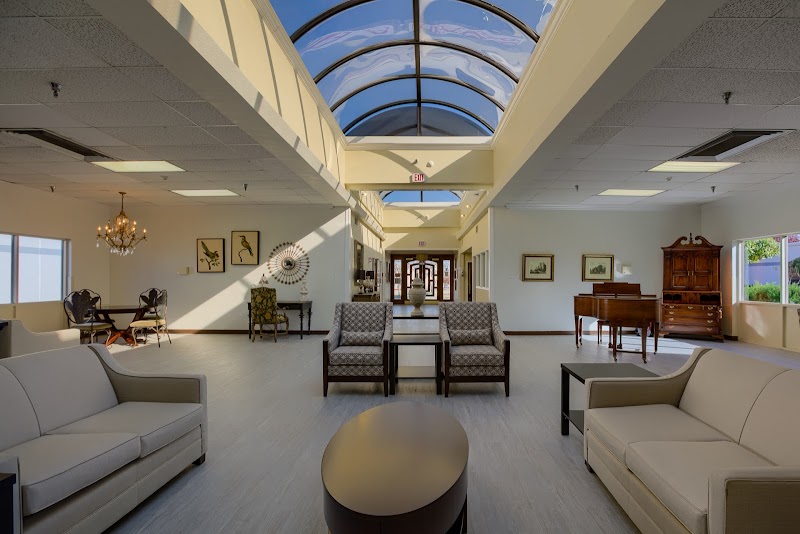
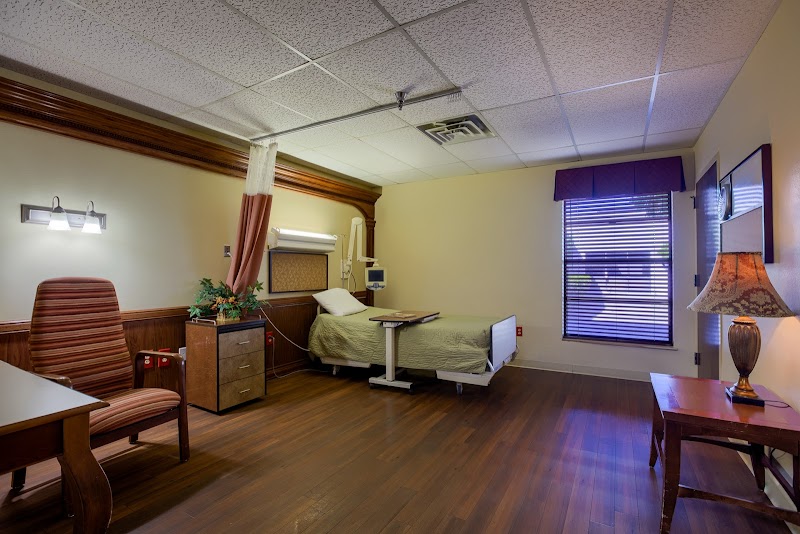
WEST SIDE CAMPUS OF CARE

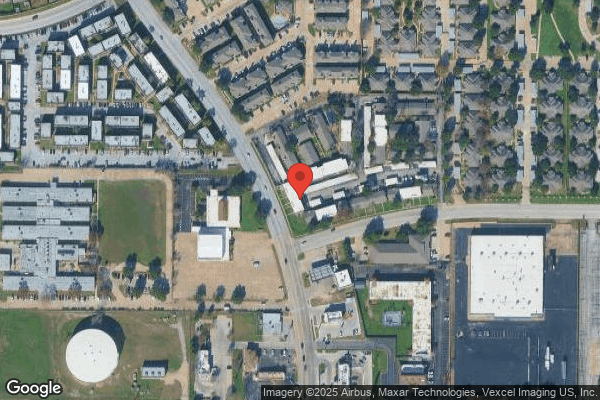
1950 S LAS VEGAS TRAIL, WHITE SETTLEMENT, TX 76108 (817) 246-4995
Government - Hospital district 234 Beds OPCO SKILLED MANAGEMENT Data: November 2025 4 Immediate Jeopardy citations
Trust Grade
0/100
#1153 of 1168 in TX
Last Inspection: January 2025

Within standard 12-15 month inspection cycle. Federal law requires annual inspections.

Overview

West Side Campus of Care has received a Trust Grade of F, indicating significant concerns and a poor overall quality of care. It ranks #1153 out of 1168 facilities in Texas, placing it in the bottom half of all nursing homes in the state, and is last in Tarrant County. The facility's trend is worsening, with the number of reported issues increasing from 2 in 2024 to 11 in 2025. Staffing is relatively stable with a turnover rate of 25%, which is below the state average, but the facility has faced serious issues, including a critical incident where a resident was allegedly given methadone without an order and another incident where a resident ran out of oxygen during an appointment, both highlighting significant lapses in care. While the facility has some strengths, such as lower staff turnover, the overall picture is concerning with multiple critical incidents and ongoing compliance issues.

Trust Score
F
0/100
In Texas
#1153/1168
Bottom 2%
Safety Record
High Risk
Review needed
Inspections
Getting Worse
2 → 11 violations
Staff Stability
✓ Good
25% annual turnover. Excellent stability, 23 points below Texas's 48% average. Staff who stay learn residents' needs.
Penalties
✓ Good
$39,899 in fines. Lower than most Texas facilities. Relatively clean record.
Skilled Nurses
⚠ Watch
Each resident gets only 22 minutes of Registered Nurse (RN) attention daily — below average for Texas. Fewer RN minutes means fewer trained eyes watching for problems.
Violations
⚠ Watch
19 deficiencies on record. Higher than average. Multiple issues found across inspections.
★☆☆☆☆
1.0
Overall Rating
★★☆☆☆
2.0
Staff Levels
★★★☆☆
3.0
Care Quality
★☆☆☆☆
1.0
Inspection Score
Stable
2024: 2 issues
2025: 11 issues

The Good

  • Low Staff Turnover (25%) · Staff stability means consistent care
  • Full Sprinkler Coverage · Fire safety systems throughout facility
  • No fines on record
  • Staff turnover is low (25%)

    23 points below Texas average of 48%

Facility shows strength in staff retention, fire safety.

The Bad

1-Star Overall Rating

Below Texas average (2.8)

Significant quality concerns identified by CMS

Federal Fines: $39,899

Above median ($33,413)

Moderate penalties - review what triggered them

Chain: OPCO SKILLED MANAGEMENT

Part of a multi-facility chain

Ask about local staffing decisions and management

The Ugly 19 deficiencies on record

4 life-threatening
May 2025 5 deficiencies 3 IJ
CRITICAL (J) 📢 Someone Reported This

A family member, employee, or ombudsman was alarmed enough to file a formal complaint

Immediate Jeopardy (IJ) - the most serious Medicare violation

Free from Abuse/Neglect (Tag F0600)

Someone could have died · This affected 1 resident

**NOTE- TERMS IN BRACKETS HAVE BEEN EDITED TO PROTECT CONFIDENTIALITY** Based on observation, interview, and record review, the facility failed to ensure the residents' right to be free from abuse for...

Read full inspector narrative →
**NOTE- TERMS IN BRACKETS HAVE BEEN EDITED TO PROTECT CONFIDENTIALITY** Based on observation, interview, and record review, the facility failed to ensure the residents' right to be free from abuse for one resident (Resident #1) of ten residents reviewed for abuse. -The facility failed to ensure that Resident #1 was free from physical abuse when he alleged he received methadone from a staff member, was found unresponsive, required Narcan, and tested positive for Methadone for which he did not have an order for. Resident #1 was transported to the local hospital on 4/30/25 and diagnosed with hypoxia (low oxygen) likely due to acute-on-chronic systolic heart failure. An Immediate Jeopardy (IJ) was identified on 5/07/25 at 1:56 PM and an IJ Template was provided to the Administrator at 3:00 PM. While the IJ was removed on 5/08/25, the facility remained out of compliance at a scope of isolated with the severity level of no actual harm with potential for more than minimal harm that was not immediate jeopardy due to the facility's need to evaluate the effectiveness of the corrective systems. This failure could place residents at risk for abuse. Findings included: Record review of Resident #1's face sheet, dated 5/08/25, reflected a [AGE] year-old male who was initially admitted to the facility on [DATE] and readmitted on [DATE] with diagnoses that included: acute systolic (congestive) heart failure, unspecified sequelae of cerebral infarction (stroke), major depressive disorder (mood disorder), and hx of cocaine and alcohol abuse. Record review of Resident #1's quarterly MDS assessment, dated 04/21/25, reflected his BIMS score was 12, which indicated moderate cognitive impairment. The MDS Assessment under Section GG-Functional Abilities, reflected Resident #1 required moderate to maximal assistance with most ADLs and used a motorized wheelchair. The MDS Assessment under Section N-Medications, reflected Resident #1 was prescribed medication under the high-risk drug class that included and opioid. Record review of Resident #1's care plan, revised 5/05/25, reflected the resident required pain management r/t to generalized pain that included Gabapentin and Norco. Interventions included: administering analgesia (pain reliever) as ordered, anticipating the resident's need for pain relief immediately to any complaint of pain, monitoring/recording/reporting to nurse any s/sx of non-verbal pain, monitoring/recording/reporting to nurse loss of appetite, refusal to eat, and weight loss, monitoring/recording/reporting to nurse complaints of pain or requests for pain treatment, and observing and reporting changes in usual routine. Further review of this document reflected it was revised on 5/05/25 to reflect that Resident #1 had a history of drug abuse prior to admission to facility. Resident #1 had gone out to hospital and noted to have non prescribed narcotic medication in his system. Interventions included: Drug abuse policy was given to resident with education and signature, Narcan (medication to reverse opioid/narcotic overdose) provided PRN, psychiatric medication management NP to see resident, referral to psychiatric services, resident was offered rehabilitation services and declined, and resident was seen by psychologist. Record review of Resident #1's active consolidated physician orders, dated 5/08/25, reflected in part the following: -HYDROcodone-Acetaminophen oral tablet 5-325 MG (for pain relief) - give 1 tablet by mouth every 6 hours as needed for pain. Hold medication if drowsy and notify MD. -Gabapentin oral capsule 300 MG (for pain relief) - give 1 capsule by mouth three times a day for pain. Hold medication if drowsy and notify MD. Further review of this document revealed there was not an order for Methadone. Record review of Resident #1's hospital records, dated 4/30/25, reflected in part the following: HPI: 64 [sic] y.o. male with a past medical history of GERD, hyperlipidemia, hypertension, diabetes mellitus stroke, seizure disorder who was brought into ER from nursing home because of respiratory distress. During my encounter [Resident #1] was on BiPAP and poor historian so history is taken from ER notes. As per ER [Resident #1] is on opioid outpatient in likely took more than dysuria of narcotics and later on was found to be short of breath and drowsy for which EMS was called. On arrival to ER [Resident #1] was found to be drowsy and was given Narcan, [Resident #1] responded very well to Narcan however got very anxious for which morphine was administer after my suspicion of an opioid withdrawal. ABGs: PH 7.25 (normal range 7.35-7.45), pC02 58.7 (normal range 32.0-45.0 mmHg), P02 98 (normal range 83.0-108.0 mmHg). [Resident #1] was on non-rebreather mask initially and was later on placed on BiPAP. CTA chest negative for PE or pleural effusions. Troponin 122 (normal range 38.73-80.22 ng/L), BNP 125 (normal range less than 100 pg/mL). [Resident #1] was given Lasix 100 mg IV once and breathing treatment as well. Review of system is limited as [Resident #1] is on BiPAP and lethargic during my encounter. . Labs: Specimen: Clean Catch; Urine Methadone- Positive Opiate- Positive . Hospital Course/Long LOS Summary: [Resident #1] is a [AGE] year-old male with past medical history of systolic heart failure, diabetes, hypertension, sleep apnea, and chronic pain who presented to the emergency room for altered mental status and shortness of breath. [Resident #1] was admitted for acute hypoxic respiratory failure requiring supplemental O2 and BiPAP to maintain O2 saturation >92%. Likely related to acute on chronic systolic heart failure versus community acquired or aspiration pneumonia. [Resident #1] was started on IV Lasix (water pill) with good urine output. Discharge plan pending clinical improvement. . Record review of Resident #1's progress note, dated 4/30/25 at 9:30 AM by LVN A, reflected the following: [Resident #1] not alert and SOB noted. [Resident #1] responsive only to sternal rub. b/p 142/90 p137 r22 o2 sat 47% on RA. Applied o2 via mask rebreather at 15l. o2 sat 92%. EMS called and [Resident #1] transferred to [name] ED. Record review of a document titled Resident Out on Pass Log, dated 4/20/25-5/07/25, reflected Resident #1 had not signed out to leave the facility. Record review of Resident #1's EHR reflected the resident was seen by a psychologist to address his s/sx of depression on 5/05/25. The recommendations reflected the following: -Psychological consultation is recommended to assist staff in developing and implementing behavior plans to reduce [Resident 1's] affective and/or cognitive symptoms. -Individual therapy to reduce [Resident 1's] affective and/or cognitive symptoms. -Referral for medication evaluation. Record review of an in-service titled Abuse and Neglect, dated 5/01/25, reflected all staff were educated on the facility's policy on recognizing and reporting abuse and neglect. Record review of an in-service titled Resident Drug and Alcohol Abuse, dated 5/05/25, reflected all staff were educated on the facility's policy on drugs and alcohol. Record review of an in-service titled Intoxicated Residents, dated 5/05/25, reflected all staff were educated on recognizing s/sx of an intoxicated resident and who to notify. Record review of an in-service titled Naloxone Administration, dated 5/06/25, reflected all nurses were educated on the protocol for administering Naloxone to a resident suspected of an overdose. In an interview and observation on 5/06/25 at 11:42 AM, Resident #1 was sitting in his wheelchair in his room. He was dressed and well-groomed with no s/sx of distress. Observation of the room revealed it was clean with no evidence of drugs, alcohol, or paraphernalia. Resident #1 immediately asked if I was from social services and if he was in trouble. This state investigator stated No and asked Resident #1 about his recent hospital stay. Resident #1 stated he was transported to the hospital for what he thought was another stroke. Resident #1 stated he could not recall what happened but was told that he was found unresponsive in his room. Resident #1 looked concerned, then proceeded to state that he did not want to be in trouble or get anyone else in trouble; however, he became sick after taking Methadone that he received from a staff member. Resident #1 refused to identify the staff. He stated he must have taken too much, and it caused him to pass out. Resident #1 did not recall exactly when he took the drug or how much he consumed. Resident #1 stated he was sad about his mother, who was sick at a different nursing facility, and he needed something to take his mind off it. Resident #1 refused to provide any additional information. In an interview on 5/06/25 at 12:20 PM, LVN A stated she worked at the facility for about 6 months. She stated she worked with Resident #1 on 4/30/25 when he was transported to the ER. LVN A stated she entered Resident #1's room to check his blood sugar at approximately 7:30 AM and found the resident less responsive than usual and exhibited respiratory distress. LVN A stated she immediately called for help while checking Resident #1's vitals. She stated she was unable to get an O2 reading and put the resident on oxygen. LVN A stated EMTs had already been called and arrived at the facility to transfer Resident #1 to the local hospital. LVN A stated initially she was unsure what caused Resident #1's change in condition, but later found it appeared to be from a drug overdose based on clinical records. LVN A stated she was aware Resident #1 had a hx of drug use. She stated she had not ever seen the resident have possession of nonprescription drugs or use them at the facility. LVN A stated she had never seen any staff members or other residents with nonprescription drugs. She stated the staff were in-serviced on the facility's drug policy on 5/05/25. In an interview on 5/06/25 at 1:10 PM, RN B stated she worked at the facility since 2019. She stated she worked with Resident #1 during the incident on 4/30/25. RN B stated the nurses were checking blood sugars on the hall when LVN A called for her help in Resident #1's room. RN B stated LVN A informed that she was unable to obtain an O2 reading from Resident #1, and he was unresponsive. RN B stated when she entered the room, she found that Resident #1 was breathing but was not responding normally. She stated after calling his name loudly a few times, Resident #1 opened his eyes and said Yes then went back to sleep. RN B stated Resident #1 needed constant engagement to stay alert. RN B stated she remained in the room with Resident #1 until EMTs arrived. In an interview on 5/06/25 at 1:54 PM with the DON and Administrator, the DON stated on 04/30/25 she was alerted by LVN A that Resident #1 was in respiratory distress and needed to be sent out to the hospital. This state investigator informed them that Resident #1 admitted he received the Methadone from a staff member that he refused to identify. The DON stated Resident #1 returned to the facility during the weekend on 5/3/25 and the clinicals showed that Methadone was found in his system. The DON stated the MD and pain management team was notified. The DON stated a care plan meeting with Resident #1 was held on 5/05/25 and during an interview with the resident he denied using any drugs and did not report receiving any drug from staff. The DON stated Resident #1 only stated he was depressed about his mother. The DON stated a referral was sent for psychiatric services and Resident #1 was able to talk with a psychologist on 5/05/25. The Administrator stated staff were in-serviced on the facility's drug policy, s/sx of intoxicated residents, and abuse and neglect. He also stated a Resident Council meeting was scheduled to discuss the facility's drug policy and to see if there were any concerns. The Administrator and DON stated this was new information and they would need to consult with regional managers on how to move forward. In a further interview on 5/06/25 at 3:00 PM with the DON and Administrator, the Administrator stated the Regional Managers advised them to submit a self-report to the state agency and start a provider investigation regarding the alleged abuse. In an interview on 5/07/25 at 9:42 AM with the DON and Administrator, the Administrator stated the facility submitted a self-report to the stated agency and started the provider investigation. The Administrator stated Resident #1 was interviewed again and still denied any drug use and getting drugs from a staff member. The Administrator stated the police were called out and Resident #1 also denied everything to them. In a further interview on 5/07/25 at 11:50 AM with the DON and Administrator, The DON stated she received and reviewed Resident #1's hospital records on 5/02/25, prior to the resident discharging from the hospital, when it was found that Methadone was in the resident's system. The DON stated Resident #1 did not have an order to take Methadone at the facility and was not receiving any outpatient treatment where he would receive Methadone. The Administrator stated the incident had just happened and they were still gathering information to determine what happened, which is why a self-report was not submitted prior to the state investigator entering the facility. In an interview on 05/07/25 at 3:45 PM with the Regional Nurse Consultant and Regional Director of Operations, the Regional Nurse Consultant stated she was informed by the DON on 5/02/25 that Resident #1's hospital records indicated there was Methadone found in his system and she advised the DON to start an investigation. The Regional Director of Operations stated the facility began reviewing the resident sign-out logs, in-servicing staff, auditing medications in the facility to check for Methadone/narcotics and medication errors, and conducting safe surveys with staff and residents. The Regional Director of Operations stated the investigation continued over the weekend, with the DON doing pop-up visits to check the facility for drugs. Both Regional managers stated they were not sure why the DON and Administrator did not provide this information prior to the Immediate Jeopardy being called. This state investigator informed that the only evidence that was provided prior to the Immediate Jeopardy being called were the staff in-services, Resident #1's psychology assessment note, Resident #1's care plan conference notes, and a scheduled Resident Council Meeting to discuss the facility's drug policy. There was no evidence of medications audits, safe surveys, interviews, IDT notification, or a report to the state agency provided. Review of the facility's policy titled Abuse Prevention and Prohibition Program, revised 08/2020, reflected in part the following: Purpose: To ensure the Facility establishes, operationalizes, and maintains an Abuse Prevention and Prohibition Program designed to screen and train employees, protect residents, and to ensure a standardized methodology for the prevention, identification, investigation, and reporting of abuse, neglect, mistreatment, misappropriation of property, and crime in accordance with federal and state requirements. Policy: I. Each resident has the right to be free from mistreatment, neglect, abuse, involuntary seclusion and misappropriation of property. The Facility has zero-tolerance for abuse, neglect, mistreatment, and/or misappropriation of resident property. Staff must not permit anyone to engage in verbal, mental, sexual, or physical abuse, neglect, mistreatment, or misappropriation of resident property. A. Definitions for the meaning of key terms used in this policy. II. The Facility is committed to protecting residents from abuse by anyone, including but not limited to Facility Staff, other residents, consultants, volunteers, staff from other agencies serving residents, family members, legal guardians, surrogates, sponsors, friends, and visitors. This policy statement also includes deprivation by any individual, including a caretaker, of goods, services or rights that are necessary for a resident to attain or maintain physical, mental, and psychosocial wellbeing. III. The Administrator is responsible for coordinating and implementing the Facility's abuse prevention policies, procedures, training programs, and systems. IV. This policy also identifies Special Considerations regarding the investigation of injuries of unknown origin, the reporting of suspected rape, and resident-to-resident abuse. Procedure: . IV Prevention A. Staff, residents and families will be able to report concerns, incidents and grievances without fear of retribution or retaliation. B. Supervisors shall immediately intervene, correct, and report identified situations where abuse, neglect or misappropriation of resident property is at risk for occurring. . VII Investigation A. The Facility promptly and thoroughly investigates reports of resident abuse, mistreatment, neglect, injuries of an unknown source, or criminal acts. . IX. Reporting/Response A. Facility Staff are Mandatory Reporters i. Facility owners, operators, employees, managers, agents, and contractors are obligated by the Elder Justice Act and any state specific regulations to report known or suspected instances of abuse of elder or dependent adults. . Review of the facility's policy titled Resident Drug and Alcohol Abuse, revised 08/2020, reflected in part the following: Purpose: To provide a safe and drug-free environment for residents while at the Facility. Policy Statement: I. The Facility will admit a resident who has a history of drug and alcohol abuse as long as their primary diagnosis is suitable for skilled care at this Facility. II. The Facility has a zero-tolerance policy for the use or possession of illegal drugs (including marijuana) or any type of drug apparatus in the Facility or on the grounds of the Facility. All illegal drugs and/or drug paraphernalia will be confiscated from the resident and /or their room. B. The only drugs permissible at the Facility and/or on Facility grounds are those for which there is an Attending Physician order. IV.Any resident found in violation of this policy will be discharged to a more appropriate setting for care (See Policy Transfer and Discharge). . The Administrator and DON were notified of an Immediate Jeopardy (IJ) on 5/07/25 at 2:57 PM, due to the above failures and the IJ Template was provided at 3:00 PM. The facility's Plan of Removal (POR) was accepted on 5/08/25 at 12:30 PM and included: Date: 5/7/25 PLAN OF REMOVAL FOR IMMEDIATE JEOPARDY To Whom it may concern, Summary of Details which lead to outcomes. F600 Free from Abuse On 5/6/25, during a complaint survey at [Nursing Facility]. The facility failed to ensure Resident #1 was free from abuse when he suffered respiratory distress after taking methadone that the resident reported was provided by a staff member. The notification of the alleged immediate jeopardy states as follows: Resident #1 is a [AGE] year-old male who admitted to the facility on [DATE] with diagnoses that included: hx of stroke, major depressive disorder, and hx of alcohol and cocaine abuse. On 4/29/25 [sic], Resident# l was found to be in respiratory distress and less aroused than usual. He was sent out to the local hospital where he was diagnosed with hypoxia (low oxygen) likely due to acute-on-chronic systolic heart failure with labs that were positive for methadone. Identify residents who could be affected: All Residents have the potential to be affected by this deficiency Identify responsible staff/ what action taken: 1. Alleged employee suspended pending investigation. Last day employee worked was 4/27/25 2. Attending Physicians was notified of the incident involving the resident on 5/2/25 3. Trauma screen was completed on 5/6/25. 4. Police notified on 5/6/25. 5. Resident referred to Deer OAKS for psychological assessment on 5/5/25 6. Care plans updated on 5/5/25 7. Reviewed out on pass for 5/2/25 8. Reviewed advance entry for visitors on 5/2/25 9. Reviewed facility medications for use of methadone 5/2/25 10. Completed care plan conference with residents on 5/5/25 11. Resident seen by psychologist on 5/5/25 12. Drug abuse contract and policy discussed with residents and signed 5/5/25 13. Staff in-service on facility drug policy, identifying intoxicated residents, Narcan administration on 5/7/25, and will be completed on 5/8/25. All staff in-services will be ongoing to ensure all PRN, new staff, and any staff who are not in-serviced for any reason will receive it before the start of the shift. 14. Abuse and neglect in-service started on 5/7 /25 and will be completed on 5/8/25. All staff inservices will be ongoing to ensure all PRN, new staff, and any staff not in-serviced for any reason receive them before the start of the shift. In-service will be conducted by the Administrator/DON or Designee. 15. 1:1 in-service conducted for DON and Administrator on Abuse and Neglect Policy. In-service conducted by RDO and RNC on 5/7/25 16. Staff and resident questionnaires 5/5/25. 17. Safe surveys on 5/2/25 18. Offered drug rehab services to resident 5/5/25 Implementation of Changes: 1. Audit of all residents who have a drug history or potential for drug use and have completed the drug policy acknowledgement form. This started on 5/7/25 and will end on 5/8/25. This will be ongoing to ensure all new admits and changes are made where necessary. This will be conducted by the DON or Designee. 2. Appropriate interventions are being put in place as needed. 3. All staff were re-educated on identifying intoxicated residents and the resident drug and alcohol abuse policy. This started on 5/7/25 and will end on 5/8/25. All staff in-services will be ongoing to ensure all PRN, new staff, and any staff not in-serviced for any reason receive then1 before the start of the shift. In-service will be conducted by the Administrator/DON or Designee. 4. Staff (nurses) in-service on facility drug policy, identifying intoxicated residents, Narcan administration, abuse, and neglect started on 5/7/25 and will end on 5/8/25. All staff in-services will be ongoing to ensure all PRN, new staff, and any staff not in-serviced for any reason receive them before the start of the shift. In-service will be conducted by the Administrator/DON or Designee. Monitoring: The Administrator/DON/Designee will be responsible for monitoring the implementation and effectiveness of in-service conducted on 5/7 /25 and ongoing. The Administrator/DON will review the effectiveness of this daily X 7 days and weekly X 4 weeks, then X 3 monthly, continued monitoring will be ongoing and report any adverse findings to the QAPI committee. All concerns noted will be addressed at the time of discove1y. Involvement of Medical Director The Medical Director met with the Interdisciplinary team on 5/6/25 and conducted an Ad HOC QAPI regarding resident drug use. The Medical Director was notified about the immediate Jeopardy on 5/7/25, the Plan of removal was reviewed and accepted by Medical Director. Involvement of QA: An Ad Hoc QAPI meeting was held with the Medical Director, facility administrator, director of nursing, to review the plan of removal on 5/7/25. Who is responsible for the implementation of the process? The Director of Nursing and Administrator will be responsible for the implementation of Process. Please accept this letter as our plan of removal for the determination of Immediate Jeopardy issued on 5/7/25. On 5/08/25 the investigator began monitoring (12:30 PM-2:45 PM) to determine if the facility implemented their plan of removal sufficiently to remove the Immediate Jeopardy by: Observation, interview, and record review on 5/08/25, 12:30 PM-1:15 PM, of Residents #1, #2, #3, #4, #5, #6, #7, #8, #9, and #10 revealed no concerns for abuse . Record review of residents' EHRs reflected no concerns for changes in physical, mental, or psychosocial status. Observations and interviews with residents and/or RPs revealed no concerns for abuse. The residents denied receiving any nonprescription drugs from staff or other residents. They also denied being physically, mentally, or emotionally abused. Interviews on 5/08/25, 1:20 PM-2:35 PM, conducted with the Administrator, DON, ADON, nurses, CMAs, and CNAs: RN B (1st shift), CNA F (1st shift), LVN L (3rd shift), MDS Nurse/LVN M (1st shift), LVN N (2nd shift), CMA O (2nd shift), CMA P (1st shift), CNA Q (2nd shift), RN R (PRN/all shifts), CNA S (2nd/3rd shift/weekends), RN T (2nd shift), CNA U (3rd shift), and LVN V (2nd shift) indicated they all participated in in-service trainings starting on 5/07/25-5/08/25. All staff were able to state per the facility's policy on drugs and alcohol that the facility was zero tolerance for drugs and alcohol on the premises unless ordered for the residents by the MD. The staff were able to state s/sx of intoxicated residents and who to report it to. The staff were also able to state how to identify and report any suspected or reported abuse. In addition, the nurses were able to state the protocol for identifying and treating residents suspected of an overdose and who to report it to. The Administrator and DON understood that it was their responsibility to implement the interventions and monitor for effectiveness. Record review of an in-service titled Resident Drug and Alcohol Abuse, dated 5/07/25, reflected all staff were re-educated on the facility's policy on drugs and alcohol. Record review of an in-service titled Intoxicated Residents, dated 5/07/25, reflected all staff were re-educated on recognizing s/sx of an intoxicated resident and who to notify. Record review of an in-service titled Abuse and Neglect, dated 5/07/25, reflected all staff were educated on the facility's policy on recognizing and reporting abuse and neglect. Record review of an in-service titled Naloxone Administration, dated 5/07/25, reflected all nurses were re-educated on the protocol for administering Naloxone to a resident suspected of an overdose. Record review of a document provided by the Administrator titled Drug & Alcohol Abuse Policy Acknowledgement & Consent dated 5/07/25, reflected the DON audited all residents who had a drug history, reviewed the drug and alcohol policy, and signed updated acknowledgement forms. Record review of an in-service titled Abuse and Neglect, dated 5/08/25, reflected the Administrator and DON were educated by the Regional Nurse Consultant and Regional Director of Operations regarding coordinating and implementing the facility's abuse and prevention policy and procedure. On 5/08/25 at 1:57 PM, the Administrator provided documents from an investigation binder that included the following: -Safe survey, dated 5/02/25 - Resident #1's Care Plan Conference notes, dated 5/05/25 - Resident #1's psychology/behavioral note, dated 5/05/25 -Resident #1's signed behavioral contract, dated 5/05/25 -Trauma screening for Resident #1, dated 5/06/25 - Police Report, dated 5/06/25 -Resident Drug and Alcohol Abuse Questionnaire, dated 5/06/25 -Corrective Action Memo for Activity Staff, dated 5/06/25 (which indicated the Activity Staff was suspended pending an investigation of abuse) -Self-report to state agency, dated 5/06/25 An Immediate Jeopardy (IJ) was identified on 5/07/25 at 1:56 PM and an IJ Template was provided to the Administrator at 3:00 PM. While the IJ was removed on 5/08/25, the facility remained out of compliance at a scope of isolated with the severity level of no actual harm with potential for more than minimal harm that was not immediate jeopardy due to the facility's need to evaluate the effectiveness of the corrective systems.
CRITICAL (J) 📢 Someone Reported This

A family member, employee, or ombudsman was alarmed enough to file a formal complaint

Immediate Jeopardy (IJ) - the most serious Medicare violation

Abuse Prevention Policies (Tag F0607)

Someone could have died · This affected 1 resident

**NOTE- TERMS IN BRACKETS HAVE BEEN EDITED TO PROTECT CONFIDENTIALITY** Based on observation, interview and record review, the facility failed to implement written policies and procedures that prohibi...

Read full inspector narrative →
**NOTE- TERMS IN BRACKETS HAVE BEEN EDITED TO PROTECT CONFIDENTIALITY** Based on observation, interview and record review, the facility failed to implement written policies and procedures that prohibit mistreatment, neglect, and abuse of residents for one resident (Resident #1) of ten residents reviewed for abuse. -The facility failed to implement the abuse and neglect policy and procedures to ensure that Resident #1 was free from physical abuse when he alleged he received methadone from a staff member, was found unresponsive, required Narcan, and tested positive for Methadone for which he did not have an order for. Resident #1 was transported to the local hospital on 4/30/25 and diagnosed with hypoxia (low oxygen) likely due to acute-on-chronic systolic heart failure. An Immediate Jeopardy (IJ) was identified on 5/07/25 at 1:56 PM and an IJ Template was provided to the Administrator at 3:00 PM. While the IJ was removed on 5/08/25, the facility remained out of compliance at a scope of isolated with the severity level of no actual harm with potential for more than minimal harm that was not immediate jeopardy due to the facility's need to evaluate the effectiveness of the corrective systems. This failure could place all residents at an increased risk for abuse and neglect. Findings included: Review of the facility's policy titled Abuse Prevention and Prohibition Program, revised 08/2020, reflected in part the following: Purpose: To ensure the Facility establishes, operationalizes, and maintains an Abuse Prevention and Prohibition Program designed to screen and train employees, protect residents, and to ensure a standardized methodology for the prevention, identification, investigation, and reporting of abuse, neglect, mistreatment, misappropriation of property, and crime in accordance with federal and state requirements. Policy: I. Each resident has the right to be free from mistreatment, neglect, abuse, involuntary seclusion and misappropriation of property. The Facility has zero-tolerance for abuse, neglect, mistreatment, and/or misappropriation of resident property. Staff must not permit anyone to engage in verbal, mental, sexual, or physical abuse, neglect, mistreatment, or misappropriation of resident property. A. Definitions for the meaning of key terms used in this policy. II. The Facility is committed to protecting residents from abuse by anyone, including but not limited to Facility Staff, other residents, consultants, volunteers, staff from other agencies serving residents, family members, legal guardians, surrogates, sponsors, friends, and visitors. This policy statement also includes deprivation by any individual, including a caretaker, of goods, services or rights that are necessary for a resident to attain or maintain physical, mental, and psychosocial wellbeing. III. The Administrator is responsible for coordinating and implementing the Facility's abuse prevention policies, procedures, training programs, and systems. IV. This policy also identifies Special Considerations regarding the investigation of injuries of unknown origin, the reporting of suspected rape, and resident-to-resident abuse. Procedure: . IV Prevention A. Staff, residents and families will be able to report concerns, incidents and grievances without fear of retribution or retaliation. B. Supervisors shall immediately intervene, correct, and report identified situations where abuse, neglect or misappropriation of resident property is at risk for occurring. . VII Investigation A. The Facility promptly and thoroughly investigates reports of resident abuse, mistreatment, neglect, injuries of an unknown source, or criminal acts. . IX. Reporting/Response A. Facility Staff are Mandatory Reporters i. Facility owners, operators, employees, managers, agents, and contractors are obligated by the Elder Justice Act and any state specific regulations to report known or suspected instances of abuse of elder or dependent adults. . Review of the facility's policy titled Resident Drug and Alcohol Abuse, revised 08/2020, reflected in part the following: Purpose: To provide a safe and drug-free environment for residents while at the Facility. Policy Statement: I. The Facility will admit a resident who has a history of drug and alcohol abuse as long as their primary diagnosis is suitable for skilled care at this Facility. II. The Facility has a zero-tolerance policy for the use or possession of illegal drugs (including marijuana) or any type of drug apparatus in the Facility or on the grounds of the Facility. All illegal drugs and/or drug paraphernalia will be confiscated from the resident and /or their room. B. The only drugs permissible at the Facility and/or on Facility grounds are those for which there is an Attending Physician order. IV.Any resident found in violation of this policy will be discharged to a more appropriate setting for care (See Policy Transfer and Discharge). . Record review of Resident #1's face sheet, dated 5/08/25, reflected a [AGE] year-old male who was initially admitted to the facility on [DATE] and readmitted on [DATE] with diagnoses that included: acute systolic (congestive) heart failure, unspecified sequelae of cerebral infarction (stroke), major depressive disorder (mood disorder), and hx of cocaine and alcohol abuse. Record review of Resident #1's quarterly MDS assessment, dated 04/21/25, reflected his BIMS score was 12, which indicated moderate cognitive impairment. The MDS Assessment under Section GG-Functional Abilities, reflected Resident #1 required moderate to maximal assistance with most ADLs and used a motorized wheelchair. The MDS Assessment under Section N-Medications, reflected Resident #1 was prescribed medication under the high-risk drug class that included and opioid. Record review of Resident #1's care plan, revised 5/05/25, reflected the resident required pain management r/t to generalized pain that included Gabapentin and Norco. Interventions included: administering analgesia (pain reliever) as ordered, anticipating the resident's need for pain relief immediately to any complaint of pain, monitoring/recording/reporting to nurse any s/sx of non-verbal pain, monitoring/recording/reporting to nurse loss of appetite, refusal to eat, and weight loss, monitoring/recording/reporting to nurse complaints of pain or requests for pain treatment, and observing and reporting changes in usual routine. Further review of this document reflected it was revised on 5/05/25 to reflect that Resident #1 had a history of drug abuse prior to admission to facility. Resident #1 had gone out to hospital and noted to have non prescribed narcotic medication in his system. Interventions included: Drug abuse policy was given to resident with education and signature, Narcan (medication to reverse opioid/narcotic overdose) provided PRN, psychiatric medication management NP to see resident, referral to psychiatric services, resident was offered rehabilitation services and declined, and resident was seen by psychologist. Record review of Resident #1's active consolidated physician orders, dated 5/08/25, reflected in part the following: -HYDROcodone-Acetaminophen oral tablet 5-325 MG (for pain relief) - give 1 tablet by mouth every 6 hours as needed for pain. Hold medication if drowsy and notify MD. -Gabapentin oral capsule 300 MG (for pain relief) - give 1 capsule by mouth three times a day for pain. Hold medication if drowsy and notify MD. Further review of this document revealed there was not an order for Methadone. Record review of Resident #1's hospital records, dated 4/30/25, reflected in part the following: HPI: 64 [sic] y.o. male with a past medical history of GERD, hyperlipidemia, hypertension, diabetes mellitus stroke, seizure disorder who was brought into ER from nursing home because of respiratory distress. During my encounter [Resident #1] was on BiPAP and poor historian so history is taken from ER notes. As per ER [Resident #1] is on opioid outpatient in likely took more than dysuria of narcotics and later on was found to be short of breath and drowsy for which EMS was called. On arrival to ER [Resident #1] was found to be drowsy and was given Narcan, [Resident #1] responded very well to Narcan however got very anxious for which morphine was administer after my suspicion of an opioid withdrawal. ABGs: PH 7.25 (normal range 7.35-7.45), pC02 58.7 (normal range 32.0-45.0 mmHg), P02 98 (normal range 83.0-108.0 mmHg). [Resident #1] was on non-rebreather mask initially and was later on placed on BiPAP. CTA chest negative for PE or pleural effusions. Troponin 122 (normal range 38.73-80.22 ng/L), BNP 125 (normal range less than 100 pg/mL). [Resident #1] was given Lasix 100 mg IV once and breathing treatment as well. Review of system is limited as [Resident #1] is on BiPAP and lethargic during my encounter. . Labs: Specimen: Clean Catch; Urine Methadone- Positive Opiate- Positive . Hospital Course/Long LOS Summary: [Resident #1] is a [AGE] year-old male with past medical history of systolic heart failure, diabetes, hypertension, sleep apnea, and chronic pain who presented to the emergency room for altered mental status and shortness of breath. [Resident #1] was admitted for acute hypoxic respiratory failure requiring supplemental O2 and BiPAP to maintain O2 saturation >92%. Likely related to acute on chronic systolic heart failure versus community acquired or aspiration pneumonia. [Resident #1] was started on IV Lasix (water pill) with good urine output. Discharge plan pending clinical improvement. . Record review of Resident #1's progress note, dated 4/30/25 at 9:30 AM by LVN A, reflected the following: [Resident #1] not alert and SOB noted. [Resident #1] responsive only to sternal rub. b/p 142/90 p137 r22 o2 sat 47% on RA. Applied o2 via mask rebreather at 15l. o2 sat 92%. EMS called and [Resident #1] transferred to [name] ED. Record review of a document titled Resident Out on Pass Log, dated 4/20/25-5/07/25, reflected Resident #1 had not signed out to leave the facility. Record review of Resident #1's EHR reflected the resident was seen by a psychologist to address his s/sx of depression on 5/05/25. The recommendations reflected the following: -Psychological consultation is recommended to assist staff in developing and implementing behavior plans to reduce [Resident 1's] affective and/or cognitive symptoms. -Individual therapy to reduce [Resident 1's] affective and/or cognitive symptoms. -Referral for medication evaluation. Record review of an in-service titled Abuse and Neglect, dated 5/01/25, reflected all staff were educated on the facility's policy on recognizing and reporting abuse and neglect. Record review of an in-service titled Resident Drug and Alcohol Abuse, dated 5/05/25, reflected all staff were educated on the facility's policy on drugs and alcohol. Record review of an in-service titled Intoxicated Residents, dated 5/05/25, reflected all staff were educated on recognizing s/sx of an intoxicated resident and who to notify. Record review of an in-service titled Naloxone Administration, dated 5/06/25, reflected all nurses were educated on the protocol for administering Naloxone to a resident suspected of an overdose. In an interview and observation on 5/06/25 at 11:42 AM, Resident #1 was sitting in his wheelchair in his room. He was dressed and well-groomed with no s/sx of distress. Observation of the room revealed it was clean with no evidence of drugs, alcohol, or paraphernalia. Resident #1 immediately asked if I was from social services and if he was in trouble. This state investigator stated No and asked Resident #1 about his recent hospital stay. Resident #1 stated he was transported to the hospital for what he thought was another stroke. Resident #1 stated he could not recall what happened but was told that he was found unresponsive in his room. Resident #1 looked concerned, then proceeded to state that he did not want to be in trouble or get anyone else in trouble; however, he became sick after taking Methadone that he received from a staff member. Resident #1 refused to identify the staff. He stated he must have taken too much, and it caused him to pass out. Resident #1 did not recall exactly when he took the drug or how much he consumed. Resident #1 stated he was sad about his mother, who was sick at a different nursing facility, and he needed something to take his mind off it. Resident #1 refused to provide any additional information. In an interview on 5/06/25 at 12:20 PM, LVN A stated she worked at the facility for about 6 months. She stated she worked with Resident #1 on 4/30/25 when he was transported to the ER. LVN A stated she entered Resident #1's room to check his blood sugar at approximately 7:30 AM and found the resident less responsive than usual and exhibited respiratory distress. LVN A stated she immediately called for help while checking Resident #1's vitals. She stated she was unable to get an O2 reading and put the resident on oxygen. LVN A stated EMTs had already been called and arrived at the facility to transfer Resident #1 to the local hospital. LVN A stated initially she was unsure what caused Resident #1's change in condition, but later found it appeared to be from a drug overdose based on clinical records. LVN A stated she was aware Resident #1 had a hx of drug use. She stated she had not ever seen the resident have possession of nonprescription drugs or use them at the facility. LVN A stated she had never seen any staff members or other residents with nonprescription drugs. She stated the staff were in-serviced on the facility's drug policy on 5/05/25. In an interview on 5/06/25 at 1:10 PM, RN B stated she worked at the facility since 2019. She stated she worked with Resident #1 during the incident on 4/30/25. RN B stated the nurses were checking blood sugars on the hall when LVN A called for her help in Resident #1's room. RN B stated LVN A informed that she was unable to obtain an O2 reading from Resident #1, and he was unresponsive. RN B stated when she entered the room, she found that Resident #1 was breathing but was not responding normally. She stated after calling his name loudly a few times, Resident #1 opened his eyes and said Yes then went back to sleep. RN B stated Resident #1 needed constant engagement to stay alert. RN B stated she remained in the room with Resident #1 until EMTs arrived. In an interview on 5/06/25 at 1:54 PM with the DON and Administrator, the DON stated on 04/30/25 she was alerted by LVN A that Resident #1 was in respiratory distress and needed to be sent out to the hospital. This state investigator informed them that Resident #1 admitted he received the Methadone from a staff member that he refused to identify. The DON stated Resident #1 returned to the facility during the weekend on 5/3/25 and the clinicals showed that Methadone was found in his system. The DON stated the MD and pain management team was notified. The DON stated a care plan meeting with Resident #1 was held on 5/05/25 and during an interview with the resident he denied using any drugs and did not report receiving any drug from staff. The DON stated Resident #1 only stated he was depressed about his mother. The DON stated a referral was sent for psychiatric services and Resident #1 was able to talk with a psychologist on 5/05/25. The Administrator stated staff were in-serviced on the facility's drug policy, s/sx of intoxicated residents, and abuse and neglect. He also stated a Resident Council meeting was scheduled to discuss the facility's drug policy and to see if there were any concerns. The Administrator and DON stated this was new information and they would need to consult with regional managers on how to move forward. In a further interview on 5/06/25 at 3:00 PM with the DON and Administrator, the Administrator stated the Regional Managers advised them to submit a self-report to the state agency and start a provider investigation regarding the alleged abuse. In an interview on 5/07/25 at 9:42 AM with the DON and Administrator, the Administrator stated the facility submitted a self-report to the stated agency and started the provider investigation. The Administrator stated Resident #1 was interviewed again and still denied any drug use and getting drugs from a staff member. The Administrator stated the police were called out and Resident #1 also denied everything to them. In a further interview on 5/07/25 at 11:50 AM with the DON and Administrator, The DON stated she received and reviewed Resident #1's hospital records on 5/02/25, prior to the resident discharging from the hospital, when it was found that Methadone was in the resident's system. The DON stated Resident #1 did not have an order to take Methadone at the facility and was not receiving any outpatient treatment where he would receive Methadone. The Administrator stated the incident had just happened and they were still gathering information to determine what happened, which is why a self-report was not submitted prior to the state investigator entering the facility. In an interview on 05/07/25 at 3:45 PM with the Regional Nurse Consultant and Regional Director of Operations, the Regional Nurse Consultant stated she was informed by the DON on 5/02/25 that Resident #1's hospital records indicated there was Methadone found in his system and she advised the DON to start an investigation. The Regional Director of Operations stated the facility began reviewing the resident sign-out logs, in-servicing staff, auditing medications in the facility to check for Methadone/narcotics and medication errors, and conducting safe surveys with staff and residents. The Regional Director of Operations stated the investigation continued over the weekend, with the DON doing pop-up visits to check the facility for drugs. Both Regional managers stated they were not sure why the DON and Administrator did not provide this information prior to the Immediate Jeopardy being called. This state investigator informed that the only evidence that was provided prior to the Immediate Jeopardy being called were the staff in-services, Resident #1's psychology assessment note, Resident #1's care plan conference notes, and a scheduled Resident Council Meeting to discuss the facility's drug policy. There was no evidence of medications audits, safe surveys, interviews, IDT notification, or a report to the state agency provided. The Administrator and DON were notified of an Immediate Jeopardy (IJ) on 5/07/25 at 2:57 PM, due to the above failures and the IJ Template was provided at 3:00 PM. The facility's Plan of Removal (POR) was accepted on 5/08/25 at 12:30 PM and included: Date: 5/7/25 PLAN OF REMOVAL FOR IMMEDIATE JEOPARDY To Whom it may concern, Summary of Details which lead to outcomes. F600 Free from Abuse On 5/6/25, during a complaint survey at [Nursing Facility]. The facility failed to ensure Resident #1 was free from abuse when he suffered respiratory distress after taking methadone that the resident reported was provided by a staff member. The notification of the alleged immediate jeopardy states as follows: Resident #1 is a [AGE] year-old male who admitted to the facility on [DATE] with diagnoses that included: hx of stroke, major depressive disorder, and hx of alcohol and cocaine abuse. On 4/29/25 [sic], Resident# l was found to be in respiratory distress and less aroused than usual. He was sent out to the local hospital where he was diagnosed with hypoxia (low oxygen) likely due to acute-on-chronic systolic heart failure with labs that were positive for methadone. Identify residents who could be affected: All Residents have the potential to be affected by this deficiency Identify responsible staff/ what action taken: 1. Alleged employee suspended pending investigation. Last day employee worked was 4/27/25 2. Attending Physicians was notified of the incident involving the resident on 5/2/25 3. Trauma screen was completed on 5/6/25. 4. Police notified on 5/6/25. 5. Resident referred to Deer OAKS for psychological assessment on 5/5/25 6. Care plans updated on 5/5/25 7. Reviewed out on pass for 5/2/25 8. Reviewed advance entry for visitors on 5/2/25 9. Reviewed facility medications for use of methadone 5/2/25 10. Completed care plan conference with residents on 5/5/25 11. Resident seen by psychologist on 5/5/25 12. Drug abuse contract and policy discussed with residents and signed 5/5/25 13. Staff in-service on facility drug policy, identifying intoxicated residents, Narcan administration on 5/7/25, and will be completed on 5/8/25. All staff in-services will be ongoing to ensure all PRN, new staff, and any staff who are not in-serviced for any reason will receive it before the start of the shift. 14. Abuse and neglect in-service started on 5/7 /25 and will be completed on 5/8/25. All staff inservices will be ongoing to ensure all PRN, new staff, and any staff not in-serviced for any reason receive them before the start of the shift. In-service will be conducted by the Administrator/DON or Designee. 15. 1:1 in-service conducted for DON and Administrator on Abuse and Neglect Policy. In-service conducted by RDO and RNC on 5/7/25 16. Staff and resident questionnaires 5/5/25. 17. Safe surveys on 5/2/25 18. Offered drug rehab services to resident 5/5/25 Implementation of Changes: 1. Audit of all residents who have a drug history or potential for drug use and have completed the drug policy acknowledgement form. This started on 5/7/25 and will end on 5/8/25. This will be ongoing to ensure all new admits and changes are made where necessary. This will be conducted by the DON or Designee. 2. Appropriate interventions are being put in place as needed. 3. All staff were re-educated on identifying intoxicated residents and the resident drug and alcohol abuse policy. This started on 5/7/25 and will end on 5/8/25. All staff in-services will be ongoing to ensure all PRN, new staff, and any staff not in-serviced for any reason receive then1 before the start of the shift. In-service will be conducted by the Administrator/DON or Designee. 4. Staff (nurses) in-service on facility drug policy, identifying intoxicated residents, Narcan administration, abuse, and neglect started on 5/7/25 and will end on 5/8/25. All staff in-services will be ongoing to ensure all PRN, new staff, and any staff not in-serviced for any reason receive them before the start of the shift. In-service will be conducted by the Administrator/DON or Designee. Monitoring: The Administrator/DON/Designee will be responsible for monitoring the implementation and effectiveness of in-service conducted on 5/7 /25 and ongoing. The Administrator/DON will review the effectiveness of this daily X 7 days and weekly X 4 weeks, then X 3 monthly, continued monitoring will be ongoing and report any adverse findings to the QAPI committee. All concerns noted will be addressed at the time of discove1y. Involvement of Medical Director The Medical Director met with the Interdisciplinary team on 5/6/25 and conducted an Ad HOC QAPI regarding resident drug use. The Medical Director was notified about the immediate Jeopardy on 5/7/25, the Plan of removal was reviewed and accepted by Medical Director. Involvement of QA: An Ad Hoc QAPI meeting was held with the Medical Director, facility administrator, director of nursing, to review the plan of removal on 5/7/25. Who is responsible for the implementation of the process? The Director of Nursing and Administrator will be responsible for the implementation of Process. Please accept this letter as our plan of removal for the determination of Immediate Jeopardy issued on 5/7/25. On 5/08/25 the investigator began monitoring (12:30 PM-2:45 PM) to determine if the facility implemented their plan of removal sufficiently to remove the Immediate Jeopardy by: Observation, interview, and record review on 5/08/25, 12:30 PM-1:15 PM, of Residents #1, #2, #3, #4, #5, #6, #7, #8, #9, and #10 revealed no concerns for abuse. Record review of residents' EHRs reflected no concerns for changes in physical, mental, or psychosocial status. Observations and interviews with residents and/or RPs revealed no concerns for abuse. The residents denied receiving any nonprescription drugs from staff or other residents. They also denied being physically, mentally, or emotionally abused. Interviews on 5/08/25, 1:20 PM-2:35 PM, conducted with the Administrator, DON, ADON, nurses, CMAs, and CNAs: RN B (1st shift), CNA F (1st shift), LVN L (3rd shift), MDS Nurse/LVN M (1st shift), LVN N (2nd shift), CMA O (2nd shift), CMA P (1st shift), CNA Q (2nd shift), RN R (PRN/all shifts), CNA S (2nd/3rd shift/weekends), RN T (2nd shift), CNA U (3rd shift), and LVN V (2nd shift) indicated they all participated in in-service trainings starting on 5/07/25-5/08/25. All staff were able to state per the facility's policy on drugs and alcohol that the facility was zero tolerance for drugs and alcohol on the premises unless ordered for the residents by the MD. The staff were able to state s/sx of intoxicated residents and who to report it to. The staff were also able to state how to identify and report any suspected or reported abuse. In addition, the nurses were able to state the protocol for identifying and treating residents suspected of an overdose and who to report it to. The Administrator and DON also understood that it was their responsibility to implement the interventions and monitor for effectiveness. The Administrator and DON stated they received 1 on 1 education regarding the facility's abuse and neglect policy and were able to state they were responsible for implementing the policy to ensure all allegations of abuse, neglect, and exploitation were reported and investigated. Record review of the facility's policy titled Abuse Prevention and Prohibition Program, revised 08/2020, reflected in part the following: Purpose: To ensure the Facility establishes, operationalizes, and maintains an Abuse Prevention and Prohibition Program designed to screen and train employees, protect residents, and to ensure a standardized methodology for the prevention, identification, investigation, and reporting of abuse, neglect, mistreatment, misappropriation of property, and crime in accordance with federal and state requirements. . Record review of an in-service titled Resident Drug and Alcohol Abuse, dated 5/07/25, reflected all staff were re-educated on the facility's policy on drugs and alcohol. Record review of an in-service titled Intoxicated Residents, dated 5/07/25, reflected all staff were re-educated on recognizing s/sx of an intoxicated resident and who to notify. Record review of an in-service titled Abuse and Neglect, dated 5/07/25, reflected all staff were educated on the facility's policy on recognizing and reporting abuse and neglect. Record review of an in-service titled Naloxone Administration, dated 5/07/25, reflected all nurses were re-educated on the protocol for administering Naloxone to a resident suspected of an overdose. Record review of a document provided by the Administrator titled Drug & Alcohol Abuse Policy Acknowledgement & Consent dated 5/07/25, reflected the DON audited all residents who had a drug history, reviewed the drug and alcohol policy, and signed updated acknowledgement forms. Record review of an in-service titled Abuse and Neglect, dated 5/08/25, reflected the Administrator and DON were educated by the Regional Nurse Consultant and Regional Director of Operations regarding coordinating and implementing the facility's abuse and prevention policy and procedure. On 5/08/25 at 1:57 PM, the Administrator provided documents from an investigation binder that included the following: -Safe survey, dated 5/02/25 - Resident #1's Care Plan Conference notes, dated 5/05/25 - Resident #1's psychology/behavioral note, dated 5/05/25 -Resident #1's signed behavioral contract, dated 5/05/25 -Trauma screening for Resident #1, dated 5/06/25 - Police Report, dated 5/06/25 -Resident Drug and Alcohol Abuse Questionnaire, dated 5/06/25 -Corrective Action Memo for Activity Staff, dated 5/06/25 (which indicated the Activity Staff was suspended pending an investigation of abuse) -Self-report to state agency, dated 5/06/25 An Immediate Jeopardy (IJ) was identified on 5/07/25 at 1:56 PM and an IJ Template was provided to the Administrator at 3:00 PM. While the IJ was removed on 5/08/25, the facility remained out of compliance at a scope of isolated with the severity level of no actual harm with potential for more than minimal harm that was not immediate jeopardy due to the facility's need to evaluate the effectiveness of the corrective systems.
CRITICAL (J) 📢 Someone Reported This

A family member, employee, or ombudsman was alarmed enough to file a formal complaint

Immediate Jeopardy (IJ) - the most serious Medicare violation

Respiratory Care (Tag F0695)

Someone could have died · This affected 1 resident

**NOTE- TERMS IN BRACKETS HAVE BEEN EDITED TO PROTECT CONFIDENTIALITY** Based on observation, interview, and record review the facility failed to ensure that a resident who needs respiratory care was ...

Read full inspector narrative →
**NOTE- TERMS IN BRACKETS HAVE BEEN EDITED TO PROTECT CONFIDENTIALITY** Based on observation, interview, and record review the facility failed to ensure that a resident who needs respiratory care was provided such care, consistent with professional standards of practice for one resident (Residents #2) of six residents reviewed for respiratory care in that: -The facility failed to ensure that Residents #2, who required continuous oxygen therapy, continued to receive adequate oxygen when her portable oxygen tank ran out of oxygen while the resident was in the community at an appointment on 4/28/2025. Resident #2 was sent to the local hospital by the clinic after running out of oxygen and complaining of SOB and chest pain. The non-compliance was identified as past non-compliance (PNC). The Administrator and DON were notified of the PNC on 05/07/25 at 2:57 PM. The Immediate Jeopardy began on 04/28/25 and ended on 04/28/25. The facility had corrected the non-compliance before the state's investigation began. This failure could affect all residents who receive oxygen therapy by placing them at risk of receiving inadequate oxygen support, which could result in serious harm or death. Findings included: Record review of Resident #2's face sheet, dated 5/08/25, reflected a [AGE] year-old female who was initially admitted to the facility on [DATE] and readmitted on [DATE] with diagnoses that included: Chronic Obstructive Pulmonary Disease (lung disease), emphysema (lung disease), chronic respiratory failure, and chronic bronchitis (inflammation of lungs). Record review of Resident 2's quarterly MDS assessment, dated 04/20/25, reflected her BIMS score was 10, which indicated moderate cognitive impairment. The MDS Assessment under Section GG-Functional Abilities, reflected Resident #2 required setup to supervision assistance with most ADLs and used a manual wheelchair. The MDS Assessment under Section I-Active Diagnoses reflected Resident #2 had a primary medical condition of cardiorespiratory with other comorbidities that included chronic lung disease and respiratory failure. Further review of this document, under Section O-Special Treatments, Procedures, and Programs, reflected Resident #2 received oxygen therapy. Record review of Resident 2's care plan, revised 4/29/25, reflected the resident was on oxygen therapy r/t ineffective gas exchange and respiratory illness. Interventions included: changing respiratory equipment every 7 days, checking O2 sat every shift and PRN, providing extension tubing and portable oxygen apparatus, giving medications as ordered, requiring additional oxygen tank while away from the facility, monitoring for s/sx of respiratory distress and reporting to MD, O2 at 2 lpm, positioning to facilitate ventilation matching, re-directing if nasal canula was off, and suctioning as needed. Record review of Resident #2's consolidated physician orders, dated 05/06/25, reflected in part the following: -O2 at 2 liters per minute via nasal canula-start date: 2/25/25; discontinue date; 5/01/25 Record review of Resident #1's progress notes, dated 04/28/25 at 2:44 PM by LVN C, reflected the following: [Resident #2 went to appt [Surgical Clinic] sent to ER because she ran out of oxygen. Went to appt with a full tank of oxygen. [Resident #2] able to make needs known. Call light in reach. WCTM. Record review of Resident #2's hospital records, dated 04/28/25, reflected in part the following: [AGE] year-old woman history significant COPD on 2 L home oxygen who presents to ED with complaints of dyspnea (shortness of breath), pleuritic chest pain (sharp pain in chest when breathing) after running out of oxygen during an outpatient appointment. [Resident #2] reports she has been feeling unwell for about a day, she endorses increased cough. [Resident #2] is not sure of the home medications. In the ED chest x-ray showed left-sided opacity concerning for pneumonia. [Resident #2] was oxygen saturated 99% on 2 L In an interview and observation on 05/06/25 at 11:30 AM, Resident #2 was sitting on the side of her bed wearing a nasal cannula that was connected to an oxygen concentrator that was set on 2 lpm. Observation of the portable tank on the back of Resident #2's wheelchair revealed it was an e-tank that held 680 liters of oxygen and was full. Resident #2 stated she was not feeling well due having pneumonia. She stated the nurse was giving her abx. Resident #2 stated she went to the hospital about a week ago after she ran out of oxygen while at an appointment. She stated the staff woke her up at about 5:30 that morning to get ready for her appointment and she was so tired that she was fell asleep in her wheelchair while waiting for the Van Driver to come, so she did not see if the nurse checked her portable oxygen tank to make sure it was full like she normally did. Resident #2 stated because of this she felt like it was also her fault for running out of oxygen. Resident #2 stated she knew how to change the setting on her portable oxygen tank, but she did not change it that day. She stated it remained at whatever setting it was last set to, which was usually 2 lpm. Resident #2 stated she had already been feeling bad and while at her appointment her oxygen was running low, and she started feeling worst. Resident #2 stated her chest was hurting and she was short of breath so the 911 was called and after what seemed like an hour, she was transported to the hospital. In an interview on 05/06/25 at 1:54 PM with the DON and Administrator, the DON stated Resident #2's had a consultation for eye surgery at 8:45 AM and she left the facility at approximately 7:30 AM. The DON stated they were only expecting the appointment to last about 45 minutes, but it lasted over 2 hours. She stated they later found that was normal for those type of consultations due to all the testing required. The DON stated at approximately 10:30 AM, CNA D called and informed that Resident #2's oxygen was low, and the surgical center was giving the facility 15 minutes to bring more oxygen, or they were going to call 911. The DON stated the Van Driver was on her way; however, the nursing facility was about 20-25 minutes away and by the time she arrived Resident #2 had already been transported to the hospital. The DON stated Resident #2 was admitted to the hospital after being diagnosed with pneumonia. The DON stated a full oxygen tank at 2 lpm should have lasted 3-4 hours and LVN C stated she checked, and it was full before Resident #2 left. The DON stated the only explanation she could think of was that Resident #2 waited at the nurse's station for a while, using oxygen from her portable tank, before being transported to the appointment. The DON was asked if an oxygen tank with approximately 680 liters of oxygen, running at 2 lpm could last at least 5 hours and she stated it probably could if the settings were not adjusted. The Administrator stated in-servicing immediately began with all staff on 4/28/25 regarding residents on continuous oxygen therapy. He stated the staff were educated on checking the oxygen levels in portable tanks to ensure they were full before a resident left the facility and the updated protocol to send extra oxygen tanks with residents on appointments that would last longer than 2 hours. In an interview on 05/06/25 at 2:26 PM, LVN C stated she worked with Resident #2 on 04/28/25 when she went to the hospital after running low on oxygen while at an appointment. LVN C stated she assisted Resident #2 that morning before she was transported to her appointment, and she remembered checking the portable oxygen tank and it was completely full and set at 2 lpm. LVN C stated Resident #2 had a lot of respiratory issues, so she always made sure to check her oxygen tanks before she left the facility. LVN C stated Resident #2 was dressed and waiting for her appointment at about 7:15 AM and was using her portable oxygen tank because she required continuous oxygen therapy. In an interview on 05/07/25 at 11:00 AM, CNA D stated she worked on 4/28/25 and rode to the appointment with Resident #2. She stated the nurses checked the portable oxygen tanks before residents were transported to appointments, so she did not check it on that day. CNA D stated she did not make it to work until about 7:45 AM and Resident #2 and the Van Driver were already on the van waiting, she got on the van, and they headed to the appointment. CNA D stated when they arrived, they waited in the lobby for about 30 minutes before Resident #2 was called to the back. She stated while waiting, Resident #2 did not complain of shortness of breath or chest pains while being transported and was acting like her normal self. CNA D also stated she did not see Resident #2 change the setting on her portable oxygen tank. CNA D stated after about an hour, the staff from the surgical center came out and told her that Resident #2's oxygen tank was low, and they were giving them 15 minutes to get her another oxygen tank, or they would have to call 911. CNA D stated she called the facility to inform them and while she was still on the phone, the staff called 911 after they overheard her saying the driver was more than 15 minutes away. CNA D stated she saw Resident #2 being taken to the ambulance and she did not appear to be in distress. She stated Resident #2 was talking and trying to drink water but was asked to not drink anything. CNA D stated when she returned to the nursing facility, she was in-serviced on making sure residents had enough oxygen when going on appointments. CNA D stated she now knew that the aides were also responsible for checking the oxygen tanks and not just the nurses; however, only the nurses could hook the oxygen tanks up. Review of the facility's policy titled Oxygen Administration, revised 06/2020, revealed in part the following: Purpose: To prevent or reverse hypoxemia and provide oxygen to the tissues. . A facility's policy on respiratory care regarding portable oxygen tanks was requested from the Administrator on 5/8/25 at 11:46 AM, and he informed that the facility did not have that specific policy. The non-compliance was identified as past non-compliance (PNC). The Administrator and DON were notified of the PNC on 05/07/25 at 2:57 PM. The Immediate Jeopardy began on 04/28/25 and ended on 04/28/25. The facility had corrected the non-compliance before the state's investigation began. The facility took the following actions to correct the non-compliance prior to the survey: Record review of Residents #2, #6, #7, #8, #9, and #10 EHRs revealed their care plans included interventions to address respiratory needs. Observations on 05/06/25 from 11:30 AM-2:55 PM, revealed Residents #2, #6, #7, #8, #9, and #10 had no s/sx of respiratory distress and they all had oxygen concentrators and full portable oxygen tanks available. Interviews with residents and RPs on 5/06/25 from 11:30 AM-2:55 PM revealed no concerns for respiratory care of any residents running out of oxygen while in the community. Record review on 5/6/25 of in-service titled Portable Oxygen Tanks, dated 4/28/25, reflected all staff were educated by the DON on ensuring that residents on oxygen therapy always had adequate oxygen available and to notify the nurse or clinical staff if portable oxygen tanks were low. Record review on 5/6/25 of in-service titled Oxygen Supply for Appointments, dated 4/28/25, reflected all nurses were in-serviced by the DON regarding appointments for residents who required continuous oxygen therapy to ensure the residents had adequate oxygen while in the community. The nurses were educated on determining the approximate length of time of each appointment, documenting and communicating the information to all staff interacting with the residents and ensuring an extra portable oxygen tank was sent on appointments that would be longer than 2 hours. Record review on 5/6/25 of in-service titled Oxygen Supply for Appointments, dated 4/28/25, reflected all nurses were in-serviced by the DON regarding appointments orders for residents who required continuous oxygen therapy. The nurses were educated on putting orders for appointments by transportation in the EHR 3 days prior to the appointment date, and including information about the approximate length of time for the appointments to ensure the residents are transported with adequate oxygen. Record review on 5/6/25 of in-service titled Portable Oxygen Tanks, dated 4/28/25, reflected LVN C had 1 on 1 education by the DON on ensuring that residents on oxygen therapy always had adequate oxygen available and to switch out low portable oxygen tanks with full ones. Record review on 5/6/25 of in-service titled Portable Oxygen-Appointments, dated 4/28/25, reflected LVN C had 1 on 1 education by the DON on ensuring that residents on continuous oxygen therapy had a full portable oxygen tank before leaving the facility for an appointment and that an extra portable oxygen tank was sent with the residents for all appointments that would be longer than 2 hours. Record review on 5/6/25 of in-service titled Portable Oxygen Tanks, dated 4/28/25, reflected CNA D had 1 on 1 education by the DON on ensuring that residents on oxygen therapy always had adequate oxygen available and to notify the nurse if portable oxygen tanks were low. Record review on 5/6/25 of in-service titled Portable Oxygen-Appointments, dated 4/28/25, reflected CNA D had 1 on 1 education by the DON on ensuring that residents on continuous oxygen therapy had a full portable oxygen tank before leaving the facility for an appointment and that an extra portable oxygen tank was sent with the residents for all appointments that would be longer than 2 hours. Record review on 5/6/25 of in-service titled Portable Oxygen Tanks, dated 4/28/25, reflected the Van Driver had 1 on 1 education by the DON on ensuring that residents on oxygen therapy always had adequate oxygen available and to notify the nurse or clinical staff if portable oxygen tanks were low. Record review on 5/6/25 of in-service titled Portable Oxygen-Appointments, dated 4/28/25, reflected the Van Driver had 1 on 1 education by the DON on ensuring that residents on continuous oxygen therapy had full portable oxygen tanks before being transported to appointments with and extra portable oxygen tank if the appointments would be longer than 2 hours. Interviews from 5/6/25 (12:00 PM-3:30 PM)-5/8/25 (9:30 AM-10:00 AM), conducted with the Administrator, DON, nurses and CNAs: RN B (1st shift), LVN C (1st shift), CNA D (1st shift), CMA E (1st shift), CNA F (1st shift), RN G (2nd shift, weekends), LVN H (2nd/3rd shift weekends), RN I (3rd shift, PRN), LVN J (2nd shift), RN K (2nd shift) indicated they all participated in in-service trainings on 4/28/25. The nurses were able to state they were ultimately responsible for ensuring that residents who required oxygen therapy always had adequate oxygen available, and residents who required continuous oxygen therapy had full portable tanks when leaving the facility. The nurses were also able to state when confirming an appointment for residents on continuous oxygen therapy, they were responsible for determining the approximate length of time of the appointments, documenting it, and ensuring that the residents had 2 full portable oxygen tanks if the appointments were longer than 2 hours. The CNAs were able to state that while providing care to residents with portable oxygen tanks, they were also responsible for checking the tanks to ensure there was adequate oxygen and to immediately notify the nurse if there was not. The Administrator and DON stated the in-services would be ongoing to include new staff, PRN staff, and any other staff who did not receive the in-service prior to the start of their shifts. A document provided by the DON titled Midnight Census Report-Oxygen List, dated 4/28/25, reflected all residents on oxygen therapy were identified and any of those residents with schedule appointments had all information, including length of time, noted. A document provided by the DON titled AD Hoc Quality Assurance and Performance Improvement Plan, dated 4/28/25, reflected a QAPI meeting was held to discuss failure and interventions put in place to prevent failure from occurring again.
CONCERN (D) 📢 Someone Reported This

A family member, employee, or ombudsman was alarmed enough to file a formal complaint

Potential for Harm - no one hurt, but risky conditions existed

Report Alleged Abuse (Tag F0609)

Could have caused harm · This affected 1 resident

**NOTE- TERMS IN BRACKETS HAVE BEEN EDITED TO PROTECT CONFIDENTIALITY** Based on observation, interview and record review, the facility failed to ensure that all alleged violations involving the reaso...

Read full inspector narrative →
**NOTE- TERMS IN BRACKETS HAVE BEEN EDITED TO PROTECT CONFIDENTIALITY** Based on observation, interview and record review, the facility failed to ensure that all alleged violations involving the reasonable suspicion of a crime, abuse, neglect, exploitation, or mistreatment, including injuries of unknown source were reported immediately, but no later than 2 hours after the suspicion or allegation was made, to a law enforcement entity or State Agency in accordance with State law through established procedures, for one resident (Resident #1) of ten residents reviewed for abuse. -The facility failed to report to law enforcement and the State Agency when Resident #1 alleged he received methadone from a staff member, was found unresponsive, required Narcan, and tested positive for Methadone for which he did not have an order for. This failure could place residents at risk for continued abuse due to unreported allegations of abuse. Findings included: Record review of Resident #1's face sheet, dated 5/08/25, reflected a [AGE] year-old male who was initially admitted to the facility on [DATE] and readmitted on [DATE] with diagnoses that included: acute systolic (congestive) heart failure, unspecified sequelae of cerebral infarction (stroke), major depressive disorder (mood disorder), and hx of cocaine and alcohol abuse. Record review of Resident #1's quarterly MDS assessment, dated 04/21/25, reflected his BIMS score was 12, which indicated moderate cognitive impairment. The MDS Assessment under Section GG-Functional Abilities, reflected Resident #1 required moderate to maximal assistance with most ADLs and used a motorized wheelchair. The MDS Assessment under Section N-Medications, reflected Resident #1 was prescribed medication under the high-risk drug class that included and opioid. Record review of Resident #1's care plan, revised 5/05/25, reflected the resident required pain management r/t to generalized pain that included Gabapentin and Norco. Interventions included: administering analgesia (pain reliever) as ordered, anticipating the resident's need for pain relief immediately to any complaint of pain, monitoring/recording/reporting to nurse any s/sx of non-verbal pain, monitoring/recording/reporting to nurse loss of appetite, refusal to eat, and weight loss, monitoring/recording/reporting to nurse complaints of pain or requests for pain treatment, and observing and reporting changes in usual routine. Further review of this document reflected it was revised on 5/05/25 to reflect that Resident #1 had a history of drug abuse prior to admission to facility. Resident #1 had gone out to hospital and noted to have non prescribed narcotic medication in his system. Interventions included: Drug abuse policy was given to resident with education and signature, Narcan (medication to reverse opioid/narcotic overdose) provided PRN, psychiatric medication management NP to see resident, referral to psychiatric services, resident was offered rehabilitation services and declined, and resident was seen by psychologist. Record review of Resident #1's active consolidated physician orders, dated 5/08/25, reflected in part the following: -HYDROcodone-Acetaminophen oral tablet 5-325 MG (for pain relief) - give 1 tablet by mouth every 6 hours as needed for pain. Hold medication if drowsy and notify MD. -Gabapentin oral capsule 300 MG (for pain relief) - give 1 capsule by mouth three times a day for pain. Hold medication if drowsy and notify MD. Further review of this document revealed there was not an order for Methadone. Record review of Resident #1's hospital records, dated 4/30/25, reflected in part the following: HPI: 64 [sic] y.o. male with a past medical history of GERD, hyperlipidemia, hypertension, diabetes mellitus stroke, seizure disorder who was brought into ER from nursing home because of respiratory distress. During my encounter [Resident #1] was on BiPAP and poor historian so history is taken from ER notes. As per ER [Resident #1] is on opioid outpatient in likely took more than dysuria of narcotics and later on was found to be short of breath and drowsy for which EMS was called. On arrival to ER [Resident #1] was found to be drowsy and was given Narcan, [Resident #1] responded very well to Narcan however got very anxious for which morphine was administer after my suspicion of an opioid withdrawal. ABGs: PH 7.25 (normal range 7.35-7.45), pC02 58.7 (normal range 32.0-45.0 mmHg), P02 98 (normal range 83.0-108.0 mmHg). [Resident #1] was on non-rebreather mask initially and was later on placed on BiPAP. CTA chest negative for PE or pleural effusions. Troponin 122 (normal range 38.73-80.22 ng/L), BNP 125 (normal range less than 100 pg/mL). [Resident #1] was given Lasix 100 mg IV once and breathing treatment as well. Review of system is limited as [Resident #1] is on BiPAP and lethargic during my encounter. . Labs: Specimen: Clean Catch; Urine Methadone- Positive Opiate- Positive . Hospital Course/Long LOS Summary: [Resident #1] is a [AGE] year-old male with past medical history of systolic heart failure, diabetes, hypertension, sleep apnea, and chronic pain who presented to the emergency room for altered mental status and shortness of breath. [Resident #1] was admitted for acute hypoxic respiratory failure requiring supplemental O2 and BiPAP to maintain O2 saturation >92%. Likely related to acute on chronic systolic heart failure versus community acquired or aspiration pneumonia. [Resident #1] was started on IV Lasix (water pill) with good urine output. Discharge plan pending clinical improvement. . Record review of Resident #1's progress note, dated 4/30/25 at 9:30 AM by LVN A, reflected the following: [Resident #1] not alert and SOB noted. [Resident #1] responsive only to sternal rub. b/p 142/90 p137 r22 o2 sat 47% on RA. Applied o2 via mask rebreather at 15l. o2 sat 92%. EMS called and [Resident #1] transferred to [name] ED. Record review of a document titled Resident Out on Pass Log, dated 4/20/25-5/07/25, reflected Resident #1 had not signed out to leave the facility. Record review of Resident #1's EHR reflected the resident was seen by a psychologist to address his s/sx of depression on 5/05/25. The recommendations reflected the following: -Psychological consultation is recommended to assist staff in developing and implementing behavior plans to reduce [Resident 1's] affective and/or cognitive symptoms. -Individual therapy to reduce [Resident 1's] affective and/or cognitive symptoms. -Referral for medication evaluation. Record review of an in-service titled Abuse and Neglect, dated 5/01/25, reflected all staff were educated on the facility's policy on recognizing and reporting abuse and neglect. Record review of an in-service titled Resident Drug and Alcohol Abuse, dated 5/05/25, reflected all staff were educated on the facility's policy on drugs and alcohol. Record review of an in-service titled Intoxicated Residents, dated 5/05/25, reflected all staff were educated on recognizing s/sx of an intoxicated resident and who to notify. Record review of an in-service titled Naloxone Administration, dated 5/06/25, reflected all nurses were educated on the protocol for administering Naloxone to a resident suspected of an overdose. In an interview and observation on 5/06/25 at 11:42 AM, Resident #1 was sitting in his wheelchair in his room. He was dressed and well-groomed with no s/sx of distress. Observation of the room revealed it was clean with no evidence of drugs, alcohol, or paraphernalia. Resident #1 immediately asked if I was from social services and if he was in trouble. This state investigator stated No and asked Resident #1 about his recent hospital stay. Resident #1 stated he was transported to the hospital for what he thought was another stroke. Resident #1 stated he could not recall what happened but was told that he was found unresponsive in his room. Resident #1 looked concerned, then proceeded to state that he did not want to be in trouble or get anyone else in trouble; however, he became sick after taking Methadone that he received from a staff member. Resident #1 refused to identify the staff. He stated he must have taken too much, and it caused him to pass out. Resident #1 did not recall exactly when he took the drug or how much he consumed. Resident #1 stated he was sad about his mother, who was sick at a different nursing facility, and he needed something to take his mind off it. Resident #1 refused to provide any additional information. In an interview on 5/06/25 at 12:20 PM, LVN A stated she worked at the facility for about 6 months. She stated she worked with Resident #1 on 4/30/25 when he was transported to the ER. LVN A stated she entered Resident #1's room to check his blood sugar at approximately 7:30 AM and found the resident less responsive than usual and exhibited respiratory distress. LVN A stated she immediately called for help while checking Resident #1's vitals. She stated she was unable to get an O2 reading and put the resident on oxygen. LVN A stated EMTs had already been called and arrived at the facility to transfer Resident #1 to the local hospital. LVN A stated initially she was unsure what caused Resident #1's change in condition, but later found it appeared to be from a drug overdose based on clinical records. LVN A stated she was aware Resident #1 had a hx of drug use. She stated she had not ever seen the resident have possession of nonprescription drugs or use them at the facility. LVN A stated she had never seen any staff members or other residents with nonprescription drugs. She stated the staff were in-serviced on the facility's drug policy on 5/05/25. In an interview on 5/06/25 at 1:10 PM, RN B stated she worked at the facility since 2019. She stated she worked with Resident #1 during the incident on 4/30/25. RN B stated the nurses were checking blood sugars on the hall when LVN A called for her help in Resident #1's room. RN B stated LVN A informed that she was unable to obtain an O2 reading from Resident #1, and he was unresponsive. RN B stated when she entered the room, she found that Resident #1 was breathing but was not responding normally. She stated after calling his name loudly a few times, Resident #1 opened his eyes and said Yes then went back to sleep. RN B stated Resident #1 needed constant engagement to stay alert. RN B stated she remained in the room with Resident #1 until EMTs arrived. In an interview on 5/06/25 at 1:54 PM with the DON and Administrator, the DON stated on 04/30/25 she was alerted by LVN A that Resident #1 was in respiratory distress and needed to be sent out to the hospital. This state investigator informed them that Resident #1 admitted he received the Methadone from a staff member that he refused to identify. The DON stated Resident #1 returned to the facility during the weekend on 5/3/25 and the clinicals showed that Methadone was found in his system. The DON stated the MD and pain management team was notified. The DON stated a care plan meeting with Resident #1 was held on 5/05/25 and during an interview with the resident he denied using any drugs and did not report receiving any drug from staff. The DON stated Resident #1 only stated he was depressed about his mother. The DON stated a referral was sent for psychiatric services and Resident #1 was able to talk with a psychologist on 5/05/25. The Administrator stated staff were in-serviced on the facility's drug policy, s/sx of intoxicated residents, and abuse and neglect. He also stated a Resident Council meeting was scheduled to discuss the facility's drug policy and to see if there were any concerns. The Administrator and DON stated this was new information and they would need to consult with regional managers on how to move forward. In a further interview on 5/06/25 at 3:00 PM with the DON and Administrator, the Administrator stated the Regional Managers advised them to submit a self-report to the state agency and start a provider investigation regarding the alleged abuse. In an interview on 5/07/25 at 9:42 AM with the DON and Administrator, the Administrator stated the facility submitted a self-report to the stated agency and started the provider investigation. The Administrator stated Resident #1 was interviewed again and still denied any drug use and getting drugs from a staff member. The Administrator stated the police were called out and Resident #1 also denied everything to them. In a further interview on 5/07/25 at 11:50 AM with the DON and Administrator, The DON stated she received and reviewed Resident #1's hospital records on 5/02/25, prior to the resident discharging from the hospital, when it was found that Methadone was in the resident's system. The DON stated Resident #1 did not have an order to take Methadone at the facility and was not receiving any outpatient treatment where he would receive Methadone. The Administrator stated the incident had just happened and they were still gathering information to determine what happened, which is why a self-report was not submitted prior to the state investigator entering the facility. In an interview on 05/07/25 at 3:45 PM with the Regional Nurse Consultant and Regional Director of Operations, the Regional Nurse Consultant stated she was informed by the DON on 5/02/25 that Resident #1's hospital records indicated there was Methadone found in his system and she advised the DON to start an investigation. The Regional Director of Operations stated the facility began reviewing the resident sign-out logs, in-servicing staff, auditing medications in the facility to check for Methadone/narcotics and medication errors, and conducting safe surveys with staff and residents. The Regional Director of Operations stated the investigation continued over the weekend, with the DON doing pop-up visits to check the facility for drugs. Both Regional managers stated they were not sure why the DON and Administrator did not provide this information prior to the Immediate Jeopardy being called. This state investigator informed that the only evidence that was provided prior to the Immediate Jeopardy being called were the staff in-services, Resident #1's psychology assessment note, Resident #1's care plan conference notes, and a scheduled Resident Council Meeting to discuss the facility's drug policy. There was no evidence of medications audits, safe surveys, interviews, IDT notification, or a report to the state agency provided. Review of the facility's policy titled Abuse Prevention and Prohibition Program, revised 08/2020, reflected in part the following: Purpose: To ensure the Facility establishes, operationalizes, and maintains an Abuse Prevention and Prohibition Program designed to screen and train employees, protect residents, and to ensure a standardized methodology for the prevention, identification, investigation, and reporting of abuse, neglect, mistreatment, misappropriation of property, and crime in accordance with federal and state requirements. Policy: I. Each resident has the right to be free from mistreatment, neglect, abuse, involuntary seclusion and misappropriation of property. The Facility has zero-tolerance for abuse, neglect, mistreatment, and/or misappropriation of resident property. Staff must not permit anyone to engage in verbal, mental, sexual, or physical abuse, neglect, mistreatment, or misappropriation of resident property. A. Definitions for the meaning of key terms used in this policy. II. The Facility is committed to protecting residents from abuse by anyone, including but not limited to Facility Staff, other residents, consultants, volunteers, staff from other agencies serving residents, family members, legal guardians, surrogates, sponsors, friends, and visitors. This policy statement also includes deprivation by any individual, including a caretaker, of goods, services or rights that are necessary for a resident to attain or maintain physical, mental, and psychosocial wellbeing. III. The Administrator is responsible for coordinating and implementing the Facility's abuse prevention policies, procedures, training programs, and systems. IV. This policy also identifies Special Considerations regarding the investigation of injuries of unknown origin, the reporting of suspected rape, and resident-to-resident abuse. Procedure: . IV Prevention A. Staff, residents and families will be able to report concerns, incidents and grievances without fear of retribution or retaliation. B. Supervisors shall immediately intervene, correct, and report identified situations where abuse, neglect or misappropriation of resident property is at risk for occurring. . VII Investigation A. The Facility promptly and thoroughly investigates reports of resident abuse, mistreatment, neglect, injuries of an unknown source, or criminal acts. . IX. Reporting/Response A. Facility Staff are Mandatory Reporters i. Facility owners, operators, employees, managers, agents, and contractors are obligated by the Elder Justice Act and any state specific regulations to report known or suspected instances of abuse of elder or dependent adults. . Review of the facility's policy titled Resident Drug and Alcohol Abuse, revised 08/2020, reflected in part the following: Purpose: To provide a safe and drug-free environment for residents while at the Facility. Policy Statement: I. The Facility will admit a resident who has a history of drug and alcohol abuse as long as their primary diagnosis is suitable for skilled care at this Facility. II. The Facility has a zero-tolerance policy for the use or possession of illegal drugs (including marijuana) or any type of drug apparatus in the Facility or on the grounds of the Facility. All illegal drugs and/or drug paraphernalia will be confiscated from the resident and /or their room. B. The only drugs permissible at the Facility and/or on Facility grounds are those for which there is an Attending Physician order. IV.Any resident found in violation of this policy will be discharged to a more appropriate setting for care (See Policy Transfer and Discharge). .
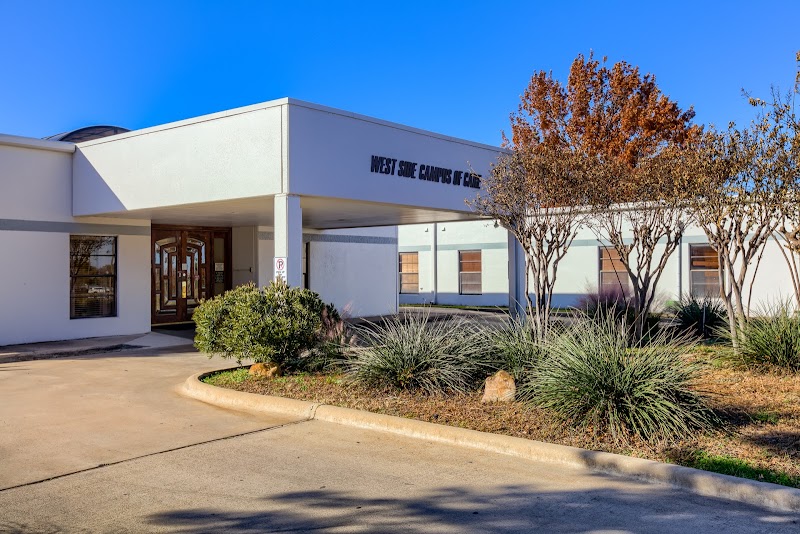
CONCERN (D) 📢 Someone Reported This

A family member, employee, or ombudsman was alarmed enough to file a formal complaint

Potential for Harm - no one hurt, but risky conditions existed

Investigate Abuse (Tag F0610)

Could have caused harm · This affected 1 resident

**NOTE- TERMS IN BRACKETS HAVE BEEN EDITED TO PROTECT CONFIDENTIALITY** Based on observation, interview, and record review, the facility failed to have evidence that all alleged violations were thorou...

Read full inspector narrative →
**NOTE- TERMS IN BRACKETS HAVE BEEN EDITED TO PROTECT CONFIDENTIALITY** Based on observation, interview, and record review, the facility failed to have evidence that all alleged violations were thoroughly investigated and prevent further potential abuse, neglect, exploitation, or mistreatment while the investigation is in progress for one resident (Resident #1) of ten residents reviewed for abuse. -The facility failed to implement their abuse, neglect, and exploitation policy and investigate suspected or alleged abuse when Resident #1 alleged he received methadone from a staff member, was found unresponsive, required Narcan, and tested positive for Methadone for which he did not have an order for. This failure could place all residents at an increased risk for abuse and neglect. Findings included: Record review of Resident #1's face sheet, dated 5/08/25, reflected a [AGE] year-old male who was initially admitted to the facility on [DATE] and readmitted on [DATE] with diagnoses that included: acute systolic (congestive) heart failure, unspecified sequelae of cerebral infarction (stroke), major depressive disorder (mood disorder), and hx of cocaine and alcohol abuse. Record review of Resident #1's quarterly MDS assessment, dated 04/21/25, reflected his BIMS score was 12, which indicated moderate cognitive impairment. The MDS Assessment under Section GG-Functional Abilities, reflected Resident #1 required moderate to maximal assistance with most ADLs and used a motorized wheelchair. The MDS Assessment under Section N-Medications, reflected Resident #1 was prescribed medication under the high-risk drug class that included and opioid. Record review of Resident #1's care plan, revised 5/05/25, reflected the resident required pain management r/t to generalized pain that included Gabapentin and Norco. Interventions included: administering analgesia (pain reliever) as ordered, anticipating the resident's need for pain relief immediately to any complaint of pain, monitoring/recording/reporting to nurse any s/sx of non-verbal pain, monitoring/recording/reporting to nurse loss of appetite, refusal to eat, and weight loss, monitoring/recording/reporting to nurse complaints of pain or requests for pain treatment, and observing and reporting changes in usual routine. Further review of this document reflected it was revised on 5/05/25 to reflect that Resident #1 had a history of drug abuse prior to admission to facility. Resident #1 had gone out to hospital and noted to have non prescribed narcotic medication in his system. Interventions included: Drug abuse policy was given to resident with education and signature, Narcan (medication to reverse opioid/narcotic overdose) provided PRN, psychiatric medication management NP to see resident, referral to psychiatric services, resident was offered rehabilitation services and declined, and resident was seen by psychologist. Record review of Resident #1's active consolidated physician orders, dated 5/08/25, reflected in part the following: -HYDROcodone-Acetaminophen oral tablet 5-325 MG (for pain relief) - give 1 tablet by mouth every 6 hours as needed for pain. Hold medication if drowsy and notify MD. -Gabapentin oral capsule 300 MG (for pain relief) - give 1 capsule by mouth three times a day for pain. Hold medication if drowsy and notify MD. Further review of this document revealed there was not an order for Methadone. Record review of Resident #1's hospital records, dated 4/30/25, reflected in part the following: HPI: 64 y.o. male with a past medical history of GERD, hyperlipidemia, hypertension, diabetes mellitus stroke, seizure disorder who was brought into ER from nursing home because of respiratory distress. During my encounter [Resident #1] was on BiPAP and poor historian so history is taken from ER notes. As per ER [Resident #1] is on opioid outpatient in likely took more than dysuria of narcotics and later on was found to be short of breath and drowsy for which EMS was called. On arrival to ER [Resident #1] was found to be drowsy and was given Narcan, [Resident #1] responded very well to Narcan however got very anxious for which morphine was administer after my suspicion of an opioid withdrawal. ABGs: PH 7.25 (normal range 7.35-7.45), pC02 58.7 (normal range 32.0-45.0 mmHg), P02 98 (normal range 83.0-108.0 mmHg). [Resident #1] was on non-rebreather mask initially and was later on placed on BiPAP. CTA chest negative for PE or pleural effusions. Troponin 122 (normal range 38.73-80.22 ng/L), BNP 125 (normal range less than 100 pg/mL). [Resident #1] was given Lasix 100 mg IV once and breathing treatment as well. Review of system is limited as [Resident #1] is on BiPAP and lethargic during my encounter. . Labs: Specimen: Clean Catch; Urine Methadone- Positive Opiate- Positive . Hospital Course/Long LOS Summary: [Resident #1] is a [AGE] year-old male with past medical history of systolic heart failure, diabetes, hypertension, sleep apnea, and chronic pain who presented to the emergency room for altered mental status and shortness of breath. [Resident #1] was admitted for acute hypoxic respiratory failure requiring supplemental O2 and BiPAP to maintain O2 saturation >92%. Likely related to acute on chronic systolic heart failure versus community acquired or aspiration pneumonia. [Resident #1] was started on IV Lasix (water pill) with good urine output. Discharge plan pending clinical improvement. . Record review of Resident #1's progress note, dated 4/30/25 at 9:30 AM by LVN A, reflected the following: [Resident #1] not alert and SOB noted. [Resident #1] responsive only to sternal rub. b/p 142/90 p137 r22 o2 sat 47% on RA. Applied o2 via mask rebreather at 15l. o2 sat 92%. EMS called and [Resident #1] transferred to [name] ED. Record review of a document titled Resident Out on Pass Log, dated 4/20/25-5/07/25, reflected Resident #1 had not signed out to leave the facility. Record review of Resident #1's EHR reflected the resident was seen by a psychologist to address his s/sx of depression on 5/05/25. The recommendations reflected the following: -Psychological consultation is recommended to assist staff in developing and implementing behavior plans to reduce [Resident 1's] affective and/or cognitive symptoms. -Individual therapy to reduce [Resident 1's] affective and/or cognitive symptoms. -Referral for medication evaluation. Record review of an in-service titled Abuse and Neglect, dated 5/01/25, reflected all staff were educated on the facility's policy on recognizing and reporting abuse and neglect. Record review of an in-service titled Resident Drug and Alcohol Abuse, dated 5/05/25, reflected all staff were educated on the facility's policy on drugs and alcohol. Record review of an in-service titled Intoxicated Residents, dated 5/05/25, reflected all staff were educated on recognizing s/sx of an intoxicated resident and who to notify. Record review of an in-service titled Naloxone Administration, dated 5/06/25, reflected all nurses were educated on the protocol for administering Naloxone to a resident suspected of an overdose. In an interview and observation on 5/06/25 at 11:42 AM, Resident #1 was sitting in his wheelchair in his room. He was dressed and well-groomed with no s/sx of distress. Observation of the room revealed it was clean with no evidence of drugs, alcohol, or paraphernalia. Resident #1 immediately asked if I was from social services and if he was in trouble. This state investigator stated No and asked Resident #1 about his recent hospital stay. Resident #1 stated he was transported to the hospital for what he thought was another stroke. Resident #1 stated he could not recall what happened but was told that he was found unresponsive in his room. Resident #1 looked concerned, then proceeded to state that he did not want to be in trouble or get anyone else in trouble; however, he became sick after taking Methadone that he received from a staff member. Resident #1 refused to identify the staff. He stated he must have taken too much, and it caused him to pass out. Resident #1 did not recall exactly when he took the drug or how much he consumed. Resident #1 stated he was sad about his mother, who was sick at a different nursing facility, and he needed something to take his mind off it. Resident #1 refused to provide any additional information. In an interview on 5/06/25 at 12:20 PM, LVN A stated she worked at the facility for about 6 months. She stated she worked with Resident #1 on 4/30/25 when he was transported to the ER. LVN A stated she entered Resident #1's room to check his blood sugar at approximately 7:30 AM and found the resident less responsive than usual and exhibited respiratory distress. LVN A stated she immediately called for help while checking Resident #1's vitals. She stated she was unable to get an O2 reading and put the resident on oxygen. LVN A stated EMTs had already been called and arrived at the facility to transfer Resident #1 to the local hospital. LVN A stated initially she was unsure what caused Resident #1's change in condition, but later found it appeared to be from a drug overdose based on clinical records. LVN A stated she was aware Resident #1 had a hx of drug use. She stated she had not ever seen the resident have possession of nonprescription drugs or use them at the facility. LVN A stated she had never seen any staff members or other residents with nonprescription drugs. She stated the staff were in-serviced on the facility's drug policy on 5/05/25. In an interview on 5/06/25 at 1:10 PM, RN B stated she worked at the facility since 2019. She stated she worked with Resident #1 during the incident on 4/30/25. RN B stated the nurses were checking blood sugars on the hall when LVN A called for her help in Resident #1's room. RN B stated LVN A informed that she was unable to obtain an O2 reading from Resident #1, and he was unresponsive. RN B stated when she entered the room, she found that Resident #1 was breathing but was not responding normally. She stated after calling his name loudly a few times, Resident #1 opened his eyes and said Yes then went back to sleep. RN B stated Resident #1 needed constant engagement to stay alert. RN B stated she remained in the room with Resident #1 until EMTs arrived. In an interview on 5/06/25 at 1:54 PM with the DON and Administrator, the DON stated on 04/30/25 she was alerted by LVN A that Resident #1 was in respiratory distress and needed to be sent out to the hospital. This state investigator informed them that Resident #1 admitted he received the Methadone from a staff member that he refused to identify. The DON stated Resident #1 returned to the facility during the weekend on 5/3/25 and the clinicals showed that Methadone was found in his system. The DON stated the MD and pain management team was notified. The DON stated a care plan meeting with Resident #1 was held on 5/05/25 and during an interview with the resident he denied using any drugs and did not report receiving any drug from staff. The DON stated Resident #1 only stated he was depressed about his mother. The DON stated a referral was sent for psychiatric services and Resident #1 was able to talk with a psychologist on 5/05/25. The Administrator stated staff were in-serviced on the facility's drug policy, s/sx of intoxicated residents, and abuse and neglect. He also stated a Resident Council meeting was scheduled to discuss the facility's drug policy and to see if there were any concerns. The Administrator and DON stated this was new information and they would need to consult with regional managers on how to move forward. In a further interview on 5/06/25 at 3:00 PM with the DON and Administrator, the Administrator stated the Regional Managers advised them to submit a self-report to the state agency and start a provider investigation regarding the alleged abuse. In an interview on 5/07/25 at 9:42 AM with the DON and Administrator, the Administrator stated the facility submitted a self-report to the stated agency and started the provider investigation. The Administrator stated Resident #1 was interviewed again and still denied any drug use and getting drugs from a staff member. The Administrator stated the police were called out and Resident #1 also denied everything to them. In a further interview on 5/07/25 at 11:50 AM with the DON and Administrator, The DON stated she received and reviewed Resident #1's hospital records on 5/02/25, prior to the resident discharging from the hospital, when it was found that Methadone was in the resident's system. The DON stated Resident #1 did not have an order to take Methadone at the facility and was not receiving any outpatient treatment where he would receive Methadone. The Administrator stated the incident had just happened and they were still gathering information to determine what happened, which is why a self-report was not submitted prior to the state investigator entering the facility. In an interview on 05/07/25 at 3:45 PM with the Regional Nurse Consultant and Regional Director of Operations, the Regional Nurse Consultant stated she was informed by the DON on 5/02/25 that Resident #1's hospital records indicated there was Methadone found in his system and she advised the DON to start an investigation. The Regional Director of Operations stated the facility began reviewing the resident sign-out logs, in-servicing staff, auditing medications in the facility to check for Methadone/narcotics and medication errors, and conducting safe surveys with staff and residents. The Regional Director of Operations stated the investigation continued over the weekend, with the DON doing pop-up visits to check the facility for drugs. Both Regional managers stated they were not sure why the DON and Administrator did not provide this information prior to the Immediate Jeopardy being called. This state investigator informed that the only evidence that was provided prior to the Immediate Jeopardy being called were the staff in-services, Resident #1's psychology assessment note, Resident #1's care plan conference notes, and a scheduled Resident Council Meeting to discuss the facility's drug policy. There was no evidence of medications audits, safe surveys, interviews, IDT notification, or a report to the state agency provided. Review of the facility's policy titled Abuse Prevention and Prohibition Program, revised 08/2020, reflected in part the following: Purpose: To ensure the Facility establishes, operationalizes, and maintains an Abuse Prevention and Prohibition Program designed to screen and train employees, protect residents, and to ensure a standardized methodology for the prevention, identification, investigation, and reporting of abuse, neglect, mistreatment, misappropriation of property, and crime in accordance with federal and state requirements. Policy: I. Each resident has the right to be free from mistreatment, neglect, abuse, involuntary seclusion and misappropriation of property. The Facility has zero-tolerance for abuse, neglect, mistreatment, and/or misappropriation of resident property. Staff must not permit anyone to engage in verbal, mental, sexual, or physical abuse, neglect, mistreatment, or misappropriation of resident property. A. Definitions for the meaning of key terms used in this policy. II. The Facility is committed to protecting residents from abuse by anyone, including but not limited to Facility Staff, other residents, consultants, volunteers, staff from other agencies serving residents, family members, legal guardians, surrogates, sponsors, friends, and visitors. This policy statement also includes deprivation by any individual, including a caretaker, of goods, services or rights that are necessary for a resident to attain or maintain physical, mental, and psychosocial wellbeing. III. The Administrator is responsible for coordinating and implementing the Facility's abuse prevention policies, procedures, training programs, and systems. IV. This policy also identifies Special Considerations regarding the investigation of injuries of unknown origin, the reporting of suspected rape, and resident-to-resident abuse. Procedure: . IV Prevention A. Staff, residents and families will be able to report concerns, incidents and grievances without fear of retribution or retaliation. B. Supervisors shall immediately intervene, correct, and report identified situations where abuse, neglect or misappropriation of resident property is at risk for occurring. . VII Investigation A. The Facility promptly and thoroughly investigates reports of resident abuse, mistreatment, neglect, injuries of an unknown source, or criminal acts. . IX. Reporting/Response A. Facility Staff are Mandatory Reporters i. Facility owners, operators, employees, managers, agents, and contractors are obligated by the Elder Justice Act and any state specific regulations to report known or suspected instances of abuse of elder or dependent adults. . Review of the facility's policy titled Resident Drug and Alcohol Abuse, revised 08/2020, reflected in part the following: Purpose: To provide a safe and drug-free environment for residents while at the Facility. Policy Statement: I. The Facility will admit a resident who has a history of drug and alcohol abuse as long as their primary diagnosis is suitable for skilled care at this Facility. II. The Facility has a zero-tolerance policy for the use or possession of illegal drugs (including marijuana) or any type of drug apparatus in the Facility or on the grounds of the Facility. All illegal drugs and/or drug paraphernalia will be confiscated from the resident and /or their room. B. The only drugs permissible at the Facility and/or on Facility grounds are those for which there is an Attending Physician order. IV.Any resident found in violation of this policy will be discharged to a more appropriate setting for care (See Policy Transfer and Discharge). .
Jan 2025 6 deficiencies
CONCERN (D)

Potential for Harm - no one hurt, but risky conditions existed

Deficiency F0554 (Tag F0554)

Could have caused harm · This affected 1 resident

**NOTE- TERMS IN BRACKETS HAVE BEEN EDITED TO PROTECT CONFIDENTIALITY** Based on observation, interview, and record review, the facility failed to ensure the interdisciplinary team had determined that...

Read full inspector narrative →
**NOTE- TERMS IN BRACKETS HAVE BEEN EDITED TO PROTECT CONFIDENTIALITY** Based on observation, interview, and record review, the facility failed to ensure the interdisciplinary team had determined that self-administration of medications by a resident was clinically appropriate for 1 of 4 (Resident #118) residents reviewed for resident rights, in that: The facility failed to assess, obtain physician orders, and interdisciplinary team approval for Resident #118 to self-administer his G-tube medications and feedings. LVN B allowed the resident to self-administer his own medications via g-tube on 01/15/25. This failure placed the resident at risk of not receiving the proper medication or the therapeutic benefits of medications. Findings: Record review of Resident # 118 admission record dated 1/15/25 revealed a [AGE] year-old male who was admitted to the facility on [DATE]. His diagnoses included malignant neoplasm of head, face, and neck (this is malignant cancer of the head, face, and neck), gastrostomy status, dysphagia (trouble swallowing), and need for assistance with personal care, lack of coordination. Review of Resident #118 quarterly MDS dated [DATE] reflected Resident #118 had a BIMS of 12 out of 15, indicating moderate cognitive impairment. Resident #118 was independent for all ADL's and movement. The document reflected Resident #118 had a feeding tube while a resident of the facility received 51% or more of her nutrition through the feeding tube. Record Review of Resident #118 Order summary dated 01/15/15 reflected the following; - E very shift Flush enteral tube with 30 mLs water before and after medication administration and 5-10 mLs water between each medication. - Enteral Feed, give Five times a day Bolus Feeding: [brand name ] formula 1.5 at 265ml 5 x day to provide 1988 kcal, 85g Protein and 1007 ml water. - Midodrine HCl Tablet 5 MG. Give 1 tablet via G-Tube two times a day for b/p; hold for SBP> 130 If B/P Less than 90/50 notify MD; - Clopidogrel Bisulfate 75 MG Tablet. GIVE 1 TABLET VIA G-TUBE IN THE MORNING FOR HEART; - Aspirin Low Dose Tablet Chewable 81 MG (Aspirin). Give 1 tablet via G-Tube one time a day related to MUSCLE WASTING AND ATROPHY (muscle wasting and dying). Review of Resident #118 care plan initiated 07/22/22 reflected, Focus: Resident #118 Focus: has been observed putting liquids in his g- tube. He states in writing that he is not hungry or thirsty feeling like he requires additional intake - but rather he can taste the soda he puts in there and enjoys the flavor. Mr. [NAME] was educated on compliance with g-tube enteral feedings/water, dangers and risks associated with putting additional fluids in the-tube, infection. Goal: The Resident will maintain adequate nutritional status as evidenced by maintaining weight within 10 percent of admission baseline through the review dated 01/28/25. Interventions: Obtain and monitor lab/diagnostic work as ordered. Report results to MD and follow up as indicated. Focus: Resident #118 has impaired visual function and was at risk of falls/injury. Goal: The Resident will show no decline in visual function through the review date. The Resident will maintain optimal quality of life within limitation imposed by visual function through the review date. Interventions: Arrange consultation with eye care practitioner as required. Identify/record factors affecting visual function including Physiological (glaucoma, Crohn's, macular degeneration, cataracts, color discrimination, light sensitivity, dry eyes); Environmental (poor lighting, monochromatic color scheme), Choice (refuses to wear glasses, use mag glass, turn on lights) etc. Monitor/document/report to MD the following s/sx of acute eye problems: Change in ability to perform ADLs, decline in mobility, Sudden visual loss, Pupils dilated, gray or milky, c/o halos around lights, double vision, tunnel vision, blurred or hazy vision. Review medications for side effects which affect vision. Observation of g-tube medication administration on 01/15/25 at 8:35 AM, LVN B did not check Resident #118 g-tube placement. LVN B did not aspirate gastric content or listen for bowel sounds, she did not check for abdominal distention before Resident #118 administered his own medications, water, and bolus formular feeds. LVN B stated that Resident #118 had always self-administered his own medications and feeds. She stated that she had been told during training (two months ago) that the nurse would cocktail the medications and the resident would administer the medications himself. She stated the nurse would supervise until the resident was finished and then he would administer his own feedings. LVN B stated that she did not check for Resident #118's g-tube placement because she had been caught off guard by a different surveyor watching her in another room prior to her starting Resident#118's medications. LVN B stated that it was important for the nurse to check for placement of the g-tube to make sure that it was still in place, and it had not dislodged. LVN B stated that she should not have allowed Resident #118 to self-administer G-tube medication without an order. She stated the risk was the g-tube could be out of place, in the wrong place, and infection control. In an interview with the DON on 01/16/25 at 12:58 PM, the DON stated her expectation for staff was to check placement before giving medications or feedings to residents with G-tubes. She stated staff should have looked at Resident #111 and Resident #118's G-tube, aspirated and checked residual to ensure it was placed in the correct place. She stated LVN B should have administered Resident #118's medications. The DON stated she had inserviced staff on G-tubes. Review of facility policy titled Bedside medication Storage revision date 08/2020 reflected . read in part . Residents who wish to self-administer medications, upon the written order of the prescriber and once self-administration skills have been assessed and deemed appropriate in the judgment of the facility's interdisciplinary resident assessment team (or equivalent) .
CONCERN (D)

Potential for Harm - no one hurt, but risky conditions existed

Deficiency F0557 (Tag F0557)

Could have caused harm · This affected 1 resident

**NOTE- TERMS IN BRACKETS HAVE BEEN EDITED TO PROTECT CONFIDENTIALITY** Based on observations, interviews, and record review, the facility failed to ensure residents were treated in a respectful manne...

Read full inspector narrative →
**NOTE- TERMS IN BRACKETS HAVE BEEN EDITED TO PROTECT CONFIDENTIALITY** Based on observations, interviews, and record review, the facility failed to ensure residents were treated in a respectful manner that maintained or enhanced each resident dignity for 1 of 4 residents reviewed for dignity (Resident #114). Resident #114 did not receive his personal clothing for two days (01/11/25 and 01/12/25) which caused him to remain in bed and not engage in preferred activities during the week. This failure could place the resident who required assistance with dressing at risk of feeling disrespected. Findings included: Record review of Resident #114's admission Record revealed [AGE] year-old male admitted to the facility on [DATE]. Primary diagnoses included: Enterocolitis due to clostridium difficile, recurrent (a complication of a Clostridioides difficile infection (CDI) that occurs when symptoms reappear within 8 weeks of a previous episode.) Record review of Resident #114's care plan date initiated 12/21/2024 reflected the following: -Focus-Resident #114 is dependent on staff for activities, cognitive stimulation, social interaction. Goal- Resident #114 will attend/participate in activities of choice 3x per week. Interventions- invite the resident to scheduled activities. Focus- Resident #114 had an ADL Self Care Performance Deficit related to weakness, impaired mobility, poor safety awareness. Goal- he will maintain current level of function in Bed Mobility, Transfers, Eating, Dressing, Toilet use and Personal Hygiene. Intervention- Dressing: Encourage resident to choose clothing. Nursing staff to ensure resident is dressed appropriately for season, activity and comfort. Record review of Resident #114's Minimum Data Set (MDS) State assessment dated [DATE] reflected Cognitive Patterns BIMS score of 15 ( indicates that a person's cognition was intact). Record Review of resident #114's Minimum Data Set Nursing Home Comprehensive dated 12/27/2024 reflected, Functional abilities-admission- F. Upper body dressing: 01 Resident was dependent- Helper does ALL of the effort. Resident does none of the effort to completed the activity. Or , the assistance of 2 or more helpers were required for the resident to complete the activity. G. Lower body dressing: 01 Resident was dependent- Helper does ALL of the effort. Resident does none of the effort to completed the activity. Or , the assistance of 2 or more helpers were required for the resident to complete the activity. H. Putting on/taking off footwear: 01 Resident was dependent- Helper does ALL of the effort. Resident does none of the effort to completed the activity. Or , the assistance of 2 or more helpers were required for the resident to complete the activity. Record review of Inventory of Personal Belongings dated 12/26/2024 reflected, Resident #114 Description of Clothes- Clothes were dirty and sent to laundry. Observation and Interview on 01/14/2025 at 10:20 am with Resident #114 reflected, resident was observed in his wheelchair wearing pants, shoes, undershirt, and top shirt. He stated that those were clothes from lost and found because his clothes have been lost for two days. He stated that he was unable to get out of bed over the weekend because staff were unable to locate his clothing. He stated that he likes to get up and participate in group activities around the facility but was unable to during the weekend (Saturday and Sunday) because he did not have clothes. Observation and Interview on 01/15/2025 at 10:07 AM of the laundry room with the Laundry Aide reflected, all facility laundry was washed and sorted in main laundry room. Residents' personal items are washed and sorted by room number. Interview with the Laundry Aide reflected she worked Monday-Friday not on the weekend (Saturday and Sunday). She stated that resident clothing was not distributed on the weekends. She stated that when she came in on Mondays the clothes be piled up and she would do the best she could to get the laundry distributed to the residents. Interview on 01/16/2025 at 1:00 pm with the Environmental Services Supervisor reflected the residents' personal belongings were washed on the weekend but not distributed because in the past there was an issue of lost clothing. The Monday-Friday laundry aide had a knowledge of the residents and their personal belongings, but the weekend laundry aide would place resident belonging in the wrong rooms. Record Review of policy Resident Rights date revised: 8/2020 reflected, All resident have a right to a dignified existence, self-determination, and communication with and access to persons and services inside and outside the facility including those specified in this policy. M .Retain and use personal possessions to the maximum extent that space and safety permit. III. Each resident is allowed to choose activities, schedules and health care that are consistent with his or her interests, assessments and plans of care, including: B. Personal care needs, such as bathing methods, grooming styles, and dress.
CONCERN (D)

Potential for Harm - no one hurt, but risky conditions existed

Tube Feeding (Tag F0693)

Could have caused harm · This affected 1 resident

**NOTE- TERMS IN BRACKETS HAVE BEEN EDITED TO PROTECT CONFIDENTIALITY** Based on observation, interview, and record review the facility failed to ensure enteral feeding physician orders were followed ...

Read full inspector narrative →
**NOTE- TERMS IN BRACKETS HAVE BEEN EDITED TO PROTECT CONFIDENTIALITY** Based on observation, interview, and record review the facility failed to ensure enteral feeding physician orders were followed for two (Resident #111 and Resident #118) of the four residents reviewed for enteral tube feeding, in that: 1.LVN A failed to check G-tube residual to verify G-tube placement verification before administering medication and feedings for Resident #111 on 01/15/25. 2.LVN B failed to check G-tube residual to verify G-tube placement before administering medication and feedings to Resident #118 on 01/15/25. These failures could place residents with G-tubes at risk of aspiration pneumonia, discomfort, malnutrition and a decline in the resident's health. 1 Record review of Resident #111 admission record dated 1/15/25 revealed a [AGE] year-old female who was admitted to the facility on [DATE] with an initial admission date of 04/15/22. Her diagnoses included gastrostomy status (this is a feeding tube that is placed through the abdominal cavity area into the stomach for nutritional purpose and medication for individual who have a difficulty swallowing), acute respiratory failure with hypoxia (difficulty breathing due to lack of oxygen), cerebral palsy (a congenital disorder of movement, muscle tone, or posture), and quadriplegia (this is a condition that causes partial or total paralysis of the arms, hands, trunk, legs and pelvic organs). Review of Resident #111 quarterly MDS dated [DATE] reflected Resident #111 had a BIMS of zero, indicating sever cognitive impairment. She had no indicators of delirium, depression, or behaviors. Resident #111 had impaired range of motion, both upper and lower body, on both sides of his body, and was completely dependent on staff for all of his ADLs and movement in bed. Resident #111 was always incontinent of bowel and bladder. The document reflected Resident #111 had a feeding tube while a resident of the facility and received 51% or more of her nutrition through the feeding tube. Review of Resident #111 Care plan reflected a care plan initiated 05/06/22, Focus: Resident #111requires gastrostomy tube feeding related to swallowing problem related to diagnoses of Cerebral Palsy. Goal: The resident will remain free of side effects or complications related to tube feeding through review date. The resident will maintain adequate nutritional and hydration status, as evidenced by weight stable, no signs and symptoms of malnutrition or dehydration through review date. Interventions: Check for tube placement and gastric contents/residual volume per facility protocol and record. Clean insertion site daily as ordered, monitoring for s/s infection or breakdown such as redness, pain, drainage, swelling, and/or ulceration and report to MD if symptoms arise. Continuous Enteral Feed: Formula: [brand name ]1.5; Rate: 40ml/hr x 22 hours (1320ml) provides 1980 kcal/84g Protein /1003ml free water); Monitor every Shift. and two times a day o every shift Water at 35ml/hr x 22 hours to run concurrently with enteral feeding (provides 660 ml total daily); o Monitor/document/report to MD PRN: Aspiration- fever, shortness of Breath, Tube dislodged (tube comes out), Infection at tube site, Self-extubating (taking tube out by herself), Tube dysfunction or malfunction, Abnormal breath/lung sounds, Abnormal lab values, Abdominal pain, distension, tenderness, Constipation or fecal impaction, Diarrhea, Nausea/vomiting, Dehydration. o Provide local care to G-Tube site as ordered and monitor for s/sx of infection. o The resident is dependent with tube feeding and water flushes. See MD orders for current feeding orders. Record Review of Resident #111 Order summary dated 01/15/15 reflected, -Enteral Feed Order every shift Enteral Feed: Residual Volume Check residual before med administration. If residual volume is greater than 60mL, hold feeding and notify physician. Order active 10/17/24. -Enteral Feed Order every shift Continuous Enteral Nutrition: [brand name ] 1.5 at 37ml/hr x 22hrs to provide 1221kcal, 52 g protein and 619 ml water two times a day. -Enteral Feed Order every shift Flush enteral tube with 30 ml water pre/post medication administration and 5-10 mL water between each medication; -MiraLAX Powder 17 GM per SCOOP (Polyethylene Glycol 3350). Give 1 scoop via G-Tube one time a day for Constipation Hold for loose stool, mix with 4-8 oz of water; - Lasix Oral Tablet 20 MG (Furosemide) Give 1 tablet via G-Tube two times a day for Congestive Heart Failure; - Sucralfate 1 GM Tablet Give 1 tablet via PEG-Tube (other name for G-tube) three times a day for GERD (heart Burn); - Keppra Solution 100 MG/ML (levetiracetam). Give 5 ml via PEG-Tube two times a day for Seizure ;5ml = 500mg; dilute with 4-5 oz of water before administration. - Coreg Oral Tablet 3.125 MG (Carvedilol). Give 1 tablet via G-Tube two times a day for Hypertension (High blood pressure). Hold for sbp less than110 or dbp less than 60 - Baclofen Oral Tablet 10 MG (Baclofen) Give 1 tablet via G-Tube three times a day for Muscle spasms; - Famotidine Oral Tablet 20 MG (Famotidine). Give 1 tablet via G-Tube two times a day for Gerd. - Diflucan Oral Tablet 100 MG (Fluconazole). Give 1 tablet via G-Tube one time a day for Spots on tongue for 5 Days. - Bethanechol Chloride 5 MG Tablet. GIVE 1 TABLET VIA PEG-TUBE FOUR TIMES A DAY FOR URINARY RETENTION. - Potassium Chloride Oral Solution 20 MEQ/15ML (10 percent) (Potassium Chloride); Give 15 ml via G-Tube one time a day for Supplement; dilute with 4-5oz of water before giving to reduce its possible stomach-irritation or laxative effect. Observation of g-tube medication administration on 01/15/25 at 07:52 AM, LVN A did not check Resident #111 g-tube placement. LVN A did not aspirate gastric content and or listen for bowel sounds and did not check for abdominal distention before administering water, medications, and enteral feeds to Resident #111. LVN A stated she got nervous being watched and she forgot to check for placement. She stated she knew how to check for placement by checking residual and by listening using a Stethoscope. LVN A stated the risk was that the tube may not be in the correct position. 2. Record review of Resident # 118 admission record dated 1/15/25 revealed a [AGE] year-old male who was admitted to the facility on [DATE]. His diagnoses included malignant neoplasm of head, face, and neck (this is malignant cancer of the head, face, and neck), gastrostomy status, dysphagia (trouble swallowing), and need for assistance with personal care, lack of coordination. Review of Resident #118 quarterly MDS dated [DATE] reflected Resident #118 had a BIMS of 12 out of 15, indicating moderate cognitive impairment. Resident #118 was independent for all ADL's and movement. The document reflected Resident #118 had a feeding tube while a resident of the facility received 51% or more of her nutrition through the feeding tube. Record Review of Resident #118 Order summary dated 01/15/15 reflected the following; - E very shift Flush enteral tube with 30 mLs water before and after medication administration and 5-10 mLs water between each medication; - Enteral Feed, give Five times a day Bolus Feeding: [brand name ] formula 1.5 at 265ml 5 x day to provide 1988 kcal, 85g Protein and 1007 ml water. - Midodrine HCl Tablet 5 MG. Give 1 tablet via G-Tube two times a day for b/p; hold for SBP> 130 If B/P Less than 90/50 notify MD; - Clopidogrel Bisulfate 75 MG Tablet. GIVE 1 TABLET VIA G-TUBE IN THE MORNING FOR HEART; - Aspirin Low Dose Tablet Chewable 81 MG (Aspirin). Give 1 tablet via G-Tube one time a day related to MUSCLE WASTING AND ATROPHY (muscle wasting and dying).; Review of Resident #118 care plan initiated 07/22/22 reflected, Focus: Resident #118 Focus: has been observed putting liquids in his g- tube. He states in writing that he is not hungry or thirsty feeling like he requires additional intake - but rather he can taste the soda he puts in there and enjoys the flavor. Mr. [NAME] was educated on compliance with g-tube enteral feedings/water, dangers and risks associated with putting additional fluids in the-tube, infection. Goal: The Resident will maintain adequate nutritional status as evidenced by maintaining weight within 10 percent of admission baseline through the review dated 01/28/25. Interventions: Obtain and monitor lab/diagnostic work as ordered. Report results to MD and follow up as indicated. Focus: Resident #118 has impaired visual function and was at risk of falls/injury. Goal: The Resident will show no decline in visual function through the review date. The Resident will maintain optimal quality of life within limitation imposed by visual function through the review date. Interventions: Arrange consultation with eye care practitioner as required. Identify/record factors affecting visual function including Physiological (glaucoma, Crohn's, macular degeneration, cataracts, color discrimination, light sensitivity, dry eyes); Environmental (poor lighting, monochromatic color scheme), Choice (refuses to wear glasses, use mag glass, turn on lights) etc. Monitor/document/report to MD the following s/sx of acute eye problems: Change in ability to perform ADLs, decline in mobility, Sudden visual loss, Pupils dilated, gray or milky, c/o halos around lights, double vision, tunnel vision, blurred or hazy vision. Review medications for side effects which affect vision. Observation of g-tube medication administration on 01/15/25 at 8:35 AM, LVN B did not check Resident #118 g-tube placement. LVN B did not aspirate gastric content or listen for bowel sounds, she did not check for abdominal distention before Resident #118 administered his own medications, water, and bolus formular feeds. LVN B stated that Resident #118 had always self-administered his own medications and feeds. She stated that she had been told during training (two months ago) that the nurse would cocktail the medications and the resident would administer the medications himself. She stated the nurse would supervise until the resident was finished and then he would administer his own feedings. LVN B stated that she did not check for Resident #118's g-tube placement because she had been caught off guard by a different surveyor watching her in another room prior to her starting Resident#118's medications. LVN B stated that it was important for the nurse to check for placement of the g-tube to make sure that it was still in place, and it had not dislodged. She stated the risk was the g-tube could be out of place, in the wrong place, and infection control. In an interview with the DON on 01/16/25 at 12:58 PM, the DON stated her expectation for staff was to check placement before giving medications or feedings to residents with G-tubes. She stated staff should have looked at Resident #111 and Resident #118's G-tube, aspirated and checked residual to ensure it was placed in the correct place. She stated LVN B should have administered Resident #118's medications. The DON stated she had inserviced staff on G-tubes. Review of facility policy titled, Gastronomy Placement revised 06/2020, reflected in part: I. Prior to the administration of feeding, hydration, and/or medication through a gastrostomy tube, the placement of the tube shall be verified. II. This verification procedure shall be completed by a licensed nurse IV. Access the resident's abdomen for bowel sounds and distention .XI. Aspirate gastric contents to be sure the tube is in the stomach
CONCERN (D)

Potential for Harm - no one hurt, but risky conditions existed

Deficiency F0761 (Tag F0761)

Could have caused harm · This affected 1 resident

**NOTE- TERMS IN BRACKETS HAVE BEEN EDITED TO PROTECT CONFIDENTIALITY** Based on observation, interview, and record review the facility failed to ensure, in accordance with State and Federal laws, all...

Read full inspector narrative →
**NOTE- TERMS IN BRACKETS HAVE BEEN EDITED TO PROTECT CONFIDENTIALITY** Based on observation, interview, and record review the facility failed to ensure, in accordance with State and Federal laws, all drugs and biologicals were stored in locked compartments under proper temperature controls and permitted only authorized personnel to have access for one of eight residents (Resident #370) reviewed for storage of medication. The facility failed to ensure two medications/suppliments Complete mineral complex dietary supplement for professional use only and Advanced multivitamins were not stored on Resident #370's bedside table and failed to ensure they were secured in the medication cart or medication room. This failure could place residents at risk of medication misuse and supplements could interfere with prescribed medications. The findings included: Review of Resident #370's admission record printed on 01/16/25 reveled a [AGE] year-old female who was readmitted to the facility on [DATE] with an initial admission of 11/14/24. Her diagnoses were pedestrian on foot injured in collision with vehicle, acute post hemorrhagic anemia (low blood due to accident), multiple fractures of ribs, shoulder blade, hip, leg and pelvis. Resident #370 was her own responsible party. Review of Resident #370's admission MDS dated [DATE] did not reflect a BIMS score for cognition. Review of Resident #370's physician order dated 1/14/25 reflected the following orders: -Multi-Vitamin/Minerals Oral Tablet (Multiple Vitamins w/ Minerals) Give 1 tablet by mouth one time a day for Wound Healing -Order Date- 01/09/2025. -Orders did not reflect self-medication Administration. Review of Resident #370's physician orders dated 01/16/25 reflected the following: -Multivitamin Women's 50+ Adv Oral Tablet (Multiple Vitamins w/ Minerals). Give 2 tablet by mouth in the afternoon for Wound supplement May use personal vitamins in bottle. -Multivitamin/iron/minerals/calcium/fa/lyc /lut(complete vitamin). Give 2 capsules by mouth in the afternoon for Wound supplement May use personal supplement in bottle. Review of Resident #370's care plan revealed Resident #370 had impaired visual function. The goal was that the resident would show no decline in visual function through the review date 03/02/25. The interventions were to arrange consultation with eye care practitioner as required, to ensure appropriate visual aids prescription glasses are available to support the resident's participation in activities, Review medications for side effects which affect vision. The care plan did not reflect self-administration of medications. Observation on 01/14/25 at 9:35 AM LVN A in Resident #370's room performing wound care. Observation and interview with Resident #370 on 01/14/25 at 10:12 AM, revealed two bottles of medication on the bedside table. Resident #370 stated the facility was aware that she had the medication at bedside. She stated she had a small lock box that only fit her wallet and that the bedside table had no key to lock the medication or any of her personal items. She stated when she left her room, she closed the door, but her room was not locked. Resident #370 stated she liked her own supplements because they did not contain poisonous mercury in them. She stated she had the Supplements since she returned to the facility on [DATE]. Observation on 01/14/25 at 3:35 PM, ADON in Resident #370's room talking to resident. Resident #370 was in her bed with right leg brace open. Medications could be seen on the bedside table. Observation on 01/15/25 at 7:09 AM, medications were still on Resident #370's bedside table. LVN A was notified of the medication by the surveyor watching medications . LVN A went into Resident #370's room and took the medications and she stated she would notify the physician for the medications to be added to Resident# 370's orders. In an interview with LVN A on 01/15/25 at 0:17 AM, she stated she was not aware that Resident #370 had medication in her room. She stated Resident #370 had expressed to her in the past that her friend was going to bring her supplements that did not contain mercury in them for her. LVN A stated Resident #370 was educated that when her friend brought the medications, they would need to be given to the nurse. LVN A stated Resident #370 was not permitted to self-administer and to have medications at the bedside. She stated medications were to be locked in the medication cart. In an interview with MA C on 01/15/25 at 0:46 AM, she stated she was not aware that Resident #370 had medication at the bedside. She stated Resident #370 usually declined the facility multivitamins and other supplements including the house shake. She stated she had reported the issue to LVN A, ADON and DON. She stated the resident stated she had her own supplements, but CMA C had not seen them in her room. She stated the risk was access to medication. In an interview with ADON on 01/16/25 at 11:26 AM, he stated he was not aware that Resident #370 had medication at the bedside. He stated he was not paying attention to his surroundings to notice that Resident #370 had medication in her room when he went to talk to her 01/14/25. He stated he had gone to talk to Resident #370 regarding her concerns with her surgical site. ADON stated he was aware that Resident #370 was refusing supplements that were provided by the facility. He stated when Resident #370 came back from the hospital (01/09/25), Resident #370's friend came to the facility to bring her belonging and it might have been at that time that the friend brought Resident #370 medications. He stated he had educated both Resident #370 and her friend that if they brought the supplements that the resident wanted to take, they would give them to the nurses so that the doctor could approve them. He stated residents were not allowed to keep medication at the bedside unless they had an order to self-administer, they and an assessment for self-medication administration and had a care plan. He stated the risk was that anyone could have access to the medication in her room. In an interview with the DON on 01/16/25 at 3:20 PM, she stated on 01/10/25, the DON stated education was given to both resident and her friend to give the medications to the nurse. The DON stated she was not aware until 01/15/25 about the medications on Resident #370's bedside. She stated she did an in-service about medications at bedside and that they should be turned into the nurse. She stated residents were not permitted to keep medication at the bedside unless they had an order to self-administer, had an assessment to self-administer medication and had a care plan to self-administer medication. She stated the risk was that anyone could have access to the medication in her room. Review of facility policy titled Bedside medication Storage revision date 08/2020 reflected . read in part . Bedside medication storage is permitted for residents who wish to self-administer medications, upon the written order of the prescriber and once self-administration skills have been assessed and deemed appropriate in the judgment of the facility's interdisciplinary resident assessment team (or equivalent) . For residents who self-administer medications, the following conditions are met for bedside storage. to occur: a. The manner of storage prevents access by other residents. Lockable drawers or cabinets are required only if unlocked storage is deemed inappropriate. Facility management should have a copy of the key in addition to the resident.
CONCERN (D)

Potential for Harm - no one hurt, but risky conditions existed

Deficiency F0919 (Tag F0919)

Could have caused harm · This affected 1 resident

**NOTE- TERMS IN BRACKETS HAVE BEEN EDITED TO PROTECT CONFIDENTIALITY** Based on observations, interviews, and record review, the facility failed to ensure resident rooms were adequately equipped to a...

Read full inspector narrative →
**NOTE- TERMS IN BRACKETS HAVE BEEN EDITED TO PROTECT CONFIDENTIALITY** Based on observations, interviews, and record review, the facility failed to ensure resident rooms were adequately equipped to allow residents to call for staff assistance through a communication system which relayed the call directly to a staff member or to a centralized staff work area for 1 of 1 (Resident # 165) residents reviewed for resident call system. The facility failed to ensure Resident #165's bathroom call light was functioning outside the Resident's room. On 01/14/2025 when the bathroom light was activated, the call light did not turn on in the hallway above Resident #165's door. This failure could place residents at risk of not getting assistance and not having their needs met. Findings included: Record review of Resident #165's admission Record, dated 01/16/2025, revealed a [AGE] year-old female who admitted to the facility on [DATE] with diagnoses that included fracture of upper and lower end of right fibula (calf bone), Type 2 Diabetes (a disease that occurs when the body does not respond properly to insulin leading to high blood sugar levels), and anxiety. Record review of Resident #165's most recent MDS, dated [DATE], revealed a BIMS of 14, indicating intact cognition. Further review of the MDS revealed Resident #165 required extensive one person assist with bed mobility, transfers and was totally dependent on one staff for toilet use. Observation and interview on 01/14/25 at 10:30 AM, Resident #165 was lying in bed and stated the emergency call light in the bathroom does not turn on. Surveyors went into the bathroom and activated the light, but the light did not turn on in the hallway above the door. Interview on 01/14/25 at 10:30 AM, Housekeeper D stated the light was supposed to come on outside the room. She stated she did not know it was not working. She said if she found a call light not working, she would call maintenance. Interview on 01/14/25 at 10:30 AM, LVN F stated the call light should be on outside the room and flashing. Interview on 01/14/25 at 10:56 AM, Maintenance Staff E arrived in Resident #165's room to fix the call light. He stated no one had reported it not working. He said if the call light was not functioning, residents cannot receive a response from the nurse. Maintenance Staff E stated the call light was working at the nurse's station. Interview on 01/16/25 at 01:25 PM, the DON stated her expectation was if the call light was not working staff would report to the nurse or maintenance. She stated Maintenance was responsible to ensure call lights were functioning. Record review of facility policy titled, Communication - Call System revised 06/2020, reflected in part: Purpose. To Provide a mechanism for residents to promptly communicate with nursing staff. The Facility will provide a call system to enable residents to alert the nursing staff from their rooms and toileting/bathing facilities .Should the primary call system become inoperable for any reason, the Facility shall provide a bell for each resident room. Additionally, resident safety check rounds shall be conducted at least hourly and documented until the primary call system is operable again .
CONCERN (E)

Potential for Harm - no one hurt, but risky conditions existed

Comprehensive Care Plan (Tag F0656)

Could have caused harm · This affected multiple residents

**NOTE- TERMS IN BRACKETS HAVE BEEN EDITED TO PROTECT CONFIDENTIALITY** Based on observations, interviews, and record review the facility failed to develop and implement a comprehensive person-centere...

Read full inspector narrative →
**NOTE- TERMS IN BRACKETS HAVE BEEN EDITED TO PROTECT CONFIDENTIALITY** Based on observations, interviews, and record review the facility failed to develop and implement a comprehensive person-centered care plan for each resident, consistent with the resident rights for 4 of 6 residents reviewed for clinical records (Resident #41, Resident #59, Resident #76, and Resident #121) in that: The facility failed to ensure that Resident #41, Resident #59, Resident #76, and Resident #121 use of bed rails/grab bars/mobility bars were documented in their care plans. The facility's failure placed residents requiring care at risk of not having their individual needs met, not receiving necessary care and services, and a failure to ensure continuity of care. Findings included: Record Review of Resident #41's Face Sheet reflected a [AGE] year-old female who initially admitted to the facility on [DATE]. Resident #41 had relevant diagnoses of type 2 diabetes mellitus with mild nonproliferative diabetic retinopathy without macular edema (areas of swelling of the tiny blood vessels in the retina, caused by the weakening of their structure), unspecified eye; other abnormalities of gait and mobility; type 2 diabetes mellitus without complications (disease that occurs when the body does not respond properly to insulin leading to high blood sugar levels); muscle wasting and atrophy; other lack of coordination; unspecified symptoms and signs involving cognitive functions and awareness; need for assistance with personal care; cortical age-related cataract (when protein fibers in the lens of the eye break down and clump together causing the lens to become cloudy), bilateral; systemic lupus erythematosus (a chronic autoimmune disease that causes the body's immune system to attack healthy tissue); muscle weakness (generalized); other specified arthritis (joint inflammation causing pain, stiffness, and swelling in a joint), multiple sites; and morbid (severe) obesity due to excess calories. Record Review of Resident #41's Quarterly MDS, dated [DATE], reflected a BIMS score of 15 indicating intact cognition. Resident #41's functional limitations in range of motion were listed as impairment for lower extremities on both sides of the body. Resident #41 was noted to use a wheelchair for mobility. Resident #41 was noted to be dependent (need complete assistance) for self-care categories of toileting, shower/bathing, lower body dressing, putting on/taking off footwear, and personal hygiene. Resident #23 was noted to need substantial/maximal assistance for upper body dressing, while only requiring partial/moderate assistance for personal hygiene. Resident #41 was noted to need substantial/maximal assistance in the mobility categories of roll left and right and sit to lying. Resident #41 was reflected to be dependent for chair/bed-to-chair transfer and tub/shower transfer. Record review of Resident #41's Care Plan, last updated on 01/07/2025, reflected focus areas of potential for pressure ulcer development r/t impaired mobility, requires extensive assist for bed mobility, and at risk for falls related to impaired mobility and requires total assist with any transfers. Resident #41 had a focus area of an ADL Self Care Performance Deficit r/t Limited Mobility, Arthritis, morbid obesity with interventions of BED MOBILITY: Roll left and right: Substantial/Maximal assist, Sit to Lying: Substantial/Maximal assist, Lying to sitting: Not attempted, DRESSING: Upper Body Dressing: Substantial/Maximal assistance, Lower Body Dressing: Dependent, Donning/Doffing shoes: Dependent, EATING: Set-up/Clean UP, TRANSFER: Chair/bed to chair: Dependent X 2 staff and mechanical lift, Sit to stand: does not occur. There was no mention of bed rails/grab bars as a focus area or intervention in the care plan. Observation of Resident #41's room and bed on 1/14/2025 at 10:25 AM revealed grab/mobility bars on both sides of the bed in a raised position with the call light laying over one of the bars. Observation on 1/15/2025 at 8:08 AM revealed the grab/mobility bars in a raised position. Interview with Resident #41 on 1/15/2025 at 8:05 AM revealed that resident utilized the grab/mobility bars for repositioning while in bed and to aid with positioning with personal care. Resident #41 stated she had been at the facility a very long time. Record review of Resident #59's Face Sheet reflected a [AGE] year-old female who initially admitted to the facility on [DATE]. Resident #59 had relevant diagnoses of metabolic encephalopathy (brain disorder caused by chemical imbalance in the blood), type 1 diabetes mellitus (chronic condition where the pancreas makes little or no insulin, which causes high blood sugar levels)with unspecified diabetic retinopathy without macular edema (medical condition that affects the eyes), bipolar disorder (mental illness that causes extreme shifts in mood, energy, and activity level making it difficult to perform daily tasks), muscle weakness (generalized), other lack of coordination, other reduced mobility, chronic obstructive pulmonary disease with (acute) exacerbation (chronic lung disease that makes it difficult to breathe caused by damage that narrows airways making it harder to move air in and out of the lungs), acute respiratory failure (when lungs are unable to exchange gases properly with blood), unspecified whether with (lack of oxygen) or hypercapnia (too much carbon dioxide in the blood), morbid (severe) obesity due to excess calories, chronic pain syndrome, unspecified lack of coordination, inflammatory polyneuropathy(disease that affects peripheral nerves causing weakness, numbness and pain), hemiplegia and hemiparesis following cerebral infarction affecting left non-dominant side (paralysis or severe weakness on one side of the body caused by a stroke), acquired absence of left leg above knee, other cerebrovascular disease (conditions that affect blood flow and blood vessels in the brain). Record review of Resident #59's Quarterly MDS, dated [DATE], reflected a BIMS score of 15, which indicated an intact cognition. The Quarterly MDS also showed that Resident #59 utilized a motorized wheelchair for mobility; was dependent for toileting hygiene, showering/bathing, upper and lower body dressing, personal hygiene, sit to lying, rolling right and left, tub/shower/toiler transfers, lying to sitting on side of bed, and chair/bed-to-chair transfers. Observation on 1/14/2025 at 9:55AM of Resident #59 room area and bed revealed that the bed had a bed grab/mobility bar raised on both sides of the bed. The resident was asleep in the bed at the time. The grab/mobility bar were observed again on 1/15/2025 at 8:10 AM in same position. Interview on 1/15/2024 at 1:25 PM with Resident #59 revealed the resident is liking being back at the facility. Resident #59 stated that she used the grab/mobility bars during personal care by aides, to help roll and for repositioning while in bed. Record review of Resident #59's Care Plan, last updated on 12/17/2024, reflected that Resident had ADL self-care performance deficit r/t decreased mobility and required interventions due to being completely dependent for toilet use, transfer, bathing, personal hygiene, upper body dressing, lower body dressing, putting on/taking off footwear and with bed mobility being substantial/maximum assist. The Care Plan had no mention of bed rails or grab bars as an intervention or focus for Resident #59. Record review of Resident #76's Face Sheet reflected a [AGE] year-old male, originally admitted to the facility on [DATE]. Resident #76 had relevant diagnoses including acute respiratory failure with hypoxia (condition where the body does not have enough oxygen), unspecified osteoarthritis (chronic disease that breaks down cartilage and bone in the joints), idiopathic aseptic necrosis of left femur (condition where blood flow to the hip joint is disrupted), morbid (severe) obesity due to excess calories, critical illness myopathy (disease that affects muscles that control voluntary movement), chronic systolic (congestive) heart failure (when the heart's left ventricle weakens and cannot pump enough blood), chronic obstructive pulmonary disease with (acute) lower respiratory infection (when lower respiratory infection worsens COPD symptoms), chronic respiratory failure with hypoxia (long term condition where the body is unable to adequately oxygen and carbon dioxide , leading to persistently low levels of oxygen in the blood), muscle weakness (generalized), difficulty in walking not elsewhere classified, other lack of coordination, abnormal posture, and personal history of pulmonary embolism (blockage in a lung artery caused by a substance that travels from another part of the body). Record review of Resident #76's Quarterly MDS, dated [DATE], reflected a BIMS score of 09, indicating moderate cognitive impairment. Resident #76's functional limitations were listed as dependent for toileting hygiene, shower/bathing self, lower body dressing, putting on/taking off footwear, roll left and right, sit to lying, lying to sitting on side of the bed, chair/bed-to-chair transfer and tub/shower transfer. Resident #76 was listed as substantial/maximal assistance for upper body dressing and personal hygiene. Record review of Resident #76's Care Plan, last updated on 01/02/2025, reflected a focus of ADL self-care performance deficit r/t morbid obesity with copd/chf and interventions of transfer: chair/bed transfer: dependent x 2 and mechanical lift; resident 76 has morbid obesity with recent fracture and requires staff assist due to weight; bed mobility: roll left to right: dependent, sit to lying: dependent, lying to sitting: dependent; bathing: shower three times a week and as needed, is dependent on staff for showering; dressing: encourage resident #76 to choose clothing that is appropriate for season, upper body: dependent, lower body: dependent, shoes: dependent; eating: independent with eating; toilet use: dependent. resident #76'scare plan does not mention bed rails/grab bars/mobility bars as a focus or intervention. Observation on 1/14/2025 at 10:20AM revealed Resident #76 in bed watching television. Resident #76 was in bed watching television; the resident has a trapeze as well as a call light on the trapeze within reach, bed was in a high position. Resident #76 stated that he has not been injured by the bars being on the bed but has noticed things get quickly entangled when cords are draped overbars. On 1/15/2025 Resident #76 was interviewed and revealed that the grab/mobility grab bars were frequently used to reposition himself in bed. Resident #76 showed how he also has a trapeze for repositioning that he also wraps the cord of his call light on to keep within reach. Resident #76 stated that he thinks the staff have spoken with him about safety with the grab/mobility bar. Record review of Resident #121's Face Sheet reflected a [AGE] year-old female originally admitted to the facility on [DATE]. Resident #121 had relevant diagnoses of acute and chronic respiratory failure with hypoxia (condition where the body does not have enough oxygen), polycythemia vera (blood cancer that causes the bone marrow to produce too many red blood cells), type 2 diabetes mellitus (disease where the body does not use insulin properly causing high blood sugar) with unspecified diabetic retinopathy (chronic eye condition that damages the retina due to high blood sugar levels from diabetes) with macular edema (when fluid builds up against the macula the central part of the retina at the back of the eye), morbid (severe) obesity with alveolar hypoventilation (condition where a person does not breathe enough, resulting in too much carbon dioxide in the blood and not enough oxygen), muscle weakness (generalized), acute kidney failure, other abnormalities of gait and mobility, unspecified lack of coordination, and need for assistance with personal care. Record review of Resident #121's Quarterly MDS, dated [DATE], reflected a BIMS score of 15, indicating intact cognition. Resident #121 had identified functional limitations of substantial/maximal assistance with toileting hygiene, shower/bathe self, upper and lower body dressing, putting on/taking off footwear, personal hygiene, roll left and right, sit to lying, and lying to sitting on side of bed. Resident #121 had functional limitations of dependent for chair/bed-to-chair transfer and tub/shower transfer. Record review of Resident #121's Care Plan, last updated on 01/07/2025, reflected a focus area of ADL self-care performance deficit r/t obesity and weakness with interventions of bed mobility: the ability to roll from lying on back to left and right side, and return to lying on back on the bed; upper body dressing: supervision/touching assist, lower body dressing: dependent, put on take off footwear: dependent; eating: setup/cleanup assist; oral hygiene: setup/cleanup assist; personal hygiene: setup/cleanup assist; shower/bathing: partial/mod assist, can bath with assistance from staff to wash her back and perineal areas; toilet hygiene: dependent; transfers: sit to stand: does not occur; bed to chair: dependent with mechanical lift x 2 staff, toilet transfer: does not occur-uses bed pan, tub/shower: dependent x 2 and mechanical lift; wheelchair mobility: setup assist to dependent. resident #121's care plan does not mention bed rails/grab bars/mobility bars as a focus or intervention. Observation of Resident #121's bed on 01/14/2025 at 9:45AM revealed resident in bed asleep, with both grab/mobility bars raised on the bed. Observation of Resident #121's bed on 01/15/2025 at 8:10 AM revealed resident in bed, both grab bars still raised, having breakfast. Resident declined to be interviewed and asked to be left alone; unable to interview this resident about the grab/mobility bars. Interview on 1/16/2024 at 12:02PM with the DON revealed that it was important to have grab/mobility bars documented in the care plan, so staff know how best to perform the care. The DON stated that the safety assessment and consent form also was offered for the resident or responsible party to review and sign explaining risks and benefits. The DON stated the Resident could have been at risk of harm if the evaluation had not been assessed incorrectly. Interview on 1/61/2024 at 12:11 PM with the ADM revealed the IDT will review resident needs including grab/mobility bars on beds and if resident would be safe to use. The ADM stated the nursing department representative is the one who usually enters these items as the care plan. The ADM stated the potential harm to the resident by not documenting on the care plan could be any harm up to death. Record Review of the facility's Nursing Manuals- Nursing Care policy on Bed Rails (Revised June 2020) states the purpose of the policy was to determine the appropriateness of bed rail use for individual residents while the policy was Decisions to use or to discontinue the use of a bed rail will be made in the context of an individualized resident assessment using an Interdisciplinary Team (IDT) and will take into account the resident's medical needs, comfort, and freedom of movement. The policy further states The resident's plan of care will be updated to reflect the use of bed rails. The plan of care should also include documentation of the type of specific direct monitoring and supervision provided during the use of the bed rails and the identification of how needs will be met during the use of bed rails (e.g., repositioning, hydration, etc. Record Review of the facility's Nursing Manual-Nursing Administration Care Planning policy (Revised October 24, 2022) states the purpose is To ensure that a comprehensive person-centered Care Plan is developed for each resident based on their individual assessed needs. Relevant sections include: Policy: The facilities Interdisciplinary Team will develop a baseline and/or comprehensive Care Plan for each resident in accordance with OBRA and MDS guidelines. Procedures: VIII: A culturally competent and trauma-informed comprehensive person-centered Care Plan will be developed for each resident. The Care Plan will include measurable objectives and timetables to meet a resident's medical, nursing, mental and psychosocial needs. A. In the event that the Comprehensive Care Plan identified a change in the resident's goals or functioning that was not identified in the Baseline Care Plan, these changes will be incorporated into an updated summary and provided to the resident and/or resident's representative. B. Changes may be made to the Comprehensive Care Plan on an ongoing basis for the duration of the resident's stay. These subsequent changes will not need to be reflected through updates to the Baseline Care Plan IX: Each resident's Comprehensive Care Plan will describe the following: A. Services that are to be furnished to attain or maintain the resident's highest practicable physical, mental and psychosocial well-being; B. Any services that would be required, but are not provided due to the resident's exercise of rights, which includes the right to refuse treatment; C. Any specialized services including rehabilitative service as a result of PASARR recommendations. If the Facility disagrees with PASARR findings, rationale will be notated in the resident's medical record;
Jul 2024 1 deficiency
CONCERN (E) 📢 Someone Reported This

A family member, employee, or ombudsman was alarmed enough to file a formal complaint

Potential for Harm - no one hurt, but risky conditions existed

Safe Environment (Tag F0584)

Could have caused harm · This affected multiple residents

Based on observation, interview, and record review the facility failed to provide a safe, functional, sanitary, and comfortable environment for residents and staff for 1 of 2 shower rooms reviewed for...

Read full inspector narrative →
Based on observation, interview, and record review the facility failed to provide a safe, functional, sanitary, and comfortable environment for residents and staff for 1 of 2 shower rooms reviewed for environment. The facility failed to ensure station 2's second shower room was clean and free of a black substance on the ceiling and tiles on the wall. This could place residents at risk for respiratory infections and a decrease in quality of life. Findings included: Observation on 07/02/2024 at 5:04 PM, one of station 2's shower rooms revealed a musty, moldy odor. There were different sized round specks of a black substance near the edges and corners on the ceiling directly above the shower. Interview on 07/02/2024 at 5:08 PM, the Housekeeping Supervisor stated when the ceiling was repainted, whoever painted it did not use [Name of primer]. He stated it looks like mold but not was not mold, and it bled back through the paint. When asked if he smelled an odor, he said no it was the soap residents use. He said every night the shower room was cleaned with a disinfectant. He said they were supposed to use primer to cover the ceiling. When asked when it was last painted, he stated that would be Maintenance. Observation and interview on 07/02/2024 at 5:17 PM, revealed CNA A cleaning the second shower room. Observation revealed the tiles on the wall and floor had a brown and black, slimy substance on the grout. Round specks of a black substance were also on the tiles closest to the floor. CNA A stated she gave showers in the room and was cleaning and picking up the towels. She said it should be cleaned every time after a shower and showed the disinfectant bottle they used. She stated she had not noticed the black substance on the tiles or the ceiling before. She said no residents had complained about the black substance before to her. Interview on 07/02/2024 at 5:41 PM, the DON stated she went to the second shower room and did not smell anything but saw the tile. She said it had brown grout, like it needed to be cleaned and some discoloration. She said she did not know how long it had been like that. She stated her expectation was the shower room be clean and disinfected and the room was able to be used to provide ADL care at all times. She said the CNA should clean and disinfect after residents, and deep cleaning was done by housekeeping. The DON stated if it were mold, the risk could be respiratory issues possibly. Interview on 07/02/2024 at 5:59 PM, the Interim Administrator stated he did see black spots on the ceiling. He said immediately maintenance and housekeeping went to clean and scrub the walls and ceiling. He stated they will put an out of order sign and will start a housekeeping schedule for like 3 days a week deep cleaning. He said his expectation was for CNA's to be cleaning the shower room between residents. He said having housekeeping go in after them and having a schedule should take care of it. He stated the risk to residents could be respiratory infection. Record review of the facility policy titled Resident Rooms and Environment date revised 08/2020, reflected in part: The Facility provides residents with a safe, clean, comfortable, and homelike environment. Facility Staff will provide residents with a pleasant environment and person-centered care that emphasizes the residents' comfort, independence, and personal needs and preferences . Procedure I. Facility Staff aim to create a personalized, homelike atmosphere, paying close attention to the following: A. Cleanliness and order .
Feb 2024 1 deficiency
CONCERN (D) 📢 Someone Reported This

A family member, employee, or ombudsman was alarmed enough to file a formal complaint

Potential for Harm - no one hurt, but risky conditions existed

Deficiency F0637 (Tag F0637)

Could have caused harm · This affected 1 resident

**NOTE- TERMS IN BRACKETS HAVE BEEN EDITED TO PROTECT CONFIDENTIALITY** Based on interview and record review the facility failed to complete a significant change of condition assessment within 14 days...

Read full inspector narrative →
**NOTE- TERMS IN BRACKETS HAVE BEEN EDITED TO PROTECT CONFIDENTIALITY** Based on interview and record review the facility failed to complete a significant change of condition assessment within 14 days of determining or should have determined that there had been a significant changed in a resident physical or mental condition for 1 (Resident #25) of 3 residents review for significant changes of condition. The facility failed to complete a significant change of condition MDS assessment when Resident #25 attempted to leave the facility on 01/30/24. This failure could affect residents by placing them at risk for not receiving correct care and services leading to deterioration in their condition. Findings included: Record review of Resident#25's face sheet dated 02/12/24 was a [AGE] year-old male admitted on [DATE] with diagnoses including Major depressive disorder (sadness), recurrent, unspecified, Unspecified dementia (cognitive decline), moderate, without behavioral disturbance, psychotic disturbance, mood disturbance, and anxiety insomnia (difficulty sleeping). Record review of Resident #25's quarterly MDS assessment dated [DATE] reflected a BIMS score of 9 indicating he was moderately impaired cognitively, supervision of 1 person assist with hygiene task. Resident #25's mood, depression, hearing deficit, and dementia was addressed in MDS. Record review of Resident #25's care plan dated 02/14/24, reflected the resident was at risk for wandering/elopement and he has made attempts to exit the facility and has been moved to the secure unit for safety .Interventions include providing clear, simple instructions, Provide re-orientation to surroundings, environment .The resident has impaired cognitive function and short term memory loss r/t Dementia .interventions, Administer meds as ordered, communicate with the family and resident, use resident preferred name, discuss concerns of confusion, disease process report changes to MD. Record review of Resident #25's progress note dated 01/31/24 reflected 1/3 of room change resident alert has no complaints about room or changes. lying in bed with eyes closed will continue to monitor throughout this shift. Record review of Resident #25's progress note dated 01/30/24 by SW reflected Social services spoke with the resident's FM, , to inform them that the resident has tried to exit the facility. Social services re-iterated that when they met with the resident, on Saturday, it was explained to them that the resident would eventually have a roommate due to the resident staying in the facility for LTC. Everyone agreed with that on Saturday, including the resident. Social services explained that the resident received a roommate today and began to exhibit behaviors, not because of the roommate but because the resident does not want a roommate. It was also explained on Saturday that the resident has not been deemed safe to go out on pass independently and does require supervision. The resident's FM verbalized their understanding and agreed that that was discussed on Saturday. Social services informed them that the resident exited the facility from a side door, however, staff got to the resident quickly and re-directed the resident back into the facility, however, due to that the resident will be moving to the secure unit. The resident's FM verbalized their understanding and agreed with moving the resident to the secure unit. Record review of Care Plan Conference and IDT 02/01/24 reflected Resident #25 was a 1-person physical assist pt is hard of hearing . the residents usual performance based on the review of the functional abilities and goals assessments were addressed .room change no complaints of room no signs of distress . will continue to monitor throughout this shift moved to 400 locked unit due to exit seeking. FMs was concerned about confusion and stated she thinks he has Dementia. explained that he does have an actual Dementia Dx. No other concerns, resident to remain LTC. Record review of Resident elopement assessment dated [DATE], indicated he was low risk for elopement scoring a 1 indicating he was not risk for elopement. The assessment did not indicate the author. Record review of Resident #25's psych services assessment reflected a date of service of 02/1/24 Pt is located on locked unit in order to satisfy his desire to have no roommate .Depression: Staff reports current symptoms of sad moods, fatigue and feelings of worthlessness and reports no current symptoms of loss of interest, guilt, psychomotor agitation, psychomotor slowing, decreased concentration, suicidal ideation/intent/plan and appetite change. Staff reports history of sad moods, fatigue and feelings of worthlessness and reports no history of loss of interest, guilt, psychomotor agitation, psychomotor slowing, decreased concentration, suicidal ideation/intent/plan, and appetite change. Severity is level 4 (Moderate) Cognitive Impairment: Staff reports current symptoms of forgetfulness and confusion and reports no current symptoms of sundowning, incoherent speech, aggression towards others, wandering, mood/personality change, hoarding, word-finding difficulties and difficulties with ADLs. Staff reports no history of forgetfulness, confusion, sundowning, incoherent speech, aggression towards others, wandering, mood/personality change, hoarding, word-finding difficulties and difficulties with ADLs. Severity is level 4 (Moderate). In an interview with the SW/AIT on 02/12/24 at 1:15 PM revealed she was notified by ADON of the attempted exit the building after a conversation with his sister regarding room change to long term hall. He asked to return to previous placement. FM explained the need for change, and the resident asked to return to his room. She said approximately 1 hour later Resident #25 attempted to go out the side door on the 300 halls. Resident #25 verbalized understanding of the need for him to be placed on the memory unit. In an interview on 02/12/24 with ADON at 1:22 PM revealed on 01/30/24 duty the day of the incident. She was notified by charge nurse that Resident #25 attempted to exit the south door setting the alarm off upon opening. Nurse redirected resident away from the door and notified ADON. She maintained supervision of Resident #25 until notification to Administrator was completed to move resident to the locked unit for his safety. Resident was educated, assessed for injuries, vitals, family were notified, and he was monitored for 72 hours on the locked unit. In an interview on 02/12/24 at 1:45 PM with MD revealed nursing staff notified him on 01/30/24 of Resident #25's tried to exit the building, and he approved for him to be moved to the secure unit as the resident has an increase in confusion, memory loss. During an interview on 02/12/24 at 2:00 PM with the ADM, revealed that Resident #25's elopement assessment should have been updated to reflect the exit, and rationale for change on the memory unit for increased supervision. ADM stated that failing to reassess Resident #25, could have led other exit incidents and possibly harm. In an interview with the CN-RN corporate nurse on 02/14/24 at 3:35 PM revealed staff all nursing staff were in-serviced 02/12/24 that when a resident has a change in cognition, behaviors of exit seeking, a new assessment must be completed, reported, and interventions implement to prevent further exit attempts. Corporate nurse stated that it was the responsibility for the Charge nurses, ADON, and DON to monitor and audit assessments for accuracy and implementation of interventions to maintain resident's safety. She stated that the DON was out on medical leave, and she was responsible for monitoring. Record review of Inservice dated 02/12/24, 02/13/24 reflected updating of assessments immediately after an incident or attempt, notify abuse coordinator, MD, family once the resident was safe Resident Rights. resident has a right to be treated in a manner that promotes and enhances the quality of life, dignity, respect, and individuality. Record review of facility locked secure unit elopement binder was reviewed and Resident #25 was listed with interventions and precautions for all staff to reference in the event of an elopement. Record review of a facility's policy titled Wandering/Elopement Risk assessment dated 08/20 reflected The Licensed Nurse, in collaboration with the I interdisciplinary Team (IDT), will assess res idents upon identification of s significant change in condition to determine their risk of wandering/elopement The resident's risk for elopement and preventative interventions will be documented in the resident's medical record, and will be reviewed and re-evaluated by the IDT upon admission, readmission, quarterly, and upon change in condition .IDT may consider interventions listed in Elopement Risk Reduction Approaches for residents identified to be at risk for elopement .Residents with a history of wandering or who IDT have assessed to be at risk for wandering or elopement will have a photograph maintained in their medical record and the Elopement/Wandering Risk Binder .Facility Staff will reinforce proper procedures for leaving the Facility for residents assessed to be at risk of elopement .If Facility Staff observes a resident leaving the premises without having followed proper procedures, he/she may: Try to prevent the departure in a courteous manner; Get help from other Facility Staff in the immediate vicinity, if necessary; and Direct another Facility Staff member to inform the Charge Nurse or Director of Nursing Services that a resident is trying to leave the premises.
Dec 2023 4 deficiencies
CONCERN (D)

Potential for Harm - no one hurt, but risky conditions existed

Garbage Disposal (Tag F0814)

Could have caused harm · This affected 1 resident

Based on observation, interview, and record review, the facility failed to dispose of garbage and refuse properly for one (outside of kitchen) of one dumpster reviewed for garbage disposal. 1. The fac...

Read full inspector narrative →
Based on observation, interview, and record review, the facility failed to dispose of garbage and refuse properly for one (outside of kitchen) of one dumpster reviewed for garbage disposal. 1. The facility failed to ensure the garbage storage area was maintained in a sanitary condition to prevent the harborage and feeding of pest and failed to ensure garbage receptacles were covered after being removed from the kitchen area to dumpster . This failure could place residents at risk of contracting disease by attracting pest and disease carrying rodents. Findings included: 1. During an observation on 12/6/2023, at 10:10 AM, of the garbage disposal areas by the trash dumpsters behind the facility, revealed large garbage cans containing refuse without lids. There was also food refuse, litter, and used medical gloves on the ground surrounding the trash dumpsters. 2. During an interview with the Director of Nutrition Services, on 12-6-2023, at 12:00 PM, she stated that her expectation was that there be no trash on the grounds by the trash dumpsters and all trash cans, containing refuse, should be covered with lids. The Director of Nutrition Services stated she did not know if the facility had a policy on trash disposal. 3. During an interview, on 12-6-2023, at 3:00 PM, the Administrator brought to the surveyor the policy on outside grounds being maintained in a safe manner. The policy stated it was the responsibility of the maintenance department to keep them in a safe manner. The Administrator stated that her expectation was that there be no refuse on the outside grounds and that all trash cans holding refuse, should have lids on them. 4. During an interview with the Director of Maintenance, on 12-7-2023, at 8:31 AM, it was revealed that the maintenance department was responsible for keeping the outside grounds clean and free of trash. The Director of Maintenance stated that his expectation of staff was to keep lids on trash cans that contain trash outside, and that staff put trash in the dumpsters and not on the ground. The Director of Maintenance stated that he believed some staff are too short to reach the top of the dumpster and trash gets on the ground that way. The Director of Maintenance stated that it was important to keep trash in the dumpsters and not on the ground because it will prevent potential disease carrying rodents and pest from accumulating on the property. It was also revealed that the trash compactor is not functioning and therefore all trash must be put in the dumpster bins without being compacted. Review of the facility's policy, undated, on outside maintenance of the grounds revealed : The Maintenance Department maintains all areas of the building, grounds, and equipment. Procedure I. The Maintenance Department is responsible for maintaining the buildings, grounds, and equipment in a safe and operable manner always. II. Functions of the Maintenance Department may include, but are not limited to: A. Maintaining the building in compliance with current federal, state, and local laws, regulations, and guidelines. B. Maintaining the building free from hazards. C. Ensuring adequate ventilation. D. Maintaining the fire alarm system, sprinkler system, and emergency generator system in good working order. E. Maintaining the heat/cooling system, plumbing fixtures, wiring, etc., in good working order. F. Maintaining lighting levels that are comfortable and assuring that exit lights are in good working order. G. Establishing priorities in providing repair service. H. Maintaining the paging system in good working order. I. Maintaining the grounds, sidewalks, parking lots, etc., in good order. J. Maintaining all mechanical, electrical, and patient care equipment in safe operating condition. K. Providing routinely scheduled maintenance service to all areas; and L. Other services that may become necessary or appropriate. III. The Director of Maintenance is responsible for developing and maintaining a schedule of maintenance service to assure that the buildings, grounds, and equipment are maintained in a safe and operable manner. A. The schedule should incorporate equipment manufacturers' recommended maintenance schedules. IV. As part of their duties, Maintenance Staff will comply with established infection control precautions. See Infection Control Manual. V. The Director of Maintenance is responsible for maintaining the following records/reports: A. Inspection of building. B. Work order requests. C. Maintenance schedules. D. Authorized vendor listing; and E. Warranties and guarantees. VI. The Director of Maintenance is responsible for conducting regular inspections that may include, but are not limited to: A. Activity Areas. B. Hallways. C. Laundry. D. Resident. Review of the U.S. Public Health Service Food Code, dated 2022, reflected : 5-501.112 Outside Storage Prohibitions. (A) Except as specified in (B) of this section, REFUSE receptacles not meeting the requirements specified under 5-501.13(A) such as receptacles that are not rodent-resistant, unprotected plastic bags and paper bags, or baled units that contain materials with FOOD residue may not be stored outside. (B) Cardboard or other packaging material that does not contain FOOD residues and that is awaiting regularly scheduled delivery to a recycling or disposal site may be stored outside without being in a covered receptacle if it is stored so that it does not create a rodent harborage problem. 5-501.113 Covering Receptacles. Receptacles and waste handling units for REFUSE, recyclables, and returnable(s) shall be kept covered: (A) Inside the FOOD ESTABLISHMENT if the receptacles and units: (1) Contain FOOD residue and are not in continuous use; or (2) After they are filled; and (B) With tight-fitting lids or doors if kept outside the FOOD ESTABLISHMENT. 6-501.114 Maintaining Premises, Unnecessary Items and Litter. The PREMISES shall be free of: (A) Items that are unnecessary to the operation or maintenance of the establishment such as EQUIPMENT that is nonfunctional or no longer used; and (B) Litter.
CONCERN (D) 📢 Someone Reported This

A family member, employee, or ombudsman was alarmed enough to file a formal complaint

Potential for Harm - no one hurt, but risky conditions existed

Deficiency F0919 (Tag F0919)

Could have caused harm · This affected 1 resident

**NOTE- TERMS IN BRACKETS HAVE BEEN EDITED TO PROTECT CONFIDENTIALITY** Based on observation, interview and record review the facility failed to be adequately equipped to allow residents to call for s...

Read full inspector narrative →
**NOTE- TERMS IN BRACKETS HAVE BEEN EDITED TO PROTECT CONFIDENTIALITY** Based on observation, interview and record review the facility failed to be adequately equipped to allow residents to call for staff assistance through a communication system which relays the call directly to a centralized staff work area for 1 of 8 residents (Resident #93) reviewed for physical environment. The facility failed to ensure Resident #93's call light was functioning. This failure could place residents at risk of not having their needs met. Findings included: Record review of Resident #93's face sheet, dated 12/07/2023, reflected a [AGE] year-old male with an original admission date of 08/12/2022 and readmitted on [DATE]. Resident #93's diagnoses included Congestive Heart Failure, Chronic Obstructive Pulmonary Disease, and Vascular Dementia. Record review of Resident #93's most recent MDS assessment, dated 11/16/2023, revealed a BIMS score of 15, indicating intact cognition. Review of the MDS, dated [DATE], reflected Resident #93 required extensive one person assist for bed mobility and toilet use and was totally dependent with two-person assist for transfers. Observation and interview on 12/05/2023 at 11:50 AM revealed Resident #93 lying in bed with a hospital gown on. Resident #93 repeatedly said he had to get up because he had to use the restroom. When asked if resident could reach and push the call light, Resident #93 reached for the light and pushed the button, but the light did not turn on. The Staff Development Coordinator walked into the room and tried to reset the call light. She stated if she unplugged the light it worked. She then contacted a maintenance staff member with her phone and said Resident #93 would be on 15-minute rounds until the call light was fixed. Maintenance staff was observed to go into the room afterwards. Interview on 12/07/2023 at 9:05 AM, the Maintenance Director stated he had started working at the facility 3 weeks ago. He stated there was also 2 Maintenance Assistants, one full time and one part time. He stated since he had been there, he checked the call lights all the time. The Maintenance Director said call lights were to be checked monthly and they had been working on them because they found cord and bulb problems. He stated he checks every room and the annunciator panel at the nurse's station to see if the light works. He said documentation was completed in TELS. He stated if they found one not working, they would fix it, but that was not logged in TELS. The Maintenance Director stated if the call lights were not functioning, residents could be sitting there for hours, and nobody would know. He stated he fixed Resident #93's call light on 12/05/2023. Interview on 12/07/2023 at 4:37 PM, the DON stated if call lights were not working then staff were to inform her or the administrator. She stated she believed a department head was informed that Resident #93's call light was not working and then maintenance was notified. The DON said if a call light was not working then they move to 15-minute checks or give residents a bell. She stated if call lights did not work then residents could fall, have a medical emergency, be soiled extensively, and could miss care. Interview on 12/07/2023 at 5:20 PM, the Administrator stated they have ambassador rounds and leadership was assigned to certain rooms and the whole IDT team including CNA's, Nurses and leadership were responsible to see that call lights were functioning. She stated Maintenance would be responsible to fix call lights. She stated it was a safety risk if call lights were not working. Record review of maintenance logs reflected tests for nurse call system were marked pass for halls 100 through 400 on 11/01/2023, 11/08/2023, 11/15/2023, 11/20/2023, 11/29/2023 and 12/04/2023. Logbook documentation from 10/06/2023 through 11/13/2023 listed room numbers and pass next to the room numbers. Resident #93's room number was not listed. Record review of facility policy titled, Communication - Call System revised 06/2020, reflected in part: Purpose. To Provide a mechanism for residents to promptly communicate with nursing staff. The Facility will provide a call system to enable residents to alert the nursing staff from their rooms and toileting/bathing facilities .Should the primary call system become inoperable for any reason, the Facility shall provide a bell for each resident room. Additionally, resident safety check rounds shall be conducted at least hourly and documented until the primary call system is operable again .
CONCERN (E) 📢 Someone Reported This

A family member, employee, or ombudsman was alarmed enough to file a formal complaint

Potential for Harm - no one hurt, but risky conditions existed

Infection Control (Tag F0880)

Could have caused harm · This affected multiple residents

**NOTE- TERMS IN BRACKETS HAVE BEEN EDITED TO PROTECT CONFIDENTIALITY** Based on observation, interview and record review, the facility failed to maintain an Infection Prevention and Control Program d...

Read full inspector narrative →
**NOTE- TERMS IN BRACKETS HAVE BEEN EDITED TO PROTECT CONFIDENTIALITY** Based on observation, interview and record review, the facility failed to maintain an Infection Prevention and Control Program designed to provide a safe, sanitary, and comfortable environment and to help prevent the development and transmission of communicable diseases and infections for 2 (Residents #2, #71) of 11 residents observed for infection control. The facility failed to ensure RN A sanitized her hands after feeding Resident # 2, before starting to feed resident #71. The facility failed to ensure RN A washed her hands after cleaning a spill on Resident #71 table. The facility failed to ensure RN A performed standard hand hygiene after touching and pushing Resident #2 wheelchair. The facility failed to ensure RN A performed hand hygiene after she removed and discarded gloves. These failures could place residents at risk of contamination and infectious diseases. Findings included: Review of Resident #2's admission Record revealed, he was [AGE] year-old male admitted to facility 11/11/21 with diagnoses that included unspecified dementia moderate with other behavioral disturbance, Parkinson's disease (tremors, shaky motions), lack of coordination, generalized muscle weakness, need for assistance with personal care, difficulty swallowing, and difficulty communication and diabetes. Review of Resident # 2's MDS, dated [DATE], revealed a BIMS score of 3 which indicated severe cognitive impairment. His functional status indicated he was an extensive 1 assist for all- Activities of Daily Living (ADLs). His nutritional status indicated that he was at risk for protein and calorie malnutrition. Review of Resident # 2's Care Plan dated 10/17/23, revealed an Activities of Daily Living (ADL) self-care performance deficit due to weakness, Parkinson's disease, and impaired visual function. Goal was to show no decline in visual function and to remain free of further signs and symptoms of complications related to Parkinson's disease. Interventions included praise all efforts of self-care, to set up and supervise meals, encourage resident to fully participate for each interaction. Care plan also revealed potential nutritional problem indicated by body mass index (BMI) and impaired cognition. Goal was to maintain adequate nutritional status. Interventions included monitoring all intakes and recording meals, monitor/document/report to physician signs & symptoms of dysphagia (Pocketing, choking, coughing, drooling, holding food in mouth, several attempts at swallowing), refusing to eat, and appearance of concern during meals. Review of Resident #71's admission Record revealed, she was [AGE] year-old female admitted to facility 02/07/23 with diagnoses that included unspecified dementia severe without other behavioral disturbance, cognitive communication deficit, muscle weakness, angina pectoris (chest pain), unspecified cataract, and osteoarthritis (joint pain & swelling, bone deformation) unspecified site and essential primary hypertension. Review of Resident # 71's MDS, dated [DATE], revealed a BIMS score of 3 which indicated severe cognitive impairment. Her functional status indicated she was partial/moderate assistance for ADLs. Review of Resident # 71's Care Plan dated 11/16/23, revealed an impaired cognitive function or impaired thought process due to dementia, goal was to maintain current level of cognitive function. Interventions included facing the resident when speaking and make eye contact. Reduction of any distractions- turn off TV, radio, close door. Observation of dining room on 12/07/23 at 8:26 AM revealed, RN A stood in front of Resident #71 at the first dining table wearing cream-colored gloves. RN A picked up a spoon, scooped it with oatmeal, and fed it to Resident #71. RN A took another spoonful of oatmeal and fed Resident #71. She then crossed the dining room to the second table and scooped up a spoon of what appeared to be eggs to Resident #2. Wearing the same gloves with no hand hygiene she scooped the spoon again with eggs and fed Resident #2. RN A then walked to the table with Resident # 71 and noticed that Resident #71 had spilled some food on the table. RN A pulled 3 wipes from a medication cart (med cart) and wiped the table. RN A then deposited the soiled wipes in the medication cart bin. She then removed and discarded her gloves in the med cart bin. No hand hygiene performed. RN A proceeded to Resident #71's cup to fill it with water from a water cooler. She returned with cup full of water and assisted Resident # 71 as she took a drink of the water. RN A continued to feed Resident #71 until the resident asked for something to drink. RN A assisted Resident #71 with her water. RN A then turned towards the second table and noticed that Resident #2 was trying to leave by pushing himself from the table in his wheelchair. She asked him to return so he can finish his food. RN A stopped helping Resident #71 and went to help Resident #2 back to the table by pushing Resident #2's wheelchair. RN A did not perform hand hygiene after assisting Resident #71 and before touching and after touching Resident # 2's wheelchair. RN A scoped some food from the plate and fed Resident #2 a spoon full of eggs. An observation on 12/07/23 at 08:42 AM revealed RN A asked CNA B to help Resident # 2 finish eating. CNA B performed hand hygiene with hand sanitizer, she pulled a chair and sat down and began to assist Resident # 2. RN A returned to table with Resident # 71 and helped her finish her oatmeal. No hand hygiene was performed. An observation on 12/07/23 at 08:48 AM revealed RN A was called into room [ROOM NUMBER] near the dining area by another staff member, RN A was observed closing the door. RN A returned a few minutes later and stood in the same spot in front of #71 and helped Resident #71 with her drink again. RN A did not perform hand hygiene after returning from room [ROOM NUMBER]. An observation on 12/07/23 at 09:03 AM revealed RN A retrieving keys with her left hand from her pocket. She opened med cart and took out some tissues and handed it to Resident # 71. No hand hygiene was performed by RN A after touching keys and med cart. Interview with RN A on 12/07/23 at 09:05 AM revealed RN A forgot to wash her hands. She stated that the risk of not performing hand hygiene was contamination and spreading of diseases. Interview with CNA B on 12/07/23 at 09:42 AM revealed that she always performed hand hygiene before and after resident care. She said that she pulled a chair to sit down for residents' dignity and to be at eye level with resident. She said that she was trained to be mindful and respectful when helping residents eat. She stated the risk of not performing hand hygiene was spreading infection and sharing germs to residents and self. Interview on 12/07/23 at 11:15 AM with DON revealed standard hand hygiene practice was required for all staff. She had trained and in served staff over and over about hand hygiene and Personal Protective Equipment (PPE) putting on and taking off She said risk for not performing hand hygiene was a risk of infection. Interview on 12/07/23 at 12:10 pm with ADM revealed all staff members were expected to follow the infection control protocol as indicated. She expected staff to wash hands and to prevent spread of infection. She expected staff to properly wash hands after and before care. She said the risk of staff not washing hands and following standard hand hygiene protocol can cause a spread of infection. Review of the facility policy Infection Prevention and Control Program COVID (Covid is short for Corona Virus Disease-a sever acute respiratory syndrome aka SARS-COV-2), revision date 07/23, reflected . .facility will follow Centers for Medicare and Medicaid Services (CMS) and Centers for Disease Control and Prevention (CDC) as well as state and local government guidance . Hand wash policy requested during survey facility did not provide it.
CONCERN (F) 📢 Someone Reported This

A family member, employee, or ombudsman was alarmed enough to file a formal complaint

Potential for Harm - no one hurt, but risky conditions existed

Safe Environment (Tag F0584)

Could have caused harm · This affected most or all residents

**NOTE- TERMS IN BRACKETS HAVE BEEN EDITED TO PROTECT CONFIDENTIALITY** Based on observation, interview, and record review the facility failed to provide a safe, clean, comfortable, and home like envi...

Read full inspector narrative →
**NOTE- TERMS IN BRACKETS HAVE BEEN EDITED TO PROTECT CONFIDENTIALITY** Based on observation, interview, and record review the facility failed to provide a safe, clean, comfortable, and home like environment, for daily living for seven showers viewed for environmental concerns. The facility failed to ensure that the residents' showers were ready resident use. The deficient practice could place residents at risk for diminished quality of life and a diminished clean and homelike environment. The findings included: Record review of Resident's #240's undated face sheet reflected a [AGE] year-old male who was admitted to the facility on [DATE] with diagnoses which included: Duchenne or [NAME] muscular Dystrophy (forms of muscular dystrophy). Record review of Resident's #240's care plan, undated reflected personal hygiene- Limited assist/one-person physical assist. Record review of Resident's #240's Minimum Data Set (MDS), dated [DATE] reflected BIMS score of 15 . Observation on 12/06/2023 at 1:00 pm of community resident shower used by residents on Hall 100 labeled WEST revealed a strong odor once the door was opened. Observation on 12/07/2023 at 12:02 PM of resident shower #1 next to Nurse station 2 (door not labeled), revealed a pile of white towels with brown stains located inside the shower area. Observation on 12/07/2023 at 12:04 PM of resident community shower #2 for residents on 200 hall next to Nurse station 2 revealed inside the shower two shower chairs blocking access to the shower, two empty bottles of body wash on the floor, cabinet door open, floor unclean, resident clothing on top of the cabinet. Observation on 12/07/2023 at 12:10 PM of resident community Shower #1 for residents on hall 300 next to Nurse Station 3 revealed inside the shower two unopen straws on the floor. Observation on 12/07/2023 at 12:12 PM of resident community shower #2 next to Nurse station 3 revealed out of order sign. Interview on12/05/2023 at 2:56 PM with Resident #240 reveled the shower rooms could be cleaner for resident use. Interview on 12/06/2023 at 1:00 pm with CMA #4 reveled showers have a keypad for entry. Staff stand-by while residents are occupying the shower. Showers labeled East and [NAME] are located on Hall 100, shower area was for all residents on Hall 100. She entered shower labeled WEST; she stated it smelled like sewer. Interview on 12/07/2023 at 12:05 PM with Housekeeping Supervisor reveled, showers should be cleaned after each use by CNAs . The pile of soiled towels should not be left in resident bathroom. Interview on 12/07/2023 at 12:11 PM with DON reveled the expectation was for the bathroom to be cleaned after each use. When the bathroom was not clean the next resident does not have use of the shower. Interview on 12/07/2023 at 4:37 PM with DON revealed the risk of bathrooms not being cleaned after each use can increase the risk for falls and infections. Interview on 12/07/2023 at 5:11 PM with Administrator revealed the risk of unclean showers was infection control. Review of policy titled Resident Rights revised 8/2020 reflected the facility must treat each resident with respect and dignity and care for each resident in a manner, and in an environment, that promotes maintenance or enhancement of this or her quality of life, . Section III. Each resident is allowed to choose activities, schedules and health care that are consistent with his or her interests, assessments and plans of care, including: B. Personal care needs, such as bathing methods, grooming styles and dress;
Oct 2023 1 deficiency 1 IJ
CRITICAL (J) 📢 Someone Reported This

A family member, employee, or ombudsman was alarmed enough to file a formal complaint

Immediate Jeopardy (IJ) - the most serious Medicare violation

Accident Prevention (Tag F0689)

Someone could have died · This affected 1 resident

**NOTE- TERMS IN BRACKETS HAVE BEEN EDITED TO PROTECT CONFIDENTIALITY** Based on interview and record review the facility failed to ensure each resident receives adequate supervision and assistance de...

Read full inspector narrative →
**NOTE- TERMS IN BRACKETS HAVE BEEN EDITED TO PROTECT CONFIDENTIALITY** Based on interview and record review the facility failed to ensure each resident receives adequate supervision and assistance devices to prevent accidents for 1 of 5 residents (Resident #1) reviewed for adequate supervision. 1. On 09/28/23 the facility failed to ensure adequate supervision and services were provided to Resident #1, when she was allowed to sign herself out of the facility even though it was known she had impaired cognitive function, impaired thought process, and potential for delirium or acute episodes of confusion, due to dementia. 2. On 09/28/23 the facility failed to notify Resident #1's RP/POA she signed out of the facility, which caused the RP/POA not to know Resident #1's location and if she was safe for approximately 5 hours. Resident #1 was located at a nearby fast-food restaurant in a high-traffic area with a sunburn. An IJ was identified on 10/04/23 at 5:08 PM. The IJ template was provided to the facility's Administrator on 10/04/23 at 5:15 PM. While the IJ was removed on 10/05/23 at 2:00 PM, the facility remained out of compliance at a scope of isolated with the potential for more than minimal harm that was not immediate jeopardy, due to the facility's need to evaluate the effectiveness of the corrective systems. These failures put residents at risk of serious injury, hospitalization, or even death. Findings Include: A record review of Resident #1's Face Sheet, dated 10/03/23, reflected Resident #1 was a 61-year- old female, who originally admitted to the facility on [DATE] and re-admitted on [DATE]. Resident #1's FM was listed as RP, POA- Financial, POA- Care. Resident #1 was listed as other. Resident #1's diagnoses included: dementia (impaired ability to remember, think, or make decisions that interferes with doing everyday activities), pain, difficulty in walking, need for assistance with personal care, lack of coordination, bipolar disorder (a brain disorder that causes changes in a person's mood, energy, and ability to function), and generalized anxiety disorder (mental health disorder that involves a persistent feeling of anxiety or dread that interferes with how you live your life). A record review of Resident #1's Quarterly MDS Assessment, dated 09/22/23, indicated Resident #1's BIMS score was 11, which indicated the resident's cognition was moderately impaired. The MDS indicated Resident #1 required limited one-person physical assistance for transfers, dressing, personal hygiene and toilet use. A record review of Resident #1's Care Plan, dated 07/04/23, reflected she required psychotropic medications due to diagnosis of bipolar, anti-anxiety medication due to diagnosis of anxiety disorder, and antidepressant medication due to diagnosis of depression. The interventions included to administer medications as ordered. The Care Plan reflected Resident #1 had impaired cognitive function or impaired thought process due to dementia and the goal was to maintain current level of cognitive function. The interventions included Administer meds as ordered. Communicate with the resident/family/caregivers) regarding resident's capabilities and needs. Keep the resident's, routine consistent and try to provide consistent care givers as much as possible in order to decrease confusion. The Care Plan reflected Resident #1 had potential for delirium or an acute episode of confusion due to dementia diagnosis and the goal included resident will free of s/sx of delirium (changes in behavior, mood, cognitive function, communication, level of consciousness, restlessness. The interventions included: Consult with family and interdisciplinary team, review chart to establish baseline level of functioning. Discuss with resident/family/caregivers concerns about delirium . Educate the resident/family/caregivers to observe for and report any s/sx of delirium . Monitor/record/report to MD new onset s/sx of delirium: changes in [behaviour ] altered mental status, wide variation in cognitive function through the day, communication decline, disorientation, lethargy, restlessness, and agitation. Altered sleep cycle, dehydration, infection, delusions, hallucinations . Review medical records for a DX or HX of the most common causes of Delirium: Congestive Heart Failure, Infections especially of the Urinary Tract, Upper Respiratory System, or Pneumonia, Diabetes, Dehydration or Electrolyte Imbalance, Chronic Obstructive Pulmonary Disease, Medication Toxicity or Interactions; or Benzodiazepine Withdrawal. The plan reflected Resident #1 had ADL Self Care Performance Deficit due to her diagnosis of bipolar disorder and the goal included she would be neat, clean, well-groomed and appropriately dressed daily. The interventions included staff providing supervision and assist with dressing, personal hygiene routine. The plan reflected Resident #1 had had potential for mood problem due to bipolar, dementia, GAD, and stated she had previously felt ideations of self-harm, she would bite her arm, and had been placed on 1 to 1 monitoring. A record review of Resident #1's Progress Notes, written by LVN A on 08/21/23 at 1:16 PM reflected, ADON reported to this nurse that pt [family member (FM)] had c/o patient was having a hard time forming sentences and putting thoughts in place, nurse assessed patient, alert and oriented X, pt states it is true she is having more of a hard time forming sentences and putting thoughts into words, but is not a new issue [issue] has been a on going problem and appears to be getting worse with time, reported back to ADON and MD. MD gave new order for labs CBC, CMP, Depakote level (test measures the level of acid in a person's blood), lipid panel and UA with C&S. A record review of Resident #1's Progress Notes, written by LVN B on 08/24/23 at 4:34 PM reflected, Telehealth visit conducted and MD provided new verbal orders for Namenda 10mg QD and CT scan to rule out possible stroke. Also to have speech evaluate for cognition. Information given to transportation to schedule. MAR updated and resident pleased with new orders. No other issues present at this time. A record review of Resident #1's Progress Notes, written by LVN A on 09/14/23 at 2:23 PM reflected, PCP here evaluating pt, pt c/o tremors and increase in memory loss, MD gave verbal order to start Primidone 50mg 1 tab QHS and increase Namenda to twice a day, notified [FM] no answer message left for call back. Pt aware of changes and agrees to changes. A record review of Resident #1's Progress Notes, written by LVN A on 09/14/23 at 3:12 PM reflected, [FM] RP in facility, notified of changes to medication, RP declined to start Primidone and/or increase Namenda, requesting to speak with PCP first, PCP notified, medications D/C as requested and Namenda decreased back to once a day as requested, PCP will contact RP. A record review of Resident #1's Progress Notes, written by the DON on 09/15/23 at 10:27 AM reflected, [Resident #1], residents [FM], informed this nurse that her [FM] told her that she threw her phone away because she didn't think she wanted to speak with her. Resident has been seen by psych and will be seen by a neurologist per [FM] request. A record review of Resident #1's Progress Notes, written by the ADON on 09/28/23 at 2:42 PM reflected, Resident sitting in lobby with some shorts, slides (sandals), and a gray tunic top on waiting for her ride per her. A record review of Resident #1's Progress Notes, written by the ADON on 09/28/23 at 3:07 PM reflected, Staff reported resident was currently next door at a fast-food restaurant, notified sister who was in the parking lot, she thanked staff and drove off. A record review of Resident #1's Progress Notes, written by the ADON on 09/28/23 at 3:08 PM reflected, Notified DON of residents were abouts. A record review of Resident #1's Progress Notes, written by the ADON on 09/28/23 at 3:11 PM reflected, Received a call from [police officer] of [police department] that resident had walked away from her [FM] and was requesting to be sent to [hospital]. Police notified ADON that resident was ignoring [FM] and acted as if she didn't know her. MD called and made aware. A record review of Resident #1's Progress Notes, written by LVN C on 09/28/23 at 9:59 PM reflected, Res (Resident) yet to be back to facility so writer reached out to the [FM] who then confirmed that she was admitted in [hospital] for further assessment. Text message sent to the DON. A record review of Resident #1's MAR, dated September 2023, reflected the following: Amlodipine Besylate Tablet 5 MG Give 1 tablet by mouth one time a day for HTN (Hypertension-when the pressure in your blood vessels is too high) Order Date 06/03/22. The MAR reflected the hour for the medication was 9:00 AM. In the box on 09/28/23, there was a 3 in the box, which indicated the medication was not given because the resident was away from the facility; Atenolol Tablet 25 MG Give 1 tablet by mouth one time a day for HTN Order Date 06/03/22. The MAR reflected the hour for the medication was 9:00 AM. In the box on 09/28/23, there was a 3 in the box, which indicated the medication was not given because the resident was away from the facility; Gemtesa Tablet 75 MG Give 1 tablet by mouth one time a day for Urinary Order date 06/03/22. The MAR reflected the hour for the medication was 9:00 AM. In the box on 09/28/23, there was a 3 in the box, which indicated the medication was not given because the resident was away from the facility; Namenda Oral Tablet 10 MG Give 1 tablet by mouth at bedtime related to Dementia Order Date 09/14/23. The MAR reflected the hour for the medication was 9:00 PM. In the box on 09/28/23, there was a 3 in the box, which indicated the medication was not given because the resident was away from the facility; Loratadine Tablet 10 MG Give 1 tablet by mouth one time a day for Allergies Order Date 06/03/22. The MAR reflected the hour for the medication was 9:00 AM. In the box on 09/28/23, there was a 3 in the box, which indicated the medication was not given because the resident was away from the facility; Benztropine Mesylate Tablet 1 MG Give 1 tablet by mouth two times a day related to Dementia. The MAR reflected the hours for the medication was 9:00 AM and 9:00 PM. In the box on 09/28/23 for 9:00 AM and 9:00 PM, there was a 3 in the box, which indicated the medication was not given because the resident was away from the facility; Buspirone HCI Oral Tablet 15 MG Give 1 tablet by mouth two times a day related to Bipolar Disorder The MAR reflected the hours for the medication was 9:00 AM and 9:00 PM. In the box on 09/28/23 for 9:00 AM and 9:00 PM, there was a 3 in the boxes, which indicated the medication was not given because the resident was away from the facility; Divalproex Dodium Tablet Delayed Release 500 MG Give 1 tablet by mouth two times a day related to Bipolar Disorder The MAR reflected the hours for the medication was 9:00 AM and 9:00 PM. In the box on 09/28/23 for 9:00 AM and 9:00 PM, there was a 3 in the boxes, which indicated the medication was not given because the resident was away from the facility; Metformin HCI Tablet 500 MG Give 1 tablet by mouth two times a day for Diabetes. The MAR reflected the hours for the medication was 9:00 AM and 9:00 PM. In the box on 09/28/23 for 9:00 AM and 9:00 PM, there was a 3 in the boxes, which indicated the medication was not given because the resident was away from the facility; and Robaxin Tablet 500 MG Give 1 tablet by mouth two times a day for muscle spasms Order date 07/02/23. The MAR reflected the hours for the medication was 9:00 AM and 9:00 PM. In the box on 09/28/23 for 9:00 AM and 9:00 PM, there was a 3 in the boxes, which indicated the medication was not given because the resident was away from the facility. A record review of the facility's Resident Out On Pass Log reflected on 09/28/23 at 7:06 AM, Resident #1 printed her name and in the section that was labeled Accompanied By (Name, Relationship) was written Self. A record review of Resident #1's Medical POA reflected on 01/27/20 Resident #1 signed and gave permission to her FM to act as her Agent to make any and all health care decisions for me. This Medical Power of Attorney takes effect 01/27/2020. Section B of the POA reflected there were no limitations on the decision-making authority of the agent. Section D of the POA reflected I understand that his power of attorney exists indefinitely from the date I execute this document unless I revoke the power of attorney. The POA reflected it was notarized The State of Texas on 01/27/20. A record review of Resident #1's hospital records, dated 09/28/23, reflected the ER patient course notes, dated 09/28/23 at 2:20, reflected Patient is very minimally communicative, she stating that she no longer wants to go back to the nursing home or live with her [FM] that he wants to go to the downtown shelter . we are getting a behavioral health consult and case management consult . 1715 (5:15 PM) . behavioral health wanted to put on detention warrant, but police department did not seemed worried about her, as she end up becoming voluntarily to Behavioral Health unit . Discharge to Behavioral. The ER's final impression/diagnosis was depressive disorder anxiety state. The ER doctor medically cleared Resident #1 and reported she needed a psychiatric evaluation. Resident #1 consented to observations for emergent care in the [psychiatric hospital] and the Psychiatric ER doctor accepted Resident #1 for an evaluation on 09/28/23 at 4:40 PM. HPI notes on 09/28/23 at 6:39 PM reflected . Legal Status: Voluntary due to concern about harm to self . patient is slow to answer triage questions. Patient states, I want to go to the Downtown Shelter . Interview details: . appears confused. oriented, but slow to respond and may be internally preoccupied . Admits that last night she slept in a nursing home but does not want to return to a nursing home, group home, or her [FM]'s home. Adamant that she can go to the shelter. Patient is sunburned. On 09/28/23 at 9:41 PM the Psychiatric doctor noted, Principal Diagnosis: Schizoaffective disorder (a chronic mental health condition characterized primarily by symptoms of schizophrenia, such as hallucinations or delusions, and symptoms of a mood disorder, such as mania and depression). [Resident #1] is being discharged from Observation Status. [Resident #1] will be admitted for inpatient psychiatric care and treatment. Review of medical record indicates that [Resident #1] did not stabilize for discharge to home during this observation period . [Resident #1]'s continued mental illness requires higher level of care. Psychiatric initial evaluation dated 09/29/23 at 10:10 AM She has prolonged latency (the delay before a transfer of data begins following an instruction for its transfer) but is able to respond to short, simple questions if given enough time to answer. She states she ran away from her nursing home for lots of reason one being that she can not stomach the food there anymore. Patent states she does not want to go back to a NH (nursing home), her [FM]'s house, or a group home because she would just run away and says she doesn't want to be controlled and follow the rules of these homes . She was unable to answer most questions due to it being hard to get her thoughts together. She states she likely wont remember what we have talked about today . In a phone interview on 10/02/23 at 3:27 PM, Resident #1's FM stated when Resident #1 first admitted to the facility she was in MC. The FM stated about one year ago they went to the facility to visit Resident #1 and the facility had removed Resident #1 from Memory Care (MC) to Long Term Care (LTC). The FM stated she asked the DON why was Resident #1 moved and she was told Resident #1's BIMS had gone from 6 to 8, so, she no longer met the criteria for MC. The FM stated the facility never contacted her or discussed it with her in a care plan meeting, and she was Resident #1's POA. The FM stated she preferred Resident #1 to stay in MC because she knew she would eventually run away, just as she did on 09/28/23. The FM stated on 09/28/23 she went to the facility around 11AM to pick up Resident #1 to take her to a doctor's appointment. The FM stated they had already spoken to the DON the previous day and asked that Resident #1 be ready with her paperwork she needed for the doctor's appointment at 12 PM. The FM stated the DON said she would have Resident #1 and the paperwork ready. The FM stated when she arrived one of the nurse's (does not know her name) said to her oh wow you're back already. The FM stated she was confused and told her she was there to pick Resident #1 up for her doctor's appointment. She said the nurse told her that Resident #1 left earlier in the morning for her doctor's appointment. The FM stated she went to Resident #1's room and her roommate (Resident #2) said Resident #1 left early in the morning for a doctor's appointment. The FM said Resident #2 told her that Resident #1 was acting confused that morning because she jumped up really early about 6:45 AM and said she was going to her doctor's appointment and left out of the room. The FM stated Resident #2 told her she did not even change her night clothes or brush her teeth and just left out. The FM stated Resident #2 told her she knew something was not right because the previous night Resident #1 told her the appointment was at 12 PM but let out so early. The FM stated she told the ADON Resident #1 was missing. The FM stated she was crying and upset and the ADON was acting as if she didn't care. The FM stated the ADON told her Resident #1 probably signed out of the facility and left. The FM stated she told the ADON she cannot sign herself out because she has dementia. The FM stated they went to the front and receptionist said Resident #1 said she had a doctor's appointment and signed out. The ADON showed the FM the sign out log. The FM stated the signature did not look like her sisters . The FM stated she told them she was her POA, and she was not able to sign herself out because she has dementia and mental issues. The FM stated the facility did not even call her to let her know she signed herself out. The FM stated the ADON said she was able to sign herself out because of her BIMS score and it was her right. The FM said she told the ADON again, Resident #1 could not herself out with her mental issues. The FM stated she asked the ADON to call the police and the ADON told her she couldn't because she signed herself out and they had to wait a certain time to call the police, due to their policy. The FM stated she left the facility and a few minutes later the ADON called her and said an employee saw her earlier at a fast-food restaurant near the facility. The FM stated she went to the fast-food restaurant and Resident #1 was sitting outside at a table. The FM stated Resident #1 was in her gray nightgown and flip flops. She stated Resident #1's skin looked red and was acting frantic. The FM stated she told Resident #1 she had a doctor's appointment and attempted to get her in the car. She said Resident #1 was pushing away from her and wouldn't talk to her. The FM stated Resident #1 said was not going with her or to the facility. The FM stated a worker from the fast-food restaurant came outside and told her they were just about to call an ambulance because Resident #1 had been there for several hours, and they knew Resident #1 was not acting right. The FM stated Resident #1 started walking off down the busy access road, so she went to stop her and called 911. The FM stated the police came and Resident #1 was still refusing to go with her. She said she told police she cannot be out on her own because of her mental issues and she was her POA. The FM stated Resident #1 told the police she would not go with her, and she would go to the hospital. The FM stated the police asked Resident #1 about going back to the facility and she said no take her to a shelter. The FM stated the police called ambulance, who took her to the hospital. The FM stated the hospital would not discharge Resident #1 because of mental issues and admitted her into the psychiatric hospital. The FM stated in the last month she noticed Resident #1 had become more confused, her memory had gotten worse, and she had a difficult time forming sentences. The FM stated she talked to the facility about her decline and the doctor tried to give Resident #1 more medication. The FM stated she told the facility she did not want to give Resident #1 more medication and she wanted test done because she believed Resident #1could have had a stroke or something else was happening to make her memory get worse. The FM stated she was not able to remember a lot and her speech was getting worse. Stated she started looking around for her and could not find her. In an interview on 10/03/23 at 11:19 AM, Resident #2 stated Resident #1 walked out of the facility. Resident #2 stated a couple days ago Resident #1 got up early, said her FM was taking her to an appointment, walked out of the room, and she never saw her again. Resident #2 stated Resident #1's FM came to the room about 11:30/12:00 and asked where was Resident #1. Resident #2 stated she told the FM she thought Resident #1 was with her. Resident #2 stated she thought Resident #1 got confused because Resident #1 had previously told her the appointment was at 12PM but she left out of the room early at like 6:30/7:00 AM. Resident #2 stated Resident #1 did not get dressed and left out in her nightgown. She stated Resident #1 did not even wash her face or brush her teeth and didn't have on a bra or panties because she did not like to sleep in them. Resident #2 stated she just left out. She stated she spoke to Resident #1's FM later and they did not know where Resident #1 was for five hours. Resident #2 stated Resident #1 seems mentally ok sometimes but lately she seemed to be very confused about things all the time. A record review of Resident #2's Comprehensive MDS, dated [DATE], reflected her BIMS was 15, which indicated her cognition was intact. In an interview on 10/03/23 at 12:31 PM, the ADON stated on 09/28/23 she arrived at the facility about 6:45/7:00 AM and Resident #1 was sitting at the front with another resident. The ADON stated she said to Resident #1, you're up and dressed early and Resident #1 said her sister was coming to take her to a doctor's appointment. The ADON stated approximately 30 minutes later the receptionist contacted the nurse's station and said Resident #1 said her ride was there and she was signing herself out. The ADON said she told the receptionist she was aware that Resident #1 had an appointment. The ADON stated a couple hours later around 12 PM Resident #1's FM came to her asked where was Resident #1. She said she told the FM she thought she was with her because Resident #1 said she had an appointment. The ADON said Resident #1's FM was really upset and said, you just let her walk out. She stated she told the FM she signed herself out and didn't just walk out. The ADON said Resident #1's FM said Resident #1 had a mental disorder, so how did you all let her sign herself out. The ADON stated she went to the receptionist desk, checked the log and saw Resident #1 had signed out. She stated the receptionist said Resident #1 told her that her [FM] was there and signed out. The ADON stated she checked Resident #1's BIMS and she believed it was a 12, which meant she was able to sign herself out. The ADON stated Resident #1's FM got upset and was crying saying Resident #1 was out there alone with no money. The ADON stated Resident #1's FM wanted to call the police to do a missing person's report, but she told her their policy stated they had to wait 72 hours. The ADON stated Resident #1's FM left the facility. She stated a staff member (does not remember who) heard Resident #1's FM talking about the situation and told her they went to a nearby fast-food restaurant for lunch and saw Resident #1. The ADON stated she called Resident #1's FM to tell her were Resident #1 was. The ADON stated [NAME] after that she received a call from a police officer, who asked did Resident #1 live at the facility and if Resident #1's FM was in fact her relative because Resident #1's FM was trying to get Resident #1 in the car, but she refused and was upset. The ADON stated she verified to police that Resident #1's FM was in fact her FM. She said the police officer said Resident #1 refused to go with the FM and said to take her to [hospital], so he called EMS. The ADON stated the resident's BIMS determined if they were able to sign themselves out. She stated she was not exactly sure what the BIMS score had to be, but Resident #1 was cognitive and able to make decisions. The ADON stated Resident #1 normally signed herself out and walked out to her FM's car. She stated she assumed that was what Resident #1 was doing on 09/28/23 when she signed herself out. During a record review and interview on 10/03/23 at 12:59, the DON stated Resident #1 signed herself out and went to a nearby fast-food restaurant. The DON stated Resident #1's FM came to pick her up for an appointment and got upset that she wasn't at the facility. She stated residents had to have a BIMS of 13 to sign themselves out and Resident #1 had a BIMS of 13. The DON stated she had to check PCC because believed Resident #1 had a BIMS of 13. The Investigator informed the DON that Resident #1's current MDS reflected a BIMS of 11 and showed the DON Resident #1's BIMS assessments in PCC, which reflected a BIMS assessment dated [DATE] with score of 11 and BIMS assessment dated [DATE] with a score of 8. The DON stated she thought maybe the assessment was incorrect because she believed Resident #1 had a BIMS of 13. When the Investigator asked the DON if she felt it was safe for Resident #1 to sign herself out, even though her current Care Plan, reflected Resident #1 had impaired cognitive function and thought process and episodes of confusion due to her dementia diagnosis, the DON stated yes, because Resident #1 was cognitive enough to make sound decisions. The DON stated she did not know exactly what the policy was regarding residents being able to sign themselves, but they had been allowing residents with BIMS of 13 or higher to sign themselves out. When the Investigator asked the DON, was Resident #1 allowed to sign herself out even though she was not her own RP, she stated Resident #1 was her own RP. When the Investigator went to show the DON in PCC that Resident #1 was not her own RP, the information had been changed and reflected Resident #1 as her own RP and Resident #1's FM was listed as emergency contact and not RP and the POA information had been removed. The Investigator pointed out to the DON that she had reviewed Resident #1's record when she first entered the facility and took a snippet of the information, which, reflected Resident #1 was listed as other and not RP and her FM was listed as RP and care and financial POA. When the Investigator asked the DON why the information was changed, since she entered the facility, she stated she didn't know and would have to check into, but she had not changed the information. During a record review and interview on 10/03/23 at 1:12 PM, the Regional Director (RD), she stated she was reviewing Resident #1's clinical record in PCC and accidentally changed her information. She stated she went back in PCC and corrected the information. When the Investigator refreshed her tablet, the clinical record reflected Resident #1 as her own RP and her FM as RP and Care and Financial POA. The Investigator pointed out that Resident #1 was now listed as her own RP, which was not listed as such during the initial review, the RD stated oh but did not provide an additional response. In an interview on 10/04/23 at 10:20 AM, LVN A stated she did write the progress noted on 09/14/23 at 3:12 PM. LVN A stated the MD was in the facility and assessed Resident #1, due to complaints of tremors and increased memory loss. She stated after the assessment the MD gave an order for Primidone for the tremors and increased dosage in Namenda. LVN A stated when she called Resident #1's FM about the new orders she stated she did not want her to take more medications. She stated she notified the MD, who d/c the orders. LVN A stated she updated PCC (electronic medical information platform). LVN A stated when residents sign themselves out, the facility receptionist are supposed to review the list and if the resident was highlighted on the list, they were supposed to call the nurses station to verify they could leave. She stated the receptionist always called to verify regardless of if the resident was highlighted or not. LVN A stated if she was covering a hall and was not familiar with the resident, then go to the front to check with SW regarding BIMS and if they were ok to sign out. Stated she was not exactly sure of what the policy was, but she was informed the residents had to be cognitive with BIMS of 13 to sign out by themselves. LVN A stated she did not know Resident #1's BIMS but she was cognitive, and she would not have interjected with her leaving the facility. LVN A stated if the resident was not their own RP, then you must call their RP before allowing them to sign out. LVN A stated before the resident left, you were supposed to check to see if they would be gone during the time their medication was supposed to be administered and if so, they were supposed to offer the residents their medications. In an interview on 10/04/23 at 11:48 AM, CNA D stated she was assigned to Resident 1's hall on 09/28/23 from 6AM-2:00 PM. CNA D stated about 6:45 AM she went to provide care to Resident #2 and Resident #1 was already up and said her FM was picking her up for a doctor's appointment. She stated Resident #1 did say what time her appointment was. CNA D stated she told LVN E, who was the nurse for Resident #1's hall, that she was leaving for an appointment with her FM. She stated about 15-20 minutes later, she saw Resident #1 heading towards the front of the facility to leave. CNA D stated Resident #1 did occasional get confused but for the most part she was ok. CNA D stated Resident #1 did stutter and took a while to get her words out. In an interview on 10/04/23 at 11:57, LVN E stated she was the nurse assigned to Resident #1's hall on 09/28/23 from 6AM-2:00 PM. LVN E stated Resident #1 was up early and dressed. She stated Resident #1 told her she had a doctor's appointment at 12PM. LVN E stated a little while later the receptionist called to the nurse's station and said Resident #1 was leaving out for an appointment with her FM. She stated the receptionist was told they were aware. LVN E stated she knew her appointment was at 12PM but she figured her FM was there early. LVN E stated the residents were required to be cognitive and have a BIMS of 13 to leave by themselves. LVN E stated if the resident was not their own RP, then they you were supposed to call POA/RP. LVN E stated she did not know Resident #1's BIMS score but she knew she was cognitive. LVN E stated she did not know Resident #1 was not her own RP. She stated Resident #1 mostly went out of the facility with her FM, but there had also been times she signed herself out. LVN E stated Resident #1 always returned and was not known to be an elopement risk. LVN E stated the nurses were supposed to offer the resident's medications if they will be out when the medications were supposed to be administered. She stated Resident #1 was not offered her medications on 09/28/23 because she left before they could offer. In an interview on 10/04/25 at 12:45 PM, the DON stated the process they had been using for resident's signing out was the receptionist checked the list at the front before allowing the resident to sign out. The DON stated the list had highlighted names, which meant those residents were not allowed to sign out by themselves and the receptionist had to contact the nurse. She stated the IDT determined whose names were highlighted and they[TRUNCATED]
Oct 2022 1 deficiency
CONCERN (E)

Potential for Harm - no one hurt, but risky conditions existed

Pharmacy Services (Tag F0755)

Could have caused harm · This affected multiple residents

**NOTE- TERMS IN BRACKETS HAVE BEEN EDITED TO PROTECT CONFIDENTIALITY** Based on observation, interview, and record review, the facility failed to provide pharmaceutical services, including procedures...

Read full inspector narrative →
**NOTE- TERMS IN BRACKETS HAVE BEEN EDITED TO PROTECT CONFIDENTIALITY** Based on observation, interview, and record review, the facility failed to provide pharmaceutical services, including procedures that assure the accurate documentation of controlled substances for one (200 East Hall Nurse Medication cart) of eight medication carts and 1 of 1 (Resident #5) residents reviewed for controlled substance counts. The facility failed to ensure that staff were documenting controlled substance administration on the MARs and the narcotic count sheets with every administration of a controlled substance for Resident #5 (Tylenol with Codeine #3). The facility failed to ensure that staff were accurately counting controlled substances at each shift change for Resident #5's controlled substance. These deficient practices could result in inaccurate count of controlled medications which could lead to a decline in health to residents receiving controlled medications or a diversion of controlled substances. Findings include: Review of Resident #5's face sheet dated 10/13/2022 revealed she was a [AGE] year-old female who was admitted to the facility on [DATE] with diagnoses of Asthma (a restriction of airflow through the lungs); hypertension (high blood pressure); Muscle Weakness; Pain; Depressive disorder (depression). Record review of Resident #5's MDS dated [DATE], indicated Resident #5 understood others and made herself understood. The assessment indicated that Resident #5 was cognitively intact with a BIMS score of 15. Resident #5 was ablet to make her needs known. Resident #5's MDS stated that Resident #5 received pain medication for her occasional pain. Review of Resident #5's physician's order summary report dated 10/13/2022 revealed she had a physician's order for Tylenol with Codeine #3 tablet 300-30 mg. She could have 1 tablet every 6 hours as needed for pain. The date of this order was 6/14/2022. Review of Resident #5's Narcotic count sheet for dates 6/16/22 through 10/13/22 revealed that on 9/11/22 at 3:00 AM, LVN A signed out one tablet of Resident #5's Tylenol with codeine #3; LVN B signed out 1 tablet on 9/19/22 at 11:00 AM; LVN C signed out 1 tablet on 9/29/22 at 7:00 AM; LVN D signed out 1 tablet on 10/1/22 at 9:00 PM; LVN E signed out 1 tablet on 10/7/22 at 9:00 PM. All five LVNs signed out 1 tablet on the Narcotic count log for their appropriate administration time. Review of Resident #5's MAR dated September 1, 2022 - September 30, 2022, revealed that LVN A, LVN B, and LVN C did not document the administration of the 1 tablet they had documented on the Narcotic count sheet for dates 9/11/22, 9/19/22, and 9/29/22. Review of Resident #5's MAR dated October 1, 2022 - October 31, 2022, revealed LVN D and LVN E did not document the administration of the 1 tablet they had documented as administered on the narcotic count sheet for Resident #5's Tylenol with Codeine #3. Observation and interview on 10/13/22 at 9:42 AM, during narcotic count verification of med cart belonging to LVN B revealed narcotic count sheet for Resident #5 showed a remaining count of 29 for her Tylenol with Codeine #3. The bubble pack for Resident #5's Tylenol with Codeine #3 revealed two separate bubble packs one bubble pack had 9 tablets remaining and the other bubble pack had 19 tablets remaining totaling a count of 28 tablets. The count on the narcotic count sheet should match the same number of remaining tablets in the bubble pack(s). LVN B verified the count was accurate in the bubble packs as being 28 remaining tablets. LVN B said he had not administered any of the medication from the bubble pack to Resident #5 during his shift on 10/13/22. LVN B stated that he counted all the narcotics in the med cart with LVN F at the beginning of his shift and believed the counts were accurate that what was documented on the narcotic count sheet was the same number of tablets remaining in the bubble packs. LVN B then said, well wait [LVN F] gave one of the pills on 10/12/22 and she didn't document it. Interview on 10/13/22 at 10:15 AM, the DON stated the medication carts should be checked once per week by the ADON to verify the narcotic counts are correct. She said the off going nurse and the oncoming nurse should have counted the narcotics together and both verified that the number of tablets remaining in the bubble packs matched the number that was documented as remaining on the narcotic count sheet. Interview on 10/13/22 at 10:42 AM, the ADON revealed the nurses on each med cart should count the narcotics and verify the count matched the narcotic count sheet at the beginning of their shift, during the med pass itself, when they went on break and came back from break. ADON said that she would pick a day of the week to audit the med carts, she said that when she completed her audit, she would verify the count on the narcotic count sheets to verify there were no omissions of signatures and the count was a running count. ADON stated that she runs a report of all controlled substances and then she compares that to the narcotic count sheets to verify the medication is still on the cart. She said she did not compare the bubble packs with the count sheets. Interview with DON on 10/13/22 at 11:26 AM, revealed she had determined that a medication was not documented as being given on Resident #5's narcotic count sheet. She said that LVN F had given one tablet on 10/12/22 during the night and did not sign the tablet off of the narcotic count sheet. The DON stated that LVN F was on her way to the facility to sign the pill off of the narcotic count sheet. Surveyor informed DON that there was more than just the one error on the narcotic count sheet for Resident #5's Tylenol with Codeine #3; that according to the MAR and the narcotic count sheet there was a discrepancy in the counts of the medication. The DON said she was investigating the incident and would take action as needed upon her investigation. Interview on 10/13/22 at 12:11 PM, LVN G stated the ADON did a cart audit on her med cart weekly but that the ADON mainly just looked at the narcotic count sheets and then looks at the MAR to make sure there is still an active order for that narcotic. Interview on 10/13/22 at 12:29 PM, Resident #5 stated she had a physician's order for Tylenol with codeine #3 in which she had received every time she had asked for it. Resident #5 said that she thought she could have the pain medication every six hours. Interview on 10/13/22 at 1:45 PM, LVN F stated she had administered 1 tablet of Tylenol with codeine #3 to Resident #5 on 10/12/22 at 4:40 AM but did not sign the tablet off of the narcotic count sheet for that medication. LVN F stated that she did count the narcotics with LVN B at the end of her shift on 10/13/22 at 6:00 AM and she read the count off of the narcotic count sheets and LVN B confirmed the count in the bubble packs matched the number she read out loud. She said that she did not know there was a discrepancy in the counts until the DON had called her and asked her about the counts and what she had documented on the MAR. LVN F stated that she had administered 2 doses of Resident #5's Tylenol with codeine #3 on dates 10/7/22 at 4:20 AM and 10/12/22 at 4:40 AM and did not sign the tablets out on the narcotic count sheet, but did document the medication as given on the MAR. She said she thought she had forgotten to sign the tablets out on the narcotic count sheet. LVN F said that the oncoming nurse counts the bubble packs and the off going nurse reads the count remaining from the narcotic count sheet. She stated that she did not recall a time that the counts were not accurate. Interview on 10/13/22 at 2:23 PM, LVN B stated that he had signed out one of Resident #5's Tylenol with codeine #3 on the narcotic count sheet on 9/19/22 at 11:00 AM, and he did not document the medication as being given on the MAR for Resident #5. LVN B said he must have forgotten to document the med as given on the MAR due to being busy. LVN B said that he should document on the narcotic sheet as soon as he pops the tablet from the bubble pack and then after administration of the tablet, he should have documented the administration on Resident #5's MAR. LVN B said he had counted the med cart narcotics on 10/12/22 with LVN F who was the off going nurse and he said he did not note any discrepancies. LVN B said he then counted the narcotics with LVN E on 10/12/22 at 2:00 PM in which no discrepancies were noted during that count either. LVN B said that when he counted the narcotics, he usually would look at the bubble pack and make sure that the count in the bubble pack matched the count number on the narcotic count log. LVN B continued to say during his interview I don't know what happened. Interview on 10/13/22 at 2:49 PM, LVN E had documented on the narcotic count sheet that he had administered Tylenol with codeine #3 to Resident #5 on 10/7/22 at 9:00 PM but had not documented the administration on the MAR. LVN E stated that he had come onto shift on 10/12/22 at 2:00 PM and had counted the narcotics with LVN B. LVN E said that during the count of the narcotics LVN B read the number of tablets remaining from the narcotic count sheet and he reviewed the bubble packs to make sure the numbers were the same. He said he did not recall the number being different for Resident #5's Tylenol with codeine #3 during the count with LVN B. LVN E continued to say he didn't think the count was wrong but could not remember. He said that when he came on shift 10/13/22 he was told by LVN B that the count for Resident #5's Tylenol with codeine #3 was inaccurate. LVN E also stated that he was not allowed to administer medications to Resident #5 due to an allegation she had made a while back. He said that he would prepare her medications then give them to another nurse on the hall to administer for him. LVN E said he did recall signing out the narcotic on 10/6/22 at 9:25 PM and on 10/7/22 at 9:00 PM and he gave the tablets to another nurse (could not recall name) to administer to Resident #5. LVN E said he knew it was not ethical to sign out for a medication he did not administer, assumed that the nurse had forgotten to sign the med off on the MAR as she normally would. LVN E said he would sign the tablet off of the narcotic count sheet and the nurse that administered the medication would document the administration on the MAR. LVN E said he counted the med cart narcotics with LVN F on 10/12/22 at 10:00 PM and did not recall a discrepancy in the count on the narcotic count sheet compared to the bubble packs. Interview on 10/13/22 at 3:06 PM, with the DON stated she was aware of LVN E not administering the medications that he had prepared for Resident #5. She said it had to do with an allegation; so, he prepared the medications and another nurse in the facility would administer the medications. The DON said she was unsure who would do the documenting on the narcotic count sheet and the MAR for Resident #5. Interview with the DON on 10/13/22 at 4:05 PM, revealed she is not familiar with a reconciliation form used to reconcile MARS with narcotics and narcotic count sheets. The DON stated she had started in-servicing nursing staff on controlled substance administration and that the nurse must sign both the narcotic count sheet and the MAR during administration. DON stated that LVN E would not have Resident #5's medications on his med cart and that another nurse would be solely responsible for the complete administration of the medications to Resident #5. DON said that LVN F had came back to the facility and signed out the tablet that she had administered on 10/12/22 and that the DON and ADONs were investigating the reason for omissions on the narcotic count sheet compared to the MAR and the breakdown of what nurses did not verify narcotic counts correctly. Phone Interview on 10/13/22 at 5:15 PM with LVN A who stated he had administered Tylenol with codeine #3 to Resident #5. He stated that he would pull the bubble pack from the narcotic log drawer on the med cart. He would pop the one tablet then he would verify the count on the bubble pack matched the narcotic count sheet. LVN A said he would sign the one tablet out on the narcotic count sheet then he would administer the medication to Resident #5. He said that after he administered the medication, he would document the medication as being given on the MAR that corresponds to the resident and the medication. LVN A said he could not recall a time when he did not document the medication as being administered on the MAR but guessed it could have happened. He said he did not recall the narcotic count ever being wrong when he would count the cart at the beginning and end of his shift. Phone calls placed to LVN C on 10/13/22 at 2:36 PM and LVN D on 10/13/22 at 2:39 PM; no answer, left a voicemail for return call. Review of facility's policy dated 9/2018 and a revision date of 8/2020 titled Storage of Controlled Substances Revealed bullet point 4. A controlled substance accountability record is prepared by the pharmacy/facility for all Schedule II, II, IV, and V medications, including those in the emergency supply. 5. Unless otherwise indicated in a facility policy and/or as required by state regulations, the following will be performed: a. At each shift change, or when keys are transferred, a physical inventory of all controlled substances, including refrigerated items, is conducted by two licensed personnel and is documented. 6. Any discrepancy in controlled substance counts is reported to the Director of Nursing immediately and/or in accordance with facility policy. The director or designee investigates and makes every reasonable effort to reconcile all reported discrepancies. The Director of Nursing documents irreconcilable discrepancies per facility policy. a. The administrator, consultant pharmacist, and/or Director of nursing determine whether other actions are needed (e.g., notification of police or other enforcement personnel). b. The medication regimen of residents using medications that have such discrepancies are reviewed to assure the resident has received all mediations ordered and the goal of therapy is met. 7. Controlled substance inventory is regularly reconciled to the Medication Administration Record (MAR) and documented on a Control Count Sheet (or similar form) or in accordance with facility policy.
Understanding Severity Codes (click to expand)
Life-Threatening (Immediate Jeopardy)
J - Isolated K - Pattern L - Widespread
Actual Harm
G - Isolated H - Pattern I - Widespread
Potential for Harm
D - Isolated E - Pattern F - Widespread
No Harm (Minor)
A - Isolated B - Pattern C - Widespread

Questions to Ask on Your Visit

  • "What changes have you made since the serious inspection findings?"
  • "What safeguards are in place to prevent abuse and neglect?"
  • "Can I speak with families of current residents?"
  • "What's your RN coverage like on weekends and overnight?"

Our Honest Assessment

Strengths
  • • 25% annual turnover. Excellent stability, 23 points below Texas's 48% average. Staff who stay learn residents' needs.
Concerns
  • • Multiple safety concerns identified: Federal abuse finding, 4 life-threatening violation(s), $39,899 in fines. Review inspection reports carefully.
  • • 19 deficiencies on record, including 4 critical (life-threatening) violations. These warrant careful review before choosing this facility.
  • • $39,899 in fines. Higher than 94% of Texas facilities, suggesting repeated compliance issues.
  • • Grade F (0/100). Below average facility with significant concerns.
Bottom line: This facility has a substantiated abuse finding. Extreme caution advised. Explore alternatives.

About This Facility

What is West Side Campus Of Care's CMS Rating?

CMS assigns WEST SIDE CAMPUS OF CARE an overall rating of 1 out of 5 stars, which is considered much below average nationally. Within Texas, this rating places the facility higher than 0% of the state's 100 nursing homes. A rating at this level reflects concerns identified through health inspections, staffing assessments, or quality measures that families should carefully consider.

How is West Side Campus Of Care Staffed?

CMS rates WEST SIDE CAMPUS OF CARE's staffing level at 2 out of 5 stars, which is below average compared to other nursing homes. Staff turnover is 25%, compared to the Texas average of 46%. This relatively stable workforce can support continuity of care.

What Have Inspectors Found at West Side Campus Of Care?

State health inspectors documented 19 deficiencies at WEST SIDE CAMPUS OF CARE during 2022 to 2025. These included: 4 Immediate Jeopardy (the most serious level, indicating potential for serious harm or death) and 15 with potential for harm. Immediate Jeopardy findings are rare and represent the most serious regulatory concerns. They require immediate corrective action.

Who Owns and Operates West Side Campus Of Care?

WEST SIDE CAMPUS OF CARE is owned by a government entity. Government-operated facilities are typically run by state, county, or municipal agencies. The facility is operated by OPCO SKILLED MANAGEMENT, a chain that manages multiple nursing homes. With 234 certified beds and approximately 184 residents (about 79% occupancy), it is a large facility located in WHITE SETTLEMENT, Texas.

How Does West Side Campus Of Care Compare to Other Texas Nursing Homes?

Compared to the 100 nursing homes in Texas, WEST SIDE CAMPUS OF CARE's overall rating (1 stars) is below the state average of 2.8, staff turnover (25%) is significantly lower than the state average of 46%, and health inspection rating (1 stars) is much below the national benchmark.

What Should Families Ask When Visiting West Side Campus Of Care?

Based on this facility's data, families visiting should ask: "What changes have been made since the serious inspection findings, and how are you preventing similar issues?" "What safeguards and monitoring systems are in place to protect residents from abuse or neglect?" "Can you walk me through typical staffing levels on day, evening, and night shifts?" "Can I visit during a mealtime to observe dining assistance and food quality?" These questions are particularly relevant given the facility's Immediate Jeopardy citations, the substantiated abuse finding on record, and the below-average staffing rating.

Is West Side Campus Of Care Safe?

Based on CMS inspection data, WEST SIDE CAMPUS OF CARE has documented safety concerns. The facility has 1 substantiated abuse finding (meaning confirmed case of resident harm by staff or other residents). Inspectors have issued 4 Immediate Jeopardy citations (the most serious violation level indicating risk of serious injury or death). The facility has a 1-star overall rating and ranks #100 of 100 nursing homes in Texas. Families considering this facility should ask detailed questions about what corrective actions have been taken since these incidents.

Do Nurses at West Side Campus Of Care Stick Around?

Staff at WEST SIDE CAMPUS OF CARE tend to stick around. With a turnover rate of 25%, the facility is 21 percentage points below the Texas average of 46%. Low turnover is a positive sign. It means caregivers have time to learn each resident's needs, medications, and personal preferences. Consistent staff also notice subtle changes in a resident's condition more quickly. Registered Nurse turnover is also low at 22%, meaning experienced RNs are available to handle complex medical needs.

Was West Side Campus Of Care Ever Fined?

WEST SIDE CAMPUS OF CARE has been fined $39,899 across 3 penalty actions. The Texas average is $33,478. While any fine indicates a compliance issue, fines under $50,000 are relatively common and typically reflect isolated problems that were subsequently corrected. Families should ask what specific issues led to these fines and confirm they've been resolved.

Is West Side Campus Of Care on Any Federal Watch List?

WEST SIDE CAMPUS OF CARE is not on any federal watch list. The most significant is the Special Focus Facility (SFF) program, which identifies the bottom 1% of nursing homes nationally based on persistent, serious quality problems. Not being on this list means the facility has avoided the pattern of deficiencies that triggers enhanced federal oversight. This is a positive indicator, though families should still review the facility's inspection history directly.