WHITE SETTLEMENT NURSING CENTER
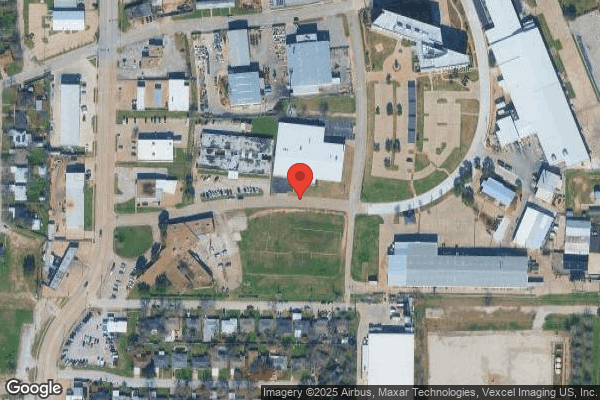
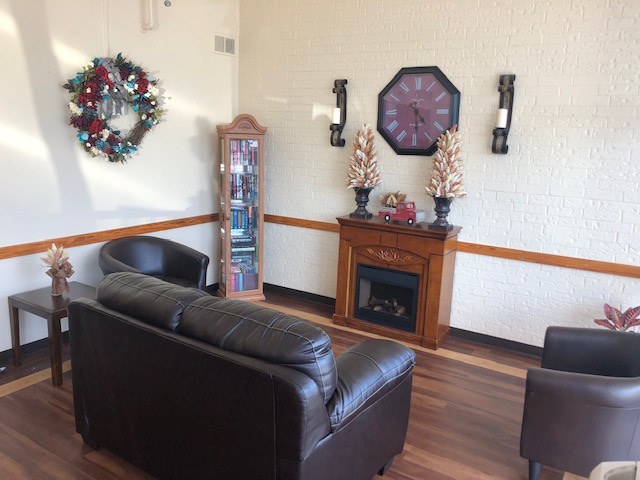
7820 SKYLINE PARK DR, WHITE SETTLEMENT, TX 76108 (817) 246-5531
For profit - Corporation 108 Beds RUBY HEALTHCARE Data: November 2025 3 Immediate Jeopardy citations
Trust Grade
0/100
#893 of 1168 in TX
Last Inspection: May 2025

Inspected within the last 6 months. Data reflects current conditions.

Overview

White Settlement Nursing Center has received a Trust Grade of F, indicating significant concerns about the facility’s care and operations. Ranking #893 out of 1168 in Texas places it in the bottom half of nursing homes in the state, and it is #55 out of 69 in Tarrant County, meaning there are only a few local options that are worse. The facility’s situation is worsening, with the number of issues increasing from 9 in 2024 to 13 in 2025. Staffing is average with a 49% turnover rate that is slightly below the Texas average. However, there are serious concerns, including critical incidents where the facility failed to address a resident's dangerously high blood pressure and did not provide appropriate care, as well as an instance of emotional abuse toward a resident. While the facility has some strengths, such as average RN coverage and a relatively lower turnover rate, the numerous critical issues and overall low trust grade raise serious red flags for potential residents and their families.

Trust Score
F
0/100
In Texas
#893/1168
Bottom 24%
Safety Record
High Risk
Review needed
Inspections
Getting Worse
9 → 13 violations
Staff Stability
⚠ Watch
49% turnover. Above average. Higher turnover means staff may not know residents' routines.
Penalties
✓ Good
$23,010 in fines. Lower than most Texas facilities. Relatively clean record.
Skilled Nurses
⚠ Watch
Each resident gets only 23 minutes of Registered Nurse (RN) attention daily — below average for Texas. Fewer RN minutes means fewer trained eyes watching for problems.
Violations
⚠ Watch
33 deficiencies on record. Higher than average. Multiple issues found across inspections.
★★☆☆☆
2.0
Overall Rating
★★★☆☆
3.0
Staff Levels
★★★★☆
4.0
Care Quality
★★☆☆☆
2.0
Inspection Score
Stable
2024: 9 issues
2025: 13 issues

The Good

  • 4-Star Quality Measures · Strong clinical quality outcomes
  • Full Sprinkler Coverage · Fire safety systems throughout facility
  • No fines on record

Facility shows strength in quality measures, fire safety.

The Bad

2-Star Overall Rating

Below Texas average (2.8)

Below average - review inspection findings carefully

Staff Turnover: 49%

Near Texas avg (46%)

Higher turnover may affect care consistency

Federal Fines: $23,010

Below median ($33,413)

Minor penalties assessed

Chain: RUBY HEALTHCARE

Part of a multi-facility chain

Ask about local staffing decisions and management

The Ugly 33 deficiencies on record

3 life-threatening
Aug 2025 1 deficiency
CONCERN (D) 📢 Someone Reported This

A family member, employee, or ombudsman was alarmed enough to file a formal complaint

Potential for Harm - no one hurt, but risky conditions existed

Safe Environment (Tag F0584)

Could have caused harm · This affected 1 resident

**NOTE- TERMS IN BRACKETS HAVE BEEN EDITED TO PROTECT CONFIDENTIALITY** Based on observation, interview and record review the facility failed to ensure a resident had the right to a safe, clean, comfo...

Read full inspector narrative →
**NOTE- TERMS IN BRACKETS HAVE BEEN EDITED TO PROTECT CONFIDENTIALITY** Based on observation, interview and record review the facility failed to ensure a resident had the right to a safe, clean, comfortable, and homelike environment, including but not limited to receiving treatment and supports for daily living safely and allowed the resident to use his or her belongings to the extent possible for 1 of 5 residents (Resident #1) reviewed for sanitary and comfortable environment.1. The facility failed to maintain Resident #1's wheelchair in a sanitary and safe operating condition leaving food, liquid, dirt, and debris to collect down both sides of the wheelchair. 2. The facility failed to ensure Resident #1's wheelchair padding on both arm rests were not torn and didn't expose padding on 08/11/25. These failures could place residents at risk of contamination, infections, skin tears and bruising. Findings include:Record review of Resident #1's Quarterly MDS, dated [DATE], reflected a [AGE] year-old female who admitted to the facility on [DATE]. Resident #1's had diagnoses which included contracture of right and left hands (a fixed tightening of muscles, tendons, ligaments, or skin that prevents normal movement of the hands), abnormalities of gait ad mobility (a walking abnormality), lack of coordination, speech disturbances (any condition that affects a person's ability to produce sounds that create words) and muscle wasting and atrophy (wasting or thinning of muscle mass). The MDS reflected a BIMS of 0, which indicated she was not able to complete the assessment. Resident #1 required use of a manual wheelchair, and she required set up or clean-up assistance with eating and required substantial/maximal assistance and dependent on staff for all other ADLs. Record review of Resident #1's current, undated, Care Plan reflected the following plans of care:- Resident #1 had an ADL self-care performance deficit related to musculoskeletal impairment, limited mobility, impaired balance. The care plan goals included the resident participating to the best of the resident's ability and maintaining the resident's current level of function. The care plan interventions included monitoring the resident after each meal to ensure the resident's clothes were clean and dry. - Resident #1 required supervision during meals, had fragile skin related to the aging process, and was at risk for bruising easily and skin tears. The care plan goals included the resident's risk for the development of skin tears and bruising being minimized. The care plan interventions included using a clothing protector to protect the resident's skin and notifying the physician and responsible party when there was a change in the resident's status. Keep skin clean and dry. Interview on 08/11/25 at 9:33 AM with Resident #1's Family Member revealed Resident #1's wheelchair was filthy and nasty. The Family Member stated the wheelchair looked like it had never been cleaned, and it should be cleaned. The Family Member stated the facility refused to clean and sanitize the wheelchair. The Family Member stated the arm rests on Resident #1's wheelchair were worn down and could potentially cause bruises on the underside of the resident's forearms. The Family Member further stated, Any normal person would not want to sit in a dirty wheelchair, so why does the facility think its ok for [Resident #1] to sit in a dirty wheelchair. Observation and interview on 08/11/25 at 10:41 AM revealed Resident #1 used her wheelchair for mobility throughout the facility. The arm pad covers on her wheelchair's armrests were torn and exposed the padding. The wheelchair had caked on food, dirt, and debris on both sides. Observation of Resident #1's arms revealed no findings of wounds, skin tears, or bruising. Resident #1 indicated she was mobile throughout the facility a lot, and she did not like her wheelchair to look dirty, Resident #1 did not indicate how having a dirty wheelchair made her feel. Resident #1 did not indicate if she ever asked for the wheelchair to be cleaned or if staff ever attempted to clean it. Interview on 08/11/25 at 11:26 AM with the DOR revealed Resident #1 was seen today (08/11/25) by a contracted vendor to get moldings for a new wheelchair. The DOR stated she noticed the need for a new wheelchair, so she placed a referral on 06/11/25. The DOR stated the reason for the new wheelchair was to assist Resident #1 with balancing and stability while sitting and propelling in the wheelchair. The DOR stated she was aware of how dirty Resident #1's wheelchair was with food and debris; however, she had not reported this to anyone. The DOR indicated she did not have a reason for not reporting the condition of the wheelchair The DOR stated there were times the therapy department would wipe down wheelchairs, but the CNAs on the overnight shift (10:00 PM - 6:00 AM) were responsible for cleaning resident wheelchairs. The DOR stated she noticed the padding on the wheelchair was worn; however, she had not noticed any injury to the resident's forearms. The DOR stated Resident #1 was provided with sleeve protectors, but the resident would remove them. The DOR stated having a dirty wheelchair could place residents at risk of contamination and infections. Interview on 08/11/25 at 11:44 AM with CNA A revealed she had not worked with Resident #1 lately; however, she had previously observed Resident #1's wheelchair had dried food on the sides. CNA A stated aides on the overnight shift were responsible for cleaning resident wheelchairs. CNA A stated if she was currently working with Resident #1 and observed residents with dirty wheelchairs, she would just clean it herself. CNA A further stated she would not want to sit in a dirty chair, so she could imagine residents did not want to sit in a dirty chair as well. CNA A stated when residents were in a dirty environment it placed them at risk of germs which would make them sick. Interview on 08/11/25 at 12:15 PM with the Physical Therapy Technician revealed CNAs on the overnight shift would be the first to notice when resident wheelchairs were dirty and needed to be cleaned, the 10:00 PM - 6:00 AM shift was responsible for cleaning wheelchairs. The Physical Therapy Technician stated when staff came in on the 6:00 AM - 2:00 PM shift and noticed chairs were dirty, they should be reporting to the DON, nurse, physical therapy, or the Maintenance Department. The Physical Therapy Technician revealed she noticed Resident #1's wheelchair needed to be cleaned, but she had never reported it, thinking the overnight shift would clean the wheelchairs. She stated not doing so placed Resident #1 at risk of infection. Observation and interview on 08/11/25 at 1:35 PM with CNA B revealed she worked with Resident #1, and she noticed Resident #1's wheelchair was dirty. CNA B stated it was the responsibility of the overnight shift to clean wheelchairs. CNA B stated Resident #1 fed herself, but she had difficulty due to the way she sat in her wheelchair. She stated it caused the resident to drop and spill a lot of her food and drink during meals, which landed on the wheelchair. CNA B could not recall the last time she attempted to clean Resident #1's wheelchair and could not recall the last time the chair was cleaned. Resident #1 was observed in the dining room drinking a cup of coffee, and there was a light brown thickened substance that appeared to have dripped down the entire right side of the resident's wheelchair. CNA B was asked if Resident #1 ate in the dining room and if she was monitored during lunch. CNA B stated Resident #1 was required to eat in the dining room where she could be monitored. CNA B further stated she did not see food spilled on the wheelchair. CNA B described Resident #1's wheelchair had wasted, caked on food that had dried along with food from today's lunch. CNA B stated not taking the time to ensure Resident #1's wheelchair was clean placed her at risk of infections. Attempts to contact CNA C, CNA D, CNA E, LVN F on the overnight (10:00 PM - 6:00AM) shift were unsuccessful. Interview on 08/11/25 at 2:58 PM with the DON revealed the facility had ordered a new wheelchair for Resident #1; however, it was a custom wheelchair, so it was unknown how long it would take to deliver. The DON stated she had scrubbed the resident's wheelchair the first couple of weeks of her employment at the facility, but she could not find anything who would clean it. She stated it was hard to get into the smaller spaces. The DON stated the overnight shift had a wheelchair cleaning schedule they were supposed to go by. The DON stated aides would check-off when the task was completed; however, they did not indicate which resident chairs were cleaned. The DON stated she knew the arm pads on Resident #1's wheelchair were torn, but there were no injuries on the resident's arms. She stated although it was torn the padding was still intact. The DON stated not ensuring resident's wheelchairs were cleaned and safe placed residents at risk of a build-up of debris and created a dignity issue for residents. Interview on 08/11/25 at 3:24 PM with the Administrator revealed CNAs on the overnight shift were responsible for ensuring all wheelchairs were cleaned according to the schedule. The Administrator stated obviously the CNAs were not doing so, and the overnight nurses were responsible to ensure all the overnight tasks were being completed. The Administrator revealed when residents wheelchairs were not properly cleaned and maintained it placed them at risk of having an issue with dignity and safety. Record review of the facility's Homelike Environment policy, dated 04/24/25, reflected: This policy aims to provide a comprehensive framework for creating and maintaining a homelike environment in long-term care facilities. A homelike environment is essential for promoting the comfort, dignity, and quality of life of residents.Privacy and Dignity: Ensure that residents have privacy and that their dignity is maintained at all times.Creating a homelike environment in long-term care facilities is essential for promoting the well-being and quality of life of residents. By implementing the principles and guidelines outlined in this policy, facilities can create a supportive and nurturing environment that respects residents' individuality, fosters social connections, and enhances their overall experience of care.The facility policy provided did not include anything about resident equipment.
Jun 2025 2 deficiencies
CONCERN (D) 📢 Someone Reported This

A family member, employee, or ombudsman was alarmed enough to file a formal complaint

Potential for Harm - no one hurt, but risky conditions existed

Free from Abuse/Neglect (Tag F0600)

Could have caused harm · This affected 1 resident

**NOTE- TERMS IN BRACKETS HAVE BEEN EDITED TO PROTECT CONFIDENTIALITY** Based on interviews and record reviews, the facility failed to ensure residents had the right to be free from abuse , neglect, m...

Read full inspector narrative →
**NOTE- TERMS IN BRACKETS HAVE BEEN EDITED TO PROTECT CONFIDENTIALITY** Based on interviews and record reviews, the facility failed to ensure residents had the right to be free from abuse , neglect, misappropriation of resident property, and exploitation for 2 of 4 residents (Residents #17 and #18) reviewed for abuse. The facility failed to ensure Resident #17 was not abused by Resident #18 who hit her in the face. The noncompliance was identified as PNC. The noncompliance began on 05/22/25 and ended on 05/22/25. The facility had corrected the noncompliance before the survey began. This failure could place residents at risk of injury and loss of dignity. Findings included: Record review of Resident #17's undated admission Record reflected the resident was a [AGE] year-old female who was admitted to the facility on [DATE] with diagnoses which included dementia, bipolar disorder, and schizoaffective disorder. Record review of Resident #17's quarterly MDS, dated [DATE], reflected a BIMS score of 8, which indicated moderate cognitive impairment. Record review of Resident #17's care plan, dated 03/31/25, reflected she had impaired judgement related to her cognitive decline, and she had behavioral problems of going into other resident's closets and taking items that did not belong to her. Record review of Resident #17's assessment on 05/22/25 by RN A reflected: This nurse got notified that there was yelling between two residents about purse. The two residents [Resident #18] and [Resident #17] pulling purse from one another, physical therapy staff and nurse got separated them. Upon head to toe assessment, no pain/injury noted at this time. Resident walking with walker, alert and oriented. MD, Administrator, DON made aware. Unable to reach RP .voice message left. Record review of Resident #18's undated admission Record reflected the resident was a [AGE] year-old female admitted to the facility on [DATE] with diagnoses which included kidney failure, diabetes, and cognitive communication deficit. Record review of Resident #18's quarterly MDS reflected a BIMS score of 14, indicating she was cognitively intact. Record review of Resident #18's care plan, dated 05/15/25, reflected she had behavioral problems related to her schizophrenia, and impaired visual function related to her vision decline. The resident's care plan had also been updated for her aggressive behavior on 05/22/25. Record review of the facility's investigation report reflected on 05/22/25 around 11:15 AM the PT witnessed Residents #17 and #18 tugging on a purse, each arguing about whose purse it was. The PT stated he stepped between the two residents to break up the dispute, and as he did so Resident #18 struck out at Resident #17 with a closed fist, hitting Resident #17 in the face. The PT and other staff separated the residents and reported the incident to the DON. In an interview on 06/17/25 at 2:25 PM, the PT stated Resident #18 was working in the gym when Resident #17 entered in her wheelchair. Resident #17 had a purse and Resident #18 yelled it was her purse. Resident #18 tried to grab it from Resident #17 and a tug of war over the purse began. The PT stated he stepped between them and told Resident #17 to give the purse back. Resident #18 managed to reach around him and strike Resident #17. The PT stated it was a closed fist and she hit Resident #17 somewhere on the face. He stated there was not a lot of force to the strike. He stated he and the DOR separated the two residents. The PT took Resident #17 to the nurse station and the DOR took Resident #18 to her room with the purse. When Resident #18 looked in the purse she told the DOR it was not her purse after all. The PT reported the incident to the nurse and the DON. He did not see any redness to the resident's face. Interview attempted on 06/17/25 at 2:50 PM with Resident #17 was unsuccessful due to the resident having no recollection of the event. In an interview on 06/17/25 at 2:55 PM, Resident #18 stated she thought Resident #17 had her purse because it was the same color as hers. She stated Resident #17 had a history of taking things from her room. She said she accidentally hit Resident #17 on the head. She has had no issues since then. In a phone interview on 06/17/25 at 3:00 PM with Resident #17's Responsible Party, he stated he was told about the event. When he checked on her the next day she did not remember what happened. She had no redness or bruising to her face. He had no concerns about her care. In a phone interview on 06/17/25 at 3:05 PM with Resident #18's Responsible Party, she stated she was told about the event. She stated she was surprised Resident #18 had lashed out like that because she was usually pretty calm. She stated there did not seem to be any affects from the event, and the resident was quite happy. In an interview on 06/17/25 at 3:08 PM, the DON stated the residents resided on different halls at the time of the event, and they rarely interacted with each other. She stated Resident #17 had no recollection of the event. Staff were in-serviced on resident-to-resident altercations that day and the next day. She stated there had never been any issues between the two residents in the past, and no history of Resident #18 being aggressive towards anyone. She stated Resident #18 was very even keeled and got along with everyone, this was very abnormal for her. She stated Resident #18 stated she knew Resident #17 liked to go into other resident's rooms and take things and when she saw her with a purse that looked like hers she just got mad. She did not mean to hit the resident, she was just frustrated. The DON stated she began to in-service staff on abuse, resident altercations and how to handle aggressive residents. Record review of the facility's training records reflected an Inservice Attendance Record, dated 05/22/25, which covered: Topic: When there is are [sic] resident to resident altercation. Resdients [sic] are to be seperated [sic] immediately, assessed for any injuries, s/s of distress. Resident to resident altercations must [be] reported to the abuse coordiantor [sic] / administrator immediatly [sic]. Resident to resident altercations are considered a form of abuse and must be reported immediatly [sic] to t he abuse coordiantor [sic] / administrator. In an interview on 06/17/25 at 3:15 PM, RN A stated she was in-serviced on resident-to-resident altercations. She stated she was supposed to separate the residents, assess for injuries, and report it to the Administrator. She would then monitor the residents for continued behaviors. In an interview on 06/17/25 at 3:18 PM, LVN B stated she was in-serviced on resident-to-resident altercations. She was supposed to separate them, assess for injuries, and notify the Administrator and DON. She would then monitor the residents for continued behaviors. In an interview on 06/17/25 at 3:22 PM, MA C stated she was in-serviced on resident-to-resident altercations. She was supposed to separate the residents and report it to her nurse or the DON. She would then monitor the residents for continued behaviors. In an interview on 06/17/25 at 3:30 PM, CNA D stated she was in-serviced on resident-to-resident altercations. She stated she was to separate the residents and notify the nurse and the Administrator. She would then monitor the residents for continued behaviors. In an interview on 06/17/25 at 3:35 PM, CNA E stated she was in-serviced on altercations between residents. She stated she would separate them and notify the nurse and the Administrator. She would then monitor the residents for continued behaviors. In an interview on 06/17/25 at 3:38 PM, CNA F stated there was an in-service on resident-to-resident altercations. She was supposed to separate them and report it to the Administrator and the nurse. She would then monitor the residents for continued behaviors. Record review of the facility's Abuse, Neglect, and Exploitation policy, dated 10/24/22, reflected: .1. The facility provides resident protection that includes: a) Prevention/Prohibition resident abuse, neglect, and exploitation and misappropriation of property. .III. The facility will make every effort to prevent and prohibit all types of abuse, neglect, misappropriation of property, and exploitation The noncompliance was identified as PNC. The noncompliance began on 05/22/25 and ended on 05/22/25. The facility had corrected the noncompliance before the survey began .
CONCERN (E) 📢 Someone Reported This

A family member, employee, or ombudsman was alarmed enough to file a formal complaint

Potential for Harm - no one hurt, but risky conditions existed

Safe Environment (Tag F0584)

Could have caused harm · This affected multiple residents

**NOTE- TERMS IN BRACKETS HAVE BEEN EDITED TO PROTECT CONFIDENTIALITY** Based on observations, interviews, and record reviews, the facility failed to ensure residents were provided comfortable and saf...

Read full inspector narrative →
**NOTE- TERMS IN BRACKETS HAVE BEEN EDITED TO PROTECT CONFIDENTIALITY** Based on observations, interviews, and record reviews, the facility failed to ensure residents were provided comfortable and safe temperature levels maintained at a range of 71 to 81 degrees Fahrenheit for 16 of 26 residents (Residents #1, #2, #3, #4, #5, #6,#7, #8, #9, #10, #11, #12, #13, #14, #15, and #16) of 26 residents reviewed for environment. The facility failed to ensure Residents #1, #2, #3, #4, #5, #6,#7, #8, #9, #10, #11, #12, #13, #14, #15, and #16 had adequate cooling. This failure could place residents at risk of heat related illnesses and dehydration. Findings included: Observation on 06/17/25 at 10:00 AM of the front hallway of the facility revealed two large fans were in use in the hallway. Observation on 06/17/25 at 10:38 AM of Residents #9 and #10's room revealed there were 6 fans in use to cool the room down. The ambient temperature was 78 degrees Fahrenheit. In an interview on 06/17/25 at 10:40 AM, Resident #9 stated the air conditioning in their section of the facility had not been working for several weeks. He stated he and his roommate purchased the fans to try to keep the room cool enough to be comfortable, but it was not enough for the afternoons. Resident #9 stated after about 11:00 AM they had to stay in the common area where the air conditioning was working. The Administrator was aware and provided fans for residents. Observation and interview on 06/17/25 at 10:44 AM of Residents #5 and #6's room revealed they had two fans in use. The ambient temperature was 80 degrees Fahrenheit. Resident #6 stated the facility provided the two fans to help with the heat of the room. She stated the fans helped until around noon when the temperature was too warm to stay in the room and they had to sit in the dining area to keep cool. Observation on 06/17/25 at 10:48 AM of Residents #1 and #2's room revealed an ambient temperature was 75 degrees Fahrenheit. Both residents were not in their room. Observation and interview on 06/17/25 at 10:52 AM of Resident's #3 and #4's room revealed two fans were in use. The ambient temperature was 75 degrees Fahrenheit. Resident #3 stated the room was comfortable as long as she had her fans on. Her family purchased the two fans in use. Observation on 06/17/25 at 11:00 AM of Residents #7 and #8's room revealed two fans were in use. Both residents were not in their room. The ambient temperature was 76 degrees Fahrenheit. Observation and interview on 06/17/25 at 11:04 AM of Residents #11 and #12's room revealed two fans were in use. Resident #12 stated she purchased the fans for the heat. She spent the afternoons in the dining area where it was cooler. The ambient temperature was 77 degrees Fahrenheit. Observation and interview on 06/17/25 at 11:10 AM of Residents #13 and #14's room revealed two fans in use. The ambient temperature was 75 degrees Fahrenheit. Resident #13 stated the room was still too uncomfortable to spend much time in. Resident #13 had sweat on his forehead. Observation and interview on 06/17/25 at 11:20 AM of Residents #15 and #16's room revealed three fans were in use. Resident #15 stated the room was still too hot even with the fans. Her roommate spent all day in the dining area where it was cool, and she herself would go out there when it got to be too much. She stated her hair was wet from sweat, and her hair appeared damp at the nape of the neck. The ambient temperature was 76 degrees Fahrenheit. In an interview on 06/17/25 at 11:40 AM, the Maintenance Director stated Unit #3 covered rooms 15-22 and it was serviced by their HVAC company two weeks prior when the elevated temperature was noticed in that area. He stated the company got the unit working again by bypassing something but it was still not cooling enough. The company was supposed to be back with an ordered part to complete the process. He stated the temperature should be between 72 and 74 degrees for the comfort of the residents. He stated if it was too hot the residents could be at risk of heat related illnesses. Follow up observations on 06/17/25 from 12:30 PM-12:50 PM of Rooms 15-22 revealed the temperatures had risen even higher. room [ROOM NUMBER] was measured at 79 degrees, room [ROOM NUMBER] was measured at 77 degrees, room [ROOM NUMBER] was measured at 82 degrees, room [ROOM NUMBER] was measured at 81 degrees, room [ROOM NUMBER] was measured at 80 degrees,, room [ROOM NUMBER] was measured at 79 degrees, room [ROOM NUMBER] was measured at 79 degrees, and room [ROOM NUMBER] was measured at 80 degrees. The ambient temperature in the hallway was 80 degrees Fahrenheit as measured with ambient thermometer by the Surveyor. In a phone interview on 06/17/25 at 3:10 PM the Administrator stated HVAC unit #3 had been struggling to keep up. The HVAC company advised there was not enough return air for the unit to function properly. They recommended placing portable units in the dining area next to the affected area, blocking off the vents in the dining area to attempt to divert enough flow to the affected rooms. She stated she was waiting to hear from corporate on what they were going to do. She stated the biggest risk to the residents was dehydration. She was still waiting to hear back from the corporate office on how they were going to proceed. The Administrator stated staff were keeping the affected residents supplied with ice and water. Record review of the facility's policy Homelike Environment, dated 4/24/25, reflected: 1. Living spaces . Ensure that living spaces are comfortable, safe, and accessible, with appropriate lighting, temperature control and furniture.
May 2025 8 deficiencies
CONCERN (D)

Potential for Harm - no one hurt, but risky conditions existed

ADL Care (Tag F0677)

Could have caused harm · This affected 1 resident

**NOTE- TERMS IN BRACKETS HAVE BEEN EDITED TO PROTECT CONFIDENTIALITY** Based on observation, interview, and record review, the facility failed to ensure residents who were unable to carry out activit...

Read full inspector narrative →
**NOTE- TERMS IN BRACKETS HAVE BEEN EDITED TO PROTECT CONFIDENTIALITY** Based on observation, interview, and record review, the facility failed to ensure residents who were unable to carry out activities of daily living received necessary services to maintain good grooming, and personal hygiene for 1 of 3 residents (Resident #96) reviewed for ADL care. The facility failed to ensure Resident #96's fingernails were cut. This failure could place residents at risk for poor hygiene, dignity issues, and decreased quality of life. Findings included: Record review of Resident #96's admission Record, dated 05/07/25, reflected the resident was a [AGE] year-old male who admitted to the facility on [DATE]. Record review of Resident #96's MDS assessment, dated 03/31/25, reflected the resident had diagnoses which included hyperlipidemia (abnormally high levels of lipids in the blood), seizure disorder (chronic brain condition characterized by recurrent seizures caused by abnormal electrical activity in the brain), and cataracts (clouding of the lens of the eye), glaucoma (eye condition that damages the optic nerve), and macular degeneration (affects the central part of the retina). The MDS also reflected the resident had severe cognitive impairment with a BIMS score of 2, and he required partial/moderate assistance from staff with personal hygiene. Record review of Resident #96's Care Plan, revised on 03/26/25, reflected: Focus: ADLs: [Resident #96] has an ADL Self Care Performance Deficit and is at risk for not having their needs met in a timely manner .Interventions: Provide shower, shave, oral care, hair care, and nail care per schedule and when needed. Observation and interview on 05/06/25 at 10:00 AM of Resident #96 revealed he was sitting in a wheelchair in his room next to his bed. Resident #96's nails on both of his hands were about a half-inch long. Resident #96 said he was blind, so he could not see his nails, but he could feel that they were very long. Resident #96 said he wanted his nails cut and did not like them to be long. Observation and interview on 05/07/25 at 12:19 PM of Resident #96 revealed he was sitting in a wheelchair in the dining room. Resident #96's nails on both of his hands were about a half-inch long Interview on 05/07/25 at 1:21 PM with LVN D revealed she was filling in for the day and only worked with Resident #96 about once a week. LVN D said the CNAs gave residents showers and checked their nails to see if they needed to be cut. LVN D said the CNA would not cut a resident's nails if they were diabetic. She stated the nurse on duty would be responsible for that. LVN D said as far as she knew, Resident #96 was not a diabetic resident. Observation and interview on 05/07/25 at 1:23 PM with LVN D revealed Resident #96 was in a wheelchair in the dining room. LVN D asked Resident #96 if he wanted his nails cut and Resident #96 said, Yes, chop them off. They're too long. LVN D assured Resident #96 they would have his nails cut for him today, and she was not sure why they were not cut before today (05/07/25). Interview on 05/07/25 at 1:45 PM with CNA C revealed she was just assigned to Resident #96 on Monday (05/05/25) of this week. CNA C said she gave Resident #96 a shower on both Monday (05/05/25) and today (05/07/25). CNA C said she was not sure if Resident #96 was a diabetic resident or not. CNA C said she knew not to cut a diabetic resident's nails because the nurse was supposed to do that. CNA C said she should have checked with the nurse to see if Resident #96 was a diabetic resident or not. CNA C said normally she checked a resident's nails on shower days to see if they needed to be cut or not but she did not check Resident #96's nails this week. CNA C said she saw Resident #96's nails and said they were very long. Interview on 05/08/25 at 9:59 AM with the DON revealed residents' nails were clipped during showers unless they were diabetic because then the nurse would be responsible for doing that task. The DON said the nurse on duty should be looking at a resident's nails and also the Wound Care Nurse during the weekly skin assessments that she completed. The DON said she expected CNAs to offer nail care at least once per week. The DON said if a resident's nails were long they were at risk of scratching themselves. The DON said CNAs were trained to provide nail care during showers. Record review of the facility's Nail Care policy, dated 04/25/14, reflected: .Procedure: 1. Assemble equipment 2. Knock on door and request entrance 3. Introduce self, explain procedure and provide privacy 4. Wash hands 5. Fill basin with warm water and alternate soaking hands 6. Carefully brush nails with nailbrush to remove dirt or clean with orange stick 7. Dry hands 8. Gently push cuticles back with orange stick . 9. Trim nails and file for smoothness, as needed .
CONCERN (D)

Potential for Harm - no one hurt, but risky conditions existed

Tube Feeding (Tag F0693)

Could have caused harm · This affected 1 resident

**NOTE- TERMS IN BRACKETS HAVE BEEN EDITED TO PROTECT CONFIDENTIALITY** Based on observations, interviews, and record review, the facility failed to ensure that residents who received nutrition by ent...

Read full inspector narrative →
**NOTE- TERMS IN BRACKETS HAVE BEEN EDITED TO PROTECT CONFIDENTIALITY** Based on observations, interviews, and record review, the facility failed to ensure that residents who received nutrition by enteral means received the appropriate treatment and services to prevent complications of enteral feeding for 1 of 3 residents (Resident #45) reviewed for enteral feeding. The facility failed to follow physician order for Resident #45 pertaining to his enteral feeding downtime. This failure placed residents at risk of dehydration, aspiration pneumonia, and metabolic abnormalities. Findings included: Record review of Resident #45's admission Record dated 05/08/25 reflected the resident was a [AGE] year-old male who admitted to the facility on [DATE] and readmitted on [DATE]. Record review of Resident #45's quarterly MDS assessment dated [DATE] reflected his diagnoses included nontraumatic intracerebral hemorrhage in the brain stem (stroke), chronic respiratory failure with hypoxia (low levels of oxygen in your body tissues), unspecified cirrhosis of liver (chronic liver disease), and gastrostomy status (tube inserted through the belly that brings nutrition directly to the stomach). Resident #45's BIMS score was not complete due to Resident is rarely/never understood. The MDS further revealed Section K - Swallowing/Nutritional Status indicated the resident's nutritional approach was a feeding tube. Record review of Resident #45's care plan revised date 04/22/25 reflected: Focus: Feeding Tube: Resident requires the use of a feeding tube and is at risk for aspirations, weight loss, and dehydration. Goal: Resident will be adequately nourished and remain within 5% of their ideal body weight for the next 90 days. Resident will maintain adequate nutritional and hydration status as evidenced by weight being stable, no signs or symptoms of malnutrition, or dehydration through review date. Interventions: Administer tube feeding and water flushes as ordered. WEEKLY & Monthly weights AS INDICATED PER POLICY. Report any significant weight loss/gain to the physician. Focus: Nutritional Status: [Resident #45] is NPO and at nutritional & hydration risk related to enteral feeding OSMOLITE 1.5 CAL 65CC /HR X22HR, H2O @ 100CC/4HR X 22HR. Goal: Resident will maintain adequate nutritional and hydration status as evidenced by weight being stable with no signs or symptoms of malnutrition or dehydration being present through the next review date. Interventions: Weight and record at least monthly. Report signs and symptoms of malnutrition such as emaciation (abnormally thin or weak), cachexia (condition that causes significant weight loss and muscle loss), temporal wasting (causes significant weight loss and muscle loss) or any significant weight loss to the physician as detected. A significant weight loss is more than 5% in 30 days, more than 7.5% in 90 days, or more than 10% in 180 days. Record review of Resident #45's May 2025 MAR, reflected an order for Enteral Feed Order every shift continuous feeding Osmolite 1.5 CAL @ 65 ML/HR X 22 HR via PEG Tube AND 100CC/4HR H2O. Start Date 03/31/25. Record review of Resident #45's May 2025 MAR, reflected an order for Enteral Feed Order one time a day Resume feeding at 0400 [4:00 AM] via PEG Tube. Start date 03/26/25. MAR indicated feeding start time 0200 [2:00 AM]. Record review of Resident #45's May 2025 MAR reflected an order for Enteral Feed Order one time a day Turn off feeding pump at 0000 am [12:00 AM]. Start dated 04/04/25. MAR indicated feeding down time 0000 [12:00 AM]. Record review of Resident #45's weights revealed the following: 5/1/2025 07:02 AM 244.8 Lbs Mechanical Lift 4/1/2025 12:41PM 246.6 Lbs Mechanical Lift 3/21/2025 18:24 [6:24 PM] 247.6 Lbs Mechanical Lift 3/6/2025 08:22 AM 249.8 Lbs Mechanical Lift Observation on 05/06/25 at 10:22 AM revealed Resident #45 lying in bed. He could not answer questions. Resident #45's feeding pump was turned off. The formula bag was dated 05/06/25 at 4:00AM at a rate of 65 mL/hr. The water bag was dated 05/06/25. Observation on 05/06/25 at 12:04 PM revealed Resident #45 being connected to his g-tube by LVN H. LVN H stated resident down time was from 10AM to noon. Observation on 05/07/25 from 8:38 AM to 10:11 AM revealed Resident #45 lying in bed. He could not answer questions. Resident #45 was connected to his feeding pump and the feeding pump was running. Observation on 05/07/25 at 10:20 AM revealed Resident #45 lying in bed. Resident #45's feeding pump was turned off. Observation on 05/07/25 at 12:33 PM revealed Resident #45 lying in bed. Resident #45 was connected to his feeding pump and the feeding pump was running. Interview on 05/07/25 at 1:21 PM with LVN H revealed she was the nurse assigned to Resident #45. She stated resident was fed by a g-tube and received 22 hours of feeding time. LVN H stated Resident #45 had a downtime of 2 hours. She stated she stopped Resident #45's feedings at around 10 AM and reconnects at around noon. LVN H reviewed Resident #45's MAR and stated she had no orders for downtime during her shift. LVN H reviewed Resident #45's physician orders and stated she was not aware resident had an order for downtime from 0000AM (12AM) and reconnect at 2AM. She stated prior to Resident #45 going to the hospital in March 2025 resident downtime was at 10AM. She stated she did not review physician orders upon admission from the hospital in March. LVN H stated she had been providing Resident #45 with an additional 2-hour downtime since his admission in March 2025. She stated the potential risk of not following physician orders and providing 2 additional hours of downtime could cause weight loss. During observation and interview on 05/07/25 at 3:20 PM a witnessed weight check was completed on Resident #45 via mechanical lift. Resident #45 had a weight of 227.0 pounds. Resident #45 had a weight loss of a -7.27 % in 6 days. CNA O stated the facility had all scales calibrated on 05/01/25 after resident was weighed. Interview on 05/07/25 at 4:34 PM with LVN N revealed she worked the 10 PM to 6 AM shift and had been the nurse assigned to Resident #45. LVN N stated Resident #45 had a g-tube feeding downtime from midnight to 2 AM. LVN N stated Resident #45 was supposed to be connected to his feeding pump for 22 hours. LVN N stated she was not sure of any other downtime. Observation on 05/07/25 at 5:02PM revealed two additional weight checks completed on Resident #45 via mechanical lift and wheelchair revealed a weight of 227.6 pounds. Interview by phone on 05/07/25 at 5:20 PM, with the Dietitian revealed she could not recall much of any weight loss on Resident #45. She stated g-tube feedings usually run for 20 to 22 hours depending on the resident. She stated an additional 2 hours of downtime should not cause a weight loss of 17 pounds in a week. She stated she was unaware of Resident #45's 17-pound weight loss, and she stated it would be considered significant weight loss; however, the concern would be the weight discrepancy. She stated something might have been wrong with the scale. The Dietitian stated the resident BMI would depend on resident body weight and height. She stated they do not follow Resident #45 closely unless BMI was under 18 or over 40. Resident #45 BIM was ay 35.5. The Dietitian stated providing Resident #45 4-hours of downtime did not contribute to his weight loss. She stated it had to be the scale. The Dietitian stated she was unable to provide any potential risk for not following physician orders without calculating Resident #45's feeding rate. Record review of email received from Dietitian dated 05/08/25 at 8:48 AM revealed, Below are the calculations you were asking for yesterday! Kcal Needs for [Resident #45] based on his height and weight: 2272kcal [Resident #45] is receiving from enteral feeding at 22hr per day: 2146kcal Kcal he would be receiving on 20hr per day: 1950kcal So only 196kcal difference for the day which would not warrant significant weight loss. Interview on 05/08/25 at 9:10 AM with the Rehabilitation Director revealed Resident #45 received OT, PT and ST for 30 minutes each discipline 5 days a week. She stated they provide therapy for Resident #45 during his 2-hour g-tube feeding downtime from 10AM to noon. She stated Therapy brings Resident #45 to the therapy room to complete his therapy. She stated since returning from the hospital on 3/24/25 Resident #45 had been receiving all disciplines from 10AM- noon. The Rehab Director stated Resident #45 had been refusing therapy the last two days (05/06/25-05/07/25). Interview on 05/08/25 at 9:15 AM with ADON L revealed she was the ADON assigned to Resident #45. She stated Resident #45 had a g-tube feeding downtime from midnight to 2 AM. She stated Resident #45 had an order for his g-tube feeding downtime from 10AM - noon but it changed when Resident #45 returned from the hospital in March 2025. ADON L stated she was not aware Resident #45 was getting an additional 2-hour downtime until yesterday (05/07/25). ADON L stated if the weight loss was over 5% in number of days it would be considered severe weight loss. She stated prior to yesterday (05/07/25) there were no concerns regarding Resident #45's weight. ADON L stated the additional 2-hour downtime could contribute to Resident #45's weight loss; however, she was unsure if it did. She stated they monitor residents' weights by reviewing them every Friday and if weight loss is noted they would put interventions in place. She stated her expectations were for all nursing staff to follow physician orders and to review them when a resident readmits from the hospital. She stated the risk of not following physician orders regarding downtime could cause dehydration, weight loss or malnutrition. Interview on 05/08/25 at 10:16 AM with the DON revealed her expectations were for her nurses to follow physician orders. She stated Resident #45's downtime was only provided for therapy. She stated she was not aware LVN H was unaware of Resident #45's physician orders for g-tube feeding downtime. She stated she did not believe the additional 2-hour downtime contributed to Resident #45's weight loss. She stated Resident #45 was also on hydrochlorothiazide medication and can also contribute to some weight loss but not cause a big significant weight loss. She stated it might be a scale issue. She stated the facility scales were all calibrated 05/01/25. The DON stated her expectations were for her nurses to check physician orders when a resident readmits from the hospital. She stated during morning meeting physician orders were reviewed. She stated it was the responsibility of the ADONs and herself to ensure physician orders were being followed. Interview on 05/08/25 at 2:17 PM, with the Doctor revealed the goal for a resident on a g-tube would be no weight loss. He stated the resident weight should stay consistent, maybe a variation of 1-2 pounds off but not a significant or severe weight loss. The Doctor stated he could not believe Resident #45 had lost 17 pounds in less than a week, and he stated it had to be a scale error. He stated Resident #45 had been more active with participating in therapy that can contribute with a few pounds weight loss. He stated he expects staff to follow physician orders. He stated an additional 2-hour downtime would not cause a significant weight loss. Follow up interview on 05/08/25 at 3:39PM, with the Doctor revealed Resident #45 receiving an additional extra 2-hour downtime, being on a diuretic medication and loss of fluid did not contribute to Resident #45's weight loss. He stated it could but not a large amount of weight loss. The Doctor stated no person would be able to lose 17 pounds in a week. He stated there might be something wrong with how the staff are obtaining the resident weight. He stated he observed Resident #45 a week ago and there was nothing clinically wrong with him. Review of the facility Feeding Tube Administration, Nutrition and Care policy, dated 04/01/25, reflected: Enteral feedings will be administered per physician order. Complications related to enteral feedings will be minimized through provision of proper care. Residents receiving enteral feedings will receive adequate nutrition and fluid to meet their individual needs, to the extent possible in consideration of their clinical condition and wishes.
CONCERN (D)

Potential for Harm - no one hurt, but risky conditions existed

Respiratory Care (Tag F0695)

Could have caused harm · This affected 1 resident

**NOTE- TERMS IN BRACKETS HAVE BEEN EDITED TO PROTECT CONFIDENTIALITY** Based on observation, interview, and record review, the facility failed to ensure residents who needed respiratory care were pro...

Read full inspector narrative →
**NOTE- TERMS IN BRACKETS HAVE BEEN EDITED TO PROTECT CONFIDENTIALITY** Based on observation, interview, and record review, the facility failed to ensure residents who needed respiratory care were provided such care, consistent with professional standards of practice, for 1 of 1 (Resident #46) residents reviewed for tracheostomy care. The facility failed to ensure Residents #46 had an emergency tracheostomy kit at the resident's bedside. This failure placed the resident at risk of delayed lifesaving interventions. Findings included: Record review of Resident #46's quarterly MDS assessment, dated 03/14/25, reflected the resident was a [AGE] year-old female admitted to the facility on [DATE] and re-admitted on [DATE] with diagnoses that included seizure disorder (uncontrolled jerking, loss of consciousness, blank stares, or other symptoms caused by abnormal electrical activity in the brain), respiratory failure, tracheostomy status (condition of having a tracheostomy, which is a surgically created opening in the trachea to facilitate breathing), and diabetes (chronic metabolic disease characterized by elevated level of blood glucose or blood sugar level). Record review also did not reflect a BIMS score as the resident was rarely/never understood. Review of Resident #46's quarterly MDS assessment also indicated she was totally dependent upon staff for her ADLs. Record review of Resident #46's care plan, dated 05/08/25, revealed her tracheostomy status is related to acute and chronic respiratory failure with hypoxia (a condition where the body or a specific region of the body is deprived of an adequate oxygen supply at the tissue level) with potential complications such as respiratory distress. The care plan reflected intervention, Keep extra trach (Shiley (a specific type of tracheostomy tube designed to provide an airway for individuals who have had a tracheostomy) 6 cm) at bedside. If tube is coughed out and tube cannot be reinserted obtain medical help immediately. Monitor/document for signs of respiratory distress, elevate HOB (Head of bed) and stay with resident. Observation on 05/08/25 at 8:38 AM of Resident #46's tracheostomy care with RN F revealed no emergency trach kit at bedside. Interview on 05/08/25 at 9:15 AM with RN F revealed there was no emergency trach kit (containing a bag valve mask) at Resident #46's bedside and the next lower size trach was not easily accessible. RN F stated that the bag valve mask should be easily accessible in the resident's room as well as the next lower size trach for emergency purposes. RN F stated she could not find the next size lower trach easily in the room due to the tracheostomy supplies' disorganization in the drawers where the supplies were contained. RN F revealed she could not recall an emergency trach kit in Resident #46's room in the four weeks she has been employed at the facility as Resident #46's nurse. RN F said that it was everyone's responsibility to ensure that the emergency kit was at the resident's bedside. RN F then stated that it was nurses' responsibility to ensure that the next lower size trach was easily accessible. RN F stated that if she could not locate an emergency kit, she should report it to ADON M. RN F also revealed that she should report to ADON M if the trach supplies were not organized. RN F said that she should check every shift to ensure both these items were in the room and easily accessible for emergency purposes. RN F stated that the importance of the bag valve mask was so that in an emergency if the resident's respirations decrease, the resident could receive oxygen. RN F then said that if the lower size trach was not available it could affect the resident's respirations due to sputum secretions (mucus and other matter coughed up from the lung and airways). RN F did not recall the last in-service on this topic. Interview on 05/08/25 at 9:28 AM with ADON M revealed the facility policy stated there should be an emergency trach kit (containing a bag valve mask) and the next lower size trach easily accessible in the rooms of residents with diagnoses of tracheostomy status. ADON M stated that she remembered the emergency trach kit (containing a bag valve mask) in the room on Tuesday, 05/07/25. ADON M said that she thought that it must have gotten knocked off the wall and fell on the floor while moving the resident's bed and then thrown away because they were following proper infection control practices. ADON M stated that she thought someone forgot to place another emergency trach kit (containing a bag valve mask) on the wall. ADON M stated that it was the nurses' and the ADON's responsibility to ensure that the emergency trach kit and the next lower size trach were easily accessible and organized. ADON M said that the nurse should check for these daily when they make their initial rounds. ADON M revealed that if these items were not easily accessible in an emergency, the resident would not be able to breathe. ADON M stated that if these items were not available, the nurse should report it to the ADON. ADON M then revealed that if the ADON could not locate the emergency trach kit and next size lower trach, they should notify the DON so that they could be ordered. Interview on 05/08/25 at 9:52 AM with the DON revealed the facility policy stated there should be an emergency trach kit (containing a bag valve mask) and the next lower size trach easily accessible in rooms of residents with diagnoses of tracheostomy status. The DON stated that she remembered the emergency trach kit (containing a bag valve mask) in the room on Tuesday, 05/07/25. The DON said that she thought that it must have gotten knocked off the wall when life safety (the state representative who measures the systems in place to protect individuals in emergencies, primarily involving fire, but also other hazards such power failures, security threats, earthquakes, floods, etc.) was in the room, fell on the floor, and thrown away while moving the resident's bed. The DON then stated that it was the nurse's, ADON's, and DON's responsibility to ensure the next lower size trach could be easily located. The DON said that the nurse should notify the ADON and DON if they could not locate it. The DON concluded by stating that if the emergency trach kit (containing a bag valve mask) and the next lower size trach are not easily accessible in rooms of residents with tracheostomy status, there could be a delay in care causing respiratory distress. Record review of the facility's Respiratory Care Services: Tracheostomy Care, policy, dated 03/03/23, reflected: .Procedure: .2. Gather necessary supplies: . Ambu bag [a handheld medical device used to manually ventilate a person who is not breathing or is breathing inadequatel] should already be bedside .Emergency trach replacement tube same size and one smaller (should ALWAYS be present bedside) .
CONCERN (D)

Potential for Harm - no one hurt, but risky conditions existed

Unnecessary Medications (Tag F0759)

Could have caused harm · This affected 1 resident

**NOTE- TERMS IN BRACKETS HAVE BEEN EDITED TO PROTECT CONFIDENTIALITY** Based on observation, interview, and record review, the facility failed to ensure the medication error rates are not 5 percent o...

Read full inspector narrative →
**NOTE- TERMS IN BRACKETS HAVE BEEN EDITED TO PROTECT CONFIDENTIALITY** Based on observation, interview, and record review, the facility failed to ensure the medication error rates are not 5 percent or greater. There were 5 errors out of 44 opportunities which resulted in an 11% percent medication error rate for 1 of 6 residents (Resident #87) reviewed for medication administration. RN F cocktailed (mixed together) five of Resident #87's medications instead of administering them separately via his feeding tube, creating an error rate of 11%, (5 errors out of 44 opportunities). This failure could place residents at risk of having their gastric tubes clogged. Findings included: Record review of Resident #87's undated admission Record reflected the resident was a [AGE] year-old male admitted to the facility on [DATE] with diagnoses including stroke, communication deficit, feeding tube placement, and diabetes. Record review of Resident #87's quarterly MDS, dated [DATE], reflected a BIMS score of 11, indicating moderate cognitive impairment. His Functional Status assessment indicated he required assistance from staff for all his ADLs. Record review of Resident #87's care plan reflected he had cognitive impairment related to his stroke; he had swallowing problems related to his stroke, requiring the use of a gastric tube; and he required a gastric tube for all of his nutrition. Record review of Resident #87's physician orders revealed an order dated 11/08/24 for every shift Flush enteral tube with 30 ml water pre/post medication administration and 5-10 ml water between each medication. Observation on 05/07/25 at 7:16 AM revealed RN F crushed Resident #87's pantoprazole 40 mg, Folic acid 1 mg, famotadine 20 mg, aspirin 81 mg, and omeprazole 20 mg together and administered them together instead of individually with a water flush between each medication as ordered. Interview on 05/07/25 at 10:08 AM with Resident #87 revealed his medications are always given like they were this morning. He stated it was always one cup of medications that were flushed with is Osmolyte drink. He stated he did not know the medications were supposed to be administered one at a time. Interview on 05/07/25 at 11:25 AM with RN F revealed she did sometimes cocktail her medications when she was busy in order to save time. She stated she knew she was not supposed to cocktail the medications, but mornings were busy and it was time consuming to administer each medication one at a time and flush between each medication. She could not state a risk of cocktailing medications. Interview on 05/07/25 at 12:55 PM with the DON revealed it was not acceptable to cocktail resident medications when giving them via a gastric tube. The DON stated each medication was to be crushed in its own pouch, diluted with 30 ml of water, administered via the tube and then flushed with 5-10 ml of water before giving the next medication. This was done to reduce the risk of the gastric tube being clogged. The DON stated RN F had not been checked off on gastric tube medication administration yet. Interview on 05/07/25 at 1:37 PM with RN G revealed medications given via a gastric tube had to be crushed and administered individually after being diluted and a water flush between each medication was also required to ensure the tube did not become clogged. Record review of the facility's Enteral Tube Feeding policy, dated 02/10/20, reflected: .7. Each medication is prepared individually so that it can be administered separately. 8. Crushed medications are diluted with at least 5 ml of water when fluid is not restricted. .11. Enteral tube must be flushed with at least 10-15 ml of water between each medication, unless otherwise ordered by the prescriber
CONCERN (D) 📢 Someone Reported This

A family member, employee, or ombudsman was alarmed enough to file a formal complaint

Potential for Harm - no one hurt, but risky conditions existed

Infection Control (Tag F0880)

Could have caused harm · This affected 1 resident

**NOTE- TERMS IN BRACKETS HAVE BEEN EDITED TO PROTECT CONFIDENTIALITY** Based on observation, interview, and record review, the facility failed to establish and maintain an infection prevention and co...

Read full inspector narrative →
**NOTE- TERMS IN BRACKETS HAVE BEEN EDITED TO PROTECT CONFIDENTIALITY** Based on observation, interview, and record review, the facility failed to establish and maintain an infection prevention and control program designed to provide a safe, sanitary and comfortable environment and to help prevent the development and transmission of communicable diseases and infections for 1 of 5 residents (Resident #38) reviewed for infection control. CNA A and CNA B failed to wear the appropriate PPE while they transferred Resident #38, who was on Enhanced Barrier Precautions, to her bed. This failure could place residents at risk of being infected by staff in contact with other residents with infections. Findings included: Record review of Resident #38's MDS dated [DATE] reflected the resident was a [AGE] year-old female admitted to the facility on [DATE]. Her diagnoses included high blood pressure, neurogenic bladder (a condition where the nerves that control the bladder do not function properly), paraplegia , and traumatic brain injury. The MDS reflected the resident had impairment to both sides of her lower extremities and used a wheelchair for mobility and was dependent with the help of two staff members for transfers. Record review of Resident #38's care plan revised on 03/05/25 reflected she had a urinary catheter related to neuromuscular dysfunction of bladder and was at risk for urinary tract infections. Interventions included she was on enhanced barrier precautions. Observation on 05/06/25 at 12:48 PM revealed Resident #38 was being transferred from her wheelchair to her bed via mechanical lift by CNA A and CNA B. CNA A was wearing gloves, but no gown and CNA B was not wearing any PPE as they assisted the resident into bed and hung the catheter bag on the bed. Observation on 05/06/25 at 12:52 PM of Resident #38's room revealed there was PPE that hung on the door that included gowns and there was a yellow sign outside the door which reflected: .for B bed wear gown and gloves for dressing, bathing, showering, transferring, changing linens, providing hygiene, changing briefs, or assisting with toileting device care or use: central line urinary catheter, feeding tube, trach, and wound care Interview on 05/06/25 at 12:57 PM with CNA A revealed she was supposed to wear gown and gloves while they transferred Resident #38 into bed, but she had forgotten. CNA A said it was important to wear the appropriate PPE because it kept germs from spreading. Interview on 05/06/25 at 1:00 PM with CNA B revealed she had assisted CNA A transfer Resident #38 from her wheelchair to her bed and she did not realize the resident was on enhanced barrier precautions therefore did not wear any PPE. Interview on 05/08/25 at 10:40 AM with the DON revealed residents that were on enhanced barrier precautions were identified with the PPE on the door and the signs outside the rooms. The DON said CNA A and CNA B both should have worn gloves and gowns to transfer Resident #38 back into bed because the resident was on enhanced barrier precautions. The DON further stated it was important for the staff to wear the appropriate PPE because it prevented the spread of communicable diseases. Record review of the facility's Infection Prevention and Control Program policy, revised 03/26/25, reflected the following: .6. Enhanced Barrier Precautions EBP are used in conjunction with standard precautions and expand the use of PPE to donning of gown and gloves during high-contact resident care activities that provide opportunities for transfer of MDRO 's to staff hands and clothing. EBP are indicated for residents with any of the following: .b. Wounds and/or indwelling medical devices (e.g., central lines, urinary catheter, feeding tube, tracheostomy/ventilator) .During high-contact resident care activities: dressing, bathing/showering, transferring, providing hygiene, changing linens, changing briefs, or assisting with toileting
CONCERN (E)

Potential for Harm - no one hurt, but risky conditions existed

Menu Adequacy (Tag F0803)

Could have caused harm · This affected multiple residents

Based on observation, interview, and record review, the facility failed to ensure the menu was followed for one of one meal (lunch on 05/07/25) reviewed for food and nutrition services. The facility ...

Read full inspector narrative →
Based on observation, interview, and record review, the facility failed to ensure the menu was followed for one of one meal (lunch on 05/07/25) reviewed for food and nutrition services. The facility failed to ensure the menu was followed for the lunch meal by: - leaving out the dinner roll for the pureed diets on 05/07/25, and - substituting greens for broccoli florets This failure could place residents at risk of weight loss, altered nutritional status and diminished quality of life. Findings included: Observation on 05/07/25 at 11:30 AM revealed the [NAME] pureed pork roast, greens, and boiled potatoes. No dinner rolls were pureed or served to residents who should have received pureed meals. Observation and Interview on 05/07/25 at 1:10 PM with Dietary Manager J revealed there was no pureed dinner roll on the pureed test tray. Dietary Manager J revealed the [NAME] forgot to prepare the pureed dinner roll. Dietary Manager J revealed the facility policy stated everyone should receive the same meal. Dietary Manager J stated the importance of following the menu was so that residents could receive sufficient calories. Dietary Manager J said that if residents did not receive enough calories, it could lead to possible weight loss and a decline in health. There was no posting observed in the facility of a substitution of the greens for the broccoli florets in the facility on 05/07/25. Dietary Manager J was observed in-servicing her staff on following the menu for special diets on 05/08/25. Observation and interview on 05/07/25 at 1:15 PM with Dietary Manager K revealed she was a dietary manager from a sister facility who was there to oversee the kitchen operations that day. The test tray for the lunch meal was present during this interview, and Dietary Manager K stated she saw there was no pureed dinner roll on the puree test tray. Dietary Manager K said the facility policy was to follow the menu and post substitutions if they occurred. Dietary Manager K revealed the importance of following the menu is so that residents receive all their nutritional value of the day. Dietary Manager K revealed also the cook should notify the facility's manager if there was no pureed bread so that a substitution could be made. Record review of resident council minutes for February, March, and April 2025 reflected there were no complaints for the dietary department regarding substitutions. Record review of the facility's menu, dated 03/14/25, reflected for Wednesday (05/07/25) the following: Lunch - Pork Roast Loin Garlic Herb, Buttered Broccoli Florets, Boiled Potato, Dinner Roll, Chocolate Pudding. Record review of the facility's Menu Changes and Substitutions policy, revised 08/02/17, reflected: Policy: Any variation from the planned menu will be properly documented by the Dietary Services Manager (DSM) and reviewed and signed by the Dietician. Menu changes and substitutions, when necessary, will be made with foods of equivalent nutritive value .
CONCERN (E)

Potential for Harm - no one hurt, but risky conditions existed

Deficiency F0914 (Tag F0914)

Could have caused harm · This affected multiple residents

Based on observations, and interviews, and record review, the facility failed to ensure resident rooms were equipped to assure full visual privacy for each resident for 5 of 20 residents (Residents #2...

Read full inspector narrative →
Based on observations, and interviews, and record review, the facility failed to ensure resident rooms were equipped to assure full visual privacy for each resident for 5 of 20 residents (Residents #20, #24, #65, #78, and #200) reviewed for privacy. The facility failed to ensure full visual privacy for Residents #20, #24, #65, #78, and #200. This failure could cause residents embarrassment, of loss of dignity. Findings included: Observation and interview on 05/06/25 at 10:25 AM revealed Resident #65's privacy curtain did not extend across the foot of his bed, leaving a gap on one side or the other. Hangers for a second curtain were present in the track, but the second curtain was not present. Resident #65 stated he did not like the gap in the curtains, and he wanted full privacy. Observation and interview on 05/06/25 at 10:33 AM revealed Resident #24 had no privacy curtain at the foot of her bed. There was a track in place but no hangers or curtain present. Resident #24 stated there had been no curtain for several months, since her last roommate left. She did not like not having privacy. Observation and interview on 05/06/25 at 10:41 AM revealed Resident #20's privacy curtain for the end of his bed was tied up in a knot, and he was missing 17 slats out of his window blinds leaving him with no privacy from the smoking area outside his window. Resident #20 stated the curtain did not bother him as much as the blinds did. He stated the blinds had been that way for as long as he could remember. He stated he would like more privacy when changing clothes. Observation and interview on 05/06/25 at 10:45 AM revealed Resident #200's privacy curtain was in place but would not extend around his bed due to the hangers not sliding in the track. Resident #200 stated it had been that way since he was admitted last month. He stated he liked to have privacy when changing clothes. Observation and interview on 05/06/25 at 11:02 AM revealed Resident #78 had no privacy curtain for the foot of his bed. There was a track in place but no hangers or curtain. Resident #78 stated he would not mind a curtain there but it did not bother him too much since he was in the far bed. Interview on 05/06/25 at 2:45 PM with the Housekeeping Supervisor revealed maintenance was responsible for hanging curtains and repairing the tracks, and housekeeping washed the curtains when needed. She stated maintenance should notify the housekeepers if they needed more curtains to provide full coverage. Interview on 05/08/25 at 9:40 AM with LVN H revealed residents needed their privacy for dignity reasons. The curtain provided them with a sense of having their own space. Interview on 05/08/25 at 9:43 AM with CNA I revealed she had not noticed Resident #20's blinds missing the slats. She stated it was important to replace them because the smoking area was just outside his room and he had no privacy. Interview on 05/08/25 at 9:52 AM with the ADON revealed the residents needed their privacy curtains for their dignity. She stated she would have to speak with staff about reporting missing curtains or broken window blinds. Interview on 05/08/25 at 11:34 AM with the DON revealed privacy curtains and window blinds are in place to provide privacy and dignity for the residents. The curtains should provide full coverage and privacy for the resident, and no gaps were allowed., She stated the curtains should be checked by the CNAs and reported to the nurse or maintenance when they did not work of or provide full coverage. Any dirty or damaged curtains were replaced by housekeeping. Interview on 05/08/25 at 12:08 PM with the Maintenance Director revealed he would hang any curtains that the housekeepers needed hung or make repairs to the tracks if they were reported as not working. He stated he does not check curtains for coverage or functionality unless one was reported to him to be checked. Record review of the facility's Homelike Environment policy, dated 04/24/25, reflected: .2. Privacy and Dignity: Ensure that residents have privacy and that their dignity is maintained at all times. This includes respecting their personal space and providing private areas for personal care and family visits
CONCERN (E)

Potential for Harm - no one hurt, but risky conditions existed

Deficiency F0925 (Tag F0925)

Could have caused harm · This affected multiple residents

**NOTE- TERMS IN BRACKETS HAVE BEEN EDITED TO PROTECT CONFIDENTIALITY** Based on observation, interview, and record review, the facility failed to maintain an effective pest control program to keep th...

Read full inspector narrative →
**NOTE- TERMS IN BRACKETS HAVE BEEN EDITED TO PROTECT CONFIDENTIALITY** Based on observation, interview, and record review, the facility failed to maintain an effective pest control program to keep the facility free of pests for 1 of 2 halls (station 2) and 1 of 1 activity room and 1 of 4 community bathrooms (community bathroom [ROOM NUMBER]), and 1 of 12 (room [ROOM NUMBER]) resident rooms. The facility failed to ensure an effective pest control program was in place to keep cockroaches out of the facility. This failure could place residents at risk for the potential spread of infection, cross-contamination, and decreased quality of life. Findings included: Observation on 05/06/25 at 10:44 AM of room [ROOM NUMBER], revealed there was a single roach seen running from the resident's closet to the resident's dresser. Observation on 05/07/25 at 1:52 PM revealed there were 6 live roaches, of various sizes, in the community bathroom [ROOM NUMBER], next to the activity room. Observation on 05/08/25 at 8:36 AM revealed there was a live roach seen running by the water dispenser in the activity room. Observation on 05/08/25 at 2:25 PM revealed there were 7 live roaches in the bathroom next to the activity room (community bathroom [ROOM NUMBER]) and two of the roaches ran under the door into the hallway. Review of the pest control log for the past three months reflected the following: 03/04/25 - there were entries in the logbook to treat for American roaches 04/01/25 - evidence found of roach activity in two rooms that were joined by a bathroom 05/06/25 - entries in the logbook to treat staff restroom and nurses station for American roaches Interview on 05/08/25 at 4:16 PM with Resident #9 and #44 revealed they would see lives roaches from time to time but the facility was good about treating their room. Interview on 05/07/25 at 3:46 PM with CNA E revealed there were always live roaches in the bathroom next to the activity room no matter how many times pest control treated. CNA E said pest control would treat the facility and that bathroom but it did not seem to help. CNA E further stated she had not seen live roaches in the resident rooms. Interview on 05/08/25 at 10:51 AM with the Administrator revealed they have had issues with roaches and pest control was making weekly visits. They have had a lot of difficulty controlling them and some would have to do with the residents storing food and housekeeping not keeping with the cleanliness. Interview on 05/08/25 at 12:00 PM with the Maintenance Director revealed he had seen roaches in the facility and when he is made aware, they will have the room cleaned and treated by pest control. He was aware there were roaches in Resident #9 and #44's room and the Maintenance Director said that was one of the rooms where the resident stored snacks and food from the kitchen. Review of the facility's policy titled Pest Control Program implemented on 01/2020 reflected the following: It is the policy of this facility to maintain an effective pest control program that eradicates and contains common household pests and rodents.
Feb 2025 2 deficiencies 2 IJ
CRITICAL (J) 📢 Someone Reported This

A family member, employee, or ombudsman was alarmed enough to file a formal complaint

Immediate Jeopardy (IJ) - the most serious Medicare violation

Notification of Changes (Tag F0580)

Someone could have died · This affected 1 resident

**NOTE- TERMS IN BRACKETS HAVE BEEN EDITED TO PROTECT CONFIDENTIALITY** Based on interview, observation, and record review, the facility failed to immediately consult with the resident's physician and...

Read full inspector narrative →
**NOTE- TERMS IN BRACKETS HAVE BEEN EDITED TO PROTECT CONFIDENTIALITY** Based on interview, observation, and record review, the facility failed to immediately consult with the resident's physician and notify the resident representative when there was a significant change in the resident's physical or mental status or need to alter treatment significantly for one (Resident #1) of eight residents reviewed for change of condition. The facility failed to notify Resident #1's physician and responsible party when the resident's blood pressure was 216/114 on 01/24/25. An Immediate Jeopardy (IJ) was identified on 02/14/25. The Administrator was notified of the Immediate Jeopardy and provided with the IJ Template on 2/14/25 at 05:04 PM. While the Administrator and DON were notified that the IJ was removed on 02/15/25 at 02:34 PM, the facility remained out of compliance at a scope of isolated and a severity level of no actual harm with potential for more than minimal harm that was not immediate jeopardy due to the facility's need to evaluate the effectiveness of the corrective systems. This failure could place all residents at risk of not receiving immediate medical attention when there is a change in their condition, which could lead to worsening of conditions and serious injury or harm. Findings included: Record review of Resident #1's face sheet, dated, 02/04/25, revealed the resident was a [AGE] year-old male admitted to the facility on [DATE] and readmitted on [DATE] with diagnoses that included: pneumonia (infection of lungs), hypertension (high blood pressure), type II diabetes (body's inability to regulate blood sugar), muscle weakness, chronic kidney disease, morbidly obese, mild dementia (brain disorder that affects memory, thinking, and behavior). Record review of Resident #1's Quarterly MDS assessment, dated 02/03/25, revealed the resident had a BIMS score of 12 which suggested he was moderately cognitively impaired. The Quarterly MDS assessment reflected Resident #1 could usually make himself understood and could usually understand others. Further review reflected Resident #1 was dependent on staff for most ADLs. Review of Resident #1's care plan initiated on 07/12/24 reflected the resident was diagnosed with hypertension and was at risk for fluctuations in blood pressure. Interventions included administer antihypertensive medications as ordered. Monitor for side effects such as orthostatic hypotension (sudden drop in blood pressure when standing from a seated or prone position), headache, vertigo, chest pain, and decreased heart rate. Avoid taking blood pressure readings after physical activity or emotional distress. Monitor for edema (swelling caused by excess fluid buildup in the body's tissue) and document when present. Notify physician of changes in severity of edema as needed. Weigh at least monthly Diet as ordered. Record review of Resident #1's order summary report, dated 02/04/25, reflected the following: -Furosemide oral tablet 40 mg- give one tablet by mouth two times a day related to hypertension (active) -hydrALAZINE HCL oral tablet 25 mg-give one tablet by mouth three times a day related to hypertension. (active) - hydrALAZINE HCL oral tablet 50 mg-give one tablet by mouth three times a day related to hypertension. (active) -Lisinopril oral tablet 40 mg-give one tablet by mouth in the morning related to hypertension. (active) -Toprol XL oral tablet extended release 24-hour 25 mg-give one tablet by mouth in the morning for hypertension. Hold for SBP<110, DBP<50, pulse<50. (active) -Obtain a complete set of vitals every shift. (active) Record review of Resident #1's vitals revealed the following: 01/24/25 at 04:16 PM Blood Pressure- 216/114 taken by MA C Temperature- not documented. Further review reflected there was no blood pressure re-check documented by MA C or LVN B. Record review of Resident #1's progress notes reflected there was no documentation on 1/24/25 regarding notifying the MD or RP about the resident's elevated blood pressure. There was also no documentation by MA C that LVN B was notified of Resident #1's elevated blood pressure. Further record review of Resident #1's progress note, dated 01/25/25 at 04:37 PM by RN D, reflected the following: [Resident #1] called 911 by himself that he is not feeling well, and he wants to go to hospital. Paramedics here and the writer tried to talk [Resident #1] out, to allow the facility nurse to reach the physician for orders and treatment. [Resident #1] insisted of [sic] going to the hospital. Action: [Resident #1] transported to the hospital on a stretcher by the paramedics. DON/ADON and responsible party notified. Record review of Resident #1's hospital records, dated 01/25/25, reflected the following: Chief complaint: [Resident #1] presents with fatigue from [Nursing Facility] with c/o cough and malaise (discomfort) x 3 days. Glucose 360, baseline GCS 14. Bed bound from previous CVA. . Laboratory Results: Chest X-ray - 01/25/25 -Lungs and pleura- low lung volumes. Left mid and basilar interstitial opacities (disorder that causes scarring in lung). No pleural effusion. No pneumothorax. Impression: 1. Low lung volumes. Left mid and basilar atelectasis (condition where the lower lobes of the lungs collapse) or atypical infiltrate (pneumonia). . Differential Diagnosis: Pneumonia, viral upper respiratory infection, acute on chronic CHF exacerbation. In an interview on 02/04/25 at 01:08 PM, the DON stated Resident #1 reported not feeling well on 01/25/25, and RN D was working on contacting the MD through telehealth to get orders, but the EMTs were already entering the facility after Resident #1 called 911 himself. She stated Resident #1 was transported to the hospital where he was admitted and diagnosed with pneumonia. The DON stated Resident #1's O2 level was at 92%, taken on 01/25/25 at 4:33 PM, and he likely could have been treated at the nursing facility, but he insisted on going to the hospital. The DON stated Resident #1 had a history of calling 911 if staff did not get to him quick enough, and he recently called 911 for them to come change his brief. The DON checked Resident #1's chart and stated his blood pressure was 216/114 on 01/24/25, which was considered extremely high. She stated she had not been previously made aware that Resident #1's blood pressure was elevated on 01/24/25. The DON stated with a blood pressure that high, the expectation would have been for a nurse to recheck it manually and if was still high to notify the RP and MD immediately for further instructions. She stated all blood pressures were recorded in the EHR. The DON stated Resident #1's blood pressure ran high on multiple days, and he was on routine blood pressure medication. The DON stated there were no other reports or signs indicative of Resident #1 having an infection. The DON stated not notifying the MD of an extremely high blood pressure could place the resident at risk of a stroke and any change of condition that was not assessed could lead to harm or even death. An attempted interview on 02/04/25 at 01:30 PM with RN D by phone was unsuccessful due to no response to call. In an interview on 02/04/25 at 02:03 PM, LVN A stated she worked 1st shift, Monday-Friday. She stated she worked with Resident #1 the week leading up to him going to the hospital on [DATE] and he did not exhibit any symptoms of respiratory distress and did not complain of being sick. LVN A stated she was surprised to find that Resident #1 was at the hospital when she returned to work on 01/27/25. In an interview on 02/04/25 at 02:25 PM, LVN B stated she worked 2nd shift, Monday-Friday. LVN B stated she worked with Resident #1 on 01/24/25 and there were no reports that he felt unwell. She stated Resident #1 was not coughing and did not have any other symptoms or complaints that day. LVN B stated Resident #1 did not have an order for daily vital checks by the nurse, so the medication aides were the only ones who checked his vitals before administering blood pressure medication. LVN B stated the medication aides were supposed to report any abnormal blood pressure readings to the nurse for them to assess and recheck. LVN B stated on 01/24/25, MA C did not report to her that Resident #1's blood pressure was higher than usual. She stated if it had been reported that Resident #1's blood pressure was 216/114, she would have rechecked it manually and notified the MD. In an interview on 02/04/25 at 02:57 PM, MA C stated she worked 2nd shift, Monday-Friday. She stated she worked with Resident #1 on 01/24/25 and checked his vitals at 04:00 PM before administering his blood pressure medication. She stated Resident #1's blood pressure was normally high when she checked it, and she would always tell the nurse. MA C stated Resident #1's blood pressure was high so often she asked the nurse about getting him a PRN blood medication to supplement his routine medication. MA C could not recall what Resident #1's blood pressure was when she checked it on 01/24/25; however, she stated if it was high, she certainly reported it to the nurse because she took her job seriously and would not forget to report something like high blood pressure, especially an extremely high blood pressure. MA C stated all blood pressure checks were supposed to be documented in the residents' EHR. MA C stated she did not normally document her communication with the nurse in the residents' EHR but moving forward she would document it in the progress notes. In an interview and observation on 02/04/25 at 03:45 PM, Resident #1 was dressed and well-groomed with no odors or visible marks or bruises. Resident #1 also did not show any signs of distress. Resident #1 stated he was feeling better but not completely healed since returning to the facility on [DATE] from the hospital. He stated he still had a slight cough. Resident #1 stated he called 911 himself on 01/25/25 because he had been coughing for weeks and was feeling bad on that day. Resident #1 stated he did not tell staff that he was feeling bad because he would have had to wait too long for them to call the MD so he figured it would be quicker for him to call 911 and go to the hospital. Resident #1 stated he always had a cough due to ongoing lung issues, so it was not a big deal until he started feeling worse about a day before he went to the hospital. Resident #1 stated he only told his family member that he did not feel well. Resident #1 stated he had high blood pressure and took medication for it. He stated he was unsure if his blood pressure was high on 01/24/25 or 01/25/25 but it was possible because he did not feel well in general on those days. In an interview on 02/04/25 at 03:56 PM, Resident #1's RP revealed she spoke with the resident on 01/24/25 and he told her that he did not feel well and had a cough. The RP stated the facility did not notify her of a change of condition in Resident #1 on 01/24/25; however, they called her on 01/25/25 after Resident #1 called 911 for himself and she told them to go ahead and transport him to the hospital. In an interview on 02/14/25 at 01:40 PM, the MD stated the expectation was for the nurses to notify him of any blood pressures outside of the parameters. The MD stated he was not notified on 01/24/25 that Resident #1's blood pressure was 216/114. He stated a systolic blood pressure over 180 should have been reported to him. The MD stated if it had been reported, he would have had the nurse to do a manual blood pressure re-check because the wrist cuffs were not always accurate. He stated if the blood pressure was still elevated, he would have asked for a clinical assessment of Resident #1's physical condition as the blood pressure numbers alone would not have been indicative of a hypertensive emergency. The MD stated he would have likely ordered an adjustment of the medication and monitoring unless there were concerns for Resident #1's physical condition, which he would have then ordered for the resident to be sent out to the hospital. The MD stated Resident #1 ended up going to the hospital on [DATE] and was diagnosed with pneumonia; however, he could not state that the elevated blood pressure the previous day was related. The MD stated the nurses usually notified him of abnormal vitals. Review of the facility's policy titled Notification of Changes, dated 07/13/2015, revealed in part the following: Policy: To provide guidance on when to communicate acute changes in status to MD, NP, and responsible party. The facility will immediately inform the resident; consult with the resident's physician; and if known, notify the resident's legal representative or appropriate family member(s) of the following: . 3. A significant change in the physical, mental or psychosocial status of the resident. Review of an article in the American Heart Association, updated 2025, reflected in part the following: In most cases damage from high blood pressure happens over time. If not detected and controlled, high blood pressure can lead to: -Heart attack -Stroke -Heart Failure -Kidney disease or failure . If your blood pressure reading is higher than 180/120 mm Hg, you could be having a hypertensive crisis. Wait at least 1-2 minutes and then take your blood pressure again. Contact your health care professional right away if your readings are still above 180/120 mm Hg and you aren't having any other symptoms . An Immediate Jeopardy (IJ) was identified on 02/14/25 at 03:25 PM. The Administrator and DON were notified of an Immediate Jeopardy (IJ) on 02/14/25 at 04:45 PM, due to the above failures and the IJ Template was provided at 05:04 PM. The facility's Plan of Removal (POR) was accepted on 02/15/25 at 12:46 PM and included: [Nursing Facility] 2/14/25 at 5:04pm Immediate Jeopardy called F580 Failure to Notify physician of change of condition. I. Resident Specific Staff nurse completed a clinical assessment of Resident # 1 on 2/4/25 at 5:00pm including blood pressure. Physician was immediately notified of previous high blood pressures on 2/4/25 at 5:06pm. On 2/4/25 all residents with a diagnosis of Hypertension had a clinical assessment completed by the DON and ADON including blood pressure. There were no residents identified requiring physician notification. On 2/15/25 all residents with a diagnosis of Hypertension will have a clinical assessment completed by the DON and Designee including blood pressure. Any resident identified with any abnormal findings the DON and designee will notify the physician immediately. Staff nurses will continue to monitor and report any changes to the physician. II. System Changes Each nurse will review vital signs prior to the end of their shift to ensure all abnormalities are addressed and will be ongoing. DON/ADON will review the previous days vital signs in morning meeting to ensure all abnormalities are addressed and will be ongoing. The weekend Supervisor will review previous days vital signs at the beginning of her shift to ensure all abnormalities are addressed and will be ongoing. III. Education On 2/4/25 medication aides were in-serviced by the ADON on reporting all abnormal vital signs to the nurse immediately and then documenting who they notified. On 2/15/25 DON completed education with all medication aides on reporting all abnormal vital signs to the nurse immediately and then documenting who they notified. This education will be ongoing to include any new staff and staff not yet trained. Identified medication aide received disciplinary action for failure to notify nurse of abnormal blood pressure. On 2/4/25 all nurses were in-serviced by DON on notifying the physician of all vital signs out of the documented parameters and documenting who they notified and what new orders were given. On 2/15/25 DON completed education with all nurses on notifying the physician of all vital signs out of the documented parameters and documenting who they notified and what new orders were given. This education is ongoing to include any new staff and staff not yet trained. IV. Monitoring DON/ADON will randomly pull 3 residents with hypertension weekly x 4 weeks and review their blood pressure for appropriate follow-up and interventions if required. Results of the random audits will be reviewed in QAPI meeting monthly x 3 months. On 02/15/25 the investigator began monitoring (01:02 PM-02:40 PM) to determine if the facility implemented their plan of removal sufficiently to remove the Immediate Jeopardy by: Observations, interviews, and records reviews on 02/15/25, 01:02 PM-01:45 PM, of Residents #1, #2, #3, #4, #5, #6, #7, and #8 revealed no further concerns for a violation of resident rights. Record review of residents' EHR reflected no concerns for changes in physical, mental, or psychosocial status. Observations and interviews with residents and/or RPs revealed no concerns for change of condition or quality of care received. Record review of Resident #1's nursing notes, dated 02/04/25, reflected the resident received a complete clinical assessment including a blood pressure check with no notable changes. Further review reflected the NP was notified of Resident #1's high blood pressures on 02/04/25, with no new orders given. Record review of a document provided by the DON titled Resident Responses Analyzer, dated 02/04/25, reflected all residents diagnosed with hypertension received a clinical assessment including blood pressure checks by the DON or ADON with no concerns requiring physician notification. Record review of a document provided by the DON titled Resident Responses Analyzer, dated 02/15/25, reflected all residents diagnosed with hypertension received a clinical assessment including blood pressure checks by the DON with no concerns requiring physician notification. Record review of an in-service titled Abnormal vital signs and med not given, dated 02/04/25, reflected all medication aides and nurses were educated on parameters for vital signs, and when to notify the physician. Record review of an in-service titled Notification of Physician Protocol, dated 02/15/25, reflected all medication aides and nurses were educated on parameters for vital signs, and when to notify the physician. Record review of a document provided by the Administrator titled Associate Disciplinary Memorandum, dated 02/05/25, reflected MA C was disciplined for failure to notify the nurse of an abnormal blood pressure. Interviews on 02/15/25, 01:45 PM-02:40 PM, conducted with the DON, medication aides and nurses from various shifts: RN E (3rd shift/weekdays), RN D (1st shift/weekends), MA F (2nd shift/weekends), MA C (2nd shift/weekdays), LVN G (1st shift/weekends), LVN H (3rd shift/weekdays), LVN B (2nd shift/weekdays), MA I (1st shift/weekdays), and LVN J (2nd shift/weekdays). indicated they all participated in in-service trainings. The medication aides were able to describe in their own words the protocol for abnormal vital signs. They were able to state the parameters for vitals, when to notify the nurse, and to document all incidents. The nurses were able to describe in their own words the protocol for abnormal vital signs. They were able to state the parameters for vitals, to manually re-check and notify the physician as necessary, and to document all incidents. The DON stated the expectation that all vitals from the previous day would be reviewed, and any abnormal vitals would be addressed accordingly. An Immediate Jeopardy (IJ) was identified on 02/14/25. The Administrator was notified of the Immediate Jeopardy and provided with the IJ Template on 2/14/25 at 05:04 PM. While the Administrator and DON were notified that the IJ was removed on 02/15/25 at 02:34 PM, the facility remained out of compliance at a scope of isolated and a severity level of no actual harm with potential for more than minimal harm that was not immediate jeopardy due to the facility's need to evaluate the effectiveness of the corrective systems.
CRITICAL (J) 📢 Someone Reported This

A family member, employee, or ombudsman was alarmed enough to file a formal complaint

Immediate Jeopardy (IJ) - the most serious Medicare violation

Quality of Care (Tag F0684)

Someone could have died · This affected 1 resident

**NOTE- TERMS IN BRACKETS HAVE BEEN EDITED TO PROTECT CONFIDENTIALITY** Based on observation, interview and record review, the facility failed to ensure the residents receive treatment and care in acc...

Read full inspector narrative →
**NOTE- TERMS IN BRACKETS HAVE BEEN EDITED TO PROTECT CONFIDENTIALITY** Based on observation, interview and record review, the facility failed to ensure the residents receive treatment and care in accordance with professional standards of practice, the comprehensive person-centered care plan, and the residents' choices for one (Resident #1) of eight residents reviewed for quality of care. The facility failed to follow protocols for abnormal vital signs when MA C did not notify the nurse after Resident #1's blood pressure was 216/114 and there was no re-check to ensure accuracy to determine if further treatment was needed. An Immediate Jeopardy (IJ) was identified on 02/14/25. The Administrator was notified of the Immediate Jeopardy and provided with the IJ Template on 2/14/25 at 05:04 PM. While the Administrator and DON were notified that the IJ was removed on 02/15/25 at 02:34 PM, the facility remained out of compliance at a scope of isolated and a severity level of no actual harm with potential for more than minimal harm that was not immediate jeopardy due to the facility's need to evaluate the effectiveness of the corrective systems. This failure placed all residents at risk of a delay in medical evaluation and treatment. Findings included: Record review of Resident #1's face sheet, dated, 02/04/25, revealed the resident was a [AGE] year-old male admitted to the facility on [DATE] and readmitted on [DATE] with diagnoses that included: pneumonia (infection of lungs), hypertension (high blood pressure), type II diabetes (body's inability to regulate blood sugar), muscle weakness, chronic kidney disease, morbidly obese, mild dementia (brain disorder that affects memory, thinking, and behavior). Record review of Resident #1's Quarterly MDS assessment, dated 02/03/25, revealed the resident had a BIMS score of 12 which suggested he was moderately cognitively impaired. The Quarterly MDS assessment reflected Resident #1 could usually make himself understood and could usually understand others. Further review reflected Resident #1 was dependent on staff for most ADLs. Record review of Resident #1's care plan initiated on 07/12/24 reflected the resident was diagnosed with hypertension and was at risk for fluctuations in blood pressure. Interventions included administer antihypertensive medications as ordered. Monitor for side effects such as orthostatic hypotension (sudden drop in blood pressure when standing from a seated or prone position), headache, vertigo, chest pain, and decreased heart rate. Avoid taking blood pressure readings after physical activity or emotional distress. Monitor for edema (swelling caused by excess fluid buildup in the body's tissue) and document when present. Notify physician of changes in severity of edema as needed. Weigh at least monthly Diet as ordered. Record review of Resident #1's order summary report, dated 02/04/25, reflected the following: -Furosemide oral tablet 40 mg- give one tablet by mouth two times a day related to hypertension (active) -hydrALAZINE HCL oral tablet 25 mg-give one tablet by mouth three times a day related to hypertension. (active) - hydrALAZINE HCL oral tablet 50 mg-give one tablet by mouth three times a day related to hypertension. (active) -Lisinopril oral tablet 40 mg-give one tablet by mouth in the morning related to hypertension. (active) -Toprol XL oral tablet extended release 24-hour 25 mg-give one tablet by mouth in the morning for hypertension. Hold for SBP<110, DBP<50, pulse<50. (active) - Obtain a complete set of vitals every shift. (active) Record review of Resident #1's vitals revealed the following: 01/24/25 at 04:16 PM Blood Pressure - 216/114 taken by MA C Temperature - not documented. Further review reflected there was no blood pressure re-check documented by MA C or LVN B. Record review of Resident #1's progress notes reflected there was no documentation on 01/24/25 regarding notifying the MD or RP about the resident's elevated blood pressure. There was also no documentation by MA C that LVN B was notified of Resident #1's elevated blood pressure. Further record review of Resident #1's progress note, dated 01/25/25 at 04:37 PM by RN D, reflected the following: [Resident #1] called 911 by himself that he is not feeling well, and he wants to go to hospital. Paramedics here and the writer tried to talk [Resident #1] out, to allow the facility nurse to reach the physician for orders and treatment. [Resident #1] insisted of [sic] going to the hospital. Action: [Resident #1] transported to the hospital on a stretcher by the paramedics. DON/ADON and responsible party notified. Record review of Resident #1's hospital records, dated 01/25/25, reflected the following: Chief complaint: [Resident #1] presents with fatigue from [Nursing Facility] with c/o cough and malaise (discomfort) x 3 days. Glucose 360, baseline GCS 14. Bed bound from previous CVA. .Laboratory Results: Chest X-ray - 01/25/25 -Lungs and pleura- low lung volumes. Left mid and basilar interstitial opacities (disorder that causes scarring in lung). No pleural effusion. No pneumothorax. Impression: 1. Low lung volumes. Left mid and basilar atelectasis (condition where the lower lobes of the lungs collapse) or atypical infiltrate (pneumonia). . Differential Diagnosis: Pneumonia, viral upper respiratory infection, acute on chronic CHF exacerbation. In an interview on 02/04/25 at 01:08 PM, the DON stated Resident #1 reported not feeling well on 01/25/25, and RN D was working on contacting the MD through telehealth to get orders, but the EMTs were already entering the facility after Resident #1 called 911 himself. She stated Resident #1 was transported to the hospital where he was admitted and diagnosed with pneumonia. The DON stated Resident #1's O2 level was at 92%, taken on 01/25/25 at 4:33 PM, and he likely could have been treated at the nursing facility, but he insisted on going to the hospital. The DON stated Resident #1 had a history of calling 911 if staff did not get to him quick enough, and he recently called 911 for them to come change his brief. The DON checked Resident #1's chart and stated his blood pressure was 216/114 on 01/24/25, which was considered extremely high. She stated she had not been previously made aware that Resident #1's blood pressure was elevated on 01/24/25. The DON stated with a blood pressure that high, the expectation would have been for a nurse to recheck it manually and if was still high to notify the RP and MD immediately for further instructions. She stated all blood pressures were recorded in the EHR. The DON stated Resident #1's blood pressure ran high on multiple days, and he was on routine blood pressure medication. The DON stated there were no other reports or signs indicative of Resident #1 having an infection. The DON stated not notifying the MD of an extremely high blood pressure could place the resident at risk of a stroke and any change of condition that was not assessed could lead to harm or even death. An attempted interview on 02/04/25 at 01:30 PM with RN D by phone was unsuccessful due to no response to call. In an interview on 02/04/25 at 02:25 PM, LVN B stated she worked 2nd shift, Monday-Friday. LVN B stated she worked with Resident #1 on 01/24/25 and there were no reports that he felt unwell. She stated Resident #1 was not coughing and did not have any other symptoms or complaints that day. LVN B stated Resident #1 did not have an order for daily vital checks by the nurse, so the medication aides were the only ones who checked his vitals before administering blood pressure medication. LVN B stated the medication aides were supposed to report any abnormal blood pressure readings to the nurse for them to assess and recheck. LVN B stated on 01/24/25, MA C did not report to her that Resident #1's blood pressure was higher than usual. She stated if it had been reported that Resident #1's blood pressure was 216/114, she would have rechecked it manually and notified the MD. In an interview on 02/04/25 at 02:57 PM, MA C stated she worked 2nd shift, Monday-Friday. She stated she worked with Resident #1 on 01/24/25 and checked his vitals at 04:00 PM before administering his blood pressure medication. She stated Resident #1's blood pressure was normally high when she checked it, and she would always tell the nurse. MA C stated Resident #1's blood pressure was high so often she asked the nurse about getting him a PRN blood medication to supplement his routine medication. MA C could not recall what Resident #1's blood pressure was when she checked it on 01/24/25; however, she stated if it was high, she certainly reported it to the nurse because she took her job seriously and would not forget to report something like high blood pressure, especially an extremely high blood pressure. MA C stated all blood pressure checks were supposed to be documented in the residents' EHR. MA C stated she did not normally document her communication with the nurse in the residents' EHR but moving forward she would document it in the progress notes. In an interview and observation on 02/04/25 at 03:45 PM, Resident #1 was dressed and well-groomed with no odors or visible marks or bruises. Resident #1 also did not show any signs of distress. Resident #1 stated he was feeling better but not completely healed since returning to the facility on [DATE] from the hospital. He stated he still had a slight cough. Resident #1 stated he called 911 himself on 01/25/25 because he had been coughing for weeks and was feeling bad on that day. Resident #1 stated he did not tell staff that he was feeling bad because he would have had to wait too long for them to call the MD so he figured it would be quicker for him to call 911 and go to the hospital. Resident #1 stated he always had a cough due to ongoing lung issues, so it was not a big deal until he started feeling worse about a day before he went to the hospital. Resident #1 stated he only told his family member that he did not feel well. Resident #1 stated he had high blood pressure and took medication for it. He stated he was unsure if his blood pressure was high on 01/24/25 or 01/25/25 but it was possible because he did not feel well in general on those days. In an interview on 02/14/25 at 01:40 PM, the MD stated the expectation was for the nurses to notify him of any blood pressures outside of the parameters. The MD stated he was not notified on 01/24/25 that Resident #1's blood pressure was 216/114. He stated a systolic blood pressure over 180 should have been reported to him. The MD stated if it had been reported, he would have had the nurse to do a manual blood pressure re-check because the wrist cuffs were not always accurate. He stated if the blood pressure was still elevated, he would have asked for a clinical assessment of Resident #1's physical condition as the blood pressure numbers alone would not have been indicative of a hypertensive emergency. The MD stated he would have likely ordered an adjusted of the medication and monitoring unless there were concerns for Resident #1's physical condition, which he would have then ordered for the resident to be sent out to the hospital. The MD stated Resident #1 ended up going to the hospital on [DATE] and diagnosed with pneumonia; however, he could not state that the elevated blood pressure the previous day was related. The MD stated the nurses usually notified him of abnormal vitals. Record review of the facility's policy titled Nursing Policy and Procedure (Blood Pressure-Obtaining), dated October 2020, reflected in part the following: It is the policy of this home that blood pressure readings will be obtained using correct technique to ensure accuracy. Precautions: 1. Report to charge nurse if blood pressure equipment is not in good working order or if cuff is not available in correct size for accurate reading. The cuff is the proper size when the length of the inflatable bladder is at least 80% of the circumference of the resident's arm. 2. Recheck a blood pressure no more than 3 times and wait at least 1 to 2 minutes before repeating the B/P measurement on the same arm. 3. Report to the charge nurse for assistance if you cannot hear the B/P or are unsure of what you are hearing after 3 tries. Do not guess at the B/P reading Record review of the facility's policy titled Notification of Changes, dated 07/13/2015, revealed in part the following: Policy: To provide guidance on when to communicate acute changes in status to MD, NP, and responsible party. The facility will immediately inform the resident; consult with the resident's physician; and if known, notify the resident's legal representative or appropriate family member(s) of the following: .3. A significant change in the physical, mental or psychosocial status of the resident. Record review of an article in the American Heart Association, updated 2025, reflected in part the following: In most cases damage from high blood pressure happens over time. If not detected and controlled, high blood pressure can lead to: -Heart attack -Stroke -Heart Failure -Kidney disease or failure . If your blood pressure reading is higher than 180/120 mm Hg, you could be having a hypertensive crisis. Wait at least 1-2 minutes and then take your blood pressure again. Contact your health care professional right away if your readings are still above 180/120 mm Hg and you aren't having any other symptoms . An Immediate Jeopardy (IJ) was identified on 02/14/25 at 03:25 PM. The Administrator and DON were notified of an Immediate Jeopardy (IJ) on 02/14/25 at 04:45 PM, due to the above failures and the IJ Template was provided at 05:04 PM. The facility's Plan of Removal (POR) was accepted on 02/15/25 at 12:46 PM and included: [Nursing Facility] 2/14/25 at 5:04pm Immediate Jeopardy called I. Resident Specific Staff nurse completed a clinical assessment of Resident # 1 on 2/4/25 at 5:00pm including blood pressure. Physician was immediately notified of previous high blood pressures on 2/4/25 at 5:06pm. On 2/4/25 all residents with a diagnosis of Hypertension had a clinical assessment completed by the DON and ADON including blood pressure. There were no residents identified requiring physician notification. On 2/15/25 all residents with a diagnosis of Hypertension will have a clinical assessment completed by the DON and Designee including blood pressure. Any resident identified with any abnormal findings the DON and designee will notify the physician immediately. Staff nurses will continue to monitor and report any changes to the physician. II. System Changes Each nurse will review vital signs prior to the end of their shift to ensure all abnormalities are addressed and will be ongoing. DON/ADON will review the previous days vital signs in morning meeting to ensure all abnormalities are addressed and will be ongoing. The weekend Supervisor will review previous days vital signs at the beginning of her shift to ensure all abnormalities are addressed and will be ongoing. III. Education On 2/4/25 medication aides were in-serviced by the ADON on reporting all abnormal vital signs to the nurse immediately and then documenting who they notified. On 2/15/25 DON completed education with all medication aides on reporting all abnormal vital signs to the nurse immediately and then documenting who they notified. This education will be ongoing to include any new staff and staff not yet trained. Identified medication aide received disciplinary action for failure to notify nurse of abnormal blood pressure. On 2/4/25 all nurses were in-serviced by DON on notifying the physician of all vital signs out of the documented parameters and documenting who they notified and what new orders were given. On 2/15/25 DON completed education with all nurses on notifying the physician of all vital signs out of the documented parameters and documenting who they notified and what new orders were given. This education is ongoing to include any new staff and staff not yet trained. IV. Monitoring DON/ADON will randomly pull 3 residents with hypertension weekly x 4 weeks and review their blood pressure for appropriate follow-up and interventions if required. Results of the random audits will be reviewed in QAPI meeting monthly x 3 months. On 02/15/25 the investigator began monitoring (01:02 PM-02:40 PM) to determine if the facility implemented their plan of removal sufficiently to remove the Immediate Jeopardy by: Observations, interviews, and records reviews on 02/15/25, 01:02 PM-01:45 PM, of Residents #1, #2, #3, #4, #5, #6, #7, and #8 revealed no further concerns for a violation of resident rights. Record review of residents' EHR reflected no concerns for changes in physical, mental, or psychosocial status. Observations and interviews with residents and/or RPs revealed no concerns for change of condition or quality of care received. Record review of Resident #1's nursing notes, dated 02/04/25, reflected the resident received a complete clinical assessment including a blood pressure check with no notable changes. Further review reflected the NP was notified of Resident #1's high blood pressures on 02/04/25, with no new orders given. Record review of a document provided by the DON titled Resident Responses Analyzer, dated 02/04/25, reflected all residents diagnosed with hypertension received a clinical assessment including blood pressure checks by the DON or ADON with no concerns requiring physician notification. Record review of a document provided by the DON titled Resident Responses Analyzer, dated 02/15/25, reflected all residents diagnosed with hypertension received a clinical assessment including blood pressure checks by the DON with no concerns requiring physician notification. Record review of an in-service titled Abnormal vital signs and med not given, dated 02/04/25, reflected all medication aides and nurses were educated on parameters for vital signs, and when to notify the physician. Record review of an in-service titled Notification of Physician Protocol, dated 02/15/25, reflected all medication aides and nurses were educated on parameters for vital signs, and when to notify the physician. Record review of a document provided by the Administrator titled Associate Disciplinary Memorandum, dated 02/05/25, reflected MA C was disciplined for failure to notify the nurse of an abnormal blood pressure. Interviews on 02/15/25, 01:45 PM-02:40 PM, conducted with the DON, medication aides and nurses from various shifts: RN E (3rd shift/weekdays), RN D (1st shift/weekends), MA F (2nd shift/weekends), MA C (2nd shift/weekdays), LVN G (1st shift/weekends), LVN H (3rd shift/weekdays), LVN B (2nd shift/weekdays), MA I (1st shift/weekdays), and LVN J (2nd shift/weekdays). indicated they all participated in in-service trainings. The medication aides were able to describe in their own words the protocol for abnormal vital signs. They were able to state the parameters for vitals, when to notify the nurse, and to document all incidents. The nurses were able to describe in their own words the protocol for abnormal vital signs. They were able to state the parameters for vitals, to manually re-check and notify the physician as necessary, and to document all incidents. The DON stated the expectation that all vitals from the previous day would be reviewed, and any abnormal vitals would be addressed accordingly. An Immediate Jeopardy (IJ) was identified on 02/14/25. The Administrator was notified of the Immediate Jeopardy and provided with the IJ Template on 2/14/25 at 05:04 PM. While the Administrator and DON were notified that the IJ was removed on 02/15/25 at 02:34 PM, the facility remained out of compliance at a scope of isolated and a severity level of no actual harm with potential for more than minimal harm that was not immediate jeopardy due to the facility's need to evaluate the effectiveness of the corrective systems.
Apr 2024 9 deficiencies 1 IJ
CRITICAL (J) 📢 Someone Reported This

A family member, employee, or ombudsman was alarmed enough to file a formal complaint

Immediate Jeopardy (IJ) - the most serious Medicare violation

Free from Abuse/Neglect (Tag F0600)

Someone could have died · This affected 1 resident

**NOTE- TERMS IN BRACKETS HAVE BEEN EDITED TO PROTECT CONFIDENTIALITY** Based on interview and record review, the facility failed to ensure residents had the right to be free from abuse, neglect, misa...

Read full inspector narrative →
**NOTE- TERMS IN BRACKETS HAVE BEEN EDITED TO PROTECT CONFIDENTIALITY** Based on interview and record review, the facility failed to ensure residents had the right to be free from abuse, neglect, misappropriation of resident property, and exploitation for 1 of 21 residents (Resident #47) reviewed for abuse. The facility failed to ensure Resident #47 was free from abuse when LVN F sent the resident a mentally/emotionally abusive text message, which caused the resident to experience fear for her personal safety. The noncompliance was identified as PNC. The IJ began on 01/16/24 and ended on 01/17/24. The facility had corrected the noncompliance before the survey began. This failure could place residents at risk of abuse, humiliation, intimidation, fear, shame, agitation, and decreased quality of life. Findings included: Record review of Resident #47's quarterly MDS Assessment, dated 11/07/23, reflected she had a BIMS score of 12, which indicated mild cognitive impairment. Record review of the facility's Provider Investigation Report, signed and dated by the Administrator on 01/19/24, reflected on 01/16/24 at 7:17 PM, LVN F sent Resident #47 a verbally abusive text message that was traced back to the nurse's phone. The Provider Investigation Report reflected the provider response to the incident included notifying the police department and the physician, LVN F was terminated, a complaint was filed with the Board of Nursing, and the resident was assessed. Additionally, the Administrator provided staff with in-service training regarding reporting abuse, verbal and mental abuse, forms of abuse, and the Abuse Coordinator. Further review of the Provider Investigation Report revealed the following investigation summary: Resident has a dx of schizophrenia, bipolar, anxiety, vascular dementia. Resident has a history of verbal and physical abuse towards staff, verbal abuse towards past roommates. Resident has a history of refusing care from staff and only demanding certain staff in room, kicking staff out of room. Resident has history of repeatedly calling the facility. Resident has a history of refusing to see the physician. Resident has refused all psych services. On 01/17/24 at approximately 11:45AM charge nurse LVN G reported to the abuse coordinator that resident [Resident #47] showed her a text message on her phone in which someone had sent the resident a hateful text. At about 11:55 AM, Administrator and business office manager .spoke with resident [Resident #47] about the text message she had received. Resident was able to show the message on her phone to Administrator and business office manager. Resident allowed Administrator to take a picture of the text message sent to her showing the text message, date sent, time and number from which it was sent. Resident stated this is why she contacted the police on 01/16/24 and the police have a copy of the text message as well. Resident stated this is not the first text message she had received. The administrator and business office manager reassured the resident that an investigation would be done, and that [the] resident would be safe at the facility. The administrator compared the number to staff phone numbers to rule out any staff. The phone number was found to belong to [LVN F]. The administrator notified the local police department of the allegations of abuse. The administrator was told by dispatch that an office had been out to the resident the night before and would combine complaints as they were similar in nature. The police department provided the contact email for [Officer X] that came to the facility on [DATE]. The administrator contacted [Office X] via email (per police department request) with the information discovered in the facility investigation. On 01/17/24 at about 12:34 PM, the Administrator contacted [LVN F] about the information discovered on [the] resident's phone. [LVN F] denied sending the text message to [Resident #47]. The administrator explained to [LVN F] that her number is seen on the text message and the police have been notified. [LVN F] said it was not her who sent the text and that someone must have taken her phone and sent the message. At approximately 1:15 PM Administrator and Social Worker .checked in on [Resident #47]. The Administrator informed the resident that she has been in contact with [Officer X] and has provided the officer with the information that the facility has regarding the text message that was sent to the resident. The administrator reassured the resident that she is safe, and the person who sent the text message would not be back in the facility and that she was safe Actions Taken by Facility: [LVN F] immediately suspended pending investigation and terminated from employment. Police notified. Texas Board of Nursing notified. Safe surveys were completed on station 2 with all residents that nurse had contact with. Immediate education began with staff over verbal and mental abuse, how residents can receive verbal and mental abuse (via text message). Staff questions regarding messages on residents' personal devices were addressed. Immediate monitoring of resident for any s/s of distress began. Resident asked social worker and other staff to stop checking on her. Observation of the text Resident #47 received revealed the following: You are an ignorant bitch. You are a dope addict. You're just fucking nasty!!!! All you ever do is scream and bitch. You need to just die. Make the world a better place and go to hell where u came from you witch! Observation and interview on 04/02/24 at 11:07 AM with Resident #47 revealed the resident was lying in bed. Resident #47 stated that she was scared and frightened since she received the text message. She stated that she did not who sent the text message. Resident #47 also expressed that she felt that there was no one to protect her and that she was in extreme fear since the incident. Interview with LVN G on 04/02/24 at 2:42 PM revealed on 01/17/24 Resident #47 showed her a text she had received on her personal cell phone the evening of 01/16/24. LVN G stated she went and called the administrator, who was the abuse coordinator, immediately to report the incident. LVN G stated she was unaware who sent the text to Resident #47. Interview on 04/04/24 at 2:41 PM with former employee, LVN F, revealed she was unaware of the incident. LVN F stated that she was called by the Administrator and told that texts that were verbally abusive to Resident #47 were sent from her phone. LVN F said that she did not send the texts and often left her personal cell phone lying on the nurse's station desk in addition to loaning her phone to two separate staff. LVN F stated she was terminated on the phone by the Administrator. Interview on 04/04/24 at 5:43 PM with Administrator revealed LVN G called her after seeing the text on Resident #47's personal cell phone. The Administrator stated that she entered the number in her phone and LVN F's name came up matching the phone number. She then called LVN F and terminated her on the phone. The Administrator stated that she referred LVN F to the board of nursing including all supporting documentation. Record review of the facility's policy dated 10/24/22, and titled Abuse, Neglect, and Exploitation reflected: .III. Prevention of Abuse, Neglect and Exploitation; The facility will make every effort to prevent and prohibit all types of abuse, neglect, misappropriation of resident property, and exploitation that achieves: B. Identifying, correcting, and intervening in situations in which abuse, neglect, exploitation, and/or misappropriation of resident property is suspected or identified by: 1. Taking immediate action to correct any issues that can reduce the risk of further harm continuing or occurring to resident or other residents
CONCERN (D)

Potential for Harm - no one hurt, but risky conditions existed

Deficiency F0685 (Tag F0685)

Could have caused harm · This affected 1 resident

**NOTE- TERMS IN BRACKETS HAVE BEEN EDITED TO PROTECT CONFIDENTIALITY** Based on interview and record review, the facility failed to ensure that residents received proper treatment and assisted the re...

Read full inspector narrative →
**NOTE- TERMS IN BRACKETS HAVE BEEN EDITED TO PROTECT CONFIDENTIALITY** Based on interview and record review, the facility failed to ensure that residents received proper treatment and assisted the resident in making appointments for 1 of 29 residents (Resident #74) whose records were reviewed for vision services. LVN E failed to ensure that Resident #74 was scheduled for an ophthalmologist appointment since February 2024. This failure could affect residents and contribute to a decline in vision. Findings included: Review of Resident #74's face sheet, dated 04/04/24, revealed the resident was initially admitted to the facility on [DATE] with diagnoses to include dementia, seizures, and major depressive disorder. Review of Resident #74's quarterly MDS assessment, dated 03/13/24, revealed the resident had severe cognitive impairment with a BIMS score of 3. Review or Resident #74's orders, dated 03/08/24, reflected: Refer to ophthalmology by prescriber. Review of Resident #74's progress notes reflected no progress notes of any staff member reaching out and attempting to schedule an ophthalmology appointment for the resident. Interview on 04/04/24 at 10:41 AM with LVN E revealed Resident #74 was her resident, and the resident had an order for an ophthalmology referral. LVN E also revealed no ophthalmology appointment had been scheduled since the referral on 02/20/24. LVN E stated she was responsible for scheduling referrals for her residents. Interview on 04/04/24 at 4:05 PM with the Interim DON revealed the referral to ophthalmology for Resident #74 was not made. The Interim DON stated LVN E wrote the order and that usually she would see the order. The Interim DON revealed the expectation was that LVN E ask the Social Worker or the Administrator to make the appointment, or she could make the appointment herself. The Interim DON stated in this case the nurse did not tell the Administrator, as there was not a Social Worker at that time, and the nurse did not make the ophthalmology referral appointment herself. The Interim DON concluded that this could put the resident at risk for eyesight loss and infection. Interview on 04/04/24 at 5:27 PM with the Administrator revealed it was Resident # 74's charge nurse's (LVN E) responsibility to follow-up on the ophthalmology referral. The Administrator stated if the resident did not go to the needed referral, the resident would not get needed services. The Administrator revealed this could result in possible harm to the resident. Review of the facility's Resident's Rights policy, revised 02/23/16, reflected: .11. The facility will ensure that all staff members are educated on the rights of residents and the responsibility of the facility to properly care for its residents.
CONCERN (D)

Potential for Harm - no one hurt, but risky conditions existed

Pressure Ulcer Prevention (Tag F0686)

Could have caused harm · This affected 1 resident

**NOTE- TERMS IN BRACKETS HAVE BEEN EDITED TO PROTECT CONFIDENTIALITY** Based on observation, interview, and record review, the facility failed to ensure necessary treatment and services to promote he...

Read full inspector narrative →
**NOTE- TERMS IN BRACKETS HAVE BEEN EDITED TO PROTECT CONFIDENTIALITY** Based on observation, interview, and record review, the facility failed to ensure necessary treatment and services to promote healing for 1 of 3 residents (Resident #86) reviewed for pressure ulcers. The facility failed to ensure Resident #86's Stage 4 pressure ulcer was covered with a dressing. This failure could place residents at risk of severe pain, and lead to systemic infections causing harm for residents. Findings included: Review of Resident #86's face sheet dated 04/04/2024 reflected the resident was a [AGE] year-old female who was admitted to the facility on [DATE] and readmitted on [DATE]. Resident #86 had diagnoses which included quadriplegia, pressure ulcer of sacral region, unstageable, unspecified viral hepatitis C without hepatic coma (prolonged loss of consciousness), and muscle wasting and atrophy. Review of Resident #86's quarterly MDS assessment dated [DATE], revealed Resident #86 had a BIMS score of 11, reflecting the resident's cognition was moderately impaired. Review of Resident #86's care plan revised date 03/11/24 revealed Focus: Pressure Ulcer: The resident has a pressure ulcer and is at risk for infection, pain, and further decline in skin integrity r/t impaired mobility, frequently refusing repositioning, impaired sensation, fragile skin, impaired nutritional status, impaired immune status, and incontinence. Stage 4 Pressure Ulcer to Coccyx. Goal: The resident will be free from of preventable breakdown through the next 90 days. Resident's pressure ulcer will show signs of healing through next 90 days. The residents pressure ulcer will be free from infection and the risk for infection will be minimized through the next 90 days. Resident's pain will be at or below their stated acceptable level in of pain or there will be no signs or symptoms of non-verbal pain through the next 90 days. Interventions: Provide wound care per physician's order. Keep dressing clean, dry, and intact. Replace the dressing as needed for soiling. Review of Resident #89's physician orders dated 04/03/24 revealed Clean Pressure Ulcer Site on Coccyx with Dakin's solution, and pat dry with 4x4 gauze. Apply Santyl collagenase to wound bed, then apply Dakin's moistened fluffed gauze. Cover with a bordered foam dressing. (May use Bordered Gauze dressing as needed) as needed, reapply dressing if it becomes soiled or dislodged. Observation and interview on 04/03/24 at 11:38 AM revealed Resident #86 lying in bed. Resident #86 stated she was doing well. Resident #86 stated she admitted to the facility with a pressure wound on her bottom. Resident #86 stated the Wound Care doctor visited her yesterday and removed her wound vac. Resident #86 stated she should have had a dressing on it but it had come off. Resident #86 stated she told the staff about it but no one had come by to apply a new dressing. Resident #86 could not recall who she notified. Observation on 04/03/24 at 11:45 AM of Resident #86's pressure ulcer site conducted by LVN C and the State Surveyor Nurse revealed Resident #86's pressure ulcer did not have a dressing on it. LVN C stated she was not aware Resident #86 did not have a dressing on. Observed Resident #86's brief to be wet. The wound was observed to have some Dakin's packaged soaked gauze on one area, the other area of the wound did not, and no dressing to cover the wound. No signs of infection noted. CNA I was in the room assisting LVN C with turning Resident #86. CNA I stated she provided Resident #86's ADL care this morning and she did not observe a dressing on it . Interview on 04/03/24 at 11:55 AM with the Interim DON revealed Resident #89 no longer had a wound vac and was notified Resident #86's wound dressing had come off. She stated her expectations were for her staff to follow orders and prn orders. If the dressing comes off when completing peri care, the aides were to notify the nurse and the nurses were to apply a new dressing. The Interim DON stated she had only been at the facility for 6 weeks and she had not completed any in-services on wound care. She stated the risk of not having a dressing could lead to an infection and prolonged healing. Interview on 04/03/24 at 12:00 PM with the Treatment Nurse revealed Resident #46 admitted to the facility with a Stage 4 pressure ulcer on her coccyx. She stated Resident #86 had a wound vac and yesterday (04/02/24) the Wound Care doctor discontinued the wound vac and they completed a wound care treatment on Resident #86. She stated Resident #86 had a physician's order to apply Santyl and Dakin's gauze. She stated she had not completed Resident #86's wound care today (04/03/24) and was not made aware that Resident #86's dressing had come off. She stated when she completed wound care yesterday on Resident #86, they applied a dressing over it. She stated her expectations were for the nurses to monitor the dressing q -shift and if the dressing comes off, they had PRN treatment orders to follow. She stated the potential risk if the dressing comes off would be a decline in the wound status and infections. Interview on 04/03/24 at 1:15 PM with CNA I revealed she was the CNA assigned to Resident #86. She stated between 9 AM - 9:30 AM she provided incontinent care to Resident #86 and she noticed the resident did not have a dressing on her wound. She stated she was on her way to notify the nurse. However, it slipped her mind and she forgot to notify her. She stated Resident #86 did not complain of pain. CNA I stated she should have notified the nurse. She stated the risk of not having a dressing on would be infection. Review of facility policy Wound Management revised date 02/10/21, reflected the following: To promote wound healing of various types of wounds and provide evidence-based treatments in accordance with current standards of practice and physician orders. 1. Wound treatments will be provided in accordance with physician orders, including the cleansing method, type of dressing, and frequency of dressing change. .3. Dressing changes may be provided outside the frequency parameters in certain situations: a. Feces has seeped underneath the dressing. b. The dressing has dislodged. c. The dressing is soiled otherwise or is wet. 4. Dressings will be applied in accordance with manufacturer recommendations.
CONCERN (D)

Potential for Harm - no one hurt, but risky conditions existed

Deficiency F0698 (Tag F0698)

Could have caused harm · This affected 1 resident

**NOTE- TERMS IN BRACKETS HAVE BEEN EDITED TO PROTECT CONFIDENTIALITY** Based on observations, interviews, and record review, the facility failed to ensure that residents who required dialysis receive...

Read full inspector narrative →
**NOTE- TERMS IN BRACKETS HAVE BEEN EDITED TO PROTECT CONFIDENTIALITY** Based on observations, interviews, and record review, the facility failed to ensure that residents who required dialysis received such services, consistent with professional standards of practice, for 2 (Resident #69 and #92) of 4 residents reviewed for dialysis. 1.The facility failed to ensure post-dialysis assessments were completed for Resident #69 after return from dialysis treatment. 2.The facility failed to ensure post-dialysis assessments were completed for Resident #92 after return from dialysis treatment. This failure could place residents at risk of inadequate post dialysis care. Findings included: Review of Resident #69's face sheet dated 04/04/2024 reflected the resident was a [AGE] year-old female who was admitted to the facility on [DATE]. Resident #69 had diagnoses which included end stage renal failure (when kidneys suddenly become unable to filter waste products from blood), Type 2 diabetes (increased blood sugar), and essential hypertension (increased blood pressure). Review of Resident #69 quarterly MDS assessment dated [DATE], revealed Resident #69 had a BIMS score of 09, reflecting the resident's cognition was moderately impaired. The MDS section O related to special treatments, procedures, and programs reflected Resident #69 received dialysis. Review of Resident #69's care plan, revised date 04/02/2024, revealed Focus: Dialysis: [Resident #69] receives dialysis related to renal failure and is at risk for the potential complications of dialysis. Resident has an AV fistula. Fluid Restriction 1000 ml in 24 hours Dialysis: M/W/F - Chair Time: 11:00 AM / Transportation / Arrive By: 10:30 AM / Picked Up: 9:45 AM / Transport Return: 3:30 PM. Goal: [Resident #69] will have no complications from routine dialysis through the next review date. Interventions: Obtain vital signs and weight per protocol. Report significant changes in pulse, respirations, and blood pressure to the physician. Use dry weight from dialysis center for any needed weight. Review of Resident 69's physician's order, dated 07/26/23, reflected Hemodialysis treatments to be performed via (Specify AV shunt, central line, etc.) . as indicated on the following days of the week: M-W-F with a chair time of: 2:30PM. Review of Resident #69's EHR reflected no nursing documentation regarding Resident #69's dialysis, monitoring of the resident's post-dialysis vital signs. Record review of Resident #69's dialysis communication forms reflected dialysis communication forms with no information on the resident's assessment and observation post dialysis section completed. For the month of February 2024 eight communications forms were provided and for the month of March 2024 eleven communications forms were provided with only 1 form that had post dialysis vitals completed. Observation and interview on 04/02/24 at 11:18 AM revealed Resident #69 was lying in bed watching television. Resident #69 stated she was doing well. Resident denied any pain. Resident #69 stated she was a dialysis patient and her dialysis days were Mondays, Wednesdays, and Fridays. Resident #69 stated her chair time was at 10AM. Resident #69 stated she was unsure if she was provided with any dialysis communication forms; however, she indicated her vitals were taken after she returned from dialysis. Resident #69 reported no concerns. Interview on 04/04/24 at 3:29PM with LVN D revealed she was the nurse assigned to Resident #69. LVN D stated Resident #69 was a dialysis patient and the resident's dialysis days were Monday, Wednesday, and Fridays. She stated Resident #69 would return from dialysis during her shift 2PM-10PM. She stated it was her responsibility to complete post dialysis vitals. LVN D stated she documents the vitals in the Resident #69's MAR, progress notes, and dialysis communication forms. LVN D reviewed Resident #69's clinical records and stated she was unaware Resident #69's post dialysis vitals were not being documented. LVN D stated she could assure Resident #69's vitals were taken. LVN D stated the potential risk of not monitoring and documenting the vital signs could lead to the patient having low blood pressure and shortness of breath. Interview on 04/04/24 at 4:17 PM with ADON A revealed she had been employed for 3 weeks. She stated her expectations were for the nurses to complete the pre and post dialysis communication forms. She stated nurses were expected to check vitals, monitor, and document. ADON A stated after reviewing Resident #69's physician orders she noticed Resident #69 did not have any orders to monitor for pre (before leaving the facility) and post-dialysis vitals upon return to facility. ADON A stated she was not aware her nurses were not monitoring post dialysis vitals. She stated the risk of not monitoring or documenting would lead to infections and vital signs going up. Interview on 04/04/24 at 4:54 PM with the Interim DON revealed her expectations were for her nurses to complete the dialysis communication forms pre and post dialysis vitals. Once the forms were completed the nurses should provide the forms to medical records to upload into the resident's charts. The Interim DON stated she was not aware residents post dialysis vitals were not being completed. She stated the risk would be sign and symptoms of infection, not monitoring vitals and fluid. 2. Record review of Resident #92's, face sheet reflected the resident was a [AGE] year-old female who was admitted to the facility on [DATE]. Resident #92 had diagnoses which included end stage renal disease (kidneys cease functioning on a permanent basis leading to the need for a regular course of long-term dialysis). Record review of Resident #92's quarterly MDS assessment, dated 02/19/24, reflected a BIMS score of 10, which indicated his cognition was moderately impaired. The MDS section O related to special treatments, procedures, and programs reflected Resident #92 received dialysis. Record review of Resident #92's care plan, dated 01/02/2024, reflected Resident #92 receives dialysis related to renal failure and was at risk for the potential complications of dialysis. Resident has an AV fistula (an irregular connection between an artery and a vein). Refused dialysis even with education. Goals: - Resident #92 have no complications from routine dialysis through the next review date. Interventions: Has a Perma Cath (a piece of plastic tubing used for haemodialysis) located in right chest. Encourage resident to attend scheduled dialysis appointments. Obtain vital signs and weight per protocol. Report significant changes in pulse, respirations, and blood pressure to the physician. Monitor dialysis dressing and change as ordered. Report abnormal bleeding to the physician. Record review of Resident #92's physician's order reflected no orders recording for pre (before leaving the facility) and post-dialysis vitals upon return to facility. Record review of Resident #92's dialysis communication forms reflected dialysis communication forms with no information on the resident's assessment and observation post dialysis section on 02/20/24 and the other 4 communications forms given had no dates and the post dialysis vitals were not documented. Interview on 04/04/24 at 03:13 PM with the Interim DON revealed it was the nurses' responsibility to put orders in the MAR on admission and the ADON to follow up and audit to ensure all the orders were in the MAR. The Interim DON stated the importance of having the physician orders was to ensure the nurses were monitoring the dialysis shunt, infections, and vital signs pre and post dialysis. She stated when she reported she had noticed the admitting nurse was not strong, they hired a seasoned ADON for the position. She revealed she was not aware post dialysis vitals were not being done. She stated failure to monitor vital signs could lead to low blood pressure, bleeding, and shortness of breath. She stated she expected the resident to carry the communication form to dialysis. When the residents arrived back to the facility the nurse was to fill the form with post dialysis vital signs or document them in the MAR. The DON stated failure to have the physician orders for vital signs would lead to the resident not being monitored before and after dialysis. The DON stated she had not done trainings since she had been here in the facility as the interim DON for 6 weeks. Interview on 04/04/24 at 3:13 PM with LVN D revealed she was aware she was supposed to collect the form when Resident #92 returned from dialysis. LVN D stated Resident#92 returned during her shift, and she monitored the vitals, but she could not say whether she was documenting on the communication form or whether the resident had orders for monitoring pre and post dialysis. LVN D stated she was aware of the importance of the communication form being filled out post dialysis. She stated failure to monitor and document the vital signs could lead to the patient having low blood pressure, shortness of breath, and it could lead to death. She stated she had done training on monitoring and documenting the vitals post dialysis. She stated she checked the vitals when resident #92 returned in the facility and she knew to report to doctor in case there was any problem. Interview on 04/04/24 at 4:35 PM with LVN K revealed it was management's responsibility to ensure the staff completed the dialysis communication forms when Resident #1 left and returned to the facility. LVN K stated she was responsible on checking what the nurses were doing since she was the ADON, but she has stepped down to weekend night shift nurse, and the facility has hired a new ADON. LVN K stated she was not aware the form was not being filled and vitals were not being monitored. LVN K stated it was her responsibility to ensure all orders were updated on admission. She stated the importance of the communication form serves as a communication for changes between the facility and dialysis center. She stated she was not aware nurses were not documenting the vitals after dialysis. LVN K stated she was not aware the physician orders were not updated. She stated she had done an in-service on monitoring of residents pre and post dialysis but no documentation was .provided. She stated failure to fill the post dialysis vitals on the communication form could lead to resident having low blood pressure ,bleeding and it will not be noticed . Record review of the facility's current Dialysis Vascular Access Methods policy, dated 11/17/23, reflected the following: . Post Dialysis Care: 1.Follow standard precautions. 2.Take vital signs upon return dialysis and record in nurses notes 3.Observe Venous access catheter dressings do not change dressings (dressings are changed during dialysis) Record review of the facility's current Following Physician Orders policy, dated 09/28/21 reflected the following: .2. For consulting physician/practitioner orders received in writing or via fax, the nurse in a timely manner will: a. Document the order by entering the order and the time, date, and signature on the physician order sheet. b. Follow facility procedures for verbal or telephone orders including noting the order, submitting to pharmacy, and transcribing to medication or treatment administration record. 3 . b. Follow facility procedures for verbal or telephone orders including noting the order, submitting to pharmacy, and transcribing to medication or treatment administration record. c. Carry out and implement physician orders. d. Document resident response to physician order in the medical record as indicated.
CONCERN (D)

Potential for Harm - no one hurt, but risky conditions existed

Drug Regimen Review (Tag F0756)

Could have caused harm · This affected 1 resident

**NOTE- TERMS IN BRACKETS HAVE BEEN EDITED TO PROTECT CONFIDENTIALITY** Based on interview and record review, the facility failed to act upon the recommendations of the pharmacist report of irregulari...

Read full inspector narrative →
**NOTE- TERMS IN BRACKETS HAVE BEEN EDITED TO PROTECT CONFIDENTIALITY** Based on interview and record review, the facility failed to act upon the recommendations of the pharmacist report of irregularities for one resident (Resident #77) of three residents reviewed for (DRR) Drug Regimen Review. The facility failed to follow-up on a recommendation from the pharmacist regarding Resident #77's psychotropic medication (Cymbalta [Duloxetine HCL]) GDR that was due. This deficient practice could place residents at risk of receiving unnecessary medications and dosages. Findings included: Review of Resident #77's face sheet, dated 04/04/24, reflected the resident was originally admitted to the facility on [DATE] and readmitted on [DATE]. Resident #77's diagnoses included Type 2 diabetes mellitus with diabetic nephropathy (serious complication of diabetes Type I and Type II affecting the kidneys), osteomyelitis (inflammation of the bone caused by an infection usually in the arms, legs, or spine), peripheral vascular disease, heart failure, and depression. Review of Resident #77's physician orders reflected the following: - Duloxetine HCl Oral Capsule Delayed Release, Sprinkle 30 MG (Duloxetine HCl) Give 1 capsule by mouth one time a day for depression / nerve pain related to depression, unspecified (F32.A). - Duloxetine HCl 30 MG Capsule delayed release, particles Give 1 capsule by mouth in the morning, related to depression, unspecified (F32.A). Record review revealed that the last GDR attempt was on 05/26/23. Interview with the Interim DON on 04/04/24 at 5:09 PM revealed the resident should have had a GDR attempt within the last six months. The Interim DON stated that there was no DON during the time from October 2023 to February 2024. The Interim DON revealed that her expectations were that the ADONs would give the pharmacist recommendations to the doctor to sign, then upload the report to the residents' charts. The Interim DON stated that next the GDR would then be attempted if approved by the physician. She continued by saying that if the GDR goes well, the lower dosage was kept, but if contraindicated the original dose was kept. The interim DON revealed that when this was not done, risks to the resident were over medication with side effects as well as not promoting the highest function of the resident with the lowest dosage of the drug. The Interim DON stated that this procedure had not been completed during the time period that there was no DON at the facility. Record review of the facility's policy, revised October 2018, titled Drug Regimen Reviews reflected: Monthly Drug Regimen Reviews of each resident .at least monthly and more frequently if deemed necessary .to prevent potential clinically significant medication adverse consequences .Recommendations that require physician response are sent to Physician timely for follow up or the physician contacted by phone as indicated. The DON will maintain a system to review and track all recommendations sent to physician to validate response by physician .The DON will validate that all recommendations sent to physician once returned are acted upon timely .
CONCERN (D)

Potential for Harm - no one hurt, but risky conditions existed

Deficiency F0919 (Tag F0919)

Could have caused harm · This affected 1 resident

**NOTE- TERMS IN BRACKETS HAVE BEEN EDITED TO PROTECT CONFIDENTIALITY** Based on observations, interviews, and record review, the facility failed to be adequately equipped to allow residents to call f...

Read full inspector narrative →
**NOTE- TERMS IN BRACKETS HAVE BEEN EDITED TO PROTECT CONFIDENTIALITY** Based on observations, interviews, and record review, the facility failed to be adequately equipped to allow residents to call for staff assistance through a communication system which relays the call directly to a centralized staff work area for 1 of 90 residents (Residents #56) reviewed for call lights. The facility did not adequately equip Resident #56 with a call light to allow the resident to call for assistance. This failure could place residents who rely on the call light system to have a delayed response or no way contact staff to meet their needs. Findings included: Review of Resident #56's Face sheet, dated 04/04/24, revealed the resident was a [AGE] year-old female who admitted to the facility on [DATE] and readmitted on [DATE] with diagnoses of nontraumatic subarachnoid hemorrhage (intracranial bleeding), cognitive communication deficit (difficulty thinking and communication), essential hypertension (high blood pressure), hemiplegia (paralysis on one side of the body) and hemiparesis (one-side muscle weakness) following nontraumatic subarachnoid hemorrhage affecting left dominant side. Review of Resident #56's quarterly MDS assessment, dated 03/13/24, revealed a BIMS was unable to be completed due to the resident w as rarely/never understood. The MDS further indicated Resident #56 was total dependent from staff. Review of Resident #56's care plan, revised date 06/15/23, revealed Focus: ADLs: [Resident #56] has an ADL self-care performance deficit and is at risk for not having their needs met in a timely manner. Performance deficit is related to: Cognitive impairment, Hemiplegia/Hemiparesis secondary to a stroke. Goal: [Resident #56] will maintain a sense of dignity by being clean, dry, odor free, and well-groomed through the next review date. Interventions: Ensure/provide a safe environment: Call light in reach, adequate low glare light, bed in lowest position and wheels locked, avoid isolation. Falls: [Resident #56] has the potential for falls related to cognitive impairment r/t subarachnoid hemorrhage and chronic respiratory failure with hypoxia. Goal: [Resident #56] will be free of falls through the next review date. Interventions: Place the resident's call light close to head/cheek. Observation and interview on 04/03/24 at 2:05 PM revealed Residents #56 lying in bed. Resident #56 unable to verbally communicate. Observation further revealed no call light system for Bed B (Resident #56). Interview with Resident #56's roommate revealed Resident #56 has had no call light for a while. Resident #32 stated staff removed the call light due to Resident #56 accidently turning the call light on a lot. Resident #32 stated when Resident #56 screams, she would push her call light to get Resident #56 help. Observation on 04/03/24 at 4:16 PM revealed Resident #56 lying in bed. No call light observed. Observation on 04/04/24 at 11:41 AM revealed Resident #56 in bed sleeping. No call light observed. Interview on 04/04/24 at 11:53 AM with CNA H revealed she was the CNA assigned to Resident #56. She stated every resident should have a call light in their room and within reach. CNA H stated if a resident was unable to use the call light, they should still have one in the room. CNA H stated she was aware Resident #56 did not have a call light. She stated she had verbally communicated that to the Maintenance Director about a week ago. She stated the potential risk of not having a call light would be residents not being able to ask for help. Interview on 04/04/24 at 12:47 PM with LVN E revealed she was the nurse assigned to Resident #56. She stated all residents should have a call light within reach regardless of if they were unable to use it. LVN E stated she had not noticed Resident #56 did not had a call light until it was pointed out today (04/04/24). She stated the potential risk would be residents would be unable to call for assistance. Interview on 04/04/24 at 12:59 PM with the Maintenance Director revealed each resident should have a call light in their rooms. He stated he was unaware Resident #56 did not have a call light until 15 minutes ago. The Maintenance Director stated he had a maintenance logbook on each nurse's station. Observed the Maintenance Director review the maintenance logbook from station 1 and stated he had not had any requests for call lights. Interview on 04/04/24 at 2:03 PM with the Interim DON revealed each resident should have a call light in their room and within reach. She stated she was unaware Resident #56 did not have a call light. She stated the risk of not having a call light would be not getting help and needs not being met. Interview on 04/04/24 at 3:44 PM with the Administrator revealed her expectations were for each resident to have a call light and to ensure staff were answering call lights as soon as possible. She stated she was unaware Resident #56 did not have a call light. She stated there was no risk for Resident #56 not to have a call light due to resident not having the capacity to push it. However, each resident should have a call light. Review of facility policy Call light Response, dated 2/10/21, reflected the following: The purpose of this policy is to assure the facility is adequately equipped with a call light at each residents' bedside, toilet, and bathing facility to allow residents to call for assistance. Call lights will directly relay to a staff member or centralized location to ensure appropriate response.
CONCERN (E)

Potential for Harm - no one hurt, but risky conditions existed

Safe Environment (Tag F0584)

Could have caused harm · This affected multiple residents

**NOTE- TERMS IN BRACKETS HAVE BEEN EDITED TO PROTECT CONFIDENTIALITY** Based on observation, interview, and record review, the facility failed to provide housekeeping and maintenance services necess...

Read full inspector narrative →
**NOTE- TERMS IN BRACKETS HAVE BEEN EDITED TO PROTECT CONFIDENTIALITY** Based on observation, interview, and record review, the facility failed to provide housekeeping and maintenance services necessary to maintain a safe, sanitary, orderly, and comfortable interior for 2 of 18 residents (Residents #15 and #59) of residents and one of two halls (Station 1) reviewed for safe clean homelike environment. 1. The facility failed to properly clean and maintain a sanitary and comfortable environment free of foul odors on Station 1. 2. The facility failed to ensure Resident #15 and #59 had a clean privacy curtain. 3. The facility failed to maintain resident's wheelchairs in a sanitary and safe operating condition according to 4 residents who attended the confidential group interview. These failures could affect residents and place them at risk for not having a safe and sanitary homelike environment. Findings included: 1. An observation on 04/02/24 through 04/04/24 from 9:00 AM-5:00 PM on the Front Hall Station 1 revealed a strong smell of urine that permeated the hall from room [ROOM NUMBER] through room [ROOM NUMBER]. During the confidential resident group interview 3 of the 10 residents in attendance revealed there was always a strong smell of urine and the smell was overwhelming. The residents stated the Front Hall was where it smelled the most and at times the dining area. The residents stated housekeeping cleaned the rooms and hallways but do not always clean properly . Interview on 04/04/24 at 4:04 PM with CNA I revealed she was the CNA assigned to the Front Hall. She stated she had not received any complaints regarding any urine smell. She stated housekeeping cleans daily and they spray freshener to reduce the smell when they do notice a urine smell. She stated housekeeping clean the rooms and hallways. Interview on 04/04/24 at 4:17 PM with ADON B stated she had only been employed for 3 weeks and she had been observing and had concerns of urine odor in the front hall. She stated it was a strong smell. She stated when she does her walk-throughs in the morning, she tried to spray freshener to make the smell go away. However, it was a constant thing. Interview on 04/04/24 at 4:27 PM with the Housekeeping Supervisor revealed she had not had any complaints regarding the Front Hall smell. However, she had noticed a urine smell in the Front Hall by the Station 1. She stated throughout the day she sprayed freshener to reduce the smell. She stated the housekeeping staff clean the rooms once a day, halls and dining area were cleaned through-out the day. She stated things had gotten better, things were worse. Interview on 04/04/24 at 4:58 PM with the Interim DON revealed they were aware of the front hall smell. She stated on Station 1, the front hall, they had heavy wetter's. She stated today 04/04/24 she came upon a room with wet linen and the aides left them in the room. She stated she let the aides know they cannot do that. She stated she expected for housekeeping to be cleaning the rooms daily and for the aides to be rounding correctly and answering call lights . Interview on 04/04/24 at 5:28 PM with the Administrator revealed her expectations were for the facility not to smell of urine. She stated she expects housekeeping to be cleaning every day . 2. Record review of Resident 15's Face Sheet, dated 04/04/24, revealed Resident #15 was [AGE] year-old male, who was admitted to the facility on [DATE]. Resident #15's diagnoses included Diabetes (a group of diseases that affect how the body uses blood sugar (glucose)) and major depressive disorder (a common and serious mood disorder that impacts the way an individual feels, thinks, and acts on a daily basis). Review of Resident #15's quarterly MDS assessment, dated 01/17/24, revealed the resident was moderately cognitively impaired with a BIMS score of 09, and he required assistance for his activity of daily living. Observation of Resident #15's room on 04/02/24 at 11:06 AM revealed the privacy curtain had a dried brown substance on it. Resident #15 stated the curtain does not bother him, but it would be good if they could change or wash it. Review of Resident #59's face sheet dated 04/04/2024 reflected the resident was a [AGE] year-old male admitted to the facility on [DATE] with diagnoses that included muscle weakness and major depressive disorder (a common and serious mood disorder that impacts the way an individual feels, thinks, and acts on a daily basis). Review of Resident #59's quarterly MDS, dated [DATE], revealed the resident was cognitively intact with a BIMS score of 13, and the resident required assistance with her ADLs. Observation of Resident #59's room on 04/02/24 at 11:57 AM revealed the privacy curtain had a dried brown substance on it. Resident #59 stated the curtain has been like that for a long time and he had not asked the staff to wash or change it because that was their responsibility. Observation and interview on 04/04/24 at 9:41 AM with LVN J revealed she had not noticed soiled curtains in Resident #15 and #59's room while caring for residents. She stated the curtains for both residents were dirty. She stated it was the nurse's responsibility to inform housekeeping so that housekeeping could change the curtain. LVN E stated the resident was supposed to be in a safe, clean, and homelike environment and this would violate the right of living in a clean environment Observation and interview on 04/04/24 at 9:41 AM with the Housekeeping Manager revealed she was responsible of changing the curtains. She stated there was a house technician responsible for washing and changing the curtains. Since there has been a shortage of staff, they have not been able to change the curtains for the last six months. She stated she changed curtains when she did the deep cleaning but since she is experiencing shortage of staffs, she has been behind with her schedule. She stated she has ordered new curtains, but she was yet to receive the full orders so so that she can change all the curtains because they were old and looked dirty. She was asked for the schedule of curtain changes, but she did not provide any. Interview on 04/04/24 at 5:01 PM with the DON revealed she was not aware Resident #15 and #59's curtain had stains. The DON said all staff were responsible for checking the rooms and reporting any problems to the housekeeping staff. She stated the housekeeping department were responsible for cleaning the rooms and changing the curtains to ensure the residents lives were in a safe, clean, and homelike environment. Interview on 04/04/24 at 5:31 PM with the Administrator revealed the housekeeping staff were responsible for cleaning the rooms and washing the curtains. She stated curtains need to be washed when they were visibly soiled. She stated if they were left dirty the risk was that resident would not have a safe, clean, and homelike environment. 3. During the confidential resident group interview 4 out of the 10 residents revealed their wheelchairs were not being cleaned. Five residents were sitting in their wheelchairs. The wheelchairs had dust build up on the wheel spokes, footrest, breaks, and frame. The residents stated they had not seen anyone clean the wheelchair. The residents stated they did not like the wheelchairs being dirty. Interview on 04/04/24 at 4:04 with CNA I revealed resident's wheelchairs were cleaned during the 10PM-6AM shift. She stated she had noticed resident's wheelchairs were dirty. She stated when she noticed a wheelchair smelling she would clean it. She stated she had not cleaned any wheelchairs lately. She stated she was not sure what system was in place. However, the nurses should notify the 10PM-6AM shift regarding which wheelchairs need to be clean. She stated the potential risk of wheelchair being dirty could cause residents to get sick. Interview on 04/04/24 at 4:13 PM with CNA L revealed residents wheelchairs were cleaned during the night shift. She stated she saw several residents' wheelchairs were dirty. She stated when they notice a resident's wheelchair was dirty, they would notify the nurse and the nurse would pass it on to the night shift. CNA L stated she did not know if they had a log or a system of which wheelchair needed to be cleaned. She stated she had notified the nurses regarding the wheelchairs. However, she was unsure if the night shift were notified. CNA L could not recall when she had notified the nurses but it had been a few weeks ago. She stated the dirt on the wheelchair posed a dignity concern. Interview on 04/04/24 at 4:16 PM with LVN D revealed the night shift staff were responsible to clean resident wheelchairs. LVN D stated she had observed wheelchairs being clean. However, after meals the wheelchairs do get dirty. LVN D stated she was unsure how often the wheelchairs get cleaned. She stated the dirt on the wheelchair posed an infection control concern. Interview on 04/04/24 at 4:17 PM with ADON B revealed she had been employed for 3 weeks and she had observed several residents' wheelchairs being dirty. She stated the night shift staff were responsible for cleaning the wheelchairs. She stated she was unsure if there was a system in place. She stated the dirt on the wheelchairs posed a dignity concern and infection control. Interview on 04/04/24 at 4:58 PM with the Interim DON revealed overnight shift should be cleaning the resident's wheelchair. The Interim DON stated the night shift had been cleaning the some of the wheelchairs. She stated the nurses were responsible for overseeing that the wheelchairs were being cleaned . Interview on 04/04/24 at 5:28 PM with the Administrator revealed the 10:00 PM-6:00 AM shift were responsible for cleaning residents' wheelchairs. She stated the maintenance staff were supposed to monitor to ensure that was being completed. She stated she had not received any complaints that they were not being done. She stated the potential risk would be dignity issues. Interview on 04/04/24 at 5:47 PM with Maintenance Manager revealed the resident's wheelchairs were cleaned during the 10:00 PM-6:00 AM shift. He stated he had not noticed wheelchairs being dirty. While interviewing Maintenance Manager, residents' wheelchairs were observed and he stated wheelchairs needed to be cleaned. He stated usually the nurses would notify the night shift of which wheelchairs needed to be cleaned and he would follow up to ensure they were being completed. He stated he did not have a log of which wheelchairs were completed and unsure if they had one. Review of the facility's Resident Rights policy, dated February 2021, reflected: .8. Safe environment. The resident has a right to a safe, clean, comfortable, and homelike environment, including but not limited to receiving treatment and supports for daily living safely. a. clean, sanitary, and orderly environment
CONCERN (E)

Potential for Harm - no one hurt, but risky conditions existed

Pharmacy Services (Tag F0755)

Could have caused harm · This affected multiple residents

**NOTE- TERMS IN BRACKETS HAVE BEEN EDITED TO PROTECT CONFIDENTIALITY** Based on observation, interview, and record review, the facility failed to provide pharmaceutical services (including procedures...

Read full inspector narrative →
**NOTE- TERMS IN BRACKETS HAVE BEEN EDITED TO PROTECT CONFIDENTIALITY** Based on observation, interview, and record review, the facility failed to provide pharmaceutical services (including procedures that assure the accurate acquiring, receiving, dispensing, and administering of all drugs and biologicals) to meet the needs of each resident on two of three medication carts (Station 1) and 1 of 1 (Resident #4) reviewed for pharmacy services. 1.The facility failed to ensure the station 1 south nurses medication cart contained accurate narcotic record for Residents #4 . 2. The facility failed to ensure a bottle of Aspirin 81mgs tablets that was expired was removed from the station 1 Hall nurse's medication cart. This failure could place residents at risk for drug diversion, delay in medication administration, and at risk of receiving medications that were ineffective. Findings included: Review of Resident #4's EHR reflected the resident was a [AGE] year-old female who was admitted to the facility on [DATE]. Resident #4's diagnoses included Vertebrogenic low back pain (a specific type of back pain that develops when the vertebral endplates of the spine become damaged). Review of Resident #4 quarterly MDS assessment dated [DATE] revealed a BIMS score of 12 revealed she had moderate cognitive impairment. Review of Resident#4 care plan dated 03/01/24 revealed at risk for pain related to chronic lower back pain, rule out car accident. Goal: pain level will be at or below their acceptable level as verbalized by the resident through the next review. Interventions: Administer pain medications and treatments per physician's orders and when requested. Review of Resident#4 physician's orders dated 01/10/24 revealed Norco Tablet 5-325 mg (Hydrocodone-Acetaminophen) Give 1 tablet by mouth every 8 hours as needed for Pain management. Observation on 04/03/24 at 1:41 PM, of the Station 1 nurse's cart revealed a bottled of aspirin 81mgs with expiration date of 09/2023. Interview on 04/03/24 at 1:48 PM with LVN C revealed it was all nurses' responsibility to check the carts for expired medication. She stated she checks the cart every other week. She stated the effects of expired medications might be that they might not be as effective. She stated she had completed training on labeling and storage. Observation on 04/03/24 at 1:54 PM of the nurse's medication cart used for Station 1 South and the narcotic administration record with LVN E revealed the following information: Resident #4's narcotic administration record sheet for Hydrocodone-Acetaminophen 5-325 mg was last signed off on 04/03/24 for one-tablet dose given at 05:55AM, for a total of 38 pills remaining while the blister pack count was 37 pills. Interview on 04/03/24 at 2:07 PM with LVN E revealed she administered Hydrocodone-Acetaminophen 5-325 mg 1 tablet to Resident #4 as needed for pain and she had not signed off on the narcotic administration log. She stated she gave the resident the medication, but she forgot to sign off on the narcotic administration log. She stated she knew she was to sign-out on the narcotic count sheet after administration and on the medication administration record. She stated she signed on the medication administration, and she forgot on the narcotics record log. She stated failure to do that would cause the narcotic count to show less on the next count and it could lead to a narcotics diversion. She stated she had done an in-service on medication administration. Interview on 04/04/24 at 3:57 PM with the Interim DON revealed nurses were responsible for ensuring there were no expired medications on their carts and the nurses were logging off the narcotics as they administer on the narcoric administration record. The Interim DON stated she had started a program for the night shift to audit the carts on Saturday and Sunday, but the process just kicked in since she has only been in the facility for 6 weeks. She stated the ADON were responsible for auditing after the nurses to ensure there were no expired medications on carts or in medication rooms. She stated she did the first audit and she allocated one of the managers to help on the weekend with auditing. The Interim DON stated failure to remove the expired medications from the cart could cause them to be less effective. She stated she has not done an in-service with staff on expired medications and labeling insulin. She statde failure to log of the narcotic can lead to diversion and resident missing the dose. Interview with LVN K on 04/04/24 at 4:31 PM via phone revealed it was all nurse's responsibility to ensure they audit their carts each shift. LVN K stated it was her responsibility to monitor the carts, but she has already changed her role to weekend night shift nurse. She was no longer able to audit the carts when she shifted from day to night shift she works as a floor nurse. She stated she expected the new ADON to start the auditing of the carts after the nurses. LVN K stated failure to ensure the carts were audited or if they have expired medication, the medication might not be as effective. Review of the facility current Medication - Treatment Administration and Documentation policy, dated 02/02/14, reflected the following: .6. When a controlled medication is administered the licensed nurse obtains the medication from the locked area. The licensed nurse administering the medication immediately enters the following information on the accountability record when removing the dose from controlled storage; date and time of administration, amount administered, signature of the nurse administering the dose. (Also document controlled medication dose administrated on the MAR)
CONCERN (E)

Potential for Harm - no one hurt, but risky conditions existed

Deficiency F0761 (Tag F0761)

Could have caused harm · This affected multiple residents

Based on observation, interview, and record review, the facility failed to provide pharmaceutical services (including procedures that assure the accurate acquiring, receiving, dispensing, and administ...

Read full inspector narrative →
Based on observation, interview, and record review, the facility failed to provide pharmaceutical services (including procedures that assure the accurate acquiring, receiving, dispensing, and administering of all drugs and biologicals) to meet the needs of each resident on three of three medication carts (station 1 south side, and station three) reviewed for pharmacy services. The facility failed to ensure insulin pens that were opened from station 1 South and station 3 nurse's medication cart were dated with an opening date. This failure could place residents at at risk of receiving insulins that were ineffective. Findings included: Observation on 04/03/24 at 1:54 PM, of the nurse's medication cart used for station 1 South with LVN E, revealed the following information: One insulin vial of Novolog Subcutaneous Solution 100 unit/ml vial that had been opened partially used with no opening date. Interview on 04/03/24 at 2:07 PM with LVN E revealed it was all nurses' responsibility to put an opening date on insulins pen when they were opened. She stated she was the one that had removed the insulin from the refrigerator, opened it, and she did not put the date. She stated the risk of not putting the date on insulin when opened was they will not know when it expires, and it will not be as effective. She stated she had completed training on opening dates. Observation on 04/03/24 at 2:11 PM of the nurse's medication cart used for station 3 with LVN J revealed, one insulin vial of Novolog Subcutaneous Solution 100 unit/ml vial and one insulin vial of Humalog Subcutaneous Solution 100 unit/ml vial that were opened partially used with no opening date. Interview on 04/03/24 at 2:21 PM with LVN J revealed it was all nurses' responsibility to put an opening date on insulins pen when they get opened. She stated it was also the nurse's responsibility to check the carts every shift for the expired and opened dates. She stated she was supposed to check when she started her shift, but she forgot. She stated some insulins were good for 28 days. If they do not have opening dates, staff would not know when they expired and when to discard the insulin. She stated the risk of not putting the date on insulin when opened was that they would not know when it expired. They would not be potent and might not be as effective to control high blood sugar levels. She stated she had completed training on medication storage and administration. Interview on 04/04/24 at 3:57 PM with the Interim DON revealed nurses were responsible for ensuring they dated the insulin after opening with an openning date. The Interim DON stated she had started a program for the night shift to audit the carts on Saturday and Sunday, but the process just kicked in since she has only been in the facility for 6 weeks. She stated the ADON were responsible for auditing after the nurses to ensure the unsulin were dated. She stated she did the first audit and she allocated one of the managers to help on the weekend with auditing. The Interim DON stated failure for the nurses not dating insulin with opened dates, they would not know when they expired and they will not be as effective to control blood sugars. She stated she has not done an in-service with staff on expired medications and labeling insulin. Interview with LVN K on 04/04/24 at 4:31 PM via phone revealed it was all nurse's responsibility to ensure they audit their carts each shift. LVN K stated it was her responsibility to monitor the carts, but she has already changed her role to weekend night shift nurse. She was no longer able to audit the carts when she shifted from day to night shift she works as a floor nurse. She stated she expected the new ADON to start the auditing of the carts after the nurses. LVN K stated failure to ensure the carts were audited and also, if insulins were not being dated after opening, they would not be as potent, and the nurses would not be able to know when they expired. Record review of the facility's current Insulin Management Process policy dated September 2015 did not address the opening dates.
Dec 2023 1 deficiency
CONCERN (D) 📢 Someone Reported This

A family member, employee, or ombudsman was alarmed enough to file a formal complaint

Potential for Harm - no one hurt, but risky conditions existed

Safe Environment (Tag F0584)

Could have caused harm · This affected 1 resident

**NOTE- TERMS IN BRACKETS HAVE BEEN EDITED TO PROTECT CONFIDENTIALITY** Based on observation, interview, and record review, the facility failed to ensure the resident had the right to a safe, clean, c...

Read full inspector narrative →
**NOTE- TERMS IN BRACKETS HAVE BEEN EDITED TO PROTECT CONFIDENTIALITY** Based on observation, interview, and record review, the facility failed to ensure the resident had the right to a safe, clean, comfortable, and homelike environment, which included but not limited to receiving treatment and supports for daily living safely for one (Resident #1) of five residents reviewed for residents rights. 1.The facility failed to maintain a resident's wheelchair in a sanitary and safe operating condition for Resident #1 who had dried vomit on her wheelchair. 2. The facility failed to maintain a homelike environment for Resident #1 who had a large portion of wood missing from her headboard. These failures could place residents at risk for a diminished quality of life due to the lack of a well-kept, home-like environment. Findings included: Review of Resident #1's face sheet, dated 12/19/23, reflected she was a [AGE] year-old female who originally admitted to the facility on [DATE] and readmitted on [DATE]. Her diagnoses included unspecified intellectual disabilities (learning disabilities characterized by below average intelligence) and major depressive disorder (mental health disorder having episodes of psychological depression). Review of Resident #1's annual MDS assessment, dated 10/29/23, reflected she had a BIMS score of 08 indicating moderate cognitive impairment. Further review revealed Resident #1 utilized a wheelchair. Observation and interview on 12/19/23 at 9:30 AM with Resident #1 revealed she was sitting in her wheelchair in her room. Resident #1 had a dried brown substance on the right side of her wheelchair that was clumped up. Resident #1 said she threw up the other day but could not remember when it happened. Resident #1 said she knew the throw up was still on her wheelchair and did not like it being on there and wanted to have a clean wheelchair. Resident #1's headboard was also missing a large portion of it on the right side. Resident #1 said her headboard had been like that since she got to the facility and she did not like the way it looked since it was broken. Interview on 12/19/23 at 9:45 AM with LVN A revealed she was Resident #1's nurse. LVN A said she had not noticed Resident #1's wheelchair which had a brown and clumpy substance going down the right side of it. LVN A said Resident #1 told her it looked like vomit and she agreed it could have been that. LVN A said she was not sure how long the substance had been there but should have been cleaned for hygiene purposes. LVN A said she also had not noticed Resident #1's headboard was missing a large portion of wood from it but that it should have been in good repair for her. LVN A said anybody who cared for Resident #1 was responsible for fixing these items for her. LVN A said there was a maintenance log at the nurse's station where staff can add maintenance requests, like the broken headboard for the Maintenance Director to fix. LVN A said anyone who saw the dried substance on Resident #1's wheelchair could have cleaned it up for her. Interview on 12/19/23 at 11:00 AM with the Maintenance Director revealed he was told earlier this morning that Resident #1's headboard needed to be replaced because there was a large portion of the wood missing. The Maintenance Director said he looked in the maintenance log and did not see an entry for Resident #1's headboard. The Maintenance Director said when staff notice things need to be repaired they were supposed to log it in the maintenance book. The Maintenance Director said once a month he went to each resident's room to inspect it and the last time he did that was in the middle of November. The Maintenance Director said he did not see Resident #1's headboard needed repair or he would have completed that quickly. The Maintenance Director said he was responsible for replacing broken things in the facility, such as a broken headboard. The Maintenance Director said the concern with Resident #1's broken headboard was that it could be a hazard to her if she got tangled in it and hurt herself. Interview on 12/19/23 at 11:40 AM with CNA B revealed she was Resident #1's CNA for the day. CNA B said she had not noticed that Resident #1's headboard had a portion of the wood missing from it. CNA B said she knew to report any maintenance concerns and log them in the maintenance book. CNA B said she never noticed Resident #1 had a dried clumpy brown substance on her wheelchair. CNA B said she assumed it was throw up from the resident because that was what usually happened sometimes when Resident #1 ate or drank something. CNA B said she was responsible for cleaning resident's wheelchairs when they became dirty. Interview on 12/19/23 at 11:57 AM with the Administrator revealed she was not aware about Resident #1's headboard until LVN A brought it to her attention this morning (12/19/23). The Administrator said there was not an entry for it in the maintenance log which was checked daily. The Administrator said residents should not have missing portions from their headboards. The Administrator said the concern with Resident #1 having a missing portion from the headboard was that it was a hazard to her if she got caught on it, she could hurt herself. The Administrator said all staff had access to the maintenance log and should have entered the information on the log so the Maintenance Director could repair it. The Administrator said the maintenance logs were checked daily by her and the Maintenance Director. The Administrator said she was not aware that Resident #1 had a dried brown clumpy substance on her wheelchair. The Administrator said that substance should not have been there and any staff in the building were responsible for cleaning it up. The Administrator said the facility just implemented a monthly schedule for wheelchairs to be cleaned on the 10 PM to 6 AM shift . The Administrator said the concern with the substance was that it was an infection control issue. The Administrator said the facility did not have a policy regarding residents having a homelike environment, but that was the goal. In an interview on 12/19/23 at 12:38 PM with the Administrator revealed the facility did not have a policy addressing wheelchairs being cleaned. Review of the maintenance log for the last three months did not reveal any entry about Resident #1's headboard needing to be replaced.
Nov 2023 1 deficiency
CONCERN (D) 📢 Someone Reported This

A family member, employee, or ombudsman was alarmed enough to file a formal complaint

Potential for Harm - no one hurt, but risky conditions existed

Accident Prevention (Tag F0689)

Could have caused harm · This affected 1 resident

**NOTE- TERMS IN BRACKETS HAVE BEEN EDITED TO PROTECT CONFIDENTIALITY** Based on interview and record review, the facility failed to ensure each resident received adequate supervision and assistance d...

Read full inspector narrative →
**NOTE- TERMS IN BRACKETS HAVE BEEN EDITED TO PROTECT CONFIDENTIALITY** Based on interview and record review, the facility failed to ensure each resident received adequate supervision and assistance devices to prevent accidents for 1 of 2 residents (Resident #1) reviewed for accidents. The facility failed to safely transfer Resident #1 and prevent and injury during the use of the mechanical Hoyer lift, which resulted in the resident sustaining neck and back pain. This failure could place resident at risk for accidents, injuries, and hospitalization. Findings included: Record review of Resident #1's undated face sheet revealed the resident was a [AGE] year-old female admitted to the facility on [DATE] and re-entered on [DATE]. Her diagnoses included paraplegic, neuromuscular dysfunction of bladder (lack of bladder control due to brain, spinal or nerve problem) acute posthemorrhagic anemia ( loss of a large volume of circulating hemoglobin), muscle wasting atrophy, muscle weakness, hypertension (high blood pressure). Record review of Resident #1's quarterly MDS dated [DATE] revealed the resident had a BIMS score of 08 indicating her cognition was moderately impaired. The MDS reflected the resident was extensive assistance with two or more people for transfers, personal hygiene, toileting, and dressing required extensive assistance with one or more persons. The functional abilities revealed she was dependent on staff for toileting hygiene, shower and bathing, dressing upper and lower extremities, and she used a wheelchair for mobility. The resident had no falls or injuries since admission or reentry at the time of the MDS assessment. Active Diagnosis included Traumatic Spinal Cord Disfunction (damage to the spinal cord causing changes in its function). Record review of Resident #1's undated care plan revealed Resident #1 has an ADL Self Care Performance Deficit and is at risk for not having their needs met in a timely manner. Performance deficit is related to: Functional limitations in range of motion or decreased mobility. Hemiplegia/Hemiparesis secondary to a stroke., Activity intolerance., Impaired balance/impaired coordination. Goal: Resident will participate to the best of their ability and maintain current level of functioning with activities of daily living (ADLs) through the next review date. Intervention: Ensure/provide a safe environment: This resident is totally dependent upon staff x _2_ for all transfers with a mechanical lift resident does not participate in the transfer process Record review of progress note for Resident #1 dated [DATE] at 6:50 AM written by LVN G read: alerted to room resident lying on the floor with back across one Hoyer lift leg and her legs across other Hoyer lift leg crying complaining of severe pain of back. Alerted DON and ADONs. 6:54 AM emergency medical services call activated. 6:57 AM NPs notified. 7:00 AM Emergency medical services arrived with 3 attendants. Record review of progress for Resident #1 note dated [DATE] at 1:00 PM written by LVN G read: returned to the facility by transport 1 attendant assist to bed by 4 staff sliding from stretcher to bed. No bruising noted denies pain at present. Notified NP and facility NP orders to continue previous orders. Record review of Resident #1's hospital records dated [DATE] reflected the following: Reason for the visit: Fall Diagnoses Fall, initial encounter, Right femur contusion, Left Femur Contusion, Contusion of Pelvic area region, initial encounter X-rays were completed no further findings Hydrocodone/acetaminophen (Norco) last given 11:25 AM Summary: Contusions are deep bruises which results in bleeding under the skin. May result in pain, swelling, or discolored skin. Record review of a Statement Form written by CNA A, Resident #1, Date of incident 10-20-23 was written as such I was getting resident up with he Hoyer lift and when I was pulling the Hoyer lift out from under the bed and the sling came off on the right side oat the top. Resident fell out of sling and land across the Hoyer lift leg on her back. I went and got the nurse. Signed by CNA A Record review of the Mechanical Lift Skill Assessment (Hydraulic Lift) dated [DATE] revealed all staff passed. Record review of In-Service Training Report titled Hoyer lift Must be 2 Person Assist see attached Transfer of Residents, Hydraulic Lift, Mechanical Lift dated [DATE]. Interview on [DATE] at 8:45 AM with the Administrator and DON during entrance conference, the Administrator stated it was to her understanding that Resident #1 slipped from the Hoyer lift during transfer with CNA A. According to the DON, the Charge Nurse notified her and ADONs, they immediately went to Resident #1's room and completed an assessment. The DON stated no injury was reported and she was sent out to hospital for further evaluation. The DON stated Resident #1 returned the same day and was fine and showed no signs of injury or distress. DON stated the expectation was for staff to follow facility protocol and have two persons completing Hoyer lift Lift transfers at all times, not doing so could cause injuries to residents. DON stated ADONs were responsible for overseeing and monitoring staff to ensure Hoyer lift transfers were completed by two staff. Observation on [DATE] at 10::09 AM with CNA B and CNA C revealed an inspection of the Hoyer lift machine and sling pad for station 1 front hall. Observation revealed Hoyer lift was in working condition and sling pad was in good condition without any frayed or damaged material. Interview on [DATE] at 10:29 AM with Resident #1 revealed she did fall from the Hoyer lift. Resident #1 stated she was doing her normal routine of getting dressed for the day. Resident #1 stated she used a Hoyer lift to transfer out of bed to her wheelchair. Resident #1 stated she was working with CNA A, she was alone as she was on a daily basis. Resident #1 stated she does not have any concerns with working with CNA A however, it felt like CNA A got into a hurry and was trying to do too much at one time. Resident #1 stated she saw the sling not fully looped on to the Hoyer lift but by the time she was saying something to CNA A it was too late, she had fallen and landed on the floor, her body was laying across the Hoyer lift. Resident #1 stated the nursing staff came to check on her, she expressed pain and was sent out to the hospital. Resident #1 stated after the accident now CNA A got assistance when using the Hoyer lift to complete the transfers. Interview on [DATE] at 10:44 AM with CNA D revealed she recently completed an inservice related to proper use of the Hoyer lift. CNA D stated there was an incident; CNA A was working the Hoyer lift without a second person, which resulted to Resident #1 falling from the Hoyer lift. CNA D stated the inservice went over making sure another person was present during the use of Hoyer lift. CNA D stated the inservice was given by both ADONs, they actually had us to show them how we operated the Hoyer lift. CNA D stated she could not recall the last time she completed an inservice or training over the use of the Hoyer lift or transferring residents prior to this last inservice. CNA D stated there was a huge risk to completing a Hoyer lift transfer alone, there was no way to catch a resident from falling, resident could have really hurt herself. CNA D stated there were staff that was having to complete Hoyer lift transfers by themselves, we were all doing it, but now we are asking each other for assistance. Interview on [DATE] at 12:06 PM with CNA A revealed she had worked in the facility for 17 years on 6:00 AM-2:00 PM shift. CNA A stated she was working alone on the morning of [DATE] with Resident #1. CNA A stated she entered Resident #1's room at 6:30 AM, changed her and got her dressed. CNA A stated she put the sling under Resident #1, she stated I thought, I know, I swear I had that one hooked up, the right side at the top, I just felt like I put it on. I usually put the top two on and then the bottom two. The strap it just became undone. According to CNA A the strap was not frayed or broken, I just missed hooking the strap to the Hoyer lift. CNA A stated Resident #1 fell flat on her back landing with her body on top of the Hoyer lift legs. CNA A stated she then yelled down the hall for Nurse E to come to the room, DON, and both ADONs entered as well. CNA A stated Nurse E completed an assessment and resident was sent to the hospital. CNA A stated Resident #1 was in pain, due to hitting the back of her head on the Hoyer lift. CNA A stated they were upset with her so they sent her home. She stated she returned to work the next day. CNA A stated she did complete Hoyer lift inservice along with competency check. CNA A stated she did not know completing transfers alone was a form of neglect. CNA A stated she was aware to complete Hoyer lift transfers with another staff member, however she always completed Hoyer lift transfers alone. CNA A stated after the incident, she now asked for assistance and ensure to inspect the sling prior to lifting the Hoyer lift. According to CNA A risk to the resident having only one person complete the transfer could result in them having a serious injury. Interview on [DATE] at 12:22 PM with CNA E revealed she was present in the facility the day of the incident when Resident #1 fell from the Hoyer lift. CNA E stated she completed an inservice and had to demonstrate her use of the Hoyer lift. CNA E stated she and CNA A worked on the demonstration together, the ADONs wanted to ensure CNA A was properly using the Hoyer lift, trying to see how the fall happen. However, it was her resident that they did the demonstration with therefore she was the main operator. CNA E stated the inservice went over having two persons while using the Hoyer lift during a transfer and to check that all the latches on the sling are hooked prior to lifting residents. According to CNA E it does not take two persons to use the Hoyer lift, but it does take two persons. CNA E expressed that the second person was in the room for security purposes, and that you should not lift resident without another staff member being in the room. CNA E stated during the demonstration it was stated the transfer was completed correctly however CNA A was only assisting her, therefore it was not concluded how Resident #1 fell out of the sling. Interview on [DATE] at 1:05 PM with Hospitality Aide F revealed although she was a Hospitality Aide she worked on the floor alone as a full-time certified aide. Hospitality Aide F revealed she had completed Hoyer lift transfers on her own without another staff member present during the transfer because the building was short staffed. According to Hospitality Aide F after the incident with Resident #1 falling from the Hoyer lift she completed an inservice to ensure staff were using two staff members to do transfers. According to Hospitality Aide F stated before completing a Hoyer lift, she will ask another aide or the nurse to assist her with the transfer. When asked to see her complete a Hoyer lift transfer, she responded she was told by teh DON since the surveyor was in the building, she could only pass ice until the surveyor left for the day. Interview on [DATE] at 1:47 PM with LVN G revealed she was the responding nurse on the hall when Resident #1 had a fall and injury from the Hoyer lift. LVN G stated she was alerted by CNA A that Resident #1 had fell and was on the floor, LVN G stated when she entered the room she saw Resident #1 flat on her back, with her upper body laying over one Hoyer lift leg and her legs draped over the other Hoyer lift leg. LVN G stated she then asked CNA A where was your second person, LVN G stated it was protocol to have two people assisting with residents with Hoyer lift transfers. LVN G stated CNA A was visibly upset and crying, that she did not have a response for not having a second person. LVN G stated she alerted ADON and DON to the room, LVN G stated she began paperwork for Resident #1 to go out to the hospital and contacted emergency medical services. LVN G stated the Hoyer lift was removed, Resident #1 was covered with sheet and assessed. LVN G stated Resident #1 did express some pain at the time (LVN G stated Resident #1 was always with pain), there was no bleeding, nothing appeared broken or swollen. LVN G stated the observation of the strap did not appear to be broken, loose, frayed, or damaged. LVN G stated Resident #1 did not receive any pain medications after the fall, prior to exiting the building, she was heading out by emergency services within 10 minutes. LVN G stated inservice and competency tests were given after the fall. According to LVN G all staff were required to have a second person with Hoyer lift transfers and CNA A knew that, perhaps CNA A was just in a hurry to get her up. Not having a second person during Hoyer lift transfers put residents at risk of having a fall, like what happened to [Resident #1], it could have been worse, she could have died, or broken her back. Interview on [DATE] at 3:05 PM with the ADON H revealed she was alerted by staff Resident #1 had a fall and when she entered the room, Resident #1 was on the floor laying over the Hoyer lift legs. ADON H stated she looked at the Hoyer lift machine and the sling pad. ADON H stated it appeared that Resident #1 had gotten tilted and slipped out the sling. ADON H stated CNA A was devastated, crying saying that Resident #1 just fell she slipped out the sling. ADON H stated she completed one on one with CNA A and sent her home, inserviced all staff and completed competency check list observations on staff while doing Hoyer lift transfers. According to ADON H she expected all staff to inspect and report any damaged Hoyer lift equipment to ADONs, DON and the Administrator, always work with another person when doing a Hoyer lift transfer, not doing so could place residents at risk of injury or death. ADON H stated it was the responsibility of the nursing staff to ensure they were following facility protocol. Observation on [DATE] at 3:30 PM with CNA E and CNA I revealed an inspection of the Hoyer lift machine and sling pad for station 1 front hall. Observation revealed Hoyer lift was in working condition and sling pad was in good condition without any frayed or damaged material. Record review of the facility's policy, dated [DATE], entitled Mechanical Lift reflected: The purpose: To move the immobile or obese patients for whom manual transfer poses potential for resident injury. Note: .it is advisable to have two (2) staff members present to stabilize and support the resident .6. Raise bed to the highest position, making sure wheels are locked 7. Have second employee to assist by standing on the opposite side of the bed, and roll resident toward second employee . Patient Lifts Safety Guide Most lifts require two or more caregivers to safely operate lift and to handle patients. Base legs are usually more safe in full open position. Place patient in sling Make sure sling opening is not large enough to let patient slip out or too small to let patient fall out Lower sling bar down to patient Attach sling straps to sling bar as directed by manufacturer. Use matching loops from each side to ensure sling is balanced. Choose loops that provide best angle and position for patient Ensure all clips or loops are secure and will stay attached as patient is lifted. Ensure straps are not twisted Ensure patients head and/or back is supported, if needed. Lift patient 2 inches off the surface to make sure patient is secure. Check the following: Sling straps are confined by guard on sling bar and will not disengage. Weight is spread evenly between straps. Patient will not slide out of sling or tip backward or forward. Slowly lift patient as high as necessary to complete the transfer.
Aug 2023 3 deficiencies
CONCERN (E) 📢 Someone Reported This

A family member, employee, or ombudsman was alarmed enough to file a formal complaint

Potential for Harm - no one hurt, but risky conditions existed

Deficiency F0697 (Tag F0697)

Could have caused harm · This affected multiple residents

**NOTE- TERMS IN BRACKETS HAVE BEEN EDITED TO PROTECT CONFIDENTIALITY** Based on observation, interview and record review, the facility failed to ensure that pain management is provided to residents w...

Read full inspector narrative →
**NOTE- TERMS IN BRACKETS HAVE BEEN EDITED TO PROTECT CONFIDENTIALITY** Based on observation, interview and record review, the facility failed to ensure that pain management is provided to residents who require such services, consistent with professional standards of practice, the comprehensive person-centered care plan, and the residents' goals and preferences for two (Resident #1 and Resident #2) of eight residents reviewed for pain management. (1) The facility failed to ensure Resident #1 received physician ordered pain medication for 6 days which resulted in Resident #1 having untreated pain and sleeplessness. (2) Resident #2's routine pain medication Tramadol was not available or administered according to physician's orders for 35 days. This failure could affect residents by placing them at risk of not receiving pain medications as ordered resulting in a high level of pain, and loss of quality of life. Findings included: (1) Review of Resident #1's admission MDS assessment dated [DATE] reflect the resident was a [AGE] year-old female admitted to the facility 08/15/23. The assessment reflected the resident's BIMS was 15 indicating intact cognition. The MDS assessment further reflected the resident was always incontinent of B/B, used a wheelchair for mobility, required physical assistance of one person for dressing, physical assistance of two persons for transfers, and personal hygiene. The pain management section of the MDS assessment reflected over the past 5 days the resident had received scheduled pain medication, rarely had pain and her pain intensity was 5 on a zero to ten scale, with zero being no pain and ten being the worst pain imaginable. Review of Resident #1's care plan dated 08/22/23 revealed the diagnoses of osteoarthritis and chronic pain was addressed. Interventions included administering analgesics as ordered by the physician. Review of Resident #1's active physician orders dated 08/2023 revealed diagnoses included osteoarthritis (degenerative joint disease that worsens over time, often resulting in chronic pain, joint pain and stiffness that can become severe enough to make daily tasks difficult. Depression and sleep disturbances can result from the pain and disability of osteoarthritis). Review of Resident #1's active physician order summary report dated 08/2023 revealed the controlled pain medication Tramadol 50 milligrams orally was ordered to be administered every 8 hours as needed for pain. The orders reflected the medication was ordered 08/15/23 and was an active order. (Tramadol-a scheduled IV controlled substance used to treat moderate to severe pain). Review of Resident #1's MARS/TARS dated 08/15/23 through 08/21/23 revealed the resident's pain was assessed at a level of 3 on 08/18/23, 08/19/23 and a level of 5 on 08/20/23. According to the MARS/TARS the resident's acceptable level of pain was zero. There was no documentation of any pain medication including Tramadol ever being administered since admission [DATE] through 08/21/23. Resident #1 was observed in her room on 08/22/23 at 10:00 a.m. awake in bed with arthritic nodules (hard or bony swellings in joints) on the fingers of her hands. Resident #1 stated one evening at approximately 7:00 p.m. she requested her pain medication Tramadol and was offered Tylenol instead. She stated she was told by a male passing medication that the Tramadol was not available. She stated she refused the Tylenol because she knew it would do nothing for her. She stated she took the Tramadol at home and at night only, to relieve arthritic pain in her hands and left shoulder. Not having the Tramadol caused her a lot of pain and made it difficult to sleep. She stated since admission she had been unable to sleep due to pain in her hands and shoulder. Interview on 08/22/23 at 3:42 p.m. with MA A revealed he administered medications during the evening shift on Station I where Resident #1 resided. The Investigator requested an observation of Resident #1's Tramadol. MA A stated, We don't have it, It's not here. When asked if there were other residents with missing medications, MA A stated yes, Resident #2 had not had physician ordered Tramadol available for approximately one week. MA A stated he told the DON last week about the missing medications and gave the DON a list that included the resident's names and the medications they were missing and not available to administer. When asked if he reported the missing medications to the charge nurse, he stated he had reported to many different nurses including his current charge nurse RN B, that the resident's medications were not available. When asked if he had reported to the DON or the Administrator that the issue of the resident's missing medications had not been resolved, MA A stated, He had not reported it to the Administrator because he thought the DON would take care of it. Attempts to obtain an explanation from MA A about why he had not taken additional actions to ensure the residents received physician ordered pain medication were unsuccessful and no explanation was provided by MA A, he repeated, I thought the DON was taking care of it. Interview on 08/22/23 at 4:02 p.m. with the Administrator and DON related to MA A stating Resident #1 and Resident #2 were without physician ordered pain medication available for staff to administer revealed the Administrator and DON were not aware of any residents not having medications available. The DON stated MA A never reported or provided a list to her about residents not having their medications available. She stated nurses were responsible for reordering medications and ensuring medications were available. The MA was responsible for reporting to the charge nurse if a resident's medication was not available and nurses should check the electronic E-Kit, obtain the medication, and provide it to the MA to administer. The DON stated nurses should ensure medications are ordered/reordered electronically through the facility's EHR system and call pharmacy to ensure the order was received. The DON further stated for medications that required a physician's prescription the nurse should call the physician to obtain a prescription. Interview on 08/22/23 at 4:43 p.m. RN B stated he was the evening charge nurse responsible for providing care for residents residing on Station I where Resident #1 and Resident #2 resided. He stated on Saturday 08/19/23 during the evening shift Resident #1 requested Tramadol for pain. He checked the medication cart, and the medication was not available. He discovered there was no prescription and due to the drug being a controlled drug he was unable to obtain the medication from the electronic E-kit. He offered Resident #1 a Tylenol and she refused. According to RN B he checked on the resident approximately 30-minutes later and she was asleep. RN B stated he documented on the 24-hour nursing report at the nursing station that the resident needed a prescription for the controlled/scheduled drug Tramadol. (The painkiller tramadol is considered a narcotic (opioid) and a controlled substance by the U.S. federal government. Tramadol is controlled in Schedule IV of the Controlled Substances Act). He stated he also reported to the oncoming day shift nurse that the resident needed a prescription for the Tramadol. He was unable to recall who the nurse was. RN B further stated he never followed-up to determine if a prescription for the Tramadol had been obtained if the medication was delivered or if the resident was receiving the Tramadol. Additionally, RN B stated he had not been informed by MA A or anyone that Resident #1 or Resident #2 did not have physician ordered pain medication available to administer. Review of the 24-hour worksheet (aka 24-hour nurses' report) with RN B on 08/24/23 at 4:48 p.m. revealed an entry dated 08/19/23 for the 6:00 p.m. to 6:00 a.m. shift that Resident #1 needed a prescription for Tramadol. RN B identified that he made the entry. Observation on 08/24/23 at 10:47 a.m. Resident #1 was awake in bed. When asked what her pain level was on 0-10 scale, when she requested the Tramadol and it was not administered, she became somewhat agitated and stated, I don't know what number it was, it just hurt. On 08/24/23 at 11:45 a.m. ADON E was observed to phone the pharmacy and obtained the last time Resident #1's Tramadol was sent to the facility. Via speaker phone the pharmacy stated Resident #1's Tramadol had not been sent to the facility prior to the delivery on 08/22/23. Interview on 08/28/23 at 11:47 a.m. LVN F stated she put the medication orders in the computer for Resident #1 on the evening the resident admitted to the facility (08/15/23) but there was no prescription for the Tramadol. The nurse stated she texted the physician to let him know about the new admission and the need for a prescription for the Tramadol. LVN F stated she did not receive a response from the physician but did document the need for a prescription on the 24-hour nurse's report that was kept at the nurse's station and informed the oncoming nurse. (She was unable to recall who the nurse was). Review of the nurse's station 24-hour reports revealed: 08/15/23-An entry related to Resident #1 and Tramadol 50 milligram orally every 8 hours needing a triplicate/prescription. 08/16/23-An entry related to Resident #1 and the Tramadol needing a triplicate. (Triplicate-Special prescription forms, sometimes called narcotic prescription forms, controlled prescription forms or triplicate prescription forms (because they often have to be signed in triplicate) are forms required for the prescription of controlled narcotics and other psychotropic substances, for which a standard medical prescription is not sufficient). (2) Review of Resident #2's quarterly MDS assessment dated [DATE] revealed the resident was an [AGE] year-old female with a current admission date of 07/28/22. The assessment reflected a BIMS of 11 indicating moderately impaired cognition. The resident was always incontinent of B/B, used a wheelchair for mobility and required extensive assistance of one person for dressing, transfers and personal hygiene. The pain management section of the MDS assessment reflected over the past 5 days Resident #2 had received scheduled pain medication but had no presence of pain. Review of Resident #2's care plan revised 05/10/23 addressed the problem of pain and interventions included administering pain medications and treatments per physician's orders and when requested. Review of Resident #2's active physician orders dated 08/2023 revealed diagnoses included right leg pain, right shoulder pain, left shoulder pain and osteoarthritis (degenerative joint disease that worsens over time, often resulting in chronic pain, joint pain and stiffness that can become severe enough to make daily tasks difficult. Depression and sleep disturbances can result from the pain and disability of osteoarthritis). Physician active order summary report dated 08/2023 reflected the controlled pain medication Tramadol 50 milligrams orally was ordered to be administered routinely at bedtime for pain management. The orders reflected the medication was ordered 06/13/23 and was an active order. Review of Resident #2's MARS dated 08/01/23 through 08/21/23 revealed MA A documented the Tramadol was not administered for 6 days, on 08/01/23, 08/07/23, 08/11/23, 08/12/23, 08/18/23 and 08/21/23. MA A documented the medication was administered for the remaining 15 days when the medication was not available in the facility. Resident #2's MARS/TARS dated 08/01/23 through 08/21/23 reflected the resident was assessed with a pain level of 2 from 08/02/23 to 08/06/23, 08/08/23 to 08/10/23, 08/14/23 to 08/17/23 and on 08/19/23 and 08/20/23 (No time indicated). Additional pain assessments on the MARS/TARS reflected on 08/08/23 the resident's pain level was 4 at 3:58 p.m. and extra strength Tylenol 500 milligrams two tablets were administered. On 08/21/22 at 9:03 p.m. the resident was assessed with a pain level of 7 and extra strength Tylenol 500 milligrams two tablets were administered. There was no documentation of the effectiveness of the Tylenol in the resident's clinical records. A list provided by the Corporate Nurse on 08/24/23 reflected the last time Resident #2 received her routine dose of Tramadol was 07/17/23. On 08/25/23 at 11:45 a.m. ADON E was observed to phone the pharmacy and obtained the last time Resident #2's Tramadol was sent to the facility prior to 08/22/23. Via speaker phone the pharmacy stated a 15-day supply of Resident #2's Tramadol was sent to the facility on [DATE]. Observation on 08/22/23 at 10:50 a.m. revealed Resident #2 was sitting in a wheelchair in her room The resident stated she was unsure if she had received all of her medications as ordered by the physician including routine pain medication and denied having any pain or discomfort. Interview on 08/22/23 at 5:43 p.m. with the facility's Medical Director revealed he was also the primary physician for Residents #1 and #2. He stated he was not informed there were residents with missing medications or residents not receiving medications as ordered until today (08/22/23). He stated Resident #1 required a triplicate prescription before the pharmacy would send the Tramadol or other controlled drugs. The Medical Director stated he did not have an agent at the facility who was able to call in the controlled drug orders to the pharmacy because he wrote his own prescriptions and communicated with the pharmacy himself when he was informed a triplicate prescription was needed. He stated he was unable to recall if he had received a prescription request from the facility for Resident #1 or other residents who required a triplicate/prescription. The Medical Director stated he received so many texts he could have missed the requests. The Medical Director stated his expectations were for residents to receive physician ordered medications to include pain medications, and for nursing staff to notify him when prescriptions/triplicates were needed. He further stated if nursing staff received no response from him, they should call or reach out to him within the hour and the urgency would depend upon if a resident was screaming out in pain, then he would expect nursing staff to call him immediately. He further stated there was maybe, possibly a chance of residents experiencing adverse effects to missing their medications and maybe not. He did not currently know all of the residents that had missed their medications or what the medications were but planned to obtain a list from the Administrator and review the residents tonight (08/22/23). He stated he currently had no immediate concerns related to the omitted medications. Interview on 08/24/23 at 9:55 a.m. the Administrator stated an audit of all resident's medications had been completed on 08/22/23 and no other residents were discovered to have missing medications. The Administrator stated an audit of the facility's electronic E-kit (Nexsys-Automated Dispensing Cabinet) revealed Residents #1 and #2 had not received any Tramadol from the E-kit. Interview on 08/24/23 at 10:11 a.m. the DON stated all nursing staff received training on the electronic health records system several months before the system was in use and also a refresher was provided to nursing staff just before the facility began using the EHR system sometime in October 2022. She stated nursing staff had to click received in the computer to ensure pharmacy received the medication order. The DON then stated MA A told her he had ordered Tramadol for Resident #2, but she was unable to provide the date the medication was ordered. The DON further stated no one had informed her or the Administrator that the resident's medication had been ordered but not received from the pharmacy. MA A told her he had provided the list of resident names and their missing medications to ADON C, but ADON C denied this. The DON further stated all nursing staff she interviewed denied being informed of any missing medications. Additionally, the DON stated the procedure for ordering and obtaining controlled drugs was that the physician sent and called in prescriptions for controlled drugs himself. Interview on 08/24/23 at 10:30 a.m. ADON C stated training was still ongoing and not all nursing staff had been provided the in-service related to ordering/reordering medications and ensuring medications were available to administer. ADON C was queried about the 24-hour nurse's report dated 08/19/23 that included documentation of Resident #1 needing a prescription for Tramadol. She stated she usually took the 24-hour report from the nurse's station into morning meetings but on Monday morning of 08/21/23 she did not take the paper report to the morning meeting only the electronic 24-hour report which was more detailed because it contained all nurse's notes from the previous shifts. There was no documentation in the nurse's notes related to Resident #1's Tramadol needing a prescription. Interview on 08/24/23 at 11:05 a.m. LVN D stated she had worked at the facility for approximately 3 weeks and was the day shift charge nurse providing care on Station I where Resident #1 and Resident #2 resided. The nurse stated she was familiar with how to use the facility's EHR system to include ordering and reordering medications in the computer. LVN D stated she provided care for Resident #1 and had reached out the physician a couple of times for a prescription for the resident's Tramadol. She stated Resident #1 never requested the Tramadol on her shift, but she recalled the resident asking her about the medication one day. LVN D initially stated she did not recall when she sent the text to the physician as she did not document it in the resident's clinical records. She then stated she had sent a text message to the physician on 08/16/23 and 08/17/23 requesting a prescription for the resident's Tramadol. LVN D provided her phone with two text messages one dated 08/16/23 and one dated 08/17/23 requesting a prescription for Resident #1's Tramadol. The nurse stated she received no response from the physician. When asked about what she did next, she stated, I should have told the ADON, but I did not. When asked why she stated, I don't know. LVN D stated she never provided any medications to Resident #1 from the E-kit, and she was not aware Resident #1 or Resident #2 had pain medication that was not available or administered according to physician's orders. Review of the facility's P/P entitled Pain Management dated 10/24/22 revealed it was a regurgitation of the regulation and reflected in part: The facility must ensure that pain management is provided to residents who require such services, consistent with professional standards of practice, the comprehensive person-centered care plan, and the resident's goals and preferences. Pharmacological interventions will follow a systematic approach for selecting medications and doses to treat pain. The interdisciplinary team is responsible for developing a pain management regimen that is specific to each resident who has pain or who has the potential for pain. Opioids will be prescribed and dosed in accordance with current professional standards for practice and manufacturers' guidelines to optimize their effectiveness and minimize their adverse consequences. The P/P did not reflect what the facility would specifically do to ensure residents received effective pain management to include ensuring pain medications were obtained from the pharmacy or administered according to physician's orders. Review of the facility's P/P entitled Following Physician Orders dated 09/28/21 provided guidance on receiving and following physician's orders and reflected in part: Regarding orders for controlled substances, the nurse will: a. Verify that the order and original, valid prescription match. b. Forward the original, valid prescription with the verification order to the pharmacy per protocol. c. If the orders do not match or in the absence of an original, valid prescription, obtain an original, valid prescription and forward it along with the written order to the pharmacy per protocol. (Interview with the physician he stated he provided and called in controlled drug prescriptions himself).
CONCERN (E) 📢 Someone Reported This

A family member, employee, or ombudsman was alarmed enough to file a formal complaint

Potential for Harm - no one hurt, but risky conditions existed

Pharmacy Services (Tag F0755)

Could have caused harm · This affected multiple residents

**NOTE- TERMS IN BRACKETS HAVE BEEN EDITED TO PROTECT CONFIDENTIALITY** Based on observation, interview, and record review, the facility failed to provide pharmaceutical services, including procedures...

Read full inspector narrative →
**NOTE- TERMS IN BRACKETS HAVE BEEN EDITED TO PROTECT CONFIDENTIALITY** Based on observation, interview, and record review, the facility failed to provide pharmaceutical services, including procedures that assure the accurate acquiring, receiving, and administering of all drugs and biologicals, to meet the needs of five (Residents #1, #2, #3, #4 and #5) residents reviewed for medication administration. The facility failed to ensure medications were available and administered according to physician's orders. 1. Resident #1's as needed pain medication Tramadol was not available or administered according to physician's orders for 6 days. 2. Resident #2's routine pain medication Tramadol was not available or administered according to physician's orders for 35 days. 3. Resident #2's routine antianxiety medication Lorazepam was not available or administered according to physician's orders for 35 days. 4. Resident #4's routine sleeping medication Zolpidem (Ambien) was not available or administered according to physician's orders for 10 days. 5. Resident #5's Flomax (relaxes the muscles in the prostate and bladder) was not available or administered according to physician's orders for 11 days. This failure could place residents at risk of not receiving the intended therapeutic benefit of their medications, experiencing severe pain, and could result in worsening or exacerbation of their chronic medical conditions, and/or hospitalization. Findings included: (1) Review of Resident #1's admission MDS assessment dated [DATE] reflect the resident was a [AGE] year-old female admitted to the facility 08/15/23. The assessment reflected the resident's BIMS was 15 indicating intact cognition. The MDS assessment further reflected the resident was always incontinent of B/B, used a wheelchair for mobility, required physical assistance of one person for dressing, physical assistance of two persons for transfers, and personal hygiene. The pain management section of the MDS assessment reflected over the past 5 days the resident had received scheduled pain medication, rarely had pain and her pain intensity was 5 on a zero to ten scale, with zero being no pain and ten being the worst pain imaginable. Review of Resident #1's care plan dated 08/22/23 revealed the diagnoses of osteoarthritis and chronic pain was addressed. Interventions included administering analgesics as ordered by the physician. Review of Resident #1's active physician orders dated 08/2023 revealed diagnoses included osteoarthritis (degenerative joint disease that worsens over time, often resulting in chronic pain, joint pain and stiffness that can become severe enough to make daily tasks difficult. Depression and sleep disturbances can result from the pain and disability of osteoarthritis). Review of Resident #1's active physician order summary report dated 08/2023 revealed the controlled pain medication Tramadol 50 milligrams orally was ordered to be administered every 8 hours as needed for pain. The orders reflected the medication was ordered 08/15/23 and was an active order. (Tramadol-a scheduled IV controlled substance used to treat moderate to severe pain). Review of Resident #1's MARS/TARS dated 08/15/23 through 08/21/23 revealed the resident's pain was assessed at a level of 3 on 08/18/23, 08/19/23 and a level of 5 on 08/20/23. There was no documentation of the pain medication Tramadol being administered since admission; 08/15/23 through 08/21/23. Resident #1 was observed in her room on 08/22/23 at 10:00 a.m. awake in bed with arthritic nodules (hard or bony swellings in joints) on the fingers of her hands. Resident #1 stated one evening at approximately 7:00 p.m. she requested her pain medication Tramadol and was offered Tylenol instead. She stated she was told by a male passing medication that the Tramadol was not available. She stated she refused the Tylenol because she knew it would do nothing for her. She stated she took the Tramadol at home and at night only, to relieve arthritic pain in her hands and left shoulder. Not having the Tramadol caused her a lot of pain and made it difficult to sleep. She stated since admission she had been unable to sleep due to pain in her hands and shoulder. Interview on 08/22/23 at 3:42 p.m. with MA A revealed he administered medications during the evening shift on Station I where Resident #1 resided. The Investigator requested an observation of Resident #1's Tramadol. MA A stated, We don't have it, It's not here. When asked if there were other residents with missing medications, MA A stated yes and proceeded to provide the names of the residents and the medications that were not available. MA A stated there were four other residents who did not have medications available to administer: 1. Resident #2 was missing Tramadol for approximately one week. 2. Resident #3 was missing Lorazepam (Used to treat anxiety) for a very long time. 3. Resident #4 was missing Zolpidem (Ambien-used to treat inability to sleep) No length of time missing was provided. 4. Resident #5 was missing Flomax (relaxes the muscles in the prostate and bladder) for approximately 4-5 days. MA A stated last week he told the DON about the missing medications and gave the DON a list of the residents' names and the medications they were missing and not available to administer. When asked if he reported the missing medications to the charge nurse, he stated he had reported to many different nurses including his current charge nurse RN B, that the residents' medications were not available. When asked if he had reported to the DON or the Administrator that the issue of the resident's missing medications had not been resolved, MA A stated, he had not reported it to the Administrator because he thought the DON would take care of it. Attempts to obtain an explanation from MA A about why he had not taken additional actions to ensure the residents received physician ordered medications were unsuccessful and no explanation was provided by MA A, he repeated, I thought the DON was taking care of it. Interview on 08/22/23 at 4:02 p.m. with the Administrator and DON related to MA A stating multiple residents were without physician ordered medication available for staff to administer revealed the Administrator and DON were not aware of any residents not having medications available. The DON stated MA A never reported or provided a list to her about residents not having their medications available. She stated nurses were responsible for reordering medications and ensuring medications were available. The MA was responsible for reporting to the charge nurse if a resident's medication was not available and nurses should have checked the electronic E-Kit, obtained the medication, and provided it to the MA to administer. The DON stated nurses should ensure medications were ordered/reordered electronically through the facility's EHR system and call pharmacy to ensure the order was received. The DON further stated for medications that required a physician's prescription the nurse should call the physician to obtain a prescription. Interview on 08/22/23 at 4:43 p.m. RN B stated he was the evening charge nurse responsible for providing care for resident's residing on Station I where Residents #1, #2, #3, #4 and #5 resided. He stated on Saturday 08/19/23 during the evening shift Resident #1 requested Tramadol for pain. He checked the medication cart, and the medication was not available. He discovered there was no prescription and due to the drug being a controlled drug he was unable to obtain the medication from the electronic E-kit. He offered Resident #1 a Tylenol and she refused. According to RN B he checked on the resident approximately 30-minutes later and she was asleep. RN B stated he documented on the 24-hour nursing report at the nursing station that the resident needed a prescription for the controlled/scheduled drug Tramadol. (The painkiller tramadol is considered a narcotic (opioid) and a controlled substance by the U.S. federal government. Tramadol is controlled in Schedule IV of the Controlled Substances Act). He stated he also reported to the oncoming day shift nurse that the resident needed a prescription for the Tramadol. He was unable to recall who the nurse was. RN B further stated he never followed-up to determine if a prescription for the Tramadol had been obtained if the medication was delivered or if the resident was receiving the Tramadol. Additionally, RN B stated he had not been informed by MA A or anyone that Resident #1 or other residents did not have physician ordered medication available to administer. Review of the 24-hour worksheet (aka 24-hour nurses' report) with RN B on 08/24/23 at 4:48 p.m. revealed an entry dated 08/19/23 for the 6:00 p.m. to 6:00 a.m. shift that Resident #1 needed a prescription for Tramadol. RN B identified that he made the entry. Observation on 08/24/23 at 10:47 a.m. Resident #1 was awake in bed. When asked what her pain level was on 0-10 scale, when she requested the Tramadol and it was not administered, she became somewhat agitated and stated, I don't know what number it was, it just hurt. On 08/24/23 at 11:45 a.m. ADON E was observed to phone the pharmacy and obtained the last time Resident #1's Tramadol was sent to the facility. Via speaker phone the pharmacy stated Resident #1's Tramadol had not been sent to the facility prior to the delivery on 08/22/23. Interview on 08/28/23 at 11:47 a.m. LVN F stated she put the medication orders in the computer for Resident #1 on the evening the resident admitted to the facility (08/15/23) but there was no prescription for the Tramadol. The nurse stated she texted the physician to let him know about the new admission and the need for a prescription for the Tramadol. LVN F stated she did not receive a response from the physician but did document the need for a prescription on the 24-hour nurse's report that was kept at the nurse's station and informed the oncoming nurse. (She was unable to recall who the nurse was). Review of the nurse's station 24-hour reports revealed: 08/15/23-An entry related to Resident #1 and Tramadol 50 milligram orally every 8 hours needing a triplicate/prescription. 08/16/23-An entry related to Resident #1 and the Tramadol needing a triplicate. (Triplicate-Special prescription forms, sometimes called narcotic prescription forms, controlled prescription forms or triplicate prescription forms (because they often have to be signed in triplicate) are forms required for the prescription of controlled narcotics and other psychotropic substances, for which a standard medical prescription is not sufficient). (2) Review of Resident #2's quarterly MDS assessment dated [DATE] revealed the resident was an [AGE] year-old female with a current admission date of 07/28/22. The assessment reflected a BIMS of 11 indicating moderately impaired cognition. The resident was always incontinent of B/B, used a wheelchair for mobility and required extensive assistance of one person for dressing, transfers and personal hygiene. The pain management section of the MDS assessment reflected over the past 5 days Resident #2 had received scheduled pain medication but had no presence of pain. Review of Resident #2's care plan revised 05/10/23 addressed the problem of pain and interventions included administering pain medications and treatments per physician's orders and when requested. Review of Resident #2's active physician orders dated 08/2023 revealed diagnoses included right leg pain, right shoulder pain, left shoulder pain and osteoarthritis (degenerative joint disease that worsens over time, often resulting in chronic pain, joint pain and stiffness that can become severe enough to make daily tasks difficult. Depression and sleep disturbances can result from the pain and disability of osteoarthritis). Physician active order summary report dated 08/2023 reflected the controlled pain medication Tramadol 50 milligrams orally was ordered to be administered routinely at bedtime for pain management. The orders reflected the medication was ordered 06/13/23 and was an active order. Review of Resident #2's MARS dated 08/01/23 through 08/21/23 revealed MA A documented the Tramadol was not administered for 6 days, on 08/01/23, 08/07/23, 08/11/23, 08/12/23, 08/18/23 and 08/21/23. MA A documented the medication was administered for the remaining 15 days (08/02/23 through 08/07/23, from 08/08/23 through 08/10/23, from 08/13 through 08/17/23 and on 08/20/23. A list provided by the Corporate Nurse on 08/24/23 reflected the last time Resident #2 received her routine dose of Tramadol was 07/17/23. On 08/25/23 at 11:45 a.m. ADON E was observed to phone the pharmacy and obtained the last time Resident #2's Tramadol was sent to the facility prior to 08/22/23. Via speaker phone the pharmacy stated a 15-day supply of Resident #2's Tramadol was sent to the facility on [DATE]. Observation on 08/22/23 at 10:50 a.m. revealed Resident #2 was sitting in a wheelchair in her room. The resident stated she was unsure if she had received all of her medications as ordered by the physician including routine pain medication and denied having any pain or discomfort. (3) Review of Resident #3's quarterly MDS assessment dated [DATE] revealed the resident was a [AGE] year-old male with a current admission date of 05/25/23. The assessment reflected a BIMS of 13 indicating intact cognition. The resident was always incontinent of B/B, used a wheelchair for mobility, required extensive physical assistance of two people for transfers, extensive physical assistance of one person for dressing and personal hygiene. Review of Resident #3's undated care plan revealed the use of psychotropic medications was addressed. Interventions included administering the psychotropic medications according to physician's orders. Review of Resident #3's active physician's orders dated 08/2023 revealed diagnoses included anxiety disorder, major recurrent depressive disorder, and insomnia (inability to sleep). Revies of Resident #3's physician active order summary report dated 08/2023 revealed the antianxiety medication Lorazepam 0.5 milligrams orally was ordered to be administered routinely at bedtime for anxiety. The orders reflected the medication was ordered 07/10/23 and was an active order. Review of Resident #3's MARS dated from 08/01/23 through 08/21/23 revealed MA A documented the Lorazepam was administered every day for twenty days except 08/12/23 even though the medication was not available. A list provided by the Corporate Nurse on 08/24/23 reflected the last time Resident #3 received his routine dose of Lorazepam was 07/17/23. On 08/25/23 at 11:45 a.m. ADON E was observed to phone the pharmacy and obtained the last time Resident #3's Lorazepam was sent to the facility prior to 08/22/23. Via speaker phone the pharmacy stated the medication was sent previously on 06/20/23 no amount sent was provided. Resident #3 was observed on 08/24/23 at 4:20 p.m. awake in bed. The resident was somewhat aphasic but was able to make his needs known. He stated as far as he knew he was receiving all of his medications as ordered. (4) Review of Resident #4's admission MDS assessment dated [DATE] revealed the resident was a [AGE] year-old female admitted to the facility 07/06/23. The MDS assessment reflected a BIMS of 14 indicating intact cognition. The resident was always continent of B/B, ambulatory, required limited assistance with personal hygiene and was independent with transfers and dressing. Review of Resident #4's care plan dated 07/11/23 revealed behavioral problems of verbal aggression and outbursts towards staff when her medications were not administered when requested were addressed. Interventions included administering medications per physician's orders. Review of Resident #4's active physician orders dated 08/2023 revealed diagnoses included anxiety and stress disorder. Physician active order summary report dated 08/2023 reflected the medication Zolpidem (Ambien-Treats insomnia) 10 milligrams orally was ordered to be administered routinely at bedtime for difficulty sleeping. The orders reflected the medication was ordered 08/11/23 and was an active order. Review of Resident #4's MARS dated 08/11/23 through 08/21/23 revealed the resident's Zolpidem (Ambien) was documented as having been administered daily as ordered on 08/11/23 and from 08/13/23 to 08/21/21 by MA A. The Zolpidem was documented as having been administered on 08/12/23 by RN H when the medication was not available in the facility. A list provided by the Corporate Nurse on 08/24/23 reflected the last and only time Resident #4 received the Zolpidem since it was ordered on 08/11/23 was 08/23/23. On 08/25/23 at 11:45 a.m. ADON E was observed to phone the pharmacy to obtain the last time Resident #4's Zolpidem (Ambien) was sent to the facility. Via speaker phone, the pharmacy stated the resident's Ambien had never been sent to the facility prior to 08/22/23. Resident #4 was observed on 08/24/23 at 12:15 p.m. sitting on the side of the bed in her room. The resident stated she had not been receiving her Zolpidem (Ambien) at night that helps her sleep. The resident stated she had been told by one of the medication nurses that her medication had not come in yet. The resident stated it had been a week or more since the physician ordered the medication and she had never received it. Resident #4 stated she had not been sleeping well and when she did not sleep well it caused her to become agitated and have migraine headaches for most of the day. (5) Review of Resident #5's quarterly MDS assessment dated [DATE] revealed the resident was a [AGE] year-old male admitted to the facility on [DATE]. The MDS assessment reflected the resident's BIMS was 14 indicating intact cognition. The resident was always incontinent of B/B, used a wheelchair for mobility, required extensive physical assistance of two people for transfers, extensive physical assistance of one person for dressing, and personal hygiene. Review of Resident #5's care plan dated 05/16/23 revealed interventions included administering medications per physician's orders. Review of active physician's orders dated 08/2023 revealed diagnoses included benign prostatic hyperplasia (enlarged prostate) (prostate- gland surrounding the neck of the bladder in males). Physician active order summary report dated 08/2023 reflected the medication Flomax (relaxes the muscles in the prostate and bladder) 0.4 milligrams orally was ordered to be administered routinely at bedtime for prostatic hyperplasia. The orders reflected the medication was ordered 07/10/23 and was an active order. Review of Resident #5's MARS dated 08/01/23 through 08/21/23 revealed the Flomax was documented as having been administered as ordered even though the medication was not available in the facility. A list provided by the Corporate Nurse on 08/24/23 reflected the last time Resident #5 received his routine dose of Flomax was 08/10/23. On 08/25/23 at 11:45 a.m. ADON E was observed to phone the pharmacy to obtain the last time Resident #5's Flomax (relaxes the muscles in the prostate and bladder) was sent to the facility prior to 08/22/23. Via speaker phone the pharmacy stated a 22-day supply was sent to the facility on [DATE]. Resident #5 was observed on 08/24/23 at 12:21 p.m. awake in bed and stated he thought he received all medications ordered by the physician. The resident stated he did not know exactly what medications he was receiving but felt, pretty good, and felt no different than usual. On 08/22/23 4:33 p.m. the DON stated missing medications for Residents #1, #2, #3, #4 and #5 had been ordered and the physician was notified. The DON was observed at the medication cart, and she stated she was auditing all residents in the facility to ensure there were no other residents with missing medications. Interview on 08/22/23 at 5:43 p.m. with the facility's Medical Director revealed he was also the primary physician for Residents #1, #2, #3, #4 and #5. He stated he was not informed there were residents with missing medications or residents not receiving medications as ordered until 8/22/23. He stated Resident #1 required triplicate prescription before the pharmacy would send the Tramadol or other controlled drugs. The Medical Director stated he did not have an agent at the facility who was able to call in the controlled drug orders to the pharmacy because he wrote his own prescriptions and communicated with the pharmacy himself when he was informed a triplicate prescription was needed. He stated he was unable to recall if he had received a prescription request from the facility for Resident #1 or other residents who required a triplicate/prescription. The Medical Director stated he received so many texts he could have missed the requests. The Medical Director stated his expectations were for residents to receive physician ordered medications to include pain medications, and for nursing staff to notify him when prescriptions/triplicates were needed. He further stated if nursing staff received no response from him, they should call or reach out to him within the hour and the urgency would depend upon if a resident was screaming out in pain, then he would expect nursing staff to call him immediately. He further stated there was maybe, possibly a chance of residents experiencing adverse effects to missing their medications and maybe not. He did not currently know all of the residents that had missed their medications or what the medications were but planned to obtain a list from the Administrator and review the residents later in the evening on 08/22/23. He stated he currently had no immediate concerns related to the omitted medications. Interview on 08/24/23 at 9:55 a.m. the Administrator stated an audit of all resident's medications had been completed on 08/22/23 and no other residents were discovered to have missing medications. The Medical Director reviewed the resident's medications, and none were discontinued. The Medical Director told her he had no concerns that the residents had experienced any adverse effects related to missing the medications. The Administrator stated an audit of the facility's electronic E-kit (Nexsys-Automated Dispensing Cabinet) revealed Residents #1, #2, #3, #4 and #5 had not received any of the missing/omitted medications from the E-kit. Interview on 08/24/23 at 10:11 a.m. the DON stated all nursing staff received training on the electronic health records system several months before the system was in use and also a refresher was provided to nursing staff just before the facility began using the EHR system sometime in October 2022. She stated nursing staff had to click received in the computer to ensure pharmacy received the medication order. The DON then stated MA A told her he ordered all the missing medications except for Resident #1's Tramadol and Resident #4's Ambien but she was unable to provide the date the medications were ordered. The DON further stated no one had informed her or the Administrator that the residents' medications had been ordered but not received from the pharmacy. MA A told her he had provided the list of resident names and their missing medications to ADON C, but ADON C denied that. The DON further stated all nursing staff she interviewed denied being informed of any missing medications. Additionally, the DON stated the procedure for ordering and obtaining controlled drugs was that the physician sent and called in prescriptions for controlled drugs himself. Interview on 08/24/23 at 10:30 a.m. ADON C stated training was still ongoing and not all nursing staff had been provided the in-service related to ordering/reordering medications and ensuring medications were available to administer. ADON C was queried about the 24-hour nurse's report dated 08/19/23 that included documentation of Resident #1 needing a prescription for Tramadol. She stated she usually took the 24-hour report from the nurse's station into morning meetings but on Monday morning of 08/21/23 she did not take the paper report to the morning meeting only the electronic 24-hour report which was more detailed because it contained all nurse's notes from the previous shifts. There was no documentation in the nurse's notes related to Resident #1's Tramadol needing a prescription. Interview on 08/24/23 at 11:05 a.m. LVN D stated she had worked at the facility for approximately 3 weeks and was the day shift charge nurse providing care on Station I where Residents #1, #2 and #5 resided. The nurse stated she was familiar with how to use the facility's EHR system to include ordering and reordering medications in the computer. LVN D stated she provided care for Resident #1 and had reached out to the physician a couple of times for a prescription for the resident's Tramadol. She stated Resident #1 never requested the Tramadol on her shift, but she recalled the resident asking her about the medication one day. LVN D initially stated she did not recall when she sent the text to the physician as she did not document it in the resident's clinical records. She then stated she had sent a text message to the physician on 08/16/23 and 08/17/23 requesting a prescription for the resident's Tramadol. LVN D provided her phone with two text messages one dated 08/16/23 and one dated 08/17/23 requesting a prescription for Resident #1's Tramadol. The nurse stated she received no response from the physician. When asked about what she did next, she stated, I should have told the ADON, but I did not. When asked why she stated, I don't know. LVN D stated she never provided any medications to Resident #1 from the E-kit, and she was not aware of Resident #1 or other residents having medications that were not available or administered according to physician's orders. Interview on 08/25/23 at 11:35 a.m. the DON stated newly hired nurses were trained before she started when they were hired via skills checklist and orientation with another staff. When asked about what plan was in place to ensure residents received physician ordered medication, she stated the plan was the notification that was not done by nursing staff. She stated there was no documented evidence of nursing staff training related to obtaining prescriptions for controlled medications or using the computer to indicate medication order received. She stated the ADONs, and nurses were responsible for ensuring all medications were available. When asked what the procedure was that the ADONs were supposed to follow, the DON provided no response. When asked who was responsible for ensuring the ADONs and nurses acquired the residents' medications she stated she was. No explanation was provided about what plan had been in place prior to 08/22/23 to ensure residents received physician ordered medications or that medications were reordered/acquired from the pharmacy timely. The DON stated it was important for residents to receive physician ordered medications as they could experience pain and medical conditions would not be treated. Interview attempted RN H on 08/28/23 at 10:48 a.m. was unsuccessful as there was no answer to phone call. Interview with MA A on 08/28/23 at 10:55 a.m. about why he documented medications were administered when the medications were not available. He stated if he signed the medications were administered then he administered the medications. He stated nurses gave him the medications from the E-Kit. Review of the facility's P/P entitled Administration and Documentation Guidelines revised 04/06/23 reflected in part: The anticipated outcome was for accurate, timely administration and documentation of medication and treatments and applied to all licensed nurses and Certified Medication Aides. Medications or treatments that were not administered should be documented as not administered on the EMAR/ETAR. The P/P further reflected the E-Box (E-kit) list should be checked for medication that was not available and if not available verify availability with the pharmacy. The physician should be notified when a medication or treatment would be available, and the physician's response documented. Omissions or held medications should be documented on the 24-hour report by licensed nurses and Medication Aides. Review of the facility's P/P entitled Following Physician Orders dated 09/28/21 provided guidance on receiving and following physician's orders and reflected in part: Regarding orders for controlled substances, the nurse will: a. Verify that the order and original, valid prescription match. b. Forward the original, valid prescription with the verification order to the pharmacy per protocol. c. If the orders do not match or in the absence of an original, valid prescription, obtain an original, valid prescription and forward it along with the written order to the pharmacy per protocol. (Interview with the physician he stated he provided and called in controlled drug prescriptions himself).
CONCERN (E) 📢 Someone Reported This

A family member, employee, or ombudsman was alarmed enough to file a formal complaint

Potential for Harm - no one hurt, but risky conditions existed

Medical Records (Tag F0842)

Could have caused harm · This affected multiple residents

**NOTE- TERMS IN BRACKETS HAVE BEEN EDITED TO PROTECT CONFIDENTIALITY** Based on observation, interview, and record review, the facility failed to ensure the clinical record were maintained in accorda...

Read full inspector narrative →
**NOTE- TERMS IN BRACKETS HAVE BEEN EDITED TO PROTECT CONFIDENTIALITY** Based on observation, interview, and record review, the facility failed to ensure the clinical record were maintained in accordance with accepted professional standards and practices and were complete and accurately documented for 4 (Resident #2, #3, #4 and #5) of 5 residents reviewed for medication documentation. The facility failed to prevent the following: 1. Resident #2's routine pain medication Tramadol was documented as being administered when the medication was not available in the facility. 2. Resident #3's routine antianxiety medication Lorazepam was documented as being administered when the medication was not available. 3. Resident #4's Zolpidem (Ambien-used to treat inability to sleep) was documented as being administered when the medication was not available. 4. Resident #5's Flomax (relaxes the muscles in the prostate and bladder) was documented as being administered when the medication was not available. These failures could place residents at risk for unaddressed pain preventing them for receiving accurate treatment, services, and interventions due to incomplete and inaccurate clinical records. Findings include: (1) Review of Resident #2's quarterly MDS assessment dated [DATE] revealed the resident was an [AGE] year-old female with a current admission date of 07/28/22. The assessment reflected a BIMS of 11 indicating moderately impaired cognition. The resident was always incontinent of B/B, used a wheelchair for mobility and required extensive assistance of one person for dressing, transfers and personal hygiene. The pain management section of the MDS assessment reflected over the past 5 days Resident #2 had received scheduled pain medication but had no presence of pain. Review of Resident #2's care plan revised 05/10/23 addressed the problem of pain and interventions included administering pain medications and treatments per physician's orders and when requested. Review of Resident #2's active physician orders dated 08/2023 revealed diagnoses included right leg pain, right shoulder pain, left shoulder pain and osteoarthritis (degenerative joint disease that worsens over time, often resulting in chronic pain, joint pain and stiffness that can become severe enough to make daily tasks difficult. Depression and sleep disturbances can result from the pain and disability of osteoarthritis). Physician active order summary report dated 08/2023 reflected the controlled pain medication Tramadol 50 milligrams orally was ordered to be administered routinely at bedtime for pain management. The orders reflected the medication was ordered 06/13/23 and was an active order. Review of Resident #2's MARS dated 08/01/23 through 08/21/23 revealed MA A documented the Tramadol was not administered for 6 days, on 08/01/23, 08/07/23, 08/11/23, 08/12/23, 08/18/23 and 08/21/23. MA A documented the medication was administered for the remaining 15 days when the medication was not available in the facility. A list provided by the Corporate Nurse on 08/24/23 reflected the last time Resident #2 received her routine dose of Tramadol was 07/17/23. On 08/25/23 at 11:45 a.m. ADON E was observed to phone the pharmacy and obtained the last time Resident #2's Tramadol was sent to the facility prior to 08/22/23. Via speaker phone the pharmacy stated a 15-day supply of Resident #2's Tramadol was sent to the facility on [DATE]. Observation on 08/22/23 at 10:50 a.m. revealed Resident #2 was sitting in a wheelchair in her room The resident stated she was unsure if she had received all of her medications as ordered by the physician including routine pain medication and denied having any pain or discomfort. (2) Review of Resident #3's quarterly MDS assessment dated [DATE] revealed the resident was a [AGE] year-old male with a current admission date of 05/25/23. The assessment reflected a BIMS of 13 indicating intact cognition. The resident was always incontinent of B/B, used a wheelchair for mobility, required extensive physical assistance of two people for transfers, extensive physical assistance of one person for dressing and personal hygiene. Review of Resident #3's undated care plan revealed the use of psychotropic medications was addressed. Interventions included administering the psychotropic medications according to physician's orders. Review of Resident #3's active physician's orders dated 08/2023 revealed diagnoses included anxiety disorder, major recurrent depressive disorder, and insomnia (inability to sleep). Revies of Resident #3's physician active order summary report dated 08/2023 revealed the antianxiety medication Lorazepam 0.5 milligrams orally was ordered to be administered routinely at bedtime for anxiety. The orders reflected the medication was ordered 07/10/23 and was an active order. Review of Resident #3's MARS dated from 08/01/23 through 08/21/23 revealed MA A documented the Lorazepam was administered every day except 08/12/23 even though the medication was not available. A list provided by the Corporate Nurse on 08/24/23 reflected the last time Resident #3 received his routine dose of Lorazepam was 07/17/23. On 08/25/23 at 11:45 a.m. ADON E was observed to phone the pharmacy and obtained the last time Resident #3's Lorazepam was sent to the facility prior to 08/22/23. Via speaker phone the pharmacy stated the medication was sent previously on 06/20/23. Resident #3 was observed on 08/24/23 at 4:20 p.m. awake in bed. The resident was somewhat aphasic but was able to make his needs known. He stated as far as he knew he was receiving all of his medications as ordered. (3) Review of Resident #4's admission MDS assessment dated [DATE] revealed the resident was a [AGE] year-old female admitted to the facility 07/06/23. The MDS assessment reflected a BIMS of 14 indicating intact cognition. The resident was always continent of B/B, ambulatory, required limited assistance with personal hygiene and was independent with transfers and dressing. Review of Resident #4's care plan dated 07/11/23 revealed behavioral problems of verbal aggression and outbursts towards staff when her medications were not administered when requested were addressed. Interventions included administering medications per physician's orders. Review of Resident #4's active physician orders dated 08/2023 revealed diagnoses included anxiety and stress disorder. Physician active order summary report dated 08/2023 reflected the medication Zolpidem (Ambien-Treats insomnia) 10 milligrams orally was ordered to be administered routinely at bedtime for difficulty sleeping. The orders reflected the medication was ordered 08/11/23 and was an active order. Review of Resident #4's MARS dated 08/11/23 through 08/21/23 revealed the resident's Zolpidem (Ambien) was documented as having been administered daily as ordered when the medication was not available in the facility. RN H initialed the medication was administered on 08/12/23 and MA A initialed the medication was administered on 08/11/23 and from 08/13/23 to 08/21/23. A list provided by the Corporate Nurse on 08/24/23 reflected the last and only time Resident [NAME] received the Zolpidem since it was ordered on 08/11/23 was 08/23/23. On 08/25/23 at 11:45 a.m. ADON E was observed to phone the pharmacy to obtain the last time Resident #4's Zolpidem (Ambien) was sent to the facility. Via speaker phone the pharmacy stated the resident's Ambien had never been sent to the facility prior to 08/22/23. Resident #4 was observed on 08/24/23 at 12:15 p.m. sitting on the side of the bed in her room. The resident stated she had not been receiving her Zolpidem (Ambien) at night that helps her sleep. The resident stated she had been told by one of the medication nurses that her medication had not come in yet. The resident stated it had been a week or more since the physician ordered the medication and she had never received it. Resident #4 stated she had not been sleeping well and when she did not sleep well it caused her to become agitated and have migraine headaches for most of the day. (4) Review of Resident #5's quarterly MDS assessment dated [DATE] revealed the resident was a [AGE] year-old male admitted to the facility on [DATE]. The MDS assessment reflected the resident's BIMS was 14 indicating intact cognition. The resident was always incontinent of B/B, used a wheelchair for mobility, required extensive physical assistance of two people for transfers, extensive physical assistance of one person for dressing, and personal hygiene. Review of Resident #5's care plan dated 05/16/23 revealed interventions included administering medications per physician's orders. Review of active physician's orders dated 08/2023 revealed diagnoses included benign prostatic hyperplasia (enlarged prostate) (prostate- gland surrounding the neck of the bladder in males). Physician active order summary report dated 08/2023 reflected the medication Flomax (relaxes the muscles in the prostate and bladder) 0.4 milligrams orally was ordered to be administered routinely at bedtime for prostatic hyperplasia. The orders reflected the medication was ordered 07/10/23 and was an active order. Review of Resident #5's MARS dated 08/01/23 through 08/21/23 revealed the Flomax was documented as having been administered as ordered even though the medication was not available in the facility. RN H initialed the medication was administered on 08/12/23 and MA A initialed the medication was administered the remaining days from 08/01/23 to 08/11/23 and from 08/13/23 to 08/21/23. A list provided by the Corporate Nurse on 08/24/23 reflected the last time Resident #5 received his routine dose of Flomax was 08/10/23. On 08/25/23 at 11:45 a.m. ADON E was observed to phone the pharmacy to obtain the last time Resident #5's Flomax (relaxes the muscles in the prostate and bladder) was sent to the facility prior to 08/22/23. Via speaker phone the pharmacy stated a 22-day supply was sent to the facility on [DATE]. Resident #5 was observed on 08/24/23 at 12:21 p.m. awake in bed and stated he thought he received all medications ordered by the physician. The resident stated he did not know exactly what medications he was receiving but felt, pretty good, and felt no different than usual. Interview on 08/24/23 at 9:55 a.m. the Administrator stated an audit of the facility's electronic E-kit (Nexsys-Automated Dispensing Cabinet) revealed Residents #2, #3, #4 and #5 had not received any of the missing/omitted medications from the E-kit. Interview on 08/24/23 at 10:11 a.m. the DON stated all nursing staff received training on the electronic health records system several months before the system was in use and also a refresher was provided to nursing staff just before the facility began using the EHR system sometime in October 2022. She stated when medications were not administered, MA and nurses should document that the medications were not administered and the reason the medications were not administered. Interview on 08/24/23 at 5:00 p.m. the Corporate Nurse stated through facility investigation on 08/22/23 it was discovered MA A had been documenting that he was administering the medications that were not available for Residents #2, #3, #4 and #5. She stated when MA A was interviewed by administrative staff, he confirmed the resident's medications were not in the facility. When they asked him why he documented the medications were administered, he told them he documented they were administered by mistake. The Corporate Nurse stated the medications were consistently documented administered, and she did not understand how MA A could document by mistake for so long and MA had been suspended until further notice. Interview attempted RN H on 08/28/23 at 10:48 a.m. was unsuccessful as there was no answer to phone call. Interview attempted RN H on 08/28/23 at 10:48 a.m. was unsuccessful as there was no answer to phone call. Interview with MA A on 08/28/23 at 10:55 a.m. about why he documented medications were administered when the medications were not available. He stated if he signed the medications were administered then he administered the medications. He stated nurses gave him the medications from the E-Kit. Facility P/P entitled Administration and Documentation Guidelines revised 04/06/23 reflected in part: The anticipated outcome was for accurate, timely administration and documentation of medication and treatments and applied to all licensed nurses and Certified Medication Aides. Medications or treatments that were not administered should be documented as not administered on the EMAR/ETAR. The P/P further reflected the E-Box (E-kit) list should be checked for medication that was not available and if not available verify availability with the pharmacy. The physician should be notified when a medication or treatment would be available, and the physician's response documented. Omissions or held medications should be documented on the 24-hour report by licensed nurses and Medication Aides.
Jun 2023 2 deficiencies
CONCERN (D) 📢 Someone Reported This

A family member, employee, or ombudsman was alarmed enough to file a formal complaint

Potential for Harm - no one hurt, but risky conditions existed

Respiratory Care (Tag F0695)

Could have caused harm · This affected 1 resident

**NOTE- TERMS IN BRACKETS HAVE BEEN EDITED TO PROTECT CONFIDENTIALITY** Based on observation, interview and record review, the facility failed to ensure that a resident who needs respiratory care, inc...

Read full inspector narrative →
**NOTE- TERMS IN BRACKETS HAVE BEEN EDITED TO PROTECT CONFIDENTIALITY** Based on observation, interview and record review, the facility failed to ensure that a resident who needs respiratory care, including tracheostomy care, is provided such care, consistent with professional standards of practice for one (Resident #1) of three residents reviewed for tracheostomy care. LVN A failed to utilize sterile water during tracheostomy suctioning and perform hand hygiene between glove changes to mitigate the risk for infection during tracheostomy care for Resident #1. These failures could affect all residents with tracheostomies placing them at risk for respiratory infections. Findings include: Review of Resident #1's face sheet dated 06/02/23 reflected a [AGE] year-old male admitted to the facility on [DATE] with diagnoses fracture of the skull, tracheostomy, and person injured in collision between motor vehicles. Review of Resident #1's admission Minimum Data Set (MDS) dated [DATE] reflected he admitted to the facility 04/25/23 with diagnoses traumatic spinal cord dysfunction, traumatic brain injury, and tracheostomy. In Section O-Special Treatments, Procedures, and Programs it revealed that he required oxygen therapy, suctioning, and tracheostomy (trach) care. Review of Resident #1's Order Summary Report dated 06/02/23 revealed for tracheostomy care each day and night shift and as needed. Review of Resident #1's care plan dated 05/30/23 revealed, he had a tracheostomy and was at risk for increased secretions, congestion, infection, and respiratory distress. The goals for Resident #1 were to have clear airways with adequate ventilation and no abnormal drainage around the tracheostomy site through the review date of 08/23/23. An observation on 06/02/23 at 2:22 PM of LVN A providing tracheostomy suctioning for Resident #1 revealed LVN A prepared the suction catheter, she set up a clean work field on the resident bedside table, obtained a clean tracheostomy suction catheter., she did not prepare a container of sterile water, applied her sterile gloves, connected the tracheostomy catheter tubing to the suction machine, without lubricating the suction tubing in sterile water by placing the suction catheter tip in sterile water and suctioning a small amount sterile water through the catheter., LVN A inserted the suction catheter tubing into Resident #1's tracheostomy tube, LVN A then intermittently covered the suction catheter port as she slowly withdrew the suction catheter while rotating it to clear secretions from Resident #1's tracheostomy., LVN A before she reinserted the suction catheter for a second time to clear Resident #1's secretions, LVN A allowed the resident to rest and encouraged him to breathe deeply no noted distress observed in resident, LVN A without rinsing the suction catheter in sterile water reinserted the suction catheter into Resident #1's tracheostomy a second time to clear secretions. LVN A performed the suctioning procedure twice no distress noted in resident, at the completion she disposed of remaining supplies and sterile gloves used during the suctioning. LVN A without performing hand hygiene donned new gloves and removed the soiled split sponge gauze from under Resident #1's tracheostomy collar. LVN A disposed of the soiled gauze and her gloves, LVN A without performing hand hygiene donned new gloves and applied a clean split sponge gauze under Resident #1's tracheostomy. LVN A adjusted Resident #1 in bed and applied oxygen back to his tracheostomy removed her gloves and sanitized her hands with ABHR. In an interview on 06/02/23 at 3:12 PM LVN A revealed she did not use sterile water during the tracheostomy suctioning for Resident #1. She stated she had been trained twice in her six months since at the facility in tracheostomy suctioning and knew she was supposed to use sterile water between suctioning attempts to clear respiratory secretions between each attempt. She stated she suctioned Resident #1 twice because he had a lot of secretions. She stated when suctioning Resident #1 secretions are usually thin and she usually will clear secretions from the suction catheter between suctioning attempts and it was no excuse she should have used sterile water to clear the resident's tracheostomy secretions from the suction catheter between each attempt to suction Resident #1. LVN A stated when performing glove changes during the care of Resident #1 she did not perform hand hygiene. She stated the risk of not performing hand hygiene and clearing secretions from the tracheostomy suction catheter with sterile water could both pose a risk of respiratory infections for the resident. In an interview on 06/02/23 at 3:30 PM the DON revealed she expected staff to perform hand hygiene between glove changes with either hand sanitizer and or soap and water to wash their hands. She stated the risk of not performing hand hygiene between glove changes was potential transmission of infection. The DON stated it was also important to use sterile water during tracheostomy suctioning to clear secretions from the suction catheter to keep it clean between each attempt to suction a resident and not introduce anything to increase the risk of infection into the suction catheter. Revie of facility training record for LVN A titled, Licensed Nurse Skills Review: Suctioning of the Tracheostomy dated 06/01/23, reflected evaluation of treatment was made by facility respiratory therapist. The skills check off indicated LVN A successfully demonstrated, .13. Moisten catheter by dipping it into the container of sterile saline .17. Flush catheter with saline and repeat suctioning as needed and according to resident's tolerance of procedure .18. When procedure is completed, turn off suction and disconnect catheter from suction tubing. Remove gloves inside out and dispose of gloves, catheter and container with solution in proper receptacle. 19. Wash hands and put on gloves. 20. Adjust resident's position . Review of the facility's policy titled, Respiratory Care Services: Tracheostomy Suctioning revised 03/03/23, revealed Policy: to maintain oxygenation and a patent airway by removing thick mucus and secretions from the trach tub and lower airway .Procedure: .6. Prepare suction catheter: Set up clean work field, obtain clean suction catheter, pour distilled water or sterile saline into clean solution container, put on sterile gloves, connect suction catheter to suction machine. 7. IF fenestrated tracheostomy, change inner cannula without hole. 8. Place catheter tip in distilled or sterile saline, occlude catheter port with thumb and suction a small amount of water or saline through the catheter. 9. Remove trach mask (if applicable) 10. Insert catheter into trach tube. DO NOT OCCLUDE PORT WHEN ENTERING (DO NOT SUCTION WHEN INSERTING). DO NOT FROCE CATHETER BEYOND POINT OF RESISTANCE. 11. Cover suction catheter port intermittently 12. Slowly with draw and rotate catheter to clear secretions. DO NOT EXCEED 15 SECONDS. 13. Before reinserting catheter (if needed) allow patient to rest, reapply oxygen (if applicable) and encourage to take 2-3 deep breaths. 14. Rinse suction catheter with distilled water or sterile saline . Review of the facility's policy titled, Hand Hygiene revised 02/11/22 revealed, Policy: All staff will perform proper hand hygiene procedures to prevent the spread of infection to other personnel, residents, and visitors. This applies to all staff working in all locations within the facility. Definitions: Hand Hygiene is a general term for cleaning your hands by handwashing with soap and water or the use of an antiseptic hand rub, also known as alcohol-based hand rub (ABHR) .2. Hand hygiene is indicated and will be performed under the conditions listed in but not limited to, the attached had hygiene table . Hand Hygiene Table Either soap and water or Alcohol Based Hand Rub (ABHR is preferred) .before applying and after removing personal protective equipment (PPE), including gloves .Before and after handling clean or soiled dressings, linens, etc .After handling items potentially contaminated with blood, body fluids, secretions, or excretions .6. Additional considerations: a. The use of gloves does not replace hand hygiene. If your task requires gloves, perform hand hygiene prior to donning gloves, and immediately after removing gloves .
CONCERN (D) 📢 Someone Reported This

A family member, employee, or ombudsman was alarmed enough to file a formal complaint

Potential for Harm - no one hurt, but risky conditions existed

Infection Control (Tag F0880)

Could have caused harm · This affected 1 resident

**NOTE- TERMS IN BRACKETS HAVE BEEN EDITED TO PROTECT CONFIDENTIALITY** Based on observations, interview, and record review, the facility staff failed to maintain an infection prevention and control p...

Read full inspector narrative →
**NOTE- TERMS IN BRACKETS HAVE BEEN EDITED TO PROTECT CONFIDENTIALITY** Based on observations, interview, and record review, the facility staff failed to maintain an infection prevention and control program that included, at a minimum, written standards, policies, and procedures for the program which included standard and transmission-based precautions to be followed to prevent spread of infections for one (Resident #1) of five residents reviewed for infection control. The facility did maintain an infection control prevention and control plan to include hand hygiene which was not followed by LVN A and CNA B. LVN A and CNA B failed to perform hand hygiene at glove changes while providing incontinence care for Resident #1. The infection control plan was not maintained. This failure could place residents at risk for the spread of infection. Findings included: Review of Resident #1's face sheet dated 06/02/23 reflected a [AGE] year-old male admitted to the facility on [DATE] with diagnoses fracture of the skull, tracheostomy, and person injured in collision between motor vehicles. Review of Resident #1's admission Minimum Data Set (MDS) dated [DATE] reflected he admitted to the facility 04/25/23 with diagnoses traumatic spinal cord dysfunction, traumatic brain injury, and tracheostomy. Section G revealed Resident #1 was total dependent on staff for toileting and personal hygiene. Review of Resident #1's care plan dated 05/30/23 reflected he had an activity of daily living self-care performance deficit and incontinent of bowel and bladder related to a traumatic brain injury. An observation on 06/02/23 at 2:42 PM of CNA B and LVN A performing incontinent care for Resident #1 revealed, both performed hand hygiene with ABHR, donned gloves and assisted Resident #1 to a side lying positioned toward LVN A supporting the resident. CNA B noticed the draw sheet under Resident #1 was visibly wet and with her gloved hand rolled the soiled sheet under the resident. Both LVN A and CNA B repositioned Resident # 1 in bed to face the opposite side of the bed with CNA B supporting the resident as LVN A removed the soiled draw sheet from under the resident and removed it from his bed. CNA B assisted Resident #1 to his lying on his back in bed and removed his soiled gown. LVN A disposed of the soiled draw sheet and gown in a bag within the resident's room, disposed of her gloves and placed on new gloves without performing hand hygiene. CNA B with Resident #1 on his back unfastened his incontinent brief and cleansed his front groin area with incontinent wipes, LVN A assisted resident to side lying position in bed. CNA B using incontinent wipes cleansed Resident #1's back and buttocks, incontinent wipes noted to have brown substance on it. CNA B utilized a new wipe each pass to clean Resident #1's anal area until he she obtained a clean wipe, disposing of each wipe in the trash with each pass. CNA B removed her gloves and sanitized her hands with ABHR, donned new gloves, applied incontinent cream to Resident #1's skin to buttocks and groin area. CNA B with without changing her gloves or performing hand hygiene positioned a clean incontinent brief under the resident, both CNA B and LVN A assisted resident to side lying position with CNA B supporting him and LVN A positioning the new incontinent brief under the resident. LVN A and CNA B assisted resident to his back and secured his incontinent brief. Both LVN A and CNA B positioned a new gown onto Resident #1. LVN A and CNA B then obtained a clean draw sheet and with turning the resident to alternate side lying positions in bed placed clean draw sheet under the resident. Both LVN A and CNA B using clean draw sheet positioned resident up in bed. LVN A removed gloves and without performing hand hygiene donned new gloves positioned tracheostomy humidified air tubing over resident tracheostomy, LVN A then obtained a incontinent wipe and cleansed some tracheostomy secretions present on the resident's chest as Resident # 1 coughed during repositioning. LVN A disposed of wipe and gloves and donned new gloves. CNA B positioned Resident #1's bed in low position using bed remote, both CNA B and LVN A disposed of their gloves and performed hand hygiene with ABHR. In an interview on 06/02/23 at 2:57 PM with CNA B she stated hand hygiene should be performed before and after incontinent care, when handling soiled linens, and with each glove change with hand sanitizer or by washing hands with soap and water. CNA B stated she noticed the draw sheet under Resident # 1 was set and needed to be changed, she stated before preparing the new clean draw sheet under the resident she forgot to change her gloves and perform hand hygiene. She stated it was important to perform hand hygiene and change gloves when moving from dirty areas to clean areas to prevent soiling clean items. In an interview on 06/02/23 at 3:12 PM with LVN A she stated hand hygiene and glove changes should be performed during incontinent after contact with soiled items and before going from dirty to clean surfaces. LVN A stated when performing glove changes during the care of Resident #1 she just did not remember and should have performed hand hygiene. She stated the risk of not performing hand hygiene posed a risk for infection to the resident. In an interview on 06/02/23 at 3:30 PM the DON revealed she expected staff to perform hand hygiene between glove changes with either hand sanitizer and or soap and water to wash their hands. She stated the risk of not performing hand hygiene between glove changes was potential transmission of infection. Review of the facility's policy titled, Hand Hygiene revised 02/11/22 revealed, Policy: All staff will perform proper hand hygiene procedures to prevent the spread of infection to other personnel, residents, and visitors. This applies to all staff working in all locations within the facility. Definitions: Hand Hygiene is a general term for cleaning your hands by handwashing with soap and water or the use of an antiseptic hand rub, also known as alcohol-based hand rub (ABHR) .2. Hand hygiene is indicated and will be performed under the conditions listed in but not limited to, the attached had hygiene table . Hand Hygiene Table Either soap and water or Alcohol Based Hand Rub (ABHR is preferred) .before applying and after removing personal protective equipment (PPE), including gloves .Before and after handling clean or soiled dressings, linens, etc .After handling items potentially contaminated with blood, body fluids, secretions, or excretions .6. Additional considerations: a. The use of gloves does not replace hand hygiene. If your task requires gloves, perform hand hygiene prior to donning gloves, and immediately after removing gloves .
Mar 2023 1 deficiency
CONCERN (D) 📢 Someone Reported This

A family member, employee, or ombudsman was alarmed enough to file a formal complaint

Potential for Harm - no one hurt, but risky conditions existed

Grievances (Tag F0585)

Could have caused harm · This affected 1 resident

**NOTE- TERMS IN BRACKETS HAVE BEEN EDITED TO PROTECT CONFIDENTIALITY** Based on observation, interview, and record review revealed the facility failed to make prompt efforts to resolve grievances for...

Read full inspector narrative →
**NOTE- TERMS IN BRACKETS HAVE BEEN EDITED TO PROTECT CONFIDENTIALITY** Based on observation, interview, and record review revealed the facility failed to make prompt efforts to resolve grievances for 1 of 3 residents (Resident #2) whose records were reviewed for grievances. The facility failed to document, investigate and respond to Resident#2's family member/visitor's complaint communicated to the Administrator. This deficient practice could contribute to the resident's frustration and feelings of hopelessness. The findings were: A review of Resident #2's face sheet dated 03/29/23 revealed she was a [AGE] year-old female originally admitted to the facility on [DATE] and readmitted on [DATE]. Her diagnoses included Dysphagia (swallowing difficulties), Major Depressive disorder, and cognitive communication deficit. Resident #2 had a guardian listed. A review of Resident #2's MDS dated [DATE] revealed a BIMS of 11, indicating moderately impaired. Resident #2 had impairment in the both lower and upper extremities. Resident #2 requires supervision with setup for activities of daily living. An interview with Resident #2's family member on 03/29/23 at 8:37 a.m., revealed she visited Resident #2 on 03/26/23. Resident #2's family member revealed Resident #2 had a guardian assigned by the state. When she visited Resident #2 was soaked in urine and Resident #2 call light was not within reach. There was no way for Resident #2 to be able to call for assistance. Resident #2's family member called the Administrator on 03/26/23 at 1:30 pm. She informed the ADM of the concerns she saw while visiting Resident #2. The concerns she informed the ADM, were that Resident #2 call light was not within reach, Resident #2 was soaked, and Resident #2 was coughing and wheezing. An aide and nurse entered the room after the ADM was informed and changed Resident #2 and placed the call light within reach. The ADM informed her she would call her back regarding her concerns, at the time of this interview she had not heard back from the ADM, or anyone else from the facility. An interview with CNA B on 03/29/23 at 9:41 a.m., revealed she worked as an aide on 03/26/23. She was the assigned aide for Resident #2. There was an incident with Resident #2's visitor on 03/26/23. CNA B walked into the room and the family member was on the phone with the ADM. The concerns she heard from the family member revealed to the ADM the call lights were not within reach. CNA B revealed she had not identified Resident #2's call light placement before beginning her shift at 6:30 am. The Adm had not interviewed her regarding Resident #2's visitor/Family member concerns. An interview with the ADM on 03/29/23 at 11:42 a.m., revealed she received a phone call on 03/26/23 after 1 pm. The ADM revealed she did not document the concern. She stated Resident #2's family member called her using profanity, and stated Resident #2 needed to be changed. The ADM stated no other concerns were shared during the phone call ,she contacted the nurse on duty and was informed by the nurse an aide was in the room. She was not aware of Resident #2's call light not being within reach. An interview with the LVN D on 03/29/23 at 1:21 p.m. revealed she worked at the facility on 03/26/23 as the nurse. On 03/26/23, she received a text message from the ADM and asked her to go to Resident #2's room to ensure incontinent care was completed. When she entered the room an aide ( CNA B) was in the room, possibly completing care for Resident #2 roommate. LVN D entered the room and Resident #2 family member was in the room. Resident #2's family member shared concerns about the call light not being within reach. LVN D looked at the call light and saw the call light was not within reach of Resident #2 and was located on top of the side table. Resident #2's family member revealed she had been in the room before the visit. She had not confirmed the placement of the call light earlier. The information was not provided to the ADM. No grievance was completed. A record review of the Grievance Policy dated 11/19/16 revealed the ADM is the grievance officer. The grievance office ensures the residents either individually or through posting throughout the facility aware of the right to file grievances orally, or in writing in the language he/she understands. A reasonably expected time frame for completing the review of the grievance. The right to obtain a written decision regarding his/her grievance.
Feb 2023 2 deficiencies
CONCERN (E)

Potential for Harm - no one hurt, but risky conditions existed

Safe Environment (Tag F0584)

Could have caused harm · This affected multiple residents

**NOTE- TERMS IN BRACKETS HAVE BEEN EDITED TO PROTECT CONFIDENTIALITY** Based on observation and interview the facility failed to provide a clean environment for residents in 2 (room [ROOM NUMBER], an...

Read full inspector narrative →
**NOTE- TERMS IN BRACKETS HAVE BEEN EDITED TO PROTECT CONFIDENTIALITY** Based on observation and interview the facility failed to provide a clean environment for residents in 2 (room [ROOM NUMBER], and room [ROOM NUMBER]) of 15 rooms reviewed for clean environment, as evidenced by: room [ROOM NUMBER] had an accumulation of dirt, dust, and cobwebs in visible corners of the floor and part of a broken, grimy flyswatter. room [ROOM NUMBER] had an accumulation of dirt, dust and cobwebs in visible corners of the floor, and had a full cockroach bait trap in full view of residents and visitors to the room. The wall over the B bed in room [ROOM NUMBER] had a brown substance, which had dripped down the wall, and affected a large area of the wall over her bed. This deficient practice could affect residents by exposing them to an unsanitary environment. Findings: An observation on 02/21/23 at 10:56 AM in room [ROOM NUMBER] revealed the area of the floor which was behind the door when the door was closed had a heavy accumulation of dust, and the corner next to the door had a heavier accumulation of grime, cobwebs, and a grimy, broken flyswatter under the cobwebs. The bottom edges of the door, and a corner by a bedside table also had similar build-up of dust and grime. An observation on 02/21/23 at 11:22 AM, in room [ROOM NUMBER] a resident pointed out a paper roach motel type of roach bait box, next to the wall, near a rolling overbed table. Through the holes in the trap, the surveyor was able to observe the bait trap was full of dead cockroaches. The area along the wall where the bait box was appeared dusty. Observation of the area around the door revealed it to have an accumulation of dust, grime, and cobwebs. A corner where a wall and piece of furniture came together appeared to have a similar accumulation to the door area. The wall next to the A bed had thin drips of a brown substance, affecting a large area of the wall next to the bed. An interview and observation on 02/22/23 at 4:57 PM with the Housekeeping Director revealed she worked for the company the facility contracted for housekeeping and laundry. She said she had two housekeepers, and they were very good, and hard workers, but two was not that many. She said she was responsible for making sure the rooms were clean, and sometimes she helped them when she was not working in the laundry. She said they cleaned the rooms every day and normally deep cleaned rooms on a schedule, but she recently had to take some time off for health reasons, and she had not made the schedule yet for the deep cleaning of rooms in February. She said they cleaned behind everything, and dusted high and low, and did the floors during a deep clean. She said she did not have a floor tech at the time, so they had not stripped and waxed the floors. The Housekeeping Supervisor walked to room [ROOM NUMBER] with the surveyor and looked at the area behind the door. She picked up the broken flyswatter and used the wire handle to scrape at the grimy area and break up the cobweb. She said that was not an acceptable level of cleanliness. An interview and observation on 02/23/23 at 5:00 PM revealed the Housekeeping Director walked to room [ROOM NUMBER] with the surveyor and used her toe to scrape some of the dust and cobweb out of the corner made by the dresser and the wall, and said it was not clean, and she would meet with her housekeepers in the morning and they would address it. She reiterated even two very good housekeepers were not enough, and she had requested another, and very much hoped her company would send one. An interview on 02/23/23 at 2:24 PM with the Administrator revealed the same company they contracted for their dietary staff was contracted for the housekeeping staff, and the staffing for both was low. She said she did not decide how many housekeepers they had, the contract company did, and her corporate was involved. She said she knew the contract company had posted job ads, and was trying to hire people, but it was difficult to get people to apply, and to show up for interviews. She said she was aware generally of the environmental issues in the facility, but they had to put some of the smaller things on the bottom of the list, to deal with bigger problems, like a recent water main break, and broken pipes. She said they were doing the best they could with the pest issues , but the ladies in room [ROOM NUMBER] refused to vacate the room even for 24 hours, so they could fully treat the room for pests, so the new pest control company they contracted with was doing his best to work around them to treat the room. Review of the deep cleaning schedule for January 2023 reflected room [ROOM NUMBER] was scheduled to be deep cleaned on 01/26/23, and room [ROOM NUMBER] scheduled to be deep cleaned on 01/31/23. Review of the undated facility policy, provided on 02/23/23, reflected Housekeeping Standards: 1. The facility will provide a clean and sanitary living environment for the physical and emotional well-being of the resident the housekeeping program will address itself to upgrading the professionalism of housekeeping personnel and the prevention of the spread of disease and infection through proper and effective disinfection procedures. ( .) d. Quality Control Monitoring Program- to establish a means of monitoring the housekeeping services. Review of the facility admission packet reflected undated Attachment A: the following items and services are available to all residents and are included in the Medicare Part a comma basic Medicaid, and the Private Pay Room and Board Rate: - Lodging; a clean, healthful, sheltered environment, properly outfitted
CONCERN (F)

Potential for Harm - no one hurt, but risky conditions existed

Food Safety (Tag F0812)

Could have caused harm · This affected most or all residents

Based on observation, interview, and record review, the facility failed to properly prepare food in accordance with the professional standards for food service safety in the facility's only kitchen re...

Read full inspector narrative →
Based on observation, interview, and record review, the facility failed to properly prepare food in accordance with the professional standards for food service safety in the facility's only kitchen reviewed for safe food handling practices. Cook A failed to thaw ground beef using safe food handling practices by thawing frozen meat on a plastic tray on the stove top. The failure placed residents at risk for food borne illness. Findings included: An observation on 02/21/23 at 9:26 AM revealed a plastic meal tray sitting on the facility's gas range, holding a block of 20 4-ounce ground beef patties, still wrapped in the original, sealed plastic bag. Red fluid was beginning to pool around the bottom of the package. The surveyor pressed the top and side of the plastic package, and found it to be cold to touch, and was able to press into the soft outer layer for about ¼ of an inch, and still frozen underneath. An interview and observation on 02/21/23 at 9:36 AM with [NAME] A revealed they usually thawed foods for three days in the refrigerator. She said she had put the ground beef there around 8:00 AM that morning, because it was frozen hard, and they had a menu change for lunch, and she needed to quick-thaw it. She did not know that was not the correct way to do thaw it. She said the former cook told her that was the way to thaw things when they were needed quickly, and she asked the surveyor what the correct way was. She was not aware of any danger posed by thawing it that way. An interview on 02/21/23 at 9:46 AM with the Dietary Manager and [NAME] A revealed the Dietary Manager said they normally thawed foods for three days in the refrigerator, but if they needed it faster, they thawed it under cold running water. She said they were not to thaw food by putting it on the stove, and if it was not thawed properly the residents could be at risk for food poisoning from bacteria. [NAME] A said she had separated the patties and was cooking them in the oven on a baking sheet, at the time of this interview. An interview on 02/22/23 at 11:35 AM with the Regional Dietary Manager revealed she had not been made aware of the issue with the ground beef on 02/21/23. She said they were not supposed to thaw food the way [NAME] A had been observed thawing. She said the proper way to thaw frozen food was under refrigeration, but if they could also thaw it submerged under cold, running water. She said the Dietary Director would have been the person who trained the cook, because she was the person who had the education to do it, but she said she would also be doing some education with the kitchen staff on the day of the interview. An interview on 02/22/23 at 2:16 PM with the DON revealed the dietary staff not handling the food properly could cause food poisoning, and she confirmed no residents were having food poisoning symptoms. An interview on 02/23/23 at 12:24 PM with the Administrator revealed the dietary staff had been trained to know how to thaw food, and she had been made aware that there was a problem with that, and it could pose a risk of illness to the residents. Review of facility In-service Sign-In Sheets reflected the following: - 02/16/22- training for How to Safety Handle Food Modified Diet Pureed was attended by [NAME] A and three other staff. - 01/26/22- training for Food Safety Holding Temperature for Hot Food is 135? or above Cold Food 41? or below was attended by [NAME] A and four other staff. - No more recent training was provided. Review of the facility Food & Nutrition Services Policy and Procedure Manual: Food Safety and Sanitation Plan, Revised 02/77/21, reflected While all steps in handling food are important, specific steps have been identified as critical in preventing foodborne illness. HACCP requires that the critical points are identified and procedures implemented and monitored to ensure proper food handling at each critical point. Some operational steps that are critical to control and facilities to prevent or eliminate food safety hazards are thawing, cooking, cooling, holding, reheating of foods, and employee hygienic practices. ( .) Nursing home residents risk serious complications from foodborne illness as a result of their compromised health status. Unsafe food handling practices present a potential source of pathogen exposure for residents. ( .) 6. Proper Thawing: All potentially hazardous foods must be thawed in such a way as to prevent bacterial multiplication on the surface. Safe methods for thawing include: 1. under refrigeration to maintain food temperature at or below 41F 2. completely submerged under cold running water that is no greater than 70?F and creates enough agitation to float off loose particles under runoff water for no longer than four hours and the internal temperature does not go above 41F. 3. in a microwave followed by immediate cooking 4. as part of the conventional cooking process 5. using any procedure is acceptable if an individual portion of ready to eat food is prepared for immediate service in response to customer orders/request. Record review of the FDA Food Code, dated 2017, revealed frozen foods (with the exception of portions of ready-to eat foods prepared for immediate consumption) must be thawed (A) Under refrigeration that maintains the food temperature at 5?C (41?F) or less; or (B) Completely submerged under running water: (1) At a water temperature of 21?C (70?F) or below ( .) Reviewed on 02/28/23 at https://www.fda.gov/media/110822/download
Dec 2022 1 deficiency
CONCERN (D) 📢 Someone Reported This

A family member, employee, or ombudsman was alarmed enough to file a formal complaint

Potential for Harm - no one hurt, but risky conditions existed

Deficiency F0761 (Tag F0761)

Could have caused harm · This affected 1 resident

Based on observation, record review and interview the facility failed to ensure all drugs were stored in a locked compartment and only accessible by authorized personnel for 1 (Room#7) of 1 rooms revi...

Read full inspector narrative →
Based on observation, record review and interview the facility failed to ensure all drugs were stored in a locked compartment and only accessible by authorized personnel for 1 (Room#7) of 1 rooms reviewed for medication storage. The facility failed to properly store or dispose of medications found in an unoccupied resident room accessible to all staff and residents. This failure could place residents at risk of harm due to accidental ingestion of unprescribed medications. Findings included: Observation on 12/13/2022 at 4:47 pm of an unlocked, empty resident room revealed 3 beds, 2 wheelchairs, 2 dressers and 2 end tables. Sitting on top of one of the end tables was a clear resealable sandwich bag, unlabeled, with 9 medications with the following descriptions: -Oval white pill with ATV40 on one side, APO on the other side -Oval yellow pill with I52 on one side, nothing written on the other side -White capsule with ome20 written on it -Dark green pill with nothing on either side -Round peach pill with IG on one side, 206 on the other side -Round white pill with ZC41 on one side, nothing written on the other side -Round white pill with nothing on either side -Round orange pill with PSD 22 on one side, nothing written on the other side -Oval white pill, scored, with G12 on one side, nothing written on other side Observation and interview with the DON on 12/13/2022 at approximately 5:00 pm, the DON and surveyor walked to the empty room and observed the pills in the bag on the end table. The DON stated she would have to identify the pills and log them. The DON stated the risk would be that anybody could get a hold of the medications because they were not secured. Record review of the prescription drug inventory sheet provided by the DON on 12/14/2022 at 12:32 pm, revealed the medications that were found in the empty room were the following: Lipitor, Protonix, Iron Sulfate, Senna S, Metformin, Omeprazole, Citalopram, Coreg, Unmarked disintegrating white tablet. Interview on 12/14/2022 at 5:07 pm, the DON stated that when a resident goes out on pass, they take all their meds prior to going on pass. Interview on 12/14/2022 at 5:07 pm, the Administrator stated no resident had been in that room since 11/30/2022. The Administrator stated the health department had used the room on Monday 12/12/2022 and the Administrator had been in the room Tuesday 12/13/2022 and there were no medications in there. The Administrator stated the room was currently being used as storage. Record review of the facility policy titled Medication Storage dated 01/20/2021, reflected, in part: Policy: It is the policy of this facility to ensure all medications housed on our premises will be stored, dated and labeled according to the manufacturer's recommendations and sufficient to ensure proper sanitation, temperature, light, ventilation, moisture control, segregation, and security . 1. General guidelines: a. All drugs and biologicals will be stored in locked compartments (i.e., medication carts, cabinets, drawers, refrigerators, medication rooms) under proper temperature controls .
Understanding Severity Codes (click to expand)
Life-Threatening (Immediate Jeopardy)
J - Isolated K - Pattern L - Widespread
Actual Harm
G - Isolated H - Pattern I - Widespread
Potential for Harm
D - Isolated E - Pattern F - Widespread
No Harm (Minor)
A - Isolated B - Pattern C - Widespread

Questions to Ask on Your Visit

  • "What changes have you made since the serious inspection findings?"
  • "What safeguards are in place to prevent abuse and neglect?"
  • "Can I speak with families of current residents?"
  • "What's your RN coverage like on weekends and overnight?"

Our Honest Assessment

Strengths
  • • Licensed and certified facility. Meets minimum state requirements.
Concerns
  • • Multiple safety concerns identified: Federal abuse finding, 3 life-threatening violation(s). Review inspection reports carefully.
  • • 33 deficiencies on record, including 3 critical (life-threatening) violations. These warrant careful review before choosing this facility.
  • • $23,010 in fines. Higher than 94% of Texas facilities, suggesting repeated compliance issues.
  • • Grade F (0/100). Below average facility with significant concerns.
Bottom line: This facility has a substantiated abuse finding. Extreme caution advised. Explore alternatives.

About This Facility

What is White Settlement Nursing Center's CMS Rating?

CMS assigns WHITE SETTLEMENT NURSING CENTER an overall rating of 2 out of 5 stars, which is considered below average nationally. Within Texas, this rating places the facility higher than 0% of the state's 100 nursing homes. A rating at this level reflects concerns identified through health inspections, staffing assessments, or quality measures that families should carefully consider.
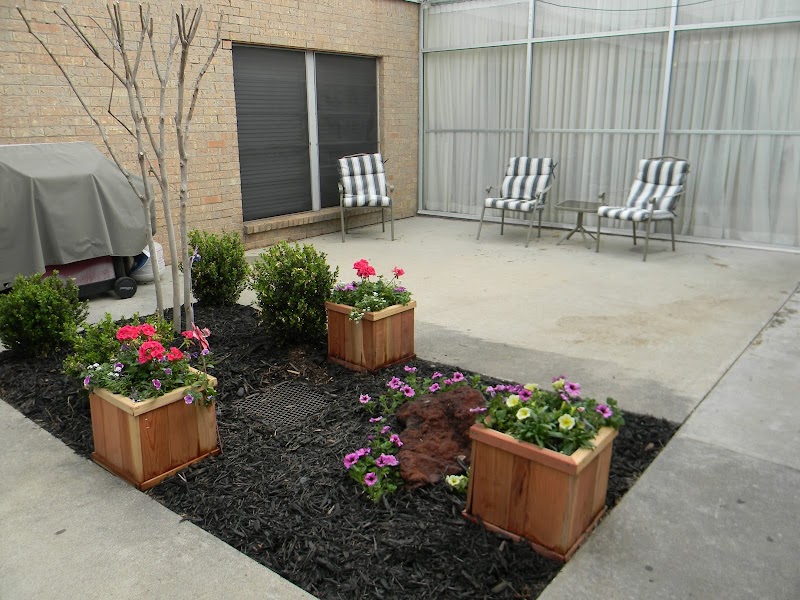
How is White Settlement Nursing Center Staffed?

CMS rates WHITE SETTLEMENT NURSING CENTER's staffing level at 3 out of 5 stars, which is average compared to other nursing homes. Staff turnover is 49%, compared to the Texas average of 46%. RN turnover specifically is 67%, which is notably high. RNs provide skilled clinical oversight, so turnover in this role can affect medical care quality.

What Have Inspectors Found at White Settlement Nursing Center?

State health inspectors documented 33 deficiencies at WHITE SETTLEMENT NURSING CENTER during 2022 to 2025. These included: 3 Immediate Jeopardy (the most serious level, indicating potential for serious harm or death) and 30 with potential for harm. Immediate Jeopardy findings are rare and represent the most serious regulatory concerns. They require immediate corrective action.
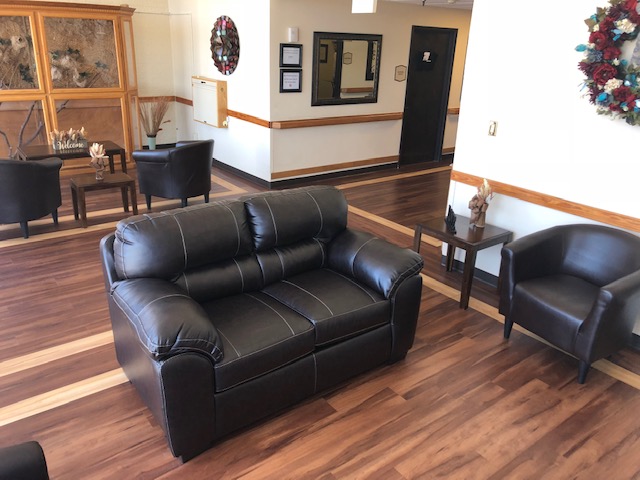
Who Owns and Operates White Settlement Nursing Center?

WHITE SETTLEMENT NURSING CENTER is owned by a for-profit company. For-profit facilities operate as businesses with obligations to shareholders or private owners. The facility is operated by RUBY HEALTHCARE, a chain that manages multiple nursing homes. With 108 certified beds and approximately 96 residents (about 89% occupancy), it is a mid-sized facility located in WHITE SETTLEMENT, Texas.
How Does White Settlement Nursing Center Compare to Other Texas Nursing Homes?

Compared to the 100 nursing homes in Texas, WHITE SETTLEMENT NURSING CENTER's overall rating (2 stars) is below the state average of 2.8, staff turnover (49%) is near the state average of 46%, and health inspection rating (2 stars) is below the national benchmark.

What Should Families Ask When Visiting White Settlement Nursing Center?

Based on this facility's data, families visiting should ask: "What changes have been made since the serious inspection findings, and how are you preventing similar issues?" "What safeguards and monitoring systems are in place to protect residents from abuse or neglect?" "Can I visit during a mealtime to observe dining assistance and food quality?" "How do you handle medical emergencies, and what is your hospital transfer rate?" These questions are particularly relevant given the facility's Immediate Jeopardy citations and the substantiated abuse finding on record.

Is White Settlement Nursing Center Safe?

Based on CMS inspection data, WHITE SETTLEMENT NURSING CENTER has documented safety concerns. The facility has 1 substantiated abuse finding (meaning confirmed case of resident harm by staff or other residents). Inspectors have issued 3 Immediate Jeopardy citations (the most serious violation level indicating risk of serious injury or death). The facility has a 2-star overall rating and ranks #100 of 100 nursing homes in Texas. Families considering this facility should ask detailed questions about what corrective actions have been taken since these incidents.

Do Nurses at White Settlement Nursing Center Stick Around?

WHITE SETTLEMENT NURSING CENTER has a staff turnover rate of 49%, which is about average for Texas nursing homes (state average: 46%). Moderate turnover is common in nursing homes, but families should still ask about staff tenure and how the facility maintains care continuity when employees leave.

Was White Settlement Nursing Center Ever Fined?

WHITE SETTLEMENT NURSING CENTER has been fined $23,010 across 2 penalty actions. This is below the Texas average of $33,309. While any fine indicates a compliance issue, fines under $50,000 are relatively common and typically reflect isolated problems that were subsequently corrected. Families should ask what specific issues led to these fines and confirm they've been resolved.

Is White Settlement Nursing Center on Any Federal Watch List?

WHITE SETTLEMENT NURSING CENTER is not on any federal watch list. The most significant is the Special Focus Facility (SFF) program, which identifies the bottom 1% of nursing homes nationally based on persistent, serious quality problems. Not being on this list means the facility has avoided the pattern of deficiencies that triggers enhanced federal oversight. This is a positive indicator, though families should still review the facility's inspection history directly.