YORKTOWN NURSING AND REHABILITATION CENTER
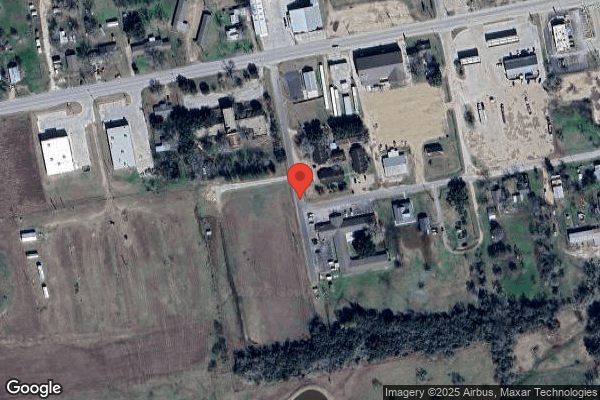
670 W FOURTH ST, YORKTOWN, TX 78164 (361) 564-2275
For profit - Corporation 82 Beds DIVERSICARE HEALTHCARE Data: November 2025
Trust Grade
73/100
#387 of 1168 in TX
Last Inspection: November 2024

Within standard 12-15 month inspection cycle. Federal law requires annual inspections.

Overview

Yorktown Nursing and Rehabilitation Center has a Trust Grade of B, which indicates it is a good choice for families looking for care. Ranking #387 out of 1,168 facilities in Texas places it in the top half, while being #1 of 4 in De Witt County means it is the best option locally. The facility's trend is improving, with issues decreasing from five in 2024 to just one in 2025, showing progress in their operations. Staffing is a moderate strength, rated 3 out of 5 stars with a turnover rate of 41%, which is below the Texas average of 50%, suggesting staff are relatively stable. However, there are some concerning findings, such as a serious incident where a resident was transferred without the required two-person assistance, increasing the risk of injury, and concerns regarding food safety, including rust in the ice machine and improper hand hygiene during meal prep. Overall, while there are strengths in staffing and improvements in compliance, families should be aware of the specific issues related to resident safety and food handling.

Trust Score
B
73/100
In Texas
#387/1168
Top 33%
Safety Record
Moderate
Needs review
Inspections
Getting Better
5 → 1 violations
Staff Stability
○ Average
41% turnover. Near Texas's 48% average. Typical for the industry.
Penalties
✓ Good
$8,018 in fines. Lower than most Texas facilities. Relatively clean record.
Skilled Nurses
○ Average
Each resident gets 31 minutes of Registered Nurse (RN) attention daily — about average for Texas. RNs are the most trained staff who monitor for health changes.
Violations
○ Average
7 deficiencies on record. Average for a facility this size. Mostly minor or procedural issues.
★★★★☆
4.0
Overall Rating
★★★☆☆
3.0
Staff Levels
★★★☆☆
3.0
Care Quality
★★★★☆
4.0
Inspection Score
Stable
2024: 5 issues
2025: 1 issues

The Good

  • Full Sprinkler Coverage · Fire safety systems throughout facility
  • No fines on record
  • Staff turnover below average (41%)

    7 points below Texas average of 48%

Facility shows strength in fire safety.

The Bad

Staff Turnover: 41%

Near Texas avg (46%)

Typical for the industry

Federal Fines: $8,018

Below median ($33,413)

Minor penalties assessed

Chain: DIVERSICARE HEALTHCARE

Part of a multi-facility chain

Ask about local staffing decisions and management

The Ugly 7 deficiencies on record

1 actual harm
Apr 2025 1 deficiency
CONCERN (F) 📢 Someone Reported This

A family member, employee, or ombudsman was alarmed enough to file a formal complaint

Potential for Harm - no one hurt, but risky conditions existed

Food Safety (Tag F0812)

Could have caused harm · This affected most or all residents

Based on observation, interview, and record review, the facility failed to store, prepare, distribute, and serve food in accordance with professional standards for food service safety for 1 of 1 kitch...

Read full inspector narrative →
Based on observation, interview, and record review, the facility failed to store, prepare, distribute, and serve food in accordance with professional standards for food service safety for 1 of 1 kitchen, in that: 1. The facility ice machine that provided ice for resident beverages at meals had visible rust on the outside and inside of the machine and contained large sections of yellow and brown ice. This failure could place residents who drink beverages with ice from the kitchen at risk for becoming sick from contaminated ice. The findings were: During an observation, 04/22/2025 at 11:02 a.m., the ice machine utilized by the kitchen for resident beverages was observed to have large sections of yellow and brown colored ice inside of the machine and rust stains on the inside and outside walled surfaces of the ice machine. During an interview with the Dietary Cook, 04/22/2025 at 11:42 a.m., the Dietary [NAME] stated the facility only had one ice maker and the facility residents were served ice from the ice maker for all beverages at meals. The Dietary [NAME] stated maintenance was responsible for cleaning the ice machine and said she did not know how often the ice machine should be cleaned. The Dietary [NAME] stated she had observed yellow and brown ice and rust on the machine and stated she had reported the issue to the Dietary Supervisor. The Dietary [NAME] stated she had not notified the Maintenance Director about the dirty ice and ice machine because that is [Dietary Supervisor name]'s job to do, not mine to do. The Dietary [NAME] said it was important to keep the ice machine clean because it could grow mold and all kinds of stuff in there and stated a resident could get real sick from receiving ice from a contaminated ice machine. The Dietary [NAME] stated she had not received training on cleaning the ice machine. During an interview and observation with the Dietary Cook, 04/22/2025 at 11:52 a.m., the Dietary [NAME] observed the ice machine and stated, Yes, I see the yellow ice and rust and rust build up inside and stated it appeared the ice machine had not been cleaned and stated it was the Maintenance Director's job to clean the ice machine. During an interview with LVN A, 04/23/2025 at 10:00 a.m., LVN A revealed she had observed yellow or brown ice in the ice machine and said, When I get ice, I get it from a section of the ice machine where it is not yellow or brown. I just get ice around it. LVN A stated she had not reported the discolored ice because everybody has seen it and it's been like that for a long time. During an interview with LVN C, 04/23/2025 at 12:00 p.m., LVN C stated she had observed facility residents being served yellow or brown ice and had observed yellow and brown ice in the ice machine. LVN C stated she had not reported the discolored ice because I know it is something they are aware of. LVN C stated, I noticed it when I started working here and I thought it was kind of gross. LVN C stated she had been working at the facility for 1 ½ months. During an interview with the Dietary Supervisor, 04/24/2025 at 9:37 a.m., the Dietary Supervisor stated the Maintenance Director and Dietary Supervisor were responsible for ensuring the ice machine was cleaned and stated it should have been cleaned on a weekly basis. The Dietary Supervisor said, the cleaning schedule was in the Maintenance Director's computer program as a weekly task and said, But are all responsible for pulling out that yellowish looking ice and not serving it to our residents. The Dietary Manager stated the ice machine was cleaned on 4/22/2025 and stated it was important for the ice machine to be clean, because it is about sanitation and infection control and keeping our residents safe and happy. The Dietary Supervisor stated a resident who received ice from a dirty or contaminated ice machine could get sick if their immune system is down. The Dietary Supervisor stated the ice discoloration was due to the city water and occurred when the city flushed the fire hydrants. The Dietary Supervisor stated the city would notify the facility when they were flushing the hydrants, and this notification would give the facility the ability to make a plan to clean the ice machine according to the city notification. During an interview with the Maintenance Director, 04/24/2025 at 12:34 p.m., the Maintenance Director stated he was responsible for cleaning the ice machine and stated, I pulled out the filters and clean them and then I check for the yellow ice due to the city water and I scoop it out and throw it in the sink in the kitchen and wipe the inside down but sometimes I forget, that is probably why there was rust on it. The Maintenance Director stated there was no specific clean schedule but stated he cleaned the filters on the ice machine once a month and said, The yellow ice, if I think about it when I walk by, I will scoop it out. It is usually worse when the city flushes the hydrants on every other Thursday. The Maintenance Director stated there was not an assigned task in the maintenance program and stated he had not received any training on how to clean the ice machine. The Maintenance Director stated it was important to clean the ice machine so the residents would have clean ice. During an interview with the facility Administrator, 04/24/2025 at 1:24 p.m., the Administrator stated the facility Maintenance Director was responsible for cleaning the ice machine and said he thought the ice machine should be cleaned monthly. The Administrator stated it was important for the ice machine to be cleaned for sanitation and we don't want to grow any bacteria and for health and safety. The Administrator stated he was not sure what harm could occur to a resident who received ice from a contaminated or dirty ice machine but stated, I know it would not be healthy. The Administrator stated the Dietary Supervisor and Maintenance Director probably had training on cleaning the ice machine. During an observation of the ice machine, 04/24/2025 at 3:15 p.m., the outside and inside of the ice machine walled surfaces had been cleaned and there was no rust observed. Yellow ice was observed in the middle of the ice in the ice machine. Record review of a facility document titled, Environment (Dining Services Policy and Procedure Manual, Copyright Original 5/2014, Revised 9/2017), revealed a policy statement, All food preparation areas, food service areas, and dining areas will be maintained in a clean and sanitary condition. The procedures for the policy included, 1. The Dining Services Director will ensure that the kitchen is maintained in a clean and sanitary manner 2. The Dining Services Director will ensures that all employees are knowledgeable in the proper procedures for cleaning and sanitizing of all food services equipment and surfaces .4. The Dining Services Director will ensure that a routine cleaning schedule is in place for all cooking equipment, food storage areas, and surfaces.
Nov 2024 4 deficiencies
CONCERN (D)

Potential for Harm - no one hurt, but risky conditions existed

Deficiency F0645 (Tag F0645)

Could have caused harm · This affected 1 resident

**NOTE- TERMS IN BRACKETS HAVE BEEN EDITED TO PROTECT CONFIDENTIALITY** Based on interviews and record review the facility failed to ensure all Pre-admission Screening and Resident Review (PASRR) leve...

Read full inspector narrative →
**NOTE- TERMS IN BRACKETS HAVE BEEN EDITED TO PROTECT CONFIDENTIALITY** Based on interviews and record review the facility failed to ensure all Pre-admission Screening and Resident Review (PASRR) level 1 residents with mental illness were provided with a PASRR level 2 evaluation for 1 of 4 residents (Resident #5), reviewed for resident assessment. Resident #5's PASRR level 1 screening form did not indicate mental illness and the resident did not have a PASRR level II evaluation. This could place residents at risk of not receiving necessary specialized services to meet their individual needs. The findings were: Record review of Resident #5's face sheet dated 11/20/24 revealed the resident was an [AGE] year-old female admitted to the facility on [DATE]. Her diagnoses included major depressive disorder recurrent severe with psychotic symptoms (mental health disorder characterized by persistently depressed mood or loss of interest in activities, causing significant impairment in daily life with hallucinations, delusions, disorganized thoughts, speech, and actions), psychotic disorder with delusions due to known physiological condition (severe mental disorders that cause abnormal thinking and perceptions), and unspecified dementia severe with other behavioral disturbance (general term for loss of memory, language, problem-solving and other thinking abilities that are severe enough to interfere with daily life). Record review of Resident #5's EHR on 11/20/24 diagnoses list revealed the primary diagnosis for the resident was listed as unspecified dementia severe with other behavioral disturbance, but this was not entered until 6/25/24. Further review revealed psychotic disorder with delusions was entered on the day of admission to the facility on 3/19/24 indicating the resident had a mental illness not dementia upon admission to the facility. Record review of Resident #5's admission MDS assessment dated [DATE] section A1500 indicated the resident was not considered by the state level II PASRR process to have serious mental illness and section A1510 serious mental illness was not checked. The resident usually understands and was usually understood. The resident had a BIMS score of 3 out of 15 indicating the resident was severely cognitively impaired. The resident had delusions with physical and verbal aggression towards others 4-6 days but less than daily. The resident was frequently incontinent of urine and always incontinent of bowel and the resident had a psychotic disorder and unspecified dementia and received antipsychotic medications on a routine basis. Record review of Resident #5's undated care plan revealed a focus initiated on 3/19/24 for the resident receiving psychotropic medications and a focus initiated on 3/19/24 for behaviors which include cursing, hitting during care, yelling during care, refusing care, and exit seeking. Record review of Resident #5's EHR revealed a PASRR level 1 screening dated 3/19/24 which indicated the resident had a primary diagnosis of dementia and mental illness was marked 0 indicating no mental illness. Record review of Resident #5's EHR revealed no PASRR level 2 evaluation was completed, and no documents signed by the physician that dementia was the primary diagnosis. In an interview on 11/21/24 at 1:16 p.m. the DOCC stated resident #5 did not have a level II PASRR evaluation or form 1012 signed by the physician indicating dementia as the primary diagnosis. The DOCC stated they were going to contact the physician regarding the PASRR screening form and the resident's diagnoses. The DOCC stated it was important for residents with mental illness to have a level II PASRR evaluation, so the residents receive needed or specialized services to meet their needs . Review of the facility PASRR policy with an effective date of [DATE] revealed (Company name) follows the Long-Term-Care user guide for Preadmission Screening and Resident Review published by the Texas Medicaid and Healthcare Partnership (TMHP ).
CONCERN (D)

Potential for Harm - no one hurt, but risky conditions existed

Tube Feeding (Tag F0693)

Could have caused harm · This affected 1 resident

**NOTE- TERMS IN BRACKETS HAVE BEEN EDITED TO PROTECT CONFIDENTIALITY** Based on observations, interviews, and record review the facility failed to ensure a resident who was fed by enteral means recei...

Read full inspector narrative →
**NOTE- TERMS IN BRACKETS HAVE BEEN EDITED TO PROTECT CONFIDENTIALITY** Based on observations, interviews, and record review the facility failed to ensure a resident who was fed by enteral means received the appropriate treatment and services to prevent complications of enteral feeding for 1 of 2 residents (Resident #23) reviewed for quality of care. Resident #23's tube feeding was not labeled with the required information. This failure could place residents at risk of decreased continuity of care, errors in tube feeding, and nutritional deficits. The findings were: Record review of Resident #23's face sheet dated 11/21/24 revealed the resident was a [AGE] year-old female admitted to the facility on [DATE]. The resident's diagnoses included anoxic brain damage (damaged caused by a complete lack of oxygen to the brain), dysphagia following cerebral infarction (difficulty swallowing following a stroke that disrupted blood flow to the brain due to problems with the blood vessels that supply it), and aphasia (aphasia is a language disorder that affects your ability to speak and understand what others say). Record review of Resident #23's quarterly MDS assessment dated [DATE] revealed the resident had a BIMS score of 99 which indicated the resident was unable to complete the BIMS assessment and she was moderately cognitively impaired. The resident had a feeding tube, no significant weight loss or gain, and received all her nutrition and hydration through her feeding tube. Record review of Resident #23's undated care plan revealed a focus revised on 10/22/24 for tube feedings with interventions that included Resident #23 is NPO (Nothing by Mouth). Enteral formula and feedings as ordered. Osmolite 1.5 (Formula) at 55 ml/hr (milliliters per hour) to provide 1800 KCALS (kilocalories) 76 grams protein, 800ml of water per 22 hours. Flush feeding tube with 200ml H2O Q 4 hours (water every 4 hours). Record review of Resident #23's physician orders revealed an order with a start date of 11/19/24 for osmolite 1.5 at 55ml/hr to provide 1800 KCALS, 76gms of protein, 800ml of water per 24 Hours. Via G-tube. In an observation on 11/18/24 at 12:10pm Resident #23 was in bed, head of bed was elevated, the resident was non-verbal but made eye contact and would nod her head slightly when asked a question and was smiling. The tube feeding bag was clear and had approximately 500ml of an unidentified formula in it. A label affixed to the tube feeding bag had Resident#23's last name, no room#, dated 11/16/24 at 8:00 p.m. and the number 55 all written in black marker. No formula name was listed. The label also had areas to record any additions to the bag with amount, time, and initials slots that were all blank. The tube feeding was running via enteral feeding pump at 55ml/hr with a flush of 200ml water every 4 hours. The pump indicated the resident had already received 4307mls of the formula feeding and 5053mls of water flush. In an observation and interview on 11/18/24 at 12:14 p.m. LVN A was examining the tube feeding bag and stated that the night nurse told her in report that she had hung it last night despite being dated 11/16/24 and the date was just written in error and should have been 11/17/24. LVN A further stated she trusted the night nurse and the formula was osmolite as ordered but admitted she had no proof but trusted the night nurse. When asked why it was important the label be filled out correctly, LVN A stated because when state walks in and then stated so that other nursing staff were aware of the feeding and when it was hung. In an interview on 11/21/24 at 11:15 a.m. the DON stated the tube feeding label should have the name of the formula used, rate, date, and time hung. The DON further stated the resident's orders state to hang new tubing every 2 days or 48 hours . The facility policy and procedure for hanging and labeling a tube feeding was requested in an email sent to the Administrator on 11/21/24 at 10:32 a.m. Review of the facility provided enteral nutrition policy revised August 1, 2012, was from the food service manual regarding assessment, orders, and documentation. This policy did not cover nursing procedures for hanging a tube feeding and or labeling the tube feeding bag. Review of Texas Health and Human Services Evidence-Based Best Practice for Nutritional Support revised 8/2023 revealed . These processes include ensuring timely turnover of enteral formula inventory well within the product expiration dates and appropriate labeling . Formula labels should include the following: person's name and room number, formula name and strength, date and time formula prepared and hung .
CONCERN (D)

Potential for Harm - no one hurt, but risky conditions existed

Pharmacy Services (Tag F0755)

Could have caused harm · This affected 1 resident

**NOTE- TERMS IN BRACKETS HAVE BEEN EDITED TO PROTECT CONFIDENTIALITY** Based on observations, interviews, and record review the facility failed to provide pharmaceutical services (including procedure...

Read full inspector narrative →
**NOTE- TERMS IN BRACKETS HAVE BEEN EDITED TO PROTECT CONFIDENTIALITY** Based on observations, interviews, and record review the facility failed to provide pharmaceutical services (including procedures that assure the accurate acquiring, receiving, dispensing, and administering of all drugs and biologicals) to meet the needs of each resident for 1 of 8 residents (Resident #18) reviewed for pharmacy services. Resident #18's Tramadol (narcotic) medication was left unsupervised in the top drawer of the medication cart in a paper pill cup after it was popped out of the medication card. This could put residents at risk of pain, medication errors, and drug diversion. The findings were: Record review of Resident #18's face sheet dated 11/21/24 revealed the resident was a [AGE] year-old female admitted to the facility on [DATE]. The resident's diagnoses included unspecified dementia unspecified severity with agitation (general term for loss of memory, language, problem-solving, and other thinking abilities that are severe enough to interfere with daily life and include agitation), muscle wasting and atrophy not elsewhere classified multiple sites (wasting or loss of muscle tissue), and hemiplegia and hemiparesis following cerebral infarction affecting right dominant side (weakness or paralysis of right side of the body following a stroke due to damage to tissues in the brain due to a loss of oxygen to the area). Record review of Resident #18's annual MDS assessment dated [DATE] revealed the resident had a BIMS score of 3 out of 15 indicating the resident was severely cognitively impaired. The resident had unclear speech and was sometimes understood and usually understands. The resident was continent of urine and usually continent of bowel. The resident had frequent pain up to a 5 on a scale of 1-10 with 10 being worst pain and received routine and PRN pain medication. Record review of Resident #18's undated care plan revealed a focus for pain revised on 2/19/24 and interventions included to administer pain medication as ordered. Record review of Resident #18's physician orders revealed an order dated 11/14/24 for tramadol 100 mg (milligram) 1 tablet by mouth every 6 hours for pain. (Give at 12 a.m., 6:00 a.m., 12 noon, and 6:00 p.m.) Record review of Resident #18's EMAR for November 2024 revealed the resident had pain levels from 0 up to 2 with most days being none. In an observation and interview during station 2 medication cart check on 11/19/24 at 5:05 p.m. witnessed by LVN A in the top drawer of the medication cart, a paper medication cup with an oblong white pill in it, and the bottom of the paper cup written in pen was Resident #18's last name. LVN A stated it was a tramadol 100mg tab for Resident #18's 5pm dose and she had pre-popped it and signed out for it. LVN A further stated she never does that, and she was unsure why she did it this time. LVN A stated she was not supposed to pre-pop the medication and leave it in the cart and apologized. When asked why it was important not to pre-pop the medications from the cards, LVN A stated because you can accidently give it to the wrong resident or wrong time. The narcotic count sheet for tramadol indicated LVN A signed out the tramadol at 5pm, the narcotic count was correct. LVN A wasted the tramadol with another nurse and documented it as wasted and signed by both nurses on the narcotic count sheet. In an interview on 11/21/24 at 11:05 a.m. the DON stated medications should be popped out of the card at the time they were given and not to be stored for later. The DON stated it was important not to pre-pop medications and store for later because it could get lost, the medication might be taken by someone else, or the nurse could forget to give it. The facility policy on medication administration was requested in an email sent to the Administrator on 11/21/24 at 10:32 a.m. A medication competency check off was provided . Review of the facility provided medication administration competency audit for oral meds undated revealed steps in administration of medications included . 3. punching med into cup using proper infection control technique . 10. Observe resident swallow medications 11. Documents after administration of meds .
CONCERN (E)

Potential for Harm - no one hurt, but risky conditions existed

Food Safety (Tag F0812)

Could have caused harm · This affected multiple residents

Based on observation, interview, and record review, the facility failed to store, prepare, distribute, and serve food in accordance with professional standards for food service safety for the kitchen....

Read full inspector narrative →
Based on observation, interview, and record review, the facility failed to store, prepare, distribute, and serve food in accordance with professional standards for food service safety for the kitchen. The facility failed to ensure dietary staff used proper hand hygiene during meal preparation. This failure could place residents who received meals and/or snacks from the kitchen at risk for food borne illness. The findings included: Observation on 11/20/2024 at 11:20 a.m. revealed the DM assisting with the meal tray preparation. The DM had washed her hands and put on gloves for cutting the bread, after cutting the bread she assisted with taking plates from the cook and placed them on trays. The cook asked for diet tickets on the other side of the DM in which the DM reached and grabbed tickets handed them to the cook, and continued to assist with putting plates on trays and placing bread on plates using tongs. The DM then proceeded to reach in a bread bag, grabbed a large stack of bread, placed her gloved hand on the bread, cut the bread in half and continued to place bread on trays. The DM did all this without changing gloves and washing hands. During an interview on 11/20/2024 at 11:28 a.m. the DM stated she should have cut all the bread first before helping with the plates. The DM further stated by not changing her gloves and washing her hands it could cause cross contamination. During an interview on 11/21/2024 at 1:05 p.m. the ADM stated the DM should have changed her gloves once she finished what she was doing with the use of the gloves. The ADM further stated she should have removed the gloves and before touching the bread again she should have washed her hands and put new gloves on. The ADM stated once the DM had touched the meal tickets, she should have taken her gloves off. The ADM stated the importance of removing the gloves and washing her hands was to prevent cross contamination. The ADM further stated by touching the tickets the DM risked the contamination of the food and it could be passed on to the residents. Review of the facility's policy Meal Distribution, revised 2/2023, read Policy Statements: Meals are transported to the dining locations in a manner that ensures proper temperature maintenance, protects against contamination, and are delivered in a timely and accurate manner., Procedures: 6. Proper food handling techniques to prevent contamination and temperature maintenance controls will be used for point-of service-dining. Review of the Food Code, U.S. Public Health Service, U.S. FDA, 2022, U.S. Department of H&HS, revealed, 2-301.14, When to Wash, FOOD EMPLOYEES shall clean their hands and exposed portions of their arms as specified under 2-301.12 immediately before engaging in FOOD preparation including working with exposed FOOD, clean EQUIPMENT and UTNESILS, and unwrapped SINGLE-SERVICE and SINGLE-USE ARTICLES and: (F) During FOOD preparation, as often as necessary to remove soil and contamination and to prevent cross contamination when changing tasks;.
Sept 2024 1 deficiency 1 Harm
SERIOUS (G) 📢 Someone Reported This

A family member, employee, or ombudsman was alarmed enough to file a formal complaint

Actual Harm - a resident was hurt due to facility failures

Accident Prevention (Tag F0689)

A resident was harmed · This affected 1 resident

**NOTE- TERMS IN BRACKETS HAVE BEEN EDITED TO PROTECT CONFIDENTIALITY** . Based on interviews, observation, and record reviews the facility failed to ensure each resident received adequate supervision...

Read full inspector narrative →
**NOTE- TERMS IN BRACKETS HAVE BEEN EDITED TO PROTECT CONFIDENTIALITY** . Based on interviews, observation, and record reviews the facility failed to ensure each resident received adequate supervision and assistance devices to prevent accidents for 1 (Resident #1) of 3 residents reviewed for accidents. The facility failed to ensure Resident #1 received 2-person assistance when CNA A transferred the resident from the wheelchair to the bed independently with a mechanical lift with the wrong sized sling. This failure could place residents at risk of injuries, falls, and a decline in quality of life. The noncompliance was identified as PNC. The noncompliance began on 08/25/2024 and ended on 08/27/2024. The facility had corrected the noncompliance before the survey began. The findings included: Record review of Resident #1's Transfer/Discharge Report (face sheet) dated 09/06/2024 revealed she was admitted to the facility on [DATE] and Family Member F was the Responsible Party. Record review of Resident #1's Physician History & Physical, dated 05/27/2024 revealed diagnoses of osteoporosis (deterioration of the bone which causes an increased risk for fractures), high blood pressure, dementia (decline of cognitive abilities that affects an individual's ability to perform everyday tasks), and congestive heart failure (failure of the heart to adequately pump blood resulting in fluid building up around the heart). Record review of Resident #1's Quarterly MDS assessment dated [DATE], revealed her cognitive skills for daily decision making were severely impaired, and she was dependent on staff for chair/bed-to-chair transfers. Record review of Resident #1's Care Plan for the focus area of ADL's, revealed under interventions was Transfers = total lift with medium pad [sling] with help of 2 aides, initiated on 04/19/2023. Record review of Resident #1's Care Plan for the focus area of Transfers, revealed under interventions was Total lift Medium (Yellow) Sling, initiated on 05/26/2023. Record review of Resident #1's Care Plan for the focus area of Falls, revealed under interventions was use Mechanical lift with medium pad [sling] with 2 aides, initiated 05/30/2023. Record review of Resident #1's Physician Order summary Report, dated 08/27/2024, revealed Resident #1 was admitted to Hospice B on 05/12/2023. Record review of Resident #1's Lift Transfer Evaluation, dated 05/26/2024, revealed a total mechanical lift was required with use of a medium (yellow) sling and required 2 team members. Record review of Resident #1's Lift Transfer Evaluation, dated 08/26/2024, revealed a total mechanical lift was require with use of a medium (yellow) sling and required 2 team members. Record review of Resident #1's Nurse's Notes, dated 08/25/2024 at 19:10 (7:10 PM) by LVN D revealed I was called to resident's room by other nurse where I observed resident lying on the floor on her right side (sic) CNA was holding her head up off of the foot of the mechanical lift. Side of her head, right temporal area was bleeding. Resident was unable to say what had happened. CNA reported that resident was up in the mechanical lift .and resident fell hitting her head. RN E was notified at 7:21 PM. I called Hospice Nurse .at 7:33. Hospice Nurse would come to assess resident and call MD with her findings. [Hospice Nurse] Asked me to please call the family and after her assessment she would also call and report to family. At 7:43 PM and 7:55 PM I called and left message for Family Member F to please return my call. Family Member F called [back] approx. [approximately] 8:30 [PM] and I reported what had happened. Instructed that hospice nurse would be calling with her findings. Record review of Resident #1's Nurse's Notes, dated 08/25/2024 at 22:00 (10:00 PM) by LVN D revealed Resident #1 was transferred to Hospital G's ER. Record review of Resident #1's Nurse's Notes, dated 08/26/2024 at 04:45 (4:45 AM) by LVN D revealed Resident #1 returned from Hospital G, RN E was notified. Record review of Resident #1's Hospital G's ER report, dated 08/25/2024, revealed the resident was diagnosed with a zygomatic fracture (break in the cheek bone). Record review of Resident #1's Nurse's Notes, dated 08/26/2024 at 04:46 (4:46 AM) by LVN D revealed Resident #1 returned from Hospital G . in stable condition. Imaging shows fracture to right cheek area, .Resident received sutures to laceration to right temporal region .Called and reported to RN E on call. Record review of Resident #1's Nurse's Notes, dated 08/26/2024 by LVN C revealed Resident on f/u [follow-up] for fall. Nuero [sic] checks are continued. Resident has sutures to below right eye. No drainage noted from sutures. No nonverbal signs/symptoms of pain observed. Asked resident if she were in pain and she shook her head no. Record review of Resident #1's Fall Incident Report, dated 08/25/2024, revealed LVN D was called into the resident's room by another nurse, observed Resident lying on the floor on her right side. The CNA was holding her head up off the foot of the mechanical lift, the right side of Resident #1's head was bleeding. CNA reported the resident was up in the mechanical lift over her bed, and the resident fell to the floor hitting her head. Resident was assessed on the floor, vital signs were within normal limits, and neuro checks were within normal limits. The mechanical lift was used to safely place the resident back in bed. The open area to the right temple was cleaned with normal saline and gauze. An ice pack was placed to the side of her face to help with any swelling that may occur. RN E was called at 7:21 PM and informed of the resident's status. Then the hospice nurse was called at 7:33 PM. Resident #1's Family Member F was called at 7:43 PM. Record review of Resident #1's Rehabilitation Fall Screen, dated 08/26/2024, revealed resident had a fall on 08/25/2024, [the] resident fell out of mechanical lift with CNA. Record review of the facility's Provider Investigation Report, for intake #527624, dated 08/29/2024, revealed on 08/25/2024 at 7:09 PM, when CNA A was transferred the resident with the mechanical lift, the resident's bottom bumped the bed, caused the lift to jolt during the transfer, and caused the resident to transfer to the floor. The CNA was suspended during the investigation. All CNAs and nurses were retrained regarding safe transfers and competencies were completed. Lift/transfer evaluations were completed on all residents. A QAPI meeting was held with staff and the medical director. Observation on 09/06/2024 at 11:51 a.m. revealed Resident #1 was sitting in a specialized wheelchair with both of her legs elevated with pillows under her feet in the dining room. Resident #1 had a wound on her right cheek with no signs of bruising to the cheek and there were no sutures in the wound. In an interview on 09/06/2024 from 3:06 PM to 3:25 PM, CNA A stated on 08/25/2024 she was transferring Resident #1 from her wheelchair to the bed by herself with the mechanical lift, used the sling that was under the resident [a large sling instead of a medium size sling], and connected the sling correctly to the lift. CNA A said when she moved Resident #1 from her wheelchair over to the bed, the bed was too high. This caused Resident #1 to bump into it, caused the lift bar to tilt, and Resident #1 slid out of the sling and hit her head when she went down. The CNA said the resident's feet were still in the sling and all the sling loops were connected to the lift bar. The CNA stated she unfastened half of the sling loops after the resident was on the floor and was doing this transfer by myself. CNA A said she called the nurses to come help her and they assisted the CNA with putting the resident back into her bed with the mechanical lift. CNA A said she was the only aide on the floor so she transferred Resident #1 by herself, and she should have asked the nurse to help her. CNA A stated it was recommended to transfer Resident #1 with the mechanical lift using the yellow sling and 2 staff members. CNA A said she could look in the [NAME] system or ask the nurse to determine how a resident was transferred and what size of sling was to be used. CNA A said the harm that could result by transferring a resident with a mechanical lift by 1 person was it could cause the resident to slip or fall and hit their head. CNA A stated she had training prior to the incident on how to use the lift. After the incident, she and all the other CNAs were trained on the use of the mechanical lifts with a return practice demonstration. In an interview on 09/06/2024 from 5:46 PM to 6:06 PM, LVN L stated she was in a resident's room when she heard CNA A yell for LVN D. LVN L stated she entered Resident #1's room, found the resident still connected to the lift with 1 side of the sling connected, the resident was all the way down on the floor and her head must have hit the floor or the base of the lift because there was blood on the floor and base of the lift. LVN L said she put a washcloth to the laceration to stop the bleeding and had CNA A hold the washcloth while she got LVN D to assist. LVN L said she did a head-to-toe assessment the best that she could when the resident was on the floor, LVN D, LVN L and CNA A lifted Resident #1 back into her bed with the mechanical lift to further assess the resident. LVN L stated she monitored Resident #1 while LVN D called hospice, the on-call RN and the family. Then LVN D came back into the room and informed LVN L she could leave the room and go back to her duties. LVN L stated CNA A was usually good at waiting for another staff member or nurse to assist her with the transfer and LVN L did not know why CNA A did not seek assistance that day. LVN L stated the harm that could result if a resident was transferred with a mechanical lift by 1 person instead of 2 as required could result in a lot of things, fall, fractures, skin tears, it would depend on the resident. In an interview on 09/06/2024 from 6:07 PM to 6:15 PM, LVN D stated she was in a resident's room and as she came out of the resident's room, LVN L told her they had a fall. When LVN D entered Resident #1's room, CNA A was holding the resident's head off the base of the mechanical lift and had a laceration to her head. LVN D said she tried to assess the resident who was on her right side before they lifted the resident with the mechanical lift and placed her in the bed for a further in-depth assessment. LVN D said she called the on-call nurse RN E who informed her to contact hospice. LVN D called Hospice Nurse N who told her she would come to the facility to assess the resident, she would call the hospice MD after she had assessed the resident, and asked LVN D to contact Resident #1's family. Hospice Nurse N would later contact the family after Resident #1 was assessed by Hospice Nurse N. LVN D stated she called Resident #1's Family Member F twice leaving a message both times. LVN D said she checked Resident #1's vital signs every 15 minutes which were within normal limits. LVN D stated the harm of 1 staff member transferring a resident with a mechanical lift instead of 2 could result in the resident falling, or their legs could hit the lift bar. In an interview on 09/07/2024 from 10:28 AM to 10:43 AM, RN E stated she was the on-call nurse on 08/25/2024 and received a call from LVN D who informed her CNA A had transferred Resident #1 and the resident had fallen during the transfer. RN E advised LVN D to assess Resident #1 and to contact hospice. RN E said she wanted to see the resident herself so when she arrived at the facility, Hospice Nurse N was in the facility evaluating the resident who had a laceration to her right cheek. RN E stated Hospice Nurse N contacted the hospice physician and the decision was made to send the resident to the hospital for evaluation. RN E stated the harm of 1 staff member transferring a resident with a mechanical lift instead of 2 could result in numerous things that could happen to the resident. In an interview on 09/07/2024 at 10:57 AM, Hospice Nurse LVN N stated she was not available at this time, but she would call the state surveyor back at the phone number provided. No return call was provided by Hospice Nurse LVN N before the state surveyor exited the facility. In an interview on 09/06/2024 at 4:27 PM the Interim DON stated the facility's investigation of the incident with Resident #1 revealed the lift sling under Resident #1 was a large size (blue) sling instead of the medium size (yellow) sling that was needed to transfer Resident #1. It caused the resident to slide out of the sling when the resident's bottom hit the bed as CNA A transferred the resident from the wheelchair to the bed by herself. The Interim DON stated after the incident, the Maintenance Director looked at the lift to make sure it was operating correctly, all the slings were checked to make sure they were not torn, and nursing staff were in-serviced on the size of slings to use. The Interim DON stated if a resident required 2 staff to transfer and there was only 1 CNA in the building, the CNA should ask the nurse to assist them with the transfer. In an interview on 09/06/2024 at 4:16 PM, the Interim DON stated a POC was initiated for the lift incident with Resident #1 and handed the state surveyor a blue binder with the facility's POC. The Interim DON stated the nursing staff were instructed on using the right colored lift sling, received a competency checkoff on how to use the mechanical lift, all residents who required transfer assistance had Lift Transfer Evaluations, residents who were transferred with mechanical lift had their care plans updated, and a sheet was created for the nursing staff with how the resident was to be transferred, what sling size to use, and was placed at the nurse's station. In a further interview on 09/07/2024 from 1:58 PM to 2:21 PM, the Interim DON stated inside the blue POC binder, the first sheet was a QAPI form provided by corporate which she and RN E completed to develop a plan and to start assessing other residents as soon as possible. The Interim DON said an ad hoc QAPI meeting was held with the medical director via phone and their signatures were on the back side of the QAPI form. The Interim DON stated the second tab in the blue POC binder had Resident #1's hospital record and facility record which included the neuro check sheet, [NAME] printout, and her care plan for transfers. The Interim DON stated the third tab in the blue POC binder had the Lifter Sheet that was created and kept at the nurse's station for staff to access, all the Lift/Transfer Evaluations that were done on all the residents in the facility, and a list of residents who were going to be evaluated by OT. The Interim DON said the fourth tab in the blue POC binder had the Lift/Transfer Evaluations for the 2 residents who were admitted after 08/26/2024. The Interim DON stated the fifth tab had the in-service sign-in sheets for the Abuse and Neglect in-service. The Interim DON said all the skills checkoffs for the nurses and the CNAs use of the mechanical lift were in a yellow binder. Record review of the documents in the blue POC binder revealed there was a QAPI Identification Tool, a tab labeled Resident Actions, a tab labeled Identification of Others, a tab labeled New Admit Lift Audits and an unlabeled tab that had an email from the Interim DON to corporate and a sling audit tool. Record review of the undated QAPI Identification Tool in the facility's POC blue binder, revealed immediate actions taken for the resident identified revealed Resident #1 was taken to the ER for an evaluation and returned to the facility with sutures to a laceration on her head and a zygomatic fracture to her cheekbone. The lift and sling were taken out of service, the resident's care plan/[NAME] was reviewed for appropriate lift and sling. The CNA A was in-serviced on 08/26/2024 on the use of the sling with return demonstration. Immediate actions that were taken to identify all residents potentially affected included conducting lift/transfer assessments on all current residents; residents care plans were updated as needed, all slings were assessed for any disrepair, and lift competencies were done with all nursing staff. System changes that were made or modified included in-service to 100% of the nursing staff on the lift/transfer program with return demonstration. Lift evaluations would be completed on all new admissions. The DON was to review the completed daily clinical meeting lift assessments, and the DON would do audits of lift assessments twice a week for 8 weeks then biweekly for 2 months. An Ad Hoc QAPI meeting was held with the Medical Director regarding the POC on 8/27/24 and results of the monitoring audits would be presented at QAPI for the next three months. The QAPI Identification Tool sheet was signed by the Administrator, Interim DON, and Medical Director. Record review of the documents under the first tab titled Resident Actions in the facility's POC blue binder, revealed Resident #1's ER hospital record for 8/25/24, the Neurological Evaluation Flow Sheet that was started 8/25/24 at 7:20 PM, and her [NAME] which indicated the resident required to be transferred by 2 aides with a mechanical lift and a yellow sling. Resident #1's care plan for Transfers was included and she required a mechanical lift with a yellow sling for transfers. Record review of the documents under the second tab titled Identification of Others in the facility's POC blue binder, revealed the first sheet showed 11 residents listed who were transferred with a mechanical lift, and listed the color of sling used for the transfer. The second sheet was a Care Plan Item/Task Listing report for the 11 residents who required a mechanical lift transfer. Copies of the Lift Transfer Evaluations, dated 8/26/24 for all the residents who were in the facility on that day and 9/3/24 for the residents admitted after 8/26/24 were included along with a list of residents who were identified to be evaluated and treated by OT. Record review of the documents under the third tab titled Competencies in the facility's POC blue binder, revealed all 32 employees had been in-serviced on Abuse and Neglect. Record review of the documents under the fourth tab titled New Admit Lift Audits in the facility's POC blue binder, revealed Lift Transfer Evaluations were done on 2 newly admitted residents. Record review of the documents under the fifth untitled tab in the facility's POC blue binder, revealed a weekly sling inventory audit tool. Record review of the facility's Yellow Binder revealed the following: 1. Record review of Team Member Acknowledgment of the Facility's Lift Program Policy and Procedures sign-off sheet revealed This program has been implemented in an effort to provide a safe environment for the patients/residents in our care, and our team members. Our patients/residents will be evaluated upon admission to determine what type of assistive transfer equipment, if any, is needed based on the assessment criteria .failure to follow the lift program .may result in termination. 2. Record review of the Team Member Acknowledgement of the Facility's Lift Program Policy and Procedures sign-off sheets revealed 25 nursing staff (11 CNAs and 14 nurses) had signed the acknowledgement form on 08/26/2024 and on 08/27/2024. 3. Record review of the Mechanical Lift Skills Checklist revealed 25 nursing staff (11 CNAs and 14 nurses) had completed the skills checklist on 08/26/2024. 4. Record review of the Mechanical Lift Skills Checklist revealed CNA A had completed the skills checklist on 05/29/2024 and on 06/20/2024 in addition to training on 08/26/2024. 5. Record review of an Inservice Training Report Sign-In sheet, dated 08/25/2024, revealed 25 nursing staff (11 CNAs and 14 nurses) were trained on how to use the mechanical lift, falls prevention, and provided guidance/education with assisting residents to safely reposition or transfer the resident. CNA A had signed the in-service training sheet. Record review of an untitled, undated sheet with employee names and titles revealed the facility had 11 CNAs and 14 nurses (25 total nursing staff) and total of 32 employees. In an interview on 09/06/2024 at 1:06 PM, CNA H and CNA I stated a paper was kept at the nurse's station with information on what type of lift was required to transfer a resident and the size of the sling. Record review of the undated Lifter List kept in a binder at the nurse's station revealed the resident's name, type of lift required (if mechanical lift), and the lift sling size required. The sheet indicated Resident #1 required a mechanical lift with a medium (yellow) sized sling. In an interview on 09/06/2024 at 3:43 PM, LVN J stated she worked from 6 AM to 6 PM and recently received several trainings on how to use the mechanical lift which included skills check off and to use the correct color/size of lift sling. In a further interview on 09/06/2024 at 3:50 PM, CNA I stated she worked from 6 AM to 6 PM she had recently been trained on how to use the mechanical lift which included skills check off and to make sure the correct size of lift sling was used for the resident being transferred. In an interview on 09/06/2024 at 4:36 PM, LVN K stated she worked from 6 AM to 6 PM and she recently received several trainings on how to use the mechanical lift which included skills check off and to use the correct color/size of lift sling. In an interview on 09/06/2024 at 4:42 PM, the Maintenance Director stated after the incident he checked the lift to make sure it was functioning correctly and found no problems with the lift and the lift slings were checked to make sure they were not torn. In an interview on 09/06/2024 from 5:46 PM to 6:06 PM, LVN L stated she worked from 6 PM to 6 AM and recently received several trainings on how to use the mechanical lift which included skills check off and to use the correct color/size of lift sling. In an interview on 09/06/2024 from 6:07 PM to 6:15 PM, LVN D stated she worked from 6 PM to 6 AM and recently received several trainings on how to use the mechanical lift which included skills check off and to use the correct color/size of lift sling. In an interview on 09/06/2024 from 6:36 PM to 6:43 PM, CNA M stated she worked from 6 PM to 6 AM and recently received several trainings on how to use the mechanical lift which included skills check off and to use the correct color/size of lift sling. In a further interview on 09/07/2024 from 1:58 PM to 2:21 PM, the Interim DON stated the harm of 1 staff member transferring a resident with a mechanical lift instead of 2 could result in bruises, skin tears, fractures, or other injuries to the resident. The Interim DON said CNA A told her the other CNA who was scheduled to work was running late and CNA A did not ask for help from the nurses when she transferred Resident #1. In an interview on 09/07/2024 from 2:37 PM to 2:48 PM, the Administrator stated the harm that could happen to a resident if they had 1 person transferred the resident with a mechanical lift instead of the required 2 persons, could result in the resident sliding out of the sling. The Administrator said he thought CNA A thought she was capable of transferring Resident #1 by herself. The Administrator stated after the incident with Resident #1, the lift was taken out of service until it was evaluated and determined it was safe. The residents' care plans were reviewed, all CNAs and nurses were trained on how to do a mechanical lift, therapy evaluated residents, all slings were inspected, and none were found to be defective, and all residents had a Lift/Transfer Assessment completed. The Administrator said the medical records employee made sure the Lift/Transfer Assessment would popup to be completed in the electronic clinical record for new residents as part of their admission assessment. The Administrator stated monitoring would be done at the daily meetings by reviewing the Lift Assessments and completed audits would be presented at the QAPI meetings for the next three months. Record review of the Lift 4 care - Safe 4 All lifting policy, dated February 2023, revealed the purpose was To provide team members guidance with assisting residents to safely reposition or transfer .7. In order to maintain resident's' safety, residents should be lifted or transferred by the lift and sling which is deemed appropriate after the lift evaluation is completed, there should be no interchanging of lifts and slings.
Sept 2023 1 deficiency
CONCERN (D) 📢 Someone Reported This

A family member, employee, or ombudsman was alarmed enough to file a formal complaint

Potential for Harm - no one hurt, but risky conditions existed

Safe Environment (Tag F0921)

Could have caused harm · This affected 1 resident

Based on observation, interview, and record review, the facility failed to provide a safe, functional, sanitary, and comfortable environment for residents, staff, and the public for 1 of 1 dining room...

Read full inspector narrative →
Based on observation, interview, and record review, the facility failed to provide a safe, functional, sanitary, and comfortable environment for residents, staff, and the public for 1 of 1 dining rooms reviewed, in that: A supply cabinet located in the facility dining room was unlocked and contained potentially dangerous materials. This deficient practice could place residents, staff, and the public at risk of exposure to potentially dangerous materials. The findings were: Observation on 09/26/2023 at 12:58 p.m. revealed a supply cabinet located in the facility dining room was closed but unlocked, and contained three containers of cleaning wipes labeled, Warning, Keep Out of Reach of Children, and six cans of shaving cream labeled, Warning, Keep Out of Reach of Children. During an interview with Housekeeper A on 09/26/2023 at 1:01 p.m., Housekeeper A confirmed a supply cabinet located in the facility dining room was closed but unlocked, and contained three containers of cleaning wipes labeled, Warning, Keep Out of Reach of Children and six cans of shaving cream labeled, Warning, Keep Out of Reach of Children. Housekeeper A further confirmed the storage cabinet was usually locked. During an interview with the Administrator on 09/28/2023 at 5:15 p.m., the Administrator confirmed the supply cabinet should have been locked and stated it was responsibility of all staff to ensure potentially dangerous materials were secured so that no residents could come into contact with such material. Record review of the facility policy, Hazard Areas, dated 09/01/2014, revealed, It is the policy of this center that residents be safeguarded from the life safety and other innate dangers associated with hazard areas.any hazard area should be locked to protect residents from hazards .
Understanding Severity Codes (click to expand)
Life-Threatening (Immediate Jeopardy)
J - Isolated K - Pattern L - Widespread
Actual Harm
G - Isolated H - Pattern I - Widespread
Potential for Harm
D - Isolated E - Pattern F - Widespread
No Harm (Minor)
A - Isolated B - Pattern C - Widespread

Questions to Ask on Your Visit

  • "Can I speak with families of current residents?"
  • "What's your RN coverage like on weekends and overnight?"

Our Honest Assessment

Strengths
  • • 41% turnover. Below Texas's 48% average. Good staff retention means consistent care.
Concerns
  • • 7 deficiencies on record, including 1 serious (caused harm) violation. Ask about corrective actions taken.
Bottom line: Mixed indicators with Trust Score of 73/100. Visit in person and ask pointed questions.

About This Facility

What is Yorktown's CMS Rating?

CMS assigns YORKTOWN NURSING AND REHABILITATION CENTER an overall rating of 4 out of 5 stars, which is considered above average nationally. Within Texas, this rating places the facility higher than 99% of the state's 100 nursing homes. This rating reflects solid performance across the metrics CMS uses to evaluate nursing home quality.

How is Yorktown Staffed?

CMS rates YORKTOWN NURSING AND REHABILITATION CENTER's staffing level at 3 out of 5 stars, which is average compared to other nursing homes. Staff turnover is 41%, compared to the Texas average of 46%. This relatively stable workforce can support continuity of care. RN turnover specifically is 71%, which is notably high. RNs provide skilled clinical oversight, so turnover in this role can affect medical care quality.

What Have Inspectors Found at Yorktown?

State health inspectors documented 7 deficiencies at YORKTOWN NURSING AND REHABILITATION CENTER during 2023 to 2025. These included: 1 that caused actual resident harm and 6 with potential for harm. Deficiencies causing actual harm indicate documented cases where residents experienced negative health consequences.

Who Owns and Operates Yorktown?

YORKTOWN NURSING AND REHABILITATION CENTER is owned by a for-profit company. For-profit facilities operate as businesses with obligations to shareholders or private owners. The facility is operated by DIVERSICARE HEALTHCARE, a chain that manages multiple nursing homes. With 82 certified beds and approximately 32 residents (about 39% occupancy), it is a smaller facility located in YORKTOWN, Texas.

How Does Yorktown Compare to Other Texas Nursing Homes?

Compared to the 100 nursing homes in Texas, YORKTOWN NURSING AND REHABILITATION CENTER's overall rating (4 stars) is above the state average of 2.8, staff turnover (41%) is near the state average of 46%, and health inspection rating (4 stars) is above the national benchmark.

What Should Families Ask When Visiting Yorktown?

Based on this facility's data, families visiting should ask: "Can I visit during a mealtime to observe dining assistance and food quality?" "How do you handle medical emergencies, and what is your hospital transfer rate?" "Can I speak with family members of current residents about their experience?"

Is Yorktown Safe?

Based on CMS inspection data, YORKTOWN NURSING AND REHABILITATION CENTER has a clean safety record: no substantiated abuse findings (meaning no confirmed cases of resident harm), no Immediate Jeopardy citations (the most serious violation level indicating risk of serious injury or death), and is not on the Special Focus Facility watch list (a federal program monitoring the lowest-performing 1% of nursing homes). The facility has a 4-star overall rating and ranks #1 of 100 nursing homes in Texas. While no facility is perfect, families should still ask about staff-to-resident ratios and recent inspection results during their visit.

Do Nurses at Yorktown Stick Around?

YORKTOWN NURSING AND REHABILITATION CENTER has a staff turnover rate of 41%, which is about average for Texas nursing homes (state average: 46%). Moderate turnover is common in nursing homes, but families should still ask about staff tenure and how the facility maintains care continuity when employees leave.

Was Yorktown Ever Fined?

YORKTOWN NURSING AND REHABILITATION CENTER has been fined $8,018 across 1 penalty action. This is below the Texas average of $33,159. While any fine indicates a compliance issue, fines under $50,000 are relatively common and typically reflect isolated problems that were subsequently corrected. Families should ask what specific issues led to these fines and confirm they've been resolved.

Is Yorktown on Any Federal Watch List?

YORKTOWN NURSING AND REHABILITATION CENTER is not on any federal watch list. The most significant is the Special Focus Facility (SFF) program, which identifies the bottom 1% of nursing homes nationally based on persistent, serious quality problems. Not being on this list means the facility has avoided the pattern of deficiencies that triggers enhanced federal oversight. This is a positive indicator, though families should still review the facility's inspection history directly.