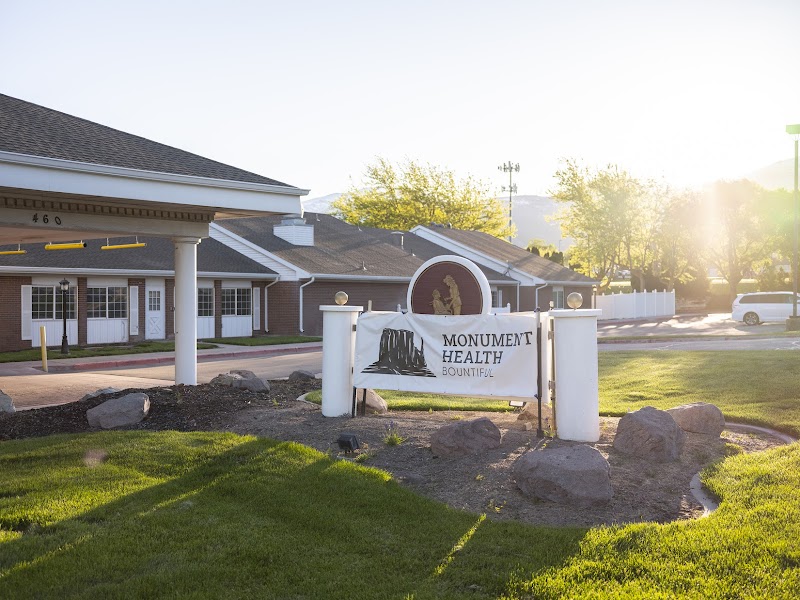
Monument Healthcare Bountiful
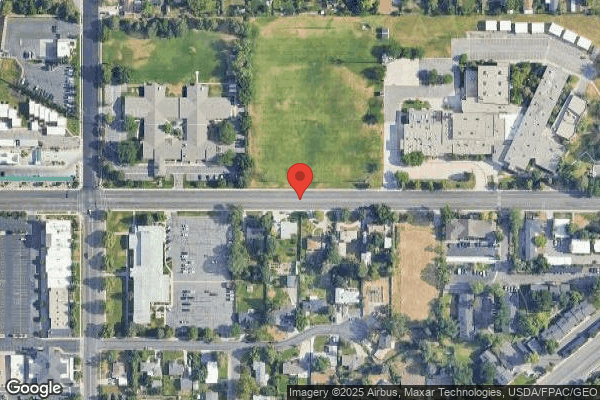
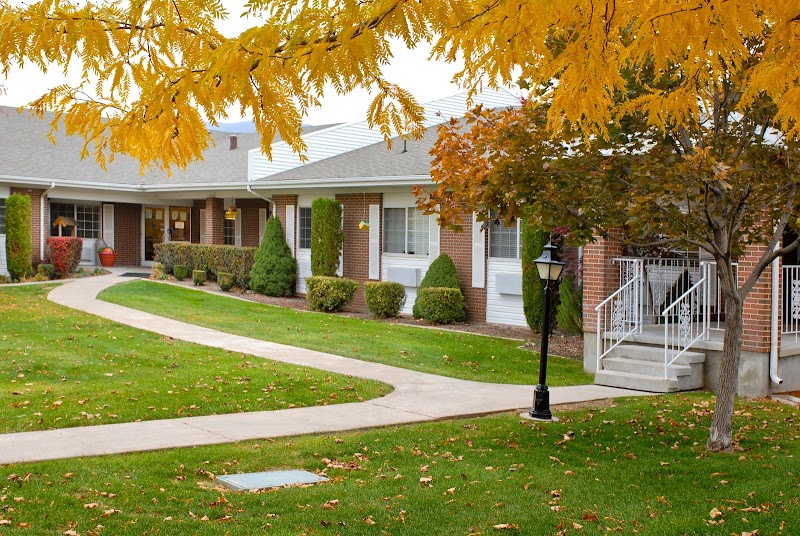
460 West 2600 South, Bountiful, UT 84010 (801) 295-3135
For profit - Limited Liability company 100 Beds MONUMENT HEALTH GROUP Data: November 2025
Trust Grade
35/100
#76 of 97 in UT
Last Inspection: December 2024

Within standard 12-15 month inspection cycle. Federal law requires annual inspections.

Overview

Monument Healthcare Bountiful has received a Trust Grade of F, indicating significant concerns about the care provided, as this grade represents the lowest tier. They rank #76 out of 97 nursing homes in Utah, placing them in the bottom half of facilities in the state, and #5 out of 7 in Davis County, meaning only two homes in the area are rated worse. However, the facility shows some improvement; the number of serious issues decreased from 6 in 2024 to 2 in 2025. Staffing is a weakness, with a rating of 1 out of 5 stars, but an impressive 0% turnover rate suggests that staff stay and are familiar with residents' needs. In recent inspector findings, there were serious incidents, including a resident falling from a wheelchair due to inadequate supervision and another resident not receiving pain management during treatments, indicating ongoing concerns about safety and proper care. While there are strengths in staff retention, the overall quality of care and specific incidents highlight the need for families to carefully consider their options.
Trust Score
F
35/100
In Utah
#76/97
Bottom 22%
Safety Record
High Risk
Review needed
Inspections
Getting Better
6 → 2 violations
Staff Stability
○ Average
Turnover data not reported for this facility.
Penalties
✓ Good
$34,040 in fines. Lower than most Utah facilities. Relatively clean record.
Skilled Nurses
✓ Good
Each resident gets 49 minutes of Registered Nurse (RN) attention daily — more than average for Utah. RNs are trained to catch health problems early.
Violations
⚠ Watch
18 deficiencies on record. Higher than average. Multiple issues found across inspections.
★★☆☆☆
2.0
Overall Rating
★☆☆☆☆
1.0
Staff Levels
★★★★★
5.0
Care Quality
★★☆☆☆
2.0
Inspection Score
Stable
2024: 6 issues
2025: 2 issues

The Good

  • 5-Star Quality Measures · Strong clinical quality outcomes
  • Full Sprinkler Coverage · Fire safety systems throughout facility
  • No fines on record

Facility shows strength in quality measures, fire safety.

The Bad

2-Star Overall Rating

Below Utah average (3.3)

Below average - review inspection findings carefully

Federal Fines: $34,040

Above median ($33,413)

Moderate penalties - review what triggered them

Chain: MONUMENT HEALTH GROUP

Part of a multi-facility chain

Ask about local staffing decisions and management

The Ugly 18 deficiencies on record

3 actual harm
Jun 2025 2 deficiencies 1 Harm
SERIOUS (G) 📢 Someone Reported This

A family member, employee, or ombudsman was alarmed enough to file a formal complaint

Actual Harm - a resident was hurt due to facility failures

Accident Prevention (Tag F0689)

A resident was harmed · This affected 1 resident

Based on observation, interview, and record review, the provider failed to ensure that all residents had appropriate supervision to prevent accidents. Specifically, one resident was being pushed in a ...

Read full inspector narrative →
Based on observation, interview, and record review, the provider failed to ensure that all residents had appropriate supervision to prevent accidents. Specifically, one resident was being pushed in a wheelchair without footrests by facility staff, and the resident fell out of the wheelchair, hitting her face, causing scrapes and a lip laceration. Resident identifier: 2. In response to the incident involving Resident 2, the facility identified the quality deficiency and developed a corrective action plan. At the time of the complaint survey, it was determined that the facility had implemented corrective measures and met the requirements of F689. Due to the facility's corrective measures, the noncompliance was determined to be past noncompliance. The facility's corrective action plan, which was developed and implemented by May 10, 2025, included the following measures: a. Therapy and nursing inspected the wheelchair used by Resident 2 during the incident and removed it from service pending the evaluation. b. The facility's Fall Prevention policy was updated to clarify that footrests must be used at all times during resident transport unless medically contraindicated. On April 29, 2025 a staffing inservice was conducted on the policy. c. The Director of Nursing (DON) conducted weekly wheelchair safety rounds to verify the proper positioning of footrests. d. Facility staff completed daily visual wheelchair safety checks for all high-risk residents. e. Therapy evaluated all wheelchair- dependent residents by May 10, 2025. The evaluations conducted were to ensure each wheelchair met safety standards and was equipped with all necessary components. f. On April 28, 2025, Resident 2's care plan was updated with the intervention of the use of bilateral footrests when staff transported the resident. While allowing Resident 2 to use a single footrest when self-propelling. Findings include: The surveyor reviewed Resident 2's medical records, and the following entries were observed: a. Resident 2's care plan at the time of the incident indicated that due to diagnoses of Cerebral Palsy, pain, functional quadriplegia, contractures to the right and left hands and fingers, and balance deficits, she had difficulty completing activities of daily living independently. It was also documented that Resident 2 was able to self-propel in her wheelchair, as she was able to use one foot. b. A nurse documented in a nursing note on April 28, 2025 that Resident 2 was being propelled in a wheelchair by a Certified Nursing Assistant (CNA) to her bedroom, and Resident 2 fell out of her wheelchair and was unable to brace her fall due to her cerebral palsy and quadriplegia; she landed on her face. Resident 2 was bleeding from her mouth and was coughing and crying. Resident 2 was able to inform the nurse what hurt on her body, but was unable to say full sentences due to shallow breathing. Resident 2 stated that her back, mouth, face, and chest hurt. The nurse documented that Resident 2 had abrasions noted under her right eye, and on the right side of her nose, and had blood running down her mouth with clots forming. Resident 2 also had a skin tear to her right wrist and redness noted on her back. Resident 2 had an abnormal breathing rhythm with shallow breathing noted. Resident 2 stated she wanted to go to the hospital when asked. Emergency Medical Services (EMS) arrived and transferred Resident 2 to a local hospital. c. A review of Resident 2's emergency room (ER) visit notes revealed there were no Fractures. There was superficial abrasion to the facial area and wrist. d. A dental appointment note dated April 29, 2025, completed by the dentist, included documentation that an oral evaluation was conducted on Resident 2 at the request of a nurse practitioner, as Resident 2 had fallen and there was concern that some of her teeth might be broken. The Dentist documented that Resident 2 had no broken teeth from the fall, and that two teeth that were broken had already been broken before the fall. The Dentist documented that it appeared Resident 2 had bitten through her lip when she fell, which could be causing the pain. A surveyor reviewed the investigation summary, which revealed that the staff involved in the incident were pushing Resident 2 in her wheelchair. Resident 2's foot caught the ground, and she then fell forward onto the ground. On June 9, 2025, at approximately 10:30 am, a surveyor conducted an interview with Resident 2. Resident 2 stated that she had not experienced any falls and that the staff had taken care of her needs. The surveyor observed that Resident 2 had bilateral footrests on her wheelchair. On June 9, 2025, a surveyor conducted an interview with two CNAs. Both CNAs stated that when transferring a resident in a wheelchair they will make sure the footrests are down and the residents feet are on the wheelchair and to make sure the residents back and butt are all the way back on the wheelchair. On June 9, 2025, a surveyor conducted an interview with the DON. The DON stated that after Resident 2 fell, the facility educated the staff member involved 1 on 1, as well as group education with staff. The DON stated that she performed visual checks on each resident who used a wheelchair to ensure they were sitting properly in the chair with their feet in the correct position. Additionally, when being transferred by staff, the leg rests were lowered. DON stated that the therapy team reviewed all wheelchair-dependent residents to ensure their wheelchairs were safe. The DON stated that the hospital's recommendation for a dental appointment pertained to teeth that were broken prior to the fall.
CONCERN (D) 📢 Someone Reported This

A family member, employee, or ombudsman was alarmed enough to file a formal complaint

Potential for Harm - no one hurt, but risky conditions existed

Deficiency F0760 (Tag F0760)

Could have caused harm · This affected 1 resident

Based on observation, interview, and record review, the provider failed to ensure that each resident was free from significant medication errors. Specifically, a nurse administered the incorrect medic...

Read full inspector narrative →
Based on observation, interview, and record review, the provider failed to ensure that each resident was free from significant medication errors. Specifically, a nurse administered the incorrect medications to a resident. Resident identifiers: 1 In response to the incident involving Resident 1, the facility identified the quality deficiency and developed a corrective action plan. At the time of the complaint survey, it was determined that the facility had implemented corrective measures and met the requirements of F760. Due to the facility's corrective measures, the noncompliance was determined to be past noncompliance. The facility's corrective action plan, which was developed and implemented by May 17, 2025, included the following measures: a. The nurse involved in the incident was removed from the facility staff. b. Medication training was implemented for both current and new staff. c. The quality assurance nurse initiated a monthly medication pass audit to ensure physician orders were followed and medication administration was accurately documented. d. Medication error and risk management reviews were added to the facility's (monthly/quarterly) Quality Assurance and Performance Improvement agenda. Findings Include: The surveyor reviewed resident 1's medical records and incident reports. The following entries were observed. a. A nurse documented in an Incident Note on May 17, 2025 at 11:21 PM that Resident 1 was accidentally given her roommate's medications. The physician was notified and ordered the nurse to hold Resident 1's scheduled Tylenol (for pain), Senna (for constipation), and Trazodone (for insomnia). The nurse was ordered to monitor resident 1 and contact their emergency contact. b. After the incident, nursing staff initiated additional assessments each shift for Resident 1 to promptly identify any changes in status resulting from the medication error. Throughout May 18, 2025, Resident 1's condition remained at its baseline, with no noted changes. The surveyor reviewed the facility's investigation that was completed on May, 21, 2025. On May 21, 2025, the DON interviewed RN 1, the nurse who administered the incorrect medications to Resident 2. RN 1 reported that she administered Resident 1 her roommate's medications by accident. The medications were acetaminophen tablet 325 milligrams (mg), senna tablet 8.6mg, trazodone oral tablet 50mg, and extended release morphine 15mg. RN 1 called the nurse manager on call for further directions, contacted the on-call provider for recommendations, checked the resident for allergies, and initiated neurological checks. The on-call provider told RN 1 to hold Resident 1's Tylenol 1000mg, senna 8.6mg, and trazodone 50mg. RN 1 called Resident 1's emergency contact and continued to check on Resident 1 throughout her shift, which ended at 12:00 PM. RN 1 passed the report on to the oncoming nurse and confirmed that Resident 1 did not experience any side effects from the incorrect medications. The surveyor interviewed the DON on June 9, 2025. The DON stated that she had received a phone call on May 17th, 2025 from RN 1, who reported that she had accidentally given Resident 1 her roommate's medications. The DON directed RN 1 to call the on-call provider, start neurological checks, and report any adverse reactions.The DON stated that this had been the only medication error in the past 60 days, and multiple measures were in place to prevent the incident. The DON stated that the agency nurse was not permitted to work at the facility after the incident.
Dec 2024 6 deficiencies 2 Harm
SERIOUS (G)

Actual Harm - a resident was hurt due to facility failures

Accident Prevention (Tag F0689)

A resident was harmed · This affected 1 resident

**NOTE- TERMS IN BRACKETS HAVE BEEN EDITED TO PROTECT CONFIDENTIALITY** Based on interview and record review, the facility did not ensure that residents received adequate supervision and assistance de...

Read full inspector narrative →
**NOTE- TERMS IN BRACKETS HAVE BEEN EDITED TO PROTECT CONFIDENTIALITY** Based on interview and record review, the facility did not ensure that residents received adequate supervision and assistance devices to prevent accidents. Specifically, for 1 out of 18 sampled residents, a resident slid out of her wheelchair during a transport and sustained a femur fracture. Resident identifier: 20 Finding included: Resident 20 was admitted to the facility on [DATE] and readmitted on [DATE] with diagnoses which include, but not limited to, hemiplegia and hemiparesis following cerebral infarction affecting left non-dominant side, atherosclerotic heart disease, type 2 diabetes mellitus, unspecified asthma, fatty liver, anxiety disorder, major depressive disorder, essential hypertension, muscle weakness, and cognitive communication deficit. A quarterly Minimum Data Set assessment dated [DATE], documented that resident 20 had a Brief Interview of Mental Status (BIMS) score of 11. A BIMS score of 8 to 12 would suggest moderate cognitive impairment. In addition, section GG functional range of motion revealed that resident 20 had impairment on both sides in the lower extremities. A review of resident 20's progress notes revealed the following: a. On 11/18/24 at 12:00 AM, a speech therapy note documented, . SLP [speech language pathologist] instructed pt [patient] to recall appointment 3 days prior. Pt unable to recall appointment three days prior indicating decrease short term recall skills. With max [maximum] verbal cues, Patient able to recall going to appointment and falling out of wheelchair. SLP reviewed strategies to prevent falls from wheelchair and from bed in which patient verbalized understanding. SLP and patient discussed possible electric wheelchair for patient in which SLP provided wheelchair company with patient's information. SLP reviewed strategies to prevent falls and prevent cognitive communication decline. b. On 11/19/24 at 3:19 PM, a health status note documented, Note Text: ADON [Assistant Director of Nursing] noted an abrasion that has scabbed over her right knee and asked what happened and patient said 'Oh I fell when I went to the eye doctor.' ADON asked how she fell and she said the wheelchair tipped over and the driver asked strangers for help. She doesn't recall any other information. No other injuries noted. NP [Nurse Practitioner] [name redacted] in the building and informed him. [Name redacted] also assessed the patient and said that she is fine. DON [Director of Nursing] made aware. c. On 11/20/24 at 12:00 AM, a speech therapy note documented, . To increase short term recall skills, SLP instructed pt to recall appointment 3 days prior. Pt unable to recall appointment three days prior indicating decrease short term recall skills. With max verbal cues, Patient able to recall going to appointment and falling out of [sic] wheelchair. d. On 11/26/24 at 1:32 PM, a note documented, Note Text: pt complaining of Bilateral knee and hip pain. pt was assessed by [facility contracted name redacted] provider who ordered bilateral knee and bilateral hip x rays. e. On 11/27/24 at 12:45 AM, a radiology results note documented, Note Text: Requested and received XR [x-ray] results for L [left] knee, pelvis and bilat [bilateral] hips, all findings normal, results to MD [Medical Doctor]. f. On 11/27/24 at 9:33 AM, a progress note documented the following, Note Text: Resident complaining of severe pain to Rt. [right] knee. Bruising present, site warm to touch, abrasion noted to shin. Ice packs applied. recent xrays [sic] performed to Lt. [left] knee with no abnormal findings. Resident requesting xrays [sic] to be done on Rt. knee. g. On 11/27/24 at 10:11 AM, an alert charting note documented, Change of Condition Summary: Message left for provider to return call regarding Rt knee and if we need to x ray. [sic] Nurse manager printed xray [sic] report for this nurse, this nurse messaged Provider. Awaiting orders. h. On 11/27/24 at 12:26 PM, an alert charting note documented, Change of Condition Summary: Radiology called this nurse with critical FX [fracture] to Rt Leg/knee. [medical provider name redacted] aware here at facility. i. On 11/27/24 at 12:46 PM, a communication with physician note documented, Note Text: [Medical provider name redacted] here. N.O. [new order]to send pt to ER [emergency room] for TX [treatment] and Eval.[evaluation] Non-ER ambulance called/report given. Copy of Face Sheet and meds [medications] ready for pick up. Message left for stepdaughter, [name redacted] about N.O. results. j. On 11/27/24 at 5:30 PM, a progress note documented, Note Text: [Resident 20] returned from the hospital r/t [related to] pain and fx. She has a knee immobilizer in place. The hospital reports a complicated slightly displaced metaphysis fx of the distal right femur. This is an extensive surgery to repair, d/t [due to] comorbid conditions, there is significant risk to doing a surgery like this. Use the immobilizer, continue Non weightbearing [sic] in wheelchair as needed. Please see pt visit notes. A review of resident 20's physician's orders revealed: a. On 11/26/24 at 1:14 PM, obtain 3 View x ray [sic] of R [right] knee and R hip one time only for r hip and r knee pain for 1 Day. b. On 11/26/24 at 1:20 PM, obtain 3 view L knee and L hip x ray one time only for L hip and L knee pain for 1 Day. A review of resident 20's hospital emergency room history and physical dated 11/27/24, documented . Patient is complaining of significant pain primarily in the right hip she does report having a fall where she slid out of her wheelchair 1 week ago, she has had ongoing pain with pain in the right knee, pain primarily in the right hip. A review of resident 20's November 2024 Medication Administration Record revealed: a. On 11/20/24, an as needed (PRN) Percocet Tablet 5-325 milligram (mg) was administered for a pain score of 6. b. On 11/25/24, a PRN Percocet Tablet 5-325 mg was administered for a pain score of 9. c. On 11/26/24, a PRN Percocet Tablet 5-325 mg was administered for a pain score of 6. It should be noted that resident 20 did not receive PRN Percocet for pain on any other days in November 2024. On 12/17/24 at 10:55 AM, an interview was conducted with the DON. The DON stated that the van driver from the contracted company did not inform the facility that resident 20 had fallen out of her wheelchair during transport to an appointment. The DON stated that resident 20 started complaining of pain on 11/26/24. The DON stated that orders for x-rays were obtained and x-rays were completed. On 12/18/24 at 9:17 AM, an interview was conducted with the ADON. The ADON stated that she noticed an abrasion on resident 20's right knee and asked resident 20 what happened. The ADON stated that resident 20 informed her that she fell during transportation and the driver had to get help from strangers. The ADON stated the NP went in and assessed resident 20 the same day. The ADON stated that resident 20 denied any other injuries and there was no swelling to her right knee. On 12/18/24 at 10:11 AM, an interview was conducted with the Administrator (ADMIN). The ADMIN stated that he was not the Administrator at the time the incident occurred. The ADMIN stated that the only information he had about the fall with resident 20 was a statement given by the van driver from the contracted transport company. The ADMIN stated that he reviewed the contract the facility had with transport company and the company had been used by the facility since February 2024. The ADMIN stated that his expectations were that if an incident occurred with a resident during transport the facility should be notified. On 12/18/24 at 10:36 AM, an interview was conducted with the ADMIN and the DON. The ADMIN stated that the transport driver did notify the Admissions Coordinator that resident 20 slid out of her wheelchair and he had to stop to get help to boost her up. The ADMIN stated that the Admissions Coordinator asked the transport driver to notify resident 20's nurse. The DON stated that her expectations of staff were to assess the resident and document in the progress notes the findings. The DON stated that she became aware of the incident on 11/19/24, when the ADON noticed that resident 20 had a scabbed over abrasion on her knee. The DON stated that was when resident 20 informed the ADON that she fell out of her wheelchair during transport. The DON stated that she requested a written statement by the transport driver about what occurred with resident 20. On 12/18/24 at 10:45 AM, an interview was conducted with the SLP. The SLP stated that resident 20 had informed her on 11/18/24, that resident 20 had slid out of the wheelchair during transport. The SLP stated that resident 20 informed her that her knee was painful. The SLP stated that she informed the DON on 11/18/24. The SLP stated that she did not make a progress note that she alerted staff and she should have. On 12/18/24 at 10: 58 AM, an interview was conducted with Registered Nurse (RN) 2. RN 2 stated that the van driver did report to her that resident 20 slid out of her wheelchair and hit her knee. RN 2 stated that it was close to shift change and she put resident 20 back into bed. RN 2 stated that she did not ask resident 20 anything about what happened, if she was injured, or in any pain. RN 2 stated she did not assess resident 20. RN 2 stated that she did not chart anything in resident 20's medical record about what had occurred. On 12/18/24 at 11:12 AM, a phone interview was conducted with the contracted transportation company van driver. The van driver stated that on 11/15/24, he was taking resident 20 to a doctors appointment. The van driver stated that as he was driving resident 20, she informed him that she was sliding out of her wheelchair. The van driver stated that he stopped in the parking lot of a local school. The van driver stated that resident 20 had slid down in her wheel chair and the seatbelt was wrapped around resident 20's chest and resident 20's lower half was dangling in the air. The van driver stated that he was unable to pull resident 20 back up in her chair. The van driver stated he flagged down a mail man to call for help from security inside the school. The van driver stated that after a bit of time, someone from the school came out to assist him. The van driver stated that he instructed the security personnel to lift resident 20 under the arms and he would pick resident 20 up from her legs and lift her back up into the wheelchair. The van driver stated that it was company policy that if they were transporting someone and they fell onto the floor then he would have to call 911. The van driver stated that resident 20 was held in her chair by the seatbelt and was not fully onto the ground and that was why he continued taking her to the appointment. The van driver stated that resident 20 stated she was okay and wanted the van driver to put her fluffy socks back onto her feet because they fell off while she slid down. The van driver stated that he contacted his boss and requested the mini van to transport resident 20 back to the facility because the resident's wheelchair would be facing a different direction and she would be more secure. The van driver stated that he followed the mini van back to the facility and did not transport resident 20 back to the facility. The van driver stated that he took resident 20 back inside the facility and informed the Admissions Coordinator about what happened. The van driver stated that he spoke with the nurse who was caring for resident 20 and informed her of what happened because he was worried that resident 20 was injured. The van driver stated that he spoke with the nurse in charge about what happened, but could not recall her name. The van driver stated that resident 20 told him that she slid down in her wheelchair often. On 12/18/24 at 1:12 PM, a phone interview was conducted with the Admissions Coordinator (AC). The AC stated that resident 20 had gone to an appointment and upon return, the van driver informed her that resident 20 had slipped out of her wheelchair. The AC stated the van driver informed her that he was able to pull resident 20 back up and into her wheel chair. The AC stated that she informed the van driver to report it to the charge nurse. The AC stated that she could not recall who the charge nurse was that day. The AC stated that she did not think that slipping out of a wheel chair was a problem and she did not report it to anyone.
SERIOUS (G)

Actual Harm - a resident was hurt due to facility failures

Deficiency F0697 (Tag F0697)

A resident was harmed · This affected 1 resident

**NOTE- TERMS IN BRACKETS HAVE BEEN EDITED TO PROTECT CONFIDENTIALITY** Based on observation, interview, and record review, the facility did not ensure that pain management was provided to residents w...

Read full inspector narrative →
**NOTE- TERMS IN BRACKETS HAVE BEEN EDITED TO PROTECT CONFIDENTIALITY** Based on observation, interview, and record review, the facility did not ensure that pain management was provided to residents who required services consistent with professional standards of practice and the comprehensive person-centered care plan and the resident's goals and preferences. Specifically, for 1 out of 18 sampled residents, a resident was not provided pain medications prior to wound care treatments nor afterwards and the resident had complaints of pain throughout the treatment. Resident identifier: 42. Findings included: Resident 42 was admitted to the facility on [DATE] and re-admitted on [DATE] with diagnoses which included, but were not limited to, orthostatic hypotension, anemia, chronic kidney disease, dementia, pain, abrasion right foot, anxiety disorder, pressure ulcer right and left heel unstageable, restless leg syndrome, presence right knee joint, peptic ulcer, depression, and anorexia. On 12/16/24 at 9:06 AM, an interview was conducted with resident 42. Resident 42 stated that he had pain in the right knee and right toes. A healed surgical scar was observed on resident 42's right knee. Resident 42 stated that his current pain was an 8 out of 10 on a pain scale with 10 being the worse pain possible. Resident 42 stated that the staff had not given him anything for his pain and he had not requested anything for it yet. Resident 42's medical record was reviewed on 12/16/24 through 12/18/24. On 11/19/24, resident 42's Minimum Data Set (MDS) assessment documented a Brief Interview for Mental Status score of 8 out of 15 which would indicate a moderate cognitive impairment. The MDS assessment documented that resident 42 was dependent on staff for toileting hygiene, lower body dressing, and putting on and taking off footwear; and was a substantial/maximal staff assist for showers, rolling left to right, sitting to lying, sit to stand, and transfers. Resident 42's physician's orders revealed the following: a. On 10/13/24, an order was initiated for Acetaminophen Oral Tablet 500 milligram (mg), give two tablets by mouth every eight hours as needed for pain. b. On 10/13/24, an order was initiated for a pain evaluation to be conducted every shift. c. On 12/6/24, an order was initiated for Morphine Sulfate (Concentrate) Oral Solution 20 mg/milliliter (ml), give 0.25 ml by mouth every hour as needed for pain. Resident 42's December 2024 Medication Administration Record (MAR) documented pain scores of 1 to 4 with the majority of scores being a 0. The MAR documented on 12/6/24, a pain score of 8 out of 10. The MAR documented that Tylenol was administered 10 times for pain scores of 1 to 8 and all administrations were documented as effective. On 12/6/24, Morphine was ordered and no documentation of administration was noted. On 12/16/24, the MAR documented that the resident was last given Tylenol at 4:19 PM, and the medication was documented as effective. On 12/17/24 for the morning shift the licensed nurse documented a pain score of 0 out of 10. On 12/11/24, the Pressure Injury and Wound evaluation documented a right and left heel pressure ulcer. The right heel measured 3.7 centimeter (cm) length x (by) 6.8 cm width x 0.3 cm depth. The wound was documented as unstageable with obscured full-thickness skin and tissue loss. The left heel measured 3.5 cm x 3.5 cm x 0.3 cm. The wound was documented as unstageable with obscured full-thickness skin and tissue loss. On 8/28/24, resident 42 had a care plan initiated for at risk for pain related to inflammation of prosthetic devices, restless leg syndrome, pressure ulcers and Peptic ulcer. Interventions identified on the care plan included: Administer analgesia medication as per orders; Anticipate need for pain relief and respond as soon as possible to any complaint of pain; Monitor/document for side effects of pain medication; Monitor/record/report to nurse resident complaints of pain or requests for pain treatment; and Notify physician if interventions were unsuccessful or if current complaint was a significant change from residents past experience of pain. On 12/17/24 at 8:40 AM, an interview was conducted with Certified Nurse Assistant (CNA) 1. CNA 1 stated that resident 42 was dependent on staff for cares and mostly stayed in bed. CNA 1 stated that resident 42 had pain in his right knee from a previous surgery and he did not like to straighten that leg. CNA 1 stated that the knee stayed bent and they propped a pillow underneath it for comfort and support. CNA 1 stated that resident 42 complained of pain with any movement of that knee and leg and would become agitated with cares. CNA 1 stated that resident 42 had wounds on both feet and the podus boots were to be worn while the resident was in bed. On 12/17/24 at 10:46 AM, an interview was conducted with Registered Nurse (RN) 3. RN 3 stated that resident 42 was alert and oriented to self only. RN 3 stated that resident 42 had dementia with occasional confusion, and had both short and long term memory deficits. RN 3 stated that resident 42 complained of pain in the bilateral heels and the right knee. RN 3 stated that resident 42 had pressure ulcers on both heels and his right knee was contracted due to a previous surgery. RN 3 stated that she evaluated resident 42's pain using the Pain Assessment in Advanced Dementia scale. RN 3 stated that resident 42 would vocalize pain with any wound care and dressing changes and would start to yell. RN 3 stated that resident 42 had both Tylenol and Morphine ordered for pain management. RN 3 stated that the Morphine was a new order and had not been administered yet. RN 3 stated that she evaluated resident 42's pain during the scheduled medication administration times and with any wound care. RN 3 stated that the Tylenol was effective if it was given in the morning and evening and she thought it controlled resident 42's pain. RN 3 stated that she liked to administer Tylenol before or after wound care because the wound care was uncomfortable for him. On 12/17/24 at 11:58 AM, an observation was made of RN 3 performing wound care on resident 42's bilateral heel pressure ulcers. RN 3 gathered her wound care supplies and donned a gown and gloves for wound care. RN 3 asked resident 42 prior to wound care what his level of pain was and the resident stated it was a 2 out of 10 and the right foot was worse than the left. RN 3 attempted to reposition resident 42 and attempted to straighten the right leg. Resident 42 was observed moaning during the repositioning of the legs. RN 3 removed the podus boot and sock from resident 42's right foot. Resident 42 stated Owe, watch that heel. RN 3 removed the podus boot and sock from left foot and resident 42 moaned in pain. RN 3 removed the old dressing from the right heel and resident 42 moaned. RN 3 placed a 2 x 2 gauze that was soaked in wound cleanser on the wound bed. Resident 42 moaned and stated owe. RN 3 wiped the wound bed in a circular motion with the gauze and resident 42 moaned in pain throughout the wound care that was provided to the right heel. RN 3 asked resident 42 if he wanted some Tylenol and resident 42 replied no. RN 3 again asked if she could bring him some Tylenol and resident 42 replied okay. RN 3 doffed her Personal Protective Equipment and exited the room to obtain more wound care supplies. RN 3 returned with more wound care supplies and donned a gown and gloves. RN 3 did not administer any Tylenol to resident 42. RN 3 removed the old dressing from the left heel and stated that slough came off with the dressing. The dressing was observed to stick to the wound bed during removal. RN 3 stated that the left heel wound was open to the bone. RN 3 applied a 2 x 2 gauze dressing soaked in wound cleanser to the wound bed and the wound was cleaned using a circular motion. Resident 42 was observed to moan throughout the dressing change to the left foot. Upon completion of the wound care RN 3 told resident 42 that she would bring him some Tylenol along with a protein drink. RN 3 exited the resident room. On 12/17/24 at 3:17 PM, a follow-up interview was conducted with RN 3 RN 3 stated that she did not attempt to premedicate resident 42 with pain medication prior to wound care today. RN 3 stated that premedicating with pain medication helped resident 42 and she should have done that. RN 3 stated that she still had not administered any pain medication to resident 42. On 12/18/24 at 8:08 AM, an interview was conducted with the Director of Nursing (DON). The DON stated that for any pain associated with wound care the licensed nurse should administer pain medication 30 to 40 minutes prior to wound care. The DON was informed of the wound care observation with resident 42 and the observations of pain. The DON stated, he has a morphine order too. The DON was informed that the resident had not been administered pain medication prior to wound care nor afterwards up until 3:17 PM, no further comment was provided.
CONCERN (D)

Potential for Harm - no one hurt, but risky conditions existed

Report Alleged Abuse (Tag F0609)

Could have caused harm · This affected 1 resident

**NOTE- TERMS IN BRACKETS HAVE BEEN EDITED TO PROTECT CONFIDENTIALITY** Based on interview and record review, the facility did not ensure that all alleged violations involving abuse, neglect, exploita...

Read full inspector narrative →
**NOTE- TERMS IN BRACKETS HAVE BEEN EDITED TO PROTECT CONFIDENTIALITY** Based on interview and record review, the facility did not ensure that all alleged violations involving abuse, neglect, exploitation or mistreatment, including injuries of unknown source and misappropriation of resident property, were reported immediately, but not later than two hours after the allegation was made, if the events that cause the allegation involve abuse or result in serious bodily injury, or not later than 24 hours if the events that cause the allegation do not involve abuse and do not result in serious bodily injury, to the State Survey Agency (SSA). Specifically, for 1 out of 18 sampled residents, the facility did not report to the SSA when a resident sustained a fracture during a transportation. Resident identifier: 20 Finding included: Resident 20 was admitted to the facility on [DATE] and readmitted on [DATE] with diagnoses which include, but not limited to, hemiplegia and hemiparesis following cerebral infarction affecting left non-dominant side, atherosclerotic heart disease, type 2 diabetes mellitus, unspecified asthma, fatty liver, anxiety disorder, major depressive disorder, essential hypertension, muscle weakness, and cognitive communication deficit. A review of resident 20's progress notes revealed the following: a. On 11/18/24 at 12:00 AM, a speech therapy note documented, . SLP [speech language pathologist] instructed pt [patient] to recall appointment 3 days prior. Pt unable to recall appointment three days prior indicating decrease short term recall skills. With max [maximum] verbal cues, Patient able to recall going to appointment and falling out of wheelchair. SLP reviewed strategies to prevent falls from wheelchair and from bed in which patient verbalized understanding. b. On 11/19/24 at 3:19 PM, a health states note documented, Note Text: ADON [Assistant Director of Nursing] noted an abrasion that has scabbed over her right knee and asked what happened and patient said 'Oh I fell when I went to the eye doctor.' ADON asked how she fell and she said the wheelchair tipped over and the driver asked strangers for help. She doesn't recall any other information. No other injuries noted. NP [Nurse Practitioner] [name redacted] in the building and informed him. [Name redacted] also assessed the patient and said that she is fine. DON [Director of Nursing] made aware. c. On 11/20/24 at 12:00 AM, a speech therapy note documented, . To increase short term recall skills, SLP instructed pt to recall appointment 3 days prior. Pt unable to recall appointment three days prior indicating decrease short term recall skills. With max verbal cues, Patient able to recall going to appointment and falling out of [sic] wheelchair. d. On 11/26/24 at 1:32 PM, a note documented, Note Text: pt complaining of Bilateral knee and hip pain. pt was assessed by [facility contracted name redacted] provider who ordered bilateral knee and bilateral hip x rays. e. On 11/27/24 at 12:45 AM, a radiology results note documented, Note Text: Requested and received XR [x-ray] results for L [left] knee, pelvis and bilat [bilateral] hips, all findings normal, results to MD [Medical Doctor]. f. On 11/27/24 at 9:33 AM, a progress note documented the following, Note Text: Resident complaining of severe pain to Rt. [right] knee. Bruising present, site warm to touch, abrasion noted to shin. Ice packs applied. recent xrays performed to Lt. [left] knee with no abnormal findings. Resident requesting xrays to be done on Rt. knee. g. On 11/27/24 at 10:11 AM, an alert charting note documented, Change of Condition Summary: Message left for provider to return call regarding Rt knee and if we need to x ray. Nurse manager printed xray report for this nurse, this nurse messaged Provider. Awaiting orders. h. On 11/27/24 at 12:26 PM, an alert charting note documented, Change of Condition Summary: Radiology called this nurse with critical FX [fracture] to Rt Leg/knee. [medical provider name redacted] aware here at facility. i. On 11/27/24 at 12:46 PM, a communication with physician note documented, Note Text: [Medical provider name redacted] here. N.O. [new order] to send pt to ER [emergency room] for TX [treatment] and Eval.[evaluation] Non-ER ambulance called/report given. Copy of Face Sheet and meds [medications] ready for pick up. Message left for stepdaughter, [name redacted] about N.O. results. j. On 11/27/24 at 5:30 PM, a progress note documented, Note Text: [Resident 20] returned from the hospital r/t [related to] pain and fx. She has a knee immobilizer in place. The hospital reports a complicated slightly displaced metaphysis fx of the distal right femur. This is an extensive surgery to repair, d/t [due to] comorbid conditions, there is significant risk to doing a surgery like this. Use the immobilizer, continue Non weightbearing in wheelchair as needed. Please see pt visit notes. On 12/18/24 at 1:03 PM, an interview was conducted with the DON. The DON stated that when she first heard about the allegation with resident 20 falling with the transport company, she notified the previous administrator on 11/19/24. The DON stated on 11/19/24, she did not believe that this was a reportable incident. The DON stated that when the x-ray results came back on 11/26/24, for resident 20 and resident 20 was found to have sustained a fracture due to the fall she notified the previous administrator again and left that up to him to report it. The DON stated that the fracture would be a reportable incident. On 12/18/24 at 1:40 PM, an interview was conducted with the Administrator (ADMIN). The ADMIN stated that there were no reports filed with the SSA in regards to the fall with a fracture for resident 20. The ADMIN stated when the patient had complained of pain and it was identified through x-rays that there was a fracture he would have reported it. The ADMIN stated that something like this should be reported to the SSA within 24 hours. The ADMIN stated that in this situation he would not have any concerns of neglect or harm for resident 20. The ADMIN stated that he would have reported it to the SSA as a fracture.
CONCERN (D)

Potential for Harm - no one hurt, but risky conditions existed

Assessment Accuracy (Tag F0641)

Could have caused harm · This affected 1 resident

**NOTE- TERMS IN BRACKETS HAVE BEEN EDITED TO PROTECT CONFIDENTIALITY** 2. Resident 27 was admitted to the facility on [DATE] and re-admitted on [DATE] with diagnoses which consisted of, but were not ...

Read full inspector narrative →
**NOTE- TERMS IN BRACKETS HAVE BEEN EDITED TO PROTECT CONFIDENTIALITY** 2. Resident 27 was admitted to the facility on [DATE] and re-admitted on [DATE] with diagnoses which consisted of, but were not limited to, arthrogryposis multiplex, functional quadriplegia, chronic kidney disease, schizotypal disorder, major depressive disorder, and generalized anxiety disorder. Resident 27's medical record was reviewed on 12/16/24 through 12/18/24. On 6/17/22, the PASRR Level II was completed for resident 27. The assessment documented resident 27's diagnoses under Section 7 were schizotypal personality disorder, generalized anxiety disorder, and major depressive disorder. On 6/23/22, the PASRR Letter of Determination documented that resident 27 had been approved for Nursing Facility Services and Recommendations for specialized services were available on the PASRR evaluation. On 11/1/24, resident 27's significant change MDS assessment documented under section A1500 PASRR a No response to the question was the resident currently considered by the state level II PASRR process to have a serious mental illness. On 12/18/24 at 11:30 AM, an interview was conducted with the MDS Coordinator. The MDS Coordinator stated that Section A on the admission or annual MDS Assessment was where the question on PASRR was located. The MDS Coordinator confirmed that the 11/1/24, significant change assessment documented a No response to the question was the resident currently considered by the state Level II PASRR process to have a serious mental illness. The MDS Coordinator stated that she would look for the information to that question in the resident electronic medical record under documents for a Level II PASRR. The MDS Coordinator stated that the PASRR Letter of Determination said that resident 27 was approved for medical services but it did not say that resident 27 had a Serious Mental Illness (SMI) or an Intellectual Disability. The MDS Coordinator stated that she only reviewed the letter of determination when answering the PASRR question in section A of the MDS assessment because the letter of determination summarized the PASRR Level II evaluation. The MDS Coordinator reviewed the PASRR Level II assessment from 6/17/22, and stated that section 4 of the assessment documented that resident 27 had a SMI. The MDS Coordinator stated that she did not verify with the PASRR level II evaluation before she made the determination to answer question A1500 to the negative. The MDS Coordinator stated that she made the determination to answer No to the question based on the information contained within the letter of determination. The MDS Coordinator stated that it was her responsibility to read the entire PASRR Level II evaluation and based on the evaluation question A1500 should have been marked Yes. Based on interview and record review, the facility assessment did not accurately reflect the resident's status. Specifically, for 2 out of 18 sampled residents, a resident who was receiving hospice services was not coded on two quarterly Minimum Data Set (MDS) assessments and an annual MDS assessment as receiving hospice services. In addition, a resident that had a Preadmission Screening and Resident Review (PASRR) Level II was not coded on the MDS as having one. Resident identifiers: 22 and 27. Findings included: 1. Resident 22 was admitted to the facility on [DATE] with diagnoses which included, but were not limited to, acute kidney disease, hypertensive heart disease with heart failure, atrial fibrillation, protein-calorie malnutrition, dementia, anxiety disorder, urticaria, and pain. On 12/16/24 at 9:41 AM, an interview was conducted with Registered Nurse (RN) 1. RN 1 stated that resident 22 was receiving hospice services. Resident 22's medical record was reviewed on 12/16/24 through 12/18/24. A hospice Clinical Summary note documented a hospice start of care date of 10/13/23. The quarterly MDS assessment dated [DATE], documented that resident 22 was not on hospice while a resident. The annual MDS assessment dated [DATE], documented that resident 22 was not on hospice while a resident. The quarterly MDS assessment dated [DATE], documented that resident 22 was not on hospice while a resident. On 12/17/24 at 1:41 PM, an interview was conducted with the MDS Coordinator. The MDS Coordinator stated that she made a schedule and the whole building ran on that schedule for completing the MDS assessments. The MDS Coordinator stated that she would give the schedule to the department heads. The MDS Coordinator stated that she did not want the nurses over loaded with to many assessments so she would spread the assessments out. The MDS Coordinator stated that Social Services would do the Brief Interview for Mental Status score and the Patient Health Questionnaire-9. The MDS Coordinator stated that she would go over all the other questions with the residents that no one else asked. The MDS Coordinator stated that Social Services, Activities, and the Director of Nursing would do their annual MDS assessment off of the schedule she provided them. The MDS Coordinator stated that Social Services completed sections C, D, E, and Q on the MDS assessment. The MDS Coordinator stated that Activities completed section F on the admission MDS assessment and the annual MDS assessment for Skilled Nursing Facility residents. The MDS Coordinator stated that she completed all other sections on the MDS assessment. The MDS Coordinator stated an Interdisciplinary Team meeting would be held to discuss section GG and they would use the nursing assessments. The MDS Coordinator stated that section O on the MDS assessment was gathered from the many assessments. The MDS Coordinator stated the first place she would look to see if a resident was on hospice services would be the printed daily census but resident 22 was listed as private. The MDS Coordinator stated that she would also look in the census section of the residents medical record but resident 22 was listed as private pay there also. The MDS Coordinator further stated that on the Special Instructions section of resident 22's medical record the hospice company was listed.
CONCERN (D)

Potential for Harm - no one hurt, but risky conditions existed

Deficiency F0779 (Tag F0779)

Could have caused harm · This affected 1 resident

**NOTE- TERMS IN BRACKETS HAVE BEEN EDITED TO PROTECT CONFIDENTIALITY** Based on interview and record review, the facility did not file in the resident's clinical record signed and dated reports of ra...

Read full inspector narrative →
**NOTE- TERMS IN BRACKETS HAVE BEEN EDITED TO PROTECT CONFIDENTIALITY** Based on interview and record review, the facility did not file in the resident's clinical record signed and dated reports of radiological services. Specifically, for 1 out of 18 sampled residents, a resident's x-ray report was not located in the medical record. Resident identifier: 20 Findings included: Resident 20 was admitted to the facility on [DATE] and readmitted on [DATE] with diagnoses which include, but not limited to, hemiplegia and hemiparesis following cerebral infarction affecting left non-dominant side, atherosclerotic heart disease, type 2 diabetes mellitus, unspecified asthma, fatty liver, anxiety disorder, major depressive disorder, essential hypertension, muscle weakness, and cognitive communication deficit. Resident 20's medical record was reviewed on 12/16/24 through 12/18/24. A review of resident 20's progress notes revealed the following: a. On 11/26/24 at 1:32 PM, a progress note documented, Note Text: pt [patient] complaining of Bilateral knee and hip pain. pt was assessed by [facility contracted name redacted] provider who ordered bilateral knee and bilateral hip x rays [sic]. b. On 11/27/24 at 12:45 AM, a radiology results note documented, Note Text: Requested and received XR [x-ray] results for L [left] knee, pelvis and bilat [bilateral] hips, all findings normal, results to MD [Medical Doctor]. c. On 11/27/24 at 9:33 AM, a progress note documented the following, Note Text: Resident complaining of severe pain to Rt. [right] knee. Bruising present, site warm to touch, abrasion noted to shin. Ice packs applied. recent xrays [sic] performed to Lt. [left] knee with no abnormal findings. Resident requesting xrays [sic] to be done on Rt. knee. d. On 11/27/24 at 10:11 AM, an alert charting note documented, Change of Condition Summary: Message left for provider to return call regarding Rt knee and if we need to x ray [sic]. Nurse manager printed xray [sic] report for this nurse, this nurse messaged Provider. Awaiting orders. e. On 11/27/24 at 12:26 PM, an alert charting note documented, Change of Condition Summary: Radiology called this nurse with critical FX [fracture] to Rt Leg/knee. [medical provider name redacted] aware here at facility. An x-ray report for resident 20's right knee was not found in the medical record. On 12/17/24 at 10:55 AM, an interview was conducted with the Director of Nursing (DON). The DON stated that resident 20 had x-rays performed on her bilateral knees and hips. The DON stated that the facility had received printed reports for resident 20's left knee and bilateral hips, but did not receive a printed report for the right knee. The DON stated that she would provide me a copy of the report once she obtained it. On 12/18/24 at 9:25 AM, the Regional Clinical Operations Director provided a copy of the x-ray report of resident 20's right knee.
CONCERN (D)

Potential for Harm - no one hurt, but risky conditions existed

Infection Control (Tag F0880)

Could have caused harm · This affected 1 resident

**NOTE- TERMS IN BRACKETS HAVE BEEN EDITED TO PROTECT CONFIDENTIALITY** Based on observation, interview, and record review, the facility did not maintain an infection prevention and control program de...

Read full inspector narrative →
**NOTE- TERMS IN BRACKETS HAVE BEEN EDITED TO PROTECT CONFIDENTIALITY** Based on observation, interview, and record review, the facility did not maintain an infection prevention and control program designed to provide a safe, sanitary and comfortable environment and to help prevent the development and transmission of communicable diseases and infections. Specifically, for 1 out of 18 sampled residents, hand hygiene and donning and doffing of Personal Protective Equipment (PPE) was not performed appropriately during a wound care treatment observation. Resident identifier: 42. Findings included: Resident 42 was admitted to the facility on [DATE] and re-admitted on [DATE] with diagnoses which included, but were not limited to, orthostatic hypotension, anemia, chronic kidney disease, dementia, pain, abrasion right foot, anxiety disorder, pressure ulcer right and left heel unstageable, restless leg syndrome, presence right knee joint, peptic ulcer, depression, and anorexia. On 12/16/24 at 9:06 AM, an interview was conducted with resident 42. Resident 42 stated that he had pain in the right knee and right toes. A healed surgical scar was observed on resident 42's right knee. Resident 42 was observed wearing bilateral podus boots on his feet. Resident 42 stated that he had wounds on the heels of both feet and he stated that the dressings were changed every three days. Resident 42 was observed lying on an air mattress with a pillow positioned under his right knee. Resident 42's medical record was reviewed on 12/16/24 through 12/18/24. On 11/19/24, resident 42's Minimum Data Set (MDS) assessment documented a Brief Interview for Mental Status score of 8 out of 15 which would indicate a moderate cognitive impairment. The MDS assessment documented that resident 42 was dependent on staff for toileting hygiene, lower body dressing, and putting on and taking off footwear; and was a substantial/maximal staff assist for showers, rolling left to right, sitting to lying, sit to stand, and transfers. Resident 42's physician's orders revealed the following: a. On 11/1/24, an order was initiated for Enhanced Barrier Precautions for wound every shift. b. On 12/16/24, an order was initiated for Wound care left heel: Cleanse with wound cleanser, apply skin prep to surrounding wound and then apply Medi-Honey and cover with border foam dressing. Change daily and PRN [as needed] one time a day for wound management AND as needed. c. On 12/16/24, an order was initiated for Right heel wound: Clean with wound cleanser, apply Medi-Honey, skin prep to surrounding skin then cover with foam dressing. Change daily and PRN. every day shift AND as needed. On 12/11/24, the Pressure Injury and Wound evaluation documented a right and left heel pressure ulcer. The right heel measured 3.7 centimeter (cm) length x (by) 6.8 cm width x 0.3 cm depth. The wound was documented as unstageable with obscured full-thickness skin and tissue loss. The left heel measured 3.5 cm x 3.5 cm x 0.3 cm. The wound was documented as unstageable with obscured full-thickness skin and tissue loss. On 8/28/24, resident 42 had a care plan initiated for Enhanced Barrier Precautions. Interventions identified on the care plan included: [NAME] and Doff gown and glove as per facility protocol for high contact care activities; patient identifier placed on door frame; and perform hand hygiene per facility policy. On 10/17/24, resident 42 had a care plan initiated for impairment to skin integrity related to unstageable pressure injuries. Interventions identified on the care plan included: avoid scratching and keep hands and body parts from excessive moisture; keep fingernails short; encourage good nutrition and hydration in order to promote healthier skin; follow facility protocols for treatment of injury; monitor/document location, size and treatment of skin injury. Report abnormalities, failure to heal, signs and symptoms of infection, maceration etc. to provider; and skin maintenance to prevent and treat bruises, injuries, pressure sores, and infection. On 12/17/24 at 8:40 AM, an interview was conducted with Certified Nurse Assistant (CNA) 1. CNA 1 stated that resident 42 was dependent on staff for cares and mostly stayed in bed. CNA 1 stated that resident 42 had pain in his right knee form a previous surgery and he did not like to straighten that leg. CNA 1 stated that the knee stayed bent and they propped a pillow underneath it for comfort and support. CNA 1 stated that resident 42 complained of pain with any movement of that knee and leg and would become agitated with cares. CNA 1 stated that resident 42 had wounds on both feet and the podus boots were to be worn while the resident was in bed. On 12/17/24 at 10:46 AM, an interview was conducted with Registered Nurse (RN) 3. RN 3 stated that resident 42 was alert and oriented to self only. RN 3 stated that resident 42 had dementia with occasional confusion, and had both short and long term memory deficits. RN 3 stated that resident 42 complained of pain in the bilateral heels and the right knee. RN 3 stated that resident 42 had pressure ulcers on both heels and his right knee was contracted due to a previous surgery. On 12/17/24 at 11:58 AM, an observation was made of RN 3 performing wound care on resident 42's bilateral heel pressure ulcers. RN 3 stated that the wound orders for the right and left heel were to cleanse the wound bed with wound cleaner, apply Medihoney to the wound bed, apply skin prep to the surrounding wound skin and to cover the wound with a foam dressing. RN 3 was observed to gather the wound care supplies. RN 3 squeezed approximately a tablespoon amount of Medihoney into a medication cup. RN 3 performed hand hygiene with Alcohol-based Hand Rub (ABHR). RN 3 was observed to open the wound cart drawer and take out multiple packages of 2 x 2 sterile gauze dressings. RN 3 tore open the package and pulled the sterile gauze out with her bare hands and placed them into a water cup and sprayed them with wound cleanser. RN 3 obtained two foam dressings and a package of sterile cotton tipped applicators. RN 3 sated that she had to donn a gown and gloves for wound care because resident 42 had an infection but she was not sure what the organism was. RN 3 donned a gown, performed hand hygiene with ABHR, and donned gloves just inside resident 42's room. RN 3 adjusted resident 42's bed height using the bed remote. RN 3 asked resident 42 prior to wound care what his level of pain was and the resident stated it was a 2 out of 10 and the right foot was worse than the left. RN 3 attempted to reposition resident 42 and attempted to straighten the right leg. Resident 42 was observed moaning during the repositioning of the legs. RN 3 removed the podus boot and sock from resident 42's right foot. Resident 42 stated Owe, watch that heel. RN 3 removed the podus boot and sock from left foot and resident 42 moaned in pain. RN 3 removed the old dressing from the right heel and resident 42 moaned. RN 3 stated that the wound had purulent drainage on the old dressing that was yellow and green in color. RN 3 placed a 2 x 2 gauze that was soaked in wound cleanser on the wound bed. Resident 42 moaned and stated owe. RN 3 wiped the wound bed in a circular motion with the gauze and resident 42 moaned in pain. RN 3 then removed her gloves and donned new gloves. RN 3 did not perform hand hygiene. RN 3 applied Medihoney to the wound bed with a sterile cotton tipped applicator. No measurements were obtained. RN 3 stated that the wound was improving, that it no longer bled with dressing changes, and the skin was starting to look more even. RN 3 then applied a foam dressing to cover the wound. RN 3 placed the sock and podus boot back on resident 42's right foot. RN 3 asked resident 42 if he wanted some Tylenol and resident 42 replied no. RN 3 again asked if she could bring him some Tylenol and resident 42 replied okay. RN 3 doffed her PPE and exited the room to obtain more wound care supplies. RN 3 was observed to place more 2 x 2 sterile gauze into the water cup with her bare hands and then sprayed them with wound cleanser. RN 3 returned to the resident room with the wound care supplies and donned a gown. RN 3 performed hand hygiene with ABHR and then donned a new pair of gloves. RN 3 removed the old dressing from the left heel and stated that slough came off with the dressing. RN 3 stated that the purulent drainage was less and there was a mild odor noted today. The dressing was observed to stick to the wound bed during removal. RN 3 stated that the left heel wound was open to the bone. RN 3 applied a 2 x 2 gauze dressing soaked in wound cleanser to the wound bed and the wound was cleaned using a circular motion. RN 3 then doffed her dirty gloves and donned new gloves. RN 3 did not perform hand hygiene. RN 3 applied Medihoney to the wound bed using a sterile cotton tipped applicator and then a bordered adhesive dressing was applied to the wound. RN 3 applied resident 42's left sock and podus boot. Resident 42 was observed to moan throughout the dressing change to the left foot. Upon completion of the wound care RN 3 told resident 42 that she would bring him some Tylenol along with a protein drink. RN 3 doffed her gown and gloves, performed hand hygiene with ABHR, and exited the resident room. On 12/17/24 at 3:17 PM, a follow-up interview was conducted with RN 3. RN 3 stated that gloves should be changed after going from a dirty area to a clean area. RN 3 stated that she removed the old dirty dressing, cleaned the wound bed, and then changed her gloves. RN 3 stated that she performed hand hygiene upon entrance to the room and prior to donning gloves. RN 3 stated that hand hygiene should be performed between glove changes as well. RN 3 stated she should have changed her gloves and performed hand hygiene prior to cleaning the wound bed and applying the new treatment. On 12/18/24 at 8:08 AM, an interview was conducted with the Director of Nursing (DON). The DON stated that her expectation for staff during wound care was that hand hygiene should be performed prior to donning any gloves. The DON stated that gloves needed to be changed when moving between a dirty to clean area. The DON stated that staff should doff dirty gloves, perform hand hygiene, and then donn clean gloves for each wound that was provided treatment and after removing an old bandage and before the new treatment was applied. The DON was informed of the wound care observation with resident 42 and no further comment was provided. Review of the facility policy and procedure for Handwashing/Hand Hygiene documented, 7. Use an alcohol-based hand rub containing at least 62% alcohol; or, alternatively, soap (antimicrobial or non-antimicrobial) and water for the following situations: a. Before and after coming on duty; b. Before and after direct contact with residents; c. Before preparing or handling medications; d. Before performing any non-surgical invasive procedures; e. Before and after handling an invasive device (e.g., urinary catheters, IV [intravenous] access sites); f. Before donning sterile gloves; g. Before handling clean or soiled dressings, gauze pads, etc.; h. Before moving from a contaminated body site to a clean body site during resident care; i. After contact with a resident's intact skin' j. After contact with blood or bodily fluids; k. After handling used dressings, contaminated equipment, etc.; l. After contact with objects (e.g. medical equipments) in the immediate vicinity of the resident; m. After removing gloves; The policy was last revised on February 1, 2024.
Mar 2023 5 deficiencies
CONCERN (D)

Potential for Harm - no one hurt, but risky conditions existed

Grievances (Tag F0585)

Could have caused harm · This affected 1 resident

**NOTE- TERMS IN BRACKETS HAVE BEEN EDITED TO PROTECT CONFIDENTIALITY** Based on observation, interview and record review it was determined, for 1 of 18 sample residents, that the facility did not ens...

Read full inspector narrative →
**NOTE- TERMS IN BRACKETS HAVE BEEN EDITED TO PROTECT CONFIDENTIALITY** Based on observation, interview and record review it was determined, for 1 of 18 sample residents, that the facility did not ensure the prompt resolution of grievances. Specifically, a resident expressed a grievance regarding the roommates television being too loud. The grievance was expressed to multiple staff members and social services. There was no grievance filed and there was no resolution to the grievance. Resident identifier: 25. Findings include: Resident 25 was admitted to the facility on [DATE] with diagnoses which included Hemiplegia and hemiparesis following cerebral infarction, anxiety disorder, muscle weakness and cognitive communication deficit. On 3/13/23 at 10:48 AM, an interview was conducted with resident 25. Resident 25 stated that she had issues sleeping because her roommate left lights on and the television on all night with the volume too loud. Resident 25 stated that she was not use to sleeping with lights on and a noisy background. Resident 25 stated that she had informed many staff including nurses and Certified Nursing Assistant's (CNA) about her sleep issues. Resident 25 stated that she had a conversation about her roommate with the Social Services Director (SSD). Resident 25 stated that Nothing has been done about it. Resident 25 stated her brother brought her an eye mask to help her sleep. Resident 25 stated the eye mask helped a little but the mask was lost and she was unable to find it. On 3/13/23 at 1:33 PM, an observation of resident 25 was made. Resident 25 was in her room with the television and lights off, resident 25's roommate had the lights on and television was on, the volume of the television was audible from outside of the room in the hallway. Resident 25's medical record was reviewed on 3/14/23. Resident 25's progress notes revealed the following entries: a. On 1/18/23 at 2:03 PM, Licensed Practical Nurse (LPN) 1 documented in a progress note that resident 25 had been sleeping during the day more than usual. b. On 2/28/23 at 8:43 AM, Registered Nurse (RN) 1 documented in a progress note, Pt. [patient] is A&Ox3[alert and oriented to person, place, and time] and can verbalize needs with staff . Pt. remains in bed throughout day. Pt. has hard time sleeping at night d/t [due to] roommates TV and often sleeps through day . c. On 3/1/23 at 5:11 PM, SSD documented in a progress note resident 25 was having a hard time sleeping because of her roommate having her TV on all night. d. On 3/13/2023 at 3:03 PM, RN 2 documented in a progress note, resident 25's physician's office was contacted about resident's complaints about not being able to sleep at night. There was a new physician's order for Trazodone 50mg (milligrams) to be administered every night at bedtime. The facility Grievance Log was reviewed from December 2022 until March 2023. There we no grievances regarding resident 25's complaint of roommate and inability to sleep. On 3/15/23 at 12:31 PM, an interview was conducted with the SSD. The SSD stated that if a resident had a complaint with the room or their roommate first the SSD had a conversation with the residents. The SSD stated if one roommate was up all night or one was really loud and they were just not a good match for roommates then staff did not keep them in the same room. The SSD stated the facility would move the resident that was less difficult to move or if it was the resident complaining about the issue then that resident was moved. The SSD stated resident 25 had reported that her roommate was loud but it was not her roommates television, it was resident 25's audiobook playing. The SSD stated that the facility was giving resident 25 Trazadone for sleeping because it was a very common sleep medication. The SSD stated Melatonin was not an effective sleeping medication for most people. The SSD stated resident 25 became roommates with current roommate 10/11/22. On 3/15/23 at 2:17 PM, an interview was conducted with CNA 1. CNA 1 stated that he had worked for the facility for about 2 months and that resident 25 had mentioned her roommates lights bothered her. CNA 1 stated that resident 25 told he she was unable to sleep when the roommates lights were on. On 3/15/23 at 2:49 PM, a follow-up interview was conducted with the SSD. The SSD stated that not every roommate dispute would need to have a grievance filled out. The SSD stated she liked to get the roommates together to talk about any issues because the residents were adults. The SSD stated staff verbally informed her of resident problems with their roommates. The SSD stated she was aware of resident 25 and was working on the situation, but did not even think to offer a grievance form to resident 25.
CONCERN (D)

Potential for Harm - no one hurt, but risky conditions existed

Accident Prevention (Tag F0689)

Could have caused harm · This affected 1 resident

**NOTE- TERMS IN BRACKETS HAVE BEEN EDITED TO PROTECT CONFIDENTIALITY** Based on observation, interview, and record review it was determined, for 1 out of 18 sampled residents, that the facility faile...

Read full inspector narrative →
**NOTE- TERMS IN BRACKETS HAVE BEEN EDITED TO PROTECT CONFIDENTIALITY** Based on observation, interview, and record review it was determined, for 1 out of 18 sampled residents, that the facility failed to ensure that the resident environment remained as free of accident hazards as was possible and each resident received adequate supervision and assistance devices to prevent accidents. Specifically, one resident sustained a left foot injury while being transported in the shower chair. Resident identifier: 23 Findings Included: Resident 23 was admitted to the facility on [DATE] with diagnoses that included hemiplegia and hemiparesis following cerebral infraction affecting left non-dominant side, type 2 diabetes mellitus, generalized anxiety disorder, muscle weakness, and major depressive disorder. On 3/13/23 at 10:15 AM, an interview was conducted with resident 23. Resident 23 stated that he did not feel safe on the shower chair and described them as rickety. Resident 23 stated his left foot had gotten injured because of the shower chair. Resident 23 stated he had missing toenails on his left foot after his toes were ran over by the shower chair. Resident 23 stated he was still using the shower chair after his foot injury. Resident 23's medical record was reviewed on 3/14/23. Resident 23's care plan was reviewed and revealed a care area with a focus area stating [Resident 23] has actual impairment to skin integrity r/t [related to] psoriasis and abrasion of left foot. Interventions were identified and included as follows: Use caution during transfer and bed mobility to prevent striking arms, legs, and hands against any sharp or hard surface. The care plan was initiated on 7/19/22 and was updated on 12/30/22. Resident 23's progress notes documented as followed: a. An alert noted dated 12/29/22 stated, Tonight around 22:20 (10:20 PM), the CNA [certified nursing assistant] came to the nurse and mentioned that the pt's [patient's] toes were bleeding. The nurse went into the pt's room to assess the pts toes. Upon assessment the nurse noticed that the pt's left toes were all bleeding. The pt was sleeping and didn't wake up during the assessment and couldn't answer questions. The nurse went and got some clean gauze and dermal wound cleaner to clean up some of the blood so the nurse could get a better look at the pt's skin. After the cleaning the nurse noticed that all of the pts left toes had wounds on them and that his 4th and 5th toenails had been ripped off. the nurse asked the CNA's if they knew what happened and no one knew. The nurse cleaned the wounds and applied some triple anti-biotic ointment and then covered with a dressing. The nurse then contacted the DON [Director of Nursing] and the Dr's [Doctor's] office and informed them about the pt. b. A Health status note dated 12/30/22 stated, Late entry: Left foot anterior toe avulsion x 5. Assessed by NP [Nurse Practitioner] [name removed] and dressed by [NAME] hall nurse manager. WCTM [will continue to monitor]. c. An event note dated 12/30/22 stated, Resident has abrasions on the toes of the left foot, also missing toe nails on the fourth and little toe. Resident stated that the shower chair ran over his foot. Injury was assessed by [NAME] Unit manager, and [name removed] NP. Sister/POA [Power of Attorney] was notified, [name removed] NP was notified, Unit managers, and DON were notified. Assessment completed; wound orders put in place. d. A health status noted dated 12/31/22 stated, Nurse cleansed left toe avulsions with wound cleanser and gauze. Applied medihoney, adaptic, and soft kerlix. Pt tolerated well. A nursing skin integrity assessment dated [DATE], described resident 23's left foot wounds as followed, linear abrasion across the top of the toes, going from the middle of the little toe to the very top of the big toes. The toe nails on the little toe and the forth toe are completely missing. The physician orders were reviewed and documented the following wound care orders: a. Wound care: Left foot (toes) Clean with wound cleanser and gauze. Ensure toes and in between toes was completely dry. Apply Hydrogel to all open areas on the toes, wrap loosely with gauze and cover with tubular elastic net to hold in place. Directions stated every evening shift Notify NP of any issues or worsening of site. This order had a start date of 12/30/22 and a stop date of 1/12/23. b. Wound care: Left foot (toes). Apply skin prep and leave open to air. Directions included every evening shift to notify NP of any issues or worsening of site. This order had a start date of 1/12/23 and a stop date of 2/16/23. An incident report dated 12/30/22 documented a skin injury was identified on resident 23's left foot and determined to be caused by his left leg falling out of place while being wheeled in shower chair. It stated, [Resident 23] has diminished sensation in left leg and unable to move leg on his own. After investigation, it was determined that for increased safety, resident should be showered in shower bed instead of shower [sic] to protect resident's limbs during transport. On 3/16/23 at 10:15 AM, an interview was conducted with CNA 1. CNA 1 stated resident 23 was a two-person transfer. CNA 1 stated resident 23 was weaker on one side than the other but was unsure which was his weaker side. CNA 1 stated resident 23 liked to use his electric wheel chair to transfer himself to the shower room. CNA 1 stated if they had to use the shower chair, they needed to use a sit to stand lift to transfer resident 23 out of his wheelchair or bed into the shower chair. CNA 1 stated for resident 23's comfort they should use the shower chair that leaned back and had leg rests. CNA 1 stated residents used the shower bed if they were bed bound or if they were unable to use the sit to stand lift safety. CNA 1 stated he had never used the shower bed with resident 23 when he did resident 23's showers. CNA 1 stated he was not aware of any aids using the shower bed with resident 23. On 3/16/23 at 10:20 AM, an interview was conducted with the Unit Manger (UM) 2. UM 2 stated they were aware resident 23 had injured his foot a couple of months ago from the shower chair. UM 2 stated that resident 23 had received abrasion on the top of his foot and had lost 2 toe nails. UM 2 stated resident 23's left leg was weaker than his right due to his stroke. UM 2 stated resident 23's right leg vibrated his left leg off the chair and his left foot was dragged under the wheels. UM 2 stated resident 23 had received wound care for about 2 weeks once this injury happened and they monitored his injuries until 2/16/23. UM 2 stated they had different height shower chairs. UM 2 stated resident 23 needed to use a shower chair where his foot would not touch the floor and be dragged. UM 2 stated that resident 23 preferred to use the shower chair. On 3/16/23 at 10:39 AM, an interview was conducted with CNA 2. CNA 2 stated that resident 23 had used the shower chair in the past before he cut his left foot. CNA 2 stated she was unsure how resident 23 was transferred to the shower room after his injury. CNA 2 stated resident 23 was able to transfer himself into the shower room with his electric wheelchair but was unsure what he was showered on. On 3/16/23 at 11:14 AM, an interview was conducted with the DON. The DON stated she was unsure what had happened to resident 23's left foot. The DON stated it was not a witnessed incident. The DON stated resident 23 had told them the shower chair had ran over his left foot. The DON stated resident 23 had poor feeling and sensation in his feet. The DON stated after they had conducted an investigation, they determined staff needed to be more careful during transfers. The DON stated they looked into having resident 23 use the shower bed instead of the shower chair for transfer from his room to the shower room. The DON stated that resident 23 liked to be showered in the shower chair. The DON stated when new interventions were implemented, they notified staff by educating them at their frequent meetings.
CONCERN (E)

Potential for Harm - no one hurt, but risky conditions existed

Deficiency F0761 (Tag F0761)

Could have caused harm · This affected multiple residents

**NOTE- TERMS IN BRACKETS HAVE BEEN EDITED TO PROTECT CONFIDENTIALITY** Based on observations and interviews it was determined, for 5 of 18 sample residents, that the facility did not ensure safe and ...

Read full inspector narrative →
**NOTE- TERMS IN BRACKETS HAVE BEEN EDITED TO PROTECT CONFIDENTIALITY** Based on observations and interviews it was determined, for 5 of 18 sample residents, that the facility did not ensure safe and secure storage of drugs and biological's in accordance with accepted professional principles; or include the appropriate accessory and cautionary instructions, and the expiration date on the medication. Specifically, there were opened multi-dose vials of medication available for use without a documented open date. Resident Identifiers: 8, 21, 24, 34, and 96. Finding include: 1. On [DATE] at 9:02 AM, the medication carts on the 200 hall were observed. The following observations were made: a. Resident 24's multi dose vial of Novolin 70/30 (70% NPH, Human Insulin Isophane Suspension and 30% Regular, Human Insulin Injection) was not labeled with an opened date. [Note: RN 3 was observed to draw up the unlabeled insulin and administered it to resident 24.] b. Resident 21's multi dose vial of Tresiba (Insulin deglucdec) was not labeled with an opened date. c. Resident 8's multi dose vial of Insulin Aspart had an open date of [DATE]. On [DATE] at 9:07 AM, an interview was conducted with Registered Nurse (RN) 3. RN 3 stated there were signs to notify staff to put an open date on insulin once it had been opened. RN 3 stated insulin was only good for 28 days once it was opened. RN 3 looked for an open date on resident 24's vial but was unable to find one. RN 3 stated he thought it was opened yesterday. RN 3 stated they would ask the unit manager if they could put yesterday's date on the unlabeled vial. A follow-up interview was conducted with RN 3. RN 3 stated they gave resident 24's insulin vial to the Director of Nursing (DON) and that pharmacy was going to send another vial of resident 24's Novolin 70/30. RN 3 stated once a medication was expired, it needed to be disposed of. RN 3 stated he disposed of resident 8's expired insulin. 2. On [DATE] at 9:11 AM, the medication cart on the 100 hall was observed. The following multi dose vials were available for use without an open date: a. Resident 96's multi dose vial of Insulin Aspart was not labeled with an open date. b. Resident 34's multi dose vial of Victoza (liraglutide) was not labeled with an open date. The medication was dispensed from the pharmacy on [DATE]. An interview was immediately conducted with Unit Manger (UM) 1. UM 1 stated that insulin was good for 30 days once it was taken out of the fridge. UM 1 stated the protocol for an unlabeled insulin pen/vial was to discard of it and replace it with a new one. UM 1 stated that the insulin pen/vial needed to be labeled as soon as it was opened. UM 1 proceeded to discard resident 96's and 34's unlabeled medication. On [DATE] at 1:03 PM, an interview was conducted with the DON. The DON stated the procedure for labeling multi dose vials such as insulin was to write the date on them right when they were opened. The DON stated if staff found an unlabeled open vial, the staff member was to order a new one from pharmacy since there was no date to indicate how long the medication had been opened for.
CONCERN (E)

Potential for Harm - no one hurt, but risky conditions existed

Food Safety (Tag F0812)

Could have caused harm · This affected multiple residents

Based on observation and interview it was determined that the facility did not store, prepare, distribute and serve food in accordance with professional standards for food service safety. Specifically...

Read full inspector narrative →
Based on observation and interview it was determined that the facility did not store, prepare, distribute and serve food in accordance with professional standards for food service safety. Specifically, a staff member was observed to not perform hand hygiene after touching dirty dishes and was observed to hold clean dishes against a plastic apron that was dirty. In addition, there was dust on the vents above the food preparation area and there were items not dated in the refrigerators. Findings include: 1. On 3/13/23 at 9:43 AM, an initial tour of the kitchen was conducted. The following observations were made: a. An observation was made of Dietary Aide (DA) 1. DA 1 was observed to be washing dishes. DA 1 was observed to touch dirty dishes and then observed to pick up meal trays and hold them against her body. DA 1 was observed to be wearing a plastic apron. DA 1 was observed to touch dirty dishes and load them into the dishwasher. DA 1 was observed to pick up 2 trays, bowls, 2 handled cups with lids without performing hand hygiene. DA 1 was observed to pick up a load a large black container from the floor and load it into the dish machine. DA 1 was observed to pick up clean cups without performing hand hygiene and replace the cups onto the clean dish shelf. b. There was a opened container labeled Thickened Orange Juice in the reach in refrigerator. There was an open date of 2/28. The container revealed May be kept in refrigeration for up to 7 days. c. There was an opened bag of whipped topping with no open date in the walk in refrigerator. The label revealed Self life is up to 14 days refrigerated. d. There were bags of brown lettuce in the walk in refrigerator. e. There was peeling paint on the ceiling around the lights above the food preparation area. f. There was dust on the vents on the ceiling above the food preparation areas. 2. On 3/16/23 at 10:38 AM, a follow-up kitchen tour was conducted. The following was observed: a. There was peeling paint on the ceiling around the lights above the food preparation area. b. There was dust on the vents on the ceiling above the food preparation areas. An interview was conducted with the Dietary Manager (DM). The DM stated the maintenance staff cleaned the vents but he was not sure what the schedule was and how often the vents were cleaned. The DM stated if the staff noticed dust on the vents, maintenance staff were notified between the routine cleaning. The DM stated there was a hand washing sink in the bathroom in the dish machine room. The DM stated that DA's were to wash their hands between touching the dirty dishes and touching the clean dishes.
CONCERN (E)

Potential for Harm - no one hurt, but risky conditions existed

Infection Control (Tag F0880)

Could have caused harm · This affected multiple residents

Based on observation, interview, and record review it was determined the facility did not establish and maintain an infection prevention and control program designed to provide a safe, sanitary and co...

Read full inspector narrative →
Based on observation, interview, and record review it was determined the facility did not establish and maintain an infection prevention and control program designed to provide a safe, sanitary and comfortable environment and to prevent the development and transmission of communicable diseases and infections. Specifically, staff members were observed to touch resident medications with bare hands and staff did not clean the top of an insulin vial prior to drawing up the insulin for administration. Resident identifiers: 25 and 31 Findings include: On 3/15/23 at 8:30 AM, an observation was made of Registered Nurse (RN) 3 during the morning medication administration. RN 3 was observed to scoop out a diary aid capsule with an ungloved hand from resident 31's medication cup. RN 3 proceeded to return the capsule back into it's original container. RN 3 was observed to dispense resident 25's aspirin tablets onto the aspirin container lid and then proceeded to touch the extra aspirin tablet with their bare fingers while they turned the lid over into the medication cup to drop the one aspirin tablet. The extra tablet was then returned to the original bottle. RN 3 was not observed to clean the top of resident 25's insulin vial with an alcohol swab before drawing up the insulin. The insulin was administered to resident 25 in the left upper arm. On 3/16/23 at 1:03 PM, an interview was conducted with the Director of Nursing (DON). The DON stated they expected the nurse to use proper hand hygiene throughout medication pass. The DON stated an insulin vial needed to be cleaned with an alcohol wipe before the nurse drew up and administer the insulin.
Aug 2022 5 deficiencies
CONCERN (D)

Potential for Harm - no one hurt, but risky conditions existed

Deficiency F0676 (Tag F0676)

Could have caused harm · This affected 1 resident

**NOTE- TERMS IN BRACKETS HAVE BEEN EDITED TO PROTECT CONFIDENTIALITY** Based on observations, interviews, and record review, it was determined that the facility did not provide residents with the app...

Read full inspector narrative →
**NOTE- TERMS IN BRACKETS HAVE BEEN EDITED TO PROTECT CONFIDENTIALITY** Based on observations, interviews, and record review, it was determined that the facility did not provide residents with the appropriate treatment and services to maintain or improve their abilities to carry out activities of daily living. Specifically, for 1 out of 19 sample residents, the facility did not ensure the resident received 2-person assistance with bed mobility consistent with the resident's needs and choices. Resident identifier: 32. Findings include: Resident 32 was admitted to the facility on [DATE] with diagnoses which included type 2 diabetes mellitus with diabetic chronic kidney disease, chronic respiratory failure, obesity, mild intellectual disabilities, localized edema, and pressure-induced deep tissue damage of sacral region. On 8/16/22 at 8:05 AM, Registered Nurse (RN) 1 was observed to administer medication to resident 32 in the resident's room. Certified Nursing Assistant (CNA) 2 was also present in resident 32's room. Resident 32 pointed at CNA 2 and stated, he should be suspended. Resident 32 then stated that CNA 2 pulled him up in bed without help and it hurt his shoulder. RN 1 was observed to assess resident 32's shoulder. RN 1 stated there was no visible injury to resident 32's shoulder. RN 2 asked resident 32 if he had pain in his left shoulder and he said no. On 8/16/22 at 9:30 AM, an interview was conducted with CNA 2. CNA 2 stated that when he changed resident 32's brief, he rolled him to one side, changed the brief and cleaned him up, then rolled him back. CNA 2 stated that resident 32 could be changed by one CNA but required 2 CNAs when wound care was provided with the brief change. CNA 2 stated he usually changed the resident's briefs by himself. CNA 2 stated that on the previous Saturday after he changed resident 32, resident 32 said his shoulder hurt. CNA 2 stated that he told Licensed Practical Nurse (LPN) 3 what the resident had reported about pain. CNA 2 stated that after he talked to LPN 3, it was decided that resident 32 required 2-person assistance when his brief was changed and when wound care was provided. On 8/17/22 at 8:14 AM, a phone interview was conducted with LPN 3. LPN 3 stated that resident 32 had told her and his hospice nurse that CNA 2 had pulled him up in bed without another CNA to help him. LPN 3 stated resident 32 told her when CNA 2 pulled him up it hurt his left shoulder. LPN 3 stated she assessed resident 32's shoulder and did not find any wounds or injuries. LPN 3 stated resident 32 denied pain during her assessment. LPN 3 stated that later she talked to CNA 2 and resident 32 about the incident together. LPN 3 stated she told CNA 2 when he assisted resident 32 he had to have a second person with him. On 8/17/22 at 1:25 PM, a follow-up interview was conducted with resident 32. Resident stated he was happy that CNA 2 knew he needed a second person to help him provide care. On 8/17/22 a review of resident 32's medical record was completed. Progress notes revealed the following: 8/16/2022 09:20 (9:20 AM) Note Text: As team nurse was entering the room, a CNA was leaving, resident stated that the CNA hurt his left shoulder on Saturday when scooting him up in bed alone. ED (Executive Director), DON (Director of Nursing), and UM (Unit Manager) were notified. Team nurse and Unit manager assessed resident. No new issues or bruising were noted with the skin assessment. When asked if he had pain and where he stated that it he has pain in his left shoulder. When assessing resident's pain, he stated there was no pain upon palpation of the shoulder and surrounding area, and he also stated he felt no pain with movement and ROM (Range of Motion). Resident 32's Change of Condition Minimum Data Set (MDS) dated [DATE] stated in Section G that resident 32's self-performance in bed mobility was extensive assistance, and the ADL (Activities of Daily Living) support to be provided was two plus person physical assist. Resident 32's Care Plan had a focus initiated on 4/22/22 which stated [Resident] requires total assistance from staff with his ADL needs. On hospice care. The focus had a goal which stated, [Resident] will receive assistance from staff to complete his ADL's thru (sic) next review, and an intervention that stated, bed mobility extensive assistance of two. The ADL - Bed Mobility task in resident 32's chart showed that from 7/19/22 to 8/19/22, it was documented that resident 32 received one person physical assist 35 times and 2+ persons physical assist 33 times. On 8/18/22 at 11:05 AM, an interview was conducted with CNA 3. CNA 3 stated before her shift she received a change of shift report on every resident and the level of assistance needed with ADLs. CNA 3 stated resident 32 used the side rails on his bed to roll from side to side. CNA 3 stated to keep him calm two people assisted with resident 32's ADLs. CNA 3 stated most of resident 32's care could be done by one person but to cover our own butts they had 2 people assist. CNA 3 stated it was not always possible to provide care with two CNAs and in reality resident 32 was a one person assist with all cares. CNA 3 stated that a brief change could easily be done by one person and he could be slid up in bed by one person but she preferred to use two. CNA 3 stated it was easier to slide resident 32 up in bed with 2 people and it was the best way to protect herself. On 8/18/22 at 11:11 AM, an interview was conducted with CNA 4. CNA 4 stated if she had not worked with a resident before, she asked the resident what assistance they required with ADLs. CNA 4 stated if she was unsure she would ask another aide who had worked with the resident or she would ask the nurse. CNA 4 stated resident 32 was an extensive 2 person assist and the resident felt better with assistance from two people. CNA 4 stated resident 32 sometimes pushed back because he felt he would fall, so the second aide reassured him he was safe. CNA 4 stated if another aide was not available and resident 32 had a bowel movement, she changed the resident's brief by herself. On 8/18/22 at 11:31 AM, an interview was conducted with RN 4. RN 4 stated resident 32 was a total two person assist with his ADLs. On 8/18/22 at 12:30 PM, a follow-up interview was conducted with CNA 4. CNA 4 stated there was CNA binder located at the nurses station, and that the binder provided information about the residents and CNA responsibilities. CNA 4 was then observed to look through the CNA binder, and then stated that the level of assistance that each resident required was not in the binder. CNA 4 stated information about the level of required assistance was available in change of shift reports, by asking the nurse or other CNAs, or looking in the resident's chart.
CONCERN (D)

Potential for Harm - no one hurt, but risky conditions existed

Deficiency F0775 (Tag F0775)

Could have caused harm · This affected 1 resident

**NOTE- TERMS IN BRACKETS HAVE BEEN EDITED TO PROTECT CONFIDENTIALITY** Based on interview and record review it was determined, for 2 of 19 sampled residents, that the facility did not file clinical r...

Read full inspector narrative →
**NOTE- TERMS IN BRACKETS HAVE BEEN EDITED TO PROTECT CONFIDENTIALITY** Based on interview and record review it was determined, for 2 of 19 sampled residents, that the facility did not file clinical record laboratory reports that were dated in residents' clinical record. Specifically, residents had orders for laboratory values that were not located in the medical record. Resident identifiers: 23 and 31. Findings include: 1. Resident 23 was admitted the facility on 3/22/22 with diagnoses which included staphylococcal arthritis, Methicillin-resistant Staphylococcus aureus, anxiety, hypertension, altered mental status, and muscle weakness. Resident 23's medical record was reviewed on 8/18/22. A physician's order dated Complete Blood Count (CBC), Basic Metabolic Panel (BMP), lipids, and Creatine Kinase was reviewed. The laboratory results for the above listed physician's order were not located in residents electronic or paper medical record. 2. Resident 31 was admitted to the facility on [DATE] with diagnoses which included multiple Sclerosis, diabetes mellitus, mild cognitive impairment, muscle weakness, anxiety, and neuromuscular dysfunction of bladder. Resident 31's medical record was reviewed on 8/18/22. A physician's order dated 8/9/22 revealed Lab (laboratory) UA (urinalysis) with C (culture) and S (sensitivity) obtain after catheter has been changed. There were no results in resident 31's medical record for the UA on 8/8/22. A nursing progress note revealed on 8/13/22 at 2:36 PM, Call received from [name removed] with [name of lab] stating resident has E. Coli esbl in urine. States she will fax results with sensitivity report to facility. Awaiting fax at this time. On 8/18/22 at 1:15 PM, an interview was conducted with Licensed Practical Nurse (LPN) 2. LPN 2 stated that laboratory values were in the residents medical records at the nurses station. LPN 2 was observed to check resident 31's medical record and stated there was no urine analysis results around 8/8/22. On 8/17/22 at 4:48 PM, an interview was conducted with Registered Nurse (RN) 3. RN 3 stated A lot of times I don't see lab results. RN 3 stated he documented that laboratory results were sent to the physician in the progress note. RN 3 stated he faxed any results to the physician and left a copy for the physician to review the next day. On 8/17/22 at 4:56 PM, an interview was conducted with LPN 1. LPN 1 stated the laboratory results were faxed to the facility and then faxed to the physician. LPN 1 stated she did not have access to laboratory results. LPN 1 stated if she received laboratory results she placed them in the medical record at the nurses station or placed them in a box for medical records to scan into the electronic medical record.
CONCERN (E)

Potential for Harm - no one hurt, but risky conditions existed

Deficiency F0688 (Tag F0688)

Could have caused harm · This affected multiple residents

**NOTE- TERMS IN BRACKETS HAVE BEEN EDITED TO PROTECT CONFIDENTIALITY** 2. Resident 36 was admitted to the facility on [DATE] and readmitted on [DATE] with diagnoses which included end stage renal dis...

Read full inspector narrative →
**NOTE- TERMS IN BRACKETS HAVE BEEN EDITED TO PROTECT CONFIDENTIALITY** 2. Resident 36 was admitted to the facility on [DATE] and readmitted on [DATE] with diagnoses which included end stage renal disease, hemiplegia affecting right dominant side, spinal stenosis, intervertebral disc stenosis, type 2 diabetes mellitus with diabetic neuropathy, acute pulmonary edema, muscle weakness, and need for assistance with personal care. On 8/15/22 at 1:40 PM, an interview was conducted with resident 36. Resident 36 stated he could not use his right leg because it was injured in an accident. Resident 36 stated he was unable to walk and that he had limited range of motion in his right leg. On 8/17/22, resident 36's medical records were reviewed. A progress note revealed the following: 7/11/2022 15:18 [3:18 PM] Note Text: Bed Rail Screening performed by PT (physical therapy) and determined that pt (patient) requires B (bilateral) bed rails to assist in bed mobility with rolling and sit to supine leading to decreased assistance by the aides. Resident 36's care plan had a focus area that stated, resident 36 has an ADL self-care performance deficit r/t (related to) or decreased mobility, Hx (history) of Cervical fracture, refusal of cares, pain, communication and cognitive deficits, ESRD (end stage renal disease) with hemodialysis, Spinal Stenosis, hemiplegia affecting right dominant side, weakness and difficulty walking. The goal associated with the focus area stated, [resident 36's] needs will be met through the review date. One of the interventions associated with the focus area and goal stated, Has bilateral 1/4 rails to assist with repositioning and participation in ADL's. Date Initiated: 08/17/2022. Resident 36's care plan had another focus area that stated, [Resident 36] is at risk for falls r/t impaired mobility, balance deficits, hx Cervical fracture, pain, communication and cognitive deficits, psychoactive, cardiac and respiratory medication use, impaired gas exchange with use of oxygen, DX (diagnoses) hydrocephalus, history of TBI (traumatic brain injury), Hemiplegia unspecified affecting right dominant side, poor safety awareness and hx of falls. He demonstrates behavioral symptoms that contribute to falling and also has a history of intentionally self transferring to the floor. The goal associated with the focus area stated, [Resident 36] will not sustain serious injury requiring hospitalization through the review date. One of the interventions associated with the focus area and goal stated, Bariatric bed in lowest position Date Initiated: 02/09/2021. Orders for resident 36 revealed the following: a. Order: Bed rails to be placed on both sides of patient's bed to allow improved bed mobility, ease burden of care for caregivers and increase safety with all cares provided in bed. Directions: No directions specified for order. Revision date: 8/17/22. b. Order: PT (physical therapy) evaluation and treatment as indicated for bed mobility. Directions: one time only for 7 days. Start date: 8/17/22 12:02 PM. End date: 8/24/22. [Note: The above listed orders were written on 8/17/22 during the facility's recertification survey.] On 8/15/22 at 1:51 PM, it was observed that resident 36 appeared to be lying on a bariatric mattress on top of what appeared to be a standard hospital bed frame. It was observed that the mattress was too big for the bed frame. It was observed that no bed rails or bed canes were in place, and a large chair was positioned up against the left side of resident 36's bed. It was observed that several of resident 36's personal items were on the chair. On 8/16/22 at 3:09 PM, it was observed that resident 36 had a standard hospital bed frame and a bariatric mattress with no bed rails or bed canes in place. It was observed that a large chair was positioned up against the left side of resident 36's bed. On 8/17/22 at 7:57 AM, it was observed that resident 36's bariatric mattress was gone, and a standard hospital bed mattress was positioned on top of the standard hospital bed frame. It was observed that bed canes were in place on both sides of the bed. On 8/17/22 at 10:40 AM, an interview was conducted with the RNC and DRD. The RNC and DRD stated that resident 36's progress note dated 7/11/22 showed a screen had been completed. The DRD stated the therapist who did the screen on resident 36 probably watched the resident and determined the bed rails were beneficial. The DRD stated that bed rails were already in place so the therapist did not need to do an evaluation. The DRD stated that after the screen was done, the facility removed all bed rails and bed canes. On 8/18/22 at 2:09 PM, a follow up interview was conducted with the RNC and DRD. The RNC stated upon admission, all residents typically had a standard pressure relieving mattress that was effective in the prevention of pressure ulcers up to a stage 2. The RNC stated if the resident was admitted with orders for a mattress, or if the resident had a fall out of bed, the issues would be discussed with the IDT (interdisciplinary) team to determine what new interventions could be implemented. For resident 36, the intervention was to provide a bariatric bed to help him feel more secure. The RNC stated in IDT the task to implement the new intervention would be assigned to a staff member to complete. On 8/18/22 at 2:20 PM, the interview with the RNC and DRD reconvened in resident 36's room. Resident 36 was observed to be lying in bed. It was observed that he appeared to have a bariatric mattress on what appeared to be a standard hospital bed frame. The RNC and DRD evaluated resident 36's bed. The RNC stated that it appeared the bed frame expanded but was too small for the mattress. The RNC stated the bed needed to be adjusted, and stated she would contact the MD. On 8/18/22 at 2:32 PM, the MD arrived at resident 36's room. The MD was observed to evaluate the bed and make some adjustments. The MD stated the bottom of the frame was not in place, but he fixed it to accommodate the bariatric mattress. The MD stated the mattress was now secured on the bed frame. It was observed that no bed rails or bed canes were in place. Based on observation, interview and record review it was determined, for 3 of 19 sampled residents, that the facility did not ensure each resident with limited mobility received appropriate services, equipment, and assistance to maintain or improve mobility with maximum practicable independence unless a reduction in mobility was demonstrably unavoidable. Specifically, residents' positioning bars were removed from their beds resulting in residents not being able to reposition themselves. Resident identifiers: 20, 29 and 36. Findings include: 1. Resident 29 was admitted to the facility on [DATE] with diagnoses which included heart failure, acute kidney failure, hemiplegia and hemiparesis following a cerebral infarction, and history of urinary tract infections. On 8/15/22 at 1:37 PM, an interview was conducted with resident 29. Resident 29 stated last week her small side rail was removed from her bed. Resident 29 stated staff replaced the side rail with a chair. An observation was made of a chair with the back of the chair next to the bed. Resident 29 stated she had a stroke and it was difficult to roll over in bed. Resident 29 stated when she had her brief changed she held onto the side rail. Resident 29 stated she had not fallen out of bed, but did not feel secure when she was on her side without the side rail. Resident 29's medical record was reviewed on 8/18/22. An admission Minimum Data Set (MDS) dated [DATE] revealed resident 29 had a Brief Interview of Mental Status (BIMS) score of 15 which indicated her cognitive function was intact. The MDS further revealed resident 26 required 2 person extensive assistance with bed mobility. Resident 29 had functional limitation in range of motion to her upper and lower extremities on one side. A care plan dated 7/15/22 revealed [Resident 29] needs ADL (activities of daily living) Assistance needed to maintain highest level of function r/t (related to) weakness, hemiplegia, kidney failure, and decreased mobility. A goal developed was [Resident 29] will maintain ADL level of function through next review. Interventions developed were Bed Mobility Extensive 1 person and Resident has 1/4 rails/grab bars to assist in bed mobility with rolling and supine to sit and be more participatory in ADL's was developed on 8/3/22. A nursing evaluation for use of bed rails dated 7/15/22 revealed Pt (patient) has a hx (history) of a stroke that affects her left side and needs help maneuvering in and out of bed. The evaluation revealed a recommendation of 1/4 partial rails to upper right and lower. There were no physician's orders for side rails located in resident 29's medical record. A progress note dated 8/9/22 at 10:40 PM, . The patient has hemiplegia and hemiparesis affecting the left side and a cognitive communication deficit. The patient is a 1-2 person assist for all ADLs. The patient had her upper bed rails removed per the facility policy and is distressed. The patient can no longer use the bed rails to aid in her cares in her bed such as rolling from side to side for a brief change. The patient stated she feels less safe in the bed and is very afraid she might fall out of bed. The patient is her (sic) for recovery and therapies which are very limited for the patient when in the bed. On 8/16/22 at 2:23 PM, an interview was conducted with Certified Nursing Assistant (CNA) 5. CNA 5 stated she was an agency staff member. CNA 5 stated she had not worked at the facility for a while but worked last week and all the side rails were gone when she returned last week. CNA 5 stated all residents that had side rails had complained that they felt insecure without the side rails. CNA 5 stated resident 29 helped a lot with repositioning in bed. CNA 5 stated she used a draw sheet to move the resident upward in bed. CNA 5 stated that resident 29 required assistance with being turned and was able to stay on her side. CNA 5 stated resident 29 stated resident 29 needed something to hold onto when she turned in bed. CNA 5 stated it would be helpful for resident 29 to have a side bar to hold onto when she was changed. On 8/16/22 at 2:30 PM, an interview was conducted with the Director of Rehabilitation (DOR). The DOR stated resident 29 had a stroke 7 years ago which affected one side of her body. The DOR stated resident 29 was functionally able to get herself into a position depending on what side she was going onto. The DOR stated staff were looking into another way of her being able to reposition herself, whether it was a bed rail or not. The DOR stated he was not sure if resident 29 currently had a bed rail. The DOR stated a therapist went into observe if the resident was able to use the assistive devices. The DOR stated the therapists determined what side the rail would be appropriate for. The DOR stated no side rails had been removed, if a resident had one. The DOR stated staff had been looking at the upcoming CMS (Centers for Medicare and Medicaid) regulations regarding whether side rails would be considered restraints. The DOR stated therapy staff were looking at what side resident 29 would need the bed rail on. The DOR observed resident 29's bed and stated the bed did not have a side rail or positioning device. On 8/16/22 at 2:37 PM, an interview was conducted with Registered Nurse (RN) 2. RN 2 stated he worked for an agency nursing company. RN 2 stated he worked at the facility once a week. RN 2 stated residents had requested side rails and I know there's a lot of regulation about it. RN 2 stated typically have to have a signature from the patient and a physician's order. RN 2 stated if a resident asked for a side rail then he told the Director of Nursing (DON) or passed the information to the physician. RN 2 stated resident 29 had requested a side rail and he thought he passed the information on to the DON and Physician. RN 2 stated he was not at the facility full time so he did not have the chance to follow up on requests. RN 2 stated he was not sure if resident 29 had ever had a side rail. On 8/16/22 at 2:47 PM, an interview was conducted with RN 1. RN 1 stated she worked for an agency nursing company and worked at the facility 3 days per week. RN 1 stated resident 29 was using a chair next to her bed for a positioning bar and would prefer a bed cane to hold onto when she was repositioned. RN 1 stated My understanding is bed rails are not allowed. RN 1 stated she told resident 29, she could bring up side rails with management. RN 1 stated she thought she verbally told the Unit Manger that resident 29 wanted a side rail. On 8/16/22 at 2:50 PM, an interview was conducted with the DON. The DON stated the facility staff were in process for the new CMS guidelines, where beds were not to have side rails. The DON stated staff tried to provide other interventions before side rails. The DON stated if staff assessed there was a need, then nursing or therapy evaluated the resident. The DON stated the facility was in transition over the last few weeks and management was assessing for side rails over the last 2 weeks. The DON stated staff were going through everyone and if assessed and determined the resident did not need a side rail then the Maintenance Director (MD) was asked to remove the side rail. The DON stated that resident 29 currently did not have a side rail. The DON stated the MD only removed side rails on empty beds. The DON stated the MD did not remove any side rails from any current resident with side rails. The DON stated the reason the facility decided to go through and review side rails was to make sure that all the pieces were there for proper assessments. The DON reviewed resident 29's bed rail evaluation and care plan. An observation was made of the DON calling the MD and told him to put a small bed rail on resident 29's bed. On 8/16/22 at 3:03 PM, an observation was made of the MD. The MD was observed with a 1/4 rail in his hand. The MD stated that he was placing the side rail on resident 29's bed. The MD stated the DON told him resident 29 was evaluated and needed the side rail. The MD stated he was asked to remove all side rails and positioning bars from all beds last week. The MD stated he could not remember who had instructed him to remove the side rails and bars. The MD was observed to replace the 1/4 side rail on resident 29's bed at 3:05 PM. Resident 29 stated that she injured her rib cage and was very sore from reaching over. Resident 29 stated an x-ray was completed on 8/13/22 because she was in so much pain. On 8/16/22 at 3:15 PM, a follow up interview was conducted with the DOR. The DOR stated that a therapist did an assessment for bed rails to be put back on. On 8/16/22 at 3:23 PM, an interview was conducted with Occupational Therapist (OT) 1. OT 1 stated he had been asked to evaluate resident 29 for a side rail today. OT 1 stated he was not sure why the side rail was taken off. OT 1 stated resident 29 had full side rails on both sides. Another therapist was observed to tell OT 1 resident 29 had a small rail on the left side only. On 8/16/22 at 3:45 PM, an interview was conducted with the Administrator. The Administrator stated that staff were in the process of evaluating all resident side rails. The Administrator stated that corporate had instructed the MD to remove all side rails and positioning bars. On 8/17/22 at 10:39 AM, an interview was conducted with the Regional Nurse Consultant (RNC) and Divisional Rehab Director (DRD). RNC stated residents should be evaluated for side rails upon admission and when a resident experienced the change in condition. RNC stated that a nursing assessment was completed for side rails. RNC stated a physician's order was obtained and the care plan was updated. RNC stated once there was a side rail the nursing side rail assessment was completed quarterly. RNC stated if the side rail was for positioning it was the same process. RNC stated therapy then completed an evaluation and it was discussed in the morning clinical meeting. RNC stated the facility had a side rail policy and the policy was never regarding that there were to be no side rails. RNC stated corporate asked each facility to evaluate the side rails because there were some breaches in the process. RNC stated staff were instructed to obtain consents and assessments. DRD stated she had not heard anything about resident 29 and a side rail. DRD was observed to review therapy notes. DRD stated an Certified Occupational Therapist Assistant (COTA) wrote a note at 1:45 PM on 8/16/22 that resident 29 needed a side rail and OT 1 evaluated resident 29 and recommended bilateral side rails. DRD stated that the nursing evaluation for side rails should have not been completed on 7/15/22 but therapy should have completed an evaluation. DRD stated that a nursing evaluation was actually a screening. DRD stated a screening was observation only and an evaluation was hands on, after obtaining a physician's order for therapy to evaluate. DRD stated after the evaluation, then recommendations were made by therapy staff. DRD and RNC stated they reviewed their emails and had instructed facilities to remove side rails from all vacant beds but not sure why the side rails were removed from all beds. On 8/18/22 at 10:57 AM, an interview was conducted with Licensed Practical Nurse (LPN) 1. LPN 1 stated that repositioning in bed was hard for resident 29 and when her side rail was removed, some of her independence was taken away. LPN 1 stated that the State Survey Agency came in and told them they could not have side rails. LPN 1 stated side rails had been removed about a week or so ago. LPN 1 stated resident 29 complained to her that it was easier for her to reposition with the side rail. LPN 1 stated resident 29 was independent at home prior to admission. LPN 1 stated resident 29 wanted her side rail back and asked for it a lot. LPN 1 stated she had informed management resident 29 needed her side rail back. On 8/18/22 At 10:37 AM, an interview was conducted with resident 29. Resident 29 stated that her shoulder was feeling better since they replaced her side rail. Resident 29 stated they said the state had ordered for the side rails to be removed because they were a hazard. Resident 29 stated she was sick and became very dizzy and was afraid she would end up on her head. Resident 29 stated when she rolled onto her left side her right leg pulled her over. Resident 29 stated that she told a lot of staff that she wanted the side rail back and no one was able to help. Resident 29 stated she felt frustrated when they took the side rail off and then It was a danger for me because I'm aware. Resident 29 stated They put a chair there and the chair slid and I went with the chair. Resident 29 stated her rib cage was feeling like she pulled a muscle under her breast and all the way around the back. Resident 29 stated she was still tender but feeling better. On 8/18/22 at 1:20 PM, the RNC and DRD provided additional information of a progress note by LPN 1. The skilled progress note dated 8/13/22 at 10:45 AM, .Improvement is seen with bed mobility with her helping to hold herself over. She has better balance with transferring and is not so scared with the process. On 8/18/22 at 1:39 PM, an interview was conducted with LPN 1. LPN 1 stated resident 29 was a 3 person assist when she was admitted and was improving in strength overall. LPN 1 stated the note on 8/13/22 did not have anything to do with bed mobility and the positioning bar. 3. Resident 20 was admitted to the facility on [DATE] with diagnoses that included Alzheimer's disease, dementia without behaviors, major depressive disorder severe without psychotic features, chronic pain, anorexia, cognitive communication deficit, chronic kidney disease stage 3, repeated falls, and anxiety disorder. Resident 20's medical record was reviewed on 8/15/22. On 8/17/22 at 8:10 AM, resident 20 was observed to be in her bed with no side rails. There was a chair on the left. The resident was observed to be leaning out of her bed with her upper body outside of the bed. The resident stated she was trying to reach her phone which was on the chair. On 8/17/22 at 10:30 AM, resident 20 was again observed to be in her bed with no side rails. There was a chair on the left. On 7/11/22, a Physical Therapist indicated in a progress note that resident 20 needed side rails. An evaluation was not completed. On 8/18/22 at 11:30 AM, an interview was conducted with the RNC and DRD. The RNC stated that on 7/11/22, when the entered the note, the resident already had a side rail in place, so no further action was taken besides entering the note. The RNC and DRD stated they did not know when the side rail had been removed.
CONCERN (E)

Potential for Harm - no one hurt, but risky conditions existed

Food Safety (Tag F0812)

Could have caused harm · This affected multiple residents

Based on observation and interview it was determined that the facility did not store, prepare, distribute and serve food in accordance with professional standards for food service safety. Specifically...

Read full inspector narrative →
Based on observation and interview it was determined that the facility did not store, prepare, distribute and serve food in accordance with professional standards for food service safety. Specifically, areas in the kitchen were soiled, ants were observed on the floor, and cracked tiles and missing grout were observed. Finding include: 1. On 8/15/22 at 1:50 PM, an initial tour of the kitchen was conducted. The following was observed: a. There was an odor in the walk in refrigerator. b. There was a pipe on the floor with a bracket in the food preparation area. The bracket was soiled with food and debris. There was a plastic soda lid in the bracket. c. There was a floor drain next to the pipe. There were 2 pieces of food with ants on them. d. There was a floor drain under the fryer with pieces of food and ants on the food. e. There were cracked tiles on the floor by the ovens. f. There were cracked tiles and missing grout in the dish machine room. g. There were bins labeled sugar that had a brown substance on the side of it. h. There were 4 plastic drawers with plastic silverware that was soiled. i. There were different color substances on the wall under the 3 compartment sink by the dish room. 2. On 8/18/22 at 10:20 AM, a follow up kitchen tour was conducted. The following was observed a. There was debris and crumbs on the top and between lids of the plate warmer. b. There was a pipe on the floor with a bracket in the food preparation area. The bracket was soiled with food and debris. There was a plastic soda lid in the bracket. c. There was a floor drain under the fryer with pieces of food and ants on the food. d. There were cracked tiles on the floor by the ovens. e. There were cracked tiles and missing grout in the dish machine room. f. There were bins labeled sugar that had a brown substance on the side of it. g. There were 4 plastic drawers with plastic silverware that was soiled. h. There were different color substances on the wall under the 3 compartment sink by the dish room. i. There was debris and crumbs on the floor behind the steamer. j. There was dried brown splattered substance on the wall in the food preparation area. An interview was immediately conducted with the Dietary Manager (DM). The DM stated the plate warmer was wiped down on the outside after each meal. The DM stated they had a contract with a local pest control company that came out on a routine basis. The DM stated there were ants earlier in the summer and the Maintenance Director called to have the pest control company spray again and there were no other ants since. The DM was shown where the ants were, and stated the staff swept and mopped twice daily but no one had reported ants to him. The DM stated that the bracket under the 3 compartment sink was to be deep cleaned on Monday and Tuesday when a staff member was delegated to deep clean. The DM stated that walls were cleaned monthly. The DM stated there were cracked tiles and the facility had extra tiles, but he was not aware of when the tiles would be replaced. The DM stated the grout needed to be replaced in the dish machine room.
CONCERN (E)

Potential for Harm - no one hurt, but risky conditions existed

Infection Control (Tag F0880)

Could have caused harm · This affected multiple residents

MEDICATION PASS 7. On 8/16/22 at approximately 8:15 AM, an observation was made of Registered Nurse (RN) 1 as she administered medications to several residents. It was observed that a medication cup f...

Read full inspector narrative →
MEDICATION PASS 7. On 8/16/22 at approximately 8:15 AM, an observation was made of Registered Nurse (RN) 1 as she administered medications to several residents. It was observed that a medication cup filled with a resident's medications tipped over and two tablets spilled out on top of the medication cart. It was observed that RN 1 picked up the two tablets and placed them back in the medication cup. RN 1 did not dispose of and replace the tablets with new ones or perform hand hygiene and don gloves before she touched the tablets. 8. On 8/16/22 at approximately 8:35 AM, RN 1 was observed to cut a tablet in half using a pill cutter. RN 1 used her bare hands to place half of the tablet into the resident's medication cup and half of the tablet into the original pill bottle. RN 1 was observed to not perform hand hygiene or don gloves before touching the tablet. 1. On 8/15/22 at 11:30 AM, Certified Nursing Assistant (CNA) 6 was observed to walk down the hall to the nurses station by the 100 hall. CNA 6 was observed to have no eye protection. After arriving at the nurses station, CNA 6 then placed her goggles on top of her head. Several residents were near the nurses station at the time. 2. On 8/15/22 at 8:18 AM, an interview and observation was conducted of the Administrator. The Administrator was observed to enter the conference room with her base below her nose and mouth. The Administrator stated she had COVID-19 for the 3rd time and she was not wearing a mask. 3. On 8/15/22 at 9:16 AM, an observation was made of the Administrator. The Administrator was observed in the conference with no mask or eye protection. 4. On 8/16/22 at 3:45 PM, an observation was made of the Administrator and the DON. The Administrator and DON were in the Administrators office within 6 feet of each other. The Administrator was observed to not be wearing a mask or eye protection. 5. On 8/18/22 at 9:02 AM, an observation was made of the Administrator and resident 89 in the Administrator's office. The Administrator and resident 89 were observed within 6 feet of each other without masks or eye protection. 6. On 8/18/22 at 1:00 PM, an observation was made of the Divisional Business Office Manager and Medical Records Staff member. Both staff were in the Business office without masks or eye protection. On 8/15/22 at 8:30 AM, an interview was conducted with the Director of Nursing (DON). The DON stated the facility business office manager tested positive on 8/14/22 for COVID-19. The DON stated that the facility did contact tracing and determine that 3 residents had been in contact with the Business Office Manager so those residents were on contact isolation precautions. The DON stated that all staff that had been in contact with the Business Office Manager were tested for COVID-19. On 8/18/22 at 3:09 PM, a follow up interview was conducted with the DON. The DON stated that the facility policy for masks was based on transmission level and outbreak. The DON stated policy staff were to wear masks in resident care areas. The DON stated that staff could take their masks down in staff only areas if all staff were fully vaccinated. The DON stated in an office with a patient, staff needed to wear masks and eye protection at all time. The DON also confirmed that the county transmission rate was high. According to the Utah Department of Health PPE Requirements chart, last updated on 3/21/22, Long Term Care Facility staff were to wear face masks in resident rooms, resident common areas and employee only areas when the community transmission rate was high or during an outbreak. Based on observation and interview, the facility did not maintain an infection prevention and control program designed to provide a safe, sanitary and comfortable environment and to help prevent the development and transmission of communicable diseases and infections. Specifically, appropriate Personal Protective Equipment (PPE) was not worn, and cross contamination occurred during a medication pass. Findings include: PPE
Understanding Severity Codes (click to expand)
Life-Threatening (Immediate Jeopardy)
J - Isolated K - Pattern L - Widespread
Actual Harm
G - Isolated H - Pattern I - Widespread
Potential for Harm
D - Isolated E - Pattern F - Widespread
No Harm (Minor)
A - Isolated B - Pattern C - Widespread

Questions to Ask on Your Visit

  • "Can I speak with families of current residents?"
  • "What's your RN coverage like on weekends and overnight?"

Our Honest Assessment

Strengths
  • • Licensed and certified facility. Meets minimum state requirements.
Concerns
  • • Multiple safety concerns identified: 3 harm violation(s), $34,040 in fines. Review inspection reports carefully.
  • • 18 deficiencies on record, including 3 serious (caused harm) violations. Ask about corrective actions taken.
  • • $34,040 in fines. Higher than 94% of Utah facilities, suggesting repeated compliance issues.
  • • Grade F (35/100). Below average facility with significant concerns.
Bottom line: Trust Score of 35/100 indicates significant concerns. Thoroughly evaluate alternatives.

About This Facility

What is Monument Healthcare Bountiful's CMS Rating?

CMS assigns Monument Healthcare Bountiful an overall rating of 2 out of 5 stars, which is considered below average nationally. Within Utah, this rating places the facility higher than 0% of the state's 100 nursing homes. A rating at this level reflects concerns identified through health inspections, staffing assessments, or quality measures that families should carefully consider.
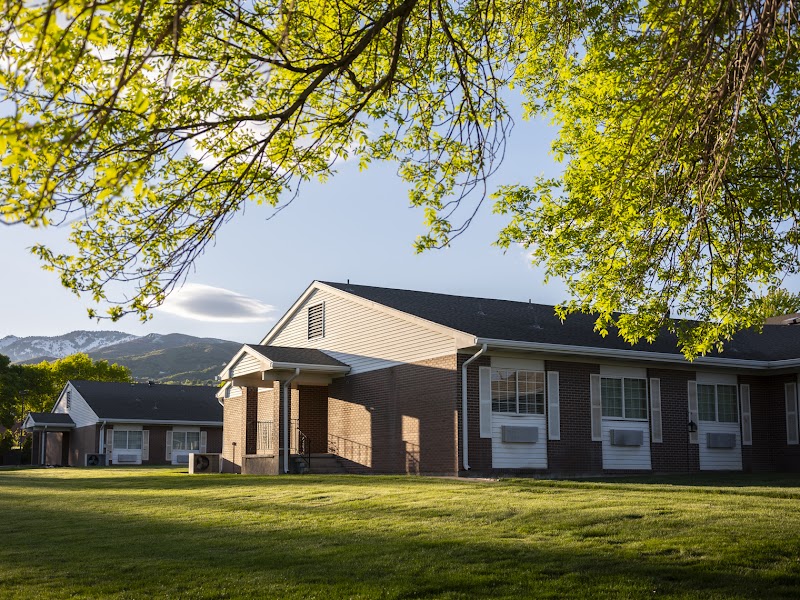
How is Monument Healthcare Bountiful Staffed?
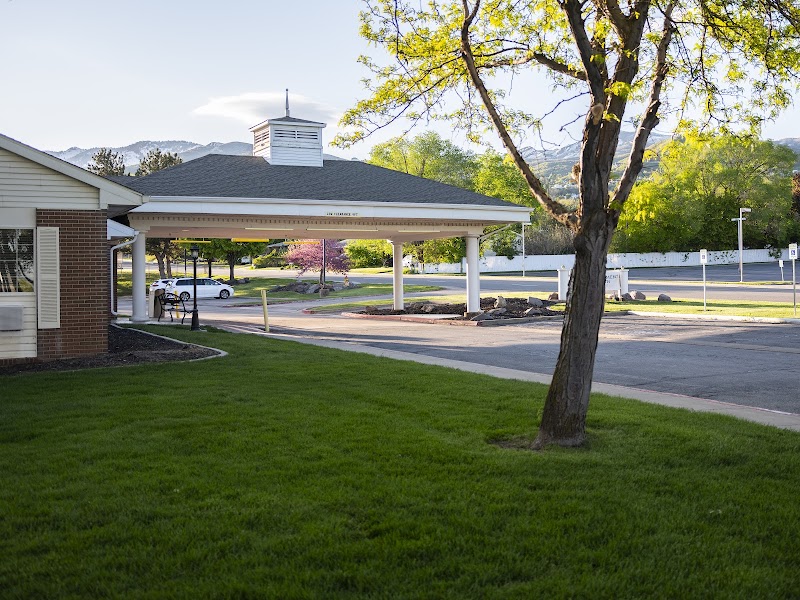
CMS rates Monument Healthcare Bountiful's staffing level at 1 out of 5 stars, which is much below average compared to other nursing homes.

What Have Inspectors Found at Monument Healthcare Bountiful?

State health inspectors documented 18 deficiencies at Monument Healthcare Bountiful during 2022 to 2025. These included: 3 that caused actual resident harm and 15 with potential for harm. Deficiencies causing actual harm indicate documented cases where residents experienced negative health consequences.

Who Owns and Operates Monument Healthcare Bountiful?

Monument Healthcare Bountiful is owned by a for-profit company. For-profit facilities operate as businesses with obligations to shareholders or private owners. The facility is operated by MONUMENT HEALTH GROUP, a chain that manages multiple nursing homes. With 100 certified beds and approximately 69 residents (about 69% occupancy), it is a mid-sized facility located in Bountiful, Utah.

How Does Monument Healthcare Bountiful Compare to Other Utah Nursing Homes?

Compared to the 100 nursing homes in Utah, Monument Healthcare Bountiful's overall rating (2 stars) is below the state average of 3.3 and health inspection rating (2 stars) is below the national benchmark.

What Should Families Ask When Visiting Monument Healthcare Bountiful?

Based on this facility's data, families visiting should ask: "Can you walk me through typical staffing levels on day, evening, and night shifts?" "Can I visit during a mealtime to observe dining assistance and food quality?" "How do you handle medical emergencies, and what is your hospital transfer rate?" "Can I speak with family members of current residents about their experience?" These questions are particularly relevant given the below-average staffing rating.

Is Monument Healthcare Bountiful Safe?

Based on CMS inspection data, Monument Healthcare Bountiful has a clean safety record: no substantiated abuse findings (meaning no confirmed cases of resident harm), no Immediate Jeopardy citations (the most serious violation level indicating risk of serious injury or death), and is not on the Special Focus Facility watch list (a federal program monitoring the lowest-performing 1% of nursing homes). The facility has a 2-star overall rating and ranks #100 of 100 nursing homes in Utah. While no facility is perfect, families should still ask about staff-to-resident ratios and recent inspection results during their visit.

Do Nurses at Monument Healthcare Bountiful Stick Around?

Monument Healthcare Bountiful has not reported staff turnover data to CMS. Staff turnover matters because consistent caregivers learn residents' individual needs, medications, and preferences. When staff frequently change, this institutional knowledge is lost. Families should ask the facility directly about their staff retention rates and average employee tenure.

Was Monument Healthcare Bountiful Ever Fined?

Monument Healthcare Bountiful has been fined $34,040 across 3 penalty actions. The Utah average is $33,419. While any fine indicates a compliance issue, fines under $50,000 are relatively common and typically reflect isolated problems that were subsequently corrected. Families should ask what specific issues led to these fines and confirm they've been resolved.

Is Monument Healthcare Bountiful on Any Federal Watch List?

Monument Healthcare Bountiful is not on any federal watch list. The most significant is the Special Focus Facility (SFF) program, which identifies the bottom 1% of nursing homes nationally based on persistent, serious quality problems. Not being on this list means the facility has avoided the pattern of deficiencies that triggers enhanced federal oversight. This is a positive indicator, though families should still review the facility's inspection history directly.