Crestwood Rehabilitation and Nursing
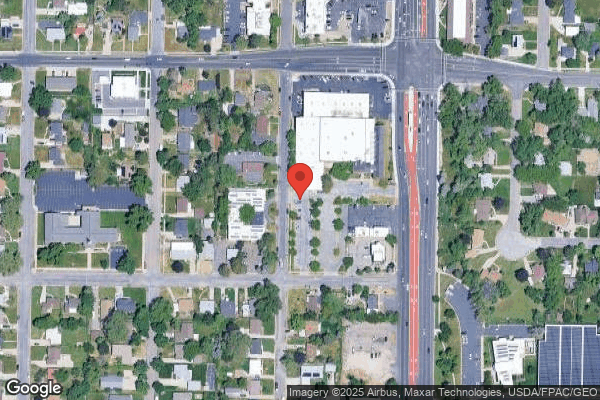
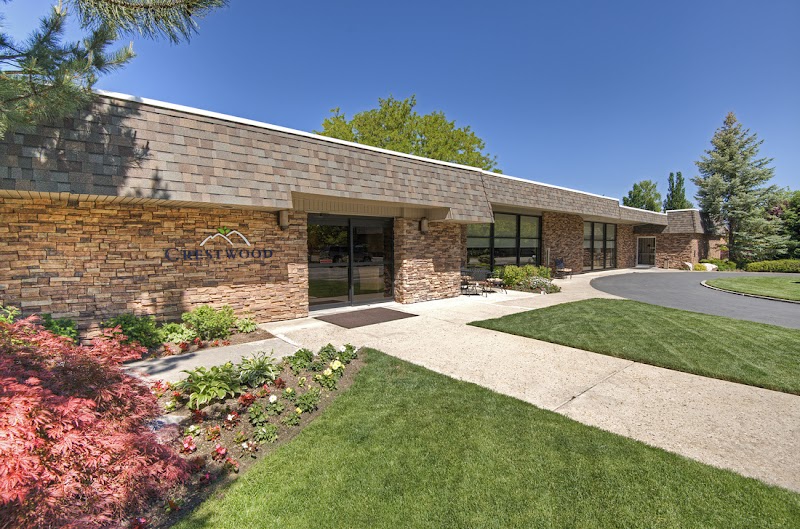
3665 Brinker Avenue, Ogden, UT 84403 (801) 627-2273
For profit - Limited Liability company 88 Beds BEAVER VALLEY HOSPITAL Data: November 2025 1 Immediate Jeopardy citation
Trust Grade
23/100
#69 of 97 in UT
Last Inspection: January 2024

Within standard 12-15 month inspection cycle. Federal law requires annual inspections.

Overview

Crestwood Rehabilitation and Nursing has received a Trust Grade of F, indicating significant concerns about the facility's quality of care. Ranking #69 out of 97 in Utah places it in the bottom half of state facilities, and it is #7 out of 10 in Weber County, limited options for better care nearby. The trend is worsening, with issues increasing from 11 in 2023 to 15 in 2024. Staffing is a major concern, with a low rating of 1 out of 5 stars and a high turnover rate of 65%, which is significantly above the state average. The facility has incurred fines of $41,740, which is concerning and suggests repeated compliance issues. There is less RN coverage than 97% of Utah facilities, meaning residents may not receive the attention they need. Specific incidents include a nurse administering medications without proper hand hygiene, risking infection, and failing to provide timely care for a resident with a serious head injury, which could have led to further harm. While the quality measures rating is excellent at 5 out of 5, the overall picture reflects both strengths and weaknesses, making it crucial for families to weigh their options carefully.
Trust Score
F
23/100
In Utah
#69/97
Bottom 29%
Safety Record
High Risk
Review needed
Inspections
Getting Worse
11 → 15 violations
Staff Stability
⚠ Watch
65% turnover. Above average. Higher turnover means staff may not know residents' routines.
Penalties
✓ Good
$41,740 in fines. Lower than most Utah facilities. Relatively clean record.
Skilled Nurses
⚠ Watch
Each resident gets only 22 minutes of Registered Nurse (RN) attention daily — below average for Utah. Fewer RN minutes means fewer trained eyes watching for problems.
Violations
⚠ Watch
51 deficiencies on record. Higher than average. Multiple issues found across inspections.
★★☆☆☆
2.0
Overall Rating
★☆☆☆☆
1.0
Staff Levels
★★★★★
5.0
Care Quality
★☆☆☆☆
1.0
Inspection Score
Stable
2023: 11 issues
2024: 15 issues

The Good

  • 5-Star Quality Measures · Strong clinical quality outcomes
  • Full Sprinkler Coverage · Fire safety systems throughout facility
  • No fines on record

Facility shows strength in quality measures, fire safety.

The Bad

2-Star Overall Rating

Below Utah average (3.3)

Below average - review inspection findings carefully

Staff Turnover: 65%

19pts above Utah avg (46%)

Frequent staff changes - ask about care continuity

Federal Fines: $41,740

Above median ($33,413)

Moderate penalties - review what triggered them

Chain: BEAVER VALLEY HOSPITAL

Part of a multi-facility chain

Ask about local staffing decisions and management

Staff turnover is elevated (65%)

17 points above Utah average of 48%

The Ugly 51 deficiencies on record

1 life-threatening 1 actual harm
May 2024 2 deficiencies
CONCERN (D) 📢 Someone Reported This

A family member, employee, or ombudsman was alarmed enough to file a formal complaint

Potential for Harm - no one hurt, but risky conditions existed

Investigate Abuse (Tag F0610)

Could have caused harm · This affected 1 resident

**NOTE- TERMS IN BRACKETS HAVE BEEN EDITED TO PROTECT CONFIDENTIALITY** Based on interview and record review, it was determined that in response to allegations of abuse, neglect, exploitation, or mist...

Read full inspector narrative →
**NOTE- TERMS IN BRACKETS HAVE BEEN EDITED TO PROTECT CONFIDENTIALITY** Based on interview and record review, it was determined that in response to allegations of abuse, neglect, exploitation, or mistreatment, the facility failed to report the results of all investigations to the State Survey Agency (SSA), within 5 days of the incident. Specifically, for 2 out of 7 sampled residents, the facility did not thoroughly investigate an allegation of abuse from misappropriation of funds and an allegation of neglect from a fall with serious injury. Resident Identifiers: 1 and 2. Findings include: 1. Resident 1 was admitted to the facility on [DATE] with diagnoses which included quadriplegia, muscle weakness, chronic obstructive pulmonary disease, sepsis, and cellulitis. On 5/1/24, resident 1's medical record was reviewed. Exhibit 358 Initial Report dated 2/28/24 at 4:49 PM, indicated that the facility reported an incident to the SSA. The initial report indicated an allegation of misappropriation of funds and exploitation when resident 1's money from his wallet went missing. On 5/1/24 at 12:22 PM, an interview was conducted with the Resident Advocate (RA). The RA stated that resident 1's missing money was reported as abuse to the Administrator. The RA stated that no grievance form was filled out by the resident. The RA stated that resident 1 stated that he had his wallet in his pocket that morning. The RA stated that the wallet was found in the dining room by either maintenance or housekeeping with no money. The RA stated that there was a policy that stated that residents were to put their valuables in a safe or a facility managed fund account. The RA stated that resident 1 signed the policy about not having his money compensated by the facility with all of his admission paperwork. On 5/1/24 at 3:12 PM, an interview was conducted with the Administrator (ADM). The ADM stated that he did review the footage regarding the alleged incident and did not see anything as the cameras only record in 30 second intervals. The ADM stated that he did replace the resident's money and educated the resident regarding keeping his money in the safe. The ADM stated that if he received an allegation of abuse he tried to educate all staff about different types of abuse and how soon you report the abuse. The ADM stated that he had dropped the ball on submitting the 359 form regarding this incident. The ADM stated that the 359 form would include whether the alleged incident was substantiated or not, what measures were taken to keep residents safe, and a general summary of interviews and the incident. The ADM stated that he had 5 days to submit the 359. 2. Resident 2 was admitted to the facility on [DATE] with diagnoses which included chronic obstructive pulmonary disease, major depressive disorder, schizophrenia, fibromyalgia, and post traumatic stress disorder. On 5/1/24, resident 2's medical record was reviewed. Exhibit 358 Initial Report dated 2/23/24 at 4:49 PM, indicated that the facility reported an incident to the SSA. The initial report indicated an allegation of neglect when resident 2 sustained a fall where serious injury occurred resulting in a lumbar compression fracture. On 2/21/24 at 11:29 PM, an alert note stated, Patient on alert charting following previous unwitnessed fall. Patients vital signs 132/81, 16 RR [respiratory rate], 99.1, 92 HR [heart rate], 90% oxygen on RA [room air]. Patient has had no complaints of pain or discomfort. No new injuries or wounds from fall. Patient at baseline. Will continue to monitor. On 2/22/24 at 12:41 PM, a nurse note stated, X-ray results received and notified MD [medical doctor] with results. New order received to schedule CT [computed tomography] scan for back r/t [related to] fall on 2/21/24 to rule out fracture. Transportation notified of scheduling need. No other new orders at this time. On 2/22/24 at 3: 30 PM, a nurse note stated, Res. [resident] is a frail 67yr [year old] old female who had an unwitnessed fall on 02/21/24. Res. is A&O [alert and oriented] x4 [person, place, time and situation] reporting. Xray results received this shift. Medical provider notified and orders CT scan to rule out any fx [fracture] r/t the res. increased pain. Rec [received] scheduled pain medication and PRN [as needed] pain medication which the res. requested this shift with success evidence by res. reporting 3/10 pain at this time. No discoloration of skin noted r/t fall this shift. Res. remained safe this shift. No new concerns. On 2/23/24 at 12:52 PM, a physician not stated, . had a fall 2/21. She complained of low back pain so stat [immediately] lumbar spine xrays were ordered. Results showed compression fractures of indeterminate age. CT scan was ordered and done yesterday. We are awaiting results. Staff charting shows . has not had uncontrolled pain since the fall but she does report having low back pain and wonders if she can get anything stronger than tramadol. Low backpain [sic]- following a fall. Xrays showed Lumbar compression fractures - awaiting CT results to determine if these are new or old. Will order norco 5/325 tid [three times a day] prn. On 5/1/24 at 12:00 PM, a review of the resident 2's CT results revealed an acute to subacute appearing inferior endplate compression fracture of the L2 vertebral body with approximately 20% vertebral body height loss. On 5/1/24 at 12:05 PM, a review of resident 2's care plan initiated on 3/9/23 and revised on 3/20/24, showed the resident was at risk for falls r/t weakness and impaired balance and new compression fracture to lumbar vertebra. Interventions to prevent falls include, using call light when needing assistance, educating the resident on using her walker when ambulating, and staff educated on ensuring the resident has non-slip socks and appropriate footwear. On 5/1/24 at 1:00 PM a review of the facility's investigation into the incident with resident 2 revealed that the ADM interviewed 1 nurse that was on duty at the time of the incident and two CNA's. In addition, the ADM did speak to two residents who were also in the room when the fall occurred. Resident 2 stated in her interview with the ADM that she had stood up to retrieve her cigarettes, lost her balance, and without using her walker fell to the ground. On 5/1/24 at 1:20 PM, an interview was conducted with CNA 1. CNA 1 stated that she did not know who the abuse coordinator was in the facility. CNA 1 stated that if a resident fell she would immediately get the nurse and follow their instructions. CNA 1 stated that she was not familiar with the fall that resident 2 sustained. On 5/1/24 at 1:30 an interview was conducted with Licensed Practical Nurse (LPN) 1. LPN 1 stated that if a fall occurs she reported it to the doctor and the Director of Nursing (DON). LPN 1 stated if she had suspicions of a resident being abused or neglected then she notified the ADM and DON. LPN 1 stated that she did not recall the fall with resident 2. On 5/1/24 at 3:12 PM, an interview was conducted with the ADM. The ADM stated that when abuse or neglect were reported to him he first makes sure the resident was safe and then he started the report and investigation as soon as possible. The ADM stated that he came in on the weekend if an incident occurs. The ADM stated if it was midnight then he waited until the next day to start his investigation. The ADM stated that the 358 form needed to be submitted within 2 hours and the 359 form needed to be submitted within 5 days.
CONCERN (D) 📢 Someone Reported This

A family member, employee, or ombudsman was alarmed enough to file a formal complaint

Potential for Harm - no one hurt, but risky conditions existed

Deficiency F0660 (Tag F0660)

Could have caused harm · This affected 1 resident

**NOTE- TERMS IN BRACKETS HAVE BEEN EDITED TO PROTECT CONFIDENTIALITY** Based on interview and record review it was determined, for 1 of 7 sampled residents, that the facility did not ensure that the ...

Read full inspector narrative →
**NOTE- TERMS IN BRACKETS HAVE BEEN EDITED TO PROTECT CONFIDENTIALITY** Based on interview and record review it was determined, for 1 of 7 sampled residents, that the facility did not ensure that the discharge needs of the resident was identified and resulted in the development of a discharge plan for the resident; that regular re-evaluation to identify changes that required modification to the discharge plan was completed; and referrals to local agencies for the purpose of returning to the community were documented. Specifically, a resident desired to return to the community through the New Choice Waiver (NCW) program and the facility did not submit the required paperwork for a whole year. Resident identifier: 6. Findings Included: Resident 6 was initially admitted to the facility on [DATE] and readmitted on [DATE] with the diagnoses of malignant neoplasm of right renal pelvis, atrial fibrillation, generalized anxiety disorder, major depressive disorder, unsteadiness of feet, and difficulty in walking. On 5/1/24 at 10:02 AM, an interview was conducted with resident 6's Family Member (FM). The FM stated the first time the Resident Advocate (RA) had submitted paperwork to NCW, they had not submitted the proper paperwork and never followed up on it. The FM stated they asked the RA at the beginning of April 2024 to get the NCW application in process again, but they had issues with submitting the paperwork again. The FM stated that so much time had passed between the initial NCW application and the recent one, that the case manager had changed. The FM stated they believed maybe it was a financial benefit for the facility to keep resident 6 there longer. The FM stated a NCW application was supposedly submitted on April 9, 2024 but they were unable to locate the application. The FM stated the RA had re-submitted the application but forgot to check a box that time around. The FM stated the NCW was finally submitted on April 24, 2024 after the Ombudsman came into the facility and talked to the RA. The FM stated they had a location picked but the place would only hold a room for resident 6 until May 31. The FM stated they were concerned resident 6 was going to lose the room that was on hold for them. The FM stated they had recently heard from the case manager that the NCW was in review, and they were just waiting for approval. On 5/1/24 at 11:15 AM, an interview was conducted with resident 6. Resident 6 stated they were unsure where they were at in the NCW process. Resident 6 stated the RA claimed they were working on the NCW but they believed the RA was actually working against them. Resident 6 stated it had been an ongoing process since last year. Resident 6 stated the RA initially told them they had to wait 90 days before they could apply for the NCW but kept on pushing the process back repeatedly 90 days at a time. Resident 6 stated their family member finally got ahold of the RA and asked them about the hold up. Resident 6 stated the RA told the family member; they were told to quit on resident 6's NCW application. Resident 6 stated they were confused as to why someone told the RA to stop their application process. Resident 6 stated they had gotten word that their application had finally been submitted after a year. Resident 6 stated it was unbelievable it had taken that long. Resident 6's medical record was reviewed on 5/1/24. On 4/9/24, a State Optional Minimum Data Set (MDS) documented resident 6 had a Brief Interview for Mental Status (BIMS) score of 10 which indicated resident 6 had moderate cognitive impairment. The medical record profile revealed resident 6 was their own responsible party. A care plan focus area initiated on 3/17/21 stated as followed, The resident has expressed a desire to return to the community to live with family. A documented intervention included, Resident will have the opportunity to attend care conferences upon admission and at least quarterly to discuss plan of care, discharge plan/goals, questions/concerns, etc. Discharge plan will be revised as indicated. On 12/1/22, an admission care conference summary form documented, [resident 6] has recently asked to apply ofr (sic) the NCW application has been filled out waiting for [resident 6] to choose a case management company. On 9/28/23 at 3:32 PM, a social service note documented, . [resident 6] has talked about moving in with his wife and his daughter [name removed] states this would be a very bad idea and that her mom can barely take care of herself and may be moving to an ALF [assisted living facility]. She stated that if the mom does move that that (sic) would be a better time for [resident 6] to move in with her. She feels the LTC [long term care] is a better fit for her father through. This RA [resident advocate] will approach that conversation with [resident 6] on a day he is more calm. On 4/25/24, a quarterly care conference summary form documented resident 6's quarterly care conference had occurred on 4/1/24. The discharge goal stated resident 6 had applied for the NCW and was planning on moving to an ALF. It documented the resident had not picked an ALF yet but they wanted to move closer to family. It documented resident 6 would discharge home with home health. The provider had been made aware of the plan and agreed with the discharge. It should be noted that there were no documented care conference summaries for the entire year of 2023 to indicate resident 6's discharge goal had been updated or discussed about. On 5/1/24 at 11:27, an interview was conducted with the RA. The RA stated care conferences were held every quarter and they were conducted for several reasons such as discussing resident goals, updating the care plan, and discussing discharge planning. The RA stated they were done every 3 months which meant residents had a total of 4 care conferences done a year. The RA recognized there was a big gap in between resident 6's last documented care conference on 12/1/22 to their most current one on 4/25/24. The RA stated a resident discharge planning started upon admission, but discharge plans changed throughout the stay. The RA stated they were in charge of submitting the NCW application. The RA stated a resident needed to reside at the facility for 90 days before they were able to apply for the NCW. The RA stated the application was not hard to complete but it was timely to upload the paperwork needed. The RA stated there were times they needed to submit additional documentation once the NCW had been submitted. The RA stated the rate of being accepted into the NCW program depended on how many residents had applied at that time. The RA stated if they took a couple of days to submit the additional documentation requested, then there was a possibility the review process for the NCW was delayed. The RA stated resident 6's goal was originally to stay in LTC but then they asked to apply for the NCW on April 10, 2023. The RA stated at that time the daughter had told the RA to not continue with the NCW for resident 6. The RA stated they had not heard anything from the family about a status change on the NCW process until last month. The RA stated they had issues with submitting resident 6's NCW application last month. The RA stated, when they had initially submitted the first application last month, they were told the application was not found in the system. The RA stated then they re-submitted the application. The RA stated on April 17, 2024, they had been notified that they forgot to check the right box on the form and instead of uploading resident 6's face sheet, they had uploaded the incorrect document. The RA stated two days later they got done what they could. The RA stated they had been made once more that they had accidentally checked the wrong box again and need to resubmit the application. The RA stated the NCW application had finally been submitted on April 24, 2024. The RA stated the day that resident 6's family had notified them of wanting they NCW, the RA stated they were dealing with a family matter that day. The RA stated they were the only ones who had access to the NCW system. The RA stated they understood why resident 6's family was frustrated with the application process since it had taken a few days to complete. The RA stated they had gotten the application submitted as timely as they could. The RA stated resident 6 would not be discharged before May 31 due to their NCW status still being reviewed. The RA stated the NCW needed to have been accepted before the 20th of the month and everything needed to be set in stone for the resident to discharge on the 1st of the following month. On 5/1/24 at 2:46 PM, a follow up interview was conducted with the RA. The RA stated they should have applied for the NCW last year when the resident had initially asked.
Jan 2024 13 deficiencies 1 Harm
SERIOUS (G)

Actual Harm - a resident was hurt due to facility failures

Quality of Care (Tag F0684)

A resident was harmed · This affected 1 resident

**NOTE- TERMS IN BRACKETS HAVE BEEN EDITED TO PROTECT CONFIDENTIALITY** Based on interview and record review it was determined that the facility did not ensure that residents received treatment and ca...

Read full inspector narrative →
**NOTE- TERMS IN BRACKETS HAVE BEEN EDITED TO PROTECT CONFIDENTIALITY** Based on interview and record review it was determined that the facility did not ensure that residents received treatment and care in accordance with professional standards of practice, the comprehensive person-centered care plan, and the residents' choices. Specifically, for 1 of 33 residents sampled, the facility did not provide care to a resident who sustained a head laceration after a fall and requested to be sent to the hospital via ambulance for treatment. The deficient practice identified was determined to have occurred at a harm level. Resident identifier 35. Findings included: Resident 35 was admitted to the facility on [DATE] with diagnoses which included major depressive disorder, unsteadiness on feet, adult failure to thrive, muscle weakness, suicidal ideation, malignant neoplasm of larynx, tracheotomy status, presence of artificial larynx, chronic kidney disease, and hypothyroidism. On 1/23/24 at 10:16 AM, resident 35 was observed ambulating independently in the hallway directly outside of his room. On 1/23/24, resident 35's medical records were reviewed. On 10/23/23, the admission Minimum Data Set (MDS) assessment documented that resident 35 required supervision with touch assistance for ambulation. The assessment documented that resident 35 did not use any mobility devices, and did not have any functional limitations in the upper or lower extremities. On 11/25/23 at 12:48 PM, the skilled nursing note documented that resident 35 used a cane and was independent with bed mobility, transfers and ambulation. Resident 35's progress notes documented the following: a. On 11/27/23 at 6:33 PM, the note documented, Visitor informed nurse that this resident had taken a fall outside. Nurse rushed over and found resident on the concrete outside. Resident was distressed and would not answer further questioning. He did point to the laundry basket that his visitor was holding next to him. Nurse approached the resident who was laying halfway on the grass and halfway on the concrete. Resident had blood dripping from his right eyebrow and blood on his fingers and hand. Nurse asked if the resident was hurt anywhere. The resident shook his head no and began to get up on his hands and knees. Nurse tried to clean up blood from the resident but he began to crawl into the building. Resident refused help from the nurse as well as vitals. Resident requested that an ambulance be called. He would not allow the nurse to complete an assessment and was determined to go to the hospital. Without completing an assessment, the nurse stated that the resident's family member could call the ambulance if they felt necessary. b. On 11/28/23 at 12:31 AM, the note documented, Resident returned to facility at 1955 [7:55 PM] from being seen in ER [emergency room] at [name of local hospital]. Dx [diagnosis] form fall: upper extremity bruise, facial fracture and head injury with laceration to left eye brow area. New orders to remove sutures in 5 days, keep clean and dry, follow up with [name of provider] for follow up care r/t [related to] facial fracture and oxycodone 7.5/325 mg [milligram] q [every] 6 hours prn [as needed] pain quantity 5 only. Resident alert and oriented x [times] 4, pleasant and cooperative upon arrival. VS [vital signs] 170/90 [blood pressure], 98.6 [temperature], 90 [heart rate], 18 [respirations], 92% [oxygen saturation] on room air. Laceration with dried blood to site. No c/o [complaints of] n/v [nausea and vomiting], dizziness, blurry vision, confusion, memory loss. Mild headache due to incident. New prn pain med given at 2030 [8:30 PM] and eff [effective]. HOB [head of bed] elevated and resting quietly in bed with call light within reach. Checked on q hour. c. On 11/28/23 at 4:46 PM, the note documented, Resident is recovering from fall last night. Resident has stated that he has been in a lot of pain r/t the fall. Managing this pain with routine and PRN [as needed] medications as well as nonpharmaceutical interventions such as rest and repositioning. Resident has been responding well to current treatment. Will continue to monitor. d. On 11/28/23 at 9:20 PM, the Interdisciplinary (IDT) note documented that the Visitor informed nurse that this resident had taken a fall outside. Nurse rushed over and found resident on the concrete outside. The risk factors and root cause that was identified by the IDT was due to the resident carrying multiple items in his hands and the inability to utilize his cane properly to assist with ambulation. The note documented the preventative measures were, Resident has been educated on calling for assistance, Resident has been educated on the proper use of the call light and demonstrated the proper use. The note documented the new interventions were, Resident educated on calling for assistance with ADLs [Activities of Daily Living]. Resident educated on fall prevention and fall precaution. Resident will continue working with PT [Physical Therapy]. Resident educated on proper use of cane while ambulating. e. On 11/29/23 at 12:29 AM, the note documented, Continues on alert charting for unwitnessed fall. Neuro [neurological] checks wnl [within normal limits]. Sutures to left eyebrow area intact and scabbed over. Medicated for pain x [times] 1 and eff [effective]. No c/o n/v, dizziness or headache. Resting quietly with call light in reach. f. On 11/29/23 at 11:15 AM, the note documented, Monitoring resident from recent fall. Bruising to around L [left] eye dark purple and green. Stitches intact without concerns. Denies dizziness, nausea. g. On 11/30/23 at 12:38 AM, the note documented, Resident is being monitored after having a unwitnessed fall. Neuro checks are complete. He has no s/sx [signs and symptoms] of changes in LOC [level of consciousness]. Bruising to the left side of his face had not increased. He reports the site to be tender but he denies concerns. Stitches are in place with no concerns of altered healing. wound edges approximated well with no s/sx of infection at this time. On 11/27/23 at 5:15 PM, the incident report documented that the visitor informed the nurse that the resident had fallen outside. The nurse found resident on the concrete outside, the resident was distressed and would not answer any questions. The report documented a laceration as the injury, and that the resident requested to go to the hospital. The incident report documented that the Medical Director was notified on 11/27/23 at 5:16 PM. On 11/27/23, the hospital report documented a chief complaint of a head injury. The resident reported that he caught his foot on an elevated portion of the concrete and fell forward striking his head on the cement. The computerized tomography (CT) of the face documented the results as a nondisplaced acute fracture through the left orbital floor and extending through the anterior and lateral maxillary walls. The report documented a left brow laceration repair was completed with sutures. The clinical impression upon discharge was an orbital fracture, facial laceration, and head trauma. Resident 35's care plan for at risk for falls was initiated on 11/27/23. Interventions identified were assure the lighting was adequate; ensure the environment was clutter free and free from spills; ensure the bed was in the lowest position; ensure call light was within reach; ensure items were within reach; provide assistive devices as needed; physical therapy to work on balance and gait stability using cane; and remind resident to ask for assistance when carrying items and walking. On 1/25/24 at 12:12 PM, an interview was conducted with Registered Nurse (RN) 2. RN 2 stated that she would notify the Medical Director (MD) and family if a resident was transferred out of the facility. RN 2 stated that if the situation was emergent she would call 911. RN 2 stated that she would provide the paramedics or hospital a copy of the resident's facesheet, medication list, copy of Physician Orders for Life Sustaining Treatment (POLST), and a copy of the most recent vital signs. RN 2 stated she would call and give report to the hospital staff and then notify the MD and obtain an order for the transfer. RN 2 stated she would document in a nursing note the reason for the transfer and the specific details of the incident. RN 2 stated that she was not aware of any transfer forms. RN 2 stated that if the resident requested to go to the hospital she would notify the MD and send them. RN 2 stated that she would not tell the resident that their family member could call for the ambulance themselves. On 1/25/24 at 12:46 PM, an interview was conducted with Licensed Practical Nurse (LPN) 3. LPN 3 stated that when they sent a resident to the hospital they would send a facesheet, POLST, medication list, and inform transport. LPN 3 stated that she would call for the ambulance first and then print out the information for the receiving provider. LPN 3 stated she would message the MD and notify them of the situation. LPN 3 stated she would document a nurses note of what was sent to the hospital, reason for transfer, who was notified, situation for transfer, who she gave report to, and any recent vital signs. LPN 3 stated that if a resident was injured and requested to be transferred to the hospital they had that right. LPN 3 stated that she believed the resident had to call 911 themselves. LPN 3 stated that she was training and orienting with LPN 1 when resident 35 had his fall and sustained an injury. LPN 3 stated that LPN 1 told her that resident 35 did not need to go to the hospital, and she did not feel like it was necessary to call 911. LPN 3 stated that LPN 1 told the family member that if they thought it was necessary to go to the hospital they could call for an ambulance. LPN 3 stated that they found the resident outside in front of the building. LPN 3 stated he was on the ground and there was a basket and his cane next to him. LPN 3 stated resident 35 was bleeding from his head. I think above the left eyebrow and there was blood on his wrist. LPN 2 stated that resident 35's watch face was broken from the fall. LPN 3 stated that they obtained resident 35 vital signs, assisted him to a wheelchair, and wheeled him inside. LPN 3 stated she recalled it was really cold outside. LPN 3 stated that she looked at the wound and attempted to clean the wound with gauze. LPN 3 stated that resident 35 became angry, and did not want her to touch him. LPN 3 stated that resident 35 was angry because he was in pain and it hurt when she attempted to clean the wound. LPN 3 stated that resident 35 requested to go to the hospital for treatment. LPN 3 stated that resident 35's family member called the ambulance after LPN 1 informed them that they needed to call for the ambulance themselves. LPN 3 stated that she felt conflicted about this guidance, but she was a new nurse at the time. LPN 3 stated she felt like they should help resident 35 to receive the care at the hospital if he wanted it, and that it was the resident's right. LPN 3 stated that resident 35 returned to the facility after her shift had ended, and she thinks he had something broken, and returned with sutures. LPN 3 was observed to verify via the secured communication text that she notified the MD on the date of the incident, and that resident 35's family member had called 911. On 1/25/24 at 2:41 PM, an interview was conducted with the Director of Nursing (DON) and the Corporate Resource Nurse (CRN). The DON stated that depending on what the transfer was for staff needed to assess the resident's condition, address any injuries first, notify the DON, Administrator (ADM) and MD and then call for an ambulance. The DON stated that staff should provide the receiving provider a copy of the POLST, order summary, and facesheet. The DON stated that staff should call 911 and give report to the hospital. The DON stated that the nurse would enter a discharge order and document a discharge summary in the progress notes. The DON stated that the most current vital signs and reason for transfer was located on the transfer facesheet. The DON stated that if the resident requested a transfer to the hospital then the nurse should call for transport to pick them up. The DON stated that she was not aware of the situation with resident 35's transfer to the hospital on [DATE]. The DON stated that they were initially under the impression that the family wanted to call the ambulance and not that LPN 1 was refusing to call the ambulance. [Cross-refer F622] On 1/31/24 at 12:46 PM, the facility provided additional information in the form of a timeline for resident 35's treatment after his fall. The facility attached the local fire departments prehospital care report to help construct a timeline for treatment provided by the paramedics. The fire departments care report documented that they were notified on 11/27/23 at 5:19 PM, were at the scene at 5:25 PM, and arrived at the destination of the local hospital at 5:51 PM. Although treatment by the paramedics after resident 35's fall was timely, the facility failed to respond to the residents' request to notify Emergency Medical Services (EMS) in the first place and instead instructed him to call for an ambulance himself. Additionally, the facility stated that resident 35 did not allow the facility nurse to assess him. This contradicts LPN 3's statement of what she observed, which was a visual assessment, and the treatment and services she attempted to provide before resident 35 asked her to stop and call for an ambulance. It should also be noted that LPN 3's statement of obtaining resident 35's vital signs, transferring him to a wheelchair and moving him inside the facility while attempting to clean his head wound contradicts the fire departments care report. The fire department's care report documented that the patient was found sitting on the ground being assessed by the facility staff.
CONCERN (D)

Potential for Harm - no one hurt, but risky conditions existed

Resident Rights (Tag F0550)

Could have caused harm · This affected 1 resident

Based on observation and interview it was determined, for 9 of 33 sampled residents, that the facility did not treat each resident with respect and dignity and care for each resident in a manner and i...

Read full inspector narrative →
Based on observation and interview it was determined, for 9 of 33 sampled residents, that the facility did not treat each resident with respect and dignity and care for each resident in a manner and in an environment that promoted maintenance or enhancement of his or her quality of life. Specifically, residents sitting at the same table in the dining room were not served meals at the same time and food was served in disposable cups. Resident identifiers: 25, 28, 29, 31, 50, 54, 55, 61 and 165. Findings include: 1. On 1/22/24 11:59 AM, a dining observation was conducted in the 100 hallway dining room. The following residents were sitting at the same table: a. At 12:21 PM, resident 165 was served lunch and was observed to feed himself. b. At 12:22 PM, resident 50 and resident 55 were observed to be served lunch. c. At 12:25 PM, resident 29 was observed to be served lunch. d. At 12:29 PM, resident 61 was observed to be served lunch. e. At 12:30 PM, resident 28 was served lunch. Resident 28 was observed to give resident 61 a bottle of ensure. f. At 12:31 PM, resident 54 was observed to be served lunch. g. At 12:32 PM, resident 25 was observed to be served lunch. It should be noted residents waited 11 minutes to be served. On 1/29/24 at 2:48 PM, an interview was conducted with the Director of Nursing (DON). The DON stated that everyone at the same table should all be served at the same time. 2. On 1/22/24, an observation was made during the dining observation. Residents were observed to be served fruit and pudding in disposable cups. On 1/24/24 at 8:32 AM, an observation was made of resident 31. Resident 31 was observed to be served food in 4 disposable cups on her plate. On 1/25/24 at 12:08 PM, an observation was made during the dining observation. Residents were served puddings, yogurt and ice cream in disposable cups. On 1/29/24 at 11:26 AM, an interview was conducted with Dietary Aide (DA) 1. DA 1 stated he had worked in the kitchen for about a month. DA 1 stated he was trained to use the disposable cups for desserts. On 1/29/24 at 11:00 AM an interview with the Dietary Manager (DM) was conducted. The DM stated that kitchen staff had always plated desserts in disposable cups. The DM stated she did not have a reason to do so. The DM stated that certain desserts were placed in plastic bowls or on dessert plates.
CONCERN (D)

Potential for Harm - no one hurt, but risky conditions existed

Notification of Changes (Tag F0580)

Could have caused harm · This affected 1 resident

**NOTE- TERMS IN BRACKETS HAVE BEEN EDITED TO PROTECT CONFIDENTIALITY** Based on interview and record review it was determined that the facility did not consult with the resident's physician when ther...

Read full inspector narrative →
**NOTE- TERMS IN BRACKETS HAVE BEEN EDITED TO PROTECT CONFIDENTIALITY** Based on interview and record review it was determined that the facility did not consult with the resident's physician when there was a significant change in the resident's physical status or a need to alter treatment. Specifically, for 1 of 33 sampled residents, the facility did not notify the Medical Director (MD) when blood sugar results were outside of the physician ordered parameters for notification. Resident identifier 49. Findings included: Resident 49 was admitted to the facility on [DATE] and re-admitted on [DATE] with diagnoses which included fracture of left femur, acquired absence of right and left leg below the knee, peripheral vascular disease, chronic kidney disease, neuromuscular dysfunction of the bladder, iron deficiency anemia, major depressive disorder, anxiety disorder, type II diabetes mellitus, hypertension, chronic pain, and personality disorder. Resident 49's January Medication Administration Record (MAR) revealed the following: a. On 1/17/24, in the morning the blood sugar (BS) was 442 and the MD was not notified. b. On 1/20/24, the BS was 434 and the MD was not notified. The facility Blood Sugar Protocol documented to notify the primary care provider of blood sugar results less than 60 and greater than 400 unless the physician specified different parameter orders to follow. The protocol documented for the management of hyperglycemia or blood sugars over 400 the following; Step 1 Notify MD, Step 2 Follow MD orders, Step 3 Re-check BS in one hour, and Step 4 If BS was greater than 400 notify MD. On 1/24/24 at 10:00 AM, an interview was conducted with Licensed Practical Nurse (LPN) 1. LPN 1 stated that the MD would be notified of BS results based on the order parameters. LPN 1 stated that if the BS results were over 400 or 500 they would recheck the BS and then notify the MD. LPN 1 stated that she would document that the MD was notified in the Treatment Administration Record (TAR) or the progress notes. On 1/24/24 at 10:03 AM, an interview was conducted with LPN 2. LPN 2 stated that she would notify the MD of any BS over 400 and would document the notification in a progress note. On 1/24/24 at 2:58 PM, an interview was conducted with the Director of Nursing (DON) and the Corporate Resource Nurse (CRN). The CRN stated that the facility had standing orders to notify the MD of any BS over 400. The CRN stated that staff should document the MD notification in the MAR and it would carry over into a progress note. On 1/25/24 at 8:35 AM, an interview was conducted with the DON. The DON stated that she could not locate any MD notification for the elevated BS on 1/17/24 and on 1/20/24.
CONCERN (D)

Potential for Harm - no one hurt, but risky conditions existed

Free from Abuse/Neglect (Tag F0600)

Could have caused harm · This affected 1 resident

**NOTE- TERMS IN BRACKETS HAVE BEEN EDITED TO PROTECT CONFIDENTIALITY** Based on observation, interview, and record review it was determined, for 2 of 33 sampled resident, that the facility did not en...

Read full inspector narrative →
**NOTE- TERMS IN BRACKETS HAVE BEEN EDITED TO PROTECT CONFIDENTIALITY** Based on observation, interview, and record review it was determined, for 2 of 33 sampled resident, that the facility did not ensure that residents remained free from abuse, neglect, and misappropriation of property. Specifically, there were residents in a relationship that had not been evaluated to have the capacity to consent. Resident identifier: 3 and 55. Findings included: On 1/22/24 at 9:16 AM, an observation was made of resident 3 and resident 55 in the 100 hall dining room. Resident 3 and resident 55 were sitting close to each other holding hands with their heads together at the dining room table. On 1/23/24 at 1:50 PM, an observation was made of resident 55 walking past resident 3 and touches her on the right shoulder with a patting motion. On 1/24/24 at 12:02 PM, an observation was made of resident 55 entering the dining area. Resident 55 then approaches resident 3, who was sitting at the dining room table. Resident 55 then touched with a patting motion resident 3 on the left shoulder. Resident 55 then walked to the opposite side of the table and sat down. 1. Resident 3 was admitted on [DATE] and readmitted on [DATE] with diagnoses which included metabolic encephalopathy, dementia, bipolar disorder, cognitive communication deficit, and chronic kidney disease. Resident 3's medical record was reviewed 1/22/24 through 1/29/24. A quarterly Minimum Data Set (MDS) dated [DATE] revealed that resident 3 had a Brief Interview of Mental Status (BIMS) score of 13 which indicated cognition was intact. A Nursing progress note dated 1/19/24 at 7:39 PM for resident 3 revealed, Resident has expressed interest in pursuing a relationship with another resident. Sexual activity capacity assessment completed. Resident deemed appropriate to make decisions for herself regarding relationship. Resident was educated on appropriate behaviors in a public common areas and educated on resident rights regarding intimate activities. Resident verbalizes understanding and agrees to all. POC [plan of care] updated at this time. A Sexual Activity Capacity for Consent assessment dated [DATE] at 6:26 PM revealed the following missing information: Section A: Capacity Evaluation 4a. Describe resident's stated choice. (Blank) Section D: Capacity Determination 1. The interdisciplinary team has reviewed the results of this evaluation and made the following determination: a. Resident DOES have the capacity to make the decision to engage in sexual intimacy with others. (not marked) b. Resident DOES NOT have the capacity to make the decision to engage in sexual intimacy with others. (not marked) 2. Summary of Interdisciplinary Team rationale: (Blank) On 1/19/24 a Care Plan for resident 3's was initiated. The focus was that resident 3 had expressed/demonstrated a desire to participate in sexual activity with others. Interventions identified in the care plan included: If sexual abuse or other sex-related crimes are suspected, staff shall immediately intervene to protect the resident and notify the administrator and law enforcement; If the resident does not demonstrate capacity for consent or loses the capacity to consent to sexual activity, staff shall intervene as indicated to protect the resident from the risk for sexual abuse; Staff shall educate resident that sexual activity should occur in a private setting to honor the rights of other residents and provide a private setting for sexual activity as needed; The sexual capacity for consent assessment will be performed upon initiation of sexual activity, and then quarterly thereafter or with significant changes. Resident 3's medical record revealed a Power of Attorney (POA) in place. The full document for POA was no located in resident 3's medical record. On 1/29/24 at 1:34 PM an interview was conducted with the Acting Administrator. The Acting Administration stated that resident 3 had a POA in place for her care. No documentation could be found for POA being contacted regarding resident 3's capacity for consent. 2. Resident 55 was admitted on [DATE] with diagnoses which included dementia, atrial fibrillation, bilateral hearing loss, and chronic kidney disease. Resident 55's medical record was reviewed 1/22/24 through 1/29/24. An admission MDS dated [DATE] revealed that resident 55 had a BIMS score of 7 which indicated severe impaired cognition. On 1/23/24 at 2:06 PM, resident 55 was interviewed. Resident 55 stated No when asked if he was in a relationship. A Nursing progress note dated 1/19/24 at 7:35 PM for resident 55 revealed the following, Resident has expressed interest in pursuing a relationship with another resident. Sexual activity capacity assessment completed. Resident deemed appropriate to make decisions for himself regarding relationship. Resident was educated on appropriate behaviors in a public common areas and educated on resident rights regarding intimate activities. resident verbalizes understanding and agrees to all. POC updated at this time. A Sexual Activity Capacity for Consent assessment initiated on 1/20/24 at 12:04 AM and completed on 1/22/24 at 9:10 AM revealed the following missing information: Section A: Capacity Evaluation 4a. Describe resident's stated choice. (Blank) Section D: Capacity Determination 1. The interdisciplinary team has reviewed the results of this evaluation and made the following determination: a. Resident DOES have the capacity to make the decision to engage in sexual intimacy with others. (not marked) b. Resident DOES NOT have the capacity to make the decision to engage in sexual intimacy with others. (not marked) 2. Summary of Interdisciplinary Team rationale. (Blank) On 1/19/24 a Care Plan for resident 55's was initiated. The focus was that [Resident 55] had expressed/demonstrated a desire to participate in sexual activity with others. Interventions identified in the care plan included: If sexual abuse or other sex-related crimes were suspected, staff shall immediately intervene to protect the resident and notify the administrator and law enforcement; If the resident did not demonstrate capacity for consent or loses the capacity to consent to sexual activity, staff shall intervene as indicated to protect the resident from the risk for sexual abuse; Staff shall educate resident that sexual activity should occur in a private setting to honor the rights of other residents and provide a private setting for sexual activity as needed; The sexual capacity for consent assessment was performed upon initiation of sexual activity, and then quarterly thereafter or with significant changes. On 1/25/24 at 1:42 PM, an interview was conducted with Licensed Practical Nurse (LPN) 3. LPN 3 stated she knew of a couple on the first floor, she identified them as resident 3 and resident 5. LPN 3 stated she had seen resident 3 and resident 55 holding hands and kiss each others on the hand, she could not recall what dates and times that happened. LPN 3 stated if residents were interested in pursuing a relationship she would assess both the residents to see if they have the ability to consent and inform the physician regarding the request. LPN 3 stated she would complete an assessment form available in the electronic health record (EHR) to complete the assessment. LPN 3 stated that if she did not fill comfortable completing the full assessment she would refer it to another nursing staff member for completion. LPN 3 stated the assessment would include the following: 1. Determining the alertness and orientation of the resident. 2. Ask the resident who they were wanting to engage in a relationship with and if they know the resident's name. 3. What the resident's understanding of what a relationship means to them, and what type of relationship they were pursuing including any sexual activities. 4. Ask resident if they know what consenting means to them. 5. Assess for any conditions that could be hindering, psychiatric issues, the resident's competency to consent, their current mental health status, and the resident ability to make consistent choices. 6. Ask the resident if they understand and can explain the risks involved in regards to relationships. 7. Have resident explain why they were making the choice for a relationship and assess if the resident was able to make that kind of a choice. On 1/25/24 at 2:45 PM, an observed was made of resident 3 sitting by the nursing station. Resident 55 was walking by stopped, gave resident 3 a shoulder hug and touched her left shoulder in a patting motion. On 1/29/24 at 1:23 PM, an interview with the Director of Nursing (DON) was conducted. The DON stated in order to determine if residents were able to have sexual relationships the nursing staff used the sexual consent form. The DON stated nursing staff looked at the resident's BIMS score, if they were able to appropriately consent, if the resident was their own POA or if family needed to be notified. The DON stated nursing staff notified management about noticing or observing any type of intimate relationship developing. The DON stated that nursing staff let management know that resident 3 and resident 55 were spending more time together and were holding hands. The DON stated staff was given education to allow them to have privacy and space. The DON stated that resident 55 had some short term memory loss but his long term memory was intact. The DON stated resident 55 had dementia with some memory deficit. The DON stated resident 55 was his own legal guardian. The DON stated that resident 3 had some cognitive issues but it was not as advanced as resident 55. The DON stated resident 3 had Post Traumatic Stress Disorder and was her own legal guardian. The DON stated she did not realize the Sexual Activity Capacity for Consent was not completed on resident 55. The DON stated resident 55's competency was not completed and the Interdisciplinary Team had not review his capacity. On 1/29/24 at 1:46 PM, an interview with the Resident Advocate (RA) was conducted. Resident Advocate (RA) stated nurses were responsible for care planning any intimate relationship. The RA stated she did not get resident 55's Montreal Cognitive Assessment (MoCA) completed. The RA stated that resident 3 recently had a MoCA done anything above 26 is normal and resident 3 scored within that range. The RA stated resident 55's BIMS score was a 7, which was mostly because of his inability to recall information. The RA stated resident 3 was able to verbalize his wants and needs. The RA stated she was no involved in determined resident's capacity to consent to a relationship. The RA stated she was informed after the assessment was completed that the residents were in a relationship. The RA stated resident 55 was able to say yes or no to consent with another resident. The RA stated the facility did not have a lot of relationships. The RA stated relationships should be care planned and staff should be informed on how to handle the relationship. On 1/29/24 at 2:02 PM an interview was conducted with the Acting Administrator (AA). The AA stated he was aware resident 55 was a sex offender and knew what the convicting crime was, this was screened prior to admitted residents 55. The AA stated this information was not used in determining resident 55's Sexual Activity Capacity for Consent.
CONCERN (D)

Potential for Harm - no one hurt, but risky conditions existed

Transfer Requirements (Tag F0622)

Could have caused harm · This affected 1 resident

**NOTE- TERMS IN BRACKETS HAVE BEEN EDITED TO PROTECT CONFIDENTIALITY** Based on interview and record review it was determined that when the facility transferred a resident the facility did not ensure...

Read full inspector narrative →
**NOTE- TERMS IN BRACKETS HAVE BEEN EDITED TO PROTECT CONFIDENTIALITY** Based on interview and record review it was determined that when the facility transferred a resident the facility did not ensure that the transfer was documented in the resident's medical record and the information communicated to the receiving provider included: the basis for the transfer, the contact information of the practitioner responsible for the care of the resident, the resident representative information, the Advanced Directive information, all special instructions for ongoing care, the comprehensive care plans, and a copy of the resident's discharge summary. Specifically, for 2 of 33 sampled residents, the facility did not document a transfer or discharge assessment/note or what documentation was provided to the receiving provider to ensure a safe and effective transition of care. Resident identifiers 35 and 37. Findings included: 1. Resident 35 was admitted to the facility on [DATE] with diagnoses which included major depressive disorder, unsteadiness on feet, adult failure to thrive, muscle weakness, suicidal ideation, malignant neoplasm of larynx, tracheotomy status, presence of artificial larynx, chronic kidney disease, and hypothyroidism. On 1/23/24 at 10:16 AM, resident 35 was observed ambulating independently in the hallway directly outside of his room. On 1/23/24, resident 35's medical records were reviewed. On 11/27/23 at 6:33 PM, resident 35's nursing progress note documented, Visitor informed nurse that this resident had taken a fall outside. Nurse rushed over and found resident on the concrete outside. Resident was distressed and would not answer further questioning. He did point to the laundry basket that his visitor was holding next to him. Nurse approached the resident who was laying halfway on the grass and halfway on the concrete. Resident had blood dripping from his right eyebrow and blood on his fingers and hand. Nurse asked if the resident was hurt anywhere. The resident shook his head no and began to get up on his hands and knees. Nurse tried to clean up blood from the resident but he began to crawl into the building. Resident refused help from the nurse as well as vitals. Resident requested that an ambulance be called. He would not allow the nurse to complete an assessment and was determined to go to the hospital. Without completing an assessment, the nurse stated that the resident's family member could call the ambulance if they felt necessary. No documentation could be found of a transfer or discharge assessment or what documentation was provided to the receiving provider. On 11/27/23 at 5:58 PM, the hospital notes documented that resident 35's history was obtained from the family and that no external notes were reviewed. The provider notes further documented that he did not discuss management or test interpretation with the facility. On 1/25/24 at 12:12 PM, an interview was conducted with Registered Nurse (RN) 2. RN 2 stated that she would notify the Medical Director (MD) and family if a resident was transferred out of the facility. RN 2 stated that if the situation was emergent she would call 911. RN 2 stated that she would provide the paramedics or hospital a copy of the resident's facesheet, medication list, copy of Physician Orders for Life Sustaining Treatment (POLST), and a copy of the most recent vital signs. RN 2 stated she would call and give report to the hospital staff and then notify the MD and obtain an order for the transfer. RN 2 stated she would document in a nursing note the reason for the transfer and the specific details of the incident. RN 2 stated that she was not aware of any transfer forms. On 1/25/24 at 2:41 PM, an interview was conducted with the Director of Nursing (DON) and Corporate Resource Nurse (CRN). The DON stated that depending on what the transfer was for staff needed to assess the resident's condition, address any injuries first, notify the DON, Administrator (ADM) and MD and then call for an ambulance. The DON stated that staff should provide the receiving provider a copy of the POLST, order summary, and facesheet. The DON stated that staff should call 911 and give report to the hospital. The DON stated that the nurse would enter a discharge order and document a discharge summary in the progress notes. The DON stated that the most current vital signs and reason for transfer was located on the transfer facesheet. The DON stated that if the resident requested a transfer to the hospital then the nurse should call for transport to pick up. 2. Resident 37 was admitted to the facility on [DATE] with diagnoses which consisted of cerebral infarction, asthma, testicular hypofunction, anxiety disorder, polyneuropathy, benign prostatic hyperplasia, chronic pain, type II diabetes mellitus, reduced mobility, muscle weakness, difficulty walking, hyperlipidemia, cognitive communication deficit, tremor, aphasia, mood disorder, dysphagia, and post-traumatic stress disorder. On 1/22/24 at 1:11 PM, an interview was conducted with resident 37. Resident 37 stated that he fell outside last January and sustained a laceration to the scalp. Resident 37 stated that he fell a second time in June and lacerated his eye and it required 5 stitches. On 1/29/24 at 10:30 AM, a follow-up interview was conducted with resident 37. Resident 37 stated that his daughter took him to the hospital in June after he fell. Resident 37 stated the the licensed nurse observed that the laceration to his eye was still bleeding two hours after the initial injury had occurred. Resident 37 stated that he informed the licensed nurse that his daughter was on the way to the facility to take him to the hospital to receive treatment for the laceration. Resident 37 stated that the licensed nurse did not provide him with any paperwork to take with him to the hospital. On 1/23/24, resident 37's medical records were reviewed. On 6/3/23 at 5:57 PM the Discharge Progress Note documented, Date/time of discharge/transfer:: 1400 [2:00 PM] 6/3/23 Discharge/transfer location:: [name of hospital omitted] ER [emergency room] Mode at transportation at time of discharge/transfer:: Daughter drove resident Reason for Transfer/discharge: laceration to right eyebrow do to unwitnessed fall Discharge teaching/instructions completed during discharge/transfer process:: N/A [not applicable] Discharge paperwork released with resident at time of discharge/transfer:: N/A Resident's response to discharge/transfer process:: Cooperative How were resident's personal effects stored/handled at time of discharge/transfer?:: Within resident's room Name of individual to whom report was provided at new location:: Name of resident representative notified (if resident is not self-responsible):: Name of Physician notified:: [Medical Director name omitted] On 1/29/24 at 12:21 PM, an interview was conducted with the DON. The DON stated that staff should have documented and sent a facesheet, POLST, and order summary.
CONCERN (D)

Potential for Harm - no one hurt, but risky conditions existed

Deficiency F0658 (Tag F0658)

Could have caused harm · This affected 1 resident

**NOTE- TERMS IN BRACKETS HAVE BEEN EDITED TO PROTECT CONFIDENTIALITY** Based on observation and interview it was determined that the facility did not ensure that services provided by the facility met...

Read full inspector narrative →
**NOTE- TERMS IN BRACKETS HAVE BEEN EDITED TO PROTECT CONFIDENTIALITY** Based on observation and interview it was determined that the facility did not ensure that services provided by the facility met professional standards of quality and care. Specifically, for 2 of 33 sampled residents, a Licensed Practical Nurse (LPN) was observed to attempt to change a physician medication order without direction by the medical provider and the LPN confirmed that another medication order was modified without direction by the medical provider. Resident identifier: 23 and 218. Findings included: 1. On 1/24/24 at 7:31 AM, an observation was made of Licensed Practical Nurse (LPN) 1 during morning medication administration. LPN 1 was observed to administer a Multivitamin one tablet orally to resident 23. Resident 23 was admitted to the facility on [DATE] and re-admitted on [DATE] with diagnoses which consisted of, but were not limited to, schizophrenia, hypo-osmolality and hyponatremia, iron deficiency anemia, and adult failure to thrive. Resident 23's medical records were reviewed. On 10/14/22, resident 23's physician ordered a Multivitamin with minerals, give one tablet by mouth one time a day for supplement. The order was discontinued on 1/24/24 at 8:53 AM. 2. On 1/24/24 at 7:48 AM, an observation was made of LPN 1 during morning medication administration. LPN 1 was observed to administer SM Fiber 400 milligram (mg) to resident 218. Resident 218 was admitted to the facility on [DATE] with diagnoses which included congestive heart failure, presence of a prosthetic heart valve, hypertension, sleep apnea, chronic kidney disease, and history of malignant neoplasm of large intestine. Resident 218's medical records were reviewed. On 11/20/23, resident 218's physician ordered Psyllium Oral Capsule, give one capsule by mouth one time a day for constipation. The order was discontinued on 1/25/24 at 2:54 AM. The facility policy for Medication and Treatment Orders documented that Medications shall be administered only upon the written order of a person duly licensed and authorized to prescribe such medications in this state. All drug and biological orders shall be written, dated, and signed by the person lawfully authorized to give such an order. The policy further stated that all orders for medications must include the strength of the drug and the dosage for administration. The policy was revised in July 2017. The Lippincott Nursing Procedures documented under Safe Medication Administration Practices, to prevent medication errors nurses must adhere to the five rights of medication administrations: right patient, right medication, right dose, right time, and right route. The guidance further stated, If any questions arise about a prescribed medication collaborate with the prescriber or pharmacist. Wolters Kluwer. Lippincott Nursing Procedure. Ninth Edition. Philadelphia, PA. (2023), pp. 743-745. On 1/24/24 at 8:51 AM, an interview was conducted with LPN 1. LPN 1 stated that the multivitamin that was administered to resident 23 contained minerals and that Niacin was a mineral. LPN 1 was asked if Niacin was a mineral or a vitamin. LPN 1 stated that she would verify this and was observed to walk away from the medication cart. LPN 1 returned a few minutes later and stated that the multivitamin did not contain minerals. LPN 1 stated that if a multivitamin formula contained minerals it would have magnesium and phosphate in addition to the calcium and others. LPN 1 pulled up the multivitamin order for resident 23 and stated that the order contained Additional Directions that documented or MVI [multivitamin] house supply. LPN 1 was asked to review resident 218's Psyllium order. LPN 1 attempted to open the order in an update screen. LPN 1 was asked to exit the order update screen and to open the current order in view only. LPN 1 stated that she used nursing judgement to know that the SM Fiber 400 mg was the same as the Psyllium order. LPN 1 stated that Psyllium could be formulated in different dosages and confirmed that resident 218's Psyllium order did not have a dosage indicated. LPN 1 was observed to attempt to modify the medication order to 400 mg. LPN 1 was asked what the process was before the order could be modified. LPN 1 stated that she would need to verify with resident 218's hospice provider the dosage for the Psyllium order before modifying the order. LPN 1 confirmed that the current order for Psyllium did not state the dosage that was to be administered. Resident 23's multivitamin order was reviewed again with LPN 1. LPN 1 was shown the order had a start date of 1/25/24. LPN 1 stated that she just updated the Multivitamin with Mineral order to state or MVI house supply. LPN 1 stated I won't lie and that she had just changed the order. LPN 1 stated that she did not clarify with the physician that multivitamins was an acceptable alternative to the order for multivitamins with minerals, and she should before making any modifications to the order. LPN 1 confirmed that it was outside of her scope of practice to change any orders without verifying with the prescribing physician first. On 1/24/24 at 9:35 AM, an interview was conducted with the Director of Nursing (DON) and the Corporate Resource Nurse (CRN). The DON stated that the multivitamin formula contained vitamins only and the multivitamin with minerals had magnesium, phosphate and would also include sodium and iron. The DON stated that the physician would order a multivitamin with minerals if a resident had deficits in minerals. The DON stated that it was possible for a resident's condition to be affected if they had a deficiency in one of the minerals and was only receiving a multivitamin. The DON stated that the licensed nurse should get approval from the physician before modifying or updating a resident's orders.
CONCERN (D)

Potential for Harm - no one hurt, but risky conditions existed

ADL Care (Tag F0677)

Could have caused harm · This affected 1 resident

**NOTE- TERMS IN BRACKETS HAVE BEEN EDITED TO PROTECT CONFIDENTIALITY** Based on observation, interview and record review it was determined, for 1 of 33 sampled resident, that the facility did not pro...

Read full inspector narrative →
**NOTE- TERMS IN BRACKETS HAVE BEEN EDITED TO PROTECT CONFIDENTIALITY** Based on observation, interview and record review it was determined, for 1 of 33 sampled resident, that the facility did not provide necessary services to maintain good nutrition for a resident who was unable to carry out activities of daily living. Specifically, a resident waited 35 minutes to be fed by staff after her meal was served to her. Resident identifier: 13. Findings include: Resident 13 was admitted to the facility on [DATE] and readmitted on [DATE] with diagnoses which included dementia without behavioral disturbance, lack of coordination, muscle weakness, cognitive communication deficit, type 2 diabetes mellitus, and traumatic subdural hemorrhage without loss of consciousness. On 1/22/24 at 12:22 PM, an observation was made of resident 13. Resident 13 was observed to be served her lunch tray. The plate was observed to be in front of her with a dome over it. There were 2 disposable cups with lids in front of her. At 12:46 PM, resident 13 was observed with eyes closed with her chin on chest and a blanket over shoulders. At 12:57 PM, an observation was made of Registered Nurse (RN) 1. RN 1 was observed to sit down next to resident 13 at 12:57 PM. Resident 13 was observed to be served a bite of a pink liquid substance. RN 1 asked resident 13 how the sherbet was and resident 13 stated good. Resident 13 was observed to state Thank you for helping me at 12:58 PM to RN 1. Resident 13's medical record was reviewed 1/22/24 through 1/29/24. A quarterly Minimum Data Set, dated [DATE] revealed resident 13 had short-term and long-term memory problems. The MDS revealed resident 13 was totally dependent with 1 person physical assistance for eating. A care plan initiated on 9/21/2020 and revised on 1/18/21 revealed [Resident 13] is at risk for self care deficits r/t [related to] muscle weakness, DM [diabetes mellitus], HTN [hypertension], dementia, hx [history] of subdural hemorrhage, incontinence. The goal was [Resident 13] will have her ADL [activities of daily living] needs met TNR [through next review]. One of the intervention revealed EATING: Resident usually requires set up assistance for meal times, occasionally resident requires limited assistance by 1 staff member for eating. Resident prefers to have clothing protector with each meal, staff to provide at meal time. On 1/29/24 at 11:35 AM, an interview was conducted with Certified Nursing Assistant (CNA) 1. CNA 1 stated that resident 13 was dependent on staff for eating. CNA 1 stated staff usually tried to not put her food in front of her unless staff were ready to feed her. CNA 1 stated staff were to serve the table that did not require assistance first and then serve the residents who needed assistance so their food did not get cold. CNA 1 stated that resident 13 ate in dining because she needed to be fed. On 1/29/24 at 2:48 PM, an interview was conducted with the Director of Nursing (DON). The DON residents that required assistance with eating were to be assisted as soon as they were served. The DON stated resident's did not want cold food.
CONCERN (D)

Potential for Harm - no one hurt, but risky conditions existed

Accident Prevention (Tag F0689)

Could have caused harm · This affected 1 resident

**NOTE- TERMS IN BRACKETS HAVE BEEN EDITED TO PROTECT CONFIDENTIALITY** Based on observation, interview and record review it was determined, for 1 of 33 sampled residents, that the facility did not pr...

Read full inspector narrative →
**NOTE- TERMS IN BRACKETS HAVE BEEN EDITED TO PROTECT CONFIDENTIALITY** Based on observation, interview and record review it was determined, for 1 of 33 sampled residents, that the facility did not provide adequate supervision to prevent accidents. Specifically, a resident was observed to be yelling for help from a staff bathroom located by the therapy department. Staff were not aware there was a call light for the bathroom. Resident identifier 51. Findings included: Resident 51 was admitted to the facility on [DATE] with diagnoses which included chronic obstructive pulmonary disease, abnormalities of fait and mobility, muscle weakness, adult failure to thrive, suicide attempt, major depressive disorder, and acquired absence of right leg below knee. On 1/25/24 at 1:34 PM, a resident was heard in the staff only bathroom calling for help multiple times. The resident was later identified as resident 51. Resident 51 was observed to open the bathroom door and yell for help. The Director of Therapy (DOT) was observed to answer resident 51's calls for help. Resident 51 could be heard saying that she could not pull up her pants by herself and needed assistance. The DOT stated that the call light in the staff only bathroom was on and he turned it off. The DOT stated that the call light did not trigger anywhere. There was a key outside the bathroom to unlock the bathroom for use. Resident 51's medical record was reviewed on 1/29/24. A quarterly Minimum Data Set (MDS) assessment dated [DATE] revealed a Brief Interview of Mental Status score of 13. A score of 13 revealed resident 51's cognition was intact. The MDS revealed that resident 51 needed limited 1 person assistance with toileting. A care plan dated 10/15/23 revealed The resident has limited physical mobility r/t [related to] Weakness and BKA [below knee amputation]. The goal was The resident will remain free of complications related to immobility, including contractures, thrombus formation, skin-breakdown, fall related injury through the next review date. An intervention developed was Provide supportive care, assistance with mobility as needed. Document assistance as needed. On 1/29/24 at 1:00 PM, an interview with the Director of Maintenance (DOM) was conducted. The DOM stated that residents were able to use the bathroom that was across from the therapy room. The DOM stated that when residents used the call light in that bathroom, the call light showed up on the computers at the nurse's station. On 1/29/24 at 1:10 PM, an interview with Registered Nurse (RN) 1 was conducted. RN 1 stated that the bathroom across from the therapy room was for staff only. RN 1 stated she did not know that bathroom was there until about one week ago. RN 1 stated that residents should not use that bathroom because there was no call light in the bathroom, and if a resident needed help, there would be no way for staff to know. On 1/29/24 at 2:06 PM, an interview was conducted with the Acting Administrator. The Acting Administrator stated that the employee restroom had a call light, but he was not sure where the alarm triggered to. The Acting Administrator stated that the bathroom was only supposed to be utilized by staff. The Acting Administrator stated that he reviewed the alarm system and the bathroom alarmed at 1:32 PM for 2 minutes before it was turned off.
CONCERN (D)

Potential for Harm - no one hurt, but risky conditions existed

Deficiency F0775 (Tag F0775)

Could have caused harm · This affected 1 resident

**NOTE- TERMS IN BRACKETS HAVE BEEN EDITED TO PROTECT CONFIDENTIALITY** Based on interview and record review it was determined, for 2 out of 33 sampled residents, that the facility did not file in the...

Read full inspector narrative →
**NOTE- TERMS IN BRACKETS HAVE BEEN EDITED TO PROTECT CONFIDENTIALITY** Based on interview and record review it was determined, for 2 out of 33 sampled residents, that the facility did not file in the resident's clinical record laboratory reports that were dated and contained the name and address of the testing laboratory. Specifically, lab results for a iron level, Complete Blood Count (CBC), Comprehensive Metabolic Panel (CMP), Hemoglobin A1c, and a lipid panel were obtained but the reports were not filed in the residents medical records. Resident identifier: 3 and 37. Findings included: 1. Resident 37 was admitted to the facility on [DATE] with diagnoses which consisted of cerebral infarction, asthma, testicular hypofunction, anxiety disorder, polyneuropathy, benign prostatic hyperplasia, chronic pain, type II diabetes mellitus, reduced mobility, muscle weakness, difficulty walking, hyperlipidemia, cognitive communication deficit, tremor, aphasia, mood disorder, dysphagia, and post-traumatic stress disorder. On 1/24/24, resident 37's medical records were reviewed. Resident 37's laboratory orders revealed the following: a. On 8/8/23, the physician ordered a one time only lab draw for an iron level. No documentation could be found in resident 37's medical record for the lab results for the iron level ordered on 8/8/23. b. On 5/30/23, the physician ordered a CMP, a CBC, an Hemoglobin A1c, and a lipid panel every six months in May and November. No documentation could be found in resident 37's medical records of the laboratory results for the CMP, a CBC, an Hemoglobin A1c, and a lipid panel in May. On 1/24/24 at 1:02 PM, an interview was conducted with the Director of Nursing (DON). The DON stated that they were missing a few labs. The DON stated that during June 2023 the facility switched laboratory companies and some labs were missed during the transition. On 1/24/24 at 2:33 PM, the DON stated that she had just emailed copies of the following lab results that were obtained from the portal and were not located in resident 37's medical records: a. The lab results for the CMP, Hemoglobin A1c, and CBC that were obtained on 6/6/23. b. The total iron that was obtained on 8/9/23. On 1/31/24 at 12:46 PM, the facility provided additional information of a Performance Improvement Plan that was dated 9/30/23. The plan did not identify that labs were not located in the medical records and did not contain any corrective measures for this.
CONCERN (D)

Potential for Harm - no one hurt, but risky conditions existed

Deficiency F0779 (Tag F0779)

Could have caused harm · This affected 1 resident

**NOTE- TERMS IN BRACKETS HAVE BEEN EDITED TO PROTECT CONFIDENTIALITY** Based on interview and record review it was determined, for 1 of 33 sampled residents, that the facility did not file in the res...

Read full inspector narrative →
**NOTE- TERMS IN BRACKETS HAVE BEEN EDITED TO PROTECT CONFIDENTIALITY** Based on interview and record review it was determined, for 1 of 33 sampled residents, that the facility did not file in the resident's clinical record signed and dated reports of radiologic and other diagnostic services. Specifically, a resident's chest x-ray (CXR) results were not filed in their medical records. Resident identifier 4. Findings included: Resident 4 was admitted to the facility on [DATE] and was re-admitted on [DATE] with diagnoses which included pneumonitis, metabolic encephalopathy, fibromyalgia, asthma, pneumonia, hypertension, major depressive disorder, anxiety disorder, charcot's joint, scoliosis, hyperthyroidism, and obstructive sleep apnea. On 1/23/24, resident 4's medical records were reviewed. On 1/9/24, the physician ordered a chest x-ray one time for a non-productive cough. No documentation of the chest x-ray results could be found in resident 4's medical records. On 1/29/24 at 12:18 PM, an interview was conducted with the Director of Nursing (DON). The DON stated that resident 4's CXR result was located in a group chat and was not uploaded into the medical records. The DON stated that it was sent to ring central, uploaded to chat and then from there it should be uploaded to the resident records and the medical records staff was responsible for that. The DON stated that the nurses should print off the results from ring central and place it in the medical records box to be uploaded into the resident's medical records.
CONCERN (D)

Potential for Harm - no one hurt, but risky conditions existed

Medical Records (Tag F0842)

Could have caused harm · This affected 1 resident

**NOTE- TERMS IN BRACKETS HAVE BEEN EDITED TO PROTECT CONFIDENTIALITY** Based on interview and record review it was determined, for 2 of 33 sampled residents, that the facility did not keep confidenti...

Read full inspector narrative →
**NOTE- TERMS IN BRACKETS HAVE BEEN EDITED TO PROTECT CONFIDENTIALITY** Based on interview and record review it was determined, for 2 of 33 sampled residents, that the facility did not keep confidential information contained in the resident's medical record. Specifically, a residents name was used in another resident's medical record. Resident identifiers: 6 and 53. Findings include: Resident 6 was admitted to the facility on [DATE] with diagnoses which included cerebral palsy, convulsions, intellectual disabilities, dysphagia, adult failure to thrive and lack of coordination. Resident 6's medical record was reviewed 1/22/24 through 1/29/24. A nursing progress note dated 1/12/24 at 7:20 PM, This nurse was called to dining room with urgency by another resident, [Resident 53's name]. [Resident 53's name] reports she put a whole string cheese in her mouth. It is not clear where or how she got the string cheese. On 1/29/24 at 2:47 PM, an interview was conducted with the Director of Nursing (DON). The DON stated other resident names should not be in other residents medical records. The DON stated if a resident needed to be identified in another resident's medical record their resident number could be used.
CONCERN (E)

Potential for Harm - no one hurt, but risky conditions existed

Unnecessary Medications (Tag F0759)

Could have caused harm · This affected multiple residents

**NOTE- TERMS IN BRACKETS HAVE BEEN EDITED TO PROTECT CONFIDENTIALITY** Based on observation, interview and record review it was determined that the facility did not ensure that the medication error r...

Read full inspector narrative →
**NOTE- TERMS IN BRACKETS HAVE BEEN EDITED TO PROTECT CONFIDENTIALITY** Based on observation, interview and record review it was determined that the facility did not ensure that the medication error rates was not 5 percent or greater. Observations of 31 opportunities revealed 2 medication errors which resulted in a 6.45 percent medication error rate. Specifically, a resident was administered a multivitamin supplement instead of the ordered multivitamin with mineral, and a resident was administered a fiber suppliment when the order did not specify the dosage to be administered. Resident identifiers 23 and 218. Findings included: 1. On 1/24/24 at 7:31 AM, an observation was made of Licensed Practical Nurse (LPN) 1 during morning medication administration. LPN 1 was observed to administer a Multivitamin one tablet orally to resident 23. Resident 23 was admitted to the facility on [DATE] and re-admitted on [DATE] with diagnoses which consisted of, but were not limited to, schizophrenia, hypo-osmolality and hyponatremia, iron deficiency anemia, and adult failure to thrive. Resident 23's medical records were reviewed. On 10/14/22, resident 23's physician ordered a Multivitamin with minerals, give one tablet by mouth one time a day for supplement. The order was discontinued on 1/24/24 at 8:53 AM. 2. On 1/24/24 at 7:48 AM, an observation was made of LPN 1 during morning medication administration. LPN 1 was observed to administer SM Fiber 400 milligram (mg) to resident 218. Resident 218 was admitted to the facility on [DATE] with diagnoses which included congestive heart failure, presence of a prosthetic heart valve, hypertension, sleep apnea, chronic kidney disease, and history of malignant neoplasm of large intestine. Resident 218's medical records were reviewed. On 11/20/23, resident 218's physician ordered Psyllium Oral Capsule, give one capsule by mouth one time a day for constipation. The order was discontinued on 1/25/24 at 2:54 AM. The facility policy for Medication and Treatment Orders documented that Medications shall be administered only upon the written order of a person duly licensed and authorized to prescribe such medications in this state. All drug and biological orders shall be written, dated, and signed by the person lawfully authorized to give such an order. The policy further stated that all orders for medications must include the strength of the drug and the dosage for administration. The policy was revised in July 2017. The Lippincott Nursing Procedures documented under Safe Medication Administration Practices, to prevent medication errors nurses must adhere to the five rights of medication administrations: right patient, right medication, right dose, right time, and right route. The guidance further stated, If any questions arise about a prescribed medication collaborate with the prescriber or pharmacist. Wolters Kluwer. Lippincott Nursing Procedure. Ninth Edition. Philadelphia, PA. (2023), pp. 743-745. On 1/24/24 at 8:51 AM, an interview was conducted with LPN 1. LPN 1 stated that the multivitamin that was administered to resident 23 contained minerals and that Niacin was a mineral. LPN 1 was asked if Niacin was a mineral or a vitamin. LPN 1 stated that she would verify this and was observed to walk away from the medication cart. LPN 1 returned a few minutes later and stated that the multivitamin did not contain minerals. LPN 1 stated that if a multivitamin formula contained minerals it would have magnesium and phosphate in addition to the calcium and others. LPN 1 was asked to review resident 218's Psyllium order. LPN 1 stated that she used nursing judgement to know that the SM Fiber 400 mg that was administered was the same as the Psyllium order. LPN 1 stated that Psyllium could be formulated in different dosages and confirmed that resident 218's Psyllium order did not have a dosage indicated. On 1/24/24 at 9:35 AM, an interview was conducted with the Director of Nursing (DON) and the Corporate Resource Nurse (CRN). The DON stated that the multivitamin formula contained vitamins only and the multivitamin with minerals had magnesium, phosphate and would also include sodium and iron. The DON stated that the physician would order a multivitamin with minerals if a resident had deficits in minerals. The DON stated that it was possible for a resident's condition to be affected if they had a deficiency in one of the minerals and was only receiving a multivitamin. [Cross-refer F658]
CONCERN (E)

Potential for Harm - no one hurt, but risky conditions existed

Laboratory Services (Tag F0770)

Could have caused harm · This affected multiple residents

**NOTE- TERMS IN BRACKETS HAVE BEEN EDITED TO PROTECT CONFIDENTIALITY** 3. Resident 3 was initially admitted on [DATE] and readmitted on [DATE] with diagnoses which included metabolic encephalopathy, ...

Read full inspector narrative →
**NOTE- TERMS IN BRACKETS HAVE BEEN EDITED TO PROTECT CONFIDENTIALITY** 3. Resident 3 was initially admitted on [DATE] and readmitted on [DATE] with diagnoses which included metabolic encephalopathy, thrombophilia, bipolar disorder, hypothyroidism, and chronic kidney disease. Resident 3's medical record was reviewed 1/22/24 through 1/29/24. A physician's order dated 5/30/23 revealed Complete Blood Count with Differential (CBC) to be obtained monthly. There was no documentation located in resident 3's medical record that the CBC had been completed for May and October 2023. A physician's order dated 5/30/23 revealed Lithium every three months to be obtained in February, May, August, November. There was no documentation located in resident 3's medical record that the Lithium level had been obtained in November. A physician's order dated 5/30/23 revealed Comprehensive Metabolic Panel (CMP) and Thyroid-stimulating Hormone (TSH) every six months to be obtained in May and November. There was no documentation located in resident 3's medical record that the CMP and TSH were done in November. On 1/29/24 at 3:19 PM an interview with DON was conducted. The DON stated the phlebotomist used the laboratory book with requisition forms to know what residents needed labs done. The DON stated the phlebotomist will do labs as soon as they can, sometimes it might rollover to the next month. Based on interview and record review it was determined, for 3 of 33 sampled residents, that the facility did not provide or obtain laboratory services to meet the needs of its residents. Specifically, a resident had an order for a Complete Blood Count (CBC), a Comprehensive Metabolic Panel (CMP), and a Thyroid Stimulating Hormone (TSH) level that was not obtained, a resident had an order for an iron level to be drawn every six weeks and a lipid panel every six months that was not obtained, and a resident had an order for a CBC to be drawn monthly that was not obtained. Resident identifiers: 3, 35, and 37. Findings included: 1. Resident 35 was admitted to the facility on [DATE] with diagnoses which included major depressive disorder, unsteadiness on feet, adult failure to thrive, muscle weakness, suicidal ideation, malignant neoplasm of larynx, tracheotomy status, presence of artificial larynx, chronic kidney disease, and hypothyroidism. On 1/23/24, resident 35's medical records were reviewed. On 10/16/23, the physician ordered a CBC, a CMP, and a TSH level. No documentation could be found in resident 35's medical records of the laboratory results for the CBC, CMP and TSH. On 1/24/24 at 8:13 AM, an interview was conducted with Licensed Practical Nurse (LPN) 1. LPN 1 stated that any routine lab results were received within 24 hours of the specimen being sent to the lab. LPN 1 stated that once the results were received she would send them to the provider on the secured communication text app, would document a progress note that the labs were received, and would document on the report the date it was received and the initials of the staff receiving the report. On 1/24/24 at 3:19 PM, an interview was conducted with the Director of Nursing (DON). The DON stated that the labs ordered on 10/16/23 were not obtained. 2. Resident 37 was admitted to the facility on [DATE] with diagnoses which consisted of cerebral infarction, asthma, testicular hypofunction, anxiety disorder, polyneuropathy, benign prostatic hyperplasia, chronic pain, type II diabetes mellitus, reduced mobility, muscle weakness, difficulty walking, hyperlipidemia, cognitive communication deficit, tremor, aphasia, mood disorder, dysphagia, and post-traumatic stress disorder. On 1/24/24, resident 37's medical records were reviewed. Resident 37's laboratory orders revealed the following: a. On 6/1/23, the physician ordered an Iron level every 6 weeks. The every six week schedule from the date of the order would be approximately 7/13/23, 8/24/23, 10/5/23, 11/16/23, and 12/28/23. No documentation could be found in resident 37's medical records of the laboratory results for the iron on 7/13/23, 11/16/23, and 12/28/23. b. On 5/30/23, the physician ordered a CMP, a CBC, an Hemoglobin A1c, and a lipid panel every six months in May and November. No documentation could be found in resident 37's medical records of the laboratory results for the lipid panel in May. On 1/24/24 at 1:02 PM, an interview was conducted with the DON. The DON stated that they were missing a few labs. The DON stated that during June 2023 the facility switched laboratory companies and some labs were missed during the transition. On 1/25/24 at 8:31 AM, a follow-up interview was conducted with the DON. The DON stated that she could not locate all the iron lab results and it appeared they were not obtained. On 1/31/24 at 12:46 PM, the facility provided additional information of a Performance Improvement Plan (PIP) that was dated 9/30/23. The PIP identified the problem as Lab results not being obtained and reported to physician within appropriate time frame. The PIP identified a daily audit to review labs and the creation of a lab calendar to assist in tracking the orders as components of the plan of correction with a completion date of October 12, 2023. It should be noted that resident 35's labs that were not obtained were ordered on 10/16/23, and resident 37's repeat labs that were not obtained were schedule for approximately 11/16/23 and 12/28/23. All of these identified missing labs were ordered after the PIP was implemented and corrective measures were identified.
Jul 2023 1 deficiency
CONCERN (D) 📢 Someone Reported This

A family member, employee, or ombudsman was alarmed enough to file a formal complaint

Potential for Harm - no one hurt, but risky conditions existed

Report Alleged Abuse (Tag F0609)

Could have caused harm · This affected 1 resident

**NOTE- TERMS IN BRACKETS HAVE BEEN EDITED TO PROTECT CONFIDENTIALITY** Based on interview and record review, for 3 of 11 sampled residents, the facility failed to report to Adult Protective Services ...

Read full inspector narrative →
**NOTE- TERMS IN BRACKETS HAVE BEEN EDITED TO PROTECT CONFIDENTIALITY** Based on interview and record review, for 3 of 11 sampled residents, the facility failed to report to Adult Protective Services when abuse was suspected. Specifically, after a resident made sexually explicit gestures and comments to another resident, the facility notified the State Agency (SA), the police, and the ombudsman, but did not contact Adult Protective Services(APS). Also, an altercation occurred between two residents, resulting in one of the residents being taken into custody by police, and the facility did not contact APS. Resident identifiers: 2,7, and 8. Findings included: 1. Resident 7 was admitted to the facility on [DATE] with diagnoses that included fibromyalgia, major depressive disorder, schizophrenia, dementia, and post traumatic stress disorder. A review of resident 7's annual Minimum Data Set (MDS) dated [DATE] revealed that resident 7 had a Brief Interview of Mental Status (BIMS) of 13, indicating mild cognitive impairment. Resident 8 was admitted to the facility on [DATE] with diagnoses that included chronic obstructive pulmonary disease, acute respiratory failure with hypoxia, history of falling and cognitive communication deficit. A review of resident 8's annual MDS dated [DATE] revealed that resident 8 had a BIMS of 15, indicating the resident was cognitively intact. A review of the facility abuse policy revealed that if there is suspicion of abuse that does not cause bodily harm, the incident must be reported to law enforcement within 24 hours in compliance with the Elder Justice Act. Further, the facility must report to the State Agency and APS where state law provides jurisdiction in long term care facilities. A review of the initial incident and investigation reports was conducted. On 5/18/23 at 2:25 PM resident 7 notified the Administrator (ADM) that she entered resident 8's room at approximately 1:30 PM to view some of his paintings. At that time, resident 7 stated that resident 8 exposed himself and began touching himself in a sexual manner. Resident 7 stated she left the room. Resident 7 stated later that day, resident 8 approached her and asked her to perform sexual favors for him later in the evening. Resident 7 declined. The initial facility report, dated 5/18/23 at 3:45 PM, stated that resident 7 was assessed for injury and no injury was found. Resident 8 was interviewed and admitted that the allegation had occurred. Resident 8 was asked to stay away from resident 7 while the investigation was being completed. The report also documented that the ombudsman had been notified at 2:45 on 5/18/23. The initial report stated the police had not been notified, and Adult Protective Services (APS) was not listed for agencies that were notified. On 5/25/23 the investigation report was submitted to the SA on 5/25/23 at 9:05 PM. The report revealed that the incident had ben verified and resident 8 had been instructed to stay away from resident 7. The report revealed that resident 8 had been cited for lewdness and had a court date in July related to that citation. The report revealed that both residents were offered services from the local county mental health service provider. Resident 8 accepted the offer. The report stated that medical, mental and social services staff would oversee the steps taken to prevent future incidents. On 7/26/23 at 12:07 PM, an interview was conducted with the facility ADM. The ADM stated that he was notified of the incident by resident 7 at 2:25 PM on 5/18/23. The ADM stated that resident 7 had been assessed and was not harmed as a result of the incident. The ADM stated that resident 8 was interviewed and admitted the allegation had occurred. The ADM stated resident 8 was embarrassed and stated that as a result of a head injury he had impulse control problems. The ADM stated that he contacted law enforcement on 5/18/23 and they came to the facility and spoke to resident 8, and ultimately gave him a citation. The ADM stated resident 8 had a recent court appearance related to the citation, but did not know the date of the court appearance. The ADM stated the Resident Advocate (RA) attended the resident at the court appearance and had all the information, but was not available to provide the information during the survey. The ADM provided the police report number but stated he did not have access to the actual police report. The ADM stated all staff who were present at the facility at the time of the allegation were interviewed and had no knowledge of the occurrence. 2. Resident 2 was initial admitted to the facility on [DATE] and readmitted on [DATE] with diagnoses which included chronic respiratory failure with hypoxia, posttraumatic stress disorder, type 1 diabetes mellitus, major depressive disorder, generalized anxiety disorder, and borderline personality disorder. An Annual Minimum Data Set (MDS) dated [DATE] revealed that resident 2 had a Brief Interview of Mental Status (BIMS) score of 15 which indicated an intact cognition. Review of records was completed on 7/26/23. On 5/18/23 at 9:53 PM, an initial facility entity (Form 358) was completed by facility staff. The form indicated resident 5 was playing his music too loud in his room. Resident 2 pulled resident 5's door closed. Resident 5 came out of his room, yelled at resident 2, slapped her with an open hand and punched her with a closed fist. Police were contacted and took resident 5 into custody. The form indicates no other agencies were notified. On 7/26/23 at 2:10 PM, a second interview was conducted with the ADM. The ADM stated he did not contact APS at the time of the incident. The ADM stated he usually contacted law enforcement or APS, but not both agencies.
Jan 2023 10 deficiencies
CONCERN (D) 📢 Someone Reported This

A family member, employee, or ombudsman was alarmed enough to file a formal complaint

Potential for Harm - no one hurt, but risky conditions existed

Grievances (Tag F0585)

Could have caused harm · This affected 1 resident

**NOTE- TERMS IN BRACKETS HAVE BEEN EDITED TO PROTECT CONFIDENTIALITY** Based on interview and record review, it was determined for 1 of 15 sample residents that the facility did not make prompt effor...

Read full inspector narrative →
**NOTE- TERMS IN BRACKETS HAVE BEEN EDITED TO PROTECT CONFIDENTIALITY** Based on interview and record review, it was determined for 1 of 15 sample residents that the facility did not make prompt efforts to resolve grievances. Specifically, a resident who expressed concerns about not receiving showers and completed the grievance process did not have a resolution to their grievance. Resident identifier: 6. Findings include: Resident 6 was admitted to the facility on [DATE] and readmitted on [DATE] and 12/19/22 with diagnoses that included atrial fibrillation, chronic kidney disease, chronic obstructive pulmonary disease with chronic respiratory disease with hypoxia, and type II diabetes. On 1/4/23 at 9:30 AM, resident 6 was observed in his room. Resident 6 was interviewed and stated that he told staff he liked to shower at least every other day. Resident 6 stated that he had to wait up to 8 days for a shower, and was embarrassed when he went to the ear doctor when he was dirty. Resident 6 stated that he felt staff did not care if he was dirty. On 1/4/23, resident 6's medical record review was completed. Resident 6's care plan had the following intervention: Initiated on 8/17/22, The resident has an ADL (activities of daily living) self-care performance deficit r/t (related to) changing cognitive status, pain, communication problems, mood decline, recent hospitalization, use of opioid medications, physical limitations such as weakness, limited range of motion, poor coordination, poor balance, visual impairment, pain, incontinence, depression. The goal was The resident will maintain current level of function through the review date. One intervention was BATHING/SHOWERING: The resident requires (Supervision) by (1) staff with (bathing/showering) (2-3x per week) and as necessary. Resident 6's shower schedule for the past 30 days was reviewed. No shower information was available before 12/4/22. The showering task included the following showers: a. 12/7/22, independent b. 12/12/22, supervision c. 12/16/22, resident refused d. 12/19/22, supervision e. 12/21/22, supervision f. 12/28/22, independent Resident 6's Minimum Data Set (MDS) for his readmission on [DATE] revealed that resident 6 required supervision for showering. [Note: Resident 6 was documented as refusing one shower in the past 30 days with 6 offered showers. No showers were recorded from 12/28/22 through 1/4/23.] A grievance was filed on 11/18/22 by resident 6, stating that he was not getting showers. The investigation stated that staff looked at shower logs does have refusals. Staff say he is refusing scheduled shower times [and] then asking for them on days he's not scheduled. The summary of findings stated that staff need to find a schedule that works for [resident 6.] The grievance was confirmed. The corrective action was that res (resident) d/c (discharged ) to hospital will make sure upon readmission we get shower preference. An additional grievance was filed on 1/3/23 by another resident who stated he was not getting showers. Nursing notes included the following: On 12/6/22 at 11:00 PM, : .Shower schedule preference M, W, F [in the] AM . On 1/4/23 at 11:50 AM, an interview was conducted with the Resident Advocate (RA). The RA stated that if a resident told her a problem, she would try to solve it, but if the resident complained multiple times, she would get a grievance form filled out. On 1/4/23 at 3:45 PM, Certified Nursing Assistant (CNA) 2 was interviewed. CNA 2 stated that if she was the only CNA working the floor, the next shift would have to deal with showers later. CNA 2 stated that there were 27 residents that resided upstairs, and 25 residents that resided downstairs. On 1/4/23 at 3:59 PM, an interview was conducted with Licensed Practical Nurse (LPN) 1. LPN 1 stated that when it was a busy day, the CNAs did not always get their tasks done. LPN 1 stated that showers were the main thing that didn't get done. LPN 1 stated that frustrates a lot of the residents. LPN 1 stated that the past few months were really hard with staffing shortages. On 1/4/23 at 3:30 PM, the Administrator (ADM) was interviewed. The ADM stated that he was working on getting more staffing. The ADM stated that they were currently staffing 26 residents to 1.5 CNAs. The ADM stated that he remembered when care was awesome, and the ratio was approximately 1 to 7.
CONCERN (D) 📢 Someone Reported This

A family member, employee, or ombudsman was alarmed enough to file a formal complaint

Potential for Harm - no one hurt, but risky conditions existed

ADL Care (Tag F0677)

Could have caused harm · This affected 1 resident

**NOTE- TERMS IN BRACKETS HAVE BEEN EDITED TO PROTECT CONFIDENTIALITY** Based on observation, interview and record review it was determined for 1 of 15 sample residents that the facility did not ensur...

Read full inspector narrative →
**NOTE- TERMS IN BRACKETS HAVE BEEN EDITED TO PROTECT CONFIDENTIALITY** Based on observation, interview and record review it was determined for 1 of 15 sample residents that the facility did not ensure that a resident who was unable to carry out activities of daily living received the necessary services to maintain good grooming, personal cares and oral hygiene. Specifically, a dependant resident was not provided showers as preferred. Resident identifier: 8. Findings include: Resident 8 was admitted to the facility on [DATE] and readmitted on [DATE] with diagnoses that included sepsis, epilepsy, bipolar disorder, neuromuscular dysfunction of bladder, blindness, mild intellectual disabilities, and cerebral palsy. On 1/4/13 at 10:35 AM, resident 8 was interviewed. Resident 8 stated that for him to shower, he had to be transferred by two staff using the Hoyer lift. Resident 8 stated that he felt that waiting a long time was unfair. Resident 8 stated that he wanted to shower twice a week, and he was on the shower schedule on Tuesdays and Saturdays, but staff did not even ask him if he wanted to shower. Resident 8 stated that he was put on the back burner, and his last shower was Friday. Resident 8 stated that he thought his room stunk. Resident 8 stated that he asked one of the Certified Nursing Assistants (CNA 3) for a shower, and was told that he wasn't on the schedule. On 1/4/23, resident 8's medical record review was completed. Resident 8's shower schedule revealed the following showers for the past 30 days (12/5/22 through 1/4/23): a. 12/6/22 b. 12/13/22 c. 12/24/22 d. 1/3/23 at 2:48 PM, resident refused On 6/29/22, a nursing note revealed that .Resident will continue with Tues/Saturday PM shift showers. He prefers after dinner. On 1/4/23, a weekly skin assessment revealed that resident 8 had dry and flaky skin on his lower extremities. Lotion was applied to add moisture to his skin. His buttocks and around his suprapubic [catheter] were cleaned and barrier cream was applied as well. Resident 8's care plan had a focus initiated 1/13/19 and refused on 8/31/22 that resident 8 was .at risk for skin breakdown r/t (related to) incontinence, mild intellectual disabilities, hx (history) of bilateral PI (pressure injuries) to heels, chronic moisture fissure on coccyx, hx of refusals of cares (brief changes, supra catheter care, repositioning, etc), contractures to left arm/hand and neck. Resident 8 had an intervention to Encourage resident to bathe regularly to keep skin clean. Dry skin thoroughly after showers Resident has a history of refusing showers/bed baths. [Note: Only one refusal was recorded at a time that was not resident 8's preference.] On 1/4/23 at 3:45 PM, Certified Nursing Assistant (CNA) 2 was interviewed. CNA 2 stated that if she was the only CNA working the floor, the next shift would have to deal with showers later. CNA 2 stated that for the upstairs, there were 27 residents that resided upstairs, and 25 residents that resided downstairs. CNA 2 stated that showers did not always occur. On 1/4/23 at 3:59 PM, an interview was conducted with Licensed Practical Nurse (LPN) 1. LPN 1 stated that when it was a busy day, the CNAs did not always get their tasks done. LPN 1 stated that showers were the main thing that didn't get done. LPN 1 stated that frustrates a lot of the residents. LPN 1 stated that the past few months were really hard with staffing shortages. On 1/4/23 at 3:30 PM, the Administrator (ADM) was interviewed. The ADM stated that he was working on getting more staffing. The ADM stated that they are currently staffing 26 residents to 1.5 CNAs.
CONCERN (D) 📢 Someone Reported This

A family member, employee, or ombudsman was alarmed enough to file a formal complaint

Potential for Harm - no one hurt, but risky conditions existed

Quality of Care (Tag F0684)

Could have caused harm · This affected 1 resident

**NOTE- TERMS IN BRACKETS HAVE BEEN EDITED TO PROTECT CONFIDENTIALITY** Based on observation, interview and record review it was determined, for 1 of 15 sample residents, the facility did not ensure t...

Read full inspector narrative →
**NOTE- TERMS IN BRACKETS HAVE BEEN EDITED TO PROTECT CONFIDENTIALITY** Based on observation, interview and record review it was determined, for 1 of 15 sample residents, the facility did not ensure that residents received treatment and care in accordance with professional standards of practice, the comprehensive person-centered care plan, and the residents' choices. Specifically, a resident that had a chronic obstructive pulmonary disease (COPD) exacerbation and high blood glucose readings received ongoing monitoring, evaluation, and followed the orders of the hospital discharge. Resident identifier: 6. Findings include: 1. Resident 6 was admitted to the facility on [DATE] and readmitted on [DATE] with diagnoses that included atrial fibrillation, chronic kidney disease, chronic obstructive pulmonary disease (COPD) with chronic respiratory disease with hypoxia, and type II diabetes. On 1/4/23 at 9:30 AM, resident 6 was observed in his room. Resident 6 was interviewed and stated that he was recently diagnosed in the hospital with atrial fibrillation (A. fib) and had a COPD exacerbation. Resident 6 stated that he had asked to return to the hospital and stated that he thought he might be dying. Resident 6 stated that he felt his heart beating really fast about thirty times a day and had chest pain that radiated to his left arm. Resident 6 stated that he had dizziness when his heart raced and he became short of breath whenever he took off his oxygen, such as when he went to the restroom. Resident 6's oxygen was observed to be turned to 5 liters per minute (LPM). Resident 6 stated that he also had increased pain and had asked to go to the pain clinic. Resident 6 stated that he had bad pain in his feet, but the podiatrist was just a nail cutter. Resident 6 stated that he was unable to do therapy currently because of the A. fib and therefore he wasn't able to do anything to get stronger. On 1/4/23, resident 6's medical record review was completed. Hospital discharge orders revealed that resident 6 was to follow up with a physician in Electrophysiology within one week. [Note: Per review of the records, an appointment was not made.] Physician Orders included an order for oxygen 1 to 4 liters as needed to maintain oxygen saturation (SPO2) above 90%. Nurses were monitoring the oxygen the flow rate for resident 6. There was no corresponding SPO2 for resident 6. Between 12/6/22 and 1/4/22, SPO2 readings were not obtained on 12/9/22, 12/10/22, 12/12/22, and were not obtained from 12/14/22 at 1:58 PM through 1/4/22. A task to take vitals by the Certified Nursing Assistants) CNAs) for the past 30 days (12/6/22 to 1/4/23) was not completed. One blood pressure reading was taken daily by nurses on 12/6/22, 12/7/22, 12/8/22, 12/9/22, 12/11/22, 12/13/22, and 12/14/22. A task to check resident 6's respiration rate in the CNA's task list revealed that respiration rates were not obtained. A task to check resident 6's heart rate was found in the CNA's task list revealed that heart rates were not obtained. Resident 6's Medication Administration Record (MAR) for January, 2023 revealed that resident 6 requested his as-needed ProAir HFA Aerosol Solution on 1/1/2023. [There was no corresponding SPO2 reading or nursing note.] Hospital History and Physical (H&P) report Assessment/Plan included 1. New onset atrial fibrillation with RVR (rapid ventricular rate). Unable to control rates with outpatient diltiazem. Avoiding beta-blocker given COPD exacerbation [Note: Resident 6's MAR revealed that he is receiving his beta blocker.] Resident 6's MAR revealed no vital signs for resident 6 from 12/14/22 through 1/4/23. A nursing communication thread was provided by the facility between the nursing staff and the physician between 12/14/22 and 12/20/22. [It should be noted that specific dates for the following messages were not identified, just that they occurred between 12/14/22 and 12/20/22.] The following were included: a. 7:32 PM, Resident 6 was complaining that his heart rate has been fluctuating all day. He wants to go to the hospital. Current vitals BP (blood pressure): 152/94 P (pulse) 140 R (respirations) 20 O2 92% on 4 L T 98.3 The physician responded by messaging, That is typical of A-fib for heart rate to fluctuate. He doesn't need to go to the hospital. The nurse responded at 7:35 PM messaging, I tried to explain the same thing too but he said he doesn't want to die here. The physician responded at 7:42 PM by messaging It doesn't sound like he is dying. He just has an irregular heart beat. The nurse responded at 7:55 PM by messaging, His pulse is 92 now. I think he was just panicking. The physician responded at 7:56 PM by messaging, Hopefully the cardiologist will be able to do something to get him back into normal sinus rhythm. The Nurse Practitioner (NP) responded at 7:59 PM by messaging, I can visit him tomorrow if need be. Even though I'm not [the doctor], who he always wants- my first NP job was with the arrhythmia cardiologist . maybe provide him with some reassurance. [Note: No physician or NP visit was recorded for resident 6 during that time frame.] b. At 6:04 PM on an seemingly different date, the nurse messaged the physician stating that resident 6 felt like he went into afib again and his HR was wild but he's back into normal range. his BS (blood sugar) was 68 at dinner so gave him orange juice. The physician responded at 6:06 PM, OK thanks. c. At 11:19 AM on an undetermined date, the nurse messaged the physician stating that resident 6 I think has flipped back into Afib. he is at 150's lying in bed O2 98. He wants to know what you guys suggest he do. if there is another medicine, etc he can do. At 11:28 AM the physician responded by messaging, Did the hospital refer [resident 6] to a cardiologist? What is he currently taking for rate control? At 11:37 AM the nurse responded he was to see someone at the [hospital cardiac lab] within 1 week of dc (discharge was 12/6) he is taking Metoprolol 50 mg At 11:45 AM the physician responded, Has [resident 6] actually gone to a cardiology appt? What is Metoprolol order The nurse responded 50 mg BID (twice daily), and according to [resident 6] and the computer he did not go to the [cardiologist]. The physician responded at 11:53 AM can someone please follow up with [transportation] about getting that appt? What is his bp and pulse now? The nurse messaged the physician stating, 120/83 pulse 71 now, but was 150's when I initially texted. seems he's going up and down. The physician responded by messaging, Oh ok [Note: Hospital discharge orders were to stop the Metoprolol during COPD exacerbations.] d. On an undetermined date at 9:41 AM, a nurse messaged the physician stating that resident 6 was coughing this AM and said he feels like he's sick. May I test for RSV (respiratory syncytial virus)? He believes it's pneumonia again, should we do a chest X-ray as well to be safe? [resident 6's] VS (vital signs) are WNL (within normal limits), O2 is 90% on 4L nasal cannula and no fever The NP responded at 10:32 AM stating, May do xray and rsv. The nurse responded at 11:16 AM, resident 6 is very lethargic [says] his chest feels full hard to breath (sic). Lungs sound good O2 at 94. Pulse is 134. The physician messaged and asked the nurse, Do you think [resident 6] needs to go to the ER? At 12:16 PM, the nurse responded, Well [resident 6] seems to be better now. More alert. At 12:25 PM, the physician responded,Ok. e. On an undetermined date, the nurse messaged the physician at 5:51 AM, stating that resident 6 was complaining of his chest feeling full and wanted to request more medications for breathing? I took his vitals though. His bp was high 152/100, his pulse is 140 but it drops down to about 100. O2 is at 98. I asked him if he would like to be sent out and he said no. I looked at his POLST (Provider Order for Life Sustaining Treatment) and he . is a full code. Not sure why. [Note: There are no corresponding nursing notes for these entries. Providers examined resident on 12/17/22 and 12/19/22.] Nursing notes revealed the following: a. On 11/3/22 at 2:37 PM, a discharge progress note revealed that resident 6 was transferred to the hospital for respiratory decompensation, SOB (shortness of breath), and PNA (pneumonia). b. On 11/3/22 at 6:41 PM, a Nurse Practitioner Visit Note revealed that resident 6 was more lethargic, complained of fever, chills, and had a oxygen saturation level (SPO2) of 85% on 5 liters of oxygen. c. On 11/7/22 at 11:39 PM, a Physician H&P (history and physical) revealed that resident 6 returned to the facility on antibiotics, duonebs and prednisone for a COPD exacerbation. d. On 11/7/22 at 1:36 PM, an admission Progress Note revealed that resident 6 had an SPO2 level of 90% on 2 LPM, and had a secondary diagnosis of severe sepsis. e. On 11/7/22 at 3:37 PM, resident was ambulating outside to smoke every couple of hours. [Note: This is baseline for this resident.] f. On 11/8/22 at 8:56 PM, a Nurse Practitioner (NP) Visit note revealed that resident 6 reported that he is still not feeling well but can breathe better. g. On 11/9/22 at 4:09 AM, resident 6 had an SPO2 of 97% on room air. At 5:27 PM, resident 6 had no complaints of SOB or wheezing. h. On 11/10/22 at 12:28 AM, resident 6 did not complain of SOB or wheezing. On 11/11/22 at 12:49 AM, resident 6 was wearing 3 LPM oxygen. On 12/2/22 at 4:45 AM, resident 6 reportedly had a fall while out shopping and had a consistently high heart rate, for which he was sent to the hospital. His heart rate was 110 before he left. At 1:34 PM, a Physician Progress Note revealed that resident 6 was diagnosed with A. fib and was to follow up with a cardiologist. Resident 6 had an order for diltiazem for heart rate control and was to see an electrophysiologist. At 5:55 PM, resident 6 reported his chest feeling full On 12/3/22 at 4:39 AM, resident 6's pulse was high. One hour after administration of diltiazem, resident 6's heart rate dropped from 165 to 105. Resident 6 stated that he felt better. At 6:00 PM, resident 6 was sent to the hospital because he slipped back into RVR (rapid ventricular rhythm), adventitious breath sounds ronchi and very diminished in bases. On 12/4/22 at 2:04 PM, resident requested to go to the hospital due to HR fluctuations and dizziness . On 12/6/22 at 11:00 PM, resident 6 was readmitted to the facility with a diagnosis of RSV (respiratory syncytial virus) and acute COPD. On 12/7/22 at 4:48 AM, resident 6's pulse hasn't stabilized yet . His O2 is in the high 90s in RA (room air) At 10:05 AM, resident 6's diagnoses were RSV, COPD exacerbated, A. fib with AVR, HR range 100-120. At 1:50 PM, resident's vitals were abnormal with BP 153/94, SPO2 96% on 3 LPM, and lungs sounded slightly congested. On 12/8 and 12/9/22, resident continued to ambulate outside to smoke, and had no concerns reported by the nursing staff. On 12/9/22 at 12:01 PM, a Physician H&P revealed that resident 6 stated that he had some dyspnea (difficulty breathing). On 12/17/22 at 2:34 PM, resident 6 had significant cognitive impairment. On 12/19/22 at 11:15 AM, resident 6 had expiratory wheezing and COPD, and will restart a course of prednisone. On 12/22/22 at 12:03 PM, resident was feeling sick and believes he has pneumonia again. A chest x-ray was ordered and there were no active infiltrates. [Note: No nursing notes were created for resident 6 between 12/22/22 at 12:03 PM and 1/4/23 at 12:20 PM, when the nursing notes were obtained.] On 1/4/23 at 1:11 PM, the Resident Advocate (RA) was interviewed. The RA stated that she had not spoken to resident 6 since he returned from the hospital, except briefly in the hall. The RA stated that resident 6 had not expressed any concerns. On 1/4/23 at 1:20 PM, the Transportation Manager (TM) was interviewed. The TM stated that the referral was for cardiac testing, but resident 6 required a cardiologist appointment first. The TM stated that he had not been able to get resident 6 into a cardiologist and anticipated a return call from a cardiology office. On 1/4/23 at 1:39 PM, the Director of Nursing (DON) was interviewed. The DON stated that after resident 6 returned from the hospital, he did not have a referral to a specific cardiologist. The DON stated that his heart rate was currently in the 140's, and that he had been having a COPD exacerbation. The DON stated that resident 6's vitals, including his SPO2 and heart rate should have been monitored. The DON stated that the conversations with the doctor should have been placed into the electronic medical record. The DON stated that the last time the doctor was contacted about resident 6's condition was on Monday, and that resident 6 had been complaining of 'symptoms.' The DON stated that the NP reported that they could visit with resident 6. The DON stated that sometimes staff called off, and not all cares might be getting done.
CONCERN (D) 📢 Someone Reported This

A family member, employee, or ombudsman was alarmed enough to file a formal complaint

Potential for Harm - no one hurt, but risky conditions existed

Deficiency F0887 (Tag F0887)

Could have caused harm · This affected 1 resident

**NOTE- TERMS IN BRACKETS HAVE BEEN EDITED TO PROTECT CONFIDENTIALITY** Based on interview and record review, it was determined the facility did not ensure the resident medical records included docume...

Read full inspector narrative →
**NOTE- TERMS IN BRACKETS HAVE BEEN EDITED TO PROTECT CONFIDENTIALITY** Based on interview and record review, it was determined the facility did not ensure the resident medical records included documentation that indicates, at a minimum, the following: that the resident or resident representative was provided education regarding the benefits and potential risks associated with the COVID-19 vaccine; each dose of COVID-19 vaccine administered to the resident; or if the resident did not receive the COVID-19 vaccine due to medical contraindications or refusal. Specifically, for 2 out of 15 sampled residents, the facility did not have documentation within the resident medical records indicating education regarding benefits and potential risks associated with the COVID-19 vaccine was provided to the resident or resident representative, each dose of COVID-19 vaccine administered to the resident, and/or if the resident did not receive the COVID-19 vaccine and why. Resident identifiers: 11 and 13. Findings include: 1. Resident 11 was admitted to the facility on [DATE] and readmitted on [DATE] with diagnoses which included staphylococcal arthritis in right knee, difficulty in walking, muscle weakness, herpes viral infection of the penis, generalized anxiety disorder, major depressive disorder, and schizophrenia. On 1/4/23, resident 11's medical records were reviewed. No documentation was found regarding resident 11's COVID-19 immunization status. No documentation was located that indicated resident 11 or resident 11's representative were provided education regarding the benefits and potential risks associated with the COVID-19 vaccine. 2. Resident 13 was admitted to the facility on [DATE] with diagnoses which included Parkinson's disease, essential hypertension, dementia, generalized anxiety disorder, severe protein-calorie malnutrition, Alzheimer's disease, major depressive disorder, and psychotic disorder with hallucinations. On 1/4/23, resident 13's medical records were reviewed. No documentation was found regarding resident 13's COVID-19 immunization status. No documentation was located that indicated resident 13 or resident 13's representative were provided education regarding the benefits and potential risks associated with the COVID-19 vaccine. On 1/4/23 at 2:31 PM, an interview was conducted with the Director of Nursing (DON). The DON stated the pharmacy did vaccine clinics at the facility. The DON stated she provided education and had consent forms signed prior to the clinic. The DON stated they did not have influenza or pneumococcal vaccine clinics, only COVID clinics. The DON stated there were no clinics scheduled, but they probably should do one here in January. The facility Director of Nursing was asked to provide additional information regarding the above listed concerns. As of 1/5/22, no additional information had been provided.
CONCERN (E) 📢 Someone Reported This

A family member, employee, or ombudsman was alarmed enough to file a formal complaint

Potential for Harm - no one hurt, but risky conditions existed

Safe Environment (Tag F0584)

Could have caused harm · This affected multiple residents

**NOTE- TERMS IN BRACKETS HAVE BEEN EDITED TO PROTECT CONFIDENTIALITY** Based on observation and interview, the facility did not provide housekeeping and maintenance services necessary to maintain a s...

Read full inspector narrative →
**NOTE- TERMS IN BRACKETS HAVE BEEN EDITED TO PROTECT CONFIDENTIALITY** Based on observation and interview, the facility did not provide housekeeping and maintenance services necessary to maintain a sanitary, orderly, and comfortable interior. Further, the facility failed to exercise reasonable care for the protection of the residents' property from loss or theft. Specifically, the ceiling in room [ROOM NUMBER] and in the 100 hall were in disrepair. Additionally, residents were missing clothing and other personal items that were not replaced. Resident identifiers: 6 and 8. Findings include: ENVIRONMENT 1. Resident 8 was admitted to the facility on [DATE] and readmitted on [DATE] with diagnoses that included sepsis, epilepsy, bipolar disorder, blindness, mild intellectual disorder, and cerebral palsy. On 1/4/23 at 10:30 AM, resident 8 was observed in his room. Resident 8 was interviewed and stated that his ceiling had a water leak approximately one month ago that caused damage to his ceiling. Resident 8's ceiling was observed to be water-stained on two of the ceiling tiles and a third ceiling tile was broken with a ripped area that was missing. On 1/4/23 at 12:27 PM, the Corporate Maintenance Director (CMD) stated that he performed monthly audits on the environment. The latest audit the CMD completed was conducted on 10/26/22. The CMD stated that environmental concerns were written on a clipboard at the nurses' stations. The clipboards were observed. The upstairs clipboard contained a list of items needing repairs from 12/24/22 through 1/4/23. The downstairs clipboard contained a list of items needing repairs from 12/29/22 through 1/3/22. The CMD stated that the previous list of repairs downstairs was missing. With the CMD, a broken and stained ceiling tile in the 100 hall was observed, and the broken and stained tiles in room [ROOM NUMBER] were observed. The CMD stated that there were replacement tiles, and the tiles would be fixed immediately. On 1/4/22, additional information was provided by the facility that an environmental audit was conducted on 12/28/22 through 1/4/23 by the Maintenance Director (MD). The MD identified that flooring and paint were in good condition, but ceilings were not identified as requiring observation or intervention. MISSING ITEMS 2. Resident 8 was admitted to the facility on [DATE] and readmitted on [DATE] with diagnoses that included sepsis, epilepsy, bipolar disorder, blindness, mild intellectual disorder, and cerebral palsy. On 1/4/23 at 10:30 AM, resident 8 was observed in his room. Resident 8 was interviewed and stated that he was currently missing two shirts. Resident 8 stated that he was not able to have staff complete a grievance form. Resident 8 stated that in the past, another resident came into his room and took several T-shirts, but no residents were wandering into his room currently. Resident 8 stated that laundry was not returned from the laundry facilities. 3. Resident 6 was admitted to the facility on [DATE] and readmitted on [DATE] with diagnoses that included atrial fibrillation, chronic kidney disease, chronic obstructive pulmonary disease with chronic respiratory disease with hypoxia, and type II diabetes. On 1/4/23 at 9:30 AM, resident 6 was observed in his room. Resident 6 was interviewed and stated that he reported missing clothing to staff members. Resident 6 stated that staff could not locate his missing eight and one half pairs of socks, five shirts, a [NAME] shirt that was immediately stolen or lost, a pair of button fly Levis jeans, a pair of running pants and two pairs of running shorts. Resident 6 stated that the missing item list was provided to the Resident Advocate (RA). Resident 6 stated that he'd asked the Certified Nursing Assistants (CNAs) for assistance, but they don't care. Resident 6 stated that he was given clothing that was not his, but he was not offered replacement clothing. Resident 6 pointed to a gray sweatshirt hanging below his television and stated that he did not like it. Resident 6 stated that staff had left it in his room. In July, Aug, and [DATE], resident council meeting minutes included grievances about missing clothing. On 12/13/22, the Resident Council Meeting included instructions for new clothes to be labeled - missing. On 1/4/23 at 11:50 AM, the RA was interviewed. The RA stated that when a resident reported missing clothing, she went to the laundry room, but did not always write up a formal grievance. The RA stated that if the resident wanted to file a formal grievance, she would also write up a quick progress note in the electronic medical record. The RA stated that grievance papers were located at the nurses' stations. The RA stated that usually she completed the grievance forms after receiving verbal complaints from residents or staff. The RA stated that if a resident complained multiple times, they would get a grievance form filled out. On 1/4/23 at 1:11 PM, a follow-up interview was conducted with the RA. The RA stated that she had spoken with resident 8 but did not receive a specific grievance about missing clothing. The RA stated that she had spoken with resident 6 about his missing clothing and his clothing was never found. The RA stated that she asked resident 6 if he would accept clothing from the clothing donated by other residents and their families. The RA stated that resident 6 was OK with our donations. The RA stated that resident 6 had enough clothing. The RA stated that she was not aware of where the gray sweatshirt came from that is in resident 6's room.
CONCERN (E) 📢 Someone Reported This

A family member, employee, or ombudsman was alarmed enough to file a formal complaint

Potential for Harm - no one hurt, but risky conditions existed

Deficiency F0676 (Tag F0676)

Could have caused harm · This affected multiple residents

**NOTE- TERMS IN BRACKETS HAVE BEEN EDITED TO PROTECT CONFIDENTIALITY** Based on observation, interview and record review, it was determined for 4 of 15 sample residents that the facility did not prov...

Read full inspector narrative →
**NOTE- TERMS IN BRACKETS HAVE BEEN EDITED TO PROTECT CONFIDENTIALITY** Based on observation, interview and record review, it was determined for 4 of 15 sample residents that the facility did not provide necessary services to ensure that residents' abilities in activities of daily living did not diminish unless circumstances of the individual's clinical condition demonstrated that such diminution was unavoidable. Specifically, residents did not receive hygiene care that included bathing and showering to meet their daily living needs. Resident identifiers: 1, 6, 9, and 10. Findings include: 1. Resident 6 was admitted to the facility on [DATE] and readmitted on [DATE] with diagnoses that included atrial fibrillation, chronic kidney disease, chronic obstructive pulmonary disease with chronic respiratory disease with hypoxia, and type II diabetes. On 1/4/23 at 9:30 AM, resident 6 was observed in his room. Resident 6 was interviewed and stated that he told staff he liked to shower at least every other day. Resident 6 stated that he had to wait up to 8 days for a shower, and was embarrassed when he went to the ear doctor when he was dirty. Resident 6 stated that he felt staff did not care if he was dirty. On 1/4/23, resident 6's medical record review was completed. Resident 6's care plan had the following intervention: Initiated on 8/17/22, The resident has an ADL (activities of daily living) self-care performance deficit r/t (related to) changing cognitive status, pain, communication problems, mood decline, recent hospitalization, use of opioid medications, physical limitations such as weakness, limited range of motion, poor coordination, poor balance, visual impairment, pain, incontinence, depression. The goal was The resident will maintain current level of function through the review date. One intervention was BATHING/SHOWERING: The resident requires (Supervision) by (1) staff with (bathing/showering) (2-3x per week) and as necessary. Resident 6's shower schedule for the past 30 days. No shower information was available before 12/4/22. The showering task included the following showers: a. 12/7/22, independent b. 12/12/22, supervision c. 12/16/22, resident refused d. 12/19/22, supervision e. 12/21/22, supervision f. 12/28/22, independent [Note: Resident 6 should have had 13 showers in the past 30 days if resident 6 had showers provided as he preferred.] Resident 6's Minimum Data Set (MDS) for his readmission on [DATE] revealed that resident 6 required supervision for showering. [Note: Resident 6 was documented as refusing one shower in the past 30 days with 6 offered showers. No showers were recorded from 12/28/22 through 1/4/23.] A grievance was filed on 11/18/22 by resident 6, stating that he was not getting showers. The investigation stated that staff looked at shower logs does have refusals. Staff say he is refusing scheduled shower times [and] then asking for them on days he's not scheduled. The summary of findings stated that staff need to find a schedule that works for [resident 6.] The grievance was confirmed. The corrective action was that res (resident) d/c (discharged ) to hospital will make sure upon readmission we get shower preference. Nursing notes included the following: On 12/6/22 at 11:00 PM, : .Shower schedule preference M, W, F [in the] AM . 2. Resident 9 was admitted on [DATE] and readmitted on [DATE] with diagnoses that included lymphedema, non-pressure chronic ulcers, respiratory failure, diabetes mellitus, nutritional deficiency, metabolic encephalopathy, and heart failure. On 1/4/23 at 10:17 AM, resident 9 was interviewed. Resident 9 stated that there were not enough staff to take care of her needs, including showers. Resident 9 stated that she was scheduled for showers on Mondays, Wednesdays and Fridays, and received only one shower a week for the last two weeks. Resident 9 stated that she had not even received a bed bath for the current week. A review of showers for the past 30 days (from 12/5/22 to 1/4/22) revealed that resident 9 received showers on the following: a. 12/14/22 b. 12/16/22 c. 12/30/22 d. 1/2/22 Resident 9's weekly skin check assessment from 12/31/22 revealed that resident 9 had bilateral posterior thigh breakdown. Resident 9's care plan included a focus for Potential for altered comfort related to chronic pain, sleep apnea, vesical tenesmus, morbid obesity, pulmonary hypertension, heart failure, lmyphedema. This focus was initiated on 11/10/21 and revised on 4/19/22. The goal was that Resident will have complaints of pain relieved in a timely fashion at all times daily through next 90 day review. One intervention was to Offer non-pharmacological interventions for PRN (as requested) e.g. Offer distraction via snack or an activity, offer shower or bath, active listening and validation, offer ROM/massage, relaxation and breathing techniques, re-positioning, rest, ice/heat. Resident 9's care plan included a focus The resident has an ADL (Activities of daily living) self-care performance deficit r/t changing cognitive r/t pain, mood decline, vision problems, physical limitations such as weakness, limitation range of motion, poor coordination, poor balance, visual impairment, pain, incontinence, and depression, initiated on 4/18/22. The goal was that The resident will maintain current level of function through the review date. An intervention was that the resident requires (total assistance) by (1) staff with (bathing/showering) as necessary. 3. Resident 10 was admitted to the facility on [DATE] with diagnoses that included cellulitis, lymphedema, kidney failure, and respiratory failure. On 1/4/23 at 4:45 PM, an interview was conducted with resident 10. Resident 10 stated that he had not received a shower in the last ten days, even though he asks, and asks and asks. Resident 10 stated that staff told him that they could not provide him showers consistently due to staffing levels. On 1/4/23, resident 10's medical record was reviewed. A review of showers for the past 30 days (from 12/5/22 to 1/4/22) revealed that resident 10 received showers on the following: a. On 12/24/22 at 4:11 PM, resident refused. Resident 10's care plan included a focus The resident has an ADL self-care performance deficit r/t cellulitis, impaired balance, cognitive impairment initiated on 12/21/22. The goal was that The resident will maintain current level of function through the review date. An intervention was that the resident requires limited assistance by 1 staff with showering three times weekly and as necessary. 4. Resident 1 was admitted on [DATE] with diagnoses that included diabetes mellitus, morbid obesity, cirrhosis of the living, generalized anxiety disorder, right hip pain, post traumatic stress disorder, unsteadiness on feet, and need for assistance with personal care. On 1/4/23, resident 1's medical record was reviewed. A review of showers for the past 30 days (from 12/5/22 to 1/4/22) revealed that resident 1 received showers on the following: a. 12/6/22 b. 12/15/22 c. 12/18/22 d. 12/24/22 e. 12/30/22 f. 1/3/23 [Note: Resident 1 was documented as refusing two showers in the past 30 days with 6 offered showers.] Resident 1's quarterly MDS dated [DATE] indicated that the resident required the assistance of one staff member for bathing. Resident 1's care plan included a focus Self care deficit related to muscle weakness . initiated on 4/16/21. An intervention was that the resident usually requires extensive assistance by 1 staff member with bathing. On 1/4/23 at 3:45 PM, Certified Nursing Assistant (CNA) 2 was interviewed. CNA 2 stated that if she was the only CNA working the floor, the next shift would have to deal with showers later. CNA 2 stated that for the upstairs, there were 27 residents that resided upstairs, and 25 residents that resided downstairs. CNA 2 stated that showers did not always occur. On 1/4/23 at 3:59 PM, an interview was conducted with Licensed Practical Nurse (LPN) 1. LPN 1 stated that when it was a busy day, the CNAs did not always get their tasks done. LPN 1 stated that showers were the main thing that didn't get done. LPN 1 stated that frustrates a lot of the residents. LPN 1 stated that the past few months were really hard with staffing shortages. On 1/4/23 at 3:30 PM, the Administrator (ADM) was interviewed. The ADM stated that he was working on getting more staffing. The ADM stated that they are currently staffing 26 residents to 1.5 CNAs.
CONCERN (E) 📢 Someone Reported This

A family member, employee, or ombudsman was alarmed enough to file a formal complaint

Potential for Harm - no one hurt, but risky conditions existed

Deficiency F0725 (Tag F0725)

Could have caused harm · This affected multiple residents

**NOTE- TERMS IN BRACKETS HAVE BEEN EDITED TO PROTECT CONFIDENTIALITY** Based on observation, interview and record review it was determined, for 5 of 15 sample residents, that the facility did not hav...

Read full inspector narrative →
**NOTE- TERMS IN BRACKETS HAVE BEEN EDITED TO PROTECT CONFIDENTIALITY** Based on observation, interview and record review it was determined, for 5 of 15 sample residents, that the facility did not have sufficient nursing staff with the appropriate competencies and skill set to provide nursing and related services to assure resident safety and attain or maintain the highest practicable physical, mental, and psychosocial well-being of each resident, as determined by resident assessment and individual plans of care and considering the number, acuity and diagnoses of the facility's resident population in accordance with the facility assessment. Specifically, residents did not have their basic needs met, including showers. Resident identifiers: 1, 6, 8, 9, and 10. Findings include: 1. Resident 6 was admitted to the facility on [DATE] and readmitted on [DATE] with diagnoses that included atrial fibrillation, chronic kidney disease, chronic obstructive pulmonary disease with chronic respiratory disease with hypoxia, and type II diabetes. On 1/4/23 at 9:30 AM, resident 6 was observed in his room. Resident 6 was interviewed and stated that he told staff he liked to shower at least every other day. Resident 6 stated that he had to wait up to 8 days for a shower, and was embarrassed when he went to the ear doctor when he was dirty. Resident 6 stated that he felt staff did not care if he was dirty. On 1/4/23, resident 6's medical record review was completed. Resident 6's care plan had the following intervention: Initiated on 8/17/22, The resident has an ADL (activities of daily living) self-care performance deficit r/t (related to) changing cognitive status, pain, communication problems, mood decline, recent hospitalization, use of opioid medications, physical limitations such as weakness, limited range of motion, poor coordination, poor balance, visual impairment, pain, incontinence, depression. The goal was The resident will maintain current level of function through the review date. One intervention was BATHING/SHOWERING: The resident requires (Supervision) by (1) staff with (bathing/showering) (2-3x per week) and as necessary. Resident 6's shower schedule for the past 30 days. No shower information was available before 12/4/22. The showering task included the following showers: a. 12/7/22, independent b. 12/12/22, supervision c. 12/16/22, resident refused d. 12/19/22, supervision e. 12/21/22, supervision f. 12/28/22, independent [Note: Resident 6 should have had 13 showers in the past 30 days if resident 6 had showers provided as he preferred.] Resident 6's Minimum Data Set (MDS) for his readmission on [DATE] revealed that resident 6 required supervision for showering. [Note: Resident 6 was documented as refusing one shower in the past 30 days with 6 offered showers. No showers were recorded from 12/28/22 through 1/4/23.] A grievance was filed on 11/18/22 by resident 6, stating that he was not getting showers. The investigation stated that staff looked at shower logs does have refusals. Staff say he is refusing scheduled shower times [and] then asking for them on days he's not scheduled. The summary of findings stated that staff need to find a schedule that works for [resident 6.] The grievance was confirmed. The corrective action was that res (resident) d/c (discharged ) to hospital will make sure upon readmission we get shower preference. Nursing notes included the following: On 12/6/22 at 11:00 PM, : .Shower schedule preference M, W, F [in the] AM . 2. Resident 9 was admitted on [DATE] and readmitted on [DATE] with diagnoses that included lymphedema, non-pressure chronic ulcers, respiratory failure, diabetes mellitus, nutritional deficiency, metabolic encephalopathy, and heart failure. On 1/4/23 at 10:17 AM, resident 9 was interviewed. Resident 9 stated that there were not enough staff to take care of her needs, including showers. Resident 9 stated that she was scheduled for showers on Mondays, Wednesdays and Fridays, and received only one shower a week for the last two weeks. Resident 9 stated that she had not even received a bed bath for the current week. Resident 9 stated that she had to wait up to an hour for a brief change. A review of showers for the past 30 days (from 12/5/22 to 1/4/22) revealed that resident 9 received showers on the following: a. 12/14/22 b. 12/16/22 c. 12/30/22 d. 1/2/22 Resident 9's weekly skin check assessment from 12/31/22 revealed that resident 9 had bilateral posterior thigh breakdown. Resident 9's care plan included a focus for Potential for altered comfort related to chronic pain, sleep apnea, vesicle tenesmus, morbid obesity, pulmonary hypertension, heart failure, lmyphedema. This focus was initiated on 11/10/21 and revised on 4/19/22. The goal was that Resident will have complaints of pain relieved in a timely fashion at all times daily through next 90 day review. One intervention was to Offer non-pharmacological interventions for PRN (as requested) e.g. Offer distraction via snack or an activity, offer shower or bath, active listening and validation, offer ROM/massage, relaxation and breathing techniques, re-positioning, rest, ice/heat. Resident 9's care plan included a focus The resident has an ADL (Activities of daily living) self-care performance deficit r/t changing cognitive r/t pain, mood decline, vision problems, physical limitations such as weakness, limitation range of motion, poor coordination, poor balance, visual impairment, pain, incontinence, and depression, initiated on 4/18/22. The goal was that The resident will maintain current level of function through the review date. An intervention was that the resident requires (total assistance) by (1) staff with (bathing/showering) as necessary. 3. Resident 10 was admitted to the facility on [DATE] with diagnoses that included cellulitis, lymphedema, kidney failure, and respiratory failure. On 1/4/23 at 4:45 PM, an interview was conducted with resident 10. Resident 10 stated that he had not received a shower in the last ten days, even though he asks, and asks and asks. Resident 10 stated that staff told him that they could not provide him showers consistently due to staffing levels. On 1/4/23, resident 10's medical record was reviewed. A review of showers for the past 30 days (from 12/5/22 to 1/4/22) revealed that resident 10 received showers on the following: a. On 12/24/22 at 4:11 PM, resident refused. Resident 10's care plan included a focus The resident has an ADL self-care performance deficit r/t cellulitis, impaired balance, cognitive impairment initiated on 12/21/22. The goal was that The resident will maintain current level of function through the review date. An intervention was that the resident requires limited assistance by 1 staff with showering three times weekly and as necessary. 4. Resident 1 was admitted on [DATE] with diagnoses that included diabetes mellitus, morbid obesity, cirrhosis of the living, generalized anxiety disorder, right hip pain, post traumatic stress disorder, unsteadiness on feet, and need for assistance with personal care. On 1/4/23, resident 1's medical record was reviewed. A review of showers for the past 30 days (from 12/5/22 to 1/4/22) revealed that resident 1 received showers on the following: a. 12/6/22 b. 12/15/22 c. 12/18/22 d. 12/24/22 e. 12/30/22 f. 1/3/23 [Note: Resident 1 was documented as refusing two showers in the past 30 days with 6 offered showers.] Resident 1's quarterly MDS dated [DATE] indicated that the resident required the assistance of one staff member for bathing. 5. Resident 8 was admitted to the facility on [DATE] and readmitted on [DATE] with diagnoses that included sepsis, epilepsy, bipolar disorder, neuromuscular dysfunction of bladder, blindness, mild intellectual disabilities, and cerebral palsy. On 1/4/13 at 10:35 AM, resident 8 was interviewed. Resident 8 stated that for him to shower, he had to be transferred by two staff using the Hoyer lift. Resident 8 stated that he felt that waiting a long time was unfair. Resident 8 stated that he wanted to shower twice a week, and he was on the shower schedule on Tuesdays and Saturdays, but staff did not even ask him if he wanted to shower. Resident 8 stated that he was put on the back burner, and his last shower was Friday. Resident 8 stated that he thought his room stunk. Resident 8 stated that he asked one of the Certified Nursing Assistants (CNA 3) for a shower, and was told that he wasn't on the schedule. Resident 8 stated that if he had to sit in his wheelchair for more than an hour, he had increased back pain in the lumbar region. Resident 8 stated that there was not enough staff to move him timely due to his required use of the Hoyer lift. On 1/4/23, resident 8's medical record review was completed. Resident 8's shower schedule revealed the following showers for the past 30 days (12/5/22 through 1/4/23): a. 12/6/22 b. 12/13/22 c. 12/24/22 d. 1/3/23 at 2:48 PM, resident refused On 6/29/22, a nursing note revealed that .Resident will continue with Tues/Saturday PM shift showers. He prefers after dinner. On 1/4/23, a weekly skin assessment revealed that resident 8 had dry and flaky skin on his lower extremities. Lotion was applied to add moisture to his skin. His buttocks and around his suprapubic [catheter] were cleaned and barrier cream was applied as well. Resident 8's care plan had a focus initiated 1/13/19 and refused on 8/31/22 that resident 8 was .at risk for skin breakdown r/t (related to) incontinence, mild intellectual disabilities, hx (history) of bilateral PI (pressure injuries) to heels, chronic moisture fissure on coccyx, hx of refusals of cares (brief changes, supra catheter care, repositioning, etc), contractures to left arm/hand and neck. Resident 8 had an intervention to Encourage resident to bathe regularly to keep skin clean. Dry skin thoroughly after showers Resident has a history of refusing showers/bed baths. [Note: Only one refusal was recorded at a time that was not resident 8's preference.] Resident 1's care plan included a focus Self care deficit related to muscle weakness . initiated on 4/16/21. An intervention was that the resident usually requires extensive assistance by 1 staff member with bathing. On 1/4/23 at 3:45 PM, Certified Nursing Assistant (CNA) 2 was interviewed. CNA 2 stated that if she was the only CNA working the floor, the next shift would have to deal with showers later. CNA 2 stated that for the upstairs, there were 27 residents that resided upstairs, and 25 residents that resided downstairs. CNA 2 stated that showers did not always occur. On 1/4/23 at 3:49 PM, an interview was conducted with CNA 1. CNA 1 stated that she did not think there were enough staff at the facility. CNA 1 stated that a lot of people did not show up for work. CNA 1 stated that residents did not get their regular showers when the facility was short staffed. On 1/4/23 at 3:59 PM, an interview was conducted with Licensed Practical Nurse (LPN) 1. LPN 1 stated that when it was a busy day, the CNAs did not always get their tasks done. LPN 1 stated that showers were the main thing that didn't get done. LPN 1 stated that frustrates a lot of the residents. LPN 1 stated that the past few months were really hard with staffing shortages. On 1/4/23 at 1:39 PM, the Director of Nursing (DON) was interviewed. The DON stated that if staff called off the shift, cares might not get done. On 1/4/23 at 3:30 PM, the Administrator (ADM) was interviewed. The ADM stated that he was working on getting more staffing, but staffing sucks no matter where you go. The ADM stated that they are currently staffing 26 residents to 1.5 CNAs.
CONCERN (E) 📢 Someone Reported This

A family member, employee, or ombudsman was alarmed enough to file a formal complaint

Potential for Harm - no one hurt, but risky conditions existed

Deficiency F0804 (Tag F0804)

Could have caused harm · This affected multiple residents

**NOTE- TERMS IN BRACKETS HAVE BEEN EDITED TO PROTECT CONFIDENTIALITY** Based on observation, interview and record review it was determined that the facility did not provide food and drink that was pa...

Read full inspector narrative →
**NOTE- TERMS IN BRACKETS HAVE BEEN EDITED TO PROTECT CONFIDENTIALITY** Based on observation, interview and record review it was determined that the facility did not provide food and drink that was palatable, attractive, and at a safe and appetizing temperature. Specifically, 4 of 15 sample residents complained that the food was not palatable, resident council minutes revealed complaints of food, and the test tray was not palatable. Resident identifiers: 3, 8, 9 and 10. Findings include: 1. Resident 9 was admitted to the facility on [DATE] and readmitted on [DATE] with diagnoses that included cellulitis, lymphedema, sleep apnea, type II diabetes mellitus, mood disorder, non-pressure chronic ulcers, respiratory failure, and heart failure. On 1/4/23 at 10:20 AM, resident 9 stated that the food is not appetizing. Resident 9 stated that the kitchen often did not have the cereal she preferred, and that other meals were inedible. Resident 9 stated that the food was cold and terrible. 2. Resident 8 was admitted to the facility on [DATE] and readmitted on [DATE] with diagnoses that included sepsis, epilepsy, bipolar disorder, blindness, mild intellectual disorder, and cerebral palsy. On 1/4/23 at 10:30 AM, resident 8 stated that he did not get good food and that it was usually served cold. 3. Resident 3 was admitted to the facility on [DATE] with diagnoses that included dementia, irritable bowel syndrome (IBS), PTSD, depression, aortic valve stenosis, inflammatory polyps of the colon, gastroparesis, and type II diabetes mellitus. On 1/4/23 at 12:50 PM, resident 3 stated that the food was sparse and cold. Resident 3 stated that she did not have alternatives offered. Resident 3 stated that she was on a special diet and was served foods that were on her dislikes list. Resident 3 stated that breakfast was usually OK, but sometimes the oatmeal was served cold. Resident 3 stated that lunch and dinner were cold and she received stuff I can't have. Resident 3 had her meal tray on her bedside table. Resident 3 lifted the cover to demonstrate that she had not eaten her food. 4. Resident 10 was admitted to the facility on [DATE] with diagnoses that included cellulitis, lymphedema, kidney failure, and respiratory failure. On 1/4/23 at 4:45 PM, an interview was conducted with resident 10. Resident 10 stated that the food at the facility sucks . It is just terrible. It is always cold. Resident council meeting minutes revealed the following: a. On 7/12/22, [cook's] cooking is bad - dinner on weekends are so so bad. Double checking allergies on trays. b. On 8/9/22, not getting proper food - things allergic. Need to be double checked before serving!! menu updates. c. On 9/13/22, food cards not matching, cold food even in dining room, alternate foods still available, condiments on dining tables, steam veggies longer, fresh fruit on snack tray. d. On 10/18/22, cold food - breakfast, menu options - dietitian, food delivery review, sanitation - cups. e. On 11/18/22, burnt soup. Requested snacks not being given. Premade sandwiches for after hours. f. On 12/13/22, the meeting minutes included a suggestion for Better quality control on food, bigger portions, more drinks on hand during meals - stay stocked, saltine crackers always on hand. On 1/4/23 at 1:11 PM, the Resident Advocate (RA) was interviewed. The RA stated that she did not have a regular schedule of people to speak to to ask them about their cares, the food, and to help address their concerns. The RA stated that if residents had complaints about the food, they could speak with the Certified Nursing Assistants (CNAs) to have their concerns addressed immediately. On 1/4/23 at 5:06 PM, the Administrator (ADM) was interviewed. The ADM stated that the food had really suffered, and residents had complained about the food. The ADM stated that he had received a note from a resident stating that he would like better food. The ADM stated that he was aware that food was an issue, but it had actually gotten better in the past few weeks. The ADM stated that he had not attended resident council to hear the concerns of the residents.
CONCERN (E) 📢 Someone Reported This

A family member, employee, or ombudsman was alarmed enough to file a formal complaint

Potential for Harm - no one hurt, but risky conditions existed

Infection Control (Tag F0880)

Could have caused harm · This affected multiple residents

**NOTE- TERMS IN BRACKETS HAVE BEEN EDITED TO PROTECT CONFIDENTIALITY** Based on interview and record review it was determined that the facility did not establish and maintain an infection prevention ...

Read full inspector narrative →
**NOTE- TERMS IN BRACKETS HAVE BEEN EDITED TO PROTECT CONFIDENTIALITY** Based on interview and record review it was determined that the facility did not establish and maintain an infection prevention and control program designed to provide a safe, sanitary and comfortable environment and to help prevent the development and transmission of communicable diseases and infections. Specifically, transmission-based precautions and isolation precautions were not followed for a resident identified as having been diagnosed with Respiratory Syncytial Virus (RSV) that resulted in a facility-wide outbreak. Findings include: Resident 6 was admitted to the facility on [DATE] and readmitted on [DATE] with diagnoses that included atrial fibrillation, chronic kidney disease, chronic obstructive pulmonary disease (COPD) with chronic respiratory disease with hypoxia, RSV, and type II diabetes. On 12/6/22, resident 6 was re-admitted to the facility from the hospital with RSV. Resident 6's hospital History and Physical (H&P) from admission on [DATE] included the Assessment/Plan that included the diagnosis of Acute COPD exacerbation triggered by RSV infection. Resident 6's diagnosis list was updated with respiratory syncytial virus (RSV) pneumonia on 12/6/22 by facility to staff. Resident 6 had patchy ground glass opacities throughout the lungs. The Centers for Disease Control website included the following: Respiratory syncytial (sin-SISH-[NAME]) virus, or RSV, is a common respiratory virus that usually causes mild, cold-like symptoms. Most people recover in a week or two, but RSV can be serious, especially for infants and older adults. https://www.cdc.gov/rsv/index.html The CDC Precautions to Prevent Transmission of Infectious Agents that includes RSV is for the resident to be placed on contact precautions. Healthcare personnel caring for patients on Contact Precautions wear a gown and gloves for all interactions that may involve contact with the patient or potentially contaminated areas in the patient's environment. Donning PPE (personal protection equipment) upon room entry and discarding before exiting the patient room is done to contain pathogens, especially those that have been implicated in transmission through environmental contamination (e.g., .RSV). III.D. Discontinuation of Transmission-Based Precautions.For some diseases (e.g., .RSV), Transmission-Based Precautions remain in effect until culture or antigen-detection test results document eradication of the pathogen and, for RSV, symptomatic disease is resolved . Resident 6's nursing notes contained the following: a. On 12/6/22 at 11:00 PM, an admission Progress Note revealed that resident 6 was readmitted to the facility at 2:00 PM with a primary diagnosis for admission: RSV. The physician was notified of the readmission. b. On 12/7/22 at 1:50 PM, .Resident was in bed majority of the shift but ambulated outside with walker multiple times to smoke . lungs sound slightly congested . c. On 12/7/22 at 11:24 PM, .Resident is no longer on isolation precautions. He has been up walking within the facility and has gone out to smoke a few times this shift . Resident is able to ambulate independently with his walker . d. On 12/8/22 at 12:40 PM, .He has been up walking within the facility and has gone out to smoke a few times this shift . e. On 12/9/22 at 12:01 AM, .Resident has [been] up ambulating with his walker . f. On 12/9/22 at 12:01 PM, a Physician H&P note included .RSV pneumonia - symptoms improved. Patient no longer likely contagious to others. [Note: Resident 6 continued to have dyspnea (difficulty breathing) as documented by the physician.] The Infection Control Tracking and Trending report revealed: a. On 12/4/22 Resident tested positive for RSV after being sent to the hospital with s/s (signs and symptoms). b. Roommate placed on precautions while resident was in hospital c. Resident ambulated throughout building often going out to smoke d. Daily residents were given NP (nasal pharyngeal) respiratory panels as symptoms developed e. Interventions i. residents given respiratory panels ordered by doctor as s/s developed ii. resident's and roommates placed on quarantine with positive test results iii. staff educated about hand hygiene & proper donning & doffing of PPE On 1/4/23 at 1:33 PM, an interview was conducted with the Director of Nursing (DON). The DON stated that everyone was off quarantine for RSV. The DON stated that the outbreak occurred when resident 6 returned from the hospital with pneumonia due to RSV. The DON stated that when resident 6 was readmitted , they spoke with the Medical Director who stated that because resident 6 did not have signs or symptoms of RSV and was outside the range of infection (from 3 to 8 days), resident 6 did not need to be put on precautions. The DON stated that staff made the decision not to quarantine resident 6. The DON stated that more and more residents started to have symptoms so staff tested them and found they had RSV. The DON stated that they tracked it back to resident 6. The DON stated that pretty much everyone had it, with only two residents that were not infected with RSV. On 1/4/23 at 5:06 PM, an interview was conducted with the Administrator (ADM). The ADM stated that they did not have a specific policy on RSV outbreaks, we just follow what the CDC says.
CONCERN (E) 📢 Someone Reported This

A family member, employee, or ombudsman was alarmed enough to file a formal complaint

Potential for Harm - no one hurt, but risky conditions existed

Deficiency F0883 (Tag F0883)

Could have caused harm · This affected multiple residents

**NOTE- TERMS IN BRACKETS HAVE BEEN EDITED TO PROTECT CONFIDENTIALITY** Based on interview and record review, it was determined that for 4 out of 15 sampled residents, the facility did not ensure that...

Read full inspector narrative →
**NOTE- TERMS IN BRACKETS HAVE BEEN EDITED TO PROTECT CONFIDENTIALITY** Based on interview and record review, it was determined that for 4 out of 15 sampled residents, the facility did not ensure that each resident was offered an influenza and/or pneumococcal immunization and that the medical record included documentation that the resident either received the immunization or did not due to medical contraindications or refusal. Specifically, residents did not have influenza and/or pneumococcal immunization documentation in their medical records. Resident identifiers: 11, 12, 13, and 15. Findings include: 1. Resident 11 was admitted to the facility on [DATE] and readmitted on [DATE] with diagnoses which included staphylococcal arthritis in right knee, difficulty in walking, muscle weakness, herpes viral infection of the penis, generalized anxiety disorder, major depressive disorder, and schizophrenia. On 1/4/23, resident 11's medical records were reviewed. A signed consent form for the influenza immunization dated 10/14/22 was located in resident 11's medical record but no documentation could be found that indicated resident 11 had received the influenza immunization. A signed consent form for the pneumococcal immunization dated 10/14/22 was located in resident 11's medical record with the refusal option marked. The form stated the reason for refusal was resident 11 was previously immunized within the last 5 years. No documentation could be found that verified resident 11 had been previously immunized. 2. Resident 12 was admitted to the facility on [DATE] with diagnoses which included sacral spina bifida without hydrocephalus, muscle weakness, difficulty in walking, chronic pain syndrome, rheumatoid lung disease, adult failure to thrive, and essential hypertension. On 1/4/23, resident 12's medical records were reviewed. A signed consent form for the influenza immunization dated 9/30/20 was located in resident 12's medical record with the refusal option marked. No documentation could be found that indicated resident 12 had been offered or received the influenza immunization for the 2021-22 or 2022-23 influenza seasons. 3. Resident 13 was admitted to the facility on [DATE] with diagnoses which included Parkinson's disease, essential hypertension, dementia, generalized anxiety disorder, severe protein-calorie malnutrition, Alzheimer's disease, major depressive disorder, and psychotic disorder with hallucinations. On 1/4/23, resident 13's medical records were reviewed. A signed consent form for the pneumococcal immunization dated 11/2/20 was located in resident 13's medical record with the refusal option marked, but the form did not include resident identifiers that clearly verified the form was resident 13's. 4. Resident 15 was admitted to the facility on [DATE] with diagnoses which included spinal stenosis in lumbar region, mild protein-calorie malnutrition, unspecified dementia, prediabetes, and deaf non-speaking. On 1/4/23, resident 15's medical records were reviewed. No documentation was located that indicated resident 15 or resident 15's representative were provided education regarding the benefits and potential risks associated with the influenza vaccine. No documentation was found that indicated resident 15 was offered or received the influenza immunization. On 1/4/23 at 2:31 PM, an interview was conducted with the Director of Nursing (DON). The DON stated the pharmacy did vaccine clinics at the facility. The DON stated she provided education and had consent forms signed prior to the clinic. The DON stated they did not have influenza or pneumococcal vaccine clinics, only COVID clinics. The DON stated there were no clinics scheduled, but they probably should do one here in January. The facility Director of Nursing was asked to provide additional information regarding the above listed concerns. As of 1/5/22, no additional information had been provided.
Apr 2022 18 deficiencies 1 IJ (1 facility-wide)
CRITICAL (L)

Immediate Jeopardy (IJ) - the most serious Medicare violation

Infection Control (Tag F0880)

Someone could have died · This affected most or all residents

⚠️ Facility-wide issue

**NOTE- TERMS IN BRACKETS HAVE BEEN EDITED TO PROTECT CONFIDENTIALITY** D. Medication Pass: On 4/19/22 at 9:08 AM, an observation was made of LPN 1. LPN 1 dropped a sublingual medication film on the t...

Read full inspector narrative →
**NOTE- TERMS IN BRACKETS HAVE BEEN EDITED TO PROTECT CONFIDENTIALITY** D. Medication Pass: On 4/19/22 at 9:08 AM, an observation was made of LPN 1. LPN 1 dropped a sublingual medication film on the top of the medication cart. LPN 1 donned a glove, picked up the sublingual film and placed it in the medication cup that held resident 33's other morning medications. LPN 1 then administered all the medications to resident 33. On 4/20/22 at 8:25 AM, an observation was made of the ADON. The ADON placed his pointer and middle finger on the back side of resident 17's medication card. Each medication touched the ADON's fingers when pressed out of the medication card into the medication cup. The ADON administered the medications to resident 17. Hand hygiene was not used prior to medications being placed in the cup. On 4/20/22 at 8:35 AM, an observation was made of the ADON. The ADON placed his pointer and middle finger on the back side of resident 29's medication card. Each medication touched the ADON's fingers when pressed out of the medication card into the medication cup. The ADON administered the medications to resident 29. Hand hygiene was not used prior to medications being placed in the cup. Based on observation, interview, and record review it was determined that the facility failed to establish an infection prevention and control program designed to prevent the development and transmission of Coronavirus disease (COVID-19). Specifically, the facility failed to ensure that staff members were screened for COVID-19 prior to entering the facility to work. The facility failed to ensure a symptomatic staff member, who subsequently tested positive for COVID-19, was screened accurately and notification and evaluation was completed per the facility protocol. The failure resulted in 3 residents being exposed to COVID-19. After the staff member tested positive for COVID-19, the facility did not implement the use of additional personal protective equipment (PPE) for staff to decrease the spread of COVID-19. In addition, visitors were not screened for COVID-19 and were not provided PPE prior to entering the facility. In addition, facility staff did not use appropriate PPE when providing aerosol-generating procedures. These examples were cited at an Immediate Jeopardy (IJ) level. Staff members were observed to touch resident medications with bare hands and not perform hand hygiene during medication pass. Resident identifiers: 17, 29, 33, 50 and 53. Findings included: On 4/21/22 at 11:14 AM, an IJ was identified when the facility failed to implement Centers for Medicare and Medicaid Services (CMS) and Centers for Disease Control and Prevention (CDC) recommended practices to prevent the spread of COVID-19. Specifically, the facility failed to ensure employees and visitors were screened for COVID-19, facility staff did not use appropriate PPE during an outbreak, and staff did not use appropriate PPE during transmission based precautions for aerosol generating procedures during an outbreak. This resulted in three residents being exposed to COVID-19. Notice of IJ was given verbally to the Administrator, Director of Nursing (DON), and the Regional Nurse Consultant (RNC) and they were informed of the findings of IJ pertaining to F880. On 4/21/22 at 3:11 PM, the Administrator provided the following written abatement plan for the removal of the Immediate Jeopardy effective on 4/21/22 at 3:11 PM: Immediate Actions Taken to Correct Deficient Practices All employees and visitors currently in the facility have completed COVID-19 screening in accordance with facility policy and expectations. All employees have donned eye protection due to outbreak status as extended use PPE in addition to face mask for use when in resident rooms and resident common areas. 3 residents were identified to use devices that are aerosol generating:. Precaution carts with all necessary PPE for use during aerosol generating procedures have been implemented with visible signage posted communicating the requirement to utilize gloves, gowns, respiratory/N95 mask and eye protection when aerosol generating procedures are occurring. Measure to Ensure the Deficient Practice Does not Recur All employees have been in-serviced regarding requirements for COVID-19 screening of employees and visitors and PPE usage during an outbreak and during aerosol-generating procedures. Administrator has posted visible signage in conspicuous locations throughout the facility reminding employees and visitors of COVID screening requirements and reminding employees of PPE usage requirements. Administrator has scheduled a staff member to supervise the front entrance of the facility to ensure that all staff and visitors during business hours are screened for COVID-19 appropriately and designated the 200 hall nurse as the primary staff member responsible to ensure screening is completed outside of business hours. Administrator has implemented a COVID screening audit tool to be conducted at each shift change (0600 [6:00 AM] 1400 [2:00 PM], 2200 [10:00 PM]) daily x 2 weeks then at each shift change three times weekly x 4 weeks to ensure all employees have been screened for COVID-19 and to confirm that all visitors have been appropriately screened for COVID-19. Director of Nursing has implemented a PPE Usage Audit to be conducted on each shift (0600, 1400, 2200) daily x 2 weeks then at each shift change three times weekly x 4 weeks to ensure that PPE is being utilized in accordance with CDC, CMS and local department of health guidelines. Measure to Monitor and Ensure Corrective Action is Achieved and Sustained QAA [Quality Assurance and Assessment] committee under the director of the administrator will review the findings for COVID screening tool audit as well as the PPE Usage audit monthly until a lesser frequency is determined to be appropriate. Any ongoing problems with COVID screening and PPE usage process will be addressed with modifications to the plan of correction implemented at the direction off the QAA committee. Immediate Jeopardy A. Screening for staff and visitors: On 4/18/22 at 8:30 AM, an observation was made of the COVID-19 screening area at the front entrance. There was a binder with forms for visitor information. The binder had forms filled out and did not have blank forms. Licensed Practical Nurse (LPN) 1 was observed across the dining room. LPN 1 was observed to tell the surveyors to head to the conference room. The surveyors asked if there was anything that needed to be done before allowing the surveyors into the facility. LPN 1 sated oh yeah, sign in but LPN 1 was unable to find blank forms. LPN 1 located a form with columns for a name, time in, time out, and what resident the visitor was visiting. There was no information regarding where to document temperatures or if a visitor had signs or symptoms (s/sx) of COVID-19. LPN 1 was observed to make changes to the form and obtained surveyors temperatures. LPN 1 did not ask surveyors about s/sx of COVID-19. On 4/18/22 at 9:16 AM, an interview was conducted with the Administrator. The Administrator stated Certified Nursing Assistant (CNA) 3 tested positive for COVID-19 on 4/16/22. The Administrator stated that CNA 3 worked the 100 hall graveyard shift on 4/14/22 and 4/16/22. The Administrator stated that she received a text of a positive COVID-19 test from CNA 3 at about 10:30 PM on 4/16/22. The Administrator stated that CNA 3 was sent home. The Administrator stated they contacted the Healthcare Acquired Infection (HAI) team member and there were no residents with signs and symptoms. The Administrator stated CNA 3 had minimal contact because he was working nights so there was a lower risk. The Administrator stated that the HAI team member did not instruct for PPE changes for the staff. The Administrator stated that staff were to continue wearing surgical masks only and 3 residents were tested on [DATE]. On 4/18/22 at 9:56 AM, additional observations were made of the facility's COVID-19 screening area. It was observed that there was no staff member at the front entrance. A sign was observed on the wall by the screening station that listed the symptoms of COVID-19. A second sign was observed that stated, Please make sure to screen yourself BEFORE visiting your loved one. The visitor's log was observed to be on the table. It was observed that on the visitor log sheet, there was a place for visitors to put the date, their name, and their temperature. The binder for COVID-19 screening questionnaires for visitors was observed to be on the table. It was observed that a binder for employee screening was on the table. It was observed that in the binder that each employee had a sheet with their name and two calendars, one for April 2022 and one for May 2022. It was observed that employees were required to record their temperature on the calendar day they worked, and to circle either L for low risk or H for high risk. A flow sheet for COVID-19 screening was observed in the front of the binder that had questions to guide employees to determine if they were a high risk or a low risk for COVID-19. It was observed that surgical masks, face shields, two thermometers, and hand sanitizer were available at the screening table. On 4/18/22 at 11:05 AM, an observation was made of the Maintenance Supervisor (MS). A family member was on the 100 hallway talking to LPN 2, the MS asked a visiting family member of a resident to put a mask on. On 4/18/22 at 11:07 AM, an interview was conducted with the family member (FM). The FM stated she thinks she was supposed to check in when she comes to visit but she did not. The FM stated no one at the facility showed her how to check in and she had not worn a mask when visiting for the 10 days her family member had lived at the facility. On 4/19/22 at 8:15 AM, surveyors entered the facility. The Administrator in Training (AIT) was at the front door. The AIT stated that she did not usually sit at the front entrance because there was usually another staff member that screened visitors and directed them within the facility. The AIT stated that the front entrance staff member recently quit and now the facility was rotating through staff members to sit at the front entrance. The AIT stated the staff members at the front entrance were decided during the morning meeting and she was not sure who covered the front desk when she was not there. The AIT stated she was currently screening people as they came in for COVID-19. The AIT stated there was a visitor screening questionnaire that she filled out when visitors entered and obtained their temperatures. The AIT stated if a visitor answered yes to any question regarding contact or s/sx of COVID-19, then she asked more questions to see where they were at. The AIT stated she would then ask about vaccination status and which resident the visitor was visiting. The AIT stated she understood to not allow a visitor in, if there were any symptoms reported. The AIT stated if a resident had a cough, then she asked more questions. The AIT stated the visitor could also test for COVID-19 at the front entrance. The AIT stated that the name at the bottom of the questionnaire was the person verifying that the screening was done and the visitor was not at risk to enter the facility. The AIT stated if the visitor was unvaccinated, they preferred for them to wear a surgical mask. The AIT stated if the visitor was vaccinated they were able to go without a mask. The AIT stated that employee screening was done in a binder next to the visitor screening. The AIT stated that employees obtained their temperature and wrote it on their specific form in the screening binder. The AIT stated if there were any symptoms then the employee reported to their immediate supervisor or Administrator. The AIT stated that COVID-19 testing was available and the staff member would be quarantined until the test was complete. The AIT stated that COVID-19 testing was completed by the nursing office on the other side of the building. The AIT stated she did not know what the L or H meant on the employee specific form. The AIT stated she did not mark the L or H, because she did not know we were supposed to. The AIT stated if the temperature was in the range then the L or H would be marked. On 4/19/22 at 12:06 PM, an interview was conducted with LPN 1. LPN 1 stated visitors were screened at the front entrance for COVID-19. LPN 1 stated a temperature was obtained and the visitor was asked if they had been out of town or feeling sick. LPN 1 stated that the L or H on the employee screening was determined based on an assessment form. LPN 1 located the assessment form next to the employee screening. LPN 1 stated the L and H were for low or high risk based on the assessment. LPN 1 stated if an employee was at high risk to any questions, the employee would step outside for the nurse to assess. LPN 1 stated a rapid COVID-19 test was completed in the managers office. LPN 1 stated that there was usually a staff member at the front desk from about 9:00 AM to 5:00 PM. On 4/19/22 at 12:13 PM, an interview was conducted with the Director of Rehabilitation (DR). The DR stated when he had screened employees, he asked questions, took their temperature, and made sure their mask was on. The DR stated if the employee had a high temperature or they answered yes to any of the questions, the employee went outside and around the building to have a COVID-19 test. The DR stated that for visitors, he took their temperature, had them fill out the questionnaire form, and encouraged them to wear a mask. The DR stated if a visitor had an elevated temperature, he let them know they should not be in facility. The DR stated he encouraged the visitor to get tested for COVID-19 and once they were negative, to come back to the facility. The DR stated that everyone who came into the facility was screened. The DR stated that there was no one at the front desk on weekends. The DR stated the 200 hall charge nurse kept an eye on the door and screened visitors on weekends. The DR stated contracted employees such as hospice staff should know they need to screen like everyone else. On 4/19/22 at 12:26 PM, an interview was conducted with CNA 5. CNA 5 stated when she entered for her shift she had her temperature checked and wrote the temperature on her specific sheet and them marked if she was low or high risk for COVID-19. CNA 5 stated she had COVID-19 in January 2022 and she came to work and marked she was high risk. CNA 5 stated she was tested at the nurses station and waited in the back room for her test results and was sent home. CNA 5 stated when visitors entered the facility, if their temperature was not higher than 98 degrees they were able to come in. CNA 5 stated if the visitors temperature was higher than 98 degrees they would have to wait until symptoms were gone to come back to visit. CNA 5 stated there were no forms that she filled out for visitor screening. CNA 5 stated that she thought there might be a visitors sign in sheet there at the front. On 4/19/22 at 12:38 PM, an interview was conducted with the Activities Director (AD). The AD stated usually when a visitor came in she asked them COVID-19 screening questions that were on the form and obtained their temperature, had them sanitize their hands, and put on a mask. The AD stated visitors usually filled out the form in the visitor bind. The AD stated the employee that obtained the visitors temperature signed the form at the bottom. The AD stated there was an employees screening form and a flow sheet to determine if a staff member was at low or high risk for COVID-19. The AD stated if the employee was high risk, then someone from the nurse management or the charge nurse did an assessment on the employee. On 4/19/22 at 12:38 PM, an interview was conducted with CNA 8. CNA 8 stated staff were screened for COVID-19 before their shift. CNA 8 stated a temperature was taken and recorded in the staff binder. CNA 8 stated the nursing staff would take the staff members temperatures and if they were not available, another CNA did it. CNA 8 stated the staff member reviewed the list of symptoms to determine if they were a low or high risk. CNA 8 stated if staff were high risk, the nurse was informed, and an evaluation was done. CNA 8 stated if the nurse felt a COVID-19 test was needed, they tested the staff member. On 4/19/22 at 12:41 PM, an interview was conducted with the Resident Advocate (RA). The RA stated that there was an employee or charge nurse that screened other employees for COVID-19. The RA stated that the employee took the other employees temperature and asked questions. The RA stated if the employee was at medium to high risk then a nurse manager was contacted. The RA stated that the nurse manager then asked additional questions to see if the employee was safe to come to work. The RA stated that the employee sanitized their hands, a temperature was obtained, and a mask was put on. The RA stated visitors had a different form to complete. The RA stated that visitors filled out a log, obtained temperatures, filled out a form, and the employee at the front entrance screened each visitor. The RA stated the employee made sure the visitor had a mask on, hands sanitized, and their temperature was okay. The RA stated she was at the front entrance most of the time and there was a receptionist. The RA stated the receptionist was at the front entrance from 9:00 AM to 3:00 PM. The RA stated she covered the front desk from 3:00 PM until 5:00 PM. The RA stated that after 5:00 PM until about 9:00 AM the 200 hall nurse was in charge of screening visitors. The RA stated that the CNAs helped notify the nurse if someone was at the front desk. The RA stated that CNAs were able to notify the nurse through an app or a walkie. The RA stated that there were times that CNAs and nurses were busy in resident rooms and she was not there so she did not know how the visitors were stopped and screened at the front entrance. The RA stated visitors during the day were good at stopping and screening themselves and letting someone know they were there. A binder labeled Visitor log was reviewed on 4/19/22. The log revealed a section for date, name, resident visited, time in, and time out. There was a Visitor Screening Questionnaire for COVID-19 forms in the binder. There were no questionnaires completed from 4/4/22 until 4/19/22. A review of the log and questionnaires revealed they did not match. The log did not have any signatures for visitors on 4/17/22. There were no questionnaires completed for visitors on 4/17/22. [Note: The date 4/17/22, was Easter.] On 4/19/22, there were 13 visitor names on the log and there were 6 Visitor Screening Questionnaire forms completed. The Visitor log further revealed that from 3/28/22 through 4/4/22, 30 visitors signed the visitor's log but did not complete a screening questionnaire for visitors, and 27 visitors completed a screening questionnaire for visitors but did not sign the visitor's log. The records showed that one visitor filled out the visitor's log and completed the screening questionnaire for visitors two times for two separate visits. A binder at the front entrance titled Employee screening revealed the following: 1. The MS did not indicate if he was low or high risk on 4/11, 4/12, 4/18 and 4/19. 2. CNA 9 did not indicate if she was low or high risk on 4/12 and 4/14. 3. The Transportation staff member did not indicate if he was low or high risk on 4/11, 4/12, and 4/13. 4. The DR did not indicate if he was low or high risk on 4/8 and 4/14. 5. CNA 2 did not indicate if she was low or high risk on 4/7 and 4/8. 6. The RNC did not indicate if she was low or high risk on 4/12. 7. CNA 6 did not indicate if she was low or high risk on 4/10, 4/11, 4/12, 4/13, 4/16, 4/17, 4/18 and 4/19. 8. Nurse 1 did not indicate if she was low or high risk on 4/1, 4/2, 4/3, 4/8, 4/9, 4/10, 4/15, 4/16 and 4/17. 9. Nurse 2 did not indicate if he was low or high risk on 4/14 and 4/16. 10. The DON did not indicate if she was low or high risk on 4/5, 4/6, 4/7, 4/8, 4/11, 4/12, 4/13, 4/14, 4/15, 4/17, 4/18 and 4/19. 11. CNA 11 indicated she was high risk on 4/13. It should be noted there was no additional information on the form. 12. The Minimum Data Set (MDS) coordinator did not indicate if she was low or high risk on 4/1, 4/4, 4/5, 4/6, 4/8, 4/11, 4/12, 4/13, 4/14, 4/15, 4/18 and 4/19. 13. The Laundry Service worker had a temperature of 99.1 degrees written on 4/13/22 and did not mark if she was high or low risk on 4/16 and 4/19. 14. The CNA Supervisor did not indicate if she was low or high on 4/7, 4/8, 4/9, 4/11, 4/12, 4/13, 4/14 and 4/16. 15. The AIT did not indicate if she was high or low on 4/14, 4/15, 4/19 and 4/20. It should be noted that the binder was reviewed on 4/19. 16. The RA did not have temperatures documented 4/1 though 4/6. On 4/20/22 at 8:30 AM, a telephone interview was conducted with CNA 3. CNA 3 stated he had worked at the facility for a couple of months, night shift on the 100 hallway. CNA 3 stated that when he arrived at his shift, he entered through the front entrance, got a mask, screened in for COVID-19, but had forgot to screen for a little while for the last couple month. CNA 3 stated that to screen he should have filled out a paper, taken his temperature, and checked for symptoms. CNA 3 stated that on 4/16/22, he was only at the facility for about 20 minutes. CNA 3 stated that on 4/16/22, he went in the front entrance, did not screen, went through the 200 hallway to the elevator, tested himself for COVID-19 at the 100 hall nurses station. CNA 3 stated that he had chills, congestion, muscle aches, but no fever. CNA 3 stated he thought he had a cold. CNA 3 stated that while waiting for his COVID-19 test results he filled up a residents mug in room [ROOM NUMBER] and delivered it to him. CNA 3 stated he did not have contact with any other residents. CNA 3 stated that he texted the CNA Supervisor on 4/15/22, and told her he was not feeling well, she told him to come in and get screened by the nurse. CNA 3 stated that he overslept for his shift on 4/15/22, so he did not work. CNA 3 stated that he worked on 4/14/22, and wore a surgical mask with no other PPE. A time sheet was provided which revealed CNA 3 worked 4/12/22, 4/13/22 and 4/14/22. The time sheet revealed CNA 3 worked on 4/16/22 from 10:00 PM until 10:40 PM. There were no temperatures or screening forms completed on those days for CNA 3. On 4/20/22 at 8:50 AM, a phone interview was conducted with the CNA Supervisor. The CNA supervisor stated if a CNA had s/sx of Covid-19, the CNA was to be assessed by a nurse and tested before starting working. The CNA supervisor stated staff members checked in at the front entrance. The CNA supervisor stated CNA 3 texted her that he was not feeling well and called off for a shift on 4/15/22. The CNA supervisor read CNA 3's text on 4/15/22 at 5:00 PM, I wasn't feeling good last night, anyway that I could get tonight off? The CNA supervisor stated her response was I'm sorry you are sick and let the nurse know so they can assess you and if the nurse could give you a Tylenol at 5:05 PM. The CNA supervisor stated she did not ask about any further symptoms. The CNA supervisor stated the process for screening employees was to enter through the front entrance, someone took temperatures, and the employee completed a screening form. The CNA supervisor stated that there was a form with a calendar with 2 months on it and the employee determined if they were low or high risk. The CNA Supervisor stated that low or high risk was determined by if they had been around people with COVID-19 or if there were s/sx of COVID-19 because those would make an employee high risk. The CNA Supervisor stated that she trained CNA's on how to screen in. The CNA supervisor stated that the visitor screening process consisted of checking in at the front entrance, making sure the visitor had a mask, a form with questions about s/sx was completed, and temperature obtained. On 4/20/22 at 1:11 PM, a follow up phone interview was conducted with the CNA Supervisor. The CNA supervisor stated that 2 to 3 times since January 2022 she had been unable to find a nurse to screen her in. The CNA Supervisor stated she thought she had been circling the L on the form and did not know why she had not completed it for dates listed above. On 4/20/22 at 11:33 AM, and interview was conducted with CNA 5. CNA 5 stated she arrived this morning at 6:00 AM, took her own temperature, and wrote it down in the book. CNA 5 stated she then clocked in and put her stuff away on the unit where she would be working. CNA 5 stated that if she had a fever, she would contact the nurse immediately to be tested for COVID-19. CNA 5 stated that when the nurse arrived, she looked at the temperatures recorded in the book and asked the staff if they had any signs or symptoms of COVID-19 or if they had been in contact with anyone who had COVID-19. On 4/20/22 at 10:24 AM, an interview was conducted with the Administrator. The Administrator stated CNA 3 called in sick on 4/15/22, because he was not feeling well. The Administrator stated she received a picture text from CNA 3 at 10:58 PM on 4/16/22, of a positive COVID-19 test. The Administrator stated that she called CNA 3 and sent CNA 3 home. The Administrator stated that CNA 3 told her that he had symptoms when he worked 4/14/22. The Administrator stated that CNA 3 should have been screening in prior to every shift. The Administrator stated not screening in was grounds for a write up. The Administrator stated that everyone was very aware of the process and when to screen prior to their shift. The Administrator stated that the 200 hallway nurse would have screened him and found he was high risk and then the nurse should have talked to the DON or Administrator, then CNA 3 would have been tested prior to working on 4/14/22. The Administrator stated that there were COVID-19 testing supplies at the nurses station. The Administrator stated if a staff became sick on shift they would test for COVID-19 at the nurses station but otherwise the test was done prior to entering the facility. The Administrator stated they completed contract tracing and determined that CNA 3 only exposed 3 resident on 4/14/22, to COVID-19 so those residents were tested on [DATE]. The Administrator stated CNA 3 was the only CNA working on the 100 hallway on 4/14/22. The Administrator stated that CNA 11 was not tested and no s/sx were reported on 4/14/22, when she marked she was high risk. The Administrator stated that if a staff member marked an H then the nurse assessed and reported to the DON or Administrator. The Administrator stated if suspicious of anything, then COVID-19 testing was completed. The Administrator stated that the flow sheet to determine a staff members COVID-19 risk was great but there needed to be further assessment. The Administrator stated if the staff member tested negative, the staff member would still be able to continue their shift. The Administrator stated if a staff member was high risk because of a COVID-19 exposure, then the staff member wore an N95 mask and eye protection. On 4/21/22 at 5:33 AM, a phone interview was conducted with CNA 10. CNA 10 stated she worked the night shift from 6:00 PM to 6:00 AM. CNA 10 stated that she entered through the front entrance, checked her temperature, signed in a book, and got a mask. CNA 10 stated that the sign in was for her temperature and she was not sure what the L or the H were for on the form. CNA 10 stated there had been a few times that she forgot to do her temperature. CNA 10 stated there were no staff members at the front entrance and she was not aware of the process for screening visitors. CNA 10 stated there were a lot of visitors on 4/17/22, because it was Easter and she was not sure if anyone had signed in or screened. A review of CNA 10's time sheet revealed she worked on 4/12/22. There was no temperature documented on her screening form, nor if she was low or high risk. A review of LPN 3's time sheet revealed she worked on 4/12/22 and 4/16/22. There was no temperature documented on her screening form, nor if she was high or low risk for 4/12/22 and 4/16/22. A review of Housekeeping staff member 2's time sheet revealed she worked on 4/4/22. There was no temperature documented on her screening form, nor if she was high or low risk. On 4/19/22 at 1:42 PM, an interview was conducted with the Administrator. The Administrator stated that visitor and employees entered through the front entrance and had COVID-19 screening books at the front entrance. The Administrator stated that each employee had their own page and when an employee came to work they needed to pull another staff member to obtain their temperature, and ask for s/sx. The Administrator stated that employees were assessed as low, medium, or high risk for COVID-19. The Administrator stated if an employee was medium or high risk then a discussion was done with the employee as to why they were high risk for example allergies. The Administrator stated if an employee was a high risk exposure, then the employee did not work. The Administrator stated the L and H on the employee form were following the CDC check list. The Administrator stated each day employees should assess their risk, temperature, and complete the form. The Administrator stated no one audited the employee or visitor forms. The Administrator stated Ideally the floor nurse should be screening the employee and the DON would be auditing to ensure screening was done. The Administrator stated that there was a visitor binder at the front entrance. The Administrator stated there was a questionnaire and a log. The Administrator stated there was an employee at the front entrance but had recently resigned. The Administrator stated if no one was at the front door there were signs and staff members walking around. The Administrator stated if the visitor was high risk, they were asked not enter the facility. The Administrator stated that the AIT and AD had taken over for the employee at the front entrance to screen visitors as of 4/19/22. The Administrator stated that there were not enough staff to be able to man the front entrance 24 hours per day 7 days a week. The Administrator stated that a majority of traffic was during the day and not in the evening. The Administrator stated if a visitor walked in and did not get a staff member they have all the tools to screen themselves. The Administrator stated there was a check in log and visitors completed the screening questionnaire. It should be noted when surveyors entered on 4/18/22, there were no blank logs or questionnaires in the binder at the front entrance. On 4/20/22 at 10:47 AM, an interview was conducted with the RNC and DON. The DON stated for employees the nurse or someone else screened them for COVID-19. The DON stated th[TRUNCATED]
CONCERN (D)

Potential for Harm - no one hurt, but risky conditions existed

Deficiency F0554 (Tag F0554)

Could have caused harm · This affected 1 resident

**NOTE- TERMS IN BRACKETS HAVE BEEN EDITED TO PROTECT CONFIDENTIALITY** Based on observation, interview, and record review it was determined that the facility did not ensure that the interdisciplinary...

Read full inspector narrative →
**NOTE- TERMS IN BRACKETS HAVE BEEN EDITED TO PROTECT CONFIDENTIALITY** Based on observation, interview, and record review it was determined that the facility did not ensure that the interdisciplinary team had determined that the resident's right to self administer medications was clinically appropriate. Specifically, for 1 of 34 sample residents, a resident was observed to have medication in a lock box available for use in the resident's room and the resident was not evaluated to determine if she was safe to self administer medications. Resident identifier: 50. Findings included: Resident 50 was admitted to the facility on [DATE] with diagnoses which included type 2 diabetes mellitus with diabetic neuropathy, morbid obesity due to excess calories, cirrhosis of liver, essential hypertension, generalized anxiety disorder, asthma, pain in right hip, post traumatic stress disorder, cognitive communication deficit, liver disease, irritable bowel syndrome without diarrhea, and major depressive disorder. On 4/18/22 at 1:23 PM, an interview was conducted with resident 50. Resident 50 stated the staff kept losing her AirDuo medication. Resident 50 was observed to reach for a lock box that was on a shelf above her bed. The lock box was observed to contain resident 50's AirDuo and Xopenex inhalers. Resident 50 stated that she self administered the medication due to the staff losing the medication and it not being available for use. Resident 50's medical record was reviewed on 4/19/22. No documentation could be located that resident 50 had been evaluated to safely administer her medications. An annual Minimum Data Set (MDS) assessment dated [DATE], documented that resident 50 had a Brief Interview for Mental Status (BIMS) score of 15. A BIMS score of 13 to 15 would indicate intact cognition. A physician's order dated 3/15/21, documented Xopenex hydrofluoroalkane Aerosol 45 micrograms (mcg). Two inhalations orally every four hours as needed for shortness of breath. May keep at bedside A physician's order dated 9/22/21, documented AirDuo RespiClick 232/14 Aerosol Powder Activated 232-14 mcg. One inhalation orally two times a day related to asthma, uncomplicated and allergic rhinitis. On 4/19/22 at 1:35 PM, an interview was conducted with the Assistant Director of Nursing (ADON). The ADON stated the pharmacy delivered medications in the evening. The ADON stated that he faxed the pharmacy before 3:00 PM, and the pharmacy was pretty good to deliver that evening. The ADON stated if a medication was needed after 3:00 PM, he would call the pharmacy to ensure delivery. The ADON stated that he was not aware of any medication issues with resident 50. The ADON stated if a medication needed to be ordered for immediate delivery he was able to do that. The ADON stated that there were no residents currently in the facility that self administered medications. The ADON stated he was unsure of the process for a resident to self administer medications because he had never worked in a facility that had allowed a resident to self administer medications. The ADON stated that the resident medications would need to be secured in the resident room and the ADON would have to ask management if there was a policy and the process for resident self administration of medications. On 4/19/22 at 1:48 PM, an interview was conducted with Licensed Practical Nurse (LPN) 1. LPN 1 stated she refilled a resident medication when the medication card was in the blue area. LPN 1 stated that she pulled the sticker, completed the pharmacy form, and faxed the form to the pharmacy. LPN 1 stated she had not had any concerns receiving medications from the pharmacy timely. LPN 1 stated that she always followed up to make sure the pharmacy form went through properly. LPN 1 stated if a resident wanted to self administer their medications she assessed the resident and let management know. LPN 1 stated that a lock box would be provided for the resident's room. LPN 1 stated that if the medication was stored in the medication cart but the resident was able to self administered she watched the resident self administer the medication. LPN 1 stated that part of the resident assessment included how coherent the resident was, if the resident knew how to administer the medication, and if the resident knew why they were taking the medication. On 4/19/22 at 2:27 PM, an interview was conducted with the Director of Nursing (DON) and the Regional Nurse Consultant (RNC). The DON stated that each nurse was suppose to take the sticker off of the medication card and fax the refill to the pharmacy when the medication got to a certain point. The RNC stated that new medication orders would be entered into the electronic medical record and sent to the pharmacy. The RNC stated that the same ordering process was used for over the counter medications. The RNC stated there were no issues with the pharmacy delivering timely and the standard was one delivery per day. The RNC stated if a medication was needed immediately, the staff had the availability to order the medication immediately from the pharmacy and the facility had an emergency drug system that the nursing staff could access. The RNC stated that there were no issues getting AirDuo for resident 50. The RNC stated that she had no additional clarification than what was documented in the electronic medication administration record regarding resident 50's AirDuo missing. The RNC stated that resident 50's AirDuo had not been an issue since resident 50 had been in the facility. The RNC stated the AirDuo would be considered an order to soon if it went missing or was misplaced. The RNC stated that staff needed approval to bill the facility if a refill was to soon. The RNC stated that resident 50 had an inhaler that she self administered but she did not self administer the AirDuo. The RNC stated if a resident requested to self administer medications the staff would follow the policies. The RNC stated a self administration assessment was completed to see if the resident had the ability to explain the medication, the manner the medication was to be used, and the frequency for use. The RNC stated there were more requirements if the resident wanted to store the medication in their room. The RNC stated a lock box was provided to the resident and the resident needed to report when they self administered the medication. The RNC stated the resident self administration request was communicated to the physician and physician made the final decision. The facility Self-Administration of Medications policy documented, . 1. If a resident expresses a desire to self-administer medications, the staff and practitioner will assess the resident's mental and physical abilities to determine whether a resident is capable of self-administering medications, including (but not limited to) the resident's: a. Ability to read and understand medication labels; b. Comprehension of the purpose and proper dosage and administration time for his or her medications; c. Ability to remove medications from a container and to ingest and swallow (or otherwise administer) them; and d. Ability to recognize risks and major adverse consequences of his or her medications. . 3. The staff and practitioner will document the findings of their evaluation in the resident's medical record. . 10. The staff and practitioner will periodically (for example, during quarterly MDS reviews) reevaluate a resident's ability to continue to self-administer medications.
CONCERN (D)

Potential for Harm - no one hurt, but risky conditions existed

Assessment Accuracy (Tag F0641)

Could have caused harm · This affected 1 resident

**NOTE- TERMS IN BRACKETS HAVE BEEN EDITED TO PROTECT CONFIDENTIALITY** Based on interview and record review, it was determined that the facility did not ensure that each resident received an accurate...

Read full inspector narrative →
**NOTE- TERMS IN BRACKETS HAVE BEEN EDITED TO PROTECT CONFIDENTIALITY** Based on interview and record review, it was determined that the facility did not ensure that each resident received an accurate assessment that reflected the status, needs, strengths, and areas of decline for each resident. Specifically, for 2 of 34 sample residents, the facility did not provide an accurate assessment of the resident's dental status resulting in the resident's dental needs not being identified. Resident identifiers: 5 and 56. Findings included: 1. Resident 5 was admitted to the facility on [DATE] with diagnoses which included displaced fracture of lateral malleolus of right fibula, displaced fracture of lateral malleolus of left fibula, muscle weakness, difficulty in walking, foot drop (left foot), morbid obesity, post-traumatic stress disorder, generalized anxiety disorder, personal history of other venous thrombosis and embolism, and unspecified convulsions. On 4/18/22 at 12:06 PM, an interview was conducted with resident 5. Resident 5 stated she had dentures that did not fit correctly. Resident 5 stated her dentures did not fit correctly when she was admitted to the facility. Resident 5 stated that because her dentures did not fit, she had a lot of mouth pain. Resident 5 stated she had asked to see the dentist a couple of times and was told the facility was looking for a dentist who would come to the facility to see residents. Resident 5's medical records were reviewed on 4/25/22. An Admit/Readmit Screener form dated 1/13/22 revealed that resident 5 was identified as having full upper and lower dentures that fit. Resident 5's admission Minimum Data Set (MDS) revealed that upon admission on [DATE], resident 5 was assessed to have no broken or loosely fitting full or partial dentures (chipped, cracked, uncleanable, or loose). Resident 5's care plan revealed that there was no focus, goal, or interventions in place to address resident 5's mouth and dental issues. On 4/21/22 at 12:28 PM, an interview was conducted with the Regional Nurse Consultant (RNC). The RNC stated that any staff member can report resident requests to see providers to the Resident Advocate or the transportation staff member. The RNC stated the Resident Advocate arranged for residents to see the providers. The RNC stated the facility had a dentist who would be at the facility to see residents the following week. On 4/21/22 at 12:29 PM, an interview was conducted with the Resident Advocate. The Resident Advocate stated she was not aware that resident 5 had requested to see the dentist. The Resident Advocate stated she would put the resident on the list to see the dentist at the facility the following week. On 4/25/22 at 11:51 AM, an interview was conducted with Licensed Practical Nurse (LPN) 1. LPN 1 stated she was not sure about the status of resident 5's teeth and needed to look at them. LPN 1 stated teeth and mouth issues were not something she paid attention to unless a resident complained. LPN 1 stated resident 5 had not complained to her about any mouth or teeth issues. LPN 1 stated she was unsure how resident 5 ate, but she was unaware of any issues. LPN 1 stated when a new resident was admitted , she just asked if the resident had false teeth and if they have problems eating. On 4/25/22 at 12:05 PM, a follow up interview was conducted with LPN 1. LPN 1 stated that she had spoken to resident 5 and assessed her teeth. LPN 1 stated resident 5's dentures were too big. LPN 1 stated she had sent in a request to have resident 5 seen by the dentist the following day. 2. Resident 56 was admitted to the facility on [DATE] with diagnoses which included alcoholic liver disease, rheumatoid arthritis, fibromyalgia, hypothyroidism, chronic obstructive pulmonary disease, post traumatic stress disorder, anxiety disorder and alcoholic hepatitis without ascites. On 4/18/22 at 11:42 AM, an interview was conducted with resident 56. Resident 56 stated her teeth hurt and she needed to see a dentist. Resident 56 stated that she thought her teeth were causing problems with her body. Resident 56's medical record was reviewed on 4/21/22. A nursing admission assessment dated [DATE] revealed that resident 56 did not have broken or loosely fitting or partial dentures. The assessment revealed that resident 56 did not have any noted dental issues. An admission MDS dated [DATE] revealed that resident 56 did not have obvious or likely cavities or broken natural teeth, and that resident 56 had her own teeth. There was no care plan located in resident 56's medical record that addressed resident 56's dental issues. On 4/25/22 at 10:58 AM, an interview was conducted with CNA 2. CNA 2 stated that if a resident complained of mouth pain, she notified the Resident Advocate (RA) to make an appointment with the dentist. CNA 2 stated she had not worked with resident 56 prior but today she had not complained about teeth or mouth pain. On 4/25/22 at 11:07 AM, an interview was conducted with the Resident Advocate (RA). The RA stated that she had a dentist coming to the facility on 4/26/22. The RA stated resident 56 was not on the list and she had not heard anything about mouth or dental problems. On 4/25/22 at 11:09 AM, an observation was made of the RA talking to resident 56. The RA asked resident 56 if she would like to see a dentist tomorrow. Resident 56 stated that she wanted to see a dentist because she was having pain in her mouth. Resident 56 stated that she had Tylenol but did not use orajel because it did not work. On 4/25/22 at 11:15 AM, an observation was made of the RNC, the RA and resident 56. The RA stated to the RNC that resident 56 was having mouth pain. The RNC asked resident 56 if she could look in her mouth. The RNC was immediately interviewed. The RNC stated resident 56's teeth were broken at the gum line in the back. The RNC stated there was no redness or signs of infection. On 4/25/22 at 11:18 AM, an interview was conducted with LPN 1. LPN 1 stated she did not remember what resident 56's teeth looked like. At 11:20 AM, LPN 1 was observed to enter resident 56's room. LPN 1 stated to resident 56 that she wanted to see if her teeth were missing or broken. Resident 56 stated she had not seen a dentist in a long time. Resident 56 stated she had no history of drug use that would have caused problems with her teeth. Resident 56 stated her teeth were bad from drinking so much soda and smoking. Resident 56 stated she was having trouble eating meals because of her teeth. Resident 56 stated sometimes when the meat was dry she noticed she had a problem chewing, so she needed sauce with her meat. Resident 56 stated she wanted her teeth looked at by a dentist. At 11:24 AM, an interview was conducted with LPN 1. LPN 1 stated resident 56 was missing some of her top, bottom and sides of teeth. LPN 1 stated if she had seen her teeth upon admission, she would have referred resident 56 to a dentist. LPN 1 stated she completed the admission assessment and needed to change the assessment. On 4/25/22 at 11:49 AM, an interview was conducted with the MDS coordinator. The MDS coordinator stated the MDS was completed based on what had been assessed recently. The MDS coordinator stated nurses assessed each resident's teeth. The MDS coordinator stated that the dietary department was checking resident's teeth as well. The MDS coordinator stated she interviewed each resident and evaluated their teeth and oral health. The MDS coordinator stated she did not complete a full dentist evaluation. The MDS coordinator stated if she saw the resident had not been to a dentist, it was in a progress note somewhere and she used those notes for the MDS. The MDS coordinator stated that resident 56 had some permanent teeth, some teeth that had been pulled, and a partial denture. The MDS coordinator stated if the MDS was checked indicating the resident had missing or broken teeth then the Care Area Assessment was triggered for a care plan. The MDS coordinator stated that resident 5 had her own teeth and no dentures. The MDS coordinator stated she needed to make changes to the MDS for resident 56 and the MDS for resident 5.
CONCERN (D)

Potential for Harm - no one hurt, but risky conditions existed

Accident Prevention (Tag F0689)

Could have caused harm · This affected 1 resident

**NOTE- TERMS IN BRACKETS HAVE BEEN EDITED TO PROTECT CONFIDENTIALITY** Based on observation, interview and record review, it was determined for 1 of 34 sample residents, that the facility did not ens...

Read full inspector narrative →
**NOTE- TERMS IN BRACKETS HAVE BEEN EDITED TO PROTECT CONFIDENTIALITY** Based on observation, interview and record review, it was determined for 1 of 34 sample residents, that the facility did not ensure the resident's environment remained as free from accident hazards as possible and that each resident received adequate supervision and assistance to prevent accidents. Specifically, a resident was observed not being supervised during smoking and dropped cigarettes and ashes onto his lap. Resident identifier: 54. Findings included: Resident 54 was initially admitted to the facility on [DATE] and readmitted on [DATE] with diagnoses which included end stage renal disease, essential hypertension, major depressive disorder, dependence on renal dialysis, muscle weakness, difficulty walking, nicotine dependence and difficulty walking. On 4/19/22 at 9:27 AM, an observation was made of resident 54. Resident 54 was observed to be alone under a gazebo outside. Resident 54 was observed to be smoking. Resident 54 was observed to have long ash on his cigarette. Resident 54's ash was observed to fall off. Resident 54 dropped his cigarette butt into his lap, adjust quickly and picked up the cigarette from his lap area. On 4/21/22 at 11:08 AM, an observation was made of resident 54 in his room. Resident 54 stated he could not go smoke right now because he was out of cigarettes but that he still had his lighter. Resident 54 stated he did not give the nurses his smoking stuff because then he could never get it when he wanted it. Observation made of resident having his lighter in his hand. On 4/25/22 at 9:34 AM, an observation was made of resident 54 sitting out in the designated smoking area smoking a cigarette, no staff were observed with resident 54. Resident 54 held the cigarette between his right pointer and middle fingers. The cigarette was observed to have approximately 1 inch of ash on the end, this ash fell onto resident 54's pants. Resident 54 did not attempt to remove the ash. Resident 54 did not have a protective garment on over his clothing. Resident 54 stated he had received his cigarette from a friend and was keeping the cigarettes and lighter in his room for when he needed to use them. On 4/25/22 resident 54's medical record was reviewed. On 7/12/19 a risk versus benefit form was filled out for resident 54. The form documented resident 54 understood that by smoking without an assuasive device may increase the risk for injury or burns. No current risk versus benefit smoking form was located in resident 54's medical record. Resident 54 had been on supervised smoking from 3/14/22 through 4/18/22 for smoking outside of the designated smoking area, smoking without supervision while on the supervised smoking program, and not having smoking materials stored in the proper location. On 3/29/22 a Smoking Safety Screening documented, resident's supervised smoking program will be extended another 2 weeks as staff continue to work with him on consistently following the facility's smoking policy. On 4/18/22 a Smoking Safety Screening documented, resident will return to the independent smoking program at this time. Resident 54 will continue to have his smoking materials stored at the nurse's station due to not keeping smoking materials stored securely when not in use. Resident 54's care plan dated 5/9/2019 revealed that resident 54 was at risk for injury and complications related to smoking. With a goal of the resident will smoke safely in the designated smoking area. The intervention was that resident 54 had been assessed and determined to have INDEPENDENT smoking privileges was a revision date of 4/18/22. On 4/21/22 at 2:17 PM, an interview was conducted with the Assistant Director of Nursing (ADON). The ADON stated residents who smoked had an assessment completed by nurse management or the nurse on the floor and this was put into their care plan. The ADON stated independent smokers were able to come and go to smoke when they wanted, supervised smokers had times that were posted in their rooms. The ADON stated if a resident was supervised the nursing staff kept their smoking supplies, if they were independent the resident kept the supplies in their rooms. The ADON stated staff went out with a resident when they smoked to make sure they were smoking safely and were not a danger to themselves or others. The ADON stated he was unsure of how the risk of a resident burning themselves while smoking was negated even if the resident had signed a risk versus benefits form. The ADON was unsure how often risk versus benefit forms were completed for smoking. On 4/25/22 at 10:05 AM, an interview was conducted with Certified Nursing Assistant (CNA) 1. CNA 1 stated that resident 54 was still on supervised smoking. CNA 1 stated this meant the resident could smoke but needed to get the smoking supplies from the nurse and a staff member needed to go out while the resident smoked. CNA 1 stated there was a list the staff followed to know who was supervised and who was not. On 4/25/22 at 10:10 AM, an interview was conducted with CNA 4. CNA 4 stated resident 54 was on supervised smoking to make sure he was safe while smoking. CNA 4 stated a staff member had to go out with the resident when he smoked and the resident had to get his cigarettes and lighter from the nurse. CNA 4 stated she had not gone out with resident 54 when he went out to smoke today. CNA 4 stated she did not look in the care plans for information, that's a nursing thing. On 4/25/22 at 10:18 AM, an interview was conducted with LPN 2. LPN 2 stated resident 54 was no longer on supervised smoking and could go out to smoke on his own. LPN 2 stated resident 54 had to get his smoking supplies, that were locked up, from the nurses. LPN 2 stated she had not given resident 54 any cigarettes or a lighter today. LPN 2 stated the CNA did not always know who was supervised or independent smokers. LPN 2 stated a new list was put at the nurses desk on Friday, April 22nd 2022 and resident 54 was added to it then. On 4/25/22 at 10:20 AM, an observation was made of a list of resident names brought from the locked room behind the nursing desk. LPN 2 stated the list was that of the smokers. Resident 54's name had independent and supplies kept at nurses station next to it. There was no date or title on the form. On 4/25/22 at 12:51 PM, an interview was conducted with the Regional Nurse Consultant (RNC). The RNC stated residents were expected to follow the facility smoking policy. The RNC stated smoking was very important to those residents who smoked so they tried hard to accommodate them while keeping them safe. The CNA's were expected to stay outside with a resident the entire time they were smoking. The RNC stated that the primary area to find out a residents smoking information was the care plan, the care plan was updated to reflect if the resident was supervised or not and where the smoking supplies were stored. The RNC stated that the smoking sheet that was kept at the nurses desk was just a consolidation of the information that was in the care plan. The RNC stated that the expectation was that the CNA's knew what residents were supervised smokers and those that were independent. The RNC stated that the CNA's were expected to find this information in the care plan, [NAME] or to ask the nursing staff. The RNC stated that potentially a resident who dropped a lit cigarette or ashes onto their lap would require supervision.
CONCERN (D)

Potential for Harm - no one hurt, but risky conditions existed

Incontinence Care (Tag F0690)

Could have caused harm · This affected 1 resident

**NOTE- TERMS IN BRACKETS HAVE BEEN EDITED TO PROTECT CONFIDENTIALITY** Based on observation, interview, and record review it was determined, for 1 out of 34 sampled residents, that the facility did n...

Read full inspector narrative →
**NOTE- TERMS IN BRACKETS HAVE BEEN EDITED TO PROTECT CONFIDENTIALITY** Based on observation, interview, and record review it was determined, for 1 out of 34 sampled residents, that the facility did not ensure that residents who were continent of bladder and bowel on admission received services and assistance to maintain continence unless his or her clinical condition was or became such that continence was not possible to maintain. Specifically, the facility did not assess a resident for possible bowel and bladder retraining. Resident identifier: 56. Findings included: Resident 56 was admitted to the facility on [DATE] with diagnoses which included alcoholic liver disease, rheumatoid arthritis, fibromyalgia, hypothyroidism, chronic obstructive pulmonary disease, post-traumatic stress disorder, and anxiety disorder. On 4/18/22 at 10:35 AM, an interview and observation was made of resident 56. Resident 56 stated she had fallen because she tried to get to the bathroom by herself. Resident 56 stated that staff told her not to get up to the bathroom without staff assistance or she might end up hurt. Resident 56 stated that the staff provided her a sexy thong to wear. Resident 56 was observed to lift her sheet and a continence brief was observed. Resident 56 was observed to press the call light. The Resident Advocate (RA) was observed to enter resident 56's room. Resident 56 stated that she needed to be changed. From the hallway, the RA was observed to say your chuck is wet so I'm going to get one to change it before I change you. Resident 56's medical record was reviewed on 4/25/22. An admission nursing assessment dated [DATE] revealed that resident 56 had been incontinent for less than a week. Resident 56 was wet once or more per shift and wetting day and night time. Resident 56 had large amounts of urine. Resident 56 was continent of normal stool. An admission Minimum Data Set (MDS) assessment dated [DATE] revealed resident 56 was not on a toileting program and was frequently incontinent of bowel and bladder. Resident 56 required extensive assistance with one person physical assistance for toileting. A care plan dated 4/11/22 revealed The resident has an ADL (activities of daily living) self-care performance deficit r/t (related to) stamina and Depression. The goal developed was The resident will maintain current level of function through the review date. The interventions included TOILET USE: The resident requires assistance by staff for toileting. There was no specific bowel and bladder care plan located in resident 56's medical record. A nurses note dated 4/3/22 at 11:38 PM revealed On alert charting for unwitnessed fall. Has been in bed entire shift except for bathroom privileges and assisted to toilet by ambulation or with incontinence brief changed. Checked on q (every) hour. On 4/25/22 at 11:00 AM, an interview was conducted with Certified Nursing Assistant (CNA) 2. CNA 2 stated that resident 56 had stated to her that resident 56 could not wait until she was able to go to the bathroom without a brief. CNA 2 stated that resident 56 knew she was on Lasix and leaked urine all the time. CNA 2 stated there were no residents on a toileting program. CNA 2 stated if a resident was on a toileting program, she toileted the resident more often, offered more encouragement, got the resident on the toilet more, and overall provided lots of encouragement. On 4/25/22 at 11:01 AM, an interview was conducted with Physical Therapy Assistant (PTA) 1. PTA 1 stated resident 56 was making progress with therapy. PTA 1 stated she was not aware of resident 56 being on a toileting program but she had a commode next to her bed. PTA 1 stated when resident 56 was awake, she transferred herself onto the commode and then used the call light to ask for help with wiping. PTA 1 stated that resident 56 had made a comment that she wanted to stop wearing briefs and use the toilet. On 4/25/22 at 11:57 AM, an interview was conducted with the Regional Nurse Consultant (RNC). The RNC stated if someone was eligible for a bowel and bladder retraining program, then staff initiated it. The RNC stated it would all depend on the resident's cognitive level, motivation, ability, and if someone was capable of doing a retraining program. The RNC stated that nurses completed the assessment. The RNC stated if there was a determination to be made that someone was a good candidate, then a formal bowel and bladder retraining program would last for two weeks. The RNC stated staff communicated to the CNAs what type of program whether it was a habit retraining or another retraining program. The RNC stated it all depended on what type of program and then CNAs recorded if the resident was continent or incontinent. The RNC stated CNAs documented it on a paper form which was scanned into the medical record. The RNC stated that resident 56 had not been evaluated for a bowel and bladder retraining program. The RNC stated resident 56 would be a good candidate for bowel and bladder retraining, if she chooses to. The RNC stated that resident 56 sometimes chose to go in her brief.
CONCERN (D)

Potential for Harm - no one hurt, but risky conditions existed

Deficiency F0692 (Tag F0692)

Could have caused harm · This affected 1 resident

**NOTE- TERMS IN BRACKETS HAVE BEEN EDITED TO PROTECT CONFIDENTIALITY** Based on observation, interview, and record review it was determined, for 1 out of 34 sampled residents, that the facility did n...

Read full inspector narrative →
**NOTE- TERMS IN BRACKETS HAVE BEEN EDITED TO PROTECT CONFIDENTIALITY** Based on observation, interview, and record review it was determined, for 1 out of 34 sampled residents, that the facility did not offer a therapeutic diet when there was a nutritional problem and the health care provider ordered a therapeutic diet. Specifically, the facility was not offering fortified diets for residents. Resident identifier: 49. Findings included: Resident 49 was admitted to the facility on [DATE] with diagnoses which included diabetes mellitus, hypertension, dementia, dysphagia, and Gilbert Syndrome. On 4/25/22 at 12:20 PM, an observation was conducted of resident 49 during the lunch meal. Resident 49 had broccoli, pasta, and ice cream on his tray. Resident 49's medical record was reviewed on 4/21/22. A quarterly Minimum Data Set assessment dated [DATE], revealed resident 49 required supervision while eating with set up help only and no swallowing problems. There was no information regarding resident 49's diet. A care plan dated 9/18/19 and updated on 3/16/22, revealed [Resident 49] has nutritional problem or potential nutritional problem r/t (related to) CHF (congestive heart failure), diabetes, broken/missing teeth, hx (history) of chewing/swallowing difficulties but refuses altered textures/liquids. Variable intake of meals. Chronic wounds on LE (lower extremity). The goal was that resident 49 would maintain adequate nutritional status with no significant weight change, no signs or symptoms of malnutrition, and consuming at least 50% of most meals. Interventions included that he signed a risk verses benefit for thin liquids because speech therapy recommended nectar thick fluids, fortified meals, encourage to eat in dining room for assistance with meals, monitor for weight changes, serve and provide diet as ordered, and Registered Dietitian to evaluate and make diet change recommendations as needed. A physician's order dated 6/8/21, revealed Fortified diet, MECHANICAL SOFT texture, Regular consistency. An additional physician's order dated 9/8/21, revealed Dietary: Snack three times a day Offer snack between meals TID (three times a day). The following weights were documented for resident 49: [Note: All weights were documented in pounds (lbs).] a. On 8/9/21, was 168.4 b. On 9/6/21, was 156.4 c. On 10/4/21, was 159.4 d. On 11/1/21, was 159.8 e. On 12/7/21, was 155.1 f. On 1/1/22, was 158.2 g. On 2/1/22, was 154.8 h. On 3/1/22, was 151.4 i. On 4/5/22, was 147.6 j. On 4/11/22, was 152.3 A quarterly Dietary Profile dated 3/16/22, revealed that resident 49's current diet order was regular fortified with mechanical soft texture. The profile revealed resident 49 had Med Pass 2.0 60 milliliters three times per day and snacks three times per day. Resident 49's likes and dislikes were listed on the form. The profile revealed that resident 49 had chronic skin breakdown, weight of 151.8 lbs and weight had been slightly declining x 180 days. Non-significant wt (weight) changes. Resident 49 had a Fortified, mechanical soft diet and ate 25-100%, with some meal refusals. The profile further revealed resident 49 was independent with meals, ate in room, there were no chewing or swallowing concerns. The current interventions were appropriate with no new recommendations at that time. A dietary spreadsheet was reviewed for 4/25/22. The spreadsheet did not have any information regarding what to serve for a fortified diet. On 4/25/22 at 1:22 PM, an interview was conducted with CNA 4. CNA 4 stated resident 49 did not usually eat breakfast. On 4/25/22 at 12:26 PM, an interview was conducted with [NAME] 1. [NAME] 1 stated that the hot cereal for breakfast was fortified. [NAME] 1 stated she did not prepare any fortified items for lunches or dinners. [NAME] 1 stated she did not fortify any item for lunch that day. On 4/25/22 at 12:30 PM, an interview was conducted with [NAME] 2. [NAME] 2 stated that she did not provide residents with a fortified diet. [NAME] 2 stated residents with a fortified diet received the same as residents receiving a regular diet. On 4/25/22 at 12:57 PM, an interview was conducted with the Dietary Manager (DM). The DM stated that fortified diets consisted of extra fat like extra butter and sugar. The DM stated for cream of wheat in the morning extra butter and sugar were added to make it fortified. The DM stated that for lunch We will up whatever we can. The DM stated if there was a casserole they added more fat and for the vegetables there was more butter and salt added. The DM stated that We usually try to separate the fortified item from the regular item. The DM stated that she did not know what item had been fortified for lunch that day.
CONCERN (D)

Potential for Harm - no one hurt, but risky conditions existed

Pharmacy Services (Tag F0755)

Could have caused harm · This affected 1 resident

**NOTE- TERMS IN BRACKETS HAVE BEEN EDITED TO PROTECT CONFIDENTIALITY** Based on observation, interview, and record review it was determined that the facility did not provide routine and emergency dru...

Read full inspector narrative →
**NOTE- TERMS IN BRACKETS HAVE BEEN EDITED TO PROTECT CONFIDENTIALITY** Based on observation, interview, and record review it was determined that the facility did not provide routine and emergency drugs and biologicals to its residents. Specifically, for 1 out of 34 sampled residents, a resident's medications were not administered as ordered by the physician due to not being available by the pharmacy. Resident identifier: 50. Findings included: Resident 50 was admitted to the facility on [DATE] with diagnoses which included type 2 diabetes mellitus with diabetic neuropathy, morbid obesity due to excess calories, cirrhosis of liver, essential hypertension, generalized anxiety disorder, asthma, pain in right hip, post traumatic stress disorder, cognitive communication deficit, liver disease, irritable bowel syndrome without diarrhea, and major depressive disorder. On 4/18/22 at 1:23 PM, an interview was conducted with resident 50. Resident 50 stated the staff kept losing her AirDuo medication. Resident 50 was observed to reach for a lock box that was on a shelf above her bed. The lock box was observed to contain resident 50's AirDuo and Xopenex inhaler. Resident 50 stated that she self administered the medication due to the staff losing the medication and it was not available for use. On 4/21/22 at 2:00 PM, an interview was conducted with resident 50. Resident 50 stated that the facility removed her medications from her lock box. Resident 50 stated that she did not get her AirDuo medication the previous morning because it was lost and the nurse was unable to find it. Resident 50 stated that she felt the facility was stealing her medications for a family member. Resident 50's medical record was reviewed on 4/19/22. A physician's order dated 9/22/21, documented AirDuo RespiClick 232/14 Aerosol Powder Activated 232-14 micrograms (mcg). One inhalation orally two times a day related to asthma, uncomplicated and allergic rhinitis. A review of the Orders - Administration Notes from January 2022 to April 2022 documented the following entries when resident 50's AirDuo was unavailable for use: a. On 1/10/22 at 5:18 AM, inhaler empty awaiting pharmacy delivery, md (medical doctor) notified b. On 1/14/22 at 9:14 PM, Medication unavailable c. On 1/15/22 at 3:41 AM, Med (medication) unavailable d. On 1/15/22 at 9:29 PM, waiting for pharm (pharmacy) refill e. On 1/16/22 at 3:15 AM, waiting for pharm delivery f. On 1/16/22 at 8:42 PM, waiting for pharm delivery g. On 1/17/22 at 3:18 AM, waiting for pharm delivery h. On 1/17/22 at 10:00 AM, an Orders - Administration Note documented Xopenex hydrofluoroalkane Aerosol 45 mcg. Two inhales orally every 4 hours as needed (PRN) for shortness of breath. PRN administration was ineffective. Resident 50 feels like her chest was congested and would like the inhaler she usually gets. Resident 50 does not feel her rescue inhaler helped. However, we are unable to locate the inhaler. Ordered from pharmacy . i. On 1/17/22 at 8:53 PM, Drug unavailable for administration, was ordered this AM [Note: A review of the January 2022 Medication Administration Record (MAR) documented that resident 50 had not received nine administrations of the AirDuo as ordered by the physician.] j. On 2/2/22 at 11:03 PM, ordered from pharmacy k. On 2/3/22 at 4:22 AM, ordered from pharmacy l. On 2/3/22 at 11:54 PM, awaiting delivery from pharmacy m. On 2/4/22 at 4:53 AM, awaiting delivery from pharmacy n. On 2/4/22 at 10:50 PM, awaiting delivery o. On 2/5/22 at 5:19 AM, medication unavailable awaiting delivery from pharmacy p. On 2/5/22 at 10:42 PM, ordered from pharmacy/med unavailable q. On 2/6/22 at 5:31 AM, medication unavailable-offered Xopenex inhaler P.R.N. and accepted r. On 2/6/22 at 9:59 PM, pending pharmacy s. On 2/7/22 at 3:30 AM, pending pharmacy t. On 2/7/22 at 8:13 PM, Unavailable to give to resident u. On 2/8/22 at 4:51 AM, pending pharmacy [Note: A review of the February 2022 MAR documented that resident 50 had not received 12 administrations of the AirDuo as ordered by the physician.] v. On 3/4/22 at 4:20 AM, medication unavailable [Note: A review of the March 2022 MAR documented that resident 50 had not received two administrations of the AirDuo as ordered by the physician.] A review of resident 50's April MAR revealed that she did not get her morning dose of AirDuo on 4/20/22. A review of resident 50's progress notes revealed on 4/20/22, Airduo inhaler confirmed as available for use and in the medication cart. The night nurse had been unable to locate it in the cart. [Physician's name] notified of missed administration with no new orders at this time. On 4/19/22 at 1:35 PM, an interview was conducted with the Assistant Director of Nursing (ADON). The ADON stated the pharmacy delivered medications in the evening. The ADON stated that he faxed the pharmacy before 3:00 PM, and the pharmacy was pretty good to deliver that evening. The ADON stated if a medication was needed after 3:00 PM, he called the pharmacy to ensure delivery. The ADON stated that he was not aware of any medication issues with resident 50. The ADON stated if a medication needed to be ordered for immediate delivery he was able to do that. On 4/19/22 at 1:48 PM, an interview was conducted with Licensed Practical Nurse (LPN) 1. LPN 1 stated she refilled a resident medication when the medication card was in the blue area. LPN 1 stated that she pulled the sticker, completed the pharmacy form, and faxed the form to the pharmacy. LPN 1 stated she had not had any concerns receiving medications from the pharmacy timely. LPN 1 stated that she always followed up to make sure the pharmacy form went through properly. On 4/19/22 at 2:27 PM, an interview was conducted with the Director of Nursing (DON) and the Regional Nurse Consultant (RNC). The DON stated that each nurse was suppose to take the sticker off of the medication card and fax the refill to the pharmacy when the medication got to a certain point. The RNC stated that new medication orders were entered into the electronic medical record and sent to the pharmacy. The RNC stated that the same ordering process was used for over the counter medications. The RNC stated there were no issues with the pharmacy delivering timely and the standard was one delivery per day. The RNC stated if a medication was needed immediately the staff had the availability to order the medication immediately from the pharmacy and the facility had an emergency drug system that the nursing staff could access. The RNC stated that there were no issues getting AirDuo for resident 50. The RNC stated that she had no additional clarification than what was documented in the electronic medication administration record regarding resident 50's AirDuo missing. The RNC stated that resident 50's AirDuo had not been an issue since resident 50 had been in the facility. The RNC stated the AirDuo would be considered an order to soon if it did go missing or misplaced. The RNC stated that staff would need approval to bill the facility if a refill was to soon. On 4/21/22 at approximately 2:30 PM, an interview was conducted with the ADON. The ADON stated he was not sure why resident 50 did not get her AirDuo on 4/20/22. The ADON stated that the medication was available. The ADON left and was not available to answer additional questions.
CONCERN (D)

Potential for Harm - no one hurt, but risky conditions existed

Deficiency F0757 (Tag F0757)

Could have caused harm · This affected 1 resident

**NOTE- TERMS IN BRACKETS HAVE BEEN EDITED TO PROTECT CONFIDENTIALITY** Based on interview and record review it was determined that for 1 out of 34 sampled residents, the facility did not ensure that ...

Read full inspector narrative →
**NOTE- TERMS IN BRACKETS HAVE BEEN EDITED TO PROTECT CONFIDENTIALITY** Based on interview and record review it was determined that for 1 out of 34 sampled residents, the facility did not ensure that each resident's drug regimen was free from unnecessary drugs. An unnecessary drug was any drug used without adequate monitoring. Specifically, a resident was provided medications when their blood pressure was outside of the physician's ordered parameters. Resident identifier: 49. Findings included: Resident 49 was admitted to the facility on [DATE] with diagnoses which included type 2 diabetes mellitus, hypertension, dementia, hyperlipidemia, and Gilbert Syndrome. Resident 49's medical record was reviewed on 4/25/22. A physician's order dated 9/6/19, revealed Lisinopril 2.5 milligrams by mouth in the morning. The instructions revealed that the medication was to be held if the systolic blood pressures was less than 110 or the diastolic blood pressure was less than 60. Resident 49's Medication Administration Record (MAR) for March 2022 was reviewed. The following dates revealed when Lisinopril was administered and the blood pressure (BP) readings were outside of the physician's ordered parameters: a. On 3/9/22, BP 109/61 b. On 3/13/22, BP 100/77 c. On 3/15/22, BP 108/60 d. On 3/25/22, BP 101/62 e. On 3/26/22, BP 101/62 f. On 3/27/22, BP 106/46 Resident 49's Medication Administration Record (MAR) for April 2022 was reviewed. The following dates revealed when Lisinopril was administered and the BP readings were outside of the physician's ordered parameters: a. On 4/4/22, BP 108/68 b. On 4/7/22, BP 108/53 c. On 4/8/22, BP 108/53 d. On 4/9/22, BP 108/53 e. On 4/17/22, BP 108/60 f. On 4/18/22, BP 108/60 On 4/25/22 at 2:15 PM, an interview was conducted with Licensed Practical Nurse (LPN) 1. LPN 1 stated that if a physician's order had parameters then the medication should not be administered if the blood pressure was out of the parameters. LPN 1 stated if given outside parameters its a med (medication) error and would have to monitor blood pressure. On 4/25/22 at 2:31 PM, an interview was conducted with the Regional Nurse Consultant (RNC). The RNC stated that Lisinopril should not be administered when a blood pressure was outside of parameters specified by the physician.
CONCERN (D)

Potential for Harm - no one hurt, but risky conditions existed

Deficiency F0761 (Tag F0761)

Could have caused harm · This affected 1 resident

**NOTE- TERMS IN BRACKETS HAVE BEEN EDITED TO PROTECT CONFIDENTIALITY** Based on observation and interview, it was determined that the facility did not label all drugs and biologicals used in the faci...

Read full inspector narrative →
**NOTE- TERMS IN BRACKETS HAVE BEEN EDITED TO PROTECT CONFIDENTIALITY** Based on observation and interview, it was determined that the facility did not label all drugs and biologicals used in the facility in accordance with currently accepted professional principles, and did not include appropriate accessory instructions and the expiration date when applicable. Specifically, an expired medication was administered to a resident. Resident identifier: 29. Findings included: Resident 29 was admitted to the facility on [DATE] with diagnoses which include metabolic encephalopathy, acute respiratory failure, pulmonary hypertension, pleural effusion, dysphasia, major depressive disorder, and alcohol abuse. On [DATE] at 8:42 AM, a medication that was in a bubble pack card from a local pharmacy was observed to be removed from the medication cart by the Assistant Director of Nursing (ADON). There were two bubbles, which held medication, that remained in the bubble pack card. The ADON was observed to place the medication from bubble #2 into a medication cup for resident 29. The bubble pack card displayed an expiration date of [DATE]. There was a large X marked across the top of the card. On [DATE] at 8:45 AM, the medication in the bubble pack card was observed to be Sertraline HCL (Hydrochloride) 50 mg (milligrams), substitute for Zoloft 50mg. Take three tablets by mouth one time daily. Expiration date of [DATE]. On [DATE] at 8:50 AM, an immediate interview was conducted with the ADON. The ADON stated resident 29 needed her medications crushed so she could swallow them easier and that he was going to administer the medications to resident 29. On [DATE] at 8:52 AM, the ADON was observed to have administered the crushed medications that were mixed in pudding to resident 29. On [DATE] at 12:51 PM, the Regional Nurse Consultant (RNC) was interviewed. The RNC stated the facility expected the nurses to follow the physicians orders and administer the medications correctly for each resident. Additional information was submitted on [DATE] at 5:26 PM that revealed that medication cards #2 and #3 were in the facility but not medication card #1 that the medication was dispensed from with the expiration date of [DATE].
CONCERN (D)

Potential for Harm - no one hurt, but risky conditions existed

Dental Services (Tag F0791)

Could have caused harm · This affected 1 resident

**NOTE- TERMS IN BRACKETS HAVE BEEN EDITED TO PROTECT CONFIDENTIALITY** Based on observation, interview and record review, it was determined that the facility did not ensure that each resident obtaine...

Read full inspector narrative →
**NOTE- TERMS IN BRACKETS HAVE BEEN EDITED TO PROTECT CONFIDENTIALITY** Based on observation, interview and record review, it was determined that the facility did not ensure that each resident obtained needed dental services. Specifically, for 2 of 34 sample residents, the facility did not provide needed dental services for a resident with dentures that did not fit experiencing mouth pain and a resident with missing teeth experiencing mouth pain. Resident identifiers: 5 and 56. Findings included: 1. Resident 5 was admitted to the facility on [DATE] with diagnoses which included displaced fracture of lateral malleolus of right fibula, displaced fracture of lateral malleolus of left fibula, muscle weakness, difficulty in walking, foot drop (left foot), morbid obesity, post-traumatic stress disorder, generalized anxiety disorder, personal history of other venous thrombosis and embolism, and unspecified convulsions. On 4/18/22 at 12:06 PM, an interview was conducted with resident 5. Resident 5 stated she had dentures that did not fit correctly. Resident 5 stated her dentures did not fit correctly when she was admitted to the facility. Resident 5 stated that because her dentures did not fit, she had a lot of mouth pain. Resident 5 stated she had asked to see the dentist a couple of times and was told the facility was looking for a dentist who would come to the facility to see residents. Resident 5's medical record was reviewed on 4/21/22. An Admit/Readmit Screener form dated 1/13/22 revealed that resident 5 was identified as having full upper and lower dentures that fit. Resident 5's admission Minimum Data Set (MDS) revealed that upon admission on [DATE], resident 5 was assessed to have no broken or loosely fitting full or partial dentures (chipped, cracked, uncleanable, or loose). Resident 5's care plan revealed that there was no focus, goal, or interventions in place to address resident 5's mouth and dental issues. On 4/21/22 at 12:28 PM, an interview was conducted with the Regional Nurse Consultant (RNC). The RNC stated that any staff member can report resident requests to see providers to the Resident Advocate (RA) or the transportation staff member. The RNC stated the RA arranged for residents to see the requested providers. The RNC stated the facility had a dentist who would be at the facility to see residents the following week. On 4/21/22 at 12:29 PM, an interview was conducted with the RA. The RA stated she was not aware that resident 5 had requested to see the dentist. The RA stated she would put the resident on the list to see the dentist at the facility the following week. On 4/25/22 at 11:51 AM, an interview was conducted with Licensed Practical Nurse (LPN) 1. LPN 1 stated she was not sure about the status of resident 5's teeth and needed to look at them. LPN 1 stated teeth and mouth issues were not something she paid attention to unless a resident complained. LPN 1 stated resident 5 had not complained to her about any mouth or teeth issues. LPN 1 stated she was unsure how resident 5 ate, but she was unaware of any issues. LPN 1 stated when a new resident was admitted , she just asked if the resident had false teeth and if they have problems eating. On 4/25/22 at 12:05 PM, a follow up interview was conducted with LPN 1. LPN 1 stated that she had spoken to resident 5 and assessed her teeth. LPN 1 stated resident 5's dentures were too big. LPN 1 stated she sent in a request to have resident 5 seen by the dentist the following day. On 4/25/22 at 11:49 AM, an interview was conducted with the MDS coordinator. The MDS coordinator stated that resident 5 had her own teeth and no dentures. At 12:24 PM, a follow up interview was conducted with the MDS coordinator. The MDS coordinator stated that resident 5's MDS needed to be updated. The MDS coordinator stated that resident 5 had dentures that did not fit correctly which might have been prior to admission. The MDS coordinator stated that resident 5 showed her a sharp spot on the dentures and that resident 5 needed to see a dentist. 2. Resident 56 was admitted to the facility on [DATE] with diagnoses which included alcoholic liver disease, rheumatoid arthritis, fibromyalgia, hypothyroidism, chronic obstructive pulmonary disease, post traumatic stress disorder, anxiety disorder and alcoholic hepatitis without ascites. On 4/18/22 at 11:42 AM, an interview was conducted with resident 56. Resident 56 stated her teeth hurt and she needed to see a dentist. Resident 56 stated that she thought her teeth were causing problems with her body. Resident 56's medical record was reviewed on 4/21/22. A nursing admission assessment dated [DATE] revealed that resident 56 did not have broken or loosely fitting or partial dentures. The assessment revealed that resident 56 did not have any noted dental issues. An admission MDS dated [DATE] revealed that resident 56 did not have obvious or likely cavities or broken natural teeth. There was no care plan located in resident 56's medical record that addressed dental issues. On 4/25/22 at 10:58 AM, an interview was conducted with CNA 2. CNA 2 stated that if a resident complained of mouth pain, she would notify the RA to make an appointment with a dentist. CNA 2 stated she had not worked with resident 56 prior to today but she had not complained about teeth or mouth pain. On 4/25/22 at 11:07 AM, an interview was conducted with the RA. The RA stated that she had a dentist coming to the facility on 4/26/22. The RA stated resident 56 was not on the list and she had not heard anything about mouth or dental problems. On 4/25/22 at 11:09 AM, an observation was made of the RA talking to resident 56. The RA asked resident 56 if she would like to see a dentist tomorrow. Resident 56 stated that she wanted to see a dentist because she was having pain in her mouth. Resident 56 stated that she had Tylenol but did not use orajel because it did not work. On 4/25/22 at 11:15 AM, an observation was made of the Regional Nurse Consultant (RNC), the RA and resident 56. The RA stated to the RNC that resident 56 was having mouth pain. The RNC asked resident 56 if she could look in her mouth. The RNC was immediately interviewed. The RNC stated resident 56's teeth were broken at the gum line in the back. The RNC stated there was no redness or signs of infection. On 4/25/22 at 11:18 AM, an interview was conducted with LPN 1. LPN 1 stated she did not remember what resident 56's teeth looked like. At 11:20 AM, LPN 1 was observed to enter resident 56's room. LPN 1 stated to resident 56 that she wanted to see if her teeth were missing or broken. Resident 56 stated she had not seen a dentist in a long time. Resident 56 stated she had no history of drug use that would have caused problems with her teeth. Resident 56 stated her teeth were bad from drinking so much soda and smoking. Resident 56 stated she was having trouble eating meals with her teeth. Resident 56 stated sometimes when the meat was dry she noticed she had a problem chewing, so needed sauce with her meat. Resident 56 stated she wanted her teeth looked at by a dentist. At 11:24 AM, an interview was conducted with LPN 1. LPN 1 stated resident 56 was missing some of the top, bottom and sides of her teeth. LPN 1 stated if she had seen her teeth upon admission she would have referred resident 56 to a dentist. LPN 1 stated she completed the admission assessment and needed to change the assessment. On 4/25/22 at 11:49 AM, an interview was conducted with the MDS coordinator. The MDS coordinator stated the MDS was completed based on what had been recently assessed. The MDS coordinator stated nurses assessed each resident's teeth. The MDS coordinator stated that the dietary department was checking residents' teeth as well. The MDS coordinator stated she interviewed each resident and evaluated their teeth and oral health. The MDS coordinator stated she did not complete a full dental evaluation on residents. The MDS coordinator stated if she saw the resident had not been to a dentist, it was in a progress note somewhere and she used those notes for the MDS. The MDS coordinator stated that resident 56 had some permanent teeth, some teeth that had been pulled, and a partial denture. The MDS coordinator stated if the MDS was checked to indicate the resident had missing or broken teeth, then the Care Area Assessment was triggered for the care plan. On 4/25/22 at 12:24 PM, a follow up interview was conducted with the MDS coordinator. The MDS coordinator stated that resident 56's MDS needed to be updated. The MDS coordinator stated that resident 56 had cavities and she did not know the last time she saw a dentist.
CONCERN (E)

Potential for Harm - no one hurt, but risky conditions existed

Deficiency F0583 (Tag F0583)

Could have caused harm · This affected multiple residents

**NOTE- TERMS IN BRACKETS HAVE BEEN EDITED TO PROTECT CONFIDENTIALITY** Based on observation and interview it was determined, for 6 of 34 sample residents, that the facility did not ensure that the re...

Read full inspector narrative →
**NOTE- TERMS IN BRACKETS HAVE BEEN EDITED TO PROTECT CONFIDENTIALITY** Based on observation and interview it was determined, for 6 of 34 sample residents, that the facility did not ensure that the resident's medical records were secure and confidential. Specifically, observations were made of computer screens left unattended and displaying resident's personal information. Resident identifier: 17, 25, 29, 33, 46 and 51. Findings included: On 4/18/22 at 8:40 AM, Licensed Practical Nurse (LPN) 1 was observed to walk away from the medication cart and walk to the nurses station. The laptop computer on the medication cart was open to resident 51's medical record. The computer was visible from the hallway. On 4/18/22 at 9:00 AM, LPN 1 was observed to have left the medication cart unlocked and walked into resident 33's room. The computer on the medication cart was left open to resident 33's medical record. The computer was visible from the hallway, resident 25 was in the hallway. On 4/19/22 at 9:30 AM, an interview was conducted with LPN 1. After preparing medications for resident 51, the LPN 1 stated that she had almost walked away from the medication cart with other medications left on top of the cart and the medication cart unlocked. LPN 1 stated that medications should always be put away and the cart and computer should be locked when not being used. On 4/20/22 at 8:25 AM, the Assistant Director of Nursing (ADON) was observed to have left the medication cart and walk to the nurses station. The laptop computer on the medication cart was left open to resident 29's medical record. The computer was visible from the hallway and was directly outside of resident room [ROOM NUMBER] where resident 46 was standing. On 4/20/22 at 8:30 AM, the ADON was observed to have left the medication cart to check a blood glucose level on a resident. The laptop computer on the medication cart was left open to resident 17's medical record. The computer was visible from the hallway, residents were present in the hallway. On 4/20/22 at 8:40 AM, an interview was conducted with the ADON. The ADON stated the medication cart and computer needed to be locked when not in use. On 4/25/22 at 12:51 PM, an interview was conducted with the Regional Nurse Consultant (RNC). The RNC stated the facility had the expectation that the nurses kept the medication cart and computer screen locked if they were not directly by the medication cart for the protection of each resident's privacy.
CONCERN (E)

Potential for Harm - no one hurt, but risky conditions existed

Comprehensive Care Plan (Tag F0656)

Could have caused harm · This affected multiple residents

**NOTE- TERMS IN BRACKETS HAVE BEEN EDITED TO PROTECT CONFIDENTIALITY** 3. Resident 5 was admitted to the facility on [DATE] with diagnoses which included displaced fracture of lateral malleolus of ri...

Read full inspector narrative →
**NOTE- TERMS IN BRACKETS HAVE BEEN EDITED TO PROTECT CONFIDENTIALITY** 3. Resident 5 was admitted to the facility on [DATE] with diagnoses which included displaced fracture of lateral malleolus of right fibula, displaced fracture of lateral malleolus of left fibula, muscle weakness, difficulty in walking, foot drop (left foot), morbid obesity, post-traumatic stress disorder, generalized anxiety disorder, personal history of other venous thrombosis and embolism, and unspecified convulsions. On 4/18/22 at 12:06 PM, an interview was conducted with resident 5. Resident 5 stated she had dentures that did not fit correctly. Resident 5 stated that because her dentures did not fit, she had a lot of mouth pain. Resident 5 stated she had asked to see the dentist a couple of times and was told the facility was looking for a dentist who would come to the facility to see residents. On 4/25/22 at 11:51 AM, an interview was conducted with Licensed Practical Nurse (LPN) 1. LPN 1 stated she was not sure about the status of resident 5's teeth and would need to look at them. LPN 1 stated teeth and mouth issues were not something she paid attention to unless a resident complained. LPN 1 stated resident 5 had not complained to her about any mouth or teeth issues. LPN 1 stated she was unsure how resident 5 ate, but she was unaware of any issues. LPN 1 stated when a new resident was admitted , she just asked if the resident had false teeth and if they have problems eating. On 4/25/22 at 12:05 PM, a follow up interview was conducted with LPN 1. LPN 1 stated that she had spoken to resident 5 and assessed her teeth. LPN 1 stated resident 5's dentures were too big. LPN 1 stated she sent in a request to have resident 5 seen by the dentist the following day. Resident 5's medical records were reviewed on 4/25/22. An Admit/Readmit Screener form dated 1/13/22 revealed that resident 5 was identified as having full upper and lower dentures that fit. Resident 5's admission Minimum Data Set (MDS) revealed that upon admission on [DATE], resident 5 was assessed to have no broken or loosely fitting full or partial dentures (chipped, cracked, uncleanable, or loose). Resident 5's care plan revealed that there was no focus, goal, or interventions in place to address resident 5's mouth and dental issues. Based on observation, interview, and record review it was determined, for 4 of 34 sample residents, that the facility did not develop and implement a comprehensive person-centered care plan for each resident, consistent with the resident rights, that included measurable objectives and timeframes to meet a resident's medical, nursing, mental and psychosocial needs that were identified in the comprehensive assessment. Specifically, two residents did not have updated care plans for pressure sores, and two residents had care plans that did not address their dental needs. In addition, a residents was not evaluated for a bowel and bladder program. Resident identifiers: 5, 41, 49, and 56. Findings included: 1. Resident 41 was admitted to the facility on [DATE] with diagnoses which included cerebral palsy, convulsions, dysphagia, intellectual disabilities, constipation, edema, pain, muscle weakness and nutritional deficiency. On 4/25/22 resident 41's medical record was reviewed. A Physician's Order dated 3/25/22 provided instruction to clean left hip wound with wound cleanser or NS (normal saline) and apply hydrogel dressing. Change dressing daily and PRN (as needed) for soiling and dislodgement. The March and April Treatment Administration Records (TAR) revealed resident 41's left hip wound had been cleaned and the dressing applied daily between 3/26/22 through 4/4/22 and 4/6/22 through 4/25/22. Resident 41's wound was not cleaned or had a dressing applied on 4/5/22. A care plan for altered skin integrity had been developed on 4/22/2020, with a goal of no skin breakdown at all times that was revised on 3/16/22. Care plan interventions regarding how staff were to treat resident 41's altered skin integrity had not been updated since 4/22/2020. 2. Resident 49 was admitted to the facility on [DATE] with diagnoses which included type II diabetes, retinopathy with macular degeneration, essential hypertension, congestive heart failure, dementia, difficulty walking, and muscle weakness. On 4/25/22 resident 49's medical record was reviewed. A Physician's Order dated 4/19/22 ordered wound care to right second toe, clean with NS, apply hydrogel to wound bed. Cover with small border gauze or bandaide. Change one time a day every other day and PRN for wound care. The April TAR revealed that wound care for resident 49 had been completed on 4/20/22, 4/22/22 and 4/24/22. Resident 49's care plan included a focus (revised 3/30/22) for the stage 2 pressure ulcer to left heel. The goal for this focus (revised 4/5/22) was no skin break down at all times. The intervention for this focus and goal (initiated 4/22/20 with no revisions) was to administer medications/treatments per MD (medical doctor) order and notify MD of any skin conditions that were not effectively managed with current interventions. Resident 49's care plan did not include a focus, goals, or interventions for the pressure ulcer on resident 49's left medial ankle and right second toe. On 3/30/22 resident 49 scored a 16 on the Braden Scale for predicting pressure sore risk. A score between 15-18 means a resident is at risk for developing a pressure sore. On 4/25/22 at 12:04 PM, an interview was conducted with Licensed Practical Nurse (LPN) 2. LPN 2 stated resident information was found in the care plan, on the [NAME], and on the shift report sheets. LPN 2 stated the nurses or managers updated the care plans when needed. On 4/25/22 at 12:51 PM, an interview was conducted with the Regional Nurse Consultant (RNC). The RNC stated the Minimum Data Set (MDS) coordinator did the admission care plan. The RNC stated care plans were a multidisciplinary effort, there was a morning meeting held daily where the resident needs were discussed. The RNC stated when a new care area arises the floor nurses were usually the ones to update the care plans for the residents, but all management staff have the capability. 4. Resident 56 was admitted to the facility on [DATE] with diagnoses which included alcoholic liver disease, rheumatoid arthritis, fibromyalgia, hypothyroidism, chronic obstructive pulmonary disease, post traumatic stress disorder, anxiety disorder and alcoholic hepatitis without ascites. On 4/18/22 at 11:42 AM, an interview was conducted with resident 56. Resident 56 stated her teeth hurt and she needed to see a dentist. Resident 56 stated that she thought her teeth were causing problems with her body. Resident 56's medical record was reviewed on 4/21/22. A nursing admission assessment dated [DATE] revealed that resident 56 did not have broken or loosely fitting or partial dentures. The assessment revealed that resident 56 did not have any noted dental issues. An admission MDS dated [DATE] revealed that resident 56 did not have obvious or likely cavities or broken natural teeth, and resident 56 had her own teeth. Resident 56's care plan did not include a focus, goals, or interventions for resident 56's dental issues. On 4/25/22 at 11:15 AM, an observation was made of the Regional Nurse Consultant (RNC), Resident Advocate (RA) and resident 56. RA stated to the RNC that resident 56 was having mouth pain. The RNC asked resident 56 if she could look in her mouth. The RNC was immediately interviewed. The RNC stated resident 56's teeth were broken at the gum line in the back. The RNC stated there was no redness or signs of infection. On 4/25/22 at 11:18 AM, an interview was conducted with LPN 1. LPN 1 stated she did not remember what resident 56's teeth looked like. At 11:20 AM, LPN 1 was observed to enter resident 56's room. LPN 1 stated to resident 56 that she wanted to see if her teeth were missing or broken. Resident 56 stated she was having trouble eating meal with her teeth. At 11:24 AM, an interview was conducted with LPN 1. LPN 1 stated resident 56 was missing some of her top, bottom and sides of teeth. LPN 1 stated if she had saw her teeth upon admission she would have referred resident 56 to a dentist. LPN 1 stated she completed the admission assessment and needed to change the assessment. On 4/25/22 at 11:49 AM, an interview was conducted with the MDS coordinator. The MDS coordinator stated the MDS was completed based on what had been assessed recently by the nurse. The MDS coordinator stated that the dietary department was checking resident's teeth as well. The MDS coordinator stated that resident 56 had some permanent teeth, some teeth that had been pulled, and a partial denture. The MDS coordinator stated if the MDS was checked that the resident had missing or broken teeth, then the Care Area Assessment would be triggered for a care plan. The MDS coordinator stated that resident 5 had her own teeth and no dentures. The MDS coordinator stated she needed to make changes to the MDS for resident 56 and the MDS for resident 5. On 4/18/22 at 10:35 AM, an interview and observation was made of resident 56. Resident 56 stated she had fallen because she tried to get to the bathroom by herself. Resident 56 stated that staff told her not to get up to the bathroom without staff assistance or she might end up hurt. Resident 56 stated that the staff provided her a Sexy thong to wear. Resident 56 was observed to lift her sheet and a continence brief was observed. Resident 56 was observed to press the call light. The Resident Advocate (RA) was observed to enter resident 56's room. Resident 56 stated that she needed to be changed. From the hallway, the RA was observed to say your chuck is wet so I'm going to get one to change it before I change you. Resident 56's medical record was reviewed on 4/25/22. An admission nursing assessment dated [DATE] revealed that resident 56 had been incontinent for less than a week. Resident 56 was wet once or more per shift and wetting day and night time. Resident 56 had large amounts of urine. Resident 56 was continent of normal stool. An admission Minimum Data Set (MDS) dated [DATE] revealed resident 56 was not on a toileting program and was frequently incontinent of bowel and bladder. Resident 56 required extensive assistance with one person physical assist for toileting. A care plan dated 4/11/22 revealed The resident has an ADL (activities of daily living) self-care performance deficit r/t (related to) stamina and Depression. The goal developed was The resident will maintain current level of function through the review date. The interventions included TOILET USE: The resident requires assistance by staff for toileting. There was no specific bowel and bladder care plan located in resident 56's medical record. A nurses note dated 4/3/22 at 11:38 PM, revealed On alert charting for unwitnessed fall. Has been in bed entire shift except for bathroom privileges and assisted to toilet by ambulation or with incontinence brief changed. Checked on q (every) hour. On 4/25/22 at 11:00 AM, an interview was conducted with Certified Nursing Assistant (CNA) 2. CNA 2 stated that resident 56 had stated to her that resident 56 could not wait until she was able to go to the bathroom without a brief. CNA 2 stated that resident 56 knew she was on lasix and leaked urine all the time. CNA 2 stated there were no residents on a toileting program. CNA 2 stated if a resident was on a toileting program, she toileted the resident more often, offer more encouragement, got the resident on the toilet more and overall provided lots of encouragement. On 4/25/22 at 11:01 AM, an interview was conducted with Physical Therapy Assistant (PTA) 1. PTA 1 stated resident 56 was making progress with therapy . PTA 1 stated she was not aware of resident 56 being on a toileting program but she had a commode next to her bed. PTA 1 stated when resident 56 was awake, she transferred herself onto the commode and then used the call light to ask for help wiping.
CONCERN (E)

Potential for Harm - no one hurt, but risky conditions existed

Respiratory Care (Tag F0695)

Could have caused harm · This affected multiple residents

**NOTE- TERMS IN BRACKETS HAVE BEEN EDITED TO PROTECT CONFIDENTIALITY** Based on observation, interview, and record review it was determined, for 3 of 34 sample residents, that the facility did not en...

Read full inspector narrative →
**NOTE- TERMS IN BRACKETS HAVE BEEN EDITED TO PROTECT CONFIDENTIALITY** Based on observation, interview, and record review it was determined, for 3 of 34 sample residents, that the facility did not ensure that a resident who needed respiratory care was provided such care, consistent with professional standards of practice. Specifically, facility staff were not changing the residents oxygen tubing and humidifier bottles per physician's order. Resident identifiers: 34, 38 and 55. Findings included: 1. Resident 34 was admitted to the facility on [DATE] with diagnoses which included human immunodeficiency virus (HIV) disease, stage 4 pressure ulcer, chronic obstructive pulmonary disease (COPD), neuromuscular dysfunction of the bladder, pain, and adult failure to thrive. On 4/18/22 at 2:36 PM, an observation was made of an oxygen concentrator next to resident 34's bed. The disposable humidifier bottle was a quarter of the way full of water. Neither the humidifier bottle nor the oxygen tubing were dated. A gallon sized plastic bag was taped to the side of the oxygen concentrator. The bag had the dates 8/21 and 2/22 written on it, no other dates were observed. The oxygen humidifier and oxygen tubing were observed on the following dates with no date documented on the humidifier or the tubing: a. 4/18/22 at 2:36 PM, no date observed on the humidification bottle or the oxygen tubing. b. 4/19/22 at 12:00 PM, no date documented on the humidification bottle or the oxygen tubing. c. 4/20/22 at 10:05 AM, no date documented on the humidification bottle or the oxygen tubing. d. 4/21/22 at 2:34 PM, no date documented on the humidification bottle or the oxygen tubing. On 4/25/22 at 9:22 AM, the oxygen humidifier was observed to be dated 4/22/22, there was no date observed on the oxygen tubing. A Physician Order dated 3/21/21 revealed an oxygen maintenance order to change oxygen tubing and storage bag weekly, on Sunday night shift. Label with new date. If being used, clean humidifier bottle with soapy water, rinse and dry and fill humidifier bottle with distilled water. Remove concentrator filter and cleanse with warm soapy water, dry and replace. Clean outside of concentrator with bleach wipe. The April 2022 Medication Administration Record (MAR) revealed the oxygen maintenance order was performed on 4/3/22, 4/10/22, 4/17/22 and 4/24/22. There was not documentation of the oxygen maintenance order performed on 4/22/22. On 4/25/22 there was no labeling observed on the oxygen humidifier or the oxygen tubing indicating the physician's orders were carried out on 4/24/22. A care plan focus of alteration in health maintenance was initiated on 10/2/21, with a goal for resident 34 to have no complications related to disease processes. An intervention to administer oxygen and perform oxygen maintenance per physician order and facility practice was initiated on 2/24/21. 2. Resident 38 was admitted to the facility on [DATE] with diagnoses which included atrial fibrillation, anxiety disorder, major depressive disorder, hypertension, dysphagia, muscle weakness, pain, and muscle weakness. On 4/19/22 resident 38's medical record was reviewed. On 4/18/22 at 2:45 PM, an observation was made of an oxygen concentrator next to resident 38's bed. The disposable humidifier bottle was half of the way full of water. Neither the humidifier bottle nor the oxygen tubing were dated. There was no storage bag on the concentrator. The oxygen humidifier and oxygen tubing were observed on the following dates with the following dates documented on the humidifier and the tubing: a. On 4/19/22 at 12:00 PM, no date documented on the humidification bottle. The O2 tubing now had a date of 4/17/22 written on a piece of plastic tape wrapped around the oxygen tubing. b. On 4/20/22 at 10:05 AM, no date documented on the humidification bottle. The O2 tubing had a date of 4/17/22 written on a piece of plastic tape wrapped around the oxygen tubing. c. On 4/21/22 at 2:34 PM, humidification bottle now had the date of 4/17/22 written on it. The O2 tubing had a date of 4/17/22 written on a piece of tape wrapped around the oxygen tubing d. On 4/25/22 at 9:25 AM, humidification bottle had the date of 4/17/22 written on it. The O2 tubing had a date of 4/17/22 written on a piece of plastic tape wrapped around the oxygen tubing. A Physician Order dated 3/21/21 revealed an oxygen maintenance order to change oxygen tubing and storage bag weekly, on Sunday night shift. Label with new date. If being used, clean humidifier bottle with soapy water, rinse and dry and fill humidifier bottle with distilled water. Remove concentrator filter and cleanse with warm soapy water, dry and replace. Clean outside of concentrator with bleach wipe. The April 2022 MAR revealed, the oxygen maintenance order was performed on 4/3/22, 4/10/22, 4/17/22 and 4/24/22. On 4/25/22 there was no labeling observed on the oxygen humidifier or the oxygen tubing indicating the physicians orders were carried out on 4/24/22. A care plan focus of alteration in health maintenance was initiated on 3/30/2020, with a goal for resident 38 to have no complications related to disease processes. An intervention to administer oxygen and perform oxygen maintenance per physician order and facility practice was initiated on 7/14/21. 3. Resident 55 was initially admitted to the facility on [DATE] and readmitted on [DATE] with diagnoses which included malignant neoplasm of the right breast, paranoid schizophrenia, muscle weakness, difficulty walking, type II diabetes, dysphagia, seizures, constipation, chronic pain, disease of the digestive system, and hypothyroidism. On 4/19/22 resident 55's medical record was reviewed. On 4/18/22 at 2:15 PM, an observation was made of the oxygen concentrator next to resident 55's bed. The disposable humidifier bottle was half of the way full of water. Neither the humidifier bottle nor the oxygen tubing were dated. A storage bag was not found on the side of the concentrator. The oxygen humidifier and oxygen tubing were observed on the following dates with the following dates documented on the humidifier and the tubing: a. On 4/19/22 at 12:08 PM, no date was observed on the oxygen humidifier or oxygen tubing. b. On 4/20/22 at 10:11 AM, no date was observed on the oxygen humidifier or oxygen tubing. c. On 4/21/22 at 2:40 PM, humidification bottle now had the date of 4/19/22 written on it. No date observed on the oxygen tubing. d. On 4/25/22 at 9:31 AM, humidification bottle had the date of 4/19/22 written on it. No date observed on the oxygen tubing. A Physician Order dated 2/6/22 revealed an oxygen maintenance order to change oxygen tubing and storage bag weekly, on Sunday night shift. Label with new date. If being used, clean humidifier bottle with soapy water, rinse and dry and fill humidifier bottle with distilled water. Remove concentrator filter and cleanse with warm soapy water, dry and replace. Clean outside of concentrator with bleach wipe. The April Medication Administration Record (MAR) revealed the oxygen maintenance order was performed on 4/3/22, 4/10/22, 4/17/22 and 4/24/22. On 4/25/22 there was no new labeling observed on the oxygen humidifier or the oxygen tubing indicating the physicians orders were carried out on 4/24/22. A care plan focus of alteration in health maintenance related to breast cancer .was initiated on 3/5/2020, with a goal for resident 55 to have no complications related to disease processes. An intervention to administer oxygen and perform oxygen maintenance per physician order and facility practice was initiate on 4/16/21. On 4/19/22 at 2:42 PM, an interview was conducted with the Assistant Director of Nursing (ADON). The ADON stated there was an order to change the humidifiers and oxygen cannula's weekly. The ADON stated he was unsure of the day of the week this occurred. The ADON stated the nurses were supposed to make rounds to ensure the bottles and tubing were changed and both were dated. The ADON stated nurses were responsible for charting that it had been done. On 4/20/22 at 10:00 AM, an interview was conducted with LPN 1. LPN 1 stated the oxygen humidifiers and tubing are changed on the weekends, they are labeled after they are changed out. The aides do it and the nurses follow through to make sure it is done. On 4/20/22 at 1:59 PM, an interview was conducted with Certified Nursing Assistant (CNA) 6. CNA 6 stated the oxygen humidifiers and tubing were changed every Sunday night by the CNAs. CNA 6 stated the oxygen tubing was labeled with a piece of tape that had the date on it and the humidifier bottle was labeled with the date also. CNA 6 stated she was not sure who charted it but the CNAs were the ones who actually change them out. On 4/20/22 at 2:00 PM, an interview was conducted with CNA 1. CNA 1 stated the oxygen tubing and humidifiers were changed out every Sunday on night shift. CNA 1 stated she was not sure who charts this after it was done. CNA 1 stated the aides did not chart it and did not report to the nurse when it was done, she just knew it needed to be done. On 4/25/22 at 12:51 PM, an interview was conducted with the Regional Nurse Consultant (RNC). The RNC stated the process for the respiratory equipment was to change the oxygen tubing and storage bags weekly, clean the concentrator, and the nurses were to follow the physician's order. The RNC stated this was charted in the medical record by the nursing staff, the nurses delegated the task to the CNAs but it was the nurses responsibility to ensure that it was completed.
CONCERN (E)

Potential for Harm - no one hurt, but risky conditions existed

Menu Adequacy (Tag F0803)

Could have caused harm · This affected multiple residents

Based on observation, interview, and record review it was determined that the facility menus were not prepared in advance, followed, and reviewed by the facility dietitian for nutritional adequacy. Sp...

Read full inspector narrative →
Based on observation, interview, and record review it was determined that the facility menus were not prepared in advance, followed, and reviewed by the facility dietitian for nutritional adequacy. Specifically, menu items were changed without notifying the facility dietitian and the portion sizes were not served according to the menu. Resident identifiers: 15, 39 and 56. Findings included: On 4/18/22 at 11:35 AM, an interview was conducted with resident 56. Resident 56 stated there was a situation over the weekend. Resident 56 stated that there was no cook and the kitchen was short handed, so everyone was served a dollar coin size of meat loaf, a salad with no dressing, and a very small amount of potatoes. Resident 56 stated that a family member had to bring more food to her. On 4/18/22 at 1:24 PM, an interview was conducted with resident 15. Resident 15 stated that he was provided baby sized food portions. Resident 15 stated he had to request more food. On 4/18/22 at 1:49 PM, an interview was conducted with resident 39. Resident 39 stated it felt like there was not enough food served. Resident 39 stated there was a tiny piece of meatloaf served yesterday. Resident 39 stated her oatmeal served that morning was very small. Resident 39 stated she requested more oatmeal but had to wait until everyone was served to make sure there was enough. On 4/21/22 at 12:13 PM, an observation was made of the kitchen staff plating the lunch meal. There were potatoes served with a gray scoop, mixed vegetables served with a green scoop, a piece of meat, a roll, and a scoop of oatmeal. On 4/21/22 at 12:15 PM, an interview was conducted with the Dietary Manager (DM). The DM stated that the lunch served today was a pork chop, zucchini and corn, scalloped potatoes, a roll, and an oatmeal bar but the oatmeal bar was runny so it was served as an oatmeal scoop. The DM stated there was not enough zucchini for the vegetable so the cook added frozen corn. The DM stated that they did not have little red potatoes to make rosemary potatoes so the cook used scalloped potatoes. On 4/21/22 at 12:27 PM, an interview and observation was conducted with [NAME] 1. [NAME] 1 stated that she used the #10 scoop for the scalloped potatoes, #12 scoop for the vegetables, #20 scoop and doubled it for the alternative vegetable of beets. [NAME] 1 stated she used a #16 scoop for the pureed roll, a #16 scoop for the potatoes, and two of the #20 scoop for the pureed and ground meat. [NAME] 1 stated that she used the same sized scoops for each meal. [NAME] 1 stated that there were menus with recipes that she followed. [NAME] 1 was unable to find the menus and recipes. The DM was able to provide [NAME] 1 with the menu for the day. [NAME] 1 stated that the menu was pork with a mushroom sauce but she did not have mushrooms, so the pork did not have a sauce. [NAME] 1 stated that she did not have diced potatoes so she made scalloped potatoes. [NAME] 1 stated there was not enough squash for the squash medley so she added corn. [NAME] 1 stated the oatmeal raisin bars were runny so they were made into a scoop instead of a bar. A review of the daily spreadsheet for 4/21/22 revealed the pork and mushroom sauce was a 4 ounce (oz) serving, the rosemary potatoes were a #8 scoop, and the seasonal squash medley was a #8 scoop. The pureed portion sizes were a #6 scoop for the pork mushroom sauce, the potatoes were a #8 scoop, and the squash medley was a #10 scoop. It should be noted that the sizes of the potato, vegetable, pureed potato, ground and pureed meat scoops were smaller than what was listed on the spreadsheet. On 4/21/22 at 12:39 PM, an interview was conducted with the DM. The DM stated when a menu item was changed she talked to the Registered Dietitian (RD) first and then wrote it in a book that the RD signed when she came to the facility. The menu exchange book was reviewed and the last time the RD signed in the book was 12/12/21. On 4/21/22 at 12:47 PM, a telephone interview was conducted with the RD. The RD stated usually the DM texted her and wrote menu substitutions in a book. The RD stated that she had been contacted on 4/20/22 regarding serving hot dogs instead of bratwurst which the RD said was okay. The RD stated she had not heard from the DM about a menu change for today. The RD stated that it was okay to change the potato, and adding corn to the zucchini was okay. The RD stated she was not contacted regarding the mushroom sauce. The RD stated she would have asked about substituting something similar for the mushroom sauce. On 4/25/22 at 12:26 PM, an interview and observation was made with [NAME] 1. [NAME] 1 stated she used a 4 oz ladle for the stroganoff, a 4 oz ladle for the broccoli, and a #10 scoop for the pasta. [NAME] 1 stated she used a #16 scoop for the pureed roll, a #12 scoop for the pureed stroganoff, a #12 scoop for the black beans, a #12 scoop for the corn puree, and the ground chicken was 2 scoops of the #20 scoop. A review of the daily spreadsheet for 4/25/22 revealed the following portion sizes. The chicken stroganoff serving size was 4 oz, noodles were a #8 scoop, and broccoli was a #8 scoop. It should be noted the pasta serving size was bigger than the portion size on the spreadsheet. According to the spreadsheet the pureed stroganoff serving size was a #6 scoop, the noodles were a #8 scoop, and the broccoli was a #12 scoop. It should be noted that half the stroganoff was served than the spreadsheet noted. On 4/25/22 at 12:45 PM, an interview was conducted with [NAME] 2. [NAME] 2 stated If I'm being completely honest, I use [NAME] for main course and sides the blue scoop. [NAME] 2 stated for mechanical soft there were 12 residents and they would portion out 12 items and divide it up. [NAME] 2 stated that there were 3 resident's that required pureed diets, so she did the same thing.
CONCERN (E)

Potential for Harm - no one hurt, but risky conditions existed

Food Safety (Tag F0812)

Could have caused harm · This affected multiple residents

Based on observation and interview, it was determined that the facility did not distribute and serve food in accordance with the professional standards of food service safety. Specifically, food items...

Read full inspector narrative →
Based on observation and interview, it was determined that the facility did not distribute and serve food in accordance with the professional standards of food service safety. Specifically, food items in a refrigerator and multiple freezers were not dated or were past the use by date, logs on refrigerators and freezers were not completed, and there were cracked tiles in the dish machine area. Findings included: 1. On 4/18/22 at 9:35 AM, an interview was conducted with the Dietary Manager (DM) who stated the resident refrigerator in the lower-level storage area was for resident food only. The DM stated there was a log on the door of the refrigerator to keep track of what was inside, the date it was placed in the refrigerator, and when it was to be removed. On 4/18/22 at 9:37 AM, an observation was made in the 100 level storage area where the resident refrigerator and three other freezers were located. The following observations were made: a. For the resident refrigerator, the log on the side of the refrigerator was from March 2022. There were two entries, one from 3/2/22 and one from 3/25/22. The log was not completed correctly with entry and disposal dates. The refrigerator contained several resident food items. Three plastic containers belonging to a resident were found to have no dates on them. One of the three containers had moldy spaghetti in it. A commercially packaged bag of slow roasted turkey and crackers had a use by date of 4/15/22. A commercially packaged container of apples and peanut butter with a use by date of 4/19/22 was observed to be bulging. b. Freezer 1 was found to have no temperature log on the outside. The thermometer on the inside read -15 degrees Fahrenheit. A box of [brand name] cookie dough contained a plastic bag that was open to air. c. Freezer 2 was found to have 2 pizza crusts in a bag open to air. d. Freezer 3 was found to have a package of toaster waffles that was not labeled with a date, a package of tortillas that was dated 8/31/21, a bag containing what appeared to be frozen soup that was not labeled with the contents and had a use by date of 5/28/21, ground beef was found with a prep date of 11/23/21 and no use by date, a box of western style beef patty fritters was open to air, and cinnamon sweet roll dough was open to air. This refrigerator had a significant amount of ice build-up throughout, was not clean, and had a black substance on the bottom of the refrigerator. On 4/18/22 at 10:10 AM, an observation was made of the refrigerator in the kitchen area. A jar of bread and butter pickle chips was not dated, a box of [brand name] frozen dinner rolls was open to air, a box of chocolate shakes labeled keep frozen had a best by date of 3/22/21, and a package of pre-cooked bacon was not dated. On 4/18/22 at 10:22 AM, an observation was made of the dish machine room. Damaged tiles were observed near the floor drain, and cracked tiles were observed near the dish machine. 2. On 4/25/22 at 12:26 PM, an observation was made of the facility kitchen. The following was observed: a. There was a cup of fruit in the kitchen that was not dated. b. The walls behind the dish machine were soiled and under the scraping area there was a black substance. c. There was a black substance around the swamp cooler vent located on the ceiling in the dish machine room. d. There were cracked tiles with missing grout under the dish machine. e. There were exposed pipes on the ceiling above the tray line that had dust on them. An interview was conducted with [NAME] 1. [NAME] 1 stated she did not know when the pipes were cleaned. At 12:45 PM, an interview was conducted with the DM. The DM stated that the kitchen was going to be cleaned and repainted soon, but the DM did not know when. The DM stated food was stored for no more than 3 days in the refrigerator and all items were to be dated and labeled.
CONCERN (E)

Potential for Harm - no one hurt, but risky conditions existed

Deficiency F0923 (Tag F0923)

Could have caused harm · This affected multiple residents

**NOTE- TERMS IN BRACKETS HAVE BEEN EDITED TO PROTECT CONFIDENTIALITY** Based on observation and interview it was determined that the facility did not have adequate outside ventilation by means of win...

Read full inspector narrative →
**NOTE- TERMS IN BRACKETS HAVE BEEN EDITED TO PROTECT CONFIDENTIALITY** Based on observation and interview it was determined that the facility did not have adequate outside ventilation by means of window, or mechanical ventilation, or a combination of the two. Specifically, there were odors throughout the facility during the survey. Findings included: On 4/18/22 at 8:40 AM, on initial entry into the facility there was a strong feces odor noted. On 4/18/22 at 9:37 AM, an observation was made of 2 residents sitting in the lower level dining area watching television. A strong odor of urine was observed in the dining area at that time. On 4/18/22 at 9:40 PM, an observation was made in the elevator. There was a strong urine odor. On 4/18/22 at 9:45 AM, an observation was made of the 100 hallway. There was a strong urine and feces odor. On 4/18/22 at 9:53 AM, a fecal odor was observed in the hallway leading from the therapy gym to the 200 hall. On the 200 hall, there was a fecal odor observed throughout the entire 200 hall. On 4/18/22 at 10:00 AM, an observation was made of strong urine odors in the elevator on the second floor going down to the first floor. An observation was made of strong urine odors present throughout the first floor. On 4/18/22 at 10:03 AM, an observation was made of the 100 hall dining room. There was a strong odor of urine in the dining area. On 4/18/22 at 10:05 AM, an observation was made of the 100 hallway. There was a strong foul feces odor outside room [ROOM NUMBER] that was through the hallway. On 4/18/22 at 11:24 AM, a strong odor of urine was observed in the hallway outside of rooms [ROOM NUMBER]. On 4/18/22 at 11:49 AM, an observation was made of the 100 hallway nurses station area. There was a strong foul feces odor. On 4/19/22 at 12:13 PM, an observation was made in the elevator. There was a strong urine odor in the elevator and throughout the 100 hallway. On 4/18/22 at 1:21 PM, an observation was made of the 200 hallway. There was a strong urine odor outside the shower room and elevator equipment room. On 4/18/22 at 1:24 PM, an observation was made of the 100 hallway. There was a strong urine odor inside and outside of room [ROOM NUMBER]. On 4/18/22 at 1:29 PM, an observation was made of the 100 hallway dining room. There was a strong urine odor in the dining room. On 4/18/22 at 1:41 PM, an observation was made of the 100 hallway dining room. There was a strong fecal odor in the dining room. On 4/19/22 at 9:20 AM, an observation was made of the 100 hallway. There was a strong urine odor from the exit door to the dining room. On 4/19/22 at 9:32 AM, an observation was made of the 100 hallway. There was a strong urine odor from the exit door to the dining room. On 4/19/22 at 2:19 PM, an observation was made of the 100 hallway. There was a strong urine odor when exited the elevator. On 4/20/22 at 8:20 AM, an observation was made of the 100 hallway. There was a strong feces odor when exited the elevator. On 4/20/22 at 8:23 AM, an interview was conducted with the Assistant Director of Nursing (ADON). The ADON stated he did not believe the facility had any bothersome smells. On 4/20/22 at 8:25 AM, an observation was made of the 100 hallway. The air freshener sprayed twice in 20 minutes, and no scent was observed to come out of the air freshener. On 4/21/22 at 12:14 PM, an observation was made outside the therapy gym. There was a bowel movement odor in the hallway. On 4/21/22 at 1:45 PM, an observation was made of the 100 hallway. There was a strong urine odor. On 4/25/22 at 7:42 AM, an observation was made of the 200 hallway. There was odor from the room [ROOM NUMBER] through a hallway to the conference room. On 4/19/22 at 9:15 AM, an interview was conducted with the Director of Rehabilitation (DR). The DR stated the carpets were being replaced soon and the tape on the floor was to protect the residents from tripping or getting their wheelchairs stuck in the damaged part of the carpet. The DR stated replacing the carpet would hopefully help with the smells. On 4/20/22 at 10:01 AM, an interview was conducted with the Maintenance Supervisor (MS). The MS stated the facility was getting the carpets replaced in the 200 hallways and a large square of carpet in the 100 hallway. The MS stated that would help with cleanliness and smells. The MS stated he was the person in charge of cleaning the carpets when it was needed. On 4/20/22 at 10:10 AM, an interview was conducted with the Administrator. The Administrator stated the facility had been waiting a long time for new flooring and the installation was to start on April 26, 2022. The Administrator stated the carpets were shampooed regularly but can be difficult to keep clean with all the traffic that was on them.
CONCERN (F)

Potential for Harm - no one hurt, but risky conditions existed

QAPI Program (Tag F0867)

Could have caused harm · This affected most or all residents

Based on interview and record review, the facility did not ensure that the Quality Assessment and Assurance (QAA) committee developed and implemented appropriate plans of correction to remedy identifi...

Read full inspector narrative →
Based on interview and record review, the facility did not ensure that the Quality Assessment and Assurance (QAA) committee developed and implemented appropriate plans of correction to remedy identified quality deficiencies. Specifically, the facility was found to be in non-compliance with F880, which was cited at an Immediate Jeopardy, scope and severity of L. Findings included: Based on observation, interview, and record review it was determined that the facility failed to establish an infection prevention and control program designed to prevent the development and transmission of Coronavirus disease (COVID-19). Specifically, the facility failed to ensure that staff members were screened for COVID-19 prior to entering the facility to work. The facility failed to ensure a symptomatic staff member, who subsequently tested positive for COVID-19, was screened accurately and notification and evaluation was completed per the facility protocol. The failure resulted in 3 residents being exposed to COVID-19. After the staff member tested positive for COVID-19, the facility did not implement the use of additional personal protective equipment (PPE) for staff to decrease the spread of COVID-19. In addition, visitors were not screened for COVID-19 and were not provided PPE prior to entering the facility. In addition, facility staff did not use appropriate PPE when providing aerosol-generating procedures. These examples were cited at an Immediate Jeopardy (IJ) level. Staff members were observed to touch resident medications with bare hands and not perform hand hygiene during medication pass. Resident identifiers: 17, 29, 33, 50 and 53. The federal deficiency was cited on 1/5/22 a previous survey. The F880 was a repeat deficiency from a previous survey. On 4/25/22 at approximately 11:00 an interview was conducted with the Administrator. The Administrator stated that the facility QAPI process had not identified infection control specifically the screening process.
CONCERN (F)

Potential for Harm - no one hurt, but risky conditions existed

Deficiency F0885 (Tag F0885)

Could have caused harm · This affected most or all residents

**NOTE- TERMS IN BRACKETS HAVE BEEN EDITED TO PROTECT CONFIDENTIALITY** Based on interview and record review, it was determined that the facility did not inform resident families and representatives o...

Read full inspector narrative →
**NOTE- TERMS IN BRACKETS HAVE BEEN EDITED TO PROTECT CONFIDENTIALITY** Based on interview and record review, it was determined that the facility did not inform resident families and representatives of a confirmed COVID-19 infection in a timely manner. Specifically, the facility did not send a notification to resident families and representatives by 5 p.m. the next calendar day following the occurrence of a confirmed COVID-19 infection. Findings included: On 4/20/22 at 8:35 AM, an interview was conducted with CNA 3. CNA 3 stated he did not feel well on 4/16/22 but still went to work. CNA 1 stated he clocked in at 10:00 PM and went to the nurses' station on the 100 hall where he tested himself for COVID-19 using an antigen test that was available at the facility. CNA 3 stated the test came back positive for COVID-19. CNA 3 stated he notified the Administrator by text message. On 4/20/22 at 10:25 AM, an interview was conducted with the Administrator. The Administrator stated she received a text message on 4/16/22 at 10:58 PM from CNA 3 that said COVID positive test. The Administrator stated she called CNA 3 and told him to go home. On 4/25/22 at 9:53 AM, an interview was conducted with the Resident Advocate (RA). The RA stated she notified the resident families or representatives of the confirmed COVID-19 infection of a staff member by email on 4/18/22. A review of the email sent to the resident families or representatives by the RA revealed that the email was sent on 4/18/22 at 11:21 AM. 3. Resident 17 was admitted to the facility on [DATE] with diagnoses which included orthopedic aftercare, left femur fracture, hyponatremia, type II diabetes, anemia, chronic kidney disease, hypertension, and obsessive-compulsive disorder. Resident 17's medical record was reviewed on 4/20/22. No documentation of resident or family notification of a positive COVID-19 test within the facility on 4/16/22 was located within the medical record. 4. Resident 29 was admitted to the facility on [DATE] with diagnoses which include metabolic encephalopathy, acute respiratory failure, pulmonary hypertension, pleural effusion, dysphasia, major depressive disorder, and alcohol abuse. Resident 29's medical record was reviewed on 4/20/22. No documentation of resident or family notification of a positive COVID-19 test within the facility on 4/16/22 was located within the medical record. 5. Resident 34 was admitted to the facility on [DATE] with diagnoses which included human immunodeficiency virus (HIV) disease, stage 4 pressure ulcer, chronic obstructive pulmonary disease (COPD), neuromuscular dysfunction of the bladder, pain, and adult failure to thrive. Resident 34's medical record was reviewed on 4/20/22. No documentation of resident or family notification of a positive COVID-19 test within the facility on 4/16/22 was located within the medical record. 6. Resident 38 was admitted to the facility on [DATE] with diagnoses which included atrial fibrillation, anxiety disorder, major depressive disorder, hypertension, dysphagia, muscle weakness, pain, and muscle weakness. Resident 38's medical record was reviewed on 4/20/22. No documentation of resident or family notification of a positive COVID-19 test within the facility on 4/16/22 was located within the medical record. 7. Resident 51 was admitted to the facility on [DATE] with diagnoses which included metabolic encephalopathy, congestive heart failure, chronic respiratory failure, atrial fibrillation, hypertension and muscle weakness. Resident 51's medical record was reviewed on 4/20/22. No documentation of resident or family notification of a positive COVID-19 test within the facility on 4/16/22 was located within the medical record. 8. Resident 54 was initially admitted to the facility on [DATE] and readmitted on [DATE] with diagnoses which included end stage renal disease, essential hypertension, major depressive disorder, dependence on renal dialysis, muscle weakness, difficulty walking, nicotine dependence and difficulty walking. Resident 54's medical record was reviewed on 4/25/22. No documentation of resident or family notification of a positive COVID-19 test within the facility on 4/16/22 was located within the medical record. 9. Resident 55 was initially admitted to the facility on [DATE] and readmitted on [DATE] with diagnoses which included malignant neoplasm of the right breast, paranoid schizophrenia, muscle weakness, difficulty walking, type II diabetes, dysphagia, seizures, constipation, chronic pain, disease of the digestive system, and hypothyroidism. Resident 55's medical record was reviewed on 4/20/22. No documentation of resident or family notification of a positive COVID-19 test within the facility on 4/16/22 was located within the medical record. Resident medical records were reviewed. 1. Resident 50 was admitted to the facility on [DATE] with diagnoses which included, but not limited to, type 2 diabetes mellitus with diabetic neuropathy, morbid obesity due to excess calories, cirrhosis of liver, essential hypertension, generalized anxiety disorder, asthma, pain in right hip, post traumatic stress disorder, cognitive communication deficit, liver disease, irritable bowel syndrome without diarrhea, and major depressive disorder. Resident 50's medical record was reviewed on 4/19/22. No documentation of resident or family notification of a positive COVID-19 test within the facility on 4/16/22 was located within the medical record. 2. Resident 14 was admitted to the facility on [DATE] with diagnoses which included, but not limited to, atrial fibrillation, vascular dementia with behavioral disturbance, malignant neoplasm of bladder, generalized anxiety disorder, major depressive disorder, acute ischemic heart disease, metabolic encephalopathy, and cognitive communication deficit. Resident 14's medical record was reviewed on 4/20/22. No documentation of resident or family notification of a positive COVID-19 test within the facility on 4/16/22 was located within the medical record.
Aug 2021 7 deficiencies
CONCERN (D)

Potential for Harm - no one hurt, but risky conditions existed

Deficiency F0582 (Tag F0582)

Could have caused harm · This affected 1 resident

**NOTE- TERMS IN BRACKETS HAVE BEEN EDITED TO PROTECT CONFIDENTIALITY** Based on interview, and record review it was determined, for 1 of 45 sampled residents, the facility did not inform each residen...

Read full inspector narrative →
**NOTE- TERMS IN BRACKETS HAVE BEEN EDITED TO PROTECT CONFIDENTIALITY** Based on interview, and record review it was determined, for 1 of 45 sampled residents, the facility did not inform each resident periodically during the resident's stay, of services available in the facility and of charges for those services not covered under Medicare or Medicaid or by the facility's per diem rate. Specifically, a resident was not issued a Notice of Medicare Non-coverage (NOMNC) when the Medicare part A services were terminated. Resident identifier: 6. Findings include: Resident 6 was admitted to the facility on [DATE] with diagnoses which included but not limited to epilepsy, cognitive communication deficit, Alzheimer's disease, essential hypertension, and hemiplegia affecting left nondominant side. On 8/3/21, resident 6's medical record was reviewed. Resident 6 was discharged to home on 5/5/21. On 8/3/21 at 9:50 AM, an email was received from the Administrator. The Skilled Nursing Facility Beneficiary Protection Notification Review form for resident 6 revealed that the last covered day for Part A Services was 5/4/21. The form indicated that discharge from Medicare Part A services was initiated for resident 6 and benefit days were not exhausted. The Administrator provided a hand written note which documented, Resident advocate issued NOMNC and ABN (Advance Beneficiary Notice of Noncoverage) on 4/30/21, but is unable to locate the signed form. On 8/3/21 at 10:33 AM, an interview was conducted with the Resident Advocate (RA). The RA stated that due to resident 6's dementia a family member was called on the phone to provide notification. The RA further stated that the NOMNC form was then mailed to resident 6's family member to sign and return. The RA stated she did not know why she could not locate the NOMNC form for resident 6.
CONCERN (D)

Potential for Harm - no one hurt, but risky conditions existed

Medication Errors (Tag F0758)

Could have caused harm · This affected 1 resident

**NOTE- TERMS IN BRACKETS HAVE BEEN EDITED TO PROTECT CONFIDENTIALITY** Based on interview and record review it was determined, for 1 of 45 sampled residents, the facility did not ensure that resident...

Read full inspector narrative →
**NOTE- TERMS IN BRACKETS HAVE BEEN EDITED TO PROTECT CONFIDENTIALITY** Based on interview and record review it was determined, for 1 of 45 sampled residents, the facility did not ensure that residents, who use psychotropic drugs receive gradual dose reductions (GDR), unless clinically contraindicated, in an effort to discontinue these drugs. Specifically, a resident who was receiving psychotropic drugs, did not have a gradual dose reduction attempted for over 12 months with no clinical contraindications documented. Resident identifier: 19. Findings include: Resident 19 was admitted to the facility on [DATE] with diagnoses which included atrial fibrillation, anxiety disorder, major depressive disorder, hypertension, hypothyroidism, hyperlipidemia, gastro-esophageal reflux disease, and dysphagia. On 8/2/21, resident 19's medical record was reviewed. The physician's orders revealed the following four prescribed psychotropic drugs: a. Order date 3/2/20, Paroxetine hydrochloride tablet 60 milligrams (mg) by mouth in the morning for anxiety. b. Order date 3/30/20, Clonazepam tablet 0.5 mg by mouth three times a day for antianxiety use. c. Order date 4/17/20, Quetiapine Fumarate tablet 25 mg by mouth two times a day (BID) for major depressive disorder. d. Order date 8/6/20, Depakote tablet delayed release 250 mg by mouth BID for angry outbursts related to anxiety disorder. The July and August 2021 Medication Administration Record revealed resident 6 received these four scheduled psychotropic drugs as ordered. The Psychotropic Drug Review Meeting Minutes were reviewed and documented that resident 19's psychotropic drugs were reviewed on 6/24/20, 9/28/20, 10/27/20, 1/25/21, and 4/26/21. Each of the 5 Psychotropic Drug Review Meetings included the following information: a. 3-4 psychotropic drugs were reviewed. b. A physician's documented rationale for GDR contraindications was noted as not applicable. c. The date of the last GDR was March 2020: Seroquel decreased from 50 mg to 25 mg BID. d. Committee recommendations included that resident 19 had decreased behaviors, but continued episodes. Starting with the meeting on 1/25/21, resident 19 had significant decreases in behaviors. It was appropriate to continue resident 19's psychotropic drug regimen and continue non-pharmaceutical interventions. Non-pharmaceutical interventions were to continue and another review would be conducted next quarter. [Note: No clinical contraindications to GDR were documented and no GDRs were attempted from March 2020 to 4/26/21.] On 8/3/21 at 2:34 PM, an interview was conducted with the Director of Nursing (DON) and the Corporate Resource Nurse (CRN). The Psychotropic Drug Meeting Minutes from 6/24/20 through 4/26/21 were reviewed with the DON and CRN. The DON stated that the physician attends all of the psychotropic drug review meetings and the committee's recommendations included her approval and input. The CRN stated no other documentation could be found prior to 4/26/21, that would indicate GDRs were contraindicated. The CRN provided the following Physician's progress notes documenting clinical contraindications against GDRs. On 4/26/21, a Physician Progress Note documented Dose reductions is contraindicated at this time as it could result in significant worsening of psychiatric symptoms. On 7/23/21, a Physician Progress Note documented Dose reductions is contraindicated at this time as it could result in significant worsening of psychiatric symptoms. [Note: there were no contraindications documented from March 2020, when the last GDR was attempted on the Seroquel until 4/26/21, in the Physician's progress note.]
CONCERN (F)

Potential for Harm - no one hurt, but risky conditions existed

Comprehensive Assessments (Tag F0636)

Could have caused harm · This affected most or all residents

**NOTE- TERMS IN BRACKETS HAVE BEEN EDITED TO PROTECT CONFIDENTIALITY** Based on interview and record review it was determined, for 7 of 45 sampled residents, the facility did not conduct initially an...

Read full inspector narrative →
**NOTE- TERMS IN BRACKETS HAVE BEEN EDITED TO PROTECT CONFIDENTIALITY** Based on interview and record review it was determined, for 7 of 45 sampled residents, the facility did not conduct initially and periodically comprehensive, accurate, standardized reproducible Minimum Data Set (MDS) assessments of each resident's functional capacity. Specifically, Annual MDS assessments were not completed not less than once every 12 months on multiple residents. In addition, a resident admission MDS assessment was not completed within fourteen days from the date of admission. Resident identifiers: 78, 80, 82, 85, 179, 180, and 184. Findings include: 1. Resident 78 was admitted to the facility on [DATE] with diagnoses which included but not limited to atrial fibrillation, vascular dementia with behavioral disturbance, generalized anxiety disorder, major depressive disorder, and metabolic encephalopathy. Resident 78's medical record was reviewed on 8/4/21. An Annual MDS assessment with a target assessment reference date (ARD) 4/26/21, had an in progress status and had not been completed. [Note: A Quarterly MDS assessment dated [DATE], was the last submitted MDS assessment located in resident 78's medical record.] 2. Resident 179 was admitted to the facility on [DATE] with diagnoses which included but not limited to type 2 diabetes mellitus, encephalopathy, and epilepsy. Resident 179's medical record was reviewed on 8/4/21. An Annual MDS assessment with a target ARD 1/27/21, had an in progress status and had not been completed. [Note: A Quarterly MDS assessment dated [DATE], was the last submitted MDS assessment located in resident 179's medical record.] 3. Resident 82 was admitted to the facility on [DATE] with diagnoses which included but not limited to dementia without behavioral disturbance, bipolar disorder, secondary Parkinsonism, psychotic disorder with delusions, epilepsy, cognitive communication deficit, and essential hypertension. Resident 82's medical record was reviewed on 8/4/21. An Annual MDS assessment with a target ARD 5/8/21, had an in progress status and had not been completed. [Note: A Quarterly MDS assessment dated [DATE], was the last submitted MDS assessment located in resident 82's medical record.] 4. Resident 85 was admitted to the facility on [DATE] with diagnoses which included but not limited to hemiplegia and hemiparesis following cerebral infarction affecting right dominant side and dysphagia. Resident 85's medical record was reviewed on 8/4/21. An Annual MDS assessment with a target ARD 7/21/21, had an in progress status and had not been completed. [Note: A Quarterly MDS assessment dated [DATE], was the last submitted MDS assessment located in resident 85's medical record.] 5. Resident 80 was admitted to the facility on [DATE] with diagnoses which included but not limited to effusion right knee, cardiologist, chronic obstructive pulmonary disease, major depressive disorder, post-traumatic stress disorder, presence of automatic implantable cardiac defibrillator, chronic kidney disease stage 3, anxiety disorder, and chronic respiratory failure with hypoxia. Resident 80's medical record was reviewed on 8/4/21. An admission MDS assessment with a target ARD 6/18/21, had an in progress status and had not been completed. 6. Resident 180 was admitted to the facility on [DATE] with diagnoses which included but not limited to major depressive disorder, generalized anxiety, chronic pain syndrome, and altered mental status. Resident 180's medical record was reviewed on 8/4/21. An Annual MDS assessment with a target ARD 3/6/21, had an in progress status and had not been completed. [Note: A Quarterly MDS assessment dated [DATE], was the last submitted MDS assessment located in resident 180's medical record.] 7. Resident 184 was admitted to the facility on [DATE] with diagnoses which included but not limited to type 2 diabetes mellitus with diabetic neuropathy, heart failure, atherosclerotic heart disease, acquired absence of right leg below knee, essential hypertension, dysphagia, and chronic pain syndrome. Resident 184's medical record was reviewed on 8/4/21. An Annual MDS assessment with an ARD 6/25/21, was completed by facility staff on 8/4/21. The MDS had an export ready status. [Note: The Quarterly MDS assessment dated [DATE], was the last submitted MDS assessment located in resident 184's medical record.] On 8/4/21 at 10:00 AM, an interview was conducted with the MDS Coordinator and the Corporate Resource Nurse (CRN). The CRN stated the goal was to transmit the MDS assessments weekly. The CRN and MDS Coordinator stated they were aware the MDS assessments were overdue. The CRN stated the MDS Coordinator was a Licensed Practical Nurse and new to the MDS Coordinator position. The CRN stated the MDS Coordinator had not been trained to ensure the MDS assessment was accurate prior to submitting. The CRN stated she had been reviewing the MDS assessments for accuracy prior to submitting. The CRN stated over the last two weeks they had transmitted 60 MDS assessments. The CRN stated they had implemented a Quality Assurance and Performance Improvement plan. The MDS Coordinator stated she had been in the MDS Coordinator position since February 2021.
CONCERN (F)

Potential for Harm - no one hurt, but risky conditions existed

Deficiency F0638 (Tag F0638)

Could have caused harm · This affected most or all residents

**NOTE- TERMS IN BRACKETS HAVE BEEN EDITED TO PROTECT CONFIDENTIALITY** Based on interview and record review it was determined, for 23 of 45 sampled residents, the facility did not assess a resident u...

Read full inspector narrative →
**NOTE- TERMS IN BRACKETS HAVE BEEN EDITED TO PROTECT CONFIDENTIALITY** Based on interview and record review it was determined, for 23 of 45 sampled residents, the facility did not assess a resident using the quarterly review instrument specified by the State and approved by Centers for Medicare and Medicaid Services not less frequently than once every three months. Specifically, Quarterly Minimum Date Set (MDS) assessments were not completed no later than 14 days after the assessment reference date (ARD). In addition, Quarterly MDS assessments were not completed and submitted in a timely manner. Resident identifiers: 2, 4, 5, 7, 11, 12, 13, 76, 78, 79, 81, 82, 83, 84, 85, 179, 180, 181, 183, 184, 186, 188, and 189. Findings include: 1. Resident 12 was admitted to the facility on [DATE] with diagnoses which included but not limited to type 2 diabetes mellitus, bipolar disorder, mild intellectual disabilities, essential hypertension, chronic pain syndrome, acute kidney failure, other stimulate abuse uncomplicated, and alcohol abuse uncomplicated. Resident 12's medical record was reviewed on 8/4/21. A Quarterly MDS assessment with a target ARD 5/24/21, had an in progress status and had not been completed. A Quarterly MDS assessment with a target ARD 5/26/21, had an in progress status and had not been completed. [Note: An Annual MDS assessment dated [DATE], was the last submitted MDS assessment located in resident 12's medical record.] 2. Resident 2 was admitted to the facility on [DATE] with diagnoses which included but not limited to chronic obstructive pulmonary disease, difficulty in walking, cognitive communication deficit, heart failure, chronic kidney disease, schizoaffective disorder, and anxiety disorder. Resident 2's medical record was reviewed on 8/4/21. A Quarterly MDS assessment with a target ARD 5/8/21, had an in progress status and had not been completed. [Note: An Annual MDS assessment dated [DATE], was the last submitted MDS assessment located in resident 2's medical record.] 3. Resident 11 was admitted to the facility on [DATE] with diagnoses which included but not limited to chronic vascular disorders of intestine, major depressive disorder, dysphagia, generalized abdominal pain, type 2 diabetes mellitus with diabetic neuropathy, post-traumatic stress disorder, asthma, and repeated falls. Resident 11's medical record was reviewed on 8/4/21. A Quarterly MDS assessment with a target ARD 2/24/21, had an in progress status and had not been completed. A Quarterly MDS assessment with a target ARD 5/6/21, had an in progress status and had not been completed. [Note: A Significant Change MDS assessment dated [DATE], was the last submitted MDS assessment located in resident 11's medical record.] 4. Resident 81 was admitted to the facility on [DATE] with diagnoses which included but not limited to Parkinson's disease, essential hypertension, severe protein-calorie malnutrition, dementia with behavioral disturbance, psychotic disorder with hallucinations, generalized anxiety disorder, major depressive disorder, and cognitive communication deficit. Resident 81's medical record was reviewed on 8/4/21. A Quarterly MDS assessment with a target ARD 2/17/21, had an in progress status and had not been completed. A Quarterly MDS assessment with a target ARD 5/8/21, had an in progress status and had not been completed. [Note: An admission MDS assessment dated [DATE], was the last submitted MDS assessment located in resident 81's medical record.] 5. Resident 7 was admitted to the facility on [DATE] with a readmission date on 3/20/21 with diagnoses which included but not limited to metabolic encephalopathy, paraplegia, peripheral vascular disease, neuromuscular dysfunction of bladder, major depressive disorder, and spinal stenosis. Resident 7's medical record was reviewed on 8/4/21. A Quarterly MDS assessment with an ARD 1/28/21, was completed by facility staff on 7/23/21. A Quarterly MDS assessment with an ARD 2/4/21, was completed by facility staff on 7/23/21. [Note: The MDS assessments were completed more than 14 days after the ARD.] A Quarterly MDS assessment with a target ARD 6/26/21, had an in progress status and had not been completed. [Note: A Quarterly MDS assessment dated [DATE], was the last submitted MDS assessment located in resident 7's medical record.] 6. Resident 5 was admitted to the facility on [DATE] with diagnoses which included but not limited to type 2 diabetes mellitus, essential hypertension, dementia without behavioral disturbance, mild cognitive impairment, post-traumatic stress disorder, and major depressive disorder. Resident 5's medical record was reviewed on 8/4/21. A Quarterly MDS assessment with a target ARD 6/10/21, had an in progress status and had not been completed. [Note: A Quarterly MDS assessment dated [DATE], was the last submitted MDS assessment located in resident 5's medical record.] 7. Resident 78 was admitted to the facility on [DATE] with diagnoses which included but not limited to atrial fibrillation, vascular dementia with behavioral disturbance, generalized anxiety disorder, major depressive disorder, and metabolic encephalopathy. Resident 78's medical record was reviewed on 8/4/21. A Quarterly MDS assessment with an ARD 1/26/21, was completed by facility staff on 7/23/21. [Note: A Quarterly MDS assessment dated [DATE], was the last submitted MDS assessment located in resident 78's medical record. The MDS assessment was completed more than 14 days after the ARD.] 8. Resident 84 was admitted to the facility on [DATE] with diagnoses which included but not limited to type 2 diabetes mellitus with diabetic neuropathy, dementia without behavioral disturbance, and dysphagia. Resident 84's medical record was reviewed on 8/4/21. A Quarterly MDS assessment with a target ARD 3/20/21, had an in progress status and had not been completed. A Quarterly MDS assessment with a target ARD 6/19/21, had an in progress status and had not been completed. [Note: A Quarterly MDS assessment dated [DATE], was the last submitted MDS assessment located in resident 84's medical record.] 9. Resident 76 was admitted to the facility on [DATE] with diagnoses which included but not limited to type 2 diabetes mellitus without complications and systolic and diastolic heart failure. Resident 76's medical record was reviewed on 8/4/21. A Quarterly MDS assessment with a target ARD 3/6/21, had an in progress status and had not been completed. A Quarterly MDS assessment with a target ARD 5/26/21, had an in progress status and had not been completed. [Note: A Quarterly MDS assessment dated [DATE], was the last submitted MDS assessment located in resident 76's medical record.] 10. Resident 186 was admitted to the facility on [DATE] with diagnoses which included but not limited to chronic obstructive pulmonary disease, human immunodeficiency virus disease, severe protein-calorie malnutrition, varicella encephalitis and encephalomyelitis, type 2 diabetes mellitus, hypoxemia, acute kidney failure, and pain. Resident 186's medical record was reviewed on 8/4/21. A Quarterly MDS assessment with a target ARD 5/4/21, had an in progress status and had not been completed. A Quarterly MDS assessment with a target ARD 5/12/21, had an in progress status and had not been completed. [Note: An admission MDS assessment dated [DATE], was the last submitted MDS assessment located in resident 186's medical record.] 11. Resident 4 was admitted to the facility on [DATE] with a readmission on [DATE] with diagnoses which included but not limited to end stage renal disease. Resident 4's medical record was reviewed on 8/4/21. A Quarterly MDS assessment with an ARD 3/30/21, was completed by facility staff on 7/19/21. A Quarterly MDS assessment with an ARD 6/3/21, was completed by facility staff on 8/3/21. [Note: The MDS assessments were completed more than 14 days after the ARD.] 12. Resident 79 was admitted to the facility on [DATE] with diagnoses which included but not limited to spastic hemiplegic cerebral palsy, epilepsy, bipolar disorder, legal blindness, metabolic encephalopathy, and cerebral palsy. Resident 79's medical record was reviewed on 8/4/21. A Quarterly MDS assessment with an ARD 4/14/21, was completed by facility staff on 7/19/21. [Note: The MDS assessment was completed more than 14 days after the ARD.] A Quarterly MDS assessment with a target ARD 7/14/21, had an in progress status and had not been completed. [Note: A Quarterly MDS assessment dated [DATE], was the last submitted MDS assessment located in resident 79's medical record.] 13. Resident 189 was admitted to the facility on [DATE] with diagnoses which included but not limited to chronic respiratory failure, chronic obstructive pulmonary disease, major depressive disorder, panic disorder, and pain. Resident 189's medical record was reviewed on 8/4/21. A Quarterly MDS assessment with an ARD 4/14/21, was completed by facility staff on 8/3/21. A Quarterly MDS assessment with an ARD 4/21/21, was completed by facility staff on 8/3/21. [Note: The MDS assessments were completed more than 14 days after the ARD.] A Quarterly MDS assessment with a target ARD 7/10/21, had an in progress status and had not been completed. [Note: A Quarterly MDS assessment dated [DATE], was the last submitted MDS assessment located in resident 189's medical record.] 14. Resident 179 was admitted to the facility on [DATE] with diagnoses which included but not limited to type 2 diabetes mellitus, encephalopathy, and epilepsy. Resident 179's medical record was reviewed on 8/4/21. A Quarterly MDS assessment with a target ARD 4/27/21, had an in progress status and had not been completed. A Quarterly MDS assessment with a target ARD 5/7/21, had an in progress status and had not been completed. [Note: A Quarterly MDS assessment dated [DATE], was the last submitted MDS assessment located in resident 179's medical record.] 15. Resident 82 was admitted to the facility on [DATE] with diagnoses which included but not limited to dementia without behavioral disturbance, bipolar disorder, secondary Parkinsonism, psychotic disorder with delusions, epilepsy, cognitive communication deficit, and essential hypertension. Resident 82's medical record was reviewed on 8/4/21. A Quarterly MDS assessment with a target ARD 2/17/21, had an in progress status and had not been completed. [Note: A Quarterly MDS assessment dated [DATE], was the last submitted MDS assessment located in resident 82's medical record.] 16. Resident 188 was admitted to the facility on [DATE] with diagnoses which included but not limited to type 2 diabetes mellitus, chronic obstructive pulmonary disease, essential hypertension, acquired absence of right leg below knee, dysphagia, and acute kidney failure. Resident 188's medical record was reviewed on 8/4/21. A Quarterly MDS assessment with a target ARD 2/13/21, had an in progress status and had not been completed. A Quarterly MDS assessment with a target ARD 5/14/21, had an in progress status and had not been completed. [Note: An Annual MDS assessment dated [DATE], was the last submitted MDS assessment located in resident 188's medical record.] 17. Resident 85 was admitted to the facility on [DATE] with diagnoses which included but not limited to hemiplegia and hemiparesis following cerebral infarction affecting right dominant side and dysphagia. Resident 85's medical record was reviewed on 8/4/21. A Quarterly MDS assessment with an ARD 1/21/21, was completed by facility staff on 7/23/21. A Quarterly MDS assessment with an ARD 4/21/21, was completed by facility staff on 7/23/21. A Quarterly MDS assessment with an ARD 4/30/21, was completed by facility staff on 7/23/21. [Note: The MDS assessments were completed more than 14 days after the ARD.] 18. Resident 181 was admitted to the facility on [DATE] with diagnoses which included but not limited to diffuse traumatic brain injury with loss of consciousness, essential hypertension, major depressive disorder, and dysphagia. Resident 181's medical record was reviewed on 8/4/21. A Quarterly MDS assessment with an ARD 3/16/21, was completed by facility staff on 8/3/21. A Quarterly MDS assessment with an ARD 3/23/21, was completed by facility staff on 8/3/21. A Quarterly MDS assessment with an ARD 6/16/21, was completed by facility staff on 8/3/21. [Note: The MDS assessments were completed more than 14 days after the ARD.] 19. Resident 83 was admitted to the facility on [DATE] with diagnoses which included but not limited to osteoarthritis of knee, essential hypertension, major depressive disorder, chronic pain syndrome, and alcohol dependence. Resident 83's medical record was reviewed on 8/4/21. A Quarterly MDS assessment with a target ARD 4/13/21, had an in progress status and had not been completed. A Quarterly MDS assessment with a target ARD 4/20/21, had an in progress status and had not been completed. A Quarterly MDS assessment with a target ARD 7/9/21, had an in progress status and had not been completed. [Note: A Quarterly MDS assessment dated [DATE], was the last submitted MDS assessment located in resident 83's medical record.] 20. Resident 13 was admitted to the facility on [DATE] with diagnoses which included but not limited to low back pain, schizoaffective disorder, and dysphagia. Resident 13's medical record was reviewed on 8/4/21. A Quarterly MDS assessment with a target ARD 6/14/21, had an in progress status and had not been completed. [Note: An admission MDS assessment dated [DATE], was the last submitted MDS assessment located in resident 13's medical record.] 21. Resident 183 was admitted to the facility on [DATE] with diagnoses which included but not limited to diffuse traumatic brain injury with loss of consciousness, pain, contracture left hand, quadriplegia, and nutritional deficiency. Resident 183's medical record was reviewed on 8/4/21. A Quarterly MDS assessment with an ARD 1/27/21, was completed by facility staff on 7/23/21. [Note: The MDS assessment was completed more than 14 days after the ARD.] A Quarterly MDS assessment with a target ARD 4/26/21, had an in progress status and had not been completed. [Note: A Quarterly MDS assessment dated [DATE], was the last submitted MDS assessment located in resident 183's medical record.] 22. Resident 180 was admitted to the facility on [DATE] with diagnoses which included but not limited to major depressive disorder, generalized anxiety, chronic pain syndrome, and altered mental status. Resident 180's medical record was reviewed on 8/4/21. A Quarterly MDS assessment with a target ARD 5/20/21, had an in progress status and had not been completed. [Note: A Quarterly MDS assessment dated [DATE], was the last submitted MDS assessment located in resident 180's medical record.] 23. Resident 184 was admitted to the facility on [DATE] with diagnoses which included but not limited to type 2 diabetes mellitus with diabetic neuropathy, heart failure, atherosclerotic heart disease, acquired absence of right leg below knee, essential hypertension, dysphagia, and chronic pain syndrome. Resident 184's medical record was reviewed on 8/4/21. A Quarterly MDS assessment with an ARD 3/30/21, was completed by facility staff on 8/4/21. The MDS had an export ready status. A Quarterly MDS assessment with an ARD 4/19/21, was completed by facility staff on 8/4/21. The MDS had an export ready status. [Note: A Quarterly MDS assessment dated [DATE], was the last submitted MDS assessment located in resident 184's medical record. The MDS assessments were completed more than 14 days after the ARD.] On 8/4/21 at 10:00 AM, an interview was conducted with the MDS Coordinator and the Corporate Resource Nurse (CRN). The CRN stated the goal was to transmit the MDS assessments weekly. The CRN and MDS Coordinator stated they were aware the MDS assessments were overdue. The CRN stated the MDS Coordinator was a Licensed Practical Nurse and new to the MDS Coordinator position. The CRN stated the MDS Coordinator had not been trained to ensure the MDS assessment was accurate prior to submitting. The CRN stated she had been reviewing the MDS assessments for accuracy prior to submitting. The CRN stated over the last two weeks they had transmitted 60 MDS assessments. The CRN stated they had implemented a Quality Assurance and Performance Improvement plan. The MDS Coordinator stated she had been the position since February 2021.
CONCERN (F)

Potential for Harm - no one hurt, but risky conditions existed

MDS Data Transmission (Tag F0640)

Could have caused harm · This affected most or all residents

**NOTE- TERMS IN BRACKETS HAVE BEEN EDITED TO PROTECT CONFIDENTIALITY** Based on interview and record review it was determined, for 14 of 45 sampled residents, the facility did not ensure timely trans...

Read full inspector narrative →
**NOTE- TERMS IN BRACKETS HAVE BEEN EDITED TO PROTECT CONFIDENTIALITY** Based on interview and record review it was determined, for 14 of 45 sampled residents, the facility did not ensure timely transmission and completion of Minimum Data Set (MDS) assessment data to Centers for Medicare and Medicaid Services. The MDS assessments need to be encoded within 7 days after a facility completed the resident assessment and transmitted within 14 days after a facility completed a resident assessment. Specifically, MDS assessments were transmitted within 14 days after the facility completed the assessments. In addition, Discharge MDS assessments were in progress and not completed timely for 3 residents. Resident identifiers: 2, 3, 4, 6, 7, 13, 77, 78, 79, 85, 181, 183, 184, and 189. Findings include: 1. Resident 2 was admitted to the facility on [DATE] with diagnoses which included but not limited to chronic obstructive pulmonary disease, difficulty in walking, cognitive communication deficit, heart failure, chronic kidney disease, schizoaffective disorder, and anxiety disorder. Resident 2's medical record was reviewed on 8/4/21. A Discharge MDS assessment with a target assessment reference date (ARD) 7/5/21, had an in progress status and had not been completed. 2. Resident 6 was admitted to the facility on [DATE] with diagnoses which included but not limited to epilepsy, cognitive communication deficit, Alzheimer's disease, essential hypertension, and hemiplegia affecting left nondominant side. Resident 6's medical record was reviewed on 8/4/21. A Discharge MDS assessment with a target ARD 5/5/21, had an in progress status and had not been completed. 3. Resident 7 was admitted to the facility on [DATE] with a readmission date on 3/20/21 with diagnoses which included but not limited to metabolic encephalopathy, paraplegia, peripheral vascular disease, neuromuscular dysfunction of bladder, major depressive disorder, and spinal stenosis. Resident 7's medical record was reviewed on 8/4/21. A Quarterly MDS assessment with an ARD 1/28/21, was completed by facility staff on 7/23/21. A Quarterly MDS assessment with an ARD 2/4/21, was completed by facility staff on 7/23/21. A Discharge MDS assessment with an ARD 3/17/21, was completed by facility staff on 5/28/21. [Note: The MDS assessments should have been transmitted within 14 days after the facility completed the assessments.] 4. Resident 77 was admitted to the facility on [DATE] with diagnoses which included but not limited to pathological fracture hip, type 2 diabetes mellitus with diabetic retinopathy without macular edema, type 2 diabetes mellitus with diabetic nephropathy, chronic kidney disease stage 3, major depressive disorder, and essential hypertension. Resident 77's medical record was reviewed on 8/4/21. An admission MDS assessment with an ARD 5/28/21, was completed by facility staff on 7/22/21. [Note: The MDS assessment should have been transmitted within 14 days after the facility completed the assessment.] 5. Resident 4 was admitted to the facility on [DATE] with a readmission on [DATE] with diagnoses which included but not limited to end stage renal disease. Resident 4's medical record was reviewed on 8/4/21. A Discharge MDS assessment with an ARD 1/20/21, was completed by facility staff on 7/19/21. A Quarterly MDS assessment with an ARD 3/30/21, was completed by facility staff on 7/19/21. A Quarterly MDS assessment with an ARD 6/3/21, was completed by facility staff on 8/3/21. A Discharge MDS assessment with an ARD 7/19/21, was completed by facility staff on 8/3/21. [Note: The MDS assessments should have been transmitted within 14 days after the facility completed the assessments.] 6. Resident 3 was admitted to the facility on [DATE] with diagnoses which included but not limited to type 2 diabetes mellitus with foot ulcer and diabetic neuropathy, essential hypertension, and lymphedema. Resident 3's medical record was reviewed on 8/4/21. A Discharge MDS assessment with a target ARD 3/17/21, had an in progress status and had not been completed. 7. Resident 13 was admitted to the facility on [DATE] with diagnoses which included but not limited to low back pain, schizoaffective disorder, and dysphagia. Resident 13's medical record was reviewed on 8/4/21. An admission MDS assessment with an ARD 3/25/21, was completed by facility staff on 5/13/21. [Note: The MDS assessment should have been transmitted within 14 days after the facility completed the assessment.] 8. Resident 78 was admitted to the facility on [DATE] with a readmission on [DATE] with diagnoses which included but not limited to atrial fibrillation, vascular dementia with behavioral disturbance, generalized anxiety disorder, major depressive disorder, and metabolic encephalopathy. Resident 78's medical record was reviewed on 8/4/21. A Quarterly MDS assessment with an ARD 1/26/21, was completed by facility staff on 7/23/21. [Note: The MDS assessment should have been transmitted within 14 days after the facility completed the assessment.] 9. Resident 79 was admitted to the facility on [DATE] with a readmission on [DATE] with diagnoses which included but not limited to spastic hemiplegic cerebral palsy, epilepsy, bipolar disorder, legal blindness, metabolic encephalopathy, and cerebral palsy. Resident 79's medical record was reviewed on 8/4/21. An Annual MDS assessment with an ARD 1/14/21, was completed by facility staff on 7/19/21. A Quarterly MDS assessment with an ARD 4/14/21, was completed by facility staff on 7/19/21. [Note: The MDS assessments should have been transmitted within 14 days after the facility completed the assessments.] 10. Resident 189 was admitted to the facility on [DATE] with a readmission on [DATE] with diagnoses which included but not limited to chronic respiratory failure, chronic obstructive pulmonary disease, major depressive disorder, panic disorder, and pain. Resident 189's medical record was reviewed on 8/4/21. A Quarterly MDS assessment dated [DATE], was completed by facility staff on 8/3/21. A Quarterly MDS assessment dated [DATE], was completed by facility staff on 8/3/21. [Note: The MDS assessments should have been transmitted within 14 days after the facility completed the assessments.] 11. Resident 85 was admitted to the facility on [DATE] with diagnoses which included but not limited to hemiplegia and hemiparesis following cerebral infarction affecting right dominant side and dysphagia. Resident 85's medical record was reviewed on 8/4/21. A Quarterly MDS assessment dated [DATE], was completed by facility staff on 7/23/21. A Quarterly MDS assessment dated [DATE], was completed by facility staff on 7/23/21. A Quarterly MDS assessment dated [DATE], was completed by facility staff on 7/23/21. [Note: The MDS assessments should have been transmitted within 14 days after the facility completed the assessments.] 12. Resident 181 was admitted to the facility on [DATE] with diagnoses which included but not limited to diffuse traumatic brain injury with loss of consciousness, essential hypertension, major depressive disorder, and dysphagia. Resident 181's medical record was reviewed on 8/4/21. A Quarterly MDS assessment dated [DATE], was completed by facility staff on 8/3/21. A Quarterly MDS assessment dated [DATE], was completed by facility staff on 8/3/21. A Quarterly MDS assessment dated [DATE], was completed by facility staff on 8/3/21. [Note: The MDS assessments should have been transmitted within 14 days after the facility completed the assessments.] 13. Resident 183 was admitted to the facility on [DATE] with diagnoses which included but not limited to diffuse traumatic brain injury with loss of consciousness, pain, contracture left hand, quadriplegia, and nutritional deficiency. Resident 183's medical record was reviewed on 8/4/21. A Quarterly MDS assessment dated [DATE], was completed by facility staff on 7/23/21. [Note: The MDS assessment should have been transmitted within 14 days after the facility completed the assessment.] 14. Resident 184 was admitted to the facility on [DATE] with diagnoses which included but not limited to type 2 diabetes mellitus with diabetic neuropathy, heart failure, atherosclerotic heart disease, acquired absence of right leg below knee, essential hypertension, dysphagia, and chronic pain syndrome. Resident 184's medical record was reviewed on 8/4/21. A Quarterly MDS assessment dated [DATE], was completed by facility staff on 8/4/21. The MDS had an export ready status. A Quarterly MDS assessment dated [DATE], was completed by facility staff on 8/4/21. The MDS had an export ready status. An Annual MDS assessment dated [DATE], was completed by facility staff on 8/4/21. The MDS had an export ready status. [Note: The MDS assessments should have been transmitted within 14 days after the facility completed the assessments.] On 8/4/21 at 10:00 AM, an interview was conducted with the MDS Coordinator and the Corporate Resource Nurse (CRN). The CRN stated the goal was to transmit the MDS assessments weekly. The CRN and MDS Coordinator stated they were aware the MDS assessments were overdue. The CRN stated the MDS Coordinator was a Licensed Practical Nurse and new to the MDS Coordinator position. The CRN stated the MDS Coordinator had not been trained to ensure the MDS assessment was accurate prior to submitting. The CRN stated she had been reviewing the MDS assessments for accuracy prior to submitting. The CRN stated over the last two weeks they had transmitted 60 MDS assessments. The CRN stated they had implemented a Quality Assurance and Performance Improvement plan. The MDS Coordinator stated she had been the position since February 2021.
CONCERN (F)

Potential for Harm - no one hurt, but risky conditions existed

Deficiency F0801 (Tag F0801)

Could have caused harm · This affected most or all residents

Based on interviews, it was determined the facility did not employ a qualified dietitian full-time, or designate a person to serve as the director of food and nutrition services who was a certified di...

Read full inspector narrative →
Based on interviews, it was determined the facility did not employ a qualified dietitian full-time, or designate a person to serve as the director of food and nutrition services who was a certified dietary manager. Specifically, the facility did not employ a full-time Registered Dietitian (RD) and the Dietary Manger (DM) did not meet the requirements of a certified dietary manager. Findings included: On 8/1/21 at 8:22 AM, the DM was interviewed regarding his current standing as a certified dietary manager. The DM stated he only recently began working at the facility, and the DM stated he was previously certified in Texas, but the certification had expired. The DM stated he had not renewed any certification or worked to become a certified dietary manager since working at the facility. The DM was asked to provide proof of prior certification, and he said he would have to locate the information. The DM also stated the facility's RD typically came into the facility once a week to complete assessments and was not employed full-time. On 8/3/21 at 3:08 PM, the DM was re-interviewed regarding certification as a certified dietary manager. The DM stated he was unable to locate any proof of current or prior certification as a certified dietary manager.
CONCERN (F)

Potential for Harm - no one hurt, but risky conditions existed

Food Safety (Tag F0812)

Could have caused harm · This affected most or all residents

Based on observations and interviews, it was determined the facility did not store, prepare, distribute and serve food in accordance with professional standards for food service safety. Specifically, ...

Read full inspector narrative →
Based on observations and interviews, it was determined the facility did not store, prepare, distribute and serve food in accordance with professional standards for food service safety. Specifically, items within the kitchen fridges and dry storage were not labeled or dated after opening, items with packaging that read Refrigerate After Opening were found open and stored within dry storage, the facility's Dietary Aide was unable to demonstrate how to test a sanitizer solution for proper concentration levels, and beverages served during meal services were observed unlabeled or dated and left open to air while walking through resident areas. Findings included: 1. On 8/1/21 at 8:22 AM, an initial tour of the facility kitchen was conducted. The follow-up visit of the kitchen and separate dry storage area was completed on 8/3/21 at 7:40 AM. The following observations were made: a. On 8/1/21 at 8:25 AM, within dry storage, a container of opened, half-full, barbeque sauce was stored without a date. The barbeque sauce packaging stated, Refrigerate After Opening. Also within dry storage, a container of opened, half-full, pancake syrup was stored. The syrup was not dated and the item's packaging read, Refrigerate After Opening. b. On 8/1/21 at 8:38 AM, within the kitchen's reach-in refrigerator, a sippy cup filled with a milky white liquid was observed to be stored without being labeled or dated. c. On 8/1/21 at 8:38 AM, within the kitchen's reach-in refrigerator, an opened container of Vanilla Medpass 2.0 was stored without a date; two, opened containers of milk were stored without being dated; a container of orange juice was stored without being dated; a container of cranberry juice was stored without being dated; and a jug of a yellow liquid, which appeared to be lemonade, was stored without being dated or a description label. d. On 8/1/21 at 8:39 AM, the walk-in refrigerator was observed. Within the walk-in refrigerator was an unlabeled, undated package of herbs which were wilted and brown. Also during this observation, a package of sour cream was found used and not dated upon opening; a pan of a substance, which appeared to be jell-o, was not properly covered or labeled; a package of shredded mozzarella cheese was left open to air and was not dated; and an opened package of hickory smoked turkey breast meat was found not dated. e. On 8/3/21 at 8:32 AM, within the resident refrigerator, an opened package of Kefir was labeled with a resident's name and was dated 7/6/21. On 8/1/21 at 10:26 AM, the Dietary Manager (DM) was interviewed. The DM stated since starting at the facility the kitchen had been short staffed, and the DM had been working more as a cook rather than within a dietary manager role. The DM stated being aware of issues with labeling and storage of items in the kitchen and was working to fix that. On 8/3/21 at 8:18 AM, Licensed Practical Nurse (LPN) 1 was interviewed. LPN 1 stated it was the facility's typical procedure that items opened and within the resident refrigerator should be used within 3 days of opening or be thrown away. 2. On 8/3/21 at 7:40 AM, Dietary Aide 1 was asked to demonstrate how to test the concentration of sanitizer. Dietary Aide 1 placed sanitizer within a bucket, and then asked the DM for a test strip. The DM left the kitchen and came back 1 minute later with two different test strips; one was a tube of chlorine test strips, and the other was an unpackaged roll of quaternary sanitizer test tape. The DM took some test tape from the unpackaged roll, and placed this in the sanitizer bucket prepared by Dietary Aide 1. The DM was then unable to demonstrate what concentration the test strip was indicating because the cover for the test tape was missing. The test tape package contained a color guide which would be used to measure the concentration of the sanitizer solution. Dietary Aide 1 stated she did at times fill the sanitizer buckets for use with cleaning, and then reported, I do not know how to use the test strips. 3. Dining service was observed at breakfast on 8/1/21, and a lunch meal service was observed on 8/3/21. The following observations were made: a. On 8/1/21 at 8:32 AM, a beverage cart for the second floor was observed. On the beverage cart the milk and orange juice being used were undated and the lids were not placed on the beverages leaving them open to air. There was a red, cranberry juice looking liquid that was not labeled or dated. Two Certified Nursing Assistants (CNA) were observed to be serving drinks to the residents in their rooms on the second floor and pushing the beverage cart throughout the resident hallways. b. On 8/3/21 at 12:01 PM, a beverage cart for the second floor was observed. On the beverage cart the milk and almond breeze being used were undated and the lids were not placed on the beverages leaving them open to air. There was a red, cranberry juice looking liquid that was not labeled or dated. There was also a yellow, lemonade looking liquid that was not labeled or dated. Two CNA's were observed to be serving drinks to the residents in their rooms on the second floor and pushing the beverage cart throughout the resident hallways. c. On 8/3/21 at 12:33 PM, CNA 1 was observed to collect an empty cup and walk from a resident's room to a back storage area. Within this storage area was a refrigerator for residents' use. CNA 1 then poured a Kefir beverage into the cup, and with this cup uncovered CNA 1 walked out of the storage room, through the dining room, and down the resident hall to deliver the beverage to a resident. CNA 1 was then asked about covering the beverage, and CNA 1 stated being unaware that should be done. d. On 8/3/21 at 12:22 PM, a beverage cart was observed in the first floor dining room. On the beverage cart the milk being used was undated, a yellow, lemonade looking liquid was not labeled or dated, coffee was not dated, and the cranberry juice was observed without a date indicating the day it was prepared or the day it should be disposed of. On 8/3/21 at 7:40 AM, Dietary Aide 1 was interviewed. Dietary Aide 1 reported being in charge of preparing beverage carts for use during meal service. Dietary Aide 1 reported she had never dated the beverages before, and she did not typically label the lemonade with a description.
Understanding Severity Codes (click to expand)
Life-Threatening (Immediate Jeopardy)
J - Isolated K - Pattern L - Widespread
Actual Harm
G - Isolated H - Pattern I - Widespread
Potential for Harm
D - Isolated E - Pattern F - Widespread
No Harm (Minor)
A - Isolated B - Pattern C - Widespread

Questions to Ask on Your Visit

  • "What changes have you made since the serious inspection findings?"
  • "Why is there high staff turnover? How do you retain staff?"
  • "Can I speak with families of current residents?"
  • "What's your RN coverage like on weekends and overnight?"

Our Honest Assessment

Strengths
  • • Licensed and certified facility. Meets minimum state requirements.
Concerns
  • • Multiple safety concerns identified: 1 life-threatening violation(s), 1 harm violation(s), $41,740 in fines, Payment denial on record. Review inspection reports carefully.
  • • 51 deficiencies on record, including 1 critical (life-threatening) violation. These warrant careful review before choosing this facility.
  • • $41,740 in fines. Higher than 94% of Utah facilities, suggesting repeated compliance issues.
  • • Grade F (23/100). Below average facility with significant concerns.
Bottom line: Trust Score of 23/100 indicates significant concerns. Thoroughly evaluate alternatives.

About This Facility

What is Crestwood Rehabilitation And Nursing's CMS Rating?

CMS assigns Crestwood Rehabilitation and Nursing an overall rating of 2 out of 5 stars, which is considered below average nationally. Within Utah, this rating places the facility higher than 0% of the state's 100 nursing homes. A rating at this level reflects concerns identified through health inspections, staffing assessments, or quality measures that families should carefully consider.
How is Crestwood Rehabilitation And Nursing Staffed?

CMS rates Crestwood Rehabilitation and Nursing's staffing level at 1 out of 5 stars, which is much below average compared to other nursing homes. Staff turnover is 65%, which is 19 percentage points above the Utah average of 46%. High turnover can affect care consistency as new staff learn residents' individual needs. RN turnover specifically is 60%, which is notably high. RNs provide skilled clinical oversight, so turnover in this role can affect medical care quality.

What Have Inspectors Found at Crestwood Rehabilitation And Nursing?

State health inspectors documented 51 deficiencies at Crestwood Rehabilitation and Nursing during 2021 to 2024. These included: 1 Immediate Jeopardy (the most serious level, indicating potential for serious harm or death), 1 that caused actual resident harm, and 49 with potential for harm. Immediate Jeopardy findings are rare and represent the most serious regulatory concerns. They require immediate corrective action.
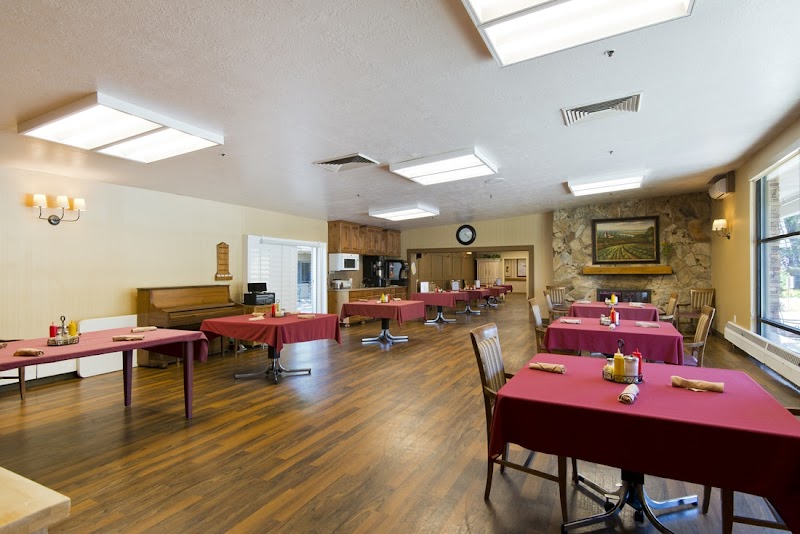
Who Owns and Operates Crestwood Rehabilitation And Nursing?

Crestwood Rehabilitation and Nursing is owned by a for-profit company. For-profit facilities operate as businesses with obligations to shareholders or private owners. The facility is operated by BEAVER VALLEY HOSPITAL, a chain that manages multiple nursing homes. With 88 certified beds and approximately 77 residents (about 88% occupancy), it is a smaller facility located in Ogden, Utah.

How Does Crestwood Rehabilitation And Nursing Compare to Other Utah Nursing Homes?

Compared to the 100 nursing homes in Utah, Crestwood Rehabilitation and Nursing's overall rating (2 stars) is below the state average of 3.3, staff turnover (65%) is significantly higher than the state average of 46%, and health inspection rating (1 stars) is much below the national benchmark.

What Should Families Ask When Visiting Crestwood Rehabilitation And Nursing?

Based on this facility's data, families visiting should ask: "What changes have been made since the serious inspection findings, and how are you preventing similar issues?" "How do you ensure continuity of care given staff turnover, and what is your staff retention strategy?" "Can you walk me through typical staffing levels on day, evening, and night shifts?" "Can I visit during a mealtime to observe dining assistance and food quality?" These questions are particularly relevant given the facility's Immediate Jeopardy citations, the facility's high staff turnover rate, and the below-average staffing rating.

Is Crestwood Rehabilitation And Nursing Safe?

Based on CMS inspection data, Crestwood Rehabilitation and Nursing has documented safety concerns. Inspectors have issued 1 Immediate Jeopardy citation (the most serious violation level indicating risk of serious injury or death). The facility has a 2-star overall rating and ranks #100 of 100 nursing homes in Utah. Families considering this facility should ask detailed questions about what corrective actions have been taken since these incidents.

Do Nurses at Crestwood Rehabilitation And Nursing Stick Around?

Staff turnover at Crestwood Rehabilitation and Nursing is high. At 65%, the facility is 19 percentage points above the Utah average of 46%. Registered Nurse turnover is particularly concerning at 60%. RNs handle complex medical decisions and coordinate care — frequent RN changes can directly impact care quality. High turnover means new staff may not know residents' individual needs, medications, or preferences. It can also be disorienting for residents, especially those with dementia who rely on familiar faces. Families should ask: What is causing the turnover? What retention programs are in place? How do you ensure care continuity during staff transitions?

Was Crestwood Rehabilitation And Nursing Ever Fined?

Crestwood Rehabilitation and Nursing has been fined $41,740 across 6 penalty actions. The Utah average is $33,496. While any fine indicates a compliance issue, fines under $50,000 are relatively common and typically reflect isolated problems that were subsequently corrected. Families should ask what specific issues led to these fines and confirm they've been resolved.

Is Crestwood Rehabilitation And Nursing on Any Federal Watch List?

Crestwood Rehabilitation and Nursing is not on any federal watch list. The most significant is the Special Focus Facility (SFF) program, which identifies the bottom 1% of nursing homes nationally based on persistent, serious quality problems. Not being on this list means the facility has avoided the pattern of deficiencies that triggers enhanced federal oversight. This is a positive indicator, though families should still review the facility's inspection history directly.