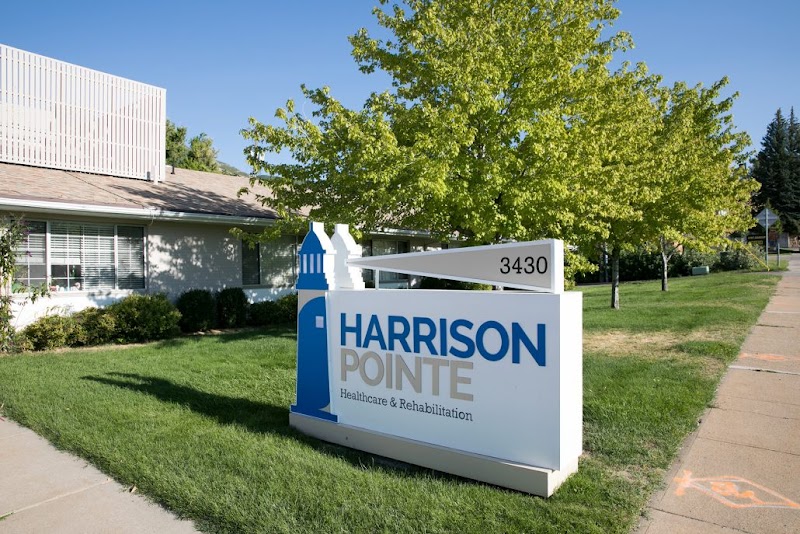
Harrison Pointe Healthcare and Rehabilitation


3430 Harrison Boulevard, Ogden, UT 84403 (801) 399-5609
For profit - Corporation 63 Beds THE ENSIGN GROUP Data: November 2025
Trust Grade
60/100
#49 of 97 in UT
Last Inspection: January 2024

Within standard 12-15 month inspection cycle. Federal law requires annual inspections.

Overview

Harrison Pointe Healthcare and Rehabilitation has a Trust Grade of C+, indicating it is slightly above average but not exceptional. It ranks #49 out of 97 nursing homes in Utah, placing it in the bottom half statewide, and #4 out of 10 in Weber County, meaning only three local facilities are rated higher. Unfortunately, the facility is experiencing a worsening trend, with issues increasing from 1 in 2022 to 10 in 2024. Staffing is below average with a rating of 2 out of 5 stars and a concerning turnover rate of 62%, much higher than the Utah average, suggesting that staff may not be consistent. On a positive note, the facility has not accumulated any fines, which is a good sign, and it has average RN coverage, important for catching potential issues that may be overlooked by other staff. However, there are notable concerns from recent inspections. For instance, a nurse improperly stored medication by placing an unused portion back in its original packaging, which could lead to safety risks. Additionally, food safety standards were not followed, as items in the kitchen were left uncovered and not properly labeled. Lastly, a nurse was observed altering timestamps for blood sugar checks, which raises questions about the accuracy of medical records. While there are strengths in the absence of fines and the presence of RNs, these specific issues highlight areas that need significant improvement.
Trust Score
C+
60/100
In Utah
#49/97
Top 50%
Safety Record
Low Risk
No red flags
Inspections
Getting Worse
1 → 10 violations
Staff Stability
⚠ Watch
62% turnover. Above average. Higher turnover means staff may not know residents' routines.
Penalties
✓ Good
No fines on record. Clean compliance history, better than most Utah facilities.
Skilled Nurses
✓ Good
Each resident gets 58 minutes of Registered Nurse (RN) attention daily — more than average for Utah. RNs are trained to catch health problems early.
Violations
⚠ Watch
14 deficiencies on record. Higher than average. Multiple issues found across inspections.
★★★☆☆
3.0
Overall Rating
★★☆☆☆
2.0
Staff Levels
★★★★☆
4.0
Care Quality
★★★☆☆
3.0
Inspection Score
Stable
2022: 1 issues
2024: 10 issues

The Good

  • 4-Star Quality Measures · Strong clinical quality outcomes
  • Full Sprinkler Coverage · Fire safety systems throughout facility
  • No fines on record

Facility shows strength in quality measures, fire safety.

The Bad

3-Star Overall Rating

Near Utah average (3.3)

Meets federal standards, typical of most facilities

Staff Turnover: 62%

16pts above Utah avg (46%)

Frequent staff changes - ask about care continuity

Chain: THE ENSIGN GROUP

Part of a multi-facility chain

Ask about local staffing decisions and management

Staff turnover is elevated (62%)

14 points above Utah average of 48%

The Ugly 14 deficiencies on record

Sept 2024 2 deficiencies
CONCERN (D) 📢 Someone Reported This

A family member, employee, or ombudsman was alarmed enough to file a formal complaint

Potential for Harm - no one hurt, but risky conditions existed

Quality of Care (Tag F0684)

Could have caused harm · This affected 1 resident

**NOTE- TERMS IN BRACKETS HAVE BEEN EDITED TO PROTECT CONFIDENTIALITY** Based on observation, interview and record review it was determined, for 2 of 14 sampled residents, the facility did not ensure ...

Read full inspector narrative →
**NOTE- TERMS IN BRACKETS HAVE BEEN EDITED TO PROTECT CONFIDENTIALITY** Based on observation, interview and record review it was determined, for 2 of 14 sampled residents, the facility did not ensure that residents received treatment and care in accordance with professional standards of practice, the comprehensive person-centered care plan and the residents' choice. Specifically, two residents received their morning medications late. Resident Identifiers: 12 and 13. Finding Included: 1. Resident 12 was admitted to the facility on [DATE] with diagnoses of cerebral infarction, chronic respiratory failure with hypoxia, cognitive communication deficit, mild cognitive impairment of uncertain or uncertain or unknown etiology, chronic pain syndrome, and personal history of pulmonary embolism. On 9/24/24 at 10:32 AM, an observation was made of Registered Nurse (RN) 2 during the morning medication pass. RN 2 was observed to be preparing resident 12's medications which consisted of gabapentin, oxycodone, clopidogrel, vitamin B12, cyclobenzaprine, multivitamin, oxybutynin extended release, vitamin C and D, Tylenol and eye drops. Resident 12 was observed to receive their medication at 10:40 AM. Resident 12's physician orders were reviewed and documented the scheduled morning medications were due to be given from 7:00 AM - 9:00 AM. On 9/24/24 at 10:45 AM, an interview was conducted with Registered Nurse (RN) 2. RN 2 stated they were a little late with medications because they had people stop them and ask for stuff. RN 2 stated medication pass was from 6 am to 10 am. RN 2 stated they did have people they could ask to help them with med pass but had not done so. RN 2 stated during medication pass, the computer system would alert the staff regarding medication timing using a color system. RN 2 stated if a resident's name was in red then it meant the medication was over due; if the residents name was in yellow then it meant the medication was due; if the residents name was in green then it meant the medication was given. RN 2 stated they still had 5 more residents to give medications to. It was observed that all 5 of the residents names were in red. 2. Resident 13 was admitted to the facility on [DATE] with the diagnoses of chronic obstructive pulmonary disease, longstanding persistent atrial fibrillation, paroxysmal atrial fibrillation, and other thrombophilia. On 9/24/24 at 10:51 AM, an observation was made of Licensed Practical Nurse (LPN) 2 during morning medication pass. LPN 2 stated they were finishing up with their current resident and had one more resident left with morning medications. At 11:03 AM, LPN 2 was observed preparing resident 13's medications which consisted of metoprolol, diltiazem, apixaban, allopurinol, senna plus and MiraLAX. Resident 13 was observed receiving their medications at 11:09 AM. A follow up interview was conducted with LPN 2. LPN 2 stated morning medications were scheduled to be given from 7:00 AM - 9:00 AM but they were allowed to administer medication an hour before to an hour after the scheduled times. Resident 13's physician orders were reviewed and documented the scheduled morning medications were due to be given from 7:00 AM - 9:00 AM. On 9/24/24 at 12:43 PM, an interview was conducted with the Director of Nursing (DON). The DON stated they had a flex med pass which allowed flexibility for medications to be given an hour prior to an hour after they were scheduled. The DON stated it was not uncommon for the nurses to ask for help if they were behind on med pass. The DON stated if a resident name appeared red during med pass, then it meant the medications were late. The DON stated they were not aware of any nurses requesting assistance with medication pass today. The DON stated if medications were given outside of the flex times, they expected the nurses to notify the provider and write a progress note about giving the medication late.
CONCERN (D) 📢 Someone Reported This

A family member, employee, or ombudsman was alarmed enough to file a formal complaint

Potential for Harm - no one hurt, but risky conditions existed

Accident Prevention (Tag F0689)

Could have caused harm · This affected 1 resident

Based on observation, interview and record review, it was determined for 1 of 14 sampled residents, that the facility did not ensure that a resident who was assessed to be an elopement risk received a...

Read full inspector narrative →
Based on observation, interview and record review, it was determined for 1 of 14 sampled residents, that the facility did not ensure that a resident who was assessed to be an elopement risk received adequate supervision to prevent accidents. Specifically, a resident did not have adequate interventions in place to mitigate the risk for elopement for 4 days following an elopement risk assessment that determined the resident was a high elopement risk. Resident identifier 6. Findings included: On 3/16/24, resident 6 was admitted to the facility with the diagnoses of dementia, psychotic disturbance, mood disturbance, anxiety, history of transient ischemic attack and cerebral infarction without residual deficits, and cognitive communication deficit. Resident 6's medical record was reviewed on 9/24/24. On 3/16/24, an elopement assessment was conducted, the document indicated resident 6 was a high wander risk. The assessment stated the resident had dementia and had no history or current behaviors of wandering. [It should be noted that this was an initial assessment, and the facility did not have historical wandering behavior documented for resident 6.] On 3/19/24, a second elopement assessment was conducted and indicated resident 6 continued to be a high wander risk. The assessment stated the resident had dementia, was disoriented, had a 1-2 times elopement history in the past 6 months, made statements of desire to exit the facility, had aimless wandering with the potential to go outside, had active exit seeking behavior, wander behavior was worse in the past 90 days, and was ambulating independently with an assistive device. A review of resident 6's care plan was conducted, wander risk and elopement prevention interventions were not added to the care plan following the elopement assessments conducted on 3/16/24 and 3/19/24. On 3/23/24, form 358 was submitted at 5:20 pm for elopement that stated the Resident was found approximately 10 feet past our property line heading north across [a local street]. [A staff member] immediately went to and redirected her back to the building. She was assessed for any injury, none found. Increased supervision. A referral was made to another facility that has a memory care unit that can better care for her needs. She will be transferred as soon as possible. The resident eloped from the facility at approximately 4:15 pm, the staff was aware of the elopement at 4:20 pm. Administrator was notified at 4:30 pm. On 3/24/24, the care plan was updated by Director of Nursing (DON), and initiated one on one supervision, initiate Anti-anxiety medication use r/t [related to] xanax Adjustment issues, confusion, and implemented interventions Monitor/record occurrence of for target behavior symptoms pacing, wandering, inappropriate response to verbal communication, violence/aggression towards staff/others. etc.), and Non-pharmacological interventions done: back rub, redirection, speak to/approach in a calm manner, reposition, offer snacks/fluid/milk, assess for pain, provide a quiet environment, encourage to express feelings, take to activities, provide reassurance. [It should be noted that care plan intervention were not added and implemented until after resident 6 eloped from the facility.] On 9/24/24 at 12:37 PM, an interview was conducted with the Director of Nursing (DON). The DON stated if a resident was exit seeking, we would have put the resident on a one-to-one supervision, locked the doors to ensure the door alarms when pressed open, provided frequent checks, and seek different placement for the resident. The DON stated for resident 6, it sounded like the provider thought the resident wanted to go home because the resident was anxious. I know she wanted to go home to be with her boyfriend. The DON was not able to produce documentation to demonstrate that wander precautions were in place after the resident was identified to be at a high risk for wandering and elopement following the 3/16/24 and 3/19/24 elopement assessments.
Jan 2024 8 deficiencies
CONCERN (D) 📢 Someone Reported This

A family member, employee, or ombudsman was alarmed enough to file a formal complaint

Potential for Harm - no one hurt, but risky conditions existed

Deficiency F0554 (Tag F0554)

Could have caused harm · This affected 1 resident

**NOTE- TERMS IN BRACKETS HAVE BEEN EDITED TO PROTECT CONFIDENTIALITY** Based on observation, interview and record review it was determined, for 1 of 26 sampled residents, that the facility did not en...

Read full inspector narrative →
**NOTE- TERMS IN BRACKETS HAVE BEEN EDITED TO PROTECT CONFIDENTIALITY** Based on observation, interview and record review it was determined, for 1 of 26 sampled residents, that the facility did not ensure that a resident who self-administered medications was evaluated to determine that the practice was clinically appropriate. Specifically, a resident reported that they self administered an albuterol inhaler as needed and the facility did not evaluate the resident's ability to safely administer the medication. Resident identifier 37. Findings included: Resident 37 was admitted to the facility on [DATE] with diagnoses which included type II diabetes mellitus, acute and chronic respiratory failure, gout, gastrointestinal hemorrhage, cardiac arrhythmia, hyperkalemia, end stage renal disease, hypertension, major depressive disorder, and non-ST elevation (NSTEMI) myocardial infarction. On 1/8/24 at 9:07 AM, an interview was conducted with resident 37. Resident 37 stated that she had COVID a couple of weeks ago. Resident 37 stated that she still had a productive cough that was bad in morning until she loosened up the mucous and coughed it out. Resident 37 stated that she took her inhaler and it helped. Resident 37 retrieved from the bedside table drawer an albuterol inhaler. Resident 37 stated that she was not asthmatic, but had chronic obstructive pulmonary disease (COPD) from smoking. On 1/9/24 resident 37's medical records were reviewed. On 8/28/23, the provider ordered for resident 37 Albuterol Sulfate Inhalation Aerosol Solution 108 (90 Base) micrograms (MCG)/actuation (ACT), 2 puff inhale orally every 4 hours as needed for shortness of breath. No documentation could be found of a self administration assessment for resident 37's use of the albuterol inhaler. On 1/11/24 at 10:56 AM, an interview was conducted with Registered Nurse (RN) 1. RN 1 stated that she did not have any residents that kept medication at the bedside to self administer. RN 1 stated that if they wanted to do that they would need to fill out a self administration form and it would have to go to the provider for approval. RN 1 stated that resident 37 had an order for Albuterol every 4 hours as needed. On 1/11/24 at 11:07 AM, the Corporate Resource Nurse (CRN) stated that she could not find a self administration form for the Albuterol and that she would go and assess resident 37 to have it at the bedside for self administration.
CONCERN (D) 📢 Someone Reported This

A family member, employee, or ombudsman was alarmed enough to file a formal complaint

Potential for Harm - no one hurt, but risky conditions existed

ADL Care (Tag F0677)

Could have caused harm · This affected 1 resident

**NOTE- TERMS IN BRACKETS HAVE BEEN EDITED TO PROTECT CONFIDENTIALITY** Based on interview and record review it was determined, for 1 out of 26 sampled residents, that the facility did not ensure that...

Read full inspector narrative →
**NOTE- TERMS IN BRACKETS HAVE BEEN EDITED TO PROTECT CONFIDENTIALITY** Based on interview and record review it was determined, for 1 out of 26 sampled residents, that the facility did not ensure that a resident who was unable to carry out activities of daily living received the necessary services to maintain good personal and oral hygiene. Specifically, a resident requiring assistance with bathing was not provided regular showers or bed baths. Resident identifier 37. Findings included: Resident 37 was admitted to the facility on [DATE] with diagnoses which included type II diabetes mellitus, acute and chronic respiratory failure, gout, gastrointestinal hemorrhage, cardiac arrhythmia, hyperkalemia, end stage renal disease, hypertension, major depressive disorder, and non-ST elevation (NSTEMI) myocardial infarction. On 1/08/24 at 8:54 AM, an interview was conducted with resident 37. Resident 37 stated that she was provided a shower on Saturday, and prior to that she had one bed bath in two weeks. Resident 37 stated that they scheduled her shower in the morning and she liked to take it at night and they kept messing it up. Resident 37 stated that it was making her mad. Resident 37 stated that she did not refuse the shower/bed bath, she just wanted it at night. On 1/9/24, resident 37's medical records were reviewed. On 9/3/23, resident 37's Minimum Data Set (MDS) assessment documented that the resident required a two-person extensive assist for transfers, and a one-person extensive assist for dressing, locomotion on the unit, and personal hygiene. The assessment did not document how resident 37 takes their bath/shower or the support provided. Resident 37's bathing tasks for the last 30 days documented the following: a. On 12/14/23, a shower was provided. b. On 12/21/23, a sponge bath was provided. Six days had lapsed since the last documented shower. c. On 12/23/23, the resident refused. d. On 12/26/23, the resident refused. The shower sheet documented that resident 37 was not feeling well. e. On 12/30/23, a sponge bath was provided. f. On 1/6/24, a shower was provided. Six days had lapsed since the last documented shower. g. On 1/9/24, a shower was provided. The bathing task documented that resident 37 was scheduled for baths on the evening shift every Tuesday, Thursday, and Saturday. On 1/11/24 at 8:18 AM, an interview was conducted with Certified Nurse Assistant (CNA) 1. CNA 1 stated that resident 37 was scheduled for a bed bath on Tuesday, Thursday, and Saturday in the morning. CNA 1 stated that resident 37 preferred a morning bed bath because she thought it would get done more often. CNA 1 stated that they documented the shower/bed bath provided in the electronic medical records under tasks and also in a shower book. CNA 1 stated that the task documentation of NA (not applicable) was for when it was not resident 37's scheduled shower day. CNA 1 stated that after they completed a shower sheet they would place it in the binder for the CNA Coordinator to review. CNA 1 stated that the shower sheet had a section on the back side for the resident to sign if they refused a shower and they were to notify the nurse on shift of the refusal. CNA 1 stated that resident 37 needed help with washing her back side and washing her hair and she would consider her a one person moderate assist for bathing. CNA 1 stated that on days that resident 37 had dialysis she might be weaker and could require a one person extensive assist for bathing. On 1/11/24 at 8:45 AM, an interview was conducted with the Director of Nursing (DON). The DON stated that the CNA Coordinator would review the shower sheets and verify that a shower was provided and that the resident did not have any skin issues. The DON stated that she would provide resident 37's shower sheets. On 1/11/24 at 10:16 AM, a follow-up interview was conducted with the DON. The DON stated that they were changing the shower sheet so the nurse would attempt to have the resident shower if they refused and then document that. The DON stated that they should have documentation that the resident was either provided a shower or refused a shower. The DON stated that if it was not the residents assigned shower day they were putting NA, which the computer system automatically populated it everyday.
CONCERN (D) 📢 Someone Reported This

A family member, employee, or ombudsman was alarmed enough to file a formal complaint

Potential for Harm - no one hurt, but risky conditions existed

Deficiency F0757 (Tag F0757)

Could have caused harm · This affected 1 resident

**NOTE- TERMS IN BRACKETS HAVE BEEN EDITED TO PROTECT CONFIDENTIALITY** 2. Resident 5 was admitted to the facility on [DATE] with diagnoses that included metabolic encephalopathy, chronic kidney disea...

Read full inspector narrative →
**NOTE- TERMS IN BRACKETS HAVE BEEN EDITED TO PROTECT CONFIDENTIALITY** 2. Resident 5 was admitted to the facility on [DATE] with diagnoses that included metabolic encephalopathy, chronic kidney disease, bipolar disorder, major depressive disorder, personality disorder, anxiety disorder, muscle weakness, and encounter for orthopedic aftercare. Resident 5's medical records were reviewed. Physician orders included: a. Oxycodone HCL (Hydrochloride) oral tablet 20 mg (milligrams); Give 1 tablet by mouth every 8 hours for pain. Hold if BP (blood pressure) is less than 90/50. Start date 12/26/23. b. Oxycodone HCL oral tablet 20 mg; Give 1 tablet by mouth every 4 hours for pain. Hold if BP is less than 90/50. 12/13/23 through 12/26/23. c. Oxycodone HCL oral tablet 15 mg; Give one tablet by mouth every 4 hours for pain. Hold if BP is less than 90/50. 12/4/23 through 12/13/23. d. Oxycodone HCL oral tablet 15 mg; Give one tablet by mouth two times a day for pain for 7 days. Provider to re-evaluate in 7 days. 11/29/23 through 12/3/23. Resident 5's Medication administration (MAR) records were reviewed: On 12/9/23 at 7:39 PM, resident 5 was provided 15 mg of Oxycodone HCL. The MAR revealed resident 5's pain level was 8/10 indicating severe pain based on pain monitoring instructions. Resident 5's blood pressure was documented as 85/49. Resident 5's legs were elevated. Additional interventions provided included low light, relaxation and distraction. Progress notes were reviewed: On 12/3/23 at 12:58 PM, resident 5 was seen by the facility Nurse Practitioner (NP). The NP note revealed, Nurse would like me to see patient today due to: .wound to labia, neck back and tailbone pain .currently taking Oxycodone 15 mg twice a day plus 4 hours when necessary .blood pressure 104/49 mmHg (millimeters of mercury) .All systems reviewed with no new concerns other than above .Generalized pain continue with Oxycodone 15 g twice a day plus every 4 hours when necessary .Review of DEA (Drug Enforcement Administration) site online: Hx (history) of drug overdose. Goal is no increases in narcotic pain medication as able. Pain management goal: Control pain level of independent physical function and quality of life. Monitoring for aberrant behavior and diagnosis that may increase pain; depression, anxiety and insomnia, and for severe risk factors: respiratory and cardiac rate changes. Nursing following levels each shift, may hold if lethargic. On 12/4/23 at 4:46 PM, a nursing progress note revealed, New order received from NP due to patient having low BP (blood pressure): If BP lower than 90/50 hold Oxycodone and elevate legs. Push fluids. Recheck BP manually to give Oxycodone. Resident aware. Medical team aware. On 12/9/23, no progress note was found regarding resident 5 having a low blood pressure, holding the Oxycodone due to low blood pressure, or re-checking the blood pressure prior to administration to the resident. On 1/11/24 at 1:51 PM, an interview was conducted with Registered Nurse (RN) 1. RN 1 stated she did not trust the automatic blood pressure machines. RN 1 stated she checked the resident's blood pressure prior to administration. RN 1 stated if one of the blood pressure parameter was outside of orders but the other that was within orders she would contact the provider before giving Oxycodone. On 1/11/24 at 2:14 PM, an interview was conducted with the Director of Nursing (DON) who stated if the medication order stated Hold if blood pressure if less than 90/50, the medication should not be given. Based on interview and record review it was determined for 2 of 26 sample residents, the facility did not ensure that each resident was free from unnecessary drugs. An unnecessary drug was any drug when used in excessive dose; excessive duration; without adequate monitoring; without adequate indication for its use; or in the presence of adverse consequences which indicated the dose should have been reduced or discontinued. Specifically, insulin, pain medications, and blood pressure medications were administered outside of prescribed physician parameters. Resident identifiers: 5 and 22. Findings include: 1. Resident 22 was admitted to the facility on [DATE] with diagnoses that included left femoral neck subcapital fracture, orthostatic hypertension, hypoxemic respiratory failure, chronic combined systolic and diastolic heart failure, diabetes mellitus, and major depressive disorder. Resident 22's medical record was reviewed from 1/8/24 through 1/11/24. Resident 22's physician orders were reviewed and included the following: a. 11/14/23 - Amlodipine Besylate 5 milligrams (mg) in the morning for a diagnosis of hypertension. The order indicated that facility staff were to hold the medication if the systolic blood pressure (BP) was less than 120. b. 12/18/23 Amlodipine Besylate 10 mg in the morning for a diagnosis of hypertension. The order indicated that facility staff were to hold the medication if the systolic BP was less than 120. c. 8/10/23 - Lisinopril 40 mg in the morning for a diagnosis of hypertension. The order indicated that facility staff were to hold the medication if the systolic BP was less than 110. d. Metoprolol Succinate extended release 50 mg in the morning for a diagnosis of hypertension. The order indicated that facility staff were to hold the medication if the systolic BP was less than 110. e. Insulin Glargine 8 units at bedtime for a diagnosis of diabetes mellitus. The order indicated that facility staff were to hold the medication if the blood sugar was less than 120. Resident 22's December 2023 and January 2024 Medication Administration Records (MAR) were reviewed. The MARs documented the following errors: a. On 12/9/23, resident 22's BP was 102/70. Per the physician's order the amlodipine, lisinopril, and metoprolol should have been held. The MAR indicated that the medications were administered. b. On 12/25/23, resident 22's BP was 118/72. Per the physician's order the amlodipine should have been held. The MAR indicated that the medication was administered. c. On 12/27/23, resident 22's blood surgar was 116. Per the physician's order the insulin should have been held. The MAR indicated that the medication was adminsitered. d. On 12/31/23, resident 22's BP was 111/62. Per the physician's order the amlodipine should have been held. The MAR indicated that the medication was administered. e. On 1/6/24, resident 22's BP was 109/65. Per the physician's order the amlodipine, lisinopril, and metoprolol should have been held. The MAR indicated that the medications were administered. f. On 1/9/24, resident 22's BP was 118/79. Per the physician's order the amlodipine should have been held. The MAR indicated that the medication was administered. g. On 1/10/24, resident 22's BP was 112/78. Per the physician's order the amlodipine should have been held. The MAR indicated that the medication was administered. On 1/10/24 at 2:00 PM, an interview was conducted with the Director of Nursing (DON). The DON confirmed that the medications listed above should have been held per the physician's orders.
CONCERN (D) 📢 Someone Reported This

A family member, employee, or ombudsman was alarmed enough to file a formal complaint

Potential for Harm - no one hurt, but risky conditions existed

Antibiotic Stewardship (Tag F0881)

Could have caused harm · This affected 1 resident

**NOTE- TERMS IN BRACKETS HAVE BEEN EDITED TO PROTECT CONFIDENTIALITY** Based on interview and record review, the facility did not ensure that the antibiotic stewardship program that included antibiot...

Read full inspector narrative →
**NOTE- TERMS IN BRACKETS HAVE BEEN EDITED TO PROTECT CONFIDENTIALITY** Based on interview and record review, the facility did not ensure that the antibiotic stewardship program that included antibiotic use protocols and a system to monitor the antibiotic use were implemented. Specifically, for 1 of 26 sampled residents, a resident who was prescribed an antibiotic for a urinary tract infection during an emergency room visit was provided the full course of the antibiotic without obtaining the results of the culture and sensitivity, which revealed the resident had MRSA and VRE infections. The resident was not placed on contact precautions and started on the effective antibiotic until 1/2/24. Resident identifier: 38. Findings include: Resident 38 was admitted to the facility on [DATE] with diagnoses that included cutaneous abscess if right foot, acute congestive heart failure, acute embolism and thrombosis of upper extremity, aftercare following surgery on the skin and subcutaneous tissue, hypokalemia, chronic kidney disease, and morbid obesity. On 1/8/23 at 8:20 AM, an observation was mad of the door of resident 38's room. A sign on the door indicated that one of the residents in that room was on contact precautions. A nurse was observed exiting the room and an interview was conducted. Registered Nurse (RN) 3 stated resident 38 was on contact precautions due to having MRSA (methicillin-resistant Staphylococcus aureus) in his urine. Resident 38's medical records were reviewed. Physician orders included: a. Cefdinir oral capsule 300 mg (milligrams), Started on 12/21/23 and completed on 12/27/23. b. Macrobid 100 mg, Started 1/2/23 and discontinued on 1/3/23. c. Macrobid 100 mg, Started 1/3/23 and discontinued on 1/6/23. d. Macrobid 100 mg, Started 1/6/23 and discontinued on 1/9/23. e. Alert charting for UTI (urinary tract infection). Every shift until 12/30/23. Started 12/26/23 and completed on 12/30/23. f. Alert charting for UTI. Every shift for 8 days. Started 1/2/24 until 1/10/23. g. Contact isolation for a DX (diagnosis) of UTI/MRSA and VRE. Started 1/2/24 and completed on 1/7/24. On 12/21/23 at 4:05 AM, a nursing progress note stated, Note Text: Resident called me and said he was in excruciating back pain. Given Tramadol. Resident reports he has kidney stones. Asked him to give the Tramadol some time to work, but he states it's not strong enough. Resident said he feels like there issomething wrong and he wants to go to the hospital to be evaluated. Non-emergent transport called and resident taken to [hospital name removed]. Message sent to provider. On 12/21/23 at 9:29 AM, a nursing progress note stated, Resident returned from hospital via EMS (Emergency Medical Services). Resident is doing well. Pain is controlled at present .Resident does appear to have a UTl-cultures were sent. Resident should drink plenty of water. Antibiotics were started this evening. Resident is encouraged to ambulate more. Lortab, Tizanidine, and Cefdinir started. On 1/2/24 at 1:38 PM, a nursing progress note revealed, Urine results received from hospital. Resident's urine positive for MRSA an VRE. Hospital recommended resident be started on Macrobid 100 mg PO bid x 5 days. Provider notified and agreed to order. Resident notified of results, abx (antibiotic) order, and being placedon contact precautions. Resident is his own responsible party and stated he would notify his own family of results. First dose of Macrobid given. Resident placed on contact precautions. On 1/2/24 at 1:49 PM, an Interact Change of Condition evaluation revealed UTI results as the situation for the change in condition. The document included that medications were changed to Macrobid 100 mg during the past week. Functional status and mental status were not observed. Genitourinary evaluation included painful urination. Genitourinary symptoms listed were, slight burning with urination. Pain was evaluated and listed at 4/10, and was located in resident's back and described as persistent and not responding to exhisting or progressive orders with no new abnormal neurological signs. Laboratory tests included a urine culture with greater than 100,000 colony count with a urinary pathogen and symptoms. The pathogens were listed as MRSA and VRE (Vancomycin resistant enterococci). The date of the urine culture was 12/22/23 and the document states that urinary symptoms have stayed the same since that date. Finally, the document states that urinating made the symptoms worse, and drinking more water made the symptoms better. On 1/10/23 at 2:48 PM, an interview was conducted with RN 2 who stated the laboratory would fax or call over the results if they were significant. RN 2 stated the laboratory usually called. RN 2 stated if the lab did not call with results the nurse should call them. RN 2 stated if the results had not come back and was leaving the shift, the information would be given to the on-coming nurse to obtain the results. RN 2 stated if a resident came back from the hospital with new orders or a prescription, the nurse was responsible to let the provider know. RN 2 stated if the hospital did the urinalysis, they would also initiate the culture and sensitivity. RN 2 stated when the culture result came back, the hospital would call the facility with the results. RN 2 stated the reason it was important to follow-up on urine culture results was for antibiotic stewardship. RN 2 stated, you can just guess, but once the results are in then you can put the right antibiotic in place to avoid additional problems. On 1/11/24 at 11:15 AM, an interview was conducted with the Director of Nursing (DON). The DON stated the results of the culture and sensitivity were not loaded into the resident's medical record because the staff member was behind. The DON stated the expected time to receive the results of a urine culture was unknown and was dependent on when the test was obtained and who saw the resident. The DON stated that sometimes it took 72 hours to get a result. The DON stated that usually the facility was the entity that sent out the culture, however, resident 38 was seen in the ER and the urologist that saw him ordered the culture and sensitivity. The DON stated the nurse was responsible to obtain a culture result if it had not been reported. The DON also stated that the incident occurred during the holidays, which may have been a factor in the late reporting. On 1/11/24 at 11:15 AM, an interview was conducted with the Corporate Resource Nurse (CRN) who stated if a resident went to the ER, the ER should request the lab results.
CONCERN (E) 📢 Someone Reported This

A family member, employee, or ombudsman was alarmed enough to file a formal complaint

Potential for Harm - no one hurt, but risky conditions existed

Deficiency F0761 (Tag F0761)

Could have caused harm · This affected multiple residents

**NOTE- TERMS IN BRACKETS HAVE BEEN EDITED TO PROTECT CONFIDENTIALITY** Based on observation and interview it was determined, for 1 of 26 sampled residents, that the facility did not ensure that drugs...

Read full inspector narrative →
**NOTE- TERMS IN BRACKETS HAVE BEEN EDITED TO PROTECT CONFIDENTIALITY** Based on observation and interview it was determined, for 1 of 26 sampled residents, that the facility did not ensure that drugs and biologicals were labeled and stored in accordance with currently accepted professional principles. Specifically, a nurse was observed to place an unused portion of a medication back inside the pharmacy dispensed blister pack and tape the back closed. Resident identifier: 40. Findings included: Resident 40 was admitted to the facility on [DATE] with diagnoses which included cerebral infarction, severe sepsis, fracture of right foot, type II diabetes mellitus, acute kidney failure, hyperkalemia, major depressive disorder, hyperlipidemia, myelodysplastic disease, thrombocytosis, and hypertension. On 1/10/24 resident 40's medical records were reviewed. On 12/11/23, resident 40's physician ordered Aripiprazole 10 milligram (mg), give 0.5 tablet by mouth in the morning for chronic recurrent major depression. On 1/10/24 at 9:21 AM, an observation was made of Registered Nurse (RN) 2 during morning medication administration. RN 2 was observed to dispense a 10 mg tablet of Aripiprazole from a pharmacy blister pack and cut the tablet in half. RN 2 then took the unused 1/2 tablet of Aripiprazole and placed it back inside the blister pack. RN 2 then taped the back of the blister pack closed with plastic medical tape. An immediate interview was conducted with RN 2. RN 2 stated that she would normally place pills back into the blister pack if they were unused and tape the pack closed, especially if they were narcotics. RN 2 stated that she could also dispose of the unused portion of the medication and could have a second nurse verify the wasted medication. Review of the Nursing 2022 Drug Handbook documented under Strategies for reducing error rates that dispensing medications in unit-dose or unit-of-unit packaging helped to reduce medication administration error rates. Wolters Kluwer (2022). Nursing 2022 Drug Handbook. 42nd Edition. p 20. On 1/10/24 at 10:14 AM, an interview was conducted with the Corporate Resource Nurse (CRN) and Director of Nursing (DON). The CRN stated that she would provide RN 2 with education immediately. On 1/10/24, the CRN provided a One on One in-service that was conducted with RN 2. The in-service contained information on the five rights of medication administration. The in-service documented, It is never appropriate to tape a medication back into the bubble pack.
CONCERN (E)

Potential for Harm - no one hurt, but risky conditions existed

Food Safety (Tag F0812)

Could have caused harm · This affected multiple residents

Based on observation, it was determined the facility did not store, prepare, distribute and serve food in accordance with professional standards for food service safety. Specifically, food items in th...

Read full inspector narrative →
Based on observation, it was determined the facility did not store, prepare, distribute and serve food in accordance with professional standards for food service safety. Specifically, food items in the kitchen, dry storage room, and walk-in freezer were open to air, and food items in the snack cooler and walk-in refrigerator were not labeled and dated. Findings include: On 1/8/24 at 6:59 AM, an initial walk-through of the kitchen was conducted. In the food preparation area within the kitchen a bulk container with oats was uncovered and open to air, a bulk container with brown sugar was uncovered and open to air. In the snack cooler, a container of low fat cottage cheese was not dated as to when it was opened. In the dry storage room, a container of white sugar was open to air. In the walk-in refrigerator, a container with an unknown orange colored pureed substance was covered but was not labeled or dated. In the walk-in freezer, a box of cinnamon rolls was open to air, a box of breadsticks was open to air, a box containing beef patties was open to air. In a stainless steel pan, several zip-seal sandwich bags containing bacon, egg, and cheese bites, onion rings, corn ribz, cinnamon swirl toast and Brussels sprouts were labeled but not dated. According to Foodsafety.gov, a subsection of the FDA (food and drug administration), The guidelines for freezer storage are for quality only-frozen foods stored continuously at 0°F (-18°C) or below can be kept indefinitely. Guidelines included in Cold Food Storage Chart provide guidance that, depending on the food item, foods can be safely frozen for 1 month to 12 months. The USDA (United States Department of Agriculture states, Proper packaging helps to maintain quality and prevent freezer burn .Freezer burn does not make food unsafe, merely dry in spots. It appears as grayish-brown leathery spots and is caused by air coming in contact with the surface of the food.
CONCERN (E) 📢 Someone Reported This

A family member, employee, or ombudsman was alarmed enough to file a formal complaint

Potential for Harm - no one hurt, but risky conditions existed

Medical Records (Tag F0842)

Could have caused harm · This affected multiple residents

Based on observation and interview it was determined that the facility did not ensure that the medical records on each resident were complete and accurately documented. Specifically, the nurse was wit...

Read full inspector narrative →
Based on observation and interview it was determined that the facility did not ensure that the medical records on each resident were complete and accurately documented. Specifically, the nurse was witnessed to alter the timestamp of blood sugar checks according to approximations of when the task was completed. Findings included: On 1/10/24 at approximately 9:32 AM, an observation was made of Registered Nurse (RN) 2 during morning medication administration. RN 2 was observed filling out the electronic Medication Administration Record (eMAR) and electronic Treatment Administration Record (eTAR) for 2 unidentified residents. RN 2 was heard to say that she completed a task about 30 minutes ago and then was witnessed to enter a prior timestamp into the electronic medical record. RN 2 was then heard to say that she completed a second task approximately an hour ago and then was witnessed to enter a prior timestamp into the electronic medical records. On 1/10/24 at approximately 10:40 AM, an interview was conducted with RN 2. RN 2 stated that she was entering the time stamp for blood sugar checks and not medication administration. RN 2 stated that the electronic medical records only allowed her to modify the timestamp on blood sugar checks. RN 2 stated that the system would not allow her to modify the timestamp for medication administration. RN 2 stated she could not recall who the residents were that she entered the timestamp for the blood sugar checks. RN 2 stated that she usually was so busy that she would complete the blood sugar check and then document it at a later time. An immediate interview was conducted with the Corporate Resource Nurse (CRN) and Director of Nursing (DON). The CRN and DON confirmed that the eMAR and eTAR would not allow a user to alter the timestamp of medication administration. The DON stated that the eMAR would automatically timestamp the medication administration. The DON stated that it was not acceptable to change the timestamp of any task completed.
CONCERN (E) 📢 Someone Reported This

A family member, employee, or ombudsman was alarmed enough to file a formal complaint

Potential for Harm - no one hurt, but risky conditions existed

Infection Control (Tag F0880)

Could have caused harm · This affected multiple residents

**NOTE- TERMS IN BRACKETS HAVE BEEN EDITED TO PROTECT CONFIDENTIALITY** Resident 38 was admitted to the facility on [DATE] with diagnoses that included cutaneous abscess of right foot, acute systolic ...

Read full inspector narrative →
**NOTE- TERMS IN BRACKETS HAVE BEEN EDITED TO PROTECT CONFIDENTIALITY** Resident 38 was admitted to the facility on [DATE] with diagnoses that included cutaneous abscess of right foot, acute systolic heart failure, hypokalemia, chronic kidney disease, morbid obesity and deep vein thrombosis in upper extremity. On 1/8/24 at 8:23 AM, an observation was made of resident 38's room. A Personal Protective Equipment (PPE) station was located outside the door and the door had a sign indicating that one of the residents was on contact precautions. At the same time, Registered Nurse (RN) 3 exited the room. An interview was conducted. RN 3 stated that resident 38 was on contact precautions because he had MRSA (Methicillin-resistant Staphylococcus Aureus) and VRE (Vancomycin-resistant enterococcus) bacteria in his urine. Shortly after the interview, the Director of Nursing (DON) came to the door and removed the sign on the door and the PPE cart. She stated the resident was no longer on contact precautions. Resident 38's medical records were reviewed. On 12/21/23 at 4:05 PM, resident 38's progress notes revealed, Resident called me and said he was in excruciating back pain. Given Tramadol. Resident reports he has kidney stones. Asked him to give the Tramadol some time to work, but he states it's not strong enough. Resident said he feels like there is something wrong and he wants to go to the hospital to be evaluated. Non-emergent transport called and resident taken to [NAME] Regional. Message sent to provider. On 12/21/23 at 9:29 PM, resident 38's progress note revealed, Resident returned from hospital via EMS (emergency medical services). Resident is doing well. Pain is controlled at present. Resident was found to have large obstructing stones on the L (left)-which may be old/chronic. He is to follow-up with Urologist ([physicians name] was the one [resident's name] saw in the ER(emergency room). He is also to follow-up with nephrologist [physicians name removed]. We are to let them know that resident has high calcium and uric acid levels. Resident does appear to have a UTI (urinary tract infection)-cultures were sent. Resident should drink plenty of water. Antibiotics were started this evening. Resident is encouraged to ambulate more. Lortab, Tizanidine, and Cefdinir started. On 1/2/24 at 1:38 PM, a nursing progress note revealed, Urine results received from hospital. Resident's urine positive for MRSA an VRE. Hospital recommended resident be started on Macrobid 100 mg PO bid x 5 days. Provider notified and agreed to order. Resident notified of results, abx order, and being placedon contact precautions. Resident is his own responsible party and stated he would notify his own family of results. First dose of macrobid given. Resident placed on contact precautions. On 1/2/24 at 1:49 PM, a change of condition progress note revealed that urine results were received related to resident 38's UTI on 12/21/23. The Nurse Practitioner was notified, and the resident was notified. The resident stated he would notify his parents. Culture and sensitivity results were not found in the resident's medical record. Resident 38 remained on contact precautions from 1/2/24 until 1/8/24. [Note: It should be noted that resident 38's culture and sensitivity was not obtained from the hospital to confirm the UTI with related effective antibiotics until 1/2/24, which was 13 days after he went to the hospital with symptoms. Resident 38 was not on contact precautions during this time, and increasing risk of transmission during this time.] On 1/10/24 at 2:48 PM, an interview was conducted with RN 2. RN 2 stated when a lab test was done at the hospital, specifically a urinalysis, the hospital would call or fax over the results if they were significant. RN 2 stated the lab usually called. RN 2 stated if results were not received, for a culture and sensitivity, the nurse would call and obtain the results. RN 2 stated if the results had not come back and her shift was over, she would pass the information on to the on-coming nurse so it could be followed up on. RN 2 stated if a resident came back from the hospital with a prescription or orders, the nurse would have to let the provider know that the hospital had ordered an antibiotic. RN 2 stated if a urinalysis was positive, the hospital would culture it there, and would call the facility when the results came back. RN 2 stated the reason it was important to obtain the culture and sensitivity result was for antibiotic stewardship. RN 2 stated, you can just guess what antibiotic to start someone on, but once the results are in, you an put the right antibiotic in place to avoid additional problems. On 1/11/24 at 11:15 AM, an interview was conducted with the DON. The DON stated the culture and sensitivity obtained on 1/2/24 was not loaded into the resident's medical record yet. The DON stated the expected time for a culture and sensitivity to come back was unknown and depended on when the test was done and who the provider was. The DON stated sometimes it took 72 hours. The DON stated if they did not get a result they would usually request it. The DON stated that a urologist saw resident 38 in the emergency room and the results likely were reported to the urologists office. The DON stated it was the nurse's responsibility to find out what the test results were if they did not come back. The DON also stated the delay could have been because of the holidays. On 1/11/24 at 11:15 AM, an interview was also conducted with the Corporate Resource Nurse (CRN) who stated if someone went to the emergency room, the facility would request lab results, but when the results came back was out of their control. Based on observation, interview and record review it was determined, for 4 of 26 sampled residents, that the facility did not maintain an infection prevention and control program designed to provide a safe, sanitary and comfortable environment and to help prevent the development and transmission of communicable diseases and infections. Specifically, a resident suspected of having an infection with Clostridium difficile (c-diff) was not placed on transmission based precautions (TBP), staff were observed to enter a room on contact precautions without donning the required Personal Protective Equipment (PPE), a nurse was witnessed to handle medications bare handed during medication administration and to administer a medication to a resident after it had been dropped into the bottom of the medication drawer, and hand hygiene was not performed during meal tray delivery. Resident identifiers 4, 16, 40, and 106. Findings included: 1. On 1/08/24 at 10:19 AM, an interview was conducted with resident 4. Resident 4 stated that she was not feeling well, was nauseous, and that she had diarrhea. Resident 4 shared a room with another resident. On 1/09/24 at 1:00 PM, resident 4 was observed to be residing in a different room than the day before. Resident 4 was located in a room with a stop sign on the door and a PPE cart was located outside of the room. An immediate interview was conducted with Licensed Practical Nurse (LPN) 1. LPN 1 stated that the isolation cart outside of resident 4's room was for potential c-diff. LPN 1 stated that the stool sample was sent this morning, but thought it was ordered yesterday. LPN 1 stated that resident 4 had an episode of diarrhea this morning and the wound nurse collected the stool sample. LPN 1 stated that he noted a distinct odor to the stool and it was not a typical diarrhea smell. LPN 1 stated that if they suspected a resident of having c-diff they automatically placed that resident on isolation precautions until they received the results back. On 1/9/24, resident 4's medical records were reviewed. On 1/7/24 at 4:15 PM, resident 4 had an order for a c-diff sample to be sent due to diarrhea for 2 days. On 1/7/24 at 4:15 PM, resident 4 had a change in condition evaluation completed. The assessment documented that resident 4 had altered mental status and diarrhea that started on 1/6/24. The assessment documented that resident 4 had a decreased level of consciousness and was drowsy and hard to arouse. Resident has been more drowsy, hard to arouse. Able to answer a question with much prompting, but falls back asleep. The assessment also documented that resident 4 had hyperactive bowel sounds along with diarrhea with mucus and blood noted. The assessment documented that the provider was notified on 1/7/24 at 11:00 AM. The assessment documented the recommendations from the provider were, Discontinue scheduled Tramadol/Clonzepam. Check for Cdiff. Hold lasix dose for tomorrow d/t [due to] diarrhea. STAT [immediate] CBC [complete blood count] and CMP [comprehensive metabolic panel]. Liquid diet for dinner tonight and breakfast tomorrow. On 1/8/2024 at 1:24 PM, the provider progress note documented, Muscle weakness/less lethargic with med changes yesterday: Therapy as tolerated today. She seems to be going to session. Awaiting CBC CMP results. She had diarrhea: So getting her into isolation for now as awaiting lab to check for Cdiff and CBC CMP as above. Even though she told nurse diarrhea was from drinking OJ [orange juice] which she reports causes her diarrhea. We will see. On 1/10/24 at 12:11 PM, an interview was conducted with the Director of Nursing (DON). The DON stated that a resident with suspected c-diff should be in a room on their own until they determined that they did not have it. The DON stated that the resident would also be on contact precautions. The DON stated that the resident should be isolated away from other residents so they did not expose them. 2. On 1/8/24 at approximately 6:40 AM, an observation was made of room [ROOM NUMBER]. room [ROOM NUMBER] had a sign posted on the door for contact precautions and a PPE cart was located outside the room. The PPE cart contained Microkill wipes, surgical masks, and gowns. On 1/8/24, the following observations were made during breakfast delivery by Certified Nurse Assistant (CNA) 2: a. At 7:35 AM, the first meal tray was delivered to room [ROOM NUMBER]A, no hand hygiene (HH) was performed. b. At 7:37 AM, the meal tray was delivered to 22A, no HH was performed. c. At 7:37 AM, the meal tray was delivered to room [ROOM NUMBER]B, no HH was performed. d. At 7:39 AM, the meal tray was delivered to room [ROOM NUMBER]A, no HH was performed. e. At 7:40 AM, the meal tray was delivered to room [ROOM NUMBER]B. CNA 2 moved the bedside table and positioned it over the resident, no HH was performed. f. At 7:42 AM, the meal tray was delivered to room [ROOM NUMBER]A. CNA 2 moved the bedside table, no HH was performed. g. At 7:43 AM, the meal tray was delivered to room [ROOM NUMBER]B. CNA 2 opened the blinds, no HH was performed. h. At 7:43 AM, the meal tray was delivered to room [ROOM NUMBER]B. CNA 2 touched the bedside table, no HH was performed. i. At 7:44 AM, the meal tray was delivered to room [ROOM NUMBER]A. CNA 2 moved the mug and items on the bedside table, assisted the resident to a sitting position, touched the bed remote, touched the bedside table, and removed the cover from the plate. CNA 2 handed the utensils and plate to the resident, and spread jelly on the toast. No HH was performed. j. At 7:47 AM, the meal tray was delivered to room [ROOM NUMBER]A, no PPE was donned prior to entering the room, and no HH was performed upon exit. k. At 7:48 AM, the meal tray was delivered to room [ROOM NUMBER]B, no PPE was donned prior to entering the room, and no HH was performed upon exit. l. At 7:48 AM, the meal tray was delivered to room [ROOM NUMBER]A, no HH was performed. m. At 7:49 AM, the meal tray was delivered to room [ROOM NUMBER]B. CNA 2 adjusted and moved the bedside table, no HH was performed. n. At 7:56 AM, the meal tray was delivered to room [ROOM NUMBER]B. CNA 2 adjusted the bedside table and opened the milk carton, no HH was performed. o. At 7:56 AM, the meal tray was delivered to room [ROOM NUMBER]B, no HH was performed. p. At 7:57 AM, the meal tray was delivered to room [ROOM NUMBER]A, no HH was performed. q. At 7:58 AM, the meal tray was delivered to room [ROOM NUMBER]. CNA 2 adjusted the bedside table, and touched the OJ cup, no HH was performed. r. At 7:59 AM, the meal tray was delivered to room [ROOM NUMBER]B, no HH was performed. s. At 8:00 AM, the meal tray was delivered to room [ROOM NUMBER]A, no HH was performed. t. At 8:01 AM, the meal tray was delivered to room [ROOM NUMBER]B, no HH was performed. On 1/08/24 at 8:09 AM, an interview was conducted with CNA 2. CNA 2 stated that they should perform HH after delivery of so many trays but was not able to state how many. CNA 2 stated she needed to find out what TBP were for in room [ROOM NUMBER]. CNA 2 was observed to enter the Director of Nursing's (DON) office. CNA 2 exited the office and reported that the TBP in room [ROOM NUMBER]B was for MRSA [methicillin-resistant staphylococcus aureus] in the urine. CNA 2 stated she was supposed to donn a gown, gloves, and mask before entering the room. CNA 2 stated she forgot to do this when she entered the room to deliver the breakfast tray. CNA 2 stated that she should be performing HH after each meal tray delivery and was just told this by the DON. 3. On 1/10/24 at 9:21 AM, an observation was made of Registered Nurse (RN) 2 during morning medication administration. RN 2 was observed to dispense all of resident 40's medications into her bare hands and then placed them into a medication cup. RN 2 was observed to administer insulin to resident 40 without gloves donned. RN 2 was observed to dispense resident 40's Aripiprazole tablet into her bare hands and placed it on top of the medication cart while she located a pill cutter. RN 2 was observed to administer all of resident 16's morning medication into her bare hands. RN 2 was observed to touch her hair, the medication cart, and the keys to the medication cart while handling medications with her bare hands. RN 2 was observed to dispense resident 106's vitamin B complex tablet into her hands. The tablet dropped into the opened medication drawer. RN 2 pulled the tablet from the bottom of the drawer and administered it to resident 106. An immediate interview was conducted with RN 2. RN 2 stated that she started the medication administration with gloves donned, but her hands became dry and chapped so she stopped using them. RN 2 stated that she sanitized her hands between each resident administration. RN 2 stated that if a medication was dropped into the medication drawer it was still acceptable to administer that medication. RN 2 stated that she normally handled resident medication with bare hands because if she dispensed them directly into the cup they sometimes fell out. RN 2 stated that she had worked at over 20 facilities and never had an issue with dispensing medications into her bare hands. On 1/10/24 at 10:14 AM, an interview was conducted with the Corporate Resource Nurse (CRN) and the Director of Nursing (DON). The CRN and DON were informed of the medication administration observations. The CRN stated that she would provide RN 2 with education immediately. The DON confirmed that it was not acceptable practice to handle medications with bare hands. On 1/10/24, the CRN provided a One on One in-service to RN 2. The in-service contained information on the five rights of medication administration. The in-service documented, It is not appropriate to touch a medication with your bare hand. If you have to touch the medication, put on a glove and then discard the glove once done touching the medication. If you drop a pill on any surface other than the medication cup you need to discard the medication and get a new. 4. On 1/9/24, the following observations were made during the lunch meal in the main dining room: a. At 12:30 PM, a resident took some garbage and soiled dishes to the serving window and left them on the metal counter area. At 12:58 PM, CNA 3 approached the serving window, and prepared a cup of tea with sugar directly next to where the soiled dishes had been placed. b. At 1:00 PM, CNA 3 picked up a resident's garbage and placed it on top of his plate. CNA 3 took the soiled plate to the serving window. CNA 3 then returned and repositioned a second resident in his wheelchair by touching the resident and the wheelchair handles. CNA 3 then picked up a third resident's plate and garbage and placed the soiled items in the serving window. CNA 3 then left the dining room. At no time was CNA 3 observed to perform hand hygiene after touching multiple residents' soiled items and equipment.
Mar 2022 1 deficiency
CONCERN (D)

Potential for Harm - no one hurt, but risky conditions existed

Deficiency F0914 (Tag F0914)

Could have caused harm · This affected 1 resident

**NOTE- TERMS IN BRACKETS HAVE BEEN EDITED TO PROTECT CONFIDENTIALITY** Based on observation, interview and record review the facility did not assure full visual privacy for 2 of 16 sample residents. ...

Read full inspector narrative →
**NOTE- TERMS IN BRACKETS HAVE BEEN EDITED TO PROTECT CONFIDENTIALITY** Based on observation, interview and record review the facility did not assure full visual privacy for 2 of 16 sample residents. Specifically, a resident did not have a curtain that extended around his bed to provide total visual privacy. Resident identifiers: 2 and 23. Findings include: 1. Resident 23 was admitted to the facility on [DATE], and readmitted on [DATE] with diagnoses that included heart failure, malnutrition, stroke, depression, psychotic disorder, dysphagia, anxiety disorder, chronic kidney disease, hemiplegia, and acquired amputation of the lower right leg. On 3/14/22 at 10:33 AM, resident 23 was observed in her room and was interviewed. Resident 23 stated that her curtain was not long enough to provide full privacy. Resident 23 stated that if the curtain was pulled between the beds, so the residents could not directly see each other, there was a mirror that was located on the west wall that didn't allow for resident 23 to have privacy. Resident 23 stated that resident 2, her roommate, had frequent guests, and resident 23 could not have privacy. On 3/14/22 at 10:33 AM, the curtain in resident 23's room was observed to be too short to provide full visual privacy for resident 23. On 3/15/22 at 2:24 PM, the curtain in resident 23's room was observed to be too short to be pulled around resident 23's bed. On 3/16/22 at 7:46 AM, the curtain in resident 23's room was observed to be too short and to be pulled around resident 23's bed. 2. Resident 2 was first admitted to the facility on [DATE] and had subsequent readmissions with the most recent being 11/12/21, with diagnoses that included anemia, respiratory failure, renal failure, depression, and falls. On 3/14/22 at 10:33 AM, resident 2 was observed in her room, laying in bed. Resident 2 was observed to not have a privacy curtain. On 3/15/22 at 2:24 PM, resident 2's room was observed and resident 2 did not have a privacy curtain. On 3/16/22 at 7:46 AM, resident 2's room was observed and resident 2 did not have a privacy curtain. On 3/16/22 at 7:50 AM, the Maintenance Director (MD) was interviewed. The MD stated that he was responsible to install curtain rails and repair damaged curtain rails, but the laundry personnel were responsible to clean and hang privacy curtains. The MD stated that curtains were taken down and cleaned when there was a room change. The MD stated that he had never taken a curtain down. On 3/16/22 at 11:35 AM, the housekeeping supervisor (HS) was interviewed. The HS stated that curtains were taken down when staff needed to perform a deep clean or after a resident moved from the room. The HS stated that resident 2 and 23's room had not been deep cleaned in the past few months. The HS stated that there were adequate stores of curtains for all residents to have privacy, and the facility had a closet full. On 3/16/22 at 11:40 AM, the HS toured resident 23's room and stated that resident 23 could be provided a longer curtain. Resident 23 stated at that time to the HS that she would like a longer curtain to have privacy.
Nov 2019 3 deficiencies
CONCERN (D)

Potential for Harm - no one hurt, but risky conditions existed

Notification of Changes (Tag F0580)

Could have caused harm · This affected 1 resident

**NOTE- TERMS IN BRACKETS HAVE BEEN EDITED TO PROTECT CONFIDENTIALITY** Based on interview and record review it was determined, for 1 of 21 sampled residents, that the facility staff did not immediate...

Read full inspector narrative →
**NOTE- TERMS IN BRACKETS HAVE BEEN EDITED TO PROTECT CONFIDENTIALITY** Based on interview and record review it was determined, for 1 of 21 sampled residents, that the facility staff did not immediately consult with the resident's physician when there was a significant change in the residents status. Specifically, a resident had elevated blood glucose levels with a physician's order to notify the physician. There was no documentation the the physician was notified. Resident identifier: 20. Findings include: Resident 20 was admitted to the facility on [DATE] with diagnoses which included heart failure, type 2 diabetes mellitus, syncope, and chronic respiratory failure. Resident 20's medical record was reviewed on 11/5/19. A physician's order dated 9/16/19, and discontinued on 10/2/19, revealed HumuLIN R Solution (Insulin Regular Human) Inject as per sliding scale: if 150-199 (blood glucose) = 2 (Units); 200-249 = 4; 250-299 = 6; 300-349= 8; 350-399 = 10; [PHONE NUMBER]=12 notify MD (Medical Doctor) if > (greater than) 400, subcutaneously before meals and at bedtime for Hyperglycemia. Resident 20's Medication Administration Record (MAR) for September 2019 revealed the following blood glucose (BG) levels on 9/27/19. A BG of 468 at 11:30 AM, a BG of 429 at 3:30 PM, and a BG of 434 at 8:00 PM. There was no documentation that the physician was notified. Resident 20's MAR for October 2019 revealed on 10/2/19 at 3:30 PM, a BG of 405. There was no documentation that the physician was notified. A physician's order dated 10/9/19, revealed HumuLIN R Solution Inject as per sliding scale: if 150 - 199 = 3; 200 - 249 = 5; 250 - 299 = 7; 300 - 349 = 9; 350 - 399 = 11; 400 - 9999 = 13 notify MD if >400, subcutaneously four times a day for Hyperglycemia. Resident 20's MAR for October 2019 revealed the following BG levels. On 10/3/19 a BG of 442, on 10/4/19 a BG of 459, on 10/5/19 a BG of 420, on 10/8/19 a BG of 407, on 10/12/19 a BG of 425, and on 10/15/19 a BG of 415. There was no documentation that the physician was notified. On 11/5/19 at 3:10 PM, an interview was conducted with the Director of Nursing (DON). The DON stated when a resident blood glucose was over 400, the nurse documented the blood glucose, administered the insulin according to physician orders, and notified the physician. The DON stated there was a box for the nurses to check documenting that the physician was notified. The DON reviewed the MAR and there were no areas to document that the physician was contacted. On 11/5/19 at 3:33 PM, an interview was conducted with the Assistant Director of Nursing (ADON). The ADON stated that there was no documentation that the physician had been notified when the blood glucose was greater than 400.
CONCERN (D)

Potential for Harm - no one hurt, but risky conditions existed

Deficiency F0760 (Tag F0760)

Could have caused harm · This affected 1 resident

**NOTE- TERMS IN BRACKETS HAVE BEEN EDITED TO PROTECT CONFIDENTIALITY** Based on interview and record review it was determined, for 1 of 21 sampled residents, that the facility did not ensure the resi...

Read full inspector narrative →
**NOTE- TERMS IN BRACKETS HAVE BEEN EDITED TO PROTECT CONFIDENTIALITY** Based on interview and record review it was determined, for 1 of 21 sampled residents, that the facility did not ensure the residents were free of significant medication errors. Specifically, the facility did not administer Coumadin as ordered by the physician and the Lovenox order was not discontinued timely. Resident identifier: 2. Findings include: Resident 2 was admitted to the facility on [DATE] with diagnosis which included displaced fracture of medial malleolus of left tibia, difficulty in walking, muscle weakness, fracture of shaft of right fibula, antiphospholipid syndrome, epilepsy, history of falling, anxiety disorders, history of transient ischemic attack, and fracture of upper end of left tibia. Resident 2's medical record was reviewed on 11/5/19. 1. The Discharge Instructions/Order from the local hospital dated 7/19/19, documented that resident 2 had antiphospholipid syndrome. Resident 2 had a long term current use of anticoagulants related to antiphospholipid syndrome complicated by multiple deep vein thrombosis and ischemic cerebrovascular accidents. Goal international normalized ratio (INR) was to be between 2 to 3. The hospital recommended continuing the Coumadin at 10 milligrams (mg) daily supplemented by Lovenox until INR in goal range. A review of the facility Order Summary Report documented the following physician's order. On 7/19/19, enoxaparin sodium (Lovenox) 120 mg/0.8 milliliters (ml), inject 120 mg subcutaneously two times a day for anticoagulant. Continue until INR greater than (>) 2.0. A review of the PT (prothrombin time)/INR Dipstick Test documented that resident 2 had an INR of 2.7 on 7/22/19. Current Meds (Medications): Coumadin 7.5 mg and Lovenox discontinue when > 2.0. The Nurse Practitioner (NP) noted no change and check INR in one week on 7/29/19. A review of the PT/INR Dipstick Test documented that resident 2 had an INR of 3.6 on 7/29/19. Current Meds: Coumadin 7.5 mg daily and Lovenox discontinue when > 2.0. The NP noted to hold times 1 dose and check INR tomorrow on 7/30/19. A review of the PT/INR Dipstick Test documented that resident 2 had an INR of 2.7 on 7/30/19. Current Meds: Coumadin 7.5 mg held on 7/29/19. Lovenox 120 mg/0.8 ml continue until INR > 2.0. The NP noted to discontinue the Lovenox and check INR in 3 days. A review of the July 2019 Medication Administration Record (MAR) documented that the Lovenox was discontinued on 7/30/19 at 5:48 PM. [Note: Resident 2 had an INR of 2.7 on 7/22/19. Resident 2 received 16 additional doses of Lovenox.] 2. A review of the facility Order Summary Report documented the following physician's order. On 7/20/19, Coumadin 7.5 mg at bedtime for anticoagulant. A review of the PT/INR Dipstick Test documented that resident 2 had an INR of 3.6 on 7/29/19. Current Meds: Coumadin 7.5 mg daily and Lovenox discontinue when > 2.0. The NP noted to hold times 1 dose and check INR tomorrow on 7/30/19. A review of the July 2019 MAR documented that Coumadin 7.5 mg was administered on 7/29/19. The Coumadin dose should have been held. A review of the Patient Coumadin Log documented that resident 2 had an INR of 3.2 on 8/2/19. Coumadin Dose 7.5 mg. New Orders 7.5 mg on Saturday, Sunday, Tuesday, Thursday and 7 mg on Monday, Wednesday, and Friday. Next Test Date 8/5/19. A review of the PT/INR Dipstick Test documented that resident 2 had an INR of 2.4 on 8/5/19. Current Meds: Coumadin 7.5 mg on Saturday, Sunday, Tuesday, Thursday and 7 mg on Monday, Wednesday, and Friday. The NP noted no change and check INR in 1 week on 8/12/19. A review of the August 2019 MAR documented that Coumadin 7.5 mg was administered on Monday 8/5/19. Resident 2 should have received 7 mg of Coumadin. A review of the PT/INR Dipstick Test documented that resident 2 had an INR of 2.6 on 9/5/19. Current Meds: Coumadin 9 mg. The Physician's Assistant was notified. No change and check INR in 1 week on 9/12/19. A review of the September 2019 MAR documented that resident 2 had not received any Coumadin on 9/5/19, 9/6/19, 9/7/19, 9/8/19, 9/9/19, 9/10/19. and 9/11/19. A Nursing Progress Note dated 9/12/19, documented It was discovered that resident has not had Coumadin for the past week. INR today was taken and was 1.1. MD (Medical Director) was notified. Order to resume dose of 9 mg. Will continue to monitor patient. On 11/6/19 at 10:04 AM, an interview was conducted with Licensed Practical Nurse (LPN) 1. LPN 1 stated that resident INR checks were documented on the Patient Coumadin log. LPN 1 stated that when an INR was due she would complete an INR worksheet. LPN 1 stated that the NP or MD would review the resident medical record and would make recommendations on the Coumadin dose and when to check the next INR. LPN 1 stated that after the INR worksheet was reviewed by the NP or MD the results and recommendations were recorded on the Patient Coumadin Log. LPN 1 further stated that the nursing staff would input the orders onto the resident MAR and the Director of Nursing (DON) would double check the orders for accuracy. LPN 1 stated that the facility had an INR machine and the nursing staff were able to complete the INR checks in the facility. LPN 1 stated that resident 2's surgeon or MD would have been contacted when resident 2 was therapeutic with the INR checks. LPN 1 stated that resident 2's surgeon or MD would have been contacted to have the Lovenox discontinued. LPN 1 further stated that she would contact the surgeon or MD if a resident was unable to tolerate the medication injections. LPN 1 stated that she would not discontinue a medication without contacting the MD. LPN 1 stated that if the MD was contacted she would document the contact either in a progress note or on the resident MAR. On 11/6/19 at 12:38 PM, an interview was conducted with the DON. The DON stated that the nursing staff were expected to verify initial orders from the hospital. The DON stated that the NP or the MD visit notes should reflect that the resident medications were reviewed. The DON stated that any orders the NP or MD put in place would supercede the hospital orders. The DON stated that the medication error for resident 2 was identified and was included in the facility Quality Assurance program on 9/13/19. The DON stated that herself or the nurse manager would track the Coumadin orders and the next INR check dates. The DON stated she would give the nursing staff a list for the day of the INR checks that were due. The DON stated that the INR worksheet would be completed by the nursing staff and reviewed by the clinician. The DON stated that the nursing staff would input new orders onto the resident MAR. The DON further stated that on the following morning she would verify the orders in the medical record and would document the orders on the tracking log.
CONCERN (E)

Potential for Harm - no one hurt, but risky conditions existed

Drug Regimen Review (Tag F0756)

Could have caused harm · This affected multiple residents

**NOTE- TERMS IN BRACKETS HAVE BEEN EDITED TO PROTECT CONFIDENTIALITY** Based on interview and record review it was determined, for 3 of 21 sampled residents, that the facility did not ensure that the...

Read full inspector narrative →
**NOTE- TERMS IN BRACKETS HAVE BEEN EDITED TO PROTECT CONFIDENTIALITY** Based on interview and record review it was determined, for 3 of 21 sampled residents, that the facility did not ensure that the drug regimen of each resident was reviewed at least once a month by a licensed pharmacist. Specifically, residents did not have monthly pharmacy reviews completed by the pharmacist. Resident identifiers: 4, 20, and 23. Findings include: 1. Resident 4 was admitted to the facility on [DATE] with diagnoses which included fusion of the spine, hypertension, muscle weakness, generalized anxiety, and hypokalemia. Resident 4's medical record was reviewed on 11/5/19. The drug regimen reviews for resident 4 were reviewed. Resident 4 was not listed on the form provided by the pharmacist that revealed there were no irregularities for August 2019. There was no form with recommendations for resident 4 for August 2019. 2. Resident 20 was admitted to the facility on [DATE] with diagnoses which included heart failure, nondisplaced fracture of unspecified radial styloid, diabetes, and atrial fibrillation. Resident 20's medical record was reviewed on 11/5/19. The drug regimen reviews for resident 20 were reviewed. Resident 20 was not listed on the form provided by the pharmacist that revealed there were no irregularities for July and August 2019. There was no form with recommendations for resident 20 for July and August 2019. 3. Resident 23 was admitted to the facility on [DATE] with diagnoses which included pleural effusion, muscle weakness, diabetes, anemia, and end stage renal disease. The drug regimen review for resident 23 were reviewed. Resident 23 was not listed on the form provided by the pharmacist that revealed there were no irregularities for June and August 2019. There was no form with recommendations for resident 20 for June and August 2019. On 11/6/19 at approximately 2:00 PM, an interview was conducted with the Director of Nursing (DON). The DON stated that the resident's were reviewed monthly by the pharmacist. The DON stated that she did not have the recommendation forms for resident 4, 20, and 23.
Understanding Severity Codes (click to expand)
Life-Threatening (Immediate Jeopardy)
J - Isolated K - Pattern L - Widespread
Actual Harm
G - Isolated H - Pattern I - Widespread
Potential for Harm
D - Isolated E - Pattern F - Widespread
No Harm (Minor)
A - Isolated B - Pattern C - Widespread

Questions to Ask on Your Visit

  • "Why is there high staff turnover? How do you retain staff?"
  • "Can I speak with families of current residents?"
  • "What's your RN coverage like on weekends and overnight?"

Our Honest Assessment

Strengths
  • • No major safety red flags. No abuse findings, life-threatening violations, or SFF status.
  • • No fines on record. Clean compliance history, better than most Utah facilities.
Concerns
  • • 14 deficiencies on record. Higher than average. Multiple issues found across inspections.
  • • 62% turnover. Above average. Higher turnover means staff may not know residents' routines.
Bottom line: Mixed indicators with Trust Score of 60/100. Visit in person and ask pointed questions.

About This Facility

What is Harrison Pointe Healthcare And Rehabilitation's CMS Rating?

CMS assigns Harrison Pointe Healthcare and Rehabilitation an overall rating of 3 out of 5 stars, which is considered average nationally. Within Utah, this rating places the facility higher than 0% of the state's 100 nursing homes. This mid-range rating indicates the facility meets federal standards but may have areas for improvement.
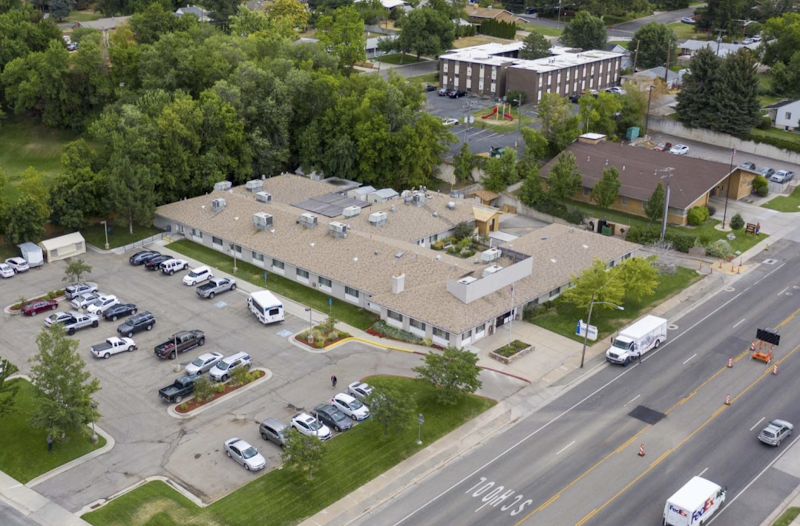
How is Harrison Pointe Healthcare And Rehabilitation Staffed?

CMS rates Harrison Pointe Healthcare and Rehabilitation's staffing level at 2 out of 5 stars, which is below average compared to other nursing homes. Staff turnover is 62%, which is 16 percentage points above the Utah average of 46%. High turnover can affect care consistency as new staff learn residents' individual needs.

What Have Inspectors Found at Harrison Pointe Healthcare And Rehabilitation?

State health inspectors documented 14 deficiencies at Harrison Pointe Healthcare and Rehabilitation during 2019 to 2024. These included: 14 with potential for harm.
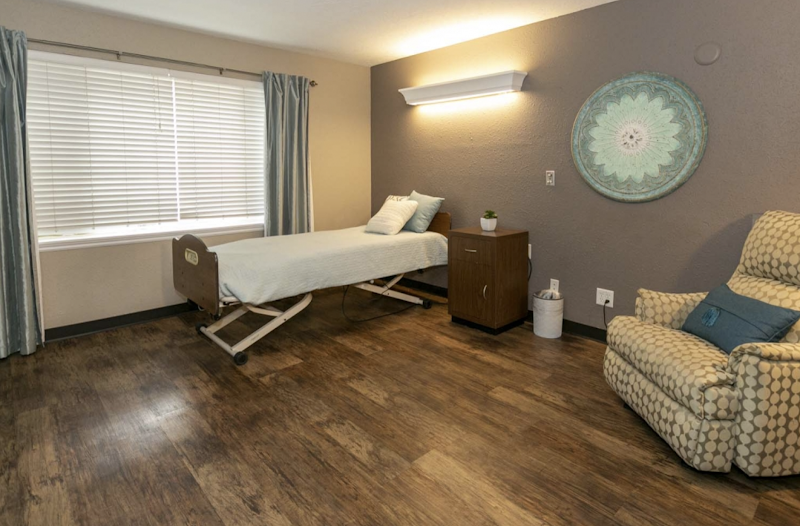
Who Owns and Operates Harrison Pointe Healthcare And Rehabilitation?

Harrison Pointe Healthcare and Rehabilitation is owned by a for-profit company. For-profit facilities operate as businesses with obligations to shareholders or private owners. The facility is operated by THE ENSIGN GROUP, a chain that manages multiple nursing homes. With 63 certified beds and approximately 48 residents (about 76% occupancy), it is a smaller facility located in Ogden, Utah.

How Does Harrison Pointe Healthcare And Rehabilitation Compare to Other Utah Nursing Homes?

Compared to the 100 nursing homes in Utah, Harrison Pointe Healthcare and Rehabilitation's overall rating (3 stars) is below the state average of 3.3, staff turnover (62%) is significantly higher than the state average of 46%, and health inspection rating (3 stars) is at the national benchmark.

What Should Families Ask When Visiting Harrison Pointe Healthcare And Rehabilitation?

Based on this facility's data, families visiting should ask: "How do you ensure continuity of care given staff turnover, and what is your staff retention strategy?" "Can you walk me through typical staffing levels on day, evening, and night shifts?" "Can I visit during a mealtime to observe dining assistance and food quality?" "How do you handle medical emergencies, and what is your hospital transfer rate?" These questions are particularly relevant given the facility's high staff turnover rate and the below-average staffing rating.

Is Harrison Pointe Healthcare And Rehabilitation Safe?

Based on CMS inspection data, Harrison Pointe Healthcare and Rehabilitation has a clean safety record: no substantiated abuse findings (meaning no confirmed cases of resident harm), no Immediate Jeopardy citations (the most serious violation level indicating risk of serious injury or death), and is not on the Special Focus Facility watch list (a federal program monitoring the lowest-performing 1% of nursing homes). The facility has a 3-star overall rating and ranks #100 of 100 nursing homes in Utah. While no facility is perfect, families should still ask about staff-to-resident ratios and recent inspection results during their visit.

Do Nurses at Harrison Pointe Healthcare And Rehabilitation Stick Around?

Staff turnover at Harrison Pointe Healthcare and Rehabilitation is high. At 62%, the facility is 16 percentage points above the Utah average of 46%. High turnover means new staff may not know residents' individual needs, medications, or preferences. It can also be disorienting for residents, especially those with dementia who rely on familiar faces. Families should ask: What is causing the turnover? What retention programs are in place? How do you ensure care continuity during staff transitions?

Was Harrison Pointe Healthcare And Rehabilitation Ever Fined?

Harrison Pointe Healthcare and Rehabilitation has no federal fines on record. CMS issues fines when nursing homes fail to meet care standards or don't correct problems found during inspections. The absence of fines suggests the facility has either maintained compliance or corrected any issues before penalties were assessed. This is a positive indicator, though families should still review recent inspection reports for the full picture.

Is Harrison Pointe Healthcare And Rehabilitation on Any Federal Watch List?

Harrison Pointe Healthcare and Rehabilitation is not on any federal watch list. The most significant is the Special Focus Facility (SFF) program, which identifies the bottom 1% of nursing homes nationally based on persistent, serious quality problems. Not being on this list means the facility has avoided the pattern of deficiencies that triggers enhanced federal oversight. This is a positive indicator, though families should still review the facility's inspection history directly.