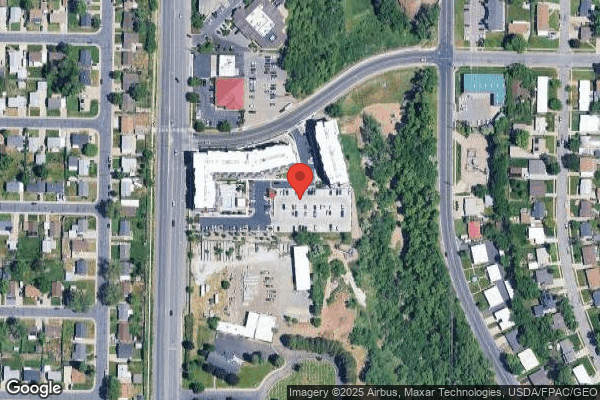
Stonehenge of Ogden

5648 South Adams Avenue, Washington Terrace, UT 84405 (801) 475-0500
For profit - Limited Liability company 52 Beds STONEHENGE OF UTAH Data: November 2025
Trust Grade
83/100
#21 of 97 in UT
Last Inspection: June 2024

Within standard 12-15 month inspection cycle. Federal law requires annual inspections.

Overview

Stonehenge of Ogden has a Trust Grade of B+, which means it is above average and recommended for families looking for care options. It ranks #21 out of 97 facilities in Utah, placing it in the top half of the state, and #2 out of 10 in Weber County, indicating that only one local facility is rated higher. The facility is improving, with issues decreasing from 6 in 2023 to 4 in 2024. Staffing is rated 4 out of 5 stars, but the staff turnover rate is 56%, slightly above the state average, which may affect continuity of care. While the facility has incurred $9,750 in fines, which is average, there are concerns about care practices, such as failing to provide proper respiratory care for some residents and issues with food safety in the kitchen, including expired items and improper hygiene. Overall, the nursing home has strong ratings in overall quality and health inspections but has areas that need attention to ensure resident safety and proper care.

Trust Score
B+
83/100
In Utah
#21/97
Top 21%
Safety Record
Low Risk
No red flags
Inspections
Getting Better
6 → 4 violations
Staff Stability
⚠ Watch
56% turnover. Above average. Higher turnover means staff may not know residents' routines.
Penalties
⚠ Watch
$9,750 in fines. Higher than 84% of Utah facilities, suggesting repeated compliance issues.
Skilled Nurses
✓ Good
Each resident gets 67 minutes of Registered Nurse (RN) attention daily — more than 97% of Utah nursing homes. RNs are the most trained staff who catch health problems before they become serious.
Violations
⚠ Watch
12 deficiencies on record. Higher than average. Multiple issues found across inspections.
★★★★★
5.0
Overall Rating
★★★★☆
4.0
Staff Levels
★★★★★
5.0
Care Quality
★★★★☆
4.0
Inspection Score
Stable
2023: 6 issues
2024: 4 issues

The Good

  • 4-Star Staffing Rating · Above-average nurse staffing levels
  • 5-Star Quality Measures · Strong clinical quality outcomes
  • Full Sprinkler Coverage · Fire safety systems throughout facility
  • No fines on record

Facility shows strength in staffing levels, quality measures, fire safety.

The Bad

Staff Turnover: 56%

Near Utah avg (46%)

Frequent staff changes - ask about care continuity

Federal Fines: $9,750

Below median ($33,413)

Minor penalties assessed

Chain: STONEHENGE OF UTAH

Part of a multi-facility chain

Ask about local staffing decisions and management

Staff turnover is elevated (56%)

8 points above Utah average of 48%

The Ugly 12 deficiencies on record

Jun 2024 4 deficiencies
CONCERN (D) 📢 Someone Reported This

A family member, employee, or ombudsman was alarmed enough to file a formal complaint

Potential for Harm - no one hurt, but risky conditions existed

Free from Abuse/Neglect (Tag F0600)

Could have caused harm · This affected 1 resident

**NOTE- TERMS IN BRACKETS HAVE BEEN EDITED TO PROTECT CONFIDENTIALITY** Based on interview and record review it was determined, for 2 of 27 sampled residents, that the facility did not ensure that res...

Read full inspector narrative →
**NOTE- TERMS IN BRACKETS HAVE BEEN EDITED TO PROTECT CONFIDENTIALITY** Based on interview and record review it was determined, for 2 of 27 sampled residents, that the facility did not ensure that residents remained free from abuse, neglect, and misappropriation of property. Specifically, there were residents in a relationship that had not been evaluated to have the capacity to consent. Resident identifiers: 13 and 151. Findings include: A. Resident 151 was admitted to the facility on [DATE] and readmitted on [DATE] with diagnoses which included vascular dementia, unspecified severity, with agitation, acquired absence of right leg below knee, acquired absence of left leg below knee, occlusion and stenosis of bilateral carotid arteries, and duodenal ulcer, without hemorrhage or perforation. Resident 151's medical records were reviewed between 6/24/24 and 6/27/24. An admission Minimum Data Set (MDS) dated [DATE] revealed that resident 151 had a Brief Interview of Mental Status (BIMS) score of 7 which indicated severely impaired cognition. A review of resident 151's care plan initiated on 12/13/23, revealed a focus area that, Sometimes I have paranoid thoughts or delusions: ie having bed made oversease [sic] that will grow his legs back, medications and treatments. The goal is, I do not want to be fearful or paranoid. Approaches included Avoid power struggles and If my delusions or hallucinations do not distress me and are not harmful, do not medicate me or try to make them go away. On 2/5/24 at 1:13 PM, a social work progress note revealed the following, Social Service Worker (SSW) notified daughter of newfound friendship with a female peer. On 2/15/24 at 6:30 PM, a nursing progress note revealed the following, Pt [patient] is sitting at bedside in wheelchair with [resident 13] from room [ROOM NUMBER]A resting in his bed with a shirt on wearing no briefs. I knocked and pt [patient] wants to be left alone with her and requested that I leave as soon as possible and shut the door. Instruction given to staff to make sure they are knocking first before entering the room. 2030 (8:30 PM) Pt [patient] stated that he was really concerned that [resident 13] wanted him to lift her from off the bed tonight, Education given to pt [patient] to always call for assistance from CNAs (certified nursing assistants) and not attempt transfers himself. Provider notified. On 2/15/24 at 9:00 PM, a nursing progress note revealed the following, CNA [name removed] reported that pt [patient] in room had his garments on and no bottoms. Social work notified to follow up. A review of resident 151's care plan initiated on 2/16/24 revealed a focus area that Resident has a special friend the resident likes to spend time with. The goal being that 'Resident will show affection towards their special friend only in private. Approaches included Remind resident to limit showing ffection [sic] in public to holding hands, Remind residents that if the residents want private time together, the resident must find a place that will not disturb their roommates, and Remind staff that if the door is closed to knock and allow a few extra seconds before entering the room. On 2/16/24 at 11:42 AM, a social work progress note revealed the following, SSW and [Director of Nursing] DON Spoke with resident regarding relationship with peer. Resident reports that he enjoys spending time with his friend. they enjoy watching movies and talking. Resident denies that him and peer have been intimate. Resident reports that things are good with him and his friend. On 3/26/24 at 10:18 AM a social work progress note revealed the following, resident continues to verbalize paranoid statements he continues to believe that people are out to get him. He continues to verbalize statements that do not make sense. He continues to report that he is building things, and that he needs to get to places and take care of business but is unable to report where he needs to go and what he needs to accomplish. He also continues to describe people that had an altered physical appearance with one eye telescopic mask, and people that are coming to get him and take him from them. He continues to believe that people are out to get him and then he wants to get with a lady and get married and then get away from the people that are out to get him. SSW reassured him he is safe and if strange people come to visit him to let us know and that the staff will help him with the situation. On 5/4/24 at 7:03 PM, a nursing progress note revealed the following, resident 151 was becoming agitated while in the dining room. I gave resident 0.25mg (milligrams) Lorazepam to help with his agitation and left the dining room. Approximately 15 minutes later, my aid wheeled the resident to me. I wheeled the resident back to his room and another resident, who he often visits with, was in his room. She was attempting to calm him down, as he was still agitated. She offered him two warmed blankets that he had requested. The resident accepted the blankets and then started speaking in nonsensical terms. He then threw the blankets on the floor. On 5/4/24 at 8:30 PM, a nursing progress note revealed the following, CNA reported that pt [patient] was in his wheelchair headed looking for a female resident 'to meet his needs.' He went into room [ROOM NUMBER]. On 5/4/24 at 9:00 PM, a nursing progress note revealed the following, Night medications given at the med (medication) cart. Agitated when attempt made to give him meds in his room. Pt [patient] requesting if he can 'have a little sex.' I changed the subject. He is confused and believes that it is morning. Agitated when he was told it was night time. Continue to monitor with 15 minute bed checks. A review of resident 151's care plan initiated on 5/10/24, revealed a focus area of Aggression - Physical/Verbal The resident can be physically and/or verbally abusive at times. The goal being that The resident will be able to express themselves without becoming aggressive. Approaches included If the resident appears to be getting anxious or restless, take them for a walk, do something active with them to use up their energy and decrease their anxiety. and Redirect the resident away from any residents who upset them. On 5/19/24 at 1:10 AM, a nursing progress note revealed the following resident 151 has passed away. B. Resident 13 was admitted to the facility on [DATE] and readmitted on [DATE] with diagnoses which included type 2 diabetes, age related osteoporosis with current pathological fracture vertebra, sequela, spondylosis, moderate protein-calorie malnutrition, essential hypertension, dysphasia, depression, muscle weakness, gastro-esophagela reflux disease, and history of falling. Resident 13's medical record was reviewed 6/24/24-6/27/24. A Minimum Data Set [MDS] dated 11/3/23 revealed that resident 13 had a Brief Interview of Mental Status [BIMS] score of 7 which indicated severely impaired cognition. A care plan Focus addressing delusions/ hallucinations initiated on 5/2/23, documented [Resident 13] sometimes has paranoid thoughts and believes that someone is trying to hurt me or do bad things to me. The interventions included: a. Be sure my M.D. [medical doctor] or psychiatrist review my meds [medications] regularly and adjust them as needed. If I have command hallucinations where I might do what my voices tell me and get hurt, start a safety plan and get to the ER [emergency room] if you cannot ensure my safety at the nursing home. b. If my delusions or hallucinations do not distress me and are not harmful, do not medicate me or try to make them go away. c. Listen to my feelings about what I am imagining and do not criticize A care plan Focus addressing relationship with special friend initiated on 2/16/24, documented resident has a special friend the resident likes to spend time with. The goal documented, resident will show affection towards their special friend only in private. The interventions included: a. Remind resident to limit showing affection in public to holding hands b. Remind residents that if the residents want private time together, the resident must find a place that will not disturb their roommates. c. Remind staff that if the door is closed to knock and allow a few extra seconds before entering the room. Review of resident 13's progress notes revealed the following: On 1/29/24 at 9:00 PM, a behavior note documented, Pt [patient] states that she enjoyed having pt in room [room number redacted]. the man without legs cuddling with her previously. Denies anything physical contact was inappropriate. On 1/31/24 at 1:21 PM, a social work note documented, SSW [Social Service Worker] spoke with resident about information received [sic] that she had told staff that she had allowed a male peer to sit on her bed with her while they watched a movie together. [resident 13] reported that she has found a friend and they enjoy spending time together. On 2/5/24 at 1:26 PM, a social work note documented, SSW spoke with residents daughter and informed her that her mom has new found friend and that they enjoy spending time together and doing various activities together. On 2/15/24 at 6:30 PM, a behavior note documented, Pt is resting on the bed of room [number redacted] with a shirt on with no brief on. Denies any inappropriate behavior. She remained in the room until apx [approximately] 2030 [8:30 PM]. On 2/15/24 at 9:00 PM, a behavior note documented, CNA [name redacted] reported that pt from room [room number redacted] also had his garments on with no bottoms. [Resident 13] had her bottoms off resting in his bed. Social work notified. On 2/16/24 at 11:23 AM, a social work note documented, SSW notified that Resident and peer spent alone time together. Resident verbalized that she is happy with her current relationship with her peer. She reports that they are good friends and that nothing has happened that they enjoy spending time together in peers bed watching movies and talking. She reports that peer is kind to her and that they have not been intimate. On 6/25/24 at 11:36 AM, an interview was conducted with Registered Nurse (RN) 1. RN 1 stated that she is not aware of any relationships between residents in the building either companions or sexual in nature. On 6/25/24 at 12:56 PM, an interview was conducted with the SSW. The SSW stated that she interviewed the residents in order to determine if the residents were able to consent to having a relationship. The SSW stated that there was the potential that these residents were engaged in physical contact. The SSW stated she went with the Director of Nursing to assess resident 13 for any harm. The SSW stated that she could not recall if the medical director was notified of the relationship the residents were having and it was typically the DON's responsibility to notify the medical doctor in regards to residents. The SSW stated that resident 13 was confused and said bizarre things at times. The SSW stated that she figured that the residents were both adults and they could consent to have a relationship with each other. The SSW stated that no formal assessment was done to determine if resident 13 was able to consent to have a relationship. On 6/27/24 at 9:59 AM, a second interview was conducted with the SSW. The SSW stated that resident 151 was typically very sweet and then suddenly, he became very agitated near the end of his life. SSW stated resident 151 did have delusions off and on, he would think he was doing business deals with people. The SSW stated that resident 151 and resident 13 would have meals and attend activities together, and that it was resident 151 that helped get resident 13 out of her shell and out of her room more. The SSW stated she did not see any public affection between resident 151 and resident 13, and that they were always very cordial. The SSW stated Stonehenge was not a behavioral health facility, so she was not much concerned when the two residents started showing signs of a closer relationship. The SSW stated that resident 151's daughter was in the process of gaining guardianship due to him having bad finances and making bad choices. The SSW stated that resident 151 and resident 13 would go back and forth into each other's beds. The SSW stated that it was told to her that resident 151 and resident 13 may have been unclothed at some point. The SSW stated that she went with the Director of Nursing (DON) and talked to both residents separately. The SSW stated that her and the DON asked the residents about consent and how to be safe and what it means. The SSW stated that she and the DON were satisfied with what the residents reported and informed the Administrator (ADM), and they proceeded to inform the residents' families. The SSW stated that resident 151's guardian liked that he had a special friend in the facility that he was able to spend time with. The SSW stated that she would put a progress note in the resident's chart when she talked to a resident about what the resident knows about consent, how to be safe when with a close friend, and if she has talked with family or a guardian. The SSW stated that it was determined to allow the relationship to continue by the interviews with resident 151 and resident 13. The SSW stated that she does not recall if the physician was ever notified of resident 151 and resident 13's relationship, and that it would have been the DON that would have contacted the physician. The SSW stated that since both residents were confused, she had initiated a care plan, and she also initiated a care plan in case the relationship progressed further. The SSW stated that when she spoke with resident 151 and resident 13, they both replied they liked being with each other. On 6/27/24 at 12:35 PM, an interview with the DON was conducted. The DON stated she was informed that resident 13 and resident 151 were found in bed together in a state of undress. The DON stated that she and the SSW went together to talk to the residents individually. The DON stated that resident 151 told her it was none of your damn business. The DON stated that both residents denied being undressed with each other, stating nothing happened, and they were just watching movies. The DON stated that she encouraged both residents to let staff know if anything did happen or may happen. The DON stated that during the investigation, due to the residents being under the blankets the Certified Nurse Assistant (CNA) thought they saw the residents without clothing on. The DON stated that resident 151 was alert to himself and was alert and oriented x 3 or 4. The DON stated that resident 151 was showing signs of terminal aggressions. The DON stated that the did not do any cognitive assessments on resident 13 or resident 151, and that the assessment was her and the SSW talking to the residents. The DON stated she is unsure if the incident between resident 13 and resident 151 went to an interdisciplinary team (IDT) meeting, and that she recalled it was her and the SSW that talked most about it. The DON stated that it would be the physician that would make the decision if a resident was able to give consent. The DON stated that either she or the SSW would contact the physician. The DON stated that resident 13 was not always alert and oriented, and this behavior tended to be worse at night. The DON stated if patients were alert and oriented then the facility had to respect their choices to have a relationship. The DON stated there was no policy in regards to residents and relationships that she was aware of. [Cross refer to F607]
CONCERN (D) 📢 Someone Reported This

A family member, employee, or ombudsman was alarmed enough to file a formal complaint

Potential for Harm - no one hurt, but risky conditions existed

Abuse Prevention Policies (Tag F0607)

Could have caused harm · This affected 1 resident

**NOTE- TERMS IN BRACKETS HAVE BEEN EDITED TO PROTECT CONFIDENTIALITY** Based on interview and record review, the facility did not develop and implement written policies and procedures that; prohibit ...

Read full inspector narrative →
**NOTE- TERMS IN BRACKETS HAVE BEEN EDITED TO PROTECT CONFIDENTIALITY** Based on interview and record review, the facility did not develop and implement written policies and procedures that; prohibit and prevent abuse, neglect, and exploitation of residents. In addition, the facility did not established polices and procedures to investigate any such allegations. Specifically, for 2 out of 27 sample residents, investigations and evaluations of ability to consent were not conducted after two residents were found to be in bed together. Resident identifiers: 13 and 151. Findings included: The facility's Abuse Prohibition Policies, dated 2024, was reviewed and documented the following information: The Provider Code of Conduct is to protect vulnerable clients (residents) from abuse, neglect, maltreatment and exploitation . Abuse, sexual-abuse and sexual exploitation, neglect, exploitation, and maltreatment are prohibited. A. No .individual . shall abuse, sexually abuse or sexually exploit, neglect, exploit or maltreat any client . 1. No person shall cause physical Injury to any client. All Injury to clients (explained or unexplained) shall be documented in writing and immediately reported to supervisory personnel. 2. No person by acting, failing to act, encouragement to engage In [sic], or failure to deter from will cause any client to be subject to abuse, sexual abuse or sexual exploitation, negleh, [sic] exploitation, or maltreatment. 3. No person shall engage any client as an observer or participant in sexual acts. 4. No person shall make unjust or Improper [sic] use of a client or their resources for profit or advantage. B. Failure to comply with this Code of Conduct may result in corrective action, probation, suspension, and/or termination of contract, license or certification, in accordance with administrative procedures act and Department of Human Services' regulations. POLICY: Our facilities will not condone any form of client/resident abuse or neglect. To assist In abuse prevention, all, csonnel[sic] are to report any signs and symptoms of abuse/neglect to their supervisor or to the Administrator .,mediately[sic]. A. Abuse of clients may include, but is not limited to: 1. Harm or threatened harm, meaning damage or threatened damage to the physical or emotional health and welfare of a client. 8. Sexual abuse and sexual exploitation will include, but not be limited to: 1. Engaging in sexual Intercourse with any client. 5. Committing or attempting to commit acts of sodomy or molestation with a client. REPORTING REQUIREMENTS POLICY . contracted, licensed or certified agency, Individual, or employee ls [sic] responsible to document and report abuse, . abuse and sexual exploitation . as outlined in this code and cooperate fully in any resulting investigation. 1. Any person will immediately report abuse, sexual abuse or sexual exploitation to the Administrator. 2. All other types of reports (meaning reports of an event that does not result in serious bodily injury to a patient) must be reported within 24 hours after forming the suspicion. The report must be made with the State Survey Agency and the Local Law Enforcement. The facility may not retaliate against an Individual who lawfully reports a reasonable suspicion of a crime. 3. All reports and documentation made regarding situations of abuse, sexual abuse and sexual exploitation, neglect, and exploitation will be made available upon request, or with court order when required by federal regulations, to appropriate Department of Human Services' personnel and law enforcement. A. Resident 151 was admitted to the facility on [DATE] and readmitted on [DATE] with diagnoses which included vascular dementia, unspecified severity, with agitation, acquired absence of right leg below knee, acquired absence of left leg below knee, occlusion and stenosis of bilateral carotid arteries, and duodenal ulcer, without hemorrhage or perforation. Resident 151's medical records were reviewed between 6/24/24 and 6/27/24. An admission Minimum Data Set (MDS) dated [DATE] revealed that resident 151 had a Brief Interview of Mental Status (BIMS) score of 7 which indicated severely impaired cognition. A review of resident 151's care plan initiated on 12/13/23, revealed a focus area that, Sometimes I have paranoid thoughts or delusions: ie having bed made oversease [sic] that will grow his legs back, medications and treatments. The goal is, I do not want to be fearful or paranoid. Approaches included Avoid power struggles and If my delusions or hallucinations do not distress me and are not harmful, do not medicate me or try to make them go away. On 2/5/24 at 1:13 PM, a social work progress note revealed the following, Social Service Worker (SSW) notified daughter of newfound friendship with a female peer. On 2/15/24 at 6:30 PM, a nursing progress note revealed the following, Pt [patient] is sitting at bedside in wheelchair with [resident 13] from room [ROOM NUMBER]A resting in his bed with a shirt on wearing no briefs. I knocked and pt [patient] wants to be left alone with her and requested that I leave as soon as possible and shut the door. Instruction given to staff to make sure they are knocking first before entering the room. 2030 (8:30 PM) Pt [patient] stated that he was really concerned that [resident 13] wanted him to lift her from off the bed tonight, Education given to pt [patient] to always call for assistance from CNAs (certified nursing assistants) and not attempt transfers himself. Provider notified. On 2/15/24 at 9:00 PM, a nursing progress note revealed the following, CNA [name removed] reported that pt [patient] in room had his garments on and no bottoms. Social work notified to follow up. A review of resident 151's care plan initiated on 2/16/24 revealed a focus area that Resident has a special friend the resident likes to spend time with. The goal being that 'Resident will show affection towards their special friend only in private. Approaches included Remind resident to limit showing ffection [sic] in public to holding hands, Remind residents that if the residents want private time together, the resident must find a place that will not disturb their roommates, and Remind staff that if the door is closed to knock and allow a few extra seconds before entering the room. On 2/16/24 at 11:42 AM, a social work progress note revealed the following, SSW and [Director of Nursing] DON Spoke with resident regarding relationship with peer. Resident reports that he enjoys spending time with his friend. they enjoy watching movies and talking. Resident denies that him and peer have been intimate. Resident reports that things are good with him and his friend. On 3/26/24 at 10:18 AM a social work progress note revealed the following, resident continues to verbalize paranoid statements he continues to believe that people are out to get him. He continues to verbalize statements that do not make sense. He continues to report that he is building things, and that he needs to get to places and take care of business but is unable to report where he needs to go and what he needs to accomplish. He also continues to describe people that had an altered physical appearance with one eye telescopic mask, and people that are coming to get him and take him from them. He continues to believe that people are out to get him and then he wants to get with a lady and get married and then get away from the people that are out to get him. SSW reassured him he is safe and if strange people come to visit him to let us know and that the staff will help him with the situation. On 5/4/24 at 7:03 PM, a nursing progress note revealed the following, resident 151 was becoming agitated while in the dining room. I gave resident 0.25mg (milligrams) Lorazepam to help with his agitation and left the dining room. Approximately 15 minutes later, my aid wheeled the resident to me. I wheeled the resident back to his room and another resident, who he often visits with, was in his room. She was attempting to calm him down, as he was still agitated. She offered him two warmed blankets that he had requested. The resident accepted the blankets and then started speaking in nonsensical terms. He then threw the blankets on the floor. On 5/4/24 at 8:30 PM, a nursing progress note revealed the following, CNA reported that pt [patient] was in his wheelchair headed looking for a female resident 'to meet his needs.' He went into room [ROOM NUMBER]. On 5/4/24 at 9:00 PM, a nursing progress note revealed the following, Night medications given at the med (medication) cart. Agitated when attempt made to give him meds in his room. Pt [patient] requesting if he can 'have a little sex.' I changed the subject. He is confused and believes that it is morning. Agitated when he was told it was night time. Continue to monitor with 15 minute bed checks. A review of resident 151's care plan initiated on 5/10/24, revealed a focus area of Aggression - Physical/Verbal The resident can be physically and/or verbally abusive at times. The goal being that The resident will be able to express themselves without becoming aggressive. Approaches included If the resident appears to be getting anxious or restless, take them for a walk, do something active with them to use up their energy and decrease their anxiety. and Redirect the resident away from any residents who upset them. On 5/19/24 at 1:10 AM, a nursing progress note revealed the following resident 151 has passed away. B. Resident 13 was admitted to the facility on [DATE] and readmitted on [DATE] with diagnoses which included type 2 diabetes, age related osteoporosis with current pathological fracture vertebra, sequela, spondylosis, moderate protein-calorie malnutrition, essential hypertension, dysphasia, depression, muscle weakness, gastro-esophagela reflux disease, and history of falling. Resident 13's medical record was reviewed 6/24/24-6/27/24. A Minimum Data Set [MDS] dated 11/3/23 revealed that resident 13 had a Brief Interview of Mental Status [BIMS] score of 7 which indicated severely impaired cognition. A care plan Focus addressing delusions/ hallucinations initiated on 5/2/23, documented [Resident 13] sometimes has paranoid thoughts and believes that someone is trying to hurt me or do bad things to me. The interventions included: a. Be sure my M.D. [medical doctor] or psychiatrist review my meds [medications] regularly and adjust them as needed. If I have command hallucinations where I might do what my voices tell me and get hurt, start a safety plan and get to the ER [emergency room] if you cannot ensure my safety at the nursing home. b. If my delusions or hallucinations do not distress me and are not harmful, do not medicate me or try to make them go away. c. Listen to my feelings about what I am imagining and do not criticize A care plan Focus addressing relationship with special friend initiated on 2/16/24, documented resident has a special friend the resident likes to spend time with. The goal documented, resident will show affection towards their special friend only in private. The interventions included: a. Remind resident to limit showing affection in public to holding hands b. Remind residents that if the residents want private time together, the resident must find a place that will not disturb their roommates. c. Remind staff that if the door is closed to knock and allow a few extra seconds before entering the room. Review of resident 13's progress notes revealed the following: On 1/29/24 at 9:00 PM, a behavior note documented, Pt [patient] states that she enjoyed having pt in room [room number redacted]. the man without legs cuddling with her previously. Denies anything physical contact was inappropriate. On 1/31/24 at 1:21 PM, a social work note documented, SSW [Social Service Worker] spoke with resident about information received [sic] that she had told staff that she had allowed a male peer to sit on her bed with her while they watched a movie together. [resident 13] reported that she has found a friend and they enjoy spending time together. On 2/5/24 at 1:26 PM, a social work note documented, SSW spoke with residents daughter and informed her that her mom has new found friend and that they enjoy spending time together and doing various activities together. On 2/15/24 at 6:30 PM, a behavior note documented, Pt is resting on the bed of room [number redacted] with a shirt on with no brief on. Denies any inappropriate behavior. She remained in the room until apx [approximately] 2030 [8:30 PM]. On 2/15/24 at 9:00 PM, a behavior note documented, CNA [name redacted] reported that pt from room [room number redacted] also had his garments on with no bottoms. [Resident 13] had her bottoms off resting in his bed. Social work notified. On 2/16/24 at 11:23 AM, a social work note documented, SSW notified that Resident and peer spent alone time together. Resident verbalized that she is happy with her current relationship with her peer. She reports that they are good friends and that nothing has happened that they enjoy spending time together in peers bed watching movies and talking. She reports that peer is kind to her and that they have not been intimate. On 6/25/24 at 11:36 AM, an interview was conducted with Registered Nurse (RN) 1. RN 1 stated that she is not aware of any relationships between residents in the building either companions or sexual in nature. On 6/25/24 at 12:56 PM, an interview was conducted with the SSW. The SSW stated that she interviewed the residents in order to determine if the residents were able to consent to having a relationship. The SSW stated that there was the potential that these residents were engaged in physical contact. The SSW stated she went with the Director of Nursing to assess resident 13 for any harm. The SSW stated that she could not recall if the medical director was notified of the relationship the residents were having and it was typically the DON's responsibility to notify the medical doctor in regards to residents. The SSW stated that resident 13 was confused and said bizarre things at times. The SSW stated that she figured that the residents were both adults and they could consent to have a relationship with each other. The SSW stated that no formal assessment was done to determine if resident 13 was able to consent to have a relationship. On 6/27/24 at 9:59 AM, a second interview was conducted with the SSW. The SSW stated that resident 151 was typically very sweet and then suddenly, he became very agitated near the end of his life. SSW stated resident 151 did have delusions off and on, he would think he was doing business deals with people. The SSW stated that resident 151 and resident 13 would have meals and attend activities together, and that it was resident 151 that helped get resident 13 out of her shell and out of her room more. The SSW stated she did not see any public affection between resident 151 and resident 13, and that they were always very cordial. The SSW stated Stonehenge was not a behavioral health facility, so she was not much concerned when the two residents started showing signs of a closer relationship. The SSW stated that resident 151's daughter was in the process of gaining guardianship due to him having bad finances and making bad choices. The SSW stated that resident 151 and resident 13 would go back and forth into each other's beds. The SSW stated that it was told to her that resident 151 and resident 13 may have been unclothed at some point. The SSW stated that she went with the Director of Nursing (DON) and talked to both residents separately. The SSW stated that her and the DON asked the residents about consent and how to be safe and what it means. The SSW stated that she and the DON were satisfied with what the residents reported and informed the Administrator (ADM), and they proceeded to inform the residents' families. The SSW stated that resident 151's guardian liked that he had a special friend in the facility that he was able to spend time with. The SSW stated that she would put a progress note in the resident's chart when she talked to a resident about what the resident knows about consent, how to be safe when with a close friend, and if she has talked with family or a guardian. The SSW stated that it was determined to allow the relationship to continue by the interviews with resident 151 and resident 13. The SSW stated that she does not recall if the physician was ever notified of resident 151 and resident 13's relationship, and that it would have been the DON that would have contacted the physician. The SSW stated that since both residents were confused, she had initiated a care plan, and she also initiated a care plan in case the relationship progressed further. The SSW stated that when she spoke with resident 151 and resident 13, they both replied they liked being with each other. On 6/27/24 at 12:35 PM, an interview with the DON was conducted. The DON stated she was informed that resident 13 and resident 151 were found in bed together in a state of undress. The DON stated that she and the SSW went together to talk to the residents individually. The DON stated that resident 151 told her it was none of your damn business. The DON stated that both residents denied being undressed with each other, stating nothing happened, and they were just watching movies. The DON stated that she encouraged both residents to let staff know if anything did happen or may happen. The DON stated that during the investigation, due to the residents being under the blankets the Certified Nurse Assistant (CNA) thought they saw the residents without clothing on. The DON stated that resident 151 was alert to himself and was alert and oriented x 3 or 4. The DON stated that resident 151 was showing signs of terminal aggressions. The DON stated that the did not do any cognitive assessments on resident 13 or resident 151, and that the assessment was her and the SSW talking to the residents. The DON stated she is unsure if the incident between resident 13 and resident 151 went to an interdisciplinary team (IDT) meeting, and that she recalled it was her and the SSW that talked most about it. The DON stated that it would be the physician that would make the decision if a resident was able to give consent. The DON stated that either she or the SSW would contact the physician. The DON stated that resident 13 was not always alert and oriented, and this behavior tended to be worse at night. The DON stated if patients were alert and oriented then the facility had to respect their choices to have a relationship. The DON stated there was no policy in regards to residents and relationships that she was aware of. [Cross refer to F600]
CONCERN (E) 📢 Someone Reported This

A family member, employee, or ombudsman was alarmed enough to file a formal complaint

Potential for Harm - no one hurt, but risky conditions existed

Respiratory Care (Tag F0695)

Could have caused harm · This affected multiple residents

**NOTE- TERMS IN BRACKETS HAVE BEEN EDITED TO PROTECT CONFIDENTIALITY** Based on observation, interview and record review it was determined, the facility did not ensure that residents who needed respi...

Read full inspector narrative →
**NOTE- TERMS IN BRACKETS HAVE BEEN EDITED TO PROTECT CONFIDENTIALITY** Based on observation, interview and record review it was determined, the facility did not ensure that residents who needed respiratory care were provided such care, consistent with professional standards of practice, the comprehensive person-centered care plan, the residents goals, and preferences. Specifically, for 4 out of 27 sample residents the facility was not dating the change of oxygen tubing and nasal cannulas, nor ensuring there was a physician order for the use of oxygen for two residents (residents 7 and 8). Resident Identifiers: 7, 8, 19, and 20. Findings included: 1. Resident 7 was admitted to the facility on [DATE] and readmitted on [DATE] with diagnoses which included viral intestinal infection, hypokalemia, hypercalcemia, unspecified protein-calorie malnutrition, dyspnea, essential hypertension, insomnia, generalized anxiety disorder, major depressive disorder, and gastro-esophageal reflux disease. Resident 7's medical record was reviewed 6/24/24-6/27/24. On 6/24/24 at 10:27 AM, an interview was conducted with resident 7. Resident 7 stated that she used nocturnal oxygen. Resident 7 stated that she had never seen her cannulas changed on either the concentrator or the portable oxygen. On 6/24/24 at 10:28 AM, an observation was made of the portable oxygen's nasal cannula which was yellowish in color and draped across the back of the wheelchair. An observation was made that there was no date on the cannula attached to the portable oxygen. An observation was made that there was no date on the nasal cannula attached to the concentrator. Review of resident 7's medical record revealed no order for oxygen therapy. 2. Resident 8 was admitted to the facility on [DATE] with diagnoses which included wedge compression fracture of unspecified lumbar vertebra, history of falling, unspecified asthma, sepsis, major depressive disorder, generalized anxiety disorder, essential hypertension, chronic kidney disease stage 3, gastro-esophageal reflux disease, and cardiac murmur. Resident 8's medical record was reviewed 6/24/24-6/27/24. On 6/24/24 at 12:50 PM, an interview was conducted with resident 8. Resident 8 stated that she used nocturnal oxygen. Resident 8 stated she was unsure how often her cannulas were changed. On 6/24/24 at 12:52 PM, an observation was made of resident 8's oxygen cannula and tubing. It was observed that there was no date on the cannula or oxygen tubing. Review of resident 8's medical record revealed no order for oxygen therapy. 3. Resident 19 was admitted to the facility on [DATE] with diagnoses which included chronic obstructive pulmonary disease, heart failure, insomnia, obesity, adjustment disorder with anxiety, essential hypertension, gastro-esophageal reflux, and personal history of transient ischemic attack (tia), and cerebral infarction without residual deficits. Resident 19's medical record was reviewed 6/24/24-6/27/24. On 6/24/24 at 9:46 AM, an interview was conducted with resident 19. Resident 19 stated that she used nocturnal oxygen. Resident 19 stated that she was unsure when her cannulas got changed. On 6/24/24 at 9:50 AM, an observation was made of resident 19's oxygen cannulas. It was observed that there were no dates on the oxygen cannula or tubing. 4. Resident 20 was admitted to the facility on [DATE] with diagnoses which included chronic diastolic (congestive) heart failure, paroxysmal atrial fibrillation, thrombocytopenia, unspecified protein-calorie malnutrition, chronic respiratory failure with hypoxia, unspecified osteoarthritis, trigeminal neuralgia, pulmonary hypertension, peripheral vascular disease, and history of falling. Resident 20's medical record was reviewed 6/24/24-6/27/24. On 6/24/24 at 11:19 AM, an interview was conducted with resident 20. Resident 20 stated that she was not aware that her cannulas required changing. Resident 20 stated that she used a concentrator and portable oxygen. On 6/24/24 at 11:20 AM, an observation was made of resident 20's oxygen concentrator and portable oxygen. There were no dates on the nasal cannulas for the concentrator or portable oxygen. On 6/26/24 at 12:01 PM, an interview was conducted with Licensed Practical Nurse (LPN) 1. LPN 1 stated nurses were in charge of changing out residents' cannulas weekly. LPN 1 stated that cannulas were changed on Fridays and the date was written on tape and placed on the cannula. On 6/26/24 at 1:16 PM, an interview was conducted with the Director of Nursing [DON]. The DON stated that oxygen tubing was changed weekly and required a nurse to sign on the treatment administration record [TAR]. The DON stated that tubing was dated when it was replaced. The DON stated that in order for oxygen to be placed on a resident, an order from the doctor was required before it could be placed. The DON stated that there were standing orders for oxygen use in order to maintain oxygen levels above 90%, but the medical provider needed to be notified of this to ensure an order was written.
CONCERN (E) 📢 Someone Reported This

A family member, employee, or ombudsman was alarmed enough to file a formal complaint

Potential for Harm - no one hurt, but risky conditions existed

Food Safety (Tag F0812)

Could have caused harm · This affected multiple residents

Based on interview and observation, the facility did not store, prepare, distribute and serve food in accordance with professional standards for food service safety. Specifically, an employee was obse...

Read full inspector narrative →
Based on interview and observation, the facility did not store, prepare, distribute and serve food in accordance with professional standards for food service safety. Specifically, an employee was observed in the kitchen area without a hair net; and a refrigerator was observed to have spoiled, undated and unlabeled food. Findings include: 1. On 6/24/24 at 12:51 PM, the Maintenance Director (MD) was observed to enter the facility kitchen. The MD was observed to check several lights and sprinkler heads on the kitchen ceiling. At 12:52 PM, the MD left the kitchen, obtained a ladder that had been placed near the dining room entrance, and re-entered the kitchen. At no time was the MD observed to place a hair net over his hair. 2. On 6/24/24 at 12:57 PM, an observation was made of the refrigerator in the dining room. The following was noted: a. An open bag of grapes with no date or label b. A styrofoam container of what appeared to be leftovers. This container was not dated or labeled. c. An open bag of chips with no date or label d. What appeared to be an onion in a plastic bag. The onion was green, moldy, and slimy. There was liquid leaking from the bag onto the refrigerator surface. e. Five open plastic containers of soda with no date or label. f. Several areas with sticky spills and debris. On 6/24/24, at 1:00 PM, an interview was conducted with Housekeeper (HSK) 1. HSK 1 stated she thought that the refrigerator in the dining room was for both residents and employees, but was unsure. HSK 1 stated that it was the dietary department's responsibility to clean the refrigerator in the dining room. On 6/24/24 at 1:02 PM, an interview was conducted with the Dietary Manager (DM). The DM stated that she though that the refrigerator in the dining room was for both residents and employees, but that it was mostly the therapy department that used it. The DM stated that the dietary department and the housekeeping department took turns cleaning the refrigerator in the dining room.
Jan 2023 6 deficiencies
CONCERN (D)

Potential for Harm - no one hurt, but risky conditions existed

Deficiency F0578 (Tag F0578)

Could have caused harm · This affected 1 resident

**NOTE- TERMS IN BRACKETS HAVE BEEN EDITED TO PROTECT CONFIDENTIALITY** Based on interview and record review, it was determined, the facility did not ensure the resident's right to formulate an advanc...

Read full inspector narrative →
**NOTE- TERMS IN BRACKETS HAVE BEEN EDITED TO PROTECT CONFIDENTIALITY** Based on interview and record review, it was determined, the facility did not ensure the resident's right to formulate an advanced directive. Specifically, for 1 out of 24 sampled residents, the resident's electronic medical record documented that the resident was a Do not attempt or continue any resuscitation (DNR) and Do not attempt to intubate (DNI) while the Physician Orders for Life-Sustaining Treatment (POLST) form documented the resident's wishes as Attempt to resuscitate, full treatment. Resident identifier: 136. Findings included: Resident 136 was admitted to the facility on [DATE] with diagnoses which included acute respiratory failure, pneumonia, shortness of breath, pressure ulcer unspecified stage, pressure-induced deep tissue damage of sacral region, Parkinson's disease, anxiety disorder, and hypertension. Resident 136's electronic medical record dashboard documented the code status as DNR/DNI. On 1/5/23, resident 136's POLST documented Attempt to resuscitate, full treatment. On 1/10/23 at 9:40 AM, an interview was conducted with Licensed Practical Nurse (LPN) 1. LPN 1 stated that she would look for a resident's code status in the electronic medical record on the resident dashboard and on the nurse/patient roster. LPN 1 stated that resident 136's dashboard documented the code status as DNR/DNI, and the nurse/patient roster documented DNR only. LPN 1 stated that she would have to update the nurse/patient roster to say DNI also. LPN 1 stated she would pull the resident's POLST and double check the status. LPN 1 stated that all of the nursing staff were responsible for ensuring that the computer dashboard matched the resident's POLST, and that nurses and nurse managers checked it. LPN 1 reviewed resident 136's POLST and confirmed that resident 136's POLST documented full code. LPN 1 was observed to change resident 136's code status in the electronic medical record to full code. LPN 1 stated absolutely they should both match. On 1/10/23 at 9:46 AM, an interview was conducted with the Director of Nursing (DON). The DON stated that the code status was an order in the electronic medical record and was located on the resident dashboard. The DON stated that the dashboard code status was confirmed with a signed POLST form. The DON stated that the nurse or unit manager should verify that the information was the same. The DON reviewed resident 136's signed copy of the POLST form and confirmed that it documented full code. The DON stated that in an emergency the staff would likely look at the resident dashboard and nurse/patient roster first to confirm a code status, and that it could be a delay in providing treatment when verified with the POLST. The DON stated that the dashboard should have been updated from the signed POLST form on file.
CONCERN (D)

Potential for Harm - no one hurt, but risky conditions existed

Transfer Requirements (Tag F0622)

Could have caused harm · This affected 1 resident

**NOTE- TERMS IN BRACKETS HAVE BEEN EDITED TO PROTECT CONFIDENTIALITY** Based on interview and record review, it was determined, the facility did not ensure that when a resident was transferred or dis...

Read full inspector narrative →
**NOTE- TERMS IN BRACKETS HAVE BEEN EDITED TO PROTECT CONFIDENTIALITY** Based on interview and record review, it was determined, the facility did not ensure that when a resident was transferred or discharged that the appropriate information was communicated to the receiving health care institution or provider. Specifically, for 2 out of 24 sampled residents, residents were transferred to the hospital and no documentation could be found that the receiving institution was provided the contact information of the practitioner, resident representative information, advanced directives information, comprehensive care plan, and all other necessary information to ensure a safe and effective transition of care. Resident identifiers: 15 and 137. Findings included: 1. Resident 15 was admitted to the facility on [DATE] with diagnoses which included Parkinson's disease, fall, peripheral neuropathy, chronic obstructive pulmonary disease, Crohn's disease, major depressive disorder, bipolar disorder, anxiety disorder, history of pulmonary embolism, hypothyroidism, hyperlipidemia, and post-traumatic stress disorder. On 1/9/23 at 9:32 AM, an interview was conducted with resident 15. Resident 15 stated that she had been transferred to the hospital a couple of times. Resident 15's progress notes revealed the following: a. On 1/8/23 at 8:00 PM, the note documented, Family requested transport to hospital for evaluation for falls, behaviors, Oxygen level. Patient is resting in w/c [wheelchair], with family in attendance. b. On 1/8/23 at 9:31 PM, the note documented, [family member] arrived at the facility and asked that we call an ambulance and have [resident 15] sent to [name of hospital] due to her psychotic behavior. Transport arrived, report was given to the EMTs [Emergency Medical Technicians] and [resident 15] was accompanied to the hospital by [family member]. It should be noted that no documentation could be found that indicated what information was provided to the receiving institution or provider. On 1/10/23 at 12:54 PM, an interview was conducted with Licensed Practical Nurse (LPN) 1. LPN 1 stated that for hospital transfers they send a medication list, treatment list, copy of the resident face sheet, copy of the Physician Orders for Life-Sustaining Treatment (POLST), most recent history and physical, and the facility bed hold policy to the receiving provider. LPN 1 stated that a transfer assessment was completed and it would show what documents were sent with the resident to the hospital. LPN 1 stated that she would usually document in a progress notes what was sent. LPN 1 stated that if EMTs arrived quickly they would fax the documents to the hospital. On 1/10/23 at 2:32 PM, an interview was conducted with the Director of Nursing (DON). The DON stated that for resident transfers staff utilized a check off sheet that list what was to be sent with the resident to the receiving provider. The DON stated that the list included a medication list, face sheet, POLST, last in house provider note, last history and physical, recent labs, current bed hold policy, and current treatment list. The DON stated that the list sometimes was sent with the resident to the emergency room. The DON stated that the licensed nurse should document in a progress notes the documents that were sent to the hospital or receiving provider. 2. Resident 137 was admitted to the facility on [DATE] with diagnoses which included cerebral infarction, ataxia, vertigo, cardiac arrhythmia, osteoporosis, polymyalgia rheumatica, and chronic kidney disease. Resident 137's progress notes revealed the following: a. On 1/5/23 at 12:16 PM, the nursing progress note documented that resident 137 had a witnessed fall in the shower and landed on the left shoulder and hit the left side of the face. Resident 137 sustained a bloody nose, skin tear to left elbow, small abrasion on right thumb and a bump on the left scalp. The Nurse Practitioner was notified and ordered to send the resident to the hospital. b. On 1/5/23 at 3:47 PM, the physician progress note documented the history of present illness as Staff RN [registered nurse] notified me of this patient falling in the bathroom. She reports that she was getting a shower lost balance and hit her head on the floor causing epistaxis and severe L [left] shoulder pain. She is not at her baseline cognitively, she is usually A&O x 4 [alert and oriented times 4 to self, place, situation, and time] now about 1. This is an [AGE] year female in frail condition and having hit her head and with cognitive changes, concerns for subdural hemorrhage are paramount. I will send her to the ED [Emergency Department] for scans of both head and L shoulder. It should be noted that no documentation could be found of a discharge or transfer assessment, nor the documentation that was sent to the receiving provider. On 1/5/23, the hospital discharge paperwork documented that resident 137 stated that she had Advanced Directives and a copy was obtained from previous records. On 1/11/23 at 9:29 AM, a follow-up interview was conducted with the DON. The DON stated that the progress notes would document any transfers to the hospital. The DON stated that they did not have a policy for documenting what paperwork was sent to the receiving providers. The DON stated that some nurses would be more thorough with documentation of what was sent to the receiving provider. The DON stated that sometimes the emergency room would call and say they did not get any paperwork and she would respond that they gave the paperwork to the EMT. The DON stated that there was no place in the resident record where that information was specifically documented.
CONCERN (D)

Potential for Harm - no one hurt, but risky conditions existed

ADL Care (Tag F0677)

Could have caused harm · This affected 1 resident

**NOTE- TERMS IN BRACKETS HAVE BEEN EDITED TO PROTECT CONFIDENTIALITY** Based on interview and record review, it was determined, the facility did not ensure that residents who were unable to carry out...

Read full inspector narrative →
**NOTE- TERMS IN BRACKETS HAVE BEEN EDITED TO PROTECT CONFIDENTIALITY** Based on interview and record review, it was determined, the facility did not ensure that residents who were unable to carry out activities of daily living received the necessary services to maintain good nutrition, grooming, and personal hygiene. Specifically, for 1 out of 24 sampled residents, a resident who required bathing assistance was not provided a shower since admission. Resident identifier: 141. Findings included: Resident 141 was admitted to the facility on [DATE] with diagnoses which included acute and chronic respiratory failure, pneumonia, severe sepsis, congestive heart failure, chronic kidney disease, hyperparathyroidism, rheumatoid arthritis, and metabolic encephalopathy. On 1/9/23 at 9:13 AM, an interview was conducted with resident 141. Resident 141 stated that she had not had a shower since she had been admitted . Resident 141 stated it had been over a week since she had a shower. Resident 141 stated that she would need staff assistance with the shower. Review of resident 141's bathing task for the last 14 days revealed no documentation for bathing assistance that was provided, no activities of daily living (ADL) assistance needs, nor any resident preferences for bathing. On 1/4/23, resident 141's baseline care plan documented that resident 141 was at risk for alterations in ADL's due to weakness and a history of falls. No documentation could be found to indicate that resident 141 was assessed for staff assistance needed with mobility or showering/bathing. On 1/9/23 at 3:53 PM, a social work progress note documented that resident 141 had a Brief Interview for Mental Status score of 14, which would indicate that resident 141 was cognitively intact. On 1/11/23 at 8:10 AM, an interview was conducted with Certified Nurse Assistant (CNA) 1 and Licensed Practical Nurse (LPN) 1. CNA 1 stated that the residents were scheduled for showers every other day. CNA 1 stated that they followed a chart that showed who was scheduled for a shower that day. CNA 1 stated that they documented the showers completed on a shower sheet. LPN 1 stated that the CNA Coordinator filled out the daily shower schedule for the CNAs to inform them of who was due for a shower that day. LPN 1 stated that when the CNA completed the shower they would give the shower sheet to the licensed nurse to review and then the sheet was sent to medical records to be scanned into the resident file. On 1/11/23 at 9:07 AM, an interview was conducted with the CNA Coordinator. The CNA Coordinator stated that the shower sheets were not scanned into the resident medical record and the CNAs were supposed to document bathing tasks provided in the electronic medical record under tasks. On 1/11/23 at 10:15 AM, a follow-up interview was conducted with the CNA Coordinator. The CNA Coordinator stated that there were no shower sheets for resident 141 that documented that any showers were provided. The CNA Coordinator stated that she had spoken to Occupational Therapy and they had said they informed the CNA on 1/10/23, that resident 141 needed a shower. The CNA Coordinator stated that there was no documentation that showed resident 141 had received a shower on 1/10/23. The Coordinator stated that CNA 2 had reported that resident 141 had received a shower on 1/7/23, but that there was no documentation that could be found to verify the shower. The Coordinator stated that resident 141 had refused a shower on 1/5/23, but there was no documentation to verify the refusal. The CNA Coordinator stated that she needed to educate the CNAs on documenting refusals and showers provided. On 1/11/23 at 10:21 AM, an interview was conducted with Registered Nurse (RN) 1. RN 1 stated that resident 141 was an extensive 1 to 2 person assist for transfers, bed mobility, showers and toileting.
CONCERN (D)

Potential for Harm - no one hurt, but risky conditions existed

Pressure Ulcer Prevention (Tag F0686)

Could have caused harm · This affected 1 resident

**NOTE- TERMS IN BRACKETS HAVE BEEN EDITED TO PROTECT CONFIDENTIALITY** Based on observation, interview, and record review, it was determined, the facility did not ensure that a resident with pressure...

Read full inspector narrative →
**NOTE- TERMS IN BRACKETS HAVE BEEN EDITED TO PROTECT CONFIDENTIALITY** Based on observation, interview, and record review, it was determined, the facility did not ensure that a resident with pressure ulcers received the necessary treatment and services, consistent with professional standards of practice, to promote healing, prevent infection, and prevent new ulcers from developing. Specifically, for 1 out of 24 sampled residents, an observation was made of wound care to a resident's coccyx pressure ulcer that was not consistent with the physician's orders for wound care. Resident identifier: 136. Finding included: Resident 136 was admitted to the facility on [DATE] with diagnoses which included acute respiratory failure, pneumonia, shortness of breath, pressure ulcer unspecified stage, pressure-induced deep tissue damage of sacral region, Parkinson's disease, anxiety disorder, and hypertension. On 1/9/23 at 10:52 AM, an observation was made of resident 136 lying supine in bed with bilateral feet elevated. An air mattress was noted on the bed. Resident 136's physician's order for the Coccyx/Left Buttock wound was to cleanse the area with normal saline (NS), apply skin prep, then cover with a foam dressing every three days and as needed for a deep tissue injury (DTI). The order was initiated on 1/6/23. On 1/5/22, the admission Nursing Comprehensive Assessment documented a closed bed sore on the sacrum. Review of the progress notes documented: a. On 1/6/23 at 2:44 PM, the nursing note documented, New order to buttock blister. Clean with NS, place foam dressing. Check for placement every shift and change every 3 days. b. On 1/6/23 at 5:23 PM, the nursing note documented, Clarification: This area is not a blister area, but is a DTI and patient has had this at the hospital and also has a diabetic ulcer to right 2nd toe. Resident 136's care plan for skin integrity alterations was initiated on 1/5/23, for the wounds on the right second toe and left buttocks and coccyx. An intervention identified was for the licensed nurse to perform treatments as ordered. On 1/10/23 at 1:14 PM, an observation was made of resident 136's dressing change to the coccyx wound performed by Licensed Practical Nurse (LPN) 1. LPN 1 was assisted by Certified Nurse Assistant (CNA) 3 and LPN 2. LPN 1 did not perform hand hygiene prior to the start of resident 136's dressing change. Resident 136 was turned onto the left lateral side. LPN 1 stated that dressing orders for the left gluteal and coccyx wound was for skin prep, cleanse with NS, and apply an adhesive bordered foam dressing. LPN 2 was observed to prepare and open multiple packages of 4 x 4 gauze dressing and placed on the bedside table. LPN 1 removed the old adhesive bordered foam dressing. The old dressing was observed not covering the wound bed fully and was bunched up in one corner. LPN 1 opened the old dressing fully with both hands and stated that it was dated 1/10/23. LPN 1 was observed to discard the old dressing, doff gloves, and new gloves were donned. LPN 1 did not perform hand hygiene. LPN 1 took a vial of NS and squirted it into the wound bed, and then wiped the wound bed with a 4 x 4 gauze. LPN 1 then gathered a tube of iodosorb cream from the bedside table and applied a dab to the back of the index finger and placed on the coccyx wound bed. LPN 1 stated that the iodosorb was hard to apply and did not stick to the wound bed. LPN 1 then applied some iodosorb cream to the center of the foam dressing and attempted to apply to the wound without success. LPN 1 then removed the iodosorb from the dressing with the index finger and applied to the wound bed again. LPN 1 then applied an adhesive bordered foam dressing to the wound. LPN 1 did not apply skin prep to the periwound. LPN 1 was observed to perform hand hygiene with alcohol based hand rub upon exit of resident 136's room. LPN 1 stated that the wound bed appeared excoriated, the skin was torn off, but no muscle, tendon, or bone was visible. LPN 1 stated that the wound did not have eschar or drainage noted. On 1/10/23 at 2:12 PM, a follow-up interview was conducted with the LPN 1. LPN 1 stated that the iodosorb was not supposed to be in resident 136's room and was for another resident. LPN 1 stated that the iodosorb was never ordered for resident 136's wound care. On 1/10/23 at 2:23 PM, an interview was conducted with the Director of Nursing (DON). The DON stated that hand hygiene should be performed prior to a dressing change, after the removal of a dirty dressing, prior to applying new gloves, and upon completion of the wound care. The DON stated that creams or ointments should be applied to the wound bed with a cotton tipped applicator. The DON stated that the licensed nurse should verify the wound orders on the treatment administration record, and look at the order prior to treatment to verify that they had the correct supplies.
CONCERN (D)

Potential for Harm - no one hurt, but risky conditions existed

Tube Feeding (Tag F0693)

Could have caused harm · This affected 1 resident

**NOTE- TERMS IN BRACKETS HAVE BEEN EDITED TO PROTECT CONFIDENTIALITY** Based on observation, interview, and record review, it was determined, the facility did not ensure that a resident who was fed b...

Read full inspector narrative →
**NOTE- TERMS IN BRACKETS HAVE BEEN EDITED TO PROTECT CONFIDENTIALITY** Based on observation, interview, and record review, it was determined, the facility did not ensure that a resident who was fed by enteral means received the appropriate treatment. Specifically, for 1 out of 24 sampled residents, a resident's tube feeding was not infusing at the prescribed infusion rate. Resident identifier: 17. Findings included: Resident 17 was admitted to the facility on [DATE] and readmitted on [DATE] with diagnoses which included, but were not limited to, myelodysplastic syndrome, severe protein-calorie malnutrition, type 2 diabetes mellitus without complications, bacteremia, sepsis, atherosclerotic heart disease, ascites, chronic systolic (congestive) heart failure, and acute kidney failure. On 1/9/23 at 10:55 AM, an observation was made of resident 17's tube feeding (TF). Resident 17's TF was infusing at a rate of 70 milliliters per hour (ml/hr) with a flush of 30 milliliters (ml) every (Q) four hours. The TF bag was labeled Glucerna 1.2 and dated 1/9/23 at 10:45 AM. Resident 17's medical record was reviewed on 1/10/23. A physician's order dated 12/31/22, documented Enteral Feed Order every shift Enteral Nutrition via pump: Glucerna 1.2 at 70mL/hr. Flush with 30mL Q4 hours. On 1/3/23 at 7:20 PM, a Nutrition/Dietary Note documented Note Text: Nutrition Readmit/TF change Inadequate PO [by mouth] intake r/t [related to] swallowing difficulty AEB [As Evidenced By] need for TF. Recent wt [weight] 164# [pounds] (12/14) from previous admit [admission], . is NPO [nothing by mouth]. Receiving TF order of Glucerna 1.2 @ 70 ml/hr x [times] 24 hrs [hours], H20 [water] flush 30 ml Q4 hrs x 24 [hrs]. Provides 2016 kcal [kilocalorie] (100%), 100.8 g [grams] prot [protein] (100%), (1352.4 ml free H20, +180 ml Flush, + 60 ml flush, +est [estimate] 120 ml) 1712.4 ml total H20. Current TF order does not meet hydration needs, and will update order to allow for feeding to be done overnight. New TF order: Glucerna 1.2 @ 120 ml/hr x 14 hrs, Flush 100 ml Q2 hrs x 14 hrs. Provides 2016 kcal (100%), 100.8 g prot (100%), (1352.4 ml free H20, +700 ml Flush, + 60 ml flush, +est 120 ml) 2232.4 mL total fluid (100%). It should be noted that resident 17's TF was not changed to the new order. On 1/11/23 at 7:20 AM, an observation was made of resident 17's TF. Resident 17's TF was infusing at a rate of 70 ml/hr with a flush of 30 ml Q4 hours. The TF bag was labeled Glucerna 1.2 and dated 1/11/23 at 2:00 AM. On 1/11/23 at 7:58 AM, an interview was conducted with the Registered Dietitian (RD). The RD stated if she made a recommendation she would either fill out a telephone order (TO) or she would document the recommendation on a [NAME] sheet for recommendations and then she would give the sheet to either the Assistant Director of Nursing (ADON) or the Director of Nursing (DON). The RD stated that currently the facility did not have an ADON so the sheet would have been given to the DON. The RD stated that she did make a recommendation to increase resident 17's TF on 1/3/23. The RD stated that she thought she had put the recommendation on the [NAME] sheet. On 1/11/23 at 8:07 AM, an interview was conducted with Registered Nurse (RN) 1. RN 1 stated the RD would create a TO for any supplements or meal texture changes and the floor nurse or Unit Manager (UM) would put the orders in the resident's medical record. RN 1 stated the Speech Therapist would write a TO for TF changes and the nurses would implement the changes. On 1/11/23 at 11:07 AM, an interview was conducted with Licensed Practical Nurse (LPN) 1. LPN 1 stated that resident 17 had been NPO since admission to the facility. LPN 1 stated the RD would do an evaluation on the residents and the nursing staff would get the orders and implement whatever the RD was wanting. LPN 1 stated the RD should be giving the nurses a written order if a TF was changed. LPN 1 stated if the RD documented in a progress note the nurses would not necessarily review the notes. LPN 1 stated the RD came to the facility at night and would pass any recommendations to the night nurse. LPN 1 stated a written TO would be entered into the resident's medical record and LPN 1 would document in a progress note the changes that were made. LPN 1 further stated that after the TO was entered the TO would be placed in a box for the UM to review. On 1/11/23 at 11:14 AM, an interview was conducted with the UM. The UM stated the RD would fill out a TO and sign it. The UM stated that the floor nurse or the UM would input the orders into the resident's medical record and then the Medical Director would sign the orders. The UM stated that whoever received the order would input the order. The UM was unable to provide a TO regarding resident 17's TF increase. On 1/11/23 at 11:34 AM, an interview was conducted with the DON. The DON stated the RD would write a TO and give it to the nurses so they could make the changes recommended. The DON stated the TO would be given to the provider for review. The DON stated that most providers would not touch the RD's recommendations and would refer back to the RD. The DON stated the RD was new to the facility and wrote the recommendation for resident 17 on a form and emailed the form to the DON. The DON stated that she received a lot of emails and did not see the recommendation. The DON stated the RD recommendations typically would be implemented in one to two days. The DON stated that Tuesdays were the skin and weight meetings. The DON stated that she had questions regarding the RD's note and was trying to get a hold of her. The DON stated she did not know where the RD got the information on the note. The DON stated she was unsure if the RD understood the facilities process. The DON stated a TO could be written from the recommendation form sent by the RD and the DON was in the process of writing the TO to increase resident 17's TF. The DON stated that if a resident was NPO the resident would usually have a 24 hour feeding. A Dietary Recommendations form dated 1/3/23, was provided by the DON. The RD documented on the form under the Recommendations section 1. Glucerna 1.2 @ 120 ml/hr x 14 hr. 2. H2O Flush 100 ml Q2 hr x 14 hr. 3. Retake wt measurement. [Note: Resident 17 had one documented weight on 12/14/22, of 164 pounds.]
CONCERN (D)

Potential for Harm - no one hurt, but risky conditions existed

Infection Control (Tag F0880)

Could have caused harm · This affected 1 resident

**NOTE- TERMS IN BRACKETS HAVE BEEN EDITED TO PROTECT CONFIDENTIALITY** Based on observation, interview, and record review, it was determined, the facility did not maintain an infection prevention and...

Read full inspector narrative →
**NOTE- TERMS IN BRACKETS HAVE BEEN EDITED TO PROTECT CONFIDENTIALITY** Based on observation, interview, and record review, it was determined, the facility did not maintain an infection prevention and control program that was designed to provide a safe, sanitary and comfortable environment and to help prevent the development and transmission of communicable diseases and infections. Specifically, for 1 out of 24 sampled residents, observations were made of staff exiting a resident's room that was on contact precautions and then entering another residents room without performing hand hygiene after having touched environmental surfaces in both rooms. Additionally, observations were made during wound care of staff not performing hand hygiene and cross contamination. Resident identifiers: 136. Findings included: 1. On 1/9/23 at 9:04 AM, an observation was made of Student Certified Nurse Assistant (SCNA) entering room [ROOM NUMBER]. room [ROOM NUMBER] was observed with signs posted on the door that stated contact precautions. The sign documented to perform hand hygiene before entering and before leaving the room, and to donn gloves, and a gown when entering the room. A personal protective equipment (PPE) cart was located outside the room and contained gloves, disposable gowns, and biohazard bags. The SCNA was observed wearing a N95 mask, but did not donn a gown or gloves, nor perform hand hygiene prior to entering the room. The SCNA removed a breakfast tray from room [ROOM NUMBER] and deposited the tray on a hall cart. The SCNA then entered room [ROOM NUMBER]. While inside room [ROOM NUMBER] the SCNA was observed to move the resident's bedside table and blankets, and proceeded to touch the resident's call light and television remote. The SCNA did not perform hand hygiene between room [ROOM NUMBER] and 317. The SCNA was interviewed upon exit of room [ROOM NUMBER]. The SCNA stated that she thought it was just when making contact with the resident that she had to donn the extra PPE. On 1/11/23 at 9:40 AM, an interview was conducted with the Director of Nursing (DON). The DON stated that if staff were providing dressing changes they needed to wear the required contact precaution PPE. Otherwise, the staff should be performing hand hygiene between every meal tray delivery or resident contact. 2. Resident 136 was admitted to the facility on [DATE] with diagnoses which included acute respiratory failure, pneumonia, shortness of breath, pressure ulcer unspecified stage, pressure-induced deep tissue damage of sacral region, Parkinson's disease, anxiety disorder, and hypertension. On 1/9/23 at 10:52 AM, an observation was made of resident 136 lying supine in bed with bilateral feet elevated. An air mattress was noted on the bed. Resident 136's physician's order for the Coccyx/Left Buttock wound was to cleanse the area with normal saline (NS), apply skin prep, then cover with a foam dressing every three days and as needed for a deep tissue injury (DTI). The order was initiated on 1/6/23. On 1/5/22, the admission Nursing Comprehensive Assessment documented a closed bed sore on the sacrum. Review of the progress notes documented: a. On 1/6/23 at 2:44 PM, the nursing note documented, New order to buttock blister. Clean with NS, place foam dressing. Check for placement every shift and change every 3 days. b. On 1/6/23 at 5:23 PM, the nursing note documented, Clarification: This area is not a blister area, but is a DTI and patient has had this at the hospital and also has a diabetic ulcer to right 2nd toe. On 1/10/23 at 1:14 PM, an observation was made of resident 136's dressing change to the coccyx wound performed by Licensed Practical Nurse (LPN) 1. LPN 1 was assisted by Certified Nurse Assistant (CNA) 3 and LPN 2. LPN 1 did not perform hand hygiene prior to the start of resident 136's dressing change. Resident 136 was turned onto the left lateral side. LPN 1 stated that dressing orders for the left gluteal and coccyx wound was for skin prep, cleanse with NS, and apply an adhesive bordered foam dressing. LPN 2 was observed to prepare and open multiple packages of 4 x 4 gauze dressing and placed on the bedside table. LPN 1 removed the old adhesive bordered foam dressing. The old dressing was observed not covering the wound bed fully and was bunched up in one corner. LPN 1 opened the old dressing fully with both hands and stated that it was dated 1/10/23. LPN 1 was observed to discard the old dressing, doff gloves, and new gloves were donned. LPN 1 did not perform hand hygiene. LPN 1 took a vial of NS and squirted it into the wound bed. LPN 1 wiped the wound bed with a 4 x 4 gauze. LPN 1 then gathered a tube of iodosorb cream from the bedside table and applied a dab to the back of the index finger and placed on the coccyx wound bed. LPN 1 stated that the iodosorb was hard to apply and did not stick to the wound bed. LPN 1 then applied some iodosorb cream to the center of the foam dressing and attempted to apply to the wound without success. LPN 1 then removed the iodosorb from the dressing with the index finger and applied to the wound bed again. LPN 1 then applied an adhesive bordered foam dressing to the wound. LPN 1 did not apply skin prep to the periwound. LPN 1 was observed to perform hand hygiene with alcohol based hand rub upon exit of resident 136's room. LPN 1 stated that hand hygiene should be performed before starting a dressing change and after removing the old dressing before the new dressing was applied. LPN 1 stated that she did not perform hand hygiene at these time. LPN 1 stated that any creams or ointments should be applied to the wound with a cotton tipped applicator and not the fingers. On 1/10/23 at 2:23 PM, an interview was conducted with the Director of Nursing (DON). The DON stated that hand hygiene should be performed prior to a dressing change, after the removal of a dirty dressing, prior to applying new gloves, and upon completion of the wound care. The DON stated that creams or ointments should be applied to the wound bed with a cotton tipped applicator.
Sept 2021 2 deficiencies
CONCERN (D)

Potential for Harm - no one hurt, but risky conditions existed

Infection Control (Tag F0880)

Could have caused harm · This affected 1 resident

**NOTE- TERMS IN BRACKETS HAVE BEEN EDITED TO PROTECT CONFIDENTIALITY** Based on observation, interview and record review, the facility did not maintain an infection prevention and control program to ...

Read full inspector narrative →
**NOTE- TERMS IN BRACKETS HAVE BEEN EDITED TO PROTECT CONFIDENTIALITY** Based on observation, interview and record review, the facility did not maintain an infection prevention and control program to prevent the transmission of communicable diseases for 1 of 17 sample residents. Specifically, a staff member entered and exited a newly admitted resident's room, who was on 14 day isolation, without donning and doffing appropriate personal protective equipment (PPE). Resident identifier: 137 Findings include: Resident 137 was admitted to the facility on [DATE] with diagnoses that included syncope and collapse, hypotension, chronic inflammatory demyelinating polyneuritis, polyneuropathy, major depressive disorder, bipolar II disorder, atherosclerotic heart disease, and chronic kidney disease. Resident 137 was designated as a new admit, requiring isolation and transmission-based precautions for 14 days due to the COVID-19 pandemic. On 8/30/21 at 7:14 AM a small plastic cart with PPE was observed outside resident 137's room. A transmission based precautions (TBP) sign was observed on resident 137's door that read: New admission 14 Day Quarantine, What you MUST wear when entering room For any reason DON (Put on) • N95 mask • Gown • Gloves • Face shield DISCARD (do not leave room with any PPE on) • N95 mask • Gown • Gloves • Face shield Start date 8/22 End date 9/4 On 8/30/21 at 8:18 AM, Licensed Practical Nurse (LPN) 1 was observed entering and exiting resident 137's room without donning or doffing appropriate PPE. LPN 1 retrieved a pain medication for resident 137 from the medication cart in the hallway. LPN 1 was observed entering resident 137's room a second time without donning appropriate PPE to administer the pain medication to resident 137. On 8/30/21 at 9:07 AM, the Certified Nursing Assistant (CNA) Coordinator was observed wearing full PPE, (N95 mask, gown, gloves and face shield) when she delivered resident 137's breakfast to his room on Styrofoam plates. On 8/31/21 at 2:40 PM, an interview was conducted with CNA 1. CNA 1 stated that newly admitted residents are isolated in their room for 14 days because they do not know whether these residents have COVID-19 or not. CNA 1 stated she had to wear full PPE, (N95 mask, gown, gloves and face shield) when she entered their rooms during that 14 day isolation period. On 8/31/21 at 3:14 PM, an interview was conducted with LPN 2. LPN 2 stated that new admits, who have not been vaccinated for COVID-19, are isolated in their rooms for 14 days after admit. LPN 2 stated that if she needed to provide care for a newly admitted resident, she had to wear full PPE (N95 mask, gown, gloves and face shield) when she entered that resident's room. On 9/1/21 at 12:41 PM, an interview was conducted with the Nurse Manager/Infection Preventionist (NM/IP). The NM/IP stated that all newly admitted residents are considered unvaccinated for COVID-19 and placed on TBP for 14 days in their rooms. The NM/IP further stated that staff are expected to don and doff full PPE (N95 mask, gown, gloves and face shield) when providing care to these residents. On 9/1/21 at 1:37 PM, an interview was conducted with LPN 1. LPN 1 stated that unvaccinated new admits are isolated for 2 weeks and all care providers are expected to wear full PPE when entering their rooms. When asked about when he entered resident 137's room on the morning of 9/30/21 without PPE, LPN 1 stated he should have donned PPE prior to entering the room but did not.
CONCERN (E)

Potential for Harm - no one hurt, but risky conditions existed

Deficiency F0602 (Tag F0602)

Could have caused harm · This affected multiple residents

**NOTE- TERMS IN BRACKETS HAVE BEEN EDITED TO PROTECT CONFIDENTIALITY** Based on interview and record review, the facility did not prevent misappropriation of resident's medications for 5 of 17 sample...

Read full inspector narrative →
**NOTE- TERMS IN BRACKETS HAVE BEEN EDITED TO PROTECT CONFIDENTIALITY** Based on interview and record review, the facility did not prevent misappropriation of resident's medications for 5 of 17 sample residents. Specifically, one nurse misappropriated narcotic medications from the electronic medication dispenser without administering the medications to the residents, and another nurse misappropriated medications from residents' narcotic prescriptions. Additionally, 17 residents who had been discharged from the facility had medications misappropriated. Resident identifiers: 8, 15, 19, 21, and 37. Findings include: 1. Resident 37 was admitted to the facility on [DATE] with diagnoses which included nondisplaced intertrochanteric fracture of left femur, major depressive disorder, acute kidney failure, morbid obesity, pulmonary hypertension, nonrheumatic mitral valve disorder, chronic kidney disease, hypertension, gastro-esophageal reflux disease, venous thrombosis, anxiety, and pulmonary embolism. On 9/2/21, resident 37s medical record review was completed. Nursing notes revealed the following: a. On 7/26/21 at 11:20 PM, resident 37 complained to the night nurse, registered nurse (RN) 1 that she did not receive her pain medication at 6:15 PM. Resident 37 contacted her family, who called RN 1 and stated that resident 37 did not get her medications. RN 1 turned the care of resident 37 over to another nurse. b. On 7/27/21 at 12:04 PM, resident 37 reiterated that she did not receive a pain pill with her evening medications on 7/26/21 and requested a written medication schedule. c. On 7/28/21 at 11:15 AM, a discharge summary revealed that resident 37's family picked up resident 37 who left against medical advice (AMA). d. On 7/29/21 at 1:23 PM, a minimum data set (MDS) note revealed that resident 37 was scheduled for home health, but was not allowed to take her medications when she left the facility because she left AMA. A Concern Form Log revealed that on 7/27/21, resident 37 expressed concern that she was not receiving her evening medications. An investigation report was completed and revealed that resident 37 stated that she did not feel safe in the facility. Resident 37 stated that she did not believe she was receiving proper care, including receiving her pain medications. The report revealed that resident 37's family was upset and threatened RN 1. Resident 37's family contacted the police who responded to the complaint by going to the facility. The report revealed that the police asked resident 37's family to leave the facility. RN 1's employee file was reviewed. RN 1 had an employee termination record dated 8/6/21, due to forgery of a controlled drug record. RN 1's employment application revealed that RN 1 had previous charges of drug diversion. RN 1's employee file contained an employment application that included convictions for misdemeanors in 2006, 2008, 2017 and 2018. These were reportedly for theft, attempting to acquire a controlled substance, [and] endangerment. RN 1 was not fingerprinted as a condition of employment. RN 1's Division of Professional Licensing (DOPL) record was reviewed. RN 1 had four cases associated with her RN license, which was Active on Probation. RN 1 had the following issues: a. RN 1's nursing license was revoked on 3/28/2006 due to taking controlled substances. b. On 7/13/10 RN 1 was found guilty of altering a prescription. c. On 10/29/11, RN 1 was guilty of theft by deception. d. On 10/26/11, RN 1 was guilty of assault and admitted to drug rehab. e. On 3/18/15, RN 1 returned to probation and on 3/24/15 RN 1 received a conditional license. f. On 8/26/15, RN 1 had a positive narcotic test. g. On 10/6/15 RN 1 reported to DOPL that she had relapsed and was taking oxycodone. h. On 10/20/15, RN 1 refused a drug test. i. On 10/26/21, RN 1 took a drug test and was positive for Hydrocodone without a prescription. j. On 11/20/15, RN 1 refused a drug test. k. In 11/2015, RN 1 was terminated from work in a nursing home. l. RN 1 surrendered her nursing license in June, 2016. m. In December, 2019, RN 1 reapplied for licensure and received a conditional license n. On 1/7/2020, RN 1 was granted an RN license. o. On 8/9/2020, RN 1 could work under general supervision. p. On 9/21/2020, RN 1 was hired by the facility. The Office of Inspector General (OIG) cleared RN 1 to work as a nurse on 10/8/2020. On 9/1/21 at 2:25 PM, an interview was conducted with the Director of Nursing (DON). The DON stated that the problem with RN 1 was discovered when another nurse reported that a narcotic was signed out that they did not administer. The DON investigated the narcotic logs and found that there were medications that were signed out at times before the medications were delivered from the pharmacy. The DON also stated that narcotics were administered for residents who did not take narcotic medications, and in higher amounts by RN 1 than for other nurses. On 9/1/21 at 2:30 PM, an interview was conducted with the Corporate Resource Nurse (CRN). The CRN stated that when the facility wanted to hire RN 1, they were required to consult the corporation when a nurse had a blemish on their record. The CRN stated that they looked up RN 1's license and did a background check and knew that she had diverted medications. The CRN stated that the references RN 1 provided reported that she was a very good nurse. The CRN stated that the corporation worked with the DOPL case worker for RN 1 and determined the requirements to employ RN 1. The CRN stated that they wanted to give RN 1 a second chance but waited until there were no stipulations on her license to hire here. The CRN stated that the previous DON felt that RN 1 was doing better and saw that DOPL removed the stipulations from her license quickly. 2. Resident 19 was admitted to the facility on [DATE] with diagnoses that included knee replacement surgery, venous ulcers, diabetes, lower leg amputation, sleep apnea, and chronic lymphocytic leukemia. On 8/30/21 at 1:00 PM, an interview was conducted with resident 19. Resident 19 stated that he had pain associated with his knee replacement surgery, and took Tylenol for pain. Resident 19 stated that he did not want to become addicted to narcotics, and therefore he did not take any. Resident 19 stated that he had narcotics prescribed for him just in case he had additional pain, but he had not needed to take them. On 9/2/21, resident 19's electronic medical record was reviewed. Resident 19's medication administration record (MAR) for August, 2021 revealed that resident 19 had received 4 oxycodone hydrochloride, 5 milligram tablets. The narcotic tablets were obtained by RN 1. The electronic medication dispenser (Medex) record was reviewed. Resident 19 had two oxycodone 5 mg tablets obtained by RN 2 on 7/31/21. 3. Resident 8 was admitted to the facility on [DATE] with diagnoses which included hemiplegia and hemiparesis following a cerebral infarction, hypertension Gastro-esophageal Reflux Disease, chronic pain, polyneuropathy, hyperlipidemia, dysphagia, mood disorder and type 2 diabetes. Resident 8 had the following medications procured from the Medex electronic medication dispenser by RN 2 on the following dates: a. 2 tablets on 6/11/21 at 3:34 PM b. 4 tablets on 6/12/21 at 6:13 AM c. 4 tablets on 6/12/21 at 11:30 AM d. 2 tablets on 6/12/21 at 1:29 PM e. 2 tablets on 6/13/21 at 6:26 AM f. 2 tablets on 6/13/21 at 5:09 PM g. 3 tablets on 6/16/21 at 6:23 AM h. 3 tablets on 6/16/21 at 2:02 PM i. 2 tablets 6/16/21 at 5:54 PM j. 2 tablets on 6/22/21 at 8:32 AM k. 4 tablets on 6/22/21 at 12:03 PM l. 4 tablets on 6/23/21 at 8:18 AM m. 4 tablets on 6/23/21 at 9:23 AM n. 4 tablets on 6/28/21 at 9:34 AM o. 4 tablets on 6/30/01 at 6:35 AM p. 3 tablets on 6/30/21 9:54 AM q. 4 tablets on 6/30/21 at 4:57 PM 4. Resident 21 was admitted to the facility on [DATE] with diagnoses which included urinary tract infections, urostomy, pressure ulcer on buttocks, chronic pain, pleural effusion, major depressive disorder, malignant cancer of lungs, polyneuropathy, chronic kidney disease, cancer of bone, anxiety disorder, acute kidney failure, hypo magnesia, encephalopathy and adjustment disorder with mixed anxiety and depressed mood. Record review revealed that RN 2 removed oxycontin 10 mg for resident 21 on the following dates: a. 3 tablets on 6/21/21 at 8:14 AM b. 6 tablets on 6/21/21 at 4:34 PM c. 6 tablets on 6/29/21 at 7:41 AM d. 3 tablets on 6/29/21 at 12:09 PM e. 6 tablets on 6/29/21 at 12:10 PM f. 3 tablets on 6/30/21 at 11:04 AM 5. Resident 15 was admitted to the facility on [DATE] with diagnoses which included multiple sclerosis, malnutrition, major depressive disorder, anxiety disorder, hyperlipidemia, anemia, narcolepsy, fracture of left tibia and fibula, chronic pain, amputation of right leg above knee, hypertension, gastro-esophageal reflux disease, neuromuscular dysfunction of bladder, dysphagia and cognitive communication deficit. Record review revealed that RN 2 retrieved narcotics for resident 15 from the Medex machine Hydrocodone/Apap (acetaminophen) 7.5/325 milligrams (mg) on the following dates: a. 4 tablets on 6/1/21 at 6:14 AM b. 2 tablets on 6/1/21 at 12:59 PM c. 2 tablets on 6/2/21 at 8:15 AM d. 4 tablets on 6/7/21 at 9:39 AM e. 4 tablets on 6/11/21 at 4:17 PM f. 4 tablets on 6/13/21 at 7:56 AM Hydrocodone/APAP 10/325 mg on the following dates: a. 3 tablets on 6/7/21 at 6:59 AM b. 4 tablets on 6/7/21 at 1:59 PM c. 4 tablets on 6/7/21 at 3:05 PM d. 4 tablets on 6/11/21 at 6:06 AM e. 4 tablets on 6/11/21 at 10:01 AM f. 3 tablets on 6/11/21 at 5:45 PM g. 4 tablets on 6/12/21 at 5:01 PM h. 4 tablets on 6/15/21 at 12:19 PM i. 4 tablets on 6/15/21 at 1:38 PM j. 4 tablets on 6/15/21 at 5:35 PM k. 4 tablets on 6/16/21 at 6:21 AM l. 4 tablets on 6/16/21 at 7:32 AM m. 4 tablets on 6/16/21 at 5:41 PM n. 2 tablets on 6/21/21 at 6:22 AM o. 4 tablets on 6/21/21 at 10:46 AM p. 2 tablets on 6/21/21 at 4:34 PM q. 4 tablets on 6/22/21 at 8:31 AM r. 4 tablets on 6/23/21 at 7:30 AM s. 4 tablets on 6/23/21 at 9:22 AM t. 4 tablets on 6/24/21 at 6:26 AM u. 4 tablets on 6/24/21 at 5:40 PM v. 4 tablets on 6/28/21 at 6:49 AM w. 4 tablets on 6/28/21 at 9:33 AM x. 4 tablets on 6/29/21 at 6:40 AM y. 4 tablets on 6/29/21 at 7:42 AM z. 4 tablets on 6/30/21 at 6:33 AM aa. 4 tablets on 6/30/21 at 9:51 AM 6. In addition to the sample residents, 17 residents had narcotics procured from the electronic medication dispenser. In total, 417 narcotic tablets were removed from the electronic medication machine without them being administered to the residents for which they were procured. On 8/1/21 at 2:19 PM, the Unit Manager (UM) was interviewed. The UM stated that the reports for medications being taken out of the Medex electronic medication distribution machine were sent to the previous DON. On 9/1/21 at 2:25 PM, an interview was conducted with the Director of Nursing (DON). The DON stated that the problem with RN 2 was discovered by a Family Nurse Practitioner (FNP). The Pharmacy sent signature pages to the FNP for the residents who had medications administered from the Medex machine. The FNP recognized that there were medications available for the residents in the narcotic drawer in the nurses' carts, and no medication was needed from the Medex machine. The FNP was investigating these anomalies when RN 2 admitted to taking medications from the Medex machine. The DON stated that no medications were taken from the residents directly, and all residents appeared to have received the medication they required. The DON stated that there was no narcotic count problem for RN 2. On 9/1/21 at 2:30 PM, an interview was conducted with the CRN. The CRN stated that the previous DON had changed the two-person authentication method and fingerprint needed to take medications out of the Medex machine so that one nurse could take narcotics or antibiotics out of the system independently. On 9/1/21 at 3:00 PM, an interview was conducted with the Administrator (ADM). The ADM stated that reporting to the police, DOPL and the DEA (Drug Enforcement Agency) was not completed when the facility discovered that RN 2 had taken medications from the Medex machine, and that RN 1 was not reported to the DEA. There were no written policies and procedures for handling the Medex machine.
Understanding Severity Codes (click to expand)
Life-Threatening (Immediate Jeopardy)
J - Isolated K - Pattern L - Widespread
Actual Harm
G - Isolated H - Pattern I - Widespread
Potential for Harm
D - Isolated E - Pattern F - Widespread
No Harm (Minor)
A - Isolated B - Pattern C - Widespread

Questions to Ask on Your Visit

  • "Why is there high staff turnover? How do you retain staff?"
  • "Can I speak with families of current residents?"
  • "What's your RN coverage like on weekends and overnight?"

Our Honest Assessment

Strengths
  • • Grade B+ (83/100). Above average facility, better than most options in Utah.
  • • No major safety red flags. No abuse findings, life-threatening violations, or SFF status.
Concerns
  • • 12 deficiencies on record. Higher than average. Multiple issues found across inspections.
  • • 56% turnover. Above average. Higher turnover means staff may not know residents' routines.
Bottom line: Generally positive indicators. Standard due diligence and a personal visit recommended.

About This Facility

What is Stonehenge Of Ogden's CMS Rating?

CMS assigns Stonehenge of Ogden an overall rating of 5 out of 5 stars, which is considered much above average nationally. Within Utah, this rating places the facility higher than 99% of the state's 100 nursing homes. This rating reflects solid performance across the metrics CMS uses to evaluate nursing home quality.

How is Stonehenge Of Ogden Staffed?

CMS rates Stonehenge of Ogden's staffing level at 4 out of 5 stars, which is above average compared to other nursing homes. Staff turnover is 56%, which is 10 percentage points above the Utah average of 46%. High turnover can affect care consistency as new staff learn residents' individual needs.

What Have Inspectors Found at Stonehenge Of Ogden?

State health inspectors documented 12 deficiencies at Stonehenge of Ogden during 2021 to 2024. These included: 12 with potential for harm.

Who Owns and Operates Stonehenge Of Ogden?

Stonehenge of Ogden is owned by a for-profit company. For-profit facilities operate as businesses with obligations to shareholders or private owners. The facility is operated by STONEHENGE OF UTAH, a chain that manages multiple nursing homes. With 52 certified beds and approximately 44 residents (about 85% occupancy), it is a smaller facility located in Washington Terrace, Utah.

How Does Stonehenge Of Ogden Compare to Other Utah Nursing Homes?

Compared to the 100 nursing homes in Utah, Stonehenge of Ogden's overall rating (5 stars) is above the state average of 3.4, staff turnover (56%) is near the state average of 46%, and health inspection rating (4 stars) is above the national benchmark.

What Should Families Ask When Visiting Stonehenge Of Ogden?

Based on this facility's data, families visiting should ask: "How do you ensure continuity of care given staff turnover, and what is your staff retention strategy?" "Can I visit during a mealtime to observe dining assistance and food quality?" "How do you handle medical emergencies, and what is your hospital transfer rate?" "Can I speak with family members of current residents about their experience?" These questions are particularly relevant given the facility's high staff turnover rate.

Is Stonehenge Of Ogden Safe?

Based on CMS inspection data, Stonehenge of Ogden has a clean safety record: no substantiated abuse findings (meaning no confirmed cases of resident harm), no Immediate Jeopardy citations (the most serious violation level indicating risk of serious injury or death), and is not on the Special Focus Facility watch list (a federal program monitoring the lowest-performing 1% of nursing homes). The facility has a 5-star overall rating and ranks #1 of 100 nursing homes in Utah. While no facility is perfect, families should still ask about staff-to-resident ratios and recent inspection results during their visit.

Do Nurses at Stonehenge Of Ogden Stick Around?

Staff turnover at Stonehenge of Ogden is high. At 56%, the facility is 10 percentage points above the Utah average of 46%. High turnover means new staff may not know residents' individual needs, medications, or preferences. It can also be disorienting for residents, especially those with dementia who rely on familiar faces. Families should ask: What is causing the turnover? What retention programs are in place? How do you ensure care continuity during staff transitions?

Was Stonehenge Of Ogden Ever Fined?

Stonehenge of Ogden has been fined $9,750 across 1 penalty action. This is below the Utah average of $33,176. While any fine indicates a compliance issue, fines under $50,000 are relatively common and typically reflect isolated problems that were subsequently corrected. Families should ask what specific issues led to these fines and confirm they've been resolved.

Is Stonehenge Of Ogden on Any Federal Watch List?

Stonehenge of Ogden is not on any federal watch list. The most significant is the Special Focus Facility (SFF) program, which identifies the bottom 1% of nursing homes nationally based on persistent, serious quality problems. Not being on this list means the facility has avoided the pattern of deficiencies that triggers enhanced federal oversight. This is a positive indicator, though families should still review the facility's inspection history directly.