Crescent Manor Care Ctrs
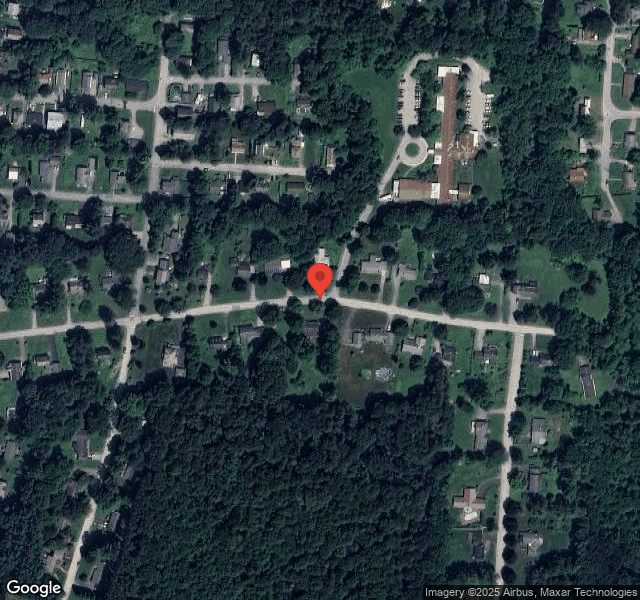
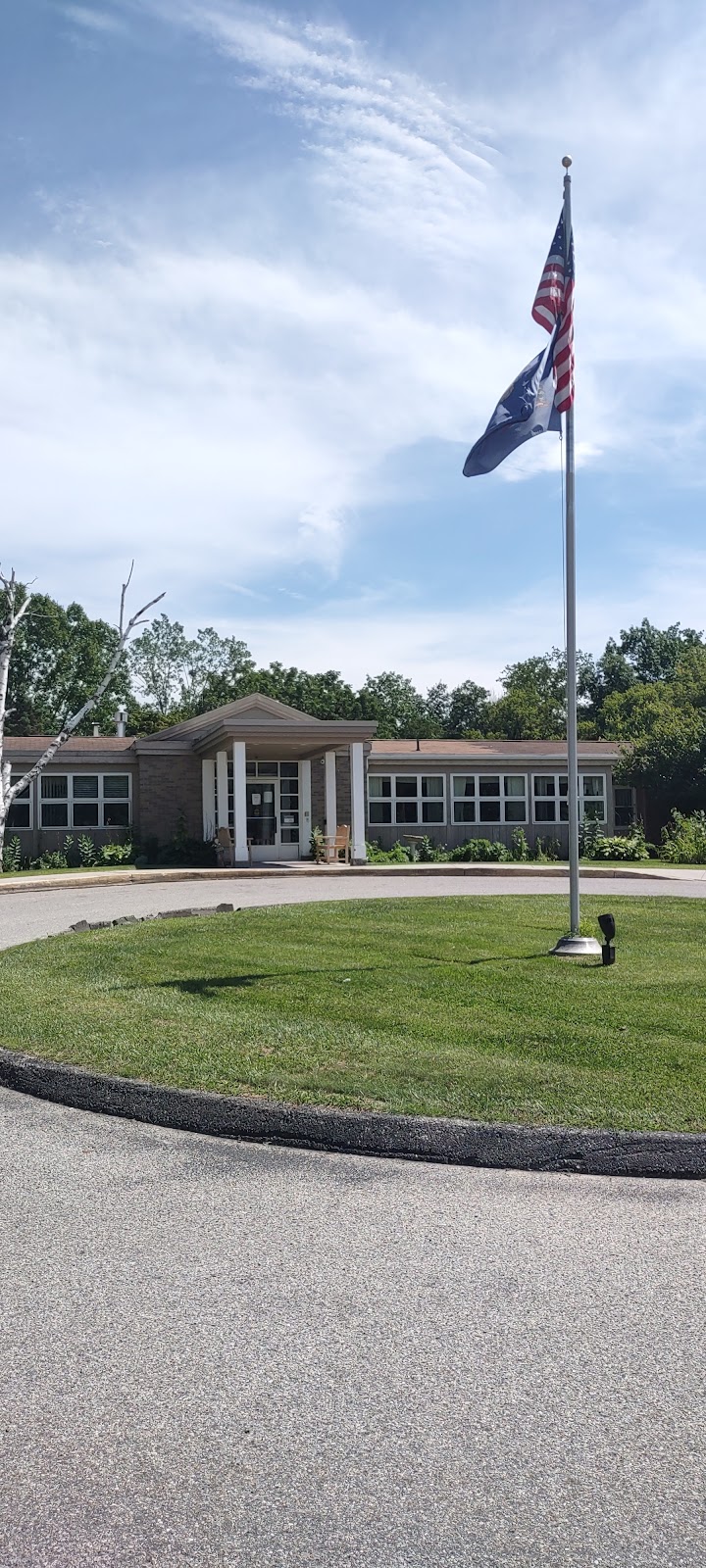
312 Crescent Blvd, Bennington, VT 05201 (802) 447-1501
For profit - Limited Liability company 90 Beds Independent Data: November 2025
Trust Grade
40/100
#12 of 33 in VT
Last Inspection: October 2024

Within standard 12-15 month inspection cycle. Federal law requires annual inspections.

Overview

Crescent Manor Care Centers has a Trust Grade of D, which means it is below average and raises some concerns about the quality of care provided. It ranks #12 out of 33 facilities in Vermont, placing it in the top half, and #2 out of 4 in Bennington County, indicating only one other local option is better. The facility is improving, with the number of issues decreasing from 10 in 2023 to 6 in 2024. However, staffing is a weakness, rated at 2 out of 5 stars, with a 64% turnover rate, suggesting that staff may not remain long enough to build strong relationships with residents. Additionally, there have been serious incidents, including a resident developing a severe pressure ulcer due to inadequate care and another resident being physically abused by a fellow resident because of insufficient supervision. While there are some strengths, such as its average health inspection score, the facility has significant areas needing improvement.

Trust Score
D
40/100
In Vermont
#12/33
Top 36%
Safety Record
High Risk
Review needed
Inspections
Getting Better
10 → 6 violations
Staff Stability
⚠ Watch
64% turnover. Above average. Higher turnover means staff may not know residents' routines.
Penalties
✓ Good
$47,258 in fines. Lower than most Vermont facilities. Relatively clean record.
Skilled Nurses
⚠ Watch
Each resident gets only 22 minutes of Registered Nurse (RN) attention daily — below average for Vermont. Fewer RN minutes means fewer trained eyes watching for problems.
Violations
⚠ Watch
20 deficiencies on record. Higher than average. Multiple issues found across inspections.
★★★☆☆
3.0
Overall Rating
★★☆☆☆
2.0
Staff Levels
★★★☆☆
3.0
Care Quality
★★★☆☆
3.0
Inspection Score
Stable
2023: 10 issues
2024: 6 issues

The Good

  • Full Sprinkler Coverage · Fire safety systems throughout facility
  • No fines on record

Facility shows strength in fire safety.

The Bad

3-Star Overall Rating

Near Vermont average (2.8)

Meets federal standards, typical of most facilities

Staff Turnover: 64%

18pts above Vermont avg (46%)

Frequent staff changes - ask about care continuity

Federal Fines: $47,258

Above median ($33,413)

Moderate penalties - review what triggered them

Staff turnover is elevated (64%)

16 points above Vermont average of 48%

The Ugly 20 deficiencies on record

3 actual harm
Oct 2024 5 deficiencies 1 Harm
SERIOUS (G)

Actual Harm - a resident was hurt due to facility failures

Pressure Ulcer Prevention (Tag F0686)

A resident was harmed · This affected 1 resident

**NOTE- TERMS IN BRACKETS HAVE BEEN EDITED TO PROTECT CONFIDENTIALITY** Based on observations, interviews, and record review, the facility failed to ensure that 1 of 25 residents in the applicable sam...

Read full inspector narrative →
**NOTE- TERMS IN BRACKETS HAVE BEEN EDITED TO PROTECT CONFIDENTIALITY** Based on observations, interviews, and record review, the facility failed to ensure that 1 of 25 residents in the applicable sample (Resident #87) received necessary treatment and services consistent with professional standards of practice to promote healing and prevent infection. As a result, Resident #87's pressure ulcer worsened to stage four, developed an infection, the resident required hospitalized and surgical debridement of the wound, and was not stable enough to be discharged . Findings include: Per record review Resident #87 was admitted to the facility in July 2024 with a goal to discharge home. An admission Minimum Data Set (MDS; a comprehensive assessment used as a care-planning tool) dated 7/30/2024 revealed that Resident #87 had a BIMS (brief interview for mental status; a cognitive assessment) of 15 on admission, indicating that s/he is cognitively intact. S/he was frequently incontinent of urine and always continent of bowel, requiring supervision or touching assistance with toileting hygiene. The MDS also revealed that s/he was admitted with an existing stage 2 pressure ulcer (partial thickness loss of dermis presenting as a shallow open ulcer with a red or pink wound bed, without slough. May also present as an open/ruptured serum-filled blister). A health status note dated 8/6/2024 reveals that Resident #87 was independent with transfers and utilized a wheelchair for mobility. A wound consult progress note dated 8/1/2024 revealed that on exam the Resident had moisture associated skin damage (MASD) measuring as Length (L) 5.5 centimeters (cm), Width (W) 4.5cm, and 0.1cm depth (D). An active problem is listed as irritant contact dermatitis due to friction or contact with body fluids. On 8/9/2024 the wound care Nurse Practitioner (NP) recommended a Flexi Seal (a temporary containment device indicated for immobilized, incontinent patients with liquid or semi-liquid stool) to minimize contamination of the wound. Review of a wound consult progress note dated 8/9/2024 revealed that the wound had declined since 8/1/2024, related to constant stool contamination of wound. The note also states Unable to secure dressing due to constant loose stool contamination . Concern that this wound will not heal with no way to prevent stool contamination. Please refer to PCP [primary care provider] for evaluation. ? [Question] Flexi Seal and/or need for [antibiotics]. A new active problem was added as full incontinence of feces. The wound was not measured during this visit however, the NP wrote, Will re-eval size next week. A Physician progress note dated 8/9/2024 reads The patient was seen by wound care today, where a stage 1 decubitus ulcer was identified in the intergluteal area. This ulcer appears to be exacerbated by fecal material. [The] patient denies any pain in the affected area, which is likely due to decreased sensation in the gluteal region. There is no drainage noted from the ulcer site . Previously, the wound was being treated with Medihoney and a barrier dressing, but this approach has not been successful in managing the ulcer. The wound care team is now recommending a Flexi Seal System for improved fecal management . Agree w/ Flexi Seal System for fecal management . - Order placed for further recommendations - Follow as chronic condition Orders: -Flexi Seal System The facility did not obtain the Flexi Seal as recommended, the wound worsened and became infected . There is no documentation in the medical record regarding follow-up to obtain the Flexi Seal. A NP progress note dated 8/16/2024 indicates that the reason for the visit is a worsening sacral wound. The note states History: - Previously [diagnosed with] moisture associated skin dermatitis - Progressed significantly due to chronic stool contamination - Flexi-seal fecal management system ordered, not arrived - Significant sacral skin breakdown - Unstageable ulcer [a type of ulcer that has full thickness tissue loss but is covered by slough or eschar [dead tissue], which prevents the assessment of the true depth of the ulcer]: top of sacrum to rectal area, ~8-9 inches - L [Left] intergluteal fold: necrotic area w/significant malodor - R [Right] upper gluteal cleft: surrounding warmth, induration, hardened fluctuant area . There are also measurements for MASD Buttock bilateral 6.5cm L x 10cm W x 0.3cm D. Per a Health Status Note written on 8/16/2024 Resident #87 had been seen in the emergency department (ED) for treatment of a wound infection of her/his coccyx. S/he returned with orders for Amoxicillin (antibiotic) for seven days. A Physician Progress note dated 8/20/2024 states Patient seen for follow- up of worsening sacral ulcer in the intergluteal area. The ulcer continues to be contaminated with stools. Flexi Seal System for fecal management is pending arrival. Patient reports no pain. Seen by wound care today. Patient was placed on antibiotic therapy over the weekend after ED visit for possible debridement and treatment . ASSESSMENT AND PLAN: 1. Stage 2 acute sacral ulcer/intergluteal superimposed infection with sloughing tissue - Continue wound care - Santyl ointment for chemical debridement - Consider mechanical debridement if necessary - Awaiting Flexi Seal system to manage fecal material - Switch to IV antibiotics (Zosyn). On 8/25/2024 Resident #87 was seen by a provider via telehealth for evaluation of diarrhea. A new order to hold Bisacodyl (laxative), and an order for Loperamide (antidiarrheal medication) as needed was obtained. The facility still had not obtained the Flexi-Seal that was recommended on 8/9/2024. A Nurse Practitioner (NP) Progress Note dated 8/29/2024 revealed an unstageable wound to coccyx and gluteal cleft extending down bilateral gluteal folds approximately 4.5 x 8 inches. The NP wrote, - Request wound care provider assessment for bedside debridement - Consider wound VAC [vacuum assisted closure, a type of therapy that helps wounds heal] to facilitate healing - Hold antibiotics, monitor closely - Chronic incontinence (urine and loose stools) causing contamination which is complicating healing and creating constant risk of infection. 1.- Requested Flexi-seal stool diversion system (not yet arrived) - Not stable for discharge due to wound complexity and infection risk - Continue close monitoring 2. Chronic incontinence - Requested Flexi-seal stool diversion system (multiple times, not yet arrived) Per a nurse health status note written on 9/4/2024, Resident #87 had an increase in redness to peri wound along with an odor to the wound. New orders for a wound culture and blood work were obtained. A wound consult note dated 9/6/24 states, Wound Care is consulted for evaluation and treatment of a pressure ulcer of the buttocks, present on admission. Initially with rapid deterioration. Concern for frequent stool contamination. Significant in severity . Incontinent of urine and frequent loose stool leading to recurring stool contamination of the wound . Per staff - Concern that wound has new onset odor. WBCs [white blood cells, indicating possible infection] showing elevations again. PCP [primary care provider] to start IV Abx [intravenous antibiotics]. Per Staff Nurse - PCP wonders if a wound vac would be an option. At this time I would discourage use of wound vac provided the wound bed is still [approximately] 50% slough. Still trying to manage frequent stool contamination of wound. Prior discussion about a flexi seal - at this time the facility is still waiting for the equipment. The biggest concern is preventing the wound from constant fecal contamination to prevent infection/sepsis. A NP progress note also dated 9/6/2024 reads follow-up for unstageable sacral/coccyx gluteal wound - Recently completed IV antibiotics course, off for ~1 week - Nursing concerns: returning wound malodor- requested wound swab and lab work. At that time according to nursing vital signs were stable and patient was afebrile. - Denies fevers/chills - Reports increased fatigue and weakness - Appears weak, requires assistance to stand (new in last 10-12h) . - Skin: - Significant malodor from sacral/coccyx wound - Increased surrounding induration and warmth extending to outer gluteal area and lower back - Coccyx/sacral wound: - Significant necrotic slough at top of wound (gluteal cleft/coccyx area) - Tunneling at 2 and 3 o'clock Impression & Plan: 1. Worsening sacral/coccyx wound - Elevated WBC - Continued contamination from feces due to chronic incontinence. Flexi-seal still has not arrived. - Failed recent IV antibiotics - Significant changes: increased weakness, expanding induration/warmth, malodor - Plan: - Immediate, urgent transfer to hospital for surgical evaluation and likely debridement - Communicated with nursing staff and ED - Requested surgical consult for debridement . Hospital discharge notes dated 9/12/2024 indicate that Resident #87 was admitted to the hospital on [DATE] with a necrotic infected stage IV (full thickness) pressure ulcer that required surgical debridement to the bone, and prolonged antibiotic therapy due to osteomyelitis (infection of the bone). A Nurse Practitioner progress note dated 9/13/2024 reveals that the NP continued to recommend a fecal management system due to loose stool contaminating the wound bed and increasing infection risk. Per review of NP progress notes and wound consult progress notes written between 8/9/2024 and 9/13/2024 the NP mentions the need for, and lack of availability of a Flexi Seal to minimize wound contamination from stool on 8/16, 8/20, 8/29, 9/6, and 9/13/2024. During an interview on 10/2/2024 at 4:20 PM the Director of Nursing (DON) confirmed that the facility did not obtain the Flexi Seal per wound care recommendations and physician orders. recommendations . *https://learning.lww.com/files/BacktotheBasicsWoundAssessmentManagementandDocumentation-1662480009184.pdf ** https://www.ncbi.nlm.nih.gov/books/NBK593201/ *** https://www.hhs.texas.gov/sites/default/files/documents/pi-care-plan-highlights.pdf
CONCERN (D)

Potential for Harm - no one hurt, but risky conditions existed

Deficiency F0726 (Tag F0726)

Could have caused harm · This affected 1 resident

Based on staff interview and record review, the facility failed to ensure that all licensed nurses have the specific competencies and skill sets necessary to care for the resident's needs identified t...

Read full inspector narrative →
Based on staff interview and record review, the facility failed to ensure that all licensed nurses have the specific competencies and skill sets necessary to care for the resident's needs identified through resident assessments and the care plan for 2 of the 2 sampled residents (Resident # 291and Resident # 87). Findings include: Per record review, both Resident # 291 and Resident # 87 had wound vacs while admitted to the facility. (A wound vac is an apparatus that promotes wound healing using suction). Per record review, 5 of 5 records sampled for direct care staff caring for the residents did not contain competencies for using a wound vac. Per interview on 10/2/2024 at approximately 2:30 PM, the facility Nurse Educator stated that the facility had not yet developed a competency for wound vacs. S/he stated that s/he had shown some of the staff nurses how to change the dressing and use the specific dressing materials that are required in the vac application, but they have not developed a competency checklist for each nurse for wound vac use that outlines the facility's procedure for wound vac use.
CONCERN (E)

Potential for Harm - no one hurt, but risky conditions existed

Quality of Care (Tag F0684)

Could have caused harm · This affected multiple residents

**NOTE- TERMS IN BRACKETS HAVE BEEN EDITED TO PROTECT CONFIDENTIALITY** 5. Per record review, Resident # 291 was admitted to the facility on [DATE] with diagnoses of Chronic Osteomyelitis, Diabetes, a...

Read full inspector narrative →
**NOTE- TERMS IN BRACKETS HAVE BEEN EDITED TO PROTECT CONFIDENTIALITY** 5. Per record review, Resident # 291 was admitted to the facility on [DATE] with diagnoses of Chronic Osteomyelitis, Diabetes, and Peripheral vascular disease. Per interview on 10/1/2024 at approximately 11:30 AM, Resident # 291 expressed concerns about the staff's knowledge of how to use and apply a wound vac (a device used to close wounds by use of suction), s/he stated the nurses are unsure, and I have to explain it to them. Per observation on 10/2/2024 at approximately 8:15 AM, the dressing to the wound vac was not intact, and the apparatus was not attached to suction. Several observations throughout the day revealed that the apparatus remained unattached to suction until approximately 2:30 PM. Per record review, of the treatment record for Resident # 291 revealed an order: wound vac dressing to left foot: gently cleanse the area, place xeroform over wound followed by black foam, cover with dressing. Wound vac settings 125 mmHg to continuous suction. Per review of a facility policy titled Wound Care and Dressing changes, page three, #3, Obtain an order for secondary dressing to be placed if unable to maintain vacuum seal. Per interview on 10/2/2024 at approximately 2:15 PM with the Facility Educator, s/he indicated s/he was unaware of the policy indicating a need for secondary dressing if suction could not be maintained. S/he trains the floor nurses on using a wound vac by demonstrating its use, but s/he has not yet developed a competency for the staff. When asked if the facility had a standard of practice for using a wound vac, s/he replied that they call the doctor or the vac manufacturer if they have questions but do not have a standard of practice. Per interview on 10/2/2024 at approximately 3:30 PM with the Nursing Supervisor, s/he states that if there is a question about using the wound vac, the DON is contacted, or they call the on-call provider. S/he confirmed she had not completed a competency for using the wound vac apparatus. Per an interview with the Director of Nursing (DON) on 10/03/24 at approximately 11:00 AM, s/he confirmed the wound vac dressing should be removed if the vac cannot be returned to suction at any time, s/he also confirmed that the staff does not have competencies for the use of the wound vac. Based on observation, interview, and record review, the facility failed to provide safe and effective skin and wound care for 4 of 25 sampled residents (Residents #25, #30, #34, and #51) by failing to regularly and accurately perform and document weekly skin checks and non-pressure ulcer wound evaluations consistent with professional standards of practice. The facility also failed to ensure that a Resident with a wound vac received treatment and care in accordance with professional standards of practice and the person-centered care plan for 1 of 2 ( Resident # 291) of the applicable sample. Findings include: 1. Resident #25's weekly skin evaluations do not include documentation of a skin alteration on the hip and there is no wound assessment of Resident #25's skin alteration on the hip or the moisture-associated skin (MASD) damage on the leg. Per record review, Resident #25's care plan reads, [Resident #25] has potential for impairment to skin integrity r/t [realted to] PVD [peripheral vascular disease], immobility, HX [history]: dermatophytic skin lesions He has chronic poor skin integrity of lower extremities r/t [realted to] immobility and diabetes, revised on 8/20/24, with interventions that include, Monitor/document location, size and treatment of skin injury. Report abnormalities, failure to heal, s/sx of infection, maceration etc. to MD, revised on 1/11/23 and Weekly treatment documentation to include measurement of each area of skin breakdown's width, length, depth, type of tissue and exudate and any other notable changes or observations, initiated on 9/10/22. Additionally, Resident #25's care plan reveals that s/he has a self-care performance deficit requiring an extensive 2 person assist for bed mobility and care. Per interview on 9/29/24 6:31 PM, Resident #25 explained that s/he had sores on his/her left leg and bottom that have been there for a while. S/He explained that sometimes the sores heal but they always open right up again. Per observation and interview on 10/1/24 at 2:00 PM, a Licensed Nursing Assistant (LNA) showed this surveyor Resident #25's bottom. There was compromised, red skin on the left backside of his/her thigh and bottom. While the area was covered in an ointment, there were visible open spots, some being two inches long. This LNA explained that these wounds were not new for Resident #25. Per record review, a 9/13/24 wound care progress note reads, Currently being seen for ongoing treatment of MASD of the left hip which tends to recur. This has not been present for many weeks with fluctuations week to week. This week the area remains closed . Though the area remains fragile there is no visible open area for consecutive weeks now. Facility to manage moving forward. A 9/13/24 weekly skin evaluation reveals that a head to toe assessment was performed but the question Does the resident have any impairments in skin integrity, is left blank. A comment reads, no new skin findings. There is no documentation of Resident #25's cluster of blisters to the left hip area. This skin evaluation is not accurate as a 9/13/24 progress note reads, Resident noted to have a cluster of small clear blistered areas to left hip area. A skin evaluation was not completed the following week. Two weeks later, a 9/27/24 weekly skin evaluation reveals that a head to toe assessment was performed but the question Does the resident have any impairments in skin integrity, is left blank. A comment reads, no new skin findings. A 9/30/24 nurse note reveals that Resident #25 is still being treated for his/her wound to his/her hip. Resident #25's medical record does not show any weekly wound assessments since 9/13/24 and there is no documentation of his/her current wound status. A 10/1/24 Physician note reveals Skin: 4x5 cm MASD over intergluteal area (upper and lower parts). Left posterior inner thigh: 2x3 cm MASD area. Barrier cream noted. 2. Resident #30's weekly skin evaluations do not include documentation of a rash. Per record review, Resident #30's care plan reads, [Resident #30] has potential for impairment of skin [related to diagnosis] of Diabetes Mellitus with neuropathy [nerve damage]. incontinence, falls, excoriation, revised on 9/4/24, with an intervention that reads, monitor/document location, size and treatment of skin injury. Report abnormalities, failure to heal, s/sx of infection, macerations etc. to MD, revised on 10/31/22. Additionally, Resident #30's care plan reveals that s/he has a self-care performance deficit requiring a total 2 person assist for toileting and incontinence care. Per observation on 9/29/24 at 4:45 PM, Resident #30 is seen from the hallway sitting in a wheelchair in his/her room. S/He is not wearing any pants and his/her groin area is dark red on the edges of his/her brief. Per observation and interview on 10/1/24 at 2:49 PM, two LNAs are helping Resident #30 with incontinence care. The LNAs remove Resident #30's brief and his/her groin area has a red rash at least two inches on each side of his/her legs. When the LNAs wash Resident #30's groin area, Resident #30 begins to yell out in pain. The LNAs explained that Resident #30's groin area had been like that for at least a month and it does seem to hurt him/her when they provide him/her incontinence care. Per record review, Resident #30 has a physician order for Miconazole Nitrate Powder . Apply to buttocks, groin legs topically two times a day for fungal rash, with a start date of 7/9/24. Resident #30's care plan does not address the actual skin impairment to his/her groin area or the need for treatment. Record review reveals that Resident #30's skin evaluations do not have documentation of his/her fungal rash. Resident #30's last skin evaluation, dated 9/23/24, reveals the only documented skin alteration is a left lower leg excoriation. 3. Resident #34 does not have weekly skin evaluations and there is no evaluation of his/her multiple bruises. Per record review, Resident #34's care plan reads, [Resident #34] has potential for impairment to skin integrity r/t decreased mobility, fragile skin, incontinence bowel/bladder. [Resident #34] is at high risk for injury, such as bruising due to [his/her] impulsive behavior and poor safety awareness. [S/He] can become easily agitated and ambulate hurriedly causing contact injury with walker, furniture, bed, etc. 8/16/24 right upper arm bruising, revised on 8/16/24. Per observation on 9/30/24 at 10:49 AM, Resident #34 is sitting in a chair by the nursing station. A couple scabs and a couple small open spots that are freshly open and bright red are noticeable on his/her arms. Per interview on 10/1/24 at 9:23 AM, an LNA explained that in addition to the scabs that can be seen on Resident #34's arms, he has some scabs on his legs and bruises which have been there for a while. Per observation and interview on 10/2/24 at 4:04 PM, an LNA was providing care to Resident #34. Resident #34 had three dark bruises about 1 inch in diameter and multiple faded bruises on both legs. The LNA explained that the bruising has been there for a long time. Per a list of standard assessments in Resident #34's electronic medical record, Resident #34's last weekly skin evaluation was completed on 8/15/24. There was no documentation of Resident #34's skin alterations in his/her medical record. 4. Resident #51 does not have weekly skin evaluations. Per record review, Resident #51 was admitted [DATE] following a hip surgery. An 8/16/24 Nurse Practitioner note reads that Resident #51 has multiple open lesions (various healing stages) on fingers, arms, torso, pubic area, beltline [and a] right surgical incision. Resident #51's care plan reads [Resident #51] has potential for impairment to skin integrity r/t decreased mobility, fragile skin, incontinence bowel/bladder, surgical wound, pickers pustules, revised on 9/4/24 with the following intervention, Monitor/document location, size and treatment of skin injury. Report abnormalities, failure to heal, s/sx of infection, maceration etc. to MD, initiated on 8/17/24. Per a list of standard assessments in Resident #51's electronic medical record, Resident #51 does not have any completed weekly skin evaluations since his/her admission on [DATE]. 5. The facility does not have a system to ensure that residents are getting accurate weekly skin assessments and weekly wound evaluations. There are no written procedures for staff to follow. Per interview on 10/1/24 at 10:44 AM, the Director of Nursing (DON) confirmed that skin evaluations and wound evaluations should be completed weekly. S/He confirmed that when they are done, all skin impairments will be entered into the weekly skin evaluation form and any non-pressure wound and any wound not being followed by the contracted wound team would have a weekly wound evaluation which would also be included in the weekly wound evaluation. When asked how a nurse would know that skin and wound management has been transferred to the facility, s/he replied that s/he was unsure. Per interview on 10/2/24 at 2:27 PM, the DON confirmed that weekly skin evaluations should include documentation of any compromised skin including surgical, moisture, fungal, rash, skin tear, bruising and was unable to produce evidence that skin evaluations for Residents #25, #30, #34, and #51 that documented the actual status of their skin. Per a review of facility policy titled Preventive Skin Care Policies, dated 2020, the policy does not provide guidance on how often a nurse should complete a comprehensive skin assessment and how to document findings. Facility policy titled Wound Care and Dressing Changes, last revised 9/2020, does not provide guidance on monitoring or evaluating wounds. Per an email dated 10/2/24, the Administrator explained that they follow evidence based practices provided by the contracted wound team in addition to the polices above for pressure injuries. The facility did not provide this surveyor with evidence based practices to follow for non-pressure injuries.
CONCERN (E)

Potential for Harm - no one hurt, but risky conditions existed

Infection Control (Tag F0880)

Could have caused harm · This affected multiple residents

Based on observation, interview, and record review, the facility failed to implement an infection prevention and control program designed to help prevent the development and transmission of communicab...

Read full inspector narrative →
Based on observation, interview, and record review, the facility failed to implement an infection prevention and control program designed to help prevent the development and transmission of communicable diseases and infections related to the use of personal protective equipment for 3 of 12 residents on precautions (Residents #51, #25, and #30). Findings include: Per observation on 10/1/24 at 1:55 PM, roommates Resident #51 and Resident #25 have a personal protective equipment caddy on their door. Per record review, Resident #51's care plan reads [Resident #51] has dx [diagnosis] of MRSA+ [Methicillin-resistant Staphylococcus aureus positive, a bacteria that can cause infections] right hip surgical wound, revised on 9/3/24 with an intervention for CONTACT ISOLATION [wearing gowns and gloves when touching the patient or their environment], initiated on 9/3/24. Resident #25's care plan reads, [Resident #25] has ESBL [extended-spectrum beta-lactamase; bacteria resistant to antibiotics] to left hip and is on Enhanced Barrier precautions [wearing gowns and gloves during high-contact resident care activities], revised 9/17/24, with an intervention that reads, resident to be maintained on Enhanced Barrier precautions, revised 9/17/24. Per observation on 10/1/24 at 1:55 PM, a Licensed Nursing Assistant (LNA) assisted Resident # 51 with toileting and was not wearing a gown. A few minutes later, at 2:00 PM, this LNA was observed touching a wound on Resident #25 and was not wearing a gown. Per interview on 10/1/24 at 2:08 PM a Licensed Practical Nurse confirmed that Residents #51 and #25 were both on precautions and the LNA should have been wearing a gown while doing any kind of personal care for Residents #51 and #25. Per observation on 10/1/24 at 2:45 PM, Resident #30 had a personal protective equipment caddy on his/her door. Per record review, Resident #30's care plan reads, [Resident #30] has potential for impairment of skin [related to diagnosis] of Diabetes Mellitus with neuropathy [nerve damage]. incontinence, falls, revised on 9/4/24, with an intervention that reads, Enhanced Barrier Precautions for [lower left extremity] open areas, initiated on 7/25/24. Per observation on 10/1/24 at 2:49 PM, two LNAs were observed assisting Resident #30 with toileting. Neither of the LNAs were wearing gowns. Per interview on 10/2/24 at 9:31 AM, the Infection Preventionist confirmed that Residents #25, #30 and #51 were on precautions and that the LNAs should be wearing gowns and gloves for personal care.
MINOR (C)

Minor Issue - procedural, no safety impact

Deficiency F0730 (Tag F0730)

Minor procedural issue · This affected most or all residents

Based on interviews and employee files, the facility failed to ensure that Licensed Nursing Assistants ( LNAs) received annual performance evaluations for 2 of the 2 LNAs employee files reviewed. Find...

Read full inspector narrative →
Based on interviews and employee files, the facility failed to ensure that Licensed Nursing Assistants ( LNAs) received annual performance evaluations for 2 of the 2 LNAs employee files reviewed. Findings Include: Per review of employee files for LNAs who have worked at the facility for longer than a year, no nurse aide performance evaluations were completed within the past year. Per interview on 10/2/2024 at approximately 11:00, the Administrator confirmed that employee annual performance evaluations for the LNAs had not been completed.
Apr 2024 1 deficiency
CONCERN (D) 📢 Someone Reported This

A family member, employee, or ombudsman was alarmed enough to file a formal complaint

Potential for Harm - no one hurt, but risky conditions existed

Deficiency F0658 (Tag F0658)

Could have caused harm · This affected 1 resident

**NOTE- TERMS IN BRACKETS HAVE BEEN EDITED TO PROTECT CONFIDENTIALITY** Based on interview and record review the facility failed to ensure that a resident was assessed for injuries and complications i...

Read full inspector narrative →
**NOTE- TERMS IN BRACKETS HAVE BEEN EDITED TO PROTECT CONFIDENTIALITY** Based on interview and record review the facility failed to ensure that a resident was assessed for injuries and complications in accordance with professional standards and per facility policy after sustaining a fall for 1 of 6 residents in the sample (Resident #1). Findings include: Per record review Resident #1 was admitted to the facility on [DATE] with a history of falling at home. On 3/24/2024 Resident #1 reported to a licensed nursing assistant (LNA) that they had an unwitnessed fall. The LNA then reported the fall to a nurse working on the unit. The nurse asked the LNA to report it to the Registered Nurse (RN) who was assigned to Resident #1's care, as the RN could assess. Per statement given by the RN, s/he had not been informed that the resident had reported a fall. Because the RN was not aware, Resident #1 had not been assessed for injury or complications on 3/24/24 after reporting that they had fallen. A nursing progress note dated 3/29/2024 indicates that Resident #1 was noted to have a large bruise of unknown origin on the back of their head. Review of the facility incident report includes witness statements that reflect that although the resident reported having a fall, nursing staff did not complete an assessment of their condition. A witness statement provided by the LNA on 3/29/24 that states When I went in to [Resident #1's] room [s/he] was sitting on the side of [her/his] bed. [S/he] told me that [s/he] had fallen and said [her/his] neck and head hurt. I had not seen [her/him] fall or on the floor at all. I notified my nurse right away. A statement completed by the nurse on 3/29/24 states LNA came to me to about resident reporting that resident told [her/him] [s/he] had a fall. I asked [the LNA] to tell the patients nurse as [s/he] is a RN (registered nurse) and can complete RN assessment. I was working on upper end of hallway and had not seen [Resident #1] yet that morning. The RN statement written on 3/30/24 states I did not receive a report that the resident fell. The facility procedure titled Accident/Incident Reports states: 1. All accidents and incidents must be reported and completed in point click care. 2. All accidents and incidents should be reported immediately to the RN Supervisor for assessment . Per interview with the Director of Nursing (DON) on 4/2/24 at 4:10 PM, during the facility investigation of the bruise of unknown origin identified on 3/29/24 it was discovered that on 3/24/24 Resident #1 had reported to a LNA that s/he had fallen. The RN who was assigned to Resident #1 reported that s/he was not aware of the fall. The DON confirmed that the resident should have been assessed at the time of the fall and was not. Sandr M. [NAME], MSN, ANP-BC, ed.2019. Lippincott Manual of Nursing Practice- 11th Ed. Philadelphia, PA. [NAME] & [NAME]
Nov 2023 1 deficiency
CONCERN (F) 📢 Someone Reported This

A family member, employee, or ombudsman was alarmed enough to file a formal complaint

Potential for Harm - no one hurt, but risky conditions existed

Deficiency F0726 (Tag F0726)

Could have caused harm · This affected most or all residents

Based on interview, staff education record review, and the facility assessment, the facility failed to ensure that licensed nurses were assessed for competency and skill sets to provide care and respo...

Read full inspector narrative →
Based on interview, staff education record review, and the facility assessment, the facility failed to ensure that licensed nurses were assessed for competency and skill sets to provide care and respond to each resident's individualized needs. This has the potential to affect all residents. The facility assessment, last reviewed by the facility on 4/2023, states on page 11 that All staff attend general orientation as well as departmental training and associated competencies required for their position. Included in the list of staff competencies are Wound Care/Treatment Administration, and Specialized Care (ostomy care, catheter management/insertion, blood glucose testing, oxygen administration, dialysis care, tube feeding). Per interview with the North Unit Registered Nurse Manager (UM) on 11/14/23 at 1:00 PM there are two Residents on the North Unit who have extensive pressure ulcers that require dressing changes. The UM confirmed that the nursing staff provide wound care. Per review of 5 sampled employee education records, 2 contracted Licensed Practical Nurses (LPNs) and 2 Registered Nurses did not have documentation of the above-listed competency evaluation to demonstrate that they had the necessary skills to provide care needed. Per interview on 11/14/23 at 1:13 PM with the Staff Educator each nurse has a Medication Pass competency completed by the nurse who is orienting them. However, s/he has not been completing any competency evaluations during orientation or annually. At 2:58 PM the Staff Educator confirmed that the 2 LPNs and 2 RNs reviewed had not been assessed for competency in the skills needed to provide care based on the Resident care needs and the facility assessment.
Oct 2023 2 deficiencies 2 Harm
SERIOUS (G) 📢 Someone Reported This

A family member, employee, or ombudsman was alarmed enough to file a formal complaint

Actual Harm - a resident was hurt due to facility failures

Free from Abuse/Neglect (Tag F0600)

A resident was harmed · This affected 1 resident

Based on interview and record review, the facility failed to protect the resident's right to be free from physical abuse by another resident for one applicable resident (Resident #1). Findings include...

Read full inspector narrative →
Based on interview and record review, the facility failed to protect the resident's right to be free from physical abuse by another resident for one applicable resident (Resident #1). Findings include: Record review reveals that Resident #1 has a diagnosis of dementia with psychosis and was assessed on 8/22/23 to have a BIMS of 4 (brief interview for mental status; a cognitive assessment score indicating severe cognitive impairment). Resident #1's care plan states that s/he wanders throughout hall/facility/into others room R/T [related to] dementia and independent mobility, revised on 9/5/23, and has interventions that include, Distract [Resident #1] from wandering by offering pleasant diversions, structured activities, food, conversation, television, book, revised on 2/15/23, and Identify pattern of wandering: Is wandering purposeful, aimless, or escapist? Is resident looking for something? Does it indicate the need for more exercise? Intervene as appropriate, created on 12/16/21. Resident #2 has a diagnosis of vascular dementia and was assessed on 9/19/23 to have a BIMS of 9 (indicating moderately impaired cognition). Resident #2's care plan states that s/he has potential to be physically aggressive r/t Dementia, revised on 7/7/23, and [Resident #2] wanders throughout hall R/T dementia, confusion, revised on 7/7/23, and has interventions that include Anticipate [Resident #2's] needs: food, thirst. toileting needs, comfort level, body positioning, pain etc., revised on 11/3/22, and Distract [Resident #2] from wandering by offering pleasant diversions, structured activities, food, conversation, television, book, revised on 11/3/22. Review of a facility incident report dated 10/2/23 at 9:30 PM for Resident #1 reveals that Resident #1 was found in another resident's room with bruising on his/her face, blood on his/her clothing, and blood on the floor of the room. Review of a facility resident to resident altercation investigation summary dated 10/9/23 reveals that Resident #1 was wandering the hallway around 10:00 PM when Resident #2 joined Resident #1 in wandering the halls. While walking past Resident #2's room, Resident #1 tried to move a locked wheelchair in the hall. Resident #2 took the wheelchair and hit Resident #1 in the legs with it. Resident #2 then took his/her closed fist and struck Resident #1 in the nose, which then began to bleed. The summary states that this altercation was not witnessed by staff. A nursing note dated 10/5/23 reveals that discoloration continued to be present to Resident #1's nose and bilaterally around the eyes. A social service note dated 10/5/23 reveals that while Resident #1 could not recall how s/he got the bruise on his/her nose, s/he did report that it was sore. Per interview on 10/23/23 at approximately 1:30 PM, the Director of Nursing stated that the altercation between Resident #1 and #2 reported in the investigation summary was confirmed by watching video footage of the event while investigating the cause of Resident #1's bloody nose. S/He stated that the video revealed that when Resident #2 punched Resident #1 in the face, Resident #1 fell to the floor. S/He stated that the investigation determined that the root cause of the altercation was due to the wheelchair being left in the hall and a lack of supervision of residents. See F689 for more information.
SERIOUS (G) 📢 Someone Reported This

A family member, employee, or ombudsman was alarmed enough to file a formal complaint

Actual Harm - a resident was hurt due to facility failures

Accident Prevention (Tag F0689)

A resident was harmed · This affected 1 resident

Based on interview and record review, the facility failed to ensure that all known and foreseeable hazards in the resident's environment were eliminated and failed to provide sufficient supervision to...

Read full inspector narrative →
Based on interview and record review, the facility failed to ensure that all known and foreseeable hazards in the resident's environment were eliminated and failed to provide sufficient supervision to each resident for 2 applicable residents (Resident #1 and #2) resulting in Resident #1 being physically abused. Findings include: Record review reveals that Resident #1 has a diagnosis of dementia with psychosis and was assessed on 8/22/23 to have a BIMS of 4 (brief interview for mental status; a cognitive assessment score indicating severe cognitive impairment). Resident #1's care plan states that s/he wanders throughout hall/facility/into others room R/T [related to] dementia and independent mobility, revised on 9/5/23, and has interventions that include, Distract [Resident #1] from wandering by offering pleasant diversions, structured activities, food, conversation, television, book, revised on 2/15/23, and Identify pattern of wandering: Is wandering purposeful, aimless, or escapist? Is resident looking for something? Does it indicate the need for more exercise? Intervene as appropriate, created on 12/16/21. Resident #2 has a diagnosis of vascular dementia and was assessed on 9/19/23 to have a BIMS of 9 (indicating moderately impaired cognition). Resident #2's care plan states that s/he has potential to be physically aggressive r/t Dementia, revised on 7/7/23, and [Resident #2] wanders throughout hall R/T dementia, confusion, revised on 7/7/23, and has interventions that include Anticipate [Resident #2's] needs: food, thirst. toileting needs, comfort level, body positioning, pain etc., revised on 11/3/22, and Distract [Resident #2] from wandering by offering pleasant diversions, structured activities, food, conversation, television, book, revised on 11/3/22. Review of a facility resident to resident altercation investigation summary dated 10/9/23 reveals that Resident #1 was wandering the hallway around 10:00 PM when Resident #2 joined Resident #1 in wandering the halls. While walking past Resident #2's room, Resident #1 tried to move a locked wheelchair in the hall. Resident #2 took the wheelchair and hit Resident #1 in the legs with it. Resident #2 then took his/her closed fist and struck Resident #1 in the nose, which then began to bleed. The summary states that this altercation was not witnessed by staff. A nursing note dated 10/5/23 reveals that discoloration continued to be present to Resident #1's nose and bilaterally around the eyes. A social service note dated 10/5/23 reveals that while Resident #1 could not recall how s/he got the bruise on his/her nose, s/he did report that it was sore. Per interview on 10/23/23 at approximately 1:30 PM, the Director of Nursing (DON) stated that the altercation between Resident #1 and #2 as described in the 10/9/23 investigation summary was confirmed by watching video footage of the event. The DON explained that the video footage revealed that Residents #1 and #2 were wandering for approximately 10 minutes without supervision. S/He stated that a staff member should be monitoring the hallway at all times during the off shifts (indicating that this took place during an off shift) and that if the residents were supervised, this incident would not have occurred because staff would have been able to intervene. S/He stated that resident equipment, such as wheelchairs, should not be left in the hallway when not in use. S/He confirmed the root cause of the altercation was due to the wheelchair being left in the hall and a lack of supervision of residents.
Aug 2023 1 deficiency
CONCERN (D) 📢 Someone Reported This

A family member, employee, or ombudsman was alarmed enough to file a formal complaint

Potential for Harm - no one hurt, but risky conditions existed

Report Alleged Abuse (Tag F0609)

Could have caused harm · This affected 1 resident

Based on staff interviews and record review the facility failed to ensure that an allegation of staff to resident abuse was reported to the State Survey Agency as required. Findings include: Per inter...

Read full inspector narrative →
Based on staff interviews and record review the facility failed to ensure that an allegation of staff to resident abuse was reported to the State Survey Agency as required. Findings include: Per interview on 8/17/2023 at approximately 9:00 AM with the Director of Nursing (DNS), a note that was left by a Licensed Nurse Assistant (LNA) who had been orienting to the facility was found on the morning of 8/14/2023. Per the DNS the note stated that residents had been abused and s/he should be ashamed of her/himself by the way things are run. Review of the note revealed that the LNA had alleged staff to resident abuse and neglect. The note that was signed by the LNA and dated 8/13/2023 stated You should be ashamed of how this place is run. I have seen abuse and neglect like I have never seen! Shame on you all! Per interview on 8/17/2023 at approximately 3:30 PM the DNS stated that an internal investigation had been conducted on 8/14/2023 by interviewing staff who had worked with the orienting LNA however, the interviews had not been documented. The DNS stated that based on the information provided, and the interviews conducted s/he was unable to substantiate abuse or neglect. The DNS confirmed that the allegation of abuse and neglect had not been reported to the State Survey Agency.
Jul 2023 5 deficiencies
CONCERN (D)

Potential for Harm - no one hurt, but risky conditions existed

Deficiency F0657 (Tag F0657)

Could have caused harm · This affected 1 resident

Based on observation, interview, and record review the facility failed to ensure that a resident's care plan was updated after a change in condition with resident centered interventions that reflected...

Read full inspector narrative →
Based on observation, interview, and record review the facility failed to ensure that a resident's care plan was updated after a change in condition with resident centered interventions that reflected the resident's current care needs for 1 of 22 residents included in the sample (Resident #2). Findings include: Per observations made throughout survey between 7/17 - 7/19/2023 Resident #2 was assisted with mobility in a Broda (reclining chair) with one staff member pushing the chair. Per record review Resident #2 has a diagnosis of dementia with behavior disturbance and has experienced a recent decline in cognition and ambulation status related to disease progression. Per the resident's activities of daily living (ADL) care plan S/he requires extensive assistance from two staff members to transfer and ambulate. S/he also requires total assistance with wheelchair mobility and a Broda. A care plan focus for falls reflects that Resident #2 wanders frequently and does not recognize when S/he is tired or unable to ambulate due to safety and fatigue. An intervention states Ensure [Resident] has [his/her] walker when walking independently. Per interview with the Licensed Practical Nurse Unit Manager (UM) on 7/26/23 at 2:21 PM, S/he stated that Resident #2 has had a change in condition and requires more assistance with activities of daily living including ambulation and mobility. The UM confirmed that the falls care plan does not accurately reflect Resident #2's status and current care needs related to ambulation.
CONCERN (D)

Potential for Harm - no one hurt, but risky conditions existed

Deficiency F0697 (Tag F0697)

Could have caused harm · This affected 1 resident

Based upon interview and record review, the facility failed to ensure that pain management was provided to residents who require such services, consistent with professional standards of practice and t...

Read full inspector narrative →
Based upon interview and record review, the facility failed to ensure that pain management was provided to residents who require such services, consistent with professional standards of practice and the comprehensive person-centered care plan for one resident [Res.#35] of 26 sampled residents. Findings include: Per record review, Res.#35 was admitted to the facility with diagnoses that include Chronic Pain and Osteoarthritis [Inflammation of one or more joints, a form of arthritis that affects joints in the hand, spine, knees, and hips.] A review of Res.#35's Care Plan reveals the resident identified as having chronic pain related to Arthritis and I am on narcotic pain medication therapy related to chronic pain related to osteoarthritis, osteoporosis. Care Plan interventions to address the resident's pain include Administer medications as per MD orders, update MD as indicated, and Administer Analgesic medications [medications used to relieve pain] as ordered by a physician. Review Physician Orders for Res.#35 and of the Medication Administration Record [MAR] for Res.#35 for June 2023 reveals an order for Oxycodone [an opioid pain medication used to treat moderate to severe pain] to be administered twice daily, at 7:30 AM and 4:00 PM. The June MAR documents on 6/28/23 at 4:00 PM; the Oxycodone was not given as ordered to Res.#35. The corresponding Nursing Notes record the medication as on order with no further documentation. Further review of the MAR reveals the next dose, due on 6/29/23 at 7:30 AM, also documented as not given, with the Nurse's Note recording the pain medication as unavailable with no follow-up notes. The next ordered dose, on 6/30/23, again is marked as not given with the corresponding Nurses Note recording not available and again with no further documentation. An interview was conducted with the Unit Manager [UM] for resident #35 on 7/25/23 at 1:43 PM. The UM stated that the facility's process regarding unavailable medications or if the medication is not given includes contacting the resident's Physician to determine how to proceed. The UM stated that the Physician's notification would be documented in the resident's Nurse's Notes. Per interview and record review, the UM confirmed that medical records for resident #35 revealed Medication Administration Records [MAR] documented medications as not given and referrals to Nurses Notes. Referral back to Nurse's Notes on the days where the MAR indicates the medications were not given, include notations that the medications were unavailable or on order and no further notation. Per an interview with the UM and per record review, the UM confirmed that Res.#35's Care Plan interventions included Administer medications as per MD orders and update MD as indicated. The UM confirmed that the Care Plan interventions were not implemented, and there was no documentation in Res.#35's medical record that the resident's Physician was notified that the prescribed pain medication was not given as ordered.
CONCERN (D)

Potential for Harm - no one hurt, but risky conditions existed

Deficiency F0744 (Tag F0744)

Could have caused harm · This affected 1 resident

Based on observation, interview, and record review, the facility failed to provide activities that are directed toward understanding, preventing, relieving, and/or accommodating a resident's loss of a...

Read full inspector narrative →
Based on observation, interview, and record review, the facility failed to provide activities that are directed toward understanding, preventing, relieving, and/or accommodating a resident's loss of abilities for 1 of 6 sampled residents who reside on the locked special care unit (Resident #2). Findings include: 1. Per record review Resident #2 has diagnoses that include dementia with behavior disturbance, anxiety, and major depressive disorder. Review of Resident #2's care plan reveals that there is no activity specific care plan. A social work care plan focus initiated on 7/24/2019 revealed that Resident #2 suffers the effects of dementia and has memory loss and confusion. The care plan goal is I will become comfortable with my new home Interventions provided to assist in meeting this goal are will become comfortable with my new home. I enjoy yard work and would like to work on a garden. I like to be outside in the sunshine. I like to work with my hands. Please provide me with things to do. Please help me to stay busy. Per observations on 7/17/23 at 2:00 PM Resident #2 was seen sitting at a table in the dining/activities room. S/he had a magazine placed in front of her/him and was sleeping. Each day between 7/17/23 and 7/19/23 both in the morning and afternoon there was a group of residents gathered outside socializing, Resident #2 was observed sitting in the dining/activity room at a table. On 7/18/23 at 12:45 PM a Licensed Nursing Assistant (LNA) was assisting the resident to finish her/his meal. When the meal was finished the LNA left the room to assist other residents, leaving Resident #2 at the table with another resident who was sleeping. Resident #2 was not assisted outside at all over the three days of survey. Per interview with an activity assistant on 7/19/2023 at 8:15 AM S/he stated that there is an activity calendar for the unit and they do activities based on what is on the calendar when they can. When asked about Resident #2 the assistant stated that S/he has had a recent change. The resident used to walk around, and it was hard to get her/him to sit down to participate. Now he sits in the chair all day and they give her/him books to look at. The activity assistant confirmed that Resident #2 had not been assisted outside over the past three days. Review of the Therapeutic Activities Task Sheets Resident #2 spent 10-15 minutes per day in activities between 6/27-7/25/2023. Per interview with the Director of Activities and an activity assistant on 7/19/23 at approximately 11:00 AM activity staff who work on the special care unit they tailor the activities toward the residents who are up and able to participate.
CONCERN (D)

Potential for Harm - no one hurt, but risky conditions existed

Medication Errors (Tag F0758)

Could have caused harm · This affected 1 resident

Based on interview and record review the facility failed to ensure the physician documented a rationale for extending an as needed (PRN) order for a psychotropic drug for more than 14 days for 1 of 5 ...

Read full inspector narrative →
Based on interview and record review the facility failed to ensure the physician documented a rationale for extending an as needed (PRN) order for a psychotropic drug for more than 14 days for 1 of 5 sampled residents (Resident # 56). Findings include: Per record review Resident #56 had a physicians order for Lorazepam (an anti-anxiety medication) 0.5 mg 1 tablet by mouth every 4 hours as needed for anxiety or agitation for 14 days. On 6/13/23, 6/28/23, and 7/13/23 the PRN Lorazepam was reordered with no documentation of rationale for extending the 14 day order. During interview on 7/26/23 at 2:30 PM the Director of Nursing confirmed that the order for Lorazepam had been extended on 6/13, 6/28, and 7/13/23 without physician documented rationale.
CONCERN (E)

Potential for Harm - no one hurt, but risky conditions existed

Pharmacy Services (Tag F0755)

Could have caused harm · This affected multiple residents

Based upon interview and record review, the facility failed to provide routine and emergency drugs and biological's to its residents as ordered by a Physician for 3 residents [Res.#35, #42, & #43] of ...

Read full inspector narrative →
Based upon interview and record review, the facility failed to provide routine and emergency drugs and biological's to its residents as ordered by a Physician for 3 residents [Res.#35, #42, & #43] of 26 sampled residents. Findings include: 1.) Review of Res.#35's medical record reveals the resident was admitted to the facility with diagnoses that include Chronic Pain related to Osteoarthritis, Lactose Intolerance, Major Depressive Disorder, and Hypertension [high blood pressure]. Review of Physician Orders for Res.#35 and of the Medication Administration Record [MAR] for June 2023 reveals an order for Oxycodone [an opioid pain medication used to treat moderate to severe pain] to be administered twice daily. Res.#35's MAR records that the Oxycodone was not administered as ordered on 6/28, 6/29, & 6/30/23. Further review of Res.#35's MAR reveals an order for Lactaid [a medication used to treat Lactose Intolerance] to be given daily before each meal. Res.#35's MAR records that the Lactaid medication was not administered as ordered on 6/13, 6/15, & 6/16/23. Res.#35's Physician Orders and MAR also contain an order for Sertraline [an antidepressant medication ordered to treat Res.#35's diagnosis of Major Depressive Disorder] to be administered daily. A Review of Res.#35's MAR records the Sertraline was not given as ordered on 6/3/23. A Review of Res.#35's July Medication Administration Record [MAR] again records multiple medications not given as ordered by the physician. On 7/10/23, Res.#35's MAR records Ibuprofen [a pain relief medication], Melatonin [a sleep aide medication], and Docusate [stool softener] all not given as ordered. Further review reveals that on 7/14/23, in addition to the 3 July medications listed above, Metoprolol [a medication used to treat high blood pressure] was also not given as ordered. A Review of Res.#35's medical record reveals no documentation that the resident's physician was notified that the prescribed medications were not given as ordered on any of the June or July listed dates. 2.) Review of Res.#42's medical record reveals the resident was admitted to the facility with diagnoses that include Chronic Obstructive Pulmonary Disease [a chronic inflammatory lung disease], Asthma, Diabetes, and Hyperlipidemia [high cholesterol]. Review of Physician Orders for Res.#42 and of the Medication Administration Record [MAR] for Res.#42 for June 2023 reveals an order for Jardiance [a medication used to treat high blood sugar related to Diabetes] and Atorvastatin [used to treat high cholesterol] to be administered daily. Review of Res.#42's MAR for 7/9/23 records neither medication administered to the resident. Additionally, Res.#42's July MAR records that the medication Symbicort [used to control wheezing and shortness of breath caused by asthma or chronic obstructive pulmonary disease] not given as ordered on 7/22 & 7/23/23. Review of Res.#42's medical record reveals no documentation that the resident's physician was notified that the prescribed medications were not given as ordered on any of the listed dates. 3.)A Review of Res.#43's medical record reveals the resident was admitted to the facility with diagnoses that include Anxiety Disorder, Hypothyroidism, and contractures of both knees and ankles. Review of Physician Orders for Res.#43 and of the Medication Administration Record [MAR] for June 2023 reveals an order for Gabapentin [used to treat pain caused by dysfunction in the nervous system]. Review of Res.#43's MAR for 6/21/23 records the medication not given to the resident. Review Physician Orders for Res.#43 and MAR for July 2023 reveals the Gabapentin again not given to the resident as ordered on 7/14/23. Further review of Res.#43's July MAR reveals the medication Atorvastatin [used to treat high cholesterol] not given as ordered on 7/14/23, Levothyroxine [for Res.#43's Hypothyroidism] not given to the resident as ordered on 7/5 & 7/13/23, and the medication Buspirone [prescribed for Anxiety] was not given as ordered 2 times on 7/4/23. A Review of Res.#43's medical record reveals no documentation that the resident's physician was notified that the prescribed medications were not given as ordered on any of the June or July listed dates. An interview was conducted with the Unit Manager [UM] for residents #35, #42, & #43 on 7/25/23 at 1:43 PM. The UM stated that the facility's process regarding unavailable medications or if the medication is not given includes contacting the resident's Physician to determine how to proceed. The UM stated that the Physician' notification would be documented in the resident's Nurses Notes. Per interview and record review, the UM confirmed that medical records for residents #35, #42, & #43 revealed Medication Administration Records [MAR] documented medications as not given and referrals to Nurses Notes. Referral back to Nurses Notes on the days where the MAR indicate the medications were not given include notations that the medications were unavailable, on order or no notation at all. Per interview with the UM and per record review, the UM confirmed there was no documentation in any of the reviewed residents' medical records that the residents' Physician[s] were notified that the prescribed medications were not given as ordered.
Feb 2023 1 deficiency
CONCERN (D) 📢 Someone Reported This

A family member, employee, or ombudsman was alarmed enough to file a formal complaint

Potential for Harm - no one hurt, but risky conditions existed

Deficiency F0557 (Tag F0557)

Could have caused harm · This affected 1 resident

**NOTE- TERMS IN BRACKETS HAVE BEEN EDITED TO PROTECT CONFIDENTIALITY** Based on staff interview and record review the facility failed to ensure that 1 of 4 residents (Resident #1) in the applicable s...

Read full inspector narrative →
**NOTE- TERMS IN BRACKETS HAVE BEEN EDITED TO PROTECT CONFIDENTIALITY** Based on staff interview and record review the facility failed to ensure that 1 of 4 residents (Resident #1) in the applicable sample were treated with dignity and respect related to refusal of care. Per record review Resident #1 was admitted to the facility on [DATE] with diagnoses that include dementia with behavioral disturbance. Progress notes reveal that the Resident is combative, which includes hitting, kicking, biting, spitting, scratching, screaming, and swearing at staff during episodes of care. A care plan initiated on 2/3/2023 and revised on 2/15/2023 states [Resident] is resistive to care at times and can become physically aggressive r/t Dementia. The stated goal reflects [Resident] will cooperate with care through next review date. Interventions include At times I may injure myself during times of increased agitation as I kick, swing my arms, and hit at others. Interventions implemented on 2/3/23 reflect [Resident] resists with ADLs [activities of daily living], reassure resident, leave and return 5-10 minutes later and try again. Give clear explanation of all care activities prior to and as they occur during each contact. Provide [Resident] with opportunities for choice during care provision as [S/he] is able. Review of Progress Notes reveals that staff continued to assist the resident while S/he was combative and resistive to care after these care plan interventions were implemented on 2/3/2023. Interventions documented in the progress notes include holding the Resident's hands while providing care and 2 -3 staff members assisting during times of combativeness. A progress note written on 2/5/2023 at 12:36 AM states Resident was noted walking in the hallway, writer approached resident noted [S/he] needed change. Writer assisted resident to the bathroom to provide peri care [washing of the genitals and surrounding area]. While writer attempted to take resident's brief off, [S/he] took a washcloth and smacked writer. Writer called for help. While aide held residents' hands, while writer tried to take [her/his] brief off, [S/he] hit writer in the mouth with [her/his] elbow. It took 3 staff to successfully help resident with peri care. Another progress note written on 2/7/2023 at 1:07 PM states Writer assisted 2 LNAs to toilet, change and provide peri care for resident. While performing task resident kept hitting and spitting on care givers. [S/he] went as far as biting one of the LNAs while trying to pull up [her/his] brief. Per review of the 30 day behavior monitoring task sheet for 1/19- 2/16/2023 of the 59 shifts that were documented 25 of them listed behaviors including grabbing, hitting, kicking, pushing, physical aggression towards others, scratching, accusing, cursing, frustration/anger, screaming, threatening, spitting, agitated and anxious. Per interview with an agency Licensed Practical Nurse (LPN) on 2/16/2023 at approximately 4:15 PM, S/he stated that the Resident can be very aggressive with care. S/he also stated that there have been times when several staff members are needed to assist with her/his care. During an interview on 2/16/23 at approximately 4:30 PM with a Licensed Nurse Assistant (LNA) who is assigned to the North Unit and is familiar with the Resident S/he stated that the Resident is difficult with care. The LNA confirmed that it has taken up to 5 staff members to get the Resident changed at times, and that staff continue to provide care even when the Resident is resistive and combative. During interview with the facility Administrator and Director of Nursing on 2/26/23 at 5:15 PM the Administrator stated that staff have received education related to dementia care, difficult behaviors, and refusal of care. The Administrator confirmed that Resident #1 is combative, and that S/he has a right to refuse care.
Jul 2022 4 deficiencies
CONCERN (D)

Potential for Harm - no one hurt, but risky conditions existed

Deficiency F0761 (Tag F0761)

Could have caused harm · This affected 1 resident

Per observation, staff interview, and facility policy, the facility failed to ensure that medications were stored, labeled properly, and removed from use when expired for 1 of 7 residents (Resident #4...

Read full inspector narrative →
Per observation, staff interview, and facility policy, the facility failed to ensure that medications were stored, labeled properly, and removed from use when expired for 1 of 7 residents (Resident #41) observed for medication administration. Findings include: Facility policy titled Medications with Special Expiration Date Requirements, Section 9.11, states that Humulin-R expires 28 days after opening. On 07/25/22 at 12:57 PM during an observation of medication administration for Resident #41, a Licensed Practical Nurse (LPN) prepared 9 units of Humulin R [insulin], per physician's orders, from a vial marked opened on 6/21/22. Before administering this medication to Resident #41, this surveyor asked the LPN if s/he was aware of when this medication expired. This LPN stated that s/he didn't know the expiration date and would have to look it up. This LPN said s/he was not trained about the facility medication administration policy, and she was not sure who was responsible for removing expired medications from the cart, but that any nurse that sees an expired medication can dispose of it. S/he then confirmed that the insulin s/he prepared should not be administered and the vial of insulin should have been discarded 28 days after opening, which would have been 7/19/22. Per interview on 7/27/22 at 1:13 PM with the Director of Nursing (DON) and the Nurse Educator, the DON confirmed that expired medications should not be administered. S/he stated the pharmacist looks for expired medications once a month and the Unit Managers should also be removing all expired medications from use and discarding them.
CONCERN (D)

Potential for Harm - no one hurt, but risky conditions existed

Deficiency F0773 (Tag F0773)

Could have caused harm · This affected 1 resident

**NOTE- TERMS IN BRACKETS HAVE BEEN EDITED TO PROTECT CONFIDENTIALITY** Based on observations, interviews and record review the facility failed to promptly notify the ordering provider of laboratory r...

Read full inspector narrative →
**NOTE- TERMS IN BRACKETS HAVE BEEN EDITED TO PROTECT CONFIDENTIALITY** Based on observations, interviews and record review the facility failed to promptly notify the ordering provider of laboratory results that fell outside of clinical reference ranges. Findings include: The facility did not notify the provider of abnormal results in a timely manner for 1 sampled resident (#53). Per record review Resident #53 was admitted to the facility on [DATE], with end-stage liver disease, cirrhosis and portal hypertension, chronic kidney disease stage 3, recurrent ascites/general body swelling. On June 7, 2022, the provider placed an order for the following laboratory tests: complete blood count (CBC), vitamin B12 level, folate, INR (a test to determine speed of blood clotting), reticulocyte count, iron, ferritin, ammonia, one time only for cirrhosis and anemia. A laboratory report dated June 8, 2022, with numerous abnormal results with text in the comments section ammonia ordered but did not send correct tube, called CMNH (Crescent Manor Nursing Home) they are going to bring dark green and gold top for Vit B 12. The report contained a notation indicating it was faxed (no destination identified) on June 8, 2022. Two additional hand written items on the lab slip included noted 6/10/22 see orders for f/u and a second notation in hospital 6/28/22. These items contained initials that were identified as the Nurse Practitioner and the Physician respectively. On June 25, 2022 resident #53 was transferred to the hospital and admitted to the Intensive Care Unit with a diagnosis of encephalopathy and required the transfusion of two units of packed red blood cells. The Director of Nursing was interviewed on July 26 at 1pm and confirmed that the facility has a problem with receiving laboratory results and notifying providers of abnormal results. On July 26, 2022 at 3:30pm interviewed the ordering physician to ascertain the process of notification of abnormal lab results, he/she noted the process isn't clear sometimes I get lab results from the facility, sometimes from the hospital lab and sometimes I check the hospital portal myself. The physician admitted the order to obtain the ammonia level and Vitamin B 12 had not been cancelled but no results had been received. Upon further discussion of the resident requiring hospitalization the physician denied correlation between not having lab results from the ammonia or Vit B 12 levels and pointed to the residents liver and kidney failure as precursers to the hospitalization. On July 27, 2022 at 9:30 am interviewed nurse practitioner who described the laboratory notification process as muddled and stated, I would have expected the labs that were ordered but not obtained would have been collected and confirmed neither the ammonia nor the Vitamin B 12 had been obtained per her knowledge.
CONCERN (E)

Potential for Harm - no one hurt, but risky conditions existed

Accident Prevention (Tag F0689)

Could have caused harm · This affected multiple residents

**NOTE- TERMS IN BRACKETS HAVE BEEN EDITED TO PROTECT CONFIDENTIALITY** 2. On 7/24/2022 at 8:15 PM Resident #4 was observed laying on a low bed with their upper body on the floor. There were interlock...

Read full inspector narrative →
**NOTE- TERMS IN BRACKETS HAVE BEEN EDITED TO PROTECT CONFIDENTIALITY** 2. On 7/24/2022 at 8:15 PM Resident #4 was observed laying on a low bed with their upper body on the floor. There were interlocking wood grain floor mats around all sides of the bed. The floor mats were also fixed half way up the outer wall and on the wall at the foot of the bed. Per the licensed practical nurse (LPN) and licensed nursing assistant (LNA} who were on duty at the time of observation, the mats are there because the resident prefers to roll off the bed and onto the floor. When asked how they would identify if the resident rolled [her/himself] onto the mats versus falling. The LNA stated s/he is care planned to be on the floor. Per record review, resident #4 has diagnoses that include frontotemporal dementia and cognitive communication deficit. A Fall Risk assessment dated [DATE] indicates that the resident is a high fall risk. A care plan focus states that the resident likes to sit and lay on the floor related to dementia with a goal that s/he will remain free of complications from {her/his} choice to sit and lay on the floor. The care plan interventions include monitor [resident] for safety. Care plan intervention dated 2/27/2022 reflects that the resident has no safety awareness. Continue to monitor for her safety in her surroundings. The Visual/Bedside [NAME] Report, used to communicate resident needs, states Monitor/document location, size and treatment of skin injury. However, the [NAME] does not address the need for safety monitoring or supervision related to fall risk for poor safety awareness. During interview with a LNA on 7/27/22 at 10:00 AM s/he stated that Resident #4 can get up off the floor and does walk around. The LNA also stated that the resident is not on safety checks at this time. We just kind of keep an eye on [her/him] when we walk by. The LNA was not aware of any specific plan to supervise the resident. Per interview with an LNA on 7/27/2022 at 10:15 AM s/he has worked at the facility for over a year and is very familiar with Resident #4. The LNA stated that the resident does sometimes walk by her/himself. When asked how would they know if s/he has fallen versus laying on the floor s/he stated well if we see marks or bruises we would know that she might have had a fall. When asked about what type of safety checks are in place for her/him the LNA stated we look in when we go by. S/He does get up and we try to get her/him up in the chair but s/he likes to be on the floor. During this interview out side the residents room, there was a loud bang. We looked to find Resident #4 laying on the floor on her/his back with her/his head by the wall. The LNA informed the Unit Manager that the resident rolled back and hit her/his head on the padded wall. Based on observation, resident and staff interview, and record review the facility failed to ensure the resident environment remains as free of accident hazards as possible and that each resident receives adequate supervision and assistance devices to prevent accidents. Findings include: 1. Per observation on 7/26/22 at 10:00 AM, a door on the [NAME] wing (part of the Huntingtons unit) leading to the basement via a stairway was unsecured, creating an accident hazard for residents. This door is marked staff only and leads to a stairway to the basement level which is a staff only area. The basement level has staff offices, a boiler room and a sprinkler room (unlocked) and multiple storage rooms. There is an unlocked, unalarmed marked exit door leading directly outside to staff parking area. There is a code box to the door which sets off an audible alarm when opened. 4 surveyors observed that this door can be opened without entering a code. No alarm is triggered when no code is entered. The door was continuously observed unlocked for 29 minutes. On 07/26/22 at 10:18 AM, the Unit Manager (UM) stated that every resident on the unit is a fall risk and that there is one resident that is a wander/elopement risk. On 07/26/22 at 10:26 AM, the Maintenance Director (MD) stated that the door should always be locked and only should only after entering key code. The MD stated that nursing has a master key that is able to unlock the door. The MD confirmed that door was unlocked and that the door was locked by 10:29 AM. On 07/26/22 at 10:58 AM, the Director of Nurses (DON) stated that h/she was unaware that the door could be unlocked. The DON also agreed that the unlocked door presents a risk to residents due to elopement and fall risks.
CONCERN (E)

Potential for Harm - no one hurt, but risky conditions existed

Deficiency F0726 (Tag F0726)

Could have caused harm · This affected multiple residents

**NOTE- TERMS IN BRACKETS HAVE BEEN EDITED TO PROTECT CONFIDENTIALITY** Based on interview, staff education record review, and the facility assessment, the facility failed to ensure that licensed nurs...

Read full inspector narrative →
**NOTE- TERMS IN BRACKETS HAVE BEEN EDITED TO PROTECT CONFIDENTIALITY** Based on interview, staff education record review, and the facility assessment, the facility failed to ensure that licensed nurses and other nursing personnel have the knowledge, competencies and skill sets to provide care and respond to each resident's individualized needs as identified in his/her assessment and care plan. The facility assessment, last reviewed by the facility on 4/2022, states on page 11 that All staff attend general orientation as well as departmental training and associated competencies required for their position. Included in the list of staff competencies are Medication Administration for nursing staff, and Managing Residents Behaviors/Caring for those with Dementia for all staff. On [DATE] at 12:57 PM, a contracted Licensed Practical Nurse (LPN) was observed preparing insulin for Resident #41 from a vial marked opened on [DATE]. S/he later stated that the insulin s/he prepared should not be administered and the vial of insulin should have been discarded 28 days after opening, which would have been [DATE]. When questioned about administering expired medication, the LPN stated s/he was not trained on facility specific medication administration policies. Per review of 5 sampled employee education records, 2 contracted LPNs did not have documentation of training or onboarding competencies to demonstrate that they had the skills necessary to perform resident care. Per interview on [DATE] at 1:13 PM with the Director of Nursing (DON) and the Nurse Educator, the Nurse Educator stated that contracted staff do not receive training or review of competencies required for their position before caring for residents. The DON and Nurse Educator both confirmed that training and competencies should be completed for all staff upon hire.
Understanding Severity Codes (click to expand)
Life-Threatening (Immediate Jeopardy)
J - Isolated K - Pattern L - Widespread
Actual Harm
G - Isolated H - Pattern I - Widespread
Potential for Harm
D - Isolated E - Pattern F - Widespread
No Harm (Minor)
A - Isolated B - Pattern C - Widespread

Questions to Ask on Your Visit

  • "Why is there high staff turnover? How do you retain staff?"
  • "Can I speak with families of current residents?"
  • "What's your RN coverage like on weekends and overnight?"

Our Honest Assessment

Strengths
  • • Licensed and certified facility. Meets minimum state requirements.
Concerns
  • • Multiple safety concerns identified: 3 harm violation(s), $47,258 in fines, Payment denial on record. Review inspection reports carefully.
  • • 20 deficiencies on record, including 3 serious (caused harm) violations. Ask about corrective actions taken.
  • • $47,258 in fines. Higher than 94% of Vermont facilities, suggesting repeated compliance issues.
  • • Grade D (40/100). Below average facility with significant concerns.
Bottom line: Trust Score of 40/100 indicates significant concerns. Thoroughly evaluate alternatives.

About This Facility

What is Crescent Manor Care Ctrs's CMS Rating?

CMS assigns Crescent Manor Care Ctrs an overall rating of 3 out of 5 stars, which is considered average nationally. Within Vermont, this rating places the facility higher than 99% of the state's 100 nursing homes. This mid-range rating indicates the facility meets federal standards but may have areas for improvement.
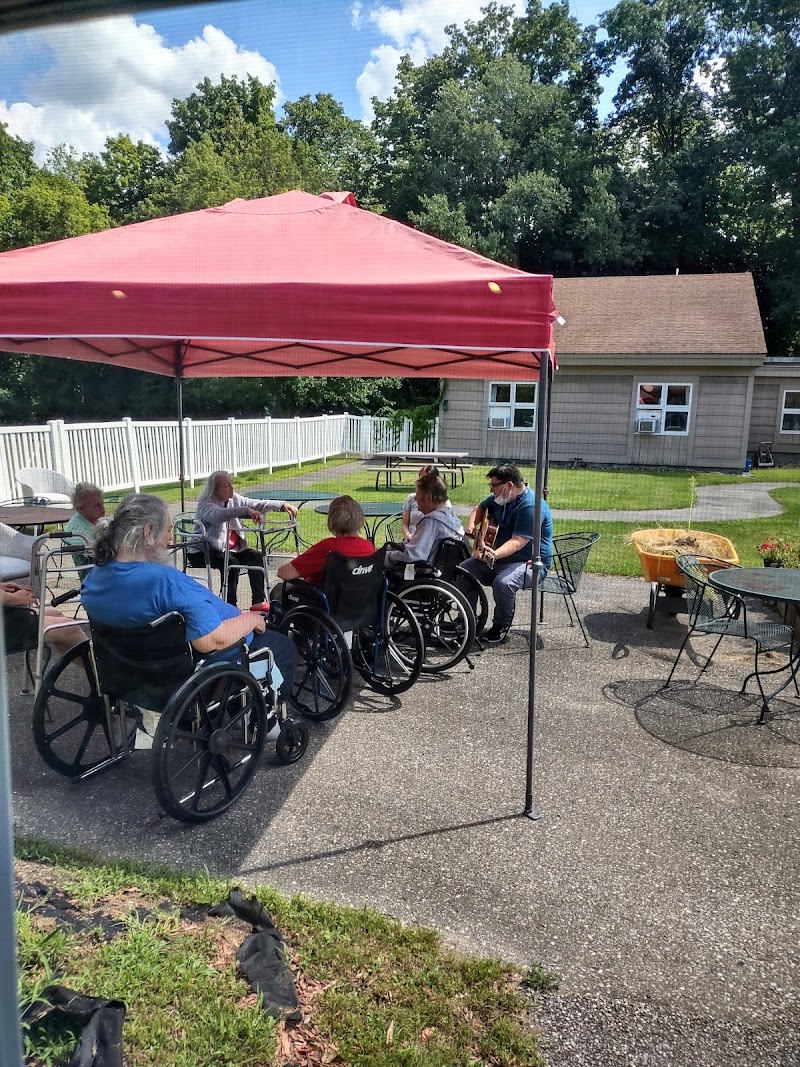
How is Crescent Manor Care Ctrs Staffed?
CMS rates Crescent Manor Care Ctrs's staffing level at 2 out of 5 stars, which is below average compared to other nursing homes. Staff turnover is 64%, which is 18 percentage points above the Vermont average of 46%. High turnover can affect care consistency as new staff learn residents' individual needs.

What Have Inspectors Found at Crescent Manor Care Ctrs?

State health inspectors documented 20 deficiencies at Crescent Manor Care Ctrs during 2022 to 2024. These included: 3 that caused actual resident harm, 16 with potential for harm, and 1 minor or isolated issues. Deficiencies causing actual harm indicate documented cases where residents experienced negative health consequences.
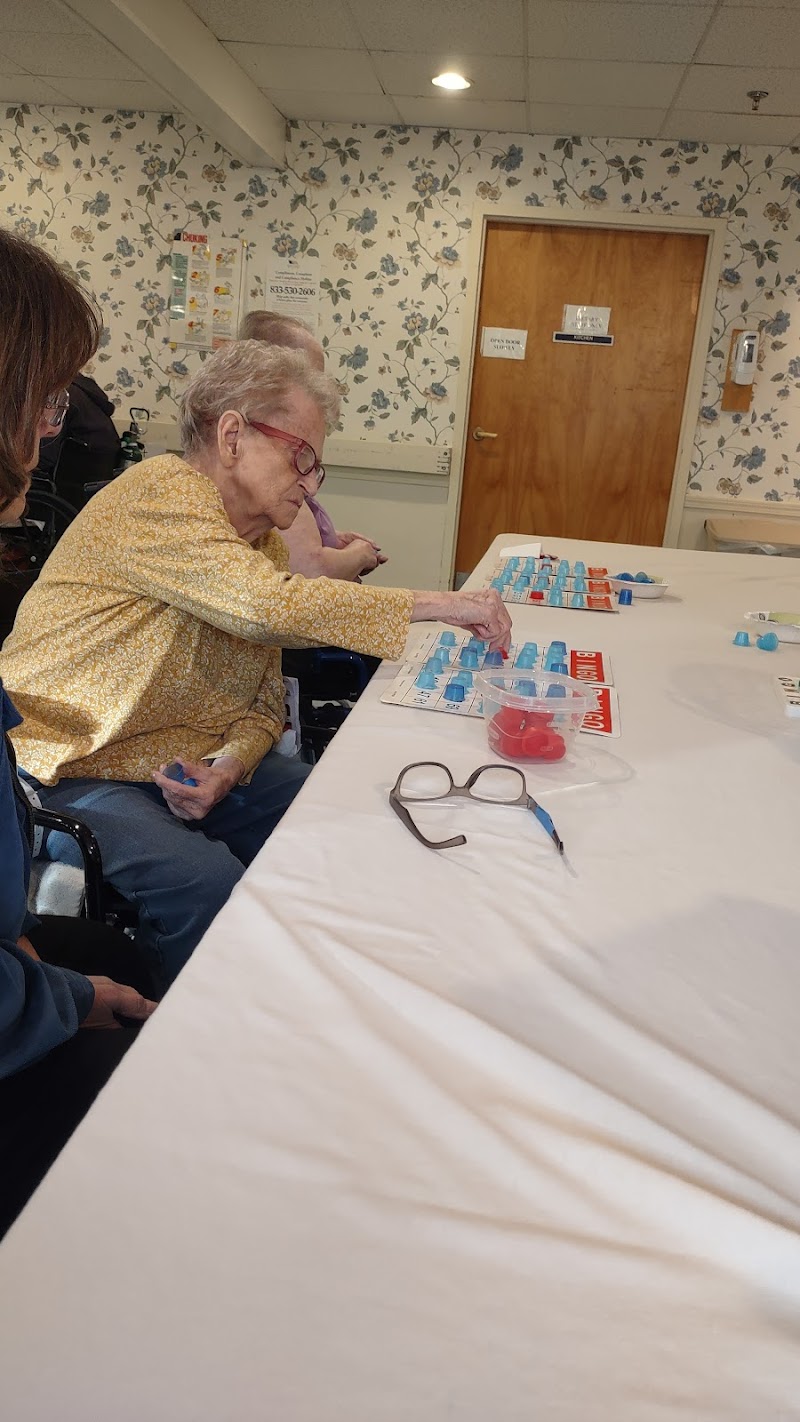
Who Owns and Operates Crescent Manor Care Ctrs?

Crescent Manor Care Ctrs is owned by a for-profit company. For-profit facilities operate as businesses with obligations to shareholders or private owners. The facility operates independently rather than as part of a larger chain. With 90 certified beds and approximately 87 residents (about 97% occupancy), it is a smaller facility located in Bennington, Vermont.

How Does Crescent Manor Care Ctrs Compare to Other Vermont Nursing Homes?

Compared to the 100 nursing homes in Vermont, Crescent Manor Care Ctrs's overall rating (3 stars) is above the state average of 2.8, staff turnover (64%) is significantly higher than the state average of 46%, and health inspection rating (3 stars) is at the national benchmark.

What Should Families Ask When Visiting Crescent Manor Care Ctrs?

Based on this facility's data, families visiting should ask: "How do you ensure continuity of care given staff turnover, and what is your staff retention strategy?" "Can you walk me through typical staffing levels on day, evening, and night shifts?" "Can I visit during a mealtime to observe dining assistance and food quality?" "How do you handle medical emergencies, and what is your hospital transfer rate?" These questions are particularly relevant given the facility's high staff turnover rate and the below-average staffing rating.

Is Crescent Manor Care Ctrs Safe?

Based on CMS inspection data, Crescent Manor Care Ctrs has a clean safety record: no substantiated abuse findings (meaning no confirmed cases of resident harm), no Immediate Jeopardy citations (the most serious violation level indicating risk of serious injury or death), and is not on the Special Focus Facility watch list (a federal program monitoring the lowest-performing 1% of nursing homes). The facility has a 3-star overall rating and ranks #1 of 100 nursing homes in Vermont. While no facility is perfect, families should still ask about staff-to-resident ratios and recent inspection results during their visit.

Do Nurses at Crescent Manor Care Ctrs Stick Around?

Staff turnover at Crescent Manor Care Ctrs is high. At 64%, the facility is 18 percentage points above the Vermont average of 46%. High turnover means new staff may not know residents' individual needs, medications, or preferences. It can also be disorienting for residents, especially those with dementia who rely on familiar faces. Families should ask: What is causing the turnover? What retention programs are in place? How do you ensure care continuity during staff transitions?

Was Crescent Manor Care Ctrs Ever Fined?

Crescent Manor Care Ctrs has been fined $47,258 across 2 penalty actions. The Vermont average is $33,551. While any fine indicates a compliance issue, fines under $50,000 are relatively common and typically reflect isolated problems that were subsequently corrected. Families should ask what specific issues led to these fines and confirm they've been resolved.

Is Crescent Manor Care Ctrs on Any Federal Watch List?

Crescent Manor Care Ctrs is not on any federal watch list. The most significant is the Special Focus Facility (SFF) program, which identifies the bottom 1% of nursing homes nationally based on persistent, serious quality problems. Not being on this list means the facility has avoided the pattern of deficiencies that triggers enhanced federal oversight. This is a positive indicator, though families should still review the facility's inspection history directly.