GEORGE WASHINGTON HEALTH & REHABILITATION
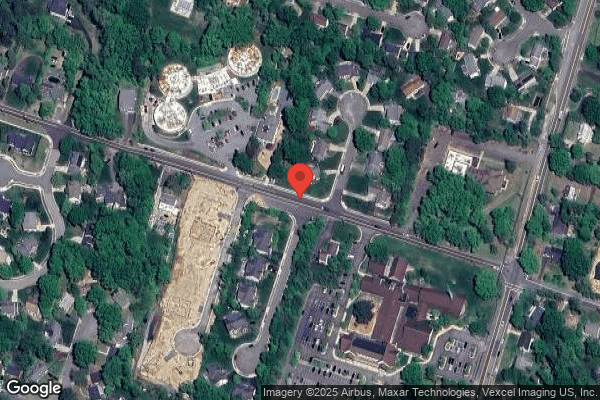
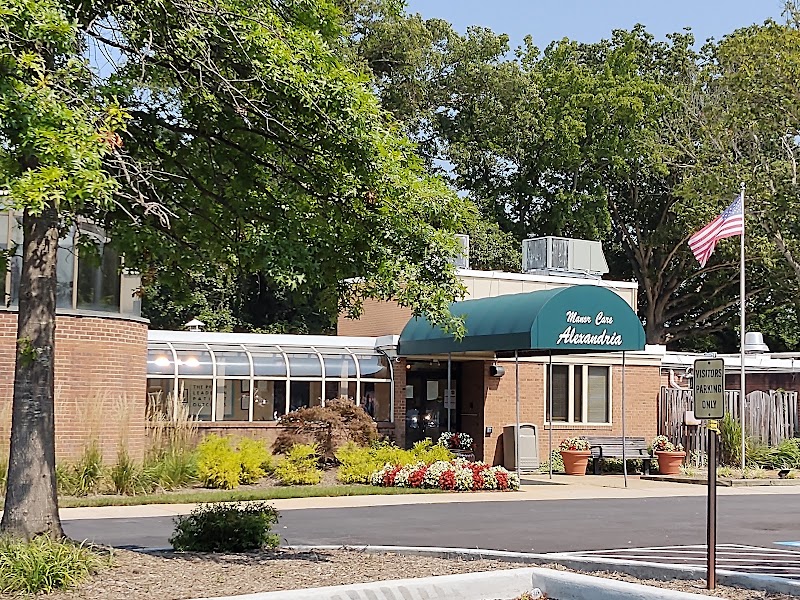
1510 COLLINGWOOD ROAD, ALEXANDRIA, VA 22308 (703) 765-6107
For profit - Limited Liability company 96 Beds HILL VALLEY HEALTHCARE Data: November 2025
Trust Grade
73/100
#77 of 285 in VA
Last Inspection: June 2023

Over 2 years since last inspection. Current conditions may differ from available data.

Overview

George Washington Health & Rehabilitation has a Trust Grade of B, indicating it is a good option for families, but not the best available. The facility ranks #77 out of 285 nursing homes in Virginia, placing it in the top half, and #5 out of 12 in Fairfax County, suggesting there are only a few local facilities that are better. The overall trend is improving, with issues decreasing from 17 in 2023 to just 5 in 2024. Staffing is a concern, receiving a 2/5 star rating, but with a turnover rate of 27%, which is significantly lower than the state average of 48%, meaning staff tend to stay longer and build relationships with residents. There have been no fines reported, which is a positive sign, but the facility does have average RN coverage, which is important for monitoring patient care. However, there are some weaknesses, including specific incidents where staff failed to properly treat pressure injuries for residents and did not implement effective infection control measures. These issues highlight the need for improvement in certain areas despite the overall positive aspects of the facility.

Trust Score
B
73/100
In Virginia
#77/285
Top 27%
Safety Record
Low Risk
No red flags
Inspections
Getting Better
17 → 5 violations
Staff Stability
✓ Good
27% annual turnover. Excellent stability, 21 points below Virginia's 48% average. Staff who stay learn residents' needs.
Penalties
✓ Good
No fines on record. Clean compliance history, better than most Virginia facilities.
Skilled Nurses
⚠ Watch
Each resident gets only 26 minutes of Registered Nurse (RN) attention daily — below average for Virginia. Fewer RN minutes means fewer trained eyes watching for problems.
Violations
⚠ Watch
45 deficiencies on record. Higher than average. Multiple issues found across inspections.
★★★★☆
4.0
Overall Rating
★★☆☆☆
2.0
Staff Levels
★★★★★
5.0
Care Quality
★★★☆☆
3.0
Inspection Score
Stable
2023: 17 issues
2024: 5 issues

The Good

  • 5-Star Quality Measures · Strong clinical quality outcomes
  • Low Staff Turnover (27%) · Staff stability means consistent care
  • Full Sprinkler Coverage · Fire safety systems throughout facility
  • No fines on record
  • Staff turnover is low (27%)

    21 points below Virginia average of 48%

Facility shows strength in quality measures, staff retention, fire safety.

The Bad

Chain: HILL VALLEY HEALTHCARE

Part of a multi-facility chain

Ask about local staffing decisions and management

The Ugly 45 deficiencies on record

Aug 2024 5 deficiencies
CONCERN (D) 📢 Someone Reported This

A family member, employee, or ombudsman was alarmed enough to file a formal complaint

Potential for Harm - no one hurt, but risky conditions existed

Deficiency F0557 (Tag F0557)

Could have caused harm · This affected 1 resident

Based on observation, staff interview, facility document review and clinical record review, it was determined the facility staff failed to maintain dignity during a dressing change for one of seven re...

Read full inspector narrative →
Based on observation, staff interview, facility document review and clinical record review, it was determined the facility staff failed to maintain dignity during a dressing change for one of seven residents in the survey sample, Resident #6. The findings include: For Resident #6 (R6), the facility staff failed to maintain dignity for the resident while performing wound care. Observation was made on 8/14/24 at 10:55 a.m. of LPN (licensed practical nurse) #1 performing wound care to R6's left hip wound. LPN #1 performed the wound care. After putting on the dressing, LPN #1 took a pen and wrote on the dressing, while on the resident, the date and her initials on the dressing. An interview was conducted on 8/14/24 at 3:40 p.m. with LPN #1. When asked if you should write on a resident's dressing after it is applied to the resident's hip, LPN #1 stated, she has to put a date on it, but she wasn't sure if you could write on the dressing while it was on the resident. An interview was conducted on 8/14/24 at 3:56 p.m. with ASM (administrative staff member) #2, the director of nursing. When asked if the nurse can write on a dressing, after applying it to the resident, ASM #2 stated, no. When asked why, ASM #2 stated, it's a dignity concern. The facility policy, Dignity, documented in part, POLICY: Each resident shall be cared for in a manner that promotes and enhances his or her sense of well-being, level of satisfaction with life, and feelings of self-worth and self-esteem. DEFINITIONS: Dignity: is the right of a person to be valued and respected for their own sake, and to be treated ethically. SPECIFIC PROCEDURES / GUIDANCE: 1. Residents will be treated with dignity and respect at all times. The facility policy, Clean Dressing, documented in part, 19. Apply the ordered dressing and secure with tape or bordered dressing per order. Label with date and initials to top of dressing prior to placing on resident. ASM #1, the administrator, ASM #2, and ASM 33, the regional director of clinical operations, were made aware of the above findings, on 8/15/24 at approximately 11:30 a.m. No further information was provided prior to exit.
CONCERN (D) 📢 Someone Reported This

A family member, employee, or ombudsman was alarmed enough to file a formal complaint

Potential for Harm - no one hurt, but risky conditions existed

Comprehensive Care Plan (Tag F0656)

Could have caused harm · This affected 1 resident

Based on observations, staff interview, facility document review, and clinical record review, the facility staff failed to follow comprehensive care plan for 2 of 7 sampled residents. The findings in...

Read full inspector narrative →
Based on observations, staff interview, facility document review, and clinical record review, the facility staff failed to follow comprehensive care plan for 2 of 7 sampled residents. The findings include: 1. For Resident #3 (R3), the facility staff failed to implement a comprehensive care plan regarding Transmission Based Precaution. On 8/13/24 at 2:40 p.m., an observation was made of staff members not wearing full personal protective equipment (PPE) when performing incontinence care on R3. A sign that indicated resident was on Enhanced Barrier Precautions was posted on the door and a bin with some PPE supplies were outside the door. LPN (licensed practical nurse) #2 was wearing a gown and gloves but did not have a mask. CNA (certified nursing assistant) #1 wore gloves but did not have a gown or mask on. At 2:55 p.m., CNA#1 exited R3's room without performing hand hygiene. A review of R3's physician's orders dated 6/25/24, revealed: Infection precautions-enhanced barrier precautions. A review of R3's clinical record, including the resident's comprehensive care plan revealed: The resident has the potential for infection on Enhanced barrier precaution r/t wounds. The resident will be free from complications related to infection through review date. Maintain universal precautions when providing resident care. On 8/13/24 at 2:58 p.m., CNA#1 was interviewed. She stated that she did not follow EBP precautions for the resident because she was in a rush. She stated that the care plan was not followed for the resident. On 8/15/24 at 10:41a.m., ASM (administrative staff member) #2 was interviewed. She stated that the purpose of the comprehensive care plan is to have a plan of care for the resident. She also stated that everyone is responsible for implementing the care plan. On 8/15/24 at 11:36 a.m., LPN #1 was interviewed. She stated that the purpose of the care plan is to be a point of care for the patients to know how to take care of the resident. She stated that it should be followed and looked at to confirm what should be done. On 8/15/24 at 11:56 a.m., ASM (administrative staff member) #1, the administrator, ASM #2, the director of nursing, and ASM #3, a regional director of clinical operations, were informed of these concerns. A review of the facility policy, Care Planning-Comprehensive Person-Centered, revealed in part: The facility will develop and implement a comprehensive person-centered care plan for each resident, that includes measurable objectives and timeframes to meet a resident's medical, nursing and mental and psychosocial needs as identified throughout the comprehensive Resident Assessment Instrument (RAI) process. No further information was provided prior to exit. 2. For Resident #3 (R3) the facility staff failed to implement the comprehensive care plan for the treatment of pressure injuries. The comprehensive care plan dated 6/11/24, documented in part, Focus: (R3) has actual impairment to skin integrity r/t (related to) admitted with sacrum wound, left ankle, right hip and right shoulder. The Interventions dated 6/11/24, documented in part, Administer medications, supplements and treatments as ordered. The admission Assessment, dated 6/11/24, documented the following skin concerns: 1. Right trochanter (hip) - Pressure - 4 cm (centimeters) in length - 2.5 cm in width - no depth documented; no stage documented. 2. Left ankle (outer) - Pressure - 4 cm in length - 2.5 cm in width - no depth documented; no stage documented. 3. Sacrum - Pressure - 11.5 cm in length - 9 cm in width - 0.5 cm in depth - no stage documented. 4. Right shoulder (front)- Pressure - 1 cm in length - 1 cm in width - no depth documented - no stage documented. Review of the physician orders failed to evidence physician orders for the treatment of the above wounds until 6/14/24. The physician orders dated 6/14/24, documented: 1. Cleanse right hip with normal saline. Pat Dry. Apply Calcium Alginate to wound bed F/B (followed by) gauze island dressing. Change daily on 7-3 shift. 2. Cleanse left ankle with normal saline. Pat Dry. Apply Calcium Alginate to wound bed F/B (followed by) gauze island dressing. Change daily on 7-3 shift. 3. Cleanse sacral wound with normal saline. Pat Dry. Apply Calcium Alginate to wound bed F/B clean dry dressing daily on 7-3 shift. 4. Cleanse right shoulder with normal saline. Pat Dry. Apply Calcium Alginate to wound bed F/B gauze island dressing. change daily on 7-3 shift. A request was made for evidence of treatment for the above wounds from 6/11/24 until 6/14/24. On 8/15/24 at 9:45 a.m. ASM (administrative staff member) #3, the regional director of clinical operations stated there was no documented wound care from 6/11/24 through 6/13/24. An interview was conducted with LPN (licensed practical nurse) #1, on 8/15/24 at 11:32 a.m. When asked the purpose of the care plan, LPN #1 stated it's the plan of care for the resident. She stated they have to care plan everything, so we know how to take care of the resident. LPN #1 was asked if the care plan should be followed, LPN #1 stated, yes, we have to look at it all the time. ASM #1, the administrator, ASM #2, the director of nursing and ASM #3, were made aware of the above findings, on 8/15/24 at approximately 11:30 a.m. No further information was provided prior to exit. 3. For Resident #6 (R6), the facility staff failed to implement the comprehensive care plan for the treatment of pressure injuries. The comprehensive care plan dated, 6/2/24, documented in part, Focus: (R6) has wounds to sacrum, left ischium, left hip and abrasion to right buttock R/T (related to) immobility, generalized weakness, and ongoing disease process. The Interventions documented in part, Administer medications, supplements and treatments as ordered. The physician order dated, 6/12/24, documented, Cleanse left hip with Dakins solution, pat dry and apply Calcium Alginate to wound bed and cover with dry dressing daily. The physician order stated 6/12/24, documented, Cleanse left ischium with N/S (normal saline) pat dry and apply calcium alginate q (every) day until healed. The physician order dated, 6/12/24, documented, Cleanse stage 4 decub (decubitus ulcer - pressure injury) to sacrum with Dakins pat dry and apply calcium alginate dressing to wound bed and cover with dry dressing q day. Review of the June, July and August 2024, treatment administration record, failed to evidence the orders above. There was no documentation that the treatments had been completed from 6/12/24 through 8/13/24. An interview was conducted with LPN (licensed practical nurse) #1, on 8/15/24 at 11:32 a.m. When asked the purpose of the care plan, LPN #1 stated it's the plan of care for the resident. She stated they have to care plan everything, so we know how to take care of the resident. LPN #1 was asked if the care plan should be followed, LPN #1 stated, yes, we have to look at it all the time. ASM #1, the administrator, ASM #2, the director of nursing and ASM #3, were made aware of the above findings, on 8/15/24 at approximately 11:30 a.m. No further information was provided prior to exit.
CONCERN (D) 📢 Someone Reported This

A family member, employee, or ombudsman was alarmed enough to file a formal complaint

Potential for Harm - no one hurt, but risky conditions existed

Deficiency F0657 (Tag F0657)

Could have caused harm · This affected 1 resident

Based on staff interview, facility document review and clinical record review, it was determined the facility staff failed to review and revise the comprehensive care plan for one of seven residents i...

Read full inspector narrative →
Based on staff interview, facility document review and clinical record review, it was determined the facility staff failed to review and revise the comprehensive care plan for one of seven residents in the survey sample, Resident #1. The findings include: For Resident #1, the facility staff failed to review and revise the comprehensive care plan after a fall on 8/1/23. The nurse's note dated 8/1/23 at 9:18 a.m. documented in part, Pt (patient) observed lying supine in bed with L (left) forehead hematoma with two dots of dried blood, no bleeding noted at this time. Pt is unable to tell staff whether he is in pain or not but is holding his forehead occasionally. Call placed out to (name of doctor)'s office and updated MD (medical doctor) on call (name of doctor). Order received from MD to transfer pt to (name of hospital) ER (emergency room) via 911 for further evaluation r/t (related to) L - forehead hematoma. Order noted and activated the Rescue Squad. Pt is picked up at 0925 (9:25 a.m.) and transported to (initials of hospital) ER. Family is updated. The comprehensive care plan dated, 7/19/23, documented in part, Fall: (R1) had actual fall and is at risk for further falls R/T (related to) Gait/balance problems, confusion, history of falls, generalized weakness. The Interventions dated 7/19/23, documented in part, Reinforce to call for assistance when needed. Be sure the resident's call light is within reach and encourage the resident to use it or assistance as needed. The resident needs prompt response to all requests for assistance. Pt (physical therapy) evaluate and treat as ordered or PRN (as needed). Anticipate and meet the resident's needs. Ensure that the resident is wearing appropriate footwear when ambulating or mobilizing in w/c (wheelchair). Encourage resident to participate in activities that promote exercise, physical activity for strengthening and improved mobility. Follow facility fall protocol. There was no documented review of the care plan, or any new interventions put in place after the fall of 8/1/23. An interview was conducted on 8/15/24 at 10:44 a.m. with ASM (administrative staff member) #3, the regional director of clinical operations. ASM #3 stated after he reviewed the clinical record, there was no revision made to the care plan after the fall of 8/1/23. An interview was conducted with LPN (licensed practical nurse) #1 on 8/15/24 at 11L32 a.m. When asked the purpose of the care plan, LPN #1 stated it's the plan of care for the patient. They have to care plan everything, so we know how to take care of the patient. LPN #1 was asked who updates the care plan, LPN #1 stated, nurses, all departments, it's everyone's responsibility. When asked if a resident has a fall, does the care plan get updated, LPNM #1 stated, yes, immediately to help prevent another fall. The facility policy, Care Planning - Comprehensive Person Centered, documented in part, 16. The Care Planning/Interdisciplinary Team is responsible for the review and updating of care plans: b. When there has been a significant change in the resident's condition. c. When the desired outcome is not met. d. When the goals, needs and preferences change. ASM #1, the administrator, ASM #2, the director of nursing and ASM #3, were made aware of the above findings, on 8/15/24 at approximately 11:30 a.m. No further information was provided prior to exit.
CONCERN (E) 📢 Someone Reported This

A family member, employee, or ombudsman was alarmed enough to file a formal complaint

Potential for Harm - no one hurt, but risky conditions existed

Pressure Ulcer Prevention (Tag F0686)

Could have caused harm · This affected multiple residents

**NOTE- TERMS IN BRACKETS HAVE BEEN EDITED TO PROTECT CONFIDENTIALITY** Based on staff interview, facility document review, and clinical record review, it was determined the facility staff failed prov...

Read full inspector narrative →
**NOTE- TERMS IN BRACKETS HAVE BEEN EDITED TO PROTECT CONFIDENTIALITY** Based on staff interview, facility document review, and clinical record review, it was determined the facility staff failed provide care and services for the treatment of pressure injuries for two of seven residents in the survey sample, Residents #3 and #6. The findings include: 1.a. For Resident #3(R3), the facility staff failed to implement treatments for four pressure injuries upon admission on [DATE] until 6/14/24. The admission Assessment, dated 6/11/24, documented the following skin concerns: 1. Right trochanter (hip) - Pressure - 4 cm (centimeters) in length - 2.5 cm in width - no depth documented; no stage documented. 2. Left ankle (outer) - Pressure - 4 cm in length - 2.5 cm in width - no depth documented; no stage documented. 3. Sacrum - Pressure - 11.5 cm in length - 9 cm in width - 0.5 cm in depth - no stage documented. 4. Right shoulder (front)- Pressure - 1 cm in length - 1 cm in width - no depth documented - no stage documented. Review of the physician orders failed to evidence physician orders for the treatment of the above wounds until 6/14/24. The physician orders dated 6/14/24, documented: 1. Cleanse right hip with normal saline. Pat Dry. Apply Calcium Alginate to wound bed F/B (followed by) gauze island dressing. Change daily on 7-3 shift. 2. Cleanse left ankle with normal saline. Pat Dry. Apply Calcium Alginate to wound bed F/B (followed by) gauze island dressing. Change daily on 7-3 shift. 3. Cleanse sacral wound with normal saline. Pat Dry. Apply Calcium Alginate to wound bed F/B clean dry dressing daily on 7-3 shift. 4. Cleanse right shoulder with normal saline. Pat Dry. Apply Calcium Alginate to wound bed F/B gauze island dressing. change daily on 7-3 shift. The wound care physician started following the resident's wounds on 6/18/24. The comprehensive care plan dated 6/11/24, documented in part, Focus: (R3) has actual impairment to skin integrity r/t (related to) admitted with sacrum wound, left ankle, right hip and right shoulder. The Interventions dated 6/11/24, documented in part, Administer medications, supplements and treatments as ordered. A request was made for evidence of treatment for the above wounds from 6/11/24 until 6/14/24. On 8/15/24 at 9:45 a.m. ASM (administrative staff member) #3, the regional director of clinical operations stated there was no documented wound care from 6/11/24 through 6/13/24. ASM #1, the administrator, ASM #2, the director of nursing and ASM #3, were made aware of the above findings, on 8/15/24 at approximately 11:30 a.m. No further information was provided prior to exit. 1.b. For Resident #3, the facility staff failed to accurately document skin assessments. The Skin Observation Weekly dated 6/24/24, documented in part, 5. Are there any bruises, open wounds, surgical incisions, skin tears, reddened areas or other skin conditions noted? A No, was documented. 6. Additional information: Previous pressure ulcers to sacrum, treatment orders in place. The Skin Observation Weekly dated 7/22/24, documented in part, 5. Are there any bruises, open wounds, surgical incisions, skin tears, reddened areas or other skin conditions noted? A No, was documented. 6. Additional information: Resident continues to receive wound care exiting (sic) sacral wound ulcer, right figure (sic) and heels. No new skin issues noted. The Skin Observation Weekly dated 7/29/24, documented in part, 5. Are there any bruises, open wounds, surgical incisions, skin tears, reddened areas or other skin conditions noted? A Yes was documented. 5a. Select all that apply: Open area. Open Area Location: Other. Is this a NEW skin condition? No. 6. Additional Information: Treatments in place for areas of skin trauma. The Skin Observation Weekly dated 8/5/24, documented in part, 5. Are there any bruises, open wounds, surgical incisions, skin tears, reddened areas or other skin conditions noted? A No, was documented. 6. Additional information: Blank - nothing documented. The Skin Observation Weekly dated 8/12/24, documented in part, 5. Are there any bruises, open wounds, surgical incisions, skin tears, reddened areas or other skin conditions noted? A No, was documented. 6. Additional information: no new skin issues noted. An interview was conducted with LPN #1 on 8/14/24 at 3:40 p.m. When asked how often skin assessments are to be done, LPN #1 stated they are done every week on shower days. LPN #1 was asked what is to be documented, LPN #1 stated the nurse goes in and looks at the skin. They should document any new or old areas. She stated sometimes they write if it's an old wound that treatment is in place. The facility policy, Pressure Injury Preventions and Management, documented in part, Identification: 1. Staff will be encouraged to promptly report any observation of a change in the resident's skin integrity. 2. Weekly skin observations will be conducted by a licensed nurse and findings will be documented in the resident's medical record. 3. Observations of new pressure ulcer/injury will be: a. Reported to the physician / practitioner for further evaluation and treatment. b. Referred to the designated wound nurse as appropriate. ASM #1, the administrator, ASM #2, the director of nursing and ASM #3, were made aware of the above findings, on 8/15/24 at approximately 11:30 a.m. No further information was provided prior to exit. 2a. For Resident #6 (R6), the facility staff failed to evidence documentation of treatment to the resident's pressure injuries from 6/12/24 through 8/14/24. The physician order dated, 6/12/24, documented, Cleanse left hip with Dakins solution, pat dry and apply Calcium Alginate to wound bed and cover with dry dressing daily. The physician order stated 6/12/24, documented, Cleanse left ischium with N/S (normal saline) pat dry and apply calcium alginate q (every) day until healed. The physician order dated, 6/12/24, documented, Cleanse stage 4 decub (decubitus ulcer - pressure injury) to sacrum with Dakins pat dry and apply calcium alginate dressing to wound bed and cover with dry dressing q day. Review of the June, July and August 2024, treatment administration record, failed to evidence the orders above. There was no documentation that the treatments had been completed from 6/12/24 through 8/13/24. Review of the wound care physician notes from 5/24/24 through 8/13/24, evidenced the wounds had decreased in size, indicating healing. The comprehensive care plan dated, 6/2/24, documented in part, Focus: (R6) has wounds to sacrum, left ischium, left hip and abrasion to right buttock R/T (related to) immobility, generalized weakness, and ongoing disease process. The Interventions documented in part, Administer medications, supplements and treatments as ordered. On 8/15/24 at 9:45 a.m. ASM (administrative staff member) #3, the regional director of clinical operations stated there was no documented wound care from 6/12/24 through 8/13/24. He stated that the order was not put in the computer correctly. ASM #1, the administrator, ASM #2, the director of nursing and ASM #3, were made aware of the above findings, on 8/15/24 at approximately 11:30 a.m. No further information was provided prior to exit. 2b. For Resident #6, the facility staff failed to accurately document skin assessments. The Skin Observation Weekly dated 7/8/24, documented in part, 5. Are there any bruises, open wounds, surgical incisions, skin tears, reddened areas or other skin conditions noted? A yes, was documented. 5a. Select all that apply other. 5a6. Other - specify sacral wound. Additional information: Treatment ongoing. The Skin Observation Weekly dated 7/21/24, documented in part, 5. Are there any bruises, open wounds, surgical incisions, skin tears, reddened areas or other skin conditions noted? A yes, was documented. 5a. Select all that apply other. 5a6. Other - specify sacral wound. Additional information: Wound care provided; treatment ongoing. The Skin Observation Weekly dated 7/28/24, documented in part, 5. Are there any bruises, open wounds, surgical incisions, skin tears, reddened areas or other skin conditions noted? A No, was documented. 6. Additional information: none. The Skin Observation Weekly dated 8/4/24, documented in part, 5. Are there any bruises, open wounds, surgical incisions, skin tears, reddened areas or other skin conditions noted? A yes, was documented. 5a. Select all that apply open area. 5a6. Other - specify coccyx. Additional information: Treatment in progress. The Skin Observation Weekly dated 8/11/24, documented in part, 5. Are there any bruises, open wounds, surgical incisions, skin tears, reddened areas or other skin conditions noted? A yes, was documented. 5a. Select all that apply open area. 5a6. Other - specify coccyx. Additional information: Treatment being applied to open area. The comprehensive care plan dated, 7/6/24, documented in part, Focus: (R6) has wounds to sacrum, left ischium, left hip and abrasion to right buttock R/T (related to) immobility, generalized weakness, and ongoing disease process. The Interventions documented in part, Follow facility policies/protocols for routine skin monitoring. Report any changes to MD/NP (medical doctor/nurse practitioner). An interview was conducted with LPN #1 on 8/14/24 at 3:40 p.m. When asked how often skin assessments are to be done, LPN #1 stated they are done every week on shower days. LPN #1 was asked what is to be documented, LPN #1 stated the nurse goes in and looks at the skin. They should document any new or old areas. She stated sometimes they write if it's an old wound that treatment is in place. ASM #1, the administrator, ASM #2, the director of nursing and ASM #3, were made aware of the above findings, on 8/15/24 at approximately 11:30 a.m. No further information was provided prior to exit.
CONCERN (E) 📢 Someone Reported This

A family member, employee, or ombudsman was alarmed enough to file a formal complaint

Potential for Harm - no one hurt, but risky conditions existed

Infection Control (Tag F0880)

Could have caused harm · This affected multiple residents

Based on observations, staff interview, facility document review and clinical record review, the facility staff failed to implement an infection prevention & control program and failed to implement in...

Read full inspector narrative →
Based on observations, staff interview, facility document review and clinical record review, the facility staff failed to implement an infection prevention & control program and failed to implement infection control practices for two of seven residents in the survey sample, Residents #3 and #6. The findings include: 1. The facility staff failed to provide infection control surveillance program evidence prior to June 2024. On 8/15/24 at 10:41 a.m., ASM (administrative staff member) #2 was interviewed. She stated the facility is starting to track infection control on Point Click Care (PCC). She sated that they cannot produce evidence for infection tracking before June 2024. Infection control tracking after June 2024 is available on point click care. On 8/15/24 at 11:56 a.m., ASM #1, the administrator, ASM #2, the director of nursing, and ASM #3, a regional director of clinical operations, were informed of these concerns. A review of the facility policy, Surveillance for Infections, revealed: The infection preventionist (designee) will conduct ongoing surveillance for healthcare-associated infections (HAIs) and other epidemiologically significant infections that have substantial impact on potential resident outcomes and that may require transmission-based precautions and other preventative interventions. No further information was provided prior to exit. 2. For Resident #3, the facility staff failed to use PPE and handwashing in Transmission Based Precaution (TBP) room. On 8/16/24 at 2:40 p.m., an observation was made of staff members not wearing full personal protective equipment (PPE) when performing incontinence care on R3. A sign that indicated resident was on Enhanced Barrier Precautions (EBP) was posted on the door and a bin with some PPE supplies were outside the door. LPN (licensed practical nurse) #2 was wearing a gown and gloves but did not have a mask. CNA (certified nursing assistant) #1 wore gloves but did not have a gown or mask on. At 2:55 p.m., CNA#1 exited R3's room without performing hand hygiene. A review of R3's physician's orders dated 6/25/24, revealed: Infection precautions-enhanced barrier precautions. A review of R3's clinical record, including the resident's comprehensive care plan revealed: The resident has the potential for infection on Enhanced barrier precaution r/t wounds. The resident will be free from complications related to infection through review date. Maintain universal precautions when providing resident care. On 8/13/24 at 2:58 p.m., CNA#1 was interviewed. She stated that it is important to wash your hands before and after taking off gloves because it is a matter of infection control for the resident. She stated that it is important to perform hand hygiene when performing incontinence care especially if they are on EBP to get rid of bacteria. She stated that knows that it should have worn PPE and washed her hands but forgot to do so because she was in a rush. On 8/15/24 at 11:36 a.m., LPN#1 was interviewed. She stated that it is important to wash your hands to protect yourself and the resident. She also stated that hand hygiene is done as an infection control matter because hands can be a carrier to bacteria and germs. LPN1 stated when entering a room when someone is on EBP the staff should don/doff gown, gloves and mask as well as perform hand hygiene. On 8/15/24 at 11:56 a.m., ASM (administrative staff member) #1, the administrator, ASM #2, the director of nursing, and ASM #3, a regional director of clinical operations, were informed of these concerns. A review of the facility policy, Enhanced Barrier Precautions (EBP) Policy, revealed: The purpose of this policy is to outline the guidelines for implementing Enhanced Barrier Precautions (EBP) in order to reduce the transmission of multidrug-resistant organism (MDROs) within our facility. EBP will be utilized in conjunction with standard precaution to provide targeted gown and glove use during high-contact resident care activities. EBP should be utilized during the following activities .changing briefs or assisting with toileting. A review of the facility policy, Hand hygiene, revealed: The facility promotes hand hygiene as a simple and effective method for preventing the spread of infections. Glove use is not a substitute for hand hygiene. All staff are to perform hand hygiene during all care activities and while working in all locations within the facility .All staff are responsible for following hand hygiene procedures . b. Before and after having direct contact with a resident's intact skin . f. Before and after wearing gloves .During Routine Resident Care a. Use an ABHR (alcohol-based hand sanitizer): i. immediately before touching a resident ii. Before performing an aseptic task . iii. Before moving from work on a soiled body site to a clean body site on the same resident iv. After touching a resident or the resident's immediate environment v. Immediately after removing gloves. No further information was provided during exit. 3. For Resident #6(R6), the facility staff failed to implement infection control practices during a wound treatment. Observation was made of LPN (licensed practical nurse) #1, on 8/14/24 at 10:55 a.m. performing wound care for R6. The resident had three wounds accessible for wound care treatments, left ischium, right buttock, sacrum and an old scar on right hip. LPN #1 removed all the dressings in place. Changed her gloves. She proceeded to use the same gloves to clean each wound, starting with the right hip, went to buttock wound, ischium wound and then sacral wound, all with the same gloves on. LPN #1 didn't have gloves on and dried the right hip and buttock wound with dry gauze. She then put gloves on and wiped the sacral wound with a dry gauze. She proceeded to use dry gauze to dry the ischium and buttock wounds, using the same gloves. An interview was conducted with LPN #1 on 8/14/24 at 3:40 p.m. When asked if a resident has multiple wounds, do you treat each wound separately, taking off dressing, cleansing it, putting prescribed treatment in place, prior to moving on to the next wound, LPN #1 stated, yes. The above observation was shared with LPN #1. The facility policy, Clean Dressing, documented in part, POLICY: The purpose of this procedure is to provide guidelines for the application of clean dressings. DEFINITIONS: Clean technique involves strategies used in resident care to reduce the overall number of microorganisms or to prevent or reduce the risk of transmission of microorganisms from one person to another or from one place to another. Clean technique involves meticulous handwashing, maintaining a clean environment by preparing a clean field, using clean gloves and sterile instruments, and preventing direct contamination of materials and supplies. No 'sterile to sterile rules apply. ASM #1, the administrator, ASM #2, and ASM #3, the regional director of clinical operations, were made aware of the above findings, on 8/15/24 at approximately 11:30 a.m. No further information was provided prior to exit.
Nov 2023 6 deficiencies
CONCERN (D) 📢 Someone Reported This

A family member, employee, or ombudsman was alarmed enough to file a formal complaint

Potential for Harm - no one hurt, but risky conditions existed

Abuse Prevention Policies (Tag F0607)

Could have caused harm · This affected 1 resident

Based on staff interview, facility document review, and clinical record review, the facility staff failed to implement their policy to report an injury of unknown origin to the State Agency in a timel...

Read full inspector narrative →
Based on staff interview, facility document review, and clinical record review, the facility staff failed to implement their policy to report an injury of unknown origin to the State Agency in a timely manner for one of five residents in the survey sample, Resident #1. The findings include: For Resident #1 (R1) the facility failed to implement their policy to report a right chest bruise of unknown origin, discovered 9/25/23; it was not reported to the State Agency until 10/2/23. On the quarterly MDS (minimum data set) with an ARD (assessment reference date) of 9/7/23, R1 was coded as being severely impaired for making daily decisions. She was coded as sometimes able to understand others, and as sometimes understanding others. She was admitted to the facility with a diagnosis of dementia. A review of R1's care plan dated 4/5/22 and updated 10/12/23 revealed, in part: [R1] has difficulty communicating related to decline in cognitive status, lack/limited use/understanding of English (fluent in Spanish). A review of R1's clinical record revealed the following progress notes: 9/24/2023 09:30 (a.m.) Nursing Note Text: Resident noted this morning at 9:00 am shouting loud and speaking in Spanish language. Nurse went in to see what the problem is. Nurse noted resident in Geri-chair showing signs of discomfort and not allowing nurse to touch her left arm. Nurse immediately went in to call nursing supervisor and Spanish staff to help with interpretation of what resident was saying. She told staff that her left arm hurt and also want to go home to her family .AM (morning) prescribed meds given to resident and PRN (as needed) pain med given as well to help with pain .Sitting at nurses' station at the moment with nurse for supervision. All safety measures maintained. This note was written by LPN (licensed practical nurse) #1, who was unavailable for interview during the survey. 9/25/2023 13:44 (1:44 p.m.) Physician/NP (nurse practitioner) Progress Note Text: Chief Complaint: follow up; c/o (complaint of) rt (right) chest wall bruising .Patient is long term resident in here and follow up for c/o rt chest wall bruising noticed by aide. pt (patient) lying on bed, not in distress .Assessment / Plan 1. Contusion of right chest wall - rt chest wall under rt axilla .close observation, follow up prn. 9/25/2023 14:01 (2:01 p.m.) Skin Observation Weekly (Licensed Nurse) Note Text: Weekly skin observation completed. Bruise to right arm. Unknown Origin. 9/25/2023 15:11 (3:11 p.m.) Nursing Note Text: Patient was seen by the visiting MD (physician) this afternoon, head to toe assessment done by the MD on unknown origin of bruises noted @ (at) the right arm of the patient, no new order received @ this time, nursing will continue to monitor. RP (responsible party) notified. A review of the facility synopsis of events dated 10/2/23 revealed, in part: Report date 10/2/23 .Incident date: unknown - 9/24/23 per progress note .Incident type .injury of unknown origin .Describe incident .The Director of Nursing was informed on 10/2 of x-ray results taken on 9/29 for a dislocation of the humeral head for resident [#1] .Facility has initiated the investigation into the injury of unknown origin. Resident continues with ongoing pain management regimen and MD notified. A review of the facility policy, Abuse Investigation and Reporting, revealed, in part: All reports of resident abuse, neglect, exploitation, misappropriation of resident property, mistreatment and/or injuries of unknown origin re thoroughly investigated by facility management .All violations involving .injuries of unknown source .will be reported by the facility administrator, or his/her designee .to the state licensing/certification agency .An alleged violation of .injuries of unknown source .will be reported immediately, but not later that .two hours if the alleged violation involves abuse or has resulted in serious bodily injury .or 24 hours if the alleged violation does not involve abuse and has not resulted in serious bodily injury. On 11/2/23 at 9:05 a.m., ASM #3, the attending physician, was interviewed. He stated on 9/25/23, a nurse told him about R1's bruising on her right side. He stated the bruising was in somewhat of a line under the armpit along the chest wall. He stated when he touched the area, the resident did not exhibit any expression of tenderness or pain. He stated at the time, in the course of his physical assessment, he did not suspect the resident had a shoulder injury. He stated she did not display any physical signs of such an injury on 9/25/23. On 11/1/23 at 10:39 a.m., ASM (administrative staff member) #1, the administrator, ASM #2, the director of nursing, ASM #4, the regional nurse consultant, and RN (registered nurse) #1, the assistant director of nursing, were interviewed. ASM #4 stated he came to the facility to help with the investigation of the resident's bruising. ASM #2 stated she and ASM #1 were out of the facility on vacation the week of September 24 and 25, 2023, when the first report of the bruise appeared in the record. ASM #4 stated it took some time to identify which staff members may have been allegedly involved in the injury to R1, and when those staff members were identified, they were suspended pending the results of the investigation. ASM #4 stated the management staff identified that the report to the state agency was not timely, and they put a plan of correction in place. A review of the facility's plan of correction for the lack of timely reporting to the state agency revealed in part, Abuse and Neglect .The facility reported the injury of unknown origin on 10.2.23 when the NHA (nursing home administrator) and DON (director of nursing) was (sic) made aware of the injury. The facility failed to report timely when the injury was first noted by the nurse on 9/24/23 .All residents of the facility are at risk to be affected by this deficient practice. Abuse screening questionnaire will be completed on residents that are interviewable and have a BIMS (brief interview for mental status) score of 8 (eight) or higher. For non-interviewable residents, skin assessments will be completed, assessing for any signs or symptoms of abuse .Any identified areas will be addressed according to the facility abuse and neglect policy .All staff of the facility will be reeducated on the facility abuse and neglect policy. This education will focus on types of abuse, abuse reporting, investigations, and reporting of injuries of unknown origin. The Regional Nurse will provide abuse and neglect training to the facility leadership on 10/9/23. The facility will add this education to new hire orientation. No staff members will be allowed to return to work until the mandatory education has been completed .The facility will conduct an adhoc QAPI (quality assurance performance improvement) meeting on 10/9/23 to review and approve the allegation of compliance .The facility social worker will complete abuse questionnaires on a random sample of three residents weekly. Results of the weekly audits will be submitted monthly to the QAPI committee monthly. The QAPI committee is responsible for the ongoing monitoring of compliance .Date of compliance: 10/9/23. The facility presented credible evidence that this plan of correction had been implemented. This credible evidence included staff education modules, interviews with staff, review of facility audits, and opportunities for facility reports to the state agency since the allegation of compliance date of 10/9/23. No concerns were identified with the implementation of the plan of correction. No further concerns regarding implementation of the abuse policy were identified during the survey. No further information was provided prior to exit.
CONCERN (D) 📢 Someone Reported This

A family member, employee, or ombudsman was alarmed enough to file a formal complaint

Potential for Harm - no one hurt, but risky conditions existed

Report Alleged Abuse (Tag F0609)

Could have caused harm · This affected 1 resident

Based on staff interview, facility document review, and clinical record review, the facility staff failed to report an injury of unknown origin to the State Agency in a timely manner for one of five r...

Read full inspector narrative →
Based on staff interview, facility document review, and clinical record review, the facility staff failed to report an injury of unknown origin to the State Agency in a timely manner for one of five residents in the survey sample, Resident #1. The findings include: For Resident #1 (R1) the facility failed to report a right chest bruise of unknown origin, discovered 9/25/23, to the State Agency until 10/2/23. On the quarterly MDS (minimum data set) with an ARD (assessment reference date) of 9/7/23, R1 was coded as being severely impaired for making daily decisions. She was coded as sometimes able to understand others, and as sometimes understanding others. She was admitted to the facility with a diagnosis of dementia. A review of R1's care plan dated 4/5/22 and updated 10/12/23 revealed, in part: [R1] has difficulty communicating related to decline in cognitive status, lack/limited use/understanding of English (fluent in Spanish). A review of R1's clinical record revealed the following progress notes: 9/24/2023 09:30 (a.m.) Nursing Note Text: Resident noted this morning at 9:00 am shouting loud and speaking in Spanish language. Nurse went in to see what the problem is. Nurse noted resident in Geri-chair showing signs of discomfort and not allowing nurse to touch her left arm. Nurse immediately went in to call nursing supervisor and Spanish staff to help with interpretation of what resident was saying. She told staff that her left arm hurt and also want to go home to her family .AM (morning) prescribed meds given to resident and PRN (as needed) pain med given as well to help with pain .Sitting at nurses' station at the moment with nurse for supervision. All safety measures maintained. This note was written by LPN (licensed practical nurse) #1, who was unavailable for interview during the survey. 9/25/2023 13:44 (1:44 p.m.) Physician/NP (nurse practitioner) Progress Note Text: Chief Complaint: follow up; c/o (complaint of) rt (right) chest wall bruising .Patient is long term resident in here and follow up for c/o rt chest wall bruising noticed by aide. pt (patient) lying on bed, not in distress .Assessment / Plan 1. Contusion of right chest wall - rt chest wall under rt axilla .close observation, follow up prn. 9/25/2023 14:01 (2:01 p.m.) Skin Observation Weekly (Licensed Nurse) Note Text: Weekly skin observation completed. Bruise to right arm. Unknown Origin. 9/25/2023 15:11 (3:11 p.m.) Nursing Note Text: Patient was seen by the visiting MD (physician) this afternoon, head to toe assessment done by the MD on unknown origin of bruises noted @ (at) the right arm of the patient, no new order received @ this time, nursing will continue to monitor. RP (responsible party) notified. A review of the facility synopsis of events dated 10/2/23 revealed, in part: Report date 10/2/23 .Incident date: unknown - 9/24/23 per progress note .Incident type .injury of unknown origin .Describe incident .The Director of Nursing was informed on 10/2 of x-ray results taken on 9/29 for a dislocation of the humeral head for resident [#1] .Facility has initiated the investigation into the injury of unknown origin. Resident continues with ongoing pain management regimen and MD notified. On 11/2/23 at 9:05 a.m., ASM #3, the attending physician, was interviewed. He stated on 9/25/23, a nurse told him about R1's bruising on her right side. He stated the bruising was in somewhat of a line under the armpit along the chest wall. He stated when he touched the area, the resident did not exhibit any expression of tenderness or pain. He stated at the time, in the course of his physical assessment, he did not suspect the resident had a shoulder injury. He stated she did not display any physical signs of such an injury on 9/25/23. On 11/1/23 at 10:39 a.m., ASM (administrative staff member) #1, the administrator, ASM #2, the director of nursing, ASM #4, the regional nurse consultant, and RN (registered nurse) #1, the assistant director of nursing, were interviewed. ASM #4 stated he came to the facility to help with the investigation of the resident's bruising. ASM #2 stated she and ASM #1 were out of the facility on vacation the week of September 24 and 25, 2023, when the first report of the bruise appeared in the record. ASM #4 stated it took some time to identify which staff members may have been allegedly involved in the injury to R1, and when those staff members were identified, they were suspended pending the results of the investigation. ASM #4 stated the management staff identified that the report to the state agency was not timely, and they put a plan of correction in place. A review of the facility's plan of correction for the lack of timely reporting to the state agency revealed in part, Abuse and Neglect .The facility reported the injury of unknown origin on 10.2.23 when the NHA (nursing home administrator) and DON (director of nursing) was (sic) made aware of the injury. The facility failed to report timely when the injury was first noted by the nurse on 9/24/23 .All residents of the facility are at risk to be affected by this deficient practice. Abuse screening questionnaire will be completed on residents that are interviewable and have a BIMS (brief interview for mental status) score of 8 (eight) or higher. For non-interviewable residents, skin assessments will be completed, assessing for any signs or symptoms of abuse .Any identified areas will be addressed according to the facility abuse and neglect policy .All staff of the facility will be reeducated on the facility abuse and neglect policy. This education will focus on types of abuse, abuse reporting, investigations, and reporting of injuries of unknown origin. The Regional Nurse will provide abuse and neglect training to the facility leadership on 10/9/23. The facility will add this education to new hire orientation. No staff members will be allowed to return to work until the mandatory education has been completed .The facility will conduct an adhoc QAPI (quality assurance performance improvement) meeting on 10/9/23 to review and approve the allegation of compliance .The facility social worker will complete abuse questionnaires on a random sample of three residents weekly. Results of the weekly audits will be submitted monthly to the QAPI committee monthly. The QAPI committee is responsible for the ongoing monitoring of compliance .Date of compliance: 10/9/23. A review of the facility policy, Abuse Investigation and Reporting, revealed, in part: All reports of resident abuse, neglect, exploitation, misappropriation of resident property, mistreatment and/or injuries of unknown origin re thoroughly investigated by facility management .All violations involving .injuries of unknown source .will be reported by the facility administrator, or his/her designee .to the state licensing/certification agency .An alleged violation of .injuries of unknown source .will be reported immediately, but not later that .two hours if the alleged violation involves abuse or has resulted in serious bodily injury .or 24 hours if the alleged violation does not involve abuse and has not resulted in serious bodily injury. The facility presented credible evidence that this plan of correction had been implemented. This credible evidence included staff education modules, interviews with staff, review of facility audits, and opportunities for facility reports to the state agency since the allegation of compliance date of 10/9/23. No concerns were identified with the implementation of the plan of correction. No further concerns regarding timely reporting to the State Agency was identified during the survey. No further information was provided prior to exit.
CONCERN (D) 📢 Someone Reported This

A family member, employee, or ombudsman was alarmed enough to file a formal complaint

Potential for Harm - no one hurt, but risky conditions existed

Comprehensive Care Plan (Tag F0656)

Could have caused harm · This affected 1 resident

**NOTE- TERMS IN BRACKETS HAVE BEEN EDITED TO PROTECT CONFIDENTIALITY** Based on observation, staff interview, facility document review, and clinical record review, the facility staff failed to develo...

Read full inspector narrative →
**NOTE- TERMS IN BRACKETS HAVE BEEN EDITED TO PROTECT CONFIDENTIALITY** Based on observation, staff interview, facility document review, and clinical record review, the facility staff failed to develop a comprehensive care plan for one of five residents in the survey sample, Resident #4. The findings include: For Resident #4 (R4), the facility staff failed to develop a care plan to address her language needs. On the most recent MDS (minimum data set), an admission assessment with an ARD (assessment reference date) of 10/12/23, R4 was coded as being severely impaired for making daily decisions. She was coded as rarely understanding others and as rarely being understood by others for communication. On 11/1/23 at 11:46 a.m., R4 was observed as she was transferred from her bed to a wheelchair by way of a mechanical lift. Throughout the transfer process, the facility staff used a Russian translator, present through an iPad, to communicate with the resident. A review of R4's admission nursing assessment dated [DATE] revealed, in part: Preferred language: Other .Other language: Russian. A review of R4's comprehensive care plan dated 10/22/23 revealed no evidence of interventions related to the resident's language barrier or need for communication devices. On 11/1/23 at 12:23 p.m., RN (registered nurse) #2, the MDS coordinator, was interviewed. When asked the process for developing a resident's comprehensive care plan, she stated: I review the hospital records, the notes in [the electronic medical software] and doctor's notes. She stated she visits the resident, as well. When asked if a resident's preference for a language other than English should be included in the care plan, she stated it should. After reviewing R4's comprehensive care plan, she stated it had not included the resident's preference for speaking Russian, and the need for a translator. On 11/1/23 at 2:25 p.m., ASM (administrative staff member) #1, the administrator, ASM #2, the director of nursing, and ASM #4, the regional nurse consultant were informed of these concerns. A review of the facility policy, Care Planning - Comprehensive Person-Centered, revealed, in part: A person-centered comprehensive care plan that includes measurable objectives and timetables to meet the resident's medical, nursing, mental and psychosocial needs shall be developed for each resident .All reasonable efforts will be made to incorporate the resident's personal and cultural preferences in developing goals of care. No further information was provided prior to exit.
CONCERN (D) 📢 Someone Reported This

A family member, employee, or ombudsman was alarmed enough to file a formal complaint

Potential for Harm - no one hurt, but risky conditions existed

Quality of Care (Tag F0684)

Could have caused harm · This affected 1 resident

Based on staff interview, facility document review, and clinical record review, the facility staff failed to coordinate care with the resident's hospice provider for one of five residents in the surve...

Read full inspector narrative →
Based on staff interview, facility document review, and clinical record review, the facility staff failed to coordinate care with the resident's hospice provider for one of five residents in the survey sample, Resident #1. The findings include: For Resident #1 (R1), the facility staff failed to communicate with the resident's hospice provider regarding the results of an X-ray obtained on 9/29/23. A review of R1's clinical record revealed the following progress notes: 9/24/2023 09:30 (a.m.) Nursing Note Text: Resident noted this morning at 9:00 am shouting loud and speaking in Spanish language. Nurse went in to see what the problem is. Nurse noted resident in Geri-chair showing signs of discomfort and not allowing nurse to touch her left arm. Nurse immediately went in to call nursing supervisor and Spanish staff to help with interpretation of what resident was saying. She told staff that her left arm hurt and also want to go home to her family .AM (morning) prescribed meds given to resident and PRN (as needed) pain med given as well to help with pain .Sitting at nurses' station at the moment with nurse for supervision. All safety measures maintained. This note was written by LPN (licensed practical nurse) #1, who was unavailable for interview during the survey. 9/25/2023 13:44 (1:44 p.m.) Physician/NP (nurse practitioner) Progress Note Text: Chief Complaint: follow up; c/o (complaint of) rt (right) chest wall bruising .Patient is long term resident in here and follow up for c/o rt chest wall bruising noticed by aide. pt (patient) lying on bed, not in distress .Assessment / Plan 1. Contusion of right chest wall - rt chest wall under rt axilla .close observation, follow up prn. 9/25/2023 14:01 (2:01 p.m.) Skin Observation Weekly (Licensed Nurse) Note Text: Weekly skin observation completed. Bruise to right arm. Unknown Origin. 9/25/2023 15:11 (3:11 p.m.) Nursing Note Text: Patient was seen by the visiting MD (physician) this afternoon, head to toe assessment done by the MD on unknown origin of bruises noted @ (at) the right arm of the patient, no new order received @ this time, nursing will continue to monitor. RP (responsible party) notified. 9/29/2023 21:22 (9:22 p.m.) Nursing Note Text: X-ray tech arrived to the unit for an order to do arial view of the right humerus by [name of hospice provider] pending result. A review of the X-ray result for R1 dated 9/29/23 at 10:55 p.m. revealed, in part: FINDINGS: No fracture is seen but there is a dislocation of the humeral head (shoulder). 10/2/2023 18:13 (6:13 p.m.) Alert Note Text: Writer Called [name of hospice provider] to investigate as to why they used an outside contracting company to do an x-ray on the patient and was not communicating this to writer. On call nurse could not give an answer will follow up in the am. Patient has a bruise of unknown origin and a dislocation of the right humeral head (probably anteriorly and inferiorly). 10/3/2023 09:45 (a.m.) Change of Condition Note Text: New order received to transfer out patient to Hospital FOR FURTHER EVALUATION AND TREATMENT for dislocation of the Humeral head. On 10/3/23, an interview was documented by the facility between ASM (administrative staff member) #2, the director of nursing) and RN (registered nurse) #3, the hospice case manager, who was not available for interview during the survey. A review of the facility interview document dated 10/3/23 revealed, in part: On 9/29/23 .[RN #3] informed [LPN (licensed practical nurse) #1] that she was going to get an X-ray [for R1] to rule out fracture of the humerus .RN #3 was off 9/30 - 10/1. She received the results on 10/2/23 and called the physician. (LPN #1 was not available for interview during the survey). On 11/2/23 at 9:05 a.m., ASM #3, the attending physician, was interviewed. He stated on 9/25/23, a nurse told him about R1's bruising on her right side. He stated the bruising was in somewhat of a line under the armpit along the chest wall. He stated when he touched the area, the resident did not exhibit any expression of tenderness or pain. He stated at the time, in the course of his physical assessment, he did not suspect the resident had a shoulder injury. He stated she did not display any physical signs of such an injury on 9/25/23. On 11/1/23 at 10:39 a.m., ASM (administrative staff member) #1, the administrator, ASM #2, the director of nursing, ASM #4, the regional nurse consultant, and RN (registered nurse) #1, the assistant director of nursing, were interviewed. ASM #4 stated he came to the facility to help with the investigation of the resident's bruising. ASM #2 stated she and ASM #1 were out of the facility on vacation the week of September 24 and 25, 2023, when the first report of the bruise appeared in the record. ASM #2 stated she discovered the lack of communication between the facility and hospice provider on 10/2/23 when she returned from vacation. She stated she followed up with the hospice provider and expressed her frustration at the lack of communication about the X-ray results. She stated the X-ray was obtained on a Friday night, and the hospice case manager was not on duty again until the following Monday morning. When asked who is ultimately responsible for a resident's care, even when hospice is involved, ASM #2 stated: We are. When asked to provide evidence that the facility staff followed up on the results of an X-ray they knew had been obtained on 9/29/23, ASM #2 and ASM #4 stated they did not have any such evidence. A review of the facility policy, Hospice Services, revealed, in part: The facility will communicate and collaborate with the hospice provider. No further information was provided prior to exit.
CONCERN (D) 📢 Someone Reported This

A family member, employee, or ombudsman was alarmed enough to file a formal complaint

Potential for Harm - no one hurt, but risky conditions existed

Deficiency F0777 (Tag F0777)

Could have caused harm · This affected 1 resident

Based on staff interview, facility document review, and clinical record review, the facility staff failed to obtain timely results of an X-ray for one of five residents in the survey sample, Resident ...

Read full inspector narrative →
Based on staff interview, facility document review, and clinical record review, the facility staff failed to obtain timely results of an X-ray for one of five residents in the survey sample, Resident #1. The findings include: For Resident #1 (R1), the facility staff failed to obtain timely results of an X-ray that was performed on 9/29/23. On the quarterly MDS (minimum data set) with an ARD (assessment reference date) of 9/7/23, R1 was coded as being severely impaired for making daily decisions. She was coded as sometimes able to understand others, and as sometimes understanding others. She was admitted to the facility with a diagnosis of dementia. A review of R1's care plan dated 4/5/22 and updated 10/12/23 revealed, in part: [R1] has difficulty communicating related to decline in cognitive status, lack/limited use/understanding of English (fluent in Spanish). A review of R1's clinical record revealed the following progress notes: 9/24/2023 09:30 (a.m.) Nursing Note Text: Resident noted this morning at 9:00 am shouting loud and speaking in Spanish language. Nurse went in to see what the problem is. Nurse noted resident in Geri-chair showing signs of discomfort and not allowing nurse to touch her left arm. Nurse immediately went in to call nursing supervisor and Spanish staff to help with interpretation of what resident was saying. She told staff that her left arm hurt and also want to go home to her family .AM (morning) prescribed meds given to resident and PRN (as needed) pain med given as well to help with pain .Sitting at nurses' station at the moment with nurse for supervision. All safety measures maintained. This note was written by LPN (licensed practical nurse) #1, who was unavailable for interview during the survey. 9/25/2023 13:44 (1:44 p.m.) Physician/NP (nurse practitioner) Progress Note Text: Chief Complaint: follow up; c/o (complaint of) rt (right) chest wall bruising .Patient is long term resident in here and follow up for c/o rt chest wall bruising noticed by aide. pt (patient) lying on bed, not in distress .Assessment / Plan 1. Contusion of right chest wall - rt chest wall under rt axilla .close observation, follow up prn. 9/25/2023 14:01 (2:01 p.m.) Skin Observation Weekly (Licensed Nurse) Note Text: Weekly skin observation completed. Bruise to right arm. Unknown Origin. 9/25/2023 15:11 (3:11 p.m.) Nursing Note Text: Patient was seen by the visiting MD (physician) this afternoon, head to toe assessment done by the MD on unknown origin of bruises noted @ (at) the right arm of the patient, no new order received @ this time, nursing will continue to monitor. RP (responsible party) notified. 9/29/2023 21:22 (9:22 p.m.) Nursing Note Text: X-ray tech arrived to the unit for an order to do arial view of the right humerus by [name of hospice provider] pending result. A review of the X-ray result for R1 dated 9/29/23 at 10:55 p.m. revealed, in part: FINDINGS: No fracture is seen but there is a dislocation of the humeral head (shoulder). 10/2/2023 18:13 (6:13 p.m.) Alert Note Text: Writer Called [name of hospice provider] to investigate as to why they used an outside contracting company to do an x-ray on the patient and was not communicating this to writer. On call nurse could not give an answer will follow up in the am. Patient has a bruise of unknown origin and a dislocation of the right humeral head (probably anteriorly and inferiorly). 10/3/2023 09:45 (a.m.) Change of Condition Note Text: New order received to transfer out patient to Hospital FOR FURTHER EVALUATION AND TREATMENT for dislocation of the Humeral head. On 10/3/23, an interview was documented by the facility between ASM (administrative staff member) #2, the director of nursing) and RN (registered nurse) #3, the hospice case manager, who was not available for interview during the survey. A review of the facility interview document dated 10/3/23 revealed, in part: On 9/29/23 .[RN #3] informed [LPN (licensed practical nurse) #1] that she was going to get an X-ray [for R1] to rule out fracture of the humerus .RN #3 was off 9/30 - 10/1. She received the results on 10/2/23 and called the physician. (LPN #1 was not available for interview during the survey). On 11/2/23 at 9:05 a.m., ASM #3, the attending physician, was interviewed. He stated on 9/25/23, a nurse told him about R1's bruising on her right side. He stated the bruising was in somewhat of a line under the armpit along the chest wall. He stated when he touched the area, the resident did not exhibit any expression of tenderness or pain. He stated at the time, in the course of his physical assessment, he did not suspect the resident had a shoulder injury. He stated she did not display any physical signs of such an injury on 9/25/23. On 11/1/23 at 10:39 a.m., ASM (administrative staff member) #1, the administrator, ASM #2, the director of nursing, ASM #4, the regional nurse consultant, and RN (registered nurse) #1, the assistant director of nursing, were interviewed. ASM #4 stated he came to the facility to help with the investigation of the resident's bruising. ASM #2 stated she and ASM #1 were out of the facility on vacation the week of September 24 and 25, 2023, when the first report of the bruise appeared in the record. ASM #2 stated the hospice provider ordered the resident's X-ray, and she discovered the lag between the X-ray and the facility's notification of the results when she returned from vacation on 10/2/23. She stated the X-ray was obtained on a Friday night, and the hospice case manager was not on duty again until the following Monday morning. When asked who is ultimately responsible for a resident's care, even when hospice is involved, ASM #2 stated: We are. When asked to provide evidence that the facility staff followed up on the results of an X-ray they knew had been obtained on 9/29/23, ASM #2 and ASM #4 stated they did not have any such evidence. A review of the facility policy, Radiology and Diagnostic Services, revealed, in part: The facility will promptly notify the ordering physician/practitioner of diagnostic results that fall outside of clinical reference ranges .The facility in collaboration with the physician/practitioner will establish means of communication and time frames for notification of diagnostic test results. No further information was provided prior to exit.
CONCERN (D) 📢 Someone Reported This

A family member, employee, or ombudsman was alarmed enough to file a formal complaint

Potential for Harm - no one hurt, but risky conditions existed

Medical Records (Tag F0842)

Could have caused harm · This affected 1 resident

Based on staff interview, facility document review, and clinical record review, the facility staff failed to maintain a complete and accurate clinical record for one of five residents in the survey sa...

Read full inspector narrative →
Based on staff interview, facility document review, and clinical record review, the facility staff failed to maintain a complete and accurate clinical record for one of five residents in the survey sample, Resident #2. The findings include: For Resident #2 (R2), the facility staff failed to document in the clinical record, the findings of the Resident's report of a request for an unwanted sexual act. Review of facility synopsis of events submitted to the state agency dated 5/17/23 revealed R2 made an allegation of an unsolicited sexual act. Review of the facility synopsis of events revealed, in part: Resident made an allegation at approximately 7:00 am that a white male entered her room and stated, 'Can you suck my [expletive].' The resident denies being touched inappropriately and participating in any sexual activity. Resident was unable to identify the accused when presented with four random male choices. Further review of clinical record failed to reveal progress notes regarding the incident. On 11/1/23 at 8:45 a.m., ASM (Administrative Staff Member) #1, the administrator, was interviewed. She stated that she took the resident statement when R2 voiced the issue. She stated that she asked various questions and followed up in the chart. She stated that the resident's allegation would be documented in the progress notes. At 10:48 a.m., she added, We have missed an opportunity to document. We do not see anything in the record. On 11/1/23 at 10:48 a.m., an interview was conducted with ASM#3, Regional Nurse Consultant. He stated, Nothing recorded in medical record outside of psych visit. On 11/01/23 at 10:49 a.m., ASM#1 and ASM#2 (Director of Nursing), ASM#3 were made aware of above concern. A review of the facility policy, Charting and Documentation, revealed, in part: All services provided to the resident, progress toward the care plan goals, or any changes in the resident's medical, physical, functional or psychosocial condition, will be documented in the resident's medical record. No further information was provided prior to exit.
Jun 2023 11 deficiencies
CONCERN (D)

Potential for Harm - no one hurt, but risky conditions existed

Deficiency F0578 (Tag F0578)

Could have caused harm · This affected 1 resident

**NOTE- TERMS IN BRACKETS HAVE BEEN EDITED TO PROTECT CONFIDENTIALITY** 2. For Resident #60 (R60), the facility staff failed to maintain the resident's healthcare power of attorney document in the cli...

Read full inspector narrative →
**NOTE- TERMS IN BRACKETS HAVE BEEN EDITED TO PROTECT CONFIDENTIALITY** 2. For Resident #60 (R60), the facility staff failed to maintain the resident's healthcare power of attorney document in the clinical record. A social services assessment dated [DATE] documented R60 had a healthcare power of attorney in place. Further review of R60's clinical record failed to reveal the healthcare power of attorney document and failed to reveal documentation that the facility staff attempted to obtain the document. On 6/13/23 at 4:57 p.m., an interview was conducted with OSM (other staff member) #1 (the social services director). OSM #1 stated that if a resident has a healthcare power of attorney in place, then she would request a copy of the document. OSM #1 stated that if she obtained a copy of the document then she would make sure the document was in the clinical record. OSM #1 stated that if she was unable to obtain a copy of the document then she would document that she requested the document or print out an email to evidence her attempt to obtain the document. On 6/13/23 at 5:31 p.m., ASM (administrative staff member) #1 (the administrator) and ASM #2 (the director of nursing) were made aware of the above concern. The facility policy titled, Advance Directives failed to document information about maintaining power of attorney documents on the clinical record. Based on staff interview, facility document review and clinical record review, it was determined the facility staff failed to review an advance directive and/or have copies of the advance directive documents in the clinical record for two of 29 residents in the survey sample, Resident #48 and #60. The findings include: 1. For Resident #48 (R48), the facility staff failed to evidence documentation of a periodic review of the resident's advance directive. R48 was readmitted to the facility on [DATE]. The physician orders dated 6/6/2023 failed to evidence documentation of a code status. The Admit/Readmit Screener dated 6/6/2023 documented, Health care directives/code status - full code. On 6/13/2023 at 12:06 p.m., ASM (administrative staff member) #1, the administrator, stated there is no evidence of an advance directive discussion per what the records indicate. The social worker plans to address this at their next care plan meeting as the resident has expressed they wanted to discuss their advance directives. R48 had a care plan meeting scheduled for next week. An interview was conducted on 6/13/2023 at 4:48 p.m. with OSM (other staff member) #1, the social services director. When asked the process for reviewing the advance directives with a resident, OSM #1 stated it is usually reviewed annually for long term residents. If the resident is a short term resident, then it is reviewed on admission. They also review it if there has been a significant change in a resident's condition. OSM #1 was asked where it was documented, OSM #1 stated it is different here from where she came from. Here they have assessments. Before, she stated, she wrote a progress note with the information. OSM #1 stated she was going to review advance directives with (R48) at their care plan meeting next week The facility policy, Advance Directives documented in part, 6. Prior to or upon admission of a resident, the Social Services Director or designee will inquire of the resident, his/her family member and/or his or her legal representative, about the existence of nay written advance directives. 7. Information of whether or not the resident has executed an advance directive shall be displayed prominently in the medical record 18. The Interdisciplinary Team will periodically with the resident his or her advance directives to ensure that such directives are still the wishes of the resident. ASM #1, ASM #2, the director of nursing and ASM #3, the regional director of operations, were made aware of the above on 6/13/2023 at 5:27 p.m. No further information was provided prior to exit.
CONCERN (D)

Potential for Harm - no one hurt, but risky conditions existed

Deficiency F0655 (Tag F0655)

Could have caused harm · This affected 1 resident

**NOTE- TERMS IN BRACKETS HAVE BEEN EDITED TO PROTECT CONFIDENTIALITY** Based on staff interview, clinical record review, and facility document review, it was determined that the facility staff failed...

Read full inspector narrative →
**NOTE- TERMS IN BRACKETS HAVE BEEN EDITED TO PROTECT CONFIDENTIALITY** Based on staff interview, clinical record review, and facility document review, it was determined that the facility staff failed to develop a baseline care plan for the use of an anticoagulant for one of 29 residents in the survey sample, Resident #285. The findings include: Resident #285 (R285) was admitted to the facility on [DATE]. Review of the clinical record failed to evidence a baseline care plan regarding use of an anticoagulant. The MDS (minimum data set) assessment was not due at the time of the survey. The admission nursing assessment dated [DATE] documented the resident being alert and oriented to person, place, time and situation. The assessment failed to evidence documentation of R285 receiving anticoagulant medications. The assessment included baseline care plan triggers which failed to evidence documentation of anticoagulant medications. The physician orders for R285 documented in part, Apixaban Oral Tablet 5 MG (milligram) (Apixaban) Give 1 tablet by mouth every 12 hours for A Fib (atrial fibrillation). Order Date: 06/08/2023. The progress notes for R285 documented in part, 06/08/2023 19:41 (7:41 p.m.) Admit/Readmit Summary .A baseline care plan has been initiated. A copy of the baseline care plan and any revisions will be provided to [Name of R285] and/or representative on or before the comprehensive care plan meeting . On 6/13/2023 at 4:27 p.m., an interview was conducted with RN (registered nurse) #1. RN #1 stated that the baseline care plan was completed by the nurse who admitted the resident and completed the admission assessment. RN #1 stated that during the assessment the computer generated the care plan based on the nurse's answers. RN #1 stated that normally the unit manager reviewed the care plan the day after admission to make sure it was accurate. RN #1 stated that the purpose of the care plan was for the staff to use to care for the patient. RN #1 stated that anticoagulant medication use should be addressed on the baseline care plan because they monitored residents for bleeding by looking for bruising, blood in urine or stool every shift. RN #1 stated that the monitored was done due to the risk of bleeding with anticoagulants. RN #1 stated that the nurse should go through the medications that the resident was ordered on admission and address them on the care plan. The facility policy Baseline Care Plans undated, documented in part, .A baseline plan of care to meet the resident's immediate needs shall be developed for each resident within forty-eight (48) hours of admission .The Interdisciplinary Team will review the healthcare practitioner's orders (e.g., dietary needs, medications, routine treatments, etc.) and implement a baseline care plan to meet the resident's immediate care needs including but not limited to: a. initial goals based on admission orders; b. Physician orders . On 6/14/2023 at approximately 10:00 a.m., ASM #1, the administrator was made aware of the findings. No further information was provided prior to exit.
CONCERN (D)

Potential for Harm - no one hurt, but risky conditions existed

Deficiency F0657 (Tag F0657)

Could have caused harm · This affected 1 resident

Based on observation, resident interview, staff interview, facility document review and clinical record review, the facility staff failed to review and revise the comprehensive care plan for one of 29...

Read full inspector narrative →
Based on observation, resident interview, staff interview, facility document review and clinical record review, the facility staff failed to review and revise the comprehensive care plan for one of 29 residents in the survey sample, Resident #60. The findings include: For Resident #60 (R60), the facility staff failed to review and revise the resident's comprehensive care plan for the use of an incentive spirometer (1). On the most recent MDS (minimum data set), a quarterly assessment with an ARD (assessment reference date) of 6/2/23, the resident scored 14 out of 15 on the BIMS (brief interview for mental status), indicating the resident was cognitively intact. R60's diagnoses included but not limited to, secondary pulmonary hypertension and obstructive sleep apnea. On 6/12/23 at 12:29 p.m., R60 was observed sitting up in bed. An incentive spirometer was observed sitting on the resident's nightstand. R60 stated they use the incentive spirometer every now and then. On 6/13/23 at 8:45 a.m., the incentive spirometer was observed on the resident's nightstand. A review of R60's comprehensive care plan dated 5/25/22 failed to reveal documentation regarding incentive spirometer use. There was no physician order for the use of the incentive spirometer. On 6/13/23 at 2:48 p.m., an interview was conducted with LPN (licensed practical nurse) #1. LPN #1 stated, We care plan everything. It tells you what to do, when to do and what to look for and the diagnosis for that. It guides you as a nurse. LPN #1 stated a resident's incentive spirometer use should be on the care plan. On 6/13/23 at 5:31 p.m., ASM (administrative staff member) #1 (the administrator) and ASM #2 (the director of nursing) were made aware of the above concern. The facility policy titled, Care Planning - Comprehensive Person-Centered documented, 16. The Care Planning/Interdisciplinary Team is responsible for the review and updating of care plans . Reference: (1) The spirometer is a device used to help you keep your lungs healthy. Using the incentive spirometer teaches you how to take slow deep breaths. https://medlineplus.gov/ency/patientinstructions/000451.htm
CONCERN (D)

Potential for Harm - no one hurt, but risky conditions existed

Respiratory Care (Tag F0695)

Could have caused harm · This affected 1 resident

**NOTE- TERMS IN BRACKETS HAVE BEEN EDITED TO PROTECT CONFIDENTIALITY** Based on observations, resident interview, staff interview, clinical record review, and facility document review, it was determi...

Read full inspector narrative →
**NOTE- TERMS IN BRACKETS HAVE BEEN EDITED TO PROTECT CONFIDENTIALITY** Based on observations, resident interview, staff interview, clinical record review, and facility document review, it was determined that the facility staff failed to provide respiratory care and services for two of 29 residents in the survey sample, Resident #285 and Resident #60. The findings include: 1. For Resident #285, the facility staff failed to obtain a physician's order for the use of oxygen. The MDS (minimum data set) assessment was not due at the time of the survey. The admission nursing assessment dated [DATE] documented the resident being alert and oriented to person, place, time and situation. The assessment documented Resident #285 (R285) receiving oxygen at the facility. On 6/12/2023 at 1:57 p.m., an interview was conducted with R285 in their room. R285 was observed in bed wearing an oxygen nasal cannula. R285 stated that they wore oxygen at all times during the day and wore a CPAP (continuous positive airway pressure) at night due to congestive heart failure. R285 was observed to be receiving oxygen at 2.5 liters per minute. Additional observations of R285 receiving oxygen at 2.5 liters per minute were made on 6/12/2023 at 4:30 p.m. and 6/13/2023 at 8:55 a.m. A review of the physician orders for R285 failed to evidence an order for oxygen. The progress notes for R285 documented in part, 06/08/2023 23:21 (10:21 p.m.) Admit/Readmit .93% (oxygen saturation) NC (nasal cannula) at 2 liters . The progress notes further documented, 06/08/2023 19:41 (7:41 p.m.) Admit/Readmit Summary .(Name of R285) will receive the following specialized services during this stay: Oxygen . The baseline care plan for R285 documented in part, The resident has oxygen therapy. Date Initiated: 06/08/2023. On 6/13/2023 at 1:30 p.m., an interview was conducted with LPN (licensed practical nurse) #3. LPN #3 stated that when they received new admissions to the facility they reviewed the discharge summary from the hospital with the physician to approve the orders and then entered the orders into the computer. She stated that R285 came from the hospital receiving oxygen and wore it all the time and that there should be an order for the oxygen so the staff knew the amount of oxygen prescribed. LPN #3 reviewed R285's physician orders and stated that they did not see an order for the oxygen and that it may not have been transcribed. On 6/13/2023 at 2:42 p.m., an interview was conducted with RN (registered nurse) #1. RN #1 stated that residents who were admitted to the facility from the hospital with oxygen came with an order for the oxygen which the nurse reviewed, verified with the facility physician and transcribed into the electronic medical record physician orders. The facility policy Oxygen Administration undated, documented in part, .Verify that there is a physician's order for this procedure. Review the physician's orders or facility protocol for oxygen administration . On 6/13/2023 at approximately 5:30 p.m., ASM #1, the administrator, ASM #2, the director of nursing and ASM #3, the regional director of operations were made aware of the findings. No further information was provided prior to exit. 2. For Resident #60 (R60), the facility staff failed to obtain a physician's order for the use of an incentive spirometer (1) and failed to store the incentive spirometer in a sanitary manner. On the most recent MDS (minimum data set), a quarterly assessment with an ARD (assessment reference date) of 6/2/23, the resident scored 14 out of 15 on the BIMS (brief interview for mental status), indicating the resident was cognitively intact. A review of R60's clinical record failed to reveal a physician's order for an incentive spirometer. R60's comprehensive care plan dated 5/25/22 failed to document information regarding the use of an incentive spirometer. On 6/12/23 at 12:29 p.m., R60 was observed sitting up in bed. An incentive spirometer was observed on the resident's nightstand. The incentive spirometer mouthpiece was uncovered and exposed to air. R60 stated they use the incentive spirometer every now and then. On 6/13/23 at 8:45 a.m., R60 was observed sitting up in bed. The incentive spirometer remained uncovered on the resident's nightstand. On 6/13/23 at 5:17 p.m., an interview was conducted with R60. R60 stated staff has never covered the incentive spirometer. On 6/13/23 at 2:48 p.m., an interview was conducted with LPN (licensed practical nurse) #1. LPN #1 stated residents should have a physician's order for an incentive spirometer, so nurses know how to use the device and how often to use the device. LPN #1 stated an incentive spirometer should be stored in a bag for infection control. On 6/13/23 at 5:31 p.m., ASM (administrative staff member) #1 (the administrator) and ASM #2 (the director of nursing) were made aware of the above concern. The facility policy titled, Incentive Spirometry documented, To have patient perform sustained maximal inspiration without added resistance or positive pressure while presenting visual feedback of effort. Incentive Spirometry can be instructed/administered by an Respiratory Care Practitioner upon written physician's order. Reference: (1) The spirometer is a device used to help you keep your lungs healthy. Using the incentive spirometer teaches you how to take slow deep breaths. https://medlineplus.gov/ency/patientinstructions/000451.htm
CONCERN (D)

Potential for Harm - no one hurt, but risky conditions existed

Deficiency F0840 (Tag F0840)

Could have caused harm · This affected 1 resident

Based on staff interview and clinical record review, the facility staff failed to evidence a current dialysis contract between the facility and the outpatient dialysis center providing services for on...

Read full inspector narrative →
Based on staff interview and clinical record review, the facility staff failed to evidence a current dialysis contract between the facility and the outpatient dialysis center providing services for one of 29 residents in the survey sample, Resident #27. The findings include: A review of R27's clinical record revealed a physician's order dated 6/12/23 for hemodialysis at (name of company) every Monday, Wednesday and Friday. A review of the facility dialysis contracts failed to reveal a contract for R27's dialysis provider. On 6/13/23 at 4:17 p.m., an interview was conducted with ASM (administrative staff member) #1 (the administrator). ASM #1 presented a commercial contract request intake form dated 1/21/22 and stated that she could not provide the dialysis contract. On 6/13/23 at 5:31 p.m., ASM (administrative staff member) #1 (the administrator) and ASM #2 (the director of nursing) were made aware of the above concern. The facility did not have a policy regarding dialysis contracts.
CONCERN (D)

Potential for Harm - no one hurt, but risky conditions existed

Medical Records (Tag F0842)

Could have caused harm · This affected 1 resident

Based on staff interview, facility document review, and clinical record review, it was determined the facility staff failed to maintain an accurate clinical record for one of 29 residents in the surve...

Read full inspector narrative →
Based on staff interview, facility document review, and clinical record review, it was determined the facility staff failed to maintain an accurate clinical record for one of 29 residents in the survey sample, Resident #48. The findings include: For Resident #48 (R48) the facility staff inaccurately documented in the care plan that the resident was on hospice, had a urinary catheter, and was ventilator dependent. The comprehensive care plan dated 6/6/2023, documented in part, Focus: The resident has (SPECIFY Condom/Intermittent/Indwelling, Suprapubic) Catheter . Resident was admitted to hospice RT (related to) (diagnosis) with (Hospice Company) .The resident has a tracheostomy .The resident is ventilator dependent r/t. Observation was made of R48 on 6/12/2023 at approximately 12:15 p.m. The resident did not have a tracheostomy. A second observation and interview with R48 was conducted on 6/12/2023 at 4:47 p.m. The resident did not have a tracheostomy and there was no ventilator in the resident's room. When asked if they were on hospice care, R48 stated, no. When asked if they had a catheter of any kind, R48 stated they used the urinal. An interview was conducted with LPN (licensed practical nurse) #3 on 6/13/2023 at 1:58 p.m., a nurse that cares for R48. When asked if R48 had a tracheostomy or catheter, LPN #3 stated, no. LPN #3 was asked if R48 was on hospice care, LPN #3 stated, no. The above care plans were reviewed with LPN #3. LPN #3 stated the care plans were incorrect for that resident. The policy provided, Electronic Medical Record, did not document anything related to an accurate medical record. ASM #1, ASM #2, the director of nursing, and ASM #3, the regional director of operations, were made aware of the above concern on 6/13/2023 at 5:27 p.m. No further information was provided prior to exit.
CONCERN (E)

Potential for Harm - no one hurt, but risky conditions existed

Pressure Ulcer Prevention (Tag F0686)

Could have caused harm · This affected multiple residents

**NOTE- TERMS IN BRACKETS HAVE BEEN EDITED TO PROTECT CONFIDENTIALITY** Based on observation, staff interview, clinical record review, and facility document review, it was determined that the facility...

Read full inspector narrative →
**NOTE- TERMS IN BRACKETS HAVE BEEN EDITED TO PROTECT CONFIDENTIALITY** Based on observation, staff interview, clinical record review, and facility document review, it was determined that the facility staff failed to provide treatment to promote healing of a pressure injury for one of 29 residents in the survey sample, Resident #36. The findings include: For Resident #36 (R36), the facility staff failed to evidence treatment to a pressure injury (1) initially observed on 4/5/2023. A treatment was not started until 4/12/2023. On the most recent MDS (minimum data set), a quarterly assessment with an ARD (assessment reference date) of 5/30/2023, the resident scored 3 out of 15 on the BIMS (brief interview for mental status), indicating the resident was severely impaired for making daily decisions. Section M documented R36 having one unstageable pressure injury. On 6/13/2023 at 11:00 a.m., an observation was made of RN (registered nurse) #3, the wound nurse, providing wound care to R36's pressure injury to the left heel. There were no concerns with the pressure injury treatment observation. The progress notes for R36 documented in part; 04/05/2023 08:05 (8:05 a.m.) Skin. Note Text : Resident is alert and verbally responsive. Resident was assessed during weekly body audits. Area identified includes: L-Heel (DTI): Impaired skin integrity measuring 2.0 cm (centimeter) (L) (length) x 2.0 cm (W) (width). x 0.1 cm (depth). Tissue type is 100% Necrotic with no drainage. Periwound is erythematous. PUSH: 11. This skin condition was [sic] remains the same since last evaluated. Tx: Apply Betadine pad and cover with dry dsg. Q (every) Day shift and PRN (as needed) .Preventative measures in place at this time, such as sage boats on while in bed, daily wound treatment, and encourage turning & repositioning by staff while in bed and as tolerated. Resident/RP (responsible parties) and all disciplines made aware of treatment plan. MD (medical doctor) Notified. The physician orders for R36 documented in part, - DTI (deep tissue injury) (2) to L-Heel: Apply Betadine pad and cover with dry dsg (dressing) every day shift for wound care and as needed for wound care. Order Date: 4/11/2023 16:47 (4:47 p.m.). - Body audit every evening shift Mon (Monday) for skin observation. Order Date: 10/11/2021. The eTAR (electronic treatment administration record) for R36 dated 4/1/2023-4/30/2023 documented in part, DTI to L-Heel: Apply Betadine pad and cover with dry dsg every day shift for wound care. Start Date: 04/12/2023 0700 (7:00 a.m.). The eTAR documented the treatment to the left heel pressure injury beginning on 4/12/2023. The eTAR further documented Body Audits completed every evening shift on Mondays for skin observation. The eTAR documented a body audit completed on 4/3/2023. The eTAR for R36 dated 3/1/2023-3/31/2023 documented body audits completed on 3/6/2023, 3/13/2023, 3/20/2023 and 3/27/2023. The wound physician assessment dated [DATE] for R36 documented in part, .Wound #1 Left Heel is a chronic Deep Tissue Pressure Injury Persistent non-blanchable deep red, maroon or purple discoloration Pressure Ulcer and has received a status of Not Healed. Initial wound encounter measurements are 2 cm length x 2 cm width x 0.1 cm depth, with an area of 4 sq cm (square centimeters) and a volume of 0.4 cubic cm Plan: Wound Orders: Wound #1 Left Heel. Cleanse/Protect Wound, Cleanse wound with normal saline. Wound dressing: Apply: - Apply Betadine pad and cover with dry dsg Q day and evening shift and prn . On 6/13/2023 at 12:52 p.m., an interview was conducted with RN #3, wound nurse. RN #3 stated that the staff conducted weekly wound assessments and any newly identified wounds were assessed, reported to the physician and a treatment order was obtained until the wound physician came in the next Wednesday to assess, measure and make any changes to the treatment as needed. RN #3 stated that R36 had a history of the pressure injury on the left heel and it had healed and reopened in the past and was last healed in September of 2020. RN #3 reviewed R36's clinical record and stated that the left heel pressure injury was first identified as reopening on 4/5/2023 and they had contacted the physician for a treatment order. RN #3 stated that they did not see a physician order for the treatment until 4/12/2023 and there was no evidence that a treatment was done between 4/5/2023 to 4/11/2023. RN #3 stated that if it was not documented they could not evidence that it was done. The facility policy, Pressure Injury Prevention and Management documented in part, .Treatments, including preventative interventions, will be documented in the resident's medical record . On 6/13/2023 at approximately 5:30 p.m., ASM (administrative staff member) #1, the administrator, ASM #2, the director of nursing and ASM #3, the regional director of operations were notified of the findings. No further information was provided prior to exit. Reference: (1) Pressure injury A pressure sore is an area of the skin that breaks down when something keeps rubbing or pressing against the skin. Pressure sores are grouped by the severity of symptoms. Stage I is the mildest stage. Stage IV is the worst. Stage I: A reddened, painful area on the skin that does not turn white when pressed. This is a sign that a pressure ulcer is forming. The skin may be warm or cool, firm or soft. Stage II: The skin blisters or forms an open sore. The area around the sore may be red and irritated. Stage III: The skin now develops an open, sunken hole called a crater. The tissue below the skin is damaged. You may be able to see body fat in the crater. Stage IV: The pressure ulcer has become so deep that there is damage to the muscle and bone, and sometimes to tendons and joints. This information was obtained from the website: https://medlineplus.gov/ency/patientinstructions/000740.htm. (2) DTI- deep tissue injury Pressure sores that develop in the tissue deep below the skin. This is called a deep tissue injury. The area may be dark purple or maroon. There may be a blood-filled blister under the skin. This type of skin injury can quickly become a stage III or IV pressure sore. This information was obtained from the website: https://medlineplus.gov/ency/patientinstructions/000740.htm
CONCERN (E) 📢 Someone Reported This

A family member, employee, or ombudsman was alarmed enough to file a formal complaint

Potential for Harm - no one hurt, but risky conditions existed

Deficiency F0694 (Tag F0694)

Could have caused harm · This affected multiple residents

**NOTE- TERMS IN BRACKETS HAVE BEEN EDITED TO PROTECT CONFIDENTIALITY** Based on clinical record review, staff interview and facility document review, it was determined that the facility staff failed ...

Read full inspector narrative →
**NOTE- TERMS IN BRACKETS HAVE BEEN EDITED TO PROTECT CONFIDENTIALITY** Based on clinical record review, staff interview and facility document review, it was determined that the facility staff failed to provide monitoring of a resident receiving TPN (total parenteral nutrition) consistent with professional standards of practice for one of 29 residents in the survey sample, Resident #84. The findings include: For Resident #84 (R84), the facility staff failed to monitor blood glucose levels while receiving TPN (1). R84 was admitted on [DATE], hospitalized on [DATE], then readmitted and d/c'd on the same day 4/1/22. On the most recent MDS (minimum data set) an admission assessment with an ARD (assessment reference date) of 3/13/2022, the resident was assessed as receiving parenteral/IV (intravenous) feeding while at the facility and receiving 51% or more of their total calories through the parenteral feeding. The physician orders for R84 documented in part, - TPN Therapy per physician order (reminder: check for additional medications to be added by nurse): Solution: __ ; Volume: 2000 ; Rate: 50 ; Frequency: Q (every) 12 per IV. Catheter type/size: 10 drops/ml every 12 hours for Small [NAME] [sic] Obstruction. Order Date: 03/09/2022. - CMP (comprehensive metabolic panel), CBC (complete blood count), magnesium, phosphate, triglyceride, total bilirubin every night shift every Monday. Order Date 3/13/2022. A review of R84's progress notes from 3/9/2022-4/1/2022 failed to evidence blood glucose monitoring. A review of R84's eMAR (electronic medication administration record) dated 3/1/2022-3/31/2022 and 4/1/2022-4/30/2022 failed to evidence documentation of blood glucose monitoring. A review of R84's eTAR (electronic treatment administration record) dated 3/1/2022-3/31/2022 and 4/1/2022-4/30/2022 failed to evidence documentation of blood glucose monitoring. The comprehensive care plan for R84 documented in part, Nutritional/hydration status as evidenced by TPN, GJ (gastrojejunal) Tube, therapeutic diet, underweight BMI, hx/dx/meds (history/diagnosis/medications) Date Initiated: 03/10/2022. Revision on: 03/10/2022. The nutritional assessment for R84 dated 3/13/2022 documented in part, .Parenteral feeding: Yes. Reason for parenteral feeding: Small bowel obstruction. Order/Rate/Volume: 2000ml (milliliter) Vol (volume): 90ml x1 hr (hour); 182ml x 10 hr, 90 ml x 1 hr. Composition: Dextrose: Grams: 300; Dextrose: Calories: 1020 .TPN providing 100% of needs .BMI (body mass index) below reference range. Labs indicate hyponatremia (low sodium) and hyperphosphatemia (high phosphate) as well as increased BUN (blood urea nitrogen) level. Spoke to pharmacy about adjusting TPN. Recommended to increase fluid volume to 2250ml, decrease protein to 90g (gram) and increase dextrose by 7g for 307g dextrose, and increased by 2g fat for 52 total grams of lipids. Labs didn't indicate a glucose or potassium level. Will follow up with MD (medical doctor) . On 6/13/2023 at 2:42 p.m., an interview was conducted with RN (registered nurse) #1. RN #1 stated that they did not remember R84 but worked with residents at the facility receiving TPN. RN #1 stated that the facility monitored labs on the residents weekly which they sent to the pharmacy to adjust the dosing of the TPN and they also monitored blood glucose each day depending on the physician's orders. On 6/14/2023 at 8:25 a.m., an interview was conducted with RN #4. RN #4 stated that they worked with R84 when they were at the facility. RN #4 stated that residents who received TPN had weekly labs monitored that determined the dosing and makeup of the TPN by the pharmacy and also the nurses monitored the residents blood sugars routinely each day. RN #4 stated that the blood sugars were monitored at least twice a day unless the resident was diabetic and then they were four times a day. RN #4 reviewed the clinical record and stated that they were unable to find any blood sugar monitoring for R84. On 6/14/2023 at 9:16 a.m., an interview was conducted with ASM (administrative staff member) #4, medical doctor. ASM #4 stated that they did not remember R84 when they were at the facility. When asked if resident's receiving TPN should have the blood sugar monitored, he stated, Definitely. He stated that the blood sugar should be monitored based on the resident's history, diagnoses and prior range of blood sugars. ASM #4 stated that the facility staff monitored for clinical symptoms and things like infection, bacteremia, dehydration could alter the blood sugar. He stated that the setting was different from the hospital with staff caring for 18-20 residents and if R84 were stable the staff may have been able to monitor the blood sugar less often. The facility policy Total Parenteral Nutrition Care Procedure dated 2015 documented in part, Clinical considerations: . 2. Hypoglycemia: Hypoglycemia secondary to total parenteral nutrition are the same as those associated with poorly managed diabetes and they include a headache, a low blood glucose level, shakiness, clammy and cool skin, blurry vision, diaphoresis and unconsciousness and seizures. This complication of total parenteral nutrition, like hyperglycemia, can be prevented with the close monitoring of the resident's blood glucose levels and an adequate dosage of insulin as based on these levels. 3. Hyperglycemia: Hyperglycemia can occur as the result of the high dextrose content of the total parenteral nutrition solution as well as the lack of a sufficient amount of administered insulin. The signs and symptoms of hyperglycemia secondary to total parenteral nutrition are the same as those associated with poorly managed diabetes and they include a high blood glucose level, thirst, excessive urinary output, headache, nausea and fatigue. This total parenteral nutrition complication can be prevented with the continuous monitoring of the resident's blood glucose levels and the titration of insulin administration as based on these levels Capillary or serum blood glucose levels: QID (4 times a day) capillary blood glucose initially to monitor glycemic control, then reduce monitoring when blood sugars are stable or as per agency policy. May be done more frequently if glycemic control is difficult. Indicates metabolic tolerance to dextrose in TPN solution and resident ' s glycemic status . According to Lippincott Manual of Nursing Practice 10th edition page 753 documented in part, Table 20-3, Complications of Total Parenteral Nutrition and Treatment .Complications: Hyperglycemia; Causes: Insufficient insulin secretion, High glucose content of fluid, blood sample contaminated by parenteral nutrition. Interventions: Monitor blood glucose frequently . According to Fundamentals of Nursing 8th edition, [NAME] & [NAME], pages 1021-1023 documented in part, .Parenteral nutrition (PN) is a form of specialized nutrition support in which nutrients are provided intravenously .Safe administration depends on appropriate assessment of nutrition needs, meticulous management of the central venous catheter (CVC), and careful monitoring to prevent or treat metabolic complications .Clinical and laboratory monitoring by a multidisciplinary team is required throughout PN therapy . It further documented, Table 44-8 Metabolic Complications of Parenteral Nutrition .Problem: Hyperglycemia; Signs/Symptoms: Thirst, headache, lethargy, increased urination. Intervention: Monitor blood glucose level every 6 hours . On 6/14/2023 at 10:00 a.m., ASM #1, the administrator was informed of the concern. No further information was provided prior to exit. Reference: (1) Total parenteral nutrition (TPN) is a method of feeding that bypasses the gastrointestinal tract. A special formula given through a vein provides most of the nutrients the body needs. The method is used when someone can't or shouldn't receive feedings or fluids by mouth. A person may need TPN for a short time over weeks or months, or for life. It depends on the condition that causes the need for TPN. This information was obtained from the website: https://medlineplus.gov/ency/patientinstructions/000177.htm
CONCERN (E)

Potential for Harm - no one hurt, but risky conditions existed

Deficiency F0697 (Tag F0697)

Could have caused harm · This affected multiple residents

Based on staff interview, clinical record review and facility document review, it was determined that the facility staff failed to implement a pain management program per physician orders, for one of ...

Read full inspector narrative →
Based on staff interview, clinical record review and facility document review, it was determined that the facility staff failed to implement a pain management program per physician orders, for one of 29 residents in the survey sample; Resident #72. The findings include: For Resident #72, the facility staff failed to implement parameters for an as-needed (PRN) pain medication that was ordered for severe pain. The facility staff administered the medication for pain levels that were less than severe (mild or moderate) on a pain scale of 0-10 with 10 being the most severe level of pain. A review of the clinical record revealed a physician's order dated 4/28/23, discontinued on 5/5/23 and reordered on 5/6/23 for oxycodone-acetaminophen (1) 10-325 mg, give one tab every four hours as needed for severe pain. There were no orders for any PRN pain medication for levels that would be considered mild or moderate. A review of the Medication Administration Record (MAR) for May 2023 and June 2023 revealed the resident received this medication on the following dates for the following pain ratings that fell below the level of severe. On 5/2/23 the medication was administered for a pain level of a 5. On 5/4/23 the medication was administered twice for pain levels of a 5. On 5/9/23 the medication was administered twice for pain levels of a 5. On 5/10/23 the medication was administered for a pain level of a 5. On 5/13/23 the medication was administered for a pain level of a 4. On 5/18/23 the medication was administered for a pain level of a 5. On 5/22/23 the medication was administered for a pain level of a 5. On 5/23/23 the medication was administered for a pain level of a 5. On 5/25/23 the medication was administered for a pain level of a 6. On 5/26/23 the medication was administered for a pain level of a 5. On 5/30/23 the medication was administered for a pain level of a 4. On 5/31/23 the medication was administered twice for pain levels of a 3 and a 4. On 6/4/23 the medication was administered twice for pain levels of a 5 and a 2. On 6/9/23 the medication was administered twice for pain levels of a 5. On 6/12/23 the medication was administered for a pain level of a 5. On 6/13/23 the medication was administered for a pain level of a 3. The facility policy, Pain Management was reviewed. This policy documented, The organization will ensure that pain management is provided to residents who require such services, consistent with professional standards of practice, the comprehensive person-centered care plan, and the residents' goals and preferences The policy did not identify the utilization of the pain scale of 0-10 with 10 being the most severe level of pain, or parameters as to what numbers on the scale constitute mild, moderate and severe levels of pain. On 6/13/23 at 3:19 PM an interview was conducted with LPN #2 (Licensed Practical Nurse). When asked what is considered severe pain she stated it is a 5 and higher. When asked what should staff do when a resident complains of pain that is less than severe, she stated to give the resident a Tylenol (2). When asked what if there isn't an order for Tylenol, she stated that staff would need to call the doctor to get an order. When asked if a resident should be administered Oxycodone that was ordered for severe pain, if their pain level was mild or moderate, she stated that it should not be administered for pain levels that low. When it was noted that on some occasions, she was the nurse that administered the Oxycodone for low pain levels, and when asked if she called the doctor to get an order for Tylenol instead, she stated that she did not. On 6/13/23 at 5:41 PM, an interview was conducted with ASM #2 (Administrative Staff Member) the Director of Nursing (DON). When asked what is considered a mild pain level, a moderate pain level and a severe pain level on the 0-10 pain scale, she stated that mild would be 0 to 3, moderate would be 4 to 7, and severe would be 8 to 10. When asked if at anytime would a 3 or a 5 be considered a severe pain level, she stated that it was not. When asked if a resident was ordered Oxycodone for severe pain level, should the staff be administering it for pain levels of 3 or 5, she stated that they should not be. No further information was provided by the end of the survey. References: 1. Oxycodone-acetaminophen is used to relieve moderate to severe pain. Information obtained from https://medlineplus.gov/druginfo/meds/a682132.html 2. Tylenol is used to relieve mild to moderate pain. Information obtained from https://medlineplus.gov/druginfo/meds/a681004.html
CONCERN (E)

Potential for Harm - no one hurt, but risky conditions existed

Drug Regimen Review (Tag F0756)

Could have caused harm · This affected multiple residents

Based on staff interview, facility document review and clinical record review, the facility staff failed to respond to pharmacy recommendations for two of 29 residents in the survey sample, Residents ...

Read full inspector narrative →
Based on staff interview, facility document review and clinical record review, the facility staff failed to respond to pharmacy recommendations for two of 29 residents in the survey sample, Residents #60 and #44 The findings include: 1. For Resident #60 (R60), the facility staff failed to respond to pharmacy recommendations dated 8/23/22 and 10/24/22 for lab tests. A review of R60's clinical record revealed a pharmacy recommendation dated 8/23/22 that documented to consider monitoring a liver function test, lipid panel and a basic metabolic panel on the next lab day, and a pharmacy recommendation dated 10/24/22 that documented to consider monitoring a digoxin level on the next lab day. Further review of R60's clinical record failed to reveal these pharmacy recommendations were addressed and failed to reveal the lab results. On 6/14/23 at 10:34 a.m., an interview was conducted with RN (registered nurse) #3. RN #3 stated that once the pharmacist has completed their review, the staff print out the pharmacy recommendations, give them to the doctor, and the doctor acts upon them. On 6/14/23 at 10:57 a.m., ASM (administrative staff member) #1 (the administrator) was made aware of the above concern. The facility policy titled, Medication Regimen Review documented, 9.a) The consulting pharmacist will provide copy of recommendations to the attending physician, medical director, and director of nursing within 5 working days of completion of the review. b) The director of nursing or designee will review the recommendations and the attending physicians will be contacted for review and response . 2. For Resident #44 (R44), the facility staff failed to evidence documentation of a response to pharmacy recommendations for three months. The pharmacy recommendation for 4/20/2022 documented, Recommendations: Miconazole Nitrate Cream 2%, Apply to L (left) arm rash topically one time a day. This order does not have a stop date. Please reevaluate therapy and add a stop date. If continued therapy is warranted, please document the rationale for continued use. Additional Recommendations/Suggestions: Evaluate a stop date. The pharmacy recommendation for 6/13/2022, documented, Recommendations: Miconazole Nitrate Cream 2%, Apply to L (left) arm rash topically one time a day. This order does not have a stop date. Please reevaluate therapy and add a stop date. If continued therapy is warranted, please document the rationale for continued use. Additional Recommendations/Suggestions: Evaluate a stop date. There was no action taken from the 4/20/2022 recommendation and the pharmacist had to repeat the recommendation on 6/13/2022. The pharmacy recommendation for 7/13/2022, documented, Recommendations: Seroquel mg (milligrams) (Quetiapine Fumarate) (1), Give 1 tablet by mouth at bedtime and Trazadone HCL (2) 50 mg Tablet, Give 1 tablet orally at bedtime. Recommended: Please consider a dose reduction. Additional Recommendations/suggestions: Consider discontinuing Seroquel 50 mg and consider Seroquel 25 mg PO (by mouth) HS (bedtime). The pharmacy recommendation for 10/25/2022, documented, Recommendations: Seroquel mg (milligrams) (Quetiapine Fumarate), Give 1 tablet by mouth at bedtime and Trazadone HCL 50 mg Tablet, Give 1 tablet orally at bedtime. Recommended: Please consider a dose reduction. Additional Recommendations/suggestions: Consider discontinuing Seroquel and Trazadone, and consider Seroquel 25 mg HS and Trazadone 100 mg HS. Review of the clinical record failed to evidence action taken upon these pharmacy recommendations or a provider note to document the reason for not changing the doses of medications. The last psychiatry note was dated 4/15/2022. The note documented in part, Treatment Plan: 1. Dementia -Aricept and Namenda. 2. BPBD - Seroquel on reduced dose, stable. An interview was conducted with RN (registered nurse) #3 on 6/14/2023 at 10:34 a.m. When asked the process for when the pharmacist makes recommendations, RN #3 stated that when they [the pharmacist] does their review, we go into the system [computer] and print out the recommendations. We hand them to the unit managers who takes them to the doctors. Once the doctor has reviewed, the nurse takes the orders and puts them in the computer. The unit manager makes sure this it done. The above concerns were shown to RN #3 for follow up. RN #3 returned at 10:45 a.m. and stated he had nothing related to the above pharmacy recommendations. RN #3 stated he could not find any doctor's notes related to the pharmacy recommendations. The facility policy titled, Medication Regimen Review documented, 9.a) The consulting pharmacist will provide copy of recommendations to the attending physician, medical director, and director of nursing within 5 working days of completion of the review. b) The director of nursing or designee will review the recommendations and the attending physicians will be contacted for review and response . ASM (administrative staff member) #1, the administrator, was made aware of the above finding on 6/14/2023 at 11:10 a.m. No further information was obtained prior to exit. References: (1) Seroquel - Quetiapine extended-release tablets are also used along with other medications to treat depression. This information was obtained from the following website: https://medlineplus.gov/druginfo/meds/a698019.html (2) Trazodone is used to treat depression. This information was obtained from the following website:https://medlineplus.gov/druginfo/meds/a681038.html
CONCERN (E)

Potential for Harm - no one hurt, but risky conditions existed

Deficiency F0757 (Tag F0757)

Could have caused harm · This affected multiple residents

**NOTE- TERMS IN BRACKETS HAVE BEEN EDITED TO PROTECT CONFIDENTIALITY** 2. For Resident #285 (R285), the facility staff failed to monitor for adverse effects of a prescribed anticoagulant (1)medicatio...

Read full inspector narrative →
**NOTE- TERMS IN BRACKETS HAVE BEEN EDITED TO PROTECT CONFIDENTIALITY** 2. For Resident #285 (R285), the facility staff failed to monitor for adverse effects of a prescribed anticoagulant (1)medication. The MDS (minimum data set) assessment was not due at the time of the survey. The admission nursing assessment dated [DATE] documented the resident being alert and oriented to person, place, time and situation. The assessment failed to evidence documentation of R285 receiving anticoagulant medications. The physician orders for R285 documented in part, Apixaban Oral Tablet 5 MG (milligram) (Apixaban) Give 1 tablet by mouth every 12 hours for A Fib (atrial fibrillation). Order Date: 06/08/2023. The eMAR (electronic medication administration record) dated 6/1/2023-6/30/2023 for R285 documented the Apixaban administered beginning on 6/8/2023 at 9:00 p.m. and each day at 9:00 a.m. and 9:00 p.m. through the present. The eMAR failed to evidence anticoagulant adverse effect monitoring. The progress notes for R285 failed to evidence documentation of anticoagulant adverse effect monitoring. Review of the clinical record failed to evidence a baseline care plan regarding use of an anticoagulant. On 6/13/2023 at 4:27 p.m., an interview was conducted with RN (registered nurse) #1. RN #1 stated that they monitored residents for bleeding by looking for bruising, blood in urine or stool every shift due to the risk of bleeding with anticoagulants. RN #1 stated that this was documented in the progress notes every shift whether there was bleeding observed or not. On 6/13/2023 at approximately 5:30 p.m., ASM #1, the administrator, ASM #2, the director of nursing and ASM #3, the regional director of operations were made aware of the findings. No further information was provided prior to exit. Reference: (1) Anticoagulants are a family of medications that stop your blood from clotting too easily. https://my.clevelandclinic.org/health/treatments/22288-anticoagulants Based on staff interview, facility document review and clinical record review, the facility staff failed to ensure a resident was free from an unnecessary medication for two of 29 residents in the survey sample, Residents #60 and #285. The findings include: 1. For Resident #60 (R60), the facility staff failed to monitor the resident for side effects (bleeding) from the anticoagulant (1) medication Eliquis (2). A review of R60's clinical record revealed a physician's order dated 4/4/23 for Apixaban (Eliquis) 5 mg (milligrams) by mouth every 12 hours for atrial fibrillation. A review of R60's MARs (medication administration records) for April 2023 through June 2023 revealed the resident was administered Apixaban 5 mg every 12 hours every day. Further review of R60's clinical record (including the MARs, assessments and nurses' notes for April 2023 through June 2023) failed to reveal the resident was monitored for side effects (bleeding) from Apixaban (except for 4/5/23 and 6/9/23). On 6/13/23 at 4:27 p.m., an interview was conducted with RN (registered nurse) #1. RN #1 stated that residents who are administered anticoagulant medication should be monitored for bleeding, bruising, bloody urine or bloody stool every shift. RN #1 stated nurses should document this monitoring, even if no bleeding is observed. RN #1 stated it is important to monitor residents who receive anticoagulant medication because they could bleed to death. On 6/13/23 at 5:31 p.m., ASM (administrative staff member) #1 (the administrator) and ASM #2 (the director of nursing) were made aware of the above concern. The facility policy titled, Medication and Treatment Orders documented, Order for anti-coagulants will be prescribed only with appropriate clinical and laboratory monitoring. Reference: (1) Anticoagulants are a family of medications that stop your blood from clotting too easily. https://my.clevelandclinic.org/health/treatments/22288-anticoagulants (2) ELIQUIS is indicated to reduce the risk of stroke and systemic embolism in patients with nonvalvular atrial fibrillation (NVAF) .Bleeding Risk: ELIQUIS increases the risk of bleeding and can cause serious, potentially fatal, bleeding. This information was obtained from the website: https://www.eliquis.com/eliquis/hcp/wellcareform?cid=sem_2167331&ovl=isi&gclid=64c052d127001aa9ec1836cd1510884c&gclsrc=3p.ds&
Jan 2022 11 deficiencies
CONCERN (D)

Potential for Harm - no one hurt, but risky conditions existed

Deficiency F0558 (Tag F0558)

Could have caused harm · This affected 1 resident

**NOTE- TERMS IN BRACKETS HAVE BEEN EDITED TO PROTECT CONFIDENTIALITY** Based on observation, resident interview, staff interview, facility document review, and clinical record review, it was determin...

Read full inspector narrative →
**NOTE- TERMS IN BRACKETS HAVE BEEN EDITED TO PROTECT CONFIDENTIALITY** Based on observation, resident interview, staff interview, facility document review, and clinical record review, it was determined that the facility staff failed to ensure call bell placement within resident reach for one of 34 residents in the survey sample, Resident #60. During observation on 1/19/22, Resident #60's call bell was out of reach. The findings include: Resident #60 was admitted to the facility on [DATE] with diagnoses including multiple sclerosis (1) and history of a stroke. On the most recent MDS (minimum data set), an admission assessment with an ARD (assessment reference date) of 1/1/22, Resident #60 was coded as being moderately impaired for making daily decisions. She was coded as requiring the assistance of staff for bed mobility and transfers. On 1/19/22 at 1:17 p.m. and 3:49 p.m., Resident #60 was observed lying in bed. No call bell cord was visible. When interviewed about the call bell, Resident #60 stated she did not know where it is, and had not seen it all day. A review of Resident #60's comprehensive care plan dated 12/28/21 failed to reveal information related to the resident's call bell positioning. On 1/19/22 at 3:50 p.m., LPN (licensed practical nurse) #1 was asked to locate Resident #60's call bell. She looked on both sides of the bed, and did not initially find the call bell. LPN #1 eventually moved the privacy curtain and discovered the call bell lying on the floor behind the resident's bedside table. She cleaned the call bell and placed it within the resident's easy reach. LPN #1 stated every staff member should look for the call bell every time they enter a resident's room. She admitted she had not looked for Resident #60's call bell at all during her shift since 7:00 a.m. LPN #1 stated a resident needs the call bell accessible to help provide for safety if the resident needs anything. On 1/20/22 at 12:21 p.m., CNA (certified nursing assistant) #1 was interviewed. She stated the resident's call bell should always be located next to the resident's bed, within reach. CNA #1 stated accessibility is important so the resident can contact the staff quickly. On 1/20/22 at 4:06 p.m., ASM (administrative staff member) #1, the administrator, ASM #2, the director of nursing, and ASM #3, the quality assurance consultant, the were informed of these concerns. A review of the facility policy, Call Light, revealed, in part: Always position call light conveniently for use and within reach. A clip may be used to secure the light. No further information was provided prior to exit. REFERENCES (1) Multiple sclerosis (MS) is a disease of the central nervous system. In MS the body's immune system attacks myelin, which coats nerve cells. Symptoms of MS include muscle weakness (often in the hands and legs), tingling and burning sensations, numbness, chronic pain, coordination and balance problems, fatigue, vision problems, and difficulty with bladder control. People with MS also may feel depressed and have trouble thinking clearly. This information is taken from the website https://nccih.nih.gov/health/multiple-sclerosis.
CONCERN (D)

Potential for Harm - no one hurt, but risky conditions existed

Deficiency F0583 (Tag F0583)

Could have caused harm · This affected 1 resident

Based on observation, staff interview and clinical record review, it was determined that facility staff failed to provide curtains, shades or blinds on Resident # 21's room window to promote personal ...

Read full inspector narrative →
Based on observation, staff interview and clinical record review, it was determined that facility staff failed to provide curtains, shades or blinds on Resident # 21's room window to promote personal privacy for one of 34 residents in the survey sample. The findings include: Resident # 216 was admitted to the facility with diagnoses that included but were not limited to: heart disease, swallowing difficulties and muscle weakness. Resident # 21's most recent MDS (minimum data set), a quarterly assessment with an ARD (assessment reference date) of 11/14/2021, coded Resident # 21 as scoring a 14 on the brief interview for mental status (BIMS) of a score of 0 - 15, 14 - being cognitively intact for making daily decisions. Resident # 14 was coded as requiring supervision of one staff member for ADLs [activities of daily living]. On 01/19/22 at 1:03 p.m. an observation of Resident # 21 revealed they were sitting on the side of the bed. Resident # 21 stated that they did not have any window curtains. Observation of Resident # 21's room window reveal that there were no curtains, shades or blinds on the window. Observation of the window revealed a view to the neighboring community center. On 01/19/22 at 2:27 p.m., an observation of Resident # 21's room window reveal that there were no curtains, shades or blinds on the window. Observation of the window revealed a view to the neighboring community center. On 01/19/22 at 4:12 p.m., an observation of Resident # 21's room window reveal that there were no curtains, shades or blinds on the window. Observation of the window revealed a view to the neighboring community center. On 01/20/22 at 8:17 a.m., an observation of Resident # 21's room window reveal that there were no curtains, shades or blinds on the window. Observation of the window revealed a view to the neighboring community center. On 01/20/22 at 9:59 a.m., an interview was conducted with Resident # 21, regarding not having blinds, shades or curtains for their window. Resident # 21 stated, It's a violation of my privacy. I would feel more private if I had curtains. Resident # 21 further stated that they have not had curtains for the past 2 years. When asked if they have privacy while changing, Resident # 21 stated, I have to go into the bathroom to have privacy. On 01/20/2022 at approximately 10:35 a.m., an interview and observation of Resident # 21's room window was conducted with RN [registered nurse] #1, unit manager. After observing the window RN # 1 stated that they were not aware that Resident # 21 did not have curtains, shades or blinds on Resident # 21's room window. When asked how privacy was being provided for Resident # 21, RN # 1 stated, It can't be. When asked if Resident # 21 was entitled to privacy in her room from the outside RN # 1 stated yes. On 01/20/2022 at approximately 10:45 a.m., an interview and observation of Resident # 21's room window was conducted with OSM [other staff member] # 1, director of maintenance. After observing the window OSM # 1 stated that the previous set of blinds that were installed on the window were broke and removed and that another set of custom measured and cut blinds had been ordered but had not been received. When asked how long Resident # 21's window did not have a covering to provide privacy, OSM # 1 stated, A couple of weeks. When asked if the facility could have provided some sort of window covering to promote Resident # 21's privacy OSM # 1 stated that they were going to go out now to [Name of Store] to get a set of blinds and install them that afternoon. On 01/20/2022 at approximately 4:06 p.m., during the end of the day meeting, ASM [administrative staff member] # 1, administrator, ASM # 2, director of clinical services, ASM # 3, Quality Assurance Consultant, were made aware of the above findings. When asked if the facility could have provided some sort of window covering to promote Resident # 21's privacy until the blinds that were ordered arrived at the facility ASM # 3 stated yes. No further information was provided prior to exit.
CONCERN (D)

Potential for Harm - no one hurt, but risky conditions existed

Safe Environment (Tag F0584)

Could have caused harm · This affected 1 resident

**NOTE- TERMS IN BRACKETS HAVE BEEN EDITED TO PROTECT CONFIDENTIALITY** Based on observation, staff interview, facility document review, and clinical record review, it was determined that the facility...

Read full inspector narrative →
**NOTE- TERMS IN BRACKETS HAVE BEEN EDITED TO PROTECT CONFIDENTIALITY** Based on observation, staff interview, facility document review, and clinical record review, it was determined that the facility staff failed to maintain a clean, home like environment for two of 34 residents in the survey sample, Resident #73 and Resident #216. The facility staff failed to change the resident's bloody draw sheet on 1/19/22 and 1/20/22, and failed to ensure Resident # 21's room window had curtains or a shade to provide privacy and a home like environment. The findings include: 1. Resident #73 was admitted to the facility on [DATE] with diagnoses including heart failure and diabetes. On the most recent MDS (minimum data set), an admission assessment with an ARD (assessment reference date) of 12/27/21, Resident #73 was coded as having no cognitive impairment for making daily decisions, having scored 15 out of 15 on the BIMS (brief interview for mental status). The resident was coded as requiring the extensive assistance of two staff members for bed mobility, and as being dependent on two staff members for transfers from bed to chair. On the following dates and times, 1/19/22 at 1:27 p.m.; 1/19/22 at 3:54 p.m.; 1/20/22 at 8:16 a.m., Resident #73 was observed lying in bed. Underneath him was a draw sheet; the sheet was observed to have a round spot of blood approximately five centimeters in diameter on the left lower edge. Resident #73 declined to be interviewed during the survey. A review of Resident #73's comprehensive care plan dated 12/22/21 revealed no information related to maintaining a clean, comfortable, home like environment. On 1/22/22 at 11:38 a.m., LPN (licensed practical nurse) #1 was interviewed regarding the last time she had checked Resident #73's bed linens. LPN #1 stated she could not remember. She stated she took care of Resident #73 on the previous day shift, and she was taking care of him on the current day shift. She stated if a draw sheet has blood on it, the sheet should be changed immediately. LPN #1 stated she did not know where the blood came from, and she could make sure the sheet was changed immediately. When asked if a bloody bed linen is a part of a home like environment for a resident, LPN #1 stated it is not. On 1/20/22 at 12:21 p.m., CNA (certified nursing assistant) #1 was interviewed. She stated she was currently taking care of Resident #73. She stated she had not noticed the bloody spot on his draw sheet until a few minutes ago. CNA #1 stated if she had noticed it when she made rounds earlier in the shift, she would have changed it immediately. She stated a bloody bed linen does not provide a home like environment for a resident. On 1/20/22 at 4:06 p.m., ASM (administrative staff member) #1, the administrator, ASM #2, the director of nursing, and ASM #3, the quality assurance consultant, the were informed of these concerns. A review of the facility policy Focus on F Tag 584, revealed, in part: 'Environment' refers to any environment in the facility that is frequented by residents, including .the residents'' rooms .The concept of creating a home setting includes .practices that can be eliminated to decrease the institutional character of the environment .furniture that does not reflect a home-like environment. No further information was provided prior to exit. 2. Resident # 216 was admitted to the facility with diagnoses that included but were not limited to: heart disease, swallowing difficulties and muscle weakness. Resident # 21's most recent MDS (minimum data set), a quarterly assessment with an ARD (assessment reference date) of 11/14/2021, coded Resident # 21 as scoring a 14 on the brief interview for mental status (BIMS) of a score of o - 15, 14 - being cognitively intact for making daily decisions. Resident # 14 was coded as requiring supervision of one staff member for ADLs [activities of daily living]. On 01/19/22 at 1:03 p.m. an observation of Resident # 21 revealed they were sitting on the side of the bed. Resident # 21 stated that they did not have any window curtains. Observation of Resident # 21's room window reveal that there were no curtains, shades or blinds on the window. Observation of the window revealed a view to the neighboring community center. On 01/19/22 at 2:27 p.m., an observation of Resident # 21's room window reveal that there were no curtains, shades or blinds on the window. Observation of the window revealed a view to the neighboring community center. On 01/19/22 at 4:12 p.m., an observation of Resident # 21's room window reveal that there were no curtains, shades or blinds on the window. Observation of the window revealed a view to the neighboring community center. On 01/20/22 at 8:17 a.m., an observation of Resident # 21's room window reveal that there were no curtains, shades or blinds on the window. Observation of the window revealed a view to the neighboring community center. On 01/20/22 at 9:59 a.m., an interview was conducted with Resident # 21, regarding not having blinds, shades or curtains for their window. Resident # 21 stated, It's a violation of my privacy. I would feel more private if I had curtains. Resident # 21 further stated that they have not had curtains for the past 2 years. When asked if they have privacy while changing, Resident # 21 stated, I have to go into the bathroom to have privacy. On 01/20/2022 at approximately 10:35 a.m., an interview and observation of Resident # 21's room window was conducted with RN [registered nurse] #1, unit manager. After observing the window RN # 1 stated that they were not aware that Resident # 21 did not have curtains, shades or blinds on Resident # 21's room window. When asked if the lack of window covering provide a homelike environment, RN # 1 stated no. On 01/20/2022 at approximately 10:45 a.m., an interview and observation of Resident # 21's room window was conducted with OSM [other staff member] # 1, director of maintenance. After observing the window OSM # 1 stated that the previous set of blinds that were installed on the window were broke and removed and that another set of custom measured and cut blinds had been ordered but had not been received. When asked how long Resident # 21's window did not have a covering to provide privacy OSM # 1 stated, A couple of weeks. When asked if the facility could have provided some sort of window covering to promote Resident # 21's privacy OSM # 1 stated that they were going to go out now to [Name of Store] to get a set of blinds and install them that afternoon. On 01/20/2022 at approximately 4:06 p.m., during the end of the day meeting, ASM [administrative staff member] # 1, administrator, ASM # 2, director of clinical services, ASM # 3, Quality Assurance Consultant, were made aware of the above findings. When asked if the facility could have provided some sort of window covering for Resident # 21's room window until the blinds that were ordered arrived at the facility ASM # 3 stated yes. The facility's policy Focus on F Tag 584 documented in part, This concept of creating a home setting includes the elimination of institutional odors, and practices to the extent possible. Some practices that can be eliminated to decrease the institutional character of the environment include, but are not limited to, the following: Furniture that does not reflect a home-like environment or is uncomfortable; the absence of window treatments or drapes; the lack of textures or the absence of bedspreads or personal items in rooms or on walls. No further information was provided prior to exit.
CONCERN (D)

Potential for Harm - no one hurt, but risky conditions existed

Comprehensive Care Plan (Tag F0656)

Could have caused harm · This affected 1 resident

**NOTE- TERMS IN BRACKETS HAVE BEEN EDITED TO PROTECT CONFIDENTIALITY** 2. Resident #16 was admitted to the facility with diagnoses that included but were not limited to Alzheimer's disease (1), demen...

Read full inspector narrative →
**NOTE- TERMS IN BRACKETS HAVE BEEN EDITED TO PROTECT CONFIDENTIALITY** 2. Resident #16 was admitted to the facility with diagnoses that included but were not limited to Alzheimer's disease (1), dementia (2) and major depressive disorder (3). Resident #16's most recent MDS (minimum data set), an annual assessment with an ARD (assessment reference date) of 11/2/2021, coded Resident #16 as scoring a 7 (seven) on the staff assessment for mental status (BIMS) of a score of 0 - 15, 7- being severely impaired for making daily decisions. Section E coded Resident #16 as displaying wandering behaviors daily. Section V triggered behavioral symptoms as an area to be care planned. On 1/19/2022 at approximately 12:30 p.m., an observation was made of Resident #16 in their room. Resident #16 was observed sitting on the side of the bed eating lunch. Additional observations of Resident #16 on 1/19/2022 at approximately 3:15 p.m. and 1/20/2022 at approximately 10:45 a.m. revealed Resident #16 walking in the hallways of the unit they resided on. The comprehensive care plan for Resident #16 failed to evidence a care plan for the assessed and triggered wandering behaviors. On 1/20/2022 at 1:20 p.m., an interview was conducted with LPN (licensed practical nurse) #2. LPN #2 stated that residents were monitored for behaviors every shift. LPN #2 stated that the care plan was a protocol for the staff to follow to care for the resident and behaviors specific to the resident were documented on the care plan. LPN #2 stated that residents who wandered should have care plans developed for the behavior. On 1/20/2022 at approximately 3:00 p.m., an interview was conducted with RN (registered nurse) #1. RN #1 stated that the care plan was a guideline for the care of the resident. When asked about behaviors for Resident #16, RN #1 stated that she wandered and did not sleep. RN #1 stated that Resident #16 should have a care plan addressing specific behaviors and documentation of behavior monitoring. On 1/20/2022 at 3:35 p.m., an interview was conducted with ASM (administrative staff member) #2, the director of nursing. When asked about behaviors for Resident #16, ASM #2 stated that Resident #16's baseline was wandering, pacing back and forth and not sleeping. ASM #2 stated that Resident #16 should have a care plan regarding their medications, side effects of medications and some monitoring. On 1/20/2022 at approximately 4:00 p.m., a request was made to ASM #1, the administrator for the facility policy on developing the care plan. On 1/20/2022 at 6:54 p.m., ASM #1 provided via email, Interdisciplinary Care Planning dated 11/2016 which documented in part, .Assessment allows members of the interdisciplinary team to gather essential information about the patient. Assessment includes completion of the Minimum Data Set (MDS), Care Area Assessments (CAAs), and facility-specific assessments. Planning the patient's care includes identifying problems and/or risks (potential or actual), strengths, and needs; evaluating whether the problem is acute or chronic; setting measurable goals with time frames; and determining the interventions that will enable the patient to meet their goals . On 1/20/2022 at approximately 4:00 p.m., ASM #1, the administrator, ASM #2, the director of nursing and ASM #3, the quality assurance consultant were notified of the findings. No further information was provided prior to exit. References: 1. Alzheimer's disease: Alzheimer's disease is an irreversible, progressive brain disorder that slowly destroys memory and thinking skills and, eventually, the ability to carry out the simplest tasks. It is the most common cause of dementia in older adults. This information is taken from the website https://www.nia.nih.gov/health/alzheimers/basics. 2. Dementia: A loss of brain function that occurs with certain diseases. It affects memory, thinking, language, judgment, and behavior. This information was obtained from the website: https://medlineplus.gov/ency/article/000739.htm. 3. Major depressive disorder: is a mood disorder. It occurs when feelings of sadness, loss, anger, or frustration get in the way of your life over a long period of time. It also changes how your body works. This information was obtained from the website: https://medlineplus.gov/ency/article/000945.htm. 4. Resident #60 was admitted to the facility on [DATE] with diagnoses including multiple sclerosis (1) and history of a stroke. On the most recent MDS (minimum data set), an admission assessment with an ARD (assessment reference date) of 1/1/22, the resident was coded as being moderately impaired for making daily decisions. She was coded as receiving an anticoagulant during the look back period. A review of Resident #60's physician's orders revealed the following order: 12/28/21 Rivaroxaban (2) Tablet 20 MG (milligrams). Give 1 tablet by mouth one time a day for A FIB (atrial fibrillation) (3). Give after Dinner. A review of Resident #60's comprehensive care plan dated 12/28/21 failed to reveal any information related to the resident's use of Rivaroxaban. On 1/20/22 at 11:09 a.m., ASM (administrative staff member) #2, the director of nursing, was interviewed. She stated the interdisciplinary team is responsible for developing the comprehensive care plan. She stated residents are reviewed in the daily morning meetings. Nursing and the MDS coordinator focus on the clinical items like medications. ASM #2 stated an anticoagulant should be included in a resident's care plan because the care plan is a snapshot of the resident, and instructs the staff on how best to care for the resident. On 1/22/22 at 11:38 a.m., LPN (licensed practical nurse) #1 was interviewed. She stated an anticoagulant should be included in the care plan in order for all of the caregivers to know what the resident needs. On 1/20/22 at 4:06 p.m., ASM (administrative staff member) #1, the administrator, ASM #2, the director of nursing, and ASM #3, the quality assurance consultant, the were informed of these concerns. No further information was provided prior to exit. REFERENCES (1) Multiple sclerosis (MS) is a disease of the central nervous system. In MS the body's immune system attacks myelin, which coats nerve cells. Symptoms of MS include muscle weakness (often in the hands and legs), tingling and burning sensations, numbness, chronic pain, coordination and balance problems, fatigue, vision problems, and difficulty with bladder control. People with MS also may feel depressed and have trouble thinking clearly. This information is taken from the website https://nccih.nih.gov/health/multiple-sclerosis. (2) Rivaroxaban (Xarelto) is used to treat deep vein thrombosis (DVT; a blood clot, usually in the leg) and pulmonary embolism (PE; a blood clot in the lung). Rivaroxaban is also used to prevent DVT and PE from happening again after initial treatment is completed. It is also used to help prevent strokes or serious blood clots in people who have atrial fibrillation (a condition in which the heart beats irregularly, increasing the chance of clots forming in the body, and possibly causing strokes) that is not caused by heart valve disease. This information is taken from the website https://medlineplus.gov/druginfo/meds/a611049.html. (3) Atrial fibrillation is one of the most common types of arrhythmias, which are irregular heart rhythms. Atrial fibrillation causes your heart to beat much faster than normal. Also, your heart's upper and lower chambers do not work together as they should. When this happens, the lower chambers do not fill completely or pump enough blood to your lungs and body. This can make you feel tired or dizzy, or you may notice heart palpitations or chest pain. Blood also pools in your heart, which increases your risk of forming clots and can leads to strokes or other complications. Atrial fibrillation can also occur without any signs or symptoms. Untreated fibrillation can lead to serious and even life-threatening complications. This information is taken from the website https://www.nhlbi.nih.gov/health-topics/atrial-fibrillation. 5. Resident #73 was admitted to the facility on [DATE] with diagnoses including heart failure and diabetes. On the most recent MDS (minimum data set), an admission assessment with an ARD (assessment reference date) of 12/27/21, Resident #73 was coded as having no cognitive impairment for making daily decisions, having scored 15 out of 15 on the BIMS (brief interview for mental status). He was coded as having an indwelling catheter in his bladder during the look back period. On the following dates and times, 1/19/22 at 1:27 p.m. and 1/19/22 at 3:54 p.m., Resident #73 was observed lying in bed, and the Foley catheter collection bag was lying in direct contact with the floor. Resident #73 declined to be interviewed during the survey. A review of Resident #73's physician's orders revealed, in part: 12/21/21 Maintain Foley catheter 16 FR (French - designates catheter size) with 10cc (cubic centimeter) balloon for Neurogenic Bladder. Change PRN (as needed) for obstruction. A review of Resident #73's comprehensive care plan dated 12/22/21 revealed no information related to an indwelling catheter. On 1/20/22 at 11:09 a.m., ASM (administrative staff member) #2, the director of nursing, was interviewed. She stated the interdisciplinary team is responsible for developing the comprehensive care plan. She stated residents are reviewed in the daily morning meetings. Nursing and the MDS coordinator focus on the clinical items like Foley catheters. She stated a Foley catheter should be included in a resident's care plan because the care plan is a snapshot of the resident, and instructs the staff on how best to care for the resident. On 1/22/22 at 11:38 a.m., LPN (licensed practical nurse) #1 was interviewed. She stated a Foley catheter should be included in the care plan in order for all of the caregivers to know they need to monitor the catheter. On 1/20/22 at 4:06 p.m., ASM (administrative staff member) #1, the administrator, ASM #2, the director of nursing, and ASM #3, the quality assurance consultant, the were informed of these concerns. No further information was provided prior to exit. References (1) A urinary catheter (brand name Foley) is a tube placed in the body to drain and collect urine from the bladder. This information is taken from the website https://medlineplus.gov/ency/article/003981.htm. 3. Resident # 45 was admitted to the facility with diagnoses included but were not limited to: end stage renal disease [2]. Resident # 45's most recent MDS (minimum data set), a quarterly assessment with an ARD (assessment reference date) of 12/11/2021, coded Resident # 45 as scoring a 15 on the brief interview for mental status (BIMS) of a score of 0 - 15, 15 - being severely impaired of cognition for making daily decisions. Section O Special Treatments, Procedures and Programs coded Resident # 45 for Dialysis while a resident. The physician's order sheet documented in part, Check AV [arterial/venous] fistula (R-[right] Upper Arm) thrill/bruit every day shift. Order Date: 10/13/2021. Start Date 10/19/2021 The comprehensive care plan for Resident # 45 dated 11/18/2021 documented in part, Focus: Renal insufficiencies related to: chronic renal failure. Date Initiated: 06/24/2021. Under Interventions it documented in part, Check access site for lack of thrill/bruit, evidence of infection, swelling, or excessive bleeding per facility guidelines. Report abnormalities to physician. Date Initiated: 06/24/2021. The eTAR [electronic treatment record] for Resident # 45 dated December 2021 documented in part, Check AV [arterial/venous] fistula (R-[right] Upper Arm) thrill/bruit every day shift. Further review of the eTAR revealed blanks on the 7:00 a.m. to 3:00 p.m. shift on 12/12/2021, 12/27/2021 and on 12/30/2021. The eTAR [electronic treatment record] for Resident # 45 dated January 2022 documented in part, Check AV [arterial/venous] fistula (R-[right] Upper Arm) thrill/bruit every day shift. Further review of the eTAR revealed blanks on the 7:00 a.m. to 3:00 p.m. shift on 01/07/2022. On 01/20/2022 at approximately 10:24 a.m., an interview was conducted with RN [registered nurse] # 1, unit manager. After reviewing the eTARs dated December 2021 and January 2022 for the dates listed above, RN # 1 was asked to interpret the blanks. RN # 1 stated, If it's not signed off then it's not done. When asked to describe the purpose of a resident's care plan RN # 1 stated, It's based on the patient's care and it tells the staff what to follow. When asked if an intervention on the resident's care plan is not implemented can they say that the care plan is being implemented RN # 1 stated no. After reviewing the eTAR for Resident # 45 dated December 2021 and January 2022 and Resident # 45's comprehensive care plan, RN # 1 was asked if Resident # 45's care plan was being implemented. RN # 1 stated no. On 01/20/2022 at approximately 4:06 p.m., ASM [administrative staff member] # 1, administrator, ASM # 2, director of clinical services, ASM # 3, Quality Assurance Consultant, were made aware of the above findings. No further information was provided prior to exit. References: [1] When you slide your fingertips over the site you should feel a gentle vibration, which is called a thrill. Another sign is when listening with a stethoscope a loud swishing noise will be heard called a bruit. If both of these signs are present and normal, the graft is still in good condition. This information was obtained from the website: https://www.vascularhealthclinics.org/institutes-divisions/vascular-surgery-and-medicine/dialysis-access/#:~:text=When%20you%20slide%20your%20fingertips,is%20still%20in%20good%20condition. [2] The last stage of chronic kidney disease. This is when your kidneys can no longer support your body's needs. This information was obtained from the website: https://medlineplus.gov/ency/article/000500.htm. Based on staff interview, facility document review, and clinical record review, it was determined the facility staff failed to develop and/or implement the comprehensive care plan for five of 34 residents in the survey sample, Residents #69, #16, #45, #60 and #73. The facility staff failed to implement Resident #69's comprehensive care plan intervention to for non-pharmacological intervention for pain management prior to administering pain medication on 1/12 and 1/16/2022; failed to develop a comprehensive care plan for Resident #16's behavior of wandering as assessed and triggered for care planning on the MDS (minimum data set) with and ARD (assessment reference date) of 11/2/2021 resident assessment; failed to implement Resident # 45's comprehensive care plan intervention for checking the thrill and bruit [1], and failed to develop a care plan for Resident #60's anticoagulant use and to include Resident #73's Foley catheter (1). The findings include: 1. Resident #69 was admitted to the facility on [DATE] with diagnoses that included but were not limited to: stroke (abnormal condition in which hemorrhage or blockage of the blood vessels of the brain leads to oxygen lack and resulting symptoms - sudden loss of ability to move a body part [as an arm or parts of the face], or to speak, paralysis weakness or if severe, death) (1), diabetes, and high blood pressure. The most recent MDS (minimum data set) assessment, a quarterly assessment with an assessment reference date of 12/28/2021, coded the resident as scoring a 15 on the BIMS (brief interview for mental status) score, indicating the resident was capable of making daily cognitive decisions. In Section J0100, the resident was coded as receiving scheduled pain regimen. The resident was coded as stating she had no pain at the time of the assessment. The comprehensive care plan dated, 5/17/2018, and revised on 4/16/2021, documented in part, Focus: Pain - generalized. The Interventions documented in part, Administer pain medication per physician orders. Implement non-pharmacological interventions such as music, positioning or other activities of choice to assist with pain and monitor for effectiveness. The physician order dated, 10/19/2021, documented, Ibuprofen (used to treat pain) (2) 400 mg (milligrams); Give 1 tablet orally every 12 hours as needed for mild pain. The January 2022 MAR (medication administration record) documented the above order for Ibuprofen. The Ibuprofen was documented as given on 1/12/2022 and 1/16/2022. On 1/12/2022 at 5:30 p.m. the MAR entry documented the pain level of 4. On 1/16/2022 at 6:37 a.m., the MAR entry documented the pain level of 3. Review of the nurse's notes and the eMAR (electronic medication administration record) for the above two doses of Ibuprofen, failed to evidence documentation of the location of Resident #69's pain and failed to document any non-pharmacological interventions provided prior to the administration of the medication. An interview was conducted with LPN (licensed practical nurse) #3, on 1/20/2022 at 10:35 a.m., regarding the process staff follows for resident complaints of pain. LPN #3 stated the nurse first asks the resident to rate the pain, and then check the physician orders for medication. If the resident does not have an order for pain medication, then you contact the doctor to see if they want to order something. When asked if the nurse should ask the resident where the pain is located, LPN #3 stated, yes, that's part of the assessment for pain. When asked if the nurse try's anything prior to giving the medication, LPN #3 stated, Yes, I check on them, if any pain, I then give medication When asked if the staff offers non-pharmacological interventions, LPN #3 stated if a resident is in pain, we can change position. When asked where the location and the offering of non-pharmacological interventions is documented, LPN #3 stated, if we offered those things, it would be documented in the MARS or nurses notes. An interview was conducted with RN (registered nurse) #1, on 1/20/2022 at 10:45 a.m., regarding the process the staff follows for resident complaints of pain. RN #1 stated, the nurse should assess the pain, its location, and intensity, what can be done to relieve the pain. If the pain is not relieved, we go to the physician orders and see if they have an order for pain. If they don't have any medication ordered we contact the doctor. When asked where the assessment, with location of the pain and the non-pharmacological interventions offered was documented, RN #1 stated it should be documented in the pain assessment or in the nurse's notes. An interview was conducted with ASM (administrative staff member) #2, the director of nursing, on 1/20/2022 at 11:00 a.m., regarding the process staff follows for resident complaints of pain. ASM #2 stated, the nurse will assess the resident for the location of pain, the intensity of the pain, rate the pain on a pain scale of 0 -10. We try diversional activities, talk to the patient, or reposition the patient. You follow up with the resident after the diversional activity, if the pain is not relieved; the nurse checks the physician orders to see if they have an order for a pain medication. If no order, the nurse should contact the physician for an order. When asked where the assessment with the pain intensity, location and non-pharmacological (diversional) interventions were documented, ASM #2 stated it should be documented in the pain assessment or the nurse's notes. The above concern of no documentation of the location of Resident #69's pain and no documentation evidencing non-pharmacological interventions were offered/ provided prior to the administration of the pain medication was shared with ASM #2. On 01/20/2022 at approximately 4:30 p.m. an interview was conducted with RN (registered nurse) # 1 regarding comprehensive care plans. When asked to describe the purpose of a resident's care plan RN # 1 stated, it's based on the patient's care and it tells the staff what to follow. When asked about if the care plan was implemented if there was no documented evidence the care planned intervention for non-pharmacological interventions was attempted or provided, RN # 1 stated no. The facility policy, Interdisciplinary Care Planning documented in part, Assessment: Assessment allows members of the interdisciplinary team to gather essential information about the patient Planning: Planning the patient's care includes identifying problems and/or risk (potential or actual), strengths, and needs; evaluating whether the problem is acute or chronic; setting measurable goals with time frames; and determining the interventions that will enable the patient to meet their goals. Key factors to focus on are: evaluating how current interventions are going to address the risk factors and help the patient reach their goals, identifying risk versus benefits of the current interventions, clarifying how the interventions regarding treatments and other services will be evaluated for effectiveness and monitored for negative consequences, identifying members of the interdisciplinary team (in the center or outside, such as hospice) responsible for implementing interventions. Implementation: Once the care plan is developed. The staff must implement the interventions identified in the care plan. These may include, but not limited to: administering treatments and medications, performing therapies, and participating in activities with the patient. According to Fundamentals of Nursing [NAME] and [NAME] 2007 pages 65-77 documented, A written care plan serves as a communication tool among health care team members that helps ensure continuity of care .The nursing care plan is a vital source of information about the patient's problems, needs, and goals. It contains detailed instructions for achieving the goals established for the patient and is used to direct care .expect to review, revise and update the care plan regularly, when there are changes in condition, treatments, and with new orders . (3) On 1/20/2022 at 4:07 p.m., ASM #1, the administrator, ASM #2, and ASM #3, the quality assurance consultant, were made aware of the above concern. No further information was provided prior to exit. References: (1) Barron's Dictionary of Medical Terms for the Non-Medical Reader, 5th edition, Rothenberg and [NAME], page 114. (2) This information was obtained from the following website: https://medlineplus.gov/druginfo/meds/a682159.html (3) Fundamentals of Nursing [NAME] & [NAME] 2007 [NAME] Company Philadelphia pages 65-77.
CONCERN (D)

Potential for Harm - no one hurt, but risky conditions existed

Deficiency F0657 (Tag F0657)

Could have caused harm · This affected 1 resident

Based on observation, resident interview, clinical record review, facility document review and staff interview, it was determined facility staff failed to review and/or revise the comprehensive care p...

Read full inspector narrative →
Based on observation, resident interview, clinical record review, facility document review and staff interview, it was determined facility staff failed to review and/or revise the comprehensive care plan for one of 34 residents in the survey sample, Resident #65 and Resident #5. The facility staff failed to revise the comprehensive care plan of Resident #65 to include the use of bed rails. The findings include: 1. Resident #65 was admitted to the facility with diagnoses that included but were not limited to atrial fibrillation (1) and muscular dystrophy (2). Resident #65's most recent MDS (minimum data set), a quarterly assessment with an ARD (assessment reference date) of 12/26/2021, coded Resident #65 as scoring a 15 on the staff assessment for mental status (BIMS) of a score of 0 - 15, 15- being cognitively intact for making daily decisions. Section G coded Resident #65 as requiring extensive assistance from one staff member for bed mobility, eating, toilet use and personal hygiene. On 1/19/2022 at approximately 1:15 p.m., an observation was made of Resident #65 in their room. Resident #65 was observed in their bed with one quarter bed rail in the up position on the upper right side of the bed. At that time an interview was conducted with Resident #65. Resident #65 stated that they used the bed rail to grab onto for positioning and during care. Resident #65 stated that they were not sure if they had signed a consent for the bed rail but they used it. Additional observations of Resident #65 on 1/19/2022 at 2:45 p.m. and 4:15 p.m. and 1/20/2022 at 9:15 a.m. revealed Resident #65 in bed with the quarter bed rail up on the upper right side of the bed. The physician orders for Resident #65 failed to evidence an order for bed rails. The comprehensive care plan for Resident #65 dated 10/01/2018 documented in part, At risk for complications due to musculoskeletal problems r/t (related to) muscular dystrophy, loss may be unavoidable. Date Initiated: 10/01/2018, Revision on: 10/01/2018. The care plan failed to evidence documentation for the use of bed rails. On 1/20/2022 at 12:00 p.m., an interview was conducted with LPN (licensed practical nurse) #2. LPN #2 stated that the RN's (registered nurses) were responsible for updating the care plans. LPN #2 stated that the care plan was updated when there was a change in status or anything new. LPN #2 stated that the purpose of the care plan was to provide a protocol for them to follow in caring for the resident. On 1/20/2022 at 3:00 p.m., an interview was conducted with RN #1, unit manager. RN #1 stated that the purpose of the care plan was to provide guidelines for the care of the resident. RN #1 stated that updates to the care plan were conducted by the unit manager and the MDS coordinator. RN #1 stated that residents who required bed rails were assessed for them to ensure they were appropriate. RN #1 stated that when a resident was assessed as needing bed rails they obtained a physician's order and documented them on the care plan. RN #1 stated that they were not sure what was in place for Resident #65 because she was a long term care resident who had been in the facility for years and may have been assessed a few years ago. RN #1 stated that there should be a current assessment to determine if the bed rails were still appropriate for Resident #65. On 1/20/2022 at approximately 4:00 p.m., a request was made to ASM (administrative staff member) #1, the administrator for the facility policy for reviewing and revising the care plan and bed rails. On 1/20/2022 at 6:54 p.m., ASM (administrative staff member) #1 provided via email Interdisciplinary Care Planning dated 11/2016 which documented in part, The patient's care plan is a communication tool that guides members of the interdisciplinary team in how to meet each individual patient's needs. It also identifies the types and methods of care that the patient should receive . The facility policy Bed Rail Guidelines dated 4/20214 documented in part, .The individualized comprehensive care plan addresses the medication symptom, the goal for the use of the bed rail, individualized interventions and the plan for reduction or elimination of the bed rail . On 01/20/2022 at 4:00 p.m., ASM #1, the administrator, ASM # 2, the director of nursing and ASM #3, the quality assurance consultant were made aware of the findings. No further information was provided prior to exit. References: 1. Atrial fibrillation: A problem with the speed or rhythm of the heartbeat. This information was obtained from the website: <https://www.nlm.nih.gov/medlineplus/atrialfibrillation.html>. 2. Muscular dystrophy: Muscular dystrophy (MD) is a group of more than 30 inherited diseases. They all cause muscle weakness and muscle loss. This information was obtained from the website: https://vsearch.nlm.nih.gov/vivisimo/cgi-bin/query-meta?v%3Aproject=medlineplus&v%3Asources=medlineplus-bundle&query=muscular+dystrophy
CONCERN (D)

Potential for Harm - no one hurt, but risky conditions existed

Incontinence Care (Tag F0690)

Could have caused harm · This affected 1 resident

**NOTE- TERMS IN BRACKETS HAVE BEEN EDITED TO PROTECT CONFIDENTIALITY** Based on observation, staff interview, facility document review, and clinical record review, it was determined that the facility...

Read full inspector narrative →
**NOTE- TERMS IN BRACKETS HAVE BEEN EDITED TO PROTECT CONFIDENTIALITY** Based on observation, staff interview, facility document review, and clinical record review, it was determined that the facility staff failed to provide care and services for a Foley catheter for one of 34 residents in the survey sample, Resident #73. The facility staff failed to evidence regular care of Resident #73's Foley catheter, and failed to position the catheter in a manner to prevent infection. On 1/19/22 and 1/20/22 observation revealed Resident #73's Foley catheter collection bag was lying in direct contact with the floor. The findings include: Resident #73 was admitted to the facility on [DATE] with diagnoses including heart failure and diabetes. On the most recent MDS (minimum data set), an admission assessment with an ARD (assessment reference date) of 12/27/21, Resident #73 was coded as having no cognitive impairment for making daily decisions, having scored 15 out of 15 on the BIMS (brief interview for mental status). Resident #73 was coded as having an indwelling catheter in his bladder during the look back period. On the following dates and times, 1/19/22 at 1:27 p.m. and 1/19/22 at 3:54 p.m., Resident #73 was observed lying in bed, and the Foley catheter collection bag was lying in direct contact with the floor. Resident #73 declined to be interviewed during the survey. A review of Resident #73's physician's orders revealed, in part: 12/21/21 Maintain Foley catheter 16 FR (French - designates catheter size) with 10cc (cubic centimeter) balloon for Neurogenic Bladder. Change PRN (as needed) for obstruction. A review of Resident #73's MARs (medication administration records), TARs (treatment administration records), and point of care records for the dates of his admission to the facility revealed no evidence that Resident #73 had received any care for his Foley catheter. A review of Resident #73's comprehensive care plan dated 12/22/21 revealed no information related to an indwelling catheter. On 1/22/22 at 11:38 a.m., LPN (licensed practical nurse) #1 was interviewed regarding the care that should be provided for a resident with a Foley catheter. LPN #1 stated, It should be cleaned every shift, at least. She stated the cleaning included the insertion site as well as the catheter tubing. LPN #1 stated the CNAs (certified nursing assistants) provide the catheter care, and document it in the computer record. When asked if she could verify the catheter care is being done if there is no documentation, she stated she could not. LPN #1 stated, If it is not documented, it is not done. Period. When asked how a catheter collection bag should be positioned in relation to the floor, LPN #1 stated the bag should never be in contact with the floor. She stated the floor could contain items that could contaminate the catheter bag, resulting in an infection. On 1/20/22 at 12:21 p.m., CNA (certified nursing assistant) #1 was interviewed. She stated she was currently taking care of Resident #73. She stated if a resident has a Foley catheter, the tubing should be cleaned at least every shift, and more often if it is soiled. CNA #1 stated the bag is emptied every shift, and that she documents all her care on the computer. She stated if she sees a collection bag on the floor, she picks it up. CNA #1 stated the floor has a risk of contamination. She states she charts on the computer when she has completed Foley catheter care for a resident. On 1/20/22 at 4:06 p.m., ASM (administrative staff member) #1, the administrator, ASM #2, the director of nursing, and ASM #3, the quality assurance consultant, the were informed of these concerns. The management staff members were asked to provide information to evidence that Resident #73 had received Foley catheter care since his admission to the facility. A review of the facility policy, Catheter Care: Indwelling Catheter, failed to reveal any information regarding routine catheter care or correct positioning of the urine collection bag. No further information was provided prior to exit. References (1) A urinary catheter (brand name Foley) is a tube placed in the body to drain and collect urine from the bladder. This information is taken from the website https://medlineplus.gov/ency/article/003981.htm.
CONCERN (D)

Potential for Harm - no one hurt, but risky conditions existed

Deficiency F0697 (Tag F0697)

Could have caused harm · This affected 1 resident

**NOTE- TERMS IN BRACKETS HAVE BEEN EDITED TO PROTECT CONFIDENTIALITY** Based on staff interview, facility document review and clinical record review, it was determined the facility staff failed to ma...

Read full inspector narrative →
**NOTE- TERMS IN BRACKETS HAVE BEEN EDITED TO PROTECT CONFIDENTIALITY** Based on staff interview, facility document review and clinical record review, it was determined the facility staff failed to maintain a complete pain management program for one of 34 residents in the survey sample, Resident #69. The facility staff failed to document the location of Resident #69's pain and failed to attempt/offer non-pharmacological interventions prior to administering pain medication to Resident #69. The findings include: Resident #69 was admitted to the facility on [DATE] with diagnoses that included but were not limited to: stroke (abnormal condition in which hemorrhage or blockage of the blood vessels of the brain leads to oxygen lack and resulting symptoms - sudden loss of ability to move a body part [as an arm or parts of the face], or to speak, paralysis weakness or if severe, death) (1), diabetes, and high blood pressure. The most recent MDS (minimum data set) assessment, a quarterly assessment with an assessment reference date of 12/28/2021, coded the resident as scoring a 15 on the BIMS (brief interview for mental status) score, indicating the resident was capable of making daily cognitive decisions. In Section J0100, the resident was coded as receiving scheduled pain regimen. The resident was coded as stating she had no pain at the time of the assessment. The physician order dated, 10/19/2021, documented, Ibuprofen (used to treat pain) (2) 400 mg (milligrams); Give 1 tablet orally every 12 hours as needed for mild pain. The January 2022 MAR (medication administration record) for Resident #69 documented the above physician order for Ibuprofen. The Ibuprofen was documented as given on 1/12/2022, 1/16/2022 and 1/17/2022. On 1/12/2022 at 5:30 p.m. the MAR entry documented the pain level of 4. On 1/16/2022 at 6:37 a.m., the MAR entry documented the pain level of 3. On 1/17/2022 at 5:27 p.m., the MAR entry documented the pain level of 0. Review of the nurse's notes and the eMAR (electronic medication administration record) for the above dated and three doses of Ibuprofen, failed to evidence documentation of the location of Resident #69's pain and failed to document non-pharmacological interventions were attempted/provided prior to the administration of the medication. The comprehensive care plan dated, 5/17/2018, and revised on 4/16/2021, documented in part, Focus: Pain - generalized. The Interventions documented in part, Administer pain medication per physician orders. Implement non-pharmacological interventions such as music, positioning or other activities of choice to assist with pain and monitor for effectiveness. An interview was conducted with LPN (licensed practical nurse) #3, on 1/20/2022 at 10:35 a.m., regarding the process staff follows for resident complaints of pain. LPN #3 stated the nurse first asks the resident to rate the pain, and then check the physician orders for medication. If the resident does not have an order for pain medication, then you contact the doctor to see if they want to order something. When asked if the nurse should ask the resident where the location of the pain is, LPN #3 stated, yes, that's part of the assessment for pain. When asked if the nurse try's anything prior to giving the medication, LPN #3 stated, Yes, I check on them, if any pain, I then give medication. When asked if the staff offers/attempts non-pharmacological interventions, LPN #3 if a resident is in pain, we can change position. When asked where the location and the offering of non-pharmacological interventions is documented, LPN #3 stated, if we offered those things, it would be documented in the MAR or nurses notes. An interview was conducted with RN (registered nurse) #1, on 1/20/2022 at 10:45 a.m., regarding the process staff follows for resident complaints of pain. RN #1 stated, the nurse should assess the pain, its location, and intensity, what can be done to relieve the pain. If the pain is not relieved, we go to the physician orders and see if they have an order for pain. If they don't have any medication ordered we contact the doctor. When asked where the assessment, with location of the pain and attempted /offered non-pharmacological interventions is documented, RN #1 stated it should be documented in the pain assessment or in the nurse's notes. An interview was conducted with ASM (administrative staff member) #2, the director of nursing, on 1/20/2022 at 11:00 a.m., regarding the process staff follows for resident complaints of pain. ASM #2 stated, the nurse will assess the resident for the location of pain, the intensity of the pain, rate the pain on a pain scale of 0 -10. We try diversional activities, talk to the patient, or reposition the patient. You follow up with the resident after the diversional activity, if the pain is not relieved; the nurse checks the physician orders to see if they have an order for a pain medication. If no order, the nurse should contact the physician for an order. When asked where the assessment with the pain intensity, location and attempted/offered non-pharmacological (diversional) interventions were documented, ASM #2 stated it should be documented in the pain assessment or the nurse's notes. The above concern of no documentation of the location of Resident #69's pain and no documentation evidencing attempted/offered non-pharmacological interventions prior to the administration of the pain medication was shared with ASM #2. The facility policy, Pain Management Guidelines documented in part, Pain is evaluated and documented before and after the administration of PRN (as needed) pain medication .Non-pharmacological interventions should be attempted first. These include: patient education, exercise or therapy intervention, relaxation techniques, positioning, counseling, aromatherapy, bio-feedback, massage, hypnosis, music/art therapy, transcutaneous electrical nerve stimulation (TENS), ultrasound, imagery, nerve blocks, cryotherapy, thermal therapy, meditation, yoga, tai chi. According to Fundamentals of Nursing, Fifth Edition, 2007, [NAME] & [NAME], page 1176 to 1207. Pain, one of the most complex human experiences, is an invisible phenomenon influenced by the interaction of affective (emotional), behavioral, cognitive, and physiologic-sensory factors. Because pain is a highly individual experience, the basis for pain management is simply the client's description of pain. Pain exists whenever the person says it does Typically people describe pain by its location, intensity, quality, and temporal pattern. Sensory components of the pain experience are subjective but can be measured using standardized tools Assessment: An accurate assessment focusing on pain's cause is essential for determining proper therapy. Ongoing assessment also is important for implementing an effective pain management plan Document pain assessment information in an accessible location. Even the best pain assessment conducted by the one nurse is of limited value unless he or she shares the information with other healthcare professionals responsible for the client's care. Subjective Data: In an attempt to assess the client's pain, obtain answers to the following questions: Where is the pain located? What is the magnitude or intensity (level) of the pain? What level of pain would the client like to have? What level of pain would the client be willing to tolerate? How does the pain feel to the client; how is it described (its quality)? How does the pain change with rest, activity, or time (its temporal pattern)? .Inadequate or poor pain assessment is a leading factor in poor pain control .Objective data Physiologic responses to pain are the result of the activation of the autonomic nervous system. With acute pain, the general responses observed include tachycardia, elevated blood pressure, increased respiratory rate, diaphoresis, and gastric distress. With persistent chronic pain, these responses may be modified or absent Related symptoms may give additional clues about pain. Nausea and vomiting, fatigue, anorexia, and withdrawal are common with pain Observe the client's facial expressions and body movements. Wincing, frowning, and grimacing can indicate pain .Body movements may represent protective actions to decrease the pain. Body movements such as rubbing, splinting, guarding, immobilizing, elevating the painful extremity, or changing positions frequently may increase with pain . On 1/20/2022 at 4:07 p.m., ASM #1, the administrator, ASM #2, and ASM #3, the quality assurance consultant, were made aware of the above concern. No further information was provided prior to exit. References: (1) Barron's Dictionary of Medical Terms for the Non-Medical Reader, 5th edition, Rothenberg and [NAME], page 114. (2) This information was obtained from the following website: https://medlineplus.gov/druginfo/meds/a682159.html.
CONCERN (D)

Potential for Harm - no one hurt, but risky conditions existed

Deficiency F0700 (Tag F0700)

Could have caused harm · This affected 1 resident

Based on observation, resident interview, staff interview, clinical record review and facility document review it was determined that the facility staff failed to assess and obtain consent for the use...

Read full inspector narrative →
Based on observation, resident interview, staff interview, clinical record review and facility document review it was determined that the facility staff failed to assess and obtain consent for the use of bed rails for one of 34 residents in the survey sample, Resident #65. The facility staff failed to evidence an assessment or consent for the use of a bed rail for Resident #65. The findings include: Resident #65 was admitted to the facility with diagnoses that included but were not limited to atrial fibrillation (1) and muscular dystrophy (2). Resident #65's most recent MDS (minimum data set), a quarterly assessment with an ARD (assessment reference date) of 12/26/2021, coded Resident #65 as scoring a 15 on the staff assessment for mental status (BIMS) of a score of 0 - 15, 15- being cognitively intact for making daily decisions. Section G coded Resident #65 as requiring extensive assistance from one staff member for bed mobility, eating, toilet use and personal hygiene. On 1/19/2022 at approximately 1:15 p.m., an observation was made of Resident #65 in their room. Resident #65 was observed in their bed with one quarter bed rail in the up position on the upper right side of the bed. At that time an interview was conducted with Resident #65. Resident #65 stated that they used the bed rail to grab onto for positioning and during care. Resident #65 stated that they were not sure if they had signed a consent for the bed rail but they used it. Additional observations of Resident #65 on 1/19/2022 at 2:45 p.m. and 4:15 p.m. and 1/20/2022 at 9:15 a.m. revealed Resident #65 in bed with the quarter bed rail up on the upper right side of the bed. The physician orders for Resident #65 failed to evidence an order for bed rails. The comprehensive care plan for Resident #65 dated 10/01/2018 documented in part, At risk for complications due to musculoskeletal problems r/t (related to) muscular dystrophy, loss may be unavoidable. Date Initiated: 10/01/2018, Revision on: 10/01/2018. The care plan failed to evidence documentation of the use of bed rails. On 1/19/2022 at approximately 4:30 p.m., a request was made to ASM (administrative staff member) #1, the administrator for evidence of a bed rail assessment and consent for the use of bed rails for Resident #65. On 1/20/2022 at 3:00 p.m., an interview was conducted with RN (registered nurse) #1, unit manager. RN #1 stated that residents who required bed rails were assessed for them to ensure they were appropriate. RN #1 stated that when a resident was assessed as needing bed rails they obtained a physician's order and documented them on the care plan. RN #1 stated that they were not sure what was in place for Resident #65 because she was a long term care resident who had been in the facility for years and may have been assessed a few years ago. RN #1 stated that there should be a current assessment to determine if the bed rails were still appropriate for Resident #65. On 1/20/2022 at approximately 4:00 p.m., a request was made to ASM (administrative staff member) #1, the administrator for the facility policy for bed rails. At this time, ASM #3, the quality assurance consultant stated that they were still looking for the bed rail assessment and consent for Resident #65. On 1/20/2022 at 6:54 p.m., ASM #1 provided via email Bed Rail Guidelines dated 4/20214 documented in part, .Prior to the utilization of a bed rail, the interdisciplinary team completes an evaluation of the patient including review of hospital discharge records, transfer sheets or other historical documents; an interview of the patient and family or resident representative about the patient's history and risk factors; identification of previous interventions utilized; medical evaluation of the presenting medical symptom necessitating the use of the bed rail; resident assessment for risk of entrapment and appropriateness of bed dimensions for patient. Whenever bed rail use is determined as the only available interventions, the interdisciplinary team explains to the patient, family and resident representative how the use of the bed rail would treat the patient's medical symptom and assists the patient in attaining or maintaining the highest practicable level of physical or psychological well-being. In addition, the potential negative consequences of bed rail use are explained and informed consent is obtained. A physician's order for a bed rail includes the number of bed rails; the medical symptom for which the bed rail(s) is being used; circumstances in which the bed rail is applied . On 01/20/2022 at 4:00 p.m., ASM #1, the administrator, ASM # 2, the director of nursing and ASM #3, the quality assurance consultant were made aware of the findings. No further information was provided prior to exit. References: 1. Atrial fibrillation: A problem with the speed or rhythm of the heartbeat. This information was obtained from the website: <https://www.nlm.nih.gov/medlineplus/atrialfibrillation.html>. 2. Muscular dystrophy: Muscular dystrophy (MD) is a group of more than 30 inherited diseases. They all cause muscle weakness and muscle loss. Some forms of MD appear in infancy or childhood. Others may not appear until middle age or later. The different types can vary in whom they affect, which muscles they affect, and what the symptoms are. All forms of MD grow worse as the person's muscles get weaker. Most people with MD eventually lose the ability to walk. There is no cure for muscular dystrophy. Treatments can help with the symptoms and prevent complications. They include physical and speech therapy, orthopedic devices, surgery, and medications. Some people with MD have mild cases that worsen slowly. Others cases are disabling and severe. This information was obtained from the website: https://vsearch.nlm.nih.gov/vivisimo/cgi-bin/query-meta?v%3Aproject=medlineplus&v%3Asources=medlineplus-bundle&query=muscular+dystrophy
CONCERN (D)

Potential for Harm - no one hurt, but risky conditions existed

Deficiency F0757 (Tag F0757)

Could have caused harm · This affected 1 resident

**NOTE- TERMS IN BRACKETS HAVE BEEN EDITED TO PROTECT CONFIDENTIALITY** Based on staff interview, facility document review and clinical record review, it was determined the facility staff failed to en...

Read full inspector narrative →
**NOTE- TERMS IN BRACKETS HAVE BEEN EDITED TO PROTECT CONFIDENTIALITY** Based on staff interview, facility document review and clinical record review, it was determined the facility staff failed to ensure the drug regime for one of 34 residents in the survey sample was free of unnecessary pain medication, Resident #69. Resident #69's physician ordered pain medication as needed every twelve hours for mild pain. On 1/17/22 the facility staff administered the as needed pain medication to Resident #69's when the residents documented pain level rating was zero indicating no pain. The findings include: Resident #69 was admitted to the facility on [DATE] with diagnoses that included but were not limited to: stroke (abnormal condition in which hemorrhage or blockage of the blood vessels of the brain leads to oxygen lack and resulting symptoms - sudden loss of ability to move a body part [as an arm or parts of the face], or to speak, paralysis weakness or if severe, death) (1), diabetes, and high blood pressure. The most recent MDS (minimum data set) assessment, a quarterly assessment with an assessment reference date of 12/28/2021, coded the resident as scoring a 15 on the BIMS (brief interview for mental status) score, indicating the resident was capable of making daily cognitive decisions. In Section J0100, the resident was coded as receiving scheduled pain regimen. The resident was coded as stating she had no pain at the time of the assessment. The physician order dated, 10/19/2021, documented, Ibuprofen (used to treat pain) (2) 400 mg (milligrams); Give 1 tablet orally every 12 hours as needed for mild pain. The January 2022 MAR (medication administration record) documented the above physician order. On 1/17/2022 at 5:27 p.m., the documented pain level for Resident #69 was zero. The MAR entry documented the staff nurse administered the Ibuprofen 400 mg to Resident #69 with a pain level of zero. Review of Resident #69's nurse's notes and MAR notes failed to document the location of Resident #69's pain, the pain level or if non-pharmacological interventions were offered/attempted. The comprehensive care plan dated, 5/17/2018, and revised on 4/16/2021, documented in part, Focus: Pain - generalized. The Interventions documented in part, Administer pain medication per physician orders. Implement non-pharmacological interventions such as music, positioning or other activities of choice to assist with pain and monitor for effectiveness. An interview was conducted with LPN (licensed practical nurse) #3 on 1/20/2022 at 10:35 a.m. When asked if pain medication ordered for mild pain should administered if the pain scale rating is documented at zero, LPN #3 stated, no, it should not be given if the resident has no pain. An interview was conducted with RN (registered nurse) #1 on 1/20/2022 at 10:45 a.m. When asked if a pain medication ordered for mild pain should be given for a documented pain level of zero, RN #1 stated, no, it should not have been given. An interview was conducted with ASM (administrative staff member) #2, the director of nursing, on 1/20/2022 at 11:00 a.m. When asked if an as needed pain medication ordered by the physician for mild pain should be administered for a pain level rating of zero, ASM #2 stated, no, if the resident has no pain, then you don't give the pain medication. On 1/20/2022 at 4:07 p.m., ASM #1, the administrator, ASM #2, and ASM #3, the quality assurance consultant, were made aware of the above concern. No further information was provided prior to exit. References: (1) Barron's Dictionary of Medical Terms for the Non-Medical Reader, 5th edition, Rothenberg and [NAME], page 114. (2) This information was obtained from the following website: https://medlineplus.gov/druginfo/meds/a682159.html.
CONCERN (D)

Potential for Harm - no one hurt, but risky conditions existed

Medication Errors (Tag F0758)

Could have caused harm · This affected 1 resident

**NOTE- TERMS IN BRACKETS HAVE BEEN EDITED TO PROTECT CONFIDENTIALITY** Based on staff interview, facility document review and clinical record review it was determined that the facility staff failed t...

Read full inspector narrative →
**NOTE- TERMS IN BRACKETS HAVE BEEN EDITED TO PROTECT CONFIDENTIALITY** Based on staff interview, facility document review and clinical record review it was determined that the facility staff failed to ensure one of 34 residents in the survey sample was free from unnecessary psychotropic medications, Resident #16. The facility staff failed to ensure specified targeted behaviors for qualitative quantitative monitoring for the administration and use of the antipsychotic medication Seroquel for Resident #16. The findings include: Resident #16 was admitted to the facility with diagnoses that included but were not limited to Alzheimer's disease (1), dementia (2) and major depressive disorder (3). Resident #16's most recent MDS (minimum data set), an annual assessment with an ARD (assessment reference date) of 11/2/2021, coded Resident #16 as scoring a 7 (seven) on the staff assessment for mental status (BIMS) of a score of 0 - 15, 7- being severely impaired for making daily decisions. Section E documented Resident #16 displaying wandering behaviors daily. Section N documented Resident #16 receiving antipsychotic and antidepressant medications. On 1/19/2022 at approximately 12:30 p.m., an observation was made of Resident #16 in their room. Resident #16 was observed sitting on the side of the bed eating lunch. Additional observations of Resident #16 on 1/19/2022 at approximately 3:15 p.m. and 1/20/2022 at approximately 10:45 a.m. revealed Resident #16 walking in the hallways of the unit they resided on. The comprehensive care plan for Resident #16 dated 9/8/2021 documented, At risk for adverse effects related to: use of antianxiety medication, use of antidepressant/antipsychotic medication, history of dementia. Date Initiated: 09/08/2021, Revision on: 12/22/2021. Under Goal it documented Show improvement in mood/behavior. Date Initiated: 09/08/2021, Revision on 11/23/2021. Under Interventions it documented in part, Evaluate effectiveness and side effects of medications for possible decrease/elimination of psychotropic drugs. Date Initiated: 09/08/2021 . The care plan failed to evidence resident specific targeted behavioral symptoms for the use of the antipsychotic medication Seroquel. The physician order's for Resident #16 documented in part the following: - Monitor for side effects related to use of psychotropic medications. My initials indicate absence of signs and symptoms of side effects. every shift for Monitor for side effects of psychotropic medications. Order Date: 10/11/2021. - Seroquel Tablet (Quetiapine Fumarate) Give 75 mg (milligram) by mouth at bedtime for dementia with BPSD (behavioral and psychological symptoms). Order Date: 12/18/2021. - Trazodone HCL 50 mg tablet Give 1 (one) tablet orally at bedtime for Insomnia. Order Date: 07/29/2021. The Psychotropic Medication Use dated 7/29/2021 for Resident #16 documented the resident receiving antipsychotic, antianxiety, antidepressant and sedative/hypnotic medications. It documented in part, Patient response to medication: Behavioral symptoms unchanged . The form failed to identify/document the identified target behavioral symptoms for the use of the antipsychotic medication Seroquel. The Social Services Assessment and History for Resident #16 dated 11/2/2021 failed to evidence documentation of any behaviors. The eMARs (electronic medication administration records) for Resident #16 dated 10/1/2021-10/31/2021, 11/1/2021-11/30/2021, 12/1/2021-12/31/2021 and 1/1/2022-1/31/2022 documented side effect monitoring for the use of psychotropic medications. The eMARs failed to evidence monitoring of behaviors. The progress notes for Resident #16 failed to evidence monitoring of behaviors. On 1/20/2022 at approximately 11:30 a.m., a request was made to ASM (administrative staff member) #1, the administrator for documentation of behavior monitoring for Resident #16. On 1/20/2022 at approximately 3:00 p.m., ASM #1 provided eMARs for Resident #16 dated 10/1/2021-10/31/2021, 11/1/2021-11/30/2021, 12/1/2021-12/31/2021 and 1/1/2022-1/31/2022 which documented side effect monitoring for the use of psychotropic medications every shift. The eMARs failed to evidence monitoring of behaviors. ASM #1 also provided Geriatric Psychiatry Progress Notes for Resident #16 dated 4/13/2021, 4/29/2021, 9/14/2021 and 12/18/2021 along with monthly pharmacy reviews with recommendations related to gradual dose reduction. The Geriatric Psychiatry Progress Notes for Resident #16 documented in part the following: - 4/13/2021 .agitated at night. nights are bad. restless, poor sleep .Behaviors persist. leave or lower dose . - 4/29/2021 .Met with staff to discuss: Strategies to manage agitation & delusion . - 9/14/2021 .poor sleep. Pt (patient) has sleep wake cycle (change). Noted to get restless & pace at times. Reviewed sleep hygiene. - 12/18/2021 .Pt fair, she has been very restless, pacer, sleepy .up entire night per staff . The medication regimen review progress note dated 8/26/2021 for Resident #16 documented in part, .still (with) behaviors . On 1/20/2022 at 1:20 p.m., an interview was conducted with LPN (licensed practical nurse) #2. LPN #2 stated that residents taking psychotropic medications were monitored for behaviors every shift. LPN #2 stated that behavior monitoring was documented on the eMAR in the computer. On 1/20/2022 at approximately 3:00 p.m., an interview was conducted with RN (registered nurse) #1. RN #1 stated that residents taking psychotropic medications were monitored for behaviors every shift and they were documented on the eMAR in the computer. RN #1 stated that Resident #16 wandered the hallways and did not sleep. On 1/20/2022 at 3:35 p.m., an interview was conducted with ASM (administrative staff member) #2, the director of nursing. When asked about behaviors for Resident #16, ASM #2 stated that Resident #16's baseline was wandering, pacing back and forth and not sleeping. When asked about the eMAR documentation provided for Resident #16, ASM #2 stated that they had a monitoring system in place every shift to watch for side effects of the medications. ASM #2 stated that Resident #16 had not displayed any behaviors so there was not documentation of behavior monitoring although staff were doing it. ASM #2 stated that staff were to do a behavior assessment for any new behaviors and write a progress note. ASM #2 stated that residents with new behaviors were triggered in the morning meeting for review and Resident #16 was at their baseline and had not triggered for review in the morning meetings. ASM #2 stated that the psychiatrist relied on the staff to report any behaviors to them when they come to assess Resident #16. ASM #2 stated that the psychiatrist spoke to them, the nurse assigned and the unit manager for updates on the resident. When asked if wandering, pacing back and forth and not sleeping were indications for the administration of Seroquel, ASM #2 stated, No. ASM #2 stated that Seroquel was prescribed for psychiatric behaviors and disorders, like schizophrenia or psychosis. When asked how new staff would know what Resident #16's specific behaviors were, ASM #2 stated that they would receive that information in their shift report each day. When asked what evidenced the need for the anti-psychotic medication without documentation of behaviors, ASM #2 stated that Resident #16 was at their baseline so there was not documentation of behaviors because they were not displaying any that triggered a review in the morning meetings. On 1/20/2022 at approximately 4:00 p.m., a request was made to ASM #1, the administrator for the facility policy on behavior monitoring and unnecessary psychiatric medications. On 1/20/2022 at 6:54 p.m., ASM #1 provided via email, Behavioral Symptom Evaluation and Documentation Process dated 2017. The algorithm documented in part, Patient demonstrates a new onset behavior- Staff documents observed behavior in Custom Alert in POC (plan of care) or Mood/Behavior Progress note- Nursing and, or Social Services document evaluation of behavior in Mood/Behavior PN (progress note) & 24 hr (hour) report- Is behavioral symptom new or escalating- No- Review care plan or [NAME] for non-pharm (non-pharmacological) interventions to implement- Monitor for changes, patterns in behavior . The facility document, Focus on F Tag 758 documented in part, .Psychotropic Drugs. Based on a comprehensive assessment of a resident, the facility must ensure that: .Residents who use psychotropic drugs receive gradual dose reductions, and behavioral interventions, unless clinically contraindicated, in an effort to discontinue these drugs . It further documented, .Medications are monitored including responses, laboratory results when appropriate, potential adverse effects/consequences, effectiveness of non-pharmacological interventions particularly for high risk medications, such as warfarin, insulin and opiods . On 1/20/2022 at approximately 4:00 p.m., ASM #1, the administrator, ASM #2, the director of nursing and ASM #3, the quality assurance consultant were notified of the findings. No further information was provided prior to exit. References: 1. Alzheimer's disease: Alzheimer's disease is an irreversible, progressive brain disorder that slowly destroys memory and thinking skills and, eventually, the ability to carry out the simplest tasks. It is the most common cause of dementia in older adults. This information is taken from the website https://www.nia.nih.gov/health/alzheimers/basics. 2. Dementia: A loss of brain function that occurs with certain diseases. It affects memory, thinking, language, judgment, and behavior. This information was obtained from the website: https://medlineplus.gov/ency/article/000739.htm. 3. Major depressive disorder: Major depression is a mood disorder. It occurs when feelings of sadness, loss, anger, or frustration get in the way of your life over a long period of time. It also changes how your body works. This information was obtained from the website: https://medlineplus.gov/ency/article/000945.htm.
CONCERN (E)

Potential for Harm - no one hurt, but risky conditions existed

Deficiency F0698 (Tag F0698)

Could have caused harm · This affected multiple residents

Based on staff interview, facility document review and clinical record review, it was determined that the facility staff failed to provide care and service for a complete dialysis [1] program for one ...

Read full inspector narrative →
Based on staff interview, facility document review and clinical record review, it was determined that the facility staff failed to provide care and service for a complete dialysis [1] program for one of 34 residents in the survey sample, Residents # 45. The facility staff failed to have ongoing communication with Resident #45's dialysis treatment center and failed to ensure ongoing monitoring for potential complications as evidenced by the staff failure to assess Resident #45's AV [arterial/venous] dialysis fistula in the resident right upper arm for a thrill/bruit per the physician orders on 1/12/21, 12/27/21, 12/30/21 and 1/07/22. The findings include: Resident # 45 was admitted to the facility with diagnoses included but were not limited to: end stage renal disease [2]. Resident # 45's most recent MDS (minimum data set), a quarterly assessment with an ARD (assessment reference date) of 12/11/2021, coded Resident # 45 as scoring a 15 on the brief interview for mental status (BIMS) of a score of 0 - 15, 15 - being severely impaired of cognition for making daily decisions. Section O Special Treatments, Procedures and Programs coded Resident # 45 for Dialysis while a resident. The physician's order sheet documented in part, Check AV [arterial/venous] fistula (R-[right] Upper Arm) thrill/bruit every day shift. Order Date: 10/13/2021. Start Date 10/19/2021 and Dialysis Days one time a day every MON, Wed, Fri [Monday, Wednesday, Friday] for Dialysis 10AM [10:00 a.m.] Order Date: 10/13/2021. Start Date 10/19/2021. Hemodialysis [Name of Dialysis Center] Monday, Wednesday, Friday every day shift every Mon, Wed, Fri for dialysis. Order Date: 11/02/2021. Start Date: 11/03/2021. End Date: 12/08/2021. The comprehensive care plan for Resident # 45 dated 11/18/2021 documented in part, Focus: Renal insufficiencies related to: chronic renal failure. Date Initiated: 06/24/2021. Under Interventions it documented in part, Dialysis: Days of the week: 3 x [three times] a week M/W/F [Monday/Wednesday/Friday]. Date initiated: 06/24/2021; Check access site for lack of thrill/bruit, evidence of infection, swelling, or excessive bleeding per facility guidelines. Report abnormalities to physician. Date Initiated: 06/24/2021. On 01/20/2022 at approximately 9:30 a.m. a review of Resident # 45's dialysis communication book was conducted. The Hemodialysis Communication Forms in Resident # 45's dialysis communication book documented in part, Section 1: Completed by [Name of Healthcare Company] staff (send with patient to dialysis center). Significant change/decline since last dialysis treatment: __No __Yes (explain):___. Fall risk: __No __Yes (explain):___. Vital signs: Time Obtained: Temperature:___ __Axillary __Tympanic __Temporal. B/P [blood pressure]: Pulse: Resp [respiration]: Weight:__lbs [pounds]. Dialysis Access Site: Redness, if present, describe: Drainage, if present, describe: Pain/Burning, if present, describe: Thrill/Bruit, if absent, describe: Dressing dry/intact: Patient Status: __Orientated x3 [times three]. __Confused. __Agitated. __Sedated/lethargic. __Weakness. __SOB [short ness of breath]. __Chest Pain. __Lung Congestion. __Edema. __Neck Vein Distension. __N/V [nausea/vomiting]. __Prolonged Bleeding (explain):__. Lab [laboratory] Tests (attach copy if needed): Result/Date Received: Diet Order / Fluid Restrictions (include patient compliance and I&O [input and output] monitoring): Current Medications (attach copy if needed): Changes in medication regime since last dialysis treatment: Nurse Signature: Date: . Further review of the Resident # 45's Hemodialysis Communication Form revealed the following: - The form dated 01/05/2022 failed to evidence documentation in all of section 1 [one]. - The form dated 01/07/2022 failed to evidence documentation under Significant change/decline since last dialysis treatment; Dialysis Access Site; Lab Tests (attach copy if needed); Result/Date Received; Diet Order / Fluid Restrictions (include patient compliance and I&O [input and output] monitoring); Current Medications (attach copy if needed); Changes in medication regime since last dialysis treatment; Nurse Signature; and Date. - Resident #45's form dated 01/10/2022 failed to evidence documentation under Significant change/decline since last dialysis treatment; Dialysis Access Site; Lab Tests (attach copy if needed); Result/Date Received; Diet Order / Fluid Restrictions (include patient compliance and I&O [input and output] monitoring); Current Medications (attach copy if needed); and Changes in medication regime since last dialysis treatment. - The form date 01/12/2022 failed to evidence documentation under Significant change/decline since last dialysis treatment; Dialysis Access Site; Lab Tests (attach copy if needed); Result/Date Received; Diet Order / Fluid Restrictions (include patient compliance and I&O [input and output] monitoring); Current Medications (attach copy if needed); Changes in medication regime since last dialysis treatment; Nurse Signature; and Date. - The form dated 01/14/2022 failed to evidence documentation under Significant change/decline since last dialysis treatment; Dialysis Access Site; Lab Tests (attach copy if needed); Result/Date Received; Diet Order / Fluid Restrictions (include patient compliance and I&O [input and output] monitoring); Current Medications (attach copy if needed); Changes in medication regime since last dialysis treatment; Nurse Signature; and Date. - The forms dated 01/16/2022 failed to evidence documentation under Significant change/decline since last dialysis treatment; Dialysis Access Site; Lab Tests (attach copy if needed); Result/Date Received; Diet Order / Fluid Restrictions (include patient compliance and I&O [input and output] monitoring); Current Medications (attach copy if needed); Changes in medication regime since last dialysis treatment; Nurse Signature; and Date. - The form 01/19/2022 failed to evidence documentation under Significant change/decline since last dialysis treatment; Dialysis Access Site; Lab Tests (attach copy if needed); Result/Date Received; Diet Order / Fluid Restrictions (include patient compliance and I&O [input and output] monitoring); Current Medications (attach copy if needed); Changes in medication regime since last dialysis treatment; Nurse Signature; and Date. The eTAR [electronic treatment record] for Resident # 45 dated December 2021 documented in part, Check AV [arterial/venous] fistula (R-[right] Upper Arm) thrill/bruit every day shift. Further review of the eTAR revealed blanks on the 7:00 a.m. to 3:00 p.m. shift on 12/12/2021, 12/27/2021 and on 12/30/2021. The eTAR [electronic treatment record] for Resident # 45 dated January 2022 documented in part, Check AV [arterial/venous] fistula (R-[right] Upper Arm) thrill/bruit every day shift. Further review of the eTAR revealed blanks on the 7:00 a.m. to 3:00 p.m. shift on 01/07/2022. On 01/20/2022 at approximately 10:24 a.m., an interview was conducted with RN [registered nurse] # 1, unit manager. When asked to describe the purpose of a resident's dialysis communication book RN # 1 stated, Use to communicate between us [facility] and the dialysis center. RN #1 was asked who was responsible for completing Section 1 of the facility's Hemodialysis Communication Form. RN # 1 stated, The nurse who is working at the time. When asked why it was important to complete Section 1 of the Hemodialysis Communication Form, RN # 1 stated, So the dialysis center would know the condition of the resident. After reviewing Resident # 45's hemodialysis communication forms for the dates listed above, RN # 1 was asked if the forms were complete. RN # 1 stated, No, all areas [in section 1] should be filled in. After reviewing the eTARs dated December 2021 and January 2022 for the dates listed above, RN # 1 was asked to interpret the blanks. RN # 1 stated, If it's not signed off then it's not done. On 01/20/2022 at approximately 11:05 a.m., an interview was conducted with LPN # 3. When asked to describe the purpose of a resident's dialysis communication book, LPN # 3 stated, Use to communicate with the dialysis center. When asked who was responsible for completing Section 1 of the facility's Hemodialysis Communication Form LPN # 3 stated, The nurse who is working at the time. When asked why it was important to complete Section 1 of the Hemodialysis Communication Form LPN # 3 stated, So there is a baseline of the resident when they go to dialysis. After reviewing Resident # 45's hemodialysis communication forms for the dates listed above, LPN # 3 was asked if the forms were complete. LPN # 3 stated, No, they're not completed. On 01/20/2022 at approximately 4:06 p.m., ASM [administrative staff member] # 1, administrator, ASM # 2, director of clinical services, ASM # 3, Quality Assurance Consultant, were made aware of the above findings. No further information was provided prior to exit. References: [1] Dialysis treats end-stage kidney failure. It removes waste from your blood when your kidneys can no longer do their job. Hemodialysis (and other types of dialysis) does some of the job of the kidneys when they stop working well. This information was obtained from the website: https://medlineplus.gov/ency/patientinstructions/000707.htm. [2] The last stage of chronic kidney disease. This is when your kidneys can no longer support your body's needs. This information was obtained from the website: https://medlineplus.gov/ency/article/000500.htm.
Oct 2019 12 deficiencies
CONCERN (D)

Potential for Harm - no one hurt, but risky conditions existed

Abuse Prevention Policies (Tag F0607)

Could have caused harm · This affected 1 resident

**NOTE- TERMS IN BRACKETS HAVE BEEN EDITED TO PROTECT CONFIDENTIALITY** Based on staff interview, facility document review and clinical record review, it was determined the facility staff failed to im...

Read full inspector narrative →
**NOTE- TERMS IN BRACKETS HAVE BEEN EDITED TO PROTECT CONFIDENTIALITY** Based on staff interview, facility document review and clinical record review, it was determined the facility staff failed to implement their policies for reporting an elopement to the state agency for one of 39 residents in the survey sample, Residents # 20. The facility staff failed to implement their policies to report an alleged incident of neglect to the state agency when Resident #20 eloped on 5/29/19, and was found two blocks away from the facility. The findings include: The facility policy, Patient Protection: Abuse, Neglect, Exploitation, Mistreatment & Misappropriation Prevention documented in part, Ensure that all alleged violations involving abuse, neglect, exploitation or mistreatment, including injuries of unknown source and misappropriation of resident property, are reported immediately, but not later than two (2) hours after the allegation is made, if the events that cause the allegation involve abuse or results in serious bodily injury, or not later than 24 hours if the events that cause the allegation do not involve abuse and do not result in serious bodily injury, to the administrator or the facility and to other officials (including to the State Survey Agency and adult protective services where state law provides for jurisdiction in long-term care facilities) in accordance with State law through established procedures Report the results of all investigation to the administrator or his or her designated representative and to other officials in accordance with State law, include to the State Survey Agency, within five (5) working days of the incident and if the alleged violation is verified appropriate corrective action must be taken. Resident #20 was admitted to the facility on [DATE] with a recent readmission on [DATE], with diagnoses that included but were not limited to: high blood pressure, diabetes, dementia and depression. The most recent MDS (minimum data set) assessment, a significant change/Medicare five day assessment, with an assessment reference date of 8/3/19, coded the resident as scoring as scoring a 14 on the BIMS (brief interview for mental status) score, indicating she was capable of making daily cognitive decisions. The resident was coded as requiring extensive to limited assistance of one staff member for all of her activities of daily living. The MDS assessment, around the time of the elopement, a quarterly assessment, with an assessment reference date of 3/27/19, coded the resident as scoring a 13 on the BIMS score, indicating she was capable of making daily cognitive decisions. The resident was not coded as having any periods of inattention, disorganized thinking or altered level of consciousness. In Section G - Functional Status, the resident was coded as requiring supervision only for all of her activities of daily living, including walking and moving on and off the unit. The Facility Reported Incident (FRI) dated 5/29/19; documented in part, Date of incident - 5/29/19. Incident type: Resident Elopement. Describe incident, including location and action taken: See 5 day summary outcome. The Self-Reporting Incident - FRI Day 1 dated 5/29/19, documented, Description of Incident: Approximately 3:00 p.m., resident was brought into facility by a staff member who was leaving the facility and saw patient sitting on the side walk 2 blocks from facility. Patient stated she was she wanted to go to the bank to get money and in the process she fell on the grass. Actions Initiated: Head to toe assessment was initiated and no new abnormal skin conditions or not apparent injuries were noted --patient denied pain. Vitals done and in normal range. BIMS assessment done with a score of 15. RP (responsible party) and MD (medical doctor) notified, labs (laboratory tests) ordered to be done 5/30/19. Wander Guard placed on resident. Review of the FRI folder failed to evidence documentation that the state agency was notified of this incident. The agencies notified were APS (adult protective services), DHP (department of health professionals) and the resident's daughter. A call was placed, by this surveyor, to the state agency and it was verified that the incident had not been received by the state agency office. An interview was conducted with ASM (administrative staff member) #1, the administrator, on 10/10/19 at 10:49 a.m. When asked about the process for reporting an allegation of abuse, neglect, or an elopement to the state agency, ASM #1 stated the facility reports any allegation of abuse within two hours. The investigation is stated. If an employee is involved, they are suspended during the investigation. When asked about a resident eloping from the facility, ASM #1 stated first is to get the resident back into the building. Perform a head to toe assessment. Notify the RP (responsible party) and the doctor. We still report it to the state and APS. The folder for the above incident of elopement was shown to ASM #1. ASM #1 was asked to show where the state agency was notified of the incident. ASM #1 stated he'd like to take the folder and speak with other staff members. On 10/10/19 at 11:10 a.m. ASM #2, the director of nursing, and ASM #3, the quality assurance consultant, stated, He meant well. He thought he was sending it to your office. It was an innocent mistake. ASM #1, ASM #2, and ASM #3 were made aware of the above concern on 10/10/19 at 4:10 p.m. No further information was provided prior to exit.
CONCERN (D)

Potential for Harm - no one hurt, but risky conditions existed

Report Alleged Abuse (Tag F0609)

Could have caused harm · This affected 1 resident

**NOTE- TERMS IN BRACKETS HAVE BEEN EDITED TO PROTECT CONFIDENTIALITY** Based on staff interview, facility document review and clinical record review, it was determined the facility staff failed to re...

Read full inspector narrative →
**NOTE- TERMS IN BRACKETS HAVE BEEN EDITED TO PROTECT CONFIDENTIALITY** Based on staff interview, facility document review and clinical record review, it was determined the facility staff failed to report an elopement to the State Agency for one of 39 residents in the survey sample, Resident #20. The facility staff failed to report a potential incident of neglect to the state agency when Resident #20 eloped on 5/29/19, and was found two blocks away from the facility. The findings include: Resident #20 was admitted to the facility on [DATE] with a recent readmission on [DATE], with diagnoses that included but were not limited to: high blood pressure, diabetes, dementia and depression. The most recent MDS (minimum data set) assessment, a significant change/Medicare five day assessment, with an assessment reference date of 8/3/19, coded the resident as scoring as scoring a 14 on the BIMS (brief interview for mental status) score, indicating she was capable of making daily cognitive decisions. The resident was coded as requiring extensive to limited assistance of one staff member for all of her activities of daily living. The MDS assessment, around the time of the elopement, a quarterly assessment, with an assessment reference date of 3/27/19, coded the resident as scoring a 13 on the BIMS score, indicating she was capable of making daily cognitive decisions. The resident was not coded as having any periods of inattention, disorganized thinking or altered level of consciousness. In Section G - Functional Status, the resident was coded as requiring supervision only for all of her activities of daily living, including walking and moving on and off the unit. The Facility Reported Incident (FRI) dated 5/29/19; documented in part, Date of incident - 5/29/19. Incident type: Resident Elopement. Describe incident, including location and action taken: See 5 day summary outcome. The Self-Reporting Incident - FRI Day 1 dated 5/29/19, documented, Description of Incident: Approximately 3:)0 p.m., resident was brought into facility by a staff member who was leaving the facility and saw patient sitting on the side walk 2 blocks from facility. Patient stated she was she wanted to go to the bank to get money and in the process she fell on the grass. Actions Initiated: Head to toe assessment was initiated and no new abnormal skin conditions or not apparent injuries were noted --patient denied pain. Vitals done and in normal range. BIMS assessment done with a score of 15. RP (responsible party) and MD (medical doctor) notified, labs (laboratory tests) ordered to be done 5/30/19. Wander Guard placed on resident. Review of the FRI folder failed to evidence documentation that the state agency was notified of this incident. The agencies notified were APS (adult protective services), DHP (department of health professionals) and the resident's daughter. A call was placed, to the state agency and it was verified that the FRI for the incident had not been received by the state agency office. The facility policy, Patient Protection: Abuse, Neglect, Exploitation, Mistreatment & Misappropriation Prevention documented in part, Ensure that all alleged violations involving abuse, neglect, exploitation or mistreatment, including injuries of unknown source and misappropriation of resident property, are reported immediately, but not later than two (2) hours after the allegation is made, if the events that cause the allegation involve abuse or results in serious bodily injury, or not later than 24 hours if the events that cause the allegation do not involve abuse and do not result in serious bodily injury, to the administrator or the facility and to other officials(including to the State Survey Agency and adult protective services where state law provides for jurisdiction in long-term care facilities) in accordance with State law through established procedures Report the results of all investigation to the administrator or his or her designated representative and to other officials in accordance with State law, include to the State Survey Agency, within five (5) working days of the incident and if the alleged violation is verified appropriate corrective action must be taken. An interview was conducted with ASM (administrative staff member) #1, the administrator, on 10/10/19 at 10:49 a.m. When asked the process for reporting an allegation of abuse, neglect, or an elopement to the state agency, ASM #1 stated the facility reports any allegation of abuse within two hours. The investigation is stated. If an employee is involved, they are suspended during the investigation. When asked about elopement, ASM #1 stated first is to get the resident back into the building. Perform a head to toe assessment. Notify the RP (responsible party) and the doctor. We still report it to the state and APS. The folder for the above incident of elopement was shown to ASM #1. ASM #1 was asked to show where the state agency was notified of the incident. ASM #1 stated he'd like to take the folder and speak with other staff members. On 10/10/19 at 11:10 a.m. ASM #2, the director of nursing, and ASM #3, the quality assurance consultant, stated to the survey team, He meant well. He thought he was sending it to your office. It was an innocent mistake. ASM #1, ASM #2, and ASM #3 were made aware of the above concern on 10/10/19 at 4:10 p.m. No further information was provided prior to exit.
CONCERN (D)

Potential for Harm - no one hurt, but risky conditions existed

Assessment Accuracy (Tag F0641)

Could have caused harm · This affected 1 resident

**NOTE- TERMS IN BRACKETS HAVE BEEN EDITED TO PROTECT CONFIDENTIALITY** 2. The facility staff failed to accurately code Resident #35's MDS (minimum data set) assessments to reflect insulin injections ...

Read full inspector narrative →
**NOTE- TERMS IN BRACKETS HAVE BEEN EDITED TO PROTECT CONFIDENTIALITY** 2. The facility staff failed to accurately code Resident #35's MDS (minimum data set) assessments to reflect insulin injections received while in the facility. Resident #35 was admitted to the facility 05/15/2017 with a readmission on [DATE] with diagnoses, that included but were not limited to diabetes mellitus (1) and hypertension (2). Resident #35's most recent MDS (minimum data set), a quarterly assessment with an ARD (assessment reference date) of 08/23/19, coded Resident #35 as scoring a 11 on the staff assessment for mental status (BIMS) of a score of 0 - 15, 11- being moderately impaired for making daily decisions. Section I of the MDS documented a diagnosis of diabetes mellitus. Section N of the MDS failed to evidence documentation of Resident #35 receiving insulin (3) injections during the seven days prior to the assessment reference date of 08/23/19. The physicians order sheet dated AUG (August) 2019 for Resident #35 documented, Novolog Mix Flex-Pen 70/30 [mixture of rapid acting and intermediate acting insulin (4)] Units/1ML (milliliter) unit, inject 28 units subcutaneously (5) every morning for diabetes mellitus. 12/18/18. Further review of the document revealed the order Novolog Mix Flex-Pen 70/30 Units/1ML unit, inject 12 units subcutaneously every evening for diabetes mellitus. 12/18/18, and an order documenting, Novolin R 100Units/1ml unit [short acting insulin (6)] inject subcutaneously per sliding scale (7) before meals & at bedtime .01/03/19. The MAR (medication administration record) dated [DATE] for Resident #35 documented, Novolog Mix Flex-Pen 70/30 Units/1ML 12/18/18, inject 28 units subcutaneously every morning for diabetes mellitus. The MAR documented the ordered insulin injections administered on the following dates and times: - 8/16/19 at 10:00 a.m., - 8/17/19 at 10:00 a.m., - 8/18/19 at 10:00 a.m., - 8/19/19 at 10:00 a.m., - 8/20/19 at 10:00 a.m., - 8/21/19 at 10:00 a.m., - 8/22/19 at 10:00 a.m., - 8/23/29 at 10:00 a.m. The MAR dated [DATE] for Resident #35 also documented, Novolog Mix Flex-Pen 70/30 Units/1ML 12/18/18, inject 12 units subcutaneously every evening for diabetes mellitus. The MAR documented the insulin injections were administered as ordered on the following dates and times: - 8/16/19 at 6:00 p.m., - 8/17/19 at 6:00 p.m., - 8/18/19 at 6:00 p.m., - 8/19/19 at 6:00 p.m., - 8/20/19 at 6:00 p.m., - 8/21/19 at 6:00 p.m., - 8/22/19 at 6:00 p.m., - 8/23/29 at 6:00 p.m. The MAR dated [DATE] for Resident #35 also documented, Novolin R 100units/1ml unit Start: 01/03/19. Inject subcutaneously per sliding scale before meals & at bedtime . The MAR documented the insulin injections were administered on the following dates and times: - 8/16/19 at 4:30 p.m., - 8/17/19 at 7:30 a.m. and 4:30 p.m., - 8/18/19 at 7:30 a.m., 4:30 p.m. and 8:00 p.m., - 8/19/19 at 7:30 a.m., 11:30 a.m., 4:30 p.m. and 8:00 p.m., - 8/20/19 at 7:30 a.m., 4:30 p.m., and 8:00 p.m., - 8/21/19 at 11:30 a.m., 4:30 p.m. and 8:00 p.m., - 8/22/19 at 11:30 a.m., 4:30 p.m. and 8:00 p.m., - 8/23/29 at 11:30 a.m., 4:30 p.m. and 8:00 p.m. On 10/10/19 at 8:20 a.m., an interview was conducted with RN (registered nurse) #3, MDS (minimum data set) coordinator regarding the assessment process for insulin use. RN #3 stated that she utilizes RAI (Resident Assessment Instrument) manual (a guide on completing the MDS) as a reference in completing the MDS for residents. RN #3 stated that she reviews the MAR's, the TAR (treatment administration record), physician orders, nurses notes and the chart to conduct her assessments. RN #3 stated that if insulin injections are received during the 7-day period before the assessment reference date they should be included on the MDS. RN #3 reviewed the medication administration record dated August 2019 and the physician's orders dated August 2019 for Resident #35 and agreed that Resident #35 did receive insulin injection during the period of August 16, 2019 through August 23, 2019. RN #3 stated that insulin should have been documented on the MDS dated [DATE]. RN #3 reviewed section N of the MDS with the assessment reference date of August 23, 2019 for Resident #35 and agreed that it failed to document insulin injections. RN #3 stated that it must have been missed. On 10/10/19 at approximately 12:50 p.m., ASM (administrative staff member) #1, the administrator, ASM #2, the director of nursing and ASM #3, the quality assurance consultant were made aware of the findings. No further information was provided prior to exit. Reference: 1. Diabetes mellitus is a chronic disease in which the body cannot regulate the amount of sugar in the blood. This information was obtained from the website: https://www.nlm.nih.gov/medlineplus/ency/article/001214.htm. 2. Hypertension is high blood pressure. This information was obtained from the website: https://www.nlm.nih.gov/medlineplus/highbloodpressure.html. 3. Insulin is a protein hormone that is synthesized in the pancreas from proinsulin and secreted by the beta cells of the islets of Langerhans, that is essential for the metabolism of carbohydrates, lipids, and proteins, that regulates blood sugar levels by facilitating the uptake of glucose into tissues, by promoting its conversion into glycogen, fatty acids, and triglycerides, and by reducing the release of glucose from the liver, and that when produced in insufficient quantities results in diabetes mellitus. This information was obtained from the website: https://www.merriam-webster.com/dictionary/insulin#medicalDictionary 4. Novolog mix flex pen 70/30- NOVOLOG MIX 70/30 is a mixture of insulin aspart protamine, an intermediate-acting human insulin analog, and insulin aspart, a rapid-acting human insulin analog, indicated to improve glycemic control in patients with diabetes mellitus. This information was obtained from the website: https://dailymed.nlm.nih.gov/dailymed/drugInfo.cfm?setid=1861fcee-7673-4afe-a206-08fa05c0add2 5. Subcutaneous- putting a fluid into the tissue under the skin with a needle and syringe. This information was obtained from the website: https://www.diabetes.org/resources/for-students/common-terms 6. Novolin R 100- NOVOLIN R is a short-acting human insulin indicated to improve glycemic control in adults and pediatric patients with diabetes mellitus. This information was obtained from the website: https://dailymed.nlm.nih.gov/dailymed/drugInfo.cfm?setid=aee7f1f3-612c-4027-8ce9-4fd1f41eed71 7. Sliding scale- a set of instructions for adjusting insulin on the basis of blood sugar test results, meals, or activity levels. This information was obtained from the website: https://www.diabetes.org/resources/for-students/common-terms Based on staff interview and clinical record review, it was determined that the facility staff failed to accurately code the MDS (minimum data set) assessments for three of 39 residents in the survey sample, Residents # 81, # 35 and # 91. The findings include: 1. The facility staff failed to accurately code Resident # 81's discharge statue to community on the discharge assessment MDS (minimum data set) with an ARD (assessment reference date) of 10/04/19. Instead, the resident's discharge was coded as Acute hospital. Resident # 81 was admitted to the facility on [DATE] with diagnoses that included but were not limited to low iron, high cholesterol and swallowing difficulties. Resident # 81's MDS (minimum data set), a discharge assessment with an ARD (assessment reference date) of 10/04/19, coded Resident # 81 as 03 (three) - Acute hospital under section A2100 Discharge Status. The facility's Progress Notes dated 10/04/2019 documented in part, Discharge Planning/Discharge. Give Clarification order Salt pills 2gm [two-grams] 2tabs [two tablets] PO [by mouth] q [[every] day as supplement given by Nephrologist after follow up apt [appointment] today. RP [responsible party] made aware. Resident discharge orders given by MD [medical doctor]. Resident is going to an assisted living .Visiting NP [nurse practitioner] aware assessment done by her no new orders given. RP was present. All personal belongings accounted for by RP. All discharge orders given to RP. All meds [medications] locked up in cart to be returned to Pharmacy. All departments notified at this time. Assisted living notified about Resident condition. On 10/10/19 at 2:49 p.m., an interview was conducted with RN (registered nurse) # 3, MDS coordinator. When asked if Resident # 81's Discharge Return Not Anticipated MDS dated [DATE] was coded correctly, RN # 3 then reviewed nurse's progress note dated 10/04/19 and the discharge MDS assessment for Resident # 81. RN # 3 stated, It was coded in error. It should have been coded as a discharge to community. On 10/10/19 at approximately 4:10 p.m., ASM [administrative staff member] # 1, the administrator and ASM # 2, director of nursing and ASM # 3, quality assurance consultant were made aware of the findings. No further information was provided prior to exit. 3. The facility staff failed to code Resident #91's Discharge Status accurately on the MDS (minimum data set) assessment, with an assessment reference date of 8/19/19. Resident #91 was admitted to the facility on [DATE] with diagnoses that included but were not limited to: facial injuries from a robbery attack. The most recent MDS (minimum data set) assessment, a Medicare five day assessment combined with a discharge assessment - return not anticipated, with an assessment reference date of 8/19/19, coded the resident as scoring a 15 on the BIMS (brief interview for mental status) score, indicating he was capable for making daily cognitive decisions. The resident was coded as being independent to requiring extensive assistance of one staff member for his activities of daily living. In Section A2100 - Discharge Status, the resident was coded as being discharged to 03 indicating he was transferred to an acute hospital. The social services note dated 8/19/19 at 1:58 p.m. documented in part, Pt (patient) is requesting to be DC (discharged ) tomorrow and he stated that he has 'stuff to do. The nurse's note dated, 8/19/19 at 10:56 p.m. documented, Patient not back from LOA (leave of absence), call placed to sister, sister stated she doesn't know where her brother is. Another number found on patient's file (number documented) called with no response. The nurse's note dated, 8/19/19 at 11:09 p.m. documented in part, Call placed to sister again to inquire if she has anyone in mind who might have picked patient up, patient's sister informed writer that she had called two immediate family members but none of them was able to pick up her call. She went ahead to inform writer that she doesn't think her brother is coming back because he kept telling her he doesn't want to be here. In-house supervisor notified. The nurse's note dated, 8/21/19 at 11:24 a.m. documented in part, Pt [patient] went LOA [leave of absence] on 8/19/19 in the evening shift, but never returned from LOA. Several calls placed to pt family and updated. F/U [follow up] call placed to pt daughter earlier this AM (morning) regarding pt where about and sutures that are due to be removed prior to d/c [discharge] home. Dtr [daughter] gave pt phone number to writer and said she is going to call pt to return to facility for proper d/c. Writer placed call to sister and updated her. Another f/u call placed out to pt phone, but he did not answer. Pt promptly called writer and informed writer that he is coming to facility this afternoon to get his sutures removed. Awaiting his return to facility this afternoon. The nurse's note dated, 8/23/19 at 9:46 a.m. documented, No return from LOA f/u note. Pt never return to facility from his LOA of 8/19/19. Spoke with pt on 8/21/19 and he promised to return to facility for his sutures to be removed that afternoon but never show up. Another f/u call placed to pt this AM but unable to reach. Pt is his own RP [responsible party]. An interview was conducted with RN (registered nurse) #3, the MDS coordinator; on 10/10/19 at 8:25 a.m., RN #3 was asked to review the above notes from the clinical record and the MDS assessment above. When asked if this MDS is coded correctly for the residents discharged status, RN #3 stated it was not coded correctly. When asked what reference the facility staff use to complete the MDS assessments, RN #3 stated, the RAI (resident assessment instrument) manual. The RAI manual, October 2019, documented in part, Item Rationale o Demographic and outcome information. Steps for Assessment 1. Review the medical record including the discharge plan and discharge orders for documentation of discharge location. Coding Instructions Select the 2-digit code that corresponds to the resident's discharge status. o Code 01, community (private home/apt., board/care, assisted living, group home): if discharge location is, a private home, apartment, board and care, assisted living facility, or group home. o Code 02, another nursing home or swing bed: if discharge location is an institution (or a distinct part of an institution) that is primarily engaged in providing skilled nursing care and related services for residents who require medical or nursing care or rehabilitation services for injured, disabled, or sick persons. Includes swing beds. o Code 03, acute hospital: if discharge location is an institution that is engaged in providing, by or under the supervision of physicians for inpatients, diagnostic services, therapeutic services for medical diagnosis, and the treatment and care of injured, disabled, or sick persons. Administrative staff member (ASM) #1, the administrator, ASM #2, the director of nursing, and ASM #3, the quality assurance consultant, were made aware of the above concern on 10/10/19 at 4:10 p.m. No further information was provided prior to exit.
CONCERN (D)

Potential for Harm - no one hurt, but risky conditions existed

Comprehensive Care Plan (Tag F0656)

Could have caused harm · This affected 1 resident

**NOTE- TERMS IN BRACKETS HAVE BEEN EDITED TO PROTECT CONFIDENTIALITY** Based on staff interview, facility document review, and clinical record review, it was determined that the facility staff failed...

Read full inspector narrative →
**NOTE- TERMS IN BRACKETS HAVE BEEN EDITED TO PROTECT CONFIDENTIALITY** Based on staff interview, facility document review, and clinical record review, it was determined that the facility staff failed implement the comprehensive care plan for the use of non-pharmacological interventions prior to the administration of a prn (as needed) pain medication [Ultracet] for one of 39 residents in the survey sample, Resident # 19. The facility staff failed to attempt non-pharmacological interventions per the comprehensive care plan prior to administering pain medication to Resident #19, on multiple dates in August and September 2019. The findings include: Resident # 19 was admitted to the facility on [DATE] with diagnoses that included but were not limited to: osteoarthritis [2], left shoulder pain and muscle weakness. Resident # 19's most recent MDS (minimum data set), a quarterly assessment with an ARD (assessment reference date) of 07/30/19, coded Resident # 19 as scoring a 10 on the brief interview for mental status (BIMS) of a score of 0 - 15, 10 - being moderately impaired of cognition for making daily decisions. Section J0400 Pain Frequency coded Resident # 19 as experiencing pain Frequently and section J0600 Pain Intensity as 5 [five] on a pain scale of zero to ten, with ten being the worse pain. The comprehensive care plan for Resident # 19 with a revision date of 04/30/2019 documented, Focus. Pain to feet, knees and chest as evidenced by c/o [complaint of] discomfort related to arthritis, neuropathy, left shoulder deformity, chest pain, right medial heel, abdominal pain. Under Interventions it documented, Implement non-drug therapies such as reading, music, puzzles or other activities of choice to assist with pain and monitor for effectiveness. Revision on 08/21/2019. The MAR [medication administration record] for Resident # 19 dated SEPT [September] 2019 documented, Tramadol HCL [hydrochloride] - Acetaminophen F/C [film coated]. 37.5-325MG [milligram] TABLET. ULTRACET. 1 [one] TAB [tablet] EVERY 6 [six] HOURS AS NEEDED FOR LEG PAIN. Start 08/15/19. Review of the MAR revealed on 09/02/19 at 6:00 a.m. and on 09/08/19 at 5:25 a.m., Ultracet was administered to Resident # 19. Further review of the MAR failed to evidence documentation of non-pharmacological interventions prior to the administration of Ultracet on the above dates. The MAR [medication administration record] for Resident # 19 dated AUG [August] 2019 documented, Tramadol HCL [hydrochloride] - Acetaminophen F/C [film coated]. 37.5-325MG [milligram] TABLET. ULTRACET. 1 [one] TAB [tablet] EVERY 6 [six] HOURS AS NEEDED FOR LEG PAIN. Review of the MAR revealed on 08/18/19 at 6:00 p.m., 08/18/19 at 1:00 a.m. and on 08/28/19 at 2:00 a.m., Ultracet was administered to Resident # 19. Further review of the MAR failed to evidence documentation of non-pharmacological interventions prior to the administration of Ultracet on the above dates. Review of the facility's Nursing Progress Notes dated 09/02/19, 09/08/19 08/18/19, 08/18/19 and on 08/28/19 failed to evidence documentation of non-pharmacological interventions attempted prior to the administration of Ultracet on the above dates. On 10/10/19 at 10:40 a.m., an interview was conducted with LPN [licensed practical nurse] # 3. When asked to describe the purpose of the care plan LPN # 3 stated, For the resident's well-being and it tells us how to take care of the patient. After reviewing the pain comprehensive care plan for Resident # 19, LPN # 3 was asked if the care plan was being implemented for the use of non-pharmacological interventions. LPN # 3 stated, It wasn't being followed. The facility's policy Interdisciplinary Care Planning documented in part, Implementation. Once the care plan is developed, the staff must implement the interventions identified in the care plan. These may include, but not limited to: administering treatments and medications, performing therapies, and participating in activities with the patient. On 10/10/19 at approximately 4:10 p.m., ASM [administrative staff member] # 1, the administrator and ASM # 2, director of nursing and ASM # 3, quality assurance consultant were made aware of the findings. No further information was provided prior to exit. References: [1] Ultracet contains a combination of tramadol and acetaminophen. Tramadol is an pain medicine similar to an opioid (sometimes called, a narcotic). Acetaminophen is a less potent pain reliever that increases the effects of tramadol. Ultracet is used to treat moderate to severe pain. This information was obtained from the website: https://www.drugs.com/ultracet.html. [2] The most common form of arthritis. It causes pain, swelling, and reduced motion in your joints. It can occur in any joint, but usually it affects your hands, knees, hips or spine. This information was obtained from the website: https://medlineplus.gov/osteoarthritis.html.
CONCERN (D)

Potential for Harm - no one hurt, but risky conditions existed

Quality of Care (Tag F0684)

Could have caused harm · This affected 1 resident

**NOTE- TERMS IN BRACKETS HAVE BEEN EDITED TO PROTECT CONFIDENTIALITY** Based on staff interview, facility document review, and clinical record review, it was determined that the facility staff failed...

Read full inspector narrative →
**NOTE- TERMS IN BRACKETS HAVE BEEN EDITED TO PROTECT CONFIDENTIALITY** Based on staff interview, facility document review, and clinical record review, it was determined that the facility staff failed to provide treatment and care in accordance with professional standards of practice, and the comprehensive care plan, for one of 39 residents in the survey sample, Resident # 19. The facility staff failed to follow physician's orders to obtain vital signs for seven days. The staff only obtained Resident #19's vital signs for 6 days. The findings include: Resident # 19 was admitted to the facility on [DATE] with diagnoses that included but were not limited to: left shoulder pain and muscle weakness. Resident # 19's most recent MDS (minimum data set), a quarterly assessment with an ARD (assessment reference date) of 07/30/19, coded Resident # 19 as scoring a 10 on the brief interview for mental status (BIMS) of a score of 0 - 15, 10 - being moderately impaired of cognition for making daily decisions. The Physician's Interim/Telephone Orders for Resident # 19 dated 06/24/19 documented in part, 3. BP [blood pressure] and Heart rate check daily x [times] 7d [seven days]. The MAR [medication administrative record] dated June 2019 documented the Physician's Interim/Telephone Orders as documented above. The MAR documented Resident # 19's blood pressure and heart rate on 06/25/19 through 06/30/19 for six days. Further review of the MAR failed to evidence Resident # 19's blood pressure and heart rate was obtained on a seventh day. The MAR [medication administrative record] dated July 2019 failed to evidence Resident # 19's blood pressure and heart rate was obtained to meet the physician's order for seven days. Review of the facility's nursing progress notes dated 06/24/19 through 07/01/19 failed to evidence Resident # 19's blood pressure and heart rate was obtained to meet the physician's order for seven days. On 10/10/19 at 10:40 a.m., an interview was conducted with LPN [licensed practical nurse] # 3. After reviewing the Physician's Interim/Telephone Orders for Resident # 19 dated 06/24/19, the June and July MARs dated 2019 and the nursing progress notes dated 06/24/19 through 07/10/19, LPN # 3 was asked about the number of days Resident # 19's blood pressure and heart rate was obtained. LPN # 3 stated, It was only obtained for six days, there's one day missing. When asked why it was important to follow the physician's orders LPN # 3 stated, So the patient can get well. On 10/10/19 at approximately 4:10 p.m., ASM [administrative staff member] # 1, the administrator and ASM # 2, director of nursing and ASM # 3, quality assurance consultant were made aware of the findings. No further information was provided prior to exit.
CONCERN (D)

Potential for Harm - no one hurt, but risky conditions existed

Accident Prevention (Tag F0689)

Could have caused harm · This affected 1 resident

**NOTE- TERMS IN BRACKETS HAVE BEEN EDITED TO PROTECT CONFIDENTIALITY** Based on observation, resident interview, staff interview and facility document review it was determined that facility staff fai...

Read full inspector narrative →
**NOTE- TERMS IN BRACKETS HAVE BEEN EDITED TO PROTECT CONFIDENTIALITY** Based on observation, resident interview, staff interview and facility document review it was determined that facility staff failed to ensure hazardous chemicals were stored in a safe manner for one of 39 residents in the survey sample. Two cans of pesticides were stored on the floor in front of the wardrobe in Resident #35's room. The findings include: Resident #35 was admitted to the facility 05/15/2017 with a readmission on [DATE] with diagnoses, that included but were not limited to diabetes mellitus (1) and hypertension (2). Resident #35's most recent MDS (minimum data set), a quarterly assessment with an ARD (assessment reference date) of 08/23/19, coded Resident #35 as scoring a 11 on the staff assessment for mental status (BIMS) of a score of 0 - 15, 11- being moderately impaired for making daily decisions. On 10/8/19 at 4:57 p.m., an observation of Resident #35's room revealed a 17.5 ounce can of [Brand Name] ant killer and an 18 ounce can of [Brand Name] flying insect killer on the floor to the left side of the resident's bed in front of the wardrobe. The resident was not present in the room. On 10/9/19 at 9:15 a.m., an additional observation of Resident #35's room revealed the findings above. Resident #35 was not present in the room. On 10/9/19 at 3:30 p.m., an additional observation of Resident #35's room revealed the findings above. Resident #35 was present in the room in a wheelchair at the left side of the bed. On 10/9/19 at 3:30 p.m., an interview was conducted with Resident #35. Resident #35 was asked about the 17.5-ounce can of Raid ant killer and the 18 ounce can of Raid flying insect killer located on the floor in front of the wardrobe to the left of the bed in the residents room. Resident #35 stated that her aide who comes in to care for her brought them to her in the summer to help with the mosquitos. When asked if she uses the bug spray Resident #35 stated that she does when there are mosquitos. On 10/9/19 at 4:30 p.m., an interview was conducted with RN (registered nurse) #1, nurse supervisor. When asked how chemicals are stored, RN #1 stated that they are locked. When asked if chemicals are stored in residents rooms, RN #1 stated, There are no chemicals in resident rooms. When asked why, RN #1 stated that there is a swallowing hazard and possibly an inhalation hazard if they are in the rooms. RN #1 stated confused residents could wander in the room and access the chemicals. When asked what staff do if chemicals are found in a resident room, RN #1 stated that they are removed and whoever is responsible for them is called to get rid of them or keep them in a specific area. When asked if rounds are conducted of resident rooms, RN #1 stated that nursing rounds are completed every shift inspecting the resident rooms. RN #1 stated that housekeeping and maintenance also round in resident rooms at least daily. When asked if nursing rounds included checking the environment for hazards such as chemicals, RN #1 stated, Yes. On 10/9/19 at 4:40 p.m., an interview was conducted with OSM (other staff member) #3, the maintenance director. When asked how chemicals are stored, OSM #3 stated that they are locked on carts and in storage. When asked if chemicals are stored in resident's rooms, OSM #3 stated, Residents cannot have them in the rooms. When asked why, OSM #3 stated, For safety purposes, the resident could ingest them or could spray them in their face. When asked if rounds are conducted of resident rooms, OSM #3 stated that nursing rounds and housekeeping rounds are completed every shift and maintenance inspects rooms every day. When asked when Resident #35's room was last inspected by maintenance, OSM #3 stated on 10/8/19. An observation was conducted with OSM #3 of Resident #35's room, which revealed the 17.5 ounce can of [Brand Name] ant killer and an 18 ounce can of flying insect killer located on the floor to left side of the resident's bed in front of the wardrobe. OSM #3 stated that the cans were not chemicals used by the facility and that a family member or visitor to Resident #35 had probably brought them in. OSM #3 stated that these should have been seen on room rounds and removed. OSM #3 stated that all residents and families are informed on admission of the fact that they cannot bring chemicals to store in the resident's rooms and that reeducation would be completed. OSM #3 removed the two cans of Raid from the resident's room. The facility policy Chemical Use and Storage, September, 2014 documented in part, Chemicals are used for a variety of cleaning and sanitizing functions. Consideration is given to their proper use and storage to minimize the risk of food contamination and injury to employees and patients . Aerosols are stored in a flameproof cabinet. The facility policy Rounds, Date: 08/11/06, Revised: 11/2013 documented in part, Purpose: To provide a method that assists the user to monitor and observe systems or processes related to clinical, administrative or environmental areas .environmental: safety, housekeeping/environmental services . The document provided by the facility Safety Data Sheet, [brand Name] Max Ant & Roach, Print date 09/07/2016, Revision Date 05/27/2015 documented in part, Hazard statements, Flammable aerosol. Contains gas under pressure; may explode if heated. Further review of the document revealed, Avoid contact with skin, eyes and clothing. Do not enter places where used or stored until adequately ventilated .Do not spray in enclosed areas .Keep away from food, drink .Causes moderate eye irritation . The documented provided by the facility Material Safety Data Sheet, [Brand Name] of Commercial Flying Insect Killer, Preparation date: 2009-06-22 (6/22/09) documented in part, May be mildly irritating to eyes, Prolonged or repeated contact may dry skin and cause irritation. Harmful if absorbed through skin. May be irritating to nose, throat, and respiratory tract. On 10/9/19 at approximately 5:20 p.m., ASM (administrative staff member) #1, the administrator, ASM #2, the director of nursing, and ASM #3, the quality assurance consultant were made aware of the findings. On 10/10/19 at approximately 10:00 a.m., ASM #1, the administrator stated that the aide who works for Resident #35 had brought in the two cans of insect spray and that reeducation had been conducted with Resident #35 and Resident #35's family. No further information was provided prior to exit. Reference: 1. Diabetes mellitus A chronic disease in which the body cannot regulate the amount of sugar in the blood. This information was obtained from the website: https://www.nlm.nih.gov/medlineplus/ency/article/001214.htm. 2. Hypertension High blood pressure. This information was obtained from the website: https://www.nlm.nih.gov/medlineplus/highbloodpressure.html.
CONCERN (D)

Potential for Harm - no one hurt, but risky conditions existed

Deficiency F0730 (Tag F0730)

Could have caused harm · This affected 1 resident

Based on staff interview and employee record review it was determined that the facility staff failed to ensure that two of ten CNA (certified nursing assistant) records reviewed received the required ...

Read full inspector narrative →
Based on staff interview and employee record review it was determined that the facility staff failed to ensure that two of ten CNA (certified nursing assistant) records reviewed received the required 12 hours of annual training, (CNA (certified nursing assistant) #9 and #10). Review of CNA #9 and #10's training transcripts revealed the required 12-hours of annual training was not completed. The findings include: On 10/03/19 at 8:15 a.m., a review of the facility's CNA [certified nursing assistant], annual training was conducted. Review of ten CNA training transcripts revealed two of ten CNAs selected for review did not meet the required 12-hours of annual training. Review of CNA # 9's training transcript documented a hire date of 02/15/2016. Further review of the training transcript dated 12/15/17 through 12/15/18 documented, Total Hours: 8.74. Review of CNA # 10's training transcript documented a hire date of 02/20/2015. Further review of the training transcript dated 02/20/18 through 02/20/19 documented, Total Hours: 6.75. On 10/10/19 at 2:10 p.m., an interview was conducted with ASM [administrative staff member] # 2, director of nursing regarding the CNA's annual training. ASM # 2 stated, The training was assigned but it was not completed. Human resources reviews the training quarterly and brings it up in the morning meeting and lets the department heads know who needs to complete the training. The department heads let their staff know who needs to complete training. On 10/10/19 at 4:30 p.m., an interview was conducted with OSM [other staff member] # 8, director of human resources. OSM # 8 stated that she has only been at the facility for two months. When asked about monitoring CNA's annual training, OSM #8 stated, that she would be doing monthly tracking and that the corporate office would also be tracking and sending monthly emails of staff who need to complete training. On 10/10/19 at approximately 4:10 p.m., ASM [administrative staff member] # 1, the administrator and ASM # 2, director of nursing and ASM # 3, quality assurance consultant were made aware of the findings. No further information was provided prior to exit.
CONCERN (D)

Potential for Harm - no one hurt, but risky conditions existed

Deficiency F0757 (Tag F0757)

Could have caused harm · This affected 1 resident

**NOTE- TERMS IN BRACKETS HAVE BEEN EDITED TO PROTECT CONFIDENTIALITY** Based on staff interview, facility document review, and clinical record review, it was determined that the facility staff failed...

Read full inspector narrative →
**NOTE- TERMS IN BRACKETS HAVE BEEN EDITED TO PROTECT CONFIDENTIALITY** Based on staff interview, facility document review, and clinical record review, it was determined that the facility staff failed to ensure the drug regimen must be free from unnecessary drugs for one of 39 residents in the survey sample, Resident # 19. The facility staff failed to attempt non-pharmacological interventions prior to the administration of a prn (as needed) pain medication [Ultracet] on multiple dates in August and September 2019. The findings include: Resident # 19 was admitted to the facility on [DATE] with diagnoses that included but were not limited to: osteoarthritis [2], left shoulder pain and muscle weakness. Resident # 19's most recent MDS (minimum data set), a quarterly assessment with an ARD (assessment reference date) of 07/30/19, coded Resident # 19 as scoring a 10 on the brief interview for mental status (BIMS) of a score of 0 - 15, 10 - being moderately impaired of cognition for making daily decisions. Section J0400 Pain Frequency coded Resident # 19 as Frequently and section J0600 Pain Intensity as 5 [five] on a pain scale of zero to ten, with ten being the worse pain. The MAR [medication administration record] for Resident # 19 dated SEPT [September] 2019 documented, Tramadol HCL [hydrochloride] - Acetaminophen F/C [film coated]. 37.5-325MG [milligram] TABLET. ULTRACET. 1 [one] TAB [tablet] EVERY 6 [six] HOURS AS NEEDED FOR LEG PAIN. Start 08/15/19. Review of the MAR revealed on 09/02/19 at 6:00 a.m. and on 09/08/19 at 5:25 a.m., Ultracet was administered to resident # 19. Further review of the MAR failed to evidence documentation of non-pharmacological interventions prior to the administration of Ultracet on the above dates. The MAR [medication administration record] for Resident # 19 dated AUG [August] 2019 documented, Tramadol HCL [hydrochloride] - Acetaminophen F/C [film coated]. 37.5-325MG [milligram] TABLET. ULTRACET. 1 [one] TAB [tablet] EVERY 6 [six] HOURS AS NEEDED FOR LEG PAIN. Review of the MAR revealed on 08/18/19 at 6:00 p.m., 08/18/19 at 1:00 a.m. and on 08/28/19 at 2:00 a.m., Ultracet was administered to resident # 19. Further review of the MAR failed to evidence documentation of non-pharmacological interventions prior to the administration of Ultracet on the above dates. Review of the facility's Nursing Progress Notes dated 09/02/19, 09/08/19 08/18/19, 08/18/19 and on 08/28/19 failed to evidence documentation on non-pharmacological interventions prior to the administration of Ultracet on the above dates. The comprehensive care plan for Resident # 19 with a revision date of 04/30/2019 documented, Focus. Pain to feet, knees and chest as evidenced by c/o [complaint of] discomfort related to arthritis, neuropathy, left shoulder deformity, chest pain, right medial heel, abdominal pain. Under Interventions it documented, Implement non-drug therapies such as reading, music, puzzles or other activities of choice to assist with pain and monitor for effectiveness. Revision on 08/21/2019. On 10/10/19 at 10:40 a.m., an interview was conducted with LPN [licensed practical nurse] # 3. Regarding the procedure staff follows for administering an as needed pain medication. LPN # 3 stated, Ask the resident what the pain is one to ten, ten being worse, check the MAR [medication administration record] for what medication they get according to their level of pain, mild, moderate, severe, then document the date, hour, nurse's initials, type of medication, and reason for the medication. Then in 30 to 45 minutes you go back and see if it was effective and then write it under results on the back of the MAR, then you document it in the nurse's notes on the computer [in the electronic health record]. When asked if she provides non-pharmacological intervention before giving the medication, LPN # 3 stated, Yes. When asked where non-pharmacological interventions are documented, LPN # 3 stated, On the computer in the nurse's notes. Review of the nurse's notes 3 dated 09/02/19, 09/08/19 08/18/19, 08/18/19 and 08/28/19 was conducted with LPN # 3. When asked to provide documentation of the non-pharmacological interventions for the above dates, LPN # 3 stated, It wasn't done. When asked why it was important to attempt non-pharmacological approaches before administering a prn pain medication, LPN # 3 stated, Maybe you can alleviate the pain without medication. The facility's policy Pain Practice Guide documented in part:, Ongoing Management Strategies: On the basis of information obtained and analysis performed in the assessment and planning phase, the next step is to implement and organized approach for the management of the patient's pain. Patients with pain are cared for in an environment that is comfortable and supportive as possible. Non-pharmacological interventions and medications are approaches used to prevent and reduce pain. The approaches are individualized to meet the patient's needs. Under NON-PHARMACOLOGICAL INTERVENTIONS it documented, Interventions include non-pharmacological as well as pharmacologic. Non-pharmacologic approaches used as initial interventions can minimize the need for medications, permit use of the lowest dose or result in discontinuation of medication. On 10/10/19 at approximately 4:10 p.m., ASM [administrative staff member] # 1, the administrator and ASM # 2, director of nursing and ASM # 3, quality assurance consultant were made aware of the findings. No further information was provided prior to exit. References: [1] Ultracet contains a combination of tramadol and acetaminophen. Tramadol is an pain medicine similar to an opioid (sometimes called, a narcotic). Acetaminophen is a less potent pain reliever that increases the effects of tramadol. Ultracet is used to treat moderate to severe pain. This information was obtained from the website: https://www.drugs.com/ultracet.html. [2] The most common form of arthritis. It causes pain, swelling, and reduced motion in your joints. It can occur in any joint, but usually it affects your hands, knees, hips or spine. This information was obtained from the website: https://medlineplus.gov/osteoarthritis.html.
CONCERN (D)

Potential for Harm - no one hurt, but risky conditions existed

Deficiency F0947 (Tag F0947)

Could have caused harm · This affected 1 resident

Based on staff interview and employee record review it was determined that the facility staff failed to ensure that three of ten CNA (certified nursing assistant) records reviewed, received required i...

Read full inspector narrative →
Based on staff interview and employee record review it was determined that the facility staff failed to ensure that three of ten CNA (certified nursing assistant) records reviewed, received required in-service training for dementia, (CNA [certified nursing assistant] #9, #10, and #11). The findings include: On 10/10/19 at approximately 10:00 a.m., a review of the facility's CNA [certified nursing assistant], annual training was conducted by this surveyor. Review of ten CNA training transcripts revealed three of ten CNAs selected for review did not complete the required training regarding dementia as part of their annual training. Review of CNA # 9's training transcript documented a hire date of 02/15/2016. Further review of the training transcript dated 12/15/17 through 12/15/18 failed to evidence dementia care training. Review of CNA # 10's training transcript documented a hire date of 02/20/2015. Further review of the training transcript dated 02/20/18 through 02/20/19 failed to evidence dementia care training. Review of CNA # 11's training transcript documented a hire date of 09/25/2013. Further review of the training transcript dated 09/25/18 through 09/25/19 failed to evidence dementia care training. On 10/10/19 at 2:10 p.m., an interview was conducted with ASM [administrative staff member] # 2, director of nursing regarding the CNA's annual training. ASM # 2 stated, The training was assigned but it was not completed. Human resources reviews the training quarterly and brings it up in the morning meeting and lets the department heads know who needs to complete the training. The department heads let their staff know who needs to complete training. On 10/10/19 at 4:30 p.m., an interview was conducted with OSM [other staff member] # 8, director of human resources. OSM # 8 stated that she has only been at the facility for two months. When asked about monitoring CNA's annual training, OSM #8 stated, that she would be doing monthly tracking and that the corporate office would also be tracking and sending monthly emails of staff who need to complete training. On 10/10/19 at approximately 4:10 p.m., ASM [administrative staff member] # 1, the administrator and ASM # 2, director of nursing and ASM # 3, quality assurance consultant were made aware of the findings. No further information was provided prior to exit.
CONCERN (E)

Potential for Harm - no one hurt, but risky conditions existed

Food Safety (Tag F0812)

Could have caused harm · This affected multiple residents

Based on observation, staff interview, and facility document review it was determined facility staff failed to serve and store food in a sanitary manner. The Facility staff failed to document an opene...

Read full inspector narrative →
Based on observation, staff interview, and facility document review it was determined facility staff failed to serve and store food in a sanitary manner. The Facility staff failed to document an opened date on dry goods in the kitchen, failed to store thickening agents covered when not in use, failed to store staff food separately from resident food in the stand-up refrigerator and failed to discard food past its use by date in the walk in refrigerator. The findings include: On 10/8/19 at approximately 11:25 a.m., an observation of the facility's kitchen was conducted with OSM (other staff member) #2, the dietary manager. Observation of the kitchen area revealed a silver food preparation table containing four opened bags of pasta. Further observation of the bags revealed one ten pound bag of macaroni noodles approximately one-half full, a one pound bag of gluten free penne pasta approximately one-fourth full, a ten pound package of fettucine approximately three-quarter full, and a ten pound bag of vegetable bow tie pasta approximately one-third full. Observation of the packages failed to evidence an opened or use by date. OSM #2 stated that the four pasta packages should have an opened and use by date on them. Further observation of the kitchen area revealed a 25-pound box containing a clear plastic bag with a white powdered substance inside located underneath a food prep table. OSM #2 stated that the box contained thickener. The box was observed open on the top with the plastic bag surrounding the edges of the box leaving the thickener exposed to air. OSM #2 stated that the thickener should be closed, dated and not open to air. Observation of the stand-up refrigerator in the kitchen revealed a blue plastic bag labeled and dated in marker 10/8/19 [First name] located behind supplement shakes and milk cartons. When asked what was in the bag, OSM #2 stated that she was not sure but the bag contained the name of one of the cooks. Observation of the contents of the bag revealed a blue topped plastic storage container with food inside. When asked if the food was for residents use, OSM #2 stated that it was not for residents and should not be kept in the refrigerator. OSM #2 stated that it appeared to be a staff member's food and should be in the employee break room not in the kitchen. Observation of the walk in refrigerator in the kitchen revealed a silver baking pan containing baked muffins covered in foil. The label on the muffins was observed to have a use by date of 9/30/19. When asked about the muffins, OSM #2 stated that there were approximately 30 muffins in the pan and that they were past their use by date and they should have been discarded. OSM #2 stated that the contents of the refrigerator are checked each day for expired items and these should have been thrown away. Further observation of the refrigerator revealed a five-pound container of sour cream with approximately two-thirds of the contents inside. The sour cream failed to evidence an opened date or use by date. A one-pound container of chicken base that was three quarters full was observed beside the sour cream container on the second shelf of the walk in refrigerator. The chicken base failed to evidence an opened date or use by date. On 10/8/19 at 5:25 p.m., an interview was conducted with OSM #2. When asked about the process for checking for food products past their use by date in the walk in refrigerator, OSM #2 stated that items are checked daily. OSM #2 stated staff overlooked the muffins and should have discarded them. When asked about the process followed by staff for opening products, OSM #2 stated that items should be dated with an opened date and a use by date. When asked why staff follow this process, OSM #2 stated so that everyone knows when things were opened and how long it is to be kept. OSM #2 stated that all items observed without an opened date were discarded because they did not know when they had been opened and they could not say when the use by date was. When asked the process for storage of employee food OSM #2 stated that employees are to store their personal foods in the break room refrigerator that is not located in the kitchen with food for residents. When asked the process for storage of thickener OSM #2 stated that it should be closed and not left open to air. The facility policy Introduction to safe food handing, Date: September, 2014 documented in part, Maintaining food safety is dependent upon staff's understanding and implementation of safe food handling practices. There are many steps in food production and service that affect food safety, from purchasing and receiving, to storing, preparing, cooking, holding, cooling, reheating and serving food .For additional information, refer to ServSafe Manager, 6th edition (1), or the 2013 Food Code (2). The facility policy Refrigerated Foods- Shelf Life after coded date documented in part, Product, Sour Cream, Refrigerated-7-14 days. The facility policy Storage of Food, Date: September, 2014 documented in part, There are many food safety aspects to consider regarding food storage. What is done with foods once deliveries are received, how they are labeled, how long they are stored, where they are stored and the temperature at which they are stored are just a few of the considerations . 6. Store food stock and products in National Sanitation Foundation approved sanitary storage containers with lids, or in food quality plastic bags, and label as to contents and date where appropriate. Store flour, sugar and similar foods in air tight containers with the handle of the scoops out of the food product . Label opened foods following date marking guidelines . Discard food that has exceeded the expiration date or when use-by date is unclear. On 10/9/19 at approximately 5:20 p.m., ASM (administrative staff member) #1, the administrator, ASM #2, the director of nursing, and ASM #3, the quality assurance consultant were made aware of the findings. No further information was provided prior to exit. References: 1. ServSafe Manager, 6th edition The ServSafe® program is developed by the National Restaurant Association with the help of foodservice industry experts who face the same risks you do every day. Your concerns are our concerns. Our years of experience and inside knowledge of the foodservice industry are at the core of our courses, exams and materials. We can prepare you to handle food sanitation risks because we have direct experience with it. We also have reliable materials, flexible options, and expert food safety educators. This information was obtained from the website: https://www.servsafe.com/ServSafe-Manager/The-ServSafe®-Food-Safety-Advantage 2. 2017 Food Code The Food Code is a model for safeguarding public health and ensuring food is unadulterated and honestly presented when offered to the consumer. It represents FDA's best advice for a uniform system of provisions that address the safety and protection of food offered at retail and in food service. This information was obtained from the website: https://www.fda.gov/food/fda-food-code/food-code-2017
CONCERN (E)

Potential for Harm - no one hurt, but risky conditions existed

Infection Control (Tag F0880)

Could have caused harm · This affected multiple residents

Based on observation, staff interview and facility document review, it was determined that the facility staff failed to serve food in a sanitary manner in the main dining room during the lunch meal on...

Read full inspector narrative →
Based on observation, staff interview and facility document review, it was determined that the facility staff failed to serve food in a sanitary manner in the main dining room during the lunch meal on 10/8/19. When removing the plates from the tray, CNA (certified nursing assistant) #2, was observed with his thumb on the food, contact surface area of the residents' plates for the resident he served. The findings include: On 10/8/19 at 12:45 p.m. an observation of the dining service was conducted in the main dining room of the facility. Ten residents were observed seated at tables consisting of two to four table settings in the dining room. CNA (certified nursing assistant) #2 was observed serving residents drinks table to table. At 12:55 p.m., after serving all residents drinks, CNA #2 was observed obtaining a large carrying tray containing two lunch plates from the dining service line located in the dining room. CNA #2 served two residents seated at a table together from the large tray. CNA #2 was observed picking the plate up with his right hand while holding the large tray in his left hand. The thumb of his right hand was observed touching the rim of the plate when serving the plate to the resident. CNA #2 proceeded to serve the second plate to the other resident at the table. The thumb of his right hand was touching the rim of the plate. CNA #2 then proceeded to carry the large carrying tray back to the service line to get plates of food for the other 10 residents and serve them table by table. CNA #2 was observed touching the rim of each plate with his thumb when serving the plates of food to the residents in the dining room. The last resident was served at 1:10 pm. On 10/8/19 at 3:05 p.m., an interview was conducted with CNA #2 regarding the lunch observation in the dining room. When asked how plates are handled when serving the food in the dining room, CNA #2 stated that the plates are served at the same time for residents at the same table by placing them on the large tray. When asked how the plate should be handled, CNA #2 stated that it is handled from the bottom of the plate. When asked why, CNA #2 stated to keep it clean and not contaminate the food. When asked if he normally holds the large tray in one hand and serves the plates with the other hand, CNA #2 stated, Yes. When asked about the observation of handling of the plates with the thumb touching the rim of the plates, CNA #2 stated that he did not realize that he was touching the plate. CNA #2 stated he normally handles them from the bottom and tries to not touch them on rim. ServSafe Manager (3) documents in section 7.7, Service staff must be as careful as kitchen staff. They can contaminate food simply by handling the food-contact areas of glasses, dishes, and utensils .Hold dishes by the bottom or edge; Do not touch the food-contact areas of dishes or glassware. On 10/9/19 at approximately 5:20 p.m., ASM (administrative staff member) #1, the administrator, ASM #2, the director of nursing, and ASM #3, the quality assurance consultant were made aware of the findings. No further information was provided prior to exit. References: 1. Servsafe manager. (2017) (7th ed.). The flow of Food: Service. Section 7.7.
CONCERN (E)

Potential for Harm - no one hurt, but risky conditions existed

Deficiency F0919 (Tag F0919)

Could have caused harm · This affected multiple residents

**NOTE- TERMS IN BRACKETS HAVE BEEN EDITED TO PROTECT CONFIDENTIALITY** Based on observation, resident interview, staff interview, facility document review and clinical record review, it was determine...

Read full inspector narrative →
**NOTE- TERMS IN BRACKETS HAVE BEEN EDITED TO PROTECT CONFIDENTIALITY** Based on observation, resident interview, staff interview, facility document review and clinical record review, it was determined that the facility staff failed to ensure a functioning to call light system for three of 39 residents in the survey, Resident #54, Resident #66 and Resident #290. The findings include: Resident #54 was admitted to the facility on [DATE] with diagnoses that include but are not limited to: cerebrovascular accident [hemorrhage or blockage of the blood vessels of the brain leads to oxygen lack resulting in loss of ability to move body part or speak. (1)], atrial fibrillation [rapid and random contraction of the atria of the heart causing irregular heartbeat. (2)] and major depressive disorder (dejected state of mind with feelings of sadness, discouragement and hopelessness often accompanied by reduced activity (3)]. The MDS (minimum data set) assessment, a 14 day Medicare assessment, with an ARD (assessment reference date) of 9/10/19, coded the resident as scoring a 13 out of 15 on the BIMS (brief interview for mental status) score, indicating he is cognitively intact. Resident #66 was admitted to the facility on [DATE] with diagnoses that include but are not limited to: cerebrovascular accident [hemorrhage or blockage of the blood vessels of the brain leads to oxygen lack resulting in loss of ability to move body part or speak. (4)], dysphagia [impairment in the ability to swallow. (5)] and high blood pressure. The MDS (minimum data set) assessment, a 14 day Medicare assessment, with an ARD (assessment reference date) of 9/17/19, coded the resident as scoring a 15 out of 15 on the BIMS (brief interview for mental status) score, indicating she is cognitively intact. On 10/8/19 at 3:03 PM, an interview was conducted with Resident #54. When asked if his call light was functioning, Resident #54 stated, I don't think it works. When Resident #54 pushed the call light, no light (in room or outside door) or sound was noted. Resident #54 was asked to push call light a second time no light (in room or outside door) or sound was noted. On 10/8/19 at 3:13 PM, an interview was conducted with Resident #66 [Resident #54's roommate]. When asked if her call light was functioning, Resident #66 stated, I haven't used it much. I don't know. When Resident #66 pushed her call light, no light (in room or outside door) or sound was noted. At this time, LPN (licensed practical nurse) #1 was asked to come to Resident #54's and #66's room to check the call lights. When LPN #1 pushed the call lights for Resident #54 and #66, no lights (in room or outside door) or sounds were produced. LPN #1 then left the room and immediately returned with metal hand bells, which she provided to Resident #54 and #66. LPN #1 stated she was calling maintenance department. On 10/8/19, at approximately 3:16 p.m., OSM (other staff member) #3, the maintenance director, was observed arriving on floor where Resident #54 and #66 reside. OSM #3 was observed checking the call lights for Resident #54 and #66. After testing the residents call lights, which were observed without light or sound when pushed, OSM #3 was observed replacing the call light cord for both call lights. The call lights were then tested and observed to be functional. The above observations regarding the call lights for Resident #54 and #66 were shared with the survey team on 10/8/19 at 4:10 PM. On 10/8/19 at 4:30 PM, an audit of all call bells was conducted. Two additional non-functioning call lights were identified. Resident #290's call bell and the unoccupied B bed in Resident 290's room. Resident #290 was admitted to the facility on [DATE] with diagnoses that include but are not limited to: cerebrovascular accident [hemorrhage or blockage of the blood vessels of the brain leads to oxygen lack resulting in loss of ability to move body part or speak. (6)], dysphagia [impairment in the ability to swallow. (7)] and heart failure [inability of the heart to pump enough blood to maintain normal body requirements (8)]. The MDS (minimum data set) assessment, a 5 day Medicare assessment, with an ARD (assessment reference date) of 10/7/19, coded the resident as scoring a 13 out of 15 on the BIMS (brief interview for mental status) score, indicating she is cognitively intact. On 10/8/19 at 4:43 PM, an interview was conducted with Resident #290. When asked if her call light was functioning, Resident #290 stated, It hasn't been working. It's been a few days. When Resident #290's call light was pushed, no light (in room or outside door) or sound was noted. At this time, LPN (licensed practical nurse) #1 was asked to come to Resident #290's room to check the residents call light. When LPN #1 pushed Resident #290's call light, no light (in room or outside door) or sound was produced. LPN #1 then left the room and immediately returned with a metal hand bell, which she provided, to Resident #290. On 10/8/19 at approximately 5:00 p.m., OSM #3 the maintenance director, was observed entering Resident #290's room. OSM #3 then checked the call lights for Resident #290 and the unoccupied B bed in Resident #290's room. When OSM #3 tested, the call lights no sound or light was noted. OSM #3 then replaced the cord to the call lights and when OSM #3 pressed the lights, no sound or light was noted. OSM #3 stated he was going to call the [Name of company] to repair Resident #290's call light. An interview was conducted with LPN #1 on 10/8/19 at approximately 5:05 PM. When asked purpose of call lights, LPN #1 stated, They let us know the resident is asking for something. When asked how staff know a call light is working, LPN #1 stated, The light and the sound. You see it and hear it. An interview was conducted with CNA #1 on 10/8/19 at approximately 5:10 PM. When asked the purpose of call lights, CNA #1 stated, They let us know the resident needs something. They help us to respond quicker to the resident. When asked if call lights are part of a safe environment, CNA #1 stated, Yes, they are. An interview was conducted with LPN #2 on 10/8/19 at approximately 5:15 PM. When asked how the call bell works, LPN #2 stated, They push the button and the light goes on above the door and sound comes to the nursing station. When asked if there are any preventative checks on the call lights, LPN #2 stated, Yes, OSM #3 does checks. If a call light isn't working, we fill out a form (electronic work order form) or note it on the 24-hour report. On 10/8/19 at 5:20 PM, ASM (administrative staff member) #1, the administrator, and OSM #3, the maintenance director were informed of the above call light failures and audit results. When asked to describe the (electronic work order form) form, OSM #3 stated, It is the electronic work order for repairs. When asked if there is a preventative check system, ASM #1 stated, Yes, we have two processes in place. We have a pre-admission room checklist that is used for rooms that have been cleaned and are unoccupied and we use a rounding form for occupied rooms. ASM #1, the administrator, provided copies of both forms. The Pre-admission Room Checklist documented in part, Call light clipped to be and in working order. The Rounding Form documented in part, Call bells within reach of patient. OSM #4, the admissions director, was observed conducting rounds on 10/9/19 at 8:50 AM. When asked her role in rounds, OSM #4 stated, I do daily environmental rounds, we use two forms, one for occupied and one for unoccupied rooms. When asked how call lights were checked, OSM #4 stated, I push the call light to make sure it comes on. OSM #4 was not observed pushing call light button in occupied or unoccupied rooms. The facility's Rounds policy, documents in part, Purpose- to provide a method that assists the user to monitor and observe systems or processes related to environmental areas. Guidelines-environmental: safety. On 10/9/19 at approximately 9:30 AM, Resident #290's call light was observed functioning. Resident #290 was interviewed at this time. Resident #290 stated her call light was repaired this morning. The call bell for the unoccupied bed in Resident #290's room was tested and observed too be functional at this time. No further information was provided prior to exit. References: 1. Barron Dictionary of Medical Terms, 7th edition, Rothenberg and Kaplan, page 111. 2. Barron Dictionary of Medical Terms, 7th edition, Rothenberg and Kaplan, page 54. 3. Barron Dictionary of Medical Terms, 7th edition, Rothenberg and Kaplan, page 157. 4. Barron Dictionary of Medical Terms, 7th edition, Rothenberg and Kaplan, page 111. 5. Barron Dictionary of Medical Terms, 7th edition, Rothenberg and Kaplan, page 176. 6. Barron Dictionary of Medical Terms, 7th edition, Rothenberg and Kaplan, page 111. 7. Barron Dictionary of Medical Terms, 7th edition, Rothenberg and Kaplan, page 176. 8. Barron Dictionary of Medical Terms, 7th edition, Rothenberg and Kaplan, page 259.
Understanding Severity Codes (click to expand)
Life-Threatening (Immediate Jeopardy)
J - Isolated K - Pattern L - Widespread
Actual Harm
G - Isolated H - Pattern I - Widespread
Potential for Harm
D - Isolated E - Pattern F - Widespread
No Harm (Minor)
A - Isolated B - Pattern C - Widespread

Questions to Ask on Your Visit

  • "Can I speak with families of current residents?"
  • "What's your RN coverage like on weekends and overnight?"

Our Honest Assessment

Strengths
  • • No major safety red flags. No abuse findings, life-threatening violations, or SFF status.
  • • No fines on record. Clean compliance history, better than most Virginia facilities.
  • • 27% annual turnover. Excellent stability, 21 points below Virginia's 48% average. Staff who stay learn residents' needs.
Concerns
  • • 45 deficiencies on record. Higher than average. Multiple issues found across inspections.
Bottom line: Mixed indicators with Trust Score of 73/100. Visit in person and ask pointed questions.

About This Facility

What is George Washington Health & Rehabilitation's CMS Rating?

CMS assigns GEORGE WASHINGTON HEALTH & REHABILITATION an overall rating of 4 out of 5 stars, which is considered above average nationally. Within Virginia, this rating places the facility higher than 99% of the state's 100 nursing homes. This rating reflects solid performance across the metrics CMS uses to evaluate nursing home quality.
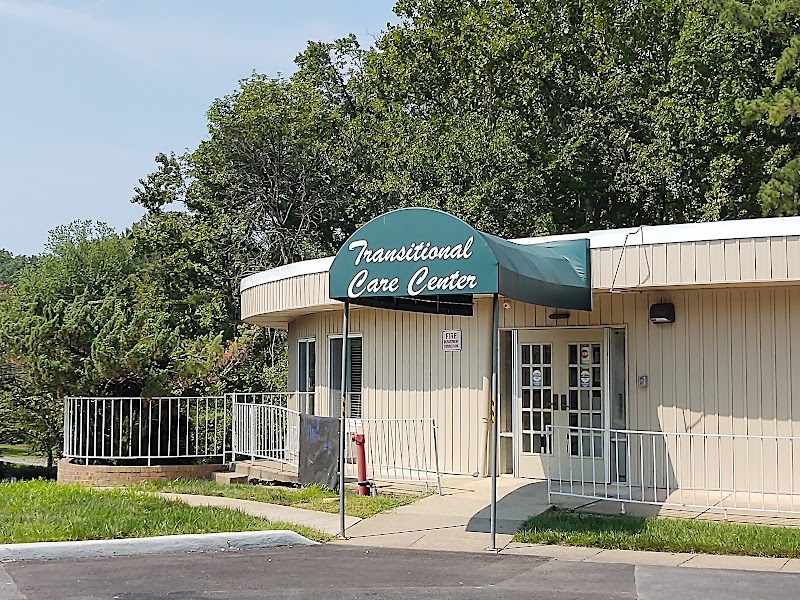
How is George Washington Health & Rehabilitation Staffed?

CMS rates GEORGE WASHINGTON HEALTH & REHABILITATION's staffing level at 2 out of 5 stars, which is below average compared to other nursing homes. Staff turnover is 27%, compared to the Virginia average of 46%. This relatively stable workforce can support continuity of care.

What Have Inspectors Found at George Washington Health & Rehabilitation?

State health inspectors documented 45 deficiencies at GEORGE WASHINGTON HEALTH & REHABILITATION during 2019 to 2024. These included: 45 with potential for harm.

Who Owns and Operates George Washington Health & Rehabilitation?

GEORGE WASHINGTON HEALTH & REHABILITATION is owned by a for-profit company. For-profit facilities operate as businesses with obligations to shareholders or private owners. The facility is operated by HILL VALLEY HEALTHCARE, a chain that manages multiple nursing homes. With 96 certified beds and approximately 86 residents (about 90% occupancy), it is a smaller facility located in ALEXANDRIA, Virginia.

How Does George Washington Health & Rehabilitation Compare to Other Virginia Nursing Homes?

Compared to the 100 nursing homes in Virginia, GEORGE WASHINGTON HEALTH & REHABILITATION's overall rating (4 stars) is above the state average of 3.0, staff turnover (27%) is significantly lower than the state average of 46%, and health inspection rating (3 stars) is at the national benchmark.

What Should Families Ask When Visiting George Washington Health & Rehabilitation?

Based on this facility's data, families visiting should ask: "Can you walk me through typical staffing levels on day, evening, and night shifts?" "Can I visit during a mealtime to observe dining assistance and food quality?" "How do you handle medical emergencies, and what is your hospital transfer rate?" "Can I speak with family members of current residents about their experience?" These questions are particularly relevant given the below-average staffing rating.

Is George Washington Health & Rehabilitation Safe?

Based on CMS inspection data, GEORGE WASHINGTON HEALTH & REHABILITATION has a clean safety record: no substantiated abuse findings (meaning no confirmed cases of resident harm), no Immediate Jeopardy citations (the most serious violation level indicating risk of serious injury or death), and is not on the Special Focus Facility watch list (a federal program monitoring the lowest-performing 1% of nursing homes). The facility has a 4-star overall rating and ranks #1 of 100 nursing homes in Virginia. While no facility is perfect, families should still ask about staff-to-resident ratios and recent inspection results during their visit.

Do Nurses at George Washington Health & Rehabilitation Stick Around?

Staff at GEORGE WASHINGTON HEALTH & REHABILITATION tend to stick around. With a turnover rate of 27%, the facility is 19 percentage points below the Virginia average of 46%. Low turnover is a positive sign. It means caregivers have time to learn each resident's needs, medications, and personal preferences. Consistent staff also notice subtle changes in a resident's condition more quickly.

Was George Washington Health & Rehabilitation Ever Fined?

GEORGE WASHINGTON HEALTH & REHABILITATION has no federal fines on record. CMS issues fines when nursing homes fail to meet care standards or don't correct problems found during inspections. The absence of fines suggests the facility has either maintained compliance or corrected any issues before penalties were assessed. This is a positive indicator, though families should still review recent inspection reports for the full picture.

Is George Washington Health & Rehabilitation on Any Federal Watch List?

GEORGE WASHINGTON HEALTH & REHABILITATION is not on any federal watch list. The most significant is the Special Focus Facility (SFF) program, which identifies the bottom 1% of nursing homes nationally based on persistent, serious quality problems. Not being on this list means the facility has avoided the pattern of deficiencies that triggers enhanced federal oversight. This is a positive indicator, though families should still review the facility's inspection history directly.