BURKE HEALTH & REHABILITATION CENTER

9640 BURKE LAKE ROAD, BURKE, VA 22015 (703) 425-9765
For profit - Corporation 120 Beds LIFEWORKS REHAB Data: November 2025
Trust Grade
60/100
#126 of 285 in VA
Last Inspection: June 2023

Over 2 years since last inspection. Current conditions may differ from available data.

Overview

Burke Health & Rehabilitation Center has a Trust Grade of C+, indicating it's slightly above average but not exceptional. It ranks #126 out of 285 facilities in Virginia, placing it in the top half, and #8 out of 12 in Fairfax County, meaning only a few local options are better. However, the facility's performance is worsening, with issues increasing from 8 in 2021 to 11 in 2023. Staffing is a significant concern, as it has a low rating of 1 out of 5 stars, although the turnover rate is 48%, which is average for the state. On a positive note, the center has no fines on record, and it offers more RN coverage than many facilities, which is beneficial for monitoring residents' needs. Specific incidents raised during inspections included a failure to maintain a clean environment, with cobwebs found in a resident's room, and a nursing error where a staff member did not verify the correct resident during medication administration, potentially putting residents at risk. Additionally, there were issues with the accounting of controlled medications, raising concerns about medication management. Overall, while there are strengths such as RN coverage and no fines, the facility faces significant challenges that families should consider.

Trust Score
C+
60/100
In Virginia
#126/285
Top 44%
Safety Record
Low Risk
No red flags
Inspections
Getting Worse
8 → 11 violations
Staff Stability
⚠ Watch
48% turnover. Above average. Higher turnover means staff may not know residents' routines.
Penalties
✓ Good
No fines on record. Clean compliance history, better than most Virginia facilities.
Skilled Nurses
○ Average
Each resident gets 32 minutes of Registered Nurse (RN) attention daily — about average for Virginia. RNs are the most trained staff who monitor for health changes.
Violations
⚠ Watch
24 deficiencies on record. Higher than average. Multiple issues found across inspections.
★★★☆☆
3.0
Overall Rating
★☆☆☆☆
1.0
Staff Levels
★★★★★
5.0
Care Quality
★★★☆☆
3.0
Inspection Score
Stable
2021: 8 issues
2023: 11 issues

The Good

  • 5-Star Quality Measures · Strong clinical quality outcomes
  • Full Sprinkler Coverage · Fire safety systems throughout facility
  • No fines on record

Facility shows strength in quality measures, fire safety.

The Bad

3-Star Overall Rating

Near Virginia average (3.0)

Meets federal standards, typical of most facilities

Staff Turnover: 48%

Near Virginia avg (46%)

Higher turnover may affect care consistency

Chain: LIFEWORKS REHAB

Part of a multi-facility chain

Ask about local staffing decisions and management

The Ugly 24 deficiencies on record

Jun 2023 11 deficiencies
CONCERN (D)

Potential for Harm - no one hurt, but risky conditions existed

Deficiency F0578 (Tag F0578)

Could have caused harm · This affected 1 resident

**NOTE- TERMS IN BRACKETS HAVE BEEN EDITED TO PROTECT CONFIDENTIALITY** Based on staff interview, clinical record review, and facility documentation review, the facility staff failed to offer and/or p...

Read full inspector narrative →
**NOTE- TERMS IN BRACKETS HAVE BEEN EDITED TO PROTECT CONFIDENTIALITY** Based on staff interview, clinical record review, and facility documentation review, the facility staff failed to offer and/or provide Advance Directive planning for 1 Resident, (Resident #317), in a survey sample of 38 Residents. The findings included: The facility staff failed to identify the wishes of Resident #317 with regards to code status, to uphold the Residents wishes in the event of cardiac arrest. On [DATE], a clinical record review of Resident #317's record was conducted. This review revealed that in the hospital records Resident #317 was noted as a code status of DNR (do not resuscitate). Review of the physician orders noted there was no order with regards to code status, which would direct facility staff in the event of cardiopulmonary arrest, if they were to perform CPR (cardiopulmonary resuscitation) or not. Review of the care plan for Resident #317 was reviewed and the code status and advance directive wishes of Resident #317 were not addressed. All the progress notes for Resident #317 were reviewed and there was no evidence of a discussion being held with Resident #317, to identify her wishes. In the banner section of the clinical record code status was blank. [DATE] at 04:56 PM, an interview was conducted with the director of discharge planning/social work, Employee J. Employee J was asked to explain the process with regards to Advance Directives and code status. Employee J said, we would discuss that [referring to advance directives] after admission, we inquire if they have a POA [power of attorney], advanced directive, etc. and we have a packet that is premade that has information to include notary publics Code status is done from the clinical team during the jump start meeting or initial 5-day assessment and would be documented in the progress notes. During the end of day meeting held on [DATE], the facility Administrator, Director of Nursing and Corporate staff were made aware that the hospital records indicate Resident #317 was a do not resuscitate. However, the facility doesn't address code status and even note in the admission assessment that the Resident is a full code. Surveyor C made them aware that there was no evidence of a discussion being held to determine the Resident's current wishes. The facility staff were asked to provide any information they may have with regards to this. On [DATE] at 12 Noon, an interview was conducted with LPN C. When asked what the process is to determine someone's wishes, she stated, When they come in, the MDS (minimum data set) nurse comes out to them and does an interview and asks about code status. When asked if she, as an admitting nurse has this conversation with Residents, LPN C said no. On [DATE] at approximately 12:15 PM, an interview was conducted with RN D, who was the MDS coordinator. RN D stated that during the jump start meeting social work asks about advance directives. RN D accessed in the clinical record a Discharge Planning admission Assessment that noted on the very last page the following: 9. Identify code status: Full code. This assessment had been completed by Employee K, a discharge planner. On [DATE] at approximately 12:25 PM, an interview was conducted with Employee K. Employee K was asked about the discussion of code status when completing the assessment. Employee K said he doesn't ask about code status and discuss full code versus do not resuscitate, he just marks the box based on what is the in the banner of the Resident's information in the clinical chart. Employee K accessed Resident #317's record and stated, since nothing was there, we mark full code. Review of the admissions agreement revealed that there were forms for a Resident to indicate if they have/had an advance directive and forms to execute one if they so desired. On [DATE] at approximately 1 PM, an interview was conducted with Employee L, the admissions director. Employee L stated that the admissions agreement is conducted electronically, usually the day after admission. It is completed with the Resident if they can complete it and if not, then the family. Employee L confirmed that admissions do not discuss code status and explain a do not resuscitate during the admission process. On [DATE], the facility administration provided the survey team with a copy of a progress note entered Resident #317's record on [DATE]. This note read, This DCP [discharge planner] and DCP [name redacted] spoke with [Resident #317's name redacted] on this date about her wishes regarding code status. Full code vs DNR was thoroughly reviewed, and the patient stated she wishes to be a DNR and has a DNR at home on her refrigerator. Patient's hospital records reflect patient has a durable DNR. This dcp also reviewed AD/POA [advance directives/power of attorney] again and patient stated she has both and that she's already been asked about these and was displeased we asked for them again. Patient stated her son will be in to visit today around noon. This dcp will f/u [follow up] with son [son's name redacted] to obtain DNR/AD/POA. NP [nurse practitioner] [name redacted] made aware on this date of the dcp's conversation with [Resident #317's name redacted] regarding wish to be DNR. The facility administration was asked to provide any policies and procedures they had with regards to advance directives and code status. The facility provided a policy titled, Advance Directives. This policy read, Social work and discharge planning staff will assist with requests for information regarding Advance Directives upon patient's admission to the center and throughout the patient's stay to allow each patient an opportunity to plan in advance for medical treatment. Procedure: 1. Upon patient and/or responsible party requests, provide information and education to patients/responsible party regarding living wills, durable power of attorney for healthcare and anatomical gifts. Include preproperate medical and clinical staff as needed for clarification and assistance. 2. If requested, assist patient/responsible part with resources for obtaining Advance Directive forms .4. If patient/responsible party expresses a desire to pursue a Do Not Resuscitate order (DNR), escort them to the licensed nurse or attending physician for further assistance. Do not independently initiate any DNR directives or proceedings. 5. Provide a written summary note of initiatives and outcomes in Social Work and Discharge Planning Progress Notes and indicate status of Advance Directive throughout assessment process. On [DATE], during the end of day meeting, Surveyor C shared with the facility administrator, Director of Nursing and Corporate staff that the facility had failed to provide any evidence that the discussion had been had with Resident #317 regarding her wishes and advance directives. No further information was provided.
CONCERN (D) 📢 Someone Reported This

A family member, employee, or ombudsman was alarmed enough to file a formal complaint

Potential for Harm - no one hurt, but risky conditions existed

ADL Care (Tag F0677)

Could have caused harm · This affected 1 resident

Based on observation, Resident interview, clinical record review and facility documentation review, the facility staff failed to provide assistance with eating for 1 resident (Resident #84) in a surve...

Read full inspector narrative →
Based on observation, Resident interview, clinical record review and facility documentation review, the facility staff failed to provide assistance with eating for 1 resident (Resident #84) in a survey sample of 38 Residents. The findings included: For Resident #84, who was dependent upon facility staff for assistance with eating, the facility staff failed to provide meal set-up and feeding assistance. Resident #84's most recent MDS (minimum data set) assessment with an assessment reference date of 5/24/23. This assessment noted Resident #84 as having required extensive assistance of one staff member for eating. Review of the clinical record was conducted. This review revealed Resident #84 was on hospice care. Resident #84 was identified in his care plan as being at risk for weight loss. It read, Nutritional Risk: [name redacted] is at nutritional risk d/t [due to] hx [history] pressure ulcers, on hospice care with expended medical decline. The goal read, [different Resident name, not Resident #84, name redacted] will have adequate nutrition for comfort/autonomy through next review. Interventions read, Provide diet as ordered. Monitor intake and record each meal. Offer substitute when intake less than 50%, provide supplements as ordered, treat risk factors as ordered, weights per protocol. Resident #84 was also noted on the care plan to needs assistance for ADL's due to impaired mobility/ cognition/ communication/ swallowing. On 6/27/23 at 2:13 PM, Resident #84 was observed lying in bed. His lunch tray was on a tray table by the bed, cover in place and none of the items opened. The tray was out of reach of the Resident. Resident #84 didn't verbally respond when spoken to. On 6/27/23 at 2:15 PM, an interview was conducted with Resident #320, who was the roommate of Resident #84. Resident #320 verbalized concern over Resident #84. When asked about meals, Resident #320 said they just drop off the tray and leave the room. On 6/27/23 at approximately 2:30 PM, an interview was conducted with CNA B. CNA B acknowledged she was assigned to Resident #84. When asked about Resident #84's ability to feed himself, CNA B stated, the Resident feeds himself. When asked, how he could feed himself with the tray not set-up and out of reach, CNA B stated she had asked the Resident if he wanted to eat, and he told her no. On 06/29/23 at 01:44 PM, Resident #84 was noted to be in bed asleep. His meal tray was at the bedside, out of reach and not set-up, covered with a tray lid. Surveyor C talked with LPN B who was assigned to Resident #84. LPN B stated the Resident could feed himself. LPN B accompanied Surveyor C to the room and acknowledged the tray was not set-up and the Resident could not reach it. LPN B then set-up the meal tray and encouraged Resident #84 to eat. Review of Resident #84's activities of daily living sheets, revealed the resident required limited to extensive assistance of facility staff for eating. The forms also indicated Resident #84 consumed 0-25% of most meals. On 6/27/23, Resident #84 was only recorded as having been offered one meal. The facility administration was asked to provide the survey team with a policy regarding activities of daily living (ADL's). The facility stated they did not have a policy but follow Mosby's standards for the practice of nursing assistants. The facility provided copies from Mosby's Textbook for Long-Term Care Nursing Assistants Seventh Edition which addressed bathing. On 6/29/23, during the end of day meeting, the facility Administrator and Director of Nursing were made aware of the above findings. No further information was provided.
CONCERN (D)

Potential for Harm - no one hurt, but risky conditions existed

Respiratory Care (Tag F0695)

Could have caused harm · This affected 1 resident

Based on observation, staff interview, clinical record review and facility documentation review, the facility staff failed to provide respiratory care as ordered by the physician and consistent with p...

Read full inspector narrative →
Based on observation, staff interview, clinical record review and facility documentation review, the facility staff failed to provide respiratory care as ordered by the physician and consistent with professional standards of practice for 1 Resident (Resident #38) in a survey sample of 38 Residents. The findings included: For Resident #38, the facility staff failed to 1) provide oxygen via a concentrator, at the level ordered by the physician 2) failed to store the suction Yankauer in a manner to prevent contamination, 3) failed to replace the suction tubing routinely, 4) failed to change the oxygen tubing weekly as ordered, 5) failed to change the humidifier bottle weekly as ordered, 6) failed to change the nebulizer tubing weekly as ordered. On 6/27/23 at approximately 2:00 PM, Surveyor C visited Resident #38 in his room. Resident #38 was able to communicate and when asked about the oxygen, the Resident was not able to recall the rate of oxygen flow ordered. Surveyor C noted the oxygen concentrator was set on 5 liters of oxygen. Further observations in the room revealed a suction machine at the bedside and the canister had some brown appearing liquid in it. The tubing had copious amounts of scattered brown residue and stains throughout the tubing. The yankauer suction tip (an oral suctioning tool used in medical procedures and is the part that enters the oral cavity) was noted to be on the bedside table wrapped in a medical procedure glove. Further observations revealed the oxygen tubing and humidifier bottle were not dated. There was also a nebulizer mask on the bed, open to air, which was dated 5/29/23. When Resident #38 was asked about the frequency of suctioning, he stated it is not often. On 6/27/23 at 2:50 PM, LPN C accompanied Surveyor C to Resident #38's room. LPN C stated that Resident #38, had a change in condition on Sunday, spiked a fever and should be on 2 liters of oxygen, she looked at the oxygen concentrator settings and confirmed that it was running at 5 liters. LPN C confirmed that suction yankauer should be stored in a bag when not in use to prevent contamination that could cause respiratory infections. At this time, it was noted to be laying on the floor, still wrapped in a medical procedure glove. LPN C found the bag the suction tip was to be stored in and it was dated 4/5/23. LPN C also confirmed that Resident #38 would not have been able to adjust/change the setting for the rate of oxygen flow. LPN C looked at the oxygen concentrator confirmed that there was no date as to when the tubing was changed or the humidifier bottle. LPN C stated that it is done weekly, every Saturday on night shift and should be dated. LPN C also confirmed that the nebulizer mask was laying on the bed, open to air, had not been disassembled and cleaned and was dated 5/29/23. LPN C said the nebulizer tubing and masks are changed every Monday, Wednesday and Friday, on night shift. On 6/27/23 at approximately 3 PM, the Director of Nursing came to the room and confirmed the above findings. The DON confirmed that this was not acceptable. A clinical record review was conducted. This review revealed that Resident #38 had a physician order dated 6/24/23, that remained active that read, Supplemental Oxygen via NC [nasal cannula] at 2L AS NEEDED/PRN for SOB [shortness of breath]/SPO2 [oxygen saturation] <92%-WEAN AS ABLE, every 8 hours as needed. Resident #38 was also noted to have a diagnosis of chronic obstructive pulmonary disease. This review revealed that Resident #38 had a physician order for Oxygen and nebulizers as needed. The facility provided the survey team with a policy titled, Respiratory/Oxygen Equipment. This policy read, Policy: Licensed staff will administer and maintain respiratory equipment, oxygen administration, and oxygen equipment per provider's order and in accordance with standards of practice . Medicated Nebulizer Treatment: . 5. Rinse out nebulizer reservoir with tap water, dry and place in a plastic bag when not in use. Nebulizers and bags should be changed weekly . Oxygen Therapy via Nasal Cannula, Simple Mask, Venturi Mask, and Oximizer . 3. Set appropriate flow rate and place oxygen delivery device on patient . 6. Nasal cannulas, simple masks, Venturi mask, and oximizer and tubing should be changed weekly. 7. If flow rate is greater than 4 liters/minute, a pre-filled disposable humidifier bottle should be used. Humidifier bottles are to be changed weekly. 8. Store oxygen tubing/mask in plastic bag when not in use . The policy titled, Suctioning was received and reviewed. This policy read, Oral Suctioning .4. Suction catheters are to be changed after each use . General Considerations: . 2. Disposable suction canisters and connecting tubing are to be disposed of and changed every day and dated if used . On 6/27/23, during the end of day meeting, the facility Administrator, Director of Nursing and Corporate staff were made aware of the above findings. When asked about the associated risks to a Resident receiving oxygen at a higher rate of flow than ordered, the Corporate Clinical Consultant stated that it could cause them to retain more carbon dioxide and could cause a medical emergency. No further information was received.
CONCERN (D)

Potential for Harm - no one hurt, but risky conditions existed

Deficiency F0883 (Tag F0883)

Could have caused harm · This affected 1 resident

**NOTE- TERMS IN BRACKETS HAVE BEEN EDITED TO PROTECT CONFIDENTIALITY** Based on staff interview, clinical record review, and facility documentation review, the facility staff failed to provide an inf...

Read full inspector narrative →
**NOTE- TERMS IN BRACKETS HAVE BEEN EDITED TO PROTECT CONFIDENTIALITY** Based on staff interview, clinical record review, and facility documentation review, the facility staff failed to provide an influenza vaccine for 1 resident, Resident #54, out of 5 residents reviewed for influenza immunization and facility staff failed to provide a pneumococcal vaccine for 1 resident, Resident #67, out of 5 residents reviewed for pneumococcal immunization. The findings included: 1. The facility staff failed to provide influenza immunization for Resident #54. On 6/28/23 at approximately 2:30 PM, a clinical record review was performed for Resident #54 and revealed that Resident #54 had received influenza immunization on 10/19/21, however there was no documentation of the flu vaccine being offered, refused, contraindicated, or administered for the current year, 2022. On 6/28/23 at approximately 2:45 PM, an interview was conducted with the Director of Nursing (DON) who accessed the clinical records for Resident #54 and verified the findings stating, it appears to be an oversight. A facility policy was requested and received. On 6/28/23 at approximately 3:00 PM, a review of the facility policy entitled, Influenza Vaccination, effective date 5/01/23, was conducted. It stated under the subtitle, Procedure, item 1a, Influenza vaccine should be offered annually .optimal time to administer influenza vaccine is in late September or early October of each year. The vaccine can be given after the flu season begins .Those who have not had a flu vaccine will be offered one upon admission. On 6/28/23 at approximately 5:15 PM, the Facility Administrator and Director of Nursing were made aware of the findings. No further information was provided. 2. The facility staff failed to provide pneumococcal immunization for Resident #67. On 6/28/23 at approximately 2:30 PM, a clinical record review was performed which revealed Resident #67, who was admitted to the facility on [DATE], had no clinical assessment with regard to pneumococcal immunization, to include the resident's current pneumonia vaccination status, offer to provide immunization against pneumococcal infection, or documentation of resident refusal or medical contraindication. On 6/28/23 at approximately 2:45 PM, an interview was conducted with the Director of Nursing (DON) who accessed the clinical records for Resident #67 and verified the findings stating, it appears to be an oversight. A facility policy was requested and received. On 6/28/23 at approximately 3:00 PM, a review of the facility policy entitled, Pneumococcal Vaccinations, effective date 5/01/23, was conducted. It stated under the subtitle, Policy, Vaccination against pneumonia will be offered to center patients. On 6/28/23 at approximately 5:15 PM, the Facility Administrator and Director of Nursing were made aware of the findings. No further information was provided.
CONCERN (E) 📢 Someone Reported This

A family member, employee, or ombudsman was alarmed enough to file a formal complaint

Potential for Harm - no one hurt, but risky conditions existed

Safe Environment (Tag F0584)

Could have caused harm · This affected multiple residents

Based on observation, staff interview, clinical record review and facility documentation review, the facility staff failed to provide a clean homelike environment for 1 Resident (Resident #38) in a su...

Read full inspector narrative →
Based on observation, staff interview, clinical record review and facility documentation review, the facility staff failed to provide a clean homelike environment for 1 Resident (Resident #38) in a survey sample of 38 Residents. The findings included: For Resident #38, the facility staff failed to provide a clean and homelike environment by ensuring cobwebs were removed. On 6/27/23 at approximately 2:00 PM, Surveyor C visited Resident #38 in his room. Surveyor C noticed 2 cobwebs in the ceiling corner of the room over the Resident's bedside table. On 6/27/23 at 2:50 PM, LPN C accompanied Surveyor C to Resident #38's room. LPN C was shown the cobwebs and confirmed them. On 6/27/23 at approximately 3 PM, the Director of Nursing came to the room and confirmed the above findings. The DON confirmed that this was not acceptable and reported rooms are cleaned by housekeeping. On 6/28/23, an interview was conducted with the housekeeping manager/Employee F. Employee F confirmed that housekeeping cleans rooms daily and performs deep cleaning of rooms monthly. Employee F provided Surveyor C with a calendar of scheduled deep cleaning, which listed Resident #38's room as being scheduled to be deep cleaned the third Friday of each month. On the facility provided Detailed Cleaning Check Off List form it noted the following to be completed, . 4. Sanitize all ceilings . 14. Sanitize all walls thoroughly . On 6/28/23, during an end of day meeting the facility Administrator was made aware of the above findings. No further information was received.
CONCERN (E) 📢 Someone Reported This

A family member, employee, or ombudsman was alarmed enough to file a formal complaint

Potential for Harm - no one hurt, but risky conditions existed

Deficiency F0658 (Tag F0658)

Could have caused harm · This affected multiple residents

Based on observation, staff interview, clinical record review, and facility documentation, the facility staff failed to ensure nursing standards of practice were followed for 2 Residents (Resident #15...

Read full inspector narrative →
Based on observation, staff interview, clinical record review, and facility documentation, the facility staff failed to ensure nursing standards of practice were followed for 2 Residents (Resident #15 and #217) in a survey sample of 38 Residents. The findings included: 1) For Resident #15, LPN D failed to verify the right resident during medication pass. On 6/29/23 at 9:58 AM, LPN D was observed during the medication administration. LPN D pulled and prepared the medication for Resident #217, which was a total of 8 pills (tablets and capsules). The medications were: Amlodipine Besylate 10 MG tablet for hypertension/blood pressure, Oxycodone 5 mg immediate release tablet for pain, Budesonide extended release 3 mg capsule for Crohn's disease, Carvedilol 6.25 mg tablet for hypertension, Venlafaxine HCl extended release 150 mg capsule for depression, Prevacid delayed release 30 mg capsule for gastroesophageal reflux, Dicyclomine HCl 20 mg tablet for irritable bowel syndrome and Sodium Bicarbonate 650 mg tablet for hyponatremia. Upon entering the room, LPN D approached Resident #15, who was the roommate of Resident #217. LPN D made no attempts to verify the Resident's identity. LPN D then scooped the pills onto a spoon and was approaching Resident #15's face with the spoon while saying I have your medications. Surveyor C intervened and asked the Resident to state her name. Resident #15 stated her name and LPN D then realized she was giving Resident #15 the medications that belonged to Resident #217. LPN D apologized and then approached Resident #217 and administered the medications. Had Surveyor C not intervened LPN D was going to administer all the medications noted above to the wrong Resident. Review of the facility policy titled; Administration Procedures for All Medications was conducted. This policy read, .IV. Administration 2. Identify the resident before administering the medication . On 6/29/23, during an end of day meeting, the facility administrator, Director of Nursing (DON) and corporate staff were made aware of the above observations. The Corporate Clinical Director indicated that it could be very dangerous and result in the need for clinical interventions. No further information was provided/received. 2) For Resident #217, the facility staff failed to correctly document medications that were administered. On 6/29/23 at 9:58 AM, LPN D was observed during the medication administration. LPN D pulled and prepared the medication for Resident #217, which included Oxycodone 5 mg immediate release tablet for pain and Budesonide extended release 3 mg capsule for Crohn's disease. Following the administration, LPN D returned to the medication cart and proceeded to sign out the narcotic oxycodone 5 mg tablet onto the sheet as if she had pulled oxycodone 10 mg tablet. LPN D realized her error and said she would let her manager know so it could be corrected. On 6/29/23 at approximately 11:10 AM, a review of the MAR (medication administration record) of Resident #217 was conducted. It was noted that LPN D had administered Budesonide extended release 3 mg capsule during the observation, but failed to sign off on the MAR that the medication was given. A review of the facility policy titled, Administration Procedures for All Medications was conducted. This policy read, .IV. Administration . 7. After administration, return to cart, replace medication container (if multi-dose and doses remain), and document administration in the MAR or TAR and the controlled substance sign out record, if necessary . On 6/29/23, during an end of day meeting, the facility Administrator, Director of Nursing and Corporate staff were made aware of the above findings. No further information was received.
CONCERN (E)

Potential for Harm - no one hurt, but risky conditions existed

Pharmacy Services (Tag F0755)

Could have caused harm · This affected multiple residents

Based on observation, staff interview, and facility documentation review, the facility staff failed to implement a system to account for and reconcile controlled drugs on 1 of 2 nursing units. The fi...

Read full inspector narrative →
Based on observation, staff interview, and facility documentation review, the facility staff failed to implement a system to account for and reconcile controlled drugs on 1 of 2 nursing units. The findings included: 1. The facility staff failed to implement their system of reconciliation to ensure the appropriate quantity of controlled medications was accurate on 2 of 4 medication carts inspected. 1a. On 06/28/23 at 05:19 PM, a medication storage inspection was conducted of the second floor, medication cart 1 with LPN E. During the verification of the controlled medications, it was determined that the controlled count was not correct. For one Resident who had Gabapentin 100 mg capsules, the medication card had 25 capsules, the reconciliation sheet said there should be 24 capsules present. For another Resident who had Armodafinil 200 mg tablets, the medication card had 19 tablets and the count sheet/reconciliation sheet indicated that 18 tablets should be present. LPN E confirmed the above findings. When asked about the process, LPN E said that at each shift change the off-going and on-coming nurses are to count the narcotics together. LPN E stated she took the cart keys at 2 PM, meaning she assumed responsibility of the cart at that time. LPN E further confirmed that a count of the controlled medications had not been conducted and she did not know that the count was not correct. On 06/28/23 at 05:51 PM, the unit manager, RN D was made aware that the controlled count on cart 1 was incorrect. RN D stated, This is my first week here . A few minutes later, RN D told Surveyor C that the off-going nurse for cart 1 is coming back to correct the count, she was having trouble with her eyes and signed the wrong thing, she is correcting it. On 6/29/23, during the mid-morning, RN D approached Surveyor C and said she had given incorrect information on the day prior. RN D said, that with regards to the controlled count not being correct on cart 1, the day shift nurse was still in the building at the time of the inspection. When asked if the controlled count verification is supposed to be done prior to the on-coming nurse accepting the keys and assuming responsibility of the cart, RN D said, yes. 1b. On 06/28/23 at 05:34 PM, an inspection was conducted of the 2nd floor, medication cart two (2). This review was conducted with LPN F. During review of the narcotics/controlled medications, it was noted that one Resident had a bottle of Morphine 20 mg/ml concentrate, which contained 30 Ml. There was no count/reconciliation sheet present for the nursing staff to verify that the quantity on-hand was accurate. LPN F said, The day nurse said the nurse manager has it. 1c. During the inspection of medication cart 2, LPN F had a stack of controlled medication cards that were bound with a rubber band and the controlled count/reconciliation sheets were attached. She stated that they were controlled medications for Residents who had been discharged , but the box they put them in is full, so she was told to keep them on her cart. LPN F confirmed that they were not being counted at each shift change. Review of the stack of medications revealed there was controlled medications for 5 Residents. The medications included: oxycodone immediate release 5 mg, Percocet 5-325 mg, Tramadol, Gabapentin, Lorazepam concentrate, and morphine concentrate. 2. The facility staff failed to implement their system of reconciliation and disposal of controlled medications to ensure that there is a system to account for the controlled substances stored within the facility. On 6/28/23 at approximately 5:40 PM, LPN F took Surveyor C to the medication room, for the surveyor to observe the locked box where they normally put controlled medications once a Resident is discharged . Upon observation it was noted that the box was so full of medications that no additional medication cards could be inserted. Surveyor C then requested for the Director of Nursing (DON) and Corporate Clinical Director to come to the medication room. Upon their arrival the DON opened the box and pulled out a substantial amount of controlled medication cards. The DON and Corporate Clinical Director retrieved all the controlled medications and took them to the office to make an accounting of what was present and then destroy them. Surveyor C sat with the DON and Corporate Clinical Director while they made an accounting of what was present. There was a total of 84 cards of controlled drugs, that contained over 1600 capsules/tablets, that had been stored in the locked box on the second-floor medication room. During their reconciliation, it was determined that they had 12 cards of medications that they had no count sheet for, therefore they were unaware if there were any medications missing. In addition, they had 3 count sheets that they had no medication for. When asked if they had any way to identify if there were medications that were missing, the DON and Corporate Clinical Consultant both agreed that they had no way to know. When asked about the process for destruction of narcotic medications, the DON stated, every Friday we go to the medication cart and destroy. I knew we keep narcotics in the safe [referring to the box, similar to a drop box made of file cabinet material]. When asked why it is important to have a process to account for and reconcile narcotics, they indicated because controlled drugs are at risk for diversion and without counting, they would not know if Residents were getting the medications or if they are being diverted. Review of the facility policy titled; Shift Change Report was conducted. This policy read, . 3. Licensed nurses from the previous shift will complete the narcotic counts with a nurse coming on duty . The facility policy titled; Storage of Controlled Substances was reviewed. An excerpt from this policy read, . 5. Unless otherwise indicated in a facility policy and/or as required by state regulations, the following will be performed: a. At each shift change, or when keys are transferred, a physical inventory of all controlled substances, including refrigerated items, is conducted by two licensed personnel, and is documented . 6. Any discrepancy in controlled substance counts is reported to the Director of Nursing immediately and/or in accordance with facility policy .10. Controlled substances remaining in the facility after the order has been discontinued or the resident has been discharged are retained in the facility in a securely locked area with restricted access until destroyed in accordance with facility policy and state regulations. Accountability records for discontinued controlled substances are maintained with the unused supply until it is destroyed or disposed of, and then stored for five years or as required by applicable law or regulation . On 6/28/23, during an end of day meeting, the facility Administrator, Director of Nursing and Corporate staff were made aware of the above findings. No additional information was received.
CONCERN (E) 📢 Someone Reported This

A family member, employee, or ombudsman was alarmed enough to file a formal complaint

Potential for Harm - no one hurt, but risky conditions existed

Unnecessary Medications (Tag F0759)

Could have caused harm · This affected multiple residents

Based on observation, staff interview, clinical record review, and facility documentation, the facility staff failed to ensure the medication error rate was less than 5%. There were 9 medication error...

Read full inspector narrative →
Based on observation, staff interview, clinical record review, and facility documentation, the facility staff failed to ensure the medication error rate was less than 5%. There were 9 medication errors in 31 opportunities, resulting in an 29.03% error rate. The findings included: On 6/29/23 at 9:58 AM, LPN D was observed during medication administration. LPN D pulled and prepared the medication for Resident #217, which was a total of 8 pills (tablets and capsules). The medications were: Amlodipine Besylate 10 MG tablet for hypertension/blood pressure, Oxycodone 5 mg immediate release tablet for pain, Budesonide extended release 3 mg capsule for Crohn's disease, Carvedilol 6.25 mg tablet for hypertension, Venlafaxine HCl extended release 150 mg capsule for depression, Prevacid delayed release 30 mg capsule for gastroesophageal reflux, Dicyclomine HCl 20 mg tablet for irritable bowel syndrome and Sodium Bicarbonate 650 mg tablet for hyponatremia. Upon entering the room, LPN D approached Resident #15, who was the roommate of Resident #217. LPN D made no attempts to verify the Resident's identity. LPN D then scooped the pills onto a spoon and was approaching Resident #15's face with the spoon while saying I have your medications. Surveyor C intervened and asked the Resident to state her name. Resident #15 stated her name and LPN D then realized had the wrong resident. LPN D apologized and then approached Resident #217 and administered the medications. Review of Resident #15's physician orders revealed she did not have an order for any of the 8 medications that LPN D was stopped from administering. On 6/29/23 at 9:58 AM, LPN D was observed to prepare and administer medications to Resident #41. Resident #41's scheduled medications included Tiotropium Bromide Monohydrate Capsule 18 MCG, also known as Spiriva. LPN D looked in the medication cart, went to another cart and looked and indicated that it was not available. LPN D then administered the other medications and returned to the medication cart and proceeded to the next Resident for medication administration. LPN D made no attempts to call the pharmacy to inquire about the delivery of the Spiriva, nor did she attempt to notify the provider that the medication was not available. On 6/29/23 at 9:45 AM, LPN D was asked about the process if medications are not available. LPN D said, If it isn't available in the cart, we go downstairs to the machine [referring to the Omnicell, which is a medication dispensing machine]. LPN D then said, If the medication isn't available in the machine, we call the pharmacy and the doctor. During the late morning of 6/29/23, the Corporate Clinical Consultant let Surveyor C know they had removed LPN D from the medication cart. Review of the facility policy titled; Administration Procedures for All Medications was conducted. This policy read, .IV. Administration 2. Identify the resident before administering the medication . The facility policy titled, Medication Management/Medication Unavailability was received and reviewed. This policy read, . 3. If medications are determined to be unavailable for administration, licensed nurse will notify the provider of the unavailability. Licensed nurse will document notification to the provider of the unavailability in the medical record . On 6/29/23, during an end of day meeting, the facility administrator, Director of Nursing (DON) and corporate staff were made aware of the above observations and medication error rate being greater than 5%. No further information was provided/received.
CONCERN (E)

Potential for Harm - no one hurt, but risky conditions existed

Deficiency F0761 (Tag F0761)

Could have caused harm · This affected multiple residents

**NOTE- TERMS IN BRACKETS HAVE BEEN EDITED TO PROTECT CONFIDENTIALITY** Based on observation, staff interview, clinical record review and facility documentation the facility staff failed to properly s...

Read full inspector narrative →
**NOTE- TERMS IN BRACKETS HAVE BEEN EDITED TO PROTECT CONFIDENTIALITY** Based on observation, staff interview, clinical record review and facility documentation the facility staff failed to properly store medications on 2 of 4 medication carts inspected. The findings included: For 2 of 4 medication carts inspected, the facility staff failed to label insulin with the open date to ensure it is not used beyond the expiration date. On [DATE] at 05:19 PM, an inspection was conducted of the second-floor cart 1, in the presence of LPN E. The following was noted: A Lantus Solostar pen was open, had been used, and had no open date. A Humalog 100-unit multi-dose vial was dated [DATE]. LPN E stated, today is last day, indicating it was good for 31 days. On [DATE] at 05:34 PM, an inspection of the 2nd floor, cart 2, was conducted. LPN F was present during the inspection and confirmed the findings. The following was noted. An Insulin Aspart 100 U/ML multi-dose vial was opened and had no date to indicate when it was opened. The label said, discard after 28 days. LPN F confirmed she had no way to know when to discard it because she didn't know when it was opened. There was a Humalog 100 U/ML 3 ml multi-dose vial, which had no open date. The facility administration provided the survey team with a document titled, Medications with shortened expiration dates. It noted the following: Lantus Solostar Pen: Once opened, do not refrigerate. Store at room temperature. Product expires 28 days after first use or removal from refrigerator, whichever comes first. Humalog vial: Once opened, store below 86 degrees Fahrenheit. Product expires 28 days after first use or removal from refrigerator, whichever comes first. This means that the Humalog noted on the second floor, cart 1 should have not been used beyond [DATE]. NovoLog/Aspart vial: Product expires 28 days after first use or removal from refrigerator, whichever comes first. By not having the insulins dated with an open date, the facility staff had no way of knowing if the insulin being administered was expired or not. On [DATE], during the end of day meeting, the facility Administrator, Director of Nursing and Corporate staff were made aware of the above findings. No additional information was provided.
CONCERN (E)

Potential for Harm - no one hurt, but risky conditions existed

Deficiency F0887 (Tag F0887)

Could have caused harm · This affected multiple residents

Based on staff interview, clinical record review, and facility documentation review, the facility staff failed to provide COVID-19 bivalent vaccines for 4 residents, Residents #19, #31, #54, and #67, ...

Read full inspector narrative →
Based on staff interview, clinical record review, and facility documentation review, the facility staff failed to provide COVID-19 bivalent vaccines for 4 residents, Residents #19, #31, #54, and #67, out of 5 residents reviewed for COVID-19 bivalent immunization. The findings included: The facility staff failed to provide COVID-19 bivalent immunization for Residents #19, #31, #54, and #67. On 6/28/23 at approximately 2:30 PM, clinical record reviews were performed and revealed the following: A. For Resident #19, the clinical record review revealed no evidence of an offer to provide the resident with a COVID-19 bivalent vaccine or documentation of resident refusal or medical contraindication. B. For Resident #31, the clinical record review revealed no evidence of an offer to provide the resident with a COVID-19 bivalent vaccine or documentation of resident refusal or medical contraindication. C. For Resident #54, the clinical record review revealed no evidence of an offer to provide the resident with a COVID-19 bivalent vaccine or documentation of resident refusal or medical contraindication. D. For Resident #67, the clinical record review revealed no evidence of an offer to provide the resident with a COVID-19 bivalent vaccine or documentation of resident refusal or medical contraindication. On 6/28/23 at approximately 2:45 PM, an interview was conducted with the Director of Nursing (DON) who accessed the clinical records for the residents sampled and verified the findings stating it appears to be an oversight. A facility policy was requested and received. On 6/28/23 at approximately 3:00 PM, a review of the facility policy entitled, COVID-19 Vaccinations, effective date 5/01/23, was conducted. It stated under the subtitle, Procedure, item 1, CDC [Centers for Disease Control and Prevention] recommends that everyone stay up to date with COVID-19 vaccination and item 2c read, If contraindicated or refused, document in the patient's immunization record, including that the patient and/or RP [Responsible Party] was provided education regarding the benefits and potential risks associated with the COVID-19 vaccine. The CDC (Centers for Disease Control and Prevention) document titled, Interim Clinical Considerations for Use of COVID-19 Vaccines in the United States, updated May 12, 2023, page 2, Recommendations for the use of COVID-19 vaccines, read, COVID-19 vaccination is recommended for everyone ages 6 months and older in the United States for the prevention of COVID-19 and CDC recommends that people ages 6 months and older receive at least 1 bivalent mRNA COVID-19 vaccine. On 6/28/23 at approximately 5:15 PM, the Facility Administrator and Director of Nursing were made aware of the findings. No further information was provided.
CONCERN (E) 📢 Someone Reported This

A family member, employee, or ombudsman was alarmed enough to file a formal complaint

Potential for Harm - no one hurt, but risky conditions existed

Safe Environment (Tag F0921)

Could have caused harm · This affected multiple residents

Based on observations, Resident and family interview, staff interviews and facility documentation review, the facility staff failed to maintain a sanitary and comfortable environment for Residents on ...

Read full inspector narrative →
Based on observations, Resident and family interview, staff interviews and facility documentation review, the facility staff failed to maintain a sanitary and comfortable environment for Residents on 2 nursing halls in a sample of 6 nursing halls inspected. The findings included: On 6/27/23, during initial tour observations were made in multiple rooms on the first floor, halls 2 and 3 of privacy curtains (located to wrap around the bed for each Resident) to have brown stains and brown solid matter on them. On the afternoon of 6/27/23, an interview was conducted with Resident #320, who had a family member visiting. Resident #320 pointed out to Surveyor C the privacy curtain which had brown stains and solid matter that the Resident identified as feces. Resident #320 reported he had let facility nursing staff know but nothing had been done. The family member of Resident #320 showed Surveyor C her bag that she brings in daily with a disinfectant cleaner and Lysol spray because when she arrives, she, has to empty, clean and disinfect the bedside commode, because the facility staff do not do it. The family member also pointed out the trash can within the room that had a large quantity of dried brown substance on it. In addition, Resident #320 lifted his body off the sheets to show Surveyor C that his bed linen had what he identified as feces on it. Resident #320 stated that his family member has to change his sheets when she comes daily because the facility staff do not. During the end of day meeting held on 6/27/23, the facility Administrator, Director of Nursing and Corporate staff were made aware of the concerns with regards to the cleanliness and sanitary conditions of Resident rooms, including privacy curtains. On 6/28/23 at approximately 1:30 PM, Resident #320 was visited in his room. The privacy curtain remained stained with the solid brown matter on it. Resident #320 reported they had changed his roommate's curtain the night before, but not his. On 6/28/23 at 3:24 PM, an interview was conducted with the housekeeping supervisor/Employee F. Employee F said that privacy curtains are changed by housekeeping and maintenance staff when staff make them aware that they are soiled. As for routine cleaning/changing of the curtains, he reported it is done when the rooms are deep cleaned, which is monthly. Employee F stated they had changed a lot of privacy curtains the night before, but he was made aware of another one that needed changing and was getting ready to go do that. When asked which room he was going to, Employee F identified the room of Resident #320. Review of the schedule for deep cleaning, that Employee F provided, revealed that Resident #320's room was scheduled to be deep cleaned on the first Friday of each month. In addition, Employee F provided the survey team with a document titled, Admission/Discharge Cleaning. Review of this document read, . Procedure: discharge: Discharge rooms should be turned over either one hour after discharge or the following day if discharge happened after hours. In addition to the general method of cleaning, discharge rooms require additional attention, as follows: . 6. Curtains should be replaced, and any remote controls, pull lights and call bells should also be disinfected . On 6/29/23, during the end of day meeting, the facility Administrator, Director of Nursing and Corporate staff were again made aware of the above concerns. No further information was provided.
Mar 2021 8 deficiencies
CONCERN (D)

Potential for Harm - no one hurt, but risky conditions existed

Resident Rights (Tag F0550)

Could have caused harm · This affected 1 resident

**NOTE- TERMS IN BRACKETS HAVE BEEN EDITED TO PROTECT CONFIDENTIALITY** Based on observation, policy review, and interview it was determined the facility failed to protect the dignity of two of 20 Res...

Read full inspector narrative →
**NOTE- TERMS IN BRACKETS HAVE BEEN EDITED TO PROTECT CONFIDENTIALITY** Based on observation, policy review, and interview it was determined the facility failed to protect the dignity of two of 20 Residents (R) (R 211 and R226). This failure created the potential for residents to experience decreased feelings of self-worth. Findings include: 1. Review of R226's Census tab of her electronic medical record (EMR) revealed she was admitted to the facility on [DATE]. Review of her Diagnosis tab of her EMR revealed diagnoses which included vascular dementia with behavioral disturbances. An observation on 03/18/21 at 1:11 PM revealed R226 arriving at the facility for admission on a gurney via non-emergent transport. A continuous observation on 03/18/21 from 1:54 PM to 2:39 PM revealed R226 sitting in her room next to her bed with a meal tray with a hot dog on her overbed table, calling out for help in a distressed manner. Certified Nursing Assistant (CNA) 1 approached the doorway to R226's room and asked what she needed. R226, still in a distressed manner, Is this beef? I don't eat pork. I can't have pork. CNA1 stated from the doorway, Yes, it's beef. No pork. Just eat it, closed the door and left the room without waiting for R226 to respond. Continued observation on 03/18/21. At 2:00 PM, through the closed door, R226 could be heard calling out loudly for help. R226's roommate opened the door to the room and called out for someone to help R226. Physical Therapy Assistant (PTA) 2 exited the room across the hall and stated she would get the nurse. R226 was calling out for assistance as PTA2 entered the hallway but the PTA did not respond to R226's requests, PTA2 walked down the hall away from R226, past the nurse and the nurse's station, without speaking to the nurse. Two minutes later the PTA returned to the nurse's station and spoke to Registered Nurse (RN) 4. At 2:05 PM PTA2 approached R226's room with R226 still calling for help. When R226 saw PTA2 approach the doorway she called out, I don't like this! I need catsup referencing her hot dog. PTA2 told R226, I told your nurse. She's going to get you some medication. R226 asked PTA2 if her hot dog had contained pork, to which PTA2 stated, That's a turkey hot dog. R226's roommate (R224) then moved her wheelchair to a position where she was facing R226 and tried to help her eat. Continued observation on 03/18/21. At 2:06 PM, RN4 entered R226's room, stating as she entered the room, Eat your hot dog. You need to try to eat it, as she closed the door. From inside the room R226 could be heard calling out, I don't like it! I want catsup! Through the closed door, R226's tone became increasingly distressed and pressured, increasing in volume as she asked RN4 repeatedly for assistance. At 2:09 PM, RN4 left the room with R226 continuing to ask for assistance. At 2:11 PM R226 could be heard calling in a distressed tone from inside the room, I can't eat a hot dog! I can't eat a hot dog! Please help me! Please, please help me! Continued observation on 03/18/21. At 2:13 PM CNA1 approached R226's room with a tray containing a sandwich and a beverage. CNA1 knocked on the door, opened it enough for R226 to see the meal, then backed away allowing the door to close behind her. R226 began calling out, No! Don't go! Please leave the sandwich! CNA1 stated quietly towards the closed door, Wait a minute, then carried the meal tray down the hall from R226's room. R226 could be heard inside the room calling out, I can't reach the light! I can't reach the light! At 2:16 PM, CNA1 returned with the tray containing the sandwich and beverage. As she entered R226's room, R226 began to call out, Please come over here! Please come over here with the sandwich! followed by, It's not grilled! I asked for a grilled cheese sandwich! CNA1 responded, We don't have anything else. R226 stated, Can't you grill it? I asked for a grilled cheese! RN1 approached R226's room and stated, What else do you want, so I can let the kitchen know. R226 stated, I don't know what else you have. RN1 responded, OK, then both RN1 and CNA1 left the room. Continued observation on 03/18/21. At 2:21 PM R226 could he heard calling out loudly from inside her room, Please, please help me now! Her cries for help became louder with a more pressured and anxious quality over the next few minutes, with R226 adding, I need to go pee! I need to go pee! At 2:24 PM, with R226 calling out for assistance for the bathroom, CNA1 arrived with a plate with a grilled cheese sandwich, placed it on the overbed table in front of the resident, picked up the previous meal tray, and left the room. Though R226 had been calling out for the bathroom as CNA1 approached the room, the CNA did not inquire or offer to assist with toileting needs. Continued observation on 03/18/21. At 02:33 PM R226 began calling, Nurse! Nurse! At 02:34 PM R226's roommate entered the hallway and called out, Hello! Yeah, she wants to go to the bathroom. Upon hearing that, R226 called out, I don't know where the bathroom is! and even more loudly, Nurse! I gotta go to the bathroom. [R226's name]! At 2:39 PM RN1 and RN4 approached the room to assist R226 to the bathroom. An interview with the Director of Nursing (DON) and Nurse Consultant on 03/18/21 at 4:00 PM revealed, The situation was not handled to our expectation. We don't know the status of the patient at the time. Maybe the food was the catalyst. There was no reprimand acknowledged to the employees related to the staff response to R226 by the facility. 2. An interview and observation with R211 on 03/16/21 at 12:42 PM revealed a commode in the resident's room near the foot of his bed. The receptacle for his waste was a round pink wash basin approximately six inches deep. R211 stated, That's not the right bucket under there and I know it. When I use the commode my own stuff splashes back up on me. And if I have a bowel movement, well, there's no way to clean myself without getting that all over my hands. I was in the Marines and fought in a war, but even in the field I had a more dignified way to relieve myself than here. R211 stated facility management was aware of the basin under his commode but had not acted on it. On 03/18/21 at 11:15 AM, the Administrator and Director of Nursing (DON) were shown the commode in R211's room. R211 was present at the time. The Administrator stated, That's not the right container, that's not deep enough. If someone would have brought it to my attention, I would have fixed it. R211 stated, You have been in this room before when this was here. You sat in a chair right next to it for an hour when I gave you my complaints at least a week ago. I shouldn't have to point it out or complain, you should know just by being another person that isn't deep enough. Review of the facility's Resident Rights section of their admission Agreement in use at the time of survey revealed, . It is the policy at this Health and Rehabilitation Center . that all residents shall have the following rights . To be treated with consideration, respect, and full recognition of his/her dignity and individuality, including in privacy in treatment and in care for his/her personal needs .
CONCERN (D)

Potential for Harm - no one hurt, but risky conditions existed

Safe Environment (Tag F0584)

Could have caused harm · This affected 1 resident

**NOTE- TERMS IN BRACKETS HAVE BEEN EDITED TO PROTECT CONFIDENTIALITY** Based on observation and interview, it was determined the facility failed to maintain a clean, comfortable, and homelike environ...

Read full inspector narrative →
**NOTE- TERMS IN BRACKETS HAVE BEEN EDITED TO PROTECT CONFIDENTIALITY** Based on observation and interview, it was determined the facility failed to maintain a clean, comfortable, and homelike environment for 1 of 20 residents (Resident) (R) 211) sampled for environment. The failure created an increased risk for the resident to experience decreased feelings of self-worth. Findings include: An observation and interview with R211 on 03/16/21 at 12:42 PM revealed R211's room had multiple areas of disrepair. R211 showed the surveyor an area of broken tiles in his bathroom near the toilet and another area of broken tiles in his room under the bed. R211 also pointed out rust surrounding the drain of the bathtub in his bathroom, a brown gummy substance between the floor tiles and along the baseboards in his room and bathroom, rust around the bottom of the door frame between his room and his bathroom, buckling throughout the baseboards in his room causing gaps between the wall and baseboards, and dried red, blue, and yellow paint splatters on top of his heating unit. R211 also showed the commode in his room having an approximately 2-inch by 1-inch area where the paint was missing just under the front of the seat, exposing bare metal with a rough surface. R211 stated, That's right about where my bare legs are when I use that thing. Not only do I worry about how they keep that clean, but I worry every time I use it that I'm going to get a scrape on the back of my legs from that area. R211 also stated his wheelchair was filthy. Observation of the wheelchair revealed a gummy substance with small dust-like fibers on the front of the seat pan covering the areas of the frame where the foot pedals would attach (the wheelchair had no foot pedals during this observation) and covering the spokes of the wheels. R211 stated, I'm a [NAME], and this lack of attention to cleanliness and maintenance is completely unacceptable to me. An observation of R211's room on 03/18/21 at 11:15 AM with the Administrator and Director of Nursing (DON) revealed they agreed the conditions R211 pointed out in his room were unacceptable. The Administrator stated the rooms in the area R211 was in were scheduled to be remodeled, but the remodel had been canceled due to the COVID pandemic. The Administrator stated the condition of the frame of R211's commode was unacceptable and it would be replaced. The Administrator stated R211's wheelchair looks like it could use a wipe-down. On 03/18/21 at 5:00 PM the Administrator was asked for the facility's policy regarding a Clean, Comfortable, and Homelike environment. The policy was not provided prior to the survey exit.
CONCERN (D)

Potential for Harm - no one hurt, but risky conditions existed

Grievances (Tag F0585)

Could have caused harm · This affected 1 resident

Based on observation, interview, and review of the facility's grievance file, it was determined the facility failed to recognize and follow up on concerns for one of 20 sampled Residents (R) R211). Th...

Read full inspector narrative →
Based on observation, interview, and review of the facility's grievance file, it was determined the facility failed to recognize and follow up on concerns for one of 20 sampled Residents (R) R211). This failure created the potential for residents to experience a decreased sense of autonomy and self-worth. Findings include: An interview with R211 on 03/16/21 at 12:42 PM revealed he had multiple grievances regarding his care and treatment at the facility. R211 stated, I've had the Administrator in here, and she sent the Director of Nursing (DON) and their consultant in here. That was over a week ago. She (the Administrator) wrote a bunch of it down, but the DON and the consultant wrote nothing down. In any event, I've heard nothing from them since, except the consultant handed me a business card one day when he saw me, while he was backing away from me. And I've got some more things they need to fix, like the bucket in my commode and the filth on my wheelchair. R211 pointed out that the waste receptacle for his bedside commode was only six inches deep, causing his waste to splash onto his buttocks and to put his hands in his waste when cleaning himself, and a greasy dust-like substance coating most of the frame and front of the seat pan of his wheelchair. Review of the facility's grievance file revealed a grievance from R211 on 03/08/21 in which multiple items of concern were listed, including meal service, cleanliness and infection control practices, staff familiarity with his care needs, diagnoses, and lack of dignity and respect. Further review of the grievance form revealed no investigation, follow up actions, or communication with the resident regarding resolution of the grievance. On 03/17/21 at 9:26 AM the Administrator stated the grievance was still open and she planned to keep it open until the resident discharged from the facility because, Every time we talk to him there's something else, he wants to add. At 9:41 AM the Administrator provided additional documents regarding the grievance. The documents included a shift-to-shift report and nursing in-service for 03/09/21 which contained multiple line items including Customer Service, a typed statement from the DON and Nurse Consultant that they met with R211 the day after the Administrator (03/09/21) and he confirmed his complaints, and a typed statement from Registered Nurse (RN) 1 dated 03/17/21 stating that she had seen the resident 2 to 3 times a day . he has not complained since the initial encounter . Further review of the grievance revealed no evidence anyone from the facility had discussed the resolution of the grievance with R211. Review of the facility's Grievances policy dated 01/23/20 revealed, .Patient grievances filed with the Administrator will be processed and tracked . The Administrator will make every reasonable effort to resolve . as promptly as possible. The review process by the Administrator is anticipated to be complete no later than five (5) business days from the Administrator receiving the filed grievance .
CONCERN (D)

Potential for Harm - no one hurt, but risky conditions existed

Assessment Accuracy (Tag F0641)

Could have caused harm · This affected 1 resident

**NOTE- TERMS IN BRACKETS HAVE BEEN EDITED TO PROTECT CONFIDENTIALITY** Based on interview, record review, and facility policy review the facility failed to ensure accurate resident assessments on the...

Read full inspector narrative →
**NOTE- TERMS IN BRACKETS HAVE BEEN EDITED TO PROTECT CONFIDENTIALITY** Based on interview, record review, and facility policy review the facility failed to ensure accurate resident assessments on the Minimum Data Set (MDS) for influenza immunization and psychotropic medications for two of five sampled residents (Resident (R) R2 and R28). As a result of this deficient practice inaccurate information was used to assess the relevant care areas. Findings include: Review of the facility's policy titled, Resident Assessment & Care Planning-MDS effective 11/01/19 indicated, Each person entering data into MDS will date the MDS on the MDS Signature page indicating the section(s)/questions each completed attesting to the accuracy of the sections they completed .Each person completing a CAA worksheet must sign and date the completion .The MDS and CAAs will be used to develop a plan of care addressing those problems, needs, strengths or potential problems that were identified during the assessment process. 1. Review of Face Sheet under the profile tab in the electronic medical record (EMR), revealed R2 was admitted to the facility on [DATE]. Review of R'2s influenza immunization under the immunization tab in the EMR, revealed the on 10/07/20 the resident was not eligible for the 2020-2021 influenza vaccination due to receiving the vaccination outside the facility. Review of R2's MDS Assessment under the MDS tab in the EMR with an assessment date of 12/18/20 indicated influenza vaccination was not given and not offered. On 03/18/21 at 3:15 PM, the Infection Preventionist verbalized the screening for influenza immunization was usually done on admission or during admission, by the admitting nurse and the information was documented in the immunization tab of the EMR. On 03/19/21 at 10:59 AM, the Assistant Director of Nursing (ADON) confirmed upon admission the admitting nurse screens the residents about receiving the influenza vaccination and offers to provide the vaccination if the resident requests it. The screening information was documented under the Immunization tab in the EMR. On 03/19/21 at 12:43 PM, the MDS Coordinator 2 verified using the Immunization tab in the EMR to obtain information about immunizations to enter on the MDS form. If the section documented not eligible the MDS Coordinator documented on the MDS form the immunization was not given and not offered. The MDS Coordinator confirmed the MDS assessment dated [DATE] was incorrect and should have been marked as not given and received outside the facility. 2. Observation and interview with R28 on 03/16/21 at 12:25 PM, observed R28 to be laying in bed. During the interview. R28 stated she could not indicate which medications she was receiving. Review of a Face Sheet found in R28's (EMR) under the Profile tab indicated R28 was admitted to the facility on [DATE] with diagnoses to include Parkinson's disease, unspecified dementia with behavioral disturbances, restlessness and agitation. Review of a Hospital Discharge After Visit Summary found in R28's electronic medical record (EMR) under the Misc (Miscellaneous) tab dated 02/17/21 revealed R28 to start taking Risperidone (an antipsychotic) 1 mg/ml (milligram/milliliter) solun (solution). Commonly known as: Risperdal. Take 1 ml (milliliter) by mouth twice daily. The documentation indicated R28 was receiving Risperidone 1mg tabs (tablets) prior to being discharged to the facility on [DATE]. Review of Physician Orders found in R28's EMR under the Orders tab dated 02/17/21 indicated Risperidone Solution 1mg/ml. Give 1ml by mouth two times a day for mood disorder/agitation. Review of the Medication Administration Record (MAR) found in R28's EMR under the Orders tab dated 02/01/2021-02/28/2021 indicated R28 was receiving Risperidone Solution 1mg/ml two times a day for Mood Disorder/Agitation beginning on 02/18/21 and continued to receive it through 02/28/21. Review of the admission Minimum Data Set (MDS) found in R28's EMR under the MDS tab revealed an Assessment Reference Date (ARD) of 02/23/21. The MDS indicated it was completed by MDS Coordinator 1. The MDS revealed R28 had a Brief Interview for Mental Status (BIMS) score of five out of 15 which indicated the resident was severely cognitively impaired. Further review of R28's MDS revealed the resident had received Antipsychotic medications in the last seven days since admission-Yes. The MDS also indicated a discrepancy which indicated, No-Antipsychotics were not received since admission. Review of the Care Area Assessment (CAA) Worksheet found in R28's EMR under the MDS tab dated 02/23/21 indicated it was also completed by MDS Coordinator 1. The CAA Worksheet indicated Antipsychotic medication were administered to the resident in last seven days. Review of the Care Plan found in R28's EMR under the Care Plan tab dated 02/28/21 revealed R28 uses antipsychotic medications r/t (related to) agitation/mood disorder. During an interview on 03/19/21 at 11:07 AM, Licensed Practical Nurse (LPN) 1 confirmed R28 was receiving Risperdal for agitation and mood disorder. LPN1 then stated, According to the admission orders, she [referring to R28] came into the facility with Risperdal 1mg/ml by mouth twice daily. During an interview on 03/19/21 at 11:49 AM, MDS Coordinator 1 verified R28 was receiving Risperdal for agitation and mood disorder and had been receiving it since admission to the facility on [DATE]. MDS Coordinator 1 then confirmed she completed the admission MDS for R28. When the admission MDS for R28 was reviewed with MDS Coordinator 1 regarding the use of antipsychotics, MDS Coordinator 1 stated, It was supposed to be marked yes on the MDS that she [name of R28] is receiving a antipsychotic medication. It was my mistake. The MDS Coordinator 1 then stated, From looking at the MAR for February 2021, she [referring to R28] received the Risperdal from 02/18-02/23 for 6 days, so yes that would be correct, it should have been coded correctly on the MDS because she was receiving it. For the month of March, she was still on it from 03/01 through 03/19. It was my mistake and I need to correct that. During an interview on 03/19/21 at 12:29 PM, Registered Nurse (RN) 3 stated, She [referring to R28] is receiving Risperdal for mood disorder and agitation. She came in with it and has been on the Risperdal for the longest time from the hospital. She has been on the same dose. During an interview on 03/19/21 at 1:00 PM, the Administrator stated, I would expect our staff to follow the policy and complete the MDS accurately and if there are modifications, my expectation would be the staff would make that modification as soon as possible.
CONCERN (D)

Potential for Harm - no one hurt, but risky conditions existed

Deficiency F0698 (Tag F0698)

Could have caused harm · This affected 1 resident

**NOTE- TERMS IN BRACKETS HAVE BEEN EDITED TO PROTECT CONFIDENTIALITY** Based on observation, interview, and record review, it was determined the facility failed to ensure communication with the dialy...

Read full inspector narrative →
**NOTE- TERMS IN BRACKETS HAVE BEEN EDITED TO PROTECT CONFIDENTIALITY** Based on observation, interview, and record review, it was determined the facility failed to ensure communication with the dialysis center for 1 of 1 residents (Resident (R) 32) sampled for dialysis services. This failure created an increased risk the resident would experience complications related to his dialysis services such as blood pressure changes, pressure ulcers, bleeding, and access site infection or failure. Findings include: Review of R32's admission Minimum Data Set (MDS), with an Assessment Reference Date (ARD) of 02/26/21, revealed that he was admitted to the facility on [DATE], his diagnoses included Diabetes Mellitus (DM) and dependence on renal dialysis, and he had received dialysis treatments within the past 14 days. Review of R32's Order Recap Report located under the Orders tab of his electronic medical record (EMR) revealed he received dialysis treatments on Tuesdays, Thursdays, and Saturdays each week. Review of the facility's Hemodialysis policy dated 10/01/19 revealed, . The Dialysis Communication Form will be initiated prior to sending the patient to dialysis . Review of the R32's Dialysis Communication Forms, located in a binder on the nurse's medication cart, revealed no communication forms for R32's treatments on 03/13/21 and 03/16/21. Further review revealed forms for 03/04/21, 03/06/21, and one other undated form with an area which directed, . Post Dialysis (to be completed by the Health and Rehab center) . Upon return to the Health and Rehab Center, please document the following . Vital Signs, Assessment of Dialysis Access Site/AV Fistula (dressing, drainage, bruit, thrill, distal pulse) . Pre- and Post- Dialysis Weights . skin assessment . This area of the form was blank for the above mentioned dates. Review of R32's Nurse's Notes (NN), located under the Progress Notes tab of his EMR, revealed an entry for 03/04/21 at 6:30 AM, . out of facility for dialysis at 6:30 AM . and an entry for 03/06/21 at 6:58 AM, . Patient out of facility for dialysis at 6:30 AM . Further review of R32's NN revealed no entries as to when R32 returned to the facility following his treatments on those dates, or his condition at the time of his return. An interview with Registered Nurse (RN) 4 on 03/18/21 at 9:18 AM revealed she was the nurse in charge of R32's care. RN4 stated on dialysis days, the facility initiated a Dialysis Communication Form for R32 by completing a pre-dialysis assessment. The form was then placed into a binder which was sent with the resident to dialysis, where the dialysis nurse filled out a report of what happened at that day's treatment. RN4 stated she retrieved the binder from R32 when he returned to the facility and completed a post-dialysis assessment of the resident and documented it on the form. An interview with R32 on 10/19/21 at 10:33 AM revealed he carried the binder back and forth to dialysis and there is some kind of a form in there they look at. Further interview with R32 revealed, They usually take my vital signs here when I get back from dialysis, but I wouldn't say they do it every time. An interview with the Assistant Director of Nursing (ADON) on 03/19/21 at 10:42 AM revealed it was her expectation the facility nurses would ensure a Dialysis Communication Form was completed for each of R32's dialysis treatments. The ADON stated if the resident returned from dialysis without a form, the facility nurse should call the dialysis unit and have them send it. The ADON stated the nursing assessment of the resident when he returned to the facility was, very important, because he sits in one position for a very long time and may have developed a pressure sore. The ADON stated the facility had to be aware of other issues after dialysis, such as complications with the access site, changes in his vital signs, or bleeding. An interview with the Administrator on 03/19/21 at 1:02 PM revealed it was her expectation the facility would follow its Hemodialysis policy.
CONCERN (D)

Potential for Harm - no one hurt, but risky conditions existed

Infection Control (Tag F0880)

Could have caused harm · This affected 1 resident

**NOTE- TERMS IN BRACKETS HAVE BEEN EDITED TO PROTECT CONFIDENTIALITY** Based on observation, interview, and facility policy review the facility failed to ensure Transmission Based Precautions (TBP) w...

Read full inspector narrative →
**NOTE- TERMS IN BRACKETS HAVE BEEN EDITED TO PROTECT CONFIDENTIALITY** Based on observation, interview, and facility policy review the facility failed to ensure Transmission Based Precautions (TBP) were followed when a resident without a diagnosis of Clostridium-difficile (C-difficile) shared a room with a resident diagnosed with C-difficile. This affected Resident (R) 267 and R275. 2. A resident who completed the 14-day admission isolation for observation of COVID-19 signs and symptoms, R224 shared a room with a new admission R226 who had not completed a 14 day observation for COVID-19 signs and symptoms and failed to practice TBP. Failure to follow TBP increased the potential for cross contamination and exposing other residents to C-diffcile infection and potential exposure to possible COVID-19. Findings include: Review of the facility policy titled Infection Prevention and Control Policies, Precautionary Measures, Transmission Based Precautions, effective date 02/06/20, revealed use the Contact Precaution Special Enteric sign for residents with c-diff. When cohorting with the same diagnosis is not possible consider placing in a private room or with a resident considered to be low risk (no open access sites .or tubes). Review of the facility policy titled Infection Prevention and Control Policies, Precautionary Measures, Transmission Based Precautions, effective date 02/06/20, revealed use the Contact Precaution Special Enteric sign for residents with c-diff. When cohorting with the same diagnosis is not possible consider placing in a private room or with a resident considered to be low risk (no open access sites .or tubes). 1. Review of the paper copy undated Face Sheet revealed R267 was readmitted on [DATE], with the diagnosis of enterocolitis due to C-difficile. Review of the Care Plan under the Care Plan tab dated 03/01/21, in the EMR, revealed the nursing diagnosis of suspected recurrent C-.Difficile related to recent multiple loose stools and interventions that included contact isolation precautions. Review of the paper copy undated Face Sheet revealed R275 was readmitted on [DATE], with diagnosis of gastrostomy status (gastrotomy tube). On 03/17/21 at 1:17 PM R275 was sharing the same room with R267, who had a diagnosis of C-Difficile. Outside the room a red sign was posted stating Contact Precautions Enteric. On 03/18/21 at 10:08 AM, during the medication administration observation, LPN 3 verified R275 had a gastrotomy tube (g-tube) and used the g-tube to administer medication. On 03/18/21 at 10:58 AM, the Licensed Practical Nurse (LPN) 3 confirmed the red sign for contact enteric precautions indicated a resident was on enteric isolation for C-difficile. R267 was on enteric isolation for C-difficile. On 03/18/21 at 4:19 PM, the Infection Preventionist (IP) verbalized a resident on enteric contact precautions for C-difficile should not be in the same room with a resident who does not have C-difficile. The IP confirmed R267, even with a potential for C-difficile, should not have a roommate (R275) that did not have C-difficile. They should be in separate rooms and they were not. 2. Review of R224's admission MDS assessment with an ARD of 03/08/21 revealed she was admitted to the facility on [DATE]. Review of R224's physician's orders, located under the Orders tab of the EMR revealed an order for a quarantine period including enhanced droplet and contact isolation beginning 03/02/21 while the resident was monitored for potential symptoms of COVID-19. Further review of the orders revealed the order was discontinued on 03/19/21. R224 remained in the same room on the quarantine unit. On 03/18/21 at 1:11 PM, R226 was observed being admitted to the facility via gurney. Further observation revealed R226 was taken into the same room as R224 and placed in the empty bed in that room. An observation on 03/18/21 at 2:00 PM revealed R226 sitting at an overbed table next to her bed with a meal tray in front of her. She was not wearing a mask. R226 stated in an anxious tone of voice that she could not eat the meal on the tray. R224 approached R226 in her wheelchair and sat opposite the overbed table from R226 with the distance between the two residents approximately 3 feet. R224 was not wearing a mask. As R226 continued to state she could not eat her meal, R224 began to pick up items with her fingers and hand them to R226. On 03/18/21 at 3:24 PM, an interview with RN1, who was the Unit Manager, revealed the entire unit where R224 and R226 resided was considered a quarantine unit, where newly admitted residents completed a 14-day observation period after admission while they were monitored for signs and symptoms of COVID-19. The SDC/ICP nurse joined the interview at that point and stated the facility did not normally admit new residents into rooms where a resident had completed their quarantine period but could be allowed if both residents had tested negative for COVID-19 and both were fully immunized. The SDC/ICP nurse stated he did not know whether R226 had been immunized, so the two residents should not have been placed together. RN1 stated R224 was supposed to be moved to another room before R226 was admitted , and she did not realize until R226 was already in the room that R224 was still there. An interview with the DON and Nurse Consultant on 03/18/21 at 4:00 PM revealed neither was aware of whether R226 had been vaccinated for COVID-19. The DON agreed it was possible R226 had been exposed to COVID-19 during her hospitalization, but it's really unpredictable whether she could bring it into the facility. Further interview with the DON revealed the facility could not ensure social distancing or mask use between roommates. The DON and Nurse Consultant stated R224 was supposed to have been moved out of the room before R226 was admitted .
CONCERN (E)

Potential for Harm - no one hurt, but risky conditions existed

Deficiency F0578 (Tag F0578)

Could have caused harm · This affected multiple residents

**NOTE- TERMS IN BRACKETS HAVE BEEN EDITED TO PROTECT CONFIDENTIALITY** 4. Review of R32's admission MDS assessment with an ARD of [DATE] revealed he was admitted to the facility on [DATE] and had a B...

Read full inspector narrative →
**NOTE- TERMS IN BRACKETS HAVE BEEN EDITED TO PROTECT CONFIDENTIALITY** 4. Review of R32's admission MDS assessment with an ARD of [DATE] revealed he was admitted to the facility on [DATE] and had a BIMS score of 15, indicating he was cognitively intact. Review of R32's Clinical Patient Profile located under the Profile tab of his electronic health record, revealed R32 was a full code resuscitation status. Review of R32's Interdisciplinary Team (IDT) notes, located under the Progress Notes tab of his electronic health record for [DATE] at 11:35 AM revealed the IDT offered R32 information on advanced directives, but the resident did not want them. Review of R32's admission Agreement, dated [DATE] and obtained from the facility's Director of Admissions, revealed an MFA Policies Governing the Implementation of Self-Determination Rights. Further review of the document revealed, . It is the policy of this Health and Rehabilitation Center to initiate cardiopulmonary resuscitation (CPR) as a resuscitation procedure . except when the resident's physician has specifically and appropriately documented a valid Do Not Resuscitate (DNR) order in the resident's permanent medical record . An interview with Registered Nurse (RN) 4 on [DATE] at 9:18 AM revealed she was the charge nurse for R32 that day, worked most days in the facility, and was responsible for completing admission assessments when residents were admitted to the facility. She stated she would have to review R32's record to see what his code status was, but the facility used whatever code status the hospital nurse gave in a verbal report when the resident was admitted to the facility. RN4 stated her duties when admitting a resident did not include review of their code status. On [DATE] at 10:33 AM and interview with R32 revealed he was not aware the facility considered him a full code resuscitation status and had not been educated as to his options or asked to make a choice. R32 stated he recalled being offered to formulate a living will but did not think he needed one because his wife was available for decisions if needed. R32 stated, That's one of the troubles around here. They don't make things clear all the time. There is nothing wrong with my mind, but they really do treat me like an invalid that way. I'm perfectly capable of understanding these things and making a choice. On [DATE] at 11:41 AM an interview with the Assistant Director of Nursing (ADON) revealed the facility did not typically have a discussion with a resident regarding their code status and did not have them sign a document indicating their choice. The ADON stated the facility typically accepted verbal report from the hospital and entered that information as the resident's code status. The ADON stated the Director of Nursing (DON) would know more about how the facility included the resident in their code status options. On [DATE] at 11:43 AM and interview with the DON revealed he did not consider determination of code status to be a nursing function, but perhaps the facility's discharge planners would know more about it. On [DATE] at 11:45 AM an interview with the Director of Discharge Planning (DDP) revealed the facility's Interdisciplinary Team (IDT) met with R32, as with all residents after admission, and offered them the opportunity to formulate a living will, designate a surrogate health care decision maker, or make an anatomical gift, but did not discuss a resident's code status. The DDP stated such a discussion would be had with the nurse who admitted the resident to the facility. The DDP reviewed R32's clinical record but could not find documentation from either the nursing staff or the resident's physician that his code status had been discussed with him. On [DATE] at 1:45 PM an interview with the Director of Admissions revealed a resident's code status was not something discussed with them on admission, and there would be no documentation residents had been offered a choice on their code status. An interview with the Administrator on [DATE] at 1:55 PM revealed the facility receives a verbal report from the hospital regarding a resident's code status prior to admission, which is not necessarily documented anywhere from either the hospital or the facility. The Administrator stated when a resident arrived in the facility, the nurse was supposed to verbally inform them of their code status, but there was not a designated time, person, or procedure to ensure the resident was able to make their own choice. Review of the facility's Patient Self Determination Act policy, number 502, dated [DATE], revealed, . Explain to the patient the right to make advanced directives about his/her care. There are three (3) types of decisions about health care in an advanced directive that can be made by the patient. Living Will . Appointment of an Agent to Make Health Care Decisions . Appointment of an Agent to Make an Anatomical Gift . The policy did not address the resident's right to determine their code status. Based on resident medical record reviews, facility policy review, and resident and staff interviews, it was determined the facility failed to ensure four of four sampled residents reviewed for Advance Directives and resuscitation status (Resident (R) 34, R31, R43, and R32) were offered the opportunity to formulate an Advance Directive or make decisions regarding their code status. Findings include: 1. Review of R34's Clinical Patient Profile located under the Profile tab in the electronic medical record (EMR) revealed the resident was admitted to the facility from an acute care hospital on [DATE] and was documented to be a full code resuscitation status. Review of the Miscellaneous tab in R 34's EMR revealed no documentation of the full code resuscitation status. Review of the hospital Discharge Record dated [DATE], revealed a copy of the Code Status assigned during admission to the acute care hospital, which indicated he was a full code while hospitalized . Review of R34's admission Minimum Data Set (MDS), located under the MDS tab in the EMR, with an Assessment Reference Date (ARD) of [DATE] indicated R34 had a Brief Interview for Mental Status (BIMS) score of 15 out of 15, which indicated the resident was cognitively intact for decision making. Review of R34's Progress Notes located under the Progress Notes tab in the EMR, from the date of admission through [DATE], revealed no documentation of codes status or advance directives were discussed with the resident at the time of admission or at any time after admission. Review of R34's MFA Policies Governing the Implementation of Self-Determination Rights provided by the facility's Director of Admissions, revealed, .2. At the time of admission and as part of the admission process the admission designee will ask the Resident if he or she has an advance directive or if he or she wants more information regarding advance directives . Further review of this document revealed R34 did not have an advance directive and did not want more information regarding advance directives but was no signed upon admission but signed on [DATE]. The resident signed the document on [DATE], after it was requested from the Director of Admissions. 2. Review of R31's Clinical Patient Profile located under the Profile tab in the EMR revealed the resident was admitted to the facility on [DATE] and had a do not resuscitate code status. Review of the Miscellaneous tab in R31's EMR revealed the resident and a physician had signed a Do Not Resuscitate (DNR) form on [DATE]. Review of R31's admission MDS, located under the MDS tab in the EMR, with an ARD of [DATE] indicated R31 had a BIMS score of 15 out of 15, which indicated the resident was cognitively intact for decision making. Review of the Progress Notes located under the Progress Notes tab in the EMR revealed a Physician's Progress Note dated, [DATE] which indicated the resident was a Full code. Review of R31's MFA Policies Governing the Implementation of Self-Determination Rights provided by the facility's Director of Admissions and dated [DATE], from a previous admission to the facility, was signed by the resident as her own responsible party. Review of the document revealed no documentation by the resident or the admission Representative to indicate responses to the following statements on the form: I have been provided written information regarding my rights to make medical decisions under Virginia state law which includes my right to accept or refuse treatment and my right to formulate advance directives. Neither Yes nor No were marked on the form. I have been provided with written Health & Rehabilitation Center policies governing the implementation of self-determination rights. Neither Yes nor No were marked on the form. I understand that I will not be discriminated against based on my decision to execute or not execute an advance directive. Neither Yes nor No were marked on the form. The Advance Directives Acknowledgement section of this form was also blank of responses as to whether R31 had or had not executed an Advance Medical Directive or if the resident did or did not want more information regarding advance directives. 3. Review of R43's Clinical Patient Profile located under the Profile tab in the EMR revealed the resident was admitted to the facility on [DATE] and had a full code resuscitation status. Review of the Miscellaneous tab in R43's EMR revealed no documentation of the full code resuscitation status. Review of R43's admission MDS, located under the MDS tab in the EMR, with an ARD of [DATE] indicated R43 had a BIMS score of six out of 15, which indicated the resident was severely cognitively impaired. Review of the quarterly MDS with an ARD of [DATE] and the quarterly MDS with an ARD of [DATE] indicated R43 had a BIMS score of 15 out of 15, which indicated the resident was cognitively intact. Review of R43's Progress Notes located under the Progress Notes tab in the EMR, from the date of admission through [DATE], revealed no documentation of codes status or advance directives were discussed with the resident at the time of admission or at any time after admission. Review of R43's MFA Policies Governing the Implementation of Self-Determination Rights provided by the facility's Director of Admissions and dated [DATE], was signed by the resident as her own responsible party. Review of the document revealed no documentation by the resident or the admission Representative to indicate responses to the following statements on the form: I have been provided written information regarding my rights to make medical decisions under Virginia state law which includes my right to accept or refuse treatment and my right to formulate advance directives. Neither Yes nor No were marked on the form. I have been provided with written Health & Rehabilitation Center policies governing the implementation of self-determination rights. Neither Yes nor No were marked on the form. I understand that I will not be discriminated against based on my decision to execute or not execute an advance directive. Neither Yes nor No were marked on the form. The Advance Directives Acknowledgement section of this form was also blank of responses as to whether R31 had or had not executed an Advance Medical Directive or if the resident did or did not want more information regarding advance directives.
CONCERN (E)

Potential for Harm - no one hurt, but risky conditions existed

Deficiency F0761 (Tag F0761)

Could have caused harm · This affected multiple residents

**NOTE- TERMS IN BRACKETS HAVE BEEN EDITED TO PROTECT CONFIDENTIALITY** Based on observation, interview, and facility policy review the facility failed to ensure medications were secured and outdated ...

Read full inspector narrative →
**NOTE- TERMS IN BRACKETS HAVE BEEN EDITED TO PROTECT CONFIDENTIALITY** Based on observation, interview, and facility policy review the facility failed to ensure medications were secured and outdated medications were discarded. As a result of this deficient practice medications past their effective date may have been administered for two of two medication carts inspected for outdated medications. Findings include: 1. On [DATE] at 4:49 PM, on the second floor in the office area for charge nurses, outside the unit manager's office, the door was open, and medications were sitting on the counter unsecured. The medications were six cards of bubble packed variety of medications, eye drops and two Lovenox injection doses (anticoagulant). On [DATE] at 4:50 PM the Registered Nurse (RN) 1 confirmed the six bubble pack cards of medications, eye drops and two Lovenox doses should not be sitting on the counter in the office and should be secure. The medications should never have been left on the counter in the office. 2. On [DATE] at 3:05 PM, in the medication cart identified as third assignment cart, first floor a bubble pack card with five doses of the medication Mi-Acid (Gas-x) with the expired outdate of [DATE] was in the cart available for administration. The resident no longer had an order for this medication. On [DATE] at 3:08 PM, the Licensed Practical Nurse (LPN) 4 verbalized the Mi-Acid medication was outdated and confirmed it should not be on the medication cart because when the medications is given after the expiration date it may not be effective. 3. On [DATE] at 3:35 PM, in the medication cart identified as first cart, second floor a bottle of Nurticia Fiber-STAT, soluble fiber prune flavor with and expired outdate of [DATE] and a bottle of Nurticia UTI-STAT urinary tract protection cranberry with an expired date of [DATE] were found in the right bottom drawer of the cart. On [DATE] at 3:37 PM, the LPN 2 confirmed the two bottles of Nurticia were outdated and should not have been in the cart and should have been discarded. Review of facility policy titled Storage and Expiration of Medications, Biologicals, Syringes and Needles, revised [DATE], revealed the facility should ensure that all medications and biologicals, including treatment items, are securely stored in a locked cabinet/cart or locked medication room that is inaccessible by residents and visitors. The facility should ensure that medications and biologicals that have an expired date on the label . are stored separate from other medications until destroyed.
Jun 2018 5 deficiencies
CONCERN (D)

Potential for Harm - no one hurt, but risky conditions existed

Deficiency F0554 (Tag F0554)

Could have caused harm · This affected 1 resident

**NOTE- TERMS IN BRACKETS HAVE BEEN EDITED TO PROTECT CONFIDENTIALITY** Based on observation, resident and staff interview, clinical record and facility documentation review, the facility failed for o...

Read full inspector narrative →
**NOTE- TERMS IN BRACKETS HAVE BEEN EDITED TO PROTECT CONFIDENTIALITY** Based on observation, resident and staff interview, clinical record and facility documentation review, the facility failed for one Resident, Resident #6 in a survey sample of 35 residents, to ensure the resident was assessed for self administration of eye drops. Resident #6 had two bottles of Refresh eye drops on her bedside table. The resident had not been assessed for self administration. The findings included: Resident #6 was admitted to the facility on [DATE] with diagnoses including COPD- chronic obstructive pulmonary disease, atrial fibrillation and high blood pressure. Resident #6's most recent Minimum Data Set assessment was a quarterly assessment with an assessment reference date of 3-13-18. She was coded with a brief Interview of Mental Status score of 15 out of a possible 15 indicating no cognitive impairment. She required standby assistance with her activities of daily living. The resident was coded as having visual impairments. On 6/12/18 at 12:15 PM, during the initial tour, Resident #6 was observed in her bed. Two bottles of eye drops were present on the bedside table. On 6/12/18 at 2:30 PM, Resident #6 was again observed in her bed. The two bottles of eye drops were again observed on the bedside table. 06/13/18 8:30 AM: Resident # 6 was observed in bed. Has two bottles of Refresh eye drops at the bedside. The resident stated, I used to take them, but it makes me see double. Asked LPN- licensed practical nurse (A) if she had an order to self administer; the LPN stated, I don't think so. Review of the facility's policy and procedure regarding self administration of medications revealed the following: A licensed nurse will assess patient's ability to self administer medication. The patient may request to keep medications at bedside for self administration in a lock box. Verify physician's order in the patient's chart for self administration of specific medications under consideration. 06/14/18 12:22 PM Met with Administrator, DON- director of nursing and the Nurse Consultant for the facility. Informed of self administration of eye drops. The DON stated, She is not competent to give her eye drops, we didn't even know she had them.
CONCERN (D)

Potential for Harm - no one hurt, but risky conditions existed

Deficiency F0645 (Tag F0645)

Could have caused harm · This affected 1 resident

**NOTE- TERMS IN BRACKETS HAVE BEEN EDITED TO PROTECT CONFIDENTIALITY** Based on observation, Resident interview, clinical record review and staff interview, the facility staff failed to ensure a Pre-...

Read full inspector narrative →
**NOTE- TERMS IN BRACKETS HAVE BEEN EDITED TO PROTECT CONFIDENTIALITY** Based on observation, Resident interview, clinical record review and staff interview, the facility staff failed to ensure a Pre-admission Screening and Resident Review (PASARR) was completed prior to admission for 1 resident (Resident #34) in a sample of 35 residents. For Resident #34, facility staff failed to ensure a Preadmission Screening and Resident Review (PASARR) was completed prior to admission. The Findings included: Resident #34 was admitted on [DATE] with diagnoses including: Schizophrenia, and Bipolar Disorder. On 6-13-18, an observation, Resident interview, and review of Resident #34's record was conducted. Resident #34 was noted to have diagnoses including schizophrenia, and bipolar disorder. Geriatric psychiatry notes, resident history, and admission information revealed that the illnesses were long standing, and since the [AGE] year old Resident was a young adult. No previous to admission PASARR was found in the Electronic Health Record (EHR). Facility staff were asked to locate Resident #75's PASARR. On 6-14-18, facility staff provided this surveyor with the document already reviewed in the EHR, which had been initiated after the admission of Resident #34 by facility staff and was incomplete. On 6-14-18 at 10:00 a.m., an interview was conducted with the Director of Nursing (DON), and the Cororate RN (registered nurse) who stated they were not familiar with the PASSAR rules, and stated that this error would be corrected in the future. The Administrator and Director of Nursing were informed of the findings at the end of day meeting on 6-14-18. The Administrator stated, we will correct this immediately and indicated they would be auditing residents' PASARRs. No further documents were provided.
CONCERN (D)

Potential for Harm - no one hurt, but risky conditions existed

ADL Care (Tag F0677)

Could have caused harm · This affected 1 resident

**NOTE- TERMS IN BRACKETS HAVE BEEN EDITED TO PROTECT CONFIDENTIALITY** Based on observation, resident interview, staff interview and facility documentation review, the facility staff failed for 1 res...

Read full inspector narrative →
**NOTE- TERMS IN BRACKETS HAVE BEEN EDITED TO PROTECT CONFIDENTIALITY** Based on observation, resident interview, staff interview and facility documentation review, the facility staff failed for 1 resident (Resident #240) in the survey sample of 35 residents, to provide Activities of Daily Living Care in a timely manner. The facility staff failed to answer call bells for toileting assistance for approximately 1 hour. The Findings included: Resident #240 was a [AGE] year old who was admitted to the facility on [DATE]. Resident #240's diagnoses included Hypertension and Difficulty walking. On 6/12/18 at 12:15 P.M. an observation was conducted of Resident #240 eating in the dining room. She stated that she had to use a walker to go to the bathroom, and that the staff often take 1 hour to answer the call bell. She stated that she needed assistance for toileting, and that she usually has to wait about an hour for staff assistance. There were two other residents at the dining table, who both voiced agreement with Resident #240. On 6/13/18 a Group Interview was conducted with five residents. All five of the residents complained about staff usually taking from 15 minutes to 1 hour to answer call bells. On 6/12/18 a review was conducted of Resident #240's clinical record, revealing a care plan. The care plan documented that Resident #240 requires staff assistance for toileting, and bathing. On 6/13/18 at approximately 4:00 P.M., the facility Administrator (Administration A) was informed of the findings. He stated that the facility was aware of the need to monitor call bell response times, and that the facility would be installing a new call bell system in the near future. Complaint Deficiency
CONCERN (D)

Potential for Harm - no one hurt, but risky conditions existed

Medication Errors (Tag F0758)

Could have caused harm · This affected 1 resident

**NOTE- TERMS IN BRACKETS HAVE BEEN EDITED TO PROTECT CONFIDENTIALITY** Based on Staff Interview, Medical Record Review and Facility Documentation Review, facility staff failed to ensure the medicatio...

Read full inspector narrative →
**NOTE- TERMS IN BRACKETS HAVE BEEN EDITED TO PROTECT CONFIDENTIALITY** Based on Staff Interview, Medical Record Review and Facility Documentation Review, facility staff failed to ensure the medication regimen was free from unnecessary psychotropic medications for 2 Residents (Resident #292 and #45) in a survey sample of 35 Residents. 1. For Resident #292, the facility staff failed to ensure that she was free from unnecessary psychotropic medications. 2. For Resident #45, the facility staff failed to ensure that she was free from unnecessary psychotropic medications. The Findings included: 1. Resident #292 was admitted on [DATE]. The most recent Minimum Data Set (MDS) Assessment was an admission Assessment with an Assessment Reference Date (ARD) of 5/29/18. The Brief Interview for Mental Status (BIMS) gave Resident #292 a score of 3, indicating significant impairment. Her diagnoses included Right femur fracture, hypertension, major depressive disorder, coronary artery disease, dementia with behavioral disturbances, anxiety, anemia, hyperlipidemia, and altered mental status. Resident #292 required extensive assistance of 1 person for ambulation, dressing, bed mobility, and personal hygiene; as well as extensive assistance of 2 people for transfers and toileting. On 5/13/18, a review of Resident #292's medical record was conducted. It was noted that her current Physician Orders included an order for Quetiapine Fumarate (Seroquel) Tablet 25mg Give 1 Tablet by mouth at bedtime for BPSD (behavioral and psychological symptoms of dementia). The order start date was 6/4/18, and a review of the Medication Administration Record for June showed it had been administered 10 times between 6/4/18 and the date of review on 6/13/18. On the Electronic Medical Record in the Physician Orders tab, the entry for Quetiapine Fumarate includes a Black Box Warning icon. Selecting this icon displays the following warning: Warning: increased mortality in elderly patients with dementia-related psychosis. Elderly patients with Dementia-related psychosis treated with antipsychotic drugs are at an increased risk of death. Quetiapine is not approved for the treatment of patients with dementia-related psychosis. On the morning of 5/14/18, an interview was conducted with the Director of Nursing. He was asked to describe the use of Seroquel. He explained that it is an antipsychotic medication. When asked to describe situations where Seroquel might not be indicated, he suggested that Seroquel may interact with other medications to increase or decrease the effects of Seroquel or other medications, and that monitoring for these interactions is important. When asked about the use of Seroquel in elderly patients with Dementia, the Director of Nursing stated that the Physician can weigh the risks and benefits of a medication and if they feel it is justified they can prescribe it. The Director of Nursing was asked to provide surveyors with copies of the entry for Seroquel from the Facility's Drug Reference. The facility provided scanned pages from Davis' Drug Guide, which included the following line in the Use Cautiously section for Seroquel: [UP ARROW] risk of mortality and stroke in elderly patients treated for dementia-related psychosis. The Administrator and Director of Nursing were informed of the findings at the end of day meeting on 5/14/18, no further information was provided. 2. For Resident # 45, the facility staff failed to ensure that she was free from an unnecessary psychotropic medication. Resident #45 was a [AGE] year old who was admitted to the facility on [DATE]. Resident #45's diagnoses included Dementia without Behavioral Disturbance, Hypothyroidism, Urinary Tract Infection, Generalized Muscle Weakness, Alzheimer's Disease, Anxiety Disorder, and Major Depressive Disorder. On 6/14/18 a review was conducted of Resident #45's clinical record, revealing the following signed physician's order for 6/1/18: Ativan Tablet 0.5 mg 1 tab po (by mouth) in the morning for anxiety Seroquel Tablet 25 mg. 1 tab po at bedtime related to unspecified Dementia with behavioral disturbance The following blackbox warning was written next to the Seroquel order: Increased mortality in elderly patients with dementia-related psychosis. Elderly patients with dementia-related psychosis treated with antipsychotic drugs are at an increased risk of death. Quetiapine (Seroquel) is not approved for the treatment of patients with dementia-related psychosis. Resident #45's care plan read, History of behavioral symptoms- yelling, refusing care, Dementia. Administer medications as ordered. On 6/14/18 at 10:47 A.M., the Director of Nursing was notified of the findings. When asked what Seroquel was used for, he stated, Seroquel is an antipsychotic medication. There are contraindications related to other medications. After reading the drug book black box warning, he stated, It can cause death. When asked what a prudent nurse would do if the resident's physician ordered Seroquel for an elderly resident with dementia, he stated, I would contact the physician to give me a justification of why it would be used. Every time we get a blackbox warning the MD is notified. If that physician chose to order that medication, he weighs the benefits vs the loses, they choose what they think will manage the patient well. He has tried to do a dose reduction. We do monitor and report the behaviors. They may discontinue, increase or decrease the dose. The specialist can use his or her judgment. We do have some non pharmacological interventions available including activities, redirection, education. On 6/14/18 at approximately 4: P.M., the Administrator (Administration A) was notified of the findings. No further information was received.
CONCERN (D)

Potential for Harm - no one hurt, but risky conditions existed

Infection Control (Tag F0880)

Could have caused harm · This affected 1 resident

**NOTE- TERMS IN BRACKETS HAVE BEEN EDITED TO PROTECT CONFIDENTIALITY** Based on observation, staff interview, clinical record review, and facility documentation review, the facility staff failed for ...

Read full inspector narrative →
**NOTE- TERMS IN BRACKETS HAVE BEEN EDITED TO PROTECT CONFIDENTIALITY** Based on observation, staff interview, clinical record review, and facility documentation review, the facility staff failed for 1 resident (Resident #293) in the survey sample of 35 residents, to administer medications in a manner to prevent the spread of infection. The facility staff failed to perform hand hygiene prior to administering medications to Resident #293. The Findings included: Resident #293 was a [AGE] year old who was admitted to the facility on [DATE]. Resident #293's diagnoses included Hypertension, Overactive Bladder, Claustrophobia, Hereditary Neuropathy, Gastro-Esophageal Reflux Disease, Major Depressive Disorder, Osteoporosis, and Glaucoma. The Minimum Data Set, which was an admission Assessment with an Assessment Referenced Date of 6/1/18, coded Resident #293 as having a Brief Interview of Mental Status Score of 11. This score is an indication of modified independence in cognitive skills for daily decision making. On 6/13/15 at 8:50 A.M. a Medication Pass observation was conducted. Licensed Practical Nurse (LPN A) was observed to wash his hands for 10 seconds, after providing care to a previous resident. He then poured and administered the following medications to Resident #293: Omega (supplement) 1 capsule Aspirin 81 MG 1 tablet Baclofen Carbonate 600 MG 1 tablet Calcium Carbonate 600 MG 1 tablet Carvedilol 125 MG 1 tablet Losartan 25 MG 1 tablet Multivitamin 1 tablet Myrbetriq 50 MG 1 tablet Ranexa 1000 MG 1 tablet Cyclosporine eye drops 0.05% both eyes (LPN A donned gloves prior to administration of eye drops, which were administered last) When asked why he only washed his hands for 10 seconds, he stated, I was taught in school to wash my hands for 10 seconds. A few minutes later The Director of Nursing (Administration B) and the Corporate Nurse Consultant (Administration C) were present. LPN A repeated that his school taught him to wash his hands for 10 seconds. The Corporate Nurse Consultant stated that LPN A had worked at the facility for over 20 years. On 6/13/18 a review was conducted of facility documentation, revealing a Handwashing Policy dated 12/26/17. I read, Hand Washing with Antimicrobial soap and water. Scrub for at least 15-20 seconds. Rinse hands and wrist thoroughly under running water. On 6/13/18 at approximately 4:00 P.M., the Administrator (Administration A) was in formed of the findings. No further information was received.
Understanding Severity Codes (click to expand)
Life-Threatening (Immediate Jeopardy)
J - Isolated K - Pattern L - Widespread
Actual Harm
G - Isolated H - Pattern I - Widespread
Potential for Harm
D - Isolated E - Pattern F - Widespread
No Harm (Minor)
A - Isolated B - Pattern C - Widespread

Questions to Ask on Your Visit

  • "Can I speak with families of current residents?"
  • "What's your RN coverage like on weekends and overnight?"

Our Honest Assessment

Strengths
  • • No major safety red flags. No abuse findings, life-threatening violations, or SFF status.
  • • No fines on record. Clean compliance history, better than most Virginia facilities.
Concerns
  • • 24 deficiencies on record. Higher than average. Multiple issues found across inspections.
Bottom line: Mixed indicators with Trust Score of 60/100. Visit in person and ask pointed questions.

About This Facility

What is Burke Health & Rehabilitation Center's CMS Rating?

CMS assigns BURKE HEALTH & REHABILITATION CENTER an overall rating of 3 out of 5 stars, which is considered average nationally. Within Virginia, this rating places the facility higher than 0% of the state's 100 nursing homes. This mid-range rating indicates the facility meets federal standards but may have areas for improvement.
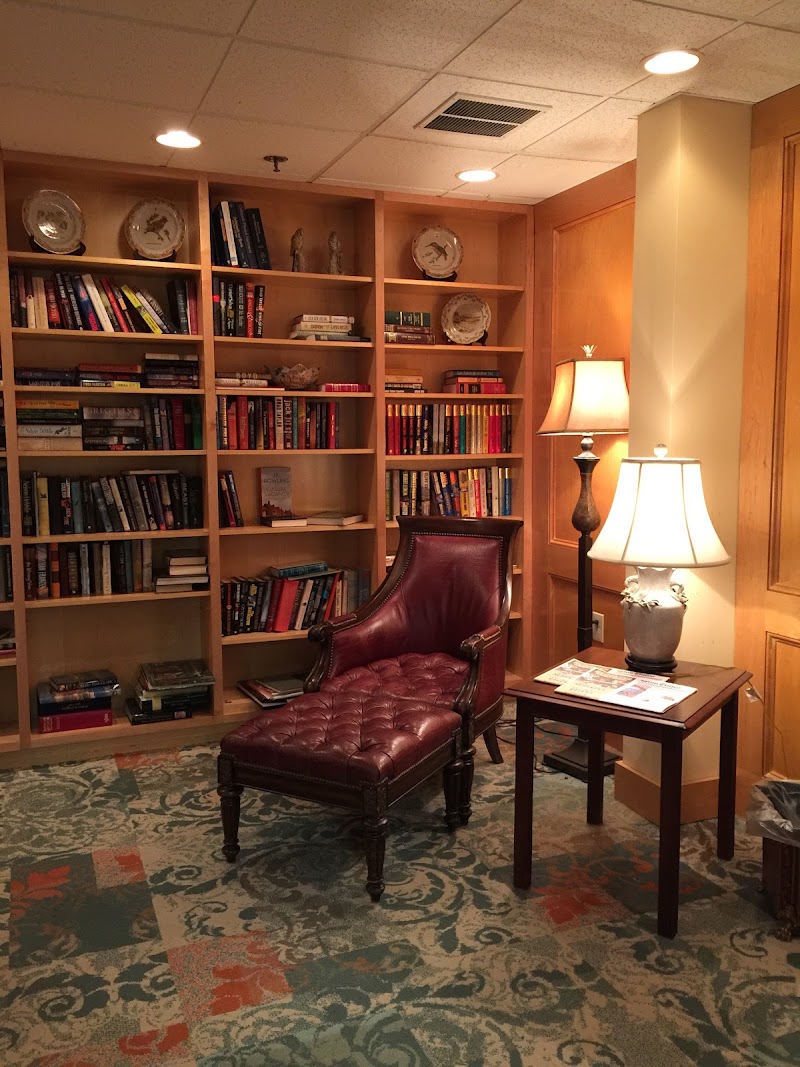
How is Burke Health & Rehabilitation Center Staffed?

CMS rates BURKE HEALTH & REHABILITATION CENTER's staffing level at 1 out of 5 stars, which is much below average compared to other nursing homes. Staff turnover is 48%, compared to the Virginia average of 46%.

What Have Inspectors Found at Burke Health & Rehabilitation Center?

State health inspectors documented 24 deficiencies at BURKE HEALTH & REHABILITATION CENTER during 2018 to 2023. These included: 24 with potential for harm.
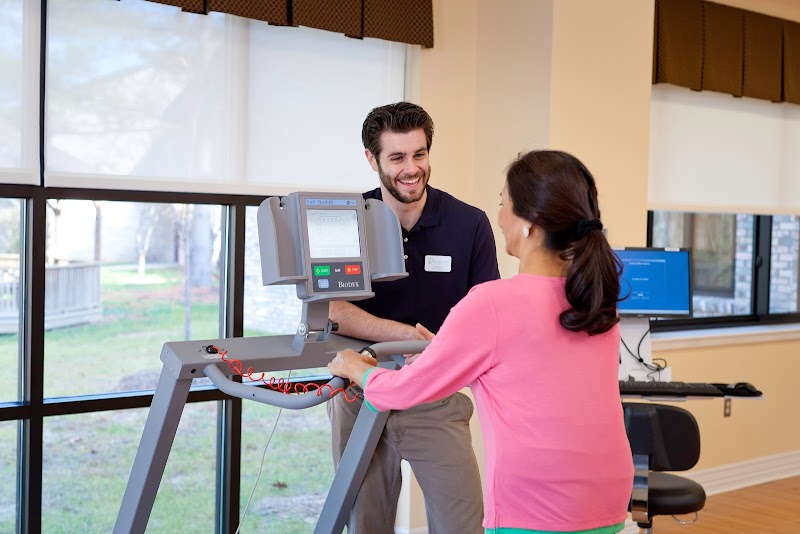
Who Owns and Operates Burke Health & Rehabilitation Center?

BURKE HEALTH & REHABILITATION CENTER is owned by a for-profit company. For-profit facilities operate as businesses with obligations to shareholders or private owners. The facility is operated by LIFEWORKS REHAB, a chain that manages multiple nursing homes. With 120 certified beds and approximately 117 residents (about 98% occupancy), it is a mid-sized facility located in BURKE, Virginia.
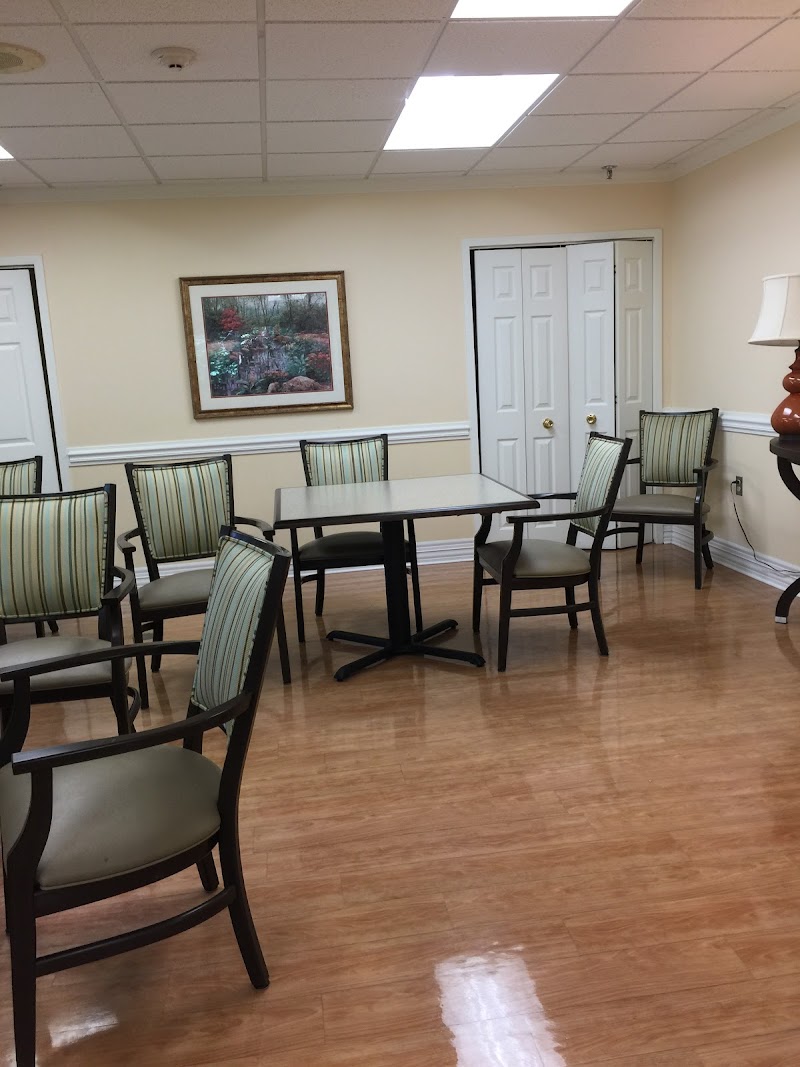
How Does Burke Health & Rehabilitation Center Compare to Other Virginia Nursing Homes?

Compared to the 100 nursing homes in Virginia, BURKE HEALTH & REHABILITATION CENTER's overall rating (3 stars) is below the state average of 3.0, staff turnover (48%) is near the state average of 46%, and health inspection rating (3 stars) is at the national benchmark.

What Should Families Ask When Visiting Burke Health & Rehabilitation Center?

Based on this facility's data, families visiting should ask: "Can you walk me through typical staffing levels on day, evening, and night shifts?" "Can I visit during a mealtime to observe dining assistance and food quality?" "How do you handle medical emergencies, and what is your hospital transfer rate?" "Can I speak with family members of current residents about their experience?" These questions are particularly relevant given the below-average staffing rating.

Is Burke Health & Rehabilitation Center Safe?

Based on CMS inspection data, BURKE HEALTH & REHABILITATION CENTER has a clean safety record: no substantiated abuse findings (meaning no confirmed cases of resident harm), no Immediate Jeopardy citations (the most serious violation level indicating risk of serious injury or death), and is not on the Special Focus Facility watch list (a federal program monitoring the lowest-performing 1% of nursing homes). The facility has a 3-star overall rating and ranks #100 of 100 nursing homes in Virginia. While no facility is perfect, families should still ask about staff-to-resident ratios and recent inspection results during their visit.

Do Nurses at Burke Health & Rehabilitation Center Stick Around?

BURKE HEALTH & REHABILITATION CENTER has a staff turnover rate of 48%, which is about average for Virginia nursing homes (state average: 46%). Moderate turnover is common in nursing homes, but families should still ask about staff tenure and how the facility maintains care continuity when employees leave.

Was Burke Health & Rehabilitation Center Ever Fined?

BURKE HEALTH & REHABILITATION CENTER has no federal fines on record. CMS issues fines when nursing homes fail to meet care standards or don't correct problems found during inspections. The absence of fines suggests the facility has either maintained compliance or corrected any issues before penalties were assessed. This is a positive indicator, though families should still review recent inspection reports for the full picture.

Is Burke Health & Rehabilitation Center on Any Federal Watch List?

BURKE HEALTH & REHABILITATION CENTER is not on any federal watch list. The most significant is the Special Focus Facility (SFF) program, which identifies the bottom 1% of nursing homes nationally based on persistent, serious quality problems. Not being on this list means the facility has avoided the pattern of deficiencies that triggers enhanced federal oversight. This is a positive indicator, though families should still review the facility's inspection history directly.