AUGUST HEALTHCARE AT ILIFF
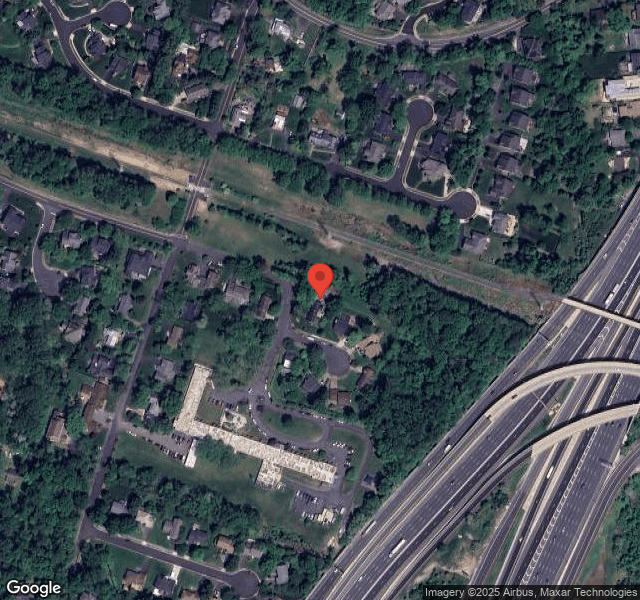

8000 ILIFF DRIVE, DUNN LORING, VA 22027 (703) 560-1000
For profit - Corporation 130 Beds Independent Data: November 2025
Trust Grade
63/100
#118 of 285 in VA
Last Inspection: March 2023

Over 2 years since last inspection. Current conditions may differ from available data.

Overview

August Healthcare at Iliff has a Trust Grade of C+, which indicates that the facility is decent and slightly above average. It ranks #118 out of 285 nursing homes in Virginia, placing it in the top half, and #6 out of 12 in Fairfax County, meaning only five local options are better. However, the facility is worsening, with issues increasing from 4 in 2021 to 10 in 2023. Staffing is a relative strength, with a 3 out of 5 stars rating and a low turnover rate of 20%, significantly better than the state average of 48%. On the downside, the facility has concerning fines totaling $16,673, higher than 81% of Virginia facilities, indicating potential compliance issues. Additionally, while RN coverage is strong, exceeding that of 88% of state facilities, there have been serious incidents. For example, one resident with an indwelling catheter was not reassessed for its removal, leading to urinary tract infections. Other findings included unsanitary conditions with garbage not properly disposed of and dirty floors throughout the facility, raising concerns about cleanliness and safety. Overall, while there are strengths in staffing and RN coverage, families should be aware of the increasing issues and past incidents that could affect their loved ones' care.

Trust Score
C+
63/100
In Virginia
#118/285
Top 41%
Safety Record
Moderate
Needs review
Inspections
Getting Worse
4 → 10 violations
Staff Stability
✓ Good
20% annual turnover. Excellent stability, 28 points below Virginia's 48% average. Staff who stay learn residents' needs.
Penalties
✓ Good
$16,673 in fines. Lower than most Virginia facilities. Relatively clean record.
Skilled Nurses
✓ Good
Each resident gets 68 minutes of Registered Nurse (RN) attention daily — more than 97% of Virginia nursing homes. RNs are the most trained staff who catch health problems before they become serious.
Violations
⚠ Watch
20 deficiencies on record. Higher than average. Multiple issues found across inspections.
★★★☆☆
3.0
Overall Rating
★★★☆☆
3.0
Staff Levels
★★★★☆
4.0
Care Quality
★★★☆☆
3.0
Inspection Score
Stable
2021: 4 issues
2023: 10 issues

The Good

  • 4-Star Quality Measures · Strong clinical quality outcomes
  • Low Staff Turnover (20%) · Staff stability means consistent care
  • Full Sprinkler Coverage · Fire safety systems throughout facility
  • No fines on record
  • Staff turnover is low (20%)

    28 points below Virginia average of 48%

Facility shows strength in quality measures, staff retention, fire safety.

The Bad

3-Star Overall Rating

Near Virginia average (3.0)

Meets federal standards, typical of most facilities

Federal Fines: $16,673

Below median ($33,413)

Minor penalties assessed

The Ugly 20 deficiencies on record

1 actual harm
Aug 2023 2 deficiencies
CONCERN (D) 📢 Someone Reported This

A family member, employee, or ombudsman was alarmed enough to file a formal complaint

Potential for Harm - no one hurt, but risky conditions existed

Deficiency F0807 (Tag F0807)

Could have caused harm · This affected 1 resident

Based on observation, resident and staff interview, facility documentation review, clinical record review, the facility staff failed to provide fresh drinking water for two residents (Resident #3, and...

Read full inspector narrative →
Based on observation, resident and staff interview, facility documentation review, clinical record review, the facility staff failed to provide fresh drinking water for two residents (Resident #3, and #4) in a survey sample of 4 residents. For Resident #3, and #4, there was no fresh drinking water in the room from 11:00 a.m., until 3:00 p.m. The findings included: On 8-15-23 during initial tour of the facility, the Resident #3's room was observed, and an attempt to interview the Resident was conducted. The Resident had garbled speech but did shake his head to signify yes and no to questioning. The Resident was not able to ask for water. There was no fresh drinking water in the room for the Resident, and when asked if he was thirsty he signified yes by nodding his head. The room and Resident were observed again at 12:00 p.m., 1:00 p.m., 2:00 p.m., and 3:00 p.m., no fresh drinking water was in the room at any of those times. The Resident's clinical record was reviewed and indicated a swallowing evaluation was conducted by Speech Therapy on 7-25-23, and denoted that the Resident would be ordered a regular diet with mechanical soft items, and that he was able to tolerate thin liquids. The Resident's admission Minimum Data Set (MDS) assessment documented that the Resident required extensive assistance with eating, but did take part in the process. The Resident's care plan denoted that he was at risk for dehydration, and required feeding assistance, however offered no interventions for the dehydration risk other than Diet as ordered. 2. On 8-15-23 during initial tour of the facility, the Resident #4's room was observed, and an attempt to interview the Resident was conducted. The Resident had clear speech and answered yes to questioning. There was no fresh drinking water in the room for the Resident, and the Resident was sitting in her wheel chair eating veggie straws snacks from a snack size bag. She was asked if she was thirsty and replied yes. CNA A (Certified Nursing Assistant) was in the room and introduced herself as an Restorative Aide. The surveyor asked her why there was no water in Resident #3, and Resident #4's room at that time and she responded, They can ask if they want. CNA A then went out into the hallway to the ice cooler on a rolling cart and returned with a 120 milliliter clear plastic cup approximately half full with water in it. The Resident took the water and drank it all. CNA A left the room and did not return. The Resident's clinical record was reviewed and indicated a diet order entered 8-7-23 and denoted that the Resident would be ordered a regular diet with mechanical soft items, and that she was able to tolerate thin liquids. The Resident's most recent Minimum Data Set (MDS) assessment documented that the Resident could feed herself, and that was observed on initial tour. The Resident's care plan denoted that she was at risk for dehydration, constipation, urinary tract infections, encourage adequate fluid intake under the urinary tract infection care plan, and to ask yes no questions due to dementia. The Resident would have to be cued to do things as she would not ask for things. The Resident would not ask for water. The care plan offered no other interventions for fluids in the dehydration risk care plan other than Diet as ordered. The room and Resident were observed again at 12:00 p.m., 1:00 p.m., 2:00 p.m., and 3:00 p.m., no fresh drinking water was in the room at any of those times. On 8-15-23 at the end of day debrief, the [NAME] president of Operations, and the Director of Nursing (DON) were notified of the above findings. The DON stated his expectations were that, Water pitchers are to be filled every shift. No further information was provided.
CONCERN (E) 📢 Someone Reported This

A family member, employee, or ombudsman was alarmed enough to file a formal complaint

Potential for Harm - no one hurt, but risky conditions existed

Safe Environment (Tag F0584)

Could have caused harm · This affected multiple residents

**NOTE- TERMS IN BRACKETS HAVE BEEN EDITED TO PROTECT CONFIDENTIALITY** Based on observation, staff interview, and facility documentation review, the facility staff failed to maintain a clean and safe...

Read full inspector narrative →
**NOTE- TERMS IN BRACKETS HAVE BEEN EDITED TO PROTECT CONFIDENTIALITY** Based on observation, staff interview, and facility documentation review, the facility staff failed to maintain a clean and safe environment for all of the Resident room floors and common hallway located on the entrance hall of the facility. The findings included: On 8-15-23 at 11:00 a.m., Initial tour of the facility was conducted. Beginning at room [ROOM NUMBER], surveyors found crusted food debris, what appeared to be cracker or cookie crumbs, a pink gelatinous substance, tan droplets, and wet patches lining the entire hallway of Resident's rooms with no wet floor signs deployed. The hallway floor was sticky under foot, and in the individual resident rooms the floors were slick and slippery with a greasy substance which caused the surveyor to slip twice. House keeping carts were noted in the hallway with staff attending them, however, staff were in conversation with each other at the carts, and not engaged in employing the equipment for the purpose of cleaning. Bathrooms were observed to be dirty. Toilets were not flushed after use, and urine and toilet paper were observed in them. The hallway had an odor of urine. An interview was conducted with a staff member rendering care in room [ROOM NUMBER] (CNA A) Certified Nursing Assistant Restorative Aide. She stated that the halls get that way, and toilets need be clean. She stated I don't know when asked what was slippery on the room floors, and was observed to slip herself when exiting room [ROOM NUMBER]. On 8-15-23 at 12:30 p.m., an interview was conducted with the Director of Nursing (DON). The DON stated that the hallway would be cleaned immediately, and his expectation was that staff should clean the bathrooms if they were dirty. On 8-15-23 at 3:00 p.m., the DON and Regional [NAME] President of Operations were notified at the end of day debriefing of the concerns regarding the unsafe and unclean front hall. They stated that cleaning was completed on the front hall at that time and they had no further information to provide.
Mar 2023 8 deficiencies 1 Harm
SERIOUS (G)

Actual Harm - a resident was hurt due to facility failures

Incontinence Care (Tag F0690)

A resident was harmed · This affected 1 resident

Based on observation, interview, clinical record review and facility documentation, the facility staff failed to ensure that a Resident who received a indwelling (Foley) catheter after admission, was ...

Read full inspector narrative →
Based on observation, interview, clinical record review and facility documentation, the facility staff failed to ensure that a Resident who received a indwelling (Foley) catheter after admission, was assessed for removal of the catheter as soon as possible for 1 Resident (#'s 21) in a survey sample of 35 Residents. This is harm. The findings included: 1. For Resident #21, the facility staff failed reassess the need of an indwelling (Foley) catheter after Resident #21 had one episode of urinary retention. The resident experienced Urinary Tract Infections (UTIs) that required antibiotics. This is harm. On 3/21/23 at 9:25 AM Resident #21 was observed in her bed with eyes closed resting, the Resident had a Foley with a dignity bag cover in place. On 3/22/23 a review of the clinical record revealed the following: 12/28/2022 -4:46 PM-Nursing Progress Note Text: Charge nurse observed patient not voiding throughout this shift. Assessment done. Denied pain, abdomen soft, non-distended. I/O done, collected 550 cc clear urine. MD notified. Gave an order to insert 16F Foley catheter. RP [name redacted] called no answer, message left with a call back number. Pt now lying comfortable in bed, call light within reach. Will continue to monitor. 12/29/22 - 9:00 AM - MD/NP/PA -Progress Note - #Urinary retention: 12/28 resident with urinary retention and Foley inserted. She denies any urinary burning, difficulty urinating, bladder pressure, fever. Stated never had a UTI [Urinary Tract Infection] in the past. Foley draining clear yellow urine. - send urine for U/A & C&S [Urinalysis and Culture and Sensitivity], verbal orders given to nurse. -voiding trial next week. Review of the clinical records showed the voiding trial was not done. Review of the clinical records revealed that Resident #21 developed urinary tract infections after receiving a Foley catheter at the facility. Excerpts from physician notes are as follows: 1/5/23 10:25 AM - MD/NP/PA progress note -#UTI- pending culture, UA positive. will start Macrobid while awaiting culture results. order staff to exchange for new foley cath. Will cont. to monitor. 1/9/23 11:20 AM - MD/NP/PA -Progress Note - #UTI- will cont. Macrobid Will cont. to monitor. no changes to current poc. [plan of care] 1/11/23 10:32 AM - MD/NP/PA -Progress Note - #Urinary retention: 12/28 resident with urinary retention and Foley inserted. No dysuria [painful or difficult urination]. Getting treated for UTI #UTI: Cuter grew >100,000 E-coli. Getting treated with antibiotics till 1/12. Tolerating Macrobid well. C/W current dose. 1/18/23 8:29 AM - MD/NP/PA -Progress Note #UTI- resolved. Will cont. to monitor. 1/25/23 8:56 AM - MD/NP/PA -Progress Note - #WBC elevated- asked for labs and urine to be checked on Monday-pending. 2/6/23 9:58 AM - MD/NP/PA -Progress Note - #UTI- Macrobid was started. cont. as prescribed will trend labs. Patient seen and examined. On 3/9/23 at 10:45 AM, a physician note read that Resident #21 was to have a second voiding trial. It read in part, Foley catheter with mild hematuria [blood in urine]. - Do voiding trial and insert new foley if no output in 8 hrs. However, the second voiding trial ordered on 3/9/23 was never carried out. On 3/22/23 at 12:20 PM, an interview was conducted with Licensed Practical Nurse (LPN) C who was asked what the process is for a verbal or telephone order for a voiding trial, LPN C stated that the nurse taking the order would put the order into the system and notify the family. When asked how a voiding trial is done, she stated that on the day of the voiding trial the Foley would be removed and then the nurses would wait 4-6 hours and see if the resident urinates or has a wet brief. If the Resident does not urinate on their own the MD would be notified for further orders. LPN C was asked the purpose of a voiding trial, LPN C stated the purpose of a voiding trial is to see if the Resident can empty their bladder naturally on their own. When asked what the risk is for having an indwelling Foley catheter LPN C stated that there is a risk of bacteria entering the urinary tract and causing and infection. On 3/23/23 during the end of day meeting the Administrator was made aware of the concerns and no further information was provided.
CONCERN (D)

Potential for Harm - no one hurt, but risky conditions existed

Resident Rights (Tag F0550)

Could have caused harm · This affected 1 resident

Based on observation, interview, and record review, the facility failed to maintain residents' dignity when they failed to ensure one (Resident (R) 14) of 35 sampled residents did not have a thick gro...

Read full inspector narrative →
Based on observation, interview, and record review, the facility failed to maintain residents' dignity when they failed to ensure one (Resident (R) 14) of 35 sampled residents did not have a thick growth of chin hair and one (R160) of 35 sampled residents' urinary bag was covered. Findings include: 1. An observation on 03/21/23 at 1:00 PM, revealed R14 had a thick growth of hair on her chin. Another observation on 03/22/23 at 1:05 PM, revealed R14 still had a thick growth of facial hair. Review of R14's admission Record, located under the Profile tab of the electronic medical record (EMR) revealed R14 was admitted with diagnoses that included but not limited to: dementia, hemiplegia, and hemiparesis affecting the right side. Review of R14's quarterly Minimum Data Set (MDS), with an Assessment Reference Date (ARD) of 03/12/23, revealed a Brief Interview for Mental Status (BIMS) score of three out of 15 indicating R14 had severely impaired cognition. The MDS recorded R14 required extensive assistance with dressing and toileting. During an interview on 03/22/23 at 1:07 PM, Certified Nursing Assistant (CNA) C stated R14 was shaved once a week and whenever staff noticed the facial hair was growing. CNA C stated, We don't usually wait until it (facial hair) is thick before we shave it. CNA C stated R14 was shaved on Wednesdays and Saturdays when she received her showers. CNA C was shown the growth on R14's face and confirmed R14 had not been shaved in more than a week. Review of the facility's policy titled, Your Rights and Protections As a Nursing Home Resident, dated 01/30/22, revealed, . As a nursing home resident . You have the right to be treated with dignity and respect . 2. An observation on 03/21/23 at 09:48 AM, revealed R160 had an uncovered urinary catheter bag hanging on the left side of the bag that was visible from the hallway. Observations on 03/21/23 at 4:11 PM, and 03/22/23 at 11:17 AM revealed R160's urinary catheter bag was not covered. Review of R160's Physician Orders, located under the Orders tab of the EMR, revealed an order, dated 03/07/23, for a urinary catheter. During an interview on 03/22/23 at 2:04 PM, CNA C stated she had observed earlier that R160 needed a dignity cover on the urinary catheter bag, but she was not able to find one in the supply room. CNA C stated she was unaware of how long R160's urinary catheter bag was uncovered and that it had skipped her mind to cover it during her shift. CNA C stated she was unaware of who or when the urinary catheter bag was covered. CNA C stated she had received training on the subject and was aware urinary catheter bags needed to be covered. During an interview on 03/22/2023 at 1:46 PM, the Director of Nursing (DON) stated it was his expectation that a dignity cover be placed on every urinary catheter bag to preserve the resident's dignity.
CONCERN (D)

Potential for Harm - no one hurt, but risky conditions existed

Deficiency F0558 (Tag F0558)

Could have caused harm · This affected 1 resident

Based on observation, interview, clinical record review and facility documentation the facility staff failed to provide services in the facility with reasonable accommodation of resident needs and pre...

Read full inspector narrative →
Based on observation, interview, clinical record review and facility documentation the facility staff failed to provide services in the facility with reasonable accommodation of resident needs and preferences, for 1 Resident (#32) in a survey sample of 35 Residents. The findings included: For Resident #32, the facility staff failed accommodate 1) an electrical outlet or a power strip available on the right side and 2) family pictures where the Resident could view them. On 3/21/23 at approximately 10:00 AM, Resident #32 was observed sitting upright in her bed watching TV. Resident #32 stated that due to physical limitations of her condition she needed to have the electrical outlet or a power strip available on the right side so that she could charge her phone. Resident #32 also stated that the facility put her family pictures up where there were already hooks in the wall; however it was not located where she could view them. When asked if she had asked the facility for assistance with these issues, she stated that she had told them a few weeks ago but had heard nothing about it. On the morning of 3/22/23 an interview was conducted with Employee D who stated that he was aware of the issue with the outlet and her needing it on the right side due to her physical condition. Employee D stated that he was trying to get approval for a power strip or an additional outlet to be installed. On 3/23/23 Resident #32 stated that she was being moved to the other side of the room because the outlet would be on the right side so she would be able to access it. On 3/23/23 during the end of day meeting the Administrator was made aware of the concerns and no further information was provided.
CONCERN (D)

Potential for Harm - no one hurt, but risky conditions existed

Deficiency F0658 (Tag F0658)

Could have caused harm · This affected 1 resident

**NOTE- TERMS IN BRACKETS HAVE BEEN EDITED TO PROTECT CONFIDENTIALITY** Based on observation interview, clinical record review and facility documentation the facility staff failed to provided services...

Read full inspector narrative →
**NOTE- TERMS IN BRACKETS HAVE BEEN EDITED TO PROTECT CONFIDENTIALITY** Based on observation interview, clinical record review and facility documentation the facility staff failed to provided services that meet professional standards care for 1 Resident (#21) in a survey sample of 35 Residents. The findings included: For Resident #21 the facility staff failed to follow physician orders after a Foley catheter was ordered for 1 week and a voiding trial was to be started the following week. On 3/21/23 at 9:25 AM Resident #21 was observed in her bed with eyes closed resting, the Resident had a Foley catheter with a dignity bag cover in place. On 3/22/23, a review of the clinical record revealed the following: 12/29/22 - 9:00 AM - MD/NP/PA -Progress Note - #Urinary retention: 12/28 resident with urinary retention and Foley inserted. She denies any urinary burning, difficulty urinating, bladder pressure, fever. Stated never had a UTI in the past. Foley draining clear yellow urine. - send urine for U/A & C&S, verbal orders given to nurse. -voiding trial next week. 3/9/23 10:45 AM - MD/NP/PA -Progress Note - # Urinary retention: Foley catheter with mild hematuria. - Do voiding trial and insert new foley if no output in 8 hrs. A review of the clinical record revealed that no voiding trial was started for the order on 12/29/22 or 3/9/23 and the Resident continued to have the Foley catheter. On 3/22/23 at 12:20 PM, an interview was conducted with Licensed Practical Nurse (LPN) C who was asked what the process is for a verbal or telephone order for a voiding trial, LPN C stated that the nurse taking the order would put the order into the system and notify the family. When asked how a voiding trial is done, she stated that on the day of the voiding trial the Foley would be removed and then the nurses would wait 4-6 hours and see if the resident urinates or has a wet brief. If the Resident does not urinate on their own the MD would be notified for further orders. LPN C was asked the purpose of a voiding trial, LPN C stated the purpose of a voiding trial is to see if the Resident can empty their bladder naturally on their own. When asked what the risk is for having an indwelling Foley catheter LPN C stated that there is a risk of bacteria entering the urinary tract and causing and infection. On 3/22/23 at 11:45 AM an interview was conducted with the Director of Nursing (DON.) The DON was asked how physician orders get put into the system. The DON stated that then nurses enter the orders into the system the physicians do not enter them directly. When asked about the expectations of nurses following physician orders, he stated that it is the expectation of the nurse to enter orders correctly into the system and to follow the physician orders. When asked what the protocol is when an order is missed, he stated that the physician and Resident Representative be notified. When asked to provide voiding trial documentation for the voiding trial ordered on 12/29/22 and 3/9/23 he was unable to provide it by end of survey. According to [NAME] Manual of Nursing Practice, Eleventh Edition, 2019, page 15, Standards of Practice, Box 2-1 entitled, Common Legal Claims for Departure from Standards of Care, read in part, Failure to perform a nursing treatment or procedure properly and Failure to implement a physician's, advanced practice nurse's, or physician assistant's order properly or in a timely fashion. On 3/23/23 during the end of day meeting the Administrator was made aware of the concerns and no further information was provided.
CONCERN (D)

Potential for Harm - no one hurt, but risky conditions existed

Accident Prevention (Tag F0689)

Could have caused harm · This affected 1 resident

Based on observation, interview, clinical record review and facility documentation the facility staff failed to ensure that the Residents have an environment free from accident hazards to prevent avoi...

Read full inspector narrative →
Based on observation, interview, clinical record review and facility documentation the facility staff failed to ensure that the Residents have an environment free from accident hazards to prevent avoidable accidents for 1 Resident (#20) in a survey sample of 35 Residents. The findings included: For Resident #20 the facility staff failed to identify potential hazard and implement interventions to reduce hazard and monitoring for proper functioning and effectiveness the wander guard bracelet. On 3/21/23 Resident #20 was observed sitting in his wheelchair in his room reading his bible. Attempts to converse with the Resident were unsuccessful in as resident does not speak English and has a diagnosis of dementia. A review of the clinical record revealed an order for checking the placement and function of wander guard every night. Excerpts from the care plan are as follows: INTERVENTIONS Check function of safety device as ordered by physician Reorient/validate and redirect as needed the resident needs activities that minimize the potential to wander while providing diversion and distraction Date Initiated: 03/17/2022. 3/22/23 at 1:30 PM, an interview was conducted with LPN C who was asked about the wander guard and how it worked. He then demonstrated by wheeling Resident #20 to the door and watching as the alarms set off and door locked. He stated that the Resident would not be able to leave as the door would lock and staff would be aware that someone was trying to leave if they heard that alarm. On 3/22/23 at 2:33 PM, an interview with RN B was conducted and she stated that the night shift checks for the functioning of wander guards. On 3/22/23 at 2:39 PM, an interview was conducted with LPN B who stated that night shift checks the wander guard to see if they are working. She said that day shift is not responsible for checking the functioning of the wander guard. When asked if she knows how to check the wander guard, she said she brings the Resident near the door and if the alarm sounds it's working. On 3/22/23 at 2:51 PM, an interview was held with the DON who was asked about checking wander guard bracelets and he stated they should be checked nightly for functioning. When asked who was responsible for doing this, he stated the night shift nurses. When asked how this was done, he stated that old system we had a wand that we pass over the bracelet, and it would light up green or red. [NAME] meant the battery was good and the bracelet was functional and red meant we needed a new bracelet. When asked how you can determine functionality with the new bracelets, and he stated they can bring the Residents to the door. The DON was asked if he was aware of the physician order that stated wander guard bracelets are to be checked nightly for function. He stated that he was aware of the order. When asked if night shift is waking people up to take them to the door to check the bracelet, and he stated they were not. When asked if there have been any elopements since the new system was in place and he stated that there had not been. On 3/22/23 at 3:30 PM, Employee D brought up the log where maintenance checks the alarms at the doors. When asked how he checks the alarms he stated he takes one of the wander guard bracelets to each exit door to see if it will lock and alarm. When asked how the bracelets are checked that are on the Residents, he stated he did not know because it was a nursing responsibility. He stated he was only responsible for checking and logging the door response to a functional bracelet. When asked if a bracelet is not functioning what would happen, he stated that the Resident would be able to leave the building because the door would not lock, and it would not sound an alarm. Employee D showed this surveyor the wand that was used to check the old wander guard bracelets when asked if this works to check the new bracelets, he stated that it does not. When asked when the new system and new bracelets started, he stated that it was started in June of 2022. On 3/23/23 during the end of day meeting the Administrator was made aware of the concerns and no further information was provided.
CONCERN (D)

Potential for Harm - no one hurt, but risky conditions existed

Tube Feeding (Tag F0693)

Could have caused harm · This affected 1 resident

Based on observation, staff interview, and record review, the facility failed to ensure tube feeding bags were properly labeled for two of five residents (Resident (R)161 and R15) sampled for tube fee...

Read full inspector narrative →
Based on observation, staff interview, and record review, the facility failed to ensure tube feeding bags were properly labeled for two of five residents (Resident (R)161 and R15) sampled for tube feeding. Findings include: 1. Review of R161's admission Record, located under the Profile tab of the electronic medical record (EMR), revealed R161 was admitted with diagnoses that included tracheostomy and gastrostomy care. Review of R161's Order Summary, located under the Orders tab of the EMR, revealed a physician's order for a tube feeding. During an observation on 03/21/23 at 12:09 PM, the label on the tube feeding bag for R161 was reviewed. The label did not indicate the time the bag was hung, the rate of flow, or the initials of the person who hung the tube feeding bag. Only the first name of the resident and the date were indicated. During an observation on 03/22/23 at 2:37 PM, the label on the tube feeding bag for R161 still lacked the time, rate of flow, and initials of the person who hung the tube feeding. During an interview on 03/22/23 at 3:00 PM, Licensed Practical Nurse (LPN D) stated that tube feeding bag labels were pre-printed from the computer daily with the requisite information. LPN D reviewed the label for R161 and confirmed the label only indicated the resident's first name and the date. LPN D stated the bag of tube feeding was hung by a night shift employee and confirmed that the label lacked the time, rate of flow, amount, and initials of the person who hung the bag. LPN D stated she could not tell who hung the bag or when it was hung based on the information documented on the label. Review of the facility's undated policy titled Enteral Nutrition Policy revealed, . The feeding bag should be dated and initialed by the nursing hanging the feeding . 2. Review of R15's admission Record, located under the Profile tab of the EMR, revealed R15 was admitted to the facility with diagnoses that included quadriplegia, spastic quadriplegic cerebral palsy, dysphagia, and gastrostomy care. Observation on 03/22/23 at 1:42 PM revealed LPN C initiating a tube feeding for R15. The bag of tube feeding was labeled with R15's last name, current date, time, rate of infusion, and type of tube feeding. LPN C's initials were not documented on the label. LPN C initiated the tube feeding and was asked to review the label on the tube feeding bag. LPN C confirmed he had not added his initials to the tube feeding label. During an interview with the Director of Nursing (DON) on 03/22/2023 at 2:38 PM, the DON stated it was his expectation that tube feeding bags should be labeled with the name, date, time, and initials of the nurse initiating the feeding. Review of the facility's undated policy titled Enteral Nutrition Policy revealed, . The feeding bag should be dated and initialed by the nursing hanging the feeding .
CONCERN (D)

Potential for Harm - no one hurt, but risky conditions existed

Respiratory Care (Tag F0695)

Could have caused harm · This affected 1 resident

Based on observation, interview, clinical record review and facility documentation the facility staff failed to provide respiratory care, consistent with professional standards of practice, for 1 Resi...

Read full inspector narrative →
Based on observation, interview, clinical record review and facility documentation the facility staff failed to provide respiratory care, consistent with professional standards of practice, for 1 Resident (#104) in a survey sample of 35 Residents. The findings included: For Resident #104 the facility staff failed to label and date and properly store the tubing for her nebulizer. A review of Resident #104's orders revealed the following: 3/14/23 6:00 PM - Ipratropium-Albuterol Solution 0.5-2.5 (3) MG/3ML via nebulizer three times a day x 7 days. On 3/21/23 at approximately 10:00 AM, an observation was made of a nebulizer machine on the bedside table. the tubing and mouthpiece were still connected to the machine and it was laying in the open no date on the tubing and it was not in a bag or covered in any way. At that time an interview was conducted with Resident #104 who stated the staff always leave the nebulizer there on the bedside table, when asked if they clean it after each use, she stated that she has never seen them take it apart. On the afternoon of 3/22/23 at 9:30 AM, another observation was made of the nebulizer with tubing and mouthpiece intact on the bedside table tubing and mouthpiece again not dated or in a bag. On 3/22/23 at approximately 2:00 PM an interview was conducted with LPN C who stated that night shift was supposed to change and date tubing for Nebulizer and oxygen tubing weekly. She stated if the Resident got an order for Nebulizer treatments, then the nurse that receives the order should date the tubing when she opens it and uses it. Then after giving the treatment, she should rinse the mouthpiece and medication chamber and place it in a bag. The tubing and set up should not be left on the table open without any cover. When LPN C asked what the risks are for leaving the nebulizer connected and, on the table, she stated that means it was not disconnected and cleaned and leaving it in the open is a risk germ getting into the mouthpiece or tubing. On 3/23/23 at approximately 2:45 PM, an interview was conducted with RN B who stated that the nebulizer and oxygen tubing are to be dated and stored in a bag at the bedside and that the aero chamber and the mouthpiece are to be rinsed out after each use. Excerpts from the website Medlineplus.gov about standard care of the nebulizer are as follows: (https://medlineplus.gov/ency/patientinstructions/000006.htm) After each use: You will need to clean your nebulizer to prevent bacteria from growing in it, since bacteria can cause a lung infection. It takes some time to clean your nebulizer and keep it working properly. Be sure to unplug the machine before cleaning it. Wash the medicine cup and mouthpiece with warm running water. Let them air dry on clean paper towels. Later, hook up the nebulizer and run air through the machine for 20 seconds to make sure all the parts are dry. Take apart and store the machine in a covered area until the next use. On 3/23/23 during the end of day meeting the Administrator was made aware of the concerns and no further information was provided.
CONCERN (D)

Potential for Harm - no one hurt, but risky conditions existed

Medication Errors (Tag F0758)

Could have caused harm · This affected 1 resident

Based on interview, clinical record review and facility documentation the facility staff failed to ensure that as needed (PRN) orders for psychotropic drugs are limited to 14 days for 1 Resident (#'s ...

Read full inspector narrative →
Based on interview, clinical record review and facility documentation the facility staff failed to ensure that as needed (PRN) orders for psychotropic drugs are limited to 14 days for 1 Resident (#'s 13) in a survey sample of 35 Residents. The findings included: 1. For Resident #13 the facility staff failed to ensure that proper evaluation and documentation by physician was obtained for a PRN Ativan order that lasted 6 weeks (4/25/22-6/4/22). On 3/22/23, during clinical record review, it was discovered that Resident #13 had orders for a routine dose of Ativan 0.5 mg twice a day and a PRN order that read: Ativan Tablet 0.5 MG (Lorazepam) - Give 1 tablet by mouth every 4 hours as needed for Anxiety -Start Date 04/25/2022 5:00 PM D/C Date 06/06/2022 9:37 AM A review of the pharmacy recommendations revealed that on 5/20/22 the pharmacy sent a form to the physician that read: Dr [name redacted] -Recommend discontinuing PRN use of Ativan for this resident [#13 name redacted] or REORDER for a specific number of days, per the federal guideline: §483.45(e)(4) PRN orders for psychotropic drugs are limited to 14 days. Except as provided in §483.45(e)(5), if the attending physician or prescribing practitioner believes that it is appropriate for the PRN order to be extended beyond 14 days, he or she should document their rationale in the resident's medical record and indicate the duration for the PRN order. NOTE: HOSPICE RESIDENTS ARE NOT EXCLUDED PER REGULATION A review of the clinical record revealed that the physician did not address this notice from the pharmacy until 6/6/22, when he wrote HOSPICE continue for 14 days on the form and sent to the pharmacy. On 3/22/23 at approximately 3:00 PM, an interview was conducted with the Director of Nursing (DON) who was asked about the administration of PRN anti-anxiety drugs. The DON stated that he knew they should be limited to 14 days unless otherwise documented in the chart. By the end of survey date, the DON was unable to locate appropriate documentation to support the physician ordering PRN Ativan for a period of more than 14 days. On 3/23/22 during the end of day meeting the Administrator was made aware of the concerns and no further information was provided.
Mar 2021 4 deficiencies
CONCERN (D)

Potential for Harm - no one hurt, but risky conditions existed

Accident Prevention (Tag F0689)

Could have caused harm · This affected 1 resident

**NOTE- TERMS IN BRACKETS HAVE BEEN EDITED TO PROTECT CONFIDENTIALITY** Based on interview, record review, and review of facility policies and documentation, the facility failed to ensure one of 18 sa...

Read full inspector narrative →
**NOTE- TERMS IN BRACKETS HAVE BEEN EDITED TO PROTECT CONFIDENTIALITY** Based on interview, record review, and review of facility policies and documentation, the facility failed to ensure one of 18 sampled residents (Resident (R) 235) received the care necessary to prevent falls. Specifically, the facility failed to put interventions in place to prevent further accidents after R235 fell on [DATE]. Findings include: Review of R235's Electronic Health Record (EMR) Profile revealed R235 was admitted to the facility on [DATE] with diagnoses including Parkinson's Disease, dementia, repeated falls, and disorientation. Review of the admission Minimum Data Set (MDS), with an Assessment Reference Date (ARD) of 10/07/20, revealed R235 had a Brief Interview for Mental Status (BIMS) score of 13 out of 15 which indicated R235's cognitive status was intact at the time of admission. The admission MDS documented R235 required extensive assistance of one person for mobility and ambulation, had an unsteady gait and used a wheelchair for mobility. The MDS assessment indicated R235 received physical therapy services with a start date of 09/30/20. Review of a Physical Therapy Assessment, dated 09/30/20, revealed the resident was admitted to the facility for skilled short-term care and physical therapy services due to repeated falls at home prior to admission. The assessment indicated the facility's physical therapy services were working on R235's gait and standing by walking 25 feet providing moderate assistance to the resident. The assessment further indicated R235, tends to lean forward and has foot crossover when ambulating. A review of a Fall note in the EMR, dated 11/09/20, revealed that the resident sustained a fall without injury that day. On 11/09/20 the resident was found on the bathroom floor due to a fall while the resident was attempting to ambulate independently to the bathroom. Review of the Post Fall Follow Up Note dated 11/10/20 revealed no evidence that the facility conducted a root cause analysis to determine possible causes of the resident's fall. There was no evidence that the facility identified new interventions that should be used to prevent further falls. Review of the R235's Care Plan revealed R235 had a care plan for falls prior to the accident on 11/09/20. At the time of the 11/09/20 fall, the Falls care plan stated R235 needed assistance from staff due to difficulty with gait and balance and repeated falls at home prior to admission to the facility. Review of the Care Plan revealed it was not revised to reflect new interventions after the 11/09/20 incident. Further review of Fall notes in the EMR revealed the resident later sustained two additional falls. On 11/28/20, R235 was found on the floor between their bed and a wheelchair. On 12/22/20, R235 was found on the floor next to their bed. R235 sustained a bruise on the left forehead, was sent to the hospital for further evaluation and did not return to the facility. On 03/17/21 at 11:52 AM, an interview was conducted with the Director of Nursing (DON). The DON stated R235 did not have any falls at the facility that resulted in major injuries. The DON further stated R235 did not return to the facility after being sent to the hospital on [DATE]. On 03/18/21 at 10:45 AM, a follow-up interview was conducted with the DON to review R235's falls. The DON confirmed that the facility did not complete a root cause analysis after the resident's fall on 11/09/20 and did not identify new interventions or care plan different approaches that were needed to prevent further falls. The DON reviewed approaches that were added after the 11/28/20 fall such as moving the resident nearer to the nurses' station for closer monitoring. The DON acknowledged R235's care plan should have been revised with resident-specific interventions after the resident's 11/09/20 fall. On 03/18/21 at 10:52 AM, an interview was conducted with the facility's Medical Director. The Medical Director noted that R235 had several falls prior to admission to the facility and stated R235 did not return to the facility after the 12/20/20 hospitalization because R235 required a different level of care related to diagnoses including encephalopathy, advanced dementia, and insertion of gastronomy tube. The facility's policy titled, Falls - Clinical Protocol, dated 09/2012, stated, The staff and physician will identify pertinent interventions to try to prevent subsequent falls and to address risks of serious consequences of falling. In addition, the policy stated, If underlying causes cannot be readily identified or corrected, staff will try various relevant interventions, based on assessment of the nature or category of falling, until falling reduces or stops or until a reason is identified for its continuation.
CONCERN (D)

Potential for Harm - no one hurt, but risky conditions existed

Infection Control (Tag F0880)

Could have caused harm · This affected 1 resident

Based on interview, observation, material from the Centers for Disease Control and Prevention (CDC), and facility policy review, the facility failed to ensure two staff members followed transmission-b...

Read full inspector narrative →
Based on interview, observation, material from the Centers for Disease Control and Prevention (CDC), and facility policy review, the facility failed to ensure two staff members followed transmission-based precautions (TBP) to prevent the potential for spread of COVID-19 for one (Resident (R) 183) of 37 residents reviewed for infection control. Staff failed to wear the appropriate personal protective equipment (PPE) when entering the room of the resident, who was on quarantine due to being a new admission to the facility with unknown COVID status. Findings include: Observation on 03/15/21 at 9:45 AM revealed the facility had four quarantine rooms to be used for newly admitted residents whose COVID status was unknown. Each room had four signs on the door. One identified the room as a quarantine room with a large capital Q. The second sign had two stop signs and stated, Droplet Precautions .Everyone must: Clean their hands, including before entering and when leaving the room. Make sure their eyes, nose and mouth are fully covered before room entry. Remove face protection before room exit. Two pictures were included on the sign; one depicted a caregiver wearing a face shield and the other picture showed goggles. The sign was identified as being from the U.S. Department of Health and Human Services, Center for Disease Control and Prevention (CDC) and included the CDC logo in the bottom right corner of the page. The third provided step by step written directions and pictures for donning (putting on) PPE for use in a room or area on TBP, and the fourth was step by step directions and pictures for doffing (removing) PPE. The third and fourth pages which noted the need for a gown, gloves, face shield or goggles, and N95 mask were also from the CDC. On 03/17/21 at about 9:40 AM, Housekeeper (HK)1 was observed to enter the room of R183, who was in a quarantine room due to being a new admission to the facility. HK1 was observed to be wearing a mask and don a gown and gloves to enter the room to clean it. Upon exit from the room at approximately 9:45 AM, he was observed to perform hand hygiene with hand sanitizer from a dispenser on the wall across from the resident's room after doffing all PPE except his mask inside the resident's room. Throughout this observation, HK1 was not observed to be wearing a face shield or goggles. HK1 was interviewed on 03/17/21 at 9:50 AM and asked if he had donned a face shield or goggles prior to entering the quarantine room. HK1 confirmed he had not worn goggles or a face shield while cleaning the room. He stated he should have worn either goggles or a face shield because the resident was in quarantine due to the possibility of COVID-19. On 03/17/21 at 9:51 AM. Registered Nurse (RN)7 was observed to exit R183's room. She was wearing a face mask at the time she exited the resident room. She was not carrying a face shield or goggles. The RN was interviewed at the time of this observation and asked what PPE she had worn while in R183's room. She stated she wore a gown, gloves, and her face mask. When asked to clarify if she wore a face shield or goggles when she entered and while she was in the room, she stated, There was nothing to splash me. When asked if goggles or a face shield should have been worn, she acknowledged R183 was on droplet and contact precautions and she should have worn either a face shield or goggles to protect her eyes. During an interview with the Infection Preventionist (IP) on 03/18/21 at 9:37 AM, she stated she expected all staff entering a quarantine room for any reason to don all the required PPE, including a face shield or goggles. She stated all staff were educated on donning and doffing and the required PPE for contact and droplet precautions Review of the facility policy titled, Transmission-Based Precautions, last revised 10/28/20, revealed the definition of Transmission-based precautions are a group of infection prevention and control practices that are used in addition to standard precautions for residents who may by infected .with infectious agents that require additional control measures to prevent transmission effectively. There are three categories of transmission-based precautions: contact, droplet, and airborne. Review of the facility policy titled, Personal Protective Equipment, last revised 10/28/20, revealed, PPE refers to a variety of barriers used alone or in combination to protect mucous membranes, skin, and clothing from contact with pathogens. It includes gloves, gowns, face protection (facemasks, surgical masks, goggles, and face shields), and respiratory protection (respirators (KN95 and N95)). Under the section covering face protection, the policy stated, Face protection: ii. Wear goggles or face shield as added face/eye protection. Personal eyeglasses are not a substitute for goggles.
CONCERN (E)

Potential for Harm - no one hurt, but risky conditions existed

Food Safety (Tag F0812)

Could have caused harm · This affected multiple residents

Based on observations, interviews, and review of facility policies, the facility failed to store food under sanitary conditions. Specifically, one of two nourishment refrigerators located at the nursi...

Read full inspector narrative →
Based on observations, interviews, and review of facility policies, the facility failed to store food under sanitary conditions. Specifically, one of two nourishment refrigerators located at the nursing stations in the facility was not clean and contained unlabeled and undated foods. This failure had the potential to affect 51 out of 81 residents in the facility who might consume food stored in the refrigerator on the North Unit. Findings include: Review of the facility's policy titled, Nursing Services Space, dated 08/15/20, stated, If a refrigerator is provided in a nursing station, it will meet the following standards: a. Be located in a clean area not subject to contamination by human waste; and e. If foods are retained in the refrigerator, they will be covered and clearly identified as the contents and date initially covered. On 03/15/21 at 10:30 AM, observations were conducted at the nursing station on the North Unit of the facility. Observation of the nourishment refrigerator revealed unlabeled and open food and drink containers in the refrigerator. Two plastic containers of leftover foods were unlabeled and undated. The unlabeled and undated food containers contained steamed broccoli and fruit salad. In addition, an opened, 23 ounce aluminum can of Arizona Grape Aid Fruit Juice Cocktail was observed on the bottom shelf of the refrigerator. Further observations of the refrigerator revealed food and drink stains on the shelves and the bottom of the inside of the refrigerator. On 03/15/21 at 10:40 AM, an interview was conducted with Registered Nurse (RN)7. RN7 stated food and drink located in the refrigerators at the nursing stations should be labeled and dated. On 03/15/21 at 10:45 AM, an interview was conducted with the Director of Nursing (DON). The DON confirmed the nourishment refrigerators were for resident use only and stated the unlabeled foods and drink in the refrigerator appeared to belong to staff. In addition, the DON acknowledged the refrigerator was dirty and needed to be cleaned. However, the DON stated no one had been assigned to clean the refrigerator because he was not aware it was dirty. During the interview, the DON confirmed any foods in the refrigerators at the nursing stations should be labeled with the contents, covered, and dated. On 03/17/21 at 12:10 PM, an interview was conducted with the Administrator. The Administrator stated the DON made her aware of the improper food storage in the refrigerator located at the nursing station. The Administrator stated she expected nursing staff to properly store foods in the refrigerator and follow the policies for proper food storage.
CONCERN (F)

Potential for Harm - no one hurt, but risky conditions existed

Garbage Disposal (Tag F0814)

Could have caused harm · This affected most or all residents

Based on observations, interviews, and review of the facility policy, the facility failed to ensure garbage was properly disposed of and contained in closed dumpsters. Bagged garbage was left out and ...

Read full inspector narrative →
Based on observations, interviews, and review of the facility policy, the facility failed to ensure garbage was properly disposed of and contained in closed dumpsters. Bagged garbage was left out and not immediately placed in a container. Unsanitary conditions and/or uncontained trash increases the likelihood of pest infestations and had the potential to affect all 81 residents residing in the facility at the time of the survey. Findings include: A review of the facility's policy titled, Dispose of Garbage and Refuse, dated 10/2019, stated, It is the center policy all garbage and refuse will be collected and disposed in a safe and efficient manner. In addition, the policy stated, The Dining Services Director will ensure proper practice for handling garbage and refuse including: Garbage and refuse is removed from the kitchen area routinely during the day and at the end of the workday. The policy further stated, The Dietary Services Director will be responsible for appropriate recycling practices are in place as outlined by local authorities. On 03/15/21 at 9:55 AM, observations were conducted outside the kitchen entrance of the facility, following an initial tour of the kitchen area. Twelve bags of garbage were observed sitting on the ground, approximately five feet from the kitchen entrance. On 03/15/21 at 12:12 PM, additional observations of the area outside the kitchen entrance and an interview with the Certified Dietary Manager (CDM) were conducted. The CDM was observed placing the 12 bags of garbage in the facility's garbage dumpster. The CDM stated the 12 bags outside the kitchen contained aluminum cans that were intended for recycling. However, the CDM further stated the bags had not been retrieved at the scheduled time and were left on the ground outside the kitchen entrance. The CDM acknowledged the garbage bags were not supposed to be left on the ground outside the kitchen entrance. On 03/15/21 at 12:15 PM, an interview was conducted with the Administrator. The Administrator stated she expected garbage to be placed in the facility's dumpsters and acknowledged the garbage bags should not have been stored on the ground outside the kitchen entrance.
Jun 2018 6 deficiencies
CONCERN (D)

Potential for Harm - no one hurt, but risky conditions existed

Assessment Accuracy (Tag F0641)

Could have caused harm · This affected 1 resident

**NOTE- TERMS IN BRACKETS HAVE BEEN EDITED TO PROTECT CONFIDENTIALITY** Based on Staff Interview and Clinical Record Review, the facility staff failed to accurately document an assessment for one Resi...

Read full inspector narrative →
**NOTE- TERMS IN BRACKETS HAVE BEEN EDITED TO PROTECT CONFIDENTIALITY** Based on Staff Interview and Clinical Record Review, the facility staff failed to accurately document an assessment for one Resident, #95, in a sample of 33 Residents. For Resident #95, facility staff coded her discharge in the Minimum Data Set assessment as an unplanned discharge to the hospital, when she was instead discharged home. The Findings included: Resident #95, a [AGE] year old female, was admitted on [DATE]. Her diagnoses included but were not limited to: muscle weakness, adult failure to thrive, pneumonia, dysphagia, wheezing, and gastro-esophageal reflux disease. Her most recent Minimum Data Set (MDS) Assessment was a discharge assessment with an Assessment Reference Date (ARD) of 4/17/18. The Brief Interview for Mental Status coded Resident #95 as a 12, indicating minor impairment. Resident #95 required extensive assistance of 1 staff member for ambulation, dressing, eating, and personal hygiene; and required total assistance of 2 or more staff members for bathing. On the morning of 6/21/18, a closed record review was conducted. While reviewing Resident #95's MDS Assessment, it was noted that her discharge was coded as unplanned, and listed Acute Care Facility as the discharge destination. Review of clinical notes in the electronic health record however showed her discharge as a planned discharge to her home, with home health services. At 10:27a.m., an interview was conducted with RN A and RN B, the MDS staff. When asked to state where Resident #95 discharged to, RN B stated that the resident went home with services. Resident #95's discharge MDS was reviewed with RNs A and B, and they were asked to read the section describing discharge destination. RN B stated it says she went to the hospital. When asked to clarify what Resident #95's discharge destination was, RN B stated it is a mistake. It should be community. The Administrator and Director of Nursing were informed of the findings at the end of day meeting on 6/21/18. No further information was provided.
CONCERN (D)

Potential for Harm - no one hurt, but risky conditions existed

Comprehensive Care Plan (Tag F0656)

Could have caused harm · This affected 1 resident

**NOTE- TERMS IN BRACKETS HAVE BEEN EDITED TO PROTECT CONFIDENTIALITY** Based on observation, staff interview, and clinical record review, the facility staff failed, for 1 resident (Resident #82) in t...

Read full inspector narrative →
**NOTE- TERMS IN BRACKETS HAVE BEEN EDITED TO PROTECT CONFIDENTIALITY** Based on observation, staff interview, and clinical record review, the facility staff failed, for 1 resident (Resident #82) in the survey sample of 33 residents, to implement the care plan. For Resident #82, the facility staff failed to implement the care plan by positioning devices to prevent pressure over bony prominences (float heels). The Findings included: Resident #82 was a [AGE] year old who was admitted to the facility on [DATE]. Resident #82's diagnoses included Encounter for Attention to Tracheostomy, Congenital Cerebral Cysts, Generalized Muscle Weakness, Presence of Cerebrospinal Fluid Drainage Device, Osteoporosis, Gastro-Esophageal Reflux Disease, Seizure Disorder, Cerebral Palsy, Dependence on Respirator (Ventilator) Status, and Severe Intellectual Disabilities. The Minimum Data Set, which was a Quarterly Assessment with an Assessment Reference Date of 6/8/18, coded Resident #82 as requiring the extensive physical assistance of at least 2 persons for bed mobility and transfers. In addition, in the area of Functional Limitation in Range of Motion, Resident #82 was coded as having both upper and lower extremity impairment on both sides. On 6/19/18 a review was conducted of Resident #82's care plan. It read, 1/18/18. Resident is at risk for skin breakdown. Utilize positioning devices as appropriate to prevent pressure over bony prominences. On 6/19/18 at 1:30 P.M. an observation was conducted of Resident #82. He was asleep in bed. His heels were not floated. Both heels were directly on top of the mattress. The blue wedge positioning device was leaning up against the wall. The Registered Nurse (RN C) was in the room. She stated, The CNA (Certified Nursing Assistant) is supposed to put the wedge under his ankles. The importance of floating heels is to prevent pressure sores. The RN then utilized the wedge to float Resident #82's heels. On 6/20/18 at 11:00 A.M., a second observation was made of Resident #82. He was sitting in his high-back wheelchair. He was clean and appropriately dressed. On 6/21/18 at 12:15 P.M. the Director of Nursing (Administration B), and facility Administrator (Administration A) were informed of the findings. When asked about the importance of including specific interventions in the care plan, he stated, The purpose is to make sure it's being followed, and that anything that has the potential to affect the resident is mitigated.
CONCERN (D)

Potential for Harm - no one hurt, but risky conditions existed

Accident Prevention (Tag F0689)

Could have caused harm · This affected 1 resident

**NOTE- TERMS IN BRACKETS HAVE BEEN EDITED TO PROTECT CONFIDENTIALITY** 2. For Resident #47, medications were left on the over bed table when the nurse left the room. In addition, the nurse left medic...

Read full inspector narrative →
**NOTE- TERMS IN BRACKETS HAVE BEEN EDITED TO PROTECT CONFIDENTIALITY** 2. For Resident #47, medications were left on the over bed table when the nurse left the room. In addition, the nurse left medications unattended on the medication cart. Resident #47, an [AGE] year old, was admitted to the facility on [DATE]. Diagnoses included hypertension, hyperlipidemia, a fib, edema, chronic kidney disease, reflux, and gout. The most recent Minimum Data Set assessment was a quarterly assessment with an assessment reference date of 5/12/18. Resident #47 was coded with a Brief Interview of Mental Status score of 14 indicating no cognitive impairment and required extensive assistance with activities of daily living. A medication pour and pass observation was conducted with Licensed Practical Nurse D (LPN D) on 6/20/18 at 8:32 a.m. LPN D began to prepare medications for Resident #47. He poured the medication allopurinol into a small medication cup and laid the pill card on top of the cart. LPN D removed a bottle of aspirin from the cart and set it on top of the cart. LPN D stated that he needed to wash his hands. He turned a larger cup up side down and covered the small pill cup. He went into a resident room to wash his hands. The medications were left unattended on top of the medication cart. LPN D proceeded to pour seven pills into the small medication cup for Resident #47. LPN D attempted to administer Resident #47's medications. Resident #47 requested applesauce to help her swallow the pills. LPN D set the cup of pills on Resident #47's over bed table and left the room. The medications were left unattended with Resident #47. On 6/21/18 at 11:10 a.m., an end of day meeting was held with the Administrator and Director of Nursing (DON). They were notified that medications were left unattended on two occasions by LPN D. The facility staff were asked if it was acceptable that medications were left unattended. The Administrator stated that the LPN D probably thought it was ok since the survey team was with the medications. It was reviewed that Registered Nurse D (RN D) was observed during the medication pour and pass observation and she secured her medications when she had to leave the cart. The Administrator stated that RN D was a registered nurse and LPN D was a nurse but not a registered nurse. Based on observation, staff interview, facility documentation and clinical record review, the facility staff failed to, for two residents (Resident #79 and Resident #47) in a survey sample of 33 residents, to provide a safe environment. 1. Resident #79 did not have on non skid shoes or socks. The resident had a recent fall. 2. For Resident #47, medications were left on the over bed table when the nurse left the room. In addition, the nurse left medications unattended on the medication cart. The findings included: Resident #79 was admitted to the facility on [DATE] with diagnoses of depression, anxiety, dementia and osteoarthritis. Resident #79's most recent MDS (minimum data set) with an ARD (assessment reference date) of 6/6/18 was coded as a quarterly assessment. Resident #79 was coded as having a BIMS (brief interview of mental status) of 6 out of a possible 15, or moderate cognitive impairment. Resident #79 was also coded as requiring extensive assistance of one to two staff members to perform activities of daily living, such as bed mobility and toileting. On 06/20/18 at 1:37 PM Resident # 79 was observed up in her wheel chair (w/c) in the in hall. An alarm was on the w/c. Resident # 79 had on regular socks, non skid proof. On 6/21/18 at 8:45 AM Resident # 79 was observed in her room on bed, fully dressed, asleep. Resident # 79 had on regular socks that are not skid proof. Review of the resident's care plan revealed the following: Resident is at risk for falls related to dementia, lack of safety awareness, history of falls and left hip fracture, impaired mobility and poor balance. Fall interventions included remind resident to use call light, toilet after meals and before bed, maintain a clutter free environment and use of a chair alarm. Review of the nurse's notes revealed the resident fell on 1-11-18, attempting to toilet self. The resident also fell on 2-3-18, while in the bath room. The resident fell again on 4-19-18, sliding from her wheel chair. The resident's last fall was on 6-15-18, in front of the toilet. No injuries were evident from these falls. On 6/21/18 at 12:10 PM, the Administrator and DON (director of nursing) were notified of the above findings. The Administrator stated, Non skid socks would be beneficial.
CONCERN (D)

Potential for Harm - no one hurt, but risky conditions existed

Pharmacy Services (Tag F0755)

Could have caused harm · This affected 1 resident

**NOTE- TERMS IN BRACKETS HAVE BEEN EDITED TO PROTECT CONFIDENTIALITY** Based on observation, staff interview and clinical record review, the facility staff failed to ensure a system of prompt identif...

Read full inspector narrative →
**NOTE- TERMS IN BRACKETS HAVE BEEN EDITED TO PROTECT CONFIDENTIALITY** Based on observation, staff interview and clinical record review, the facility staff failed to ensure a system of prompt identification of potential diversion of controlled medications and provide safekeeping of hard scripts for all controlled medications for 2 residents (Residents #31 and #79) in a survey sample of 33 residents. 1. For Resident #31, the facility staff failed to send a hard copy script dated 6/5/18 for Lorazepam (for anxiety) 0.5 milligrams to the Pharmacy. 2. For Resident #79, the facility staff failed to send a hard copy script dated 6/5/18 for Oxycodone 2.5 milligrams to the Pharmacy. Oxycodone is an opioid narcotic pain medication. The findings included: 1. For Resident #31, the facility staff failed to send a hard copy script dated 6/5/18 for Lorazepam (for anxiety) 0.5 milligrams to the Pharmacy. Resident #31, an [AGE] year old, was admitted to the facility on [DATE]. Diagnoses included hyperlipidemia, hypothyroidism, paranoid schizophrenia, bipolar disorder, dementia, and diabetes. The most recent Minimum Data Set assessment was a quarterly assessment with an assessment reference date of 4/21/18. Resident #31 was coded with a Brief Interview of Mental Status score of 15 indicating no cognitive impairment and required extensive assistance with activities of daily living. On 6/20/18 at 10:45 a.m., Licensed Practical Nurse D (LPN D) was asked to unlock the medication cart. LPN D stated that his medication cart was called the west medication cart. A hard script for Resident#31's lorazepam was located in the locked narcotic box on the cart. There was no indication on the script that it had been filled by the pharmacy. LPN D was asked if the script had been filled. LPN D stated that the script had been filled but not returned to the pharmacy yet. He stated that the pharmacy picked up the hard scripts. On 6/20/18 at the end of day meeting, the Director of Nursing (DON) and Administrator were notified that a hard script that had been filled 15 days prior was located in the medication cart. There was no notation on the script that it had already been filled. When asked to describe the procedure for filling scripts for controlled medications, the DON stated he needed to look into the procedure. On 6/21/18 at 7:58 a.m., a phone call was placed to the pharmacy. The pharmacist (Employee E) was asked to describe the procedure for filling hard scripts that included a narcotic prescription. The pharmacist stated that the facility faxed the script to the pharmacy. She stated that the hard script should be returned to the pharmacy via the pharmacy driver on the next pharmacy run. It was reviewed with the pharmacist that a filled script dated 6/5/18 for lorazepam was in the facility. The pharmacist stated that the script should have been delivered to the pharmacy by now. On 6/21/18 at 12:15 p.m., the DON and Administrator were asked if they had determined the procedure for securing hard scripts for controlled medications. The DON stated there was no specific policy. The Administrator stated that it was as system problem that needed to be addressed. No further information was provided. 2. For Resident #79, the facility staff failed to send a hard copy script dated 6/5/18 for Oxycodone 2.5 milligrams to the Pharmacy. Oxycodone is an opioid narcotic pain medication. Resident #79, an [AGE] year old, was admitted to the facility on [DATE]. Diagnoses included hyperlipidemia, insomnia, anxiety, hypertension, depression, dementia, and pain. The most recent Minimum Data Set assessment was a quarterly assessment with an assessment reference date of 6/6/18. Resident #79 was coded with a Brief Interview of Mental Status score of 6 indicating severe cognitive impairment and required extensive assistance with activities of daily living. On 6/20/18 at 10:45 a.m., Licensed Practical Nurse D (LPN D) was asked to unlock the medication cart. LPN D stated that his medication cart was called the west medication cart. A hard script for Resident#79's oxycodone was located in the locked narcotic box on the cart. There was no indication on the script that it had been filled by the pharmacy. LPN D was asked if the script had been filled. LPN D stated that the script had been filled by not returned to the pharmacy yet. He stated that the pharmacy picked up the hard scripts. On 6/20/18 at the end of day meeting, the Director of Nursing (DON) and Administrator were notified that a hard script that had been filled 15 days prior was located in the medication cart. There was no notation on the script that it had already been filled. When asked to describe the procedure for filling scripts for controlled medications, the DON stated he needed to look into the procedure. On 6/21/18 at 7:58 a.m., a phone call was placed to the pharmacy. The pharmacist (Employee E) was asked to describe the procedure for filling hard scripts that included a narcotic prescription. The pharmacist stated that the facility faxed the script to the pharmacy. She stated that the hard script should be returned to the pharmacy via the pharmacy driver on the next pharmacy run. It was reviewed with the pharmacist that a filled script dated 6/5/18 for Oxycodone was in the facility. The pharmacist stated that the script should have been delivered to the pharmacy by now. On 6/21/18 at 12:15 p.m., the DON and Administrator were asked if they had determined the procedure for securing hard scripts for controlled medications. The DON stated there was no specific policy. The Administrator stated that it was as system problem that needed to be addressed.
CONCERN (D)

Potential for Harm - no one hurt, but risky conditions existed

Deficiency F0760 (Tag F0760)

Could have caused harm · This affected 1 resident

**NOTE- TERMS IN BRACKETS HAVE BEEN EDITED TO PROTECT CONFIDENTIALITY** Based on observation, staff interview and clinical record, the facility staff failed to ensure 1 resident (Resident #195) of 33 ...

Read full inspector narrative →
**NOTE- TERMS IN BRACKETS HAVE BEEN EDITED TO PROTECT CONFIDENTIALITY** Based on observation, staff interview and clinical record, the facility staff failed to ensure 1 resident (Resident #195) of 33 residents in the survey sample was free from significant medication errors. For Resident #195, blood pressure medication was not administered with a meal and was administered late. The findings included: Resident #195, an [AGE] year old, was admitted to the facility on [DATE]. Diagnoses included cataract, congestive heart failure, a fib, anxiety, edema and orthostatic hypotension (low blood pressure). As Resident #195 was new to the facility, a Minimum Data Set assessment had not been competed. A medication pour and pass observation was conducted with Registered Nurse D (RN D) on 6/20/18 at 9:00 a.m. RN D reported that Resident #195's blood pressure was 114/60. RN D stated that she needed to hold the medication midodrine due to the blood pressure reading. Resident #195 had a physician order dated 6/18/18 for midodrine. The order read, Midodrine HCl Tablet 2.5 mg (milligram) Give 2 tablet by mouth with meals for orthostatic hypotension (low blood pressure) HOLD if SBP (systolic blood pressure) is 140 and greater. The medication was held when it should have been administered according to the parameters in the order. According to the June 2018 Medication Administration Record (MAR), midodrine is scheduled to be administered at 8:00 a.m., 12:00 p.m. and 5:00 p.m. On 6/20/18 at 10:00 a.m., RN D stated to this surveyor that she realized the midodrine should have been given during the morning med pass so she just gave the medication. The medication was administered two hours after it was ordered and it was not administered with a meal. On 6/21/18 at 11:10 a.m., an end of day meeting was held with the Administrator and Director of Nursing (DON). They were notified regarding the midodrine medication error that occurred during the medication pour and pass observation.
CONCERN (D)

Potential for Harm - no one hurt, but risky conditions existed

Food Safety (Tag F0812)

Could have caused harm · This affected 1 resident

Based on observation and facility documentation review, facility staff failed to store food in a clean and sanitary environment. The walk in refrigerator had vegetable matter stuck to the floor under ...

Read full inspector narrative →
Based on observation and facility documentation review, facility staff failed to store food in a clean and sanitary environment. The walk in refrigerator had vegetable matter stuck to the floor under shelving units. On 6/19/18 at 11:45a.m., a tour of the facility kitchen was conducted with Employee B, a cook in dining services. When examining the walk-in fridge, vegetable scraps were found underneath the left-hand shelving unit nearest the door. The Administrator and Director of Nursing were informed of the findings at the end of day meeting on 6/20/18. On the morning of 6/21/18, Surveyors were provided with a copy of the facility Food and Nutrition Services Cleaning Standards policy. This policy included a document entitled Dining Services Cleaning Schedule [name of facility] Nursing Center. A review of this document reveals that the Walk-Ins are to be cleaned daily by the PM Cook. The policy provided also included the cleaning procedure for the walk in refrigerator. It notes that the unit should be emptied and the floor mopped and walls washed, among other steps. The cleaning schedule provided lists each area to be cleaned, along with a box for each day of the week. The boxes are divided into an upper and lower section. The box for Tuesday next to the item labeled WALK-INShas the letter P in the upper section, and no marking in the lower section. No other information was provided.
Understanding Severity Codes (click to expand)
Life-Threatening (Immediate Jeopardy)
J - Isolated K - Pattern L - Widespread
Actual Harm
G - Isolated H - Pattern I - Widespread
Potential for Harm
D - Isolated E - Pattern F - Widespread
No Harm (Minor)
A - Isolated B - Pattern C - Widespread

Questions to Ask on Your Visit

  • "Can I speak with families of current residents?"
  • "What's your RN coverage like on weekends and overnight?"

Our Honest Assessment

Strengths
  • • 20% annual turnover. Excellent stability, 28 points below Virginia's 48% average. Staff who stay learn residents' needs.
Concerns
  • • 20 deficiencies on record, including 1 serious (caused harm) violation. Ask about corrective actions taken.
  • • $16,673 in fines. Above average for Virginia. Some compliance problems on record.
Bottom line: Mixed indicators with Trust Score of 63/100. Visit in person and ask pointed questions.

About This Facility

What is August Healthcare At Iliff's CMS Rating?

CMS assigns AUGUST HEALTHCARE AT ILIFF an overall rating of 3 out of 5 stars, which is considered average nationally. Within Virginia, this rating places the facility higher than 0% of the state's 100 nursing homes. This mid-range rating indicates the facility meets federal standards but may have areas for improvement.
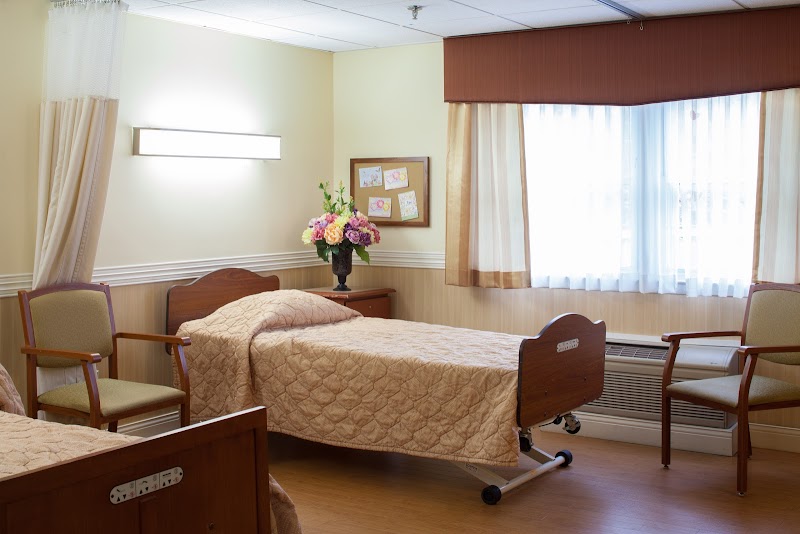
How is August Healthcare At Iliff Staffed?

CMS rates AUGUST HEALTHCARE AT ILIFF's staffing level at 3 out of 5 stars, which is average compared to other nursing homes. Staff turnover is 20%, compared to the Virginia average of 46%. This relatively stable workforce can support continuity of care.

What Have Inspectors Found at August Healthcare At Iliff?

State health inspectors documented 20 deficiencies at AUGUST HEALTHCARE AT ILIFF during 2018 to 2023. These included: 1 that caused actual resident harm and 19 with potential for harm. Deficiencies causing actual harm indicate documented cases where residents experienced negative health consequences.

Who Owns and Operates August Healthcare At Iliff?

AUGUST HEALTHCARE AT ILIFF is owned by a for-profit company. For-profit facilities operate as businesses with obligations to shareholders or private owners. The facility operates independently rather than as part of a larger chain. With 130 certified beds and approximately 113 residents (about 87% occupancy), it is a mid-sized facility located in DUNN LORING, Virginia.
How Does August Healthcare At Iliff Compare to Other Virginia Nursing Homes?

Compared to the 100 nursing homes in Virginia, AUGUST HEALTHCARE AT ILIFF's overall rating (3 stars) is below the state average of 3.0, staff turnover (20%) is significantly lower than the state average of 46%, and health inspection rating (3 stars) is at the national benchmark.

What Should Families Ask When Visiting August Healthcare At Iliff?

Based on this facility's data, families visiting should ask: "Can I visit during a mealtime to observe dining assistance and food quality?" "How do you handle medical emergencies, and what is your hospital transfer rate?" "Can I speak with family members of current residents about their experience?"

Is August Healthcare At Iliff Safe?

Based on CMS inspection data, AUGUST HEALTHCARE AT ILIFF has a clean safety record: no substantiated abuse findings (meaning no confirmed cases of resident harm), no Immediate Jeopardy citations (the most serious violation level indicating risk of serious injury or death), and is not on the Special Focus Facility watch list (a federal program monitoring the lowest-performing 1% of nursing homes). The facility has a 3-star overall rating and ranks #100 of 100 nursing homes in Virginia. While no facility is perfect, families should still ask about staff-to-resident ratios and recent inspection results during their visit.

Do Nurses at August Healthcare At Iliff Stick Around?

Staff at AUGUST HEALTHCARE AT ILIFF tend to stick around. With a turnover rate of 20%, the facility is 26 percentage points below the Virginia average of 46%. Low turnover is a positive sign. It means caregivers have time to learn each resident's needs, medications, and personal preferences. Consistent staff also notice subtle changes in a resident's condition more quickly. Registered Nurse turnover is also low at 23%, meaning experienced RNs are available to handle complex medical needs.

Was August Healthcare At Iliff Ever Fined?

AUGUST HEALTHCARE AT ILIFF has been fined $16,673 across 1 penalty action. This is below the Virginia average of $33,246. While any fine indicates a compliance issue, fines under $50,000 are relatively common and typically reflect isolated problems that were subsequently corrected. Families should ask what specific issues led to these fines and confirm they've been resolved.

Is August Healthcare At Iliff on Any Federal Watch List?

AUGUST HEALTHCARE AT ILIFF is not on any federal watch list. The most significant is the Special Focus Facility (SFF) program, which identifies the bottom 1% of nursing homes nationally based on persistent, serious quality problems. Not being on this list means the facility has avoided the pattern of deficiencies that triggers enhanced federal oversight. This is a positive indicator, though families should still review the facility's inspection history directly.