FAIR OAKS HEALTH & REHABILITATION

12475 LEE JACKSON MEMORIAL HIGHWAY, FAIRFAX, VA 22033 (703) 352-7172
For profit - Limited Liability company 155 Beds HILL VALLEY HEALTHCARE Data: November 2025
Trust Grade
60/100
#130 of 285 in VA
Last Inspection: February 2025

Within standard 12-15 month inspection cycle. Federal law requires annual inspections.

Overview

Fair Oaks Health & Rehabilitation has a Trust Grade of C+, indicating it is slightly above average but not without its issues. It ranks #130 out of 285 facilities in Virginia, placing it in the top half, but only #9 out of 12 in Fairfax County, meaning there are better local options available. The facility is experiencing a worsening trend, increasing from 3 issues in 2024 to 30 in 2025. Staffing is relatively stable with a turnover rate of 33%, which is lower than the state average of 48%, but the RN coverage is only average. While the facility has not incurred any fines, a few concerning incidents were noted, such as staff not adhering to proper wound care protocols and a resident being left in a gown without regular clothes in a common area, indicating potential gaps in care. Overall, while there are strengths in staffing stability and no fines, families should be aware of the increasing issues and specific care deficiencies.

Trust Score
C+
60/100
In Virginia
#130/285
Top 45%
Safety Record
Low Risk
No red flags
Inspections
Getting Worse
3 → 30 violations
Staff Stability
○ Average
33% turnover. Near Virginia's 48% average. Typical for the industry.
Penalties
✓ Good
No fines on record. Clean compliance history, better than most Virginia facilities.
Skilled Nurses
⚠ Watch
Each resident gets only 25 minutes of Registered Nurse (RN) attention daily — below average for Virginia. Fewer RN minutes means fewer trained eyes watching for problems.
Violations
⚠ Watch
57 deficiencies on record. Higher than average. Multiple issues found across inspections.
★★★☆☆
3.0
Overall Rating
★★★☆☆
3.0
Staff Levels
★★★★★
5.0
Care Quality
★★☆☆☆
2.0
Inspection Score
Stable
2024: 3 issues
2025: 30 issues

The Good

  • 5-Star Quality Measures · Strong clinical quality outcomes
  • Full Sprinkler Coverage · Fire safety systems throughout facility
  • No fines on record
  • Staff turnover below average (33%)

    15 points below Virginia average of 48%

Facility shows strength in quality measures, fire safety.

The Bad

3-Star Overall Rating

Near Virginia average (3.0)

Meets federal standards, typical of most facilities

Staff Turnover: 33%

13pts below Virginia avg (46%)

Typical for the industry

Chain: HILL VALLEY HEALTHCARE

Part of a multi-facility chain

Ask about local staffing decisions and management

The Ugly 57 deficiencies on record

Feb 2025 30 deficiencies
CONCERN (D) 📢 Someone Reported This

A family member, employee, or ombudsman was alarmed enough to file a formal complaint

Potential for Harm - no one hurt, but risky conditions existed

Notification of Changes (Tag F0580)

Could have caused harm · This affected 1 resident

**NOTE- TERMS IN BRACKETS HAVE BEEN EDITED TO PROTECT CONFIDENTIALITY** Based on staff interview and facility document review, it was determined the facility staff failed to notify the RP (responsible...

Read full inspector narrative →
**NOTE- TERMS IN BRACKETS HAVE BEEN EDITED TO PROTECT CONFIDENTIALITY** Based on staff interview and facility document review, it was determined the facility staff failed to notify the RP (responsible party) of a change in condition for one of 48 residents in the survey sample, R47. The findings include: The facility failed to notify the RP for R47's genital warts. R47's genital warts last outbreak began in July 2024. R47 was admitted to the facility on [DATE] with diagnosis that included but were not limited to CVA (cerebrovascular accident) with hemiparesis/hemiplegia, diabetes mellitus and epilepsy. The most recent MDS (minimum data set) assessment, a quarterly assessment, with an ARD (assessment reference date) of 11/8/24, coded the resident as scoring a 10 out of 15 on the BIMS (brief interview for mental status) score, indicating the resident was moderately cognitively impaired. A review of the MDS Section GG-functional abilities and goals coded the resident as requiring maximal assistance for mobility/transfers/bathing/dressing and set-up for eating. A review of the comprehensive care plan dated 8/13/24 revealed, FOCUS: Urinary & bowel incontinence related to Impaired Mobility, Physical Limitations due to Left hemiparesis/Hemiplegia secondary to CVA & Dementia. INTERVENTIONS: Provide incontinent care as needed. Report changes in skin integrity found during daily care. A review of the physician's order dated 10/7/24 revealed, Imiquimod External Cream 5 % (Imiquimod) Apply to genital warts topically at bedtime every Mon, Wed, Fri for genital warts for 16 Weeks Apply to penis/scrotum topically every evening shifts every Mon, Wed, Fri for genital warts apply a thin layer 3 times/week prior to bedtime leave on for 10 hours then remove with mild soap and water. A review of the NP (nurse practitioner's) progress note dated 10/9/24 at 5:48 PM revealed, [AGE] year-old male seen today for a follow up physical exam and review of his genital warts. Several [NAME] scrotal genital warts - largest one about 5.5x8.0, no bleeding, no drainage noted. He has immune suppression secondary to his PCM with more than 10% of his usual body weight. He has worsening HPV (human papillomavirus) that presented with the weight loss. Plan: He has some warts on his scrotum and a diagnosis of HPV due to this. He has occasional bleeding from the warts. He as scheduled dermatologist consult with dermatology on10/16/24. Will order house wound MD to follow status. Will continue Imiquimod every Monday-Wednesday-Friday and monitor. On 2/4/25 at 3:30 PM, an interview was conducted with LPN (licensed practical nurse) #4, the unit manager. When asked about R47, LPN #4 stated, the staff and NP were aware of the genital warts. The warts would go away on their own in previous outbreaks. He was incontinent so they were putting barrier cream on him to protect his skin from the wetness. I am not sure if the wife was informed that he had the genital warts. After he went to his father's funeral and the emergency room in Delaware, we had a care plan meeting and we agreed that I would call her on a regular basis. I called her regularly, multiple times a week. The genital warts were about resolved when he was discharged . On 2/5/25 at 10:49 AM, an interview was conducted with ASM (administrative staff member) #6, the nurse practitioner. When asked about R47, ASM #6 stated, he has had these lesions come and go, we are working him up for weight loss. We were physically getting him out of bed, then he did not want to get out of bed. Between July and August there was another genital wart outbreak and they were not going away. I did not initiate any additional treatment as these flare ups had always resolved on their own. He was incontinent and they were putting on a barrier cream to protect his skin from his incontinence. He would refuse incontinence care. He was on a blood thinner, and that is why he started bleeding. This time the warts did not resolve on their own and was different as he was sitting up in the car for an extended period of time, so a lot of pressure on the genital area. He was on the blood thinner so all these things combined so his wife saw bleeding from the warts when she went to change him. I have known him for many years and cared for him at another facility. These genital warts flare ups were not new to him. His wife was upset that no one had told her about the genital warts. I did not know she was not informed. I do not know if anyone had told her before about his previous flare ups. During this time, we usually would talk about every little thing with the family, but since resident's father was dying, and the focus was having his wife work with therapy to get him in and out of the car for his father's funeral. I did not discuss the warts with her at this time. When he came back from the funeral, I ordered the Imiquimod External Cream, had him followed by the wound care team and sent him to a dermatologist. They were resolving when he was discharged . On 2/5/25 at 1:30 PM, ASM (administrative staff member) #1, the administrator, ASM #2, the DON (director of nursing) ASM #3, the regional director of clinical operations, ASM #4, the regional director of clinical reimbursement and ASM #5, the regional director of operations was made aware of the findings. A review of the facility's Change In A Resident's Condition policy revealed, The facility will promptly notify the resident, his or her physician/practitioner, and representative of changes in the resident's medical/mental condition and/or status (e.g., changes in level of care, billing/payments, resident rights, etc.) No further information was provided prior to exit.
CONCERN (D)

Potential for Harm - no one hurt, but risky conditions existed

Deficiency F0582 (Tag F0582)

Could have caused harm · This affected 1 resident

Based on staff interview, facility document review, and clinical record review, the facility staff failed to provide required Medicare discharge notice for three of three resident records reviewed, Re...

Read full inspector narrative →
Based on staff interview, facility document review, and clinical record review, the facility staff failed to provide required Medicare discharge notice for three of three resident records reviewed, Residents #82, #104, and #26. The findings include: 1. For Resident #82 (R82), the facility failed to issue the resident an ABN (advance beneficiary notice) prior to his discharge from Medicare Skilled Nursing services on 10/2/24. A review of R82's clinical record revealed he was discharged from Medicare Skilled Nursing services on 10/2/24. At the time of his discharge, he still had days remaining in his Skilled Nursing benefit. Further review of R82's clinical record failed to reveal the required ABN prior to the resident's discharge from Skilled Nursing services. On 2/5/25 at 9:46 a.m., ASM (administrative staff member) #4, the regional director of clinical operations, was interviewed. She stated that the ABNs were the responsibility of the therapy department, but at the time of the discharge, the therapy department was not aware the ABN was their responsibility. She stated R82 should have had an ABN issued prior to his discharge from Skilled Nursing services. On 2/5/25 at 1:40 p.m., ASM #1, the administrator, ASM #2, the director of nursing, ASM #3, the regional director of clinical operations, and ASM #5, the regional director of operations, were informed of these concerns. A review of the facility policy, Advanced Beneficiary Notice, revealed, in part: It is the policy of this facility to provide timely notices regarding Medicare eligibility and coverage .The facility shall inform Medicare beneficiaries of his or her potential liability for payment. A liability notice shall be issued to Medicare beneficiaries upon admission or during a resident's stay before the facility provides .an item or service that is usually paid for by Medicare, but may not be paid in this instance because it is not medically reasonable and necessary .For Part A items and services, the facility shall use the Skilled Nursing Advance Beneficiary Notice. No additional information was provided prior to exit. 2. 1. For Resident #104 (R104), the facility failed to issue the resident an ABN (advance beneficiary notice) prior to his discharge from Medicare Skilled Nursing services on 12/11/24. A review of R104's clinical record revealed he was discharged from Medicare Skilled Nursing services on 12/11/24. At the time of his discharge, he still had days remaining in his Skilled Nursing benefit. Further review of R104's clinical record failed to reveal the required ABN prior to the resident's discharge from Skilled Nursing services. On 2/5/25 at 9:46 a.m., ASM (administrative staff member) #4, the regional director of clinical operations, was interviewed. She stated that the ABNs were the responsibility of the therapy department, but at the time of the discharge, the therapy department was not aware the ABN was their responsibility. She stated R104 should have had an ABN issued prior to his discharge from Skilled Nursing services. On 2/5/25 at 1:40 p.m., ASM #1, the administrator, ASM #2, the director of nursing, ASM #3, the regional director of clinical operations, and ASM #5, the regional director of operations, were informed of these concerns. No additional information was provided prior to exit. 3. For Resident #26 (R26), the facility failed to issue the resident an ABN (advance beneficiary notice) prior to his discharge from Medicare Skilled Nursing services on 12/21/24. A review of R26's clinical record revealed he was discharged from Medicare Skilled Nursing services on 12/21/24. At the time of his discharge, he still had days remaining in his Skilled Nursing benefit. Further review of R26's clinical record failed to reveal the required ABN prior to the resident's discharge from Skilled Nursing services. On 2/5/25 at 9:46 a.m., ASM (administrative staff member) #4, the regional director of clinical operations, was interviewed. She stated that the ABNs were the responsibility of the therapy department, but at the time of the discharge, the therapy department was not aware the ABN was their responsibility. She stated R26 should have had an ABN issued prior to his discharge from Skilled Nursing services. On 2/5/25 at 1:40 p.m., ASM (administrative staff member) #1, the administrator, ASM #2, the director of nursing, ASM #3, the regional director of clinical operations, and ASM #5, the regional director of operations, were informed of these concerns. No additional information was provided prior to exit.
CONCERN (D)

Potential for Harm - no one hurt, but risky conditions existed

Transfer Requirements (Tag F0622)

Could have caused harm · This affected 1 resident

**NOTE- TERMS IN BRACKETS HAVE BEEN EDITED TO PROTECT CONFIDENTIALITY** Based on staff interview, clinical record review and facility document review, it was determined the facility staff failed to pr...

Read full inspector narrative →
**NOTE- TERMS IN BRACKETS HAVE BEEN EDITED TO PROTECT CONFIDENTIALITY** Based on staff interview, clinical record review and facility document review, it was determined the facility staff failed to provide evidence of required physician documentation after a resident is transferred to the hospital for one of 48 residents in the survey sample, R59. The findings include: The facility staff failed to evidence required physician documentation after a resident is transferred to the hospital for R59. R59 was transferred to the hospital on 3/14/24. R59 was admitted to the facility on [DATE] with diagnosis that included but were not limited to ESRD (end stage renal disease), CHF (congestive heart failure) and diabetes mellitus. The most recent MDS (minimum data set) assessment, a quarterly assessment, with an ARD (assessment reference date) of 11/28/24, coded the resident as scoring a 11 out of 15 on the BIMS (brief interview for mental status) score, indicating the resident was moderately cognitively impaired. A review of the MDS Section GG-functional abilities and goals coded the resident as requiring moderate assistance for mobility/transfers/bathing/dressing and set-up for eating. A review of the comprehensive care plan dated 9/5/24 revealed, FOCUS: Renal insufficiencies related to chronic renal failure. INTERVENTIONS: Confer with physician and/or dialysis treatment center regarding changes in medication administration times/dosage pre-dialysis as needed. On 2/5/25 at 10:49 AM, an interview was conducted with ASM #6, the NP (nurse practitioner). When asked if the physician or NP is to document a progress note when a resident is transferred to the hospital, ASM #6 stated, yes, we are. When asked what is to be included in the documentation, ASM #6 stated, we write a note for resident upon transfers to the hospital, reason for transfer, medications and any other pertinent information. On 2/5/25 at 11:50 AM, ASM #3, the regional director of clinical operations stated, there are no physician notes for this resident when he was transferred to the hospital. On 2/5/25 at 1:30 PM, ASM (administrative staff member) #1, the administrator, ASM #2, the DON (director of nursing) ASM #3, the regional director of clinical operations, ASM #4, the regional director of clinical reimbursement and ASM #5, the regional director of operations was made aware of the findings. A review of the facility's Attending Physician Responsibility policy revealed, The Attending Physician will follow up (as needed) with another physician or health-care practitioner who is to assume the care of an acutely ill or unstable patient, either in the facility or in another setting. The Attending Physician / NPP will provide a summary of pertinent medical discharge information within 30 days of discharge or transfer of a resident. No further information was provided prior to exit.
CONCERN (D)

Potential for Harm - no one hurt, but risky conditions existed

Deficiency F0645 (Tag F0645)

Could have caused harm · This affected 1 resident

**NOTE- TERMS IN BRACKETS HAVE BEEN EDITED TO PROTECT CONFIDENTIALITY** Based on staff interview, facility document review, and clinical record review, the facility staff failed to implement PASARR (p...

Read full inspector narrative →
**NOTE- TERMS IN BRACKETS HAVE BEEN EDITED TO PROTECT CONFIDENTIALITY** Based on staff interview, facility document review, and clinical record review, the facility staff failed to implement PASARR (preadmission screening and resident review) requirements for one of 48 residents in the survey sample, Resident #2. The findings include: For Resident #2 (R2), the facility staff failed to ensure a level I PASARR was completed. R2 was admitted to the facility on [DATE]. A review of R2's clinical record failed to reveal a level I PASARR. On 2/5/25 at 10:39 a.m., an interview was conducted with OSM (other staff member) #10 (the director of social services). OSM #10 stated all residents should have a level I PASARR completed, and the admissions department is responsible for making sure it is done prior to admission. OSM #10 stated that if a PASARR is not completed prior to admission then she completes it. OSM #10 stated R2 was admitted to the facility from a sister facility, prior to her (OSM #10's) employment, and someone should have checked to ensure she had a level I PASARR completed. On 2/5/25 at 1:39 p.m., ASM (administrative staff member) #1 (the administrator) and ASM #2 (the director of nursing) were made aware of the above concern. The facility policy titled, Long-Term Services and Supports (LTSS) Screening, Preadmission Screening and Resident Review (PASRR) Policy documented, PASRR 1) Level 1 Screening a. If a Level 1 Screening has not been completed prior to admission and the resident is already Medicaid member OR financially eligible by way of application as verified by the ePAS system, the Social Worker, Admissions Coordinator, or designee will request that the referral provider and/or Community Screening Team complete the screen prior to admission. b. If the resident is not Medicaid or Medicaid eligible by way of application, the nursing facility will be responsible for completion of the Level 1 screening. No further information was presented prior to exit.
CONCERN (D)

Potential for Harm - no one hurt, but risky conditions existed

Deficiency F0657 (Tag F0657)

Could have caused harm · This affected 1 resident

Based on observation, staff interview, facility document review, and clinical record review, the facility staff failed to review and revise the comprehensive care plan for one of 48 residents in the s...

Read full inspector narrative →
Based on observation, staff interview, facility document review, and clinical record review, the facility staff failed to review and revise the comprehensive care plan for one of 48 residents in the survey sample, Resident #10. The findings include: For Resident #10 (R10), the facility staff failed to review and revise the resident's current comprehensive care plan for the use of a left-hand splint. R10's comprehensive care plan dated 6/12/24 documented, ADL (activities of daily living) Self care & mobility deficits as evidenced by muscular weakness, and left hemiplegia (paralysis) related to CVA (cerebrovascular accident [stroke]). Splint wear Left hand resting splint on as ordered. R10's care plan was cancelled, and the current care plan was initiated on 1/10/25. The current care plan failed to reveal documentation regarding a left-hand splint. On 2/4/25 at 3:51 p.m., an interview was conducted with LPN (licensed practical nurse) #4. LPN #4 stated a corporate decision was made to revamp care plans, so they were more aligned and cohesive across the company so new care plans were initiated for residents. LPN #4 stated the left-hand splint that was documented on R10's old care plan should have carried over and the current care plan should have been reviewed and revised to include the splint. On 2/4/25 at 4:45 p.m., ASM (administrative staff member) #1 (the administrator) and ASM #2 (the director of nursing) were made aware of the above concern. The facility policy titled, Care Planning- Comprehensive Person-Centered documented, 11. Each resident's comprehensive care plan will describe the following: a. Services that are to be furnished to attain or maintain the resident's highest practicable physical, mental, and psychosocial well-being. No further information was presented prior to exit.
CONCERN (D)

Potential for Harm - no one hurt, but risky conditions existed

Deficiency F0687 (Tag F0687)

Could have caused harm · This affected 1 resident

**NOTE- TERMS IN BRACKETS HAVE BEEN EDITED TO PROTECT CONFIDENTIALITY** Based on observation, resident interview, staff interview, facility document review, and clinical record review, the facility st...

Read full inspector narrative →
**NOTE- TERMS IN BRACKETS HAVE BEEN EDITED TO PROTECT CONFIDENTIALITY** Based on observation, resident interview, staff interview, facility document review, and clinical record review, the facility staff failed to provide toenail care for two of 48 residents in the survey sample, Residents #104 and #62. The findings include: 1. For Resident #104 (R104), the facility staff failed maintain R104's toenails in a trimmed and clean manner, and failed to wash and apply lotion to his feet to prevent them from being dry and scaly. On the most recent MDS (minimum data set), a quarterly assessment with an ARD (assessment reference date) of 11/24/24, R104 was coded as being cognitively intact for making daily decisions, having scored 15 out of 15 on the BIMS (brief interview for mental status). He was coded as requiring the extensive assistance of staff for grooming and personal care. On the following dates and times, R104 was observed sitting up in bed: 2/3/25 at 12:53 p.m. and 4:01 p.m., 2/4/25 at 9:38 a.m., and 2/5/25 at 10:17 a.m. At all observations, R104's toenails on the left foot were thick and extending beyond the toenail bed, with some containing dark material underneath. R104's left foot was dry and had profuse scaly flecks. R104 stated no staff member had attempted to cut his toenails or lotion his feet or legs. He stated someone had told him he needed to see a podiatris, but this had not happened yet. A review of R104's orders, progress notes, and care plan revealed no evidence that the resident refused any type of toenail care. On 2/5/25 at 8:25 a.m., evidence that R104 had received foot care from a staff member or a podiatrist was requested of facility staff. On 2/5/25 at 8:53 a.m., CNA (certified nursing assistant) #6 was interviewed. She stated she is familiar with the care of R104. She stated the nurses are responsible for toe and foot care for residents. On 2/5/25 at 9:21 a.m., RN (registered nurse) #1 was interviewed. She stated she was familiar with R104's care. She stated the resident's toenails are long and thick, and that he needs to be seen by the podiatrist. She added: We put him on the list. When asked to provide a current list of residents for the podiatrist to see, she stated she would have to look and see. RN #1 never provided this list to the survey team prior to exit. On 2/5/25 at 1:40 p.m., ASM (administrative staff member) #1, the administrator, ASM #2, the director of nursing, ASM #3, the regional director of clinical operations, and ASM #5, the regional director of operations, were informed of these concerns. A review of the facility policy, Activities of Daily Living, failed to reveal any information specific to toenail/foot/podiatry care. No additional information was provided prior to exit. 2. The facility failed to evidence provision of foot care for Resident #62. Observations of nails 3/4 inch long on both hands, and left foot nails 1/2 inch thick and curled over top of toes on 02/03/25 11:45 AM and 02/04/25 09:15 AM. R62 was admitted to the facility on [DATE] with diagnosis that included but were not limited to CVA (cerebrovascular accident) with hemiparesis/hemiplegia, diabetes mellitus and osteomyelitis. The most recent MDS (minimum data set) assessment, a quarterly assessment, with an ARD (assessment reference date) of 1/4/25, coded the resident as scoring a 11 out of 15 on the BIMS (brief interview for mental status) score, indicating the resident was moderately cognitively impaired. A review of the MDS Section GG-functional abilities and goals coded the resident as requiring maximal assistance for mobility/transfers/bathing/dressing and set-up for eating. A review of the comprehensive care plan dated 11/4/24 revealed, FOCUS: The resident has an ADL self-care performance deficit. INTERVENTIONS: Physical assist as needed. The medical record does not evidence podiatrist visit for R62. An interview was conducted on 2/3/25 at 11:45 AM with R62. When asked about his fingernails, R62 stated, they need trimming bad, they are so long. I have bit them down to get them this short. My toenails are long also. An interview was conducted on 2/4/25 at 8:45 AM with CNA (certified nursing assistant) #1. When asked the process for cutting a resident's nails, CNA #1 stated, we tell the nurse and they are put on the podiatrist list, we are not to cut the nails. An interview was conducted on 2/4/25 at 9:20 AM with RN (registered nurse) #2. When asked the process for getting a resident's nails cut, RN #2 stated, we put them on the podiatrist list for the feet and we can cut their fingernails. When asked how often the podiatrist visits, RN #2 stated, they come monthly, but we do not know the day. When asked to look at R62's finger and toenails, RN #2 stated, yes, they need cut. I will put him on the list for the podiatrist and after I give them meds and he finished his breakfast; I will cut his fingernails. When asked if his nails looked like they were cut a month ago, RN #2 stated no. R62 stated, these are good now, I bit them down to this length. On 2/4/25 at approximately 3:00 PM, ASM #3, the regional director of clinical operations stated, we do not have evidence of the podiatrist seeing this resident. On 2/4/25 at 4:30 PM, ASM (administrative staff member) #1, the administrator, ASM #2, the DON (director of nursing) ASM #3, the regional director of clinical operations, ASM #4, the regional director of clinical reimbursement and ASM #5, the regional director of operations was made aware of the findings. No further information was provided prior to exit.
CONCERN (D)

Potential for Harm - no one hurt, but risky conditions existed

Deficiency F0688 (Tag F0688)

Could have caused harm · This affected 1 resident

**NOTE- TERMS IN BRACKETS HAVE BEEN EDITED TO PROTECT CONFIDENTIALITY** Based on observation, staff interview, facility document review, and clinical record review, the facility staff failed to provid...

Read full inspector narrative →
**NOTE- TERMS IN BRACKETS HAVE BEEN EDITED TO PROTECT CONFIDENTIALITY** Based on observation, staff interview, facility document review, and clinical record review, the facility staff failed to provide care and services for a resident with limited range of motion for one of 48 residents in the survey sample, Resident #10. The findings include: For Resident #10 (R10), the facility staff failed to implement a left-hand splint. A review of R10's clinical record revealed an occupational Discharge summary dated [DATE] that documented, Skill: Pt (Patient) and Caregiver Training: Instructed patient and primary caregivers in splinting/orthotic schedule in order to facilitate improved functional abilities. Instruction in proper use, care and wearing time of prosthetic device and therapeutic stretch techniques. Patient Response: Progress and Response to Tx (treatment): patient tolerated wearing L (left) hand resting splint for up to 7 hrs with no redness, swelling or pain. Orthotic Management: Splint/Orthotic Recommendations: It is recommended the patient wear a resting hand splint on left hand for 8 hours in order to manage tone. Discharge Recommendations: Splint/brace. RNP/FMP (Restorative Nursing Program/Functional Maintenance Program): To facilitate patient maintaining current level of performance and in order to prevent decline, development of and instruction in the following RNPs has been completed with the IDT (interdisciplinary team): splint or brace Care. On 2/3/25 at 12:15 p.m., 2/3/25 at 3:45 p.m., 2/4/25 at 8:17 a.m., and 2/4/25 at 1:02 p.m., R10 was observed in bed and presented with a left-hand contracture. During all observations, no splint or brace was observed on the resident's left hand. A splint was observed on the windowsill. On 2/4/25 at 1:08 p.m., an interview was conducted with OSM (other staff member) #6 (the occupational therapist who signed the above discharge summary). OSM #6 stated R10 should wear a left-hand splint for seven hours at a time. OSM #6 stated the splint should be placed on the resident's left hand in the morning and removed during activities of daily living care and at night. OSM #6 stated the last week of therapy, she completes training with CNAs (certified nursing assistants), nurses, and unit managers, informing them instructions regarding splints. On 2/4/25 at 1:19 p.m., an interview was conducted with CNA #4 (the CNA caring for R10). CNA #4 stated she did not know anything about a splint for R10's hand. On 2/4/25 at 3:38 p.m., an interview was conducted with LPN (licensed practical nurse) #4. LPN #4 stated therapy staff educates the nursing staff regarding residents who need splints, but she was not aware of R10 needing a splint. On 2/4/25 at 4:45 p.m., ASM (administrative staff member) #1 (the administrator) and ASM #2 (the director of nursing) were made aware of the above concern. The facility policy titled, RESIDENT MOBILITY AND RANGE OF MOTION documented, 3. Residents with limited mobility will receive appropriate services, equipment, and assistance to maintain or improve mobility unless reduction is unavoidable. No further information was presented prior to exit.
CONCERN (D)

Potential for Harm - no one hurt, but risky conditions existed

Accident Prevention (Tag F0689)

Could have caused harm · This affected 1 resident

Based on observation, resident interview, staff interview, facility document review, and clinical record review, the facility staff failed to provide an environment to prevent avoidable accidents for ...

Read full inspector narrative →
Based on observation, resident interview, staff interview, facility document review, and clinical record review, the facility staff failed to provide an environment to prevent avoidable accidents for one of 48 residents in the survey sample, Resident #90. The findings include: For Resident #90 (R90), the facility staff failed to assess the resident's bed for weight restrictions to ensure safety per the manufacturer's instructions. On the most recent MDS (minimum data set), an admission assessment with an ARD (assessment reference date) of 12/17/24, the resident scored 15 out of 15 on the BIMS (brief interview for mental status), indicating the resident was cognitively intact for making daily decisions. A review of R90's clinical record revealed the resident's weights as followed: 9/2/24- 495.6 pounds 12/23/24- 484 pounds Further review of R90's clinical record failed to reveal an assessment to determine if the resident's bed met weight restrictions and was safe for use. On 2/3/25 at 12:04 p.m., R90 was observed sitting on the bed. The bed contained a trapeze bar and an air mattress. An interview was conducted with R90. The resident voiced concern regarding the size and functionality of the bed. On 2/4/25 at 1:41 p.m., an interview was conducted with OSM (other staff member) #7 (the director of maintenance). OSM #7 stated there are weight restrictions for beds, the nurses must determine if those weight restrictions are met, and usually the administrator orders larger beds as necessary. OSM #7 was not familiar with R90. On 2/4/25 at 3:51 p.m., an interview was conducted with LPN (licensed practical nurse). LPN #4 stated the nurses do not address weight restrictions compared to bed manufacturer's instructions. The manufacturer's instructions for R90's bed documented, Bed safe working load is 500 pounds. This is total weight counting resident/patient, mattress, bedding accessories and any other equipment or persons likely to be on the bed. Do not exceed 500-pound safe working load. Exceeding the safe working load could result in property damage, injury or death .NEVER exceed the weight capacity of this bed. The weight capacity of this bed is 500 lbs. (227 kg) including accessories and options. On 2/5/25 at 1:39 p.m., ASM (administrative staff member) #1 (the administrator) and ASM #2 (the director of nursing) were made aware of the above concern. The facility policy titled, Bed Inspection and Safety documented, Our facility shall strive to provide a safe sleeping environment for the resident . SPECIFIC PROCEDURES/GUIDANCE 1. The resident's sleeping environment shall be evaluated by the interdisciplinary team, considering the resident's safety, medical conditions, comfort, and freedom of movement, as well as input from the resident and family regarding previous sleeping habits and bed environment. No further information was presented prior to exit.
CONCERN (D)

Potential for Harm - no one hurt, but risky conditions existed

Tube Feeding (Tag F0693)

Could have caused harm · This affected 1 resident

Based on observation, staff interview, facility document review, and clinical record review, the facility staff failed to administer tube feeding in a sanitary manner for one of 48 residents in the su...

Read full inspector narrative →
Based on observation, staff interview, facility document review, and clinical record review, the facility staff failed to administer tube feeding in a sanitary manner for one of 48 residents in the survey sample, Resident #131. The findings include: For Resident #131 (R131), the facility staff failed to utilize clean tubing to administer a tube feeding to R131 on 2/3/25. On the following dates and times, R131 was observed lying in bed, receiving tube feeding at 45 mls (milliliters) per hour. At each observation, the outside of the tubing contained a brown sticky substance over approximately 50% of the tubing: 2/3/25 at 12:58 p.m., 1:52 p.m., and 3:45 p.m. On 2/5/25 at 9:21 a.m., RN (registered nurse) #1 was interviewed. She stated if a nurse discovers a sticky brown substance on the outside of tube feeding tubing, the nurse should stop the feeding and replace the tubing. She stated the brown sticky substance is likely tube feed material that has leaked out from the bottle onto the tubing. She stated the resident may not be getting the full amount of tube feeding if there is a leak. Additionally, this could be an infection concern. On 2/5/25 at 1:40 p.m., ASM (administrative staff member) #1, the administrator, ASM #2, the director of nursing, ASM #3, the regional director of clinical operations, and ASM #5, the regional director of operations, were informed of these concerns. No additional information was provided prior to exit.
CONCERN (D)

Potential for Harm - no one hurt, but risky conditions existed

Deficiency F0699 (Tag F0699)

Could have caused harm · This affected 1 resident

**NOTE- TERMS IN BRACKETS HAVE BEEN EDITED TO PROTECT CONFIDENTIALITY** Based on resident interview, staff interview, facility document review and clinical record review, it was determined that the fa...

Read full inspector narrative →
**NOTE- TERMS IN BRACKETS HAVE BEEN EDITED TO PROTECT CONFIDENTIALITY** Based on resident interview, staff interview, facility document review and clinical record review, it was determined that the facility staff failed to provide trauma informed care for one of 48 residents in the sample R46. The facility failed to evidence provision of trauma informed care for R46. R46 was admitted to the facility on [DATE] with diagnosis that included but were not limited to PTSD (post traumatic stress disorder), viral hepatitis and pulmonary fibrosis. The most recent MDS (minimum data set) assessment, a quarterly assessment, with an ARD (assessment reference date) of 12/1/24, coded the resident as scoring a 13 out of 15 on the BIMS (brief interview for mental status) score, indicating the resident was not cognitively impaired. A review of the MDS Section GG-functional abilities and goals coded the resident as requiring maximal assistance for mobility/transfers/bathing/dressing and set-up for eating. Section I: Active Diagnosis (dated 8/31/24) I6100. Post Traumatic Stress Disorder (PTSD)-coded as yes. A review of the comprehensive care plan dated 6/12/24 revealed, FOCUS: At risk for adverse effects related to use of antianxiety and antidepressant medication. INTERVENTIONS: Report to physician signs of adverse reaction such as decline in mental status, decline in positioning/ambulation ability, lethargy, complaints of dizziness, tremors. Psych consult and follow up as needed. A review of the physician's order dated 4/8/24 revealed, Psych consult. 02/04/25 01:00 PM ASM (administrative staff member) #3, the regional director of clinical services, informed me that there was no PTSD screening, no provision of medically related social services. On 2/04/25 at 2:50 PM, an interview was conducted with R46. When asked what care she is receiving for PTSD, R46 stated, psychiatry is seeing me. When asked if staff know her triggers for PTSD and if social services is working with her; R46 stated, No, they do not know my triggers and social services is not working with me. When asked her triggers, R46 stated, Seeing violence, even on television, sometimes loud noise, it gives me migraines. On 2/4/25 at 3:30 PM and interview was conducted with LPN (licensed practical nurse) #4. When asked what should be included in a post-traumatic disorder assessment, LPN #4 stated, What are the triggers, what behaviors and moods the resident has and what staff can do to minimize any triggers. On 2/5/25 at 1:30 PM, ASM (administrative staff member) #1, the administrator, ASM #2, the DON (director of nursing) ASM #3, the regional director of clinical operations, ASM #4, the regional director of clinical reimbursement and ASM #5, the regional director of operations was made aware of the findings. A review of the facility's Trauma Informed Care revealed, The facility will provide appropriate and compassionate care specific to individuals who have experienced trauma. As part of the comprehensive assessment, identify history of trauma or interpersonal violence when possible. Identifying past trauma or adverse experiences may involve record review or the use of screening tools. No further information was provided prior to exit.
CONCERN (D)

Potential for Harm - no one hurt, but risky conditions existed

Deficiency F0710 (Tag F0710)

Could have caused harm · This affected 1 resident

**NOTE- TERMS IN BRACKETS HAVE BEEN EDITED TO PROTECT CONFIDENTIALITY** Based on staff interview, clinical record review and facility document review, it was determined the facility staff failed to pr...

Read full inspector narrative →
**NOTE- TERMS IN BRACKETS HAVE BEEN EDITED TO PROTECT CONFIDENTIALITY** Based on staff interview, clinical record review and facility document review, it was determined the facility staff failed to provide evidence a physician writing a recommendation for a resident be admitted to the facility (admission note) for one of 48 residents in the survey sample, R59. The findings include: R59 was admitted to the facility on [DATE] with diagnosis that included but were not limited to ESRD (end stage renal disease), CHF (congestive heart failure) and diabetes mellitus. The most recent MDS (minimum data set) assessment, a quarterly assessment, with an ARD (assessment reference date) of 11/28/24, coded the resident as scoring a 11 out of 15 on the BIMS (brief interview for mental status) score, indicating the resident was moderately cognitively impaired. A review of the MDS Section GG-functional abilities and goals coded the resident as requiring moderate assistance for mobility/transfers/bathing/dressing and set-up for eating. A review of the comprehensive care plan dated 9/5/24 revealed, FOCUS: Renal insufficiencies related to chronic renal failure. INTERVENTIONS: Confer with physician and/or dialysis treatment center regarding changes in medication administration times/dosage pre-dialysis as needed. R59 was transferred to the hospital on 3/14/24 and readmitted to the facility on [DATE]. There is no evidence of either the physician notes detailing reason for hospitalization or readmission to the facility on 3/17/24. On 2/5/25 at 11:50 AM, ASM #3, the regional director of clinical operations, stated, we do not have any evidence of a physician note on readmission to the facility on 3/17/24. On 2/5/25 at 1:30 PM, ASM (administrative staff member) #1, the administrator, ASM #2, the DON (director of nursing) ASM #3, the regional director of clinical operations, ASM #4, the regional director of clinical reimbursement and ASM #5, the regional director of operations was made aware of the findings. A review of the facility's Attending Physician Responsibilities policy which reveals, The Attending Physicians shall be the primary practitioners responsible for providing medical services and coordinating the healthcare of each resident in the facility. The Attending Physician will assess new admissions in a timely fashion, according to the individual's medical stability and in accordance with federal and state law. No further information was provided prior to exit.
CONCERN (D)

Potential for Harm - no one hurt, but risky conditions existed

Deficiency F0745 (Tag F0745)

Could have caused harm · This affected 1 resident

**NOTE- TERMS IN BRACKETS HAVE BEEN EDITED TO PROTECT CONFIDENTIALITY** Based on resident interview, staff interview, facility document review and clinical record review, it was determined that the fa...

Read full inspector narrative →
**NOTE- TERMS IN BRACKETS HAVE BEEN EDITED TO PROTECT CONFIDENTIALITY** Based on resident interview, staff interview, facility document review and clinical record review, it was determined that the facility staff failed to provide medically related social services for one of 48 residents in the sample R46. The findings include: For R46 the facility staff failed to provide psychosocial follow up following the resident being admitted with a diagnosis of PTSD (post-traumatic stress disorder). R46 was admitted to the facility on [DATE] with diagnosis that included but were not limited to PTSD (post-traumatic stress disorder), viral hepatitis and pulmonary fibrosis. The most recent MDS (minimum data set) assessment, a quarterly assessment, with an ARD (assessment reference date) of 12/1/24, coded the resident as scoring a 13 out of 15 on the BIMS (brief interview for mental status) score, indicating the resident was not cognitively impaired. A review of the MDS Section GG-functional abilities and goals coded the resident as requiring maximal assistance for mobility/transfers/bathing/dressing and set-up for eating. Section I: Active Diagnosis (dated 8/31/24) I6100. Post Traumatic Stress Disorder (PTSD)-coded as yes. A review of the comprehensive care plan dated 6/12/24 revealed, FOCUS: At risk for adverse effects related to use of antianxiety and antidepressant medication. INTERVENTIONS: Report to physician signs of adverse reaction such as decline in mental status, decline in positioning/ambulation ability, lethargy, complaints of dizziness, tremors. Psych consult and follow up as needed. A review of the physician's order dated 4/8/24 revealed, Psych consult. 02/04/25 01:00 PM ASM (administrative staff member) #3, the regional director of clinical services, informed me that there was no PTSD screening, no provision of medically related social services. On 2/04/25 at 2:50 PM, an interview was conducted with R46. When asked what care she is receiving for PTSD, R46 stated, psychiatry is seeing me. When asked if staff know her triggers for PTSD and if social services is working with her; R46 stated, no, they do not know my triggers and social services is not working with me. When asked her triggers, R46 stated, seeing violence, even on television, sometimes loud noises. It gives me migraines. On 2/4/25 at 3:30 PM an interview was conducted with LPN (licensed practical nurse) #4. When asked what should be included in a post-traumatic disorder assessment, LPN #4 stated, what are the triggers, what behaviors and moods the resident has and what staff can do to minimize any triggers. On 2/4/25 at 4:15 PM an interview was conducted with OSM (other staff member) #10, the Director of Social Services. When asked her role with R46 and her diagnosis of PTSD, OSM #10 stated, we complete assessments and coordinate with the psych nurse practitioner. My role is to ask questions regarding problems, to make sure there are no triggers for the resident. Typically, we do a social services quarterly assessment. I did not know about this resident. Normally, there is a referral process, it populates in my system and pops up, giving me a due date. On 2/5/25 at 1:30 PM, ASM (administrative staff member) #1, the administrator, ASM #2, the DON (director of nursing) ASM #3, the regional director of clinical operations, ASM #4, the regional director of clinical reimbursement and ASM #5, the regional director of operations was made aware of the findings. A review of the facility's Social Worker job description which revealed, Responsible for providing medically related social work services so that each resident may attain or maintain the highest practicable level of physical, mental, and psychosocial well-being. Liaison with consultant psych professionals. Identifies cognitive impairments, signs of mood problems, and psychosocial needs and follows up as needed. No further information was provided prior to exit.
CONCERN (D)

Potential for Harm - no one hurt, but risky conditions existed

Pharmacy Services (Tag F0755)

Could have caused harm · This affected 1 resident

Based on clinical record review and staff interview it was determined that the facility staff failed to provide pharmacy services for one of 48 residents in the survey sample, Resident #76 (R76). For ...

Read full inspector narrative →
Based on clinical record review and staff interview it was determined that the facility staff failed to provide pharmacy services for one of 48 residents in the survey sample, Resident #76 (R76). For R76, facility staff failed maintain the availability of Diltiazem (for high blood pressure), Ezetimibe (for cholesterol), and Methylcobalamin (for low iron) for administration. The findings include: R76 was admitted with diagnoses that included but were not limited to high blood pressure and high cholesterol. On the most recent MDS (minimum data set), an admission assessment with an ARD (assessment reference date) of 01/10/2025, R76 scored 8 (eight) out of 15 on the BIMS (brief interview for mental status), indicating R76 was moderately impaired of cognition for making daily decisions. The POS (physician's order sheet) for R76 dated 02/05/2025 documented in part, Diltiazem HCl (hydrochloride) ER (extended release) Beads Oral Capsule Extended Release 24 Hour 360 MG (milligrams). Give 360 mg by mouth one time a day for HYPERTENSION HOLD FOR SBP (systolic blood pressure) < (less than) 110. Order Date:01/04/2025. Start Date: 01/05/2025. Ezetimibe Oral Tablet 10 MG (Ezetimibe) Give 10 mg by mouth one time a day for HYPERLIPIDEMIA. Date Ordered: 01/04/2025. Start Date: 01/05/202. Methylcobalamin Sublingual (under the tongue) Tablet Sublingual 1000 MCG (micrograms). Give 1000 mcg sublingually one time a day for ANEMIA. Order Date: 01/04/2025. Start Date: 01/05/2025. The eMAR (electronic medication administration record) for R76 dated January 2025 revealed the physician's orders as stated above. Further review of the eMAR revealed blanks on 01/12/2025 for the medications listed above. The facility's nursing progress notes and eMAR notes for R76 dated 01/12/2025 through 01/13/2025 failed to evidence documentation regarding the blanks on 01/12/2025 for the medications listed above. Further review failed to evidence documentation of the pharmacy being notified of the need for Diltiazem, Ezetimibe and Methylcobalamin. Review of the facility's Omnicell (3) inventory sheet failed to evidence Diltiazem, Ezetimibe and Methylcobalamin were available in the Omnicell. On 02/05/2025 at approximately 12:23 p.m., an interview was conducted with LPN (licensed practical nurse) #4, unit manager. When asked how it is evidenced that medication was administered to a resident, she stated the nurse's initials and a check mark for the date and time on the eMAR. LPN #4 also stated if a medication is not available in the nurse's medication cart, the nurse should check the Omnicell and if it is in the Omnicell or if it is part of the facility's stock of medications it should be administered to the resident. LPN #4 stated if the medication is not available in either the facility stock or the Omnicell, the pharmacy should be notified. On 02/05/2025 at approximately 2:30 p.m., an interview was conducted with ASM (administrative staff member) #2, director of nursing regarding R76's medications. After reviewing the medications from the POS listed above ASM #2 stated the Diltiazem, Ezetimibe and Methylcobalamin were not in the Omnicell nor were they facility stock. ASM #2 stated the medications would have to come from the pharmacy. On 02/05/2025 at approximately 1:35 p.m., ASM (administrative staff member) #1, administrator, ASM #2, director of nursing, ASM #3, regional director of clinical services, ASM #4, director of clinical reimbursement, and ASM # 5regional director of operations, were made aware of the above findings. No further information was provided prior to exit.
CONCERN (D)

Potential for Harm - no one hurt, but risky conditions existed

Unnecessary Medications (Tag F0759)

Could have caused harm · This affected 1 resident

Based on observation, staff interview, facility document review and clinical record review, the facility staff failed to ensure a medication error rate less than five percent for one of three resident...

Read full inspector narrative →
Based on observation, staff interview, facility document review and clinical record review, the facility staff failed to ensure a medication error rate less than five percent for one of three residents observed during the medication administration observation, Resident #88 (R88). During the medication administration observation, two errors out of 38 used to treat glaucoma opportunities occurred, resulting in a six and twenty-five hundredths' percent (6.25%) percent medication error rate. The findings include: For R88, the facility staff failed to administer eye drops according to physician's orders. RN (registered nurse) #3 administered two drops of Timoptic Ophthalmic Solution (1) in each eye and failed to administer one drop of Trusopt Ophthalmic Solution in the left eye. The POS (physician's orders sheet) for R88 dated 02/05/2025 documented in part, Timoptic Ophthalmic Solution 0.5% (five tenths of a percent). Instill 1 (one) drop in both eyes one time a day for glaucoma. Order Date: 09/19/2024. Trusopt Ophthalmic Solution 2% (two percent). Instill 1 (one) drop in left eye two times a day for glaucoma. Order Date: 09/19/2024. The eMAR (electronic medication administration record) for R88 dated February 2025 documented the orders as listed above. On 02/04/2025 at approximately 7:45 a.m., an observation of RN #3 administering medications to R88 was conducted. RN #3 administered one drop of Timoptic Ophthalmic Solution in both of R88's eyes, waited a full minute and administered Timoptic Ophthalmic Solution again in both of R88's eyes. Further observation of the medication administration to R88 failed to evidence the administration of Trusopt Ophthalmic Solution in R88's left eye. On 02/04/2025 at approximately 3:30 p.m., an interview was conducted with RN #3. After informed of the observation of the medication administration described above RN #3 stated she thought she gave R88 the Trusopt Ophthalmic Solution and stated she didn't realize that she gave the Timoptic Ophthalmic Solution twice in both of R88's eyes. When asked to describe how to prevent administering the same eye drops twice and not administering another one, she stated after giving one eye drop medication, separate the medication from other eye drops that haven't been given. The facility's policy Medication Administration Policy documented in part, The 5 Rights (right resident, right medication, right dose, right route, right time) must be confirmed at the following stages during medication administration. On 02/05/2025 at approximately 1:35 p.m., ASM (administrative staff member) #1, administrator, ASM #2, director of nursing, ASM #3, regional director of clinical services, ASM #4, director of clinical reimbursement, and ASM # 5regional director of operations, were made aware of the above findings. No further information was provided prior to exit. References: (1) Used to treat glaucoma. This information was obtained from the website: https://medlineplus.gov/druginfo/meds/a682043.html (2) Used to treat glaucoma. This information was obtained from the website: https://medlineplus.gov/druginfo/meds/a697049.html
CONCERN (D)

Potential for Harm - no one hurt, but risky conditions existed

Deficiency F0883 (Tag F0883)

Could have caused harm · This affected 1 resident

**NOTE- TERMS IN BRACKETS HAVE BEEN EDITED TO PROTECT CONFIDENTIALITY** Based on clinical record review, staff interview, and facility document review, it was determined that the facility staff failed...

Read full inspector narrative →
**NOTE- TERMS IN BRACKETS HAVE BEEN EDITED TO PROTECT CONFIDENTIALITY** Based on clinical record review, staff interview, and facility document review, it was determined that the facility staff failed to implement a complete immunization program for two of five record reviews for immunizations, Resident #2 and Resident #97. The findings include: 1. For Resident #2 (R2), the facility staff failed to evidence that the resident and/or representative was offered the pneumonia vaccine or educated on the vaccine. R2 was admitted to the facility on [DATE]. Review of R2's immunization documentation evidenced a pneumovax 23 completed on 3/7/2019 prior to admission. An undated entry for Prevnar 20 documented Consent pending. On 2/4/25 at 2:04 p.m., a request was made to ASM (administrative staff member) #2, the director of nursing, for evidence of offering, education or administration of the pneumonia vaccine for R2. On 2/5/25 at 8:49 a.m., LPN (licensed practical nurse) #4 provided a vaccine consent form for R2 which documented education provided to R2's representative, consent for the vaccine and administration of the Prevnar 23 vaccine on 2/5/25. At that time an interview was conducted with LPN #4 who stated that usually pneumonia vaccines were offered upon admission if the resident was eligible. She stated that they reviewed the immunization report on admission and asked the resident or the responsible party if they wished to have the vaccine. She stated that she was not sure why there was a delay and that the infection preventionist normally handled the vaccinations and she no longer worked at the facility. On 2/5/25 at 9:54 a.m., an interview was conducted with ASM #2, the director of nursing who stated that pneumonia vaccines were offered to residents if they were eligible for them on admission and was not sure of the reason for the delay. According to CDC (Centers for Disease Control and Prevention) Pneumococcal Vaccine Recommendations for an adult aged 50 or above with a previous dose of PPSV23 and no known other doses it documented the following recommendation, Give one dose of PCV15, PCV20, or PCV21 at least 1 year after the last dose of PPSV23. Regardless of which vaccine is used (PCV15, PCV20, or PCV21), their pneumococcal vaccinations are complete. This information was obtained from the website: https://www2a.cdc.gov/vaccines/m/pneumo/pneumo.html The facility policy Pneumococcal Vaccine documented in part, .Prior to or upon admission, residents will be assessed for eligibility to receive the pneumococcal vaccine series, and when indicated, will be offered the vaccine series within thirty (30) days of admission to the facility unless medically contraindicated or the resident has already been vaccinated . Re-vaccinations of the pneumococcal vaccine will be administered to those residents who are deemed appropriate by the physician. These may include, but are not limited to: Residents who received their initial pneumococcal vaccination prior to age [AGE], if 5 or more years have passed . On 2/5/25 at 11:05 a.m., ASM #1, the administrator, ASM #2, the director of nursing, ASM #3, the regional director of clinical operations and ASM #5, the regional director of operations were made aware of the findings. No further information was provided prior to exit. 2. For Resident #97 (R97), the facility staff failed to evidence administration of the pneumonia vaccine. R97 was admitted to the facility on [DATE]. Review of R97's immunization documentation evidenced no prior pneumonia vaccines and a Pneumovax 23 with the status of Pending Immunization. Further review of the details of the Pneumovax 23 pending immunization documented 12/20/2023 education provided: Yes, Notes: Daughter consented for the resident to receive the pneumonia vaccine when available. The clinical record failed to evidence documentation regarding administration of the pneumonia vaccine to R97. On 2/4/25 at 2:04 p.m., a request was made to ASM (administrative staff member) #2, the director of nursing, for evidence of administration of the pneumonia vaccine for R97. On 2/5/25 at 8:49 a.m., LPN (licensed practical nurse) #4 provided a vaccine consent form for R97 which documented education provided to R97's representative, consent for the vaccine and administration of the Prevnar 20 vaccine on 2/5/25. At that time an interview was conducted with LPN #4 who stated that usually pneumonia vaccines were offered upon admission if the resident was eligible. She stated that they reviewed the immunization report on admission and asked the resident or the responsible party if they wished to have the vaccine. She stated that she was not sure why there was a delay and that the infection preventionist normally handled the vaccinations and she no longer worked at the facility. On 2/5/25 at 9:54 a.m., an interview was conducted with ASM #2, the director of nursing who stated that pneumonia vaccines were offered to residents if they were eligible for them on admission. She stated that she was not sure why there was a delay with the administration of R97's pneumonia vaccine after the consent was obtained. According to CDC (Centers for Disease Control and Prevention) Pneumococcal Vaccine Recommendations for an adult aged 50 or above with no prior doses of pneumonia vaccines, it documented the following recommendation, Give one dose of PCV15, PCV20, or PCV21. If PCV20 or PCV21 is used, their pneumococcal vaccinations are complete. If PCV15 is used, follow with one dose of PPSV23[1] to complete their pneumococcal vaccinations. The recommended interval between PCV15 and PPSV23 is at least 1 year. The minimum interval is 8 weeks and can be considered in adults with immunocompromising conditions, cochlear implants, or cerebrospinal fluid leaks. Footnotes: [1]. If PPSV23 was inadvertently given before PCV15, one dose of PCV15, PCV20, or PCV21 should be given at least 1 year after PPSV23 . This information was obtained from the website: https://www2a.cdc.gov/vaccines/m/pneumo/pneumo.html On 2/5/25 at 11:05 a.m., ASM #1, the administrator, ASM #2, the director of nursing, ASM #3, the regional director of clinical operations and ASM #5, the regional director of operations were made aware of the findings. No further information was provided prior to exit.
CONCERN (E) 📢 Someone Reported This

A family member, employee, or ombudsman was alarmed enough to file a formal complaint

Potential for Harm - no one hurt, but risky conditions existed

Resident Rights (Tag F0550)

Could have caused harm · This affected multiple residents

**NOTE- TERMS IN BRACKETS HAVE BEEN EDITED TO PROTECT CONFIDENTIALITY** 3. For Resident #147 (R147), the facility staff failed to dress the resident in clothes prior to the resident sitting in a commo...

Read full inspector narrative →
**NOTE- TERMS IN BRACKETS HAVE BEEN EDITED TO PROTECT CONFIDENTIALITY** 3. For Resident #147 (R147), the facility staff failed to dress the resident in clothes prior to the resident sitting in a common area. R147 was admitted to the facility on [DATE]. On the most recent MDS (minimum data set), an admission assessment with an ARD (assessment reference date) of 1/22/25, the resident scored 2 out of 15 on the BIMS (brief interview for mental status), indicating the resident was severely cognitively impaired for making daily decisions. On 2/3/25 at 11:54 a.m. and 3:48 p.m., R147 was observed sitting in the day room. The resident was dressed in a gown and slipper socks. On 2/4/25 at 3:02 p.m., an interview was conducted with CNA (certified nursing assistant) #3 (the CNA caring for R147). CNA #3 stated residents should be dressed in clothes every day. CNA #3 stated R147 did not have clothes so he dressed the resident in a clean gown. CNA #3 stated he would not feel too good if he was dressed in a gown while in the hall or day room because he was not dressed like other people. On 2/4/25 at 4:45 p.m., ASM (administrative staff member) #1 (the administrator) and ASM #2 (the director of nursing) were made aware of the above concern. No further information was presented prior to exit. 4. For Resident #132 (R132), the facility staff failed to dress the resident in clothes prior to the resident sitting in common areas. R132 was admitted to the facility on [DATE]. On the most recent MDS (minimum data set), a quarterly assessment with an ARD (assessment reference date) of 11/30/24, the resident scored 0 out of 15 on the BIMS (brief interview for mental status), indicating the resident was severely cognitively impaired for making daily decisions. On 2/3/25 at 12:02 p.m., R132 was observed sitting in the hall. The resident was dressed in a gown and slipper socks. On 2/3/25 at 3:48 p.m., R132 was observed sitting in the day room. The resident was dressed in a gown and slipper socks. On 2/4/25 at 3:02 p.m., an interview was conducted with CNA (certified nursing assistant) #3 (the CNA caring for R147). CNA #3 stated, Residents should be dressed in clothes every day. CNA #3 stated R147 did not have clothes so he dressed the resident in a clean gown. CNA #3 stated,He would not feel too good if he was dressed in a gown while in the hall or day room because he was not dressed like other people. On 2/4/25 at 4:45 p.m., ASM (administrative staff member) #1 (the administrator) and ASM #2 (the director of nursing) were made aware of the above concern. No further information was presented prior to exit. Based on observation, resident interview, staff interview, facility document review, and clinical record review, the facility staff failed to provide dignity in caring for four of 48 residents in the survey sample, Residents #104, #112, #147, and #132. The findings include: 1. For Resident #104, the facility failed to provide dignity to the resident by keeping his hair cut and his beard groomed. On the most recent MDS (minimum data set), a quarterly assessment with an ARD (assessment reference date) of 11/24/24, R104 was coded as being cognitively intact for making daily decisions, having scored 15 out of 15 on the BIMS (brief interview for mental status). He was coded as requiring the extensive assistance of staff for grooming and personal care. On the following dates and times, R104 was observed sitting up in bed: 2/3/25 at 12:53 p.m. and 4:01 p.m., 2/4/25 at 9:38 a.m., and 2/5/25 at 10:17 a.m. At all observations, R104's hair was long and thin, extending to just below his chin. The resident's beard was grown out to approximately five inches below his chin. He stated he is accustomed to having short hair and to having his beard trimmed very short. He reported that the staff have told him there is no one to shave him or cut his hair currently working at the facility. He stated: I have never had to look this bad in my life. On 2/5/25 at 8:53 a.m., CNA (certified nursing assistant) #6 was interviewed. She stated, I am familiar with the care of R104. She stated she does not know who is responsible for cutting his hair or for assisting him to shave. She stated it would not be dignified care if the resident was accustomed to having short hair and a trimmed beard. On 2/5/25 at 1:40 p.m., ASM (administrative staff member) #1, the administrator, ASM #2, the director of nursing, ASM #3, the regional director of clinical operations, and ASM #5, the regional director of operations, were informed of these concerns. A review of the facility policy, Dignity, revealed, in part: Each resident shell be cared for in a manner that promotes and enhances his or her sense of well-being, level of satisfaction with life, and feelings of self-worth and self-esteem .Residents will be treated with dignity and respect at all times .When assisting with care, residents are supported in exercising their rights. For example, residents are groomed as they wish to be groomed (hair styles, nails, facial hair, etc.). No additional information was provided prior to exit. 2. For Resident #112 (R112), the facility staff failed to provide dignity when they delayed answering a call bell on 2/4/25. On 2/5/25 at 1:16 a.m., CNA (certified nursing assistant) #10 was observed sleeping in the first floor dining/activity room. On 2/5/25 at 1:48 a.m., observation revealed R112 had activated her call light. At this time, CNA #10 was still sleeping in the first floor dining/activity room, and four other staff members were observed sitting behind the nurses' desk closest to R112's room. LPN (licensed practical nurse) #7, the charge nurse, was asked if any staff members were currently on dinner break. She stated dinner breaks had not yet started, and no staff was on break. At 1:56 a.m., CNA #10 emerged from the dining/activity room and sat behind the nurses' desk with the other staff members. Between 1:48 a.m. and 2:08 a.m., while R112's call bell continued to ring, between four and five staff members were behind the nurses' desk at all times. Some looked at their phones, while one nurse worked on the computer. At 2:08 a.m., CNA #10 got up from her chair behind the nurses' desk and went in to answer R112's call bell. On 2/5/25 at 9:54 a.m., LPN (licensed practical nurse) #6, a unit manager, was interviewed. He stated it was unacceptable for a staff member to sleep while on duty, and stated R112's call bell should have been answered by anyone in the immediate area once the bell rang initially. He stated that a delay in answering a call bell can be seen as a matter of dignity. On 2/5/25 at 1:40 p.m., ASM (administrative staff member) #1, the administrator, ASM #2, the director of nursing, ASM #3, the regional director of clinical operations, and ASM #5, the regional director of operations, were informed of these concerns. No additional information was provided prior to exit.
CONCERN (E) 📢 Someone Reported This

A family member, employee, or ombudsman was alarmed enough to file a formal complaint

Potential for Harm - no one hurt, but risky conditions existed

Deficiency F0558 (Tag F0558)

Could have caused harm · This affected multiple residents

Based on observation, resident interview, staff interview and clinical record review and facility document review, the facility staff failed to accommodate resident's needs for three of 48 residents i...

Read full inspector narrative →
Based on observation, resident interview, staff interview and clinical record review and facility document review, the facility staff failed to accommodate resident's needs for three of 48 residents in the survey sample, Residents #121, (R121), R144, R99 and R72. provide accommodations of resident needs by ensuring the call bell was within reach The findings include: 1. For R121, the facility staff failed to keep the call bell (a device with a button that can be pushed to alert staff when assistance is needed) within reach. R121 was admitted to the facility with a diagnosis that included by not limited to muscle weakness. On the most recent comprehensive MDS (minimum data set), an admission assessment with an ARD (assessment reference date) of 01/01/2025, R121 scored 7 (seven) out of 15 on the BIMS (brief interview for mental status), indicating R121 was moderately impaired of cognition for making daily decisions. On 02/03/25 at approximately 11:59 a.m., an observation revealed R121's call bell was placed inside the top drawer of the bedside table. When asked to locate and activate the call bell R121 stated he was unable to locate it. On 02/03/25 at approximately 2:31p.m., an observation revealed R121's call bell was placed inside the top drawer of the bedside table. When asked to locate and activate the call bell R121 stated he was unable to locate it. On 02/03/25 at approximately 4:25 p.m., an observation revealed R121's call bell was placed inside the top drawer of the bedside table. When asked to locate and activate the call bell R121 stated he was unable to locate it. On 02/04/2025 an interview was conducted with CNA (certified nursing assistant) #5 about the placement of a resident's call bell. She stated the call bell should always be placed within reach of the resident. When how often the call bell placement should be checked CNA #5 stated it should be checked each time someone goes into the resident's room. The facility's policy Answering the Call Light documented in part, General Guidelines - 5. When the resident is in bed or confined to a chair be sure the call light is within easy reach of the resident. On 02/04/2025 at approximately 4:35 p.m., ASM (administrative staff member) #1, administrator, ASM #2, director of nursing, ASM #3, regional director of clinical services, ASM #4, director of clinical reimbursement, and ASM # 5regional director of operations, were made aware of the above findings. No further information was provided prior to exit. 2. For R144, facility staff failed to provide a communication aide to effectively express needs and wants. R144 was admitted to the facility with a diagnosis that included by not limited to anxiety (fear). On the most recent MDS (minimum data set) assessment, an admission assessment, with an ARD (assessment reference date) of 01/07/2025, R144 was coded as having both short and long term memory difficulties and was coded as being severely impaired of cognition for making daily decisions. Under section GG Functional Abilities - Admission R144 was coded as being dependent, requiring the assistance of two staff members for toileting hygiene, showering/bathing, lower body dressing and putting on/off footwear. R144 was coded as requiring maximal assistance with oral hygiene, upper body dressing and personal hygiene including combing hair, applying makeup, washing/drying face and hands. On 02/03/25 at approximately 4:04 p.m., an observation during the initial screening of R144 revealed R144 was unable to speak English and did not understand simple yes/no questions. Further observations of R144's room failed to evidence a communication aid. On 02/05/2025 at approximately 9:27 a.m., an interview was conducted with CNA (certified nursing assistant) #8. When asked about R144's language she stated that she thought R144 spoke Arabic. When asked if she could speak Arabic to R144 CNA #8 stated no. When asked how she communicates to meet the daily needs and/or wants of R144, CNA #8 stated R144's son translates using Video Chat on R144's cell phone. CNA #8 further stated it was not the most effective or efficient way to communicate with R144. On 02/05/2025 at approximately 9:35 a.m., a video chat was conducted with R144's son. He stated he had concerns about the language barrier between orrR144 and the facility staff. When asked about R144's primary language he stated it was a Moroccan dialect. The son further stated he had concerns about R144 using the bathroom by herself and being unable to communicate her needs. The facility's policy Translation and/or Interpretation Of Facility Services documented in part, POLICY: The organization is committed to offering a language access program to ensure that individuals with limited English proficiency (LEP) will have meaningful access to information and services provided by the facility. On 02/04/2025 at approximately 4:35 p.m., ASM (administrative staff member) #1, administrator, ASM #2, director of nursing, ASM #3, regional director of clinical services, ASM #4, director of clinical reimbursement, and ASM # 5regional director of operations, were made aware of the above findings. No further information was provided prior to exit. 3. For R99, facility staff failed to provide a communication aide to effectively express needs and wants. R99 was admitted to the facility with a diagnosis that included by not limited to muscle weakness. On the most recent MDS (minimum data set) assessment, an admission assessment, with an ARD (assessment reference date) of 12/23/2024, R99 was coded as having both short and long term memory difficulties and was coded as being severely impaired of cognition for making On 02/03/25 at approximately 12:57 p.m., an observation during the initial screening of 99 revealed R99 was unable to speak English and did not understand simple yes/no questions. Further observations of R99's room failed to evidence a communication aid. On 02/04/2025 at approximately 3:00 p.m., an interview was conducted with CNA (certified nursing assistant) #5 regarding R99's ability to communicate her needs and/or wants effectively. CNA #5 stated she was usually assigned to R99. When asked if R99 spoke English, she stated no and R99 spoke Spanish. When asked if she spoke or understood Spanish CNA #5 stated no. When asked about communicating with R99 she stated R99's roommate would translate at times, R99 would use some gestures. When asked if R99 used a communication aid CNA #5 stated she was not aware of any communication device or system for R99 and offered to look in R99's room for a communication aid. After looking in R99's room, CNA #5 stated she was unable to find a communication aid for R99. On 02/04/2025 at approximately 4:35 p.m., ASM (administrative staff member) #1, administrator, ASM #2, director of nursing, ASM #3, regional director of clinical services, ASM #4, director of clinical reimbursement, and ASM # 5regional director of operations, were made aware of the above findings. No further information was provided prior to exit. 4. For Resident #4 (R4), the facility staff failed to provide laboratory services at a time of the resident's preference. On 2/3/24 at 12:11 p.m., R4 was interviewed. He stated he was concerned that staff came to draw blood at all hours of the night, and added that this usually occurred between 2:00 a.m. and 4:00 a.m. He stated it startled him to be awakened at this time, and interrupted his sleep in such a manner that he could not get back to sleep. He stated he would prefer blood to be drawn during the day or afternoon when he was already awake. On 2/4/25 at 1:48 a.m., OSM (other staff member) #13, a contract phlebotomist, was observed entering the facility and obtaining a cart with phlebotomy supplies from behind a nurses' desk. She stated: I'm here to draw labs. OSM #13 stated she comes to the facility Monday through Friday at about this time. She stated she understands that it might not be a desirable time for residents, and stated she would not want to be awakened at 2:00 a.m. to have her blood drawn, but she has no control over her schedule. She stated she cannot worry about that part because this is her job. On 2/4/25 at 4:36 p.m., ASM (administrative staff member) #1, the administrator, ASM #2, the director of nursing, ASM #3, the regional director of clinical operations, ASM #4, the regional clinical reimbursement director, and ASM #5, the regional director of operations, were informed of these concerns. These staff members agreed that they would not want to be awakened in the middle of the night to have their blood drawn. No additional information was provided prior to exit.
CONCERN (E)

Potential for Harm - no one hurt, but risky conditions existed

Transfer Notice (Tag F0623)

Could have caused harm · This affected multiple residents

**NOTE- TERMS IN BRACKETS HAVE BEEN EDITED TO PROTECT CONFIDENTIALITY** Based on staff interview, clinical record review, and facility document review, the facility staff failed to provide required no...

Read full inspector narrative →
**NOTE- TERMS IN BRACKETS HAVE BEEN EDITED TO PROTECT CONFIDENTIALITY** Based on staff interview, clinical record review, and facility document review, the facility staff failed to provide required notification to the ombudsman following resident discharge for four of 48 residents in the survey sample, Residents #74, #104, #26, and #62. The findings include: 1. For Resident #74 (R74), the facility staff failed to notify the ombudsman in writing of the resident's discharge to the hospital on [DATE]. A review of R74's clinical record revealed he was discharged to the hospital on [DATE]. Further review of his record failed to reveal evidence that the ombudsman was notified in writing of the resident's discharge. On 2/5/25 at 10:36 a.m., OSM #10, the director of social services, was interviewed. She stated she thought she had faxed a written notification to the ombudsman of R74's discharge, but she had not retained any records to evidence this. She stated: I don't have it. I haven't kept a notebook as I should have. On 2/5/25 at 1:40 p.m., ASM (administrative staff member) #1, the administrator, ASM #2, the director of nursing, ASM #3, the regional director of clinical operations, and ASM #5, the regional director of operations, were informed of these concerns. A review of the policy, Facility Initiated Transfer, revealed, in part: The facility will consistently deploy systems to identify resident needs and preferences .The facility will send a copy of the [discharge] notice to a representative of the Office of the State Long-Term Care Ombudsman. No additional information was provided prior to exit. 2. For Resident #104 (R104), the facility staff failed to notify the ombudsman in writing of the resident's discharge to the hospital on [DATE]. A review of R104's clinical record revealed he was discharged to the hospital on [DATE]. Further review of his record failed to reveal evidence that the ombudsman was notified in writing of the resident's discharge. On 2/5/25 at 10:36 a.m., OSM #10, the director of social services, was interviewed. She stated she thought she had faxed a written notification to the ombudsman of R104's discharge, but she had not retained any records to evidence this. She stated: I don't have it. I haven't kept a notebook as I should have. On 2/5/25 at 1:40 p.m., ASM (administrative staff member) #1, the administrator, ASM #2, the director of nursing, ASM #3, the regional director of clinical operations, and ASM #5, the regional director of operations, were informed of these concerns. No additional information was provided prior to exit. 3. For Resident #26 (R26), the facility staff failed to notify the ombudsman in writing of the resident's discharge to the hospital on [DATE]. A review of R26's clinical record revealed he was discharged to the hospital on [DATE]. Further review of his record failed to reveal evidence that the ombudsman was notified in writing of the resident's discharge. On 2/5/25 at 10:36 a.m., OSM #10, the director of social services, was interviewed. She stated she thought she had faxed a written notification to the ombudsman of R26's discharge, but she had not retained any records to evidence this. She stated: I don't have it. I haven't kept a notebook as I should have. On 2/5/25 at 1:40 p.m., ASM (administrative staff member) #1, the administrator, ASM #2, the director of nursing, ASM #3, the regional director of clinical operations, and ASM #5, the regional director of operations, were informed of these concerns. No additional information was provided prior to exit. 4. The facility staff failed to evidence provision of required written ombudsman notification at the time of discharge for R62. R62 was transferred to the hospital on [DATE] and 11/28/24. R62 was admitted to the facility on [DATE] with diagnosis that included but were not limited to CVA (cerebrovascular accident) with hemiparesis/hemiplegia, diabetes mellitus and osteomyelitis. The most recent MDS (minimum data set) assessment, a quarterly assessment, with an ARD (assessment reference date) of 1/4/25, coded the resident as scoring a 11 out of 15 on the BIMS (brief interview for mental status) score, indicating the resident was moderately cognitively impaired. A review of the MDS Section GG-functional abilities and goals coded the resident as requiring maximal assistance for mobility/transfers/bathing/dressing and set-up for eating. A review of the comprehensive care plan dated 11/4/24 revealed, FOCUS: The resident has an ADL self-care performance deficit. INTERVENTIONS: Physical assist as needed. On 2/5/25 at 10:35 AM, an interview was conducted with OSM (other staff member) #10, the director of social services. When asked about the ombudsman notification for R62, OSM #10 stated, the ombudsman has been called and I am trying to get confirmation from them. There is a fax receipt of the transfers/discharges that are sent monthly to the ombudsman but I have not been keeping them in a notebook. I am changing that process now. When asked how long she had been in the role, OSM #10 stated, one year. On 2/5/25 at 1:30 PM, ASM (administrative staff member) #1, the administrator, ASM #2, the DON (director of nursing) ASM #3, the regional director of clinical operations, ASM #4, the regional director of clinical reimbursement and ASM #5, the regional director of operations was made aware of the findings. No further information was provided prior to exit.
CONCERN (E)

Potential for Harm - no one hurt, but risky conditions existed

Comprehensive Care Plan (Tag F0656)

Could have caused harm · This affected multiple residents

**NOTE- TERMS IN BRACKETS HAVE BEEN EDITED TO PROTECT CONFIDENTIALITY** 7. For R76, facility staff failed to follow the comprehensive care plan for the administration of Gabapentin (for pain), Oxycodo...

Read full inspector narrative →
**NOTE- TERMS IN BRACKETS HAVE BEEN EDITED TO PROTECT CONFIDENTIALITY** 7. For R76, facility staff failed to follow the comprehensive care plan for the administration of Gabapentin (for pain), Oxycodone (for pain), Lidocaine External Patch (for pain) and Tylenol (for pain), Lorazepam (for anxiety), Mirtazapine (for depression) and Sertraline (for depression). R76 was admitted with diagnoses that included but were not limited to depression, anxiety and muscle weakness. On the most recent MDS (minimum data set), an admission assessment with an ARD (assessment reference date) of 01/10/2025, R76 scored 8 (eight) out of 15 on the BIMS (brief interview for mental status), indicating R76 was moderately impaired of cognition for making daily decisions. The POS (physician's order sheet) for R76 dated 02/05/2025 documented in part, Gabapentin Oral Capsule 100 MG (milligrams) (Gabapentin) Give 2 capsule by mouth two times a day for NEUROPATHIC PAIN. Oder Date: 01/04/2025. Start Date: 01/04/2025. Lidocaine External Patch 4 % (Lidocaine) Apply to LOWER BACK topically one time a day for PAIN MANAGEMENT and remove per schedule. Oder Date: 01/04/2025. Start Date: 01/05/2025. Lorazepam Oral Tablet 1 (one) MG (Lorazepam) Give 1 mg by mouth every 24 hours as needed for ANXIETY for 3 Week. Oder Date: 01/04/2025. Start Date: 01/05/2025. Mirtazapine Oral Tablet 15 MG (Mirtazapine) Give 15 mg by mouth one time a day for DEPRESSION. Oder Date: 01/04/2025. Start Date: 01/05/2025. Oxycodone HCl (hydrochloride) Oral Tablet 5 MG (Oxycodone HCl) Give 5 mg by mouth one time a day for PAIN MANAGEMENT. Oder Date: 01/04/2025. Start Date: 01/05/2025. Sertraline HCl Oral Tablet 100 MG (Sertraline HCl) Give 100 mg by mouth one time a day for DEPRESSION. Oder Date: 01/04/2025. Start Date: 01/05/2025. Tylenol Extra Strength Oral Tablet 500 MG (Acetaminophen) Give 500 mg by mouth two times a day for PAIN MANAGEMENT Do not exceed > 3 (three) gram per day. Oder Date: 01/04/2025. Start Date: 01/05/2025. The eMAR (electronic medication administration record) for R76 dated January 2025 revealed the physician's orders as stated above. Further review of the eMAR revealed blanks on 01/12/2025 for the medications listed above. The facility's nursing progress notes and eMAR notes for R76 dated 01/12/2025 through 01/13/2025 failed to evidence documentation regarding the blanks on 01/12/2025 for the medications listed above. The comprehensive care plan for R76 dated 01/05/2025 documented in part, Focus. The resident has a risk for pain or pain related to a recent fall and depression. Date Initiated: 01/06/2025 Revision on: 01/06/2025. Under Interventions it documented in part, Administer medication as ordered Date Initiated: 01/06/2025. Focus. The resident is at risk for complications related to psychoactive (antidepressant, anxiolytic or hypnotic) medications use secondary to diagnoses of: depressive disorder, insomnia Date Initiated: 01/09/2025. Under Interventions it documented in part, Administer medications as ordered. Date Initiated: 01/09/2025. On 02/04/2025 at 9:05 a.m., an interview was conducted with LPN (licensed practical nurse) #2. When asked the purpose of the care plan, LPN #2 stated, it is to set the goals and interventions for each resident, so it is individualized for them. When asked if the care plan has interventions based on physician orders that are not followed, has the care plan been implemented and followed, LPN #2 stated, no, it is not being followed. On 02/05/2025 at approximately 1:35 p.m., ASM (administrative staff member) #1, administrator, ASM #2, director of nursing, ASM #3, regional director of clinical services, ASM #4, director of clinical reimbursement, and ASM # 5regional director of operations, were made aware of the above findings. No further information was provided prior to exit. Based on observations, staff/resident interviews, facility document review and clinical record review, it was determined the facility staff failed to develop and/or implement the care plan for seven of 48 residents in the survey sample, R47, R46, R130, R23, R59, R62 and R76. The findings include: 1. The facility staff failed to develop the comprehensive care plan for genital warts for R47. R47 was admitted to the facility on [DATE] with diagnosis that included but were not limited to CVA (cerebrovascular accident) with hemiparesis/hemiplegia, diabetes mellitus and epilepsy. The most recent MDS (minimum data set) assessment, a quarterly assessment, with an ARD (assessment reference date) of 11/8/24, coded the resident as scoring a 10 out of 15 on the BIMS (brief interview for mental status) score, indicating the resident was moderately cognitively impaired. A review of the MDS Section GG-functional abilities and goals coded the resident as requiring maximal assistance for mobility/transfers/bathing/dressing and set-up for eating. A review of the comprehensive care plan dated 8/13/24 revealed, FOCUS: Urinary & bowel incontinence related to Impaired Mobility, Physical Limitations due to Left hemiparesis/Hemiplegia secondary to CVA & Dementia. INTERVENTIONS: Provide incontinent care as needed. Report changes in skin integrity found during daily care. There was no evidence that a care plan was developed for genital warts. A review of the physician's order dated 10/7/24 revealed, Imiquimod External Cream 5 % (Imiquimod) Apply to genital warts topically at bedtime every Mon, Wed, Fri for genital warts for 16 Weeks Apply to penis/scrotum topically every evening shifts every Mon, Wed, Fri for genital warts apply a thin layer 3 times/week prior to bedtime leave on for 10 hours then remove with mild soap and water. On 2/4/25 at 3:30 PM, an interview was conducted with LPN (licensed practical nurse) #4, the unit manager. When asked if a care plan should be developed for genital warts, LPN #4 stated, yes, there should be a care plan. On 2/5/25 at 1:30 PM, ASM (administrative staff member) #1, the administrator, ASM #2, the DON (director of nursing) ASM #3, the regional director of clinical operations, ASM #4, the regional director of clinical reimbursement and ASM #5, the regional director of operations was made aware of the findings. A review of the facility's Care Plans-Comprehensive Person Centered policy revealed, Each resident's comprehensive care plan will describe the following: services that are to be furnished to attain or maintain the resident's highest practicable, physical, mental and psychosocial well-being. The comprehensive care plan will incorporate identified problem areas and incorporate risk factors associated with identified problems. No further information was provided prior to exit. 2. The facility staff failed to develop the comprehensive care plan for PTSD (post-traumatic stress disorder) for R46. R46 was admitted to the facility on [DATE] with diagnosis that included but were not limited to PTSD (post-traumatic stress disorder), viral hepatitis and pulmonary fibrosis. The most recent MDS (minimum data set) assessment, a quarterly assessment, with an ARD (assessment reference date) of 12/1/24, coded the resident as scoring a 13 out of 15 on the BIMS (brief interview for mental status) score, indicating the resident was not cognitively impaired. A review of the MDS Section GG-functional abilities and goals coded the resident as requiring maximal assistance for mobility/transfers/bathing/dressing and set-up for eating. Section I: Active Diagnosis (dated 8/31/24) I6100. Post Traumatic Stress Disorder (PTSD)-coded as yes. A review of the comprehensive care plan dated 6/12/24 revealed, FOCUS: At risk for adverse effects related to use of antianxiety and antidepressant medication. INTERVENTIONS: Report to physician signs of adverse reaction such as decline in mental status, decline in positioning/ambulation ability, lethargy, complaints of dizziness, tremors. Psych consult and follow up as needed. There was no evidence that a care plan was developed for PTSD. A review of the physician's order dated 4/8/24 revealed, Psych consult. On 2/4/25 at 8:30 AM, an interview was conducted with R46. When asked what care and services are provided for her regarding PTSD, R46 stated, there is a psychologist that I see. When asked if social services visits with her to discuss PTSD and her triggers, R46 stated, they do not know my triggers as they have never asked me. When asked her triggers, R46 stated, seeing anything violent, even on television and sometimes loud noises. I get migraines then. On 2/4/25 at 3:30 PM, an interview was conducted with LPN (licensed practical nurse) #4, the unit manager. When asked if a care plan should be developed for PTSD, LPN #4 stated, yes, there should be a care plan. On 2/5/25 at 1:30 PM, ASM (administrative staff member) #1, the administrator, ASM #2, the DON (director of nursing) ASM #3, the regional director of clinical operations, ASM #4, the regional director of clinical reimbursement and ASM #5, the regional director of operations was made aware of the findings. A review of the facility's Care Plans-Comprehensive Person Centered policy revealed, Each resident's comprehensive care plan will describe the following: services that are to be furnished to attain or maintain the resident's highest practicable, physical, mental and psychosocial well-being. The comprehensive care plan will incorporate identified problem areas and incorporate risk factors associated with identified problems. No further information was provided prior to exit. 3. The facility staff failed to develop the comprehensive care plan for anticoagulation monitoring for R130. R130 was admitted to the facility on [DATE] with diagnosis that included but were not limited to pulmonary embolism, spondylosis and cord compression. The most recent MDS (minimum data set) assessment, a quarterly assessment, with an ARD (assessment reference date) of 1/7/25, coded the resident as scoring a 15 out of 15 on the BIMS (brief interview for mental status) score, indicating the resident was not cognitively impaired. A review of the MDS Section GG-functional abilities and goals coded the resident as requiring maximal assistance for mobility/transfers/bathing/dressing and set-up for eating. A review of the comprehensive care plan dated 1/24/25 revealed, FOCUS: CARDIAC: the resident is at risk for cardiac complications secondary to atrial fibrillation. INTERVENTIONS: Administer medications as ordered. Observe for signs and symptoms of cardiac complications. Care plan does not evidence any Anticoagulation information until after end of day on 2/4/25. A review of the physician's order dated 6/30/24 revealed, Rivaroxaban Oral Tablet 20 MG (Rivaroxaban) Give 20 mg by mouth one time a day for A fib take with dinner. On 2/3/25 at 2:30 PM, an interview was conducted with R130. When asked monitoring is provided for his anticoagulation, R130 asked what do you mean. When asked if staff ask him about bruising or bleeding or assess his arms, R130 stated, no, not that I know of. On 2/4/25 at 3:30 PM, an interview was conducted with LPN (licensed practical nurse) #4, the unit manager. When asked if a care plan should be developed for anticoagulation, LPN #4 stated, yes, there should be a care plan. On 2/5/25 at 1:30 PM, ASM (administrative staff member) #1, the administrator, ASM #2, the DON (director of nursing) ASM #3, the regional director of clinical operations, ASM #4, the regional director of clinical reimbursement and ASM #5, the regional director of operations was made aware of the findings. No further information was provided prior to exit. 4. The facility staff failed to implement the comprehensive care plan for oxygen therapy for R23. R23 was admitted to the facility on [DATE] with diagnosis that included but were not limited to CHF (congestive heart failure), osteoarthritis and CVA (cerebrovascular accident). The most recent MDS (minimum data set) assessment, an annual assessment, with an ARD (assessment reference date) of 11/13/24, coded the resident as scoring a 10 out of 15 on the BIMS (brief interview for mental status) score, indicating the resident was moderately cognitively impaired. A review of the MDS Section GG-functional abilities and goals coded the resident as requiring maximal assistance for mobility/transfers/bathing/dressing and set-up for eating. Section O: oxygen: yes. A review of the comprehensive care plan dated 11/29/24 revealed, FOCUS: Has/At risk for respiratory impairment related to SOB due to OSA (obstructive sleep apnea) & chronic respiratory failure with hypoxia, cough. CHF. INTERVENTIONS: Administer oxygen as per physician order: Via nasal cannula for shortness of breath related to CHF. A review of the physician's order dated 11/16/21 revealed, O2 via nasal cannula at 2 liters per minute every shift. Observed R23's oxygen setting at 4 liters nasal cannula (lnc) on 02/03/25 at 11:33 AM, 02/03/25 at 3:33 and 02/04/25 at 08:30 AM. An interview was conducted on 2/4/25 at 9:05 AM with LPN (licensed practical nurse) #2. When asked to verify R23's oxygen order, LPN #2 stated, she is to be on 2 lnc. When asked to come to the room and verify setting, LPN #2 stated, she is on 4-5 lnc. I will adjust it. When asked where you would read the oxygen setting, LPN #2 stated, you would read it with the line in the middle of the ball. An interview was conducted on 2/4/25 at 9:05 AM with LPN (licensed practical nurse) #2. When asked the purpose of the care plan, LPN #2 stated, it is to set the goals and interventions for each resident, so it is individualized for them. When asked if the care plan has interventions based on physician orders that are not followed, has the care plan been implemented and followed, LPN #2 stated, no, it is not being followed. When asked if the oxygen was at 4 lnc but ordered for 2lnc and care plan was oxygen as ordered, was the care plan being followed, LPN #2 stated, no, it was not being followed. On 2/5/25 at 1:30 PM, ASM (administrative staff member) #1, the administrator, ASM #2, the DON (director of nursing) ASM #3, the regional director of clinical operations, ASM #4, the regional director of clinical reimbursement and ASM #5, the regional director of operations was made aware of the findings. No further information was provided prior to exit. 5. The facility staff failed to implement the comprehensive care plan for communication with dialysis facility for R59. R59 was admitted to the facility on [DATE] with diagnosis that included but were not limited to ESRD (end stage renal disease), CHF (congestive heart failure) and diabetes mellitus. The most recent MDS (minimum data set) assessment, a quarterly assessment, with an ARD (assessment reference date) of 11/28/24, coded the resident as scoring a 11 out of 15 on the BIMS (brief interview for mental status) score, indicating the resident was moderately cognitively impaired. A review of the MDS Section GG-functional abilities and goals coded the resident as requiring moderate assistance for mobility/transfers/bathing/dressing and set-up for eating. A review of the comprehensive care plan dated 9/5/24 revealed, FOCUS: Renal insufficiencies related to chronic renal failure. INTERVENTIONS: Confer with physician and/or dialysis treatment center regarding changes in medication administration times/dosage pre-dialysis as needed. A review of the physician's order dated 2/17/22 revealed, Transportation to dialysis center - (Tue/Thu/Sat) at 9:58 AM Hemodialysis. Check AV fistula site thrill/bruit LUE one time a day for AV fistula site thrill/bruit check. Requested dialysis communication sheets 11/1/24 to 2/4/25. Dialysis communication sheets evidenced were on following dates: Communication sheets evidenced for 11/14/24, 12/12, 12/17/12/19/12/21, 12/24, 12/31, 1/7, 1/9, 1/11, 1/16, 1/18, 1/21, 1/23, 1/25, 1/28, 1/30, 2/1, 2/4. No other sheets were found. An interview was conducted on 2/4/25 at 9:05 AM with LPN (licensed practical nurse) #2. When asked the purpose of the care plan, LPN #2 stated, it is to set the goals and interventions for each resident, so it is individualized for them. When asked if the care plan has interventions based on physician orders that are not followed, has the care plan been implemented and followed, LPN #2 stated, no, it is not being followed. 02/05/25 11:21 AM ASM #3 stated, we do not have the missing dialysis sheets. On 2/5/25 at 1:30 PM, ASM (administrative staff member) #1, the administrator, ASM #2, the DON (director of nursing) ASM #3, the regional director of clinical operations, ASM #4, the regional director of clinical reimbursement and ASM #5, the regional director of operations was made aware of the findings. No further information was provided prior to exit. 6. The facility staff failed to implement the comprehensive care plan for ADL (fingernail and toenail) care for R62. R62 was admitted to the facility on [DATE] with diagnosis that included but were not limited to CVA (cerebrovascular accident) with hemiparesis/hemiplegia, diabetes mellitus and osteomyelitis. The most recent MDS (minimum data set) assessment, a quarterly assessment, with an ARD (assessment reference date) of 1/4/25, coded the resident as scoring a 11 out of 15 on the BIMS (brief interview for mental status) score, indicating the resident was moderately cognitively impaired. A review of the MDS Section GG-functional abilities and goals coded the resident as requiring maximal assistance for mobility/transfers/bathing/dressing and set-up for eating. A review of the comprehensive care plan dated 11/4/24 revealed, FOCUS: The resident has an ADL self-care performance deficit. INTERVENTIONS: Physical assist as needed. Observations of nails 3/4 inch long on both hands, and left foot nails 1/2 inch thick and curled over top of toes on 02/03/25 11:45 AM and 02/04/25 09:15 AM. An interview was conducted on 2/3/25 at 11:45 AM with R62. When asked about his fingernails, R62 stated, they need trimming bad, they are so long. I have bit them down to get them this short. My toenails are long also. An interview was conducted on 2/4/25 at 9:05 AM with LPN (licensed practical nurse) #2. When asked the purpose of the care plan, LPN #2 stated, it is to set the goals and interventions for each resident, so it is individualized for them. When asked if the care plan has interventions based on physician orders that are not followed, has the care plan been implemented and followed, LPN #2 stated, no, it is not being followed. On 2/5/25 at 1:30 PM, ASM (administrative staff member) #1, the administrator, ASM #2, the DON (director of nursing) ASM #3, the regional director of clinical operations, ASM #4, the regional director of clinical reimbursement and ASM #5, the regional director of operations was made aware of the findings. No further information was provided prior to exit.
CONCERN (E)

Potential for Harm - no one hurt, but risky conditions existed

ADL Care (Tag F0677)

Could have caused harm · This affected multiple residents

**NOTE- TERMS IN BRACKETS HAVE BEEN EDITED TO PROTECT CONFIDENTIALITY** Based on observation, resident interview, staff interview, facility document review, and clinical record review, the facility st...

Read full inspector narrative →
**NOTE- TERMS IN BRACKETS HAVE BEEN EDITED TO PROTECT CONFIDENTIALITY** Based on observation, resident interview, staff interview, facility document review, and clinical record review, the facility staff failed to provide ADL (activities of daily living) care for five of 48 residents in the survey sample, Residents #147, #132, #62, #104, and #70. The findings include: 1. For Resident #147 (R147), the facility staff failed to dress the resident in clothes. R147 was admitted to the facility on [DATE]. On the most recent MDS (minimum data set), an admission assessment with an ARD (assessment reference date) of 1/22/25, the resident scored 2 out of 15 on the BIMS (brief interview for mental status), indicating the resident was severely cognitively impaired for making daily decisions. On 2/3/25 at 11:54 a.m. and 3:48 p.m., R147 was observed sitting in the day room. The resident was dressed in a gown and slipper socks. On 2/4/25 at 1:01 p.m., R147 was observed lying in bed. The resident was dressed in a gown. On 2/4/25 at 3:02 p.m., an interview was conducted with CNA (certified nursing assistant) #3 (the CNA caring for R147). CNA #3 stated residents should be dressed in clothes every day, even if the residents are in their room or in bed. CNA #3 stated R147 did not have clothes so he dressed the resident in a clean gown. CNA #3 stated he was not sure if anyone had attempted to obtain clothes for R147. On 2/4/25 at 3:51 p.m., an interview was conducted with LPN (licensed practical nurse) #4. LPN #4 stated R147 recently transferred to her floor from another unit, she was not sure why the resident did not have clothes, and she planned on discussing this with the resident's son. LPN #4 stated that generally when a resident does not have clothes, the staff try to obtain donated clothes. On 2/4/25 at 4:45 p.m., ASM (administrative staff member) #1 (the administrator) and ASM #2 (the director of nursing) were made aware of the above concern. The facility policy titled, Activities of Daily Living (ADLs) documented, Residents who are unable to carry out activities of daily living independently will receive the services necessary to maintain good nutrition, grooming and personal and oral hygiene. No further information was presented prior to exit. 2. For Resident #132 (R132), the facility staff failed to dress the resident in clothes. R132 was admitted to the facility on [DATE]. On the most recent MDS (minimum data set), a quarterly assessment with an ARD (assessment reference date) of 11/30/24, the resident scored 0 out of 15 on the BIMS (brief interview for mental status), indicating the resident was severely cognitively impaired for making daily decisions. On 2/3/25 at 12:02 p.m., R132 was observed sitting in the hall. The resident was dressed in a gown and slipper socks. On 2/3/25 at 3:48 p.m., R132 was observed sitting in the day room. The resident was dressed in a gown and slipper socks. On 2/4/25 at 1:01 p.m., R132 was observed lying in bed. The resident was dressed in a gown. On 2/4/25 at 3:02 p.m., an interview was conducted with CNA (certified nursing assistant) #3 (the CNA caring for R132). CNA #3 stated residents should be dressed in clothes every day, even if the residents are in their room or in bed. CNA #3 stated R132 did not have clothes so he dressed the resident in a clean gown. CNA #3 stated he was not sure if anyone had attempted to obtain clothes for R132. On 2/4/25 at 3:51 p.m., an interview was conducted with LPN (licensed practical nurse) #4. LPN #4 stated she has tried to reach out to R132's sister but she never returns her calls. LPN #4 stated that generally when a resident does not have clothes, the staff try to obtain donated clothes. On 2/4/25 at 4:45 p.m., ASM (administrative staff member) #1 (the administrator) and ASM #2 (the director of nursing) were made aware of the above concern. No further information was presented prior to exit. 4. For Resident #104 (R104), the facility staff failed to assist him to transfer from bed to chair, failed to assist him with a haircut and shaving, and failed to maintain his fingernails in a clean and trimmed manner. On the most recent MDS (minimum data set), a quarterly assessment with an ARD (assessment reference date) of 11/24/24, R104 was coded as being cognitively intact for making daily decisions, having scored 15 out of 15 on the BIMS (brief interview for mental status). He was coded as requiring the extensive assistance of staff for grooming and personal care, and for transferring from bed to chair. On the following dates and times, R104 was observed sitting up in bed: 2/3/25 at 12:53 p.m. and 4:01 p.m., 2/4/25 at 9:38 a.m., and 2/5/25 at 10:17 a.m. At all observations, R104's fingernails were approximately two to three centimeters beyond his finger tips, and many of his fingernails had dark material underneath them. R104's hair was long and thin, extending to just below his chin. The resident's beard was grown out to approximately five inches below his chin. R104 stated the staff never offers to get him out of bed, and that he would like to get up each day he feels up to it. He stated sometimes he asks the staff to get him up; sometimes they do it and sometimes they do not. He stated he is accustomed to having short hair and to having his beard trimmed very short. He reported that the staff have told him there is no one to shave him or cut his hair currently working at the facility. He stated he is unable to trim his own fingernails, and staff have never cleaned or trimmed his fingernails. A review of R104's orders, progress notes, and care plan revealed no evidence that the resident refused ADL (activities of daily living) care. On 2/5/25 at 8:53 a.m., CNA (certified nursing assistant) #6 was interviewed. She stated she is familiar with the care of R104. She stated the aides provide fingernail care each time they give the resident a bed bath. She stated: We give him a bed bath all the time; we put cream on his back every day and every night. She stated the resident does not like to get out bed, but added she has not asked him recently if he would like to get out of bed. She stated she does not know who is responsible for cutting his hair or for assisting him to shave. On 2/5/25 at 1:40 p.m., ASM (administrative staff member) #1, the administrator, ASM #2, the director of nursing, ASM #3, the regional director of clinical operations, and ASM #5, the regional director of operations, were informed of these concerns. No additional information was provided prior to exit. 5. For Resident #70 (R70), the facility staff failed to get the resident out of bed at any point during the survey. On the most recent MDS (minimum data set), a quarterly assessment with an ARD (assessment reference date) of 12/24/24, R70 was coded as being moderately cognitively impaired for making daily decisions. She was coded as requiring the extensive assistance of staff for transferring from bed to chair. On the following dates and times, R70 was observed to be sitting up in her bed: 2/3/25 at 12:48 p.m. and 3:49 p.m.; 2/4/25 at 9:37 a.m.; and 2/5/25 at 10:47 a.m. On 2/5/25 at 8:53 a.m., CNA (certified nursing assistant) #6 was interviewed. She stated she is familiar with the care of R70. She stated she has never offered or attempted to get R70 out of her bed. She stated: I don't know why she stays in bed. I have only seen her in the wheelchair a few times. On 2/5/25 at 1:40 p.m., ASM (administrative staff member) #1, the administrator, ASM #2, the director of nursing, ASM #3, the regional director of clinical operations, and ASM #5, the regional director of operations, were informed of these concerns. No additional information was provided prior to exit. 3. The facility staff failed to provide ADL (activities of daily living) specifically fingernail care for a dependent resident, R62. Observations of nails 3/4 inch long on both hands, and left foot nails 1/2 inch thick and curled over top of toes on 02/03/25 11:45 AM and 02/04/25 09:15 AM. R62 was admitted to the facility on [DATE] with diagnosis that included but were not limited to CVA (cerebrovascular accident) with hemiparesis/hemiplegia, diabetes mellitus and osteomyelitis. The most recent MDS (minimum data set) assessment, a quarterly assessment, with an ARD (assessment reference date) of 1/4/25, coded the resident as scoring a 11 out of 15 on the BIMS (brief interview for mental status) score, indicating the resident was moderately cognitively impaired. A review of the MDS Section GG-functional abilities and goals coded the resident as requiring maximal assistance for mobility/transfers/bathing/dressing and set-up for eating. A review of the comprehensive care plan dated 11/4/24 revealed, FOCUS: The resident has an ADL self-care performance deficit. INTERVENTIONS: Physical assist as needed. The ADL record does not evidence fingernail care. An interview was conducted on 2/3/25 at 11:45 AM with R62. When asked about his fingernails, R62 stated, they need trimming bad, they are so long. I have bit them down to get them this short. My toenails are long also. An interview was conducted on 2/4/25 at 8:45 AM with CNA (certified nursing assistant) #1. When asked the process for cutting a resident's nails, CNA #1 stated, we tell the nurse and they are put on the podiatrist list, we are not to cut the nails. An interview was conducted on 2/4/25 at 9:20 AM with RN (registered nurse) #2. When asked the process for getting a resident's nails cut, RN #2 stated, we put them on the podiatrist list for the feet and we can cut their fingernails. When asked how often the podiatrist visits, RN #2 stated, they come monthly, but we do not know the day. When asked to look at R62's finger and toenails, RN #2 stated, yes, they need cut. I will put him on the list for the podiatrist and after I give them meds and he finished his breakfast; I will cut his fingernails. When asked if his nails looked like they were cut a month ago, RN #2 stated no. R62 stated, these are good now, I bit them down to this length. On 2/4/25 at 4:30 PM, ASM (administrative staff member) #1, the administrator, ASM #2, the DON (director of nursing) ASM #3, the regional director of clinical operations, ASM #4, the regional director of clinical reimbursement and ASM #5, the regional director of operations was made aware of the findings. No further information was provided prior to exit.
CONCERN (E)

Potential for Harm - no one hurt, but risky conditions existed

Quality of Care (Tag F0684)

Could have caused harm · This affected multiple residents

Based on clinical record review, staff interview and facility document review, it was determined that the facility staff failed to administer medications according to the physician's orders for one of...

Read full inspector narrative →
Based on clinical record review, staff interview and facility document review, it was determined that the facility staff failed to administer medications according to the physician's orders for one of 48 residents in the survey sample, Resident #76 (R76). For R76, the facility staff failed to administer Furosemide (for swelling), Gabapentin (for pain), Lorazepam (for anxiety), Losartan Potassium (for high blood pressure), Metoprolol (for high blood pressure), Mirtazapine (for depression), Oxycodone (for pain), Sertraline (for depression), Tamsulosin (for (BPH) benign prostatic hypertrophy (1)), Aspirin (for (CAD) coronary artery disease (2)), Lidocaine External Patch(for pain), Tylenol (for pain) according to the physician's order. The findings include: R76 was admitted with diagnoses that included but were not limited to depression, high blood pressure, BPH, high cholesterol, anxiety and muscle weakness. On the most recent MDS (minimum data set), an admission assessment with an ARD (assessment reference date) of 01/10/2025, R76 scored 8 (eight) out of 15 on the BIMS (brief interview for mental status), indicating R76 was moderately impaired of cognition for making daily decisions. The POS (physician's order sheet) for R76 dated 02/05/2025 documented in part, Aspirin Oral Tablet Chewable 81 MG (milligram) (Aspirin) Give 81 mg by mouth one time a day for CAD. Oder Date: 01/04/2025. Start Date: 01/05/2025. Furosemide Oral Tablet 20 MG (Furosemide) Give 20 mg by mouth one time a day for EDEMA Oder Date: 01/04/2025. Start Date: 01/05/2025. Gabapentin Oral Capsule 100 MG (Gabapentin) Give 2 capsule by mouth two times a day for NEUROPATHIC PAIN. Oder Date: 01/04/2025. Start Date: 01/04/2025. Lidocaine External Patch 4 % (Lidocaine) Apply to LOWER BACK topically one time a day for PAIN MANAGEMENT and remove per schedule. Oder Date: 01/04/2025. Start Date: 01/05/2025. Lorazepam Oral Tablet 1 MG (Lorazepam) Give 1 mg by mouth every 24 hours as needed for ANXIETY for 3 Week. Oder Date: 01/04/2025. Start Date: 01/05/2025. Losartan Potassium Oral Tablet 25 MG (Losartan Potassium) Give 25 mg by mouth one time a day for HYPERTENSION HOLD FOR SBP (systolic blood pressure) < (less than) 110. Oder Date: 01/04/2025. Start Date:01/05/2025. Metoprolol Tartrate Oral Tablet 50 MG (Metoprolol Tartrate) Give 50 mg by mouth one time a day for HYPERTENSION HOLD FOR SBP < 115 HR (heart rate) < 55. Order Date: 01/04/2025. Start Date: 02/02/2025. Mirtazapine Oral Tablet 15 MG (Mirtazapine) Give 15 mg by mouth one time a day for DEPRESSION. Oder Date: 01/04/2025. Start Date: 01/05/2025. Oxycodone HCl (hydrochloride) Oral Tablet 5 MG (Oxycodone HCl) Give 5 mg by mouth one time a day for PAIN MANAGEMENT. Oder Date: 01/04/2025. Start Date: 01/05/2025. Sertraline HCl Oral Tablet 100 MG (Sertraline HCl) Give 100 mg by mouth one time a day for DEPRESSION. Oder Date: 01/04/2025. Start Date: 01/05/2025. Tamsulosin HCl Oral Capsule 0.4 MG (Tamsulosin HCl) Give 0.4 mg by mouth one time a day for BPH. Oder Date: 01/04/2025. Start Date: 01/05/2025. Tylenol Extra Strength Oral Tablet 500 MG (Acetaminophen) Give 500 mg by mouth two times a day for PAIN MANAGEMENT Do not exceed > 3 (three) gram per day. Oder Date: 01/04/2025. Start Date: 01/05/2025. The eMAR (electronic medication administration record) for R76 dated January 2025 revealed the physician's orders as stated above. Further review of the eMAR revealed blanks on 01/12/2025 for the medications listed above. The facility's nursing progress notes and eMAR notes for R76 dated 01/12/2025 through 01/13/2025 failed to evidence documentation regarding the blanks on 01/12/2025 for the medications listed above. Review of the facility's Omnicell (3) inventory sheet documented the medications Furosemide, Gabapentin, Lorazepam, Losartan Potassium, Metoprolol, Mirtazapine, Oxycodone, Sertraline, and Tamsulosin were available in the Omnicell cabinets. On 02/05/2025 at approximately 12:23 p.m., an interview was conducted with LPN (licensed practical nurse) #4, unit manager. When asked how it is evidenced that medication was administered to a resident, she stated the nurse's initials and a check mark for the date and time on the eMAR. LPN #4 also stated if a medication is not available in the nurse's medication cart, the nurse should check the Omnicell and if it is in the Omnicell or if it is part of the facility's stock of medications it should be administered to the resident. LPN #4 stated if the medication is not available in either the facility stock or the Omnicell, the pharmacy should be notified. On 02/05/2025 at approximately 2:30 p.m., an interview was conducted with ASM (administrative staff member) #2, director of nursing regarding R76's medications. After reviewing the medications from the POS listed above ASM #2 stated the Aspirin, Lidocaine External Patch and Tylenol were facility stock, stored in her office and available to the nurse. When asked about access to her office when she is not in the building, ASM #2 stated the nursing has a key to access the office to obtain the medications. On 02/05/2025 at approximately 1:35 p.m., ASM (administrative staff member) #1, administrator, ASM #2, director of nursing, ASM #3, regional director of clinical services, ASM #4, director of clinical reimbursement, and ASM # 5regional director of operations, were made aware of the above findings. No further information was provided prior to exit. References: (1) An enlarged prostate. This information was obtained from the website: https://www.nlm.nih.gov/medlineplus/enlargedprostatebph.html. (2) A common type of heart disease. This information was obtained from the website: https://www.nlm.nih.gov/medlineplus/coronaryarterydisease.html. (3) automated dispensing cabinets for medications and supplies in hospitals and other healthcare facilities. This technology employs the use of storage units that operate somewhat like vending machines for the medical products, but also have sophisticated software on the back-end that handles patient orders, medication dosing documentation, inventory management, and billing transactions. This information was obtained from the website: https://healthcareitskills.com/automated-dispensing-cabinets-pharmacy-automation/
CONCERN (E)

Potential for Harm - no one hurt, but risky conditions existed

Pressure Ulcer Prevention (Tag F0686)

Could have caused harm · This affected multiple residents

**NOTE- TERMS IN BRACKETS HAVE BEEN EDITED TO PROTECT CONFIDENTIALITY** 2. For R98, facility staff failed to implement the use of a Heelzup (1) cushion according to the physician's orders for the prev...

Read full inspector narrative →
**NOTE- TERMS IN BRACKETS HAVE BEEN EDITED TO PROTECT CONFIDENTIALITY** 2. For R98, facility staff failed to implement the use of a Heelzup (1) cushion according to the physician's orders for the prevention of pressure injuries. R98 was admitted with diagnoses that included but were not limited to protein-calorie malnutrition. On the most recent MDS (minimum data set), an admission assessment with an ARD (assessment reference date) of 12/24/202, the R98 scored 13 out of 15 on the BIMS (brief interview for mental status), indicating the resident was cognitively intact for making daily decisions. Section M050 Risk of Pressure Ulcers/Injuries coded R98 as Yes. On 02/03/25 at approximately 12:25 p.m., an observation revealed R98 lying on his back in bed with heels in contact with the surface of the bed. Further observation of R98's room revealed the Heelzup cushion laying on floor next to left side of R98's bed. On 2/4/25 at 1:22 am, an observation revealed R98 was lying on his back in bed. Both feet were propped on a pillow. However, the pillow was flat and insufficient to lift the resident's heels off the bed surface. Both heels rested in contact with the bed surface. On 02/04/25 at approximately 7:35 a.m., an observation revealed R98 was lying on his back in bed. Both feet were propped on a pillow. However, the pillow was flat and insufficient to lift the resident's heels off the bed surface. Both heels rested in contact with the bed surface. The physician's order for R98 dated 01/09/2025 documented, Heelzup cushion [NAME] in bed. The comprehensive care plan for R98 with a revision date of 01/08/2025 documented in part, Focus. Skin Impairment: the resident has a skin impairment of pressure ulcer of sacrum, non-pressure wound to left great toe, and pressure wound to right toe. Revision on: 01/08/2025. Under Interventions it documented in part, Heelz up cushion in place while resident in bed. Revision on: 01/08/2025. On 02/04/2024 at approximately 3:05 p.m., an interview and observation of R98 was conducted with CNA (certified nursing assistant) #5. The observation revealed R98 was lying on his back in bed. Both lower legs (calves) were propped on a pillow. However, the pillow was flat and insufficient to lift the resident's heels off the bed surface. Both heels rested in contact with the bed surface. When asked why the pillow was placed under R98's calves she stated it was to keep R98's heels off the bed to prevent the development of pressure injuries. When asked to describe the position of R98's heels she stated that R98's heels were resting on the bed. CNA #4 then moved the pillow from under R98's lower legs and placed it under R98's heels, putting R98's heels in contact with the surface of the pillow. On 02/05/2024 at approximately 12:23 p.m., an interview was conducted with LPN (licensed practical nurse) #4, unit manager regarding the use of an Heelzup cushion or a pillow placed under a resident's lower legs. LPN #4 stated they would be used for the prevention of pressure injuries and the cushion or pillow would keep the heels above the surface of the bed. On 02/04/2025 at approximately 4:35 p.m., ASM (administrative staff member) #1, administrator, ASM #2, director of nursing, ASM #3, regional director of clinical services, ASM #4, director of clinical reimbursement, and ASM # 5regional director of operations, were made aware of the above findings. No further information was provided prior to exit. References: (1) Designed to aid in the prevention and treatment of heel pressure injuries. HeelZup® Heel Elevators suspend the heels to eliminate pressure, while the patented raised side bolsters serve as a gentle reminder of the edge of the cushion. This information was obtained from the website: https://heelzup.com. Based on observation, staff interview, clinical record review, and facility document review, the facility staff failed to provide care and services to prevent and treat a pressure injury (1) for two of 48 residents in the survey sample, Residents #74 and #98. The findings include: 1. For Resident #74 (R74), the facility staff failed to implement treatment for a pressure injury to the right ischium on 4/30/24. A review of R74's clinical record revealed the following progress note dated 4/30/24: Weekly wound assessment completed. Unstageable Pressure Ulcer to Right ischium. Overall impression: new wound - first observation. A review of R74's Weekly Wound assessment dated [DATE] revealed the following treatment recommendation for the right ischium wound: Calcium alginate and foam dressing. A review of R74's May 2024 TAR (treatment administration record) revealed this order was not implemented until 5/27/24, a total of 27 days after the wound was discovered. On 2/5/25 at 9:21 a.m., RN (registered nurse) #1 was interviewed. She stated when a pressure injury is identified, orders are put in place until the wound practitioner can see the resident. She stated these orders should be entered by a member of the nursing staff and signed by a provider so treatment can begin immediately. She stated: This gives the wound a better chance of getting better instead of worse. When asked how she provides evidence of wound treatments that she has completed, she stated she signs the treatment off on the TAR. On 2/5/25 at 9:54 a.m., LPN (licensed practical nurse) #6, a unit manager, was interviewed. LPN #6 stated there was a signed order for R74's right ischium wound treatment to begin on 5/1/24. However, he stated he could not find evidence in the TAR that the order had been implemented until 5/27/24. On 2/5/25 at 1:40 p.m., ASM (administrative staff member) #1, the administrator, ASM #2, the director of nursing, ASM #3, the regional director of clinical operations, and ASM #5, the regional director of operations, were informed of these concerns. A review of the facility policy, Pressure Injury Prevention and Management, revealed, in part: The intent of this organization is to develop and maintain systems and processes to ensure that the resident does not develop pressure ulcers/injuries .unless clinically unavoidable and that the facility provides care and services consistent with professional standards of practice to: Promote the prevention of pressure ulcer/injury development; Promote the healing of existing pressure ulcers/injuries .Preventive interventions will be implemented based on the pressure ulcer/injury risk assessment, other related factors, and resident preferences .Treatments will be ordered by the physician/practitioner. No additional information was provided prior to exit. Reference (1) A pressure ulcer is localized injury to the skin and/or underlying tissue usually over a bony prominence, as a result of pressure, or pressure in combination with shear. This information is taken from the National Pressure Ulcer Advisory Panel website https://cdn.ymaws.com/npiap.com/resource/resmgr/2014_guideline.pdf\.
CONCERN (E)

Potential for Harm - no one hurt, but risky conditions existed

Respiratory Care (Tag F0695)

Could have caused harm · This affected multiple residents

**NOTE- TERMS IN BRACKETS HAVE BEEN EDITED TO PROTECT CONFIDENTIALITY** 2. For R56, facility staff failed to place a C-PAP (continuous positive airway pressure) (1) mask is a plastic bag when not in u...

Read full inspector narrative →
**NOTE- TERMS IN BRACKETS HAVE BEEN EDITED TO PROTECT CONFIDENTIALITY** 2. For R56, facility staff failed to place a C-PAP (continuous positive airway pressure) (1) mask is a plastic bag when not in use. R56 was admitted to the facility with diagnosis that included but not limited to sleep apnea (2). On the most recent comprehensive MDS (minimum data set), an admission assessment with an ARD (assessment reference date) of 01/23/2025, R56 scored 13 out of 15 on the BIMS (brief interview for mental status), indicating R56 was cognitively intact for making daily decisions. On 02/03/25 at approximately 12:19 p.m., an observation revealed R56's C-PAP mask lay on top of bedside table uncovered. On 02/03/25 at approximately 2:49 p.m., an observation revealed R56's C-PAP mask lay on top of bedside table uncovered. On 02/03/25 at approximately 4:25 p.m., an observation revealed R56's C-PAP mask lay on top of bedside table uncovered. On 02/04/25 at approximately 8:20 a.m., an observation revealed R56's C-PAP mask lay on top of bedside table uncovered. The physician's order for R56 documented in part, Apply CPap q (every) hs (night) & (and) PRN (as needed) for naps .as needed for OSA (obstructive sleep apnea). Apply CPap PRN for nap. Oder Date: 1/22/2025. On 02/04/2025 at approximately 3:12 p.m., an observation of R56's C-PAP mask and interview was conducted with RN (registered nurse) #2 regarding the storage of a C-PAP mask when not in use. After observing R56's C-PAP mask on the bedside table RN #3 stated the C-PAP mask should be placed in a plastic bag when not in use to keep it clean and prevent contamination. On 02/04/2025 at approximately 4:35 p.m., ASM (administrative staff member) #1, administrator, ASM #2, director of nursing, ASM #3, regional director of clinical services, ASM #4, director of clinical reimbursement, and ASM # 5regional director of operations, were made aware of the above findings. No further information was provided prior to exit. References: (1) The forced air delivered by CPAP (continuous positive airway pressure) prevents episodes of airway collapse that block the breathing in people with obstructive sleep apnea and other breathing problems. This information was obtained from the website: https://medlineplus.gov/ency/article/001916.htm. (2) a common disorder that causes your breathing to stop or get very shallow. Breathing pauses can last from a few seconds to minutes. They may occur 30 times or more an hour. This information was obtained from the website: https://medlineplus.gov/sleepapnea.html. 3. For R140, the facility staff failed to maintain the oxygen flow rate at three liters per minute according to the physician's orders. R140 was admitted to the facility with diagnoses that included but were not limited to (COPD) chronic obstructive pulmonary disease (1). On the most recent comprehensive MDS (minimum data set), a significant change assessment with an ARD (assessment reference date) of 01/16/2025, R140 scored 6 (six) out of 15 on the BIMS (brief interview for mental status), indicating R140 was severely impaired of cognition for making daily decisions. Section O Special Treatments, Programs and Procedures coded R140 as receiving oxygen therapy while a patient. On 02/03/25 at approximately 12:38 p.m., an observation revealed R140 lying in bed receiving O2 (oxygen) by nasal cannula. Observation of the flow meter on the O2 concentrator revealed a flow rate between two and three liters per minute. 02/03/25 at approximately 2:53 p.m., an observation revealed R140 lying in bed receiving O2 by nasal cannula. Observation of the flow meter on the O2 concentrator revealed a flow rate between two and three liters per minute. 02/03/25 at approximately 4:25 p.m., an observation revealed R140 lying in bed receiving O2 by nasal cannula. Observation of the flow meter on the O2 concentrator revealed a flow rate between two and three liters per minute. 02/03/25 at approximately 7:35 a.m., an observation revealed R140 lying in bed receiving O2 by nasal cannula. Observation of the flow meter on the O2 concentrator revealed a flow rate between two and three liters per minute. The physician's order for R140 documented in part, O2 @ (at) 3 (three) liters per minute via (by) NC (nasal cannula). Every shift for Hypoxia (low level of oxygen) secondary to COPD .Order Date: 12/27/2024. On 02/04/2025 at approximately 3:12 p.m., an interview and observation of R140's O2 flow meter on the O2 concentrator was conducted with RN (registered nurse) #3. When asked to describe how to read the flow meter on the O2 concentrator she stated the liter line should pass through the middle of the float ball inside the flow meter. After observing the flow meter on R140's O2 concentrator RN #3 stated R140 was receiving two-and-a-half liters of O2 per minute. On 02/04/2025 at approximately 4:35 p.m., ASM (administrative staff member) #1, administrator, ASM #2, director of nursing, ASM #3, regional director of clinical services, ASM #4, director of clinical reimbursement, and ASM # 5regional director of operations, were made aware of the above findings. No further information was provided prior to exit. References: (1) Disease that makes it difficult to breath that can lead to shortness of breath. This information was obtained from the website: https://www.nlm.nih.gov/medlineplus/copd.html. 4. For Resident #131, the resident's oxygen tubing was not labeled with the date it was most recently changed. On the following dates and times, R131 was observed lying in bed, receiving oxygen at 2 liters per minute from a concentrator, by way of nasal cannula tubing: 2/3/25 at 12:58 p.m., 1:52 p.m., and 3:45 p.m.; 2/4/25 at 9:50 a.m. and 3:47 p.m. At each of these observations, R131's oxygen tubing did not have any kind of label indicating the date it was last changed. On 2/5/25 at 9:21 a.m., RN (registered nurse) #1 was interviewed. She stated R131 was on continuous oxygen. She stated the tubing is changed every week at a minimum, and more often as needed. When asked how the staff knows the last time the tubing was changed, she stated the staff member who changes the tubing should label the tubing with the date. She stated clean tubing is important to prevent possible respiratory infections for residents who are on oxygen. On 2/5/25 at 9:54 a.m., LPN (licensed practical nurse) #6, a unit manager, was interviewed. He stated oxygen tubing should be changed every week and labeled with the new date it was changed. He stated this is how the staff knows when the tubing is due to be changed again. On 2/5/25 at 1:40 p.m., ASM (administrative staff member) #1, the administrator, ASM #2, the director of nursing, ASM #3, the regional director of clinical operations, and ASM #5, the regional director of operations, were informed of these concerns. No additional information was provided prior to exit. 5. For Resident #104 (R104), the facility failed to store his CPAP(1) mask in a sanitary manner, and to clean the mask and tubing regularly. On the following dates and times, R104 was observed sitting up in bed: 2/3/25 at 12:53 p.m. and 4:01 p.m., 2/4/25 at 9:38 a.m., and 2/5/25 at 10:17 a.m. At all observations, R104's CPAP machine was visible on his bedside table. The tubing for the CPAP extended below the top of the table, and ended with the mask at its tip. The mask rested in the top drawer of the bedside table, uncovered. R104 stated he used his BPAP every night to sleep, but no staff member ever cleaned the mask or stored the mask in a sanitary plastic bag. A review of R104's orders revealed he was to use the CPAP to sleep. Further review of these orders revealed no instructions regarding cleaning of the CPAP mask. A review of R104's care plan, MAR (medication administration record) and TAR (treatment administration record) also failed to reveal interventions for cleaning the CPAP mask. On 2/5/25 at 8:53 a.m., CNA (certified nursing assistant) #6 was interviewed. She stated she was not aware that the resident used the CPAP, and did not know anything about cleaning or storing the CPAP mask. On 2/5/25 at 9:21 a.m., RN (registered nurse) #1 was interviewed. She stated R104 used the CPAP for sleep each night, and the mask should always be stored in a plastic bag. She stated the mask should be cleaned after each use, but could not identify who is responsible for cleaning the mask. After reviewing R104's clinical record, she stated she did not see any evidence that R104's CPAP mask was being cleaned regularly. She stated this is dangerous because the mask could collect harmful germs and be an infection control concern. On 2/5/25 at 1:40 p.m., ASM (administrative staff member) #1, the administrator, ASM #2, the director of nursing, ASM #3, the regional director of clinical operations, and ASM #5, the regional director of operations, were informed of these concerns. No additional information was provided prior to exit. Reference (1)CPAP (Continuous Positive Airway Pressure) is a treatment that uses mild air pressure to keep your breathing airways open .It involves using a CPAP machine that includes a mask or other device that fits over your nose or your nose and mouth, straps to position the mask, a tube that connects the mask to the machine ' s motor, and a motor that blows air into the tube. CPAP is used to treat sleep-related breathing disorders including sleep apnea. This information is taken from the website https://www.nhlbi.nih.gov/health-topics/cpap. Based on observations, staff /resident interviews facility document review and clinical record review, it was determined the facility staff failed to provide respiratory care services for five of 48 residents, R23, R56, R140, R131 and R104. The findings include: 1. The facility staff failed to provide respiratory care services per physician orders for R23. Observed R23's oxygen setting at 4 liters nasal cannula (lnc) on 02/03/25 at 11:33 AM, 02/03/25 at 3:33 and 02/04/25 at 08:30 AM. R23 was admitted to the facility on [DATE] with diagnosis that included but were not limited to CHF (congestive heart failure), osteoarthritis and CVA (cerebrovascular accident). The most recent MDS (minimum data set) assessment, an annual assessment, with an ARD (assessment reference date) of 11/13/24, coded the resident as scoring a 10 out of 15 on the BIMS (brief interview for mental status) score, indicating the resident was moderately cognitively impaired. A review of the MDS Section GG-functional abilities and goals coded the resident as requiring maximal assistance for mobility/transfers/bathing/dressing and set-up for eating. Section O: oxygen: yes. A review of the comprehensive care plan dated 11/29/24 revealed, FOCUS: Has/At risk for respiratory impairment related to SOB due to OSA (obstructive sleep apnea) & chronic respiratory failure with hypoxia, cough. CHF. INTERVENTIONS: Administer oxygen as per physician order: Via nasal cannula for shortness of breath related to CHF. A review of the physician's order dated 11/16/21 revealed, O2 via nasal cannula at 2 liters per minute every shift. An interview was conducted on 2/3/25 at 3:33 PM with R23, when asked her oxygen setting, R23 stated, it is on two. An interview was conducted on 2/4/25 at 9:05 AM with LPN (licensed practical nurse) #2. When asked to verify R23's oxygen order, LPN #2 stated, she is to be on 2 lnc (liters/nasal cannula). When asked to come to the room and verify setting, LPN #2 stated, she is on 4-5 lnc. I will adjust it. When asked where you would read the oxygen setting, LPN #2 stated, you would read it with the line in the middle of the ball. On 2/5/25 at 1:30 PM, ASM (administrative staff member) #1, the administrator, ASM #2, the DON (director of nursing) ASM #3, the regional director of clinical operations, ASM #4, the regional director of clinical reimbursement and ASM #5, the regional director of operations was made aware of the findings. A review of the facility's Equipment Change and Cleansing policy revealed, The following procedures have been developed to emphasize the importance of proper handling and processing of certain equipment. All disposable equipment will be dated and initialed. All patients will receive a complete set-up bag with the necessary equipment associated with Respiratory Care. Items will not be share between patients. No further information was provided prior to exit.
CONCERN (E)

Potential for Harm - no one hurt, but risky conditions existed

Deficiency F0698 (Tag F0698)

Could have caused harm · This affected multiple residents

**NOTE- TERMS IN BRACKETS HAVE BEEN EDITED TO PROTECT CONFIDENTIALITY** Based on resident and staff interview, clinical record review and facility document review, it was determined the facility staff...

Read full inspector narrative →
**NOTE- TERMS IN BRACKETS HAVE BEEN EDITED TO PROTECT CONFIDENTIALITY** Based on resident and staff interview, clinical record review and facility document review, it was determined the facility staff failed to provide dialysis care and services for one of 48 residents in the survey sample, R59. The findings include: The facility failed to provide evidence of communication with dialysis facility for R59. R59 was admitted to the facility on [DATE] with diagnosis that included but were not limited to ESRD (end stage renal disease), CHF (congestive heart failure) and diabetes mellitus. The most recent MDS (minimum data set) assessment, a quarterly assessment, with an ARD (assessment reference date) of 11/28/24, coded the resident as scoring a 11 out of 15 on the BIMS (brief interview for mental status) score, indicating the resident was moderately cognitively impaired. A review of the MDS Section GG-functional abilities and goals coded the resident as requiring moderate assistance for mobility/transfers/bathing/dressing and set-up for eating. A review of the comprehensive care plan dated 9/5/24 revealed, FOCUS: Renal insufficiencies related to chronic renal failure. INTERVENTIONS: Confer with physician and/or dialysis treatment center regarding changes in medication administration times/dosage pre-dialysis as needed. A review of the physician's order dated 2/17/22 revealed, Transportation to dialysis center - (Tue/Thu/Sat) at 9:58 AM Hemodialysis. Check AV fistula site thrill/bruit LUE one time a day for AV fistula site thrill/bruit check. Facility to dialysis center communication sheets evidenced for 11/14/24, 12/12, 12/17/12/19/12/21, 12/24, 12/31, 1/7, 1/9, 1/11, 1/16, 1/18, 1/21, 1/23, 1/25, 1/28, 1/30, 2/1, 2/4. The remaining sheets for 11/1/24-2/4/25 were missing. On 2/4/25 at 8:10 AM an interview was conducted with R59, when asked if his dialysis communication book contains communication for each dialysis visit, R59 stated, not sure what they put in there, if there are forms for every treatment or not. On 2/05/25 at 11:21 AM, ASM #3, the regional director of clinical operations stated, we do not have the missing dialysis sheets. On 2/5/25 at 1:30 PM, ASM (administrative staff member) #1, the administrator, ASM #2, the DON (director of nursing) ASM #3, the regional director of clinical operations, ASM #4, the regional director of clinical reimbursement and ASM #5, the regional director of operations was made aware of the findings. A review of the facility's End Stage Renal Disease-Care of Resident policy, reveals, Agreements between the facility and the contracted ESRD facility will include all aspects of how the resident's care will be managed including but not limited to the communication process between the nursing facility and the dialysis center that will reflect ongoing communication, coordination and collaboration. No further information was provided prior to exit.
CONCERN (E)

Potential for Harm - no one hurt, but risky conditions existed

Deficiency F0712 (Tag F0712)

Could have caused harm · This affected multiple residents

**NOTE- TERMS IN BRACKETS HAVE BEEN EDITED TO PROTECT CONFIDENTIALITY** Based on staff interview, clinical record review and facility document review, it was determined the facility staff failed to pr...

Read full inspector narrative →
**NOTE- TERMS IN BRACKETS HAVE BEEN EDITED TO PROTECT CONFIDENTIALITY** Based on staff interview, clinical record review and facility document review, it was determined the facility staff failed to provide evidence of the frequency of physician visits at least every 60 days for two of 48 residents in the survey sample, R59 and R46. The findings include: 1. R59 was admitted to the facility on [DATE] with diagnosis that included but were not limited to ESRD (end stage renal disease), CHF (congestive heart failure) and diabetes mellitus. The most recent MDS (minimum data set) assessment, a quarterly assessment, with an ARD (assessment reference date) of 11/28/24, coded the resident as scoring a 11 out of 15 on the BIMS (brief interview for mental status) score, indicating the resident was moderately cognitively impaired. A review of the MDS Section GG-functional abilities and goals coded the resident as requiring moderate assistance for mobility/transfers/bathing/dressing and set-up for eating. A review of the comprehensive care plan dated 9/5/24 revealed, FOCUS: Renal insufficiencies related to chronic renal failure. INTERVENTIONS: Confer with physician and/or dialysis treatment center regarding changes in medication administration times/dosage pre-dialysis as needed. R59 was transferred to the hospital on 3/14/24 and readmitted to the facility on [DATE]. There is no evidence of either nurse practitioner or physician notes from 6/5/24 to 2/4/25. On 2/5/25 at 11:50 AM, ASM #3, the regional director of clinical operations, stated, we do not have any evidence of nurse practitioner or physician visits from 6/5/24 to 2/4/25 for R59. On 2/5/25 at 1:30 PM, ASM (administrative staff member) #1, the administrator, ASM #2, the DON (director of nursing) ASM #3, the regional director of clinical operations, ASM #4, the regional director of clinical reimbursement and ASM #5, the regional director of operations was made aware of the findings. A review of the facility's Attending Physician Responsibilities policy which reveals, The Attending Physicians shall be the primary practitioners responsible for providing medical services and coordinating the healthcare of each resident in the facility. The Attending Physician will visit residents in a timely fashion, consistent with applicable state and federal requirements, and depending on the individual's medical stability, recent and previous medical history, and the presence of medical conditions or problems that cannot be handled readily by phone. The visit schedule will be at least every 30 days for the first 90 days after admission, and then at least every 60 days thereafter. No further information was provided prior to exit. 2. R46 was admitted to the facility on [DATE] with diagnosis that included but were not limited to PTSD (post-traumatic stress disorder), viral hepatitis and pulmonary fibrosis. The most recent MDS (minimum data set) assessment, a quarterly assessment, with an ARD (assessment reference date) of 12/1/24, coded the resident as scoring a 13 out of 15 on the BIMS (brief interview for mental status) score, indicating the resident was not cognitively impaired. A review of the MDS Section GG-functional abilities and goals coded the resident as requiring maximal assistance for mobility/transfers/bathing/dressing and set-up for eating. Section I: Active Diagnosis (dated 8/31/24) I6100. Post Traumatic Stress Disorder (PTSD)-coded as yes. A review of the comprehensive care plan dated 6/12/24 revealed, FOCUS: At risk for adverse effects related to use of antianxiety and antidepressant medication. INTERVENTIONS: Report to physician signs of adverse reaction such as decline in mental status, decline in positioning/ambulation ability, lethargy, complaints of dizziness, tremors. Psych consult and follow up as needed. There is no evidence of either nurse practitioner or physician notes from 6/19/24 to 12/8/24. On 2/5/25 at 11:50 AM, ASM #3, the regional director of clinical operations, stated, we do not have any evidence of nurse practitioner or physician visits from 6/19/24 to 12/8/24 for R46. On 2/5/25 at 1:30 PM, ASM (administrative staff member) #1, the administrator, ASM #2, the DON (director of nursing) ASM #3, the regional director of clinical operations, ASM #4, the regional director of clinical reimbursement and ASM #5, the regional director of operations was made aware of the findings. No further information was provided prior to exit.
CONCERN (E)

Potential for Harm - no one hurt, but risky conditions existed

Deficiency F0757 (Tag F0757)

Could have caused harm · This affected multiple residents

**NOTE- TERMS IN BRACKETS HAVE BEEN EDITED TO PROTECT CONFIDENTIALITY** Based on observations, resident/staff interview, clinical record review and facility document review, it was determined the faci...

Read full inspector narrative →
**NOTE- TERMS IN BRACKETS HAVE BEEN EDITED TO PROTECT CONFIDENTIALITY** Based on observations, resident/staff interview, clinical record review and facility document review, it was determined the facility staff failed to ensure residents were free of unnecessary medications for one of 48 residents in the survey sample, R130. The findings include: The facility staff failed to ensure R130 was free of unnecessary medications by monitoring anticoagulant as ordered. R130 was admitted to the facility on [DATE] with diagnosis that included but were not limited to pulmonary embolism, spondylosis and cord compression. The most recent MDS (minimum data set) assessment, a quarterly assessment, with an ARD (assessment reference date) of 1/7/25, coded the resident as scoring a 15 out of 15 on the BIMS (brief interview for mental status) score, indicating the resident was not cognitively impaired. A review of the MDS Section GG-functional abilities and goals coded the resident as requiring maximal assistance for mobility/transfers/bathing/dressing and set-up for eating. A review of the comprehensive care plan dated 1/24/25 revealed, FOCUS: CARDIAC: the resident is at risk for cardiac complications secondary to atrial fibrillation. INTERVENTIONS: Administer medications as ordered. Observe for signs and symptoms of cardiac complications. Care plan does not evidence any Anticoagulation information until after end of day on 2/4/25. A review of the physician's order dated 6/30/24 revealed, Rivaroxaban Oral Tablet 20 MG (Rivaroxaban) Give 20 mg by mouth one time a day for A fib take with dinner. R130's MAR (medication administration record) does not evidence any monitoring of anticoagulation monitoring. On 2/3/25 at 2:30 PM, an interview was conducted with R130. When asked what monitoring is provided for his anticoagulation, R130 asked what do you mean. When asked if staff ask him about bruising or bleeding or assess his arms, R130 stated, no, not that I know of. On 2/4/25 at 3:30 PM, an interview was conducted with LPN (licensed practical nurse) #4, the unit manager. When asked if anticoagulation side effects were monitored and where it would be evidenced, LPN #4 stated, no, we do not document anything for anticoagulation monitoring. 02/05/25 07:45 AM, ASM (administrative staff member) #2, the director of nursing, brought in updated order, care plan and MAR (medication administration record) to reflect monitoring for anticoagulation side effects dated 2/4/25 after end of day conference On 2/4/25 at 4:30 PM, ASM (administrative staff member) #1, the administrator, ASM #2, the DON (director of nursing) ASM #3, the regional director of clinical operations, ASM #4, the regional director of clinical reimbursement and ASM #5, the regional director of operations was made aware of the findings. A review of the facility's Medication and Treatment Orders policy, revealed, Orders for anti-coagulants will be prescribed only with appropriate clinical and laboratory monitoring. The attending physician/practitioner must periodically record in the progress notes the results of the laboratory monitoring and the review for potential complications. No further information was provided prior to exit.
CONCERN (E) 📢 Someone Reported This

A family member, employee, or ombudsman was alarmed enough to file a formal complaint

Potential for Harm - no one hurt, but risky conditions existed

Food Safety (Tag F0812)

Could have caused harm · This affected multiple residents

**NOTE- TERMS IN BRACKETS HAVE BEEN EDITED TO PROTECT CONFIDENTIALITY** Based on observation, staff interview, and facility document review, it was determined that the facility staff failed to store f...

Read full inspector narrative →
**NOTE- TERMS IN BRACKETS HAVE BEEN EDITED TO PROTECT CONFIDENTIALITY** Based on observation, staff interview, and facility document review, it was determined that the facility staff failed to store food in a sanitary manner in one of one kitchen and in two of three nourishment rooms. The findings include: The facility staff failed to store food in a sanitary manner in A) one of one kitchen and B) two of three nourishment rooms. A) On 02/03/25 at 11:11 a.m. an observation was conducted of the facility kitchen. Observation of the dry storage area revealed an 11 lb. container of chocolate fudge icing that was approximately 1/2 full, with a label which documented a prep date of 12/19/24 and a use by date of 1/19/25. A five-pound bag of white cake mix approximately one-quarter full was observed with a label which documented a prep date of 12/27/24 and a use by date of 1/25/25. A ten-pound bag of elbow noodles was observed with approximately one-quarter of the bag remaining which was observed to be opened with the end of the bag open to air. Observation of the walk-in refrigerator revealed a plastic bin which contained nine individually plastic wrapped sandwiches. A label on the outside of the plastic bin documented that they were peanut butter and jelly sandwiches with a prep date of 12/24/24. Thirteen 8 ounce thickened dairy drinks were observed in a plastic bin with a best by date of 12/4/24. A box containing three bags of 12-inch tortillas were observed with a best by date of 11/14/24. One package of the tortillas was previously opened with approximately three tortillas inside and two bags were unopened. On 2/3/25 at 11:25 a.m., OSM (other staff member) #5, cook, observed the chocolate icing with the use by date of 1/19/25 and the white cake mix with the use by date of 1/25/25 and stated that the product should have been discarded and should not have been left on the shelf available for use. OSM #5 observed the bag of elbow noodles open to air and stated that the staff labeled it correctly, but they should have closed it with saran wrap to keep the product from being exposed to air. She stated that this was done to keep the product from getting contaminated by being exposed. OSM #5 observed the nine sandwiches in walk in refrigerator dated 12/24/24 and stated that she thought that the plastic bin was probably mislabeled, and she did not think that the sandwiches were that old because they were made daily and discarded after two days if not used. She observed the 13 thickened dairy drinks with best by date of 12/4/24 and stated that they were expired and needed to be discarded. OSM #5 observed the tortillas with the best by date of 11/14/24 and stated that they were expired and needed to be discarded. On 2/4/25 at 10:12 a.m., an interview was conducted with OSM #3, dietary manager who stated that when the staff opened dry goods like the pasta, cake mix and frosting it was labeled and dated to be discarded a month after opening. He stated that the pasta should be stored closed and wrapped in plastic wrap and used first. OSM #3 stated that the peanut butter and jelly sandwiches were made daily and used within two days or discarded if not used. He stated that as they put away new products, they placed the older items to the front to use them first, had stickers that they used to alert staff to use first and they discarded any expired products. He stated that this was done with each shipment twice a week. B. On 2/4/25 at 9:25 a.m., an observation was made of the second-floor nourishment room. Observation of the resident freezer revealed a dried brown substance on the bottom of the freezer surface approximately 8 inches wide by 10 inches long. The resident refrigerator contained a lunchbox with no name or date, a plastic food container with rice visible on the inside with no date or name and an 8-ounce carton of milk with an expiration date of [DATE]. On 2/4/25 at 9:35 a.m., an observation was made of the first-floor nourishment room. Observation revealed a plastic bag with two plastic food containers inside with no name or date observed. On 2/4/25 at 9:30 a.m., an interview was conducted with LPN (licensed practical nurse) #4 who observed the second-floor nourishment room freezer and refrigerator. She stated that housekeeping was responsible for cleaning the refrigerator and checking for dates and names on the contents inside the refrigerator. She stated that they should check it daily. LPN #4 observed the dried brown substance in the freezer and stated that it needed to be cleaned. She observed the lunchbox with no name or date, plastic food container with rice inside with no date or name and the 8-ounce carton of milk with an expiration date of [DATE] and stated that she did not know who they belonged to, and the milk needed to be thrown away. On 2/4/25 at 9:40 a.m., an interview was conducted with CNA (certified nursing assistant) #2 who stated that housekeeping was responsible for cleaning out the refrigerator and throwing out any expired or unlabeled food. He stated that he thought that they came in once a week to clean the refrigerator. He stated that the CNA staff put the food in the refrigerators that the residents or family members brought in, and everything should be labeled with the date and residents name or room number. On 2/4/25 at 9:45 a.m., an interview was conducted with LPN #1 who stated that all items in the refrigerator should have the residents name, room number and the date on them. LPN #1 observed the plastic bag with two plastic food containers inside with no name or date observed and stated that she did not know who they belonged to or when they were placed in the refrigerator. On 2/4/25 at 9:50 a.m., an interview was conducted with OSM #2, the director of housekeeping. OSM #2 stated that housekeeping was responsible for the nourishment rooms on the nursing units. He stated that the foods had to have a date and if they did not have a date and name, they threw them out. He stated that his staff checked the refrigerators and cleaned them each day and anything that was left longer than three days was thrown away. OSM #2 observed the second-floor nourishment room with the dried brown substance in the freezer on the bottom surface and stated that it needed to be cleaned. He observed the lunchbox with no name or date, plastic food container with rice inside with no date or name and stated that it looked like it may belong to a staff member, but he could not say who it belonged to. The facility policy Receiving and Storage of Food dated 10/1/2021 documented in part, .Foods shall be received and stored in a manner that complies with safe food handling practices . Food items and snacks kept on the nursing units must be maintained as indicated below: .All foods belonging to residents must be labeled with the resident's name, the item and the use by date . The facility policy Resident's Right to Make Personal Dietary, Food and Meal Choices documented in part, .The facility also promotes a home-like diverse environment for all residents through reasonable accommodation of foods brought in from families and visitors, providing safe and sanitary storage, handling and consumption of the food are followed . Food/Drinks brought in that do require refrigeration. i. The facility provides for storage of labeled and dated resident food in designated refrigerators for resident use. ii. All items must be identified by resident name and date when placed in the refrigerator . On 2/4/25 at 4:36 p.m., ASM (administrative staff member) #1, the administrator, ASM #2, the director of nursing, ASM #3, the regional director of clinical operations, ASM #4, the regional clinical reimbursement director, and ASM #5, the regional director of operations were made aware of the findings. No further information was provided prior to exit.
CONCERN (E)

Potential for Harm - no one hurt, but risky conditions existed

Deficiency F0825 (Tag F0825)

Could have caused harm · This affected multiple residents

Based on clinical record review, staff interview and facility document review, the facility staff failed to provide rehabilitation services for one of 48 residents in the survey sample, Resident #76 (...

Read full inspector narrative →
Based on clinical record review, staff interview and facility document review, the facility staff failed to provide rehabilitation services for one of 48 residents in the survey sample, Resident #76 (R76). For R76, speech therapist failed to follow the physician's order to evaluate and treat. The findings include: R76 was admitted with diagnoses that included but were not limited to communication. On the most recent MDS (minimum data set), an admission assessment with an ARD (assessment reference date) of 01/10/2025, R76 scored 8 (eight) out of 15 on the BIMS (brief interview for mental status), indicating R76 was moderately impaired of cognition for making daily decisions. The POS (physician's order sheet) for R76 dated 02/04/2025 documented in part, ST (speech therapy) eval (evaluate) and treat as indicated. Order Date: 01/04/2025. Review of R76's EHR (electronic health record) failed to evidence documentation of intervention by speech therapy. On 02/04/2025 at approximately 1:46 p.m., an interview was conducted with OSM (other staff member) #8, speech-language pathologist. When asked to describe the procedure for evaluating and/or treating residents who are new admissions she stated the director of the rehabilitation department assigns new residents to her schedule. After reviewing the POS for R76 and the order as stated above, OSM #8 stated she was not aware of the order to evaluate and treat. On 02/04/2025 at approximately 2:27 p.m., an interview was conducted with OSM #9, director of the rehabilitation. When asked to describe the procedure for evaluating and/or treating residents who are new admissions she stated she schedules each new admission for each discipline (physical therapy, occupational therapy and speech therapy). When asked how she determines which discipline needs to evaluate and/or treat the resident she stated she reviews the chart for every newly admitted resident. After reviewing the POS for R76 and the order as stated above, OSM #9 stated the physical therapy did not see a clinical need or a change in condition for R76 therefore was not put on OSM #8's schedule. The facility's job description for Speech Language Pathologist documented in part, Speech Language Pathologist Responsibilities. Reviews and evaluates physician's referral and resident/resident's medical records to determine therapy treatment required. On 02/04/2025 at approximately 4:35 p.m., ASM (administrative staff member) #1, administrator, ASM #2, director of nursing, ASM #3, regional director of clinical services, ASM #4, director of clinical reimbursement, and ASM # 5regional director of operations, were made aware of the above findings. No further information was provided prior to exit.
CONCERN (F)

Potential for Harm - no one hurt, but risky conditions existed

Infection Control (Tag F0880)

Could have caused harm · This affected most or all residents

**NOTE- TERMS IN BRACKETS HAVE BEEN EDITED TO PROTECT CONFIDENTIALITY** 4. For Resident #132 (R132), a resident with a wound, the facility staff failed to implement enhanced barrier precautions (1). ...

Read full inspector narrative →
**NOTE- TERMS IN BRACKETS HAVE BEEN EDITED TO PROTECT CONFIDENTIALITY** 4. For Resident #132 (R132), a resident with a wound, the facility staff failed to implement enhanced barrier precautions (1). A review of R132's clinical record revealed a physician's order dated 12/27/24 that documented to cleanse the resident's sacral wound with normal saline, pat dry, apply calcium alginate and cover with a foam border dressing every day shift. Further review of R132's clinical record failed to reveal a physician's order for enhanced barrier precautions. On 2/4/25 at 10:11 a.m., an observation of LPN (licensed practical nurse) #4 changing a dressing on R132's sacrum was conducted. LPN #4 wore gloves during the dressing change but did not wear a gown. Also, there was no signage communicating enhanced barrier precautions to staff in the room. On 2/4/25 at 3:51 p.m., an interview was conducted with LPN (licensed practical nurse) #4. LPN #4 stated gloves and a gown should be worn when caring for residents on enhanced barrier precautions. LPN #4 stated enhanced barrier precautions were not implemented for R132 because an employee with the local health department instructed facility staff that enhanced barrier precautions only needed to be implemented for residents with wounds that were draining and R132's wound was not draining. On 2/4/25 at 4:45 p.m. ASM (administrative staff member) #1 (the administrator) and ASM #2 (the director of nursing) were made aware of the above concern. The facility policy titled, Enhanced Barrier Precautions (EBP) Policy documented, The purpose of this policy is to outline the guidelines for implementing Enhanced Barrier Precautions (EBP) in order to reduce the transmission of multidrug-resistant organisms (MDROs) within our facility. EBP will be utilized in conjunction with standard precautions to provide targeted gown and glove use during high-contact resident care activities .1. Criteria for Implementing EBP: Residents with wounds and/or indwelling medical devices, irrespective of MDRO infection or colonization status .4. High-Contact Resident Care Activities Requiring EBP: Wound care (any skin opening requiring a dressing). No further information was presented prior to exit. Reference: 1. Enhanced Barrier Precautions are an infection control intervention designed to reduce transmission of multidrug-resistant organisms (MDROs) in nursing homes. Enhanced Barrier Precautions involve gown and glove use during high-contact resident care activities for residents known to be colonized or infected with a MDRO as well as those at increased risk of MDRO acquisition (e.g., residents with wounds or indwelling medical devices). This information was obtained from the website: https://www.cdc.gov/long-term-care-facilities/hcp/prevent-mdro/faqs.html 5. For Resident #90, a resident with a wound, the facility staff failed to implement enhanced barrier precautions (1). A review of R90's clinical record revealed a physician's order dated 2/4/25 that documented to cleanse the resident's right thigh and perineum wound with soap and water, pat dry, apply gentamicin 0.1% (antibiotic) cream and calcium alginate with AG, and cover with a foam dressing every day shift. Further review of R90's clinical record failed to reveal a physician's order for enhanced barrier precautions. On 2/4/25 at 10:27 a.m., an observation of LPN (licensed practical nurse) #4 changing a dressing on R90's right thigh/perineum was conducted. LPN #4 wore gloves during the dressing change but did not wear a gown. Also, there was no signage communicating enhanced barrier precautions to staff in the room. On 2/4/25 at 3:51 p.m., an interview was conducted with LPN (licensed practical nurse) #4. LPN #4 stated gloves and a gown should be worn when caring for residents on enhanced barrier precautions. LPN #4 stated enhanced barrier precautions were not implemented for R90 because an employee with the local health department instructed facility staff that enhanced barrier precautions only needed to be implemented for residents with wounds that were draining and R90's wound was not draining. On 2/4/25 at 4:45 p.m., ASM (administrative staff member) #1 (the administrator) and ASM #2 (the director of nursing) were made aware of the above concern. No further information was presented prior to exit. Reference: 1. Enhanced Barrier Precautions are an infection control intervention designed to reduce transmission of multidrug-resistant organisms (MDROs) in nursing homes. Enhanced Barrier Precautions involve gown and glove use during high-contact resident care activities for residents known to be colonized or infected with a MDRO as well as those at increased risk of MDRO acquisition (e.g., residents with wounds or indwelling medical devices). This information was obtained from the website: https://www.cdc.gov/long-term-care-facilities/hcp/prevent-mdro/faqs.html 6. For Resident #104 (R104), the facility staff failed to change a sheet which contained blood stains and other debris. On the following dates and times, R104 was observed sitting up in bed. At each observation, his bed linens contained stains of red and dark brown material around both feet and lower legs: 2/3/25 at 12:53 p.m. and 4:01 p.m., 2/4/25 at 9:38 a.m. On 2/4/25 at 9:38 a.m., R104 stated staff had provided care for him multiple times, including incontinence care and applying lotion to his back, giving them opportunity to notice his sheets were soiled. On 2/5/25 at 8:53 a.m., CNA (certified nursing assistant) #6 was interviewed. She stated she checked on R104 multiple times during each shift during which she cared for him. She stated she had the opportunity to see his bed linens whenever she assisted him to turn in bed or to put lotion on his back. She stated if she noticed R104's sheets were blood stained or otherwise dirty, she would change the sheets immediately. She stated dirty sheets were a concern for infection control. On 2/5/25 at 1:40 p.m., ASM (administrative staff member) #1, the administrator, ASM #2, the director of nursing, ASM #3, the regional director of clinical operations, and ASM #5, the regional director of operations, were informed of these concerns. No additional information was provided prior to exit. Based on observation, resident interview, clinical record review, staff interview and facility document review it was determined the facility staff failed to maintain a complete infection control program for one of one facility and for five of 48 residents in the survey sample, Residents #123, #65, #132, #90 and #104. The findings include: 1. The facility staff failed to evidence a water management program to minimize the risk of Legionella and other opportunistic pathogens in building water systems. On 2/3/25 at 11:25 a.m., a request was made to ASM (administrative staff member) #2, the director of nursing, for the facility Legionella/water management policy, procedures and assessment. On 2/4/25 at 2:04 p.m., a second request was made to ASM #2 to review the Legionella/water management plan. ASM #2 provided the facility policy Legionella/Water Management Plan which documented in part, .The facility is committed to establishing and maintaining an effective water management system to minimize the occurrence of Legionnaire's Disease . The facility will develop and maintain a water management program that includes the following elements . Describe the building water system using test and diagrams. i. Resident care areas. ii. Clinical support areas. iii. Components and devices that can expose residents to contaminated water; and will iv. Develop an ongoing dialogue with the drinking water provider so that the facility is aware of changes that may affect the building's water supply. c. Identify areas where Legionella could grow and spread. d. Decide where control measures should be applied, monitor and log compliance quarterly . g. Document all activities [i.e. monitoring, response to variances, etc.]. i. Routine safety logs will be maintained . On 2/4/25 at 4:36 p.m., a request was made to ASM #1, the administrator, ASM #2, ASM #3, the regional director of clinical operations, ASM #4, the regional clinical reimbursement director and ASM #5, the regional director of operations for the facility Legionella/water management plan as described in the facility policy. On 2/5/25 at 10:36 a.m., ASM #1 stated that they did not have any additional information regarding the Legionella/water management plan to provide. On 2/5/25 at 10:39 a.m., an interview was conducted with OSM (other staff member) #7, the director of maintenance who stated that they had been at the facility for about three months and had not been doing any water testing or was not aware of any water management interventions being done since he had been at the facility. He stated that at the prior facility he worked at he would have a monthly task that would be completed going to four different areas in the building and testing samples of water and then annually they would send out a sample to the lab for full testing. He stated that he had reached out to his corporate contact about a week ago about getting the supplies to start the water monitoring at the facility and they had been approved to be sent. He stated that the former maintenance director had taken some paperwork when they left and perhaps the water management plan was there, and they had tried to reach out to him, but he was not being cooperative with them. On 2/5/25 at 11:05 a.m., ASM #1, ASM #2, ASM #3, and ASM #5 were made aware of the concern. No further information was presented prior to exit. Reference: (1) Legionella is found naturally in [NAME], such as lakes and [NAME]. It can also be found in soil. But people usually only get sick from it when if it grows and spreads in man-made water systems. These systems can include hot tubs, fountains, and the plumbing systems of large buildings, such as hotels or nursing homes. This information was obtained from the website: https://medlineplus.gov/legionnairesdisease.html 2. For Resident #123 (R123), the facility staff failed to follow contact isolation (1) as ordered. The physician orders for R123 documented in part, Contact Isolation Precautions for +CRE (2) colonized. Order Date: 11/6/2024. The comprehensive care plan for R123 documented in part, Contact isolation: the resident required (Contact Isolation Precautions for +CRE colonized.) Date Initiated: 01/21/2025. Revision on: 02/03/2025. A lab report for R123 dated 10/29/24 documented CPO colonization testing completed with Carbapenem resistance gene detected. On 2/3/25 at 4:25 p.m., an observation was made of R123's room. No signage was observed indicating contact precautions for R123. A PPE (personal protective equipment) (3) was observed in the hallway between neighboring resident rooms. On 2/4/25 at 8:13 a.m., no contact isolation signage was observed on R123's room indicating isolation. No PPE was observed near R123's room at that time. On 2/4/25 at 8:35 a.m., a staff member was observed entering R123's room delivering a breakfast observed to be served in a Styrofoam container. The staff member did not don any PPE prior to entrance. On 2/4/25 at 8:39 a.m., another staff member entered R123's room delivering a breakfast observed to be served in a Styrofoam container. The staff member did not don any PPE prior to entrance. On 2/4/25 at 3:42 p.m., a staff member was observed entering R123's room with linens in their hand and closed the door. The staff member did not don any PPE prior to entrance. On 2/4/25 at 3:06 p.m., an interview was conducted with CNA (certified nursing assistant) #3 who stated that if a resident was on contact precautions there was a sign on the door and a cart in front of the door with PPE inside. CNA #3 stated that this was done so that everyone knew before they went in the room. On 2/4/25 at 3:38 p.m., an interview was conducted with CNA #9 who stated that they were not aware of any resident on the unit on contact precautions. She stated that if a resident was on contact precautions they normally had a yellow cart in front of the room and a sign on the door to tell them what precautions to take and what to wear. On 2/4/25 at 3:43 p.m., an interview was conducted with RN (registered nurse) #5 who stated that if a resident was on contact precautions they put a sign on the door and an isolation cart outside of the room. He stated that he only had one resident on droplet precautions currently which was a new admission that had not arrived yet, but he had set up the room for isolation as a precaution. RN #5 reviewed R123's order and care plan for contact precautions and stated that he thought that the isolation should be discontinued but needed to verify with the infection preventionist. The facility policy Isolation- Categories of Transmission-Based Precautions documented in part, .When a resident is placed on transmission-based precautions, appropriate notification is placed on the room entrance door and on the front of the chart so that personnel and visitors are aware of the need for and the type of precaution. The signage informs the staff of the type of CDC precaution(s), instructions for use of PPE, and/or instructions to see a nurse before entering the room. Signs and notifications comply with the resident ' s right to confidentiality or privacy . Contact precautions are implemented for residents known or suspected to be infected with microorganisms that can be transmitted by direct contact with the resident or indirect contact with environmental surfaces or resident-care items in the resident ' s environment . Staff and visitors wear gloves (clean, non-sterile) when entering the room. While caring for a resident, staff will change gloves after having contact with infective material (for example, fecal material and wound drainage). Gloves are removed and hand hygiene performed before leaving the room. Staff avoid touching potentially contaminated environmental surfaces or items in the resident ' s room after gloves are removed. Staff and visitors wear a disposable gown upon entering the room and remove before leaving the room and avoid touching potentially contaminated surfaces with clothing after gown is removed . On 2/4/25 at 4:36 p.m., ASM #1, the administrator, ASM #2, ASM #3, the regional director of clinical operations, ASM #4, the regional clinical reimbursement director and ASM #5, the regional director of operations were made aware of the concern. No further information was provided prior to exit. Reference: (1) Use Contact Precautions for patients with known or suspected infections that represent an increased risk for contact transmission .Use personal protective equipment (PPE) appropriately, including gloves and gown. Wear a gown and gloves for all interactions that may involve contact with the patient or the patient's environment. Donning PPE upon room entry and properly discarding before exiting the patient room is done to contain pathogens. This information was obtained from the website: https://www.cdc.gov/infection-control/hcp/basics/transmission-based-precautions.html (2) CRE- Enterobacterales are a group of bacteria (germs) that are a normal part of the human and animal gut but can also cause infections. Carbapenem-resistant Enterobacterales (CRE) are germs resistant to one or several antibiotics called carbapenems. In 2017, CRE caused about 13,100 infections in hospital patients and about 1,100 deaths in the United States . How it spreads: Person-to-person contact from dirty hands, wounds, or stool (poop). Contaminated medical equipment and devices . This information was obtained from the website: https://www.cdc.gov/cre/about/?CDC_AAref_Val=https://www.cdc.gov/hai/organisms/cre/cre-patients.html (3) Personal protective equipment (PPE) is special equipment you wear to create a barrier between you and germs. This barrier reduces the chance of touching, being exposed to, and spreading germs. PPE helps prevent the spread of germs in the hospital. This can protect all people including health care workers from infections. This information was obtained from the website: https://medlineplus.gov/ency/patientinstructions/000447.htm 3. For Resident #65 (R65), the facility staff failed to follow contact isolation as ordered. The physician orders for R65 documented in part, Contact Isolation Precautions for +CRE colonized. Order Date: 11/6/2024. The comprehensive care plan for R65 documented in part, Contact isolation precautions for CRO colonization) Date Initiated: 01/22/2025. Revision on: 01/22/2025. A urine C&S (culture and sensitivity) for R65 dated 1/11/25 documented in part, >100,000 CFU/ml Enterobac aerogenes CRE (A), >100,000 CFU/ml Klebsiella aerogenes (A) . On 2/3/25 at 4:25 p.m., an observation was made of R65's room. No signage was observed indicating contact precautions for R65. A PPE (personal protective equipment) was observed in the hallway between neighboring resident rooms. On 2/4/25 at 8:13 a.m., no contact isolation signage was observed on R65's room indicating isolation. No PPE was observed near R65's room at that time. On 2/4/25 at 8:35 a.m., a staff member was observed entering R65's room delivering a breakfast observed to be served in a Styrofoam container. The staff member did not don any PPE prior to entrance. On 2/4/25 at 8:39 a.m., another staff member entered R65's room delivering a breakfast observed to be served in a Styrofoam container. The staff member did not don any PPE prior to entrance. On 2/4/25 at 3:42 p.m., a staff member was observed entering R65's room with linens in their hand and closed the door. The staff member did not don any PPE prior to entrance. On 2/4/25 at 3:06 p.m., an interview was conducted with CNA (certified nursing assistant) #3 who stated that if a resident was on contact precautions there was a sign on the door and a cart in front of the door with PPE inside. CNA #3 stated that this was done so that everyone knew before they went in the room. On 2/4/25 at 3:38 p.m., an interview was conducted with CNA #9 who stated that they were not aware of any resident on the unit on contact precautions. She stated that if a resident was on contact precautions they normally had a yellow cart in front of the room and a sign on the door to tell them what precautions to take and what to wear. On 2/4/25 at 3:43 p.m., an interview was conducted with RN (registered nurse) #5 who stated that if a resident was on contact precautions they put a sign on the door and an isolation cart outside of the room. He stated that he only had one resident on droplet precautions currently which was a new admission that had not arrived yet, but he had set up the room for isolation as a precaution. RN #5 reviewed R65's order and care plan for contact precautions and stated that he thought that the isolation should be discontinued but needed to verify with the infection preventionist. On 2/4/25 at 4:36 p.m., ASM (administrative staff member) #1, the administrator, ASM #2, ASM #3, the regional director of clinical operations, ASM #4, the regional clinical reimbursement director and ASM #5, the regional director of operations were made aware of the concern. No further information was provided prior to exit.
MINOR (C)

Minor Issue - procedural, no safety impact

Staffing Information (Tag F0732)

Minor procedural issue · This affected most or all residents

Based on observation, staff interview and facility document review, it was determined that the facility staff failed to post daily nurse staffing information that contained all required information. ...

Read full inspector narrative →
Based on observation, staff interview and facility document review, it was determined that the facility staff failed to post daily nurse staffing information that contained all required information. The findings include: The facility staff failed to post nurse staffing information that included the name of the facility and facility census. On 2/3/25 at 11:55 a.m., an observation was made of the posted nurse staffing information in the entrance lobby area of the facility. Observation of the nurse staffing information failed to evidence the facility census information or the name of the facility. Additional observations on 2/4/25 at 8:08 a.m. failed to evidence the facility census or name of the facility on the nurse staffing document. Review of the previous 30 days staff posting failed to evidence facility census information or the name of the facility on the nurse staffing data sheets. On 2/4/25 at 8:45 a.m., an interview was conducted with OSM (other staff member) #4, staffing coordinator who stated that they were responsible for posting the daily nurse staffing data sheets in the lobby area. She stated that she had never completed the census part of the form since she had worked in the position because it was on the nursing schedules and changed from time to time. She stated that she had never noticed that the facility name was not on the form, and it could be added. The facility policy, Posting Nursing Staffing Information Policy dated 10/6/22 documented in part, .The facility will post the following information daily, at the beginning of each shift. The posting shall include: a. The facility name . e. Resident Census . On 2/4/25 at 4:36 p.m., ASM (administrative staff member) #1, the administrator, ASM #2, the director of nursing, ASM #3, the regional director of clinical operations, ASM #4, the regional clinical reimbursement director, and ASM #5, the regional director of operations were made aware of the concern. No further information was presented prior to exit.
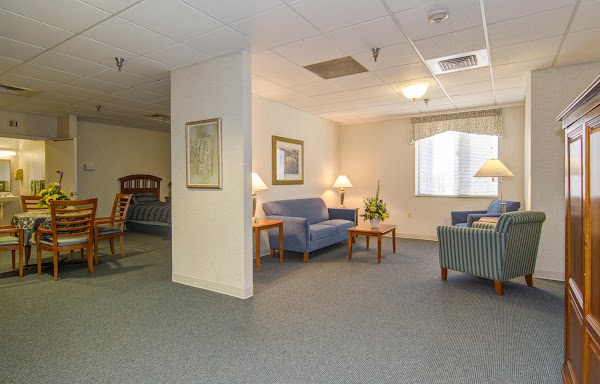
Jul 2024 3 deficiencies
CONCERN (D) 📢 Someone Reported This

A family member, employee, or ombudsman was alarmed enough to file a formal complaint

Potential for Harm - no one hurt, but risky conditions existed

Resident Rights (Tag F0550)

Could have caused harm · This affected 1 resident

**NOTE- TERMS IN BRACKETS HAVE BEEN EDITED TO PROTECT CONFIDENTIALITY** Based on observation, resident interview, staff interview, facility document review, and clinical record review, the facility st...

Read full inspector narrative →
**NOTE- TERMS IN BRACKETS HAVE BEEN EDITED TO PROTECT CONFIDENTIALITY** Based on observation, resident interview, staff interview, facility document review, and clinical record review, the facility staff failed to promote residents' rights for two of 12 residents in the survey sample, Residents #10 and #11. The findings include: 1. For Resident #10 (R10), the facility staff failed to provide the resident with dignity and self-determination. R10 was not allowed to independently access the elevator from the second floor. On the most recent MDS (minimum data set), a quarterly assessment with an ARD (assessment reference date) of 6/3/24, R10 scored 15 out of 15 on the BIMS (brief interview for mental status), indicating the resident was cognitively intact for making daily decisions. A review of R10's clinical record (including progress notes, safety assessments, physician's orders, and the care plan) failed to reveal documentation that R10 could not safely and independently access the elevator on the second floor and propel around on the first floor. An elopement assessment dated [DATE] documented R10 was not at risk for elopement. On 7/30/24 at 2:27 p.m., R10 was observed entering the elevator on the second floor. R10 stated that currently, a code was not needed to enter the elevator on the second floor, but the elevator broke about a week ago and had not been fully fixed. R10 stated that prior to the elevator breaking, a code had to be entered on a keypad for the elevator to open on the second floor. R10 stated a code had to be entered was because it was not safe for some residents to go downstairs alone. R10 stated staff was not allowed to give any of the residents the code. On 7/30/24 at 2:32 p.m., R10 was observed at a computer station on the first floor. At this time, another interview regarding the elevator was conducted with the resident. R10 stated that not being able to access the elevator on the second floor by herself bothered her. R10 stated she did not need restraining and she should not be locked up. R10 further stated, It's unpleasant to be locked up. Every single time [she wants to access the elevator from the second floor], I have to find a nurse. R10 stated she resides on the second floor but goes downstairs once a day to get on the computer, access the vending machines, and/or visit other residents. On 7/30/24 at 3:27 p.m., an interview was conducted with LPN (licensed practical nurse) #2. LPN #2 stated there has been problems with the elevator and the keypad for the code on the second floor has not worked for the last two or three days. LPN #2 stated that usually, the staff have to enter a code to get on the elevator. LPN #2 stated the staff must always accompany residents and visitors to access the elevator on the second floor and they are not allowed to give any residents or visitors the code because some residents have elopement issues. LPN #2 stated that although some residents are at risk for elopement, some residents on the second floor are mentally and physically capable of safely and independently entering the elevator and ambulating or propelling throughout the facility. LPN #2 stated R10 was not at risk for elopement and was capable of entering the elevator and propelling throughout the facility by herself. On 7/30/24 at 5:06 p.m., an interview was conducted with ASM (administrative staff member) #1 (the administrator), ASM #2 (the director of nursing), LPN #1 (a unit manager), and ASM #3 (the regional director of clinical operations). LPN #1 stated there was a wander guard code for access to the elevator on the second floor. LPN #1 stated that if any resident who wears a wander guard attempts to access the elevator on the second floor, the elevator door will not close and an alarm rings. This system was operational during the survey. ASM #1 stated there was a secondary keypad with a code that always had be entered to access the elevator on the second floor. ASM #1 stated this system quit working during the previous week and he had a call out for the system to be repaired. LPN #1 stated no residents were given the code to independently access the elevator. In regard to the resident population on the second floor, LPN #1 stated there were some residents who had dementia or a lower bims but for the most part, the residents on the second floor were alert and oriented times two or three. ASM #3 stated residents [who are not at risk of elopement] should not have to go to staff to be allowed on the elevator and he would address this. The facility policy titled, Resident Self Determination and Participation documented, Our facility respects and promotes the right of each resident to exercise his or her autonomy regarding what the resident considers to be important facets of his or her life. No further information was presented prior to exit. 2. For Resident #11 (R11), the facility staff failed to provide the resident with dignity and self-determination. R11 was not allowed to independently access the elevator from the second floor. On the most recent MDS (minimum data set), a quarterly assessment with an ARD (assessment reference date) of 6/23/24, R11 scored 15 out of 15 on the BIMS (brief interview for mental status), indicating the resident was cognitively intact for making daily decisions. A review of R11's clinical record (including progress notes, safety assessments, physician's orders, and the care plan) failed to reveal documentation that R11 could not safely and independently access the elevator on the second floor and ambulate around on the first floor. An elopement assessment dated [DATE] documented R11 was not at risk for elopement. On 7/30/24 at 3:11 p.m., R11 was observed lying in bed in a room on the second floor and an interview was conducted with the resident. R11 stated he independently ambulates with a rollator. R11 stated that right now, a code was not needed to access the elevator on the second floor because it was broken but not long ago, a code was needed to access the elevator. R11 stated that normally, staff walks with him to the elevator and punches in a code to let him on the elevator. R11 stated this was not necessary and he goes downstairs every day to pick up packages that he has ordered online, and to visit with friends. On 7/30/24 at 3:27 p.m., an interview was conducted with LPN (licensed practical nurse) #2. LPN #2 stated there has been problems with the elevator and the keypad for the code on the second floor has not worked for the last two or three days. LPN #2 stated that usually, the staff have to enter a code to get on the elevator. LPN #2 stated the staff must always accompany residents and visitors to access the elevator on the second floor and they are not allowed to give any residents or visitors the code because some residents have elopement issues. LPN #2 stated that although some residents are at risk for elopement, some residents on the second floor are mentally and physically capable of safely and independently entering the elevator and ambulating or propelling throughout the facility. LPN #2 stated R11 was not at risk for elopement and was capable of entering the elevator and ambulating throughout the facility by himself. On 7/30/24 at 5:06 p.m., an interview was conducted with ASM (administrative staff member) #1 (the administrator), ASM #2 (the director of nursing), LPN #1 (a unit manager), and ASM #3 (the regional director of clinical operations). LPN #1 stated there was a wander guard code for access to the elevator on the second floor. LPN #1 stated that if any resident who wears a wander guard attempts to access the elevator on the second floor, the elevator door will not close and an alarm rings. This system was operational during the survey. ASM #1 stated there was a secondary keypad with a code that always had be entered to access the elevator on the second floor. ASM #1 stated this system quit working during the previous week and he had a call out for the system to be repaired. LPN #1 stated no residents were given the code to independently access the elevator. In regard to the resident population on the second floor, LPN #1 stated there were some residents who had dementia or a lower bims but for the most part, the residents on the second floor were alert and oriented times two or three. ASM #3 stated residents [who are not at risk of elopement] should not have to go to staff to be allowed on the elevator and he would address this. No further information was presented prior to exit.
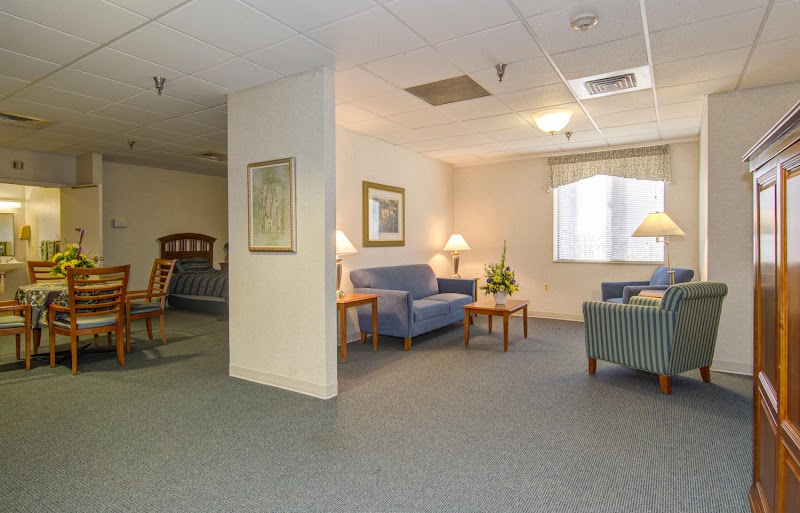
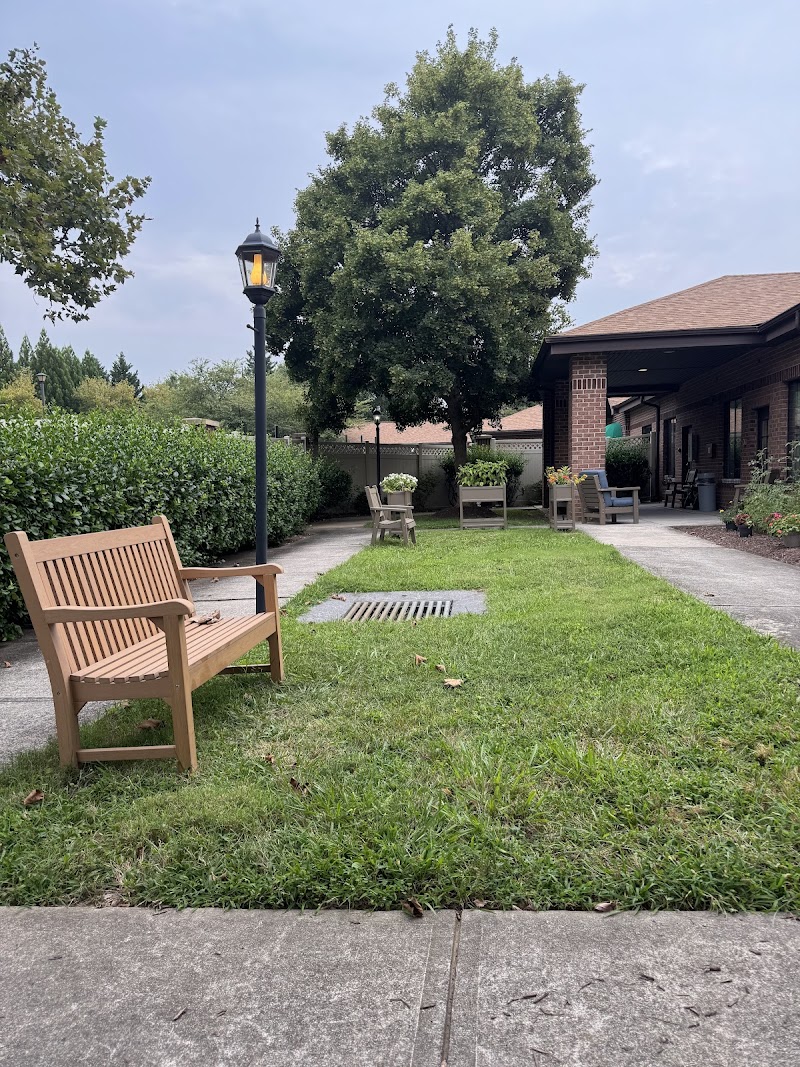
CONCERN (D) 📢 Someone Reported This

A family member, employee, or ombudsman was alarmed enough to file a formal complaint

Potential for Harm - no one hurt, but risky conditions existed

Quality of Care (Tag F0684)

Could have caused harm · This affected 1 resident

Based on staff interview, facility document review and clinical record review, it was determined the facility staff failed to obtain a physician ordered laboratory test for one of 12 residents in the ...

Read full inspector narrative →
Based on staff interview, facility document review and clinical record review, it was determined the facility staff failed to obtain a physician ordered laboratory test for one of 12 residents in the survey sample, Resident #2. The findings include: The nurse's note dated 8/10/23 at 8:00 p.m., documented, Resident remains alert and responsive with some weakness, took all his medications as ordered but only drinks the juice and other fluids, called to (name of doctor) and new order given to start resident on Megestrol 400 mg po (by mouth) bid (twice a day) and also to do lab (laboratory test) in the morning for CMP (comprehensive metabolic panel), resident daughter (name of daughter) have been updated and aware of the new orders, nursing will continue to monitor and follow the plan of care. The physician order dated, 8/10/23 documented, Draw lab in morning for CMP one time only for 1 day. Review of the clinical record failed to evidence the results of the physician ordered lab test. The resident was transferred to the hospital on 8/14/23. The comprehensive care plan dated, 12/17/21, documented in part, Focus: Abnormal Labs related to CKD (chronic kidney disease). The Interventions documented in part, Labs per physician order. An interview was conducted with LPN (licensed practical nurse) #1, the unit manager, on 7/31/24 at 8:56 a.m. When asked the process for when a physician gives an order, LPN #1 stated, the nurse or doctor enters it into the computer. From what she saw it looks like the nurse put the order in. LPN #1 was asked where the order and the test results was, LPN #1 stated, here is the problem, for one, when that lab was put in it wasn't put in correctly. When you put a lab in it goes to the laboratory ETAR (electronic treatment administration record), if any other way, it won't show up. When asked where it got put in, LPN #1 stated, (name of laboratory company) doesn't come on the weekends unless it is a stat (right away) order. They were here on that Friday. LPN #1 proceeded to show this writer the order and the laboratory ETAR, there was no schedule put in. The test was not entered to be done on a scheduled day. That lab test was not done, it should have been done on Friday (8/11/23) and it was scheduled for Monday, (8/14/23) but the resident was transferred to the hospital prior to it being drawn. When asked if the doctor's orders were followed, LPN #1 stated, if it wasn't done that Friday, then no, it wasn't followed. The facility policy, Medication and Treatment Orders did not address following the physician orders. ASM (administrative staff member) #1, the administrator, ASM #2, the director of nursing, and ASM #3, the regional director of clinical operations, were made aware of the above concern on 7/31/24 at 12:25 p.m. No further information was obtained prior to exit.
CONCERN (D) 📢 Someone Reported This

A family member, employee, or ombudsman was alarmed enough to file a formal complaint

Potential for Harm - no one hurt, but risky conditions existed

Respiratory Care (Tag F0695)

Could have caused harm · This affected 1 resident

**NOTE- TERMS IN BRACKETS HAVE BEEN EDITED TO PROTECT CONFIDENTIALITY** Based on staff interview, facility document review, and clinical record review, the facility staff failed to provide respiratory...

Read full inspector narrative →
**NOTE- TERMS IN BRACKETS HAVE BEEN EDITED TO PROTECT CONFIDENTIALITY** Based on staff interview, facility document review, and clinical record review, the facility staff failed to provide respiratory care and services for one of 12 residents in the survey sample, Resident #1. The findings include: For Resident #1 (R1), the facility staff failed to obtain physician's orders to direct the administration of oxygen and a CPAP (Continuous Positive Airway Pressure) machine (1). R1 was admitted to the facility on [DATE] and discharged on 2/10/23. A review of R1's clinical record failed to reveal physician's orders for oxygen and for a CPAP machine. Nurses' notes dated 2/3/23, 2/6/23, 2/7/23, 2/8/23, and 2/9/23 documented R1 was receiving oxygen at two liters per minute. Nurses' notes dated 2/7/23, 2/8/23, and 2/9/23 documented R1 was not ready at that time to wear her CPAP. On 7/31/24 at 10:09 a.m., an interview was conducted with LPN (licensed practical nurse) #1. LPN #1 stated residents should have a physician's order for oxygen administration and CPAP administration, so the nurses know how to administer the treatments. LPN #1 stated a physician's order for oxygen should document the number of liters, the route of delivery and the diagnosis. LPN #1 stated a physician's order for a CPAP should contain the settings for the machine. LPN #1 stated nurses evidence oxygen and CPAP administration by signing off on the MAR (medication administration record). R1's February 2023 MAR failed to document information regarding oxygen and the CPAP machine. On 7/31/24 at 12:27 p.m., ASM (administrative staff member) #1 (the administrator) and ASM #2 (the director of nursing) were made aware of the above concern. The facility policy titled, Oxygen Administration documented, 1. Verify that there is a physician's order for this procedure. The facility policy titled, CPAP/BiPAP Guidance documented, 3. Review the physician's order to determine the oxygen concentration and flow, and the PEEP (Positive End Expiratory Pressure) pressure for the machine. No further information was presented prior to exit. Reference: (1) CPAP is an airway treatment that applies a constant pressure of forced air to keep the airway open. This information was obtained from the website: https://medlineplus.gov/ency/imagepages/9685.htm.
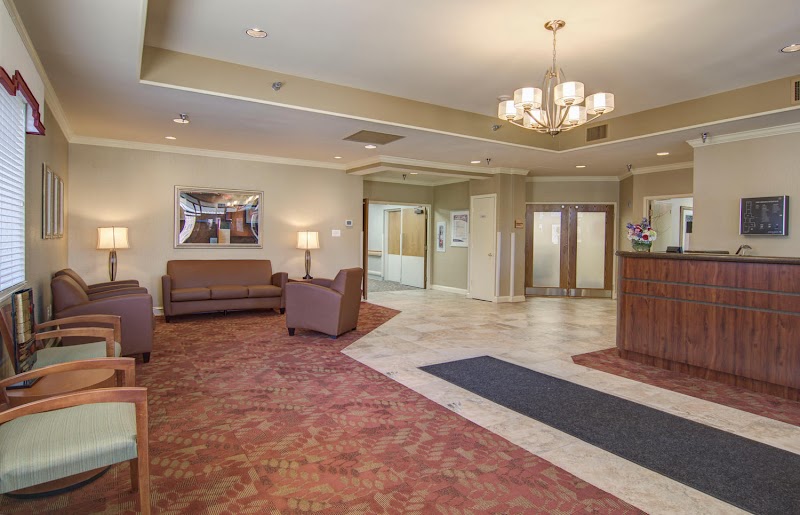
Sept 2022 10 deficiencies
CONCERN (D)

Potential for Harm - no one hurt, but risky conditions existed

Notification of Changes (Tag F0580)

Could have caused harm · This affected 1 resident

Based on staff interview, facility document review, clinical record review and in the course of a complaint investigation, the facility staff failed to notify a resident's representative (RR) of a nee...

Read full inspector narrative →
Based on staff interview, facility document review, clinical record review and in the course of a complaint investigation, the facility staff failed to notify a resident's representative (RR) of a need to alter treatment for one of 42 residents in the survey sample, Resident #222. The findings include: For Resident #222 (R222) the facility staff failed to notify the RR when the medication ferrous sulfate (iron) was discontinued on 8/25/21 and a new medication calcitriol (1) was initiated on 1/19/22. On the most recent MDS (minimum data set), a quarterly assessment with an ARD (assessment reference date) of 4/24/22, the resident scored 3 out of 15 on the BIMS (brief interview for mental status), indicating the resident was severely cognitively impaired for making daily decisions. A review of R222's clinical record revealed a nurse practitioner's note dated 8/25/22 that documented, Pt (Patient) has CKD (chronic kidney disease) stage IV w (with) chronic onset. Condition is exacerbated by history of type 2 diabetes, frequent urinary tract infections, poor PO (by mouth) intake of water despite encouraging water, and dementia. Last visit pt was complaining of malaise, and labs was done .Pt being seen today to evaluate for hemodynamic stability/volume status to avoid adverse events including but not limited to cardiac complications, organ failure, coma and death . D/C (Discontinue) ferrous sulfate daily . R222's ferrous sulfate 325 mg (milligrams) by mouth once a day (ordered on 7/9/21) was discontinued on 8/25/21. Further review of R222's clinical record, including progress notes, failed to reveal evidence that R222's RR was notified and made aware the ferrous sulfate was discontinued. A note signed by the nephrologist on 1/19/22 documented, Seen in nephrology clinic; started calcitriol . A review of R222's physician's order summary revealed a physician's order dated 1/19/22 for calcitriol 0.25 mcg (micrograms) by mouth every other day for supplement. Further review of R222's clinical record, including progress notes, failed to reveal evidence that R222's RR was notified and made aware of the new order for calcitriol. On 9/27/22 at 2:44 p.m., an interview was conducted with LPN (licensed practical nurse) #5. LPN #5 stated a resident's [RR] should be notified when a new medication is initiated or when a medication is discontinued. LPN #5 stated nurses evidence notification by documenting a progress note. On 9/27/22 at 4:48 p.m., ASM (administrative staff member) #1 (the administrator) and ASM #2 (the director of nursing) were made aware of the above concern. The facility policy titled, Change of Condition Protocol-Resident Services documented, Determine whether the responsible party needs to be notified of the situation at this time. The policy did not document specific information regarding RR notification of the initiation or discontinuation of medications. No further information was presented prior to exit. Reference: (1) Calcitriol is used to treat and prevent low levels of calcium and bone disease in patients whose kidneys are not working normally. This information was obtained from the website: https://medlineplus.gov/druginfo/meds/a682335.html
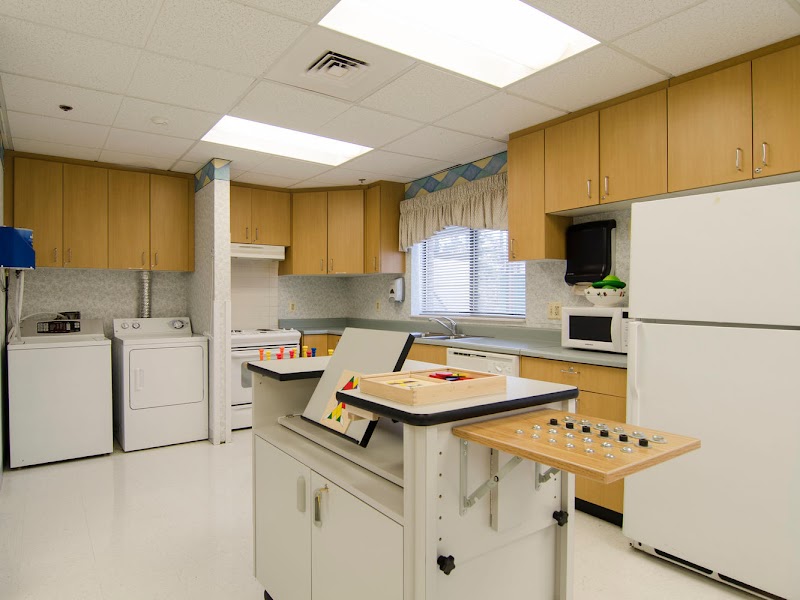
CONCERN (D)

Potential for Harm - no one hurt, but risky conditions existed

Assessment Accuracy (Tag F0641)

Could have caused harm · This affected 1 resident

Based on clinical record review and staff interview, it was determined that the facility staff failed to complete an accurate MDS (minimum data set) for three of 42 residents in the survey sample, Res...

Read full inspector narrative →
Based on clinical record review and staff interview, it was determined that the facility staff failed to complete an accurate MDS (minimum data set) for three of 42 residents in the survey sample, Residents #120, #88, and #26. The findings include: 1. For Resident #120 (R120), the facility staff failed to accurately code the significant change MDS with an ARD (assessment reference date) of 9/13/22 for the resident's cognitive status. On the most recent MDS, a significant change assessment with and ARD of 9/13/22, R120 was not coded for cognitive status or for results of the resident's BIMS (brief interview for mental status). Each box in Section C (BIMS) of the MDS contained a dash. On 9/27/22 at 1:15 p.m., RN (registered nurse) #3, the MDS coordinator, was interviewed. She stated the social workers are ordinarily responsible for completing Section C (BIMS scoring) of the MDS. On 9/27/22 at 1:49 p.m., OSM (other staff member) #6, Social Services Coordinator, and OSM #7, social worker, were interviewed. OSM #7 stated RN #3 had completed section C for R120's 9/13/22 MDS. She stated: Section C should never be 'dashed.' When asked what dashed means, she stated: Not assessed. When asked if the MDS of a current resident should ever have dashes instead of numbers in Section C, she stated: No. Not ever. You should always assess a resident's cognition. On 9/27/22 at 2:12 p.m., RN #3 was interviewed again. When shown section C of R120's 9/13/22 MDS, she stated: The social workers normally get those areas. She stated there are ordinarily two social workers completing MDSs. If one social worker is not working when an MDS is due, the other social worker picks it up. She stated: If we aren't told a social worker has missed a section, we can't complete it. She stated she marked Section C as not assessed with a dash because it was the only honest response. She added: We have been really short of social workers. She stated this MDS is not accurate. She stated the RAI (resident assessment instrument) manual is the facility's resource for completing an accurate MDS. On 9/27/22 at 4:28 p.m., ASM (administrative staff member) #1, the administrator, and ASM #2, the director of nursing, were informed of these concerns. A review of Long-Term Care Facility Resident Assessment Instrument 3.0 User's Manual Version 1.17.1 October 2019 revealed, in part, the following: SECTION C: COGNITIVE PATTERNS Intent: The items in this section are intended to determine the resident's attention, orientation and ability to register and recall new information. These items are crucial factors in many care-planning decisions .A structured cognitive test is more accurate and reliable than observation alone for observing cognitive performance. - Without an attempted structured cognitive interview, a resident might be mislabeled based on his or her appearance or assumed diagnosis. - Structured interviews will efficiently provide insight into the resident's current condition that will enhance good care .Coding Instructions: o Code 0, no: if the interview should not be conducted because the resident is rarely/never understood; cannot respond verbally, in writing, or using another method; or an interpreter is needed but not available. Skip to C0700, Staff Assessment of Mental Status .Code 1, yes: if the interview should be conducted because the resident is at least sometimes understood verbally, in writing, or using another method, and if an interpreter is needed, one is available. Proceed to C0200, Repetition of Three Words .Coding Tips o Attempt to conduct the interview with ALL residents. This interview is conducted during the look-back period of the Assessment Reference Date (ARD) and is not contingent upon item B0700, Makes Self Understood If the resident interview was not conducted within the look-back period (preferably the day before or the day of) the ARD, item C0100 must be coded 1, Yes, and the standard no information code (a dash -) entered in the resident interview items. No further information was provided prior to exit. 2. For Resident #88 (R88), the facility staff failed to accurately code the quarterly MDS with an ARD (assessment reference date) of 8/23/22 for the resident's cognitive status. On the most recent MDS, a quarterly assessment with and ARD of 8/23/22, R88 was not coded for cognitive status or for results of the resident's BIMS (brief interview for mental status). Each box in Section C (BIMS) of the MDS contained a dash. On 9/27/22 at 1:15 p.m., RN (registered nurse) #3, the MDS coordinator, was interviewed. She stated the social workers are ordinarily responsible for completing Section C (BIMS scoring) of the MDS. On 9/27/22 at 1:49 p.m., OSM (other staff member) #6, Social Services Coordinator, and OSM #7, social worker, were interviewed. OSM #7 stated a contract nurse who no longer works at the facility had completed section C for R88's 8/23/22 MDS. She stated: Section C should never be 'dashed.' When asked what dashed means, she stated: Not assessed. When asked if the MDS of a current resident should ever have dashes instead of numbers in Section C, she stated: No. Not ever. You should always assess a resident's cognition. On 9/27/22 at 2:12 p.m., RN #3 was interviewed again. When shown section C of R88's 8/23/22 MDS, she stated: The social workers normally get those areas. She stated there are ordinarily two social workers completing MDSs. If one social worker is not working when an MDS is due, the other social worker picks it up. She stated: If we aren't told a social worker has missed a section, we can't complete it. She stated she marked Section C as not assessed with a dash because it was the only honest response. She added: We have been really short of social workers. She stated she does not specifically remember which assessments the contract MDS nurse was assigned. She stated this MDS is not accurate. She stated the RAI (resident assessment instrument) manual is the facility's resource for completing an accurate MDS. On 9/27/22 at 4:28 p.m., ASM (administrative staff member) #1, the administrator, and ASM #2, the director of nursing, were informed of these concerns. No further information was provided prior to exit. 3. For Resident #26, (R26), the facility staff failed to accurately code the quarterly MDS with an ARD (assessment reference date) of 7/13/22 for the resident's cognitive status. On the most recent MDS, a quarterly assessment with and ARD of 7/13/22, R26 was not coded for cognitive status or for results of the resident's BIMS (brief interview for mental status). Each box in Section C (BIMS) of the MDS contained a dash. On 9/27/22 at 1:15 p.m., RN (registered nurse) #3, the MDS coordinator, was interviewed. She stated the social workers are ordinarily responsible for completing Section C (BIMS scoring) of the MDS. On 9/27/22 at 1:49 p.m., OSM (other staff member) #6, Social Services Coordinator, and OSM #7, social worker, were interviewed. OSM #7 stated RN #3 had completed section C for R26's 7/13/22 MDS. She stated: Section C should never be 'dashed.' When asked what dashed means, she stated: Not assessed. When asked if the MDS of a current resident should ever have dashes instead of numbers in Section C, she stated: No. Not ever. You should always assess a resident's cognition. On 9/27/22 at 2:12 p.m., RN #3 was interviewed again. When shown section C of R26's 7/13/22 MDS, she stated: The social workers normally get those areas. She stated there are ordinarily two social workers completing MDSs. If one social worker is not working when an MDS is due, the other social worker picks it up. She stated: If we aren't told a social worker has missed a section, we can't complete it. She stated she marked Section C as not assessed with a dash because it was the only honest response. She added: We have been really short of social workers. She stated this MDS is not accurate. She stated the RAI (resident assessment instrument) manual is the facility's resource for completing an accurate MDS. On 9/27/22 at 4:28 p.m., ASM (administrative staff member) #1, the administrator, and ASM #2, the director of nursing, were informed of these concerns. No further information was provided prior to exit.
CONCERN (D)

Potential for Harm - no one hurt, but risky conditions existed

Deficiency F0676 (Tag F0676)

Could have caused harm · This affected 1 resident

**NOTE- TERMS IN BRACKETS HAVE BEEN EDITED TO PROTECT CONFIDENTIALITY** Based on staff interview, clinical record review, facility document review, and in the course of a complaint investigation, the ...

Read full inspector narrative →
**NOTE- TERMS IN BRACKETS HAVE BEEN EDITED TO PROTECT CONFIDENTIALITY** Based on staff interview, clinical record review, facility document review, and in the course of a complaint investigation, the facility staff failed to provide evidence of ADL (activities of daily living) care for one of 42 residents, Resident #424. The findings include: The facility staff failed to evidence that personal hygiene, specifically showers and/or bed baths was provided to Resident #424. Resident #424 was admitted to the facility on [DATE] with diagnosis that included but were not limited to: dementia, and acute pulmonary embolism. Resident #424 was discharged home on 3/29/21. The most recent MDS (minimum data set) assessment, a Medicare 5 day assessment, with an ARD (assessment reference date) of 3/29/21, coded the resident as scoring a 99 out of 15 on the BIMS (brief interview for mental status) score, indicating the resident was not able to complete the interview. A review of the MDS Section G-functional status coded the resident as requiring extensive assistance for bed mobility, transfers, dressing, hygiene, bathing and eating; requiring limited assistance for ambulation and locomotion. A review of the comprehensive care plan dated 3/22/21 revealed, FOCUS: ADL Self-care deficit related to physical limitations. INTERVENTIONS: Assist to bathe/shower as needed. Assist with daily hygiene, grooming, dressing, oral care and eating as needed. A review of Resident #424's ADL (activities of daily living) records from 3/22/21-3/29/21, revealed: SHOWER/BATH: Wednesday Days (shift) on 3/24/21 RR was documented in box. SHOWER/BATH: Saturday Days (shift) on 3/27/21 BB 2 was documented in the box . The CNA (certified nursing assistant) whose initials were in the documentation blocks for 3/24/21 and 3/27/21 was no longer employed at the facility. An interview was conducted on 9/28/22 at 7:45 AM, with a current employee, CNA #8. When asked where bathing would be documented outside of the designated two shower/bath days per week, CNA #8 stated, there was no way to mark it in the computer. CNA #8 stated, This resident was assigned shower days two days out of the week, on Wednesday and on Saturday. We do not have any other place to document if a patient is given a bed bath or washed between shower days. When asked what RR means, CNA #8 stated, it means that the resident refused. CNA #8 pulled up ADL sheet at the nurse's station with her logon and stated, you see, there is no place to document any additional care given, than what the computer brings up. When asked if there are any places to document notes, CNA #8 stated, there is an alert we can do, but we do not use it for this. An interview was conducted on 9/28/22 at 8:15 AM, with CNA #9. When asked what bathing routine is followed for residents, CNA #9 stated, they are scheduled for twice a week showers or baths. If the resident wants multiple showers or bed baths per week, we give them to them. When asked where that is documented, CNA #9 stated, we can document it in the CNA form. There are x's in the form except for the two designated shower/bath days. When asked if you can override the x, CNA #9 stated, Not that I know of. An interview was conducted on 9/28/22 at 9:00 AM, with ASM (administrative staff member) #2, the director of nursing. When asked where the CNAs can document additional showers or bed baths for the residents above the two per week, ASM #2 stated, they would document it under alert charting, for additional care provided and it would show on the ADL report. When asked if there is no additional bathing documentation outside of the designated two shower/bath days per week what does that mean? ASM #2 stated, if it does not show on the ADL report, there is no evidence that the care was provided. On 9/28/22 at 12:30 PM, ASM #1, the administrator and ASM #2, the director of nursing, were made aware of the concerns. A review of the facility's Bathing policy, dated 7/16, revealed, Purpose to cleanse the skin and promote circulation. Document in PCC (point click care): care provided and any unusual observations and, or complaints and subsequent interventions including communications with physicians as clinically indicated. A review of the facility's Personal Care and Activities of Daily Living policy, dated 6/21, revealed, The community goal is to maintain the resident's routine with personal care and activities of daily living, as specified in the service plan. Procedure: Personal care services include: assisting with bathing. No further information was provided prior to exit. Complaint deficiency.
CONCERN (D)

Potential for Harm - no one hurt, but risky conditions existed

Quality of Care (Tag F0684)

Could have caused harm · This affected 1 resident

Based on staff interview, clinical record review, facility document review and in the course of a complaint investigation, it was determined that the facility staff failed to follow the physician's or...

Read full inspector narrative →
Based on staff interview, clinical record review, facility document review and in the course of a complaint investigation, it was determined that the facility staff failed to follow the physician's order for medication administration one of 42 residents in the survey sample, Resident #372 (R372). The findings include: The facility staff failed to administer Ambien (1) as ordered to R372 on 11/10/2021 at 9:00 p.m., which was available in the facility's automated medication dispensing system. On the most recent MDS (minimum data set), a five-day admission assessment with an ARD (assessment reference date) of 11/13/2021, the resident scored 14 out of 15 on the BIMS (brief interview for mental status) assessment, indicating the resident was cognitively intact for making daily decisions. The physician orders for R372 documented in part, Ambien Tablet 10 MG (milligram) (Zolpidem Tartrate) Give 2 (two) tablet by mouth at bedtime for Insomnia. Order Date: 11/9/2021. Start Date: 11/9/2021. The eMAR (electronic medication administration record) for R372 dated 11/1/2021-11/30/2021 was reviewed and revealed in part, Ambien Tablet 10 MG (Zolpidem Tartrate) Give 2 tablet by mouth at bedtime for Insomnia. The Ambien was scheduled to be administered each night at 9:00 p.m. starting on 11/9/2021. It was documented that R372 received the Ambien on 11/9/2021 however the Ambien was not documented as administered on 11/10/2021. The eMAR revealed a 9 in the administration documentation area for the Ambien on 11/10/2021 at 9:00 p.m. The eMAR chart codes documented in part, 9=Other / See Nurse Notes. The progress notes for R372 documented in part, - 11/9/2021 19:29 (7:29 p.m.) General progress note. Patient arrived in facility this evening from [Name of hospital] via stretcher escorted by EMS (emergency medical services) and daughter .Medications were reconciled or reviewed by the MD (medical doctor) with no issues noted, and were processed with pharmacy for delivery . - 11/10/2021 20:50 (8:50 p.m.) Ambien Tablet 10 MG, Give 2 tablet by mouth at bedtime for Insomnia. On process from pharmacy. The facility provided list of medications available in the stat box and automated medication system documented Ambien 10 mg and Ambien 5 mg tablets available to remove for residents with approval from pharmacy. On 9/27/2022 at 11:44 a.m., an interview was conducted with RN (registered nurse) #4. RN #4 stated that they worked as supervisor and did not remember R372. RN #4 stated that when residents were admitted from the hospital they arrived with a list of medications. RN #4 stated that they reviewed the medication list with the physician on admission and entered the medication orders into the computer for the pharmacy to fill the order for medications. RN #4 stated that medications entered before 5:00 p.m. were received around 1:00 a.m. that night and orders entered after 5:00 p.m. were received the next day. RN #4 stated that any medications needed the same day for the resident were put in as stat (now) and were sent by the pharmacy on their next delivery. RN #4 stated that they also had an automated medication system which stored stock medications that they could pull from after the pharmacy approved orders and gave them an access code. RN #4 stated that they normally had a newly admitted residents medications delivered from the pharmacy by the next day. On 9/27/2022 at 4:58 p.m., an interview was conducted with RN #5. RN #5 stated that medications for newly admitted residents were entered into the computer for the pharmacy to fill. RN #5 stated that if the medications were not available when ordered to be administered they were to check with the pharmacy to make sure the physician had sent the prescription over. RN #5 reviewed the eMAR for R372 dated 11/10/2021 for Ambien scheduled at 9:00 p.m. and stated that it appeared the medication was on order from the pharmacy and not given. RN #5 stated that they did not remember R372 or the medication not being available on that date and could only go by the note that was written. RN #5 stated that they had an automated medication system which stored Ambien in it and would be able to remove medication from it with an authorization code from the pharmacy. RN #5 stated that they could not say whether or not there was Ambien in the machine that day or not. RN #5 stated that when a medication was not administered as ordered they were to notify the responsible party, the physician and called the pharmacy. RN #5 stated that this should be documented in the nurses notes. On 9/28/2022 at 8:51 a.m., an interview was conducted with ASM (administrative staff member) #2, the director of nursing. ASM #2 stated that on admission the nurses verified the medications with the physician, entered the medications into the computer and printed out a summary for the physician to sign and verify. ASM #2 stated that the automated medication system was stocked with a months supply of medication for staff to pull from. ASM #2 stated that they did not remember R372 however if they were admitted with an order for Ambien the nurses would have faxed the order to the pharmacy and the pharmacy would have given them a code to allow them to pull the medication from the automated medication system until it was filled for the resident. The facility policy Standard Operating Procedure: Automated Dispensing Devices located in licensed Nursing Homes-Accessing Medications dated 12/10/2020, documented in part, Purpose: Medications will be removed from the automated dispensing unit per a physician's order and for one patient at a time .1. The nurse will utilize the patient's MAR (medication administration record), the official record of active medications, to identify medications needed from the automated dispensing system . On 9/28/2022 at approximately 12:30 p.m., ASM #1, the administrator, ASM #2, the director of nursing and LPN (licensed practical nurse) #5, were made aware of the findings. No further information was provided prior to exit. Complaint deficiency. Reference: (1) Ambien Ambien is a sedative, also called a hypnotic. Zolpidem affects chemicals in the brain that may be unbalanced in people with sleep problems insomnia). This information was obtained from the website: https://www.drugs.com/ambien.html
CONCERN (D)

Potential for Harm - no one hurt, but risky conditions existed

Accident Prevention (Tag F0689)

Could have caused harm · This affected 1 resident

**NOTE- TERMS IN BRACKETS HAVE BEEN EDITED TO PROTECT CONFIDENTIALITY** Based on observation, staff interview, facility document review and clinical record review, the facility staff failed to maintai...

Read full inspector narrative →
**NOTE- TERMS IN BRACKETS HAVE BEEN EDITED TO PROTECT CONFIDENTIALITY** Based on observation, staff interview, facility document review and clinical record review, the facility staff failed to maintain a safe environment for one of 42 residents in the survey sample, Resident #42. The facility staff failed to ensure Resident #42 (R42) did not have access to [NAME]'s goo (1) a compound medicated cream containing medication that R42 was allergic to. The findings include: On the most recent MDS (minimum data set), an annual assessment with an ARD (assessment reference date) of 7/25/22, the resident's cognitive skills for daily decision making were coded as severely impaired. On 9/26/22 at 12:20 p.m., R42 was observed sitting on a walker in the bedroom. On 9/26/22 at 1:28 p.m., R42 was observed sitting in the bedroom and eating. During both observations, a plastic jar of [NAME]'s goo (containing zinc oxide, hydrocortisone and nystatin) was observed on R42's nightstand. The jar was labeled with another resident's name and was three fourths full. A review of R42's clinical record failed to reveal an assessment for medication self-administration, failed to reveal a physician's order for [NAME]'s goo and revealed R42 was allergic to hydrocortisone. R42's comprehensive care plan dated 3/24/14 documented, At risk for complications r/t (related to) allergy to Hydrocortisone . (Note: observation of R42 failed to reveal symptoms of an allergic reaction and a review of nurses' notes for 9/21/22 through 9/27/22 failed to reveal documentation regarding an allergic reaction). On 9/27/22 at 2:44 p.m., an interview was conducted with LPN (licensed practical nurse) #5. LPN #5 stated [NAME]'s goo should be kept locked in a treatment cart because it is a medication. LPN #5 stated [NAME]'s goo should not be left unattended in a resident's room unless there is an assessment that deems it is appropriate to leave the medication at the bedside and there is a physician's order to keep the medication at the bedside. LPN #5 stated R42 did not have an assessment for medication self-administration. LPN #5 was made aware of the above observations and could not explain why another resident's [NAME]'s goo was unattended in R42's room. On 9/27/22 at 4:48 p.m., ASM (administrative staff member) #1 (the administrator) and ASM #2 (the director of nursing) were made aware of the above concern. The facility policy titled, STORAGE AND EXPIRATION DATING OF DRUGS, BIOLOGICALS, SYRINGES AND NEEDLES documented, The Nursing Center should ensure that all drugs and biologicals, including treatment items, are securely stored in a locked cabinet/cart or locked medication room, inaccessible by residents and visitors. No further information was presented prior to exit. Reference: (1) In 1971 dermatologist [NAME] found the [NAME]'s goo formula in an old textbook and popularized it after successfully treating his daughter's diaper dermatitis. The classic version consists of nystatin powder (4 million units), hydrocortisone powder (1.2 grams, which equates to slightly less than 1%), and zinc oxide paste (4 ounces). This information was obtained from the website: https://www.jaad.org/article/S0190-9622 (17)31668-7/fulltext
CONCERN (D)

Potential for Harm - no one hurt, but risky conditions existed

Deficiency F0840 (Tag F0840)

Could have caused harm · This affected 1 resident

Based on staff interview, facility document review and clinical record review, the facility staff failed to evidence a current dialysis contract between the facility and the outpatient dialysis center...

Read full inspector narrative →
Based on staff interview, facility document review and clinical record review, the facility staff failed to evidence a current dialysis contract between the facility and the outpatient dialysis center providing services for one of 42 residents in the survey sample, Resident #30. The findings include: On the most recent MDS (minimum data set), a quarterly assessment with an ARD (assessment reference date) of 7/15/22, the resident scored 14 out of 15 on the BIMS (brief interview for mental status), indicating the resident was not cognitively impaired for making daily decisions. A review of Resident #30's (R30) clinical record revealed a physician's order dated 2/16/22 for hemodialysis at (name of company) every Tuesday, Thursday and Saturday. A review of the facility dialysis contracts failed to reveal a contract for R30's dialysis provider. On 9/27/22 at 12:27 p.m., an interview was conducted with ASM (administrative staff member) #1, the administrator. ASM #1 stated she did not have a contract for R30's dialysis provider but she had a call out to the administrator at the provider. ASM #1 stated that ultimately it is her responsibility to ensure the facility has contracts with dialysis providers. ASM #1 stated there is not a system in place to ensure the facility has contracts with all dialysis providers for their residents and that is something that needs to be done. On 9/27/22 at 4:48 p.m., ASM #1 and ASM #2 (the director of nursing) were made aware of the above concern. On 9/28/22 at 2:30 p.m., ASM #1 stated the facility did not have a policy regarding dialysis contracts. No further information was provided prior to exit.
CONCERN (D)

Potential for Harm - no one hurt, but risky conditions existed

Deficiency F0849 (Tag F0849)

Could have caused harm · This affected 1 resident

Based on staff interview, facility document review and clinical record review, it was determined the facility staff failed to coordinate hospice care services for one of 42 residents in the survey sam...

Read full inspector narrative →
Based on staff interview, facility document review and clinical record review, it was determined the facility staff failed to coordinate hospice care services for one of 42 residents in the survey sample, Resident #121. The findings include: The facility staff failed to have the hospice care provider's documentation on the clinical record for Resident #121 (R121). On the most recent MDS (minimum data set) assessment, a significant change assessment, with an ARD (assessment reference date) of 9/15/2022, the resident scored a 12 out of 15 on the BIMS (brief interview for mental status) score, indicating the resident was moderately cognitively impaired for making daily decisions. In Section O - Special Treatments, Programs and Procedures, the resident was coded as receiving hospice care during the look-back period. The physician order dated 9/8/2022, documented, Resident admitted to (Name of hospice) Hospice with diagnosis of sequala CVA (stroke) please call (phone number) with any question or change of condition. Review of the electronic and paper clinical record failed to evidence documentation from the hospice services during their visits. The comprehensive care plan dated, 9/21/2022, documented in part, Focus: Hospice/Palliative care/pain management need due to terminal illness. The Interventions documented in part, Hospice staff to visit to provide, care, assistance and/or evaluation. A request was made on 9/27/2022 at 12:46 p.m. for a copy of the hospice provider's notes. A second request was made on 9/27/2022 at 4:52 p.m. for the hospice provider's notes. On 9/28/2022 at approximately 8:00 a.m., the hospice provider's notes were presented. An interview was conducted with ASM (administrative staff member) #1, the administrator, on 9/28/2022 at approximately 9:30 a.m. When asked where the hospice provider's notes were obtained from, ASM #1 stated she would have to get the social services to answer that question, they handle dealing with the hospice providers. An interview was conducted with OSM (other staff member) #6, the social services coordinator, and OSM #7, the social worker, on 9/28/2022 at 9:46 a.m. When asked where the notes came from, OSM #6 stated she had to call them and have them faxed over. When asked if the hospice notes should be in the clinical record, OSM #6 stated, yes Ma'am. When asked why you should have their notes, OSM #6 stated, it's very important to have them in the physical chart or the electronic chart. When asked if it has anything to do with the coordination of care between the facility and the hospice care provider, OSM #6 stated she would get back with this surveyor. On 9/28/2022 at 9:53 a.m. OSM #6 returned and stated, yes, it can impact the coordination of care. ASM #1, the administrator, ASM #2, the director of nursing, and LPN #5, were made aware of the above concern on 9/28/2022 at 12:55 p.m. No further information was provided prior to exit.
CONCERN (E)

Potential for Harm - no one hurt, but risky conditions existed

Deficiency F0578 (Tag F0578)

Could have caused harm · This affected multiple residents

4. For Resident #60 (R60), the facility failed to provide evidence of a periodic review of the resident's advance directives. On the most recent MDS (minimum data set), a quarterly assessment with an ...

Read full inspector narrative →
4. For Resident #60 (R60), the facility failed to provide evidence of a periodic review of the resident's advance directives. On the most recent MDS (minimum data set), a quarterly assessment with an ARD (assessment reference date) of 8/8/22, R22 was coded as being cognitively intact for making daily decisions, having scored 13 out of the on the BIMS (brief interview for mental status). A review of R60's clinical record failed to reveal any evidence of a periodic review of the resident's advance directive. On 9/27/22 at 3:07 p.m., OSM (other staff member) #6, Social Services Coordinator and OSM #7, social worker, were interviewed. OSM #7 stated it is the social workers' responsibility to review residents' advance directives quarterly and as needed. She stated advance directives include financial concerns, health concerns, and power of attorney concerns. She stated ordinarily, she completes a social services assessment quarterly, often during the care plan meeting. She stated this assessment contains a section addressing advance directives. When asked why the facility could not provide evidence of R60's advance directive reviews, OSM #7 stated there has been a great deal of staff turnover in the social services department. She stated some conversations with residents and families may not have been documented. However, she did not recall any conversations with R60 regarding advance directives. On 9/27/22 at 4:28 p.m., ASM (administrative staff member) #1, the administrator, and ASM #2, the director of nursing, were informed of these concerns. No further information was provided prior to exit. Based on staff interview, facility document review and clinical record review, it was determined the facility staff failed to review advance directives periodically with four of 42 residents in the survey sample, Residents #70, #71, #34 and #60. The findings include: 1. For Resident #70 (R70), the facility staff failed to review the advance directive since 10/13/2021. On the most recent MDS (minimum data set) assessment, an annual assessment, with an ARD (assessment reference date) of 8/16/2022, the resident scored a zero out of 15 on the BIMS (brief interview for mental status) score, indicating the resident was severely impaired for making daily decisions. The physician order dated 10/19/2021, documented, DNR/DNT (do not resuscitate/do not transport). The Social Services Assessment and History dated, 10/13/2021, documented in part, Does the patient make his/her own decisions - no. Name of patient's decision maker - wife. Does the patient/patient's decision maker report that advance care planning has been completed - no. Does the patient/patient's decision maker want information on advance care planning - yes. Comments - Provided copy of the 5 wishes. The Care Plan Progress Note, dated 10/19/2021, documented in part, SW (social worker) reviewed code status, patient is a DNR, wife confirmed. On 9/27/2022 at 2:54 p.m. and interview was conducted with ASM (administrative staff member) #1, the administrator. When asked who is responsible for reviewing the advance directive with the resident and/or responsible party periodically, ASM #1 stated, social services. An interview was conducted with OSM (other staff member) #6, the social services coordinator and OSM #7, the social worker, on 9/27/2022 at 3:08 p.m. When asked who is responsible for reviewing the resident's advance directive with the resident and/or resident representative, OSM #7 stated it is their responsibility to review it quarterly and as needed. When asked what is included in an advance directive, OSM #7 stated it is the documentation of financial, power of attorney, and health care decisions for the resident. OSM #7 stated she likes to offer the resident a copy of the five wishes. When asked if you do it quarterly and as needed, where it is documented, OSM #6 stated if we do an assessment, there is a section to discuss that. It should be done in the care plan meeting also. When asked where the documentation of a review of R70's advance directive since 10/13/2021, OSM #7 stated she would like to check her documentation. OSM #7 stated it is probably a product of the fact that there has been turn over within the department. On 9/27/2022 at 3:42 p.m. OSM #6 and OSM #7 returned and stated they did a sweep of the record, there is no documentation for the periodic review. When asked if there should be documentation, OSM #7 stated, yes. The comprehensive care plan dated, 5/31/2022, documented in part, Focus: Pt DNR/DNT. The interventions documented in part, Respect my code status advanced directives and/or choices in care. Respect code status will be reviewed quarterly and as needed. The facility policy, Advance Care Planning: Code Status, documented in part, Quarterly and with Changes in Condition: Review the patient's code status/advance care plan with quarterly care plans and changes in condition. ASM #1, and ASM #2, the director of nursing, were made aware of the above concern on 9/27/2022 at 4:52 p.m. No further information was provided prior to exit. 2. For Resident #71 (|R71), the facility staff failed to evidence of a review of the resident's advance directive. On the most recent MDS assessment, an annual assessment, with an ARD of 8/18/2022, the resident scored a 13 out of 15 on the BIMS score, indicating the resident was not cognitively impaired for making daily decisions. Review of the clinical record failed to evidence any documentation of discussion of an advance directive. The physician order dated, 5/11/2021 documented, DNR (Do not resuscitate). A physician order dated 7/7/2021 documented, Do Not Hospitalize. The comprehensive care plan dated, 5/31/2022, documented in part, Focus: Resident desires to be DNR, DNT. The Interventions documented in part, Honor and respect my code status and decision in my care. Review my code status and/or advance directives quarterly and as needed. On 927/2022 at 9:55 a.m. a request was made for the evidence of the discussion of an advance directive with R71 and/or their representative within the past 12 months. On 9/27/2022 at 2:54 p.m. ASM #1, the administrator, stated there is no evidence of an advance directive discussion for R71. When asked who is responsible for the discussion of an advance directive for the residents, ASM #1 stated, social services. An interview was conducted with OSM (other staff member) #6, the social services coordinator and OSM #7, the social worker, on 9/27/2022 at 3:08 p.m. When asked who is responsible for reviewing the resident's advance directive with the resident and/or resident representative, OSM #7 stated it is their responsibility to review it quarterly and as needed. When asked what is included in an advance directive, OSM #7 stated it is the documentation of financial, power of attorney, and health care decisions for the resident. OSM #7 stated she likes to offer the resident a copy of the five wishes. When asked if you do it quarterly and as needed, where it is documented, OSM #6 stated if we do an assessment, there is a section to discuss that. It should be done in the care plan meeting also. When asked where the documentation of a review of R71's advance directive, OSM #7 stated she would like to check her documentation. OSM #7 stated it is probably a product of the fact that there has been turn over within the department. On 9/27/2022 at 3:42 p.m. OSM #6 and OSM #7 returned and stated they did a sweep of the record, there is no documentation for the periodic review. When asked if there should be documentation, OSM #7 stated, yes. ASM #1, and ASM #2, the director of nursing, were made aware of the above concern on 9/27/2022 at 4:52 p.m. No further information was provided prior to exit. 3. For Resident #34 (R34), the facility staff failed to review the advance directive since 1/18/2022. On the most recent MDS assessment, a quarterly assessment, with an ARD of 7/20/2022, the resident scored a 15 out of 15 on the BIMS score, indicating the resident is not cognitively impaired for making daily decisions. The physician order dated, 1/15/2022, documented in part, Full Code (provide cardiopulmonary resuscitation if their heart stops or they stop breathing). The Social Services Assessment and History dated, 1/18/2022, documented in part, Does the patient make his/her own decisions - yes. Does the patient/patient's decision maker report that advance care planning has been completed - no. Does the patient/patient's decision maker want information on advance care planning - yes. Comments - Provided copy of the 5 wishes. The comprehensive care plan documented in part, Focus: Resident: Full Code. The Interventions documented, Respect and honor resident choices in care. Review resident code status wishes quarterly or as needed. An interview was conducted with OSM (other staff member) #6, the social services coordinator and OSM #7, the social worker, on 9/27/2022 at 3:08 p.m. When asked who is responsible for reviewing the resident's advance directive with the resident and/or resident representative, OSM #7 stated it is their responsibility to review it quarterly and as needed. When asked what is included in an advance directive, OSM #7 stated it is the documentation of financial, power of attorney, and health care decisions for the resident. OSM #7 stated she likes to offer the resident a copy of the five wishes. When asked if you do it quarterly and as needed, where it is documented, OSM #6 stated if we do an assessment, there is a section to discuss that. It should be done in the care plan meeting also. When asked where the documentation of a review of R34's advance directive, OSM #7 stated she would like to check her documentation. OSM #7 stated it is probably a product of the fact that there has been turn over within the department. On 9/27/2022 at 3:42 p.m. OSM #6 and OSM #7 returned and stated they did a sweep of the record, there is no documentation for the periodic review. When asked if there should be documentation, OSM #7 stated, yes. ASM #1, the administrator, and ASM #2, the director of nursing, were made aware of the above concern on 9/27/2022 at 4:52 p.m. No further information was provided prior to exit.
CONCERN (E)

Potential for Harm - no one hurt, but risky conditions existed

Food Safety (Tag F0812)

Could have caused harm · This affected multiple residents

Based on observation, staff interview, and facility document review it was determined facility staff failed to store food in a sanitary manner in one of one facility kitchens and in three of three nou...

Read full inspector narrative →
Based on observation, staff interview, and facility document review it was determined facility staff failed to store food in a sanitary manner in one of one facility kitchens and in three of three nourishment rooms. 1. The facility staff failed to close a box containing a bag of diced carrots, exposing them to the environment, in one of one walk-in freezers. 2. The facility staff failed to label and date food available for use, found in the first floor, PARC unit and second floor nourishment room refrigerators in three of three nourishment room refrigerators. The findings include: 1. The facility staff failed to close a box containing a bag of diced carrots, exposing them to the environment, in one of one walk-in freezers. On 09/26/2022 at approximately 10:45 a.m., an observation of the facility's kitchen was conducted with OSM (other staff member) #1, dietary manager. At approximately 10:58 a.m., an observation of the inside of the facility's walk-in freezer revealed a 30 pound box of diced carrots sitting on a shelf. Observation of the box revealed the diced carrots were in a plastic bag and further observation revealed the plastic was open, exposing the carrots to the environment. When asked how much of the diced carrots were remaining in the package, OSM #1 stated that there was approximately two-thirds of the product remaining. On 09/27/2022 at approximately 9:55 a.m., an interview was conducted with OSM #1, dietary manager. When asked to describe the procedure for storing food after it was opened, OSM # 1 stated that after an item is opened the package should be closed and dated when it was open. When asked why it was important to closed opened food items OSM #1 stated that it prevents exposure to the air, keeps it fresh and prevents freezer burn. The facility's policy Storage of Food documented in part, 14. Seal and label open frozen foods. On 09/27/2022 at approximately 4:30 p.m., ASM (administrative staff member) # 1, administrator, and ASM # 2, director of nursing, were made aware of the above findings. No further information was provided prior to exit. 2. The facility staff failed to label and date food available for use, found in the first floor, PARC unit and second floor nourishment room refrigerators in three of three nourishment room refrigerators. On 09/26/2022 at approximately 3:10 p.m., an observation of the contents in the refrigerator in the first floor nourishment room was conducted with LPN (licensed practical nurse) #1. When asked to describe the procedure for the use of the unit refrigerator/freezers LPN #1 stated that they were used for the resident's food and that their name, the resident's room number should be on the items and the date when it was put in the refrigerator or freezer. When asked who was responsible for checking them and how often it was done LPN #1 stated that they did not know. Observation of the inside of the refrigerator revealed two soft sided lunch bags containing several food items, a zip lock plastic sandwich bags containing watermelon chunks and a Sippy cup with a white substance inside. Further observation of the items failed to evidence a resident's name, date or room number. When asked if they could identify the substance inside the sippy cup LPN #1 stated no. On 09/26/2022 at approximately 3:18 p.m., an interview was conducted with OSM #1, dietary manager. When asked who was responsible for checking the refrigerators in the nourishment rooms OSM # 1 stated that it was housekeeping's responsibility. On 09/26/2022 at approximately 3:20 p.m., an observation of the contents in the refrigerator in the PARC unit nourishment room was conducted with LPN #2. When asked to describe the procedure for the use of the unit refrigerator/freezers LPN #2 stated that they were used for the resident's food and that their name, the resident's room number should be on the items and the date when it was put in the refrigerator or freezer. Observation of the inside of the refrigerator revealed a soft sided lunch bag containing several food items, a plastic bag containing a take-out container from a fast food restaurant containing food and a small container of mash potatoes and gravy. Observation of the freezer, above the refrigerator revealed nine chocolate bars. Further observations of the food items failed to evidence a resident's name, date or resident room number. On 09/26/2022 at approximately 3:30 p.m., an observation of the contents in the refrigerator in the second floor nourishment room was conducted with CNA (certified nursing assistant) #1. When asked to describe the procedure for the use of the unit refrigerator/freezers CNA #1 stated that they were used for the resident's food and that their name, the resident's room number should be on the items and the date when it was put in the refrigerator or freezer. Observation of the inside of the refrigerator revealed a 30 ounce bottle of mayonnaise. Observation of the freezer, above the refrigerator revealed a seven ounce frozen pot pie. Further observations of the food items failed to evidence a resident's name, date or resident room number. On 09/27/2022 at approximately 9:19 a.m., an interview was conducted with OSM #2, housekeeping director. When asked who was responsible for checking the refrigerators in the nourishment rooms OSM #2 stated that it was the housekeeping department and that they were checked every morning. When asked to describe the procedure for the use of the unit refrigerator/freezers OSM #2 stated that they were used for the resident's food and that their name, the resident's room number should be on the items and the date when it was put in the refrigerator or freezer. OSM #2 was then informed of the above observations of the facility's nourishment rooms. The facility's policy Food From Outside Sources And In-Room Refrigerators documented in part, 2. Foods, requiring refrigeration and non-perishable items are stored in labeled (with patient name and date of visit), closed containers supplied by the family or guest. On 09/27/2022 at approximately 4:30 p.m., ASM (administrative staff member) #1, administrator, and ASM #2, director of nursing, were made aware of the above findings. No further information was provided prior to exit.
CONCERN (E)

Potential for Harm - no one hurt, but risky conditions existed

Medical Records (Tag F0842)

Could have caused harm · This affected multiple residents

Based on staff interview, facility document review and clinical record review, the facility staff failed to maintain a complete clinical record for five of 42 residents in the survey sample, Residents...

Read full inspector narrative →
Based on staff interview, facility document review and clinical record review, the facility staff failed to maintain a complete clinical record for five of 42 residents in the survey sample, Residents #47, #222, #121, #34 and #118. The findings include: 1. For Resident #47 (R47), the facility staff failed to maintain wound physician/nurse practitioner notes on the resident's clinical record. On the most recent MDS (minimum data set), a quarterly assessment with an ARD (assessment reference date) of 7/30/22, the resident scored 7 out of 15 on the BIMS (brief interview for mental status), indicating the resident was severely cognitively impaired for making daily decisions. A review of R47's clinical record revealed a nurse's note dated 8/9/22 that documented, Resident seen for skin assessment by this writer and the wound MD (medical doctor). The findings are as follows. 1. Sacral fissure measuring 3.0cmx3.0cmx0.3cm . Further review of R47's paper and electronic clinical record failed to reveal wound physician/nurse practitioner notes. On 9/27/22 at 2:17 p.m., LPN (licensed practical nurse) #5 presented wound physician/nurse practitioner notes for R47 that were dated 8/2/22, 8/9/22, 8/16/22, 8/30/22, 9/6/22, 9/13/22 and 9/20/22. LPN #5 stated she had to pull the notes from the wound physician's computer software portal. On 9/27/22 at 4:48 p.m., ASM (administrative staff member) #1 (the administrator) and ASM #2 (the director of nursing) were made aware of the above concern. On 9/28/22 at 8:43 a.m., an interview was conducted with ASM (administrative staff member) #2 (the director of nursing). ASM #2 stated LPN (licensed practical nurse) #5 is the only employee who has access to the wound physician's computer software portal. ASM #2 stated the wound physician used to send his notes to the facility but hasn't been sending them since he changed the computer software a few months ago. ASM #2 stated wound physician/nurse practitioner notes absolutely should be in the clinical record. No further information was presented prior to exit. 2. For Resident #222 (R222), the facility staff failed to maintain wound physician/nurse practitioner notes on the resident's clinical record. On the most recent MDS (minimum data set), a quarterly assessment with an ARD (assessment reference date) of 4/24/22, the resident scored 3 out of 15 on the BIMS (brief interview for mental status), indicating the resident was severely cognitively impaired for making daily decisions. A review of R222's clinical record revealed a nurse's note dated 9/7/21 that documented, Resident seen for wound rounds by this writer and the wound MD (medical doctor). The findings are s (sic) follows. 1. Sacral fissure measuring 0.5cmx0.3cmx0.1cm . Further review of R222's paper and electronic clinical record failed to reveal wound physician/nurse practitioner notes. On 9/27/22 at 4:48 p.m., ASM (administrative staff member) #1 (the administrator) and ASM #2 (the director of nursing) were made aware of the above concern. On 9/28/22 at 7:47 a.m., ASM #1 presented wound physician/nurse practitioner notes for R222 that were dated 7/13/21, 8/17/21, 8/24/21, 8/31/21 and 9/7/21. On 9/28/22 at 8:43 a.m., an interview was conducted with ASM #2. ASM #2 stated R222's wound physician/nurse practitioner notes were not in the resident's clinical record. ASM #2 stated LPN (licensed practical nurse) #5 is the only employee who has access to the wound physician's computer software portal. ASM #2 stated the wound physician used to send his notes to the facility but hasn't been sending them since he changed the computer software a few months ago. ASM #2 stated wound physician/nurse practitioner notes absolutely should be in the clinical record. ASM #2 stated she could not explain why R222's 2021 notes were not in the clinical record. The facility policy titled, Documentation documented, Clinical records are maintained on each patient that are complete, readily accessible and systematically organized. No further information was presented prior to exit. 5. For Resident 118 (R118), facility staff failed to maintain wound care notes in the clinical record. On the most recent MDS (minimum data set) assessment FOR (R118), a quarterly assessment, with an ARD (assessment reference date) of 09/13/2022, the resident was coded as having both short and long term memory difficulties and was coded as being severely cognitively impaired for making daily decisions. Section M Determination of Pressure Ulcers / Injury Risk coded (R118) as having a stage three pressure ulcer. Review of (R118's) clinical record and electronic health record failed to evidence wound care notes for (R118). On 9/28/22 at 8:43 a.m., an interview was conducted with ASM (administrative staff member) #2, director of nursing. ASM #2 stated LPN (licensed practical nurse) #5 is the only employee who has access to the wound physician's computer software portal. ASM #2 stated the wound physician used to send his notes to the facility but hasn't been sending them since he changed computer software a few months ago. ASM #2 stated wound physician/nurse practitioner notes absolutely should be in the clinical record. On 09/28/2022 at approximately 11:10 a.m., LPN # 5 provided (R118's) wound care notes dated 0517/2022 through 09/20/2022. When asked if the wound notes were in (R118's) ) clinical record or electronic health record LPN # 5 stated no and that they should be contained in the resident's clinical record or electronic health record. On 9/28/2022 at approximately 12:30 p.m., ASM # 1, administrator, and ASM # 2, director of nursing, were made aware of the above findings. No further information was provided prior to exit. 3. The facility staff failed to maintain wound care physician notes in the clinical record for Resident #121 (R121). On the most recent MDS (minimum data set) assessment, a significant change assessment, with an ARD (assessment reference date) of 9/15/2022, the resident scored a 12 out of 15 on the BIMS (brief interview for mental status) score, indicating the resident was moderately cognitively impaired for making daily decisions. In Section M - Skin Conditions, the resident was coded as having one unstageable pressure injury. The facility provided a list of residents with pressure injuries (1) on 9/26/2022. R121 was documented on the list for having an unstageable pressure injury (2) on their sacrum. The physician order dated, 9/9/2022, documented in part, Cleanse sacrum with NSS (normal saline solution), pat dry, apply calcium alginate to wound bed and cover with foam, every day shift for wound care. Review of the clinical record failed to evidence documentation from the wound care physician. A request was made on 9/27/2022 at 2:50 p.m. for the wound care documentation of wound measurements and documentation. A second request was made on 9/27/2022 at 4:52 p.m. for the wound care documentation. The wound care physician notes were received on 9/28/2022 at approximately 8:00 a.m. The wound care physician notes were dated 9/13/2022 through 9/28/2022. On 9/28/22 at 8:43 a.m., an interview was conducted with ASM (administrative staff member) #2, the director of nursing. When asked where the notes came from, ASM #2 stated they came from the wound physician's portal. When asked if there were in the paper or electronic record, ASM #2 stated, no. ASM #2 stated LPN (licensed practical nurse) #5 is the only employee who has access to the wound physician's computer software portal. ASM #2 stated the wound physician used to send his notes to the facility but hasn't been sending them since he changed computer software a few months ago. ASM #2 stated wound physician/nurse practitioner notes absolutely should be in the clinical record. ASM #1, the administrator, ASM #2, and LPN #5, were made aware of the above concern on 9/28/2022 at 12:55 p.m. No further information was provided prior to exit. (1) This information was obtained from the following website: https://cdn.ymaws.com/npuap.site-ym.com/resource/resmgr/npuap_pressure_injury_stages.pdf - Pressure Injury - A pressure injury is localized damage to the skin and underlying soft tissue usually over a bony prominence or related to a medical or other device. The injury can present as intact skin or an open ulcer and may be painful. The injury occurs as a result of intense and/or prolonged pressure or pressure in combination with shear. The tolerance of soft tissue for pressure and shear may also be affected by microclimate, nutrition, perfusion, co-morbidities and condition of the soft tissue. (2)This information was obtained from the following website: https://cdn.ymaws.com/npuap.site-ym.com/resource/resmgr/npuap_pressure_injury_stages.pdf - Unstageable Pressure Injury: Obscured full-thickness skin and tissue loss Full-thickness skin and tissue loss in which the extent of tissue damage within the ulcer cannot be confirmed because it is obscured by slough or eschar. If slough or eschar is removed, a Stage 3 or Stage 4 pressure injury will be revealed. Stable eschar (i.e. dry, adherent, and intact without erythema or fluctuance) on the heel or ischemic limb should not be softened or removed. 4. The facility staff failed to maintain wound care physician notes in the clinical record for Resident #34. On the most recent MDS assessment, a quarterly assessment, with an ARD of 7/20/2022, the resident scored a 15 out of 15 on the BIMS score, indicating the resident is not cognitively impaired for making daily decisions. In Section M - Skin Conditions, the resident was coded as having one stage IV pressure injury. The facility provided a list of residents with pressure injuries on 9/26/2022. R34 was documented on the list for having an Stage IV pressure injury (1) on their sacrum. The physician order dated, 8/16/2022, documented, Cleanse sacrum with NSS, pat dry, apply purocol to wound bed and loosely pack with gauze, apply skin prep to the surrounding skin and cover with foam dressing every day shift every Tue, Thu, Sat. Review of the clinical record failed to evidence documentation from the wound care physician. A request was made on 9/27/2022 at 2:50 p.m. for the wound care documentation of wound measurements and documentation. A second request was made on 9/27/2022 at 4:52 p.m. for the wound care documentation. The wound care physician notes were received on 9/28/2022 at approximately 8:00 a.m. The wound care physician notes were dated 1/18/2022 through 9/28/2022. On 9/28/22 at 8:43 a.m., an interview was conducted with ASM (administrative staff member) #2, the director of nursing. When asked where the notes came from, ASM #2 stated they came from the wound physician's portal. When asked if there were in the paper or electronic record, ASM #2 stated, no. ASM #2 stated LPN (licensed practical nurse) #5 is the only employee who has access to the wound physician's computer software portal. ASM #2 stated the wound physician used to send his notes to the facility but hasn't been sending them since he changed computer software a few months ago. ASM #2 stated wound physician/nurse practitioner notes absolutely should be in the clinical record. ASM #1, the administrator, ASM #2, and LPN #5, were made aware of the above concern on 9/28/2022 at 12:55 p.m. No further information was provided prior to exit. (1) This information was obtained from the following website: https://cdn.ymaws.com/npuap.site-ym.com/resource/resmgr/npuap_pressure_injury_stages.pdf - Stage 4 Pressure Injury: Full-thickness skin and tissue loss Full-thickness skin and tissue loss with exposed or directly palpable fascia, muscle, tendon, ligament, cartilage or bone in the ulcer. Slough and/or eschar may be visible. Epibole (rolled edges), undermining and/or tunneling often occur. Depth varies by anatomical location. If slough or eschar obscures the extent of tissue loss this is an Unstageable Pressure Injury.
Apr 2021 14 deficiencies
CONCERN (D)

Potential for Harm - no one hurt, but risky conditions existed

Resident Rights (Tag F0550)

Could have caused harm · This affected 1 resident

Based on observation, staff interview, facility document review and clinical record review, it was determined that facility staff failed to serve lunch in a manner to promote resident dignity for one ...

Read full inspector narrative →
Based on observation, staff interview, facility document review and clinical record review, it was determined that facility staff failed to serve lunch in a manner to promote resident dignity for one of 33 current residents in the survey sample, Resident # 101. CNA (certified nursing assistant) # 3 was observed standing next to Resident 101's bed, while feeding Resident # 101 their lunch meal. The findings include: Resident # 101 was admitted to the facility with diagnoses that included but were not limited to: dementia [1], and malnutrition. Resident # 101's most recent MDS (minimum data set), a significant change assessment with an ARD (assessment reference date) of 03/11/2020, coded Resident # 101 as unable to complete the BIMS [brief interview for mental status]. The Staff Assessment for Mental Status coded Resident # 101 as being moderately impaired for making daily decisions. Resident # 101 was coded as requiring extensive assistance of one staff member for eating. On 04/06/2021 at 2:32 p.m., an observation was conducted of CNA [certified nursing assistant] # 3 assisting Resident # 101 with their lunch. After CNA # 3 raised Resident # 101's bed and positioned the resident to an upright position, CNA # 3 opened containers and uncovered the food on Resident # 101's lunch try. CNA # 3 then stood next to the resident's bed and fed Resident # 101. On 04/07/2021 at 2:20 p.m., an interview was conducted with CNA # 3. When asked if they recalled feeding resident # 101, CNA #3 stated yes. When asked about their position while feeding Resident # 101, CNA # 3 stated, I was standing. When asked if was dignified to feed someone while standing, CNA #3 stated no. When asked to describe the correct position when feeding a resident, CNA # 3 stated, Sitting. On 04/06/2021 at approximately 11:30 a.m., the entrance conference for the survey was conducted with ASM [administrative staff member] # 1, administrator and ASM # 2, the director of nursing. When asked what standards of practice the nursing staff follow ASM # 1 and ASM # 2 stated that they follow the facility's policies and procedures. The facility's policy Meal Service documented in part, 7. If patient requires assistance with eating, do not serve the tray until able to stay and provide assistance. Perform hygiene prior to assisting with eating. Sit next to the patient while assisting them to eat, rather than standing over them. On 04/07/2021 at approximately 4:55 p.m., ASM # 1, administrator and ASM # 2, director of nursing, were made aware of the above findings. No further information was provided prior to exit. References: [1] A loss of brain function that occurs with certain diseases. It affects memory, thinking, language, judgment, and behavior. This information was obtained from the website: https://medlineplus.gov/ency/article/000739.htm.
CONCERN (D)

Potential for Harm - no one hurt, but risky conditions existed

Deficiency F0558 (Tag F0558)

Could have caused harm · This affected 1 resident

**NOTE- TERMS IN BRACKETS HAVE BEEN EDITED TO PROTECT CONFIDENTIALITY** Based on observation, staff interview, resident interview and clinical record review, it was determined that the facility staff ...

Read full inspector narrative →
**NOTE- TERMS IN BRACKETS HAVE BEEN EDITED TO PROTECT CONFIDENTIALITY** Based on observation, staff interview, resident interview and clinical record review, it was determined that the facility staff failed to provide accommodations of resident needs for two of 33 current residents in the survey sample, Residents # 44 and # 49. The facility staff failed to ensure the call bells [a device with a button that can be pushed to alert staff when assistance is needed] for Resident #44 and Resident #49's were maintained within reach for use. The findings include: 1. Resident # 44 was admitted to the facility with diagnoses that included but were not limited to: arthritis and dementia [1]. Resident # 44's most recent MDS (minimum data set), a quarterly assessment with an ARD (assessment reference date) of 02/04/2021, coded Resident # 44 as scoring a 9 [nine] on the brief interview for mental status (BIMS) of a score of 0 - 15, 9 - being moderately impaired of cognition for making daily decisions. Resident # 44 was coded as requiring extensive assistance of one staff member for activities of daily living. Section G0400 Functional Limitation in Range of Motion coded Resident # 44 as No impairment of their upper extremities [shoulder, elbow, wrist, and hand] and Impairment on both sides of their lower extremities [hip, knee ankle, foot]. On 04/07/21 at 8:24 a.m., an observation of Resident # 44 revealed the resident lying in bed and the call bell on the floor to the right of Resident # 44. At this time an interview was conducted with Resident #44. When asked about the location of and their ability to use call bell, Resident # 44 stated that they can use it if they can reach it. On 4/7/21, at 8:26 a.m., observation revealed that CNA [certified nursing assistant] # 6 entered Resident # 44's room to provide a blanket to Resident # 44. Further observation at 8:27 a.m., revealed the blanket covering Resident # 44 and the call bell on the floor to the right of Resident # 44. On 04/07/21 at 9:20 a.m., and 10:50 a.m., observations of Resident # 44 revealed the resident lying in bed and the call bell on the floor to the right of Resident # 44. The comprehensive care plan for Resident # 44 dated 12/06/2020 documented in part, Focus: At risk for falls due to unsteady gait and confusion. Date Initiated: 12/06/2020. Under Interventions it documented in part, Reinforce need to call for assistance. Date Initiated: 12/06/2020. On 04/07/21 at 1:03 p.m., an interview was conducted with LPN [licensed practical nurse] # 2, regarding the positioning of call bells for residents. LPN # 2 stated, The call bell is to be within reach at all times. 04/07/21 at 1:13 p.m., an interview was conducted with CNA [certified nursing assistant) # 6, regarding the positioning of call bells for residents. CNA # 6 stated, So they can reach it. When asked how often the position of a call bell is checked, CNA # 6 stated, You check it every time you go in [the resident's room]. When informed of the observation documented above on 04/07/21, at 8:26 a.m., CNA # 6 stated that they remembered getting Resident # 44 a blanket. When asked if they had checked the position of Resident # 44's call bell, CNA # 6 stated, I didn't check for the call bell. On 04/06/2021 at approximately 11:30 a.m., the entrance conference for the survey was conducted with ASM [administrative staff member] # 1, administrator and ASM # 2, the director of nursing. When asked what standards of practice the nursing staff follow ASM # 1 and ASM # 2 stated that they follow the facility's policies and procedures. The facility's policy Call Light documented in part, 6. Always position call light conveniently for use and within reach. A clip may be used to secure the light. On 04/07/2021 at approximately 4:55 p.m., ASM # 1, administrator and ASM # 2, director of nursing, were made aware of the above findings. No further information was provided prior to exit. References: [1] A loss of brain function that occurs with certain diseases. It affects memory, thinking, language, judgment, and behavior. This information was obtained from the website: https://medlineplus.gov/ency/article/000739.htm. 2. The facility staff failed to maintain Resident #49's call bell within the residents reach for use. Observations revealed Resident #49 in bed and the call bell draped over the residents nightstand out of the residents reach for use. Resident #49 was admitted to the facility on [DATE] with diagnoses that included but were not limited to: cellulitis (inflammation of tissue especially that below the skin, characterized by redness, pain and swelling) (1) of both lower extremities, sarcopenia (age related muscle loss), and GERD (gastroesophageal reflux disease - backflow of the contents of the stomach into the esophagus, usually caused by malfunction of the sphincter muscle between the two organs; symptoms include burning pain in the esophagus, commonly known as heartburn) (3). The most recent MDS (minimum data set) assessment, an admission assessment, with an assessment reference date of 2/16/2021, coded the resident as scoring a 15 on the BIMS (brief interview for mental status) score, indicating the resident is cognitively intact to make daily decisions. The resident was coded as requiring extensive assistance of one or more staff members for all of his activities of daily living except eating. Resident #49 was coded as having difficulty in his range of motion in both of his lower extremities. Observation was made of Resident #49 in bed on 4/6/2021 at 12:49 p.m. The resident's call bell was observed draped over the bedside table, out of Resident #49's reach. On 4/6/21 at 2:28 p.m., a second observation was made of Resident #49's call bell. The resident's call bell was observed draped over the nightstand out of the residents reach. An interview was conducted with Resident #49 at this time. When asked about the location of his call bell, Resident #49 stated, It's probably on the floor as it's there sometimes. When asked how he would ask for help, Resident #49 stated, He'd call out. The comprehensive care plan dated 2/10/2021, documented in part, Focus: At risk for falls due to unsteady gait and history of falls. The Interventions documented, Reinforce need to call for assistance. An interview was conducted with CNA (certified nursing assistant) #2, on 4/7/2021 at 11:09 a.m., regarding positioning of resident call bells. CNA #2 stated it should be within the resident's reach. CNA #2 was asked if a call bell draped over a resident's night stand, would be within reach for a resident in bed that requires staff assistance getting in and out of the bed. CNA #2 stated, that no, it would not be in reach. On 4/7/2021, at 11:12 a.m., an interview was conducted with LPN (licensed practical nurse) #1, regarding positioning of resident call bells. LPN #1 stated it should be within the resident's reach. LPN #1 was asked if a call bell draped over a resident's night stand, would be within reach for a resident in bed that requires staff assistance getting in and out of the bed. LPN #1 stated, No, it would not. ASM (administrative staff member) #1, the administrator, and ASM #2, the director of nursing, were made aware of this concern on 4/7/2021 at 4:54 p.m. No further information was provided prior to exit. References: (1) Barron's Dictionary of Medical Terms for the Non-Medical Reader, 5th edition, Rothenberg and [NAME], page 111. (2) This information was obtained from the following website: https://medlineplus.gov/druginfo/natural/873.html. (3) Barron's Dictionary of Medical Terms for the Non-Medical Reader, 5th edition, Rothenberg and [NAME], page 243.
CONCERN (D)

Potential for Harm - no one hurt, but risky conditions existed

Comprehensive Care Plan (Tag F0656)

Could have caused harm · This affected 1 resident

**NOTE- TERMS IN BRACKETS HAVE BEEN EDITED TO PROTECT CONFIDENTIALITY** Based on observation, staff interview, facility document review, and clinical record review, it was determined that the facility...

Read full inspector narrative →
**NOTE- TERMS IN BRACKETS HAVE BEEN EDITED TO PROTECT CONFIDENTIALITY** Based on observation, staff interview, facility document review, and clinical record review, it was determined that the facility staff failed to develop and implement the comprehensive care plan for three of 33 current residents in the survey sample, (Residents #336, #128, and #44). The facility staff failed to develop and implement a comprehensive care plan to include physician ordered transmission based precautions for Resident #336, failed to implement Resident #128's comprehensive care plan to administer oxygen as prescribed by the physician, and failed to develop a comprehensive care plan for Resident # 44's use of the physician ordered C-PAP [continuous positive airway pressure], with mask, and incentive spirometer. The findings include: 1. Resident #336 was admitted to the facility on [DATE] with diagnoses including, but not limited to a stroke and right side paralysis. Resident #336 had not been admitted to the facility long enough for an MDS (minimum data set) assessment to be completed. On the admission nursing assessment dated [DATE], Resident #336 was documented as alert and oriented X 3 [person, place, and time]. On 4/06/21 at 1:56 p.m., Resident #336 was observed sitting in a wheelchair in his room. On the outside of his door, signs designating the resident as on airborne and droplet isolation were observed. OSM (other staff member) #11, a physical therapist, was observed kneeling on the floor in front of the seated resident. OSM #11 was observed repeatedly touching the resident's legs, arms and shoulders. Observation revealed OSM #11's clothing was in direct contact with Resident #336, and the floor, multiple times. OSM #11 was wearing a mask, face shield, and gloves. However, he was not wearing an isolation gown. A review of Resident #336's clinical record revealed the following physician's order, dated 3/30/21: Airborne and Droplet Precaution for COVID-19 (3) Protocol. A review of Resident #336's care plan dated 3/30/21 revealed no information related to infection control or isolation for COVID-19 observation. On 4/7/21 at 3:53 p.m., LPN (licensed practical nurse) #4 was interviewed. She stated that the admitting nurse is responsible for creating a newly-admitted resident's baseline care plan, and that the MDS nurse is responsible for overseeing the development of the comprehensive care plan. LPN #4 stated the care plan is developed for each resident, with the purpose of meeting each individual resident's needs. When asked if physician ordered isolation precautions should be included on a resident's baseline care plan, LPN #4 stated they should. On 4/8/21 at 8:25 a.m., RNs (registered nurses) #8 and #9, MDS coordinators, were interviewed. RN #8 stated the MDS coordinators develop the care plans based on information contained in the MDS, physicians' orders, and resident history. She stated various members of the care plan team complete portions of the MDS according to their specialties. She stated the facility does not wait the traditional 21 days to complete a comprehensive care plan. When asked if Resident #336's care plan dated 3/30/21 was a comprehensive care plan, RN #8 stated it was. When asked if isolation precautions should be included on a resident's care plan, RN #8 stated, Yes. No further information was provided prior to exit. REFERENCES (1) Droplet Precautions are used to prevent the spread of pathogens that are passed through respiratory secretions and do not survive for long in transit. These droplets are relatively large particles that cannot travel through the air very far. They are transmitted through coughing, sneezing, and talking. This information is taken from the website https://www.cdc.gov/infectioncontrol/pdf/strive/PPE102-508.pdf. (2) Airborne precautions necessitate the prevention of infections and the use of available interventions in healthcare facilities to prevent the transmission of airborne particles. The airborne particles may remain localized to the room or move depending on the airflow. In some cases where there is inadequate ventilation, the airborne particle may remain in the hospital room and be inhaled by a newly admitted patient. The control and prevention of airborne transmission of infections are not simple. It requires the control of airflow with the use of specially designed ventilator systems, the practice of antiseptic techniques, wearing personalized protection equipment (PPE), and performing basic infection prevention measures like hand washing. This activity reviews the techniques for minimizing the spread of airborne diseases and the role of the interprofessional team in maximizing airborne precautions to minimize the spread of disease. This information was taken from the website https://www.ncbi.nlm.nih.gov/books/NBK531468/#:~:text=Airborne%20precautions%20necessitate%20the%20prevention,move%20depending%20on%20the%20airflow. (3) Coronaviruses are a large family of viruses found in many different species of animals, including camels, cattle, and bats. The new strain of coronavirus identified as the cause of the outbreak of respiratory illness in people first detected in Wuhan, China, has been named SARSCoV-2. (Formerly, it was referred to as 2019-nCoV.) The disease caused by SARS-CoV-2 has been named COVID-19. This information was obtained from the website: https://www.nccih.nih.gov/health/in-the-news-coronavirus-and-alternative-treatments. 3. The facility staff failed to develop a comprehensive care plan for Resident # 44's use of the physician ordered C-PAP [continuous positive airway pressure], with mask [1], and incentive spirometer [5]. Resident # 44 was admitted to the facility with diagnoses that included but were not limited to: obstructive sleep apnea [2] and respiratory failure [3] with hypoxia [4]. Resident # 44's most recent comprehensive MDS (minimum data set), an admission assessment with an ARD (assessment reference date) of 11/06/2020, coded Resident # 44 as scoring a 9 [nine] on the brief interview for mental status (BIMS) of a score of 0 - 15, 9 - being moderately impaired of cognition for making daily decisions. Section O Special Treatments, Procedures and Programs coded Resident # 44 as having a C-PAP While a Resident. On 04/06/2021 at approximately 12:53 p.m., an observation of Resident # 44's room revealed a C-PAP mask on top of Resident # 44's dresser uncovered. Further observation of Resident #44's room failed to evidence an incentive spirometer. On 04/06/2021 at approximately 2:48 p.m., an observation of Resident # 44's room revealed a C-PAP mask on top of Resident # 44's dresser uncovered. Further observation of Resident #44's room failed to evidence an incentive spirometer. On 04/07/2021 at approximately 8:24 a.m., an observation of Resident # 44's room revealed a C-PAP mask laying on top of Resident # 44's dresser uncovered. Further observation of Resident #44's room failed to evidence an incentive spirometer. The physician's order dated 04/2021 for Resident # 44 documented, - CPAP on at night and off in the AM [a.m.] and during the day while sleeping. Start Date: 02/17/2021. - 4/2021 documented, Incentive Spirometer keep at bedside every day and evening shift for elevated CO2 [carbon dioxide. Frequency: every day and evening shift. Schedule Type: Everyday. The comprehensive care plan for Resident # 44 dated of 12/06/2020 failed to evidence documentation for the use of a C-PAP and failed to evidence documentation for the use of an incentive spirometer. The eTAR [electronic treatment administration record] for Resident # 44 dated April 2021 documented the above physician's orders. The eTAR further documented Resident # 44's use of the C-PAP on 04/06/2021, on the day and evening shifts and on 04/07/2021 2021, on the day and evening shifts. The eMAR further documented Resident # 44's use of an incentive spirometer on 04/06/2021 on the day and evening shifts and on 04/07/2021 on the day and evening shifts. On 04/07/21 at 12:58 p.m. an interview was conducted with LPN [licensed practical nurse] # 2, regarding the purpose of a resident's comprehensive care plan. LPN # 2 stated, Tells you what to do for the patient. LPN # 2 was then asked to review Resident # 44's comprehensive care plan to determine if it addressed Resident # 44's use of a C-PAP and incentive spirometer. LPN # 2 and LPN # 3 reviewed Resident # 44's care and stated that it did not evidence documentation of Resident # 44's C-PAP or the use of an incentive spirometer. On 04/07/21 at 2:15 p.m., an interview was conducted with LPN # 3, interim unit manager. When asked about updating a resident's comprehensive care plan, LPN # 3 stated, Any nursing staff can update the care plan and the unit manager will review the care plan to make sure that the care plan is accurate. When asked about the physician ordered C-PAP and incentive spirometer missing from Resident # 44's care plan, LPN # 3 stated that it was overlooked. On 04/06/2021 at approximately 11:30 a.m., the entrance conference for the survey was conducted with ASM [administrative staff member] # 1, administrator and ASM # 2, the director of nursing. When asked what standards of practice the nursing staff follow ASM # 1 and ASM # 2 stated that they follow the facility's policies and procedures. On 04/07/2021 at approximately 4:55 p.m., ASM # 1, administrator and ASM # 2, director of nursing, were made aware of the above findings. No further information was provided prior to exit. References: [1] Positive airway pressure (PAP) treatment uses a machine to pump air under pressure into the airway of the lungs. This helps keep the windpipe open during sleep. The forced air delivered by CPAP (continuous positive airway pressure) prevents episodes of airway collapse that block the breathing in people with obstructive sleep apnea and other breathing problems. This information was obtained from the website: https://medlineplus.gov/ency/article/001916.htm. [2] Sleep apnea is a common disorder that causes your breathing to stop or get very shallow. Breathing pauses can last from a few seconds to minutes. They may occur 30 times or more an hour. This information was obtained from the website: https://medlineplus.gov/sleepapnea.html. [3] When not enough oxygen passes from your lungs into your blood. This information was obtained from the website: https://www.nlm.nih.gov/medlineplus/respiratoryfailure.html. [4] Deficiency of oxygen reaching the tissues of the body. This information was obtained from the website: https://www.merriam-webster.com/dictionary/hypoxia. [5] A device used to help you keep your lungs healthy after surgery or when you have a lung illness, such as pneumonia. Using the incentive spirometer teaches you how to take slow deep breaths. This information was obtained from the website: https://medlineplus.gov/ency/patientinstructions/000451.htm. 2. Resident # 128 was admitted to the facility on [DATE], with diagnoses that included cancer of the lung, high blood pressure, fractured ribs and depression. The most recent MDS (minimum data set) assessment, an admission assessment, with an assessment reference date (ARD) of 3/25/2021, coded the resident as scoring a 14 on the BIMS (brief interview for mental status), score, indicating the resident was capable of making daily cognitive decisions. The resident was coded as requiring extensive assistance of one or more staff members for most of her activities of daily living. Section O - Special Treatments, Procedures and Programs coded the resident as receiving oxygen while a resident in the facility. The comprehensive care plan dated 3/20/2021, documented in part, Focus: The resident has altered respiratory status with SOB r/t (related to) disease process [Lung CA {cancer} .recent rib fracture]. The Interventions documented in part, Provide oxygen as ordered. The physician order dated 3/20/2021, documented, O2 (oxygen) @ (at) 2 liters per minute via N/C (nasal cannula - a plastic tubing that has two prongs that insert into the nose) every shift for SOB (shortness of breath). Observation was made of Resident #128 on 4/6/2021 at 1:00 p.m. She was resting in bed with her oxygen on via the nasal cannula connected to an oxygen concentrator that was running. The oxygen concentrator flow meter was observed set at 2 liters per minute (LPM). Observation was made of Resident #128 on 4/7/2021 at 12:15 p.m. Resident #128 had just had a window visit with her son and stated she was getting ready to go to radiation in a little bit. Resident #128 was observed with oxygen on via the nasal cannula connected to an oxygen concentrator that was running. The oxygen concentrator flow meter was observed set at 3 LPM (liters per minute). An interview was conducted with LPN (licensed practical nurse) # 3 on 4/7/2021 at 2:10 p.m., regarding the purpose of the comprehensive care plan. LPN #3 stated its how the care to that resident is provided. When asked if interventions on the comprehensive care plan should be implemented, LPN #3 stated that it should be followed. A review of the facility policy, Interdisciplinary Care Planning, revealed, in part, The facility must develop and implement a comprehensive person-centered care plan for each patient that includes measurable objectives and timeframes to meet a patient's medical, nursing, mental and psychosocial needs that are identified in the comprehensive assessment. ASM (administrative staff member) #1, the administrator and ASM #2, the director of nursing, were made aware of the above concern on 4/7/2021 at 4:54 p.m. No further information was provided prior to exit.
CONCERN (D)

Potential for Harm - no one hurt, but risky conditions existed

Deficiency F0658 (Tag F0658)

Could have caused harm · This affected 1 resident

**NOTE- TERMS IN BRACKETS HAVE BEEN EDITED TO PROTECT CONFIDENTIALITY** Based on observations, staff interview, facility document review, and clinical record review, it was determined that the facilit...

Read full inspector narrative →
**NOTE- TERMS IN BRACKETS HAVE BEEN EDITED TO PROTECT CONFIDENTIALITY** Based on observations, staff interview, facility document review, and clinical record review, it was determined that the facility staff failed to follow professional standards of practice for nursing documentation for one of six residents in the medication administration observation, (Resident #13), and for two other current residents in the survey sample, (Residents #74 and #38). RN (registered nurse) #7 an agency nurse used a facility nurse's computer name and password to sign of medications that she administered to Residents #13, during the medication pass observation, and used a facility nurse's computer name and password to sign of medications that she administered to Resident #74 and #38. The findings include: 1. An outside agency nurse used a facility nurse's computer username and password to sign off on medications given to Resident #13 on 4/7/21. Resident #13 was admitted to the facility on [DATE], and most recently readmitted on [DATE], with diagnoses including Multiple Sclerosis (1) and Parkinson's disease (2). On the most recent MDS (minimum data set), a quarterly assessment with an ARD (assessment reference date) of 1/4/21, Resident #13 was coded as cognitively intact for making daily decision, having scored 13 out of 15 on the BIMS (brief interview for mental status). On 4/7/21 at 9:15 a.m., during the medication administration observation, LPN (licensed practical nurse) #2 and RN (registered nurse) #7 were observed standing at the medication cart just outside Resident #13's room. A laptop computer was located on top of the medication cart. LPN #2 typed on the computer keyboard for a brief moment, and then walked away. RN #7 stepped up to the cart, checked the computer screen, and began to prepare the following medications for administration to Resident #13: - Tylenol (3) 650 mg (milligrams) tablets - Amlodipine (4) 5 mg tablet - Aspirin 81 mg tablet - Baclofen (5) 5 mg tablet - Colace (6) 100 mg tablet - Lexapro (7) 20 mg tablet - Miralax (8) 1 gram powder - Senna (9) 8.6 mg tablet - Multivitamin tablet - Vitamin C 1000 mg tablet - Iron (10mg) 325 mg tablet - Fluticasone (11) 50 mcg (micrograms) nasal spray - Vitamin D 100,000 IUs (international units) RN #7 was observed as she administered all of these medications to Resident #13. A review of Resident #13's MARs (medication administration records) for 4/7/21 at 9:00 a.m. revealed a block for each medication listed above. Each block contained a check mark and the initials of LPN #2. On 4/7/21 at 12:30 p.m., RN #7 was interviewed. When asked to look at Resident #13's MAR from the 9:00 medication administration, she pulled the electronic document up on the medication cart computer. Across the top of the computer screen, a banner stated: Welcome [name of RN #7]. RN #7 was observed reviewing the MAR for Resident #13's medications administered at 9:00 a.m. that morning. When asked whose initials were in the blocks beside the medications she gave to Resident #13, RN #7 stated, [LPN #2]'s. When asked if LPN #2 had administered those medications to Resident #13, RN #7 stated, No. I did. When asked what LPN #2's initials in the blocks on the MAR beside the medications meant, RN #7 stated, It looks like she gave the medications. But I did. When asked what happened, she stated she was an agency nurse, and that morning was her very first day working in the facility. She stated when she arrived for work, she was briefly oriented, but was told that she needed to be on a med (medication) cart immediately because state is in the building. RN #7 stated she did not have a computer username or password of her own, so LPN #2 signed in with her credentials, and instructed her to start administering medications under her name. When asked if she should be administering medications under any other nurse's username and password, RN #7 stated, No. I know better. On 4/7/21 at 1:53 p.m., LPN #2, was interviewed. She stated she does not have a formal role for any new staff, but that she tries to help agency nurses who are new. When asked if RN #7 had ever worked at the facility, she stated she did not think so. LPN #2 stated, This is my first time seeing her. I have only worked here four months. I just got my license in June. LPN #2 was shown Resident #13's MAR for the 9:00 a.m. medications administered to the resident on 4/7/21, and was asked what the initials and check mark in each box meant. LPN #2 stated, That is my sign off for [name of electronic medical record software]. When asked if she administered the 9:00 a.m. medications to Resident #13, LPN #2 stated, No. [RN #7] was using my password because she does not have a sign on. When asked if this is acceptable nursing practice, she stated it is not. She stated she could not remember who, but someone in management had told her it was okay for her to give RN #7 her password because state is in the building. LPN #2 stated it was wrong to share her computer credentials. LPN #2 stated, If anything goes wrong, it's on me. It's not correct. I'm not the one who gave the medication. She stated she thought LPN #3, the interim unit manager, had told her to share her computer credentials so RN #7 could give medications. On 4/7/21 at 2:05 p.m., LPN #3 was interviewed. She stated she is only the interim unit manager, and was just covering for the unit manager on the floor where Resident #13 resides. She stated her role with new nurses is to be a resource to answer questions, to give assistance, and to provide guidance. She stated the facility expects agency nurses to come in with experience with the electronic medical record software, and to be ready to work on the floor right away. When asked how an agency nurse receives computer sign on credentials, she stated she thought the request is made through the technology department. When asked what she would say to a new nurse who told her that the new nurse had been asked to administer medications but did not yet have computer sign on credentials, LPN #3 stated she would tell the nurse to go back and talk to HR (human resources). She stated she would never tell a new nurse to use another nurse's computer credentials. She stated it is not okay for a nurse to use another nurse's computer credentials because the MAR is a legal document, and is admissible in court. On 4/7/21 at 2:46 p.m., OSM (other staff member) #10, the staffing coordinator, was interviewed. She stated her role with new agency nurses is all about scheduling. She stated anything regarding orientation and onboarding is an HR function. She stated she met with RN #7 before 8:00 a.m. that morning. OSM #10 stated she accompanied RN #7 to meet with ASM (administrative staff member) #2, the director of nursing, just after 8:00 a.m. OSM #7 stated, There was some question as to whether she would even need to work today. She stated ASM #2 instructed RN #7 to work on the second floor helping to pass out food trays, to make beds, and to help the CNAs (certified nursing assistants). She stated that once RN #7 got to the second floor, the unit manager on the first floor had made a change in assignments, and the result was that RN #7 was needed to administer medications on the second floor. When asked who is responsible for setting up RN #7 with her own computer username and password, OSM #10 stated, HR [human resources]. On 4/7/21 at 3:11 p.m., OSM #5, the human resources director, was interviewed. He stated new agency nurses generally receive a 1.5 hour orientation, which includes a review of policies and procedures, safety, security, emergency procedures, confidentiality of resident information, and abuse. He stated the orientation ends with a tour of the building, and the agency nurse is ready to begin work. He stated he requests computer credentials from the corporate technology department. OSM #5 stated he went through the usual agency nurse orientation process with RN #7. He stated he did not give her a tour of the building because we were in a rush. He stated she was already familiar with the building because she had done nursing school clinical classes there. When asked about RN #7's computer access, OSM #5 stated, It starts with me. I enter the request. He stated the access is usually completed within 30 minutes or so. He stated that, as of that moment, he still had not received computer access credentials for RN #7. He stated he had reached out to the corporate level at that point. He stated he did not know RN #7 had been administering medications without computer access. OSM #5 stated there was a breakdown in communication at the facility level, and there was also a communication breakdown at the corporate level. On 4/7/21 at 4:03 p.m., ASM #2 was interviewed. When asked if a nurse should ever chart medication administration under another nurse's name, ASM #2 stated, No. It is a violation. It is false information. She stated she tries to make sure things are coordinated between HR and new agency nurses. She stated her role is to make sure new agency nurses have the proper orientation, and have everything they need before they get to the floor to work with residents. She stated HR is responsible for obtaining the computer sign on credentials for new nurses. When asked if she was aware what had happened with RN #7, ASM #2 stated, It is honestly a mistake. I told her to wait until she got her [computer] access. She stated that one of the unit managers was under the impression RN #7 already had computer access, and told her she could go ahead and administer medications. ASM #2 stated, [RN #7] got on the cart without access. She stated LPN #2 is a relatively new nurse, and she does not really know the process. She stated LPN #2 logged in for RN #7. On 4/7/21 at 4:54 p.m., ASM #1, the administrator, and ASM #2 were informed of these concerns. Both were asked to clarify the facility's professional standard. ASM #1 and ASM #2 both verified that the facility uses its policies as its standard for practice. A policy regarding staff computer logins was requested. On 4/8/21 at 10:28 a.m., ASM #1 provided a policy, Individual Confidentiality and Responsibility to the surveyor. A review of the policy revealed, in part: Never reveal computer credentials to anyone .Never allow others, including employees or other workforce members to access [electronic medical record software] under my credentials. No further information was provided prior to exit. The following quotation is found in [NAME] and [NAME]'s Fundamentals of Nursing 6th edition (2005, p. 477): Documentation is anything written or printed that is relied on as record or proof for authorized persons. Documentation within a client medical record is a vital aspect of nursing practice. Nursing documentation must be accurate, comprehensive, and flexible enough to retrieve critical data, maintain continuity of care, track client outcomes, and reflect current standards of nursing practice. Information in the client record provides a detailed account of the level of quality of care delivered to the clients. [NAME] and [NAME] (2005) also includes the following information: As members of the health care team, nurses need to communicate information about clients accurately and in a timely, effective manner. REFERENCES (1) Multiple sclerosis (MS) is a disease of the central nervous system. In MS the body's immune system attacks myelin, which coats nerve cells. Symptoms of MS include muscle weakness (often in the hands and legs), tingling and burning sensations, numbness, chronic pain, coordination and balance problems, fatigue, vision problems, and difficulty with bladder control. People with MS also may feel depressed and have trouble thinking clearly. This information is taken from the website https://nccih.nih.gov/health/multiple-sclerosis. (2) Parkinson's disease (PD) is a type of movement disorder. It happens when nerve cells in the brain don't produce enough of a brain chemical called dopamine. Sometimes it is genetic, but most cases do not seem to run in families. This information is taken from the website https://medlineplus.gov/parkinsonsdisease.html. (3) Acetaminophen is used to relieve mild to moderate pain from headaches, muscle aches, menstrual periods, colds and sore throats, toothaches, backaches, and reactions to vaccinations (shots), and to reduce fever. Acetaminophen may also be used to relieve the pain of osteoarthritis (arthritis caused by the breakdown of the lining of the joints). Acetaminophen is in a class of medications called analgesics (pain relievers) and antipyretics (fever reducers). It works by changing the way the body senses pain and by cooling the body. This information is taken from the website https://medlineplus.gov/druginfo/meds/a681004.html. (4) Amlodipine (Norvasc) is used alone or in combination with other medications to treat high blood pressure in adults and children 6 years and older. It is also used to treat certain types of angina (chest pain) and coronary artery disease (narrowing of the blood vessels that supply blood to the heart). Amlodipine is in a class of medications called calcium channel blockers. It lowers blood pressure by relaxing the blood vessels so the heart does not have to pump as hard. It controls chest pain by increasing the supply of blood to the heart. This information is taken from the website https://medlineplus.gov/druginfo/meds/a692044.html. (5) Baclofen is used to treat pain and certain types of spasticity (muscle stiffness and tightness) from multiple sclerosis, spinal cord injuries, or other spinal cord diseases. Baclofen is in a class of medications called skeletal muscle relaxants. Baclofen acts on the spinal cord nerves and decreases the number and severity of muscle spasms caused by multiple sclerosis or spinal cord conditions. It also relieves pain and improves muscle movement. This information is taken from the website https://medlineplus.gov/druginfo/meds/a682530.html. (6) Docusate sodium (Colace) is a stool softener. Stool softeners are used on a short-term basis to relieve constipation by people who should avoid straining during bowel movements because of heart conditions, hemorrhoids, and other problems. They work by softening stools to make them easier to pass. This information is taken from the website https://medlineplus.gov/druginfo/meds/a601113.html. (7) Escitalopram is used to treat depression in adults and children and teenagers [AGE] years of age or older. Escitalopram is also used to treat generalized anxiety disorder (GAD; excessive worry and tension that disrupts daily life and lasts for 6 months or longer) in adults. Escitalopram is in a class of antidepressants called selective serotonin reuptake inhibitors (SSRIs). It works by increasing the amount of serotonin, a natural substance in the brain that helps maintain mental balance. This information is taken from the website https://medlineplus.gov/druginfo/meds/a603005.html. (8) Polyethylene glycol 3350 is used to treat occasional constipation. Polyethylene glycol 3350 is in a class of medications called osmotic laxatives. It works by causing water to be retained with the stool. This increases the number of bowel movements and softens the stool so it is easier to pass. This information is taken from the website https://medlineplus.gov/druginfo/meds/a603032.html. (9) Senna is used on a short-term basis to treat constipation. It also is used to empty the bowels before surgery and certain medical procedures. Senna is in a class of medications called stimulant laxatives. It works by increasing activity of the intestines to cause a bowel movement. This information is taken from the website https://medlineplus.gov/druginfo/meds/a601112.html. (10) Iron (ferrous fumarate, ferrous gluconate, ferrous sulfate) is used to treat or prevent anemia (a lower than normal number of red blood cells) when the amount of iron taken in from the diet is not enough. Iron is a mineral that is available as a dietary supplement. It works by helping the body to produce red blood cells. This information is taken from the website https://medlineplus.gov/druginfo/meds/a682778.html#:~:text=Iron%20(ferrous%20fumarate%2C%20ferrous%20gluconate,available%20as%20a%20dietary%20supplement. (11) Nonprescription fluticasone nasal spray (Flonase Allergy) is used to relieve symptoms of rhinitis such as sneezing and a runny, stuffy, or itchy nose and itchy, watery eyes caused by hay fever or other allergies (caused by an allergy to pollen, mold, dust, or pets). Prescription fluticasone is also used to relieve symptoms of nonallergic rhinitis such as sneezing and runny or stuffy nose which are not caused by allergies. Prescription fluticasone nasal spray (Xhance) is used to treat nasal polyps (swelling of the lining of the nose). Fluticasone nasal spray should not be used to treat symptoms (e.g., sneezing, stuffy, runny, itchy nose) caused by the common cold. Fluticasone is in a class of medications called corticosteroids. It works by blocking the release of certain natural substances that cause allergy symptoms. This information is taken from the website https://medlineplus.gov/druginfo/meds/a695002.html. 2. An outside agency nurse used a facility nurse's computer username and password to sign off on medications given to Resident #74 on 4/7/21. Resident #74 was admitted to the facility on [DATE], and most recently readmitted on [DATE], with diagnoses including heart failure and history of a stroke. On the most recent MDS (minimum data set), a quarterly assessment with an ARD (assessment reference date) of 2/27/21, Resident #74 was coded as having no cognitive impairment for making daily decisions. A review of Resident #74's MARs (medication administration records) for 4/7/21 at 9:00 a.m. revealed that she received the following medications: - Aspirin 81 mg (milligram) tablet - Vitamin B complex tablet - Calcitonin Solution 200 units (1) nose spray - Calcium Citrate 950 mg tablet - Folic Acid (2) 1 mg tablet - Multivitamin tablet - Norvasc (3) 10 mg tablet - Fish oil tablet - Senna (4) 8.6 mg tablet - Torsemide (5) 40 mg tablet - Vitamin D3 20 mcg (microgram) tablet On 4/7/21 at 12:30 p.m., RN #7 was interviewed. When asked to look at Resident #74's MAR from the 9:00 medication administration, she pulled the electronic document up on the medication cart computer. Across the top of the computer screen, a banner stated: Welcome [name of RN #7]. RN #7 was observed reviewing the MAR for Resident #74's medications administered at 9:00 a.m. that morning. When asked whose initials were in the blocks beside the medications she gave to Resident #74, RN #7 stated, [LPN #2]'s. When asked if LPN #2 had administered those medications to Resident #74, RN #7 stated, No. I did. When asked what LPN #2's initials in the blocks on the MAR beside the medications meant, RN #7 stated, It looks like she gave the medications. But I did. When asked what happened, she stated she was an agency nurse, and that morning was her very first day working in the facility. She stated when she arrived for work, she was briefly oriented, but was told that she needed to be on a med (medication) cart immediately because state is in the building. RN #7 stated she did not have a computer username or password of her own, so LPN #2 signed in with her credentials, and instructed her to start administering medications under her name. When asked if she should be administering medications under any other nurse's username and password, RN #7 stated, No. I know better. On 4/7/21 at 1:53 p.m., LPN #2, was interviewed. She stated she does not have a formal role for any new staff, but that she tries to help agency nurses who are new. When asked if RN #7 had ever worked at the facility, she stated she did not think so. LPN #2 stated, This is my first time seeing her. I have only worked here four months. I just got my license in June. LPN #2 was shown Resident #74's MAR for the 9:00 a.m. medications administered to the resident on 4/7/21, and was asked what the initials and check mark in each box meant. LPN #2 stated, That is my sign off for [name of electronic medical record software]. When asked if she administered the 9:00 a.m. medications to Resident #74, LPN #2 stated, No. [RN #7] was using my password because she does not have a sign on. When asked if this is acceptable nursing practice, she stated it is not. She stated she could not remember who, but someone in management had told her it was okay for her to give RN #7 her password because state is in the building. LPN #2 stated it was wrong to share her computer credentials. LPN #2 stated, If anything goes wrong, it's on me. It's not correct. I'm not the one who gave the medication. She stated she thought LPN #3, the interim unit manager, had told her to share her computer credentials so RN #7 could give medications. On 4/7/21 at 2:05 p.m., LPN #3 was interviewed. She stated she is only the interim unit manager, and was just covering for the unit manager on the floor where Resident #74 resides. She stated her role with new nurses is to be a resource to answer questions, to give assistance, and to provide guidance. She stated the facility expects agency nurses to come in with experience with the electronic medical record software, and to be ready to work on the floor right away. When asked how an agency nurse receives computer sign on credentials, she stated she thought the request is made through the technology department. When asked what she would say to a new nurse who told her that the new nurse had been asked to administer medications but did not yet have computer sign on credentials, LPN #3 stated she would tell the nurse to go back and talk to HR (human resources). She stated she would never tell a new nurse to use another nurse's computer credentials. She stated it is not okay for a nurse to use another nurse's computer credentials because the MAR is a legal document, and is admissible in court. On 4/7/21 at 2:46 p.m., OSM (other staff member) #10, the staffing coordinator, was interviewed. She stated her role with new agency nurses is all about scheduling. She stated anything regarding orientation and onboarding is an HR function. She stated she met with RN #7 before 8:00 a.m. that morning. OSM #10 stated she accompanied RN #7 to meet with ASM (administrative staff member) #2, the director of nursing, just after 8:00 a.m. OSM #7 stated, There was some question as to whether she would even need to work today. She stated ASM #2 instructed RN #7 to work on the second floor helping to pass out food trays, to make beds, and to help the CNAs (certified nursing assistants). She stated that once RN #7 got to the second floor, the unit manager on the first floor had made a change in assignments, and the result was that RN #7 was needed to administer medications on the second floor. When asked who is responsible for setting up RN #7 with her own computer username and password, OSM #10 stated, HR [human resources]. On 4/7/21 at 3:11 p.m., OSM #5, the human resources director, was interviewed. He stated new agency nurses generally receive a 1.5 hour orientation, which includes a review of policies and procedures, safety, security, emergency procedures, confidentiality of resident information, and abuse. He stated the orientation ends with a tour of the building, and the agency nurse is ready to begin work. He stated he requests computer credentials from the corporate technology department. OSM #5 stated he went through the usual agency nurse orientation process with RN #7. He stated he did not give her a tour of the building because we were in a rush. He stated she was already familiar with the building because she had done nursing school clinical classes there. When asked about RN #7's computer access, OSM #5 stated, It starts with me. I enter the request. He stated the access is usually completed within 30 minutes or so. He stated that, as of that moment, he still had not received computer access credentials for RN #7. He stated he had reached out to the corporate level at that point. He stated he did not know RN #7 had been administering medications without computer access. OSM #5 stated there was a breakdown in communication at the facility level, and there was also a communication breakdown at the corporate level. On 4/7/21 at 4:03 p.m., ASM #2 was interviewed. When asked if a nurse should ever chart medication administration under another nurse's name, ASM #2 stated, No. It is a violation. It is false information. She stated she tries to make sure things are coordinated between HR and new agency nurses. She stated her role is to make sure new agency nurses have the proper orientation, and have everything they need before they get to the floor to work with residents. She stated HR is responsible for obtaining the computer sign on credentials for new nurses. When asked if she was aware what had happened with RN #7, ASM #2 stated, It is honestly a mistake. I told her to wait until she got her [computer] access. She stated that one of the unit managers was under the impression RN #7 already had computer access, and told her she could go ahead and administer medications. ASM #2 stated, [RN #7] got on the cart without access. She stated LPN #2 is a relatively new nurse, and she does not really know the process. She stated LPN #2 logged in for RN #7. On 4/7/21 at 4:54 p.m., ASM #1, the administrator, and ASM #2 were informed of these concerns. Both were asked to clarify the facility's professional standard. ASM #1 and ASM #2 both verified that the facility uses its policies as its standard for practice. A policy regarding staff computer logins was requested. On 4/8/21 at 10:28 a.m., ASM #1 provided a policy, Individual Confidentiality and Responsibility to the surveyor. A review of the policy revealed, in part: Never reveal computer credentials to anyone .Never allow others, including employees or other workforce members to access [electronic medical record software] under my credentials. No further information was provided prior to exit. REFERENCES (1) Nasal calcitonin is a newly approved treatment for established osteoporosis. Nasal calcitonin is safe, preventative, and may increase bone mass in the lumbar spine. This information is taken from https://pubmed.ncbi.nlm.nih.gov/9001161/. (2) Folic acid is used to treat or prevent folic acid deficiency. It is a B-complex vitamin needed by the body to manufacture red blood cells. A deficiency of this vitamin causes certain types of anemia (low red blood cell count). This information is taken from the website https://medlineplus.gov/druginfo/meds/a682591.html. (3) Amlodipine (Norvasc) is used alone or in combination with other medications to treat high blood pressure in adults and children 6 years and older. It is also used to treat certain types of angina (chest pain) and coronary artery disease (narrowing of the blood vessels that supply blood to the heart). Amlodipine is in a class of medications called calcium channel blockers. It lowers blood pressure by relaxing the blood vessels so the heart does not have to pump as hard. It controls chest pain by increasing the supply of blood to the heart. This information is taken from the website https://medlineplus.gov/druginfo/meds/a692044.html. (4) Senna is used on a short-term basis to treat constipation. It also is used to empty the bowels before surgery and certain medical procedures. Senna is in a class of medications called stimulant laxatives. It works by increasing activity of the intestines to cause a bowel movement. This information is taken from the website https://medlineplus.gov/druginfo/meds/a601112.html. (5) Torsemide is used alone or in combination with other medications to treat high blood pressure. Torsemide is used to treat edema (fluid retention; excess fluid held in body tissues) caused by various medical problems, including heart, kidney, or liver disease. Torsemide is in a class of medications called diuretics ('water pills'). It works by causing the kidneys to get rid of unneeded water and salt from the body into the urine. This information is taken from the website https://medlineplus.gov/druginfo/meds/a601212.html. 3. An outside agency nurse used a facility nurse's computer username and password to sign off on medications given to Resident #38 on 4/7/21. Resident #38 was admitted to the facility on [DATE] with diagnoses including dementia (1) and epilepsy (2). On the most recent MDS (minimum data set), a quarterly assessment with an ARD (assessment reference date) of 2/1/21, Resident #38 was coded as being severely cognitively impaired for making daily decisions, having scored three out of 15 on the BIMS (brief interview for mental status). A review of Resident #38's MARs (medication administration records) for 4/7/21 at 9:00 a.m. revealed that she received the following medications: - Lasix (3) 20 mg (milligrams) tablet - Multivitamin tablet - Potassium 20 mEq (milliequivalent) tablet - Vitamin B12 tablet - Vitamin D3 tablet - Metoprolol (4) 50 mg tablet - Tramadol (5) 25 mg tablet On 4/7/21 at 12:30 p.m., RN #7 was interviewed. When asked to look at Resident #38's MAR from the 9:00 medication administration, she pulled the electronic document up on the medication cart computer. Across the top of the computer screen, a banner stated: Welcome [name of RN #7]. RN #7 was observed reviewing the MAR for Resident #38's medications administered at 9:00 a.m. that morning. When asked whose initials were in the blocks beside the medications she gave to Resident #38, RN #7 stated, [LPN #2]'s. When asked if LPN #2 had administered those medications to Resident #38, RN #7 stated, No. I did. When asked what LPN #2's initials in the blocks on the MAR beside the medications meant, RN #7 stated, It looks like she gave the medications. But I did. When asked what happened, she stated she was an agency nurse, and that [TRUNCATED]
CONCERN (D)

Potential for Harm - no one hurt, but risky conditions existed

Deficiency F0659 (Tag F0659)

Could have caused harm · This affected 1 resident

**NOTE- TERMS IN BRACKETS HAVE BEEN EDITED TO PROTECT CONFIDENTIALITY** Based on observation, staff interview, facility document review and clinical record review, it was determined the facility staff...

Read full inspector narrative →
**NOTE- TERMS IN BRACKETS HAVE BEEN EDITED TO PROTECT CONFIDENTIALITY** Based on observation, staff interview, facility document review and clinical record review, it was determined the facility staff failed to ensure respiratory services were provided by qualified persons in accordance with the written plan of care for one of 33 current residents in the survey sample, Resident #128. Resident #128 was removed from her oxygen concentrator by CNA (certified nursing assistant) #10, who then switched and connected the resident to a new oxygen concentrator and turned on the machine, which had a flow rate of 3 LPM (liters per minute) and not the physician ordered 2 LPM. CNA #10 is not qualified to remove residents from or place residents on an oxygen concentrator. The findings include: Resident # 128 was admitted to the facility on [DATE] with diagnoses that included cancer of the lung, high blood pressure, fractured ribs and depression. The most recent MDS (minimum data set) assessment, an admission assessment, with an assessment reference date of 3/25/2021, coded the resident as scoring a 14 on the BIMS (brief interview for mental status) score, indicating the resident was capable of making daily cognitive decisions. Resident #128 was coded as requiring extensive assistance of one or more staff members for most of her activities of daily living. Section O - Special Treatments, Procedures and Programs coded the resident as receiving oxygen while a resident in the facility. The physician order dated 3/20/2021, documented, O2 (oxygen) @ (at) 2 liters per minute via N/C (nasal cannula - a plastic tubing that has two prongs that insert into the nose) every shift for SOB (shortness of breath). Observation was made of Resident #128 on 4/6/2021 at 1:00 p.m. She was resting in bed with her oxygen on via the nasal cannula connected to an oxygen concentrator that was running. The oxygen concentrator flow meter was set at 2 LPM (liters per minute). Observation was made of Resident #128 on 4/7/2021 at 12:15 p.m. Resident #128 was observed with her oxygen on via the nasal cannula connected to an oxygen concentrator that was running. Further observation of the oxygen concentrator flow meter revealed that the oxygen was set at 3 LPM (liters per minute). An interview was conducted with RN (registered nurse) #5 on 4/7/2021 at 12:25 p.m., regarding the physician ordered flow rate of oxygen for resident #128. RN #5 reviewed the clinical record and stated the resident was to be on 2 LPM. RN #5 was asked to go to Resident 128's room to observe the residents oxygen flow rate. When asked if it was set at the correct rate, RN #5 stated that it wasn't and that the rate should be at 2 LPM. When asked if she had checked the oxygen concentrator that day, RN #5 stated she had looked at it earlier and it was at 2 LPM. RN #5, then stated, (name of CNA #10), the supply person, took and changed out the concentrator this morning. When asked if she had checked Resident #128's concentrator after that, RN #5 stated she had not. RN #5 proceeded to adjust the oxygen to the correct level. An interview was conducted with CNA (certified nursing assistant) #10, the person working in supply for the day, on 4/7/2021 at 1:36 p.m. When asked if he had taken a new oxygen concentrator into Resident #128's room on 4/7/2021, CNA #10 stated he had. CNA #10 stated they were having the yearly maintenance on the concentrators. When asked who set the resident's rate of oxygen on the concentrator when he brought it into the Resident #128's room, CNA #10 stated he just turned it on. When asked if he adjusted the rate of oxygen by the knob, CNA #10 stated he had not. CNA #10 stated he told the nurse he changed out the concentrator. When asked if he noted the rate of oxygen that was on the machine, CNA #10 stated he had not. When asked if it was in his scope of practice to remove residents from an oxygen concentrator and place them on a new one, CNA #10 stated no, it was not. When asked if he was allowed to adjust the rate of oxygen, CNA #10 stated he was not. An interview was conducted with RN #6, the unit manager, on 4/7/2021 at 2:42 p.m. When asked if a CNA is able to remove and place a resident back on an oxygen concentrator, RN #6 stated, They shouldn't. At this time RN #6 was informed of the above observation and interviews, RN #6 stated he (CNA #10) shouldn't have done that. The comprehensive care plan dated 3/20/2021, documented in part, Focus: The resident has altered respiratory status with SOB r/t (related to) disease process [Lung CA {cancer} .recent rib fracture]. The Interventions documented in part, Provide oxygen as ordered. The facility policy, Oxygen Administration documented in part, Procedure: 1. Verify Physician's order .Preparation of Equipment: 3. For oxygen concentrator, plug in power cord, turn unit on and set flow meter to correct flow rate. Oxygen should be treated as a drug. It has dangerous side effects, such as atelectasis or oxygen toxicity. As with any drug, the dosage or concentration of oxygen should be continuously monitored. The nurse should routinely check the physician's orders to verify that the client is receiving the prescribed oxygen concentration. The six rights of medication administration also pertain to oxygen administration.(1) Safety Alert: Oxygen Administration Set-up was documented, You do not administer oxygen. Tell the nurse when you finish setting up the oxygen administration system. The nurse turns on the oxygen, sets the flow rate, and applies the administration device.(2) ASM (administrative staff member) #1, the administrator and ASM #2, the director of nursing, were made aware of the above concern on 4/7/2021 at 4:54 p.m. No further information was provided prior to exit. (1) Fundamentals of Nursing, [NAME] and [NAME], 6th edition, page 1122, (2) Mosby's Textbook for Long-Term Care Assistances, fourth edition, 2003, page 499.
CONCERN (D)

Potential for Harm - no one hurt, but risky conditions existed

Quality of Care (Tag F0684)

Could have caused harm · This affected 1 resident

**NOTE- TERMS IN BRACKETS HAVE BEEN EDITED TO PROTECT CONFIDENTIALITY** 3. The facility staff failed to apply a splint to Resident #75's right wrist as ordered by the physician. Resident #75 was admi...

Read full inspector narrative →
**NOTE- TERMS IN BRACKETS HAVE BEEN EDITED TO PROTECT CONFIDENTIALITY** 3. The facility staff failed to apply a splint to Resident #75's right wrist as ordered by the physician. Resident #75 was admitted to the facility with diagnoses that included but were not limited to diabetes (1), dementia (2), and epilepsy (3). Resident #75's most recent MDS (minimum data set), a quarterly assessment with an ARD (assessment reference date) of 2/27/2021, coded Resident #75 as scoring a 6 on the staff assessment for mental status (BIMS) of a score of 0 - 15, 6- being severely impaired for making daily decisions. Section G coded Resident #75 as requiring extensive assistance from two or more staff members for bed mobility and transfers. Section G coded Resident #75 as requiring extensive assistance from one person for dressing, eating, toilet use and personal hygiene. Section G coded Resident #75 as having functional limitation in range of motion to one side of the upper and lower extremity. On 4/6/2021 at approximately 12:28 p.m., an observation was made of Resident #75 in their room in bed. Resident #75's hands were observed on top of the sheet. No splint was observed on Resident #75's right wrist or observed in sight in Resident #75's room. An interview was attempted with Resident #75 but could not be conducted due to their cognitive status. Additional observations of Resident #75 on 4/6/2021 at 2:45 p.m., 4/7/2021 at 9:45 a.m., and 4/7/2021 at 1:10 p.m. failed to reveal a splint on Resident #75's right wrist. The physician orders for Resident #75 documented in part, Right wrist splint wear at all times. Order Status: Active, Order Date: 08/19/2020 . The comprehensive care plan for Resident #75 documented in part, ADL (activities of daily living) self care and mobility deficits related to physical limitations (left hemiplegia) (4) and cognitive impairment. Date Initiated: 08/10/2020, Revision on: 09/16/2020 . Under Interventions it documented in part, .Uses adaptive equipment (Gerichair). Date Initiated: 09/16/2020 . Review of the nursing progress notes for Resident #75 failed to evidence documentation of Resident #75 wearing or refusing to wear the splint on the right wrist splint. The eTAR (electronic treatment administration record) and eMAR (electronic medication administration record) for Resident #75 dated 4/1/2021-4/30/2021 failed to evidence documentation of Resident #75 wearing or refusing to wear the splint on the right wrist. An OT (occupational therapy) Discharge Summary for Resident #75, dated 11/25/2019 failed to evidence documentation of the right wrist splint. On 4/7/2021 at approximately 1:20 p.m., an interview was conducted with CNA (certified nursing assistant) #4. CNA #4 stated that they had never observed Resident #75 wear a splint on their right wrist and that splints were not really used on their unit. CNA #4 stated that when a resident required a splint they would see it on the care plan in the computer. On 4/7/2021 at approximately 1:25 p.m., an interview was conducted with LPN (licensed practical nurse) #2. LPN #2 stated that nurses or CNAs applied splints as ordered. LPN #2 stated that splints were ordered by the physician and also on the residents care plan. LPN #2 stated that it was documented in the progress notes if a resident refused to wear a splint as ordered and the physician and the responsible party was notified. LPN #2 reviewed Resident #75's medical record and stated that there was an order for a wrist splint to the right wrist at all times. On 4/7/2021 at approximately 1:30 p.m., LPN #2 observed Resident #75 in their room. LPN #2 observed Resident #75's right hand and stated there was no splint on the right wrist. On 4/8/2021 at approximately 10:00 a.m., an interview was conducted with OSM #9, occupational therapist. OSM #9 stated that they had provided therapy to Resident #75 in 2019. OSM #9 stated that they did not remember Resident #75 using a splint on the right wrist during therapy. On 4/6/2021 at approximately 11:30 a.m., ASM (administrative staff member) #1, the administrator and ASM #2, the director of nursing stated that they used their policies and procedures as their standard of practice. On 4/7/2021 at approximately 4:45 p.m., a request was made to ASM (administrative staff member) #1, the administrator for the facility policy for splints. On 4/8/2021 at approximately 10:28 a.m., ASM #1 provided via email, Braces/Splints dated Updated: 12/2009, 09/2018. The facility policy, Braces/Splints documented in part, Purpose: To maintain functional range of motion, decrease muscle contractures and provide support and alignment for weakened limbs through use of braces and/or splints .Suggested Documentation: Care provided in POC (plan of care) or Progress note including completion of procedure and tolerance of procedure . The facility document Resident Rights documented in part, Resident Rights, The resident has the following rights . 34. To reside and receive services in the facility with reasonable accommodation of individual needs and preferences, except when the health or safety of the individual or other residents would be endangered . On 4/7/2021 at approximately 4:55 p.m., ASM #1, the administrator and ASM #2, the director of nursing were made aware of the findings. No further information was provided prior to exit. References: 1. Diabetes mellitus - a chronic disease in which the body cannot regulate the amount of sugar in the blood. This information was obtained from the website: https://www.nlm.nih.gov/medlineplus/ency/article/001214.htm. 2. Dementia is a loss of brain function that occurs with certain diseases. It affects memory, thinking, language, judgment, and behavior. This information was obtained from the website: https://medlineplus.gov/ency/article/000739.htm. 3. Epilepsy- a brain disorder that causes people to have recurring seizures. The seizures happen when clusters of nerve cells, or neurons, in the brain send out the wrong signals. People may have strange sensations and emotions or behave strangely. They may have violent muscle spasms or lose consciousness. This information was obtained from the website: https://medlineplus.gov/epilepsy.html. 2. The nurse did not remain with Resident #120 for the duration of a nebulizer (1) treatment to ensure all of the nebulizer medication was administered as ordered by the physician. Resident #120 was observed pulling the nebulizer mask off his face multiple times during the treatment while unattended by staff. Resident #120 was admitted to the facility on [DATE] with diagnoses including advanced lung cancer. On the most recent MDS (minimum data set), an admission assessment with an ARD (assessment reference date) of 3/22/21, Resident #120 was coded as having no cognitive impairment for making daily decisions, having scored 15 out of 15 on the BIMS (brief interview for mental status). On 4/6/21 at 1:53 p.m., Resident #120 was observed lying in his bed, with the head of the bed elevated. Resident #120 had oxygen being delivered through nasal cannula connected to an oxygen concentrator that was running. Resident #120 had a nebulizer mask over his nose and mouth. Steam was coming from the holes in the mask, indicating medication was being administered through the nebulizer mask. No staff members were present in the room. Resident #120 removed the mask from over his nose and mouth four times, each time for approximately ten to fifteen seconds. At 2:03 p.m., the steam was no longer observed coming from the holes in the mask, indicating no more medication was being administered through the nebulizer mask. At this time, the mask was resting partially over Resident #120's mouth and nose, and partially hanging off his face. At 2:12 p.m., LPN (licensed practical nurse) #6 entered the room. He removed the nebulizer mask, rinsed it off, and returned the mask to a storage bag on the resident's bedside table. A review of Resident #120's clinical record revealed the following physician's order, dated 4/6/21: Ipratropium-Albuterol Solution (2) 0.5-2.5 mg/3ml (milligrams per three milliliters) 1 vial inhale three times a day for SOB (shortness of breath). A second physicians order, dated 4/6/21, documented, Oxygen 2L (liters) [per minute] via nasal cannula. Every shift. A review of Resident #120's MAR (medication administration record) revealed LPN #6's initials in the box for this medication administration, indicating he had administered the medication as ordered. A review of Resident #120's comprehensive care plan, dated 3/22/21, did not include the newly physician ordered nebulizer treatment or oxygen. On 4/6/21 at 2:21 p.m., LPN #6 was interviewed. When asked if he had initiated the nebulizer treatment earlier in the shift for Resident #120, he stated he had. When asked if he had made certain Resident #120 had received all of the medication, LPN #6 stated, Well, usually we will keep an eye out. I will ask everyone to keep an eye on him, to let me know when he is finished. When asked which specific staff he asked to keep an eye on the resident, LPN #6 stated that usually he asks the CNAs (certified nursing assistants). When asked if Resident #120 had received all of the nebulizer treatment, LPN #6 stated he thought so. LPN #6 stated, We just got that order for him. When asked why it was important for Resident #120 to receive the nebulizer treatment, LPN #6 stated, He has bad lungs. He needs the nebs (nebulizer) to help him breathe easier. On 4/7/21 at 2:38 p.m., LPN (licensed practical nurse) #5 was interviewed. When asked a nurse's role in administering a nebulizer treatment, she stated the nurse is responsible for setting up the nebulizer with the correct medication, and for remaining with the resident for the duration of the treatment. When asked why this is important, LPN #5 stated, You want to make sure the resident gets it all. You don't want them taking the mask off unless it's really necessary. On 4/7/21 at 4:54 p.m., ASM #1, the administrator, and ASM #2 were informed of these concerns. Both were asked to clarify the facility's professional standard. ASM #1 and ASM #2 both verified that the facility uses its policies as its standard for practice. A policy regarding medication administration was requested. On 4/8/21 at 10:28 a.m., ASM #1 provided the policy, Medication and Treatment Administration Guidelines. The policy contained no information related to a nurse remaining with a resident for the duration of a nebulizer treatment. According to [NAME], [NAME] A., and [NAME]. Fundamentals of Nursing: Concepts, Process, and Practice, 4th ed. St. Louis: Mosby-Year Book, Inc., 1997: . Medications of any sort should not be left unattended, and all patients should be observed taking the medication. This avoids the disposal, hoarding, abuse, or misuse of the medication, and assures the safety of the patient . No further information was provided prior to exit. REFERENCES (1) A device used to turn a liquid into a fine spray. This information is taken from the website https://www.cancer.gov/publications/dictionaries/cancer-terms/def/nebulizer. (2) The combination of albuterol and ipratropium is used to prevent wheezing, difficulty breathing, chest tightness, and coughing in people with chronic obstructive pulmonary disease (COPD; a group of diseases that affect the lungs and airways) such as chronic bronchitis (swelling of the air passages that lead to the lungs) and emphysema (damage to the air sacs in the lungs). Albuterol and ipratropium combination is used by people whose symptoms have not been controlled by a single inhaled medication. Albuterol and ipratropium are in a class of medications called bronchodilators. Albuterol and ipratropium combination works by relaxing and opening the air passages to the lungs to make breathing easier. This information is taken from the website https://medlineplus.gov/druginfo/meds/a601063.html. Based on staff interview, resident interview, clinical record review and facility document review, it was determined the facility staff failed to provide treatment and care in accordance with profession standards of practice and the comprehensive care plan for three of 33 current residents in the survey sample, (Resident #94, #120 and Resident #75). 1. Resident #94 was observed without compression wraps to both feet/legs (knee height) while awake for peripheral edema as ordered by the physician. 2. The facility nurse did not remain with Resident #120 for the duration of a nebulizer (1) treatment to ensure all of the nebulizer medication was administered as ordered by the physician. Resident #120 was observed unattended while receiving a nebulizer treatment and was observed pulling the nebulizer mask off his face multiple times during the treatment. 3. The facility staff failed to apply a splint to Resident #75's right wrist as ordered by the physician. The findings include: 1. Resident #94 was admitted to the facility on [DATE] with diagnoses that included but were not limited to: gout (disease in which a defect in uric acid metabolism causes the acid and its salts to accumulate in the blood and joints, causing pain and swelling of the joints) (1), high blood pressure and GERD (gastroesophageal reflux disease - backflow of the contents of the stomach into the esophagus, usually caused by malfunction of the sphincter muscle between the two organs; symptoms include burning pain in the esophagus, commonly known as heartburn) (2). The most recent MDS (minimum data set) assessment, an admission assessment, with an assessment reference date of 3/13/2021, coded the resident as scoring a 13 on the BIMS (brief interview for mental status) score, indicating the resident was capable of making daily cognitive decisions. The resident was coded as requiring extensive assistance of one or more staff members for most of her activities of daily living. Observation was made of Resident #94 on 4/6/2021, at 3:12 p.m., revealed the resident sitting in a wheelchair at the bedside. Observation revealed her feet and ankles were swollen. An interview was conducted with Resident #94 at this time. When asked about her swollen ankles, the resident stated that the doctor change her medications around the other day but she doesn't remember what it was. Observation revealed grippy socks (socks with substance on the bottom to prevent slippage), on Resident #94's feet. A second observation was made on 4/7/2021 at 11:21 a.m. of the resident in her bed but the covers were off her feet. During an interview conducted at this time, Resident #94 stated the therapist (occupational therapist) was in the process of getting her up. The resident was noted to have grippy socks on her feet. When asked if the nurses had put on any other type of stocking or wraps on her legs since Sunday, Resident #94 pointed to her feet with the grippy socks on and stated that they were the only socks she's worn since she came to the facility. Her legs appeared swollen. An observation was made of Resident #94 on 4/7/2021 at 2:32 p.m. Resident #94 was sitting in her wheelchair with her legs elevated on her bed, with only grippy socks observed on her feet. A physician order for Resident #94, dated 4/4/2021 documented, Compression wraps to both feet/legs (knee height) while awake for peripheral edema every day shift for edema. The Treatment Administration Record (TAR) documented, Compression wraps to both feet/legs (knee height) while awake for peripheral edema every day shift for edema. The TAR documented the administration of the compression wraps on 4/4/2021 through 4/7/2021. Review of the comprehensive care plan for Resident #94, dated 3/9/2021, did not evidence documentation of the resident's edema or the use of the compression wraps to the residents bilateral feet and legs. An interview was conducted with RN (registered nurse) #5, the nurse caring for the resident on 4/7/2021 at approximately 2:35 p.m. RN #5 had already documented on the TAR the application of the compression wraps on Resident #94. When asked which compression wraps she used, RN #5 stated she would go get ace wraps out of the storage room and apply them. When asked if she would get new wraps each day, RN #5 stated the other staff must have thrown them away. RN #5 stated that therapy had just gotten her (Resident #94) up. An interview was conducted with RN #6, the interim unit manager, on 4/7/2021 at approximately 2:45 p.m. The physician compression wrap order for Resident #94, was reviewed with RN #6. RN #6 stated the nurse should let therapy know of the order. Therapy would come and wrap them [Resident #94's feet and legs up to the knees]. RN #6 was asked what staff do if the resident was up in a wheelchair. RN #6 stated the nurse either gets ace wraps or get a compression wrap from therapy. When asked if staff throw the ace wraps or compression wraps from therapy away each day, RN #6 stated the nurse could get TED stockings that are put on before they get out of bed and taken off when the go back to bed, but wouldn't throw them away unless soiled. RN #6 was made aware of the above observations and documentation related to Resident # 94's compression wraps. The facility policy, Physician Orders and Skin Practice Guide did not address following the physician orders or the use of compression wraps. On 4/6/2021 ASM (administrative staff member) #1, the administrator and ASM #2, the director of nursing, stated the facility follows the facility polices as their standard of practice. In Fundamentals of Nursing 6th edition, 2005; [NAME] A. [NAME] and [NAME]; Mosby, Inc; Page 419. The physician is responsible for directing medical treatment. Nurses are obligated to follow physician's orders unless they believe the orders are in error or would harm clients. ASM (administrative staff member) #1, the administrator, and ASM #2, the director of nursing, were made aware of this concern on 4/7/2021 at 4:54 p.m. No further information was provided prior to exit. (1) Barron's Dictionary of Medical Terms for the Non-Medical Reader, 5th edition, Rothenberg and [NAME], page 252. (2) Barron's Dictionary of Medical Terms for the Non-Medical Reader, 5th edition, Rothenberg and [NAME], page 243.
CONCERN (D)

Potential for Harm - no one hurt, but risky conditions existed

Respiratory Care (Tag F0695)

Could have caused harm · This affected 1 resident

**NOTE- TERMS IN BRACKETS HAVE BEEN EDITED TO PROTECT CONFIDENTIALITY** 3. Resident #73's nasal cannula oxygen tubing was observed on the floor on 4/6/21 at 12:40 PM during initial resident observatio...

Read full inspector narrative →
**NOTE- TERMS IN BRACKETS HAVE BEEN EDITED TO PROTECT CONFIDENTIALITY** 3. Resident #73's nasal cannula oxygen tubing was observed on the floor on 4/6/21 at 12:40 PM during initial resident observation rounds. LPN (licensed practical nurse) #1 was observed wiping the nasal cannula with an alcohol wipe and placing it back on Resident #73. Resident #73 was admitted to the facility on [DATE] with diagnoses that include but are not limited to: Congestive heart failure (characterized by circulatory congestion and retention of salt and water by the kidneys) (1), peripheral vascular disease (narrowing of blood vessels in the extremities due to plaque) (2) and atrial fibrillation (rapid/random contractions of the upper chambers of the heart) (3). Resident #73's most recent MDS (minimum data set) assessment, a quarterly assessment, with an assessment reference date of 2/25/21, coded the resident as scoring 12 out of 15 on the BIMS (brief interview for mental status score), indicating the resident was moderately cognitively intact. The resident was coded as requiring extensive assistance in bed mobility, transfers, dressing, toileting, locomotion in room, bathing and personal hygiene; supervision in eating. On 4/6/21 at 12:40 PM, during the initial resident observation rounds, Resident #73's oxygen nasal cannula was observed on the floor beside her bed still attached to the oxygen concentrator. On 4/6/21 at 12:50 PM, LPN (licensed practical nurse) #1 was informed of Resident #73's oxygen cannula being on floor. LPN #1 stated, I'll come to the room and put it back on her after I clean it. LPN #1 was then observed picking the nasal cannula and tubing up off the floor and then wiped the nasal cannula with an alcohol wipe and placed it back on Resident #73. When asked if wiping oxygen tubing and replacing it on the resident was the correct process, LPN #1 stated, Yes, it is fine to do that. A review of the physician's orders dated 7/9/20, documented in part, Oxygen at 2 liters per minute via nasal cannula. A review of the nurse's progress note dated 4/6/21 at 3:04 PM, documented in part, Resident continues on oxygen by nasal cannula at 2 liters per minute. Saturation steady and above 92%, no complaints of shortness of breath. Resident #73's care plan dated 11/29/17 with revision date of 3/8/21, documented in part, Focus: At risk for respiratory problem related to chronic hypoxia. Interventions: Oxygen at 2 liters per minute via nasal cannula. Obtain pulse oximetry and report abnormal findings. An interview was conducted on 4/07/21 at 8:15 AM with RN (registered nurse) #2, the unit manager. When asked how oxygen tubing was managed, RN #2 stated, We change it weekly or more often if needed. When asked if a nasal cannula and oxygen tubing fell onto floor, was the process followed for staff to wipe the nasal cannula off with alcohol and then place it back on resident, RN #2 stated, We would trash that tubing and put new tubing on the resident. An interview was conducted on 4/8/21 at 7:43 AM with RN #1. RN #1 was asked about the process staff follows when a resident's oxygen tubing fell on the floor. RN #1 stated, We would get new tubing and put on the resident. When asked if you would wipe down the tubing that had been on the floor with alcohol and put it back on the resident, RN #1 stated, Oh no! We are not to do that. We change the tubing at least weekly and date it- usually on Monday. A review of Resident #73's TAR (treatment administration record) for March and April 2021, documented in part, Change the oxygen tubing once weekly. The TAR documented Resident #73's nasal cannula and oxygen tubing as changed once weekly in March and April 2021. ASM (administrative staff member) #1, the administrator, and ASM #2 the director of nursing were informed of the finding on 4/7/21 at 5:00 PM. A review of the facility's Respiratory: Oxygen Administration policy dated 1/19, does not specify nasal cannula replacement. No further information was provided prior to exit. References: (1) Barron's Dictionary of Medical Terms for the Non-Medical Reader, 5th edition, Rothenberg and [NAME], page 239. (2) Barron's Dictionary of Medical Terms for the Non-Medical Reader, 5th edition, Rothenberg and [NAME], page 131. (3) Barron Dictionary of Medical Terms, 7th edition, Rothenberg and Kaplan, page 490. 2. The facility staff failed to store Resident # 44's C-PAP [continuous positive airway pressure] mask [1] in a sanitary manner and failed to provide Resident # 44 with an incentive spirometer [5] for use as ordered by the physician. Resident # 44 was admitted to the facility with diagnoses that included but were not limited to: obstructive sleep apnea [2] and respiratory failure [3] with hypoxia [4]. Resident # 44's most recent comprehensive MDS (minimum data set), an admission assessment with an ARD (assessment reference date) of 11/06/2020, coded Resident # 44 as scoring a 9 [nine] on the brief interview for mental status (BIMS) of a score of 0 - 15, 9 - being moderately impaired of cognition for making daily decisions. Under section O Special Treatments, Procedures and Programs coded Resident # 44 as having a C-PAP While a Resident. On 04/06/2021 at approximately 12:53 p.m., an observation of Resident # 44's room revealed a C-PAP mask on top of Resident # 44's dresser uncovered. Further observation of Resident #44's room, failed to evidence an incentive spirometer. On 04/06/2021 at approximately 2:48 p.m., an observation of Resident # 44's room revealed a C-PAP mask on top of Resident # 44's dresser uncovered. Further observation of Resident #44's room, failed to evidence an incentive spirometer. On 04/07/2021 at approximately 8:24 a.m., an observation by another surveyor of Resident # 44's room revealed a C-PAP mask on top of Resident # 44's dresser uncovered. Further observation of Resident #44's room, failed to evidence an incentive spirometer. A physician's order dated 04/2021 for Resident # 44 documented, CPAP on at night and off in the AM [a.m.] and during the day while sleeping. Start Date: 02/17/2021. A second physician's order for Resident # 44 dated 4/2021 documented, Incentive Spirometer keep at bedside every day and evening shift for elevated CO2 [carbon dioxide. Frequency: every day and evening shift. Schedule Type: Everyday. The comprehensive care plan for Resident # 44 dated of 12/06/2020 failed to evidence documentation for the use of a C-PAP or the use of an incentive spirometer. The eTAR [electronic treatment administration record] for Resident # 44 dated April 2021 documented the above physician's order for the CPAP. The eTAR further documented Resident # 44's use of the C-PAP on 04/06/2021 on the day and evening shifts and on 04/07/2021 2021 on the day and evening shifts. Further review of the eMAR [electronic medication administration record] for Resident # 44 documented the above physician's order for the use of the incentive spirometer, and documented Resident # 44's use of an incentive spirometer on 04/06/2021 on the day and evening shifts and on 04/07/2021 on the day and evening shifts. On 04/07/21 at 12:58 p.m. an observation of Resident # 44's room and interview was conducted with LPN [licensed practical nurse] # 2. When asked to describe the procedure for the storage of a C-PAP mask when not in use, LPN # 2 stated that it should be placed in a bag. When asked why the C-PAP should be placed in a bag, LPN # 2 stated, You don't want dust or anything on it. After entering Resident # 44's room and observing the C-PAP mask on top of the dresser uncovered, LPN # 2 stated that the mask was not stored in a sanitary manner. When asked to locate Resident # 44's incentive spirometer, LPN # 2 searched all the dresser drawers and all the compartments of Resident # 44's armoire [free standing closet]. LPN # 2 then stated that they could not locate the incentive spirometer. When asked why someone would use an incentive spirometer, LPN # 2 stated, To expand your lungs. On 04/06/2021 at approximately 11:30 a.m., the entrance conference for the survey was conducted with ASM [administrative staff member] # 1, administrator and ASM # 2, the director of nursing. When asked what standards of practice the nursing staff follow ASM # 1 and ASM # 2 stated that they follow the facility's policies and procedures. The facility's policy BiPAP /CPAP Failed to evidence documentation for storage of the C-PAP mask when not in use. On 04/07/2021 at approximately 4:55 p.m., ASM # 1, administrator and ASM # 2, director of nursing, were made aware of the above findings. No further information was provided prior to exit. References: [1] Positive airway pressure (PAP) treatment uses a machine to pump air under pressure into the airway of the lungs. This helps keep the windpipe open during sleep. The forced air delivered by CPAP (continuous positive airway pressure) prevents episodes of airway collapse that block the breathing in people with obstructive sleep apnea and other breathing problems. This information was obtained from the website: https://medlineplus.gov/ency/article/001916.htm. [2] Sleep apnea is a common disorder that causes your breathing to stop or get very shallow. Breathing pauses can last from a few seconds to minutes. They may occur 30 times or more an hour. This information was obtained from the website: https://medlineplus.gov/sleepapnea.html. [3] When not enough oxygen passes from your lungs into your blood. This information was obtained from the website: https://www.nlm.nih.gov/medlineplus/respiratoryfailure.html. [4] Deficiency of oxygen reaching the tissues of the body. This information was obtained from the website: https://www.merriam-webster.com/dictionary/hypoxia. [5] A device used to help you keep your lungs healthy after surgery or when you have a lung illness, such as pneumonia. Using the incentive spirometer teaches you how to take slow deep breaths. This information was obtained from the website: https://medlineplus.gov/ency/patientinstructions/000451.htm. Based on observation, staff interview, facility document review and clinical record review, it was determined the facility staff failed to provide respiratory care and services consistent with professional standards of practice, and the comprehensive person-centered care plan for three of 33 current residents in the survey sample, Residents #128, #44 and #73. 1. The facility staff failed to administer oxygen per the physician order and failed to follow professional standards of practice for the administration of oxygen for Resident #128. 2. The facility staff failed to store Resident #44's CPAP (continuous positive airway pressure) mask in a sanitary manner and failed to provide the resident with a incentive spirometer for use as ordered by the physician. 3. The facility staff failed to provide respiratory services in a sanitary manner for Resident #73. Resident #73's nasal cannula oxygen tubing was observed on the floor on 4/6/21 at 12:40 PM during initial resident observation rounds. LPN (licensed practical nurse) #1 was observed wiping the nasal cannula with an alcohol wipe and placing it back on Resident #73. The findings include: 1. Resident # 128 was admitted to the facility on [DATE] with diagnoses that included cancer of the lung, high blood pressure, fractured ribs and depression. The most recent MDS (minimum data set) assessment, an admission assessment, with an assessment reference date of 3/25/2021, coded the resident as scoring a 14 on the BIMS (brief interview for mental status) score, indicating the resident was capable of making daily cognitive decisions. Resident #128 was coded as requiring extensive assistance of one or more staff members for most of her activities of daily living. Section O - Special Treatments, Procedures and Programs coded the resident as receiving oxygen while a resident in the facility. The physician order dated 3/20/2021, documented, O2 (oxygen) @ (at) 2 liters per minute via N/C (nasal cannula - a plastic tubing that has two prongs that insert into the nose) every shift for SOB (shortness of breath). The comprehensive care plan dated 3/20/2021, documented in part, Focus: The resident has altered respiratory status with SOB r/t (related to) disease process [Lung CA {cancer} .recent rib fracture]. The Interventions documented in part, Provide oxygen as ordered. Observation was made of Resident #128 on 4/6/2021 at 1:00 p.m. She was resting in bed with her oxygen on via the nasal cannula connected to an oxygen concentrator that was running. The oxygen concentrator flow meter was set at 2 LPM (liters per minute). Observation was made of Resident #128 on 4/7/2021 at 12:15 p.m. Resident had just had a window visit with her son and stated she was getting ready to go to radiation in a little bit. Resident #128 was observed with her oxygen on via the nasal cannula connected to an oxygen concentrator that was running. Further observation of the oxygen concentrator flow meter revealed that the oxygen was set at 3 LPM (liters per minute). An interview was conducted with RN (registered nurse) #5 on 4/7/2021 at 12:25 p.m., regarding the physician rate of oxygen ordered for resident #128. RN #5 reviewed the clinical record and stated the resident was to be on 2 LPM. RN #5 was asked to go to Resident 128's room to observe the residents oxygen flow rate. When asked if it was set at the correct rate, RN #5 stated that it wasn't and that the rate should be at 2 LPM. When asked if she had checked the oxygen concentrator that day, RN #5 stated she had looked at it earlier and it was at 2 LPM. RN #5 then stated, (name of CNA #10), the supply person, took and changed out the concentrator this morning. When asked if she had checked Resident #128's concentrator after that, RN #5 stated she had not. RN #5 proceeded to adjust the oxygen to the correct level. An interview was conducted with CNA (certified nursing assistant) #10, the person working in supply for the day, on 4/7/2021 at 1:36 p.m. When asked if he had taken a new oxygen concentrator into Resident #128's room on 4/7/2021, CNA #10 stated he had. CNA #10 stated they were having the yearly maintenance on the concentrators. When asked who set the resident's rate of oxygen on the concentrator when he brought it into the Resident #128's room, CNA #10 stated he just turned it on. When asked if he adjusted the rate of oxygen by the knob, CNA #10 stated he had not. CNA #10 stated he told the nurse he changed out the concentrator. When asked if he noted the rate of oxygen that was on the machine, CNA #10 stated he had not. When asked if it was in his scope of practice to put residents on oxygen, CNA #10 stated no, it was not. When asked if he was allowed to adjust the rate of oxygen, CNA #10 stated he was not. An interview was conducted with RN #6, the unit manager, on 4/7/2021 at 2:42 p.m. When asked if a CNA is able to remove and place a resident back on an oxygen concentrator, RN #6 stated, They shouldn't. RN #6 was informed of the above observation and interviews, RN #6 stated he (CNA #10) shouldn't have done that. The facility policy, Oxygen Administration documented in part, Procedure: 1. Verify Physician's order .Preparation of Equipment: 3. For oxygen concentrator, plug in power cord, turn unit on and set flow meter to correct flow rate. Oxygen should be treated as a drug. It has dangerous side effects, such as atelectasis or oxygen toxicity. As with any drug, the dosage or concentration of oxygen should be continuously monitored. The nurse should routinely check the physician's orders to verify that the client is receiving the prescribed oxygen concentration. The six rights of medication administration also pertain to oxygen administration.(1) Safety Alert: Oxygen Administration Set-up was documented, You do not administer oxygen. Tell the nurse when you finish setting up the oxygen administration system. The nurse turns on the oxygen, sets the flow rate, and applies the administration device.(2) ASM (administrative staff member) #1, the administrator and ASM #2, the director of nursing, were made aware of the above concern on 4/7/2021 at 4:54 p.m. No further information was provided prior to exit. (1) Fundamentals of Nursing, [NAME] and [NAME], 6th edition, page 1122, (2) Mosby's Textbook for Long-Term Care Assistants, fourth edition, 2003, page 499.
CONCERN (D)

Potential for Harm - no one hurt, but risky conditions existed

Deficiency F0696 (Tag F0696)

Could have caused harm · This affected 1 resident

Based on observation, resident interview, clinical record review, facility document review and staff interview, it was determined facility staff failed to provide prosthesis (1) services for one of 33...

Read full inspector narrative →
Based on observation, resident interview, clinical record review, facility document review and staff interview, it was determined facility staff failed to provide prosthesis (1) services for one of 33 current residents in the survey sample, Resident #51. Resident #51 was unable to wear their right prosthetic leg due to an improper fit which was known by facility staff and not addressed. The findings include: Resident #51 was admitted to the facility with diagnoses that included but were not limited to end stage renal disease (2), diabetes (3) and bilateral below the knee amputation (4). Resident #51's most recent MDS (minimum data set), a quarterly assessment with an ARD (assessment reference date) of 2/9/2021, coded Resident #51 as scoring a 15 on the staff assessment for mental status (BIMS) of a score of 0 - 15, 15- being cognitively intact for making daily decisions. Section G coded Resident #51 requiring supervision from one staff member for bed mobility, dressing and eating and limited assistance of one person for transfers, toilet use and personal hygiene. Section G coded Resident #51 having functional limitation in range of motion to both lower extremities. Section G coded Resident #51 having not walked during the assessment period and failed to evidence documentation of normal use of limb prosthesis. On 4/6/2021 at approximately 11:45 a.m., an interview was conducted with Resident #51 in his room sitting in a manual wheelchair. Two prosthetic legs were observed in the corner of Resident #51's room. When asked about the prosthetics, Resident #51 stated that he used to wear them a while ago when he received therapy. Resident #51 stated that he was taught how to put them on and had worked with therapy using the motorized wheelchair located in his room beside the window and with walking. Resident #51 stated that the right prosthetic did not fit them properly and he was discharged from therapy because he was unable to wear the leg. Resident #51 stated that he had spoken to the previous social worker and the unit manager regarding setting up an appointment to get the prosthetic refitted but nothing had been set up. Resident #51 stated that the social worker left and that he had just stop using the other prosthetic leg because he could not use them both and just used the wheelchair. Resident #51 stated that he really wanted to attend therapy but they (staff) would not let him without the prosthetics on. Resident #51 stated that therapy had not looked at the prosthetics since he was discharged from their services and that the nurses were left to arrange the repairs to the prosthetic with the clinic. The comprehensive care plan for Resident #51 documented in part, At risk for decline in ADLs (activities of daily living) & (and) mobility related to chronic disease process and BKAs (bilateral below the knee amputation). Date Initiated: 01/28/2019, Created on: 01/31/2018, Created by: [Name of staff member] Revision on: 08/31/2020 . Under Interventions it documented in part, .Uses assistive/adaptive equipment such as use of wheelchair, sliding board for transfers. Date Initiated: 02/09/2018 . Review of the progress notes for Resident #51 failed to evidence documentation of communication with the prosthetic clinic. The PT (physical therapy) Discharge Summary dated 10/22/2018-11/27/2018 for Resident #51 documented in part, .Pt (patient) now received his prosthesis for Bil (bilateral) LE's (lower extremities) on 9/24/18 and requirign [sic] skilled PT for prosthetic trainign [sic] with transfers and gait training. On eval (evaluation), Pt attempted several times to get the RLE (right lower extremity) prosthesis on, but unable to get it on. Pt able to get the LLE (left lower extremity) prosthesis on. On Eval. (evaluation) day [Name of prosthetic clinic] had adjsuted [sic] teh [sic] prosthesis, but cont (continues) to have difficulty with R LE (right lower extremity) prosthetic liner. Have left multiple messages with [Name of prosthetic clinic]. Pt has been donning prosthesis without teh [sic] while liner and standing and ambualting [sic]. Pt has met all of his goals. Awaiting [Name of prosthetic clinic] to fix the fit for R (right) prosthesis. Pt transferred to hosp (hospital) due to medical issues . The Rehabilitation Screening dated 01/18/19 for Resident #51 documented in part, .Pt (patient) has orders for P.T. (physical therapy). Pt to receive skilled PT for prosthetic training only. He is MI (modified independent) with bed mobility & transfers as well as w/c (wheelchair) mobility. His R (right) LE (lower extremity) prosthetic sleeve (white) does not fit. [Name of prosthetic clinic] need to address it prior to patient being appropriate for skilled PT services. Pt and nursing aware. No skilled PT services warranted at this time . On 4/7/2021 at approximately 1:20 p.m., an interview was conducted with CNA (certified nursing assistant) #4. CNA #4 stated that they had never observed Resident #51 use their prosthetic legs and that as far as they knew they did not fit him properly so they were not used. On 4/7/2021 at approximately 1:32 p.m., an interview was conducted with LPN (licensed practical nurse) #3, interim unit manager. LPN #3 stated that a while back there were issues with the [Name of prosthetic clinic] when trying to get Resident #51, an appointment to have their prosthesis looked at. LPN #3 stated that the last time they had spoken with anyone at the clinic, the person who had previously worked with Resident #51 no longer worked at the clinic. LPN #3 stated that OSM (other staff member) #8, physical therapist had spoken with the prosthetic clinic regarding the prosthesis problems in the past. LPN #3 stated that they did not know the status of setting up Resident #51 to have their prosthesis evaluated and they were not sure who was responsible for setting it up. LPN #3 stated that they would be glad to set up an appointment for Resident #51 at the [Name of prosthetic clinic] and would follow up with Resident #51. On 4/7/2021 at approximately 3:00 p.m., a telephone interview was conducted with OSM #8, physical therapist. OSM #8 stated that they had provided therapy to Resident #51 when he came into the facility. OSM #8 stated that Resident #51 was admitted with bilateral below the knee amputations and the [Name of prosthetic clinic] was involved with making the prosthetics for them. OSM #8 stated that they worked with Resident #51 on standing and walking with the prosthetics. OSM #8 stated that one of the prosthetics would not lock all the way in and they had called the clinic for an outpatient appointment to have the prosthetic adjusted. OSM #8 stated that the prosthetic clinic had adjusted the prosthetic but somehow it did not work and they had reached out to them again. OSM #8 stated that Resident #51 was admitted to the hospital at that point and they had discontinued therapy and reached out to the nursing staff to follow up on the prosthetic adjustments. OSM #8 stated that when Resident #51 was readmitted to the facility they did not get a referral to see them again but they did follow up with nursing to set up the prosthetic adjustments. OSM #8 stated that when they discharged Resident #51 from therapy he was independent at wheelchair level for transferring and getting around in the wheelchair. OSM #8 stated that Resident #51 had stopped using the prosthetics and said that one side wasn't fitting correctly and was getting in their way so they did not feel like putting it on. On 4/6/2021 at approximately 11:30 a.m., ASM (administrative staff member) #1, the administrator and ASM #2, the director of nursing stated that they used their policies and procedures as their standard of practice. On 4/7/2021 at approximately 4:45 p.m., a request was made to ASM (administrative staff member) #1, the administrator for the facility policy for prosthetics. On 4/8/2021 at approximately 10:28 a.m., ASM #1 provided via email, Stump/Prosthesis Care dated 01/2011. The facility policy, Stump/Prosthesis Care documented in part, .Prosthesis Care: .3. Inspect prosthetic device for smooth edges and verify straps are in good repair. Report abnormalities or complaints about prosthesis fit or functioning to therapist and/or physician . The facility document Resident Rights documented in part, Resident Rights, The resident has the following rights . 34. To reside and receive services in the facility with reasonable accommodation of individual needs and preferences, except when the health or safety of the individual or other residents would be endangered . On 4/7/2021 at approximately 4:55 p.m., ASM #1, the administrator and ASM #2, the director of nursing were made aware of the findings. No further information was provided prior to exit. References: 1. Prosthesis- a prosthesis is a device designed to replace a missing part of the body or to make a part of the body work better. Diseased or missing eyes, arms, hands, legs, or joints are commonly replaced by prosthetic devices. This information was obtained from the website: https://medlineplus.gov/ency/article/002286.htm 2. End-stage kidney disease- the last stage of chronic kidney disease. This is when your kidneys can no longer support your body's needs. This information was obtained from the website: https://medlineplus.gov/ency/article/000500.htm. 3. Diabetes mellitus - a chronic disease in which the body cannot regulate the amount of sugar in the blood. This information was obtained from the website: https://www.nlm.nih.gov/medlineplus/ency/article/001214.htm. 4. Amputation: Leg or foot amputation is the removal of a leg, foot or toes from the body. These body parts are called extremities. Amputations are done either by surgery or they occur by accident or trauma to the body.
CONCERN (D)

Potential for Harm - no one hurt, but risky conditions existed

Deficiency F0698 (Tag F0698)

Could have caused harm · This affected 1 resident

**NOTE- TERMS IN BRACKETS HAVE BEEN EDITED TO PROTECT CONFIDENTIALITY** Based on staff interview, facility document review and clinical record review, it was determined the facility staff failed to en...

Read full inspector narrative →
**NOTE- TERMS IN BRACKETS HAVE BEEN EDITED TO PROTECT CONFIDENTIALITY** Based on staff interview, facility document review and clinical record review, it was determined the facility staff failed to ensure residents' that require dialysis, receive services, consistent with professional standards of practice for one of thirty-three residents in the survey sample, Resident #436. The facility staff failed to evidence ongoing communication and collaboration with the dialysis facility for Resident #436, during her Monday/Wednesday/Friday dialysis treatments. The findings include: Resident #436 was admitted to the facility on [DATE] with diagnoses that included but were not limited to: end stage renal disease (ESRD) (final stage of irreversible kidney disease) (1), COVID-19 (coronavirus 19) (2) and atrial fibrillation (rapid/random contractions of the upper chambers of the heart) (3). The most recent MDS (minimum data set) assessment, an admission assessment, with an ARD (assessment reference date) of 3/31/21, coded the resident as scoring a 11 out of 15 on the BIMS (brief interview for mental status) score, indicating the resident was cognitively moderately impaired. In Section G (functional status)- the resident was coded as requiring extensive assistance for bed mobility, transfer, dressing, toilet use, personal hygiene and bathing; supervision for eating. In Section O (special procedures) - the resident was coded Yes as receiving dialysis while a resident. A review of the physician's orders dated 3/26/21, documented in part, Patient is on hemodialysis [mechanical purification of the blood as a substitute for normal kidney function] every Monday, Wednesday and Friday. A review of nursing progress notes revealed the following documentation: - 3/29/21 at 10:45 AM, Resident left for dialysis. - 3/31/21 at 6:00 AM, Resident left for dialysis in stable condition. - 4/2/21 at 4:59 PM, Resident left for dialysis. Shunt left upper arm intact with no bleeding, bruit and thrill present. - 4/6/21 at 1:08 AM, Resident came back from dialysis at 5:15 PM. - 4/7/21 at 10:30 AM, Resident left for dialysis. Review of Resident #436's dialysis communication book revealed there were no communication forms from the facility to the dialysis center for the dates of 3/29/21, 3/31/21, 4/2/21 and 4/5/21. There was one communication form dated 4/7/21. Resident #436 receives dialysis Monday/Wednesday/Friday dialysis treatments since 3/29/21 for a total of five dialysis visits, with four communication forms missing. A review of Resident #436's comprehensive care plan dated 3/29/21, documented in part, The Focus: dated 11/13/19 Renal insufficiencies related to acute renal failure. The Interventions: dialysis three times a week, Monday, Wednesday and Friday. Send meal with the resident. On 4/8/21 at 8:05 AM and interview was conducted with RN (registered nurse) #1. When asked the purpose of the dialysis communication forms, RN #1 stated, They are to provide current information to the dialysis center about vital signs, medications and any changes. The dialysis center provides information back to us regarding treatment outcomes for that day. When asked where the additional forms would be found, RN #1 stated, I don't know where they are. I'll call the dialysis company and they will send them. On 4/8/21 at 8:30 AM, ASM (administrative staff member) #1, the administrator was made aware of the concern regarding communication with the dialysis center for Resident #436 and that per RN #1; the dialysis company would be sending information. On 4/8/21 at 11:00 AM, the dialysis communication binder for Resident #436 was provided. The information from the dialysis company regarding Resident #436's treatment on 4/7/21 was present, but no evidence of the four missing communication sheets from the facility dated 3/29/21, 3/31/21, 4/2/21 and 4/5/21. On 4/8/21 at 11:30 AM, ASM #1, the administrator, and ASM #2 the director of nursing were informed of the finding. The facility's contract with the dialysis facility, documented in part, Facility shall ensure that all appropriate medical, social, administrative, and other information accompany all designated residents at the time of transfer to the center. This information, shall include, but is not limited to, where appropriate, the following: appropriate medical records, including history of the designated resident's illness, treatment presently being provided to the designated resident including medications, any changes in patient's condition and any other information that will facilitate the adequate coordination of care as reasonably determined by the center. No further information was provided prior to exit. References: 1. Barron Dictionary of Medical Terms, 7th edition, Rothenberg and Kaplan, page 498. 2. This information was obtained from the following website: www.CDC.gov. 3. Barron Dictionary of Medical Terms, 7th edition, Rothenberg and Kaplan, page 54.
CONCERN (E)

Potential for Harm - no one hurt, but risky conditions existed

Deficiency F0657 (Tag F0657)

Could have caused harm · This affected multiple residents

**NOTE- TERMS IN BRACKETS HAVE BEEN EDITED TO PROTECT CONFIDENTIALITY** Based on observation, resident interview, clinical record review, facility document review and staff interview, it was determine...

Read full inspector narrative →
**NOTE- TERMS IN BRACKETS HAVE BEEN EDITED TO PROTECT CONFIDENTIALITY** Based on observation, resident interview, clinical record review, facility document review and staff interview, it was determined facility staff failed to review and revise the comprehensive care plan for three of 33 current residents in the survey sample, (Resident #75, #51, and #94). The facility staff failed to review and revise the comprehensive care plans for Resident #75 to include the use of a physician ordered splint; for Resident #51 to include the use of bilateral lower extremity prostheses, and for Resident #94 to address the residents lower extremity edema and the use of physician ordered compression wraps to the residents bilateral feet and legs. The findings include: 1. The facility staff failed to review and revise the comprehensive care plan of Resident #75 to include the use of a wrist splint ordered by the physician. Resident #75 was admitted to the facility with diagnoses that included but were not limited to diabetes (1), dementia (2), and epilepsy (3). Resident #75's most recent MDS (minimum data set), a quarterly assessment with an ARD (assessment reference date) of 2/27/2021, coded Resident #75 as scoring a 6 on the staff assessment for mental status (BIMS) of a score of 0 - 15, 6- being severely impaired for making daily decisions. Section G coded Resident #75 as requiring extensive assistance from two or more staff members for bed mobility and transfers. Section G coded Resident #75 as requiring extensive assistance from one person for dressing, eating, toilet use and personal hygiene. Section G coded Resident #75 as having functional limitation in range of motion to one side of the upper and lower extremity. On 4/6/2021 at approximately 12:28 p.m., an observation was made of Resident #75 in their room in bed. Resident #75 appeared well groomed. Resident #75's hands were observed on top of the sheet. No splint was observed on Resident #75's right wrist or observed in sight in Resident #75's room. An interview was attempted at this time, with Resident #75 but could not be conducted due to their cognitive status. Additional observations of Resident #75 on 4/6/2021 at 2:45 p.m., 4/7/2021 at 9:45 a.m., and 4/7/2021 at 1:10 p.m. failed to reveal a splint on Resident #75's right wrist. The physician orders for Resident #75 documented in part, Right wrist splint wear at all times. Order Status: Active, Order Date: 08/19/2020 . The comprehensive care plan for Resident #75 documented in part, ADL (activities of daily living) self care and mobility deficits related to physical limitations (left hemiplegia) (4) and cognitive impairment. Date Initiated: 08/10/2020, Revision on: 09/16/2020 . The care plan failed to evidence documentation for the use of a right wrist splint as ordered by the physician on 8/19/2020. On 4/7/2021 at approximately 1:20 p.m., an interview was conducted with CNA (certified nursing assistant) #4. CNA #4 stated that they had never observed Resident #75 wear a splint on their right wrist and that splints were not really used on their unit. CNA #4 stated that when a resident required a splint they would see it on the care plan in the computer. CNA #4 stated that they were encouraged to read the residents care plan to give quality care and if they did not read it they would not know what each resident needed. On 4/7/2021 at approximately 1:25 p.m., an interview was conducted with LPN (licensed practical nurse) #2. LPN #2 stated that nurses or CNAs applied splints as ordered. LPN #2 stated that splints were ordered by the physician and also on the residents care plan. LPN #2 stated that it was documented in the progress notes if a resident refused to wear a splint as ordered and the physician and the responsible party was notified. LPN #2 reviewed Resident #75's medical record and stated that there was an order for a wrist splint to the right wrist at all times. LPN #2 stated that the splint should be addressed on the care plan and that the unit manager updated the care plans normally. On 4/7/2021 at approximately 1:32 p.m., an interview was conducted with LPN #3, interim unit manager. LPN #3 stated that any nurse could update the care plan. LPN #3 stated that the care plan provided staff with information on the overall plan of the patient's care. LPN #3 stated that splints were adaptive equipment and should be on the care plan. LPN #3 reviewed Resident #75's comprehensive care plan and stated that the right wrist splint was not addressed on the care plan and should be documented under the interventions on the ADL self care deficit care plan. LPN #3 reviewed the CNA [NAME] care plan and stated that the right wrist splint was not addressed on it either and should be added there as well. On 4/8/2021 at approximately 10:00 a.m., an interview was conducted with OSM #9, occupational therapist. OSM #9 stated that they had provided therapy to Resident #75 in 2019. OSM #9 stated that they did not remember Resident #75 using a splint on the right wrist during therapy. On 4/6/2021 at approximately 11:30 a.m., ASM (administrative staff member) #1, the administrator and ASM #2, the director of nursing stated that they used their policies and procedures as their standard of practice. On 4/7/2021 at approximately 4:45 p.m., a request was made to ASM (administrative staff member) #1, the administrator for the facility policy for reviewing and revising the care plan. On 4/8/2021 at approximately 10:28 a.m., ASM #1 provided via email, Interdisciplinary Care Planning dated Updated 03/2018. The facility policy, Interdisciplinary Care Planning documented in part, .The patient's care plan is a communication tool that guides members of the interdisciplinary healthcare team in how to meet each individual patient's needs. It also identifies the types and methods of care that the patient should receive . Interventions identify specific, individualized elements of care, provided by staff, which will help patients achieve their goals. Interventions are the instructions for delivering patient care and allow for continuity of care by staff. Just like goals, interventions are specific and measurable . The policy further documented, .The comprehensive care plan must describe the following: . the services that are to be furnished to maintain the patient's highest practicable physical, mental, and psychosocial well-being . On 4/7/2021 at approximately 4:55 p.m., ASM #1, the administrator and ASM #2, the director of nursing were made aware of the findings. No further information was provided prior to exit. References: 1. Diabetes mellitus a chronic disease in which the body cannot regulate the amount of sugar in the blood. This information was obtained from the website: https://www.nlm.nih.gov/medlineplus/ency/article/001214.htm. 2. Dementia- a loss of brain function that occurs with certain diseases. It affects memory, thinking, language, judgment, and behavior. This information was obtained from the website: https://medlineplus.gov/ency/article/000739.htm. 3. Epilepsy- a brain disorder that causes people to have recurring seizures. The seizures happen when clusters of nerve cells, or neurons, in the brain send out the wrong signals. People may have strange sensations and emotions or behave strangely. They may have violent muscle spasms or lose consciousness. This information was obtained from the website: https://medlineplus.gov/epilepsy.html. 2. The facility staff failed to review and revise the comprehensive care plan to include the use of bilateral lower extremity prostheses (1) for Resident #51. Resident #51 was admitted to the facility with diagnoses that included but were not limited to end stage renal disease (2), diabetes (3) and bilateral below the knee amputation (4). Resident #51's most recent MDS (minimum data set), a quarterly assessment with an ARD (assessment reference date) of 2/9/2021, coded Resident #51 as scoring a 15 on the staff assessment for mental status (BIMS) of a score of 0 - 15, 15- being cognitively intact for making daily decisions. Section G coded Resident #51, as requiring supervision from one staff member for bed mobility, dressing and eating and limited assistance of one person for transfers, toilet use and personal hygiene. Section G coded Resident #51 as having functional limitation in range of motion to both lower extremities. Section G coded Resident #51, as not walking during the assessment period and failed to evidence documentation of normal use of a limb prosthesis. On 4/6/2021 at approximately 11:45 a.m., an interview was conducted with Resident #51 in their room. Resident #51 was observed sitting in a manual wheelchair in their room. Two prosthetic legs were observed in the corner of Resident #51's room. An interview was conducted with Resident #51 at this time. When asked about the prosthetics, Resident #51 stated that he used to wear them a while ago when he received therapy. Resident #51 stated that he was taught how to put them on and had worked with therapy using the motorized wheelchair located in his room beside the window and with walking. Resident #51 stated that the right prosthetic did not fit properly and he was discharged from therapy because he was unable to wear the leg. Resident #51 stated that he had spoken to the previous social worker and the unit manager regarding setting up an appointment to get the prosthetic refitted but nothing had been set up. Resident #51 stated that the social worker left and that he had just stop using the other prosthetic leg because he could not use them both and just used the wheelchair. Resident #51 stated that he really wanted to attend therapy but they (staff) would not let him without the prosthetics on. Resident #51 stated that therapy had not looked at the prosthetics since he was discharged from them and that the nurses were left to arrange the repairs to the prosthetic with the clinic. The comprehensive care plan for Resident #51 documented in part, At risk for decline in ADLs (activities of daily living) & (and) mobility related to chronic disease process and BKAs (bilateral below the knee amputation). Date Initiated: 01/28/2019, Created on: 01/31/2018, Created by: [Name of staff member] Revision on: 08/31/2020 . Under Interventions it documented in part, .Uses assistive/adaptive equipment such as use of wheelchair, sliding board for transfers. Date Initiated: 02/09/2018 . The comprehensive care plan failed to evidence documentation for the use of the leg prosthetics for Resident #51. The PT (physical therapy) Discharge Summary dated 10/22/2018-11/27/2018 for Resident #51 documented in part, .Pt (patient) now received his prosthesis for Bil (bilateral) LE's (lower extremities) on 9/24/18 and requirign [sic] skilled PT for prosthetic trainign [sic] with transfers and gait training. On eval (evaluation), Pt attempted several times to get the RLE (right lower extremity) prosthesis on, but unable to get it on. Pt able to get the LLE (left lower extremity) prosthesis on. On Eval. (evaluation) day [Name of prosthetic clinic] had adjsuted [sic] teh [sic] prosthesis, but cont (continues) to have difficulty with R LE (right lower extremity) prosthetic liner. Have left multiple messages with [Name of prosthetic clinic]. Pt has been donning prosthesis without teh [sic] while liner and standing and ambualting [sic]. Pt has met all of his goals. Awaiting [Name of prosthetic clinic] to fix the fit for R (right) prosthesis. Pt transferred to hosp (hospital) due to medical issues . The Rehabilitation Screening dated 01/18/19 for Resident #51 documented in part, .Pt (patient) has orders for P.T. (physical therapy). Pt to receive skilled PT for prosthetic training only. He is MI (modified independent) with bed mobility & transfers as well as w/c (wheelchair) mobility. His R (right) LE (lower extremity) prosthetic sleeve (white) does not fit. [Name of prosthetic clinic] need to address it prior to patient being appropriate for skilled PT services. Pt and nursing aware. No skilled PT services warranted at this time . On 4/7/2021 at approximately 1:20 p.m., an interview was conducted with CNA (certified nursing assistant) #4. CNA #4 stated that they had never observed Resident #51 use his prosthetic legs and that as far as they knew he did not fit them properly so they were not used. CNA #4 stated that they reviewed resident care plans in the computer. CNA #4 stated that they were encouraged to read the residents care plan to give quality care and if they did not read it they would not know what each resident needed. On 4/7/2021 at approximately 1:32 p.m., an interview was conducted with LPN (licensed practical nurse) #3, interim unit manager. LPN #3 stated that any nurse could update the care plan. LPN #3 stated that the care plan provided staff with information on the overall plan of the patient's care. LPN #3 stated that adaptive equipment should be on the care plan. LPN #3 stated that a while back there were issues with the [Name of prosthetic clinic] when trying to get Resident #51, an appointment to have his prosthesis looked at. LPN #3 stated that the last time they had spoken with anyone at the clinic, the person who had previously worked with Resident #51 no longer worked at the clinic. LPN #3 stated that OSM (other staff member) #8, physical therapist had spoken with the prosthetic clinic regarding the prosthesis problems in the past. LPN #3 stated that they did not know the status of setting up Resident #51 to have his prosthesis evaluated and they were not sure who was responsible for setting it up. LPN #3 stated that they would be glad to set up an appointment for Resident #51 at the [Name of prosthetic clinic] and would follow up with Resident #51. On 4/7/2021 at approximately 4:55 p.m., ASM #1, the administrator and ASM #2, the director of nursing were made aware of the findings. No further information was provided prior to exit. References: 1. Prosthesis - is a prosthesis is a device designed to replace a missing part of the body or to make a part of the body work better. Diseased or missing eyes, arms, hands, legs, or joints are commonly replaced by prosthetic devices. This information was obtained from the website: https://medlineplus.gov/ency/article/002286.htm 2. End-stage kidney disease - the last stage of chronic kidney disease. This is when your kidneys can no longer support your body's needs. This information was obtained from the website: https://medlineplus.gov/ency/article/000500.htm. 3. Diabetes mellitus is a chronic disease in which the body cannot regulate the amount of sugar in the blood. This information was obtained from the website: https://www.nlm.nih.gov/medlineplus/ency/article/001214.htm. 4. Amputation: Leg or foot amputation is the removal of a leg, foot or toes from the body. These body parts are called extremities. Amputations are done either by surgery or they occur by accident or trauma to the body. 3. The facility staff failed to review and revise Resident #94's comprehensive care plan to address the care of the resident's edema and the use of physician ordered compression wraps to the residents bilateral feet and legs. Resident #94 was admitted to the facility on [DATE] with diagnoses that included but were not limited to: gout (disease in which a defect in uric acid metabolism causes the acid and its salts to accumulate in the blood and joints, causing pain and swelling of the joints) (1), high blood pressure and GERD (gastroesophageal reflux disease - backflow of the contents of the stomach into the esophagus, usually caused by malfunction of the sphincter muscle between the two organs; symptoms include burning pain in the esophagus, commonly known as heartburn) (2). The most recent MDS (minimum data set) assessment, an admission assessment, with an assessment reference date of 3/13/2021, coded the resident as scoring a 13 on the BIMS (brief interview for mental status) score, indicating the resident was capable of making daily cognitive decisions. The resident was coded as requiring extensive assistance of one or more staff members for most of her activities of daily living. A physician order for Resident #94, dated 4/4/2021 documented, Compression wraps to both feet/legs (knee height) while awake for peripheral edema every day shift for edema. Review of the comprehensive care plan for Resident #94, dated 3/9/2021, did not evidence documentation of the resident's edema or the use of the compression wraps to the residents bilateral feet and legs. The Treatment Administration Record (TAR) documented, Compression wraps to both feet/legs (knee height) while awake for peripheral edema every day shift for edema. The TAR documented the administration of the compression wraps on 4/4/2021 through 4/7/2021. Observation was made of Resident #94 on 4/6/2021, at 3:12 p.m., revealed the resident sitting in a wheelchair at the bedside. Observation revealed her feet and ankles were swollen. An interview was conducted with Resident #94 at this time. When asked about her swollen ankles, the resident stated that the doctor change her medications around the other day but she doesn't remember what it was. Observation revealed grippy socks (socks with substance on the bottom to prevent slippage), on Resident #94's feet. A second observation was made on 4/7/2021 at 11:21 a.m. of the resident in her bed but the covers were off her feet. During an interview conducted at this time, Resident #94 stated the therapist (occupational therapist) was in the process of getting her up. The resident was noted to have grippy socks on her feet. When asked if the nurses had put on any other type of stocking or wraps on her legs since Sunday, Resident #94 pointed to her feet with the grippy socks on and stated that they were the only socks she's worn since she came to the facility. Her legs appeared to be swollen. An observation was made of Resident #94 on 4/7/2021 at 2:32 p.m. Resident #94 was sitting in her wheelchair with her legs elevated on her bed, with only grippy socks observed on her feet. An interview was conducted with LPN (licensed practical nurse) # 3 on 4/7/2021 at 2:10 p.m. When asked who can update a comprehensive care plan, LPN #3 stated that any nursing staff can update a care plan as can any disciplines. When asked if new treatment orders should be care planned, LPN #3 stated that usually the managers go back and check those things, but yes, it should be care planned. When asked about the purpose of the comprehensive care plan, LPN #3 stated its how the care to that resident is provided. An interview was conducted with RN (registered nurse) #6, the interim unit manager, on 4/7/2021 at approximately 2:45 p.m. The above order for compression wraps for Resident #94, was reviewed with RN #6. When asked if that order and the edema should be care planned, RN #6 stated that it should have that information on the care plan. ASM (administrative staff member) #1, the administrator and ASM #2, the director of nursing, were made aware of the above concern on 4/7/2021 at 4:54 p.m. No further information was provided prior to exit. (1) Barron's Dictionary of Medical Terms for the Non-Medical Reader, 5th edition, Rothenberg and [NAME], page 252. (2) Barron's Dictionary of Medical Terms for the Non-Medical Reader, 5th edition, Rothenberg and [NAME], page 243.
CONCERN (E)

Potential for Harm - no one hurt, but risky conditions existed

Food Safety (Tag F0812)

Could have caused harm · This affected multiple residents

Based on observation, staff interview, and facility document review, it was determined the facility staff failed to store and serve food in a sanitary manner in the kitchen. The findings include: Ob...

Read full inspector narrative →
Based on observation, staff interview, and facility document review, it was determined the facility staff failed to store and serve food in a sanitary manner in the kitchen. The findings include: Observation was made of the freezer. A box of frozen biscuit was open and the plastic bag inside the box was observed open exposing the contents to air and contamination. On the top shelf a disposable tin container of sweet potato casserole was observed with the lid to the container not secured exposing the casserole to air. Further observation of the lid revealed it was labelled with the date of 10/8/2020. OSM #7 stated that he didn't even know why that was in the freezer. A box of gluten free glazed donuts was observed on the shelf in the freezer. The box was opened and the plastic wrapper around the donuts, was also opened to air and contamination. There was no date indicating when the box was opened. When asked if the box should be open with the plastic opened to air, OSM #7 stated, no it should be closed after opening. When asked when the donuts were opened, OSM #7 stated he couldn't tell when as the box was not dated when opened. OSM #7 was asked if they had a resident in house that was receiving the gluten free food; OSM #7 stated they haven't had a gluten free diet for a few weeks now. Observation was made of an oven on the far wall of the kitchen. It was in use. It was opened and brown material was noted on the racks and the oven doors. When asked when it was last cleaned, OSM #7 stated about a week and a half ago. He further stated that the other oven is broken and they are awaiting another oven so it's the only oven in use. When asked if it was in need of a cleaning, OSM #7 stated, yes it needed to be cleaned. Review of the policy, Storage of Food documented in part, 10. Label opened foods following date marking guidelines .14. Seal and label open frozen foods. 15. Discard food that has exceeded the expiration date or when use-by-date is unclear. Review of the policy, Labeling Food and Date Marking documented, Foods are labeled following delivery, preparation or opening to identify the item and to provide date, time and or temperature information. The identification of the date of preparation and the day by which the food is to be used or consumed is often referred to as date marking. ASM (administrative staff member) #1, the administrator, and ASM #2, the director of nursing, were made aware of this concern on 4/7/2021 at 4:54 p.m. No further information was provided prior to exit.
CONCERN (E)

Potential for Harm - no one hurt, but risky conditions existed

Medical Records (Tag F0842)

Could have caused harm · This affected multiple residents

**NOTE- TERMS IN BRACKETS HAVE BEEN EDITED TO PROTECT CONFIDENTIALITY** Based on observations, staff interview, facility document review, and clinical record review, it was determined that the facilit...

Read full inspector narrative →
**NOTE- TERMS IN BRACKETS HAVE BEEN EDITED TO PROTECT CONFIDENTIALITY** Based on observations, staff interview, facility document review, and clinical record review, it was determined that the facility staff failed to maintain an accurate clinical record for one of six residents in the medication administration observation, Resident #13; and for two other current residents in the survey sample, Residents #74 and #38. The MARs (medication administration record) for Resident #13, #74 and #38 inaccurately documented the wrong staff as administering medications to the residents on 4/7/21 at 9:00 a.m. The findings include: 1. Resident #13's MAR (medication administration record) for 4/7/21 for 9:00 a.m. medications was inaccurate. Resident #13 was admitted to the facility on [DATE], and most recently readmitted on [DATE], with diagnoses including Multiple Sclerosis (1) and Parkinson's disease (2). On the most recent MDS (minimum data set), a quarterly assessment with an ARD (assessment reference date) of 1/4/21, she was coded as being cognitively intact for making daily decision, having scored 13 out of 15 on the BIMS (brief interview for mental status). On 4/7/21 at 9:15 a.m., during the medication administration observation) LPN (licensed practical nurse) #2 and RN (registered nurse) #7 were observed standing at the medication cart just outside Resident #13's room. A laptop computer was located on top of the medication cart. LPN #2 typed on the computer keyboard for a brief moment, and then walked away. RN #7 stepped up to the cart, checked the computer screen, and began to prepare the following medications for administration to Resident #13: - Tylenol (3) 650 mg (milligrams) tablets - Amlodipine (4) 5 mg tablet - Aspirin 81 mg tablet - Baclofen (5) 5 mg tablet - Colace (6) 100 mg tablet - Lexapro (7) 20 mg tablet - Miralax (8) 1 gram powder - Senna (9) 8.6 mg tablet - Multivitamin tablet - Vitamin C 1000 mg tablet - Iron (10mg) 325 mg tablet - Fluticasone (11) 50 mcg (micrograms) nasal spray - Vitamin D 100,000 IUs (international units) RN #7 was observed as she administered all of these medications to Resident #13. A review of Resident #13's MARs (medication administration records) for 4/7/21 at 9:00 a.m. revealed a block for each medication listed above. Each block contained a check mark and the initials of LPN #2. On 4/7/21 at 12:30 p.m., RN #7 was interviewed. When asked to look at Resident #13's MAR from the 9:00 medication administration, she pulled the electronic document up on the medication cart computer. Across the top of the computer screen, a banner stated: Welcome [name of RN #7]. On 4/7/21 at 12:30 p.m., RN #7 was interviewed. When asked to look at Resident #13's MAR from the 9:00 medication administration, she pulled the electronic document up on the medication cart computer. Across the top of the computer screen, a banner stated: Welcome [name of RN #7]. RN #7 was observed reviewing the MAR for Resident #13's medications administered at 9:00 a.m. that morning. When asked whose initials were in the blocks beside the medications she gave to Resident #13, RN #7 stated, [LPN #2]'s. When asked if LPN #2 had administered those medications to Resident #13, RN #7 stated, No. I did. When asked what LPN #2's initials in the blocks on the MAR beside the medications meant, RN #7 stated, It looks like she gave the medications. But I did. When asked what happened, she stated she was an agency nurse, and that morning was her very first day working in the facility. She stated when she arrived for work, she was briefly oriented, but was told that she needed to be on a med (medication) cart immediately because state is in the building. RN #7 stated she did not have a computer username or password of her own, so LPN #2 signed in with her credentials, and instructed her to start administering medications under her name. When asked if Resident #13's MAR was accurate, RN #7 stated it was not. On 4/7/21 at 1:53 p.m., LPN #2, was interviewed. She stated she does not have a formal role for any new staff, but that she tries to help agency nurses who are new. When asked if RN #7 had ever worked at the facility, she stated she did not think so. She stated: This is my first time seeing here. I have only worked here four months. I just got my license in June. LPN #2 was shown Resident #13's MAR for the 9:00 a.m. medications on 4/7/21, and was asked what the initials and check mark in each box meant. LPN #2 stated, That is my sign off for [name of electronic medical record software]. When asked if she administered the 9:00 a.m. medications to Resident #13, LPN #2 stated, No. [RN #7] was using my password because she does not have a sign on. When asked if Resident #13's MAR was accurate, LPN #2 stated it was not. On 4/7/21 at 4:03 p.m., ASM #2 was interviewed. When asked if a nurse should ever chart medication administration under another nurse's name, she stated: No. It is a violation. It is false information. ASM #2 stated it was her understanding that LPN #2 logged in for RN #7 during the morning medication observation. On 4/7/21 at 4:54 p.m., ASM #1, the administrator, and ASM #2 were informed of these concerns. Both were asked to clarify the facility's professional standard. ASM #1 and ASM #2 both verified that the facility uses its policies as its standard for practice. A policy regarding accurate computer logins was requested. On 4/8/21 at 10:28 a.m., ASM #1 provided a policy, Individual Confidentiality and Responsibility to the surveyor. A review of the policy revealed, in part: Never reveal computer credentials to anyone .Never allow others, including employees or other workforce members to access [electronic medical record software] under my credentials. The following quotation is found in Lippincott's Fundamentals of Nursing 5th edition (2007, page 237): The client record serves as a legal document of the client's health status and care received .Because nurses and other healthcare team members cannot remember specific assessments or interventions involving a client years after the fact, accurate and complete documentation at the time of care is essential. The care may have been excellent, but the documentation must prove it. No further information was provided prior to exit. REFERENCES (1) Multiple sclerosis (MS) is a disease of the central nervous system. In MS the body's immune system attacks myelin, which coats nerve cells. Symptoms of MS include muscle weakness (often in the hands and legs), tingling and burning sensations, numbness, chronic pain, coordination and balance problems, fatigue, vision problems, and difficulty with bladder control. People with MS also may feel depressed and have trouble thinking clearly. This information is taken from the website https://nccih.nih.gov/health/multiple-sclerosis. (2) Parkinson's disease (PD) is a type of movement disorder. It happens when nerve cells in the brain don't produce enough of a brain chemical called dopamine. Sometimes it is genetic, but most cases do not seem to run in families. This information is taken from the website https://medlineplus.gov/parkinsonsdisease.html. (3) Acetaminophen is used to relieve mild to moderate pain from headaches, muscle aches, menstrual periods, colds and sore throats, toothaches, backaches, and reactions to vaccinations (shots), and to reduce fever. Acetaminophen may also be used to relieve the pain of osteoarthritis (arthritis caused by the breakdown of the lining of the joints). Acetaminophen is in a class of medications called analgesics (pain relievers) and antipyretics (fever reducers). It works by changing the way the body senses pain and by cooling the body. This information is taken from the website https://medlineplus.gov/druginfo/meds/a681004.html. (4) Amlodipine (Norvasc) is used alone or in combination with other medications to treat high blood pressure in adults and children 6 years and older. It is also used to treat certain types of angina (chest pain) and coronary artery disease (narrowing of the blood vessels that supply blood to the heart). Amlodipine is in a class of medications called calcium channel blockers. It lowers blood pressure by relaxing the blood vessels so the heart does not have to pump as hard. It controls chest pain by increasing the supply of blood to the heart. This information is taken from the website https://medlineplus.gov/druginfo/meds/a692044.html. (5) Baclofen is used to treat pain and certain types of spasticity (muscle stiffness and tightness) from multiple sclerosis, spinal cord injuries, or other spinal cord diseases. Baclofen is in a class of medications called skeletal muscle relaxants. Baclofen acts on the spinal cord nerves and decreases the number and severity of muscle spasms caused by multiple sclerosis or spinal cord conditions. It also relieves pain and improves muscle movement. This information is taken from the website https://medlineplus.gov/druginfo/meds/a682530.html. (6) Docusate sodium (Colace) is a stool softener. Stool softeners are used on a short-term basis to relieve constipation by people who should avoid straining during bowel movements because of heart conditions, hemorrhoids, and other problems. They work by softening stools to make them easier to pass. This information is taken from the website https://medlineplus.gov/druginfo/meds/a601113.html. (7) Escitalopram is used to treat depression in adults and children and teenagers [AGE] years of age or older. Escitalopram is also used to treat generalized anxiety disorder (GAD; excessive worry and tension that disrupts daily life and lasts for 6 months or longer) in adults. Escitalopram is in a class of antidepressants called selective serotonin reuptake inhibitors (SSRIs). It works by increasing the amount of serotonin, a natural substance in the brain that helps maintain mental balance. This information is taken from the website https://medlineplus.gov/druginfo/meds/a603005.html. (8) Polyethylene glycol 3350 is used to treat occasional constipation. Polyethylene glycol 3350 is in a class of medications called osmotic laxatives. It works by causing water to be retained with the stool. This increases the number of bowel movements and softens the stool so it is easier to pass. This information is taken from the website https://medlineplus.gov/druginfo/meds/a603032.html. (9) Senna is used on a short-term basis to treat constipation. It also is used to empty the bowels before surgery and certain medical procedures. Senna is in a class of medications called stimulant laxatives. It works by increasing activity of the intestines to cause a bowel movement. This information is taken from the website https://medlineplus.gov/druginfo/meds/a601112.html. (10) Iron (ferrous fumarate, ferrous gluconate, ferrous sulfate) is used to treat or prevent anemia (a lower than normal number of red blood cells) when the amount of iron taken in from the diet is not enough. Iron is a mineral that is available as a dietary supplement. It works by helping the body to produce red blood cells. This information is taken from the website https://medlineplus.gov/druginfo/meds/a682778.html#:~:text=Iron%20(ferrous%20fumarate%2C%20ferrous%20gluconate,available%20as%20a%20dietary%20supplement. (11) Nonprescription fluticasone nasal spray (Flonase Allergy) is used to relieve symptoms of rhinitis such as sneezing and a runny, stuffy, or itchy nose and itchy, watery eyes caused by hay fever or other allergies (caused by an allergy to pollen, mold, dust, or pets). Prescription fluticasone is also used to relieve symptoms of nonallergic rhinitis such as sneezing and runny or stuffy nose which are not caused by allergies. Prescription fluticasone nasal spray (Xhance) is used to treat nasal polyps (swelling of the lining of the nose). Fluticasone nasal spray should not be used to treat symptoms (e.g., sneezing, stuffy, runny, itchy nose) caused by the common cold. Fluticasone is in a class of medications called corticosteroids. It works by blocking the release of certain natural substances that cause allergy symptoms. This information is taken from the website https://medlineplus.gov/druginfo/meds/a695002.html. 2. Resident #74's MAR (medication administration record) for 4/7/21 for 9:00 a.m. medications was inaccurate. Resident #74 was admitted to the facility on [DATE], and most recently readmitted on [DATE], with diagnoses including heart failure and history of a stroke. On the most recent MDS (minimum data set), a quarterly assessment with an ARD (assessment reference date) of 2/27/21, Resident #74 was coded as having no cognitive impairment for making daily decisions. A review of Resident #74's MARs (medication administration records) for 4/7/21 at 9:00 a.m. revealed that she received the following medications: - Aspirin 81 mg (milligram) tablet - Vitamin B complex tablet - Calcitonin Solution 200 units (1) nose spray - Calcium Citrate 950 mg tablet - Folic Acid (2) 1 mg tablet - Multivitamin tablet - Norvasc (3) 10 mg tablet - Fish oil tablet - Senna (4) 8.6 mg tablet - Torsemide (5) 40 mg tablet - Vitamin D3 20 mcg (microgram) tablet On 4/7/21 at 12:30 p.m., RN #7 was interviewed. When asked to look at Resident #74's MAR from the 9:00 medication administration, she pulled the electronic document up on the medication cart computer. Across the top of the computer screen, a banner stated: Welcome [name of RN #7]. RN #7 was observed reviewing the MAR for Resident #74's medications administered at 9:00 a.m. that morning. When asked whose initials were in the blocks beside the medications she gave to Resident #74, RN #7 stated, [LPN #2]'s. When asked if LPN #2 had administered those medications to Resident #74, RN #7 stated, No. I did. When asked what it LPN #2's initials in the blocks on the MAR beside the medications meant, RN #7 stated, It looks like she gave the medications. But I did. When asked what happened, she stated she was an agency nurse, and that morning was her very first day working in the facility. She stated when she arrived for work, she was briefly oriented, but was told that she needed to be on a med (medication) cart immediately because state is in the building. RN #7 stated she did not have a computer username or password of her own, so LPN #2 signed in with her credentials, and instructed her to start administering medications under her name. When asked if Resident #74's MAR was accurate, she stated it was not. On 4/7/21 at 1:53 p.m., LPN #2, was interviewed. She stated she does not have a formal role for any new staff, but that she tries to help agency nurses who are new. When asked if RN #7 had ever worked at the facility, she stated she did not think so. LPN #2 stated, This is my first time seeing her. I have only worked here four months. I just got my license in June. LPN #2 was shown Resident #74's MAR for the 9:00 a.m. medications administered to the resident on 4/7/21, and was asked what the initials and check mark in each box meant. LPN #2 stated, That is my sign off for [name of electronic medical record software]. When asked if she administered the 9:00 a.m. medications to Resident #74, LPN #2 stated, No. [RN #7] was using my password because she does not have a sign on. When asked if Resident #74's MAR was accurate, LPN #2 stated it was not. On 4/7/21 at 4:03 p.m., ASM #2 was interviewed. When asked if a nurse should ever chart medication administration under another nurse's name, ASM #2 stated, No. It is a violation. It is false information. She stated it was her understanding that LPN #2 logged in for RN #7 during the morning medication observation. On 4/7/21 at 4:54 p.m., ASM #1, the administrator, and ASM #2 were informed of these concerns. Both were asked to clarify the facility's professional standard. ASM #1 and ASM #2 both verified that the facility uses its policies as its standard for practice. A policy regarding staff accurate computer logins was requested. On 4/8/21 at 10:28 a.m., ASM #1 provided a policy, Individual Confidentiality and Responsibility to the surveyor. A review of the policy revealed, in part: Never reveal computer credentials to anyone .Never allow others, including employees or other workforce members to access [electronic medical record software] under my credentials. No further information was provided prior to exit. REFERENCES (1) Nasal calcitonin is a newly approved treatment for established osteoporosis. Nasal calcitonin is safe, preventative, and may increase bone mass in the lumbar spine. This information is taken from https://pubmed.ncbi.nlm.nih.gov/9001161/. (2) Folic acid is used to treat or prevent folic acid deficiency. It is a B-complex vitamin needed by the body to manufacture red blood cells. A deficiency of this vitamin causes certain types of anemia (low red blood cell count). This information is taken from the website https://medlineplus.gov/druginfo/meds/a682591.html. (3) Amlodipine (Norvasc) is used alone or in combination with other medications to treat high blood pressure in adults and children 6 years and older. It is also used to treat certain types of angina (chest pain) and coronary artery disease (narrowing of the blood vessels that supply blood to the heart). Amlodipine is in a class of medications called calcium channel blockers. It lowers blood pressure by relaxing the blood vessels so the heart does not have to pump as hard. It controls chest pain by increasing the supply of blood to the heart. This information is taken from the website https://medlineplus.gov/druginfo/meds/a692044.html. (4) Senna is used on a short-term basis to treat constipation. It also is used to empty the bowels before surgery and certain medical procedures. Senna is in a class of medications called stimulant laxatives. It works by increasing activity of the intestines to cause a bowel movement. This information is taken from the website https://medlineplus.gov/druginfo/meds/a601112.html. (5) Torsemide is used alone or in combination with other medications to treat high blood pressure. Torsemide is used to treat edema (fluid retention; excess fluid held in body tissues) caused by various medical problems, including heart, kidney, or liver disease. Torsemide is in a class of medications called diuretics ('water pills'). It works by causing the kidneys to get rid of unneeded water and salt from the body into the urine. This information is taken from the website https://medlineplus.gov/druginfo/meds/a601212.html. 3. Resident #38's MAR (medication administration record) for 4/7/21 for 9:00 a.m. medications was inaccurate. Resident #38 was admitted to the facility on [DATE] with diagnoses including dementia (1) and epilepsy (2). On the most recent MDS (minimum data set), a quarterly assessment with an ARD (assessment reference date) of 2/1/21, Resident #38 was coded as being severely cognitively impaired for making daily decisions, having scored three out of 15 on the BIMS (brief interview for mental status). A review of Resident #38's MARs (medication administration records) for 4/7/21 at 9:00 a.m. revealed that she received the following medications: - Lasix (3) 20 mg (milligrams) tablet - Multivitamin tablet - Potassium 20 mEq (milliequivalent) tablet - Vitamin B12 tablet - Vitamin D3 tablet - Metoprolol (4) 50 mg tablet - Tramadol (5) 25 mg tablet On 4/7/21 at 12:30 p.m., RN #7 was interviewed. When asked to look at Resident #38's MAR from the 9:00 medication administration, she pulled the electronic document up on the medication cart computer. Across the top of the computer screen, a banner stated: Welcome [name of RN #7]. RN #7 was observed reviewing the MAR for Resident #38's medications administered at 9:00 a.m. that morning. When asked whose initials were in the blocks beside the medications she gave to Resident #38, RN #7 stated, [LPN #2]'s. When asked if LPN #2 had administered those medications to Resident #38, RN #7 stated, No. I did. When asked what it LPN #2's initials in the blocks on the MAR beside the medications meant, RN #7 stated, It looks like she gave the medications. But I did. When asked what happened, she stated she was an agency nurse, and that morning was her very first day working in the facility. She stated when she arrived for work, she was briefly oriented, but was told that she needed to be on a med (medication) cart immediately because state is in the building. RN #7 stated she did not have a computer username or password of her own, so LPN #2 signed in with her credentials, and instructed her to start administering medications under her name. When asked if Resident #38's MAR was accurate, she stated it was not. On 4/7/21 at 1:53 p.m., LPN #2, was interviewed. She stated she does not have a formal role for any new staff, but that she tries to help agency nurses who are new. When asked if RN #7 had ever worked at the facility, she stated she did not think so. LPN #2 stated, This is my first time seeing her. I have only worked here four months. I just got my license in June. LPN #2 was shown Resident #38's MAR for the 9:00 a.m. medications administered to the resident on 4/7/21, and was asked what the initials and check mark in each box meant. LPN #2 stated, That is my sign off for [name of electronic medical record software]. When asked if she administered the 9:00 a.m. medications to Resident #38, LPN #2 stated, No. [RN #7] was using my password because she does not have a sign on. When asked if Resident #38's MAR was accurate, LPN #2 stated it was not. On 4/7/21 at 4:03 p.m., ASM #2 was interviewed. When asked if a nurse should ever chart medication administration under another nurse's name, ASM #2 stated, No. It is a violation. It is false information. She stated it was her understanding that LPN #2 logged in for RN #7 during the morning medication observation. On 4/7/21 at 4:54 p.m., ASM #1, the administrator, and ASM #2 were informed of these concerns. Both were asked to clarify the facility's professional standard. ASM #1 and ASM #2 both verified that the facility uses its policies as its standard for practice. A policy regarding staff accurate computer logins was requested. On 4/8/21 at 10:28 a.m., ASM #1 provided a policy, Individual Confidentiality and Responsibility to the surveyor. A review of the policy revealed, in part: Never reveal computer credentials to anyone .Never allow others, including employees or other workforce members to access [electronic medical record software] under my credentials. No further information was provided prior to exit. REFERENCES (1) Dementia is a gradual and permanent loss of brain function. This occurs with certain diseases. It affects memory, thinking, language, judgment, and behavior. This information is taken from the website https://medlineplus.gov/ency/article/000746.htm. (2) The epilepsies are a spectrum of brain disorders ranging from severe, life-threatening and disabling, to ones that are much more benign. In epilepsy, the normal pattern of neuronal activity becomes disturbed, causing strange sensations, emotions, and behavior or sometimes convulsions, muscle spasms, and loss of consciousness. This information is taken from the website https://www.ninds.nih.gov/Disorders/All-Disorders/Epilepsy-Information-Page. (3) Furosemide (Lasix) is used alone or in combination with other medications to treat high blood pressure. Furosemide is used to treat edema (fluid retention; excess fluid held in body tissues) caused by various medical problems, including heart, kidney, and liver disease. Furosemide is in a class of medications called diuretics ('water pills'). It works by causing the kidneys to get rid of unneeded water and salt from the body into the urine. This information is taken from the website https://medlineplus.gov/druginfo/meds/a682858.html. (4) Metoprolol is used alone or in combination with other medications to treat high blood pressure. It also is used to prevent angina (chest pain) and to improve survival after a heart attack. Metoprolol also is used in combination with other medications to treat heart failure. Metoprolol is in a class of medications called beta blockers. It works by relaxing blood vessels and slowing heart rate to improve blood flow and decrease blood pressure. This information is taken from the website https://medlineplus.gov/druginfo/meds/a682864.html. (5) Tramadol is used to relieve moderate to moderately severe pain. This information is taken from the website https://medlineplus.gov/druginfo/meds/a695011.html.
CONCERN (E)

Potential for Harm - no one hurt, but risky conditions existed

Infection Control (Tag F0880)

Could have caused harm · This affected multiple residents

**NOTE- TERMS IN BRACKETS HAVE BEEN EDITED TO PROTECT CONFIDENTIALITY** Based on observation, staff interview, facility document review, and clinical record review, it was determined that the facility...

Read full inspector narrative →
**NOTE- TERMS IN BRACKETS HAVE BEEN EDITED TO PROTECT CONFIDENTIALITY** Based on observation, staff interview, facility document review, and clinical record review, it was determined that the facility staff failed to follow infection control practices for two of 33 current residents in the survey sample, (Residents #336 and #38). A physical therapist failed to wear an isolation gown into Resident #336's room when he was providing treatment to the resident. The resident had a physician's order for droplet and airborne isolation precautions and the facility staff failed to sanitize an unclean blood pressure cuff before using it on Resident #38. The findings include: 1. Resident #336 was admitted to the facility on [DATE] with diagnoses including history of a stroke and right side paralysis. Resident #336 had not been admitted to the facility long enough for an MDS (minimum data set) to be completed. On the admission nursing assessment dated [DATE], Resident #336 was documented as being, alert and oriented X 3 [person, place, and time]. On 4/06/21 at 1:56 p.m., Resident #336 was observed sitting in a wheelchair in his room. On the outside of his door, signs designating the resident as on airborne and droplet isolation were observed. OSM (other staff member) #11, a physical therapist, was observed kneeling on the floor in front of the seated resident. OSM #11 repeatedly touched the resident's legs, arms and shoulders. Observation revealed OSM #11's clothing was in direct contact with Resident #336, and the floor, multiple times. OSM #11 was wearing a mask, face shield, and gloves. However, he was not wearing an isolation gown. A review of Resident #336's clinical record revealed the following physician's order, dated 3/30/21: Airborne (1) and Droplet Precaution (2) for COVID-19 (3) Protocol. A review of Resident #336's care plan dated 3/30/21 revealed no information related to infection control or isolation for COVID-19 observation. On 4/7/21 at 2:32 p.m., OSM #11 was interviewed. When asked what isolation equipment he wore in Resident #336's room on 4/6/21, OSM #1 stated, Gloves and my masks. When asked if he wore an isolation gown, he stated he did not. He stated the resident is not positive for COVID-19, and is only on isolation precautions because he is a relatively new admission. OSM #11 stated he works at the hospital most of the time, and only part time at the facility. He stated at the hospital, the isolation gown is optional for residents on COVID-19 observation. OSM #11 stated he is not sure that the gown is required at the facility. OSM #11 stated, It may be that it is just suggested. On 4/7/21 at 2:38 p.m., LPN (licensed practical nurse) #5 was interviewed. When asked what isolation equipment should be worn by staff caring for residents who are on observation for COVID-19, LPN #5 stated, Gowns, gloves, masks, and face shields. She stated these are required because residents may have COVID-19. On 4/7/21 at 3:53 p.m., LPN #4 was interviewed. When asked what isolation equipment should be worn by staff caring for residents who are on observation for COVID-19, LPN #4 stated, Airborne and droplet. She stated the staff providing direct care for these residents should wear a gown, face mask, face shield, and gloves. On 4/7/21 at 4:03 p.m., ASM (administrative staff member) #2, the director of nursing, was interviewed. When asked what isolation equipment should be worn by staff caring for residents who are on observation for COVID-19, ASM #2 stated staff should wear a gown, gloves, mask and face shield. A review of the facility document, Personal Protective Equipment Usage Guide, revealed, in part: Personal Protective Equipment Type: Gown .When to Use: When providing care or services within 6 (six) feet of patients with suspected or confirmed COVID-19 in transmission-based precautions including new admissions for 14-day quarantine period. On 4/7/21 at 4:54 p.m., ASM #1, the administrator, and ASM #2 were informed of these concerns. No further information was provided prior to exit. REFERENCES (1) Droplet Precautions are used to prevent the spread of pathogens that are passed through respiratory secretions and do not survive for long in transit. These droplets are relatively large particles that cannot travel through the air very far. They are transmitted through coughing, sneezing, and talking. This information is taken from the website https://www.cdc.gov/infectioncontrol/pdf/strive/PPE102-508.pdf. (2) Airborne precautions necessitate the prevention of infections and the use of available interventions in healthcare facilities to prevent the transmission of airborne particles. The airborne particles may remain localized to the room or move depending on the airflow. In some cases where there is inadequate ventilation, the airborne particle may remain in the hospital room and be inhaled by a newly admitted patient. The control and prevention of airborne transmission of infections are not simple. It requires the control of airflow with the use of specially designed ventilator systems, the practice of antiseptic techniques, wearing personalized protection equipment (PPE), and performing basic infection prevention measures like hand washing. This activity reviews the techniques for minimizing the spread of airborne diseases and the role of the interprofessional team in maximizing airborne precautions to minimize the spread of disease. This information was taken from the website https://www.ncbi.nlm.nih.gov/books/NBK531468/#:~:text=Airborne%20precautions%20necessitate%20the%20prevention,move%20depending%20on%20the%20airflow. (3) Coronaviruses are a large family of viruses found in many different species of animals, including camels, cattle, and bats. The new strain of coronavirus identified as the cause of the outbreak of respiratory illness in people first detected in Wuhan, China, has been named SARSCoV-2. (Formerly, it was referred to as 2019-nCoV.) The disease caused by SARS-CoV-2 has been named COVID-19. This information was obtained from the website: https://www.nccih.nih.gov/health/in-the-news-coronavirus-and-alternative-treatments 2. The facility staff failed to sanitize an unclean blood pressure cuff before using it on Resident #38. Resident #38 was admitted to the facility on [DATE] with diagnoses including dementia (1) and epilepsy (2). On the most recent MDS (minimum data set), a quarterly assessment with an ARD (assessment reference date) of 2/1/21, Resident #38 was coded as being severely cognitively impaired for making daily decisions, having scored three out of 15 on the BIMS (brief interview for mental status). On 4/7/21 at 11:39 a.m., RN (registered nurse) #7 was observed entering the hallway from a resident's room. She was holding a portable blood pressure cuff. She placed the blood pressure cuff on top of the medication cart, and sanitized her hands with alcohol-based sanitizing gel. She rolled the cart to the door of Resident #38's room. She picked up the blood pressure cuff and entered Resident #38's room. RN #7 then used the blood pressure cuff to take Resident #38's blood pressure. She exited Resident #38's room, placed the blood pressure cuff on top of the medication cart, and sanitized her hands with alcohol-based sanitizing gel. On 4/7/21 at 12:30 p.m., RN #7 was interviewed. When asked if she had cleaned the blood pressure cuff between resident use before taking Resident #38's blood pressure, RN #7 stated, Oh no. I did not. When asked if this is something that should be done, RN #7 stated, Yes. I usually do. It's my first day here. I did not have anything to use to wipe it down. When asked why it is important to sanitize vital sign equipment between residents, RN #7 stated this is one way to prevent the spread of bacteria and germs between residents. On 4/7/21 at 2:38 p.m., LPN (licensed practical nurse) #5 was interviewed. When asked what should be done with vital sign equipment such as a blood pressure cuff between residents, LPN #5 stated the vital sign equipment should be sanitized. She stated this is an infection control concern. On 4/7/21 at 3:53 p.m., LPN #4 was interviewed. When asked what should be done with vital sign equipment such as a blood pressure cuff, between residents, LPN #4 stated it should be sanitized. She stated the facility provides sanitizing wipes for this purpose. LPN #4 stated the sanitizing wipes are usually located on the medication carts. On 4/7/21 at 4:03 p.m., ASM (administrative staff member) #2, the director of nursing, was interviewed. She stated vital sign equipment should be cleaned with sanitizing wipes between residents. ASM #2 stated the wipes are necessary to kill bacteria and avoid cross contamination. On 4/7/21 at 4:54 p.m., ASM #1, the administrator, and ASM #2 were informed of these concerns. A review of the facility policy, Cleaning and Disinfecting Product Guide, revealed, in part: Micro-Kill Bleach Germicidal Wipes: Nursing - reusable non-dedicated patient care equipment in between patients (e.g. [for example] vital sign monitors, BP cuffs. No further information was provided prior to exit. REFERENCES (1) Dementia is a gradual and permanent loss of brain function. This occurs with certain diseases. It affects memory, thinking, language, judgment, and behavior. This information is taken from the website https://medlineplus.gov/ency/article/000746.htm. (2) The epilepsies are a spectrum of brain disorders ranging from severe, life-threatening and disabling, to ones that are much more benign. In epilepsy, the normal pattern of neuronal activity becomes disturbed, causing strange sensations, emotions, and behavior or sometimes convulsions, muscle spasms, and loss of consciousness. This information is taken from the website https://www.ninds.nih.gov/Disorders/All-Disorders/Epilepsy-Information-Page.
CONCERN (F)

Potential for Harm - no one hurt, but risky conditions existed

Garbage Disposal (Tag F0814)

Could have caused harm · This affected most or all residents

Based on observation, staff interview and facility document review, it was determined the facility staff failed to maintain the dumpster area in a sanitary manner to prevent pests. Approximately four...

Read full inspector narrative →
Based on observation, staff interview and facility document review, it was determined the facility staff failed to maintain the dumpster area in a sanitary manner to prevent pests. Approximately four clear gloves were noted on the ground around the dumpsters and bits of paper trash was observed on the ground throughout the area around the dumpsters The findings include: Observation was made of the dumpster area on 4/7/2021 at 8:49 a.m. accompanied by other staff member (OSM) #7, the dietary manager. There were three metal dumpsters. One for cardboard and two for trash. Approximately four clear gloves were noted on the ground around the dumpsters. When asked which department uses the clear gloves, OSM #7 stated that they are used throughout the facility. There were bits of paper trash throughout the area around the dumpster's. The trash did not appear to be fresh as it had dirt and mud on it. When asked whose responsibility is it to keep the area clean, OSM #7 stated it's both the kitchen and housekeeping staff. OSM #7 informed this surveyor that they had a raccoon problem. He stated that the one dumpster had metal closing doors and the other had plastic closing doors. He stated the raccoons get in the one with plastic closing doors. The policy, Housekeeping Manual Standards & Policies documented in part, Entrances, Sidewalks, Dumpster and Driveway Cleaning: Inspect areas daily. Sweep daily. Clean all interior and exterior area when spills occur .Sweep sidewalks, dumpster and delivery areas with a hard bristle 30-inch push broom. Sweep debris into trash container. ASM (administrative staff member) #1, the administrator, and ASM #2, the director of nursing, were made aware of this concern on 4/7/2021 at 4:54 p.m. The ASM #1 presented a document on 4/8/2021 at 8:00 a.m. of an email sent by a member of their corporate office to the trash contractor, dated 2/9/2021, that documented, We need the 8 yard trash container change out to metal door. We are having raccoons getting into the trash container. No further information was provided prior to exit.
Understanding Severity Codes (click to expand)
Life-Threatening (Immediate Jeopardy)
J - Isolated K - Pattern L - Widespread
Actual Harm
G - Isolated H - Pattern I - Widespread
Potential for Harm
D - Isolated E - Pattern F - Widespread
No Harm (Minor)
A - Isolated B - Pattern C - Widespread

Questions to Ask on Your Visit

  • "Can I speak with families of current residents?"
  • "What's your RN coverage like on weekends and overnight?"

Our Honest Assessment

Strengths
  • • No major safety red flags. No abuse findings, life-threatening violations, or SFF status.
  • • No fines on record. Clean compliance history, better than most Virginia facilities.
  • • 33% turnover. Below Virginia's 48% average. Good staff retention means consistent care.
Concerns
  • • 57 deficiencies on record. Higher than average. Multiple issues found across inspections.
Bottom line: Mixed indicators with Trust Score of 60/100. Visit in person and ask pointed questions.

About This Facility

What is Fair Oaks Health & Rehabilitation's CMS Rating?

CMS assigns FAIR OAKS HEALTH & REHABILITATION an overall rating of 3 out of 5 stars, which is considered average nationally. Within Virginia, this rating places the facility higher than 0% of the state's 100 nursing homes. This mid-range rating indicates the facility meets federal standards but may have areas for improvement.

How is Fair Oaks Health & Rehabilitation Staffed?

CMS rates FAIR OAKS HEALTH & REHABILITATION's staffing level at 3 out of 5 stars, which is average compared to other nursing homes. Staff turnover is 33%, compared to the Virginia average of 46%. This relatively stable workforce can support continuity of care.

What Have Inspectors Found at Fair Oaks Health & Rehabilitation?

State health inspectors documented 57 deficiencies at FAIR OAKS HEALTH & REHABILITATION during 2021 to 2025. These included: 56 with potential for harm and 1 minor or isolated issues. While no single deficiency reached the most serious levels, the total volume warrants attention from prospective families.

Who Owns and Operates Fair Oaks Health & Rehabilitation?

FAIR OAKS HEALTH & REHABILITATION is owned by a for-profit company. For-profit facilities operate as businesses with obligations to shareholders or private owners. The facility is operated by HILL VALLEY HEALTHCARE, a chain that manages multiple nursing homes. With 155 certified beds and approximately 141 residents (about 91% occupancy), it is a mid-sized facility located in FAIRFAX, Virginia.

How Does Fair Oaks Health & Rehabilitation Compare to Other Virginia Nursing Homes?

Compared to the 100 nursing homes in Virginia, FAIR OAKS HEALTH & REHABILITATION's overall rating (3 stars) is below the state average of 3.0, staff turnover (33%) is significantly lower than the state average of 46%, and health inspection rating (2 stars) is below the national benchmark.

What Should Families Ask When Visiting Fair Oaks Health & Rehabilitation?

Based on this facility's data, families visiting should ask: "Can I visit during a mealtime to observe dining assistance and food quality?" "How do you handle medical emergencies, and what is your hospital transfer rate?" "Can I speak with family members of current residents about their experience?"

Is Fair Oaks Health & Rehabilitation Safe?

Based on CMS inspection data, FAIR OAKS HEALTH & REHABILITATION has a clean safety record: no substantiated abuse findings (meaning no confirmed cases of resident harm), no Immediate Jeopardy citations (the most serious violation level indicating risk of serious injury or death), and is not on the Special Focus Facility watch list (a federal program monitoring the lowest-performing 1% of nursing homes). The facility has a 3-star overall rating and ranks #100 of 100 nursing homes in Virginia. While no facility is perfect, families should still ask about staff-to-resident ratios and recent inspection results during their visit.

Do Nurses at Fair Oaks Health & Rehabilitation Stick Around?

FAIR OAKS HEALTH & REHABILITATION has a staff turnover rate of 33%, which is about average for Virginia nursing homes (state average: 46%). Moderate turnover is common in nursing homes, but families should still ask about staff tenure and how the facility maintains care continuity when employees leave.

Was Fair Oaks Health & Rehabilitation Ever Fined?

FAIR OAKS HEALTH & REHABILITATION has no federal fines on record. CMS issues fines when nursing homes fail to meet care standards or don't correct problems found during inspections. The absence of fines suggests the facility has either maintained compliance or corrected any issues before penalties were assessed. This is a positive indicator, though families should still review recent inspection reports for the full picture.

Is Fair Oaks Health & Rehabilitation on Any Federal Watch List?

FAIR OAKS HEALTH & REHABILITATION is not on any federal watch list. The most significant is the Special Focus Facility (SFF) program, which identifies the bottom 1% of nursing homes nationally based on persistent, serious quality problems. Not being on this list means the facility has avoided the pattern of deficiencies that triggers enhanced federal oversight. This is a positive indicator, though families should still review the facility's inspection history directly.