HARRISONBURG HLTH & REHAB CNTR
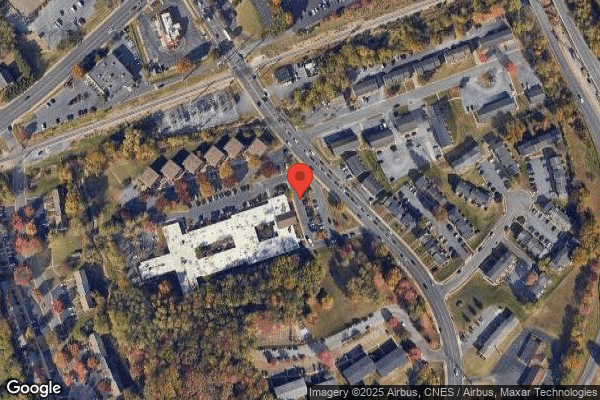

1225 RESERVOIR STREET, HARRISONBURG, VA 22801 (540) 433-2623
Government - Federal 180 Beds LIFEWORKS REHAB Data: November 2025 2 Immediate Jeopardy citations
Trust Grade
0/100
#193 of 285 in VA
Last Inspection: May 2022

Over 2 years since last inspection. Current conditions may differ from available data.

Overview

Harrisonburg Health & Rehab Center has received a Trust Grade of F, indicating significant concerns and a poor overall assessment of care. They rank #193 out of 285 nursing homes in Virginia, placing them in the bottom half, and #3 out of 3 in Harrisonburg City County, meaning there is only one other facility in the area that performs better. The facility is worsening, with the number of issues increasing from 4 in 2024 to 21 in 2025. Staffing is a major weakness, rated at only 1 out of 5 stars with a high turnover rate of 61%, which is concerning compared to the Virginia average of 48%. Additionally, they have incurred $116,624 in fines, indicating compliance issues that are more frequent than 93% of other facilities in the state. The RN coverage is also below average, with less than 94% of state facilities, which may hinder the ability to catch potential problems early. Specific incidents include a resident who ingested body wash and required hospitalization, and another resident left sitting in feces for fifty minutes due to staff neglect, both resulting in significant harm. Overall, while there are some positive quality measures, serious staffing and safety issues are evident, making this facility a concerning choice for families.

Trust Score
F
0/100
In Virginia
#193/285
Bottom 33%
Safety Record
High Risk
Review needed
Inspections
Getting Worse
4 → 21 violations
Staff Stability
⚠ Watch
61% turnover. Above average. Higher turnover means staff may not know residents' routines.
Penalties
✓ Good
$116,624 in fines. Lower than most Virginia facilities. Relatively clean record.
Skilled Nurses
⚠ Watch
Each resident gets only 15 minutes of Registered Nurse (RN) attention daily — below average for Virginia. Fewer RN minutes means fewer trained eyes watching for problems.
Violations
⚠ Watch
78 deficiencies on record. Higher than average. Multiple issues found across inspections.
★★☆☆☆
2.0
Overall Rating
★☆☆☆☆
1.0
Staff Levels
★★★★★
5.0
Care Quality
★☆☆☆☆
1.0
Inspection Score
Stable
2024: 4 issues
2025: 21 issues

The Good

  • 5-Star Quality Measures · Strong clinical quality outcomes
  • Full Sprinkler Coverage · Fire safety systems throughout facility
  • No fines on record

Facility shows strength in quality measures, fire safety.

The Bad

2-Star Overall Rating

Below Virginia average (3.0)

Below average - review inspection findings carefully

Staff Turnover: 61%

15pts above Virginia avg (46%)

Frequent staff changes - ask about care continuity

Federal Fines: $116,624

Well above median ($33,413)

Significant penalties indicating serious issues

Chain: LIFEWORKS REHAB

Part of a multi-facility chain

Ask about local staffing decisions and management

Staff turnover is elevated (61%)

13 points above Virginia average of 48%

The Ugly 78 deficiencies on record

2 life-threatening 3 actual harm
Jun 2025 2 deficiencies
CONCERN (D) 📢 Someone Reported This

A family member, employee, or ombudsman was alarmed enough to file a formal complaint

Potential for Harm - no one hurt, but risky conditions existed

Safe Environment (Tag F0921)

Could have caused harm · This affected 1 resident

Based on observation, resident interview, staff interview, and facility documentation review, the facility staff failed to provide a safe, functional and comfortable environment for one resident (Resi...

Read full inspector narrative →
Based on observation, resident interview, staff interview, and facility documentation review, the facility staff failed to provide a safe, functional and comfortable environment for one resident (Resident #123- R123), in a survey sample of twenty-three residents. The findings included: On 6/3/25 at 4:15 p.m., an interview was conducted with R123 in his room. R123 verbalized concern that his air conditioning in his room has not been working for several weeks. R123 stated that it was supposed to start getting warm, into the mid-upper 80's this week, and was concerned that his room would be too warm, cause him to be uncomfortable and exacerbate his breathing issues. R123 reported he has told staff about the air not working several times, but nothing has been done. R123 also verbalized concern about his and his roommate's closet doors. He reported that the drawers hit the doors above them, and you can't open them. He said it has been like that for over a year, since a prior roommate broke them, and he has been complaining but nothing has been done. R123 also expressed concern about a ceiling tile that was not on the track and appeared as if it could fall. R123 said, I'm scared it is going to fall, and I have reported it three times. The surveyor then attempted to turn on the air conditioning/heat unit within the room and noted it would not turn on. When the surveyor attempted to open the drawer of the closet, the doors above the drawer swung open where it was partially hung and the surveyor had to quickly move to avoid being hit by the door. On 6/3/25, at the end of the day meeting, the surveyor requested a copy of all maintenance work orders that had been submitted in the past six months for the room R123 resided in. On 6/4/25, a review of the maintenance work orders revealed that on 5/2/25 a maintenance work order had been entered regarding the air conditioner/heater/PTAC unit, which remained open and not resolved. On 5/19/25, a second work order was entered for the air conditioner unit, which also had a status of open. On 5/23/25, a work order was entered that noted, doors and the status noted, open. On 6/4/25 at 8:50 a.m., an interview was conducted with the facility's maintenance director. The maintenance director explained that he works at another facility and comes to this facility two days a week to help out. He went on to say that they have a maintenance assistant that works full time but is a little slow at getting items completed. When asked about the process for maintenance work orders, he stated that they don't have a good system. The maintenance director explained there is an electronic system, which he just found out that the maintenance assistant doesn't have access to that, but has now obtained access. The maintenance director said that they have been relying on staff to verbally tell them about needed work. He explained that the facility has had so many issues and concerns that he has been trying to put out fires and address the urgent needs versus the minor repairs. On 6/4/25 9:25 a.m., during a follow-up interview with the entire survey team, the maintenance director again reported that while they have an electronic system, it really isn't monitored and . we haven't addressed them too much, and we are using more of a word of mouth. [Name of maintenance assistant redacted] has a notebook he writes things in. He didn't have a log-in and I just got that set-up. They [the staff] have just been flagging us down. Usually when I am here, I am trying to handle major issues, and I get a list of things for [the assistant's name redacted] to work on when I'm not here. When asked about the heating/air in R123's room, the maintenance director stated he was just made aware of it that morning and had called a contractor who was on-site working on it. On 6/4/25 at approximately 2 p.m., the maintenance director gave an update that the contractor was able to get R123's air conditioning unit to run, but it was making a lot of noise, and they were ordering a new motor. The maintenance director said that despite the loud noise, it will run and work, until they can obtain and replace the motor. On 6/4/25 at 2:20 p.m., the surveyor returned to R123's room and noted that the cover to the air conditioning unit was off and leaning against the closet. When the resident was asked about the air, R123 reported They disabled it. The surveyor again used the control knob and was not able to get the unit to turn on. The surveyor advised the resident that perhaps she could question to the facility about offering a room change. R123 immediately said, No, I like my room, and they told me my insurance doesn't pay to keep my room, and I will lose it if I move. The surveyor explained that she was only suggesting a temporary move, then once the air was fixed, return to this room. On 6/4/25 at 2:25 p.m., the maintenance director accompanied the surveyor to R123's room. The maintenance director was also unable to get the air conditioner to turn on and stated the contractor must have disabled it and that he would have to call the contractor. The maintenance director was shown the closet and confirmed that the door had broken away from the hinge and needed repair. On 6/4/25, during an end of day meeting, the facility's administrator, director of nursing and corporate staff were made aware of the above findings. On 6/5/25, the facility staff stated that R123 had been offered and accepted a room change, after being assured that once the air conditioner was fixed, he could return to the room. No additional information was provided.
CONCERN (E) 📢 Someone Reported This

A family member, employee, or ombudsman was alarmed enough to file a formal complaint

Potential for Harm - no one hurt, but risky conditions existed

Pharmacy Services (Tag F0755)

Could have caused harm · This affected multiple residents

Based on resident interview, staff interview, clinical record review, and facility documentation review, the facility staff failed to have medications available for administration for one resident (re...

Read full inspector narrative →
Based on resident interview, staff interview, clinical record review, and facility documentation review, the facility staff failed to have medications available for administration for one resident (resident #102-R102) in a survey sample of twenty-three residents. The findings included: For R102, the facility staff failed to have two medications, niacin and oxycodone available for administration as ordered by the medical provider. On 6/3/25 at 11:31 a.m., an interview was conducted with R102. During the interview, R102 expressed concerns regarding care but did not verbalize any concerns with medications. On 6/3/25-6/4/25, a clinical record review was conducted of R102's chart. This review revealed that R102 had an active order for oxycodone-acetaminophen tablet 7.5-325 mg to be given every 12 hours for shoulder pain and low back pain. R102 had another order for oxycodone-acetaminophen tablet 7.5-325 mg to be given every six hours as needed for pain. According to the medication administration records, the oxycodone-acetaminophen was not given on 5/24/25, for the evening dose. According to the nursing progress note dated 5/25/25 at 1:31 a.m., in response to the evening dose of medication not being given on 5/24/25, the nurse documented, Medication unavailable NP [nurse practitioner name redacted] aware of missed dose medication also un available in pixies pharmacy states they will send asap [as soon as possible] resident own RP [responsible party] no c/o [complaint of] pain at this time. According to a progress note written on 5/22/25, the nurse practitioner documented in part, Service Date: 5/21/25 . Patient seen per nursing request for medication management/ glaucoma/ dry skin/ supplements . Patient has a med list from 2024 that his upset that he is not receiving all of the medications on the list. I explained to patient that the med list is medications that he has reported to [doctor's name redacted] office that he has taken in the past. Patient is very argumentative that he should be receiving all of these medications, and it is his right to have them. I went through the med list and marked the medications he is receiving, the medications that are PRN [as needed] and explained if he needs them we can order them as PRN, and the medications that are supplements .I explained that as for the supplements that is up to the facility on which ones can be supplied, I gave a copy of the list to the ADON [assistant director of nursing] who reviewed the list and said the facility can provide niacin 250mg, Vit C 500mg, zinc 50mg, Omega-3 1000mg, multivitamin , and vit D3 25mcg . According to the physician orders on 5/21/25, the R102 had an order written by the nurse practitioner for niacin 250 mg to be given once daily for supplement. That order was discontinued on 5/23/25 and on 5/24/25 another order was written for the same medication at the same dose. According to the medication administration record (MAR), R102 did not receive the niacin as ordered on 5/22/25, 5/23/25, 5/24/25, and 5/25/25, which was indicated with a code 9. According to the code legend/chart codes on the MAR, code 9 indicated other/see progress notes. On 5/26/25 and 5/27/25, the resident did not receive the niacin medication, and noted the medication was on hold, as indicated by an H in the administration block for those days. According to R102's nursing progress notes, the following entries were made regarding the niacin. On 5/22/24, the note read, Medication in transit. NP notified; Res is his own RP. On 5/23/25, the note read, Medication not available from pharmacy, NP notified. Own RP. On 5/24/25, the nursing note read, Res own RP, NP notified. Still waiting med to arrive. On 5/25/25, the note read, awaiting delivery from pharmacy, unable to pull from Omnicell. NP/RP aware. There were no associated notes from nursing or the provider regarding the hold order or the lack of medication administration on 5/26/25-5/27/25. On 6/4/25 at 9:07 a.m., an interview was conducted with the unit manager, who was a licensed practical nurse (LPN #4). When asked what the code 9 on the MAR indicated, LPN #4 said, The medication or treatment was not administered. Also when they click 9, they can write a progress note. When asked why a resident would not receive medication, LPN #4 said, Maybe the resident was at an appointment or refused. On 6/4/25 at 11:49 a.m., an interview was conducted with a licensed practical nurse (LPN #5). When asked what is done if during medication administration, she notes that a medication is not available, LPN #5 explained that If it is not available in the cart, then I check the Omnicell and let the nurse practitioner/provider know, responsible party know, and mark as not available. When asked why a medication would not be available, LPN #5 stated, If a nurse forgot to reorder. LPN #5 stated that house stock/over the counter medications are kept in the medication cart, medication room, or central supply. LPN #5 showed the surveyor R102's current supply of niacin, which, according to the pharmacy medication labelling, was filled 5/23/25, while the oxycodone was filled 5/25/25. LPN #5 explained that she had just been given a bottle of niacin 100 mg and told that it was going to be a house stock item now. When asked to explain the risks of residents not receiving medications as ordered, LPN #5 said, It depends on the condition and what it is treating. For pain meds, it can cause pain to get worse and cause behaviors. As for the niacin, I am not really sure what it is used for other than a supplement. On 6/4/25 at 1:39 p.m., a phone call was held with the facility's contracted pharmacy. The surveyor spoke with the quality assurance pharmacist who was able to provide the following details regarding R102's medications. Regarding the Niacin, the pharmacist stated they received an order for this on 5/21/25 but also received an order to cancel the prescription. Then on 5/23/25, they received another request for the niacin for R102. The pharmacist explained that since this is an over-the-counter medication, they don't automatically send it out, and, on 5/23/25, they sent an authorization form to the facility. The pharmacist explained that many facilities receive their over-the-counter medications elsewhere and so they send an authorization that someone at the facility must sign and return to the facility, authorizing them to fill/dispense the medication. The pharmacist stated that in the case of R102's niacin, they did not receive the authorization form back until 5/26/25 at 9 a.m., and the medication was delivered and signed for at the facility on 5/26/25 at 8:11 p.m. Regarding the oxycodone-acetaminophen for R102, on 5/9/25 at 2:06 p.m., the pharmacist stated that the pharmacy received a prescription, and filled/dispensed 30 tablets, which was delivered on 5/10/25 at 11 a.m. Then on 5/25/25 at 12:46 a.m., they received a refill request, which was delivered on 5/25/25 at 7:49 a.m. When asked to explain the process on re-ordering of medications, the pharmacist explained that each facility has their own protocol but when they are close to the last 1-2 days of supply of a medication, they should place the order for a refill. The pharmacist confirmed that despite being out of state, the pharmacy makes two standard deliveries to the facility daily. On 6/4/25, the facility provided the survey team with a copy of the contents of the Omnicell, which is an emergency supply of medications that is maintained on-site. Review of this document noted that niacin was not available in the Omnicell and Oxycodone-Acetaminophen was only available in the strength of 10-325 mg tablet, which was not what was ordered for R102. On 6/4/25 at approximately 4:45 p.m., during an end of day meeting, the above concerns were shared with the facility administrator and director of nursing. On 6/5/25 at 11 a.m., the facility's regional director of clinical services (RDCS) talked with the survey team and stated they could not find any additional information regarding the medications not being administered due to unavailable regarding R102, and stated, they followed the policy and notified the provider and resident representative. The RDCS went on to explain that the Niacin was ordered at the request of the resident and that the nurse practitioner didn't really feel he needed it. The RDCS stated that the facility orders over the counter medications through a supply company, not the pharmacy and they only deliver once weekly. When told that R102's supply of niacin had eventually been provided by the pharmacy, and asked, if it is an over-the-counter medication, couldn't someone have gone to a local drug store to get it, the RDCS replied, I guess they could. A review of the facility policy titled, General Guidelines for Medication Administration with a revision date of 8/2020, revealed in part, . 11. If a medication with a current, active order cannot be located in the medication cart/drawer, other areas of the medication cart, medication room, and facility (e.g. other units) are searched, if possible. If the medication cannot be located after further investigation, the pharmacy is contacted or medication removed from the emergency kit . A review of the facility policy titled, Medication Unavailability with an effective date of 1/29/24, revealed in part, 1. A licensed nurse will notify the provider of the unavailability of medication and discuss an alternative order, if necessary. 2. If alternate medication is ordered and is not available, the licensed nurse will activate the backup pharmacy process and procedures. 3. A licensed nurse will document notification to the provider of the unavailability in the medical record. 4. A licensed nurse will notify the responsible party of any new orders and document notification in the medical record. No additional information was provided.
Apr 2025 19 deficiencies 2 IJ (1 affecting multiple)
CRITICAL (J) 📢 Someone Reported This

A family member, employee, or ombudsman was alarmed enough to file a formal complaint

Immediate Jeopardy (IJ) - the most serious Medicare violation

Free from Abuse/Neglect (Tag F0600)

Someone could have died · This affected 1 resident

**NOTE- TERMS IN BRACKETS HAVE BEEN EDITED TO PROTECT CONFIDENTIALITY** 2. For Resident #10 (R10), the facility staff neglected to respond to the residents call for assistance to have incontinence car...

Read full inspector narrative →
**NOTE- TERMS IN BRACKETS HAVE BEEN EDITED TO PROTECT CONFIDENTIALITY** 2. For Resident #10 (R10), the facility staff neglected to respond to the residents call for assistance to have incontinence care provided, which resulted in R10 being left to sit in feces for fifty minutes, which resulted in psychosocial harm. On 4/3/25 at 9:38 a.m., upon the surveyor's arrival to the south unit, it was noted that several call bells were engaged. A light could be seen outside of the rooms and an auditory sound could be heard beeping in the hallways. On 4/3/25 at 9:41 a.m., the surveyor entered the room of R10, whose call light was on. R10 acknowledged that he had his call light on and reported that he needed to be changed. When asked how long his call light had been on, R10 said, Go look for yourself. R10 then explained that the surveyor could go to the nursing station and observe how long his call light had been on. When asked how often he experiences an extended wait for care, R10 didn't respond. On 4/3/25 at 9:49 a.m., the surveyor went to the nursing station and observed a computer screen that listed three call bells that were engaged. The duration listed for R10's call light was noted to be 50 minutes and 17 seconds. On 4/3/25 at 9:52 a.m., licensed practical nurse (LPN #19) was observed to enter the room, the call light went out, and LPN #19 exited the room. As LPN #19 was coming down the hall, she reported to certified nursing assistant (CNA #4) who passed her in the hall, that R10 needed to be changed. On 4/3/25 at 9:54 a.m., an interview was conducted with LPN #19 and inquired as to what R10 needed. LPN #19 stated, He needs to be changed. When notified that the call light had been engaged for over 50 minutes, LPN #19 was asked if this was common. LPN #19 said, Sometimes it is and sometimes it isn't. I didn't know that was the case this morning. Normally he tells me about it, but he didn't today. On 4/3/25, facility staff were notified of the above concerns related to R10. On 4/9/25, a clinical record review was conducted of R10's chart. This review revealed that R10's diagnosis included, but were not limited to unspecified cord compression, central cord syndrome at C2 level of cervical spinal cord, person injured in unspecified motor-vehicle accident, and quadriplegia. According to R10's most recent minimum data set (MDS - an assessment tool) with an assessment reference date of 3/30/25, R10 was coded as having a BIMS (brief interview for mental status score) of 15 out of 15, which indicated he was cognitively intact. The assessment also noted that R10 was dependent upon the assistance of two staff persons for bed mobility, transfers, and toileting. R10 was also coded on that same assessment as having had no skin impairments. According to the care plan, R10 was noted to be at risk for pressure ulcers due to immobility, inability to turn and reposition independently, incontinence, and quadriplegia. Care plan interventions included, Keep skin clean and dry as possible. The care plan also stated, The resident requires assistance with ADLs [activities of daily living] related to chronic health conditions, inability to perform ADLs, weakness, quadriplegia and spinal cord compression. The interventions included, Hoyer lift for all transfers x 2 staff, 2 person assist for bed mobility as needed . Also in the care plan, it was noted that R10 was incontinent of bladder and bowel. The interventions included . provide toileting hygiene with brief changes . According to a skin observation conducted on 3/29/25, R10 was documented with no skin impairments. On 4/1/25, R10 was noted with an incontinence associated dermatitis (iad) to his right buttock that measured 3.5 x 3.5 x 0.1 cm and another area of iad on his left buttock that measured 0.8 x 1 x 0.1 cm. According to the 4/1/25 progress note, the wound care nurse practitioner noted that . wound assessment: location: left buttock, primary etiology: incontinence associated dermatitis (IAD), stage/severity: partial thickness, wound status: new, size: 0.8 cm x 1 cm x 0.1 cm, exposed tissue: dermis, peri wound: fragile, wound base: 100% epithelial; exudate: scant amount of serosanguineous . A second wound was noted on the .right buttock, primary etiology: incontinence associated dermatitis (IAD), stage/severity: partial thickness, wound status: new, size: 3.5 cm x 3.5 cm x 0.1 cm, wound base: 100% epithelial; peri wound: fragile, exudate: scant amount of serosanguineous, exposed tissue: dermis . The progress note went on to give the treatment plan for both areas, which read as: Treatment Recommendations: 1. Cleanse wound with wound cleanser and pat dry. 2. apply Hydrocolloid to base of the wound. 3. change 3 times per week . PREVENTATIVE MEASURES: The patient is incontinent of urine and stool and is at an increased risk of skin breakdown. Recommend continuing ongoing interventions and protocol for swift incontinence management . NEW RECOMMENDATIONS: Staff report new incontinence associated skin breakdown to bilateral buttocks. See new treatment orders. Patient is at high risk for skin breakdown related to decreased mobility, inability to reposition self, comorbidities, incontinence of urine and stool. On 4/9/25 in the morning, a follow up interview was conducted with R10. R10 explained that he is totally dependent on staff for all care, including being fed, and must wait extended periods of time on a routine basis. R10 explained that he doesn't say anything because .what can I do? I have no choice. R10 confirmed that having to sit in his feces for extended periods of times makes him .angry, feel humiliated, and unimportant. I feel all of that but what can I do? R10 then was observed to have tears in his eyes that rolled down his check while talking to the surveyor. On 4/10/25 at 9:15 a.m-9:45 a.m., interviews were conducted with multiple staff, which included licensed practical nurses (LPN #6 & LPN #7) and certified nursing assistants (CNA #1, CNA #4, and CNA #5). All of whom reported that call bells should be answered within five minutes. On 4/10/25, the facility administration reported that they had no policy regarding incontinence care or call bell response times. The facility administration was made aware of the serious concerns related to the above findings. 3. The facility staff neglected to provide incontinent care in a timely manner for Resident #17(R17), which resulted in harm. R17 was admitted to the facility on [DATE]. Diagnoses for R17 included but are not limited to urinary tract infection, muscle weakness and underweight. R17's Reentry Minimum Data Set (an assessment protocol) with an Assessment Reference Date of 3/3/25 coded R17 with severe cognitive impairment. R17 was dependent on the activity of daily living care. R17 was no longer a resident at the facility, so a closed record review was conducted. On 4/3/25 at 11:00 a.m., an interview was conducted with R17's daughter who was his responsible party. The daughter stated when she visited that she had found her dad in a saturated brief and the bedding was wet. The daughter stated she cleaned him up and took him to therapy. The daughter stated that she had marked R17's brief with a number 12 at 12 o'clock and when she returned to the facility around 8:00 p.m., he was in the same brief she had marked at noon. On 4/3/25 at 4:00 p.m., an interview was conducted with the administrator. The administrator stated that R17 was up and out of bed after doing therapy around 1:00 p.m., sitting at the nurse's station until the daughter came back in around 7:00 p.m., or 8:00 p.m. The administrator stated he spoke with two staff members that came in to work that evening and stated R17's brief did not appear to have been saturated. 4/3/25 at 5:08 p.m., an interview was conducted with certified nursing assistant CNA#18. CNA#18 stated that incontinent rounds should be made every two hours, adding, Sometimes those lines are not accurate. Sometimes those [moisture indicator] lines on the brief are clear and [the resident] will be sitting in a pool of urine. I open the brief to check. 4/3/25 at 5:08 p.m., an interview was conducted with CNA#19. CNA#19 said, I check the residents every two hours unless they use the call bell. Check the strips on the brief and roll them to make sure their bottom isn't wet. I will leave the same brief on for one round but the next round I will change the brief even if dry. I will let the nurse know if the resident goes eight hours without going to the bathroom. On 4/3/25 at 5:30 p.m., an interview with CNA#9 was conducted about the incident that happened on 3/15/25 with R17. CNA#9 said, [R17's] daughter came in at 7:55 p.m. She reported that her father was wearing the same brief she tagged at 12 o' clock. So I went back and looked at the brief and it was marked, like she said. Looking at the brief lines, I would not have changed him, but he was wet. He was wet enough to be changed. CNA#9 showed pictures of the wet brief and the time that was written on the brief. CNA#9 stated that the pictures the daughter had provided were time stamped. On 4/3/25 at 7:20 p.m., an interview was conducted with LPN#5 about the incident that happened on 3/15/25 with R17. LPN#5 stated that R17 had the same brief on that was numbered with a 12 by his daughter. R17's brief was wet, and that cream was applied to his scrotum that LPN#5 said, .was like a flush cheek red. LPN#5 stated that it was understandable why R17's daughter was upset by R17 being in the same brief for eight hours. On 4/7/25 at 12:10 p.m., an interview was conducted with the assistant director of nursing (ADON). The ADON stated that incontinent care was prn, and the typical standard is every two hours. The ADON said, I would pull back the brief to see if they had a bowel movement. Common sense tells me I would change them, and not leave the brief on for eight hours. The ADON stated that she would expect staff to change a patient's brief every other round, even if the brief lines are clear due to the brief holding moisture, and the patient can sweat, which can cause moisture associated dermatitis. The ADON stated patient's briefs can hold heat causing the patient to sweat, and the brief would need to be changed due to the moisture. On 4/8/25 at 11:00 a.m., an interview was conducted with LPN#13 the unit manager of the south wing. LPN#13 stated that R17's daughter sent her pictures of a saturated brief and a dirty bed pad with dried urine stains on the bed pad. LPN#13 stated that R17's daughter was in the facility around 8:00 p.m., and sent another picture to her with a brief marked with a 12, and of R17 sitting in his wheelchair in his room, and of the wall clock that had 8:00 p.m. On 4/8/25 at 2:00 p.m., a review of R17's clinical record was conducted. On 3/16/25 skin assessment was completed, which documented redness to R17's coccyx area. R17 was getting treatment for MASD (moisture associated skin damage) to sacrum, and groin areas but on 3/16/25 treatment was started to coccyx area. According to the National Institute on Health (NIH) moisture associated skin damage (MASD) is discussed and read in part, . Moisture-associated skin damage (MASD) occurs with exposure to various sources of moisture (bodily secretions or effluents) such as urine or fecal matter, perspiration, wound exudate, mucus, digestive secretions, respiratory secretions, or saliva . Accessed online at: https://pmc.ncbi.nlm.nih.gov/articles/PMC9093722/#fn-group1 According to Wounds International, Moisture-associated skin damage (MASD) represents a significant problem and can have a negative effect on patient wellbeing and quality of life MASD is a complex and increasingly commonly recognized condition. Overexposure of the skin to bodily fluids can compromise its integrity and barrier function, making it more permeable and susceptible to damage (Gray et al, 2001; [NAME] et al, 2017). Individuals with MASD experience persistent symptoms that affect quality of life, including pain, burning and pruritis (Gray et al, 2011; [NAME] et al, 2017). MASD is classified as an irritant-contact dermatitis; see Table 1 (WHO, 2020). Common irritants can include urine, stool, perspiration, saliva, intestinal liquids from stomas and exudate from wounds. As such, MASD is an umbrella term and forms of MASD may be subdivided into four types (see Figure 1): IAD Peristomal dermatitis (relating to colostomy, ileostomy/ ileal conduit, urostomy, suprapu-bic catheter, or tracheostomy) ? Intertriginous dermatitis (intertrigo: where two skin areas may touch or rub together) Peri wound maceration . The article went on to read, .Managing continence As a priority, wherever possible, the cause of incontinence should be identified and eliminated, and treatment options exam-ined if possible - although this may be due to a range of factors including health conditions and mobility issues (Wishin et al, 2008; Beeckman et al, 2020). This should include evaluation of bladder and kidney function regarding urinary incontinence, and that of the intestine and colon in the case of fecal incontinence (Beele et al, 2017). If continence enhancement is not possible, suitable incontinence products should be used and non-invasive behavioral interventions implemented (Beeckman et al, 2018). Behavioral interventions may include nutritional and fluid management, mobility enhancement, and use of different toileting techniques (Wishin et al, 2008; Beeckman et al, 2020). While IAD does not only affect elderly people, evidence from studies involving elderly nursing home residents suggests that structured toileting and exercise interventions can improve incontinence (Bates-[NAME] et al, 2003; Beeckman et al, 2020). The type and frequency of incontinence should be re-assessed on regular basis, in order to tailor incontinence management strategies to the individual and assess the risk of skin-related damage (Beeckman et al, 2018). Wherever possible, indirect risk factors should be mitigated . Accessed online at: https://woundsinternational.com/wp-content/uploads/2023/02/77ece7a46c5c084762956b97f9096e53.pdf On 4/10/25 at 2:40 p.m., following consultation with the SA that verified the existence of IJ, the survey team met with the facility's director of nursing, two regional director of clinical services nurses, and the vice president of operations (VPO) were made aware that the facility was in Immediate Jeopardy (IJ) in the care area of Free from Abuse, Neglect, and Exploitation. On 4/10/25 at 5:43 p.m., the facility administration submitted the following plan of removal for the IJ: F600 Abuse Removal Plan. Plan Corrective Action for those residents found to be affected by the deficient practice: R#10 and R#23 will have a psychosocial assessment completed by the Regional Director of Social Work to determine current state of wellbeing. Corrective Actions taken for residents with potential to be affected by deficient practice: Staff will interview residents with a BIMS of 13 or higher about abuse, neglect, timely call bell response, timely incontinence care, psychosocial well-being, and resident rights are upheld. Residents with a BIMS of 12 or less will have their responsible party contacted about concerns related to abuse, neglect, timely call bell response, timely incontinence care, psychosocial well-being, and resident rights are upheld. Skin assessments will also be conducted on the residents with a BIMS of 12 or less. Care plans will be updated based on findings and provider and RP notified as well. The call bell system will be audited for each room to ensure functionality of the call bells. Systemic Changes put into place to ensure the deficient practice does not recur: All facility staff will be educated on the abuse, neglect, timely call bell response, timely incontinence care, psychosocial well-being, and resident rights are upheld. This education will be provided for all new employees as part of new hire orientation to include agency staff. No employee will be allowed to work until they are educated. Audits will be randomly conducted weekly to assess call bell response times, timely incontinence care, and abuse and neglect by a member of the Interdisciplinary Team. The [NAME] President of Operations to conduct an ADHOC Quality Assurance Performance Improvement Meeting on 4/10/25 including the Administrator, Director of Nursing, Assistant Director of Nursing, MDS Coordinator, Regional Director of Social Work, Activities Director, Dietary Manager, Business Office Manager, Director of Housekeeping and Laundry, and Unit Managers to review the abuse policy to include neglect, reporting of abuse and neglect, call bell response time, and the importance of timely incontinence care Monitoring of corrective action to ensure the deficient practice does not recur. The Administrator or designee will monitor call bell response times to ensure they are answered within 15 minutes. Residents with BIMS of 13 or higher will be interviewed at random weekly to validate the timeliness of their incontinence care, call bell response time, abuse and neglect, and psychosocial well-being. Residents with a BIMS of 12 or less will have their responsible party contacted about concerns related to abuse, neglect, timely call bell response, timely incontinence care, psychosocial well-being, and resident rights are upheld. All residents will have a skin assessment completed weekly. Completion of removal plan 4/10/25 at 11:00pm. The [NAME] President of Operations made the Medical Director aware of the Immediate Jeopardy via telephone on 4/10/25 at 3:26 pm. Following review with the SA, the removal plan was accepted. On 4/11/25, the survey team returned to verify that the facility had fully implemented their removal plan. The survey team verified that R10 and R23 had a psychosocial assessment completed by the regional director of social work. The facility's documentation of resident interviews for all residents with a brief interview for mental status (BIMS) score of 13 or higher was reviewed. The survey team conducted a sample of resident interviews to ensure they had been interviewed, and any concerns were shared. The survey team verified that the facility staff had documentation of family interviews being conducted for residents with a BIMS score of less than 13. The survey team reviewed the staff education regarding abuse/neglect, including psychosocial well-being, timely call bell response, and timely incontinence care. The sign-in sheet for the education was compared to the schedule of staff working to ensure all staff had received education. A sample of staff across all departments was interviewed to verify they had received education and had knowledge of abuse/neglect, how to report such allegations, timely call bell response, timely incontinence care, and psychosocial well-being. No concerns noted. The survey team conducted observations on each of the three resident care units and monitored staff's response to call bells. Calls for assistance were responded to within 15 minutes of the call bells being initiated. The facility provided evidence of a call bell audit that was conducted. According to the facility documentation, they identified several residents whose call-bells were noted to not be operational. The survey team then went to those selected rooms and verified that the call bell was working. The surveyor identified two resident rooms, four residents affected, that the call bell was not working when checked. The facility's VPO was made aware of the above findings regarding the in operatable call bells and that they would not be able to abate the IJ. On 4/11/25 at 9:25 a.m., the survey team was made aware that the call bells in two rooms were replaced and functioning, while the residents in one other room had been distributed hand bells to use to notify staff if assistance was needed. The survey team verified this with no further concerns noted. On 4/11/25 at 10:15 a.m., the facility's administration and regional team were made aware that the survey team needed evidence that the facility was responding to concerns and/or allegations of abuse/neglect shared by residents and families during the interview process. The facility provided the survey team with evidence that three allegations of abuse/neglect were being investigated, and all other concerns were being addressed through the facility's grievance procedure. On 4/11/25 at 12 noon, after having verified that the removal plan had been fully implemented and that facility actions had eliminated the likelihood of serious injury, harm, impairment, or death, the facility was notified that the immediacy had been removed. The scope and severity of the remaining noncompliance was lowered to a level three, isolated. Based on observation, resident and staff interviews, clinical record review and facility documentation review, the facility failed to protect the residents' right to be free from neglect for three residents (Resident #17-R17, Resident #23-R23, and Resident #10- R10) in a survey sample of 26 residents, which resulted in harm for two residents (Resident #10- R10 and Resident #23-R23) and the identification of Immediate Jeopardy (IJ) and substandard Quality of Care. The findings included: 1. The facility staff neglected to provide timely incontinence care for Resident #23 (R23), which resulted in skin injury and psychosocial harm. According to clinical record review, R23 was admitted to the facility on [DATE]. Diagnoses for R23 included but were not limited to chronic diastolic heart failure, muscle weakness and chronic respiratory failure with hypoxia. R23's Quarterly Minimum Data Set (an assessment protocol), with an Assessment Reference Date of 3/25/25, coded R23 with no cognitive impairment. This assessment also documented that R23 was dependent on staff for toileting and required moderate to maximal assistance with bed mobility, transferring, and bathing. On 4/9/25 at 6:35 p.m., upon entering R23's room, it was noted that the privacy curtain had been pulled. When addressing the resident through the curtain, R23 replied, She's changing me. I'll talk to you in just a minute, she almost done. From behind the curtain, R23 was then heard saying, Ouch, Ouch! Be gentle, it burns. The CNA was heard to say, Ok, I'm being gentle. I'm almost done. On 4/9/25 at 6:45 p.m., an interview was conducted with R23. When questioned about care, R23 said, There have been several times that I have had to sit in my urine or feces for long periods of time. R23 said, Last Thursday [4/3/24], I was wearing the wrong size brief, and I sat in my own feces for two hours. When I rang for help, the aide came in at 8:30 a.m., and I told her I needed to be changed, that I had a bowel movement, and that it leaked out of my brief. The aide turned the call bell off, said that state was here, so she had to take care of other residents first, and then she would come back to change me. R23 stated that approximately 10:10 a.m., .another certified nursing assistant [CNA# 7] came to the door, asked how I was doing, and if I needed anything. R23 stated that she told CNA#7 that she needed to be changed, had been sitting in a bowel movement for almost two hours, and that (CNA#6's name redacted) was supposed to come back to do it but had not been back. R23 stated that CNA#7 indicated that she would provide the needed care but had to go get all the supplies she needed. R23 stated that CNA#7 came back at 10:30 a.m. and provided the care. R23 said, My bottom was burning me as she was cleaning me up, and [CNA#7 name redacted] pointed out to me that it was some bad spots down there. R23 said, This made me feel others were more important to me. Made me feel like crap. I have never been treated like this before. R23 stated that CNA#6 had been her aide several times but had never left her waiting that long before. R23 stated that she had reported the incident to someone from Adult Protective Services who came to see her yesterday. When questioned if she had told anyone else, R23 stated that she reported this incident to CNA#7 on Thursday (4/3/25), she told the ADON on Friday (4/4/25), and told the administrator on Saturday (4/5/25). R23 then showed pictures that she stated had been taken that day. One photo showed that fecal material was outside of the incontinent brief, on both sides of her thighs, on the incontinent bed pad, and with a large brown stain on the lower bed sheet. R23 then displayed another picture on her cell phone that she had taken after care was provided, which showed bright red appearance of her groin area and thighs. When questioned if the areas were better, R23 stated that she was suffering with burning to her peritoneal area and thighs. Displaying her inner thighs and groin area, it was observed that R23's mid to inner thighs appeared deep beefy red in color, while the groin area was bright red. On 4/9/25 at 7:30 p.m., an interview was conducted with the assistant director of nursing (ADON). When questioned about R23's complaint, the ADON said, I talked to her sometime on Friday. She hollered at me from her bed. She told me it took [CNA#6's name redacted] a long time to get in here to take care of me. The ADON stated that she told R23 that she would look into it and check the assignment sheet. On 4/9/25 at 7:45 p.m., the ADON, the director of nursing (DON) and the regional director of clinical services (RDCS) were made aware of the above findings related to R23, during a meeting. The response was that they had not been aware that R23 was sitting in feces for two hours until this meeting. When the RDCS stated that the change in skin condition could be related to yeast, a joint observation was suggested and agreed upon. 4/9/25 at 8:00 p.m., an observation was conducted with the RDCS. R23 retold how she had been left in feces on 4/3/25 to the RDCS. When the RDCS asked to see the affected area, R23 consented and showed her. When the RDCS attempted to move R23's legs apart, R23 began grimacing, wincing, and moving away from the contact. The RDCS asked if she needed something for pain, R23 stated, No, I handle pain well. The RDCS asked R23 if the area itches, and R23 said, No, it burns! The RDCS asked R23 if she had ever had cream applied in that area before, and R23 said, Under my abdomen but never down there. I have never had anything down there until Thursday. On 4/9/25 about 8:10 p.m., an end-of-day meeting was conducted with the administrator, director of nursing and corporate staff, during which they were made aware of the above concerns and the potential for neglect. On 4/10/25 at 9:50 a.m. an interview with CNA#7 was conducted via phone call. CNA#7 stated that when she went to do her rounds, she asked R23 is she needed help or anything. That was when she told me she was needing to be changed and she had been sitting in it for a while. CNA#7 said, She was upset. [R23's name redacted] was sitting in a mess. The feces were up the front of the brief, down the sides of legs, on the chuck pad, on the sheets, and I had to change all bed linen. CNA#7 said, After cleaning her up, the creases of her thighs were red. CNA#7 stated that R23 was upset and mad because CNA#6 was supposed to come back to change her and never came back. CNA#7 stated that she did not report to anyone how she found R23, nor that R23 had reported that she had been laying there for 2 hours in feces waiting on CNA#6 to come back and change her. On 4/10/25 at 10:15 a.m., an interview with CNA#6 was conducted via phone call. CNA#6 stated that when she entered R23's room, she was needing to be changed. CNA#6 stated that she had been asking for help, but no one would come help her with answering the call bell lights. CNA#6 stated that she had another resident that she had to get ready for an appointment, who needed to bathed, dressed, transferred with a lift, and to the lobby for her pick up time or she would miss the appointment. CNA#6 stated that when CNA#7 showed up, she was taking care of R23. CNA#6 stated that she had taken care of R23 several times, and that R23 had no skin issues or red areas. CNA#6 stated that she did not mention state being her in the facility, but she did turn off the call light. CNA#6 stated that the administrator, and APS had talked with her about the incident. On 4/11/25, a review of Resident #23 clinical record was conducted. Resident #23 was seen by the nurse practition-er (NP) on 4/10/25. The progress note read in part, .patient was seen per nursing request for redness to groin/inner thighs. The NP note read in part, .MASD [moisture-associated skin damage], inner thighs/groin. The NP ordered .zinc bid [twice daily] until Greers goo arrives. Greers goo bid until healed. No additional information was provided prior to exit.
CRITICAL (K) 📢 Someone Reported This

A family member, employee, or ombudsman was alarmed enough to file a formal complaint

Immediate Jeopardy (IJ) - the most serious Medicare violation

Accident Prevention (Tag F0689)

Someone could have died · This affected multiple residents

**NOTE- TERMS IN BRACKETS HAVE BEEN EDITED TO PROTECT CONFIDENTIALITY** Based on observation, staff interview, clinical record review and facility documentation review, the facility staff failed to pr...

Read full inspector narrative →
**NOTE- TERMS IN BRACKETS HAVE BEEN EDITED TO PROTECT CONFIDENTIALITY** Based on observation, staff interview, clinical record review and facility documentation review, the facility staff failed to provide adequate supervision and an environment free of accident hazards to prevent injury to residents, that resulted in two instances of injury/harm to Resident #12 (R12) and one occurrence of harm for Resident #18 (R18). Having the potential to affect multiple residents residing on three of three nursing units, the noncompliance resulted in the identification of immediate jeopardy (IJ) and substandard quality of care. The findings included: 1. The facility staff failed to ensure the environment was free of accident hazards, which resulted in R12 ingesting body wash, requiring hospitalization for respiratory failure and intubation, and the subsequent placement of a trach and a feeding tube. On 4/4/25, a closed record review was conducted of R12's chart. This review revealed a progress note written by a licensed practical nurse (LPN #5) dated 3/17/25 at 5:45 a.m., that was titled, eInteract SBAR Summary for Providers. This note read in part, Blood pressure: 173/98- 3/17/2025 at 5:50 a.m., Position: Sitting r/arm [right arm]. Pulse: 110, R 22 [respirations] Temp 97.5- 3/14/25 23:00 route: Forehead non-contact . Pulse Oximetry: O2 90%- 3/17/2025 at 5:49 a.m Outcomes of Physical Assessment: . Respiratory Status Evaluation: Shortness of breath, abnormal lung sounds (rales, rhonchi, wheezing), Cardiovascular Status Evaluation: Resting pulse greater than 100 or less than 50 . Nursing observations, evaluation, and recommendations are patient grabbed and ingested unknown specific amount of soap. patient bubbling from mouth with wheezing heard from lung sounds. tachycardia noted as well as hypertension. patient decreased response to stimuli. on call contacted, MD and NP [medical doctor and nurse practitioner] no answer. emergency contact was reached, and patient was sent to ER [emergency room] via 911. report [sic]. On 3/17/25 at 6:15 a.m., another nursing progress note entry by LPN #5 was entered into R12's chart that read, . patient grabbed and ingested unknown specific amount of soap. patient bubbling from mouth with wheezing heard from lung sounds. tachycardia noted as well as hypertension. patient decreased response to stimuli. on call contacted, MD and NP no answer. emergency contact was reached, and patient was sent to ER via 911 at 0615. report called to [name redacted] ER nurse at [hospital name redacted]. According to hospital records dated 3/17/25, and titled, Pulmonary & Critical Care Specialist- ICU intake note read in part, . In summary this [AGE] years old female with severe dementia who is functionally limited . found to be hypoxic with change in mental status but also the staff noticed that she has ingested liquid body wash of 20 cc which has not been witnessed but patient was smelling fruity like the body wash in the room. When EMS arrived, she was hypoxic and confused unresponsive. She came to ER on nonrebreather. She is found to have a new airspace disease involving the right lung, metabolic acidosis with anion gap, lactic acidosis, venous blood gas shows metabolic as well as respiratory acidosis . Assessment: 1. Acute hypoxic and hypercapnic respiratory failure- currently on high flow 2. Accidental ingestion poisoning of liquid body wash/unknown amount and duration at the nursing home . According to hospital records dated 4/1/25, titled, Physician Discharge Summary which read in part, . brought to the emergency room where she was hypoxic hypercapnic could not tolerate BiPAP and she was eventually intubated, patient was extubated in March 22 and she did not tolerate and has to be reintubated in March 22 after discussion with the family decision was made for tracheostomy and PEG tube placement . According to the facility provided documents regarding the incident of R12, the facility only talked with and interviewed licensed practical nurse (LPN #12) and a certified nursing assistant (CNA #3). According to the nursing schedule for the overnight shift from 3/16/25-3/17/25, two nursing assistants (CNA #3 and CNA #2) worked the unit where R12 was a resident, and two licensed practical nurses (LPN #12 and LPN #11) worked the unit. LPN #5, who made the entries into R12's chart had been assigned to another unit. On 4/4/25 at 9:40 a.m., an interview was conducted with resident #2 (R2), who was R12's roommate. R2 was asked about the day R12 was sent to the hospital, R2 stated, I remember hearing coughing, it sounded like she was choking. I kept ringing the buzzer. I heard her drinking something . I didn't know that kind of stuff was over there, she must have been thirsty. When asked what she drank, R2 said, Body wash. When asked how she knew this, R2 stated, I heard them [facility staff] saying she drank body wash. They said they could tell by her poop. She had a major blow out . It sounded like she was choking. R2 stated she couldn't see R12 because the privacy curtain was pulled. On 4/7/25 at 4:30 p.m., an interview was conducted with licensed practical nurse #11 (LPN #11), who also worked the unit where R12 was a resident the night of the incident. LPN #11 stated, I was fairly new. I was only working there two weeks, but she would grab you when you walk by. I was working night shift and the nurse assigned came and told me she swallowed soap. She had aspirated; she had soap coming from her nose and mouth, it was tan colored. The nurse from the other side came to help. She [R12] was having massive diarrhea. When asked if she thought R12 had drank shower gel, LPN #11 said, Definitely! I was a CNA for 20 years and I know for sure it was bath and body works, maroon colored. I saw the bottle when the EMTs [emergency medical technicians] came and most likely the CNA left it on the bedside table. She would grab things . It was a bunch of CNAs trying to help. [LPN #5's name redacted] was helping, [LPN #12's name redacted] was on the phone with the doctor and we got vitals. I saw her aspirating from her nasal, she sounded like she was under water. She was struggling to breathe. She was not at her baseline. She had a lot of fluid sounds. LPN #11 went on to report that when the EMT's came they had four trainees, and they were getting instructions on how to lift R12. They applied oxygen, she was in the wheelchair. I was doing something and remember [LPN #11's name redacted] saying this isn't good. I dropped what I was doing to go help. Yes, I was present. When asked if any of the facility administration had attempted to reach her to get information about what had happened, she stated, They never called or reached out. The next day they had a whole protocol on keeping stuff out of reach. On 4/7/25 at 4:53 p.m., the vice president of operations (VPO) provided the survey team with a plan of correction the facility had implemented in response to R12's incident. The VPO said, We can't tell for certain it happened, but we put a plan in place. The documents included a paper with a grid that noted, . Problem: Toiletry Items: Date of Implementation: 3/17/25. Problem: 1. Toiletry items not stored correctly in pt [patient] bedrooms. Immediate response- what was done at the time: 1. 100% audit of all rooms to ensure toiletry items stored correctly. How to identify other residents: 1. All residents have the potential to be affected. What measures were put in place to prevent reoccurrence: 1. Education to nursing staff, provided by DON [director of nursing], or designee: On ensuring toiletry items are stored in closet, nightstand drawer or with staff. Ensuring all cleaning supplies are locked up. How to monitor to ensure the problem does not reoccurrence [sic] 1. The DON or designee will audit 10 rooms weekly for 4 weeks then 3 rooms weekly for 4 weeks to ensure toiletry item and cleaning supplies are stored correctly. QA: [quality assurance] The results will be reported to the monthly quality committee for review and discussion. To ensure substantial compliance. Once the QA committee determines the problem no longer exists, then review will be completed on a random basis. ADHOC QAPI: 3/24/25. QAPI Meeting: 4/13/25. Date of compliance: 3/27/25. Also included in the documents provided by the VPO was a typed paragraph that read, On 3/17/25 resident #1 [identified as R12 in this survey report] noted with hypertension, tachycardia, wheezing, and secretions from mouth. The medical provider was notified and ordered resident to be sent to ED for further evaluation after it was discovered that the patient may have ingested shower gel that was used for her bed bath previously. The RP [responsible party] was notified. The resident was admitted to the hospital for further evaluation. No staff member witnessed patient grabbing or ingesting the shower gel. A midnight census report dated 3/17/25, which listed all residents in the facility was provided that had a handwritten note across the top that read, 3/17/25 100% audit all rooms. All toiletry items stored correctly. There were no other notes or marks on the forms. Also provided was In-service education records that noted subject: Storage of toiletries, cleaning supplies . Summary of content: All toiletry items for patients will be stored away in their close, nightstand, or with staff. The in-service education records were signed by 145 staff members. There was also evidence of audits that were conducted for three weeks. On 4/7/25 at 8:10 p.m., an interview was conducted with CNA #3. CNA #3 was asked about the night R12 was sent to the hospital. CNA #3 stated, I was working with one other CNA, we had 40-60 residents. The CNA working with me would not finish a full round. The only resident she got cleaned up was [R12's name redacted]. They let her sit from 3-11 p.m. in the chair. The CNA on the prior shift said she was acting crazy because she had been refusing medications for several days. The CNA [CNA #2] washed her up and changed her into her gown. I helped hold her up while she was washing her and got her in bed. I was walking by and on the bedside table I noticed soap was missing from the bottle. I went and told the nurse that on the table was a bottle of soap and it was missing soap out of it. I told the nurse. I think she went to check on her. I went back about 20 minutes later to check on her and she was still sitting there, she had diarrhea and was breathing heavy. The other CNA was sitting at the station. We were both working the floor together because she was new. [R12's name redacted] was sitting up with soap missing and the top off. It was something the family provided; it said black cherry [on the label]. She had taken her gown off . it was the reason I went in the room, and I noticed she was breathing weird. I told [LPN #12], and she wanted to know how much she had drank. I told her a good amount and she said she will probably just puke it out. When asked if she had worked with R12 previously and what she was like. CNA #3 said, I had worked with her. She was always reaching out, that night she was aggressive and hitting. We kept her at the nursing station until she was ready to go to bed. The other CNA was a new agency person. CNA #3 went on to report that . the rescue squad staff took the soap with them. She had red stuff in her mouth, I noticed foaming, we were wiping that off, it was pink tinted. When asked how R12 got the soap, CNA #3 said that the other CNA working that night, . heard the same things I did. She had dementia and is grabbing at things; she is off her meds. I think it is kind of negligent; why would you leave soap right there on the overbed table? On 4/8/25 at 8:47 a.m., an interview was conducted with LPN #5. LPN #5 reported he had walked to the unit where R12 was a resident to get a vital sign machine. LPN #5 reported, The nurses and CNAs looked like something was wrong. They said, 'She grabbed soap and ingested it.' I contacted 911, started her file to send with her. That was between 5-6 a.m. When asked how R12 got the soap, LPN #5 said, I'm not sure, I thought I heard them say she grabbed it off the bedside table. I'm not sure if while getting her cleaned up and stepped away to get a towel or something. One nurse said they thought she drank soap and had suds and bubbles coming out of her mouth and nose. So I started the ball rolling to get EMS there. That soap lines the esophagus and can be aspirated. When asked if she saw or assessed R12, LPN #5 stated, No. Usually my role in emergency situations is to get 911 there and do the paperwork. On 4/8/25 at 9:13 a.m., an interview was conducted with LPN #12. LPN #12 reported, I was on my med cart and had been on the hall and walked by the room and saw her [R12] laying sideways. She had a bowel movement, and it was all over her; it was bubbly and pink tinged, it even smelled like it [the soap]. The CNA said 'I think she may have drank it [the soap]' I could hear her in her respiratory, she was very congested. The CNA said she had washed her up. [R12's name redacted] was new to our hall and the CNA is a traveler. When asked if R12 was restless, confused or grabbing at things, LPN #12 said, All the time! When asked if R12 had any clinical symptoms, LPN #12 stated, Her lips were discolored, vitals surprisingly weren't too off baseline for her, which I've learned means nothing. She just looked at you with a stare. Respiratory was bad, I knew she had to go. That facility has a protocol you have to call three people to send someone out and no body answered, so I called on-call back. LPN #12 was asked if she suctioned R12. LPN #12 said, I didn't suction her because I wiped out of her mouth what was coming from her was deep you could wipe the bubbles and it kept coming; it smelled perfume, it was foamy bubbles with a pink tinge. When asked if anything else could have happened, LPN #12 said, No. I don't think it was intentional but there is no other explanation. On 4/8/25 at 9:32 a.m., an interview was conducted with CNA #2. CNA #2 reported, It was the first time I had worked with her, we gave her a bath. Prior to that she was sitting at the nursing station, when I came in at 11 p.m. I think we put her to bed maybe around 4 a.m. When we brought her to the bed, we washed her off and changed her brief. The other aide was doing rounds and called me to come. We saw bubbles coming out of her mouth, she was foaming. We called for the nurse at the desk, I think she said she was aspirated. We sat in the room until the ambulance came. We think she drank the soap on her nightstand. She literally had bubbles coming out. We didn't give her anything to drink, it was bubbles, it was on her nightstand when we brought her in the room. CNA #2 went on to state that she had seen the soap on the bedside table and said, So I didn't think anything about it. It was my first time with her, so I didn't really know her. When asked if she had gotten any kind of report on the residents she was to be assigned, CNA #2 said, I could have, I don't recall. CNA #2 continued the interview and said, She [R12] was demented. It was a nightmare. I feel horrible for her; she had bubbles coming out of her mouth, so I assume she drank the soap. You could hear her gurgling, at that point I'm thinking she aspirated, it was like she was choking. When asked if R12 was having any difficulty breathing, CNA #2 said, Yes, you could hear the sound like gurgling. During the survey on 4/3/25, 4/7/25 and 4/8/25, the shower rooms on the east and west units were noted to have the doors open and gallon jugs of shampoo & body wash were noted to be accessible to anyone entering the shower rooms. On 4/7/25, Resident #20 (R20) was noted to be sitting in the hallway near the nursing station. R20 was not able to answer questions and replied unintelligibly. A review of the clinical record revealed that R20 had a BIMS of 3. On 4/7/25 at 1p.m., during an interview with R20's roommate, who was Resident #9 (R9), observations of the room revealed that R9 had aerosol air freshener and two cans of Raid ant and roach spray in the room that was not secured. When questioned, R9 reported that she had the bug spray for ants. On 4/8/25 at 10:35 a.m., observations of R20 's room revealed that the over bed table was located by the sink, with the breakfast tray and a bottle of dove silver shampoo sitting on the table. On 4/8/25 at 11:17 a.m., an interview was conducted with licensed practical nurse #13 (LPN #13), who was the unit manager where R20 resided. When asked about R20, LPN #13 said, Some days are better than others, she does have dementia. Her decision making is impaired, she has very minimal safety awareness and is very impulsive. We try to keep her in high traffic areas, try to keep her busy and she goes to activities. When asked how toiletry items are to be stored, LPN #13 said, In the nightstand or closet. When asked why they are to be stored there, LPN #13 stated, Due to the potential of someone with impaired memory thinking it is something else. LPN #13 accompanied the surveyor to R20's room and confirmed the observation of the bottle of shampoo on the overbed table beside R20's cup of water and breakfast tray. LPN #13 said, This should not be out, and the breakfast tray should have been taken out. On 4/8/25 at 11:35 a.m., an interview was conducted with licensed practical nurse #3 (LPN #3), who was a unit manager. When asked about R12, LPN #3 stated, She was a sweet, demented lady. We tried to keep her up here with us to keep an eye on her, she was grabby, she would grab at you as you walk by and would touch other residents' arms if they stay by her. She was not oriented, she was total care for everything, was fed by staff, incontinent of bowel and bladder. When asked about her knowledge and involvement the day R12 was sent to the hospital, LPN #3 said, I was on call that morning when [LPN #12's name redacted] called me and said [R12's name redacted] had gotten a hold to some soap and drank it. She called for transport to send her out, she said she was still alert and at her baseline, was coughing up soap bubbles. Following that we put a plan of correction in place to be observant of toiletries being out of reach and stored in closets or bedside drawers. When asked if any consideration had been given to toiletry items in the shower rooms, LPN #3 stated, Nothing is to be left out in the shower rooms. When LPN #3 was notified that the survey team had observed gallon jugs of shampoo and body wash was unsecured on multiple occasions and even sitting on the floor while the shower room doors were open and accessible to anyone coming into the rooms, LPN #3 stated, There is a holder on the wall it should have been placed in. When I walk by, I try to shut the doors. On 4/8/25 at 1:02 p.m., following confirmation of IJ existence by the SA, the facility's administrator, director of nursing, and corporate staff were made aware that the survey team had identified the facility was in Immediate Jeopardy (IJ), which also constituted substandard quality of care. The IJ template was read and a copy emailed to the facility administrator and vice president of operations (VPO). Immediate Jeopardy was identified to have begun on 1/8/25, when R12 was not appropriately assessed for the risk of injury from hot liquids. On 4/8/25 at 4:45 p.m., the facility administration provided the following IJ removal plan: F689 Accidents and Hazards Removal Plan. Plan Corrective Action for those residents found to be affected by the deficient practice: A. R#12 is no longer residing in the facility. B. R#12 is no longer residing in the facility. All items for R#20 and R#9 have been stored appropriately. Corrective Actions taken for residents with potential to be affected by deficient practice: A. All residents who drink hot liquids have the potential to be affected by this deficient practice. Nursing team will conduct hot liquid assessments on all patients to determine an appropriate level of intervention for each patient. Care plans will be updated based on findings. B. All residents who reside in the facility have the potential to be affected by this deficient practice. The interdisciplinary team will audit all resident rooms to ensure items are stored appropriately in resident rooms and shower rooms. The Facility Administrator will conduct a town hall meeting on 4/8/25 at 6:00pm with the resident counsel to review appropriate items that can be in the room and how it can be stored. Those residents not in attendance will be given a handout with this information, and resident families will be called to be educated for patients who are not able to be educated. Systemic Changes put into place to ensure the deficient practice does not recur: A. The Interdisciplinary Team (Administrator, Director of Nursing, Assistant Director of Nursing, Director of Social Work, Activities Director, Dietary Manager, Business Office Manager, Director of Maintenance, Director of Housekeeping and Laundry, Human Resources, and Unit Managers) will be educated by the [NAME] President of Operations on the policy which states the acceptable hot liquid temperatures. Starting 4/8/25 all facility staff will be educated on the hot liquids policy to include the appropriate temperatures to serve to residents before it leaves the kitchen. The kitchen will keep a temperate log of coffee temperatures prior to it leaving the kitchen. A list of residents with hot liquid interventions will be provided to the dietary staff and floor staff to ensure all interventions are in place. This education will be provided to all new employees as part of new hire orientation to include agency staff. No employee will be allowed to work until they have been educated. The [NAME] President of Operations to conduct an ADHOC Quality Assurance Performance Improvement Meeting on 4/8/25 including the Administrator, Director of Nursing, Assistant Director of Nursing, MDS Coordinator, Director of Social Work, Activities Director, Dietary Manager, Business Office Manager, Director of Housekeeping and Laundry, and Unit Managers to review the hot liquids policy and procedure. B. The Interdisciplinary Team (Administrator, Director of Nursing, Assistant Director of Nursing, Director of Social Work, Activities Director, Dietary Manager, Business Office Manager, Director of Maintenance, Director of Housekeeping and Laundry, Human Resources, and Unit Managers) will be educated by the [NAME] President of Operations on what is appropriate to store in resident rooms and how they need to be stored. Starting 4/8/25 all facility staff will be educated on what is appropriate to store in resident rooms and how they need to be stored. This education will be provided to all new employees as part of new hire orientation to include agency staff. No employee will be allowed to work until they are educated. The [NAME] President of Operations to conduct an ADHOC Quality Assurance Performance Improvement Meeting on 4/8/25 including the Administrator, Director of Nursing, Assistant Director of Nursing, MDS Coordinator, Director of Social Work, Activities Director, Dietary Manager, Business Office Manager, Director of Housekeeping and Laundry, and Unit Managers to review the procedure for storing hazardous items in resident rooms and in shower rooms. Monitoring of corrective action to ensure the deficient practice does not recur. A. Facility will monitor the temperature of coffee that is poured for residents to ensure it is following the policy for proper temperature before leaving the kitchen. B. Facility will monitor resident rooms, common areas, and shower rooms to ensure items are stored appropriately. Completion of removal plan 4/8/25 at 10:00pm. The Regional Director of Clinical Services made the Medical Director aware of the Immediate Jeopardy via telephone on 4/8/25 at 3:08pm. Following consultation with the SA, the facility was notified of the acceptance of their IJ removal plan. On 4/9/25, the survey team verified the implementation of the facility's removal plan through clinical record reviews to ensure that all resident's had been assessed for risk of injury from hot liquids by facility staff's completion of a hot liquid safety evaluation. The resident's identified at risk had their care plan reviewed to ensure that the care plan included the risk for injury and interventions to prevent accidents from hot liquids. During the review, one resident was listed on a list titled, List of residents needing intervention for hot liquids that did not match the interventions identified on the hot liquid safety evaluation. There was an additional resident that according to the hot liquid safety evaluation required interventions and that resident was not listed on the list of residents needing interventions for hot liquids. These concerns were brought to the attention of the facility's administrator and corporate staff and were immediately corrected with a revised listing provided to the survey team at 10:03 a.m. On 4/9/25, observations were conducted throughout the facility, in the shower rooms, and in resident rooms to ensure that no potentially hazardous items were readily accessible to cognitively impaired residents. Interviews were conducted with a sample of residents to ensure they had been made aware of how to store toiletry items. Handouts were observed in resident rooms that included the safe storage of potentially hazardous items and the temperature of hot liquids being monitored. On 4/9/25, the survey team was provided with a revised policy titled, Hot Beverage Policy that read, 1. The dining services director will ensure that coffee temperatures of hot beverages will arrive for service at a temperature range of 150 F or less. 2. When beverages have been reheated in a microwave the following must occur: a. Time of microwaving should not exceed 2 minutes. b. Using a sanitized (alcohol wipe) probe thermometer, the temperature must not exceed 140 degrees before deliver of the hot beverage. c. The staff will be provided with a probe thermometer and alcohol wipes to sanitize the thermometer. Staff who take the temperature will have adequate training on the proper sanitizing and use of a probe thermometer. d. If the temperature exceeds 150 degrees the beverage shall remain under the direction of the person reheating until the beverage is less than 150-degree temperature range. 3. The hot beverage should be covered with a lid during transport back to the resident. On 4/9/25, the staff education sign-in sheets were compared to the working schedule to ensure that all present staff, in all departments, had received training regarding the appropriate serving temperature of hot liquids and the storage of potentially hazardous items. No concerns noted. On 4/9/25, the survey team conducted staff interviews with staff across all departments to verify education was provided and to confirm their understanding of the serving temperature for hot liquids and appropriate storage of hazardous items. No concerns noted. On 4/9/25, observations were conducted in the kitchen and noted that a new Hot Beverage Service Temperature Log had been implemented. The dietary staff were observed to be monitoring the temperature of the coffee being put into the thermal dispensers to ensure it was less than 150 degrees, and prior to the beverage carts being delivered to the unit. Dietary staff were interviewed to confirm their knowledge of the appropriate serving temperatures. No concerns noted. On 4/9/25 at 11:15 a.m., after having verified that the removal plan had been fully implemented and that facility actions had eliminated the likelihood of serious injury, serious harm, serious impairment, or death, the facility was notified that the immediacy had been removed. The scope and severity of the remaining noncompliance was then lowered to a level three, isolated. 2. The facility staff did not have a system or protocol to monitor the temperature of hot liquids served to residents, to ensure safety, which resulted in R12 sustaining an injury from spilled coffee that required medical treatment to prevent further severity On 4/4/25, a closed record review was conducted of R12's chart. According to the hot liquid safety evaluation completed on 1/8/25, the questions in section 2B that indicated easily agitated, mood varies, and impulsive acts was not checked as having applied to R12. Section 2A was checked as yes and 2B1g was checked. Section 3 noted, If two or more indicators are checked in safety factors section 2, than the resident is at risk for injury from hot liquids and requires an intervention selected from below. Section 3 was blank and did not indicate R12 was at risk, despite having two areas checked in section 2. According to progress notes dated 1/1/25-1/8/25, the week prior to completion of the hot liquid safety evaluation, there were multiple entries indicating that R12 was agitated, restless, disrobing, and was administered lorazepam on several occasions due to behaviors. The hot liquid safety evaluation did not have the section checked that easily agitated, mood varies, and impulsive acts as being applicable R12, which was inaccurate based on nursing documentation. A progress note dated 3/5/25, was noted to read, During dinner time patient spilled coffee on herself. Slight redness on her thigh noted. NP [nurse practitioner] made aware. patient doesn't seem to be in distressed. No new order. Zinc oxide was applied. Staff will continue to monitor. On 4/7/25 at 11:40 a.m., an interview was conducted with the dietary manager (Other Employee #1- OE#1). OE #1 stated that they do not monitor or measure the temperature of coffee served to residents. OE #1 stated, After it comes out of the machine, it is supposed to go down [the temperature], so we don't scald anyone. When asked if they check the temperature of coffee, OE #1 said, No. Are we supposed to? Because we don't. At another facility I worked, we did check the temperature to make sure it wasn't too hot because someone got burned. We made sure it was 140 degrees Fahrenheit (F) or below before we sent it out of the kitchen. It is not part of the routine here. The kitchen temperature logs were reviewed for the past month and revealed no evidence of the kitchen staff monitoring coffee or other hot liquids temperatures prior to serving to residents. On 4/7/25 at 4:45 p.m., OE #1 accompanied the surveyor to each beverage cart and checked the temperature of the coffee using a digital thermometer. The coffee being served on the East wing was 159 F. After the coffee on the west wing measured 153 F, OE #1 drank the coffee to see how hot it was and said, It's hot. The coffee on the south wing measured 150.8 F. On 4/8/25, the facility administrator provided a policy titled, Hot Beverage Delivery. According to the policy, which read in part, 1. The dining services director will ensure that coffee temperatures from the coffee machine do not exceed 165 degrees. 2. The dining services director will ensure that coffee temperatures of hot beverages will arrive for service at a temperature range of 150 F or less. On 4/8/25 at 10 a.m., OE #1 was observed in the kitchen to measure the temperature of the coffee after it was brewed, and it was noted to be at 176 F. OE #1 said, When it first brews, it is around 180 degrees F, and we have to let it sit to cool. When asked if he was monitoring the temperatures prior to today, OE #1 said, No, we didn't have a policy that I knew about until today, if I'm being honest with you. 3. T[TRUNCATED]
SERIOUS (G) 📢 Someone Reported This

A family member, employee, or ombudsman was alarmed enough to file a formal complaint

Actual Harm - a resident was hurt due to facility failures

Incontinence Care (Tag F0690)

A resident was harmed · This affected 1 resident

**NOTE- TERMS IN BRACKETS HAVE BEEN EDITED TO PROTECT CONFIDENTIALITY** 3. For Resident #10 (R10), who suffered from quadriplegia and was totally dependent upon facility staff, the facility staff fail...

Read full inspector narrative →
**NOTE- TERMS IN BRACKETS HAVE BEEN EDITED TO PROTECT CONFIDENTIALITY** 3. For Resident #10 (R10), who suffered from quadriplegia and was totally dependent upon facility staff, the facility staff failed to respond to the call bell to provide incontinence care in a timely manner, resulting in psychosocial harm. On 4/3/25 at 9:38 a.m., upon the surveyor's arrival to the south unit, observations revealed multiple call bells/lights engaged. On 4/3/25 at 9:41 a.m., the surveyor entered the room where one of the call lights was engaged as evidenced by a light being illuminated outside the door in the hallway and a beeping auditory sound being heard. R10 acknowledged that he had his call light on and reported he needed to be changed. When asked how long his call light had been on, R10 said, Go look for yourself. When asked, R10 explained that the surveyor could go to the nursing station and observe how long his call light had been on. When asked if this happens often, R10 didn't respond. On 4/3/25 at 9:49 a.m., the surveyor was at the nursing station and observed a computer screen that listed three call bells that were engaged. The duration listed for R10's call light was noted to be 50 minutes and 17 seconds. On 4/3/25 at 9:52 a.m., licensed practical nurse (LPN #19) was observed to enter the room, reset/disengage the call light and exit the room. As LPN #19 was coming down the hall, she reported to certified nursing assistant (CNA #4) that R10 needed to be changed. The surveyor stopped LPN #19 and inquired as to what R10 needed and again LPN #19 stated, He needs to be changed. When notified that the call light was noted to have been engaged for over 50 minutes, and asked if this is common, LPN #19 stated, Sometimes it is and sometimes it isn't. I didn't know that was the case this morning. Normally he tells me about it, but he didn't today. When the surveyor explained that he had reported to it to the surveyor, LPN #19 said, Oh, maybe that's why he didn't tell me. On 4/3/2025, the facility administration was made aware of the concerns regarding findings that incontinence care was not being provided timely. On 4/9/25, a clinical record review was conducted of R10's chart. This review revealed that R10's diagnosis included, but were not limited to unspecified cord compression, central cord syndrome at C2 level of cervical spinal cord, person injured in unspecified motor-vehicle accident, and quadriplegia. According to R10's most recent minimum data set [MDS, an assessment tool] with an assessment reference date of 3/30/25, coded R10 as having required the assistance of two staff persons for bed mobility, transfers, and toileting. R10 was also coded on that same assessment as having had no skin impairments. According to R10's care plan, he was noted to be at risk for pressure ulcers due to immobility, inability to turn and reposition independently, incontinence and quadriplegia. One intervention was noted to read, Keep skin clean and dry as possible. The care plan also noted, The resident requires assistance with ADLs [activities of daily living] related to chronic health conditions, inability to perform ADLs, weakness, quadriplegia and spinal cord compression. The interventions included, Hoyer lift for all transfers x 2 staff, 2 person assist for bed mobility as needed . Also in the care plan, it was noted that R10 was incontinent of bladder and bowels. The interventions included, . provide toileting hygiene with brief changes . According to a skin observation conducted on 3/29/25, R10 was noted with no skin impairments. On 4/1/25, R10 was noted with iad [incontinence associated dermatitis] to his right buttock that measured 3.5 x 3.5 x 0.1 cm and another area of iad on his left buttock that had measurements of 0.8 x 1 x 0.1 cm. According to a progress note written by the wound care nurse practitioner on 4/1/25, it noted, . wound assessment: location: left buttock, primary etiology: incontinence associated dermatitis (IAD), stage/severity: partial thickness, wound status: new, size: 0.8 cm x 1 cm x 0.1 cm, exposed tissue: dermis, peri wound: fragile, wound base: 100% epithelial; exudate: scant amount of serosanguineous . A second wound was noted on the right buttock, primary etiology: incontinence associated dermatitis (IAD), stage/severity: partial thickness, wound status: new, size: 3.5 cm x 3.5 cm x 0.1 cm, wound base: 100% epithelial; peri wound: fragile, exudate: scant amount of serosanguineous, exposed tissue: dermis . The progress note went on to give the treatment plan for both areas, which read as: Treatment Recommendations: 1. Cleanse wound with wound cleanser and pat dry. 2. apply Hydrocolloid to base of the wound. 3. change 3 times per week . PREVENTATIVE MEASURES: The patient is incontinent of urine and stool and is at an increased risk of skin breakdown. Recommend continuing ongoing interventions and protocol for swift incontinence management . NEW RECOMMENDATIONS: Staff report new incontinence associated skin breakdown to bilateral buttocks. See new treatment orders. Patient is at high risk for skin breakdown related to decreased mobility, inability to reposition self, comorbidities, incontinence of urine and stool. On 4/9/25 in the morning, a follow up interview was conducted with R10. R10 explained that he is totally dependent on staff for all care, including being fed and must wait extended periods of time on a routine basis. R10 explained that he doesn't say anything because What can I do? I have no choice. R10 confirmed that having to sit in his feces for extended periods of times makes him . angry, feel humiliated and unimportant. I feel all of that but what can I do? R10 then was observed to have tears in his eyes that rolled down his check while talking to the surveyor. On 4/10/25 at 9:15 a.m-9:45 a.m., interviews were conducted with multiple staff, which included, licensed practical nurses LPN #6 & LPN #7, certified nursing assistants, CNA #1, CNA #4, and CNA #5. All of whom reported that call bells should be answered within five minutes. On 4/10/25, the facility administration reported that they had no policy regarding incontinence care or call bell response times. The facility administration was made aware of the above findings, potentially constituting harm. No additional information was provided. Based on observation, resident interviews, staff interviews, facility documentation, clinical record review the facility staff failed to provide timely incontinence care to three residents (Resident #17, Resident #23 and Resident #10) out of a survey sample of 26 residents, resulting in harm. The findings included: 1. The facility failed to provide incontinent care timely for Resident #23 (R23). R23 was admitted to the facility on [DATE]. Diagnoses for R23 included but are not limited to chronic diastolic heart failure, muscle weakness and chronic respiratory failure with hypoxia. R23's Quarterly Minimum Data Set (an assessment protocol) with an Assessment Reference Date of 3/25/25 coded R23 with no cognitive impairment. R23 was dependent for toileting and required moderate to maximal assistants with bed mobility, transferring, and bathing. On 4/9/25 at 6:35 p.m., an observation was made of R23 having incontinence care being provided. The surveyor was standing on the roommate's side of the room, and the curtain was pulled, and the surveyor heard R23 stated to be gentle, it hurts when you are cleaning me to the aide. R23 was saying ouch and making whimpering noises during her incontinence care. On 4/9/25 at 6:45 p.m., an interview was conducted with R23. R23 stated that there had been several times that I have had to sit in my urine or feces for long periods of time. R23 stated that last Thursday (4/3/25) I was wearing the wrong size brief, and I sat in my own feces for two hours. R23 said, the aide came in at 8:30 a.m., and I told her I needed to be changed, that I had a bowel movement, and it leaked out of my brief. R23 stated that the certified nursing assistant CNA #6 turned the call off and stated that state was here so she had to take care of the other residents first, and then she would come back to change me. R23 stated that approximately 10:10 a.m., that CNA# 7 came to the door, and asked how I was doing, and if I needed anything. R23 stated she told CNA#7 that she needed to be changed and had been sitting in my bowel movement for almost two hours, and CNA#6 was supposed to come back to change me but has not been back. R23 stated that CNA#7 was going to change her but had to go get all the supplies she needed. R23 stated that CNA#7 came back at 10:30 a.m. to change me. R23 said, my bottom was burning me as she was cleaning me up, and [CNA#7 name redacted] pointed out to me that it was some bad spots down there. R23 stated that she told the assistant director of nursing (ADON) after CNA#7 had cleaned her up. R23 stated that the ADON was going to have the physician to order some new cream today because the zinc ointment they were using was not helping. R23 said, this made me feel others were more important to me. Made me feel like crap I have never been treated like this was. R23 stated CNA#6 was her aide several times but never left me waiting that long before. R23 stated that someone from Adult Protective Services came to see her yesterday. R23 stated that she reported this incident to CNA#7 on Thursday (4/3/25), she told the ADON on Friday (4/4/25), and the administrator on Saturday (4/5/25). R23 showed the surveyor a picture she had taken that day. Feces were out of her brief, on both sides of her thighs, on the incontinent bed pad, and down to the sheet on the bed. R23 showed the surveyor a picture she had taken of her groin area, and thighs after being cleaned up. On 4/9/25 at 7:00 p.m., an observation was made of R23 inner thighs, and groin area. Observed both inner thighs were dark red in color, and the groin area was red. R23 had some areas on her thighs had white cream that was applied. On 4/9/25 at 7:30 p.m., an interview was conducted with ADON. ADON said, I talked to her sometime on Friday. She hollered me from her bed. She told me it took [CNA#6's name redacted] a long time to get in here to take care of me. ADON stated she told R23 that she would look into it and check the assignment sheet. On 4/9/25 at 7:45 p.m., there is a meeting with ADON, the director of nursing (DON) and the regional director of clinical services (RDCS). The ADON, DON, and RDCS were made aware of the concerns with R23. They were not aware that R23 was sitting in feces for two hours until the surveyor informed them at this meeting. 4/9/25 at 8:00 p.m., an observation was conducted with the RDCS. The surveyor and the RDCS went into R23's room, and R23 stated what had happened on 4/3/25 to the RDCS. The RDCS asked R23 if it was alright for her to look at her inner thighs, and R23 showed her. The RDCS put on gloves, and moved her legs apart, and when she did this R23 began sliding up in the bed, grimacing, and whelping. The RDCS asked her if she needed something for pain, R23 stated no that she handled pain well. The RDCS asked R23 if the area itches, and R23 said, no it burns. The RDCS asked R23 if she had ever had cream in that area before, and R23 said, under my abdomen but never down there. I have never had anything down there until Thursday. On 4/3/25 at 8:10 p.m., an end-of-day meeting was conducted with the administrator, director of nursing and corporate staff, and they were made aware of the above concerns. On 4/10/25 at 9:50 a.m. an interview with CNA#7 was conducted via phone call. CNA#7 stated when she went to do her rounds, she asked R23 is she needed help or anything, and that is when R23 told me she was needing to be changed because she had been sitting in it for a while. CNA#7 said, She was upset. [R23's name redacted] was sitting in a mess. The feces were up the front of the brief, down the sides of legs, on the chuck pad, on the sheets, and I had to change all bed linen. CNA#7 said, after cleaning her up the creases of her thighs were red. CNA#7 stated that R23 was upset and mad because CNA#6 was supposed to come back to change her and, never came back. CNA#7 stated that she did not report to anyone how she found R23, and that she had been laying there for 2 hours in feces waiting on CNA#6 to come back and change her. On 4/10/25 at 10:15 a.m. an interview with CNA#6 was conducted via phone call. CNA#6 stated when she entered R23's room that she was needing to be changed. CNA#6 stated she was asking for help, and no one would come help her with the call bell lights. CNA#6 stated she had a resident that had an appointment, and she had to put in the lobby for her pick up time or she would miss the appointment. CNA#6 stated that when CNA#7 showed up she was taking care of R23. CNA#6 stated she had taken care of R23 several times, and that R23 had no skin issues or red areas. CNA#6 stated that she did not mention state being her in the facility, and she did turn off the call light. CNA#6 stated that the administrator, and APS had talked with her about the incident. According to the National Institute on Health (NIH) moisture associated skin damage (MASD) is discussed and read in part, . Moisture-associated skin damage (MASD) occurs with exposure to various sources of moisture (bodily secretions or effluents) such as urine or fecal matter, perspiration, wound exudate, mucus, digestive secretions, respiratory secretions, or saliva . Accessed online at: https://pmc.ncbi.nlm.nih.gov/articles/PMC9093722/#fn-group1 According to Wounds International, Moisture-associated skin damage (MASD) represents a significant problem and can have a negative effect on patient wellbeing and quality of life MASD is a complex and increasingly commonly recognized condition. Overexposure of the skin to bodily fluids can compromise its integrity and barrier function, making it more permeable and susceptible to damage (Gray et al, 2001; [NAME] et al, 2017). Individuals with MASD experience persistent symptoms that affect quality of life, including pain, burn-ing and pruritis (Gray et al, 2011; [NAME] et al, 2017). MASD is classified as an irritant-contact dermatitis; see Table 1 (WHO, 2020). Common irritants can include urine, stool, perspira-tion, saliva, intestinal liquids from stomas and exudate from wounds. As such, MASD is an umbrella term and forms of MASD may be subdivided into four types (see Figure 1): ? IAD ? Peristomal dermatitis (relating to colostomy, ileostomy/ ileal conduit, urostomy, suprapu-bic catheter, or tracheostomy) ? Intertriginous dermatitis (intertrigo: where two skin areas may touch or rub together) ? Peri wound maceration . The article went on to read, .Managing continence As a priority, wherever possible, the cause of incontinence should be identified and eliminated, and treatment options exam-ined if possible - although this may be due to a range of factors including health conditions and mobility issues (Wishin et al, 2008; Beeckman et al, 2020). This should include evalua-tion of bladder and kidney function regarding urinary incontinence, and that of the intestine and colon in the case of fecal incontinence (Beele et al, 2017). If continence enhancement is not possible, suitable incontinence products should be used and non-invasive behavior-al interventions implemented (Beeckman et al, 2018). Behavioral interventions may in-clude nutritional and fluid management, mobility enhancement, and use of different toilet-ing techniques (Wishin et al, 2008; Beeckman et al, 2020). While IAD does not only affect elderly people, evidence from studies involving elderly nursing home residents suggests that structured toileting and exercise interventions can improve incontinence (Bates-[NAME] et al, 2003; Beeckman et al, 2020). The type and frequency of incontinence should be re-assessed on regular basis, in order to tailor incontinence management strategies to the individual and assess the risk of skin-related damage (Beeckman et al, 2018). Wherev-er possible, indirect risk factors should be mitigated . Accessed online at: https://woundsinternational.com/wp-content/uploads/2023/02/77ece7a46c5c084762956b97f9096e53.pdf. No additional information was provided prior to exit. 2. The facility staff failed to provide incontinence care timely to Resident#17 (R17). R17 was admitted to the facility on [DATE]. Diagnoses for R17 included but are not limited to urinary tract infection, muscle weakness and underweight. R17's Reentry Minimum Data Set (an assessment protocol) with an Assessment Reference Date of 3/3/25 coded R17 with severe cognitive impairment. R17 was dependent on the activity of daily living care. On 4/3/25 at 4:00 p.m., an interview was conducted with the administrator. The administrator stated that R17 was up, and out of bed after doing therapy around 1:00 p.m., sitting at the nurse's station until the daughter came back in around 7:00 p.m., or 8:00 p.m. The administrator stated he spoke with two staff members that came in to work that evening and stated R17's brief did not appear to have been saturated. 4/3/25 at 5:08 p.m., an interview was conducted with certified nursing assistant CNA#18. CNA#18 stated that incontinent rounds should be made every two hours, CNA#18 said, sometimes those lines are not accurate, sometimes those lines on the brief are clear and will be sitting in a pool of urine. I open the brief to check. 4/3/25 at 5:08 p.m., an interview was conducted with CNA#19. CNA#19 said, I check the residents every two hours unless they use the call bell. Check the strips on the brief and roll them to make sure their bottom isn't wet. I will leave the same brief on for one round but the next round I will change the brief even if dry. I will let the nurse know if the resident goes eight hours without going to the bathroom. On 4/3/25 at 5:30 p.m., an interview with CNA#9 was conducted about the incident that happened on 3/15/25 with R17. CNA#9 said, daughter came in at 7:55 p.m., brief was tagged at 12 o' clock I went back and looked at the brief and it was marked. Looking at the brief lines I would not have changed him, but he was wet. He was wet enough to be changed. CNA#9 showed pictures of the wet brief and the time that was wrote on the brief. CNA#9 stated that the pictures were time stamped. On 4/3/25 at 7:20 p.m., an interview was conducted with LPN#5 about the incident that happened on 3/15/25 with R17. LPN#5 stated that R17 had the same brief on that was numbered with a 12 by his daughter. R17's brief was wet, and cream was applied to his scrotum that LPN#5 said, .was like a flush cheek red. LPN#5 stated that it was understandable why R17's daughter was upset due to being in the same brief for eight hours. 4/7/25 at 12:10 p.m., an interview was conducted with the assistant director of nursing (ADON). The ADON stated that incontinent care was prn, and the typical standard is every two hours. The ADON said, I would pull back the brief to see if they had a bowel movement. Common sense tells me I would change them and not leave the brief on for eight hours. The ADON stated she would expect staff to change a patient's brief every other round even if the brief lines are clear due to the brief holding moisture, and the patient can sweat, and cause moisture associated with dermatitis. The ADON stated patient's briefs can hold heat causing the patient to sweat, and the brief would need to be changed due to the moisture. On 4/8/25 at 11:00 a.m., an interview was conducted with LPN#13 the unit manager of the south wing. LPN#13 stated that R17's daughter sent her pictures of a saturated brief and a dirty bed pad with dried urine stains on the bed pad. LPN#13 stated that R17's daughter was in the facility around 8:00 p.m., and sent another picture to her with a brief marked with a 12, and of R17 sitting in his wheelchair in his room, and of the wall clock that had 8:00 p.m. On 4/8/25 at 2:00 p.m., a review of R17's clinical record was conducted. On 3/16/25 skin assessment was completed and had redness to coccyx noted. R17 was getting treatment for MASD (moisture associated skin damage) to sacrum, and groin areas but on 3/16/25 was being applied to coccyx area.
SERIOUS (G) 📢 Someone Reported This

A family member, employee, or ombudsman was alarmed enough to file a formal complaint

Actual Harm - a resident was hurt due to facility failures

Deficiency F0692 (Tag F0692)

A resident was harmed · This affected 1 resident

**NOTE- TERMS IN BRACKETS HAVE BEEN EDITED TO PROTECT CONFIDENTIALITY** Based on observation, resident interview, staff interview, clinical record review, and facility documentation review, the facili...

Read full inspector narrative →
**NOTE- TERMS IN BRACKETS HAVE BEEN EDITED TO PROTECT CONFIDENTIALITY** Based on observation, resident interview, staff interview, clinical record review, and facility documentation review, the facility staff failed to ensure residents maintain acceptable parameters of nutritional status for one resident (Resident #5) in a survey sample of 26 residents. The findings included: For Resident #5 (R5), who was admitted with a known significant weight loss, then lost 18 pounds in the first nine days at the facility, and lost 24 pounds in 5 weeks, the facility staff failed to implement interventions timely to prevent further significant weight loss. On 4/4/25 at 7:50 a.m., an interview was conducted with R5. R5 had his breakfast tray and observations revealed he had all items in bowls. There was a bowl of broth, two bowls of oatmeal, two bowls of Jello, a bowl of pudding and a yogurt cup. According to R5's meal/tray ticket it noted R5 was to receive clear liquid, large portions. On 4/7/25 at 11:56 a.m., observations were conducted of R5's lunch meal. According to the meal ticket, R5 was to have received ice cream, which was not present on his tray. When asked, R5 stated that he liked ice cream. R5 was asked about the food and his meals and reported, It's always the same. On 4/7/25 a clinical record review was conducted of R5's chart. According to the hospital Discharge summary dated [DATE], it documented that R5 . presents to ER with 1 day history of generalized weakness and inability to walk, patient has been trying to lose weight and did not eat over the last couple of weeks. He has been drinking water since then. Pt [patient] says that he lost 40 lbs . Diagnosis included: history of bipolar disorder, lactic acidosis, starvation ketosis, generalized weakness and achalasia. According to the hospital discharge summary, it noted, Discharge recommendations and follow-up: . 3. Follow up with [hospital name redacted] gastroenterology . Diet: full liquid . According to the census tab, R5 was admitted to the facility on [DATE], from the hospital. According to the weights and vitals tab of the chart, R5's weight on admission was recorded as 205.5 lbs. Additional weights revealed that on 2/23/25 and 2/24/25, R5 had a recorded weight of 205.5 lbs. On 3/4/25, R5's weight was 187.1 lbs., on 3/18/25, his weight was 185.5 lbs, and on 4/2/25, R5 weighed 181.3 lbs. According to the physician orders, R5's diet was noted as Full liquid diet, full liquid texture, thin liquids consistency. A supplement order was initiated on 3/28/25, which read, 2.0 House Supplement, three times a day for To Prevent Malnutrition/Additional Nutritional Intake Give 90 ml via PO TID [by mouth, three times a day] [sic]. There was also an order entered 3/31/25, that read, Appointment with Digestive Health Dr [physician's name redacted] [hospital name, address and phone number redacted]. According to a Malnutrition Universal Screening Tool completed 2/28/25, by a registered dietician, the resident was at low risk (routine clinical care). According to the progress notes, the registered dietician didn't have any further documentation regarding R5. According to a progress note from a surgical consultant physician dated 3/5/25, R5 was seen for follow-up of asymptomatic cholelithiasis. The note read in part, . Patient likely has achalasia based on GI work up. He and his nurse state they have not heard from [hospital name redacted] about an appointment. I have reached out to Dr. [name redacted] to make sure everything was placed correctly since the patient has currently been restricted to a full liquid diet for this reason . On 4/2/25, a registered dietician made an entry into R5's chart and added fortified pudding three times daily and ice cream twice daily noted R5 had a 11.8% weight loss. According to a progress note by the facility's nurse practitioner dated 4/4/25, R5 was seen Patient seen per nursing request for weight loss. The note read in part, . Assessment and Plan: Weight Loss: start large portions of full liquid diet, c/w [continue with] 2.0 house supplement TID [three times daily], Start CBC, CMP, TSH [complete blood count, complete metabolic panel, and thyroid stimulating hormone] [labs], start referral to Dr [name redacted of gastrointestinal doctor] at [hospital name redacted] for achalasia to see if can get sooner appointment than the one at [hospital name redacted] . On 4/7/25 at 1:56 p.m., an interview was conducted with other employee #8 (OE#8), who handled appointments. OE #8 stated, I make all the appointments. OE #8 was asked about an appointment with the doctor the nurse practitioner noted in her note on 4/4/25, for R5. OE #8 said, I have not received any information regarding a need for an appointment with Dr. [name redacted]. OE #8 asked the surveyor if she could write down the doctor's name and location. OE#8 accessed the records for R5 and noted he had an appointment on 7/29/25 with a digestive health doctor. On 4/7/25 at 2:45 p.m., an interview was conducted with the nurse practitioner (NP) (Other employee #3- OE #3), who was the primary care provider for R5 in the facility. The NP was asked about R5's weight loss and what was being done. The NP said, Apparently there are only two GI [gastrointestinal] doctors in the state that manage achalasia. He [R5] was sent to us without already having an appointment. The unit secretary called, and they wanted his records to review . On my end its not popping up on the alerts that he is eating less but I am doing weekly labs to ensure he is not going into malnutrition. If the labs start showing malnutrition we may have to send him to the hospital for a feeding tube. On 4/7/25 at 3:00 p.m., an interview was conducted with other employee #4 (OE#4), who was the unit secretary. When asked about appointments for R5, OE #4 said, We have a pending appointment, but it is so far out, I have sent his discharge summary to this digestive doctor in [alternate hospital location noted in the NP's note dated 4/4/25], I need to touch base with them in the morning. OE #4 went on to state that she was back and forth with the other location where the appointment is scheduled for July, trying to get an appointment sooner. OE #4 showed the surveyor a document titled, appointment and transportation form for R5 that was dated 3/31/25 and noted the scheduled appointment for 7/29/25. When asked if she had any evidence of working to get the appointment prior to 3/31/25, OE #4 stated that was all they had. On 4/7/25 at 3:41 p.m., an interview was conducted with the registered dietician (RD), other employee #2- (OE #2). The RD reported that they are currently looking for an RD for the facility who can provide 24 hours per week coverage. She went on to report that the previous RD was moving cross country and was going to continue to work remotely, but she [OE #2] noticed the prior RD went off the grid, so I stepped in the 3rd week of March and had to terminate her [the prior RD]. When asked about R5 and the accuracy of the malnutrition screening completed for R5 by the prior RD, OE #2 explained that I don't know why she didn't include weight loss, and it is my expectation that they attach an assessment in a progress note. When the surveyor stated she had not seen a note with an assessment by the RD, OE #2 confirmed there was no evidence or progress note to indicate it had been completed. OE#2 went on to say, I talked to his home health dietician on Friday [4/4/25]. When the surveyor explained that R5 was admitted to the facility with a known history of significant weight loss as documented in the hospital records, was on a liquid diet only, there was a lack of any intervention documented until 3/28/25 and no evidence that the facility had attempted to make the follow-up GI appointment until 3/31/25. OE #2 said, I'm right there with you, when I caught this, I about fell out of my chair, and I immediately notified the nurse practitioner. He has wounds . there was a period of about three weeks that he fell through the cracks . OE #2 stated that she had reached out to the home health dietician trying to get R5 into the GI doctor sooner because, he is too high risk. I wanted to get him on pureed food, but the hospital says he can't be upgraded whatsoever until seen by GI. I spoke to the nurse practitioner on Wednesday [4/2/25] and his nutritionist on Friday [4/4/25], he is very much on our radar, we added ice cream to come on his meal trays at lunch and dinner. The surveyor explained that she had conducted observations of two of R5's meals, one breakfast and one lunch, neither of them had ice cream. OE #2 went on to say, I hate it, it went three weeks for us to figure this out. I was taking drinks from a fire hydrant; I've never had someone just leave a job and that's when I terminated her. I hate it, I'm so mad. I don't know what I could have done differently, she kept saying she was going to work on the laptop while traveling, so I don't understand. I'm so disappointed to say the least. On 4/7/25 at 4:08 p.m., a follow-up interview was conducted with R5. When asked about ice cream, he stated he liked ice cream but has only received it 1-2 times since he has been at the facility. R5 said he was not aware of what was going on with why he had to be on a liquid diet. On 4/7/25 at 5:15 p.m., observations of R5's meal revealed he did not have ice cream on his meal tray. On 4/7/25 at 5:20 p.m., an end of day meeting was held with the facility administrator, director of nursing and corporate staff. The above findings were discussed, and the facility was asked to provide any evidence they had regarding attempts to get R5 an appointment with the GI doctor prior to 3/31/25 and/or any other interventions that were put in place. On 4/8/25, the survey team was notified that R5 was going to the gastroenterologist that day. The facility reported that the office where R5 had an appointment for 7/29/25 had called and had a cancellation. On the afternoon of 4/8/25, the surveyor was able to obtain the documents that returned with R5 from the appointment. The notes indicated, plan for manometry, increase to omeprazole 40 mg BID [twice daily], daily weight, calorie count if possible, and f/u [follow-up] in 3 months. According to the facility policy titled, Transportation and Appointments, which read in part, 1. The center will schedule a provider appointment when a consult recommendation is received . The facility was asked to provide any policy they had with regards to weight management. The facility provided a policy titled, Weight Monitoring and Tracking. According to this policy, it read, 1. The director of nursing is responsible for ensuring patients are weighed in an acceptable timeframe, using proper technique. Nursing staff are responsible for recording weight in the medical record. 2. Patients will be weighed on admission/readmission and weekly x 4 weeks thereafter, or until the interdisciplinary team determines weight is stable, then monthly thereafter. 3. Weights will be verified when a weight variance of 5 pounds from the last weight and/or when a significant weight change is identified. 4. Significant weight changes will be identified and discussed by the interdisciplinary team using the table below: 5%=1 month, 7.5%=3 months, 10%=6 months. 5. Members of the team may include, but are not limited to, director of nursing or designee, other members of nursing administration and/or nursing team, and the registered dietician as available. 6. Weekly weights should continue greater than 4 weeks if one or more of the following criteria are met: significant unplanned weight change, identified trends in weight change, new or unstable enterally or parenterally fed patients, patients with pressure ulcers or wounds for 4 weeks or greater, patients <100 pounds if < UBW/IBW [usual body weight/ideal body weight], provider ordered. 7. The team can determine the frequently of weight measurement needed or may discontinue weekly weight monitoring and change to monthly monitoring on any patient that is deemed stable. 8. The team will notify the provider and responsible party of significant weight changes, investigate possible causes of the weight change, discuss interventions, and document a progress note. No additional information was provided prior to the survey conclusion on 4/11/25.
CONCERN (D) 📢 Someone Reported This

A family member, employee, or ombudsman was alarmed enough to file a formal complaint

Potential for Harm - no one hurt, but risky conditions existed

Abuse Prevention Policies (Tag F0607)

Could have caused harm · This affected 1 resident

Based on the facility documentation and staff interview the facility staff failed to implement abuse policy regarding reporting to the Department of Health Professionals (DHP) for two residents (Resid...

Read full inspector narrative →
Based on the facility documentation and staff interview the facility staff failed to implement abuse policy regarding reporting to the Department of Health Professionals (DHP) for two residents (Resident #17 and Resident #23) out of a survey sample of 26 residents. The findings included: The facility staff failed to report an allegation of abuse and neglect to DHP that involved license staff. On 4/3/25 at 11:00 a.m., the facility provided a synopsis report for R17 for review. In this report dated 3/24/25 it was reporting an allegation of abuse/neglect. During the review there were fax forms and confirmation to adult protective services (APS), the ombudsman, and the Virginia Department of Health (VDH). The allegation involved a certified nursing assistant, CNA#15. There was no evidence of the DHP being notified of the allegation against CNA#15. On 4/3/25 at 4:47 p.m., an interview with the administrator was conducted. The administrator said, I did send to DHP, here is what happened: I sent it and it had incomplete on it. I called DHP last Thursday and resent the form. I have everything in there and last Thursday I called DHP. I talked to them, and they said it was fine. The administrator was asked why it was not in the investigation file, and he said, Well, that is an error on my part. On 4/3/25 at 5:00 p.m., the administrator brought in evidence that the incident was faxed to DHP last Thursday, as confirmation of the notification to DHP. However, The administrator showed the form, it was noted that it was addressed to VDH and not to DHP. When questioned about this, the administrator said, I don't fax DHP unless it is substantiated, then I will. I have never faxed the allegation to DHP. On 4/9/25 at 8:00 p.m., a review of a facility incident report of R23 was conducted. During the review there was faxed conformations for APS, VDH, and ombudsman. The allegation involved CNA#6. There was no evidence of DHP being notified of the allegation against CNA#6. On 4/9/25 at 8:30 p.m., a review was conducted of a facility document. The policy titled, Abuse/Neglect/Misappropriation/Crime, read in part, .Notify within 24 hours the Department of Health Professions (DHP) for incidences involving nurse aides, RN's, LPN's, Physicians, or others licensed or certified by DHP. No other information was provided prior to exit.
CONCERN (D) 📢 Someone Reported This

A family member, employee, or ombudsman was alarmed enough to file a formal complaint

Potential for Harm - no one hurt, but risky conditions existed

Report Alleged Abuse (Tag F0609)

Could have caused harm · This affected 1 resident

Based on the facility documentation and staff interviews, the facility staff failed to report an allegation of abuse and neglect timely for two residents (Resident #17 and Resident #23) out of a surve...

Read full inspector narrative →
Based on the facility documentation and staff interviews, the facility staff failed to report an allegation of abuse and neglect timely for two residents (Resident #17 and Resident #23) out of a survey sample of 26 residents. The findings included: 1. The facility staff failed to report an allegation of abuse and neglect timely to the regulatory agencies for R17. On 4/3/25 at 5:30 p.m., an interview was conducted with CNA #9. CNA#9 said, [R17's name redacted] daughter came into the facility about 7:55 p.m., on 3/15/25, and he had the brief on she tagged at 12 o'clock. He was wet enough to be changed. CNA#9 stated his bottom was red, and cream was applied. CNA#9 stated she would be concerned with a brief being left on for eight hours. CNA#9 did report this to charge nurse LPN#5 but no evidence of reporting this to upper management. On 4/3/25 at 7:20 p.m., an interview was conducted with LPN#5. LPN#5 stated that he saw the brief that was changed around 8:00p.m., and it was marked with a number 12 on the brief. LPN#5 stated he understood why the daughter was upset if R17 was in the same brief for that long of a time. LPN#5 stated that he applied cream to R17's scrotum area. LPN#5 said, scrotum was like a flushed cheek red color. LPN#5 did not report this incident to anyone but did write a witness statement for the administrator two days after the incident. LPN#5 wrote on the witness statement that R17's daughter came to him upset about patient not being changed. LPN#5 stated that on 3/15/25 at 12:00 p.m., she wrote the time on the patients brief and at 8:00 p.m., I went with the daughter and saw the brief with a number 12 on the brief which indicated R17 had not been changed since 12:00 p.m. On 4/8/25 at 10:40 a.m., an interview was conducted with the unit manager on South wing, LPN#13. LPN#13 stated that R17's daughter sent a message to me and stated that CNA#15 had told her that her dad was showered. LPN#13 stated that the daughter sent pictures to me of him in the bed with a gown on, a saturated brief, dried urine ring on the bed pad, not groomed and hair was greasy looking. LPN#13 stated that the daughter stated she would be having a meeting about this on Monday with me and the administrator. LPN#13 stated that on the evening of 315/25 that the daughter sent another message to her stating that the daughter had marked R17's brief with a 12 and when she arrived around 8:00 p.m. R17 still had the same brief on. LPN#13 had pictures of the brief with a #12 wrote on the brief and of the wall clock showing 7:58 p.m. LPN#13 stated that the pictures were taken from R17's room and the pictures were time stamped. LPN#13 stated she called to the facility and LPN# 5 stated that the daughter had approached him and CNA#9, and they had already cleaned him up. On 3/16/25 the daughter messaged LPN#13 and stated that she had told CNA#15 not to enter her dad's room or go near her dad anymore. LPN#13 stated that she did not report this allegation to anyone at this time and waited until Monday to make the administrator aware of the pictures and the daughters conversation. 2. The facility staff failed to report an allegation of abuse and neglect timely to the regulatory agencies for R23. On 4/9/25 at 6:45 p.m., R23 stated that approximately 10:10 a.m., that CNA# 7 came to the door, and asked how I was doing, and if I needed anything. R23 stated she told CNA#7 that she needed to be changed and had been sitting in my bowel movement for almost two hours, and CNA#6 was supposed to come back to change me but has not been back. R23 stated that CNA#7 was going to change her but had to go get all the supplies she needed. R23 stated that CNA#7 came back at 10:30 a.m. to change me. R23 said, my bottom was burning me as she was cleaning me up, and [CNA#7 name redacted] pointed out to me that it was some bad spots down there. R23 stated that she told the assistant director of nursing (ADON) after CNA#7 had cleaned her up. R23 stated that the ADON was going to have the physician to order some new cream today because the zinc ointment they were using was not helping. R23 said, this made me feel others were more important to me. It made me feel like crap I have never been treated this. R23 stated CNA#6 was her aide several times but never left me waiting that long before. R23 stated that someone from Adult Protective Services came to see her yesterday. R23 stated that she reported this incident to CNA#7 on Thursday (4/3/25), she told the ADON on Friday (4/4/25), and the administrator on Saturday (4/5/25). R23 showed the surveyor a picture she had taken that day. Feces were out of her brief, on both sides of her thighs, on the incontinent bed pad, and down to the sheet on the bed. R23 showed the surveyor a picture she had taken of her groin area, and thighs after being cleaned up. On 4/9/25 at 7:30 p.m., an interview was conducted with ADON. ADON said, I talked to her sometime on Friday. She hollered me from her bed. She told me it took [CNA#6's name redacted] a long time to get in here to take care of me. ADON stated she told R23 that she would look into it and check the assignment sheet. On 4/9/25 at 8:10 p.m., an end-of-day meeting was held with the administrator, the director nursing and corporate staff were held, and they were made aware of the above concerns. No additional information was given prior to the exit conference.
CONCERN (D) 📢 Someone Reported This

A family member, employee, or ombudsman was alarmed enough to file a formal complaint

Potential for Harm - no one hurt, but risky conditions existed

Investigate Abuse (Tag F0610)

Could have caused harm · This affected 1 resident

**NOTE- TERMS IN BRACKETS HAVE BEEN EDITED TO PROTECT CONFIDENTIALITY** 2. For Resident #12 (R12) who was presumed to have ingested a body wash, which resulted in hospitalization, the facility staff f...

Read full inspector narrative →
**NOTE- TERMS IN BRACKETS HAVE BEEN EDITED TO PROTECT CONFIDENTIALITY** 2. For Resident #12 (R12) who was presumed to have ingested a body wash, which resulted in hospitalization, the facility staff failed to have credible evidence of a thorough investigation being conducted. On 4/4/25, a closed record review was conducted of R12's chart. This review revealed a progress note written by a licensed practical nurse (LPN #5) dated 3/17/25 at 5:45 a.m., that was titled, eInteract SBAR Summary for Providers. This note read in part, Blood pressure: 173/98- 3/17/2025 at 5:50 a.m., Position: Sitting r/arm [right arm]. Pulse: 110, R 22 [respirations] Temp 97.5- 3/14/25 23:00 route: Forehead non-contact . Pulse Oximetry: O2 90%- 3/17/2025 at 5:49 a.m Outcomes of Physical Assessment: . Respiratory Status Evaluation: Shortness of breath, abnormal lung sounds (rales, rhonchi, wheezing), Cardiovascular Status Evaluation: Resting pulse greater than 100 or less than 50 . Nursing observations, evaluation, and recommendations are patient grabbed and ingested unknown specific amount of soap. patient bubbling from mouth with wheezing heard from lung sounds. tachycardia noted as well as hypertension. patient decreased response to stimuli. on call contacted, MD and NP [medical doctor and nurse practitioner] no answer. emergency contact was reached, and patient was sent to ER [emergency room] via 911. report [sic]. On 3/17/25 at 6:15 a.m., another nursing progress note entry by LPN #5 was entered into R12's chart that read, patient grabbed and ingested unknown specific amount of soap. patient bubbling from mouth with wheezing heard from lung sounds. tachycardia noted as well as hypertension. patient decreased response to stimuli. on call contacted, MD and NP no answer. emergency contact was reached, and patient was sent to ER via 911 at 0615. report called to [name redacted] ER nurse at [hospital name redacted]. On 3/17/25 at 12:38 p.m. an entry noted as a Late Entry was entered by the regional director of clinical services (RDCS) that read, Per investigation, staff statements, patient was not witnessed grabbing or ingesting shower gel. According to hospital records dated 3/17/25, and titled, Pulmonary & Critical Care Specialist- ICU intake note read in part, . In summary this [AGE] years old female with severe dementia who is functionally limited . found to be hypoxic with change in mental status but also the staff noticed that she has ingested liquid body wash of 20 cc which has not been witnessed but patient was smelling fruity like the body wash in the room. When EMS arrived, she was hypoxic and confused unresponsive. She came to ER on nonrebreather. She is found to have a new airspace disease involving the right lung, metabolic acidosis with anion gap, lactic acidosis, venous blood gas shows metabolic as well as respiratory acidosis . Assessment: 1. Acute hypoxic and hypercapnic respiratory failure- currently on high flow 2. Accidental ingestion poisoning of liquid body wash/unknown amount and duration at the nursing home . According to hospital records dated 4/1/25, titled, Physician Discharge Summary which read in part, . brought to the emergency room where she was hypoxic hypercapnic could not tolerate BiPAP and she was eventually intubated, patient was extubated in March 22 and she did not tolerate and has to be reintubated in March 22 after discussion with the family decision was made for tracheostomy and PEG tube placement . According to the facility provided documents regarding the incident of R12, the facility only talked with and interviewed licensed practical nurse (LPN #12) and a certified nursing assistant (CNA #3). According to the nursing schedule for the overnight shift from 3/16/25-3/17/25, two nursing assistants (CNA #3 and CNA #2) worked the unit where R12 was a resident, and two licensed practical nurses (LPN #12 and LPN #11) worked the unit. LPN #5, who made the entries into R12's chart had been assigned to another unit. According to a facility synopsis dated 3/24/25, which was signed by the facility administrator, it noted that interviews were conducted with the nurse and CNA assigned to R12 and they did not witness her drink shower gel. The document went on to state, Due to the results of this investigation, including staff interviews [facility name redacted] is unable to substantiate resident ingested shower gel, based on available information and the incident not being witnessed On 4/4/25 at 9:40 a.m., an interview was conducted with resident #2 (R2), who was R12's roommate. R2 was asked about the day R12 was sent to the hospital, R2 stated, I remember hearing coughing, it sounded like she was choking. I kept ringing the buzzer, I heard her drinking something, I didn't know that kind of stuff was over there, she must have been thirsty. When asked what she drank, R2 said, body wash. When asked how she knew this, R2 stated, I heard them [facility staff] say she drank body wash, they said they could tell by her poop. She had a major blow out. It sounded like she was choking. R2 stated she couldn't see R12 because the privacy curtain was pulled. On 4/7/25 at 4:30 p.m., an interview was conducted with licensed practical nurse #11 (LPN #11), who also worked the unit where R12 was a resident the night of the incident. LPN #11 stated, I was fairly new, I was only working there two weeks, but she would grab you when you walk by. I was working night shift and the nurse assigned came and told me she swallowed soap. She had aspirated, she had soap coming from her nose and mouth, it was tan colored. The nurse from the other side came to help. She was having massive diarrhea. When asked if she thought R12 had drank shower gel, LPN #11 said, Definitely! I was a CNA for 20 years and I know for sure it was bath and body works, maroon colored, I saw the bottle when the EMTs [emergency medical technicians] came and most likely the CNA left it on the bedside table. She would grab things. It was a bunch of CNAs trying to help. [LPN #5's name redacted] was helping, [LPN #12's name redacted] was on the phone with the doctor and we got vitals. I saw her aspirating from her nasal, she sounded like she was under water. She was struggling to breathe. She was not at her baseline. She had a lot of fluid sounds. LPN #11 went on to report that when the EMT's came they had four trainees, and they were getting instructions on how to lift R12. They applied oxygen, she was in the wheelchair, and I was doing something and remember [LPN #11's name redacted] saying this isn't good. I dropped what I was doing to go help. I was present. When asked if any of the facility administration had attempted to reach her to get information about what had happened, she stated, They never called or reached out. The next day they had a whole protocol on keeping stuff out of reach. On 4/7/25 at 8:10 p.m., an interview was conducted with CNA #3. CNA #3 was asked about the night R12 was sent to the hospital. CNA #3 stated, I was working with one other CNA, we had 40-60 residents. The CNA working with me would not finish a full round. The only resident she got cleaned up was [R12's name redacted]. They let her sit from 3-11 p.m. in the chair. The CNA on the prior shift said she was acting crazy because she had been refusing medications and several days. The CNA [CNA #2] washed her up and changed her into her gown. I helped hold her up while she was washing her and got her in bed. I was walking by and on the bedside table I noticed soap was missing from the bottle. I went and told the nurse that on the table was a bottle of soap and it was soap missing out of it. I told the nurse. I think she went to check on her. I went back about 20 minutes later to check on her and she was still sitting there, she had diarrhea and was breathing heavy. The other CNA was sitting at the station. We were both working the floor together because she was new. [R12's name redacted] was sitting up with soap missing and the top off, it was something the family provided, it said black cherry, she had taken her gown off the reason I went in the room, and I noticed she was breathing weird. I told [LPN #12], and she wanted to know how much she had drank. I told her a good amount and she said she will probably just puke it out. When asked if she had worked with R12 previously and what she was like. CNA #3 said, I had worked with her. She was always reaching out, that night she was aggressive and hitting, we kept her at the nursing station until she was ready to go to bed. The other CNA was a new agency person. CNA #3 went on to report that the rescue squad staff took the soap with them. She had red stuff in her mouth, I noticed foaming, we were wiping that off, it was pink tinted. When asked how R12 got the soap, CNA #3 said the other CNA working that night, heard the same things I did. She had dementia and is grabbing at things, she is off her meds. I think it is kind of negligent, why would you leave soap right there on the overbed table, especially that night. On 4/8/25 at 8:47 a.m., an interview was conducted with LPN #5. LPN #5 reported he had walked to the unit where R12 was a resident to get a vital sign machine. LPN #5 reported, The nurses and CNAs looked like something was wrong. They said, 'She grabbed soap and ingested it.' I contacted 911, started her file to send with her. That was between 5-6 a.m. When asked how R12 got the soap, LPN #5 said, I'm not sure, I thought I heard them say she grabbed it off the bedside table. I'm not sure if while getting her cleaned up and stepped away to get a towel or something. One nurse said they thought she drank soap and had suds and bubbles coming out of her mouth and nose, so I started the ball rolling to get EMS there. That soap lines the esophagus and can be aspirated. When asked if she saw or assessed R12, LPN #5 stated, No, usually my role in emergency situations is to get 911 there and do the paperwork. On 4/8/25 at 9:13 a.m., an interview was conducted with LPN #12. LPN #12 reported, I was on my med cart and had been on the hall and walked by the room and saw her [R12] laying sideways, she had a bowel movement, and it was all over her, it was bubbly and pink tinged, it even smelled like it [the soap]. The CNA said 'I think she may have drank it [the soap]' I could hear her in her respiratory, she was very congested. The CNA said she had washed her up. [R12's name redacted] was new to our hall and the CNA is a traveler. When asked if R12 was restless, confused or grabbing at things, LPN #12 said, All the time! When asked if R12 had any clinical symptoms, LPN #12 stated, Her lips were discolored, vitals surprisingly weren't too off baseline for her which, I've learned means nothing. She just looked at you with a stare. Respiratory was bad, I knew she had to go. That facility has a protocol you have to call three people to send someone out and no body answered, so I called on-call back. LPN #12 was asked if she suctioned R12. LPN #12 said, I didn't suction her because I wiped out of her mouth what was coming from her was deep you could wipe the bubbles and it kept coming, it smelled perfume, it was foamy bubbles with a pink tinge. When asked if anything else could have happened, LPN #12 said, No. I don't think it was intentional but there is no other explanation. On 4/8/25 at 9:32 a.m., an interview was conducted with CNA #2. CNA #2 reported, It was the first time I had worked with her, we gave her a bath, prior to that she was sitting at the nursing station, when I came in at 11 p.m. I think we put her to bed maybe around 4 a.m. When we brought her to the bed, we washed her off and changed her brief. The other aide was doing rounds and called me to come, we saw bubbles coming out of her mouth, she was foaming. We called for the nurse at the desk, I think she said she was aspirated. We sat in the room until the ambulance came. We think she drank the soap on her nightstand. She literally had bubbles coming out. We didn't give her anything to drink, it was bubbles, it was on her nightstand when we brought her in the room. CNA #2 went on to state that she had seen the soap on the bedside table and said, So I didn't think anything about it. It was my first time with her, so I didn't really know her. When asked if she had gotten any kind of report on the residents she was to be assigned, CNA #2 said, I could have, I don't recall. CNA #2 continued the interview and said, She [R12] was demented. It was a nightmare. I feel horrible for her; she had bubbles coming out of her mouth, so I assume she drank the soap. You could hear her gurgling, at that point I'm thinking she aspirated, it was like she was choking. When asked if R12 was having any difficulty breathing, CNA #2 said, Yes, you could hear the sound like gurgling. On 4/8/25 at 11:35 a.m., an interview was conducted with licensed practical nurse #3 (LPN #3), who was a unit manager. When asked about R12, LPN #3 stated, She was a sweet, demented lady. We tried to keep her up here with us to keep an eye on her, she was grabby, she would grab at you as you walk by and would touch other residents' arms if they say by her. She was not oriented, she was total care for everything, was fed by staff, incontinent of bowel and bladder. When asked about her knowledge and involvement the day R12 was sent to the hospital, LPN #3 said, I was on call that morning when [LPN #12's name redacted] called me and said [R12's name redacted] had gotten a hold to some soap and drank it. She called for transport to send her out, she said she was still alert and at her baseline, was coughing up soap bubbles. Following that we put a plan of correction in place to be observant of toiletries being out of reach and stored in closets or bedside drawers. On the afternoon of 4/8/25, an interview was conducted with the facility administrator. The administrator was asked to discuss his investigation and facility summary findings regarding the incident with R12. The administrator asked if he could get some other staff in on the conversation and reported while he had authored the facility summary, he had some help. The administrator returned to the conference room with the regional director of clinical services (RDCS). When asked to explain their investigation and findings/conclusion the RDCS. The RDCS reported that they conducted interviews with the staff that worked with R12, and no one saw the resident drink or swallow soap so therefore they could not conclude that was what happened. The RDCS was asked what else could cause the symptoms R12 was having and reported that congestive heart failure can cause pink tinged foam/bubbles. The RDCS also stated that they never conclude or substantiate an allegation unless they know for sure it happened. During the above interview, the surveyor expressed concern of the lack of a thorough investigation of the incident as they had only reviewed hospital records and talked with two staff, which did not indicate a thorough investigation. According to the facility's abuse policy titled, Reporting Requirements/Investigations, which read in part, . 2. The administrator and/or director of nursing will immediately initiate a thorough internal investigation of the alleged/suspected occurrence. The investigative protocol will include, but not be limited to, collecting evidence, interviewing alleged victims and witnesses, and involving other appropriate individuals, agents, or authorities to assist in the process and determinations . No additional information was provided. Based on facility documents and staff interviews, the facility staff failed to complete a thorough investigation regarding abuse and neglect for two residents (Resident #17, R17 and Resident #12, R12) out of a survey sample of 26 residents. The findings included: 1. The facility staff failed to thoroughly investigate an allegation of neglect for R17. On 4/3/25 at 11:00 a.m., the facility provided a facility synopsis report on R17 for the surveyor to review. R17's daughter was reporting an allegation of neglect. The report was dated 3/17/25, and the allegation read, [R17's name redacted] daughter brought concerns to nursing leadership related to allegation of incontinent care not being provided timely for her father. On 4/3/25 at 11:15 a.m., a review of the witness statements collected by the administrator was completed. The findings of the witness statements were as follows: A certified nursing assistant CNA#9's witness statement dated 3/24/25 read in part, . [CNA#15's name redacted] gave me the verbal report that he [R17] was changed at 6:30 p.m. Around 8 p.m. I went into [R17's name redacted] room with the daughter and she showed me the brief was tagged at 12 (noon) an he still had it on. The witness statement written by licensed practical nurse LPN#5's dated 3/20/25 read in part, .Around 7:30 p.m. [R17's name redacted] daughter came to me upset. She showed me her father's brief, the brief didn't look full, but I understand why she's upset being in brief for 8 hours. The witness statement written by CNA#13's dated 3/19/25 read in part, [CNA#15 name redacted] and I budded up and work together. I didn't check [R17's name redacted] between 8 am and 12 noon. [CNA#15 name redacted] and I both checked [R17's name redacted] at 2:30 and he was dry. I personally did not check him anymore. After 2:30 [CNA#15 name redacted] checked him between 3:30 and 4 o'clock. and probably again around 6:30, The witness statement written by LPN#4's dated 3/19/25 read in part, .The daughter told me at 8 that she tagged the brief but didn't know any other issues existed about the brief before that. [R17's name redacted] was out of his bed from approximately 1 pm until I left at 7 p.m. most of the time he was up he was at the desk. I was watching him. OE#12's written witness statement dated 3/19/25 read in part, .daughter said he was in a wet bed pad and a pad that seemed to have dry urine. CNA#16's witness statement was written on 3/17/25 read in part, On 3/16/25, I witnessed [CNA#15's name redacted] come up to the nurse's station. Made the statement that She would look good in orange and that she wanted to knock that bitch out. She was talking about [R17's name redacted] daughter. This all took place in front of three nurses and several residents around the nurses station. On 4/3/25 an interview was conducted with the administrator. The administrator was asked who the abuse coordinator was for the facility, and he said, if you mean the one that investigates, I do the investigations, so I guess I am. The administrator was asked for the definition of neglect, and he said, not taking care of someone needs intentionally. The administrator stated that R17 was up, and out of bed from after doing therapy until 7:00 p.m. He stated that one daughter came in at 3:00 p.m. and the other daughter came in at 5:00 p.m., and found their father wet, and did not tell anyone or change him. He said, I should go to their house to talk to them. The administrator stated he spoke with two staff members that came that evening and stated R17's brief did not appear to have been saturated. On 4/3/25 at 5:30 p.m., an interview with CNA#9 was conducted about the incident that happened on 3/15/25 with R17. CNA#9 said, daughter came in at 7:55 p.m., brief was tagged at 12 o' clock I went back and looked at the brief and it was marked. Looking at the brief lines I would not have changed him, but he was wet. He was wet enough to be changed. CNA#9 showed pictures of the wet brief and the time that was wrote on the brief. CNA#9 stated that the pictures were time stamped. On 4/3/25 at 7:20 p.m., an interview was conducted with LPN#5 about the incident that happened on 3/15/25 with R17. LPN#5 stated that R17 had the same brief on that was numbered with a 12 by his daughter. R17's brief was wet, and cream was applied to his scrotum that LPN#5 said, was like a flush cheek red. LPN#5 stated he was able to understand why R17's daughter was upset due to being in the same brief for eight hours. On 4/8/25 at 9:00 a.m., an interview was conducted with LPN#4. LPN#4 said, CNA#13 changed or toileted him after the daughter being in. [CNA#15 name redacted] was aide on paper technically assigned aid. On 4/8/25 at 11:00 a.m., an interview was conducted with LPN#13 the unit manager of the south wing. LPN#13 stated that R17's daughter sent her pictures of a saturated brief and a dirty bed pad with dried urine stains on the bed pad. LPN#13 stated that R17's daughter was in the facility around 8:00 p.m., and sent another picture to her with a brief marked with a 12, of R17 sitting in his wheelchair in his room, and of the wall clock that had 8:00 p.m. LPN#13 said, Based on the nurses' statements there was some truth to this. Based on allegations that was how we came up with neglect. On 4/8/25 at 10:40 a.m., an interview was conducted with CNA#13. CNA#13 said, On Sunday when I seen the daughter is when she had [CNA#15's name redacted] cornered in hallway yelling at her. Telling [CNA#15's name redacted] that she didn't give him a shower, didn't change him, didn't do her job, and [CNA#15's name redacted] wasn't allowed back in his room. CNA#13 stated R 17 was on CNA#15's assignment that day, and the nurse switched out a room with another aide. CNA#15 stated that R17's daughter had a history of tagging his brief, but no one knew his brief was tiffed that day. On 4/9/25 at 2:00 p.m. a review of the facility document was conducted. The policy titled, Abuse/Neglect/ Misappropriation/Crime, read in part, .the administrator and/or director of nursing will immediately initiate a thorough internal investigation of the alleged/suspected occurrence. The investigative protocol will include, but not be limited to, collecting evidence, interviewing alleged victims and witnesses, and involving other appropriate individuals, agents, or authorities to assist in the process and determinations. On 4/3/25 at 5:23 p.m., an end of day meeting was conducted with the director of nursing and corporate staff, and they were made aware of the above concerns. No additional information was provided prior to the exit conference.
CONCERN (D) 📢 Someone Reported This

A family member, employee, or ombudsman was alarmed enough to file a formal complaint

Potential for Harm - no one hurt, but risky conditions existed

Deficiency F0657 (Tag F0657)

Could have caused harm · This affected 1 resident

**NOTE- TERMS IN BRACKETS HAVE BEEN EDITED TO PROTECT CONFIDENTIALITY** Based on observation, staff interview, clinical record review and facility documentation review, the facility staff failed to re...

Read full inspector narrative →
**NOTE- TERMS IN BRACKETS HAVE BEEN EDITED TO PROTECT CONFIDENTIALITY** Based on observation, staff interview, clinical record review and facility documentation review, the facility staff failed to review and revise care plan with fall interventions for one resident (Resident #11, R11) out of a survey sample of 26 residents. The findings included: The facility staff failed to revise the care plan to include R11's fall interventions. On 4/4/25 at 10:10 a.m., an observation on the [NAME] wing was conducted. In the room that R11 was in when at the facility nonskid strips were observed on the floor by the bedside. On 4/4/25 at 10:15 a.m., an interview was conducted with a licensed practical nurse LPN#17. LPN#17 stated that R11 did not have nonskid strips by his bedside for a fall intervention. LPN#17 stated R11 was moved closer to the nurse's station and had a concave mattress for his fall interventions. LPN#17 stated that the resident in the room now was a fall risk, and the nonskid strips was for her. On 4/4/25 at 10:40 a.m., an interview was conducted with the certified nursing assistant, CNA#1. CNA#1 said, fall interventions should be on the [NAME] and care plan for us to implement the interventions. CNA#1 stated that he does not remember if R11 had nonskid strips by the bedside. CNA#1 stated that housekeeping was responsible for taking up the nonskid strips in the rooms when they flip the room after a resident discharge. On 4/4/25 at 10:50 a.m., an interview was conducted with LPN#10. LPN#10 stated that she thought R11 had nonskid strips at his bedside. LPN#10 said, fall interventions are on the care plan. The aides are made aware by the nurses, being on the care plan and on their [NAME]. LPN#10 stated there was standard interventions that we use for falls and the supervisor will let us know what interventions was put in place. On 4/7/25 at 12:00 p.m., an interview was conducted with CNA#16. CNA#16 stated that floor technicians put the nonskid strips on the floor and remove the strips when the room is flipped after a resident discharge. CNA#16 stated that she does not recall if R11 had nonskid strips by his bedside. On 4/7/25 at 2:00 p.m., a review of the clinical record was conducted. The [NAME] was reviewed and there was no intervention for the nonskid strips by R11's bedside. A progress note was reviewed that was written on 1/20/25. The progress note was a fall note for R11 and the new interventions that were on the note were for nonskid strips by bedside. The care plan was reviewed and the interventions for nonskid strips by the bedside were not on R11's care plan. A device assessment was reviewed. This note was signed on 1/23/25 by LPN#20 that the intervention for nonskid strips to ensure stability with transfers was added to the care plan. On 4/7/25 at 2:30 p.m., a review of facility documents was conducted. The policy titled, Fall Management Program, read in part, .incorporate any identified interventions into the care plan as applicable. A licensed nurse will review, revise, and implement interventions to the care plan based on: Post fall investigation findings, Review of Device Assessment, Review of fall Risk scoring tool. The policy titled, Care Planning, read in part, .care plans will be updated on an ongoing basis as changes in the patient occur and reviewed quarterly with the quarterly assessment. On 4/9/25 at 5:23 p.m., an end of the day meeting was conducted with the administrator, director of nursing and corporate staff, and they were made aware of the above concerns. No additional information was provided prior to the exit conference.
CONCERN (D) 📢 Someone Reported This

A family member, employee, or ombudsman was alarmed enough to file a formal complaint

Potential for Harm - no one hurt, but risky conditions existed

ADL Care (Tag F0677)

Could have caused harm · This affected 1 resident

**NOTE- TERMS IN BRACKETS HAVE BEEN EDITED TO PROTECT CONFIDENTIALITY** Based on staff interviews, clinical reviews and facility documents, the facility staff failed to provide activity of daily livin...

Read full inspector narrative →
**NOTE- TERMS IN BRACKETS HAVE BEEN EDITED TO PROTECT CONFIDENTIALITY** Based on staff interviews, clinical reviews and facility documents, the facility staff failed to provide activity of daily living (ADL) care for one resident (Resident #17, R17) out of a survey sample of 26 residents. The findings included: The facility staff failed to provide grooming and shower for R17. R17 was admitted to the facility on [DATE]. Diagnoses for R17 included but are not limited to urinary tract infection, muscle weakness and underweight. R17's Reentry Minimum Data Set (an assessment protocol) with an Assessment Reference Date of 3/3/25 coded R17 with severe cognitive impairment. R17 was dependent on the activity of daily living care. Because Resident #17 was no longer a resident at the facility, a closed record review was conducted. On 4/3/25 at 11:15 a.m., a review of the facility incident summary was conducted. A written statement by licensed practical nurse, LPN#4 (LPN4) read in part, . [R17 name redacted] was not wanting to get up, so I said he could sleep a little longer. It was around 7:30 to 8'ish. I know that he did not get a shower in the morning. [R17's name redacted] was out of his bed from approximately 1 pm until I left at 7 pm most of the time he was up he was at the desk I was watching him. LPN#4 was the charge nurse on the south unit on 3/15/25 when this incident took place. A physical therapist assistant other employee #12 (OE#12) written statement was reviewed and read in part, .I went to pick up [R17's name redacted] at 8:30 a.m. he was in bed and in gown and not ready. [CNA# 15's name redacted] said she would finish up bed baths and then get back to him. I checked back on [R17's name redacted] between 9 and 12 and he was in bed the entire time. He did not appear showered at 8:30 am and did not appear to be showered between 8:30 and noon. I saw [CNA#15's name redacted] passing trays at 8:14 am. CNA#15 statement was reviewed, which noted that she clocked in at 7:05 a.m. on 3/15/25, received a quick report, and did a dry round check on her assigned group of residents. CNA#15 stated after doing her dry round check that she showered R17 then laid him down after the shower because he was sleepy. CNA#15 stated she placed him in a clean gown, brief, and clean sheets. On 4/3/25 at 4:00 p.m., an interview was conducted with the administrator. The administrator stated that CNA#15 attempted that morning to take R17 into the shower. He stated that R17 had a difficult night and not an easy morning. He stated R17 refused his breakfast, and the nurse had to work with him to give him his morning medication. He stated the daughter came in around noon. The administrator said, The shower wasn't successful. On 4/8/25 at 9:00 a.m., an interview was conducted with LPN#4. LPN#4 said, I know [CNA#15's name redacted] didn't give him a shower. LPN#4 stated that R17 was hard to wake up, I instructed CNA#15 to let him rest. When R17 gets a shower, he is up out of bed, dressed, and in his wheelchair. LPN#4 said, I talked with the daughter on Sunday. [R17's name redacted] hadn't had a shower. LPN#4 stated that CNA#15 did not give R17 a shower on Saturday, adding, I gave a shower on Sunday and shaved him myself. On 4/8/25 at 10:40 a.m., an interview was conducted with the unit manager on South wing, LPN#13. LPN#13 stated that R17's daughter sent a message to me and stated that CNA#15 had told her that her dad was showered. LPN#13 stated that the daughter stated her dad was not groomed and hair was greasy looking. LPN#13 said that the daughter reported to her that her dad was not showered and did not appear showered. LPN#13 said, If [LPN#4's name redacted] was saying that [R17's name redacted] did not get a shower and [CNA#15's name redacted] didn't do the shower I would take that to the bank. [LPN#4 name redacted] was a very thorough nurse. On 4/9/25 at 11:00 a.m., a review of R17's clinical record was conducted. The documentation for activities of daily living (ADL) was reviewed. On 3/15/25 in the ADL documentation, 7:00 a.m. to 7:00 p.m. for CNA#15's shift she documented care provided as a bed bath, a shower, not applicable for a bowel movement, and that she had transferred him two times during her shift. On the shower sheet for 3/15/25 CNA#15 had signed her initials that a shower was given. On 4/9/25 at 11:45 a.m., a request for ADL policy was requested and the facility stated that there was no policy for ADL's. On 4/9/25 at 5:23 p.m., an end of day meeting was conducted with the administrator, director of nursing and corporate staff. The facility staff were made aware of the above concerns. No additional information was provided prior to the exit conference.
CONCERN (D) 📢 Someone Reported This

A family member, employee, or ombudsman was alarmed enough to file a formal complaint

Potential for Harm - no one hurt, but risky conditions existed

Quality of Care (Tag F0684)

Could have caused harm · This affected 1 resident

Based on resident interview, clinical record review, and facility documentation review, the facility staff failed to administer medications as ordered by the physician for one resident (Resident #8-R8...

Read full inspector narrative →
Based on resident interview, clinical record review, and facility documentation review, the facility staff failed to administer medications as ordered by the physician for one resident (Resident #8-R8) in a survey sample of 26 residents. The findings included: For R8, the facility staff failed to administer Latanoprost eye drops as ordered. On 4/3/25 at 5 p.m., an interview was conducted with R8. During the interview R8 expressed concerns that frequently he doesn't receive his eye drops for glaucoma. On 4/3/25 and 4/4/25, a clinical record review was conducted of R8's chart. According to the physician orders, R8 was to receive Latanoprost Ophthalmic Solution 0.005%. Instill 1 drop in both eyes at bedtime for glaucoma. The order for the eye drops was originally written 2/14/24 and remained an active order at the time of survey. On 4/8/25 at 5:49 p.m., an interview was conducted with the facility's director of nursing (DON). When asked what a blank on the MAR indicated, she said, I would assume it was not administered and something should have been written. The DON acknowledged that she expected residents to receive medications as ordered. On 4/10/25 at 3:30 p.m., interviews were conducted with two of the licensed practical nurses (LPN #16 & LPN #18). When asked what they do when administering medications and a medication is not available. LPN #16 and LPN #18 both stated if the medication is scheduled, they message the pharmacy and if it is not available in the Omnicell they call the provider for alternate orders. When asked why a medication would not be available, both LPN #16 and LPN #18 explained that perhaps someone didn't order the medication, or being an eye drop since they have a lot of agency staff that work maybe they didn't know the overstock/extra bottles are stored in the fridge in the medication room. LPN #16 stated, I do remember them saying he [R8] didn't have drops, but the DON [director of nursing] can override that for them [the pharmacy [ to send it. According to the medication administration record (MAR), R8 did not receive the eye drops on 1/17/25 and 1/18/25. There was no documentation regarding the scheduled administration on 1/17/25, the MAR was blank and on 1/18/25, there was an indication that the medication was held. The nursing progress notes gave no details as to why the medication was not administered either day. According to the facility policy titled, General Guidelines for Medication Administration it read, . II. Administration . 2. Medications are administered in accordance with written orders of the prescriber . IV. Documentation. 1. The individual who administers the medication dose records the administration on the resident's MAR directly after the medication is given On 4/9/25, during an end of day meeting, the facility administrator and director of nursing were made aware of the above findings. No additional information was provided.
CONCERN (D) 📢 Someone Reported This

A family member, employee, or ombudsman was alarmed enough to file a formal complaint

Potential for Harm - no one hurt, but risky conditions existed

Medical Records (Tag F0842)

Could have caused harm · This affected 1 resident

**NOTE- TERMS IN BRACKETS HAVE BEEN EDITED TO PROTECT CONFIDENTIALITY** 2. For Resident #12 (R12), the facility staff failed to accurately complete a hot liquid safety evaluation. On 4/7/25 a closed ...

Read full inspector narrative →
**NOTE- TERMS IN BRACKETS HAVE BEEN EDITED TO PROTECT CONFIDENTIALITY** 2. For Resident #12 (R12), the facility staff failed to accurately complete a hot liquid safety evaluation. On 4/7/25 a closed record review of R12's chart was conducted. It was noted that in the progress notes in the week prior to completion of the hot liquid safety evaluation there were multiple entries indicating that R12 was agitated, restless, disrobing, and was administered lorazepam on several occasions due to R12's behaviors. According to the hot liquid safety evaluation completed on 1/8/25, the questions in section 2B that indicated, easily agitated, mood varies, and impulsive acts was not checked as having applied to R12. Section 2A was checked as yes and 2B1g was checked. Section 3 noted, If two or more indicators are checked in safety factors section 2 than the resident is at risk for injury from hot liquids and requires an intervention selected from below. Section 3 was blank and did not indicate R12 was at risk, despite having two areas checked in section 2. On 4/9/25 at 11:12 a.m., the above concerns were shared with the Director of Nursing (DON). The DON was shown R12's hot liquid safety evaluation and concern about the accuracy of the form and the DON said, I would agree, she should have had other factors checked. The DON went on to say that staff were not counting the checks in section 2 appropriately and therefore they made a revision to the hot liquid safety evaluation on 4/8/25. No additional information was provided. Based on facility documentation, staff interviews and clinical record review, the facility staff failed to maintain an accurate clinical record for two residents Resident #17 (R17) and Resident #12 (R12) in a survey sample of 26 residents. The findings included: 1. The facility staff failed to accurately document a shower for R17. R17 was admitted to the facility on [DATE]. Diagnoses for R17 included but are not limited to urinary tract infection, muscle weakness and underweight. R17's Reentry Minimum Data Set (an assessment protocol) with an Assessment Reference Date of 3/3/25 coded R17 with severe cognitive impairment. R17 was dependent for activities of daily living care. On 4/3/25 at 11:00 a.m., the facility provided a synopsis report to the surveyor for review. In this report dated 3/24/25 it read in part, first rounds [certified nursing assistant, CNA#15's (CNA15) name redacted] had to shower him because he was soiled and then laid him back down after. On 4/3/25 at 11:15 a.m., a review of the facility incident summary was conducted. A written statement by licensed practical nurse, LPN#4 (LPN4) read in part, . [R17 name redacted] was not wanting to get up, so I said he could sleep a little longer. It was around 7:30 to 8'ish. I know that he did not get a shower in the morning. [R17's name redacted] was out of his bed from approximately 1 pm until I left at 7 pm most of the time he was up he was at the desk I was watching him. LPN#4 was the charge nurse on the south unit on 3/15/25 when this incident took place. A physical therapist assistant other employee #12 (OE#12) written statement was reviewed and read in part, .I went to pick up [R17's name redacted] at 8:30 a.m. he was in bed and in gown and not ready. [CNA# 15's name redacted] said she would finish up bed baths and then get back to him. I checked back on [R17's name redacted] between 9 and 12 and he was in bed the entire time. He did not appear showered at 8:30 am and did not appear to be showered between 8:30 and noon. I saw [CNA#15's name redacted] passing trays at 8:14 am. CNA#15 statement was reviewed. CNA#15 wrote she clocked in at 7:05 a.m. on 3/15/25, received a quick report, and did a dry round check on her assigned group of residents. CNA#15 stated after doing her dry round check that she showered R17 then laid him down after the shower because he was sleepy. CNA#15 stated she placed him in a clean gown, brief and clean sheets. On 4/3/25 at 4:00 p.m., an interview was conducted with the administrator. The administrator stated that CNA#15 in the morning hours she attempted to take R17 into the shower. He stated that R17 had a difficult night and not an easy morning. He stated R17 refused his breakfast, and the nurse had to work with him to give him his morning medication. He stated the daughter came in around noon. The administrator said, shower wasn't successful. On 4/8/25 at 9:00 a.m., an interview was conducted with LPN#4. LPN#4 said, I know [CNA#15's name redacted] didn't give him a shower. LPN#4 stated that R17 was hard to wake up, I instructed to CNA#15 to let him rest and when R17 gets a shower he is up out of bed, dressed and in his wheelchair. LPN#4 said, I talked with the daughter on Sunday. [R17's name redacted] hasn't had a shower. LPN#4 stated that CNA#15 did not give R17 a shower on Saturday and I gave a shower on Sunday and shaved him myself. On 4/8/25 at 10:40 a.m., an interview was conducted with the unit manager on South wing, LPN#13. LPN#13 stated that R17's daughter sent a message to me and stated that CNA#15 had told her that her dad was showered. LPN#13 stated that the daughter sent pictures to me of him in the bed with a gown on, a saturated brief, dried urine ring on the bed pad, not groomed and hair was greasy looking. LPN#13 said that the daughter reported to her that her dad was not showered and did not appear showered. LPN#13 said, [LPN#4 name redacted] saying that [R17's name redacted] did not get a shower and [CNA#15's name redacted] didn't do the shower I would take that to the bank. [LPN#4 name redacted] was a very thorough nurse. On 4/8/25 at 11:00 a.m., an interview was conducted with CNA#13. CNA#15 stated that around 7:15 a.m. on Saturday, March 15, 2025, that CNA#15 told me that she had already given R17 a shower this morning because he had a bowel movement. CNA#13 said, I didn't see him get a shower. CNA#13 stated on that day CNA#15 and I worked together as a team on our assignment for the day. On 4/9/25 at 11:00 a.m., a review of R17's clinical record was conducted. The documentation for activities of daily living (ADL) was reviewed. On 3/15/25 in the ADL documentation, 7:00 a.m. to 7:00 p.m. for CNA#15's shift she documented a bed bath, a shower, not applicable for a bowel movement and that she had transferred him two times during her shift. On the shower sheet for 3/15/25 CNA#15 had signed her initials that a shower was given. On 4/9/25 at 11:45 a.m., a request for ADL policy was requested and the facility stated that there was no policy for ADL's. On 4/9/25 at 5:23 p.m., an end of day meeting was conducted with the administrator, director of nursing and corporate staff. The facility staff was made aware of the above concerns. No additional information was provided prior to the exit conference.
CONCERN (D) 📢 Someone Reported This

A family member, employee, or ombudsman was alarmed enough to file a formal complaint

Potential for Harm - no one hurt, but risky conditions existed

Deficiency F0943 (Tag F0943)

Could have caused harm · This affected 1 resident

Based on staff interviews and facility documentation the facility staff failed to ensure staff had abuse training for two certified nursing assistants, CNA#11 (CNA11) and CNA#12 (CNA12) out of eight e...

Read full inspector narrative →
Based on staff interviews and facility documentation the facility staff failed to ensure staff had abuse training for two certified nursing assistants, CNA#11 (CNA11) and CNA#12 (CNA12) out of eight employee records reviewed. The findings included: The facility staff failed to have credible evidence of abuse training for CNA11 and CNA12. On 4/9/25, a sample of eight employees was selected for a review of training requirements as part of the extended survey. The list of employees was given to the facility administrator, and they were asked to provide evidence of staff training to include the area of abuse. On 4/9/25, the employee records were reviewed. It was noted that CNA11 and CNA12 had no evidence of having received training for abuse. On 4/9/25 at approximately 5:23 p.m., the above findings were reviewed with the facility administrator, director of nursing and corporate staff. The facility administrator provided the survey team with the percentage of the overall Relias completion record. The [NAME] President of operations stated that the surveyor was correct, and he was unable to find the training for this staff. No additional information was provided prior to the exit conference.
CONCERN (D) 📢 Someone Reported This

A family member, employee, or ombudsman was alarmed enough to file a formal complaint

Potential for Harm - no one hurt, but risky conditions existed

Deficiency F0945 (Tag F0945)

Could have caused harm · This affected 1 resident

Based on staff interviews and facility documentation the facility staff failed to provide infection control training for two certified nursing assistants, CNA#11 (CNA11) and CNA#12 (CNA12) out of eigh...

Read full inspector narrative →
Based on staff interviews and facility documentation the facility staff failed to provide infection control training for two certified nursing assistants, CNA#11 (CNA11) and CNA#12 (CNA12) out of eight employee records reviewed. The findings included: The facility staff failed to have credible evidence of infection control training for CNA11 and CNA12. On 4/9/25, a sample of eight employees was selected for review of training requirements as part of the extended survey. The list of employees was given to the facility administrator, and they were asked to provide evidence of staff training to include the area of infection control. On 4/9/25, the employee records were reviewed. It was noted that CNA11 and CNA12 had no evidence of having received training for infection control. On 4/9/25 at approximately 5:23 p.m., the above findings were reviewed with the facility administrator, director of nursing and corporate staff. The facility administrator provided the survey team with the percentage of the overall Relias completion record. The [NAME] President of operations stated that the surveyor was correct, and he was unable to find the training for this staff. No additional information was provided prior to the exit conference.
CONCERN (E) 📢 Someone Reported This

A family member, employee, or ombudsman was alarmed enough to file a formal complaint

Potential for Harm - no one hurt, but risky conditions existed

Safe Environment (Tag F0584)

Could have caused harm · This affected multiple residents

Based on observation, resident and staff interview and facility documentation review, the facility staff failed to provide a comfortable environment with internal temperatures affecting two of three u...

Read full inspector narrative →
Based on observation, resident and staff interview and facility documentation review, the facility staff failed to provide a comfortable environment with internal temperatures affecting two of three units. The findings included: For the east and west wings, the facility staff failed to maintain comfortable temperatures within resident areas when the boiler was not operating properly. On 4/2/25 at 3 p.m., upon the survey team arrival to the facility, it was noted that a portable boiler was set-up in the parking lot. On 4/3/25 at 1:30 p.m., resident #3-R3 was visited in her room and a family member was present visiting. R3 and her family member were interviewed about the temperature in the facility. The family member stated, They have boilers for the heat after all the complaints, it took two to three days to get them up and running. I talked to the police department and requested a welfare check. On 4/3/25 at 1:30 p.m., during the above interview, R3 reported that she recalled saying, My God it's cold in here. I had a couple of sheets on me and my feet was froze! On 4/3/25 at 2:10 p.m., an interview was conducted with the maintenance assistant/other employee #7 (OE#7). OE #7 reported he was not working at the facility when the boilers went out, but said, They are replacing the boilers, they boilers quit. The only thing I can tell you is it was time to replace them. On 4/3/25 at 3:59 p.m., an interview was conducted with the facility administrator. The administrator was asked about the heat in the facility and said that they are in the process of replacing boilers that provide heat to the east and west units. When asked about the heat issues and what had prompted the replacement of the boiler and the temporary boiler noted in the parking lot, the administrator stated that on 12/20/24, 72 heaters were delivered that evening. They were here and I had them in all the rooms by midnight. We started with boiler issues when I got here November 4, 2024. [Name of contractor company redacted] was cleaning the boilers for a month and a half, and they said they were ordering parts. I was thinking the plan was to get parts, in the meantime they would come clean it and take parts off one to fix the other one. I called the manufacturer of the boiler, who is no longer in business, but we ran against a wall waiting on parts. It ran two weeks without a single problem, but then they came and said it was going to go out, they said it may not make it much longer and we needed to come up with a back-up plan, so we ordered heaters. The administrator reported that the boiler would trip shut off and someone would have to come out and reset it. He reported he had some staff that lived close by that would come and reset it or he would come. On 4/3/25, the facility provided the survey team with documentation from the contracted company regarding boiler maintenance/repairs. According to the service logs and invoices provided, on 12/20/24, seventy-two heaters were delivered to the facility. On 12/24/24, two spot coolers with heating capability were delivered, which the facility administrator reported were used to heat the hallways. According to the service logs notes dated 11/5/24 at 6:13 p.m., the service technician noted, . Found boiler one running and occasionally tripping off on startup, found boiler 2 completely unable to start and tripping out on startup repeatedly . On 11/10/24, the service notes read in part, . Gained access to boiler room and site administrator [name of administrator redacted] stated issue was large water leak on hot water pump for boiler. Found pump leaking from both shaft seal and flange seal . found valves passing by and not working. Attempted to close gate valves further back to shut off entire pump station, found valves also passing by, unable to isolate leak to make repairs. Presented option to [Administrator's name redacted] to allow pumps to leak or shut off all hot water for building and to get space heaters for residents and leave building without hot water . opted to allow leak to continue . According to the boiler contractor's service reports and notes, an entry dated 11/13/24 at 12 noon read, Drove to the site called and talked to maintenance he told me what was going on I noticed that when we arrived the boiler was off on a low water fault, I reset it and the boiler fired up started running we then started looking at the pumps that were bad . On 11/13/24 at 1:42 p.m., another note read, .One of the issues is the boiler is not functioning properly and there are 4 recirculating pumps not functioning . We were able to get the boiler back operational again . Service notes dated 11/18/24 at 6:28 p.m., noted, unit has tripped out one time I adjust the damper to be in auto instead of manual this is causing the flame to blow out on start up. On 11/19/24, the notes read, Arrived onsite and checked in with MOD [manager on duty]. Began by resetting the boiler to check operations. Two hours after resetting the boiler, it tripped again . Still a chance of the boiler tripping due to it needs to be cleaned and p.m. [preventative maintenance] properly. On 11/20/24, the notes read, . Found that the boiler was not currently tripped out. Not sure if someone else reset it this morning. If not overhead run all night for the first time in a while . On 4/4/25 at 9:50 a.m., an interview was conducted with a service technician from the contracted service provider working to replace the facility's boiler. The service technician indicated that one of the boilers had a cracked heat exchanger and when it would run too long, it would cut off and would have to be reset, causing the facility's two wings to be without heat until the boiler cooled down enough to be reset. When asked if facility staff were resetting the boiler to maintain comfortable temperatures when it would shut off, the technician said, Not that I know of. It was noted that a temporary boiler was put in place and connected on 1/11/25 which provided a consistent heat source for the east and west units. The permanent boilers were installed and went into operation on March 31, 2025. The facility did provide the survey team with evidence that they were monitoring the temperature in resident rooms 12/30/24-1/20/25. On 1/10/25, according to the Data Collection Form eight of the rooms measured between 60-67 degrees Farenheight (F). On 1/11/25, the rooms were consistently measuring above 71 degrees F. The facility achieved complaince on 1/11/25 No additional information was provided.
CONCERN (E) 📢 Someone Reported This

A family member, employee, or ombudsman was alarmed enough to file a formal complaint

Potential for Harm - no one hurt, but risky conditions existed

Pharmacy Services (Tag F0755)

Could have caused harm · This affected multiple residents

Based on resident interview, clinical record review and facility documentation review, the facility staff failed to ensure medications were available for administration in accordance with physician or...

Read full inspector narrative →
Based on resident interview, clinical record review and facility documentation review, the facility staff failed to ensure medications were available for administration in accordance with physician orders for one resident (Resident #8-R8) in a survey sample of 26 residents. The findings included: For R8, the facility staff failed to have Latanoprost eye drops available for administration as ordered by the physician. On 4/3/25 at 5 p.m., an interview was conducted with R8. During the interview R8 expressed concerns that frequently he doesn't receive his eye drops for glaucoma. On 4/3/25 and 4/4/25, a clinical record review was conducted of R8's chart. According to the physician orders, R8 was to receive Latanoprost Ophthalmic Solution 0.005%. Instill 1 drop in both eyes at bedtime for glaucoma. The order for the eye drops was originally written 2/14/24 and remained an active order at the time of survey. On 4/10/25 at 3:30 p.m., interviews were conducted with two of the licensed practical nurses (LPN #16 & LPN #18). When asked what they do when administering medications and a medication is not available. LPN #16 and LPN #18 both stated if the medication is scheduled, they message the pharmacy and if it is not available in the Omnicell they call the provider for alternate orders. When asked why a medication would not be available, both LPN #16 and LPN #18 explained that perhaps someone didn't order the medication, or being an eye drop since they have a lot of agency staff that work maybe they didn't know the overstock/extra bottles are stored in the fridge in the medication room. LPN #16 stated, I do remember them saying he [R8] didn't have drops, but the DON [director of nursing] can override that for them [the pharmacy [ to send it. According to the medication administration record (MAR), R8 did not receive the eye drops on 1/16/25. The nursing progress note written on 1/16/25 at 21:40 noted, eye gtts [drops] reordered. The MAR indicated that on 3/2/25 and 3/4/25, R8 did not receive the eye drops as ordered. According to the nursing progress notes the drops were not administered and the following was documented, awaiting from pharmacy and awaiting supply, pharmacy contacted per mediprocity to send asap [as soon as possible], np [nurse practitioner] aware rp [responsible party] aware. According to the facility policy titled, Medication unavailability it read, A licensed nurse discovering a mediation on order that is unavailable will initiate appropriate steps to ensure medical treatment is provided as ordered. 1. A licensed nurse will notify the provider of the unavailability of medication and discuss an alternative order, if necessary. 2. If alternate medication is ordered and is not available, the licensed nurse will activate the backup pharmacy process and procedures . According to the facility policy titled, General Guidelines for Medication Administration it read, . I. Preparation: . 11. If a medication with a current, active order cannot be located in the medication cart/drawer, other areas of the medication cart, medication room, and facility are searched, if possible. If the medication cannot be located after further investigation, the pharmacy is contacted or medication removed from the emergency kit . II. Administration . 2. Medications are administered in accordance with written orders of the prescriber . IV. Documentation. 1. The individual who administers the medication dose records the administration on the resident's MAR directly after the medication is given On 4/9/25, during an end of day meeting, the facility administrator and director of nursing were made aware of the above findings. No additional information was provided.
CONCERN (E) 📢 Someone Reported This

A family member, employee, or ombudsman was alarmed enough to file a formal complaint

Potential for Harm - no one hurt, but risky conditions existed

Infection Control (Tag F0880)

Could have caused harm · This affected multiple residents

Based on observation and staff interviews, the facility staff failed to follow infection control standards on three of three units. The findings included: The facility staff failed to handle soiled li...

Read full inspector narrative →
Based on observation and staff interviews, the facility staff failed to follow infection control standards on three of three units. The findings included: The facility staff failed to handle soiled linen and disposing of incontinent briefs according to infection control standards. On 4/2/25 at 3:10 p.m., an observation was made during the initial tour of the facility. On the south wing an employee (other staff#11, OS11) was observed transporting dirty linen that was not in a bag, carrying it up against her body and without wearing gloves. On the [NAME] wing the shower room was observed with dirty linen laying on the floor and a soiled incontinent brief in the trash can without a liner. On 4/2/25 at 3:40 p.m., an interview was conducted with a certified nursing assistant CNA#1 (CNA1). CNA1 said, absolutely not should dirty linen be on the floor or that brief in that trash can like that. CNA1 stated that he was going to take care of this as soon as possible. He stated dirty linen should be bagged up and taken to soiled utility room. He also stated the brief was to be bagged and put in soiled brief barrel. On 4/7/25 at 12:10 p.m., an interview was conducted with the assistant director of nurses (ADON). The ADON stated that dirty linen was to be bagged up and transported to the soiled utility room. On 4/7/25 at 1:00 p.m., an interview was conducted with the director of nurses (DON), The DON stated dirty laundry was to be transported in a bag in the hallways to the soiled linen room. On 4/9/25 at 9:00 a.m., an observation was made of dirty linen being thrown on the floor in a resident's room during morning care. The certified nursing assistant CNA #14 (CNA14) was observed throwing dirty linen to the floor during morning care. CNA14 was observed with a pile of towels, wash cloths and bed linen in the floor during morning care in a resident's room. CNA14 was interviewed about the linen being on the floor and she picked up the pile and stated it should be in a bag. On 4/9/25 at 9:50 a.m., observations were conducted on the East wing. It was noted that in one room on the first hall of the east wing the privacy curtain was pulled for the A bed resident and a staff member's legs and feet could be seen at the bedside. An abundance of linen was noted on the floor that included bed linen and a hospital gown, and a linen cart was noted to be at the doorway. The surveyor stood in the hallway observing for a few minutes and then the staff member came from behind the curtain and closed the door. On 4/9/25 at 10:00 a.m., the unit manager on the south wing was interviewed about the proper handling of dirty linen. The unit manager stated she had a bag placed at the foot of the bed, and during bathing she would place the dirty linen in the bag. The unit manager stated that it was not acceptable to place dirty linen on the floor. On 4/9/25 at 10:43 a.m., an interview was conducted with a certified nursing assistant (CNA #10). CNA #10 confirmed that she had been providing care to the residents in the room observed in the earlier observation on the east wing. When asked about handling linen CNA #10 said, I put it in a trash bag and put it, so it doesn't touch the floor, or I have my buggy I put it in [referring to a linen cart]. CNA #10 reported that the residents have a habit of throwing linen on the floor. CNA #10 confirmed that she had not made any attempts to pick up the soiled linen off the floor until she was done with care. On 4/9/25 at 11:00 a.m., a review of facility documentation was conducted. The facility policy titled, Contaminated Laundry, read in part, .contaminated laundry is bagged at the generation site, placed in biohazard bags or containers labeled or color coded, and transported to laundry. handling and sorting soiled or contaminated laundry must wear protective gloves, fluid repellant gowns, and any other appropriate protective equipment On 4/9/25 at approximately 5:23 p.m., the above findings were reviewed with the facility administrator, director of nursing and corporate staff. No additional information was provided prior to exit conference.
CONCERN (E) 📢 Someone Reported This

A family member, employee, or ombudsman was alarmed enough to file a formal complaint

Potential for Harm - no one hurt, but risky conditions existed

Safe Environment (Tag F0921)

Could have caused harm · This affected multiple residents

2. In a resident room on west wing the facility staff failed to clean the bathroom to remove brownish/black substances from the wall and trashcan. On 4/3/25 at 9:38 a.m., during observations within t...

Read full inspector narrative →
2. In a resident room on west wing the facility staff failed to clean the bathroom to remove brownish/black substances from the wall and trashcan. On 4/3/25 at 9:38 a.m., during observations within the facility, a resident room on the west unit was noted to have a brownish/black substance in the bathroom wall in two places around the trash can and on the trash can. On 4/3/25 at 7:30 p.m., an additional observation was made of the resident room/bathroom on the west wing. The previously observed brownish/black substances were noted to remain on the wall and bathroom. On 4/4/25 at 11:33 a.m., an interview was conducted with the housekeeping supervisor. The housekeeping supervisor explained that all resident rooms and bathrooms are cleaned daily except on the weekends. When asked what the daily cleaning included, she explained that cleaning the sinks, toilets, and floors was performed daily and a deep cleaning was done on each room about once a month. Following the above interview with the housekeeping supervisor, she was asked to accompany the surveyor to the room on the west wing that the surveyor had observed on 4/3/25. When shown the bathroom, the housekeeping supervisor said, It looks like poop. When asked if she would have expected that to have been cleaned since it was observed on 4/3/25 at 9:38 a.m., she stated she would have. 3. For a resident room on the east wing, the facility staff failed to maintain the bathroom in a sanitary and functional manner. On 4/8/25 at 9:45 a.m., following a family interview, the surveyor conducted observations of the bathroom that resident #21 shared with three other residents. Upon opening the bathroom door, it was an obvious odor that was musty and damp smelling. The wall behind the commode and the adjacent wall was noted to have plaster missing and a gray discoloration with black spots throughout. On 4/8/25 at 10 a.m., an interview was conducted with R21. When asked about the bathroom, R21 stated, It's been like that as long as I remember, it's been like that the whole time I've been here. On 4/8/25 at 11:10 a.m., the maintenance assistant was asked to accompany the surveyor to R21's bathroom. When shown, the maintenance assistant stated, it's wet, looks like it's done that before, that's joint compound that has been put there. I will cut all that mold out of there, there is something going on. The maintenance assistant reported he had worked at the facility for two months and was not aware of any problems prior to the surveyor bringing it to his attention. He added that the maintenance director position was vacant. On 4/8/25 at 1:50 p.m., certified nursing assistant (CNA #13) accompanied the surveyor to the bathroom shared by four residents, which included R21. When asked about the bathroom, CNA #13 said, they are all bad, it's been like that for months. CNA #13 continued stating, that Corporate came and put new floors and that's all they did, they didn't come back. They promised us they were going to renovate all the bathrooms and did the floors and that's all. It was noted that none of the bathrooms observed on the east wing had cove base around the wall, which left a gap between the sheetrock walls and the floors. A licensed practical nurse (LPN #18) explained that it was the prior company that was going to perform renovations of all the bathrooms, but since the new company took over several years ago, they have done nothing towards repairs. On 4/9/25 at 11:40 a.m., the facility administrator was made aware of the above concern regarding the bathroom shared by R21 and other residents. The administrator accompanied the surveyor to the room, and it was noted that the maintenance assistant was actively working to remove the wall and had pieces in a bucket and said, I'm getting all that mold out. The administrator agreed that all the bathrooms are in poor repair and in need of work. The administrator confirmed that the maintenance department had open positions that had been challenging to fill. 4. For resident #9 (R9) and resident #20 (R20), who shared a room, the facility staff failed to maintain the room in a sanitary manner. On 4/7/25 at approximately 1 p.m., an interview was conducted with R9 in her room. The surveyor observed that the room floor was very soiled and dirty. The floor was sticky and as the surveyor stepped her shoes stuck to the floor to the point her foot came out of her shoe that was stuck to the floor as she stepped. R9 reported ongoing concerns regarding the cleanliness of her room and the supply of paper towels. R9 showed the surveyor a roll of paper towels she had to get her spouse to bring in because the paper towel dispenser in the room had been empty since 4/4/25. The surveyor did note that no paper towels were present in the dispenser by the sink. During the above interview with R9, she verbalized concern over the lack of cleaning in her room and said, I'm scared to put my feet on the floor. I've never had all these infections; I'm getting sicker in this place and I'm paying for it! R9 reported that the housekeeper comes in but doesn't speak English, so she doesn't really clean and doesn't understand what the resident is saying. On 4/8/25 at 10:40 a.m., R9 was visited in her room again. It was noted that paper towels had been placed in the paper towel dispenser, but the floor had the same black marks and dirty appearance noted the day before. The floor was still noted to be sticky where shoes stuck to the floor as you walked across the room. According to a document provided by the facility titled, Daily Resident/Patient Room Cleaning, it read, . The room cleaning tasks should be performed in the following order: 1. Straighten up the resident's room. 2. Dust all flat surfaces with a cloth and disinfectant, clean air vent covers, and spot clean all necessary areas. 3. Dust mop the floor and sweep all trash and debris to the door and pick it up with the dustpan. 4. Empty and clean the trashcans and put a new liner if necessary. 5. Wet mop the room using disinfectant, ensuring a CAUTION floor sign is in use. On 4/10/25, during an end of day meeting, the facility administration and corporate staff were made aware of the above findings with regards to the lack of sanitary and comfortable environment for residents. No additional information was provided. Based on observation, resident interview, staff interview and facility document the facility staff failed to maintain a sanitary environment for rooms on three of three units. The findings included: 1. The facility staff were not maintaining a sanitary environment in two rooms, one room on the south wing and one on the west wing. On 4/2/25 an observation was made in the room on the south wing. The bathroom commode had brownish colored stains on the commode seat and down on the sides of the commode. The floor on both sides of the commode had brownish colored stains. On 4/2/25 an observation was made in the room on the west wing. The bathroom had brownish colored stains on the wall behind the commode, brownish colored stains on the floor on both sides of the commode and in the front of the commode. The wall had tears and areas were peeling with white chalk like material exposed. On 4/2/25 an interview was conducted with Resident #26 (R26). R26 said, look in my bathroom, it's a mess. My roommate sits to far back on the seat and gets a mess on the seat and runs down the sides and housekeeping doesn't clean it up like they should. They don't clean every day and sometimes days. On 4/2/25 an interview was conducted with Resident #25 (R25). R25 said, my bathroom is nasty, and it has stuff all over the walls and floors. It is disgusting. On 4/4/25 an interview was conducted with the housekeeping supervisor. She stated that the resident's room was supposed to be cleaned daily except on the weekends. On the weekends half of the residents' rooms was cleaned on Saturday and the other half were cleaned on Sunday. The housekeeping supervisor stated that rooms were to have toilets cleaned, sink cleaned, wipe down all the tables in the room and clean window seals daily. She stated floors were to be swept and mopped daily. The housekeeping supervisor was in the rooms and observed the bathrooms. She said, no I don't expect it to be this dirty, it should be cleaned daily and we just talked about cleaning the sides of the toilets. On 4/4/25 a facility documentation was reviewed. The policy reviewed was titled, Daily Resident/Patient Room Cleaning, read in part, .dust all flat surfaces with a cloth and disinfectant, clean the air vent covers, and spot clean all necessary areas; dust mop the floor and sweep all trash and debris to the door and pick it up with the dustpan. Wet mop the room using disinfectant, ensuring a Caution floor sign is in use. On 4/4/25 an end of day meeting was conducted with the administrator, director of nursing and corporate staff. They were informed of the above concerns. No additional information was provided prior to the exit conference.
CONCERN (E) 📢 Someone Reported This

A family member, employee, or ombudsman was alarmed enough to file a formal complaint

Potential for Harm - no one hurt, but risky conditions existed

Deficiency F0949 (Tag F0949)

Could have caused harm · This affected multiple residents

Based on staff interviews, staff record review and facility documentation review, the facility staff failed to provide behavioral health training to five of eight employees. The findings included: Fo...

Read full inspector narrative →
Based on staff interviews, staff record review and facility documentation review, the facility staff failed to provide behavioral health training to five of eight employees. The findings included: For other staff #9 (OS9), other staff #10 (OS10), certified nursing assistant, CNA#11 (CNA11), CNA#12 (CNA12) and CNA#13 (CNA13) the facility staff had no credible evidence of the employees having received behavioral health training. On 4/9/25, a sample of eight employees was selected for review of educational requirements as part of the extended survey review. The facility administrator was given the list of employees selected for review and was asked to provide evidence of their educational training to include behavioral health training. On 4/9/25, the facility provided the surveyor with the employee training records. This review revealed no evidence that OS9, OS10, CNA11, CNA12 or CNA13 received any behavioral health training. According to the facility assessment, which was last reviewed on 8/6/25, the facility provides for residents with mental health and behavioral needs. According to section 2: Services and Care We Offer Based on Residents' Needs, it read in part, . Mental Health and Behavior: Manage the medial conditions and medication-related issues causing psychiatric symptoms and behavior, identify and implement interventions to help support individuals with issues such as dealing with anxiety, care of someone with cognitive impairment, care of individuals with depression, trauma/PTSD, other psychiatric diagnoses, intellectual or developmental disabilities. According to section 3 of the facility assessment, it noted, Facility Resources Needed to Provide Competent Support and Care for our Resident Population Every Day and During Emergencies. This section included a statement that read in part, . We utilize the following competencies: This is not an all-inclusive list . Behavioral Health-Memory care units. OS9, OS10, CNA11, CNA12 or CNA13 had evidence of having completed the behavioral health training. On 4/9/25, the above findings were reviewed with the facility administrator, director of nursing and corporate staff. They reported they had nothing additional to provide. The facility administrator provided the survey team with the percentage of the overall Relias completion record. The [NAME] President of operations stated that the surveyor was correct, and he was unable to find the training for this staff. No additional information was provided prior to the exit conference.
CONCERN (F) 📢 Someone Reported This

A family member, employee, or ombudsman was alarmed enough to file a formal complaint

Potential for Harm - no one hurt, but risky conditions existed

Deficiency F0925 (Tag F0925)

Could have caused harm · This affected most or all residents

Based on observation, staff interviews and facility documents, the facility staff failed to maintain an effective pest control program that affected three of three units. The findings included: The fa...

Read full inspector narrative →
Based on observation, staff interviews and facility documents, the facility staff failed to maintain an effective pest control program that affected three of three units. The findings included: The facility staff did not maintain an effective pest control program for the center. On 4/2/25 at 3:00 p.m., a tour of the facility's nursing units was conducted, and no concerns were noted. On 4/3/25 at 9:26 a.m., an interview was conducted with a licensed practical nurse LPN#17. LPN#17 said, If we see an ant in the room, I will put gloves on and kill all I see, fill out form on PCC (point click care), and that goes to maintenance man. Then I report it to the administrator and director of nursing. On 4/4/25 at 11:45 a.m., an interview was conducted with the administrator. The administrator presented the invoices from the pest control company from October 2024, November 2024, December 2024 and March 2025. The administrator shrugged his shoulders when asked about no pest control being in the building for the months of January and February 2025. The administrator stated that pest control was not in the building in January 2025 or February 2025. The administrator explained that he was changing pest control companies and said, I guess I am at fault, and it fell through the cracks. On 4/4/25 at 12:30 p.m., a review of facility documents was completed. The work orders from January 2025 and February 2025 were reviewed. During the months the facility was without pest control on 1/7/25 a work order was filled out and read in part, .cockroaches observed on and in a nightstand in a resident's room on [NAME] wing. On 2/20/25 on the [NAME] wing a work order was filled out and read in part . a resident saw roaches in her bathroom. On 4/7/25 at 9:15 a.m., a review of a facility document was completed. The policy titled, Pest Control, read in part, .center environment will be inspected monthly and treated for pests by a corporate-approved contractor. On 4/9/25 at 5:23 p.m., an end of day meeting was conducted with the administrator, director of nursing and corporate staff and they were informed of the above concerns. No additional information was provided prior to the exit conference.
Jul 2024 2 deficiencies
CONCERN (D) 📢 Someone Reported This

A family member, employee, or ombudsman was alarmed enough to file a formal complaint

Potential for Harm - no one hurt, but risky conditions existed

Deficiency F0558 (Tag F0558)

Could have caused harm · This affected 1 resident

Based on observation, resident interviews, and staff interviews, the facility staff failed to provide appetizing food with palatable temperatures and appearance to residents on one of three units (Wes...

Read full inspector narrative →
Based on observation, resident interviews, and staff interviews, the facility staff failed to provide appetizing food with palatable temperatures and appearance to residents on one of three units (West unit). The findings include: On 7/1/24 at 11:25 AM, Resident #4 (R4), who resides on the [NAME] unit, was briefly interviewed concerning meals at the facility. R4 said, We get only what is delivered and it's usually cold and tastes nasty. On 7/1/24 at 11:30 AM, an observation was made of the tray line and the steam table in the kitchen. Temperatures of the food on the steam table were taken at this time and were as follows: Chicken breast 163 degrees Farheinheit, broccoli 162, mashed potatoes 178, peas 174, buttered noodles 162, fish nuggets 152, puree chicken 159, puree peas 159. The meal cart was loaded and sent to the [NAME] unit at 11:33 AM and arrived at 11:35 AM. At 11:35 AM, observations of staff (4 to 5 staff members) conducted, as they began delivering the trays to the residents on [NAME] Unit, upon arrival. A staff member was observed delivering a tray to a resident that needed supervision, with assist to eat, and began to assist the resident, reducing the amount of staff members to deliver the remaining meal trays. R4's tray was observed being delivered at 12:15 PM. When interviewed at this time, R4 said that the food is lukewarm at best and didn't taste very good, adding, It is always like this. R4's roommate overheard the conversation and remarked how bad the food tastes .day after day, using profanity to describe the food. On 7/1/24 at 12:30 PM, another resident (identified as R5) residing on [NAME] Unit was interviewed about the food. R5 explained that she was a vegetarian, So choices are limited. R5 described the food as unappealing and cold, pulling the lid off the food tray, R5 said, Look at this broccoli. It looks awful and I won't be eating that. Resident Council Meeting Minutes were requested for April through June 2024. April's meeting described the food as being cold. May's meeting described the food as being cold and bland, while June's meeting described the food as being dry and bland. It was noted up to 15 residents were documented as attending the meetings. On 7/1/24 at 3:50 PM the activities director (other staff, OS #7) was interviewed regarding concerns with the food from residents. OS #7 verbalized that it is the consensus of the resident council that the food isn't good and is usually cold. OS #7 stated that this information is given to the administrator to see what can be done but that the very next meeting the residents continue to complain about the food. On 7/2/24 at 8:40 AM the dietary manager (OS #5) was interviewed. OS #5 verbalized having awareness of food being cold and that he makes sure it goes out hot (appropriate temperature), but feels sometime the food is not being served fast enough. When asked about choices and alternatives, OS #5 said that the resident's can get an alternative and explained that the food is plated according to the diet a resident is on, when the food gets to the resident and they don't want what is served, then the aides will call for an alternative. On 7/2/24 at 10:30 AM the above finding was presented to the administrator and director of nursing (DON). The administrator verbalized that the facility has redone the steam table and is aware of the residents complaining about the food. No other information was presented prior to exit conference on 7/2/24.
CONCERN (E) 📢 Someone Reported This

A family member, employee, or ombudsman was alarmed enough to file a formal complaint

Potential for Harm - no one hurt, but risky conditions existed

Safe Environment (Tag F0921)

Could have caused harm · This affected multiple residents

**NOTE- TERMS IN BRACKETS HAVE BEEN EDITED TO PROTECT CONFIDENTIALITY** Based on observations, staff interviews, resident interviews, and facility documents, the facility staff failed to ensure a sani...

Read full inspector narrative →
**NOTE- TERMS IN BRACKETS HAVE BEEN EDITED TO PROTECT CONFIDENTIALITY** Based on observations, staff interviews, resident interviews, and facility documents, the facility staff failed to ensure a sanitary, clean, and comfortable environment for 3 of 3 nursing units in the facility and in the dining room. The findings included: 1. The facility staff failed to maintain a clean. sanitary and comfortable environment for the residents in their rooms, shower rooms, halls, and common areas. On 7/1/24 at 11:30 a.m. a tour of the facility on all three units was conducted. Observations of the [NAME] unit spa noted feces on the floor in the shower room, the tiles in the shower stall had black mold-like coloring around the tiles, black marks were observed on the floor in the shower room, that appeared to be feces upon closer inspection, the orange shower stall mat appeared heavily soiled and stained gray, and rust colored stain was on the floors under the air conditioner unit. room [ROOM NUMBER] was observed to have tiles missing under the sink, bathroom walls had blackened areas marks on the walls, brown colored stain on the floor, and brown stains around the base of the commode. The walls in the bathroom and around the sink had various black colored stains, while there were unfinished, white patches where the walls had been repaired. room [ROOM NUMBER] had copious amounts of debris on top of the air unit, discolored tile under the air conditioner, and the flooring under the sink had black stains, with loose debris in the corners. room [ROOM NUMBER] had significant dirt build-up and stains were on the floor under the sink and in the bathroom. On 7/1/24 at 11:37 a.m., room [ROOM NUMBER] was observed. The bathroom was noted to be in extremely poor repair, with paint peeling and missing, the wall appeared to be crumbling in large areas on three sides of the toilet, with a large gaping black area directly behind the toilet, the baseboard was loosely attached and hanging off the wall, and black mold-like substances were observed on the wall and floor. Dirt and grime was built-up on the floor, especially in the corners, with the bathroom appearing extremely dirty and unsanitary. On 7/1/24 at 11:50 a.m. a tour of the main dining room was conducted. The dining room was observed with trash and cobwebs in all the corners of the dining area. Sitting tilted on two wheels, a severly soiled IV pole was observed at the entrance of the dining room, with a heavily dirt and rust encrusted base, which was missing a wheel, while the other was suspended in the air. Under the pole, loose debris, trash, and cobwebs were observed. All around the dining room baseboards were food remnants, bugs, and dirt, as well as a coffee cup sitting on the floor. The floors in the dining room were also observed to have black colored streaks in several different areas. On 7/1/24 at 12:02 p.m. an interview was conducted with Resident #6 (R6). R6 stated that their room was cleaned weekly, and that housekeeping would sweep and mop mostly in the center of the room. R6 stated that the housekeeping staff does not move any items to clean and that the overbed table does not get wiped down. When questioned further, R6 stated that it was a lack of housekeeping staff and mostly staying on the cell phones were the reasons that the rooms were not cleaned daily like they should be. R6 stated that she had been in her room for several years and had never seen it get a deep clean. On 7/1/24/at 12:14 p.m. an interview was conducted with Resident #5 (R5). R5's bathroom had been observed to have holes in the wall. R5 stated that the holes in the bathroom wall had been there for a long time. R5 stated that the grab bars were pulled out of the wall, and that no one had filled the holes or painted the walls. R5 stated that the housekeepers do a good job with cleaning the rooms and that their room was cleaned every four to five days. On 7/1/24 at 12:30 p.m. observations were conducted on the South unit. It was found that the south unit hallways had black marks on the floor, the doorway to the rooms had black marks and stains on the floor, and a significant build-up of grime around the door facings. The nurse's station had black marks and stains on the floor, while the baseboards had dark brown stains. room [ROOM NUMBER] had brown stains at the base of the commode, brown substance staining the walls, and black marks on the floor. On 7/1/24 at 12:40 p.m. an interview was conducted with the housekeeping manager (OS1). OS1 stated that housekeeping was short staffed and that there was only four housekeepers on Monday and Friday. OS1 said that we need six housekeeping aides but there were only five housekeeping aides employed. OS1 stated there was a deep cleaning schedule but that deep cleaning had not been completed for a length of time. OS1 stated that the expectation of the housekeeping staff was to clean the sinks, commodes, high touch areas, wipe off the over bed tables, sweep the floors, and mop the floors daily. OS1 said that housekeeping staff had been asked to clean around the lights and window seals weekly. OS1 said, When we only had three housekeepers, rooms do get missed. When quesztioned further, OS1 reported that the dining room was cleaned on Monday, Thursday, and Friday's and that all the tablecloths were changed, all the tables were wiped down, and the floor tech cleans the floors. OS1 said that there was a deep cleaning room schedule and a daily room cleaning schedule, which the housekeeper aides follow and check off when completed. On 7/1/24 at 12:49 p.m., an interview was conducted with the housekeeping aide (OS14). OS14 said that she was the main housekeeper on the East unit. OS14 said that the trash is emptied first, then the bathroom is cleaned, then wipes down the sink and overbed table, then sweeps the floor, and then mops the floor. OS14 said, We have a check off sheet with the room numbers, and it goes from Sunday to Saturday, and we turn the sheets in to the supervisor monthly. OS14 said that some days all rooms were cleaned but some days rooms are missed due to being short staff. OS14 said, Employees will not stay here and work. OS14 stated that deep cleaning had not been completed for a long time. OS14 said that buffing the floors should be done daily but, on most days, there was no floor technician so the floors was not cleaned. When asked about the unsightly black marks on the floor, OS14 said that the black scuff marks seen all over the floors was from the stripping and waxing of the floors. On 7/1/24, a facility document review was conducted. The facility policy titled, Method of cleaning, read, .top down: always start cleaning surfaces, ledges, shelves, etc., at the top and work your way down. Clean the face of areas as well. Move furniture around, clean behind not commonly moved furnishings. Restrooms-address the same as a room, paying careful attention to the sink and commode. Infection control is critical here. Always clean the sink first then the toilet. Remove all debris from floors, counters, and edges. Remove all trash and replace liners. On 7/1/24, a review of the housekeeping check-off lists from 6/21/23 - 8/30/23, that the housekeeping manager had, was reviewed. During this period, the documentation revealed that the rooms and common areas were cleaned one day a week. On 7/1/24, multiple interviews were conducted with various residents and facility staff, which included but were not limited to, Resident #1, Resident #2, Resident #3, LPN #1, and CNA #1. Each of them reported that the housekeeping department is short staffed, rooms are not cleaned daily, and that concerns had been reported about the cleanliness and sanitation of the facility. On 7/1/24, a review of the past three months of resident council minutes was conducted. According to meetings held on April 18, 2024, May 16, 2024, and June 20, 2024, the council minutes documented that residents reported their rooms were not being cleaned and that bathrooms were dirty. Each of these facility documents had been signed by the administrator. On 7/2/24 at 9:23 a.m., observations were again conducted of the dining room again, as it reportedly had been cleaned the day prior. Near the dining room entrance, the same soiled IV pole that was missing a wheel, and was heavily encrusted with rust and dirt remained unmoved in the dining room. The floor throughout had copious amounts of loose debris and dirt, with an intact tater tot noted to be sitting on the base molding, fully visible. The build up of dirt and grime around the walls and in all the corners throughout the dining room remained unchanged. On 7/2/24 at 10:20 a.m., these findings were reviewed with the administrator, director of nursing, and regional consultants. No further information was provided prior to the end of the survey. 2. Resident and facility equipment/supplies were stored in alcoves/hallways on each of the three living units. The South unit had a broken floor tile in the hallway used by residents, staff, and visitors. On 7/1/24 at 4:00 p.m., the hallways in the facility were inspected. A broken floor tile was observed on the South unit adjacent to a stainless-steel plate positioned across the width of the hall. This broken area and plate were located between rooms [ROOM NUMBERS]. The broken area was approximately six inches in length and one inch wide creating a gap in the floor next to the stainless plate. Two mattresses were observed leaning against the wall in the alcove beside the MDS office. In this same alcove, a wheelchair was observed, positioned near the exit door, while a rolling walker stored next to the wall. An empty bed was observed in the alcove near the exit doors on the East unit, across from the nursing station. A mechanical lift and rolling cart were observed in the alcove near the exit doors on the [NAME] unit. On 7/2/24 at 7:45 a.m., a pallet with boxed furniture was observed in the hallway across from the kitchen entrance. There were two broken bedside tables, a floor buffer, and a ceiling light lens also observed in this area next to the wall. On 7/2/24 at 7:50 a.m., when shown the above items/areas, the maintenance director (other staff #4) was interviewed about equipment/supply storage. Regarding the bed stored in the alcove on the East unit, the maintenance director stated, That's my fault. The maintenance director stated that he was not sure who placed the mattresses in the alcove near the MDS office, but that maintenance was responsible for mattress placement/storage. The maintenance director stated that beds/mattresses were supposed to be stored in the basement. The maintenance director stated that the wheelchair and walkers were placed in the alcoves by therapy and/or nursing. Regarding the broken tile in the South unit hall, the maintenance directors stated that the broken tile/gap had been repaired in the past but broke again because the tile rests against the stainless steel plate in the floor. The maintenance director stated that he was aware of the broken tile but had not repaired the gap. The maintenance director stated the pallet near the kitchen entrance and facility exit was new furniture for the facility. The maintenance director stated, That's my fault. I told them to put that [pallet] there. The maintenance director stated that the floor buffer belonged to housekeeping and he did not know why the broken furniture and light lens were stored in the hallway. On 7/2/24 at 9:05 a.m., the therapy department manager (other staff #3) was interviewed about empty wheelchairs and walkers stored in the alcove throughout the facility. The therapy manager stated all resident equipment used by therapists was stored in the rehab gym. The therapy manager stated that there was additional storage in the basement for equipment not in use. The therapy manager stated, Everybody in the facility places resident equipment in the halls and alcoves, adding that the equipment should be stored out of resident use areas. These findings was reviewed with the administrator, director of nursing and regional consultants during a meeting on 7/2/24 at 10:20 a.m. with no further information presented prior to the end of the survey.
Jan 2024 2 deficiencies
CONCERN (D) 📢 Someone Reported This

A family member, employee, or ombudsman was alarmed enough to file a formal complaint

Potential for Harm - no one hurt, but risky conditions existed

Comprehensive Care Plan (Tag F0656)

Could have caused harm · This affected 1 resident

**NOTE- TERMS IN BRACKETS HAVE BEEN EDITED TO PROTECT CONFIDENTIALITY** Based on staff interview and clinical record review, the facility failed to develop a care plan for one of two residents. Reside...

Read full inspector narrative →
**NOTE- TERMS IN BRACKETS HAVE BEEN EDITED TO PROTECT CONFIDENTIALITY** Based on staff interview and clinical record review, the facility failed to develop a care plan for one of two residents. Resident #1 (R1) had an admitting diagnoses of PTSD (Post Traumatic Stress Disorder) and a care plan was not developed. The Findings Include: Diagnoses for R1 included: PTSD, anxiety, and depression. The most current MDS (minimum data set) was an admission assessment with an ARD (assessment reference date) of 10/9/23, which assessed R1 with a cognitive score of 15 out of 15, indicating cognitively intact. R1 was admitted to the facility from a hospital to receive post surgical care and therapy. R1's hospital record documented R1 had a diagnoses of PTSD and did not include any other information regarding PTSD. A review of the Trauma Informed Screen assessment dated [DATE] revealed R1 had abused drugs and/or alcohol and did not reveal any other information related to PTSD. No other social service assessments or notes revealed information related to PTSD. A review of nurse practitioner psychology notes and assessments dated 10/16/23 through 1/8/24 (multiple entries) did not reveal any identified triggers, root cause, or history regarding PTSD. The notes did reveal medications (Cymbalta and Prazosin) were being prescribed for PTSD and mood, also noting that behaviors were being monitored. A review of the care plan dated 10/2/23 and revised 10/12/23 revealed no information related to PTSD interventions and accommodations with the exception of a Psychoactive Medications care plan indicating medication administration and monitoring. On 1/17/24 at 11:50 PM, behavioral nurse practitioner (other staff, OS #3) was interviewed. OS #3 verbalized that R1 had verbalized being followed by out-patient with a psych doctor and presented the name of the doctor. OS #3 verbalized that it was hard to keep R1 on topic, avoiding the answering of questions when pertaining to PTSD. When questioned further, OS #3 stated that no details regarding PTSD was ever obtained from R1, but added that confrontation could be one of R1's triggers. On 1/17/24 at 12:15 PM, the social worker (OS #4) was interviewed. OS #4 verbalized that while doing R1's trauma assessment, R1 would avoid answering questions, and skirted around questions by changing the topic. When asked if there were any triggers that were identified regarding R1's PTSD, OS #4 verbalized being unaware of any triggers. On 1/17/24 at 1:05 PM, the above finding was presented to the administrator, director of nursing, and regional nurse. The administrator verbalized that because R1 had not disclosed what the PTSD was related to, there was the inability to identify any triggers. The regional nurse verbalized that therefore it would be hard to make a care plan without triggers. The administrator also verbalized that if the Trauma Informed Screen had triggered a Yes to any of the questions, the software program would automatically trigger a care plan to be produced, but because nothing was triggered, a care plan was not developed. When asked if the facility had reached out to the previous behavioral providers to find the needed history regarding R1's PTSD (specifically giving the name of the provider that OS #3 had mentioned during interview), the administrator verbalized being unaware that R1 had been followed by anyone. No other information was presented prior to exit conference on 1/17/24.
CONCERN (D) 📢 Someone Reported This

A family member, employee, or ombudsman was alarmed enough to file a formal complaint

Potential for Harm - no one hurt, but risky conditions existed

Deficiency F0699 (Tag F0699)

Could have caused harm · This affected 1 resident

**NOTE- TERMS IN BRACKETS HAVE BEEN EDITED TO PROTECT CONFIDENTIALITY** Based on staff interview and clinical record review, the facility failed initiate trauma informed care for one of two residents....

Read full inspector narrative →
**NOTE- TERMS IN BRACKETS HAVE BEEN EDITED TO PROTECT CONFIDENTIALITY** Based on staff interview and clinical record review, the facility failed initiate trauma informed care for one of two residents. Resident #1 (R1) had an admitting diagnoses of PTSD (Post Traumatic Stress Disorder) and the facility did not identify past history of trauma, and /or triggers which may cause re-traumatization. The Findings Include: Diagnoses for R1 included: PTSD, anxiety, and depression. The most current MDS (minimum data set) was an admission assessment with an ARD (assessment reference date) of 10/9/23. R1 was assessed with a cognitive score of 15 indicating cognitively intact. A review of the Trauma Informed Screen assessment dated [DATE] revealed abuse to drugs and/or alcohol and did not reveal any other information related to PTSD. No other social service assessments or notes revealed information related to PTSD. A review of nurse practitioner psychology notes and assessments dated 10/16/23 through 1/8/24 (multiple entries) did not reveal any identified triggers, root cause, or history regarding PTSD. The notes did reveal medications (Cymbalta and Prazosin) were being prescribed for PTSD and medications along with mood and behaviors were also being monitored. A review of the care plan dated 10/2/23 and revised 10/12/23 revealed no information related to PTSD interventions and accommodations with the exception of a Psychoactive Medications care plan indicating to administer and monitor medications. On 1/17/24 at 11:50 PM behavioral nurse practitioner (other staff, OS #3) was interviewed. OS #3 verbalized R2 was hard to keep on topic and would avoid answering questions when pertaining to PTSD and was never able to get details regarding PTSD. OS #3 said that R1 did have some behaviors and presented as a person feeling that everyone was out to get me attitude and would probably do better with out-patient counseling with her previous psych doctor (name of doctor given). When asked about what might R1's PTSD triggers be, OS #3 was not sure but did feel that one trigger would be confrontation. On 1/17/24 at 12:15 PM the social worker (OS #4) was interviewed. OS #4 verbalized while doing R1's trauma assessment R1 would avoid answering questions and skirted around questions by changing the topic. When asked about if there were any triggers that were identified regarding R1's PTSD, OS #4 verbalized unawareness to any triggers. On 1/17/24 at 1:05 PM the above finding was presented to the administrator, director of nursing and regional nurse. The administrator verbalized because R1 had not disclosed what the PTSD was related to the facility was unable to identify any triggers, but did have a behavioral care plan in place. When asked if the facility had reached out to any previous behavioral provider to find out any history regarding R1's PTSD (specifically giving the name of a provider that OS #3 had mentioned during interview). The administrator verbalized unawareness that R1 had been followed by anyone. No other information was presented prior to exit conference on 1/17/24.
Aug 2023 2 deficiencies
CONCERN (D) 📢 Someone Reported This

A family member, employee, or ombudsman was alarmed enough to file a formal complaint

Potential for Harm - no one hurt, but risky conditions existed

Deficiency F0773 (Tag F0773)

Could have caused harm · This affected 1 resident

**NOTE- TERMS IN BRACKETS HAVE BEEN EDITED TO PROTECT CONFIDENTIALITY** Based on staff interview, facility document review, and clinical record review, the facility staff failed to promptly notify the...

Read full inspector narrative →
**NOTE- TERMS IN BRACKETS HAVE BEEN EDITED TO PROTECT CONFIDENTIALITY** Based on staff interview, facility document review, and clinical record review, the facility staff failed to promptly notify the provider of abnormal laboratory results for one of thirteen residents in the survey sample (Resident #13). The findings include: Resident #13's provider was not promptly notified of abnormal/critical lab results. Resident #13 (R13) was admitted to the facility with diagnoses that included respiratory failure, congestive heart failure (CHF), COPD (chronic obstructive pulmonary disease), asthma, pulmonary hypertension, valve insufficiency, abnormal serum enzymes, diabetes, and anxiety. The minimum data set (MDS) dated [DATE] assessed Resident #13 as cognitively intact. R13's clinical record documented a physician's order on 10/12/22 for a CBC (complete blood count), CMP (complete metabolic panel), troponin, and hemoglobin A1C. The clinical record documented R13's lab results dated 10/14/22 that included abnormal lab values for red blood count, hemoglobin, hematocrit, glucose, potassium, chloride, carbon dioxide, hemoglobin A1C and a critically high value for BUN (blood/urea/nitrogen) at 92.3 mg/dL with reference range of 6.0 to 20.0. The lab report documented notification to the facility on [DATE] at 3:09 p.m. R13's clinical record documented no immediate notification to the provider regarding the abnormal lab results. The NP acknowledged review of the lab results on 10/17/22. The nurse practitioner (NP) documented an assessment on 10/17/22 in response to the lab results. The NP progress note dated 10/17/22 documented, .Patient seen per nursing request for lab review .was admitted to hospital for CHF exacerbation w/ [with] hypoxia likely 2/2 [secondary] severe pulmonary HTN [hypertension] .heart cath [catheterization] on 8/30, which showed severe pulmonary Htn w/ marked elevated pulm [pulmonary] pressure, tx'd [treated] w/ aggressive diuresis. Also started on sildenafil tid [three times per day]. Frequently hypoxic w/ multiple titrations of both po [oral] and IV [intravenous] diuretics. Palliative care spoke w/ patient and decided to transition to hospice given .prognosis of < [less than] 6 mos [months]. Will be followed by .hospice. Transferred to facility for LTC [long-term care] .Labs were requested by .nephrology, request they be done despite her being hospice d/t [due to] uncontrolled DM [diabetes] . The NP's progress note dated 10/17/22 documented the lab results were reviewed and sent to nephrology with orders to continue with current medications/treatments. On 8/22/23 at 9:35 a.m., the licensed practical nurse unit manager (LPN #1) was interviewed about prompt notification to the provider regarding R13's lab results on 10/14/22. LPN #1 stated the NP was aware on 10/17/22 but she did not see notification prior to that date. LPN #1 stated nurses were expected to text and/or call the provider immediately with any abnormal lab results. On 8/22/23 at 11:30 a.m., the director of nursing (DON) was interviewed about immediate notification of R13's 10/14/22 lab results. The DON stated she reviewed the clinical record and did not see notification prior to 10/17/22. The DON stated the NP assessed R13 on 10/17/22 in response to the lab results and did not change any medications. The DON stated if the text system was used to notify the provider, there was no record of that as they were automatically deleted after seven days. The DON stated that the nurses were expected to document notifications to the provider in the clinical record. The facility's policy titled Laboratory/Diagnostic Testing (effective 11/1/19) documented, .The physician or extender will be notified of the results as soon as possible by a licensed nurse of any results that fall outside of clinical reference range .the licensed nurses will document the date of notification, the method of notification as well as any other necessary information related to the lab, radiology, or other diagnostic testing results in the patient's medical record . This finding was reviewed with the administrator, DON and regional director of clinical services during a meeting on 8/22/23 at 3:00 p.m.
CONCERN (E) 📢 Someone Reported This

A family member, employee, or ombudsman was alarmed enough to file a formal complaint

Potential for Harm - no one hurt, but risky conditions existed

Pharmacy Services (Tag F0755)

Could have caused harm · This affected multiple residents

**NOTE- TERMS IN BRACKETS HAVE BEEN EDITED TO PROTECT CONFIDENTIALITY** Based on resident interview, staff interview, facility document review, and clinical record review, the facility staff failed to...

Read full inspector narrative →
**NOTE- TERMS IN BRACKETS HAVE BEEN EDITED TO PROTECT CONFIDENTIALITY** Based on resident interview, staff interview, facility document review, and clinical record review, the facility staff failed to ensure medications were available for administration for two of thirteen residents in the survey sample (Residents #1 and #2) The findings include: 1. Resident #1 (R1) missed six doses of oxycodone and/or methadone during April and May 2023 because the medicines were not provided by the pharmacy in a timely manner. R1 was admitted to the facility with diagnoses that included inflammatory polyneuritis, anemia, bipolar disorder, chronic pain syndrome, insomnia, major depressive disorder, hypotension, respiratory failure, hypoxia, enterocolitis, clostridium difficile and pneumonia. The minimum data set (MDS) dated [DATE] assessed R1 as cognitively intact. R1's clinical record documented a physician's order dated 10/10/22 for oxycodone 10 milligrams (mg) every 12 hours for management of chronic pain. The clinical record documented a physician's orders dated 6/20/22 for methadone 5 mg two times per day and methadone 10 mg once per day for pain. R1's medication administration record (MAR) for April 2023 documented the oxycodone 10 mg was not available for administration on 4/3/23 and 4/16/23. The methadone 5 mg was not available for administration on 4/16/23. The methadone 10 mg was not available for administration on 4/8/23, 4/15/23 and 4/16/23. R1's May 2023 MAR documented the oxycodone 10 mg was not available on 5/25/23. MAR notes documented these missed medications were on order from the pharmacy with delivery pending. On 8/21/23 at 10:55 a.m., R1 was interviewed about any missed/unavailable medications. R1 stated there were several times in April and May (2023) that her methadone was not available and she missed a few doses of oxycodone. When asked about the outcome of missing the medications, R1 stated she took multiple medications for pain and got through without problems. R1 stated she had not experienced any missed medications recently. On 8/21/23 at 3:25 p.m., the licensed practical nurse unit manager (LPN #6) was interviewed about R1's unavailable medications. LPN #6 stated there was an ongoing problem getting medications from the pharmacy. LPN #6 stated there was no problem obtaining the required scripts for R1's medicines but even when the medicines were re-ordered five to seven days in advance, the medicines were sometimes not provided timely. LPN #6 stated at times the back-up supply was depleted before the medicines arrived from pharmacy. LPN #6 stated the methadone was not a medication stocked in the back-up supply. LPN #6 stated at times it took three to five days to get a medication refilled. 2. Resident #2 missed multiple doses of the ondansetron, ropinirole and Xarelto because the medicines were not provided by the pharmacy in a timely manner. Resident #2 (R2) was admitted to the facility with diagnoses that included chronic pain syndrome, atrial flutter, morbid obesity, hypertension, gastroesophageal reflux disease, restless leg syndrome, history of pulmonary embolism, heart failure, anxiety, major depressive disorder, chronic respiratory failure and cellulitis. The minimum data set (MDS) dated [DATE] assessed R2 as cognitively intact. R2's clinical record documented a physician's order dated 9/16/22 for ondansetron 2 milligrams (mg) before meals for prevention of nausea/vomiting. The record documented orders dated 11/19/21 for ropinirole 1 mg two times per day and 3 mg at each bedtime for restless leg syndrome. The record documented a physician's order dated 2/27/22 for Xarelto 20 mg each evening for treatment of atrial flutter (abnormal heart rhythym). R2's medication administration records (MARs) from April 2023 through 8/21/23 documented the following medications that were not available from the pharmacy for administration. April 2023 - ropinirole 1 mg not available on 4/20/23 (2 doses), 4/21/23, 4/23/23 (2 doses), 4/24/23 (2 doses) and 4/25/23 (2 doses); ondansetron 2 mg not available on 4/4/23, 4/5/23, 4/10/23, 4/12/23, 4/20/23, 4/21/23, 4/22/23 and 4/23/23 (2 doses); Xarelto 20 mg not available on 4/12/23. May 2023 - ropinirole 3 mg not available on 5/25/23; ondansetron 2 mg not available on 5/13/23, 5/14/23, 5/15/23 and 5/21/23; Xarelto 20 mg not available on 5/26/23, 5/27/23 and 5/28/23. August 2023 - Xarelto 20 mg not available on 8/13/23. On 8/21/23 at 11:05 a.m., R1 was interviewed about unavailable medications. R1 stated the Zofran (ondansetron -anti-nausea medication) was frequently not available in addition to the Requip (ropinirole - treats restless leg syndrome). R1 stated the missed medications were more frequent earlier in the spring. R1 stated that staff told her the problem was with delayed delivery from the pharmacy. R1 denied any pain and/or increased nausea from the missed medications. On 8/21/23 at 3:10 p.m., the licensed practical nurse unit manager (LPN #1) was interviewed about R1's unavailable medications. LPN #1 stated there was an ongoing problem with getting medication refills from the pharmacy. LPN #1 stated medications were administered from the back-up supply when possible. LPN #1 stated the refill medications do not come when they say. LPN #1 stated nurses put in a refill order seven to ten days prior to running out and the pharmacy initially indicates the medicines will come the next day. LPN #1 stated it was sometimes two or more days before the medicines were delivered. On 8/21/23 at 3:40 p.m., the assistant director of nursing (ADON - administration staff #4) was interviewed about unavailable medicines for R1 and R2. The ADON stated the pharmacy frequently reported they did not receive faxes and scripts even though they were sent. The ADON stated nurses were expected to enter refill orders from the electronic health record several days in advance to prevent running out. The ADON stated sometimes the pharmacy sent only a short supply, but the same delay problem occurred when the next refill order was submitted. On 8/22/23 at 10:50 a.m., the director of nursing (DON) and regional director of clinical services (RDCS - administration staff #3) were interviewed about the unavailable medications for R1 and R2. The RDCS stated there was a recognized issue with deliveries from the pharmacy. The RDCS stated there were delay issues that the pharmacy attributed to staffing issues. The RDCS stated the problem was worse during April and May (2023), and had improved but was not completely resolved. The RDCS stated during April and May (2023) the pharmacy took up to six to seven days to refill some medicines. The DON stated R1's methadone was not covered by insurance and the facility covered the cost of the medicine. The DON stated, with each refill, the facility had to provide additional documentation regarding payment for the medication that led to some of the delay. The DON stated back-up supply amounts were increased in an attempt to handle the unavailable medicines. The facility's policy titled Ordering and Receiving Non-Controlled Medications (revised 08-2020) documented, Medications and related products are received from the pharmacy on a timely basis .Reordering of medications is done in accordance with the order and delivery schedule established by the pharmacy provider .Reorder medications based on the estimated refill date ([NAME]) on the pharmacy Rx label, or at least three days in advance, to ensure an adequate supply is on hand. When ordering medication that requires special processing, order at least seven days in advance of need . These findings were reviewed with the administrator, DON and RDCS during a meeting on 8/22/23 at 3:00 p.m.
Nov 2022 10 deficiencies 1 Harm
SERIOUS (G) 📢 Someone Reported This

A family member, employee, or ombudsman was alarmed enough to file a formal complaint

Actual Harm - a resident was hurt due to facility failures

Free from Abuse/Neglect (Tag F0600)

A resident was harmed · This affected 1 resident

Based on resident interview, staff interview, facility document review, clinical record review and complaint investigation, the facility staff failed to protect the residents' right to be free from se...

Read full inspector narrative →
Based on resident interview, staff interview, facility document review, clinical record review and complaint investigation, the facility staff failed to protect the residents' right to be free from sexual and/or mental abuse by a staff member (identified by the facility as CNA #4) for four of sixteen residents (Residents #2, #8, #13, and #15) in the survey sample, which resulted in Resident #8 sustaining trauma to the perineal/vaginal area. This constitutes harm. The findings include: 1. Resident #8 sustained unwanted sexual touching/penetration to her perineal/vaginal area by a staff member the facility identified as CNA #4 and was found subsequently to have vaginal abrasion with bleeding upon assessment. The 11/1/22 facility reported incident, that was forwarded to the state agency, documented that Resident #8 had reported to the occupational therapist (OT) that she had been raped a few nights ago by a short African-American CNA, identified by the facility as CNA #4. The report documented that Resident #8 reported that the CNA had put his fingers in Resident #8's vagina when changing her brief and then left the room. According to the 11/1/22 FRI, the resident was assessed with findings that included blood in her brief and on her labia/vaginal area and was sent to the emergency room for evaluation. The facility's investigation included a statement from the occupational therapist (other staff #1) stating during a therapy session on 11/1/22, Resident #8 stated, .I think that foreign man that works here raped me. I'm traumatized. When questioned .patient stated event occurred, 'the night before last' and it was the 'short African man who works here' and it occurred, 'while he was changing my brief.' . The investigation also included the 11/1/22 resident interview by the administrator and DON, which documented that the Resident #8 reported she was raped, and that the CNA put his fingers in her vagina. The interview documented the resident reported the incident the next morning. The facility's investigation also documented a statement from CNA #4 stating he took care of Resident #8 on Monday night (10/31/22) until Tuesday morning (11/1/22). CNA #4 wrote, .at six o'clock .I was giving that resident a small bed bath and dressed her for her physical therapy .When I was undressing her brief I smelled bad other coming from that bottom and I was thinking that she did a BM [bowel movement] but unfortunately it wasn't a BM. then I used the wipes to wipe here there five times because until the wipes were moving dirty from that delicate part of her body I showed her all the wipes which were really black and yellow of dirty to make her be sure that not only she was really dirty, but I cleaned her very good. After that I dressed her properly .Saying that i abused her sexually is not true. because all gestures I did was only to clean her very good without any sexual intention or violence. And during all the time I performed that task, she didn't stopped me for any reason . (Sic) A review of the clinical record included an 11/1/22 skin assessment, which was performed by the assistant director of nursing (RN #2) and RN #3, after the reported allegation. This assessment documented, .Blood was noted in resident's brief and on her genitalia, bleeding was near her clitoris, bleeding did not appear to be vaginal. No bruising or swelling was noted to breasts, thighs, buttocks, or genitalia. There was no blood noted under her fingernails . Resident #8 was evaluated at the emergency department on 11/1/22 in response to the rape allegations. The emergency department report dated 11/1/22 documented, .presents with alleged sexual assault. On 10/30/2022 a caregiver was helping to change her briefs .She states that the male staff member put his fingers in her vagina. Patient did not consent to this. There was no intercourse. No rectal penetration . The physician assistant's examination documented, Positive for vaginal bleeding. Negative for dysuria, urgency, frequency, hematuria and flank pain .does not bruise/bleed easily . The report listed the resident's mental status as alert and that the resident appeared anxious. A family nurse practitioner (other staff #10) assessed Resident #8 on 11/2/22 and documented, .Today, vaginal abrasion visualized and unchanged .continue to monitor daily . According to the clinical record, the psychiatric nurse practioner (other staff #5) assessed Resident #8 on 11/3/22. The psychiatric NP documented that when asked if she was getting along with the staff and other residents, resident #8 replied .I was raped by a foreigner . This entry also documented that the psychiatric NP assessed the resident as .not overly agitated or emotional. The 11/8/22 facility investigation report that was sent to the state survey agency documented that the facility was unable to substantiate Resident #8's allegations because the rape evaluation requested by police was pending and that CNA #4 was no longer employed with the facility. On 11/9/22 at 2:43 p.m., Resident #8 was interviewed about her allegations made on 11/1/22. Resident #8 stated the short man with dark complexion and foreign accent stuck his fingers in her vagina. Resident #8 stated she did not know the staff member's name but she had seen him before in the hallway. Resident #8 stated this staff person came in her room during the night shift and asked if she needed changing. Resident #8 stated that she said yes and the staff person put his fingers into her vagina while he was changing her. Resident #8 stated that she told him to stop and he did then put a clean brief on her and left the room. Resident #8 stated that she reported the incident the next morning to a therapist. Resident #8 stated she had some vaginal bleeding after the incident and was initially sore. Resident #8 stated that the staff person talked with a foreign accent but made no sexual comments to her. Resident #8 stated that she routinely required help from staff for brief changes. On 11/9/22 at 3:18 p.m., the occupational therapist (OT - other staff #1) was interviewed about Resident #8. The OT stated on the morning of 11/1/22 that Resident #8 told him a foreign man had raped her night before last during a brief change. The OT stated he immediately reported it to his supervisor and then the administrator. On 11/10/22 at 7:30 a.m., the ADON (RN #2) was interviewed about the allegations made by Resident #8. RN #2 stated she and RN #3 got Resident #8 from the therapy room on 11/1/22 after the resident reported the incident and performed a head-to-toe skin assessment. RN #2 stated when Resident #8's brief was pulled back there was blood noted on the brief and on the resident's labia. RN #2 stated the resident's fingernails were clean and the brief was dry. RN #2 stated she saw nothing and found no other explanation for the bleeding and the resident had no history of self-injurious behaviors. RN #2 stated the staff person Resident #8 described was identified as CNA #4 as he was the only male aide with a foreign accent and dark complexion that worked nights. RN #2 stated in response to Resident #8's allegations, all cognitively intact residents were interviewed about any concerns with CNA #4. RN #2 stated during these interviews, Resident #13 stated a short, dark complexion male aide had been rough with her during a brief change. On 11/10/22 at 10:35 a.m., the administrator, DON and ADON (RN #2) were interviewed about the allegations of sexual abuse made by Resident #8. The administrator stated when Resident #8 was interviewed she described a short, African man that stuck his fingers in her vagina. The administrator stated they reviewed the schedule and nobody else fit the resident's description. The administrator stated CNA #4 was the only male CNA with a foreign accent. When questioned, the administrator and DON had no other explanation for the resident #8's genital trauma. The DON stated interviews done with other staff members caring for Resident #8 revealed no previous reports of blood in the resident's brief or perineal area. The administrator stated based on allegations from multiple residents, as APS made him aware that similar concerns about CNA #4 had been reported from other facilities in the area, the administrator stated CNA #4's agency was contacted about the allegations and that CNA #4 was no longer allowed to work in the facility. A review of the comprehensive care plan (dated 11/7/22) documented that Resident #8 had episodes of bladder/bowel incontinence and required staff assistance for toileting and hygiene. 2. Resident #2 was subjected to unwanted touching of her perineal/vaginal area and unwelcomed sexual remarks by certified nurses' aide the facility identified as CNA #4. During the complaint investigation, a review of the facility reported incident form (FRI) dated 10/24/22 revealed that Resident #2 had reported to the facility staff that a certified nurses' aide (CNA #4) had wiped her for an inappropriate length of time in her perineal area and made her uncomfortable. The facility's investigation of that incident documented an interview with Resident #2 by the director of nursing (DON) dated 10/24/22. This interview documented, . [Resident #2] told me that months ago that a short, black CNA asked to check her brief during the night shift. She said he wiped her for 10 minutes and she got a bad vibe from him .continued to say that when she was .being isolated for Covid he was her aide again. She said he was performing incontinent care and she asked him to stop. She said he replied with, 'I don't know why you don't like this because my girlfriend does' . (Sic) The facility's investigation also included an interview by the administrator, dated 10/24/22, which documented that Resident #2 stated CNA #4 wiped her for a .very long time, approximately 10 minutes and that she was concerned about how rough she was wiped. This interview documented that the resident was not sure of the date this occurrence but that it was while she was isolated on the COVID unit. A review of the facility's investigation documented a written statement from Resident #2's routine CNA (#3) dated 10/24/22 stating, On Wednesday night/Thursday morning [10/19/22 - 10/20/22] .Resident #2 made a complaint to me about an aide [CNA #4] wiping her inappropriately and saying 'that's how my girlfriend likes it'. I reported it to the nurse on duty and gave her my statement. [Resident #2] also stated that she had reported this incident to the APS [adult protective service] person that had been in to see her during the day .informed my nurse [licensed practical nurse #2] Agency. (Sic) The facility investigation included an interview by the director of nursing (DON) with CNA #1, dated 10/26/22, which documented, . [CNA #1] stated that when [Resident #2] was isolating for Covid .she told her that she did not like [CNA #4] because of the way he wiped her during incontinent care. The facility investigation included an interview by the DON with registered nurse (RN) #1, which documented, . [RN #1] stated that [Resident #2] told her months ago that she did not like the way [CNA #4] wiped her during incontinent care and that he used too many wipes. [RN #1] stated that [Resident #2] did not act like the incident was a big deal at the time and did not give her any reason to believe it was anything but her not liking the way he did ADL care. The facility investigation included the undated written statement by CNA #4 denying the allegations and stating he had never worked in [Resident #2's] room. On 11/9/22 at 11:30 a.m., Resident #2 was interviewed about her care in the facility and the allegations regarding CNA #4. Resident #2 stated that approximately 3 to 4 months ago, CNA #4 came in her room around 2:00 a.m. and said he wanted to check her brief to see if she was wet. Resident #2 stated she told CNA #4 that she was ok, but CNA #4 then stated he needed to check her anyway because that was his job. Resident #2 stated CNA #4 wiped me for 10 minutes using cleansing wipes. Resident #2 stated she watched the clock and he cleaned her for 10 minutes continually wiping her perineal area. Resident #2 stated CNA #4 was down there a long time and she was very uncomfortable with the continued wiping. Resident #2 stated she told her usual nurse (registered nurse #1) about the incident when she next worked and requested that CNA #4 not provide care for her anymore. Resident #2 stated registered nurse (RN) #1 agreed to not assign CNA #4 to her and she did not see CNA #4 again until she was moved to another unit after getting COVID-19. When questioned, Resident #2 stated she did not recall the exact date but she had been moved to the COVID unit in September (2022) for isolation and while on that unit, CNA #4 came in her room and stated he wanted to check/change her brief. Resident #2 stated that she told CNA #4 that he was not supposed to be in her room or to provide care for her. Resident #2 stated that CNA #4 said he needed to check her and began wiping her buttock area. Resident #2 stated she told CNA #4 that he had done enough wiping, but he then started wiping her vaginal area. Resident #2 stated she told CNA #4 to stop and that's when CNA #4 told her that he did not understand why she did not like it because his girlfriend liked it. Resident #2 stated, I was scared of him. Resident #2 stated that CNA #1 had come into her room and she told her that CNA #4 was not supposed to be providing care for her and that he kept wiping her pretty hard. Resident #2 stated that CNA #1 later said that she had reported the incident to the nurse, but Resident #2 was not aware of the nurse's name. Resident #2 stated, I was fighting him off. Told him he'd done enough wiping . I was only wet. When questioned, Resident #2 stated that CNA #4 had not provided her routine care and she only encountered him on those two occasions. When questioned further, Resident #2 stated that she was upset about the incident. I was shocked that it happened again because I had reported him [CNA #4] to [redacted name - RN #1] several months ago and thought the issue was taken care of. When questioned if she had reported the incident to anyone else, Resident #2 stated that when she returned to her previous unit/room after COVID, she told her regular CNA (CNA #3) about the incident on the COVID unit. When asked what specifically she had reported, Resident #2 replied that she had reported that CNA #4 had touched her inappropriately and made her uncomfortable twice, once several months ago, which she had reported to RN #1, and then about the incident on the COVID unit, which she had reported to CNA #1 and CNA #3. When questioned further, Resident #2 stated, I had trouble sleeping for a few days after the last incident . was tearful when I had to talk with the police . but I feel better now that he [CNA #4] no longer works here. On 11/9/22 at 4:10 p.m., CNA #1 was interviewed about the allegations made by Resident #2. Stating that she did not remember the exact date of the incident, CNA #1 stated, that day, me and CNA #4 worked on the COVID unit. CNA #1 stated that shortly after shift change at 11:00 p.m., Resident #2's call light was on. CNA #1 stated that when she responded to the light and entered the room, CNA #4 was putting on gloves and pulling the curtain around Resident #2. CNA #1 stated Resident #2 told her that CNA #4 was not supposed to be in her room or care for her. CNA #1 stated she left the room and told the nurse working the unit that Resident #2 did not want CNA #4 caring for her. CNA #1 stated that he nurse she reported this to was an agency employee and she did not know her name, but added that CNA #4 was moved to the [NAME] unit after her report. On 11/10/22 at 6:00 a.m., RN #1 was interviewed about Resident #2. RN #1 stated she routinely cared for Resident #2 on the night shift (11:00 p.m. until 7:00 a.m.). RN #1 stated Resident #2 told her .several months ago that she did not like the way CNA #4 wiped her during incontinence care and had requested that he not care for her anymore. RN #1 stated that since that report she had not assigned CNA #4 to care for Resident #2. When asked if she had asked Resident #2 to elaborate on why she did not want care by CNA #4, RN #1 stated, No. When asked if she had reported the concern, RN #1 stated that she interpreted the issue to be about mechanics and had not reported the issue to supervision or administration. On 11/10/22 at 6:15 a.m. CNA #3, who routinely cared for Resident #2, was interviewed. CNA #3 stated during the night shift, starting at 11:00 p.m. on 10/19/22 until 7:00 a.m. on 10/20/22, Resident #2 had reported to her that CNA #4 had cleaned her perineal area for a long time while she was on the COVID unit. CNA #3 stated that Resident #2 had told her that she was scared of CNA #4 because CNA #4 kept wiping her peri-area, even after she told him to stop and had made a comment to her that she should like it because his girlfriend liked it. CNA #3 stated the resident had .acted a little scared of him. When asked if the comments had been reported, CNA #3 stated that she immediately went to the nursing station and reported Resident #2's concern to licensed practical nurse (LPN) #2. CNA #3 stated that she also wrote a statement about what the resident said and gave it to LPN #2. CNA #3 stated that when she came back to work on Saturday (10/22/22), CNA #4 was working on the unit. CNA #3 stated that she told the agency nurse working that she was uncomfortable with him (CNA #4) on the unit because she had reported an issue with Resident #2 earlier in the week that regarded [CNA #4]. CNA #3 stated CNA #4 worked on Resident #2's unit that shift but was not assigned to Resident #2. CNA #3 stated the next shift she worked was on Monday (10/24/22), but CNA #4 was still scheduled to work. CNA #3 stated that she did not understand why he had not been suspended, when she had reported what Resident #2 had said. When questioned further, CNA #3 stated that she had cared for Resident #2 routinely for almost two years and that the resident had never reported any concerns with staff members or problems with ADL care until the issue with CNA #4. On 11/10/22 at 8:50 a.m., LPN #2 was interviewed by telephone about CNA #3's report of Resident #2's allegations. LPN #2 stated she was not made aware of Resident #2's inappropriate care. LPN #2 stated she heard over-talking by CNA #3 and some other CNAs mentioning CNA #4's name, but she did not know what the discussion was about. LPN #2 denied that CNA #3 told her about Resident #2's allegations of inappropriate touching and stated she never received a written statement from CNA #3 about the incident. LPN #2 stated she was not aware of the allegations until the DON asked her about them on 10/24/22. LPN #2 stated again that CNA #2 did not directly report to her Resident #2's allegation regarding CNA #4. On 11/10/22 at 9:00 a.m., CNA #3 was interviewed again about reporting Resident #2's allegations regarding CNA #4 on 10/20/22. CNA #3 stated, I was standing in front of her [LPN #2] when I told her. CNA #3 stated she wrote a statement on her own and gave it to LPN #2. CNA #3 stated that she was later told that her original statement was lost and so she wrote it again. A review of the clinical record documented that resident #2 was moved from her usual room to the COVID isolation unit on 9/22/22 and returned to her previous room/unit on 10/2/22. Resident #2's clinical record documented a skin assessment on 10/24/22 with no impairments noted. Nursing notes from 9/21/22 through 11/8/22 made no mention of the resident #2's allegations or any changes in condition. The comprehensive care plan, revised on 10/31/22, documented that resident #2 had frequent bladder incontinence due to diuretics and required assistance from staff for hygiene after incontinence. On 11/10/22 at 10:35 a.m., the administrator, DON, and assistant director of nursing (RN #2) were interviewed about Resident #2's allegations of inappropriate touching, along with staff and reporting of the resident's complaints/concerns about CNA #4 by RN #1, CNA #1 and CNA #3. The administrator stated that he was first advised of the allegations by adult protective services (APS) on 10/24/22, after an APS worker met with Resident #2 about another issue. The administrator stated no staff members had reported any allegations or concerns of Resident #2 regarding CNA #4. The DON responded that she interviewed Resident #2, who had reported inappropriate wiping in her peri-area and that the resident reported she had previously told CNA #1 and CNA #3 about the incident that occurred on the COVID unit. The DON stated when she talked with CNA #3 she stated she reported the allegations to LPN #2, but that LPN #2 stated CNA #3 did not report the allegations directly to her. The DON stated she was not aware that Resident #2 had requested not to have CNA #4 provide her care or that RN #1 was routinely not assigning CNA #4 to Resident #2. The DON stated that she had not been made aware of the reported concerns about CNA #4 made to RN#1, which should have been reported to her or the administrator. The administrator repeated that RN #1 should have reported to her supervisor about the resident not wanting care by CNA #4. During this interview, the administrator also stated that his staff interviewed other residents that were assigned to CNA #4 and found no other concerns following this incident. The administrator stated he was unable to firmly conclude that the allegations happened. The administrator stated he reviewed the abuse policy with CNA #4 and had been allowed to return to work on 10/26/22. 3. Resident #13 was subjected to non-consensual touching of the perineal/vaginal area by a staff member, that the facility identified as CNA #4. The 11/3/22 facility reported incident form sent to the state agency documented that Resident #13 reported to the ADON that she had been fingered by a dark skinned, short man and that she had not reported the incident when it happened, but probably should have. The facility identified the employee involved as CNA #4. A review of Resident #13's clinical record included a note written by the ADON dated 11/3/22 documenting, . this nurse spoke with resident regarding care needs, resident states she is comfortable with male staff members .resident states she has only had a problem with one male staff member .resident stated, 'I don't know his name, but he has dark skin, is short, and he hasn't been here for a few days.' This nurse again asked if resident was comfortable with female and/or male staff member assisting her with care, residient [resident] stated, 'yes, just not that one man'. On 11/9/22 at 2:20 p.m., Resident #13 was interviewed about her allegations. Resident #13 stated a dark-skinned man with a foreign accent came into her room just that one night and when changing her brief started fondling in her vaginal area. Resident #13 stated the man put his fingers in her vagina and she asked him to stop. Resident #13 stated he then stopped and put her brief back in place and left the room. Resident #13 stated that she did not report the incident to anyone when it happened because she was .scared to talk about private stuff. Resident #13 stated that was the only time he had provided her any care. Resident #13 stated, It bothered me. I didn't want him to do it to someone else. Resident #13 stated she reported the incident to the ADON when she interviewed her about any concerns with staff. Resident #13 stated she did not remember the exact date but that it had occurred . shortly before [CNA #4] was fired. On 11/10/22 at 10:35 a.m., the administrator, DON and ADON (RN #2) were interviewed about the allegation made by Resident #13. RN #2 stated Resident #13 had initially reported to the social worker that a male CNA had been rough with her during a brief change but did not mention inappropriate touching. RN #2 stated that when she went back and talked with the resident, she described a short, dark complexion man and said he stuck his fingers in her during a brief change. 4. Resident #15 had unwanted touching to her upper thigh, but thwarted efforts by a staff member to gain further access to her perineal area. The facility identified the staff member as CNA #4. During the facility investigation following Resident #8's allegations of non-consensual sexual touching, the staff conducted interviews with all cognitively intact residents. The ADON (RN #2) documented an interview with Resident #15 dated 11/1/22, which stated, .I asked [Resident #15] if any staff member had touched her inappropriately. [Resident #15] stated, 'No but I am afraid of that man who works at night' .[Resident #15] stated, 'I don't know his name, but he is short, dark complexion, with an accent, he worked last night' .[Resident #15] stated, 'He came into my room and said he needed to change me, I told him I did not wear a brief, but he would not listen, he said he needed to make sure I was clean, I again told him No, that I did not wear a brief .he then checked his paper and said oh, I need to check your roommate, and he left me alone . (Resident #15's roommate at this time was Resident #8). A review of the clinical record documented a social worker (SW) note dated 11/2/22 documenting that resident #15 stated she was inappropriately touched and 'made to feel very uncomfortable . The social worker note documented that Resident #15 was told that the perpetrator was currently suspended from the facility and that she declined services by the psychiatric nurse practitioner about the incident. There was no facility reported incident form sent to the state survey agency regarding Resident #15's comments/allegations regarding the unwanted touching by a staff member identified by the facility as CNA #4. On 11/14/22 at 11:55 a.m., Resident #15 was interviewed about her allegations regarding CNA #4. Resident #15 described the staff member as dark with a foreign accent that was not her usual CNA. Resident #15 stated that she did not remember the exact date, but she . woke up one morning and he [CNA #4] was standing beside my bed and said he was there to change me. Resident #15 stated that she did not wear a diaper or pull-up, but that this staff person insisted stating, Let me see. Resident #15 stated that he then put his hand under her upper thigh and said again he needed to check to see if she was wet. Resident #15 stated that she told him again that she wore underwear, not a brief, but the staff member went to the closet and stated, Let me see. Resident #15 stated that he went to the roommate's closet instead of her closet. Resident #15 stated he kept insisting and she told him she was calling the nurse. Resident #15 stated that she pushed the call bell several times and each time the male CNA turned off the call light and said he was the nurse. Resident #15 stated that she told him he was not the nurse and to get out of her room, but he then went to her roommate (Resident #8) and pulled the curtain around her. Resident #15 stated that she did not see what care he provided for the roommate, but that he left the room, and she did not see him again. When questioned further, Resident #15 stated that when the male CNA put his hand under her leg, she had pushed him away. Resident #15 stated that the male CNA did not touch her groin or perineal area but did reach under her leg against her wishes. Resident #15 stated that she was unable to go back to sleep that morning after the incident and . still wondered if he would be able to return to the building. Resident #15 stated, I'm sure he realizes why he was let go. He's scary. I was able to take care of myself, but it makes you wonder what he may have done to other residents. When questioned if she had told anyone about the incident, Resident #15 stated that she had told a night nurse, who she described as blonde with an accent, but she did not know her name. Resident #15's comprehensive care plan (revised 9/26/22) documented the resident as able to transfer to the toilet with limited assistance of one person and included a toileting intervention to provide an unobstructed path to the bathroom. The minimum data set (MDS - a cms assessment tool) dated 10/14/22 assessed Resident #15 as cognitively intact, always continent of bowel/bladder elimination, and as requiring limited assistance of one person for toileting. On 11/14/22 at 12:30 p.m., the administrator and DON were interviewed about Resident #15's allegation. The administrator stated he did not initiate a facility reported incident form and formal investigation about Resident #15's allegation because the resident reported that she was not physically touched. The DON stated no nurses had reported to her Resident #15's allegations about CNA #4 and she was not aware of a blonde night shift nurse with an accent mentioned by the resident. A review of facility records revealed that CNA #4 was originally suspended on 10/24/22 and returned to work on 10/26/22, with his last day worked in the facility listed as 10/31/22. Records also show that Residents #8, #13 and #15 resided on the same unit around the time of the allegations. A review of the work schedules documented that CNA #4 worked on these residents' unit during the night shift (11:00 p.m. to 7:00 a.m.) on 10/26/22, 10/27/22 and 10/31/22. The facility's policy titled Abuse/Neglect/Misappropriation/Crime (1/23/20) documented, There is zero tolerance for mistreatment, abuse, neglect, misappropriation of property, or any crime against a patient .Patients of the Center have the legal right to be free from verbal, sexual, mental and physical abuse, corporal punishment, involuntary seclusion .Any employee and/or covered agent of the Center, who willfully abuses .will be immediately subjected to corrective action . This policy documented that sexual abuse included sexual harassment, inappropriate touching, sexual coercion, sexual assault or inciting any of these actions. This policy described psychological/emotional (mental) abuse to include humiliation, harassment, malicious teasing and threats of punishment or deprivation. These findings were reviewed with the administrator, DON, regional director of clinical services on 11/10/22 at 10:35 a.m. and on 11/14/22 at 1:10 p.m. No further information was provided prior to the exit conference. This was a complaint deficiency.
CONCERN (D) 📢 Someone Reported This

A family member, employee, or ombudsman was alarmed enough to file a formal complaint

Potential for Harm - no one hurt, but risky conditions existed

Report Alleged Abuse (Tag F0609)

Could have caused harm · This affected 1 resident

**NOTE- TERMS IN BRACKETS HAVE BEEN EDITED TO PROTECT CONFIDENTIALITY** Based on resident interview, staff interview, facility document review, clinical record review and complaint investigation, the ...

Read full inspector narrative →
**NOTE- TERMS IN BRACKETS HAVE BEEN EDITED TO PROTECT CONFIDENTIALITY** Based on resident interview, staff interview, facility document review, clinical record review and complaint investigation, the facility staff failed to immediately report allegations of abuse to the administrator and/or the state survey agency for two of sixteen residents in the survey sample. Facility staff failed to immediately report to the administrator allegations by Resident #2 of inappropriate touching by a certified nurses' aide. Resident #15's attempts to stop a CNA from accessing her perineal area were not reported to the state survey agency or adult protective services. The findings include: 1. Resident #2's allegations/concerns involving unwanted touching of the perineal/vaginal area by a staff member, along with unwelcomed sexual remarks, were not immediately reported to the administrator. Resident #2 was admitted to the facility with diagnoses that included anxiety, sleep apnea, major depressive disorder, heart failure, restless leg syndrome, overactive bladder, chronic respiratory failure, insomnia, hypertension and Parkinson's disease. The minimum data set (MDS) dated [DATE] assessed Resident #2 as cognitively intact, as always incontinent of bladder and as requiring the extensive assistance of one person for toileting. A facility reported incident form dated 10/24/22 documented Resident #2 reported to the facility staff that a certified nurses' aide (CNA #4) had wiped her for an inappropriate length of time in her perineal area and made her uncomfortable. The resident reported CNA #4 made the comment while wiping her that he did not understand why she did not like it because that's how his girlfriend likes it. This report documented no report of the allegations to the department of health professions. The facility's investigation documented an interview with Resident #2 by the director of nursing (DON) dated 10/24/22. This interview documented, .[Resident #2] told me that months ago a short, black CNA asked to check her brief during the night shift. She said he wiped her for 10 minutes and she got a bad vibe from him .continued to say that when she was .being isolated for Covid he was her aide again. She said he was performing incontinent care and she asked him to stop. She said he replied with, 'I don't know why you don't like this because my girlfriend does' . (Sic) The administrator documented an interview with Resident #2 dated 10/24/22 stating the resident stated CNA #4 wiped her for a very long time, approximately 10 minutes and that she was concerned about how rough she was wiped. This interview stated the resident was not sure of the dates this occurred but that it happened while she was isolated on the COVID unit. The facility's investigation documented a written statement from Resident #2's routine CNA (#3) dated 10/24/22 stating, On Wednesday night/Thursday morning [10/19/22, 10/20/22] .Resident #2 made a complaint to me about an aide [CNA #4] wiping her inappropriately and saying 'that's how my girlfriend likes it' I reported it to the nurse on duty and gave her my statement [Resident #2] also stated that she had reported this incident to the APS [adult protective service] person that had been in to see her during the day .informed my nurse [licensed practical nurse #2] Agency. (Sic) The facility's investigation documented an interview by the DON with CNA #1 dated 10/26/22. This interview documented, .[CNA #1] stated that when [Resident #2] was isolating for Covid .she told her that she did not like [CNA #4] because of the way he wiped her during incontinent care. [CNA #1] stated that [Resident #2] did not act like the incident was a big deal at the time or did not give any reason to believe it was anything but her not liking the way he did ADL [activities of daily living] care. The facility's investigation documented an interview by the DON with registered nurse (RN) #1. This interview documented, .[RN #1] stated that [Resident #2] told her months ago that she did not like the way [CNA #4] wiped her during incontinent care and that he used too many wipes. [RN #1] stated that [Resident #2] did not act like the incident was a big deal at the time and did not give her any reason to believe it was anything but her not liking the way he did ADL care. On 11/9/22 at 11:30 a.m., Resident #2 was interviewed about her care in the facility and the allegations regarding CNA #4. Resident #2 stated approximately 3 to 4 months ago, CNA #4 came in her room around 2:00 a.m. and said he wanted to check her brief to see if she was wet. Resident #2 stated she told CNA #4 that she was ok and CNA #4 then stated he needed to check her anyway because that was his job. Resident #2 stated CNA #4 wiped me for 10 minutes using cleansing wipes. Resident #2 stated she watched the clock and he cleaned her for 10 minutes continually wiping her perineal area. Resident #2 stated CNA #4 was down there a long time and she was very uncomfortable with the continued wiping. Resident #2 stated she told her usual nurse (registered nurse #1) about the incident when she next worked and requested that CNA #4 not provide care for her anymore. Resident #2 stated registered nurse (RN) #1 agreed to not assign CNA #4 to her and she did not see CNA #4 again until she was moved to another unit after getting COVID-19. Resident #2 stated she was moved to the COVID unit in September (2022) for isolation and while on that unit, CNA #4 came in her room and again stated he wanted to check/change her brief. Resident #2 stated she told CNA #4 that he was not supposed to be in her room or provide care for her. Resident #2 stated CNA #4 stated he needed to check her and began wiping her buttock area. Resident #2 stated she told CNA #4 that he had done enough wiping and then he went to wiping her vaginal area. Resident #2 stated she told CNA #4 to stop and that's when CNA #4 told her he did not understand why she did not like it because his girlfriend liked it. Resident #2 stated, I was scared of him. Resident #2 stated CNA #1 came in the room and she reported to her that CNA #4 was not supposed to be providing care for her and that he kept wiping her pretty hard. Resident #2 stated CNA #1 said she reported the incident to the nurse but she was not aware of the nurse's name. Resident #2 stated when she returned to her previous unit/room after COVID, she told her regular CNA (#3) about the incident on the COVID unit. Resident #2 stated she reported that CNA #4 had touched her inappropriately and made her uncomfortable twice, once several months ago to RN #1 and then to CNA #1 and CNA #3 about the incident while on the COVID unit. On 11/9/22 at 4:10 p.m., CNA #1 was interviewed about the allegations made by Resident #2. Stating that she did not remember the exact date of the incident, CNA #1 stated, that day, me and CNA #4 worked on the COVID unit. CNA #1 stated that shortly after shift change at 11:00 p.m., Resident #2's call light was on. CNA #1 stated that when she responded to the light and entered the room, CNA #4 was putting on gloves and pulling the curtain around Resident #2. CNA #1 stated Resident #2 told her that CNA #4 was not supposed to be in her room or care for her. CNA #1 stated she left the room and told the nurse working the unit that Resident #2 did not want CNA #4 caring for her. CNA #1 stated that he nurse she reported this to was an agency employee and she did not know her name, but added that CNA #4 was moved to the [NAME] unit after her report. On 11/10/22 at 6:00 a.m., RN #1 was interviewed about Resident #2. RN #1 stated she routinely cared for Resident #2 on the night shift (11:00 p.m. until 7:00 a.m.). RN #1 stated Resident #2 told her several months ago the she did not like the way CNA #4 wiped her during incontinence care and that she requested that he not care for her anymore. RN #1 stated since that report she had not assigned CNA #4 to care for Resident #2. RN #1 stated it was generally known and common knowledge to not assign CNA #4 to Resident #2. RN #1 stated, We knew not to assign him [CNA #4] to [Resident #2]. When asked if she asked Resident #2 to elaborate on why she did not want care by CNA #4, RN #1 stated, No. RN #1 stated she did not view Resident #2 not wanting CNA #4's care as a complaint. RN #1 stated the resident's complaint was more about the length of time he cleaned her and not about touching her and that the resident did not elaborate on what CNA #4 had done. RN #1 stated she interpreted the issue to be about mechanics and she did not report the issue to supervision or administration. RN #1 stated if the resident had been more specific about what CNA #4 had done she would have reported the concern to her supervisor or administration. On 11/10/22 at 6:15 a.m., CNA #3 that routinely cared for Resident #2 was interviewed. CNA #3 stated during the night shift starting at 11:00 p.m. on 10/19/22 until 7:00 a.m. on 10/20/22, Resident #2 reported to her that CNA #4 had cleaned her perineal area for a long time while she was on the COVID unit. Resident #2 stated the resident told her she was scared of CNA #4. CNA #3 stated the resident reported that CNA #4 kept wiping her peri-area even after she told him to stop and made a comment to her that she should like it because his girlfriend liked it. CNA #3 stated the resident acted a little scared of him. CNA #3 stated she immediately went to the nursing station and reported Resident #2's concern to licensed practical nurse (LPN) #2. CNA #3 stated she wrote a statement about what the resident said and gave it to LPN #2. CNA #3 stated when she came back to work on 10/22/22, CNA #4 was working on the unit. CNA #3 stated she told the agency nurse working that she was uncomfortable with him on the unit because she had reported an issue with Resident #2 earlier in the week. CNA #3 stated CNA #4 worked on Resident #2's unit that shift but was not assigned to Resident #2. CNA #3 stated she returned to work next on Monday 10/24/22 and CNA #4 was still scheduled to work and she did not understand why he had not been suspended regarding the allegations with Resident #2 that she reported on 10/20/22 to LPN #2. On 11/10/22 at 8:50 a.m., LPN #2 was interviewed by telephone about CNA #3's report of Resident #2's allegations. LPN #2 stated she was not made aware of Resident #2's inappropriate care. LPN #2 stated she heard over-talking by CNA #3 and some other CNAs mentioning CNA #4's name but she did not know what the talking was about. LPN #2 denied that CNA #3 told her about Resident #2's allegations of inappropriate touching and stated she never received a written statement from CNA #3 about the incident. LPN #2 stated she was not aware of the allegations until the DON asked her about them on 10/24/22. LPN #2 stated again that CNA #2 did not directly report to her Resident #2's allegation regarding CNA #4. On 11/10/22 at 8:17 a.m., the licensed practical nurse unit manager (LPN #1) was interviewed about Resident #2's allegations regarding CNA #4. LPN #1 stated she was not aware that CNA #4 was not assigned to Resident #2 due to an expressed concern about his care. LPN #1 stated none of Resident #2's concerns/allegations regarding CNA #4's inappropriate wiping and comments were reported to her by any staff members. LPN #1 stated she was made aware of the allegations on 10/24/22 by the DON. On 11/10/22 at 9:00 a.m., CNA #3 was interviewed again about reporting Resident #2's allegations regarding CNA #4 on 10/20/22. CNA #3 stated, I was standing in front of her [LPN #2] when I told her. CNA #3 stated she wrote a statement on her own and gave it to LPN #2. CNA #3 stated she was later told her original statement was lost and she wrote it again. On 11/10/22 at 10:35 a.m., the administrator, DON and ADON (RN #2) were interviewed about Resident #2's allegations and reporting of the resident's complaints/concerns about CNA #4 by RN #1, CNA #1 and CNA #3. The administrator stated APS advised him of the allegations on 10/24/22 after an APS worker met with Resident #2 about another issue. The administrator stated no staff members reported any allegations or concerns about Resident #2 regarding CNA #4. The DON stated she interviewed Resident #2 and the resident reported inappropriate wiping in her peri-area and that the resident reported she had previously told CNA #1 and CNA #3 about the incident that occurred on the COVID unit. The DON stated when she talked with CNA #3 she stated she reported the allegations to LPN #2 and LPN #2 stated CNA #3 did not report the allegations directly to her. The DON stated she was not aware that Resident #2 had requested not to have CNA #4 provide her care or that RN #1 was not routinely assigning CNA #4 to Resident #2. The DON stated the reports of concern about CNA #4 made to RN#1 should have been reported to her or the administrator. The DON stated she was not aware Resident #2 expressed concerns about CNA #4 several months ago. The administrator stated RN #1 should have reported to her supervisor about the resident not wanting care by CNA #4. The DON stated it sounded like RN #1 and Resident #2 worked out a plan but the plan was not communicated. The DON stated CNA #3 and LPN #2 should have reported the allegations about the incident on the COVID unit immediately to her and that CNA #4 would have been suspended earlier if reported. These findings were reviewed with the administrator, DON, regional director of clinical services on 11/10/22 at 10:35 a.m. and on 11/14/22 at 1:10 p.m. 2. Resident #15 had unwanting touching to upper thigh, but thwarted repeated attempts by a staff member to physically contact her perineal area. The facility identified the staff member as certified nurses' aide (CNA) #4. These allegations were not reported to the state agency or adult protective services. Resident #15 was admitted to the facility with diagnoses that include end stage renal disease, diabetes, anemia and hypothyroidism. The minimum data set (MDS) dated [DATE] assessed Resident #15 as cognitively intact, always continent of bowel/bladder and as requiring limited assistance of one person for toileting. The assistant director of nursing (registered nurse #2) documented an interview with Resident #15 dated 11/1/22 stating, .I asked [Resident #15] if any staff member had touched her inappropriately. [Resident #15] stated, 'No but I am afraid of that man who works at night' .[Resident #15] stated, 'I don't know his name, but he is short, dark complexion, with an accent, he worked last night' .[Resident #15] stated, 'He came into my room and said he needed to change me, I told him I did not wear a brief, but he would not listen, he said he needed to make sure I was clean, I again told him no that I did not wear a brief .he then checked his paper and said oh, I need to check your roommate, and he left me alone . Resident #15's clinical record documented a social worker (SW) note dated 11/2/22 documenting the resident stated she was inappropriately touched and 'made to feel very uncomfortable' . The social worker note documented he explained that the perpetrator was currently suspended from the facility. There was no facility reported incident form sent to the state survey agency and no notification to adult protective services regarding Resident #15's comments/allegations regarding the attempted brief change and inappropriate touching by a staff member identified by the facility as CNA #4. On 11/14/22 at 12:30 p.m., the administrator was interviewed about Resident #15. The administrator stated he did not initiate a facility reported incident form and make notification to protective agencies about Resident #15 because the resident reported that she was not physically touched. This finding was reviewed with the administrator, DON, regional director of clinical services on 11/10/22 at 10:35 a.m. and on 11/14/22 at 1:10 p.m. No further information was provided prior to exit.
CONCERN (D) 📢 Someone Reported This

A family member, employee, or ombudsman was alarmed enough to file a formal complaint

Potential for Harm - no one hurt, but risky conditions existed

Comprehensive Care Plan (Tag F0656)

Could have caused harm · This affected 1 resident

**NOTE- TERMS IN BRACKETS HAVE BEEN EDITED TO PROTECT CONFIDENTIALITY** Based on resident interview, staff interview, facility document review, clinical record review and complaint investigation, the ...

Read full inspector narrative →
**NOTE- TERMS IN BRACKETS HAVE BEEN EDITED TO PROTECT CONFIDENTIALITY** Based on resident interview, staff interview, facility document review, clinical record review and complaint investigation, the facility staff failed to develop a comprehensive care plan for two of sixteen residents in the survey sample. Residents #2 and #8 had no plan of care develop following incidents of inappropriate touching by a staff member. The findings include: 1. Resident #2 had no plan of care developed following an incident of inappropriate touching by certified nurses' aide (CNA) #4. Resident #2 was admitted to the facility with diagnoses that included anxiety, sleep apnea, major depressive disorder, heart failure, restless leg syndrome, overactive bladder, chronic respiratory failure, insomnia, hypertension and Parkinson's disease. The minimum data set (MDS) dated [DATE] assessed Resident #2 as cognitively intact, as always incontinent of bladder and as requiring the extensive assistance of one person for toileting. A facility reported incident form dated 10/24/22 documented Resident #2 reported to the facility staff that a certified nurses' aide (CNA #4) had wiped her for an inappropriate length of time in her perineal area and made her uncomfortable. The resident reported CNA #4 made the comment while wiping her that he did not understand why she did not like it because that's how his girlfriend likes it. On 11/9/22 at 11:30 a.m., Resident #2 was interviewed about her care in the facility and the allegations regarding CNA #4. Resident #2 stated approximately 3 to 4 months ago, CNA #4 came in her room around 2:00 a.m. and said he wanted to check her brief to see if she was wet. Resident #2 stated she told CNA #4 that she was ok and CNA #4 then stated he needed to check her anyway because that was his job. Resident #2 stated CNA #4 wiped me for 10 minutes using cleansing wipes. Resident #2 stated she watched the clock and he cleaned her for 10 minutes continually wiping her perineal area. Resident #2 stated CNA #4 was down there a long time and she was very uncomfortable with the continued wiping. Resident #2 stated she told her usual nurse (registered nurse #1) about the incident when she next worked and requested that CNA #4 not provide care for her anymore. Resident #2 stated registered nurse (RN) #1 agreed to not assign CNA #4 to her and she did not see CNA #4 again until she was moved to another unit after getting COVID-19. Resident #2 stated she was moved to the COVID unit in September (2022) for isolation and while on that unit, CNA #4 came in her room and again stated he wanted to check/change her brief. Resident #2 stated she told CNA #4 that he was not supposed to be in her room or provide care for her. Resident #2 stated CNA #4 stated he needed to check her and began wiping her buttock area. Resident #2 stated she told CNA #4 that he had done enough wiping and then he went to wiping her vaginal area. Resident #2 stated she told CNA #4 to stop and that's when CNA #4 told her he did not understand why she did not like it because his girlfriend liked it. Resident #2 stated, I was scared of him. Resident #2 stated CNA #1 came in the room and she reported to her that CNA #4 was not supposed to be providing care for her and that he kept wiping her pretty hard. Resident #2 stated CNA #1 said she reported the incident to the nurse but she was not aware of the nurse's name. Resident #2 stated, I was fighting him off. Told him he'd done enough wiping. Resident #2 stated she did not remember the exact date of the incident but it was during the time she was on isolation for COVID. Resident #2 stated she was upset about the incident and was shocked that it happened because she had reported CNA #4 to RN #1 several months ago and thought the issue was taken care of. Resident #2 stated when she returned to her previous unit/room after COVID, she told her regular CNA (#3) about the incident on the COVID unit. Resident #2 stated she was tearful when talking with the police about the incident and still had questions about pressing charges. Resident #2 stated she had trouble sleeping for a few days after the last incident but felt better now that he no longer worked in the facility. Resident #2's care plan (revised 10/31/22) documented no problems, goals and/or interventions regarding the resident's concerns and coping following the incidents involving CNA #4. On 11/10/22 at 8:17 a.m., the licensed practical nurse unit manager (LPN #1) was interviewed about Resident #2. LPN #1 stated she was not made aware of the incident on the COVID unit until 10/24/22 and she had not added anything to the resident's plan of care regarding the incident with CNA #4. LPN #1 stated the interdisciplinary team was responsible for developing and updating care plans. 2. Resident #8 had a no care plan developed following a vaginal abrasion/bleeding resulting from inappropriate sexual contact by a staff member. Resident #8 was admitted to the facility with diagnoses that included diabetes, anxiety, dementia with behaviors, major depressive disorder, schizoaffective disorder, insomnia, hypertension, mood disorder and dysphagia. The minimum data set (MDS) dated [DATE] assessed Resident #8 with moderately impaired cognitive skills, frequently incontinent of bladder and as requiring extensive assistance of one person for toileting. A facility reported incident to the state agency dated 11/1/22 documented Resident #8 reported to the occupational therapist (OT) that she had been raped a few night ago by a short African-American CNA identified by the facility as CNA #4. The report listed the resident reported the CNA put his fingers in Resident #8's vagina when changing her brief and then left the room. The resident was assessed with blood in her brief and on her labia/vaginal area after the reported allegations and was sent to the emergency room for evaluation. Resident #8 was evaluated at the emergency department on 11/1/22 in response to the rape allegations. The emergency department report dated 11/1/22 documented, .presents with alleged sexual assault. On 10/30/2022 a caregiver was helping to change her briefs .She states that the male staff member put his fingers in her vagina. Patient did not consent to this. There was no intercourse. No rectal penetration . The physician assistant's examination documented, Positive for vaginal bleeding. Negative for dysuria, urgency, frequency, hematuria and flank pain .does not bruise/bleed easily . The report listed the resident's mental status as alert and that the resident appeared anxious. The resident was diagnosed with mild pyuria and returned to the nursing facility on 11/1/22. A family nurse practitioner (other staff #10) assessed Resident #8 on 11/2/22 and documented, .Today, vaginal abrasion visualized and unchanged .continue to monitor daily . The psychiatric NP (other staff #5) assessed Resident #8 on 11/3/22. The psychiatric NP documented the resident stated when asked if she was getting along with the staff and other residents, .I was raped by foreigner . The psychiatric NP assess the resident as not overly agitated or emotional and with sleep problems that had initiated prior to the reported incident. Resident #8's plan of care (revised 11/7/22) documented no problems, goals and/or interventions regarding the vaginal abrasion, bleeding following the incident of inappropriate touching by a staff member. On 11/10/22 at 10:35 a.m., the director of nursing (DON) was interviewed about a plan of care for Resident #8. The DON stated the interdisciplinary team was responsible for care plan development. The DON stated nothing had yet been added to Resident #8's plan of care about the vaginal trauma and abuse incident. On 11/14/22 at 11:00 a.m. the assistant director of nursing (registered nurse #2) was interviewed about a plan of care for Resident #8. Registered nurse (RN) #2 stated she had been filling-in as unit manager on Resident #8's unit when the abuse allegations were made. RN #2 stated there was nothing on the care plan about the vaginal trauma incident and that changes in condition were discussed with the interdisciplinary team during morning meetings. RN #2 stated she did not know why Resident #8 had no plan of care about the incident. These findings were reviewed with the administrator, DON, regional director of clinical services on 11/14/22 at 1:10 p.m.
CONCERN (D) 📢 Someone Reported This

A family member, employee, or ombudsman was alarmed enough to file a formal complaint

Potential for Harm - no one hurt, but risky conditions existed

Quality of Care (Tag F0684)

Could have caused harm · This affected 1 resident

**NOTE- TERMS IN BRACKETS HAVE BEEN EDITED TO PROTECT CONFIDENTIALITY** Based on clinical record review and staff interview during a complaint investigation, the facility staff failed to follow physic...

Read full inspector narrative →
**NOTE- TERMS IN BRACKETS HAVE BEEN EDITED TO PROTECT CONFIDENTIALITY** Based on clinical record review and staff interview during a complaint investigation, the facility staff failed to follow physician orders for one of 15 residents in the survey sample. The facility staff failed to remove Resident #1's surgical staples timely as instructed by the physician's orders. The findings include: Resident #1 was admitted to the facility with diagnoses that included aftercare for hip fracture, hyperlipidemia, osteoporosis, depression, anxiety, hypertensive heart, congestive heart failure, type 2 diabetes, muscle weakness, and dementia with behavioral disturbance. The most recent minimum data set (MDS) dated [DATE] was a quarterly assessment and assessed Resident #1 as severely impaired for daily decision making with a score of 2 out of 15. On 11/09/2022 during the initial tour, Resident #1 was observed laying in her bed. An attempt to interview the resident was unsuccessful as the resident only spoke non-sequential comments. Resident #1's clinical record was reviewed on 11/09/2022. Observed on the order summary report for the period of 07/01/2022 - 07/31/2022 were the following orders: L (left) hip: dry dressing q day every day shift. Order date: 07/08/2022. L (left) hip: remove staples and place dry dressing every day shift for 1 day. Order Date: 07/08/2022. Start Date: 07/19/2022. End Date: 07/20/2022. Resident #1's treatment administration record (TAR) for the period of 07/01/2022 - 07/31/2022 was reviewed and documented the resident received the daily dry dressing changes as ordered. Continued review of the TAR documented on 07/19/2022 the treatment order to remove the staples was signed off as completed by a licensed practical nurse identified (LPN #3). Observed in the miscellaneous section of the clinical record was the hospital discharge (DC) summary dated 07/08/22. The DC summary was signed by the facility's nurse practitioner. The DC summary included additional instructions to REMOVE post-op staples 7/19/2022 and to follow-up with the orthopedic specialist on 8/2/2022 at 11:30 a.m. The clinical record also included a copy of the orthopedic physician's progress note dated 8/2/22. The note documented .staples removed in office today. XR (x-ray) shows good early healing . On 11/09/2022 at 3:30 p.m., LPN #3 who was identified as signing the TAR on 07/19/2022 as removing the staples was interviewed. LPN #3 stated she did not remove the staples as signed off. LPN #3 stated she mistakenly signed off the wrong order. LPN #3 stated the two orders were worded very similarly and she thought she was signing off on the daily dressing change order. LPN #3 stated it was a mistake. I got the two orders mixed up and signed the wrong one. Resident #1's clinical record documented nursing staff continued to perform daily dressing changes as ordered and did not observe any concerns with the surgical hip wound. On 11/09/2022 at 3:45 p.m., the above findings were reviewed during a meeting with the administrator, DON, ADON, and corporate consultant. The facility's DON was asked if a LPN could remove the staples as ordered. The DON stated, Yes. The DON was asked who verified that signed TAR orders were completed. The DON stated if the TAR documented the order as signed/completed then the staff would presume the orders were completed unless otherwise documented or if there were other concerns. No other information was received by the survey team prior to exit on 11/14/2022. This is a complaint deficiency.
CONCERN (D) 📢 Someone Reported This

A family member, employee, or ombudsman was alarmed enough to file a formal complaint

Potential for Harm - no one hurt, but risky conditions existed

Deficiency F0694 (Tag F0694)

Could have caused harm · This affected 1 resident

Based on staff interview, clinical record review, and in the course of a complaint investigation, the facility staff failed to provide care to a PICC (peripherally inserted central catheter) line per ...

Read full inspector narrative →
Based on staff interview, clinical record review, and in the course of a complaint investigation, the facility staff failed to provide care to a PICC (peripherally inserted central catheter) line per physician orders for one of 16 residents, Resident #10. Findings were: Resident #10 was admitted to the facility with the following diagnoses including but not limited to: Incomplete paraplegia, hypertension, pressure ulcers, urinary tract infection (ESBL-extended spectrum beta-lactamase), and acute kidney failure. An admission MDS (minimum data set) with an ARD (assessment reference date) of 07/31/2022, assessed Resident #10 as cognitively intact with a summary score of 15. The clinical record was reviewed on 11/09/2022 at approximately 12:00 p.m. Observed in the physician orders were the following: PICC line- Measure external portion of PICC line catheter weekly with dressing changes .every Mon (Monday) . PICC line dressing change on admission, then Q (every) week and PRN (as needed) .every Mon . The MARs (Medication administration records) for July, August, and September 2022 were then reviewed. The PICC line dressing was documented as changed per order every week except for Monday, August 29, 2022. Other medications and treatments for that day had been signed off as completed by LPN (licensed practical nurse) #4. On 11/09/2022 at approximately 1:30 p.m., representatives from the local APS (adult protective services) came to the facility to speak with the survey team. OS (Other staff) #8 who had reported to the state agency that PICC line dressing changes had not been done for Resident #10 due to lack of supplies was present and interviewed. She stated that a friend of Resident #10 had reported to her that the dressing changes had not been completed. She stated that she had asked the DON (director of nursing) why they had not been done and had been told there were no supplies in the facility to complete the dressing changes. At approximately 3:45 p.m., the DON was interviewed regarding supplies in the facility. She stated that there were supplies in the facility and there had not been a shortage. She was asked if she knew why the dressing change had not been done as ordered on 08/29/2022. She stated she didn't know what had happened. On 11/10/2022 at approximately 7:15 a.m., LPN # 4 was interviewed. She reviewed the MARs as well as her progress notes from 08/29/2022. She stated, It doesn't look like I did it .if I had done it I would have signed it off on the MAR. She was asked if supplies were available to do the PICC line dressing changes. She stated, Yes, we have supplies .I must have gotten busy and not gotten to it, it's my fault. The above information was discussed with the DON and the administrator during an end of the day meeting on 11/10/2022. No further information was obtained prior to the exit conference on 11/14/2022. This is a COMPLAINT DEFICIENCY.
CONCERN (D) 📢 Someone Reported This

A family member, employee, or ombudsman was alarmed enough to file a formal complaint

Potential for Harm - no one hurt, but risky conditions existed

Deficiency F0745 (Tag F0745)

Could have caused harm · This affected 1 resident

**NOTE- TERMS IN BRACKETS HAVE BEEN EDITED TO PROTECT CONFIDENTIALITY** Based on resident interview, staff interview, facility document review, clinical record review and complaint investigation, the ...

Read full inspector narrative →
**NOTE- TERMS IN BRACKETS HAVE BEEN EDITED TO PROTECT CONFIDENTIALITY** Based on resident interview, staff interview, facility document review, clinical record review and complaint investigation, the facility staff failed to provide medically-related social services for one of sixteen residents in the survey sample. Social services were not offered or provided to Resident #2 following an incident of inappropriate touching by a staff member. The findings include: Resident #2 was admitted to the facility with diagnoses that included anxiety, sleep apnea, major depressive disorder, heart failure, restless leg syndrome, overactive bladder, chronic respiratory failure, insomnia, hypertension and Parkinson's disease. The minimum data set (MDS) dated [DATE] assessed Resident #2 as cognitively intact, as always incontinent of bladder and as requiring the extensive assistance of one person for toileting. Resident #2 was provided incontinence care with inappropriate touching of her perineal area and was subjected to a sexually suggestive verbal comment by certified nurses' aide (CNA) #4. A facility reported incident form dated 10/24/22 documented Resident #2 reported to the facility staff that a certified nurses' aide (CNA #4) had wiped her for an inappropriate length of time in her perineal area and made her uncomfortable. The resident reported CNA #4 made the comment while wiping her that he did not understand why she did not like it because that's how his girlfriend likes it. On 11/9/22 at 11:30 a.m., Resident #2 was interviewed about her care in the facility and the allegations regarding CNA #4. Resident #2 stated approximately 3 to 4 months ago, CNA #4 came in her room around 2:00 a.m. and said he wanted to check her brief to see if she was wet. Resident #2 stated she told CNA #4 that she was ok and CNA #4 then stated he needed to check her anyway because that was his job. Resident #2 stated CNA #4 wiped me for 10 minutes using cleansing wipes. Resident #2 stated she watched the clock and he cleaned her for 10 minutes continually wiping her perineal area. Resident #2 stated CNA #4 was down there a long time and she was very uncomfortable with the continued wiping. Resident #2 stated she told her usual nurse (registered nurse #1) about the incident when she next worked and requested that CNA #4 not provide care for her anymore. Resident #2 stated registered nurse (RN) #1 agreed to not assign CNA #4 to her and she did not see CNA #4 again until she was moved to another unit after getting COVID-19. Resident #2 stated she was moved to the COVID unit in September (2022) for isolation and while on that unit, CNA #4 came in her room and again stated he wanted to check/change her brief. Resident #2 stated she told CNA #4 that he was not supposed to be in her room or provide care for her. Resident #2 stated CNA #4 stated he needed to check her and began wiping her buttock area. Resident #2 stated she told CNA #4 that he had done enough wiping and then he went to wiping her vaginal area. Resident #2 stated she told CNA #4 to stop and that's when CNA #4 told her he did not understand why she did not like it because his girlfriend liked it. Resident #2 stated, I was scared of him. Resident #2 stated CNA #1 came in the room and she reported to her that CNA #4 was not supposed to be providing care for her and that he kept wiping her pretty hard. Resident #2 stated CNA #1 said she reported the incident to the nurse but she was not aware of the nurse's name. Resident #2 stated, I was fighting him off. Told him he'd done enough wiping. Resident #2 stated she did not remember the exact date of the incident but it was during the time she was on isolation for COVID. Resident #2 stated she did not think CNA #4 harmed her because she stopped him and stated she had no vaginal/perineal bleeding or trauma from the rubbing. Resident #2 stated she was upset about the incident and was shocked that it happened because she had reported CNA #4 to RN #1 several months ago and thought the issue was taken care of. Resident #2 stated when she returned to her previous unit/room after COVID, she told her regular CNA (#3) about the incident on the COVID unit. Resident #2 stated she had trouble sleeping for a few days after the last incident but felt better now that he no longer worked in the facility. Resident #2 stated she was tearful when talking with the police about the incident and still had questions about pressing charges. When asked if the social worker had visited and/or talked with her about the incident or offered any services to help her cope with the incident, the resident stated, No. Resident #2 stated she did not know the social worker. Resident #2's clinical record reviewed from 9/22/22 through 11/8/22 documented no assessment or notes from social services about the inappropriate touching incident with CNA #4. On 11/10/22 at 9:40 a.m., the facility's social worker (other staff #2) was interviewed about Resident #2. The social worker stated he had not assessed or offered any assistance for Resident #2 because he had not been made aware of the abuse allegations. The social worker stated he was asked to speak with Residents #8, #13 and #15 but not Resident #2. The social worker was interviewed again on 11/14/22 at 12:30 p.m. about Resident #2. The social worker stated he had not worked in the facility very long and he waited to be told about residents needing services. The social worker stated again he had not evaluated or provided any follow-up services to Resident #2 regarding the inappropriate touching incident with CNA #4. This finding was reviewed with the administrator, director of nursing and regional director of clinical services during a meeting on 11/14/22 at 1:10 p.m.
CONCERN (E) 📢 Someone Reported This

A family member, employee, or ombudsman was alarmed enough to file a formal complaint

Potential for Harm - no one hurt, but risky conditions existed

Abuse Prevention Policies (Tag F0607)

Could have caused harm · This affected multiple residents

**NOTE- TERMS IN BRACKETS HAVE BEEN EDITED TO PROTECT CONFIDENTIALITY** Based on resident interview, staff interview, facility document review, clinical record review and complaint investigation, the ...

Read full inspector narrative →
**NOTE- TERMS IN BRACKETS HAVE BEEN EDITED TO PROTECT CONFIDENTIALITY** Based on resident interview, staff interview, facility document review, clinical record review and complaint investigation, the facility staff failed to follow their abuse prevention policies for reporting allegations of sexual and/or mental abuse for three of sixteen residents in the survey sample (Residents #2, #13 and #15). The findings include: 1. Resident #2's allegations regarding unwanted touching to the perineal/vaginal area by a staff member, along with unwelcomed sexual remarks, were not immediately reported to the administrator as required by the facility's abuse prevention policies. The administrator failed to report Resident #2's allegations against certified nurses' aide (CNA) #4 of unwanted touching to the department of health professions as required in the facility abuse prevention policy. A review of the facility reported incident (FRI) form dated 10/24/22 documented that Resident #2 reported to the facility staff that a certified nurses' aide (identified by the facility as CNA #4) had wiped her for an inappropriate length of time in her perineal area and made her uncomfortable. This FRI also documented that the resident reported CNA #4 made the comment while wiping her that he did not understand why she did not like it because that's how his girlfriend likes it. This report documented no report of the allegations to the department of health professions regarding CNA #4. The facility's investigation documented an interview with Resident #2 by the director of nursing (DON) dated 10/24/22. This interview documented, .[Resident #2] told me that months ago a short, black CNA asked to check her brief during the night shift. She said he wiped her for 10 minutes and she got a bad vibe from him .continued to say that when she was .being isolated for Covid he was her aide again. She said he was performing incontinent care and she asked him to stop. She said he replied with, 'I don't know why you don't like this because my girlfriend does' . (Sic) The administrator documented an interview with Resident #2 dated 10/24/22 stating the resident stated CNA #4 wiped her for a very long time, approximately 10 minutes and that she was concerned about how rough she was wiped. This documented interview stated the resident was not sure of the dates this occurred but that it happened while she was isolated on the COVID unit. The facility's investigation documented a written statement from Resident #2's routine CNA (#3) dated 10/24/22 stating, On Wednesday night/Thursday morning [10/19/22 - 10/20/22] .Resident #2 made a complaint to me about an aide [CNA #4] wiping her inappropriately and saying 'that's how my girlfriend likes it' I reported it to the nurse on duty and gave her my statement. [Resident #2] also stated that she had reported this incident to the APS [adult protective service] person that had been in to see her during the day .informed my nurse [licensed practical nurse #2] Agency. (Sic) The facility's investigation documented an interview by the DON with CNA #1 dated 10/26/22. This interview documented, .[CNA #1] stated that when [Resident #2] was isolating for Covid .she told her that she did not like [CNA #4] because of the way he wiped her during incontinent care. [CNA #1] stated that [Resident #2] did not act like the incident was a big deal at the time or did not give any reason to believe it was anything but her not liking the way he did ADL [activities of daily living] care. (Sic) The facility's investigation documented an interview by the DON with registered nurse (RN) #1. This interview documented, .[RN #1] stated that [Resident #2] told her months ago that she did not like the way [CNA #4] wiped her during incontinent care and that he used too many wipes. [RN #1] stated that [Resident #2] did not act like the incident was a big deal at the time and did not give her any reason to believe it was anything but her not liking the way he did ADL care. On 11/9/22 at 11:30 a.m., Resident #2 was interviewed about her care in the facility and the allegations regarding unwanted touching. Resident #2 stated that approximately 3 to 4 months ago, CNA #4 came in her room around 2:00 a.m. and said he wanted to check her brief to see if she was wet. Resident #2 stated she told CNA #4 that she was ok and CNA #4 then stated he needed to check her anyway because that was his job. Resident #2 stated CNA #4 wiped me for 10 minutes using cleansing wipes. Resident #2 stated she watched the clock and he cleaned her for 10 minutes continually wiping her perineal area. Resident #2 stated CNA #4 was down there a long time and she was very uncomfortable with the continued wiping. Resident #2 stated she told her usual nurse (registered nurse #1) about the incident when she next worked and requested that CNA #4 not provide care for her anymore. Resident #2 stated registered nurse (RN) #1 agreed to not assign CNA #4 to her and she did not see CNA #4 again until she was moved to another unit after getting COVID-19. Resident #2 stated she was moved to the COVID unit in September (2022) for isolation and while on that unit, CNA #4 came in her room and again stated he wanted to check/change her brief. Resident #2 stated she told CNA #4 that he was not supposed to be in her room or provide care for her. Resident #2 stated CNA #4 stated he needed to check her and began wiping her buttock area. Resident #2 stated she told CNA #4 that he had done enough wiping and then he went to wiping her vaginal area. Resident #2 stated she told CNA #4 to stop and that's when CNA #4 told her he did not understand why she did not like it because his girlfriend liked it. Resident #2 stated, I was scared of him. Resident #2 stated CNA #1 came in the room and she reported to her that CNA #4 was not supposed to be providing care for her and that he kept wiping her pretty hard. Resident #2 stated CNA #1 said she reported the incident to the nurse but she was not aware of the nurse's name. Resident #2 stated that when she returned to her previous unit/room after COVID, she told her regular CNA (#3) about the incident on the COVID unit. Resident #2 stated she reported that CNA #4 had touched her inappropriately and made her uncomfortable twice, once several months ago to RN #1 and then to CNA #1 and CNA #3 about the incident while on the COVID unit. On 11/9/22 at 4:10 p.m., CNA #1 was interviewed about the allegations made by Resident #2. Stating that she did not remember the exact date of the incident, CNA #1 stated, .that day, me and CNA #4 worked on the COVID unit. CNA #1 stated that shortly after shift change at 11:00 p.m., Resident #2's call light was on. CNA #1 stated that when she responded to the light and entered the room, CNA #4 was putting on gloves and pulling the curtain around Resident #2. CNA #1 stated Resident #2 told her that CNA #4 was not supposed to be in her room or care for her. CNA #1 stated she left the room and told the nurse working the unit that Resident #2 did not want CNA #4 caring for her. CNA #1 stated that he nurse she reported this to was an agency employee and she did not know her name, but added that CNA #4 was moved to the [NAME] unit after her report. On 11/10/22 at 6:00 a.m., RN #1 was interviewed about Resident #2. RN #1 stated she routinely cared for Resident #2 on the night shift (11:00 p.m. until 7:00 a.m.). RN #1 stated Resident #2 told her several months ago the she did not like the way CNA #4 wiped her during incontinence care and that she requested that he not care for her anymore. RN #1 stated since that report she had not assigned CNA #4 to care for Resident #2. RN #1 stated it was generally known and common knowledge to not assign CNA #4 to Resident #2. RN #1 stated, We knew not to assign him [CNA #4] to [Resident #2]. When asked if she asked Resident #2 to elaborate on why she did not want care by CNA #4, RN #1 stated, No. RN #1 stated she did not view Resident #2 not wanting CNA #4's care as a complaint. RN #1 stated the resident's complaint was more about the length of time he cleaned her and not about touching her and that the resident did not elaborate on what CNA #4 had done. RN #1 stated she interpreted the issue to be about mechanics and she did not report the issue to supervision or administration. RN #1 stated if the resident had been more specific about what CNA #4 had done she would have reported the concern to her supervisor or administration. On 11/10/22 at 6:15 a.m. CNA #3 that routinely cared for Resident #2 was interviewed. CNA #3 stated during the night shift starting at 11:00 p.m. on 10/19/22 until 7:00 a.m. on 10/20/22, Resident #2 reported to her that CNA #4 had cleaned her perineal area for a long time while she was on the COVID unit. Resident #2 stated the resident told her she was scared of CNA #4. CNA #3 stated the resident reported that CNA #4 kept wiping her peri-area even after she told him to stop and made a comment to her that she should like it because his girlfriend liked it. CNA #3 stated the resident acted a little scared of him. CNA #3 stated she immediately went to the nursing station and reported Resident #2's concern to licensed practical nurse (LPN) #2. CNA #3 stated she wrote a statement about what the resident said and gave it to LPN #2. CNA #3 stated when she came back to work on 10/22/22, CNA #4 was working on the unit. CNA #3 stated she told the agency nurse working that she was uncomfortable with him on the unit because she had reported an issue with Resident #2 earlier in the week. CNA #3 stated CNA #4 worked on Resident #2's unit that shift but was not assigned to Resident #2. CNA #3 stated she returned to work next on Monday 10/24/22 and CNA #4 was still scheduled to work and she did not understand why he had not been suspended regarding the allegations with Resident #2 that she reported on 10/20/22 to LPN #2. On 11/10/22 at 8:50 a.m., LPN #2 was interviewed by telephone about CNA #3's report of Resident #2's allegations. LPN #2 stated she was not made aware of Resident #2's inappropriate care. LPN #2 stated she heard over-talking by CNA #3 and some other CNAs mentioning CNA #4's name but she did not know what the talking was about. LPN #2 denied that CNA #3 told her about Resident #2's allegations of inappropriate touching and stated she never received a written statement from CNA #3 about the incident. LPN #2 stated she was not aware of the allegations until the DON asked her about them on 10/24/22. LPN #2 stated again that CNA #2 did not directly report to her Resident #2's allegation regarding CNA #4. On 11/10/22 at 9:00 a.m., CNA #3 was interviewed again about reporting Resident #2's allegations regarding CNA #4 on 10/20/22. CNA #3 stated, I was standing in front of her [LPN #2] when I told her. CNA #3 stated she wrote a statement on her own and gave it to LPN #2. CNA #3 she was later told her original statement was lost and she wrote it again. On 11/10/22 at 8:17 a.m., the licensed practical nurse unit manager (LPN #1) was interviewed about Resident #2's allegations regarding CNA #4. LPN #1 stated she was not aware that CNA #4 was not assigned to Resident #2 due to an expressed concern about his care. LPN #1 stated none of Resident #2's concerns/allegations regarding CNA #4's inappropriate wiping and comments were reported to her by any staff members. On 11/10/22 at 10:35 a.m., the administrator, DON and ADON (RN #2) were interviewed about Resident #2's allegations and reporting of the resident's complaints/concerns about CNA #4 by RN #1, CNA #1 and CNA #3. The administrator stated APS advised him of the allegations on 10/24/22 after an APS worker met with Resident #2 about another issue. The administrator stated no staff members reported any allegations or concerns about Resident #2 regarding CNA #4. The DON stated she interviewed Resident #2 and the resident reported inappropriate wiping in her peri-area and that the resident reported she had previously told CNA #1 and CNA #3 about the incident that occurred on the COVID unit. The DON stated when she talked with CNA #3 she stated she reported the allegations to LPN #2 and LPN #2 stated CNA #3 did not report the allegations directly to her. The DON stated she was not aware that Resident #2 had requested not to have CNA #4 provide her care or that RN #1 was not routinely assigning CNA #4 to Resident #2. The DON stated the reports of concern about CNA #4 made to RN#1 should have been reported to her or the administrator. The DON stated she was not aware Resident #2 expressed concerns about CNA #4 several months ago. The administrator stated RN #1 should have reported to her supervisor about the resident not wanting care by CNA #4. The DON stated it sounded like RN #1 and Resident #2 worked out a plan but the plan was not communicated. The DON stated CNA #3 and LPN #2 should have reported the allegations about the incident on the COVID unit immediately to her and that CNA #4 would have been suspended earlier if reported. 2. Allegations of unwanted touching to the perineal/vaginal area made by Residents #13 against certified nurses' aide (CNA) #4 were not reported to the state's department of health professions as required in the facility's abuse prevention policy. Resident #13 was admitted to the facility with diagnoses that included anemia, liver cirrhosis, gastrointestinal hemorrhage, depression, gastritis and protein-calorie malnutrition. The minimum data set (MDS) dated [DATE] assessed Resident #13 as cognitively intact, frequently incontinent of bladder and as requiring extensive assistance of one person for toileting. A facility reported incident form to the state agency dated 11/3/22 documented Resident #13 reported to the ADON that she had been fingered by a dark skinned, short man and she had not reported the incident when it happened but probably should have. The facility identified the employee involved as CNA #4. This form documented no notification to the department of health professions. On 11/14/22 at 12:30 p.m., the administrator was interviewed about reporting of allegations against CNA #4 involving Residents #2, #13 and #15. The administrator stated Resident #2's allegation against CNA #4 were not reported to the department of health professions (DHP) because he found nothing at the time putting CNA #4 with Resident #2 for care. The administrator stated he had reported allegations about CNA #4 touching Resident #8 and when the DHP investigator called him he would let them know about the other allegations involving Residents #2, #13 and #15. The administrator stated he was not aware that their policy required reporting to DHP within 24 hours. 3. Resident #15 had unwanted touching of the upper thigh, but thwarted repeated attempts by a staff member to gain further access to her perineal area. The facility identified the staff member as CNA #4. These allegations were not reported to the state agency, adult protective services, or the department of health professions. Resident #15 was admitted to the facility with diagnoses that include end stage renal disease, diabetes, anemia and hypothyroidism. The minimum data set (MDS) dated [DATE] assessed Resident #15 as cognitively intact, always continent of bowel/bladder and as requiring limited assistance of one person for toileting. The assistant director of nursing (registered nurse #2) documented an interview with Resident #15 dated 11/1/22 stating, .I asked [Resident #15] if any staff member had touched her inappropriately. [Resident #15] stated, 'No but I am afraid of that man who works at night' .[Resident #15] stated, 'I don't know his name, but he is short, dark complexion, with an accent, he worked last night' .[Resident #15] stated, 'He came into my room and said he needed to change me, I told him I did not wear a brief, but he would not listen, he said he needed to make sure I was clean, I again told him no that I did not wear a brief .he then checked his paper and said oh, I need to check your roommate, and he left me alone . Resident #15's clinical record documented a social worker (SW) note dated 11/2/22 documenting the resident stated she was inappropriately touched and 'made to feel very uncomfortable . The social worker note documented he explained that the perpetrator was currently suspended from the facility. There was no facility reported incident form sent to the state survey agency, no notification to adult protective services or the department of health professions regarding Resident #15's comments/allegations regarding the attempted brief change and inappropriate touching by a staff member identified by the facility as CNA #4. On 11/14/22 at 12:30 p.m., the administrator was interviewed about Resident #15. The administrator stated he did not initiate a facility reported incident form and make notification to protective agencies about Resident #15 because the resident reported that she was not physically touched. The facility's policy titled Abuse/Neglect/Misappropriation/Crime (10/24/22) documented, A licensed nurse will immediately respond to all allegations and/or reasonable suspicions of staff to patient, patient to patient, and/or visitor to patient, abuse, neglect, mistreatment .All alleged violations involving abuse, neglect .are to be reported immediately but (a) no later than 2 hours after the allegation is made if the event that cause the allegation involves abuse .Any staff observing or suspecting abuse, neglect or mistreatment will remove the patient from danger immediately and report to their immediate supervisor .A licensed nurse will notify the Administrator and/or Director of Nursing immediately . The facility's policy titled Reporting Requirements/Investigations (1/23/20) documented, The Administrator will ensure the timely reporting, investigation, and follow up reporting of incidents of alleged/suspected patient abuse, neglect, mistreatment, exploitation, or crime against a patient to the State Agency and any other appropriate authorities .Notify within 24 hours the Department of Health Professions (DHP) for incidences involving nurse aides, RNs, LPNs, Physicians, or other licensed or certified by DHP . These findings were reviewed with the administrator, director of nursing and regional director of clinical services during a meeting on 11/14/22 at 1:10 p.m.
CONCERN (E) 📢 Someone Reported This

A family member, employee, or ombudsman was alarmed enough to file a formal complaint

Potential for Harm - no one hurt, but risky conditions existed

PASARR Coordination (Tag F0644)

Could have caused harm · This affected multiple residents

**NOTE- TERMS IN BRACKETS HAVE BEEN EDITED TO PROTECT CONFIDENTIALITY** Based on observation, staff interview, and clinical record review, the facility staff failed to incorporate and follow Level II ...

Read full inspector narrative →
**NOTE- TERMS IN BRACKETS HAVE BEEN EDITED TO PROTECT CONFIDENTIALITY** Based on observation, staff interview, and clinical record review, the facility staff failed to incorporate and follow Level II PASARR recommendations for one of 16 residents, Resident #3. Findings were: Resident #3 was admitted to the facility with the following diagnoses including but not limited to: Developmental Disorder of Scholastic Skills Unspecified, Morbid obesity, genetic related intellectual disability (ID), hypertension, and adult failure to thrive. An annual MDS (minimum data set) with an ARD (assessment reference date) of 09/27/2022 assessed Resident #3 as severely impaired with a cognitive summary score of 01. The clinical record was reviewed at approximately 11:30 a.m. on 11/09/2022. Two Level II PASARRs were observed. The first dated 02/01/2022, and the second dated 05/26/2022. The second Level II PASARR contained the following: This is his second completed PASRR .(Name) appears to meet PASRR criteria due to an Intellectual Disability, Moderate that emerged before the age of 18 which led to three or more lifelong limitations. IQ testing was conducted on 05/26/2022 .(Name of Resident #3) was administered the [NAME] Intelligence Test-Revised .where he received the FSIQ score of <40 placing him in the moderate range of intellectual disability limitations include self-care, self-direction, independent living, communication, functional academics, social/leisure skills, health and safety, and work .Per minimum data set .(Name of Resident #3) requires limited assistance with bed mobility, dressing, personal hygiene, supervision with transfers, and locomotion on the unit, and extensive assistance with toileting .utilizes a wheelchair for mobility .is at increased risk of hitting himself and others .Per previous documentation .does not meet criteria for SMI (serious mental illness) population .SERVICE DETERMINATION Intense Specialized Services: Yes Rehabilitative Services: (services of lesser intensity): Yes .REHABILITATIVE SERVICES (SERVICES OF LESSER INTENSITY) RECOMMENDATION: Non-customized durable medical equipment, Restorative Nursing, Behavior Management, and Targeted Case Management .DETERMINATION SUMMARY Currently a nursing facility appears to provide (Name of Resident #10) with medical and nursing support including ADL care and supervision, and medication administration. Per this PASSR, specialized services that are recommended are self-help/personal care and mobility aids. Self-help/personal care is training in personal appearance and cleanliness, use of medication, and dental care. Mobility aid is equipment designed to increase, maintain, or improve one's capability to walk or maneuver in one's environment. Rehabilitative services of lesser intensity are recommended to include basic grooming, non-customized durable medical equipment, restorative nursing, behavioral management, and targeted case management .Behavioral Management is a lesser intensity application of behavior techniques in an attempt to systematically change maladaptive patterns of behavior. Targeted Case management is recommended to connect with supportive services and assess the potential for his needs to be met in a less restrictive environment if desired and medically able to be supported in a lower-level care setting. Collaboration with the Community Services Board (CSB) is encouraged to identify supports that may allow a transition to the community if discharge plan has been projected. Supports may include supportive housing that specializes in mental health care, adaptive medical equipment, environmental modifications, case management, outpatient psychiatric care, daily aid services, and home health services to monitor medical needs. A Targeted Resident Review is recommended for 180 days, if still admitted to a nursing facility at that time, to assess progress and identify additional supports as needed. On 11/09/2022 at approximately 1:30 p.m., representatives from the local APS (adult protective services) came to the facility to speak with the survey team. OS (Other staff) #9 who was at one time listed as Resident #3's responsible party was in attendance. A discussion was held regarding Resident #3's behaviors and the recommendations on the most recent PASARR. OS #9 stated, He is really just not appropriate for placement here. He needs to be somewhere else .His level two PASARR should get him services from the CSB. He also needs a legal guardian. The social worker assistant/discharge planner (OS #3) was interviewed on 11/10/2022 at 8:10 a.m. Resident #3's PASARR recommendations from the most recent PASARR (05/26/2022) were discussed. She stated. I took this over when the other social worker left, I've been trying to pick up the pieces .He is actually due for the next (PASARR) eval to be done .it's been about 180 days. We have contacted the CSB and I spoke with (Name of OS #6), he is the supervisor over ID (intellectual disability) services and told him what we need .He told me they couldn't provide services until we got a psychological evaluation .that's been done and we're waiting for the paperwork from (Name of University) to give to them .in the meantime he said they can't come in here and do case management because it would be double billing since he's in a nursing home OS #6 was contacted at approximately 9:10 a.m. on 11/10/2022. He was asked about the CSB involvement with Resident #3. He stated, They have contacted me about getting him a waiver slot .I explained what that would involve before we can get him on the waiting list. He was asked about Targeted Case Management services and behavior management. He stated, We could provide Targeted Case Management through (Name) services but that does not cover a behavioral consultant or behavior management, that's part of a waiver slot He could get case management, but COVID really eliminated a lot of our day support options I was never told they wanted targeted case management, we just talked about a waiver in my notes I have that I spoke with (Name of OS #3) in May and I told her then that he may be eligible for case management through (name of program) and she said she would let me know .that's all I have, I haven't heard anything else. At 11:20 a.m. on 11/10/2022, the company completing PASARRs was contacted. OS #7, the quality control coordinator was interviewed. He was asked what the recommendations targeted case management, and behavior management actually entailed. He stated, Case management comes from the local CSB. Behavior management is a physician involved plan that addresses the resident's needs and specific interventions for specific behaviors in order to change the behavior .it should be consistently followed. The following statement which was on the PASARR was discussed: The Virginia Department of Behavioral Health and Developmental services makes referrals for Intense Specialized Services to the Community Service Board or the Department for Aging and Rehabilitative Services. The nursing facility makes arrangements to provide Rehabilitative Services . He was asked what that statement actually meant and if the department had contacted the local community services board to ascertain needed services. He stated he would see what was being done. Resident #3's care plan was reviewed and contained the following regarding behaviors: The resident exhibits adverse behavioral symptoms (inconsolable crying, grabbing, hitting, throws hat, biting himself, slams bedroom door, closet doors removed for resident safety Administer meds as ordered; Caregiver to provide opportunity for positive interactions, attention. Stop and talk with him as passing by; If reasonable discuss resident's behavior. Explain/reinforce why behavior is inappropriate and/or unacceptable .; praise indication of the resident's progress/improvement in behavior; redirect .during episodes of increased agitation/anxiety; send to ER for psych eval if .behaviors need further intervention. Also: Resident has impaired cognitive function or impaired thought process r/t being developmentally delayed .Administer meds as ordered; Ask yes/no questions in order to determine needs; communicate with the resident/family/caregivers regarding residents capabilities and needs; COMMUNICATION: Use the resident preferred name .identify yourself .face the resident when speaking and make eye contact, close door, etc .resident understands consistent, simple, directive sentences. Provide the resident with necessary cues-stop and return if agitated; cue, reorient, and supervise as needed; present just one thought, idea, question or command at a time; Use task segmentation to support short term memory deficits. Break tasks into one step at a time. An end of the day meeting was held with the DON (director of nursing), the administrator, and corporate staff on 11/10/2022 at approximately 1:20 p.m. The above information was discussed. They were asked if a behavior management plan had been developed for Resident #3. The administrator stated, Just what's in the care plan. Concerns were voiced that the recommendations, specifically behavior management, on the PASARR had not been implemented. No specific interventions regarding Resident #3 grabbing/hitting other residents creating skin tears and bruises had been developed. On 11/14/2022 at approximately 10:55 a.m., the psychiatric nurse practitioner (OS #5) for the facility was interviewed. PASARR recommendations regarding a behavior management plan was discussed. He was asked if anyone had asked him to help with such a plan. He stated, No, no one here had discussed that, but it is easy enough. I can do that. OS #3 was interviewed at 12:15 p.m. She stated the third PASARR for Resident #3 had been completed on Friday 11/11/2022. She stated, What did you do? She stated that she had spoken with OS #6 at the local CSB. His supervisor had been contacted by someone from the Department of Behavioral Health regarding targeted case management. They want me to send them the psych eval when I get it, but they may not even need it .they are going to come in and evaluate him and see if he can get targeted case management and get him on the waiver list .I don't know who you called, but thank you. The above information was discussed during a meeting with the DON, the administrator, and corporate staff on 11/14/2022 at approximately 1:10 p.m. No further information was obtained prior to the exit conference on 11/14/2022. This is a COMPLAINT DEFICIENCY.
CONCERN (E) 📢 Someone Reported This

A family member, employee, or ombudsman was alarmed enough to file a formal complaint

Potential for Harm - no one hurt, but risky conditions existed

Accident Prevention (Tag F0689)

Could have caused harm · This affected multiple residents

**NOTE- TERMS IN BRACKETS HAVE BEEN EDITED TO PROTECT CONFIDENTIALITY** Based on observation, staff interview, resident interview, and clinical record review, the facility staff failed to implement in...

Read full inspector narrative →
**NOTE- TERMS IN BRACKETS HAVE BEEN EDITED TO PROTECT CONFIDENTIALITY** Based on observation, staff interview, resident interview, and clinical record review, the facility staff failed to implement interventions and adequate supervision to prevent resident to resident altercations instigated by one of 16 residents, Resident #3. Findings were: Resident #3 was admitted to the facility with the following diagnoses including but not limited to: Developmental Disorder of Scholastic Skills Unspecified, Morbid obesity, genetic related intellectual disability (ID), hypertension, and adult failure to thrive. An annual MDS (minimum data set) with an ARD (assessment reference date) of 09/27/2022 assessed Resident #3 as severely impaired with a cognitive summary score of 01. The clinical record was reviewed at approximately 11:30 a.m. on 11/09/2022. Two Level II PASARRs were observed. The first dated 02/01/2022, and the second dated 05/26/2022. The second Level II PASARR contained the following: This is his second completed PASRR .(Name) appears to meet PASRR criteria due to an Intellectual Disability, Moderate that emerged before the age of 18 which led to three or more lifelong limitations. IQ testing was conducted on 05/26/2022 .(Name of Resident #3) was administered the [NAME] Intelligence Test-Revised .where he received the FSIQ score of <40 placing him in the moderate range of intellectual disability limitations include self-care ,self-direction, independent living, communication, functional academics, social/leisure skills, health and safety, and work .Per minimum data set .(Name of Resident #3) requires limited assistance with bed mobility, dressing, personal hygiene, supervision with transfers, and locomotion on the unit, and extensive assistance with toileting .utilizes a wheelchair for mobility .is at increased risk of hitting himself and others .Per previous documentation .does not meet criteria for SMI (serious mental illness) population .SERVICE DETERMINATION Intense Specialized Services: Yes Rehabilitative Services: (services of lesser intensity): Yes .REHABILITATIVE SERVICES (SERVICES OF LESSER INTENSITY) RECOMMENDATION: Non-customized durable medical equipment, Restorative Nursing, Behavior Management, and Targeted Case Management .DETERMINATION SUMMARY Currently a nursing facility appears to provide (Name of Resident #10) with medical and nursing support including ADL care and supervision, and medication administration. Per this PASSR, specialized services that are recommended are self-help/personal care and mobility aids. Self-help/personal care is training in personal appearance and cleanliness, use of medication, and dental care. Mobility aid is equipment designed to increase, maintain, or improve one's capability to walk or maneuver in one's environment. Rehabilitative services of lesser intensity are recommended to include basic grooming, non-customized durable medical equipment, restorative nursing, behavioral management, and targeted case management .Behavioral Management is a lesser intensity application of behavior techniques in an attempt to systematically change maladaptive patterns of behavior. Targeted Case management is recommended to connect with supportive services and assess the potential for his needs to be met in a less restrictive environment if desired and medically able to be supported in a lower-level care setting. Collaboration with the Community Services Board (CSB) is encouraged to identify supports that may allow a transition to the community if discharge plan has been projected. Supports may include supportive housing that specializes in mental health care, adaptive medical equipment, environmental modifications, case management, outpatient psychiatric care, daily aid services, and home health services to monitor medical needs. A Targeted Resident Review is recommended for 180 days, if still admitted to a nursing facility at that time, to assess progress and identify additional supports as needed. Progress notes from 07/01/2022 to 11/09/2022 were reviewed in the clinical record. Behaviors documented throughout the time period included, slamming and kicking doors, throwing clothing items into the hallway, loud crying, physical aggression towards other residents, striking another resident repeatedly on the arm and grabbing his wheelchair, and beating on walls. Resident #3 was redirected by staff on these occasions, taken to his room for a nap, given an activity, given a snack, or medicated. A total of 16 progress notes documented these types of behavior. Five facility reported resident to resident altercations involving Resident #3 from 08/01/2022 through 09/23/2022 were reviewed. They were: 08/01/2022 Grabbed Resident #6's wheelchair and struck him repeatedly on the arm 08/09/2022 Grabbed Resident #5 by his right arm causing a skin tear 08/16/2022 Grabbed Resident #7 by the left arm, bruising noted 09/14/2022 Grabbed Resident #11 by the arm 09/23/2022 Smacked Resident #4 on the hand Clinical records for the above residents were reviewed. Resident #7 was admitted to the facility with the following diagnoses, including, but not limited to: dementia, atrial fib, congestive heart failure and anxiety. An annual MDS with an ARD of 09/07/2022 assessed Resident #7 as impaired with both long and short term memory and severely impaired with daily decision making skills. The clinical record was reviewed on 11/09/2022 at approximately 11:55 a.m. The following note regarding the resident to resident altercation with Resident #3 contained the following: 08/17/2022 14:21 (2:21 p.m.) Receptionist reported to nurse another resident (Resident #3) grabbed resident left arm aggressively. Resident has discolored area to LT (left) forearm after (Resident #3) grabbed her. Residents separated by staff. On 11/09/2022 at approximately 12:00 p.m., Resident # 7 was observed in her room sitting in a chair. Her speech was nonsensical, she was not interviewable regarding the incident. Resident #5 was admitted to the facility with the following diagnoses including but not limited to: COPD (chronic obstructive pulmonary disease), diabetes mellitus, Gum malignancy, tracheostomy, PEG tube, and heart failure. A quarterly MDS with an ARD of 09/28/2022, assessed Resident #5 as cognitively intact with a summary score of 15. Resident #5's clinical record was reviewed at approximately 12:00 p.m. A note from the date of the resident to resident altercation on 08/09/2022 contained the following: At 1045 (a.m.,) resident out in hallway and (Resident #3) began yelling and propelled w/c (wheelchair) toward resident, grabbing his R (right) arm and pulling on it. Staff nearby and separated residents immediately observed with approx 3 cm linear scratch over R bicep with scant bleeding. Resident #5 was interviewed on 11/10/2022 at approximately 12:30 p.m. Resident #5 was nonverbal and used a dry erase board to communicate. He was asked about Resident #3 and if he remembered the incident on 08/01/2022. Resident #5 nodded his head and wrote, He grabs me when he gets a chance. He throws things, slams doors, yells .cries .they give him candy to calm him down, just what he needs more sugar. He was asked if he was fearful of Resident #3's behaviors, He nodded his head Yes. and wrote, It has been suggested to me to stay in my room when he is in the hallway. Resident #4 was admitted to the facility with the diagnosis of schizoaffective disorder, diabetes mellitus, bipolar disorder, and unspecified intellectual disabilities. A quarterly MDS with an ARD of 10/07/2022, assessed Resident #4 as moderately impaired with a cognitive summary score of 09. A note dated 09/23/2022 included the following regarding the resident to resident altercation with Resident #3. 09/23/2022 06:38 (a.m.) Patient was the recipient of physical aggression received. Patient from (Resident #3's room number) wheeling down short hall this patient was sitting outside of shower room awaiting shower and patient from (Resident #3's room number) smacked her right hand. No injury noted upon assessment Pt from (Resident #3's room number) was moved away .and taken to his room . Resident #4 was interviewed at approximately 2:30 p.m. and asked if she remembered being hit on her hand by another resident. She stated, You mean (Name of Resident #3), I remember. He was mad because they made him go to his room .he can't come out .he throws his hat down .he didn't hurt me .my sister knows. Resident #6 was admitted to the facility with the following diagnoses including but not limited to: Heart failure, hypertension, dementia, major depressive disorder, and epilepsy. A quarterly MDS with an ARD of 08/29/2022 assessed Resident #6 as moderately impaired in his cognitive status. Resident #6's clinical record was reviewed on 11/09/2022 at approximately 2:50 p.m. The following note was observed on the date of the resident to resident altercation with Resident #3. 08/01/2022 15:57 (3:57 p.m.) Housekeeper states she was in the hall near the dining room entrance. She witnessed (Resident #3) grabbed resident RT (right) forearm and began hitting. No advance notice. Residents separated and return to their units . Resident #6 was interviewed at approximately 3:00 p.m. He was asked if he remembered being hit on the arm by another resident. He stated, No, I don't remember anything about anybody hitting me. Resident #11 was a closed record. He was admitted to the facility with the following diagnoses, Atrial fib, chronic kidney disease. Per the facility reported incident, Resident #11 was in the lobby and was grabbed on his arm by Resident #3. Resident #11 was not available for interview. Resident #3's care plan was reviewed and contained the following regarding behaviors: The resident exhibits adverse behavioral symptoms (inconsolable crying, grabbing, hitting, throws hat, biting himself, slams bedroom door, closet doors removed for resident safety Administer meds as ordered; Caregiver to provide opportunity for positive interactions, attention. Stop and talk with him as passing by; If reasonable discuss resident's behavior. Explain/reinforce why behavior is inappropriate and/or unacceptable .; praise indication of the resident's progress/improvement in behavior; redirect .during episodes of increased agitation/anxiety; send to ER for psych eval if .behaviors need further intervention. Also: Resident has impaired cognitive function or impaired thought process r/t being developmentally delayed .Administer meds as ordered; Ask yes/no questions in order to determine needs; communicate with the resident/family/caregivers regarding residents capabilities and needs; COMMUNICATION: Use the resident preferred name .identify yourself .face the resident when speaking and make eye contact, close door, etc .resident understands consistent, simple, directive sentences. Provide the resident with necessary cues-stop and return if agitated; cue, reorient, and supervise as needed; present just one thought, idea, question or command at a time; Use task segmentation to support short term memory deficits. Break tasks into one step at a time. On 11/10/2022, an end of the day meeting was held with the DON (director of nursing), the administrator, and corporate staff. The above information was discussed. They were asked if a behavior management plan had been developed for Resident #3. The administrator stated, Just what's in the care plan. Concerns were voiced that the recommendations, specifically behavior management, on the PASARR had not been implemented. No specific interventions regarding Resident #3 grabbing/hitting other residents creating skin tears and bruises had been developed. Concerns were voiced regarding the safety of other residents due to Resident #3's behaviors. On 11/14/2022 at approximately 10:30 a.m., Resident #3 was observed lying on his bed. A staff member was sitting in his room. CNA #5 was interviewed and asked why she was sitting with Resident #3. She stated, I'm not sure what happened, it's my understanding that he got physical with another resident over the weekend .I don't know the situation, I was just told to sit with him. On 11/14/2022 at approximately 10:55 a.m., the psychiatric nurse practitioner (OS #5) for the facility was interviewed. He stated, I believe you and I talked about (Name of Resident #3) when you were here last .He really needs to be in a group home or some other smaller setting where he can get what he needs He needs consistency, seeing the same faces every day, less stimulation .he can't get that here he has grabbed or hit other residents. So far, no one has been seriously hurt, but the potential is definitely there. The PASARR recommendation regarding a behavior management plan was discussed. He was asked if anyone had asked him to help with such a plan. He stated, No, no one here has discussed that, but it is easy enough. I can do that. At approximately 11:00 a.m., Resident #5 was interviewed. He was asked if anything had occurred over the weekend between him and Resident #3. He nodded his head Yes and wrote, He grabbed my arm .that's at least 20 times now that he has grabbed me .they can't do anything with him .he doesn't need to be here. He was asked if he felt safe at the facility. He shook his head No. Asked if he was afraid. He nodded his head Yes and wrote, I am afraid that he is going to come up from behind and grab me and I will instinctively turn around and punch him .I can't yell for help. He was asked what would make him feel safe. He wrote, Get him out of here. OS #3 was interviewed at 12:15 p.m. She stated the third PASARR for Resident #3 had been completed on Friday 11/11/2022. She was asked if she was aware of the incident between Resident #3 and two other residents over the weekend and if so had she spoken with any of them. She stated, No, I didn't know anything about that. At approximately 11:30 a.m., the administrator presented the facility reported incident that occurred on 11/11/2022 between Resident #3, Resident #16, and Resident #5 that resulted in Resident #3 being placed on 1:1 supervision. The FRI contained the following: 11/11/2022 (Name of Resident #16) entered the lobby and during this time (Resident #3) became upset and began to yell and cry. When the receptionist went to console him he reached out and grabbed (Resident #16) by the arm. The receptionist told (Resident #3) to let go of his arm and he did. As (Resident #3) was being escorted to his room, they passed (Resident #5) and (Resident #3) grabbed him by the arm. He immediately let go and went to lay down in his room. Residents assessed and no injuries noted .(Resident #3) placed on 1:1. The administrator was asked how long Resident #3 would be on 1:1. He stated, Indefinitely. Resident #16 was added to the survey sample due to the above resident to resident altercation. Resident #16's diagnoses included Alzheimer's disease. His most recent MDS was a quarterly review with an ARD of 10/26/2022. Resident #16 was assessed as severely impaired with a cognitive summary score of 03. Resident #16 was not in his room and when an interview was attempted at approximately 11:45 a.m. The above information was discussed during a meeting with the DON, the administrator, and corporate staff on 11/14/2022 at approximately 1:10 p.m. Concerns were voiced that Resident #3's behaviors were not being effectively managed and other residents were fearful of him or subject to injury due to those behaviors. The administrator stated, He's on 1:1, we are doing what we can to get him out of here .he was here when I got here, we can't dump him on the street, he has a right to be here .we're doing all we can. No further information was obtained prior to the exit conference on 11/14/2022. This is a COMPLAINT DEFICIENCY.
CONCERN (E) 📢 Someone Reported This

A family member, employee, or ombudsman was alarmed enough to file a formal complaint

Potential for Harm - no one hurt, but risky conditions existed

Deficiency F0740 (Tag F0740)

Could have caused harm · This affected multiple residents

**NOTE- TERMS IN BRACKETS HAVE BEEN EDITED TO PROTECT CONFIDENTIALITY** Based on observation, staff interview, resident interview, and clinical record review, the facility staff failed to ensure behav...

Read full inspector narrative →
**NOTE- TERMS IN BRACKETS HAVE BEEN EDITED TO PROTECT CONFIDENTIALITY** Based on observation, staff interview, resident interview, and clinical record review, the facility staff failed to ensure behavioral health services were provided to one of 16 residents to maintain his highest practicable level of well-being, Resident #3. Findings were: Resident #3 was admitted to the facility with the following diagnoses including but not limited to: Developmental Disorder of Scholastic Skills Unspecified, Morbid obesity, genetic related intellectual disability (ID), hypertension, and adult failure to thrive. An annual MDS (minimum data set) with an ARD (assessment reference date) of 09/27/2022 assessed Resident #3 as severely impaired with a cognitive summary score of 01. The clinical record was reviewed at approximately 11:30 a.m. on 11/09/2022. Two Level II PASARRs were observed. The first dated 02/01/2022, and the second dated 05/26/2022. The second Level II PASARR contained the following: This is his second completed PASRR .(Name) appears to meet PASRR criteria due to an Intellectual Disability, Moderate that emerged before the age of 18 which led to three or more lifelong limitations. IQ testing was conducted on 05/26/2022 .(Name of Resident #3) was administered the [NAME] Intelligence Test-Revised .where he received the FSIQ score of <40 placing him in the moderate range of intellectual disability limitations include self-care ,self-direction, independent living, communication, functional academics, social/leisure skills, health and safety, and work .Per minimum data set .(Name of Resident #3) requires limited assistance with bed mobility, dressing, personal hygiene, supervision with transfers, and locomotion on the unit, and extensive assistance with toileting .utilizes a wheelchair for mobility .is at increased risk of hitting himself and others .Per previous documentation .does not meet criteria for SMI (serious mental illness) population .SERVICE DETERMINATION Intense Specialized Services: Yes Rehabilitative Services: (services of lesser intensity): Yes .REHABILITATIVE SERVICES (SERVICES OF LESSER INTENSITY) RECOMMENDATION: Non-customized durable medical equipment, Restorative Nursing, Behavior Management, and Targeted Case Management .DETERMINATION SUMMARY Currently a nursing facility appears to provide (Name of Resident #10) with medical and nursing support including ADL care and supervision, and medication administration. Per this PASSR, specialized services that are recommended are self-help/personal care and mobility aids. Self-help/personal care is training in personal appearance and cleanliness, use of medication, and dental care. Mobility aid is equipment designed to increase, maintain, or improve one's capability to walk or maneuver in one's environment. Rehabilitative services of lesser intensity are recommended to include basic grooming, non-customized durable medical equipment, restorative nursing, behavioral management, and targeted case management .Behavioral Management is a lesser intensity application of behavior techniques in an attempt to systematically change maladaptive patterns of behavior. Targeted Case management is recommended to connect with supportive services and assess the potential for his needs to be met in a less restrictive environment if desired and medically able to be supported in a lower-level care setting. Collaboration with the Community Services Board (CSB) is encouraged to identify supports that may allow a transition to the community if discharge plan has been projected. Supports may include supportive housing that specializes in mental health care, adaptive medical equipment, environmental modifications, case management, outpatient psychiatric care, daily aid services, and home health services to monitor medical needs. A Targeted Resident Review is recommended for 180 days, if still admitted to a nursing facility at that time, to assess progress and identify additional supports as needed. Progress notes from 07/01/2022 to 11/09/2022 were reviewed in the clinical record. Behaviors documented throughout the time period included, slamming and kicking doors, throwing clothing items into the hallway, loud crying, physical aggression towards other residents, striking another resident repeatedly on the arm and grabbing his wheelchair, and beating on walls. Resident #3 was redirected by staff on these occasions, taken to his room for a nap, given an activity, medicated, and after one incident was placed on 1:1 supervision A total of 16 progress notes documented these types of behavior. Five facility reported resident to resident altercations involving Resident #3 from 08/01/2022 through 09/23/2022 were reviewed. They were: 08/01/2022 Grabbed Resident #5's wheelchair and struck him repeatedly on the arm. 08/09/2022 Grabbed Resident #5 by his right arm causing a skin tear. 08/16/2022 Grabbed Resident #7 by the left arm, bruising noted 09/14/2022 Grabbed Resident #11 by the arm 09/23/2022 Smacked Resident #4 on the hand Resident #5, whose cognitive summary score was assessed as a 15 on a quarterly MDS (ARD 09/28/2022) was interviewed on 11/10/2022 at approximately 12:30 p.m. Resident #5 was nonverbal and used a dry erase board to communicate. He was asked about Resident #3 and if he remembered the incident listed above on 08/01/2022. Resident #5 nodded his head and wrote, He grabs me when he gets a chance. He throws things, slams doors, yells .cries .they give him candy to calm him down, just what he needs more sugar. He was asked if he was fearful of Resident #3's behaviors, He nodded his head Yes. and wrote, It has been suggested to me to stay in my room when he is in the hallway. The social worker assistant/discharge planner (OS #3) was interviewed on 11/10/2022 at 8:10 a.m. Resident #3's PASARR recommendations from the most recent PASARR (05/26/2022) were discuss. She stated. I took this over when the other social worker left, I've been trying to pick up the pieces .He is actually due for the next (PASARR) eval to be done .it's been about 180 days. We have contacted the CSB and I spoke with (Name of OS #6), he is the supervisor over ID (intellectual disability) services and told him what we need .He told me they couldn't provide services until we got a psychological evaluation .that's been done and we're waiting for the paperwork from (Name of University) to give to them .in the meantime he said they can't come in here and do case management because it would be double billing since he's in a nursing home Resident #3's care plan was reviewed and contained the following regarding behaviors: The resident exhibits adverse behavioral symptoms (inconsolable crying, grabbing, hitting, throws hat, biting himself, slams bedroom door, closet doors removed for resident safety Administer meds as ordered; Caregiver to provide opportunity for positive interactions, attention. Stop and talk with him as passing by; If reasonable discuss resident's behavior. Explain/reinforce why behavior is inappropriate and/or unacceptable .; praise indication of the resident's progress/improvement in behavior; redirect .during episodes of increased agitation/anxiety; send to ER for psych eval if .behaviors need further intervention. Also: Resident has impaired cognitive function or impaired thought process r/t being developmentally delayed .Administer meds as ordered; Ask yes/no questions in order to determine needs; communicate with the resident/family/caregivers regarding residents capabilities and needs; COMMUNICATION: Use the resident preferred name .identify yourself .face the resident when speaking and make eye contact, close door, etc .resident understands consistent, simple, directive sentences. Provide the resident with necessary cues-stop and return if agitated; cue, reorient, and supervise as needed; present just one thought, idea, question or command at a time; Use task segmentation to support short term memory deficits. Break tasks into one step at a time. On 11/10/2022 at approximately 1:00 p.m., Resident #3 was observed in the hallway. One of the fire doors between his hallway and the next was closed. Resident #3 was sitting, facing the closed door. He wheeled back from the door then up to the door. He used his right fist to bang on the door making growling noises. He then backed his wheelchair up and propelled back up to the door, banging it harder with his right fist and growling louder. He did not attempt to go through the side of the door that was propped open. Multiple staff members were observed walking by him through the open door, none stopped to assist him. He continued to back his wheelchair up and propel forward, each time banging on the closed door with his fist and growling. At approximately 1:05 p.m. a resident was wheeled through the open door on a stretcher. When the staff member that was accompanying that resident returned to go back to her unit, she stopped and spoke to Resident #3. She propped the closed fire door open. Resident #3 then came back up the hallway to his room and grabbed the handle of the closed door to his room and jiggled it up and down. The staff member then came and opened his room door for him. Resident #3 became upset, began smacking himself in the head, yelling out, and crying, as he propelled himself to the lobby. An end of the day meeting was held with the DON (director of nursing), the administrator, and corporate staff on 11/10/2022 at approximately 1:20 p.m. The above information was discussed. They were asked if a behavior management plan had been developed for Resident #3. The administrator stated, Just what's in the care plan. Concerns were voiced that the recommendations, specifically behavior management, on the PASARR had not been implemented. No specific interventions regarding Resident #3 grabbing/hitting other residents creating skin tears and bruises had been developed. On 11/14/2022 at approximately 10:30 a.m., Resident #3 was observed lying on his bed. A staff member was sitting in his room. CNA #5 was interviewed and asked why she was sitting with Resident #3. She stated, I'm not sure what happened, it's my understanding that he got physical with another resident over the weekend .I don't know the situation, I was just told to sit with him. On 11/14/2022 at approximately 10:55 a.m., the psychiatric nurse practitioner (OS #5) for the facility was interviewed. He stated, I believe you and I talked about (Name of Resident #3) when you were here last .He really needs to be in a group home or some other smaller setting where he can get what he needs He needs consistency, seeing the same faces every day, less stimulation .he can't get that here. The PASARR recommendations regarding a behavior management plan was discussed. He was asked if anyone had asked him to help with such a plan. He stated, No, no one here has discussed that, but it is easy enough. I can do that. At approximately 11:00 a.m., Resident #5 was interviewed. He was asked if anything had occurred over the weekend between him and Resident #3. He nodded his head Yes and wrote, He grabbed my arm .that's at least 20 times now that he has grabbed me .they can't do anything with him .he doesn't need to be here. He was asked if he felt safe at the facility. He shook his head No. Asked if he was afraid. He nodded his head Yes and wrote, I am afraid that he is going to come up from behind and grab me and I will instinctively turn around and punch him .I can't yell for help. He was asked what would make him feel safe. He wrote, Get him out of here. OS #3 was interviewed at 12:15 p.m. She stated the third PASARR for Resident #3 had been completed on Friday 11/11/2022. She was asked if she was aware of the incident between Resident #3 and two other residents over the weekend and if so had she spoken with any of them. She stated, No, I didn't know anything about that. At approximately 11:30 a.m., the administrator presented the facility reported incident that occurred on 11/11/2022 between Resident #3, Resident #16, and Resident #5 that resulted in Resident #3 being placed on 1:1 supervision. The FRI contained the following: 11/11/2022 (Name of Resident #16) entered the lobby and during this time (Resident #3) became upset and began to yell and cry. When the receptionist went to console him he reached out and grabbed (Resident #16) by the arm. The receptionist told (Resident #3) to let go of his arm and he did. As (Resident #3) was being escorted to his room, they passed (Resident #5) and (Resident #3) grabbed him by the arm. He immediately let go and went to lay down in his room. Residents assessed and no injuries noted .(Resident #3) placed on 1:1. The administrator was asked how long Resident #3 would be on 1:1. He stated, Indefinitely. The above information was discussed during a meeting with the DON, the administrator, and corporate staff on 11/14/2022 at approximately 1:10 p.m. Concerns were voiced that Resident #3 was not receiving services to promote his behavioral health. The administrator stated, He's on 1:1, we are doing what we can to get him out of here .he was here when I got here, we can't dump him on the street, he has a right to be here .we identified that when housekeeping goes in his room it upsets him and we make sure he isn't in the when they clean .it's my F*** up that we didn't put that on the care plan .I came in here last night and sat with him. We are doing all we can. No further information was obtained prior to the exit conference on 11/14/2022. This is a COMPLAINT DEFICIENCY.
May 2022 16 deficiencies
CONCERN (D)

Potential for Harm - no one hurt, but risky conditions existed

Deficiency F0583 (Tag F0583)

Could have caused harm · This affected 1 resident

Based on observation, staff interview, and clinical record review, the facility staff failed to ensure one of 38 residents had privacy while in his room, Resident #38. Resident #38 who resided in a pr...

Read full inspector narrative →
Based on observation, staff interview, and clinical record review, the facility staff failed to ensure one of 38 residents had privacy while in his room, Resident #38. Resident #38 who resided in a private room on the east wing did not have a door separating his room from the hallway. Findings were: Resident #38 was admitted to the facility with the following diagnoses including but not limited to: Morbid obesity, genetic related intellectual disability (ID), hypertension, and adult failure to thrive. A quarterly MDS (minimum data set) with an ARD (assessment reference date) of 03/11/2022 assessed Resident #38 as severely impaired with a cognitive summary score of 04. Resident #38's clinical record was reviewed on 05/24/2022 at approximately 2:00 p.m. Observed in the progress notes was the following: 2/16/2022 14:01 (2:01 p.m.) Transfer to Hospital Summary Note Text: Observation of worsening behavior on this day (Resident #38) slammed bedroom door so hard that it finished cracking and literally door split from the top Resident #38's care plan included the intervention dates 02/16/2022: Pads added to door frame to decrease slamming of the door. Resident #38's door frame was observed on 05/24/2022 at approximately 3:30 p.m. There was no door in place to close and provide privacy. The facility was designed with a lobby inside the main entrance. After exiting the lobby there were two pathways to get to other areas in the facility. Resident #38's room was the first door on the right through one of those pathways. Everyone, (visitors, residents and staff) who went down that hallway, walked directly by Resident #38's room. A meeting was held with the DON (director of nursing), the administrator, and the corporate nurse consultant on 05/25/2022 at approximately 5:45 p.m. They were asked why there was no door on Resident #38's room. The administrator stated, It is on order it is an odd size door, we can't take one off of another room it won't fit. He was asked why Resident #38 was not moved to a different room to afford him privacy. He stated, We really didn't want to create any changes for him .he likes to be up front and that keeps him close to there. On 05/26/2022 at approximately 8:20 a.m. the administrator stated that the door had been repaired in February when it was broken in two. He stated when he arrived in April, the door was in bad shape and had been removed and a new door ordered. A quote dated 05/12/2022 and signed by the administrator on 05/13/2022 was presented. The administrator stated, After I got here, I had the company come out and measure the door. It is on order .If he wasn't ID (intellectually disabled) I probably would have moved him. No further information was obtained prior to the exit conference on 05/26/2022.
CONCERN (D)

Potential for Harm - no one hurt, but risky conditions existed

Assessment Accuracy (Tag F0641)

Could have caused harm · This affected 1 resident

**NOTE- TERMS IN BRACKETS HAVE BEEN EDITED TO PROTECT CONFIDENTIALITY** Based on staff interview and clinical record review, the facility staff failed to ensure an accurate assessment for two of 38 re...

Read full inspector narrative →
**NOTE- TERMS IN BRACKETS HAVE BEEN EDITED TO PROTECT CONFIDENTIALITY** Based on staff interview and clinical record review, the facility staff failed to ensure an accurate assessment for two of 38 residents, Resident #90 and #53. Resident #90's current MDS section O was not triggered for dialysis; and Resident #53's current MDS sections C and D were not accurately completed for cognition and mood. The Findings Include: 1. Diagnosis for Resident #90 included: Parkinson's disease, End stage renal disease on dialysis, bipolar disease, and diabetes. The most current MDS (minimum data set) was a quarterly assessment with an ARD (assessment reference date) of 4/13/22. Resident #90's cognitive score was 15 indicating cognitively intact. On 5/24/22 review of Resident #90's current MDS dated [DATE] section O did not trigger for dialysis. Review of Resident #90's physician orders included an order for dialysis weekly on Tuesday, Thursday, and Saturday. Resident #90 was interviewed on 05/24/22 at 11:34 AM and stated she had been on dialysis for at least three years. On 05/25/22 at 9:39 AM, license practical nurse (LPN#3, MDS coordinator) reviewed Resident #90's MDS section O and stated that a travel MDS nurse working remotely had keyed the dialysis section improperly. On 5/25/22 at 6:15 PM, the above information was discussed with the DON (director of nursing), the administrator, and the corporate nurse consultant. The nurse consultant stated a modification to the MDS was being completed. No further information was obtained prior to the exit conference on 5/26/2022.2. Resident # 53 was admitted with diagnoses that included anemia, atrial fibrillation, hypertension, cirrhosis, renal insufficiency, pneumonia, hyperlipidemia, hyponatremia, cerebral accident, hemiplegia, respiratory failure, generalized muscle weakness, and dysphagia. According to an admission Minimum Data Set, with an Assessment Reference Date of 3/22/2022, the resident was assessed under Section B (Hearing, Speech, and Vision) as having clear speech, as making self understood, and able to understand others. Under Section C (Cognitive Patterns), the question at Item C0100: Should Brief Interview for Mental Status be Conducted?, was answered as, No, resident is rarely/never understood. Continuing with Section C, Item C0700: Short-term Memory OK, and Item C0800: Long-term Memory OK, were both answered as Memory OK. At Item C1000: Cognitive Skills for Daily Decision Making, the resident was assessed as having Modified Independence for daily decision making skills. Under Section D (Mood), the question at Item D0100: Should Resident Mood Interview be Conducted?, was answered as, No, resident is rarely/never understood. At approximately 9:10 a.m. on 5/25/2022, LPN # 1 (Licensed Practical Nurse), the Unit Manager on the South Rehab Unit, was interviewed regarding Resident # 53's communication ability. According to LPN # 1, the resident had clear speech and was able to make himself understood. LPN # 1 went on to say Resident # 53 was able to answer Yes and No questions, but had trouble with complex questions. Review of Resident # 53's care plan noted the following problem, The resident has a communication problem r/t (related to) language barrier. Knows some English but struggles with complex questions. The goal for the problem was, The resident will be able to make basic needs known on a daily basis through the review date. Interventions to the stated problem included, Anticipate and meet needs; COMMUNICATION: Resident prefers to communicate verbally, with hand gestures and pointing, facial expressions; Speak clearly and distinctly when talking. At 9:00 a.m. on 5/26/2022, an interview with Resident # 53 was conducted. The resident was found to have clear speech and was understood. The resident responded appropriately to Yes and No questions, but had trouble answering more complex questions. At 3:10 p.m. on 5/26/2022, LPN # 3, one of the facility's Minimum Data Set Coordinators, was interviewed regarding the disparity between the assessment of the resident's speech, ability to understand and be understood, and the Cognitive Patterns and Mood assessments. LPN # 3 was asked how Resident # 53's memory and decision making skills could be assessed when the initial response at Sections C and D was, No, resident is rarely/never understood. LPN # 3 prefaced her response saying that she was not the person who completed the assessments, and the person who did was no longer employed at the facility. LPN # 3 reviewed the assessments at Sections B, C, and D. Following her review, LPN # 3 said the assessments at Sections C and D did not make sense, and were .inconsistent The findings were discussed at an end of day meeting at 5:15 p.m. on 5/26/2022 that included the Administrator, Director of Nursing, Assistant Director of Nursing, Corporate Nurse Consultant, and the survey team.
CONCERN (D)

Potential for Harm - no one hurt, but risky conditions existed

Accident Prevention (Tag F0689)

Could have caused harm · This affected 1 resident

**NOTE- TERMS IN BRACKETS HAVE BEEN EDITED TO PROTECT CONFIDENTIALITY** Based on clinical record review and staff interview, the facility staff failed to ensure one of 38 residents were free from acci...

Read full inspector narrative →
**NOTE- TERMS IN BRACKETS HAVE BEEN EDITED TO PROTECT CONFIDENTIALITY** Based on clinical record review and staff interview, the facility staff failed to ensure one of 38 residents were free from accidents, Resident #3. Resident #3 eloped through one of the facility's fire doors and fell. The findings include: Resident #3 was admitted to the facility with diagnoses that included diabetes, dementia with behavioral disturbance, hypertension, atherosclerotic heart disease, aortic stenosis, major depressive disorder, sleep disorder, osteoporosis, dysphagia and protein-calorie malnutrition. The minimum data set (MDS) dated [DATE] assessed Resident #3 with moderately impaired cognitive skills. Resident #3's clinical record documented nursing notes as follows. 5/7/21 at 1:43 a.m. - .wandering the halls, wandergard (Wanderguard) in place to right wrist . 5/7/21 at 8:20 a.m. - .Resident was exit seeking this morning. dock door wander guard alarm was sounding. Resident was ambulating with walker at the Dock door. Writer redirected resident back down hallway . 5/7/21 at 11:42 a.m. - Reported around 1050-1100 (10:00 a.m. to 11:00 a.m.) pt (patient) was outside on side of the building noted to fall down the fire door stairs. South Nurse was reported pt was on the ground. pt was assisted back into facility. This nurse was reported pt fell. pt eval (evaluated) noted to have laceration underneath R (right) eye, Raised area to forehead, Epistaxis. pt noted to have abrasion to R knee. increased pain to R knee. abrasion to elbows . (nurse practitioner) to eval and orders to send to hospital for futher (further) eval .pt noted to be exit seeking this morning before breakfast meal. pt was noted to recurrently enter other res (residents') rooms. pt noted this morning stating 'i need to go find my husband.' pt was last seen by this nurse at 1032 (10:32 a.m.) when pt was requesting something for constipation .Report from 11-7 nurse pt had increased behavior and making threats to nurse . (Sic) A change in condition form dated 5/7/21 documented, .pt noted to exit out of 60s exit door on south. noted Bystander saw pt fell. reported to nurse and nurses brought pt back into facility .noted to have bleeding nose, laceration to underneath R eye. and Raised area to forehead . (Sic) The resident was evaluated at the emergency room on 5/7/21 and was found with no fractures. Resident #3 returned to the facility on 5/7/21 with diagnoses of bruising and abrasions for nose, forehead and elbows. The resident returned with treatment orders for an ice pack to the forehead/nose three times per day. A follow up assessment by the nurse practitioner was dated 5/10/21 and stated, .does not appear to be any obvious pain or discomfort. The patient's face has significant bruising from her recent fall with the patient 1 week out of the facility and fell onto the ground .When this provider asked why the patient had wandered outside she stated 'I was looking for my husband because I thought he was leaving me . A facility report incident form dated 5/7/21 documented, .patient had fallen outside .Upon arrival .patient was in an unsafe environment outside and was brought back inside while waiting for EMS to arrive .Incident occurred due to patient opening fire door while CNA (certified nurses' aide) was providing care with the door closed and was unable to hear the alarm at the same time. Patient walked down stairs to the sidewalk and fell . Resident #3's clinical record documented the resident was a known wanderer and was assessed as an elopement risk. A wandering risk assessment dated [DATE] documented the resident as an elopement risk due to being forgetful with short attention span, behaviors that included combativeness and agitation, being disturbed by environmental noise, a recent changed in roommate, independent walking with use of a walker, anti-anxiety medication use and had a known history of wandering. The resident's plan of care in place during May 2021 documented the resident was an elopement risk due to previous attempts to leave the facility unattended, dementia and poor safety awareness. Interventions to ensure safety and prevent injuries included, Elopement risk assessment .Identify pattern of wandering: Is wandering purposeful, aimless, or escapist? Is resident looking for something: Does it indicate the need for more exercise? Intervene as appropriate .Monitor location. Notify the nurse of wandering behavior and attempted diversional interventions .Provide structured activities: toileting, walking inside and outside, reorientation strategies including signs, pictures and memory boxes .WANDER ALERT: wanderguard, check for placement and function as ordered . The clinical record documented no interventions implemented other than redirection down the hallway on the early morning of 5/7/21 in response to the resident's wandering, attempt to exit at the fire door and statements that she needed to go find her husband. Only one CNA of six identified by the facility as working on Resident #3's unit on 5/7/21 was available for interview. The other CNAs no longer worked in the facility. On 5/25/21 at 9:22 a.m., CNA #2 working on 5/7/21 and routinely caring for Resident #3 was interviewed about the elopement. CNA #2 stated Resident #3 liked to walk about the facility using a walker or pushing her wheelchair. CNA #2 stated the resident had a Wanderguard device because she was an elopement risk. CNA #2 stated on 5/7/21 she was in a room caring for another resident and when she came out of the room she saw a bunch of people around Resident #3 in the parking lot. CNA #2 stated the resident was outside of the South wing door in the parking lot on the blacktop. CNA #2 stated the door near the resident's exit was a fire door and was usually locked. CNA #2 stated if you pressed the door bar and held it, the door opened after about 15 seconds. CNA #2 stated she did not hear any type of door alarm prior to the resident's exit and no alarm was sounding when she saw the resident outside. On 5/25/22 at 3:07 p.m., the licensed practical nurse unit manager (LPN #10) caring for Resident #3 was interviewed. LPN #10 stated, I don't remember how she got out or how it happened. LPN #10 stated the resident had a Wanderguard device but somehow got out of the building. LPN #10 stated she did not know if the Wanderguard device was off or if the door was not working. On 5/25/22 at 5:25 p.m., the director of nursing (DON) was interviewed about Resident #3's elopement in May 2021. The DON stated she did not recall the details of the incident and thought there might have been an issue with the door. The DON stated the resident was a known wanderer and at times was exit seeking. On 5/26/22 at 9:47 a.m., the DON was interviewed again about Resident #3's elopement. The DON stated she thought the resident held the door bar for 15 seconds and the door opened. The DON stated the alarm should have sounded. The DON stated CNA #2 that was working on Resident #3's unit on 5/7/21 did not recall hearing the door alarm. The DON stated they did not have the details of what happened as there was very little documented about the investigation. The DON stated she was not the nursing director in May 2021 and did not remember what actually happened. On 5/26/22 at 10:00 a.m., the administrator was interviewed about any maintenance problems with the South fire door at the time of Resident #3's elopement. The administrator stated the current maintenance director was out on leave and was not working in the facility at the time of the incident. The administrator stated he talked with the previous administrator and the regional maintenance director about the incident. The administrator stated, We don't have the details of what exactly happened. The administrator stated they thought the resident pressed and held the door safety bar, the door opened and she exited. The administrator stated he was not sure if staff heard an alarm and nobody he talked with had recollection of a door malfunction. The administrator stated the details of the incident were vague as the investigation was not thoroughly documented. This finding was reviewed with the administrator and director of nursing during a meeting on 5/26/22 at 1:00 p.m.
CONCERN (D)

Potential for Harm - no one hurt, but risky conditions existed

Drug Regimen Review (Tag F0756)

Could have caused harm · This affected 1 resident

**NOTE- TERMS IN BRACKETS HAVE BEEN EDITED TO PROTECT CONFIDENTIALITY** Based on staff interview, facility document review and clinical record review, the facility staff failed to respond to pharmacy ...

Read full inspector narrative →
**NOTE- TERMS IN BRACKETS HAVE BEEN EDITED TO PROTECT CONFIDENTIALITY** Based on staff interview, facility document review and clinical record review, the facility staff failed to respond to pharmacy recommendations for one of 38 residents in the survey sample, Resident #158. A provider failed to respond to two pharmacy recommendations for Resident #158 regarding risks with continued use of an antimicrobial agent and an anticholinergic medication. The findings include: Resident #158 was admitted to the facility with diagnoses that included atrial flutter, chronic pain syndrome, morbid obesity, hypertension, gastroesophageal reflux disease, history of pulmonary embolism, hypothyroidism, major depressive disorder, anxiety, chronic respiratory failure, restless leg syndrome and congestive heart failure. The minimum data set (MDS) dated [DATE] assessed Resident #158 as cognitively intact. Resident #158's clinical record documented a physician's order dated 2/8/22 for Hydroxyzine 10 mg (milligrams) to be administered each morning and at bedtime for itching related to anxiety. The record documented a physician's order dated 2/10/22 for Clindamycin phosphate gel 1% with instructions to apply to acne/skin lesions each morning and at each bedtime. Resident #158's medication administration records and treatment administration records since February 2022 documented continued use of both medications as ordered. Resident #158's clinical record documented a consultant pharmacy recommendation dated 2/21/22 stating, This resident is receiving Vistaril (Hydroxizine) 10 mg bid (twice per day) for Pruritis or Anxiety. If the need be, due to its high anticholinergic effect (Beers Criteria)- decreases cognition, increases sedation especially in the elderly please consider: If for Pruritis, suggest evaluating the use of this drug in the resident, and consider the use of an alternative agent, such as Claritin or Zyrtec, to reduce the risk of its side effects or if for Anxiety consider other Anxiolytics (Ativan, Klonopin, Xanax or Antidepressants) . The clinical record documented a consultant pharmacy recommendation dated 3/24/22 stating, This resident is on the Clindamycin Gel since 2/2/22 without stop date. Prolonged use of antimicrobial agents can result in superinfection. Please indicate below the duration of therapy or reasons for continual usage . There was no provider response to the recommendations about the Vistaril or Clindamycin gel. On 5/26/22 at 9:41 a.m., the director of nursing (DON) was interviewed about any response to Resident #158's pharmacy recommendations. The DON stated she used to track and monitor pharmacy recommendations when she was the assistant director of nursing (ADON). The DON stated when she became the nursing director in March 2022, she did not have an assistant and nobody was assigned to track and ensure response from the providers. The DON stated the pharmacy sent recommendations each month and a copy was sent to the providers. The DON stated when the provider responded, the forms come back to nursing with any changes and new orders. The DON stated the pharmacy recommendations had not been kept up with. The facility's policy titled Medication Regimen Review (effective 8/2020) documented, .The consultant pharmacist identifies irregularities through a variety of sources including the resident's clinical record, pharmacy records .Resident-specific irregularities and/or clinically significant risks resulting from or associated with medication are documented in the resident's active record and reported to the Director of Nursing, Medical Director, and/or prescriber .Recommendations are acted upon and documented by the facility staff and/or the prescriber .The prescriber accepts and acts upon recommendation or rejects provides an explanation for disagreeing . (Sic) This finding was reviewed with the administrator and director of nursing during a meeting on 5/26/22 at 1:00 p.m.
CONCERN (D)

Potential for Harm - no one hurt, but risky conditions existed

Unnecessary Medications (Tag F0759)

Could have caused harm · This affected 1 resident

Based on medication pass and pour observation, staff interview, clinical record review, and facility document review, the facility staff failed to ensure a medication error rate less than 5 percent. T...

Read full inspector narrative →
Based on medication pass and pour observation, staff interview, clinical record review, and facility document review, the facility staff failed to ensure a medication error rate less than 5 percent. There were three errors out of 34 opportunities resulting in a medication error rate of 8.82 percent. The Findings Include: 1. On 05/25/22 at 7:44 AM, a medication pass and pour observation was conducted. Resident #121's Pravastatin Sodium 10 milligrams was ordered to be given at 8:00 AM. License practical nurse (LPN #4) could not find Resident #121's Pravastatin in the medication cart. LPN #4 then went to the medication storage room and did not find any Pravastatin. LPN #4 then called pharmacy and asked for the medication to be sent. LPN #4 stated that pharmacy was going to send the medication later in the day. On 5/25/22 at 9:00 AM, LPN #4 was asked about reordering medications. LPN #4 stated she tries to reorder medications when there are about 5 or 6 six doses left. LPN #4 then reviewed when Pravastatin was ordered for Resident #121 and stated it was last reordered on 4/23/22. The physician's order for Resident #121's Pravastatin documented, Pravastatin Sodium Tablet 10 MG (milligrams) one time a day. Dispense 8:00 AM. 2. On 05/25/22 at 8:05 AM, a medication pass and pour observation was conducted with LPN #5. Resident #30's Fluticasone nasal spray 50 micrograms was ordered to be given at 8:00 AM. LPN #5 could not find Resident #30's nasal spray in the medication cart. LPN #5 then called the pharmacy for the medication to be sent and stated the medication would not be at the facility until later in the day. LPN #5 was asked if the nasal spray had been reordered prior to running out of the medication. LPN #5 reviewed the reorder date and said the medication was last ordered on 4/21/22. LPN #5 was asked about the time range of giving medications. LPN #5 stated medications can be given an hour before or an hour after the ordered time. The physician's order for Resident #30's nasal spray documented, Fluticasone Propionate Suspension 50 MCG 1 spray each nostril . Dispense 8:00 AM. The facility policy Ordering and Receiving Non-Controlled Medications, read in part .Reorder medications based on the estimated refill date on the pharmacy RX label, or at least three days in advance to ensure an adequate supply is on hand . On 5/25/22 at 6:15 PM, the above finding was presented to the director of nursing, administrator, and nurse consultant. No other information was presented prior to exit conference on 5/26/22.3. A medication pass observation was conducted on 5/25/22 at 8:00 a.m. with licensed practical nurse (LPN) #11 administering medications to Resident #35. Included in medications administered to Resident #35 was calcium carbonate chewable 750 mg (milligrams). Resident #35's clinical record documented a physician's order dated 12/30/21 for calcium carbonate chewable 500 mg to be administered before meals. On 5/25/22 at 8:35 a.m., LPN #11 was interviewed about the 750 mg dose of calcium carbonate administered when the order required 500 mg. LPN #1 stated, That's the only one that we have (750 mg). LPN #11 stated calcium carbonate did not come from the pharmacy but was provided by central supply. This finding was reviewed with the administrator and director of nursing during a meeting on 5/25/22 at 6:00 p.m.
CONCERN (D)

Potential for Harm - no one hurt, but risky conditions existed

Deficiency F0761 (Tag F0761)

Could have caused harm · This affected 1 resident

**NOTE- TERMS IN BRACKETS HAVE BEEN EDITED TO PROTECT CONFIDENTIALITY** Based on observation and staff interview, the facility staff failed to ensure expired medication was not available for administr...

Read full inspector narrative →
**NOTE- TERMS IN BRACKETS HAVE BEEN EDITED TO PROTECT CONFIDENTIALITY** Based on observation and staff interview, the facility staff failed to ensure expired medication was not available for administration on the east wing. Two opened vials of Aspart insulin dated [DATE] were available for administration. Findings were: The medication cart on the east wing of the facility was inspected on [DATE] at approximately 11:30 a.m. with LPN (licensed practical nurse) #5. Observed in the top drawer of the medication cart was a brown bottle from the pharmacy. The bottle was labeled with a resident's name. Inside of the bottle were two opened vials of aspart insulin. Neither of the vials were dated. The brown bottle had a handwritten date of [DATE]. LPN #5 stated, I doubt that date is correct, but it is the only one I see. She was asked how long after opening was the insulin safe to use. She stated, That one should be 28 days, but certainly no more than a month. She was asked if the vials should be dated. She stated, I date them, but since they aren't I would go by the date on the brown bottle from the pharmacy. The above information was discussed with the DON (director of nursing), the administrator, and the corporate nurse consultant on [DATE] at approximately 5:45 p.m. The DON was asked about the date on the brown pharmacy bottle, versus dating the vials. She stated, We would go by the date on the brown pharmacy bottle. No further information was obtained prior to the exit conference on [DATE].
CONCERN (D)

Potential for Harm - no one hurt, but risky conditions existed

Deficiency F0849 (Tag F0849)

Could have caused harm · This affected 1 resident

**NOTE- TERMS IN BRACKETS HAVE BEEN EDITED TO PROTECT CONFIDENTIALITY** Based on staff interviews, clinical record review and facility document review, the facility staff failed to ensure records of w...

Read full inspector narrative →
**NOTE- TERMS IN BRACKETS HAVE BEEN EDITED TO PROTECT CONFIDENTIALITY** Based on staff interviews, clinical record review and facility document review, the facility staff failed to ensure records of weekly hospice visits were provided to the facility as required in the hospice services agreement for 1 of 38 residents in the survey sample, Resident #148. The facility also failed to develop an hospice care plan and XXX for one of 38 residents in the survey sample, Resident #170. The findings include: Resident #148 was admitted to the facility with diagnoses that included palliative care, stage 2 pressure ulcers and unstageable pressure ulcers to left buttock and sacral region, mood disorder, GERD, COPD, respiratory with hypoxia, type 2 diabetes, malignant neoplasm of head of pancreas, neoplasm related pain, weight loss, congestive heart failure, and oxygen dependent. The most recent minimum data set (MDS) dated [DATE] was the admission assessment and assessed Resident #148 as moderately impaired for daily decision making with a score of 12 out of 15. Under Section O - Special Treatments, Procedures, and Programs, the MDS assessed Resident #148 has receiving Hospice services. Resident #148's electronic clinical record (EHR) was reviewed on 05/24/2022. Observed on the order summary report was an order for hospice. Observed on the care plans was a focus area including goals and interventions for hospice care related to terminal prognosis of malignant neoplasm of head of pancreas. Observed within the nursing progress notes were nursing notes and medical progress notes from the physician/nurse practitioner which documented Resident #148 was receiving hospice services at the facility. Observed within the miscellaneous section of the EHR was the hospice assessment including the hospice plan of care dated 03/10/2022. The plan of care documented planned visits for Resident #148 as followed: Chaplain - 1 visit every week for 13 weeks, 3 visits as needed, as needed; Medical Social Work - 5 visits as needed, 1 visit every month for 3 months; and Skilled Nursing - 2 visits every week for 13 weeks, 4 visits as needed. On 05/25/2022 at 10:30 a.m., the facility's social worker (OS #11) was interviewed about the hospice notes. OS #11 stated she would contact medical records because they had not uploaded the hospice notes to the EHR yet and follow-up with the survey team. On 05/25/2022 at 3:30 p.m., the DON stated the social worker (OS #11) was contacting the hospice provider for the missing hospice notes. The DON was asked if hospice was currently providing visits to Resident #148 while he was on the COVID unit. The DON stated, yes they are visiting. They wear PPE (personal protective equipment) and follow the COVID guidelines while visiting. On 05/25/2022 at 5:45 p.m., the above findings were reviewed with the administrator, DON and the regional corporate consultant. On 05/26/2022 at 8:30 a.m., the regional corporate consultant stated the facility had not received the hospice notes from the hospice provider and the social worker (OS #11) was waiting to hear back from the hospice provider. The regional corporate consultant was asked what was the expectation for hospice's communication with the facility. The regional corporate consultant stated, we should have the hospice visits notes. On 05/26/2022 at 12:45 p.m., the DON was advised of the concern about the missing hospice notes, The DON stated the facility's previous administration had stated the facility did not need the hospice notes and that is why they did not have them. A review of the Hospice Agreement signed on April 20, 2016 between the facility and the hospice provider documented on page 2 the following: .E. Observe, record, and immediately report to appropriate Hospice personnel, on a regular basis and in accordance with procedures established by Hospice and HOME (facility), . 2. Resident #170 was admitted to the facility with the following diagnoses including but not limited to: COPD (chronic obstructive pulmonary disease), hypothyroidism, and dementia, A significant change MDS (minimum data set) with an ARD (assessment reference date) of 05/03/2022 assessed Resident #170 as moderately impaired with a cognitive summary score of 09. Resident #170's physician orders included an order for, (Company Name) Hospice, dated 05/04/2022. Resident #170's care plan included a focus area: The resident has a terminal prognosis. There was no mention of hospice on her care plan. A Hospice admission Agreement was observed in the clinical record. Per the agreement, Resident #170 was to receive the following services: Nursing X 2 weekly, Social Worker X 1 monthly, Chaplain X 2 monthly, and Hospice Aid X 1 weekly. There were no notes in the clinical record for any of those services, nor was there a care plan in the clinical record from the hospice agency. The above information was requested during an end of the day meeting with the DON (director of nursing), the administrator, and the corporate nurse consultant on 05/25/2022 at approximately 5:45 p.m. Per the corporate nurse consultant the hospice notes and care plan should be part of the clinical record. On 05/26/2022 at approximately 8:20 a.m., requested information was presented by the administrative team. The corporate nurse consultant stated, We have updated our care plan to include hospice services . On 05/26/2022 at approximately 1:00 p.m. the information from hospice was presented. The DON was asked why the information had not been a part of the clinical record. She stated, The previous administrator said we didn't need them. No further information was obtained prior to the exit conference on 05/26/2022.
CONCERN (E)

Potential for Harm - no one hurt, but risky conditions existed

Deficiency F0567 (Tag F0567)

Could have caused harm · This affected multiple residents

Based on group interview, staff interview, and facility document review, the facility staff failed to ensure residents had unlimited access to petty cash funds during the week and on weekends for four...

Read full inspector narrative →
Based on group interview, staff interview, and facility document review, the facility staff failed to ensure residents had unlimited access to petty cash funds during the week and on weekends for four of 38 residents in the survey sample, Resident # 107, # 71, #17, and # 106. Findings include: On 5/25/22 at 10:00 a.m. a resident group interview was conducted with four cognitive residents, Resident # 107, # 71, #17, and # 106. The residents were asked about personal funds. The residents all responded that a new rule had been implemented for several months that petty cash funds could only be accessed one time for week, and was a limited dollar amount (forthy dollars) that could be accessed at one time. Resident # 71, stated It's the dumbest thing I've ever seen. So if I let my allotted forty dollars sit, and wait until I have, say, one hundred twenty dollars, I can only get forty of that one time per week. Resident # 107 stated I went up there (to the front lobby) to get some money for this week, and I was told there was no money Monday or Tuesday, both times I went up. I try to go early in the week because if you don't, there's no money available by the end of the week, so if you want money for the weekend, since there's no one there to give it to you, you don't get any money for something unexpected you might want over the weekend. The residents identified the receptionist as the person who gave out the money. On 5/25/22 at 2:45 p.m. a sign in the front lobby encased in a frame documented Banking Hours: Monday - Friday: 9 AM -5 PM Weekends: 9 AM- 1 PM. The receptionist was asked if she was the person who gave out the resident money, and she confirmed she was. She was asked about the signage as the resident group had stated there were no weekend banking hours. The receptionist stated They are right, that sign is not correct. That is an open position that is being recruited, no one has been doing the weekend banking hours since September 2021 when the staff doing that left for college. The forty dollar limit started under the previous administrator. He and the business office manager sent a letter about that to all the residents. A copy of the letter was requested. The letter documented: Dear HHRC Residents, As of today, November 15, 2021, any resident with a Patient Fund Account with our facility will be limited to withdrawals of $40.00 one time, on a weekly basis. We have also changed the policy of how we will be dispensing money as well. The following will be an example of how we will be handing this situation: If you would like money in the AM: (sic) The Service Ambassador must be made aware of this by 10:00 am. Money will be prepared and ready for Pick up or Delivery for those only unable to come to the front and pick up as close to 10:30 am as possible. If you would like money in the PM: The Service Ambassador must be made aware of this by 3:00 pm. Money will be prepare for Pick Up or Delivery for those only that are unable to come to the front and pick up as close to 3:30 pm as possible. The purpose for these changes is due to multiple residents repeatedly withdrawing money as soon as we are able to refill our box, which reduces the ability for other residents who do not typically do so, to access their funds. (sic). The letter was signed by the previous administrator, and the business office manager. On 5/25/22 at approximately 3:45 p.m. the business office manager (BOM) was interviewed. She confirmed the above letter was currently in effect, and further stated I can only keep $500.00 in the cash box per week. So, if Monday and Tuesday residents come and take out, say, their funds and $200.00 comes out of the box, then there is only $300.00 left until I can get a check cashed to replenish what has come out. It's not often we run out of cash, but it has happened. This week, myself and the assistant business office manager were out, so no money was in the cash box Monday or Tuesday. The BOM was asked about the $500.00 amount. The BOM replied That's all corporate will approve. The BOM further stated I was finally able to get money for the cash box today, but we are going into a long weekend, so after Friday, since Monday is a holiday, I will not be able to go get money until next Tuesday. She added that was a difficult position to fill as it was for weekend hours, and once an applicant was told that, they declined the offer for the position. On 5/25/22 at approximately 4:00 p.m. the current administrator was asked if he was aware of this practice of the limitations on resident funds. He stated No. The administrator, DON (director of nursing), and regional director of clinical services were made aware of the above finding during an end of the day meeting 5/25/22 beginning at 5:50 p.m. No further information was provided prior to the exit conference.
CONCERN (E)

Potential for Harm - no one hurt, but risky conditions existed

PASARR Coordination (Tag F0644)

Could have caused harm · This affected multiple residents

Based on observation, staff interview, and clinical record review, the facility staff failed to incorporate and follow Level II PASARR recommendations for one of 38 residents, Resident #38. Findings ...

Read full inspector narrative →
Based on observation, staff interview, and clinical record review, the facility staff failed to incorporate and follow Level II PASARR recommendations for one of 38 residents, Resident #38. Findings were: Resident #38 was admitted to the facility with the following diagnoses including but not limited to: Morbid obesity, genetic related intellectual disability (ID), hypertension, and adult failure to thrive. A quarterly MDS (minimum data set) with an ARD (assessment reference date) of 03/11/2022 assessed Resident #38 as severely impaired with a cognitive summary score of 04. The clinical record was reviewed at approximately 2:00 p.m. on 05/24/2022. A Level II PASARR dated 02/01/2022 contained the following information: DIAGNOSIS: .Intellectual Disability; Severity Unspecified .REHABILITATIVE SERVICES RECOMMENDATIONS: .Targeted Case Management .DETERMINATION SUMMARY: .I encourage the nursing facility to work with the local Community Services Board to assist in identifying supports and services that he could benefit from. A targeted resident review is scheduled for 90 days to evaluate (Name) to determine needed supports so that he can transition back into a community setting when able and identify any barriers to discharge. Formal intelligence testing is recommended at the TRR (Targeted Resident Review). The social worker was interviewed on 05/24/22 at 3:00 p.m. She was asked if the recommendations on the Level II PASARR had been completed. She stated, The local CSB won't see him without a psych/evaluation with an IQ test. I am trying to get him placed somewhere more appropriate for him, like a group home, but I am getting blocked every way I try to go .his guardian is the supervisor at APS (adult protective services) and he is blocking a transfer or a discharge. The above concerns were discussed during an end of the day meeting on 05/25/2022 at approximately 5:45 p.m., with the DON (director of nursing), the administrator and the corporate nurse consultant. The corporate nurse consultant stated, We are reaching out to the CSB to see if they will provide the targeted case management. On 05/26/2022 at approximately 8:20 a.m., the corporate nurse consultant and the DON were interviewed. The DON stated, There was no follow-up on the PASAAR recommendations. The social worker that was here then, doesn't work here anymore .our social worker reached out to the company that does the Level II PASAAR and they are coming here within a couple of days to reevaluate him. On 05/26/2022 at approximately 12:50 p.m., the social worker stated, I don't know who was supposed to reevaluate him (Resident #38) ninety days after he got here, but it didn't happen. I have a definite appointment for him next Friday to get the Level II redone. No further information was obtained prior to the exit conference on 05/26/2022.
CONCERN (E)

Potential for Harm - no one hurt, but risky conditions existed

Quality of Care (Tag F0684)

Could have caused harm · This affected multiple residents

**NOTE- TERMS IN BRACKETS HAVE BEEN EDITED TO PROTECT CONFIDENTIALITY** 3.a. Resident # 322 was admitted to the facility with diagnoses to include, but were not limited to: acute respiratory failure, ...

Read full inspector narrative →
**NOTE- TERMS IN BRACKETS HAVE BEEN EDITED TO PROTECT CONFIDENTIALITY** 3.a. Resident # 322 was admitted to the facility with diagnoses to include, but were not limited to: acute respiratory failure, diabetes, hypothyroidism s/p removal of thyroid gland, and peripheral vascular disease. The most recent MDS (minimum data set) was the admission assessment dated [DATE] and had the resident coded as cognitively intact with a score of 14 out of 15. On 5/25/22 at 8:55 a.m. the clinical record was reviewed. The current POS (physician order summary) included an order dated 5/20/22 for, 1000 ml (milliliters) daily fluid restriction (Dialysis MD order). A previous order for a 1500 ml fluid restriction dated 5/16/22 had been discontinued and replaced with the new order. A review of the MAR (medication Administration Record) and TAR (Treatment Administration Record) failed to reveal fluid amounts documented. There were check marks and staff initials in the boxes beside the order (s), but there was no numerical number to indicate how much fluid the resident had consumed per day. On 5/25/22 at 3:30 p.m. LPN (licensed practical nurse) # 2 was asked for assistance in locating the information. LPN # 2 reviewed the record, and stated, I don't see any amounts either. It's not in the CNA (certified nursing assistant) charting, and it's not on the MAR or TAR .I see the check marks and initials, but that just means that the resident consumed that much, or more, or less, for that shift. But you're right, that doesn't tell how much she actually consumed. Let me look at something else . LPN # 2 stated, Well, for the current order of 1000 ml per day, I can see the documentation piece has not been added to the 'supplemental documentation' which means no one even knows to document the shift amounts to be sure the resident doesn't go over that. LPN # 2 confirmed there was no documented amounts for the fluid restriction for either ordered amounts. 3.b. On 5/26/22 at 8:15 a.m. Resident # 322 was in her room being visited by her granddaughter. The granddaughter stated the resident had not yet received her morning insulin. Resident # 322 stated, They (the 11-7 nurse) came in here around 6:30 a.m. this morning, gave me my thyroid pill, checked my blood sugar, which was over 300, but no one has come in yet to give me my insulin. Resident # 322 further stated she had already had breakfast. She stated the breakfast tray was there around 7:45 a.m. or maybe a few minutes after that. On 5/26/22 at 8:24 a.m. LPN (licensed practical nurse) # 9 was asked about Resident # 322's blood sugar reading. She looked and stated, It was 324. The order documented Insulin Lispro Solution 100 Unit/ML. Inject 10 units subcutaneously (under the skin) before meals for DM (diabetic management). Hold for blood sugar less than 150. LPN # 9 was asked if Resident # 322 had been administered the insulin prior to breakfast. LPN # 9 stated No. At 8:35 a.m., LPN # 9 was observed getting the insulin out, and preparing it for administration to the resident. On 5/26/22 at approximately 10:30 a.m. OS (other staff) # 6, one of the facility nurse practitioner's was asked if she was aware of Resident # 322 not receiving her insulin before breakfast. She stated she was not. She further stated That must be why (name of a staff member) called me and asked if morning blood sugars could be done with the a.m. blood sugars. That might work if someone is on a long acting insulin, but Lispro is not one of those, so that wouldn't work for that resident. I guess we're just going to have to figure out how to get those done before the meal trays are delivered. The administrator, DON (director of nursing), and regional director of clinical services were made aware of the above finding during an end of the day meeting 5/25/22 beginning at 5:50 p.m. No further information was provided prior to the exit conference.4. Resident #110 was admitd with diagnoses which included: Congestive heart failure, fracture to left fibula, chronic kidney disease, and chronic respiratory failure. The most current MDS (minimum data set) was a quarterly assessment with an ARD (assessment reference date) of 4/15/22. Resident #110's cognitive score was 14 indicating cognitively intact. On 5/24/22 Resident #110's medical record documented a physicians order dated 1/13/22 for ace wraps to both legs q am (every morning), remove q hs (every evening). On 05/25/22 at 9:47 AM, Resident #110 was interviewed regarding ace wraps to legs. Resident #110 stated the nurses had been only wrapping the right leg at times but not the left. An observation of Resident #110's legs evidenced ace wraps were not in place at this time. On 5/25/22 at 2:45 PM, Resident #110 was sitting up in wheelchair without ace wraps in place. Resident #110 stated the nurse never came in to put them on. On 5/25/22 at 2:55 PM, licensed practical nurse (LPN #5, assigned to Resident #110) was interviewed regarding ace wraps. LPN #5 stated that she thought the nurse aides apply the ace wraps. LPN #5 then went to Resident 110's room and found the ace wraps in Resident #110's closet. Resident #110 told LPN #5 that the nurses have been putting the wraps on the right leg and the nurses aides have been taking them off. On 5/25/22 at 6:15 PM, the above information was provided to the director of nursing, administrator and nurse consultant. No other information was presented prior to exit conference on 5/26/22. 2. Resident #166 was admitted with diagnoses which included, but were not limited to: paranoid schizophrenia, hypothyroidism, morbid obesity, abnormal gait and mobility, diabetes mellitus, local infection of skin and subcutaneous tissue, and orthopedic aftercare following amputation (left 5th toe). Resident #166's most recent MDS (minimum data set) was was a quarterly assessment dated [DATE]. This MDS assessed the resident with a cognitive score of 15, indicating the resident was intact for daily decision making skills. On 05/24/22 at 8:01 AM, Resident #166 was interviewed in her room. Resident #166 stated that she had her left, last toe surgically removed due to and infection. Resident #166 stated that she has a deformity and is getting a brace for that foot. The resident stated that she had already been fitted for the brace, but the foot needed to be completely healed before she gets it. The resident stated that she had the toe removed in January and it was pretty much healed and then in March that area got a small abraded area when she was in the shower. Resident #166's foot was then observed and the surgical scar was healed. There were two small areas that were closed that were flesh/white colored scabs. The resident's left foot was inverted. Resident #166 stated that was her deformity and that was why she was getting a brace. Resident #166 stated that when she stands/walks it is on that left lateral part of the foot due to the deformity. Resident #166 stated that she doesn't have any feeling in that foot and that she is a diabetic. Resident #166's foot/area was not covered with any type of dressing. Resident #166 stated that she had a dressing on the foot on Monday (May 23) and that she had been taken to the shower and the dressing either came off or was removed, but no new dressing had been applied. Resident #166's foot/area was not covered with any type of protective dressing. The resident stated that she had a dressing on the foot on Monday (May 23) and that she had been taken to the shower and the dressing removed, but no dressing had been reapplied. Resident #166's physician's orders included an order for: .01/11/22 .full weightbearing as tolerated .01/13/22 .Left foot: Protective Bandage over left lateral foot every day shift-every other day for healed surgical wound . The resident's CCP (comprehensive care plan) documented, .left foot lateral side related to trauma .treatment as ordered . On 05/24/22 at 3:37 PM, the DON (director of nursing) was asked about dressing changes. The DON stated, The floor nurses do dressing changes. On 05/24/22 at 12:10 PM and 5:00 PM, Resident #166's left foot was again observed with no protective dressing in place. On 05/25/22, Resident #166's was observed and interviewed several times throughout the day, with last observation at 5:30 PM. On each occasion, Resident #166 had no protective dressing in place. On 05/25/22 at approximately 5:45 PM in a meeting with the survey team, the DON, administrator and corporate nurse were made aware of concerns regarding the resident's left foot. On 05/27/22 at 9:00 AM, Resident #166 was again interviewed and observed with no protective dressing in place. The resident stated that she has not had a protective dressing to the left foot since Monday (May 23, 2022). On 05/27/22 at 10:10 AM, the DON was asked to observe Resident #166's foot. The DON observed the resident in her room. The DON stated that she felt the two areas, were like, scabs/dry skin. The DON stated that she saw Resident #166's left foot last night (05/26/22) and that she put lotion on it, but stated that there was no dressing on it at that time. The DON was made aware of the dressing order and that there had not been a dressing on the resident's foot as ordered for the duration of the survey. On 05/26/22 at 10:18 AM, NP (Nurse Practitioner) #4 was interviewed. The NP stated that the wound care team usually handles the wounds. The NP was asked about the dressing order for Resident #166. The NP stated that she didn't write that order. The NP went to observe Resident #166's left foot. The NP was made aware that a dressing had not been on the resident the duration of the survey. The NP stated, .she definitely needs a dressing and something with foam or cushion to conform and protect the foot when she moves. No further information and/or documentation was presented prior to the exit conference on 05/26/22.Based on resident interview, staff interview, clinical record review and complaint investigation, the facility staff failed to follow physician orders for four of 38 residents in the survey sample, Resident #158, #166, #322, and #110. Resident #158 did not have medications administered as ordered. Resident #166 did not have a physician ordered dressing applied. Resident #322 did not have insulin administered and fluid intake monitored as ordered. Resident #110 did not have ace wraps applied as ordered. The findings include: 1. Resident #158 was admitted to the facility with diagnoses that included atrial flutter, chronic pain syndrome, morbid obesity, hypertension, gastroesophageal reflux disease, history of pulmonary embolism, hypothyroidism, major depressive disorder, anxiety, chronic respiratory failure, restless leg syndrome and congestive heart failure. The minimum data set (MDS) dated [DATE] assessed Resident #158 as cognitively intact. On 5/24/22 at 11:45 a.m., Resident #158 was interviewed about quality of care/life in the facility. Resident #158 stated during this interview that she did not always get her medications. Resident #158 stated most recently she had missed doses of Zofran for nausea. Resident #158's clinical record documented current physician orders for the following medications: Bumex 2 mg (milligrams) each day for congestive heart failure Cyanocobalamin 1000 mcg (micrograms) every 30 days for vitamin supplement Gabapentin 300 mg at bedtime for neuropathic pain Ropinirole 3 mg at bedtime for restless leg syndrome Senna-docusate sodium 8.6/50 mg two tablets each bedtime for constipation Spironolactone 50 mg each day for congestive heart failure Baclofen 20 mg three times per day for muscle spasms Gabapentin 600 mg three times per day for neuropathy Zofran 2 mg before meals for nausea Potassium chloride 20 meq (milliequivalents) each day for electrolyte replacement Resident #158's medication administration records (MARs) for March 2022, April 2022 and May 2022 documented the above medications were not administered on the following dates: Bumex 2 mg - 3/12/22, 3/26/22, 4/9/22 Cyanocobalamin 1000 mcg - 3/13/22, 4/12/22 Gabapentin 300 mg - 3/21/22, 3/24/22, 3/25/22, 3/27/22 Ropinirole 3 mg - 3/11/22 Senna/docusate sodium 8.6/50 mg - 3/11/22 Spironolactone 50 mg - 3/17/22 Baclofen 20 mg - 3/14/22 (2 doses), 3/16/22 (3 doses), 3/17/22 (2 doses), 3/18/22, 3/19/22 Gabapentin 600 mg - 3/4/22 Potassium chloride 20 meq - 5/16/22 Zofran (ondansetron) 2 mg - 3/14/22 (3 doses), 3/23/22 (2 doses), 5/12/22 (3 doses), 5/13/22 (3 doses), 5/24/22 (2 doses), 5/25/22 (3 doses) The MAR notes documented these medications were not administered with reasons that included, on order .awaiting from the pharmacy .reordered .pharmacy to deliver .waiting for pharmacy to deliver .holding pending pharmacy arrival . On 5/25/22 at 2:56 p.m., the registered nurse (RN #1) caring for Resident #158 was interviewed about medications not administered as ordered. RN #1 stated the medications were not given because they were not available in the medication cart or backup supply. RN #1 stated when medicines were running low, a refill order was sent to the pharmacy. RN #1 stated the pharmacy did not provide refills timely. RN #1 stated not all medicines were available in the emergency backup supply. On 5/25/22 at 3:20 p.m., the licensed practical nurse unit manager (LPN #10) was interviewed about Resident #158's missed medications. LPN #10 stated the medicines were not administered as ordered because they were not provided timely by the pharmacy. LPN #10 stated the facility had experienced major problems with the pharmacy during the last six months. LPN #10 stated if a medication was not in the cart nurses were supposed to check the Omnicell backup supply. LPN #10 stated a code was required from the pharmacy to access this supply and at times it took two to three hours to get the code. LPN #10 stated if a medicine was not in the Omnicell a stat order was entered but delivery of these medicines was frequently not until midnight or the next morning. These findings were reviewed with the administrator and director of nursing during a meeting on 5/25/22 at 6:00 p.m. This was a complaint deficiency.
CONCERN (E)

Potential for Harm - no one hurt, but risky conditions existed

Deficiency F0740 (Tag F0740)

Could have caused harm · This affected multiple residents

Based on observation, staff interview, and clinical record review, the facility staff failed to ensure behavioral health services were provided to maintain his highest practicable level of well being ...

Read full inspector narrative →
Based on observation, staff interview, and clinical record review, the facility staff failed to ensure behavioral health services were provided to maintain his highest practicable level of well being for one of 38 residents, Resident #38. Findings were: Resident #38 was admitted to the facility with the following diagnoses including but not limited to: Morbid obesity, genetic related intellectual disability (ID), hypertension, and adult failure to thrive. A quarterly MDS (minimum data set) with an ARD (assessment reference date) of 03/11/2022 assessed Resident #38 as severely impaired with a cognitive summary score of 04. Resident #38 was observed on 05/24/2022 at approximately 11:00 a.m. He was seated in a wheelchair, self propelling from his room to the front foyer of the facility, down the hallways, and back. At approximately 12:45 p.m., Resident #38 was observed sitting in the facility lobby, he was holding a match box car, he randomly would flex his muscles and make grunting noises. Resident #38's clinical record was reviewed on 05/24/2022 at approximately 2:00 p.m The following notes were observed: 2/16/2022 14:01 (2:01 p.m.) Transfer to Hospital Summary Note Text: Observation of worsening behavior on this day (Resident #38) slammed bedroom door so hard that it finished cracking and literally door split from the top. In addition, uncontrolled tantrums have become more frequent and punching gestures are more threatening to others .we are sending (Resident #38) to the ED for medical and psychiatric consult. Behaviors have become unsafe for other residents and staff in facility . 2/16/2022 14:18 (2:18 p.m.) Health Status Note .res (resident) slams his door when upset. res has slammed his door so hard that it is broken into 2 parts. (Name of Corporate RN-registered nurse) spoke with (Name of Nurse practitioner) and orders received to send res to (Name of hospital emergency room) for evaluation of unsafe behaviors. (Corporate RN) spoke to aps (adult protective services) regarding this as well. Documented throughout the medical record were Resident #38's behaviors including, yelling, screaming, hitting other residents, throwing clothing at residents, biting his arm, crying, slamming his door, kicking his feet, getting out of his wheelchair and sitting on the floor. Resident #38 was redirected by staff and offered snacks to calm him. Resident #38 had been reported in three recent FRIs (facility reported incidents) for resident to resident altercations. The first on 04/10/2022 when Resident #38 was struck by another resident. The second on 04/27/2022 when Resident #38 ran his wheelchair into another resident in the facility lobby. He became upset when he was told that he couldn't run into other residents and was assisted to his room. The resident he ran into had a small area on top of his right hand, but no bruising or further injury. On 05/05/2022 Resident #38 was witnessed smacking another resident on the arm as she was sitting in her wheelchair outside of his room. An additional note in the clinical record dated 05/22/2022 at 3:26 p.m., contained the following: Type of Behavior: Resident grabbed another resident's arm while in the hallway. Non-pharmacological intervention: Instructed resident to stop; Effect: this was effective; Outcome: No injuries or bruising noted . The clinical record contained a Level II PASARR dated 02/01/2022 contained the following information: DIAGNOSIS: .Intellectual Disability; Severity Unspecified .REHABILITATIVE SERVICES RECOMMENDATIONS: .Targeted Case Management .DETERMINATION SUMMARY: .I encourage the nursing facility to work with the local Community Services Board (CSB) to assist in identifying supports and services that he could benefit from. A targeted resident review is scheduled for 90 days to evaluate (Name) to determine needed supports so that he can transition back into a community setting when able and identify any barriers to discharge. Formal intelligence testing is recommended at the TRR (Targeted Resident Review). The social worker was interviewed on 05/24/22 at 3:00 p.m. She was asked if the recommendations on the Level II PASARR had been completed. She stated, The local CSB won't see him without a psych/evaluation with an IQ test. I am trying to get him placed somewhere more appropriate for him, like a group home, but I am getting blocked every way I try to go .his guardian is the supervisor at APS (adult protective services) and he is blocking a transfer or a discharge We tried to get an ECO (emergency custody order) earlier this month, but the magistrate said no. She was asked if it was safe for Resident #38 to be in the facility. She stated, No, but his guardian is the supervisor at the APS office and he keeps blocking me .we need a psych eval and an IQ test but we can't get it done until the fall. The following focus areas were observed on Resident #38's care plan: .Resident exhibits adverse behavioral symptoms (Inconsolable crying, grabbing, hitting, throws hat, slams bedroom door, closet doors removed for safety) r/t (related to) intellectual disability. Interventions included but were not limited to: Meds as ordered, .provide opportunity for positive interactions, attention discuss resident's behavior .pads to door frame to decrease slamming . An additional focus area, .Resident has impaired cognitive function .r/t intellectual disability .resident has tantrums and throws himself on floor. Interventions included: Administer meds .ask yes/no questions .communicate with resident .regarding needs, .use resident's preferred name .face resident when speaking, make eye contact . CNA (certified nursing assistant) #2 was interviewed at approximately 2:45 p.m. on 05/26/2022 regarding Resident #38. She was asked about his behaviors. She stated, He is just like a big kid to me, he doesn't scare me, he just wants attention. The nurse practitioner providing psych services for Resident #38 was interviewed on 05/26/2022 at approximately 11:50 a.m. He stated, (Name) should have probably never been admitted there in the first place .he should have gone to a group home where they can provide the services he needs .it's like a hot potato situation and the local CSB is not helpful .he needs to be in another residential setting .his behaviors are more of a coping mechanism for him .he has had some resident to resident things, but he needs decreased stimulation and a highly structured environment with consistency, he's not getting that .he needs this cognitive testing done, which from my understanding takes hours, he will never be able to do that so we will be right back at square one. No further information was obtained prior to the exit conference on 05/26/2022.
CONCERN (E)

Potential for Harm - no one hurt, but risky conditions existed

Pharmacy Services (Tag F0755)

Could have caused harm · This affected multiple residents

**NOTE- TERMS IN BRACKETS HAVE BEEN EDITED TO PROTECT CONFIDENTIALITY** 2. Resident #121 was admitted with diagnoses which included: Parkinson's disease, COPD , depression, bipolar disorder, dementia,...

Read full inspector narrative →
**NOTE- TERMS IN BRACKETS HAVE BEEN EDITED TO PROTECT CONFIDENTIALITY** 2. Resident #121 was admitted with diagnoses which included: Parkinson's disease, COPD , depression, bipolar disorder, dementia, and hyperlidedmia. The most current MDS (minimum data set) was a quarterly assessment with an ARD (assessment reference date) of 4/20/22. Resident #121's cognitive score was 10 indicating moderately cognitively intact. On 05/25/22 at 7:44 AM, a medication pass and pour observation was conducted. Resident #121's Pravastatin Sodium 10 milligrams was ordered to be given at 8:00 AM. License practical nurse (LPN #4) could not find Resident #121's Pravastatin in the medication cart. LPN #4 then went to the medication storage room and did not find any Pravastatin. LPN #4 then called pharmacy and asked for the medication to be sent. LPN #4 stated that the pharmacy was going to send the medication later in the day. On 5/25/22 at 9:00 AM, LPN #4 was asked about reordering medications. LPN #4 stated she tries to reorder medications when there are about 5 or 6 six doses left. LPN #4 then reviewed the last time Pravastatin was ordered for Resident #121 and stated the medication was last reordered on 4/23/22. The physician's order for Resident #121's Pravastatin was, Pravastatin Sodium Tablet 10 MG (milligrams) one time a day. Dispense 8:00 AM. On 5/25/22 at 6:15 PM, the above finding was presented to the director of nursing, administrator, and nurse consultant. No other information was presented prior to exit conference on 5/26/22. 3. Resident #30 was admitted with diagnoses which included: Cerebral infarction, hemiplegia, aphasia, depression, and allergic rhinitis. The most current MDS (minimum data set) was a quarterly assessment with an ARD (assessment reference date) of 3/1/22. Resident #30's cognitive score was 15 indicating cognitively intact. On 05/25/22 at 8:05 AM, a medication pass and pour observation was conducted with LPN #5. Resident #30's Fluticasone nasal spray 50 micrograms was ordered to be given at 8:00 AM. LPN #5 could not find Resident #30's nasal spray in the medication cart. LPN #5 then called the pharmacy for the medication to be sent and stated that the medication would not be at the facility until later in the day. LPN #5 was asked if the nasal spray had been reordered prior to running out of the medication. LPN #5 reviewed the reorder date and said the medication was last ordered on 4/21/22. LPN #5 was asked about the time range of giving medications. LPN #5 stated medications can be given an hour before or an hour after the ordered time. The physician's order for Resident #30's nasal spray was, Fluticasone Propionate Suspension 50 MCG 1 spray each nostril ( .) Dispense 8:00 AM. The facility policy Ordering and Receiving Non-Controlled Medications, documented in part .Reorder medications based on the estimated refill date on the pharmacy RX label, or at least three days in advance to ensure an adequate supply is on hand . On 5/25/22 at 6:15 PM the above finding was presented to the director of nursing, administrator, and nurse consultant. No other information was presented prior to exit conference on 5/26/22. Based on resident interview, staff interview, clinical record review and complaint investigation, the facility staff failed to ensure medications were available for administration for three of 38 residents in the survey sample, Resident #158, #121, and #30. Resident #158 had multiple medications for treatment of nausea, heart failure, pain, vitamin/electrolyte supplement, muscle spasms and constipation not available for administration. Resident #121 did not have the medication pravastatin available for administration. Resident #30 did not have prescribed nasal spray available for administration. The findings include: 1. Resident #158 was admitted to the facility with diagnoses that included atrial flutter, chronic pain syndrome, morbid obesity, hypertension, gastroesophageal reflux disease, history of pulmonary embolism, hypothyroidism, major depressive disorder, anxiety, chronic respiratory failure, restless leg syndrome and congestive heart failure. The minimum data set (MDS) dated [DATE] assessed Resident #158 as cognitively intact. On 5/24/22 at 11:45 a.m., Resident #158 was interviewed about quality of care/life in the facility. Resident #158 stated that she did not always get her medications. Resident #158 stated most recently she had missed doses of Zofran for nausea. Resident #158's clinical record documented current physician orders for the following medications: Bumex 2 mg (milligrams) each day for congestive heart failure Cyanocobalamin 1000 mcg (micrograms) every 30 days for vitamin supplement Gabapentin 300 mg at bedtime for neuropathic pain Ropinirole 3 mg at bedtime for restless leg syndrome Senna-docusate sodium 8.6/50 mg two tablets each bedtime for constipation Spironolactone 50 mg each day for congestive heart failure Baclofen 20 mg three times per day for muscle spasms Gabapentin 600 mg three times per day for neuropathy Zofran 2 mg before meals for nausea Potassium chloride 20 meq (milliequivalents) each day for electrolyte replacement Resident #158's medication administration records (MARs) for March 2022, April 2022 and May 2022 documented the above medications were not administered as ordered on the following dates: Bumex 2 mg - 3/12/22, 3/26/22, 4/9/22 Cyanocobalamin 1000 mcg - 3/13/22, 4/12/22 Gabapentin 300 mg - 3/21/22, 3/24/22, 3/25/22, 3/27/22 Ropinirole 3 mg - 3/11/22 Senna/docusate sodium 8.6/50 mg - 3/11/22 Spironolactone 50 mg - 3/17/22 Baclofen 20 mg - 3/14/22 (2 doses), 3/16/22 (3 doses), 3/17/22 (2 doses), 3/18/22, 3/19/22 Gabapentin 600 mg - 3/4/22 Potassium chloride 20 meq - 5/16/22 Zofran (ondansetron) 2 mg - 3/14/22 (3 doses), 3/23/22 (2 doses), 5/12/22 (3 doses), 5/13/22 (3 doses), 5/24/22 (2 doses), 5/25/22 (3 doses) The MAR notes documented these medications were not administered with reasons that included, on order .awaiting from the pharmacy .reordered .pharmacy to deliver .waiting for pharmacy to deliver .holding pending pharmacy arrival . On 5/25/22 at 2:56 p.m., the registered nurse (RN #1) caring for Resident #158 was interviewed about medications not administered as ordered. RN #1 stated the medications were not given because they were not available in the medication cart or backup supply. RN #1 stated when medicines were running low a refill order was sent to the pharmacy. RN #1 stated the pharmacy did not provide refills timely. RN #1 stated not all medicines were available in the emergency backup supply. On 5/25/22 at 3:20 p.m., the licensed practical nurse unit manager (LPN #10) was interviewed about Resident #158's missed medications. LPN #10 stated the medicines were not administered as ordered because they were not provided timely by the pharmacy. LPN #10 stated the facility had experienced major problems with the pharmacy during the last six months. LPN #10 stated if a medication was not in the cart nurses were supposed to check the Omnicell backup supply. LPN #10 stated a code was required from the pharmacy to access this supply and at times it took two to three hours to get the code. LPN #10 stated if a medicine was not in the Omnicell a stat order was entered but delivery of these medicines was frequently not until midnight or the next morning. These findings were reviewed with the administrator and director of nursing during a meeting on 5/25/22 at 6:00 p.m. This was a complaint deficiency.
CONCERN (E)

Potential for Harm - no one hurt, but risky conditions existed

Deficiency F0760 (Tag F0760)

Could have caused harm · This affected multiple residents

**NOTE- TERMS IN BRACKETS HAVE BEEN EDITED TO PROTECT CONFIDENTIALITY** Based on resident interview, clinical record review, and staff interview, the facility staff failed to ensure one of 38 resident...

Read full inspector narrative →
**NOTE- TERMS IN BRACKETS HAVE BEEN EDITED TO PROTECT CONFIDENTIALITY** Based on resident interview, clinical record review, and staff interview, the facility staff failed to ensure one of 38 residents in the survey sample was free from a significant medication error, Resident # 322. Resident # 322 did not receive her thyroid medication for eleven days. Findings include: Resident # 322 was admitted to the facility with diagnoses to include, but were not limited to: acute respiratory failure, diabetes, hypothyroidism s/p (status post) removal of thyroid gland, and peripheral vascular disease. The most recent MDS (minimum data set) was the admission assessment dated [DATE] and had the resident coded as cognitively intact with a score of 14 out of 15. On 5/25/22 at 8:20 a.m. Resident # 322 was interviewed about her life in the facility. She stated, I guess things are okay. I finally got my thyroid medicine for the first time since I got here. My daughter was here yesterday (5/24/22) and I had told her I was feeling bad, but didn't know why. She asked if I was getting my thyroid pill, and I told her I didn't know. I'm used to taking it about 6:30 a.m. every morning, but no one had been in here that early to give my any medicines. I thought maybe the schedule had changed. My daughter went and asked the nurse about it, and come to find out, it (thyroid medication) wasn't even on my orders. My daughter was not happy .but I got it this morning bright and early. I think the last time I got it was at the hospital before I came in here .but I haven't had it for about 10 or 11 days now . On 5/25/22 at 8:55 a.m. the clinical record was reviewed. The current POS (physician order summary) included an order dated 5/24/22 for, Levothyroxine Sodium Tablet 175 MCG (micrograms) Give one tablet by mouth one time a day. The start date for the medication was dated 5/25/22. The hospital discharged ocumented an order for the thyroid medication with a check mark beside it. On 5/25/22 at 9:30 a.m. the DON (director of nursing) and regional director of clinical services were asked if they were aware Resident # 322 had not been getting her thyroid medication. They stated No. The DON was asked how medications are verified and entered in for new admissions. She stated The admissions director gets the discharge instructions from the hospital, or wherever the admission is coming from. Those are given to the nurse practitioner to go through and review; they can add, take away, or change the orders based on the review, and then the admitting nurse puts the checked medications in the system. On 5/25/22 at 3:10 p.m. the nurse practitioner identified as other staff (OS) # 6, one of Resident # 322's providers in the facility, was interviewed about the thyroid medication. OS # 6 stated I was made aware yesterday when I went in to see the resident .she informed me of what had happened. I was not aware she had not been getting the thyroid medication. She doesn't have a thyroid gland, so that could be a life-threatening situation for her. Fortunately, she did not experience any negative outcome from not receiving it, but that had the potential for something to happen. I did not order thyroid levels as she has been on medication for over 20 years, so no matter what her level was, she could restart the dose she had been taking with no clinical concerns; that would not need to be started over at a lower dose and then taken up . OS # 6 further stated that notification can be a big deal sometimes as she was not always kept in the loop about resident events. She stated Sometimes, I just stumble upon information as I am reviewing a record. OS # 6 identified the admitting nurse that should have entered the resident's medication. On 5/25/22 at 3:54 p.m. LPN (licensed practical nurse) # 7, the admitting nurse for Resident # 322, and LPN # 6, who was the unit manager, were interviewed about the medication not put into the system on admission. LPN # 6 stated new admission orders were put in the system with another nurse doing a second check to ensure all medications and treatment orders had been entered. When asked what had happened to Resident # 322's admission orders for the thyroid medication, LPN # 6 stated It was missed on both checks. The administrator, DON (director of nursing), and regional director of clinical services were made aware of the above finding during an end of the day meeting 5/25/22 beginning at 5:50 p.m. No further information was provided prior to the exit conference.
CONCERN (E)

Potential for Harm - no one hurt, but risky conditions existed

Deficiency F0800 (Tag F0800)

Could have caused harm · This affected multiple residents

**NOTE- TERMS IN BRACKETS HAVE BEEN EDITED TO PROTECT CONFIDENTIALITY** Based on observation, staff interview, and group interview, the facility staff failed to provide condiments, menu items, and hon...

Read full inspector narrative →
**NOTE- TERMS IN BRACKETS HAVE BEEN EDITED TO PROTECT CONFIDENTIALITY** Based on observation, staff interview, and group interview, the facility staff failed to provide condiments, menu items, and honor dietary preferences for two of 38 residents in the survey sample, Resident # 322 and # 158; and also in the main kitchen. Findings include: 1. Resident # 322 was admitted to the facility with diagnoses to include, but were not limited to: acute respiratory failure, diabetes, hypothyroidism s/p (status post) removal of thyroid gland, and peripheral vascular disease. The most recent MDS (minimum data set) was the admission assessment dated [DATE] and had the resident coded as cognitively intact with a score of 14 out of 15. On 5/24/22 at approximately 2:45 p.m. Resident # 322 was interviewed. When asked about the food in the facility she stated, Well, it's not bad, but it's not good .I get things I don't like, so I just don't eat them. But the other night for supper, we got cheese steak sandwiches .without the cheese .and potato wedges. Now, I'm not supposed to have a lot of carbs since I'm a diabetic, but that's what we got. I ate just the meat and potatoes to cut down the carbs. And something else, we don't get any butter with our meals .well, I'm sure it's not butter, it's margarine, but I'm going to call it butter .but we don't get whatever it is. No butter for toast, rolls, pancakes, mashed potatoes, etc. Resident # 322's roommate then stated, I've been here a little longer that her, and that has been going on for sometime with no butter. On 5/25/22 at 9:00 a.m. dietary service staff, identified as OS (other staff) # 4, and the facility registered dietitian, OS # 5, were interviewed about Resident # 322's preferences, and the lack of margarine. OS # 4 stated the margarine packs had been unavailable from his distributor for about a month. He stated If a resident asks, I can portion some out from the big block of margarine in the kitchen . OS # 4 was asked why a resident would have to ask for a standard condiment for menu items that one would use margarine on. OS # 4 stated Yeah, you're right, toast and rolls and things would be dry without it. OS # 4 indicated he would look for a substitute vendor for the margarine. OS # 4 was asked if he had been to see Resident # 322 for dietary preferences. He stated he had not. He was then asked about the timeframe to obtain food preferences for a new admission. He stated I try to talk to new residents within the first week, but I haven't talked to (name of resident) yet. He acknowledged Resident # 322 had been in the facility for about two weeks. The policy Dining and Food Preferences directed 2. The Dining Services Director or designee will interview the resident or resident representative to complete a Food Preference Interview within 48 hours of admission. The purpose of identifying individual preferences for dining location, meal times, including times outside the routine schedule, food, and beverage preferences .5. The Registered Dietitian/Nutritionist (RDN) will review, and after consultation with the resident, adjust the individual meal plan to ensure adequate fluid volume and appropriate nutritional content for residents that do not consume certain foods or food groups. On 5/25/22 at 10:00 a.m. a resident council interview was conducted with four cognitive residents, Resident # 107, # 71, #17, and # 106. All four residents complained about the lack of margarine with meals. Resident # 17 stated I even wrote a note on the bottom of my meal ticket to please send butter with my tray. I have yet to get any . The administrator, DON (director of nursing), and regional director of clinical services were made aware of the above finding during an end of the day meeting 5/25/22 beginning at 5:50 p.m. No further information was provided prior to the exit conference.2. Resident #158 was admitted to the facility with diagnoses that included atrial flutter, chronic pain syndrome, morbid obesity, hypertension, gastroesophageal reflux disease, history of pulmonary embolism, hypothyroidism, major depressive disorder, anxiety, chronic respiratory failure, restless leg syndrome and congestive heart failure. The minimum data set (MDS) dated [DATE] assessed Resident #158 as cognitively intact. On 5/24/22 at 11:45 a.m., Resident #158 was interviewed about quality of life in the facility. When asked about any food concerns, Resident #158 stated the food was horrible and had no seasoning. Resident #158 stated butter had not been available in over a month. Resident #158 stated when she asked about butter she was told the facility was unable to purchase butter. Resident #158 stated meals had little variety and mashed potatoes were served for every lunch/dinner. The resident stated the mashed potatoes used to be real but now were instant. Resident #158 stated she did not want mashed potatoes every meal. Resident #158 stated she received peaches every meal for two weeks and did not know why. These findings were reviewed with the administrator and director of nursing during a meeting on 5/25/22 at 6:00 p.m.3. At 11:50 a.m. on 5/25/2022, the Dietary Manager was interviewed regarding the lack of condiments on resident meal trays, specifically butter. Asked about butter on meal trays, the Dietary Manager said he is unable to obtain individual pats of butter from his food service provider. The Dietary Manager went on to say that he has a block of butter in the kitchen and will cut a pat of butter off .if a resident asks for butter. I can't cut 180 pats of butter off the block of butter. If I do that, I won't have enough butter to cook with, the Dietary Manager said. In a subsequent interview at 8:20 a.m. on 5/26/2022, the Dietary Manager said that food orders are place according to the meal plan, but the food service provider doesn't have to condiments to send. The Dietary Manager went on to say he has talked with the current Administrator, as well as the previous Administrator, about the purchase of food service supplies and was told there is a money problem. The Dietary Manager indicated the facility has a credit card, but there is no money on it. No further information was provided prior to exit.
CONCERN (E)

Potential for Harm - no one hurt, but risky conditions existed

Medical Records (Tag F0842)

Could have caused harm · This affected multiple residents

**NOTE- TERMS IN BRACKETS HAVE BEEN EDITED TO PROTECT CONFIDENTIALITY** Based on observation, staff interview and clinical record review, the facility staff failed to ensure a complete and accurate cl...

Read full inspector narrative →
**NOTE- TERMS IN BRACKETS HAVE BEEN EDITED TO PROTECT CONFIDENTIALITY** Based on observation, staff interview and clinical record review, the facility staff failed to ensure a complete and accurate clinical record for one of 38 residents in the survey sample, Resident #52 Resident #52's treatment administration record had incomplete documentation regarding gastrostomy care orders. The findings include: Resident #52 was admitted to the facility with diagnoses that included cerebral infarction, respiratory failure, dysphagia with gastrostomy, hypertension, vascular dementia, gastroesophageal reflux disease, history of Covid-19, anxiety, depression, anemia and hemiplegia/hemiparesis following cerebrovascular disease. The minimum data set (MDS) dated [DATE] assessed Resident #52 as cognitively intact. Resident #52's clinical record documented physician orders for care related to a gastrostomy as follows: 4/28/22 - Change split gauze dressing on PEG (percutaneous endoscopic gastrostomy) tube site once per day 1/5/21 - Complete gastrostomy tube site care each day shift 1/5/21 - Change enteral feeding syringe daily on night shift and label with date, time, formula and name Resident #52's treatment administration record (TAR) for had no documentation that the split gauze dressing was changed on eight days during May (5/1/22, 5/3/22, 5/6/22, 5/9/22, 5/10/22, 5/11/22, 5/14/2 and 5/17/22). The TAR had no documentation that PEG site care was provided on seven days during May (5/1/22, 5/6/22, 5/9/22, 5/10/22, 5/11/22, 5/14/22 and 5/17/22) and no documentation that the syringe was changed for three days in May (5/9/22, 5/16/22 and 5/18/22). On 5/25/22 at 2:56 p.m., the registered nurse (RN #1) caring for Resident #52 was interviewed about the PEG site care orders. RN #1 stated the site care was supposed to be provided as ordered and signed off on the TAR to document completion. RN #1 stated she did not know why the TAR had repeated blanks regarding PEG care. On 5/25/22 at 3:04 p.m., the licensed practical nurse unit manager (LPN #10) was interviewed about the incomplete TAR entries for Resident #52. LPN #10 stated, There's no excuse for them not signing off TARs. LPN #10 stated she had recently entered disciplinary action for nurses regarding incomplete documentation. LPN #10 stated she had checked Resident #52's PEG site and the dressing changes and syringe changes were done but were not always signed off on the TAR. On 5/25/22 at 4:10 p.m., accompanied by LPN #10 and with the resident's permission, Resident #52's PEG site was observed. The dressing had been changed on 5/25/22 and was the site was observed with no signs of infection and/or complication. The syringe had been changed as ordered. This finding was reviewed with the administrator and director of nursing during a meeting on 5/25/22 at 6:00 p.m.
MINOR (C)

Minor Issue - procedural, no safety impact

Deficiency F0576 (Tag F0576)

Minor procedural issue · This affected most or all residents

Based on group interview and staff interview, the facility staff failed to ensure resident mail was delivered on weekends. This facility census was 159 residents. Findings include: On 5/25/22 at 10:00...

Read full inspector narrative →
Based on group interview and staff interview, the facility staff failed to ensure resident mail was delivered on weekends. This facility census was 159 residents. Findings include: On 5/25/22 at 10:00 a.m. a resident council interview was conducted with four cognitive residents: Resident # 107, # 71, #17, and # 106. The residents were asked about the mail delivery service. The residents stated mail is delivered during the week, unopened, but there is no one in the front lobby to retrieve and deliver mail on Saturday. The residents identified the receptionist as the person who received and delivered the mail. The receptionist was asked if she was the person who handled resident mail. She confirmed she was. She stated That is an open position that is being recruited, no one has been doing the weekend mail service since September 2021 when the staff doing that left for college. She added that was a difficult position to fill as it was for weekend hours, and once an applicant was told that, they declined the offer for the position. The administrator, DON (director of nursing), and regional director of clinical services were made aware of the above finding during an end of the day meeting 5/25/22 beginning at 5:50 p.m. No further information was provided prior to the exit conference.
Apr 2021 8 deficiencies
CONCERN (D)

Potential for Harm - no one hurt, but risky conditions existed

Free from Abuse/Neglect (Tag F0600)

Could have caused harm · This affected 1 resident

**NOTE- TERMS IN BRACKETS HAVE BEEN EDITED TO PROTECT CONFIDENTIALITY** Based on staff interview, clinical record review, facility document review, and in the course of a complaint investigation, the ...

Read full inspector narrative →
**NOTE- TERMS IN BRACKETS HAVE BEEN EDITED TO PROTECT CONFIDENTIALITY** Based on staff interview, clinical record review, facility document review, and in the course of a complaint investigation, the facility staff failed to ensure one of 36 residents, Resident #400, was free from physical abuse. Findings were: Resident #400 was admitted to the facility on [DATE]. Her diagnoses included, but were not limited to: COPD (chronic obstructive pulmonary disease) hypertension, Parkinson's, Epilepsy, bipolar disorder, and dementia with behaviors. A quarterly MDS (minimum data set) with an ARD (assessment reference date) of 03/04/2020, coded Resident #400 as severely impaired in her cognitive status with a summary score of 05. The clinical record was reviewed beginning at approximately 12:45 p.m., on 04/20/2021. The following notes were observed in the progress note section: 04/24/2020 01:26 [a.m.] Behavior note: @ 00:15 [12:15 a.m.] resident spitting, hitting, kicking staff. CNA [certified nursing assistant] reported earlier when in the room resident started hitting her and came out of room in her w/c [wheelchair] telling [sic] yelling @ the nurse to get out of her house resident became aggressive and combative calling the nurse the N word and go back to [NAME] stating she can't wait to see [name of administrator] to tell him she wants nurse fire [sic] and she doesn't belong here. Resident has a lump R [right] forearm refuse [sic] this nurse to look at her area requesting for a nurse . 04/28/2020 13:18 [1:18 p.m.] Behavior Note Type of Behavior: Interdisciplinary Note- DON [director of nursing], Unit manager, Administrator, Nurse Consultant, Charge Nurse, CNA, Medical Director. [Resident #400] as is her history has had a violence on staff incident again (sic). No fall on 23rd but did happen on 23rd. [Resident #400] in her attempts to strike nurse suffered a hematoma to right forearm when nurse shielding herself extended hands and as described by [Resident #400] also [Resident #400] hit her arms forearm area with nurses arms/hands. [Resident #400] hematoma has turned purplish reabsorption type bruising. Unknown how picture obtained by family but both APS [adult protective services] and Harrisonburg PD [police department] has been notified by family. We have kept family fully informed .as soon as incident occurred. Investigation conducted by team concluded that there was no abuse .[Resident #400] explained how bruises occurred and arm position of nurse conclusive with statements and investigation . Further review of the clinical record revealed that Resident #400 had exhibited behaviors of hitting, using threatening words, kicking, biting and slapping since at least May of 2018. The care plan included a problem area: The resident exhibits adverse behavioral symptoms r/t [related to] refusing care, hitting, spitting, kicking, hallucinations, delusions, psychosis, yelling out, refuses showers at times . Interventions were: Administer medications as ordered; Explain all procedures .; Praise any indication of the resident's progress/improvement in behavior; Provide calm environment, activity, 1:1 conversation as needed. The DON (director of nursing) was interviewed on 04/20/2021 and asked if there was a facility reported incident on the above situation. She stated there was no incident report but an investigation had been completed. A copy of the investigation was requested and received. The investigation included eye witness accounts of the incident. There were two eyewitness accounts from CNA #4. The first dated 04/23/2020 included the following: .[Resident #400 name] just swung her ice cup at her, [Resident #400] yelled get out of my house, then she came to the hallway and went straight [to] nurse [name of LPN-licensed practical nurse #9] and started to become combative nurse had asked her how can I help you but [Resident #400] was to [sic] agitated [sic] and began to cuss at her and then proceded [sic] to swing at her and spit at her [LPN #9]. Nurse held [Resident #400] wrists to defend herself because she was aiming to swing and kick her. After incident [name of CNA #3] and I continued to pass out ice water [Resident #400 name] was still yelling at nurse saying racial slurs to her and when [name of CNA #3 and #4] intervened she said shut up and started insulting us as well, and also being verbally abusive to us .[LPN #9] walked away to do her med pass. After a while [Resident #400] complained about upper forearm and had a swollen area on right arm at the time it was dime size but grew bigger during shift. [Resident #400 name] also shared incident with [room numbers] stating nurse had abused her. The second dated 04/26/2020 included the following: .[Resident #400] was at the nurses station yelling and cussing at nurse saying racial slurs at her and trying to hit her the nurse got up and walked away from her so [I] figured everything was done with then as [name of CNA #3] and me came back down the hall they were at it. Nurse said [Resident#400] was furious said get out of my house! at this point it was worse nurse had [Resident #400] by both arm by the wrist squeezing her and [Resident #400] yelled let me go! Nurse said No! [CNA #3] got in the middle and said let her go! [Resident #400] then started to spit at her in which made [Name of LPN #9] even more angry. We tried to calm the situation but [Resident #400] was mad. She said for us to shut up. Finally nurse let go and walked away. After that we notice [Resident #400] had a small bump on her arm in which progressed to swell up more .P.S. also [name of LPN #9] kept demanding for a statement and we gave it to her in which it was incriminating to her so I believe she did not hand it in. Because next day she wanted me to rewrite it I said NO. CNA #3's statement dated 04/27/2020 documented the following: .as I walked to the nurses' station I noticed [Resident #400] was furious, yelling at the nurse [LPN #9], cursing her and screaming out racist slurs. I asked, both What's going on here? The nurse said, she came up here to tell me to get out of her house. [Resident #400] began yelling more cuss words. And she stated that the nurse had pushed her and caused her to fall when she was in her room. I asked the nurse if she had pushed her and she said No! I looked at [name of CNA #4] we were both so confused as of why [Resident #400] was furious, I tried to calm her down but she was fixated on the nurse. That's when [Resident #400] got a hold of the nurse and the nurse suddenly grabbed [Resident #400] arms, which took me and [name of CNA #4] off guard and I told [Resident #400] to stop hitting at the nurse and spitting at her. [Resident #400] began insulting her again. I said, [Resident #400] calm down! And I said to the nurse, Let her go! It happened so fast, at the moment in time, it looked like the nurse was defending herself from [Resident #400] swings, kicks, and spits. A few minutes later we notice her arm had a little black and blue bump the size of a dime . LPN #9's statement dated 04/24/2020 documented the following: I was alerted at the nurses desk via CNA [name of CNA #4] that [Resident #400's room number] was combative with CNA [name of CNA #3] in room. The res propelled self towards the nurse [LPN #9] calling nurse N word while attempting to run over with w/c [wheelchair] hitting and kicking. Nurse grab (sic) resident wrist to stop res from hitting [.] both [names of CNA #3 and #4] were present. Resident spit in nurse face both [names of CNA #3 and #4] separate res. A witness statement written by the administrator and dated 04/23/2020 contained the following: I returned to the facility approximately 11:45 PM on 4/23 .When I arrived at the East station to discuss the all staff meeting [Resident #400] was already there in her wheelchair. She was cursing at [name of LPN #9], calling her names and using racial slurs, stating that [name of LPN #9] had cause her to fall in her room. I immediately squatted next to her and talked to her about any possible incident. She said to me that she fell and that [name of LPN #9] had grabbed her. I immediately turned to the nurse and CNAs standing there and asked if she had fallen. [name of LPN #9] said no she hadn't and both CNAS stated they were unaware of any fall .As I started talking to the staff at the station she [Resident #400] started cursing at [LPN #9] again. I asked [Resident #400] what was wrong and she said that [name of LPN #9] had pushed her in her room. I asked how'd she do it and what happened. She describe a different scene to me than when she stated she had fallen I then asked [name of LPN #9] if she had been in the room and she said no. They then discussed with the combative and aggressive behavior [Resident #400] had been showing all night towards all of them. [LPN #9] also explained to me that [Resident #400] was punching, kicking, and spitting at [LPN #9] at the nurses station and that while being attacked she put her arms out in a manner to stop from being hit. After she stopped her from being hit the CNAs told [Resident #400] to let go of [LPN #9] and the also for [LPN #9] to let go and step away. After reviewing the investigation the DON interviewed at approximately 9:00 a.m. on 04/21/2021. She was asked why the incident had not been reported to the State Agency. She stated, The patient was going after the nurse, she was attacking her. She was asked how those situations were usually handled. She stated, Someone else usually intervenes to deescalate the situation. The DON was asked about the eyewitness accounts from the two CNAs that were present and did try to intervene, but the nurse had grabbed the resident's wrists. The DON stated, She [LPN #9] had to get her to stop hitting. The nurse was at the med cart. The patient was going after the nurse .the nurse puts her hand up and says stop and then the nurse walked away .the patient was going after the nurse. The DON was asked if she thought the nurse's actions were abusive. She stated, No, the patient came out of her room, went down the hallway after the nurse . The DON was asked if it was acceptable for facility staff to hold a resident by their wrists. She stated, No, that's not okay. She was asked if she had read the eyewitness accounts that stated that the nurse held the resident by her wrists. She stated, I did read the statements but I didn't take notice of that at the time .I see that now that you have pointed it out. The DON was asked what would have been done differently if she had noticed that the nurse had grabbed the resident by the wrists. She stated, I would have to talk to the management team and decide if we needed to do additional training, education, or would we have placed her on suspension. She was asked what normally was done with residents who are being aggressive. She stated, We try to divert them .offer them something to drink or eat. We sit with them and try to calm them down by talking to them. The DON was asked if LPN #9, CNA #3 and CNA #4 were still employed at the facility. She stated, [Name of LPN #9] no longer works here, both the CNAs are still here. [CNA #3] works dayshift but she is off today, [name of CNA #4] works nights. Phone numbers for both CNAs was requested and received. CNA #3 was interviewed at approximately 9:15 a.m. She was asked if she remembered the incident described above. She stated, Yes, I remember it .[Resident #400] was already upset, I was coming from the west side of the building . I see her angry with the nurse, she was saying something to [name of LPN #9] .[Resident #400] grabbed [name of LPN #9] and [LPN #9] grabbed her to defend herself .I told them both to let go . I don't know what caused it .I told [name of LPN #9] to let go, you can hurt her .[Resident #400] was fixated on her .the next day [Resident #400] arm was black and blue .It all happened so fast that night .[Resident 400] had spit at [name of LPN #9] and grabbed her so [LPN #9 name] grabbed her back .I think it was just her reaction to what [Resident #400] was doing. CNA #3 was asked if she had received training on how to handle residents when they were acting out like [Resident #400] was doing. She stated, Yes, in [name of computer system]. She was asked how the situations were normally handled. She stated, With residents like [Resident #400] they are aggressive, they call us names .I'm [NAME] Rican .she calls me spick .I say now come on [Resident #400] you know I'm just trying to help you, let me help you .we talk calmly to residents like her. Sometimes it doesn't work so you just have to step away and get another CNA to help. At approximately 10:20 a.m., the DON was interviewed to determine if LPN #9 had continued to work with Resident #400 after the above incident. The corporate nurse consultant was present and stated, No, she never worked with that resident again .we moved the resident .she was fixated on her [LPN #9] .I talked to [Resident #400] she told me she didn't like African Americans .she was trying to hit the African American nurse. She didn't want African Americans to take care of her. The DON and the Corporate Consultant were asked if training had been provided to staff regarding how to deal with difficult residents, and was there any time that it was acceptable for staff to hold a resident by their wrists. The Corporate Nurse Consultant stated, We had a training from APS .when a resident comes at you, you hold your arms out and place your hands in a U formation, that signals the resident to stop and you start backing away .I think that is what [name of LPN #9] was trying to do. He was asked when that training had been provided, he stated, We haven't done that in this building, we did it in one of our other buildings. He was asked if any type of training had been provided in the current facility. He stated, We do a standard abuse training and a training on how to handle difficult patients. The entries on the eyewitness statements regarding LPN #9 grabbing Resident #400 were discussed and he was asked if that was acceptable. He stated, The resident was kicking, and spitting, and hitting .[name of LPN #9] was trying to defend herself from the attack. The DON stated that an inservice had been done following the incident. She stated she would provide the training records. The training records were received. On May 5, 2020 an inservice training, Dealing with aggressive behaviors related to Dementia and Alzheimer's was presented to ALL NURSING STAFF. The objective stated on the record was: The staff will have an understanding of the expectations of how to handle a resident with dementia/Alzheimer's behaviors. Included was a sheet with information presented. The first section explained what dementia/Alzheimer was and the behaviors which may result. The second section included Stresses for the person' and described things that may contribute to behaviors, i.e. physical discomfort, over stimulation, unfamiliar surroundings, complex tasks. The last section offered suggestions to deal with the behaviors, Offer something for pain, something to eat or drink; reduce stimulation .; sit with the resident .; ask one simple question at a time or ask resident to complete on task at a time .; if the resident gets to [sic] aggressive or agitated, always get another staff member to help. Sometimes a resident will respond better to someone else. REMEMBER: The disease is what you are fighting against, not the person. Be kind, be patient and sometimes if you need to, walk away; only after you know the person is safe. The sign in sheet for the service was reviewed, LPN #9, CNA #3 and CNA #4 attended the inservice. The DON was contacted at approximately 11:15 a.m. The Corporate Nurse Consultant was in her office. Names of LPN #9 and the two CNAs were verified on the inservice record. The DON and the nurse consultant were asked if any training had been done to educate staff on how to deal with a resident who was hitting, specifically how to protect themselves or other residents from that type of behavior. For example the arm positioning that the corporate nurse consultant had described earlier. They stated, No. At approximately 11:45 a.m., the administrator was interviewed about the incident. He stated, .[Resident #400] was at the nurse's station, she was being belligerent to the [LPN #9]. I said, 'What's going on?' and she said 'I don't like black people.' I said, 'Come on [Resident #400] it's 2020, we don't act like that .that's not nice.' I talked to [LPN #9] and she said, '[Resident #400] kept following me, I couldn't get away. The resident hit her arms on the walls, the med cart .she hurt herself .the next morning I called her daughter and we had a meeting .we moved [Resident#400] to the south unit where [LPN #9] never worked. The eyewitness statements that were written by staff who were present during the event were discussed, specifically the entries that Resident #400 had been grabbed by the arms/wrists by LPN #9. He stated, We investigated, and did reenactments/demonstrations in real time . I don't remember reading that, maybe I should have read more thoroughly .but the resident was cussing, screaming, hitting, clawing, this was in an instinctive reaction .the bruise the resident got was up on her forearm not her wrists .I agree with what you are saying, of course we don't want our nurses to put hands on a resident .that's why we did education. The above information was discussed during an end of the day meeting on 04/21/2021. On 04/22/2021 at approximately 9:15 a.m., CNA #4 was interviewed. She was asked if she remembered the incident between LPN #9 and Resident #400. She stated, Yes, I remember .[Name of LPN #9] was at the med cart, [Resident #400] did kind of a sneak attack .she was there when [LPN #9] turned around. [Resident #400] started to strike her [LPN #9] and [LPN #9] grabbed her wrists .it happened so fast .I didn't see [LPN #9] strike her [Resident #400] .but she did grab her .[LPN #9] could have walked away. [Resident #400] was in a wheelchair, she could stand up but she couldn't walk .she didn't like [LPN #9] but [LPN #9] could have gotten away from her .I confronted [LPN #9] about the bump and bruise that was on [Resident #400] forearm. [LPN #9] denied hurting her. CNA #4 was asked if she had received training on how to deal with situations like the one described. She stated, We have training on [computer system]. She was asked what was supposed to happen. She stated, You can always walk away .[LPN#9] didn't do that. CNA #4 was asked about the entry in the statement dated 04/26/2020 about LPN #9 squeezing Resident #400's wrists and saying No when asked by the resident to let go. She stated, Yes, [LPN #9] was mad, [name of CNA #3] got in between them and told [LPN #9 and Resident #400] to stop and let go .it was bad. No further information was obtained before the exit conference on 04/21/2021. This is a complaint deficiency.
CONCERN (D)

Potential for Harm - no one hurt, but risky conditions existed

Report Alleged Abuse (Tag F0609)

Could have caused harm · This affected 1 resident

**NOTE- TERMS IN BRACKETS HAVE BEEN EDITED TO PROTECT CONFIDENTIALITY** Based on staff interview, clinical record review, facility document review and in the course of a complaint investigation, the f...

Read full inspector narrative →
**NOTE- TERMS IN BRACKETS HAVE BEEN EDITED TO PROTECT CONFIDENTIALITY** Based on staff interview, clinical record review, facility document review and in the course of a complaint investigation, the facility staff failed to report an allegation of abuse to the State Agency for one of 36 residents, Resident #400. Findings were: Resident #400 was admitted to the facility on [DATE]. Her diagnoses included, but were not limited to: COPD (chronic obstructive pulmonary disease) hypertension, Parkinson's, Epilepsy, bipolar disorder, and dementia with behaviors. A quarterly MDS (minimum data set) with an ARD (assessment reference date) of 03/04/2020, coded Resident #400 as severely impaired in her cognitive status with a summary score of 05. The clinical record was reviewed beginning at approximately 12:45 p.m., on 04/20/2021. The following notes were observed in the progress note section: 04/25/2020 22:45 [10:45 p.m.] Large bruise noted to right forearm with large hematoma. Complained of pain in this arm and bilateral legs .Family called in stating they want to talk to administration . 04/28/2020 13:18 [1:18 p.m.] Behavior Note Type of Behavior: Interdisciplinary Note- DON [director of nursing], Unit manager, Administrator, Nurse Consultant, Charge Nurse, CNA, Medical Director. [Resident #400] as is her history has had a violence on staff incident again (sic). No fall on 23rd but did happen on 23rd. [Resident #400] in her attempts to strike nurse suffered a hematoma to right forearm when nurse shielding herself extended hands and as described by [Resident #400] also [Resident #400] hit her arms forearm area with nurses arms/hands. [Resident #400] hematoma has turned purplish reabsorption type bruising. Unknown how picture obtained by family but both APS [adult protective services] and Harrisonburg PD [police department] has been notified by family. We have kept family fully informed .as soon as incident occurred. Investigation conducted by team concluded that there was no abuse .[Resident #400] explained how bruises occurred and arm position of nurse conclusive with statements and investigation . The DON (director of nursing) was interviewed on 04/20/2021 and asked if there was a facility reported incident on the above situation. She stated there was no incident report but an investigation had been completed. A copy of the investigation was requested and received. The investigation included eye witness accounts of the incident. There were two eyewitness accounts from CNA #4. The first dated 04/23/2020 included the following: .[Resident #400 name] just swung her ice cup at her, [Resident #400] yelled get out of my house, then she came to the hallway and went straight [to] nurse [name of LPN-licensed practical nurse #9] and started to become combative nurse had asked her how can I help you but [Resident #400] was to [sic] agitated [sic] and began to cuss at her and then proceded [sic] to swing at her and spit at her [LPN #9]. Nurse held [Resident #400] wrists to defend herself because she was aiming to swing and kick her. After incident [name of CNA #3] and I continued to pass out ice water [Resident #400 name] was still yelling at nurse saying racial slurs to her and when [name of CNA #3 and #4] intervened she said shut up and started insulting us as well, and also being verbally abusive to us .[LPN #9] walked away to do her med pass. After a while [Resident #400] complained about upper forearm and had a swollen area on right arm at the time it was dime size but grew bigger during shift. [Resident #400 name] also shared incident with [room numbers] stating nurse had abused her. The second statement from CNA #4 dated 04/26/2020 included the following: .[Resident #400] was at the nurses station yelling and cussing at nurse saying racial slurs at her and trying to hit her the nurse got up and walked away from her so [I] figured everything was done with then as [name of CNA #3] and me came back down the hall they were at it. Nurse said [Resident#400] was furious said get out of my house! at this point it was worse nurse had [Resident #400] by both arm by the wrist squeezing her and [Resident #400] yelled let me go! Nurse said No! [CNA #3] got in the middle and said let her go! [Resident #400] then started to spit at her in which made [Name of LPN #9] even more angry. We tried to calm the situation but [Resident #400] was mad. She said for us to shut up. Finally nurse let go and walked away. After that we notice [Resident #400] had a small bump on her arm in which progressed to swell up more .P.S. also [name of LPN #9] kept demanding for a statement and we gave it to her in which it was incriminating to her so I believe she did not hand it in. Because next day she wanted me to rewrite it I said NO. CNA #3's statement dated 04/27/2020 documented the following: .as I walked to the nurses' station I noticed [Resident #400] was furious, yelling at the nurse [LPN #9], cursing her and screaming out racist slurs. I asked, both What's going on here? The nurse said, she came up here to tell me to get out of her house. [Resident #400] began yelling more cuss words. And she stated that the nurse had pushed her and caused her to fall when she was in her room. I asked the nurse if she had pushed her and she said No! I looked at [name of CNA #4] we were both so confused as of why [Resident #400] was furious, I tried to calm her down but she was fixated on the nurse. That's when [Resident #400] got a hold of the nurse and the nurse suddenly grabbed [Resident #400] arms, which took me and [name of CNA #4] off guard and I told [Resident #400] to stop hitting at the nurse and spitting at her. [Resident #400] began insulting her again. I said, [Resident #400] calm down! And I said to the nurse, Let her go! It happened so fast, at the moment in time, it looked like the nurse was defending herself from [Resident #400] swings, kicks, and spits. A few minutes later we notice her arm had a little black and blue bump the size of a dime . LPN #9's statement dated 04/24/2020 documented the following: I was alerted at the nurse's desk via CNA [name of CNA #4] that [Resident #400's room number] was combative with CNA [name of CNA #3] in room. The res propelled self towards the nurse [LPN #9] calling nurse N word while attempting to run over with w/c [wheelchair] hitting and kicking. Nurse grab (sic) resident wrist to stop res from hitting [.] both [names of CNA #3 and #4] were present. Resident spit in nurse face both [names of CNA #3 and #4] separate res. After reviewing the investigation the DON interviewed at approximately 9:00 a.m. on 04/21/2021. She was asked why the incident had not been reported to the State Agency. She stated, The patient was going after the nurse, she was attacking her. She was asked how those situations were usually handled. She stated, Someone else usually intervenes to deescalate the situation. The DON was asked about the eyewitness accounts from the two CNAs that were present and did try to intervene, but the nurse had grabbed the resident's wrists. The DON stated, She [LPN #9] had to get her to stop hitting. The nurse was at the med cart. The patient was going after the nurse .the nurse puts her hand up and says stop and then the nurse walked away .the patient was going after the nurse. The DON was asked if she thought the nurse's actions were abusive. She stated, No, the patient came out of her room, went down the hallway after the nurse . The DON was asked if it was acceptable for facility staff to hold a resident by their wrists. She stated, No, that's not okay. She was asked if she had read the eyewitness accounts that stated that the nurse held the resident by her wrists. She stated, I did read the statements but I didn't take notice of that at the time .I see that now that you have pointed it out. The DON was asked what would have been done differently if she had noticed that the nurse had grabbed the resident by the wrists. She stated, I would have to talk to the management team and decide if we needed to do additional training, education, or would we have placed her on suspension. She was asked what normally was done with residents who are being aggressive. She stated, We try to divert them .offer them something to drink or eat. We sit with them and try to calm them down by talking to them. The DON was asked if LPN #9, CNA #3 and CNA #4 were still employed at the facility. She stated, [Name of LPN #9] no longer works here, both the CNAs are still here. [CNA #3] works dayshift but she is off today, [name of CNA #4] works nights. Phone numbers for both CNAs was requested and received. CNA #3 was interviewed at approximately 9:15 a.m. She was asked if she remembered the incident described above. She stated, Yes, I remember it .[Resident #400] was already upset, I was coming from the west side of the building . I see her angry with the nurse, she was saying something to [name of LPN #9] .[Resident #400] grabbed [name of LPN #9] and [LPN #9] grabbed her to defend herself .I told them both to let go . I don't know what caused it .I told [name of LPN #9] to let go, you can hurt her .[Resident #400] was fixated on her .the next day [Resident #400] arm was black and blue .It all happened so fast that night .[Resident 400] had spit at [name of LPN #9] and grabbed her so [LPN #9 name] grabbed her back .I think it was just her reaction to what [Resident #400] was doing. CNA #3 was asked if she had received training on how to handle residents when they were acting out like [Resident #400] was doing. She stated, Yes, in [name of computer system]. She was asked how the situations were normally handled. She stated, With residents like [Resident #400] they are aggressive, they call us names .I'm [NAME] Rican .she calls me spick .I say now come on [Resident #400] you know I'm just trying to help you, let me help you .we talk calmly to residents like her. Sometimes it doesn't work so you just have to step away and get another CNA to help. At approximately 11:45 a.m., the administrator was interviewed about the incident. He was asked why there had not been a facility reported incident (FRI). He stated, I didn't do a FRI and I can explain that .I was not here during the event but I was in house within 45 minutes to an hour after it happened to an all staff meeting. [Resident #400] was at the nurse's station, she was being belligerent to the [LPN #9]. I said, 'What's going on?' and she said 'I don't like black people.' I said, 'Come on [Resident #400] it's 2020, we don't act like that .that's not nice.' I talked to [LPN #9] and she said, '[Resident #400] kept following me, I couldn't get away. The resident hit her arms on the walls, the med cart .she hurt herself .the next morning I called her daughter and we had a meeting .we moved [Resident#400] to the south unit where [LPN #9] never worked. The eyewitness statements that were written by staff who were present during the event were discussed, specifically the entries that Resident #400 had been grabbed by the arms/wrists by LPN #9. He stated, We investigated, and did reenactments/demonstrations in real time . I don't remember reading that, maybe I should have read more thoroughly .but the resident was cussing, screaming, hitting,clawing, this was in an instinctive reaction .the bruise the resident got was up on her forearm not her wrists .I agree with what you are saying, of course we don't want our nurses to put hands on a resident .that's why we did education. The above information was discussed during an end of the day meeting on 04/21/2021. On 04/22/2021 at approximately 9:15 a.m., CNA #4 was interviewed. She was asked if she remembered the incident between LPN #9 and Resident #400. She stated, Yes, I remember .[Name of LPN #9] was at the med cart, [Resident #400] did kind of a sneak attack .she was there when [LPN #9] turned around. [Resident #400] started to strike her [LPN #9] and [LPN #9] grabbed her wrists .it happened so fast .I didn't see [LPN #9] strike her [Resident #400] .but she did grab her .[LPN #9] could have walked away. [Resident #400] was in a wheelchair, she could stand up but she couldn't walk .she didn't like [LPN #9] but [LPN #9] could have gotten away from her .I confronted [LPN #9] about the bump and bruise that was on [Resident #400] forearm. [LPN #9] denied hurting her. CNA #4 was asked if she had received training on how to deal with situations like the one described. She stated, We have training on [computer system]. She was asked what was supposed to happen. She stated, You can always walk away .[LPN#9] didn't do that. CNA #4 was asked about the entry in the statement dated 04/26/2020 about LPN #9 squeezing Resident #400's wrists and saying No when asked by the resident to let go. She stated, Yes, [LPN #9] was mad, [Name of CNA #3] got in between them and told [LPN #9 and Resident #400] to stop and let go .it was bad. The facility policy Abuse/Neglect/Misappropriation/Crime- Reporting Requirements/Investigations contained the following information: .Immediately upon notification of any alleged violations involving abuse, neglect, exploitation, or mistreatment, the administrator will immediately report to the State Agency, but not later than 2 hours after the allegation is made, if the events that caused the allegation involves abuse or results in serious bodily injury, or not later than 24 hours if the events that caused the allegation do not involve abuse and do not result in bodily injury The administrator must thoroughly investigate and file a complete written report of the investigation of the submitted FRI to the Virginia Department of Health Office of Licensure and Certification within five (5) working days of the incident. No further information was obtained before the exit conference on 04/21/2021. This deficiency is related to a complaint investigation.
CONCERN (D)

Potential for Harm - no one hurt, but risky conditions existed

Deficiency F0655 (Tag F0655)

Could have caused harm · This affected 1 resident

**NOTE- TERMS IN BRACKETS HAVE BEEN EDITED TO PROTECT CONFIDENTIALITY** Based on staff interview, clinical record review, and facility document review, the facility staff failed to develop a baseline ...

Read full inspector narrative →
**NOTE- TERMS IN BRACKETS HAVE BEEN EDITED TO PROTECT CONFIDENTIALITY** Based on staff interview, clinical record review, and facility document review, the facility staff failed to develop a baseline care plan for one of 36 residents in the survey sample. Resident #147's baseline care plan failed to include problems, goals and/or interventions for anticoagulant medication. The findings include: Resident #147 was admitted on [DATE] with diagnoses that included hypertension, gastronomy, dysphasia, generalized epilepsy, atrial fibrillation, and frontal lobe and executive function deficit. The most recent minimum data set (MDS) dated [DATE] was the admission assessment and assessed Resident #147 as cognitively impaired for daily decision making with a score of 2 out of 15. Resident #147's clinical record was reviewed on 04/21/2021. Observed on the physician's order summary was the following: .Eliquis Tablet 2.5 MG (milligrams) (Apixaban). Give 1 tablet via PEG-Tube every 12 hours for AFIB (atrial fibrillation). Start Date 03/31/2021 A review of the medication administration record (MAR) for the period of 04/01/2021 - 04/21/2021 documented, Resident #147 received Eliquis every 12 hours. A review of Resident #147's baseline care plan did not include the use of the anticoagulant medication, Eliquis. On 04/21/2021 at 1:45 p.m., the unit manager (RN #1) where Resident #147 resided was interviewed regarding the baseline care plans. RN #1 was asked who was responsible for creating the baseline care plans. RN #1 stated normally the third shift nurse or another nurse takes care of the creating the baseline care plan, its a collaborative effort. RN #1 was asked if anticoagulant medications were included on the baseline care plans. RN #1 stated yes. On 04/21/201 at 2:23 p.m., RN #1 returned and stated I reviewed the care plan and we had abnormal values listed as an intervention under nutrition; however, the care plan did not specify the use of the AC (anticoagulant) medication and it should have been included. A review of the facility's Care Planning policy, effective 11/01/19 documented the following: 1. The computerized baseline Care Plan is initiated and activated within 48 hours. 2.the based line care plan that includes, but is not limited to: the initial goals of the patient, a summary of the patient's medications list These findings were reviewed with the administrator, director of nursing (DON) and corporate consultant during a meeting on 04/21/21 at 4:35 p.m.
CONCERN (D)

Potential for Harm - no one hurt, but risky conditions existed

Deficiency F0657 (Tag F0657)

Could have caused harm · This affected 1 resident

**NOTE- TERMS IN BRACKETS HAVE BEEN EDITED TO PROTECT CONFIDENTIALITY** Based on observation, staff interview, clinical record review and in the course of a complaint investigation, the facility staff...

Read full inspector narrative →
**NOTE- TERMS IN BRACKETS HAVE BEEN EDITED TO PROTECT CONFIDENTIALITY** Based on observation, staff interview, clinical record review and in the course of a complaint investigation, the facility staff failed to review and revise a comprehensive care plan for 3 of 36 residents in the survey sample, Resident #132, Resident #74, and Resident #400. Resident #132's care plan was not revised for the discontinuation of psychotropic medications. Resident #74's care plan was not revised regarding a meatus/urethral tear from a chronic indwelling foley catheter. Resident #400's care plan was not revised to include behaviors. The findings include: 1. Resident #132 was originally admitted to the facility on [DATE] and readmitted on [DATE] with diagnoses that included type 2 diabetes, urine retention, chronic ulcer of left and right foot, mild cognitive impairment, hypertension, history of pulmonary embolism, and history of COVID-19. The most recent minimum data set (MDS) dated [DATE] was a quarterly assessment and assessed Resident #132 as cognitively intact for daily decision making with a score of 15 out of 15. Resident #132's clinical record was reviewed on 04/21/2021. Observed on Resident #132's care plan was the following: Focus .The resident uses psychotropic medications r/t (related to) anxiety. Created/Revision: 03/25/2021. Goal: The resident will be/remain free of psychotropic drug related complications, including movement disorder, discomfort, hypertension, gait disturbance, constipation/impaction or cognitive/behavioral impairment through review date. Revision on: 04/01/2021. Target Date: 04/01/2021 . Resident #132's physician's order summary did not include any active orders for psychotropic medications. A review of Resident #132's medication administration record (MAR) for the month of March 2021 documented Paxil (Paroxetine) 10 mg (milligrams) was discontinued on 03/21/2021 and Lorazepam (Ativan) Concentrate 2 ml/mg (milliliter/milligrams) PRN (as needed) was discontinued on 03/23/2021. On 04/21/2021 at 1:45 p.m., the unit manager (RN #1) where Resident #132 resided was interviewed. RN #1 stated, [Resident #132] was previously receiving a PRN psychotropic medications; however, when he was placed on comfort measures there was a discussion with his wife whether or not to continue the PRN Ativan, and the wife requested to have the medications discontinued. RN #1 was asked if the care plan should have been revised to reflect the discontinuation of the psychotropic medication. RN #1 stated, yes that particular care plan should have been resolved since he (Resident #132) was no longer receiving the medications. These findings were reviewed with the administrator, director of nursing (DON) and corporate consultant during a meeting on 04/21/21 at 4:35 p.m. 3. Resident #400 was admitted to the facility on [DATE]. Her diagnoses included, but were not limited to: COPD (chronic obstructive pulmonary disease) hypertension, Parkinson's, Epilepsy, bipolar disorder, and dementia with behaviors. A quarterly MDS (minimum data set) with an ARD (assessment reference date) of 03/04/2020, coded Resident #400 as severely impaired in her cognitive status with a summary score of 05. The clinical record was reviewed beginning at approximately 12:45 p.m., on 04/20/2021. The following notes were observed in the progress note section: 04/24/2020 01:26 [a.m.] Behavior note: @ 00:15 [12:15 a.m.] resident spitting, hitting, kicking staff. CNA [certified nursing assistant] reported earlier when in the room resident started hitting her and came out of room in her w/c [wheelchair] telling [sic] yelling @ the nurse to get out of her house resident became aggressive and combative calling the nurse the N word and go back to [NAME] stating she can't wait to see [name of administrator] to tell him she wants nurse fire [sic] and she doesn't belong here. Resident has a lump R [right] forearm refuse [sic] this nurse to look at her area requesting for a nurse . 04/24/2020 09:31 [a.m.] Medical Note .Resident apparently had a difficult night and was somewhat combative, striking staff members, and sustaining a fall herself. There were no specific injuries noted at the time, but this morning, she was noted to have significant hematoma today [sic] the right forearm area and complaining of soreness. Resident reports pain to right forearm which does have significant bruising/swelling .Plan: Obtain xray of right forearm, ice pack to right forearm 20 minutes this time every 2 hours as needed X [times] 5 days. 04/24/2020 16:42 [4:42 p.m.] Res noted to have large area of bruising on right f/a [forearm] this shift with a large raised knot in the middle of bruising. re c/o [complains of] discomfort in this area. Administrator reports that resident had fallen on 11-7 shift . 04/25/2020 22:45 [10:45 p.m.] Large bruise noted to right forearm with large hematoma. Complained of pain in this arm and bilateral legs .Family called in stating they want to talk to administration . 04/28/2020 13:18 [1:18 p.m.] Behavior Note Type of Behavior: Interdisciplinary Note- DON [director of nursing], Unit manager, Administrator, Nurse Consultant, Charge Nurse, CNA, Medical Director. [Resident #400] as is her history has had a violence on staff incident again (sic). No fall on 23rd but did happen on 23rd. [Resident #400] in her attempts to strike nurse suffered a hematoma to right forearm when nurse shielding herself extended hands and as described by [Resident #400] also [Resident #400] hit her arms forearm area with nurses arms/hands. [Resident #400] hematoma has turned purplish reabsorption type bruising. Unknown how picture obtained by family but both APS [adult protective services] and Harrisonburg PD [police department] has been notified by family. We have kept family fully informed .as soon as incident occurred. Investigation conducted by team concluded that there was no abuse .[Resident #400] explained how bruises occurred and arm position of nurse conclusive with statements and investigation . Further review of the clinical record revealed that Resident #400 had a history of exhibited behaviors of hitting, using threatening words, kicking, biting and slapping. From 02/18/2018 through 05/25/2020 there were 28 behavior notes documenting those behaviors. The care plan created on 03/06/2018, revised on 06/14/2020 with a target date of 08/10/2020, included the following: A problem area: The resident exhibits adverse behavioral symptoms r/t [related to] refusing care, hitting, spitting, kicking, hallucinations, delusions, psychosis, yelling out, refuses showers at times . Interventions were: Administer medications as ordered; Explain all procedures .; Praise any indication of the resident's progress/improvement in behavior; Provide calm environment, activity, 1:1 conversation as needed. There was no mention of the incident that occured on 04/23/2020 and how staff should interact with the resident when she was physically combative. The DON was interviewed on 04/21/2021 and the care plan interventions were discussed. She stated, Yes, we could have done better with that. No further information was obtained prior to the exit conference on 04/22/2021. 2. Resident #74 was admitted to the facility on [DATE], with the most current readmission was on 02/04/21. Diagnoses for Resident #74 included, but were not limited to: high blood pressure, chronic kidney disease, benign prostatic hypertrophy, urinary retention with chronic indwelling Foley catheter. The most recent MDS (minimum data set) was a quarterly assessment dated [DATE]. The resident was assessed as having short and long term memory impairment with moderate impairment in daily decision making skills. The resident was also assessed as having an indwelling catheter. A nursing note dated 04/02/21 at 7:25 AM documented, .changed catheter bag per md order. on change observed severe hematuria. observed severe meatus tear as well. will continue to monitor .signature of LPN (Licensed Practical Nurse) #6. Resident #74's comprehensive care plan was reviewed. There was no information regarding a meatus/urethral tear and there were no interventions regarding prevention or treatment of a meatus/urethral tear for Resident #74. The resident's MARS/TARS (medication administration records/treatment administration records) were reviewed, and there was no information or interventions for prevention and/or treatment of the meatus/urethral tear. The physician's order were reviewed and there were no orders for the prevention and/or treatment of a catheter to prevent further meatus/urethral tugging, tearing or irritation. On 04/21/21 at 10:29 AM, catheter care was observed on Resident #74. CNA (certified nursing assistant) #1 prepared the resident and removed the resident's brief. Resident #74's catheter tubing was observed laying under the resident's penis. Resident #74 was observed with a meatus/urethral tear that extended from the tip of the penis down approximately 1.5 inches. The resident had an anchor attached to his right leg with the catheter tubing anchored to prevent pulling. The anchor was dated 04/04/21. CNA #1 stated that she has worked with Resident #74 for the last few months and that the meatus/urethral tear had been there since she had been working him. On 04/21/21 at 2:31 PM, LPN #4, was interviewed regarding skin assessments, as there was not information regarding the resident's meatus/urethral tear. LPN #4 stated that day shift and evening shift nurses complete the skin assessments. LPN #4 was asked about Resident #74 having a meatus/urethral tear. LPN #4 stated that the resident had that for along time and Resident #74 had been to the urologist about a year ago for this. LPN #4 began looking for documentation. On 04/21/21 at approximately 3:30 PM, the ADON (assistant director of nursing) presented information regarding Resident #74's meatus/urethral tear. A urology note dated 12/23/2019 documented, .now distal ventral erosion; no treatment other than SP [supra pubic] tube which I would avoid. On 04/21/21 at 4:25 PM, OS (other staff) #3 [MDS staff- responsible for care planning] was interviewed regarding Resident #74's care plan for the meatus/urethral tear. OS #3 stated that that was resolved. OS #3 stated that the area was healed and was resolved. OS #3 was made aware that the tear was still present and was not closed. OS #3 then stated that the anchor could be included in the generalized catheter care in the care plan, but did not list it specifically. On 04/21/21 at 5:30 PM, the administrator, DON (director of nursing) and administrator were made aware of the above information. The DON was asked if there should be a care plan concern for Resident #74 regarding the tear. The DON stated, If it's a current problem, yes it should be on the care plan. The corporate consultant stated, After an assessment and if the area is open it should be on the care plan, we do place an order for an anchor and we change every 7 days or as needed and it should also be on the CNA's care plan/[NAME] for them, that way if they are doing care and don't see an anchor they can let the nurse know. A policy was requested on catheter care at this time. On 04/22/21 at 7:30 AM, the DON presented the policy on Urinary/Catheter Care, the policy documented, .medical justification .will follow manufacturer's guidelines when preparing and maintaining urinary catheter insertion for indwelling .Assess the penis for signs of impaired circulation several times each shift .skin discoloration .swelling .pressure areas .document on the nurses note and/or treatment administration records .skin and penis condition .any unusual findings and follow-up interventions including notification of physician and responsible party . No further information and/or documentation was presented prior to the exit conference to evidence that the facility staff reviewed and revised the CCP accordingly to reflect the resident's current status, or that appropriate care and interventions were care planned to prevent further trauma related to the long term use of a Foley catheter for Resident #74.
CONCERN (D)

Potential for Harm - no one hurt, but risky conditions existed

Deficiency F0658 (Tag F0658)

Could have caused harm · This affected 1 resident

**NOTE- TERMS IN BRACKETS HAVE BEEN EDITED TO PROTECT CONFIDENTIALITY** Based on staff interview, facility document review, and clinical record review, the facility staff failed to follow professional...

Read full inspector narrative →
**NOTE- TERMS IN BRACKETS HAVE BEEN EDITED TO PROTECT CONFIDENTIALITY** Based on staff interview, facility document review, and clinical record review, the facility staff failed to follow professional standards of practice for two of 36 residents in the survey sample, Residents #46 and #84. License practical nurse (LPN #1) did not follow physician's orders when giving Ferocon (a hematopoietic agent given for anemia) to Resident #46. Facility staff failed to assess and monitor Resident #84 for correct inhalation technique and nebulizer operation to ensure proper dose administration of prescribed respiratory medications. The findings include: 1. On 04/21/21 at 7:51 AM, during an observation of a medication pass and pour, LPN #1 began pulling medications out for Resident #46. One of the medications scheduled to be given was Ferocon 110-0.5 MG (milligram). The label on the medication card read to give Ferocon prior to breakfast. LPN #1 then went into Resident #46's room and administered Ferocon along with other medications while Resident #46 was sitting at the bedside table eating breakfast. Upon completion of medication pass and pour at 8:10 AM, LPN #1 was asked to pull the medication card for Ferocon and to review the instructions regarding giving the medication before breakfast. LPN #1 stated she was unaware of the instructions and that the medication was scheduled to be given at 9:00 AM. Review of Resident #46's physician's order for Ferocon dated 4/6/21 documented: Take 1 Cap [capsule] by mouth every day before breakfast. A pharmacy Drug Information insert was presented and read in part [ .] This medication is best taken on an empty stomach 1 hour before or 2 hours after a meal [ .] On 4/21/21 at 5:00 PM the above information was presented to the director of nursing, administrator. No other information was presented prior to exit conference on 4/22/21. 2. Resident #84 was admitted to the facility on [DATE] with diagnoses that included chronic respiratory failure, hypoxia, COPD (chronic obstructive pulmonary disease), hypertension, anxiety, neuropathy, osteoarthritis, chronic kidney disease, peripheral vascular disease and dysphagia. The minimum data set (MDS) dated [DATE] assessed Resident #84 as cognitively intact. On 4/20/21 at 12:00 p.m., Resident #84 was observed sitting on the bedside, self-administering a nebulizer treatment. There was no nurse or staff person in the room. Resident #84 then turned off the nebulizer machine and stated she was stopping the treatment because she was expecting a phone call. On 4/20/21 at 2:00 p.m., Resident #84 was interviewed about the nebulizer treatment. Resident #84 stated, I do that myself. Resident #84 stated she took nebulizer treatments every four hours to help with her breathing. Resident #84 stated the nurses usually put the medication into the device but she was able to operate the nebulizer machine and administer the treatments without supervision. Resident #84's clinical record documented a physician's order dated 1/15/21 for albuterol sulfate nebulization solution (2.5 milligrams/3 milliliters) 0.083% with instructions to administer 3 milliliters via nebulizer every four hours for shortness of breath. The record documented a physician's order dated 1/15/21 for ipratropium bromide solution 0.02% with instructions to inhale one unit dose via nebulizer every four hours for COPD. Resident #84's medication administration record (MAR) for April 2021 documented the albuterol sulfate and ipratropium bromide nebulizer treatments were administered for 15 minutes every 4 hours as ordered. The clinical record documented no assessment of Resident #84 to ensure proper nebulizer machine operation or proper inhalation technique during administration of nebulizer medications. Resident #84's plan of care (revised 2/12/21) provided no problems, goals and/or interventions about the resident operating the nebulizer machine unsupervised to ensure proper administration of the respiratory medications. On 4/21/221 at 10:30 a.m., the licensed practical nurse (LPN #2) administering medications to Resident #84 was interviewed. LPN #2 stated she opened the medication vials and placed them in the nebulizer mouthpiece but the resident completed the treatments without supervision. LPN #2 stated that if the resident received a phone call or visit, she was able to stop the treatment and turn off the nebulizer machine. LPN #2 stated she did not know if the resident had been assessed regarding the nebulizer machine operation or the resident's inhalation technique verified. On 4/21/21 at 10:50 a.m., the unit manager (LPN #3) was interviewed about any prior assessment to ensure Resident #84 had proper inhalation technique with the nebulizer and was able to operate the nebulizer to ensure proper medication administration. LPN #3 stated the nurses placed the medication but Resident #84 completed the treatments routinely without supervision. LPN #3 stated she had not performed an assessment of Resident #84's regarding self-operation of the nebulizer. The Lippincott Manual of Nursing Practice 11th edition on page 217 documents concerning administration of bronchodilators with use of an inhaler or nebulizer, Observe inhalation by patient to be certain that correct technique is used . (1) The facility's policy titled Self-Administration of Medication at Bedside (effective 11/1/19) documented, A licensed nurse will assess patient's ability to self-administer medication .Verify physician's order in the patient's chart for self-administration of specific medications .Complete self-administration safety screen .The Interdisciplinary Team will review the assessment and will document during care plan .Self-administration of meds [medications] must be reviewed by the Interdisciplinary Team quarterly and PRN [as needed] . This finding was reviewed with the administrator and director of nursing during a meeting on 4/21/21 at 4:45 p.m. (1) [NAME], [NAME] M. Lippincott Manual of Nursing Practice. Philadelphia: Wolters Kluwer Health/[NAME] & [NAME], 2019.
CONCERN (D)

Potential for Harm - no one hurt, but risky conditions existed

Medical Records (Tag F0842)

Could have caused harm · This affected 1 resident

**NOTE- TERMS IN BRACKETS HAVE BEEN EDITED TO PROTECT CONFIDENTIALITY** Based on observation, staff interview and clinical record review the facility staff failed to provide a complete and accurate cl...

Read full inspector narrative →
**NOTE- TERMS IN BRACKETS HAVE BEEN EDITED TO PROTECT CONFIDENTIALITY** Based on observation, staff interview and clinical record review the facility staff failed to provide a complete and accurate clinical record for 1 of 36 residents in the survey sample, Resident #143. Resident #143's clinical record did not document weights per physician orders. The findings include: Resident #143 was admitted to the facility on [DATE] with diagnoses that included aftercare for surgical amputation of right toe, osteomyelitis (right ankle and foot), hyperlipidemia, type 2 diabetes, hypertension, and heart failure. The most recent minimum data set (MDS) dated [DATE] was the 5-day admission assessment and assessed Resident #143 as cognitively intact for daily decision making with a score of 15 out of 15. Resident #143's clinical record was reviewed on 04/21/2021. Observed on the physician's order summary was the following orders: Daily Weight every day shift . Order Date: 03/26/2021 Start Date: 03/27/2021 Observed on Resident #143's care plans was the following: . The resident has potential for dehydration or potential fluid deficit r/t (related to) Diuretic use, infection, and signs of constipation, Created/Revision on: 04/05/02021 . A review of the clinical record did not include weights for the following dates: 03/30/2021, 03/31/2021, 04/03/2021, 04/06/2021, 04/13/2021, and 04/19/2021. The clinical record did not document Resident #143 refusing staff to obtain daily weights as ordered. On 04/21/2021 at 8:12 a.m., the registered nurse (RN #3) who routinely provides care for Resident #143 was interviewed regarding the missing weight documentation. RN #3 reviewed Resident #143's electronic clinical record and stated, yes he is a daily weight person and the CNA (certified nursing assistant) usually obtains the weights using the hoyer lift or wheelchair. RN #3 stated, I'm not sure why there are missing weights in his record unless he refused to get up, but that should have been documented. It would be best to speak with the unit manager about the missing weights. On 04/21/2021 at 1:25 p.m., the unit manager (RN #1) was interviewed about the missing weights. RN #1 stated, [Resident #143] will refuse to get up sometimes and weights may not be obtained because of this. We do obtain his weights either with the hoyer lift or wheelchair. I will check to see if I have any weight sheets with those missing dates. It's possible they may not have been keyed into the electronic record. RN #1 was asked if staff should document the resident's refusal to obtain weights. RN #1 stated, yes, there should be some documentation. On 04/21/2021 at 2:35 p.m., RN #1 returned to the conference room and stated, I located some weight sheets and some of the weights simply weren't entered into the electronic record. Here are the weights for 04/03, 04/13, 04/06, and 04/19. I have entered them and will educate my staff. RN #1 continued and stated, I reviewed the record for the missing weights in March and it seems there was a system error for 03/30, the values did not commute over to the weight tab. As for 03/31, I honestly can't say what happened with those as I can't locate any weight sheets for that day. These findings were reviewed with the administrator, director of nursing (DON) and corporate consultant during a meeting on 04/21/21 at 4:35 p.m.
CONCERN (E)

Potential for Harm - no one hurt, but risky conditions existed

Deficiency F0725 (Tag F0725)

Could have caused harm · This affected multiple residents

**NOTE- TERMS IN BRACKETS HAVE BEEN EDITED TO PROTECT CONFIDENTIALITY** Based on resident interview, resident council interview and staff interview, the facility staff failed to respond to call bells ...

Read full inspector narrative →
**NOTE- TERMS IN BRACKETS HAVE BEEN EDITED TO PROTECT CONFIDENTIALITY** Based on resident interview, resident council interview and staff interview, the facility staff failed to respond to call bells in a timely manner on one of three units. Residents on the East unit reported frequent call bell wait times from 30 minutes to one hour. The findings include: 1. Resident #92 was admitted to the facility on [DATE] with diagnoses that included end stage renal disease, diabetes, depression, cirrhosis and hyperlipidemia. The minimum data set (MDS) dated [DATE] assessed Resident #92 as cognitively intact. On 4/20/21 at 11:20 a.m., Resident #92, who resided on the East unit, stated she experienced extended wait times for call bell response especially on the evening shift. Resident #92 stated her bed was frequently not made and call bell response depended on which aides were working. Resident #92 stated when certain aides were working she heard staff telling stories and carrying on and call bell response was slow. 2. Resident #84 was admitted to the facility on [DATE] with diagnoses that included chronic respiratory failure, hypoxia, COPD (chronic obstructive pulmonary disease), hypertension, anxiety, neuropathy, osteoarthritis, chronic kidney disease, peripheral vascular disease and dysphagia. The minimum data set (MDS) dated [DATE] assessed Resident #84 as cognitively intact. On 4/20/21 at 12:00 p.m., Resident #84, who resided on the East unit, was interviewed about quality of life/care in the facility. Resident #84 stated she required assistance to get to the bathroom and at times waited 30 to 45 minutes. Resident #84 stated most her wait times were on the evening shift. Resident #84 stated, When you have to go to the bathroom you can't wait 45 minutes. 3. Resident #109 was admitted to the facility on [DATE] with diagnoses that included end stage renal disease, anemia, diabetes, Parkinson's, bipolar disorder, depression, dementia and seizure disorder. The minimum data set (MDS) dated [DATE] assessed Resident #109 as cognitively intact. On 4/21/21 at 8:25 a.m., Resident #109, who resided on the East unit, was interviewed about quality of life/care in the facility. Resident #109 stated call bell response was slow especially at meal times. Resident #109 stated when meal trays were served and other residents were assisted to the dining room, she frequently had to wait up to 30 minutes for someone to respond. On 4/21/21 at 1:00 p.m., seven cognitively intact members of the resident council were interviewed about quality of life/care in the facility. Resident #6 stated on Monday (4/19/21) the East unit was short of certified nurses' aide and an aide was borrowed from the [NAME] unit. Resident #6 stated this aide did not respond to resident needs and did not put residents to bed timely. Resident #6 stated slow call light response was most problematic on the evening shift. Resident #27, who resided on the East unit, stated yesterday evening (4/20/21) her roommate had the call light on for 15 to 20 minutes without a response. Resident #27 stated she went to the door to seek help. Resident #27 stated staff were seen at the desk but did not respond to the call light for another 10 to 15 minutes. Resident #27 stated new aides were on the evening shift and call bell response was not as prompt as before. Resident #25, residing on the East unit, stated she frequently experienced extended wait times for call bell response, especially on the evening shift. Resident #25 stated, I have waited 30 minutes and a couple of nights ago waited up to an hour. On 4/21/21 at 10:47 a.m., the licensed practical nurse unit manager (LPN #3) was interviewed about call bell response. LPN #3 stated staff were expected to respond call bells promptly within five minutes. On 4/21/21 at 3:40 p.m., the assistant director of nursing (ADON) was interviewed about call bell response. The ADON stated staff were expected to respond to call bells within five minutes. On 4/21/21 at 4:45 p.m., this finding was reviewed with the administrator and director of nursing (DON). When asked about expected response times, the administrator stated call bell response was expected within three minutes and resident needs met within five minutes of call bell activation. On 4/22/21 at 7:45 a.m., the DON stated previous issues reported by residents regarding aide response had been addressed with re-education and counseling. The DON stated the facility had new aides that required continued training on customer service and response.
MINOR (B)

Minor Issue - procedural, no safety impact

Room Equipment (Tag F0908)

Minor procedural issue · This affected multiple residents

**NOTE- TERMS IN BRACKETS HAVE BEEN EDITED TO PROTECT CONFIDENTIALITY** Based on observation, staff interview, and facility document review, the facility failed to ensure thermometers used for checkin...

Read full inspector narrative →
**NOTE- TERMS IN BRACKETS HAVE BEEN EDITED TO PROTECT CONFIDENTIALITY** Based on observation, staff interview, and facility document review, the facility failed to ensure thermometers used for checking facility water temperatures were calibrated and accurate on two or three units. The findings include: On 4/21/21 at 11:00 AM, registered nurse (RN #3 ) was observed washing her hands and commented that the water in the resdient room was hot. On 4/21/21 water temperature records were reviewed from February to present. The temperature logs did not indicate any concerns with water temperatures with the average temperatures being 109 degrees. On 4/21/21 at 2:00 PM, RN #3 was interviewed and asked if she had reported the concern of the water being hot to the maintenance department. RN #3 said no because the water just seemed to have gotten hot quickly but didn't seem out of range. On 4/21/21 at 2:45 PM, the maintenance director (other staff, OS #4) was asked to check the temperature in room [ROOM NUMBER]. OS #4 used a laser thermometer and got a reading of 111 degrees. OS #4 was asked to get a mechanical thermometer. The probed thermometer was placed under the running water and read 120.9 degrees. OS #4 said that the laser thermometer was used throughout the facility and there was no way to calibrate it and it was probably bad. OS #4 was asked how long has he been using the laser thermometer. OS #$ said, he had been using the thermometer since he was hired (about 4 years). OS #4 was then asked to get a reading in the common shower room that is on the same water supply line as room [ROOM NUMBER]. Temperatures were taken using the mechanical thermometer and read 124.8 degrees and then taken with the laser thermometer and read 113 degrees. OS #4 stated that it was obvious that the laser thermometer was no good and would be thrown away and water temperatures should be kept around 110 degrees. OS #4 was asked how many resident rooms were supplied by that hot water tank. OS #4 stated the tank supplied both east and west units (59 rooms) plus the shower room. OS #4 said the facility has had problems on the south unit (not supplied by the same boiler) with water being too cold and contractors were currently in the facility working on it, but as far as the east and west units, there were no reports or concerns with water temperatures from staff or residents. On 4/21/21 at 5:00 PM the above finding was presented to the administrator, director of nursing and nurse consultant. The administrator said the facility was unaware of the high water temperatures and had not had any accidents or burns due to hot water and went onto say that the laser thermometer is designed to take water temperatures but would no longer be used. No other information was presented prior to exit conference on 4/22/21.
May 2019 17 deficiencies
CONCERN (D)

Potential for Harm - no one hurt, but risky conditions existed

Resident Rights (Tag F0550)

Could have caused harm · This affected 1 resident

**NOTE- TERMS IN BRACKETS HAVE BEEN EDITED TO PROTECT CONFIDENTIALITY** Based on resident interview and group interview, the facility staff failed to provide a dignified dining experience on the eveni...

Read full inspector narrative →
**NOTE- TERMS IN BRACKETS HAVE BEEN EDITED TO PROTECT CONFIDENTIALITY** Based on resident interview and group interview, the facility staff failed to provide a dignified dining experience on the evening shift. Resident #59 and residents in a group interview stated that the facility staff stood over them on the 3-11 shift to hurry them through their evening meal. Findings were: Resident #59 was most recently admitted to the facility on [DATE] with the following diagnoses, but not limited to: Bipolar disorder, chronic respiratory failure, Morbid obesity, hypertension and chronic respiratory failure. The MDS (minimum data set) in place at the time of the allegation was an admission MDS with an ARD (assessment reference date) of 11/09/2018, assessed Resident #59 as cognitively intact with a cognitive summary score of 15. On 05/01/2019 at approximately 10:30 a.m., Resident #59 was interviewed regarding life at the facility including meal times and the food served. Resident #59 stated, I like to eat in my room .sometimes though I feel rushed. She was asked what that meant and she stated, They come in here on the 3-11 shift and ask if you are done eating .if you aren't they stand over you and wait for you to finish .I usually just go ahead and give them my tray, I know they're rushing to get all the trays back to the kitchen, but damn. On 5/1/19 at 1:30 p.m. a group interview was conducted in the facility with seven (7) cognitive residents in attendance. During the interview, residents were asked if staff had ever stood over them waiting to retrieve the dinner tray. Three residents spoke up stating Yes, they sure have. They come in and ask if you're finished eating .if you say no, then they stand there and you feel like you have to hurry up. It then makes you just go ahead and finish eating, even if you're not really done, just so they can get your tray; or, if you have food in your hand, they take the tray and say they'll come back and get your glass, but they don't. The three residents all expressed this was common on the evening 3-11 shift. The above information was discussed with the administrator, DON (director of nursing) and the corporate nurse consultant during a meeting on 05/02/2019. No comments were made. No further information was obtained prior to the exit conference on 05/02/2019.
CONCERN (D)

Potential for Harm - no one hurt, but risky conditions existed

Safe Environment (Tag F0584)

Could have caused harm · This affected 1 resident

**NOTE- TERMS IN BRACKETS HAVE BEEN EDITED TO PROTECT CONFIDENTIALITY** Based on observation, staff interview and resident interview, the facility staff failed to ensure a clean, safe, comfortable, ho...

Read full inspector narrative →
**NOTE- TERMS IN BRACKETS HAVE BEEN EDITED TO PROTECT CONFIDENTIALITY** Based on observation, staff interview and resident interview, the facility staff failed to ensure a clean, safe, comfortable, homelike environment in a resident room: room [ROOM NUMBER]. The bathroom in room [ROOM NUMBER] was observed unclean and malodorous. Findings include: On 5/1/19 beginning at 1:30 p.m. a group interview was conducted in the facility with seven cognitive residents in attendance. During the interview, two residents, who were roommates, stated: There are four men in our room; the two of us don't need assistance to toilet, but the other two men have to be taken to the bathroom by the CNA (certified nursing assistant). The toilet seat almost always has [feces] on it. It's splattered all over the inside and the toilet isn't flushed. It usually always has urine in it from where the staff pour the urinal out but don't flush the toilet. Can't the CNA at least wipe off the seat and flush the toilet? One resident stated I have had to clean the seat off before I can use the toilet; I don't feel I should have to do that. On 5/1/19 at 3:40 p.m. room [ROOM NUMBER] was onserved and residents gave permission to enter bathroom. The toilet seat was an affixed seat that clamped onto the bottom of the toilet. There were small brown spatters which appeared to be feces; and the room smelled of urine. Two housekeeping staff, identified as OS (other staff) # 9 and # 10, stated the housekeeping staff usually cleaned resident bathrooms in the morning. OS # 10 stated she goes and checks her bathrooms prior to leaving for the day, but could not speak for anyone else. OS # 9 stated she was not sure why the CNAs who take the resident to the toilet, when there is a mess, don't clean it up. Both stated that during the hours housekeeping staff are in the building, if a resident bathroom needed attention, nursing staff would come and get them to come and clean the bathroom. Both staff stated that housekeeping services are provided during day shift; there are no housekeeping staff on evening/night shift. On 5/2/19 at 10:45 a.m. the bathroom in room [ROOM NUMBER] was observed with fecal matter inside the toilet seat; there was also the same substance spattered on the top of the seat as well. The bathroom still smelled of urine. At 11:00 a.m., four CNAs who were identified as working on the hall where room [ROOM NUMBER] was located, were asked about the expectation if a resident was toileted, and made a mess. CNA # 11 stated Well, I am fairly new here, but I would clean it up. CNA # 9 and # 10 both agreed stating You probably should speak with (name of CNA # 12) since she has that room the most. CNA # 12 was located and asked what she did if she took a resident to the bathroom and the bathroom needed cleaned afterwards. CNA # 12 stated I clean it up. The administrator, DON (director of nursing), ADON (assistant director of nursing), and corporate consultant were informed of the above findings during a meeting with facility staff 5/2/19 beginning at 12:30 p.m. The administrator, when informed of the odiferous condition of the bathroom, stated We are aware of the odor; it's alsomt as if the odor has 'seeped' into the tile .we are having the tile in that bathroom replaced to see if that will eliminate some of the odor. No further information was provided prior to the exit conference.
CONCERN (D)

Potential for Harm - no one hurt, but risky conditions existed

Abuse Prevention Policies (Tag F0607)

Could have caused harm · This affected 1 resident

**NOTE- TERMS IN BRACKETS HAVE BEEN EDITED TO PROTECT CONFIDENTIALITY** Based on observation, family interview, resident interview, staff interview, facility document review and clinical record review...

Read full inspector narrative →
**NOTE- TERMS IN BRACKETS HAVE BEEN EDITED TO PROTECT CONFIDENTIALITY** Based on observation, family interview, resident interview, staff interview, facility document review and clinical record review, the facility staff failed to follow their abuse prevention policies regarding reporting and investigating an injury of unknown origin for one of 38 residents in the survey sample. Resident #133 was observed with bruising of unknown origin on both of her thighs. The injuries of unknown origin were not immediately reported to the administrator or state agency, and were not thoroughly investigated as required by the facility's abuse prevention policies. The findings include: Resident #133 was admitted to the facility on [DATE] with diagnoses that included dementia, diabetes, neuropathy, gangrene of toe, peripheral vascular disease, heart disease, high blood pressure, osteomyelitis and arthritis. The minimum data set (MDS) dated [DATE] assessed Resident #133 with severely impaired cognitive skills and requiring extensive assistance of two people for transfers and bed mobility. Resident #133's family member was interviewed on 4/30/19 at 2:00 p.m. about quality of life and care for the resident in the facility. The resident's family member stated she was concerned about the resident's dry, flaking skin on the resident's feet and legs. Resident #133 was in bed with shorts on and the family member pointed to dry, flaking skin on the resident's feet. Resident #133 was observed at this time with a dark, purple circular bruise on the top of her left thigh, approximately 1.5 inches in diameter. The resident had a smaller, circular bruise, purple in color, on the top of her right thigh. Resident #133 stated she did not know how she got the bruises. The family member stated she had no idea how the resident was bruised. The family member stated she had seen the bruises during the last couple of weeks when visiting. The family member stated the facility had not mentioned the bruises or possible cause of the injuries. Resident #133's clinical record documented no assessment of the bilateral thigh bruises. Weekly skin assessments dated 4/17/19 and 4/24/19 documented normal skin color and condition with no new wounds. On 5/1/19 at 10:07 a.m., accompanied by the licensed practical nurse (LPN #8) caring for Resident #133, a skin assessment was performed. LPN #8 observed the bruises on the resident's thighs at this time and stated she was not aware of the bruises until now. LPN #8 stated the second shift nurses were assigned weekly skin assessments for Resident #133. LPN #8 did not know how the resident was bruised. On 5/1/19 at 11:00 a.m., the certified nurses' aide (CNA #7) routinely caring for Resident #133 was interviewed about the bruising. CNA #7 stated she noticed the bruises a couple of weeks ago. CNA #7 stated she reported the bruises to one of the agency nurses working at the time but she did not remember the nurse's name. CNA #7 stated she did not know how the resident's thighs were bruised. CNA #7 stated the resident did not use a mechanical lift but transferred with assistance of two people. On 5/1/19 at 4:26 p.m., unit manager (LPN #7) was interviewed about Resident #133's thigh bruises. LPN #7 stated she was not aware of the bruising and no assessment or incident form had been entered regarding the bruises. On 5/2/19 at 8:35 a.m., the director of nursing (DON) and administrator were interviewed regarding Resident #133's bruising of unknown origin. The DON stated injuries of unknown origin were supposed to be assessed and reported to the administrator with notification to the family and physician. The DON stated an incident form should have been completed and entered at the time the bruises were found. The administrator stated injuries of unknown origin were to be reported and investigated per their company policy. The DON and administrator stated they were not aware of the bruises as no incident form or report had been sent to them concerning Resident #133's thigh bruises. The facility's policy titled Injuries of Unknown Origin (effective 11/4/16) documented, Injuries of unknown origin (injuries not witnessed or patient cannot state what happened) will be handled the same as an allegation of mistreatment, neglect, or abuse and must be reported to the Center Administrator .Any and all injuries of unknown origin to a patient are to be reported to a licensed nurse .A licensed nurse will assure patient safety .A licensed nurse will notify the Administrator and/or Director of Nursing immediately .A licensed nurse will closely monitor and document thoroughly the behavior and condition of the patient involved to evaluate any injury .For all patients involved in the incident with injury, a licensed nurse must notify the following .Attending Physician .Responsible Party .A licensed nurse is responsible for completing an Incident Record .The Director of Nursing is responsible for immediately notifying the Administrator of the injury of unknown origin. An initial report to the State Agency will be initiated .Investigative protocols will be immediately initiated . The facility's policy titled Reporting Requirement/Investigations (effective 11/30/18) documented, Immediately upon notification of any alleged violations involving abuse, neglect, exploitation, or mistreatment, including injuries of unknown source and misappropriation of resident property, the Administrator will immediately report to the State Agency, but not later than 2 hours after the allegation is made, if the event that caused the allegation involves abuse or results in serious bodily injury, or not later than 24 hours if the events that caused the allegation do not involve abuse and do not result in serious bodily injury .The Administrator and Director of Nursing will immediately initiate a thorough internal investigation of the alleged/suspected occurrence .The Administrator must thoroughly investigate and file a complete written report of the investigation .within five (5) working days of the incident . These findings were reviewed with the administrator and director of nursing during a meeting on 5/1/19 at 4:30 p.m.
CONCERN (D)

Potential for Harm - no one hurt, but risky conditions existed

Report Alleged Abuse (Tag F0609)

Could have caused harm · This affected 1 resident

**NOTE- TERMS IN BRACKETS HAVE BEEN EDITED TO PROTECT CONFIDENTIALITY** Based on observation, family interview, resident interview, staff interview, facility document review and clinical record review...

Read full inspector narrative →
**NOTE- TERMS IN BRACKETS HAVE BEEN EDITED TO PROTECT CONFIDENTIALITY** Based on observation, family interview, resident interview, staff interview, facility document review and clinical record review, the facility staff failed to immediately report to the administrator and state agency an injury of unknown origin for one of 38 residents in the survey sample. Resident #133 was observed with bruising of unknown origin on both of her thighs. The injuries of unknown origin were not immediately reported to the administrator or state agency and were not thoroughly investigated. The findings include: Resident #133 was admitted to the facility on [DATE] with diagnoses that included dementia, diabetes, neuropathy, gangrene of toe, peripheral vascular disease, heart disease, high blood pressure, osteomyelitis and arthritis. The minimum data set (MDS) dated [DATE] assessed Resident #133 with severely impaired cognitive skills and requiring extensive assistance of two people for transfers and bed mobility. Resident #133's family member was interviewed on 4/30/19 at 2:00 p.m. about quality of life and care for the resident in the facility. The resident's family member stated she was concerned about the resident's dry, flaking skin on the resident's feet and legs. Resident #133 was in bed with shorts on and the family member pointed to dry, flaking skin on the resident's feet. Resident #133 was observed at this time with a dark, purple circular bruise on the top of her left thigh, approximately 1.5 inches in diameter. The resident had a smaller, circular bruise, purple in color, on the top of her right thigh. Resident #133 stated she did not know how she got the bruises. The family member stated she had no idea how the resident was bruised. The family member stated she had seen the bruises during the last couple of weeks when visiting. The family member stated the facility had not mentioned the bruises or possible cause of the injuries. Resident #133's clinical record documented no assessment of the bilateral thigh bruises. Weekly skin assessments dated 4/17/19 and 4/24/19 documented normal skin color and condition with no new wounds. On 5/1/19 at 10:07 a.m., accompanied by the licensed practical nurse (LPN #8) caring for Resident #133, a skin assessment was performed. LPN #8 observed the bruises on the resident's thighs at this time and stated she was not aware of the bruises until now. LPN #8 stated the second shift nurses were assigned weekly skin assessments for Resident #133. LPN #8 did not know how the resident was bruised. On 5/1/19 at 11:00 a.m., the certified nurses' aide (CNA #7) routinely caring for Resident #133 was interviewed about the bruising. CNA #7 stated she noticed the bruises a couple of weeks ago. CNA #7 stated she reported the bruises to one of the agency nurses working at the time but she did not remember the nurse's name. CNA #7 stated she did not know how the resident's thighs were bruised. CNA #7 stated the resident did not use a mechanical lift but transferred with assistance of two people. On 5/1/19 at 4:26 p.m., unit manager (LPN #7) was interviewed about Resident #133's thigh bruises. LPN #7 stated she was not aware of the bruising and no assessment or incident form had been entered regarding the bruises. On 5/2/19 at 8:35 a.m., the director of nursing (DON) and administrator were interviewed regarding Resident #133's bruising of unknown origin. The DON stated injuries of unknown origin were supposed to be assessed and reported to the administrator with notification to the family and physician. The DON stated an incident form should have been completed and entered at the time the bruises were found. The administrator stated injuries of unknown origin were to be reported and investigated per their company policy. The DON and administrator stated they were not aware of the bruises as no incident form or report had been sent to them concerning Resident #133's thigh bruises. The facility's policy titled Injuries of Unknown Origin (effective 11/4/16) documented, Injuries of unknown origin (injuries not witnessed or patient cannot state what happened) will be handled the same as an allegation of mistreatment, neglect, or abuse and must be reported to the Center Administrator .Any and all injuries of unknown origin to a patient are to be reported to a licensed nurse .A licensed nurse will assure patient safety .A licensed nurse will notify the Administrator and/or Director of Nursing immediately .A licensed nurse will closely monitor and document thoroughly the behavior and condition of the patient involved to evaluate any injury .For all patients involved in the incident with injury, a licensed nurse must notify the following .Attending Physician .Responsible Party .A licensed nurse is responsible for completing an Incident Record .The Director of Nursing is responsible for immediately notifying the Administrator of the injury of unknown origin. An initial report to the State Agency will be initiated .Investigative protocols will be immediately initiated . The facility's policy titled Reporting Requirement/Investigations (effective 11/30/18) documented, Immediately upon notification of any alleged violations involving abuse, neglect, exploitation, or mistreatment, including injuries of unknown source and misappropriation of resident property, the Administrator will immediately report to the State Agency, but not later than 2 hours after the allegation is made, if the event that caused the allegation involves abuse or results in serious bodily injury, or not later than 24 hours if the events that caused the allegation do not involve abuse and do not result in serious bodily injury .The Administrator and Director of Nursing will immediately initiate a thorough internal investigation of the alleged/suspected occurrence .The Administrator must thoroughly investigate and file a complete written report of the investigation .within five (5) working days of the incident . These findings were reviewed with the administrator and director of nursing during a meeting on 5/1/19 at 4:30 p.m.
CONCERN (D)

Potential for Harm - no one hurt, but risky conditions existed

Investigate Abuse (Tag F0610)

Could have caused harm · This affected 1 resident

**NOTE- TERMS IN BRACKETS HAVE BEEN EDITED TO PROTECT CONFIDENTIALITY** Based on observation, family interview, resident interview, staff interview, facility document review and clinical record review...

Read full inspector narrative →
**NOTE- TERMS IN BRACKETS HAVE BEEN EDITED TO PROTECT CONFIDENTIALITY** Based on observation, family interview, resident interview, staff interview, facility document review and clinical record review, the facility staff failed to ensure a thorough investigation of an injury of unknown origin for one of 38 residents in the survey sample. Resident #133 was observed with bruising of unknown origin on both of her thighs. The facility had no evidence these injuries of unknown origin were reported to the administrator or thoroughly investigated to determine any needed corrective actions. The findings include: Resident #133 was admitted to the facility on [DATE] with diagnoses that included dementia, diabetes, neuropathy, gangrene of toe, peripheral vascular disease, heart disease, high blood pressure, osteomyelitis and arthritis. The minimum data set (MDS) dated [DATE] assessed Resident #133 with severely impaired cognitive skills and requiring extensive assistance of two people for transfers and bed mobility. Resident #133's family member was interviewed on 4/30/19 at 2:00 p.m. about quality of life and care for the resident in the facility. The resident's family member stated she was concerned about the resident's dry, flaking skin on the resident's feet and legs. Resident #133 was in bed with shorts on and the family member pointed to dry, flaking skin on the resident's feet. Resident #133 was observed at this time with a dark, purple circular bruise on the top of her left thigh, approximately 1.5 inches in diameter. The resident had a smaller, circular bruise, purple in color, on the top of her right thigh. Resident #133 stated she did not know how she got the bruises. The family member stated she had no idea how the resident was bruised. The family member stated she had seen the bruises during the last couple of weeks when visiting. The family member stated the facility had not mentioned the bruises or possible cause of the injuries. Resident #133's clinical record documented no assessment of the bilateral thigh bruises. Weekly skin assessments dated 4/17/19 and 4/24/19 documented normal skin color and condition with no new wounds. On 5/1/19 at 10:07 a.m., accompanied by the licensed practical nurse (LPN #8) caring for Resident #133, a skin assessment was performed. LPN #8 observed the bruises on the resident's thighs at this time and stated she was not aware of the bruises until now. LPN #8 stated the second shift nurses were assigned weekly skin assessments for Resident #133. LPN #8 did not know how the resident was bruised. On 5/1/19 at 11:00 a.m., the certified nurses' aide (CNA #7) routinely caring for Resident #133 was interviewed about the bruising. CNA #7 stated she noticed the bruises a couple of weeks ago. CNA #7 stated she reported the bruises to one of the agency nurses working at the time but she did not remember the nurse's name. CNA #7 stated she did not know how the resident's thighs were bruised. CNA #7 stated the resident did not use a mechanical lift but transferred with assistance of two people. On 5/1/19 at 4:26 p.m., unit manager (LPN #7) was interviewed about Resident #133's thigh bruises. LPN #7 stated she was not aware of the bruising and no assessment or incident form had been entered regarding the bruises. On 5/2/19 at 8:35 a.m., the director of nursing (DON) and administrator were interviewed regarding Resident #133's bruising of unknown origin. The DON stated injuries of unknown origin were supposed to be assessed and reported to the administrator with notification to the family and physician. The DON stated an incident form should have been completed and entered at the time the bruises were found. The administrator stated injuries of unknown origin were to be reported and investigated per their company policy. The DON and administrator stated they were not aware of the bruises as no incident form or report had been sent to them concerning Resident #133's thigh bruises. The facility's policy titled Injuries of Unknown Origin (effective 11/4/16) documented, Injuries of unknown origin (injuries not witnessed or patient cannot state what happened) will be handled the same as an allegation of mistreatment, neglect, or abuse and must be reported to the Center Administrator .Any and all injuries of unknown origin to a patient are to be reported to a licensed nurse .A licensed nurse will assure patient safety .A licensed nurse will notify the Administrator and/or Director of Nursing immediately .A licensed nurse will closely monitor and document thoroughly the behavior and condition of the patient involved to evaluate any injury .For all patients involved in the incident with injury, a licensed nurse must notify the following .Attending Physician .Responsible Party .A licensed nurse is responsible for completing an Incident Record .The Director of Nursing is responsible for immediately notifying the Administrator of the injury of unknown origin. An initial report to the State Agency will be initiated .Investigative protocols will be immediately initiated . The facility's policy titled Reporting Requirement/Investigations (effective 11/30/18) documented, Immediately upon notification of any alleged violations involving abuse, neglect, exploitation, or mistreatment, including injuries of unknown source and misappropriation of resident property, the Administrator will immediately report to the State Agency, but not later than 2 hours after the allegation is made, if the event that caused the allegation involves abuse or results in serious bodily injury, or not later than 24 hours if the events that caused the allegation do not involve abuse and do not result in serious bodily injury .The Administrator and Director of Nursing will immediately initiate a thorough internal investigation of the alleged/suspected occurrence .The Administrator must thoroughly investigate and file a complete written report of the investigation .within five (5) working days of the incident . These findings were reviewed with the administrator and director of nursing during a meeting on 5/1/19 at 4:30 p.m.
CONCERN (D)

Potential for Harm - no one hurt, but risky conditions existed

Deficiency F0655 (Tag F0655)

Could have caused harm · This affected 1 resident

**NOTE- TERMS IN BRACKETS HAVE BEEN EDITED TO PROTECT CONFIDENTIALITY** Based on observation, staff interview and clinical record review, the facility staff failed to develop a baseline care that incl...

Read full inspector narrative →
**NOTE- TERMS IN BRACKETS HAVE BEEN EDITED TO PROTECT CONFIDENTIALITY** Based on observation, staff interview and clinical record review, the facility staff failed to develop a baseline care that included immediate care needs related to dialysis treatment for one of 38 residents in the survey sample. Resident #206 had no baseline care plan regarding care for a dialysis access catheter and services related to dialysis treatment. The findings include: Resident #206 was admitted to the facility on [DATE] with diagnoses that included end stage renal disease, hepatic failure, diabetes, epilepsy, bipolar disorder and anxiety. The admission nursing assessment dated [DATE] assessed Resident #203 as alert and oriented to person, place and time. On 5/2/19 at 7:35 a.m., Resident #206 was observed on his bedside. The resident had a dressing on his right chest identified by the resident as his dialysis access site. Resident #206 stated he went to dialysis three times per week. Resident #206's clinical record documented a physician's order dated 4/23/19 for dialysis treatments each Tuesday, Thursday and Saturday due to end stage renal disease. There were no care orders regarding the resident's dialysis catheter/access site. Resident #206's baseline care plan (dated 4/23/19) included no problems, goals and/or interventions regarding dialysis treatments or care of the dialysis access site. On 5/2/19 at 10:00 a.m., the licensed practical nurse unit manager (LPN #7) was interviewed about an immediate care plan for dialysis care and any monitoring and/or care of the dialysis access catheter. LPN #7 reviewed the clinical record and stated she did not see any orders regarding care of the access site. LPN #7 stated nurses were responsible for the baseline care plan upon admission. LPN #7 stated she did not see any items on the care plan regarding dialysis. This finding was reviewed with the administrator and director of nursing during a meeting on 5/2/19 at 12:20 p.m.
CONCERN (D)

Potential for Harm - no one hurt, but risky conditions existed

Deficiency F0687 (Tag F0687)

Could have caused harm · This affected 1 resident

**NOTE- TERMS IN BRACKETS HAVE BEEN EDITED TO PROTECT CONFIDENTIALITY** Based on observation, staff interview, and clinical record review the facility staff failed to provide foot care for two of 38 r...

Read full inspector narrative →
**NOTE- TERMS IN BRACKETS HAVE BEEN EDITED TO PROTECT CONFIDENTIALITY** Based on observation, staff interview, and clinical record review the facility staff failed to provide foot care for two of 38 residents in the survey sample, Resident #69 and Resident #133. 1. Resident #69 was observed with long, pointed mycotic nails, calluses and dry skin on both of his feet 2. Resident #133, with history of diabetes and peripheral vascular disease, was observed with thick, long, jagged toenails and dry, scaling, calloused skin on both feet. The findings include: 1. Resident #69 was admitted to the facility on [DATE] with diagnoses that included difficulty walking, homelessness, diabetes II, gastroesophageal reflux disease (GERD), peripheral vascular disease (PVD), dehydration, protein-calorie malnutrition, pressure ulcer of the right heel, osteoarthritis, back pain, chronic obstructive pulmonary disease (COPD), and muscle weakness. The most recent Minimum Data Set, dated (MDS) dated [DATE], assessed Resident #69 as moderately impaired for daily decision making with a score of 9. Under section G functional status, at G0110, (J) Personal Hygiene, Resident #69 was assessed as requiring extensive assistance with one person physical assistance. On 04/30/19 at 2:30 p.m., Resident #69 was interviewed regarding his stay at the facility. Resident #69 was asked about his ability to carry out his activities of daily living (ADLs). Resident #69 stated they (staff) don't want me to fall and often remind me to call for help. They help me get me up, give me baths and get me dressed. Resident #69 was asked if he had pressure ulcers. Resident #69 wiggled his toes and stated yes on my heels & toes, I have to keep my heels up when I'm in the bed and the nurse comes in and changes my bandages every other day. He stated his toes and feet hurt him sometimes and he was not able to cut his own toenails. On 05/01/19 at 4:06 p.m., with Resident #69's permission a wound care dressing change was observed. The licensed practical nurse (LPN #5) completed the wound care dressing change to the left great toe and skin prep was applied to both of his heels. Resident #69 was observed with long, pointed mycotic nails, calluses and thick dry skin on both of his feet. Resident #69 was asked if he had ever seen the podiatrist and he stated no. He was asked if he would be interested in being seen by the podiatrist and he stated yes. LPN #5 was interviewed regarding how the podiatrist referrals were made and scheduled. LPN #5 stated the facility had a podiatrist who came to the facility to see the residents. LPN #5 stated the certified nursing assistants (CNA) would notify the charge nurse of the need/request for a podiatrist appointment and the nurse would notify the MDS coordinator who would schedule the appointments for the in-house podiatry provider. LPN #5 stated the unit managers had a podiatry list as well for the in-house podiatry provider. LPN #5 stated she did not know why Resident #69 had not been referred to the podiatrist given the condition of his feet. On 05/01/19, Resident #69's clinical record was reviewed. The comprehensive care plan which was created on 02/07/2019 documented Resident #69 had an ADL self-care performance deficit related to limited mobility and the pressure ulcers to the right heel, left foot and left great toe, which included weekly skin assessments and heel placement while in bed as interventions. The clinical record documented no explanation why the resident had not been referred for podiatry care nor the resident refusing such care. These findings were discussed during a meeting on 05/01/19 at 4:30 p.m., with the administrator, director of nursing, assistant director of nursing, nurse consultant and unit managers. The administrator stated the facility no longer had an in-house podiatrist and they have to send the residents out for podiatry. 2. Resident #133 was admitted to the facility on [DATE] with diagnoses that included dementia, diabetes, neuropathy, gangrene of toe, peripheral vascular disease, heart disease, high blood pressure, osteomyelitis and arthritis. The minimum data set (MDS) dated [DATE] assessed Resident #133 with severely impaired cognitive skills and requiring the extensive assistance of one person for personal hygiene. On 5/1/19 at 10:07 a.m. accompanied by licensed practical nurse (LPN) #8, Resident #133's feet were observed. The bottom of both feet had dry, calloused skin that was peeling. The toenails of both feet were thick, yellow, long and jagged. There was an accumulation of a brown substance under the toenails. Resident #133's clinical record documented no record of podiatry care since her admission on [DATE]. Resident #133's plan of care (revised 4/29/19) listed the resident had peripheral vascular disease. Interventions to prevent vascular complications included, .Keep toenails cut, inspect feet daily .Keep skin on extremities well hydrated with lotion in order to prevent dry skin and cracking of the skin .Monitor the extremities for s/sx [signs/symptoms] of injury, infection or ulcers . On 5/1/19 at 10:07 a.m., LPN #8 was interviewed about the resident's long, jagged toenails and peeling skin. LPN #8 stated the resident was diabetic and required podiatry to cut/trim her toenails. LPN #8 stated the facility no longer had a podiatrist that came to the facility. LPN #8 stated residents needing podiatry care now had to be sent out of the facility for treatment. LPN #8 stated there were no current orders for treatment of the dry skin on the resident's feet. This finding was reviewed with the administrator and director of nursing during a meeting on 5/1/19 at 4:30 p.m.
CONCERN (D)

Potential for Harm - no one hurt, but risky conditions existed

Accident Prevention (Tag F0689)

Could have caused harm · This affected 1 resident

**NOTE- TERMS IN BRACKETS HAVE BEEN EDITED TO PROTECT CONFIDENTIALITY** 2. Resident #62 was admitted to the facility on [DATE] with most recent readmission on [DATE]. Diagnoses for Resident #62 includ...

Read full inspector narrative →
**NOTE- TERMS IN BRACKETS HAVE BEEN EDITED TO PROTECT CONFIDENTIALITY** 2. Resident #62 was admitted to the facility on [DATE] with most recent readmission on [DATE]. Diagnoses for Resident #62 included; Peripheral vascular disease, dementia, unsteadiness on feet, muscle weakness, and hemiplegia affecting left side. The most current MDS (minimum data set) was a significant change assessment with an ARD (assessment reference date) of 3/4/19. Resident #62 was assessed with a score of 13 indicating cognitively intact. On 5/1/19 Resident #62's care plan was reviewed and documented a focus area of falls with injury related to confusion and history of falls. Interventions for falls and safety awareness included [ .] Fall mats, pressure alarm [ .] This intervention was put in place on 8/11/18 and was updated on 3/1/19. According to nursing progress notes the last time Resident #62 fell was on 4/30/19, the progress note read: Resident was observed on floor in front of bed. Small skin tear to wrist [ .] On 5/1/19 at 9:30 AM, Resident #62 was observed in bed without fall mats or pressure alarm in place. On 05/01/19 at 10:28 AM, Resident #62 was observed with certified nursing assistant (CNA #2), and did not have fall mats in place or pressure alarm in place while in bed. CNA #2 verbalized that nurses will usually tell CNAs what Resident's needs are. Resident #62's [NAME] was observed with CNA #2, which read Assistive Devices: fall mats, pressure alarm. On 05/01/19 at 4:19 PM, during an end of day meeting, the administrator and director of nursing were made aware of the above finding. No other information was presented prior to exit conference on 5/2/19. Based on observation, family interview, staff interview and clinical record review, the facility staff failed to ensure a safe room environment for one of 38 residents in the survey sample and failed to ensure safety devices were in place for one of 38 residents in the survey sample. 1. Resident #33 was observed aggressively pulling on the electrical cord and cable cord hanging unsecured from a wall-mounted television. 2. Resident #62 did not have fall mats and an alarm in place as required in the plan of care for safety. The findings include: 1. Resident #33 was admitted to the facility on [DATE] with a re-admission on [DATE]. Diagnoses for Resident #33 included dementia with behaviors, high blood pressure, cerebral atherosclerosis, obesity, epilepsy, asthma, atrial fibrillation and diabetes. The minimum data set (MDS) dated [DATE] assessed Resident #33 with moderately impaired cognitive skills and with physical behaviors directed toward others (hitting, kicking, pushing, scratching, grabbing). On 5/1/19 at 9:37 a.m., Resident #33 was observed seated in her wheelchair in her room accompanied by a family member. The resident was aggressively pulling on the electrical cord and cable cord hanging from a wall mounted television. The television was attached to a wall bracket approximately 6 feet from the floor. The electrical cord from the television was hanging unsecured below the television. This cord was plugged into a wall outlet below the television, creating a loop in the cord. A cable cord was also hanging from the television to a hole in the wall located about a foot above the floor. The resident was continually and aggressively pulling/yanking on both of the hanging cords with the family member attempting to stop the resident saying No, No. The family member was interviewed at this time about the resident pulling on the cords. The family member stated the resident had behaviors that included grabbing and pinching. The family member stated the resident pulled frequently on the electrical/cable cords hanging from the television. The family member stated if she moved the resident to the center of the room, the resident tried to pinch or scratch the roommate. When asked if anyone had attempted to cover or secure the electrical and cable cords, the family member stated she did not know. On 5/1/19 at 9:40 a.m., the licensed practical nurse (LPN #6) caring for Resident #33 was interviewed about the resident pulling on the television cords. LPN #6 stated the resident frequently pulled and grabbed at items and others. LPN #6 stated, She [Resident #33] will try to pinch the roommate. That's why we try to keep them apart. Concerning the hanging electrical and cable cords, LPN #6 stated, That's a safety issue. On 5/1/19 at 9:44 a.m., Resident #33 was observed in her room still aggressively pulling on the television electric cord/cable. The family member was tearful, telling the resident to stop and continually attempting to remove the cords from the resident's hands. On 5/1/19 at 9:48 a.m., the unit manager (LPN #7) was informed of the observations and interviewed about the unsecured electric cord/cable accessible to Resident #33. LPN #7 stated she was not aware of the electrical cord/cable hanging in Resident #33's room. Resident #33's plan of care (revised 12/21/18) listed the resident was physically aggressive due to poor impulse control. Behaviors listed included yelling out, hitting staff, refusing care and grabbing. Interventions to minimize behaviors included medications, assess and anticipate needs and choices about activities. The care plan documented, When the resident becomes agitated: Intervene before agitation escalates; Guide away from source of distress; Engage calmly in conversation; If response is aggressive, staff to walk calmly away, and approach later. This finding was reviewed with the administrator and director of nursing during a meeting on 5/1/19 at 4:30 p.m.
CONCERN (D)

Potential for Harm - no one hurt, but risky conditions existed

Deficiency F0692 (Tag F0692)

Could have caused harm · This affected 1 resident

**NOTE- TERMS IN BRACKETS HAVE BEEN EDITED TO PROTECT CONFIDENTIALITY** Based on observation, resident interview, staff interview, facility document review, and clinical record review, facility staff ...

Read full inspector narrative →
**NOTE- TERMS IN BRACKETS HAVE BEEN EDITED TO PROTECT CONFIDENTIALITY** Based on observation, resident interview, staff interview, facility document review, and clinical record review, facility staff failed to maintain acceptable parameters of nutriutional status for three out of 38 resident's; Residents #148, #92, and #50. 1. Resident #148 was noted with less than 50% consumption of more than half his meals. He was observed to not eat breakfast with staff not providing any cueing or assistance from staff and was not offered a substitute as documented as an intervention on his care plan. Resident #148 experienced a 14.6% significant weight loss from 01/01/19 through 05/02/19. 2. Resident #50 experienced a significant weight loss with no nutrition interventions added. The resident lost 7.03% [8.4 lbs] in 3 months, lost 12.13.% [14.5 lbs] in 5 months and lost 13.39% [16.0 lbs] as of May 2, 2019. 3. The facility staff failed to implement nutrition interventions to prevent a significant weight loss for Resident #92. Findings included: 1. Resident #148 was originally admitted on [DATE] and readmitted on [DATE] with diagnoses including, but not limited to: CVA (cerebrovascular accident), Hypertension, Anxiety, Vascular Dementia with Behaviors, Enterocolitis due to Clostridium Difficile (C. diff.), Unstageable Pressure Ulcer to Left Heel. The most recent MDS (minimum data set) was a significant change assessment with an ARD (assessment reference date) of 04/12/2019. Resident #148 was assessed as severely impaired in his cognitive status with a total cognitive score of six out of 15. He was coded on this MDS as being independent with set-up only for eating. Included under Section K - K0300. Weight Loss, Loss of 5% or more in the last month or loss of 10% or more in last 6 months: 2. Yes, not on prescribed weight-loss regimen . Resident #148 was also coded on this MDS as having an unstageable pressure ulcer. A significant change MDS dated [DATE] was reviewed for comparison. Resident #148 was coded on this MDS as being independent with set-up only for eating. He was also coded as as at risk for having a pressure ulcer but not having any at the time of the assessment. The next most recent MDS was a quarterly assessment with an ARD of 01/27/19. On this MDS, Resident #148 was coded as requiring limited assistance with one person physical assistance for eating. On 05/01/19 at 8:13 a.m., Resident #148 was observed in bed, with the head of bed elevated, eyes closed, and his breakfast tray set up directly over his lap on the bedside table. Resident #148 was interviewed and stated, I am tired. I am going to eat. The breakfast tray had not been touched by the resident. The unit manager, RN #2 (registered nurse) was interviewed at 8:20 a.m. regarding Resident #148's eating status. RN#2 stated, I am fairly certain, up until this point, he has been feeding himself. I will check with his aide to be sure. CNA #6 (certified nursing assistant) was interviewed at 8:34 a.m. regarding Resident #148's meal intake. CNA #6 stated, I set him up and came back in here and woke him up to eat. He normally doesn't eat much breakfast. He only drank a little coffee this morning. He usually does much better at lunch. It depends on how tired he is. We set him up and then check on him a couple of times. If he doesn't eat, then we will try to assist him. Resident #148 was observed on 05/01/19 at 1:14 p.m., sitting up in his wheelchair in his room, eating lunch. His tray was set up and he was feeding himself. He had eaten approximately 25% at the time of the observation. He had eaten all his peas, mashed potatoes and bread. He had not eaten his meat or cooked apples. It was recorded on his meal intake sheet that he consumed 51-75% of his lunch tray. Resident #148's clinical record was reviewed on 05/01/19 at 3:30 p.m. During this review, his POS (physician order sheet) dated 05/01/2019, was noted to include, Dietary: Regular diet .Dietary Supplements: Med Plus 2.0 one time a day to promote weight stability and PO (oral) intake 4 oz (ounce) . was added 03/07/2019. Resident #148's weight record was reviewed and he was noted to have a significant weight loss over the past six months. His weights were: 01/01/19=181.4 02/04/19=178 03/04/19=168.8 04/08/19=154.3 05/02/19=154.9 This resident's meal intake percentages was reviewed for the dates of 04/03/19 through 05/01/19. Out of 87 possible meals Resident #148 ate 50% or less for over half of his meals. Out of 28 days this resident accepted a snack only eight days. The most recent Comprehensive Nutrition Assessment located in the clinical record was completed on 10/3/2017. The assessment included, .Pt (patient) reviewed for annual assessment during care plan meeting today .PO intake: 75-100%, Diet: Regular .Height: 68 inches .Weight 198.4 pounds .Estimated nutritional needs: Calories: 2009-2163 kcal .Protein: 88-97 Grams .Fluid: 2631 ml (milliliters) . Resident #148's CCP (comprehensive care plan) included the following regarding nutrition. Focus: (Name) Resident #148 is at nutrition risk r/t (related to) CVA, dementia with behaviors. Has hx (history) of wt (weight) refusal. (-) wt loss. pressure wound. (sic) Created on: 08/21/2015 Revision on: 04/16/2019. Goal: Will avoid significant weight change through next review. Created on: 08/21/2015 Revision on: 04/18/2019 Target Date: 07/15/2019 Interventions: Encourage healthy snacks and drinks between meals. Created on: 07/13/2017 Revision on: 02/08/2019. Provide diet as ordered. Monitor intake and record each meal. Offer substitute when intake less than 50%. Created on: 08/21/2015 Revision on: 02/08/2019. Weights and labs as ordered. Created on: 08/21/2015 Revision on: 02/08/2019. Two CMP (complete metabolic panel) labs were noted in the record. The first CMP was dated 12/22/2018 and included, .Protein, Total 6.2 g/Dl, Reference Range 6.6-8.7, Flag L (low), Albumin, Serum 3.7 g/Dl, Reference Range 4.0-5.0, Flag L (low) . The second CMP was dated 02/25/2019 and included, .Total Protein 5.6 g/Dl, Reference Range 6.0-8.7, Flag L (low), Albumin 2.7 g/Dl, Reference Range 3.5-5.2, Flag L (low). A Nutrition/Dietary Note dated 12/11/2018 included: .has a strong appetite with 76-100% PO (oral) intake. His weight is stable .He is receiving a regular diet without supplements . A Weight Warning note dated 3/6/2019 included: WEIGHT WARNING: Value: 168.8, Vital Date: 03/04/2019, -5% change [5.2%, 9.2], -7.5% change [8.1%, 14.8], Weight Committee Meeting, PO Intake: variable, 25-100%, Diet: Regular ., Supplement: none, Pertinent Meds: none .has lost wt (weight) r/t (related to) recent hospital visit with c-diff. Resident has AMS (altered mental status), which can also contribute to varied PO intake. Will add medplus QD (everyday) until weight or PO intake stabilizes . A Nutrition/Dietary Note dated 4/16/2019 included: .has unstageable pressure wound to left heel. Pt has CKD (chronic kidney disease), with recent labs indicative of CKD 2. D/t (due to) poor to variable PO intake with wt loss, will add prostat AWC QD to promote wound healing at this time . The most recent Malnutrition Universal Screening Tool dated 4/16/2019 included, .Most Recent Weight 154.8 on 4/15/2019 .Unplanned weight loss in past 3-6 months 2. >10% .Comments: Resident has variable intake, 0-100%. Pt. receiving medplus and prostat to promote intake and weight stability. Labs reviewed. Meds reviewed. Pt has pressure wound to heel . This screening was signed by the Dietetic Technician. Physician Progress Notes dated 4/1/2019 and 4/16/2019 included: .4/1/2019 .Today nursing requests I see the patient for reports of loose, mucousy stools. He has a hx (history) of recurrent C. difficile colitis, was most recently taking oral vancomycin 10 days ago. However, the nurse on duty today states he has had no further loose stools since the weekend. A stool sample was never collected due to this .Past Medical History: C-diff colitis and Sepsis- hospitalization- 2/2019 .Plan: .Will continue to closely monitor going forward .Continue other current orders, treatments, and medications. Progress Note dated 4/16/2019 included: .seen today to review a wound that was noted on his left heel .Review of Systems: General: .the resident does complain that his left heel is uncomfortable. Especially when I am removing the bandages and touching around the eschar .Plan: .We will continue to follow . On 05/02/2019 at 9:48 a.m. the Dietetic Tech was interviewed regarding Resident #148's weight loss and lack of interventions. She stated, I added large portions on April 2nd in meal tracker, but forgot to document it in PCC (point click care). I added Prostat. I didn't add protein shakes or anything because it is such a large amount. We do have weight meetings. I take notes during the meetings and then record in PCC later. At 12:15 p.m. on 05/02/2019, the Corporate RD (Registered Dietitian) was interviewed during a meeting with the survey team. The Corporate RD stated, I have been here since September 2018. I am not familiar with him (Resident #148). May I look at his record and get back with you? I am consulted for high risk, for example, weight loss, dialysis, tube feeders, abnormal labs. I have not received a consult on him to my knowledge. LPN #9 (licensed practical nurse) was interviewed on 05/02/2019 at 3:00 p.m. regarding Resident #148's supplements, Medplus and Prostat. I give them with his morning meds in separate cups and then sign them off on the MAR (medication administration sheet). At 3:15 p.m. the Corporate RD entered the conference room and provided copies of old nutrition assessments that had been completed on Resident #148. The most recent assessment was dated 10/3/17. The RD stated, I completed an assessment today. His po intake varies, but with the supplements we've added we are meeting his nutrition needs. I am not certain that the place on his heel is from his nutrition. He had booties on his feet. He has had a lot going on with his C. diff. and other diagnoses. The Nutrition/Dietary Note dated 5/2/2019 at 1400 (2:00 p.m.) included, Note Text: RD f/u (follow up) for wound/wt loss: (Name) Resident #148 was referred to this writer for follow up regarding wound to (L) heel and possible significant wt loss. Resident is currently on regular diet w/large portions. PO intakes vary, average 26-50%. Resident is also on Med Plus 2.0 4 oz QD to help increase po intakes and promote wt stability and Pro Stat AWC 1 oz QD .Resident with significant wt loss noted x 3 mos and 6 months. Wt stable x 1 mo .Estimated nutrition needs: 2485-2840 kCals, 75-78 g pro, 2130-2485 mLs .Add to weekly weights. Encourage at meals, provide assistance as needed .Current diet, Med Plus and Prostat provide 2713 kCals and 117 g protein, which meet estimated needs. Continue POC (plan of care), will monitor and assess as needed CNA #2 was interviewed at 6:10 p.m. on 05/02/2019 regarding Resident #148's dietary habits and needs. CNA #2 stated, In the morning you aren't going to get a good meal in him. Doesn't like to wake up. He will drink his coffee. For lunch he does pretty well. We get him up in the chair and he is more alert. In the evenings, it just depends on his mood. He is easily distracted, focuses on one thing at a time. We try to cue him, but he doesn't like people feeding him. He becomes agitated. He doesn't ask for snacks and usually declines when offered. CNA #13 was interviewed at 6:15 p.m. on 05/02/2019. I have him tonight. He didn't eat his fish, but ate everything else. I asked if he wanted a sandwich and he said no. I did not need to cue him to eat. We set his tray up, cut up his meat and then he eats. RN #2 was interviewed at 6:18 p.m. on 05/02/2019 regarding Resident #148. RN #2 stated, If he is not eating, the CNA's will sit with him and cue him. He won't let the aides feed him. He goes through cycles where he is very sleepy and won't eat. He does much better when he is up in the chair. (Name, CNA) a 3-11 CNA on that unit does well with him. He says sometimes around 10:00 p.m. or so he will eat all kinds of stuff, as sandwich and snacks and by morning he is back to not eating. The Administrative team was advised of the above findings during a meeting with with survey team on 05/02/2019 at 7:30 p.m. No further information was received prior to the exit conference.2. Resident #50 was admitted to the facility on [DATE]. Diagnoses for this resident included, but were not limited to: Alzheimer's dementia, colostomy, malaise, wandering, dementia with behavioral disturbances, and polyosteoarthritis. The most current MDS (minimum data set) was a quarterly assessment dated [DATE]. This MDS assessed Resident #50 as a 9 cognitively, indicating the resident had moderate impairment in daily decision making skills. The resident was assessed as requiring supervision with at least one staff person assist for meal consumption. Resident #50's annual MDS assessment dated [DATE] was reviewed for comparison and documented the same cognitive score. The resident was assessed as being independent with set up only for meal consumption. Resident #50 was observed in the dining room on 04/30/19 tat approximately 12:30 PM. Resident #50 was sitting at a table with three other residents. Resident #50 was served a lunch tray that included mashed potatoes. The resident was observed eating the mashed potatoes with her fingers and not using eating utensils. No staff prompted or assisted the resident. A CNA (certified nursing assistant) was informed and the CNA stated, .she does that. On 05/01/19 the resident was observed in bed for breakfast and lunch. On 05/02/19 at approximately 7:50 AM, Resident #50 was observed alone in her room, eating a half sandwich on her bedside table. Resident #50 was observed to take a bite and then took the sandwich apart and laid it on the bedside table; the resident had a carton of whole milk on the bedside table. Resident #50 consumed only part of the sandwich. At approximately 8:25 AM, Resident #50 was observed again, alone in her room, sitting with the bedside table in front of her. The resident had a breakfast tray in front of her. The resident had bacon and scrambled eggs, with additional breakfast items. The resident also had a carton of fat free milk, in addition to the whole carton of milk (from the previous observation). Resident #50 took a bite of bacon and put it down, then picked up her milk and sat it down and then attempted to eat scrambled eggs with her hands. Resident #50 did not have assistance, prompting or oversight from staff during this time. Resident #50's physician's orders were reviewed and documented, .Regular diet Level 7-Regular texture, Regular liquids consistency .Med Plus 2.0 three times a day to promote weight stability 4 oz . Resident #50's CCP (comprehensive care plan) was reviewed and documented, .ADL self-care deficit .Eating: The resident is able to feed self after set up [revision on: 05/08/18] .Resident has impaired cognitive function .thought process .cue, reorient and supervise as needed .Nutritional risk due to .dementia .behaviors .avoid significant weight change .administer medications .labs as ordered .monitor .appears concerned during meals .provide, serve diet as ordered. Monitor intake and record every meal. Provide supplement as ordered .weights as ordered . All of these interventions were dated 12/22/16 with a revision and added weights as ordered on 01/04/17. On 05/02/19 at approximately 10:30 AM, the dietary tech was interviewed regarding Resident #50 and interventions put in place to prevent weight loss. The dietary tech stated that Resident #50 has supplements. The dietary tech was asked how she ensured the resident got the 4 ounces of supplement. The dietary tech stated that she had to trust the nurses are giving it. The dietary tech was asked how she ensured the resident was getting enough supplement. The dietary tech was made aware that there was no documentation regarding the amount consumed by the resident. The dietary tech stated, I see what you are saying, how much is consumed . The dietary tech stated that Resident #50 also gets a magic cup. The dietary tech was made aware that was not on the resident's orders or in the resident's care plan, and was asked where that would be documented. The dietary tech stated that supplements are included with meal consumption as a whole and are not separate. The dietary tech was asked how she knew if the resident consumed the supplement if it was in with the meal. The dietary tech did not respond. The dietary tech was asked to provide assessment information for Resident #50 for the resident's estimated nutritional needs. The dietary tech stated that she does not do that, the RD (Registered Dietitian) does. The dietary tech was asked for assistance in locating the most recent nutritional assessment for Resident #50. The resident's weight change notes were reviewed and documented the following: 10/31/19 .has a strong appetite and is consuming 51-100% consumed 100% of sandwich with RD as snack, had to remind her that she had a sandwich .confusion makes resident inappropriate to interview, weight stable . 11/29/19 .good appetite with 51-100% .dementia .potentially effect her weight .due to being distracted, forgetting to eat, or not being in room when food arrives .wanders .very active .she has lost some insignificant weight would like her weight to stabilize . 01/10/19 [LATE ENTRY] .Value: 111.1 .-10% change .Med Plus BID .wanders frequently .easily distracted from her meals .CNA's encourage her to continue eating and often has to redirect her to consume all of her meals .increase medplus to TID .add magic cups to lunch and dinner . 02/07/19 .Value 107.8 . 03/07/19 .Value 105.0 .has lost likely related to dementia .frequently active in the building .easily distracted from eating .needs constant cueing at meals to eat all of the food provided .will add magic cup BID to promote weight gain . 05/01/19 .medplus TID and magic cup BID .despite additional supplements pt continues with dementia .frequently distracted during meals .recommend house shakes with meals . The dietary tech presented a Nutrition assessment dated [DATE]. This assessment documented that the resident's weight on 12/23/16 was 136.5 and documented the resident's caloric needs as 1600-1800 calories. The assessment documented that the patient was a nutritional risk due to dementia. On 05/02/19 at approximately 1:00 PM, a meeting was held with the DON, administrator, corporate nurse, RD and dietary tech. The facility staff were made aware of Resident #50's significant weight loss and concerns that the resident has not been provided appropriate assistance, after it has been identified and documented that the resident needs much encouragement, prompting and supervision. The facility staff were also made aware of the lack of accurate accounting of supplements for Resident #50. The RD was asked if she was aware of this resident's weight loss. The RD stated, that she was not informed of this resident's weight loss or of any concerns for this resident. No further information and/or documentation was presented prior to the exit conference on 05/02/19 at 8:30 PM to evidence that this resident was provided adequate interventions and assistance to maintain acceptable weight parameters. 3. Resident #92 was admitted to the facility on [DATE] originally and readmitted on [DATE]. Diagnoses for Resident #92 included but were not limited to: high blood pressure, DM (diabetes mellitus), cellulits, CKD (chronic kidney disease), edema, chronic pain, osteoporosis, and anemia. The most current MDS (minimum data set) was a quarterly assessment dated [DATE]. This assessment documented the resident with a cognitive score of 15, indicating the resident was cognitively intact for daily decision making skills. The resident was independent for meal consumption. Resident #92's weight records documented the following in pounds: 10/01/18- 205.0 11/01/18- 189.8 11/26/18- 182.9 12/04/18- 176.9 01/28/19- 172.9 02/25/19- 170.1 03/25/19- 163.5 04/29/19- 163.7 Resident #92 lost 41.3 lbs or 20.15% over six months. On 05/01/19 10:25 AM, Resident #92 was interviewed and stated that she has lost a lot of weight. Resident #92 stated that some food she doesn't like and some food she can't eat, because she doesn't like it. The resident's current physician's orders were reviewed and documented, Regular diet Level 7-Regular texture, regular liquids consistency. The resident's current CCP was reviewed and documented, .ADL self-care performance deficit .EATING: Provide tray setup. Encourage resident to feed self independently [created: 09/22/14] [Revision: 07/15/18] .is at nutritional risk .DM .edema .potential for significant weight loss changes .[created: 09//16/14] [revised: 05/01/19] .administer medications [03/05/15] .labs as ordered .provide, serve diet as ordered, monitor intake and record every meal .RD to evaluate and make diet change recommendations [09/16/14] .weights as ordered [created/revised: 03/05/15] . Nutritional notes were reviewed for this resident and documented the following: 11/08/18 Weight change note .Value 189.4 .she was happy with weight loss. Discussed importance of losing weight through healthy choices instead of unintentional weight loss .does not appear to have weight change or change of condition, medication or fluid changes present .question scale accuracy .will do weekly weights for next month . 11/29/18 .has lost 6.5 lbs this week. She has a strong appetite .not open to supplements .weight loss appears legitimate .appetite is good and she has ate as usual without changes .unit manager requested MD [medical doctor] to see for unusual weight loss with no clinical evidence to explain . Physician's progress note dated 11/30/18 documented, .no appetite loss, nausea, vomiting, diarrhea, constipation, or abdominal pain .well developed and well nourished . Weight loss is not mentioned in this progress note. 12/20/18 .Value: 177.3 .has lost weight over the past 3 months .believes weight loss is related to pneumonia she had in September, although most weight loss occurred post PNA [pneumonia] .appears [NAME] in the face, shoulders and legs .is pleased with her weight loss .will not add supplement at this time as gradual weight loss is desirable .not interested in supplements . A physician's progress note dated 12/03/18 documented, .no significant weight change .abdomen soft, nontender, nondistended .no palpable masses noted . No other information was documented regarding weight loss or nutritional concerns. Physician's progress note dated 12/27/18 documented, .reports an approximate 25-30 pound weight loss since September .confirmed by her weight record .she reports sometimes she asks for things, as she can pick her own diet, and they are no longer available .appetite is lower .she feels that her appetite is decreased and her stomach has 'shrunk in size' .will talk to dietitian to see if she can stop by .favorite foods and get them to her . There was no documentation that the above was competed. 01/10/19 [LATE ENTRY] .Value: 175.1 .has had consistent weight loss since October 2018 .weekly weights .weight has not stabilized .loss is beneficial .encourage .healthy, balanced meals . 02/13/19 .Value: 175.3 .lost a significant amount of weight 10/1 -11/1 15.2 lb .weight loss was related to increased lasix .desirable .related to pneumonia that caused poor intake [documentation reveals resident had pneumonia in [DATE]] .declined nutrition supplements . The resident had lasix 60 mg ordered since July of 2018. The resident did receive additional doses during the month of September and October. 02/26/19 .Value: 170.1 .patient experienced out of facility weight loss, no acute loss or changes . There was no information in the resident's record to indicate that the resident was out of the facility during any time from October 2018 through May 2019. 03/07/19 .weight change .decline in appetite .declines supplements . 04/10/19 .no nutritional intervention at this time due to pt refusal of supplements or large portions . 04/30/19 .resident willing to try various supplements .agreed to house shakes twice a week . Resident #92 was interviewed on 05/02/19 at approximately 8:00 AM. Resident #92 stated that a CNA (certified nursing assistant) told her that she needed a weight for the first of May and gave her a chocolate milk shake, vanilla pudding, and a glazed donut. Resident #92 stated that the diet technician came and saw her and asked what she would like for breakfast and a menu was completed. The resident stated that diet technician told her she could have a big cinnamon roll, scrambled eggs, sausage and milk. Resident #92 stated that she told her she wanted the cinnamon roll and a piece of sausage. The resident then stated that the diet technician told her she could have two cinnamon rolls and if the facility has danishes she could have two, and if the facility has donuts, she could have two. Resident #92's meal tray came shortly later and there were two cinnamon rolls and a piece of sausage, along with a carton of fat free milk. The diet technician was interviewed on 05/02/19 at 10:30 AM, regarding the inconsistency of the above notes for Resident #92 for lasix, being out of the facility, and pneumonia that the resident had in September 2018. No comments were made. The diet technician stated that nothing was put in place for this resident until yesterday and that the resident was told in the past that it isn't safe to lose weight this fast. The diet technician stated that the resident was tried on Med Plus and that she didn't like it. The diet technician was made aware that the documentation did to reflect that. The diet technician stated that the resident agreed yesterday to have some shakes and her dietary preferences were updated as well. On 05/02/19 at approximately 1:00 PM, a meeting was held with the DON, administrator, corporate nurse, registered dietitian (RD) and diet technician. The facility staff were made aware of concerns for Resident #92's significant weight loss and concerns that the resident has not had a full nutritional assessment and/or other interventions implemented for this resident. The facility staff were made aware that the resident had fat free milk. The RD was asked if she was aware of this resident's weight loss. The RD stated that she was referred to her at the end of April and stated that she saw the resident today. The RD was asked for the most current nutritional assessment for this resident. At approximately 3:00 PM, the RD presented a complete nutritional assessment on this resident from 07/13/16 and stated that was all she had or could find for Resident #92. The resident's weight was documented as 200.0 lbs at that time. The RD stated that she found out about the skim (fat free) milk and stated that unless a resident requests or staff enter something other than fat free milk into the system, all residents will get fat free milk. The RD stated that fat free milk is the default. A policy was requested on weight loss procedures or protocols at that time. The DON (director of nursing) presented the facility policy, Weight Monitoring and Tracking .Effective Date: 09/20/18 to this surveyor at 4:10 p.m. on 05/02/2019. The policy included, Policy: The Center has a system in place to weigh, monitor, and track patient's weights on a timely schedule. Weights are tracked and monitored by way of the interdisciplinary Weight Variance Committee. Procedure: 1. The Director of Nursing is responsible for ensuring patients are weighed in a timely manner using proper technique. Nursing staff is responsible for recording weights in the patient medical record. 2. An electronic system will be utilized for recording, tracking, and reporting weights and weight variances. 3. All patients will be weighed on admission/readmission and weekly x 4 weeks, or until the interdisciplinary team determines weight is stable, then monthly thereafter if weight is stable .10. Patients being followed by the committee for weekly weights may meet one or more of the following criteria: Significant unplanned weight loss; New or re-admissions for 4 weeks or until stable; .Identified trends in weight change; .Patients with pressure ulcers or wounds for 4 weeks or until stable .Best Practice Guidelines and Protocols for Unplanned Significant Weight Change: Step One: When significant unplanned weight change occurs .Document unplanned significant weight change and update the care plan. Review meal intake record and estimate % intake vs. estimated needs. Visit patient: update and honor food preferences. Recommend appropriate nutrition intervention: Liberalize diet to increase calories, protein and/or fluid, Increase serving sizes, Add snacks, supplements, multivitamins/minerals. Provide adequate assistance to maximize food, fluid, snack and supplement intake .Discuss and document collaborative efforts with Weight Committee . No further information and/or documentation was presented prior to the exit conference on 05/02/19 at 8:30 PM to evidence that this resident was referred to the RD, or that the resident's diet was liberalized or appropriate supplements were provided to maintain weight parameters for Resident #92.
CONCERN (D)

Potential for Harm - no one hurt, but risky conditions existed

Respiratory Care (Tag F0695)

Could have caused harm · This affected 1 resident

**NOTE- TERMS IN BRACKETS HAVE BEEN EDITED TO PROTECT CONFIDENTIALITY** Based on observation, staff interview and clinical record review, the facility staff failed to ensure oxygen was administered as...

Read full inspector narrative →
**NOTE- TERMS IN BRACKETS HAVE BEEN EDITED TO PROTECT CONFIDENTIALITY** Based on observation, staff interview and clinical record review, the facility staff failed to ensure oxygen was administered as ordered by the physician for one of 38 residents, Resident #152. The physician ordered for Resident #152 to have oxygen at 2 LPM (liters per minutes) and it was observed at 4 LPM. Findings included: Resident #152 was admitted on [DATE]. Diagnoses for this resident included, but were not limited to: COPD (chronic obstructive pulmonary disease), heart failure, high blood pressure, history of acute and chronic respiratory failure with hypoxia, dementia, and anxiety disorder. The most current MDS (minimum data set) for this resident was an annual assessment dated [DATE] documented that the resident had a cognitive score of 4, indicating the resident was severely impaired for daily decision making skills. The resident triggered in Section O [Special Treatments, Procedures, and Programs] C. Oxygen therapy, as receiving oxygen while a resident. Resident #152 was observed on 05/01/19 at 08:40 AM with oxygen (O2) at 4 LPM (liters per minute) via nasal cannula. The resident was laying in bed with the head of the bed at approximately 20 degrees. The resident was observed again on 05/02/19 at 11:11 AM laying in bed with the head of the bed at approximately 10 degrees with O2 via nasal cannula 4 LPM. The resident's current physician's orders were reviewed and documented, .Oxygen at 2L Via NC every shift for COPD . On 05/02/19 at 11:13 AM, an interview with licensed practical nurse (LPN) #10 was conducted regarding the above observations of Resident #152 being on 4 LPM on two separate occasions, on two separate days. LPN #10 stated that she didn't know what the resident's O2 was supposed to be set to without looking. LPN #10 was made aware that it was 2 LPM, but was asked to check for verification. LPN #10 checked and stated that, Yes, it is 2 LPM. LPN #10 stated that the O2 is supposed to be checked by everyone and did not know who may have set it on 4 LPM. The resident's CCP (comprehensive care plan) documented, .administer oxygen as ordered and resident can tolerate/allow .promote lung expansion and improve air exchange with proper body alignment, elevate head of bed as tolerated . On 05/02/19 at 11:47 AM, LPN #3 (Unit Manger) was interviewed regarding the above observations of Resident #152. LPN #3 stated that there was nothing that would warrant her [the resident's] oxygen to be changed or increased and isn't sure how or why that happened. On 05/02/19 at approximately 12:30 PM, the administrator, DON (director of nursing) and corporate nurse were made aware in a meeting with the survey team. No further information and/or documentation was presented prior to the exit conference on 05/02/19 at 8:30 PM.
CONCERN (D)

Potential for Harm - no one hurt, but risky conditions existed

Medication Errors (Tag F0758)

Could have caused harm · This affected 1 resident

**NOTE- TERMS IN BRACKETS HAVE BEEN EDITED TO PROTECT CONFIDENTIALITY** Based on staff interview and clinical record review, the facility staff failed to ensure one of 38 residents was not prescribed ...

Read full inspector narrative →
**NOTE- TERMS IN BRACKETS HAVE BEEN EDITED TO PROTECT CONFIDENTIALITY** Based on staff interview and clinical record review, the facility staff failed to ensure one of 38 residents was not prescribed PRN (as needed) psychotropic medication for greater than 14 days, Resident # 34. Resident #34 was prescribed as needed Lorazepam without an end date for the medication. Findings were: Resident #34 was admitted to the facility on [DATE] with the following diagnoses, but not limited to: Cerebrovascular accident, cerebral infarct, dysphagia, falls, and dementia. The quarterly MDS (minimum data set) with an ARD (assessment reference date) of 02/12/2019, assessed Resident #24 as cognitively intact with a summary score of 15. The clinical record was reviewed on 04/30/2019 at approximately 2:00 p.m., to include the physician orders. Observed on the POS (physician order sheet) was the following: Lorazepam tablet 0.5 MG. Give .5 tablet by mouth every 8 hours as needed for anxiety. The order was dated 03/05/2019. The MAR (medication administration record) for April 2019 was reviewed. Resident #34 received the PRN Lorazepam 12 times during the month of April. The above information was discussed during an end of the day meeting with the DON (director of nursing), the administrator, the corporate nurse consultant and the ADON (assistant director of nursing) on 05/01/2019 at approximately 4:15 p.m. Pharmacy reviews for the month of April were requested. On 05/02/2019 at approximately 9:00 a.m., the ADON presented information. Included in the information was the pharmacy review from April 2019. The pharmacy did not make any recommendations regarding the use of the PRN Lorazepam. The ADON stated, Since I have been here we have identified that some of the residents have orders for PRN medications that exceeded the 14 day requirement .we are working to get the orders changed. No further information was obtained prior to the exit conference on 05/02/2019.
CONCERN (D)

Potential for Harm - no one hurt, but risky conditions existed

Deficiency F0883 (Tag F0883)

Could have caused harm · This affected 1 resident

Based on staff interview and clinical record review, the facility staff failed to ensure one of 5 resident records reviewed was complete for the influenza vaccine: Resident # 62. Findings include: Res...

Read full inspector narrative →
Based on staff interview and clinical record review, the facility staff failed to ensure one of 5 resident records reviewed was complete for the influenza vaccine: Resident # 62. Findings include: Resident # 62 was admitted to the facility 3/29/18. A review of the resident's influenza status 5/2/19 at 9:00 a.m. revealed the last influenza vaccine recorded in the clinical record was in 2017. On 5/2/19 at approximately 1:00 p.m. the DON (director of nursing) was asked about the resident's vaccine status for influenza. She stated she would see what she could find. On 5/2/19 at 2:55 p.m. the DON stated He didn't get it; he 100% should have; he was here in the facility when we were giving flu shots, but he was missed. He should have gotten it. No further information was provided prior to the exit conference.
CONCERN (E)

Potential for Harm - no one hurt, but risky conditions existed

Deficiency F0657 (Tag F0657)

Could have caused harm · This affected multiple residents

**NOTE- TERMS IN BRACKETS HAVE BEEN EDITED TO PROTECT CONFIDENTIALITY** Based on observation, staff interview and clinical record review, the facility staff failed to review and revise a comprehensive...

Read full inspector narrative →
**NOTE- TERMS IN BRACKETS HAVE BEEN EDITED TO PROTECT CONFIDENTIALITY** Based on observation, staff interview and clinical record review, the facility staff failed to review and revise a comprehensive care plan (CCP) for six of 38 residents in the survey sample, Residents #142, 69, 50, 92, 148, and 74. 1. Resident #142's care plan did not address her use and care for a central line. 2. Resident #69's care plan did not reflect a change in diet orders. 3. Resident #50's care plan was not reviewed and revised to address nutritional interventions. 4. Resident #92's care plan was not reviewed and revised to address nutritional interventions. 5. Resident #148's dietary and nutrition care plan was not revised. 6. Resident #74's care plan was not reviewed and revised to address a catheter being discontinued. The findings include: 1. Resident #142 was originally admitted to the facility on [DATE] and most recently readmitted on [DATE]. Diagnoses include chronic obstructive pulmonary disease (COPD) anxiety disorder, gastroesophageal reflux disease (GERD), anemia, depression, diabetes II, difficulty walking, chronic kidney disease, nephritis, and hypertension. The most recent minimum data set (MDS) dated [DATE] assessed Resident #142 as cognitively intact for daily decision making with a score of 14. On 05/01/2019 at 7:35 a.m., Resident #142's clinical record was reviewed. The clinical record documented the following orders: Change dressing central line q7 days and PRN every evening shift every 7 day (s) for prevent infection. Order Date: 04/20/2019, Start Date: 04/20/2019. Change dressing on central line R chest q week every day every Thu (Thursday) for prevent infection. Order Date 4/10/2019, Start Date: 04/11/2019. Heparin Lock Flush Solution 10 UNIT/ML Use 5 cc intravenously every 12 hours for maintain central line patency. Order Date: 03/27/2019, Start Date: 03/27/2019. Sodium Chloride Solution 0.9%. Use 10 ml intravenously every 12 hours for flush central line R chest. Order Date: 03/27/2019, Start Date 03/27/2019. A review of Resident #142's care plan did not include interventions for the use and care of the central line. On 05/01/2019 at 1:30 p.m., the registered nurse (RN #3) who routinely provided care for Resident #142 was interviewed regarding if Resident #142 still had the central line. RN #3 stated the resident did still have the central line in her upper right chest area and was receiving regular scheduled flushes and dressing changes. RN #3 was asked who was responsible to update the care plans. RN #3 stated it can vary but normally it was the unit managers who updated the care plans. On 05/02/2019 at 8:05 a.m., the unit manager (LPN #2) was interviewed regarding Resident #142's central line and care plan updates. LPN #2 stated she was aware that Resident #142 still had the central line, however it was not being used at this time. LPN #2 stated the central line was being flushed and dressing changes were done. LPN #2 stated she had a conversation with Resident #142 a couple weeks ago about removing the line because it was currently not in use. Resident #142 declined to have it removed due based on her medical history of needing antibiotics and felt it was easier to leave the line in place. LPN #2 was asked who was responsible for updating the care plans to reflect interventions for the use and care of the central line, and she stated it was her responsibility. These findings were discussed during a meeting on 05/02/19 at 12:15 p.m., with the administrator, director of nursing, assistant director of nursing, nurse consultant and unit managers. 2. Resident #69 was admitted to the facility on [DATE] with diagnoses that included difficulty walking, homelessness, diabetes II, gastroesophageal reflux disease (GERD), peripheral vascular disease (PVD), dehydration, protein-calorie malnutrition, pressure ulcer of the right heel, osteoarthritis, back pain, chronic obstructive pulmonary disease (COPD, and muscle weakness. The most recent Minimum Data Set, dated (MDS) dated [DATE], assessed Resident #69 as moderately impaired for daily decision making with a score of 9. Resident #69's clinical record was reviewed on 05/01/19 and documented the diet order as: Regular diet Level 4 - Pureed texture, Regular liquids consistency. Order Date: 04/05/2019, Start Date: 04/05/2019. Resident #69's care plan created on 02/18/2019 documented the following focus area: The resident has oral/dental health problems reported chewing/swallowing problems r/t edentulous and has not worn dentures in 2+ years, now on soft bit sized diet. On 05/01/19 at 12:01 p.m., Resident #69 was observed eating lunch in his room. The meal ticket documented that the resident was receiving a pureed diet with regular consistency liquids and yogurt. Resident #69 had eaten all of the items on his tray with the exception of half of the yogurt and a magic cup. Resident #69 was asked about the food and his nutritional needs/likes. Resident #69 stated he had never been a big eater and he did not like the food because it looked like baby food and tasted like grits or dirt. Resident #69 was asked what he meant by the food tasted like grits or dirt. He stated it just wasn't like eating normal food at home and looked mushy. He stated when I first came here, they were concerned with me having swallowing problems and getting choked; but that's over with now because they have changed my meals so often. I can pretty much eat anything I want if I take my time. Resident #69 stated he had lost his dentures and was not sure if he would even wear any now because it had been so long since he had been without them. On 05/02/19 at 10:30 a.m., the dietary tech (OS #2) was interviewed regarding the Resident #69's diet order changes. OS #2 stated she had been involved with some of the changes and would need to review the resident's clinical record before she could reply. OS #2 stated she thought the speech therapist was responsible for updating the diet order care plans. 05/02/19 at 11:30 a.m., the therapy manager (OS #11) was interviewed regarding the multiple changes to Resident #69's diet orders. OS #11 stated Resident #69 was seen by the speech therapist for a few weeks when he was admitted with concerns of swallowing and chewing. OS #11 stated the resident did have multiple diet order changes in at attempt to upgrade his diet orders and preferences safely and the current order for Level 4- pureed was the correct diet order. OS #11 stated he had recently spoken with the unit manager (LPN #2) about another speech consult because Resident #69 had been complaining about the pureed food, despite eating a large percentage of his meals. OS #11 was asked who updated the care plans regarding diet order changes. OS #11 stated the speech therapist or anyone in the therapy department updated the care plans. These findings were discussed during a meeting on 05/02/19 at 12:15 p.m., with the administrator, director of nursing, assistant director of nursing, nurse consultant and unit managers. During this meeting, LPN #2 stated she should have updated the care plans regarding the diet order changes. 5. Resident #148 was originally admitted on [DATE] and readmitted on [DATE] with diagnoses including, but not limited to: CVA (cerebrovascular accident), Hypertension, Anxiety, Vascular Dementia with Behaviors, Enterocolitis due to Clostridium Difficile (C. diff.), Unstageable Pressure Ulcer to Left Heel. The most recent MDS (minimum data set) was a significant change assessment with an ARD (assessment reference date) of 04/12/2019. Resident #148 was assessed as severely impaired in his cognitive status with a total cognitive score of six out of 15. Resident #148's clinical record was reviewed on 05/01/19 at 3:30 p.m. During this review, his POS (physician order sheet) dated 05/01/2019, was noted to include, Dietary: Regular diet .Dietary Supplements: Med Plus 2.0 one time a day to promote weight stability and PO (oral) intake 4 oz (ounce) . Resident #148's weight record was reviewed and he was noted to have a significant weight loss over the past six months. His weights were: 11/01/18=183.1, 12/04/18=183.6, 01/01/19=181.4, 02/04/19=178, 03/04/19=168.8, 04/08/19=154.3, 05/02/19=154.9. This resident's meal intake percentages was reviewed for the dates of 04/03/19 through 05/01/19. Out of 87 possible meals Resident #148 ate 50% or less of his meals 62% of the time. Out of 28 days this resident accepted a snack only eight days, or 29% of the time. Resident #148's CCP (comprehensive care plan) included the following regarding nutrition. Focus: (Name) Resident #148 is at nutrition risk r/t (related to) CVA, dementia with behaviors. Has hx (history) of wt (weight) refusal. (-) wt loss. pressure wound. (sic) Created on: 08/21/2015 Revision on: 04/16/2019. Goal: Will avoid significant weight change through next review. Created on: 08/21/2015 Revision on: 04/18/2019 Target Date: 07/15/2019 Interventions: Encourage healthy snacks and drinks between meals. Created on: 07/13/2017 Revision on: 02/08/2019. Provide diet as ordered. Monitor intake and record each meal. Offer substitute when intake less than 50%. Created on: 08/21/2015 Revision on: 02/08/2019. Weights and labs as ordered. Created on: 08/21/2015 Revision on: 02/08/2019. On 05/02/2019 at 9:48 a.m. the Dietetic Tech was interviewed regarding Resident #148's weight loss and lack of interventions. She stated, I added large portions on April 2nd in meal tracker, but forgot to document it in PCC (point click care). I added Prostat. I didn't add protein shakes or anything because it is such a large amount. We do have weight meetings. I take notes during the meetings and then record in PCC later. The Administrative Team were informed of the above information during a meeting with the survey team on 05/02/19 at approximately 12:20 p.m. No further information was received prior to the exit conference on 05/02/19.6. Resident #74 was admitted to the facility on [DATE]. Diagnoses for Resident #74 included; Cellulitis, major depression, and stage two and stage four pressure ulcers with localized infection. The most current MDS (minimum data set) was a quarterly assessment with an ARD (assessment reference date) of 3/11/19. Resident #74 was assessed with a score of 15 indicating cognitively intact. On 5/2/19 review of Resident #74's medical chart evidenced that Resident #74 was admitted to the facility with a catheter in place to promote healing of sacral pressure wounds with infection. According to physician orders, Resident #74's catheter was discontinued on 1/24/19. Resident #74's care plan was also reviewed and indicated that Resident #74 was care planned to still have a catheter. On 05/02/19 at 10:54 AM, registered nurse (RN #2, unit manager) was interviewed regarding the discontinuation order of the catheter and the care plan. RN #2 reviewed the care plan and the discontinuation catheter order for Resident #74 and verbalized that the care plan should have been revised to indicate Resident #74's catheter was discontinued. On 05/02/19 at 11:02 AM, MDS coordinator (RN #4) was interviewed concerning updating Resident 74's care plan after a quarterly assessment was completed on 3/11/19 and indicated in section H that Resident #74 no longer had a catheter. RN #4 verbalized that it is the unit manager responsibility to update the care plan's as needed and quarterly and the MDS coordinator updates care plans for initial assessments, annual assessments and significant change assessments. On 05/0219 at 12:47 PM, the above information was discussed with the administrator and director of nursing. No other information was presented prior to exit conference on 5/2/19. 3. Resident #50 was admitted to the facility on [DATE]. Diagnoses for this resident included, but were not limited to: Alzheimer's dementia, colostomy, malaise, wandering, dementia with behavioral disturbances, and polyosteoarthritis. The most current MDS (minimum data set) was a quarterly assessment dated [DATE]. This MDS assessed the resident as a 9 cognitively, indicating the resident had moderate impairment in daily decision making skills. The resident was assessed as requiring supervision with at least one staff person assist for meal consumption. The resident's annual MDS assessment dated [DATE] was reviewed for comparison and documented the same cognitive score. The resident was assessed as being independent with set up only for meal consumption. Resident #50 was observed in the dining room on 04/30/19 at approximately 12:30 PM. The resident was sitting at a table with three other residents. Resident #50 was served a lunch tray that included mashed potatoes. The resident was observed eating the mashed potatoes with her fingers and not using eating utensils. No staff prompted or assisted the resident. A CNA (certified nursing assistant) was informed and the CNA stated, .she does that. On 05/01/19 the resident was observed in bed for breakfast and lunch. On 05/02/19 at approximately 7:50 AM, the resident was observed alone in her room, eating a half sandwich on her bedside table. The resident was observed to take a bite and then took the sandwich apart and laid it on the bedside table; the resident had a carton of whole milk on the bedside table. The resident consumed only part of the sandwich. At approximately 8:25 AM, the resident was observed again, alone in her room, sitting with the bedside table in front of her. The resident had a breakfast tray in front of her. The resident had bacon and scrambled eggs, with additional breakfast items. The resident also had a carton of fat free milk, in addition to the whole carton of milk (from the previous observation). The resident took a bite of bacon and put it down, then picked up her milk and sat it down and then attempted to eat scrambled eggs with her hands. The resident did not have assistance, prompting or oversight from staff during this time. The resident's physician's orders were reviewed and documented, .Regular diet Level 7-Regular texture, Regular liquids consistency .Med Plus 2.0 three times a day to promote weight stability 4 oz . The resident's CCP (comprehensive care plan) was reviewed and documented, .ADL self-care deficit .Eating: The resident is able to feed self after set up [revision on: 05/08/18] .Resident has impaired cognitive function .thought process .cue, reorient and supervise as needed .Nutritional risk due to .dementia .behaviors .avoid significant weight change .administer medications .labs as ordered .monitor .appears concerned during meals .provide, serve diet as ordered. Monitor intake and record every meal. Provide supplement as ordered .weights as ordered . All of these interventions were dated 12/22/16 with a revision and added weights as ordered on 01/04/17. The resident's CCP did not specifically identify the resident's nutritional (supplements) interventions and did not document the resident's changing physical needs for nutritional consumption. On 05/02/19 at approximately 10:30 AM, the dietary tech was interviewed regarding Resident #50 and interventions put in place to prevent weight loss. The dietary tech was asked for assistance in locating the most recent nutritional assessment for the resident. The resident's weight change notes were reviewed and documented the following: 10/31/18 .has a strong appetite and is consuming 51-100% consumed 100% of sandwich with RD as snack, had to remind her that she had a sandwich .confusion makes resident inappropriate to interview, weight stable . 11/29/18 .good appetite with 51-100% .dementia .potentially effect her weight .due to being distracted, forgetting to eat, or not being in room when food arrives .wanders .very active .she has lost some insignificant weight would like her weight to stabilize . 01/10/19 [LATE ENTRY] .Value: 111.1 .-10% change .Med Plus BID .wanders frequently .easily distracted from her meals .CNA's encourage her to continue eating and often has to redirect her to consume all of her meals .increase medplus to TID .add magic cups to lunch and dinner . 02/07/19 .Value 107.8 . 03/07/19 .Value 105.0 .has lost weight related to dementia .frequently active in the building .easily distracted from eating .needs constant cueing at meals to eat all of the food provided .will add magic cup BID to promote weight gain . 05/01/19 .medplus TID and magic cup BID .despite additional supplements pt continues with dementia .frequently distracted during meals .recommend house shakes with meals . The dietary tech presented a Nutrition assessment dated [DATE]. This assessment documented that the resident's weight on 12/23/16 was 136.5 and documented the resident's caloric needs as 1600-1800 calories. The assessment documented that the patient was a nutritional risk due to dementia. On 05/02/19 at approximately 1:00 PM, a meeting was held with the DON, administrator, corporate nurse, RD and dietary tech. The facility staff were made aware of Resident #50's significant weight loss and concerns that the resident had not been provided appropriate assistance, after it has been identified and documented that the resident needs much encouragement, prompting and supervision. The facility staff were also made aware of the lack of accurate accounting of supplements for this resident. No further information and/or documentation was presented prior to the exit conference on 05/02/19 at 8:30 PM, to evidence that the resident's CCP was reviewed and revised to reflect the resident's current nutritional needs to maintain acceptable weight parameters. 4. Resident #92 was admitted to the facility on [DATE] originally and readmitted on [DATE]. Diagnoses for Resident #92 included but were not limited to: high blood pressure, DM (diabetes mellitus), cellulits, CKD (chronic kidney disease), edema, chronic pain, osteoporosis, and anemia. The most current MDS (minimum data set) was a quarterly assessment dated [DATE]. This assessment documented the resident with a cognitive score of 15, indicating the resident was cognitively intact for daily decision making skills. The resident was independent for meal consumption. The resident's weight records were reviewed and revealed the resident had a total weight loss was of 41.3 lbs in 6 months, or a 20.15% loss. On 05/01/19 10:25 AM, Resident #92 was interviewed and stated that she has lost a lot of weight. Resident #92 stated that some food she doesn't like and some food she can't eat, because she doesn't like it. The resident's current physician's orders were reviewed and documented, Regular diet Level 7-Regular texture, regular liquids consistency. The resident's current CCP was reviewed and documented, .ADL self-care performance deficit .EATING: Provide tray setup. Encourage resident to feed self independently [created: 09/22/14] [Revision: 07/15/18] .is at nutritional risk .DM .edema .potential for significant weight loss changes .[created: 09//16/14] [revised: 05/01/19] .administer medications [03/05/15] .labs as ordered .provide, serve diet as ordered, monitor intake and record every meal .RD to evaluate and make diet change recommendations [09/16/14] .weights as ordered [created/revised: 03/05/15] . Nutritional notes were reviewed for this resident and documented the following: 11/08/18 Weight change note .Value 189.4 .she was happy with weight loss. Discussed importance of losing weight through healthy choices instead of unintentional weight loss .does not appear to have weight change or change of condition, medication or fluid changes present .question scale accuracy .will do weekly weights for next month . 11/29/18 .has lost 6.5 lbs this week. She has a strong appetite .not open to supplements .weight loss appears legitimate .appetite is good and she has ate as usual without changes .unit manager requested MD [medical doctor] to see for unusual weight loss with no clinical evidence to explain . Physician's progress note dated 11/30/18 documented, .no appetite loss, nausea, vomiting, diarrhea, constipation, or abdominal pain .well developed and well nourished . Weight loss is not mentioned in this progress note. 12/20/18 .Value: 177.3 .has lost weight over the past 3 months .believes weight loss is related to pneumonia she had in September, although most weight loss occurred post PNA [pneumonia] .appears [NAME] in the face, shoulders and legs .is pleased with her weight loss .will not add supplement at this time as gradual weight loss is desirable .not interested in supplements . A physician's progress note dated 12/03/18 documented, .no significant weight change .abdomen soft, nontender, nondistended .no palpable masses noted . No other information was documented regarding weight loss or nutritional concerns. Physician's progress note dated 12/27/18 documented, .reports an approximate 25-30 pound weight loss since September .confirmed by her weight record .she reports sometimes she asks for things, as she can pick her own diet, and they are no longer available .appetite is lower .she feels that her appetite is decreased and her stomach has 'shrunk in size' .will talk to dietitian to see if she can stop by .favorite foods and get them to her . There was no documentation that the dietitian assessed the resident. 01/10/19 [LATE ENTRY] .Value: 175.1 .has had consistent weight loss since October 2018 .weekly weights .weight has not stabilized .loss is beneficial .encourage .healthy, balanced meals . 02/13/19 .Value: 175.3 .lost a significant amount of weight 10/1 -11/1 15.2 lb .weight loss was related to increased lasix .desirable .related to pneumonia that caused poor intake [documentation reveals resident had pneumonia in [DATE]] .declined nutrition supplements . The resident had lasix 60 mg ordered since July of 2018. The resident did receive additional doses during the month of September and October. 02/26/19 .Value: 170.1 .patient experienced out of facility weight loss, no acute loss or changes . There was no information in the resident's record to indicate that the resident was out of the facility during any time from October 2018 through May 2019. 03/07/19 .weight change .decline in appetite .declines supplements . 04/10/19 .no nutritional intervention at this time due to pt refusal of supplements or large portions . 04/30/19 .resident willing to try various supplements .agreed to house shakes twice a week . On 05/02/19 at approximately 1:00 PM, a meeting was held with the DON, administrator, corporate nurse, RD and dietary tech. The facility staff were made aware of concerns for Resident #92's significant weight loss and concerns that the resident has not had a full nutritional assessment and/or other interventions implemented for this resident. The RD was asked if she was aware of this resident's significant weight loss. The RD stated that she was referred to this resident at the end of April and stated that she saw the resident today. No further information and/or documentation was presented prior to the exit conference on 05/02/19 at 8:30 PM to evidence that this resident's CCP was reviewed and/or revised to reflect any of the above information for this resident.
CONCERN (E)

Potential for Harm - no one hurt, but risky conditions existed

Quality of Care (Tag F0684)

Could have caused harm · This affected multiple residents

**NOTE- TERMS IN BRACKETS HAVE BEEN EDITED TO PROTECT CONFIDENTIALITY** 2. Resident #124 was admitted to the facility on [DATE]. Diagnoses for Resident #124 included; Fracture of left femur, atrial fi...

Read full inspector narrative →
**NOTE- TERMS IN BRACKETS HAVE BEEN EDITED TO PROTECT CONFIDENTIALITY** 2. Resident #124 was admitted to the facility on [DATE]. Diagnoses for Resident #124 included; Fracture of left femur, atrial fibrillation, and interstitial pulmonary disease. The most current MDS (minimum data set) was a quarterly assessment with an ARD (assessment reference date) of 4/24/19. Resident #124 was assessed with a score of 12 indicating moderately cognitively intact. On 5/1/19 Resident #124's clinical record was reviewed. An active physician's order dated 4/8/19 read Wear your TED hose during the day and off at night [ .] On 5/1/19 at 11:20 AM, Resident #124 was observed in therapy without TED hose in place. 05/01/19 at 11:40 AM, the certified nursing assistant (CNA #1, assigned to Resident #124) was interviewed concerning the finding. CNA #1 verbalized that she was unaware that Resident #124 needed TED hose and also went on to say she (CNA #1) had gotten Resident #124 up for breakfast and assisted Resident #124 with dressing. This surveyor and CNA #1 then went to Resident #124's room to look for TED hose, but were unable to find any TED hose. LPN #1 was then interviewed with CNA #1 present. LPN #1 verbalized that she had not been in Resident #124's room to put TED hose in place and also verbalized that sometimes Resident #124 refuses the TED hose. It was explained to LPN #1 that according to CNA #1, Resident #124 had been out of bed since breakfast. Resident #124's treatment administration record was reviewed for the month of April and May 2019. The treatment records did not evidence that Resident #124 had been refusing TED hose. Also nursing progress notes were reviewed for the month of April and did not evidence that Resident #124 had refused TED hose. 05/01/19 04:19 PM the above information was presented during an end of day meeting with the Administrator and director of meeting. No other information was presented prior to exit conference on 5/2/19.3. Resident #50 was admitted to the facility on [DATE]. Diagnoses for this resident included, but were not limited to: Alzheimer's dementia, colostomy, malaise, wandering, dementia with behavioral disturbances, and polyosteoarthritis. The most current MDS (minimum data set) was a quarterly assessment dated [DATE]. This MDS assessed the resident as a 9 cognitively, indicating the resident had moderate impairment in daily decision making skills. The resident was additionally assessed as requiring extensive assistance for dressing, toileting, and hygiene. The resident was assessed as requiring supervision with at least one staff person assist for meal consumption. The resident was assessed as having pain occasionally, with a numeric score of 4 (scale 1-10), no verbal descriptors indicated. No other pain assessment information was documented. The resident's annual MDS assessment dated [DATE] was reviewed for comparison and documented the same cognitive score. The resident was assessed as requiring limited assistance with at least one person for bed mobility, transfers, and toileting. The resident was assessed as being independent with set up only for meal consumption. This MDS documented the resident had no pain. During clinical record review, it was documented in a nursing note dated 01/06/19 [3:52 PM] that the resident had a possible fall on 01/05/19 with bruising and swelling to the left arm and left hip. According to the documentation x-rays were ordered and upon further assessment the resident had worsening deformation and dislocation of left wrist and left elbow. An order was obtained to send the resident out to the ED [emergency department] for evaluation. A change of condition note dated 01/06/19 [3:58 PM] documented that the resident had uncontrolled fall pain. A nursing note dated 01/06/19 [10:36 PM] documented that the resident returned back to the facility at 7:30 PM with negative findings and negative X-rays. The nursing note documented that the resident continues with swelling and bruising with deformity of left forearm/wrist and that a house physician was currently in the facility who assessed the resident and ordered stat X-rays of the left wrist for pain and deformity; X-ray completed. A radiology report for examination date 01/06/19 [9:27 PM] was reviewed and documented, .Reported date: 01/07/19 1:30 AM .ulna rod is noted with its distal tip extending beyond the ulnar. Distal aspect of ulna and radius is surgically absent cortex .no acute fracture. 2nd rod is noted in soft tissues lateral to ulna. Wrist is deformed .caudal migration of carpal bones .soft tissue swelling osteopenia .no acute fracture .Recommend orthopedic consult, 2nd rod is noted in soft tissues lateral to ulna. Markedly limited evaluation since 2 images of lateral view only was provided . A nursing note dated 01/07/19 [12:31 AM] documented, .has a history of dementia and wandering .has been wandering the facility .guarding her left arm, complaining of pain . Nursing notes documented the following events: 01/07/19 [8:43 AM] unwitnessed fall on 01/05/19 observed resident sitting on floor .got self up off floor .pain continued to be uncontrolled .sent out to ED .had X-rays completed all negative .[name of physician] in facility .assessed injuries .ordered stat X-ray .uncontrolled pain .no acute fx .There is a recommendation that resident have an ortho consult . Nursing notes on 01/07/17, 01/08/19, 01/09/19 documented that the resident continued with pain, swelling, bruising and discoloration to the left arm/wrist. A physician's order dated 01/07/19 documented for the resident to have an orthopedic consult related to possible dislocation of the resident's left arm/wrist. On 01/09/19 a nursing note documented that the resident yelling out in pain and crying noted when attempting to change resident's shirt and that the patient was unable to verbalize location of pain; NP [nurse practitioner] in to evaluate resident and order obtained for PRN [as needed] pain medication. A physician's order for Tramadol 25 mg [milligrams] was ordered on 01/09/19 for moderate to severe pain. A nursing note dated 01/15/19 documented that .Resident continues with discoloration and rod displacement to LUE [left upper extremity] s/p [status post] recent fall . A nursing note dated 01/17/19 documented, .alert with confusion .pain meds administered x 2 .health labs delivered a CD of images of pts wrist .medical records notified . A nursing note dated 05/01/19 documented, .holding left arm and facial grimacing .hurt and tired .refused to get OOB (out of bed) . Resident #50's clinical records were reviewed and did not reveal that the physician's ordered orthopedic consult was completed. The resident's MAR's (medication administration records) were reviewed for January, February, March, April, and May of 2019. The MARs revealed the following: January 2019: The resident received Tramadol 25 mg a total of 38 times from 01/09/19 [order date] through the end of the month 01/31/19. The resident received Tylenol 650 mg a total of 10 times from 01/09/19 through 01/31/19. February 2019: The resident received Tramadol 25 mg a total of 36 times for the whole month of February. The resident received Tylenol 650 mg a total of 3 times for the entire month of February. March 2019: The resident received Tramadol 25 mg a total of 50 times during this month and received Tylenol 650 mg a total of 9 times for the month. April: The resident received Tramadol 25 mg a total of 46 times and Tylenol 650 mg a total of 2 times for the entire month. May 2019: The resident received Tramadol 25 mg a total of 4 times from May 1st and May 2nd. The resident did not receive any Tylenol 650 mg on those days. The resident's current CCP (comprehensive care plan) was reviewed and documented, .Resident had an actual fall .will resume usual activities without further incident .cardiovascular referral [sic] .monitor changes in behavior .vital signs as needed .Pain [created on 12/22/16] related to osteoarthritis .history of compression fracture .will have no decreased complaints of pain .encourage relaxation techniques and provide diversional activities .repositioning, relaxation .heat/cold .to relieve pain prior to medicating per .order .[created on: 12/22/16 revised on: 04/27/17] .medicate as ordered [created on: 12/22/16] .notify MD for pain not relieved with medication or new complaints of pain .pre-medicate for painful procedures [created on 12/22/16] . A physician's progress note [written by an NP] dated 01/03/19 documented, .continue to use acetaminophen for osteoarthritic pain . A physician's progress noted dated 01/09/19 [written by an NP] documented, .increased pain and decreased activity since a fall on Sunday that was unwitnessed .Tramadol 25 mg . A physician's progress note dated 03/04/19 [written by a PA-C] documented, .seen, only 1/9 since her last .exam secondary to a unwitnessed fall and decreased activity for several days .emergency room .concern for dislocation of a rod in her right arm. She was to have follow up with orthopedics. I would like to check this .memory, judgement, insight severely impaired .Nursing reports Tramadol PRN given at the beginning of the day has been helpful . A physician's progress note dated 04/11/19 [written by a PA-C] documented, .had a fall within the last several months, decreased activity, .concern for dislocation of rod in her right arm .I do believe she did go to orthopedic follow up for this .we will continue to follow closely . A physician's progress note dated 04/30/19 [written by a PA-C] documented, .severe dementia .Continue to implement Tramadol for agitation to assess if pain is part of the picture .We will continue to follow up with scheduling as well as nursing unit manager about status of her orthopedic consultation for the possibility of a dislocated rod in her right arm . On 05/01/19 at 4:15 PM, the survey team met with the DON (director of nursing), administrator and corporate nurse consultant were made aware of concerns regarding the above information and was asked for assistance in locating the completed physician orthopedic consult. On 05/02/19 at 9:00 AM, an interview with LPN #3, who was the UM (Unit Manger) for Resident #50 was conducted. LPN #3 was made aware that there was no evidence of an orthopedic consult that the physician had ordered and that this had also been recommended by the physician who read the original X-ray report. LPN #3 was made aware that the resident has been receiving Tramadol almost daily and multiple times on some days for pain related to her wrist/arm from a fall that occurred in January 2019. The LPN stated that she would look to see if it was done. LPN #3 later returned and stated that the orthopedic consult had not been completed and was not sure why. An interview was conducted with medical records, OS #1 (other staff #1) on 05/02/19 at 9:25 AM. OS#1 stated that the an appointment, along with transportation confirmation was made for this resident for 03/14/19. OS#1 stated that the transportation company did not show up to pick the resident up. OS#1 stated that another appt was made for the resident on 04/22/19 and that appt was canceled; the resident's appt is now set up for May 8th, 2019. OS #1 stated that she didn't know the resident was in pain or needed to be seen right away or she would have attempted to make alternate arrangements. The survey team met with the administrator, DON and corporate nurse consultant on 05/02/19 regarding Resident #50 not being seen by ortho for a possible dislocated rod in her arm and that staff were continually treating this resident with opioid pain medication for months. The facility staff were made aware that this physician's order was written on January 7th, 2019 and it was now 4 months later and the resident still has not been seen and has been being treated with opioid medications practically on a daily basis. No further information and/or documentation was presented prior to the exit conference on 05/02/19 at 8:30 PM to evidence that this delay in treatment was unavoidable, the facility failed to provide treatment and services as ordered by the physician in a timely manner for Resident #50. Based on observation, family interview, staff interview, facility document review and clinical record review, the facility staff failed to assess and initiate treatment for peeling, dry skin and foot wounds for one of 38 residents in the sample (Resident #133) and failed to follow physician orders for two of 38 residents in the survey sample (Resident #124 and #50). 1. Resident #133 was found with dry, peeling skin on her feet, a scabbed wound on her left heel and a black spot on her toe. The facility had not assessed or initiated treatment for the wounds and scaly skin. 2. Resident #124 was observed without physician ordered support hose in use. 3. Resident #50 was not provided a physician ordered orthopedic consultation in a timely manner. The findings include: 1. Resident #133 was admitted to the facility on [DATE] with diagnoses that included dementia, diabetes, neuropathy, gangrene of toe, peripheral vascular disease, heart disease, high blood pressure, osteomyelitis and arthritis. The minimum data set (MDS) dated [DATE] assessed Resident #133 with severely impaired cognitive skills and requiring the extensive assistance of one person for dressing and hygiene. Resident #133's family member was interviewed on 4/30/19 at 2:00 p.m. about quality of life and care for the resident in the facility. The resident's family member stated she was concerned about the dry, flaking skin on the resident's feet and legs. Resident #133 was in bed with shorts on and the family member pointed to dry, flaking skin on the resident's feet. The family member stated she had asked the facility about lotion or creams for her skin but none were routinely applied. The family member stated she had provided lotions but they were never applied, as the bottles were still full and unused. The family member stated the resident had a small wound on the left heel that had been previously treated by a wound clinic. The family member stated she did not know of any current treatments for the scabbed area and the resident was no longer seen by the wound clinic. On 5/1/19 at 10:07 a.m. accompanied by licensed practical nurse (LPN) #8, Resident #133's feet were observed. The bottom of both feet had dry, calloused skin that was peeling. The toenails of both feet were thick, yellow, long and jagged. There was a scabbed circular wound on the outer left heel with slight redness around the scab. The scabbed area was black/brown in color and slightly smaller than a dime. There was a small black spot on the tip of the second toe of the right foot. LPN #8 stated during this observation that the resident had been discharged from the wound clinic a couple of weeks ago because the left heel wound was resolved. LPN #8 stated she was not aware of the scabbed area or the black spot on the toe and currently had no orders for treatment of the resident's feet. Resident #133's clinical record documented the resident had a non-pressure, chronic diabetic ulcer on the left heel. The wound clinic report dated 4/10/19 documented the wound had been treated for 16 weeks and listed the left heel wound as, Healed - Epithelialized with treatments to the wound discontinued. Resident #133's clinical record documented no assessment of the resident's left heel wound other than reports from the wound clinic. The clinical record documented no assessment of the left heel upon discharge from the wound clinic. There were no physician orders for treatment of the dry skin or the scabbed area. Weekly skin assessments dated 4/17/19 and 4/24/19 listed the resident's skin as normal in color and condition and made no mention of the peeling, scaly skin, the left heel scabbed area or the black spot observed on 4/30/19. Resident #133's plan of care (revised 4/29/19) listed the resident had peripheral vascular disease. Interventions to prevent vascular complications included, Educate the resident on the importance of proper foot care including: proper fitting shoes, wash and dry feet thoroughly, Keep toenails cut, inspect feet daily, daily change of hosiery and socks .Keep skin on extremities well hydrated with lotion in order to prevent dry skin and cracking of the skin .Monitor the extremities for s/sx [signs/symptoms] of injury, infection or ulcers . The care plan also listed the resident was at risk for skin impairment due to confusion, decreased mobility, incontinence, pain and diabetes. Interventions to prevent skin impairment included, Keep skin clean and dry .Lotion to dry skin .Moisture barrier creams as needed for protection of skin .Weekly skin assessments. On 5/1/19 at 2:00 p.m., LPN #8 was interviewed again about Resident #133's left heel and scaly skin. LPN #8 stated she requested the nurse practitioner to evaluate the left heel scabbed area and the black spot on the resident's right second toe. When asked when these areas first appeared, LPN #8 stated she did not know, as second shift was responsible for skin assessments on Resident #133. LPN #8 stated she did not know if the scab was on the resident's left heel wound when she was discharged from the wound clinic on 4/10/19. On 5/2/19 at 7:37 a.m., the unit manager (LPN #7) was interviewed about Resident #133's left heel scabbed area, black spot on toe and dry, peeling skin on her feet. LPN #7 stated she talked with the nurse responsible for Resident #133's skin assessments. LPN #7 stated the nurse reported the scab on the left heel had been there. LPN #7 stated the nurse reported the scab was present when the resident was discharged from the wound clinic but she did not document it on the skin assessments. LPN #7 stated the nurse thought the dry skin and left heel wound were not new so she did not list them on the assessment form. LPN #7 stated the nurse did not understand the assessment form currently in use for documenting wounds and skin conditions. On 5/2/19 at 8:42 a.m., the director of nursing (DON) was interviewed about skin assessments and records of skin conditions and/or wounds. The DON stated skin assessments were supposed to be completed upon admission and weekly by the assigned nurse. The DON stated the skin assessment form had a place to note any new wounds and an assessment should include the size, location and description of the wound and/or condition. The DON stated nurses were expected to report and seek treatment for any condition or wounds found during assessments. These findings were reviewed with the administrator and director of nursing during a meeting on 5/2/19 at 12:20 p.m.
CONCERN (E)

Potential for Harm - no one hurt, but risky conditions existed

Deficiency F0725 (Tag F0725)

Could have caused harm · This affected multiple residents

Based on resident interview, family interview, a resident group interview and staff interview, the facility staff failed to respond to call bells in a timely manner. Residents, the resident council gr...

Read full inspector narrative →
Based on resident interview, family interview, a resident group interview and staff interview, the facility staff failed to respond to call bells in a timely manner. Residents, the resident council group and family interviews reported lengthy call bell response with waiting at times up to 1 hour for staff response. The findings include: On 4/30/19 at 11:30 a.m., Resident #33's family member was interviewed about quality of life and care in the facility. The family member stated call bell response was slow at times. The family member stated she waited up to thirty minutes on occasions for staff to respond. On 4/30/19 at 2:00 p.m., Resident #133's family member was interviewed. The family member stated the family was short-staffed on weekends with the evening shift especially slow. The family member stated she waited on one occasion for 40 minutes for staff to come and assist her mother to bed. The family member stated she activated the call bell recently and waited one hour for someone to come. The family member stated she finally went to the nursing desk to get someone and found several staff members talking and using a cell phone. On 4/30/19 at 3:45 p.m., Resident #64 was interviewed about staffing and call bell response. Resident#64 stated call light response was slow, especially on the third (night) shift. Resident #64 stated she had been placed on the bedpan and waited up to 45 minutes for staff to return. Resident #64 stated she had experience several accidents waiting for staff to get her on the bedpan. Resident #64 described the incontinence accidents as embarrassing. On 5/1/19, a group interview was conducted at 1:30 p.m. with seven cognitive residents in attendance. Residents in the group meeting were asked about call bell response time in the facility. Comments from the group included: I have waited up to 2 hours for someone to come and help me get untangled in the bed (not the bedrails). They [CNA] will come in the room, ask what you want, tell you they will be right back and then they don't come back. I think we say they are short-staffed, but we see them sitting around talking and sometimes on their cell phones, so really, it isn't known if they don't have enough help or they are just not doing what they should. The CNA will say, 'I have to help this other resident and can't help you right now.' On 5/2/19 at 7:40 a.m., the licensed practical nurse unit manager (LPN #7) was interviewed about call bell response on her unit. LPN #7 stated all staff were supposed to respond when call bells were activated. LPN #7 stated staff responding were to either address the issue or seek appropriate help to meet the need. LPN #7 stated staff members were expected to respond to call bells within 3 minutes. On 5/2/19 at 8:50 a.m., the administrator was interviewed about call bell response in the facility. The administrator stated, We want staff to answer call bells in 5 minutes or less. The administrator stated he was aware of resident and family complaints about lengthy call bell response. The administrator stated the lengthy response had been recognized. These findings were reviewed with the administrator and director of nursing during a meeting on 5/2/19 at 12:20 p.m.
CONCERN (E)

Potential for Harm - no one hurt, but risky conditions existed

Deficiency F0757 (Tag F0757)

Could have caused harm · This affected multiple residents

**NOTE- TERMS IN BRACKETS HAVE BEEN EDITED TO PROTECT CONFIDENTIALITY** Based on staff interview and clinical record review, the facility staff failed to ensure one of 38 residents were free of an unn...

Read full inspector narrative →
**NOTE- TERMS IN BRACKETS HAVE BEEN EDITED TO PROTECT CONFIDENTIALITY** Based on staff interview and clinical record review, the facility staff failed to ensure one of 38 residents were free of an unnecessary pain medication, Resident #50. Resident #50 had an orthopedic consult ordered on 01/07/19 after a fall, and to date [05/02/19] the consult has not been completed. Resident #50 has been being treated with opioid pain medications from 01/09/19 to date [05/02/19] almost on a daily basis. Findings included: Resident #50 was admitted to the facility on [DATE]. Diagnoses for this resident included, but were not limited to: Alzheimer's dementia, colostomy, malaise, wandering, dementia with behavioral disturbances, and polyosteoarthritis. The most current MDS (minimum data set) was a quarterly assessment dated [DATE]. This MDS assessed the resident as a 9 cognitively, indicating the resident had moderate impairment in daily decision making skills. The resident was additionally assessed as requiring extensive assistance for dressing, toileting, and hygiene. The resident was assessed as having pain occasionally, with a numeric score of 4 (scale 1-10), no verbal descriptors indicated. No other pain assessment information was documented. The resident's annual MDS assessment dated [DATE] was reviewed for comparison and documented the same cognitive score. The resident was assessed as requiring limited assistance with at least one person for bed mobility, transfers, and toileting. This MDS documented the resident had no pain. During clinical record review, it was documented in a nursing note dated 01/06/19 [3:52 PM] that the resident had a possible fall on 01/05/19 with bruising and swelling to the left arm and left hip. According to the documentation x-rays were ordered and upon further assessment the resident had worsening deformation and dislocation of left wrist and left elbow. An order was obtained to send the resident out to the ED [emergency department] for evaluation. A change of condition note dated 01/06/19 [3:58 PM] documented that the resident had uncontrolled fall pain. A nursing note dated 01/06/19 [10:36 PM] documented that the resident returned back to the facility at 7:30 PM with negative findings and negative X-rays. The nursing note documented that the resident continues with swelling and bruising with deformity of left forearm/wrist and that a house physician was currently in the facility who assessed the resident and ordered stat X-rays of the left wrist for pain and deformity; X-ray completed. A radiology report for examination date 01/06/19 [9:27 PM] was reviewed and documented, .Reported date: 01/07/19 1:30 AM .ulna rod is noted with its distal tip extending beyond the ulnar. Distal aspect of ulna and radius is surgically absent cortex .no acute fracture. 2nd rod is noted in soft tissues lateral to ulna. Wrist is deformed .caudal migration of carpal bones .soft tissue swelling osteopenia .no acute fracture .Recommend orthopedic consult, 2nd rod is noted in soft tissues lateral to ulna. Markedly limited evaluation since 2 images of lateral view only was provided . Nursing notes documented the following events: 01/07/19 [8:43 AM] unwitnessed fall on 01/05/19 observed resident sitting on floor .got self up off floor .pain continued to be uncontrolled .sent out to ED .had X-rays completed all negative .[name of physician] in facility .assessed injuries .ordered stat X-ray .uncontrolled pain .no acute fx .There is a recommendation that resident have an ortho consult . A physician's order dated 01/07/19 documented for the resident to have an orthopedic consult related to possible dislocation of the resident's left arm/wrist. A physician's order for Tramadol 25 mg [milligrams] was ordered on 01/09/19 for moderate to severe pain. A nursing note dated 01/15/19 documented that the resident was still having .Resident continues with discoloration and rod displacement to LUE [left upper extremity] s/p [status post] recent fall . Resident #50's clinical records were reviewed and did not reveal that the physician's ordered orthopedic consult was completed. The resident's MAR's (medication administration records) were reviewed for January, February, March, April, and May of 2019. The MARs revealed the following: January 2019: The resident received Tramadol 25 mg a total of 38 times from 01/09/19 [order date] through the end of the month 01/31/19. The resident received Tylenol 650 mg a total of 10 times from 01/09/19 through 01/31/19. February 2019: The resident received Tramadol 25 mg a total of 36 times for the whole month of February. The resident received Tylenol 650 mg a total of 3 times for the entire month of February. March 2019: The resident received Tramadol 25 mg a total of 50 times during this month and received Tylenol 650 mg a total of 9 times for the month. April: The resident received Tramadol 25 mg a total of 46 times and Tylenol 650 mg a total of 2 times for the entire month. May 2019: The resident received Tramadol 25 mg a total of 4 times from May 1st and May 2nd. The resident did not receive any Tylenol 650 mg on those days. The resident's current CCP (comprehensive care plan) was reviewed and documented, .Resident had an actual fall .will resume usual activities without further incident .cardiovascular referral .monitor changes in behavior .vital signs as needed .Pain [created on 12/22/16] related to osteoarthritis .history of compression fracture .will have no/ decreased complaints of pain .encourage relaxation techniques and provide diversional activities .repositioning, relaxation .heat/cold .to relieve pain . prior to medicating per .order .[created on: 12/22/16 revised on: 04/27/17] .medicate as ordered [created on: 12/22/16] .notify MD for pain not relieved with medication or new complaints of pain .pre-medicate for painful procedures [created on 12/22/16] . Nursing notes were reviewed and did not reveal that the resident was provided non-pharmacological interventions prior to medicating with pain medication as documented in the resident's CCP. A physician's progress note dated 03/04/19 [written by a PA-C] documented, .seen only 1/9 since her last .exam secondary to a unwitnessed fall and decreased activity for several days .emergency room .concern for dislocation of a rod in her right arm. She was to have follow up with orthopedics. I would like to check this .memory, judgement, insight severely impaired .Nursing reports Tramadol PRN given at the beginning of the day has been helpful . A physician's progress note dated 04/11/19 [written by a PA-C] documented, .had a fall within the last several months, decreased activity, there was some concern for dislocation of rod in her right arm .I do believe she did go to orthopedic follow up for this .we will continue to follow closely . A physician's progress note dated 04/30/19 [written by a PA-C] documented, .severe dementia .Continue to implement Tramadol for agitation to assess if pain is part of the picture .We will continue to follow up with scheduling as well s nursing unit manager about status of her orthopedic consultation for the possibility of a dislocated rod in her right arm . On 05/01/19 at 4:15 PM, the survey team met with the DON (director of nursing), administrator and corporate nurse consultant and they were made aware of concerns regarding the above information and asked for assistance in locating the physician orthopedic consult. On 05/02/19 at 9:00 AM, an interview with LPN #3, who was the UM (Unit Manger) for Resident #50, was conducted. LPN #3 was made aware that there was no evidence of an orthopedic consult for this resident that the physician had ordered and that was recommended by the physician who read the original X-ray report. LPN #3 was made aware that the resident has been receiving Tramadol almost daily and multiple times on some days for pain related to her wrist/arm from a fall that occurred in January 2019. LPN #3 stated that she would look to see if it was done. LPN #3 agreed that the resident should not have been getting this medication for this long and agreed that the orthopedic consult should have been completed to determine if there were other alternative treatments for Resident #50. LPN #3 later returned and stated that the orthopedic consult had not been completed and was not sure why. LPN #3 stated that a medication review was now being completed. The survey team met with the administrator, DON and corporate nurse consultant on 05/02/19 regarding Resident #50 not being seen by ortho for a possible dislocated rod in her arm, and that staff were continually treating this resident with opioid pain medication for months. The facility staff were made aware that the physician's order was written on January 7th, 2019 for an orthopedic consult, and almost 4 months later, the resident still has not been seen. The facility staff were made aware that this resident was and has been being treated with an opioid pain medication, almost daily, multiple times daily on some occasions, and that Resident #50 was not given non pharmacological interventions or administered Tylenol 650 mg (non addictive pain analgesic) prior to administering the opioid pain medication on numerous occasions, as evidenced on the resident's MARs, physician's orders and the resident's CCP [comprehensive care plan]. No further information and/or documentation was presented prior to the exit conference on 05/02/19 at 8:30 PM to evidence that this was not an unnecessary medication for an extended duration for Resident #50.
CONCERN (F)

Potential for Harm - no one hurt, but risky conditions existed

Infection Control (Tag F0880)

Could have caused harm · This affected most or all residents

**NOTE- TERMS IN BRACKETS HAVE BEEN EDITED TO PROTECT CONFIDENTIALITY** 3. Resident #120 was admitted to the facility on [DATE] with diagnoses including, but not limited to: Diabetes, Peripheral Vascu...

Read full inspector narrative →
**NOTE- TERMS IN BRACKETS HAVE BEEN EDITED TO PROTECT CONFIDENTIALITY** 3. Resident #120 was admitted to the facility on [DATE] with diagnoses including, but not limited to: Diabetes, Peripheral Vascular Disease, Parkinson's Disease, Non-Pressure Chronic Ulcer of Left Lower Leg, Stage 4 Pressure Ulcer Right Hip, and Stage 3 Pressure Ulcer of Sacrum. The most recent MDS (minimum data set) was a 30-day assessment with an ARD (assessment reference date) of 04/20/19. Resident #120 was assessed as cognitively intact with a total cognitive score of 15 out of 15. On 05/01/2019 at 1:45 p.m. LPN #2 (licensed practical nurse) was observed performing wound care on Resident #120. LPN #2 gathered her wound care supplies and placed them on the bedside table. She did not sanitize the bedside table or place a barrier on the table. She proceeded to wash her hands and don a pair of clean gloves. Resident #120 was already positioned on her left side. LPN #2 removed the gauze packing from the resident's right hip ulcer and discarded. She irrigated the ulcer with normal saline (NS) and patted dry with clean 4x4's (gauze). LPN#2 then took clean gauze, saturated the gauze with Dakin's Solution and squeezed the excess liquid out over the trash can, packed this gauze into the hip ulcer, and covered with a clean dressing. LPN #2 never changed her gloves or washed her hands during the dressing change process, except at the beginning. After completing the dressing change to Resident #120's right hip ulcer, LPN #2 removed her gloves, used hand sanitizer, donned another pair of clean gloves, then repeated the same process for the sacral ulcer. Again, LPN #2 did not change her gloves or wash her hands during the dressing change, except at the beginning. LPN #2 was interviewed at 2:00 p.m. regarding her dressing change procedures. LPN #2 stated, Yes, normally I wipe the table off. I am just really nervous. No, I didn't change gloves. I never really thought about it. I need to work on that. At approximately 4:00 p.m. on 05/01/19, the DON (director of nursing) was asked for their dressing change policy. The policy, General Wound Care/Dressing Changes .Effective Date: 02/01/15 was received at approximately 4:30 p.m. The policy included, .Procedure: 5. Licensed nurses will follow recognized standards of practice regarding dressing change(s), including date and initials on dressing . The DON was then asked for a copy of the Standards of Practice the facility uses during dressing changes. On 05/02/19 at approximately 8:00 a.m. the ADON (assistant director of nursing) brought this surveyor the facility hand washing policy. The ADON stated, I have requested from corporate any specific dressing change policies we may have. The Handwashing Requirements policy Effective Date 12/26/17 included, .A. Hand Hygiene: 1 .j. Before and after changing a dressing .r. After removing gloves or aprons .t. After any contact with potentially contaminated materials (Used wound/treatment dressings) .D. Gloves: .3. Change gloves during patient care when moving from a contaminated body site to a clean body site . At approximately 10:00 a.m. the ADON provided a copy of a Relias Learning course titled, About Wound Care: Identification and Assessment. The ADON stated, This is what corporate has sent me. Included in the learning course on pages 19-20 was the following: .Cleansing: .It is important to note that gloves should be changed after the wound has been cleansed and before a new dressing is applied .The goal of cleansing is to remove surface bacteria and debris while minimizing tissue damage to the wound .When cleansing the wound it is important to also cleanse the peri-wound as this decreases microbial counts and promotes healing. For most wounds, you should use saline solution as the preferred cleansing agent because it is an isotonic solution and won't interfere with the normal healing process .Using aseptic technique should be considered if the individual or wound healing are compromised . On 05/02/19 at approximately 2:00 p.m., the DON came to the conference room and stated, We use 'Lippincott' as our dressing change reference. The specific reference was requested. At approximately 2:20 p.m. the DON provided the reference. Included in the Lippincott Manual of Nursing Practice , Hand Hygiene, page 843, 1. Hand hygiene is the single most recommended measure to reduce the risks of transmitting microorganisms. 2. Hand hygiene should be performed between patient contacts; after contact with blood, body fluids, secretions, excretions, and contaminated equipment or articles; before donning and after removing gloves is vital for infection control. It may be necessary to clean hands between tasks on the same patient to prevent cross-contamination of different body sites . Page 847 in Box 31-1 Personal Protective Equipment, Gloves: Gloves are worn to provide a protective barrier and prevent gross contamination of the hands of health care workers; if used properly, they reduce the transmission of microorganisms and help prevent cross-contamination within a patient. Wearing gloves does not replace the need for hand hygiene because gloves does not replace the need for hand hygiene because gloves may be torn during use, and during the removal of gloves, hands may be contaminated. Perform hand hygiene before putting on gloves. Change gloves after contact with infective material, such as feces and wound drainage .Gloves must be changed between procedures on the same patient .wound care . (1) The Administrator was informed of the above during a meeting with the survey team on 05/02/19 at approximately 7:30 p.m. No further information was received from the survey team prior to the exit conference on 05/02/19. (1) [NAME], S.M. (2019). Lippincott Manual of Nursing Practice (11th Ed.). Philadelphia, PA: Wolters Kluwer. Based on observation, staff interview, clinical record review and facility document review, the facility staff failed to develop and implement a water management program to identify the risk of Legionella; and also failed to follow infection control practices for hand hygiene during a medication pass and pour observation and a dressing change observation. 1. The facility staff failed to develop and implement a water management program to identify the risk of Legionella in the facility. 2. Facility staff failed to follow infection control practices for hand hygiene during a medication pass and pour observation. 3. Facility staff failed to follow proper infection control practices during a dressing change for Resident #120. Findings include: 1. On 5/2/19 at 3:00 p.m. the DON (director of nursing) was asked for the information on the facility Legionella program. The DON stated the administrator would be the person to speak to. At 3:20 p.m. the administrator, was asked for the documentation of the facility assessment for Legionella and the water temperature management. The administrator stated, We're getting the policy from corporate about the assessment . I don't know I can say we have the water temps and/or testing here; I really don't know what we have. Let me see what I can find and get back to you. On 5/2/19 at 4:45 p.m. the administrator presented a book titled Water Management Program and several pages of water flow diagrams. The book included a policy for a water management program, diagrams of the water flow system, and had several areas marked where temperatures were needed to done in the system. There was no evidence of temperatures taken in locations identified where waterborne bacteria, including Legionella, could grow and spread. There was no risk assessment. The administrator stated I know the maintenance staff do the room water temps, but that's not what is needed for this [Legionella] is it? The administrator was informed the water temperatures were needed per the water flow diagram. No further information was provided prior to the exit conference.2. On 5/1/19 at 7:45 AM, a medication pass and pour was conducted with license practical nurse (LPN #2). LPN #2 was observed giving medications to a Resident in the hallway outside of the Resident's room. After completing medication administration for the Resident, LPN #2 pulled medication out of the medication cart for another Resident. She did not do any hand hygiene after giving medication to the Resident and prior to pulling medications for the next Resident. LPN #2 dispensed the pulled medications into a medication cup with the exception of a Potassium tablet which was placed into a separate medication cup (both medication cups were placed on the medication cart). Without conducting hand hygiene, LPN #2 then put on gloves and retrieved the potassium tablet from the medication cup using gloved hands, broke the tablet in half using her hands, and placed the potassium tablet back into the medication cup. LPN #2 then took one medication cup and placed the cup inside the other medication cup resulting in the bottom of the medication cup touching the tablets in the other medication cup. On 05/01/19 at 4:19 PM, during an end of day meeting with the administrator, director of nursing (DON), assistant DON (ADON) and supervisors, the above information was presented. The ADON verbalized that the nurse should have washed hands between residents and before putting gloves on and not put one medication cup down inside the other. A policy titled Infection Prevention & control Policies & Procedures was obtained that gave examples when to use hand hygiene. One example read in part After any contact with potentially contaminated materials [ .] No other information was presented prior to exit conference on 5/2/19.
Understanding Severity Codes (click to expand)
Life-Threatening (Immediate Jeopardy)
J - Isolated K - Pattern L - Widespread
Actual Harm
G - Isolated H - Pattern I - Widespread
Potential for Harm
D - Isolated E - Pattern F - Widespread
No Harm (Minor)
A - Isolated B - Pattern C - Widespread

Questions to Ask on Your Visit

  • "What changes have you made since the serious inspection findings?"
  • "What safeguards are in place to prevent abuse and neglect?"
  • "Why is there high staff turnover? How do you retain staff?"
  • "Can I speak with families of current residents?"
  • "What's your RN coverage like on weekends and overnight?"

Our Honest Assessment

Strengths
  • • Licensed and certified facility. Meets minimum state requirements.
Concerns
  • • Multiple safety concerns identified: Federal abuse finding, 2 life-threatening violation(s), 3 harm violation(s), $116,624 in fines. Review inspection reports carefully.
  • • 78 deficiencies on record, including 2 critical (life-threatening) violations. These warrant careful review before choosing this facility.
  • • $116,624 in fines. Extremely high, among the most fined facilities in Virginia. Major compliance failures.
  • • Grade F (0/100). Below average facility with significant concerns.
Bottom line: This facility has a substantiated abuse finding. Extreme caution advised. Explore alternatives.

About This Facility

What is Harrisonburg Hlth & Rehab Cntr's CMS Rating?

CMS assigns HARRISONBURG HLTH & REHAB CNTR an overall rating of 2 out of 5 stars, which is considered below average nationally. Within Virginia, this rating places the facility higher than 0% of the state's 100 nursing homes. A rating at this level reflects concerns identified through health inspections, staffing assessments, or quality measures that families should carefully consider.

How is Harrisonburg Hlth & Rehab Cntr Staffed?

CMS rates HARRISONBURG HLTH & REHAB CNTR's staffing level at 1 out of 5 stars, which is much below average compared to other nursing homes. Staff turnover is 61%, which is 15 percentage points above the Virginia average of 46%. High turnover can affect care consistency as new staff learn residents' individual needs.

What Have Inspectors Found at Harrisonburg Hlth & Rehab Cntr?

State health inspectors documented 78 deficiencies at HARRISONBURG HLTH & REHAB CNTR during 2019 to 2025. These included: 2 Immediate Jeopardy (the most serious level, indicating potential for serious harm or death), 3 that caused actual resident harm, 71 with potential for harm, and 2 minor or isolated issues. Immediate Jeopardy findings are rare and represent the most serious regulatory concerns. They require immediate corrective action.
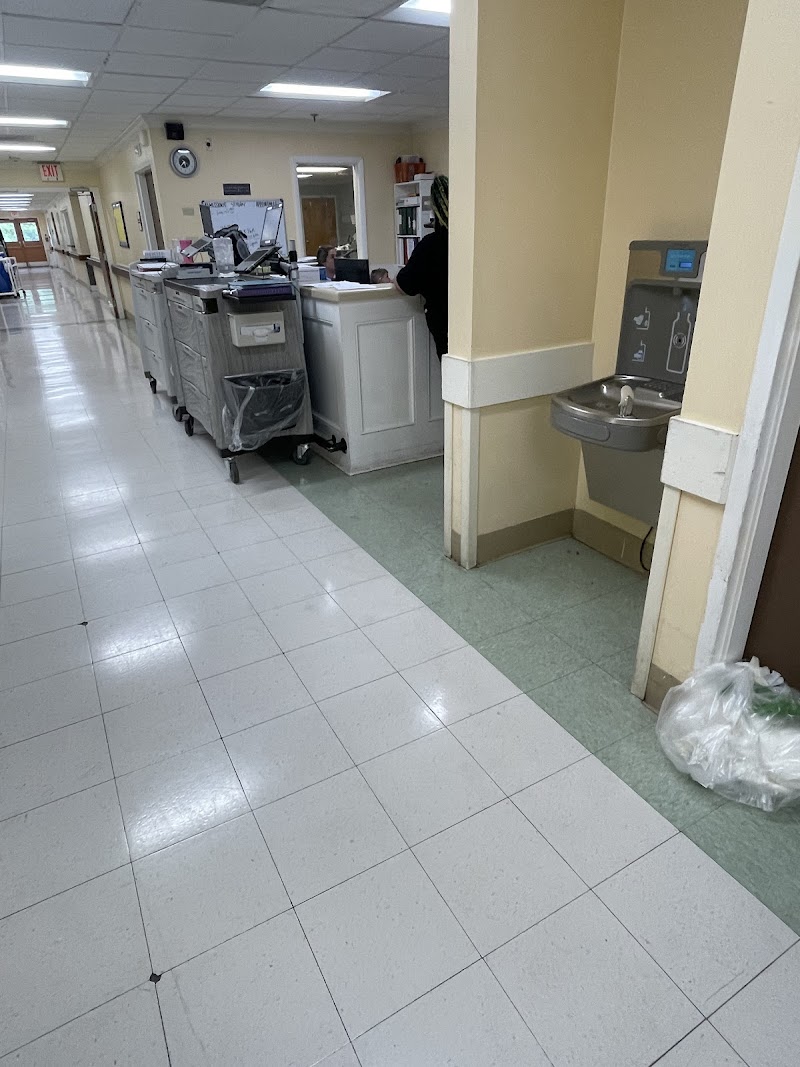
Who Owns and Operates Harrisonburg Hlth & Rehab Cntr?

HARRISONBURG HLTH & REHAB CNTR is owned by a government entity. Government-operated facilities are typically run by state, county, or municipal agencies. The facility is operated by LIFEWORKS REHAB, a chain that manages multiple nursing homes. With 180 certified beds and approximately 156 residents (about 87% occupancy), it is a mid-sized facility located in HARRISONBURG, Virginia.
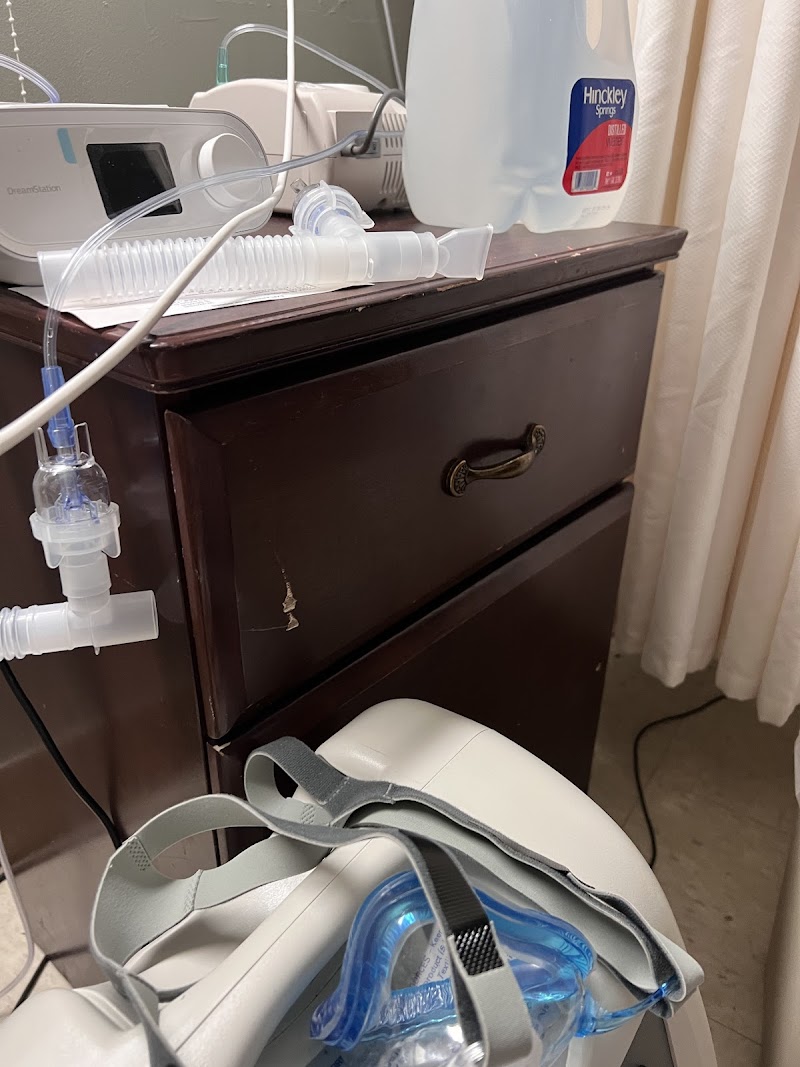
How Does Harrisonburg Hlth & Rehab Cntr Compare to Other Virginia Nursing Homes?

Compared to the 100 nursing homes in Virginia, HARRISONBURG HLTH & REHAB CNTR's overall rating (2 stars) is below the state average of 3.0, staff turnover (61%) is significantly higher than the state average of 46%, and health inspection rating (1 stars) is much below the national benchmark.

What Should Families Ask When Visiting Harrisonburg Hlth & Rehab Cntr?

Based on this facility's data, families visiting should ask: "What changes have been made since the serious inspection findings, and how are you preventing similar issues?" "What safeguards and monitoring systems are in place to protect residents from abuse or neglect?" "How do you ensure continuity of care given staff turnover, and what is your staff retention strategy?" "Can you walk me through typical staffing levels on day, evening, and night shifts?" These questions are particularly relevant given the facility's Immediate Jeopardy citations, the substantiated abuse finding on record, the facility's high staff turnover rate, and the below-average staffing rating.

Is Harrisonburg Hlth & Rehab Cntr Safe?

Based on CMS inspection data, HARRISONBURG HLTH & REHAB CNTR has documented safety concerns. The facility has 1 substantiated abuse finding (meaning confirmed case of resident harm by staff or other residents). Inspectors have issued 2 Immediate Jeopardy citations (the most serious violation level indicating risk of serious injury or death). The facility has a 2-star overall rating and ranks #100 of 100 nursing homes in Virginia. Families considering this facility should ask detailed questions about what corrective actions have been taken since these incidents.

Do Nurses at Harrisonburg Hlth & Rehab Cntr Stick Around?

Staff turnover at HARRISONBURG HLTH & REHAB CNTR is high. At 61%, the facility is 15 percentage points above the Virginia average of 46%. High turnover means new staff may not know residents' individual needs, medications, or preferences. It can also be disorienting for residents, especially those with dementia who rely on familiar faces. Families should ask: What is causing the turnover? What retention programs are in place? How do you ensure care continuity during staff transitions?

Was Harrisonburg Hlth & Rehab Cntr Ever Fined?

HARRISONBURG HLTH & REHAB CNTR has been fined $116,624 across 1 penalty action. This is 3.4x the Virginia average of $34,245. Fines at this level are uncommon and typically indicate a pattern of serious deficiencies, repeated violations, or failure to correct problems promptly. CMS reserves penalties of this magnitude for facilities that pose significant, documented risk to resident health or safety. Families should request specific documentation of what issues led to these fines and what systemic changes have been implemented.

Is Harrisonburg Hlth & Rehab Cntr on Any Federal Watch List?

HARRISONBURG HLTH & REHAB CNTR is not on any federal watch list. The most significant is the Special Focus Facility (SFF) program, which identifies the bottom 1% of nursing homes nationally based on persistent, serious quality problems. Not being on this list means the facility has avoided the pattern of deficiencies that triggers enhanced federal oversight. This is a positive indicator, though families should still review the facility's inspection history directly.