KING'S GRANT RETIREMENT COMMUN
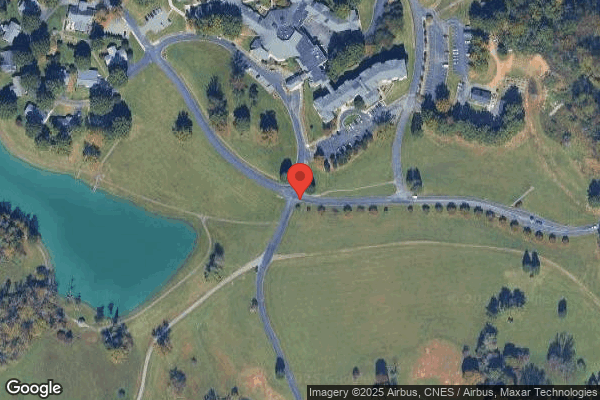
350 KING'S WAY ROAD, MARTINSVILLE, VA 24112 (276) 634-1000
Non profit - Corporation 32 Beds Independent Data: November 2025
Trust Grade
95/100
#22 of 285 in VA
Last Inspection: September 2023

Over 2 years since last inspection. Current conditions may differ from available data.

Overview

King's Grant Retirement Community in Martinsville, Virginia, received an impressive Trust Grade of A+, indicating it is an elite facility with top-tier care. It ranks #22 out of 285 facilities in Virginia, placing it in the top half, and is the best option among the three facilities in Martinsville City County. The facility's performance is stable, maintaining the same number of issues, two concerns, from 2021 to 2023. Staffing is a definite strength with a perfect 5/5 rating and a low turnover rate of 23%, significantly better than the state average, ensuring that experienced staff are familiar with the residents' needs. While there have been no fines, which is a positive sign, two specific concerns were noted: the facility failed to offer pneumococcal vaccinations to some residents and did not properly implement DNR status for two residents, indicating areas for improvement in adherence to health guidelines.

Trust Score
A+
95/100
In Virginia
#22/285
Top 7%
Safety Record
Low Risk
No red flags
Inspections
Holding Steady
1 → 1 violations
Staff Stability
✓ Good
23% annual turnover. Excellent stability, 25 points below Virginia's 48% average. Staff who stay learn residents' needs.
Penalties
✓ Good
No fines on record. Clean compliance history, better than most Virginia facilities.
Skilled Nurses
✓ Good
Each resident gets 54 minutes of Registered Nurse (RN) attention daily — more than average for Virginia. RNs are trained to catch health problems early.
Violations
✓ Good
Only 2 deficiencies on record. Cleaner than most facilities. Minor issues only.
★★★★★
5.0
Overall Rating
★★★★★
5.0
Staff Levels
★★★★☆
4.0
Care Quality
★★★★★
5.0
Inspection Score
Stable
2021: 1 issues
2023: 1 issues

The Good

  • 5-Star Staffing Rating · Excellent nurse staffing levels
  • 4-Star Quality Measures · Strong clinical quality outcomes
  • Low Staff Turnover (23%) · Staff stability means consistent care
  • Full Sprinkler Coverage · Fire safety systems throughout facility
  • No fines on record
  • Staff turnover is low (23%)

    25 points below Virginia average of 48%

Facility shows strength in staffing levels, quality measures, staff retention, fire safety.

The Bad

No Significant Concerns Identified

This facility shows no red flags. Among Virginia's 100 nursing homes, only 1% achieve this.

The Ugly 2 deficiencies on record

Sept 2023 1 deficiency
CONCERN (D)

Potential for Harm - no one hurt, but risky conditions existed

Deficiency F0883 (Tag F0883)

Could have caused harm · This affected 1 resident

**NOTE- TERMS IN BRACKETS HAVE BEEN EDITED TO PROTECT CONFIDENTIALITY** Based on staff interview, clinical record review, and facility document review, the facility staff failed to offer a pneumococca...

Read full inspector narrative →
**NOTE- TERMS IN BRACKETS HAVE BEEN EDITED TO PROTECT CONFIDENTIALITY** Based on staff interview, clinical record review, and facility document review, the facility staff failed to offer a pneumococcal vaccine to 2 of 5 sampled residents for immunizations in accordance with nationally recognized standards, Residents #12 and #13. The findings included: 1. For Resident #12, the facility staff failed to offer the resident a pneumococcal conjugate vaccine 20 (PCV20) or a pneumococcal polysaccharide vaccine 23 (PPSV23) following admission to the facility. A review of the Centers for Disease Control and Prevention (CDC) guideline titled, Pneumococcal Vaccination: Summary of Who and When to Vaccinate last reviewed 2/13/23, read in part, .For adults 65 years or older who have only received PCV13, CDC recommends you either: Give 1 dose of PCV20 at least 1 year after PCV13 or Give 1 dose of PPSV23 at least 1 year after PCV13 . Resident #12's diagnosis list indicated diagnoses, which included, but not limited to Alzheimer's Disease, Atherosclerotic Heart Disease, and Essential Hypertension. The most recent quarterly minimum data set (MDS) with an assessment reference date (ARD) of 8/08/23 assigned the resident a brief interview for mental status (BIMS) summary score of 3 out of 15 indicating the resident was severely cognitively impaired. Resident #12 was admitted to the facility on [DATE] and was [AGE] years old at the time of admission. A review of Resident #12's clinical record revealed they had received a pneumococcal conjugate vaccine 13 (PCV13) on 3/03/17 prior to admission. Surveyor was unable to locate evidence to indicate Resident #12 was offered a PCV20 or PPSV23 vaccine following admission to the facility. On 9/13/23 at 4:26 PM, surveyor spoke with the director of nursing (DON) and requested any evidence of Resident #12 receiving or being offered any additional pneumococcal vaccinations. The DON stated they would check in the Virginia Immunization System (VIS) and Care Connect for additional information. No additional pneumococcal vaccine information was provided for Resident #12. Surveyor requested and received the facility policy titled Pneumococcal Vaccines issued/revised 11/2021 which read in part, .Communicate the resident's vaccine history to his/her provider. The provider will indicate if the resident needs PCV13 or PPSV23 or both . On 9/14/23 at 1:25 PM, surveyor spoke with the DON who stated the facility focus had been on providing COVID vaccinations and they will work on providing pneumonia vaccines and will also review the facility policy. On 9/14/23 at 5:24 PM, the survey team met with the facility administrative team including the administrator and DON and discussed the concern of Resident #12 not being offered a PCV20 or PPSV23 following admission. No further information regarding this concern was presented to the survey team prior to the exit conference on 9/14/23. 2. For Resident #13, the facility staff failed to offer the resident a pneumococcal conjugate vaccine 20 (PCV20) or a pneumococcal conjugate vaccine 15 (PCV15) following admission to the facility. A review of the Centers for Disease Control and Prevention (CDC) guideline titled, Pneumococcal Vaccination: Summary of Who and When to Vaccinate last reviewed 2/13/23, read in part, .For adults 65 years or older who have only received PPSV23, CDC recommends you: Give 1 dose of PCV15 or PCV20. The PCV15 or PCV20 dose should be administered at least 1 year after the most recent PPSV23 vaccination . Resident #13's diagnosis list indicated diagnoses, which included, but not limited to Hemiplegia and Hemiparesis following Cerebral Infarction, Dementia, Type 2 Diabetes Mellitus, and Malignant Neoplasm of Skin. The most recent quarterly minimum data set (MDS) with an assessment reference date (ARD) of 8/31/23 assigned the resident a brief interview for mental status (BIMS) summary score of 3 out of 15 indicating the resident was severely cognitively impaired. Resident #13 was admitted to the facility on [DATE] and was [AGE] years old at the time of admission. A review of Resident #13's clinical record revealed they received a pneumococcal polysaccharide 23 (PPSV23) vaccine on 5/17/18 prior to admission to the facility. Surveyor was unable to locate evidence to indicate Resident #13 was offered a PCV20 or PCV15 vaccine following admission to the facility. On 9/13/23 at 4:26 PM, surveyor spoke with the director of nursing (DON) and requested any evidence of Resident #13 receiving or being offered any additional pneumococcal vaccinations. The DON stated they would check in the Virginia Immunization System (VIS) and Care Connect for additional information. No additional pneumococcal vaccine information was provided for Resident #13. Surveyor requested and received the facility policy titled Pneumococcal Vaccines issued/revised 11/2021 which read in part, .Communicate the resident's vaccine history to his/her provider. The provider will indicate if the resident needs PCV13 or PPSV23 or both . On 9/14/23 at 1:25 PM, surveyor spoke with the DON who stated the facility focus had been on providing COVID vaccinations and they will work on providing pneumonia vaccines and will also review the facility policy. On 9/14/23 at 5:24 PM, the survey team met with the facility administrative team including the administrator and DON and discussed the concern of Resident #13 not being offered a PCV20 or PCV15 following admission. No further information regarding this concern was presented to the survey team prior to the exit conference on 9/14/23.
Sept 2021 1 deficiency
CONCERN (D)

Potential for Harm - no one hurt, but risky conditions existed

Deficiency F0578 (Tag F0578)

Could have caused harm · This affected 1 resident

**NOTE- TERMS IN BRACKETS HAVE BEEN EDITED TO PROTECT CONFIDENTIALITY** Based on observations, staff interviews, and facility document review, it was determined the facility staff failed to accurately...

Read full inspector narrative →
**NOTE- TERMS IN BRACKETS HAVE BEEN EDITED TO PROTECT CONFIDENTIALITY** Based on observations, staff interviews, and facility document review, it was determined the facility staff failed to accurately implement policies and procedures relating to DNR (do not resuscitate) status for two (2) of 30 facility residents (Resident #12 and Resident #26). The findings include: The facility staff failed to ensure Resident #12's and Resident #26's code status was correctly marked, outside the residents' room, according to the facility's process. The facility's process is that residents with an active DNR will have a blue dot sticker placed beside the resident's name that is posted on the nameplate sign outside of the resident's room. Resident #26's clinical record included a minimum data set (MDS) assessment with an assessment reference date (ARD) of [DATE]. Resident #26 was assessed as being able to make self understood and as being able to understand others. Resident #26's Brief Interview for Mental Status (BIMS) summary score was documented as a 12 out of 15. Resident #26 was documented as requiring limited assistance with bed mobility, transfers, toilet use, and personal hygiene. Resident #26's diagnoses included, but were not limited to: high blood pressure, wound infection, arthritis, hip fracture, and depression. Resident #12's clinical record included a minimum data set (MDS) assessment with an assessment reference date (ARD) of [DATE]. Resident #12 was assessed as being able to sometimes make self understood and sometimes being able to understand others. Resident #12 was assessed as having problems with short-term memory. Resident #12 was assessed as being dependent on others for transfers, dressing, toilet use, personal hygiene, and bathing. Resident #12's diagnoses included, but were not limited to: high blood pressure, diabetes, aphasia, and depression. On [DATE] at 10:24 a.m., the nameplate sign outside of Resident #26's room was noted to have a blue dot sticker placed beside Resident #26's name. LPN (licensed practical nurse) #21 and LPN #22 were present during this observation. LPN #21 confirmed Resident #26 had a blue dot sticker beside the resident's name. LPN #21 reported the blue dot indicated the resident had a DNR order. LPN #21 and LPN #22 reviewed Resident #26's electronic clinical record and reported a DNR order for Resident #26 was not found. LPN #22 reported the decision to start or not to start CPR is not made based on the blue dot sticker alone. LPN #22 reported the facility's process requires the blue dot sticker/code status be confirmed by two individuals and confirmed by the DNR order in a resident's clinical record. On [DATE] at 10:29 a.m., the facility's Director of Nursing (DON) was shown the blue dot sticker which was placed beside Resident #26 name; the DON was also informed a DNR order for Resident #26 was not found. Resident #26 was care planned as having a code status of Full Code. On the morning of [DATE], the blue dot stickers on the residents' nameplates outside of the resident rooms was reviewed with RN (registered nurse) #23. At 11:05 a.m., it was discovered that Resident #12's clinical documentation did not include orders for DNR although there was a blue dot sticker beside the resident's name on the nameplate outside of the resident's room. RN #23 confirmed Resident #12 had a blue dot sticker beside their name posted on the nameplate outside of the resident room. Resident #12 was care planned as having a code status of Full Code. The following information was found in a facility document titled CODE STATUS (with a revision date of 1/19): - STATEMENT OF POLICY: It is the policy of King's Grant to support the rights of residents in making decisions regarding their care and treatment. King's Grant will honor the resident's wishes regarding the extent of measures that will be taken in the event that life saving measures are deemed necessary. - PURPOSE: To identify the process followed by King's Grant to ensure appropriate code status wishes are followed. - Residents who have an active DNR will also be identified by a blue dot on their door frame. - In the event of a code situation, a resident's code status will be verified in a three-step process: a. Nurse to check in (the electronic medical record) system and/or binder at nurses' station to verify code status b. Nurse to verify code status with another nurse c. Nurse to verify presence of blue dot on resident's door. A survey team meeting occurred on [DATE] at 4:20 p.m. with the facility's DON, Administrator, Infection Preventionist, and RN #23. During this meeting, the incorrect placement of blue dot stickers on Resident #12's nameplate and Resident #26's nameplate was discussed. The blue dot stickers indicated Resident #12 and Resident #26 had DNR orders when in actuality neither resident had DNR orders.
Understanding Severity Codes (click to expand)
Life-Threatening (Immediate Jeopardy)
J - Isolated K - Pattern L - Widespread
Actual Harm
G - Isolated H - Pattern I - Widespread
Potential for Harm
D - Isolated E - Pattern F - Widespread
No Harm (Minor)
A - Isolated B - Pattern C - Widespread

Questions to Ask on Your Visit

  • "Can I speak with families of current residents?"
  • "What's your RN coverage like on weekends and overnight?"

Our Honest Assessment

Strengths
  • • Grade A+ (95/100). Above average facility, better than most options in Virginia.
  • • No major safety red flags. No abuse findings, life-threatening violations, or SFF status.
  • • No fines on record. Clean compliance history, better than most Virginia facilities.
  • • Only 2 deficiencies on record. Cleaner than most facilities. Minor issues only.
Concerns
  • • No significant concerns identified. This facility shows no red flags across CMS ratings, staff turnover, or federal penalties.
Bottom line: Generally positive indicators. Standard due diligence and a personal visit recommended.

About This Facility

What is King'S Grant Retirement Commun's CMS Rating?

CMS assigns KING'S GRANT RETIREMENT COMMUN an overall rating of 5 out of 5 stars, which is considered much above average nationally. Within Virginia, this rating places the facility higher than 99% of the state's 100 nursing homes. This rating reflects solid performance across the metrics CMS uses to evaluate nursing home quality.

How is King'S Grant Retirement Commun Staffed?

CMS rates KING'S GRANT RETIREMENT COMMUN's staffing level at 5 out of 5 stars, which is much above average compared to other nursing homes. Staff turnover is 23%, compared to the Virginia average of 46%. This relatively stable workforce can support continuity of care.

What Have Inspectors Found at King'S Grant Retirement Commun?

State health inspectors documented 2 deficiencies at KING'S GRANT RETIREMENT COMMUN during 2021 to 2023. These included: 2 with potential for harm.

Who Owns and Operates King'S Grant Retirement Commun?

KING'S GRANT RETIREMENT COMMUN is owned by a non-profit organization. Non-profit facilities reinvest revenue into operations rather than distributing to shareholders. The facility operates independently rather than as part of a larger chain. With 32 certified beds and approximately 30 residents (about 94% occupancy), it is a smaller facility located in MARTINSVILLE, Virginia.

How Does King'S Grant Retirement Commun Compare to Other Virginia Nursing Homes?

Compared to the 100 nursing homes in Virginia, KING'S GRANT RETIREMENT COMMUN's overall rating (5 stars) is above the state average of 3.0, staff turnover (23%) is significantly lower than the state average of 46%, and health inspection rating (5 stars) is much above the national benchmark.

What Should Families Ask When Visiting King'S Grant Retirement Commun?

Based on this facility's data, families visiting should ask: "Can I visit during a mealtime to observe dining assistance and food quality?" "How do you handle medical emergencies, and what is your hospital transfer rate?" "Can I speak with family members of current residents about their experience?"

Is King'S Grant Retirement Commun Safe?

Based on CMS inspection data, KING'S GRANT RETIREMENT COMMUN has a clean safety record: no substantiated abuse findings (meaning no confirmed cases of resident harm), no Immediate Jeopardy citations (the most serious violation level indicating risk of serious injury or death), and is not on the Special Focus Facility watch list (a federal program monitoring the lowest-performing 1% of nursing homes). The facility has a 5-star overall rating and ranks #1 of 100 nursing homes in Virginia. While no facility is perfect, families should still ask about staff-to-resident ratios and recent inspection results during their visit.

Do Nurses at King'S Grant Retirement Commun Stick Around?

Staff at KING'S GRANT RETIREMENT COMMUN tend to stick around. With a turnover rate of 23%, the facility is 23 percentage points below the Virginia average of 46%. Low turnover is a positive sign. It means caregivers have time to learn each resident's needs, medications, and personal preferences. Consistent staff also notice subtle changes in a resident's condition more quickly. Registered Nurse turnover is also low at 12%, meaning experienced RNs are available to handle complex medical needs.

Was King'S Grant Retirement Commun Ever Fined?

KING'S GRANT RETIREMENT COMMUN has no federal fines on record. CMS issues fines when nursing homes fail to meet care standards or don't correct problems found during inspections. The absence of fines suggests the facility has either maintained compliance or corrected any issues before penalties were assessed. This is a positive indicator, though families should still review recent inspection reports for the full picture.

Is King'S Grant Retirement Commun on Any Federal Watch List?

KING'S GRANT RETIREMENT COMMUN is not on any federal watch list. The most significant is the Special Focus Facility (SFF) program, which identifies the bottom 1% of nursing homes nationally based on persistent, serious quality problems. Not being on this list means the facility has avoided the pattern of deficiencies that triggers enhanced federal oversight. This is a positive indicator, though families should still review the facility's inspection history directly.