MULBERRY CREEK NURSING & REHAB CENTER
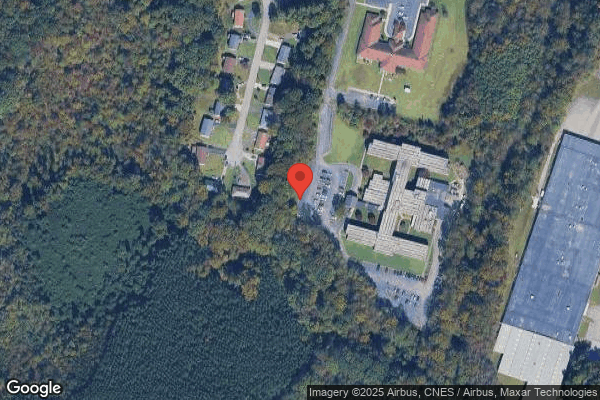
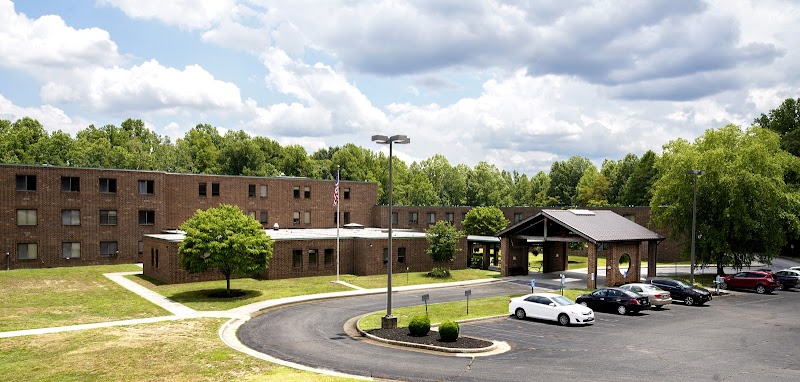
300 BLUE RIDGE STREET, MARTINSVILLE, VA 24112 (540) 265-0322
For profit - Limited Liability company 300 Beds KISSITO HEALTHCARE Data: November 2025
Trust Grade
75/100
#92 of 285 in VA
Last Inspection: May 2024

Within standard 12-15 month inspection cycle. Federal law requires annual inspections.

Overview

Mulberry Creek Nursing & Rehab Center has a Trust Grade of B, which indicates a good facility and a solid choice for care. It ranks #92 out of 285 nursing homes in Virginia, placing it in the top half, and #2 out of 3 in Martinsville City County, meaning only one local option is better. The facility's performance is stable, with 14 issues reported in both 2023 and 2024, but no critical or serious problems were found. Staffing is a concern, with a rating of 2 out of 5 stars and below-average RN coverage compared to 84% of Virginia facilities, although there are no fines on record, which is a positive sign. Specific incidents include a failure to properly manage food safety, such as serving expired eggs and unlabeled beverages, and a lack of adherence to care plans that led to potential fall risks for residents. Overall, while there are strengths in the absence of fines, the facility must address its staffing and care plan implementation issues.

Trust Score
B
75/100
In Virginia
#92/285
Top 32%
Safety Record
Low Risk
No red flags
Inspections
Holding Steady
3 → 3 violations
Staff Stability
⚠ Watch
48% turnover. Above average. Higher turnover means staff may not know residents' routines.
Penalties
✓ Good
No fines on record. Clean compliance history, better than most Virginia facilities.
Skilled Nurses
⚠ Watch
Each resident gets only 22 minutes of Registered Nurse (RN) attention daily — below average for Virginia. Fewer RN minutes means fewer trained eyes watching for problems.
Violations
⚠ Watch
14 deficiencies on record. Higher than average. Multiple issues found across inspections.
★★★★☆
4.0
Overall Rating
★★☆☆☆
2.0
Staff Levels
★★☆☆☆
2.0
Care Quality
★★★★☆
4.0
Inspection Score
Stable
2023: 3 issues
2024: 3 issues

The Good

  • Full Sprinkler Coverage · Fire safety systems throughout facility
  • No fines on record

Facility shows strength in fire safety.

The Bad

Staff Turnover: 48%

Near Virginia avg (46%)

Higher turnover may affect care consistency

Chain: KISSITO HEALTHCARE

Part of a multi-facility chain

Ask about local staffing decisions and management

The Ugly 14 deficiencies on record

Nov 2024 1 deficiency
CONCERN (D) 📢 Someone Reported This

A family member, employee, or ombudsman was alarmed enough to file a formal complaint

Potential for Harm - no one hurt, but risky conditions existed

Medical Records (Tag F0842)

Could have caused harm · This affected 1 resident

**NOTE- TERMS IN BRACKETS HAVE BEEN EDITED TO PROTECT CONFIDENTIALITY** Based on clinical record review and staff interview the facility staff failed to ensure a complete and accurate clinical record ...

Read full inspector narrative →
**NOTE- TERMS IN BRACKETS HAVE BEEN EDITED TO PROTECT CONFIDENTIALITY** Based on clinical record review and staff interview the facility staff failed to ensure a complete and accurate clinical record for 1 of 2 residents, Resident #1. The findings included: For Resident #1 the facility staff failed to accurately complete entries on the treatment administration record (TAR). Resident #1's face sheet listed diagnoses which included but not limited to unspecified open wound, left hip, type II diabetes mellitus, and displaced fracture of base of neck of left femur. Resident #1's most recent minimum data set with an assessment reference date of 10/20/24 assigned the resident a brief interview for mental status score of 11 out of 15 in section C, cognitive patterns. This indicates that the resident is moderately cognitively impaired. Resident #1's comprehensive care plan was reviewed and contained a care plan for resident has a surgical wound to: Left hip. Wound has dehisced. Interventions for this care plan included, keep surgical incision site clean and dry as possible, treatment as ordered, and wound vac as ordered. Resident #1's clinical record was reviewed and contained a physician's order summary which read in part, Check functioning and seal of Prevena incisional wound vac to left hip-to remain in place and wound to be re-evaluated at f/u (follow up) appt every shift for surgical site. Start Date 10/15/2024. Resident #1's electronic treatment administration record was reviewed and contained an entry as above. The entry was not initialed as being completed on 10/18/24-10/20/24 for night shift. Surveyor spoke with the director of nursing (DON) on 11/13/24 at 2:45 pm regarding Resident #1's treatment administration record. DON stated to surveyor that they wound dressing was checked as sealed and functioning on day shift on the same days, and that resident was transferred to hospital on [DATE]. DON stated they would check into why the treatment record was not initialed on 10/18/24 and 10/19/24. On 11/13/24 at 3:15 pm, DON stated to surveyor they had no information as to why the resident's treatment record was not initialed on the dates above. The concern of not initialing Resident #1's treatment administration record was discussed with the administrator and DON on 11/13/24 at 3:30 pm. No further information was provided prior to exit.
Aug 2024 1 deficiency
CONCERN (D) 📢 Someone Reported This

A family member, employee, or ombudsman was alarmed enough to file a formal complaint

Potential for Harm - no one hurt, but risky conditions existed

Accident Prevention (Tag F0689)

Could have caused harm · This affected 1 resident

Based on observation, staff interview, and clinical record review, the facility staff failed to implement a comprehensive person-centered care plan for supervision to prevent falls for 1 of 7 sampled ...

Read full inspector narrative →
Based on observation, staff interview, and clinical record review, the facility staff failed to implement a comprehensive person-centered care plan for supervision to prevent falls for 1 of 7 sampled residents, Resident #4. The findings included: For Resident #4, the facility staff failed to ensure a motion sensor position change alarm was in proper position and functioning. Resident #4's diagnosis list indicated diagnoses, which included, but not limited to Dementia, Anxiety Disorder, Osteoarthritis of Left Hip, Generalized Muscle Weakness, Repeated Falls, Lack of Coordination, and Reduced Mobility. The most recent minimum data set (MDS) with an assessment reference date (ARD) of 6/14/24 assigned the resident a brief interview for mental status (BIMS) summary score of 3 out of 15 indicating the resident was severely cognitively impaired. Resident #4's clinical record included a Fall Risk Evaluation dated 8/08/24 indicating the resident was a high fall risk. A review of Resident #4's clinical record revealed a history of eleven (11) falls occurring in the past four (4) months, one of which resulted in left superior and inferior pubic ramus fractures and a left sacral alar fracture. Resident #4's current comprehensive person-centered care plan included a focus area stating the resident was at high risk for falls related to a history of falls, impaired cognitive status, and impaired mobility. The care plan included an intervention dated 7/14/24 for a motion sensor and an intervention for a bed/chair alarm dated 7/30/24. On 8/21/24 at 11:52 AM, surveyor observed Resident #4 lying in bed with eyes closed. Surveyor was unable to locate a motion sensor alarm or a bed alarm in place. Surveyor requested the assistance of Registered Nurse (RN) #1 who entered the resident's room at 11:56 AM. RN #1 located the motion sensor device in the floor between the nightstand and the head of the bed; RN #1 turned the motion sensor on and reapplied it to the wall and the device immediately fell back to the floor. RN #1 placed the motion sensor on the nightstand positioned toward the bed and stated they would notify maintenance. On 8/21/24 at 2:08 PM, surveyor spoke with Certified Nursing Assistant (CNA) #1 who stated when they checked on Resident #4 at 10:00 AM the motion sensor was on and functioning, positioned on the nightstand aimed toward the side of the bed. CNA #1 provided a copy of a Rounding Sheet dated 8/21/24 indicating the resident was checked for incontinence care at 10:00 AM. Surveyor spoke with RN #1 again at 2:16 PM and they confirmed the earlier observation that the motion sensor was in fact turned off and they reactivated it. RN #1 stated the sensor may have turned off when it fell in the floor. On 8/21/24 at 2:20 PM, surveyor met with the Administrator and Director of Nursing and discussed the concern of the motion sensor being off and located in the floor. The Administrator stated the sensor had now been permanently affixed to the wall. No further information regarding this concern was presented to the surveyor prior to the exit conference on 8/21/24.
May 2024 1 deficiency
CONCERN (D)

Potential for Harm - no one hurt, but risky conditions existed

Deficiency F0757 (Tag F0757)

Could have caused harm · This affected 1 resident

Based on staff interview and clinical record review, the facility staff failed to ensure 2 of 36 residents were free of unnecessary medications, Residents #63 and #139. The findings included: 1. For...

Read full inspector narrative →
Based on staff interview and clinical record review, the facility staff failed to ensure 2 of 36 residents were free of unnecessary medications, Residents #63 and #139. The findings included: 1. For Resident #63, the facility staff administered the medication Amiodarone for a heart rate less than 60. The provider order read to hold this medication for heart rate less than 60. Resident #63's diagnoses included, but were not limited to, paroxysmal atrial fibrillation and chronic obstructive pulmonary disease. Section C (cognitive patterns) of Resident #63's quarterly minimum data set (MDS) assessment with an assessment reference date (ARD) of 03/28/24 included a brief interview for mental status (BIMS) summary score of 4 out of a possible 15 points. Resident #63's comprehensive care plan included the focus area at risk for cardiac complications related to atrial fibrillation, hypertension, and congestive heart failure. Interventions included, but were not limited to, administer medications as ordered, observe parameters, and check pulse as ordered. Resident #63's clinical record included a provider order for the medication Amiodarone HCl Oral Tablet 200 mg by mouth two times a day related to atrial fibrillation hold if heart rate 60 or below. A review of Resident #63's medication administration record (MAR) for May 2024 revealed that the facility nursing staff documented they had administered the medication for a heart rate of less than 60 at 9:00 a.m. on 05/02/24 (53), 05/03/24 (42), 05/04/24 (54), 05/05/24 (53), and on 05/08/24 (58). On 05/08/24 at 1:30 p.m., during a meeting with the Administrator and Director of Nursing (DON) the issue with the medication being administered for a pulse less than 60 was reviewed. On 05/08/24 at 3:03 p.m., Licensed Practical Nurse (LPN) #1 was interviewed regarding the administration of the medication at 9:00 a.m. on 05/03/24. LPN #1 stated they were unsure if they had administered the medication, and they could have marked the medication in error. On 05/08/24 at 4:50 p.m., LPN #3 was interviewed regarding the administration of the medication at 9:00 a.m. on 05/05/24 and 05/08/24. LPN #3 reviewed the MAR with the surveyor and stated they were unsure if they had administered the medication. On 05/08/24 at 8:16 p.m., the DON transcribed a progress note that read, MD made aware of bp medication given with no adverse reactions noted. On 05/09/24 at 12:19 p.m., during a meeting with the Administrator and DON the DON stated a medication error had been completed and they were re-educating the nursing staff. No further information regarding this issue was provided to the survey team prior to the exit conference. 2. For Resident #139, the facility nursing staff failed to follow the provider ordered parameters for the administration of the blood pressure medications Isosorbide and Topiramate. Resident #139's diagnoses included, but were not limited to, hypertension, diabetes, and myocardial infarction type 2. Section C (cognitive patterns) of Resident #139's quarterly minimum data set (MDS) assessment with an assessment reference date (ARD) of 03/29/24 included a brief interview for mental status (BIMS) score of 15 out of a possible 15 points. Resident #139's comprehensive care plan included the focus area risk for cardiac complications related to hypertension. Interventions included administer medications as ordered and observe parameters. Resident #139's clinical record included provider orders for the following medications: Topiramate 50 mg give 1 tablet once a day. Hold for systolic blood pressure less than 110. Isosorbide extended release (ER) 60 mg give 1 tablet once a day. Hold for systolic blood pressure less than 100. (The systolic blood pressure is the top number of an individuals blood pressure reading). A review of the medication administration records revealed that on 05/01/24 the facility nursing staff documented they administered both these medications for a blood pressure (BP) of 88/62. On 05/08/24 at 1:30 p.m., during a meeting with the Administrator and Director of Nursing (DON) the issue with the medications being administered for a BP of 88/62 on 05/01/24 was reviewed. On 05/08/24 at 7:14 p.m., the DON transcribed a progress note that read, MD made aware of bp medication given, no adverse reactions noted. On 05/09/24 at 12:19 p.m., during a meeting with the Administrator and DON the DON stated a medication error had been completed and they were re-educating the nursing staff. No further information regarding this issue was provided to the survey team prior to the exit conference.
Apr 2023 3 deficiencies
CONCERN (D) 📢 Someone Reported This

A family member, employee, or ombudsman was alarmed enough to file a formal complaint

Potential for Harm - no one hurt, but risky conditions existed

Notification of Changes (Tag F0580)

Could have caused harm · This affected 1 resident

Based on interviews, clinical record review, and facility document review, the facility staff failed to notify a medical provider and/or responsible party (RP) of a change in condition for one (1) of ...

Read full inspector narrative →
Based on interviews, clinical record review, and facility document review, the facility staff failed to notify a medical provider and/or responsible party (RP) of a change in condition for one (1) of four (4) residents (Resident #1). The findings include: Licensed practical nurse (LPN) #3 failed to notify Resident #1's medical provider and/or responsible party (RP) when a yellow area to the resident's lower extremity was reported to LPN #3 by certified nursing aides (CNAs). Resident #1's minimum data set (MDS) assessment, with an assessment reference date (ARD) of 3/9/23, was signed as being completed on 3/13/23. Resident #1 was assessed as being able to make self understood and as usually being able to understand others. Resident #1 was assessed as having problems with both short-term and long-term memory. Resident #1 was assessed as requiring extensive assistance with bed mobility, transfers, dressing, toilet use, and personal hygiene. Resident #1 was assessed, for bathing, as requiring total dependence of one staff member. During interviews on the morning of 4/4/23, CNA #2 and CNA #3 reported they notified LPN #3 of a yellow discoloration of Resident #1's right hip and/or leg area during the evening shift on 3/17/23. Both CNA #2 and CNA #3 described LPN #3 completing an assessment of Resident #1's lower extremities. During an interview on 4/3/23 at 4:00 p.m., LPN #3 reported they were notified of Resident #1's skin being yellow by CNA #2 and CNA #3. LPN #3 reported they had not been told about issues with Resident #1's skin as part of the report from the previous nurse. LPN #3 reported they assessed Resident #1. LPN #3 reported skin to one of Resident #1's lower extremities was noted to be a little yellowish. LPN #3 reported they assessed Resident #1's lower extremities' skin temperature, range of motion, and pulses and found nothing abnormal. LPN #3 reported the resident did not appear to be in pain. No evidence was found to indicate Resident #1's medical provider and/or responsible party were notified of the change in the resident's lower extremity skin color. The following information was found in a facility document titled Notification (this document was not dated): - Purpose 1. [sic] To ensure that a system is established to report any changes in condition of the resident to his/her attending physician and responsible party. - Notification of Significant Other (s) - The nursing care staff or other designated staff shall notify the resident's significant other as soon as possible whenever: The resident has had a change of physical, mental or psychosocial status . - Notification of Physician - The nursing care staff shall notify the resident's physician of any changes in status and document such notification in the resident's clinical record. Such notification shall be timely. On 4/4/23 at 12:02 p.m., the survey team met with the facility's Administrator and Director of Nursing (DON). The surveyor discussed the failure of facility staff to notify Resident #1's medical provider and/or responsible party of the yellow discoloration of Resident #1's lower extremity. The DON reported the medical provider and responsible party should have been notified of Resident #1's lower extremity discoloration.
CONCERN (D) 📢 Someone Reported This

A family member, employee, or ombudsman was alarmed enough to file a formal complaint

Potential for Harm - no one hurt, but risky conditions existed

Deficiency F0657 (Tag F0657)

Could have caused harm · This affected 1 resident

Based on observations, interviews, clinical record review, and facility document review, the facility staff failed to correctly review and revise the comprehensive care plan for one (1) of four (4) re...

Read full inspector narrative →
Based on observations, interviews, clinical record review, and facility document review, the facility staff failed to correctly review and revise the comprehensive care plan for one (1) of four (4) residents (Resident #1). The findings include: The facility staff failed to review and revise Resident #1's comprehensive care plan to address the resident's clinical conditions. Resident #1's minimum data set (MDS) assessment, with an assessment reference date (ARD) of 3/9/23, was signed as being completed on 3/13/23. Resident #1 was assessed as being able to make self understood and as usually being able to understand others. Resident #1 was assessed as having problems with both short-term and long-term memory. Resident #1 was assessed as requiring extensive assistance with bed mobility, transfers, dressing, toilet use, and personal hygiene. Resident #1 was assessed, for bathing, as requiring total dependence of one staff member. On 4/3/23 and 4/4/23, Resident #1 was noted to not have a brace and/or cast in use. On 4/4/23, Licensed Practical Nurse (LPN) #4 confirmed that Resident #1 did not have a brace and/or cast currently in use. LPN #4 reported Resident #1 had a dressing on their right hip. LPN #4 denied Resident #1 having a cast and/or brace when the resident returned to the facility on 3/23/23. (Resident #1 returned to the facility on 3/23/23 after being diagnosed with and treated for a right hip fracture at a local hospital.) The following information was found in a facility document titled Care Plans (this document was not dated) - It is the policy of this facility that the care plan committee/team development a comprehensive careplan [sic] for each resident. The Care Plan Committee/Team assures a systematic, comprehensive approach to assessing, planning for and meeting resident's needs. This system is directed toward achieving and maintaining optimal resident status, optimal functional outcome as well as quality of life for all residents. - Continuous review and updating done as warranted to assure quality care. - The team will review the care plans to assure: a) They reflect the resident's medical and nursing assessment. On 4/4/23, Resident #1's comprehensive care plan was noted to include the following interventions: - maintain brace as ordered - maintain cast as ordered - observe for s/s of cast rubbing and causing skin breakdown - pad areas of the cast as needed - Full weight bearing - Hoyer lift with 2 person assist - Requires use of braces (RLE, LLE) (RLE = right lower extremity; LLE - left lower extremity) - Ambulation: Non-ambulatory - Ambulation: 1 person Assist [sic] - Ambulation: 2 person assist Resident #1's comprehensive care plan included the following information under the Interventions section of the resident's care plan (all four (4) of the following had an initiated date of 12/20/22): - Able to make self understood - Able to understand others - Resident is unable to make self understood - Resident unable to understand others On the morning of 4/4/23, the facility's MDS Coordinator confirmed Resident #1's current comprehensive care plan should not have included: full weight bearing, the use of a hoyer lift, and the use of lower extremity braces. On 4/4/23 at 12:02 p.m., the survey team met with the facility's Administrator and Director of Nursing. The surveyor discussed the aforementioned care plan findings. The DON reported Resident #1's communication ability fluctuates. On 4/4/23 at 1:55 p.m., the DON reported Resident #1 did not have braces and/or a cast. The DON confirmed the resident's care plan should not have included interventions related to braces and/or a cast. The DON provided a medical provider order, dated 4/3/23 at 10:54 a.m., indicating Resident #1 could bear weight as tolerated.
CONCERN (D) 📢 Someone Reported This

A family member, employee, or ombudsman was alarmed enough to file a formal complaint

Potential for Harm - no one hurt, but risky conditions existed

Medical Records (Tag F0842)

Could have caused harm · This affected 1 resident

Based on interviews, clinical record review, and facility document review, the facility staff failed to maintain a complete and accurate clinical record for one (1) of four (4) residents (Resident #1)...

Read full inspector narrative →
Based on interviews, clinical record review, and facility document review, the facility staff failed to maintain a complete and accurate clinical record for one (1) of four (4) residents (Resident #1). The findings include: The facility staff failed to ensure a nursing assessment completed for Resident #1 was documented in the resident's clinical record. Resident #1's minimum data set (MDS) assessment, with an assessment reference date (ARD) of 3/9/23, was signed as being completed on 3/13/23. Resident #1 was assessed as being able to make self understood and as usually being able to understand others. Resident #1 was assessed as having problems with both short-term and long-term memory. Resident #1 was assessed as requiring extensive assistance with bed mobility, transfers, dressing, toilet use, and personal hygiene. Resident #1 was assessed, for bathing, as requiring total dependence of one staff member. During interviews on the morning of 4/4/23, CNA (Certified Nurse Aide) #2 and CNA #3 reported they notified LPN (Licensed Practical Nurse) #3 of a yellow discoloration of Resident #1's right hip and/or leg area during the evening shift on 3/17/23. Both CNA #2 and CNA #3 described LPN #3 completing an assessment of Resident #1's lower extremities. Resident #1's clinical record did not include documentation of this assessment. During an interview on 4/3/23 at 4:00 p.m., LPN #3 reported they were notified of Resident #1's skin being yellow by CNA #2 and CNA #3. LPN #3 reported they had not been told about issues with Resident #1's skin as part of the report from the previous nurse. LPN #3 reported they assessed Resident #1. LPN #3 reported skin to one of Resident #1's lower extremities was noted to be a little yellowish. LPN #3 reported they assessed skin temperature, range of motion, and pulses and found nothing abnormal. LPN #3 reported the resident did not appear to be in pain. LPN #3 confirmed they did not document this assessment. The following information was found in a facility document titled Charting and Documentation (this document was not dated): - Purpose 1. [sic] To provide a complete account of the resident's care, treatment, response to care, signs, symptoms, etc., as well as the progress of the resident's care. - Chart all pertinent changes in the resident's condition, reaction to treatments, medications, etc., as well as routine observations. On 4/4/23 at 12:02 p.m., the survey team met with the facility's Administrator and Director of Nursing. The surveyor discussed the absence of Resident #1's aforementioned nursing assessment related to the findings of a yellow discoloration to the resident's lower extremity skin.
Dec 2022 6 deficiencies
CONCERN (D)

Potential for Harm - no one hurt, but risky conditions existed

Safe Environment (Tag F0584)

Could have caused harm · This affected 1 resident

Based on observation, Resident interview, staff interview, and family interview the facility staff failed to ensure a clean, comfortable, and home like environment for 2 of 34 residents, Resident #166...

Read full inspector narrative →
Based on observation, Resident interview, staff interview, and family interview the facility staff failed to ensure a clean, comfortable, and home like environment for 2 of 34 residents, Resident #166 and Resident #141. The findings included: 1. For Resident #166 the facility staff failed to ensure trash receptacle was clean, in good repair and contained a liner. Resident #166's face sheet listed diagnoses which included but not limited to chronic obstructive pulmonary disease, dementia, and chronic respiratory failure. Resident #166's most recent minimum data set with an assessment reference date of 10/19/22 assigned the resident a brief interview for mental status score of 9 out of 15 in section C, cognitive patterns. This indicates that the resident is moderately cognitively impaired. Surveyor observed Resident #166 on 11/29/22 at 2 pm. Resident was seated in wheelchair in room. Surveyor observed small trash can located beside resident's bed. Trash can observed to have dried reddish substance on inside and outside of can. No can liner was observed, and trash can was cracked down one side. Resident #166 stated to surveyor, I had some congestion in my chest and was spitting it up. They told me to just spit in the trash can. Surveyor observed Resident #166 again on 11/30/22 at 8:30 am. Resident was resting in bed. Resident's trash can was observed against the wall at the end of resident's bed. Trash can had no liner and had reddish dried substance on inside and outside of can. Surveyor informed the administrator, director of nursing, assistant director of nursing and administrator in training of the concern of Resident #166's trash can on 12/01/22 at 3:40 pm. Administrator informed surveyor on 12/02/22 at 8 am that the soiled and cracked trash can had been removed from Resident #166's room and replaced with a new trash can. No further information was provided prior to exit. 2. Resident #166's privacy curtain was observed to have dark brown stains present on the bottom of the privacy panel. Resident #166's clinical record included the diagnosis Alzheimer's disease. Section C (cognitive) of Resident #166's admission minimum data set (MDS) assessment with an assessment reference date (ARD) of 10/26/22 was coded to indicate the resident had problems with long-and short-term memory and was severely impaired in cognitive skills for daily decision making. 11/30/22 11:56 a.m., family in room and voiced concerns over dark stains on the privacy curtain in room. Surveyor observed brown stains on bottom of privacy curtain. 12/01/22 8:40 a.m., rechecked privacy curtain in room, remains with stained dark areas at bottom of curtain. Unit Manager made aware and stated they would have housekeeping change the privacy curtain. 12/01/22 3:43 p.m., during an end of the day meeting with the Administrator, Director of Nursing and Assistant Administrator the issue with the stained privacy curtain was reviewed. No further information regarding this issue was provided to the survey team prior to the exit conference.
CONCERN (D)

Potential for Harm - no one hurt, but risky conditions existed

Abuse Prevention Policies (Tag F0607)

Could have caused harm · This affected 1 resident

Based on staff interview, clinical record review, and facility document review, the facility staff failed to implement written policies and procedures regarding the reporting of resident abuse within ...

Read full inspector narrative →
Based on staff interview, clinical record review, and facility document review, the facility staff failed to implement written policies and procedures regarding the reporting of resident abuse within the specified timeframe of two (2) hours for 1 of 34 residents in the survey sample, Resident #56. The findings included: For Resident #56, the facility staff failed to implement facility policy regarding the reporting of an incident of resident-to-resident abuse occurring on 12/04/22 in which another resident tied them to their wheelchair with a blanket. Facility staff failed to report the incident within the specified two (2) hour timeframe. Resident #56's diagnosis list indicated diagnoses, which included, but not limited to Unspecified Dementia Moderate with Agitation, Chronic Obstructive Pulmonary Disease, Chronic Diastolic Congestive Heart Failure, Epilepsy, and Generalized Muscle Weakness. The most recent quarterly minimum data set (MDS) with an assessment reference date (ARD) of 10/17/22 assigned the resident a brief interview for mental status (BIMS) summary score of 6 out of 15 indicating Resident #56 was severely cognitively impaired. The resident was coded as requiring limited assistance with bed mobility, transfers and extensive assistance with locomotion on unit. Resident #56's clinical record included a nursing progress note dated 12/04/22 at 5:50 pm which read This resident was found in another resident's room restrained. (He/she) was tied to (his/her) wheelchair with a blanket. The blanket was over the resident's hands that laid on (his/her) abdomen and went around to the back of the wheelchair and wrapped in big knots around the handlebars keeping (him/her) restrained. (He/she) was sitting there very quiet. A member of staff went into the room to check the residents and immediately notified the charge nurse. RP (responsible party) and MD notified of the incident. Surveyor requested and received the Facility Reported Incident (FRI) dated 12/05/22 for the incident date of 12/04/22 which read in part (Resident #372) placed a blanket around (Resident #56) waist to hold (him/her) in the chair. The fax confirmations for the 12/05/22 initial FRI notifications were time stamped as follows: (number omitted) 10:38 am, (number omitted) 10:39 am, and (number omitted) 10:40 am indicating a greater than 2-hour delay in notification. On 12/05/22 at 12:02 pm, surveyor spoke with the director of nursing (DON) who stated facility staff notified them of the incident last night, staff did a full body assessment and there were no injuries. Surveyor asked why the incident was not reported until the next morning and the DON stated because there was no injury. Surveyor spoke with the DON again at 3:10 pm and asked the facility's reporting procedures, the DON stated if there was no harm and the resident was removed from harm, the facility had within 24 hours to report. On 12/05/22 at 2:10 pm, surveyor spoke with the administrator who stated they did not know about the incident until this morning. Surveyor requested and received the facility policy entitled Free from Abuse with a revised date of 9/13/22 which read in part: 7) a) The organization will maintain systems to ensure that all alleged violations involving abuse, neglect, exploitation or mistreatment, including injuries of unknown source and misappropriation of resident property, are reported immediately, but not later than 2 hours after the allegation is made, if the events that cause the allegation involve abuse or result in serious bodily injury, or not later than 24 hours if the events that cause the allegation do not involve abuse and do not result in serious bodily injury, to the administrator of the facility, or his or her designee, and to other officials (including to the State Survey Agency and adult protective services where state law provides for jurisdiction in long-term care facilities) in accordance with State law through established procedures . On 12/05/22 at 3:01 pm, the survey team met with the administrator, assistant administrator, and DON and discussed the concern of the facility failing to report an incident of resident-to-resident abuse within two (2) hours. No further information regarding this concern was presented to the survey team prior to the exit conference on 12/05/22.
CONCERN (D)

Potential for Harm - no one hurt, but risky conditions existed

Report Alleged Abuse (Tag F0609)

Could have caused harm · This affected 1 resident

Based on staff interview, clinical record review, and facility document review, the facility staff failed to report an incident of resident-to-resident abuse within two (2) hours of when the abuse was...

Read full inspector narrative →
Based on staff interview, clinical record review, and facility document review, the facility staff failed to report an incident of resident-to-resident abuse within two (2) hours of when the abuse was discovered for 1 of 34 residents in the survey sample, Resident #56. The findings included: For Resident #56, the facility staff failed to report an incident of resident-to-resident abuse within two (2) hours occurring on 12/04/22 in which another resident tied them to their wheelchair with a blanket. Resident #56's diagnosis list indicated diagnoses, which included, but not limited to Unspecified Dementia Moderate with Agitation, Chronic Obstructive Pulmonary Disease, Chronic Diastolic Congestive Heart Failure, Epilepsy, and Generalized Muscle Weakness. The most recent quarterly minimum data set (MDS) with an assessment reference date (ARD) of 10/17/22 assigned the resident a brief interview for mental status (BIMS) summary score of 6 out of 15 indicating Resident #56 was severely cognitively impaired. The resident was coded as requiring limited assistance with bed mobility, transfers and extensive assistance with locomotion on unit. Resident #56's clinical record included a nursing progress note dated 12/04/22 at 5:50 pm which read This resident was found in another resident's room restrained. (He/she) was tied to (his/her) wheelchair with a blanket. The blanket was over the resident's hands that laid on (his/her) abdomen and went around to the back of the wheelchair and wrapped in big knots around the handlebars keeping (him/her) restrained. (He/she) was sitting there very quiet. A member of staff went into the room to check the residents and immediately notified the charge nurse. RP (responsible party) and MD notified of the incident. Surveyor requested and received the Facility Reported Incident (FRI) dated 12/05/22 for the incident date of 12/04/22 which read in part (Resident #372) placed a blanket around (Resident #56) waist to hold (him/her) in the chair. The fax confirmations for the 12/05/22 initial FRI notifications were time stamped as follows: (number omitted) 10:38 am, (number omitted) 10:39 am, and (number omitted) 10:40 am indicating a greater than 2-hour delay in notification. On 12/05/22 at 12:02 pm, surveyor spoke with the director of nursing (DON) who stated facility staff notified them of the incident last night, staff did a full body assessment and there were no injuries. Surveyor asked why the incident was not reported until the next morning and the DON stated because there was no injury. Surveyor spoke with the DON again at 3:10 pm and asked the facility's reporting procedures, the DON stated if there was no harm and the resident was removed from harm, the facility had within 24 hours to report. On 12/05/22 at 2:10 pm, surveyor spoke with the administrator who stated they did not know about the incident until this morning. Surveyor requested and received the facility policy entitled Free from Abuse with a revised date of 9/13/22 which read in part: 7) a) The organization will maintain systems to ensure that all alleged violations involving abuse, neglect, exploitation or mistreatment, including injuries of unknown source and misappropriation of resident property, are reported immediately, but not later than 2 hours after the allegation is made, if the events that cause the allegation involve abuse or result in serious bodily injury, or not later than 24 hours if the events that cause the allegation do not involve abuse and do not result in serious bodily injury, to the administrator of the facility, or his or her designee, and to other officials (including to the State Survey Agency and adult protective services where state law provides for jurisdiction in long-term care facilities) in accordance with State law through established procedures . On 12/05/22 at 3:01 pm, the survey team met with the administrator, assistant administrator, and DON and discussed the concern of the facility failing to report an incident of resident-to-resident abuse within two (2) hours. No further information regarding this concern was presented to the survey team prior to the exit conference on 12/05/22.
CONCERN (D)

Potential for Harm - no one hurt, but risky conditions existed

ADL Care (Tag F0677)

Could have caused harm · This affected 1 resident

Based on observation, resident interview, staff interview, and clinical record review, the facility staff failed to provide activities of daily living (ADL) care for a dependent resident, for 1 of 34 ...

Read full inspector narrative →
Based on observation, resident interview, staff interview, and clinical record review, the facility staff failed to provide activities of daily living (ADL) care for a dependent resident, for 1 of 34 residents, Resident #10. The findings included: The facility staff failed to provide ADL care. Resident #10 was observed to have long and jagged fingernails and toenails. Debris was observed underneath Resident #10's fingernails. Resident #10's diagnoses included, but were not limited to, diabetes, schizophrenia, and cerebrovascular disease. Section C (cognitive patterns) of Resident #10's quarterly minimum data set (MDS) assessment with an assessment reference date (ARD) of 11/22/22 included a brief interview for mental status (BIMS) score of 11 out of a possible 15 points. Section G (functional status) was coded 3/2 for personal hygiene indicating Resident #10 required extensive assistance of one person to complete this task. Resident #10 was coded as having limitations in range of motion in the upper extremity and as using wheelchair/walker for mobility. Resident #10's comprehensive care plan included the focus area requires assistance with ADL's related to impaired cognition and mental illness. Interventions included, but were not limited to, provide assistance with personal hygiene as needed. 11/30/22 1:53 p.m., resident observed in room, fingernails observed to be long, jagged, with debris present. Resident #10 stated their fingernails needed to be trimmed and asked the surveyor if they wanted to look at their feet. Bilateral feet observed with certified nursing assistant (CNA) #1 left foot toenails observed to be long and jagged. CNA #1 stated they were not allowed to cut nails. 11/30/22 3:02 p.m., during a meeting with the Administrator, Director of Nursing, Assistant Director of Nursing, and Assistant Administrator, the issue with Resident #10's nail care was reviewed. No further information regarding this issue was provided to the survey team prior to the exit conference.
CONCERN (D)

Potential for Harm - no one hurt, but risky conditions existed

Medical Records (Tag F0842)

Could have caused harm · This affected 1 resident

**NOTE- TERMS IN BRACKETS HAVE BEEN EDITED TO PROTECT CONFIDENTIALITY** Based on staff interview and clinical record review the facility staff failed to ensure a complete and accurate clinical record ...

Read full inspector narrative →
**NOTE- TERMS IN BRACKETS HAVE BEEN EDITED TO PROTECT CONFIDENTIALITY** Based on staff interview and clinical record review the facility staff failed to ensure a complete and accurate clinical record for 1 of 34 residents, Resident #147. The findings included: For Resident #147 the facility staff failed to ensure a Virginia Department of Health Durable Do Not Resuscitate (DDNR) form was complete. Resident #147's face sheet listed diagnoses which included but not limited to chronic kidney disease, dependence of renal dialysis, acute respiratory failure and chronic pain syndrome. Resident #147's most recent minimum data set with an assessment reference date of 09/29/22 assigned the resident a brief interview for mental status score of 14 out of 15 in section C, cognitive patterns. This indicates that the resident is cognitively intact. Resident #147's clinical record was reviewed and contained a physician's order summary for the month of November 2022, which read in part Do Not Resuscitate Resident #147's clinical record contained a Virginia Department of Health Durable Do Not Resuscitate Order form, dated 05/21/21, which read in part I, the undersigned, state that I have a [NAME] fide physician/patient relationship with the patient named above. I have certified in the patient's medical record that he/she or a person authorized to consent on the patient's behalf has directed that life-prolonging procedures be withheld or withdrawn in the event of cardiac or respiratory arrest. I further certify (must check 1 or 2) . Neither 1 nor 2 had been checked on the form. Additionally, the form read in part, If you checked 2 above, check A, B, or C below. Neither A, B nor C had been checked on the form. The director of nursing (DON) was informed of the incomplete DDNR form on 12/01/22 at 12:30 pm. DON stated they would correct the form. The concern of the incomplete DDNR form was discussed with the administrator, DON, and administrator in training on 12/05/22 at 3 pm. No further information was provided prior to exit.
CONCERN (E)

Potential for Harm - no one hurt, but risky conditions existed

Food Safety (Tag F0812)

Could have caused harm · This affected multiple residents

Based on observation, staff interview, and facility document review, the facility staff failed to store, prepare, distribute and serve food in accordance with professional standards for food service s...

Read full inspector narrative →
Based on observation, staff interview, and facility document review, the facility staff failed to store, prepare, distribute and serve food in accordance with professional standards for food service safety. The facility staff failed to discard an out of date food item, failed to label pre-poured beverages, and stacked wet pans together. The findings included: The facility staff failed to discard pre-cooked eggs with a use by date of 11/25/22 and failed to label pre-poured cups of lactose free milk. The facility staff also nested (stacked) wet pans together. During the initial tour of the kitchen on 11/29/22 at 2:35 p.m., surveyor noted a large bowl of prepared eggs labeled, eggs for egg salad with a use by date of 11/25/22, in the reach in cooler. The dietary manager (DM) verified the eggs were out of date and removed them from the cooler to be discarded. In the walk-in beverage cooler, surveyor noted a tray with 15 unlabeled, covered cups of a white beverage. The DM stated that the beverage was lactose free milk. When asked by the surveyor if the cups should be labeled or dated, the DM stated, they should be dated, I'll throw them away. DM removed the tray from the cooler and discarded the beverages. Surveyor requested and received the facility policy entitled Dietary and Food Handling, which read in part, Leftovers must be dated, labeled, covered, cooled, and stored (within ½ hour) in a refrigerator, not at room temperature. Foods must be labeled with the date when opened, and discarded, if not used, within 72 hours. On 11/29/22 at 3:35 p.m. surveyor noted a stack of 4 chafing pans on a wire dish rack that were wet and resting on top of one another. Surveyor pointed this out to the DM and the DM stated that they should not be stacked and would need to be re-washed to air dry. Surveyor requested and received facility policy entitled Dietary and Food Handling which read in part, All pots and pans must be air dried after the final sanitizing rinse. On 11/30/22 at 3:00 p.m. surveyor met with the administrator, director of nursing, assistant administrator and assistant director of nursing to discuss the concerns of unlabeled, pre-poured lactose free milk, out of date eggs and wet nesting pans. No further information regarding these concerns was presented to the survey team prior to the exit conference on 12/5/22.
Jan 2020 2 deficiencies
CONCERN (D)

Potential for Harm - no one hurt, but risky conditions existed

Deficiency F0578 (Tag F0578)

Could have caused harm · This affected 1 resident

Based on clinical record review and staff interview, the facility staff failed to ensure the resident's right to formulate an advanced directive as evidenced by failure to enact a physician order in a...

Read full inspector narrative →
Based on clinical record review and staff interview, the facility staff failed to ensure the resident's right to formulate an advanced directive as evidenced by failure to enact a physician order in accordance with the advance directive for 1 of 35 residents in the survey sample (Resident #256). The findings included: For Resident #256, the facility staff failed to obtain a physician's order for code status. Resident #256's diagnosis list indicated diagnoses, which included, but not limited to Acute Respiratory Failure with Hypoxia, Pneumonia, Dementia with Behavioral Disturbance, Essential Hypertension, Atherosclerotic Heart Disease of Coronary Artery without Angina Pectoris, and Epilepsy, Intractable, without Status Epilepticus. The most recent admission MDS (minimum data set) with an ARD (assessment reference date) of 1/24/20 assigned the resident a BIMS (brief interview for mental status) score of 0 out of 15 in section C, Cognitive Patterns. A review of Resident #256's medical record revealed the following documentation: The clinical record included a completed DDNR (Durable Do Not Resuscitate Order) from the Virginia Department of Health dated 6/22/18 that was signed by the physician and Resident #256's power of attorney. Resident #256's current physician's orders with the review date of 1/13/20, do not include a code status order of DNR (do not resuscitate). On 1/30/20 at 9:35 am, the surveyor notified Unit Manager #1 and the director of nursing that Resident #256's current physician's orders do not include an order for the DNR code status. Unit Manager #1 reviewed the resident's orders and stated they would take care of it. No further information was provided prior to the exit conference on 1/30/20.
CONCERN (D)

Potential for Harm - no one hurt, but risky conditions existed

Deficiency F0761 (Tag F0761)

Could have caused harm · This affected 1 resident

Based on observation, resident interview, staff interview, clinical record review, and facility document review, the facility staff failed to ensure resident medications were stored securely for 1 of ...

Read full inspector narrative →
Based on observation, resident interview, staff interview, clinical record review, and facility document review, the facility staff failed to ensure resident medications were stored securely for 1 of 35 Residents (Resident #152) as evidenced by leaving medications at the bedside. The findings included: For Resident #152, the facility staff left medications unsecured and unattended at the residents beside. The resident had not been assessed for self-administration of medications. The clinical record was reviewed on 01/29/2020. The face sheet in the clinical record included the diagnoses, paranoid schizophrenia, major depressive disorder, anxiety disorder, and essential hypertension. There was no completed MDS (minimum data set) assessment on this resident. However, section C (cognitive patterns) of this assessment had been completed. The facility had assigned the resident a score of 15 out of 15 points on the BIMS (brief interview for mental status) assessment. Indicating the resident was alert and orientated. On 01/29/2020 at 11:00 a.m., during initial tour of the facility, the surveyor observed a cup of pills on the residents over the bed table. Resident #152 was sitting directly in front of this over the bed table and when asked about the medication verbalized to the surveyor that there were probably 12 pills in the cup and began taking the medications. The surveyor immediately notified LPN (licensed practical nurse) #1. Upon entering the room and observing the medications, LPN #1 stated the resident was taking the medications when they were in the room and they had thought the resident had taken them. The resident's roommate was not in room during this observation. A review of the residents current physician order summary and MAR (medication administration record) revealed that the resident had orders for Anastrozole (arimidex), Ferrous Sulfate, Potassium Chloride, Alprazolam (xanax), Quetiapine (seroquel), Sertraline (zoloft), Verapamil, Amlodipine, Eliquis, Linzess, Omega Fish Oil, and Oyster Shell Calcium to be given at the morning medication pass. On 01/29/2020 at 11:12 a.m., RN (registered nurse) #1 was notified that the residents medications were left at the bedside and the facility policy on medication administration was requested. On 01/30/2020, the facility provided the surveyor with a copy of their policy titled Medication Administration General Guidelines. This policy read in part, .The resident is always observed after administration to ensure that the dose was completely ingested . The residents baseline care plan did not include any information regarding self-administering of medications. It did include the statement Resident prefers to self identify each individual medication before taking them. Prior to the exit conference on 01/30/2020 the chief nursing officer and regional nurse consultant were notified that the nursing staff had left Resident #152's medications unsecured at the residents bedside. 01/30/2020 at 2:41 p.m., the regional nurse consultant verbalized to the surveyor that this resident had not been assessed for self-administration of medications. No further information regarding this issue was provided to the survey team prior to the exit conference on 01/30/2020.
Understanding Severity Codes (click to expand)
Life-Threatening (Immediate Jeopardy)
J - Isolated K - Pattern L - Widespread
Actual Harm
G - Isolated H - Pattern I - Widespread
Potential for Harm
D - Isolated E - Pattern F - Widespread
No Harm (Minor)
A - Isolated B - Pattern C - Widespread

Questions to Ask on Your Visit

  • "Can I speak with families of current residents?"
  • "What's your RN coverage like on weekends and overnight?"

Our Honest Assessment

Strengths
  • • No major safety red flags. No abuse findings, life-threatening violations, or SFF status.
  • • No fines on record. Clean compliance history, better than most Virginia facilities.
Concerns
  • • 14 deficiencies on record. Higher than average. Multiple issues found across inspections.
Bottom line: Generally positive indicators. Standard due diligence and a personal visit recommended.

About This Facility

What is Mulberry Creek Nursing & Rehab Center's CMS Rating?

CMS assigns MULBERRY CREEK NURSING & REHAB CENTER an overall rating of 4 out of 5 stars, which is considered above average nationally. Within Virginia, this rating places the facility higher than 99% of the state's 100 nursing homes. This rating reflects solid performance across the metrics CMS uses to evaluate nursing home quality.

How is Mulberry Creek Nursing & Rehab Center Staffed?

CMS rates MULBERRY CREEK NURSING & REHAB CENTER's staffing level at 2 out of 5 stars, which is below average compared to other nursing homes. Staff turnover is 48%, compared to the Virginia average of 46%.

What Have Inspectors Found at Mulberry Creek Nursing & Rehab Center?

State health inspectors documented 14 deficiencies at MULBERRY CREEK NURSING & REHAB CENTER during 2020 to 2024. These included: 14 with potential for harm.

Who Owns and Operates Mulberry Creek Nursing & Rehab Center?

MULBERRY CREEK NURSING & REHAB CENTER is owned by a for-profit company. For-profit facilities operate as businesses with obligations to shareholders or private owners. The facility is operated by KISSITO HEALTHCARE, a chain that manages multiple nursing homes. With 300 certified beds and approximately 192 residents (about 64% occupancy), it is a large facility located in MARTINSVILLE, Virginia.

How Does Mulberry Creek Nursing & Rehab Center Compare to Other Virginia Nursing Homes?

Compared to the 100 nursing homes in Virginia, MULBERRY CREEK NURSING & REHAB CENTER's overall rating (4 stars) is above the state average of 3.0, staff turnover (48%) is near the state average of 46%, and health inspection rating (4 stars) is above the national benchmark.

What Should Families Ask When Visiting Mulberry Creek Nursing & Rehab Center?

Based on this facility's data, families visiting should ask: "Can you walk me through typical staffing levels on day, evening, and night shifts?" "Can I visit during a mealtime to observe dining assistance and food quality?" "How do you handle medical emergencies, and what is your hospital transfer rate?" "Can I speak with family members of current residents about their experience?" These questions are particularly relevant given the below-average staffing rating.

Is Mulberry Creek Nursing & Rehab Center Safe?

Based on CMS inspection data, MULBERRY CREEK NURSING & REHAB CENTER has a clean safety record: no substantiated abuse findings (meaning no confirmed cases of resident harm), no Immediate Jeopardy citations (the most serious violation level indicating risk of serious injury or death), and is not on the Special Focus Facility watch list (a federal program monitoring the lowest-performing 1% of nursing homes). The facility has a 4-star overall rating and ranks #1 of 100 nursing homes in Virginia. While no facility is perfect, families should still ask about staff-to-resident ratios and recent inspection results during their visit.

Do Nurses at Mulberry Creek Nursing & Rehab Center Stick Around?

MULBERRY CREEK NURSING & REHAB CENTER has a staff turnover rate of 48%, which is about average for Virginia nursing homes (state average: 46%). Moderate turnover is common in nursing homes, but families should still ask about staff tenure and how the facility maintains care continuity when employees leave.

Was Mulberry Creek Nursing & Rehab Center Ever Fined?

MULBERRY CREEK NURSING & REHAB CENTER has no federal fines on record. CMS issues fines when nursing homes fail to meet care standards or don't correct problems found during inspections. The absence of fines suggests the facility has either maintained compliance or corrected any issues before penalties were assessed. This is a positive indicator, though families should still review recent inspection reports for the full picture.

Is Mulberry Creek Nursing & Rehab Center on Any Federal Watch List?

MULBERRY CREEK NURSING & REHAB CENTER is not on any federal watch list. The most significant is the Special Focus Facility (SFF) program, which identifies the bottom 1% of nursing homes nationally based on persistent, serious quality problems. Not being on this list means the facility has avoided the pattern of deficiencies that triggers enhanced federal oversight. This is a positive indicator, though families should still review the facility's inspection history directly.