BEAUFONT HEALTH AND REHABILITATION CENTER
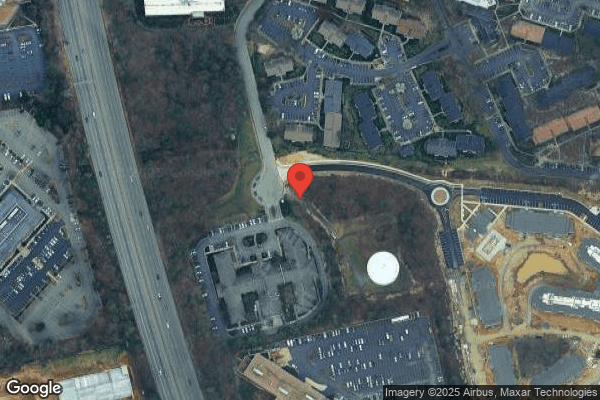
200 HIOAKS ROAD, RICHMOND, VA 23225 (804) 272-2918
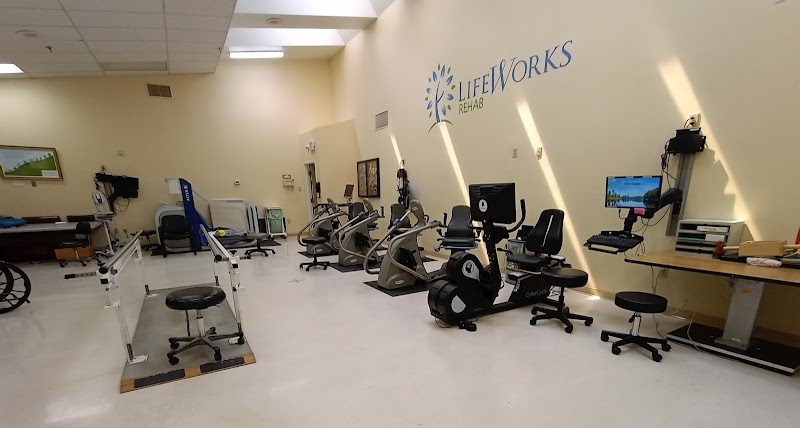
For profit - Limited Liability company 120 Beds LIFEWORKS REHAB Data: November 2025
Trust Grade
48/100
#122 of 285 in VA
Last Inspection: May 2024

Within standard 12-15 month inspection cycle. Federal law requires annual inspections.

Overview

Beaufont Health and Rehabilitation Center has a Trust Grade of D, indicating below-average quality, which raises some concerns about the care provided. It ranks #122 out of 285 facilities in Virginia, placing it in the top half, and #3 out of 6 in Richmond City County, meaning only two local options are better. Unfortunately, the facility is experiencing a worsening trend, with issues increasing from 9 in 2022 to 17 in 2024. Staffing is a significant weakness, rated at only 1 out of 5 stars, with a turnover rate of 58%, which is higher than the state average. While RN coverage is concerning, being less than 77% of Virginia facilities, there are some strengths, including an excellent score of 5 out of 5 in quality measures. Specific incidents noted by inspectors include a failure to monitor a resident's respiratory status, leading to harm, and food safety violations where staff did not store or serve food properly, risking health and safety. Overall, families should weigh these strengths and weaknesses carefully when considering this facility for their loved ones.

Trust Score
D
48/100
In Virginia
#122/285
Top 42%
Safety Record
Moderate
Needs review
Inspections
Getting Worse
9 → 17 violations
Staff Stability
⚠ Watch
58% turnover. Above average. Higher turnover means staff may not know residents' routines.
Penalties
✓ Good
$8,018 in fines. Lower than most Virginia facilities. Relatively clean record.
Skilled Nurses
⚠ Watch
Each resident gets only 22 minutes of Registered Nurse (RN) attention daily — below average for Virginia. Fewer RN minutes means fewer trained eyes watching for problems.
Violations
⚠ Watch
43 deficiencies on record. Higher than average. Multiple issues found across inspections.
★★★☆☆
3.0
Overall Rating
★☆☆☆☆
1.0
Staff Levels
★★★★★
5.0
Care Quality
★★★☆☆
3.0
Inspection Score
Stable
2022: 9 issues
2024: 17 issues

The Good

  • 5-Star Quality Measures · Strong clinical quality outcomes
  • Full Sprinkler Coverage · Fire safety systems throughout facility
  • No fines on record

Facility shows strength in quality measures, fire safety.

The Bad

3-Star Overall Rating

Near Virginia average (3.0)

Meets federal standards, typical of most facilities

Staff Turnover: 58%

12pts above Virginia avg (46%)

Frequent staff changes - ask about care continuity

Federal Fines: $8,018

Below median ($33,413)

Minor penalties assessed

Chain: LIFEWORKS REHAB

Part of a multi-facility chain

Ask about local staffing decisions and management

Staff turnover is elevated (58%)

10 points above Virginia average of 48%

The Ugly 43 deficiencies on record

1 actual harm
Oct 2024 2 deficiencies 1 Harm
SERIOUS (G) 📢 Someone Reported This

A family member, employee, or ombudsman was alarmed enough to file a formal complaint

Actual Harm - a resident was hurt due to facility failures

Respiratory Care (Tag F0695)

A resident was harmed · This affected 1 resident

Based on Resident interview, staff interview, facility documentation review, and clinical record review, the facility staff failed to provide respiratory care and services to maintain the highest prac...

Read full inspector narrative →
Based on Resident interview, staff interview, facility documentation review, and clinical record review, the facility staff failed to provide respiratory care and services to maintain the highest practicable wellbeing for one resident, (Resident #1) in a survey sample of 2 residents resulting in harm for Resident #1. The findings included: For Resident #1, the facility staff failed to assess and monitor the Resident's respiratory status and intervene with appropriate measures prior to the death of the Resident who was suffering labored breathing & respiratory difficulty. No other tracheostomy Residents were residing in the facility at the time of survey so could not be added to the sample. Resident #1 was a discharged Resident so a closed record review was conducted. The Resident was originally admitted to the facility from the hospital on 5-4-24 with diagnoses including; Acute Osteomyelitis to the right shoulder (primary diagnosis) and a history of Laryngeal cancer with total laryngectomy surgical removal in 1987, anemia, diabetes, hypertension, dementia without behavior disorder, and hospice was ordered on 5-1-24 with comfort measures and a Do not resuscitate (DNR) order. Resident #1's most recent Minimum Data Set (MDS) assessment was an admission assessment with an Assessment Reference Date (ARD) of 5-10-24. Resident #1 was coded with mild cognitive impairment. Resident #1 required substantial assistance to complete dependence on staff members for activities of daily living. On 10-1-24 Resident #1's former room mate (Resident #2) was interviewed and found to be alert, and oriented to person, place, time, and situation. The Resident described the friendship that had occurred between herself, Resident #1, and the family of Resident #1 during their time as room mates. She stated that Resident #1's husband brought food to her every day. Resident #2 was asked if suctioning and oxygen were in the room that they shared, and she stated no, she never used oxygen, and she had never seen suctioning completed for Resident #2, and that no machine was kept in the room. She stated that Resident #1's husband would clean her neck stoma everyday, and further stated that the Resident would at times have a partially clogged stoma which gurgled and staff would clean it, but she never saw or heard suctioning. On 10-1-24 LPN A, and LPN B (Licensed Practical Nurses) were interviewed at the nursing station beginning approximately at 11:45 AM. Both nurses stated they had received training in the care of patients with tracheostomys and stomas, suctioning, administration of oxygen by way of nasal cannulas, masks, emergency CPR, ambu bags, and tracheostomy stoma masks for oxygen delivery, and were able to verbalize the situational uses and applications. Those interviews continue below; LPN A stated that she had cared for Resident #1, and Resident #2 and stated that Resident #1 had been alert and interactive and at times could even be combative when she didn't want anyone bothering her. LPN A went on to say both Residents were good cognitively. LPN A was asked if she was working on the day that Resident #1 expired, and she stated she was not caring for Resident #1 that day. When asked what she would do if she had noted that Resident #1 was in Respiratory distress, she stated she would have suctioned Resident #1 if she needed it. LPN B stated she had recently moved to that unit from the other unit and had not known Resident #1. LPN B was asked what she would do if she encountered a Resident with a stoma having respiratory difficulty. LPN B stated she would take vital signs, assess the Resident's oxygen saturation, and suction the Resident if they needed it. LPN B was asked to show the surveyor the suction machine that she would use at 12:05 PM and she proceeded to the Crash Cart showed the surveyor the device. The surveyor asked her to demonstrate how the device worked, and she gathered the supplies (tubing and suction catheter) and proceeded to the nursing station to plug in the suction machine for a demonstration. The tubing was attached to the canister through ports in the top which was not secured to the canister and the machine did not provide suction. The nurse removed the canister and found the top was not the correct fit for the canister, and proceeded to the supply room to find another top. In the supply room several tops were tried on the canister, and finally the correctly fitting top was applied and returned to the machine which now provided suction at 12:15 PM. LPN A was asked the same question separately from LPN B and she gave a similar answer to LPN B at 12:20 PM. At 12:25 PM Employee A was interviewed in the supply room. She was in charge of supplies on the unit and was found in the supply room placing newly received supplies on the many shelving units. She was asked if Tracheostomy oxygen masks were available on the unit and stated yes. The oxygen delivery neck masks specifically designed for stomas were located in a unopened box of 50 which she stated had arrived in August, and I had not placed them on the shelving units yet. She was asked if there were any open tracheostomy masks and she stated no. When asked how many of these masks were typically used in a month she stated we haven't had a trach since (name) Resident #1. She was asked if they were used for Resident #1, and she stated no, she didn't use oxygen, but we could borrow them from a sister facility if we didn't have any on hand, and needed them. On 10-1-24 at 12:45 PM the spouse of Resident #1 was contacted via telephone and interviewed. He stated that the nurses don't know what they are doing, she had that stoma for over 30 years and we know it has to be suctioned and cleaned, we did that at home every day, I told them that. He went on to state that the day before she died I told them her stoma needed to be suctioned. The next day around lunchtime before I got there, they called me and told me she was having trouble breathing. He went on to say that upon his arrival around 12:30 PM or 12:45 PM he found Resident #1 with a nasal cannula on her face infusing oxygen, and the Resident had very labored crackly breathing, and no one was in the room with her. The spouse went on to say that Resident #1 only breathed through her stoma and not through her nose, he yelled for help and took the nasal piece off of her nose and placed it over her stoma, but it didn't do any good, she passed away a few minutes after I got there. The spouse went on to say I was panicked and not thinking, I had a pocket knife, I could have cut the 2 nose prongs off and just put the tube in her stoma but I wasn't thinking. Review of physician's orders revealed that the Resident had no oxygen orders, and no suctioning orders. The only order for care of the stoma documented; Stoma, cleanse with normal saline using a lightly damp gauze sponge daily and as needed, Ordered on 5-8-24. Review of physician and nursing progress notes revealed the following; Prior to 7-20-24 there is no indication of problems breathing, other than physician notes stating that the Resident's stoma was uncovered and she had told them that her stoma needed to stay open for her to breathe. This was recorded by physicians multiple times in the progress notes. On 7-20-24 at 7:35 PM, the call bell was depressed in Resident #1's room and nursing arrived to find the Resident had used a Q-tip to unclog her own stoma and it was stuck in the stoma. The nurse removed the Q-tip and cleaned the stoma. No other notes were documented after 7-20-24 until the day of 7-23-24. On 7-23-24 the nursing notes documented the following At 12:53 PM, Called to room by LPN and CNA (Certified Nursing Assistant), resident was presenting with a low blood pressure, elevated respirations, and low oxygen saturation of 88% on room air. Resident is not responding to any verbal or tactile stimuli at this time. Hospice (name) notified and resident spouse notified of resident's current clinical state. Resident placed on 2 liters of oxygen via nasal cannula to bring oxygen saturation to 94%. Hospice has dispatched a nurse to come out and evaluate Resident. Will continue to monitor. No further assessment nor monitoring were documented. No assessment was completed for respiratory rate, rhythm or labor, shallow or purse lip breathing, nasal flaring, audible breath sounds, retractions or accessory muscle use, pallor or cyanosis of skin or mucus membranes. No breath sounds were assessed, which could have alerted to mucus or fluid in the lungs, and or stridor which would indicate an obstruction, such as a mucus plug in the trachea. Please refer to the National Institutes of Health (NIH) for further respiratory assessment protocols and standards. References from the National Institutes of health revealed that after a total laryngectomy surgery the Patient can no longer breath using the nose or mouth, rather a stoma (surgical hole) placed in the anterior neck is the only way for the Patient to breath. It is further noted that mucus will collect in the trachea and stoma as it no longer can be expectorated through the mouth, and must be removed by way of suctioning the trachea and cleansing the stoma. At 1:12 PM, progress notes documented Resident has expired. Pronounced at 1:06 PM, Hospice and RP (responsible party/spouse) have been notified. Awaiting hospice. At 1:20 PM, the Director of nursing (DON) wrote Resident was observed unresponsive, upon assessment, there were no signs of respiration or pulse. Resident was cold to touch, pupils were fixed. Resident was pronounced 1:06 PM, husband and son were at bedside. Hospice was notified. MD (doctor) had been notified. The Director of Nursing (DON) was the Registered Nurse who Pronounced the Resident expired, however, according to statements made by the Administrator and the Assistant Director of Nursing (ADON) the DON was not involved in care prior to the death. At 2:57 PM, (wrong name) funeral home arrived at 2:56 PM and accepted body. Family at bedside. At 8:21 PM, Ate 25% or less for two or more meals in the day. resident expired. The last entry indicated that the Resident did consume some part of breakfast, and or lunch, on the day she expired as the document did not state the Resident ate 0. The notes do not describe the spouse arriving prior to the death of the Resident nor the interaction with staff during that time when staff were called to the room by him yelling. There is also no description of lung sounds, no apparent attempt to suction the Resident, as the staff were aware that the Resident did experience mucus plugs and would attempt to remove them herself. There was no apparent recognition by the LPN providing care that the nasal cannula oxygen was not infusing oxygen to the Resident's lungs as it was not applied to the stoma by way of a tracheostomy mask. The oxygen saturation documented at 12:53 PM by the LPN would not have been consistent with applying a nasal cannula to the Resident, as the nasal passages no longer communicated with, and supplied oxygen to the lungs after a total laryngectomy. The 12:53 PM note would have been consistent with the spouses account that staff were called to the room by him yelling and the Resident died shortly after that and was pronounced at 1:06 PM, 13 minutes later. Review of the Resident's care plan revealed a focus for a weight loss plan which described crusting and scabbing at stoma site, and a focus for infection control enhanced barrier precautions related to open stoma. These were the only entries in the care plan regarding the Resident's airway. No care plan interventions for cleaning, assessing nor suctioning and oxygen use were derived for the Resident's airway maintenance. There was no individualized nor measurable care care plan for the Resident's airway. Review of hospice notes revealed that the DON at the facility pronounced death, and they were not onsite during the incident. On 10-1-24 at 2:00 PM, the Administrator was interviewed and stated unfortunately the nurse who was here that day and involved in the Resident's care is on vacation and can't be reached for interview. He further stated he remembered the Resident and her spouse and stated he understood there were problems with the situation. On 10-1-24, at 2:30 PM, the Administrator and ADON were made aware of the lack of respiratory assessments, suctioning and appropriate oxygen administration leading to harm for Resident #1. They were informed that supplies were in house for appropriate treatment of respiratory care, and the nurses who were interviewed were knowledgeable on respiratory assessments and knew appropriate interventions for this particular scenario, however, in this incident those standards were not followed, and care planning for this individual was insufficient. They stated they knew things had not happened in this situation appropriately and would begin retraining of all nursing staff immediately, and that they had nothing further to provide.
CONCERN (D) 📢 Someone Reported This

A family member, employee, or ombudsman was alarmed enough to file a formal complaint

Potential for Harm - no one hurt, but risky conditions existed

Comprehensive Care Plan (Tag F0656)

Could have caused harm · This affected 1 resident

Based on Resident interview, staff interview, facility documentation review, and clinical record review, the facility staff failed to provide a comprehensive care plan for respiratory care and service...

Read full inspector narrative →
Based on Resident interview, staff interview, facility documentation review, and clinical record review, the facility staff failed to provide a comprehensive care plan for respiratory care and services to maintain the highest practicable wellbeing for one resident, (Resident #1) in a survey sample of 2 residents. The findings included: For Resident #1, the facility staff failed to assess and monitor the Resident's respiratory status and intervene with appropriate measures prior to the death of the Resident who was suffering labored breathing & respiratory difficulty. No other tracheostomy Residents were residing in the facility at the time of survey so could not be added to the sample. Resident #1 was a discharged Resident so a closed record review was conducted. The Resident was originally admitted to the facility from the hospital on 5-4-24 with diagnoses including; Acute Osteomyelitis to the right shoulder (primary diagnosis) and a history of Laryngeal cancer with total laryngectomy surgical removal in 1987, anemia, diabetes, hypertension, dementia without behavior disorder, and hospice was ordered on 5-1-24 with comfort measures and a Do not resuscitate (DNR) order. Resident #1's most recent Minimum Data Set (MDS) assessment was an admission assessment with an Assessment Reference Date (ARD) of 5-10-24. Resident #1 was coded with mild cognitive impairment. Resident #1 required substantial assistance to complete dependence on staff members for activities of daily living. On 10-1-24 Resident #1's former room mate (Resident #2) was interviewed and found to be alert, and oriented to person, place, time, and situation. The Resident described the friendship that had occurred between herself, Resident #1, and the family of Resident #1 during their time as room mates. She stated that Resident #1's husband brought food to her every day. Resident #2 was asked if suctioning and oxygen were in the room that they shared, and she stated no, she never used oxygen, and she had never seen suctioning completed for Resident #2, and that no machine was kept in the room. She stated that Resident #1's husband would clean her neck stoma everyday, and further stated that the Resident would at times have a partially clogged stoma which gurgled and staff would clean it, but she never saw or heard suctioning. On 10-1-24 LPN A, and LPN B (Licensed Practical Nurses) were interviewed at the nursing station beginning approximately at 11:45 AM. Both nurses stated they had received training in the care of patients with tracheostomys and stomas, suctioning, administration of oxygen by way of nasal cannulas, masks, emergency CPR, ambu bags, and tracheostomy stoma masks for oxygen delivery, and were able to verbalize the situational uses and applications. Those interviews continue below; LPN A stated that she had cared for Resident #1, and Resident #2 and stated that Resident #1 had been alert and interactive and at times could even be combative when she didn't want anyone bothering her. LPN A went on to say both Residents were good cognitively. LPN A was asked if she was working on the day that Resident #1 expired, and she stated she was not caring for Resident #1 that day. When asked what she would do if she had noted that Resident #1 was in Respiratory distress, she stated she would have suctioned Resident #1 if she needed it. LPN B stated she had recently moved to that unit from the other unit and had not known Resident #1. LPN B was asked what she would do if she encountered a Resident with a stoma having respiratory difficulty. LPN B stated she would take vital signs, assess the Resident's oxygen saturation, and suction the Resident if they needed it. LPN B was asked to show the surveyor the suction machine that she would use at 12:05 PM and she proceeded to the Crash Cart showed the surveyor the device. The surveyor asked her to demonstrate how the device worked, and she gathered the supplies (tubing and suction catheter) and proceeded to the nursing station to plug in the suction machine for a demonstration. The tubing was attached to the canister through ports in the top which was not secured to the canister and the machine did not provide suction. The nurse removed the canister and found the top was not the correct fit for the canister, and proceeded to the supply room to find another top. In the supply room several tops were tried on the canister, and finally the correctly fitting top was applied and returned to the machine which now provided suction at 12:15 PM. LPN A was asked the same question separately from LPN B and she gave a similar answer to LPN B at 12:20 PM. At 12:25 PM Employee A was interviewed in the supply room. She was in charge of supplies on the unit and was found in the supply room placing newly received supplies on the many shelving units. She was asked if Tracheostomy oxygen masks were available on the unit and stated yes. The oxygen delivery neck masks specifically designed for stomas were located in a unopened box of 50 which she stated had arrived in August, and I had not placed them on the shelving units yet. She was asked if there were any open tracheostomy masks and she stated no. When asked how many of these masks were typically used in a month she stated we haven't had a trach since (name) Resident #1. She was asked if they were used for Resident #1, and she stated no, she didn't use oxygen, but we could borrow them from a sister facility if we didn't have any on hand, and needed them. On 10-1-24 at 12:45 PM the spouse of Resident #1 was contacted via telephone and interviewed. He stated that the nurses don't know what they are doing, she had that stoma for over 30 years and we know it has to be suctioned and cleaned, we did that at home every day, I told them that. He went on to state that the day before she died I told them her stoma needed to be suctioned. The next day around lunchtime before I got there, they called me and told me she was having trouble breathing. He went on to say that upon his arrival around 12:30 PM or 12:45 PM he found Resident #1 with a nasal cannula on her face infusing oxygen, and the Resident had very labored crackly breathing, and no one was in the room with her. The spouse went on to say that Resident #1 only breathed through her stoma and not through her nose, he yelled for help and took the nasal piece off of her nose and placed it over her stoma, but it didn't do any good, she passed away a few minutes after I got there. The spouse went on to say I was panicked and not thinking, I had a pocket knife, I could have cut the 2 nose prongs off and just put the tube in her stoma but I wasn't thinking. Review of physician's orders revealed that the Resident had no oxygen orders, and no suctioning orders. The only order for care of the stoma documented; Stoma, cleanse with normal saline using a lightly damp gauze sponge daily and as needed, Ordered on 5-8-24. Review of physician and nursing progress notes revealed the following; Prior to 7-20-24 there is no indication of problems breathing, other than physician notes stating that the Resident's stoma was uncovered and she had told them that her stoma needed to stay open for her to breathe. This was recorded by physicians multiple times in the progress notes. On 7-20-24 at 7:35 PM, the call bell was depressed in Resident #1's room and nursing arrived to find the Resident had used a Q-tip to unclog her own stoma and it was stuck in the stoma. The nurse removed the Q-tip and cleaned the stoma. No other notes were documented after 7-20-24 until the day of 7-23-24. On 7-23-24 the nursing notes documented the following At 12:53 PM, Called to room by LPN and CNA (Certified Nursing Assistant), resident was presenting with a low blood pressure, elevated respirations, and low oxygen saturation of 88% on room air. Resident is not responding to any verbal or tactile stimuli at this time. Hospice (name) notified and resident spouse notified of resident's current clinical state. Resident placed on 2 liters of oxygen via nasal cannula to bring oxygen saturation to 94%. Hospice has dispatched a nurse to come out and evaluate Resident. Will continue to monitor. No further assessment nor monitoring were documented. No assessment was completed for respiratory rate, rhythm or labor, shallow or purse lip breathing, nasal flaring, audible breath sounds, retractions or accessory muscle use, pallor or cyanosis of skin or mucus membranes. No breath sounds were assessed, which could have alerted to mucus or fluid in the lungs, and or stridor which would indicate an obstruction, such as a mucus plug in the trachea. Please refer to the National Institutes of Health (NIH) for further respiratory assessment protocols and standards. References from the National Institutes of health revealed that after a total laryngectomy surgery the Patient can no longer breath using the nose or mouth, rather a stoma (surgical hole) placed in the anterior neck is the only way for the Patient to breath. It is further noted that mucus will collect in the trachea and stoma as it no longer can be expectorated through the mouth, and must be removed by way of suctioning the trachea and cleansing the stoma. At 1:12 PM, progress notes documented Resident has expired. Pronounced at 1:06 PM, Hospice and RP (responsible party/spouse) have been notified. Awaiting hospice. At 1:20 PM, the Director of nursing (DON) wrote Resident was observed unresponsive, upon assessment, there were no signs of respiration or pulse. Resident was cold to touch, pupils were fixed. Resident was pronounced 1:06 PM, husband and son were at bedside. Hospice was notified. MD (doctor) had been notified. The Director of Nursing (DON) was the Registered Nurse who Pronounced the Resident expired, however, according to statements made by the Administrator and the Assistant Director of Nursing (ADON) the DON was not involved in care prior to the death. At 2:57 PM, (wrong name) funeral home arrived at 2:56 PM and accepted body. Family at bedside. At 8:21 PM, Ate 25% or less for two or more meals in the day. resident expired. The last entry indicated that the Resident did consume some part of breakfast, and or lunch, on the day she expired as the document did not state the Resident ate 0. The notes do not describe the spouse arriving prior to the death of the Resident nor the interaction with staff during that time when staff were called to the room by him yelling. There is also no description of lung sounds, no apparent attempt to suction the Resident, as the staff were aware that the Resident did experience mucus plugs and would attempt to remove them herself. There was no apparent recognition by the LPN providing care that the nasal cannula oxygen was not infusing oxygen to the Resident's lungs as it was not applied to the stoma by way of a tracheostomy mask. The oxygen saturation documented at 12:53 PM by the LPN would not have been consistent with applying a nasal cannula to the Resident, as the nasal passages no longer communicated with, and supplied oxygen to the lungs after a total laryngectomy. The 12:53 PM note would have been consistent with the spouses account that staff were called to the room by him yelling and the Resident died shortly after that and was pronounced at 1:06 PM, 13 minutes later. Review of the Resident's care plan revealed a focus for a weight loss plan which described crusting and scabbing at stoma site, and a focus for infection control enhanced barrier precautions related to open stoma. These were the only entries in the care plan regarding the Resident's airway. No care plan interventions for cleaning, assessing nor suctioning and oxygen use were derived for the Resident's airway maintenance. There was no individualized nor measurable care care plan for the Resident's airway. Review of hospice notes revealed that the DON at the facility pronounced death, and they were not onsite during the incident. On 10-1-24 at 2:00 PM, the Administrator was interviewed and stated unfortunately the nurse who was here that day and involved in the Resident's care is on vacation and can't be reached for interview. He further stated he remembered the Resident and her spouse and stated he understood there were problems with the situation. On 10-1-24, at 2:30 PM, the Administrator and ADON were made aware of the lack of respiratory assessments, suctioning and appropriate oxygen administration leading to harm for Resident #1. They were informed that supplies were in house for appropriate treatment of respiratory care, and the nurses who were interviewed were knowledgeable on respiratory assessments and knew appropriate interventions for this particular scenario, however, in this incident those standards were not followed, and care planning for this individual was insufficient. They stated they knew things had not happened in this situation appropriately and would begin retraining of all nursing staff immediately, and that they had nothing further to provide.
May 2024 15 deficiencies
CONCERN (D)

Potential for Harm - no one hurt, but risky conditions existed

Resident Rights (Tag F0550)

Could have caused harm · This affected 1 resident

**NOTE- TERMS IN BRACKETS HAVE BEEN EDITED TO PROTECT CONFIDENTIALITY** Based on information obtained during resident group interview and staff interviews the facility staff failed to assist 3 residen...

Read full inspector narrative →
**NOTE- TERMS IN BRACKETS HAVE BEEN EDITED TO PROTECT CONFIDENTIALITY** Based on information obtained during resident group interview and staff interviews the facility staff failed to assist 3 residents (#17, #1, and #27) to exercise their right to vote in the November 2023 general election in the survey sample of 50 residents. The findings included: 1. The facility failed to remind and assist Resident #17, to vote in the November 2023 general election. Resident #17 was originally admitted to the facility on [DATE] and re-admitted on [DATE] with diagnoses which included hemiplegia and hemiparesis following cerebral infarction affecting left non-dominant side, type 2 diabetes mellitus without complications, muscle weakness, and constipation. The quarterly Minimum Data Set (MDS) assessment with an assessment reference date (ARD) of 2/16/24 coded the resident as completing the Brief Interview for Mental Status (BIMS) and scoring 14 out of a possible 15. This indicated Resident #17's cognitive abilities for daily decision making were intact. On 5/7/24 at approximately 1:00 PM, an interview was conducted with the Resident Council group. During this interview Resident #17 stated he didn't get to vote in the November 2023 election, and it was his desire to vote. The resident stated that no one talked about the upcoming election or asked if he wanted or needed assistance to obtain an absentee ballot. 2. The facility failed to remind and assist Resident #1, to vote in the November 2023 general election. Resident # 1 was originally admitted to the facility on [DATE] and re-admitted on [DATE] with diagnoses which included multiple sclerosis, muscle weakness, type 2 diabetes mellitus without complications, and hyperlipidemia. The quarterly Minimum Data Set (MDS) assessment with an assessment reference date (ARD) of 4/4/24 coded the resident as completing the Brief Interview for Mental Status (BIMS) and scoring 15 out of a possible 15. This indicated Resident #1's cognitive abilities for daily decision making were intact. On 5/7/24 at approximately 1:00 PM, an interview was conducted with the Resident Council group. During this interview Resident #1 stated she didn't get to vote in the November 2023 election, and it was her desire to vote. The resident stated that no one talked about the upcoming election or asked if she wanted or needed assistance to participate in the November 2023 election. 3. The facility failed to remind and assist Resident #27, to vote in the November 2023 general election. Resident #27 was originally admitted to the facility on [DATE] with diagnoses which included chronic kidney disease, acquired absence of right leg above knee, acquired absence of left leg above knee, and major depressive disorder. The quarterly Minimum Data Set (MDS) assessment with an assessment reference date (ARD) of 2/17/24 coded the resident as completing the Brief Interview for Mental Status (BIMS) and scoring 15 out of a possible 15. This indicated Resident #27's cognitive abilities for daily decision making were intact. On 5/7/24 at approximately 1:00 PM, an interview was conducted with the Resident Council group. During this interview Resident #27 stated he didn't get to vote in the November 2023 election, and he would have liked to vote. The resident stated that no one talked about the upcoming election or asked if he wanted or needed assistance to obtain an absentee ballot. An interview was conducted with the Activities Director on 5/14/24 at 12:55 PM. The Activities Director stated that the residents did not have an opportunity to vote in the November 2023 general election and it is her duty to manage all voting activities. The Activities Director also stated going forward she would ensure all activities related to voting are carried out. An interview was conducted with the Administrator on 5/14/24 at 1:05 PM. The Administrator stated that he understands the importance of residents voting however he cannot produce any evidence that residents had the opportunity to vote in the November 2023 general election. On 5/14/24 at approximately 3:45 PM, a final interview was conducted with the Administrator, Assistant Administrator, Regional Nurse Consultant, and Director of Nursing. An opportunity was offered to the facility's staff to present additional information. They had no further comments and voiced no concerns regarding the above information.
CONCERN (D)

Potential for Harm - no one hurt, but risky conditions existed

Deficiency F0578 (Tag F0578)

Could have caused harm · This affected 1 resident

**NOTE- TERMS IN BRACKETS HAVE BEEN EDITED TO PROTECT CONFIDENTIALITY** On 5/14/24 at approximately 3:30 p.m., the above findings were shared with the Administrator, Director of Nursing and Regional N...

Read full inspector narrative →
**NOTE- TERMS IN BRACKETS HAVE BEEN EDITED TO PROTECT CONFIDENTIALITY** On 5/14/24 at approximately 3:30 p.m., the above findings were shared with the Administrator, Director of Nursing and Regional Nurse Consultant. An opportunity was offered to the facility's staff to present additional information, but no additional information was provided. Based on observations, resident interviews, staff interviews, family interview, and clinical record review, the facility staff failed to inform, educate, formulate, and document information concerning the right to have an advanced directive for 2 of 50 residents in the survey sample, Resident #106, and Resident #55. The findings include: 1. On admission the facility staff failed to inform and educate Resident #106 about advanced directives. The facility staff failed to assist in helping the resident to formulate an advanced directive if she would have wanted one. The facility staff failed to document in the progress notes any interaction to support that they provided any of the above to Resident #106. The facility failed to document that the resident refused any advance directive services if that would have been her decision. Resident #106 was originally admitted to the facility on [DATE] and readmitted on [DATE] after an acute care hospital stay. The quarterly Minimum Data Set (MDS) assessment with an assessment reference date (ARD) of 4/26/24 coded the Resident #106 as completing the Brief Interview for Mental Status (BIMS) and scoring 15 which indicated the resident was cognitively intact. Resident #106's personal centered care plan created on 1/23/24 had an updated entry dated 3/24/24 that read, the resident has an advanced directive of full code. There was no documentation in the resident's medical record that supports a conversation with the resident to come to that decision. An interview was conducted with Resident #106 and Family Member (FM) #1 on 5/7/24 at approximately 11:45 AM. They both denied having any conversation with any facility staff on Advanced Directives. An interview was conducted with the Director of Social Work on 5/7/24 at approximately 1:00 PM, who shared that advanced directives should be initiated by the admitting nurse. She said advance directive questions were included in the admission process and could be found in the resident's medical record under documents and should be titled admission packet. The Director of Social Work looked in Resident #106 medical records and shared that she could not find the advanced directive documents from the resident's admission process. An interview was conducted with the Administrator on 5/13/24 at approximately 4:00 PM, who shared the facilities policy on advanced directive, as well as the facility's protocol Medical Facilities of America (MFA) policies governing the implementation of self-determination rights. The administrator said that this document should be under documents in the resident record and any conversations had about advanced directives should be documented in progress notes. Resident #106 medical record was reviewed. There were no progress notes supporting the resident received any information on advanced directives. The resident's admission packets dated 12/19/23 and 1/17/24 were reviewed and the policy on advanced directive, as well as the facility's protocol/policies governing the implementation of self-determination rights were not found. There was no admission packet for the resident's most recent admission of 2/6/24. The facility's policy titled Advanced Directives, effective 1/6/20 read, . Social Work and Discharge Planning staff will assist with requests for information regarding Advance Directives upon patient's admission to the Center and throughout the patient's stay to allow each patient an opportunity to plan in advance for medical treatment . The facility's protocol/policies governing the implementation of self-determination rights is a document that the Administrator, Regional Nurse Consultant, and Director of Social Work should have been used on admission, completed, and placed in the resident's medical record. This form has check boxes for the resident to make as proof of receiving the document, being educated verbally as well as being given written information on advanced directives, being offered assistance to formulate an advanced directive, and a place to refuse wanting an advance directive. This could not be found in Resident #106's medical record by the Director of Social Services. An advance directive, sometimes called a living will, is a written document that tells your healthcare providers who should speak for you and what medical decisions they should make if you become unable to speak for yourself. This information is important if you become unconscious or otherwise too sick to make your wishes known. (https://www.hopkinsmedicine.org/patient-care/patients-visitors/advance-directives) On 5/14/24 at approximately 3:30 p.m., the above findings were reviewed with the Administrator, Director of Nursing, and Regional Nurse Consultant. An opportunity was offered to the facility's staff to present additional information, but no additional information was provided. 2. For Resident #55 the facility staff failed to formulate an advance directive. Resident #55 was originally admitted to the facility on [DATE] after an acute care hospital stay. The current diagnoses included essential hypertension. The quarterly, Minimum Data Set (MDS) assessment with an assessment reference date (ARD) of 01/26/2024 coded the resident as completing the Brief Interview for Mental Status (BIMS) and scoring 6 out of a possible 15. This indicated Resident #55 cognitive abilities for daily decision making were severely impaired. In sectionGG(functional abilities and goals) the resident was coded as requiring set-up help with eating and oral hygiene, requiring partial/moderate assistance with toileting hygiene and personal hygiene and substantial/maximal assistance with bathing/showering. A review of the Resident's clinical record revealed no advanced directive was available. An interview was conducted on 05/14/24 at approximately 9:57 AM., with the Social Worker (SW). The SW said that the Advanced Directed was not available in the medical chart. The SW also said that the advance directive should have been offered to the resident during admission. On 5/14/24 at approximately 3:30 p.m., the above findings were reviewed with the Administrator, Director of Nursing and Regional Nurse Consultant. The administrator said that the admissions coordinator would discuss the advanced directive and provide education.
CONCERN (D) 📢 Someone Reported This

A family member, employee, or ombudsman was alarmed enough to file a formal complaint

Potential for Harm - no one hurt, but risky conditions existed

Notification of Changes (Tag F0580)

Could have caused harm · This affected 1 resident

Based on observation, family interview, staff interview, clinical record review, a review of facility documents, the facility's staff failed to notify family of an abnormal lab and transfer to a local...

Read full inspector narrative →
Based on observation, family interview, staff interview, clinical record review, a review of facility documents, the facility's staff failed to notify family of an abnormal lab and transfer to a local hospital for 1 of 50 (Resident #172), a closed record resident. The findings included: Resident #172 was originally admitted to the facility 05/27/2022 and discharged on 6/02/22. The current diagnoses included but was not limited to acute kidney failure. The entry Minimum Data Set (MDS) assessment with an assessment reference date (ARD) 06/02/22 coded the resident as completing the Brief Interview for Mental Status (BIMS) and scoring 9 out of a possible 15. This indicated Resident #172 cognitive abilities for daily decision making were moderately impaired. The Discharge Minimum Data Set (MDS) assessment with an assessment reference date of 6/02/22 coded resident discharged with return anticipated. In sectionGG(Physical functioning) the resident was coded as requiring set-up help with eating, oral hygiene. Dependent on staff for oral hygiene and toileting hygiene. The care plan read that Resident #172 was at risk for nutritional problems related recent hospitalization, revised on 5/31/22. The goal for the resident was that the resident would avoid significant weight change through next review. An intervention for Resident #172 was labs as ordered. A review of the facility data report indicated Resident #172 was discharged and transferred to a short-term general hospital for inpatient care on 6/2/22 at 4:00 PM. A review of a Nurse Practitioner (NP) note dated on 6/02/22 at 12:18 PM., read that Resident #172 had an abnormal Creatinine Level. The note indicated, We have discussed these lab results and what it might mean and why it needs to be worked up in an in-patient setting. He needs to be sent to the hospital for deeper work up given the increase. On 5/07/24 at approximately 10:30 AM., a phone interview was conducted with Family Member (FM) #2 concerning the above issue. FM #2 said that the facility staff did not notify her of a change in condition concerning abnormal labs nor was she informed of Resident #172's transfer to the local hospital until a relative called the facility and was informed that resident was sent to the hospital. On 5/10/24 an interview was conducted at 11:09 AM., with Administrative Staff (D) concerning Resident #172. Administrative Staff (D) said that normally a transfer and a change of condition form would be completed, but no form is available in the resident's chart. On 05/14/24 at 9:51 AM., an interview was conducted with Licensed Practical Nurse (LPN) (L), concerning hospitalizations. LPN (L) said that normally if a resident is being admitted to the hospital a Change of Condition form is completed, the responsible party and physician should be notified. On 5/14/24 at approximately 3:30 p.m., the above findings were shared with the Administrator, Director of Nursing and Regional Nurse Consultant. The Regional Nurse Consultant said that STAT (now) labs could have been done at the facility and the family member should have been called about the labs and hospital transfer.
CONCERN (D) 📢 Someone Reported This

A family member, employee, or ombudsman was alarmed enough to file a formal complaint

Potential for Harm - no one hurt, but risky conditions existed

Transfer Requirements (Tag F0622)

Could have caused harm · This affected 1 resident

Based on staff interviews, clinical record review and facility documentation review the facility staff failed to send a copy of the resident's care plan to include their goals after being transferred ...

Read full inspector narrative →
Based on staff interviews, clinical record review and facility documentation review the facility staff failed to send a copy of the resident's care plan to include their goals after being transferred to the hospital for 1 of 50 residents (Resident #172), a closed record sample in the survey sample. The findings included: Resident #172 was originally admitted to the facility 05/27/2022 and discharged on 6/02/22. The current diagnoses included acute kidney failure. The entry Minimum Data Set (MDS) assessment with an assessment reference date (ARD) 06/02/22 coded the resident as completing the Brief Interview for Mental Status (BIMS) and scoring 9 out of a possible 15. This indicated Resident #172 cognitive abilities for daily decision making were moderately impaired. The Discharge Minimum Data Set (MDS) assessment with an assessment reference date of 6/02/22 coded resident as being discharged with return anticipated. In sectionGG(Physical functioning) the resident was coded as requiring set-up help with eating, oral hygiene. Dependent with oral hygiene and toileting hygiene. The care plan read that Resident #172 was at risk for nutritional problems related recent hospitalization, revised on 5/31/22. The goal for the resident was to avoid significant weight change through next review. An intervention for Resident #172 was labs as ordered. A review of the facility data report indicated Resident #172 was discharged and transferred to a short-term general hospital for inpatient care on 6/2/22 at 4:00 PM. The document was created on 6/03/22 at 9:47 AM., to local hospital. A review of a Nurse Practitioner (NP) note dated on 6/02/22 at 12:18 PM., read that Resident #172 had an abnormal Creatinine Level. The note indicated, We have discussed these lab results and what it might mean and why it needs to be worked up in an in-patient setting. He needs to be sent to the hospital for deeper work up given the increase. On 5/10/24 an interview was conducted at 11:09 AM., with Administrative Staff (D) concerning Resident #172. Administrative Staff (D) said that normally a transfer and a change of condition form would be completed, but no form is available in the resident's chart. On 05/14/24 at 9:51 AM., and interview was conducted with Licensed Practical Nurse (LPN) (L), concerning hospitalizations. LPN (L) said that normally if a resident is being admitted to the hospital, a medication list is sent, a bed hold policy, if resident has a Do Not Resuscitate (DNR) order (a copy is sent), Change of Condition (CIC) form, a transfer form and care plan. On 5/14/24 at approximately 3:30 p.m., the above findings were reviewed with the Administrator, Director of Nursing and Regional Nurse Consultant. An opportunity was offered to the facility's staff to present additional information, but no additional information was provided.
CONCERN (D) 📢 Someone Reported This

A family member, employee, or ombudsman was alarmed enough to file a formal complaint

Potential for Harm - no one hurt, but risky conditions existed

Transfer Notice (Tag F0623)

Could have caused harm · This affected 1 resident

**NOTE- TERMS IN BRACKETS HAVE BEEN EDITED TO PROTECT CONFIDENTIALITY** Based on staff interview, clinical record review, and review of facility documents, the facility staff failed to notify the Offi...

Read full inspector narrative →
**NOTE- TERMS IN BRACKETS HAVE BEEN EDITED TO PROTECT CONFIDENTIALITY** Based on staff interview, clinical record review, and review of facility documents, the facility staff failed to notify the Office of the State Long-Term Care Ombudsman in writing of a discharge and admission to a local hospital for 3 of 50 residents (Residents #101, #172, and #176 ) in the survey sample. The findings included: 1. Resident #101 was originally admitted to the facility 11/7/23 and readmitted [DATE] after an acute care hospital stay. The current diagnoses included metabolic encephalopathy, muscle weakness, cognitive communication deficit, and dementia. The quarterly Minimum Data Set (MDS) assessment with an assessment reference date (ARD) of 3/25/24 coded the resident as completing the Brief Interview for Mental Status (BIMS) and scoring 11 out of a possible 15. This indicated Resident #101's cognitive abilities for daily decision making were moderately impaired. A review of Resident #101's nurses note dated 1/20/24 at 10:28 AM read patient was sent to emergency room at the local hospital due to altered mental status. The nurses note further read that the patient representative was notified of this transfer. An interview was conducted with the Director of Social Work on 5/13/24 at 3:05 PM. The Director of Social Work stated that she does not have evidence that notification was sent to the Ombudsman of the reason for transfer/discharge to hospital for Resident #101 on 1/20/24. The Director of Social Work further stated that during the month of January 2024 she thought that another individual was sending the notification's however compliance was not achieved. On 5/14/24 at approximately 3:45 PM, a final interview was conducted with the Administrator, Assistant Administrator, Regional Nurse Consultant, and Director of Nursing. An opportunity was offered to the facility's staff to present additional information. They had no further comments and voiced no concerns regarding the above information. 2. For Resident #172, a closed record resident, the facility staff failed to send a notice to a representative of the Ombudsman office for Resident #172's discharge to the hospital. Resident #172 was originally admitted to the facility 05/27/2022 and discharged on 6/02/22. The current diagnoses included acute kidney failure. A review of the clinical records indicated this resident was admitted to the hospital on [DATE]. The entry Minimum Data Set (MDS) assessment with an assessment reference date (ARD) 06/02/22 coded the resident as completing the Brief Interview for Mental Status (BIMS) and scoring 9 out of a possible 15. This indicated Resident #172 cognitive abilities for daily decision making were moderately impaired. The Discharge Minimum Data Set (MDS) assessment with an assessment reference date of 6/02/22 coded resident as being discharged with return anticipated. In sectionGG(Physical functioning) the resident was coded as requiring set-up help with eating, oral hygiene. Dependent with oral hygiene and toileting hygiene. The care plan read that resident #172 was at risk for nutritional problems related recent hospitalization (revised on 5/31/22). The goal for the resident to avoid significant weight change through next review. An intervention for Resident #172 was labs as ordered. On 5/14/24 at approximately 9:57 AM., the Social Worker (SW) presented a binder with Ombudsman notifications. The Ombudsman notifications were reviewed from June 2022 through August 2022. No Ombudsman notifications were uncovered for Resident #172. A review of a Nurse Practitioner note dated on 6/02/22 at 12:18 PM., read that Resident #172 had an abnormal Creatinine Level. We have discussed these lab results and what it might mean and why it needs to be worked up in an in-patient setting. He needs to be sent to the hospital for deeper work up given the increase. On 5/10/24 an interview was conducted at 11:09 AM., with Administrative Staff (D) concerning Resident #172. Administrative Staff (D) said that normally a transfer and a change of condition form would be completed, but no form is available in the resident's chart. On 05/14/24 at 9:51 AM., with Licensed Practical Nurse (LPN) (L), concerning hospitalizations. LPN (L) said that normally if a resident is being admitted to the hospital, a medication list is sent, a bed hold policy, if resident has a Do Not Resuscitate (DNR) order (a copy is sent), Change of Condition (CIC) form, a transfer form and care plan including notice to the local Ombudsman. On 5/14/24 at approximately 3:30 p.m., the above findings were reviewed with the Administrator, Director of Nursing and Regional Nurse Consultant. An opportunity was offered to the facility's staff to present additional information, but no additional information was provided. 3. For Resident # 176, the facility staff failed to notify the Ombudsman when transferred to hospital on [DATE]. Resident # 176 was admitted to the facility in October 2021 with diagnoses that included but were not limited to: unspecified dementia, fracture of the left knee, prosthetic knee joint, diastolic congestive heart failure, repeated falls, chronic obstructive pulmonary disease, dysphagia, diabetes mellitus, cerebral infarction and asthma. The most recent MDS (minimum data set) assessment was a Quarterly assessment with an ARD (Assessment Review Date) of 10/18/22. The MDS coded Resident # 176 with severe cognitive impairment. Resident # 176 required extensive assistance of one to two staff persons with ADLs (activities of daily living). Functional status for activities of daily living were coded as requiring extensive to total assistance of one to two staff persons. The MDS coded Resident # 176 as frequently incontinent of bowel and always incontinent of bladder. Review of the closed clinical record was conducted 5/7/24-5/14/24. Review of the Progress Notes revealed documentation that Resident # 176 was transferred to the hospital on 1/2/2023 due to altered mental status. The note stated that the transfer was at the family's request. On 05/10/2024 at 9:50 a.m., a copy of the ombudsman notification was requested. The Administrator stated he would check with the Social Worker. A copy of the facility policy regarding resident transfers was requested and received. On 05/10/2024 at approximately 12:00 p.m., an interview was conducted with the Social Services Director. She stated the notices were sent to the Ombudsman monthly. Review of the Ombudsman notifications revealed no notice of Resident # 176 being transferred from the facility. On 05/14/24 during the end of day debriefing,, the Administrator and DON (Director of Nursing) were notified of findings of the Ombudsman not being notified. No further information was provided.
CONCERN (D) 📢 Someone Reported This

A family member, employee, or ombudsman was alarmed enough to file a formal complaint

Potential for Harm - no one hurt, but risky conditions existed

Deficiency F0625 (Tag F0625)

Could have caused harm · This affected 1 resident

**NOTE- TERMS IN BRACKETS HAVE BEEN EDITED TO PROTECT CONFIDENTIALITY** 2. For Resident #172, the facility staff failed to provide Resident #172 or resident's representative a copy of the bed hold pol...

Read full inspector narrative →
**NOTE- TERMS IN BRACKETS HAVE BEEN EDITED TO PROTECT CONFIDENTIALITY** 2. For Resident #172, the facility staff failed to provide Resident #172 or resident's representative a copy of the bed hold policy when discharged and admitted to the hospital on [DATE]. Resident #172 was originally admitted to the nursing facility on 5/27/22. The current diagnoses included; Acute Kidney Failure. The entry Minimum Data Set (MDS) assessment with an assessment reference date (ARD) 06/02/2022 coded the resident as completing the Brief Interview for Mental Status (BIMS) and scoring 9 out of a possible 15. This indicated Resident #172 cognitive abilities for daily decision making were moderately impaired. In sectionGG(Physical functioning) the resident was coded as requiring set-up help with eating, oral hygiene. Dependent with oral hygiene and toileting hygiene. The care plan read that resident #172 was at risk for nutritional problems related recent hospitalization (revised on 5/31/22). The goal for the resident was to avoid significant weight change through next review. An intervention for Resident #172 was labs as ordered. The Discharge Minimum Data Set (MDS) assessment with an assessment reference date of 6/02/2022 coded resident as being discharged with return anticipated. A review of the medical record revealed no bed hold was offered. A review of a Nurse Practitioner note dated on 6/02/22 at 12:18 PM., read that Resident #172 had an abnormal Creatinine Level. We have discussed these lab results and what it might mean and why it needs to be worked up in an in-patient setting. He needs to be sent to the hospital for deeper work up given the increase. According to the Resident Representative she was not notified by the facility staff that Resident #172 was being transferred to the hospital. On 5/14/24 at 9:51 AM., with Licensed Practical Nurse (LPN) (L), concerning hospitalizations. LPN (L) said that normally if a resident is being admitted to the hospital, a bed hold should be offered to the resident or resident representative. On 5/14/24 at approximately 3:30 p.m., the above findings were reviewed with the Administrator, Director of Nursing and Regional Nurse Consultant. An opportunity was offered to the facility's staff to present additional information, but no additional information was provided. Based on staff interview, facility document review, and clinical record review, the facility staff failed to provide a written copy of the bed hold policy to the responsible party when two Residents were transferred to the hospital (Resident #176, and #172) in a survey sample of 50 Residents. The findings included: 1. For Resident # 176, the facility staff failed to provide a written copy of the bed hold policy to the responsible party when transferred to hospital on [DATE]. Resident # 176 was admitted to the facility in October 2021 with diagnoses that included but were not limited to: unspecified dementia, fracture of the left knee, prosthetic knee joint, diastolic congestive heart failure, repeated falls, chronic obstructive pulmonary disease, dysphagia, diabetes mellitus, cerebral infarction and asthma. The most recent MDS (minimum data set) assessment was a Quarterly assessment with an ARD (Assessment Review Date) of 10/18/2022. The MDS coded Resident # 176 with severe cognitive impairment. Resident # 176 required extensive assistance of one to two staff persons with ADLs (activities of daily living). Functional status for activities of daily living were coded as requiring extensive to total assistance of one to two staff persons. The MDS coded Resident # 176 as frequently incontinent of bowel and always incontinent of bladder. Review of the closed clinical record was conducted 5/7/2024-5/14/2024. Review of the Progress Notes revealed documentation that Resident # 176 was transferred to the hospital on 1/2/2023 due to altered mental status. The note stated that the transfer was at the family's request. The physician wrote the following excerpt under the assessment and plan: ASSESSMENT/PLAN: -Lethargy - she is not at her regular baseline nothing by report to explain this. BP and BS stable. Oxygen levels 90% but weaker pulses. Will send to the ER for further evaluation - family prefers this over attempted in house work up .Full report given to EMS (Emergency Medical Service). On 05/10/2024 at 9:50 a.m., a copy of the written bed hold policy notification was requested. The Administrator stated he would check with the Social Worker. A copy of the facility policy regarding resident transfers was requested and received. On 05/10/2024 at 10:00 a.m., a copy of the bed hold policy was requested from the the Social Worker who stated Nursing does the bed holds. On 5/10/2024 at 10:30 a.m., an interview was conducted with Licensed Practical Nurse D who stated there was no noted documentation of a bed hold policy being given to Resident # 176's Responsible Party. A copy of facility policy regarding resident transfers was requested. Review of the SNF/NF (Skilled Nursing Facility/Nursing Facility) Hospital Transfer Form dated 1/2/2023 revealed Resident # 176 was transferred to the hospital 1/2/2023 at 9:40 a.m. for Altered Mental Status. The most recent pain level was a 5 out of 10 at 1/2/2023 at 05:57. The code status for Resident # 176 was DNR (Do Not Resuscitate). Usual mental status was listed as alert, disoriented, but cannot follow simple instructions. Under wounds was listed: bruising and hematomas to the face s/p (status post) fall and wound to buttock. A copy of the resident Acute Transfer Document checklist form was reviewed. The form listed Copies of Documents to be sent with Resident/Patient (check all that apply). Nothing was checked on the form. Documents Recommended to Accompany Resident/Patient: Resident- seven items were listed from which to choose. Under the section entitled Send these Documents if available, there were 7 items listed from which to choose. Under the section entitled Emergency Department, there was a statement that read Please ensure that these documents are forwarded to the hospital unit if this resident/patient is admitted . EMT Signature (optional) Transport Team Signature (optional) The form was not signed nor completed by facility staff members. It only had Resident # 176's name typed on the form. On 05/14/2024 at approximately during the end of day debriefing, the Administrator and DON (Director of Nursing) were notified of findings. There was no documentation of the responsible party receiving a written bed hold policy when Resident # 176 was transferred to the hospital. No further information was provided.
CONCERN (D) 📢 Someone Reported This

A family member, employee, or ombudsman was alarmed enough to file a formal complaint

Potential for Harm - no one hurt, but risky conditions existed

Comprehensive Care Plan (Tag F0656)

Could have caused harm · This affected 1 resident

**NOTE- TERMS IN BRACKETS HAVE BEEN EDITED TO PROTECT CONFIDENTIALITY** Based on Resident interview, staff interview, facility record review, and clinical record review, the facility staff failed to d...

Read full inspector narrative →
**NOTE- TERMS IN BRACKETS HAVE BEEN EDITED TO PROTECT CONFIDENTIALITY** Based on Resident interview, staff interview, facility record review, and clinical record review, the facility staff failed to develop and implement a comprehensive care plan for two Residents (Resident #40, and #179) in a survey sample of 50 Residents. The findings included: 1. For Resident #40, the facility staff failed to care plan oxygen saturation and titration of oxygen administration to meet the needs of the Resident. Resident #40 was originally admitted to the facility on [DATE]. The Resident went out to the hospital on 3-19-24 with acute hypoxia, and returned on 4-10-24 to the facility with diagnoses including; Acute and chronic respiratory failure with hypoxia, muscle weakness, chronic obstructive pulmonary disease (COPD), acute pulmonary edema, morbid obesity, asthma, iron deficiency anemia, diabetes, and shortness of breath. Resident #40's most recent Minimum Data Set (MDS) assessment was a discharge assessment with an Assessment Reference Date (ARD) of 4-29-24. Resident #40 was Alert and oriented to person, place, time and situation indicating no cognitive impairment according to staff documentation, and interview by the surveyor. Resident #40 required extensive assistance from staff members for activities of daily living. On 5-6-24 at 2:15 PM, Resident #40 was interviewed via telephone. The Resident stated that her oxygen concentrator while she was a Resident in the facility could provide only 5 liters of oxygen, and that was insufficient for her needs. She further stated that the staff did not check her oxygen saturation (SPo2) levels regularly, that it was hit and miss which meant they could not see, and didn't know when I needed more oxygen. She went on to state that the nurses don't know what they are doing, the doctor wants me to be on 10 liters when I get short of breath, but they don't do it, and the Administrator said I was using too many portable tanks. Review of physician's orders revealed that the following oxygen orders were documented; Ordered 2-13-24, discontinued 2-13-24, O2 at 4 liters per minute via nasal cannula continuous. Ordered 2-13-24, discontinued 3-23-24, O2 at 5 liters per minute via nasal cannula continuous. Ordered 4-10-24, discontinued 4-30-24, O2 at 6 liters per minute via nasal cannula, may titrate as needed to maintain O2 SATs (SPO2) above 90% continuous. Review of the Vital signs record, and physician/nursing progress notes revealed the following; On 3-15-24 the physician evaluated the Resident for increased oxygen demands, patient up to 10 liters via nasal cannula, and a chest x-ray was ordered by the physician. The doctor also ordered Bumetanide 4 milligrams twice per day medication for 5 days. On 3-16-24 the Registered Nurse Practitioner evaluated the Resident documenting a follow up visit due to shortness of breath, and ordered continuous O2 (oxygen) via nasal cannula titrate up to 10 liters with humidity to maintain SATs (SPO2) greater than 93%. Continue Bumetanide for 7 days 4 milligrams twice per day. It is important to mention that a normal SPO2 is 95-100%. (10 liters per minute was never appeared in the physician orders as a limit for titration.) On 3-18-24 a nursing progress note documented that staff spoke with a tech from (business name with unknown initials) who was assigned to obtain the chest x-ray. This is the only note from 3-16-24 to 3-19-24 when the Resident was sent out to the hospital. On 3-19-24 at 6:00 AM no chest x-ray had been completed, and the Resident's SPO2 was at 66%. At 8:56 AM the physician was notified and ordered the Resident to be sent to the emergency room immediately. On 4-10-24 the Resident returned to the facility with an SPO2 of 93%, on 6 liters of oxygen via nasal cannula. Physician progress notes revealed that humidified oxygen should be continued and titrated to 10 liters per minute to maintain SPO2 at 88-92% as needed and for intermittent acute hypoxia, and bumetanide decreased to 1 milligram twice per day. On 4-11-24 at 2:22 AM the nurse documented Resident oxygen levels at 80%, complaints of shortness of breath due to a malfunctioning concentrator per Resident. O2 at 6 liters via nasal cannula, unlabored breathing, not in distress and comfortable. Wants oxygen to be increased to 10 liters per minute. Educated on the 6 liters ordered by the doctor .Resident not receptive to caregivers suggestions to promote her health Resident turned oxygen to 10 liters. On 4-11-24 at 4:58 AM O2 at 6 liters, not in distress according to nursing notes. On 4-11-24 at 11:59 PM the doctor visited the Resident and saw her sitting in a wheelchair with oxygen infusing at 8 liters per minute from an oxygen tank. The doctor documented that the Resident complained that her 5 liter concentrator was not working well. On 4-14-24 at 11:59 PM the Nurse practitioner again documents that the Resident feels that the oxygen concentrator is defective. On 4-15-24 at 8:38 PM the Resident complained to nursing that she was short of breath, nursing documented SPO2 at 79% on the concentrator, and then went up to 87% when placed on the portable oxygen tank. On 4-21-24 at 3:22 PM a nursing note documented Patient alert and oriented continues to wear O2 at 10 on her concentrator against medical advice. On 4-22-24 at 8:48 PM nursing notes documented In chair on 6 liters of oxygen via nasal cannula with no complaints . On 4-29-24 the Resident complained of shortness of breath and was sent to the hospital via ambulance and did not return. Review of the care plan (dated 2-15-24) revealed: The resident is at risk for respiratory complications, secondary to COPD, supplementary oxygen requirement. As interventions, the nurses were directed to provide: Administer nebulizer treatments as ordered, administer oxygen as ordered, Bipap/Cpap as ordered, assess oxygen saturation as needed, provide education on oxygen therapy. None of the care plan interventions were measurable and none of the SPO2 daily monitoring or titration of oxygen to meet the physician ordered oxygenation percentage was ever included in the care plan for nursing to follow. Those assessments were sporadic and from the 4-10-24 readmission until final discharge on [DATE], they only occurred on 9 of 20 days. The chest x-ray was never completed, and no record of it was in the clinical record. It was discontinued on 5-18-24 as completed, however, there was no record found in the clinical record by nursing staff nor by surveyors. No order was documented for Oxygen saturation assessments daily to monitor for hypoxia in order to titrate the oxygen to 10 liters per minute as was ordered in the physician progress notes on 3-16-24, and again on 4-10-24 to maintain the Resident's oxygenation between 88% and 92%. The Resident continued to complain that the oxygen concentrator was not working properly, and nursing staff counseled the Resident not to increase oxygen to 10 liters on 4-11-24, and 4-21-24 which the doctor had prescribed, with staff seemingly unaware of the order. On 5-9-24 at approximately at 10:00 AM, LPN (licensed practical nurse) anonymous was interviewed about the resident. The nurse was afraid of retaliation and stated she did not want to be identified. She stated, I told them the patient was not getting enough oxygen, and we should keep her on the tanks, but I was told by administration that she was using too many tanks and she had to be on the concentrator. I didn't know she was supposed to have her SATs checked like that and her oxygen increased, or I would have done it anyway. The facility Oxygen use policy was reviewed and revealed: Licensed staff will administer and maintain respiratory equipment, oxygen administration, and oxygen equipment per provider's orders and in accordance with standards of practice. Monitor and record saturation levels and vital signs as indicated, or by provider's order. Document oxygen delivery flow rate, method of delivery, date and time, saturation levels if indicated, in the electronic medical record. Document oxygen saturation level/and or vital signs in the electronic medical record as indicated, and any unusual findings and follow-up interventions including provider and responsible party notification. On 5-9-24, at 12:00 PM, and on 5-10-24 at 12:00 PM, the Administrator and Corporate RN were made aware of the lack of respiratory assessments and oxygen administration for Resident #40. They stated they had nothing further to provide. 2. For Resident #179, the facility staff failed to complete a care plan for Intravenous (IV) antibiotics after an infection from a status post knee replacement with acute hospitalization follow up for the post operative infection. Resident #179, was admitted to the facility on [DATE] at 6:30 PM, and discharged on 1-29-24 after 8:00 AM. Diagnoses included; After care following joint replacement surgery, infection due to right knee internal prosthetic, hypertension, hyperthyroidism, obesity, and gastroesophageal reflux disease (GERD). Resident #179's most recent MDS (minimum data set) with an ARD (assessment reference date) of 1-29-24 was coded as a discharge assessment. Resident #179 was coded as having no cognitive impairment. Resident #179 was also coded as requiring supervision or limited dependence on one staff member to perform activities of daily living, such as hygiene, transferring, and bed mobility. The Resident's physician orders were reviewed and revealed an order for antibiotics. The order was for the following; 1-16-24 Penicillin G Potassium 20,000,000 units use 4 milliunit IV every 4 hours, start 1-16-24. The Medication and Treatment Administration Record (MAR/TAR) was reviewed for January 2024, and revealed the absence of nursing signatures on some occasions, and a signature with the number 9 added to it indicating the antibiotic was not administered on 9 of 79 occasions. Those follow; 1-16-24 - 8:00 AM, 12:00 PM, 4:00 PM 1-17-24 - 4:00 AM 1-18-24 - 4:00 PM 1-24-24 - 12:00 PM 1-27-24 - 8:00 AM, 12:00 PM, 4:00 PM Nursing medication administration notes do not indicate why the antibiotics were not administered as ordered, and why they were omitted. Only one nursing orders administration note existed in the clinical record completed by LPN J which documented medication not available, MD (doctor), RP (responsible party), nursing managers are aware medication has been stat ordered, on 1-16-24 at 6:53 PM. Guidance for the administration of Insulin is given by The National Institutes of Health (NIH), and is as follows; National Institutes of Health & Medline.gov; Antibiotics must be given as per a doctor's order and on the schedule indicated. If a dose is missed the doctor must be notified. Do not miss doses. Do not discontinue this medication without seeking a doctor's help. Stopping Antibiotics increases the likelihood of MDRO's (multi drug resistant organisms) such as Methycillin Resistant Staphyloccocus Aureus (MRSA), and can result in rebound infections which can be life threatening. Resident #179's care plan was reviewed and revealed no care plan for IV antibiotic infusions for an active infection. Nursing and physician progress notes were reviewed, and revealed no notes documenting that the medication had been unavailable omitted, nor that the doctor was made aware of the omissions. Interviews conducted on 5-8-24, and 5-9-24 with nursing staff on both units revealed that the expectation for all medications is that they are available and administered per physician's order. They were in agreement that if there was a hole (no signature), or a 9 on the medication administration record (MAR), that the medication was not administered. On 5-10-24 at 11:00 a.m., the DON (director of nursing) and Administrator were interviewed in the conference room and stated that they had been unaware that medications had not been given, nor that the doctor and family were not notified of medications being omitted by staff. The DON was a new staff member and had recently been hired. On 5-13-24 at approximately 4:30 p.m., at the end of day debrief, the Administrator and DON were again made aware of the failure of staff to prevent significant medication errors in unavailable and omitted Antibiotics as ordered. No further information was provided.
CONCERN (D) 📢 Someone Reported This

A family member, employee, or ombudsman was alarmed enough to file a formal complaint

Potential for Harm - no one hurt, but risky conditions existed

Deficiency F0661 (Tag F0661)

Could have caused harm · This affected 1 resident

**NOTE- TERMS IN BRACKETS HAVE BEEN EDITED TO PROTECT CONFIDENTIALITY** Based on staff interview, facility documentation review and clinical record review, the facility staff failed to complete a disc...

Read full inspector narrative →
**NOTE- TERMS IN BRACKETS HAVE BEEN EDITED TO PROTECT CONFIDENTIALITY** Based on staff interview, facility documentation review and clinical record review, the facility staff failed to complete a discharge summary for 1 Resident (Resident # 176) in the survey sample of 50 residents. Findings included: For Resident # 176, the facility staff failed to complete a discharge summary after the a transfer to the hospital on [DATE]. Resident # 176 was admitted to the facility in October 2021 with diagnoses that included but were not limited to: unspecified dementia, fracture of the left knee, prosthetic knee joint, diastolic congestive heart failure, repeated falls, chronic obstructive pulmonary disease, dysphagia, diabetes mellitus, cerebral infarction and asthma. The most recent MDS (minimum data set) assessment was a Quarterly assessment with an ARD (Assessment Review Date) of 10/18/2022. The MDS coded Resident # 176 with severe cognitive impairment. Resident # 176 required extensive assistance of one to two staff persons with ADLs (activities of daily living). Functional status for activities of daily living were coded as requiring extensive to total assistance of one to two staff persons. The MDS coded Resident # 176 as frequently incontinent of bowel and always incontinent of bladder. Review of the closed clinical record was conducted 5/7/2024-5/14/2024. Review of the progress notes revealed documentation that Resident # 176 was transferred to the hospital on [DATE]. Further review of the progress notes and other sections of the clinical record revealed no documentation of a Discharge Summary. Resident # 176 did not return to the facility. During the end of day debriefing on 5/10/2024, the Administrator and Regional Nurse Consultant were informed of the findings. A copy of the Discharge Summary and the facility's policy was requested. Review of the Facility's policy entitled Discharge Summary revealed the statement A Discharge Summary must be completed by the physician for every discharge unless the Center is using the continuous chart procedure and the patient has been readmitted within thirty days. During the end of the day debriefing on 5/13/2024, the Administrator, Regional Nurse Consultant and Director of Nursing were informed of the findings of no discharge summary for Resident # 176. A copy of the Discharge Summary was not presented to the surveyor prior to survey exit. No further information was provided.
CONCERN (D) 📢 Someone Reported This

A family member, employee, or ombudsman was alarmed enough to file a formal complaint

Potential for Harm - no one hurt, but risky conditions existed

ADL Care (Tag F0677)

Could have caused harm · This affected 1 resident

Based on staff interview, and clinical record review, the facility failed to provide care and services necessary to maintain good grooming for one resident (Resident # 6) in a survey sample of 50 resi...

Read full inspector narrative →
Based on staff interview, and clinical record review, the facility failed to provide care and services necessary to maintain good grooming for one resident (Resident # 6) in a survey sample of 50 residents. Findings included: For Resident # 6, the facility staff failed to provide grooming/nail care resulting in fingernails over 1/2 inch long on contracted hands. Resident # 6 was admitted to the facility in April 2024 with diagnoses that included but were not limited to: Dementia, contractures and sepsis. Resident #6's most recent MDS (Minimum Data Set Assessment) with an ARD (Assessment Reference Date) of 04/12/2024 was a quarterly assessment. The MDS coded Resident # 6 with a BIMS (Brief Interview for Mental Status) score of 10 out of 15, indicating moderate cognitive impairment. The MDS coded Resident # 6 as requiring extensive to total staff assistance with Activities of Daily Living. Resident # 6 was coded as incontinent of bowel and bladder. Review of the clinical record was conducted 5/7/2024-5/14/2024. Review of the ADL documentation report for April 2024 and May 2024 revealed no documentation of nail care for Resident # 6. On 5/7/2024 at 10:30 a.m., Resident # 6 was observed lying in bed with contractures of both hands. The fingernails on both hands were very long at over a half an inch over the tip of the fingers. On 5/7/2024 at 1:15 p.m., Resident # 6 was observed sitting in a Geri-Chair at the nurses station. The fingernails were observed to be long and almost touching the palm of the hands. On 5/7/2024 at 2:44 p.m., an interview was conducted with CNA (Certified Nursing Assistant)-C who stated the residents should receive assistance as needed for activities of daily living. CNA-C stated staff should document the care provided. On 5/8/2024 at 2:33 p.m., an interview was conducted with CNA-B who stated the facility expected ADL care to be provided for residents and documentation should be done every shift. CNA-B stated sometimes Resident # 6 refused to allow the staff to provide care. When asked what the CNA should do if a resident refused care, CNA-B stated the nurse should be informed. On 5/8/2024 at 2:49 p.m., an interview was conducted with the Wound Care Nurse who stated the facility staff was expected to provide ADL care including incontinence care and nail care. The Wound care nurse stated whenever any resident refused any care, that should be documented, and the nurse should be notified. She stated that blanks in the documentation would indicate that it was not done. The Wound Care nurse stated that she was new in her position but that she administered treatments daily as ordered by the physician when she was on duty. She stated that she made rounds with the wound care nurse practitioner once a week and documented the assessments. She stated the nurses were expected to administer treatments as ordered by the physician. Nurses were expected to notify her of any new wounds discovered during the assessments or during skin checks by the CNAs. The Wound Care nurse stated that long fingernails on a contracted hand was a risk for development of a pressure wound in the palm of the hand. She stated the fingernails should be kept short and devices placed in the contracted hands to prevent the development of pressure wound. She stated she would check to see if Resident # 6 had a referral to Occupational therapy to address the contractures. On 5/8/2024 at 4:45 p.m., an interview was conducted with LPN (Licensed Practical Nurse)-B who stated the expectation was for staff members to provide care to the residents and to document the assistance provided. LPN-B stated that if residents refused to allow staff to provide care, the staff were expected to immediately report the refusal to the nurse. On 5/13/2024 during the end of day meeting, the Administrator, Director of Nursing and Corporate Nurse Consultant were informed of the findings. No further information was provided.
CONCERN (D) 📢 Someone Reported This

A family member, employee, or ombudsman was alarmed enough to file a formal complaint

Potential for Harm - no one hurt, but risky conditions existed

Pressure Ulcer Prevention (Tag F0686)

Could have caused harm · This affected 1 resident

**NOTE- TERMS IN BRACKETS HAVE BEEN EDITED TO PROTECT CONFIDENTIALITY** 2. For Resident #87, the facility staff failed to administer wound care according to physician orders. Resident #87 was origina...

Read full inspector narrative →
**NOTE- TERMS IN BRACKETS HAVE BEEN EDITED TO PROTECT CONFIDENTIALITY** 2. For Resident #87, the facility staff failed to administer wound care according to physician orders. Resident #87 was originally admitted to the facility 03/08/24 and readmitted [DATE] after an acute care hospital stay. The current diagnoses included diabetes mellitus. The Care Plan dated 3/09/24 read that Resident #87 has chronic wound and pressure ulcers to the sacrum, left and right leg. The goal for Resident #87 the resident was that pressure ulcers/skin impairments would not develop thru the review period (3/11/24). The interventions for Resident #87 would be to keep the skin clean and dry and to assess the resident for skin breakdown. The admission Minimum Data Set (MDS) assessment with an assessment reference date (ARD) of 5/12/24 coded the resident as completing a Brief Interview for Mental Status (BIMS) and scoring 14 out of a possible 15. This indicated Resident #87 cognitive abilities for daily decision making were intact. In sectionGG(Functional Abilities Goal) the resident was coded as independent with eating, oral hygiene, requiring dependence with toileting hygiene, showers/bathing and personal hygiene. In Section M (Skin Conditions) the resided is coded as having 5 stage 3 pressure ulcers with all 5 being present on admission. According to the March 2024 and April 2024 Treatment Administration Record (TAR) wound care treatments were missed on the following dates: Left posterior leg, stage 3: 3/17/24, 3/22/24, 3/27/24. Right posterior leg, stage 3: 3/17/24. Sacrum stage 3: 3/17/24. Right anterior leg: 3/17/24 and 3/20/24. Current Physician Order Summary (POS) for May 2024 read: Right anterior lower leg, cleanse with wound cleanse, xeroform and cover with border gauze daily, every night shift (Order date- 05/07/2024). Right lateral ankle, cleanse with wound cleanse, xeroform and cover with border gauze daily every night shift (Order date- 05/07/2024). Sacrum wound Stage 3, cleanse with wound cleanser, Honey fiber, bordered gauze. Day shift (Start 3/12/24). A skin and wound note dated 5/6/2024 at 10:46 AM., read right lateral ankle Skin Tear/Laceration. Treatment Recommendations: 1. Cleanse with wound cleanser. 2. apply Xeroform to base of the wound. 3. secure with Bordered gauze 4. change Daily. On 5/08/24 at approximately 3:40 PM., a wound care observation was conducted with the wound care nurse (WCN) for Resident #87. The WCN was observed removing a bordered gauze dressing dated 5/06/24 from Resident #87's Right lateral ankle. The wound care nurse said that the night shift nurse should have changed the dressing last night (5/07/24) but they didn't. On 5/14/2024 at approximately 3:30 p.m., the above findings were reviewed with the Administrator, Director of Nursing and Corporate Nurse Consultant. The corporate nurse consultant said that wound care should have been done. Based on observation, staff interview, facility documentation review and clinical record review, the facility staff failed to provide treatment and services for pressure wounds for two Residents (Residents # 6 & # 87) in a survey sample of 50 Residents. 2. For Resident #87, the facility staff failed to administer wound care according to physician orders. The Findings Included: 1. For Resident #6, the facility staff failed to provide nail care to reduce the risk of development of new pressure wounds in the palms of the hands and failed to consistently provide treatments for pressure wound care per physician orders. Resident # 6 was admitted to the facility in April 2024 with diagnoses that included but were not limited to: Dementia, contractures and sepsis. Resident #6's most recent MDS (Minimum Data Set Assessment) with an ARD (Assessment Reference Date) of 04/12/2024 was a quarterly assessment. The MDS coded Resident # 6 with a BIMS (Brief Interview for Mental Status) score of 10 out of 15, indicating moderate cognitive impairment. The MDS coded Resident # 6 as requiring extensive to total staff assistance with Activities of Daily Living. Resident # 6 was coded as incontinent of bowel and bladder. Review of the clinical record was conducted 5/7/2024-5/14/2024. Review of the ADL documentation report for April 2024 and May 2024 revealed no documentation of nail care for Resident # 6. On 5/7/2024 at 10:30 a.m., Resident # 6 was observed lying in bed with contractures of both hands. The fingernails on both hands were very long at over a half an inch over the tip of the fingers. On 5/7/2024 at 1:15 p.m., Resident # 6 was observed sitting in a Geri-Chair at the nurses station. The fingernails were observed to be long and almost touching the palms of the hands. Review of Resident # 6's Progress notes and care plan revealed the resident occasionally refused care. There was no consistent documentation of attempts to encourage Resident # 6 to allow the staff to provide care to include nail care. There were interventions to treat and decrease the risk of pressure wounds. The facility policy for Documentation of Wound Treatments was reviewed and revealed the following excerpt: Wound treatments are documented at the time of each treatment . The Resident's care plan was reviewed and indicated the Resident would There was a care plan for wounds for Resident # 6. Physician's orders were reviewed and valid for the dates and times wound care was omitted. Staff nurse and CNA interviews were conducted during the course of the survey on all units. Those interviews indicated that the expectation for incontinence rounds was every 2 hours and as often as needed, and skin would be assessed for breakdown during that care. If skin breakdown was found by CNAs (Certified Nursing Assistants), who typically completed incontinence care, they would then immediately report it to the nurse. The nurse would then assess the area, measure it, document a description of it, and seek physician's orders to treat and prevent the wounds worsening. The nursing staff stated all skin assessments were in the computerized record, and they had no paper assessments. Interviews were conducted with the facility staff members: On 5/7/2024 at 11:15 a.m., an interview was conducted with CNA (Certified Nursing Assistant)-E who stated residents should be turned and repositioned every two hours to help prevent pressure ulcers. CNA-E stated pillows and wedges should be used to help keep pressure off of the bony areas. CNA-E stated they look at the skin when giving baths or showers and during incontinence care. CNA-E stated any areas noted should be immediately reported to the charge nurse. CNA-E stated the Rehab Department frequently gave inservices about ways to prevent or reduce the risk of pressure wounds. On 5/8/2024 at 2:24 p.m., an interview was conducted with Licensed Practical Nurse C who stated the facility had a wound care nurse who performed dressing changes daily, a wound care nurse practitioner who examined residents once a week along with the wound care nurse. On 5/8/2024 at 2:49 p.m., during observations of Resident # 6's wounds, an interview was conducted with the Wound Care Nurse who stated the facility staff was expected to provide ADL care including nail care. When asked if Resident # 6's fingernails were properly groomed or too long, she stated the fingernails were very long at over one quarter to a half inch long and that both hands were contracted. The Wound Care nurse stated that long fingernails on a contracted hand was a risk for development of a pressure wound in the palm of the hand. She stated the fingernails should be kept short and devices placed in the contracted hands to prevent the development of pressure wound. She stated she would check to see if Resident # 6 had a referral to Occupational therapy to address the contractures. The Wound care nurse stated whenever any resident refused any care, that should be documented, and the nurse should be notified. She stated that blanks in the documentation would indicate that it was not done. The Wound Care nurse stated that she was new in her position but that she administered treatments daily as ordered by the physician when she was on duty. She stated that she made rounds with the wound care nurse practitioner once a week and documented the assessments. She stated the nurses were expected to administer treatments as ordered by the physician. Nurses were expected to notify her of any new wounds discovered during the assessments or during skin checks by the CNAs. CNA-B was in the room helping to hold Resident # 6 on the side for observation of the pressure wounds on the buttocks. On 5/8/2024 at 3:01 p.m., an interview was conducted with CNA-B stated Resident # 6 often refused care. CNA-B was asked if the refusals were documented each time. CNA-B stated we are supposed to document any time they refuse and notify the nurse. On 5/8/2024 at 4:10 p.m., Resident # 6 was observed lying in bed. Fingernails had been trimmed. On 5/8/2024 at 4:35 p.m., an interview was conducted with the Unit Manager who stated Resident # 6 often refused care. The Unit Manager stated the staff should document all refusals and staff should try differing attempts to encourage the resident to allow care to be provided. She stated maybe different times or a different person would be helpful. The Unit Manager stated Resident # 6 allowed the staff to cut the fingernails after the surveyor discussed concerns with the staff members. The Unit Manager stated a referral would be made to the Rehab department to assist with reducing the risk of developing a wound in the palm of the hand. On 5/8/2024 at 4:45 p.m., an interview was conducted with the Rehab Director who stated Resident # 6 had been in the therapy case load for the contracture of the hand. The Rehab Director provided documentation of a problem of inconsistent wear of palm roll/hand hygiene issues during the period of 12/19/2023-1/17/2024. The Rehab Director stated Resident # 6 was being seen currently (at the time of survey) for knee contractures. Interventions were in place to reduce the risk of pressure wounds of the knees and ankles. On 5/9/2024 at 11:20 a.m., Resident # 6 was observed with fingernails trimmed and palm rolls in each hand. Review of the clinical record revealed physician and nursing progress notes regarding the risk for pressure wounds with plans and interventions to treat and decrease the risk of the development of new wounds. The Medication and Treatment Administration Record (MAR/TAR) was reviewed for March 2024 and April 2024, and revealed the absence of nursing signatures indicating the treatments were not completed on 9 occasions. Those dates were as follows: Santyl External Ointment 250 UNIT/GM (gram) (Collagenase) Apply to Left Buttock topically every night shift for Unstageable -Order Date-01/29/2024 0910 -D/C Date- 03/25/2024 1203 not administered on 3/5/2024 on night shift WOUND CARE- Right ischium: Cleanse with soap & water, pat dry then apply collagen particles &xeroform, cover with bordered foam. every day shift for Abrasion -Order Date- 03/07/2024 1257 -D/C Date- 03/29/2024 1528 not administered 3/17/2024, 3/22/2024, 3/24/2024, 3/28/2024, and 3/29/2024 WOUND CARE - Right buttocks: Cleanse with soap and water, apply zinc leave ota (open to air) three times a day for incontinence TID and PRN (as needed) -Order Date- 02/05/2024 0941 -D/C Date- 03/07/2024 1257 not administered 3/2/2024 at 9 p.m., 3/6/2024 at 9 p.m., and 3/6 /2024 at 2 p.m. On 5/13/2024 and 5/14/2024 during the end of day debriefing, the Administrator, and DON (Director of Nursing) were notified that the facility failed to provide care and services for pressure ulcers. Copies of inservices conducted with nursing staff were presented by the Unit Manager and Rehab Director No further information was provided by the facility.
CONCERN (D) 📢 Someone Reported This

A family member, employee, or ombudsman was alarmed enough to file a formal complaint

Potential for Harm - no one hurt, but risky conditions existed

Respiratory Care (Tag F0695)

Could have caused harm · This affected 1 resident

**NOTE- TERMS IN BRACKETS HAVE BEEN EDITED TO PROTECT CONFIDENTIALITY** Based on Resident interview, staff interview, facility documentation review, and clinical record review, the facility staff fail...

Read full inspector narrative →
**NOTE- TERMS IN BRACKETS HAVE BEEN EDITED TO PROTECT CONFIDENTIALITY** Based on Resident interview, staff interview, facility documentation review, and clinical record review, the facility staff failed to provide respiratory care and services to maintain the highest practicable wellbeing for one resident, (Resident #40) in a survey sample of 50 residents, . The findings included: For Resident #40, the facility staff failed to assess and monitor the Resident's oxygen saturation and titrate oxygen administration to meet the needs of the Resident. Further, oxygen treatment orders were unclear, not followed, and not care planned for nursing staff guidance. Resident #40 was originally admitted to the facility on [DATE]. The Resident went out to the hospital on 3-19-24 with acute hypoxia, and returned on 4-10-24 to the facility with diagnoses including; Acute and chronic respiratory failure with hypoxia, muscle weakness, chronic obstructive pulmonary disease (COPD), acute pulmonary edema, morbid obesity, asthma, iron deficiency anemia, diabetes, and shortness of breath. Resident #40's most recent Minimum Data Set (MDS) assessment was a discharge assessment with an Assessment Reference Date (ARD) of 4-29-24. Resident #40 was Alert and oriented to person, place, time and situation indicating no cognitive impairment according to staff documentation, and interview by the surveyor. Resident #40 required extensive assistance from staff members for activities of daily living. On 5-6-24 at 2:15 PM, Resident #40 was interviewed via telephone. The Resident stated that her oxygen concentrator while she was a Resident in the facility could provide only 5 liters of oxygen, and that was insufficient for her needs. She further stated that the staff did not check her oxygen saturation (SPo2) levels regularly, that it was hit and miss which meant they could not see, and didn't know when I needed more oxygen. She went on to state that the nurses don't know what they are doing, the doctor wants me to be on 10 liters when I get short of breath, but they don't do it, and the Administrator said I was using too many portable tanks. Review of physician's orders revealed that the following oxygen orders were documented; Ordered 2-13-24, discontinued 2-13-24, O2 at 4 liters per minute via nasal cannula continuous. Ordered 2-13-24, discontinued 3-23-24, O2 at 5 liters per minute via nasal cannula continuous. Ordered 4-10-24, discontinued 4-30-24, O2 at 6 liters per minute via nasal cannula, may titrate as needed to maintain O2 SATs (SPO2) above 90% continuous. Review of the Vital signs record, and physician/nursing progress notes revealed the following; On 3-15-24 the physician evaluated the Resident for increased oxygen demands, patient up to 10 liters via nasal cannula, and a chest x-ray was ordered by the physician. The doctor also ordered Bumetanide 4 milligrams twice per day medication for 5 days. On 3-16-24 the Registered Nurse Practitioner evaluated the Resident documenting a follow up visit due to shortness of breath, and ordered continuous O2 (oxygen) via nasal cannula titrate up to 10 liters with humidity to maintain SATs (SPO2) greater than 93%. Continue Bumetanide for 7 days 4 milligrams twice per day. It is important to mention that a normal SPO2 is 95-100%. (10 liters per minute was never appeared in the physician orders as a limit for titration.) On 3-18-24 a nursing progress note documented that staff spoke with a tech from (business name with unknown initials) who was assigned to obtain the chest x-ray. This is the only note from 3-16-24 to 3-19-24 when the Resident was sent out to the hospital. On 3-19-24 at 6:00 AM no chest x-ray had been completed, and the Resident's SPO2 was at 66%. At 8:56 AM the physician was notified and ordered the Resident to be sent to the emergency room immediately. On 4-10-24 the Resident returned to the facility with an SPO2 of 93%, on 6 liters of oxygen via nasal cannula. Physician progress notes revealed that humidified oxygen should be continued and titrated to 10 liters per minute to maintain SPO2 at 88-92% as needed and for intermittent acute hypoxia, and bumetanide decreased to 1 milligram twice per day. On 4-11-24 at 2:22 AM the nurse documented Resident oxygen levels at 80%, complaints of shortness of breath due to a malfunctioning concentrator per Resident. O2 at 6 liters via nasal cannula, unlabored breathing, not in distress and comfortable. Wants oxygen to be increased to 10 liters per minute. Educated on the 6 liters ordered by the doctor .Resident not receptive to caregivers suggestions to promote her health Resident turned oxygen to 10 liters. On 4-11-24 at 4:58 AM O2 at 6 liters, not in distress according to nursing notes. On 4-11-24 at 11:59 PM the doctor visited the Resident and saw her sitting in a wheelchair with oxygen infusing at 8 liters per minute from an oxygen tank. The doctor documented that the Resident complained that her 5 liter concentrator was not working well. On 4-14-24 at 11:59 PM the Nurse practitioner again documents that the Resident feels that the oxygen concentrator is defective. On 4-15-24 at 8:38 PM the Resident complained to nursing that she was short of breath, nursing documented SPO2 at 79% on the concentrator, and then went up to 87% when placed on the portable oxygen tank. On 4-21-24 at 3:22 PM a nursing note documented Patient alert and oriented continues to wear O2 at 10 on her concentrator against medical advice. On 4-22-24 at 8:48 PM nursing notes documented In chair on 6 liters of oxygen via nasal cannula with no complaints . On 4-29-24 the Resident complained of shortness of breath and was sent to the hospital via ambulance and did not return. Review of the care plan (dated 2-15-24) revealed: The resident is at risk for respiratory complications, secondary to COPD, supplementary oxygen requirement. As interventions, the nurses were directed to provide: Administer nebulizer treatments as ordered, administer oxygen as ordered, Bipap/Cpap as ordered, assess oxygen saturation as needed, provide education on oxygen therapy. None of the care plan interventions were measurable and none of the SPO2 daily monitoring or titration of oxygen to meet the physician ordered oxygenation percentage was ever included in the care plan for nursing to follow. Those assessments were sporadic and from the 4-10-24 readmission until final discharge on [DATE], they only occurred on 9 of 20 days. The chest x-ray was never completed, and no record of it was in the clinical record. It was discontinued on 5-18-24 as completed, however, there was no record found in the clinical record by nursing staff nor by surveyors. No order was documented for Oxygen saturation assessments daily to monitor for hypoxia in order to titrate the oxygen to 10 liters per minute as was ordered in the physician progress notes on 3-16-24, and again on 4-10-24 to maintain the Resident's oxygenation between 88% and 92%. The Resident continued to complain that the oxygen concentrator was not working properly, and nursing staff counseled the Resident not to increase oxygen to 10 liters on 4-11-24, and 4-21-24 which the doctor had prescribed, with staff seemingly unaware of the order. On 5-9-24 at approximately at 10:00 AM, LPN (licensed practical nurse) anonymous was interviewed about the resident. The nurse was afraid of retaliation and stated she did not want to be identified. She stated, I told them the patient was not getting enough oxygen, and we should keep her on the tanks, but I was told by administration that she was using too many tanks and she had to be on the concentrator. I didn't know she was supposed to have her SATs checked like that and her oxygen increased, or I would have done it anyway. The facility Oxygen use policy was reviewed and revealed: Licensed staff will administer and maintain respiratory equipment, oxygen administration, and oxygen equipment per provider's orders and in accordance with standards of practice. Monitor and record saturation levels and vital signs as indicated, or by provider's order. Document oxygen delivery flow rate, method of delivery, date and time, saturation levels if indicated, in the electronic medical record. Document oxygen saturation level/and or vital signs in the electronic medical record as indicated, and any unusual findings and follow-up interventions including provider and responsible party notification. On 5-9-24, at 12:00 PM, and on 5-10-24 at 12:00 PM, the Administrator and Corporate RN were made aware of the lack of respiratory assessments and oxygen administration for Resident #40. They stated they had nothing further to provide.
CONCERN (D) 📢 Someone Reported This

A family member, employee, or ombudsman was alarmed enough to file a formal complaint

Potential for Harm - no one hurt, but risky conditions existed

Deficiency F0727 (Tag F0727)

Could have caused harm · This affected 1 resident

Based in information obtained during the sufficient and competent nurse staffing task, the facility staff failed to staff a Registered Nurse (RN) for at least 8 consecutive hours a day, 7 days a week ...

Read full inspector narrative →
Based in information obtained during the sufficient and competent nurse staffing task, the facility staff failed to staff a Registered Nurse (RN) for at least 8 consecutive hours a day, 7 days a week which could potentially affect all residents. The findings included; During the nursing staff review from June 2022 through May 2024. The facility staff was unable to verify RN coverage for at least 8 consecutive days on the following dates for eleven (11) days: 7/03/23, 7/04/23, 7/05/23, 7/08/23,7/16/23, 8/05/23, 8/06/23, 9/09/23, 9/10/23, 10/15/23, and 10/22/23. The above dates were verified by the scheduling coordinator on 5/14/24 at approximately 11:30 AM. On 5/14/24 at approximately 3:30 p.m., the above findings were reviewed with the Administrator, Director of Nursing and Regional Nurse Consultant. The administrator said that coverage should have been provided.
CONCERN (D) 📢 Someone Reported This

A family member, employee, or ombudsman was alarmed enough to file a formal complaint

Potential for Harm - no one hurt, but risky conditions existed

Pharmacy Services (Tag F0755)

Could have caused harm · This affected 1 resident

**NOTE- TERMS IN BRACKETS HAVE BEEN EDITED TO PROTECT CONFIDENTIALITY** Based on Staff interview, clinical record review, and facility document review, the facility failed to provide medications as or...

Read full inspector narrative →
**NOTE- TERMS IN BRACKETS HAVE BEEN EDITED TO PROTECT CONFIDENTIALITY** Based on Staff interview, clinical record review, and facility document review, the facility failed to provide medications as ordered by a physician for one (Resident #179) in a survey sample of 50 residents. The findings included: 1. For Resident #179, Intravenous (IV) Antibiotics were unavailable during an acute post operative infection. Resident #179, was admitted to the facility on [DATE] at 6:30 PM, and discharged on 1-29-24 after 8:00 AM. Diagnoses included; After care following joint replacement surgery, infection due to right knee internal prosthetic, hypertension, hyperthyroidism, obesity, and gastroesophageal reflux disease (GERD). Resident #179's most recent MDS (minimum data set) with an ARD (assessment reference date) of 1-29-24 was coded as a discharge assessment. Resident #179 was coded as having no cognitive impairment. Resident #179 was also coded as requiring supervision or limited dependence on one staff member to perform activities of daily living, such as hygiene, transferring, and bed mobility. The Resident's physician orders were reviewed and revealed an order for antibiotics. The order was for the following; 1-16-24 Penicillin G Potassium 20,000,000 units use 4 milliunit IV every 4 hours, start 1-16-24. The Medication and Treatment Administration Record (MAR/TAR) was reviewed for January 2024, and revealed the absence of nursing signatures on some occasions, and a signature with the number 9 added to it indicating the antibiotic was not administered on 9 of 79 occasions. Those following doses included: 1-16-24 - 8:00 AM, 12:00 PM, 4:00 PM 1-17-24 - 4:00 AM 1-18-24 - 4:00 PM 1-24-24 - 12:00 PM 1-27-24 - 8:00 AM, 12:00 PM, 4:00 PM Nursing medication administration notes do not indicate why the antibiotics were not administered as ordered, and why they were omitted. Only one nursing orders administration note existed in the clinical record completed by LPN J which documented medication not available, MD (doctor), RP (responsible party), nursing managers are aware medication has been stat ordered, on 1-16-24 at 6:53 PM. Guidance for the administration of Insulin is given by The National Institutes of Health (NIH), and is as follows; National Institutes of Health & Medline.gov: Antibiotics must be given as per a doctor's order and on the schedule indicated. If a dose is missed the doctor must be notified. Do not miss doses. Do not discontinue this medication without seeking a doctor's help. Stopping Antibiotics increases the likelihood of MDRO's (multi drug resistant organisms) such as Methycillin Resistant Staphyloccocus Aureus (MRSA), and can result in rebound infections which can be life threatening. Resident #179's care plan was reviewed and revealed no care plan for IV antibiotic infusions for an active infection. Nursing and physician progress notes were reviewed, and revealed no notes documenting that the medication had been unavailable, omitted, nor that the doctor was made aware of the omissions. Interviews conducted on 5-8-24, and 5-9-24 with nursing staff on both units revealed that the expectation for all medications is that they are available and administered per physician's order. They were in agreement that if there was a hole (no signature), or a 9 on the medication administration record (MAR), that the medication was not administered. On 5-10-24 at 11:00 a.m., the DON (director of nursing) and Administrator were interviewed in the conference room and stated that they had been unaware that medications had not been given, nor that the doctor and family were not notified of medications being omitted by staff. The DON was a new staff member and had recently been hired. On 5-13-24 at approximately 4:30 p.m., at the end of day debrief, the Administrator and DON were again made aware of the failure of staff to prevent significant medication errors in unavailable and omitted Antibiotics as ordered. No further information was provided.
CONCERN (D) 📢 Someone Reported This

A family member, employee, or ombudsman was alarmed enough to file a formal complaint

Potential for Harm - no one hurt, but risky conditions existed

Deficiency F0760 (Tag F0760)

Could have caused harm · This affected 1 resident

**NOTE- TERMS IN BRACKETS HAVE BEEN EDITED TO PROTECT CONFIDENTIALITY** Based on staff interview, facility documentation review, and clinical record review, the facility staff failed to prevent signif...

Read full inspector narrative →
**NOTE- TERMS IN BRACKETS HAVE BEEN EDITED TO PROTECT CONFIDENTIALITY** Based on staff interview, facility documentation review, and clinical record review, the facility staff failed to prevent significant medication errors for one Resident (Residents #179) in a survey sample of 50 Residents. The findings included: For Resident #179, the facility staff failed to administer Intravenous (IV) antibiotics after an infection from a status post knee replacement with acute hospitalization follow up for the post operative infection. Resident #179, was admitted to the facility on [DATE] at 6:30 PM, and discharged on 1-29-24 after 8:00 AM. Diagnoses included; After care following joint replacement surgery, infection due to right knee internal prosthetic, hypertension, hyperthyroidism, obesity, and gastroesophageal reflux disease (GERD). Resident #179's most recent MDS (minimum data set) with an ARD (assessment reference date) of 1-29-24 was coded as a discharge assessment. Resident #179 was coded as having no cognitive impairment. Resident #179 was also coded as requiring supervision or limited dependence on one staff member to perform activities of daily living, such as hygiene, transferring, and bed mobility. The Resident's physician orders were reviewed and revealed an order for antibiotics. The order was for the following; 1-16-24 Penicillin G Potassium 20,000,000 units use 4 milliunit IV every 4 hours, start 1-16-24. The Medication and Treatment Administration Record (MAR/TAR) was reviewed for January 2024, and revealed the absence of nursing signatures on some occasions, and a signature with the number 9 added to it indicating the antibiotic was not administered on 9 of 79 occasions. Those follow; 1-16-24 - 8:00 AM, 12:00 PM, 4:00 PM 1-17-24 - 4:00 AM 1-18-24 - 4:00 PM 1-24-24 - 12:00 PM 1-27-24 - 8:00 AM, 12:00 PM, 4:00 PM Nursing medication administration notes do not indicate why the antibiotics were not administered as ordered, and why they were omitted. Only one nursing orders administration note existed in the clinical record completed by LPN J which documented medication not available, MD (doctor), RP (responsible party), nursing managers are aware medication has been stat ordered, on 1-16-24 at 6:53 PM. Guidance for the administration of Insulin is given by The National Institutes of Health (NIH), and is as follows; National Institutes of Health & Medline.gov: Antibiotics must be given as per a doctor's order and on the schedule indicated. If a dose is missed the doctor must be notified. Do not miss doses. Do not discontinue this medication without seeking a doctor's help. Stopping Antibiotics increases the likelihood of MDRO's (multi drug resistant organisms) such as Methycillin Resistant Staphyloccocus Aureus (MRSA), and can result in rebound infections which can be life threatening. Resident #179's care plan was reviewed and revealed no care plan for IV antibiotic infusions for an active infection. Nursing and physician progress notes were reviewed, and revealed no notes documenting that the medication had been unavailable omitted, nor that the doctor was made aware of the omissions. Interviews conducted on 5-8-24, and 5-9-24 with nursing staff on both units revealed that the expectation for all medications is that they are available and administered per physician's order. They were in agreement that if there was a hole (no signature), or a 9 on the medication administration record (MAR), that the medication was not administered. On 5-10-24 at 11:00 a.m., the Director of Nursing (DON) and Administrator were interviewed in the conference room and stated that they had been unaware that medications had not been given, nor that the doctor and family were not notified of medications being omitted by staff. The DON was a new staff member and had recently been hired. On 5-13-24 at approximately 4:30 p.m., at the end of day debrief, the Administrator and DON were again made aware of the failure of staff to prevent significant medication errors in unavailable and omitted Antibiotics as ordered. No further information was provided.
CONCERN (E) 📢 Someone Reported This

A family member, employee, or ombudsman was alarmed enough to file a formal complaint

Potential for Harm - no one hurt, but risky conditions existed

Deficiency F0658 (Tag F0658)

Could have caused harm · This affected multiple residents

**NOTE- TERMS IN BRACKETS HAVE BEEN EDITED TO PROTECT CONFIDENTIALITY** Based on staff interview, facility documentation review, and clinical record review, the facility staff failed to maintain the p...

Read full inspector narrative →
**NOTE- TERMS IN BRACKETS HAVE BEEN EDITED TO PROTECT CONFIDENTIALITY** Based on staff interview, facility documentation review, and clinical record review, the facility staff failed to maintain the professional standards of medication administration in nursing practice for two Residents (Resident # 6 and #37) in a survey sample of 50 Residents. The findings included: For Resident # 6, the facility staff failed to administer medications and treatments on several dates as ordered by the physician Resident # 6 was admitted to the facility in April 2024 with diagnoses that included but were not limited to: Dementia, contractures and sepsis. Resident #6's most recent MDS (Minimum Data Set Assessment) with an ARD (Assessment Reference Date) of 04/12/2024 was a quarterly assessment. The MDS coded Resident # 6 with a BIMS (Brief Interview for Mental Status) score of 10 out of 15, indicating moderate cognitive impairment. The MDS coded Resident # 6 as requiring extensive to total staff assistance with Activities of Daily Living. Resident # 6 was coded as incontinent of bowel and bladder. Review of the clinical record was conducted 5/7/2024-5/14/2024. The Medication and Treatment Administration Record (MAR/TAR) was reviewed for March 2024 and April 2024, and revealed the absence of nursing signatures indicating the treatments were not completed on 9 occasions. Those dates were as follows: Med Plus 2.0 two times a day for Supplement -Order Date-10/17/2023 scheduled at 9:00 a.m. and 6:00 p.m. Not administered on 3/12/2024 at 6 p.m., 3/13/2024 at 6 p.m. and 3/18/2024 at 6 p.m. Tramadol HCl Oral Tablet 50 MG (milligrams) Give 1 tablet by mouth every 6 hours for pain -Order Date-12/06/2023 0829 scheduled 12 midnight, 6:00 a.m., 12 noon and 6:00 p.m. Not administered on 3/12/2024 at 6 p.m., 3/13/2024 at 6 p.m. and 3/18/2024 at 6 p.m. Santyl External Ointment 250 UNIT/GM (gram) (Collagenase) Apply to Left Buttock topically every night shift for Unstageable -Order Date-01/29/2024 0910. Not administerd on 3/5/2024 on night shift. WOUND CARE- Right ischium: Cleanse with soap & water, pat dry then apply collagen particles & xeroform, cover with bordered foam every day shift for Abrasion -Order Date- 03/07/2024 1257. Not administered 3/17/2024, 3/22/2024, 3/24/2024, 3/28/2024, and 3/29/2024 WOUND CARE - Right buttocks: Cleanse with soap and water, apply zinc leave ota (open to air) three times a day for incontinence TID and PRN (as needed) -Order Date- 02/05/2024 0941. Not administered 3/2/2024 at 9 p.m., 3/6/2024 at 9 p.m., and 3/6 /2024 at 2 p.m. Nursing medication administration notes did not indicate why the treatments were not completed, and why medications were omitted. Nurses on the nursing unit were asked about blanks in documentation and the responses were if it's not documented, it's not done. There were valid Physician orders for the medications and treatments that were omitted. The nursing facility stated Mosby's as their nursing standard. Mosby's stated all medications must be administered by the physician's order. Guidance for nursing standards for the administration of medication provided by Fundamentals of Nursing, 7th Edition, Mosby's/ [NAME]-[NAME], p. 705 stated Professional standards, such as the American Nurses Association's Nursing Scope and Standards of Nursing Practice of (2004), apply to the activity of medication administration. To prevent medication errors, follow the six rights of medications. Many medication errors can be linked, in some way, to an inconsistency in adhering to the six rights of medication administration. The six rights of medication administration include the following: 1. The right medication 2. The right dose 3. The right client 4. The right route 5. The right time 6. The right documentation. Resident 6's care plan was reviewed and revealed a care plan that instructed to administer medications and treatments as ordered by the physician. Nursing and physician progress notes were reviewed, and revealed no notes documenting that the medications had been omitted, nor that the doctor was made aware of the omissions. On 5/10/2024 at 10:20 a.m., an interview was conducted with Licensed Practical Nurse D who stated the expectation was for nurses to administer medications and treatments as ordered by the physician. She stated that nurses should document immediately after administration of medications and treatments. Also, LPN-D stated that if the space was empty it would appear that it was not done. On 5/14/2024, during the end of day debriefing with all surveyors, the Administrator and Director of Nursing were made aware of the failure of staff to administer medications as ordered. The Director of Nursing stated the expectation was for the staff to administer medications and treatments as ordered by the physician. No further information was provided. 2. For Resident #37, the facility staff failed to administer the proper dose of Lovenox as ordered by the physician on 05/06/2024. Resident #37 was originally admitted to the facility on [DATE] and readmitted on [DATE] with the diagnoses of, but not limited to, urinary tract infection (UTI), bacteremia, extended spectrum beta lactamase (ESBL), history of deep vein thrombosis (DVT), diabetes, malignant neoplasm of the prostate, chronic kidney disease and abnormal gait. The most recent MDS (minimum data set) was a quarterly assessment with an (ARD) assessment reference date of 04/06/2024 was reviewed and revealed a (BIMS) Brief Interview for Mental Status score of 15 out of 15 which indicated no cognitive impairment . On 05/07/2024, a medication administration observation with LPN (Licensed Practical Nurse) #B, revealed that Resident #37's dosage for Lovenox was changed by the physician on 05/05/2024 from 40 mg (milligrams) to 90 mg subcutaneously to start on 05/06/2024. The box of Lovenox injections observed on hand for Resident #37 on the medication cart was 40 mg/ml (milligrams per milliliter). The medication administration record (MAR) documented that the Lovenox 100mg/ml 0.9 ml was administered to Resident #37 on 05/06/2024 at 9 a.m. and 5 p.m ., but only Lovenox 40mg/ml was on the medication cart for Resident #37. The Unit Manager was notified of the dosage change and that the new dosage of Lovenox for Resident #37 was not on the med cart. The Unit Manager, returned with an unopened supply of Lovenox 100mg/ml that had been delivered and stored in the wrong medication cart overnight on 05/05/24 but, not identified or administered. An interview was conducted on 05/07/2024 with Resident #37 who stated that he received his Lovenox injection twice on 05/06/2024. Resident stated he was aware that his Lovenox dosages changes. An interview was conducted with LPN #D on 05/07/2024 at approximately 2:00 p.m. who stated she was informed of the medication error, that Resident #37 received Lovenox 40mg/ml twice on 05/06/204 instead of the new dosage of 100 mg/ml .9ml dosage by LPN #B. LPN #D stated that she had informed and assessed Resident #37 for adverse effects and had notified the physician The 05/07/2024 progress note revealed: Spoke with resident today in regards his Lovenox injection. Resident was receiving 40ml Lovenox injections BID. The order was changed to Lovenox injection 100ml BID to start on 05/06/2024. Instead of receiving the 100 ml resident received the old dosage of the 40ml at 9 a.m. and 5 p.m. Resident has shown no adverse effects of the administration of this medication. Resident is alert and oriented and ho changes from baseline. Residents is his own RP and MD had been made aware of the error as well. Med error plan of correction in place. Will continue to monitor resident. [SIC] On 05/06/2024, Resident #37's clinical record was reviewed and revealed physician orders and medication administration documentation as follows: -Lovenox injection solution prefilled syringe 40 MG/ML (Enoxaparin Sodium) inject 0.4ml two times a day for History of DVT discharge (d/c) date 05/05/2024 -Lovenox injection solution prefilled syringe 100 MG/ML (Enoxaparin Sodium) inject 0.9 ml subcutaneously two times a day for History of DVT Order date 05/05/2024 1009 During the end of day debriefing on 05/08/2024, the Administrator and Regional Nurse Consultant were informed of findings during med pass 05/07/2024. On 05/08/2024 the Pharmacy Delivery Manifest was requested and revealed Enoxaparin /Lovenox 100 mg/ml syringes 10 was delivered to the east wing on 05/05/2024 at 11:03 p.m. During the end of day debriefing on 05/13/2024, the Administrator, Regional Nurse Consultant and Director of nursing were informed of the findings. No further information was provided.
May 2022 9 deficiencies
CONCERN (D)

Potential for Harm - no one hurt, but risky conditions existed

Deficiency F0578 (Tag F0578)

Could have caused harm · This affected 1 resident

Based on facility documentation review, and staff interview the facility staff failed to comply with the requirements of advanced directives for 4 out of 46 residents on 05/24/22. The findings includ...

Read full inspector narrative →
Based on facility documentation review, and staff interview the facility staff failed to comply with the requirements of advanced directives for 4 out of 46 residents on 05/24/22. The findings included: For Residents #25, #66, #102, and #359 the facility failed to provide written information concerning the right to formulate an advanced directive. On 05/24/22, at approximately 1:30 p.m. a review of the electronic health record (EHR) for Residents #25, #66, #102, and #359 was conducted. The review noted that the record failed to contain Advanced Directives or written information about formulating an Advanced Directive. The facility's policy and procedures with an effective date 03/24/20 were reviewed. The policies read that documents of declaration for advance directives that are approved by state law (i.e. Living Wills, Durable Power of Attorney, appointments for anatomical gifts/organ donations) will be placed in the medical record as provided or legally designated agent/representative. On 05/24/22, at approximately 2:15 p.m., an interview with the Director of Nursing (DON was conducted. The DON searched the EHRs for Residents #25, #66, #102, and #359 but no written information about Advanced Directives or formulating Advanced Directives were found. The Administrator and Director of Nursing were notified of findings on 5/23/22 at approximately 3:00 p.m. and stated they had no other findings to submit.
CONCERN (D)

Potential for Harm - no one hurt, but risky conditions existed

Free from Abuse/Neglect (Tag F0600)

Could have caused harm · This affected 1 resident

Based on Resident interview, family interview, staff interview, clinical record review, facility documentation review, and in the course of a complaint investigation, the facility staff failed to prev...

Read full inspector narrative →
Based on Resident interview, family interview, staff interview, clinical record review, facility documentation review, and in the course of a complaint investigation, the facility staff failed to prevent abuse for one Resident (Resident #71) in a sample size of 46 Residents. Specifically, a nurse aide left Resident #71 on the floor after a fall and closed the room door on 12/20/2021. The findings included: On 05/22/2022 at approximately 12:45 P.M., Resident #71 and a family member were interviewed by Surveyor E. When asked about any concerns, Resident #71 and the family indicated that Resident #71 had a fall recently and had to crawl out toward the room door to get help. The family member also stated that she was made aware the facility did an investigation and the staff member was terminated. On 05/23/2022 at approximately 9:30 A.M., the administrator was interviewed. When asked about any facility-reported incidents involving a staff member and [Resident #71], the administrator stated that the previous administrator did not conduct an investigation but when she herself learned about the allegation of abuse [by adult protective services], she investigated it. The administrator also stated that there were inconsistencies in the Temporary Nurse Aide (TNA)'s story (TNA C) so she was terminated and no longer works at the facility. The administrator explained that TNA C denied working with [Resident #71] that day but the facility investigation revealed that TNA C did indeed work with Resident #71 that day. On 05/23/2022, Resident #71's clinical record was reviewed. A progress note written by Licensed Practical Nurse F (LPN F) dated 12/20/2021 at 12:41 P.M. documented, Upon assessment pt. [patient] was noted to be sitting on the floor in front of the bathroom. Pt. was assessed [n.p.] without injury. No c/o [complaints of] pain or discomfort. Resident #71's most recent Minimum Data Set with a quarterly Assessment Reference Date of 04/29/2022 coded Resident #71's Brief Interview for Mental Status as 15 out of 15 indicative of intact cognition. According to Resident #71's quarterly Assessment Reference Date of 10/27/2021 (prior to the incident), Resident #71's Brief Interview for Mental Status was coded as 9 out of possible 15 indicative of moderate cognitive impairment. On 05/23/2022, the administrator provided a copy of the facility-reported incident (FRI) dated 03/31/2022 and the investigation documents involving Resident #71 and TNA C. A written statement by LPN F dated 03/31/2022 at 1:20 PM under the header What did you observe? documented I heard the resident yelling when I came down the hall. The room door was shut, I opened the door but could not open all the way because the resident was on the floor near the door. I got in the door and resident was on the floor. I asked how she got there and she said she fell and the girl left me and went out of the room and shut the door. I helped her up and checked her over. Under the header, Please identify any statements made by the resident it was documented, The resident stated that when asked how she got on the floor the resident stated I fell and the girl just left me and shut the door. An excerpt of a letter written by the administrator [undated] entitled, Please find below the follow up from incident reported on 03/31/2022 documented, A thorough investigation was completed on this alleged incident. There was evidence that [Resident #71] sustained a fall on 12/20/2021 and became the fall in question. After that determination, staff members on that shift who responded to the incident were interviewed. One staff member [TNA C] stated that she was not aware of a fall with [Resident #71] although [Resident #71] described her as the person assisting. She [TNA C] was suspended pending investigation. Upon further investigation and documentation [TNA C], who stated that she only worked with resident once and did not assist her on that day, was noted to have documented ADL [Activities of Daily Living] care in [Resident #71]'s chart on the day in question. Due to staff interviews, documentation support, and several inconsistencies in [TNA C]'s account of that day, the facility does substantiate this allegation. [Resident #71] still currently resides at the facility. The alleged TNA has been terminated. On 05/23/2022 at approximately 1:30 P.M., TNA C's employee file was reviewed with Employee H, the Human Resources Manager. TNA C's certificate of nurse aide training was dated 05/24/2021. TNA C's date of hire was 10/26/2021 and date of termination was 04/20/2022. The criminal background check dated 10/21/2021 indicated that no criminal records were identified. On 05/24/2022, the facility staff provided education training records for TNA C. Abuse training for TNA C was completed on 11/03/2021 and 03/11/2022. On 05/24/2022 at 12:00 P.M., LPN F was interviewed by Surveyor D and Surveyor E. LPN F confirmed her written statements pertaining to the investigation. When asked if she reported [Resident #71]'s statement I fell and the girl just left me and shut the door to the Director of Nursing (DON) or her supervisor, LPN F stated that she did not report it to the DON or supervisor and added, Maybe I should have, I wasn't thinking about it at the time. LPN F confirmed she had received abuse training. When asked about the process for reporting allegations of abuse, LPN F indicated she would fill out a complaint form/service concern form and notify the DON or supervisor immediately. The facility staff provided a copy of their policy entitled, Abuse/Neglect/Misappropriation/Crime. Under the header Policy it was documented There is a zero tolerance for mistreatment, abuse, neglect . against a patient of the Healthcare and Rehabilitation Center. In Abuse Policy Number 704 entitled Administrative Reference Guide in Section 5(a) an excerpt documented Abuse means . the deprivation by an individual, including caretaker, of goods or services that are necessary to attain or maintain a patient's physical, mental, and psychosocial well-being. In Section 5(b) an excerpt documented Neglect means a willful failure to provide timely and consistent services, treatment or care to a patient which are necessary to obtain or maintain the patient's health, safety or comfort. In Section 5(b)(2) documented Examples include but are not limited to (2) reckless disregard of or indifference to precautionary measures to protect the health and safety of the patient.
CONCERN (D)

Potential for Harm - no one hurt, but risky conditions existed

Report Alleged Abuse (Tag F0609)

Could have caused harm · This affected 1 resident

Based on Resident interview, family interview, staff interview, clinical record review, facility documentation review, and in the course of a complaint investigation, the facility staff failed to repo...

Read full inspector narrative →
Based on Resident interview, family interview, staff interview, clinical record review, facility documentation review, and in the course of a complaint investigation, the facility staff failed to report an allegation of abuse for one Resident (Resident #71) in a sample size of 46 Residents. The findings included: On 05/23/2022 at approximately 9:30 A.M., the administrator was interviewed. When asked about any facility-reported incidents involving a staff member and [Resident #71], the administrator stated that the previous administrator did not conduct an investigation but when she herself learned about the allegation of abuse [by adult protective services], she investigated it. The administrator also stated that there were inconsistencies in the Temporary Nurse Aide (TNA)'s story (TNA C) so she was terminated and no longer works at the facility. The administrator explained that TNA C denied working with [Resident #71] that day but the facility investigation revealed that TNA C did indeed work with Resident #71 that day. On 05/23/2022, Resident #71's clinical record was reviewed. A progress note written by Licensed Practical Nurse F (LPN F) dated 12/20/2021 at 12:41 P.M. documented, Upon assessment pt. [patient] was noted to be sitting on the floor in front of the bathroom. Pt. was assessed [n.p.] without injury. No c/o [complaints of] pain or discomfort. On 05/23/2022, the administrator provided a copy of the facility-reported incident (FRI) dated 03/31/2022 and the investigation documents involving Resident #71 and TNA C. A written statement by LPN F dated 03/31/2022 at 1:20 PM under the header What did you observe? documented I heard the resident yelling when I came down the hall. The room door was shut, I opened the door but could not open all the way because the resident was on the floor near the door. I got in the door and resident was on the floor. I asked how she got there and she said she fell and the girl left me and went out of the room and shut the door. I helped her up and checked her over. Under the header, Please identify any statements made by the resident it was documented, The resident stated that when asked how she got on the floor the resident stated I fell and the girl just left me and shut the door. On 05/24/2022 at 12:00 P.M., LPN F was interviewed by Surveyor D and Surveyor E. LPN F confirmed her written statements pertaining to the investigation. When asked if she reported [Resident #71]'s statement I fell and the girl just left me and shut the door to the Director of Nursing (DON) or her supervisor, LPN F stated that she did not report it to the DON or supervisor and added, Maybe I should have, I wasn't thinking about it at the time. LPN F confirmed she had received abuse training. When asked about the process for reporting allegations of abuse, LPN F indicated she would fill out a complaint form/service concern form and notify the DON or supervisor immediately. The facility staff provided a copy of their policy entitled, Abuse/Neglect/Misappropriation/Crime. In Policy Number 705 entitled, Mandated Reporting an excerpt in Section 1 documented Employees will be trained as to the responsibility to immediately report to the Administrator, the Assistant Administrator, or the Director of Nursing (and in their absence the immediate supervisor) any and all suspected or witnessed incidents of patient abuse, neglect . On 05/24/2022 at approximately 3:30 P.M., the administrator was notified of concerns.
CONCERN (D)

Potential for Harm - no one hurt, but risky conditions existed

Assessment Accuracy (Tag F0641)

Could have caused harm · This affected 1 resident

Based on observation, facility documentation review, and staff interview the facility staff failed to accurately code Resident #31's minimum data set at sections N0300 and N0350. The findings include:...

Read full inspector narrative →
Based on observation, facility documentation review, and staff interview the facility staff failed to accurately code Resident #31's minimum data set at sections N0300 and N0350. The findings include: On 05/23/22, an electronic health record (EHR) review at approximately 2:00 p.m. of Resident #31's MDS was conducted. At sections N0300 (record the number of days that injections of any type were received during the last 7 days or since admission/entry or reentry if less than 7 days) and N0350 (record the number of days insulin injections were received during the last 7 days or since admission /entry if less than 7 days) were each coded as a 7. Subsequently, a record review of Resident #31's physician pharmacy orders in the EHR did not substantiate the MDS Coordinator's coding of 7 at N0300 and N0350. That is, there was no insulin order present in the EHR. On 05/23/22, at approximately 2:30 p.m., the MDS coordinator was interviewed. The MDS coordinator searched the referenced MDS at sections N0300 and N0350 in the EHR. As a result, the MDS coordinator verbally acknowledged both sections (N0300 and N0350) were coded individually as 7. The MDS coordinator searched the record for an insulin order to substantiate the coding of sections N0300 and N0350 of the annual MDS with no results. The Administrator and Director of Nursing were notified of findings on 5/23/22 at approximately 3:00 p.m. and stated they had no other findings to submit.
CONCERN (D)

Potential for Harm - no one hurt, but risky conditions existed

ADL Care (Tag F0677)

Could have caused harm · This affected 1 resident

Based on staff interviews, facility documentation review, and clinical record review and during the course of a complaint investigation, the facility staff failed to provide ADL assistance with regard...

Read full inspector narrative →
Based on staff interviews, facility documentation review, and clinical record review and during the course of a complaint investigation, the facility staff failed to provide ADL assistance with regards to bathing/showering, for a Resident who was dependent upon staff to maintain personal hygiene, for one Resident (Resident #259) in a survey sample of 46 Residents. The findings included: On 5/22/22 and 5/23/22, a closed clinical record review was conducted. This review revealed Resident #259 scheduled shower days were, Wednesday and Saturdays. The clinical record revealed no evidence that Resident #259 was offered a shower on the following dates: 11/27/21, 12/15/21, 12/25/21, 12/29/21, 1/1/22, 1/15/22, 1/26/22, and 1/29/22. Review of Resident #259's MDS (minimum data set) (an assessment tool) coded the Resident as having required extensive assistance of on staff member for bathing. On 5/23/22, the facility staff provided the survey team with a shower schedule which did reveal Residents are scheduled for two baths/showers per week. On 5/23/22 at 1:46 PM, an interview was conducted with LPN B. LPN B was asked how often Residents are showered and she said there is a shower schedule and she expects the CNA's to give baths/showers as per the shower schedule. On 5/24/22 at 10:35 AM, an interview was conducted with CNA B. CNA B was asked to discuss Resident's showers and baths. CNA B said, It is supposed to happen twice a week. CNA B went on to say that they have shower rooms, none of the Residents have showers in their own room and no one is permitted to shower alone, without supervision for safety reasons. CNA B said she documents each time a shower is given or offered to a Resident in the computer [the electronic health record of the Resident]. On 5/24/22 at 10:46 AM, an interview was conducted with LPN E. LPN E stated Residents are showered twice weekly. LPN E further explained that there is a shower book that has a schedule of days Residents are get baths and the CNA giving the bath documents it after the shower is provided. On 5/24/22 at 11:06 AM, an interview was conducted with the Director of Nursing (DON). The DON was asked about Resident showers. She stated, We have a shower schedule, each Resident has certain days and we have a shower room where they are given. It is documented in POC [the system the CNA's use to chart]. When asked the frequency, the DON said They have 2 shower days per week, unless they want more. During the above interview with the DON, she was asked to review the documentation with regards to Resident #259's showers. The DON said she would like an opportunity to review the information and get back with Surveyor F. On 5/24/22 at 1:06 PM, the DON and Surveyor F discussed Resident #259's showers. The DON stated that from 12/26-12/29, Resident #259 was on the COVID unit and would not have gone to the shower room during that time. The DON stated that for the other days she was able to see that personal hygiene was provided to Resident #259. The DON stated that personal hygiene included mouth care, peri care, washing their face and combing their hair and a partial bath. The DON confirmed that the facility follows the RAI (Resident Assessment Instrument) for ADL (activities of daily living) coding. A review was conducted of the Centers for Medicare & Medicaid Services Long-Term Care Facility Resident Assessment Instrument 3.0 User's Manual Version 1.17.1, dated October 2019. This document on page G-1 read, . Personal Hygiene: how resident maintains personal hygiene, including combing hair, brushing teeth, shaving, applying makeup, washing/drying face and hands (excludes baths and showers) . On 5/24/22 at 2:24 PM, another conversation with held with the Director of Nursing. The DON confirmed that she had no further documentation to indicate Resident #259 was offered or provided with a bath or shower on 11/27/21, 12/15/21, 12/25/21, 12/29/21, 1/1/22, 1/15/22, 1/26/22, and 1/29/22. She could only confirm that personal hygiene was provided on those days. The facility policy regarding ADL care and baths/showers was requested. The facility provided a facility policy titled, Shift Responsibilities for CNA. This policy was reviewed and it read, Certified Nursing Assistants (CNAs) will be given shift responsibilities/patient assignments at the beginning of each shift. 1. CNAs will report to a designated unit at the beginning of a shift to obtain the shift responsibilities/patient assignment as determined by a licensed nurse. 2. Obtain patient assignment at the beginning of each shift from/with a licensed nurse. Examples of general report information includes but is not limited to; the patient's name, room and bed, scheduled appointments, bathing needs, special health care needs, etc. 3. Provide pertinent patient information to the on-coming shift, such as tasks not completed, etc. 4. Perform all shift responsibilities/assignments that promote quality of care; make rounds, identify and address any immediate patient needs, promptly respond to call lights and notify the licensed nurse of any pertinent patient findings (reddened skin, etc.). On 5/24/22, the facility Administrator and Director of Nursing were made aware of the concern that Resident #259 was not provided or offered showers on the days noted above. No further information was received. Complaint related deficiency.
CONCERN (D)

Potential for Harm - no one hurt, but risky conditions existed

Deficiency F0883 (Tag F0883)

Could have caused harm · This affected 1 resident

Based on staff interview, clinical record review, and facility documentation review, the facility staff failed to provide an influenza vaccine for 1 resident out of 5 residents reviewed for influenza ...

Read full inspector narrative →
Based on staff interview, clinical record review, and facility documentation review, the facility staff failed to provide an influenza vaccine for 1 resident out of 5 residents reviewed for influenza immunization. The findings included: The facility staff failed to provide influenza immunization for Resident #57. On 5/24/22, clinical record review was performed for Resident #57 and revealed the last documented influenza immunization occurred on 9/30/20. A physician's order dated 5/22/14 read, Flu Vaccine Annually as indicated. There was no documentation of the flu vaccine being offered, refused, contraindicated, or administered for 2021. An interview was conducted with the Director of Nursing who accessed the clinical records for Resident #57 and verified the findings. A facility policy on influenza immunization was requested and received. Review of the facility policy, effective date 2/6/20, entitled, Influenza & Pneumococcal Vaccinations, subheading Policy, read: Vaccination against influenza will be offered to Center patients and staff annually and subheading Procedure, item 1-c, read, Influenza vaccine should be given annually. The Facility Administrator was updated. No further information was provided.
CONCERN (E)

Potential for Harm - no one hurt, but risky conditions existed

Deficiency F0658 (Tag F0658)

Could have caused harm · This affected multiple residents

**NOTE- TERMS IN BRACKETS HAVE BEEN EDITED TO PROTECT CONFIDENTIALITY** Based on staff interview, facility documentation review, and clinical record review and in the course of a complaint investigati...

Read full inspector narrative →
**NOTE- TERMS IN BRACKETS HAVE BEEN EDITED TO PROTECT CONFIDENTIALITY** Based on staff interview, facility documentation review, and clinical record review and in the course of a complaint investigation, the facility staff failed to provide multiple care and services in accordance with professional standards and according to physician orders for two Residents (Resident #259, #159) in a survey sample of 46 Residents. The findings included: 1a. For Resident #259 the facility staff failed to provide medications timely. On 5/22/22 and 5/23/22, a closed clinical record review was conducted. The physician orders and medication administration records (MAR's) were reviewed for Resident #259's entire stay at the facility, which was from November 2021, through February 2022. On 5/23/22, the facility staff provided Surveyor F with a listing of medication administration times for several specific days. Review of these documents revealed the following: * On 12/21/21, medications scheduled to be administered at 9 AM, were not administered until 4:10 PM. * On 1/8/22, medications scheduled to be administered at 9 AM, were administered at 11:25 AM, medications scheduled for 9 PM, were administered at 11:43 PM. * On 1/21/22, medications scheduled to be administered at 9 AM, were administered at 12:14 PM. * On 1/23/22, medications scheduled to be administered at 9 PM, were administered at 11:46 PM. * On 1/24/22, medications scheduled to be administered at 9 AM, were administered at 10:49 AM. A review of the progress notes for Resident #259 was conducted, with attention to the above dates of when medications were administered late. There were no notes to indicate the doctor or nurse practitioner were notified of medications not being given on time, nor that they agreed to or ordered for the medications to be administered later. On 5/23/22 at 1:46 PM, an interview was conducted with LPN B. When asked to explain when medications are to be given, LPN B said, An hour before and an hour after scheduled. On 5/23/22 at 2:25 PM, an interview was conducted with Employee E, the nurse practitioner. When asked about the administration of medications, the nurse practitioner said meds are to be given within an hour of the time ordered to be given. On 5/23/22 at 10:15 AM, an additional interview was conducted with Employee E, the nurse practitioner (NP). The NP was asked about the importance of and risks to Residents if medications are not given on time with sufficient time between doses. The NP said, It is concerning because they are getting a larger dose all at once if they are given too close together. On 5/24/22 at 10:46 AM, an interview was conducted with LPN E. LPN E was asked to explain the timeframe of when medications are to given. LPN E said, Times are attached to the medications and you have an hour before and an hour after to administer. LPN E said, the administration of medications and treatments get documented on the MAR and TAR (treatment administration records). On 5/24/22 at 11:06 AM, an interview was conducted with the Director of Nursing (DON). The DON stated, We have 4 med passes, 9 AM, 12 noon, 5 PM, and 9 PM. Medications are to be given within the hour before and the hour after. The DON was asked why it is important the medications be given on time. She said, Residents have different medications and illnesses, which determines why need to get medications on time. The DON was asked what the process is if a Resident misses a dose or medications are given late, she said, The physician should be notified and will give orders. When asked where the communication with the doctor would be located, the DON said, We have a book at the nurses station they use to communicate to the provider and it gets documented in the Resident's progress notes. During this interview, the DON was made aware that Resident #259 had multiple instances of medications not being administered timely. On 5/24/22 at approximately 3 PM, the Director of Nursing identified [NAME] as the facilities' professional standards of nursing practice followed. A review was conducted of the facility policy titled, Administration Procedures for All Medications. This policy read, .III. 5 Rights (at a minimum). At a minimum, review the 5 rights at each of the steps of medication administration . According to Lippincott Nursing Procedures, Eighth Edition, Chapter 2, Standards of Care, Ethical and Legal Issues, on page 17 read, Common Departures from the Standards of Nursing Care. Claims most frequently made against professional nurses include failure to make appropriate assessments, follow physician orders, follow appropriate nursing measures, communicate information about the patient, follow facility policy and procedures, document appropriate information in the medical record, and follow physician's orders which should not have been followed, such as orders containing medication dosage errors. Additional Guidance from [NAME]'s Nursing Center.com (www.nursingcenter.com) Rights of Medication Administration: 1. Right patient .2. Right medication .3. Right dose . 4. Right route . 5. Right time: check the frequency of the ordered medication. Double-check that you are giving the ordered dose at the correct time. Confirm when the last dose was given. 6. Right documentation: Document administration AFTER giving the ordered medication. Chart the time, route, and any other specific information as necessary. For example, the site of an injection or any laboratory value or vital sign that needed to be checked before giving the drug.7. Right reason: Confirm the rationale for the ordered medication 8. Right response . Reference: Nursing2012 Drug Handbook. (2012). [NAME] & [NAME]: Philadelphia, Pennsylvania. Accessed online at: www.nursingcenter.com. On 5/24/22, during an end of day meeting the facility Administrator and DON were made aware of the above findings. No further information was provided. 1b. For Resident #259, the facility staff failed to provide wound care treatments as ordered by the physician. On 5/22/22 and 5/23/22, a closed clinical record review was conducted. The physician orders, treatment administration records (TAR's), and progress notes were reviewed for Resident #259's entire stay at the facility, which was from November 2021, through February 2022. The review revealed a physician order dated 11/30/21, that read, Clean abdominal wound with normal saline, pat dry, cover with saline moistened gauze and abd pad- every shift for wound care. This order remained active until Resident #259's discharge on [DATE]. There was also a progress note from the nurse practitioner on 11/30/21, that read, .with the ongoing concern for another fistula development from abscess to the midline wound, will start IV antibiotics, dc po [discontinue by mouth antibiotics] when PICC [Percutaneously Inserted Central Catheter, is a medical device that is placed into a vein to allow access to the bloodstream] in place. Review of the TAR's for December, January and February revealed a total of 35 occurrences of wound care not being documented as provided. Specifically, December had 6 occasions/shifts where the wound treatment was blank. January had 20 occurrences that were blank, with no documentation and February had 9 occasions with no evidence of wound treatments being provided. On 5/23/22 at 1:46 PM, an interview was conducted with LPN B. LPN B stated if there is a blank it means it was not given, if I didn't give a medication or perform a treatment I would put the reason in the nursing notes. On 5/24/22 at 10:46 AM, an interview was conducted with LPN E. LPN E was asked where she documents when wound treatments are performed. LPN E said, In PCC [electronic computer system] on the TAR. When asked what a blank means, LPN E said, I've never come across that. LPN E was asked why is it important to perform wound treatments as ordered by the physician. LPN E said, Because you don't want it to get infected and it is to help with the healing process. On 5/24/22 at 11:06 AM, AN interview was conducted with the Director of Nursing (DON). The DON was asked where treatments are documented and she said, On the TAR. When asked why it is important to do treatments as ordered by the physician, she said, Wounds can deteriorate or get infections, it is important to make sure they are done. The DON was asked to observe the TAR for Resident #259 and confirmed the observation of blanks as previously noted. When the DON was asked what the blank would indicate she said, It appears it was not documented. The DON said she could not confirm or deny if the treatment was performed based on the documentation. The DON further confirmed that she does expect staff to document immediately following the treatment. On 5/24/22 at approximately 3 PM, the Director of Nursing identified [NAME] as the facilities' professional standards of nursing practice followed. The facility policy regarding physician orders was requested. The policy received titled, Physician Orders was reviewed and revealed that it only addressed orders at the time of admission. According to Lippincott Nursing Procedures, Eighth Edition, Chapter 2, Standards of Care, Ethical and Legal Issues, on page 17 read, Common Departures from the Standards of Nursing Care. Claims most frequently made against professional nurses include failure to make appropriate assessments, follow physician orders, follow appropriate nursing measures, communicate information about the patient, follow facility policy and procedures, document appropriate information in the medical record, and follow physician's orders which should not have been followed, such as orders containing medication dosage errors. On 5/24/22, during an end of day meeting with the facility Administrator and Director of Nursing, they were made aware of the above findings. No further information was provided. Complaint Related Deficiency. 2) For Resident #159 medications were not given. A review of Resident #159's clinical record was conducted. This review revealed the Resident did not receive the following medications on 8-9-21. Trihexyphenidyl 2 milligrams (mg) every day at bedtime (9:00 p.m.) for antispasmodic Parkinson's drug. Amantadine 100 mg 4 times per day (9:00 p.m.) for Parkinson's. Ativan 0.5 mg 4 times per day (9:00 p.m.) for anxiety. Dantroline 25 mg 4 times per day (9:00 p.m.) for muscle relaxation. Tylenol extra strength 500 mg 2 tablets every 8 hours for pain. There was no documentation of the facility staff using medication from the Stat box. There were valid Physicians Orders for the medications. On 5-23-22 at 1:37 PM, an interview was conducted with the LPN administering drugs on the unit. The LPN stated, if meds (medications) are not available, staff are to try to get them out of the (in-house stock of medications), if they can't they are to call the pharmacy and physician. The DON (Director of Nursing confirmed the process for reordering medications, which she said, there are several options, and you can press the reorder button in the computer or call the pharmacy. When asked when meds are to be ordered, the DON said, When meds get down to a 7 day supply we will go ahead and order them to prevent them from running out, we have a back up pharmacy that can deliver meds as well. On 5-23-22, during the end of day debriefing, the Administrator and DON (Director of Nursing) were notified of the issue, both stated they had nothing further to provide.
CONCERN (E)

Potential for Harm - no one hurt, but risky conditions existed

Deficiency F0760 (Tag F0760)

Could have caused harm · This affected multiple residents

**NOTE- TERMS IN BRACKETS HAVE BEEN EDITED TO PROTECT CONFIDENTIALITY** 2a. For Resident #259, the facility staff failed to administer a physician ordered intravenous antibiotic on four occasions. On...

Read full inspector narrative →
**NOTE- TERMS IN BRACKETS HAVE BEEN EDITED TO PROTECT CONFIDENTIALITY** 2a. For Resident #259, the facility staff failed to administer a physician ordered intravenous antibiotic on four occasions. On 5/22/22 and 5/23/22, a clinical record review was conducted of Resident #259's closed electronic health record. Review of the physician orders revealed an order dated 1/6/22, that read, Meropenem Solution Reconstituted 500 MG Use 500 mg intravenously every 6 hours for pelvic abscesses. Resident #259's medication administration record (MAR) revealed that on 1/14/22, 1/15/22, 1/19/22, and 1/24/22, she had not been administered Meropenem [an antibiotic] as ordered by the physician. The progress notes were reviewed and no indication was noted of the antibiotic being administered, the doctor being notified or any orders to alter the previously scheduled treatment/medication order(s). On 5/23/22 at 1:46 PM, an interview was conducted with LPN B. LPN B stated that medications are given within an hour of the scheduled time and documented on the MAR. LPN B was asked what it means if the MAR is blank, she said, If blank it wasn't given. LPN B went on to say in such an instance she would document in the nursing notes why the medication was not given. LPN B was asked to explain the risk of missing doses of IV antibiotics. LPN B said, It wouldn't be complaint and would have to start the therapy again. On 5/23/22 at 2:25 PM, an interview was conducted with the nurse practitioner (NP). The NP said she recalled Resident #259 very well as she was a clinically complex case. The NP said she recalled talking to the surgeon regarding Resident #259 on several occasions to assist with treatment decisions. During the interview, the NP stated she recalled the daughter of Resident #259 expressing concern of Resident #259 missing doses of the IV antibiotic. The NP said, The Resident and daughter weren't aware of the labs and stop dates you have to have with antibiotics, so I would order treatment for 4-6 weeks, then try to stop it. The stop date was in place and then I would re-initiate it. So it wasn't that she actually missed doses, it was due to the start and stop dates. Further review of the clinical record was conducted following the above interview with the Nurse Practitioner. This additional review revealed that the order for Meropenem given on 1/6/22, had no stop date indicated. It was not discontinued until 2/14/22, when treatment was changed to an oral antibiotic in preparation for her to discharge home. On 5/24/22 at 10:15 AM, an additional interview was conducted with the nurse practitioner. The NP was made aware that based on the clinical record, Resident #259 had missed 4 doses of her IV antibiotics in January. The NP said she was not aware of this. When asked what the possible risks are when such antibiotics are missed she said, Well 2 things come to mind. 1. Whatever we are treating has the ability to come back and second, it could develop a resistance. On 5/24/22 at 10:46 AM, an interview was conducted with LPN E. LPN E was asked about medication administration and documentation of such. LPN E said medication administration is documented on the medication administration record. When asked what blanks would mean, she stated she had never encountered that. On 5/24/22 at 11:06 AM, an interview was conducted with the Director of Nursing (DON). The DON confirmed that the administration of medications is recorded on the MAR and is documented immediately following the administration. The DON was reviewed the MAR for Resident #259 and confirmed the findings of the IV antibiotic not being recorded as being administered on 1/14/22, 1/15/22, 1/19/22, and 1/24/22. When asked what the blanks indicated, the DON said, I see there is not a signature, it appears that there is a missed signature. When asked if this would indicate the medication was not given, the DON said, It appears the medication was here since the dose prior and the dosed after that one was administered so it appears that it wasn't signed off. The DON was asked if there was evidence anywhere else that the antibiotics were given as ordered. The DON said without talking to the nurse that was working at that time she had no way of knowing. 2b. For Resident #259, the facility staff administered medications six hours late. When the second dose of medications was administered 5-6 hours later, this had the potential to cause adverse outcomes due to insufficient time having lapsed between doses of antihypertensive medications and anticoagulants being administered. During a clinical record review of Resident #259's electronic health record it was noted that on 12/21/21 the resident was transferred to ER via EMS [emergency medical services]. Further review revealed no further notes to indicate when Resident #259 returned to the facility. Hospital records from the ER visit that were scanned into the record and were reviewed. This revealed that Resident #259 was diagnosed with an atrial flutter and treated with bolus IV diltiazem [antiarrhythmic medication] [Diltiazem is a calcium channel blocker. It works by relaxing the muscles of your heart and blood vessels. Diltiazem is used to treat hypertension (high blood pressure), angina (chest pain), and certain heart rhythm disorders.] Review of the medication administration records revealed that Resident #259's medications scheduled for 9 AM on 12/21/21, included but were not limited to: Eliquis Tablet 5 MG [blood thinner] and Metoprolol Tartrate [antihypertensive/blood pressure medication]. These two medications as well as other medications scheduled for administration at 9 AM, were signed off as being administered at 4:10 PM. Resident #259 was scheduled to receive a second dose of the same medications, Eliquis and Metoprolol Tartrate again at 9 PM, each day. On 12/21/21, her 9 PM, dose of medications was noted to have been administered at 9:50 PM. This was only five hours and 40 minutes since her last administration. On 5/24/22 at 10:15 AM, an interview was conducted with the nurse practitioner (NP). The NP was asked to explain the timing of medications ordered to be given twice daily. The NP said, When medications are ordered morning and night it is 9 AM and 9 PM, if they are ordered BID [twice a day] it is typically 9 AM and 5 PM. It depends on who puts the order in. The NP was asked about anticoagulants and blood pressure medications, she said, I like to spread it out every 12 hours. The NP was asked, what are the risk of getting consecutive doses of those two medications too close together? She said, With Eliquis it is concerning because they are getting a larger dose all at once and the next 12 hours they would be at an increased risk for bleeding. The other could make the blood pressure drop too low and at would be at risk for a hypotension event. The NP was told of the medications given to Resident #259 on 12/21/21. The NP was asked what the process is when a Resident is sent to the emergency room and returns with regards to the medications they may have missed while away from the facility. The NP said, When they come back it would be communicated and if I recall she came back midafternoon. I would not assume we would give the 9 AM, medication late. The instructions we get from the hospital aren't always complete and since we don't always know what they were administered in the hospital I would pick up where we are, so she wouldn't get medications that were not administered in her absence until the next scheduled dose. The NP was made aware that Resident #259 was treated in the hospital with IV diltiazem and then administered her 9 AM, scheduled medications at 4:10 PM, and again at 9:50 PM, which included but were not limited to: Eliquis and Metoprolol Tartrate. The NP said, Yeah, that is something, I would have told them to resume her evening dose of medications and not go back and administer the morning dose. The NP agreed that this could have caused significant problems for Resident #259. She concurred with the Survey team's concern and said, If I had given those orders it would have been more like around noon, I would not have agreed to them being given at 4 PM. On 5/24/22 at 10:46 AM, an interview was conducted with LPN E. LPN E was asked to explain what happens if a Resident is out of the facility at their scheduled time for medications to be administered. LPN E said, You would document resident is away from the facility and let the MD [medical doctor] or NP know. You have to notify the doctor that the Resident is back and find out what they want to do. You wouldn't go back and administer the medications that were missed because you don't know what they got while in the hospital. LPN E was asked what the risk is if blood thinner and blood pressure medication doses are given too close together. LPN E said, It will make the blood too think and the can bleed more easily and that is something you definitely don't want to do with blood thinner. With blood pressure medications the first dose is still working if you give the second dose too soon, it can drop their blood pressure too low, they can get dizzy or may pass out altogether, have a syncope episode, or breathing problems. It is very dangerous. On 5/24/22 at 11:06 AM, an interview was conducted with the Director of Nursing. The DON was asked to explain the process if a Resident misses a dose of medication or it is given late. The DON said, The physician should be notified and will give orders on what to do. When asked what is done in the event the Resident is out of the facility at the scheduled administration of medication time. The DON said, We can put the meds on hold and administer when they return but we check with the doctor to what they want to do. The DON was made aware of the above concerns regarding Resident #259's medications on 12/21/21. On 5/24/22 at approximately 3 PM, the Director of Nursing notified Surveyor F that she had looked and Resident #259's discharge paperwork from the hospital was signed at 11:37 AM. She said the facility is just down the street from the hospital so the Resident was likely in the facility around noon. When asked if she had any evidence of what time the Resident returned she said no. When asked to provide evidence of where the doctor or nurse practitioner was notified and gave orders to administer the medications at 4:10 PM, she indicated there was not such documentation. Review of the facility policy titled, Administration Procedures for All Medications was conducted. This policy read, .III. 5 Rights (at a minimum) at a minimum, review the 5 rights at each of the steps of medication administration . IV. Administration .7. After administration, return to cart, replace medication container, and document administration in the MAR or TAR . Additional Guidance from [NAME]'s Nursing Center, read, Rights of Medication Administration: 1. Right patient .2. Right medication .3. Right dose . 4. Right route . 5. Right time: check the frequency of the ordered medication. Double-check that you are giving the ordered dose at the correct time. Confirm when the last dose was given. 6. Right documentation: Document administration AFTER giving the ordered medication. Chart the time, route, and any other specific information as necessary. For example, the site of an injection or any laboratory value or vital sign that needed to be checked before giving the drug.7. Right reason: Confirm the rationale for the ordered medication 8. Right response .Reference: Nursing2012 Drug Handbook. (2012). [NAME] & [NAME]: Philadelphia, Pennsylvania. Accessed online at: www.nursingcenter.com. On 5/24/22, during an end of day meeting the facility Administrator and Director of Nursing were made aware of the above findings. No further information was provided. Complaint related deficiency. Based on Observation, Staff interview, clinical record review, and facility document review, the facility failed to prevent significant medication errors regarding 4 medications for two Residents, (Resident #29 & #259) in a sample of 46 residents. The findings included; 1. For Resident #29, the Resident was given two doses of an anticoagulant significant drug, instead of the single dose ordered by the physician. Resident #29 was admitted to the facility on [DATE]. The Resident's diagnoses included atrial fibrillation, chronic ischemic heart disease, and valve replacement, requiring anticoagulant medication therapy. On Monday 5-23-22 at 8:00 a.m., during the Medication administration pour and pass observations with LPN (G), Resident #29's medications were observed while being prepared for administration, and was observed receiving those medications. The Resident was observed receiving 16 total medications to include the following medications of concern; Warfarin 5 milligrams (mg), and Warfarin 7.5 mg. both given for a total of 12.5 mg given by LPN (G). After medication pour and pass observations were completed, a review of Resident #29's clinical record was conducted. This review revealed the following excerpts from the physician's orders: Ordered 5-13-22, Warfarin Sodium 5mg tablet one every day on Tuesday, Friday, and Sunday. Ordered 5-13-22, Warfarin Sodium 7.5mg tablet one every day on Monday, Wednesday, Thursday, and Saturday. Resident #29 had received a double dose of the blood thinning medication in error. The LPN, Director of Nursing, and Administrator were made aware immediately. The Resident was not exhibiting signs of bleeding at that time. On 5-23-22, during the end of day debriefing, the Administrator and DON (Director of Nursing) were notified of the issue, both stated they had nothing further to provide.
CONCERN (E)

Potential for Harm - no one hurt, but risky conditions existed

Deficiency F0886 (Tag F0886)

Could have caused harm · This affected multiple residents

Based on clinical record review, staff interview, and facility documentation review, the facility staff failed to conduct COVID-19 testing in accordance with the Centers for Disease Control and Preven...

Read full inspector narrative →
Based on clinical record review, staff interview, and facility documentation review, the facility staff failed to conduct COVID-19 testing in accordance with the Centers for Disease Control and Prevention (CDC) guidance for 5 Residents, Residents #106, #69, #62, #104, and #310, in a sample of 8 Residents reviewed for new admission COVID-19 testing. The findings included: For Residents #106, #69, #62, #104, and #310, the facility staff failed to conduct COVID-19 testing upon their admission to the facility. On 5/23/22, a clinical record review was conducted and revealed no evidence of any COVID-19 testing for the previously referenced Residents. On 5/23/22 at approximately 2:30 PM, an interview was conducted with the facility Infection Preventionist (IP) who confirmed the facility conducts COVID-19 testing for all residents in accordance with CDC (Centers for Disease Control and Prevention) recommendations. The IP was asked about the facility's protocol for testing newly admitted residents for COVID-19 and she stated, all new admits are tested [for COVID-19] within 5-7 days after their admission to our facility, we rely on the first [COVID-19] test to be conducted by the hospital sending them to us, we don't accept them unless they have been tested before their arrival here. The IP verified the findings for the previously referenced Residents, however was unable to provide any evidence of COVID-19 testing being performed after admission to the facility. The IP reviewed a copy of the CDC document entitled, Interim Infection Prevention and Control Recommendations to Prevent SARS-CoV-2 Spread in Nursing Homes, updated February 2, 2022, and confirmed it was utilized in facility's COVID-19 policies and practices. The IP was asked to review page 4 of the previously referenced CDC document, subheading, Testing, item 3, which read, Newly-admitted residents and residents who have left the facility for (greater than) 24 hours, regardless of vaccination status, should have a series of two viral tests for SARS-CoV-2 infection; immediately and, if negative, again 5-7 days after their admission. Following her review, the IP stated, I thought I could use the test from the hospital. The Director of Nursing was also in attendance during the interview and confirmed the facility policy and CDC guidance for COVID-19 testing of newly admitted residents. Review of the facility's policy related to COVID-19 testing for newly admitted residents was conducted and was found to be in accordance with current CDC guidance. On 5/23/22, during the end of day meeting, the Facility Administrator and Director of Nursing were made aware of the findings. No further information was provided.
Feb 2019 17 deficiencies
CONCERN (D)

Potential for Harm - no one hurt, but risky conditions existed

Resident Rights (Tag F0550)

Could have caused harm · This affected 1 resident

**NOTE- TERMS IN BRACKETS HAVE BEEN EDITED TO PROTECT CONFIDENTIALITY** Based on observation, staff interview and clinical record review, the facility staff failed to ensure a dignified experience for...

Read full inspector narrative →
**NOTE- TERMS IN BRACKETS HAVE BEEN EDITED TO PROTECT CONFIDENTIALITY** Based on observation, staff interview and clinical record review, the facility staff failed to ensure a dignified experience for one resident (Resident # 308) in a survey sample of 38 residents. For Resident # 308, the facility staff was observed standing while feeding breakfast. Findings included: Resident #308, a [AGE] year old, was admitted to the facility on [DATE] for skilled nursing services. Diagnoses included but were not limited to: Epilepsy, dysphasia, hypertension, benign prostatic hyperplasia, Type 2 Diabetes. There was no Minimum Data Set assessment because it was too soon. In the admission assessment, Resident # 308 was assessed as having cognitive impairment and required assistance with activities of daily living to include eating. Resident # 308's physician orders signed 5/30/18 were reviewed. Included was an order dated 1/18/18 1:1 assist with meals. On 2/13/19 at 8:41 a.m., Resident #308 was observed in his room during the breakfast meal. The breakfast meal tray was on the over bed table positioned over Resident #308's wheelchair. There was a Certified Nursing Assistant (CNA C) standing beside the bed and feeding Resident # 308. On 2/13/19 at 8:51 a.m., observed CNA C removing the tray from Resident # 308's room. On 2/13/19 at 8:59 a.m., an interview was conducted with CNA C who stated she was familiar with Resident # 308 and that he required assistance with eating his meals. CNA C stated she did remember standing while feeding Resident # 308. CNA C stated had been a CNA for 10 years but did not realize that she should not stand while feeding residents. On 2/13/2019 at 9:06 a.m., an interview was conducted with Unit Manager, Licensed Practical Nurse (LPN) A who stated Certified Nursing Assistants and any staff should be seated when feeding residents. LPN A stated Resident # 308 required assistance with his meals. LPN A stated she would educate the CNA C about the need to be seated while feeding residents. At the end of day meeting on 2/14/19, the Administrator and Corporate Nurse were notified of the feeding assistance issue. The Administrator and Corporate Nurse stated staff members should be seated when feeding residents. No further information was provided.
CONCERN (D)

Potential for Harm - no one hurt, but risky conditions existed

Deficiency F0552 (Tag F0552)

Could have caused harm · This affected 1 resident

Based on facility staff interview, clinical record review, and facility documentation review, the facility staff failed for Resident #406 in a survey sample of 38 residents, to ensure the right to be ...

Read full inspector narrative →
Based on facility staff interview, clinical record review, and facility documentation review, the facility staff failed for Resident #406 in a survey sample of 38 residents, to ensure the right to be informed of transportation arrangements. Resident #406's transportation to a medical office was not clarified to allow the responsible party (RP) to go with the resident. The findings included: Resident #406 was a resident of the facility but had no MDS (minimum data set-an assessment protocol) on the record. Review of the nurse's notes dated 11-15-17 revealed the resident had returned from the medical appointment on 11-15-17. There was no note as to the transfer time, date or how transferred in the medical record. On 2-13-19 at 3:45 PM, an interview was conducted with the discharge planner as the DON (director of nursing) or the unit manager named in the complaint no longer worked in the facility. The discharge planner remembered the event as she had talked with the unit manager when it happened. She stated that there was confusion as to whether the daughter was going to transport the resident; when the family arrived that morning, the resident had already been transported to the medical visit. On 2-14-19 at approximately 4:00 PM, the Administrator and Regional nurse consultant were informed of above findings.
CONCERN (D)

Potential for Harm - no one hurt, but risky conditions existed

Deficiency F0578 (Tag F0578)

Could have caused harm · This affected 1 resident

Based on staff interview and clinical record review, the facility failed to ensure her wishes for advance directives were recorded accurately for one resident (Resident #156) in a survey sample of 38 ...

Read full inspector narrative →
Based on staff interview and clinical record review, the facility failed to ensure her wishes for advance directives were recorded accurately for one resident (Resident #156) in a survey sample of 38 residents. Resident #156's advanced directives were not located on the electronic record or in the nurse's code book at the nurse's station. The findings included: Resident #156 was a resident of the facility. On 2-13-19 at 11:07 AM a review of the electronic clinical record revealed no orders for advanced directives. The NP (nurse practitioner) notes documented a no code status. Review of the care plan dated 2-5-19 documented Hospice orders for end of life care. On 2-14-19 at approximately 3:00 PM, the Corporate Nurse Consultant stated the nurse's use a book at the nurse's station to determine the resident's code status. On 2-14-19 at 3:31 PM An interview was conducted with LPN (licensed practical nurse- C), LPN C was asked how they determine someone's code status. LPN C stated, We look in the code book. However, the resident's code status was not listed in the book. On 2-14-19 at approximately 4:00 PM, the Administrator and Regional nurse consultant were informed of above findings.
CONCERN (D)

Potential for Harm - no one hurt, but risky conditions existed

Deficiency F0583 (Tag F0583)

Could have caused harm · This affected 1 resident

**NOTE- TERMS IN BRACKETS HAVE BEEN EDITED TO PROTECT CONFIDENTIALITY** Based on observation and resident and staff interview, the facility failed to ensure visual privacy for one resident, Resident #...

Read full inspector narrative →
**NOTE- TERMS IN BRACKETS HAVE BEEN EDITED TO PROTECT CONFIDENTIALITY** Based on observation and resident and staff interview, the facility failed to ensure visual privacy for one resident, Resident #155, in a survey sample of 38 residents. Resident #155 was exposed during her bed bath. The findings included: Resident #155 was admitted to the facility on [DATE]. An MDS (minimum data set-an assessment protocol) had not been completed due to recent admission. The resident was alert and oriented to all spheres, she was noted to have contractures of all extremities, had a flat call alarm. The resident stated she had to have total care for her bath. During the initial interview, the resident voiced concerns her nether regions were not being cleaned sufficiently, especially around the catheter. On 2-13-19 at 9:25 AM, Resident #155's bathing was observed. The resident gown was removed, placed at the far end of the bed and during the entire bath, the resident was uncovered completely. There were four individuals in the room including two CNA's (certified nursing assistant), a Registered Nurse and this surveyor. On 2-13-19 at approximately 10:00 AM, the resident was questioned about her bath. She stated, I was completely uncovered, and it made me uncomfortable. There were a lot of people in the room. On 2-13-19 at 10:35 AM: An interview with the CNA (certified nursing assistant- C) was conducted. The CNA stated, Should have used a bath blanket to cover her. On 2-14-19 at approximately 4:00 PM, the Administrator and Regional nurse consultant were informed of above findings.
CONCERN (D)

Potential for Harm - no one hurt, but risky conditions existed

Comprehensive Care Plan (Tag F0656)

Could have caused harm · This affected 1 resident

**NOTE- TERMS IN BRACKETS HAVE BEEN EDITED TO PROTECT CONFIDENTIALITY** 2. For Resident #94, the facility staff failed to develop an accurate, resident-centered care plan by including a leg brace inte...

Read full inspector narrative →
**NOTE- TERMS IN BRACKETS HAVE BEEN EDITED TO PROTECT CONFIDENTIALITY** 2. For Resident #94, the facility staff failed to develop an accurate, resident-centered care plan by including a leg brace intervention that was not ordered by the physician or recommended by occupational therapy. Resident #94, a [AGE] year old female, was initially admitted to the facility on [DATE]. Diagnoses include but not limited to dementia, debility, depression, and anxiety. Resident #94's most recent Minimum Data Set (MDS) had an Assessment Reference Date (ARD) of 12/27/2018 and was coded as an annual assessment. Resident #94 was not coded for a Brief Interview of Mental Status (BIMS) but cognitive skills for daily decision-making were coded as severely impaired. Functional status for dressing and personal hygiene was coded as requiring extensive assistance from staff. Functional limitation in range of motion in lower extremities was coded as impaired on both sides. The care plan was reviewed. A focus created on 06/23/2017 documented, The resident has an ADL (activities of daily living) self-care performance deficit r/t (related to) dementia. An intervention revised on 10/24/18 documented, WHEELCHAIR - to promote independence and locomotion/mobility throughout the facility DYCEM-non Slip and non skid device for w/c, to assist with proper body alignment Reacher to assist in reaching items in room. Foot Stop Drop-positioning of foot Leg Brace- contracture of leg Abduction Wedge-to aid in prevention of contracture of leg On 02/14/19, the active physician's orders were reviewed. There was not an order for a leg brace. On 02/12/19 at 01:24 PM, Resident #94 was observed in her room, seated on a chair saddle in her wheelchair. Resident #94 was fully dressed and had socks on both feet. Right knee was flexed and right foot was resting on soft stop that was attached to the legs of the wheelchair. There was not a wedge pillow between Resident #94's ankles. On 02/13/19 at 08:44 AM, Resident #94 was observed in her room, seated on a chair saddle in her wheelchair. Resident #94 was fully dressed and had socks on both feet. Right knee was flexed and right foot was resting on soft stop that was attached to the legs of the wheelchair. There was not a wedge pillow between Resident #94's ankles. On 02/13/19 at 11:24 AM, Resident #94's daughter was visiting with her. When asked if she had any concerns about the care her mother was receiving, she showed a picture that was hanging on her mother's closet door. It was a photograph of Resident #94 seated in her wheelchair with a stop drop on the wheelchair leg rests and a wedge pillow between Resident #94's ankles. The daughter stated this was how her mother should be positioned with the wedge pillow in the wheelchair and stated that one aide said it's supposed to be done daily but some don't do it. At that time LPN E entered Resident #94's room. When asked about wheelchair positioning for Resident #94, she stated she wasn't sure and added, the aides usually do it. On 02/13/19 at 1:32 PM, certified nursing assistant (CNA) E was interviewed. When asked about how she knows how to position Resident #94 in the wheelchair, she stated she looks at the [NAME] (care plan). When asked about the picture in Resident #94's closet, she stated did not know about it. On 02/13/19 at 01:55 PM, Resident #94 was observed in her room, seated on a chair saddle in her wheelchair. Resident #94 had a brace on her right leg from mid-thigh to ankle. There was not a wedge pillow between Resident #94's ankles. On 02/13/19 at 3:05 PM, an interview with occupational therapist, Employee M, was conducted. When asked if a leg brace was recommended for Resident #94, she stated, No, we trialed it but she (Resident #94) couldn't tolerate it. On 02/14/19 at 8:45 AM, an interview with licensed practical nurse (LPN) D was conducted. When asked about the importance of a wedge pillow for Resident #94, she stated it prevents further contractures and also prevents skin breakdown. On 02/14/19 at 12:10 PM, the Regional DON stated it is not expected that nursing would initiate a leg brace. The Administrator added that the expectation is that it would be recommended by occupational therapy after evaluation. The occupational therapy (OT) discharge (DC) notes were reviewed. OT discharge recommendations dated 10/15/18 at 5:36 PM documented, DC OT services. Pt issued following w/c (wheelchair) devices for 6hour+ tolerance 18X16 inch w/c Wedge cushion with pummel Neoprene stop drop on standard leg rests Adductor (sic) wedge pillow between ankles. On 02/14/19 at approximately 4:00 PM, the Administrator and DON were notified of findings and offered no further information or documentation. Based on observation, staff interview, facility documentation review, and clinical record review, the facility staff failed to develop and implement a comprehensive person centered care plan for two Residents (Residents #93, and Resident #94, in a survey sample of 38 residents. 1. Resident #93 did not have a comprehensive care plan for activities and assistance with eating. 2. For Resident #94, the facility staff failed to develop an accurate, resident-centered care plan by including a leg brace intervention that was not ordered by the physician or recommended by occupational therapy. The findings included: 1. Resident #93 did not have a comprehensive care plan for activities and assistance with eating. Resident #93 was admitted to the facility on [DATE]. Diagnoses include dementia, chronic back pain requiring opioids, congestive heart failure and COPD (chronic obstructive pulmonary disease). Resident # 93's most recent quarterly Minimum Data Set (MDS) had an Assessment Reference Date (ARD) of 1-25-19. Resident #93 did not have a Brief Interview of Mental Status (BIMS) score recorded but cognitive skills for daily decision-making were coded as moderately impaired. Resident #93 required extensive to total assistance of all ADL's (activities of daily living such as bed mobility) except for eating, in which she required supervision of one staff member. Activity preferences were not coded. On 2-12-19 at approximately 10:00 AM, Resident #93 was observed asleep in bed in supine position with the resident's TV off. There were no passive activities such as books on tape or music. On 2-12-19 at 4:00 PM, the resident remained in bed with no TV or other stimulation. On 2-13-19 at approximately 10:00 AM, Resident #93 was observed in bed. No activities were observed. On 2-14-19 at approximately 3:00 PM, the resident was observed in bed with no in room activities observed. The care plan dated 1-28-19 was reviewed. For activities, the care plan included: Support self directed, independent leisure pursuits and activities. The goal was stated as, Attain or maintain the highest practical well being actively engaged in 1:1 room activities once per week. Interventions were: Honor patient's preferences of leisure activities and support patient's preference to spend time alone and introspectively. There had been no changes in activity goals or interventions since 5-18-18. Review of the resident's activities preferences dated 1-18-18 revealed: Resident engages in independent leisure 4-5 times per week prefers room setting. Resident enjoys watching TV, reading magazines/newspapers, and receiving family visits. On 2-14-19 at 3:22 PM: The Activities Director was interviewed about Resident #93's activities. She stated, There is no documentation of my 1:1 visits. She has been kind of hard to do. On 2-14-19 at 4:00 PM, the Administrator and Corporate Nurse Consultant was notified of above findings.
CONCERN (D)

Potential for Harm - no one hurt, but risky conditions existed

ADL Care (Tag F0677)

Could have caused harm · This affected 1 resident

**NOTE- TERMS IN BRACKETS HAVE BEEN EDITED TO PROTECT CONFIDENTIALITY** Based on observation, staff interview, resident interview and clinical record review, facility staff failed to provide Activity ...

Read full inspector narrative →
**NOTE- TERMS IN BRACKETS HAVE BEEN EDITED TO PROTECT CONFIDENTIALITY** Based on observation, staff interview, resident interview and clinical record review, facility staff failed to provide Activity of Daily Living (ADL) assistance for 1 resident (Resident # 304) in a survey sample of 38 residents. For Resident #304, facility staff failed to provide morning care to include oral care prior to serving breakfast. The finding included: Review of the clinical record was conducted on 2/12/2019. Resident # 304, an [AGE] year old, was admitted to the facility on [DATE] for skilled services related to a right femur fracture. Diagnoses included Atrial Fibrillation, Hypertension, Coronary Artery Disease, History of Crohn's Disease, Irritable Bowel Syndrome and debility/weakness. There was no Minimum Data Set assessment done as it was not due at the time of survey. Review of the admission Nursing Assessment revealed Resident #304 was coded as having no cognitive impairment and required extensive assistance of one person assistance with activities of daily living to include eating. On 2/12/19 at 8:10 AM during the initial tour, Resident # 304 was observed lying in bed. When asked if he had eaten breakfast, Resident # 304 stated the nursing staff do not get him prepared for his day. Resident # 304 said, the staff do not wash his hands, get his dentures and get him ready to eat breakfast. Resident # 304 stated he liked to eat early and would rather eat in the dining room since the food was hot there but the staff was always short so he could not get up in time to go to the dining room. Resident # 304 stated he could wash his own dentures and wash his face and hands but he was unable to get out of bed without assistance of staff members due to a fractured femur. On 2/12/19 at 8:46 AM, the surveyor observed the staff serve a breakfast tray to the roommate of Resident # 304 (Resident # 64). The roommate (Resident # 64) began eating immediately and stated his food was okay but it was cold. He also stated If you want a hot breakfast, you have to go to the dining room. On 02/12/19 at 08:54 AM an interview was conducted with Resident # 304 who stated the staff do not serve meals on time sometimes. Resident # 304 stated the facility often was short of help. Resident # 304 stated that one day, he did not get dinner until 6:30 PM. The breaded shrimp was cold and had been sitting out for a couple of hours. Resident # 304 stated he did not want to eat it (the shrimp) because it is not safe to eat food that's been sitting out for a couple of hours. On 2/12/19 at 8:55 AM this surveyor observed a breakfast tray delivered by nurse, LPN (Licensed Practical Nurse) B, after administering medications to Resident # 304. Resident # 304 told LPN B he could not eat yet because he did not have his dentures in yet. Resident # 304's dentures were observed to be in a pink case sitting on the top of the closet located across from the foot of Resident # 304's bed. Resident # 304 instructed the LPN B to rinse the dentures and return the cup with a small amount of water in the bottom of the cup. Resident # 304 asked LPN B to get his denture liner out of the top drawer of the closet after she returned with the dentures in the cup with small amount of water in cup. On 2/12/19 at 8:57 AM, the dentures were given to resident by LPN B. Resident # 304 said See that's what I mean, they gave me a tray but how am I supposed to eat it without my dentures? And they haven't even helped me wash my face and hands. Resident # 304 stated he was thankful that the nurse (LPN B) gave him a tray but the nurse was busy passing medications. Resident # 304 stated they must be working short again. Resident # 304 stated he could do everything for himself once the staff gave him his supplies. Resident # 304 stated this was a constant problem. How do they think I can eat without my dentures? He also asked Don't they know I should have my hands and face washed too? On 2/13/19 at 8:27 AM, the surveyor observed that Resident # 304's breakfast tray was placed on the overbed table by the Dietary Manager. Resident # 304 was sitting up in his bed. The surveyor asked if he was ready for breakfast. Resident # 304 stated he had not had morning care to wash his hands and did not have his dentures in yet. Resident # 304 stated he would have to wait until the staff got to him. They must be working short again. This is always a problem. On 2/13/9 at 8:34 AM, observed the nurse (LPN B) enter Resident # 304's room to pass his medications. At 8:35 AM, LPN B was observed cleaning Resident # 304's dentures and retrieving the denture liners from the top drawer in the closet across from the foot of the bed. At 8:42 AM, this surveyor observed Resident # 304 putting the denture liner in and inserting his dentures. At 8:50 AM, Resident # 304 was observed eating his breakfast of pancakes and strawberries. Resident # 304 stated the food was cold but he had to eat something. Also stated he was given oatmeal and milk but he did not like oatmeal or milk. Resident # 304 stated he hated to ask for more food but he would have enjoyed the pancakes better if they had been hot. 2/13/19 at 9:05 AM, an interview was conducted with the Unit Manager (LPN A) who stated residents should have hot meals. LPN A walked with the surveyor to Resident # 304's room. Resident # 304 had consumed about half of the pancakes and strawberries. Resident # 304 told LPN A to feel his plate because it was cold to touch. LPN A felt the plate and stated it did feel cool. Resident # 304 told LPN A that he would be okay without more pancakes since he did have something in his stomach and he would be satisfied with a hot cup of coffee. LPN A offered again to get a hot breakfast for him. Resident # 304 declined the meal but again stated he would like a cup of hot coffee. LPN A stated the facility staff should assist residents with their morning care routines to include washing their faces and hands and mouth care and inserting dentures. At the end of day meeting on 2/14/19, the Administrator and Corporate Nurse were notified of the failure of the staff to assist Resident # 304 with his ADL's prior to breakfast. They were also informed that Resident # 304 and his roommate (Resident # 64) were served their trays at different times during both days of observation. Both stated residents should receive ADL care to include mouth care prior to breakfast being served so the residents can eat. No further information was provided.
CONCERN (D)

Potential for Harm - no one hurt, but risky conditions existed

Deficiency F0679 (Tag F0679)

Could have caused harm · This affected 1 resident

**NOTE- TERMS IN BRACKETS HAVE BEEN EDITED TO PROTECT CONFIDENTIALITY** Based on observations, staff interviews, record reviews, and facility documentation, the facility failed to assess and provide o...

Read full inspector narrative →
**NOTE- TERMS IN BRACKETS HAVE BEEN EDITED TO PROTECT CONFIDENTIALITY** Based on observations, staff interviews, record reviews, and facility documentation, the facility failed to assess and provide on-going resident-centered activities for one Resident (Resident #93) out of a sample of 38 residents. Resident #93 was observed to be in his room for 3 days without getting out of bed and with no meaningful activities provided. The findings included: Resident #93 was admitted to the facility on [DATE]. Diagnoses include dementia, chronic back pain requiring opioids, congestive heart failure and COPD (chronic obstructive pulmonary disease). Resident # 93's most recent quarterly Minimum Data Set (MDS) had an Assessment Reference Date (ARD) of 1-25-19. Resident #93 did not have a Brief Interview of Mental Status (BIMS) score recorded but cognitive skills for daily decision-making were coded as moderately impaired. Resident #93 required extensive to total assistance of all ADL's (activities of daily living such as bed mobility) except for eating, in which she required supervision of one staff member. Activity preferences were not coded. On 2-12-19 at approximately 10:00 AM, Resident #93 was observed asleep in bed in supine position with the resident's TV off. There were no passive activities such as books on tape or music. On 2-12-19 at 4:00 PM, the resident remained in bed with no TV or other stimulation. On 2-13-19 at approximately 10:00 AM, Resident #93 was observed in bed. No activities were observed. On 2-14-19 at approximately 3:00 PM, the resident was observed in bed with no in room activities observed. The care plan dated 1-28-19 was reviewed. For activities, the care plan included: Support self directed, independent leisure pursuits and activities. The goal was stated as, Attain or maintain the highest practical well being actively engaged in 1:1 room activities once per week. Interventions were: Honor patient's preferences of leisure activities and support patient's preference to spend time alone and introspectively. There had been no changes in activity goals or interventions since 5-18-18. Review of the resident's activities preferences dated 1-18-18 revealed: Resident engages in independent leisure 4-5 times per week prefers room setting. Resident enjoys watching TV, reading magazines/newspapers, and receiving family visits. On 2-14-19 at 3:22 PM: The Activities Director was interviewed about Resident #93's activities. She stated, There is no documentation of my 1:1 visits. She has been kind of hard to do. On 2-14-19 at 4:00 PM, the Administrator and Corporate Nurse Consultant was notified of above findings.
CONCERN (D)

Potential for Harm - no one hurt, but risky conditions existed

Pressure Ulcer Prevention (Tag F0686)

Could have caused harm · This affected 1 resident

**NOTE- TERMS IN BRACKETS HAVE BEEN EDITED TO PROTECT CONFIDENTIALITY** Based on observation, staff interviews, facility documentation and clinical record reviews, the facility staff failed to, for on...

Read full inspector narrative →
**NOTE- TERMS IN BRACKETS HAVE BEEN EDITED TO PROTECT CONFIDENTIALITY** Based on observation, staff interviews, facility documentation and clinical record reviews, the facility staff failed to, for one Resident, Resident #93 of 38 residents in the survey sample, ensure interventions to prevent pressure ulcers were in place. Resident #93's orange service light was on through multiple observations and her heels were not elevated off the mattress. The findings included: Resident #93 was admitted to the facility on [DATE]. Diagnoses include dementia, chronic back pain requiring opioids, congestive heart failure and COPD (chronic obstructive pulmonary disease). Resident # 93's most recent quarterly Minimum Data Set (MDS) had an Assessment Reference Date (ARD) of 1-25-19. Resident #93 did not have a Brief Interview of Mental Status (BIMS) score recorded but cognitive skills for daily decision-making were coded as moderately impaired. Resident #93 required extensive to total assistance of all ADL's (activities of daily living such as bed mobility) except for eating, in which she required supervision of one staff member. The resident had no pressure ulcers, but was coded as a risk for pressure ulcers. On 2-12-19 at approximately 10:00 AM, Resident #93 was observed asleep in bed in supine (face upward) position. A heelz up heel elevator device was in use, but the resident's heels were resting flat on the mattress. In addition, the resident's specialty mattress in place had the orange service light on. On 2-12-19 at 4:00 PM, the resident remained in bed with no TV or other stimulation. Her heels remained on mattress and the orange service light remained on. LPN (licensed practical nurse C) was notified and stated she had no idea what the orange light meant. LPN (C) contacted the person responsible to monitor the beds. On 2-13-19, the regional nurse consultant presented documentation that the company was notified to switch out the mattress. The mattress was checked and the orange service light was off. On 2-14-19 at 4:00 PM, the Administrator and Corporate Nurse Consultant was notified of above findings.
CONCERN (D)

Potential for Harm - no one hurt, but risky conditions existed

Deficiency F0688 (Tag F0688)

Could have caused harm · This affected 1 resident

**NOTE- TERMS IN BRACKETS HAVE BEEN EDITED TO PROTECT CONFIDENTIALITY** Based on observations, family interview, staff interview, clinical record review, and facility documentation, the facility staff...

Read full inspector narrative →
**NOTE- TERMS IN BRACKETS HAVE BEEN EDITED TO PROTECT CONFIDENTIALITY** Based on observations, family interview, staff interview, clinical record review, and facility documentation, the facility staff failed to provide intervention (wedge pillow) to prevent further decrease in range of motion for one Resident (Resident # 94) in a sample size of 38 residents. The findings include: Resident #94, a [AGE] year old female, was initially admitted to the facility on [DATE]. Diagnoses include but not limited to dementia, debility, depression, and anxiety. Resident #94's most recent Minimum Data Set (MDS) had an Assessment Reference Date (ARD) of 12/27/2018 and was coded as an annual assessment. Resident #94 was not coded for a Brief Interview of Mental Status (BIMS) but cognitive skills for daily decision-making were coded as severely impaired. Functional status for dressing and personal hygiene was coded as requiring extensive assistance from staff. Functional limitation in range of motion in lower extremities was coded as impaired on both sides. On 02/12/19 at 01:24 PM, Resident #94 was observed in her room, seated on a chair saddle in her wheelchair. Resident #94 was fully dressed and had socks on both feet. Right knee was flexed and right foot was resting on soft stop that was attached to the legs of the wheelchair. There was not a wedge pillow between Resident #94's ankles. On 02/13/19 at 08:44 AM, Resident #94 was observed in her room, seated on a chair saddle in her wheelchair. Resident #94 was fully dressed and had socks on both feet. Right knee was flexed and right foot was resting on soft stop that was attached to the legs of the wheelchair. There was not a wedge pillow between Resident #94's ankles. On 02/13/19 at 11:24 AM, Resident #94's daughter was visiting with her. When asked if she had any concerns about the care her mother was receiving, she showed a picture that was hanging on her mother's closet door. It was a photograph of Resident #94 seated in her wheelchair with a stop drop on the wheelchair leg rests and a wedge pillow between Resident #94's ankles. The daughter stated this was how her mother should be positioned with the wedge pillow in the wheelchair and stated that one aide said it's supposed to be done daily but some don't do it. At that time LPN E entered Resident #94's room. When asked about wheelchair positioning for Resident #94, she stated she wasn't sure and added, the aides usually do it. On 02/13/19 at 1:32 PM, certified nursing assistant (CNA) E was interviewed. When asked about how she knows how to position Resident #94 in the wheelchair, she stated she looks at the [NAME] (care plan). When asked about the picture in Resident #94's closet, she stated did not know about it. On 02/13/19 at 01:55 PM, Resident #94 was observed in her room, seated on a chair saddle in her wheelchair. Resident #94 had a brace on her right leg from mid-thigh to ankle. There was not a wedge pillow between Resident #94's ankles. On 02/14/19 at 8:45 AM, an interview with licensed practical nurse (LPN) D was conducted. When asked about the importance of a wedge pillow for Resident #94, she stated it prevents further contractures and also prevents skin breakdown. On 02/14/19, the active physician's orders were reviewed. There was not an order for a leg brace. The occupational therapy (OT) discharge (DC) notes were reviewed. OT discharge recommendations dated 10/15/18 at 5:36 PM documented, DC OT services. Pt issued following w/c (wheelchair) devices for 6hour+ tolerance 18X16 inch w/c Wedge cushion with pummel Neoprene stop drop on standard leg rests Adductor (sic) wedge pillow between ankles. The care plan was reviewed. A focus created on 06/23/2017 documented, The resident has an ADL (activities of daily living) self-care performance deficit r/t (related to) dementia. An intervention revised on 10/24/18 documented, WHEELCHAIR - to promote independence and locomotion/mobility throughout the facility DYCEM-non Slip and non skid device for w/c, to assist with proper body alignment Reacher to assist in reaching items in room. Foot Stop Drop-positioning of foot Leg Brace- contracture of leg Abduction Wedge-to aid in prevention of contracture of leg On 02/14/19 at approximately 4:00 PM, the Administrator and DON were notified of findings and offered no further information or documentation.
CONCERN (D)

Potential for Harm - no one hurt, but risky conditions existed

Incontinence Care (Tag F0690)

Could have caused harm · This affected 1 resident

**NOTE- TERMS IN BRACKETS HAVE BEEN EDITED TO PROTECT CONFIDENTIALITY** Based on observation, resident and staff interview and clinical record review, the facility staff failed to, for one resident, R...

Read full inspector narrative →
**NOTE- TERMS IN BRACKETS HAVE BEEN EDITED TO PROTECT CONFIDENTIALITY** Based on observation, resident and staff interview and clinical record review, the facility staff failed to, for one resident, Resident #155 in a survey sample of 38 residents, ensure the indwelling catheter was cleaned in a manner to prevent infection. Resident #155's catheter care was not performed appropriately (cleansed form back to front, bringing bacteria toward the catheter). The findings included: Resident #155 was admitted to the facility on [DATE]. An MDS (minimum data set-an assessment protocol) had not been completed due to recent admission. The resident had an indwelling catheter due to urinary retention. On 2-13-19 at 11:09 AM, an interview was conducted with the resident. Resident #155 was alert and oriented to all spheres, she was noted to have contractures of all extremities, had a flat call alarm. The resident stated she had to have total care for her bath. During the initial interview, the resident voiced concerns her nether regions were not being cleaned sufficiently, especially around the catheter. On 2-13-19 at 9:25 AM Observed catheter care. CNA (certified nursing assistant -C) Cleaned front to back and cleaned catheter away from the urethra while on her back. However, when resident was turned to the side, CNA-C cleaned from the rectum toward the urethra several times, potentially infecting the resident with disease causing bacteria. On 2-13-19 at 10:35 AM: An interview with the CNA (certified nursing assistant- C) was conducted. The CNA stated, I should have cleaned her front to back, it could cause infections. On 2-14-19 at approximately 4:00 PM, the Administrator and Regional nurse consultant were informed of above findings.
CONCERN (D)

Potential for Harm - no one hurt, but risky conditions existed

Deficiency F0692 (Tag F0692)

Could have caused harm · This affected 1 resident

**NOTE- TERMS IN BRACKETS HAVE BEEN EDITED TO PROTECT CONFIDENTIALITY** Based on observation, staff interview, facility documentation review and clinical record review, the facility staff failed to pr...

Read full inspector narrative →
**NOTE- TERMS IN BRACKETS HAVE BEEN EDITED TO PROTECT CONFIDENTIALITY** Based on observation, staff interview, facility documentation review and clinical record review, the facility staff failed to provide a physician ordered nutritional supplement, and failed to implement interventions for further weight loss for one resident (Resident #93) of 38 residents in the survey sample. Resident #93 did not receive her supplements or whole milk, did not receive her substitute meal cut into bite sized pieces and did not receive supervision for her meals. The findings included: Resident #93 was admitted to the facility on [DATE]. Diagnoses include dementia, chronic back pain requiring opioids, congestive heart failure and COPD (chronic obstructive pulmonary disease). Resident # 93's most recent quarterly Minimum Data Set (MDS) had an Assessment Reference Date (ARD) of 1-25-19. Resident #93 did not have a Brief Interview of Mental Status (BIMS) score recorded but cognitive skills for daily decision-making were coded as moderately impaired. Resident #93 required extensive to total assistance of all ADL's (activities of daily living such as bed mobility) except for eating, in which she required supervision of one staff member. The resident's weight coded on this MDS was unknown. She was listed as requiring a mechanically altered diet. On 2-12-19 at 3:07 PM, a review of the clinical record revealed a history of significant weight loss and weight interventions such as restorative dining, whole milk on trays and nutritional supplements. On 2-13-19 at 8:40 AM, Resident #93 was observed in bed with her breakfast tray in front of her. She was lying almost flat. On 2-13-19 at 8:50 AM, Resident #93 was observed still lying flat. The resident stated, it's hard to eat lying down. The tray card read: Bite sized strawberries. However, the Strawberries were observed whole, soft. On 2-13-19 at 8:53 AM, CNA (certified nursing assistant-A) was asked to come to the room. The CNA was asked to look at resident. She stated, She is lying flat, because of her back. CNA was asked to read tray card, She stated, She has 2% milk. However, the order was for whole milk. CNA-A was unable to find other discrepancies, until it was pointed out by the surveyor that the strawberries were whole. CNA-A stated she would cut up the strawberries and report it. The CNA also reported the resident did not want to be raised up due to her back pain. On 2-13-19 at 9:57 AM, a review of the care plan dated 1-28-19 revealed the resident is to have supervision during her meals. The resident was alone for the above observations. On 2-13-19 at 12:35 PM, the resident stated she did not want to be raised up. There was no milk on her tray. She stated, I want eggs, I love eggs. On 2-13-19 at 1:15 PM, the resident was raised in the bed. She was served a whole sandwich, not bite sized as ordered. LPN-C was asked about her supplements. She stated, The daughter gives her supplement. She went on to state that the supplements were ordered twice daily. On 2-14-19 at approximately 4:00 PM, the Administrator and Regional nurse consultant were informed of above findings.
CONCERN (D)

Potential for Harm - no one hurt, but risky conditions existed

Respiratory Care (Tag F0695)

Could have caused harm · This affected 1 resident

**NOTE- TERMS IN BRACKETS HAVE BEEN EDITED TO PROTECT CONFIDENTIALITY** Based on observation, staff interview, facility and clinical record documentation, the facility staff failed to, for one residen...

Read full inspector narrative →
**NOTE- TERMS IN BRACKETS HAVE BEEN EDITED TO PROTECT CONFIDENTIALITY** Based on observation, staff interview, facility and clinical record documentation, the facility staff failed to, for one resident, Resident #60, in a survey sample of 38 residents, provide respiratory care and services to maintain the highest practicable wellbeing. Resident #60's filter for the oxygen concentrator was dusty. The findings included: Resident #60 was admitted to the facility on [DATE]. Diagnoses include dementia, COPD (chronic obstructive pulmonary disease), anemia and coronary artery disease. Resident # 60's most recent quarterly Minimum Data Set (MDS) had an Assessment Reference Date (ARD) of 1-4-19. Resident #60's Brief Interview of Mental Status (BIMS) score was 10 out of a possible 15, or mild cognitive impairment. Resident #60 required set up assistance of all ADL's (activities of daily living such as bed mobility). The resident was coded as using oxygen in the past 7 days. On 2-12-19 at 10:34 AM, during an observation, the resident was observed receiving 2 liters of oxygen by a nasal cannula. The filter in the back of the concentrator was dusty. On 2-14-19 at 11:23 AM, a review of the concentrator revealed the filter remained dusty. The Corporate DON (director of nursing) entered the room and stated, It is dusty, supposed to be changed every Wednesday. The TAR (treatment record) was reviewed; the documentation revealed the change of oxygen was done 2-13-19. The Corporate DON stated the filter would be washed or replaced weekly with the tubing change. Review of the facility policy and procedure regarding respiratory care read: Nasal cannulas, simple masks, and Venturi mask must be changed every week, dated and initialed. On 2-14-19 at approximately 4:00 PM, the Administrator and Regional nurse consultant were informed of above findings.
CONCERN (D)

Potential for Harm - no one hurt, but risky conditions existed

Deficiency F0804 (Tag F0804)

Could have caused harm · This affected 1 resident

**NOTE- TERMS IN BRACKETS HAVE BEEN EDITED TO PROTECT CONFIDENTIALITY** 2. For Resident #305, the pizza was cold. On 2/13/19 at 11:45am, Resident #305 complained that his pizza was cold. A replacement...

Read full inspector narrative →
**NOTE- TERMS IN BRACKETS HAVE BEEN EDITED TO PROTECT CONFIDENTIALITY** 2. For Resident #305, the pizza was cold. On 2/13/19 at 11:45am, Resident #305 complained that his pizza was cold. A replacement piece was served to resident and upon interview he indicated it was much better. On 02/13/19 at 12:08PM, during meal service observation in the [NAME] Wing Dining room Employee F was observed to be at a table documenting. An interview with Employee F revealed she was documenting food temperatures, Employee F stated that Employee G had written the temperatures in the first column of the form and she was coping the temperatures to the second and third column. When observing the document with Employee F and E, Employee E stated they all have the same handwriting, it's the same person. Column 1 is where regular texture food temperatures are recorded, column two is for the mechanical soft textures and column 3 is used for pureed texture. Observation revealed that regular texture foods were being held on the steam table and pureed foods were being held in an enclosed/heated food cart which was a separate unit with a temperature reading of 129.2 degrees on the digital thermometer reading. This means copying temperatures from column one to column two and three would not be accurate. Employees E and F were asked if the food temperatures were taken she said I did not check temperatures. Meal service began in the west wing dining room at 11:30am for residents eating in the dining room. Temperatures were not taken. The preparation of plates for residents eating in their rooms began at 12:08pm. During observation the tray cart reached the floor/hall, the Certified Nursing Assistant (CNA)'s were pouring beverages, adding condiments to the tray and obtaining the dessert for each tray before taking tray to the resident in their room. A tossed garden salad was in a large service bowl, covered on the bottom rack of the dessert tray and was not in any device/system to ensure it remained at a safe and appetizing temperature. One resident requested milk and the CNA went to obtain it but there was none in the pantry fridge and she had to go to the kitchen to obtain it, therefore further delaying the delivery of meal tray to the resident. The last tray was served to the resident at 1:20pm. Temperatures were then taken by employee D on a sample/test tray. The results were: pureed green beans temperature was at 110 degrees, Mashed potatoes 122.3 degrees Meat temperature was at 112.1 Lemon pie dessert 56.8 Tossed garden salad at 48.9. From the time meal service began until the last tray was served was 1 hour and 50 minutes. Based on observation, resident and staff interview, the facility failed to ensure food was served at a palatable temperature for two Residents (Resident #304, #305) in a sample size of 38 residents. 1. For Resident # 304, the facility staff failed to provide a hot breakfast on 2/12/19 and 2/13/19. 2. For Resident #305, the pizza was cold. The findings included: 1. For Resident # 304, the facility staff failed to provide a hot breakfast on 2/12/19 and 2/13/19. Resident # 304, an [AGE] year old, was admitted to the facility on [DATE] for skilled services related to a right femur fracture. Diagnoses included Atrial Fibrillation, Hypertension, Coronary Artery Disease, History of Crohn's Disease, Irritable Bowel Syndrome and debility/weakness. There was no Minimum Data Set assessment done as it was not due at the time of survey. Review of the admission Nursing Assessment revealed Resident #304 was coded as cognitively intact, continent of bowel and bladder and required assistance with activities of daily living. He was coded as independent in eating. On 2/12/19 at 8:46 AM, this surveyor observed the staff serve a breakfast tray to the roommate of Resident # 304 (Resident # 64). The roommate (Resident # 64) began eating immediately and stated his food was okay but it was cold. He also stated If you want a hot breakfast, you have to go to the dining room. 02/12/19 08:54 AM, an interview was conducted with Resident # 304 who stated the staff do not serve meals on times sometimes. Resident # 304 stated the facility often was short of help. Resident # 304 stated that one day, he did not get dinner until 6:30 PM. The breaded shrimp was cold and had been sitting out for a couple of hours. Resident # 304 stated he did not want to eat it (the shrimp) because it is not safe to eat food that's been sitting out for a couple of hours. On 2/12/19 at 9:06 AM, Resident # 304 began eating his breakfast. Resident # 304 stated it was cold but at least it was something to eat. On 2/13/19 at 8:50 AM Resident # 304 was observed eating his breakfast of pancakes and strawberries. Resident # 304 stated the food was cold but he had to eat something. Also stated he was given oatmeal and milk but he did not like oatmeal or milk. Resident # 304 stated he hated to ask for more food but he would have enjoyed the pancakes better if they had been hot. 2/13/19 at 9:05 AM, an interview was conducted with the Unit Manager (LPN A) who stated residents should have hot meals. LPN A walked with the surveyor to Resident # 304's room. Resident # 304 had consumed about half of the pancakes and strawberries. Resident # 304 told LPN A to feel his plate because it was cold to touch. LPN A felt the plate and stated it did feel cool. Resident # 304 told LPN A that he would be okay without more pancakes since he did have something in his stomach and he would be satisfied with a hot cup of coffee. LPN A offered again to get a hot breakfast for him. Resident # 304 declined the meal but again stated he would like a cup of hot coffee. LPN A stated residents should have hot meals or meals at the desired temperatures. Hot foods should be hot and cold foods should be cold. At the end of day meeting on 2/14/19, the Administrator and Corporate Nurse were notified of the failure of the staff to ensure Resident # 304's food was served at an appetizing temperature. Both stated it was not acceptable for residents to receive food that was not at the appropriate temperature. No further information was provided.
CONCERN (D)

Potential for Harm - no one hurt, but risky conditions existed

Deficiency F0808 (Tag F0808)

Could have caused harm · This affected 1 resident

**NOTE- TERMS IN BRACKETS HAVE BEEN EDITED TO PROTECT CONFIDENTIALITY** Based on observation, staff interview, facility documentation review, clinical record review, the facility staff failed to provi...

Read full inspector narrative →
**NOTE- TERMS IN BRACKETS HAVE BEEN EDITED TO PROTECT CONFIDENTIALITY** Based on observation, staff interview, facility documentation review, clinical record review, the facility staff failed to provide a therapeutic diet for 2 residents (Residents #93, and #91), in a survey sample of 38 residents. 1. Resident #93 did not receive her diet as ordered to include whole milk and minced foods. 2. Resident #91 did not receive minced green beans. Resident was observed to be coughing during her meal. The findings included: 1. Resident #93 did not receive her diet as ordered to include whole milk and minced foods. Resident #93 was admitted to the facility on [DATE]. Diagnoses include dementia, chronic back pain requiring opioids, congestive heart failure and COPD (chronic obstructive pulmonary disease). Resident # 93's most recent quarterly Minimum Data Set (MDS) had an Assessment Reference Date (ARD) of 1-25-19. Resident #93 did not have a Brief Interview of Mental Status (BIMS) score recorded but cognitive skills for daily decision-making were coded as moderately impaired. Resident #93 required extensive to total assistance of all ADL's (activities of daily living such as bed mobility) except for eating, in which she required supervision of one staff member. The resident's weight coded on this MDS was unknown. She was listed as requiring a mechanically altered diet. On 2-12-19 at 3:07 PM, a review of the clinical record revealed a history of significant weight loss and weight interventions such as restorative dining, whole milk on trays and nutritional supplements. On 2-13-19 at 8:40 AM, Resident #93 was observed in bed with her breakfast tray in front of her. She was lying almost flat. On 2-13-19 at 8:50 AM, Resident #93 was observed still lying flat. The resident stated, it's hard to eat lying down. The tray card read: Bite sized strawberries. Strawberries were whole, soft. On 2-13-19 at 8:53 AM CNA (certified nursing assistant-A) was asked to come to the room. The CNA was asked to look at resident. She stated, She is lying flat, because of her back. CNA was asked to read tray card, She stated, She has 2% milk. However, the order was for whole milk. CAN-A was unable to find other discrepancies on the tray, until pointed out by the surveyor that the strawberries were whole. CNA-A stated she would cut up the strawberries and report it. The CNA also reported the resident did not want to be raised up due to her back pain. On 2-13-19 at 1:15 PM, the resident was raised in the bed. She was served a whole sandwich, not bite sized as ordered. On 2-14-19 at approximately 4:00 PM, the Administrator and Regional nurse consultant were informed of above findings. 2. Resident #91 did not receive minced green beans. Resident was observed to be coughing during her meal. Resident #91 was admitted to the facility on [DATE] with diagnoses including high blood pressure and diabetes. Resident # 91's most recent quarterly Minimum Data Set (MDS) had an Assessment Reference Date (ARD) of 1-17-19. Resident #91 had a Brief Interview of Mental Status (BIMS) score of 14 out of a possible 15, or no cognitive impairment. Resident #91 required extensive to total assistance of all ADL's (activities of daily living such as bed mobility) except for eating, in which she required supervision of one staff member. The MDS coded the resident as having swallowing issues and coughing and choking at meals. On 2-13-19 at 12:07 PM, Resident # 91 was observed to be choking and two staff were there. Her meal ticket was observed to say minced seasoned green beans; However, she was served green beans that were not minced. The Dietary Manager was interviewed and acknowledged some pieces are a little big, pieces are not minced. The Dietary Manager removed the green beans and didn't replace them. On 2-13-19, the Food service manager presented a modified texture diet which included: Minced/moist food size of 4 CM (centimeters). On 2-14-19 at approximately 4:00 PM, the Administrator and Regional nurse consultant were informed of above findings.
CONCERN (E)

Potential for Harm - no one hurt, but risky conditions existed

Deficiency F0925 (Tag F0925)

Could have caused harm · This affected multiple residents

Based on observation, facility records and staff interview the facility failed to maintain an effective pest control program. The facility had gnats flying throughout the kitchen and on clean dishes. ...

Read full inspector narrative →
Based on observation, facility records and staff interview the facility failed to maintain an effective pest control program. The facility had gnats flying throughout the kitchen and on clean dishes. The findings included: On 2/12/19 8:35am during the initial tour of the kitchen gnats were noted to be on cutting boards, gnats inside the open cover of clean food service cart with dishes and flying throughout the kitchen area. It was also observed to be multiple cups of vinegar sitting through the kitchen in hand washing areas, food prep areas and dish washing areas. An Interview with staff member E stated that the pest control representative comes regularly and due to the gnat problem he put out cups of vinegar. On 02/14/19 at 09:00 AM, observation of the kitchen gnats were observed on two cutting boards over the three compartment sink and on the serving utensils hanging over the 3 compartment sink. Multiple gnats were noted to be flying through the entire kitchen area and a bowl of food being prepared was on the food prep table uncovered. Review of facility records revealed that the pest control company had been treating for flies/flying insets in the kitchen since November 2018 and a recent as February 6, 2019. The Administrator was notified of findings on 2/13/19.
CONCERN (F)

Potential for Harm - no one hurt, but risky conditions existed

Deficiency F0801 (Tag F0801)

Could have caused harm · This affected most or all residents

Based on record review and staff interview the facility failed to employ staff with the skill sets to carry out the functions of the food and nutrition service. Facility failed to designate a person t...

Read full inspector narrative →
Based on record review and staff interview the facility failed to employ staff with the skill sets to carry out the functions of the food and nutrition service. Facility failed to designate a person to serve as the director of food and nutrition services who is a certified dietary manager after one year of employment. The findings included: On 2/13/19 during a record review it was identified that Employee E was hired on 1/22/18. During interview with Employees D & E on 2/13/19 at 4:40 pm she stated I have not enrolled in a Certified Dietary Manager Course yet. During a staff interview with Employee D on 2/13/19, she provided the surveyor with a Serv Safe certificate and stated that the employee on the certificate, last day was yesterday, on 2/12/19. No other staff are Serv Safe Certified. The Administrator and Corporate Dietitian were notified of findings on 2/14/19.
CONCERN (F)

Potential for Harm - no one hurt, but risky conditions existed

Food Safety (Tag F0812)

Could have caused harm · This affected most or all residents

Based on observation, staff interview and facility documentation review the facility staff failed to store and serve food in accordance with professional standards for food service safety. Facility st...

Read full inspector narrative →
Based on observation, staff interview and facility documentation review the facility staff failed to store and serve food in accordance with professional standards for food service safety. Facility staff failed to accurately monitor food temperatures, hold food at appropriate temperature, and reheat food to appropriate temperature. The findings included: On 2/12/19 at 8:35 AM, during observation of the walk-in freezer there were opened, uncovered, undated tortilla shells in freezer and hot dogs in freezer without an open date. During an interview the cook (employee H) stated if they were opened and undated, the items should be thrown away. During the observation of the walk-in cooler, grapes were noted in a zip lock bag (not in original packaging) without a date. The cook stated the date should have been written in the white writable area of the bag. Review of facility documentation of Freezer temperature logs revealed an employee had recorded freezer temperatures on 2/12/19 to be at 20 degrees Fahrenheit. The cook stated she recorded the temperature this morning and when asked, she said it was 20 degrees Fahrenheit this morning. When asked if this was within range, she stated yes; and therefore no corrective action was taken. Record review indicated freezer temperatures for the freezer was 10 degrees Fahrenheit or less. Upon observation of the kitchen, multiple gnats were noted throughout the kitchen. There were two gnats observed on the green cutting board over the 3 compartment sink as well as on the inside cover of a clean dish rack. During an interview with the kitchen staff, the assistant stated that the pest control representative comes regularly and due to the gnat problem he put out cups of vinegar which were observed in multiple locations throughout the kitchen. Observation of the sugar bin revealed a black substance. The dietary manager (employee E) used a scoop to remove the item and it was observed to be an insect. Observation of the can opener revealed residue noted on the blade of the can opener. Dust noted on the entrance door of the kitchen and fan located above the entrance door of the kitchen. Observation of the dishwasher temperature log revealed numerous occasions where the rinse temp failed to obtain 180 degrees. On 3 occasions (2/2, 2/10, 2/11) the dishmachine temperature didn't reach the correct temperature. There was no evidence that staff had recognized and done anything to correct this issue. Staff interview with the staff member who was actively using the dish machine during observation stated she didn't know what the temperature was supposed to be; she just writes it down and if they are close to what has been written before it is ok. During an interview with the dietary manager about the temps on 2/2, 2/10 & 2/11 revealed the following: she stated the temps were recorded during peak meal time and she was in a hurry and didn't write what was done to correct the issue. There were no rinse temps recorded on 2/2/19 and 2/3/19 for the lunch meal. She also mentioned that they are out of the temp recording stickers put on dishes to ensure the temperature does in-fact reach 180 degrees in the event that the digital temp reading is inaccurate. On 2/14/19 at 9:00 AM, an observation of the kitchen the can opener revealed it still had grime present and the cook indicated she had just used it. Dust still present on the fan and door and wall at the entrance of the kitchen. Dishes were noted in the 3 compartment sink. Interview with the Corporate RD (registered dietician) revealed the statement that the staff does not use this sink regularly. On 2/14/19 at 10:22 AM, an interview was conducted with the Corporate RD revealed the following statement, We do not have dishwasher rinse temps for lunch on 2/2/19 and 2/3/19. On 2/14/19 at 9:00 AM, further observation of the kitchen revealed gnats were observed on two cutting boards over the three compartment sink and on the serving utensils hanging over the 3 compartment sink. Multiple gnats were noted to be flying through the entire kitchen area and a bowl of food being prepared was on the food prep table uncovered. On 2/14/19 at 11:47 PM, observation of lunch in the East Wing Dining Room revealed two CNA's (certified nursing assistants) present serving beverages, plating tossed salads and soup and serving these items to residents without any hair nets on. On 2-14-19 at approximately 4:00 PM, the Administrator and Regional nurse consultant were informed of above findings.
Understanding Severity Codes (click to expand)
Life-Threatening (Immediate Jeopardy)
J - Isolated K - Pattern L - Widespread
Actual Harm
G - Isolated H - Pattern I - Widespread
Potential for Harm
D - Isolated E - Pattern F - Widespread
No Harm (Minor)
A - Isolated B - Pattern C - Widespread

Questions to Ask on Your Visit

  • "Why is there high staff turnover? How do you retain staff?"
  • "Can I speak with families of current residents?"
  • "What's your RN coverage like on weekends and overnight?"

Our Honest Assessment

Strengths
  • • Licensed and certified facility. Meets minimum state requirements.
Concerns
  • • 43 deficiencies on record, including 1 serious (caused harm) violation. Ask about corrective actions taken.
  • • Grade D (48/100). Below average facility with significant concerns.
  • • 58% turnover. Above average. Higher turnover means staff may not know residents' routines.
Bottom line: Trust Score of 48/100 indicates significant concerns. Thoroughly evaluate alternatives.

About This Facility

What is Beaufont Center's CMS Rating?

CMS assigns BEAUFONT HEALTH AND REHABILITATION CENTER an overall rating of 3 out of 5 stars, which is considered average nationally. Within Virginia, this rating places the facility higher than 0% of the state's 100 nursing homes. This mid-range rating indicates the facility meets federal standards but may have areas for improvement.

How is Beaufont Center Staffed?

CMS rates BEAUFONT HEALTH AND REHABILITATION CENTER's staffing level at 1 out of 5 stars, which is much below average compared to other nursing homes. Staff turnover is 58%, which is 12 percentage points above the Virginia average of 46%. High turnover can affect care consistency as new staff learn residents' individual needs.

What Have Inspectors Found at Beaufont Center?

State health inspectors documented 43 deficiencies at BEAUFONT HEALTH AND REHABILITATION CENTER during 2019 to 2024. These included: 1 that caused actual resident harm and 42 with potential for harm. Deficiencies causing actual harm indicate documented cases where residents experienced negative health consequences.

Who Owns and Operates Beaufont Center?

BEAUFONT HEALTH AND REHABILITATION CENTER is owned by a for-profit company. For-profit facilities operate as businesses with obligations to shareholders or private owners. The facility is operated by LIFEWORKS REHAB, a chain that manages multiple nursing homes. With 120 certified beds and approximately 110 residents (about 92% occupancy), it is a mid-sized facility located in RICHMOND, Virginia.

How Does Beaufont Center Compare to Other Virginia Nursing Homes?

Compared to the 100 nursing homes in Virginia, BEAUFONT HEALTH AND REHABILITATION CENTER's overall rating (3 stars) is below the state average of 3.0, staff turnover (58%) is significantly higher than the state average of 46%, and health inspection rating (3 stars) is at the national benchmark.

What Should Families Ask When Visiting Beaufont Center?

Based on this facility's data, families visiting should ask: "How do you ensure continuity of care given staff turnover, and what is your staff retention strategy?" "Can you walk me through typical staffing levels on day, evening, and night shifts?" "Can I visit during a mealtime to observe dining assistance and food quality?" "How do you handle medical emergencies, and what is your hospital transfer rate?" These questions are particularly relevant given the facility's high staff turnover rate and the below-average staffing rating.

Is Beaufont Center Safe?

Based on CMS inspection data, BEAUFONT HEALTH AND REHABILITATION CENTER has a clean safety record: no substantiated abuse findings (meaning no confirmed cases of resident harm), no Immediate Jeopardy citations (the most serious violation level indicating risk of serious injury or death), and is not on the Special Focus Facility watch list (a federal program monitoring the lowest-performing 1% of nursing homes). The facility has a 3-star overall rating and ranks #100 of 100 nursing homes in Virginia. While no facility is perfect, families should still ask about staff-to-resident ratios and recent inspection results during their visit.

Do Nurses at Beaufont Center Stick Around?

Staff turnover at BEAUFONT HEALTH AND REHABILITATION CENTER is high. At 58%, the facility is 12 percentage points above the Virginia average of 46%. High turnover means new staff may not know residents' individual needs, medications, or preferences. It can also be disorienting for residents, especially those with dementia who rely on familiar faces. Families should ask: What is causing the turnover? What retention programs are in place? How do you ensure care continuity during staff transitions?

Was Beaufont Center Ever Fined?

BEAUFONT HEALTH AND REHABILITATION CENTER has been fined $8,018 across 1 penalty action. This is below the Virginia average of $33,159. While any fine indicates a compliance issue, fines under $50,000 are relatively common and typically reflect isolated problems that were subsequently corrected. Families should ask what specific issues led to these fines and confirm they've been resolved.

Is Beaufont Center on Any Federal Watch List?

BEAUFONT HEALTH AND REHABILITATION CENTER is not on any federal watch list. The most significant is the Special Focus Facility (SFF) program, which identifies the bottom 1% of nursing homes nationally based on persistent, serious quality problems. Not being on this list means the facility has avoided the pattern of deficiencies that triggers enhanced federal oversight. This is a positive indicator, though families should still review the facility's inspection history directly.