SITTER AND BARFOOT VETERANS CARE CENTER
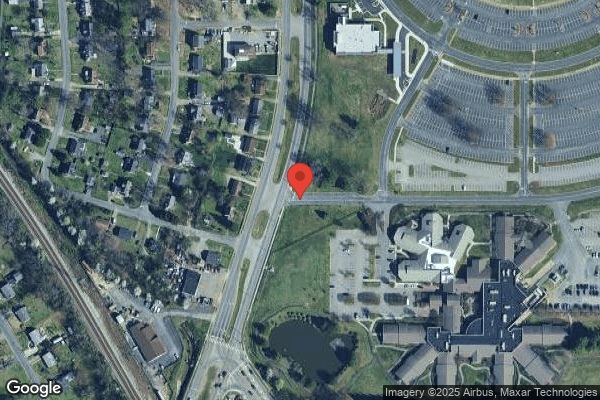
1601 BROADROCK BLVD, RICHMOND, VA 23224 (804) 371-8000
Government - State 200 Beds Independent Data: November 2025 2 Immediate Jeopardy citations
Trust Grade
36/100
#105 of 285 in VA
Last Inspection: June 2025

Inspected within the last 6 months. Data reflects current conditions.

Overview

Sitter and Barfoot Veterans Care Center has received a Trust Grade of F, indicating significant concerns about the facility's overall performance. Ranking #105 of 285 in Virginia places it in the top half of state facilities, while being #2 of 6 in Richmond City County means that only one local option is better. Unfortunately, the facility is worsening, with issues increasing from 1 in 2023 to 5 in 2025. Staffing is a strength, with a 4/5 star rating and 0% turnover, indicating that staff members are stable and familiar with residents. However, the facility has faced critical incidents, including failure to properly clean glucometers used for blood tests and mishandling a resident's advance directive, which raises significant concerns about resident safety and care compliance.

Trust Score
F
36/100
In Virginia
#105/285
Top 36%
Safety Record
High Risk
Review needed
Inspections
Getting Worse
1 → 5 violations
Staff Stability
○ Average
Turnover data not reported for this facility.
Penalties
✓ Good
No fines on record. Clean compliance history, better than most Virginia facilities.
Skilled Nurses
✓ Good
Each resident gets 58 minutes of Registered Nurse (RN) attention daily — more than average for Virginia. RNs are trained to catch health problems early.
Violations
⚠ Watch
31 deficiencies on record. Higher than average. Multiple issues found across inspections.
★★★★☆
4.0
Overall Rating
★★★★☆
4.0
Staff Levels
★★★★★
5.0
Care Quality
★★★☆☆
3.0
Inspection Score
Stable
2023: 1 issues
2025: 5 issues

The Good

  • 4-Star Staffing Rating · Above-average nurse staffing levels
  • 5-Star Quality Measures · Strong clinical quality outcomes
  • Full Sprinkler Coverage · Fire safety systems throughout facility
  • No fines on record

Facility shows strength in staffing levels, quality measures, fire safety.

The Bad

No Significant Concerns Identified

This facility shows no red flags. Among Virginia's 100 nursing homes, only 0% achieve this.

The Ugly 31 deficiencies on record

2 life-threatening 2 actual harm
Jun 2025 5 deficiencies
CONCERN (D)

Potential for Harm - no one hurt, but risky conditions existed

Deficiency F0558 (Tag F0558)

Could have caused harm · This affected 1 resident

**NOTE- TERMS IN BRACKETS HAVE BEEN EDITED TO PROTECT CONFIDENTIALITY** Based on observation, interview, and facility documentation the facility staff failed to ensure the reasonable accommodation of ...

Read full inspector narrative →
**NOTE- TERMS IN BRACKETS HAVE BEEN EDITED TO PROTECT CONFIDENTIALITY** Based on observation, interview, and facility documentation the facility staff failed to ensure the reasonable accommodation of resident needs and preferences for 1 resident (#122) in a survey sample of 54 residents. The findings included: For Resident #122 the facility staff failed to ensure the large clock that is in the residents room was in working order. Resident #122 was admitted to the facility on [DATE] with diagnoses that included, but we're not limited to diabetes type two, major depressive disorder, diverticulitis, primary osteoarthritis, G.I. hemorrhage, atrial fibrillation, adjustment disorder with mixed anxiety and depression, and stage renal disease, hyperparathyroidism, anemia, malignant neoplasm of the prostate, pressure ulcer stage, four, hearing loss, hypertensive, heart, disease, and paraplegia. Resident number 122 most recent MDS coded the resident as having a BM (brief interview of mental status score of 15 out of 15 indicating no cognitive impairment. Resident # 122 required assistance of one staff member for all aspects of ADL care. On 6/3/25 at approximately 12 p.m., during initial tour resident number 122 was resting in bed with his eyes closed. Surveyor noted that the clock on the wall red 6:30. On 6/3/25 at 3:00 p.m. Resident #122 was his room watching television. Resident #122 able to participate in survey interview. clock on the wall read 6:30. On 6/4/25 at 10:30 AM Resident # 122 was talking on the phone clock in his room. Continue to read 630. On 6/5/25 at 9 a.m. Resident # 122 was in his room lying in bed watching tv clock still read 6:30. On 6/5/25 at noon at noon an interview was conducted with staff member LPN B who was asked why it was important for residents to have an accurate clock. LPN B stated it was important for residents to have the accurate time so that they do not become disoriented. She also stated if they don't know the correct time, they won't be able to be ready for activities, meals, appointments, or visits. On 6/5/25 during the end of day meeting the Administrator was made aware of the findings and no further information was provided.
CONCERN (D)

Potential for Harm - no one hurt, but risky conditions existed

Deficiency F0605 (Tag F0605)

Could have caused harm · This affected 1 resident

**NOTE- TERMS IN BRACKETS HAVE BEEN EDITED TO PROTECT CONFIDENTIALITY** Based on observation, interview, clinical record review and facility documentation, the facility staff failed to ensure resident...

Read full inspector narrative →
**NOTE- TERMS IN BRACKETS HAVE BEEN EDITED TO PROTECT CONFIDENTIALITY** Based on observation, interview, clinical record review and facility documentation, the facility staff failed to ensure residents were free from chemical restraints for 2 Residents (#123 and #47) in a survey sample of 54 residents. 1. For Resident #123 the facility staff failed to ensure that the PRN order for the anxiolytic medication, Lorazepam, was not administered for more than 14 days without proper documentation of indication for usage and duration of therapy. Resident #123 was admitted to the facility on [DATE] Gout, Parkinsons disease, unspecified dementia with psychotic disturbance, neurocognitive disorder, major depressive disorder, insomnia visual hallucinations, benign prostatic hyperplasia, and vitreous degeneration. Resident #123's most recent BIMS (Brief Interview of Mental Status) score of 11/15 indicating moderate cognitive impairment. On 6/4/24 a review of the clinical record revealed that Resident #123 had medication orders including: Lorazepam Oral Tablet 0.5 MG Give 1 tablet by mouth every 4 hours as needed for anxiety start date: 03/18/2025 This was administered 6 times in March 2025, 11 times in April 2025, 36 times in May 2025, and 4 times between June 1st and June 4th. On 6-5-25 at approximately 2:00 PM an interview was conducted with the DON who was asked if she was aware of the requirements for diagnosis and length of time a PRN Psychotropics may be used. She indicated that she was aware. There was no documentation in the clinical record from the provider indicating the rationale for an extension nor was a specific duration of therapy provided. On 6/5/25 during the end of day meeting the Administrator was made aware of the concern and no further information was provided 2. For Resident #47 the facility staff failed to ensure that residents are free of administration of anti-psychotics without proper diagnosis. Resident #47 was admitted to the facility on [DATE] with diagnoses that included but were not limited to hemiplegia and hemiparesis following a stroke, dementia, moderate with behavioral disturbance, vitreous degeneration of the left eye history of COVID-19, epilepsy, non-Hodgkin's lymphoma, BPH (benign, prosthetic, hyperplasia), anxiety disorder, post-traumatic, stress disorder, major depressive disorder, and carcinoma of prostate. A review of the clinical record revealed the following excerpts from a document entitled Psychiatric Subsequent Assessment dated 11/22/24 revealed the following excerpts: Reason for Referral: Previous Mental Health Diagnosis: Unspecified Dementia, MDD, Anxiety, PTSD Cognitive Impairment: Patient endorses current symptoms of forgetfulness, confusion, mood/personality change and difficulties with ADLs and denies symptoms of sundowning, incoherent speech, aggression towards others, wandering, hoarding and word-finding difficulties. Patient endorses history of forgetfulness, confusion, mood/personality change and difficulties with ADLs and denies a history of sundowning, incoherent speech, aggression towards others, wandering, hoarding and word-finding difficulties. Severity is level 7 (Severe) . Psychosis: Patient denies symptoms of auditory hallucinations, visual hallucinations, delusions, disorganized speech, catatonia, anhedonia, responding to internal stimuli, negative symptoms and paranoid ideation. Patient denies a history of auditory hallucinations, visual hallucinations, delusions, disorganized speech, catatonia, anhedonia, responding to internal stimuli, negative symptoms and paranoid ideation. Resident number 47 had medication orders that included: Seroquel [an Antipsychotic] 25 mg one tablet by mouth per day related to unspecified dementia, moderate, with behaviors, posttraumatic stress disorder unspecified start date 5/17/23. Resident #47 started the anti-psychotic Seroquel after admission to the facility, and a review of the clinical record revealed the only diagnosis for the medication were dementia and PTSD. On 6/5/25 at approximately 2 PM. The direct director of nursing was asked for the documentation for the rationale of the prescription of Seroquel the DON provided a psychiatric assessment dated [DATE] under assessment/plan Please change diagnosis in PCC for Quetiapine (Seroquel) from anxiety to F03.B11. According to the ICD 10 CM (International Classification of Diseases, 10th revision, Clinical Modification) F03.B11 is billable specific ICD 10 code that can be used to indicate diagnosis for reimbursement purposes. It's applicable to unspecified dementia moderate with behaviors, such as restlessness rocking pacing exit seeking, Verbal or physical behaviors, like anger, aggression, or shouting. Per the FDA Seroquel has not been approved for the treatment of dementia and/or PTSD. On 6/5/25 during the end of day meeting, the Administrator was made aware of the concerns no further information was provided.
CONCERN (D)

Potential for Harm - no one hurt, but risky conditions existed

Respiratory Care (Tag F0695)

Could have caused harm · This affected 1 resident

**NOTE- TERMS IN BRACKETS HAVE BEEN EDITED TO PROTECT CONFIDENTIALITY** Based on observation, interview, clinical record review and facility documentation the facility staff failed to provide respirat...

Read full inspector narrative →
**NOTE- TERMS IN BRACKETS HAVE BEEN EDITED TO PROTECT CONFIDENTIALITY** Based on observation, interview, clinical record review and facility documentation the facility staff failed to provide respiratory care according to professional standards of practice for 1 resident (#108) in a survey sample of 54 residents. The findings included: For Resident #108 the facilty staff failed to ensure the tubing and mask of the CPAP (Continuous Positive Airway Pressure) mask were properly covered and stored when not in use. Resident #108 was admitted to the facility on [DATE] with diagnoses that included, but we're not limited to aphasia following cerebral infarction, chronic kidney disease stage two, type two diabetes, Barrett's esophagus, nontraumatic, subarachnoid hemorrhage, history of cerebral infarction, and coronary arthrosclerosis due to lipid plaque. Resident #108's most recent MDS (Minimum Data Set) coded the resident as having a BIMS (Brief Interview of Mental Status) score of 11 out of 15 indicating moderate cognitive impairment. Resident #108 required assistance with all aspects of ADL care and used a wheelchair for mobility. On 6/3/25 at 1 PM. Observation was made of CPAP machine at bedside on the table machine tubing and mask were left uncovered open to air. On 6/4/25 at 9 AM observation was made of CPAP machine on bedside table machine tubing and mask were left uncovered open to air. On 6/5/25 at 10:30 AM observation was made of CPAP machine on the bedside table, machine, tubing and mask were left, uncovered, and open to air A review of the clinical record revealed that resident number 108 had the following orders: CPAP on at bedtime start date 3/17/25 CPAP off in the a.m. start date 3/18/25 On 6/5/25 A review of the policy entitled oxygen usage revealed the following excerpt: Page 2 Infection control D. CPAP and BiPAP masks will also be stored within a plastic bag when not in use the bag is changed weekly and as needed. On 6/5/25 during the end of day meeting, the administrator was made aware of the findings and no further information was provided
CONCERN (E)

Potential for Harm - no one hurt, but risky conditions existed

Food Safety (Tag F0812)

Could have caused harm · This affected multiple residents

Based on observation, interview, and facility document and policy review, the facility failed to ensure expired food items were discarded, food items were labeled with the date opened, and an industri...

Read full inspector narrative →
Based on observation, interview, and facility document and policy review, the facility failed to ensure expired food items were discarded, food items were labeled with the date opened, and an industrial fan in the kitchen was free of dust. This failure created the potential for foodborne illness for 167 residents who received food from the kitchen of 170 residents who resided in the facility. Findings included: A facility policy titled, Food Items to Discard, updated 06/04/2025, indicated, It is the policy of [facility name] Nutrition Services Department to ensure that all food and foodservice items are properly received, labeled, stored, rotated, and discarded in accordance with federal, state, and local food safety regulations. No food item shall be stored past its expiration date, 'best by' date, or one year from the date of receipt if no manufacturer date is visible. The policy revealed, 5. Monitoring and Oversight: The Culinary Director or designee will: -Conduct weekly inspections of food storage areas. -Perform monthly inventory audits to ensure rotation and expiration protocols are followed. -Review discard logs and inventory practices regularly. A Dietary/Kitchen Sanitation Audit, dated 05/30/2025 at 5:05 PM, indicated staff inspected Variable items in the main kitchen that included ensuring repackaged foods in the refrigerator and freezer were dated and labeled per policy, food items in the refrigerator were within use by guidelines or expiration dates, and fans and vent covers were free of dust and mold. An observation of the freezers in the kitchen on 06/03/2025 at 11:10 AM revealed that, in freezer A, there were two small packages of sliced frozen salami covered in clear plastic wrap that were not labeled with the date and/or time they were opened. In freezer B, there was a half loaf of poppy seed coffee cake covered in clear plastic wrap that was not labeled with the date and/or time it was opened. An observation of walk-in refrigerator E in the kitchen on 06/03/2025 at 11:20 AM revealed four 46-ounce (oz) bottles of honey consistency thickened orange juice with an expiration date of 01/22/2025, five 46 oz bottles of honey consistency thickened orange juice with an expiration date of 05/08/2025, seven 33 oz bottles of thickened dairy beverage with an expiration date of 01/24/2025, and two 5-pound containers of cottage cheese with an expiration date of 05/26/2025. An observation of the facility's dish room on 06/03/2025 at 11:25 AM revealed a large industrial fan mounted on the wall by the automated dishwasher area. There was a layer of dust visible on the fan's outer cage. During an interview on 06/03/2025 at 11:26 AM, Certified Dietary Manager (CDM) E stated maintenance staff were responsible for cleaning the large fans, and kitchen staff cleaned any small fans that were on the floor. During an interview on 06/03/2025 at 11:30 AM, CDM E stated staff were trained and he expected them to date and label food items. CDM E stated he was very disappointed as he always told staff to do this. During an interview on 06/05/2025 at 2:33 PM, CDM E stated several people were responsible for checking for expired items, and staff were to check off the items on the task sheets daily. He stated staff were expected to check for expired items on a weekly and monthly basis. CDM E stated the evening cook was responsible for completing the dietary/kitchen sanitation audit forms. During an interview on 06/05/2025 at 3:23 PM, Director of Nursing C stated kitchen staff were trained and expected to follow the guidelines for food service based on ServSafe (a food safety training and certification program) practices. During an interview on 06/05/2025 at 3:25 PM, Assistant Administrator B stated staff had been trained and were expected to follow ServSafe guidelines for foodservice.
CONCERN (E)

Potential for Harm - no one hurt, but risky conditions existed

Room Equipment (Tag F0908)

Could have caused harm · This affected multiple residents

Based on observation, interview, and facility document review, the facility failed to ensure 4 of 4 washing machines were maintained in safe and proper working condition. Findings included: On 06/05/2...

Read full inspector narrative →
Based on observation, interview, and facility document review, the facility failed to ensure 4 of 4 washing machines were maintained in safe and proper working condition. Findings included: On 06/05/25 at 11:11 AM, Assistant Administrator B stated the facility did not have policies for maintenance of washing machines or submission of work orders to the maintenance department. An installation/operation/maintenance manual titled, Washer-Extractors, dated 12/2023, revealed a section titled Operator Daily Maintenance Checks that included instructions for the facility's model of washing machines. The manual specified, If the door lock and interlock are not functioning properly, disconnect power and call a qualified technician. 3. Do not attempt to operate the machine if any of the following conditions are present: a. The door does not remain securely locked during the entire cycle. During an observation of the laundry room on 06/04/2025 at 3:45 PM, Laundry Worker B added linens to washing machine #3. She placed a washcloth between the washing machine door and the associated washing machine and closed the door, leaving a section of the washcloth dangling outside the door. There were white blankets on the floor in front of washing machines #1, #2, #3, and #4. During an interview on 06/04/2025 at 3:49 PM, Laundry Worker B stated washing machine #2 and washing machine #3 had washcloths hanging from the doors to help keep the doors closed. She stated if the washcloths were not in place, the washing machine doors opened a little, and water leaked out. Laundry Worker B stated she came up with the idea of placing a washcloth between the washing machine and its door, noting that she began doing that about one year prior. She stated the white blankets on the floor at the base of washing machines #1, #2, #3, and #4 were there because the machines leaked. Laundry Worker B touched each blanket and confirmed the blankets in front of washing machines #1, #3, and #4 were currently damp. During an interview on 06/04/2025 at 4:59 PM, Director of Environmental Services D confirmed the washcloth that hung from the door of washing machine #2 was there to ensure the door closed tightly. He stated if the washcloth was not in place, the washing machine displayed an error message to indicate the door was open and the machine would not move on to the next cycle. Director of Environmental Services D stated the blankets on the floor in front of the washing machines were placed due to leakage from the washing machines. He confirmed the blankets in front of washing machine #1 and washing machine #4 were damp, and the blanket at the base of washing machine #3 was wet. He stated there were no current work orders for the washing machines. During an interview on 06/05/2025 at 10:41 AM, Maintenance Technician C stated he was not aware the washing machines were leaking. He stated when washing machine doors became loose, maintenance staff attempted to repair them; however, if a seal was loose, the facility contacted a contractor for the repair. Maintenance Technician C stated the maintenance department did not have a current work order request for repairs to the washing machines. During an interview on 06/05/2025 at 10:44 AM, Assistant Administrator B stated he knew the washing machines were leaking and that the door handles shook loose. He stated the washing machines were purchased about five years prior and were no longer under warranty. Assistant Administrator B stated the contracted company had not fixed the door handles or leakage to the facility's satisfaction. He stated leakage from the washing machine doors had been occurring for at least a year. During a follow-up interview in the laundry room on 06/05/2025 at 10:55 AM, Assistant Administrator B opened the door of washing machine #2 and explained the pin inside the hinge of the doors did not hold the door tightly enough, therefore leakage occurred from the door. He stated he was not aware of the reason washcloths were hanging from the doors of washing machine #2 and washing machine #3. During an interview on 06/05/2025 at 2:11 PM, Director of Nursing (DON) C stated she was not aware the washing machines were leaking, noting her expectation was for the laundry supervisor to be notified immediately when staff recognized washing machines needed repair. She stated she expected the manufacturer and maintenance staff to take care of the maintenance of the washing machines and fix them immediately. DON C stated if a washing machine were leaking, the concern was that laundry may not be laundered as it should be or leakage on the floor could cause someone to slip. During an interview on 06/05/2025 at 3:01 PM, Assistant Administrator B stated his expectation was for staff to make him aware when the leakage from the washing machines worsened and rags were needed. He stated the facility needed to find a methodology to minimize and contain dripping from the washing machine doors and replace the doors.
Sept 2023 1 deficiency
CONCERN (D) 📢 Someone Reported This

A family member, employee, or ombudsman was alarmed enough to file a formal complaint

Potential for Harm - no one hurt, but risky conditions existed

Pressure Ulcer Prevention (Tag F0686)

Could have caused harm · This affected 1 resident

Based on observation, interview, clinical record review, and facility documentation review, the facility staff failed to ensure 1 of 3 sampled residents (resident #1) received care and services to pre...

Read full inspector narrative →
Based on observation, interview, clinical record review, and facility documentation review, the facility staff failed to ensure 1 of 3 sampled residents (resident #1) received care and services to prevent pressure ulcers from developing. The findings included: For Resident #1 the facility staff failed to implement interventions to prevent further pressure ulcers once the Resident acquired the first pressure ulcer. On 9/6/23 at 12:45 PM, Resident #1 was observed in bed with eyes closed on low bed, Prevalon boots in place, air mattress in place and functional. Resident #1 appeared to be sleeping, he appeared well groomed no offensive odors were noted he was dressed in clothing not a hospital gown. A review of the clinical record revealed that Resident #1 had a Braden score (an assessment tool used to predict the likelihood of developing pressure ulcers) of 14 indicating moderate risk for pressure areas on 6/22/23. On 6/20/23 a non-Pressure abrasion was noted, and reported and is still ongoing has not yet resolved. The document entitled Non-Pressure Skin Condition read: 6/20/23 2 cm x 1 cm -Non-Pressure Abrasion-to right buttocks. Treatment will be done by Hospice along with measurements. The progress note read: 6/20/2023 3:15 PM-Skin/Wound Note -Note Text: Area to right buttocks noted. Area looks to be an abrasion with superficial skin loss and scant amount of bleeding noted. Area measures 2 x 1 cm. Surrounding area presents with normal color. Area cleansed and A&D ointment applied. MD/RP made aware. Tx put in place. A review of the clinical record revealed the following progress notes: 7/9/2023 3:25 pm - Health Status-Note Text: Hospice nurse, [name redacted], in to see resident. [name redacted] reported that resident has a stage II pressure ulcer to right shin. Hospice nurse measured area with 1 cm diameter. Area was dressed with boarder dressing. [Hospice nurse name redacted] states she will notify RP. MD updated. 7/11/2023 12:42 pm -Health Status Note Text: Spoke with hospice nurse [name redacted] today in reference to [Resident #1 name redacted] treatment in regard to wound care. Hospice nurse agreed to let wound nurse here at the facility oversee skin concerns and manage treatments. RP [Power of Attorney name redacted]aware and agrees. On 9/6/23 at approximately 2:30 PM, an interview was conducted with the wound nurse who stated that the Hospice was involved in wound care and assessment as well as the facility and it became easier to have one person responsible. She stated there was a discussion with Hospice and the family and decided the facility would be responsible for skin and wound care. A review of the care plan revealed the following excerpts: FOCUS: [Resident #1] has risk for alteration in skin integrity related to decrease mobility, incontinent of urine and bowel, poor safety awareness due to compromised cognition, he wears briefs, and currently and being treated for an abrasion to buttocks (6/20/23). Resident frequently moves around in bed and chair increasing friction to skin. Date Initiated: 07/07/2023. Target Date: 10/14/2023 GOAL: [Resident #1] will have no signs of infection or further complications to current wounds thru next review. Date Initiated: 07/07/2023. Target Date: 10/14/2023 INTERVENTION: Administer treatment as ordered. Assess for and report any new discoloration, open areas, bruising, skin tears, redness etc. observed during care. Date Initiated: 07/07/2023. Target Date: 10/14/2023 Assess skin condition with ADL care daily, report abnormalities to charge nurse. Encourage [Resident #1] to be up out of bed daily. Pressure reducing cushion to wheelchair. Pressure reducing mattress to bed. Re-evaluate risk with condition changes as needed. Use barrier cream after incontinent episodes per facility protocol. APM [Alternating Pressure Mattress] to bed, check function every shift. Date Initiated: 7/19/2023. Target Date: 10/14/2023 Apply Prevalon Boots when in bed and chair. Date Initiated: 07/14/2023. Target Date: 10/14/2023 The following are facility acquired pressure areas that developed but are now healed: 1. Wound skin healing record began on 7/4/23 for right foot - Stage II -2 cm x 1.3 cm. Assessed and followed by hospice until 7/11/23. Resolved on 8/22/23. 2. Wound Skin Healing Record began on 7/4/23 for right foot upper Stage I lateral 1.5 cm x 3 cm Assessed and followed by hospice until 7/11/23. Resolved on 8/22/23. 3. Wound / Skin Record began on 7/4/23 Stage I 3 cm x 3 cm fluid filled blister. Assessed and followed by hospice until 7/11/23. Resolved on 7/22/23 4. Wound / Skin Record began on 7/7/23 Stage I read area slow to blanch on Upper Lateral Left foot. Assessed and treated by facility. Healed on 7/25/23. 5. Wound / Skin Record began on 7/13/23 Stage I read area slow to blanch on Upper Mid Lateral Left foot. Assessed and treated by facility. Healed on 7/25/23. On 9/6/23 during the end of day meeting the Administrator was made aware of the concern and no further information was provided.
May 2021 12 deficiencies 2 IJ (1 affecting multiple)
CRITICAL (J)

Immediate Jeopardy (IJ) - the most serious Medicare violation

Deficiency F0578 (Tag F0578)

Someone could have died · This affected 1 resident

**NOTE- TERMS IN BRACKETS HAVE BEEN EDITED TO PROTECT CONFIDENTIALITY** 495393_F578-IJ Based on interview, record review, and review of the facility's policy, the facility failed to ensure a resident'...

Read full inspector narrative →
**NOTE- TERMS IN BRACKETS HAVE BEEN EDITED TO PROTECT CONFIDENTIALITY** 495393_F578-IJ Based on interview, record review, and review of the facility's policy, the facility failed to ensure a resident's advance directive was executed per the resident's wishes related to code status for one of 47 sampled residents (Resident (R) 24). R24 formulated an advance directive prior to being admitted to the facility; however, the resident's family member signed a Do Not Resuscitate (DNR) form without being educated about the form or it's implications. This failure had the potential to affect all residents of the facility who had, or who wished to formulate an advance directive. On [DATE] at 3:55 PM, the facility's Assistant Administrator was notified and issued an Immediate Jeopardy at F578, the right to formulate an Advance Directive. It was determined the Immediate Jeopardy existed and began on [DATE] when the resident was admitted to the facility and his Advance Directive was not executed. The removal plan for the Immediate Jeopardy was accepted by the Virginia Office of Licensure and Certification on [DATE] at 5:30 PM. The facility was notified that the Immediate Jeopardy was removed on [DATE] at 7:40 PM after the removal plan was verified to have been implemented through staff and resident interviews; and education and documentation reviews. After the Immediacy was removed, the noncompliance remained at a lower scope and severity level of D - isolated but with the potential of more than minimal harm. Findings include: Review of the facility's policy titled, Advanced Directives, dated [DATE], revealed .1. [facility] will provide written information regarding our resident's rights to make health care decisions, including their right to accept or refuse treatment and the right to execute advance directives .3. The resident or their representative must supply the Living Will and/or Advance Directives to the admitting staff .4. [facility] will abide by all executed Advance Directives .5. Staff will periodically review Advance Directives .with the resident and/or resident representative . Review of R24's undated Transfer/Discharge Report [face sheet], located in the resident's electronic medical record (EMR) under the profile tab revealed the resident was admitted to the facility on [DATE] with diagnoses which included heart failure and COPD (Chronic Obstructive Pulmonary Disease). Review of R24's admission Minimum Data Set, MDS with an assessment reference date (ARD) of [DATE], located in the resident's EMR under the MDS tab, revealed the facility assessed the resident to have a Brief Interview for Mental Status (BIMS) score of 12 out of 15 which indicated the resident was moderately cognitively impaired. Review of R24's most recent quarterly MDS with an ARD of [DATE] revealed the facility assessed the resident to have a BIMS score of 15 out of 15 which indicated the resident was cognitively intact and made his own health care decisions. Review of R24's Advance Health Care Directive, dated [DATE], located in the resident EMR under the miscellaneous tab, revealed . (1) End-Of-Life Decisions: I direct that my health care providers and others involved in my care provide, withhold, or withdraw treatment in accordance with the choice I have marked below: . [marked] (a) Choice NOT To Prolong Life. I do not want my life to be prolonged if (1) I have an incurable and irreversible condition that will result in my death within a relatively short time, (2) I become unconscious and, to a reasonable degree of medical certainty, I will not regain consciousness, or (3) the likely risks and burdens of treatment would outweigh the expected benefits . (5) DONATION OF ORGANS AT DEATH- (OPTIONAL). Upon my death (mark applicable box) [marked] (a) I give any needed organs, tissues, or parts .(c) My gift is for the following purposes: (strike any of the following you do not want) (1) Transplant (2) Therapy (3) Research (4) Education [none were stricken through] .In the absence of my ability to give directions regarding the use of such life-sustaining procedures, it is my intention that this declaration shall be honored by my family and physician(s) as the final expression of my legal right to refuse medical or surgical treatment, and I accept the consequences from such refusal . Review of R24's Durable Do Not Resuscitate Order [DNR], dated [DATE], located in the resident's EMR under the miscellaneous tab, revealed [R24's name] .I, the undersigned, state that I have a [NAME] fide physician/patient relationship with the patient named above. I have certified in the patient's medical record that he/she or a person authorized to consent on the patient's behalf has directed that life-prolonging procedures be withheld or withdrawn in the event of cardiac or respiratory arrest. I further certify . [checked] 2. The patient is INCAPABLE of making an informed decision about providing, withholding, or withdrawing a specific medical treatment or course of medical treatment because he/she is unable to understand the nature, extent or probable consequences of the proposed medical decision, or to make a rational evaluation of the risks and benefits of alternatives to that decision . If you checked 2 above, check A, B, or C below: [unchecked] A. While capable of making an informed decision, the patient has executed a written advanced directive which directs that life-prolonging procedures be withheld or withdraw. [checked] B. While capable of making an informed decision, the patient has executed a written advance directive which appoints a Person Authorized to Consent on the Patient's Behalf with authority to direct that life-prolonging procedures be withheld or withdrawn. [unchecked] C. The patient has not executed a written advance directive (living will or durable power of attorney for health care). I hereby direct any and all qualified health care personnel, commencing on the effective date noted above, to withhold cardiopulmonary resuscitation (cardiac compression, endotracheal intubation and other advanced airway management, artificial ventilation, defibrillation, and related procedures) from the patient in the event of the patient's cardiac or respiratory arrest . The form was signed by the resident's son. Interview on [DATE] at 8:59 PM with R24, revealed when asked if he was found unresponsive by staff, what would he want them to do, R24 stated he would want the nurse to try and save him. When asked what he meant, R24 stated he would want chest compressions [Cardiopulmonary Resuscitation (CPR)] but did not want machines to breath for him. Interview on [DATE] at 9:01 AM, with the Social Service Director (SSD), revealed R24 was his own decision maker. The SSD stated per the resident's EMR and Hard Copy chart, the resident was a DNR with a DNR form signed by the Patient Advocate. The SSD stated the resident was admitted to the memory care unit and that is why the resident's son signed the DNR. Continued interview revealed the resident was only on the memory care unit for a week when the facility determined the resident did not need to be on the unit. The SSD stated the resident had not been asked his wishes since he was admitted to the facility. The SSD further stated the residents code status should have been discussed with him at least quarterly but had not been. Observation on [DATE] at 9:20 AM of the SSD interviewing R24 related to his code status wishes. When the SSD asked R24 if he were found unresponsive, would he want the nurse to resuscitate him, R24 stated, yes, of course. When the SSD stated to the resident that means you would go to the hospital, R24 stated, damn, I hope so .I just don't want any machines keeping me alive for a long time. Interview on [DATE] at 10:06 AM with the Director of Nursing (DON) revealed residents' code statuses were discussed upon admission; however, she was not sure if it was discussed again unless a resident or their responsible party brought it up. The DON stated if a resident was able to make their own decisions, the resident should be the one who makes the code status decision. The DON also stated if a resident had an advanced directive in place that clearly indicated the resident's wishes, then a DNR should not be completed. After reading R24's advance directive, the DON stated the resident should receive CPR. Telephone interview on [DATE] at 11:25 AM with R24's Attending Physician (AP)1 revealed he was not aware that the resident had an advance directive. AP1 stated he sometimes relied on the nursing staff to find out residents' code status wishes. When the surveyor read the resident's advance directive to AP1, he stated based on what was read to him, the resident would want to be coded. The AP stated it seemed like there were two errors; the resident's Patient Advocate signed the DNR instead of the resident and there was already an advance directive in place. The AP also stated the resident should have been asked if he wanted to be a DNR. Interview on [DATE] at 11:29 AM with the Medical Director revealed after the surveyor read R24's advance directive, he would treat the resident as a full code meaning if there was an acute event, he would be inclined towards coding the resident. The Medical Director stated if the person who signed the DNR had legal authorization to sign the DNR, the DNR would be in effect over the advance directive; however, the facility should ensure the proxy was the legal decision maker. The Medical Director also stated the facility should have discussed with both the resident and the family member advance directive and code status at the same time since the advance directive contraindicated the DNR. Continued interview with the Medical Director revealed he thought it was required and recommended that a resident's code status be reviewed annually and was usually discussed by social services. Interview on [DATE] at 12:18 PM with Family Member (FM) 1, who was listed on the resident's advance directive as one of the resident's patient advocate, revealed R24 has always been adamant that he wanted life saving measures such as CPR, but not be put on a ventilator to prolong his life. FM1 stated when the resident was admitted to the facility, he was competent and his own decision maker. FM1 further stated his advance directive is clear as to his wishes. Interview on [DATE] at 12:39 PM with FM2 revealed when R24 was admitted to the facility, the facility had him sign the resident's admission paperwork instead of the resident. FM2 stated R24 was in his right mind and could make his own decisions when he was admitted . FM2 also stated he did sign the DNR form, but it was not explained to him exactly what that was, and he just assumed it was to go with the advance directive he gave the facility. Continued interview revealed R24 has had an advance directive for years and has always wanted to be revived but not kept alive by machines.
CRITICAL (K)

Immediate Jeopardy (IJ) - the most serious Medicare violation

Infection Control (Tag F0880)

Someone could have died · This affected multiple residents

**NOTE- TERMS IN BRACKETS HAVE BEEN EDITED TO PROTECT CONFIDENTIALITY** Based on observation, interview, record review, and review of policies and procedures, and of medical device and product user in...

Read full inspector narrative →
**NOTE- TERMS IN BRACKETS HAVE BEEN EDITED TO PROTECT CONFIDENTIALITY** Based on observation, interview, record review, and review of policies and procedures, and of medical device and product user information, the facility failed to: A.) ensure the nursing staff cleaned and disinfected multi-use glucometers per the device manufacturer's instructions and per the Environmental Protection Agency (EPA)-registered (approved) disinfectant's instructions for use when performing fingerstick blood glucose (sugar) (FSBS) testing between residents. Specifically, five of five Licensed Practical Nurses, (LPN) 21, LPN22, LPN23, LPN25, and LPN26) on three of four units (Richmond, Bay Side, and Blue Ridge) failed to effectively clean and disinfect five of five glucometers used to perform FSBS testing for five of 30 sampled residents, (Resident (R) 4, R51, R82, R135, and R352), plus five supplemental residents, (R11, R79, R91, R112, and R199). All five nurses failed to clean and disinfect the used glucometers by not allowing the treated surfaces of the devices to remain visibly wet with the facility's EPA-registered disinfectant for a full two minutes as directed on the label of the disinfectant; and B.) the facility staff failed to follow the facility policy and Centers for Disease Control (CDC) recommendations related to Personal Protective Equipment in a pandemic. On 05/01/21 at 11:25 AM, the facility's Assistant Administrator was notified and issued an Immediate Jeopardy at F880. The failure to ensure the staff cleaned and disinfected multi-use glucometers per the device manufacturer's instructions and per the EPA-approved disinfectant's instructions for use when performing FSBS testing between residents created a likelihood for the occurrence of serious adverse outcomes to other residents receiving FSBS testing through the transmission of blood-borne pathogens. It was determined the Immediate Jeopardy existed on 04/30/21 when the LPNs were observed during med pass. An acceptable removal plan for the Immediate Jeopardy was accepted by the Virginia Office of Licensure and Certification on 05/02/21at 5:30 PM. The facility was notified that the Immediate Jeopardy was removed on 05/02/21 at 7:40PM after the survey team verified the removal plan had been implemented through observations, interviews and documentation reviews. After the Immediacy was removed, the noncompliance remained at a lower scope and severity level of 'E' - isolated but with the potential of more than minimal harm. Findings include: A.) Review of the User Instruction Manual for the Assure Prism Multi Blood Glucose Monitoring System, revised 02/2020, revealed the device manufacturer, . validated . PDI (Professional Disposables International, Inc.) Super Sani-Cloth Germicidal Disposable Wipe for disinfecting the Assure Prism Meter. Review of the Special Instructions for Cleaning and Decontamination Against HIV-1, Hepatitis B Virus (HBV) and Hepatitis C Virus (HCV) of Surfaces/Objects Soiled with Blood/Body Fluids information on an undated back label of a canister of a PDI Super Sani-Cloth Germicidal Disposable Wipes, revealed that one wipe must first be used to thoroughly clean the surface of all blood and other body fluids. The instructions then directed, Use [a] second germicidal wipe to thoroughly wet [the] surface. Allow to remain wet two (2) minutes, let air dry. Review of the facility's policy titled, Glucometer Decontamination, dated 2012, revealed, Policy: The glucometer shall be decontaminated with the facility approved wipes following use on each resident. Gloves will be worn and the manufacturer's recommendations will be followed . II. Cleaning and disinfecting the glucometer: A. After performing the glucometer testing, the nurse shall . use the disinfectant wipe to clean all external parts of the glucometer. C. A second wipe shall be used to disinfect the glucometer, allowing the meter to remain wet for the contact time required by the disinfectant label. 1. Observation on 04/30/21 at 11:30 AM on the Richmond Unit revealed LPN25 prepared to perform a FSBS test for R352. LPN25 removed a glucometer from the top drawer of the medication cart and placed the meter on top of the cart. Observation of the glucometer revealed it was an Assure Prism Multi model. Continued observation revealed LPN25 removed a disposable wipe from a canister of PDI Super Sani-Cloth Germicidal Disposable Wipe[s], rubbed the wipe over all surfaces of the meter for less than 10 seconds, and then placed the glucometer back on the top of the medication cart. Without ensuring the glucometer remained visibly wet with the disinfectant for at least two minutes, LPN25 took the glucometer into R352's room, placed it on the top of the resident's rolling table, washed her hands, put on a pair of gloves, and performed the test. Afterwards, the LPN took the glucometer out to the medication cart and placed it on the top of the cart. LPN25 then used a PDI Super Sani-Cloth Germicidal Disposable Wipe to wipe all surfaces of the glucometer for less than 10 seconds, and then placed the device back on the medication cart. During an interview on 04/30/21 at 11:45 AM, LPN25 stated that the facility's policy and procedure says to clean the glucometers before and after use with the PDI Super Sani-Cloth Germicidal Disposable Wipes. LPN25 stated, We use the wipes to clean all sides of the meter and then let it dry before it is used again. After reviewing the directions for use on the cannister of disinfectant wipes, the LPN stated, I didn't know about the two-minute 'wet time.' No one told me about that. When asked if the facility provided her with training on using and disinfecting the glucometers, LPN25 stated, Not for a while, certainly not for this year. They don't do much training here. 2. a. Observation on 04/30/21 at 3:54 PM on the Bay Side Unit, A-Hall revealed LPN26 prepared to perform a FSBS test for R112. LPN26 removed a glucometer from the top drawer of the medication cart and held it in one hand while she took a PDI Super Sani-Cloth Germicidal Disposable Wipe from the canister with her other hand. She then transferred the glucometer to the hand with the disinfectant wipe and began turning the glucometer over and over in her hand for eight to 10 seconds and then placed the glucometer on the top of the medication cart. Observation of the glucometer revealed it was the same Assure Prism Multi model as used by LPN25. Without first ensuring the glucometer remained visibly wet with the disinfectant for at least two minutes, LPN26 then took the glucometer and other testing supplies into R112's room, placed the glucometer and supplies on the top of the resident's rolling table, washed her hands, put on a pair of gloves, and performed the test. Afterwards, the LPN took the glucometer out to the medication cart and placed it on the top of the cart. LPN26 then prepared and administered the resident's dose of insulin and returned to the medication cart. The LPN did not clean and disinfect the used glucometer on the cart top. From 4:00 PM to 4:25 PM, continuous observation revealed LPN26 administered oral medications to R135 and two unsampled residents using the same medication cart, on which, the still uncleaned and undisinfected glucometer remained on the cart top. When completed, LPN26 went to the B-Hall to assist the other staff without first ensuring the glucometer had been cleaned and appropriately disinfected. b. Observation on 04/30/21 at 4:25 PM revealed LPN26 retrieved a glucometer from a medication cart on the B-Hall. After swiping the glucometer with a PDI Super Sani-Cloth Germicidal Disposable Wipe for less than five seconds, the LPN took the device into R79's room and placed the glucometer on top of the resident's rolling table. As LPN prepared to obtain a drop of blood from the resident's fingertip using the glucometer and test strip, the surveyor intervened and asked to speak with nurse outside in the hallway. When asked about the facility's policy and procedure for cleaning and disinfecting the multi-resident use glucometers, the LPN stated that the glucometers were to be cleaned and disinfected between residents using the PDI Super Sani-Cloth Germicidal Disposable Wipes. The wipes are used to clean and disinfect the meters and ten must dry for at least two minutes before using it again. The LPN started she was unaware that the two minutes to disinfect the glucometer was to be wet contact time. 3. a. Observation on 04/30/21 at 3:59 PM on the Bay Side Unit, B-Hall, of LPN22 completing FSBS testing revealed LPN22 retrieved a glucometer from her medication cart, wiped it with a PDI Super Sani-Cloth Germicidal Disposable Wipe, and placed the glucometer directly on top of her medication cart with no barrier between the cart and the glucometer. After 10 seconds, the LPN picked up the glucometer with her bare hands, inserted a test strip in the glucometer, and then placed the glucometer back on the cart top. Continued observation revealed after one minute and fifteen seconds (1:15), LPN22 donned gloves, picked up the glucometer, entered R11's room, and obtained the resident's blood glucose level. At 4:02 PM, LPN22 brought the soiled glucometer from R11's room and placed it on top of her medication cart with no barrier between the soiled glucometer and the cart. At 4:06 PM, LPN22 picked up the soiled glucometer with her bare hands, used a PDI Super Sani-Cloth Germicidal Disposable Wipe to clean the glucometer, placed the meter back on the medication cart for 40 seconds, then picked it back up with her bare hands, placed a test strip in the glucometer, then returned the glucometer to the medication cart. b. Continued observation on 04/30/21, revealed at 4:07 PM, LPN22 donned gloves and took the glucometer into R4's room to complete a FSBS test. The LPN stuck the resident's finger and was about to obtain blood to the test strip in the glucometer when the surveyor intervened and stopped the LPN from placing blood to the test strip. Interview on 04/30/21 at 4:10 PM with LPN22 revealed she was not sure how long the glucometer was to remain wet with the Super Sani-Cloth Germicidal Disposable Wipe contents. LPN22 stated she was told by the Staff Development Coordinator (SDC) just to make sure the glucometers were cleaned between residents. After reading the Super Sani-Cloth Germicidal Disposable Wipe container, she never knew she was supposed to leave the glucometers wet for so long (2-minutes). 4. a. Observation on 04/30/21 at 4:24 PM on the Bay Side Unit, on A-Hall, revealed LPN23 administered insulin to R51. LPN23 then exited R51's room with the glucometer and placed the glucometer in the top drawer of the medication cart. b. Continued observation revealed at 4:25 PM, LPN23 retrieved a glucometer from the medication cart (observed to be only one glucometer available), placed the glucometer directly on top of the medication cart with no barrier between the cart and the glucometer. After 40 seconds, LPN23 picked the glucometer and entered R82's room without ever cleaning the glucometer. At 4:26 PM, LPN23 stuck R82's finger and was about to retrieve blood from the resident's finger to the test trip when the surveyor intervened stopping the LPN from checking the resident blood glucose. c. Observation on 04/30/21 at 4:27 PM revealed LPN23 used a PDI Super Sani-Cloth Germicidal Disposable Wipe, wiped the glucometer, and then placed the glucometer directly in a small basket with no barrier. After approximately one minute and 10 seconds (1:10), LPN23 took the basket with the glucometer in R82's room to obtain his blood glucose level. The surveyor intervened. During an interview on 04/30/21 at 4:27 PM, when asked if there was anything she forgot to do in between obtaining R51's and R82's blood sugar levels, LPN23 stated, I forgot to wipe it [glucometer] down. The LPN further stated that she was supposed to let the glucometer stay wet for two minutes. The LPN stated it should had been close to two minutes because it was not wet anymore. 5. Review of R11's undated Transfer/Discharge Report [face sheet], located in the resident's electronic medical record (EMR) under the profile tab revealed the resident was admitted to the facility on [DATE] with diagnoses which included Type 2 Diabetes Mellitus. Review of R11's Physician Orders, located in the resident's EMR under the order tab, revealed the resident was ordered sliding scale insulin of Humalog Solution 100 unit/ml, which indicated the resident received finger sticks to monitor blood glucose levels. Observation on 04/30/21 at 3:59 PM on the Bay Side Unit, B-Hall, of LPN22 completing finger stick blood glucose testing. LPN22 retrieved a glucometer from her medication cart, wiped it with a Super Sani-Cloth Germicidal Disposable Wipe, and laid it directly on top of her medication cart with no barrier between the cart and the glucometer. After 10 seconds, the LPN picked the glucometer up with her bare hands and stuck a test strip in the glucometer and then laid the glucometer back on the cart. Continued observation revealed after one minute and fifteen seconds (1:15), LPN22 donned gloves, picked up the glucometer, entered R11's room and obtained the resident's blood glucose level. At 4:02 PM, LPN22 brought the soiled glucometer from R11's room and placed it on top of her medication cart with no barrier between the soiled glucometer and the cart. At 4:06 PM, LPN22 picked up the soiled glucometer with her bare hands, used a Super Sani-Cloth Germicidal Disposable Wipe cleaned the glucometer, and laid it directly back down on the medication cart for 40 seconds, picked it back up with her bare hands and placed a test strip in the glucometer, then placed the glucometer back on the medication cart. At 4:07 PM, LPN 22 donned gloves and took the glucometer in R4's room to complete blood glucose check. The LPN stuck the resident's finger and was about to obtain blood to the test strip in the glucometer when the surveyor intervened and stopped the LPN from placing blood to the test strip. Interview on 04/30/21 at 4:10 PM with LPN22 revealed she was not sure how long the glucometer was to remain wet with the Super Sani-Cloth Germicidal Disposable Wipe contents. LPN22 stated she was told by the Staff Development Coordinator (SDC) just to make sure the glucometers were cleaned between residents. After reading the Super Sani-Cloth Germicidal Disposable Wipe container, she never knew she was supposed to leave the glucometers wet for so long (2-minutes). 6. Review of R51's undated Transfer/Discharge Report, located in the resident's EMR located under the profile tab revealed the resident was admitted to the facility on [DATE] with diagnoses which included Type 2 Diabetes Mellitus. Review of R51's Physician Orders, located in the resident's EMR under the order tab, revealed the resident was ordered sliding scale insulin of Humalog Solution, which indicated the resident received finger sticks to monitor blood glucose levels. Observation on 04/30/21 at 4:24 PM on the Bay Side Unit, on A-Hall, of LPN23 finishing an insulin administration for R51. R23 exited R51's room carrying a glucometer and then placed the glucometer in the top drawer of the medication cart. Continued observation at 4:25 PM, LPN23 retrieved a glucometer from the medication cart (observed to be only one glucometer available), placed the glucometer directly on top of the medication cart with no barrier between the cart and the glucometer. After 40 seconds, LPN23 picked the glucometer and entered R82's room without ever cleaning the glucometer. At 4:26 PM, LPN23 stuck R82's finger and was about to retrieve blood from the resident's finger to the test trip when the surveyor intervened stopping the LPN from checking the resident blood glucose. Interview on 04/30/21 at 4:27 PM with LPN23 revealed when asked if there was anything she forgot to do in between obtaining R51's and R82's blood glucose, LPN23 stated, I forgot to wipe it [glucometer] down. Observation on 04/30/21 at 4:27 PM revealed LPN23 used a Super Sani-Cloth Germicidal Disposable Wipe, wiped the glucometer, and then placed the glucometer directly in a small basket with no barrier. After approximately one minute and 10 seconds (1:10), LPN23 took the basket with the glucometer in R82's room to obtain his blood glucose level. The surveyor intervened. Interview on 04/30/21 at 4:28 PM with LPN23 revealed she was supposed to let the glucometer stay wet for two minutes. The LPN stated it should had been close to two minutes because it was not wet anymore. During interviews on 04/30/21 with three of five LPNs observed performing fingerstick blood glucose testing (LPN25, LPN26, and LPN22) all stated they were unaware the glucometers had to remain wet with the disinfectant for a full two minutes before using the glucometers on other residents. The remaining two of five LPNs (LPN21 and LPN23) both stated they were aware of the required 2-minute wet contact time to disinfect the glucometers before using them again on other residents. During an interview with the Staff Development Coordinator (SDC) she confirmed that LPN26 and LPN21 had not received blood glucose competency training or competency evaluations yet. During an interview on 04/30/21 at 8:38 PM, the DON reviewed four policies provided to the team and identified two from the nursing manual, and two from the facility's administrative book. The DON stated that she expected the nurses to follow all policies and procedures. For cleaning and disinfecting multi-use glucometers, the facility uses the purple-top Sani-wipes. The nurses wipe down the glucometers with the Sani-wipe, then place the meters on a clean surface, and allow them to air dry. The purpose for cleaning and disinfecting is to make sure the meters are sanitized to prevent transmission of pathogens. The DON stated that she would be concerned if the staff were not using the disinfectant in accordance with the manufacturer's instructions and confirmed the facility had two residents (Resident (R) 358 and R58) who had diagnoses of blood-borne pathogens and orders for fingerstick blood glucose monitoring. The DON stated that after using the glucometer in a resident's room, the nurse should wipe off the meter to keep other equipment from being contaminated. The DON stated that new nurses who had not received training and competency evaluations in disinfecting the glucometers should not be performing fingerstick blood glucose testing. The DON stated that in-service trainings are provided anytime we see a need for education. We educate on the spot. When asked how long the glucometers should remain wet when cleaning, the DON stated she was not for sure; however, it was her expectation the nurses cleaning the glucometers would know. B.) PPE - Review of the facility's policy titled Infection Prevention and Control Program dated 01/01/20 directs that Measures for the early identification of residents who require isolation in accordance with CDC [Centers for Medicare and Medicaid Services] guidelines .Appropriate use of personal protective equipment, including gowns, gloves, masks and eye protection devices .Use and techniques for isolation precautions as recommended by the CDC. Review of the CDC guidance updated Apr. 6, 2021, Mask Fit & Filtration, Improve the Fit and Filtration of Your Mask to Reduce the Spread of COVID-19, instructs health care personnel that correct and consistent mask use is critical to reduce the risk of getting and spreading COVID-19. Masks work best when everyone wears them, but not all masks provide the same protection. How well a mask fits, how well it filters the air, and how many layers it has are all important .cloth masks are not considered PPE, since their capability to protect Health Care Personnel is unknown . During an observation on 04/30/21 at 8:28 PM Licensed Practical Nurse (LPN) was wearing a cloth face mask in resident room administering medication. An interview with LPN 22 immediately after exiting the resident room revealed she bought the mask, that does not have a filter, in a store and stated she usually wear a surgical mask over it; however due to the heat she only had one mask on. In addition, the LPN stated, It doesn't matter that I've been fully vaccinated in January. When asked if she received facility training on Personal Protective Equipment, LPN 22 stated I don't recall CDC guidelines, but if you're saying I have to wear another mask I'll go get it. During an interview on 04/30/21 at 8:38 PM, the Director of Nursing (DON) stated that staff members should have surgical mask on in the facility for COVID precautions; unless they have a doctor's note that they cannot wear one for medical reasons.
CONCERN (D)

Potential for Harm - no one hurt, but risky conditions existed

Resident Rights (Tag F0550)

Could have caused harm · This affected 1 resident

**NOTE- TERMS IN BRACKETS HAVE BEEN EDITED TO PROTECT CONFIDENTIALITY** Based on observation, interview, record review, and review of the facility's policy, the facility failed to promote and enhance ...

Read full inspector narrative →
**NOTE- TERMS IN BRACKETS HAVE BEEN EDITED TO PROTECT CONFIDENTIALITY** Based on observation, interview, record review, and review of the facility's policy, the facility failed to promote and enhance each resident's dignity for one of 47 sampled residents (Resident (R) 94). Observation revealed in R94's room, four signs related to the resident's required personal care displayed on the closet and wall, in plain view. Findings include: Review of the facility's policy titled, Resident Rights, dated November 2007, revealed the policy did not address a procedure to enhance or promote residents' dignity. Review of the undated facility document titled, Residents' Rights in Nursing Homes, revealed .The law requires nursing homes to promote and protect the rights of each resident and places a strong emphasis on individual dignity and self-determination .The resident has the right to a dignified existence .Residents have a right to personal privacy in their accommodations, medical treatment .personal care . Review of R94's undated Transfer/Discharge Report [face sheet], located in the resident's electronic medical record (EMR), under the profile tab, revealed the resident was admitted to the facility on [DATE] with diagnose which included dementia with behavioral disturbance. Review of R94's quarterly Minimum Data Set (MDS), with an assessment reference date (ARD) of 03/23/21, revealed a Brief Interview for Mental Status was not able to be completed; however, the facility assessed the resident to be severely cognitively impaired and never or rarely made decisions regarding tasks of daily life. Observation on 04/27/21 at 2:30 PM of R94's room revealed two signs on the resident's closet doors related to the resident's splint appliances, specifically how to apply the appliances and when the appliance was to be on the resident. Continued observation revealed two signs on the wall above the resident's bed related to a positioning wedge and instructions to keep the resident's head of bed elevated. Observation and interview on 05/01/21 at 10:07 AM with the Social Service Director (SSD) revealed the SSD confirmed the signs related to the resident's care in plain view of anyone who entered the resident's room. The SSD stated the signs related to the resident's care should not be on the walls or closet. Continued interview with the SSD confirmed the signs with resident care concerns visible to all was a dignity concern. The SSD also stated the staff members who provided care to the resident should not need signs to know what care the resident needed. Interview on 05/01/21 at 2:24 PM with the Director of Nursing (DON) revealed it was her expectation the resident would not have had any care signs in plain sight in his room. The DON agreed that this was a dignity and privacy concern.
CONCERN (D)

Potential for Harm - no one hurt, but risky conditions existed

Deficiency F0602 (Tag F0602)

Could have caused harm · This affected 1 resident

**NOTE- TERMS IN BRACKETS HAVE BEEN EDITED TO PROTECT CONFIDENTIALITY** Based on resident and staff interviews, and review of facility policies, the facility failed to identify potential and reported ...

Read full inspector narrative →
**NOTE- TERMS IN BRACKETS HAVE BEEN EDITED TO PROTECT CONFIDENTIALITY** Based on resident and staff interviews, and review of facility policies, the facility failed to identify potential and reported misappropriation of resident property. Specifically, two of 47 sampled residents (R) 135 and R4, reported personal items missing to the facility without resolution. Findings include: 1.) Review of R135's Face Sheet found in the electronic medical record (EMR) admission tab, revealed R135 was admitted on [DATE] with multiple diagnoses of Parkinson's disease, type 2 diabetes with diabetic nephropathy, delusional disorders, and psychotic disorder. Review of admission Minimum Data Set (MDS) assessment with an assessment reference date (ARD) of 05/06/20 revealed a Brief Interview of Mental Status, BIMS) score of 14 out of 15 which indicated cognitively intact. Review of the functional status revealedR135 required extensive/total assistance for Activities of Daily Living (ADLs) and the resident is non-ambulatory. Interview on 04/27/21 at 10:00 AM with R135 revealed on 07/09/19 he reported to staff that his wedding ring was missing. R135 stated he remembered falling asleep with it in his possession; however, when he woke up it was gone. The resident became emotional and stated him and his wife had matching wedding rings. Interview on 04/29/21 at 8:32 AM with the SSD revealed that R135 did report his ring missing. The SSD was asked if the missing ring was reported to the police or the State Agency (SA), she stated it was not reported because the facility did not believe that he had a wedding ring. The SSD also stated they [facility] searched for the ring but did not find it. Continued interview with the SSD revealed R135 told her that the ring should be either on the floor or in his bed sheets since he went to bed with it. The SSD stated the ring was never found. The SSD stated the missing item report went to the QA committee. Review of R135's Inventory of Personal Effects, dated 09/28/16, revealed his wedding ring was inventoried by the facility when he was admitted . Review of the untitled and undated QA Itinerary revealed Grievances Summary .2. Lost wedding band-multiple different stories regarding lost wedding band and when it went missing. RP [Responsible Party] not concerned . Review of untitled document dated 07/10/19 revealed SW [SSD] met with [R135] regarding his missing (gold) wedding ring . [R135's] also stated that he believes someone stole his ring . [R135's] reported that the ring went missing on the 11-7 shift and again believes someone stole it . Continued review of the form revealed handwritten note of [Resident's Wife's Name] calls to let this writer know she is aware of resident alleging his wedding band is missing. [Resident's wife's name] states I am not the least bit concerned because his story is not adding up, it makes no sense to steal the ring and not the necklace/chain. He's done this before claiming he had money stolen that wasn't true. Signed and written by Registered Nurse (RN) 16. Interview on 04/29/21 at 10:33 AM, with R135 revealed the last time the resident had his ring, it was on a chain around his neck. R135 stated the night or morning his ring went missing, the only care giver assigned to him was CNA17, and that she had to have taken it. The resident also stated that the next time CNA17 entered his room, he was afraid she would take something else. Continued interview with R135 revealed he felt bad because my wife has her ring, and I don't have mine; the rings were a matching set. Interview on 04/29/21 at 2:48 PM with Family Member (FM) 18 revealed R135 told her that his wedding ring was missing. When asked if the facility had called her and spoken with her about the ring, FM18 stated no. 2.) On 04/30/21 at 9:50 AM in an interview with R4, who has a BIMS score of 15 on MDS assessment dated [DATE] the resident stated that he received $50.00 in cash from his brother for Christmas 2020. He placed the money in his wallet, in the middle drawer of his night-stand along with $15.00 he had previously. The total was $65.00. R4 stated he was not certain of the date, but sometime in February 2021, he opened the drawer to pay for something and the money was gone. R4 stated he reported the missing $65.00 dollars to night shift CNA19 immediately after he noticed the money missing. Interview with CNA 19 on 04/30/21 at 10:00 AM via phone call stated she recalls R4's complaint of the missing money ($65.00). CNA19 stated she immediately reported R4's missing $65.00 to the charge nurse, who said she would put the complaint on the daily shift report. CNA19 stated she did not know the charge nurse and had not seen her before or since the report. Interview on 04/30/21 at 12:03 PM with the SSD revealed that all missing items went on a missing item report form and then it was sent to her from the Unit Manager. The SSD stated that missing items are never reported to the police and/or State Agency (SA). The SSD also stated that nothing of value was ever missing. The SSD said this one should have been investigated further but wasn't. Continued interview revealed she did not have a missing money report, nor was the incident logged on the missing item log (no title on form or date). She also stated, when questioned, that she could not report the incident to the state health department or state survey agency because she was not aware there was an incident. Interview on 04/30/21 at 12:21 PM with the DON revealed she was the abuse coordinator. The DON stated the facility did not report missing items to the SA or the police and missing items were not considered reportable. The DON stated that the only time the facility would report to the SA or the policy an allegation of misappropriation was if a resident directly stated a specific person stole from them. Interview on 04/30/21 at 12:40 PM with the Assistant Administrator confirmed if a resident reported an item as stolen, then it was reportable. Review of the facility's form titled, Missing Item Report, dated 07/09/20, initiated by the SSD revealed R135 reported gold like wedding band last seen 2 days ago, had it on a chain and the chain broke. Continued review of the form reviewed the SSD and the Unit Manager (UM) searched the resident's room for the ring and it was not located. The facility documented follow up action of Continued to look for the ring. Res [resident] story & explanation varies . Review of the facility's policy titled, Lost and Found, dated November 2007, revealed It is the policy of this facility .In the event that items are misplaced or missing, [facility name] will assist in searching for the missing items .1. Resident/family members reports something is missing to unit manager or social worker. The missing item report will be completed. 3. If the item is not found, and [sic] investigation will be completed. Resident/family will be notified of results. 4. The Administrator may direct the social worker to notify other agencies, if appropriate (police, APS [adult protective services] . Review of the facility's undated policy titled, Missing Item Policy and Procedure, revealed The facility will do everything possible to locate residents, visitors and staff members reported missing items and to identify interventions which will prevent similar events from recurring .4. The Unit Manager/Nursing Supervisor or designee will make list of all staff members who worked in or near Residents room during time item went missing: CNA, Nurse, Housekeeper, Visitors, etc. 5. As soon as possible the Unit Manager/Nursing Supervisor will interview the staff: *Have you ever seen the missing item(s)? When? Where? *Have you looked for it? Where? When? *Do you have any knowledge of where this item(s) may be? . 9. If item(s) remains unfound within 2 business days of initial report the SSD will designate an Investigative Team will consist of Safety Committee Chairman, Social Services Director (SSD) or designee, Director of Nursing (DON) or designee, Human Resources Director or designee. Team will review those staff listed in #5 above, and/or other staff who they think may have information to contribute. The goal in this process is to acquire accurate information which may lead to discovery of the missing item, or to identify interventions which will prevent a similar event from recurring .
CONCERN (D)

Potential for Harm - no one hurt, but risky conditions existed

Report Alleged Abuse (Tag F0609)

Could have caused harm · This affected 1 resident

Based on record review, resident and staff interviews, and review of facility policies, the facility failed to thoroughly investigate and report to the State Agency (and law enforcement when necessary...

Read full inspector narrative →
Based on record review, resident and staff interviews, and review of facility policies, the facility failed to thoroughly investigate and report to the State Agency (and law enforcement when necessary) alleged and/or potential misappropriation of resident property. This failure potentially placed all 153 residents in the facility at an increased risk for misappropriation of their personal items. (Reference F602-L). Findings include: Review of the facility's policy titled, Lost and Found, dated November 2007, revealed It is the policy of this facility .In the event that items are misplaced or missing, [facility name] will assist in searching for the missing items .1. Resident/family members reports something is missing to unit manager or social worker. The missing item report will be completed. 3. If the item is not found, and [sic] investigation will be completed. Resident/family will be notified of results. 4. The Administrator may direct the social worker to notify other agencies, if appropriate (police, APS [adult protective services] . Interview on 04/27/21 at 10:00 AM with R135 revealed on 07/09/19 he reported to staff that his wedding ring was missing. The resident became emotional and stated him and his wife had matching wedding rings. Interview on 04/29/21 at 10:33 AM, with R135 revealed the last time the resident had his ring, it was on a chain around his neck. R135 stated the night or morning his ring went missing, the only care giver assigned to him was CNA17, and that she had to have taken it. The resident also stated that the next time CNA17 entered his room, he was afraid she would take something else. Interview on 04/29/21 at 2:48 PM with Family Member (FM) 18 revealed R135 told her that his wedding ring was missing. When asked if the facility had called her and spoken with her about the ring, FM18 stated no. Interview on 04/29/21 at 8:32 AM with the Social Services Director (SSD) revealed that R135 did report his ring missing. The SSD was asked if the missing ring was reported to the police or the State Agency (SA), she stated it was not reported because the facility did not believe that he had a wedding ring. The SSD stated the ring was never found. The SSD stated the missing item report went to the QA committee. Interview on 04/30/21 at 12:03 PM with the SSD revealed that the Unit Manager will fill out a missing item report form on all missing items and it will be sent to her. The SSD stated that missing items are never reported to the police and/or SA. The SSD also stated that nothing of value was ever missing. Interview on 04/30/21 at 12:40 PM with the Assistant Administrator revealed that he did not receive any information about this resident's missing property. He also revealed that if a resident reported an item as stolen, then it was reportable.
CONCERN (D)

Potential for Harm - no one hurt, but risky conditions existed

Assessment Accuracy (Tag F0641)

Could have caused harm · This affected 1 resident

**NOTE- TERMS IN BRACKETS HAVE BEEN EDITED TO PROTECT CONFIDENTIALITY** Based on observation, record review, and resident and staff interviews, the facility failed to ensure that the Minimum Data Set ...

Read full inspector narrative →
**NOTE- TERMS IN BRACKETS HAVE BEEN EDITED TO PROTECT CONFIDENTIALITY** Based on observation, record review, and resident and staff interviews, the facility failed to ensure that the Minimum Data Set (MDS) assessment accurately reflected the resident's dental status. One (Resident (R) 51) of 32 residents reviewed for MDS assessments had an issue with an inaccurate Oral/Dental assessment. The resident's poor dentition was not known or cared for by facility staff. (see F791). Findings include: Review of the facility's undated Oral Hygiene policy directed the following responsibility to the Licensed Nurse and Certified Nursing Assistant (CNA) provide oral hygiene To cleanse the mouth, teeth and dentures . To prevent infection, irritation, cavities, periodontal disease and odors .To moisten the mucous membrane .To increase comfort .To promote personal hygiene .To enhance the taste of food .Examine condition of teeth and gums, noting any changes Gingival (gums)hypertrophy (enlarged and/or thickened), crevices between teeth and gums, pockets of debris and bleeding with slight pressure are indicative of gingivitis (inflammation of the gums) .Note any loose and/or broken teeth. Review of the CMS (Centers for Medicare and Medicaid Services) RAI (Resident Assessment Instrument) Version 3.0 Manual Section L Oral/Dental Status direct Steps for Assessment 1. Ask the resident about the presence of chewing problems or mouth or facial pain/discomfort. 2. Ask the resident, family, or significant other whether the resident has or recently had dentures or partials. (If resident or family/significant other reports that the resident recently had dentures or partials, but they do not have them at the facility, ask for a reason.) 3. If the resident has dentures or partials, examine for loose fit. Ask him or her to remove, and examine for chips, cracks, and cleanliness. Removal of dentures and/or partials is necessary for adequate assessment. 4. Conduct exam of the resident's lips and oral cavity with dentures or partials removed, if applicable. Use a light source that is adequate to visualize the back of the mouth. Visually observe and feel all oral surfaces including lips, gums, tongue, palate, mouth floor, and cheek lining. Check for abnormal mouth tissue, abnormal teeth, or inflamed or bleeding gums. The assessor should use his or her gloved fingers to adequately feel for masses or loose teeth. 5. If the resident is unable to self-report, then observe him or her while eating with dentures or partials, if indicated, to determine if chewing problems or mouth pain are present. 6. Oral examination of residents who are uncooperative and do not allow for a thorough oral exam may result in medical conditions being missed. Referral for dental evaluation should be considered for these residents and any resident who exhibits dental or oral issues. Review of R 51's undated Profile record located in the electronic medical record (EMR) revealed the resident was admitted to the facility on [DATE]. Review of the Minimum Data Set (MDS) with an assessment reference date (ARD) of 12/01/20 revealed the resident had a Brief Interview for Mental Status (BIMS) score of 13, which indicated the resident was cognitively intact and the resident had no abnormal mouth tissue (ulcers, masses), obvious or likely cavity (a tooth with a discolored hole or area of decay that may have debris in it) or broken natural teeth, inflamed or bleeding gums or loose natural teeth, and/or mouth or facial pain. During an interview on 04/28/21 at 10:29 AM, the resident indicated that staff do not assist him with brushing his teeth. The resident opened his mouth when requested and a visual inspection of the resident's oral cavity revealed the resident had missing and/or broken teeth visible in the upper and lower jaw and copious amounts of thickened plaque visible on his discolored teeth. During an observation on 04/30/21 at 3:22 PM, the Registered Nurse (RN) Unit Manager inspected the resident's oral cavity using gloves to pull back the resident's gums at the request of the surveyor. The resident's gums were reddened and inflamed, with missing teeth on the bottom and top jaws, copious amounts of plaque on the teeth and a blackened area on the lower front jaw. During the observation, the RN Unit Manager stated that she was unaware that the resident had dental issues and would work on getting the resident to the dentist. During an interview on 04/30/21 at 1:47 PM, the MDS RN stated that she was not the MDS RN that performed R51's 12/02/20 assessment and stated that if she saw holes or missing teeth, she would mark abnormalities in the Oral/Dental MDS assessment; however, if the resident had plaque or discolored teeth, she probably wouldn't mark that. The MDS Coordinator was present during the interview and agreed with the information regarding oral assessment given by the MDS RN. Neither staff provided a detailed instruction of how they usually conduct an oral examination as described by facility policy and the instructions in the MDS Manual for coding Section L Oral/Dental of the MDS; and merely stated they looked in the resident's mouth.
CONCERN (D)

Potential for Harm - no one hurt, but risky conditions existed

ADL Care (Tag F0677)

Could have caused harm · This affected 1 resident

**NOTE- TERMS IN BRACKETS HAVE BEEN EDITED TO PROTECT CONFIDENTIALITY** Based on observation, record review and interviews s, the facility failed to ensure that a resident who is unable to carry out a...

Read full inspector narrative →
**NOTE- TERMS IN BRACKETS HAVE BEEN EDITED TO PROTECT CONFIDENTIALITY** Based on observation, record review and interviews s, the facility failed to ensure that a resident who is unable to carry out activities of daily living received the necessary services to maintain good oral hygiene. One of two residents (Resident (R) 51) reviewed for activities of daily living had an issue with staff not ensuring that the resident had good oral hygiene. Findings include: Review of the facility's undated Oral Hygiene policy directed the following responsibility to the Licensed Nurse and Certified Nursing Assistant (CNA) provide oral hygiene To cleanse the mouth, teeth and dentures . To prevent infection, irritation, cavities, periodontal disease and odors .To moisten the mucous membrane .To increase comfort .To promote personal hygiene .To enhance the taste of food .Examine condition of teeth and gums, noting any changes' Gingival (gums)hypertrophy (enlarged and/or thickened), crevices between teeth and gums, pockets of debris and bleeding with slight pressure are indicative of gingivitis (inflammation of the gums) .Note any loose and/or broken teeth. Review of R 51's undated Profile Record located in the electronic medical record (EMR) revealed the resident was admitted to the facility on [DATE]. Review of the Minimum Data Set (MDS) with an assessment reference date (ARD) of 03/02/21 revealed the resident had a Brief Interview for Mental Status (BIMS) score of 14, which indicates the resident is cognitively intact and required the extensive assistance of one staff for personal hygiene, including oral care. Review of the Care Plan dated 12/02/20, and found in the electronic medical record (EMR) revealed the resident required extensive assistance for all ADL's with planned interventions; however there was no indication the resident had poor dentition. Planned interventions included, Schedule/Refer to the Dentist as needed. During an interview on 04/28/21 at 10:29 AM, the resident indicated that staff do not assist him with brushing his teeth. An inspection of the resident's oral cavity when he smiled revealed the resident had missing and broken teeth visible in the upper and lower jaw and copious amounts of tarter/plaque visible on his discolored teeth. Observation on 04/29/21 at 7:27 AM revealed Certified Nursing Assistant (CNA) 35 was at the resident's bedside to change the resident's brief. During the observation CNA 35 stated that the night CNA had performed the resident's morning personal care. During an interview on 04/29/21 at 7:35 AM, R51 stated that staff did not brush his teeth and an inspection of his oral cavity revealed, the teeth were in a similar condition as noted in the previous observation with plaque and unbrushed. There was no toothbrush in the resident's room. During an observation on 04/30/21 at 3:22 PM, the Registered Nurse (RN) Unit Manger inspected the resident's oral cavity using gloves to pull back the resident's gums at the request of the surveyor. The resident's gums were reddened and inflamed, with missing teeth on the bottom and top jaws, copious amounts of plaque on the teeth and a blackened area on the lower front jaw. During the observation, the RN Unit Manager stated that she was unaware that the resident had dental issues and would work on getting the resident to the dentist.
CONCERN (D)

Potential for Harm - no one hurt, but risky conditions existed

Accident Prevention (Tag F0689)

Could have caused harm · This affected 1 resident

**NOTE- TERMS IN BRACKETS HAVE BEEN EDITED TO PROTECT CONFIDENTIALITY** Based on observation, interview, record review, and review the facility's policy, the facility failed to ensure residents remain...

Read full inspector narrative →
**NOTE- TERMS IN BRACKETS HAVE BEEN EDITED TO PROTECT CONFIDENTIALITY** Based on observation, interview, record review, and review the facility's policy, the facility failed to ensure residents remained free from preventable accidents and hazards for one of 47 sampled residents (Resident (R) 48). This failure had the potential to elevate the hazard/accident risk for all 51 residents who resided on the Blue Ridge Unit. Findings include: Review of the facility's Resident Handbook, revised 06/10/19, revealed .Firearms, other weapons, and dangerous items are strictly prohibited. Review of the undated Resident Orientation Guidebook, revealed .No Tobacco: Smoking and the use of tobacco products are not allowed anywhere on facility grounds by the residents. Tobacco products, lighters and matches must be given to family or friends upon admission, or we can assist with disposal . Review of the facility's policy titled, Incident and Accident Reporting/Event Reporting, revised March 2011, revealed the policy did not address ensuring a safe resident environment free from accident and hazards. Review of the facility document titled, Resident Listing Report, dated 05/02/21, revealed there were 51 resident's who resided on the Blue Ridge Unit. Review of R48's undated Transfer/Discharge Report [face sheet], located in the resident's electronic medical record (EMR) under the profile tab revealed the resident was admitted to the facility on [DATE]. Review of R48's quarterly Minimum Data Set (MDS), with an assessment reference dated (ARD) of 03/01/21, located in the resident's EMR under the MDS tab, revealed the facility assessed the resident to have a Brief Interview for Mental Status (BIMS) score of 15 out of 15 which indicated the resident was cognitively intact. Continued review of the resident's MDS revealed the facility assessed the resident as not engaging in any inappropriate behaviors during the review period. Observation of R48's room on 04/29/21 at 2:28 PM revealed an orange cigarette lighting in a basket on the resident's nightstand, in plain view. Interview on 04/29/21 at 2:30 PM with R48 revealed when asked about the orange cigarette lighter, he stated, .I don't know how that got there .I don't smoke . Observation and interview on 04/29/21 at 2:43 PM with Certified Nursing Assistant (CNA) 40 revealed the CNA confirmed that the orange cigarette lighter was in R48's room and accessable to the resident. CNA40 stated she did not know that R48 had a lighter in his room. The CNA also stated it would not be safe for R48 to have a lighter. Interview on 04/29/21 at 2:44 PM with Licensed Practical Nurse (LPN) 7 revealed she was R48's nurse this date. Continued interview with LPN7 revealed it was not safe for R48 to have access to a lighter as it was a fire hazard. The LPN stated there were no resident's who resided in the facility who smoked. When asked if R48 engaged in any type of inappropriate behaviors, LPN7 stated the resident had verbally aggressive behaviors at times. Interview on 04/29/21 at 2:50 PM with the Director of Nursing (DON) revealed it was not safe for R48 to have a cigarette lighter at his disposal. The DON stated the facility was a nonsmoking facility and there was no reason for any resident to have a cigarette lighter because it was not safe, and a fire could be started. Interview on 04/29/21 at 2:53 PM with the Assistant Administrator (AA) revealed no resident of the facility should have a cigarette lighter at their disposal. When asked why residents should not have a lighter at their disposal, the AA stated residents should not have lighters because of the possibility of burning themselves or catching something on fire.
CONCERN (D)

Potential for Harm - no one hurt, but risky conditions existed

Dental Services (Tag F0791)

Could have caused harm · This affected 1 resident

**NOTE- TERMS IN BRACKETS HAVE BEEN EDITED TO PROTECT CONFIDENTIALITY** Based on observation, record review and staff and resident interviews, the facility failed to assist residents in obtaining rout...

Read full inspector narrative →
**NOTE- TERMS IN BRACKETS HAVE BEEN EDITED TO PROTECT CONFIDENTIALITY** Based on observation, record review and staff and resident interviews, the facility failed to assist residents in obtaining routine and 24-hour emergency dental care. One (Resident (R)51) of two residents reviewed for dental services needed dental services for broken and missing teeth, inflamed gums and copious amounts of plaque. R51 had resided in the facility since 06/19/19 without receiving any dental services. This deficient practice has the potential to affect 73 residents residing in the facility who could receive dental services approved by Medicaid. Findings include: Review of the facility's policy titled Consults dated February 2015 directs for: DENTAL SERVICES: 1. Provisions shall be made to assist residents to obtain routine and emergency dental care. 2. The facility has an established arrangement with a qualified dental professional to provide consultation and recommend oral hygiene policies and practices for the care of residents' residing at [the facility]. 3. When an order for dental services is received, the nurse will notify the Social Worker (residents with lost or damaged dentures will be referred promptly). 4. The Social Worker will contact the Responsible Party to determine if the Responsible Party will make arrangements for care or if authorization will be given to the [facility] staff to arrange the appointment. For some residents without the ability to pay for care, the social worker wiil pursue alternative funding sources. Review of the facility's undated Oral Hygiene policy directed the following responsibility to the Licensed Nurse and Certified Nursing Assistant (CNA) provide oral hygiene To cleanse the mouth, teeth and dentures .To prevent infection, irritation, cavities, periodontal disease and odors .To moisten the mucous membrane .To increase comfort .To promote personal hygiene .To enhance the taste of food Examine condition of teeth and gums, noting any changes' Gingival (gums)hypertrophy (enlarged and/or thickened), crevices between teeth and gums, pockets of debris and bleeding with slight pressure are indicative of gingivitis (inflammation of the gums) .Note any loose and/or broken teeth. Review of R 51's undated Profile Record located in the electronic medical record (EMR) revealed the resident was admitted to the facility on [DATE]. Review of the Minimum Data Set (MDS) with an assessment reference date (ARD) of 03/02/21 revealed the resident had a Brief Interview for Mental Status (BIMS) score of 14, which indicates the resident is cognitively intact and required the extensive assistance of one staff for personal hygiene, including oral care. Review of the Care Plan dated 12/02/20 in the electronic medical record (EMR) revealed the resident requires extensive assistance for all ADL's with planned interventions; however there is no indication the resident has poor dentition. Planned interventions included, Schedule/Refer to the Dentist as needed. During an interview on 04/28/21 at 10:29 AM, the resident indicated that staff do not assist him with brushing his teeth. An inspection of the resident's oral cavity when he smiled revealed the resident had missing and broken teeth visible in the upper and lower jaw and copious amounts of tarter visible on his discolored teeth. During an interview on 04/29/21 at 7:35 AM, R51 stated that staff did not brush his teeth and an inspection of his oral cavity revealed, the teeth were in a similar condition as the observation the day before, and there was no toothbrush in the resident's room. During an interview on 04/30/21at 12:05 PM, the Registered Nurse (RN) Unit Manger confirmed that the resident had not had a dental consult since admission on [DATE] and stated if the resident needed one it would be arranged through one of the facility's social workers. The RN Unit Manager stated that the director of Social Services usually lets her know when someone needs a dental consult. During an interview on 04/30/21 at 12:07 PM, Social Worker 40 stated the resident may not be eligible to receive services form the facility's dentist since the resident's payor is Medicaid. The facility has an arrangement with a third-party dental program for Medicaid residents and she could contact the responsible party to see if they are interested in enrolling in that program; the dental company contacts the families directly. Some families decline to enroll. Additional interview with the social Worker at 1:00 PM revealed the resident was not enrolled in the dental program for Medicaid residents. During an interview on 04/30/21 at 2:15 PM, the Director of social Services confirmed that the resident had not received dental services and stated the dentists maintain the list of residents who have signed a contract with the dentist(s) and they make the schedule for the residents who request/require dental services. The Medicaid dentists come to the facility once a month and the facility receives the schedule a month at a time prior to their scheduled visit to the facility. During an observation on 04/30/21 at 3:22 PM, RN Unit Manager inspected the resident's oral cavity using gloves to pull back the resident's gums at the request of the surveyor. The resident's gums were reddened and inflamed, with missing teeth on the bottom and top jaws, copious amounts of plaque on the teeth and a blackened area on the lower front jaw. During the observation, the RN Unit Manager stated that she was unaware that the resident had dental issues and would work on getting the resident to the dentist.
CONCERN (E)

Potential for Harm - no one hurt, but risky conditions existed

Deficiency F0567 (Tag F0567)

Could have caused harm · This affected multiple residents

**NOTE- TERMS IN BRACKETS HAVE BEEN EDITED TO PROTECT CONFIDENTIALITY** Based on resident and staff interviews, review of financial records pertaining to resident accounts, and review of the facility ...

Read full inspector narrative →
**NOTE- TERMS IN BRACKETS HAVE BEEN EDITED TO PROTECT CONFIDENTIALITY** Based on resident and staff interviews, review of financial records pertaining to resident accounts, and review of the facility Resident Trust Fund Policy the facility failed ensure that one resident (Residents (R)57) of 47 sampled residents had access to his petty cash fund on weekends. This failure had the potential to impact all 112 residents for whom the facility manages personal fund accounts. Findings include: Interview with R57 on 04/27/21 at 2:56 PM revealed, when asked about access to his money in his patient account managed by the facility I can't get it on Sunday. They tell you to come back on Monday. The resident has a BIMS score of 15 (Brief Interview for Mental Status) on his most recent Minimum Data Set assessment dated [DATE]indicating the resident is cognitively intact and could be reliably interviewed. Review of the facility financial records for R57 revealed the resident routinely takes money out of his account, but not on weekends. Review of the facility policy entitled Resident Trust Fund Policy dated 10/26/07 does not address access to the account or petty cash fund. Interview with the Patient Trust Fund Manager #24 on 04/30/21 at 4:00 PM revealed we do not have petty cash on weekends. If someone wants to take out money, they contact the unit manager who refers the request to me during the week. I process the requests and the resident signs, if possible, with a witness. On the weekends, we are not available. I can be reached by phone and will come in, but no one has called me.
CONCERN (E)

Potential for Harm - no one hurt, but risky conditions existed

Abuse Prevention Policies (Tag F0607)

Could have caused harm · This affected multiple residents

**NOTE- TERMS IN BRACKETS HAVE BEEN EDITED TO PROTECT CONFIDENTIALITY** Based on resident and staff interview, and review of facility polices, the facility failed to implement written policies and pro...

Read full inspector narrative →
**NOTE- TERMS IN BRACKETS HAVE BEEN EDITED TO PROTECT CONFIDENTIALITY** Based on resident and staff interview, and review of facility polices, the facility failed to implement written policies and procedures that thoroughly address misappropriation of resident property. This failure placed all 153 residents in the facility at the time of the survey at an elevated risk for theft/misappropriation of their property. (Refer to F602-L) Findings include: 1.) On 04/27/21 at 10:00 AM an interview with R135 revealed that on 07/09/19 he reported to staff that his wedding ring was missing. R135 stated he remembered falling asleep with it in his possession: however, when he woke up it was gone. The resident became emotional and stated him and his wife had matching wedding rings. R135's Inventory of Personal Effects, dated 09/28/16, revealed his wedding ring was inventoried by the facility. Interview on 04/29/21 at 8:32 AM with the SSD revealed that R135 did report this ring missing. The SSD was asked if the missing ring was reported to the police or the State Agency (SA), she stated it was not reported because the facility did not believe that he had a wedding ring. The SSD stated the missing ring was never found. There was no documented investigation or resolution. 2.) On 04/30/21 at 9:50 AM in an interview with R4, who has a BIMS score of 15 on MDS assessment dated [DATE] the resident stated that he received $50.00 in cash from his brother for Christmas 2020. He placed the money in his wallet, in the middle drawer of his nightstand along with $15.00 he had previously. The total was $65.00. R4 stated he was not certain of the date, but sometime in February 2021, he opened the drawer to pay for something and the money was gone. R4 stated he reported the missing $65.00 dollars to night shift CNA19 immediately after he noticed the money missing. Interview with CNA 19 on 04/30/21 at 10:00 AM via phone call stated she recalls R4's complaint of the missing money ($65.00). CNA19 stated she immediately reported R4's missing $65.00 to the charge nurse, who said she would put the complaint on the daily shift report. CNA19 stated she did not know the charge nurse and had not seen her before or since the report. Interview with the SSD (social service director) on 04/30/21 at 12:10 PM revealed she did not have a missing money report, nor was the incident logged on the missing item log (no title on form or date). She had no documentation that R4 had reported missing money. The policy was not followed; no known search was conducted nor was an investigation opened.She also stated, when questioned, that she could not report the incident to the state health department or state survey agency because she was not aware there was an incident. Interview on 04/30/21 at 12:40 PM with the Assistant Administrator revealed that he did not have any information about the resident's missing property. The facility's policy had not been implemented. There was no thorough investigation nor a report to the state agency, the ombudsman, and the police if theft was determined. He confirmed that if a resident reported an item as stolen, then it was a reportable incident and the facility's policies had not been followed. Review of the facility's policy titled, Lost and Found, dated November 2007, revealed It is the policy of this facility .In the event that items are misplaced or missing, [facility name] will assist in searching for the missing items .1. Resident/family members reports something is missing to unit manager or social worker. The missing item report will be completed. 3. If the item is not found, and [sic] investigation will be completed. Resident/family will be notified of results. 4. The Administrator may direct the social worker to notify other agencies, if appropriate (police, APS [adult protective services] . Review of the facility's undated policy titled, Missing Item Policy and Procedure, revealed The facility will do everything possible to locate residents, visitors and staff members reported missing items and to identify interventions which will prevent similar events from recurring .4. The Unit Manager/Nursing Supervisor or designee will make list of all staff members who worked in or near Residents room during time item went missing: CNA, Nurse, Housekeeper, Visitors, etc. 5. As soon as possible the Unit Manager/Nursing Supervisor will interview the staff: *Have you ever seen the missing item(s)? When? Where? *Have you looked for it? Where? When? *Do you have any knowledge of where this item(s) may be? . 9. If item(s) remains unfound within 2 business days of initial report the SSD will designate an Investigative Team will consist of Safety Committee Chairman, Social Services Director (SSD) or designee, Director of Nursing (DON) or designee, Human Resources Director or designee. Team will review those staff listed in #5 above, and/or other staff who they think may have information to contribute. The goal in this process is to acquire accurate information which may lead to discovery of the missing item, or to identify interventions which will prevent a similar event from recurring . Review of the facility's policy titled, Abuse (Alleged Violations) dated November 2016, revealed This facility will take appropriate steps to prevent the occurrence of . misappropriation of resident property .This facility will also report such violations to the Administrator, Director of Nursing . and to the appropriate state agencies in accordance with existing state and federal laws. The facility will investigate each alleged violation thoroughly and report the results of the investigation to the Administrator, Director of Nursing . as well as to the state agencies .
CONCERN (E)

Potential for Harm - no one hurt, but risky conditions existed

Deficiency F0883 (Tag F0883)

Could have caused harm · This affected multiple residents

**NOTE- TERMS IN BRACKETS HAVE BEEN EDITED TO PROTECT CONFIDENTIALITY** Based on staff interview, record review, policy review, and review of guidance from the Centers for Disease Control and Preventi...

Read full inspector narrative →
**NOTE- TERMS IN BRACKETS HAVE BEEN EDITED TO PROTECT CONFIDENTIALITY** Based on staff interview, record review, policy review, and review of guidance from the Centers for Disease Control and Prevention (CDC), the facility failed to offer and administer the pneumococcal and /or influenza vaccination in a manner consistent with CDC recommendations and professional standards. The failure affected four of five residents (Resident (R)30, R82, R141and R352) reviewed for immunizations. This failure had the potential to increase the potential transmission of pneumonia and influenza for residents residing in the facility. Findings include: Review of the facility's undated policy titled Influenza Vaccine Program from the Pathway Health Services, Inc - Infection Control Manual 2019 directed This facility follows the recommendations of the Center for Disease Control and prevention (CDC) (add any and the State Department of Health-.recommendations) for Influenza vaccinations in the facility including each resident is offered an influenza vaccine October l through March 31 annually unless the immunization is medically contraindicated, already immunized or after the provision of education on risks and benefits chooses to refuse. Review of the facility's undated policy titled Pneumococcal Vaccine Program from the Pathway Health Services, Inc - Infection Control Manual 2019 directed It is the policy of this facility that residents will be offered immunization against pneumococcal disease. Vaccine Guidelines: 1.The pneumococcal vaccine program as recommended by the CDC varies for patients by age group. 2.There are two pneumococcal vaccines available for use in the United States; 13 valent pneumococcal conjugate vaccine (PCV13) and 23-valant pneumococcal polysaccharide vaccine (PPSV23) 3.The Advisory Committee on Immunization Practices (ACIP) for the CDC recommends that the two vaccines be given in a series to immunocompetent adults > [AGE] years of age. 4.The AClP recommends that immunocompetent adults aged > 65 years who have not received Pneumococcal vaccine receive a dose of PVC13 followed after at least one year by PPSV23. The two vaccines should not be given together .8. people less than [AGE] years old with chronic liver disease, chronic cardiovascular disease, chronic obstructive pulmonary disease, diabetes, candidates for cochlear implants, cerebrospinal fluid leak, functional or anatomical asplenia, immunocompromising conditions, solid organ transplant recipients and chronic renal failure or nephrotic syndrome should also receive PPSV23 and one dose of PCV13 vaccine.9. Adults 65 years who have already received a dose of PPSV23, should also receive a dose of PCV13 a year or more later. 10. If patients do not know their vaccination history for pneumococcal vaccine they should be given both vaccines according to CDC recommendations.11. Patients who have a history of laboratory-confirmed pneumococcal pneumonia should still receive the vaccines. Per the CDC, at: https://www.cdc.gov/vaccines/vpd/pneumo/hcp/recommendations.html on 05/02/21, CDC recommends routine administration of pneumococcal polysaccharide vaccine (PPSV23) for all adults 65 years or older. In addition, CDC recommends PCV13 based on shared clinical decision-making for adults 65 years or older who do not have an immunocompromising condition, cerebrospinal fluid leak, or cochlear implant and have never received a dose of PCV13. Clinicians should consider discussing PCV13 vaccination with these patients to decide if vaccination might be appropriate . For adults 65 years or older who do not have an immunocompromising condition, cerebrospinal fluid leak, or cochlear implant and want to receive PCV13 AND PPSV23: Administer 1 dose of PCV13 first, then give 1 dose of PPSV23 at least 1 year later. If the patient already received PPSV23, give the dose of PCV13 at least 1 year after they received the most recent dose of PPSV23. Anyone who received any doses of PPSV23 before age [AGE] should receive 1 final dose of the vaccine at age [AGE] or older. Administer this last dose at least 5 years after the prior PPSV23 dose. 1. Review of R141's undated Profile Record found in the electronic medical record (EMR) revealed he was a long -term resident who was over [AGE] years of age admitted on [DATE]. Review of the Immunization Record in the EMR revealed the resident refused the influenza vaccine, no date documented. Review of the Influenza lmmunization Informed Consent dated 10/15/15 revealed the resident received education and refused the influenza vaccination. The Director of Nursing provided an Immunization report that surveyor did not have access to in the medical record. The report indicated the resident refused the influenza vaccine on 10/06/20; however, there was no evidence that the resident received education annually after 10/15/15, until the 10/06/20 refusal. 2. Review of R82's undated Profile Record found in the EMR revealed he was a long -term resident who was over [AGE] years of age admitted on [DATE]. Review of the Clinical-Immunization Record in the EMR per historical information, the resident received PPSV23 on 08/04/05. Review of the Pneumonia lmmunization Informed Consent dated 09/04/19 revealed the resident received education and consented to receive the pneumonia vaccine. There is lack of documented evidence the resident received any further pneumococcal vaccinations per the facility policy and CDC guidelines. 3. Review of R352's undated Profile Record found in the EMR revealed he was a long -term resident who was over [AGE] years of age admitted on [DATE]. Review of the Pneumonia lmmunization Informed Consent dated 08/31/15 revealed the resident received education and consented to receive the pneumonia vaccine. Review of the Clinical-Immunization Record in the EMR revealed the resident received PCV13 on 07/29/20. Thus, the resident did not receive the pneumococcal vaccination series in accordance with facility policy and CDC guidelines. 4. Review of R 30's undated Profile Record found in the EMR revealed he was a long -term resident who was over [AGE] years of age admitted on [DATE]. Review of the Pneumonia lmmunization Informed Consent dated 05/23/16 revealed the resident received education and consented to receive the pneumonia vaccine. Review of the Immunization Report in the EMR revealed the resident received PPSV23 on 01/15/19. Thus, the resident did not receive the pneumococcal vaccination series per the facility policy and CDC guidelines. During an interview on 04/30/21 at 11:36 AM, the Director of Nursing (DON) stated that the Infection Control Preventionist (ICP) is responsible to track the influenza and pneumonia vaccinations; however, the previous ICP was no longer at the facility, and she filled in for several months and a new ICP started on 04/26/21. The DON stated that the facility conducted an audit of influenza and pneumococcal vaccinations after the previous ICP left and noted that some residents required a pneumovax (pneumonia vaccination). The DON stated that it is the facility's policy to follow CDC guidelines and provide annual education regarding influenza if the resident has declined annual influenza vaccination. During a subsequent interview on 04/30/21 at 12:45 PM the DON stated she did not have any additional information to provide for the sampled residents regarding pneumococcal and influenza vaccinations. When asked the DON did not describe the CDC guidelines for pneumococcal vaccinations, and when asked did not comment if the pneumococcal vaccinations of the sampled residents was acceptable.
Sept 2018 13 deficiencies 2 Harm
SERIOUS (G)

Actual Harm - a resident was hurt due to facility failures

Accident Prevention (Tag F0689)

A resident was harmed · This affected 1 resident

**NOTE- TERMS IN BRACKETS HAVE BEEN EDITED TO PROTECT CONFIDENTIALITY** Based on observation, resident interview, staff interview, facility documentation review, and clinical record review the facilit...

Read full inspector narrative →
**NOTE- TERMS IN BRACKETS HAVE BEEN EDITED TO PROTECT CONFIDENTIALITY** Based on observation, resident interview, staff interview, facility documentation review, and clinical record review the facility staff failed, for 1 resident (Resident #56) of the survey sample of 59 residents, to mitigate accident hazards to prevent burns. This resulted in harm. Resident #56 spilled hot coffee prepared by staff causing a second degree burn (harm). The facility failed to monitor hot liquid temperatures or assess the resident for hot liquid safety before and after the burn. The findings included: Resident #56 was admitted to the facility on [DATE]. Diagnoses for Resident #56 included but not limited to, congestive heart failure and high blood pressure. Resident #56's Minimum Data Set (an assessment protocol) with an Assessment Reference Date of 7-3-18 coded Resident #56 with a BIMS (brief interview of mental status) of 15 out of a possible 15, or no cognitive impairment. In addition, the Minimum Data Set coded Resident #56 requiring standby to limited assistance with ADL's (activities of daily living such as eating and mobility). Resident #56 was also coded as having a second or third degree burn requiring ointment and dressings. There were no ROM (range of motion) issues documented on the MDS. On 9/11/18, the facility presented an Investigation of Abnormal Skin Findings dated 7-3-18 occurring at 12:00 PM, documenting a burn to the left hip from spilling hot coffee. There was no investigation, follow up or interventions on this form documenting preventative measures for the resident. On 9/12/18 at 8:47 AM, Resident #56 was observed up to the dining room. The resident had eaten all of his breakfast. He was observed to be sleeping at the table and his oxygen was in place. On 9/12/18 at 9:30 am, an interview with Resident #56 was conducted regarding burns received in July from spilling hot coffee. The resident stated that A lady fixed hot water for his instant coffee (stated all the residents at his table got the same type of coffee) that was heated in the microwave. He went on to state that he took a sip by touching the coffee with my lip and I started. He said that it was after that he had spilled the coffee on his left side, receiving a burn. The nurse's notes for this date (7-3-18) revealed the resident had received 2 blisters from the burn. The resident stated they are healed now. Treatment records showed the resident was treated with an antibiotic ointment and dressings. On 9-12-18, Resident #56's care plan dated 7-3-18 under the category of alteration in skin integrity revealed the following: Blisters left hip with treatment .receiving treatment to blister areas left hip secondary to coffee spill. No pain or other concerns. The care plan also addressed the resident is independent for eating with set up of tray. On 9/12/18 at 12:49 PM, staff served coffee to resident in the dining room where Resident #56 resides; the temperature of the coffee was checked by dietary staff with the temperature being 139 degrees. 09/12/18 at 3:40 PM, an interview with the kitchen manager regarding hot liquids was conducted. The manager reported one resident had been burned by hot coffee. She stated on the unit where Resident #56 resides, residents can get their own coffee. She further stated the resident was changed to an adaptive cup, which he refuses to use. She added that the facility does not assess for safety with hot liquids. Clinical record review revealed there were no assessments for safety with hot liquids. Review of the temperature logs revealed there are no temperatures for hot water/coffee. On 9/12/18 at 3:55 PM, an observation in the craft room (area contained vending machines), showed there was a Bunn coffee/hot water dispenser that was located on the counter that could be accessed by residents. Cups were available at the dispenser. The temperature was checked by the kitchen manager of the coffee and hot water. The coffee was 165.5 degrees Fahrenheit, the hot water was 161.4 degrees. On 9/12/18 at 4:00 PM, an observation in the BC (resident dining area) area, showed there was a hot water/coffee dispenser of the same type. The hot water temperature was 156.9 degrees and the coffee was 165.2 degrees. This dispenser could also be accessed by residents. The Burn Foundation gives the following information on burns: Coffee, tea, soup and hot tap water can be hot enough to cause serious burn injury: Hot Water Causes Third Degree Burns . .in 1 second at 156º .in 2 seconds at 149º .in 5 seconds at 140º .in 15 seconds at 133º. Merriam-Webster describes a second degree as: a burn marked by pain, blistering, and superficial destruction of dermis with edema and hyperemia of the tissues beneath the burn. On 9/12/18 at 4:05 PM, an interview with the facility Administrator was conducted. She stated all she knew was that the resident had spilled coffee on himself, and that she had not here during this time, being out on sick leave. She stated the only interventions put in place after the burn was the adaptive cup, but that he refused it. The Administrator showed a QA (quality assurance) document on the computer that she could not print out which did not address cause or etiology of the burn except he had spilled hot coffee. There was no follow up with monitoring hot liquid temperatures or education of the staff to prevent further burns. On 9-12-18 at 6:25 PM, the Administrator was notified of harm level deficiency.
SERIOUS (G)

Actual Harm - a resident was hurt due to facility failures

Deficiency F0804 (Tag F0804)

A resident was harmed · This affected 1 resident

**NOTE- TERMS IN BRACKETS HAVE BEEN EDITED TO PROTECT CONFIDENTIALITY** Based on observation, resident interview, staff interview, facility documentation review, and clinical record review the facilit...

Read full inspector narrative →
**NOTE- TERMS IN BRACKETS HAVE BEEN EDITED TO PROTECT CONFIDENTIALITY** Based on observation, resident interview, staff interview, facility documentation review, and clinical record review the facility staff failed, for one Resident, (Resident #56) of the survey sample of 59 residents, to ensure that hot liquids were served at a safe temperature, resulting in a second degree burn (harm). Resident #56 spilled hot coffee prepared by staff causing a second degree burn (harm). The facility failed to monitor hot liquid temperatures. The findings included: Resident #56 was admitted to the facility on [DATE]. Diagnoses for Resident #56 included but not limited to, congestive heart failure and high blood pressure. Resident #56's Minimum Data Set (an assessment protocol) with an Assessment Reference Date of 7-3-18 coded Resident #56 with a BIMS (brief interview of mental status) of 15 out of a possible 15, or no cognitive impairment. In addition, the Minimum Data Set coded Resident #56 requiring standby to limited assistance with ADL's (activities of daily living such as eating and mobility). Resident #56 was also coded as having a second or third degree burn requiring ointment and dressings. There were no ROM (range of motion) issues documented on the MDS. On 9/11/18, the facility presented an Investigation of Abnormal Skin Findings dated 7-3-18 occurring at 12:00 PM, documenting a burn to the left hip from spilling hot coffee. There was no investigation, follow up or interventions on this form documenting preventative measures for the resident. On 9/12/18 at 8:47 AM, Resident #56 was observed up to the dining room. The resident had eaten all of his breakfast. He was observed to be sleeping at the table and his oxygen was in place. On 9/12/18 at 9:30 am, an interview with Resident #56 was conducted regarding burns received in July from spilling hot coffee. The resident stated that A lady fixed hot water for his instant coffee (stated all the residents at his table got the same type of coffee) that was heated in the microwave. He went on to state that he took a sip by touching the coffee with my lip and I started. He said that it was after that he had spilled the coffee on his left side, receiving a burn. The nurse's notes for this date (7-3-18) revealed the resident had received 2 blisters from the burn. The resident stated they are healed now. Treatment records showed the resident was treated with an antibiotic ointment and dressings. On 9-12-18, Resident #56's care plan dated 7-3-18 under the category of alteration in skin integrity revealed the following: Blisters left hip with treatment .receiving treatment to blister areas left hip secondary to coffee spill. No pain or other concerns. The care plan also addressed the resident is independent for eating with set up of tray. On 9/12/18 at 12:49 PM, staff served coffee to resident in the dining room where Resident #56 resides; the temperature of the coffee was checked by dietary staff with the temperature being 139 degrees. 09/12/18 at 3:40 PM, an interview with the kitchen manager regarding hot liquids was conducted. The manager reported one resident had been burned by hot coffee. She stated on the unit where Resident #56 resides, residents can get their own coffee. She further stated the resident was changed to an adaptive cup, which he refuses to use. She added that the facility does not assess for safety with hot liquids. Clinical record review revealed there were no assessments for safety with hot liquids. Review of the temperature logs revealed there are no temperatures for hot water/coffee. On 9/12/18 at 3:55 PM, an observation in the craft room (area contained vending machines), showed there was a Bunn coffee/hot water dispenser that was located on the counter that could be accessed by residents. Cups were available at the dispenser. The temperature was checked by the kitchen manager of the coffee and hot water. The coffee was 165.5 degrees Fahrenheit, the hot water was 161.4 degrees. On 9/12/18 at 4:00 PM, an observation in the BC (resident dining area) area, showed there was a hot water/coffee dispenser of the same type. The hot water temperature was 156.9 degrees and the coffee was 165.2 degrees. This dispenser could also be accessed by residents. The Burn Foundation gives the following information on burns: Coffee, tea, soup and hot tap water can be hot enough to cause serious burn injury: Hot Water Causes Third Degree Burns . .in 1 second at 156º .in 2 seconds at 149º .in 5 seconds at 140º .in 15 seconds at 133º. Merriam-Webster describes a second degree as: a burn marked by pain, blistering, and superficial destruction of dermis with edema and hyperemia of the tissues beneath the burn. On 9/12/18 at 4:05 PM, an interview with the facility Administrator was conducted. She stated all she knew was that the resident had spilled coffee on himself, and that she had not here during this time, being out on sick leave. She stated the only interventions put in place after the burn was the adaptive cup, but that he refused it. The Administrator showed a QA (quality assurance) document on the computer that she could not print out which did not address cause or etiology of the burn except he had spilled hot coffee. There was no follow up with monitoring hot liquid temperatures or education of the staff to prevent further burns. On 9-12-18 at 6:25 PM, the Administrator was notified of harm level deficiency.
CONCERN (D)

Potential for Harm - no one hurt, but risky conditions existed

Resident Rights (Tag F0550)

Could have caused harm · This affected 1 resident

**NOTE- TERMS IN BRACKETS HAVE BEEN EDITED TO PROTECT CONFIDENTIALITY** Based on interview and record review, facility failed to ensure, that one resident (#69) was treated with respect and dignity wh...

Read full inspector narrative →
**NOTE- TERMS IN BRACKETS HAVE BEEN EDITED TO PROTECT CONFIDENTIALITY** Based on interview and record review, facility failed to ensure, that one resident (#69) was treated with respect and dignity while providing personal care. The findings include: Resident #69 was originally admitted [DATE], and readmitted [DATE]. His diagnoses include but are not limited to: dementia with behavioral disturbance, adult failure to thrive, chronic pain syndrome, and disc degeneration. His most recent MDS(Minimum Data Set) is a quarterly assessment dated [DATE]. This MDS shows that Resident #69 requires assistance with dressing and bathing. The MDS shows that the resident is moderately cognitively impaired. On 9/12/2018 at 1:30 pm, the surveyor was passing Resident #69's room on the way to visit another resident. The surveyor observed that the resident's door was open, and the resident was receiving assistance with perineal hygiene and dressing. The surveyor was able to see the resident's abdomen and hip, and if the resident rolled to the side the resident's genitalia would have been visible from the corridor. The surveyor walked immediately to the office of RN A, the unit manager. RN A and the surveyor returned to the hallway outside the resident's room. When asked what she observed, RN A stated His door is open. Doors should be closed during personal care. If he turned, you could see his groin. A review of the facility policy titled Professional and Clinical Ethics shows the following: 1. Our residents have the right to personal privacy and confidentiality of their personal and clinical records. Personal privacy extends to accommodations, medical treatment, written and telephone communications, personal care, visits and meetings with family or residential groups. An interview with Resident #69 was conducted on 9/12/2018 at 1430. Resident #69 verbalized that he had not noticed his door was open during care, and he had no issues with the care he was provided. No further information was provided prior to exit.
CONCERN (D)

Potential for Harm - no one hurt, but risky conditions existed

Deficiency F0554 (Tag F0554)

Could have caused harm · This affected 1 resident

**NOTE- TERMS IN BRACKETS HAVE BEEN EDITED TO PROTECT CONFIDENTIALITY** Based on observation, staff interview and clinical record review the facility staff failed for 1 resident (Resident #64) of 59 r...

Read full inspector narrative →
**NOTE- TERMS IN BRACKETS HAVE BEEN EDITED TO PROTECT CONFIDENTIALITY** Based on observation, staff interview and clinical record review the facility staff failed for 1 resident (Resident #64) of 59 residents in the survey sample to assess for the safe self administration of medications. For Resident #64, 11 unopened tablets of Gas-ex tablets were found on the bedside table and the resident had not been assessed to self administer medications. The findings included: Resident #64, an [AGE] year old, was admitted to the facility on [DATE]. Diagnoses included atrial fibrillation, hypertension, hyperlipidemia, pulmonary disease, reflux, anemia, and vascular disease. The most recent Minimum Data Set assessment was an annual assessment with an assessment reference date of 7/3/18. The resident was coded with a Brief Interview of Mental Status score of 15 indicating no cognitive impairment and required extensive assistance with activities of daily living. On 9/11/18 at 11:30 a.m. an initial tour of the facility was conducted. Resident #64 was not in the room at this time. A card containing 11 unopened, individually packaged gas-ex pills was observed on the bedside table. These pills did not appear to be supplied by the facility. Resident #64's physician orders were reviewed. The order sheet did not include an order for gas-ex. The following Health Status notes were documented in the clinical record: 9/6/18 refused medication on this shift, stated that he wanted writer to leave medication on his bedside 8/23/18 resident refused all morning meds except Breo inhale Flonase and medpass. He wanted writer to leave the cup of pills stated that he doesn't need to be watched taking mediation and to put the cup of pills on the table. writer explained that it was against policy to leave pills in the room. He said in a adamant manner then take the pills with you. Made several attempts to explain why the pills could not be left. Resident #64's care plan was reviewed. It did not include any information regarding the ability to self administer medications. On 9/12/18 at 3:15 p.m., the Director of Nursing (DON) and Administrator were notified that gas-ex pills were observed on Resident #64's bedside table. When asked if Resident #64 had been assessed to self administer medications, the DON stated no.
CONCERN (D)

Potential for Harm - no one hurt, but risky conditions existed

Deficiency F0558 (Tag F0558)

Could have caused harm · This affected 1 resident

**NOTE- TERMS IN BRACKETS HAVE BEEN EDITED TO PROTECT CONFIDENTIALITY** Based on observations, resident interviews, staff interviews, and clinical record review, the facility staff failed to accommoda...

Read full inspector narrative →
**NOTE- TERMS IN BRACKETS HAVE BEEN EDITED TO PROTECT CONFIDENTIALITY** Based on observations, resident interviews, staff interviews, and clinical record review, the facility staff failed to accommodate needs for one resident (Resident # 80) in a sample of 59 residents. The facility staff failed to provide Resident # 80 with a specialized call bell to accommodate Resident's physical limitations. Resident # 80 was admitted to the facility on [DATE]. Diagnoses for Resident # 80 included depression, Parkinson's disease, aphasia, unspecified dementia without behavioral disturbances, and chronic pain syndrome. Resident # 80's most recent Minimum Data Set (MDS) with an Assessment Reference Date (ARD) of 07/10/2018, was coded as an annual assessment. Resident # 80 was coded with a Brief Interview Mental Status (BIMS) score of 13 out of possible 15 indicative of no cognitive impairment. Resident # 80 Functional Status was coded as total dependence for all daily living activities. On 09/11/2018 at approximately 2:30 PM, Resident # 80 was observed in his room, seated in his high-back wheelchair watching TV. The call bell was hung over chair arm with end of call bell hanging off the chair, unreachable by the Resident. On 09/12/2018 at 8:10 AM, Resident # 80 was observed lying in bed with call bell resting on his abdomen. When asked if he could reach his call bell, Resident # 80 stated he would have to 'feel around for it'. When asked to demonstrate call bell function, Resident # 80 was unable to move his arms to locate the call bell and activate it. On 09/12/2018 at 11:25 AM, Resident # 80 was observed lying in bed and call bell remained on his abdomen, unreachable by the Resident. On 09/12/2018 at approximately 11:45 AM, an interview with CNA A was conducted. When asked how Resident # 80 calls the staff for help, the CNA stated resident is able to press his call bell. On 09/12/2018 at approximately 11:50 AM, this Surveyor entered Resident #80's room with CNA B and observed Resident lying in bed with the call bell on his abdomen. When asked if the Resident was able to reach his call bell, CNA B did not answer. When Resident # 80 was asked to demonstrate activating the call bell, he was unable to do so. CNA B stated she thinks Resident # 80 needs one of those flat call bells so he can activate it easier. Resident # 80's Care Plan was reviewed. One Focus area dated 07/13/2018 identified risk for injury related to his use of antidepressant medications, Parkinson's disease, inability to self-position, contractures of all extremities, and dementia. Interventions associated with this focus area included reinforce need to call for assistance during rounds and prn and call light available and answer promptly On 09/12/2018 at 3:30 PM, the Administrator and DON were notified of the concern and they provided no further information.
CONCERN (D)

Potential for Harm - no one hurt, but risky conditions existed

Deficiency F0573 (Tag F0573)

Could have caused harm · This affected 1 resident

Based on resident interview and staff interview, the facility staff failed to give access to one resident's medical record. (Resident #186) The findings include: During a resident council meeting held...

Read full inspector narrative →
Based on resident interview and staff interview, the facility staff failed to give access to one resident's medical record. (Resident #186) The findings include: During a resident council meeting held on 09/12/2018 at approximately 9:46 am, Resident #186 stated that she asked to see her Medication Administration Record (MAR) because she wanted to see the last time she had taken a mediation but was denied access to it. On 9/12/2018 at approximately 2:25 pm, an interview was conducted with the Administrator. During the interview the administrator was asked about Resident #186 statement concerning viewing her MAR. The administrator stated that she was not aware of the concern but would look into it. On 9/12/2018 at approximately 6:35 pm, the administrator stated that Resident #186 had asked to see her MAR but the nurse was busy passing medication. The administrator stated that the nurse did not go back and let Resident #186 view her MAR. The facility staff was made aware of the concern during a briefing on 9/12/2018.
CONCERN (D)

Potential for Harm - no one hurt, but risky conditions existed

Deficiency F0582 (Tag F0582)

Could have caused harm · This affected 1 resident

Based on staff interview and facility documentation review, the facility staff failed to issue a Skilled Nursing Facility Advance Beneficiary Notice (form CMS 10055) for one resident (Resident #44). O...

Read full inspector narrative →
Based on staff interview and facility documentation review, the facility staff failed to issue a Skilled Nursing Facility Advance Beneficiary Notice (form CMS 10055) for one resident (Resident #44). On 09/12/2018 a review of Skilled Nursing Facility Beneficiary Protection Notification was conducted. The review showed Resident #44 did not receive an Skilled Nursing Facility Advance Beneficiary Notice (form CMS 10055). On 09/12/18 at 10:35 AM, an interview was conducted with Employee B. Employee B stated that a form CMS 10055 was not issued but a form CMS 10123-NOMNC was issued to the resident. Employee B stated that she did not know that a form CMS 10055 needed to be issued. The facility staff was made aware of the concern during a briefing on 9/12/2018.
CONCERN (D)

Potential for Harm - no one hurt, but risky conditions existed

Incontinence Care (Tag F0690)

Could have caused harm · This affected 1 resident

**NOTE- TERMS IN BRACKETS HAVE BEEN EDITED TO PROTECT CONFIDENTIALITY** Based on observation, staff interview, clinical record review and facility documentation review the facility failed to maintain ...

Read full inspector narrative →
**NOTE- TERMS IN BRACKETS HAVE BEEN EDITED TO PROTECT CONFIDENTIALITY** Based on observation, staff interview, clinical record review and facility documentation review the facility failed to maintain a catheter in a manner to prevent the spread of infection for 1 resident (Resident #107) of 59 residents in the survey sample. Resident #107's catheter bag was observed on the floor on two occasions. The findings included: Resident #107, an [AGE] year old, was admitted to the facility on [DATE]. Diagnoses included benign prostatic hyperplasia, hyperlipidemia, atrial fibrillation, and hernia. The most recent Minimum Data Set assessment was a quarterly assessment with an assessment reference date of 7/24/18. The resident was coded with a Brief Interview of Mental Status score of 11 indicating moderate cognitive impairment and required extensive assistance with activities of daily living. Resident #107 had a physician order dated 4/26/18 for a Foley catheter. On 9/11/18 at 11:35 a.m., Resident #107 was seated in a wheelchair in his room. The catheter bag was hanging from the bottom of the seat. The catheter bag was in a privacy bag. The bottom 1/4 of the bag was laying on floor. On 9/12/18 at 11:17 a.m., Resident #107 was seated in a wheelchair in his room. The catheter bag was hanging from the bottom of the seat. The catheter bag was in a privacy bag. The bottom 1/4 of the bag was laying on floor. On 9/12/18 at 3:33 p.m. the Director Of Nursing (DON) and Administrator were notified that the catheter bag was observed on the floor on two occasions. The DON was asked how the catheter bag should be maintained. She stated the catheter bag should be in a privacy bag off of the floor. The facility policy titled Foley Catheter Use was reviewed. Step 4 of the procedure read, 4. Care will be provided to prevent infections to the extent possible. [NAME] and [NAME]. (2005). Fundamentals of Nursing (pp 1348). 6th edition., provided the following guidance on maintaining a closed drainage system for catheterization, After inserting an indwelling catheter, the nurse maintains a closed urinary drainage system to minimize the risk of infection. Urinary drainage bags are plastic and can hold about 1000 to 1500 ml (milliliter) of urine. The bag should hang on the bed frame or wheelchair without touching the floor.
CONCERN (D)

Potential for Harm - no one hurt, but risky conditions existed

Pharmacy Services (Tag F0755)

Could have caused harm · This affected 1 resident

**NOTE- TERMS IN BRACKETS HAVE BEEN EDITED TO PROTECT CONFIDENTIALITY** Based on staff interview and clinical record review the facility staff failed for 1 resident (Resident #64) of 59 residents in t...

Read full inspector narrative →
**NOTE- TERMS IN BRACKETS HAVE BEEN EDITED TO PROTECT CONFIDENTIALITY** Based on staff interview and clinical record review the facility staff failed for 1 resident (Resident #64) of 59 residents in the survey sample to ensure safekeeping of hard scripts for controlled medications. For Resident #64, the facility staff failed to send a hard copy script dated 7/12/17 for Tramadol (narcotic pain medication) 50 milligrams 1 tab three times per day to the Pharmacy. The findings included: Resident #64, an [AGE] year old, was admitted to the facility on [DATE]. Diagnoses included atrial fibrillation, hypertension, hyperlipidemia, pulmonary disease, reflux, anemia, vascular disease, and pain. The most recent Minimum Data Set assessment was an annual assessment with an assessment reference date of 7/3/18. The resident was coded with a Brief Interview of Mental Status score of 15 indicating no cognitive impairment and required extensive assistance with activities of daily living. Resident #64's paper portion of the clinical record was reviewed. Included in the record was the hard script for Tramadol 50 milligrams 1 tab three times per day. This script did not appear to have been voided. This order was not an order listed on Resident #64's current physician order sheet. On 9/12/18 around 1:30 p.m., the Director of Nursing (DON) was asked if she could tell by looking at the script if it had been filled by the pharmacy. She stated no. The DON was asked to determine if the script had been filled by the pharmacy. On 9/12/18 at 3:15 p.m., during the end of day meeting with the DON and Administrator, the DON stated that the script had been filled by the pharmacy. When asked what the staff were supposed to do with a script after they had sent the order to the pharmacy, the DON stated that the hard script should be voided out either by drawing a line through the script or writing VOID across the script. She stated that the script then needed to be sent to the pharmacy to be shredded. The facility policy titled Physician Orders was provided. The policy did not address the procedure for securing hard scripts for controlled medications.
CONCERN (D)

Potential for Harm - no one hurt, but risky conditions existed

Deficiency F0761 (Tag F0761)

Could have caused harm · This affected 1 resident

Based on observation and staff interview, facility document review, facility failed to ensure proper labeling of opened insulin vials. The findings include: On 09/11/18 at 02:32 PM, a medication cart ...

Read full inspector narrative →
Based on observation and staff interview, facility document review, facility failed to ensure proper labeling of opened insulin vials. The findings include: On 09/11/18 at 02:32 PM, a medication cart on the Bayside unit was inspected. The inspection showed a open vial of Humalog with no open date. At that time an interview was conducted with LPN A. LPN A stated that the Humalog was for a resident that just arrived. LPN A stated that the Humalog was opened but had no open date. On 09/11/18 at 02:55 PM, a medication cart on the Shenandoah unit was inspected. The inspection showed an open vial of Lantus with no open date. The facility staff was made aware of the concern during a briefing on 9/12/2018.
CONCERN (E)

Potential for Harm - no one hurt, but risky conditions existed

Deficiency F0645 (Tag F0645)

Could have caused harm · This affected multiple residents

**NOTE- TERMS IN BRACKETS HAVE BEEN EDITED TO PROTECT CONFIDENTIALITY** 5. Resident # 155 did not have a Level I PASARR screening completed prior to admission. Resident # 155 was admitted to the facil...

Read full inspector narrative →
**NOTE- TERMS IN BRACKETS HAVE BEEN EDITED TO PROTECT CONFIDENTIALITY** 5. Resident # 155 did not have a Level I PASARR screening completed prior to admission. Resident # 155 was admitted to the facility on [DATE] and current diagnoses include unspecified dementia with behavioral disturbances, single episode of major depressive disorder, unspecified mood disorder, bipolar disorder, and unspecified insomnia. Resident # 155's most recent Minimum Data Set (MDS) with an Assessment Reference Date (ARD) of 08/14/2018 was coded as a quarterly review. Resident # 155 was coded with a Brief Interview of Mental Status score of 13 out of possible 15 indicative of no cognitive impairment. The MDS quarterly review also indicated Resident # 155 had received antipsychotic and antidepressant medications and there was no recent psychological therapy by a licensed mental health professional. Review of clinical record revealed there was no PASARR I or II screening documentation on the chart. The resident was being treated for bipolar disorder and depression. On 09/12/2018, the Administrator and DON were notified and they offered no further documentation. 3. For Resident # 133 the facility failed to ensure Resident #133 had PASARR Level I screening prior to or on admission to facility. Resident #133 a [AGE] year old male was admitted to the facility on [DATE] with diagnoses of but not limited to Paranoid Schizophrenia, Major Depressive Disorder, Unspecified Psychosis, other symptoms and signs involving cognitive function. and BPH (Benign Prostatic Hypertrophy). On 9/11/2018, a clinical record review was conducted and the PASARR Level I Screening was not found in the clinical record. On 9/12/2018 at 11:00 AM, an interview was conducted with Employee A who stated that she did not have a PASARR Level 1 or II for Resident #133 because he was admitted prior to 2017 and is private pay. She further elaborated that she had been told by the Administrator that the facility didn't require a PASARR on all admissions until last year and up until last year private pay residents were not expected to have a PASARR screening done. The administration was made aware of issue at end of day meeting on 9/12/2018 and no further information was provided. Based on Resident Interview, Staff Interview, Clinical Record Review, facility failed to ensure level 1 screening tools were completed prior to admission for residents 5 residents, 171, 136, 133, 124, 155. 1. Resident #171 did not have a Level I PASARR completed prior to or upon admission to the facility. 2. Resident #136 did not have a Level I PASARR completed prior to or upon admission to the facility. 3. For Resident # 133 the facility failed to ensure Resident #133 had PASARR Level I screening prior to or on admission to facility. 4. Resident #124 did not have a Level I PASARR completed prior to admission to the facility. 5. Resident # 155 did not have a Level I PASARR screening completed prior to admission. The findings included: 1. Resident #171 did not have a Level I PASARR completed prior to or upon admission to the facility Resident #171 was admitted to the facility on [DATE]. His most recent Minimum Data Set (MDS) Assessment was a Quarterly Assessment with an Assessment Reference Date (ARD) of 08/28/18. Resident #171's diagnoses included hypertension, dementia, major depression, unspecified psychosis, and anxiety. Resident #171 required supervision of one person for bed mobility, transfers, ambulation, and eating; required limited assistance of one person for dressing, toileting, and hygiene; and required extensive assistance of one person for bathing. On 9/11/2018, Resident #171's record was reviewed. His diagnoses of mental illness was noted, and the survey team requested that his Pre-admission Screening and Resident Review (PASARR) be provided. On 09/12/18 at 1:00 PM, Employee A, from the Business Office, informed the survey team that the requested PASARRs could not be located. The findings were presented to the Administrator and Director of Nursing at the end of day meeting on 9/12/2018. No further information was provided. 2. Resident #136 did not have a Level I PASARR completed prior to or upon admission to the facility. Resident #136 was admitted to the facility on [DATE]. His most recent Minimum Data Set (MDS) Assessment was an Annual Assessment with an Assessment Reference Date (ARD) of 07/31/18. Resident #136's diagnoses included hypertension, hyperlipidemia, dementia, anxiety, and schizophrenia. Resident #136 required extensive assistance of two people for bed mobility and transfers; required extensive assistance of one person for dressing, eating, and toileting; and total assistance of one person for bathing and hygiene. On 9/11/2018, Resident #136's record was reviewed. His diagnoses of mental illness was noted, and the survey team requested that his Pre-admission Screening and Resident Review (PASARR) be provided. On 09/12/18 at 1:00 PM, Employee A, from the Business Office, informed the survey team that the requested PASARRs could not be located. The findings were presented to the Administrator and Director of Nursing at the end of day meeting on 9/12/2018. No further information was provided. 4. Resident #124 did not have a Level I PASARR completed prior to admission to the facility. Resident #124 was admitted to the facility on [DATE]. Diagnoses for Resident #124 included but not limited to, Dementia, high blood pressure, anxiety and PTSD (post traumatic stress disorder). Resident #124's Minimum Data Set (an assessment protocol) with an Assessment Reference Date of 7-31-18 coded Resident #124 with a BIMS (brief interview of mental status) of 14 out of a possible 15, or no cognitive impairment. In addition, the Minimum Data Set coded Resident #124 as requiring standby to limited assistance with ADL's (activities of daily living such as eating and mobility). Resident #124 was also coded as receiving 7 days of antidepressant and antianxiety medications. Review of the clinical record revealed the resident did not have a Level I PASARR on the clinical record. On 09-12-18 at 12:07 PM, the Social Worker (SW) was asked for a copy of the resident's PASARR. The SW stated, He does not have one, at the time we didn't have to do these. She went on to state that the VA (veteran's administration) did not do Level I PASARR. On 9-12-18 at approximately 6:00 PM, the Administrator was notified of the above findings.
CONCERN (F)

Potential for Harm - no one hurt, but risky conditions existed

Food Safety (Tag F0812)

Could have caused harm · This affected most or all residents

Based on observation, the facility staff failed to serve food in accordance with professional standards for food safety. Dietary staff in the main kitchen and Richmond Unit were observed to use hand s...

Read full inspector narrative →
Based on observation, the facility staff failed to serve food in accordance with professional standards for food safety. Dietary staff in the main kitchen and Richmond Unit were observed to use hand sanitizer as a substitution for hand washing during meal service. The findings included: An initial tour of the main kitchen was conducted on 9/11/18 at 10:50 a.m. with the Dietary Manager. During the tour, multiple dispensers of hand sanitizer were observed affixed to the walls of the kitchen. On 9/12/18 at 8:10 a.m., breakfast service was observed on the Richmond Unit. Dietary Aide A was working in the kitchen located on the BC hall. There was a hand sanitizer dispenser affixed to the wall in the kitchen. At 8:20 a.m., Dietary Aide A used the hand sanitizer instead of washing her hands while preparing the breakfast trays. A sink was located outside of the kitchen area. Dietary Aide A was observed to wash her hands at the sink earlier in the observation after using the phone which was also located outside of the kitchen. The sink in the kitchen was unusable as it contained three full pan lids. On 9/12/18 at 11:55 a.m., Dietary Aide B was observed to prepare to serve the lunch meal from the steam table in the main kitchen. She was observed to use hand sanitizer instead of washing her hands before serving the meal. On 9/12/18 at 3:55 p.m., it was reviewed with the Dietary Manager that using hand sanitizer as a replacement for handwashing in the food service setting was not allowable. She was notified that the federal regulation was updated in November 2017.
MINOR (B)

Minor Issue - procedural, no safety impact

Deficiency F0577 (Tag F0577)

Minor procedural issue · This affected multiple residents

Based on observation, staff interview, and resident interview, the facility failed to post survey signage and survey results in a readily accessible manner for residents that use wheelchairs. The find...

Read full inspector narrative →
Based on observation, staff interview, and resident interview, the facility failed to post survey signage and survey results in a readily accessible manner for residents that use wheelchairs. The findings include: During a resident council meeting held on 09/12/2018 at approximately 9:46 am, the group was asked if they knew where the survey report from last year was kept. No one in the group knew where the survey report was kept. On 09/12/18 at approximately 10:19 AM, the survey results were observed on counter at the receptionist's desk. The counter of the receptionist's desk was about 4 feet high. However, the survey results were located in between a column and podium leaving about a two foot gap which would be difficult for a resident in a wheelchair to reach. The posting for the survey results was also observed. The posting was at the top of a bulletin board about 5 feet off the ground. However, a resident in a wheelchair would have a difficult time reading the posting. On 09/12/18 at 02:25 PM, an interview was conducted with the Administrator. The administrator stated that she was not aware that the reading the posting and reaching the survey results would be difficult for a resident in a wheelchair. The facility staff was made aware of the concern during a briefing on 9/12/2018.
Understanding Severity Codes (click to expand)
Life-Threatening (Immediate Jeopardy)
J - Isolated K - Pattern L - Widespread
Actual Harm
G - Isolated H - Pattern I - Widespread
Potential for Harm
D - Isolated E - Pattern F - Widespread
No Harm (Minor)
A - Isolated B - Pattern C - Widespread

Questions to Ask on Your Visit

  • "What changes have you made since the serious inspection findings?"
  • "Can I speak with families of current residents?"
  • "What's your RN coverage like on weekends and overnight?"

Our Honest Assessment

Strengths
  • • No fines on record. Clean compliance history, better than most Virginia facilities.
Concerns
  • • Multiple safety concerns identified: 2 life-threatening violation(s), 2 harm violation(s). Review inspection reports carefully.
  • • 31 deficiencies on record, including 2 critical (life-threatening) violations. These warrant careful review before choosing this facility.
  • • Grade F (36/100). Below average facility with significant concerns.
Bottom line: Trust Score of 36/100 indicates significant concerns. Thoroughly evaluate alternatives.

About This Facility

What is Sitter And Barfoot Veterans's CMS Rating?

CMS assigns SITTER AND BARFOOT VETERANS CARE CENTER an overall rating of 4 out of 5 stars, which is considered above average nationally. Within Virginia, this rating places the facility higher than 99% of the state's 100 nursing homes. This rating reflects solid performance across the metrics CMS uses to evaluate nursing home quality.

How is Sitter And Barfoot Veterans Staffed?

CMS rates SITTER AND BARFOOT VETERANS CARE CENTER's staffing level at 4 out of 5 stars, which is above average compared to other nursing homes.

What Have Inspectors Found at Sitter And Barfoot Veterans?

State health inspectors documented 31 deficiencies at SITTER AND BARFOOT VETERANS CARE CENTER during 2018 to 2025. These included: 2 Immediate Jeopardy (the most serious level, indicating potential for serious harm or death), 2 that caused actual resident harm, 26 with potential for harm, and 1 minor or isolated issues. Immediate Jeopardy findings are rare and represent the most serious regulatory concerns. They require immediate corrective action.

Who Owns and Operates Sitter And Barfoot Veterans?

SITTER AND BARFOOT VETERANS CARE CENTER is owned by a government entity. Government-operated facilities are typically run by state, county, or municipal agencies. The facility operates independently rather than as part of a larger chain. With 200 certified beds and approximately 162 residents (about 81% occupancy), it is a large facility located in RICHMOND, Virginia.

How Does Sitter And Barfoot Veterans Compare to Other Virginia Nursing Homes?

Compared to the 100 nursing homes in Virginia, SITTER AND BARFOOT VETERANS CARE CENTER's overall rating (4 stars) is above the state average of 3.0 and health inspection rating (3 stars) is at the national benchmark.

What Should Families Ask When Visiting Sitter And Barfoot Veterans?

Based on this facility's data, families visiting should ask: "What changes have been made since the serious inspection findings, and how are you preventing similar issues?" "Can I visit during a mealtime to observe dining assistance and food quality?" "How do you handle medical emergencies, and what is your hospital transfer rate?" "Can I speak with family members of current residents about their experience?" These questions are particularly relevant given the facility's Immediate Jeopardy citations.

Is Sitter And Barfoot Veterans Safe?

Based on CMS inspection data, SITTER AND BARFOOT VETERANS CARE CENTER has documented safety concerns. Inspectors have issued 2 Immediate Jeopardy citations (the most serious violation level indicating risk of serious injury or death). The facility has a 4-star overall rating and ranks #1 of 100 nursing homes in Virginia. Families considering this facility should ask detailed questions about what corrective actions have been taken since these incidents.

Do Nurses at Sitter And Barfoot Veterans Stick Around?

SITTER AND BARFOOT VETERANS CARE CENTER has not reported staff turnover data to CMS. Staff turnover matters because consistent caregivers learn residents' individual needs, medications, and preferences. When staff frequently change, this institutional knowledge is lost. Families should ask the facility directly about their staff retention rates and average employee tenure.

Was Sitter And Barfoot Veterans Ever Fined?

SITTER AND BARFOOT VETERANS CARE CENTER has no federal fines on record. CMS issues fines when nursing homes fail to meet care standards or don't correct problems found during inspections. The absence of fines suggests the facility has either maintained compliance or corrected any issues before penalties were assessed. This is a positive indicator, though families should still review recent inspection reports for the full picture.

Is Sitter And Barfoot Veterans on Any Federal Watch List?

SITTER AND BARFOOT VETERANS CARE CENTER is not on any federal watch list. The most significant is the Special Focus Facility (SFF) program, which identifies the bottom 1% of nursing homes nationally based on persistent, serious quality problems. Not being on this list means the facility has avoided the pattern of deficiencies that triggers enhanced federal oversight. This is a positive indicator, though families should still review the facility's inspection history directly.